Herculaneum #3

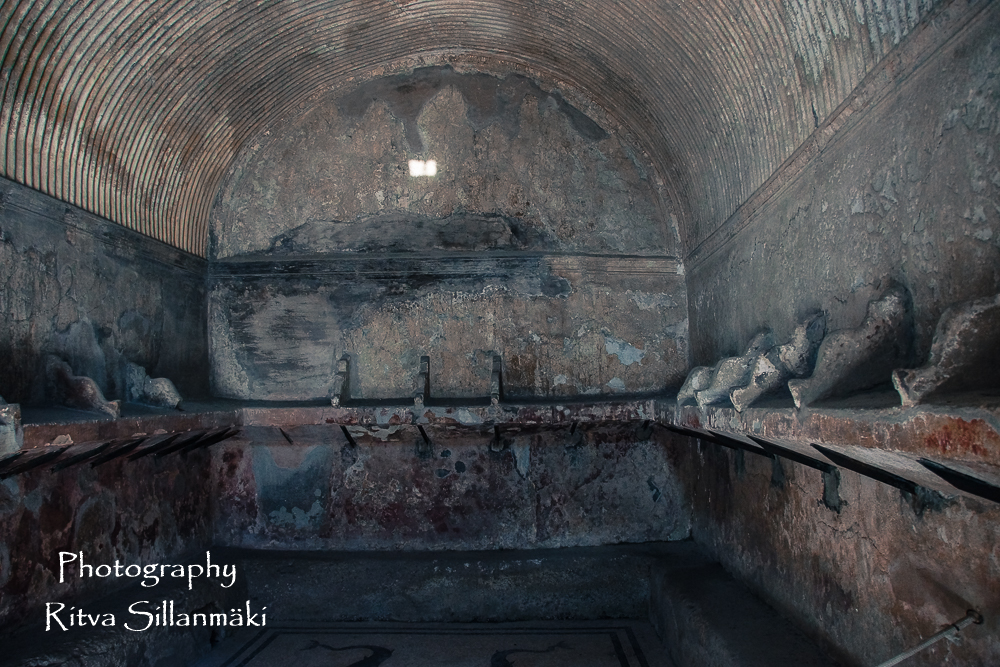
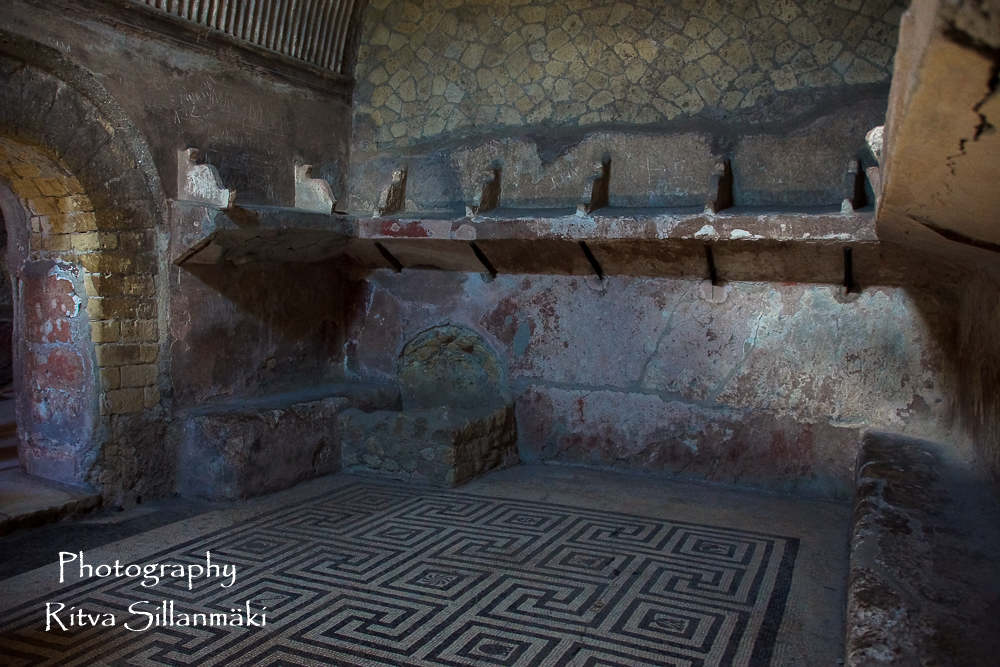
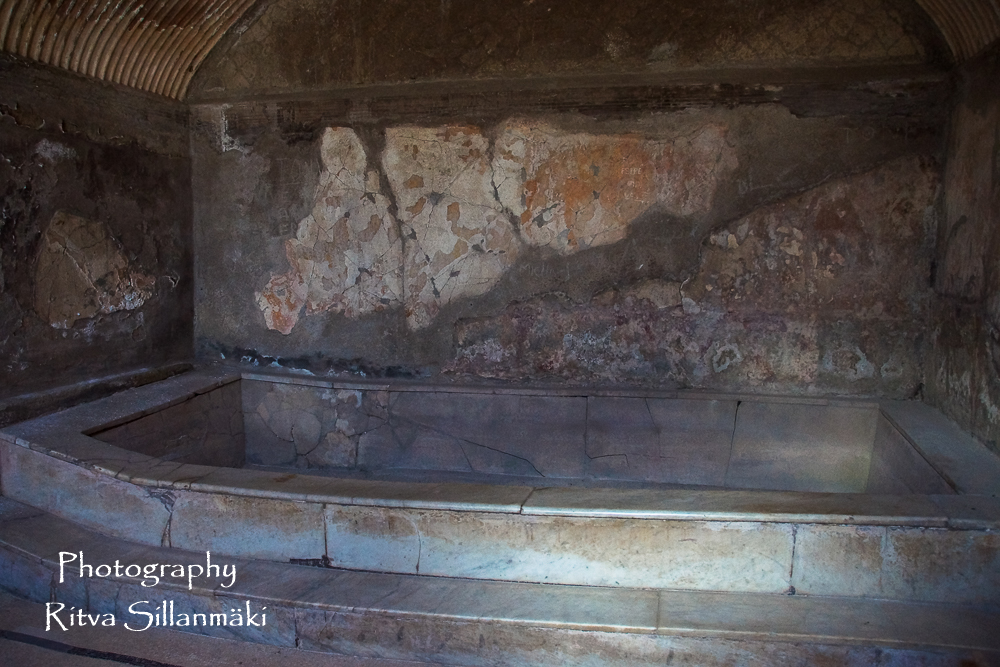
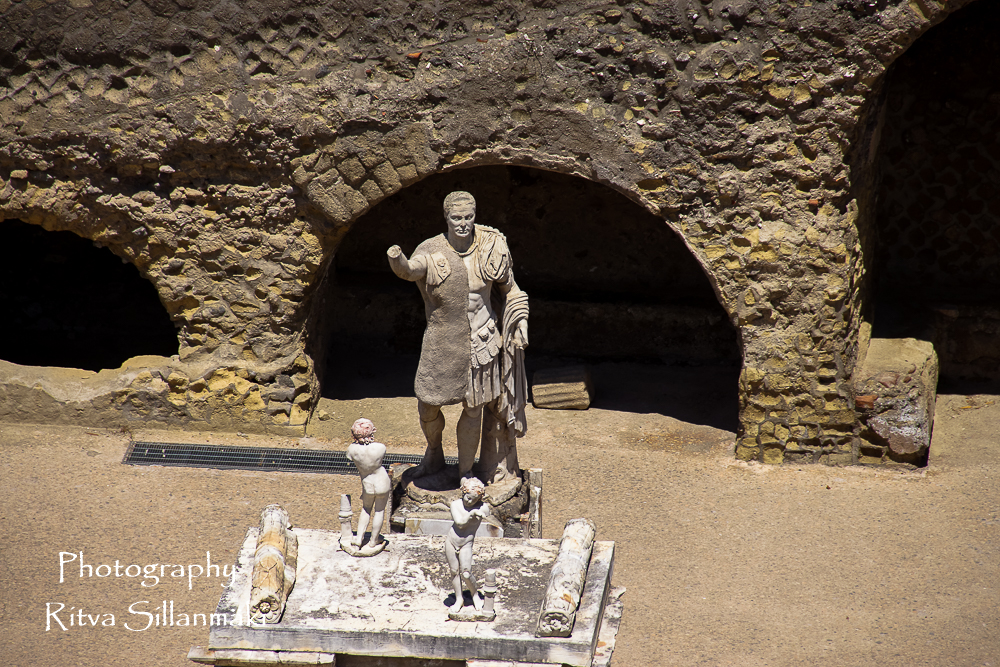
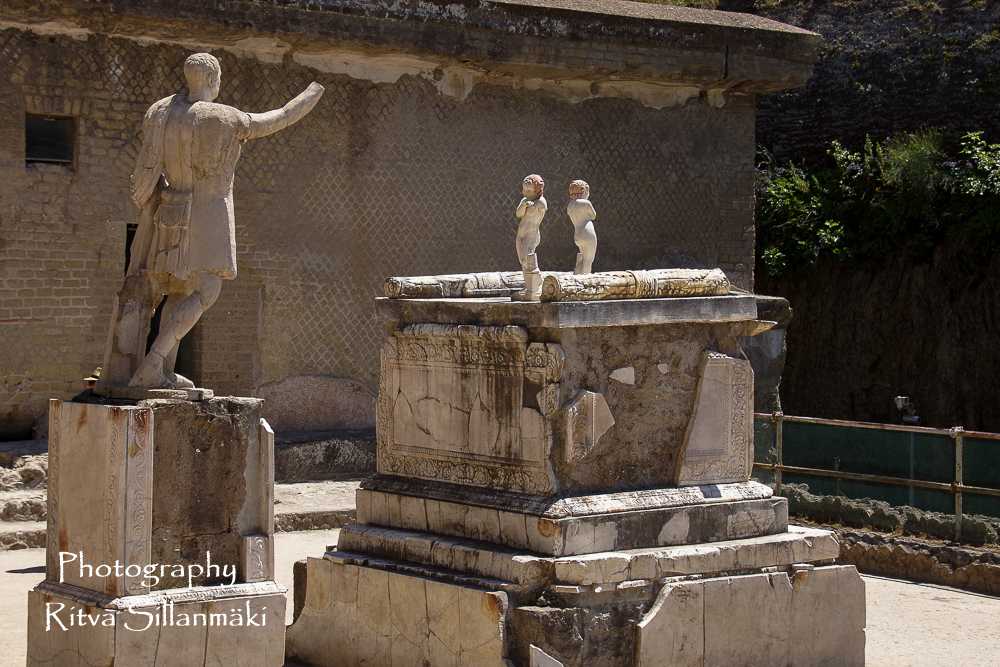
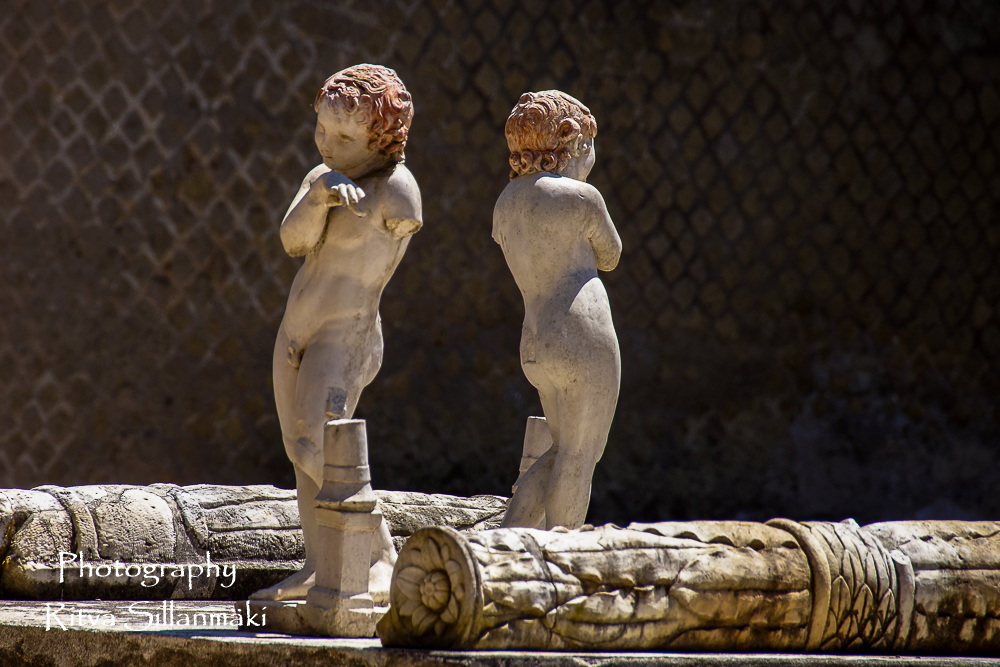
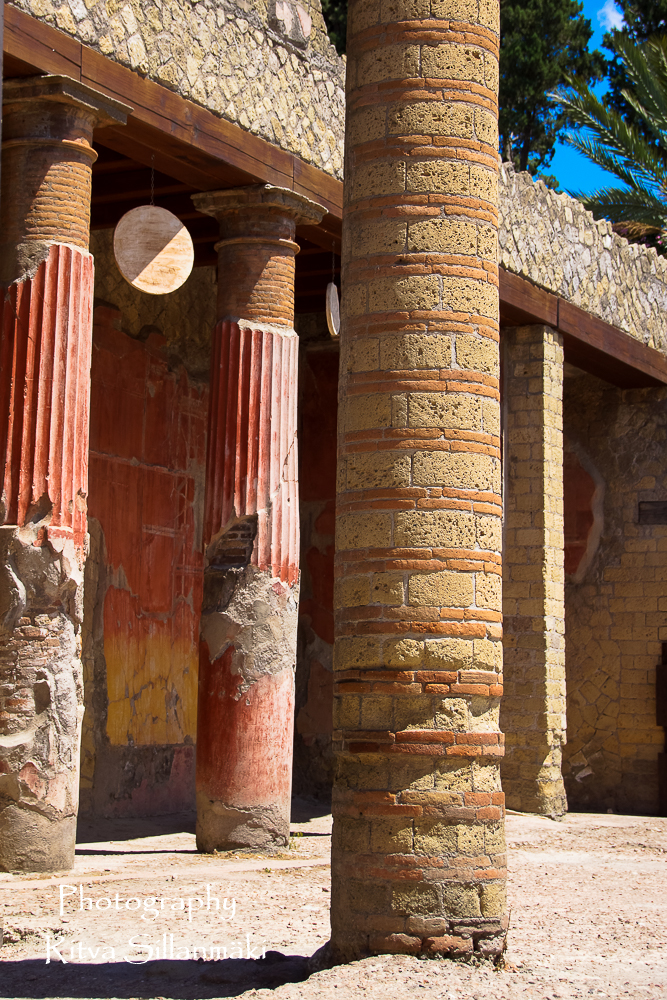
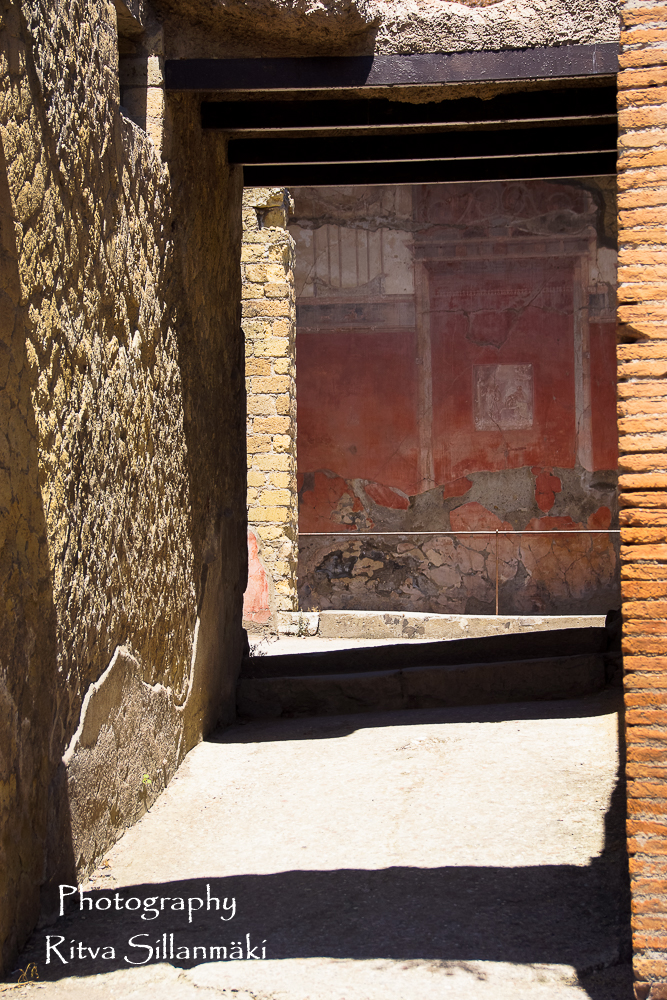
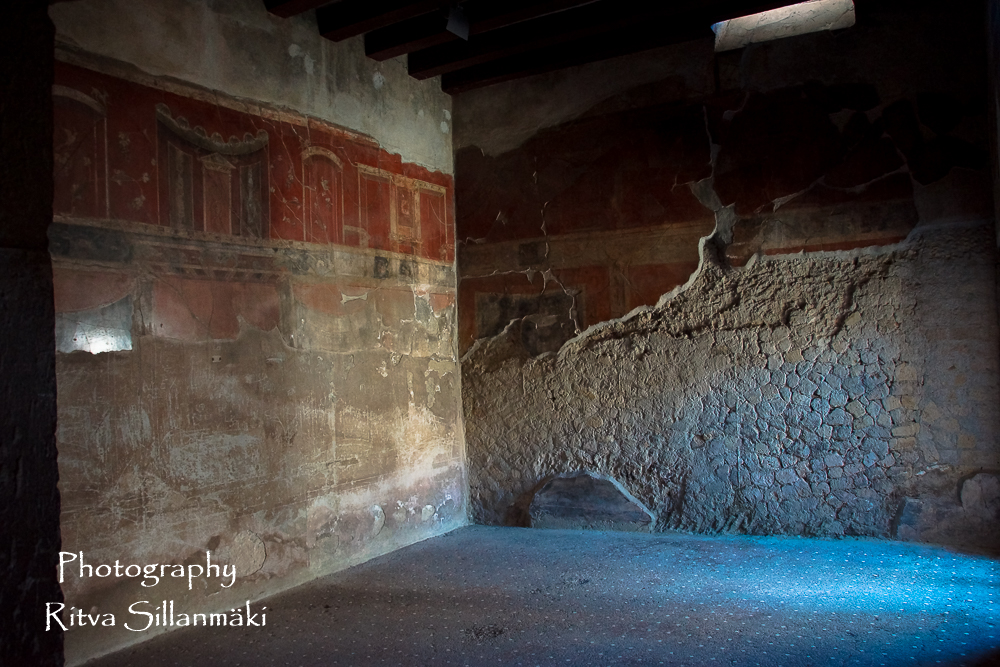
The Central Thermae were bath houses built around the first century AD. Bath houses were very common at that time, especially in Pompeii and Herculaneum. Per common practice, there were two different bath areas, one for men and the other for women. These houses were extremely popular, attracting many visitors daily. This cultural hub was also home to several works of art, which can be found in various areas of the Central Thermae site.
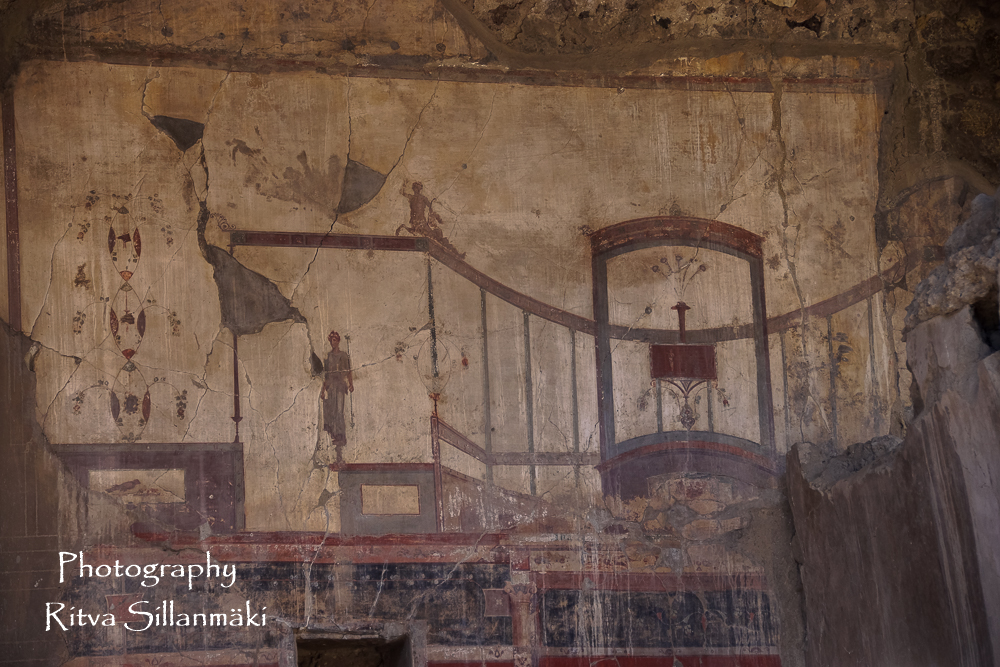
Herculaneum (39 of 142)Herculaneum (50 of 142) Herculaneum (54 of 142) Herculaneum (56 of 142)

Details from the floor and walls…so amazing

Herculaneum #2

Herculaneum #1

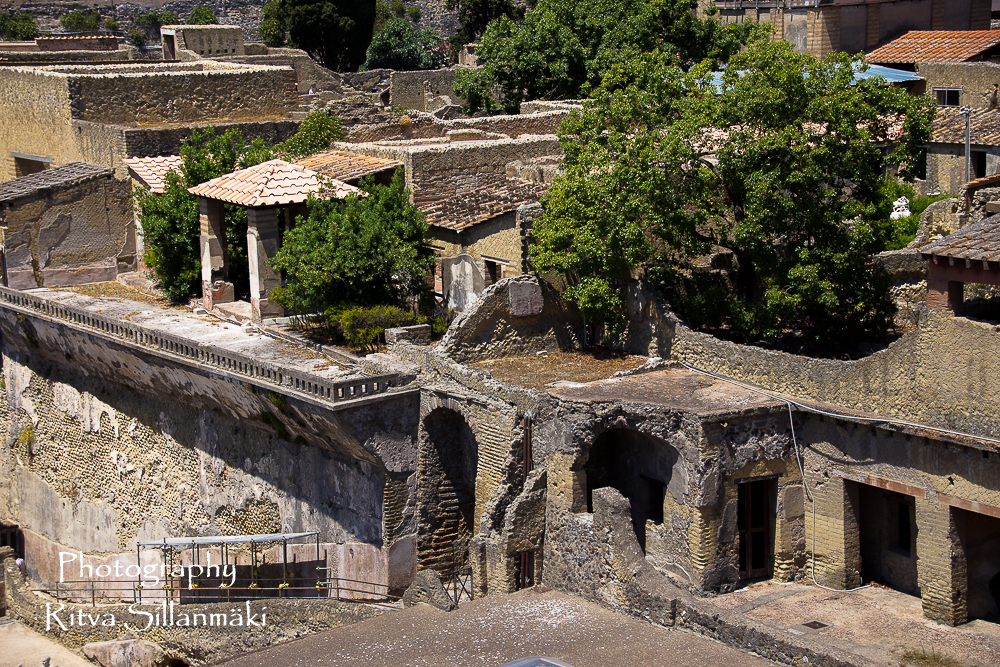
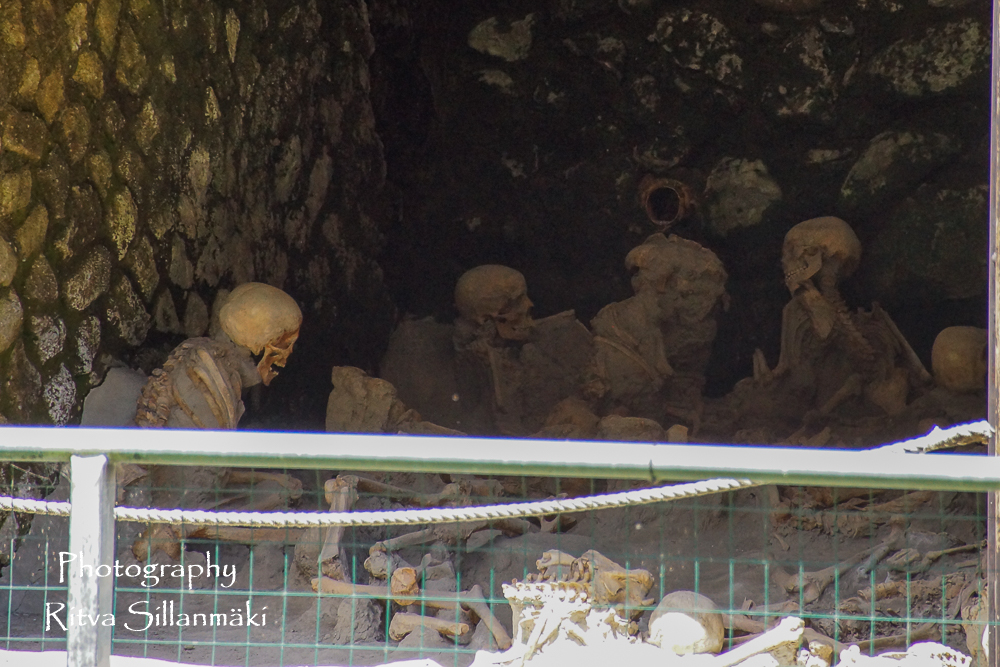
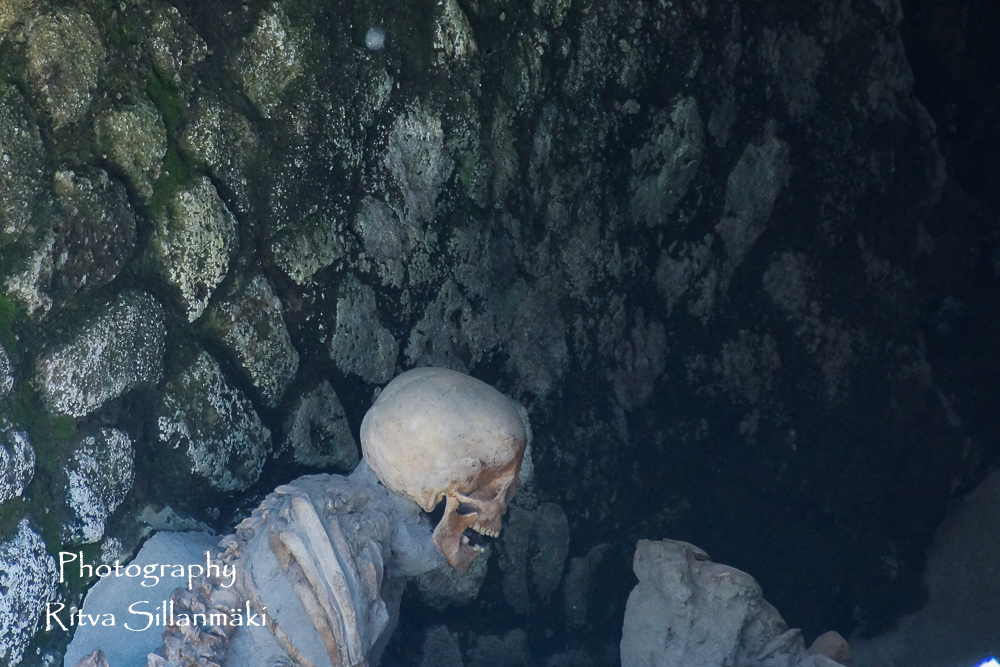
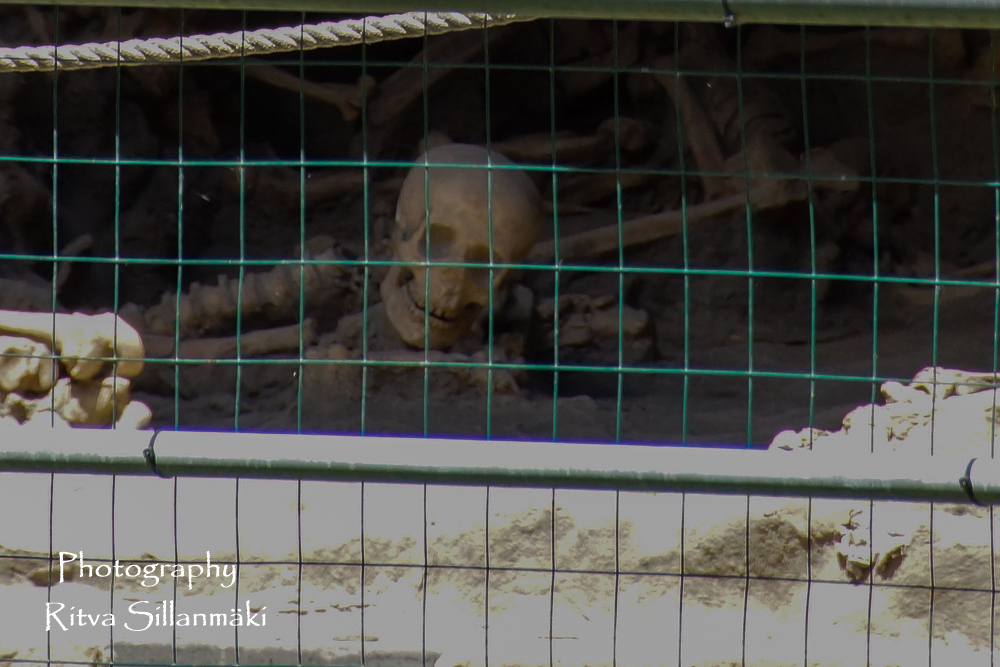
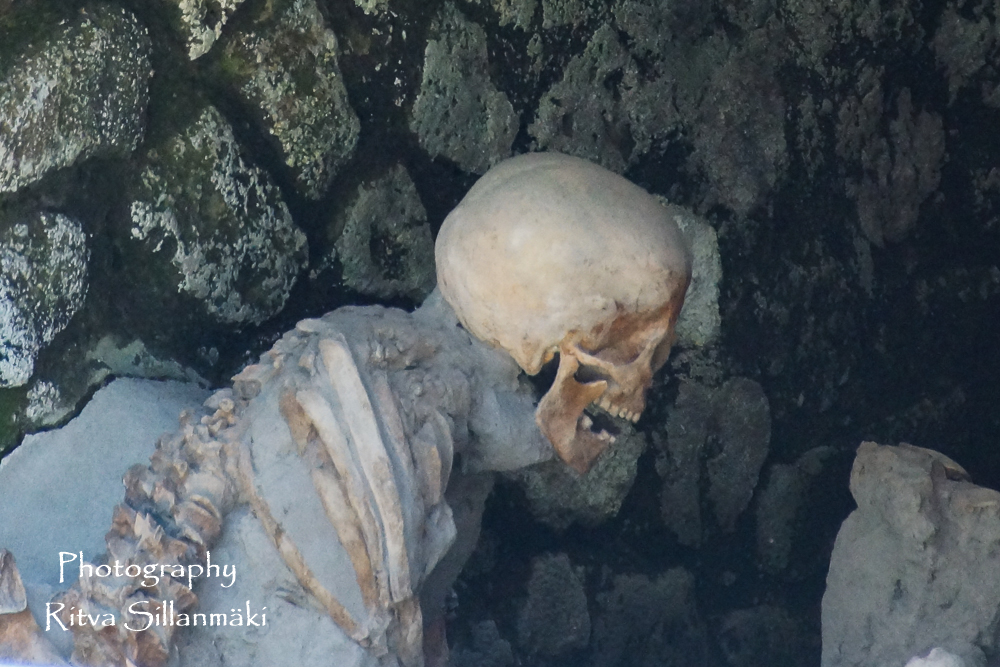
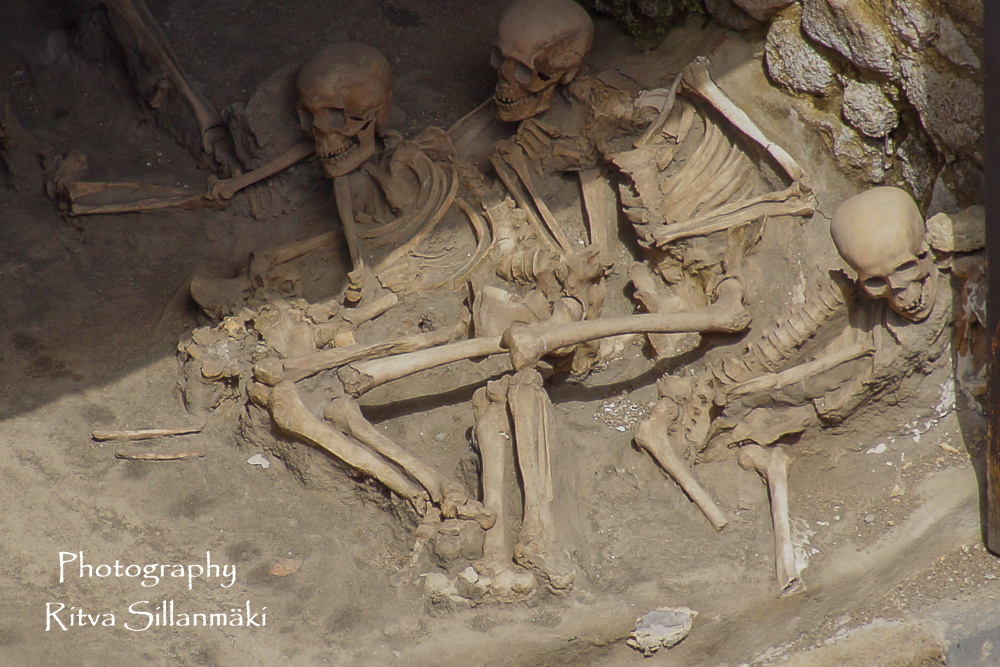
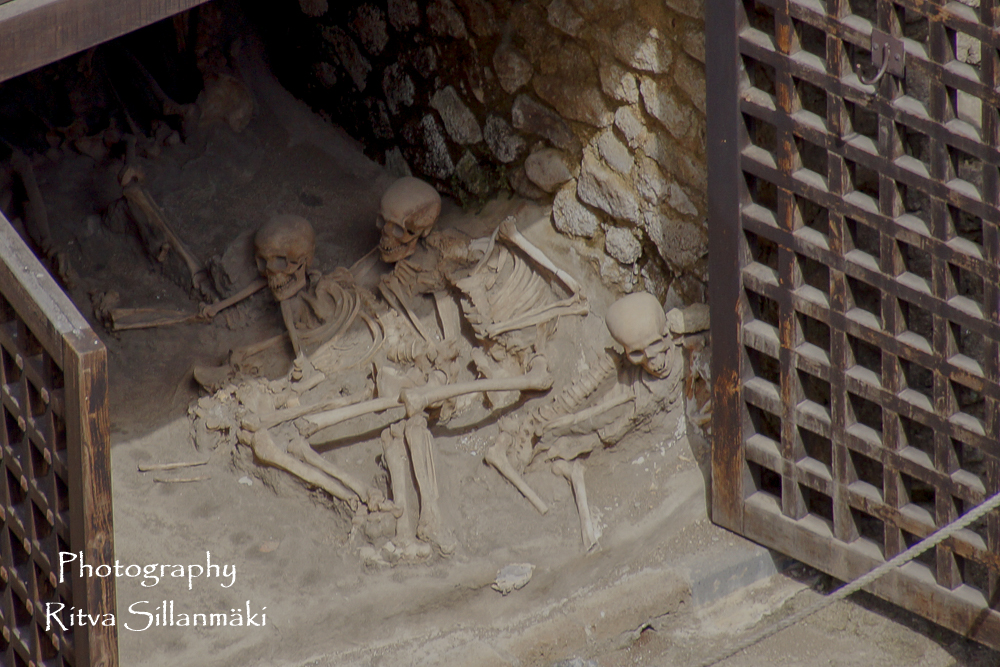
Herculaneum  was an ancient Roman town destroyed by volcanic pyroclastic flows in 79 AD. Its ruins are located in the commune of Ercolano, Campania, Italy.s a UNESCO World Heritage Site, it is famous as one of the few ancient cities that can now be seen in much of its original splendour, as well as for having been lost, along with Pompeii, in the eruption of Mount Vesuvius in AD 79 that buried it. Unlike Pompeii, the deep pyroclastic material which covered it preserved wooden and other organic-based objects such as roofs, beds, doors, food and even some 300 skeletons which were surprisingly discovered in recent years along the seashore.
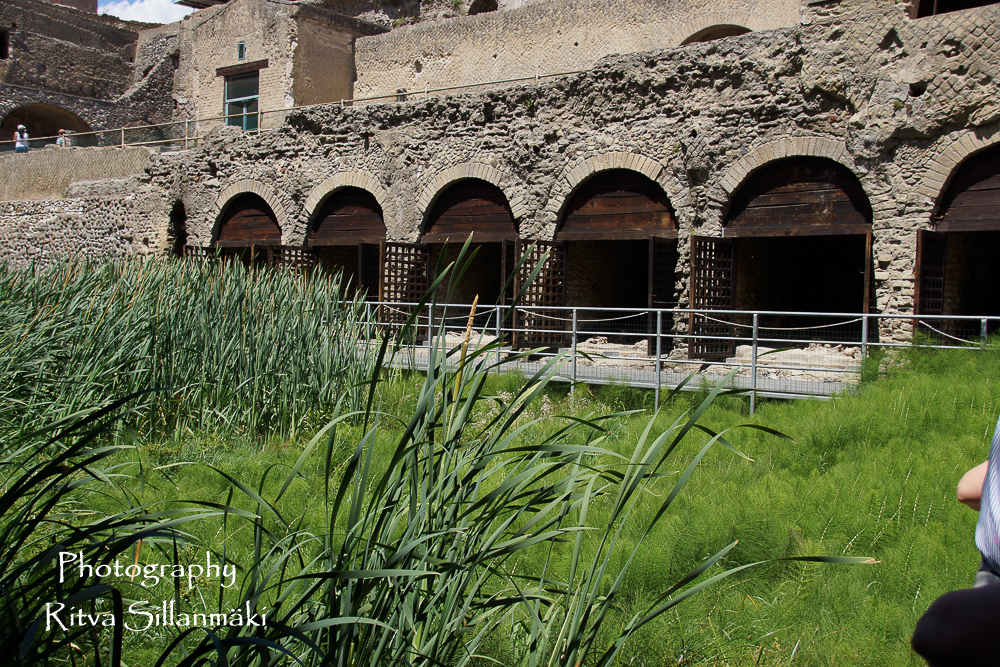
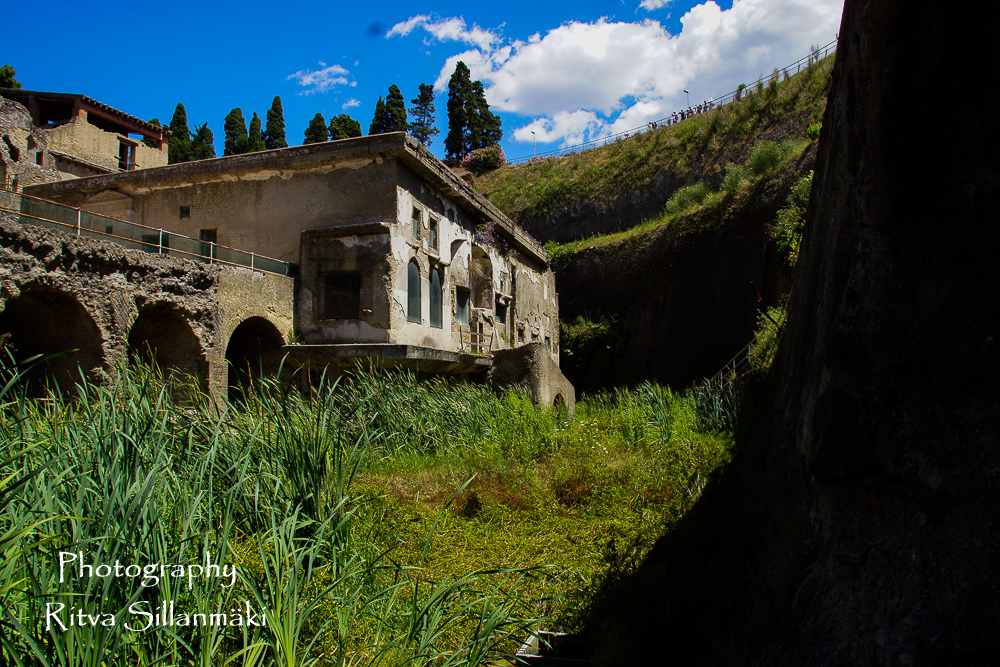
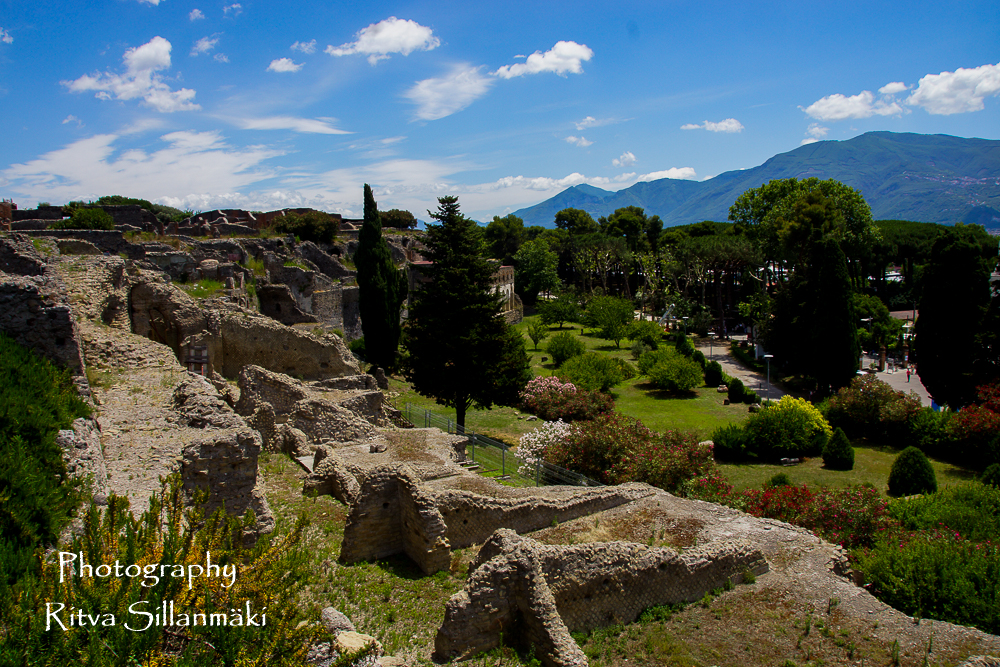
Here are few shots seen when entering the the site and The “Boat houses” where skeletons were found.

Herculaneum (15 of 142)
Herculaneum (4 of 142)
Herculaneum (16 of 142)
Herculaneum (2 of 142)
Herculaneum (13 of 142)
Herculaneum (10 of 142)
Herculaneum (14 of 142)
Herculaneum (11 of 142)

Herculaneum (142 of 142)