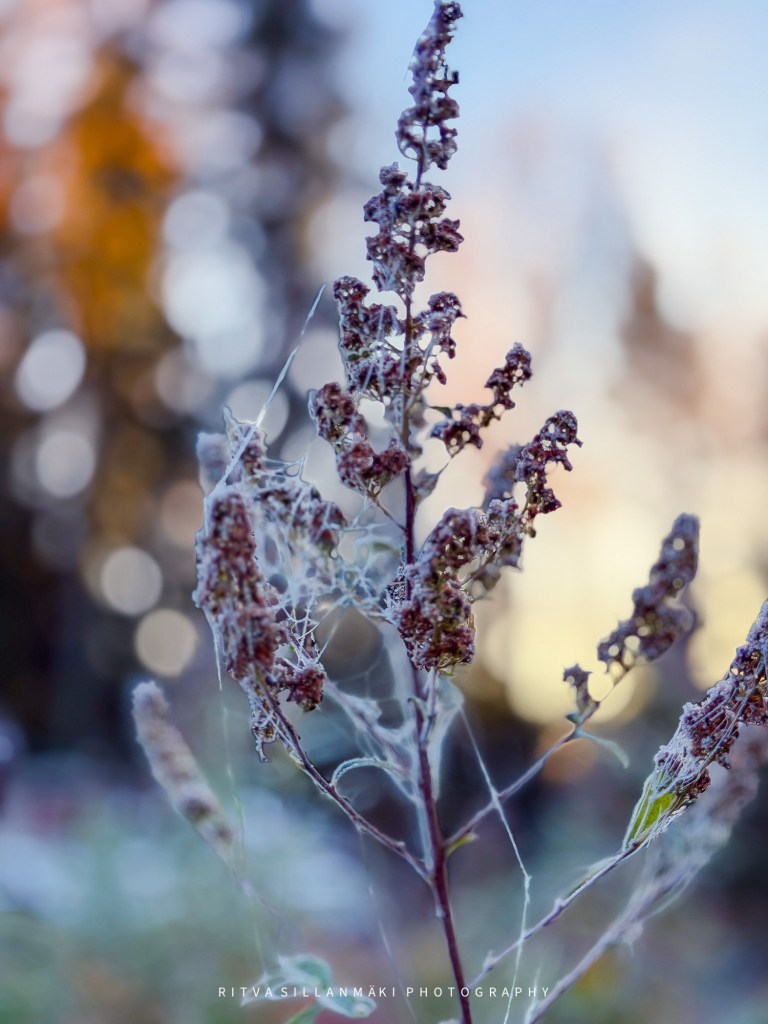
Silent Wednesday
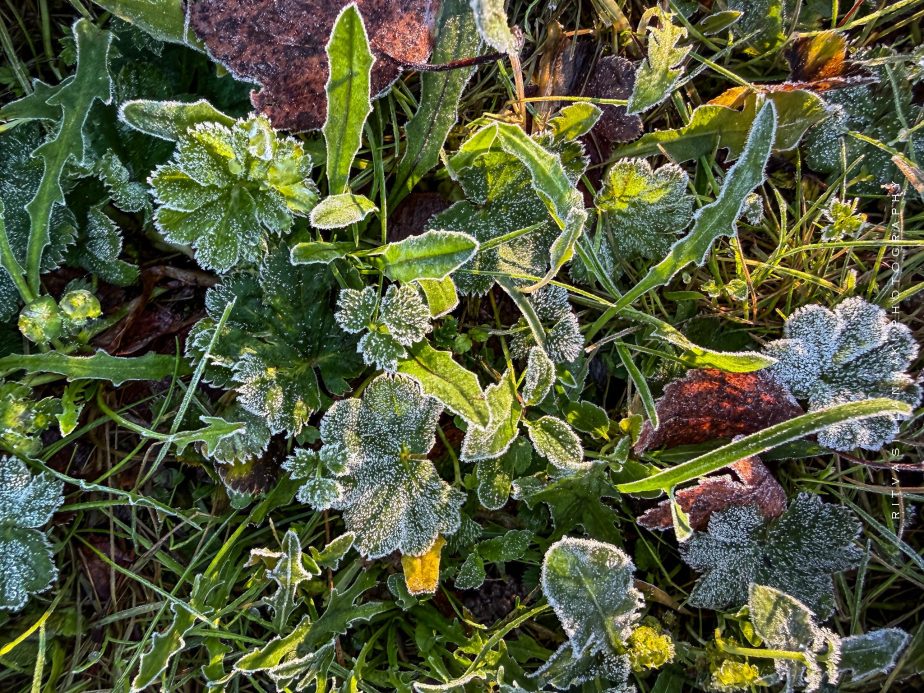
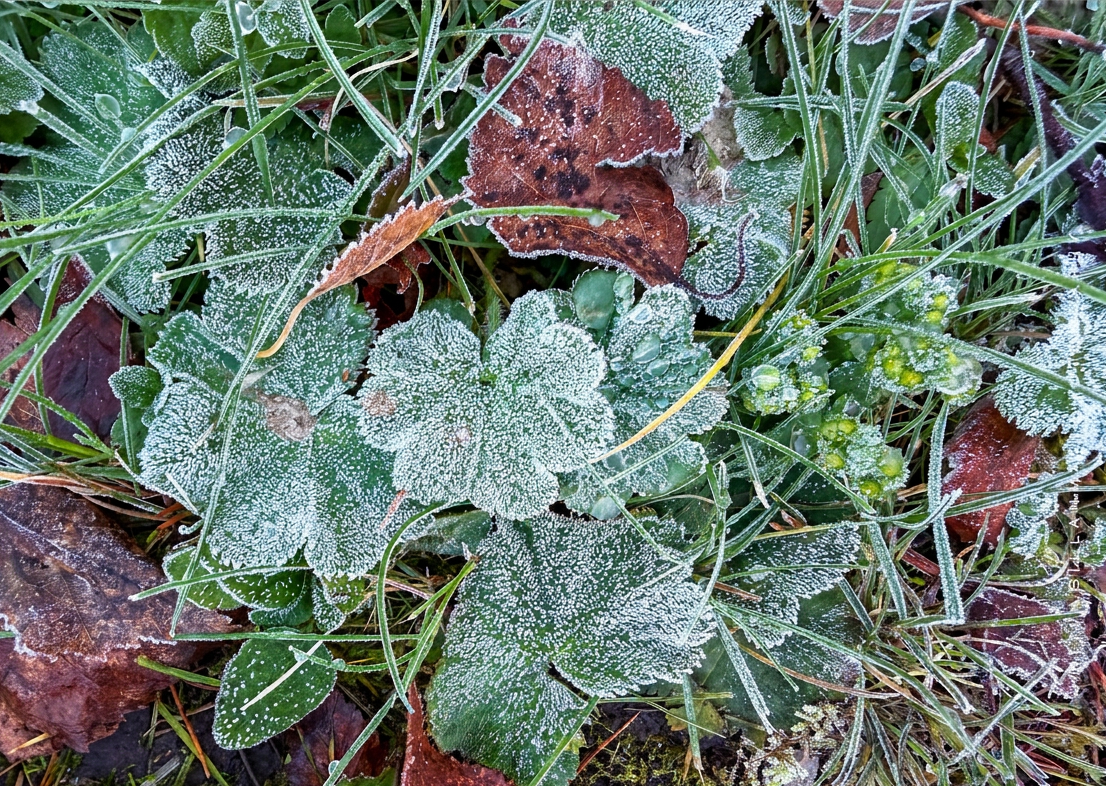
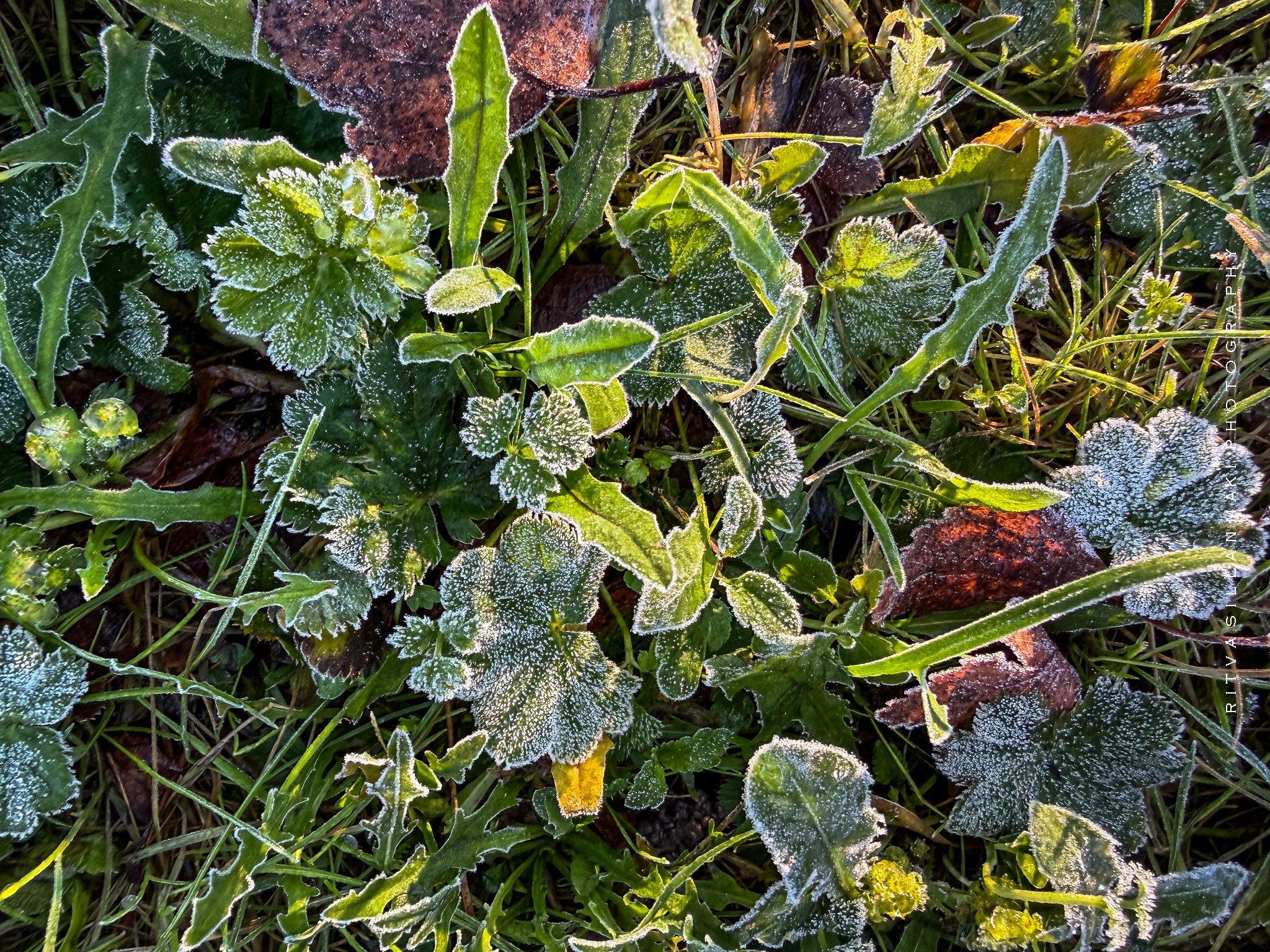
This morning was cold, -6C and the grass was full of frost. And to be honest there are no flower to be seen really .
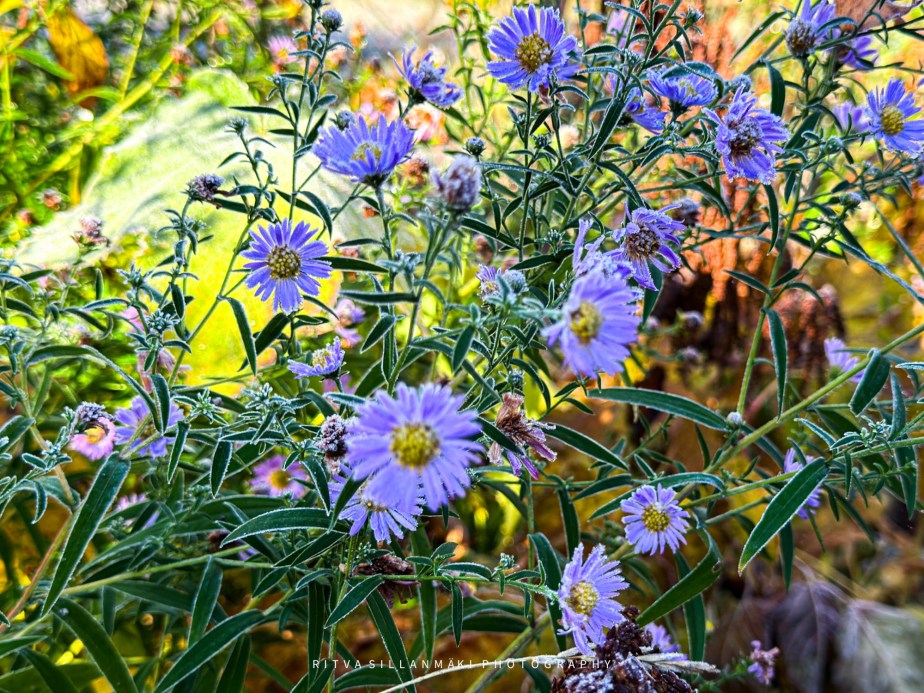
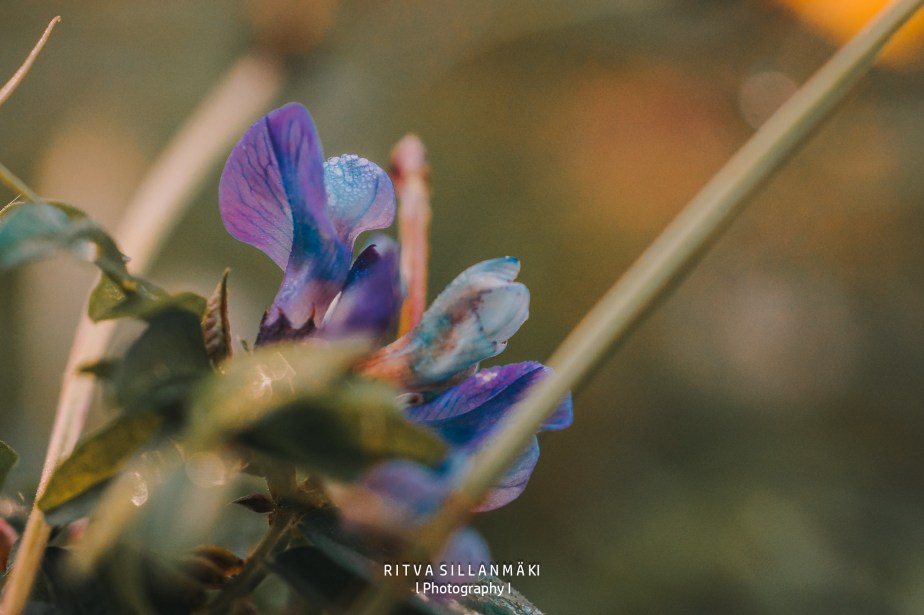
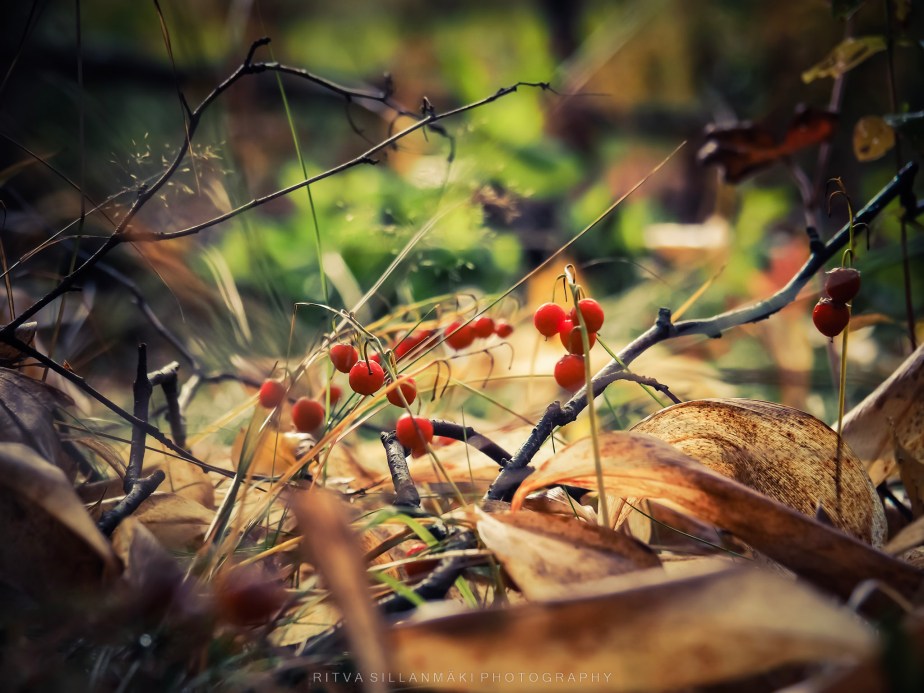
These are the only ones left to share with The Flower Hour #53
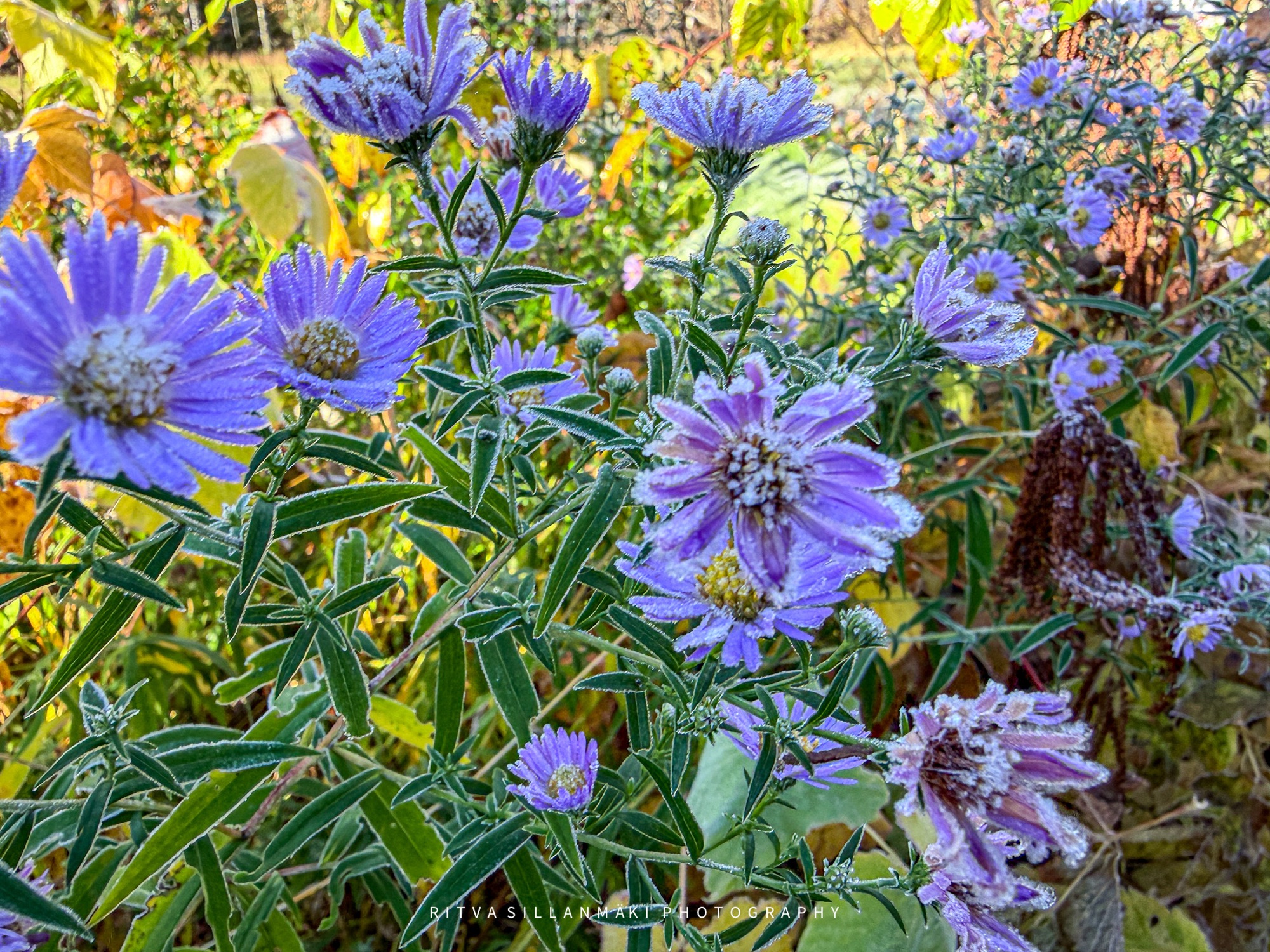
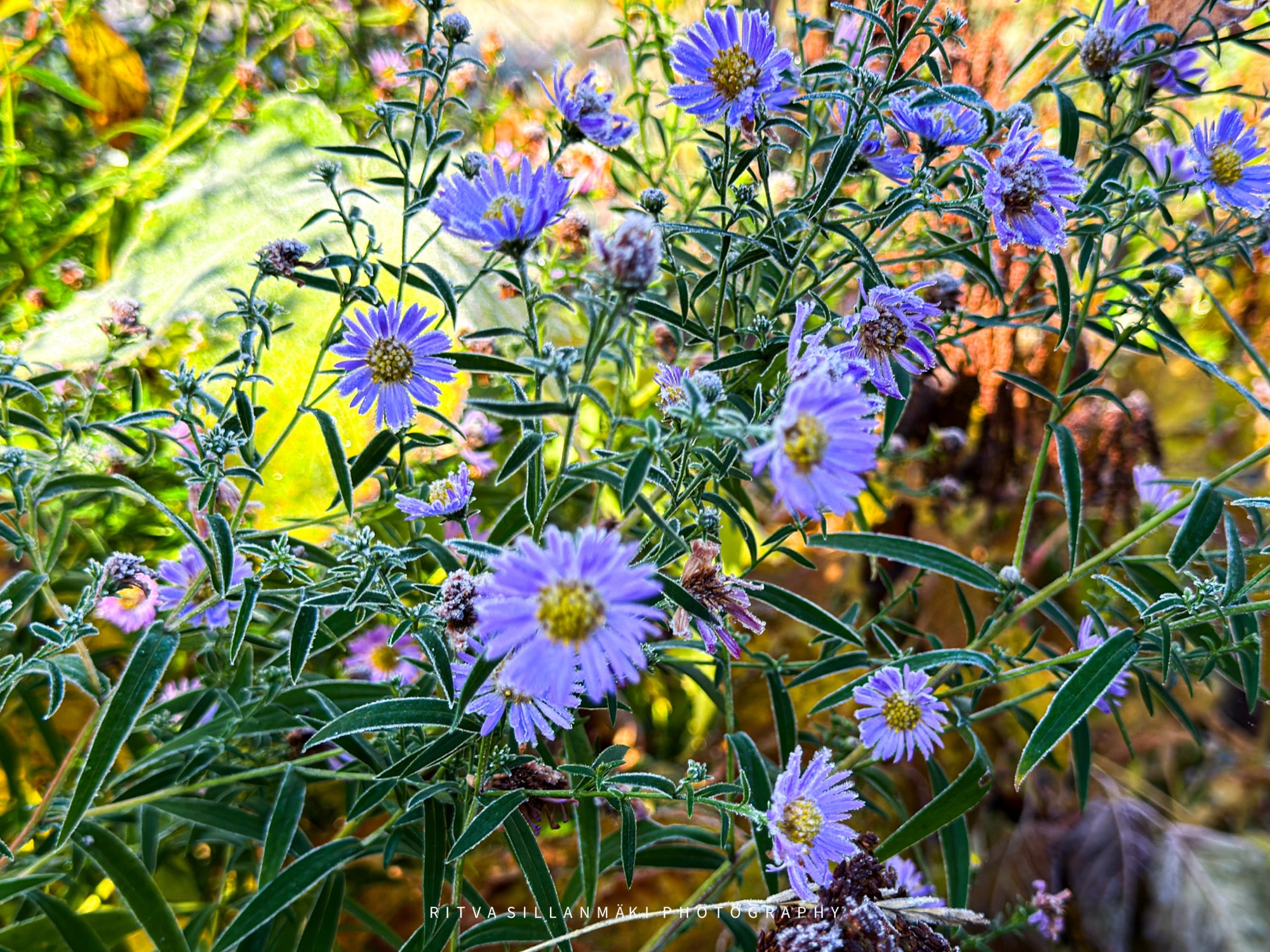
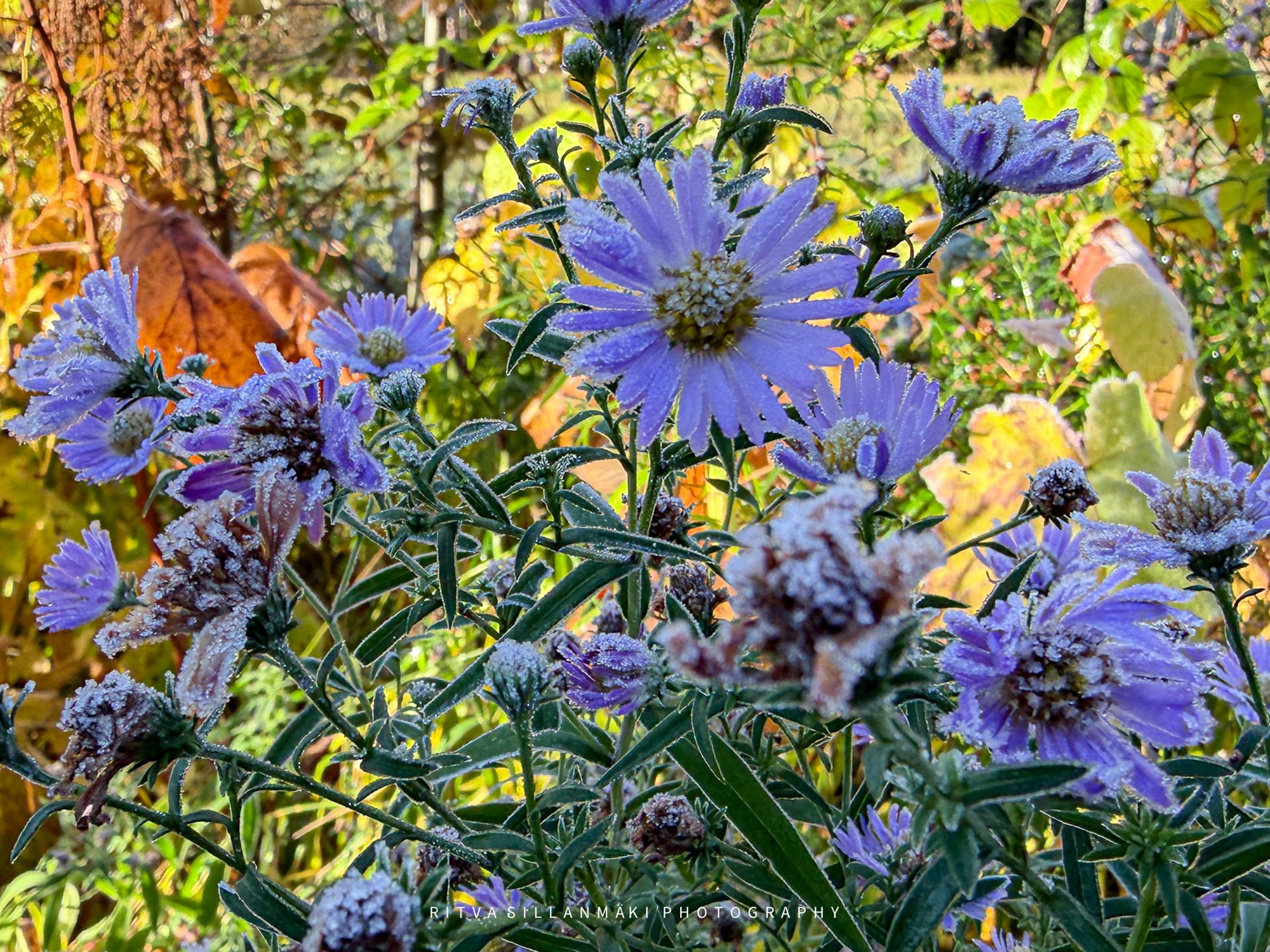
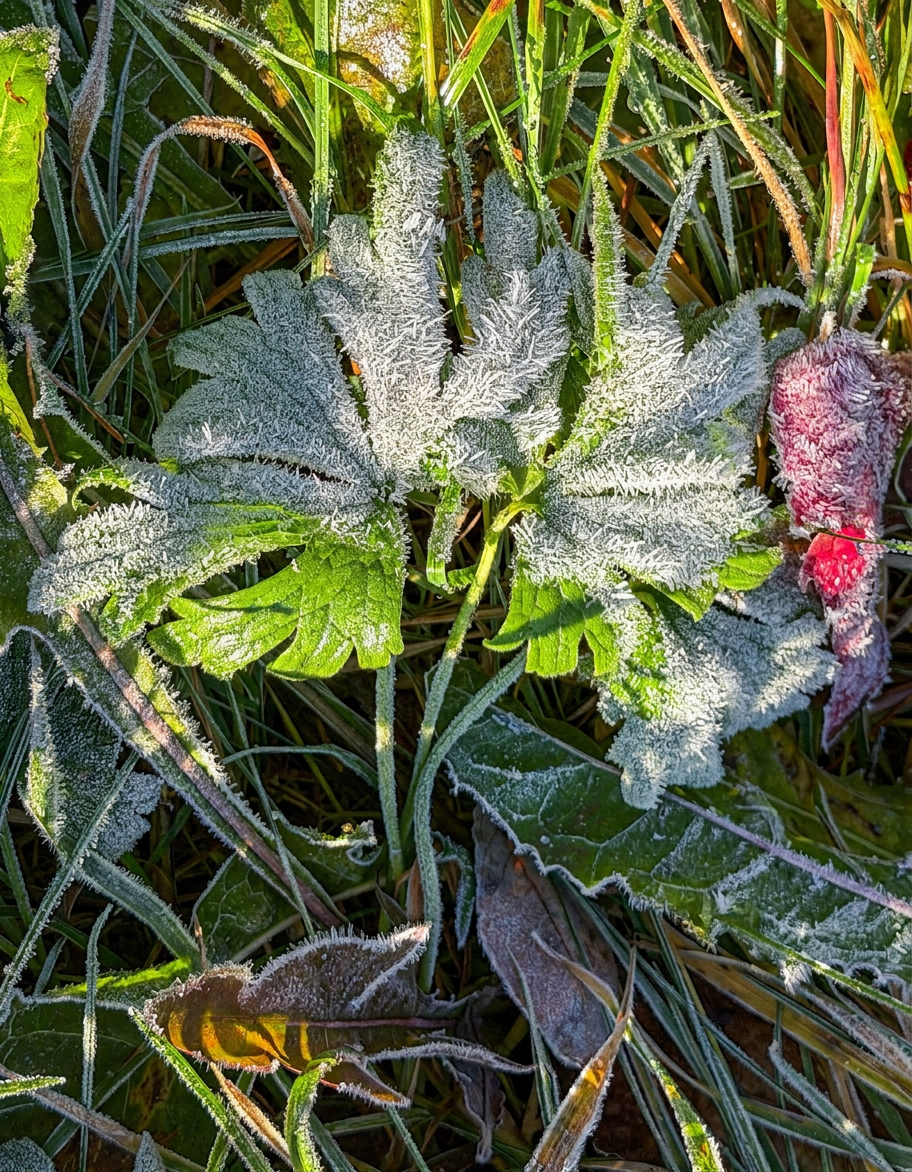
Macro Monday – first frost photography of the year. The delicate frost crystals transform even the simplest plants into something very festive, highlighting every edge and texture and catching the soft, cold morning light.
The first two images show the green leaves of lady’s mantle (Alchemilla), their surfaces covered with delicate frost and sharp ice crystals that trace the edges and veins of each leaf. The crystals catch the light and give the leaves a subtle, shimmering texture that emphasizes their soft, rounded shapes. The third image focuses on sunlit grass and a Wood Cranesbill leaf, where the low, warm sunlight filters through the blades and leaf surface, revealing fine details, gentle color shifts, and the contrast between lingering moisture and the first signs of frost.
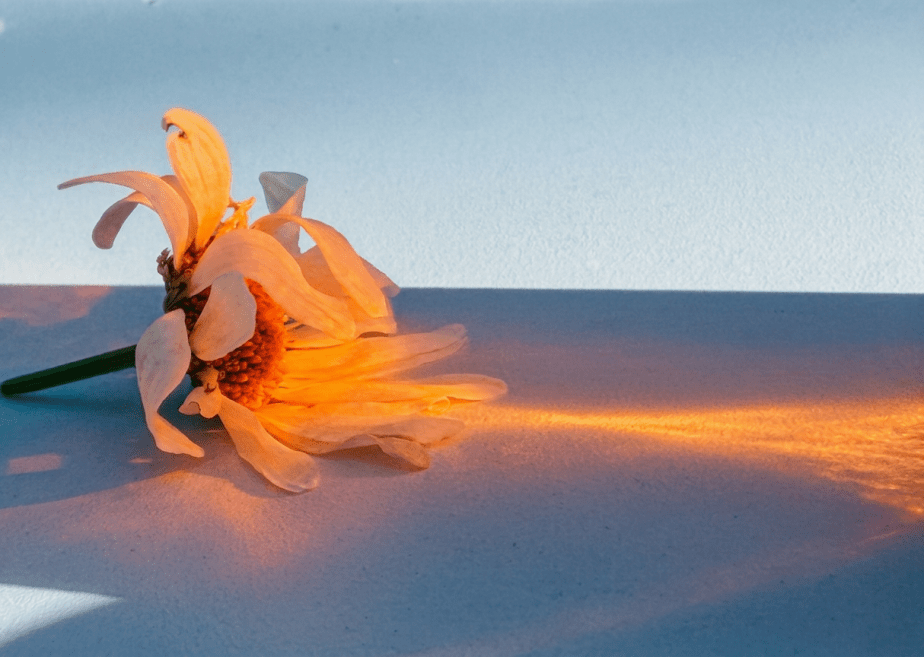
Flowers light gray days,
Soft petals bring gentle peace,
Hope unfolds in light.
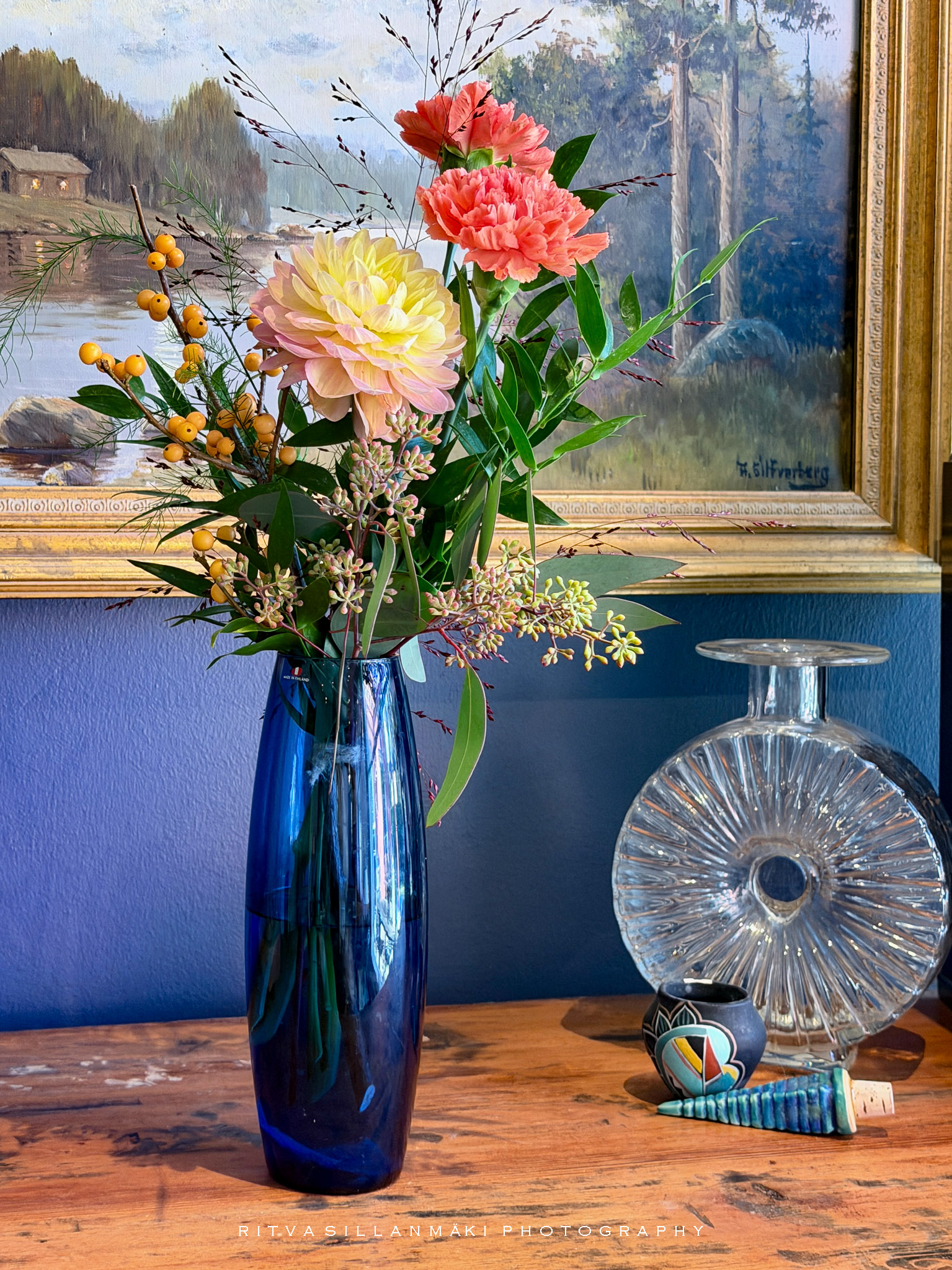
For Debbies Six Word Saturday
Autumn leaves, the glorious colors awake feelings.
Even in a person
most times indifferent
to things around him
they waken feelings
the first winds of autumn.
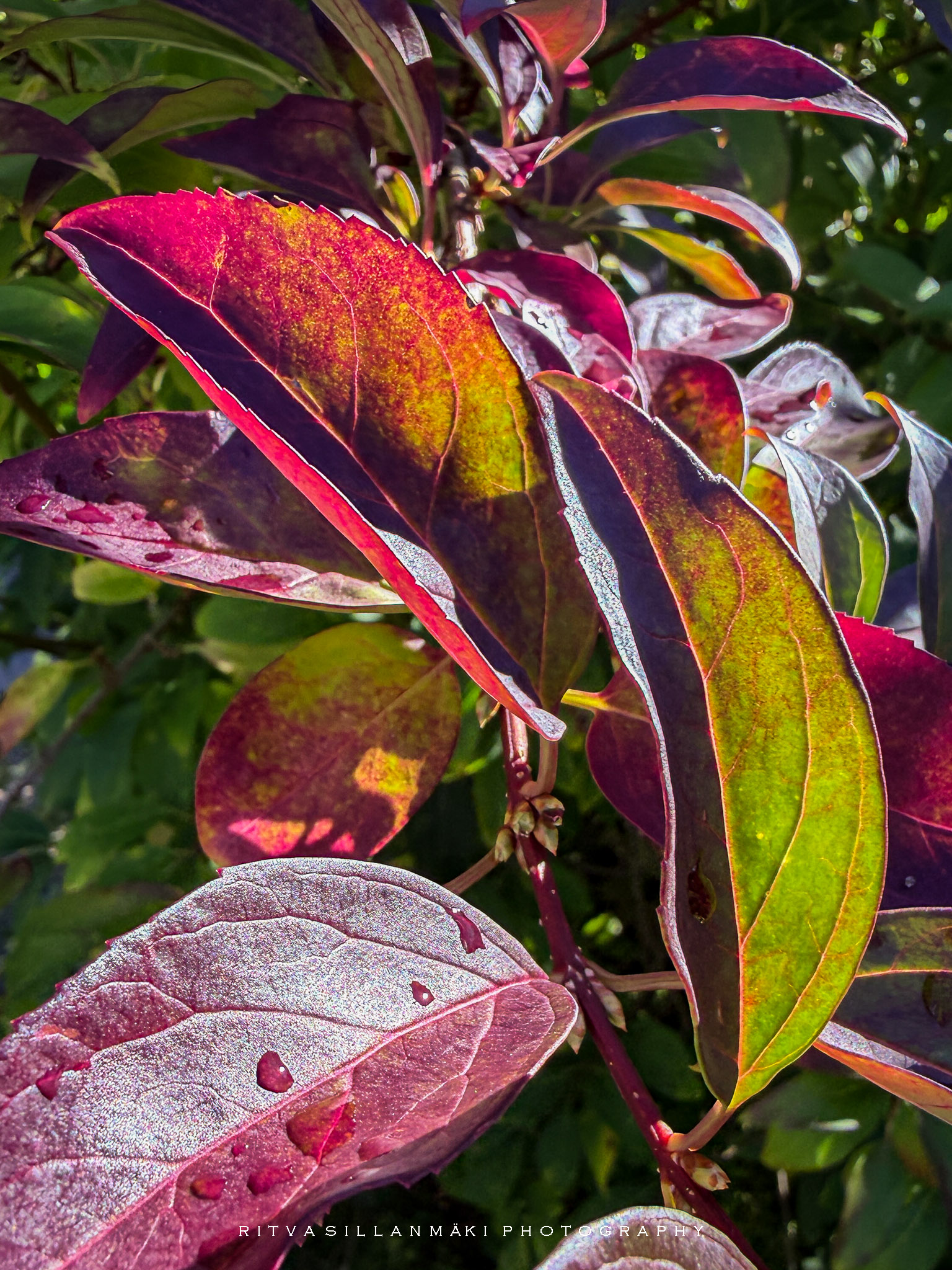
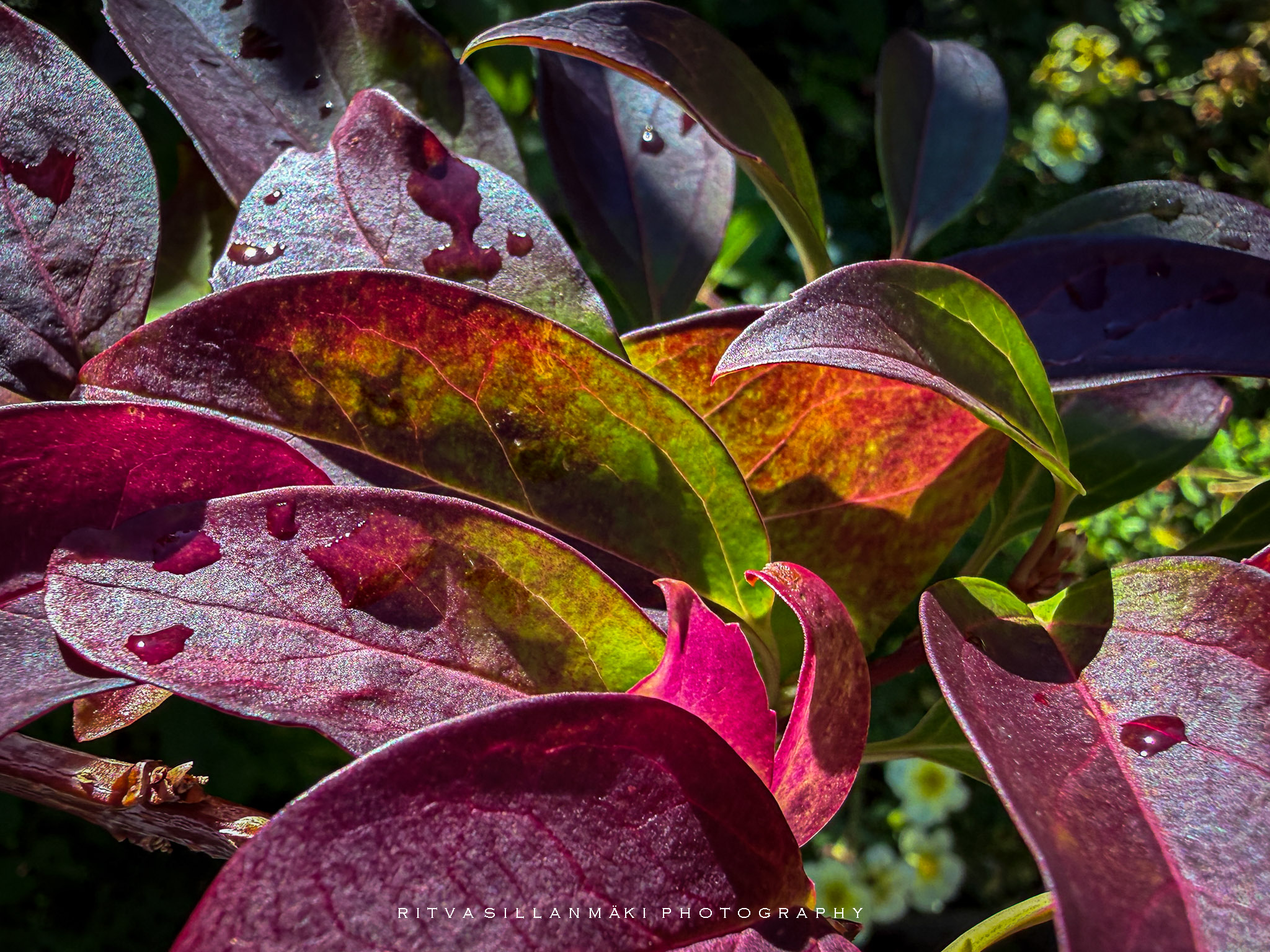
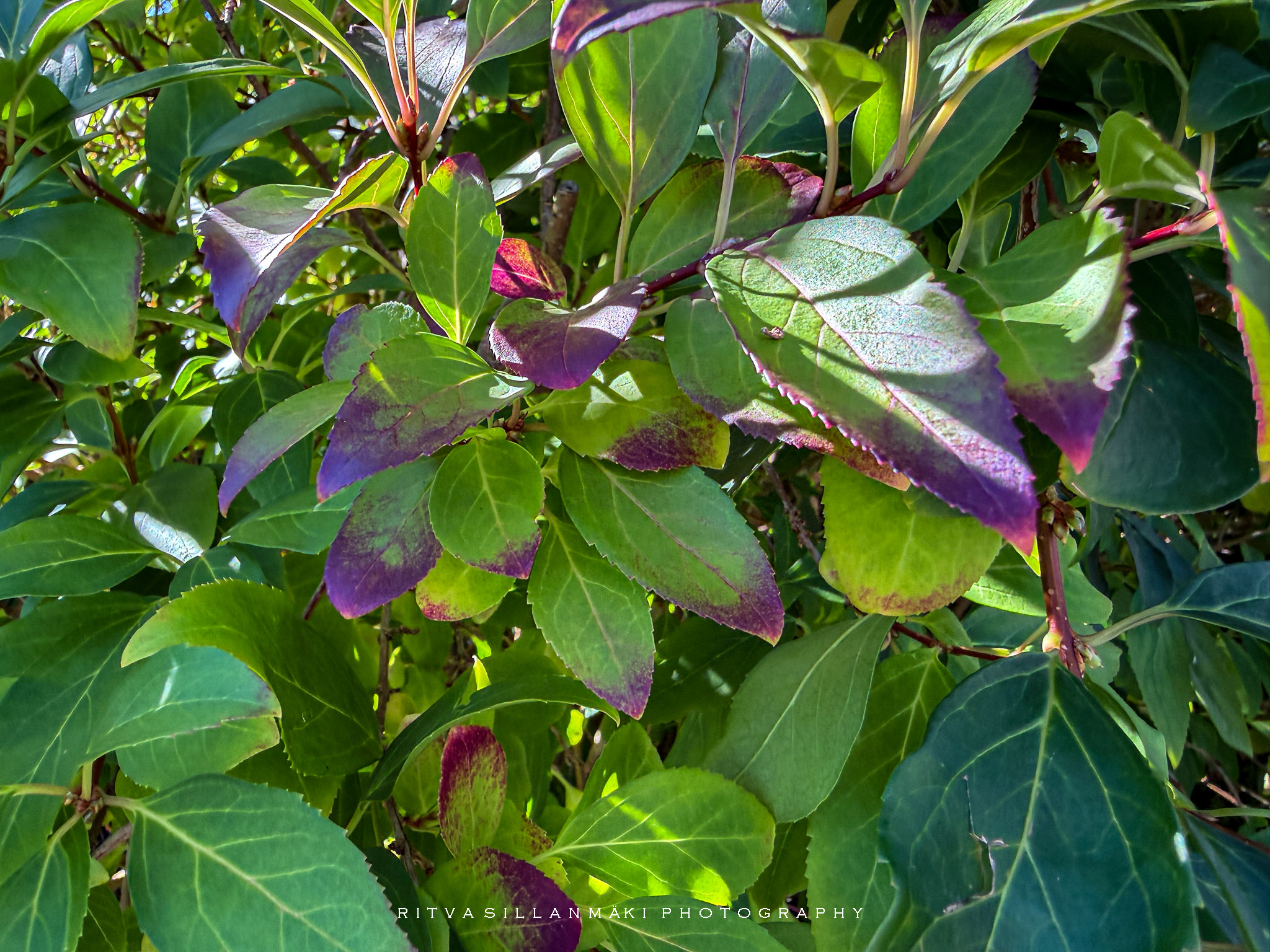
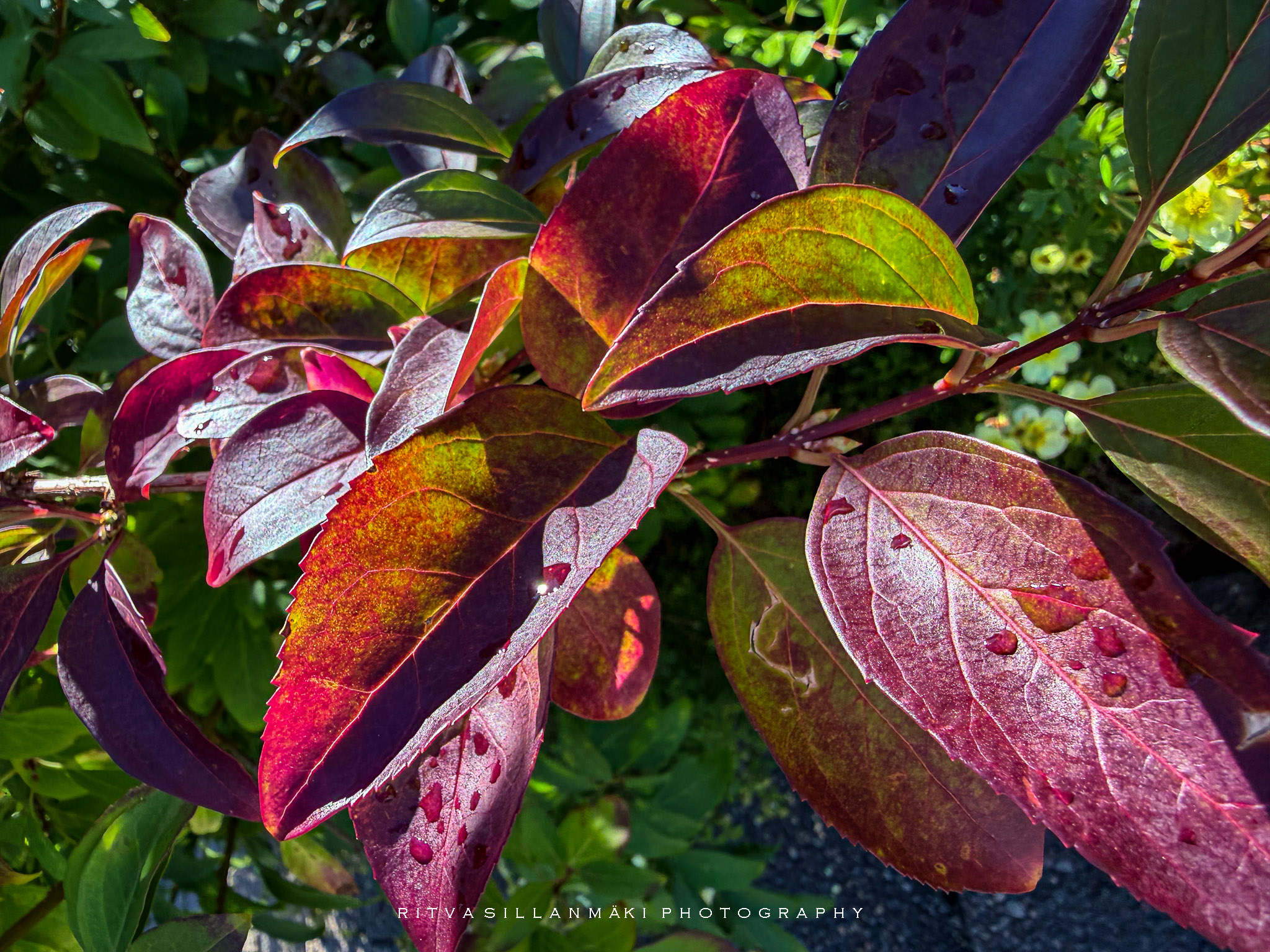
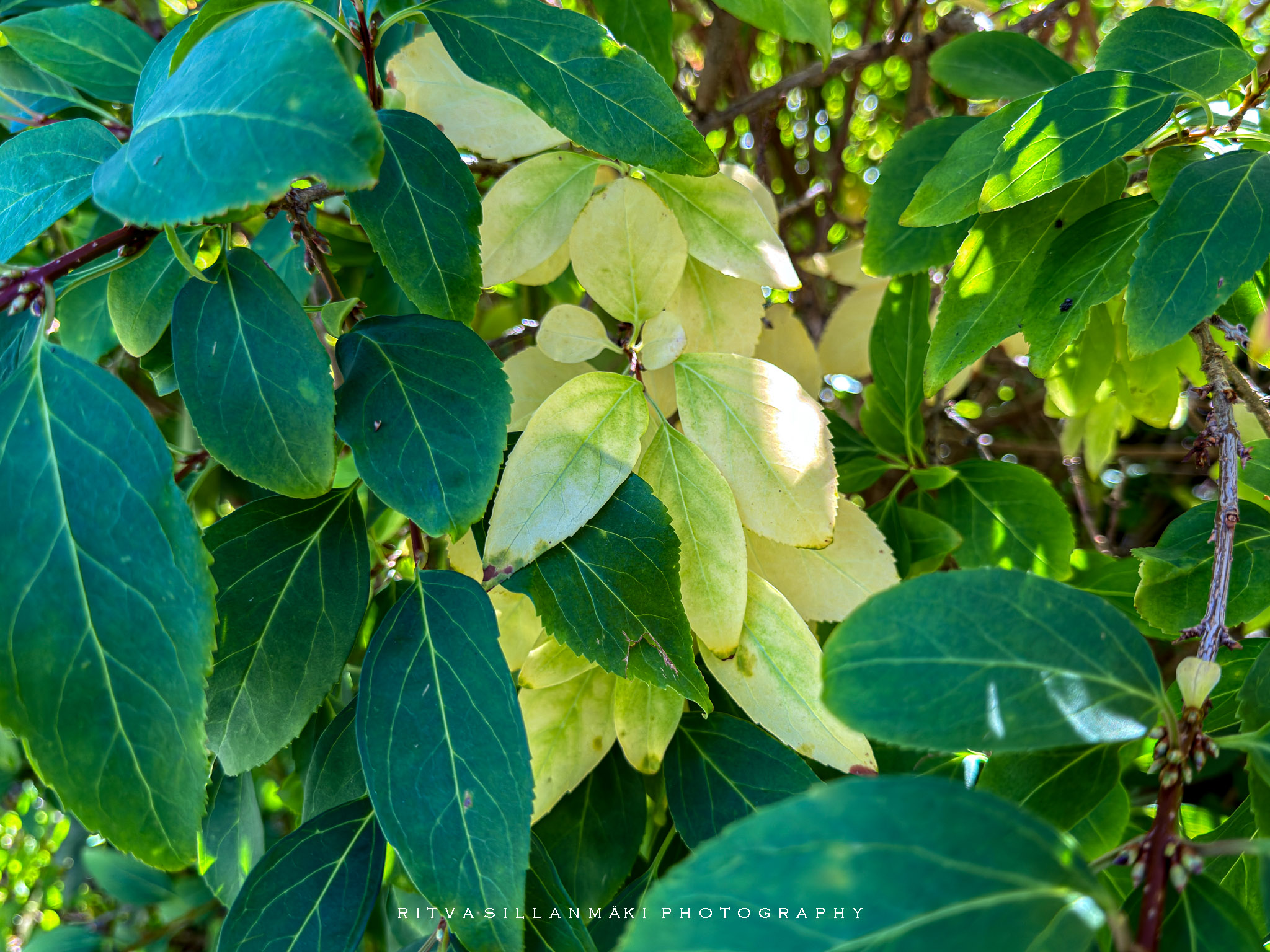
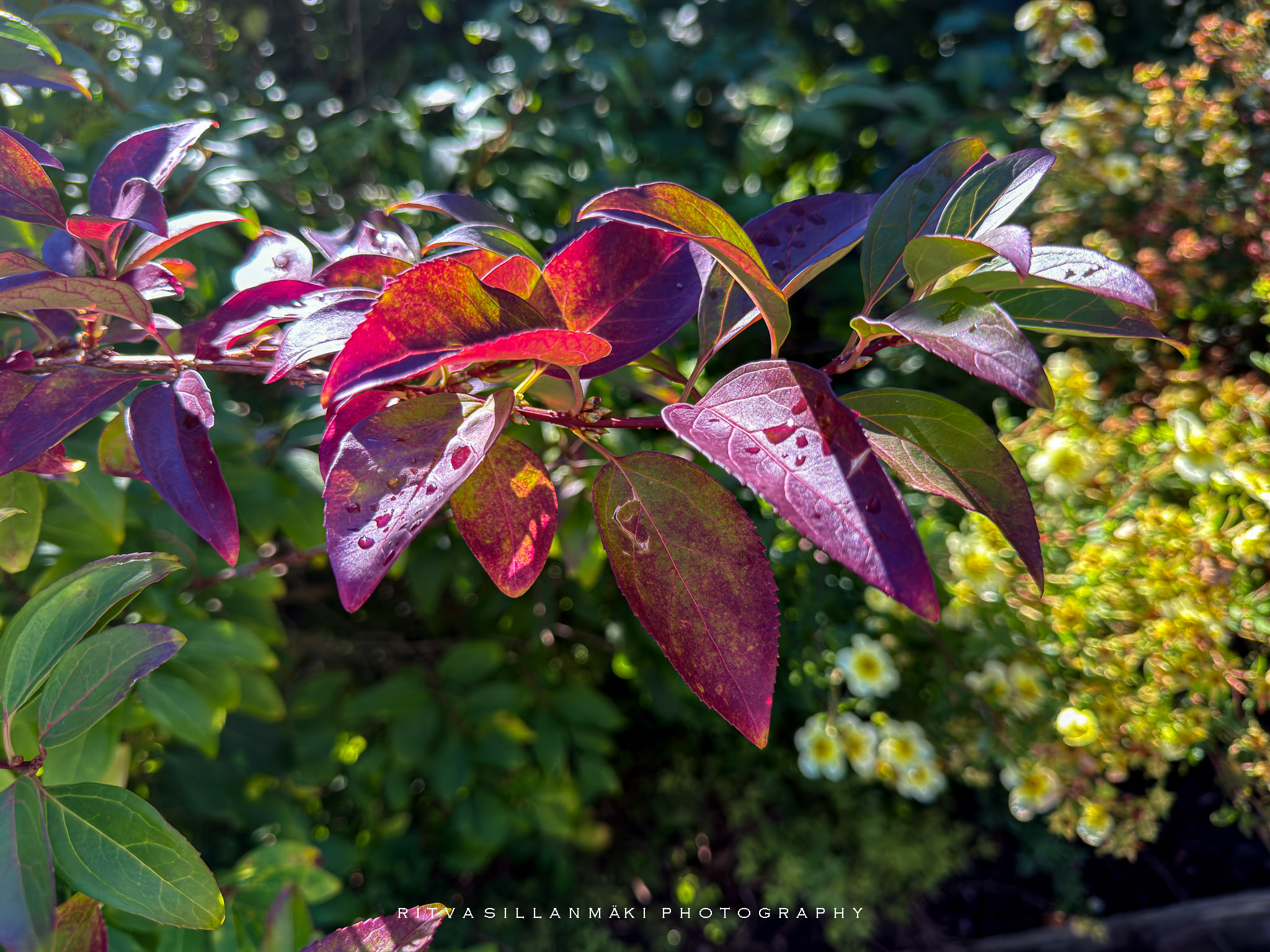
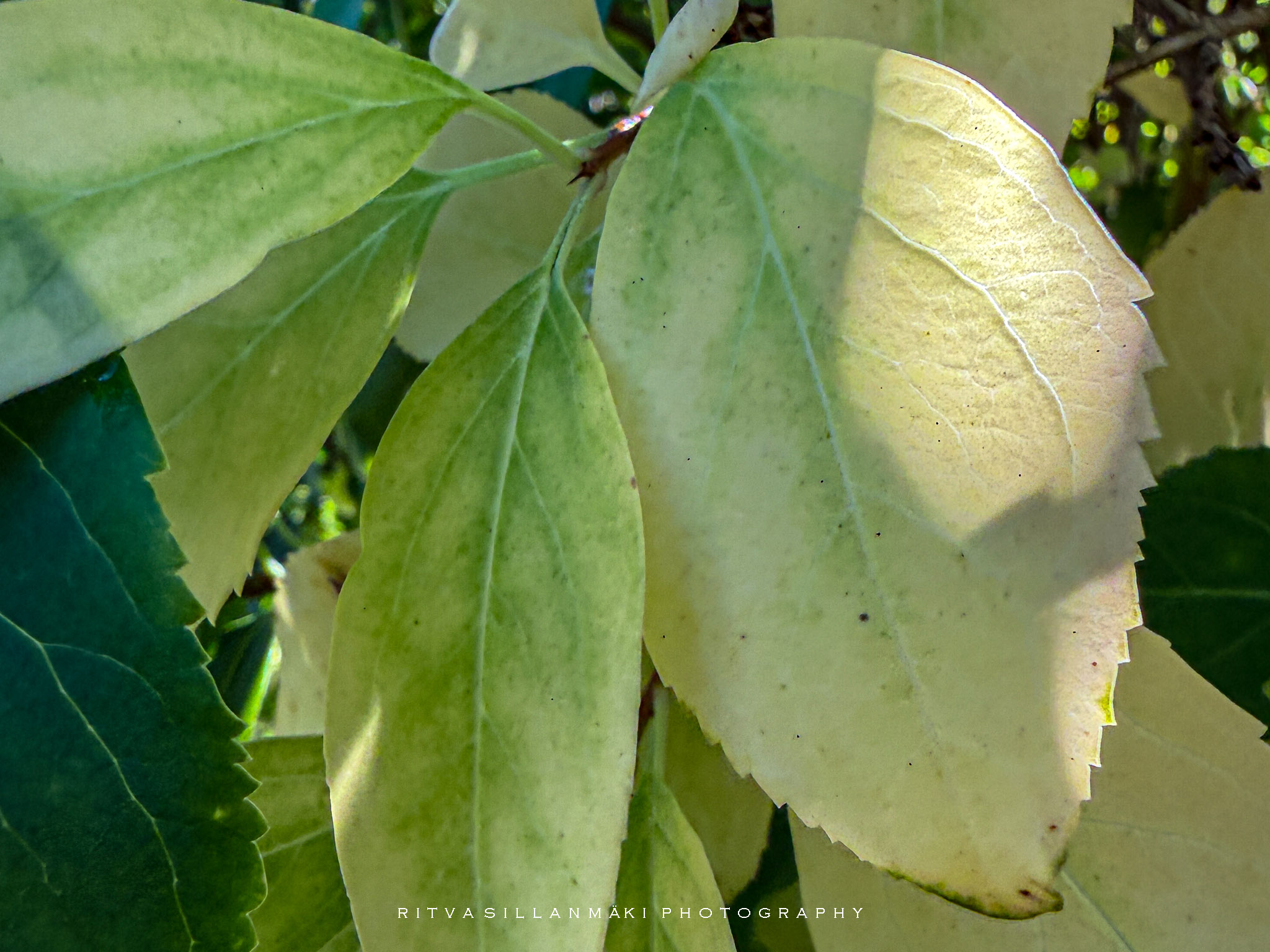
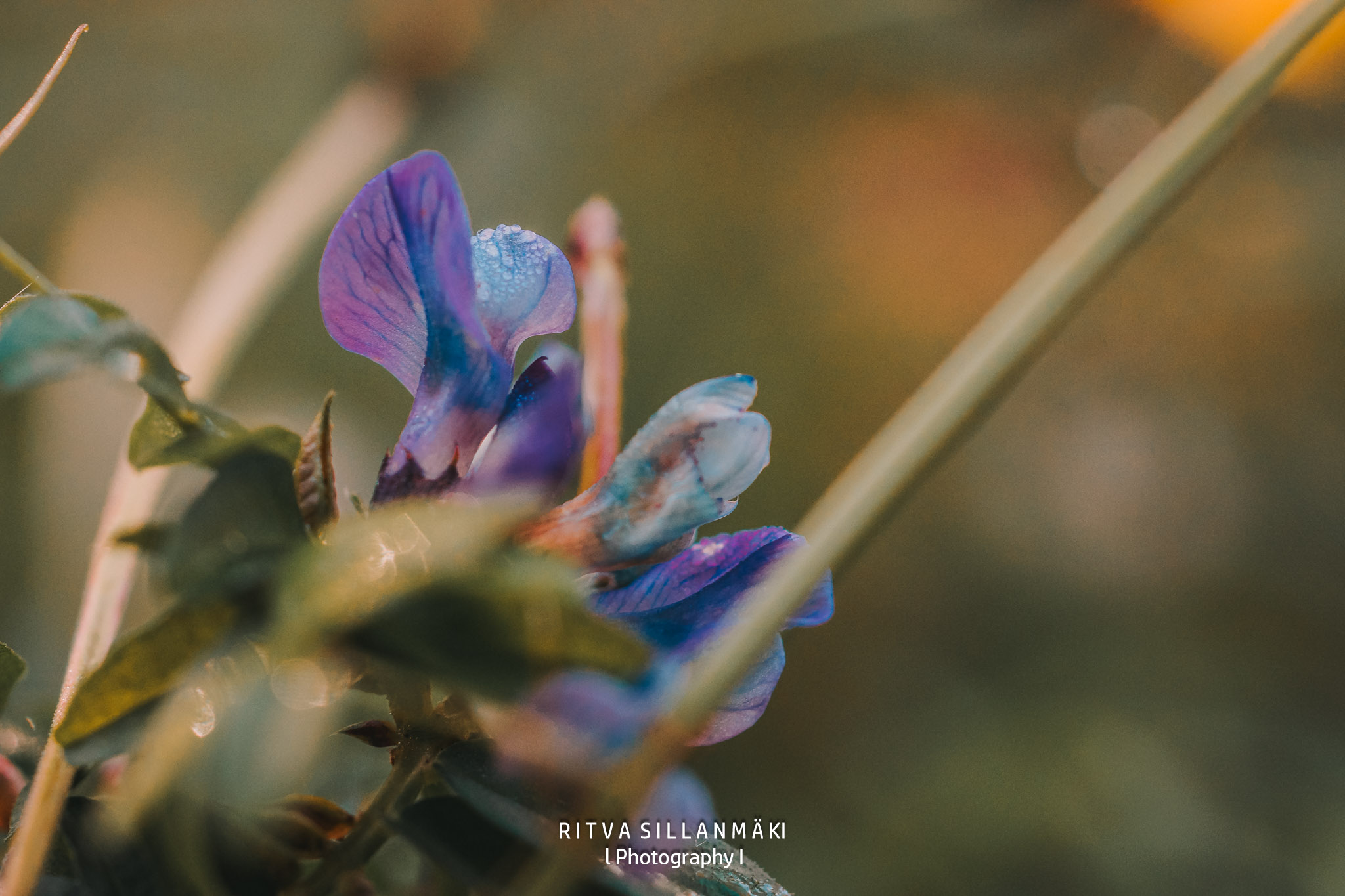
As Autumn approaches in the Northern Hemisphere and Spring arrives in the Southern, it is the perfect time to celebrate fresh blossoms and new foliage—and I am here to capture them in photographs.
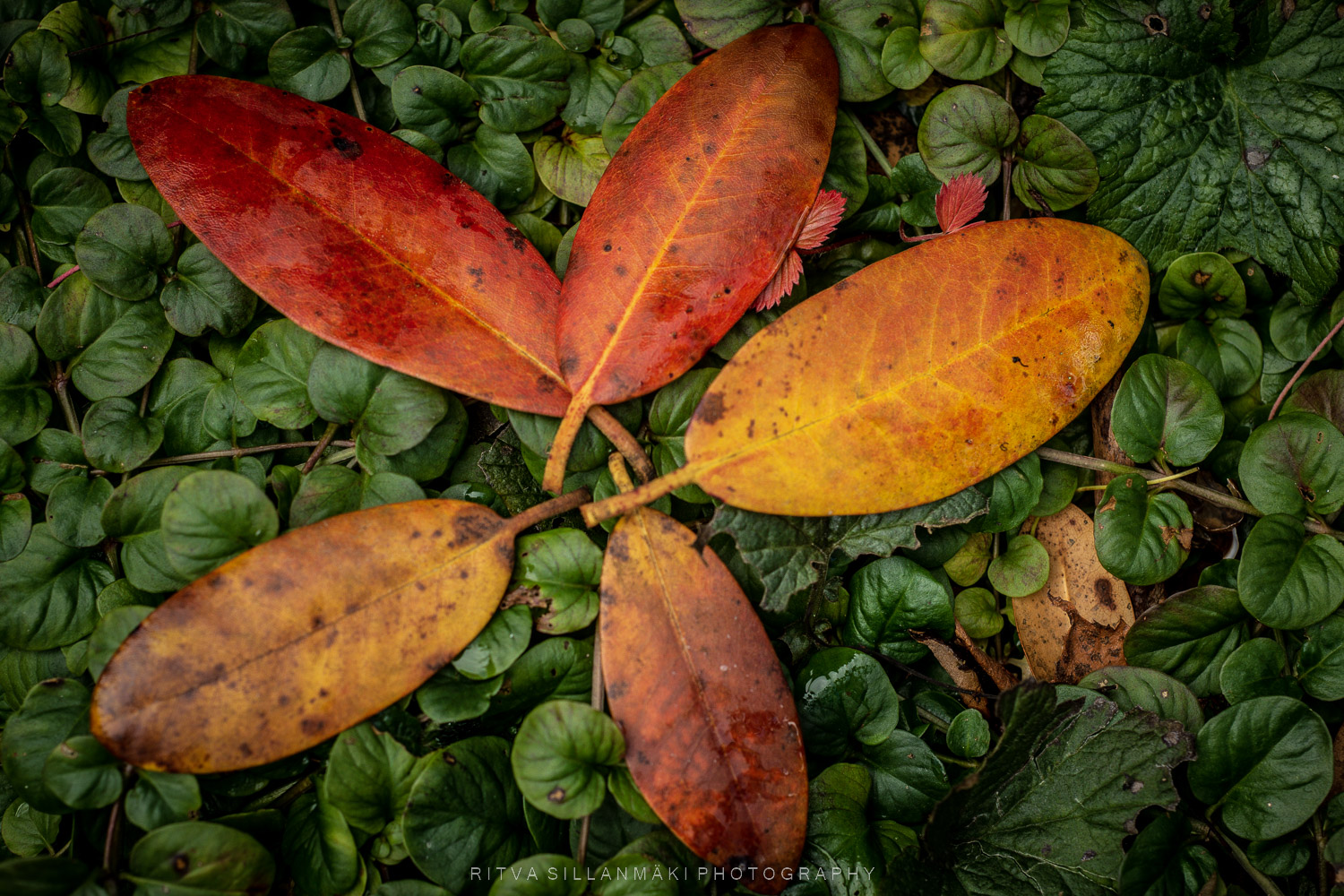
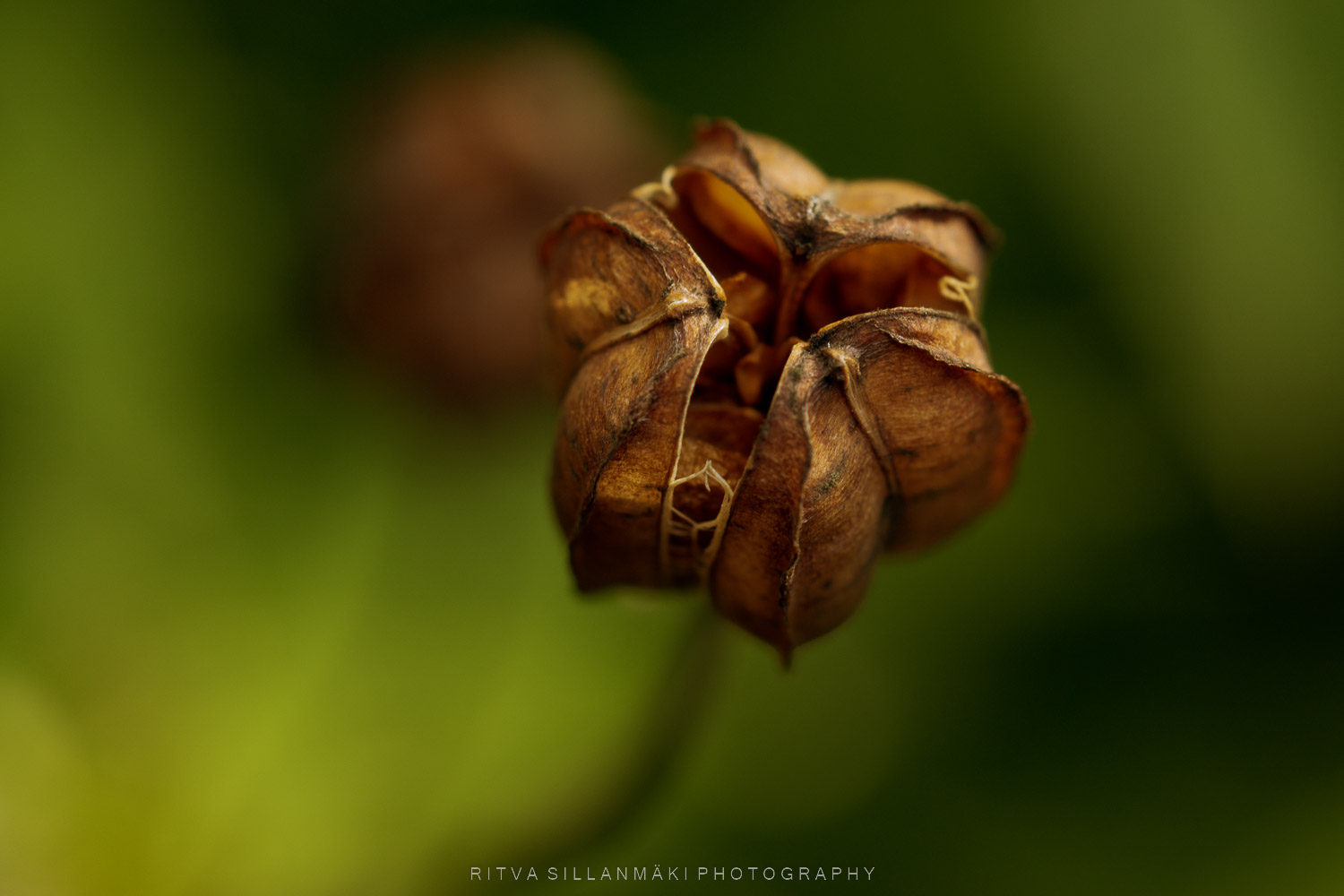
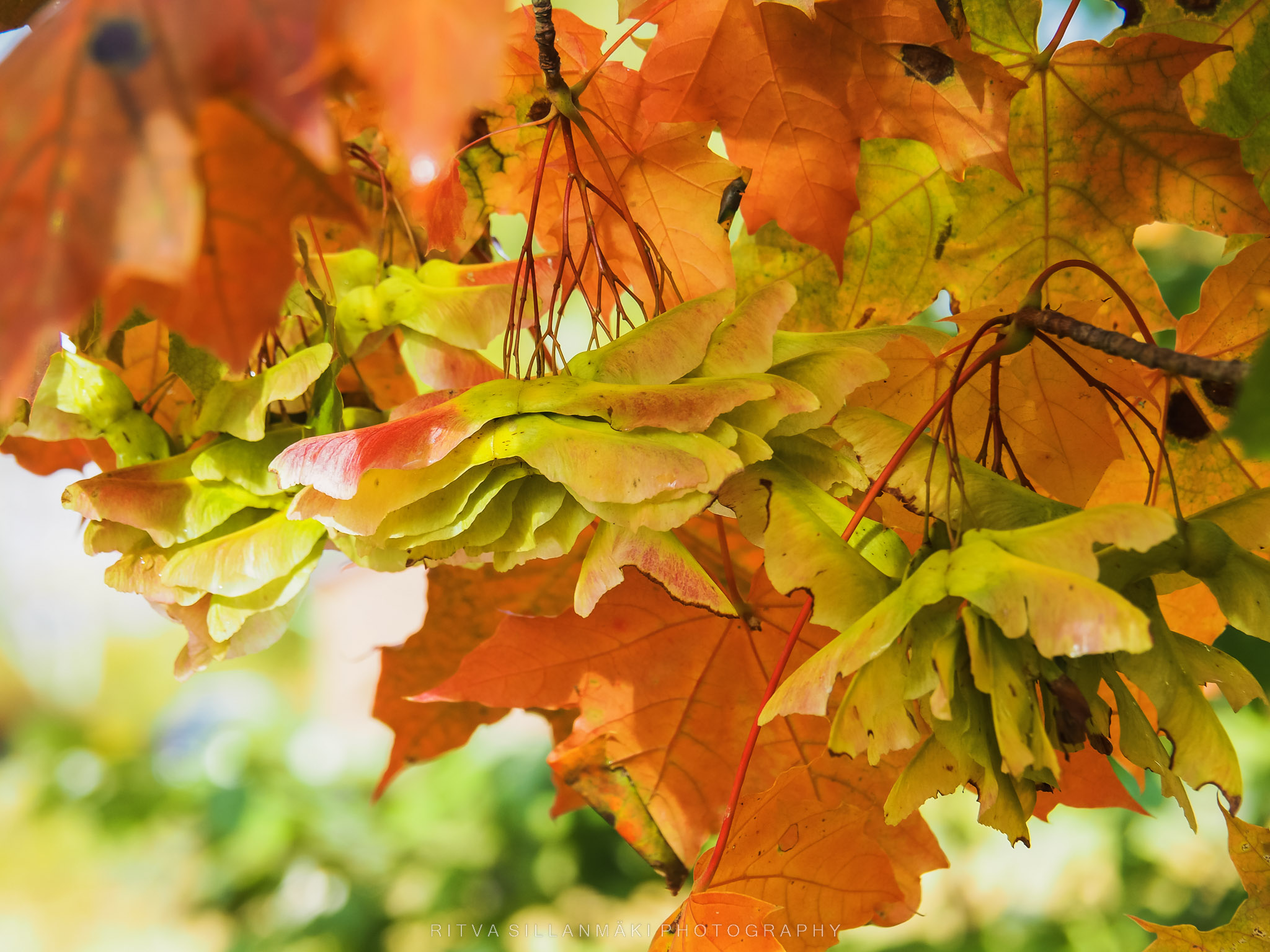
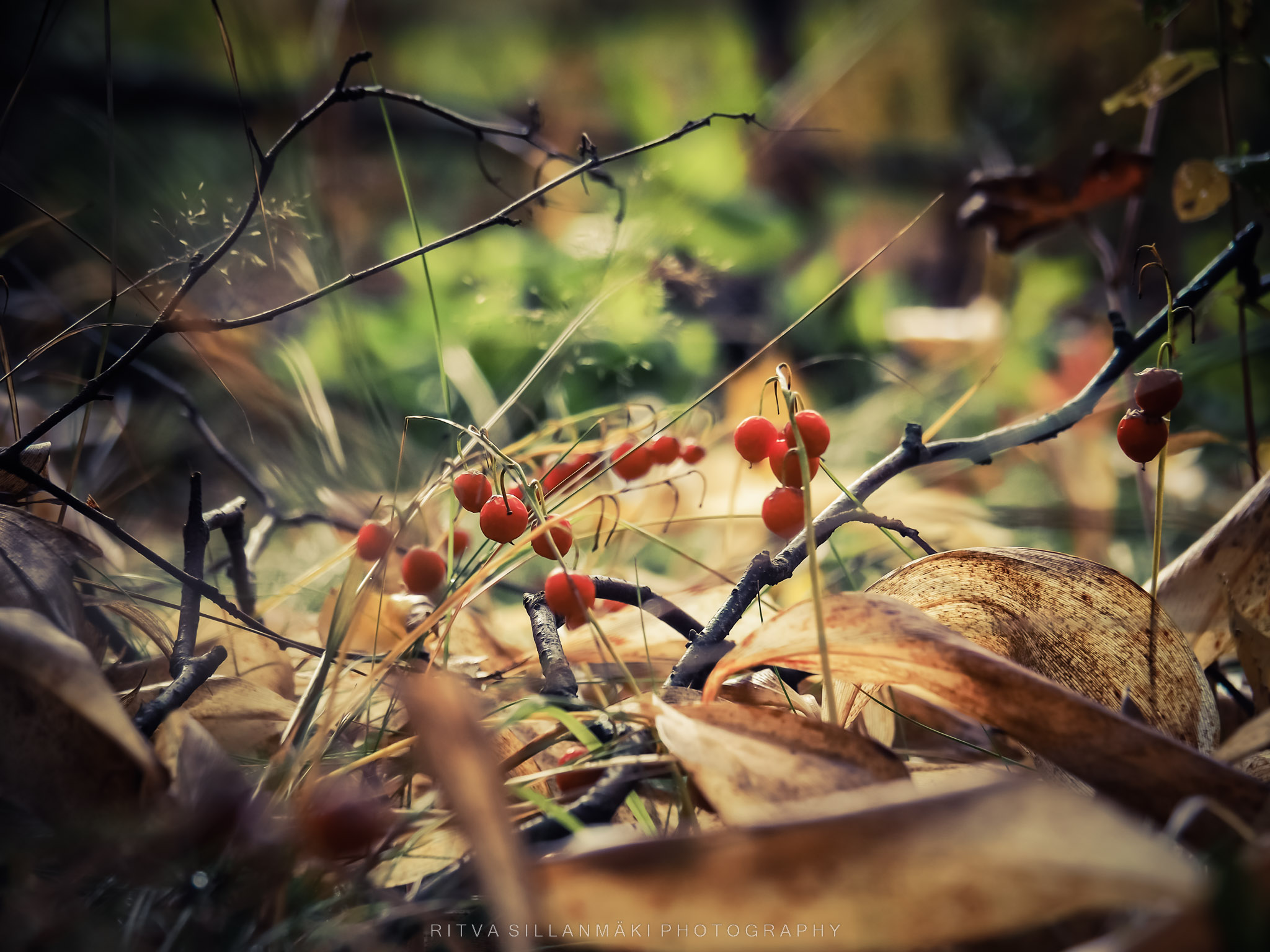
Participating TheFlowerHour#49
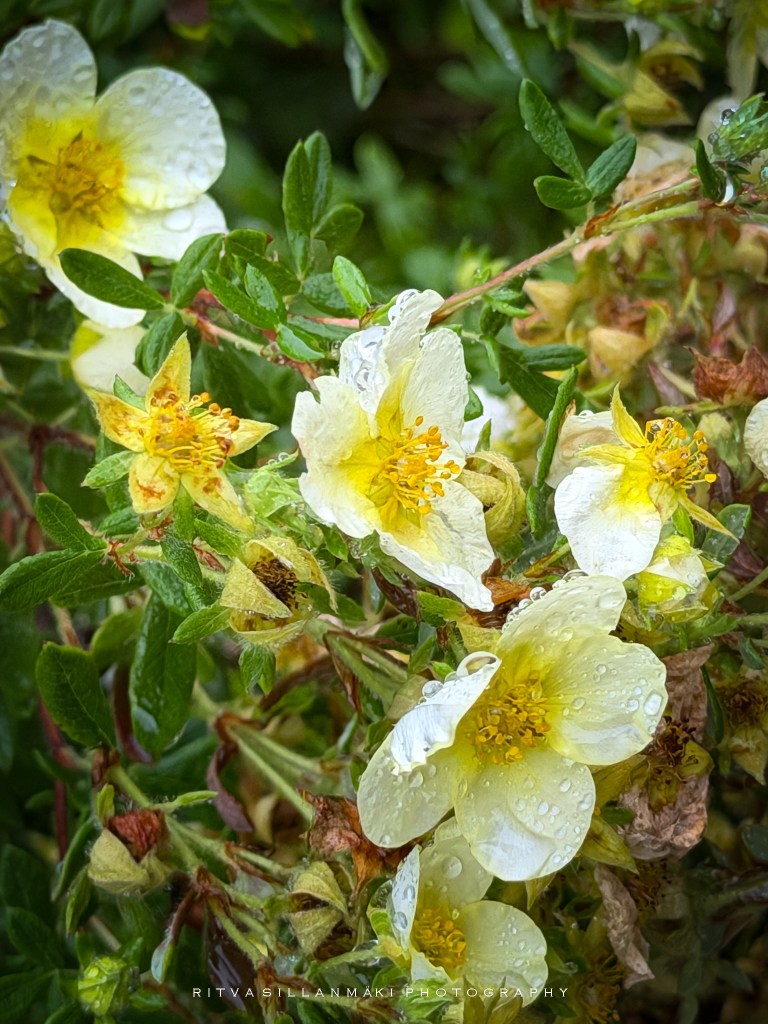
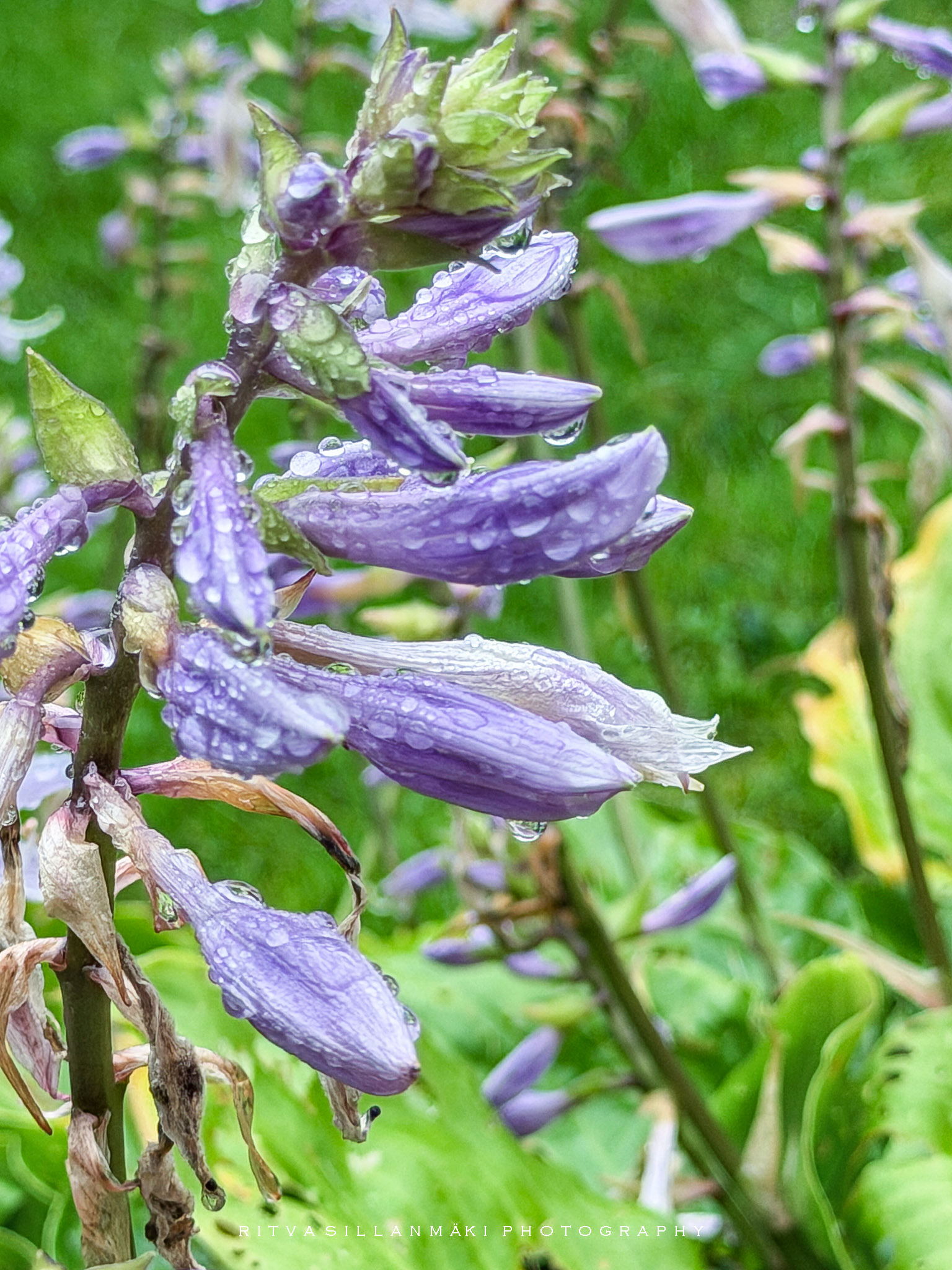
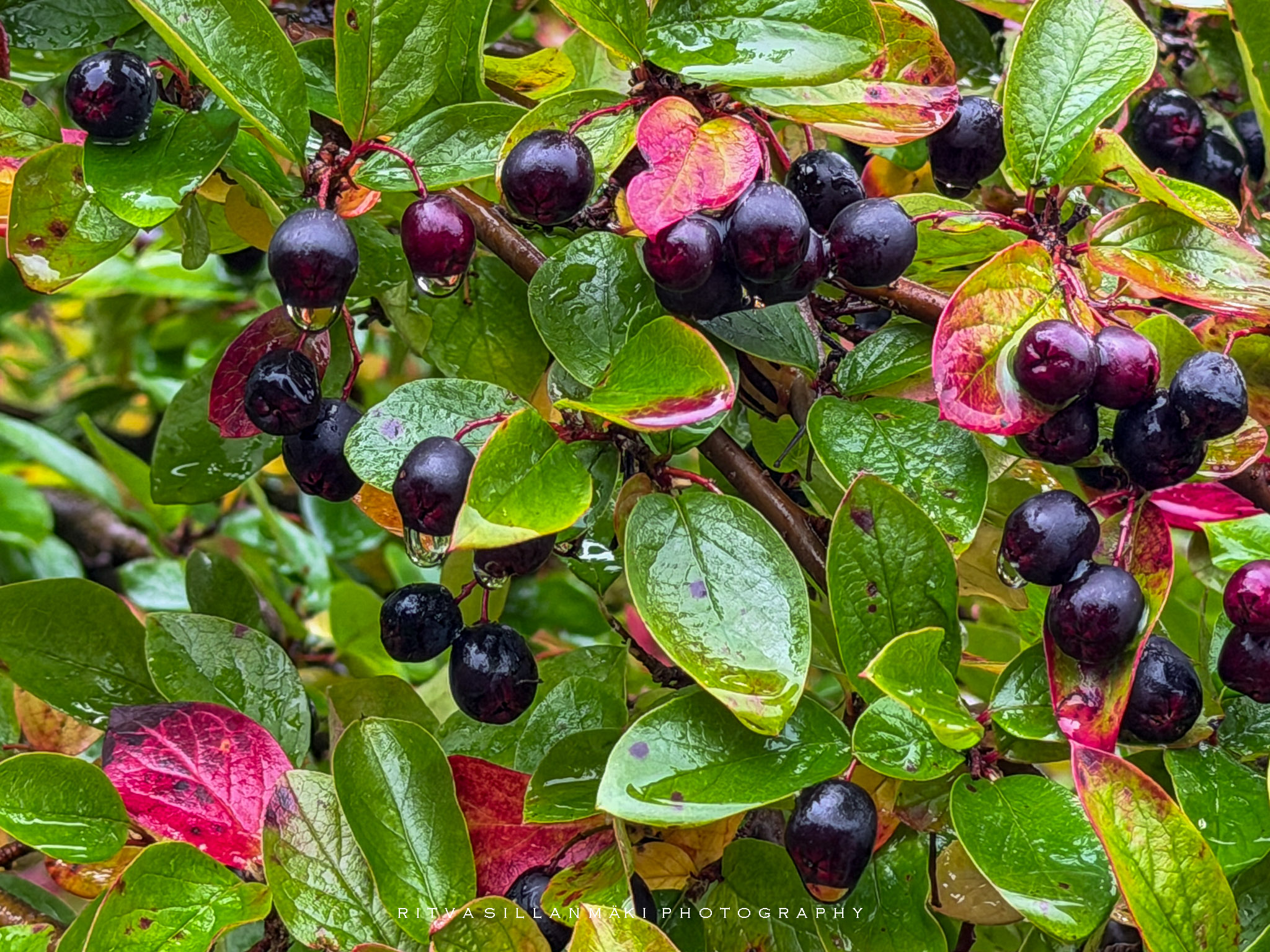
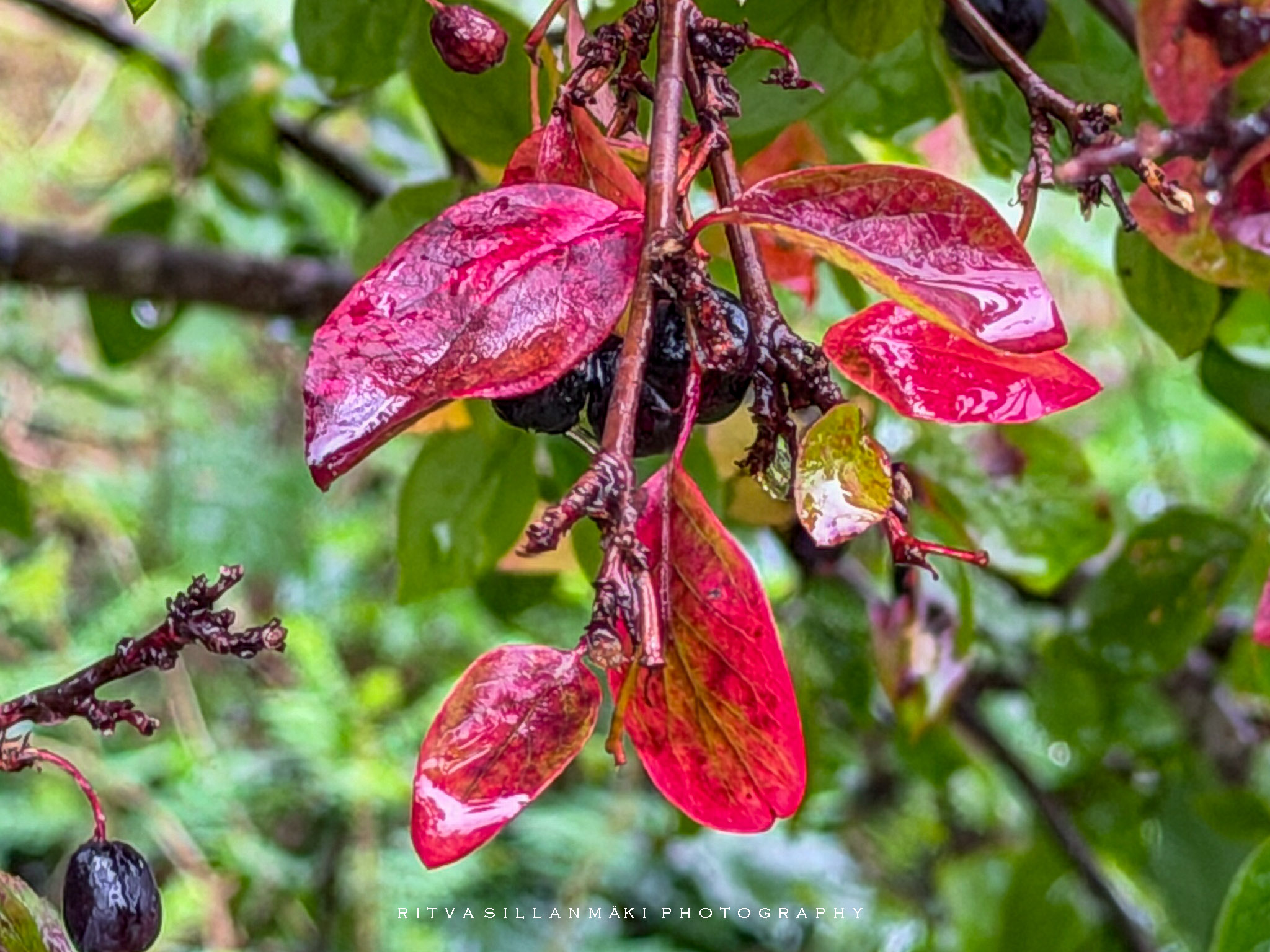
I am more bound to stay inside than go out in the rain, if I don’t have to. I am not a Brit who is so used to it. There was a pause from it and a moment of sunshine from behind the clouds. I took myself out to take photos of the few flowers left blooming this time of the year, mid-September. The black aronia berries were already dark and glossy, with raindrops clinging to them like tiny glass beads. The scrubby cinquefoil was still bravely holding on to a few small yellow blossoms, a bit battered but somehow charming in their stubbornness. Even the hostas, mostly past their best by now, looked refreshed, their broad leaves collecting little pools of water and reflecting the shy light. Raindrops on the ones I took after the rain are a nice added effect.
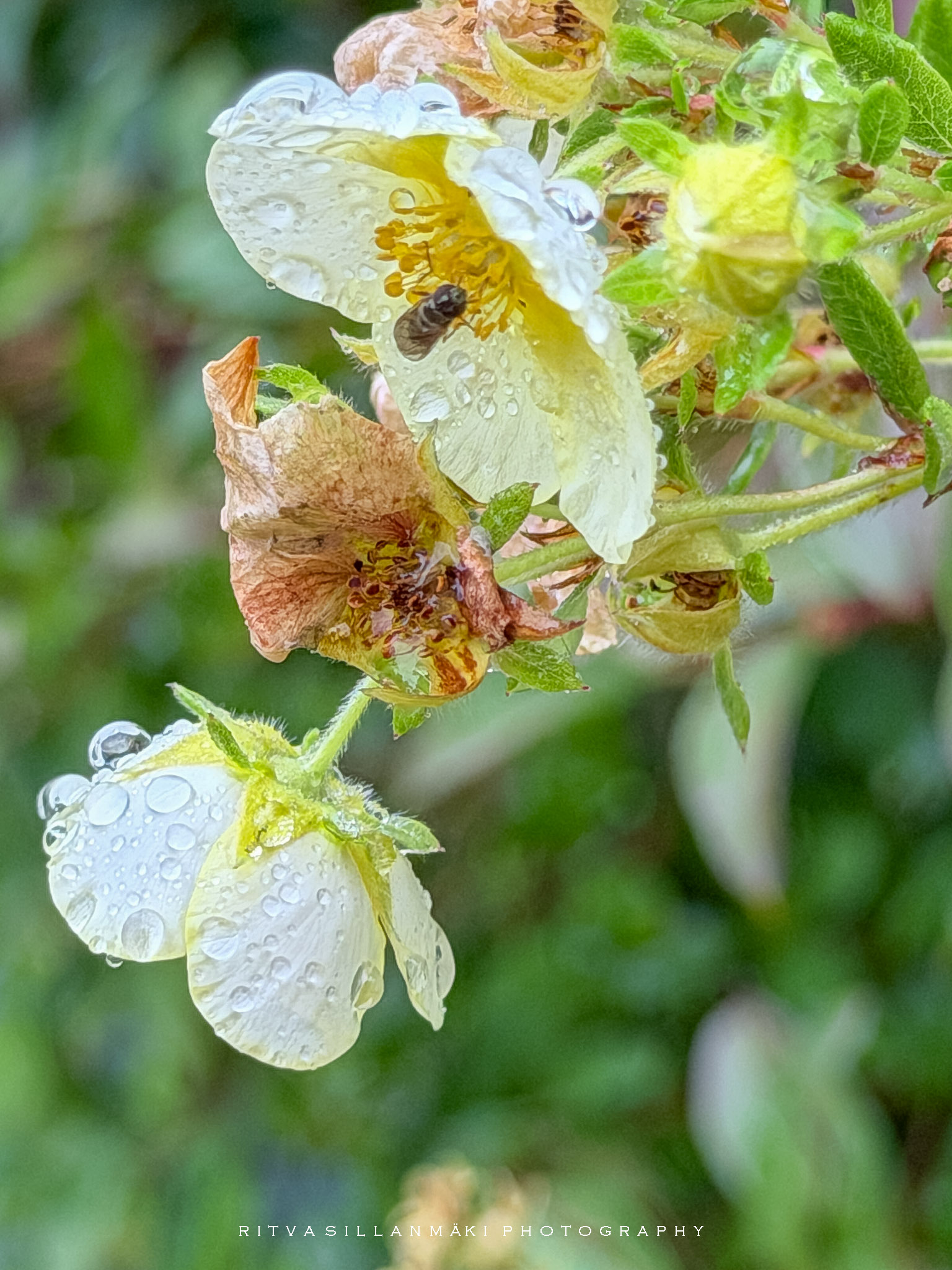
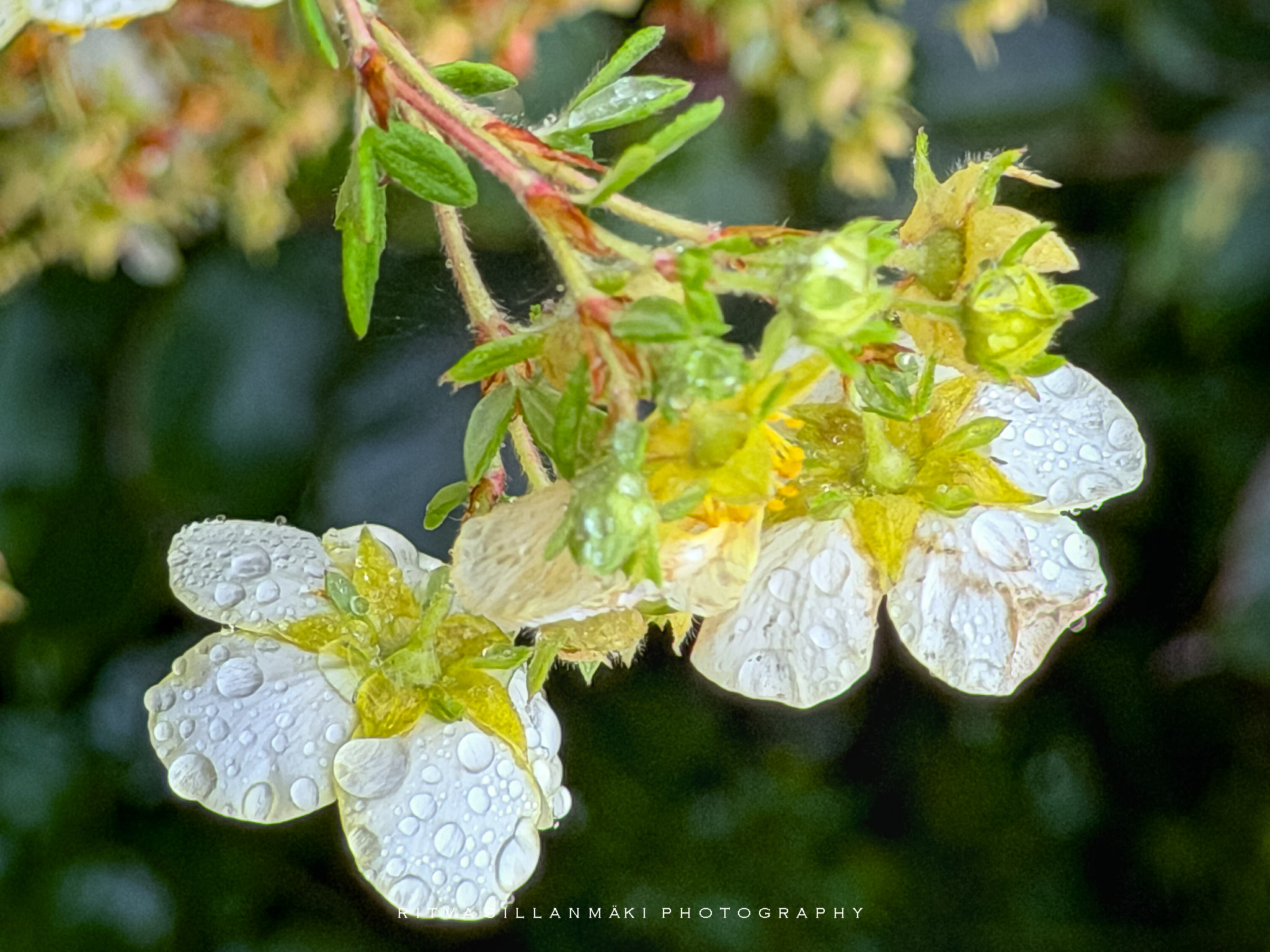
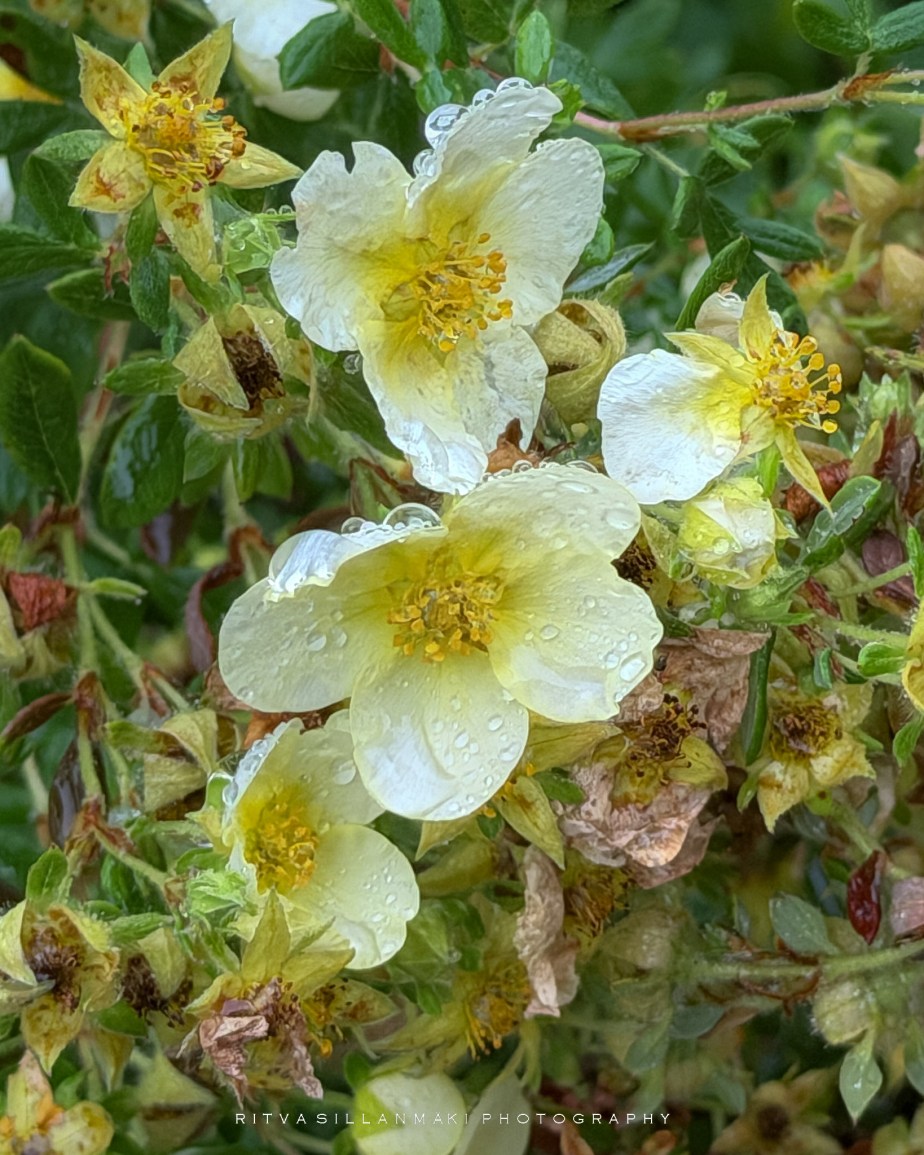
Shrubby cinquefoil (botanical name Dasiphora fruticosa) formerly known as Potentilla fruticosa).
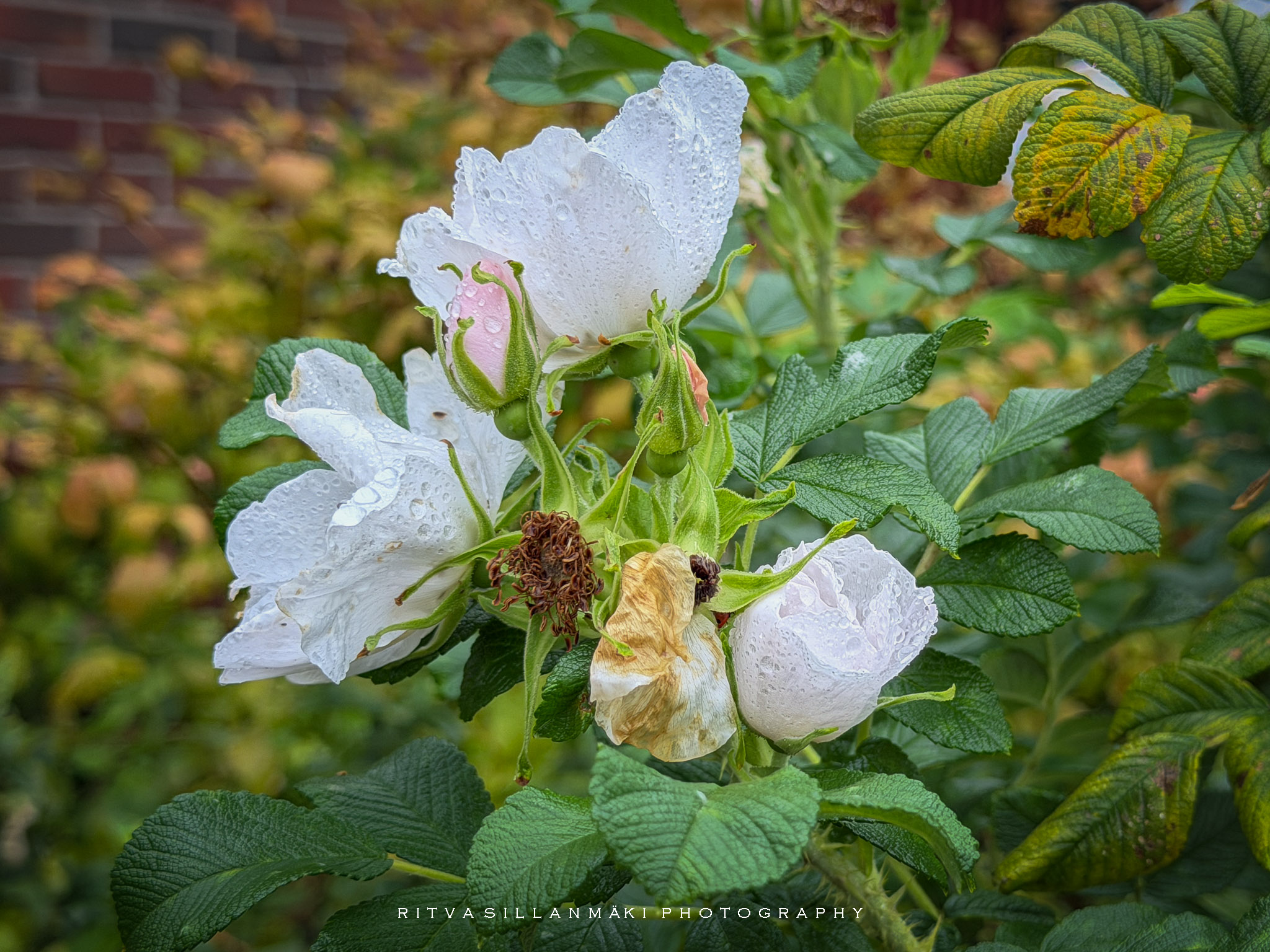
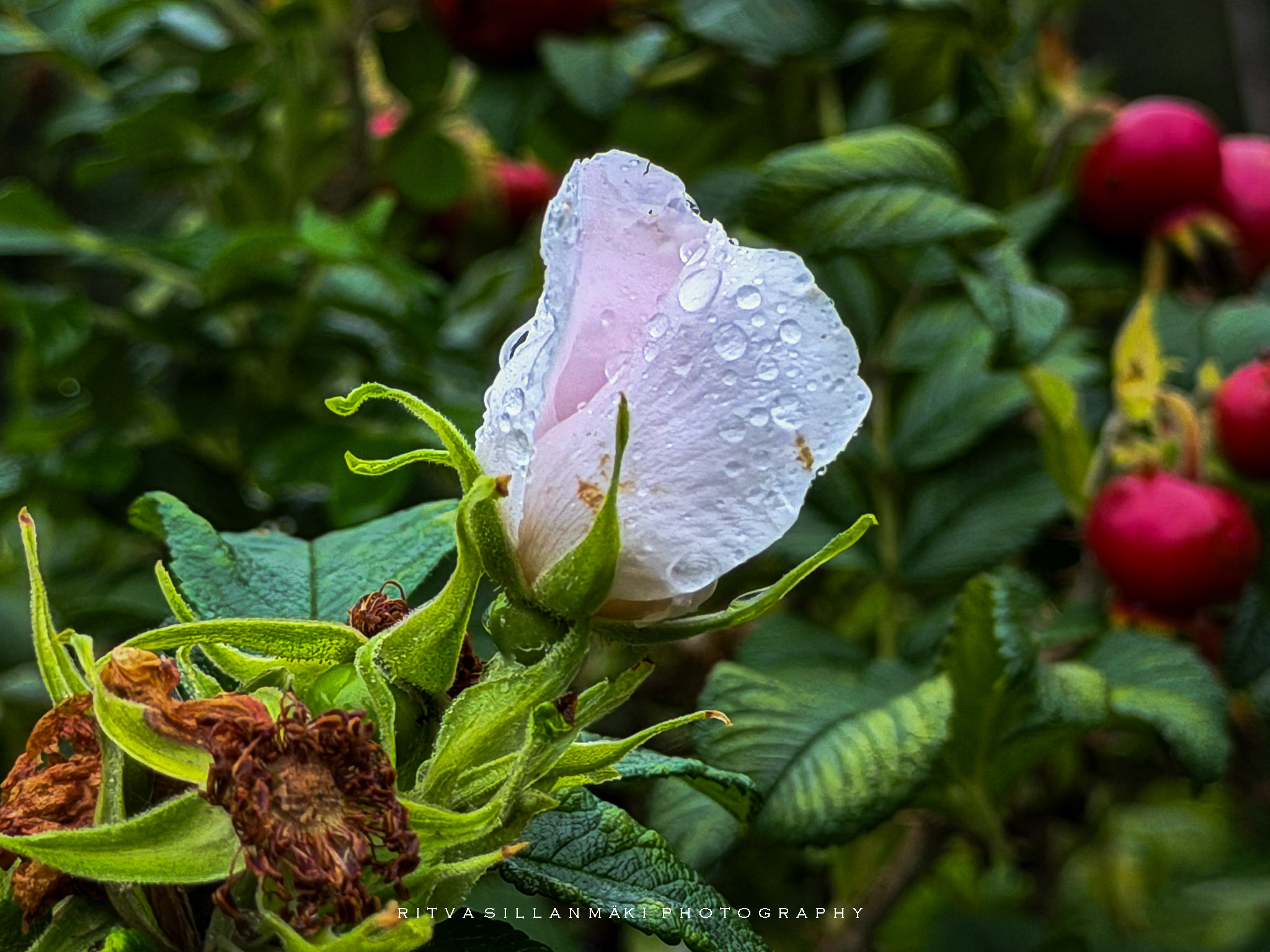
Rosehips with droplets
Aronia or Clusters of black chokeberries
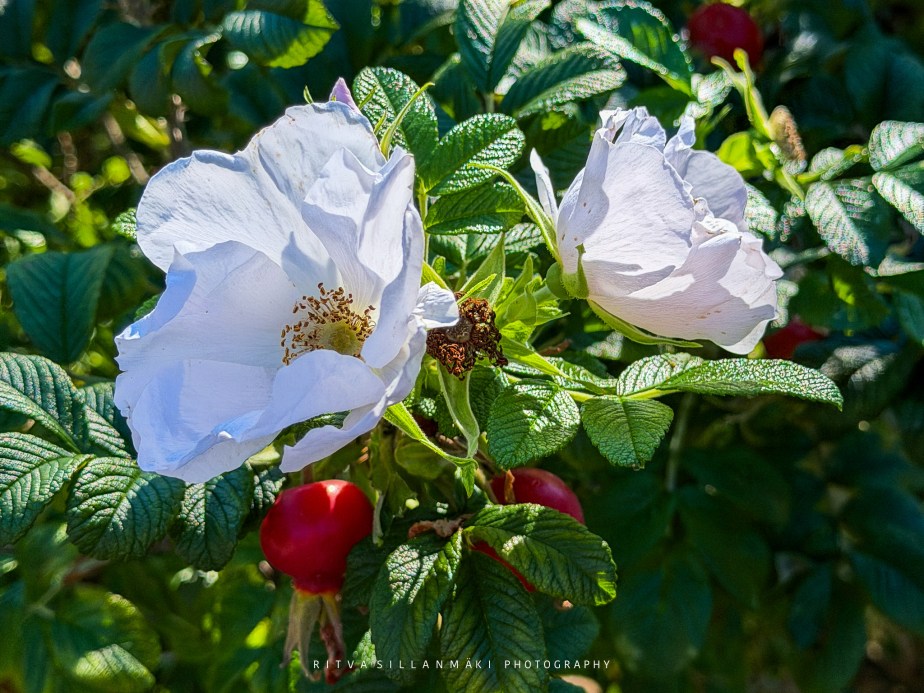
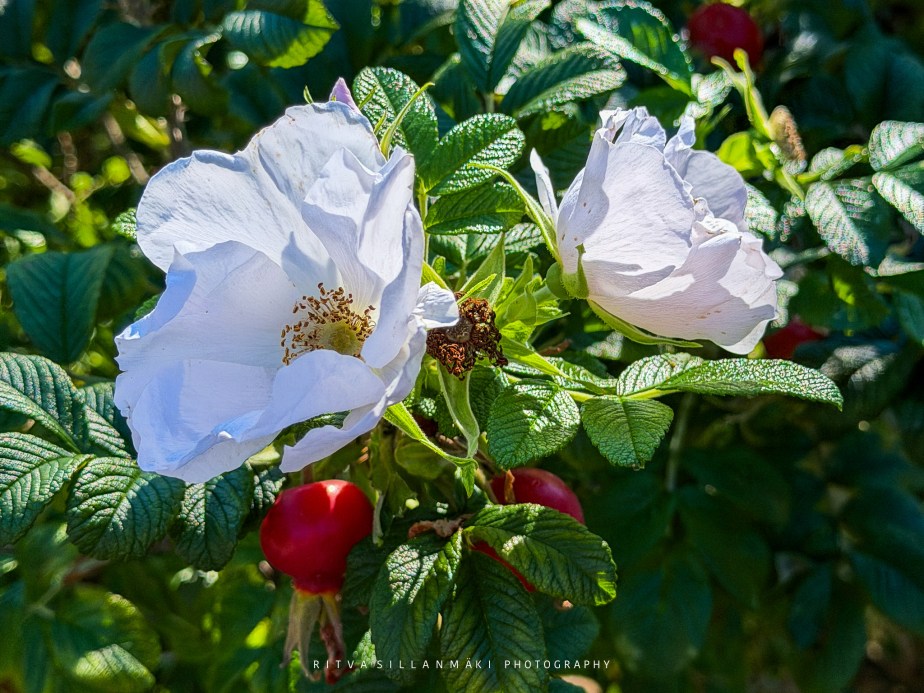
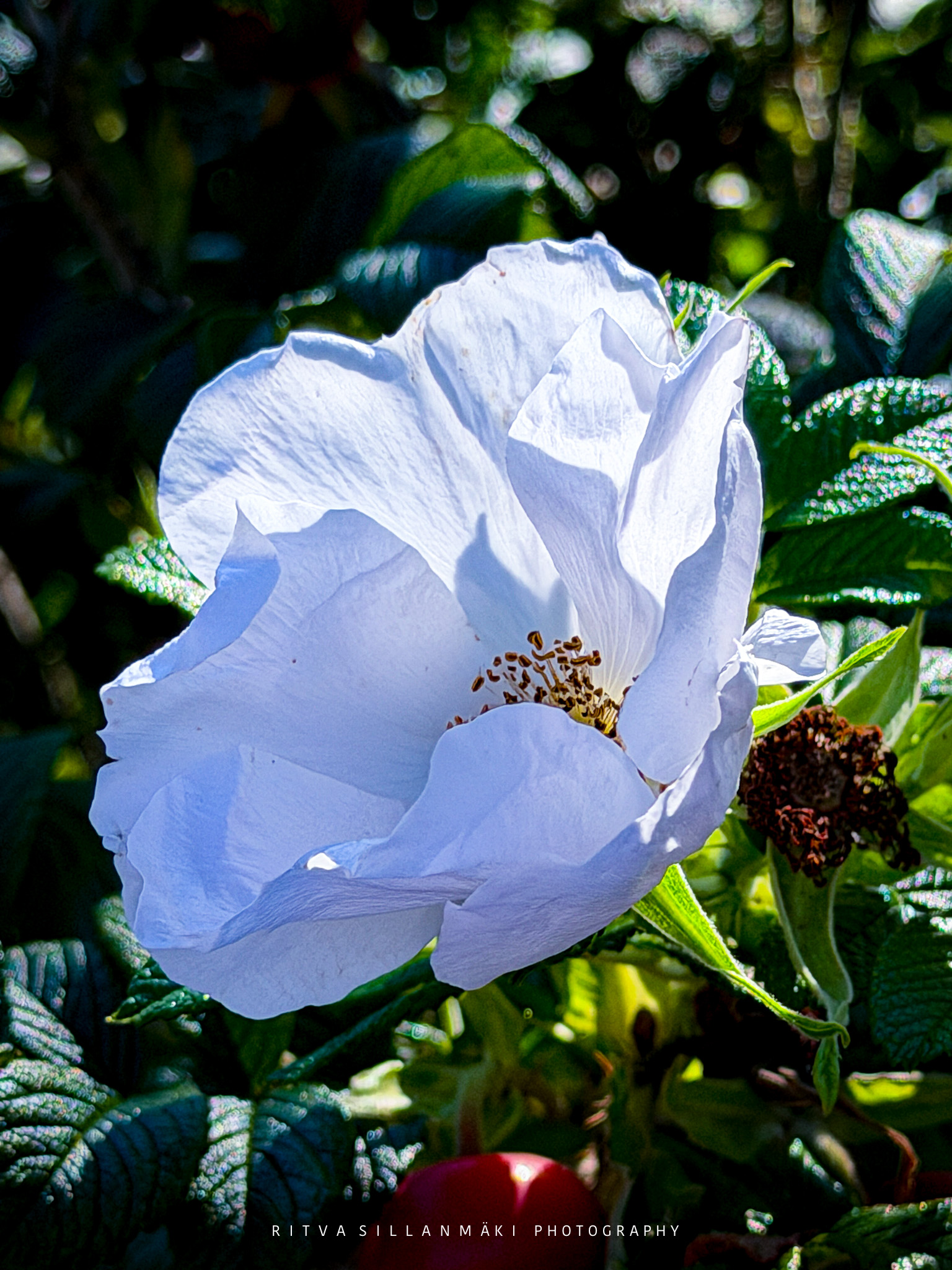
Rose hip berries and flowers, it must be September, a time when the days begin to shorten and the air carries a hint of crispness. I took these on one of the few sunny days lately, when the golden sunlight bathed the landscape in warmth and vibrance, creating a beautiful contrast against the deep green foliage. The rose hips, with their rich red hue, are not only visually stunning but also herald the changing seasons as they ripen. Enjoy the beauty of this fleeting moment, as nature prepares for the transition into autumn, offering a reminder of the bountiful gifts that each season brings.
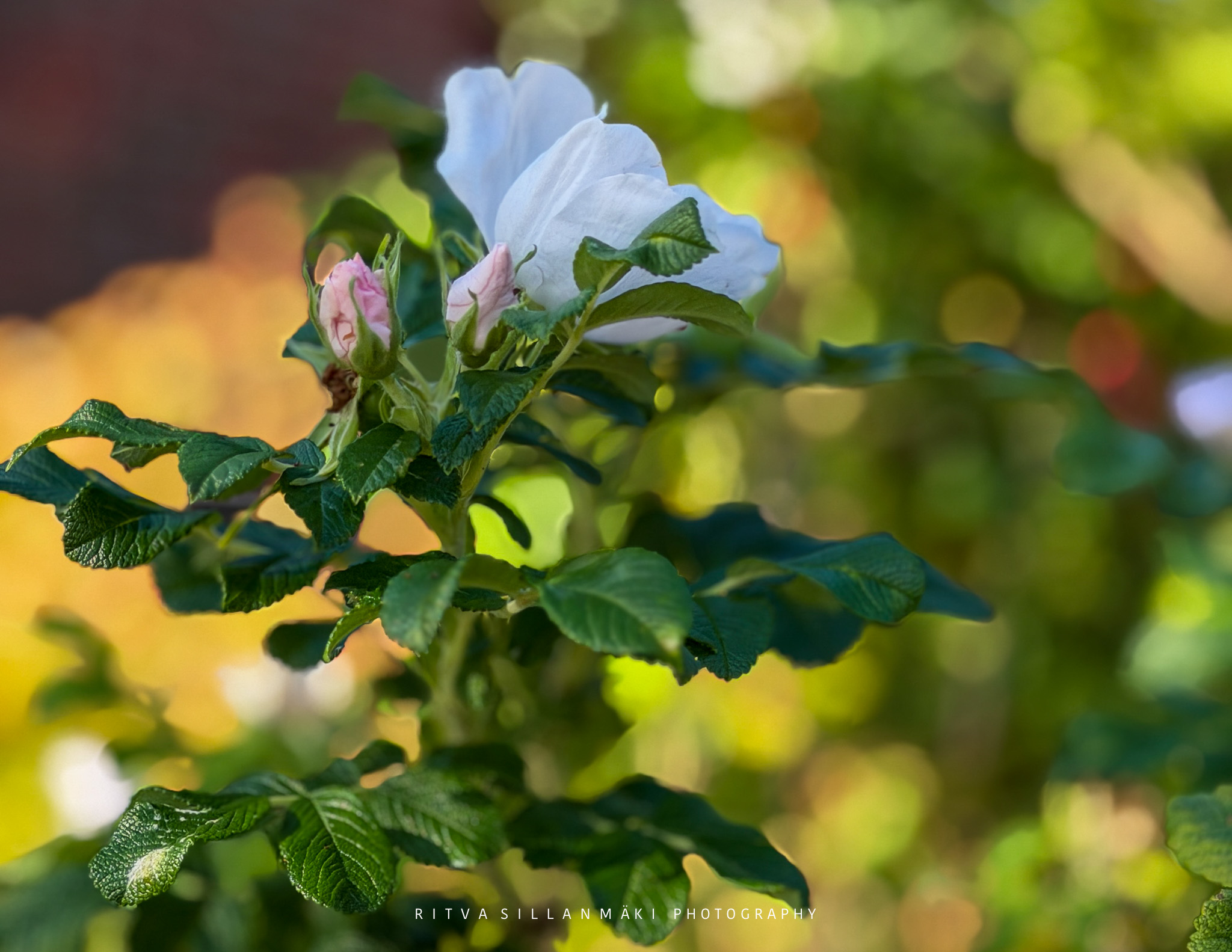
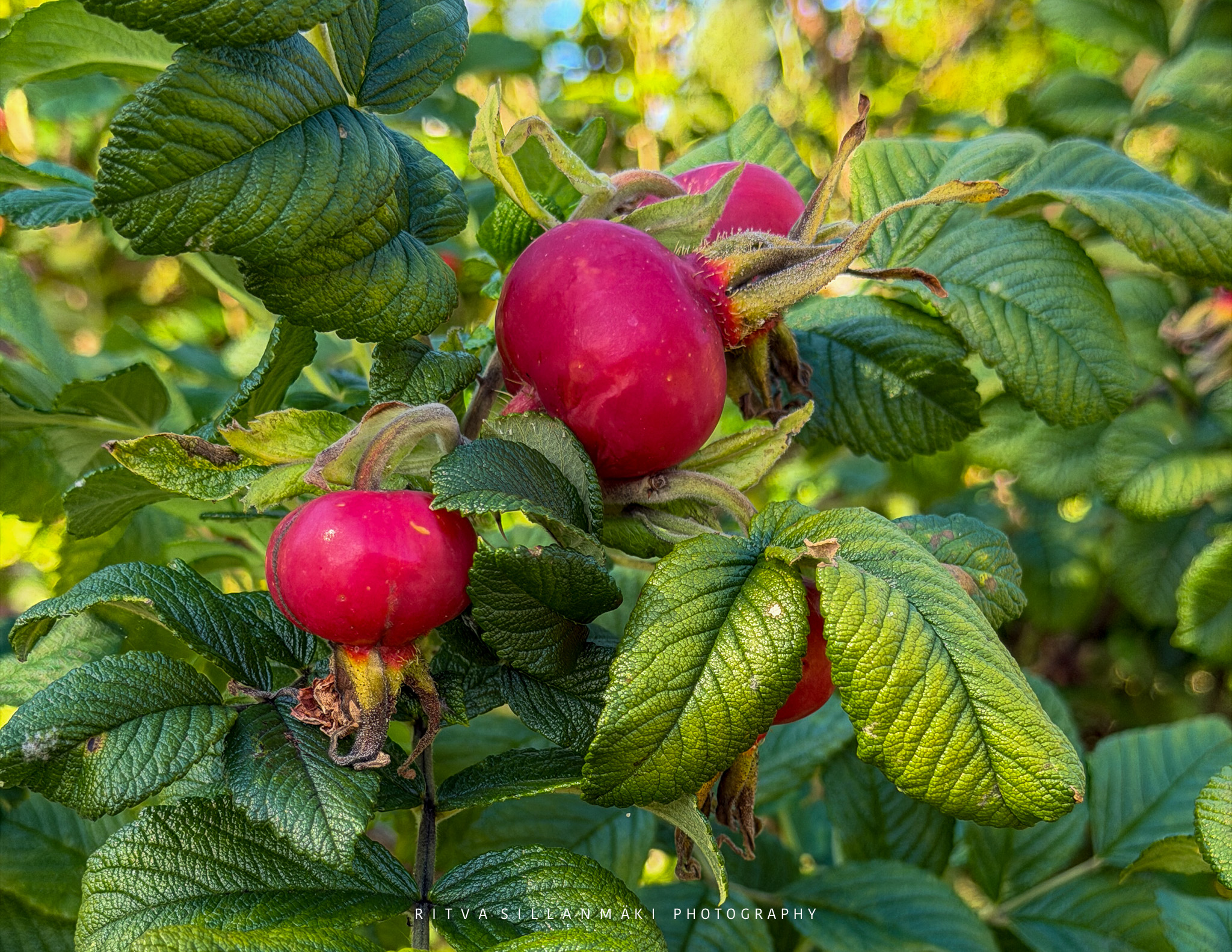
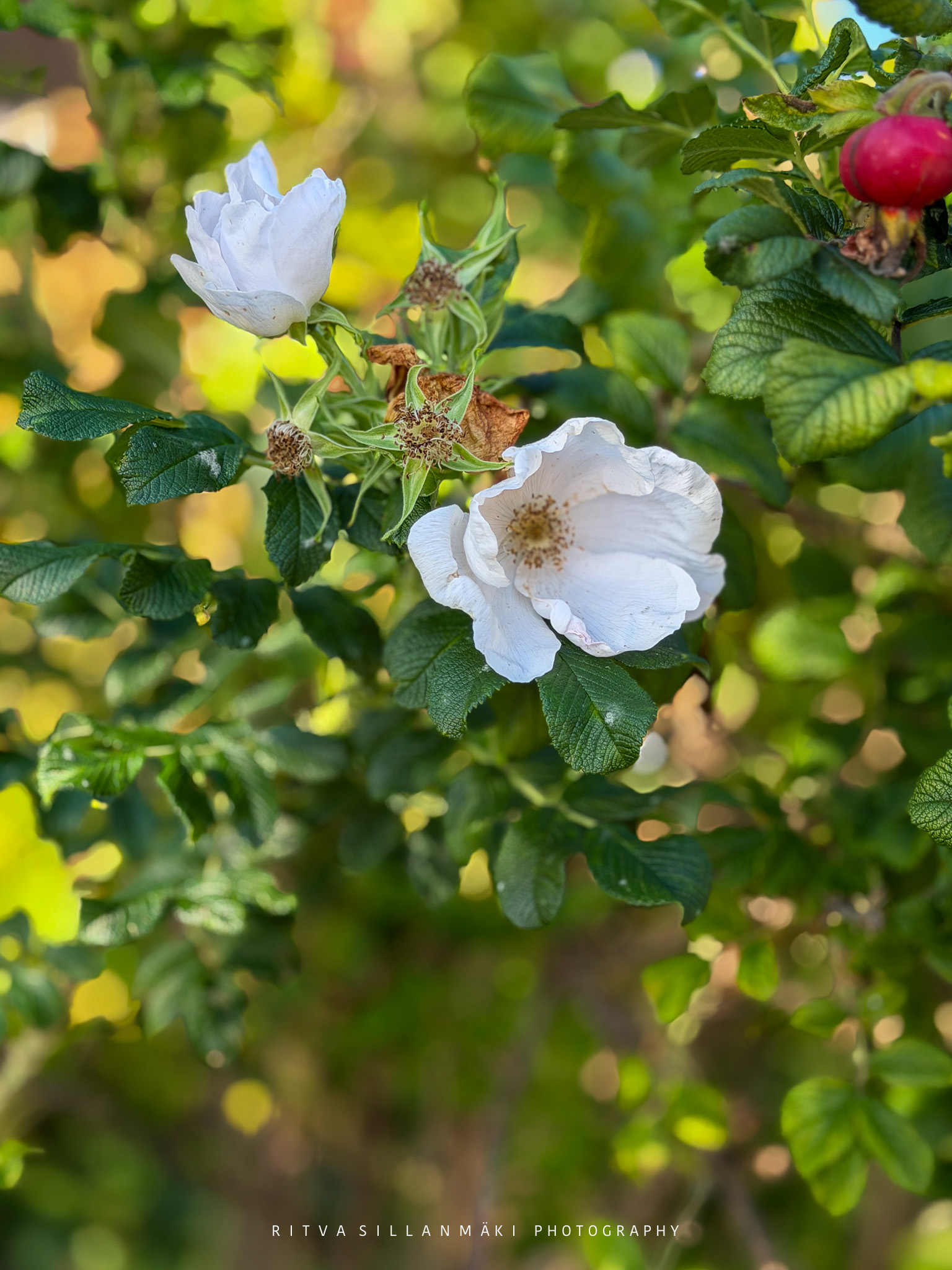
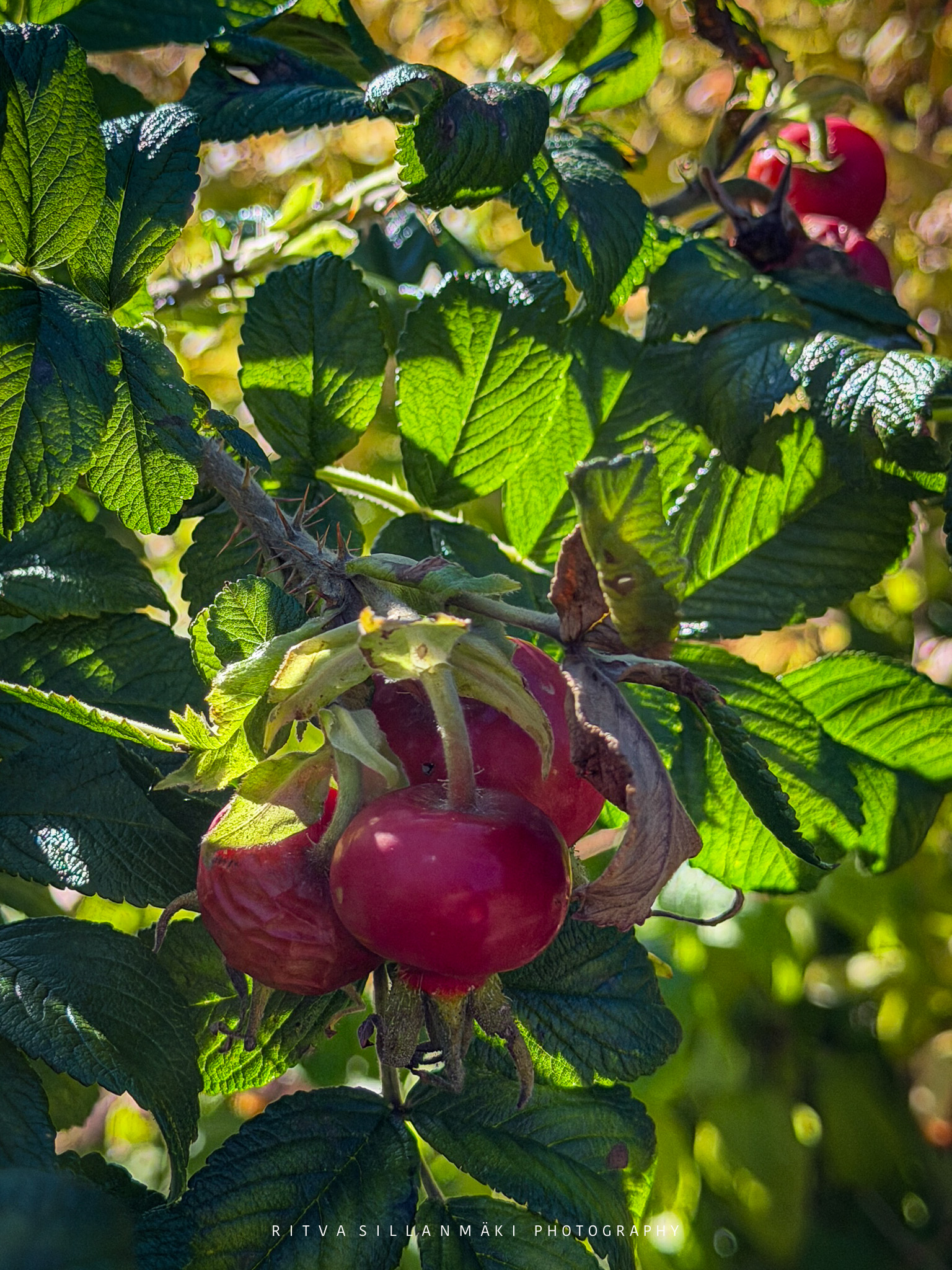
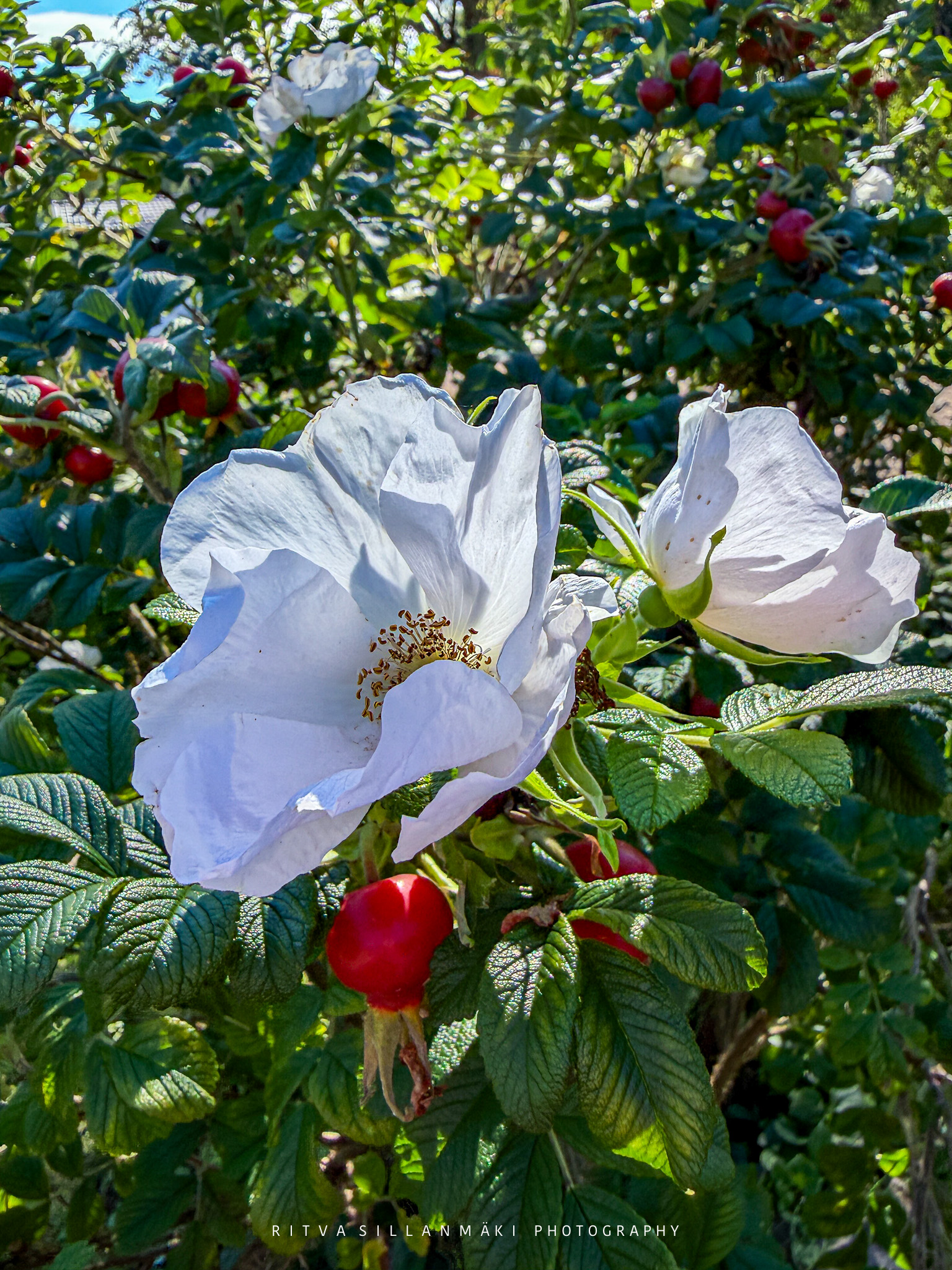
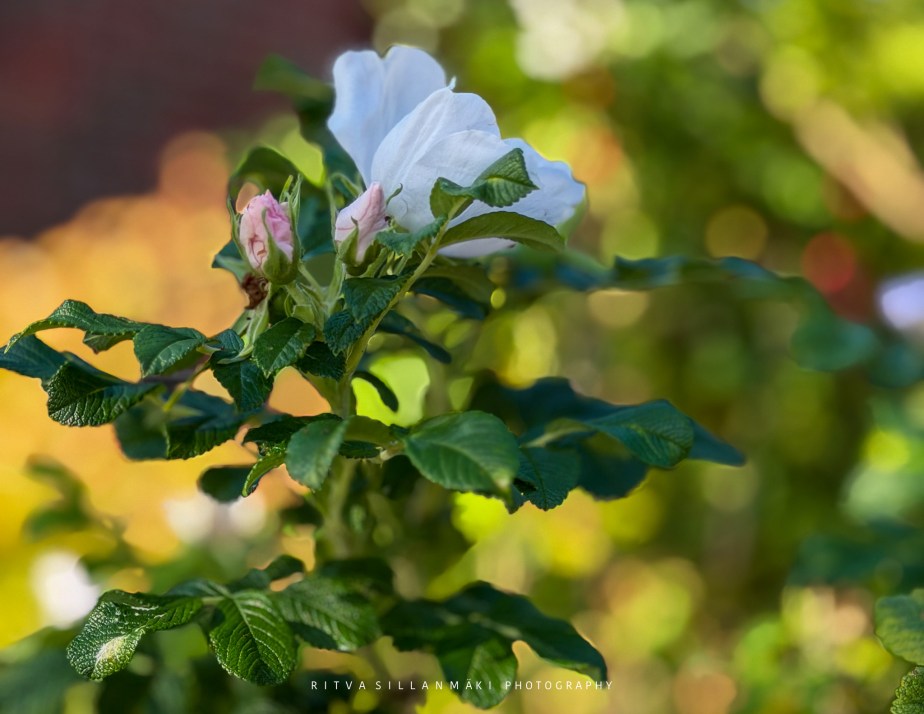
Participating in The Flower Hour #47
I believe I’ve nearly captured the vibrant splashes of flowers at the meadow’s edge from my walk in August.
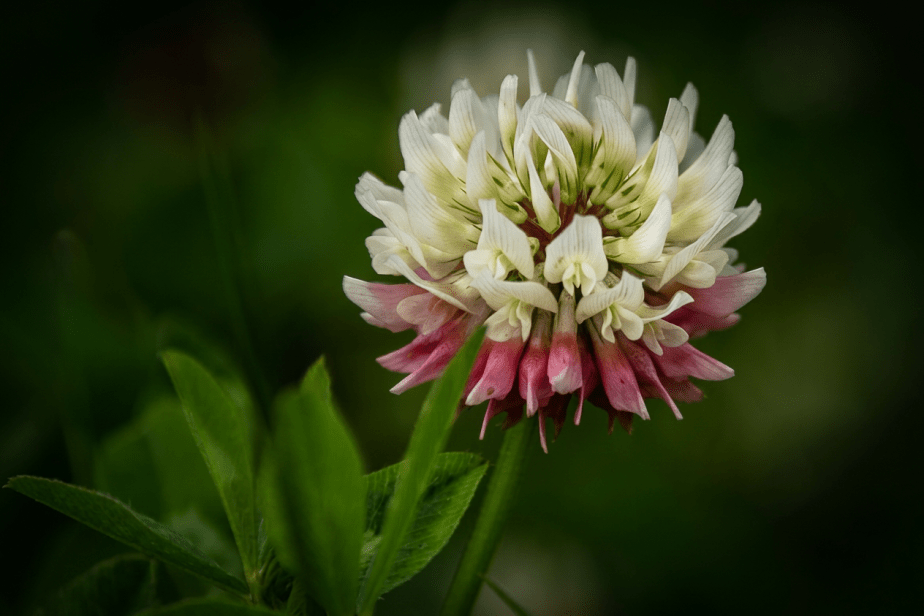
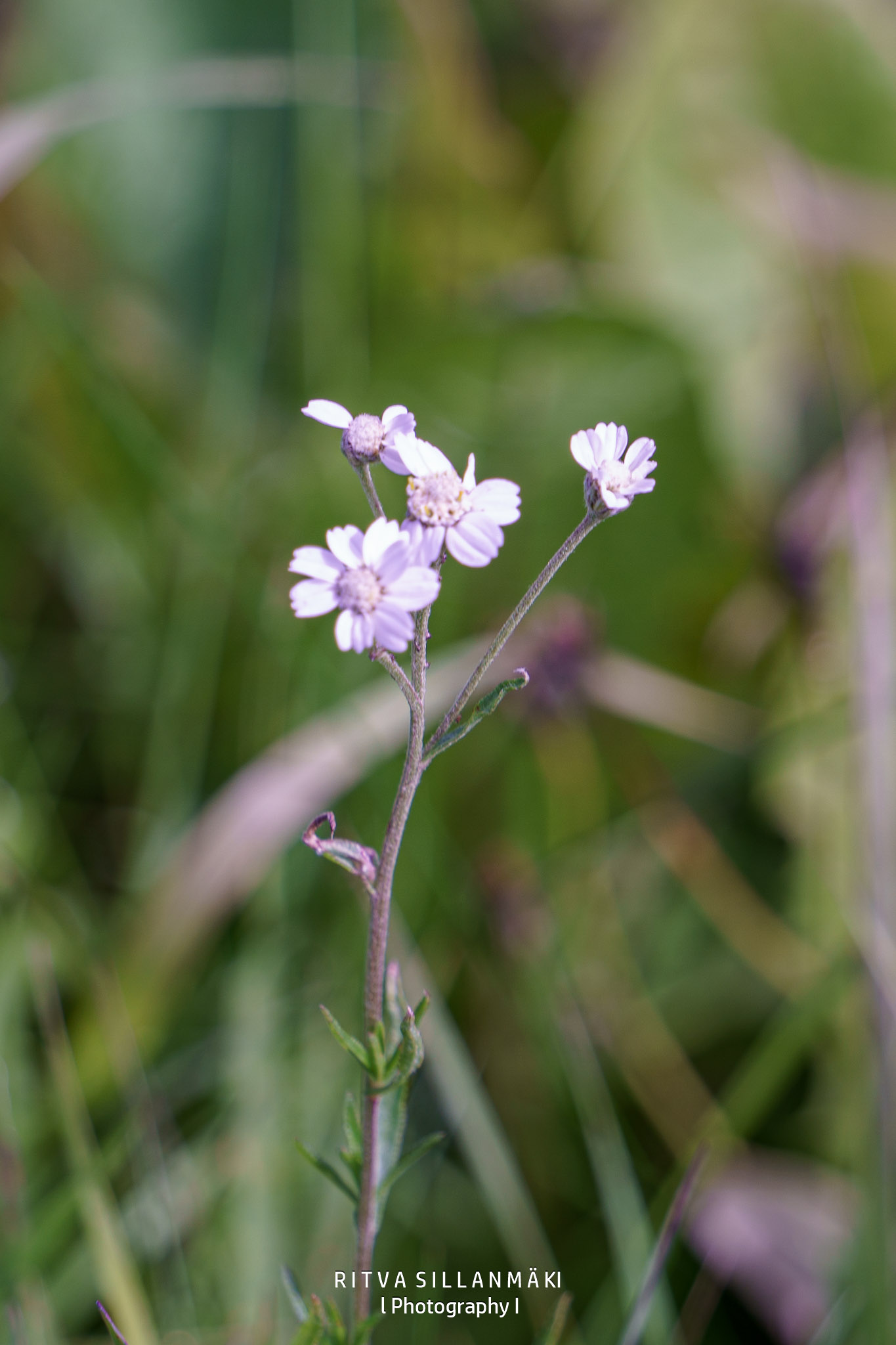
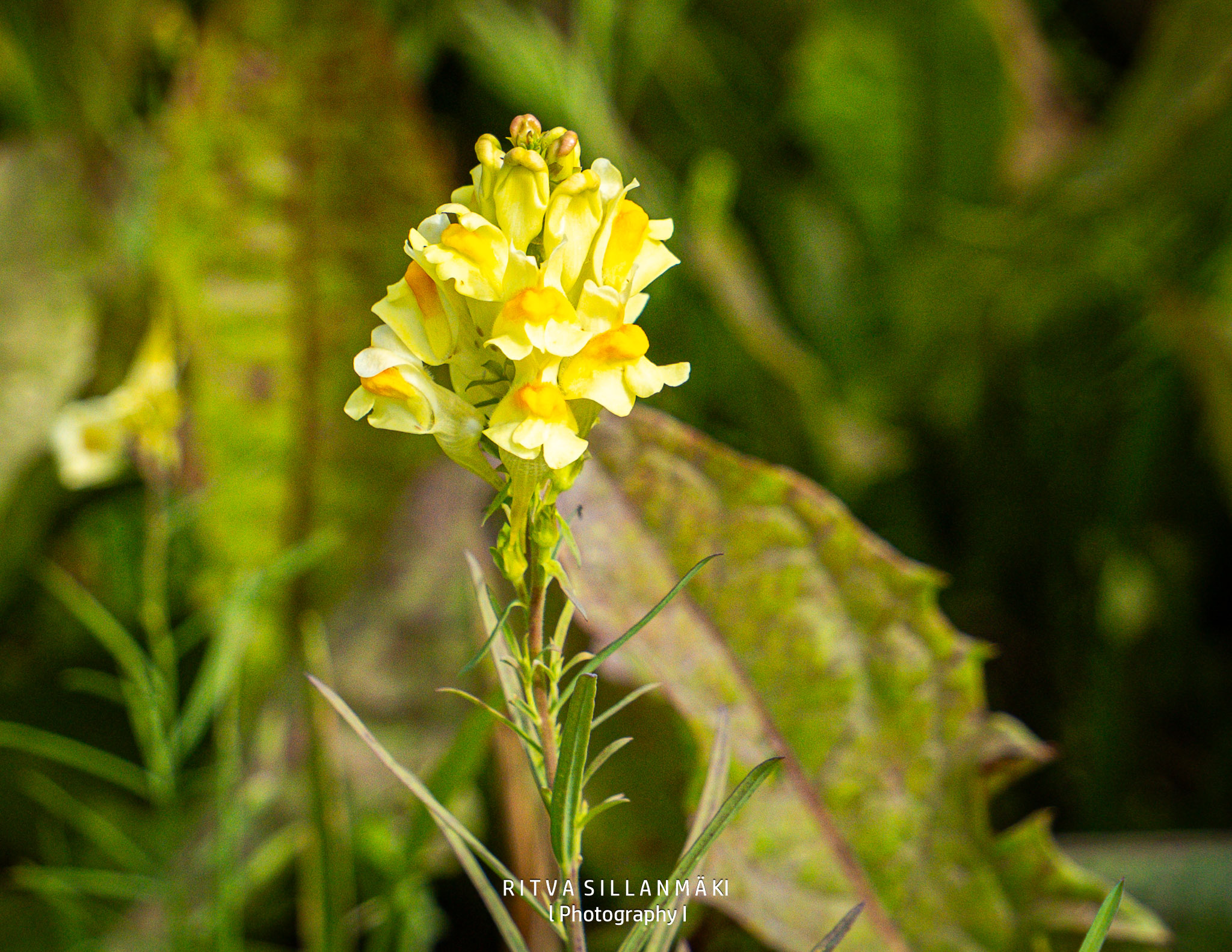
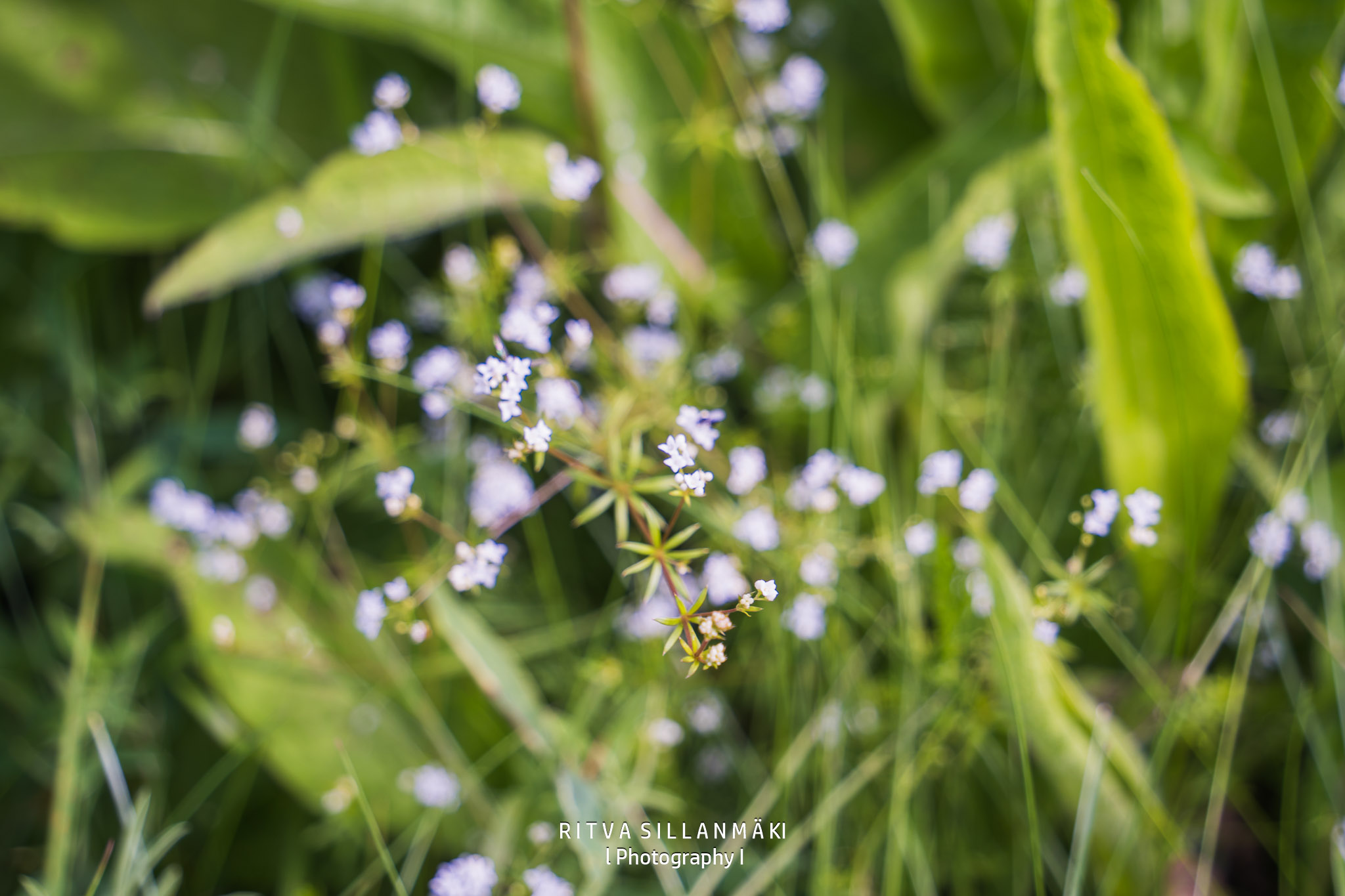
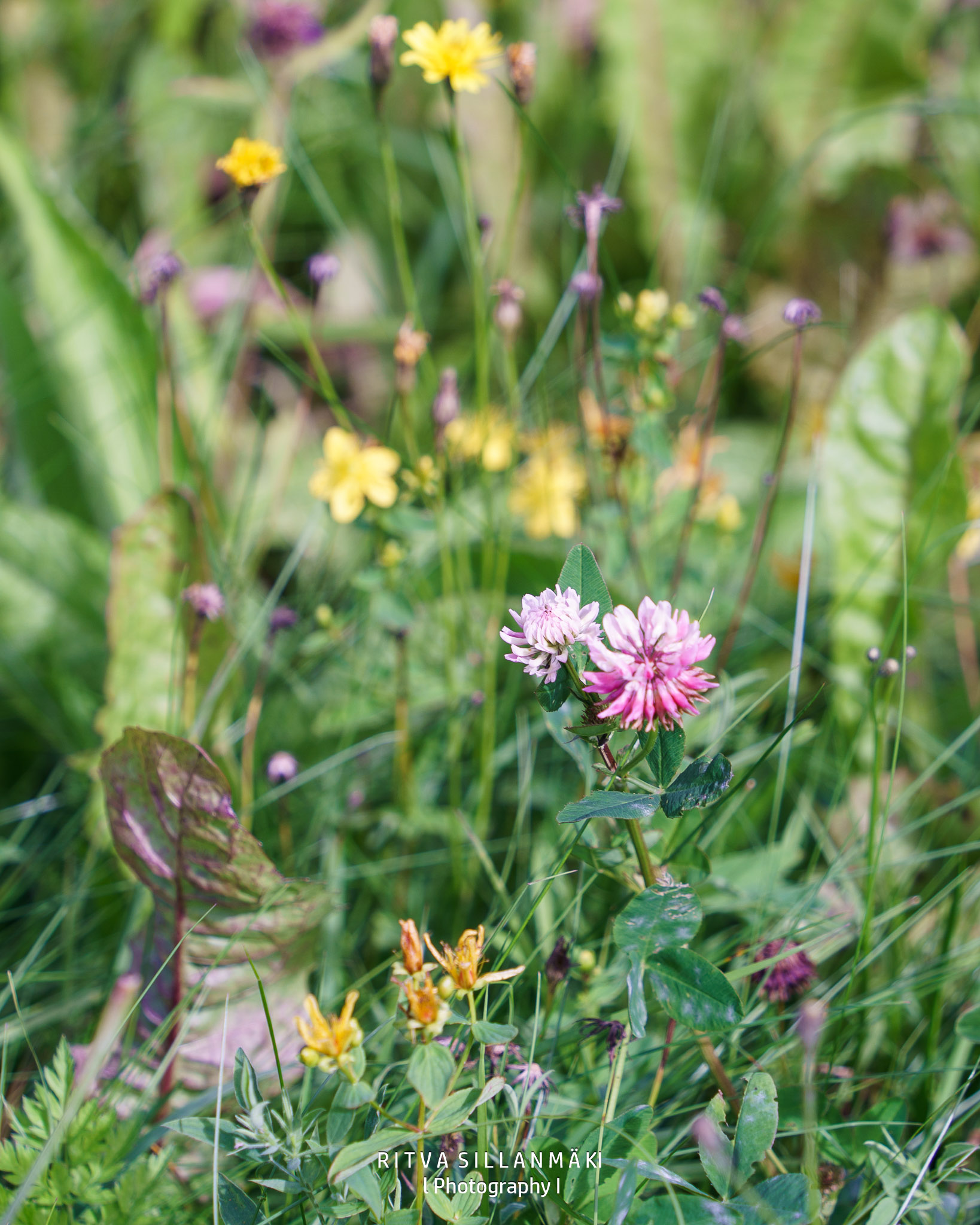
Creeping thistle, Sneezewort, Red clover, and Yellow toadflax are just a few of the diverse plants you might encounter in wildflower meadows. Among them, Imperforate St. John’s-wort stands out with its bright yellow blooms that attract pollinators. Additionally, Bitter buttons are known for their distinctive features and resilience, while Fen Bedstraw and Upright Bedstraw thrive in damp soils, contributing to the rich tapestry of vegetation. These plants play essential roles in their ecosystems, providing food and habitat for various insects and wildlife. It’s fascinating how nature weaves together such vibrant species, making each encounter in the wild feel unique. I think _I got the plants correctly.
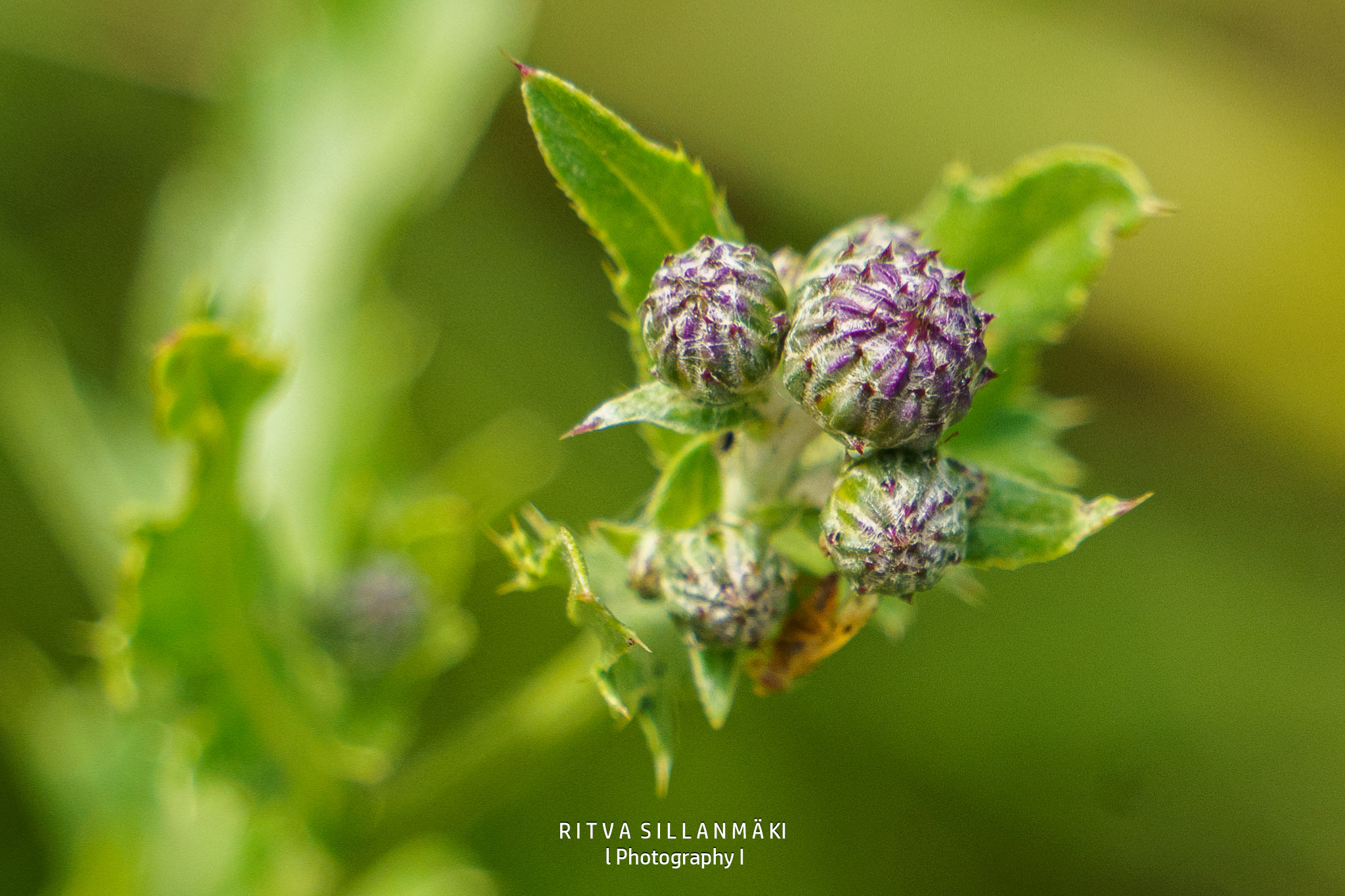
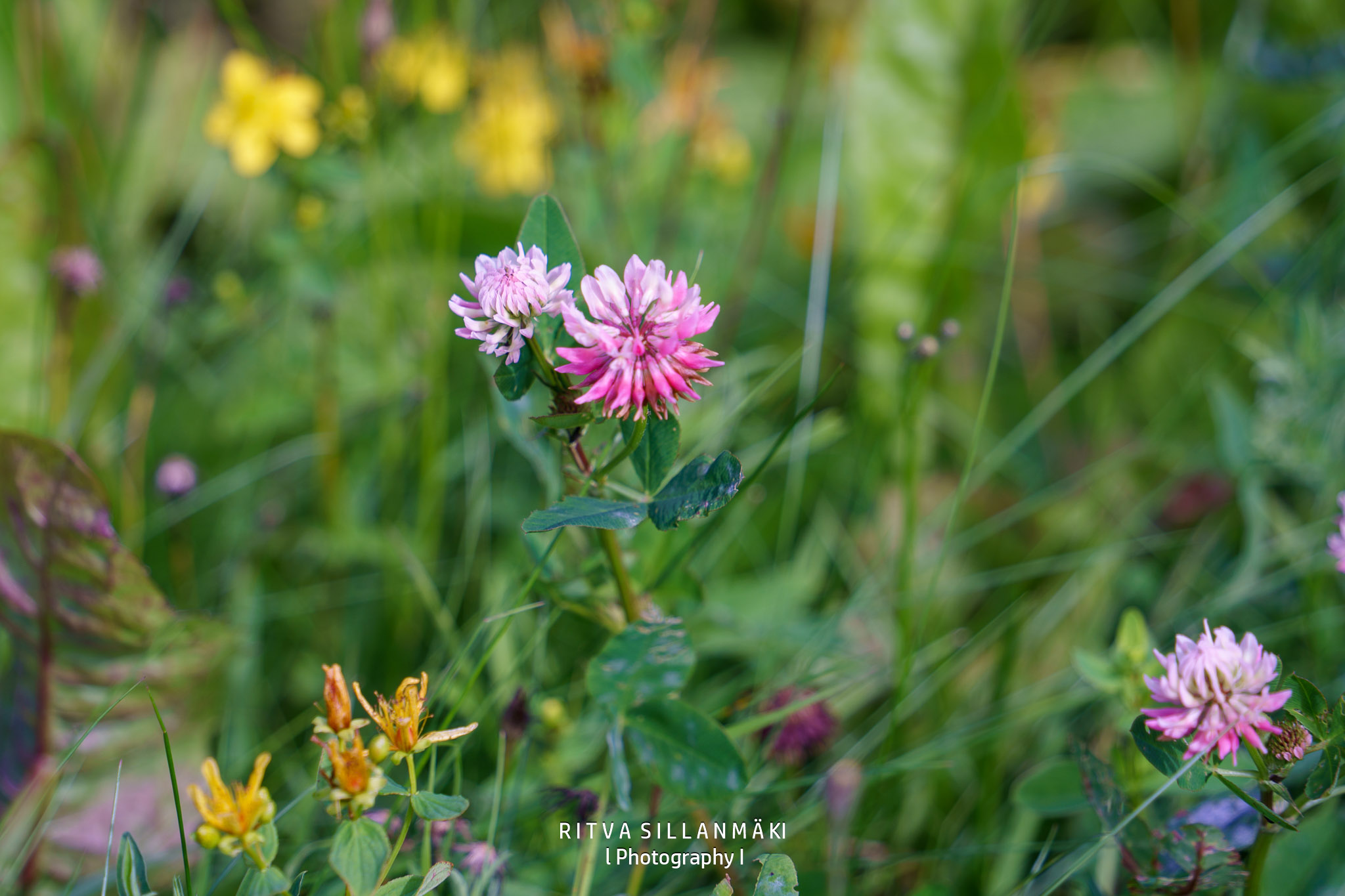
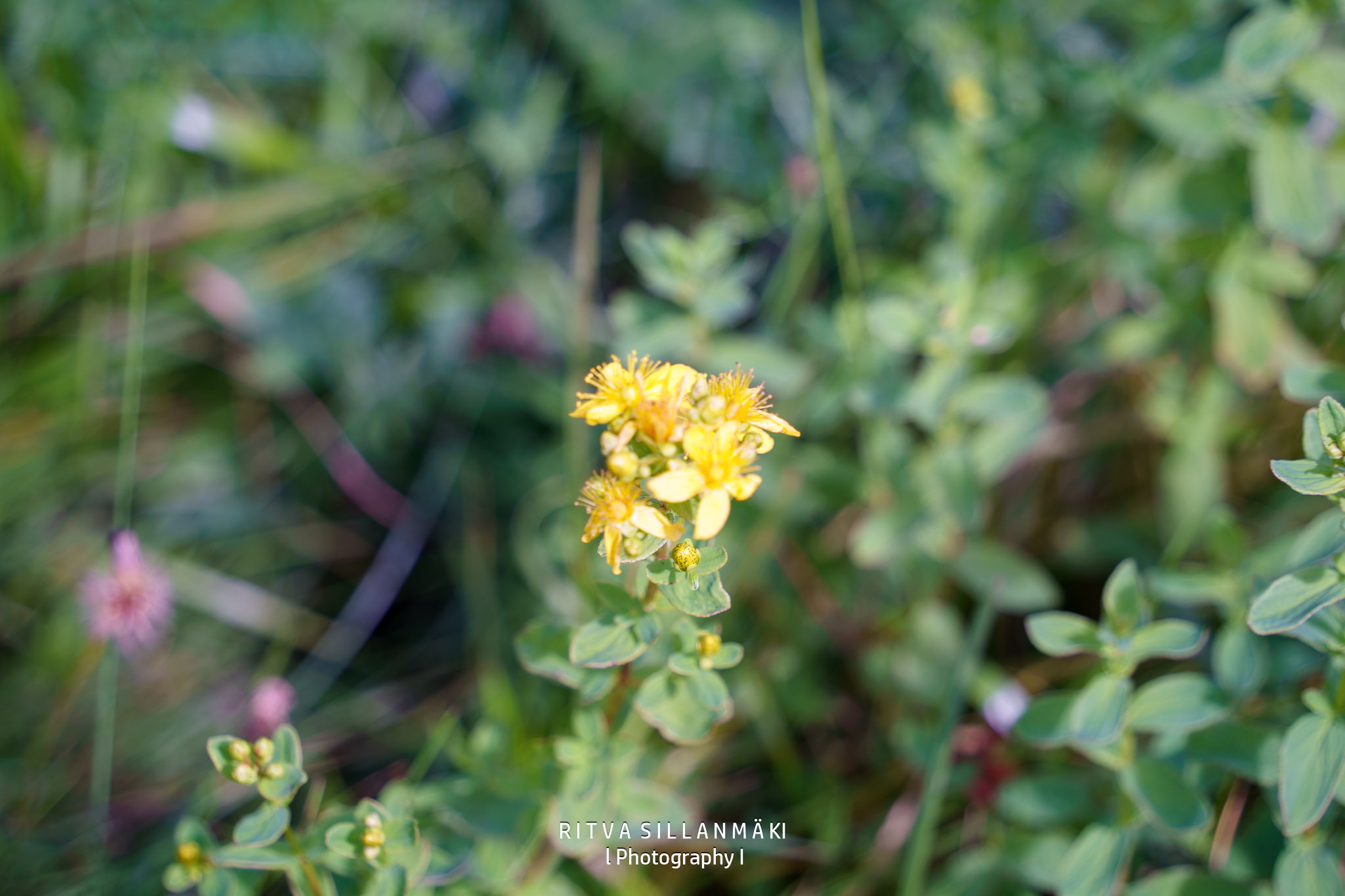
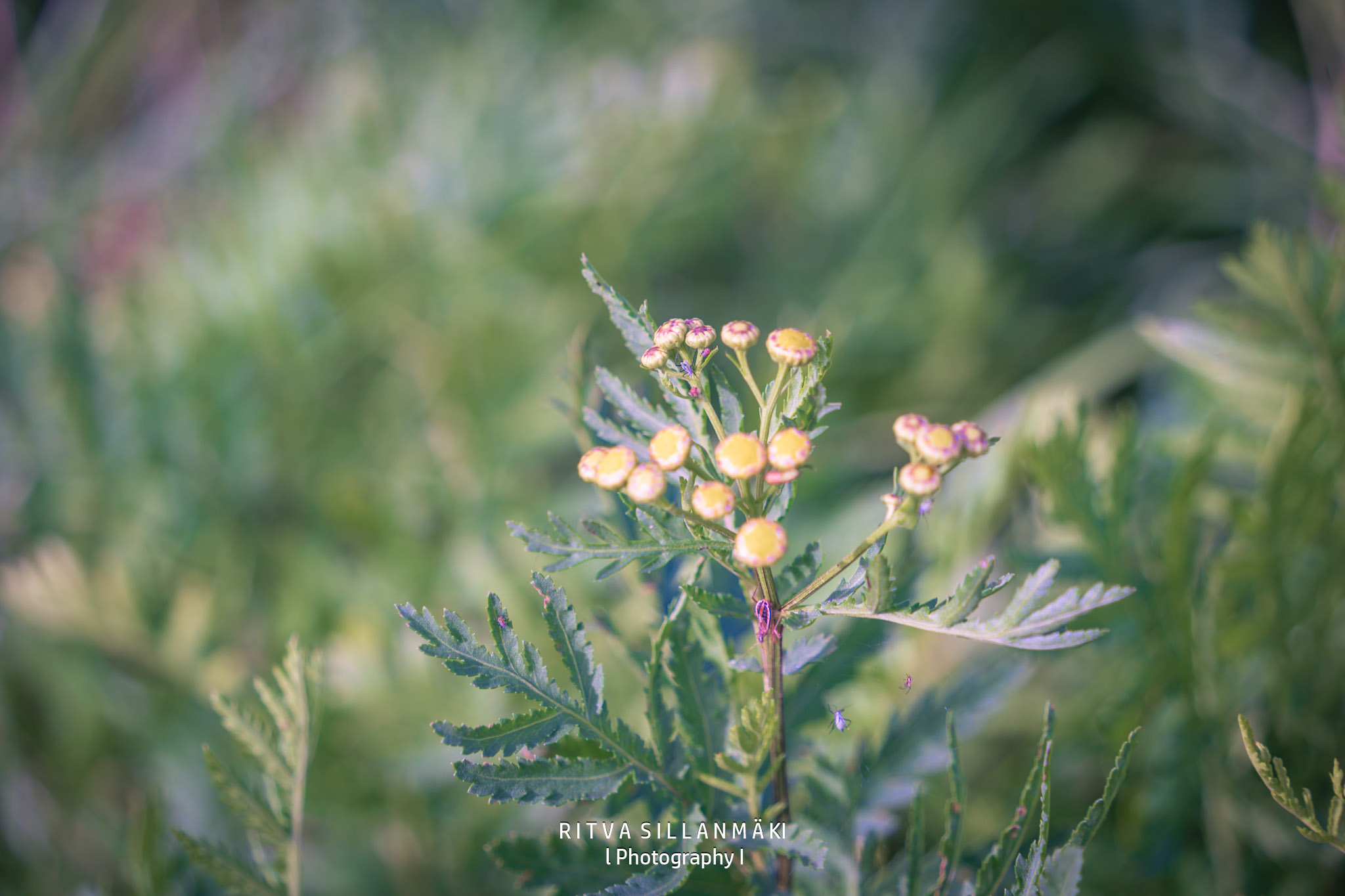
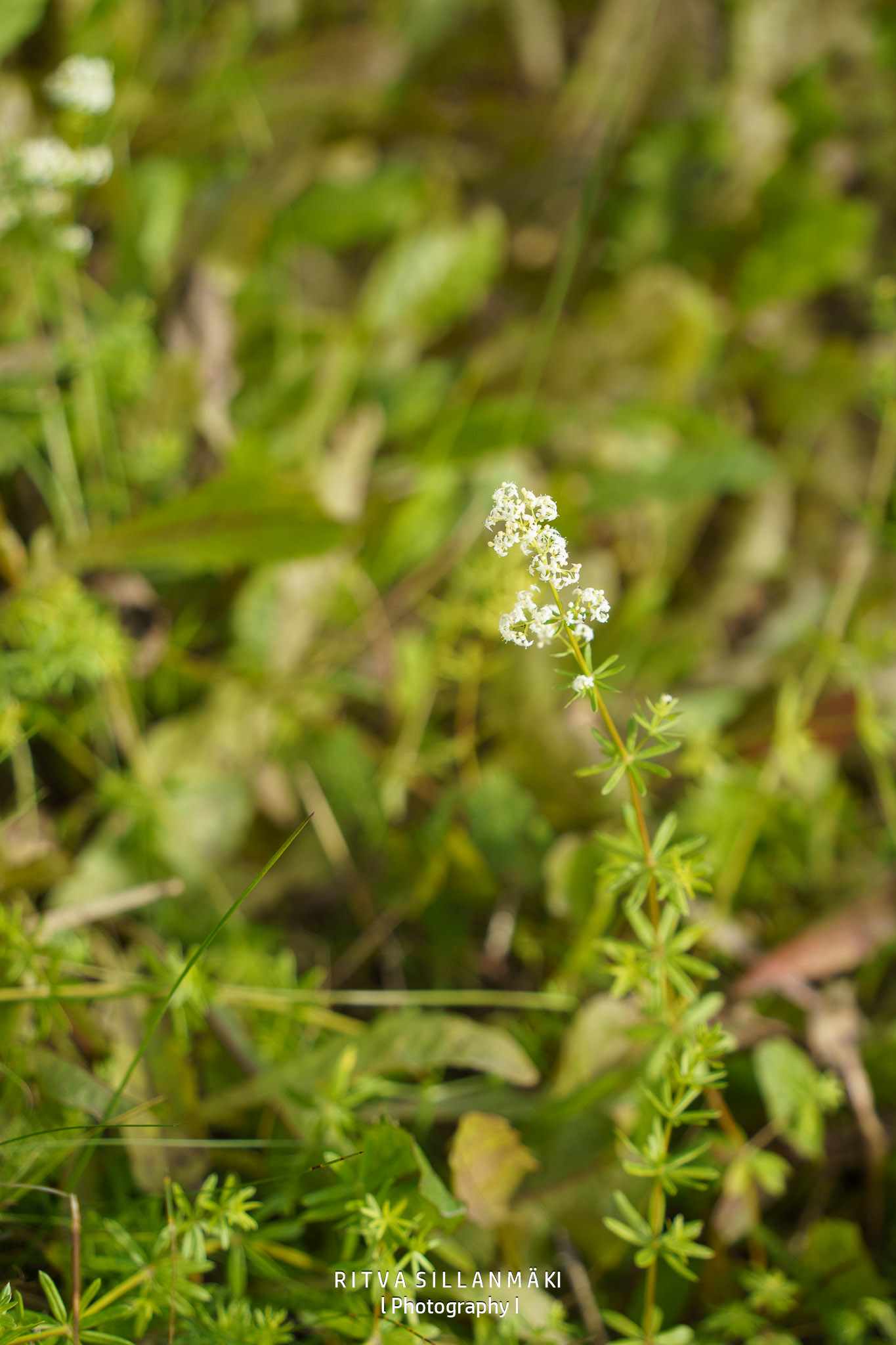
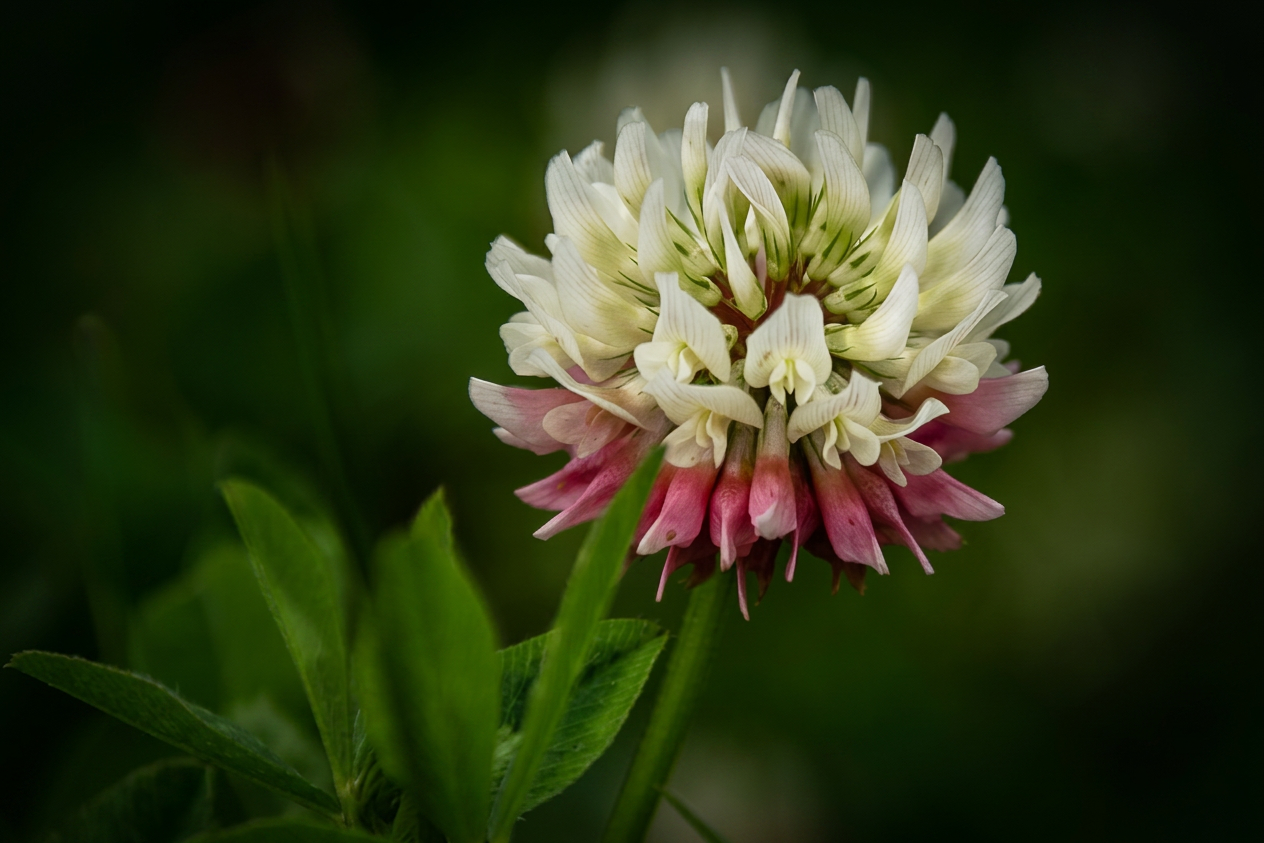
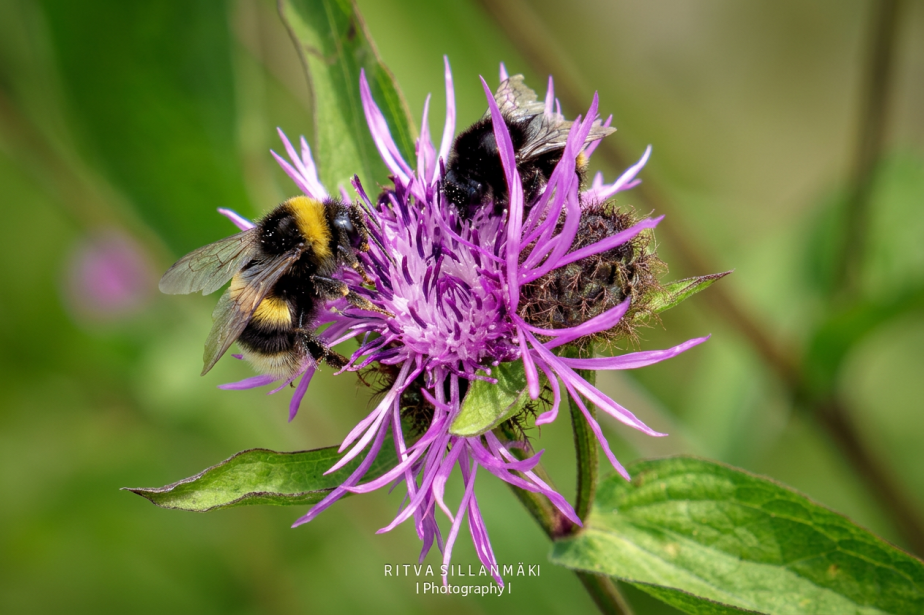
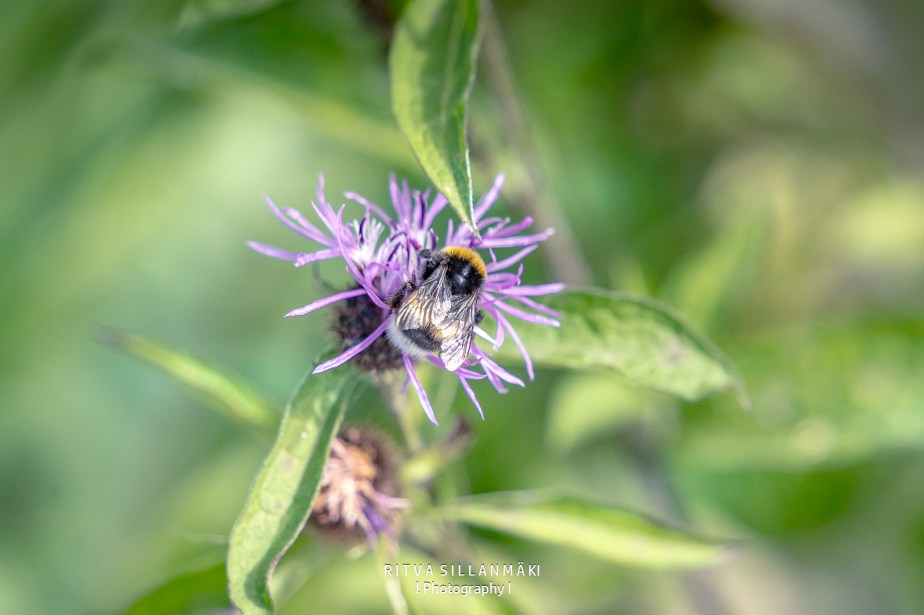
This on the same dirt road, gravel road, whatever 😂 by the meadow. If you thought that I was done, not, here are few more. No explanation this time. Just saying these little buzzers are so important
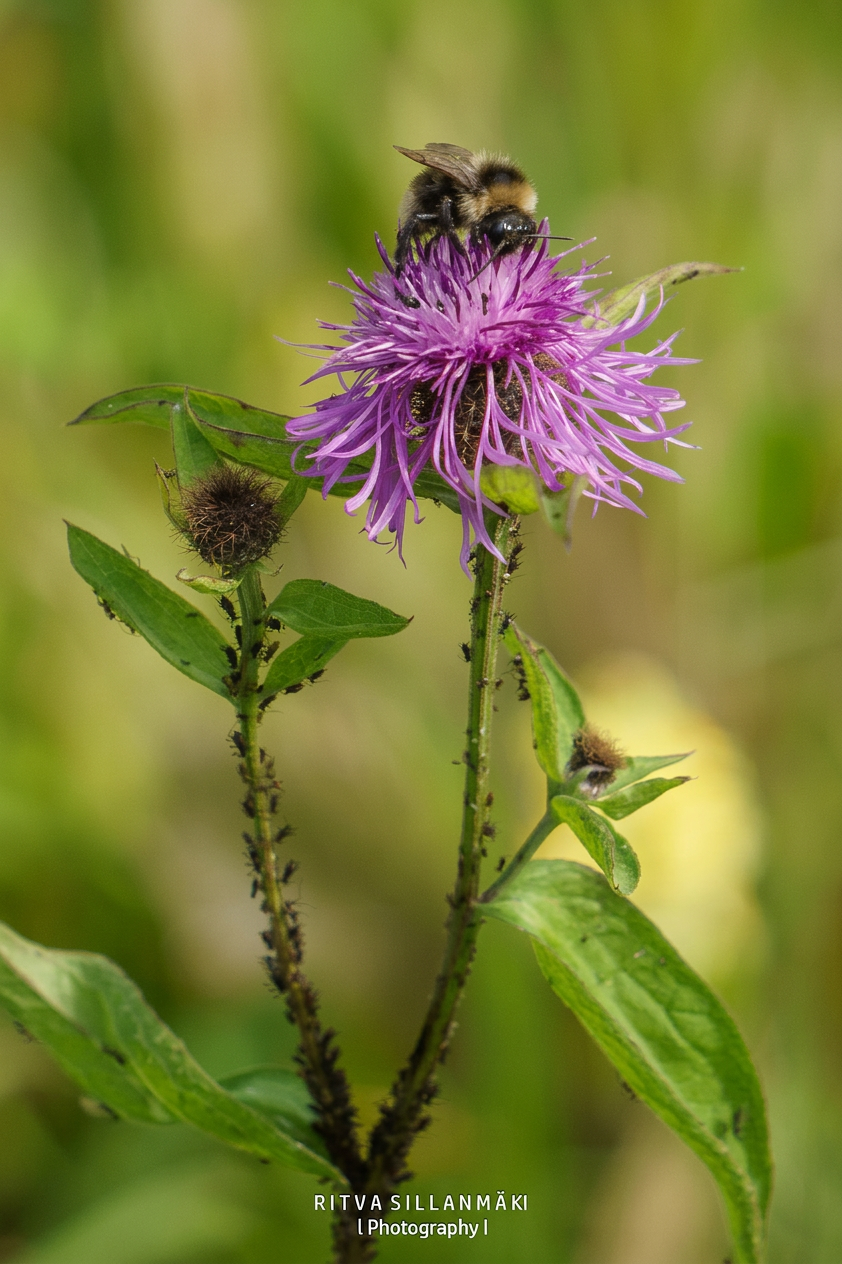
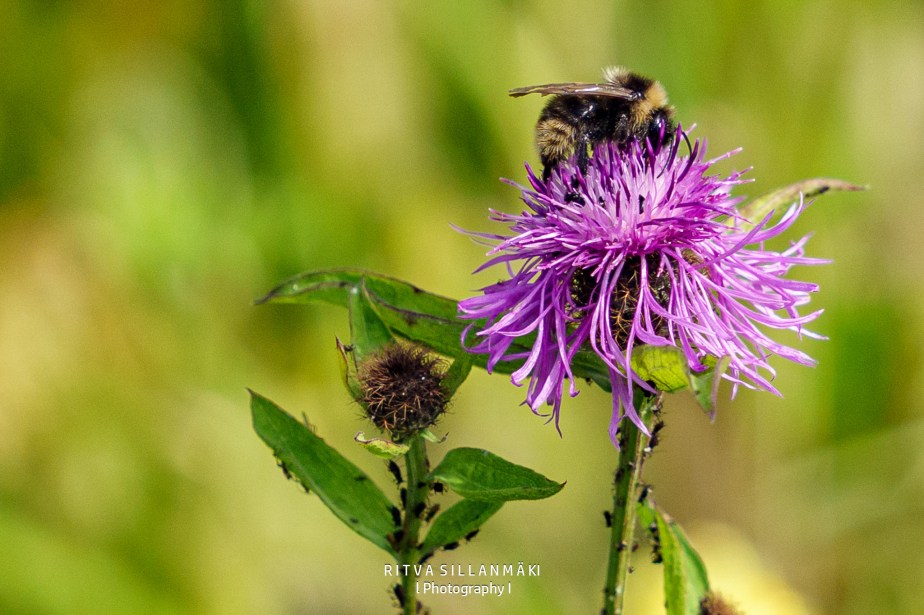
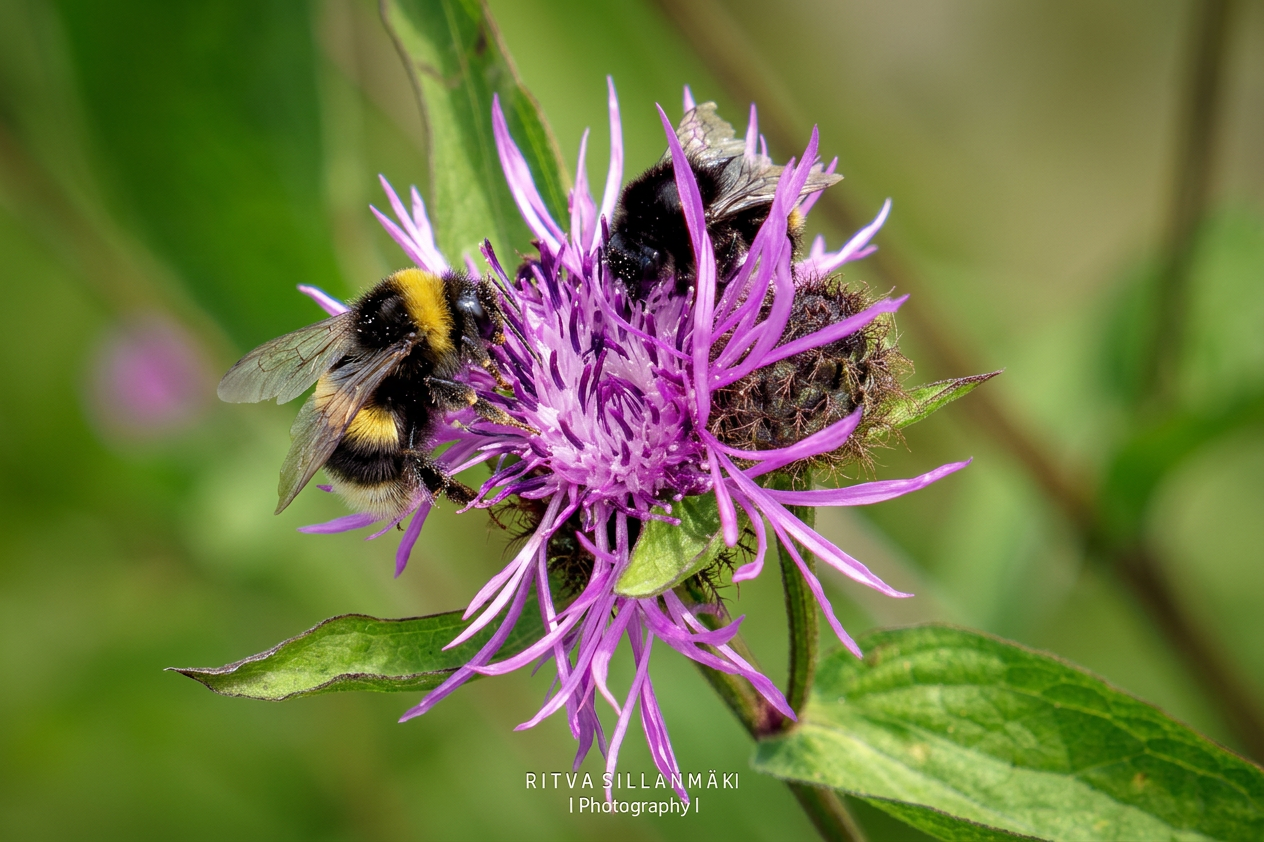
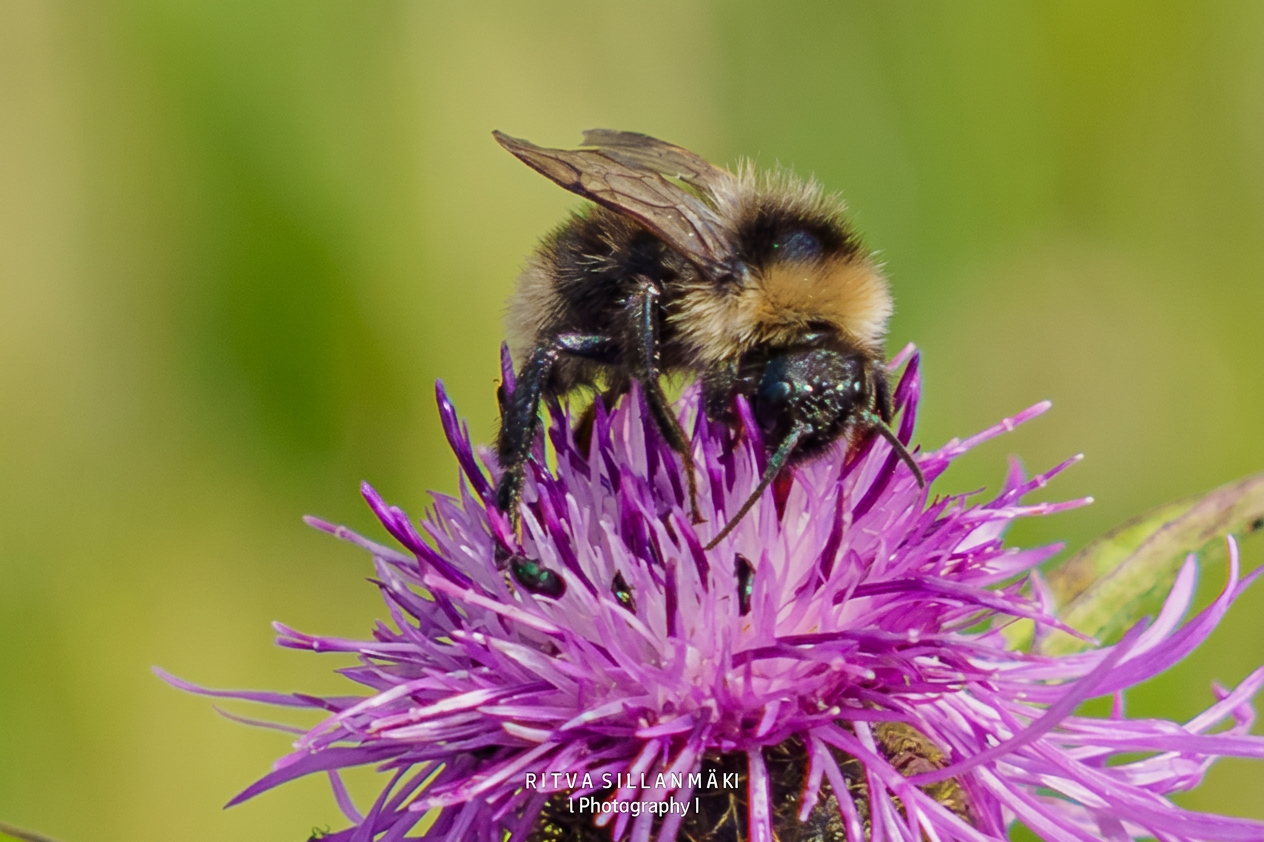
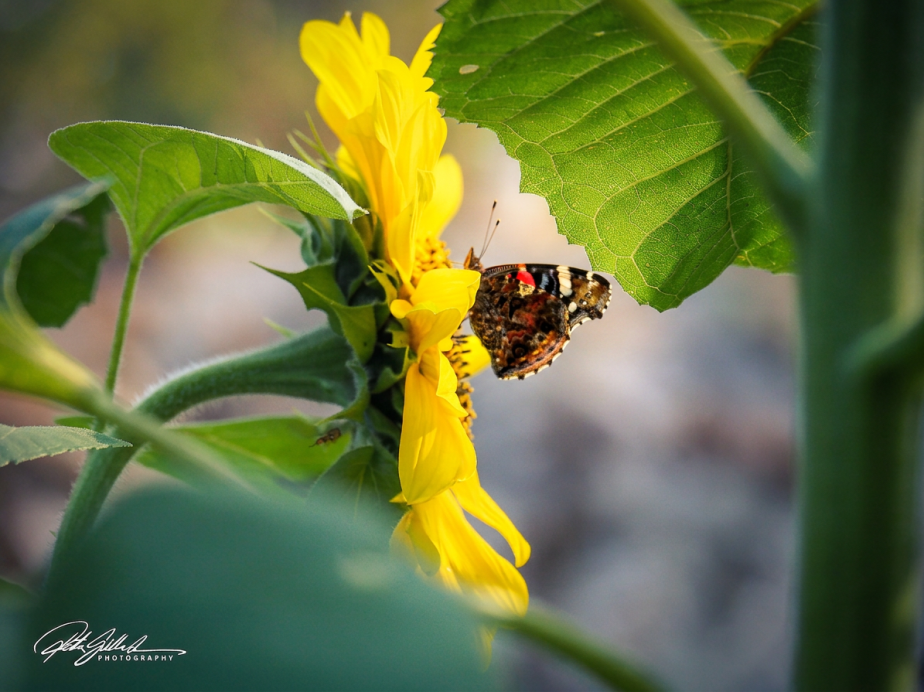
“And the yellow sunflower by the brook, in autumn beauty stood.” William Cullen Bryant
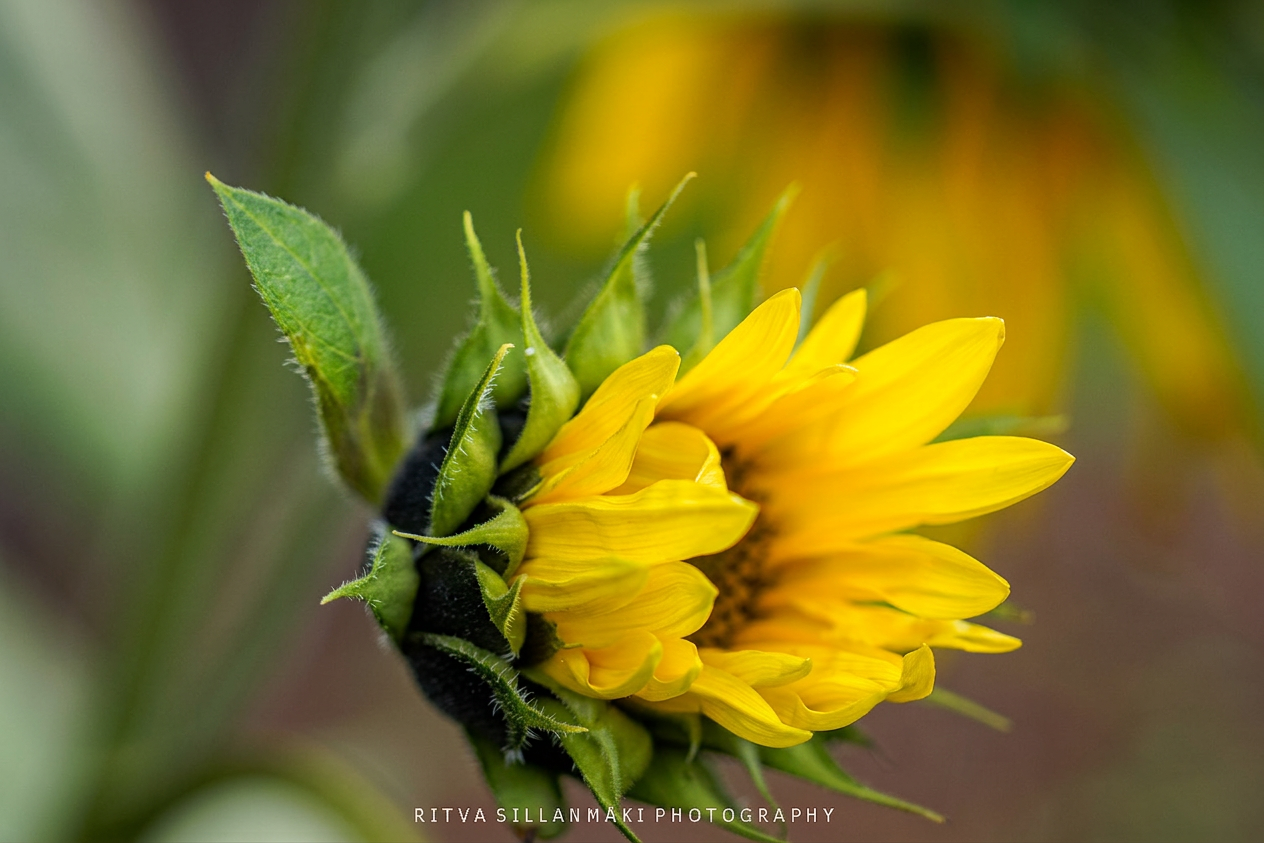
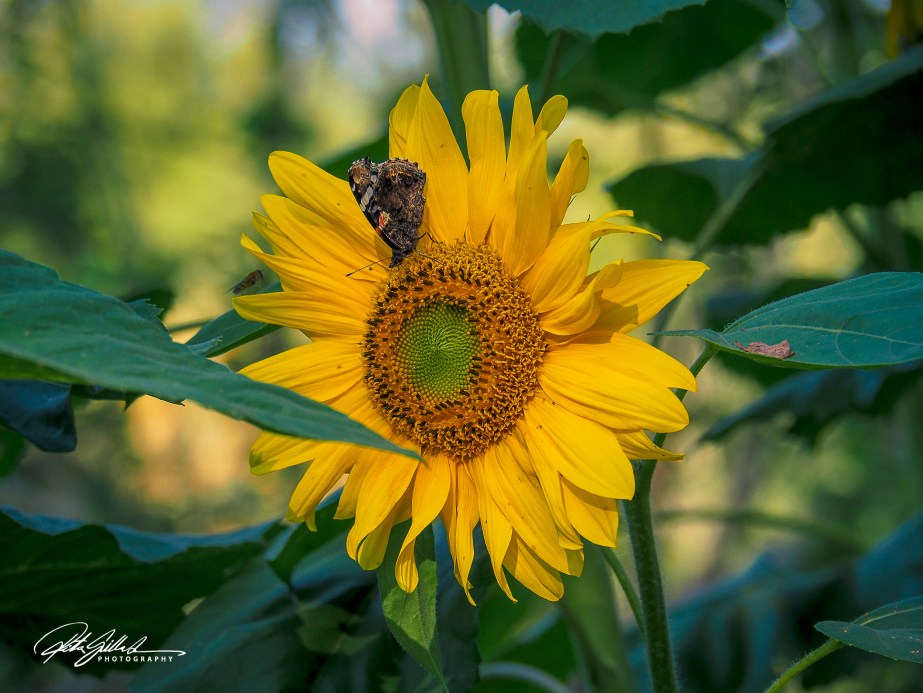
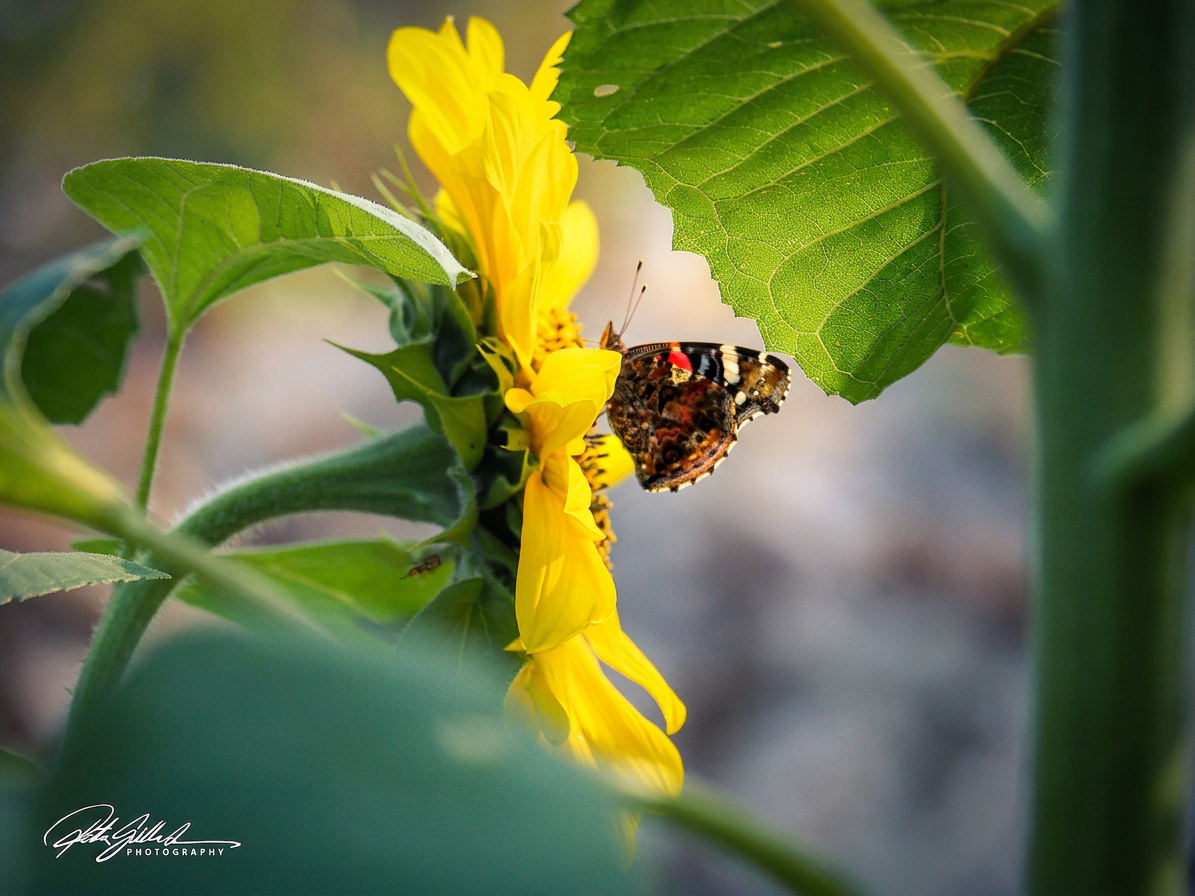
Sunflowers Posted for Terri’s Flower Hour
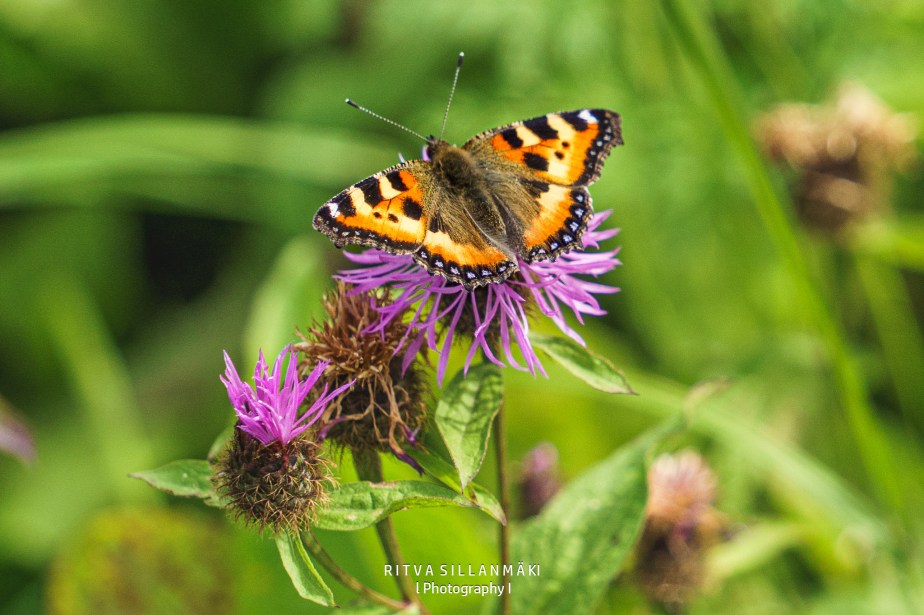
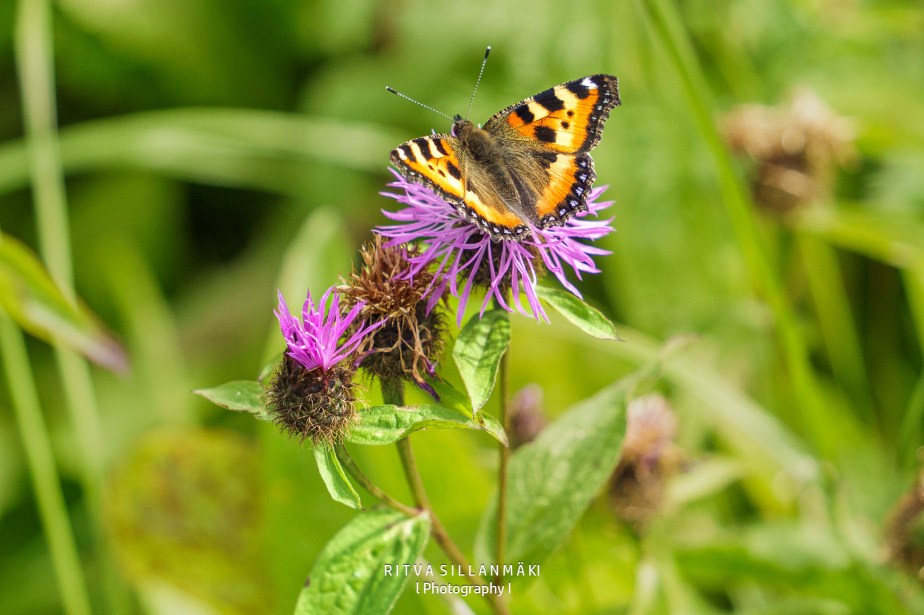
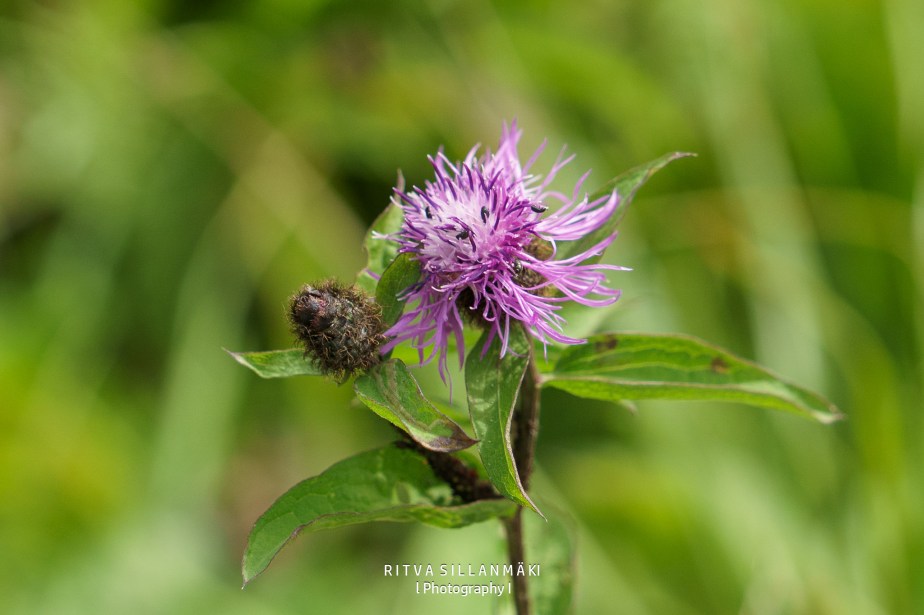
I have taken so many photos lately that I have not posted, that it is starting to annoy me. So I am uploading more from my walk along the meadow on the gravel road. There was a gentle breeze and sunny day, inspiring me to capture the vibrant life thriving all around me. In these photographs, I have a small tortoiseshell butterfly that happily feeds on the nectar from a delicate wig knapweed, its colorful wings fluttering gracefully as it dances from flower to flower, embodying the beauty of nature in motion. It is worth to pause take the time to appreciate the little but important things in life.
Butterflies can be classified into three categories based on their wandering behavior: those that migrate over long distances, those that remain stationary, and those with a mix of both wandering and non-wandering individuals. The small tortoiseshell butterfly belongs to the latter category.
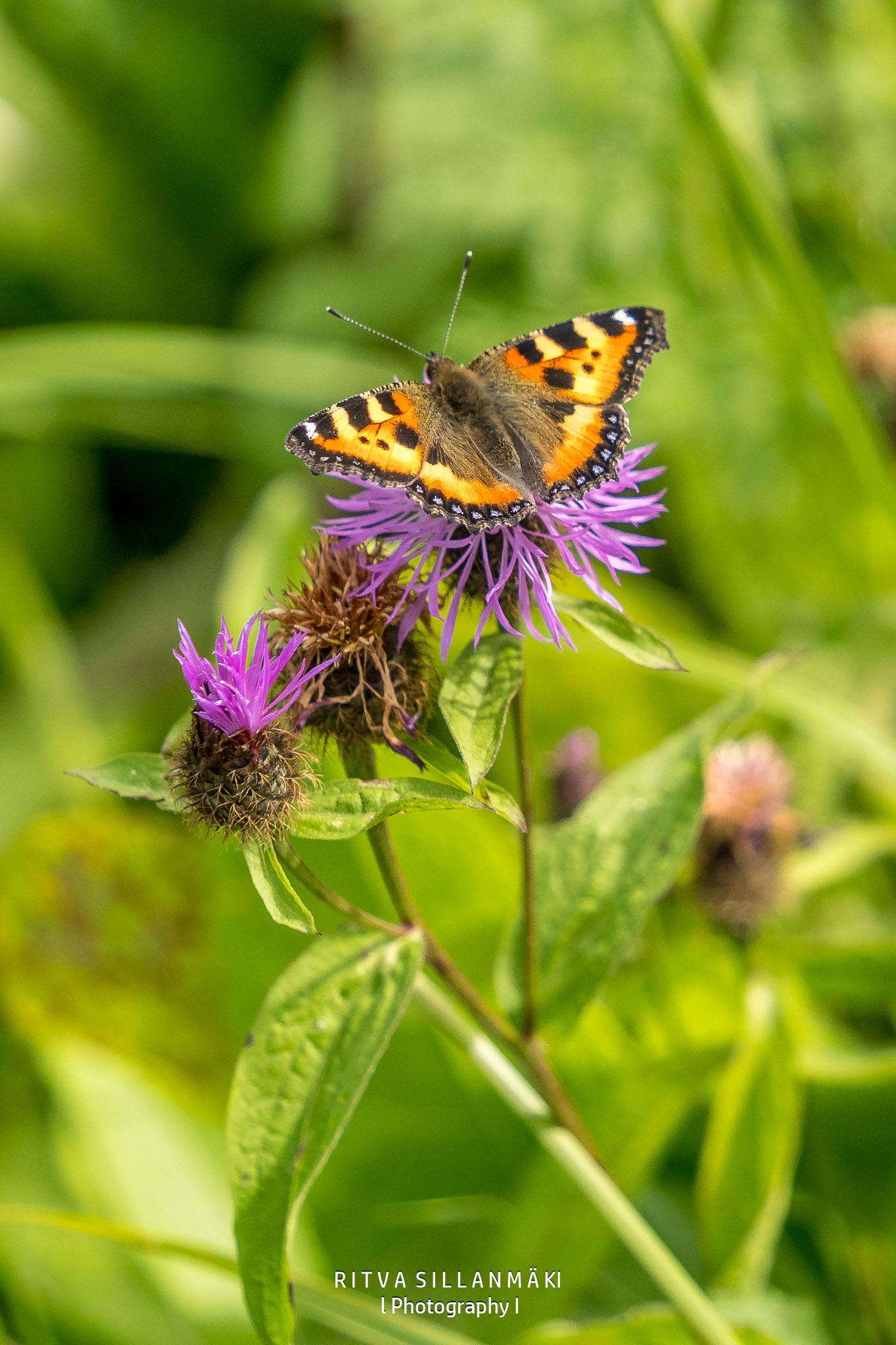
The small tortoiseshell overwinters as an adult and is among the first butterflies to emerge in the spring (the common brimstone is usually even earlier). Males wait for females in forest margins, where they defend their territory. The females lay their eggs in clusters on the underside of the leaves of the host plant (usually nettle). The caterpillars colonise the host plant together and often make cocoons in the host plant, although they also use tree trunks, house walls and other vertical surfaces.
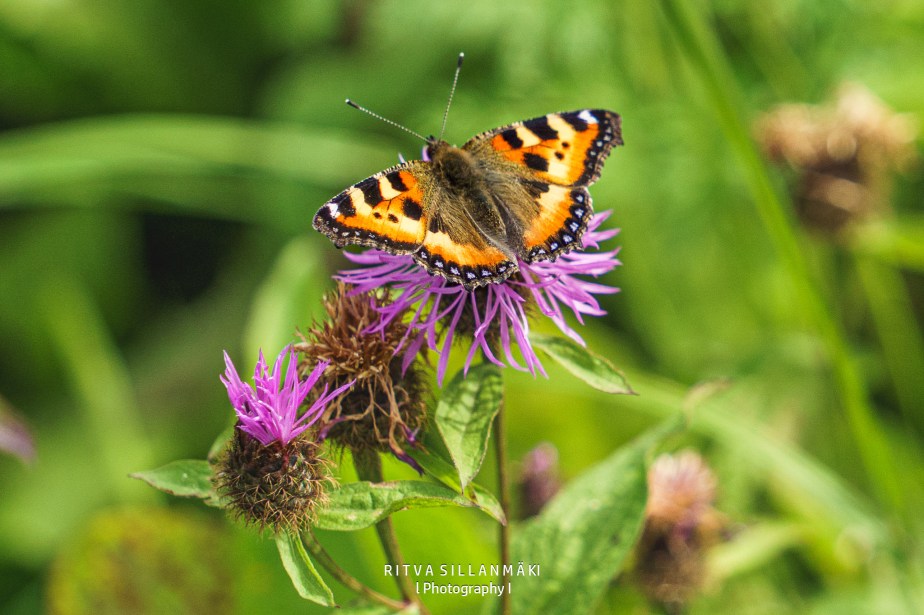
The small tortoiseshell is common all over Finland and looks a lot like the large tortoiseshell, the yellow-legged tortoiseshell and the Compton tortoiseshell which all are larger than the small tortoiseshell. Besides size it can be told apart from these, however, by the way that the upper surface of its wings are closer to brick red than orange, and the basal part of its hind wings are black.
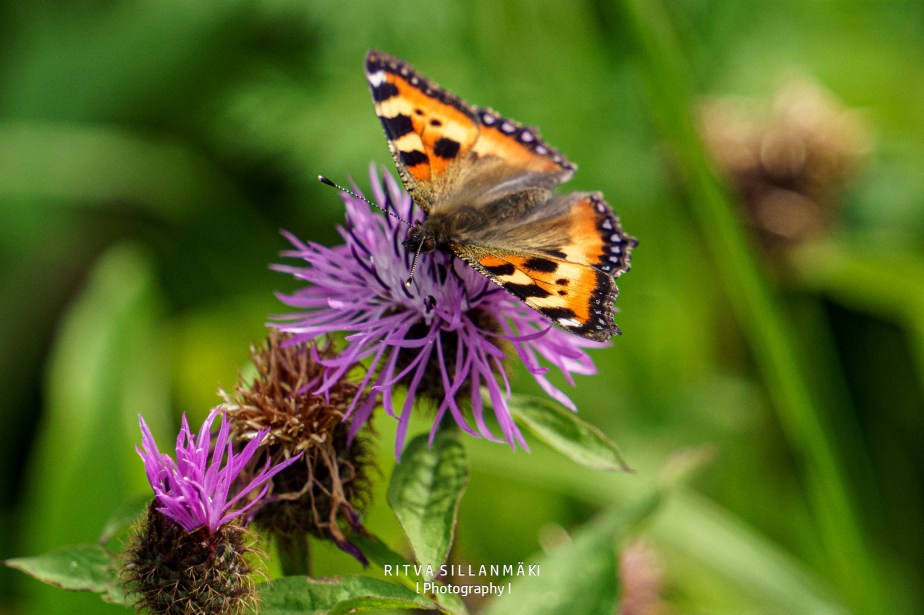
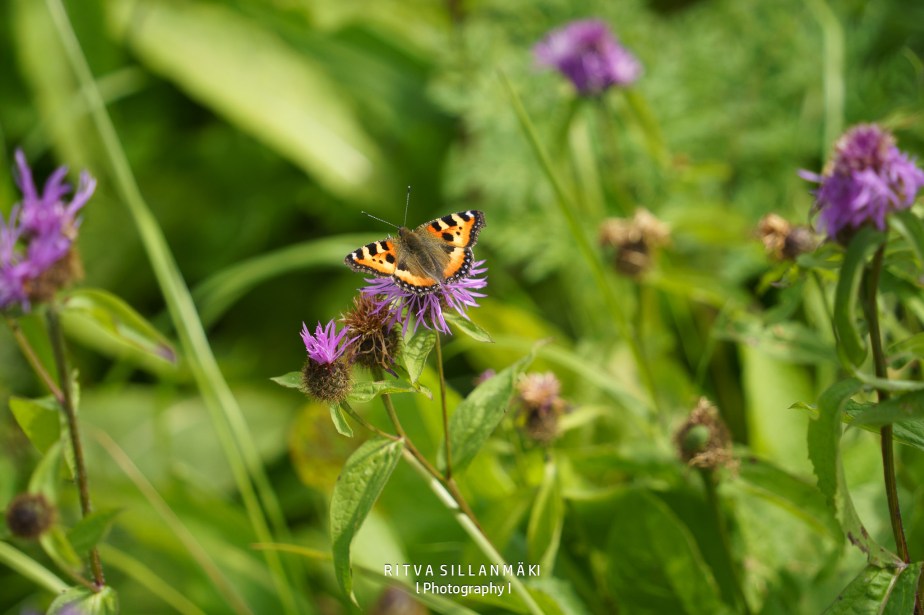
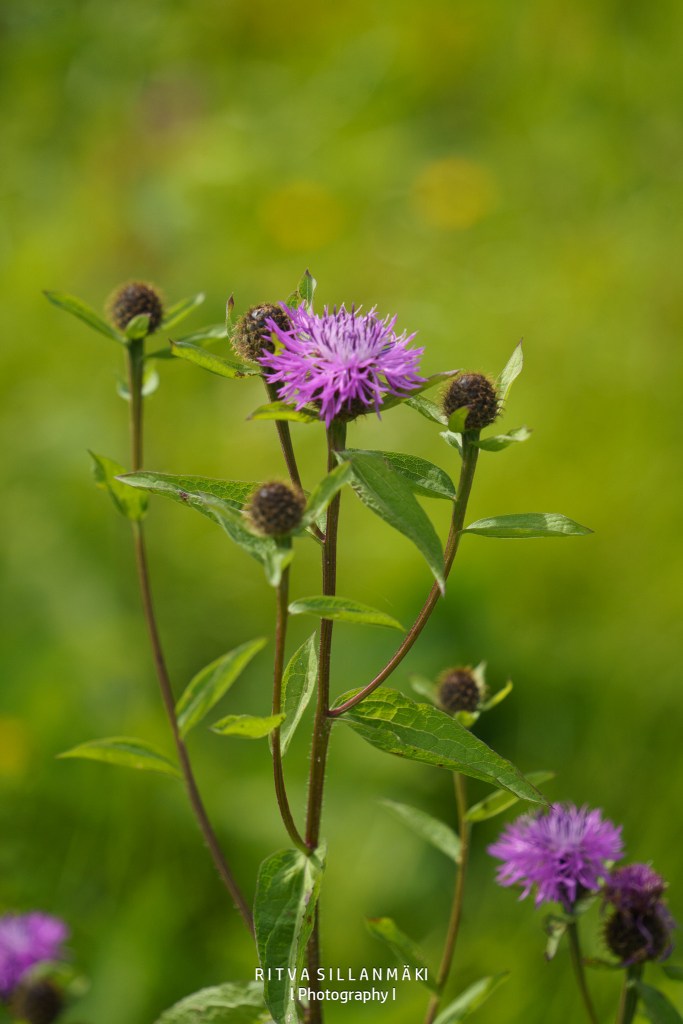
Wig knapweed has arrived in Finland from the east, and its habitats are linked to traditional methods of agriculture. Häme and especially Savo–Karelia have been the core of slash-and-burn agriculture in Finland, and wig knapweed is often found there on banks and dry meadows. It also perseveres in the margins of forest clearings and in light-filled broad-leaved forests. The last burn-beaten areas are beginning to close up, and this is reflected in the way that the species is becoming rarer. Its habitat stretches from eastern Europe to western Siberia and it would appear to favour a continental climate, or to avoid coastal climates, whichever way you look at it. Knapweeds have been popular in gardens throughout the ages as ornamentals in sunny and perhaps slightly dryish areas. Although many exotic species are grown as perennials, wig knapweed and other domestic species deserve more attention than they currently receive as wonderful plants in flowering meadows.
I was just thinking about where to point my camera during this time. Should I capture the Devil’s-bit scabious that’s either blooming or fading away, showcasing its intricate details and vibrant colors? Or maybe I should focus on the grass, which I believe is Calamagrostis epigejos, swaying gently in the breeze, its delicate blades reflecting the soft light? Then there’s also the Sow thistle, with its bright yellow blooms, and the cotton grass, which adds an ethereal quality to the landscape with its fluffy tufts dancing above the ground. What do you think? I did focus on all of them, keeping little distance so I could capture a mood I was aiming for – soft and light – delicate, evoking a sense of tranquility and harmony within nature. Each element plays a vital role in this ephemeral scene, weaving together a tapestry of colors and textures that resonate with the serene ambiance of the moment.
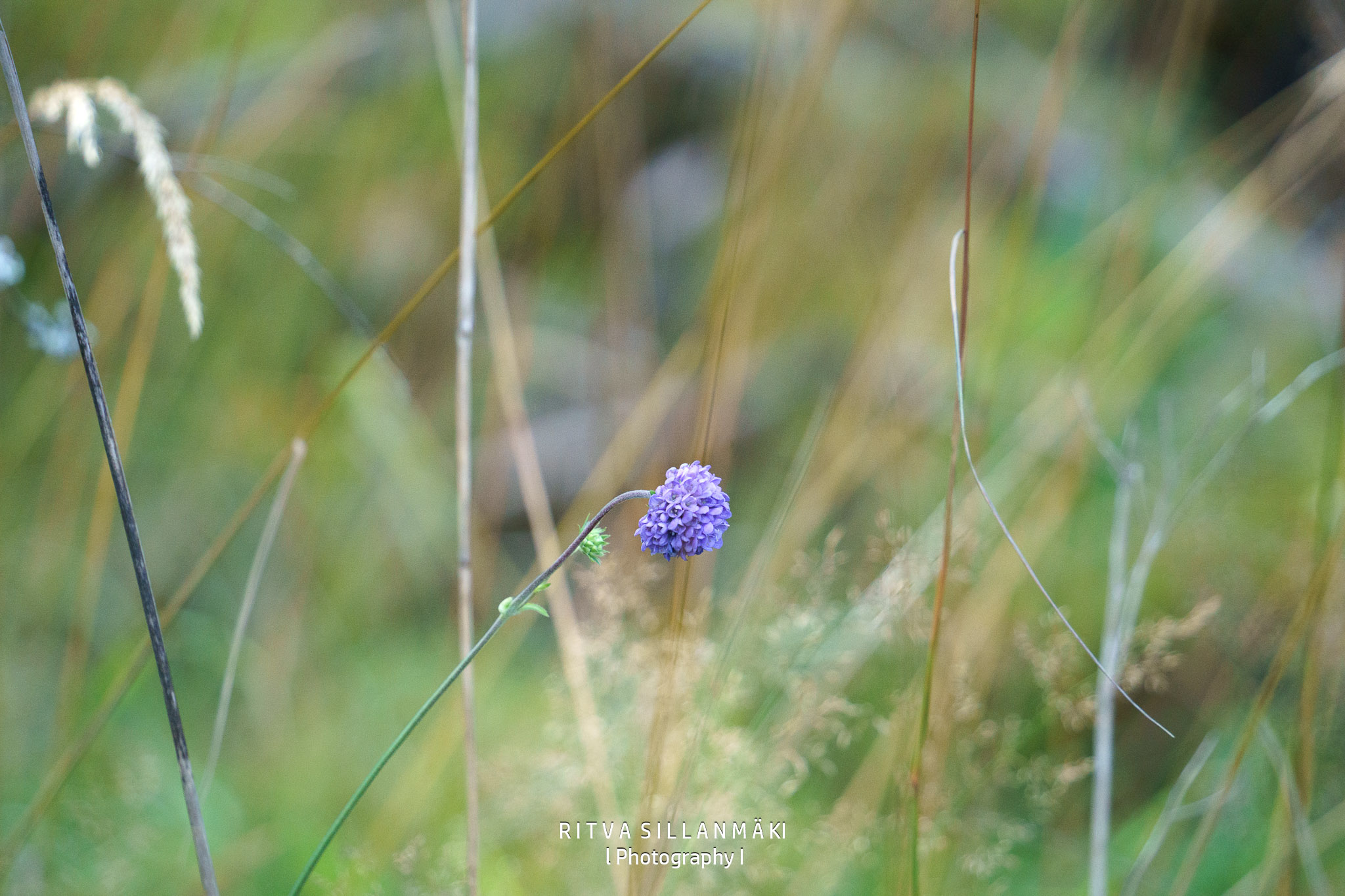
Devil’s-bit scabious’s inflorescence resembles that of field scabious (Knautia arvensis), but differs in having smaller ray-florets and distinct leaf shapes. The two plants typically inhabit opposite environments; field scabious thrives in dry sands, whereas devil’s-bit prefers heavy clay areas. It is found in clearings, damp meadows, and along coastal regions, mainly in the west and south-west, with a distribution limit in central Finland. A historical climate barrier exists between coastal and inland populations, attributed to post-Ice Age climatic changes. The species has since spread to newer shorelines. LuontoPortti
Devil’s-bit scabious has a history of use as a dye, seasoning, tea, and medicine for various ailments. Legend has it that the Devil attempted to destroy the plant by biting off its root, which appears damaged as it ages. Its names are derived from the Latin term succidere, meaning “to break from the bottom.” This plant also supports insects, particularly butterflies and bees, as they prepare for winter.
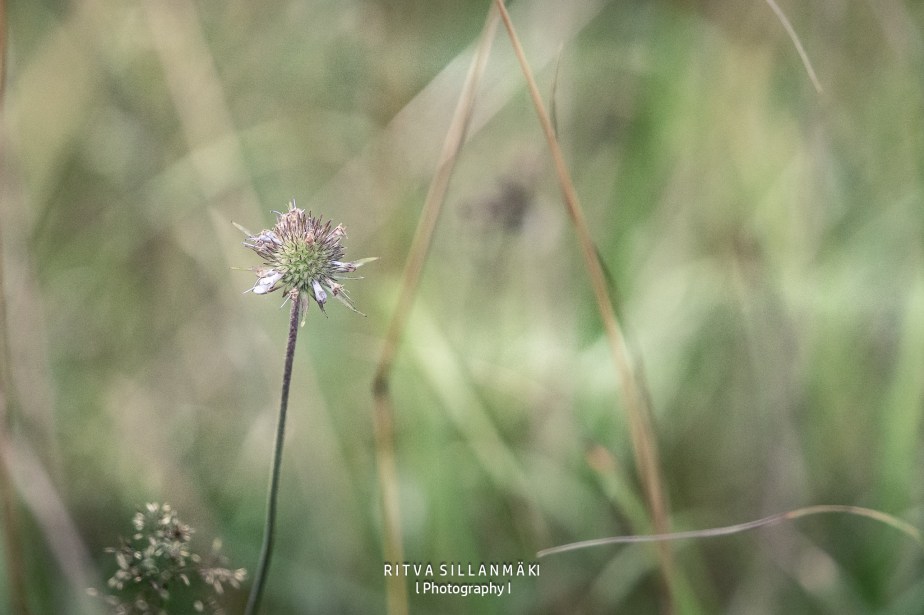

I think this grass is Hietakastikka (Calamagrostis epigejos), a perennial large grass species that thrives in a variety of habitats, often found in coastal areas and along riverbanks. It can be identified by its dense and large panicles, which are notably more pronounced compared to other Northern European grasses, contributing to its striking appearance. The spikelets, which are gray-green or bluish-brown, add to its visual appeal, especially when swaying gently in the wind. This species is not only valued for its aesthetic qualities but also plays a vital role in stabilizing soil and providing habitat for various wildlife, making it an essential component of the ecosystems it inhabits.


Sormipaisukarve (Hypogymnia physodes) is a type of lichen that grows on trees and rocks. It has become more common in recent years and is likely the most widespread lichen in Finland. This lichen is found throughout the country, especially in the south, and is rare in northern Lapland. Sormipaisukarve is a sign of air quality: in clean areas, it can grow up to five centimeters, while in polluted areas, it stays under one centimeter.

Cotton grass (Agrostis capillaris, syn. Agrostis tenuis) is a common grass species that thrives in a variety of habitats, including meadows, fields, and along roadsides. Its tall, slender stems and fine leaves create a delicate appearance, making it a notable feature in the landscape. Additionally, this grass species plays a vital role in the local ecosystem, providing food and shelter for various insects and small animals. It is an ancient introduction in Finland, where it has adapted to the climate and soil conditions, contributing to the rich biodiversity of the region.

The Sow thistle reached Finland after the Ice Age from the south and west. The populations from different directions are separate, and changes in distribution are very small on a human scale. The species grows in the Åland Islands and Uusimaa, mainly in the pine forests and edges of the Lohja region. Human activities do not threaten the species; instead, they often help it by creating more open areas with light, which the plant prefers. In some locations, it has even spread to roadsides and railway embankments.
Humans have also utilized sow thistle; the plant’s sturdy taproot is edible and tastes good. Instead of starch, the root contains inulin sugar, making it excellent for diabetics. One would think the sow thistle would stand out in the open pine forest, but its abundance and entire existence can go unnoticed, as it is often present only as leaf rosettes. The rosette somewhat resembles ribwort plantain (Plantago lanceolata), but the large flower heads that often open as early as May reveal that the plant belongs to the daisy family.
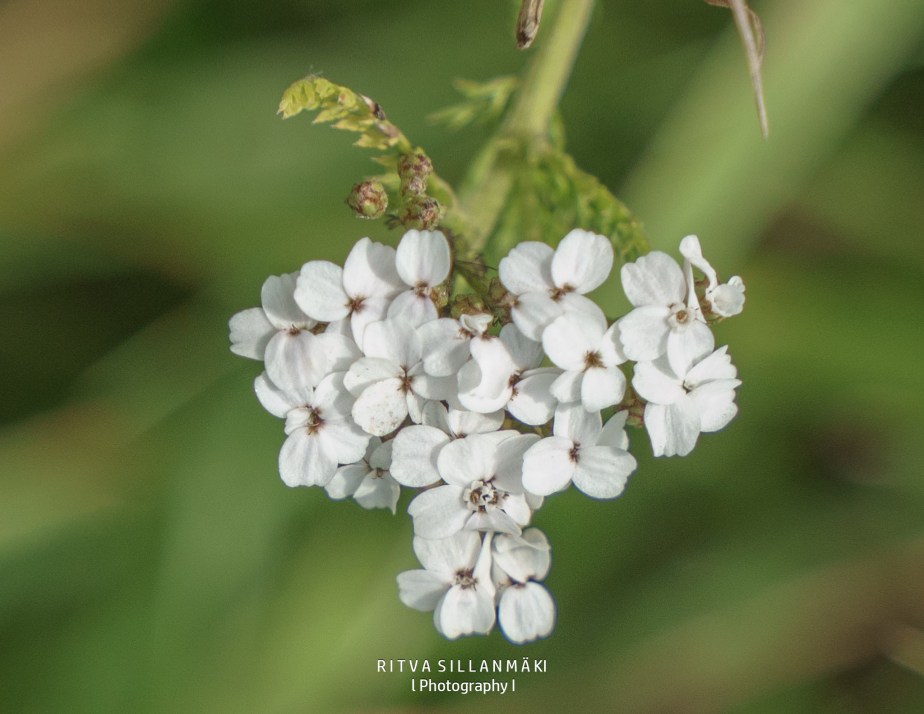
You might have seen couple of my previous posts about heart shaped flower clusters, this time I found one in the by the road on a meadow. Yarrow is one of those plants you’d easily recognize in Finland’s meadows, especially since it has a ton of local names. You’ll often find it thriving in open areas where people hang out, not just in clearings but even in thicker forest undergrowth and along the sides of forest roads.
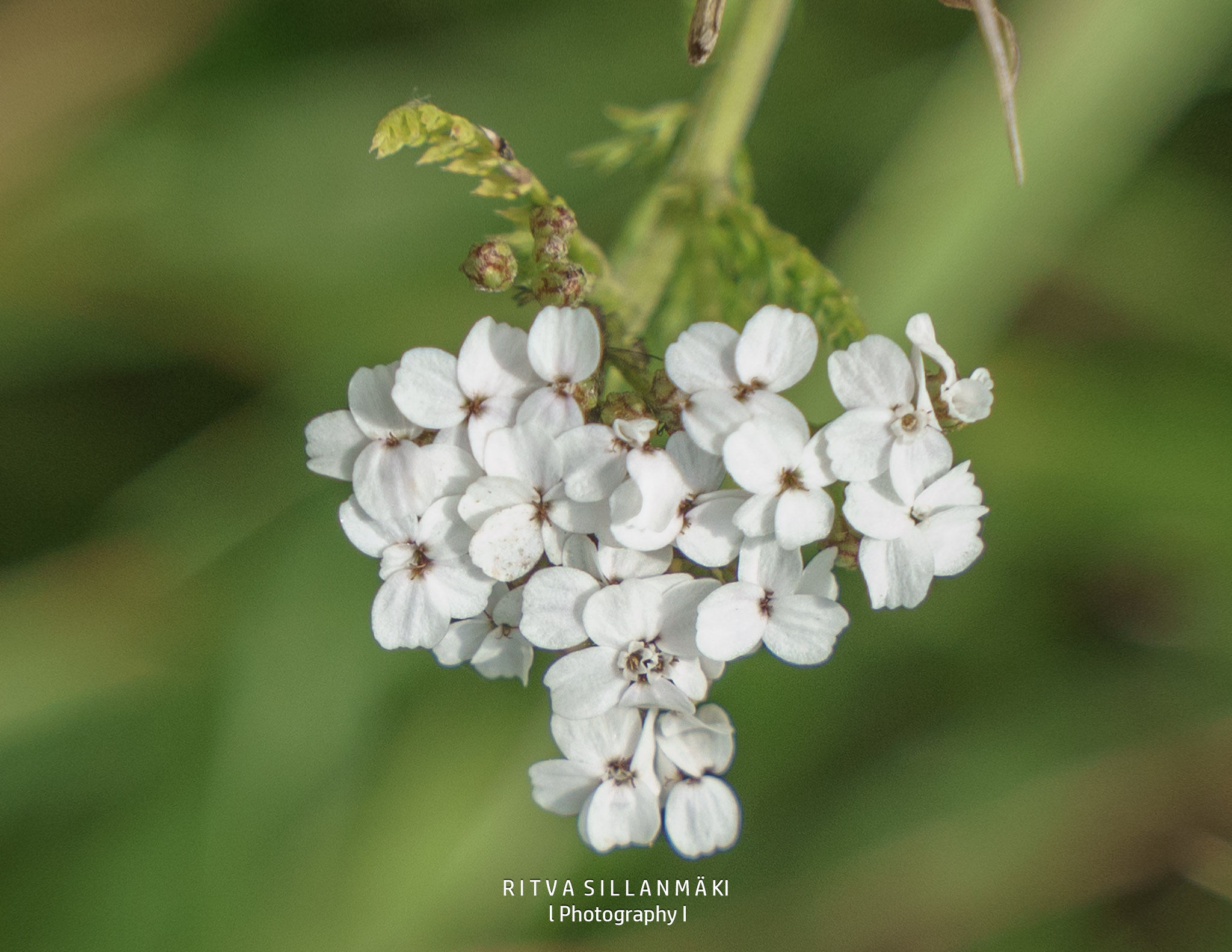
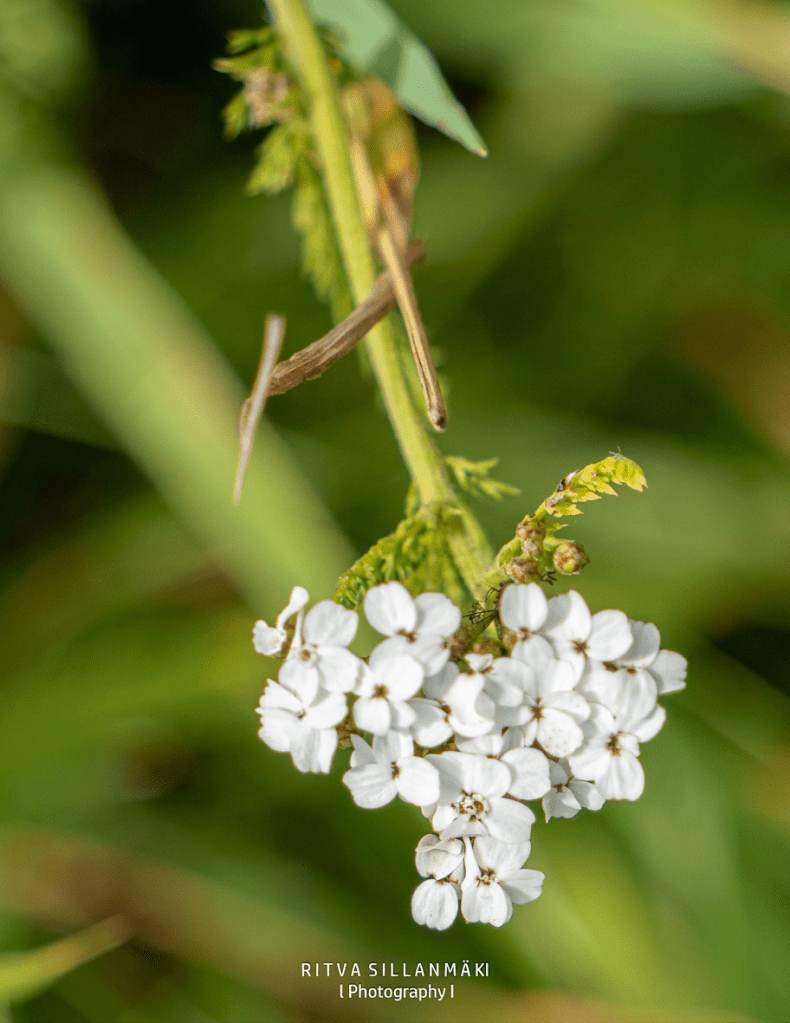
The plant’s scientific name, Achillea, is a nod to the legendary Greek hero Achilles. Traditionally, yarrow has been used as a medicinal herb for various issues like cramps, fevers, and slow-healing wounds, and it’s still enjoyed as a tea in Finland today. That said, it’s not for everyone; some folks might get a rash just from touching it, and taking too much can lead to dizziness and headaches. Its unique scent comes from the bitter compounds and volatile oils in the shoots, which give off that classic herb-like aroma. Interestingly, the flowers emit a smell that flies and beetles find appealing. When winter hits, some of the seeds from a pollinated yarrow plant stay on it and disperse across the snow, and even small birds like bullfinches and redpolls snack on them throughout the cold months.
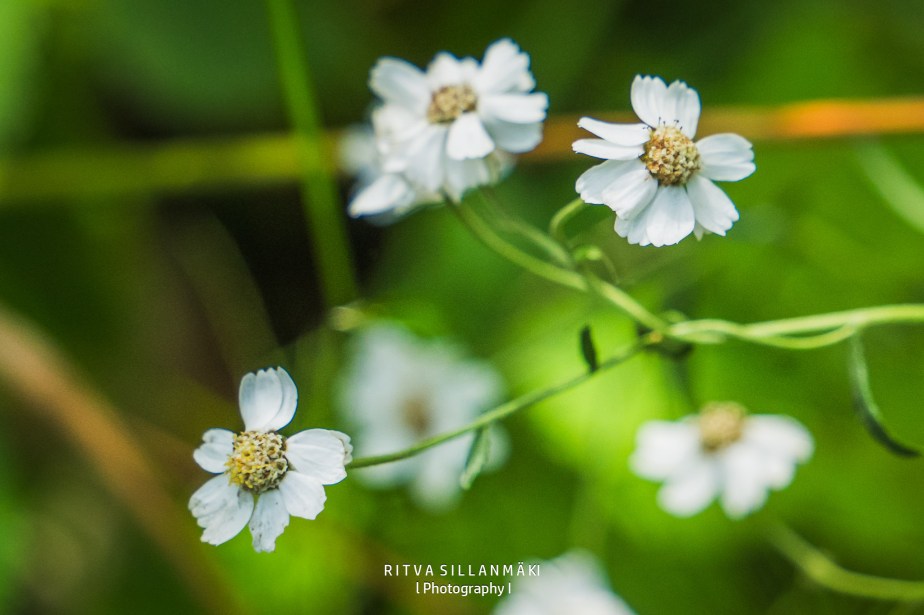
I stumbled upon these meadow sweets yesterday while searching for some August flowers by the edge of a meadow. At first, they didn’t seem like much, but the closer I looked, the sweeter they appeared. You know how it is with wildflowers—often, they have a quiet charm that surprises you, right?
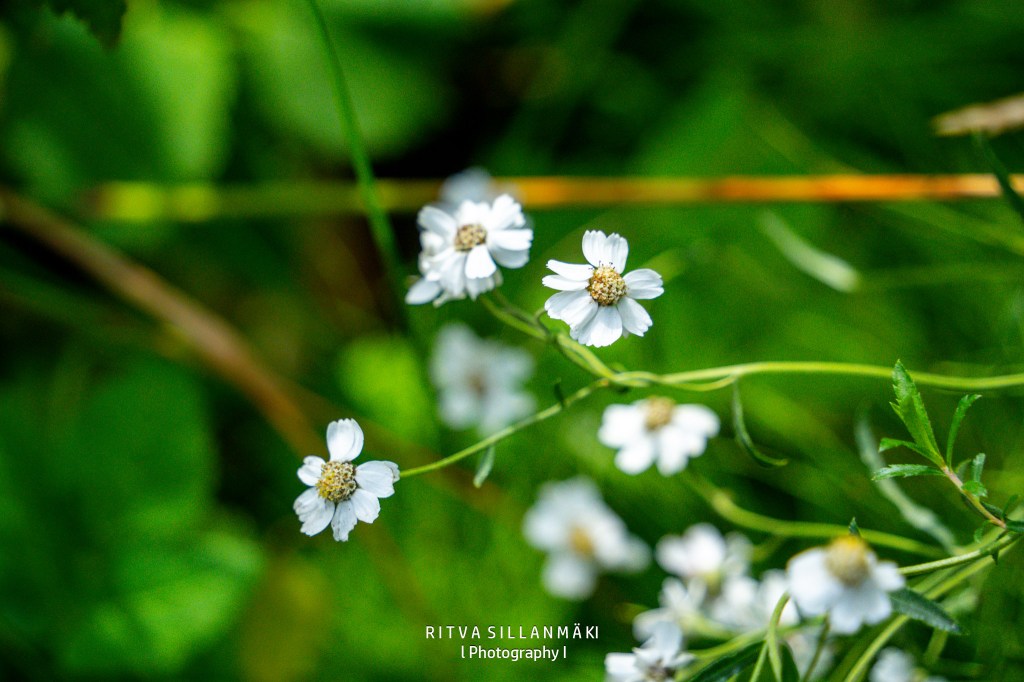
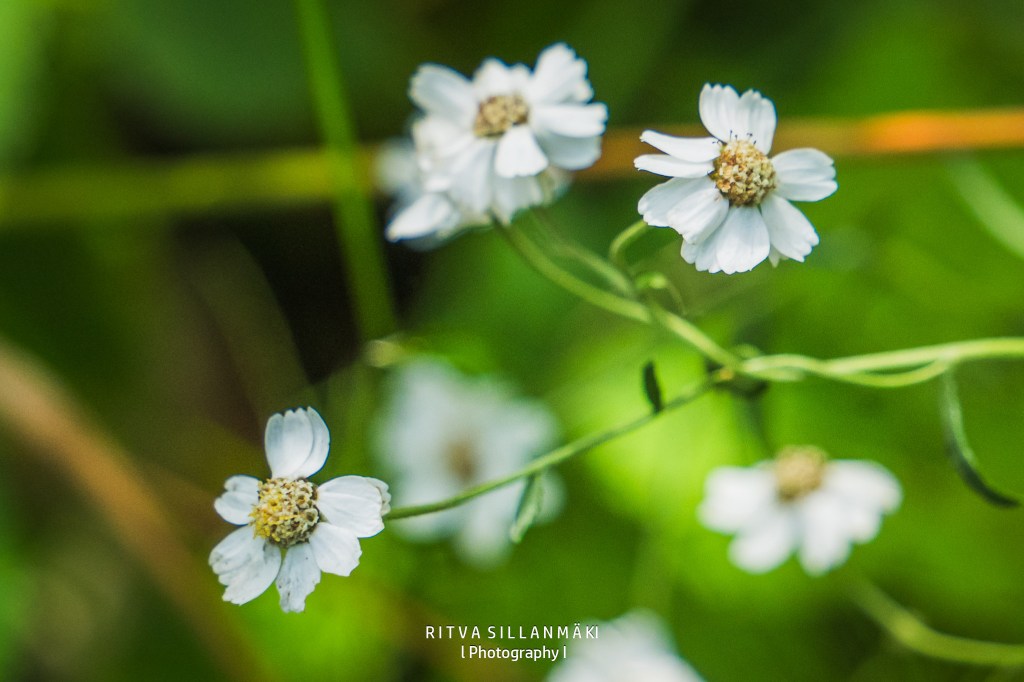
Meadow Sweet Achillea ptarmica), which is part of the aster family (Asteraceae). It features lovely white flowers that have rounded blossoms around the edges and a cheerful yellow center. The leaves are pretty narrow with a serrated edge. This plant loves to grow in damp meadows, ditches, road verges, and by the water’s edge. You can expect it to bloom from mid-summer all the way through to August.
Posted for Floral Friday
The fresh green leaves and delicate clusters of pink-and-white blossoms, enhanced by glistening water droplets. A softly blurred background of deep teal, green, and golden foliage establishes a serene atmosphere. It is shared for Terri’s Flower Hour, highlighting American snowberry or snowberry.


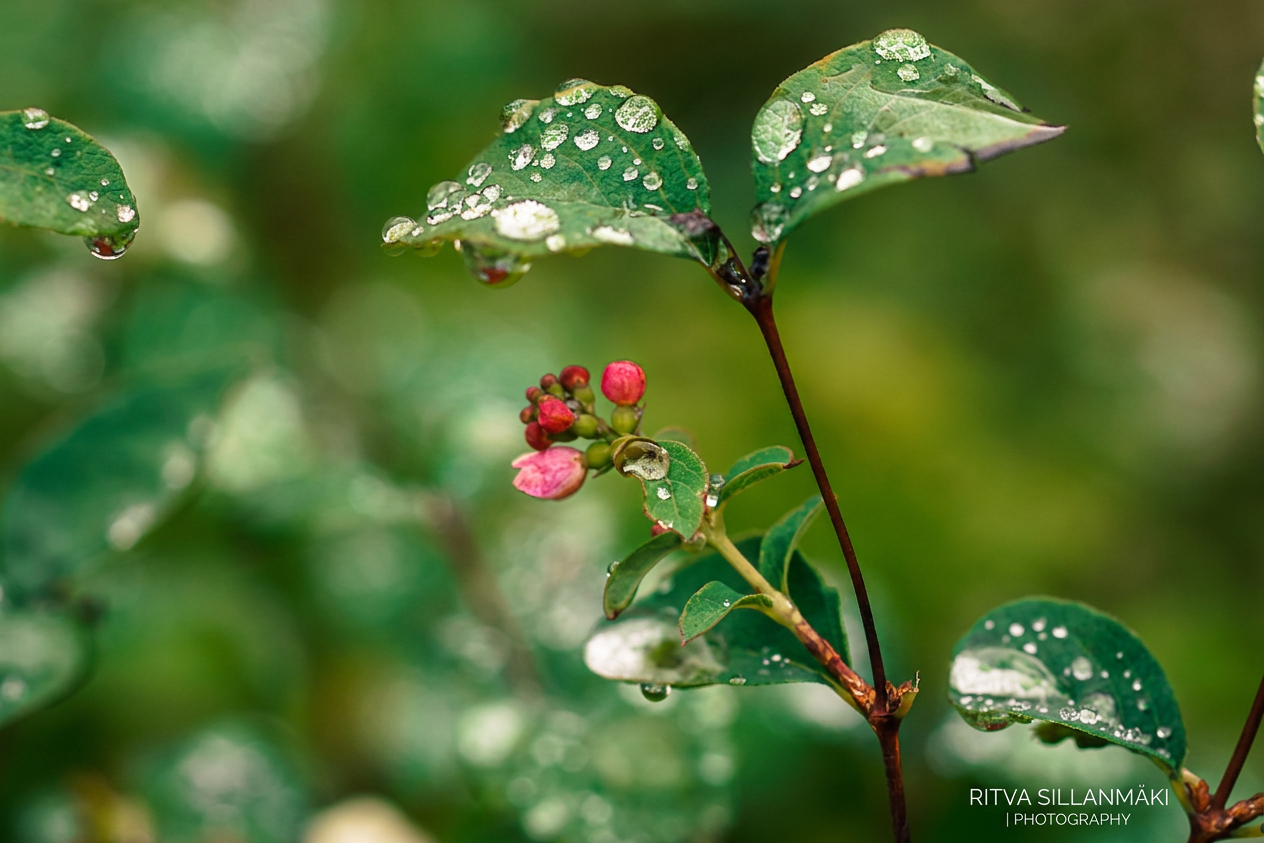


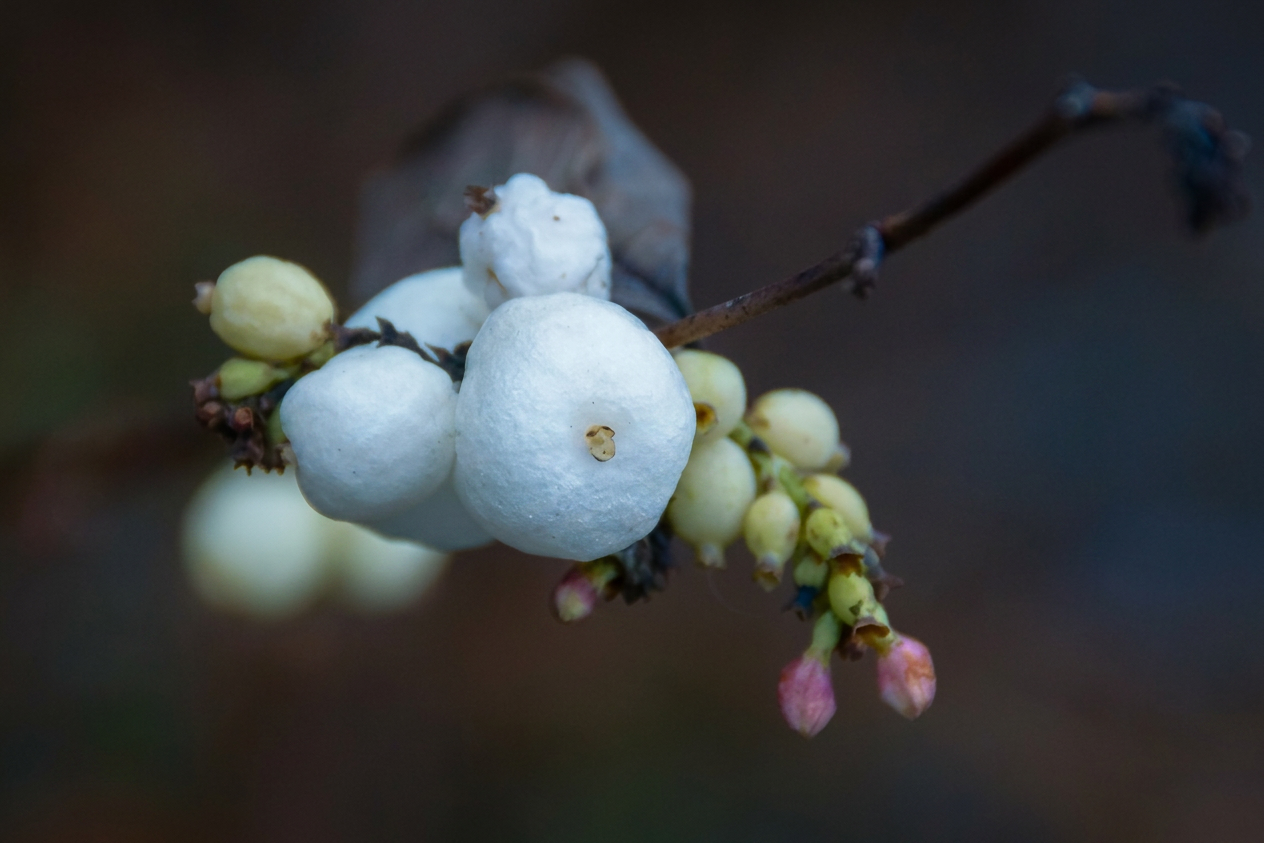
I am leaving you with this thought: Beauty can be seen in all things. Seeing and composing the beauty is what separates the snapshot from the photograph. – Matt Hardy
For John’s Cellpic Sunday
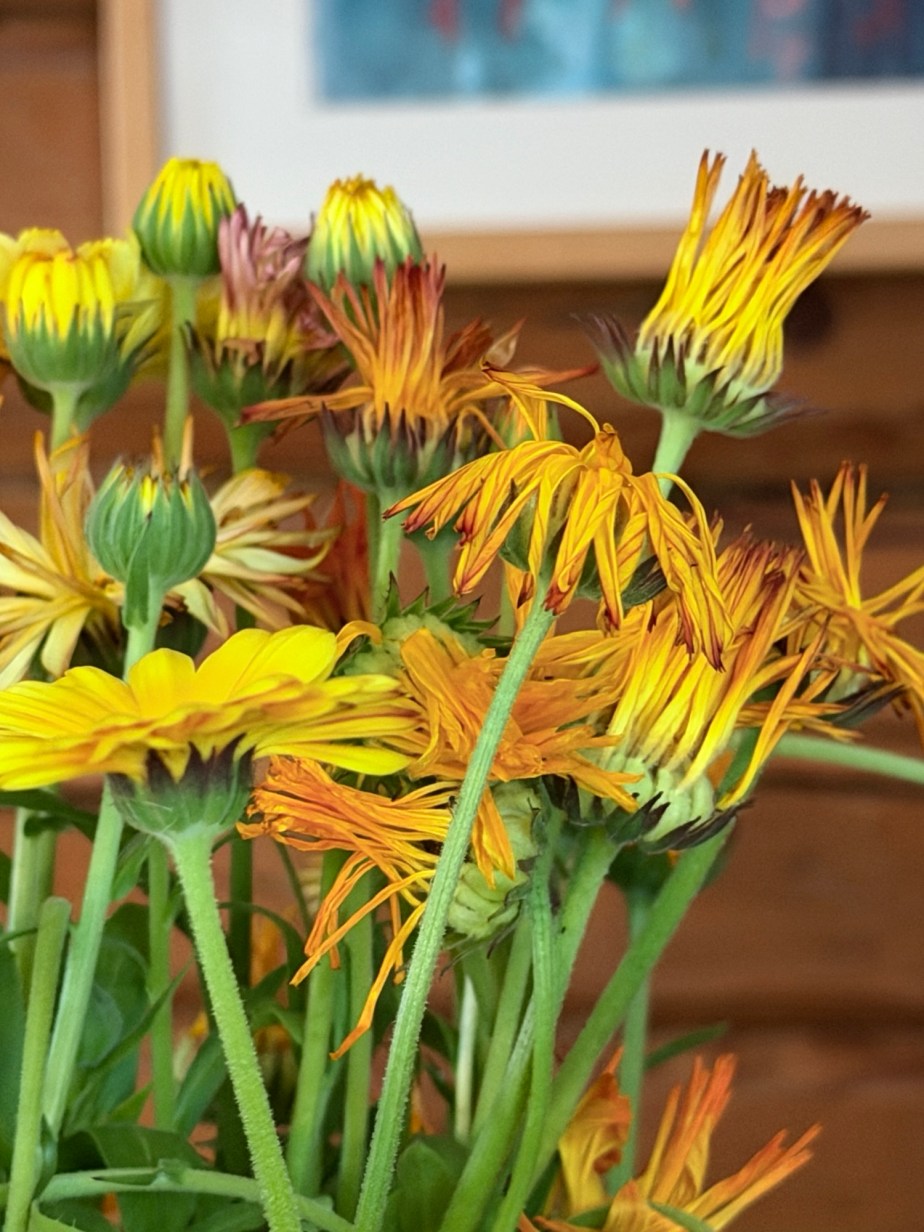
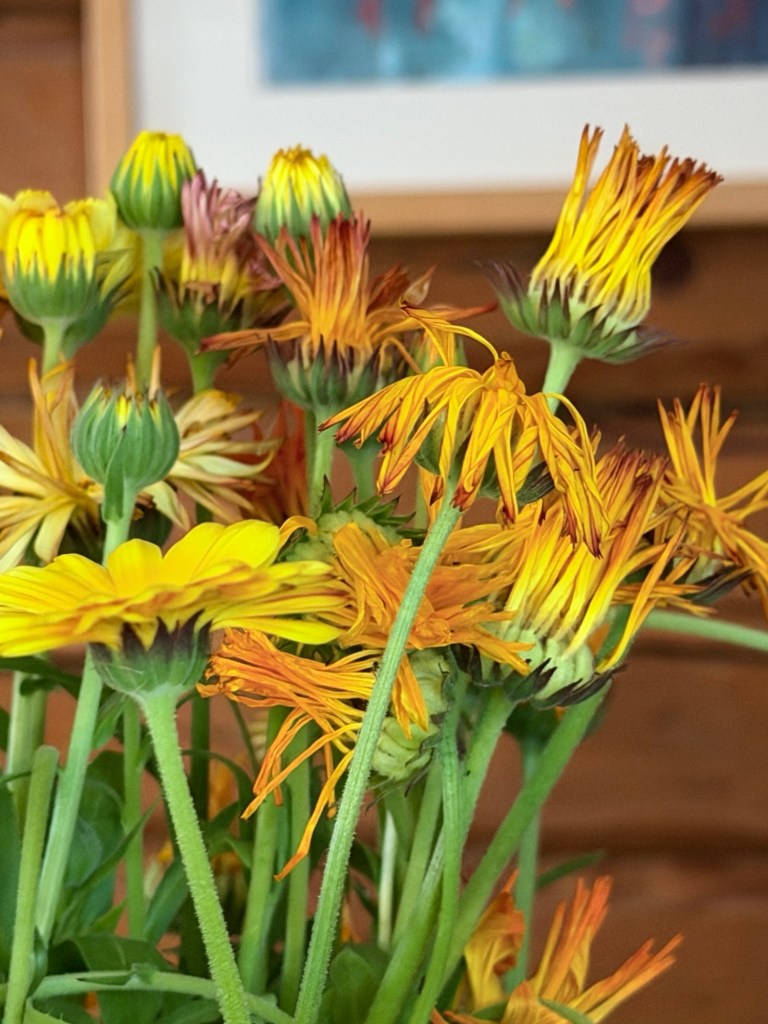
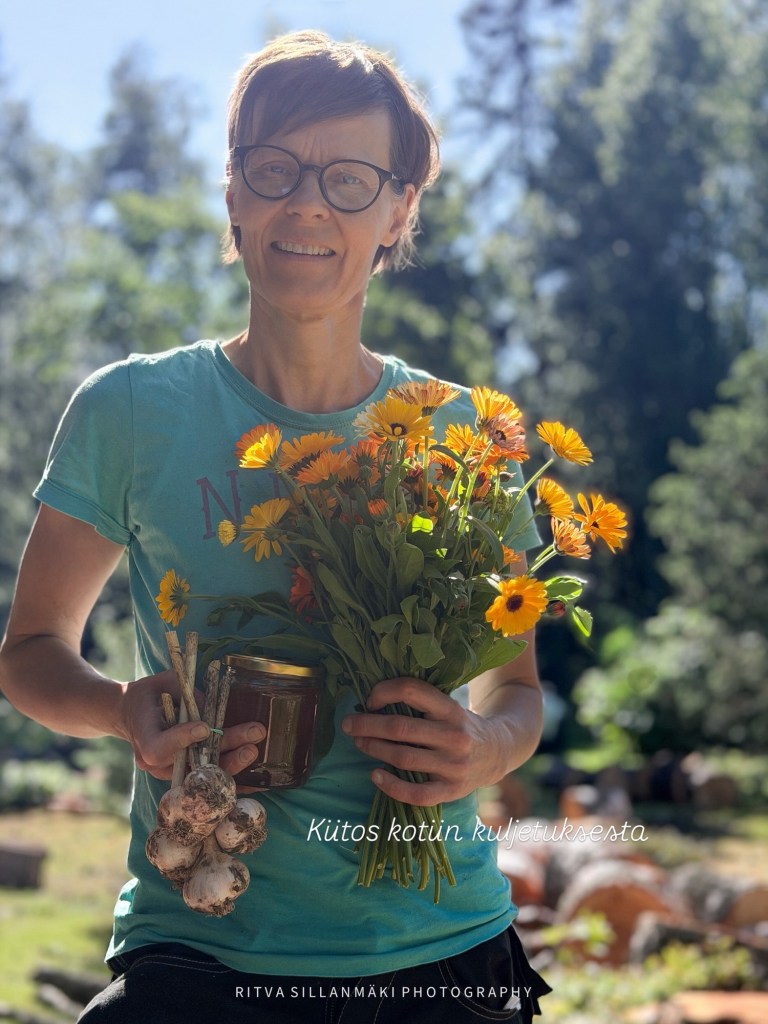
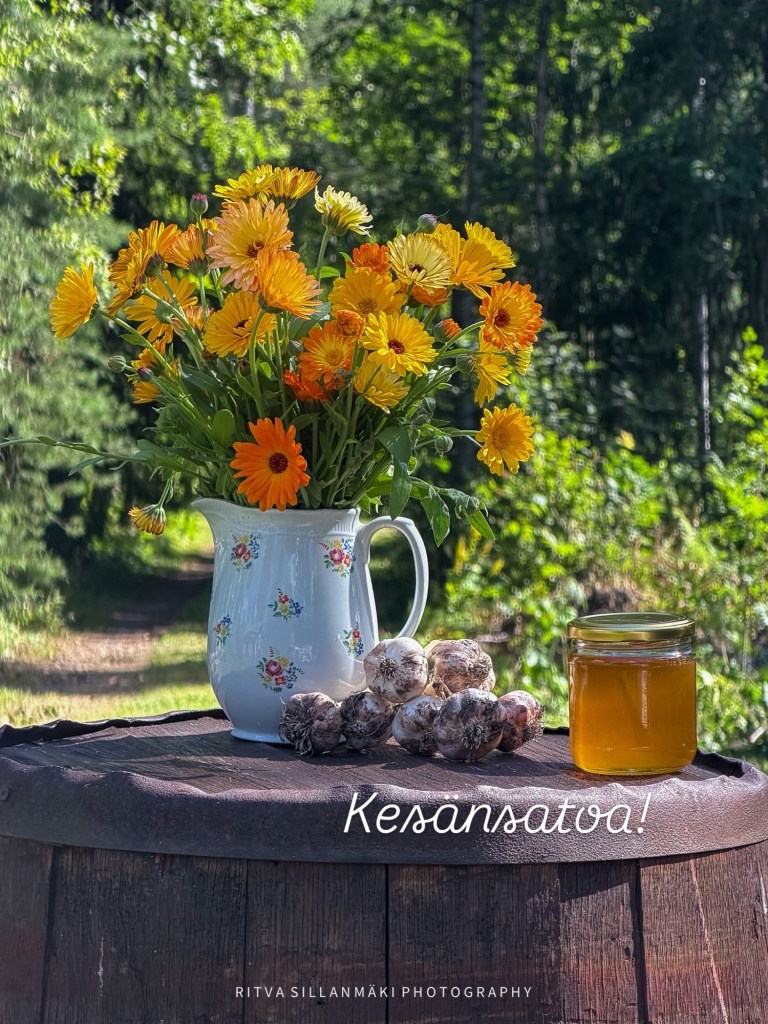
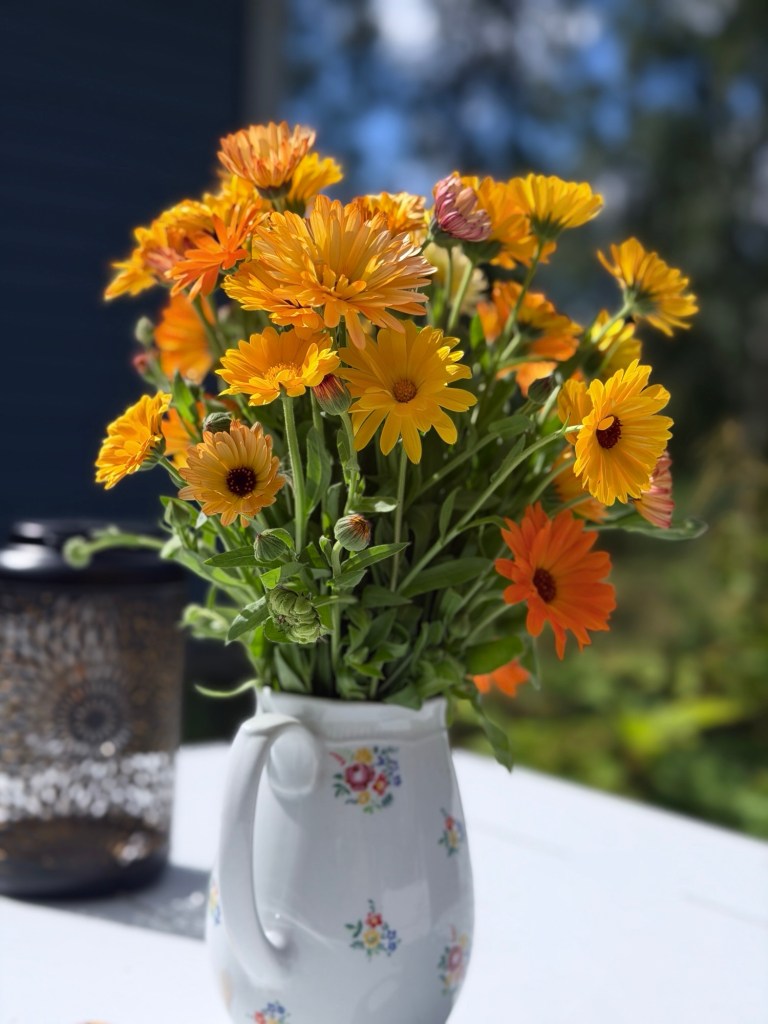
The flowers in the picture are calendulas which are most commonly known in English as pot marigolds or so I read, and they have seen better days.
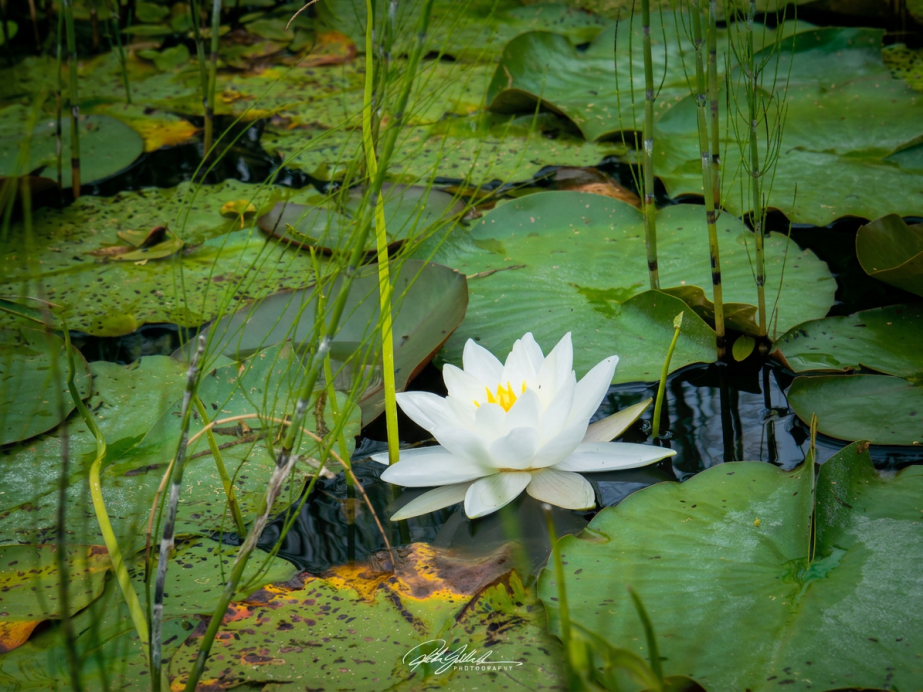
I am always so happy to see water lilies and just as happy to share them, this time For Debbie´s Six Words Saturday.


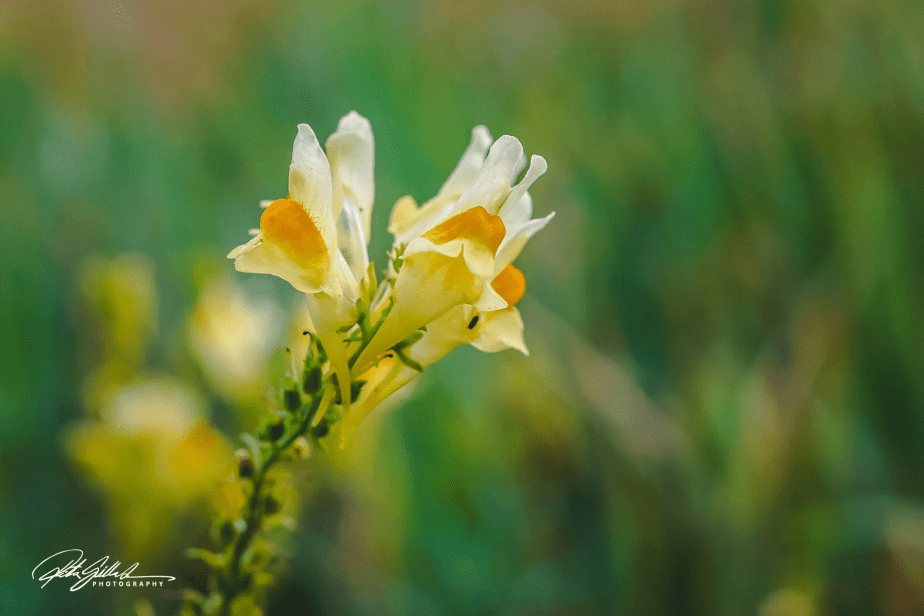
Yellow Toadflax( Keltakannusruoho )
Name also: Butter and eggs, Common toadflax
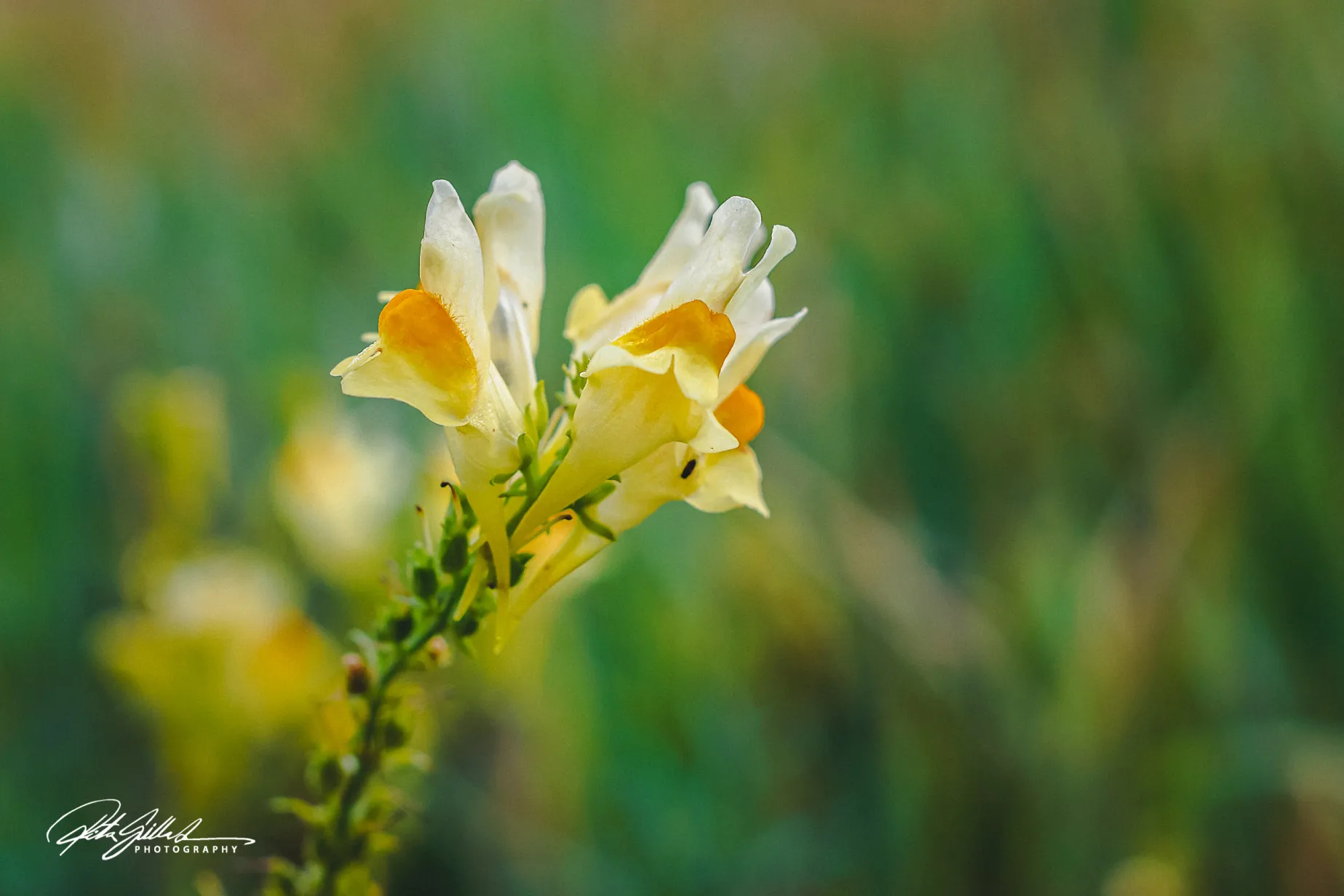
Toadflaxes are abundant in western Asia and around the Mediterranean. Many of them favour culturally-influenced areas, at least to at least a certain extent.
Yellow toadflax is a perennial, strong-rooted herb which has root buds. It flowers on roadsides right up until late September. In Finland it is native to coastal rocky outcrops. Inland plants may be established aliens that arrived later. Yellow toadflax has a beautiful flower and has thus been transplanted into gardens as an ornamental and found new habitats in this way.
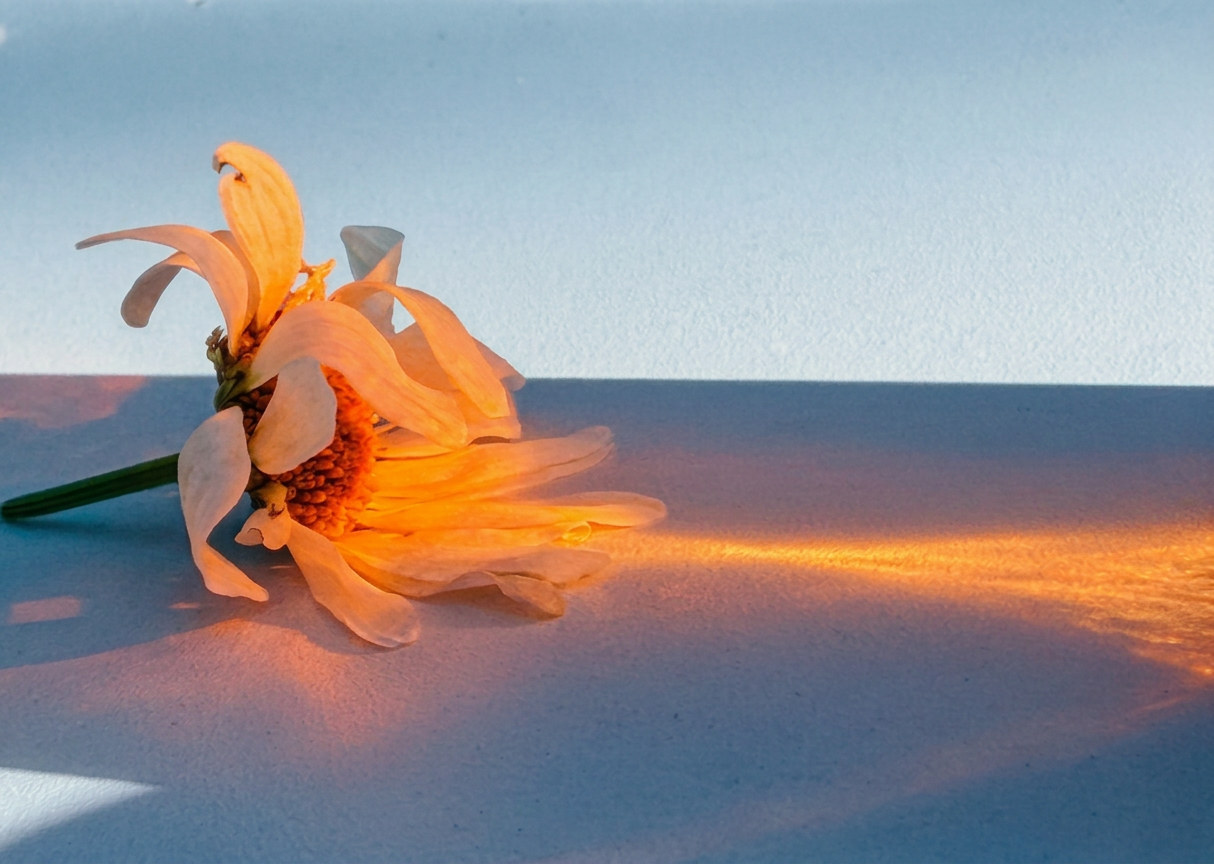
My lovely summerhouse neighbor made a home delivery bringing me fresh garlic and honey with summer flowers. It is a joy to have good neighbors ☀️
For Johns Cellpic Sunday
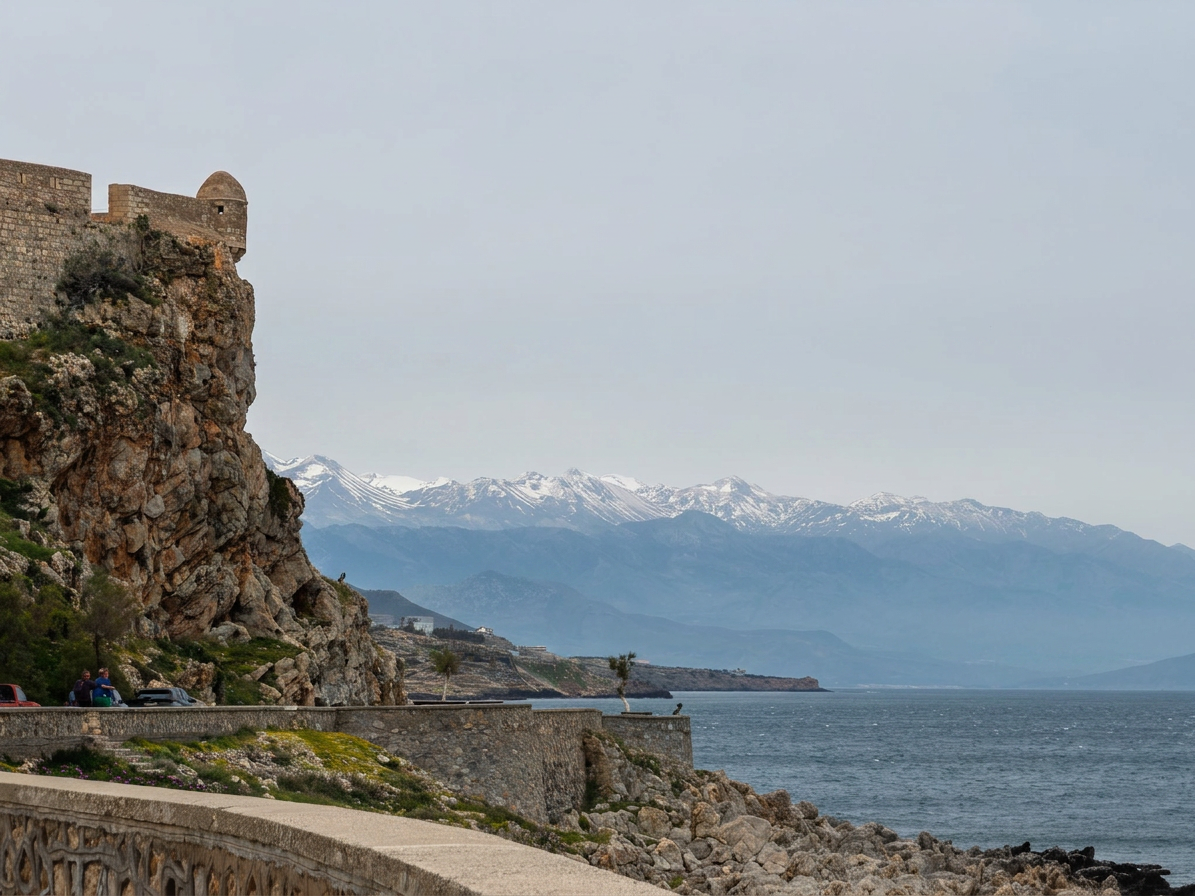
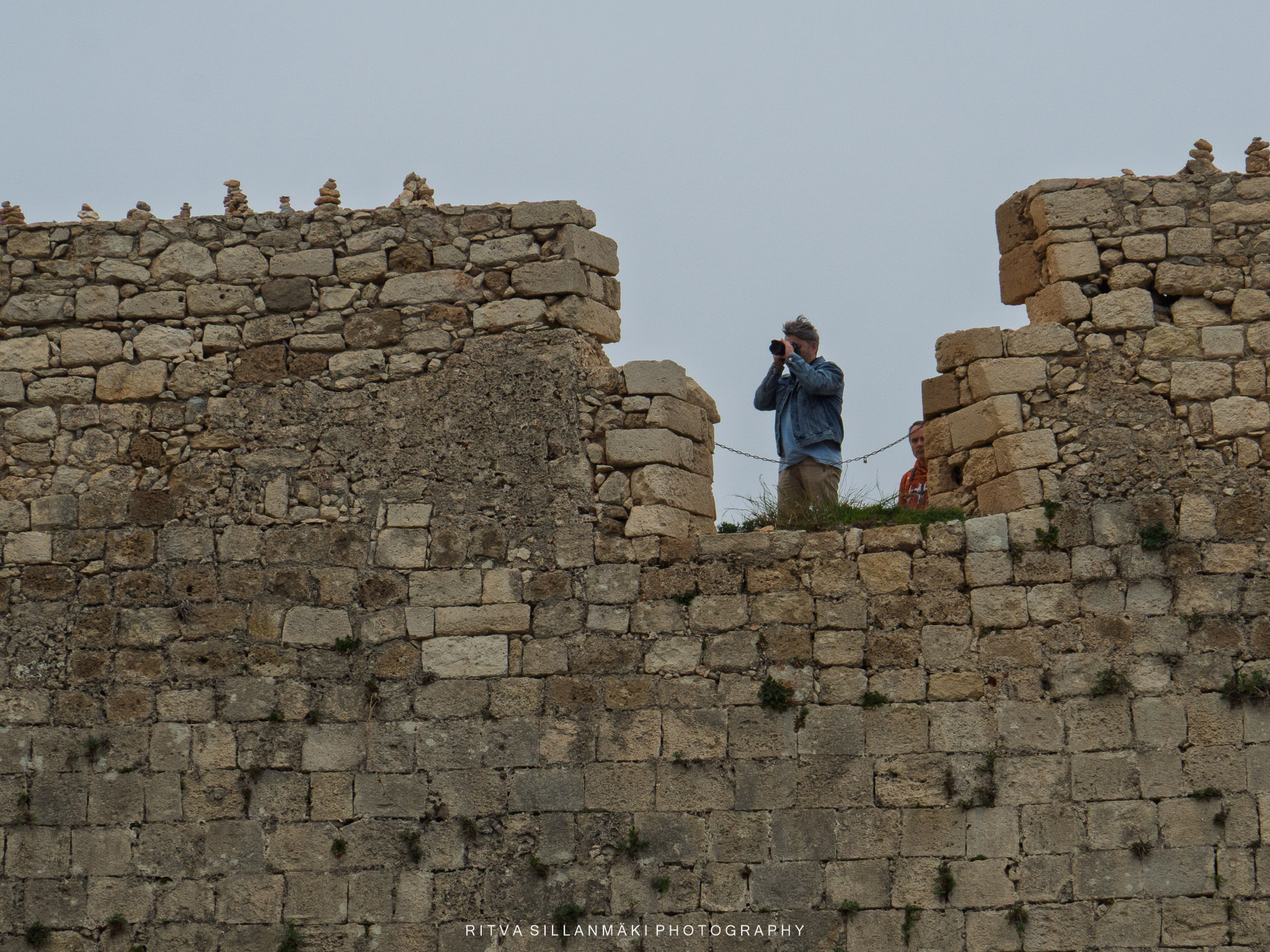
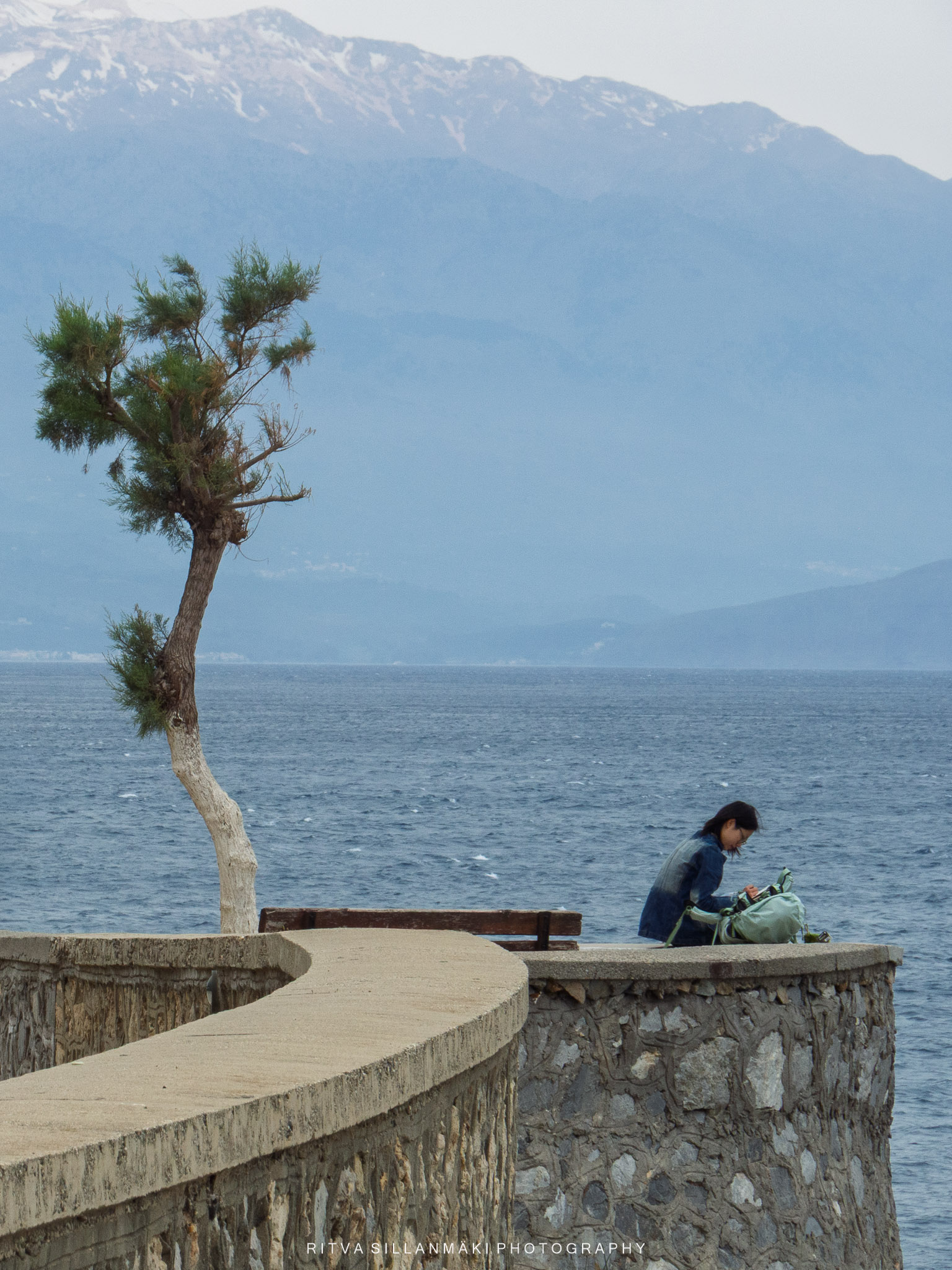
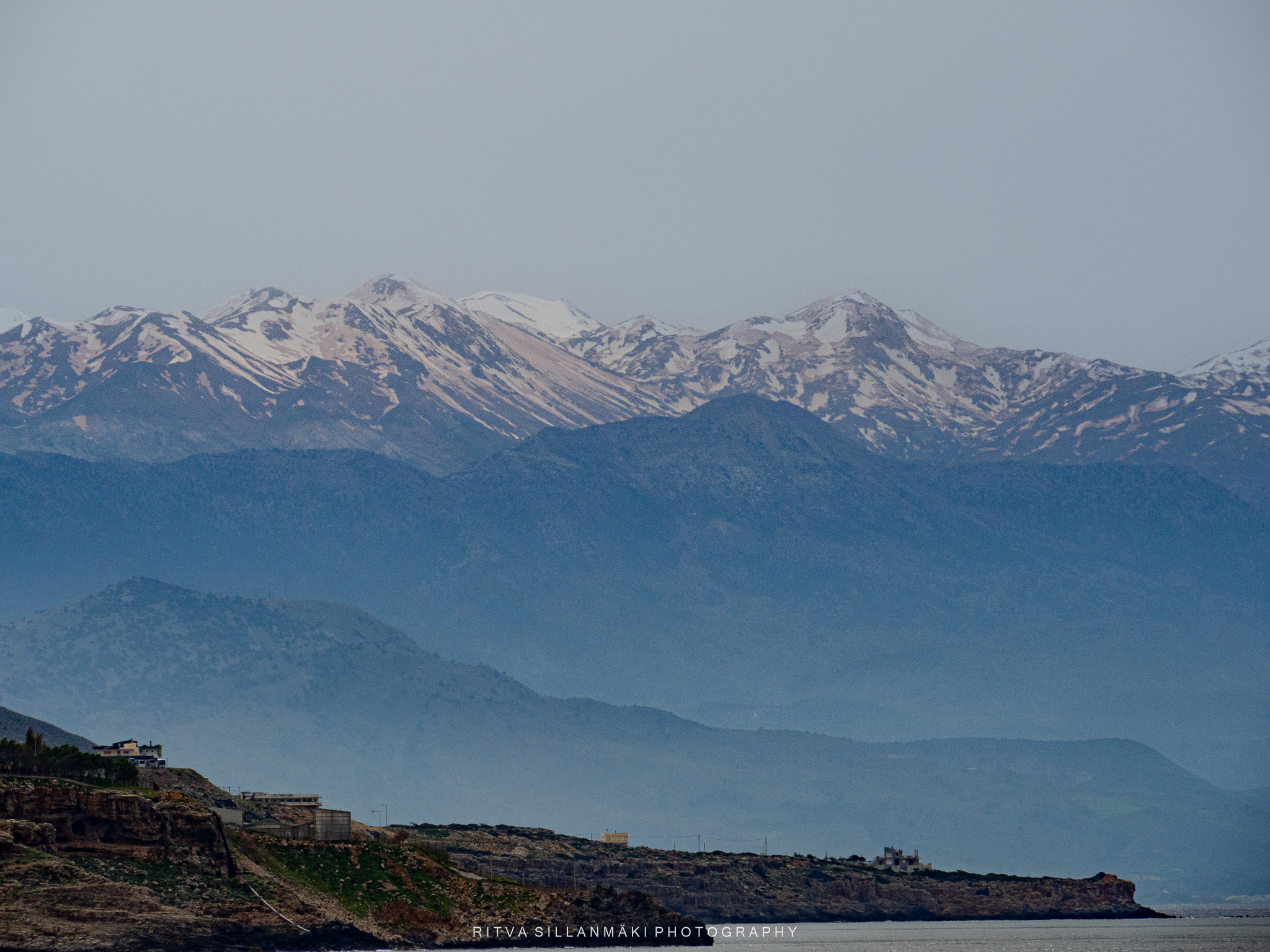
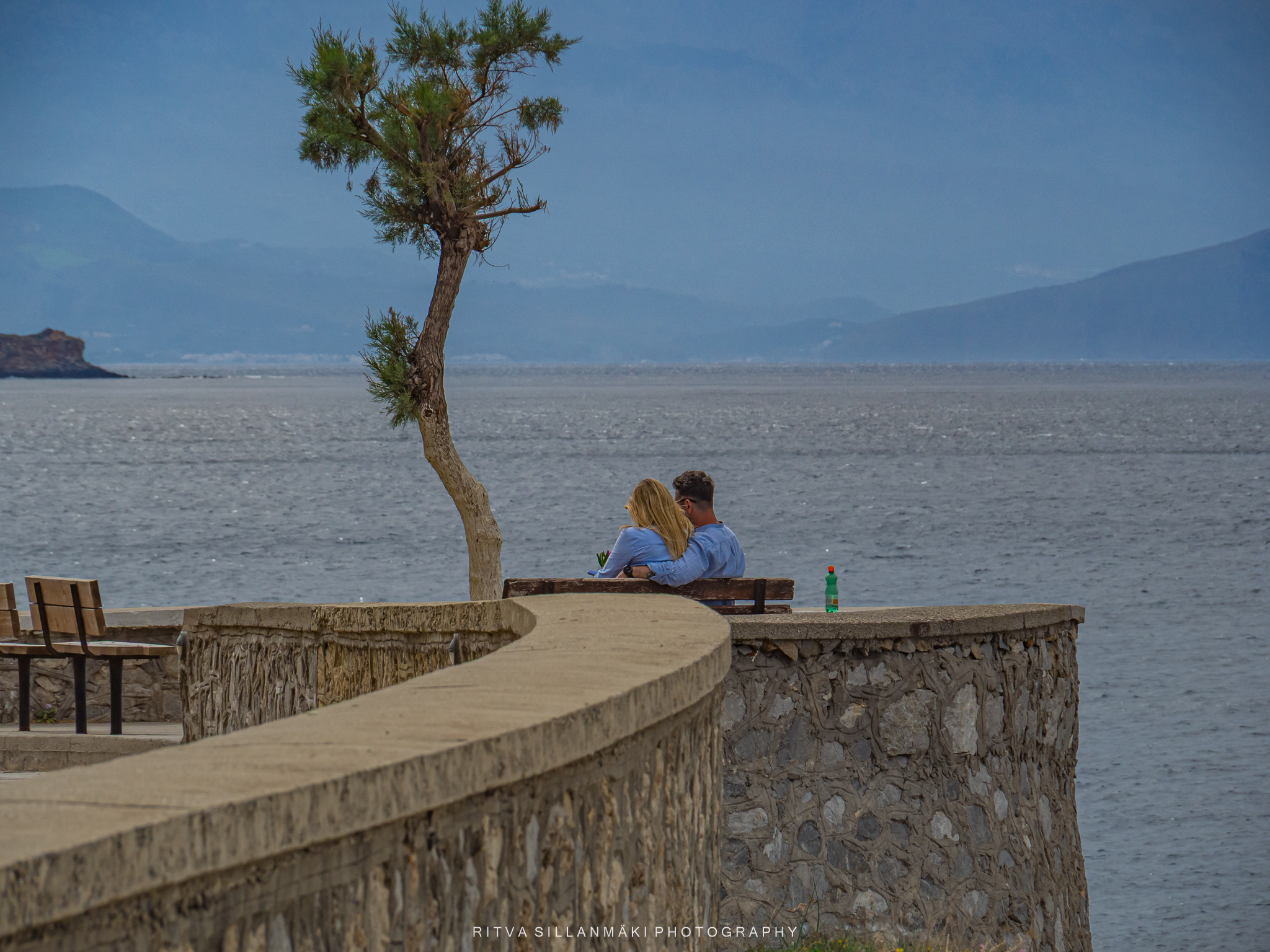
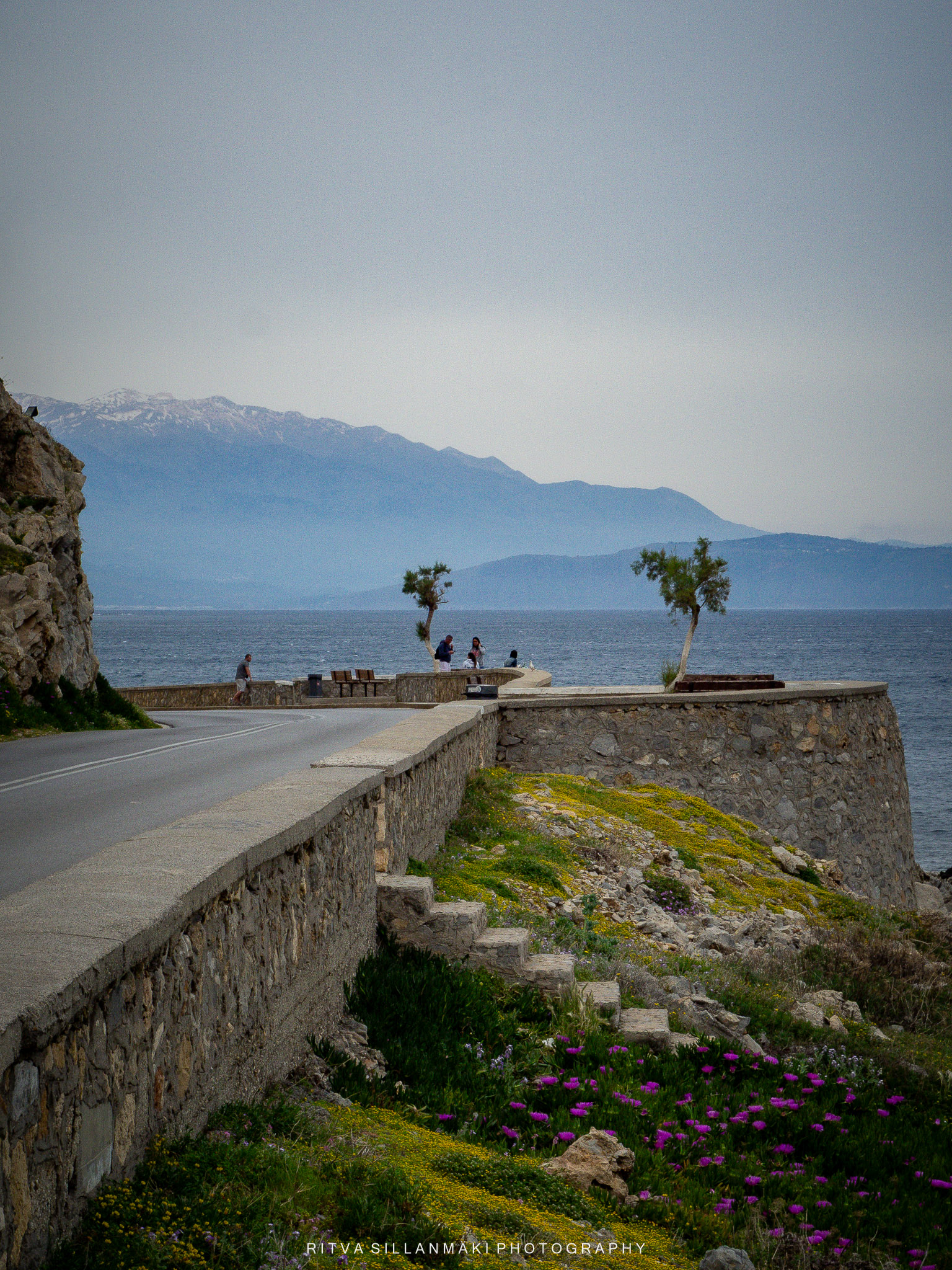
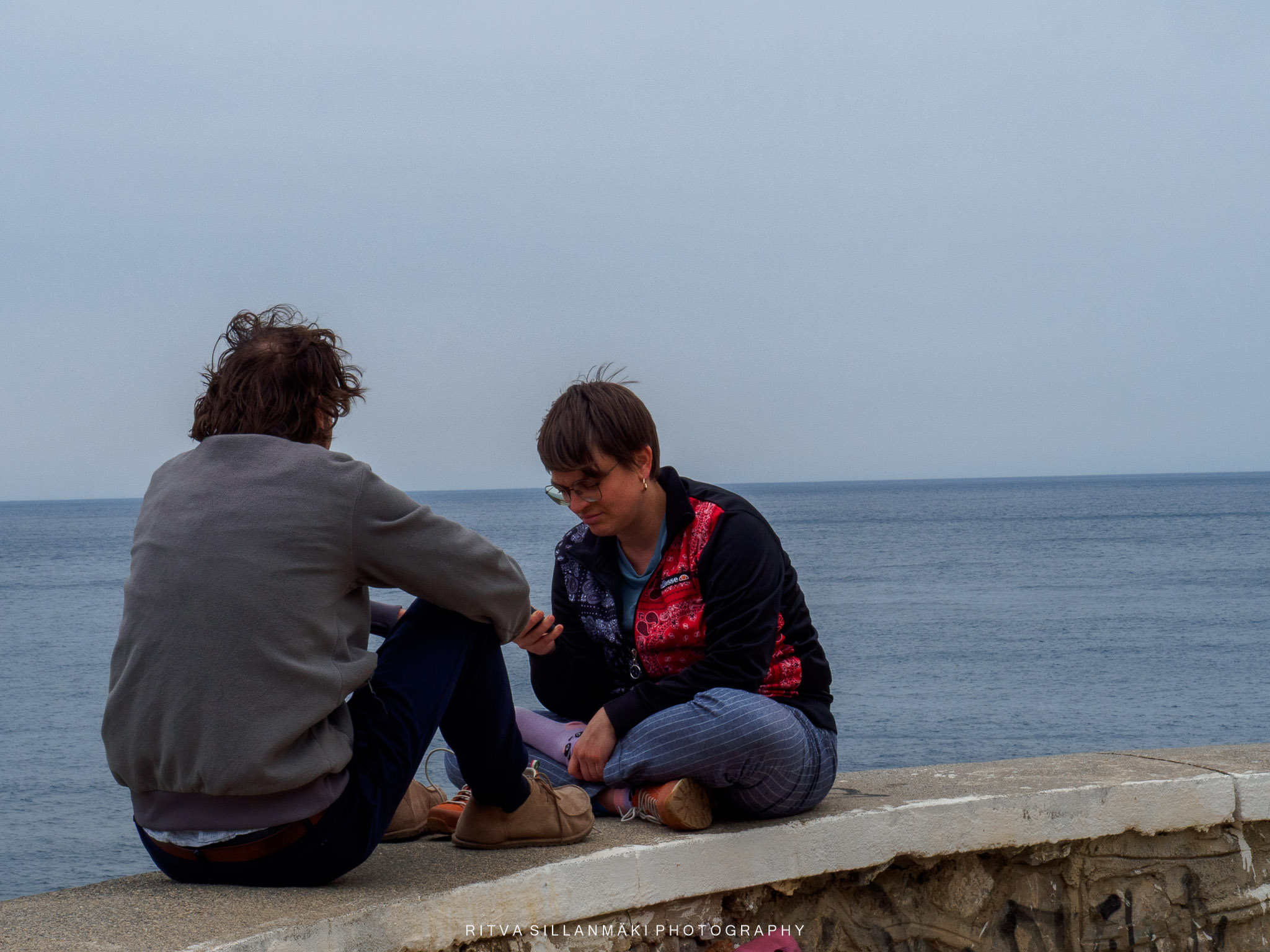
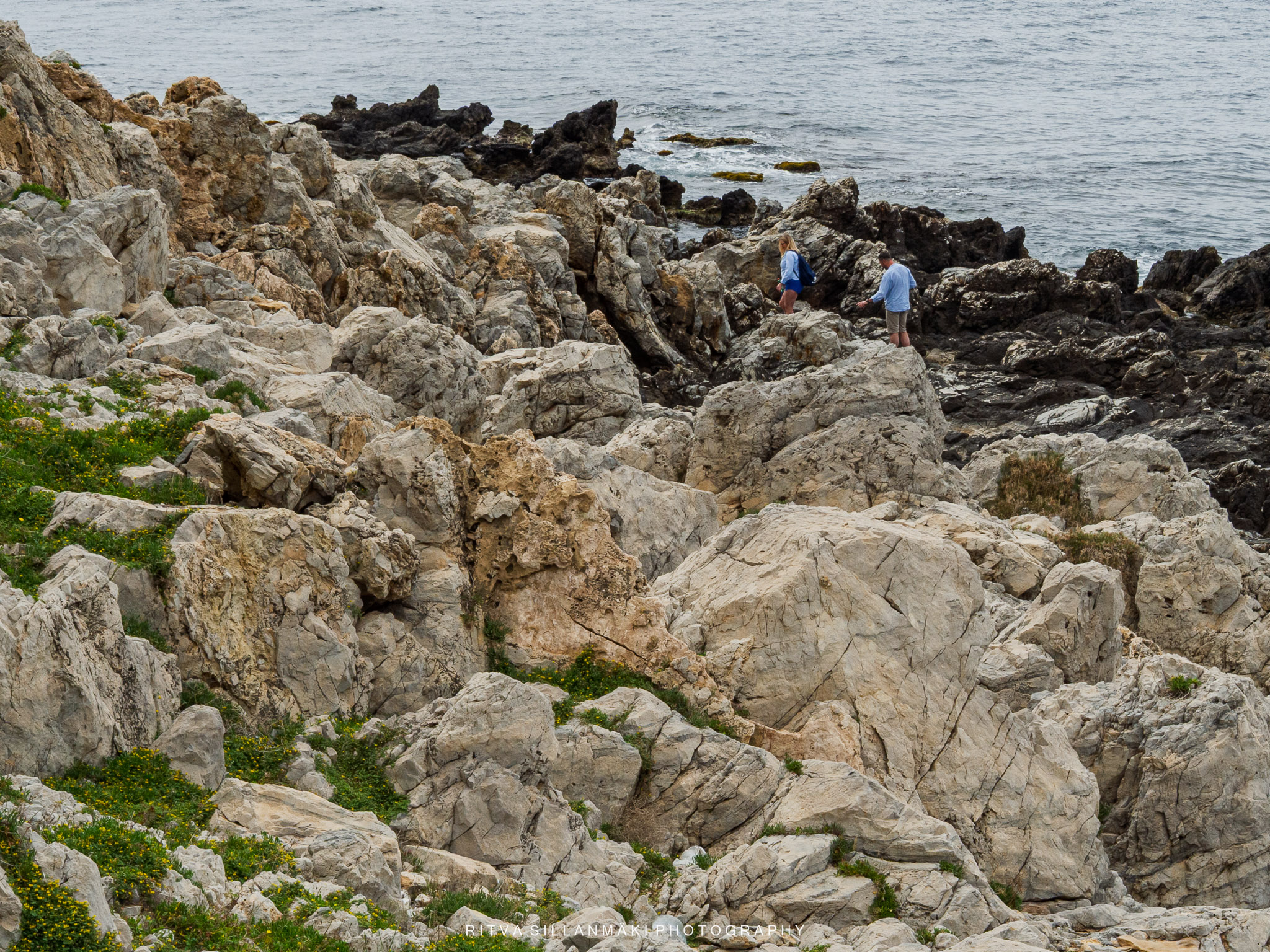
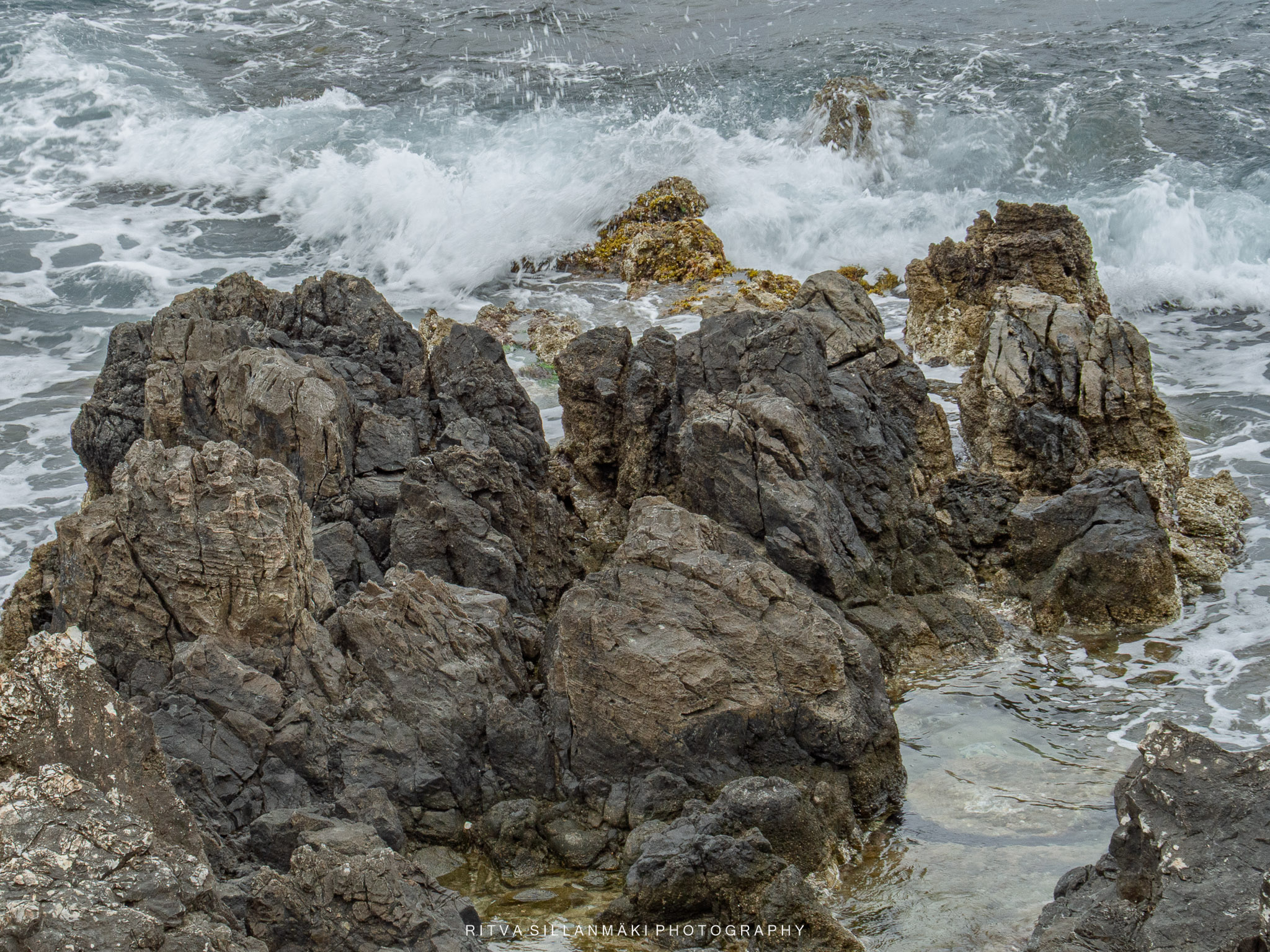
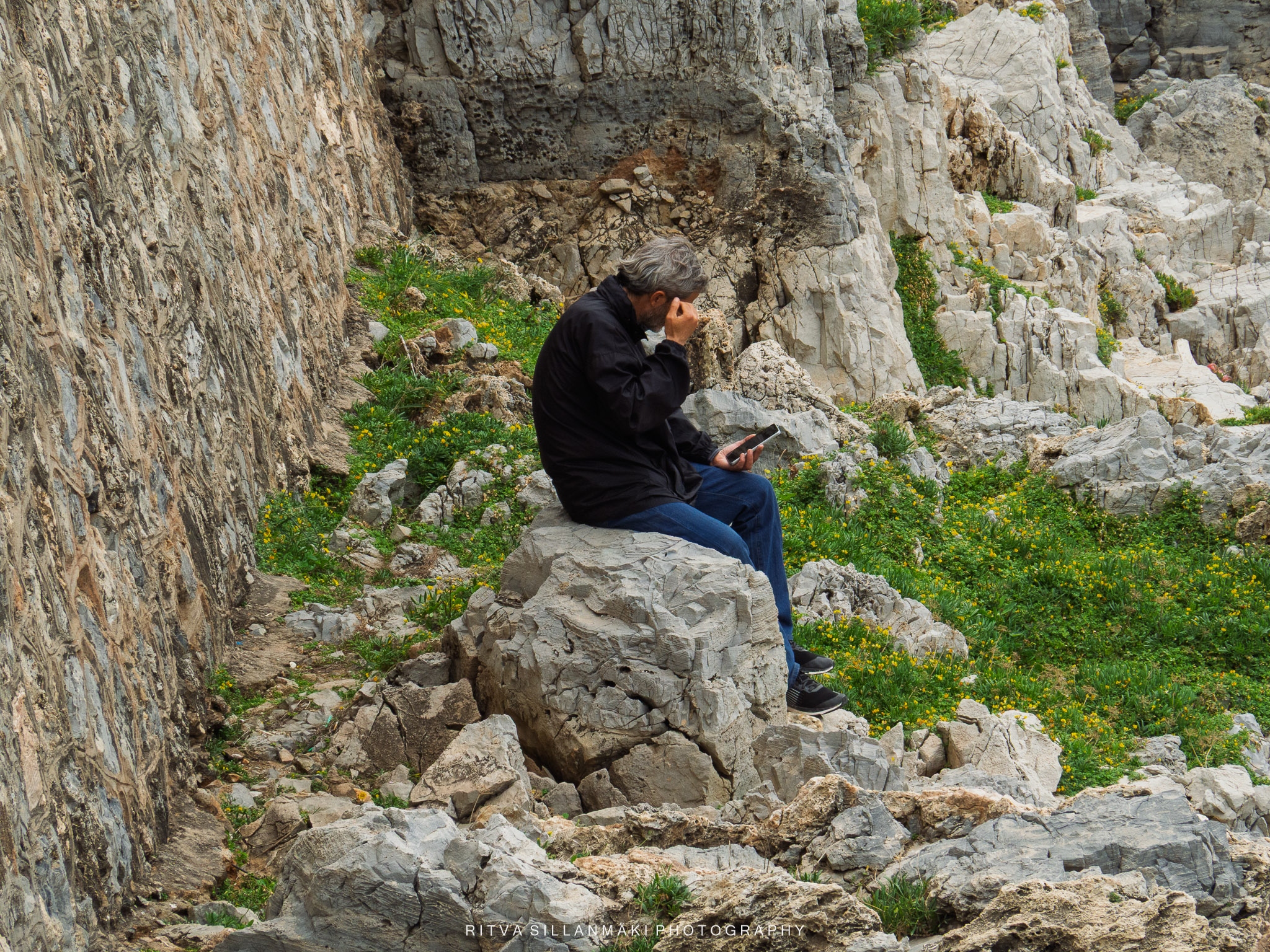
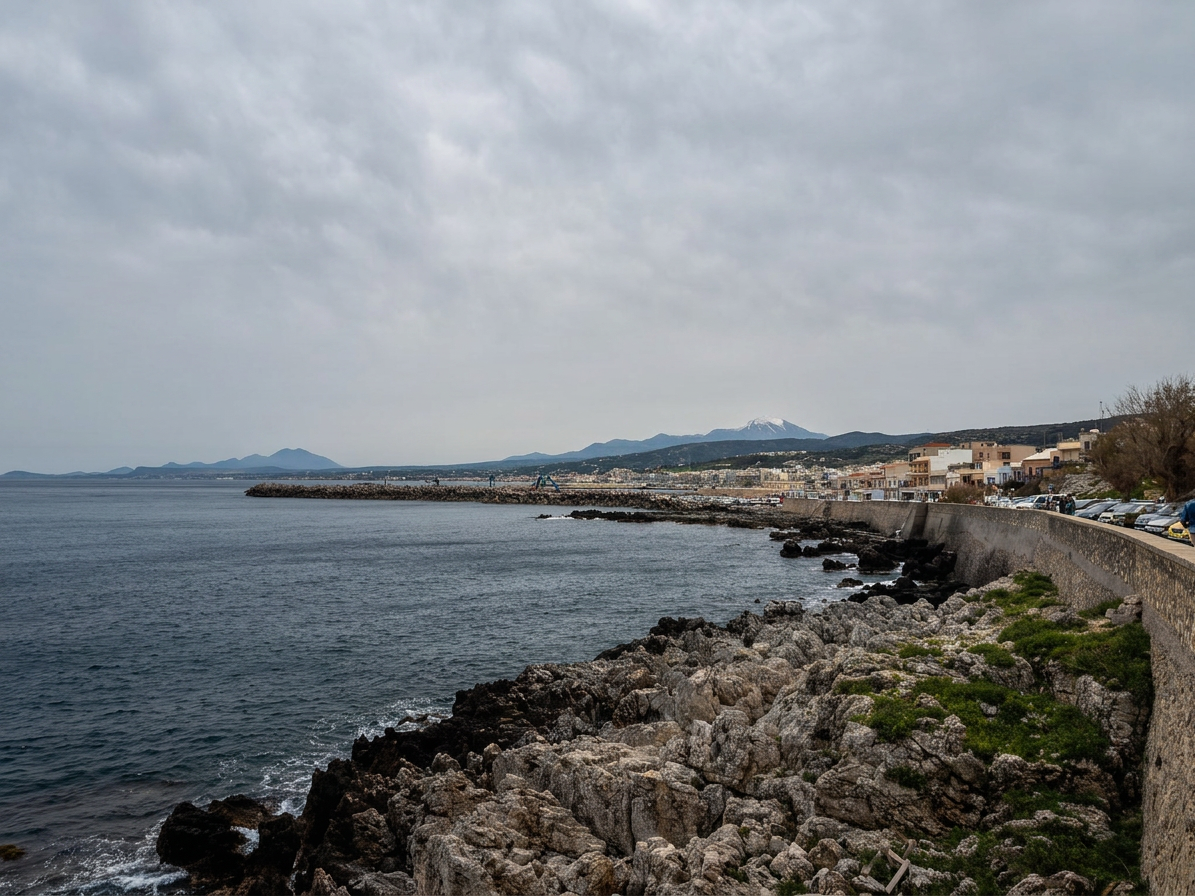
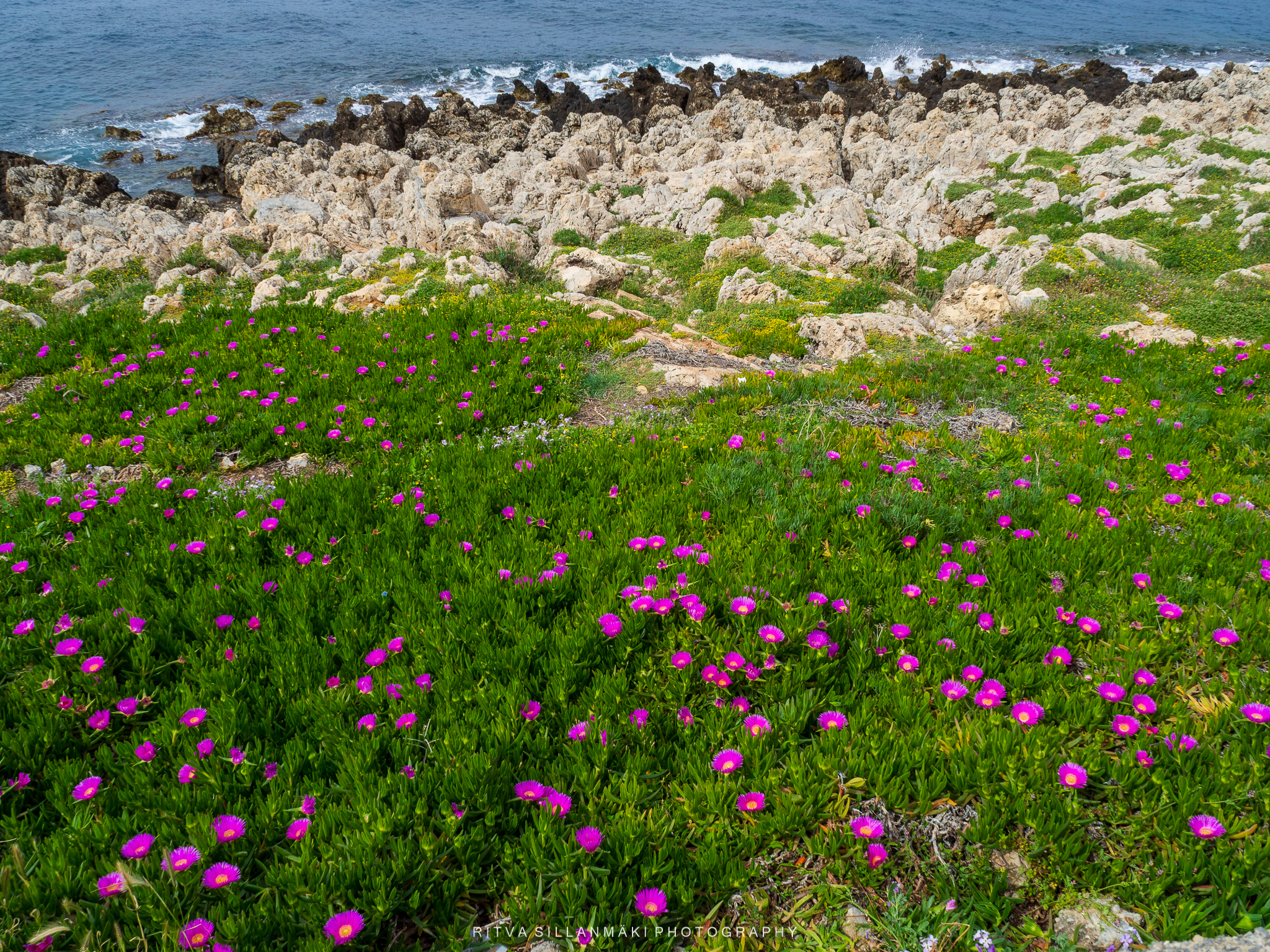
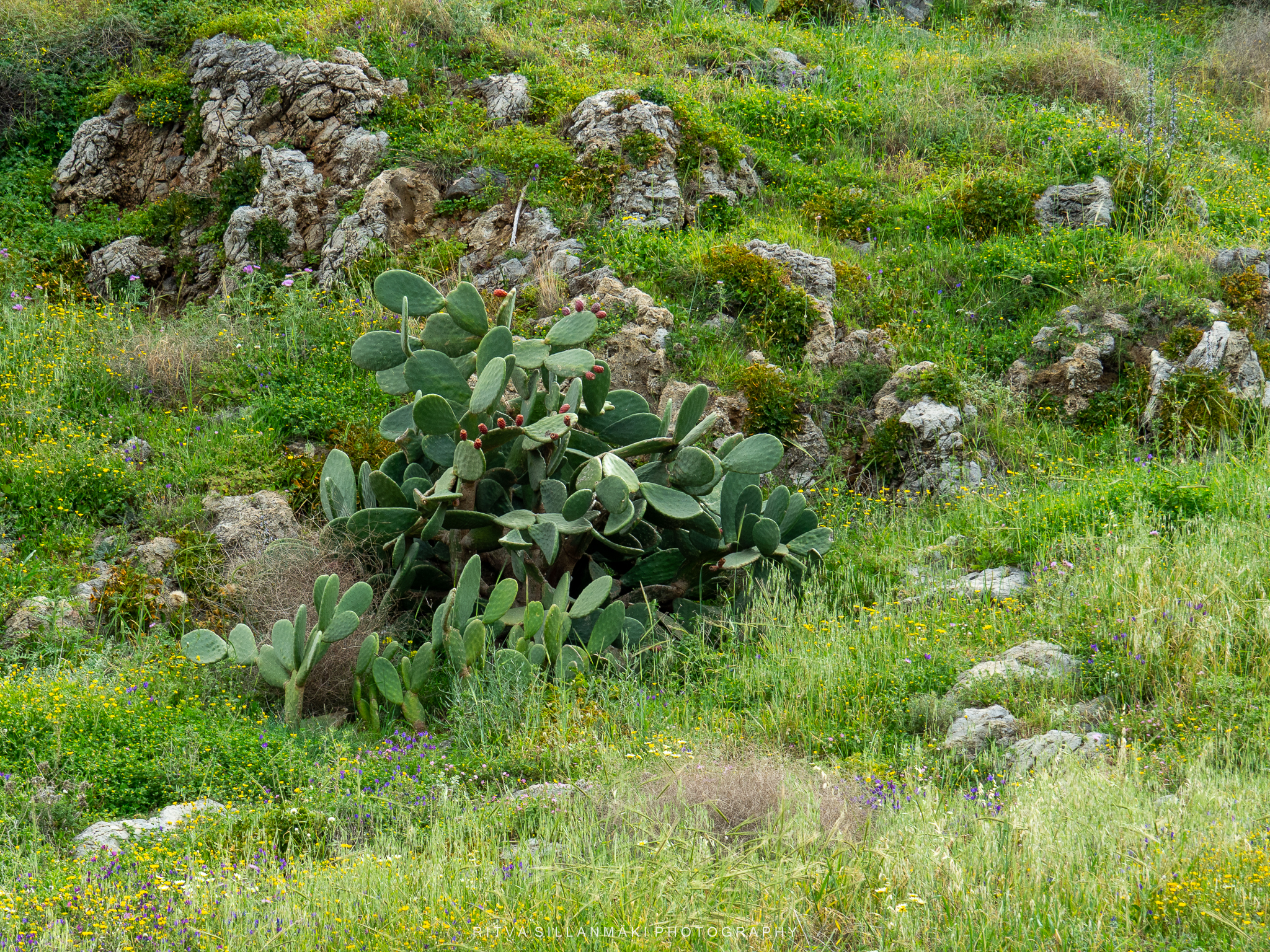
Fortezza Fortress stands proudly in Rethymnon, Crete, Greece. I found myself seated by the seaside road, admiring the fortress while simultaneously looking at the stunning sight of the snow-capped mountains rising majestically in the distance. The view was a breathtaking contrast, with sea creating a mesmerizing panorama. We visited in May, and to our delight, the snow had yet to melt on the peaks, providing us with numerous excellent photography opportunities that encapsulated the beauty of the landscape. The rocky shoreline was not easy to walk on; that is only an observation from looking down at people moving about, carefully navigating the uneven terrain while enjoying the fresh sea breeze and the sounds of waves crashing against the rocks.
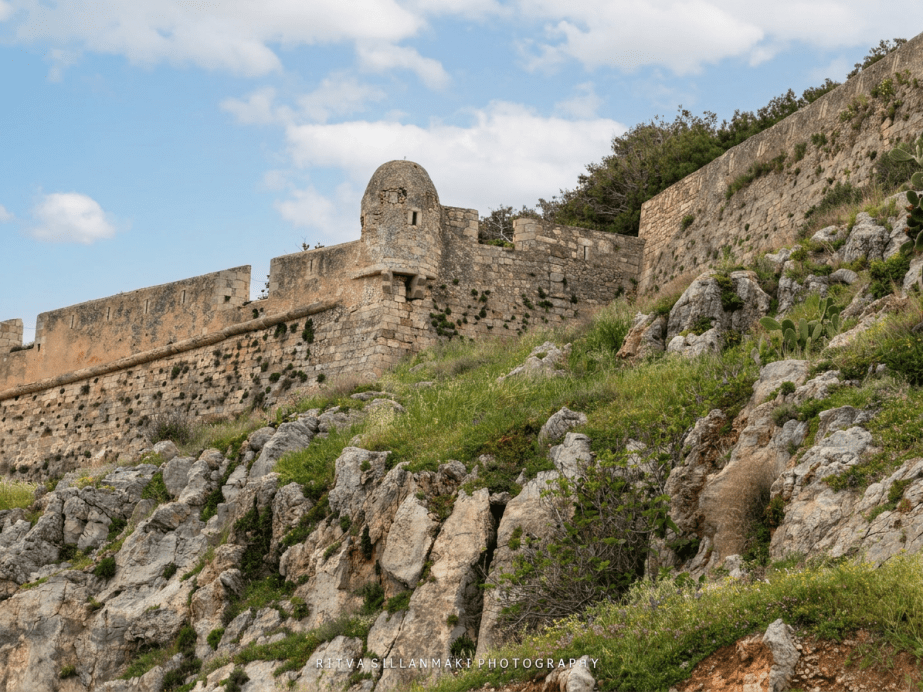
The Fortezza Fortress, constructed by the Venetians in the 16th century, is perched on Paleokastro hill and provides stunning views of both the city and the sea. This fortress is a vital historical landmark on the island. Located to the north of the city and adjacent to the old town and the Venetian harbor, it was built between 1573 and 1580 to safeguard the city from pirate attacks.





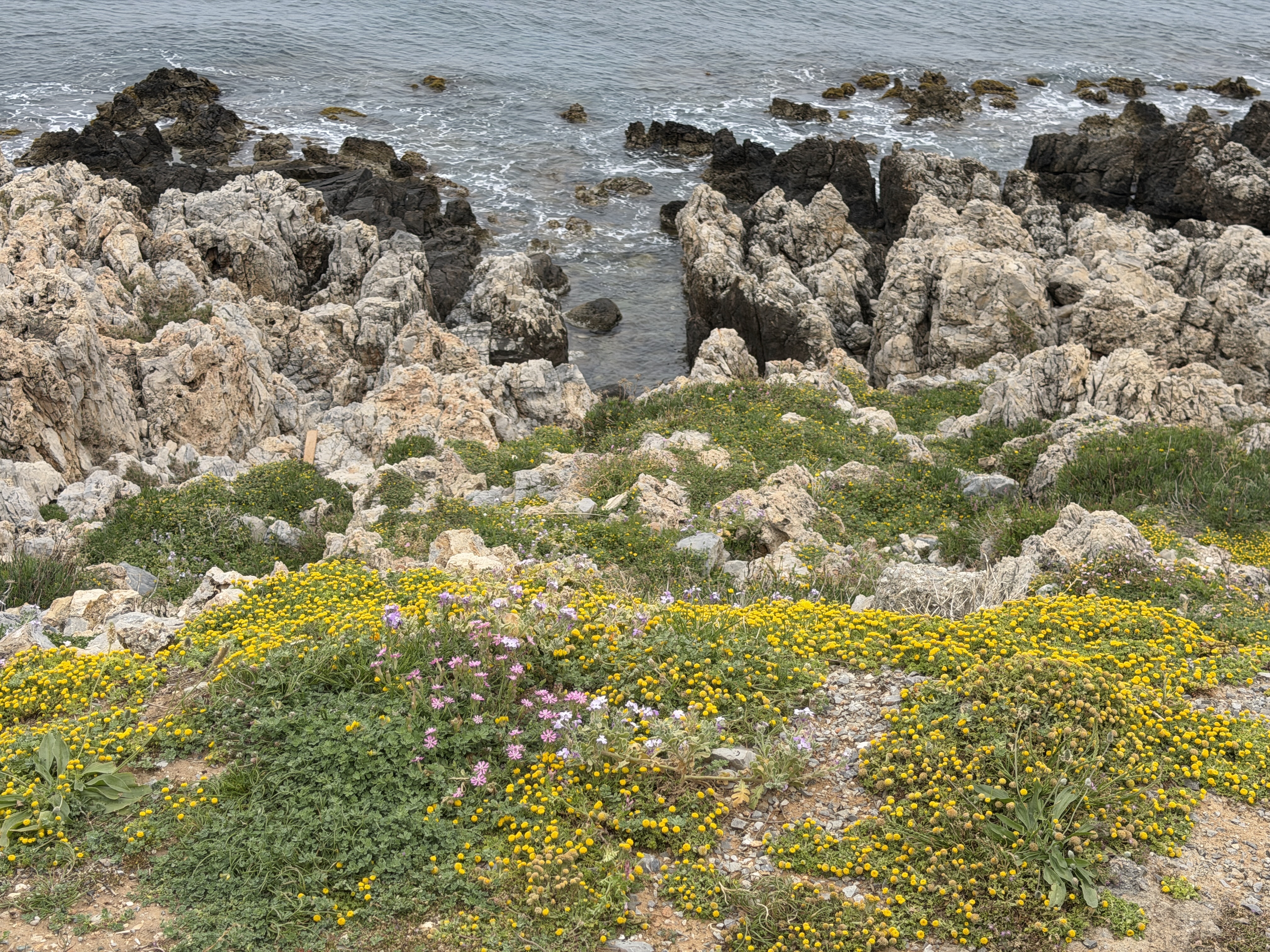
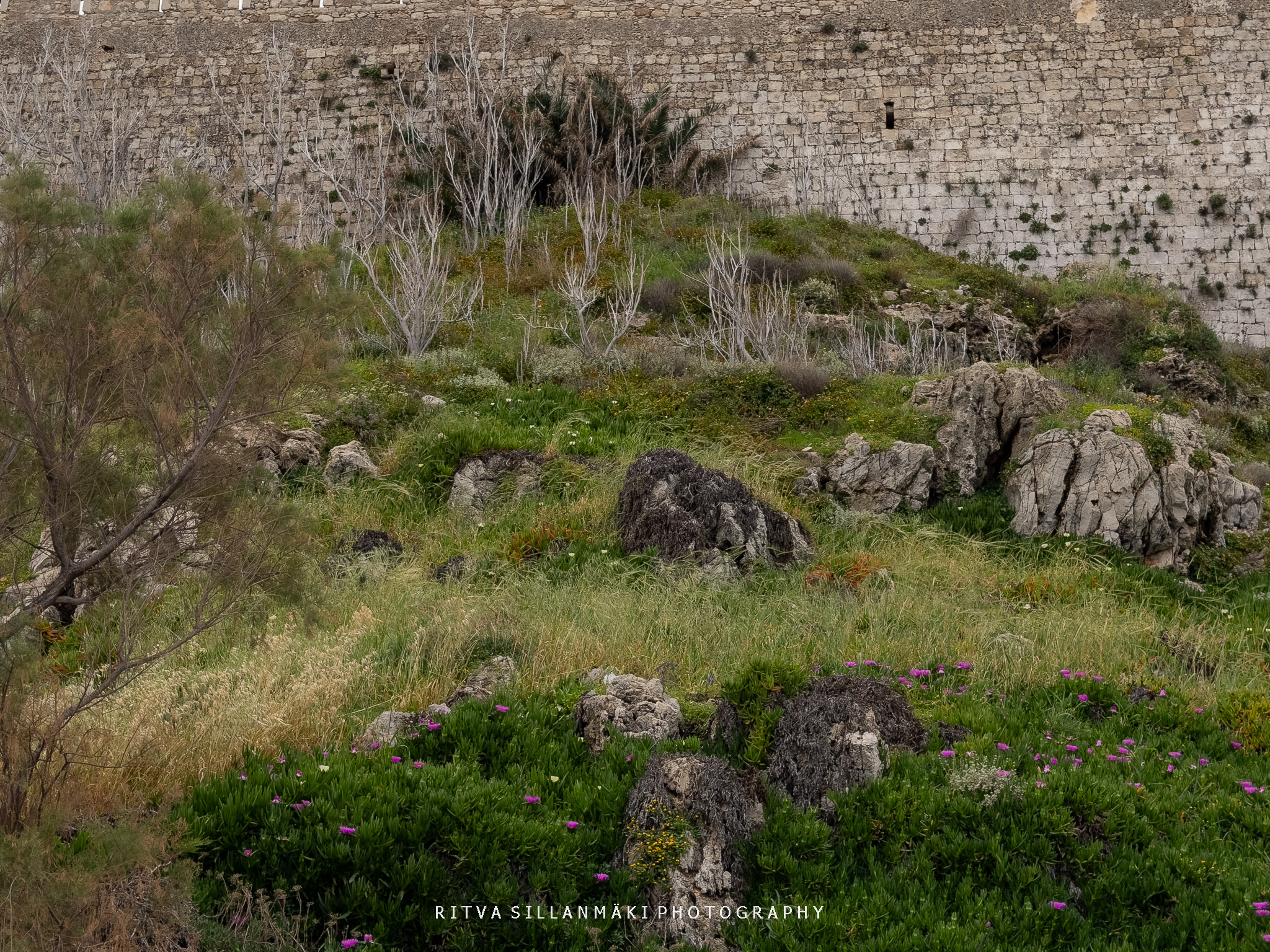
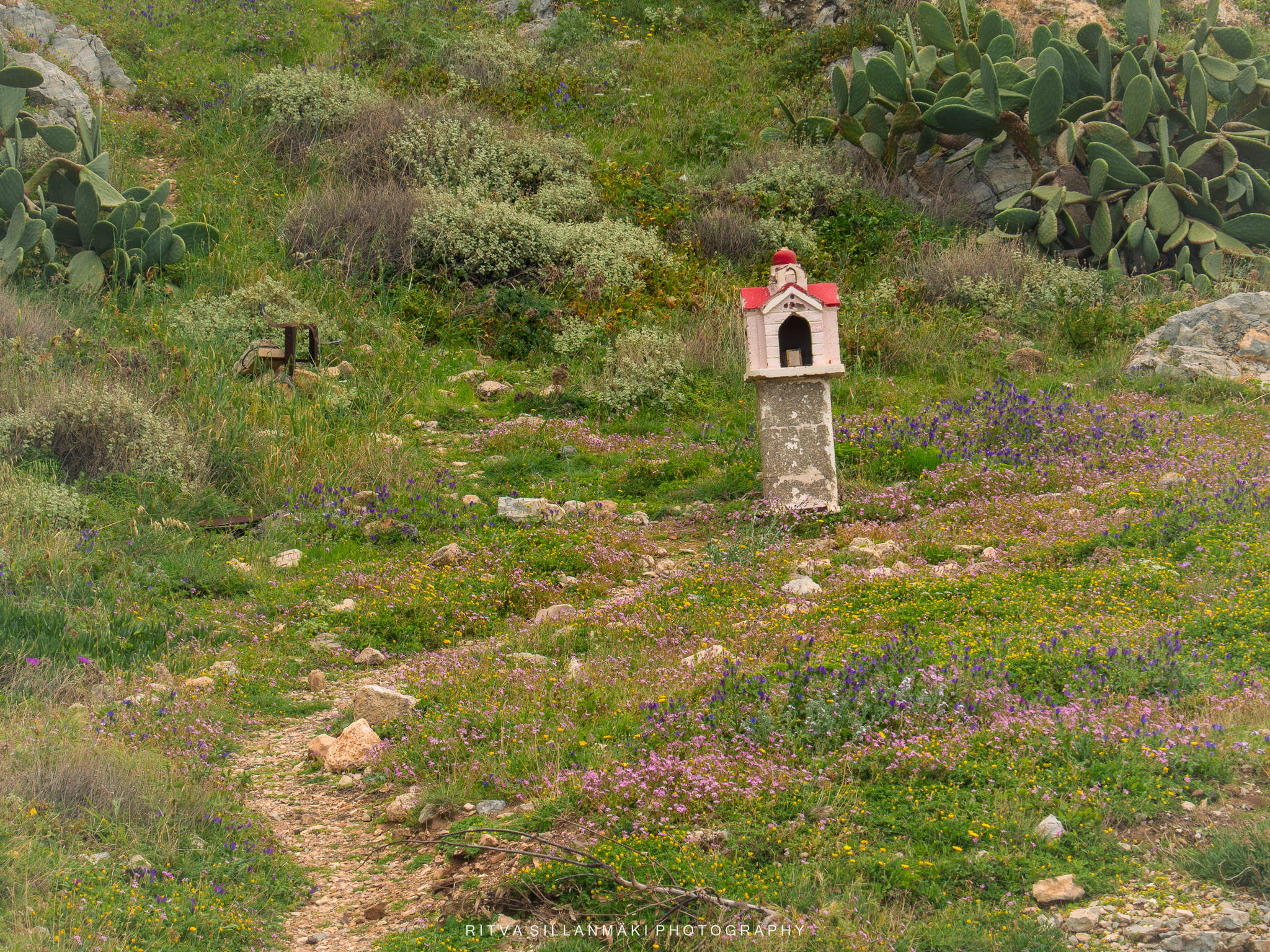
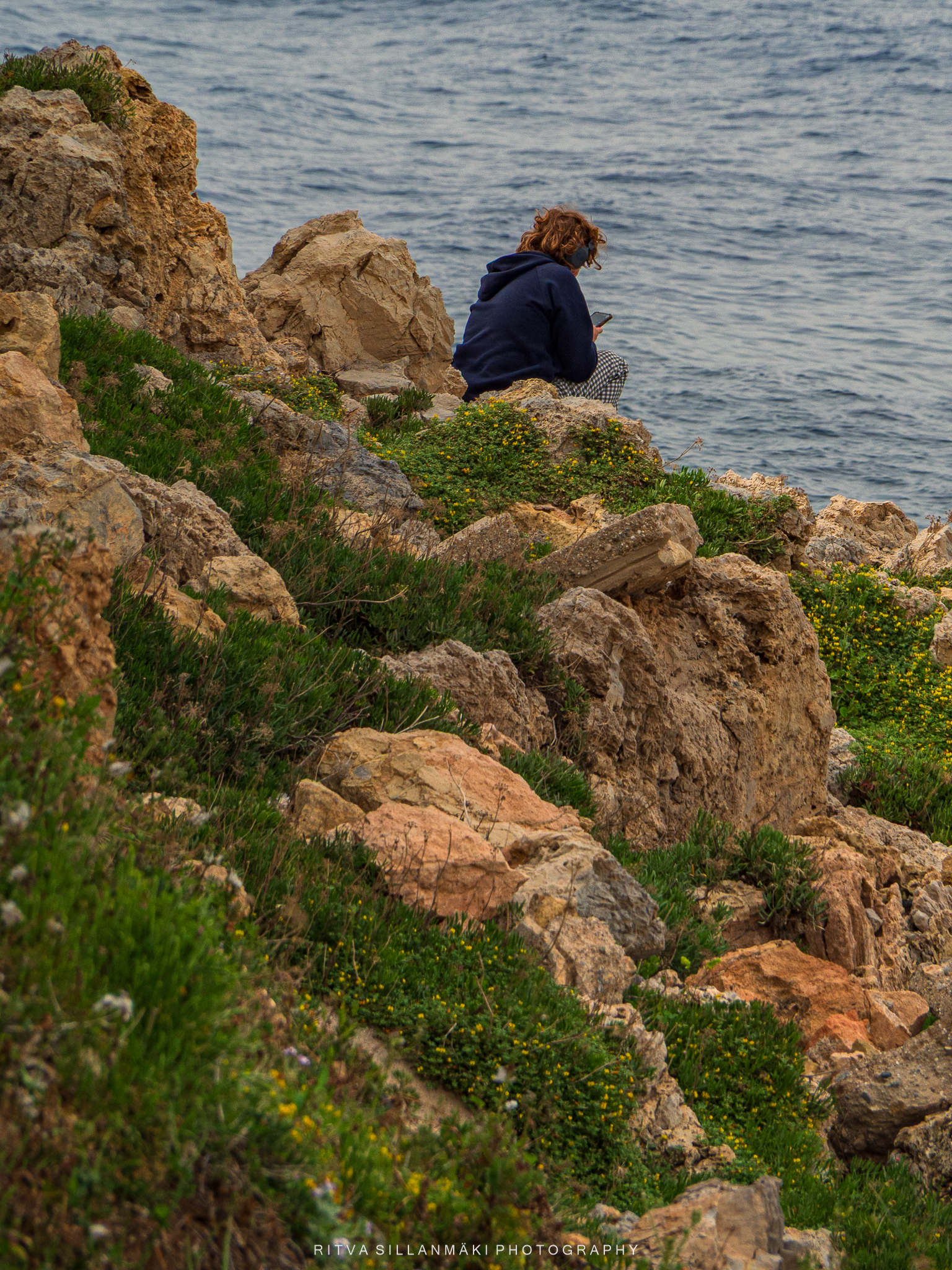
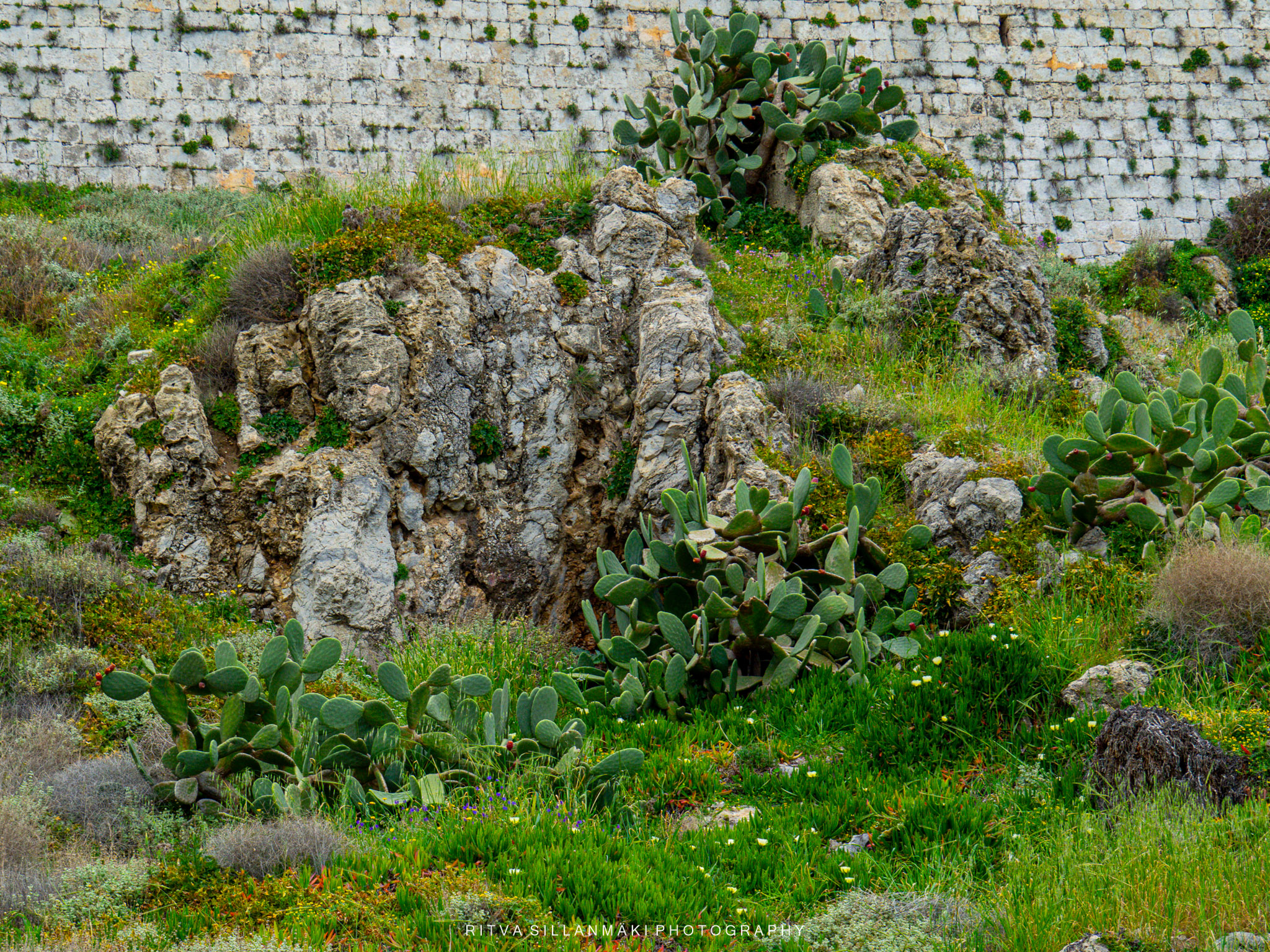
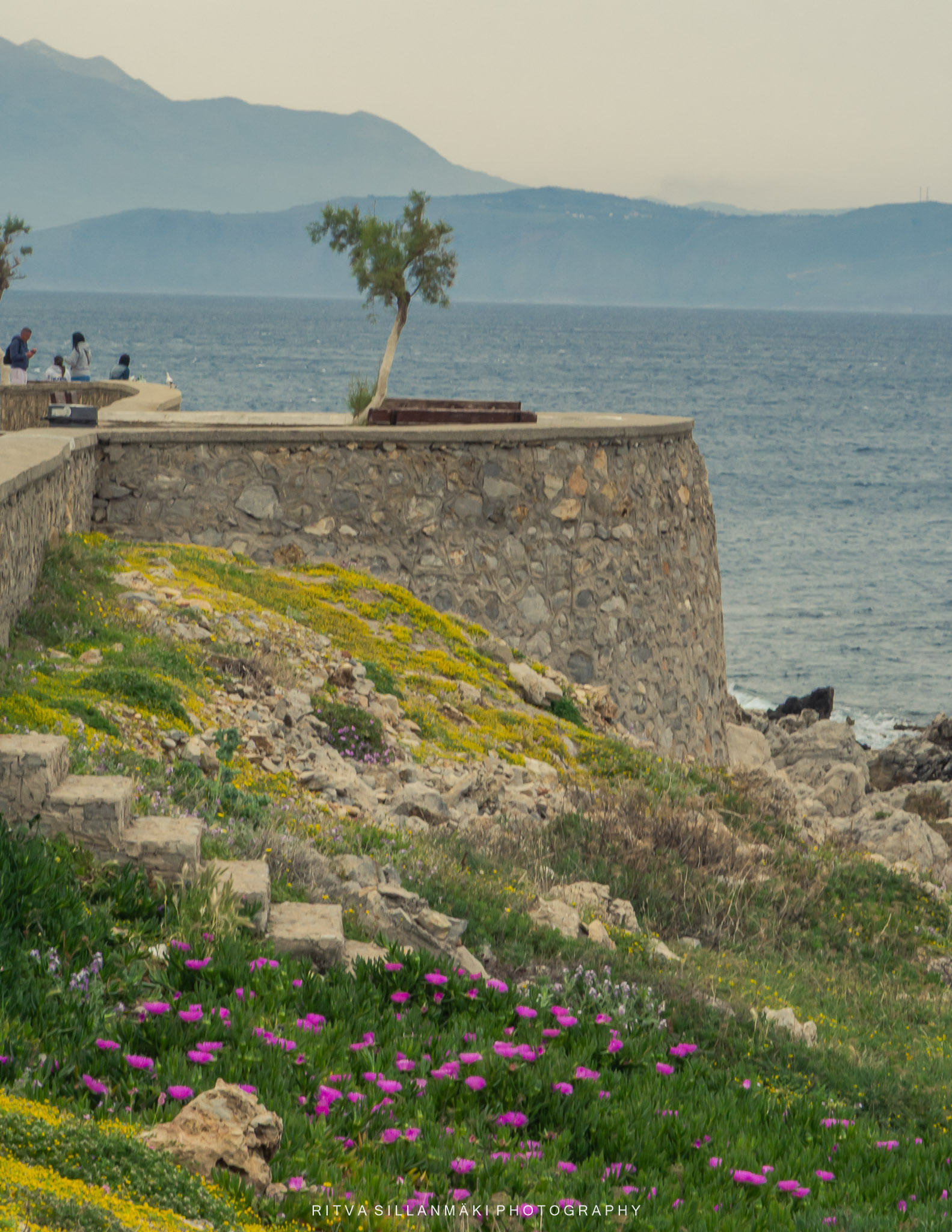



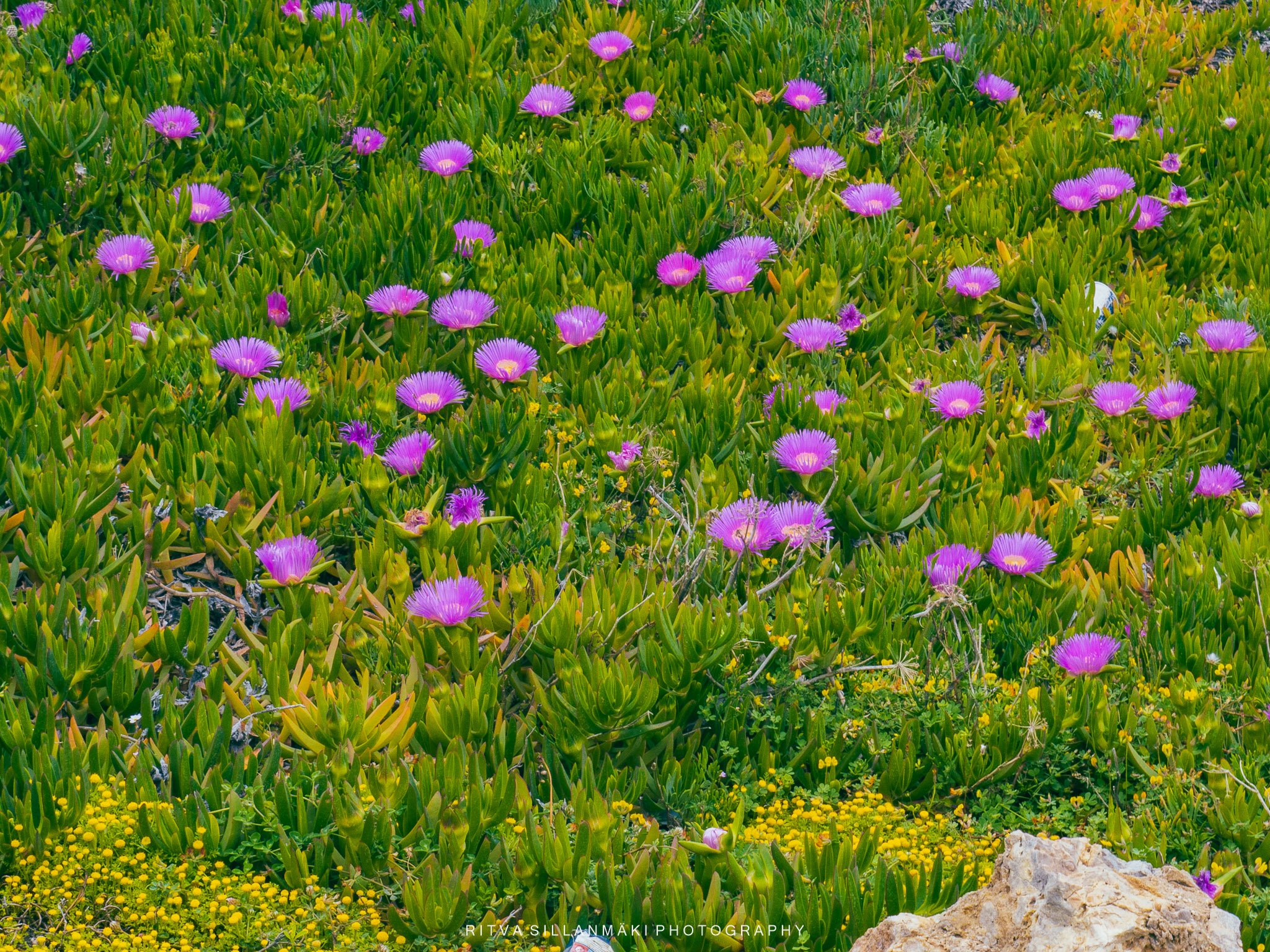
The two flowers are, the fig-marigold (scientific name Carpobrotus edulis), also known as the Hottentot fig or sour fig. This succulent plant, native to South Africa, has spread and become wild in many coastal areas around the world. Appearance: It has fleshy, triangular leaves and large, daisy-like flowers that range in color from white and pale yellow to bright red.
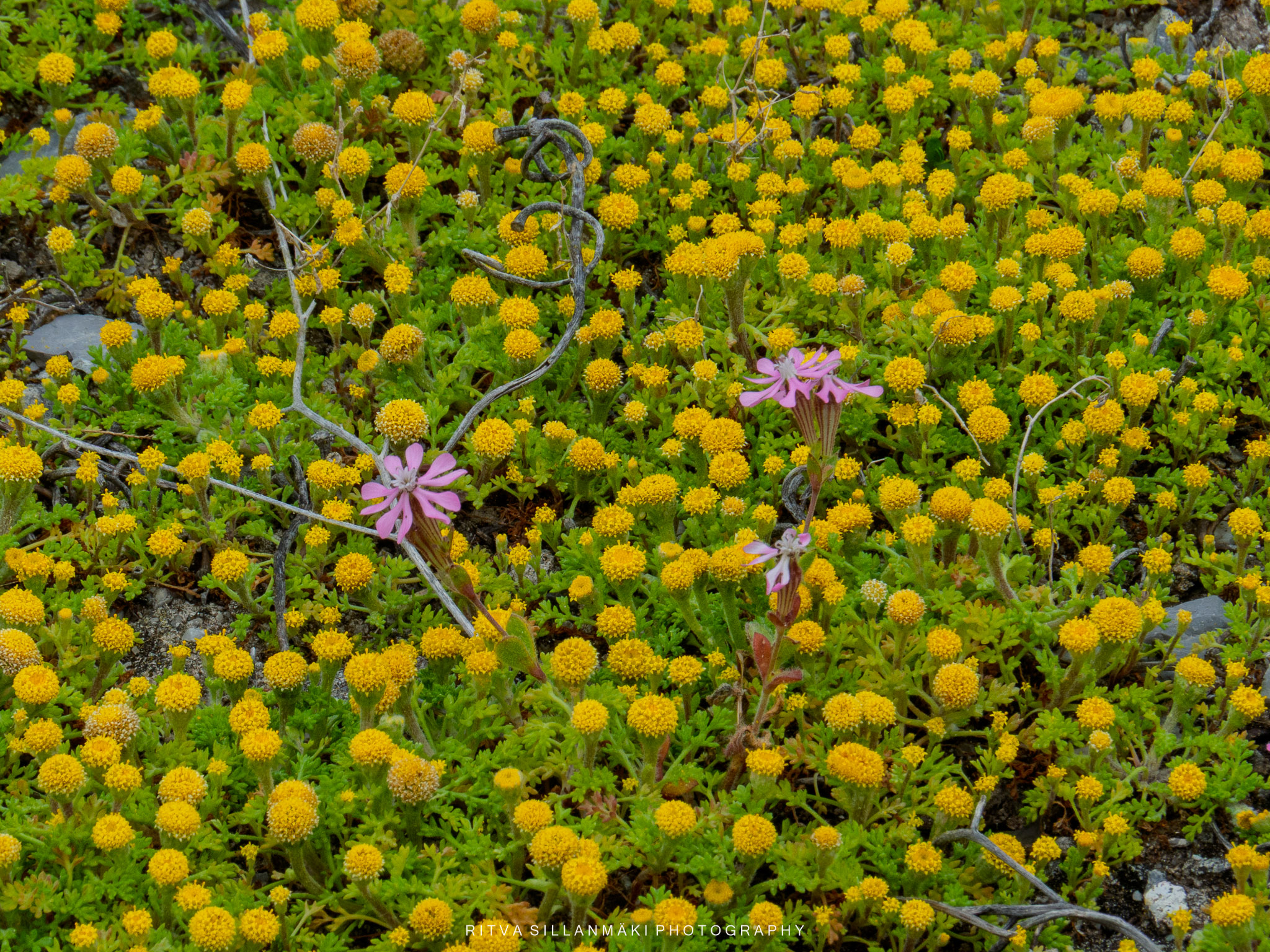
The prominent, aniline pink flowers depicted in the image are red campions.
The yellow flowers is, I think, dwarf clover (scientifically Anthyllis vulneraria), a perennial plant belonging to the legume family, commonly found in dry meadows and ridges perennial plant. It forms dense, spherical flowers that are usually golden yellow, but the petals can occasionally be lighter or have reddish tips.
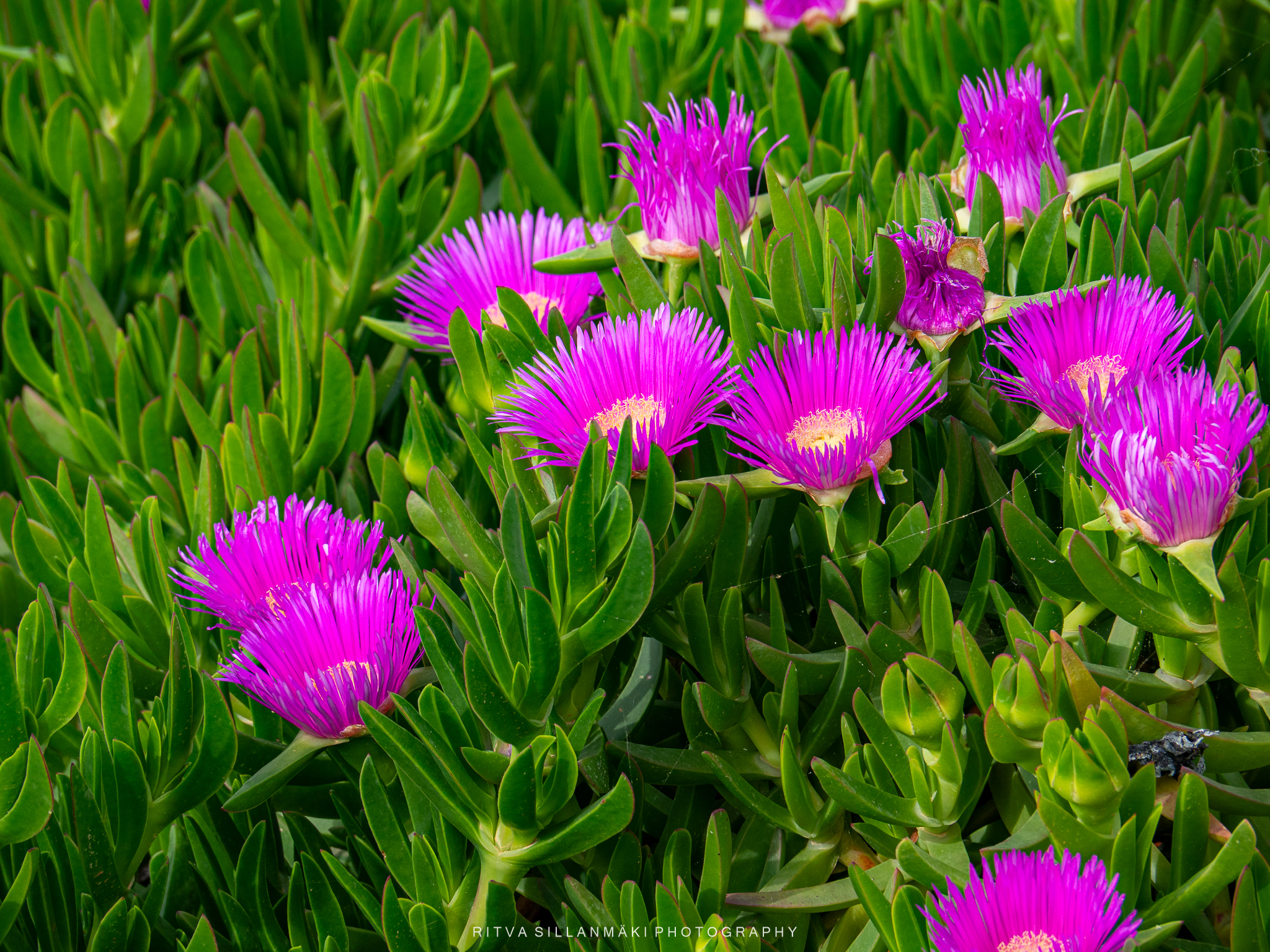
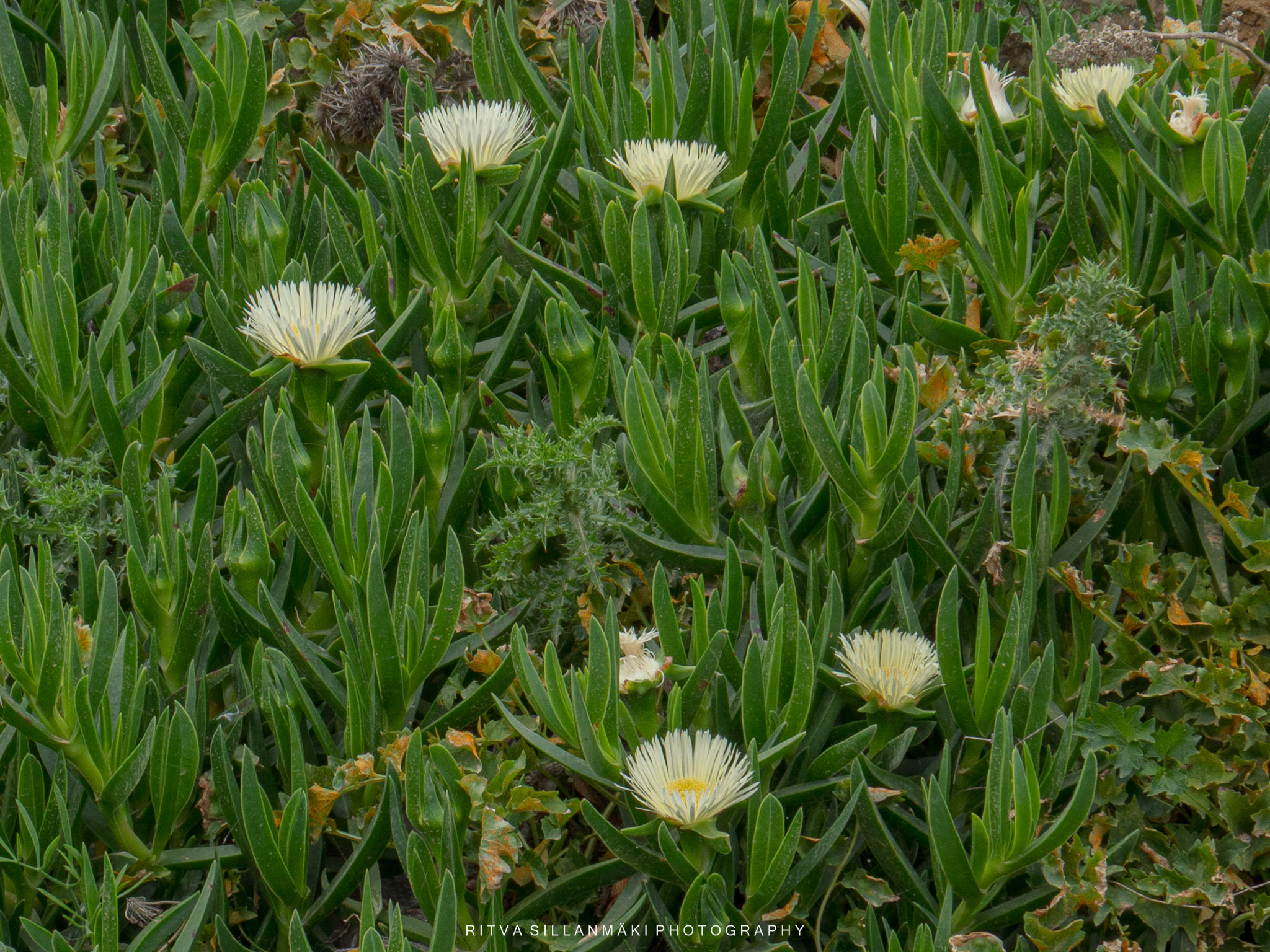
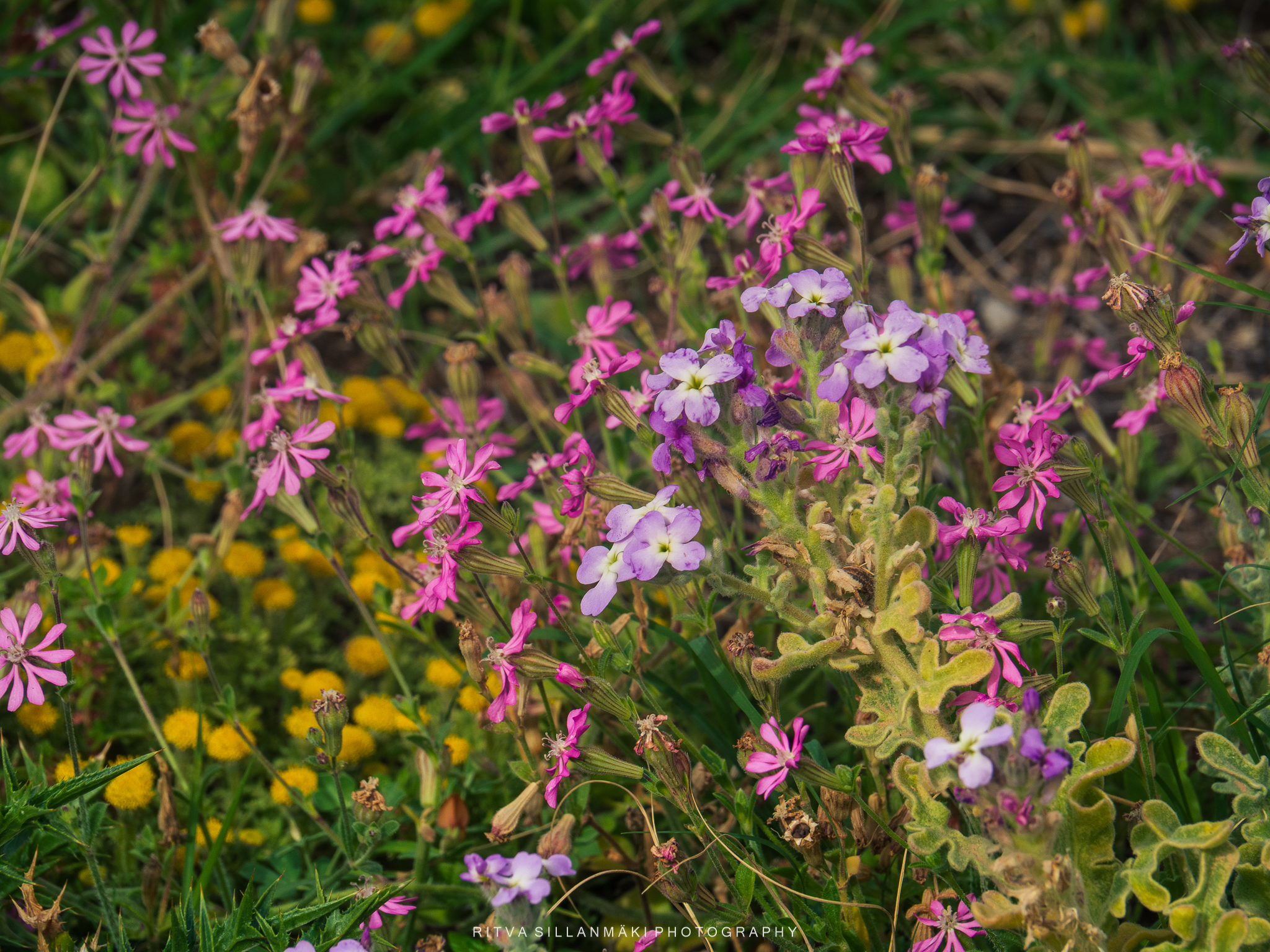
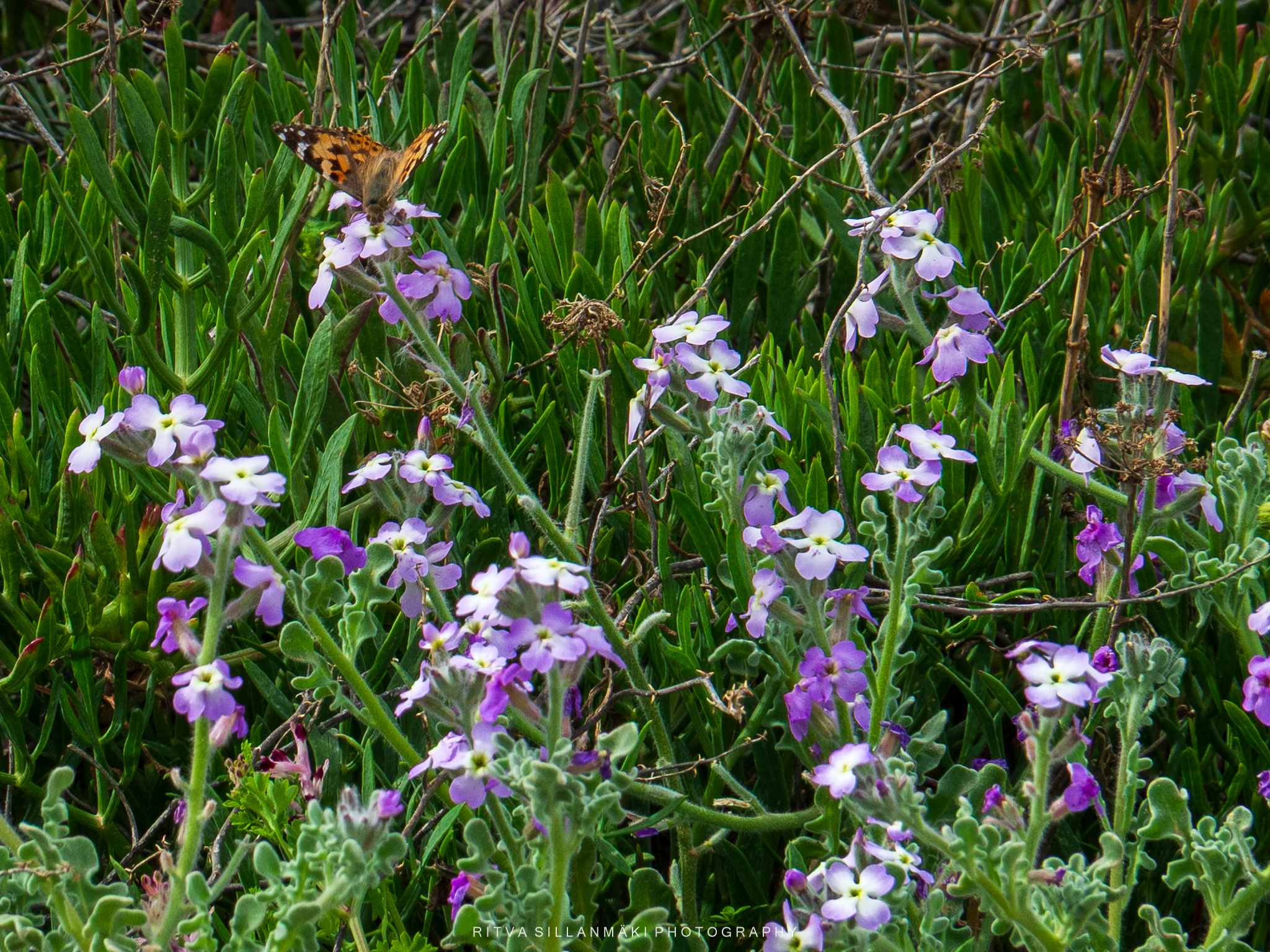
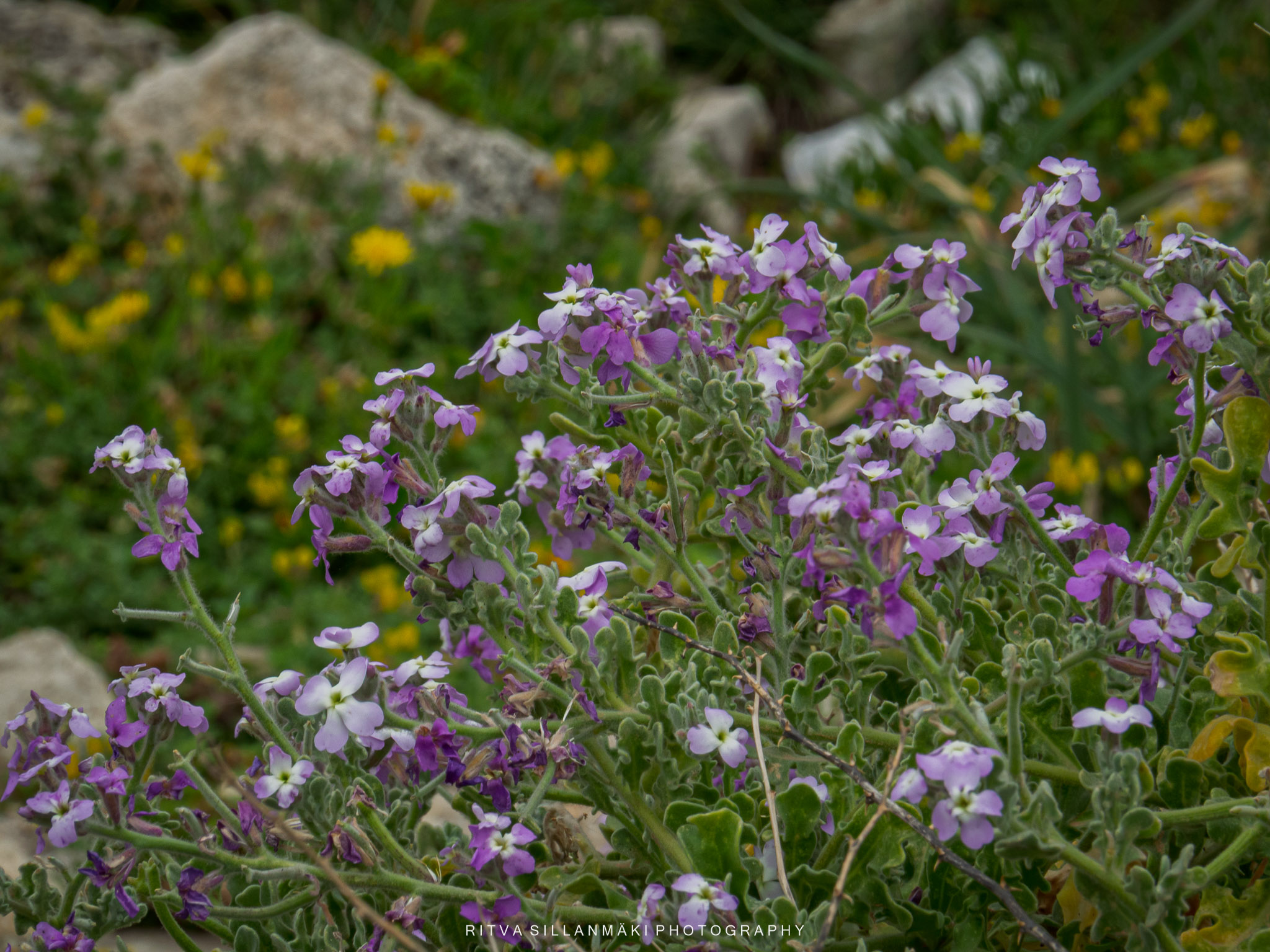
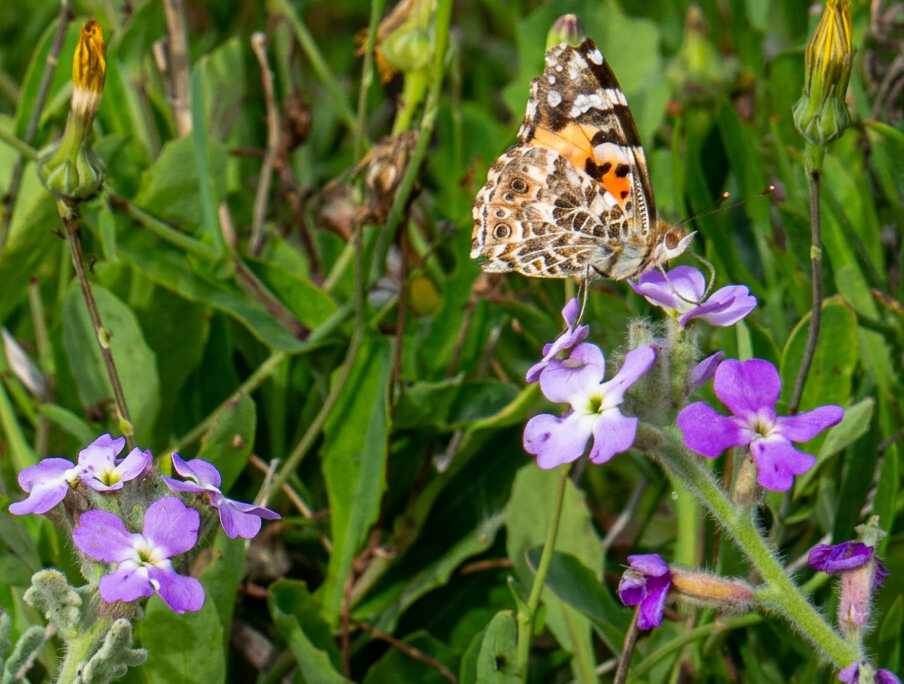
The flowers with the butterfly is the night-scented stock (also known as Matthiola longipetala . This annual summer flower is famous for its strong, intoxicating fragrance that intensifies in the evenings and at night. Its modest, pale violet or purple flowers may appear wilted during the day, but they open up in the twilight.
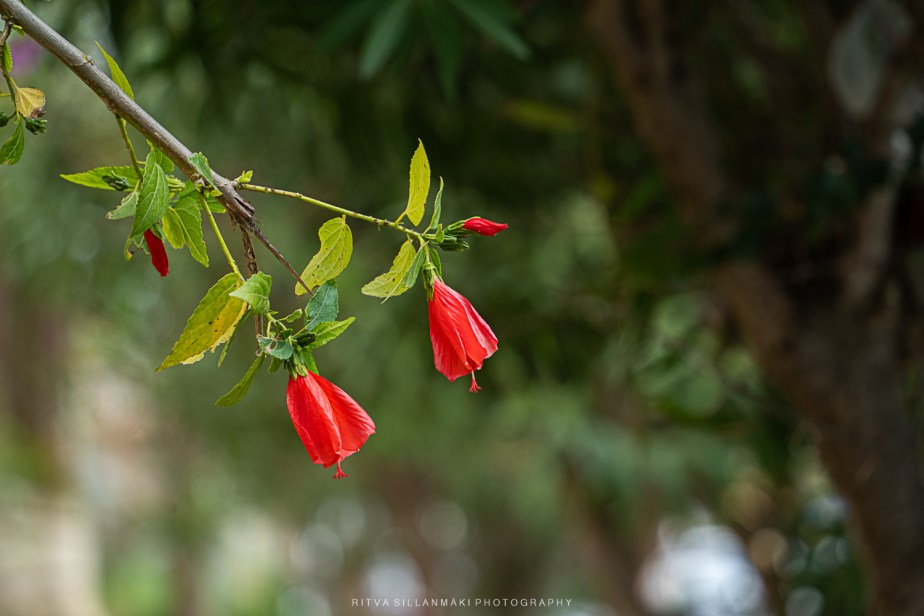
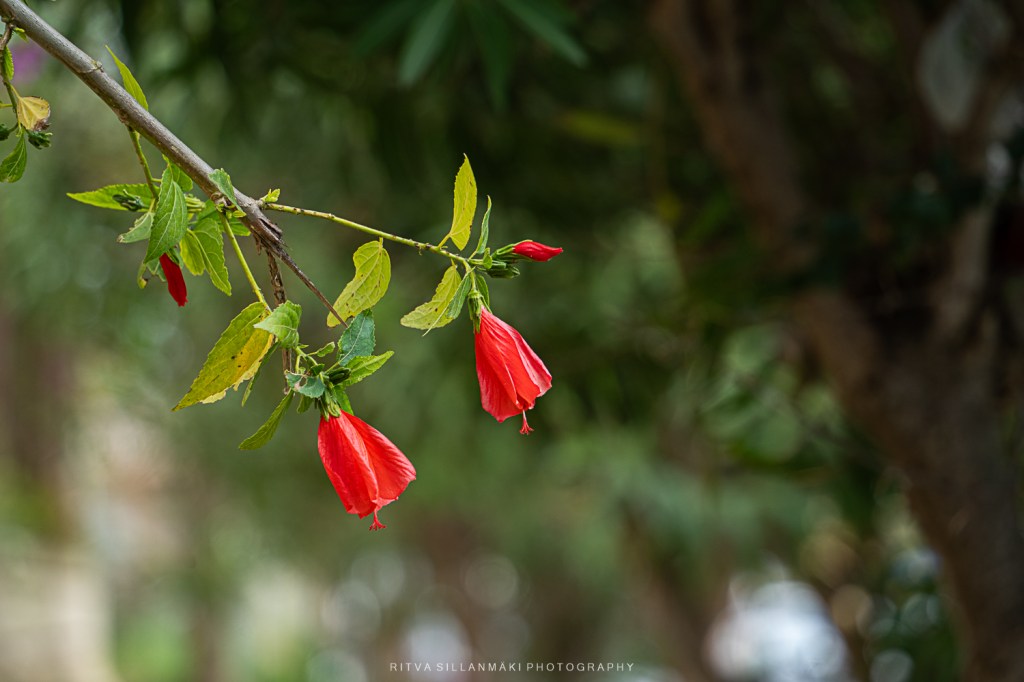
It is just a flower photo. Live Red Sleeping Hibiscus it is called, and it caught my eye with its vibrant hues and delicate petals, prompting me to capture its beauty in a photograph. The striking color and unique shape of the flower stand out against the lush green backdrop. That’s about it about this one. Although simple, it represents the fleeting moments of beauty that nature offers us. Happy Tuesday from cool (15.5°C) and rainy Finland, where ran keeps me inside, perfect for posting the small wonders like this flower.
Posted for Terri’s Flower Hour
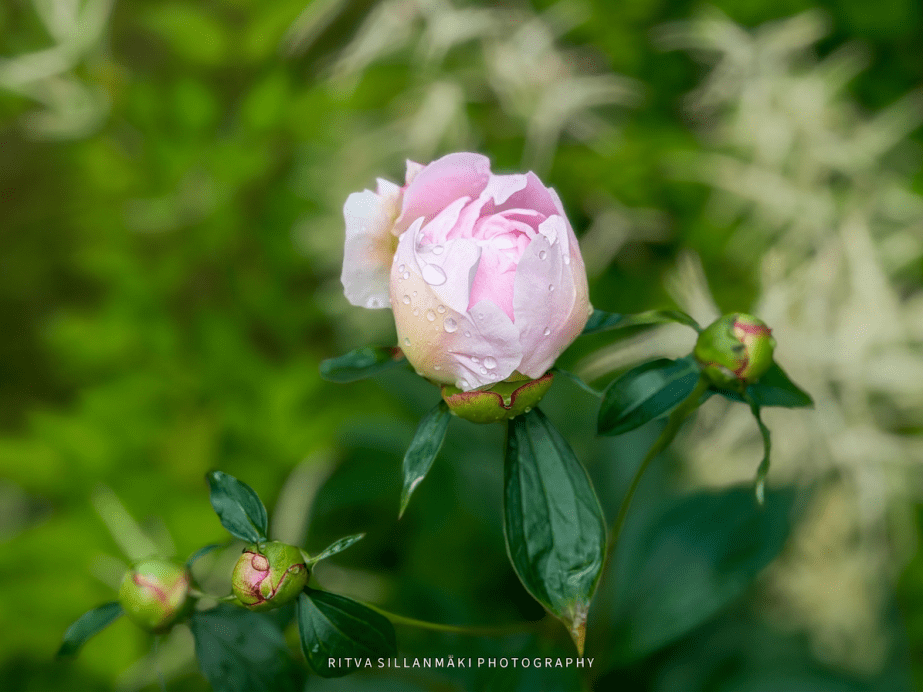
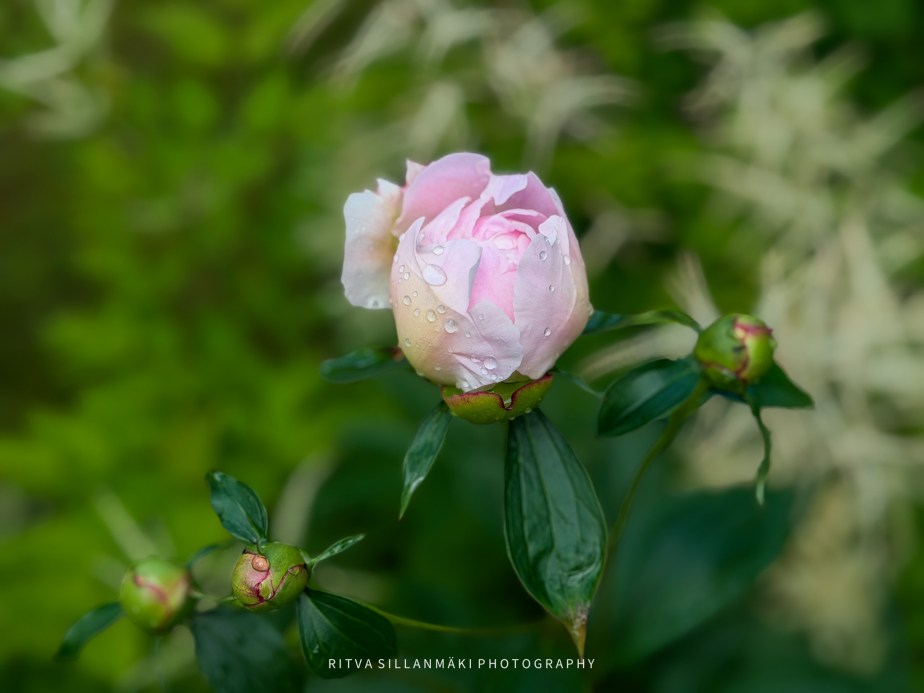
I love peonies, and I have a hard time getting my peonies to expand as I would like. Usually, I only have a few blooms, but this year, I am thrilled to have five, and that feels like a significant improvement for me. Despite my efforts, I suspect that I might be using the wrong soil, and I’m unsure about the best placement for them in my garden, which makes it a bit challenging. Nevertheless, I do enjoy watching them bloom and flourish, and each flower brings me immense joy as it displays its vibrant colors and lovely fragrance, reminding me of the beauty and resilience of nature.
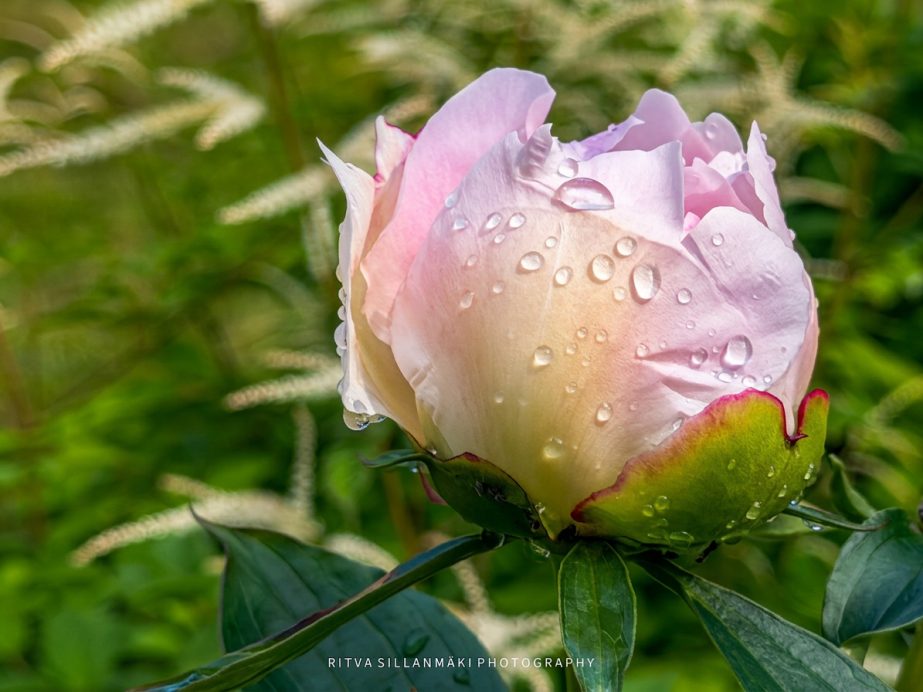
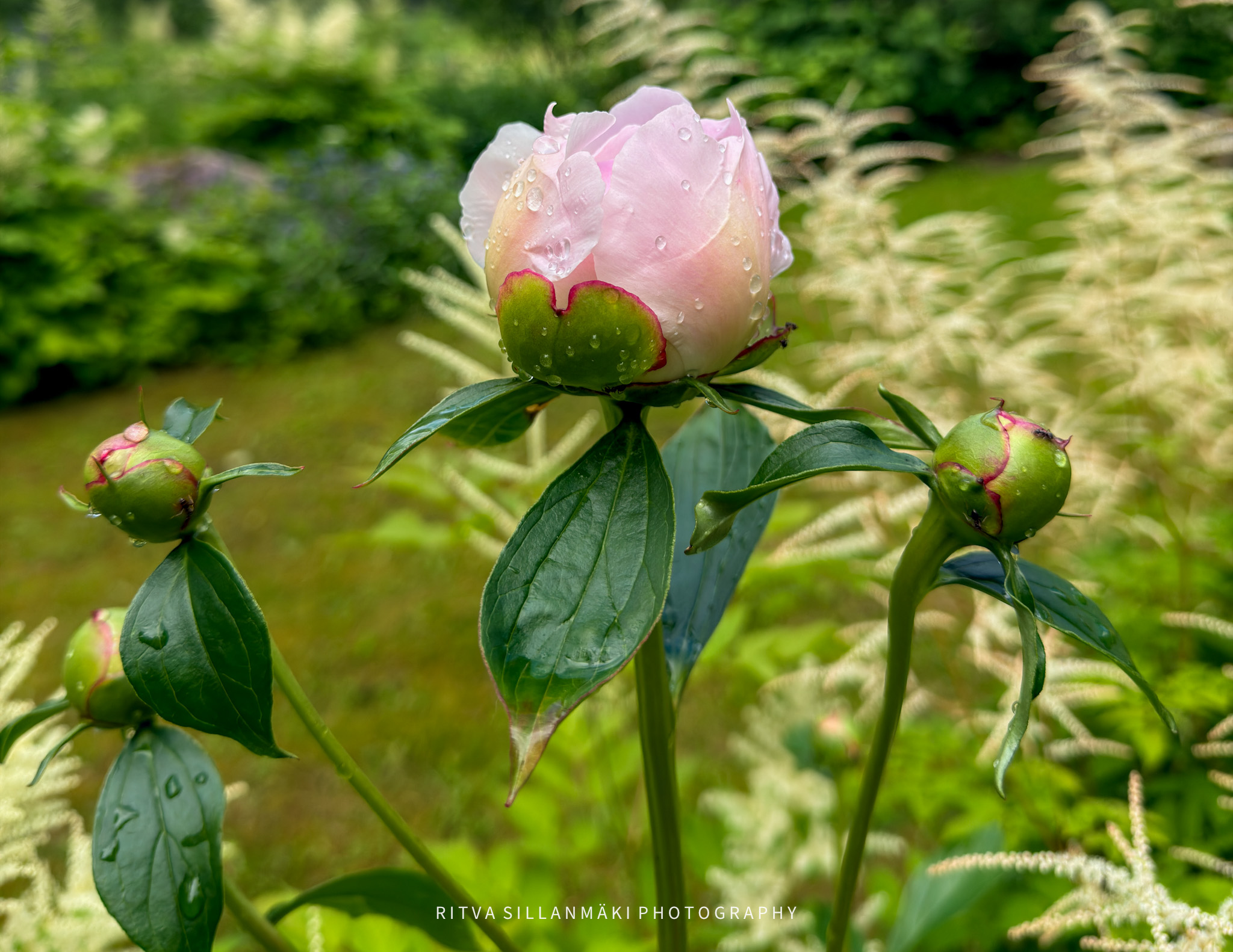
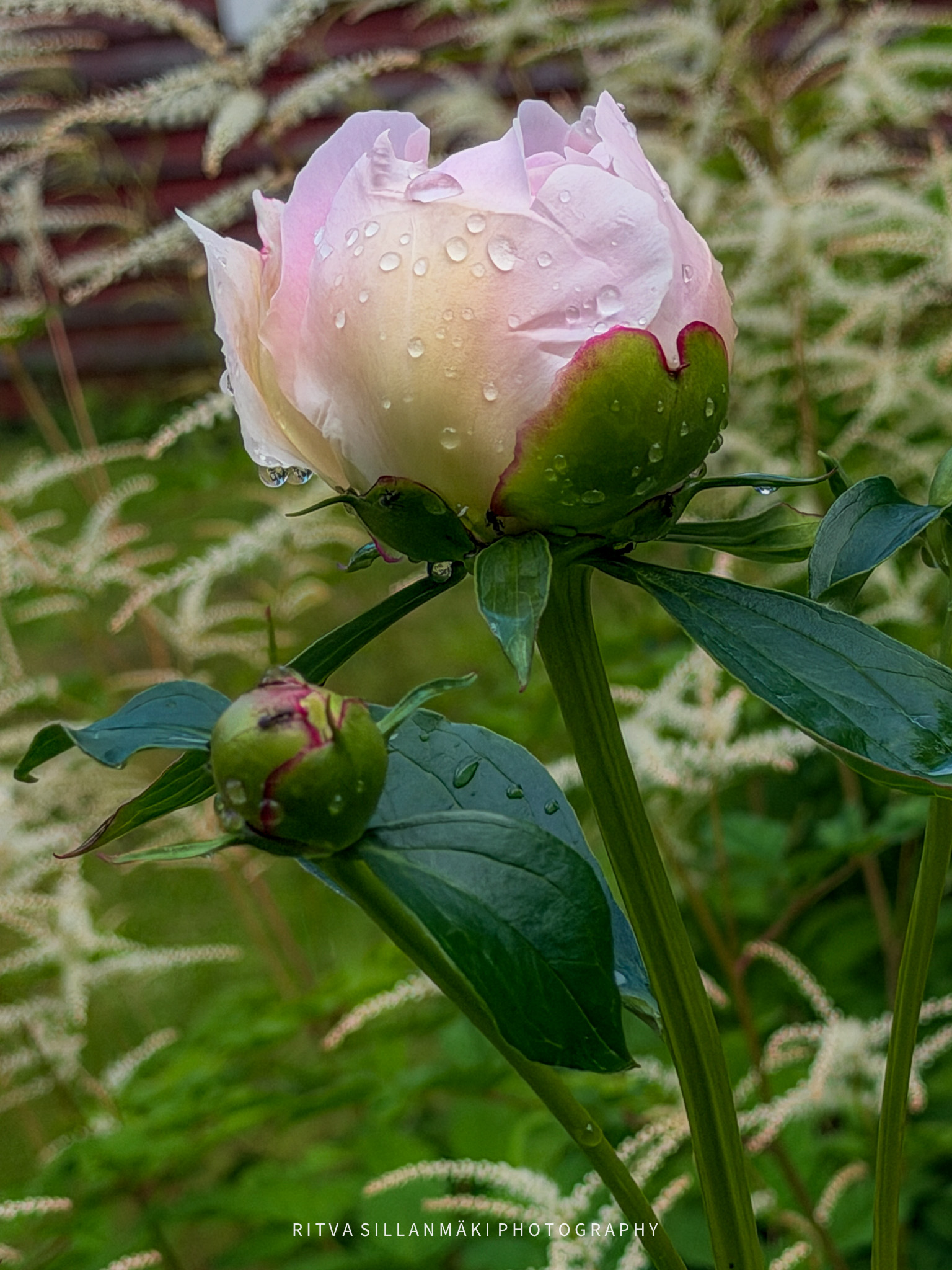
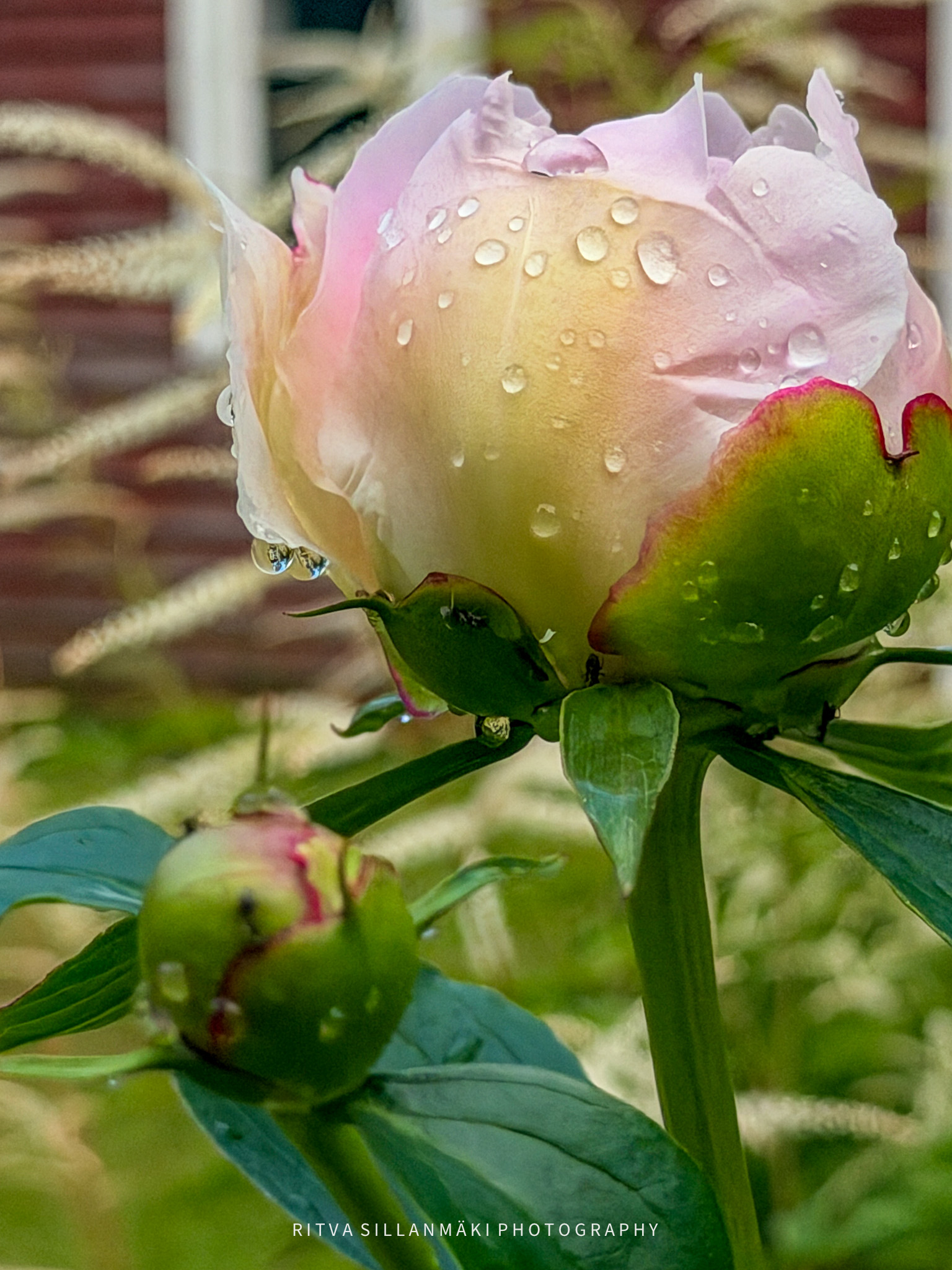
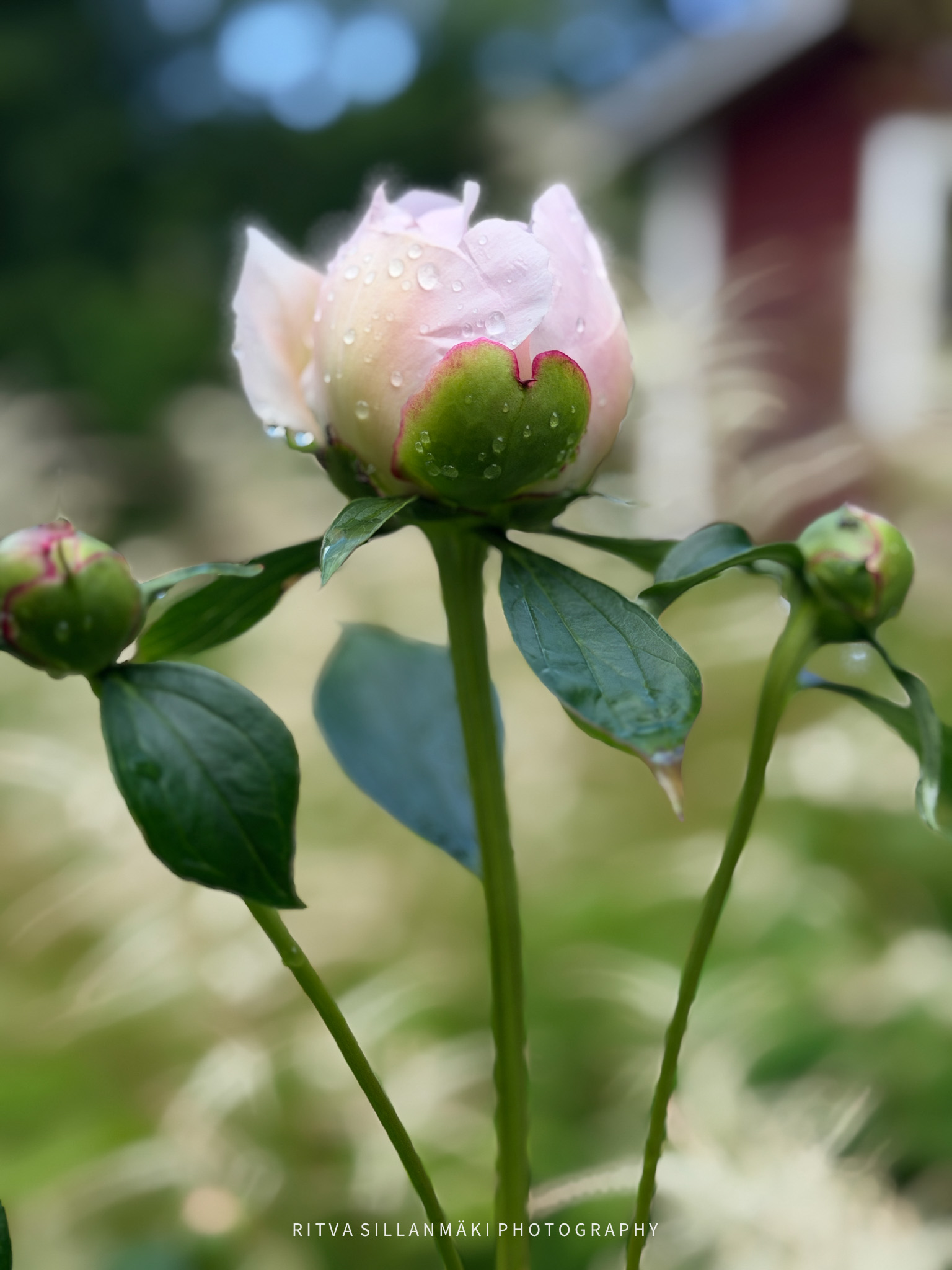
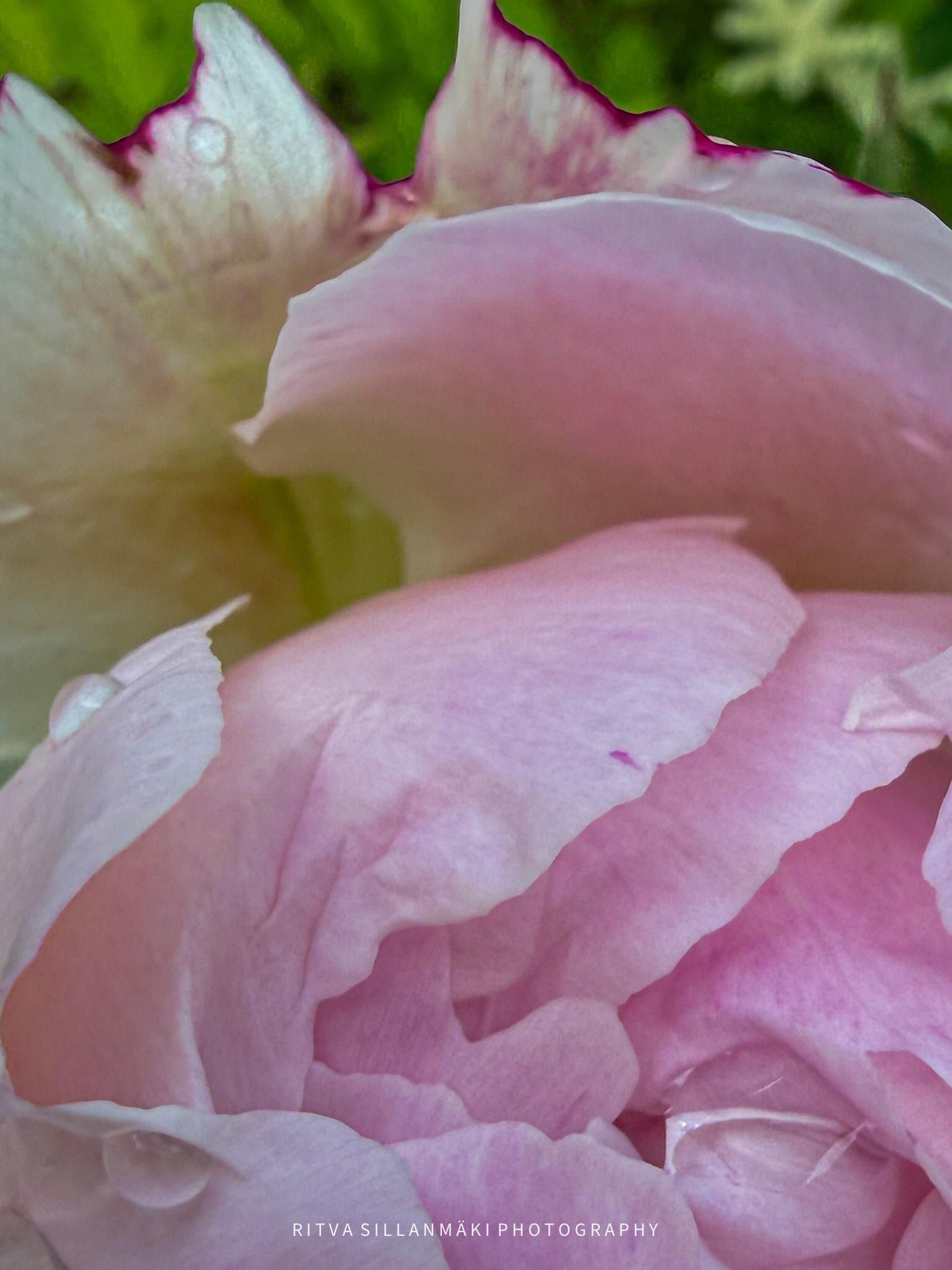
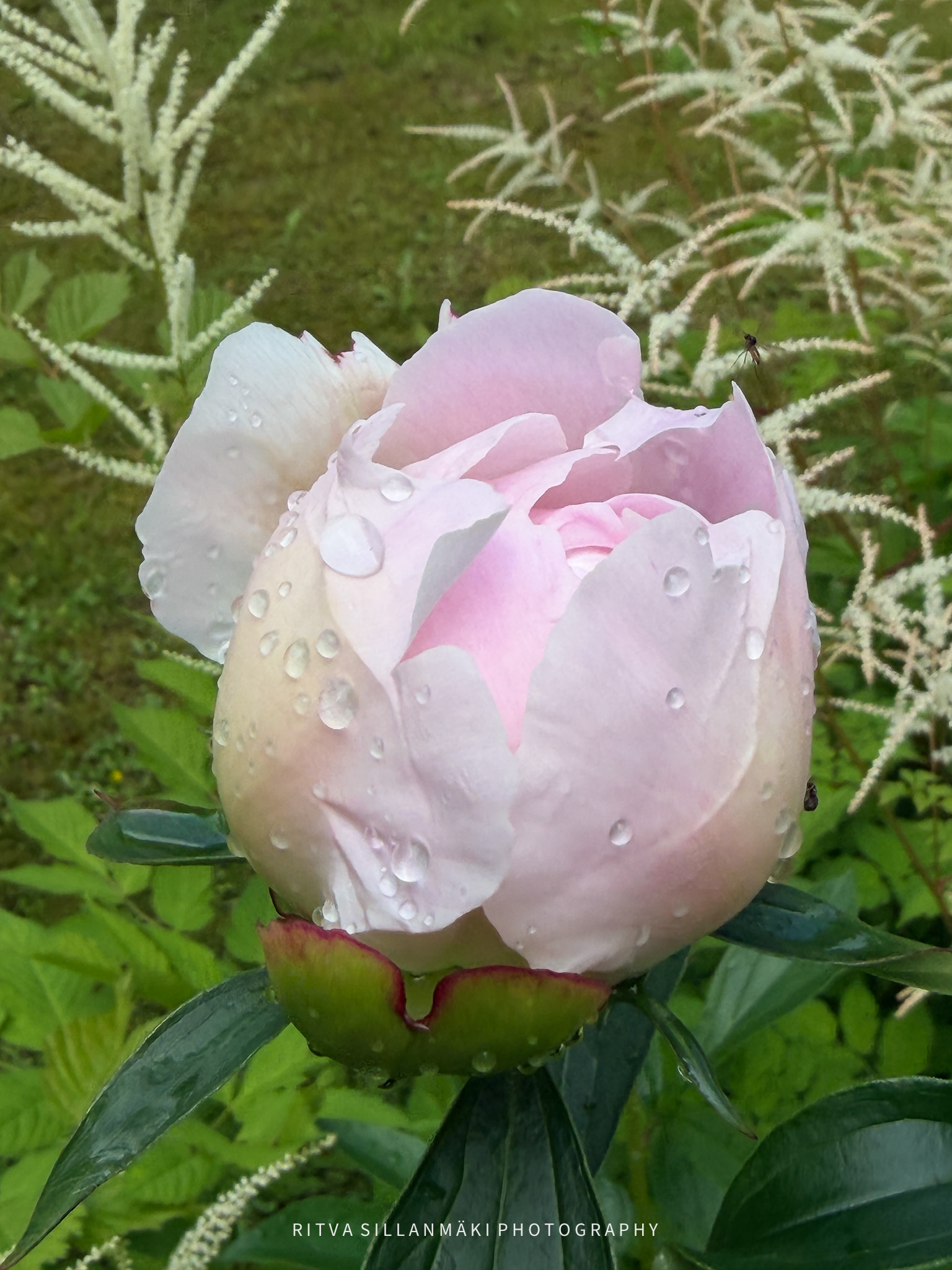
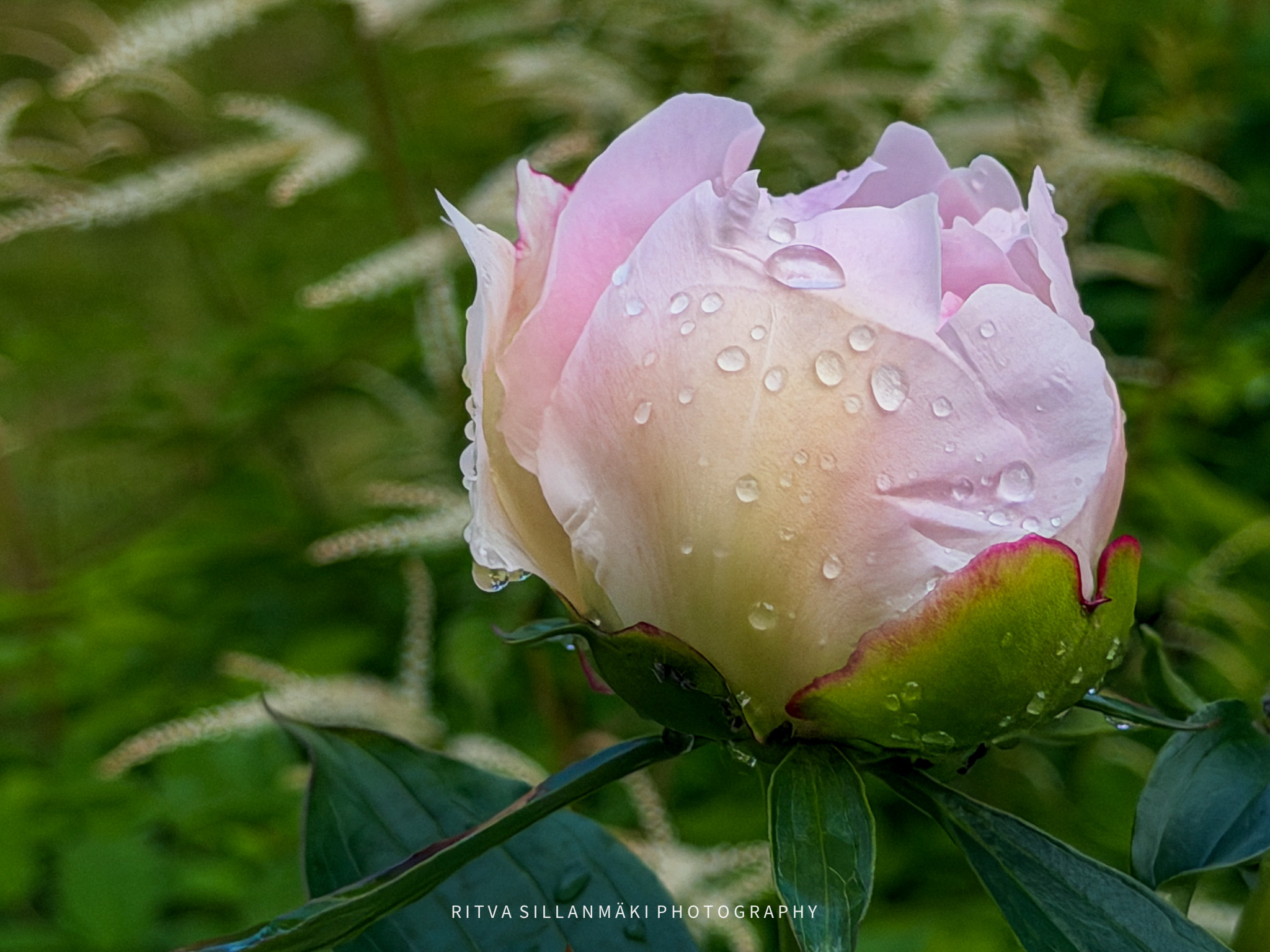
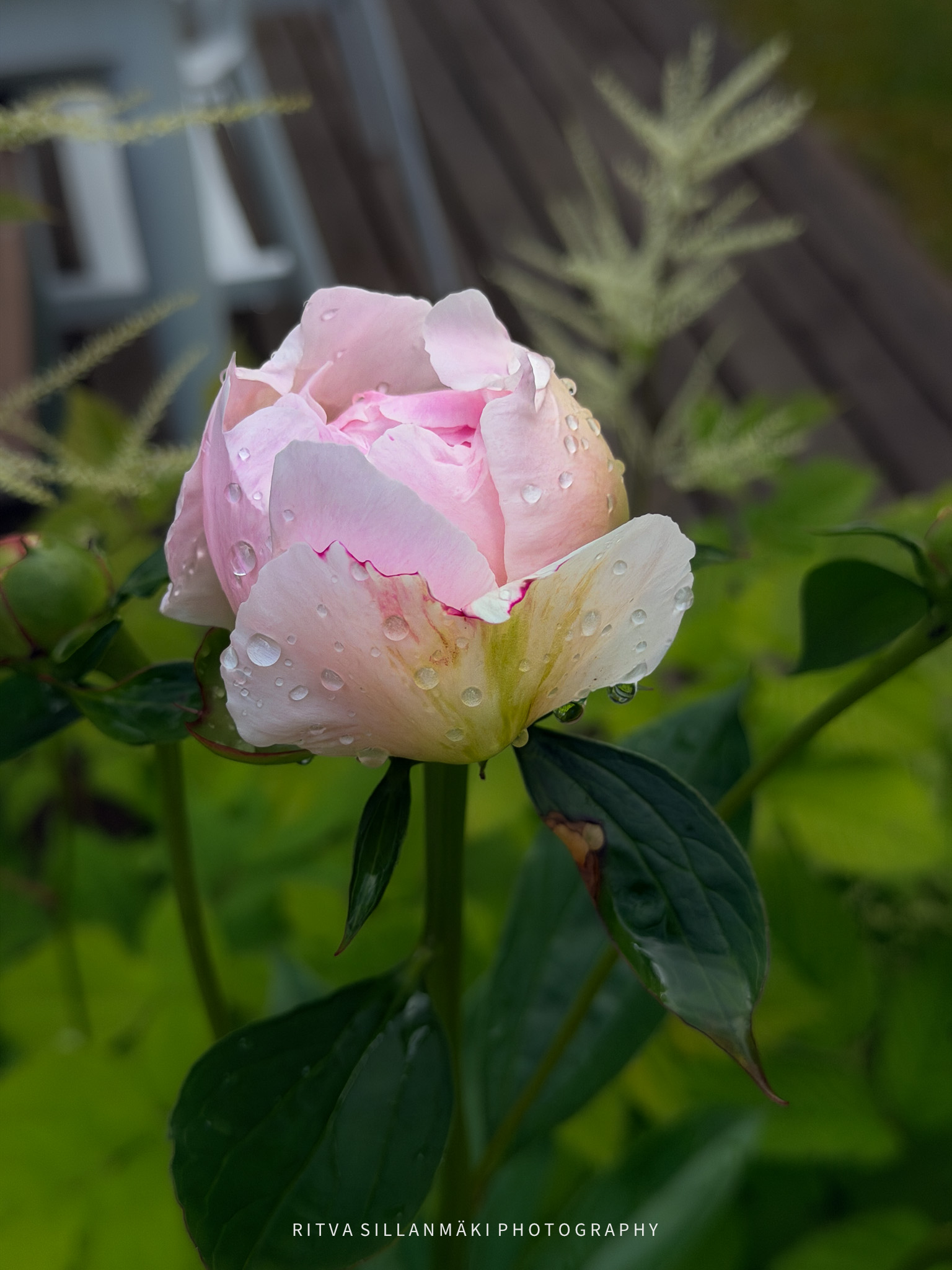
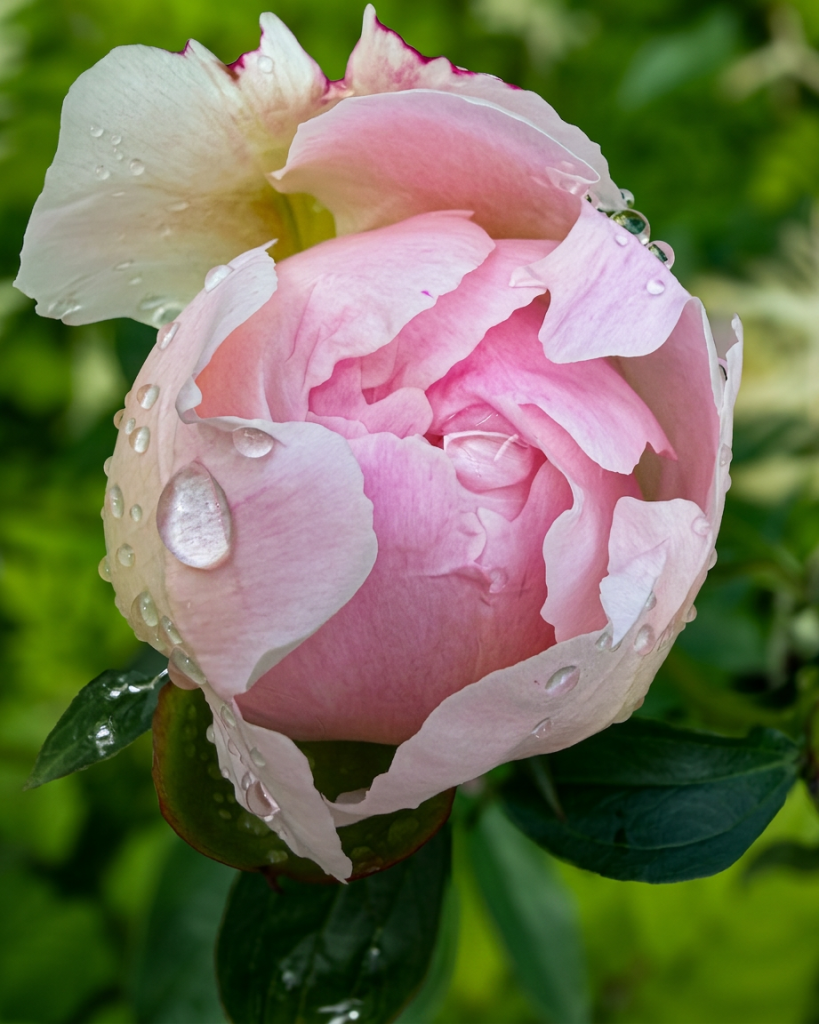
The phone is handy and with me most of the time, so I took these with my IPhone 17 PRO for The Flower Hour