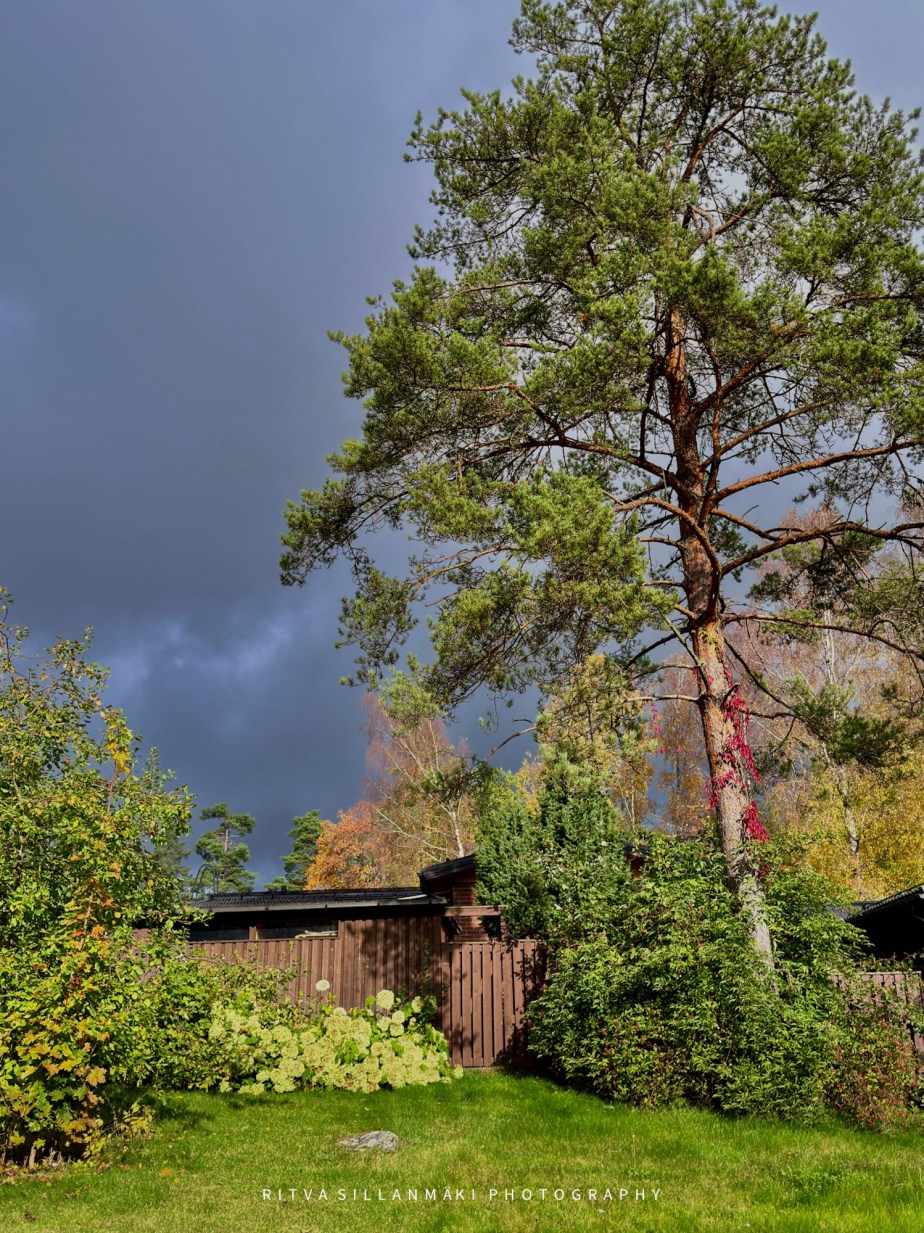
I am impressed with the contrast of the dark sky and the bright light and the trees and colors of the leaves 🍂 🍁 and I only had to open the front door to see it🌥️
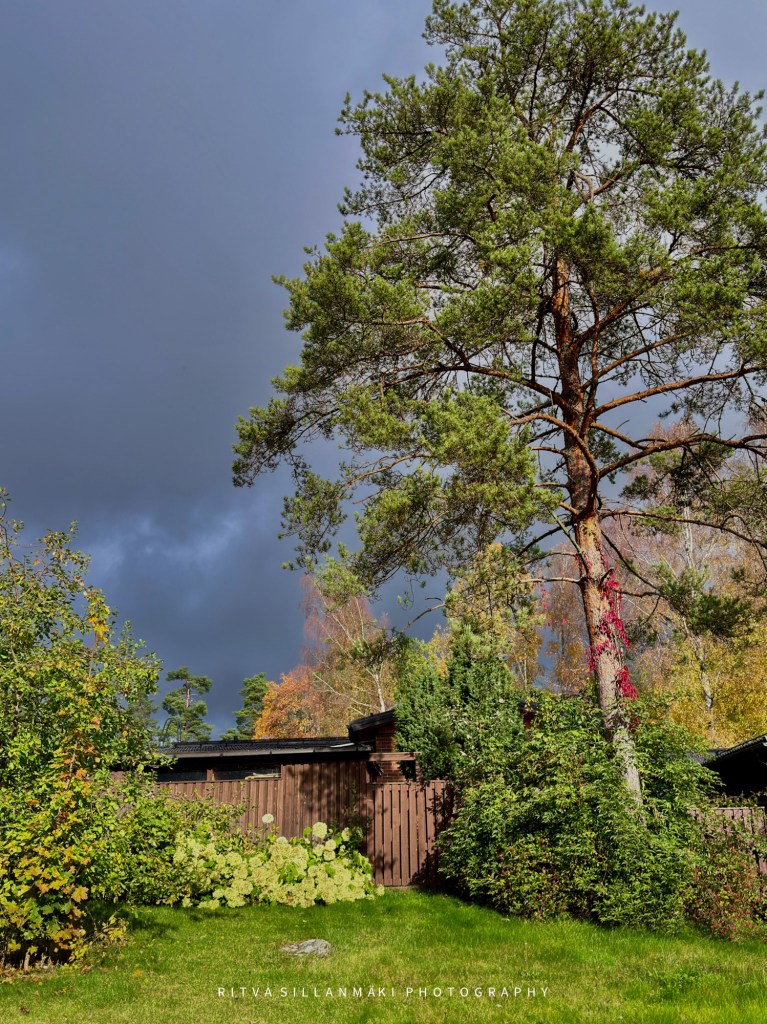
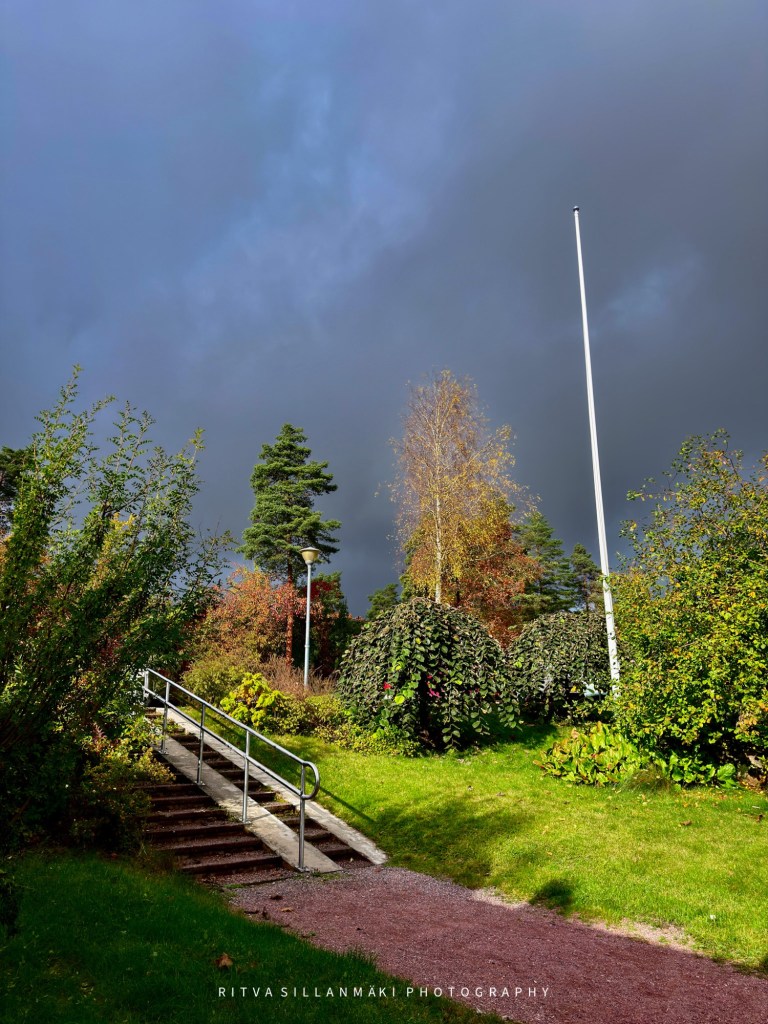
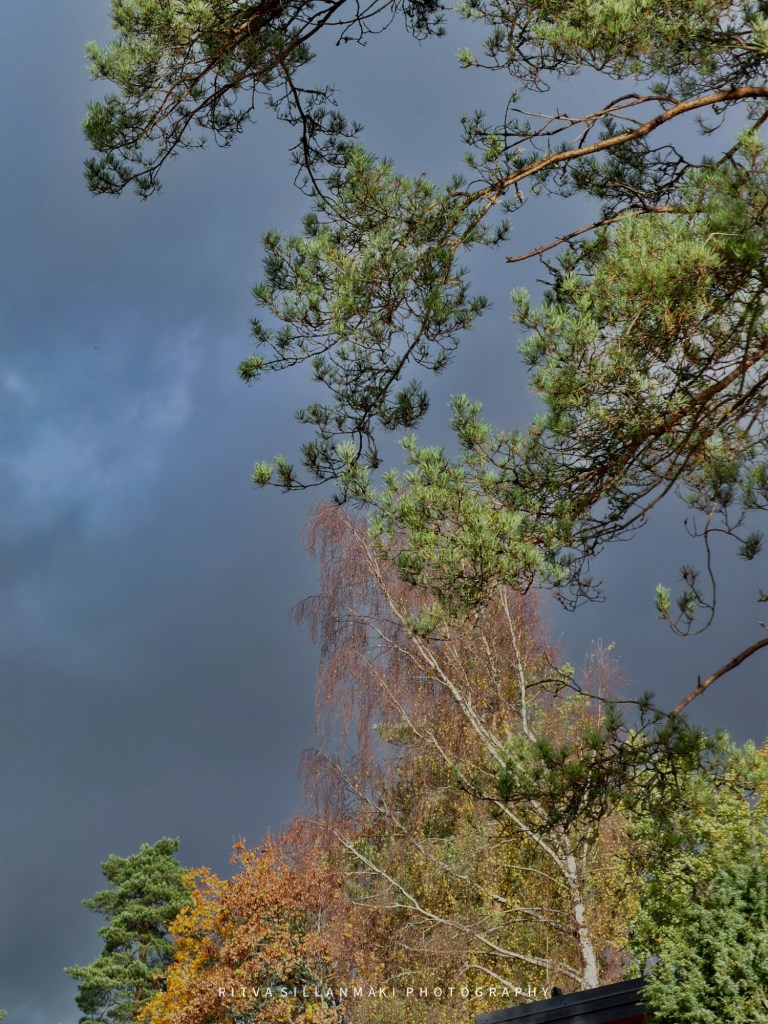
I am impressed with the contrast of the dark sky and the bright light and the trees and colors of the leaves 🍂 🍁 and I only had to open the front door to see it🌥️
I don’t remember standing in front of this building in the historic district of Pioneer Square in Seattle, Washington, USA, at 200 1st Ave S. But I can be sure it caught my attention. It was a dark-painted historic corner building, the kind of place that seemed to hold countless stories within its walls. Across the top was the faded text “Driftwood Sportswear”, and above the door hung a sign that read “woven art,” details that are just waiting to be photographed. I have no idea what the corner looks like today; if I remember correctly, this was 2013???
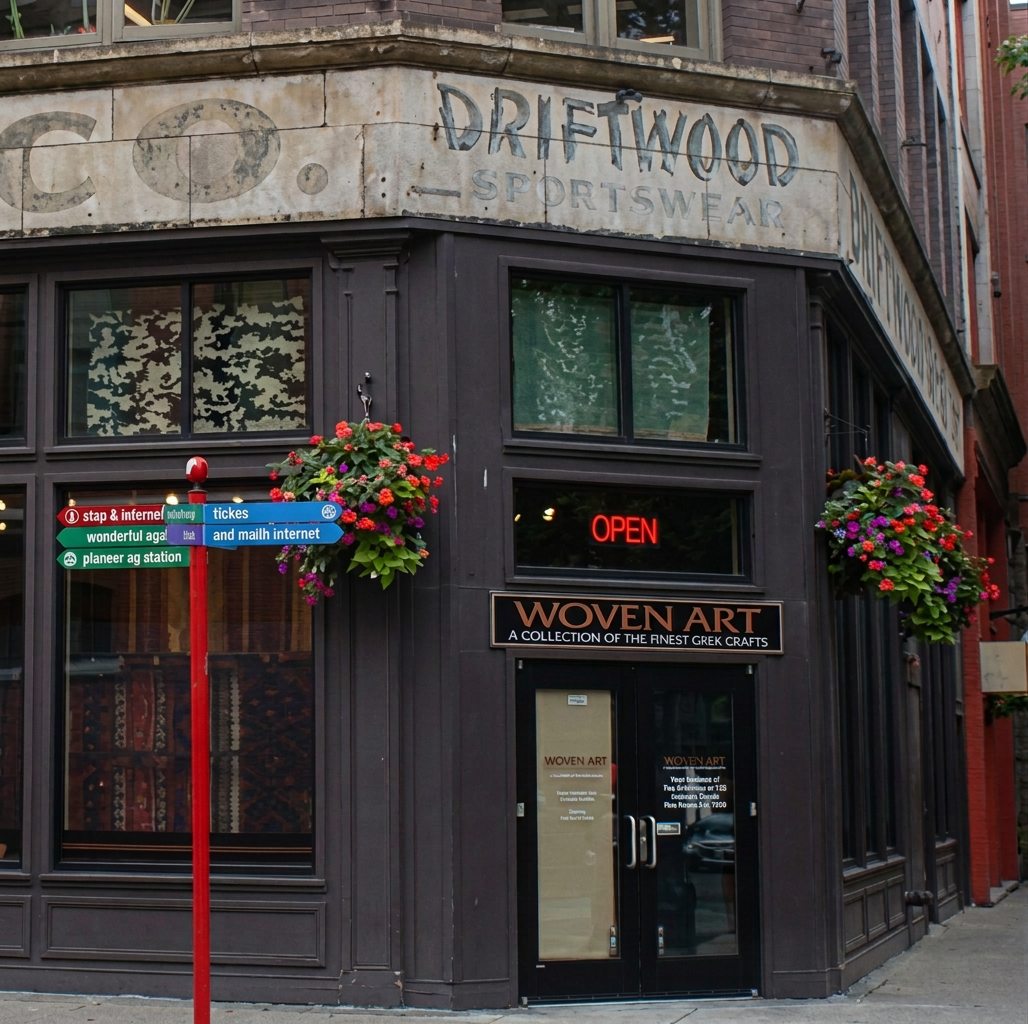
Monday Window: 12 October 2026
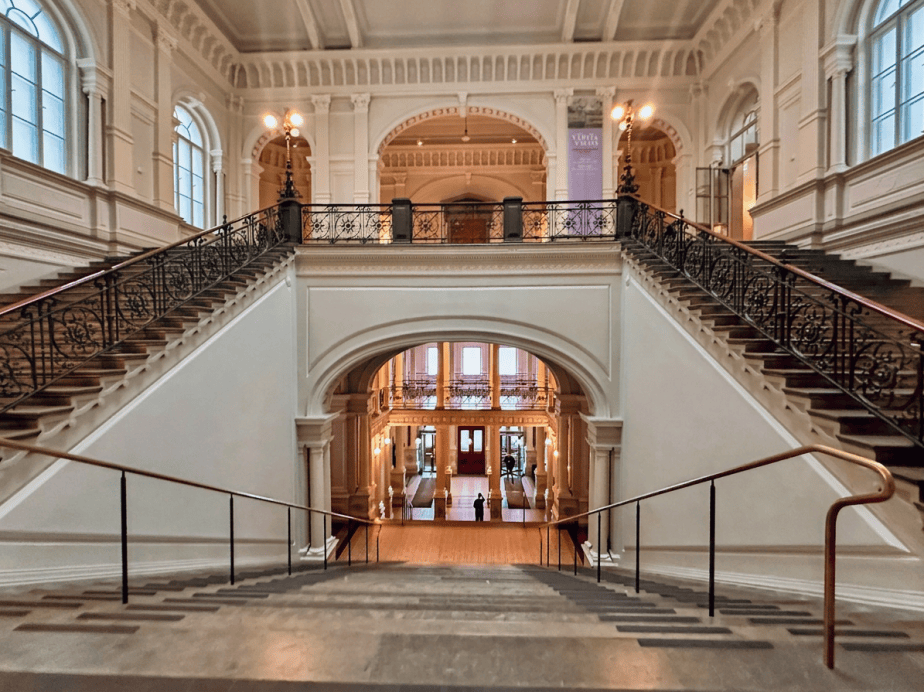
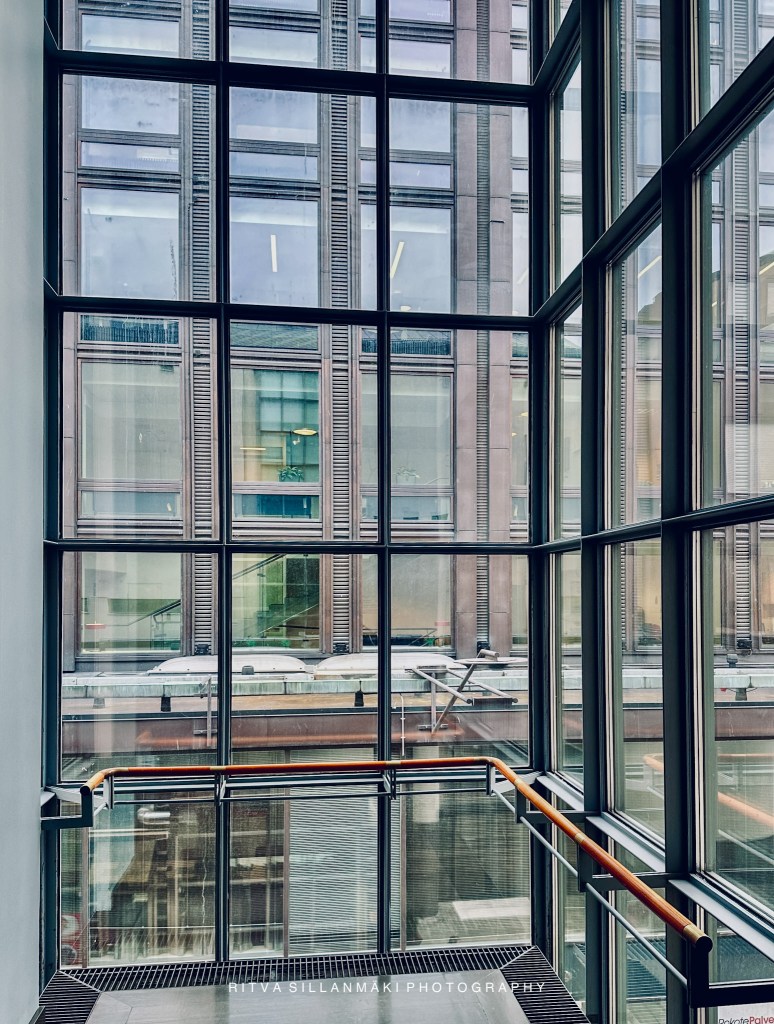
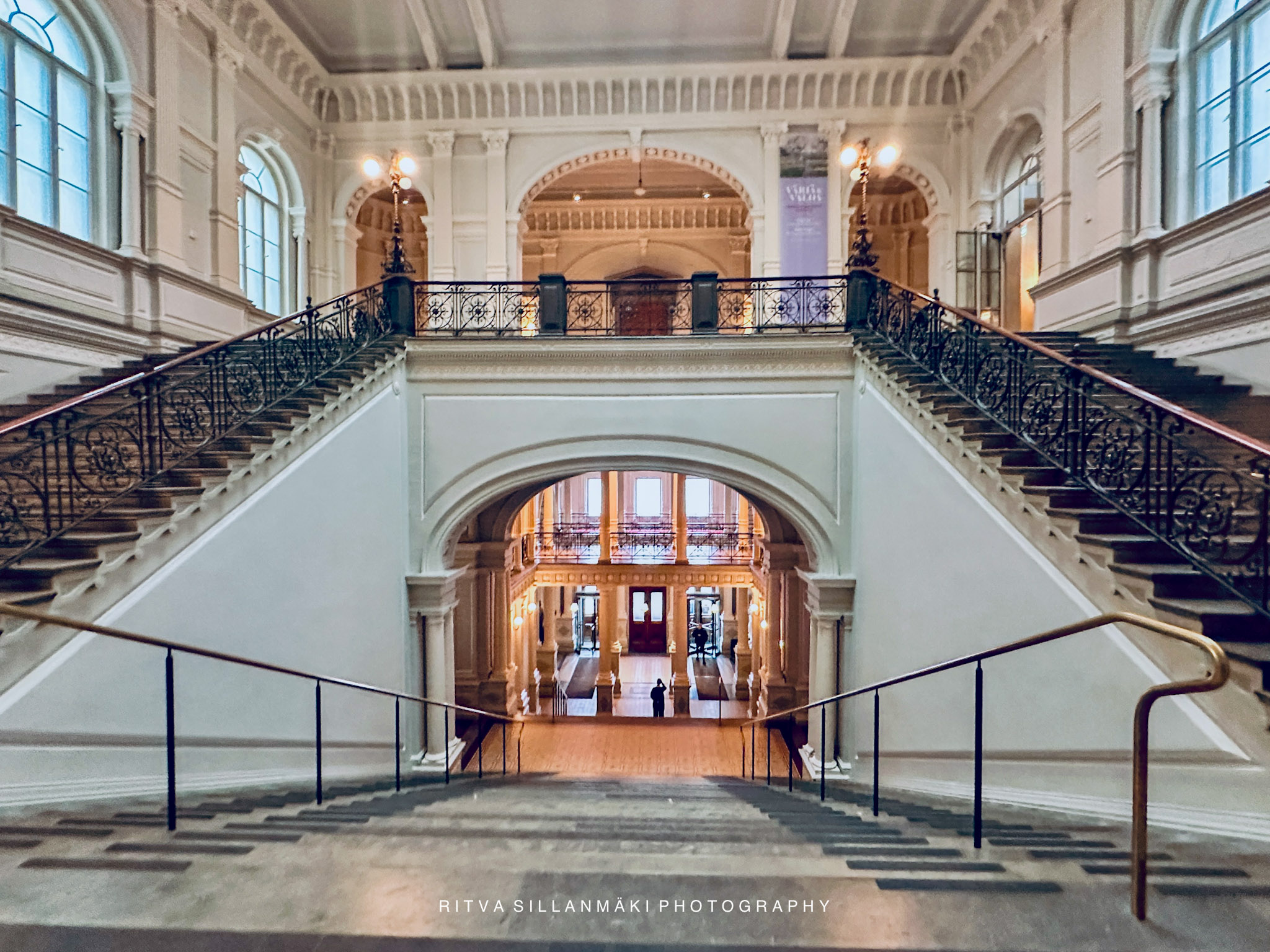
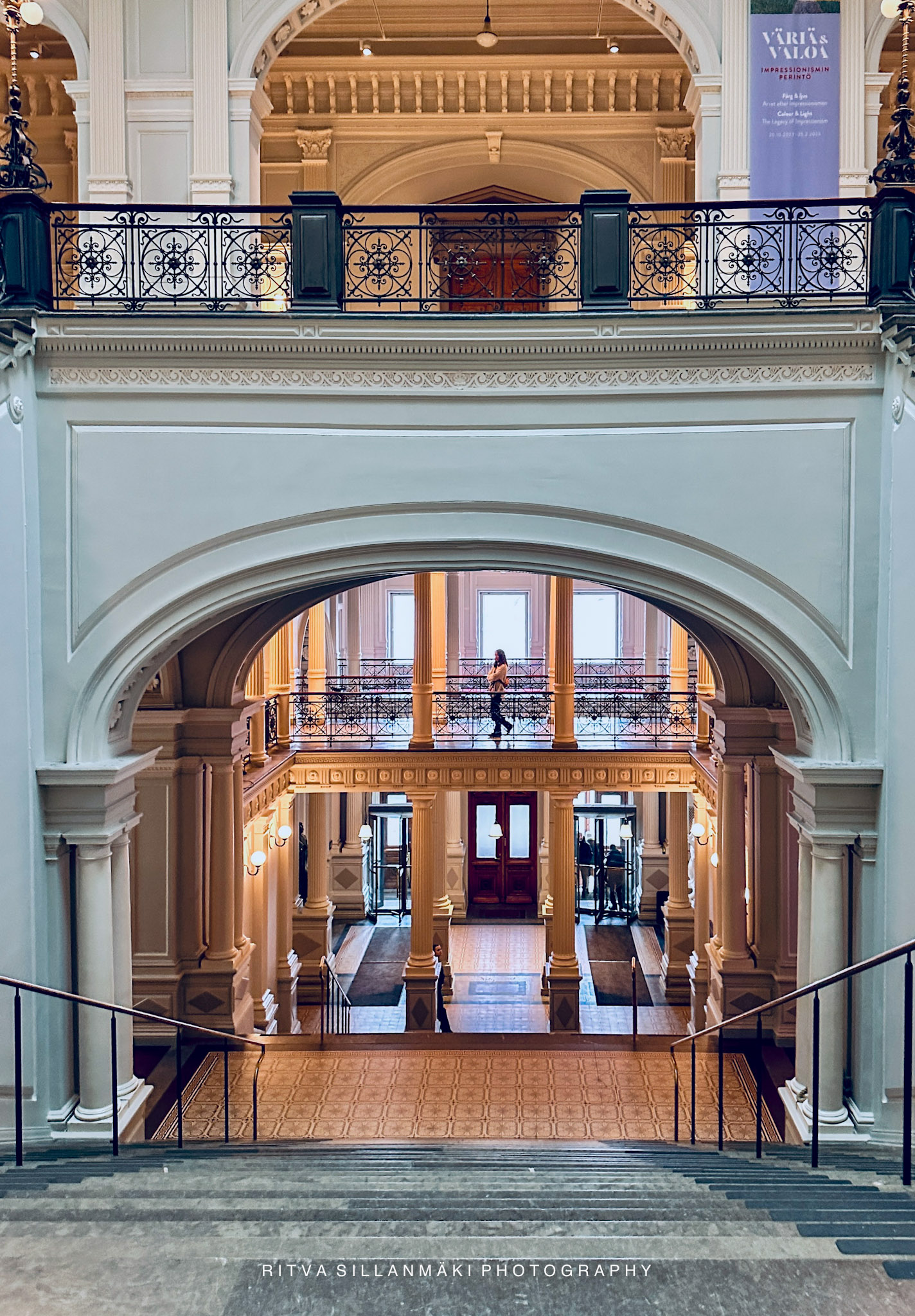
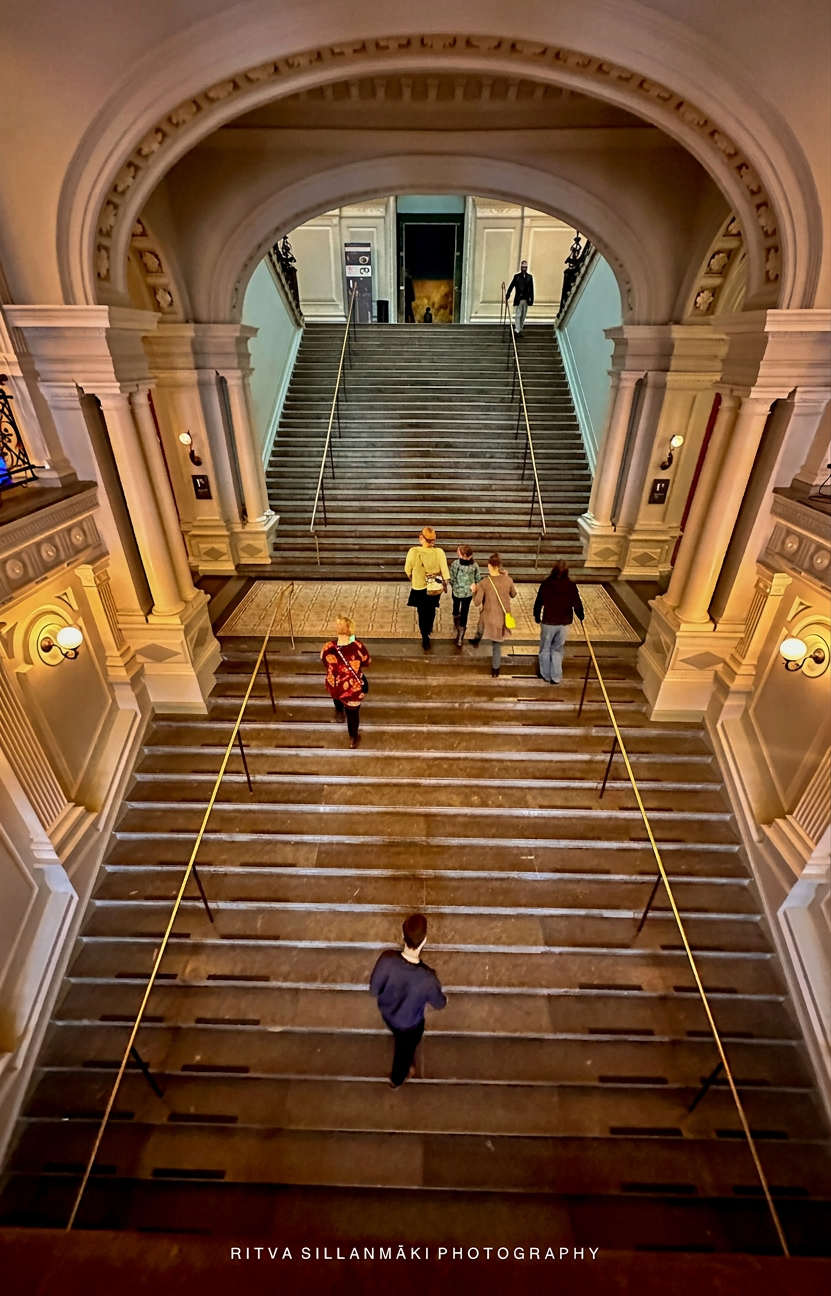
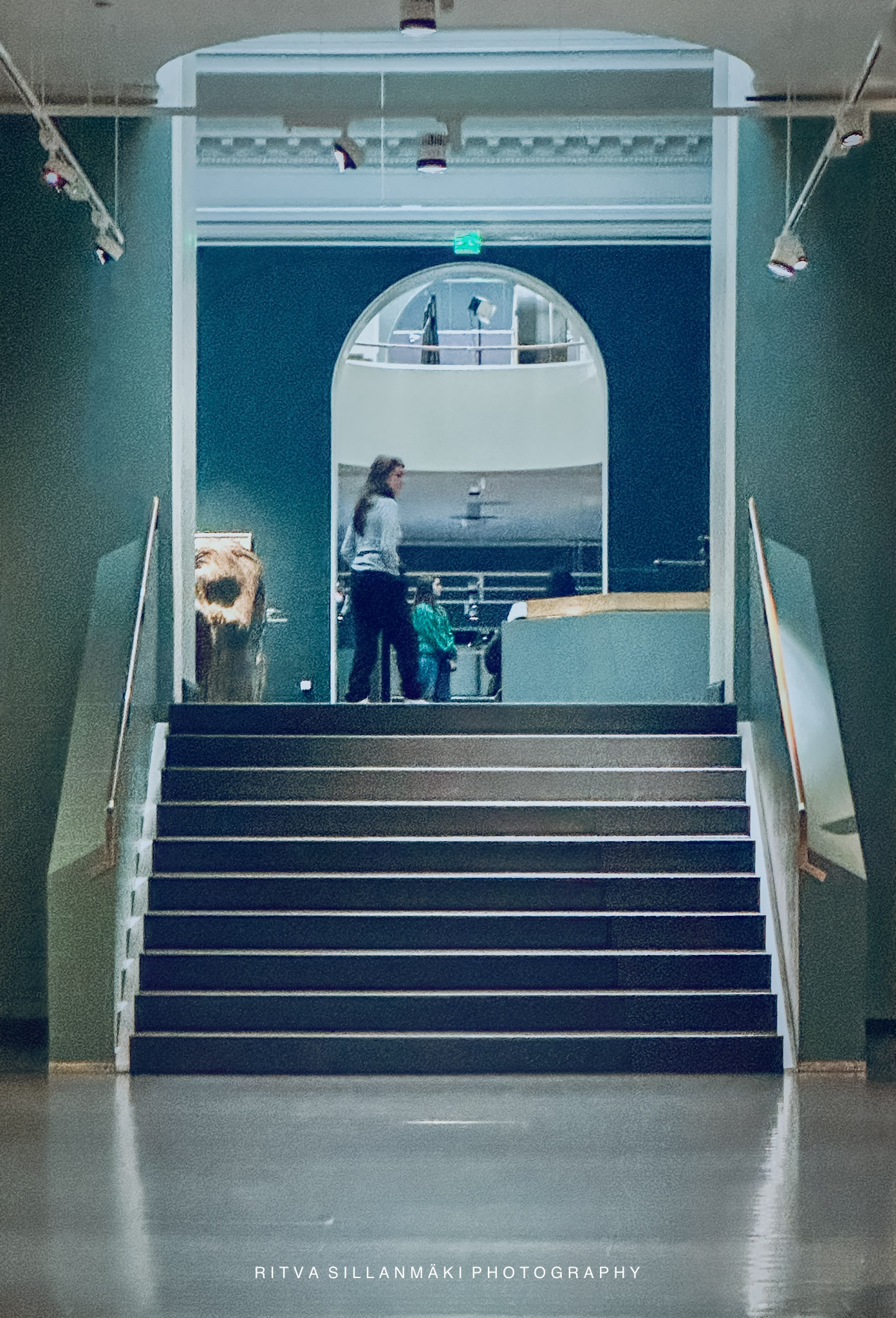
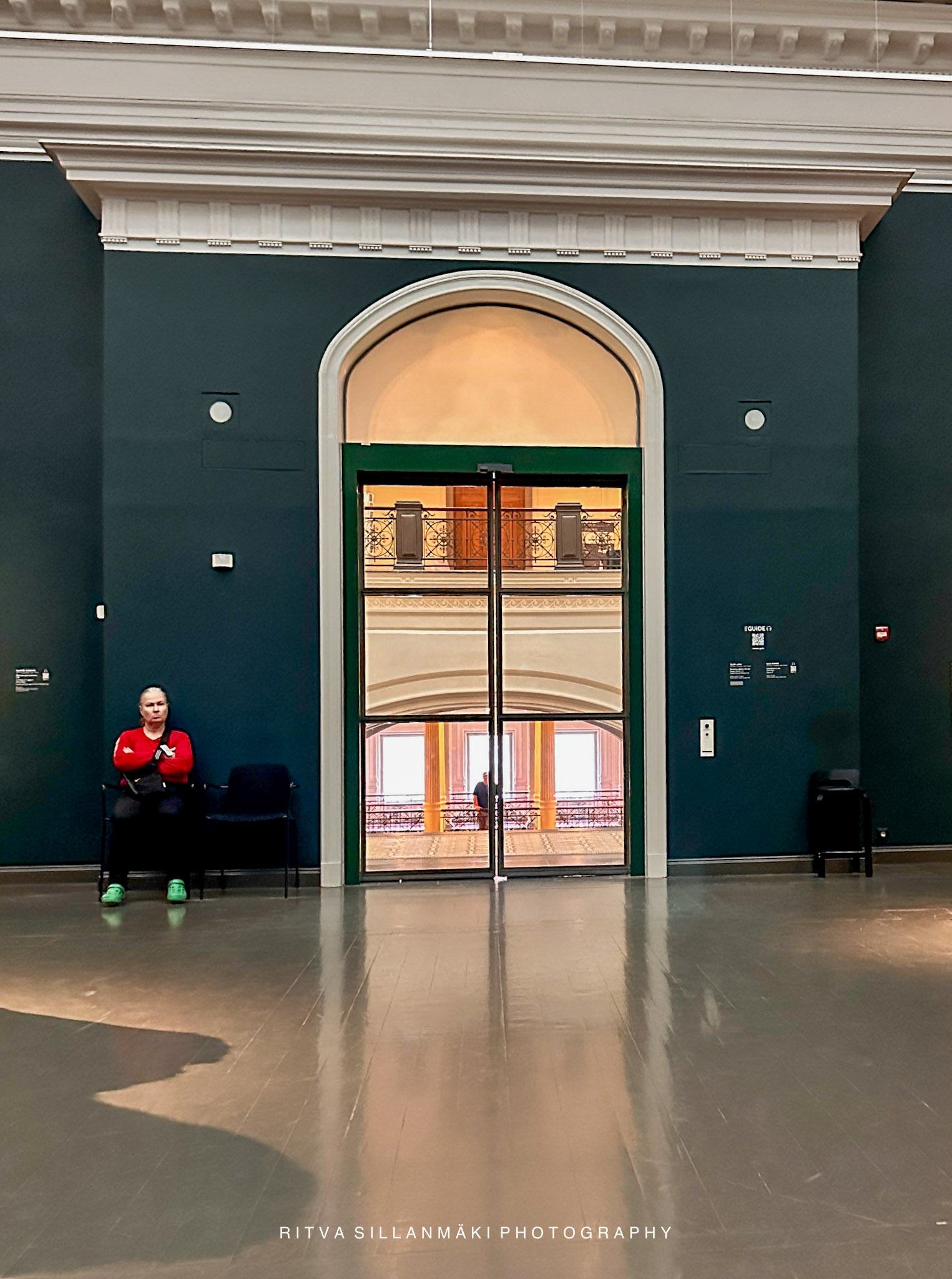
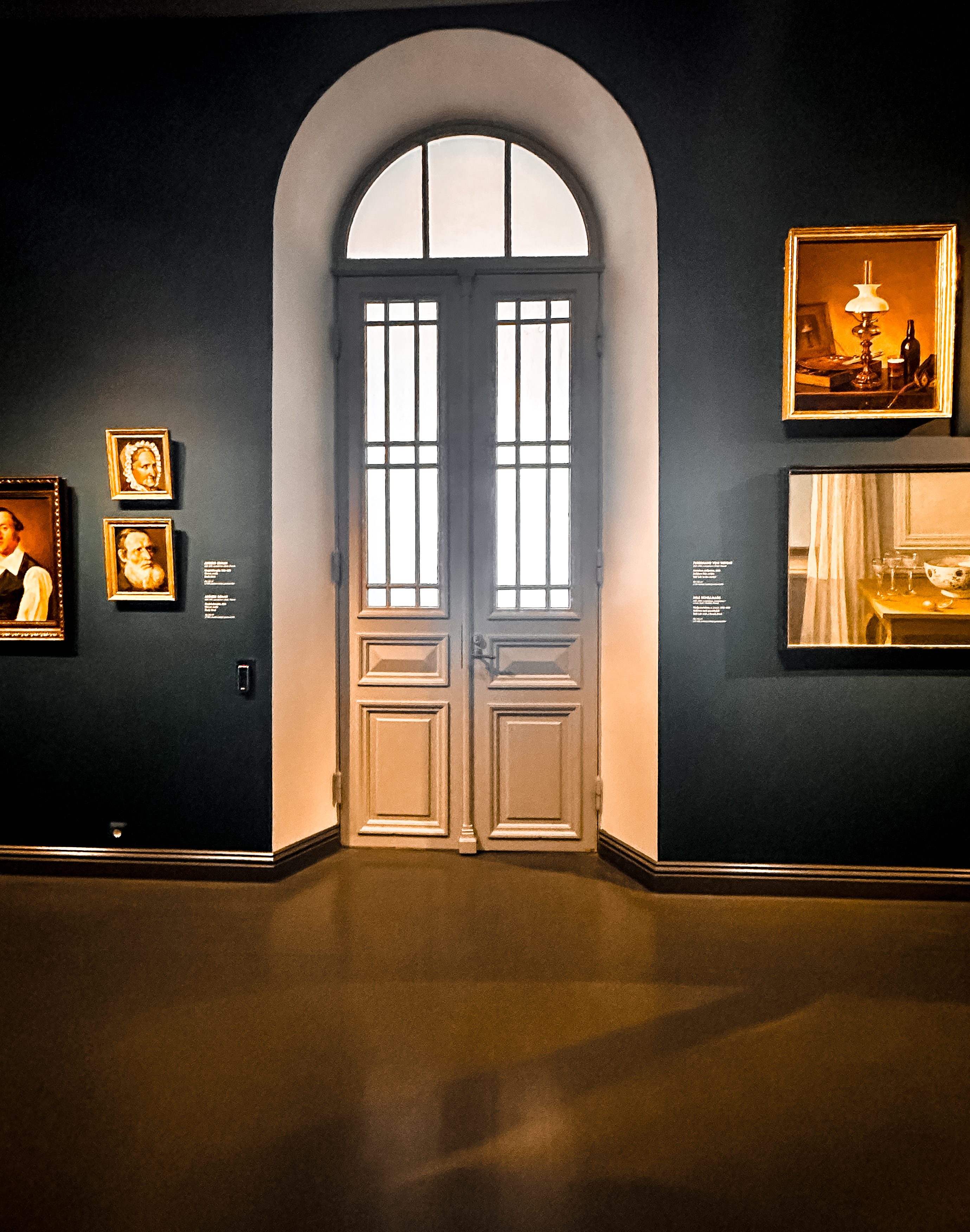
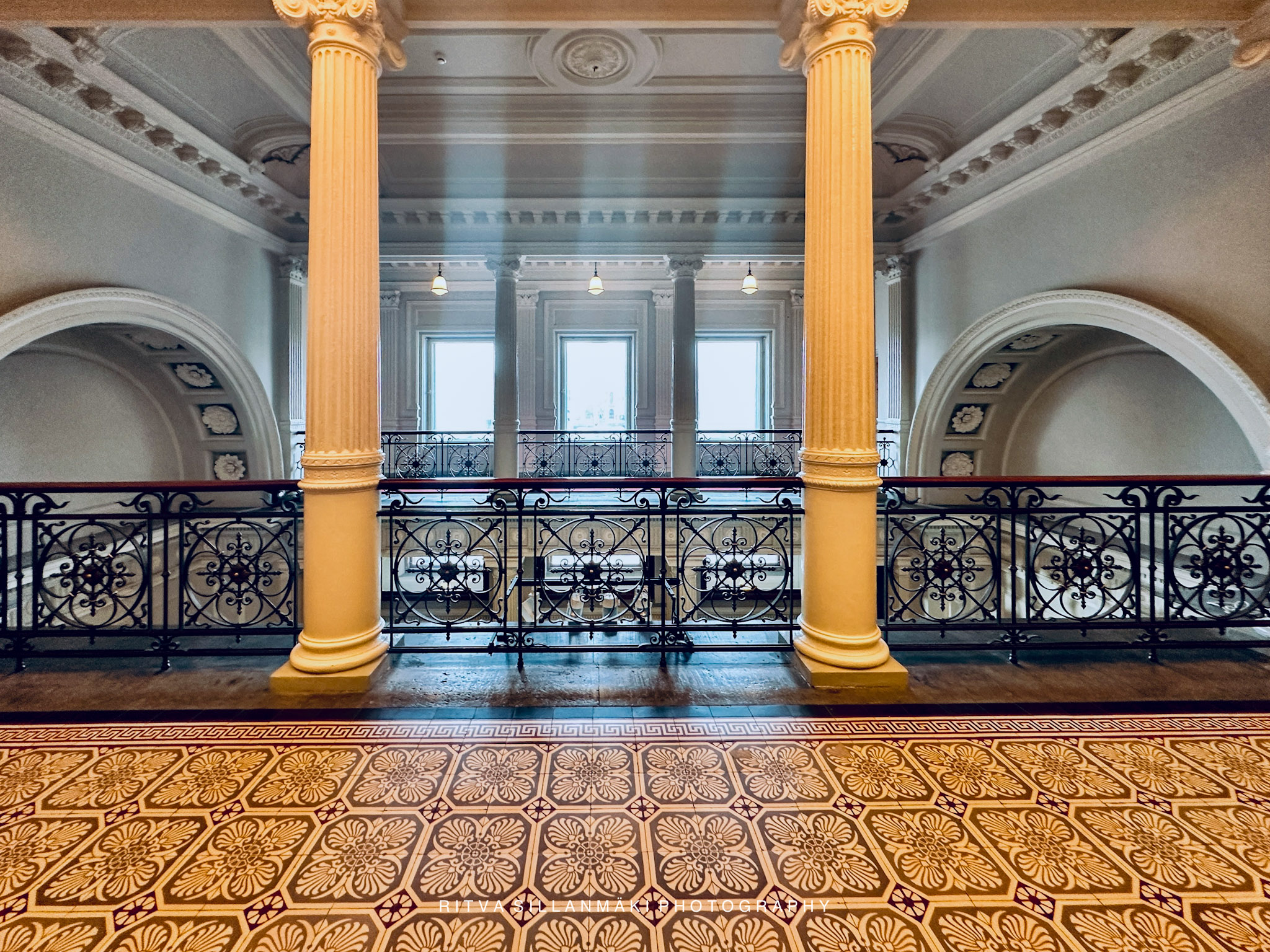
The Ateneum Museum in Helsinki, designed by architect Theodor Höijer in the Neo-Renaissance style and completed in 1887, originally served both art education and museum functions. Tall arched frames, ornate moldings, and weathered details reveal the building’s 19th-century character, while sculptural decoration adorns the façade between the upper-floor windows. These architectural elements create striking lines of light, shadow, and reflection for the camera, though the building also contains some more modern windows that mark later periods of use and renovation.
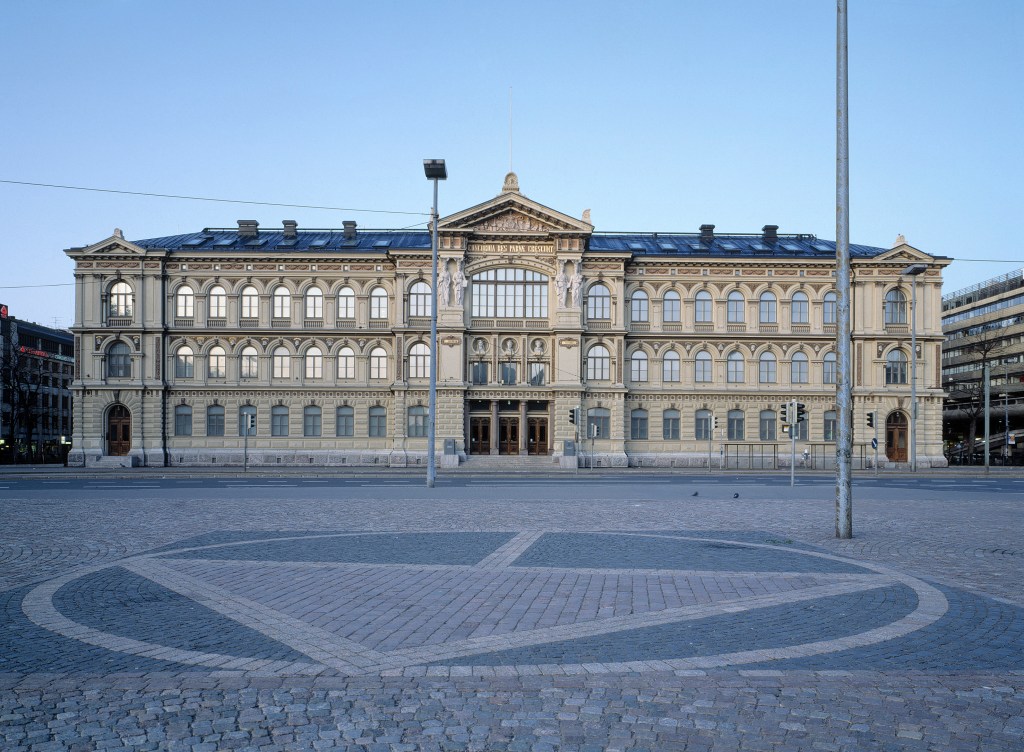
Ateneum is the most visited museum in Helsinki, I have shared photos from it before, but it does not hurt to share some of them again. The exterior shot is not mine, I’ve given credit were due,
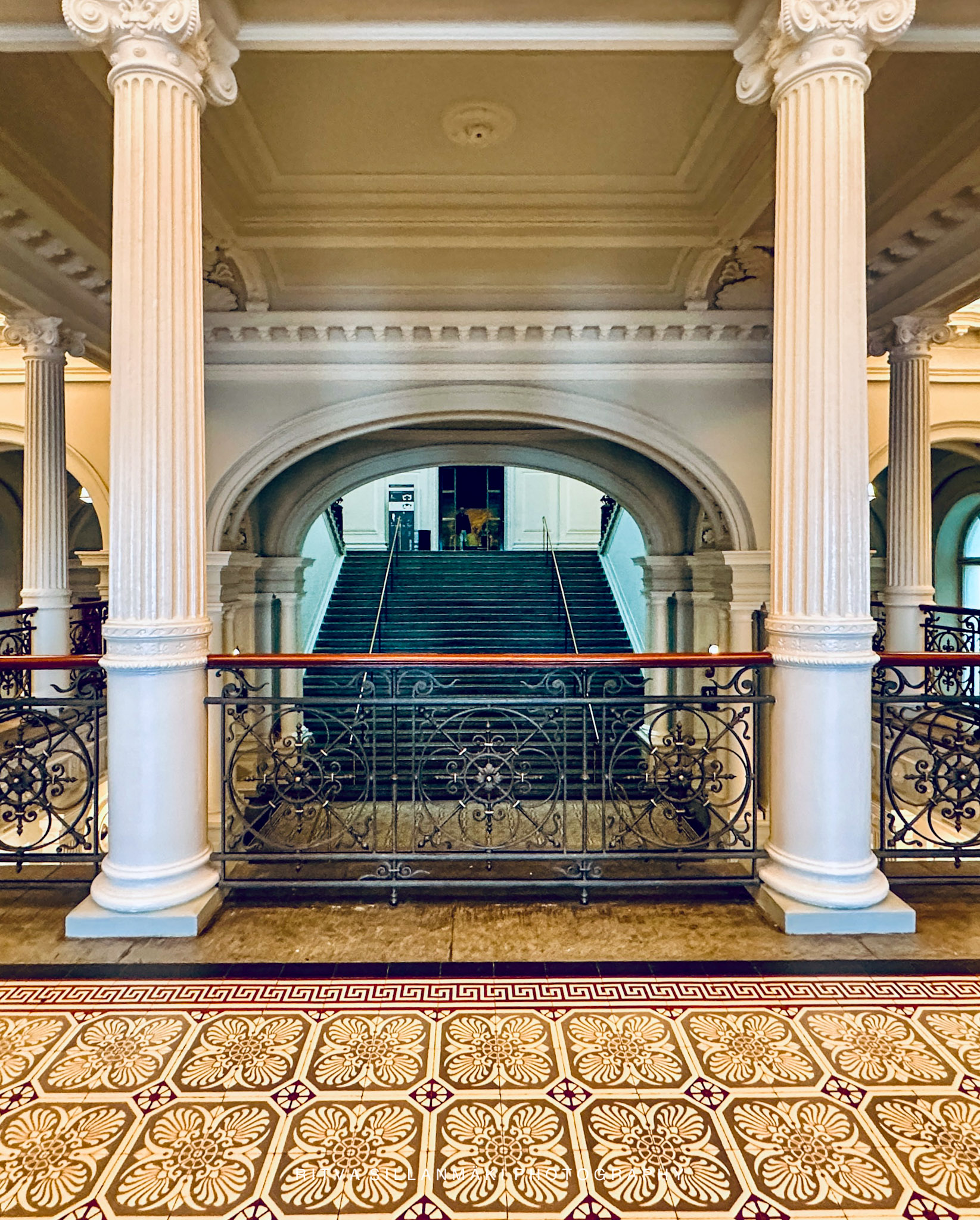
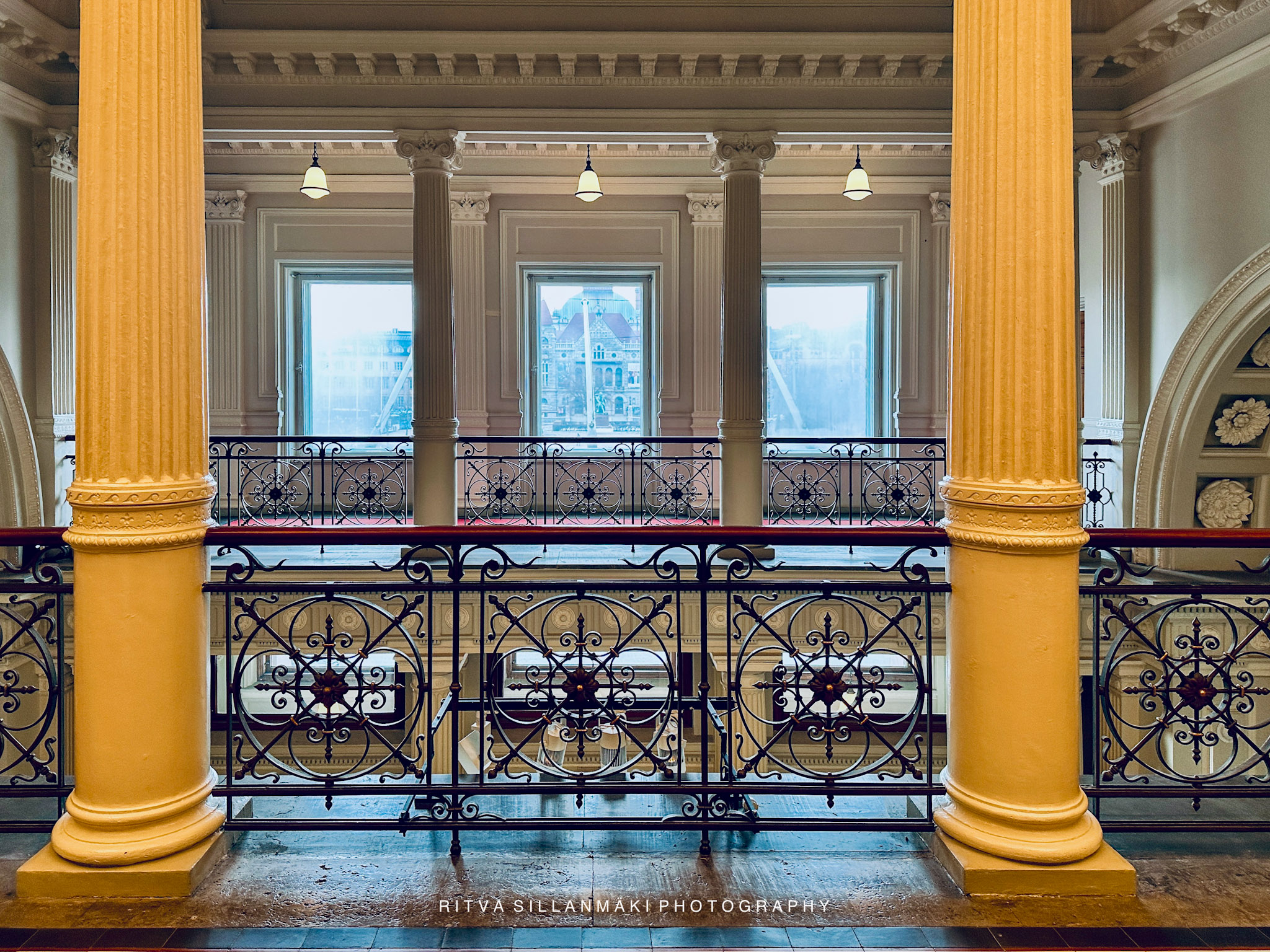
Dans Thursday Doors
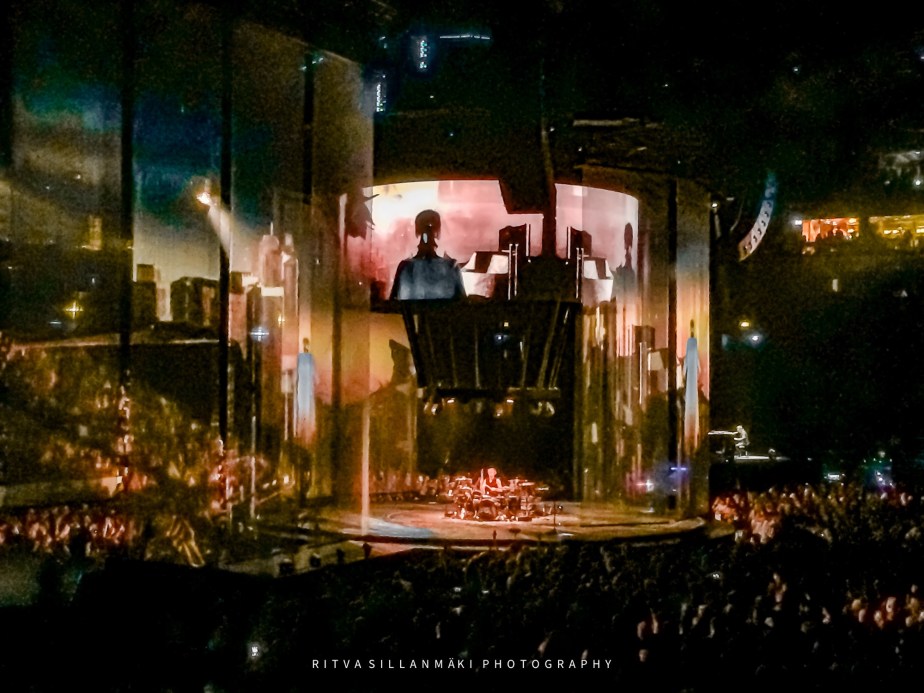
Get ready to rock ’n’ roll—it’s time for some music! Don’t stress, you don’t need to know your Beyoncé from your Beethoven to join in this challenge. Whether it’s a street artist down the street, local band or a world‑famous rockstar on stage, this challenge is all about capturing the energy, excitement, and emotion of live music—or anything connected to it. Think instruments, the crowd, listeners, and most importantly, the emotions and feelings that music sparks in us all. Fun, peace, happiness, comfort when times are tough—music brings us together and lifts our spirits. A great photo should try to bottle a little bit of that magic.
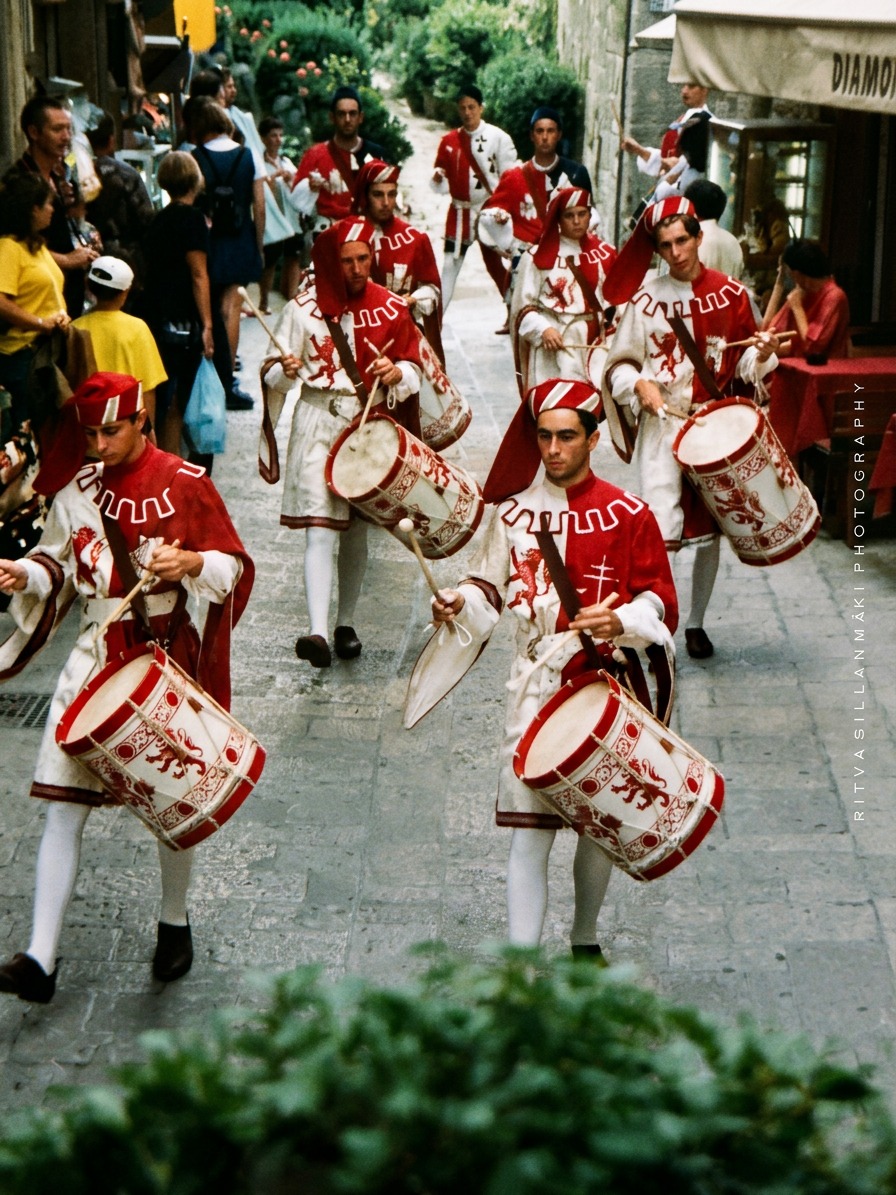
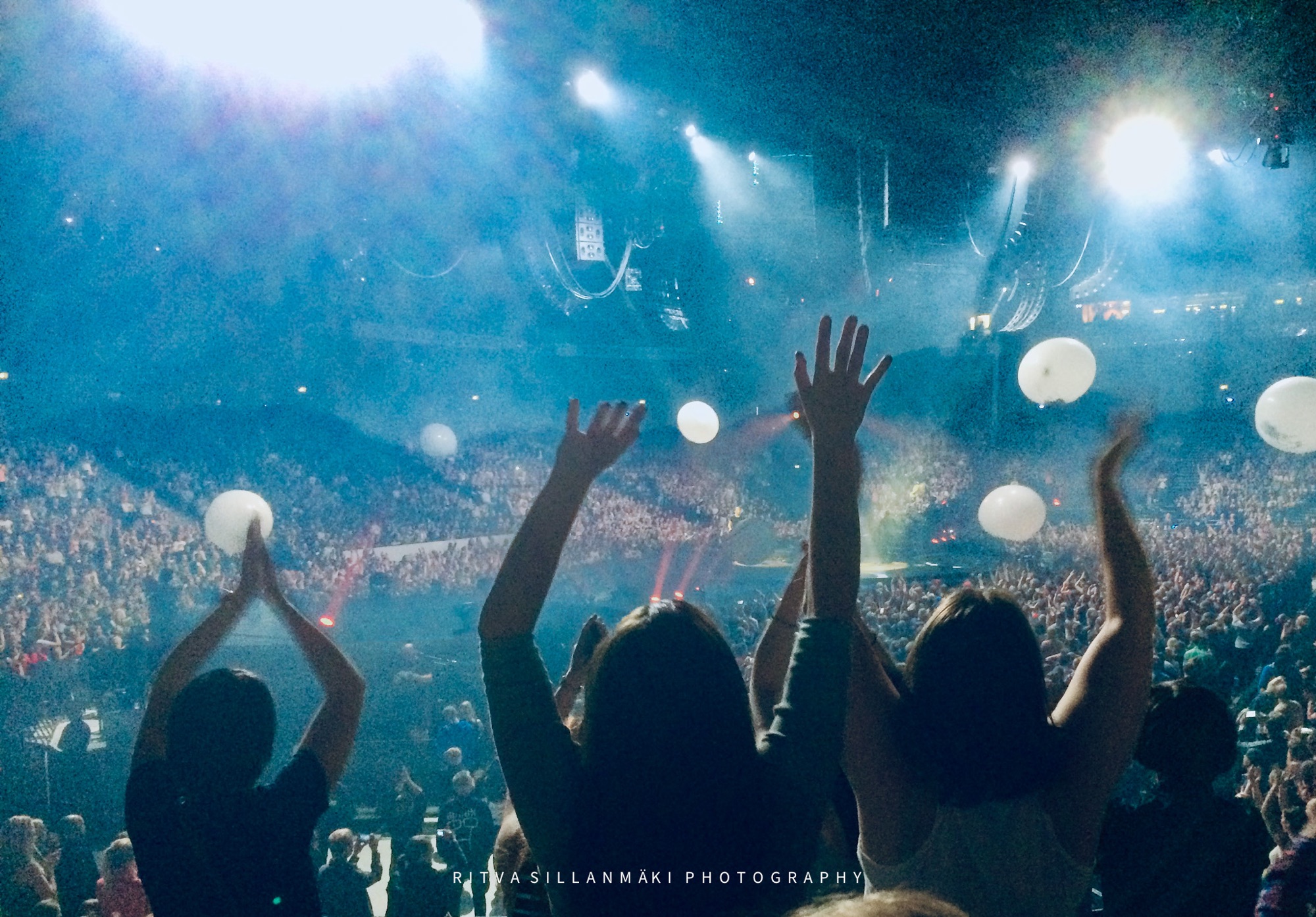
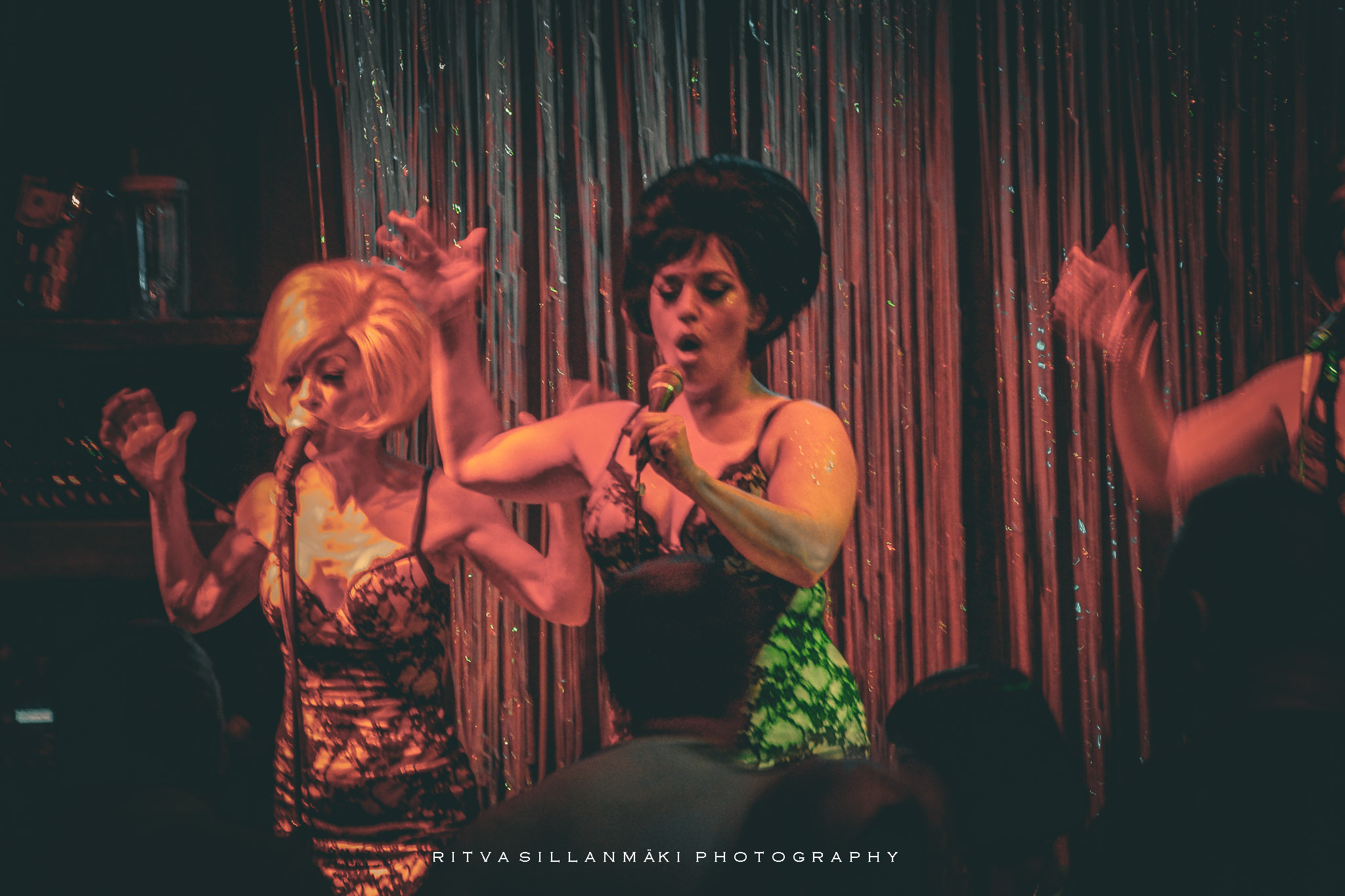
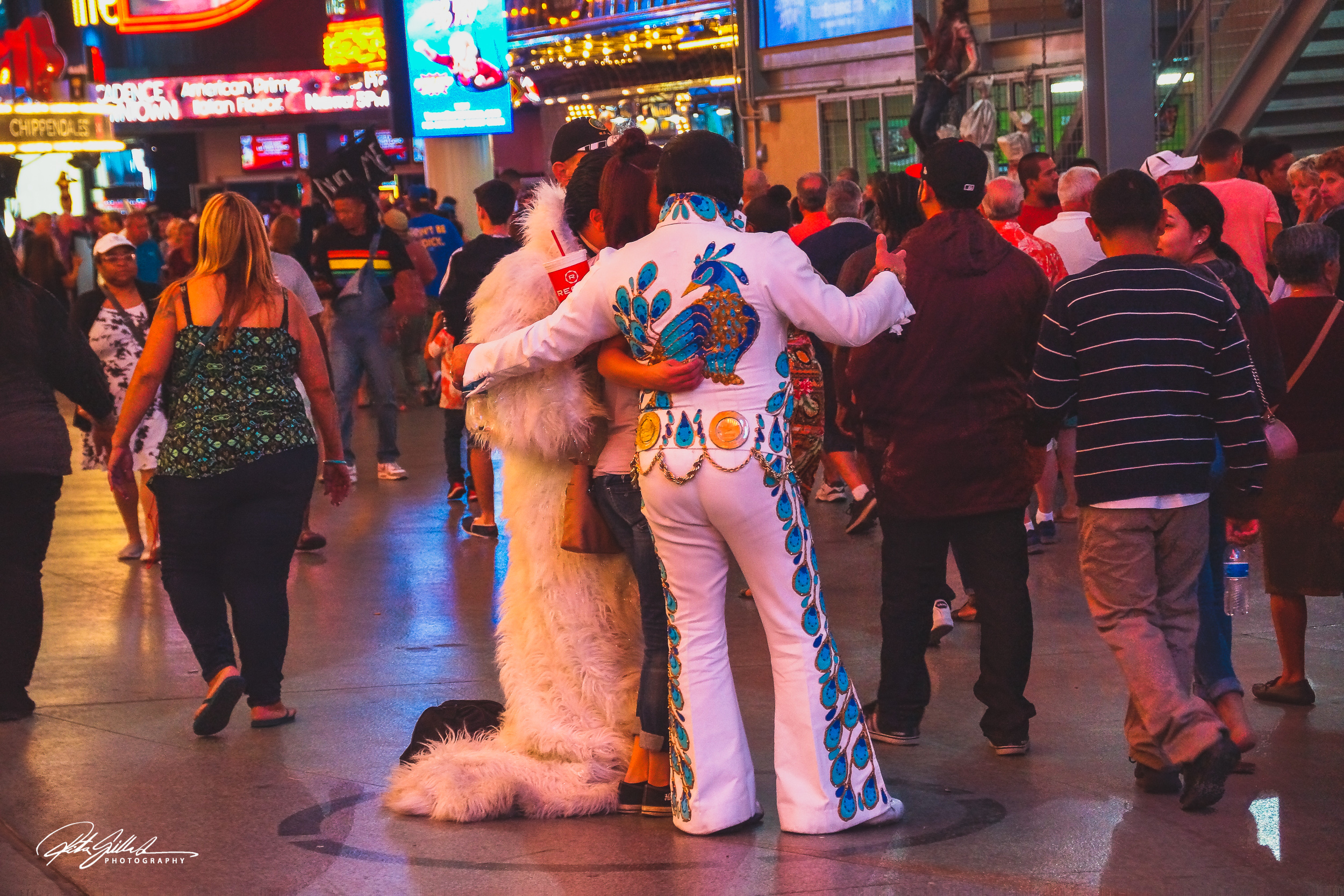
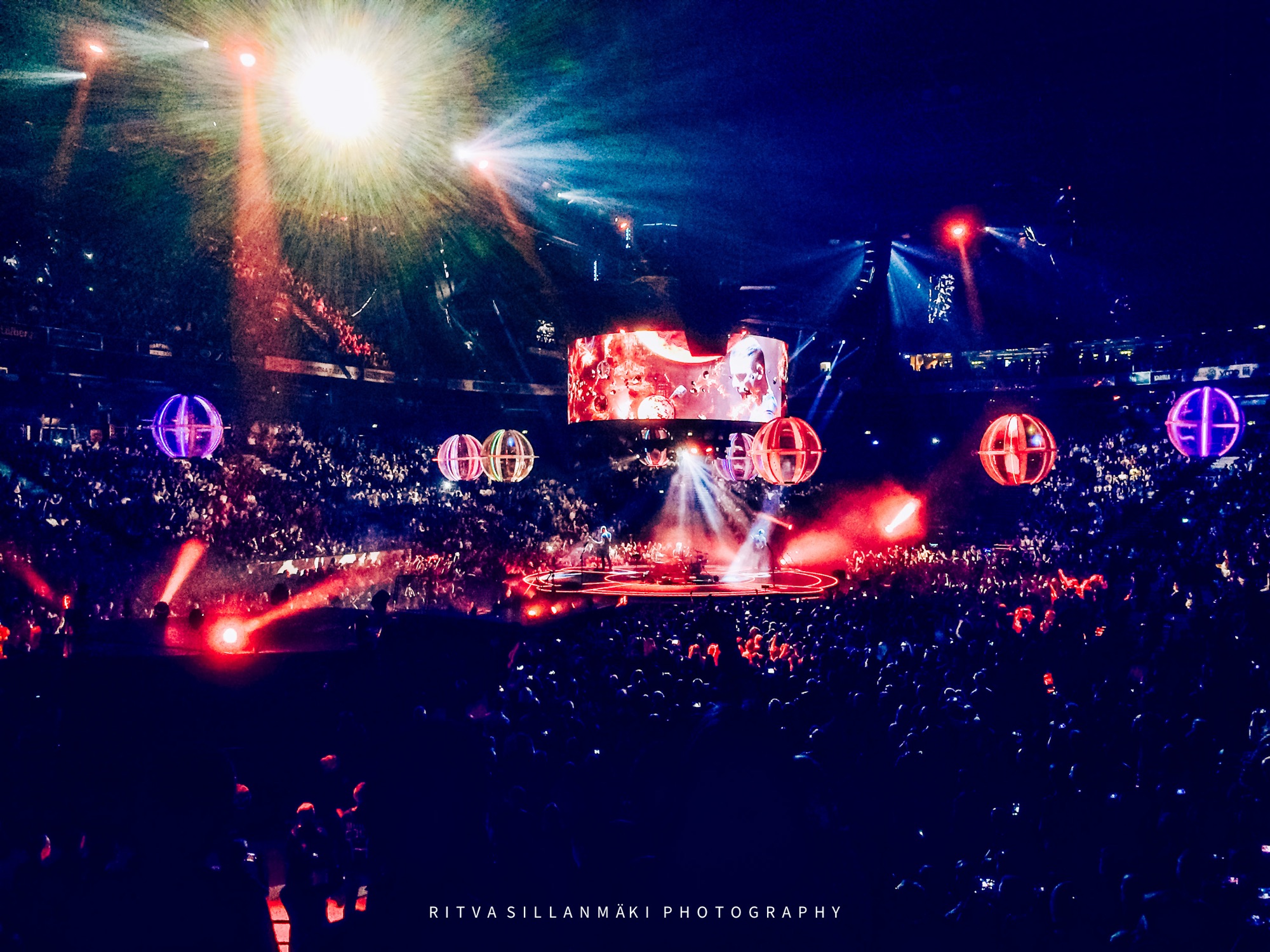
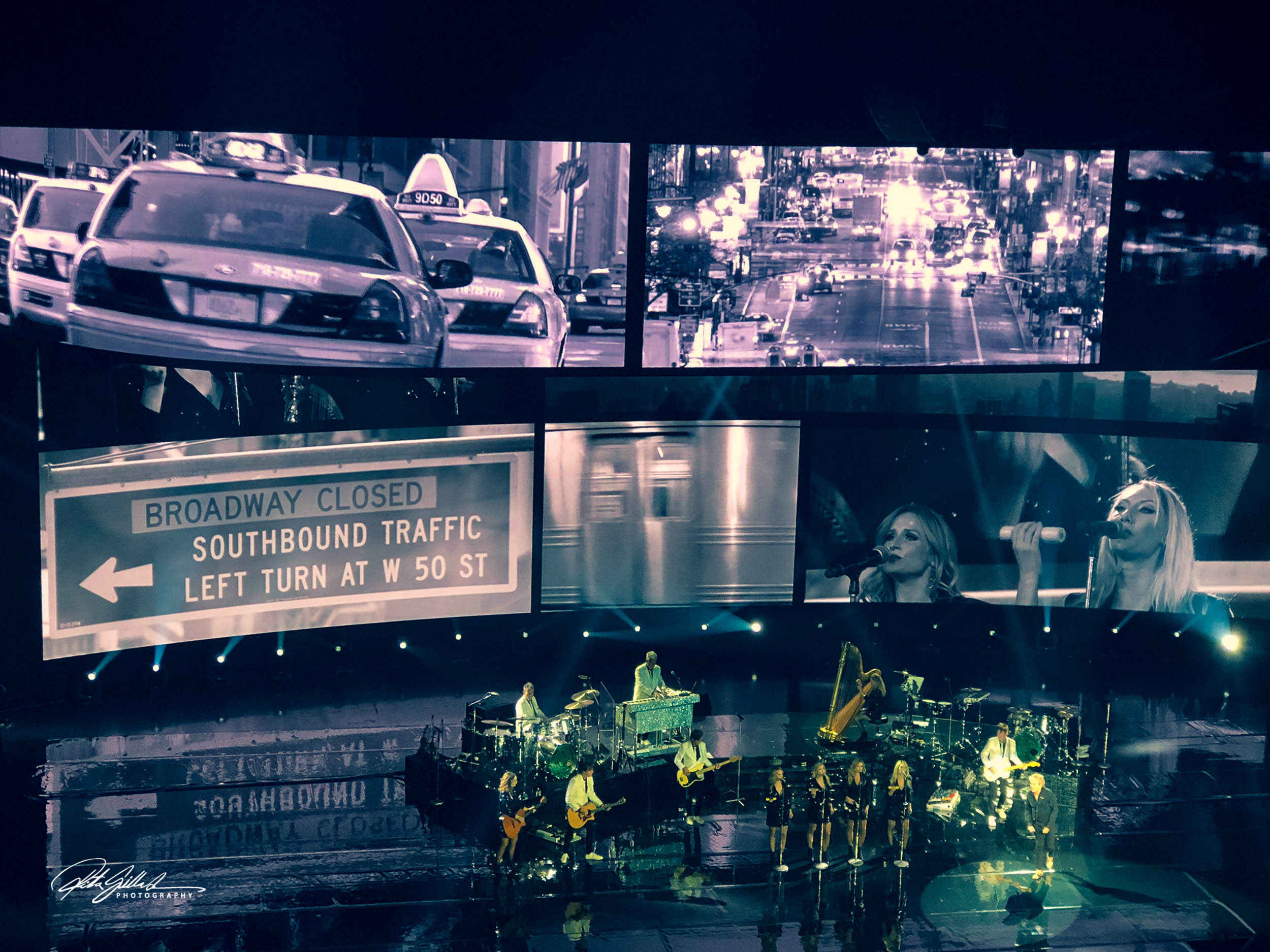

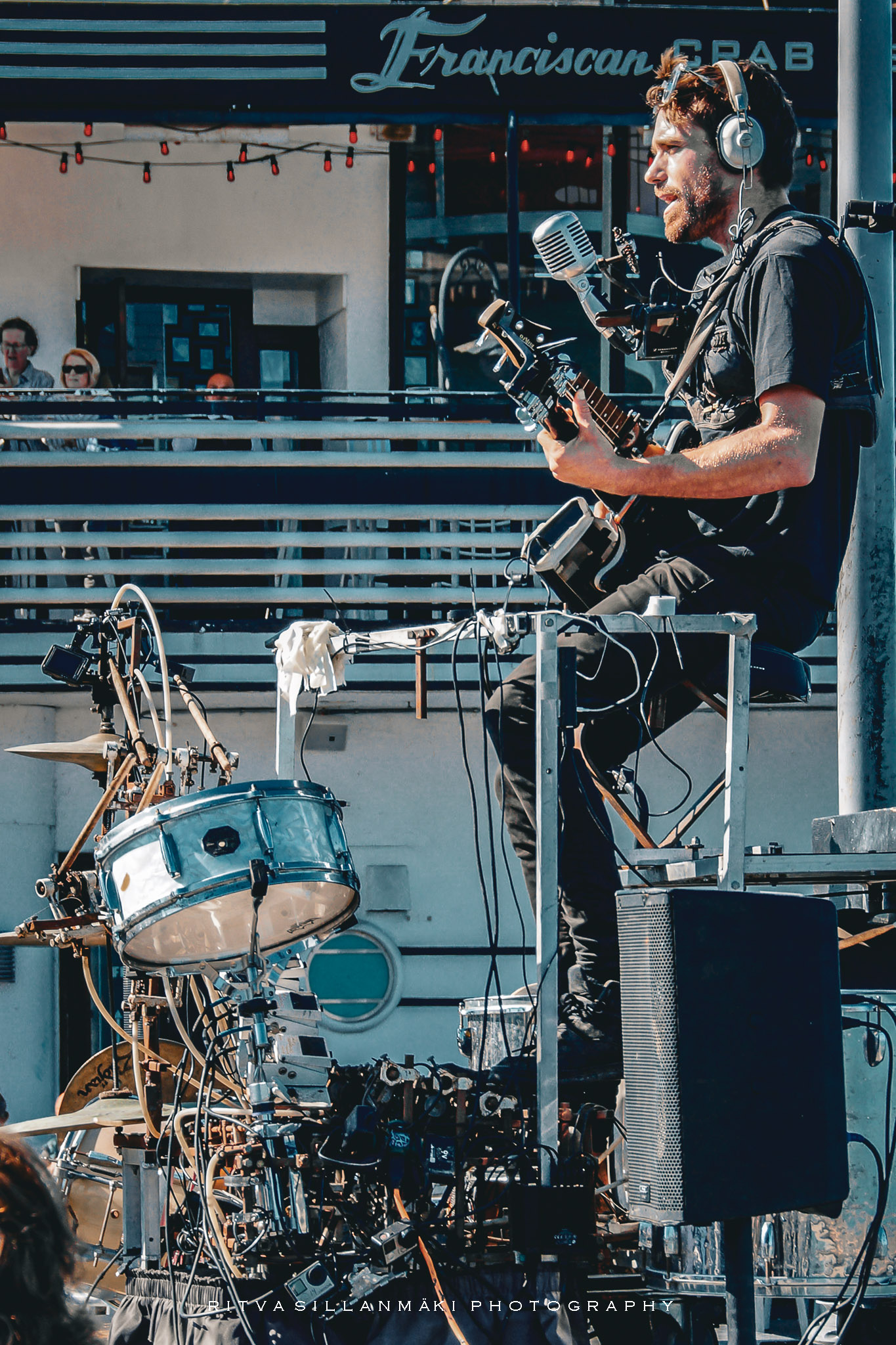
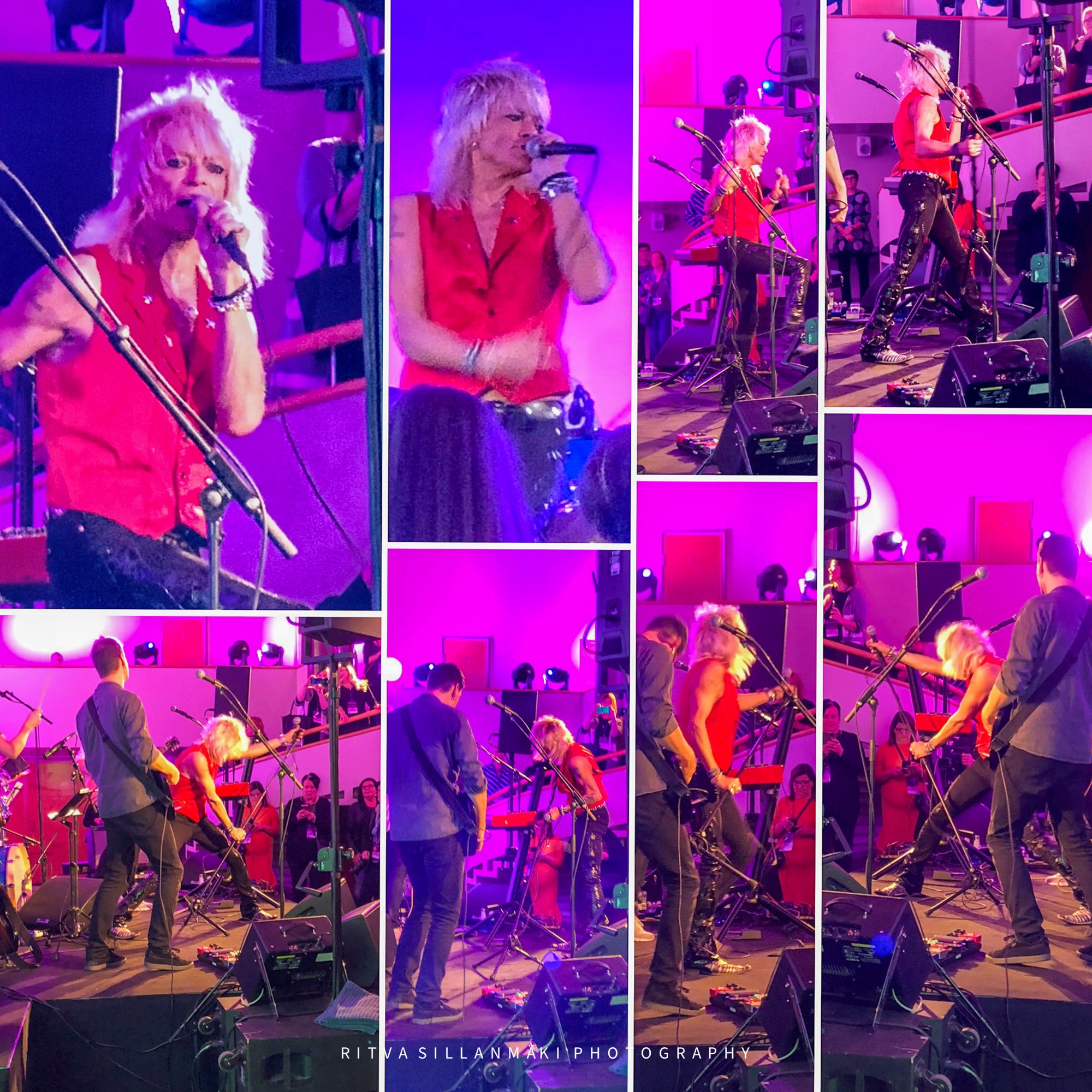
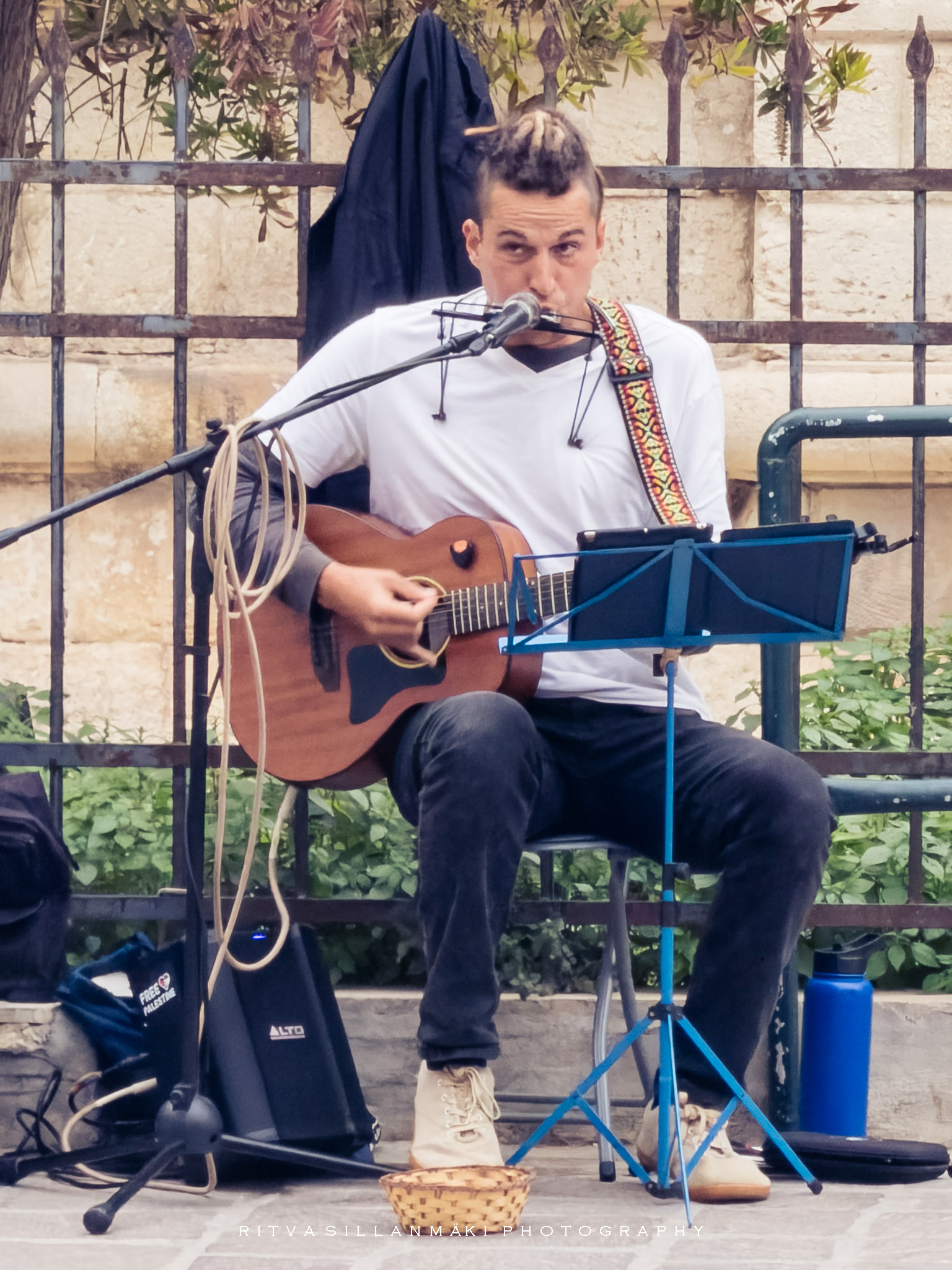
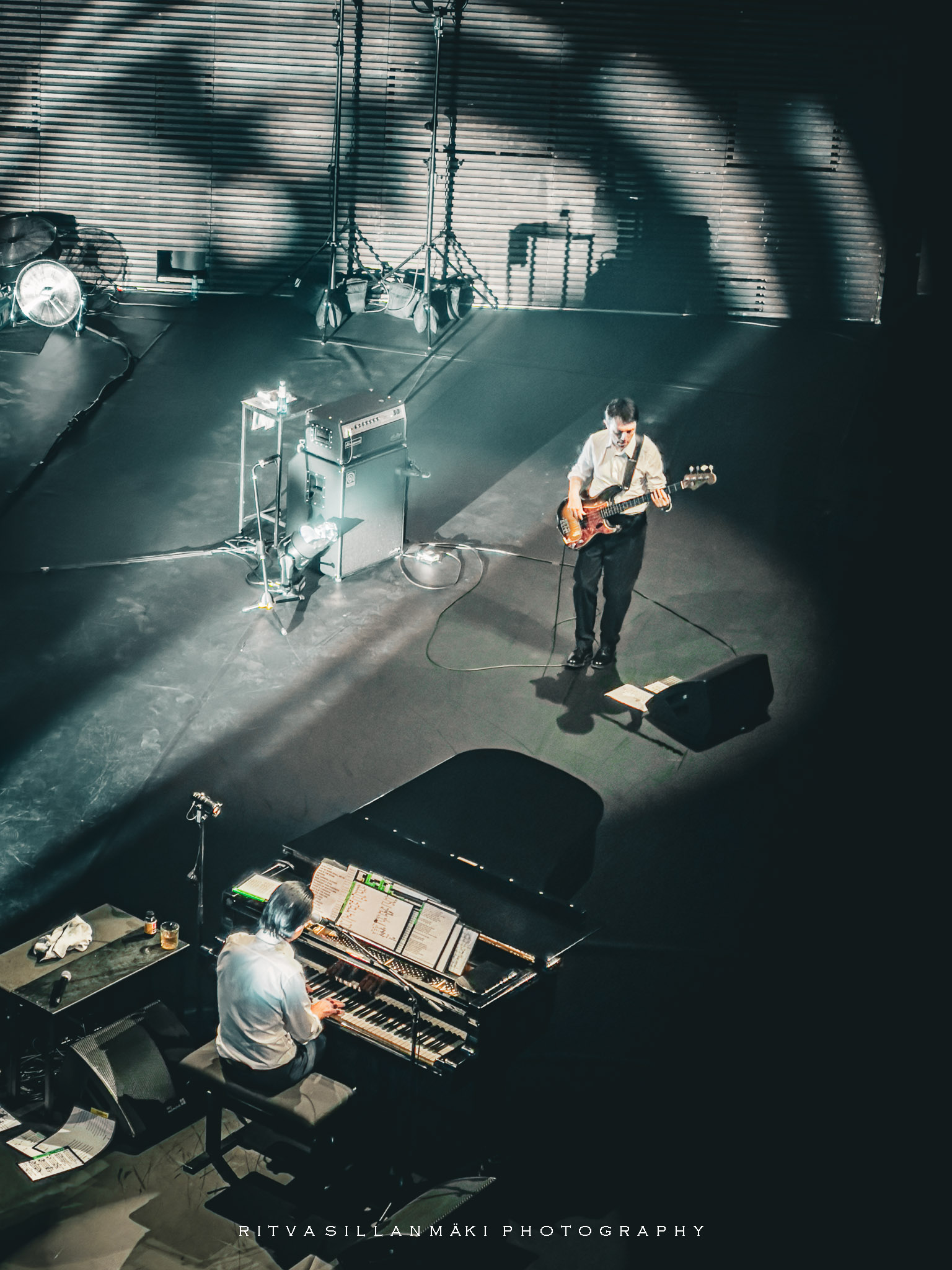
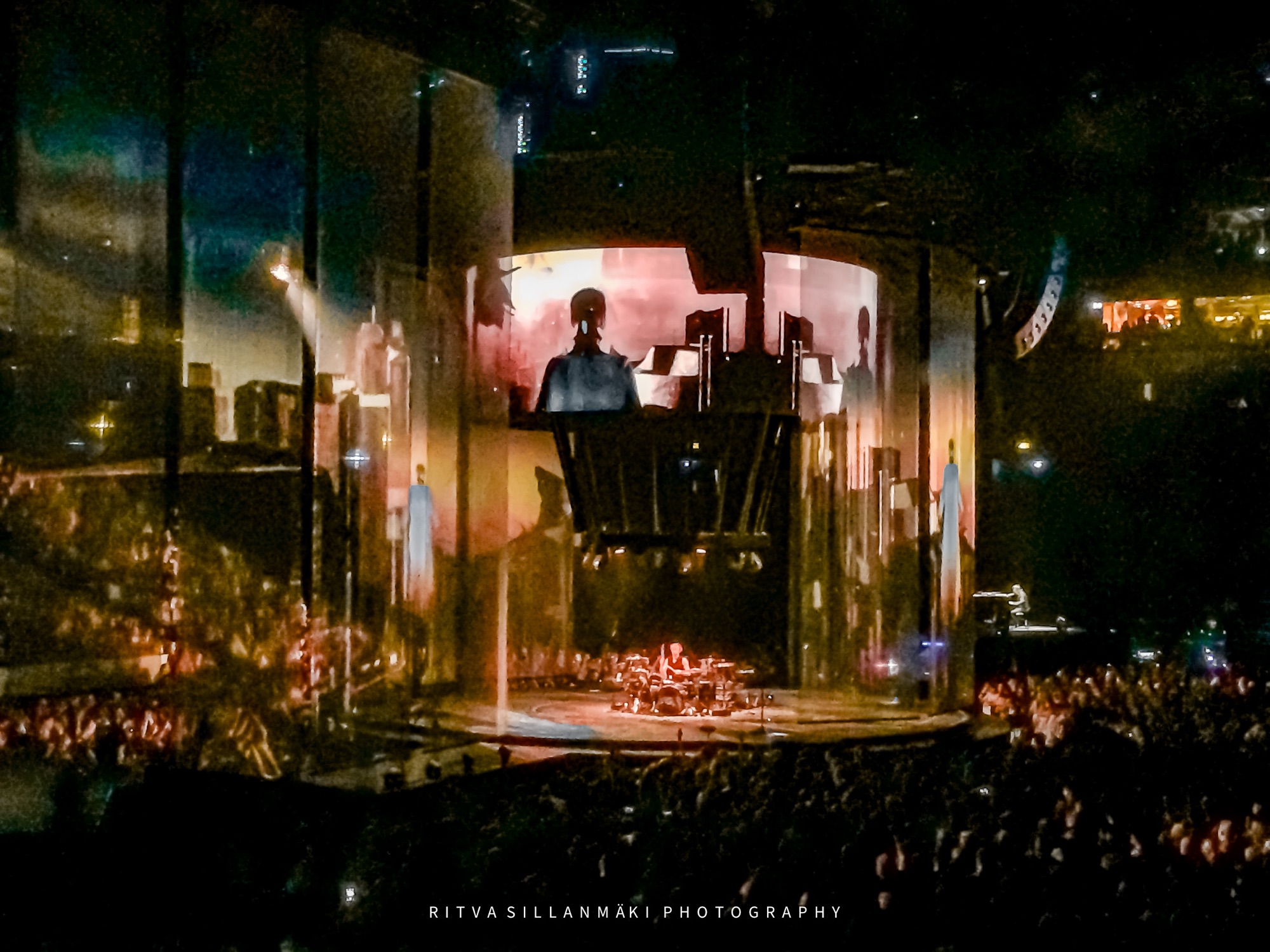
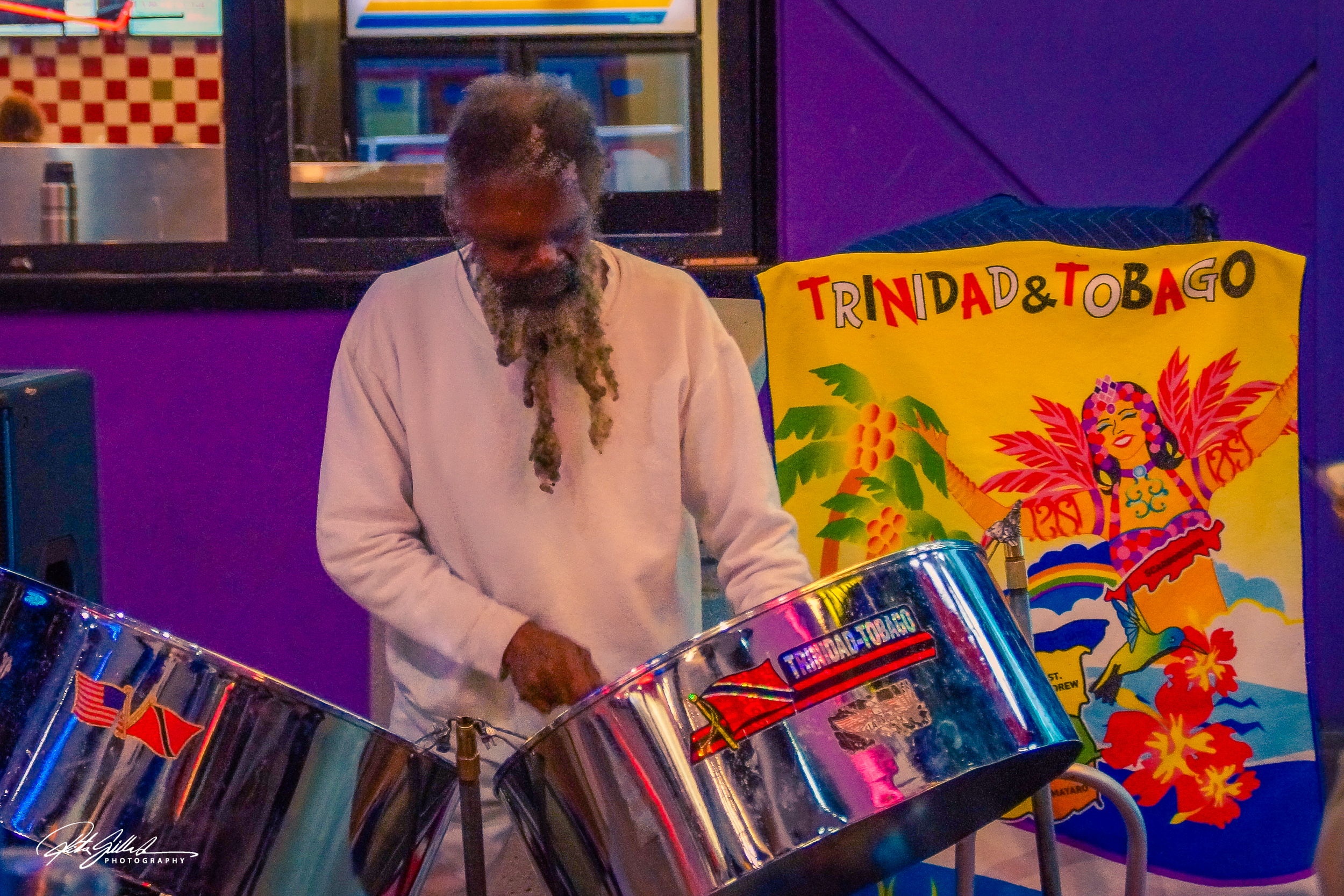
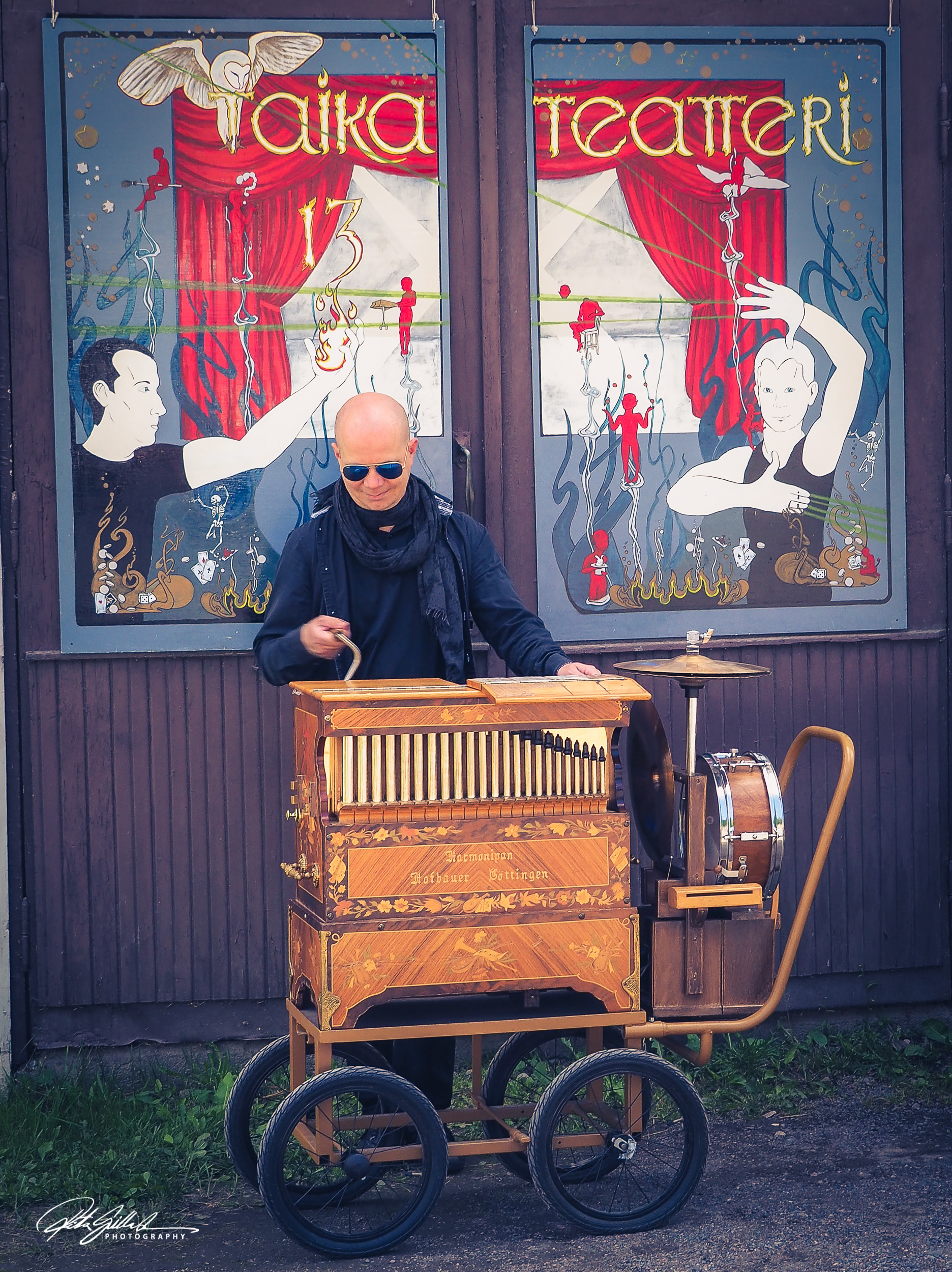
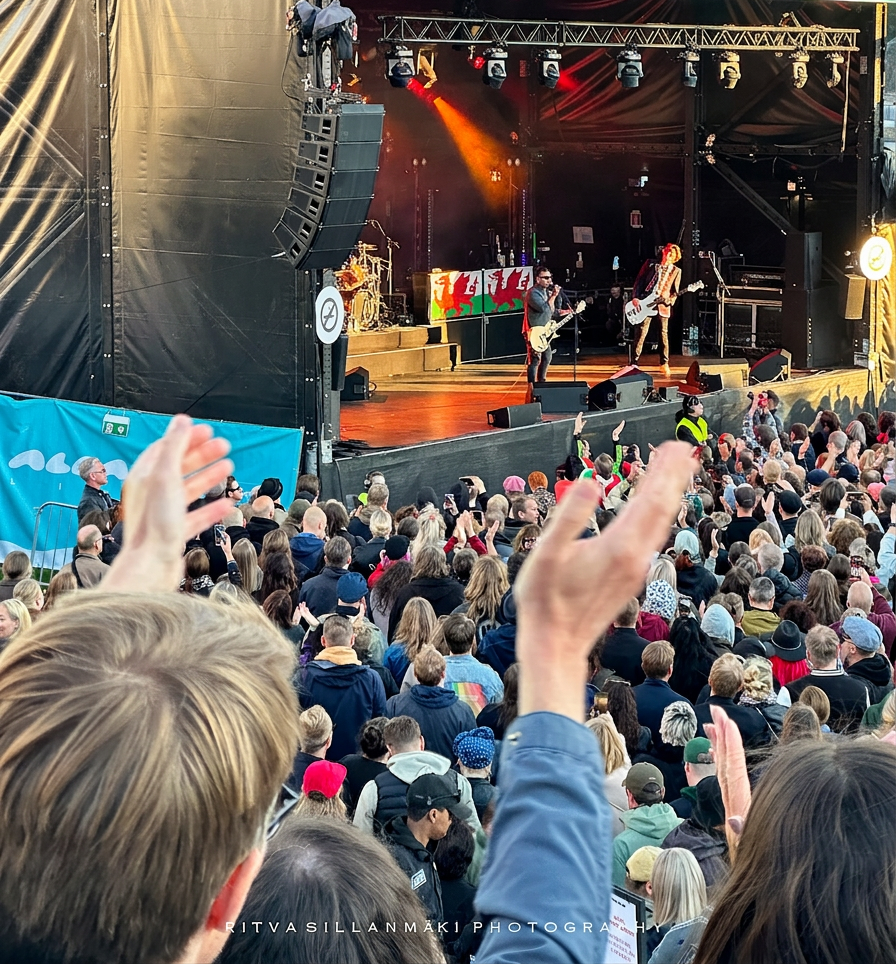
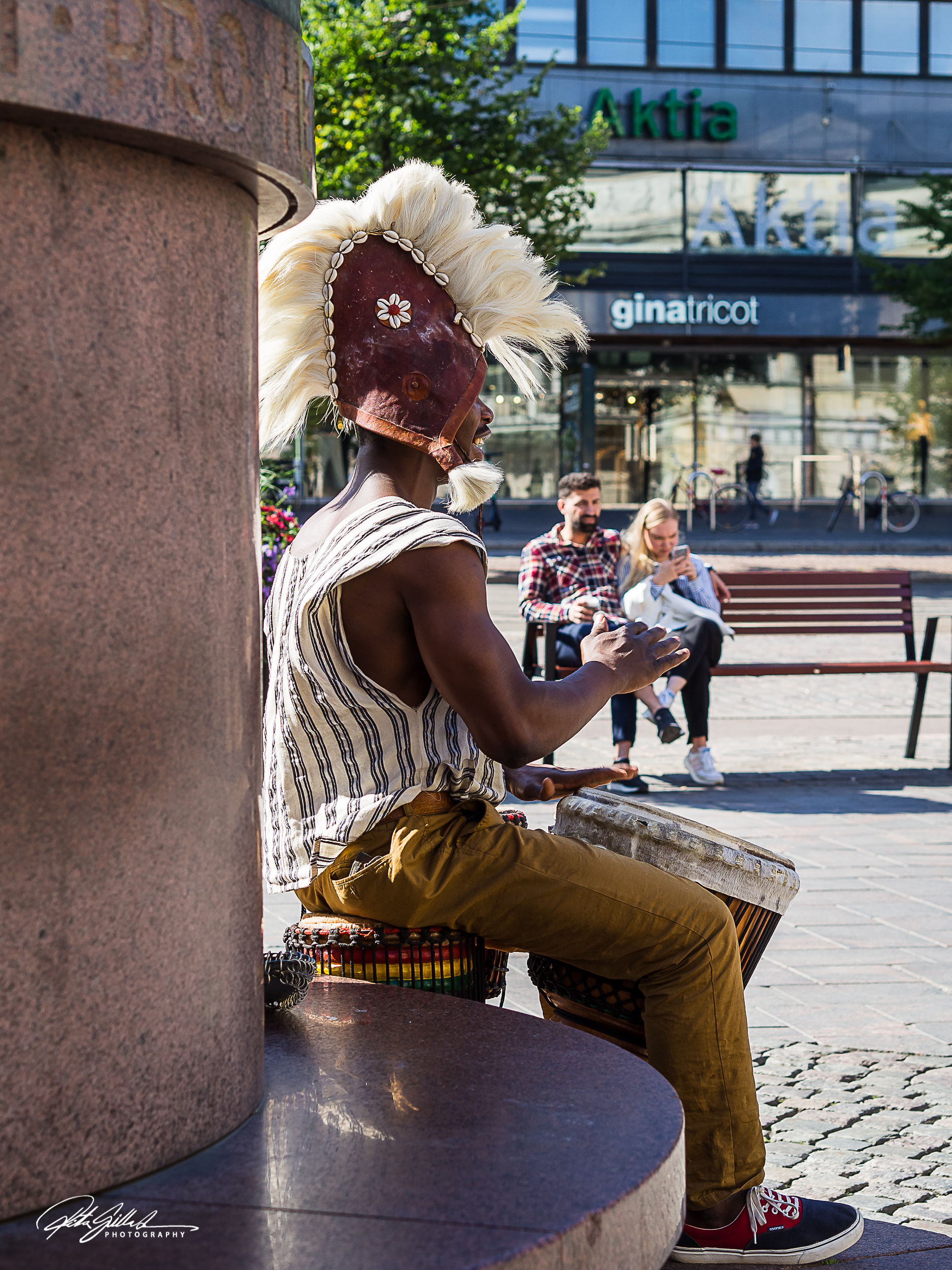
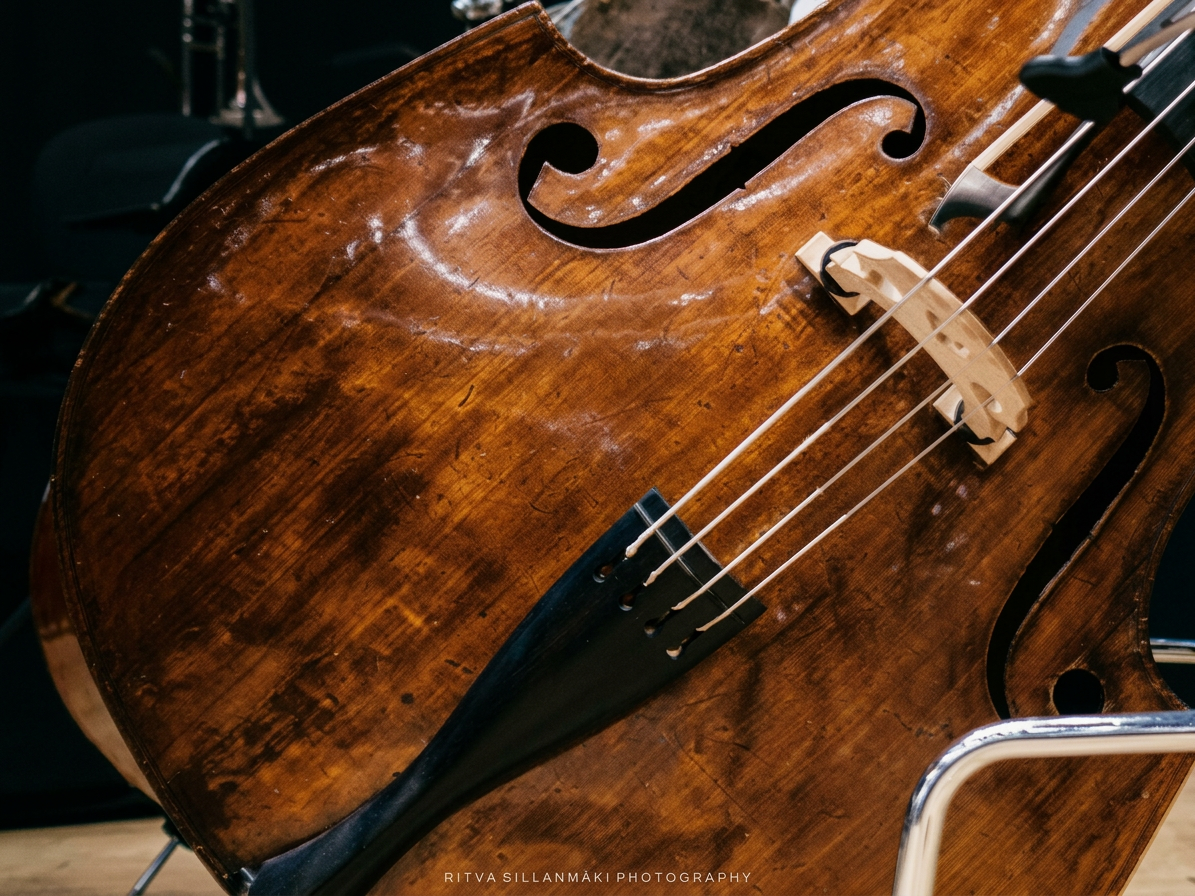
Now for the fun part – just roll with the theme! You can shoot in black and white, color, with flash or without, from the middle of the crowd or right up close with the performers. Focus on the musicians, the audience, the lights, or any little detail that grabs your attention. The main thing is to let your creativity loose and capture a moment that really shows the spirit of the music. It doesn’t need to be fancy, either – it could be a macro of part of an instrument, or someone zoning out with their headphones on. Music and photography are both creative playgrounds – show us how you mash them together.

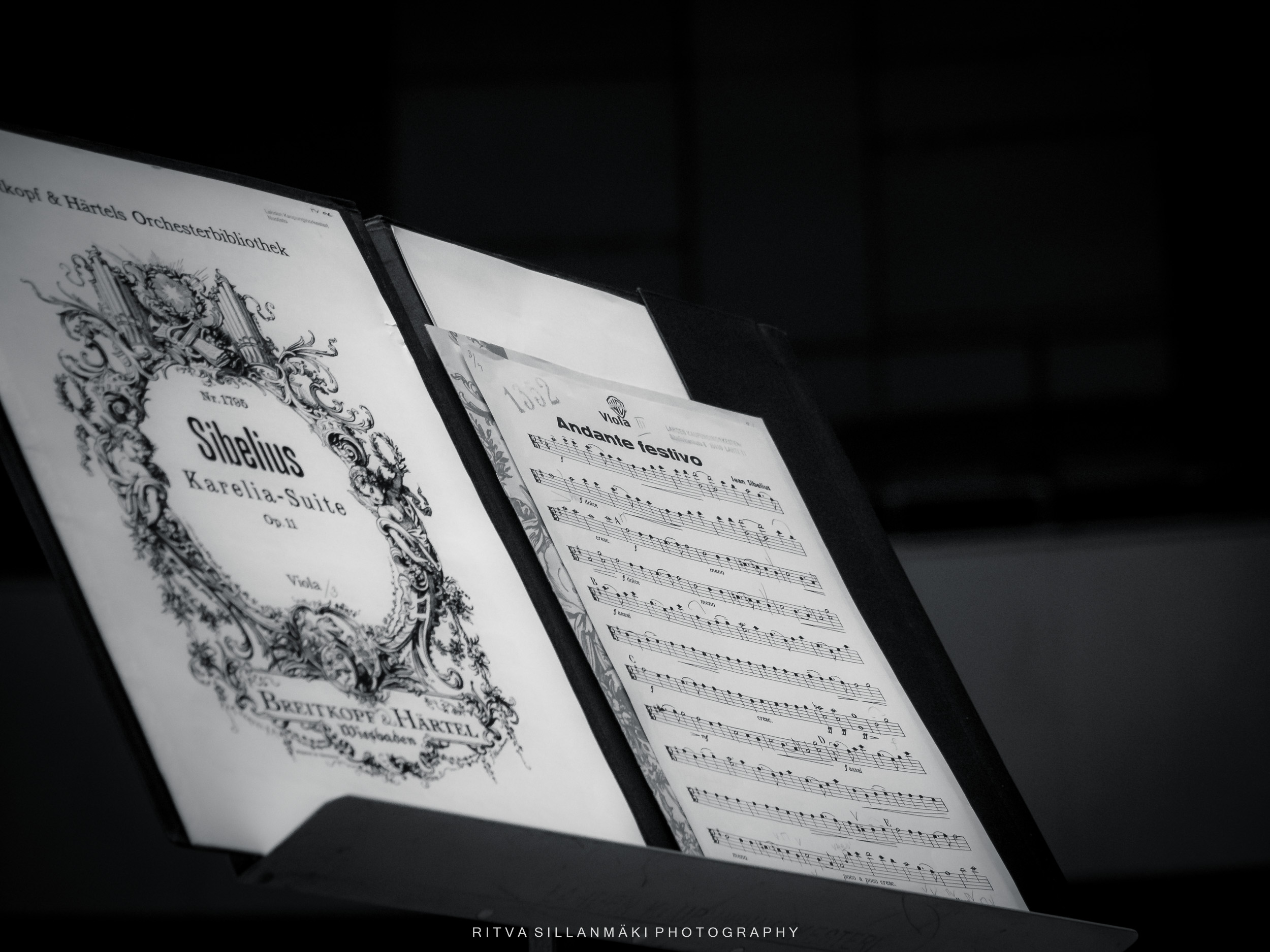
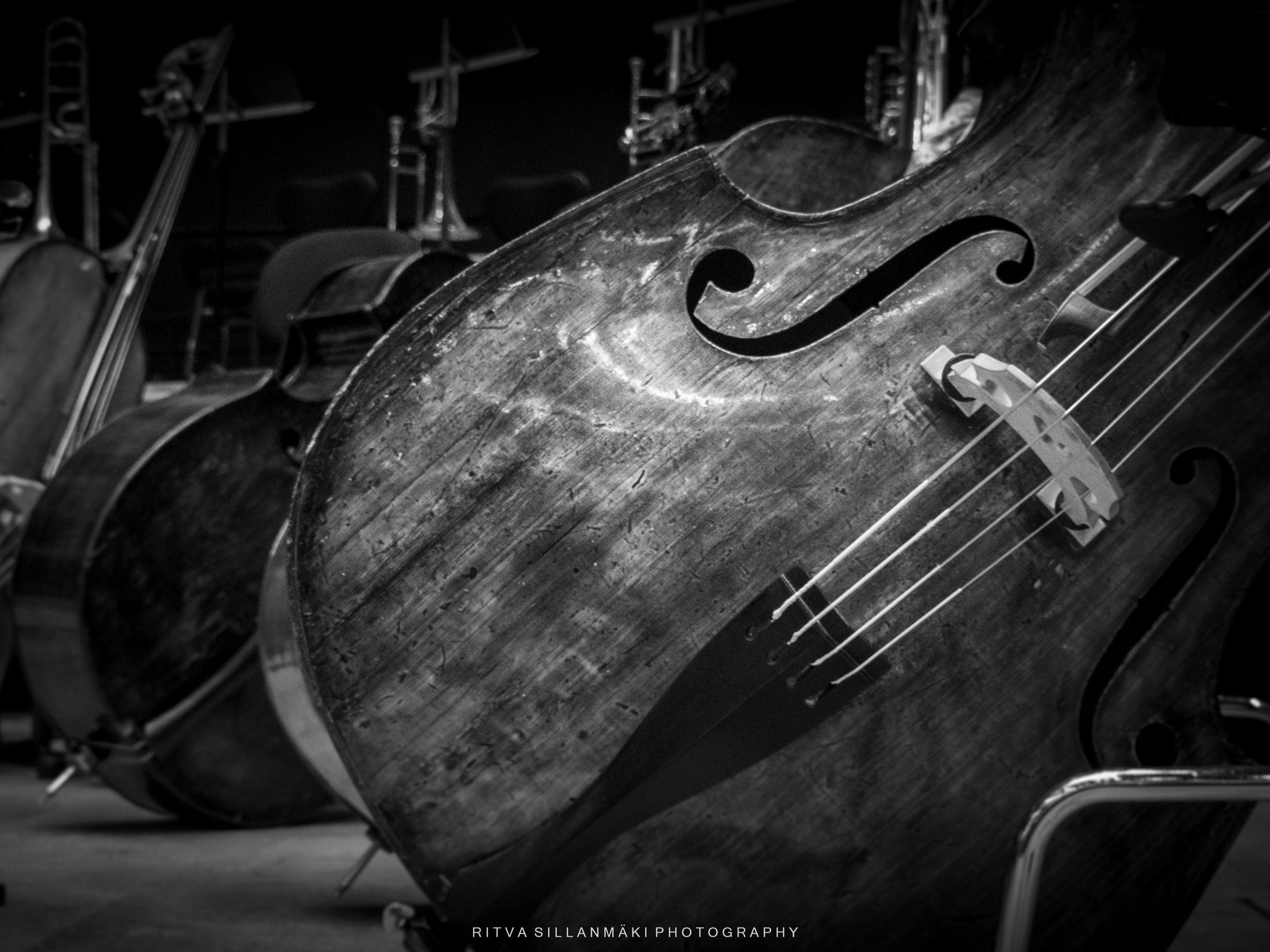
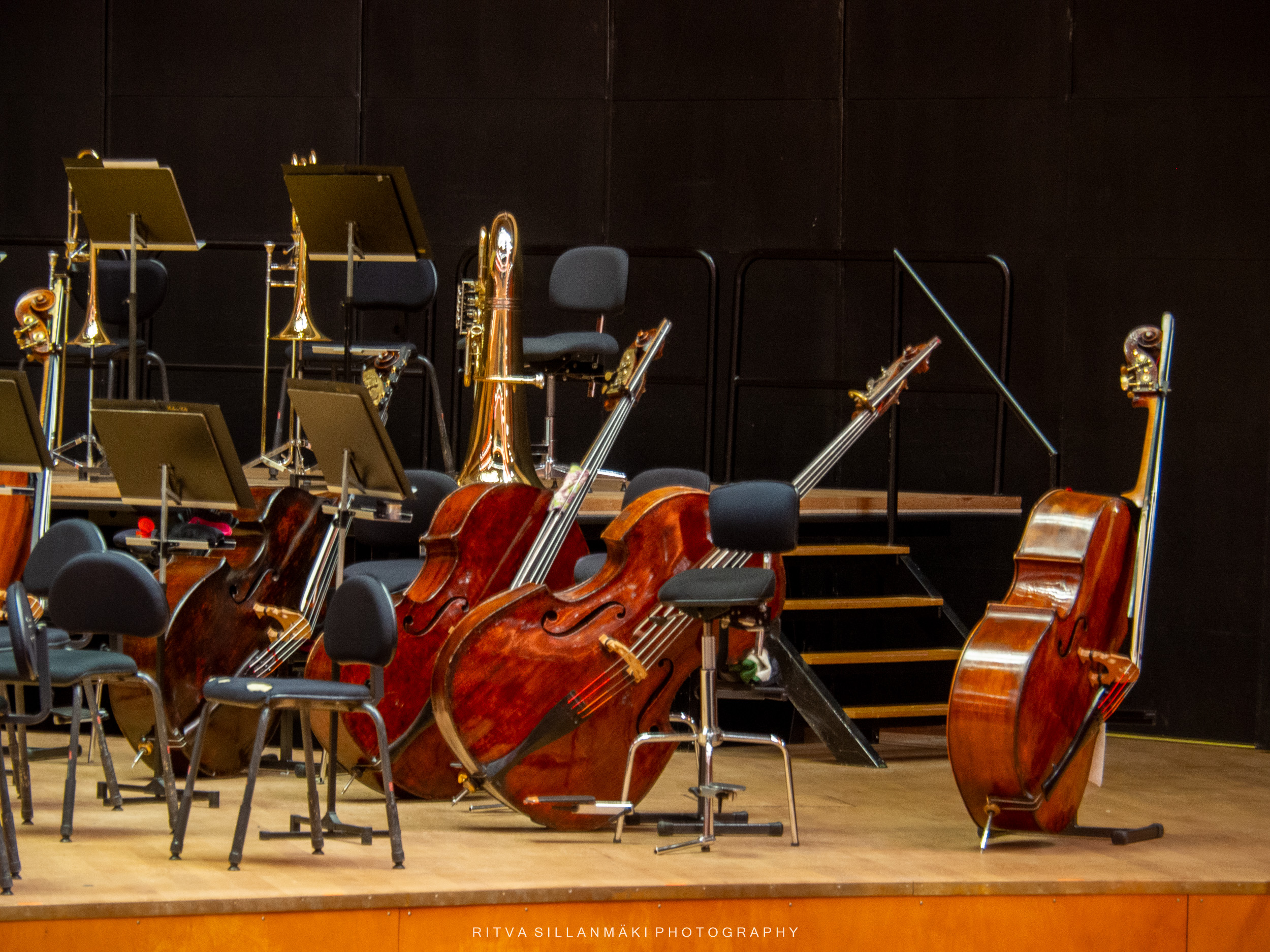

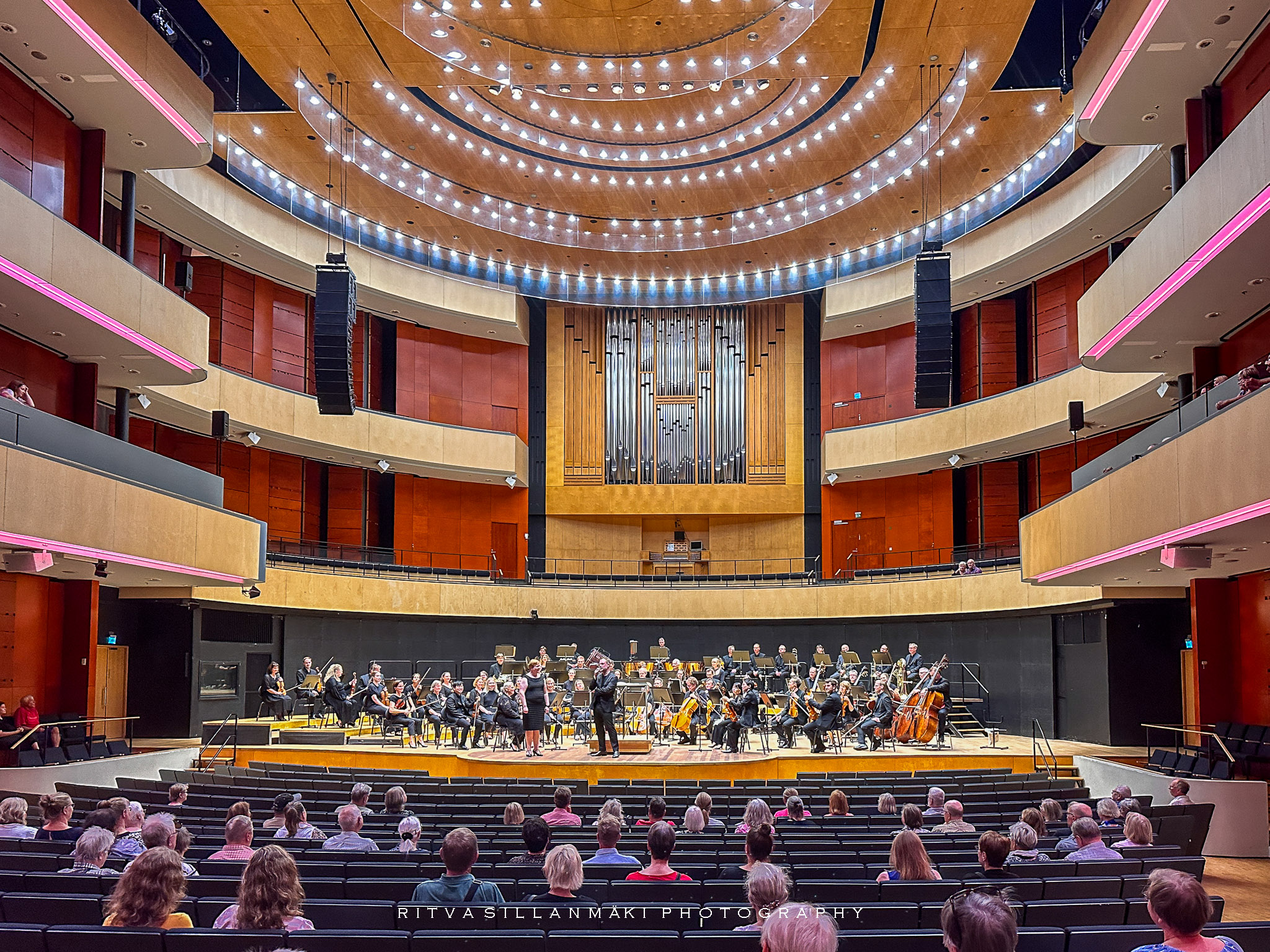
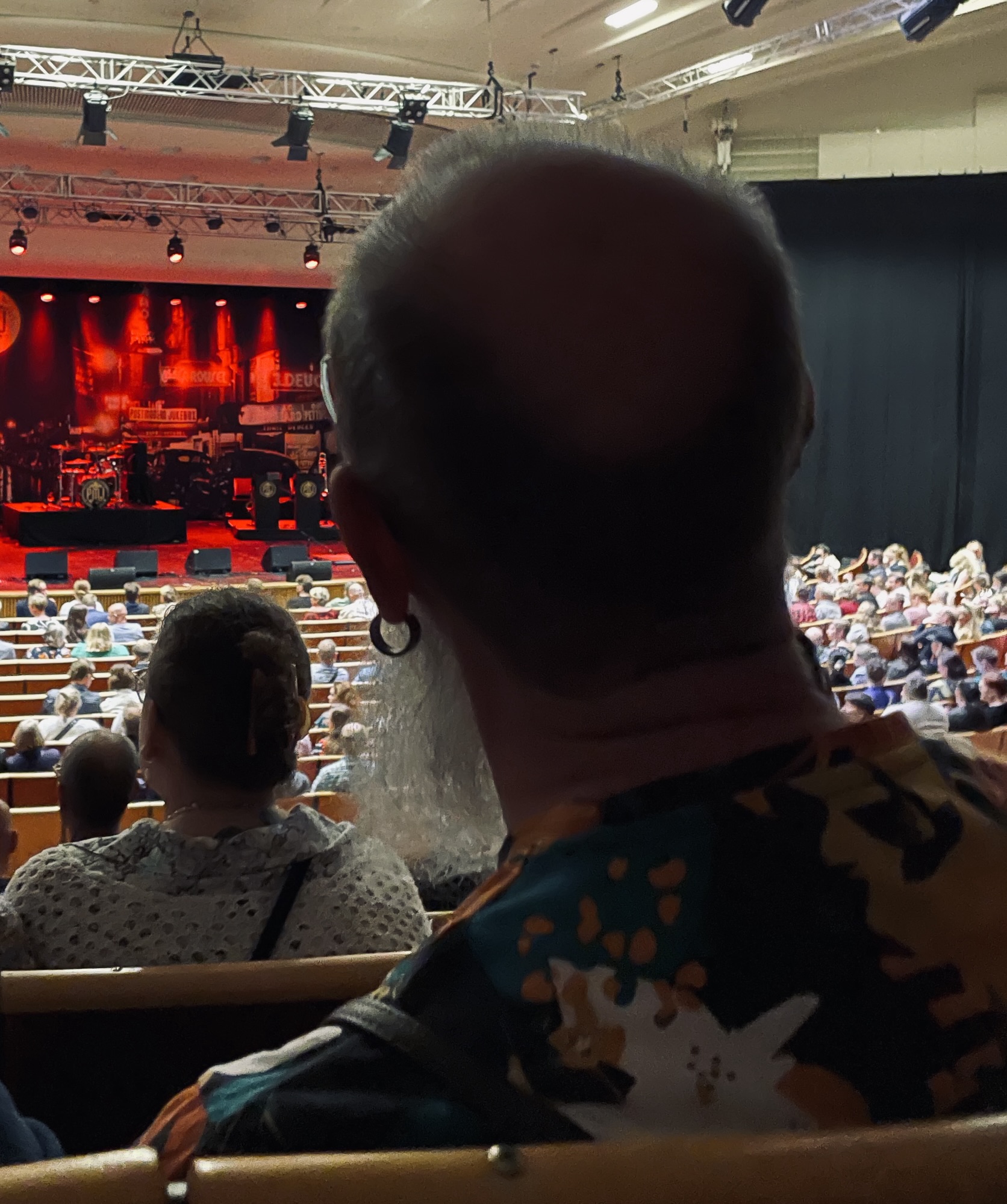
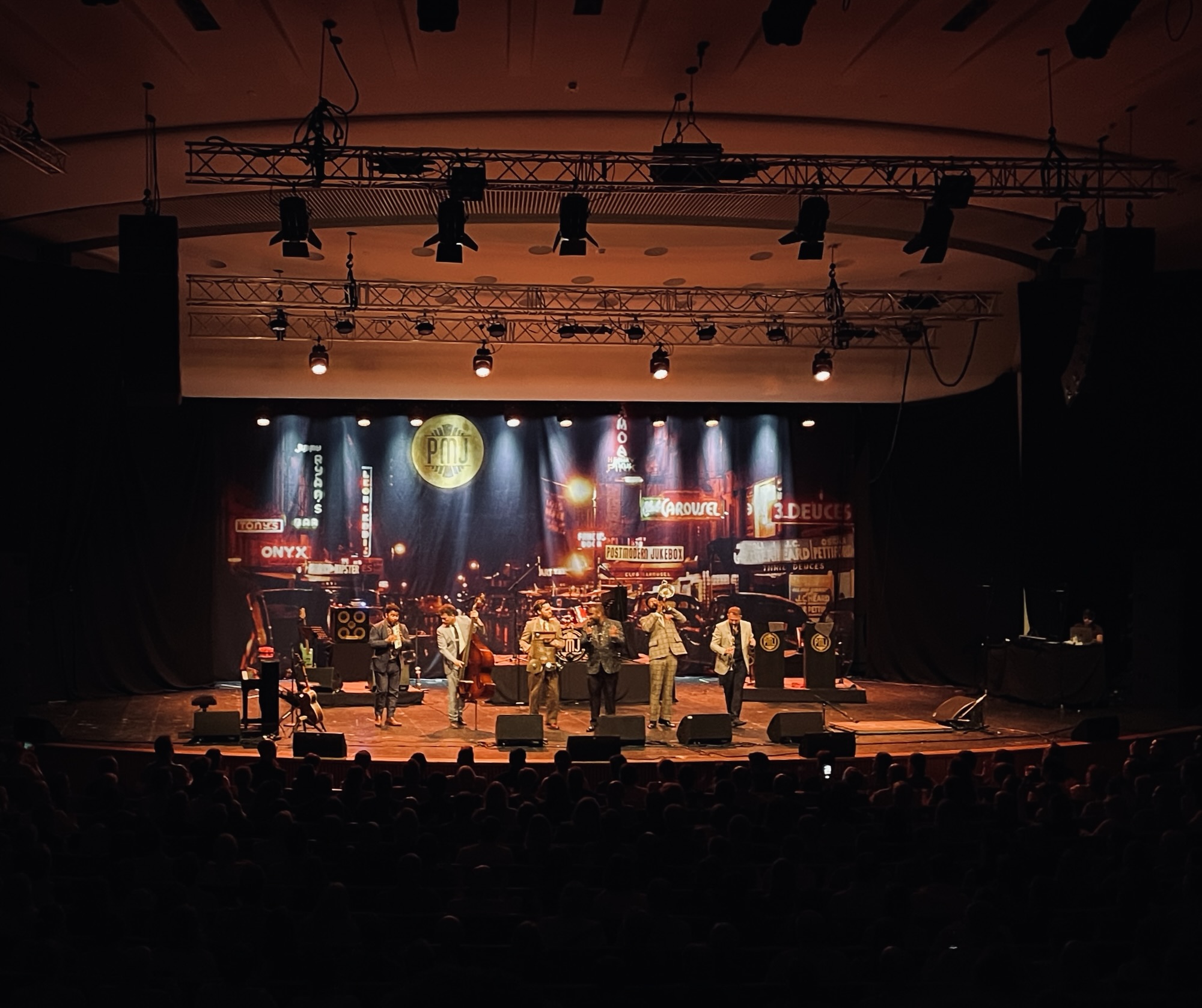
I love photographing concerts, rehearsals, and street performers – even someone simply listening to music can tell a whole story in one frame. Use the stage lights, deep shadows, and silhouettes to help create a moody atmosphere. Watch the connection between the musician, their instrument, and the crowd – that’s usually where the magic happens. And remember to capture the small reactions and expressions that show how the music really feels to people.
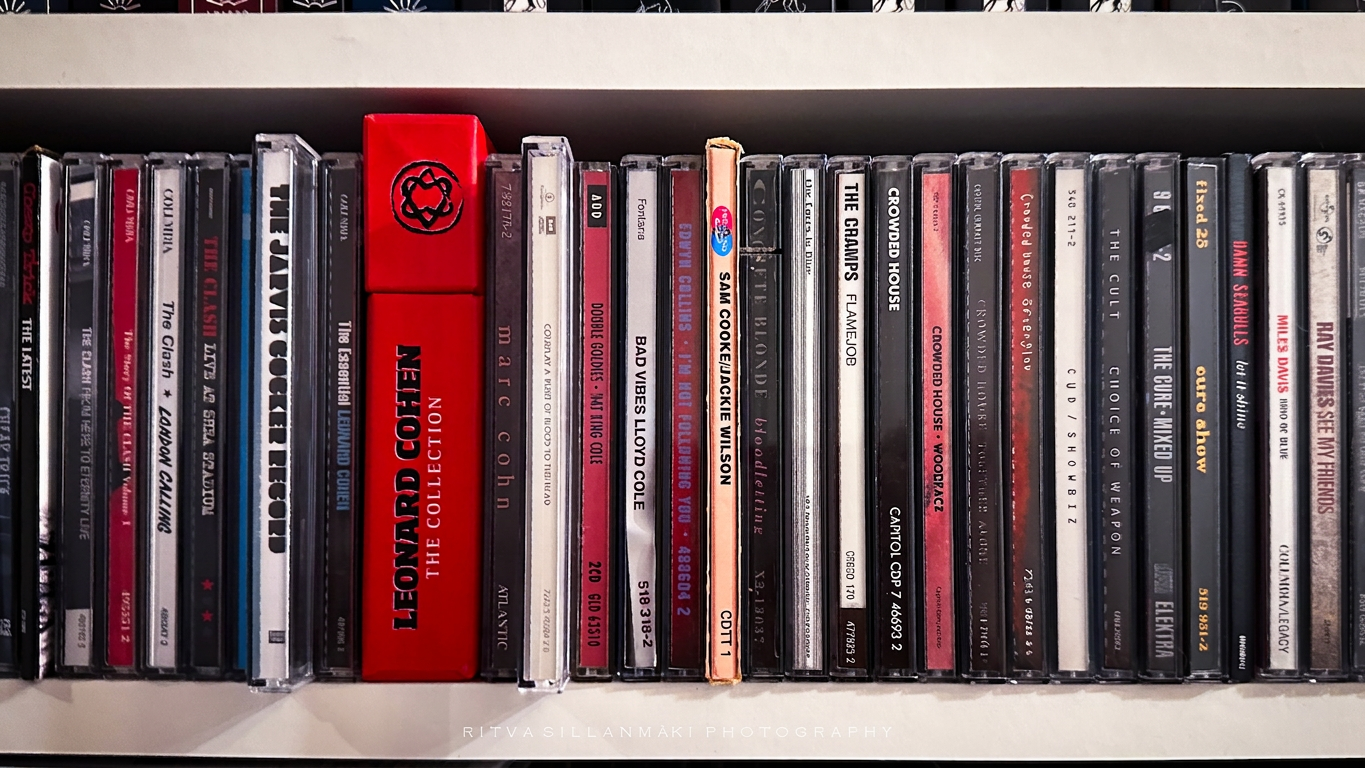
I want to thank Anne for her wonderful theme. You don’t need a fancy camera to take good photographs; you just need to look, see, and move around. This was evident in the posts I saw. And about this week’s challenge: I will certainly reply to all posts linked to my post, but please don’t forget to use the “lens-artists” hashtag in your posts so people can find your challenge entries in WP Reader.
Next week, Egídio is giving us a new challenge that I am sure you do not want to miss. Check out his site and the WP reader at noon EST in the USA.
Until then, let’s keep exploring, broadening our horizons, and maintaining a positive mindset
You can keep up with all of our challenges by subscribing to the Lens-Artists team members websites: Tina, Patti, Ann-Christine, John, Sofia, Anne, Egidio, Beth. Ritva,
For information on how to join the Lens-Artists challenge please click here.
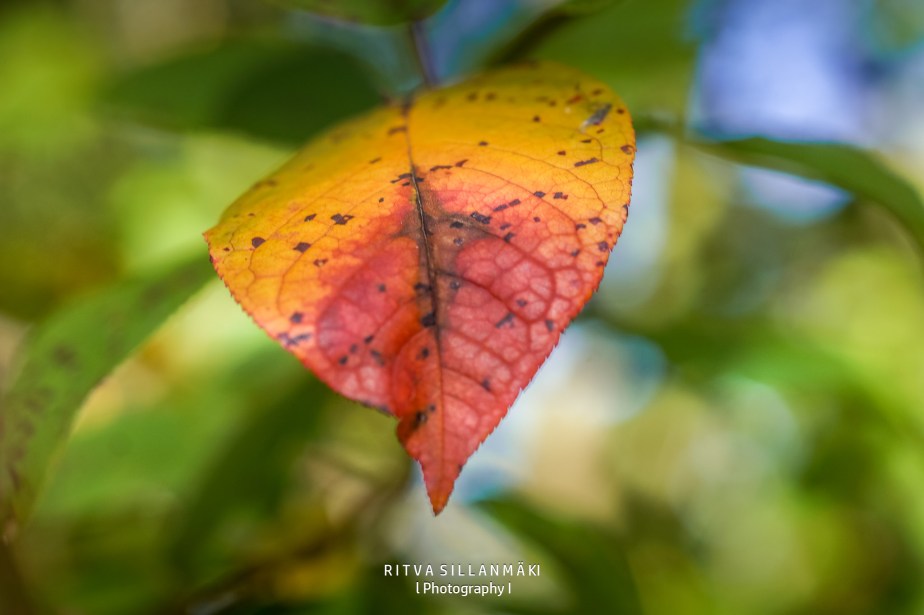
Finding these little gems of color and detail is a joy, and there’s no need to go any farther than the front door—just step outside, wander through the yard, and let your eyes linger on the quiet corners where beauty has been hiding all along. I think this is a buckthorn leaf, whatever it is the colors are lovely,
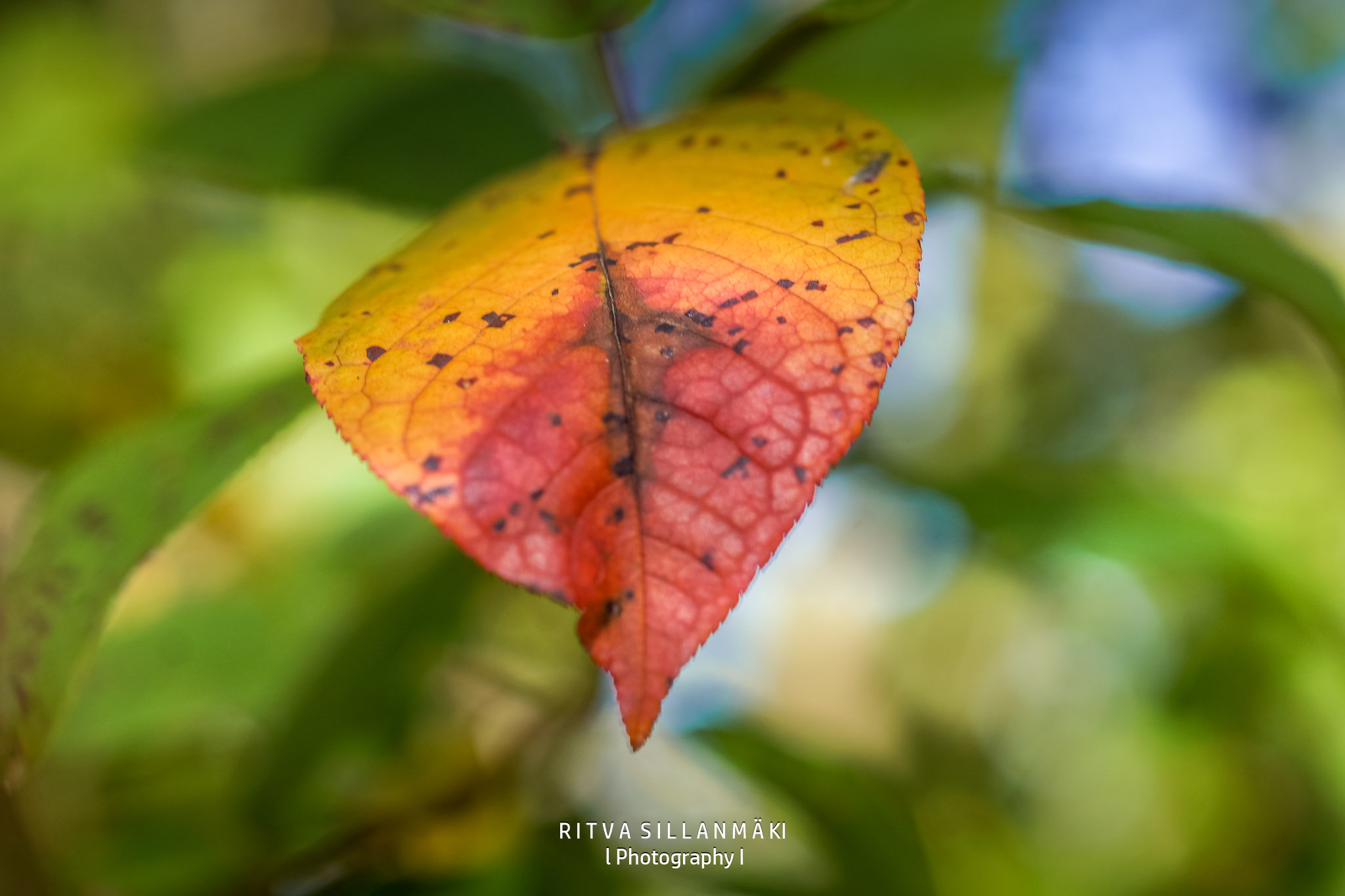
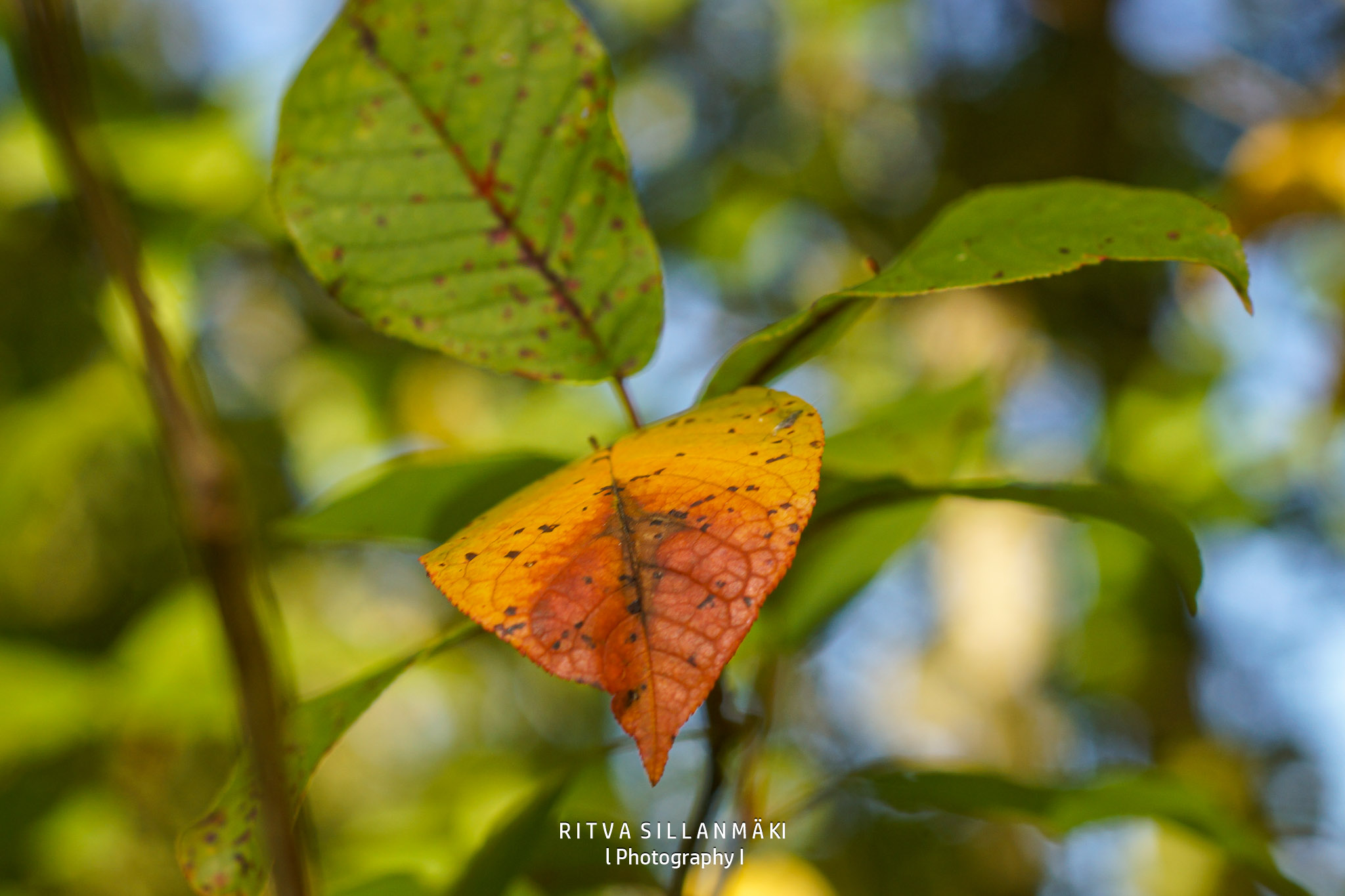
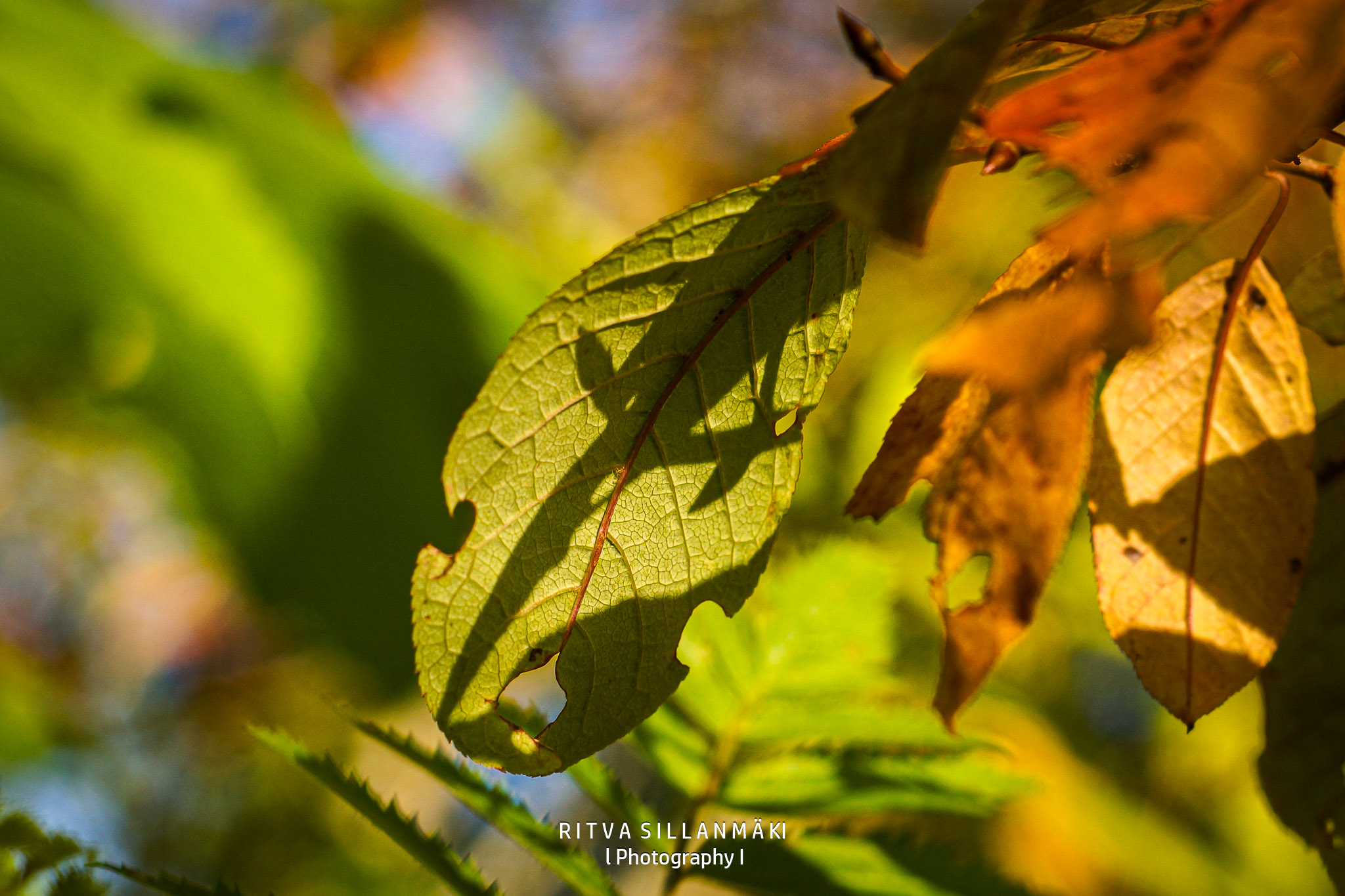
For Dawn’s Festival of Leaves Week 1
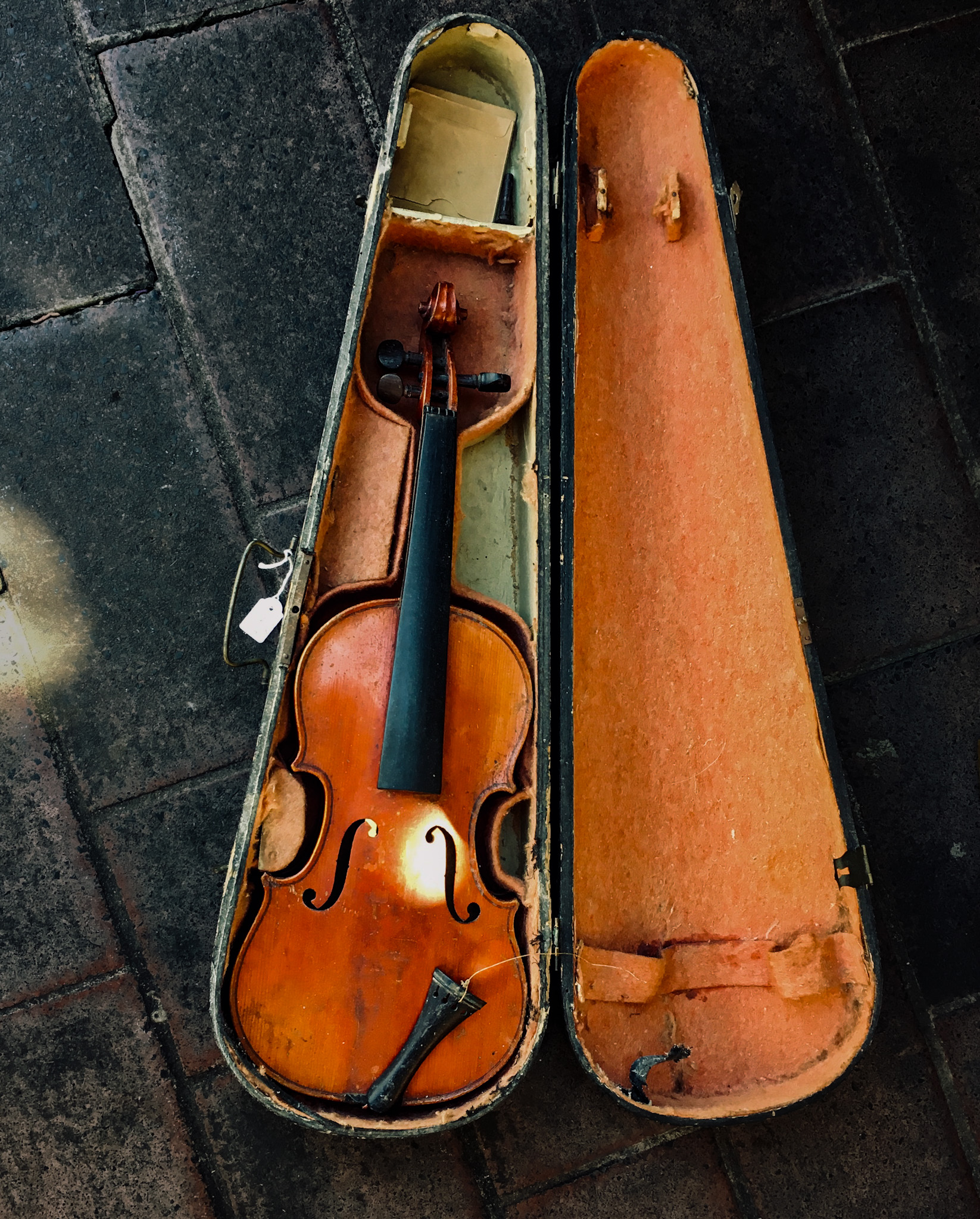
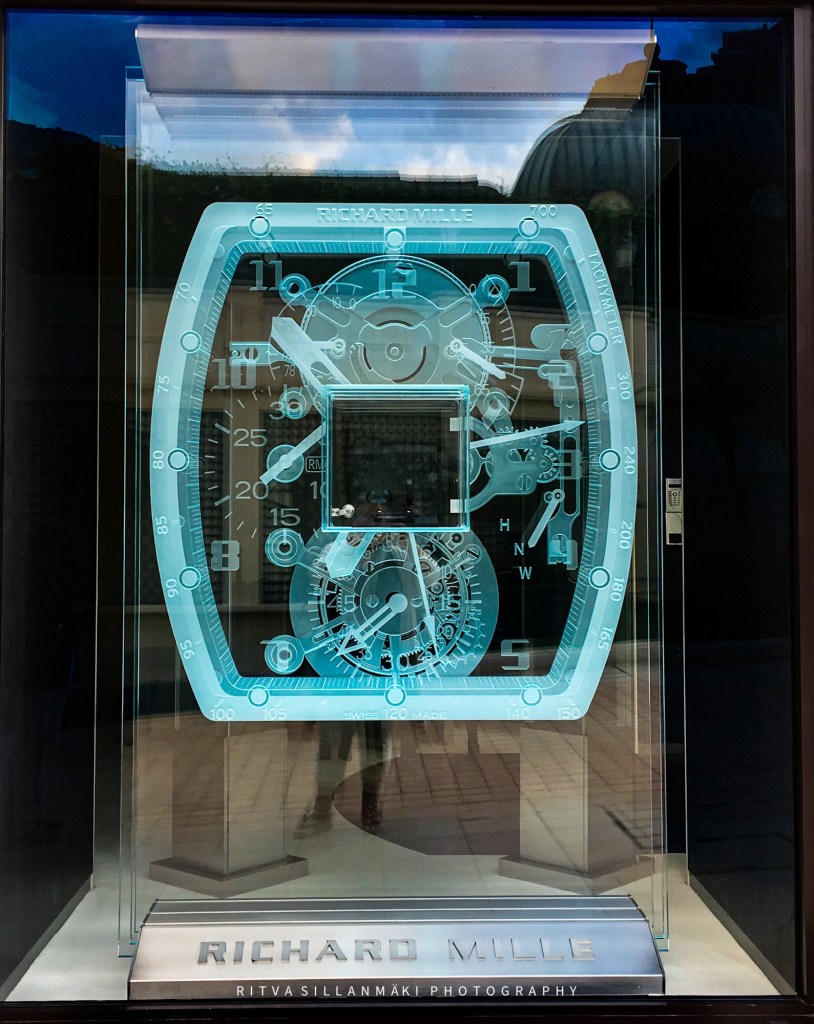
Debbies Six Word Saturday
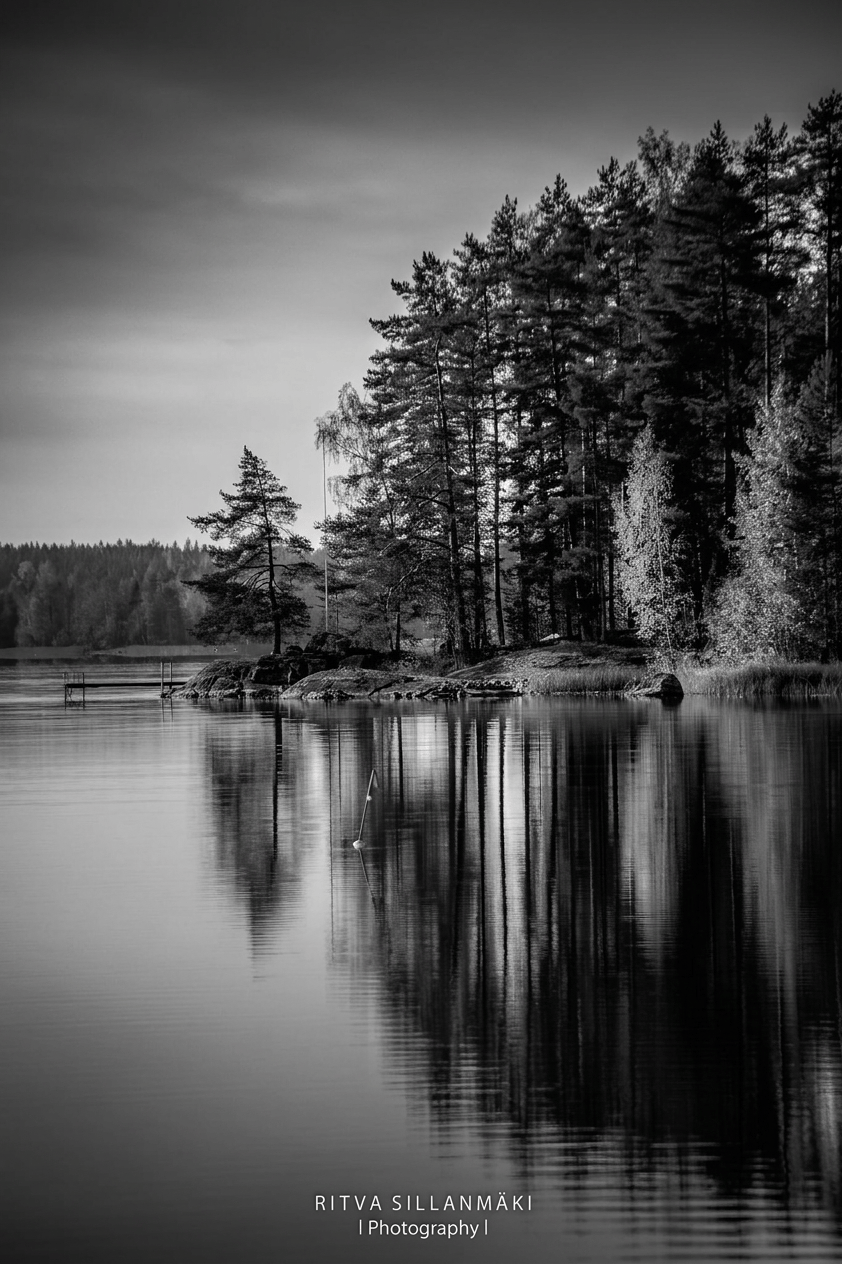
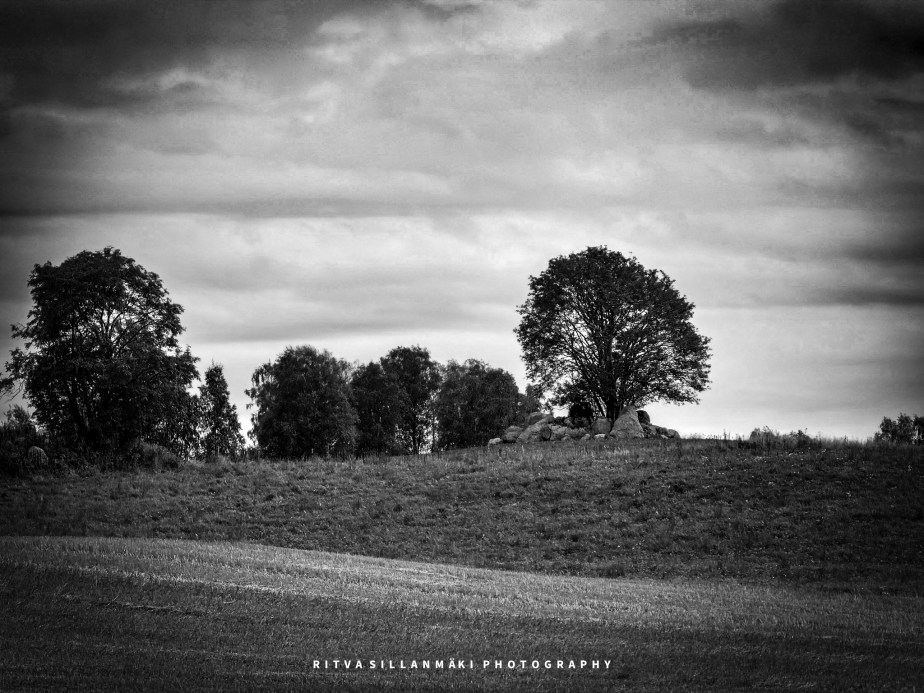
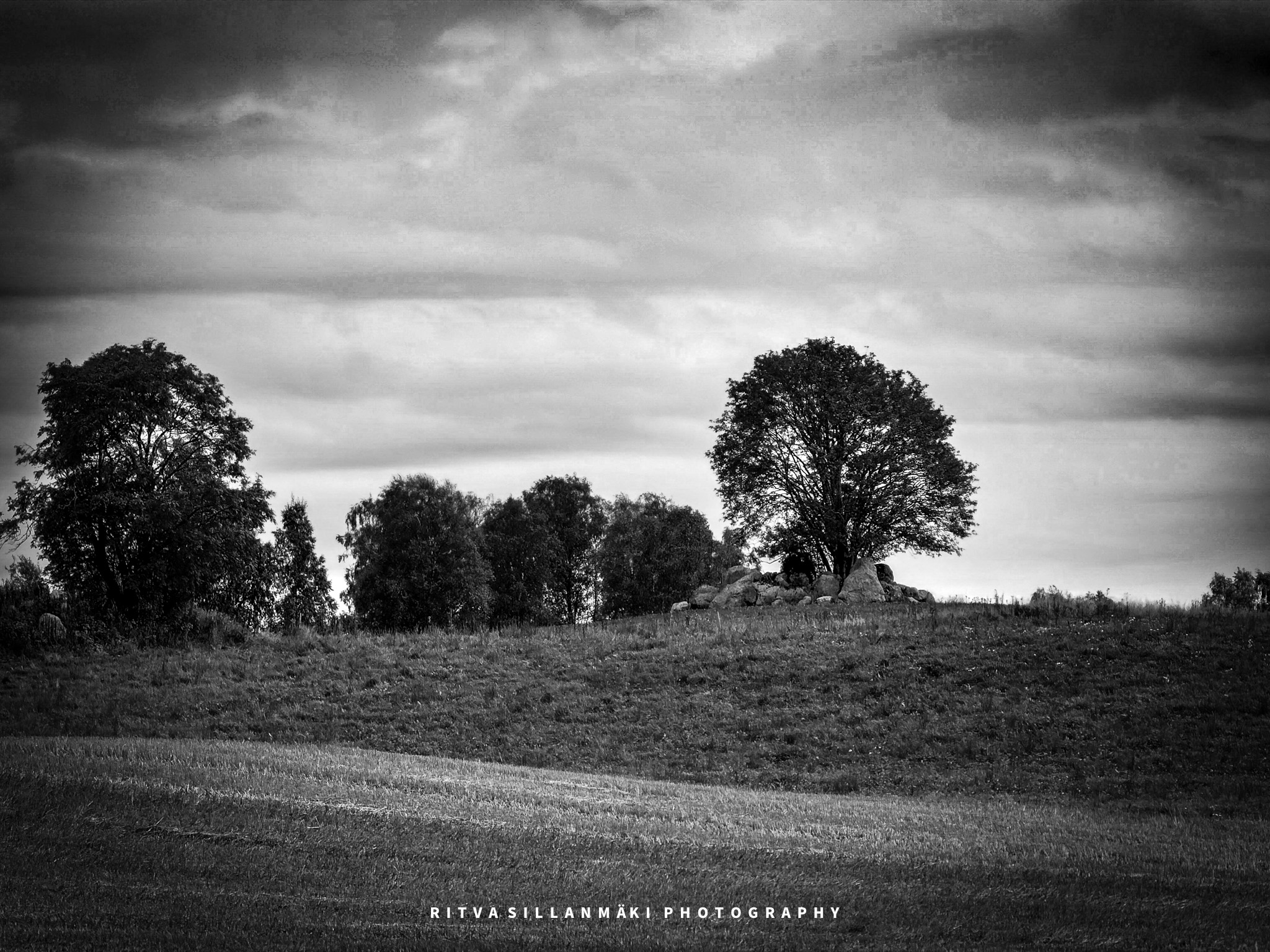
A week with no particular theme for Monochrome Madness. So I had two choices, totally different, other than that they are both in monochrome – or black and white. One of them you might remember from a recent post, and I wanted to let you see how it converted to B&W – I thought it worked really well and gained a slightly different mood.
This is how I would describe the first image: A quiet black-and-white scene opens onto a still lake, its surface edged by a rocky, forested shore. Tall pines and slender birches rise along the right, while the far woods soften and disappear into a pale, overcast mist. The water lies glassy and mute, holding the trees and sky in a dim reflection. To the left, a small dock and, nearer the viewer, a single fishing float offer the slightest trace of human presence. The pared-back tones and unhurried composition leave the image hanging in a contemplative, almost hushed mood.
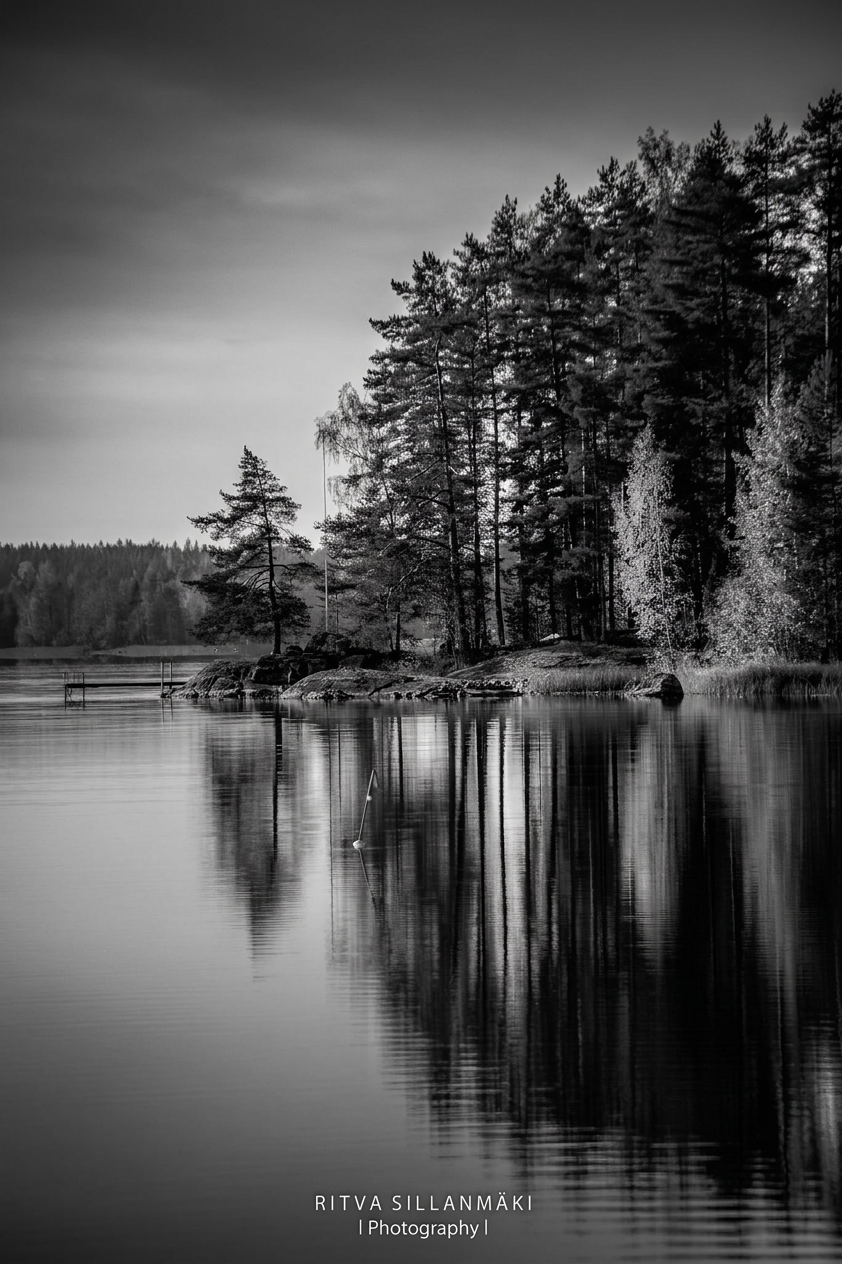
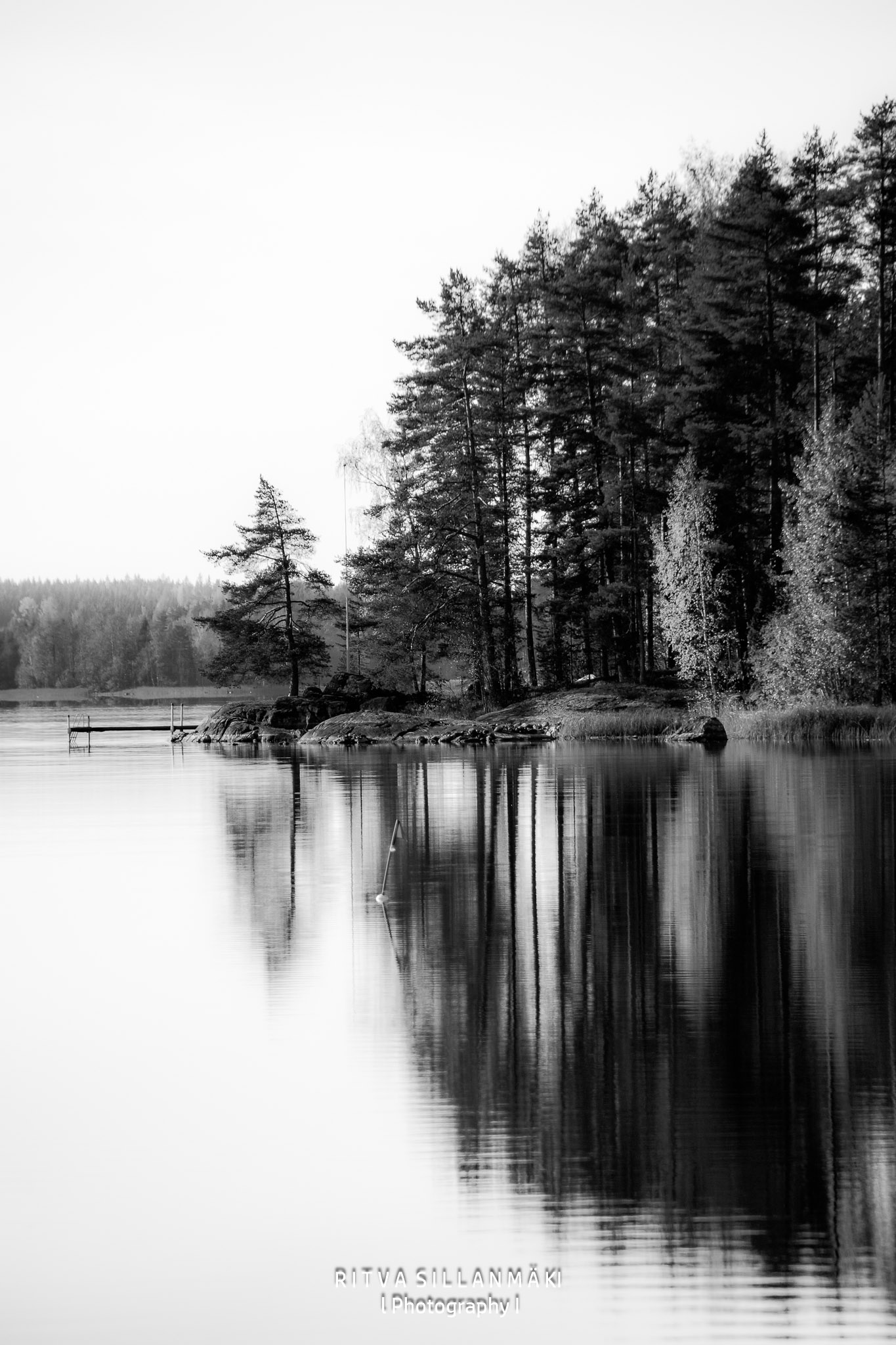
The mood is different in them the other image shows a calm lake bordered by a rocky, forested shoreline of tall pine and birch trees. The glassy water reflects the dense woodland in long vertical patterns, while a small dock extends into the lake on the left and a floating marker sits in the foreground. Soft mist or haze lightens the distant trees and bright sky, creating a quiet, minimalist atmosphere.
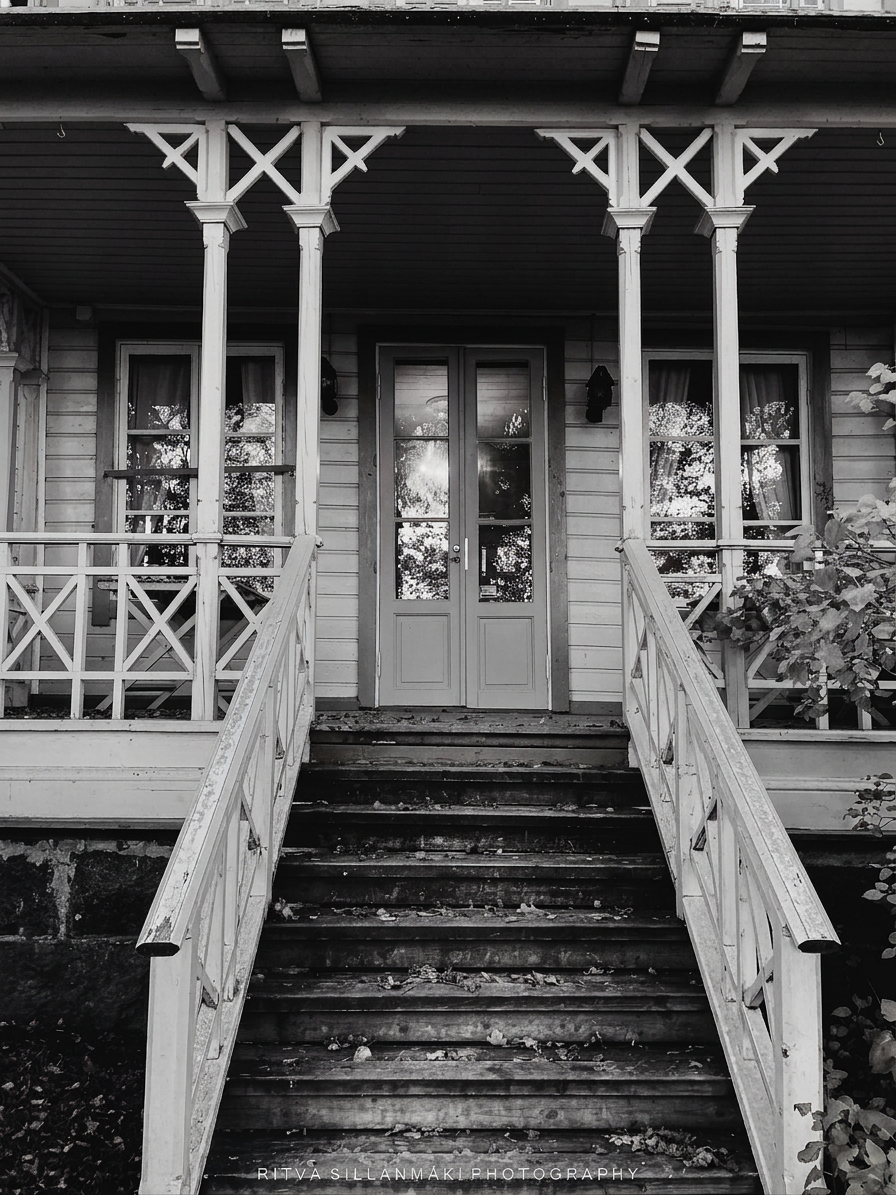
The third photo is a set of stairs leading to an inviting porch in autumn, full of texture and gentle light. Which is your preference, and what draws you more: the familiar image transformed, or the quiet promise of that autumn porch, mayne with some candles in lovely lanterns?
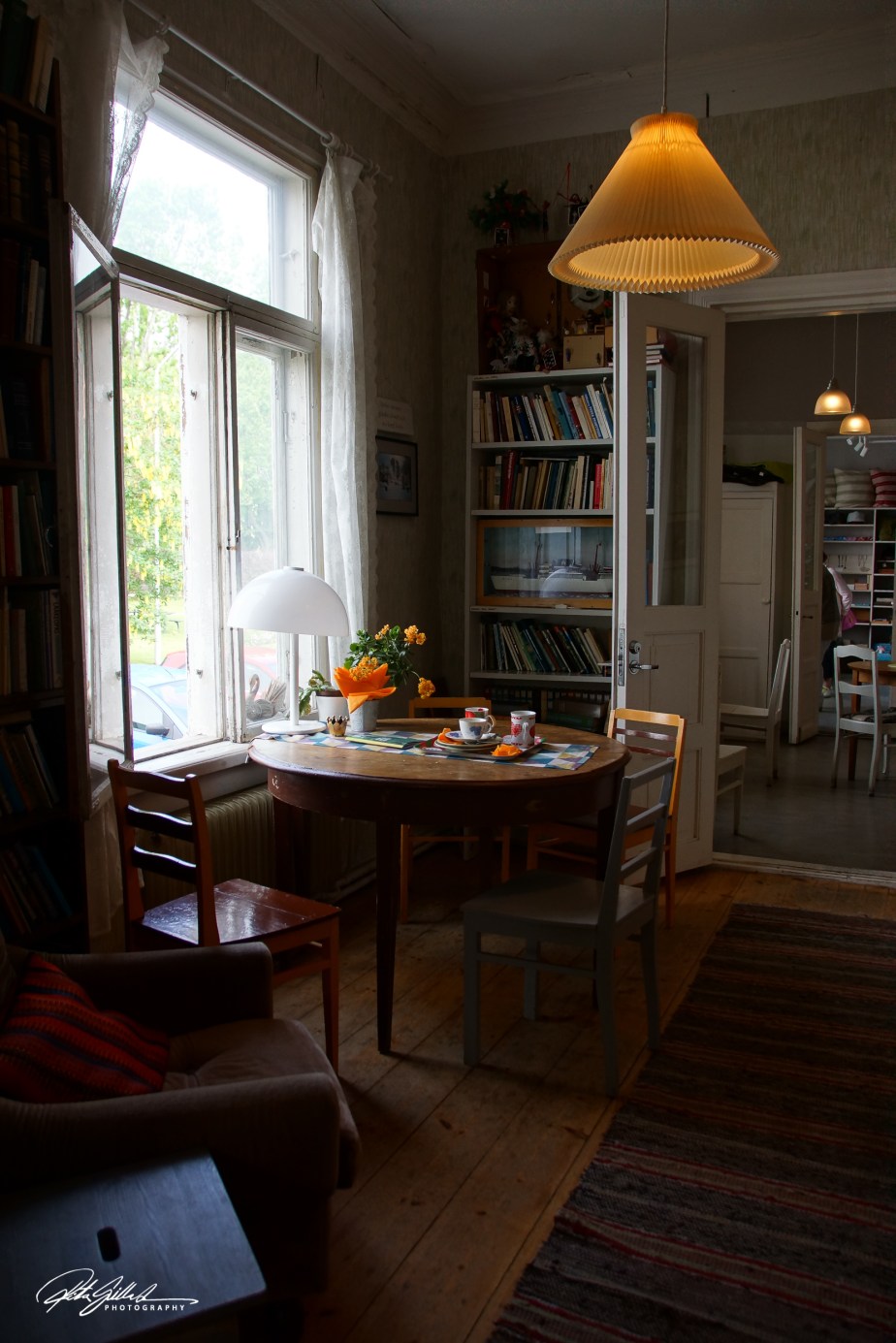
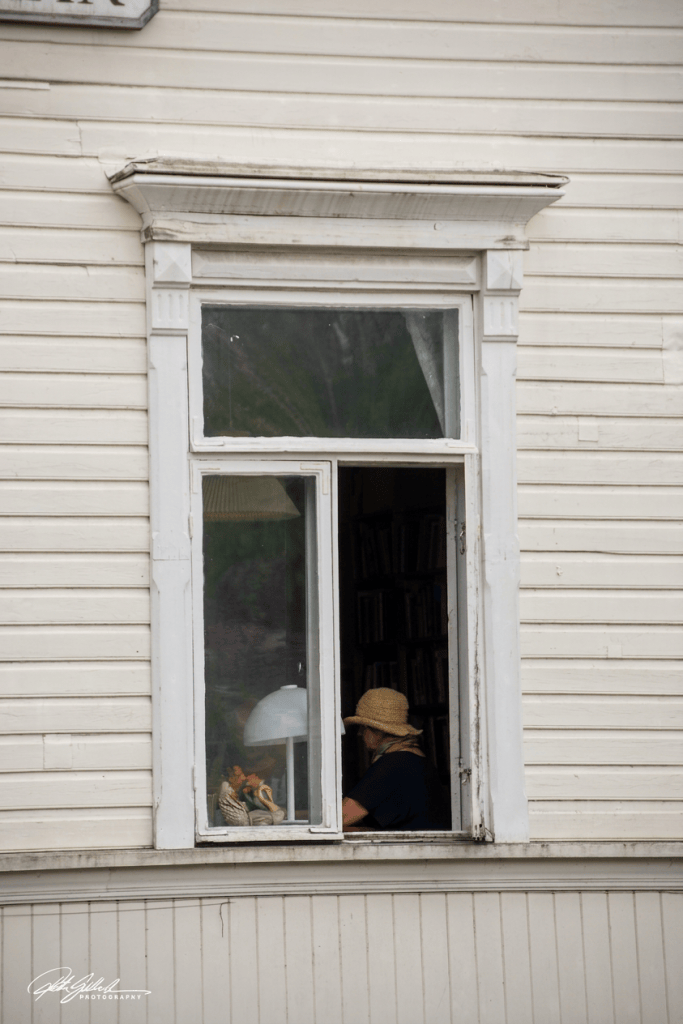
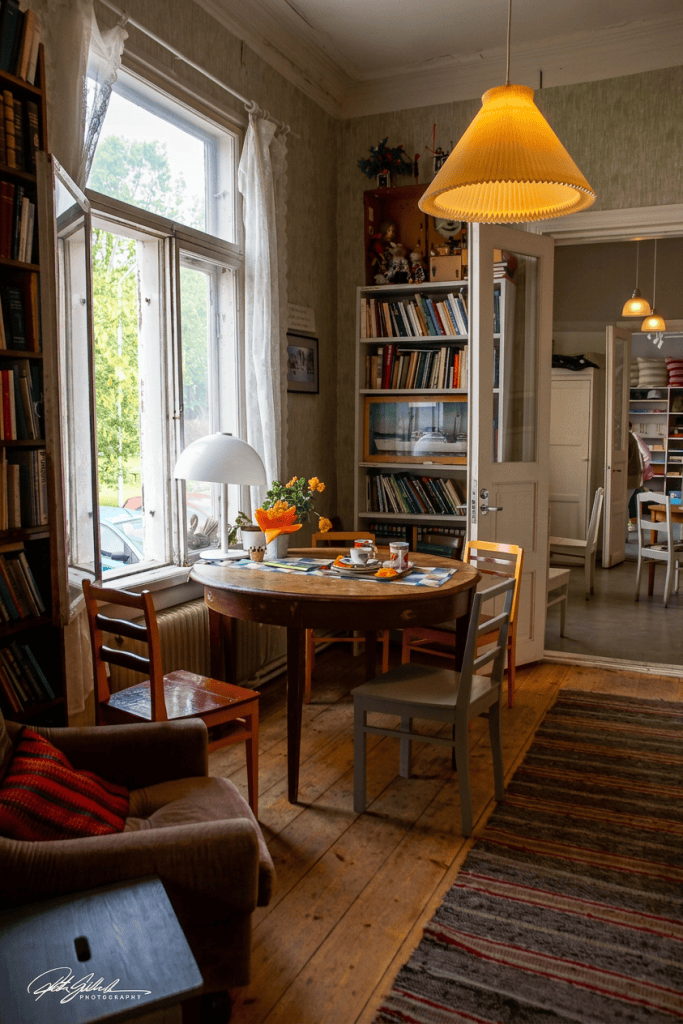
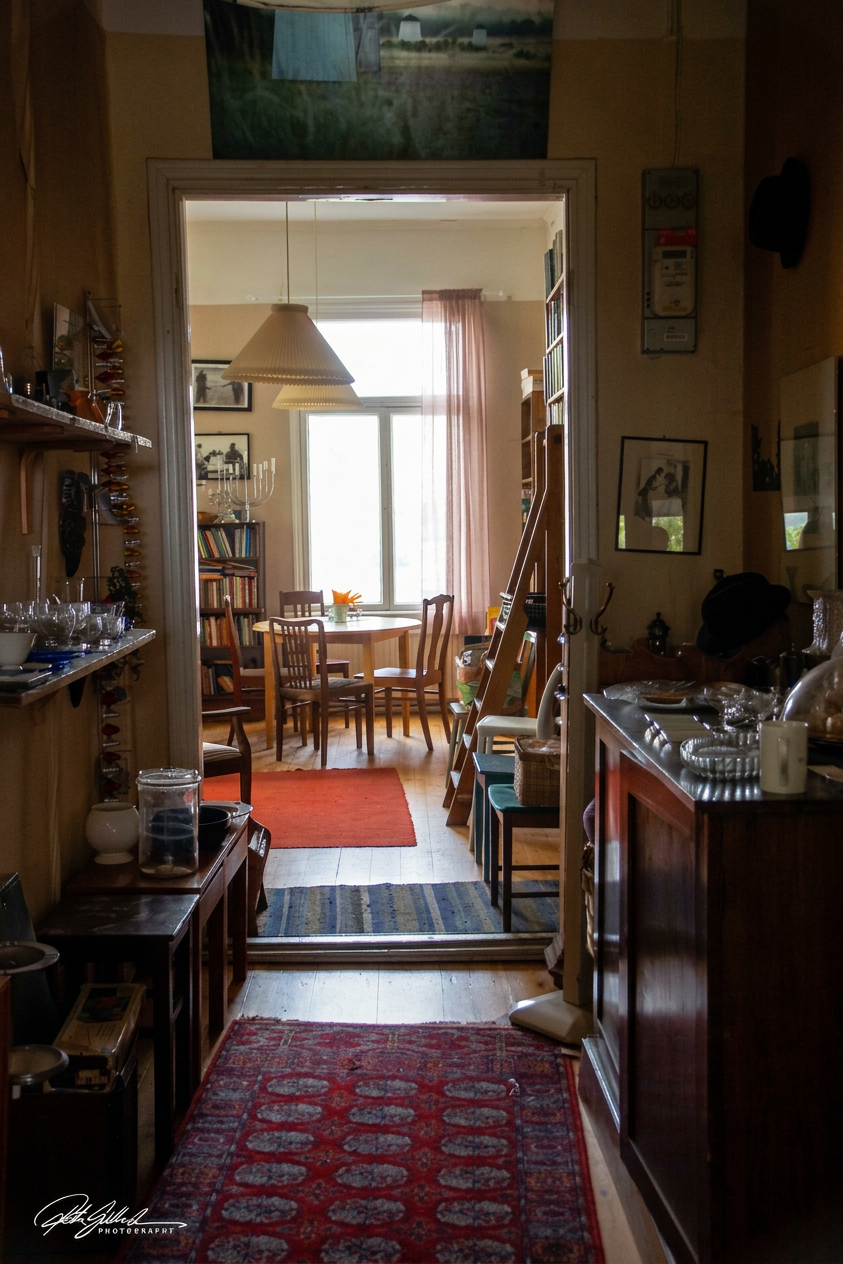
This café I visited feels more like a home than a café. It is so inviting and cozy, filled with the warmth and character of a well-loved, lived-in home, the kind of place where you instantly want to sit down, relax, and stay a while.
Sharing these images from some time back with Monday Window: 28 September 2026. Hope you all have a great week.
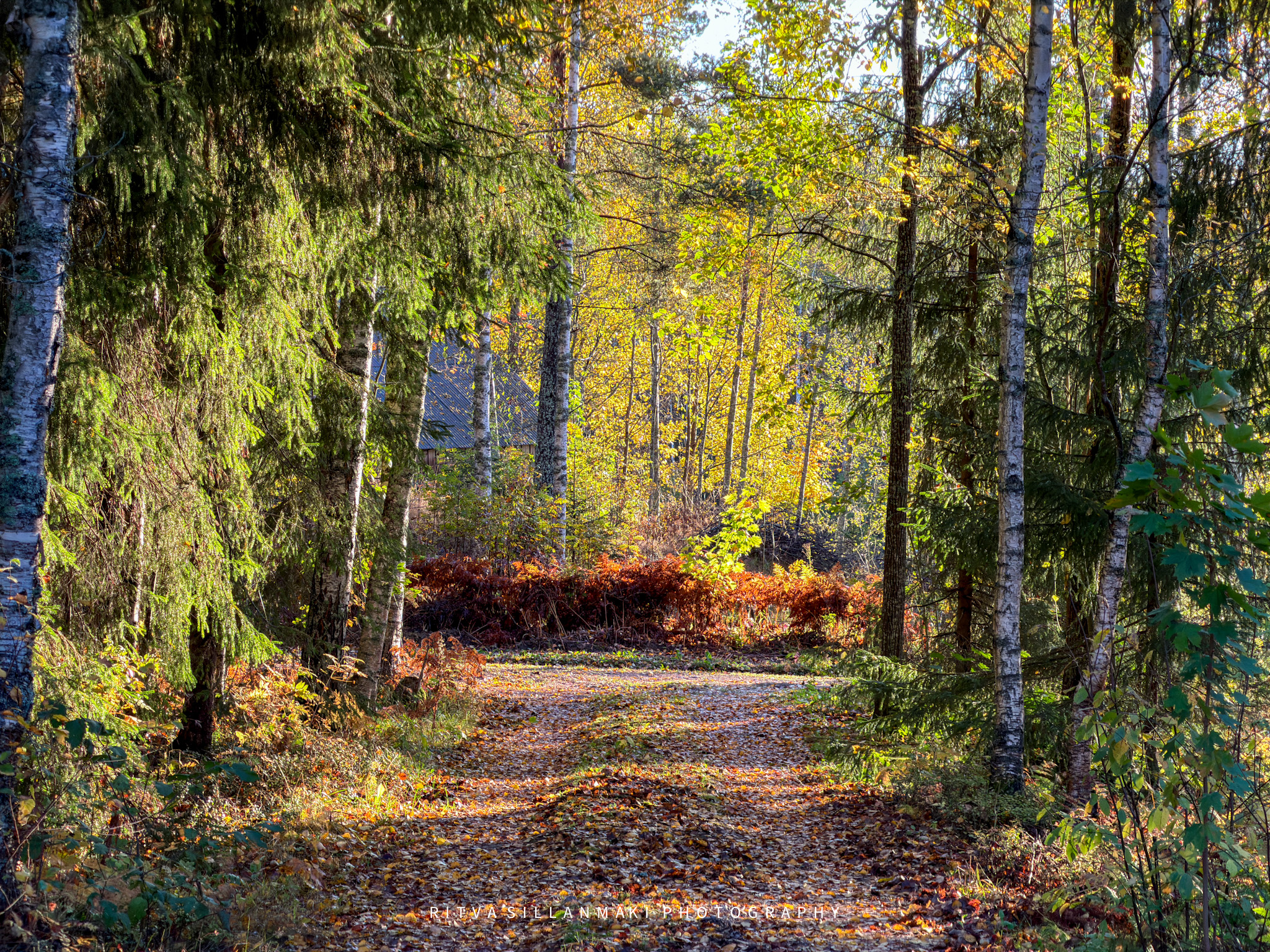
I took these this morning, first sunny day in a week, it was so welcome sight. This path leads to my summer house, sharing them with Johns Cellpic Sunday
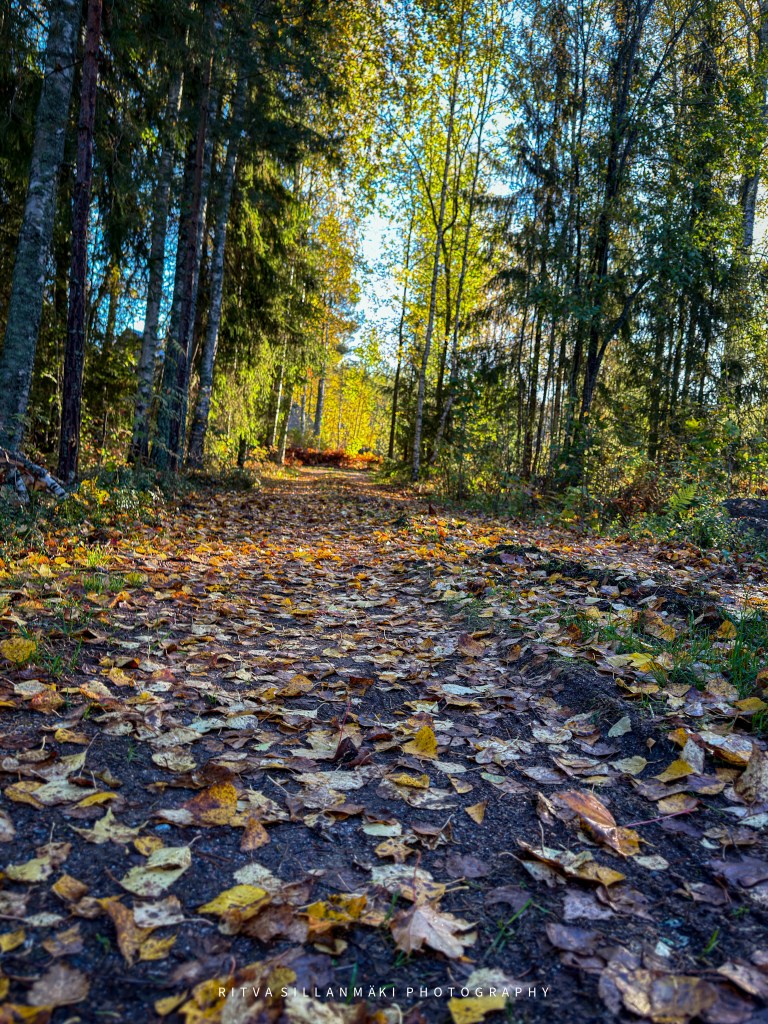
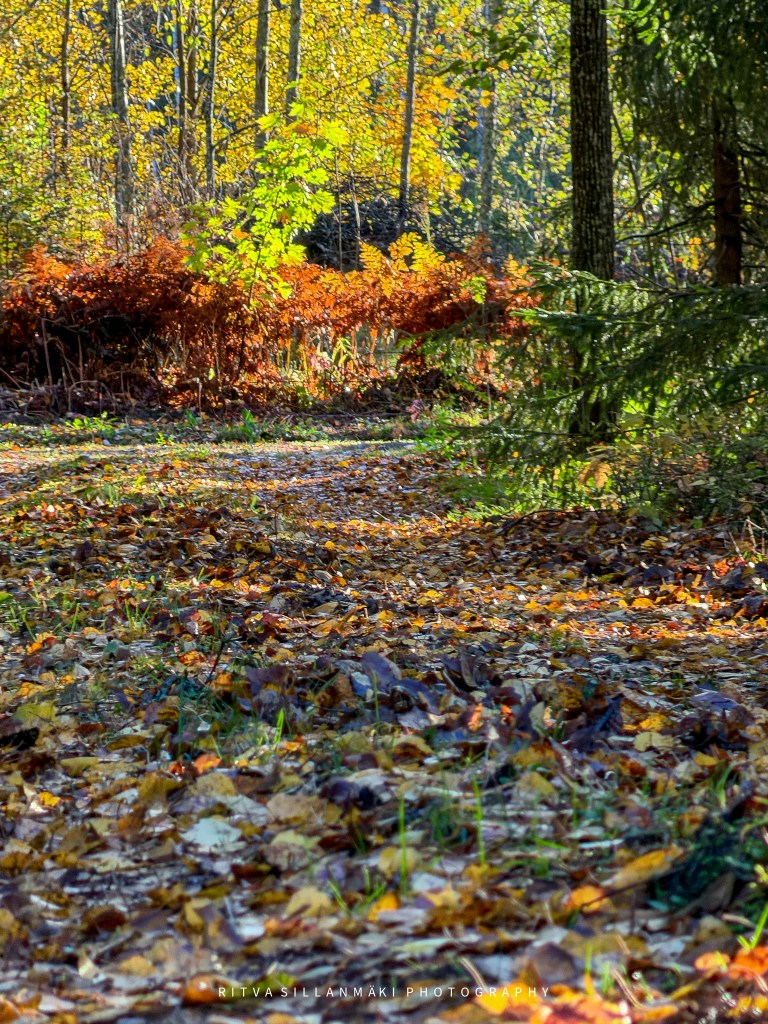
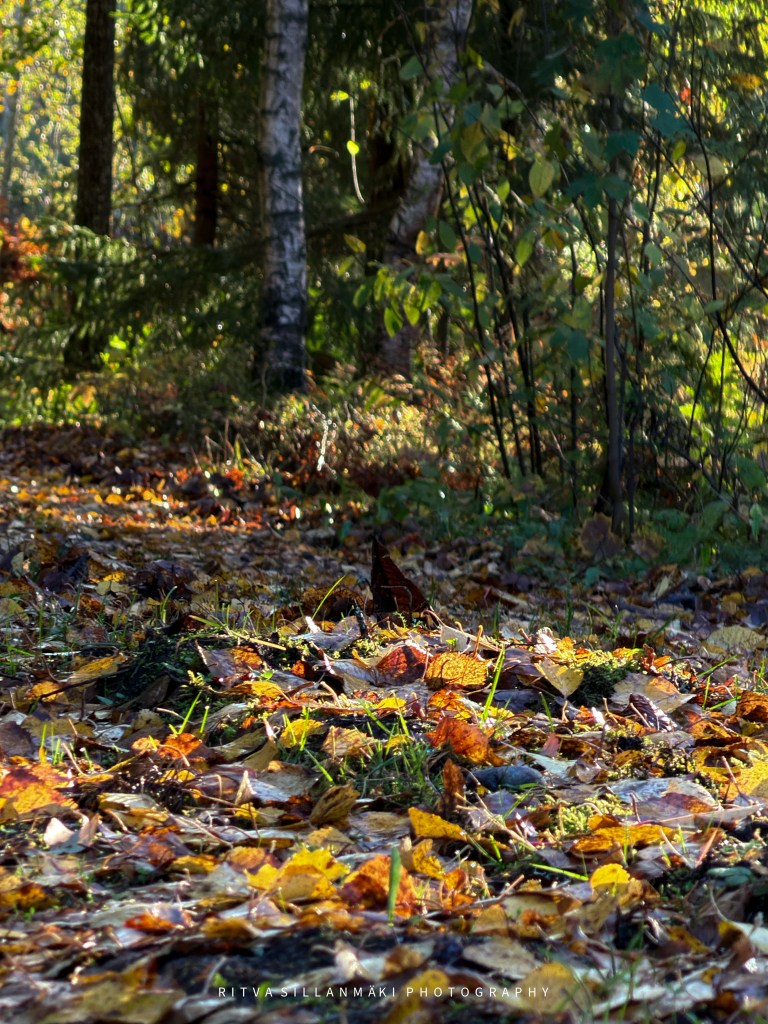
This week it is Anne´s turn to host us with a great theme, MOVE YOURSELVES. Photography, to me, is about showing what I see and how I compose it. You need a camera, a willingness to really look, and the freedom to move toward your subject to find the right angle, distance, and light. It is as much about quiet observation as it is about action, taking the time to notice small details and relationships in the scene. In the end, it is always a return to the basics: seeing clearly, moving with intention, and framing the moment in a way that feels true. Anne challenge is all about that.
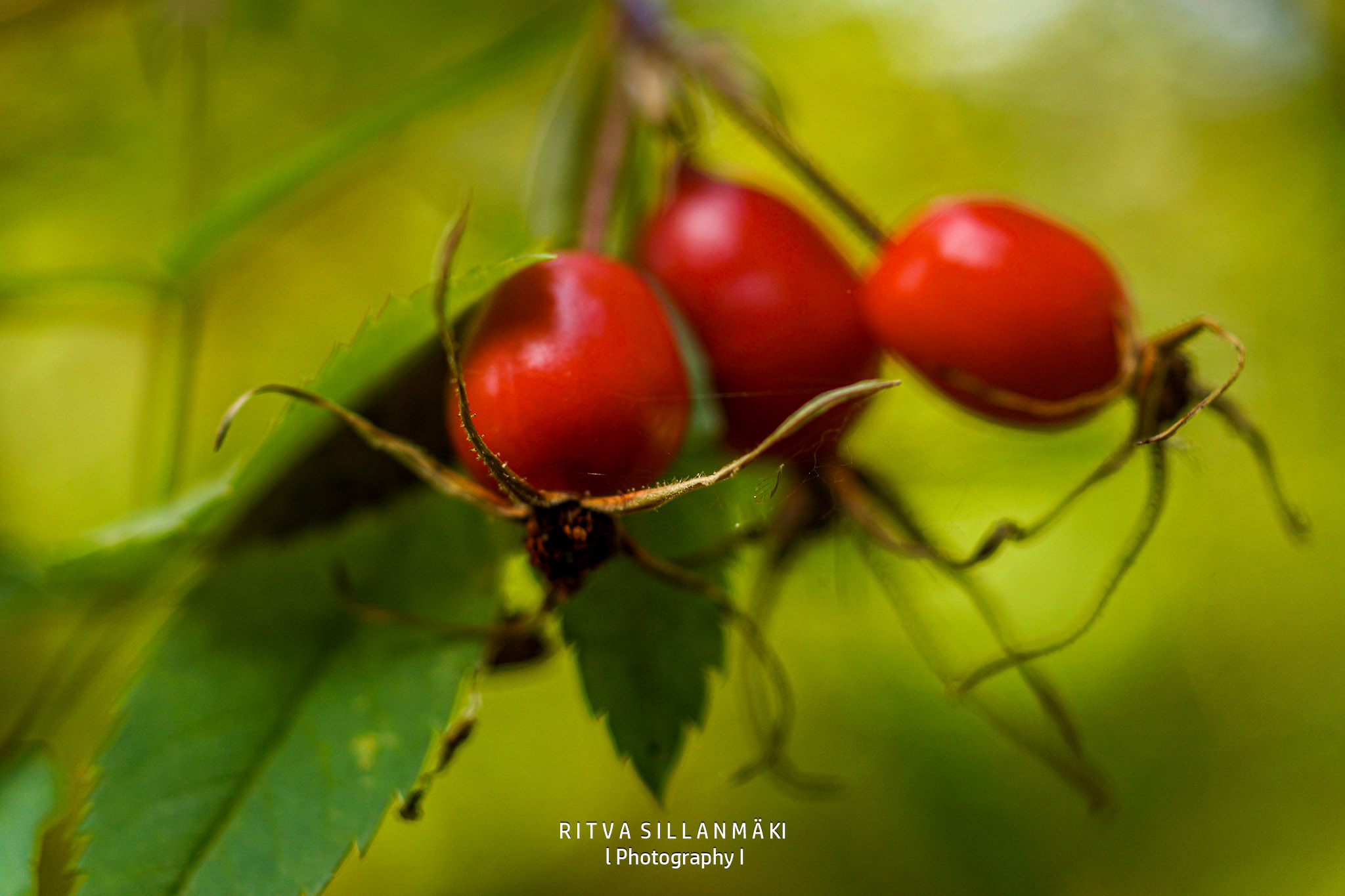
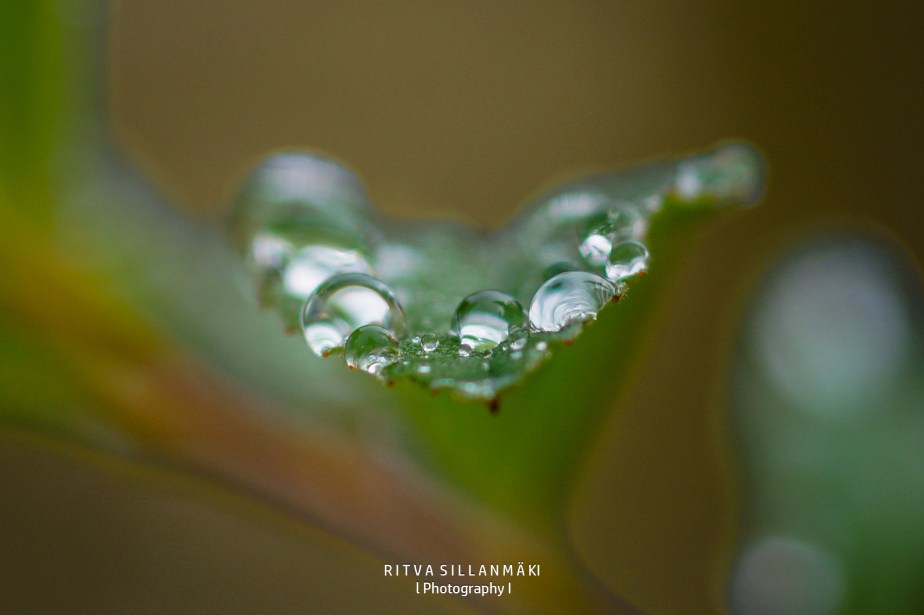
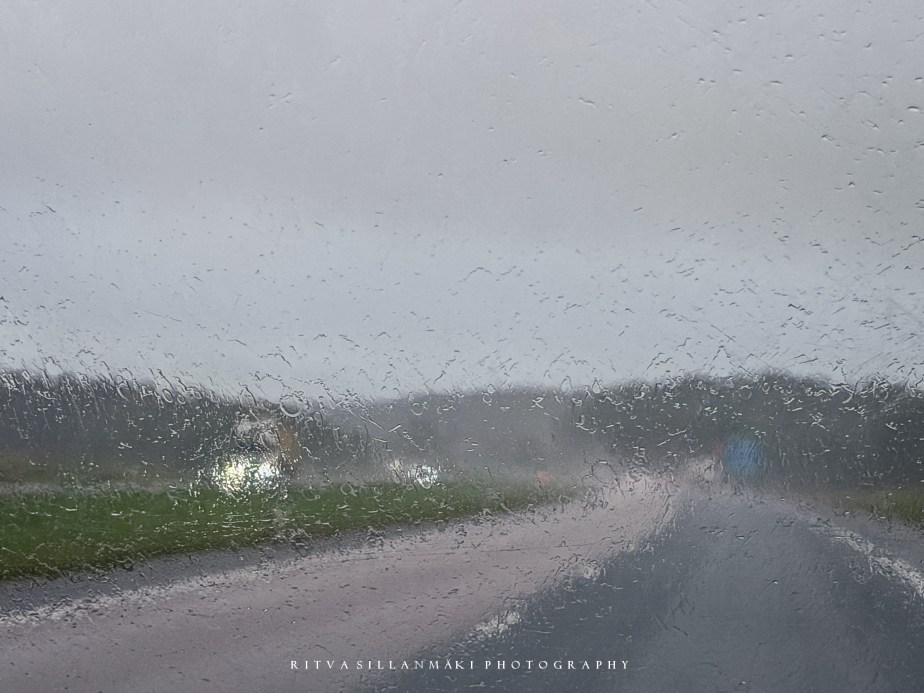
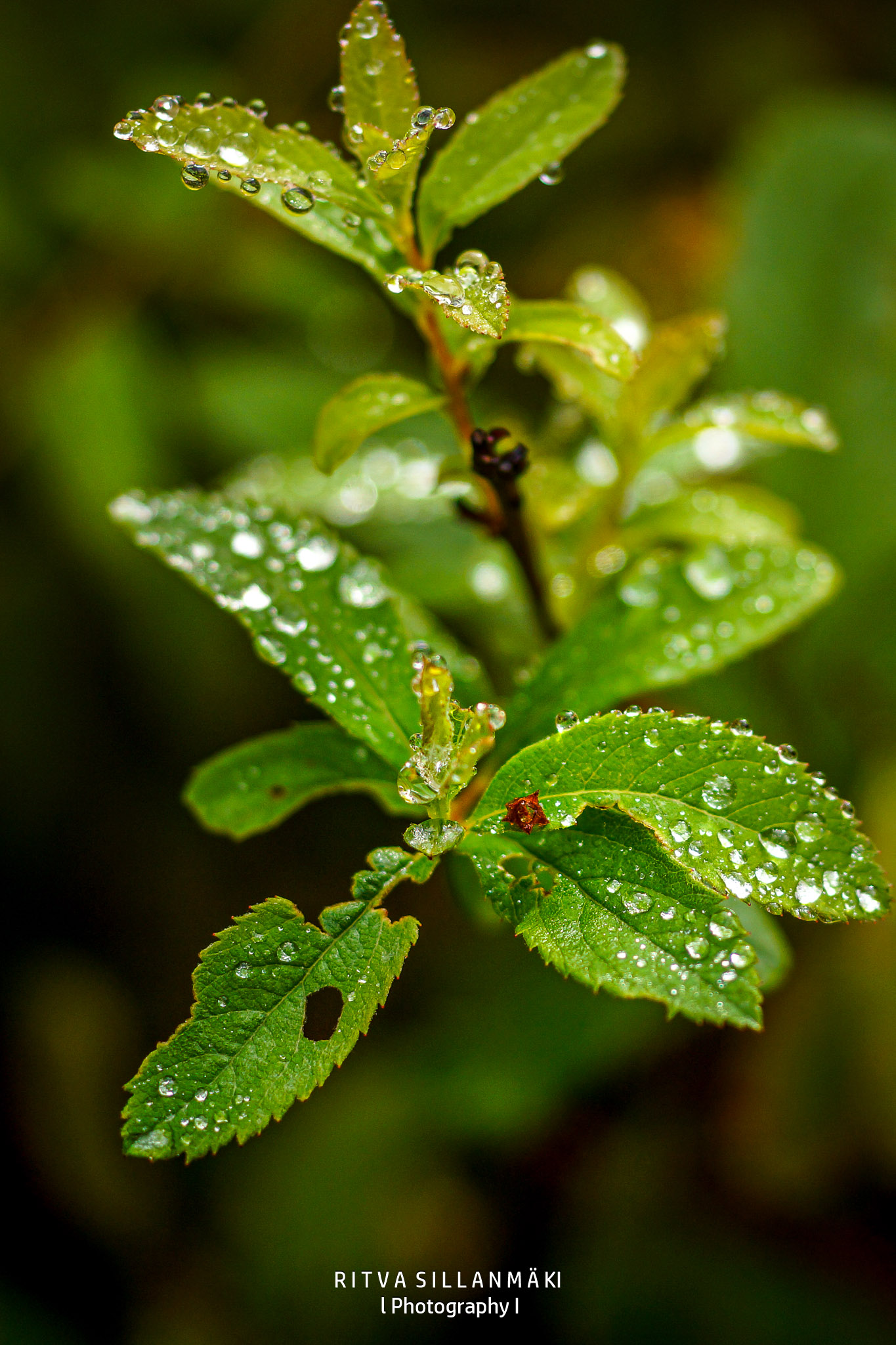
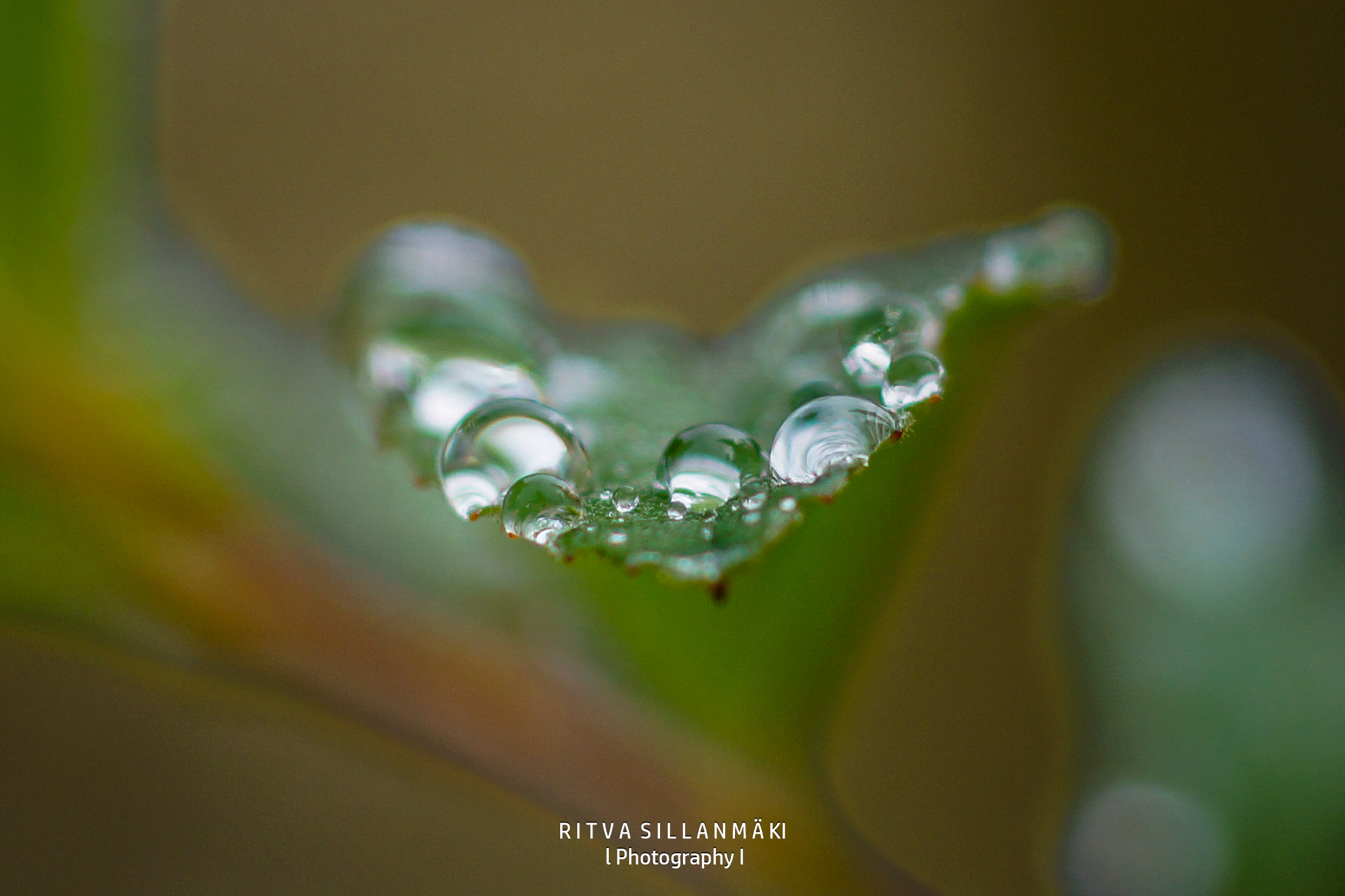
Last week here in Finland, we had miserable weather. Rain, drizzle, low clouds – the day never really got bright. Yet with rain come droplets, and I’m known to show a lot of love toward that subject. On days like this, I slow down and simply watch how the droplets gather on leaves, branches, , each one holding a tiny, upside‑down world inside. The light is soft and diffused, wrapping gently around every surface so that even the smallest bead of water catches a quiet glow instead of a harsh reflection. Gloomy weather also simplifies the scene, removing distractions and letting subtle tones, reflections, and shapes guide the composition.
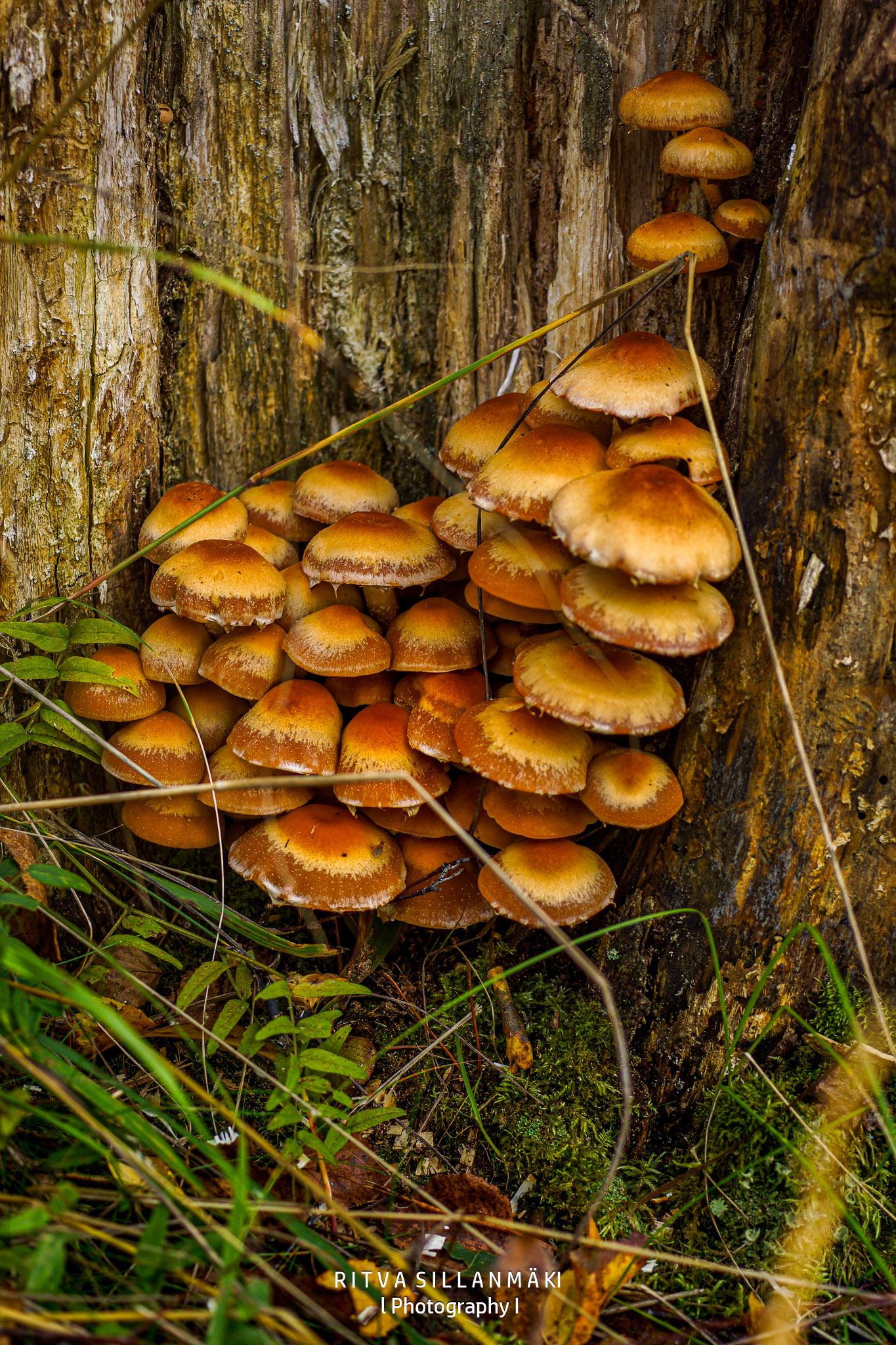
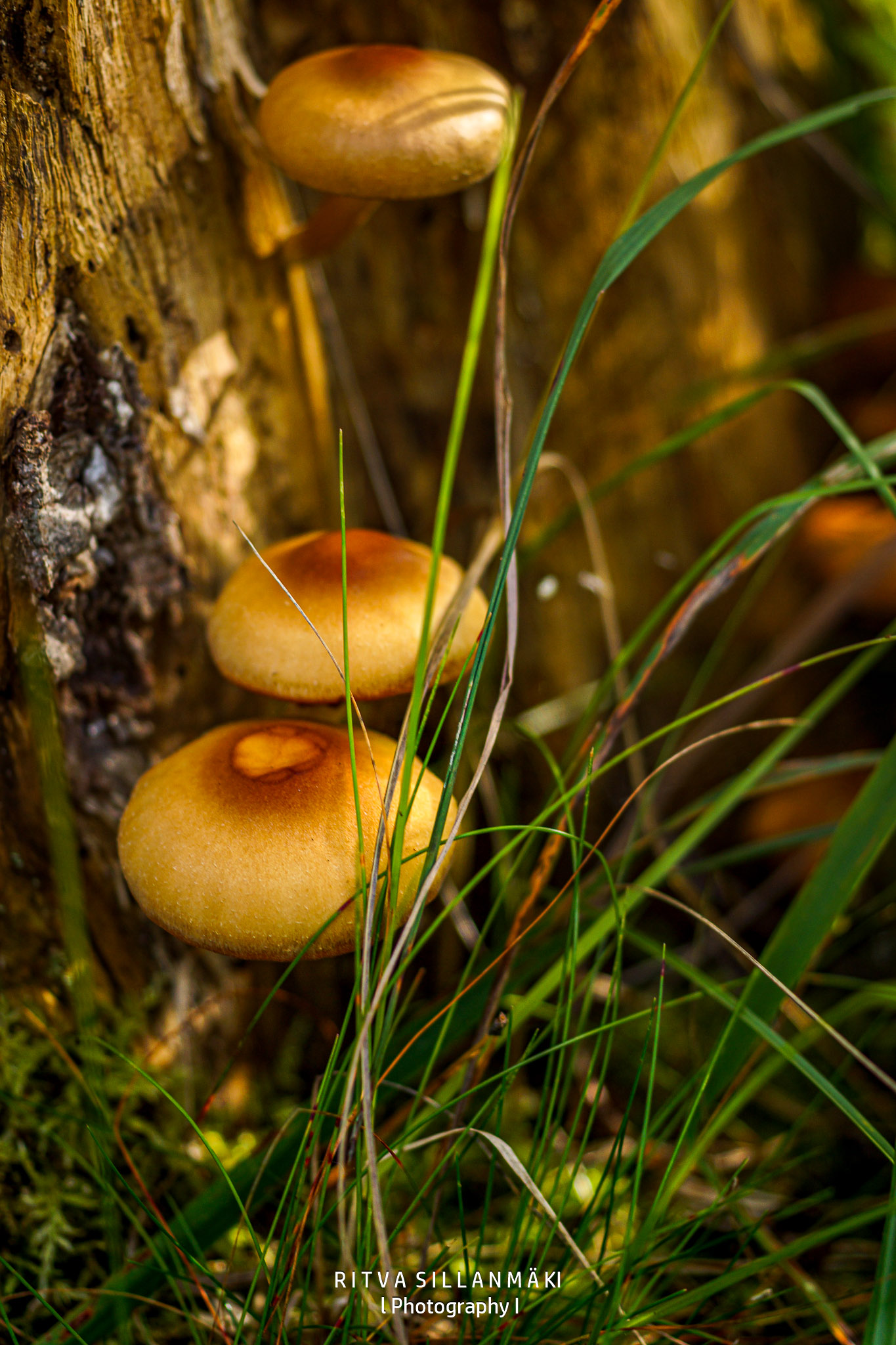
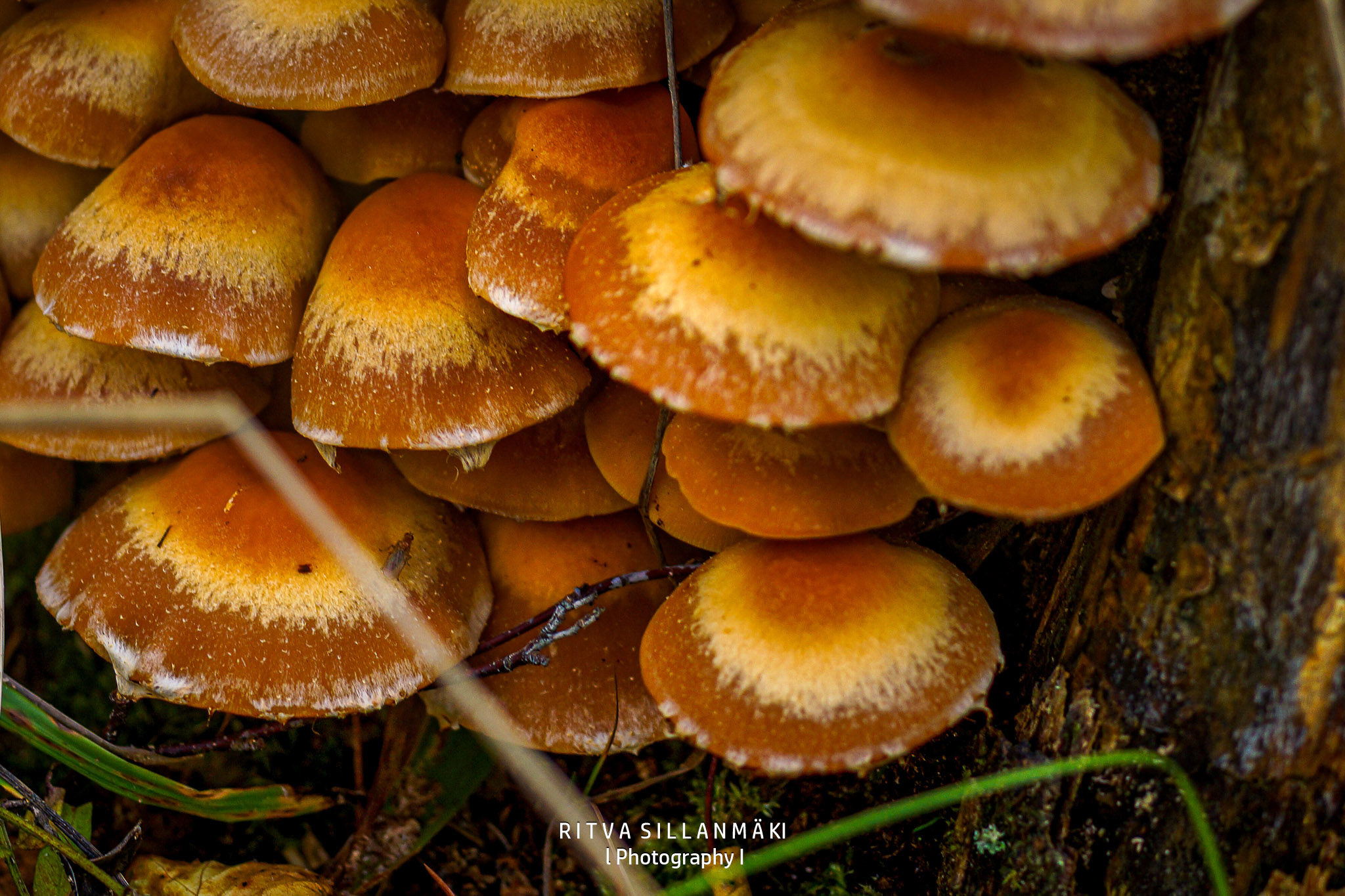
I found these mushrooms on a tree trunk that is on a path to decay. The photo shows many sheathed woodtufts (Kuehneromyces mutabilis), but telling them apart from the highly poisonous funeral bell (Galerina marginata) requires careful examination of the stem, because the caps look very similar.
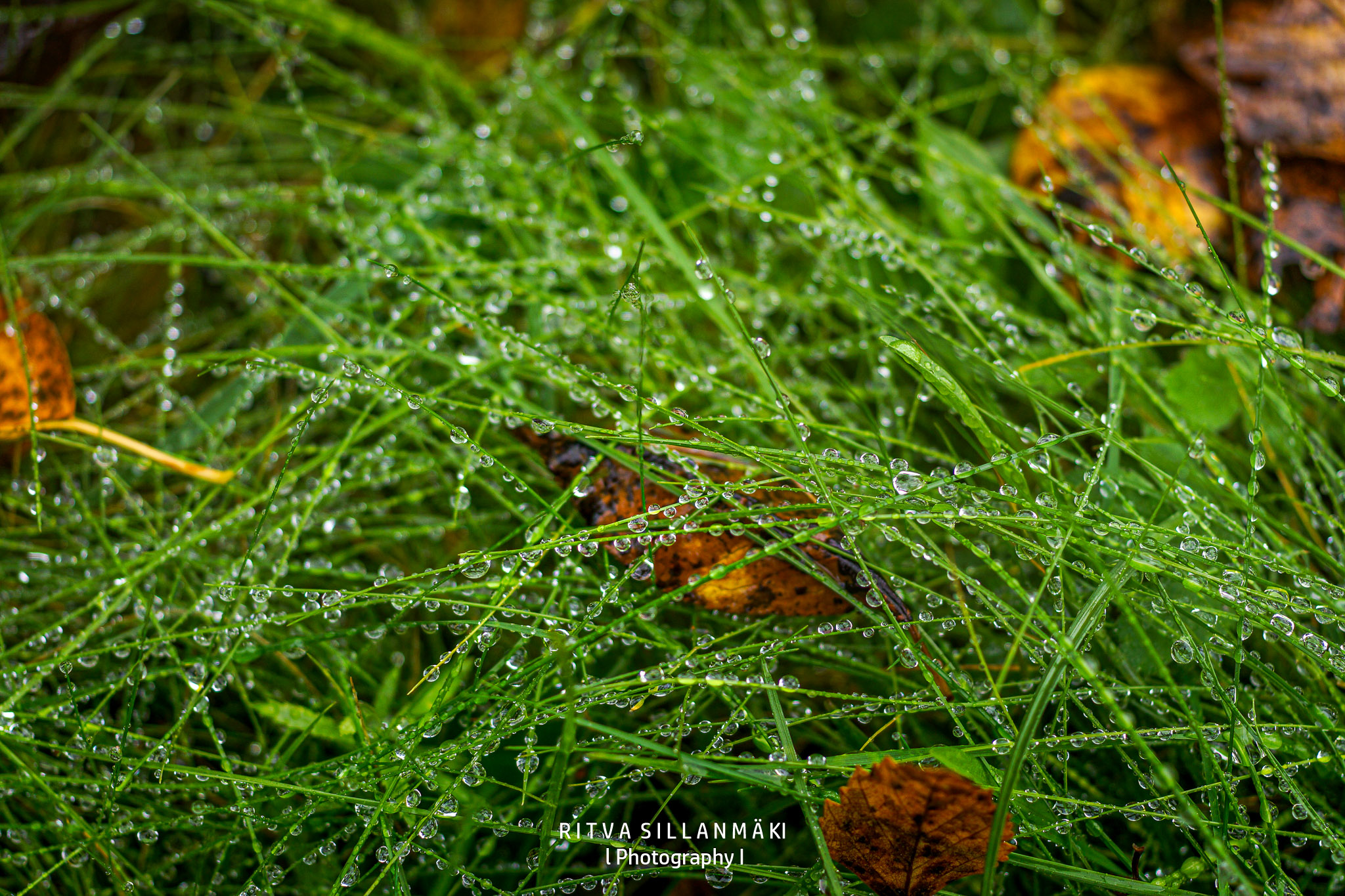
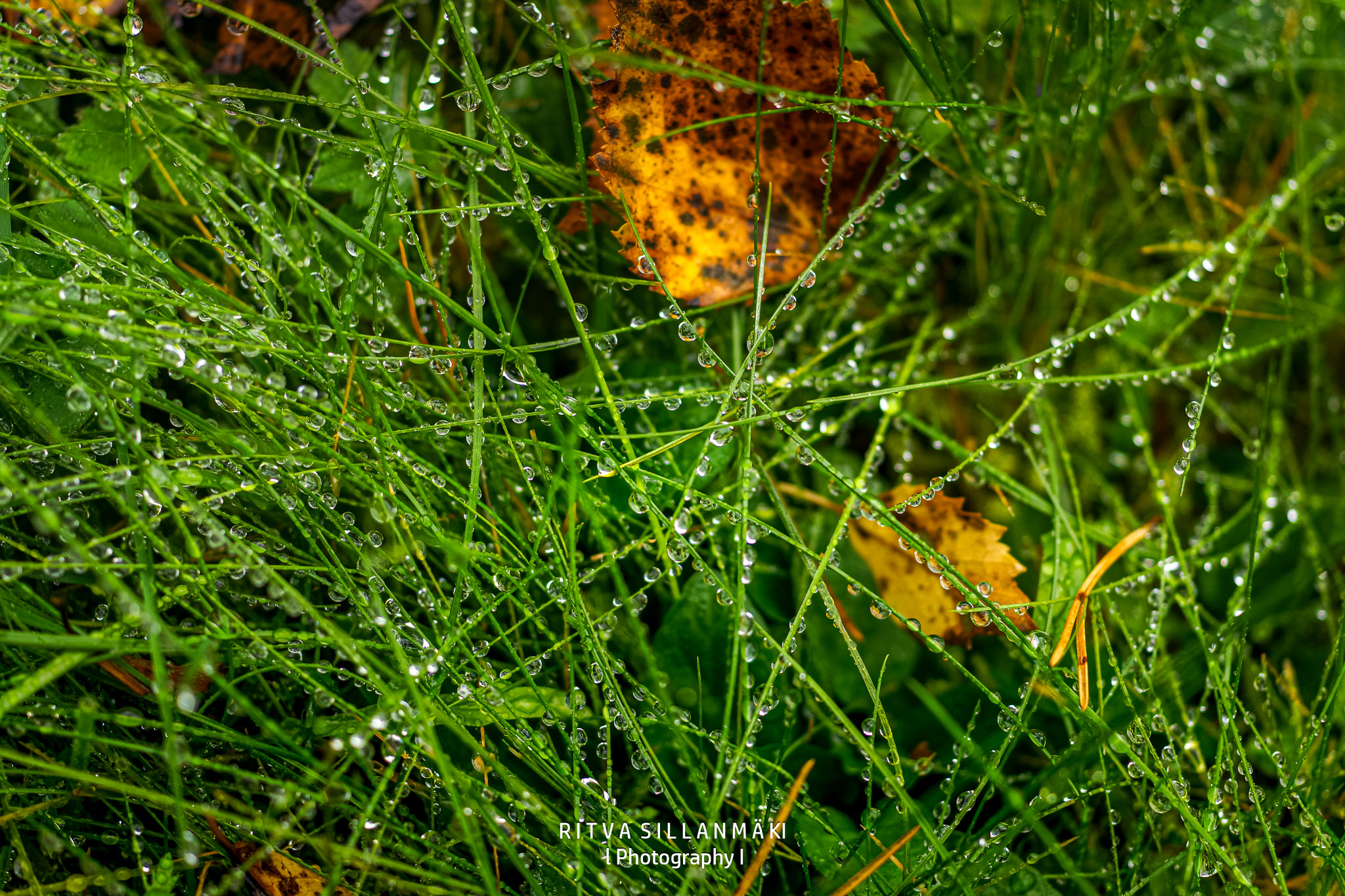
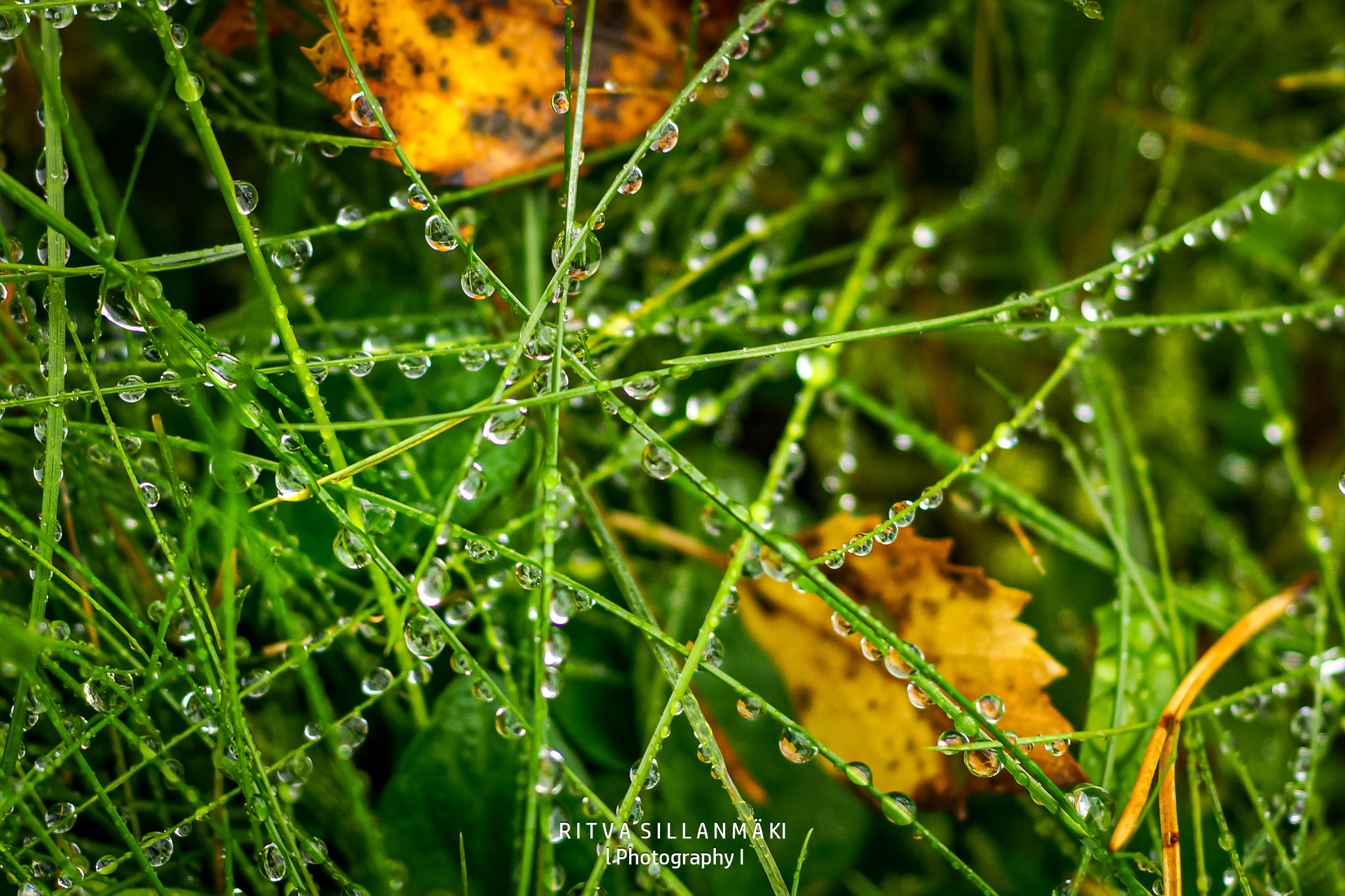
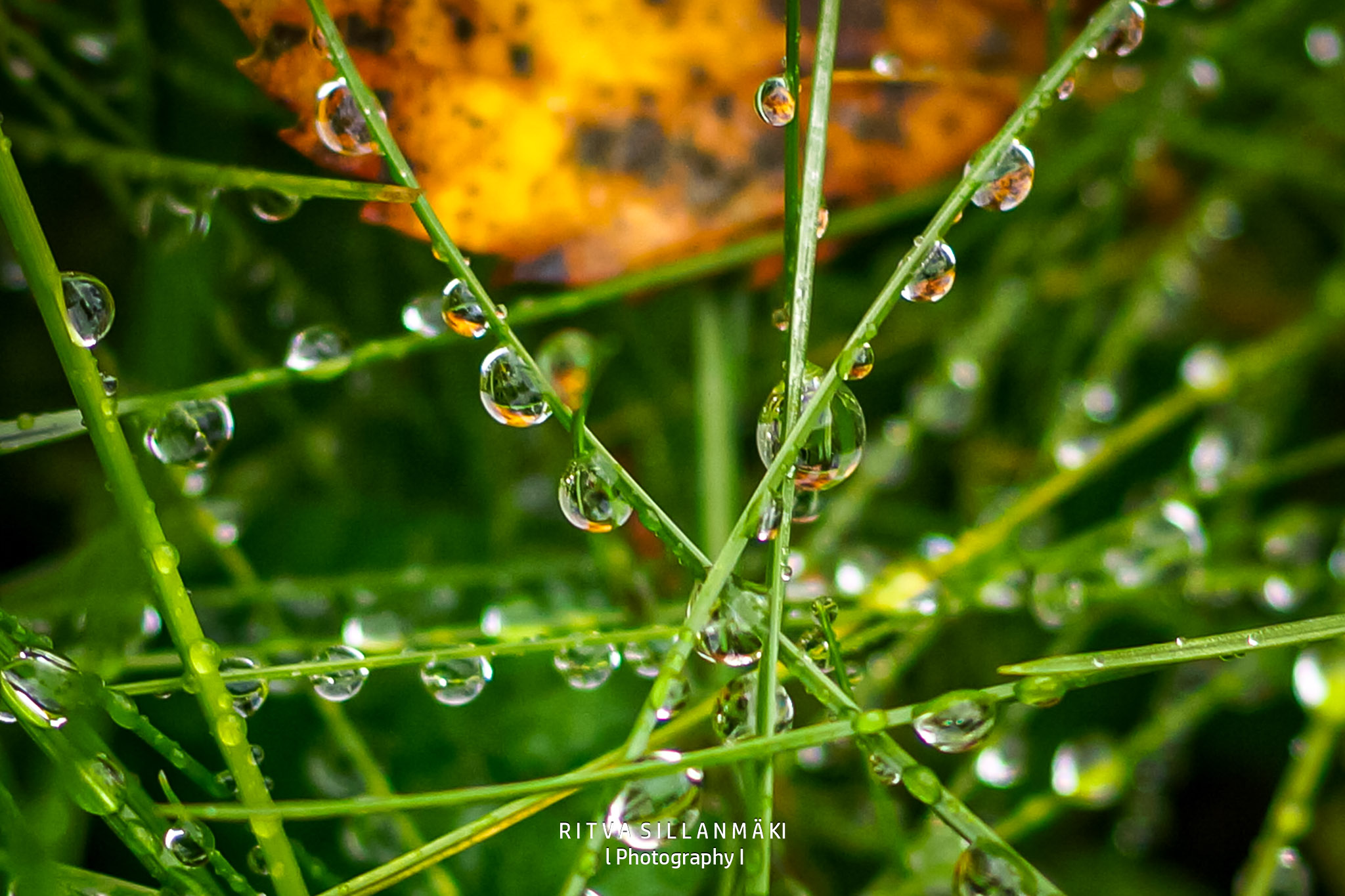
The grass was covered in tiny droplets, each one catching the light in a slightly different way. I took my time, just looking—tracing the lines of the blades, noticing how the droplets clustered, how they broke into patterns and rhythms that I felt could become a strong photograph. The way the light slid across the surface, the soft reflections, and the contrast between sharp edges and blurred textures all started to suggest a composition. Because I was working with a macro lens that has no zoom, every change in framing meant that I had to move myself, slowly and deliberately, bending closer and adjusting my position by small increments to fine-tune the focus and preserve the delicate balance of light, texture, and form in the scene.
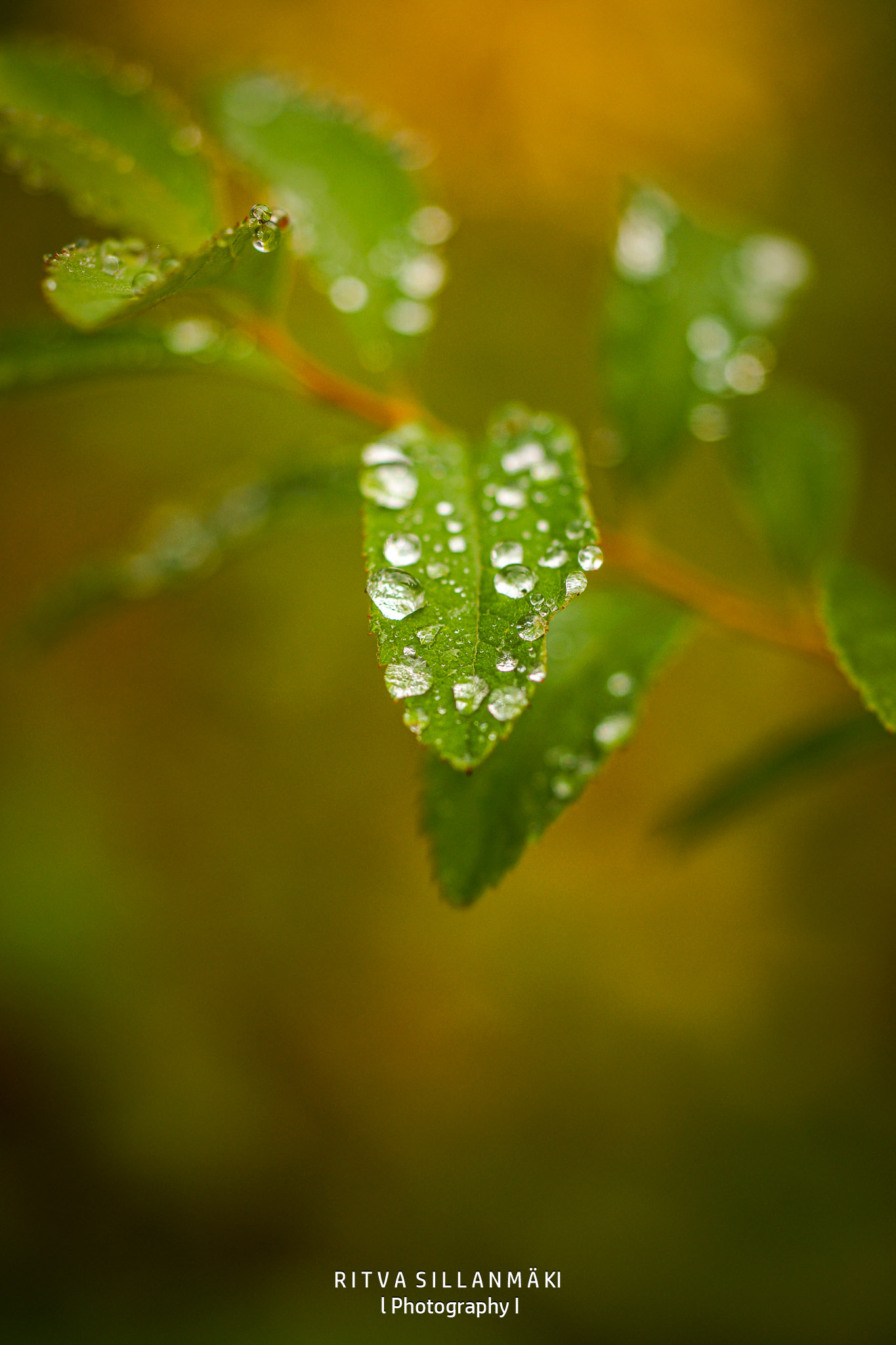
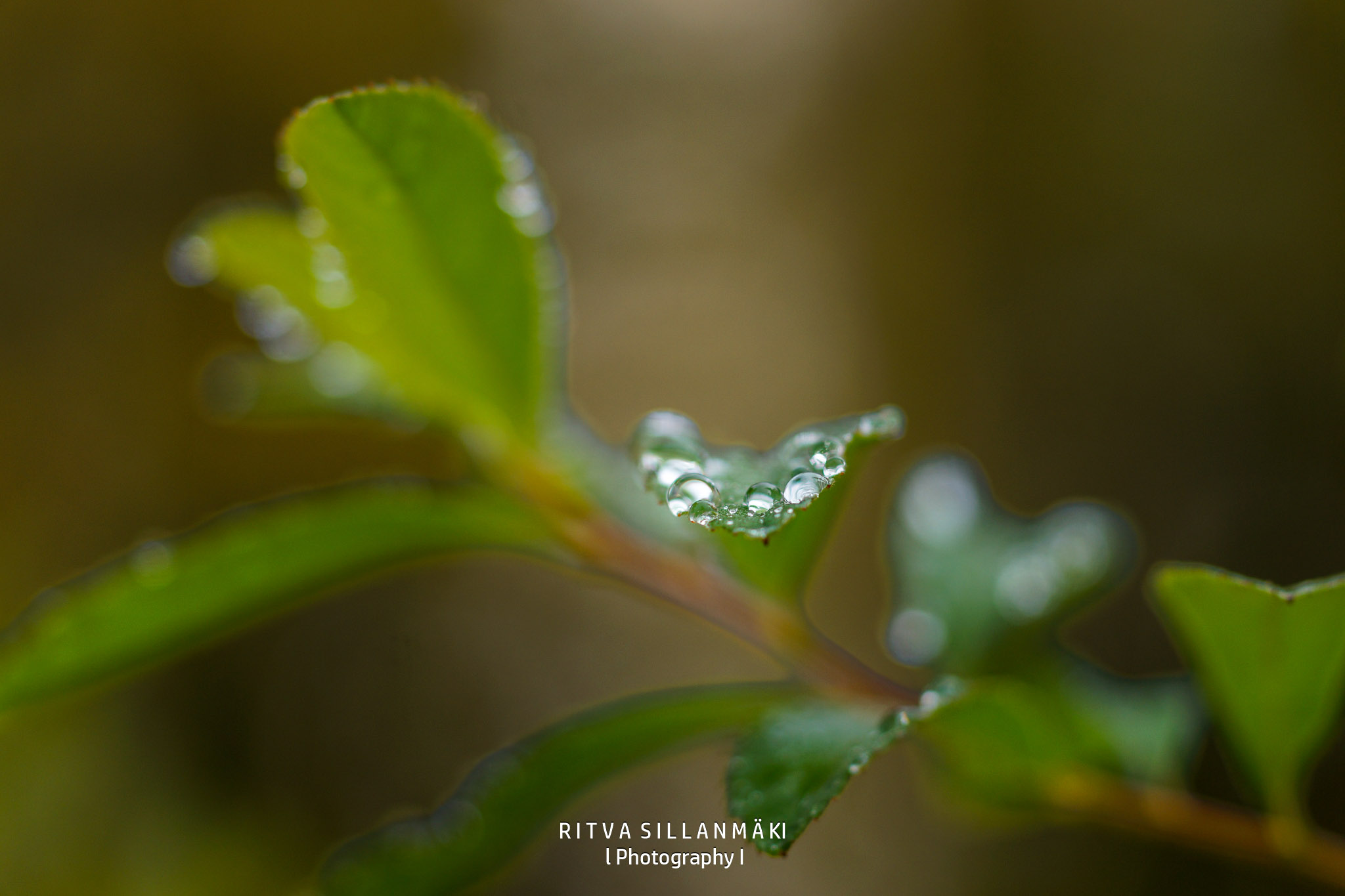
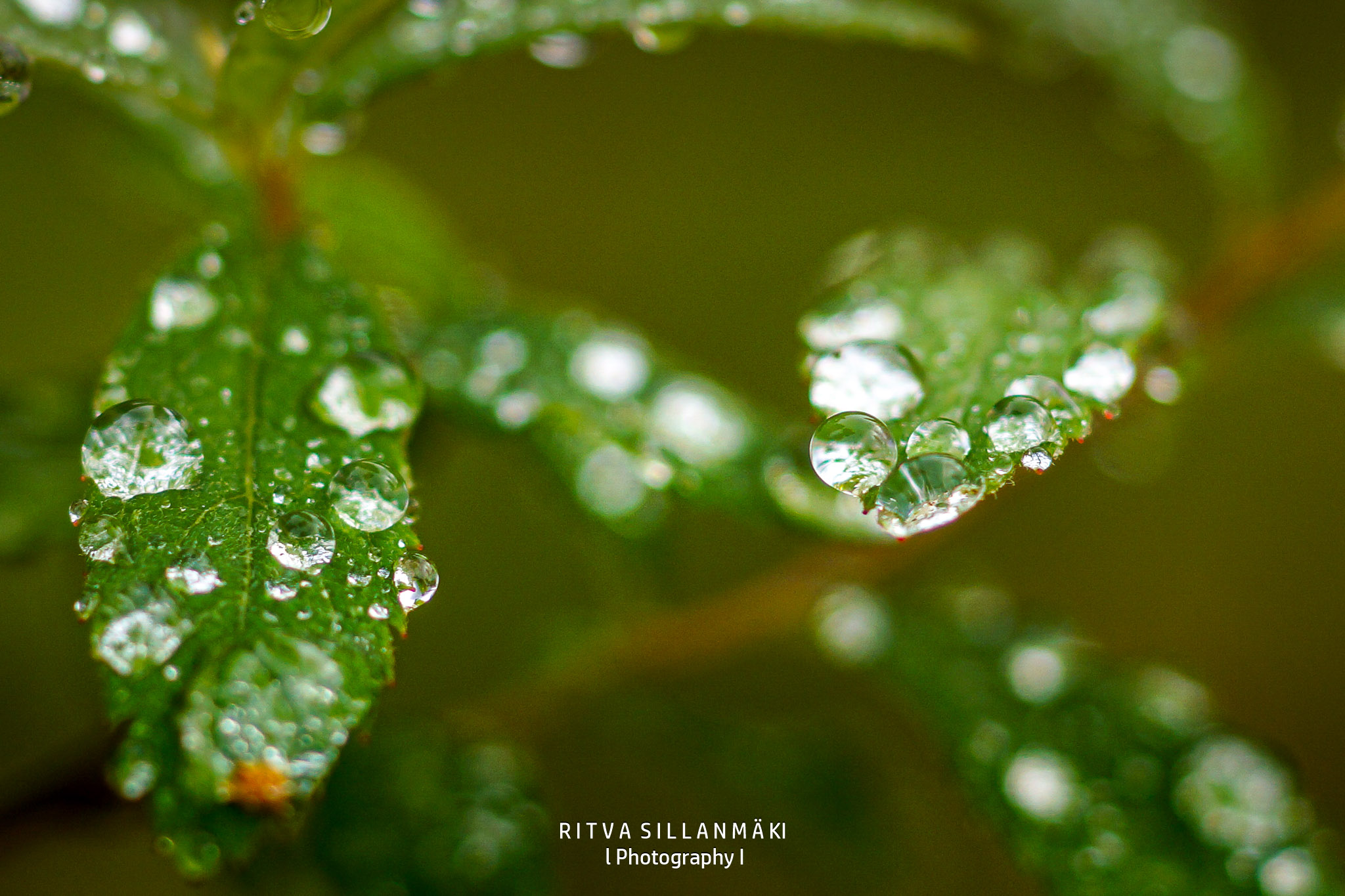
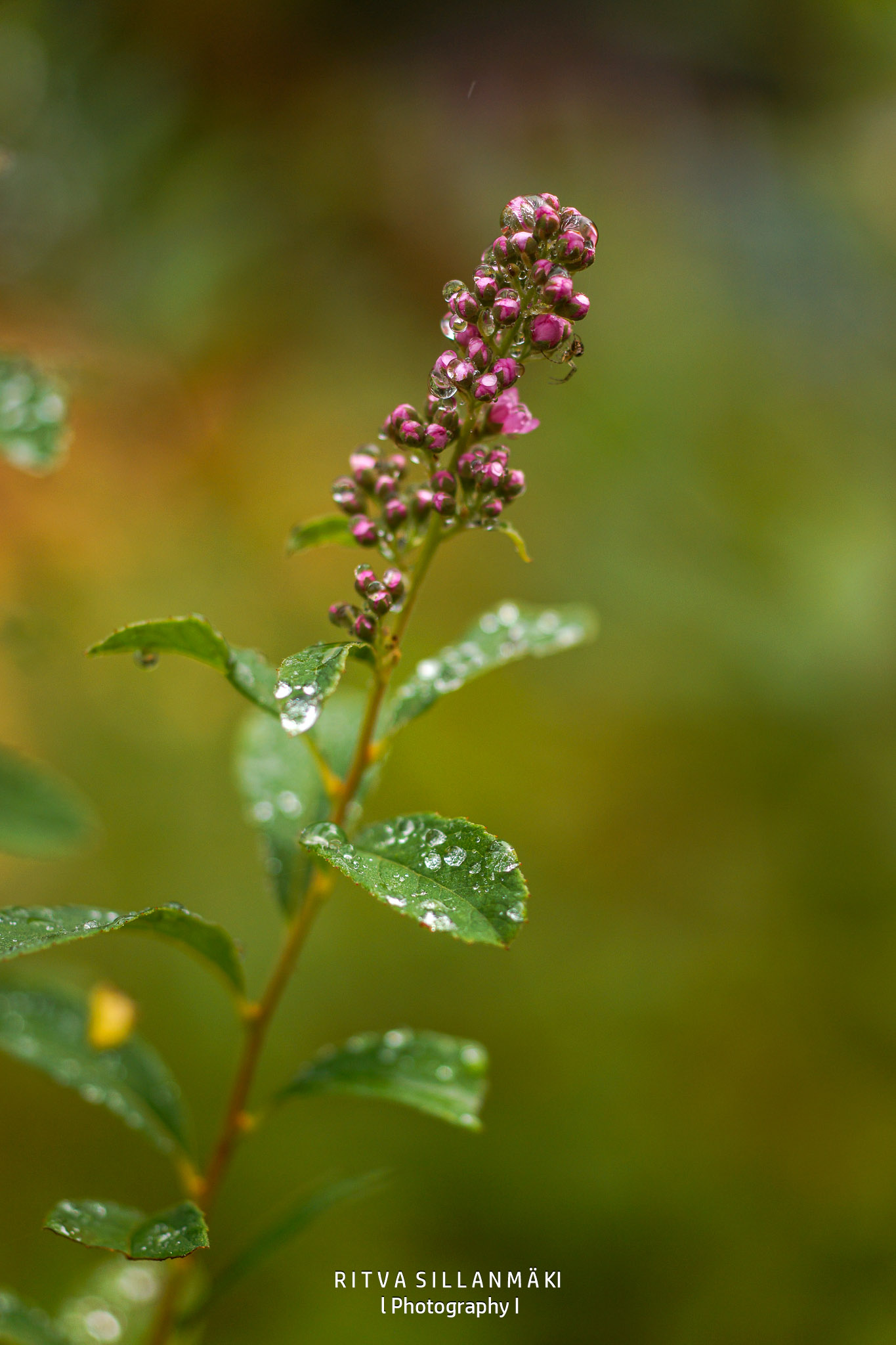
These were easier to take, as the branches were on eye level. Closer and closer I got… Billard’s bridewort had only this one flower left all the others had turned brown.
Check out Anne’s original post and link you post to hers. Please don’t forget to use the “lens-artists” hashtag in your posts so people can find your challenge entries.
Ann-Christine had us thinking about HARMONY last week, and it reminded us just how deeply we need it in our lives. The challenge inspired so many different and creative ways to express harmony—quiet moments in nature, balanced compositions, gentle colors, and heartfelt stories—and the posts I saw were filled with the calm, connection, and beauty we were hoping for. Thank you to everyone who joined in and shared your unique vision; together, you created a rich, soothing tapestry of images and ideas.
Next week, I’ll be introducing a brand-new challenge, which will go live Saturday October 3rd at noon EST in the USA. Mark your calendars and stop by then to discover what I’ve been planning and how you can join in the fun; I can’t wait to see where our lenses take us next.
Until then, let’s keep exploring, broadening our horizons, and maintaining a positive mindset
You can keep up with all of our challenges by subscribing to the Lens-Artists team members websites: Tina, Patti, Ann-Christine, John, Sofia, Anne, Egidio, Beth. Ritva,
For information on how to join the Lens-Artists challenge please click here.
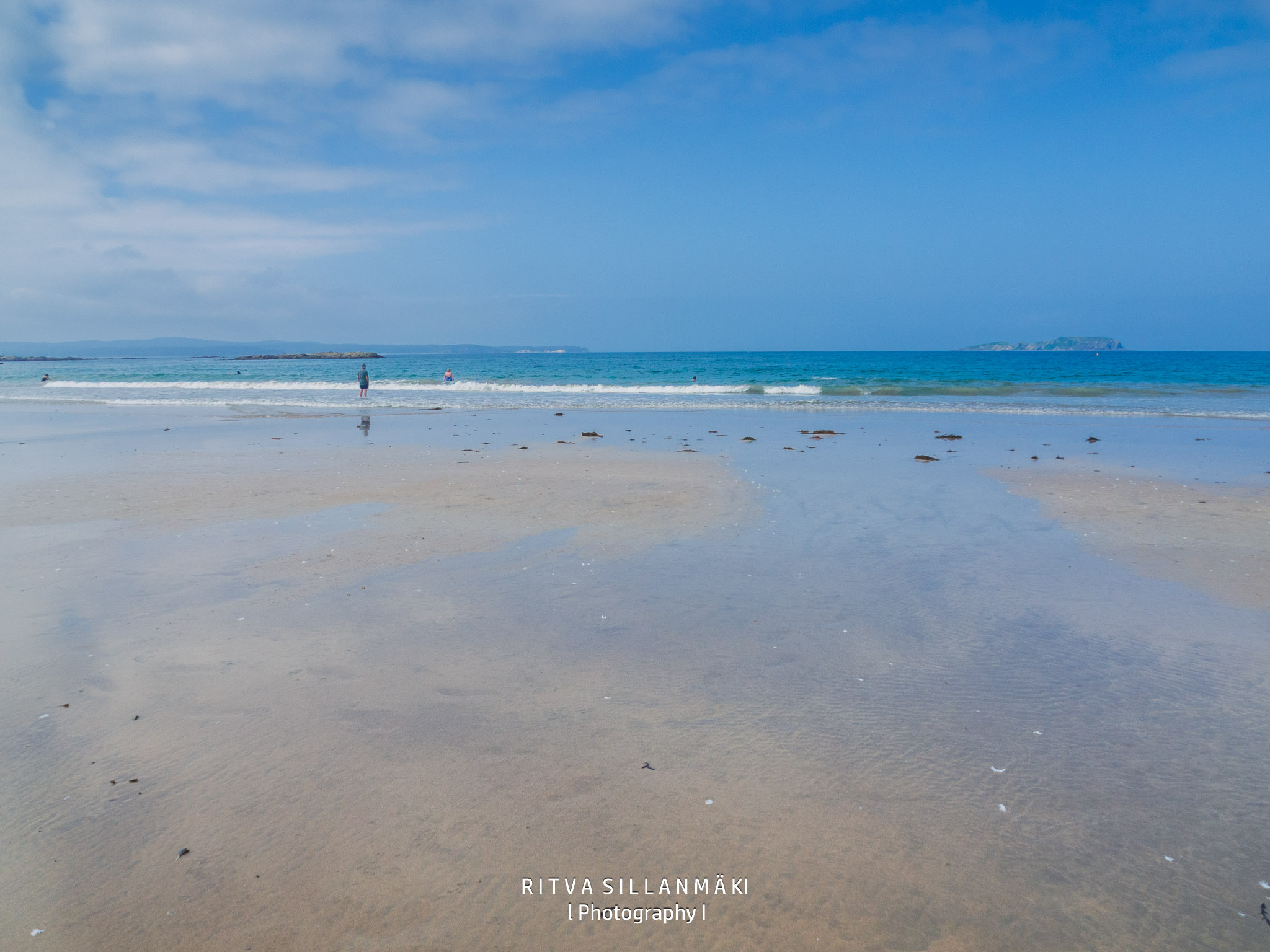
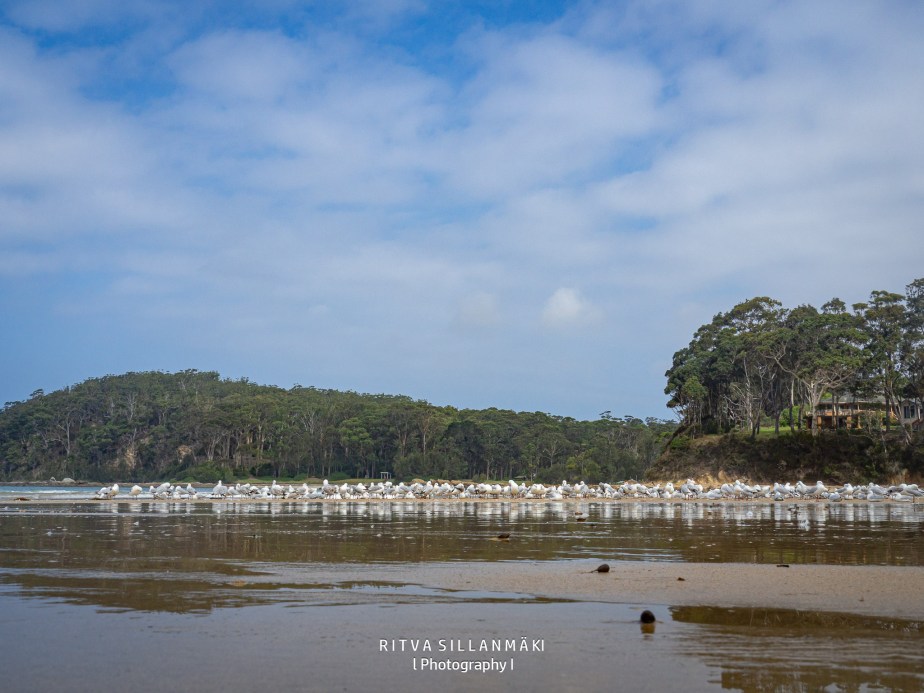
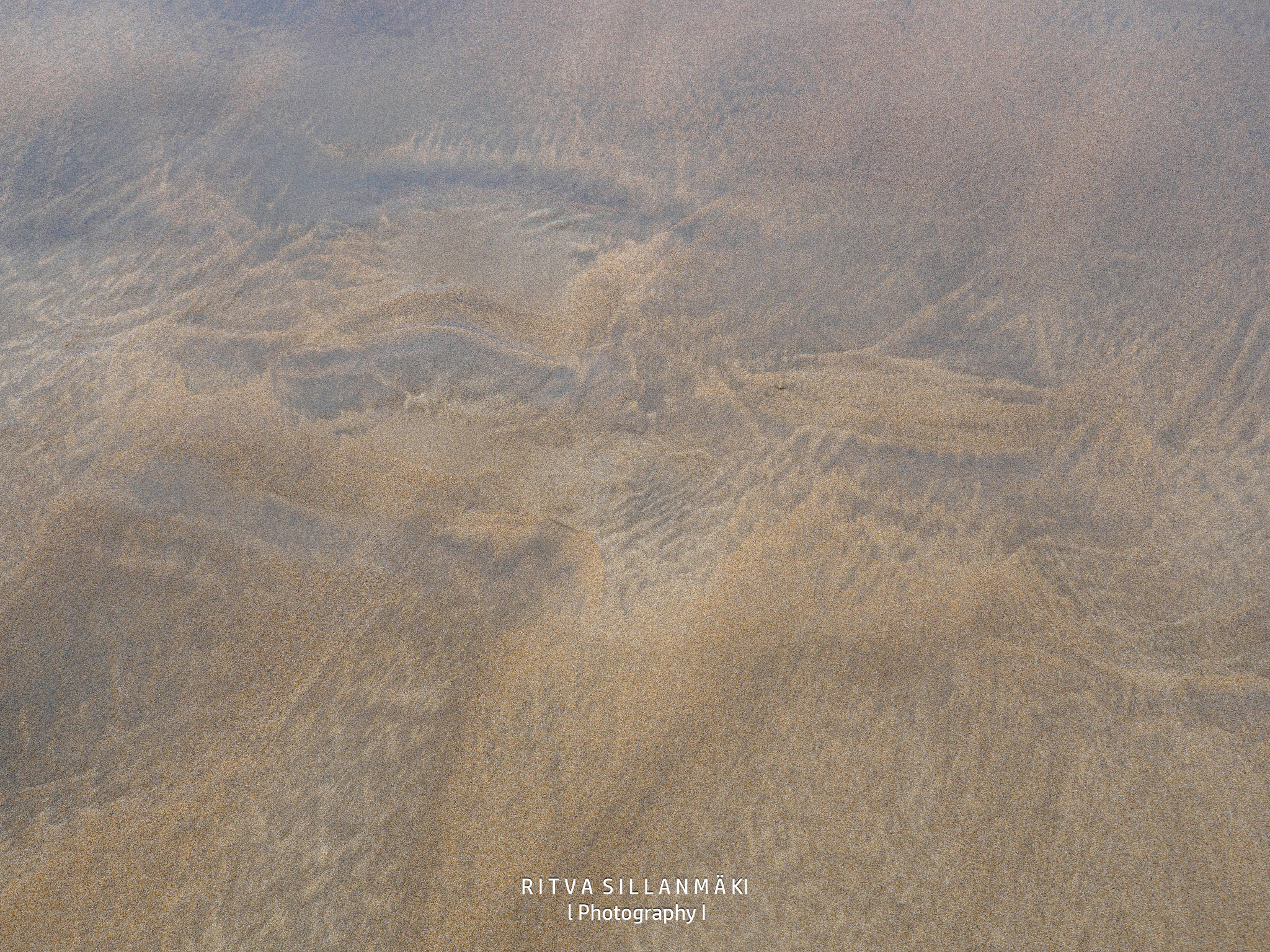
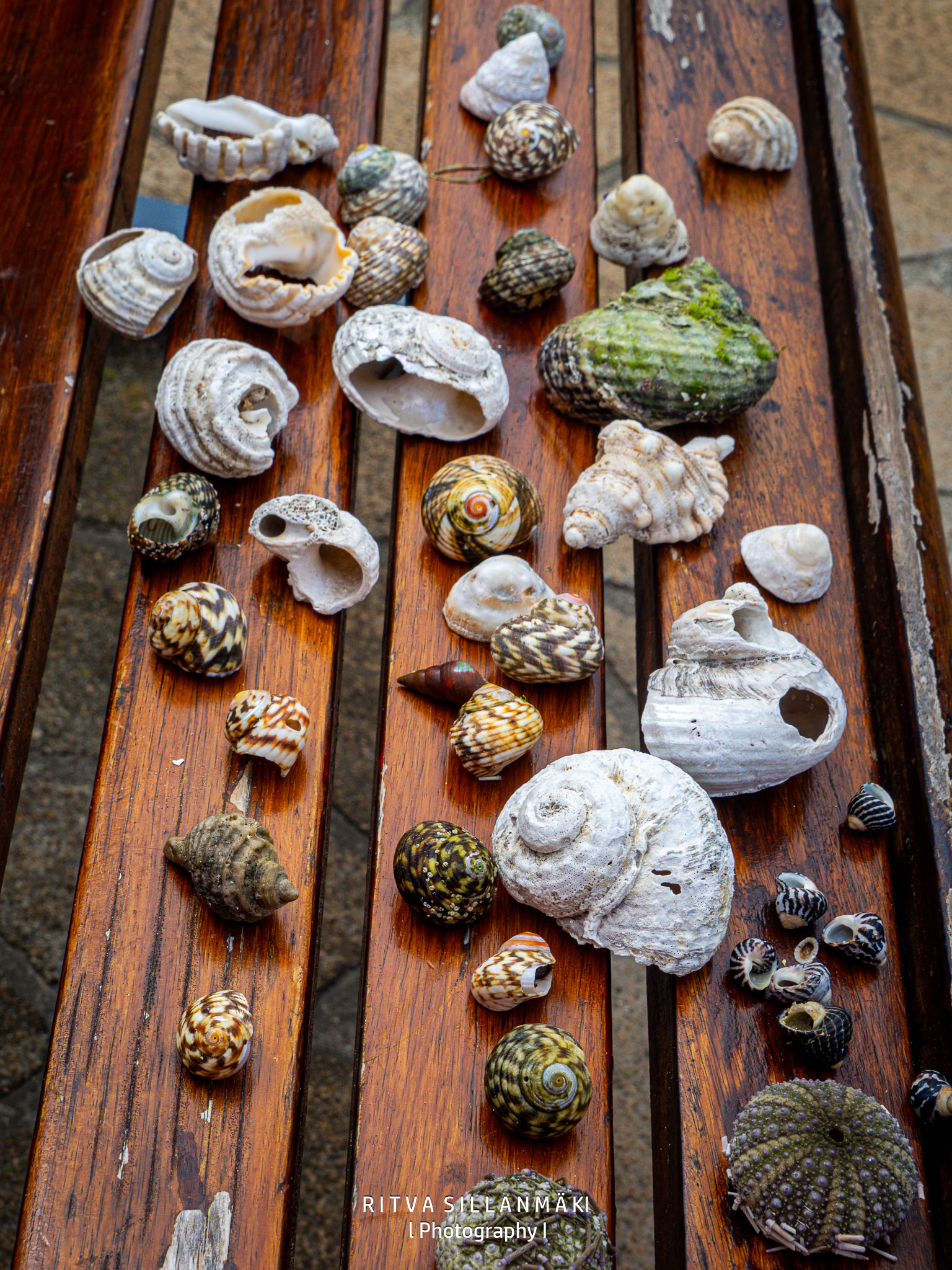
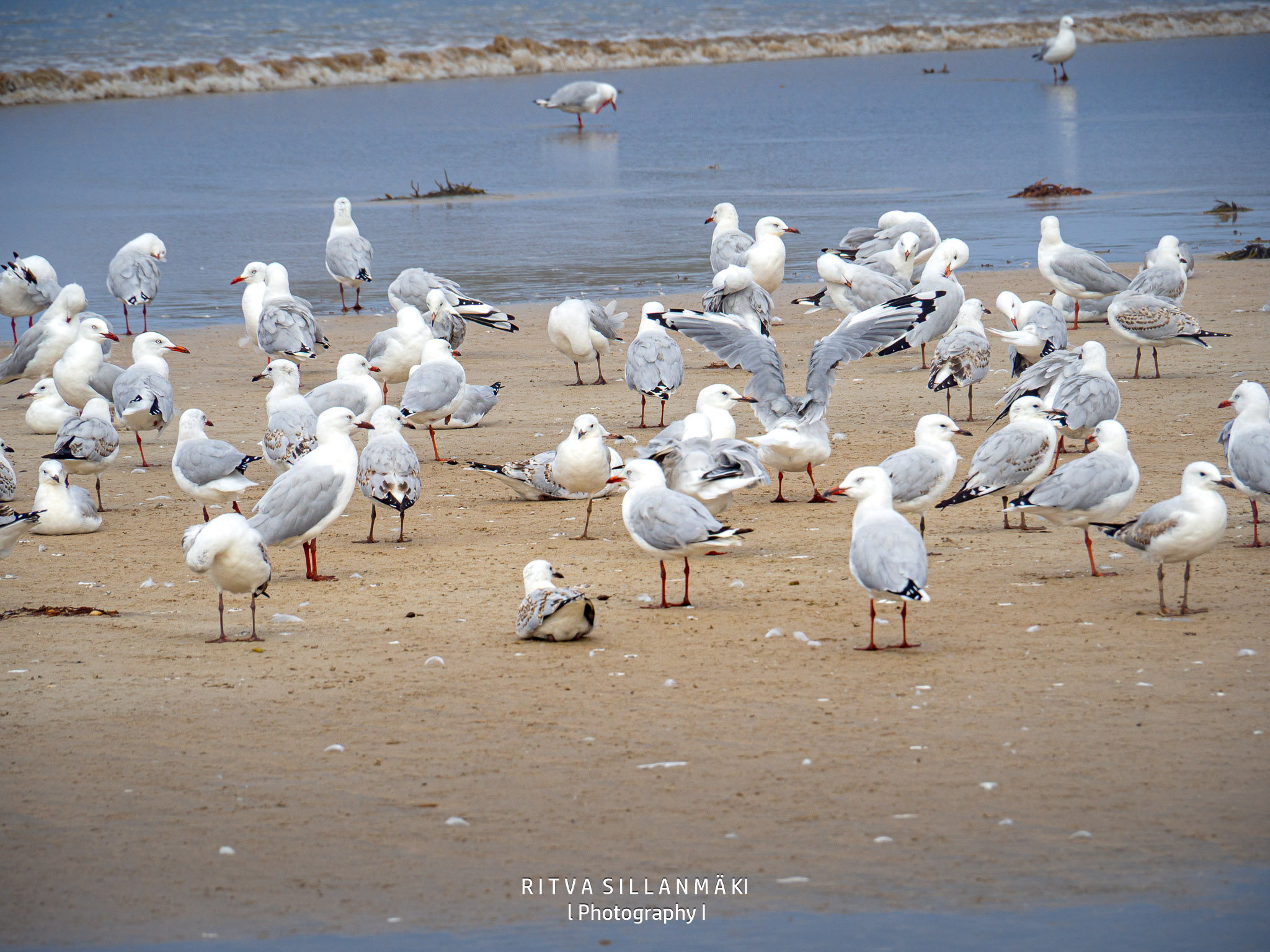
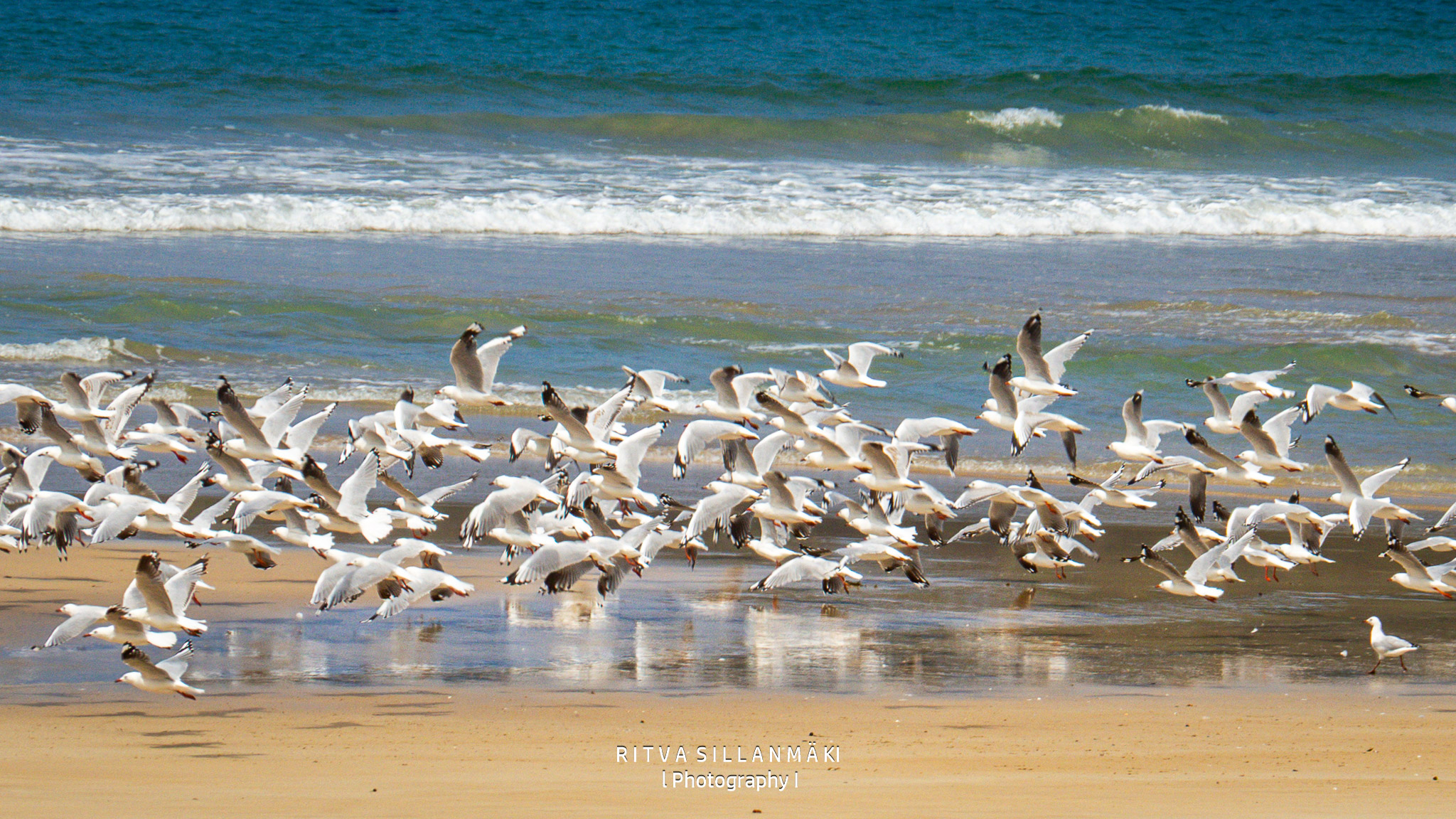
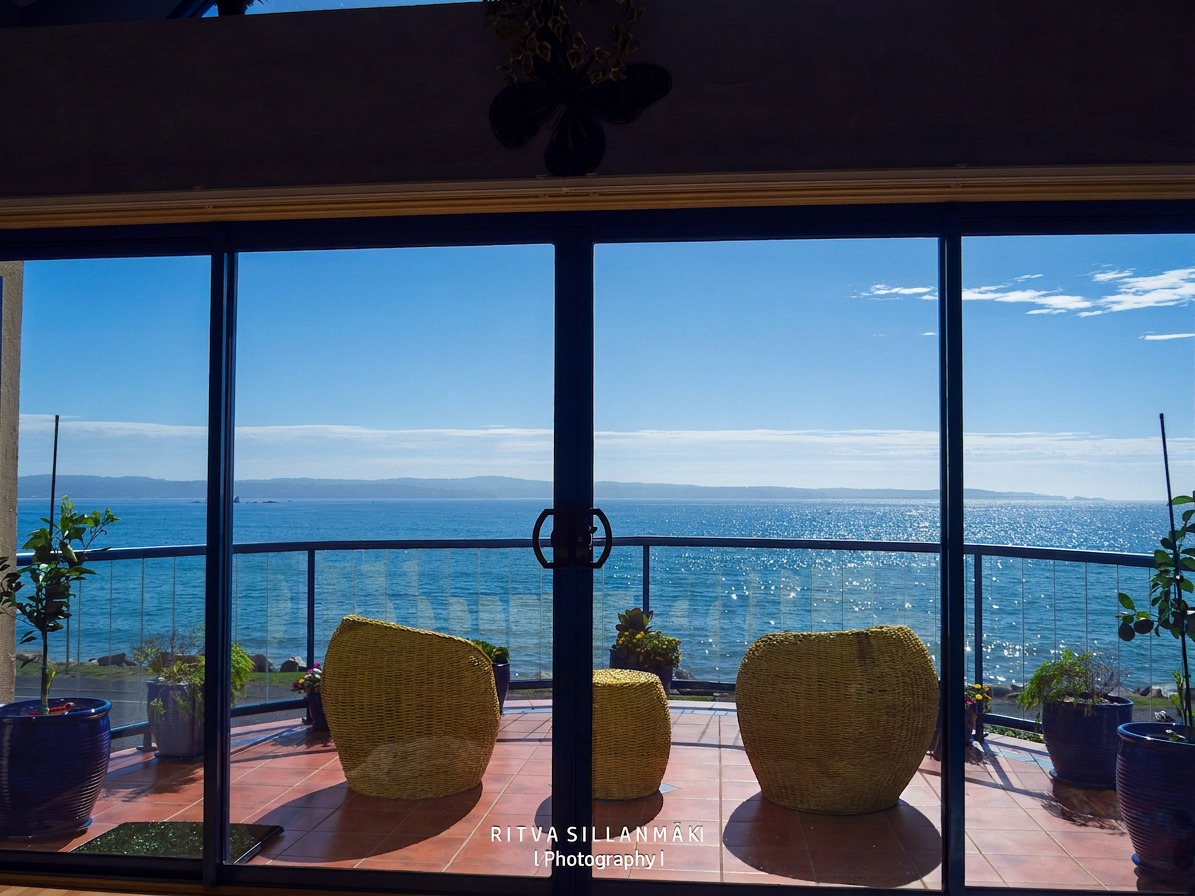
After visiting the mountains, it was time to check out some beaches nearby and soak up some rays. We basically had a lazy afternoon at Surf Beach. What’s not to like: lovely views and the relaxing sound of the waves. There were not many people around, as it was not the locals’ vacation time. Ritva sat on the beach taking photographs of seagulls and the waves, while I took a leisurely stroll along the seashore. I couldn’t help myself and collected seashells again. Sea urchin shells are so delicate, but I still managed to transport them to Finland intact. The waves on the beach were quite heavy for my liking, but I managed to swim anyway. The water of the Pacific Ocean felt cool at first, but after getting used to it, it was easy to stay in for a long time.
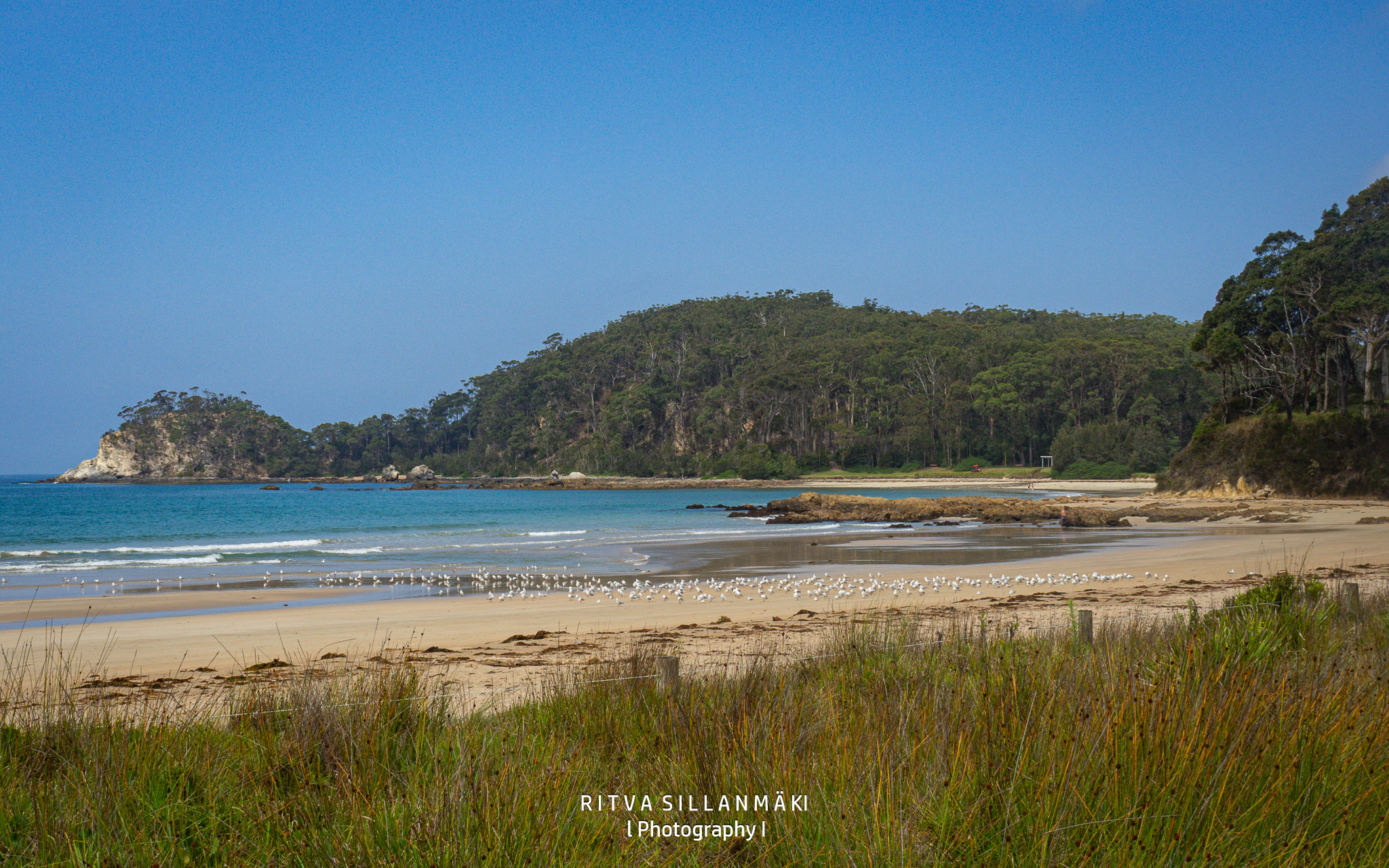
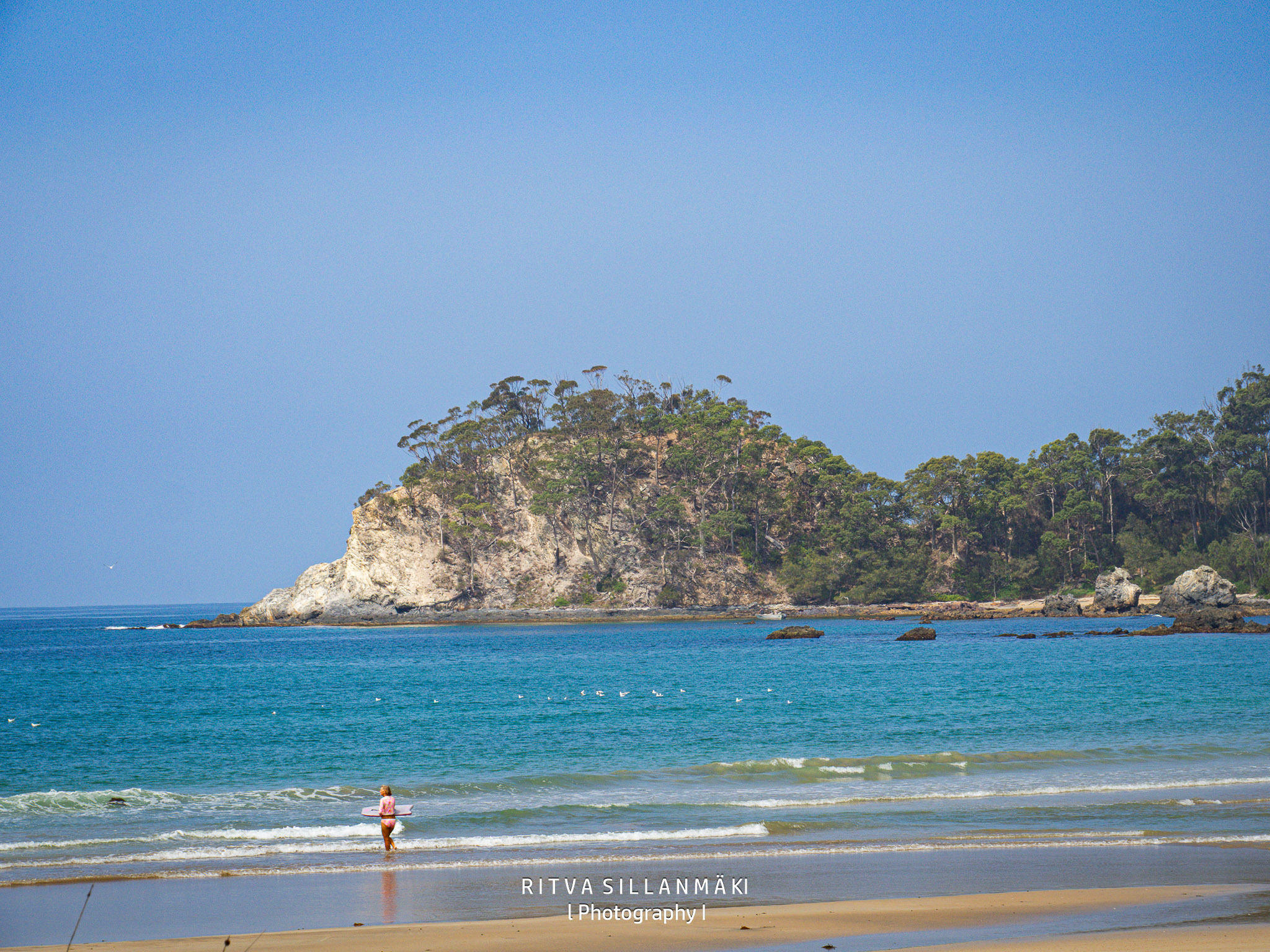
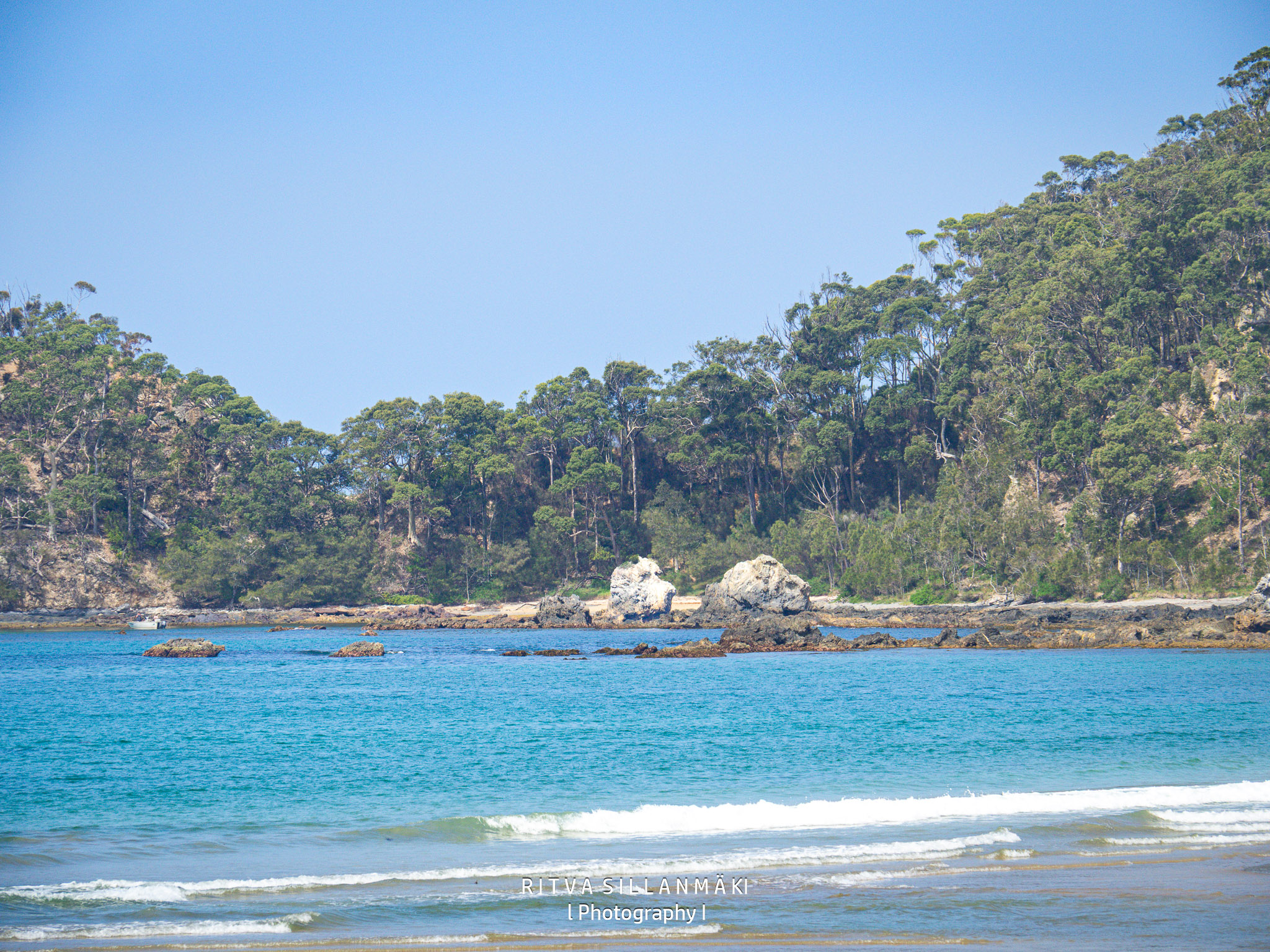
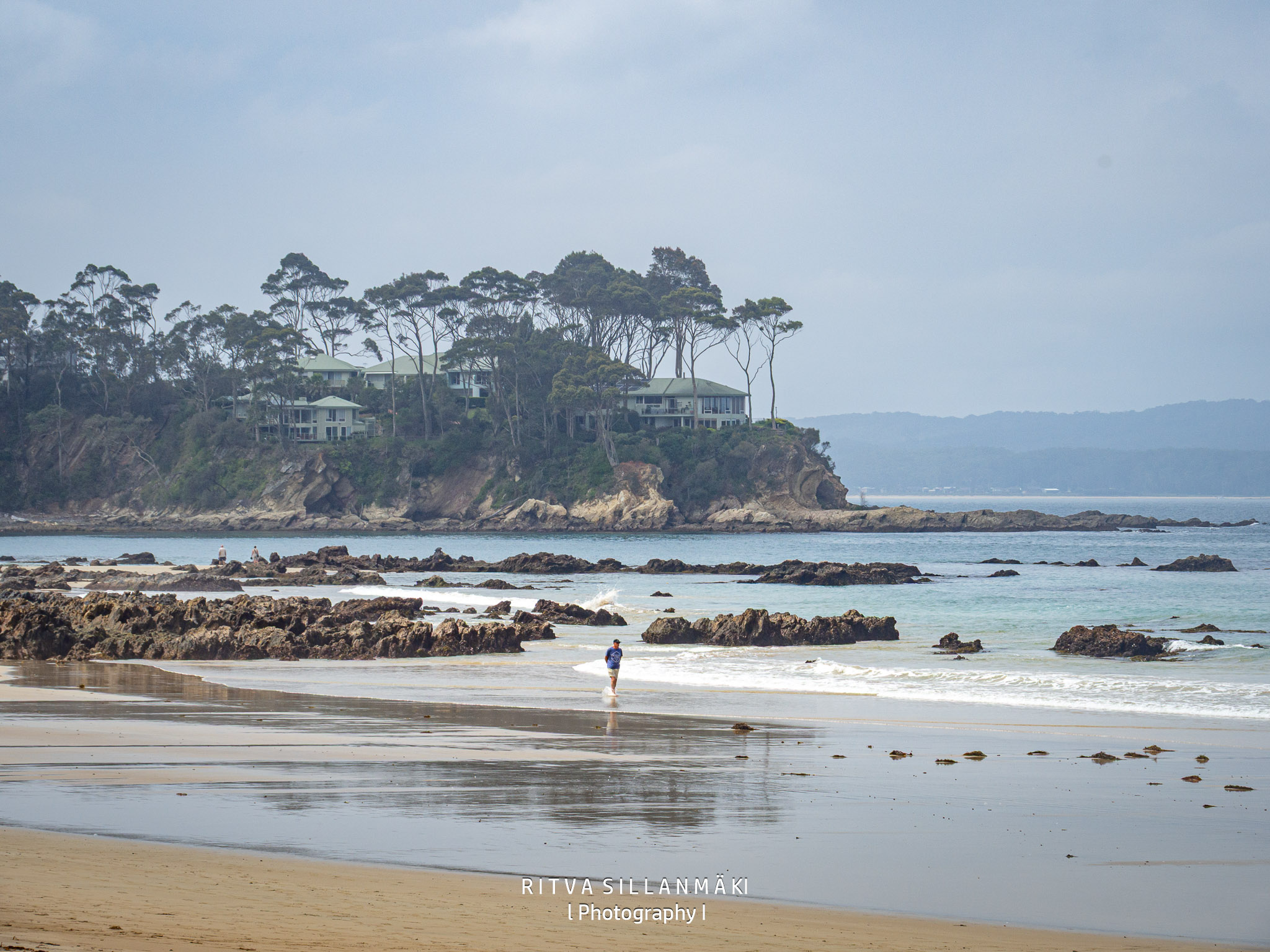
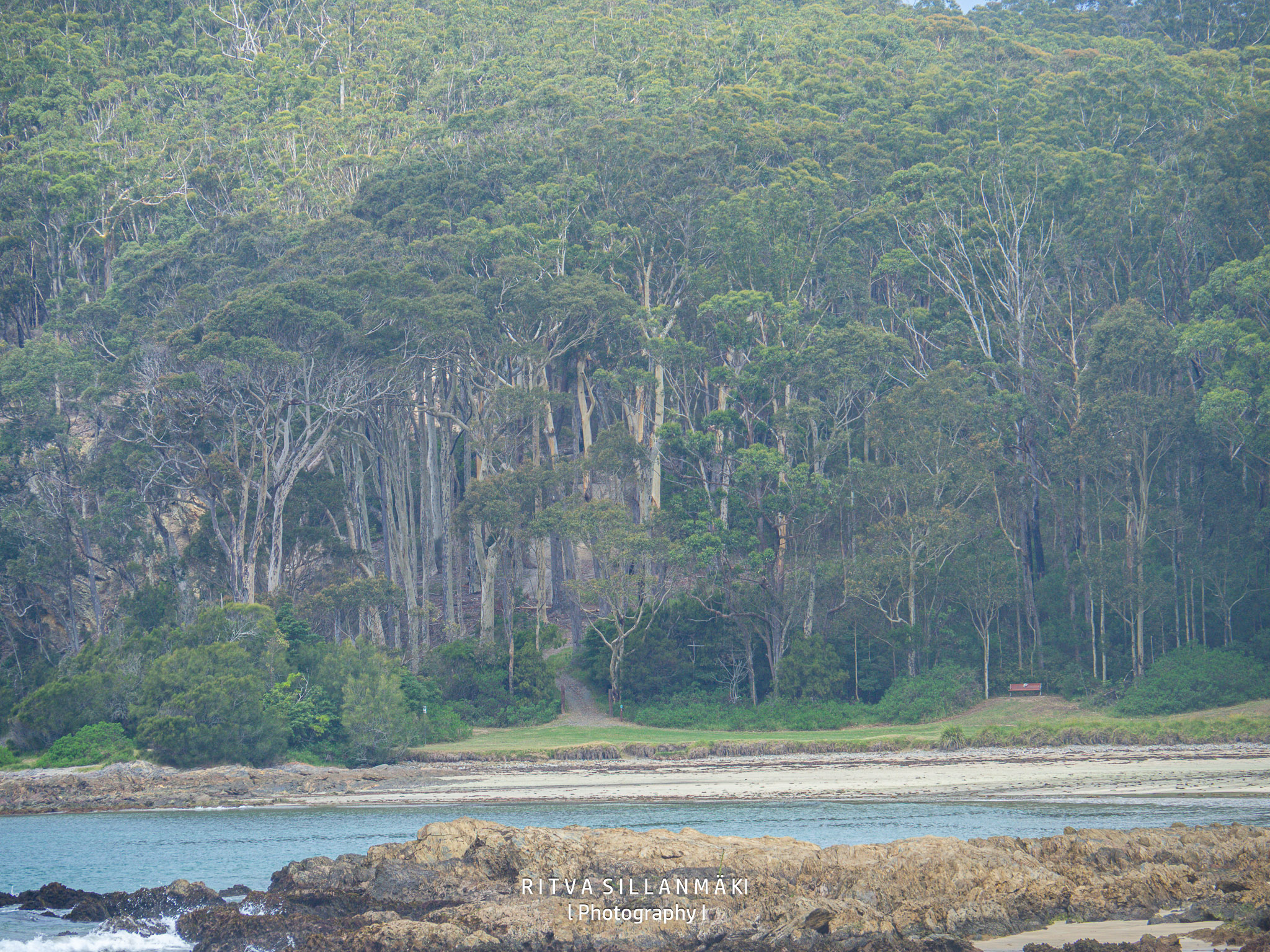
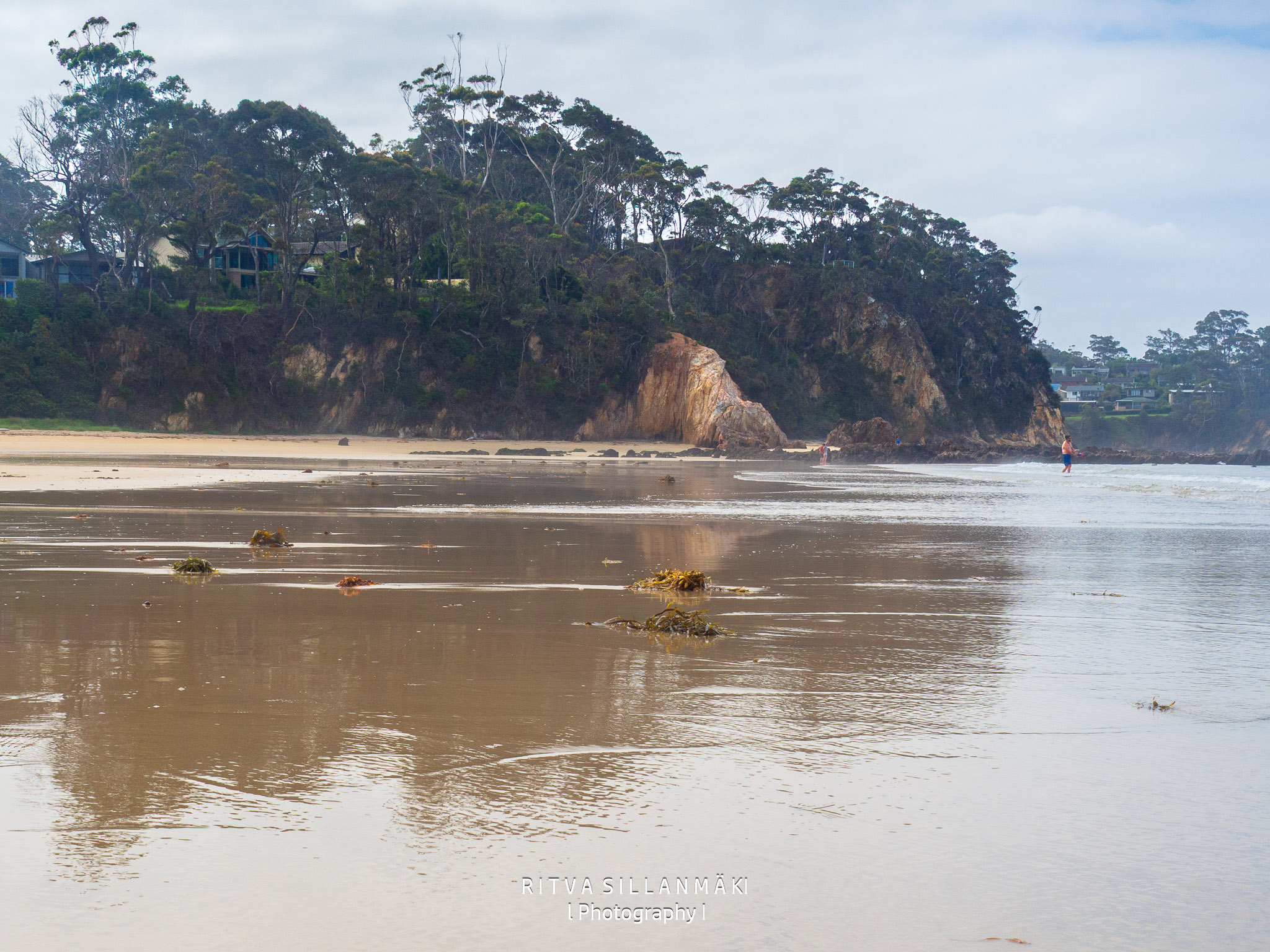
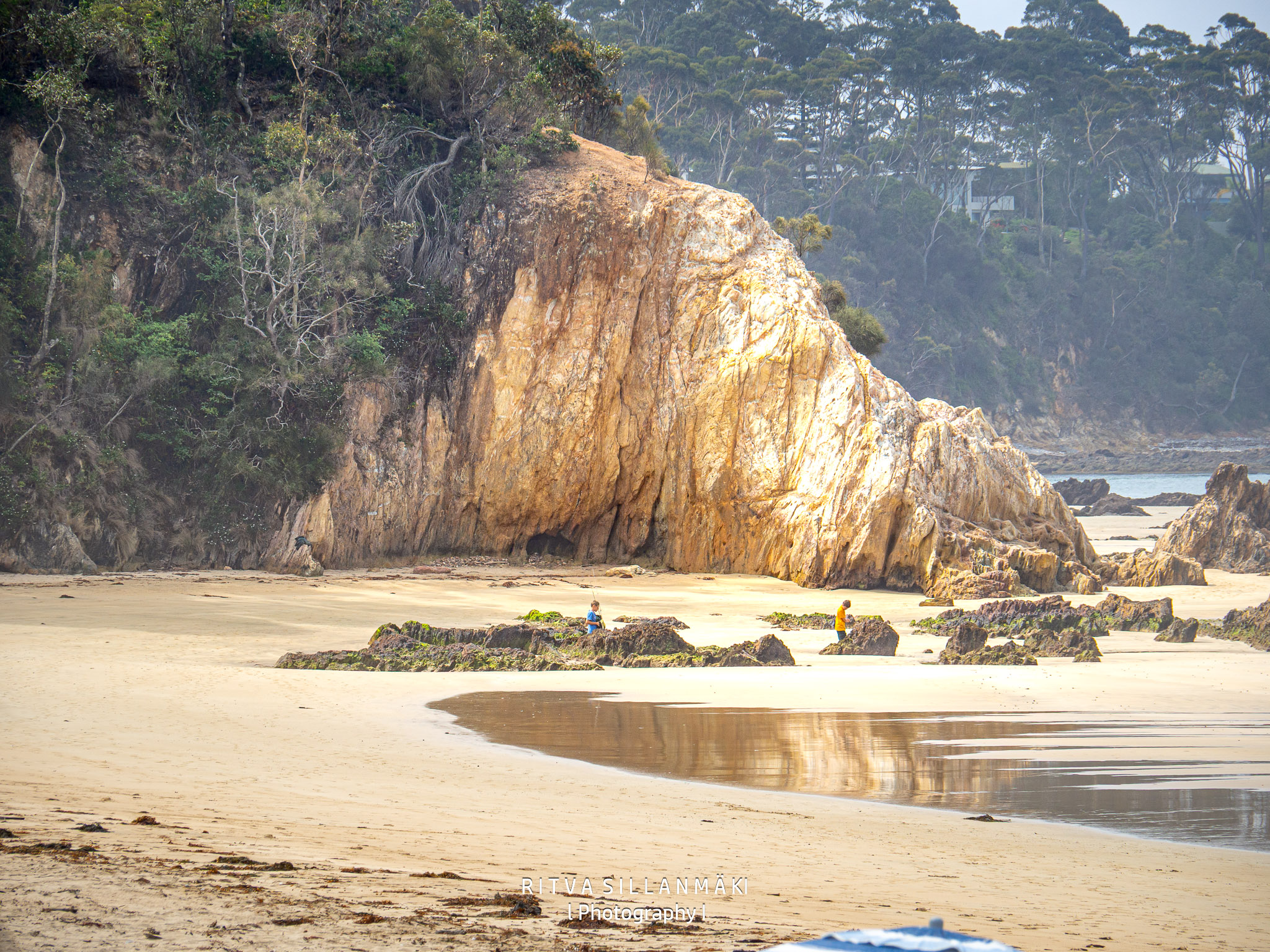
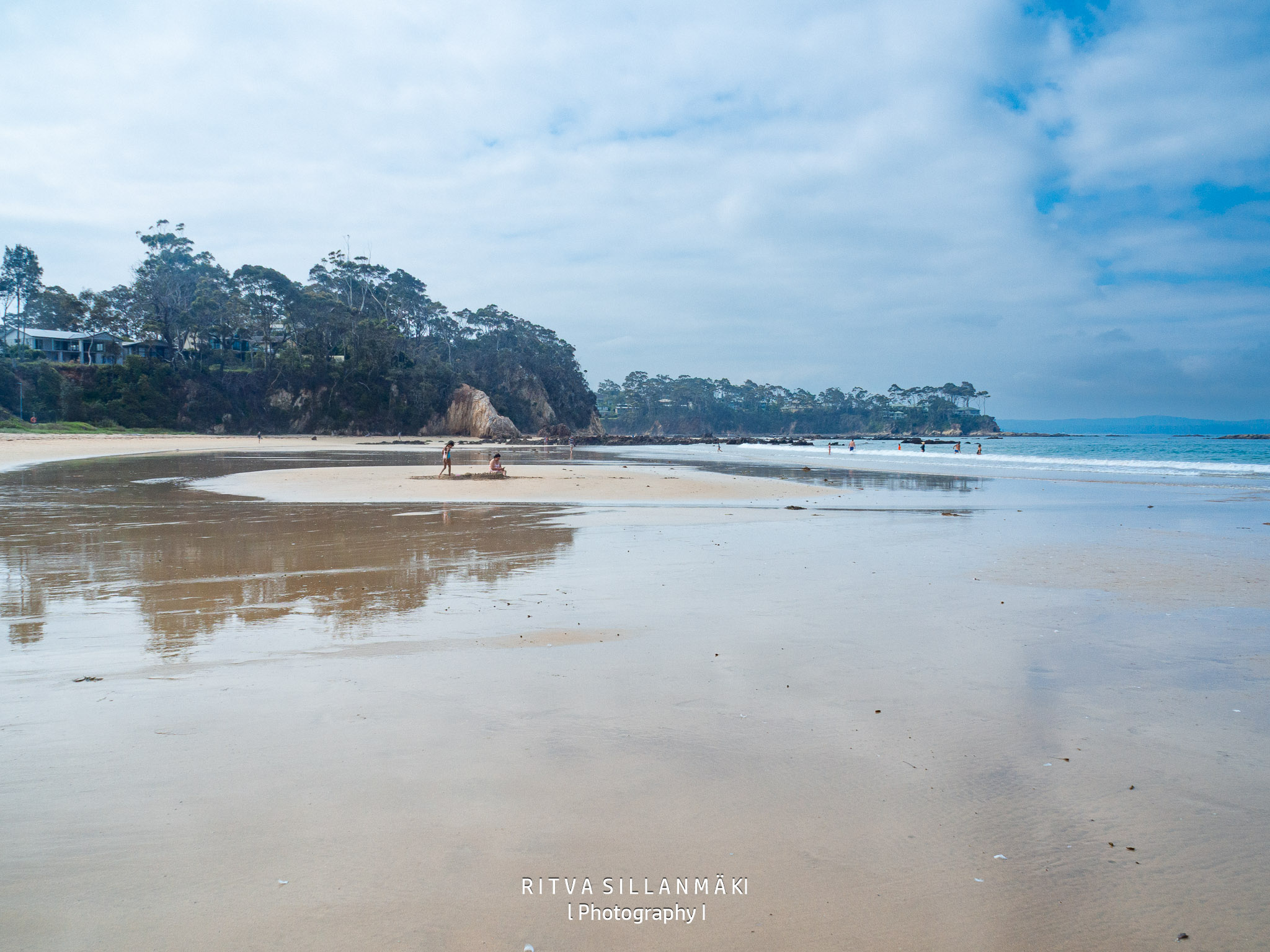
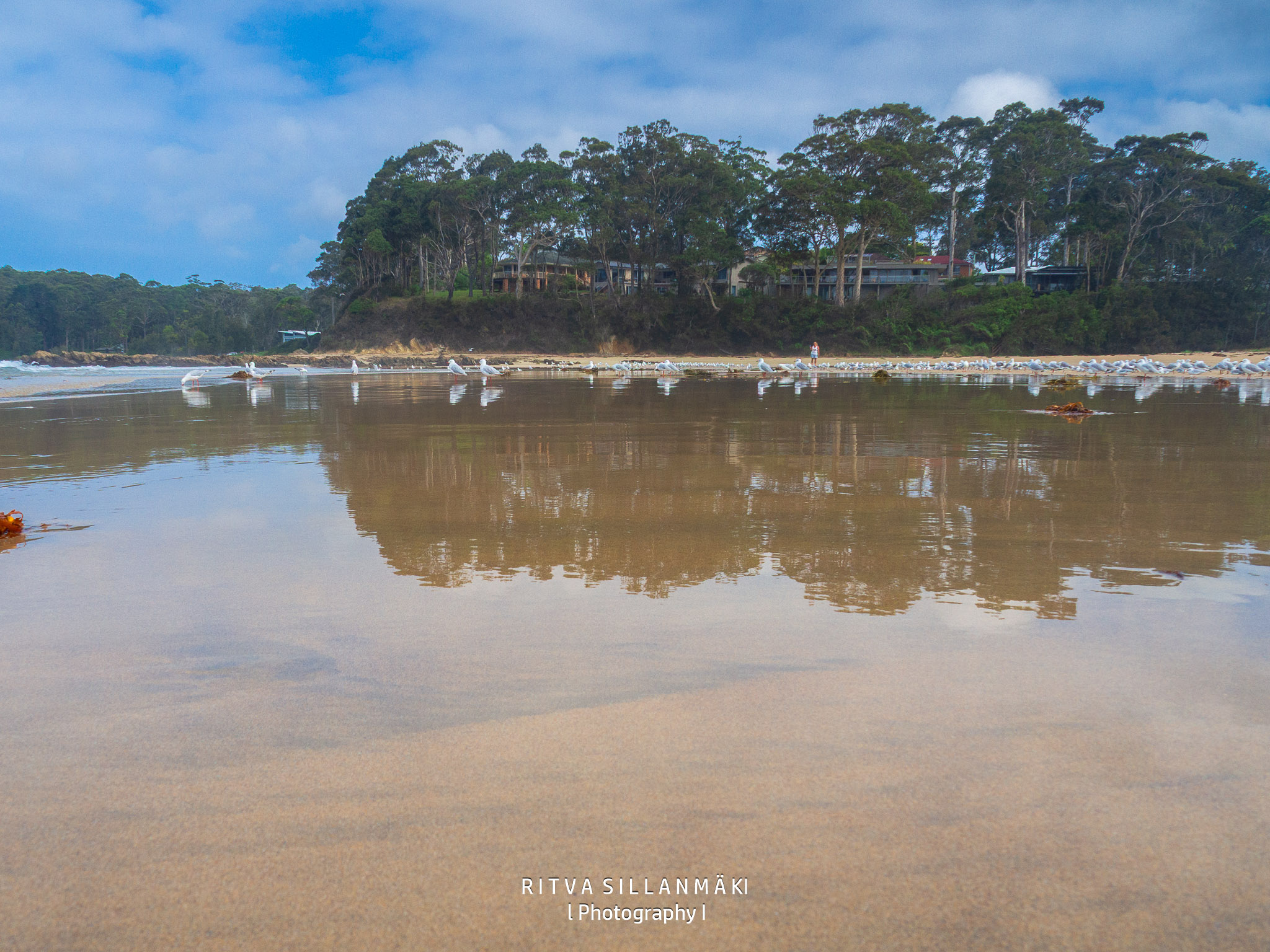
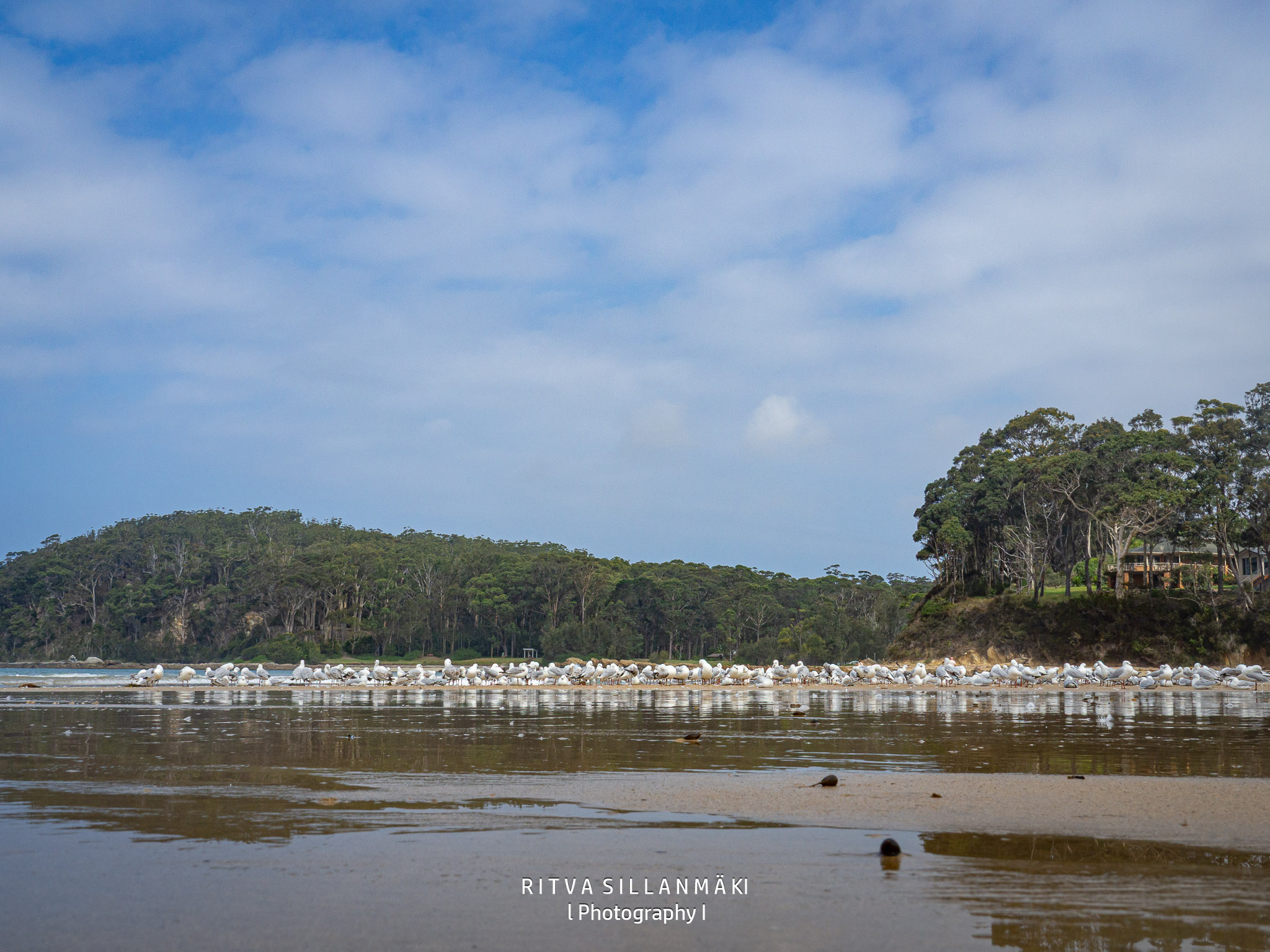
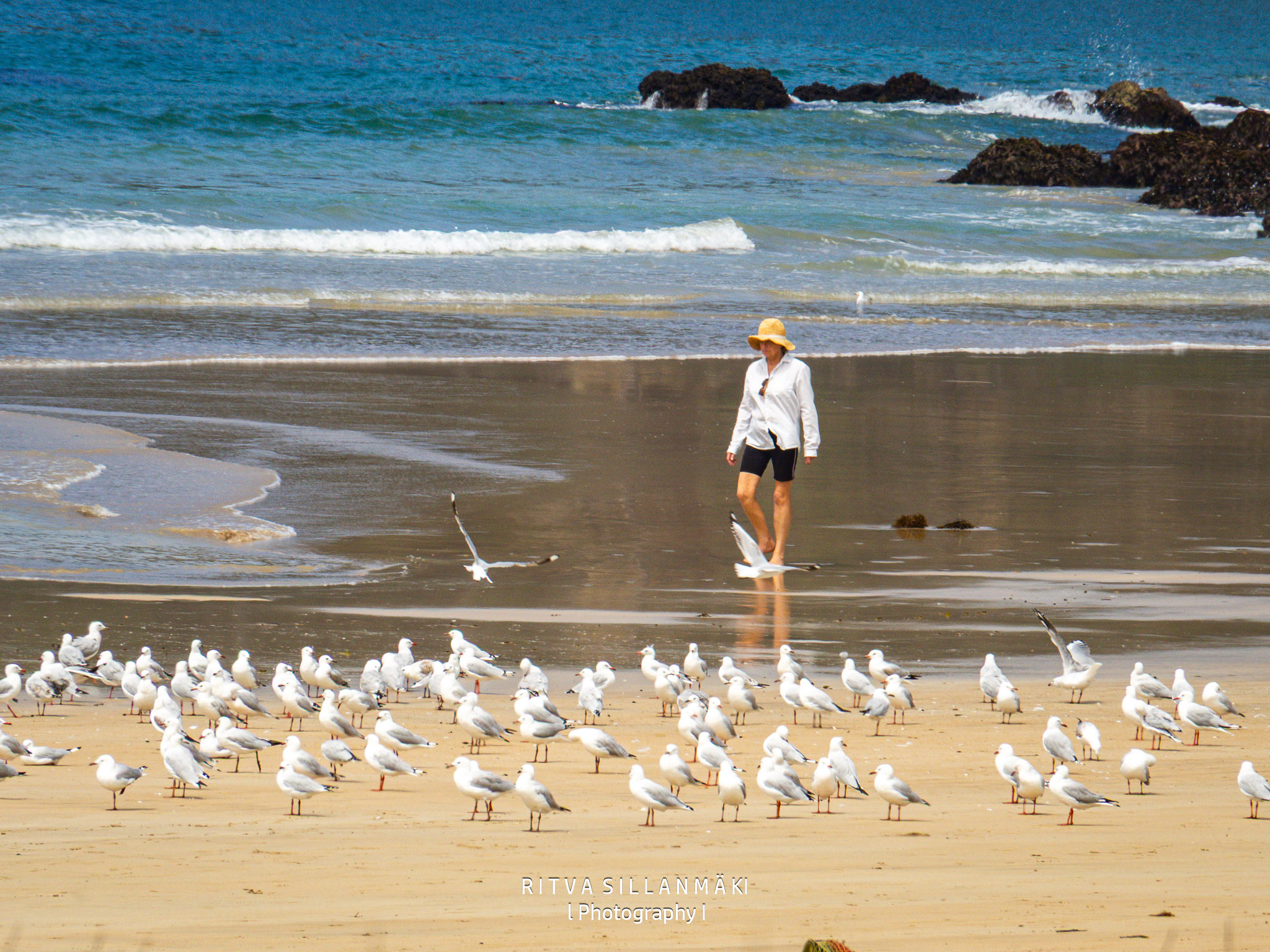
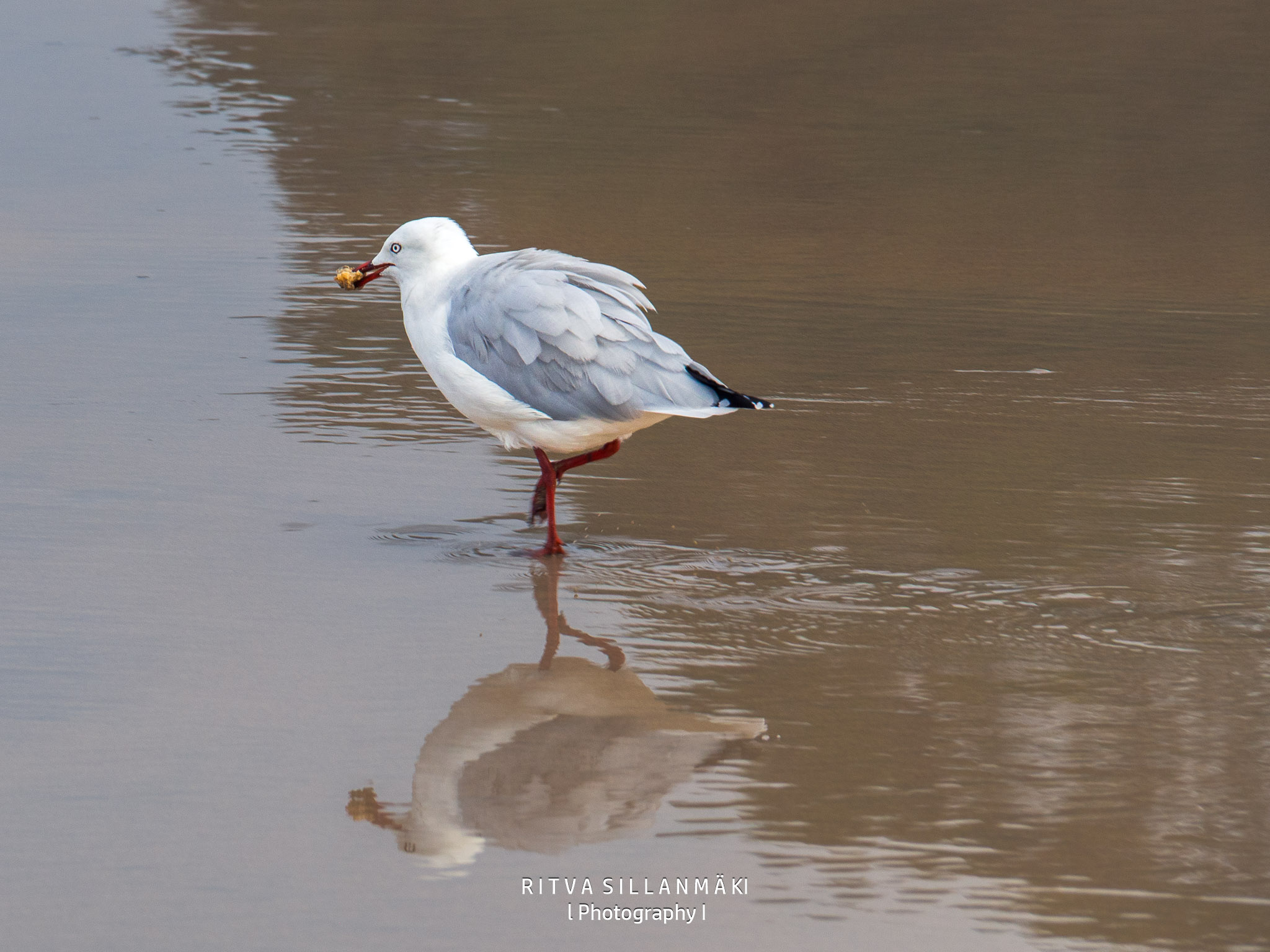
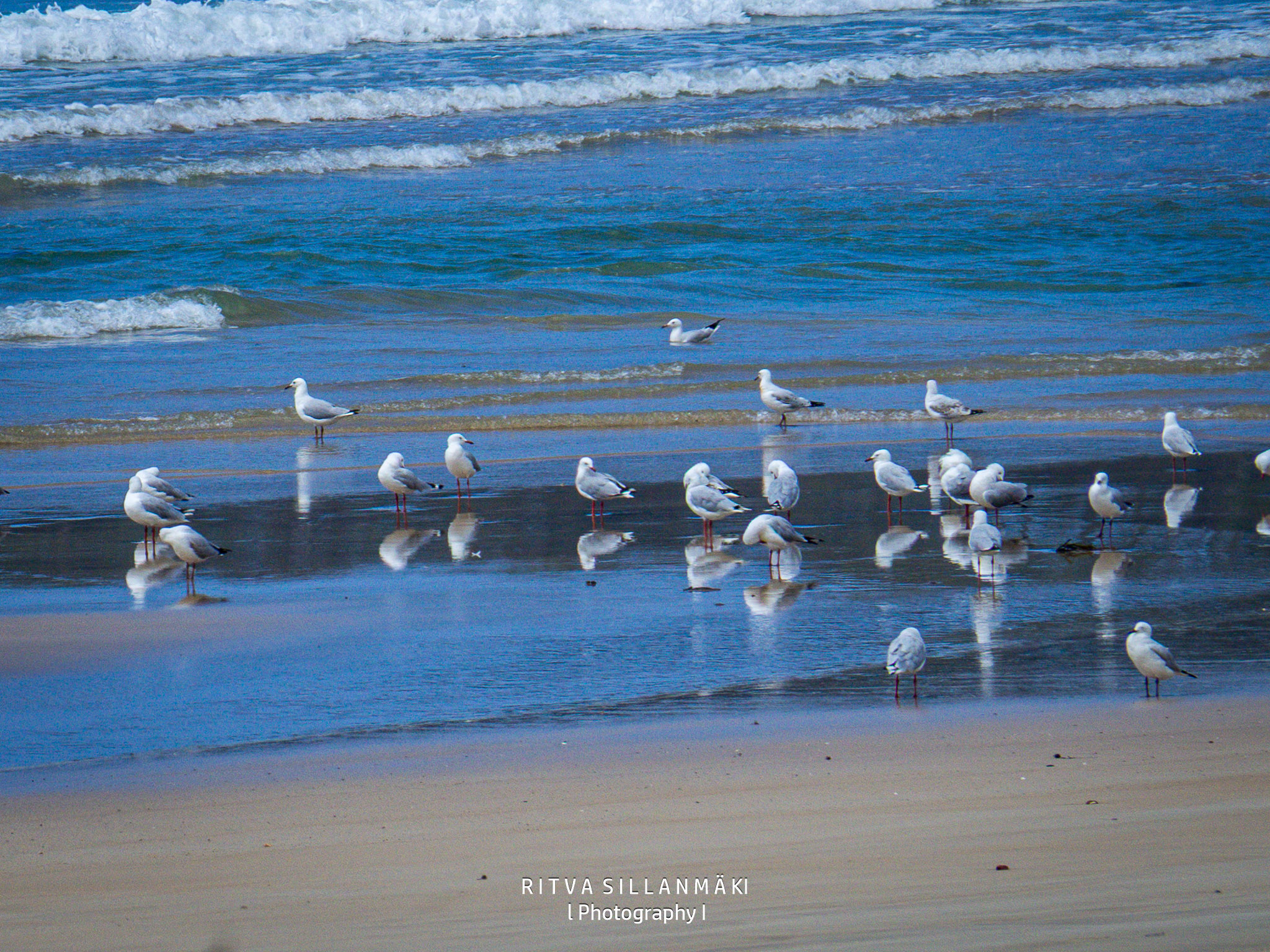
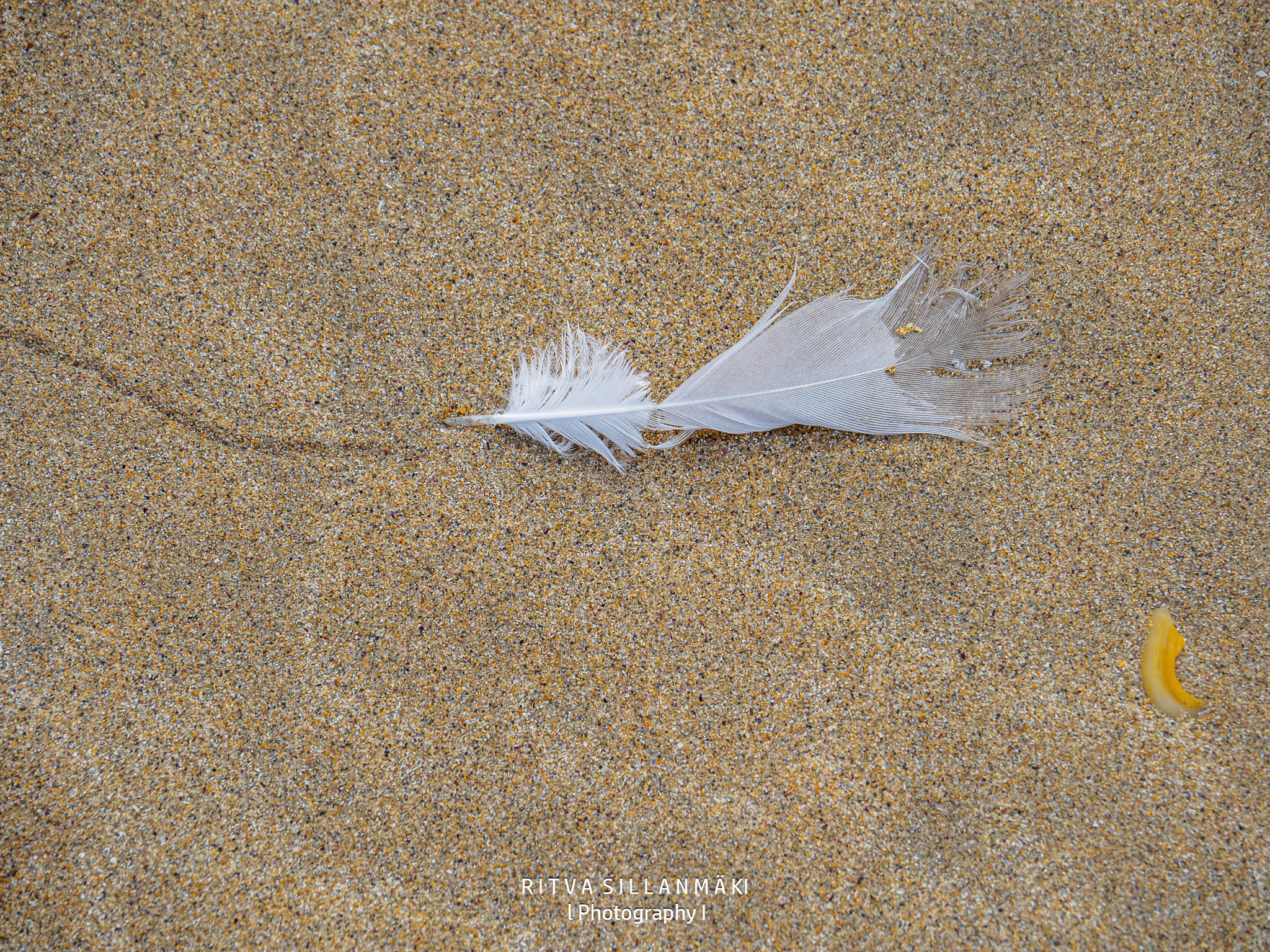
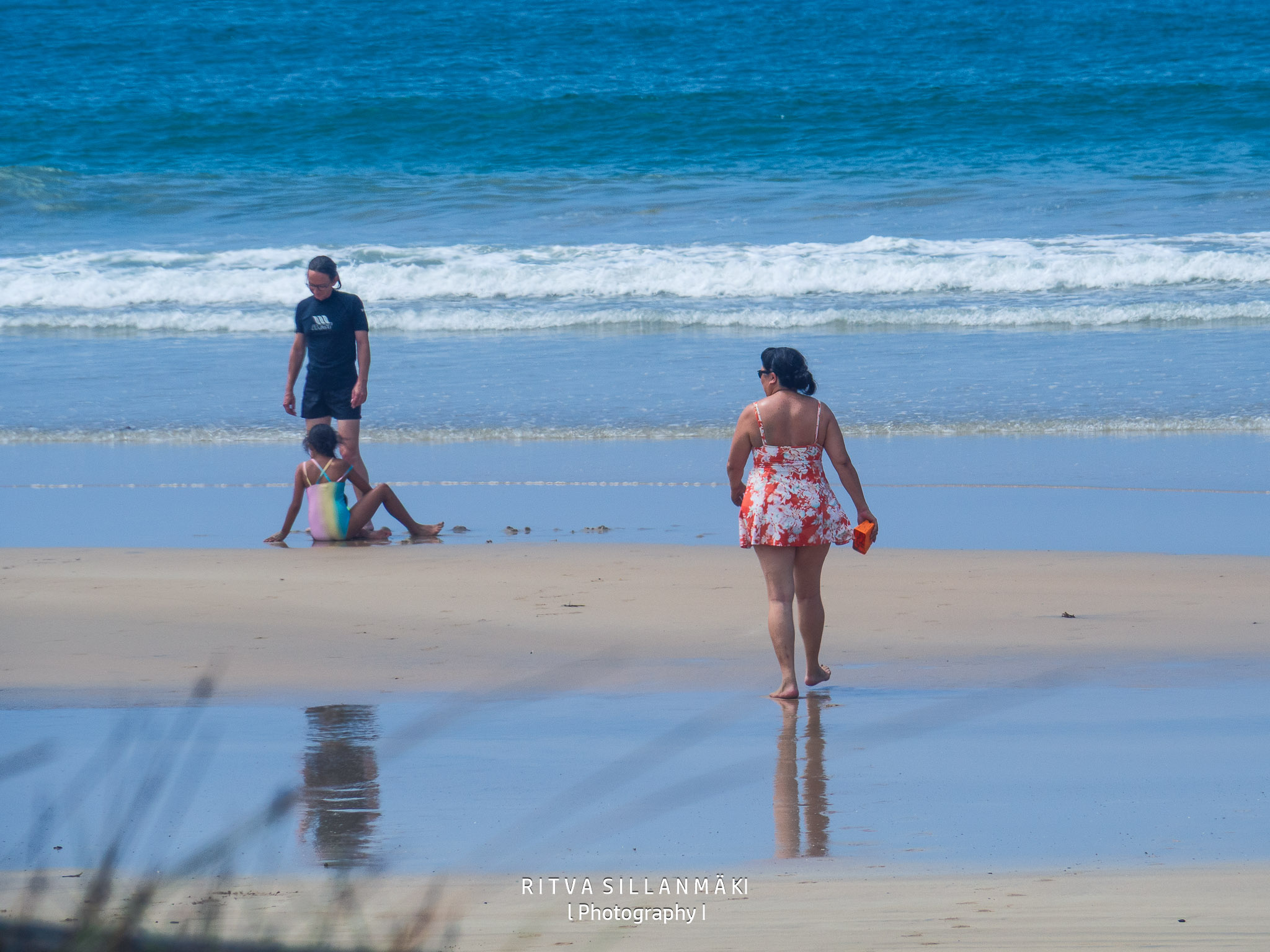
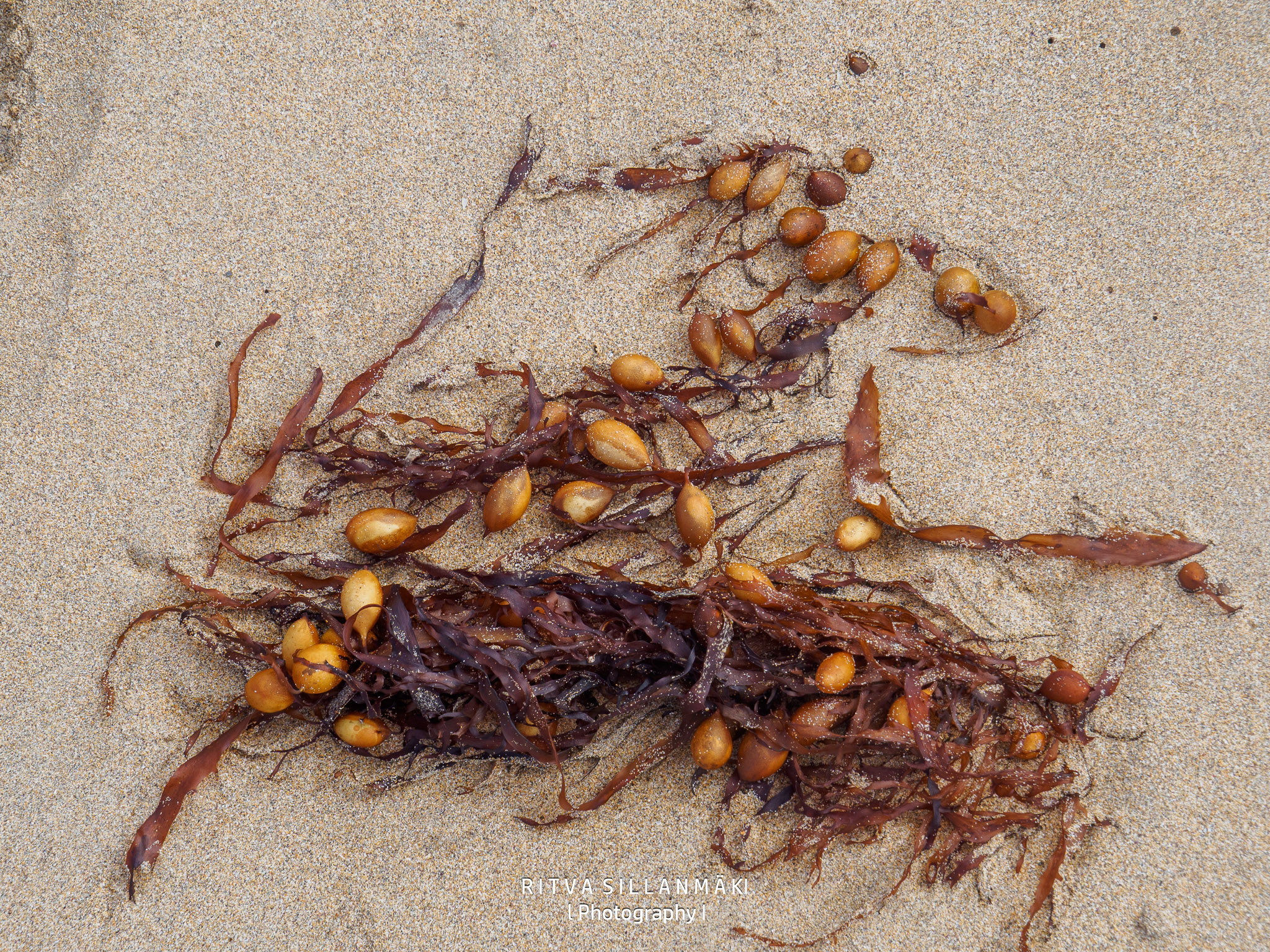
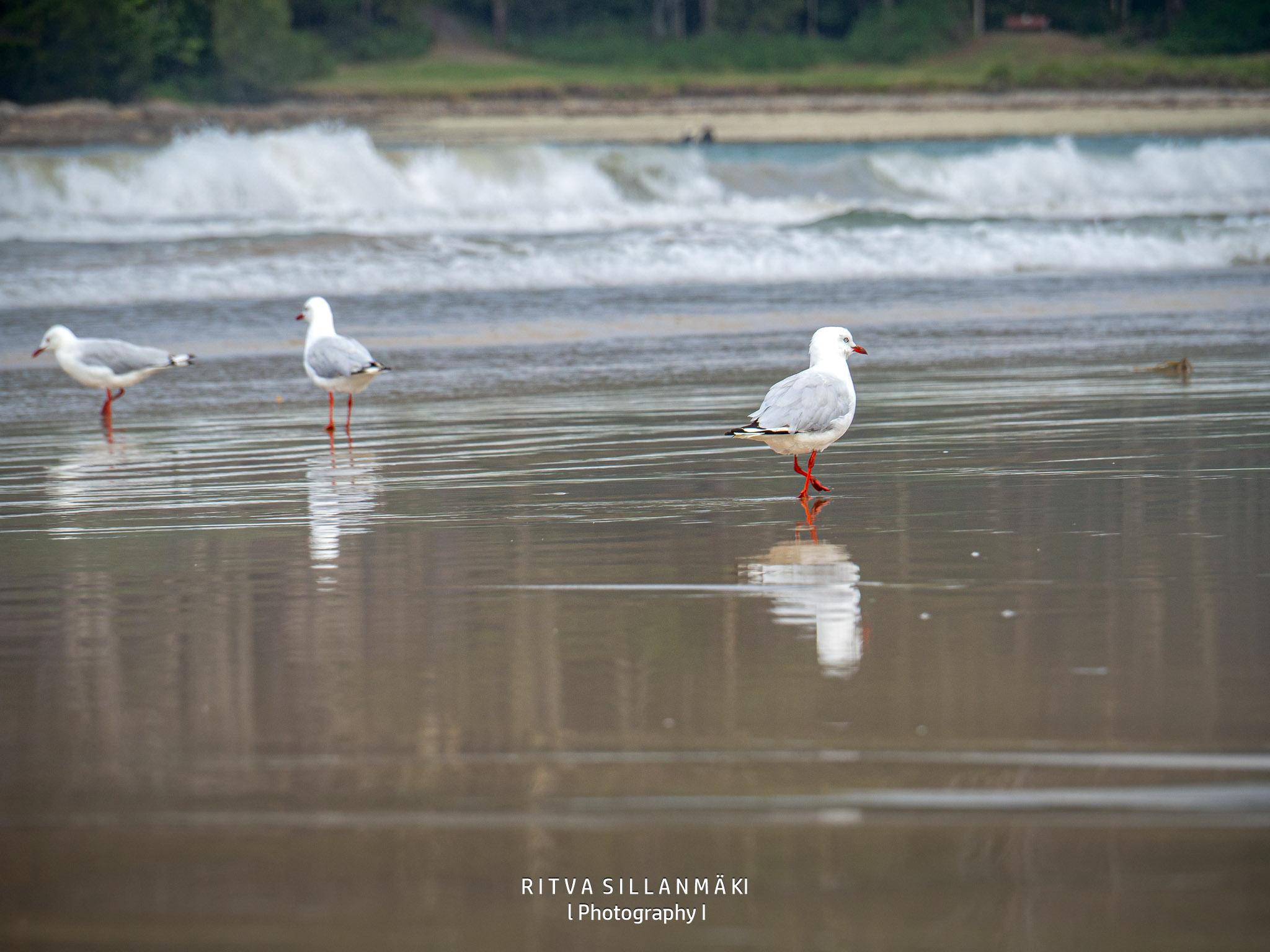
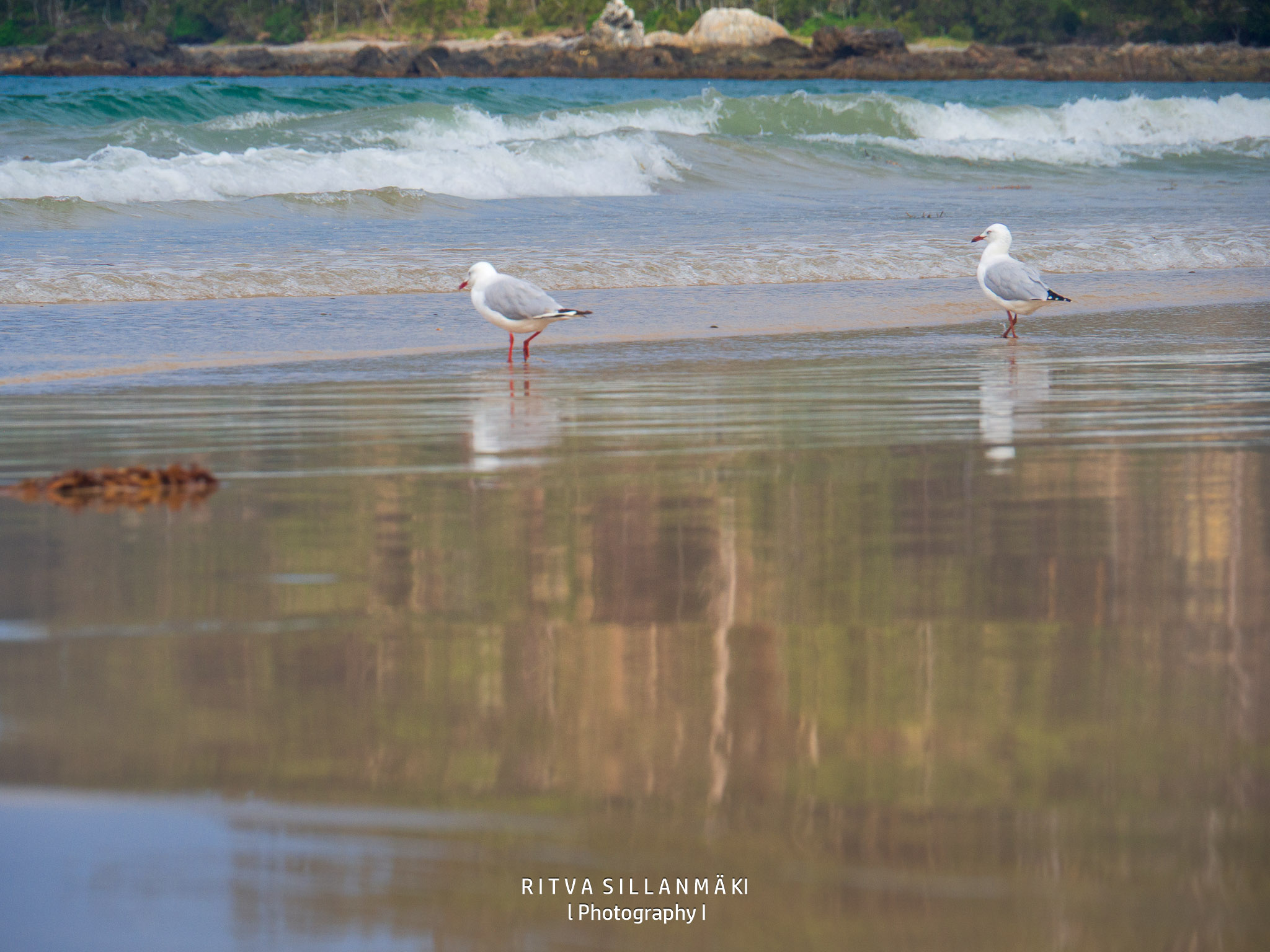
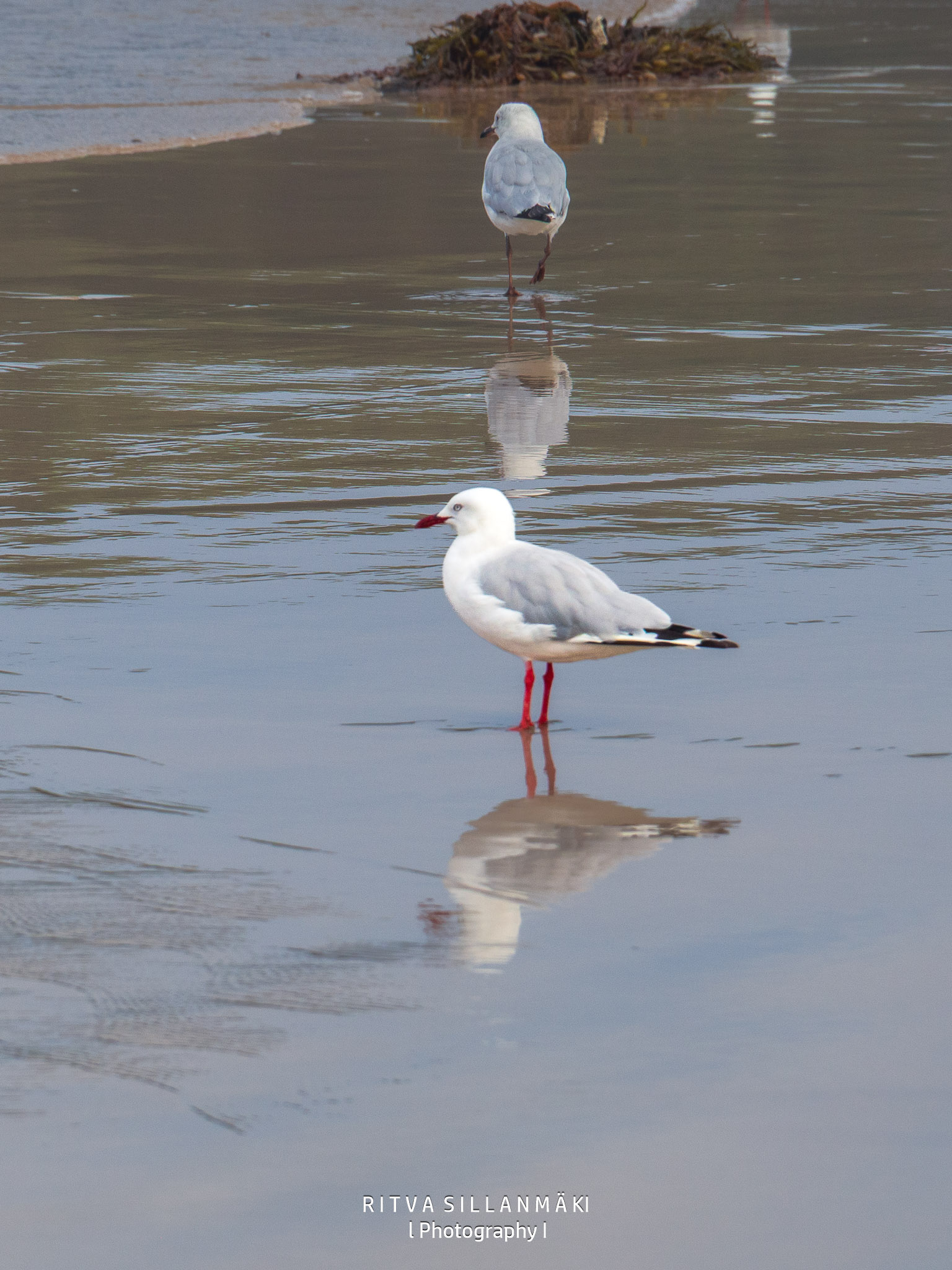
The following morning Ritva took portraits of Heli, Rod and Baxter the dog (I think they came out rather nice). After the photoshoot the destination was Ulladulla and Mollymook Beach, where we had lunch with Denise and Tracy, who live just before Ulladulla. Denise and Tracy are Heli’s friends whom we had met a couple of times before; they are so much fun—once in Finland and the other time at Caseys Beach. We can highly recommend Mollymook Beach for the scenery and most likely for swimming and surfing as well, although we didn’t try those last two. By the way, if you haven’t driven through places like Lillipilli, Ulladulla, Tumbarumba and Tilba Tilba, at least once in a lifetime, you haven’t really lived.
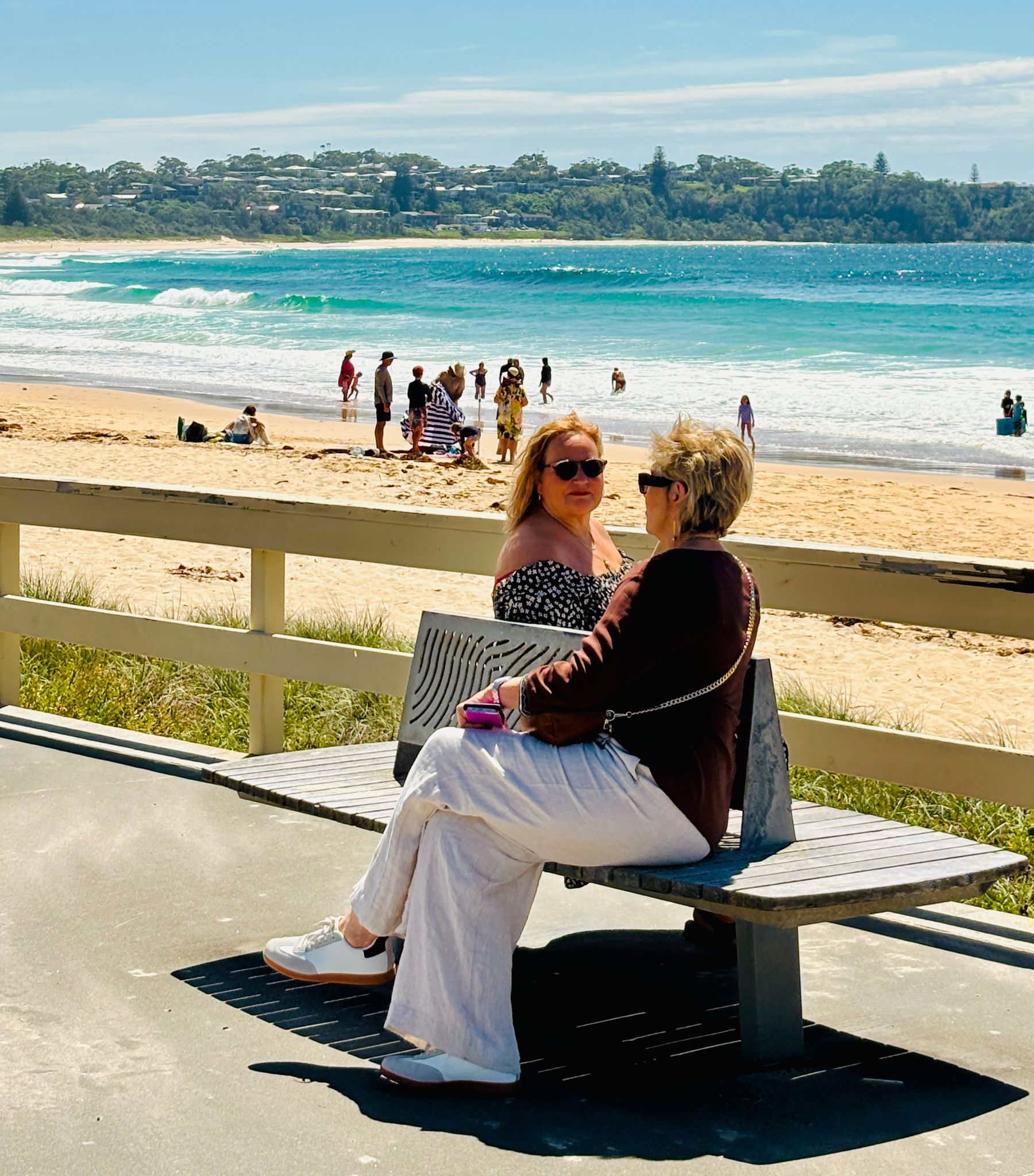
Heli and Rod are wonderful hosts and letting us stay there all that time is something we’re very appreciative of.
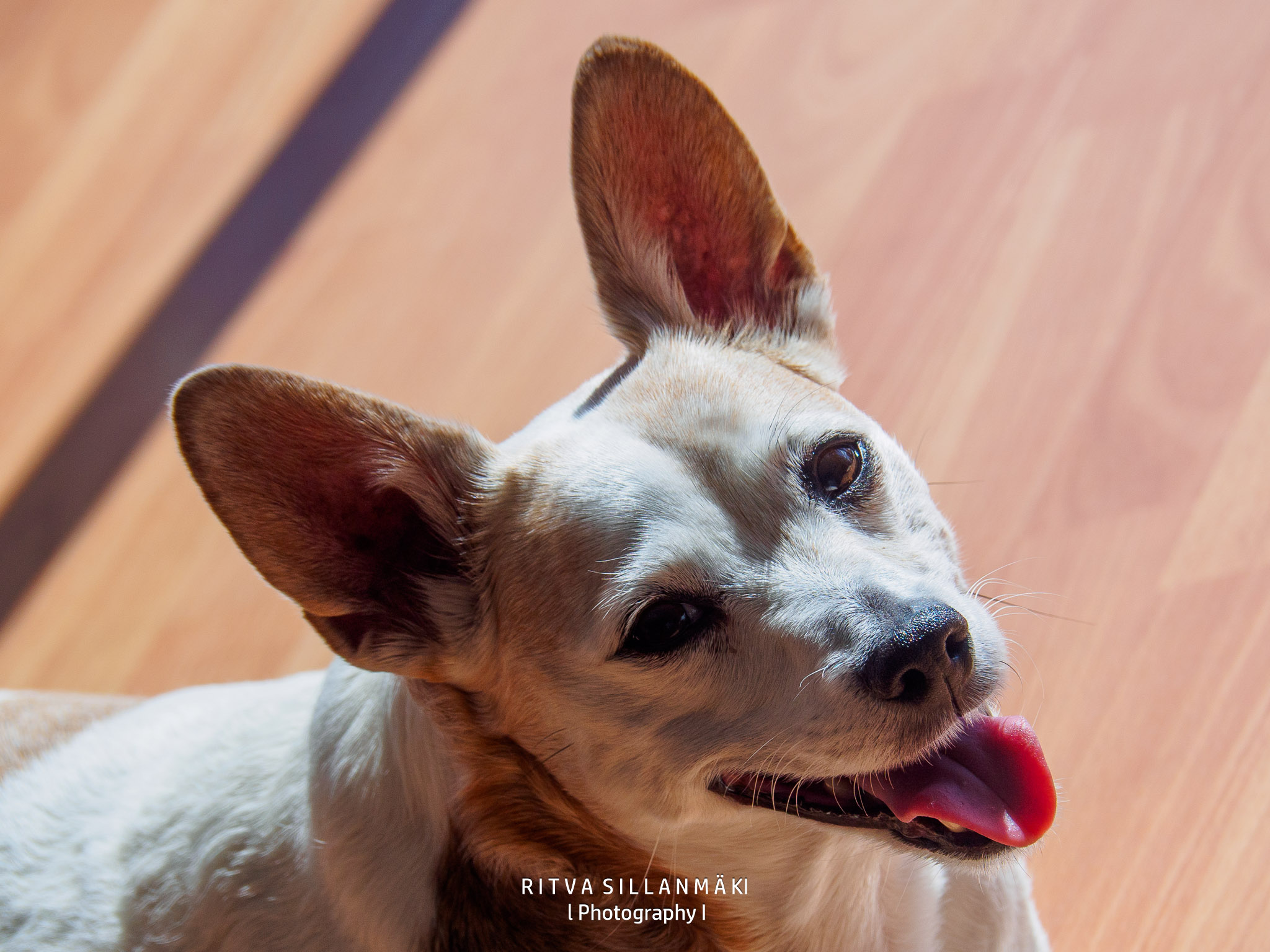

It’s easy to talk to Rod, for example, about politics. He is a timid and quiet ex-civil servant with hardly any opinions of his own. NOT! He’s a very loud person joking, laughing and swearing all the time. And he’s not afraid to speak his mind. However, we didn’t get into arguments or fistfights about anything. We basically agreed on most things political, at least. Rod is from a small community in Victoria, where his parents scraped by farming the land. It’s easy to understand he talked quite a bit for the rural communities and that way of living. On top of that Rod spent part of his career fighting for health services for the remote areas. Great bloke!
I didn’t talk to Heli that much. Us guys had our own discussions, and the girls talked about soap operas and crocheting, I think. (I will let you keep thinking that) Actually, Heli was constantly giving us ideas about what to see and where to go. We talked a lot about families, of course. And she kept us fed with beautiful meals from morning till dinnertime. After dinner the old fogies retired to their room and went to sleep. Caseys Beach was beautiful. Our hosts’ home is only about 30 meters from the sea, and you could see dolphin just about every other day. And waves hitting the shore was so relaxing. It was easy falling to sleep listening their hypnotic rhythm our bedroom window open.
Text Mara Sillanmäki
I have posted several posts about the first half of our trip, I will add the links to them if you wish to have a look, they are in the order I posted them Sydney – Adelaide – South Australia – Victoria -NSW
Got a peaceful start to the day, after a long weekend, by walking along the beach and on the rocks. It was a good workout, climbing and balancing on the rocky beach and picking up seashells. We took it easy for the rest of the day, but in the evening we got the call that it would be okay after all to go and visit Ritva’s cousin, Kari, and his wife, Susan, in Talbingo. Talbingo is a small town in the mountainous area of Kosciuszko National Park and only 370 km, or about a 4-hour drive, from where we were staying in Batehaven, NSW. 😊
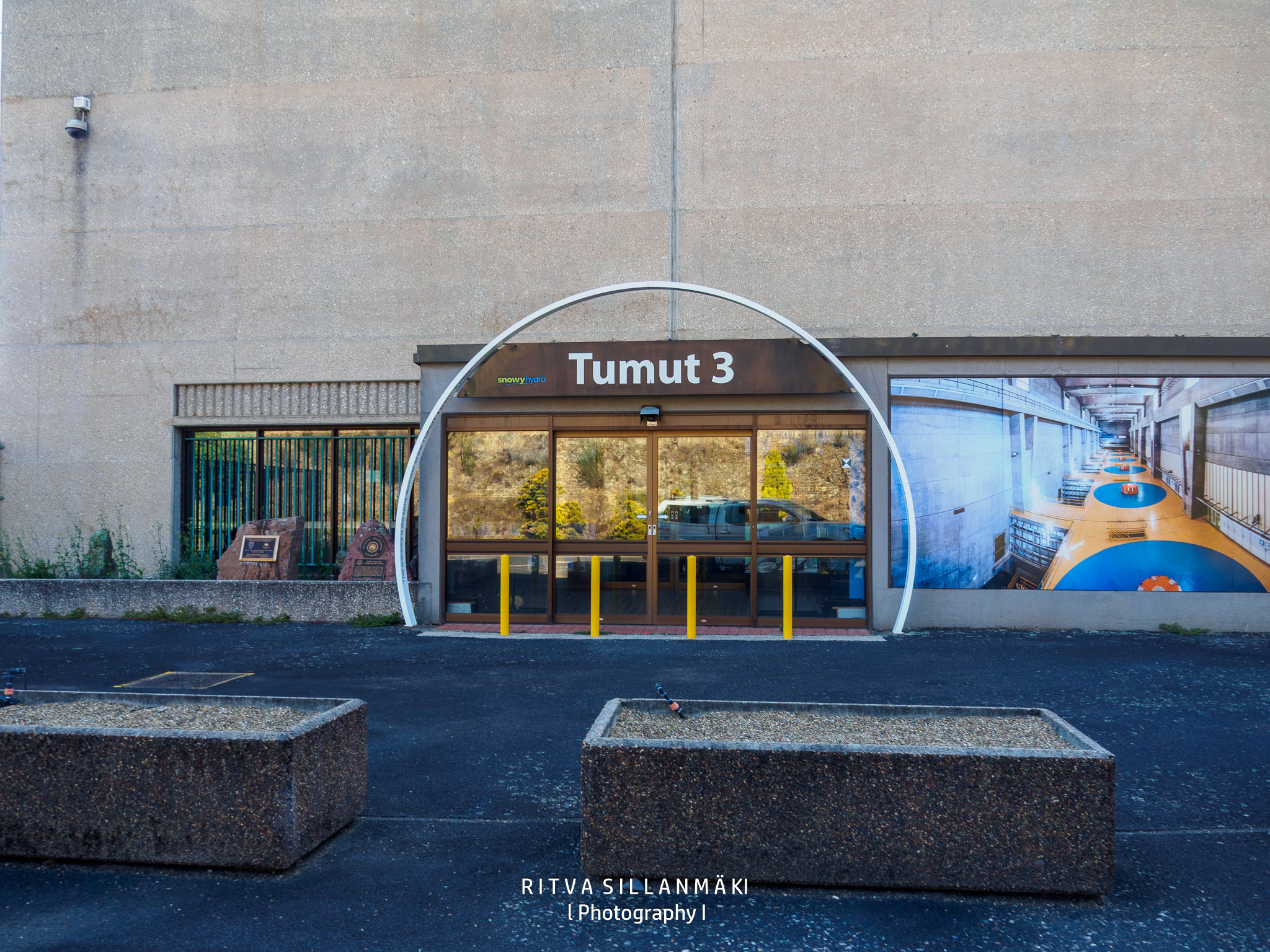
Up the Clyde Mountain again and around Canberra. We drove 3,5 hours until we stopped in town of Gundogai in a restaurant called Oliver’s. We had to stop there because one of our grandsons is called Oliver. Once again, we saw towns with cute names: Tumbarumba, Wagga Wagga and Tumut. Tumut is a town closest to Talbingo that has grocery stores. The distance is 40 km.
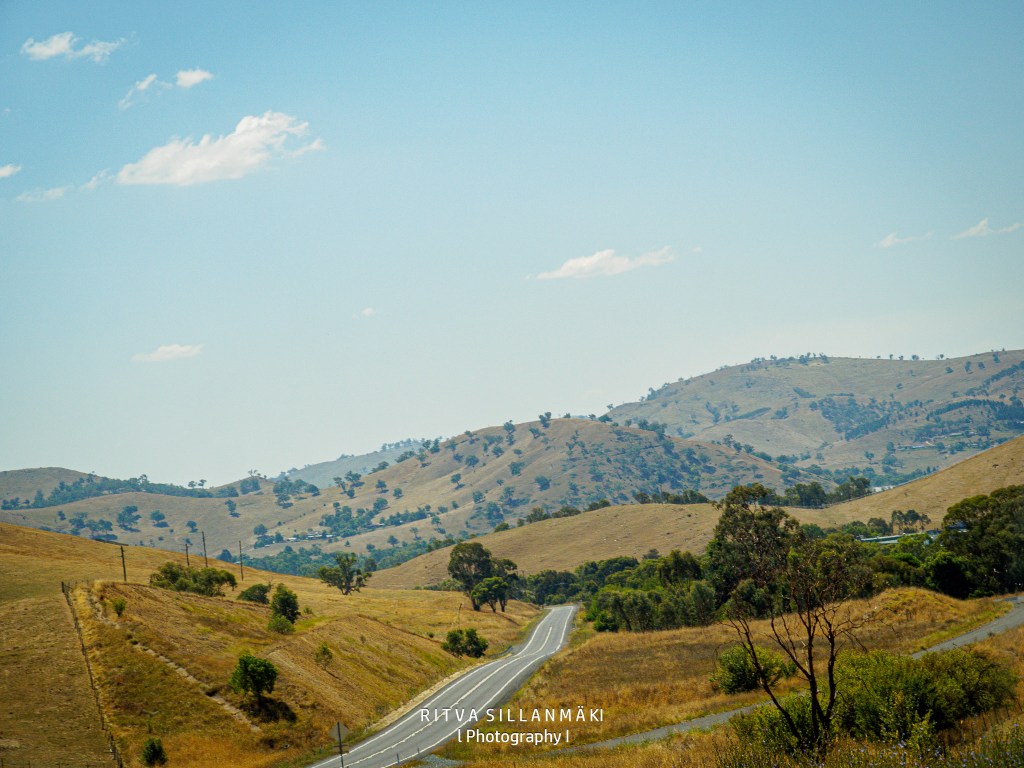
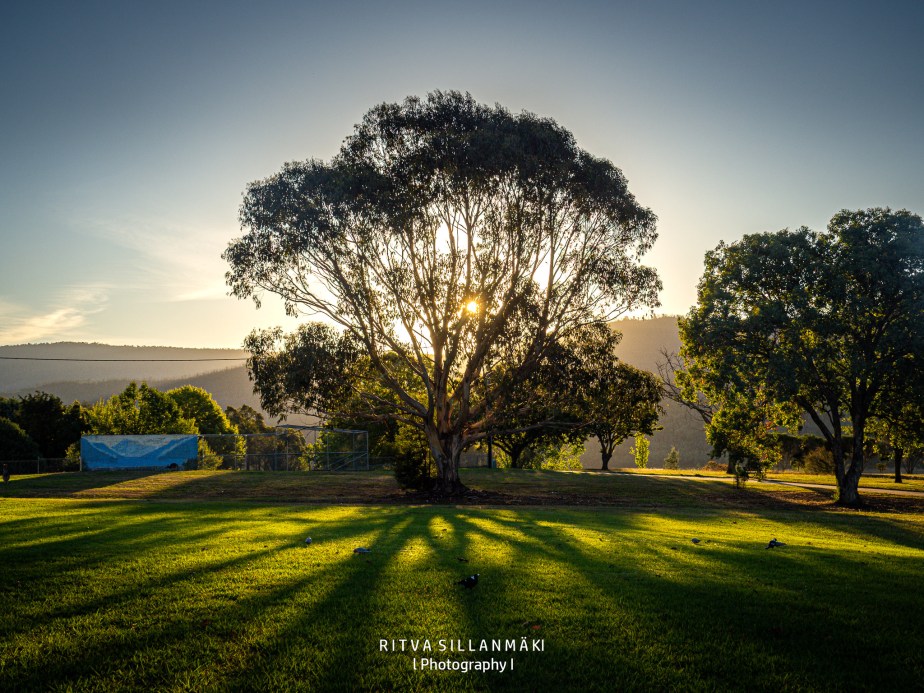
Afternoon and evening were spent catching up with Susan and Kari. However, I took a little walk because I knew from the previous visit that the kangaroos would appear in the close by park. Got some pictures of the ‘roos even though they didn’t allow me to get close by. And I must not forget to mention the mountains that surround the town. Lakes, mountains, quiet, what more can you ask for your retirement home. Well maybe general store would be nice, but it closed few years ago.
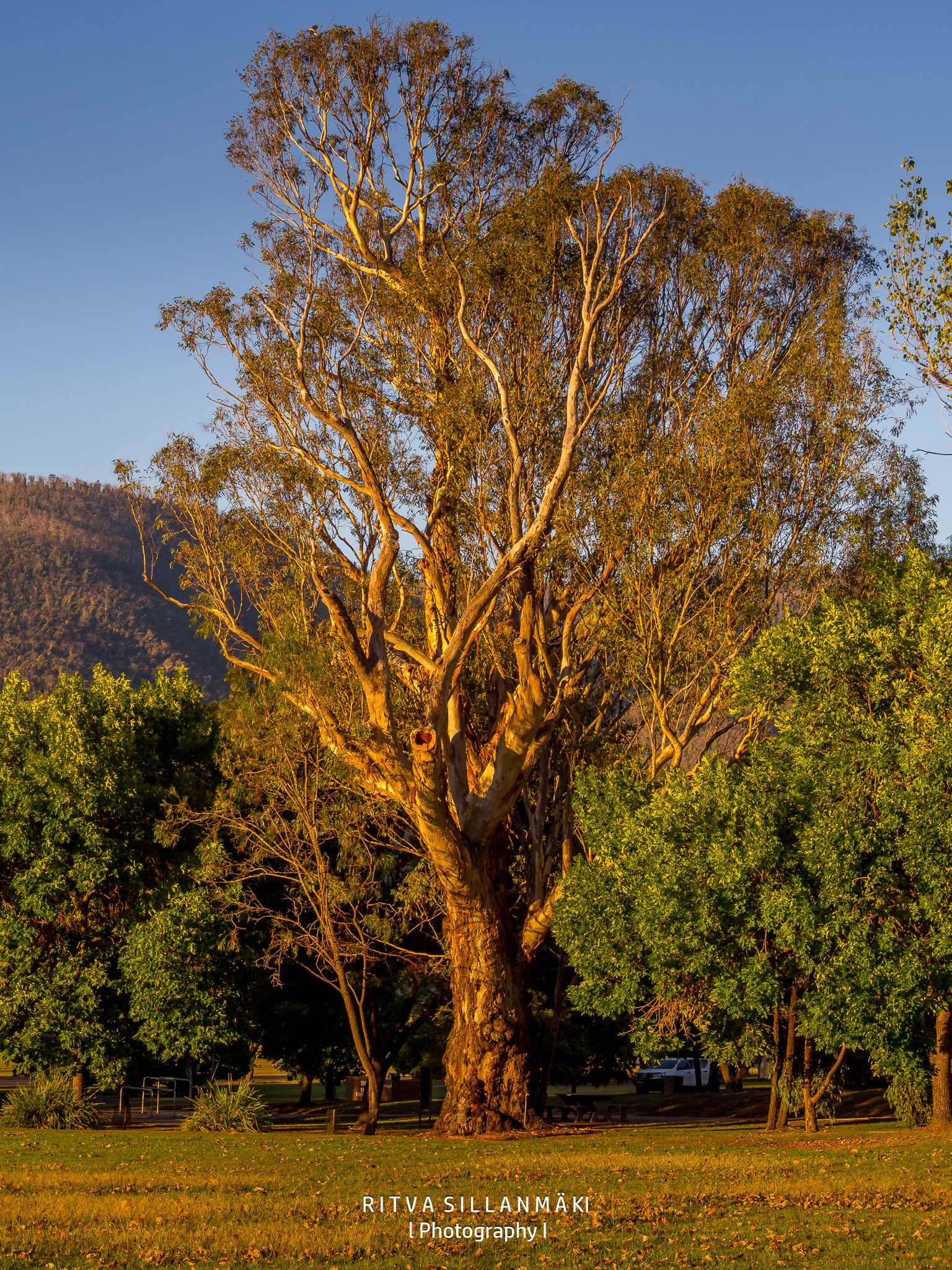
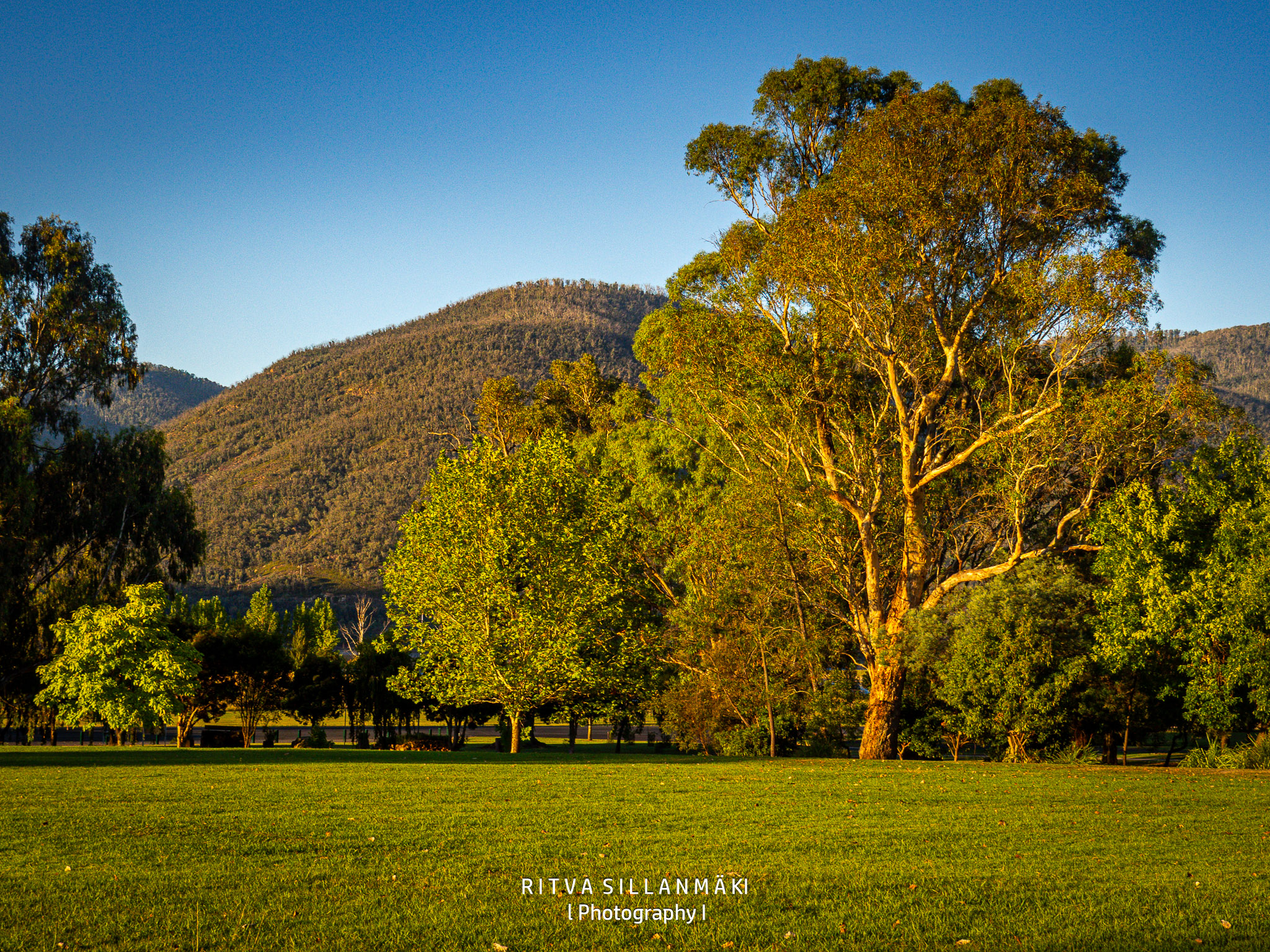
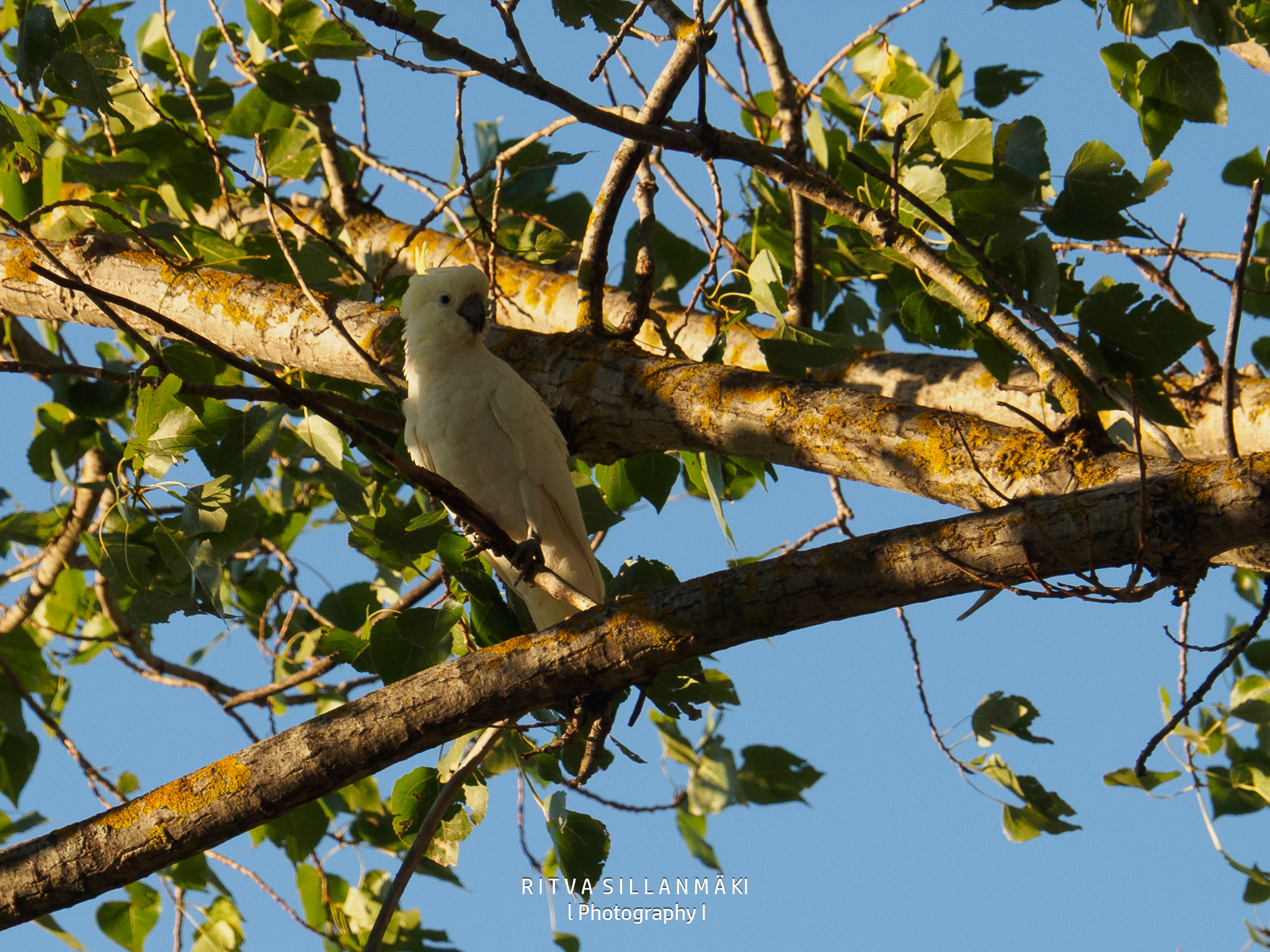
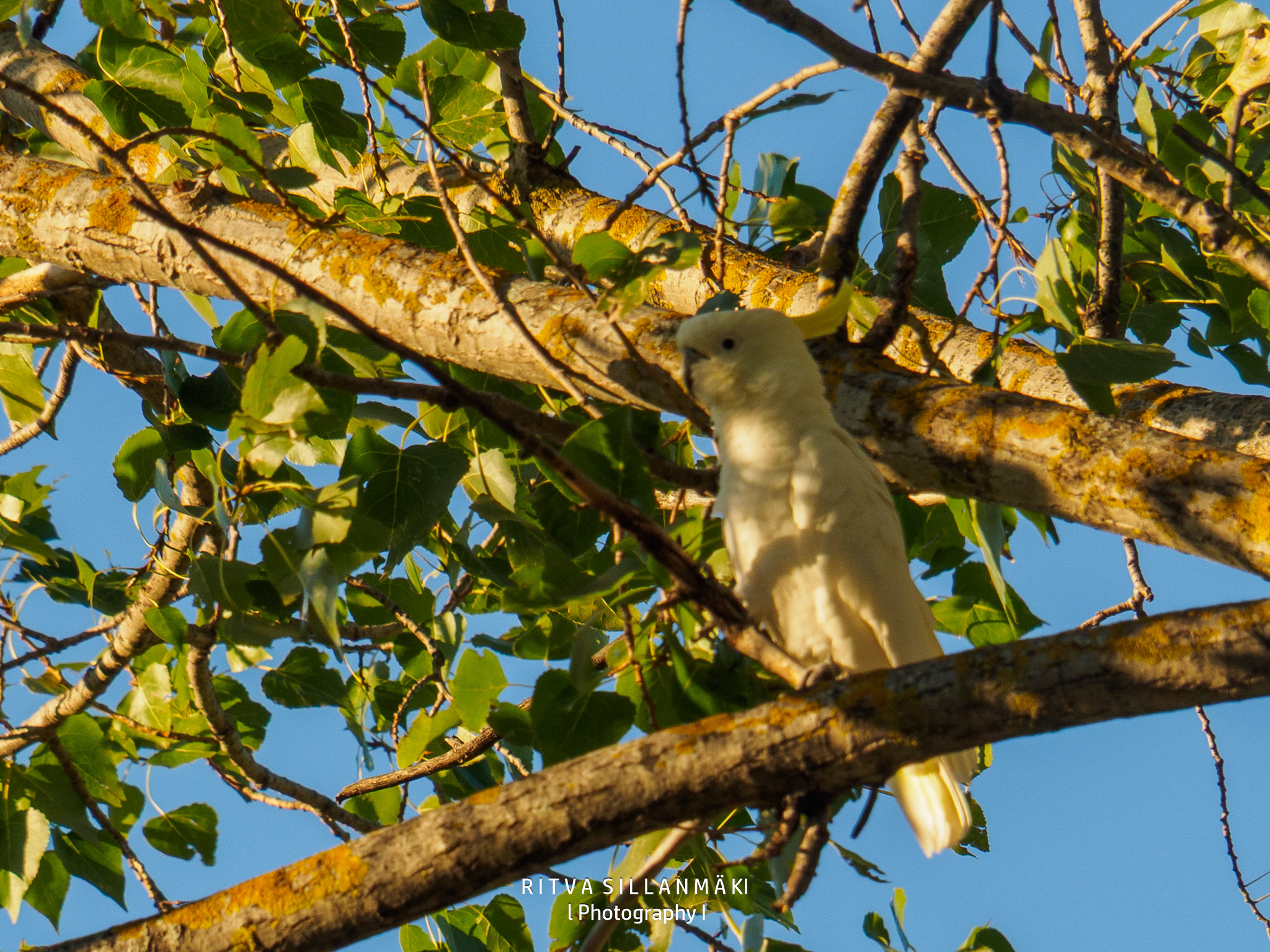
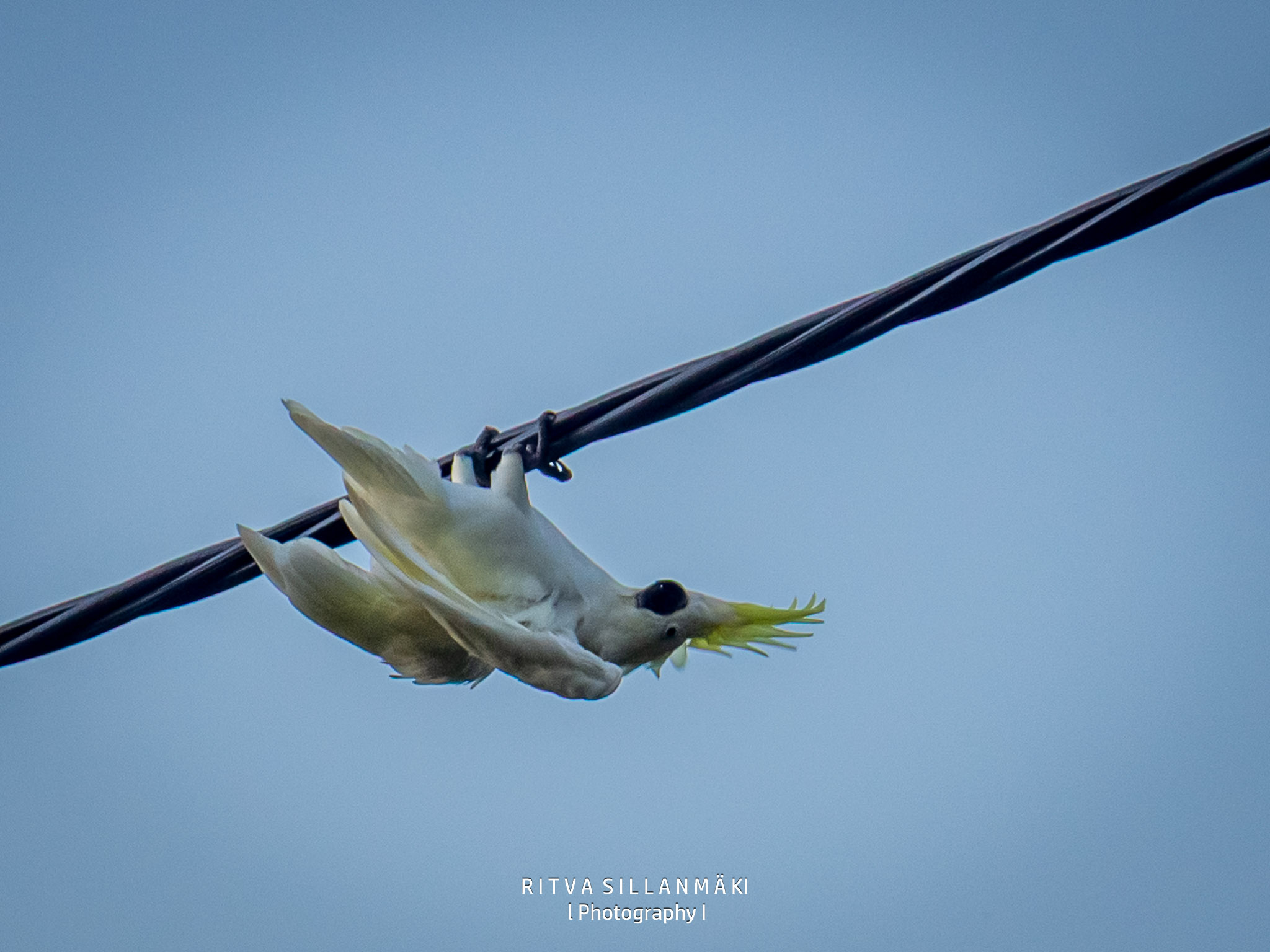
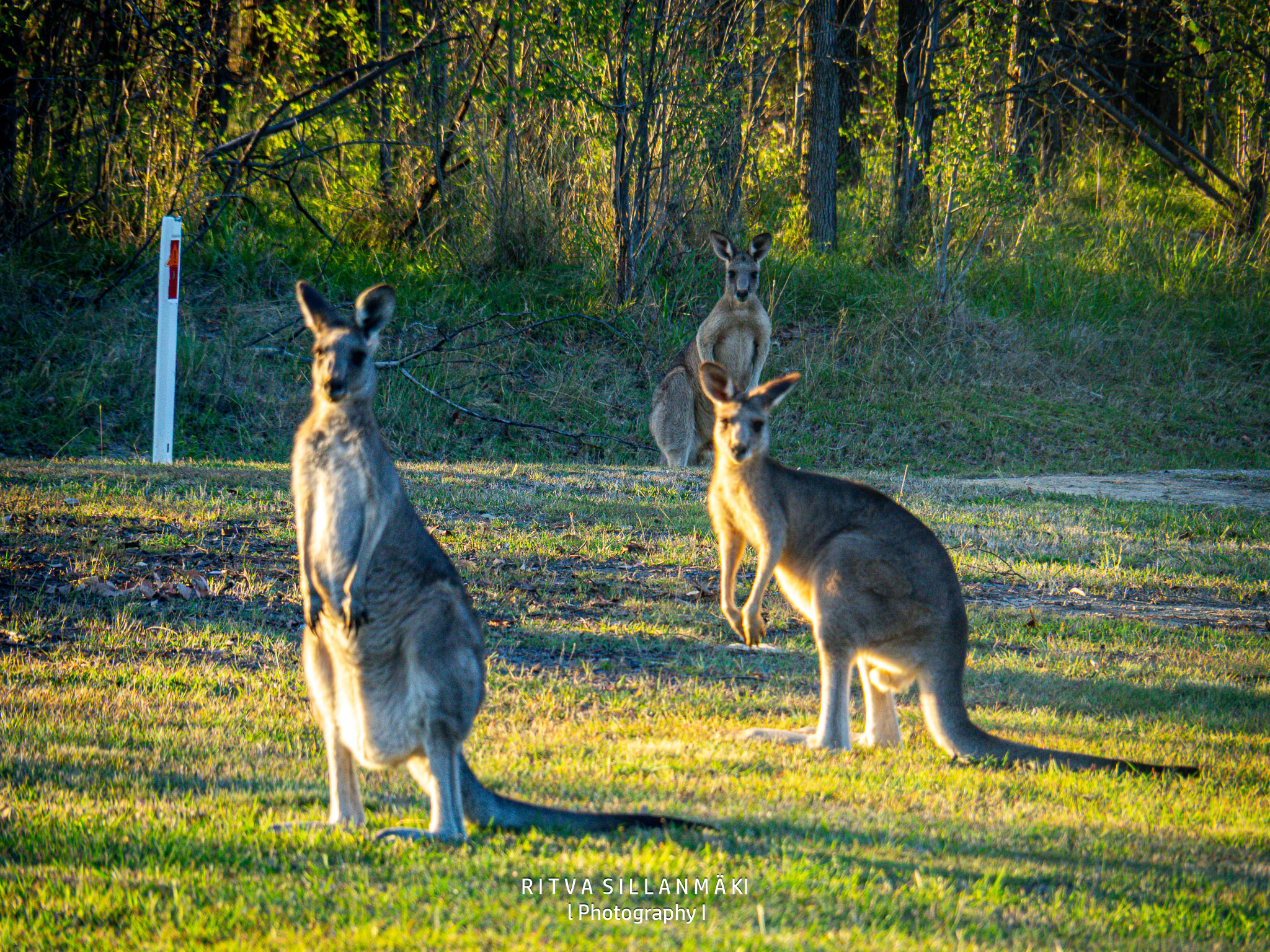
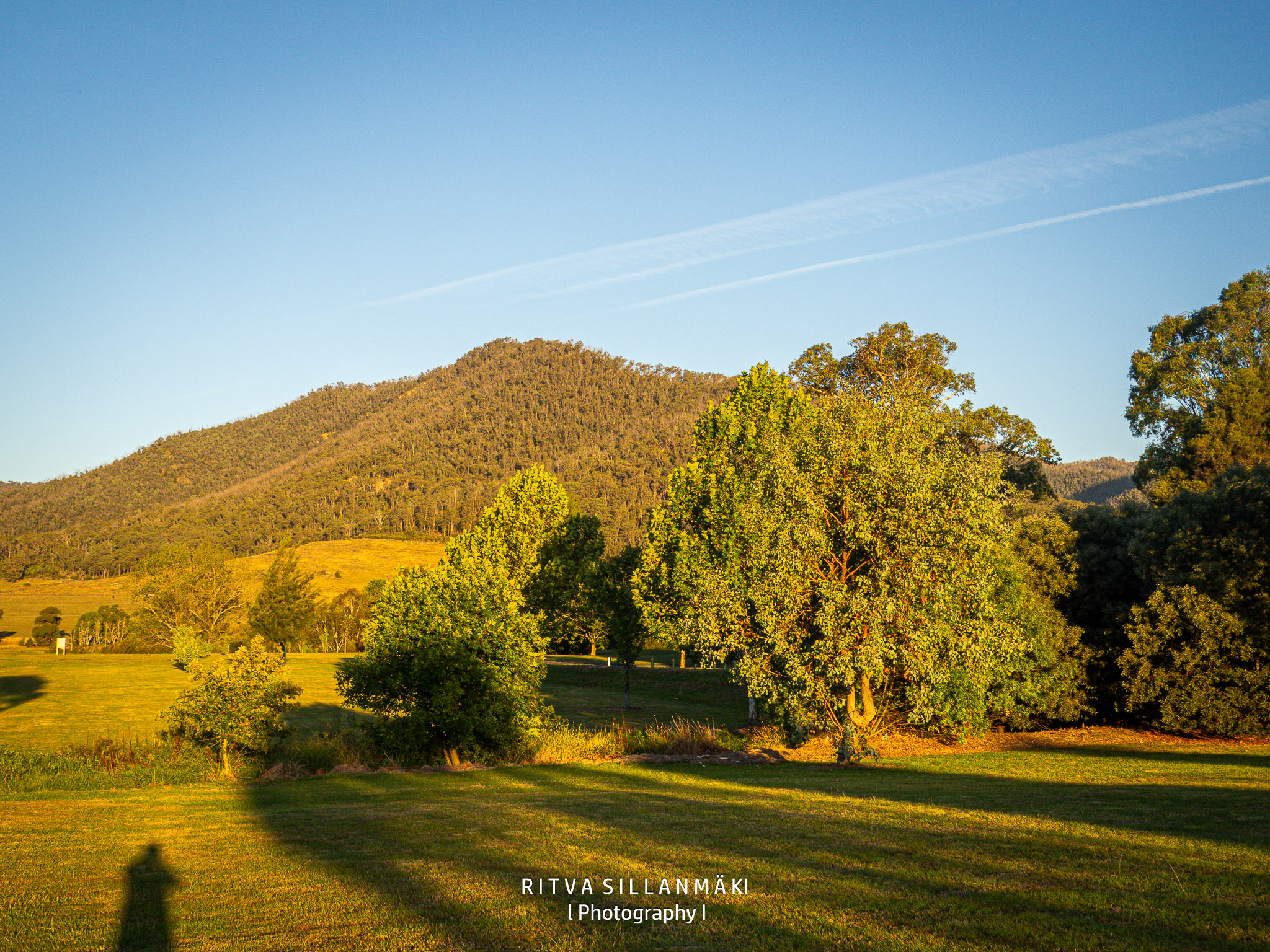
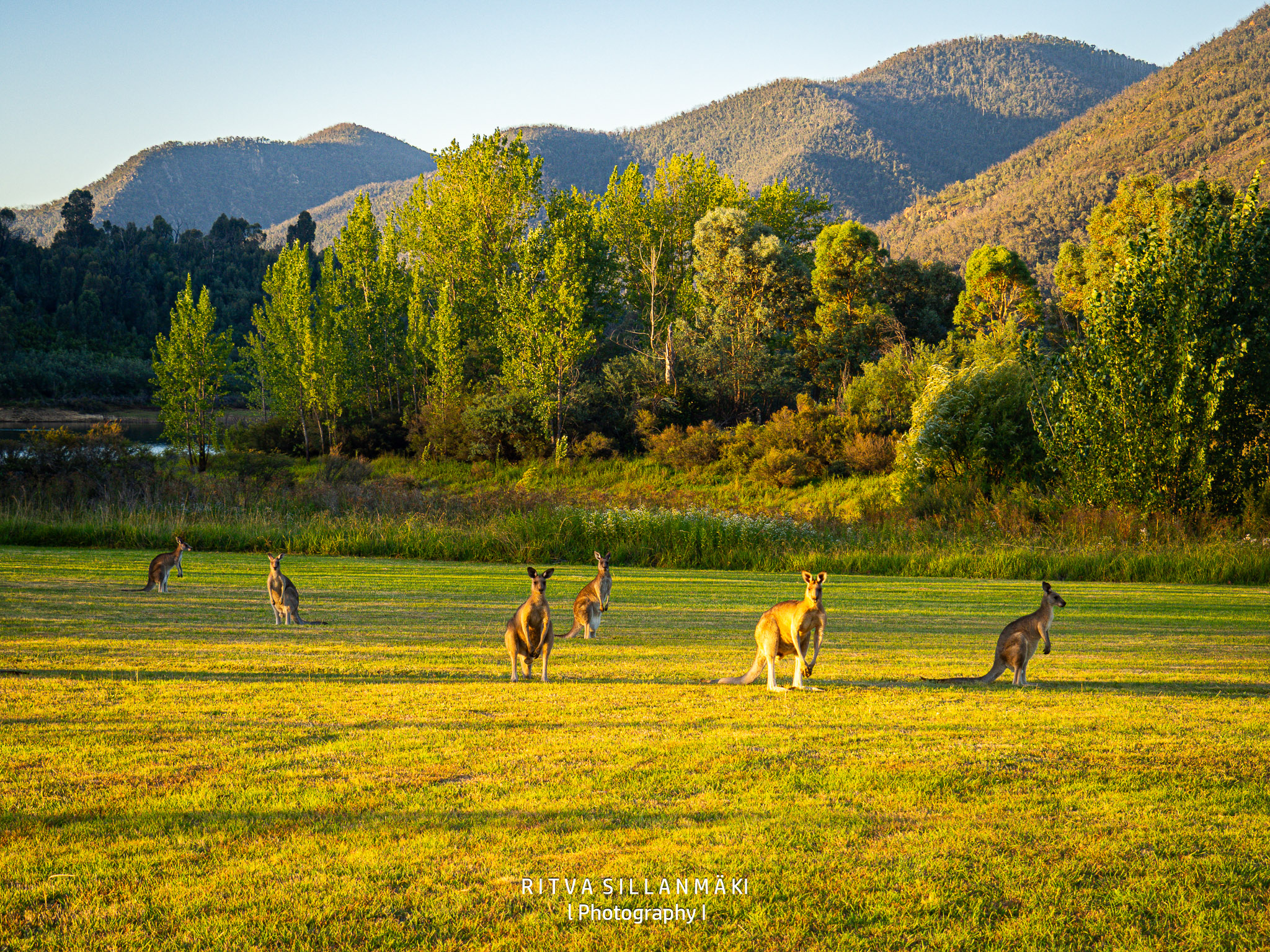
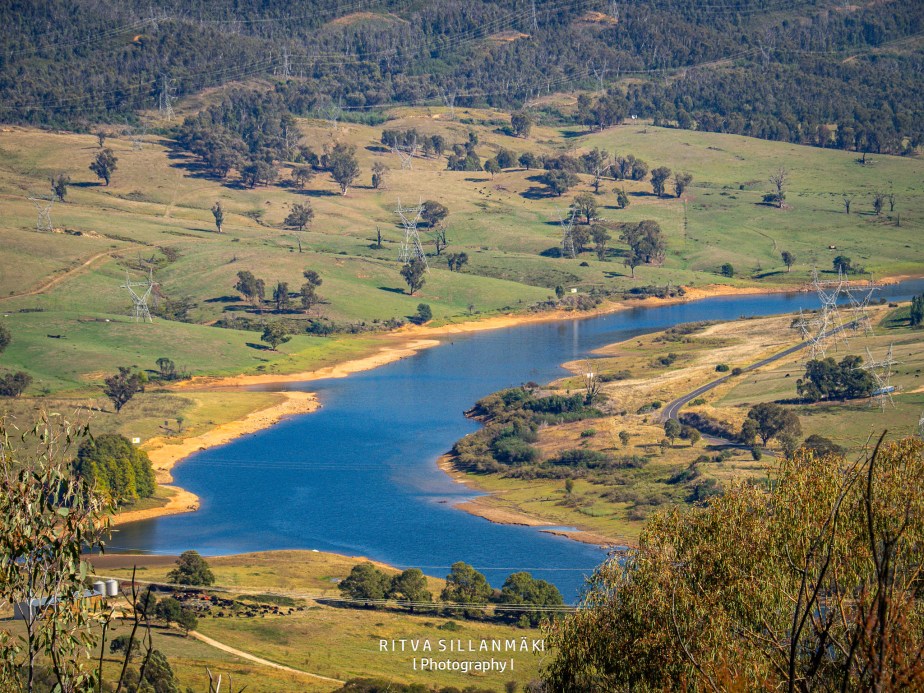
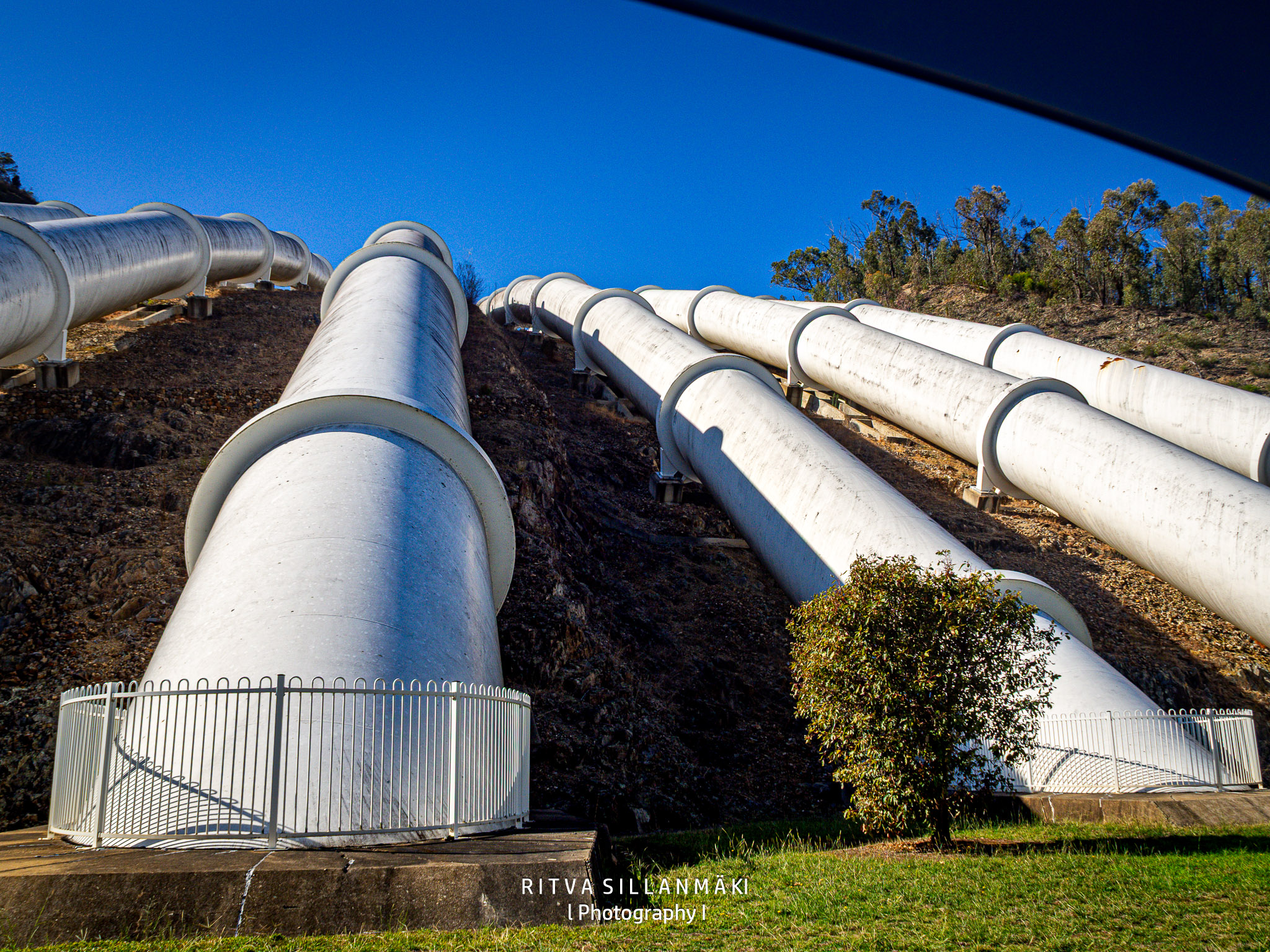
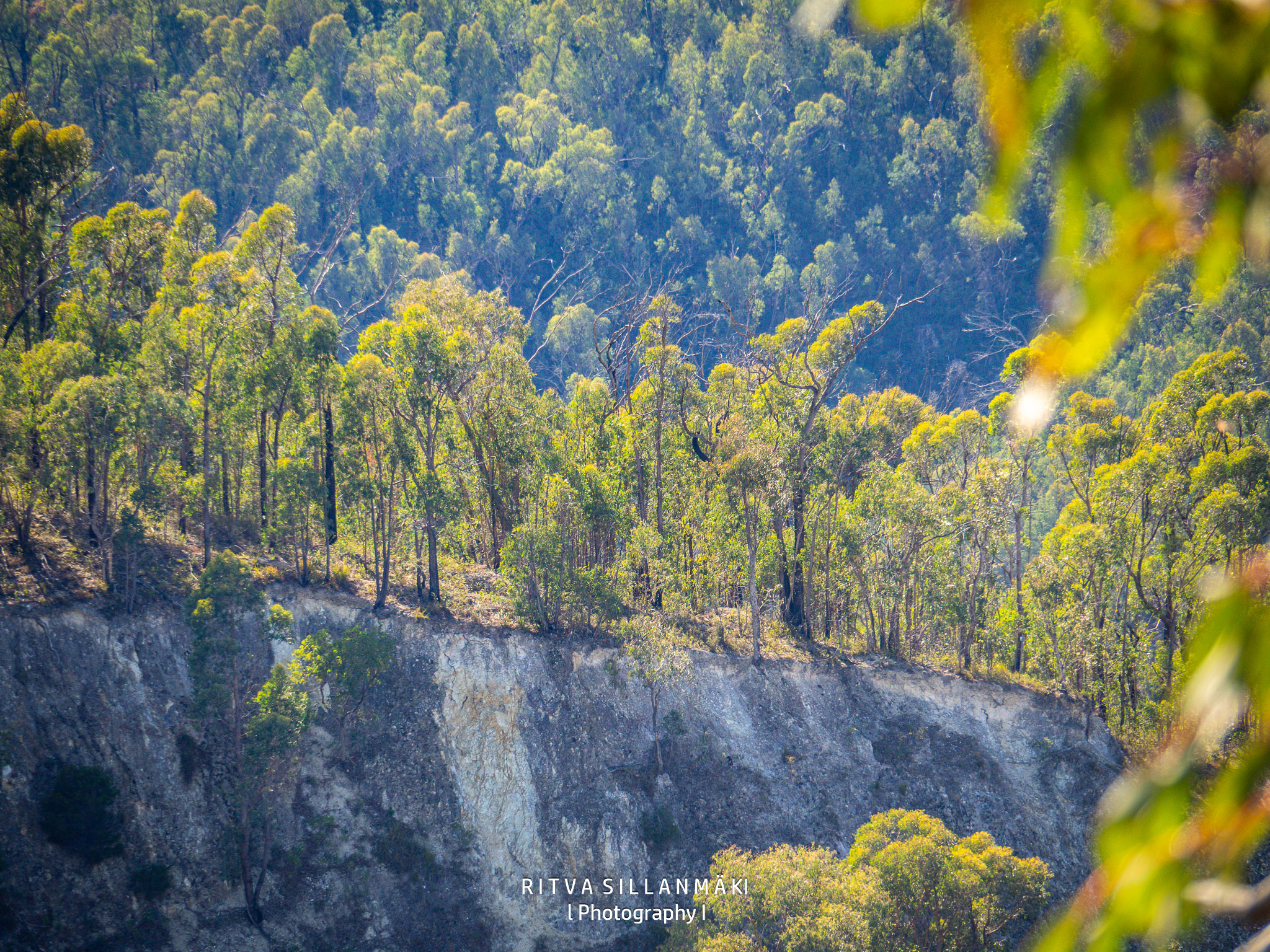
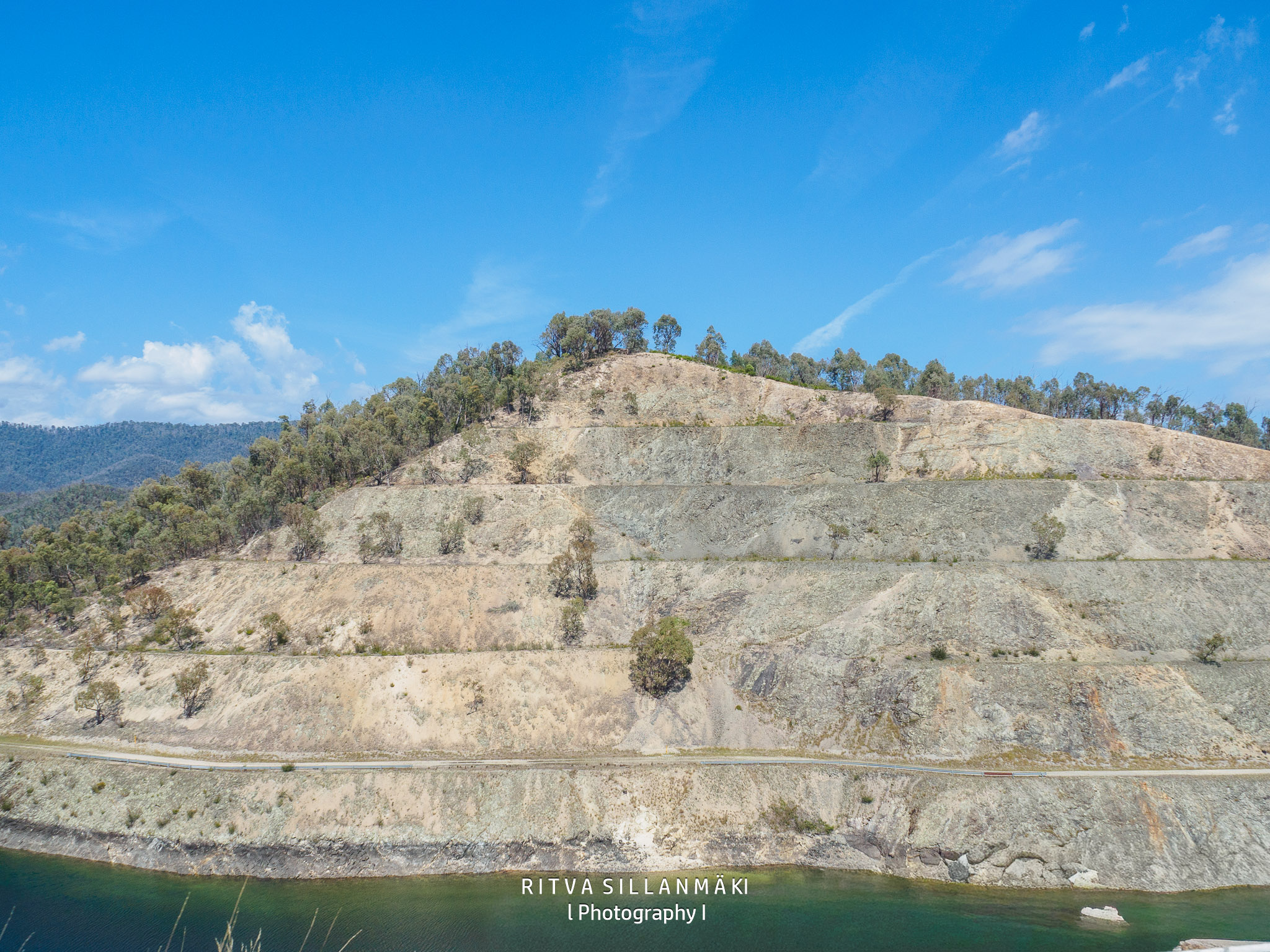
Talbingo area has couple of dams built along Tumut River and power plant that produces plenty of electricity to a wider region. Two reservoirs were formed because of the dams: Talbingo and Blowering Reservoirs. In the morning, we drove to the Talbingo Reservoir that the locals call Top Lake. On the way we drove by the power plant. The pipes that we running to it from the reservoir didn’t look like much but actually you could drive a double-decker bus inside of them.

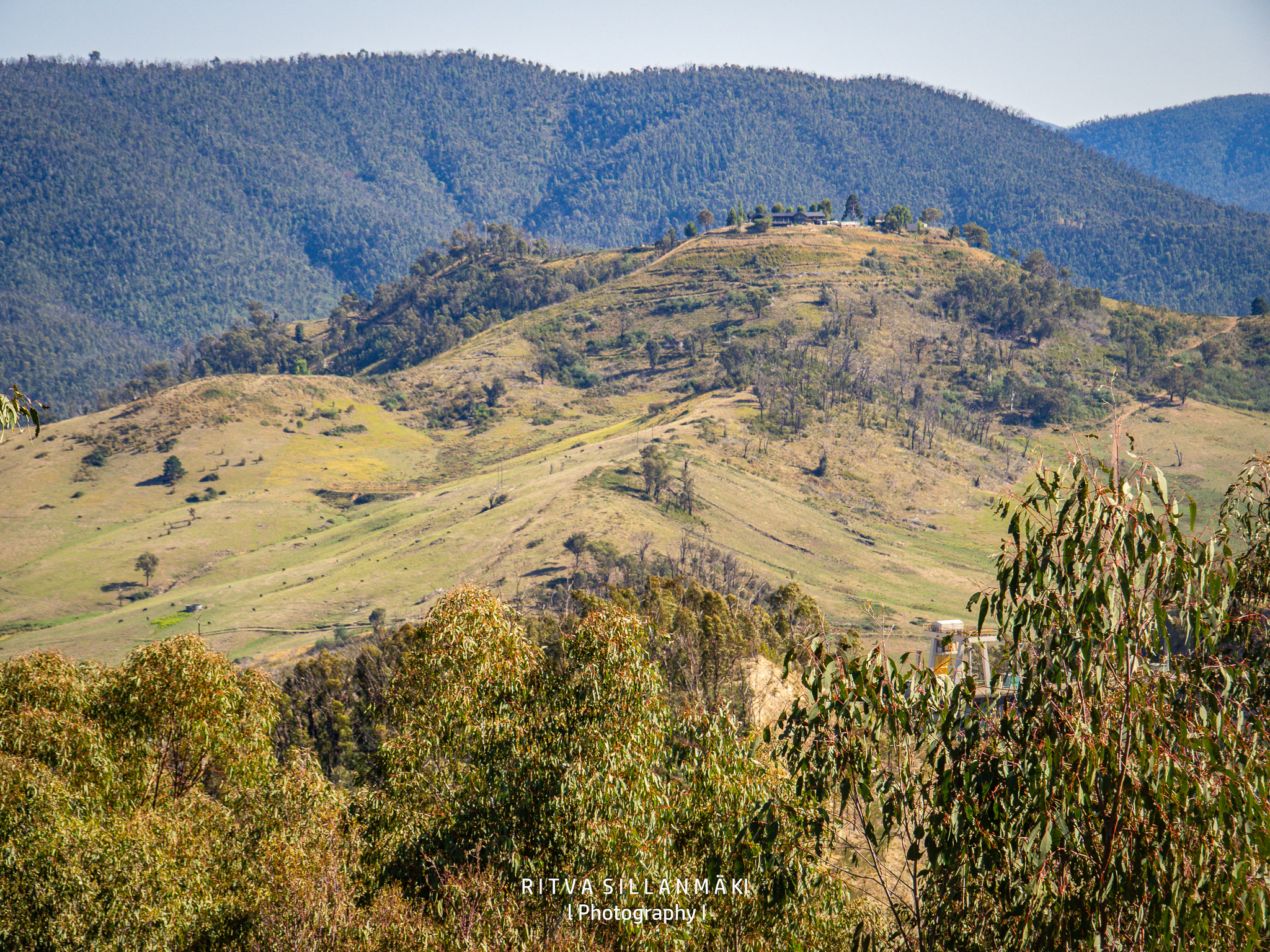
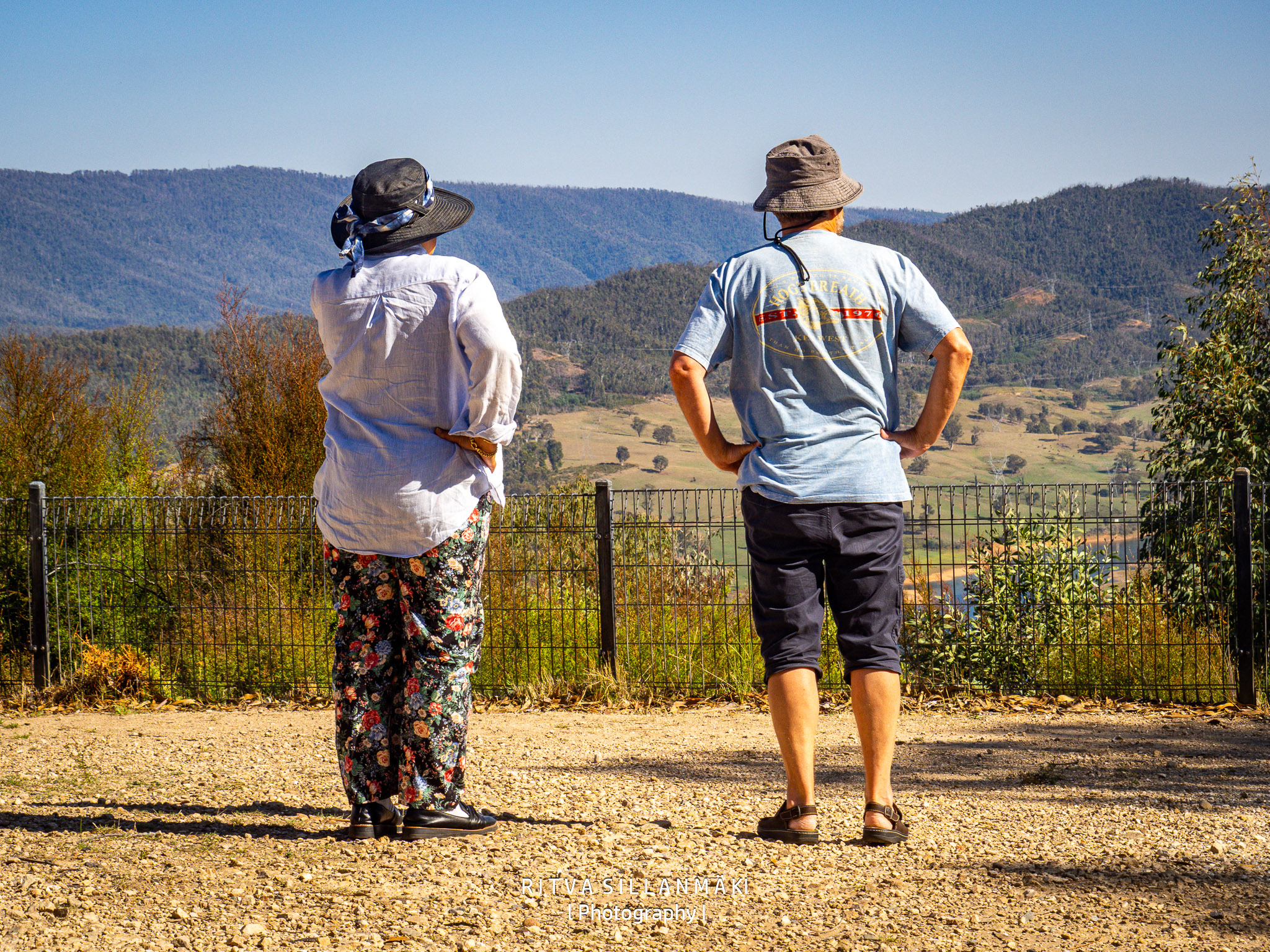
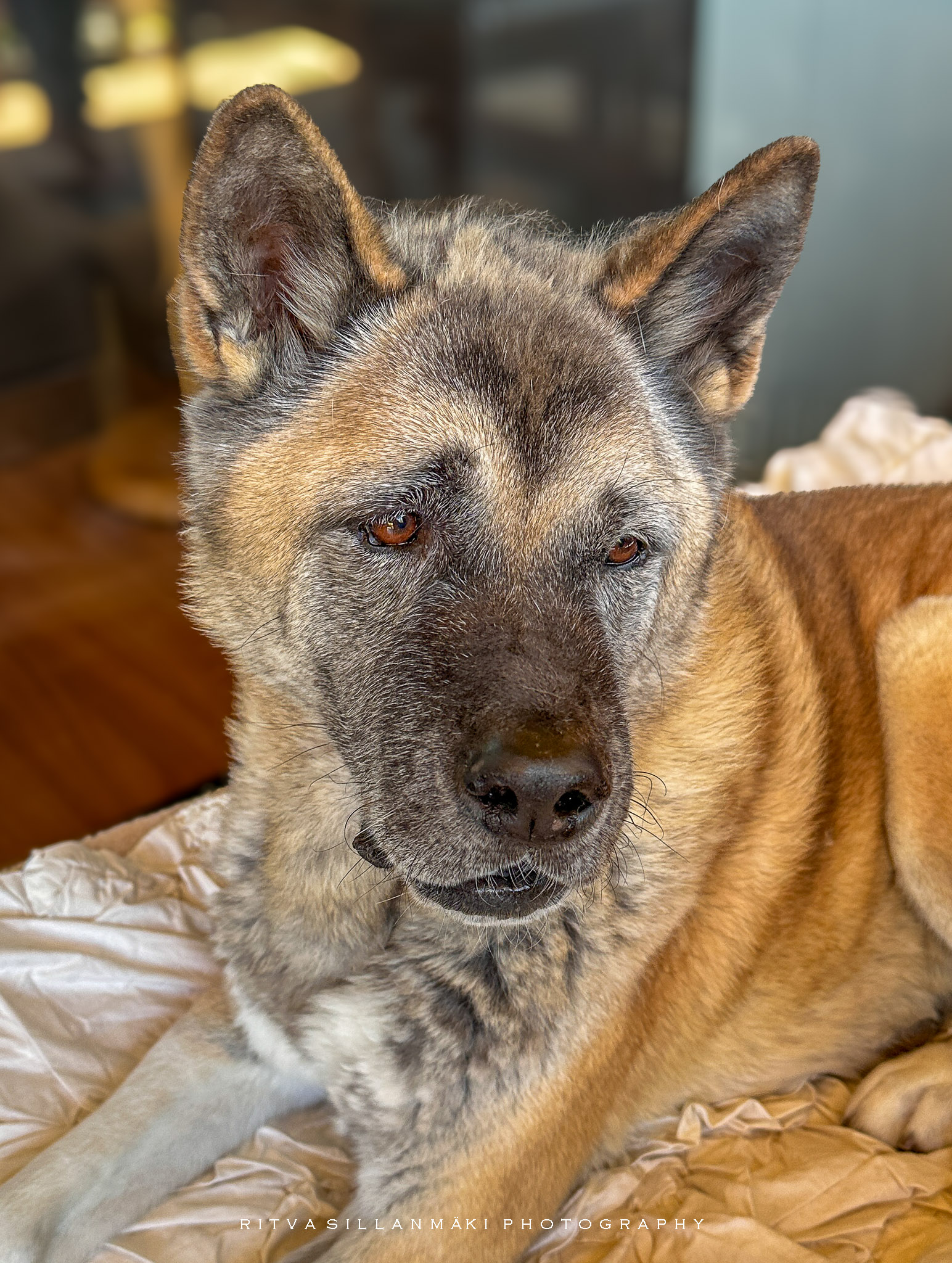
Being off-season Top Lake was really quiet. There were only two teenager and us four. Or I should say five because Susan and Kari have a beautiful Akita dog named Nischka. She is big but so peaceful. I’m digressing. Last time our host couple’s friends, Chris and Maggie, took us for a boat ride and waterskiing on Top Lake. Unfortunately, they don’t live there anymore, and we ended up just enjoying the scenery. Susan found a beautiful piece of driftwood on the beach, and she was gracious enough to give it to us. Now it has a special place on our dresser. I can only imagine how long it had been in the water to be so smooth.
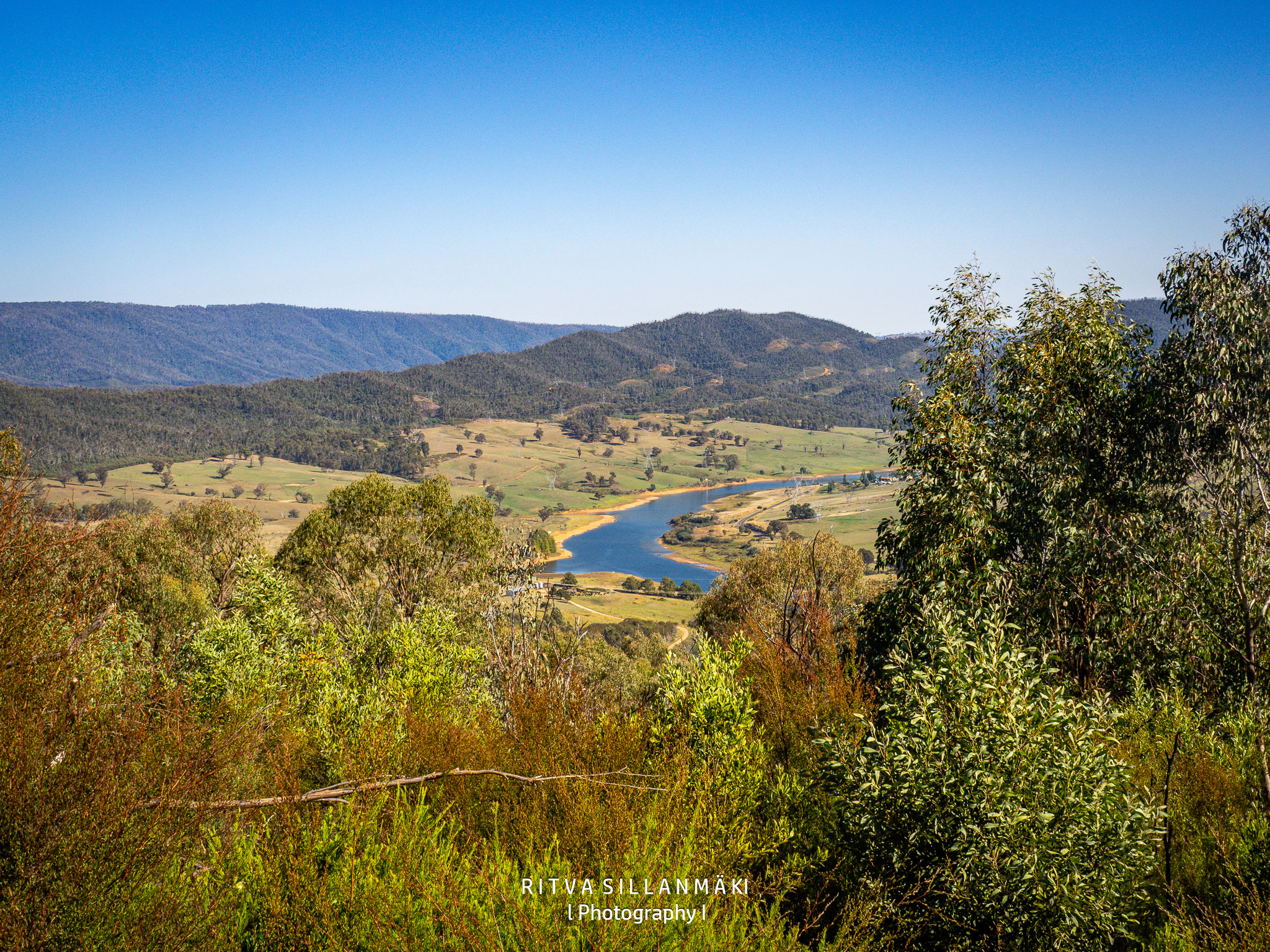
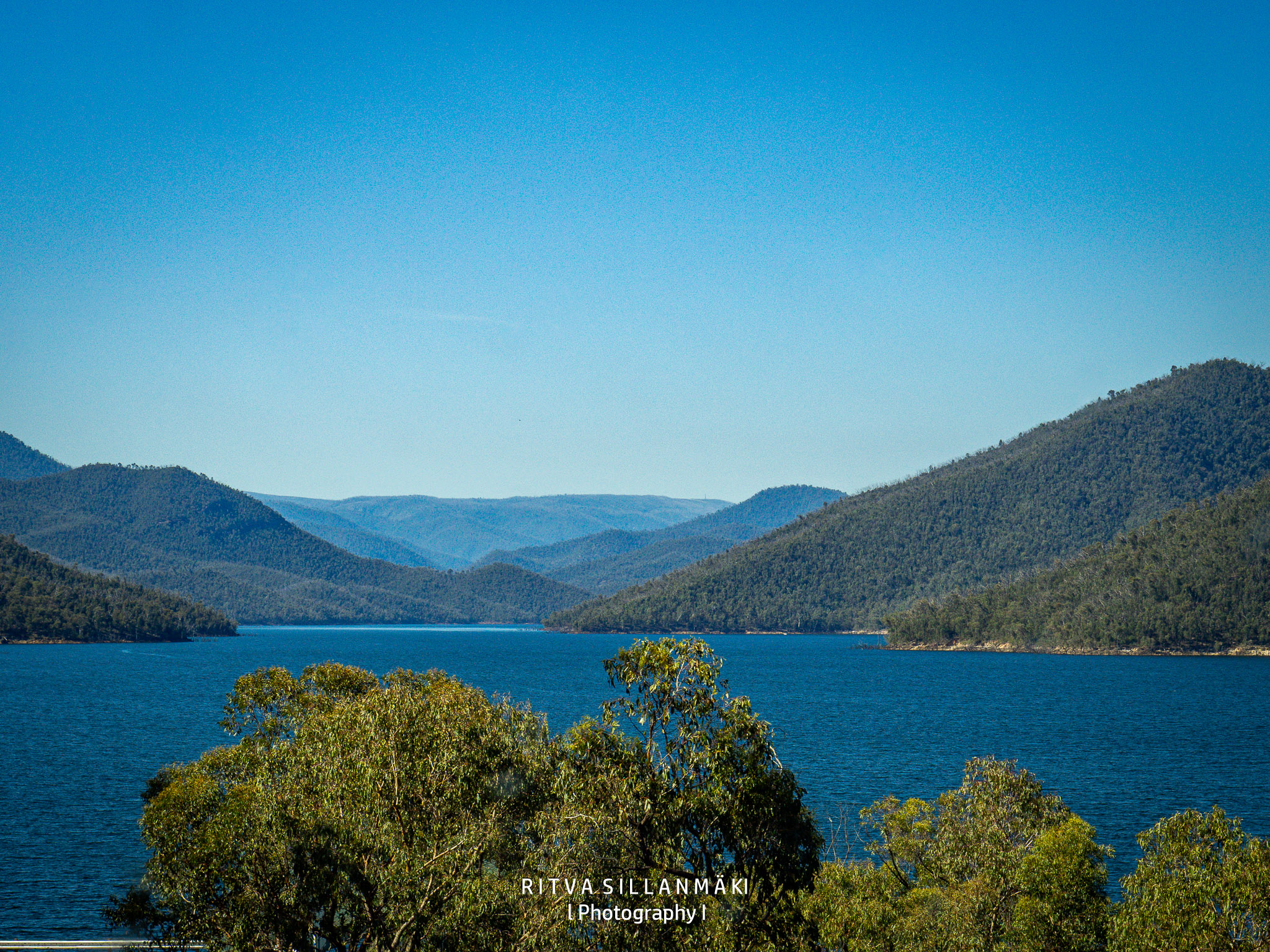
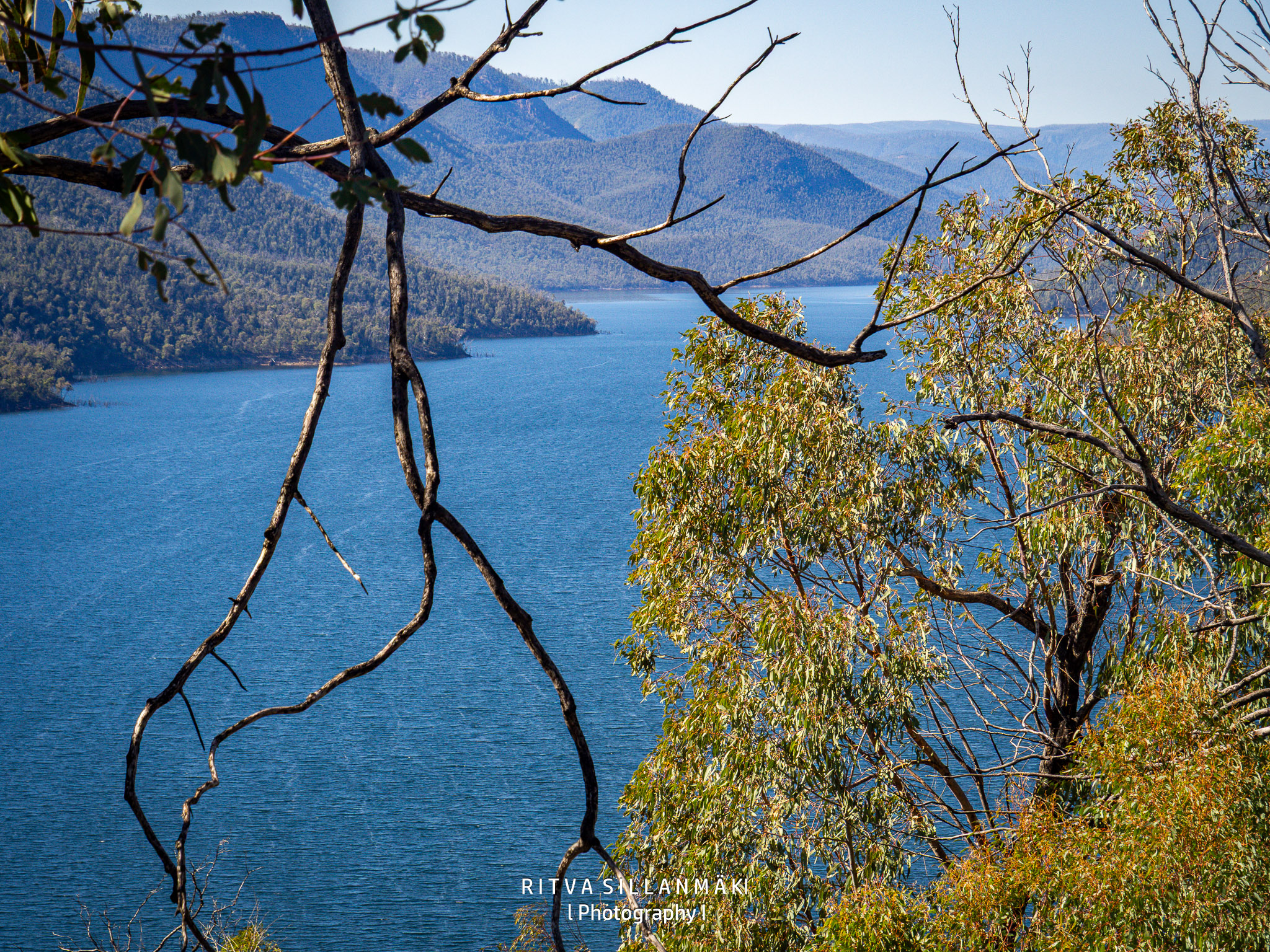
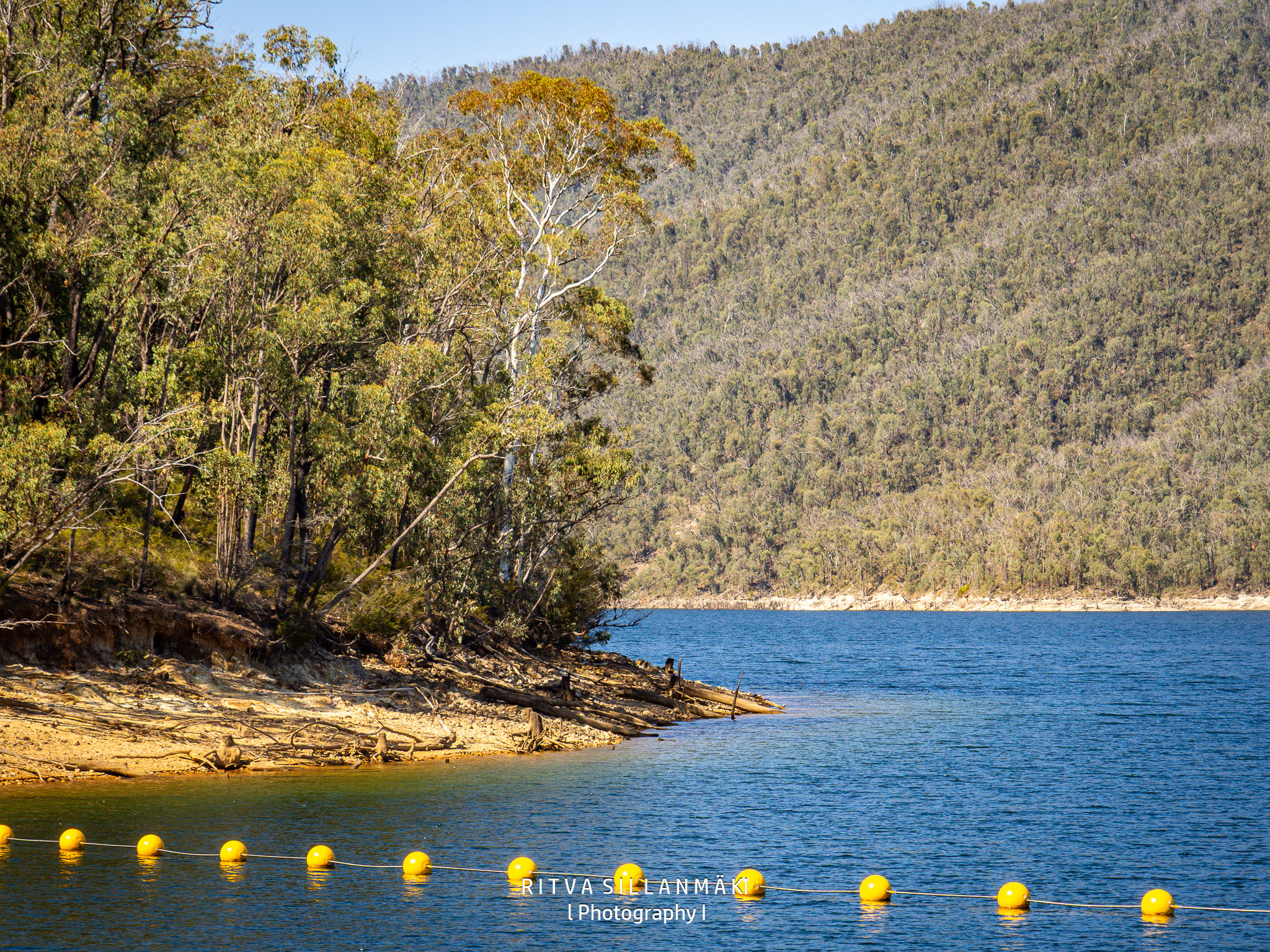
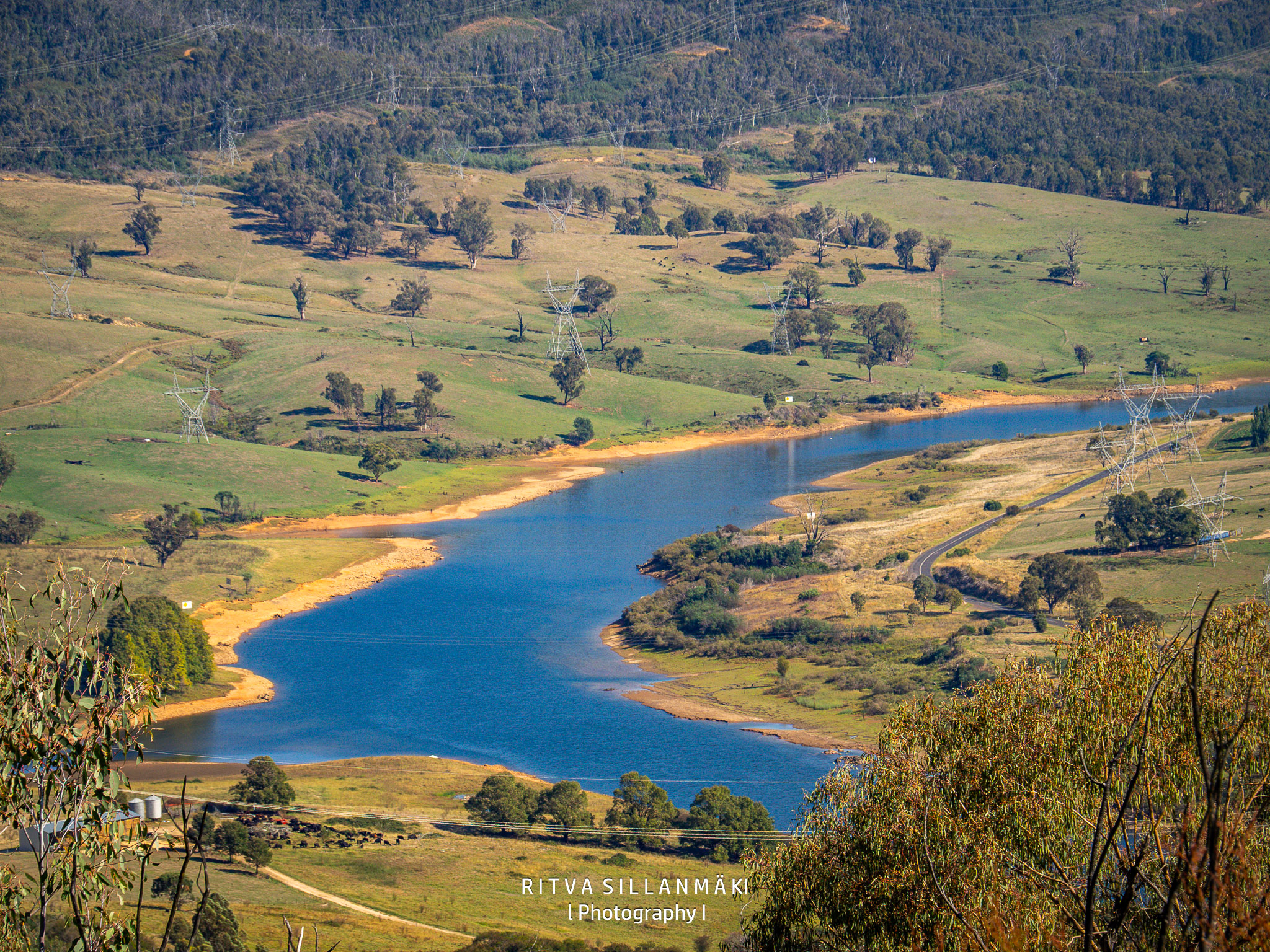
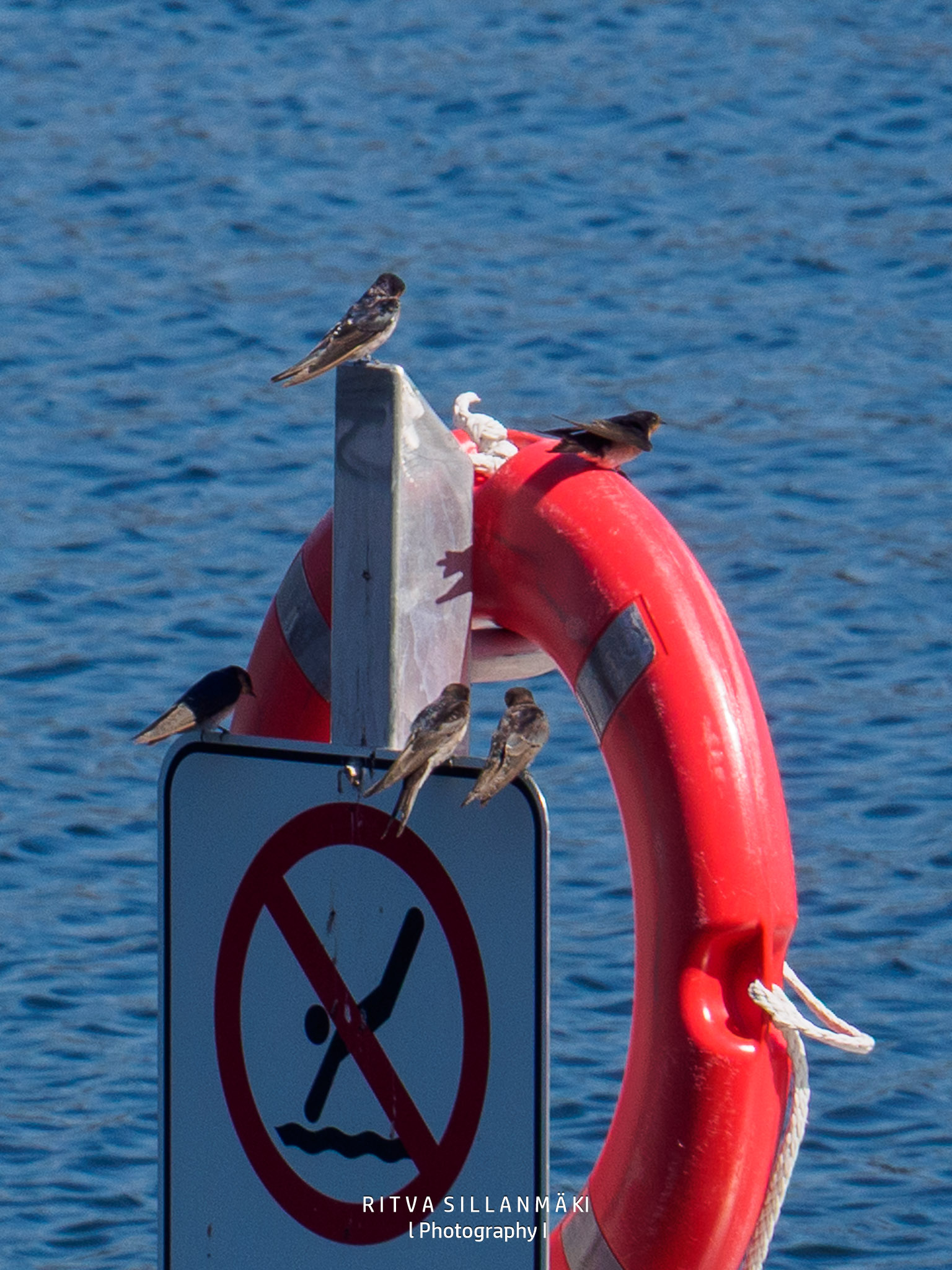
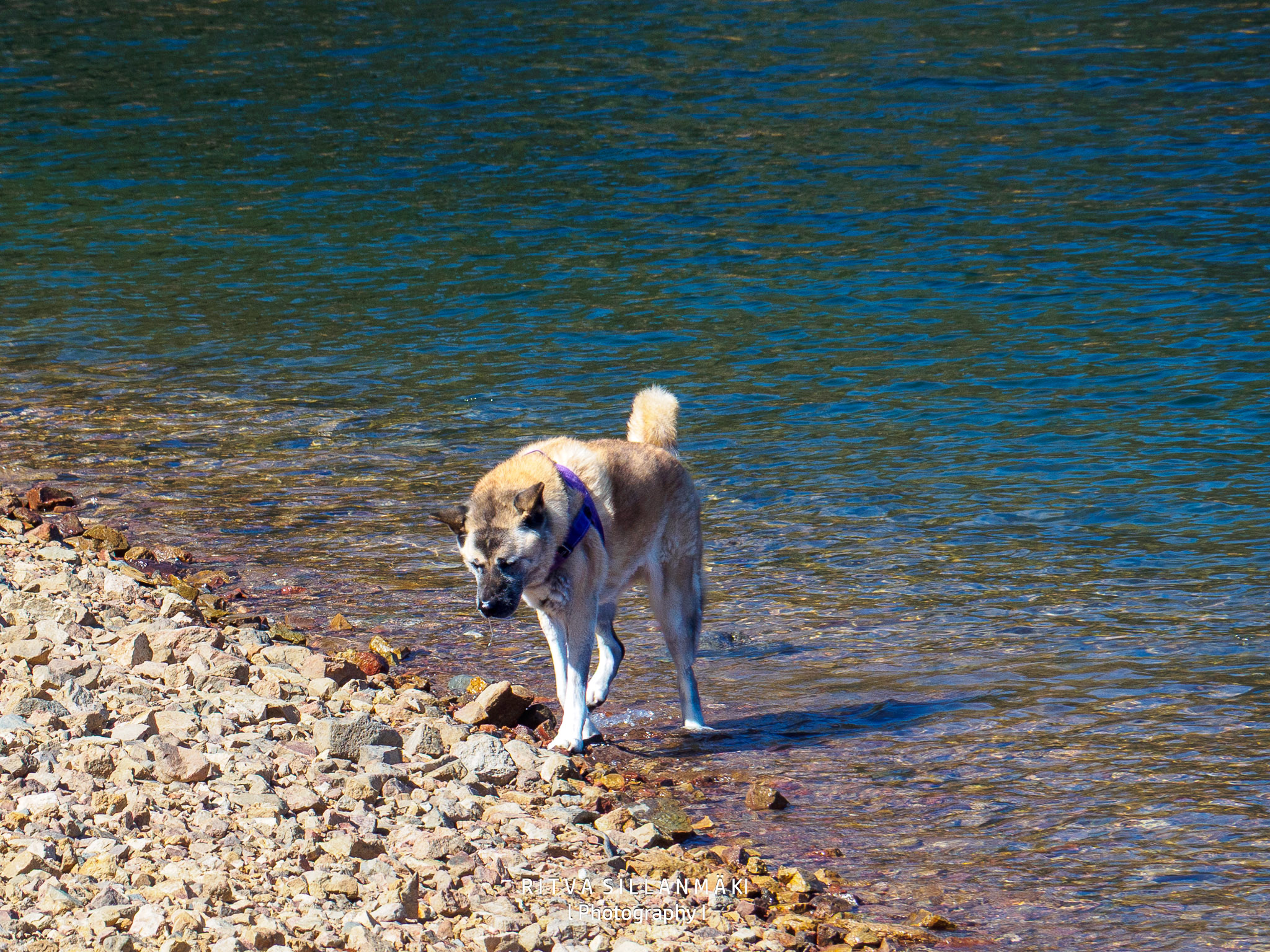
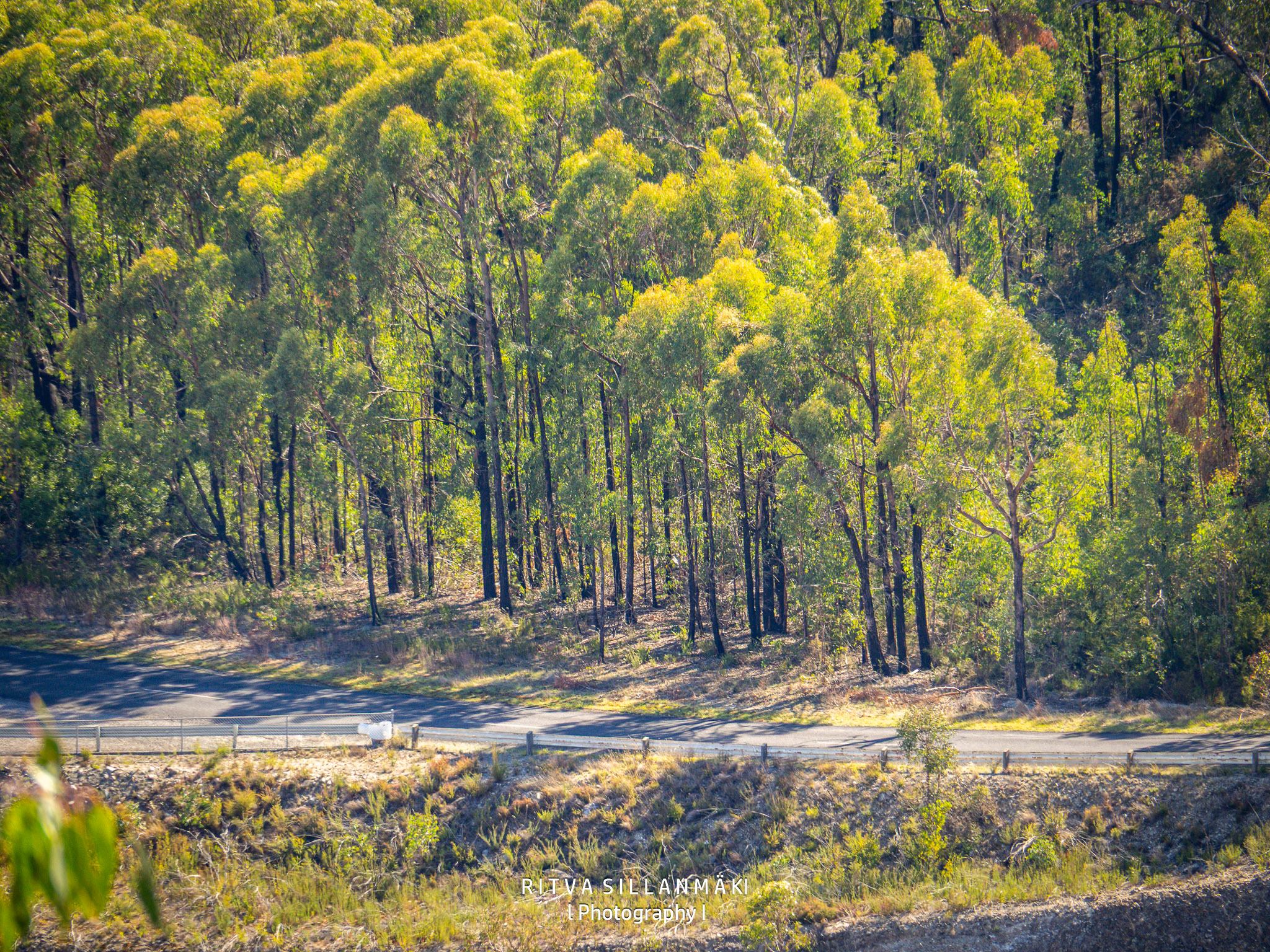
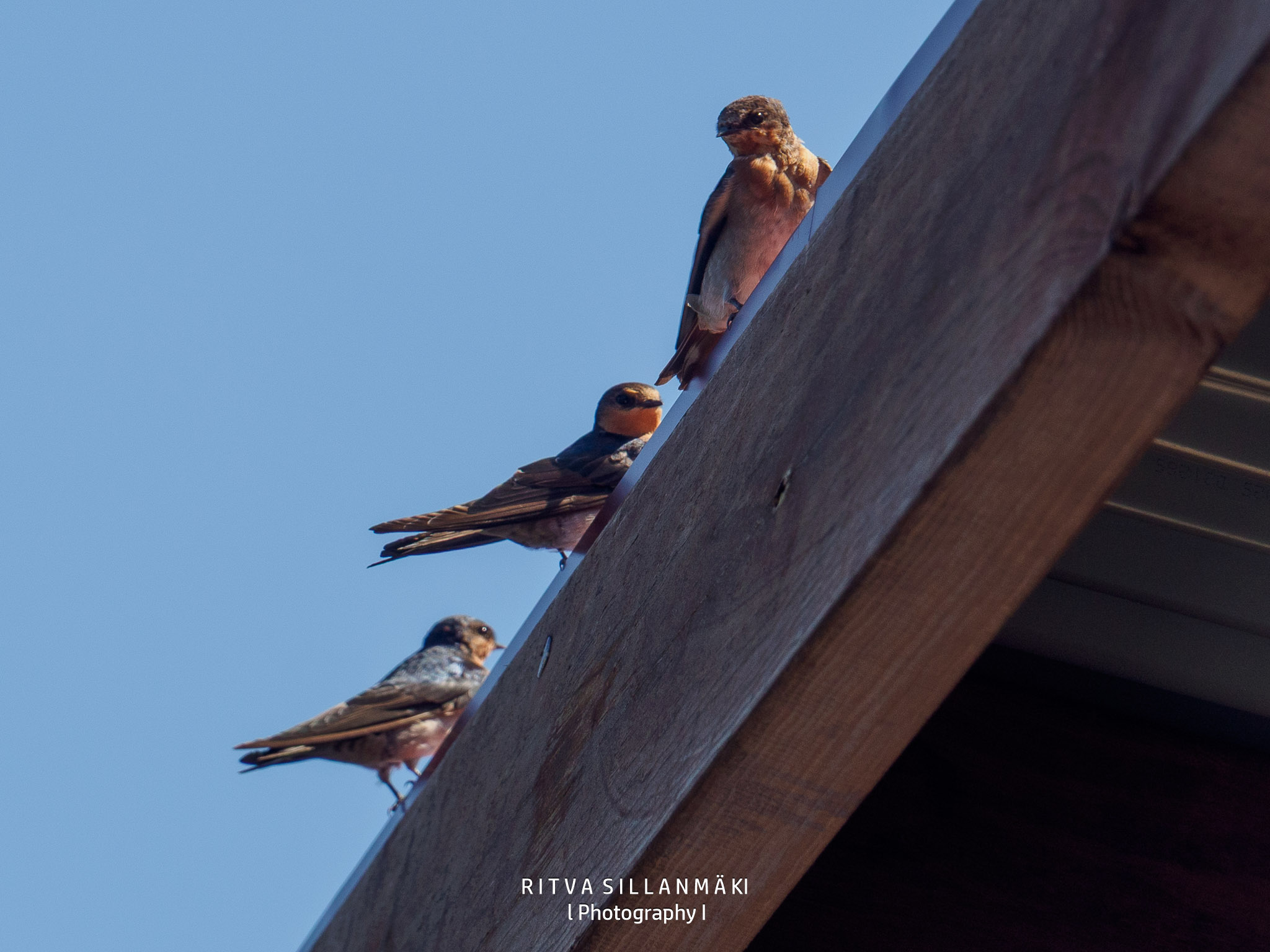
As I mentioned before, Kari and his father and maybe one or two more of the brothers were laying the groundwork for the new Parliament House. I say maybe because I heard so many stories from all Ritva’s relatives it is hard to keep up with them.
Later in the afternood we headed back to Caseys Beach we didn’t want to bother our hosts. They were both under the weather. We only stopped at Braidwood, after a three-hour drive. Heli had recommended Braidwood Bakery. We got there too late, just before closing time, and there was hardly anything left to buy and eat. However, we got to Caseys Beach just in time to one of Heli’s scrumptious dinners.
Text Mara Sillanmäki
It’s been over a year since we visited Australia( Feb 2025). I had all my photos edited and my husband Mara had written the narrative of our trip. Then what I call a disaster happened: my computer and Lightroom had some hiccup and all the edits were lost. I hadn’t saved them. It had been a tremendous job to get them done, and I just couldn’t get myself to redo them again. But now I thought I would do the Canberra post. It has been fun reading the text again; it brought back memories of our trip, little details I had forgotten. Let’ get started.
Going for the new world record, or at least my personal record, with time spend driving within three weeks, so off to Canberra we went on Friday morning. So little time and so much to see. The plan was to see relatives and friends and to see the sights. Driving up the Misty Mountain and Clyde Mountain was nearly as much fun as coming down.
I hadn’t done my research about Canberra properly and we had to go the Tourist Information by the Lake Burley Griffin. We got the info and bought a wombat toy for one of our grandsons. It was time to find a place to eat and it proved to be challenging as it often does. There was a lot of road work going on and GPS was not up to speed. In the end we ended up eating pizza slices at a place called BJ’s in Acton, I think. But BJ’s was clean and cheap and that is sometimes all you need. Pizza was good too and they had some fun posters on the walls and beer was great.
The higher building is High Court of Australia and the other is National Library of Australia
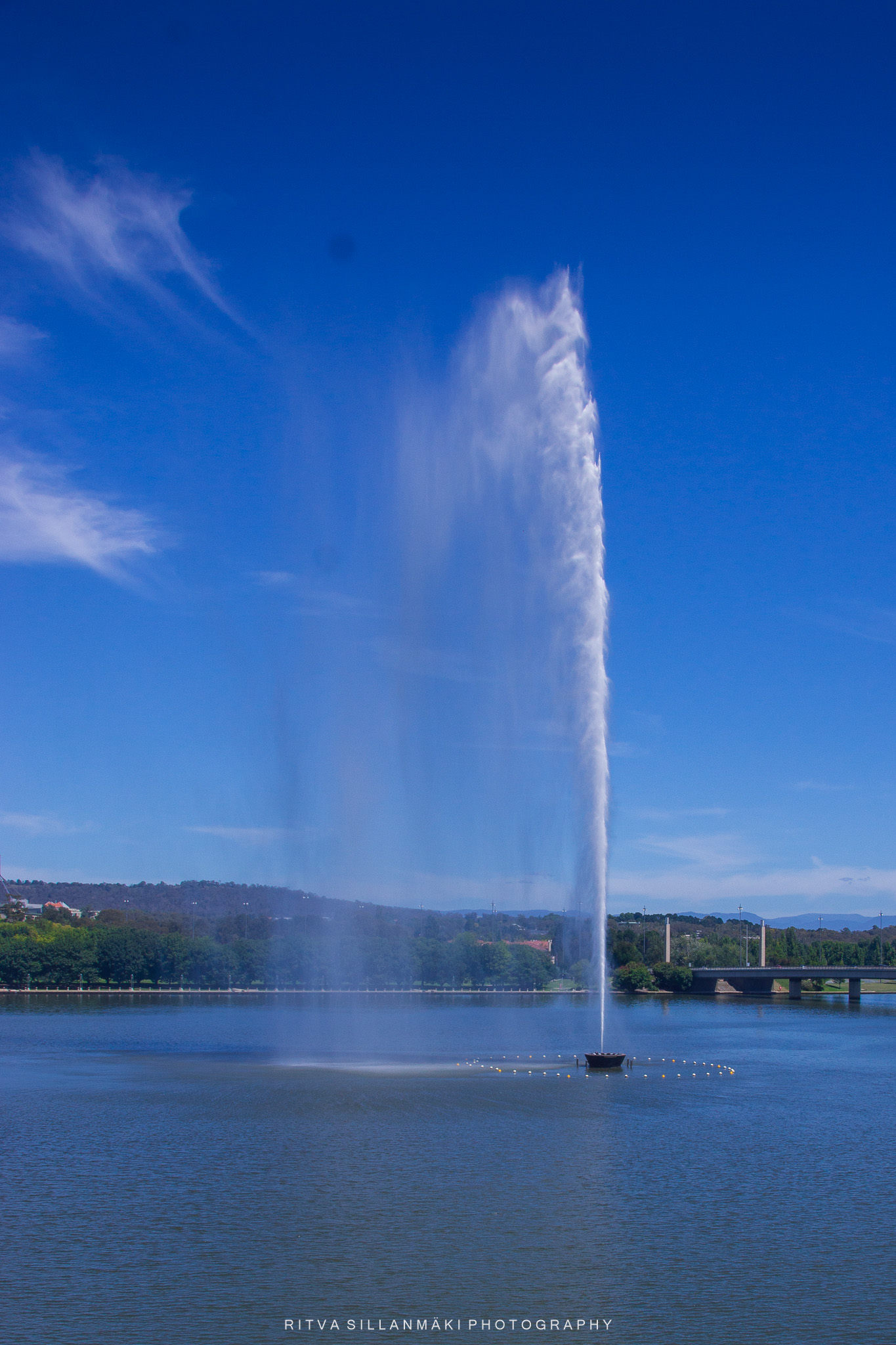
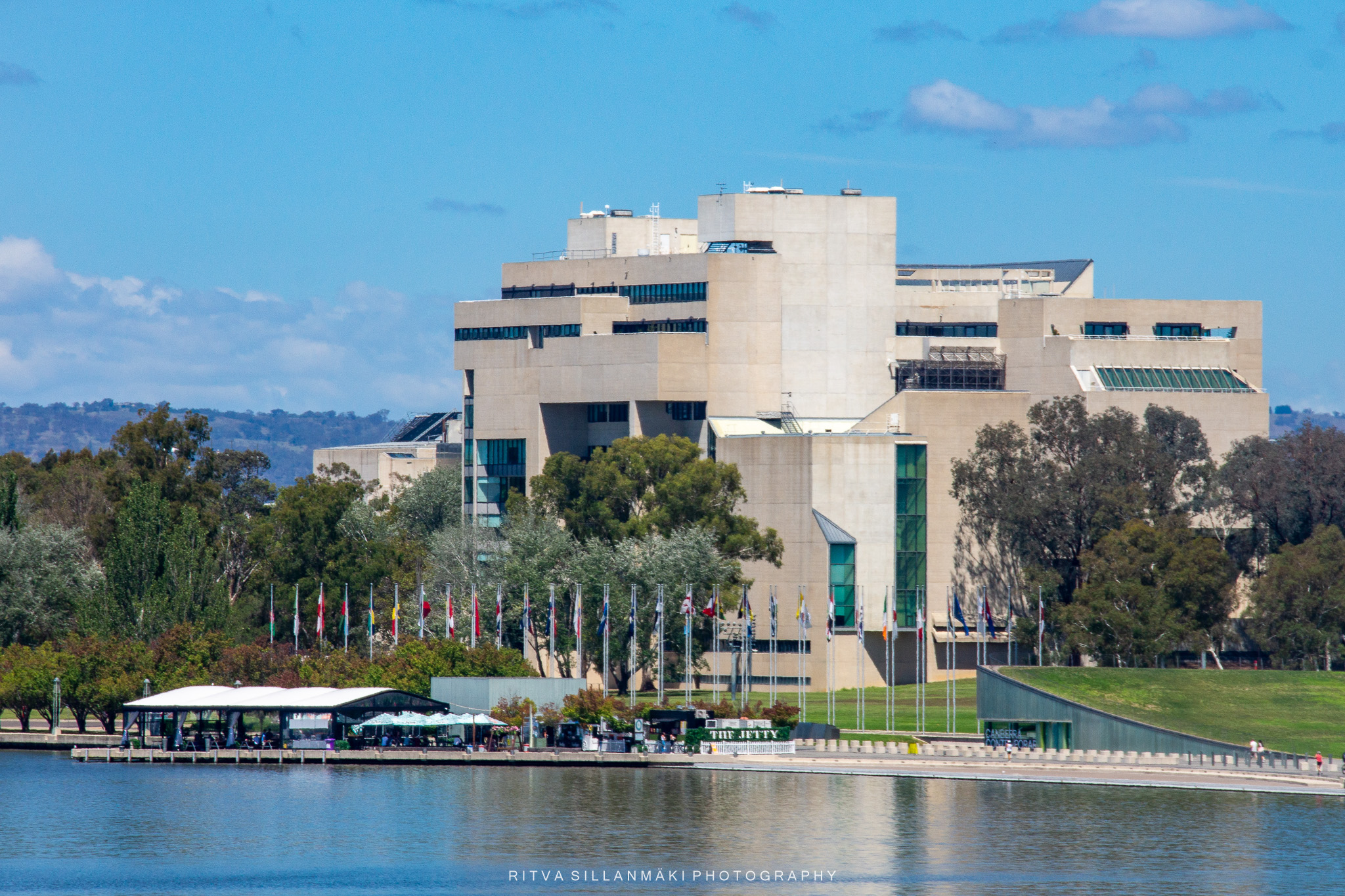
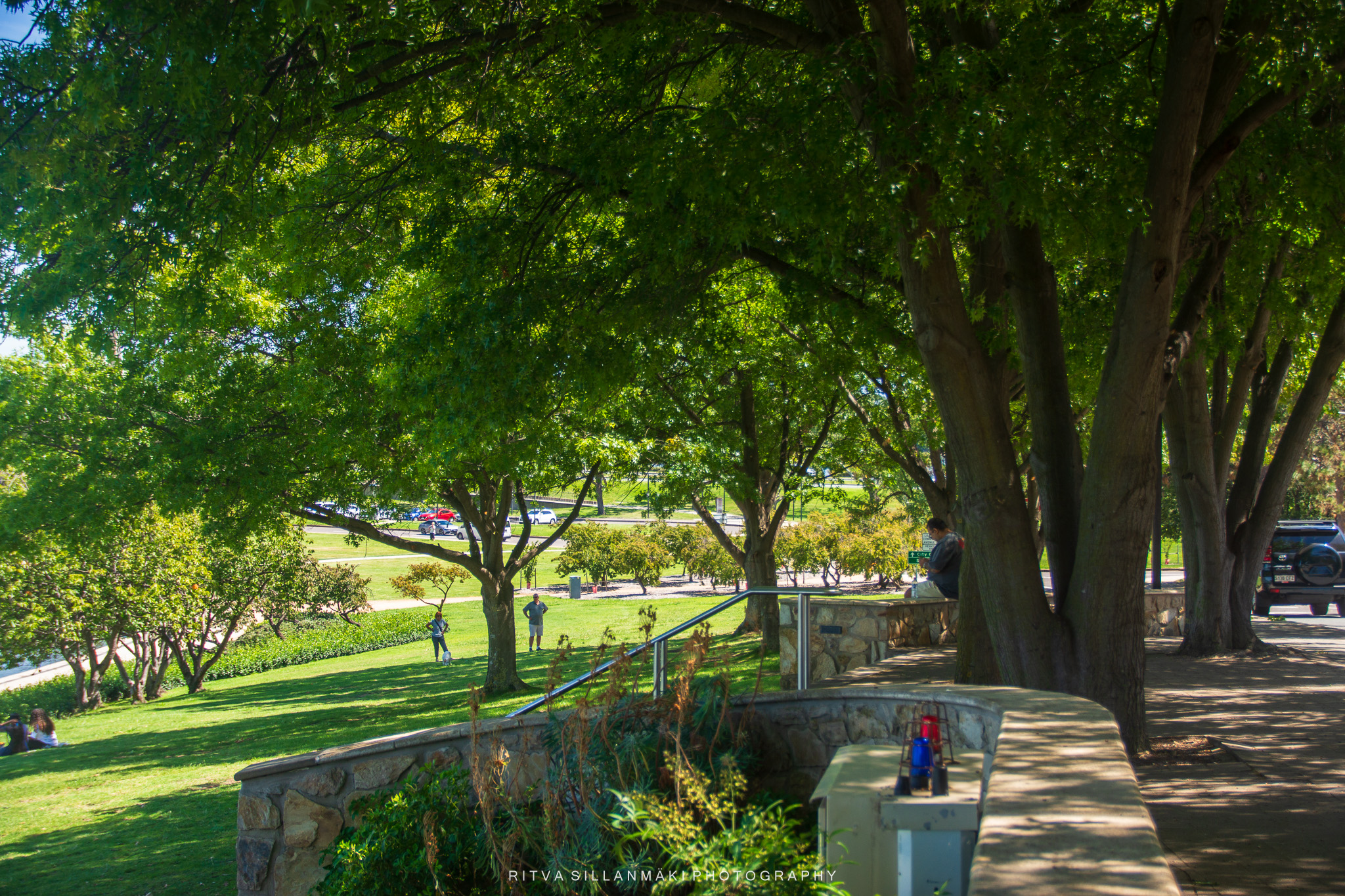
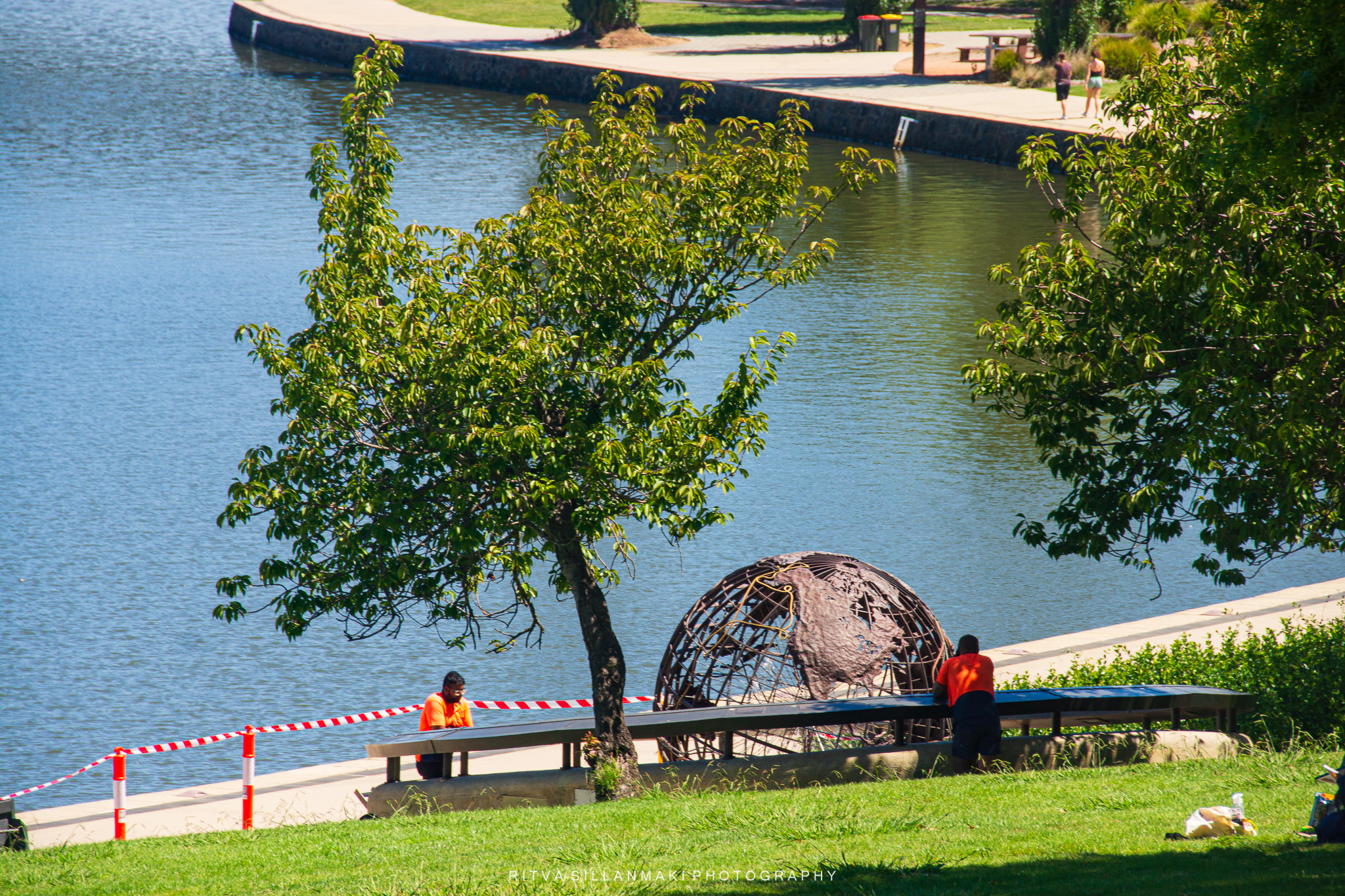
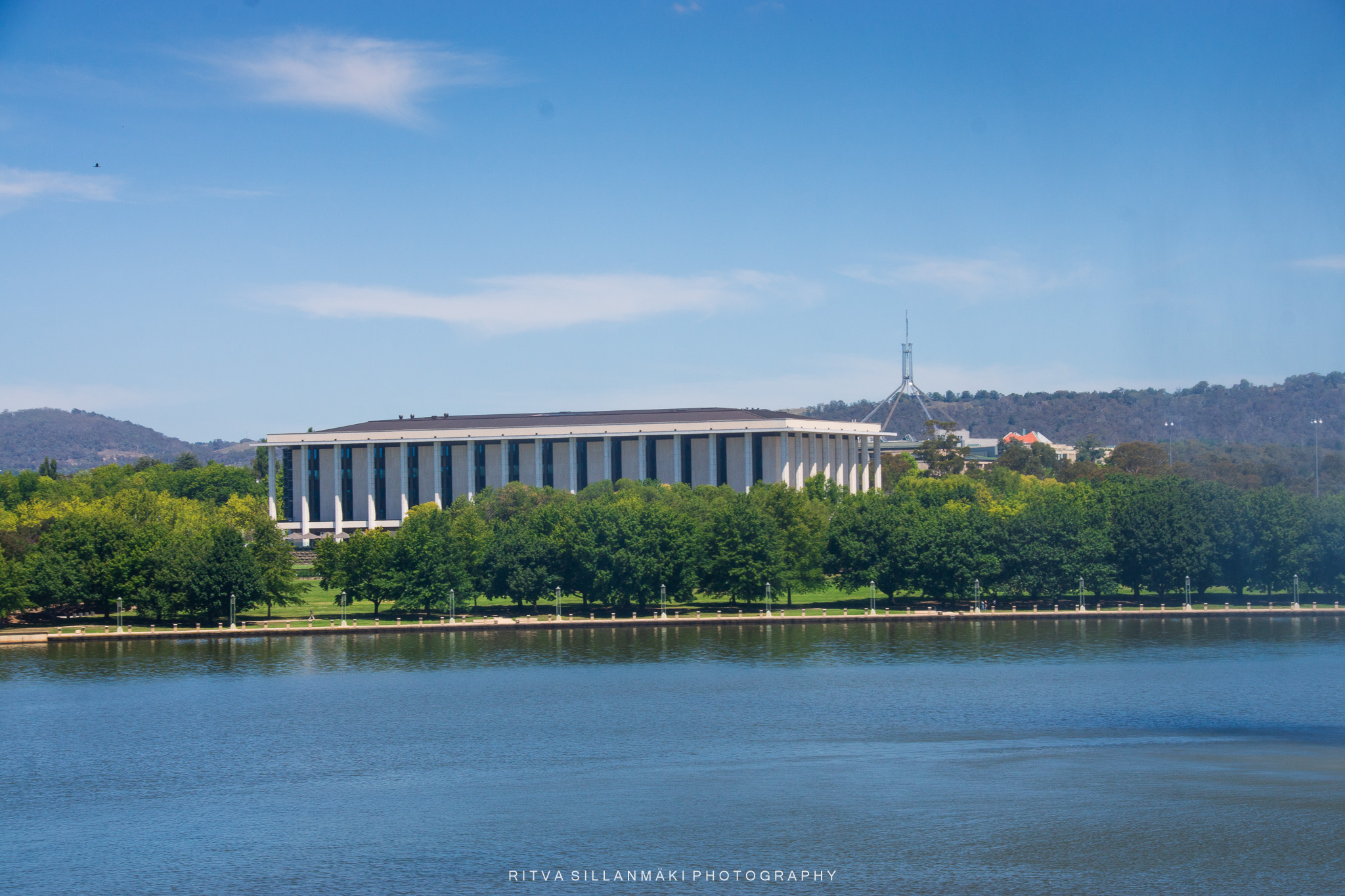
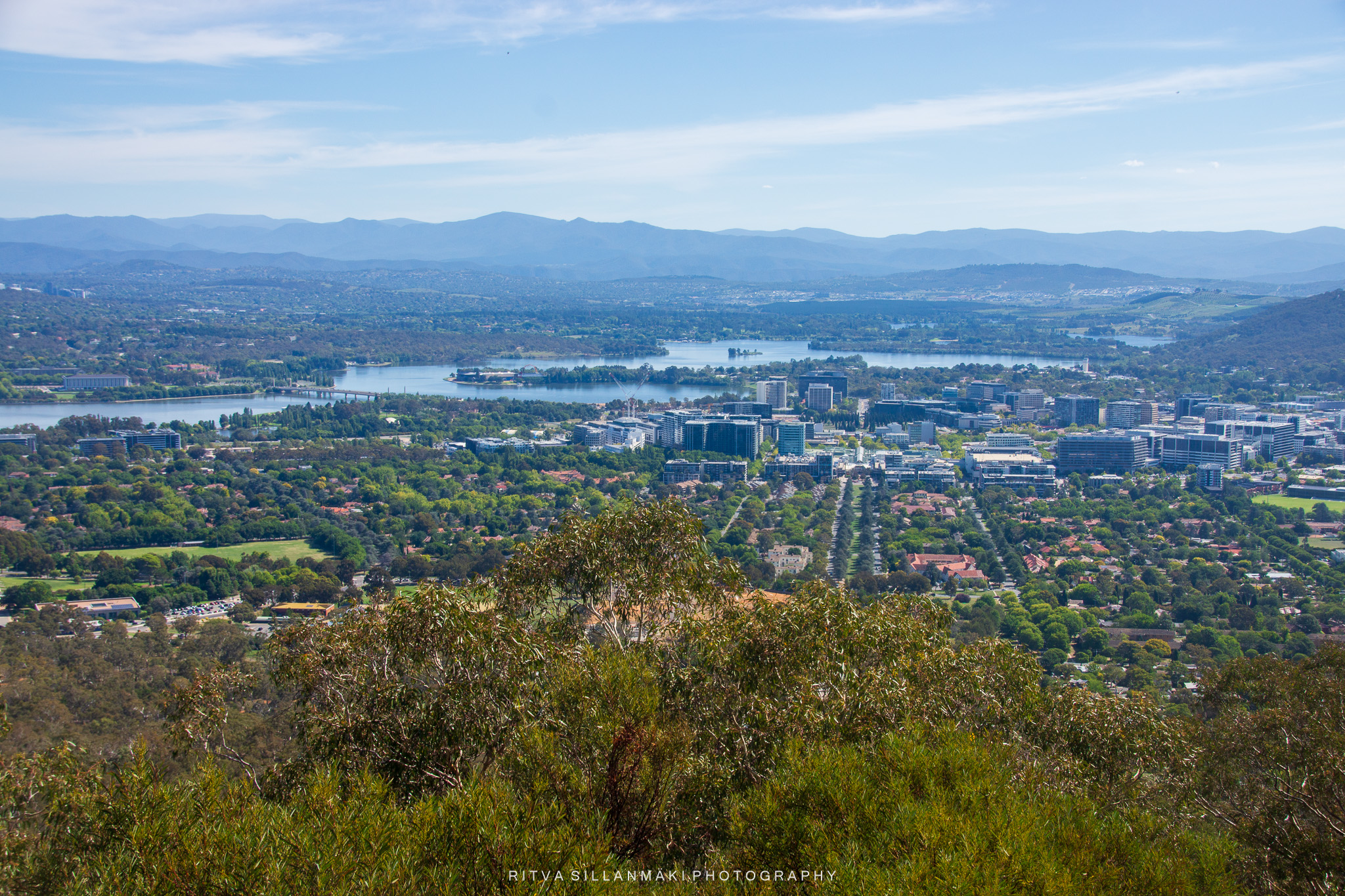
Anyhow, it was time to have a good general idea of the city. We drove up to Mount Ainslie Lookout. View was great and you could see the city plan well. Capital Hill, the lake, War Memorial, Anzac Parade, National Museum, etc.
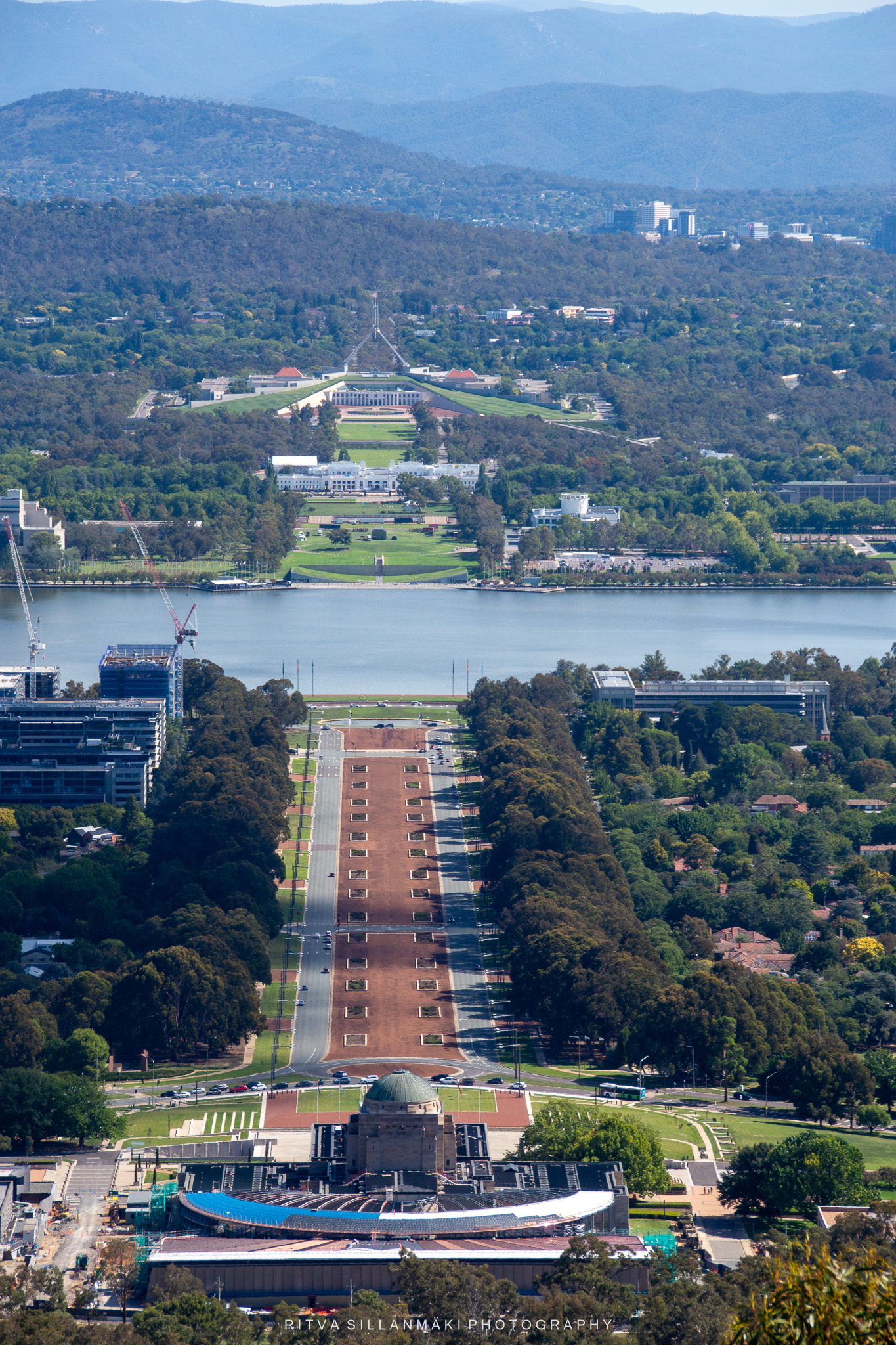
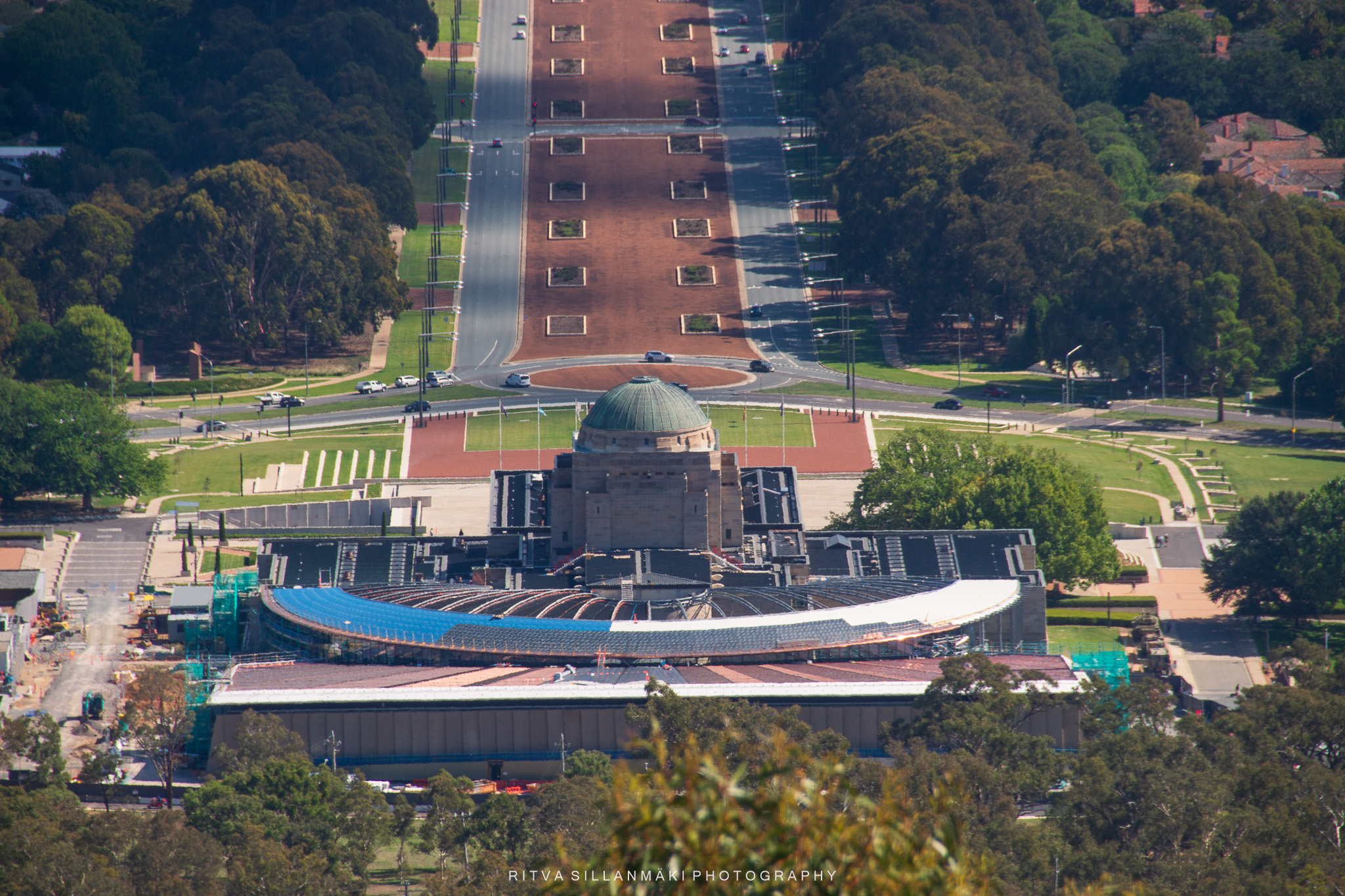
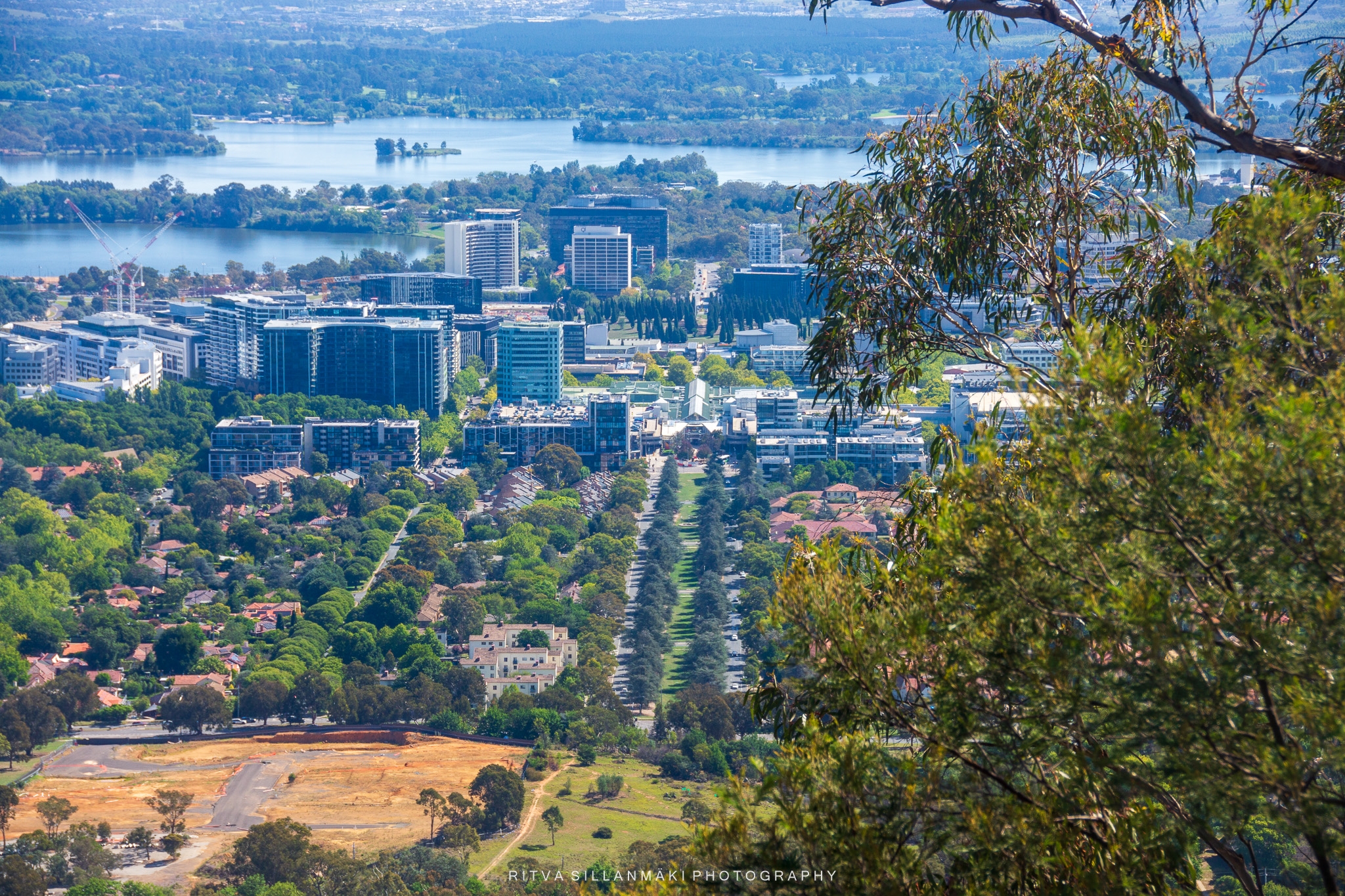
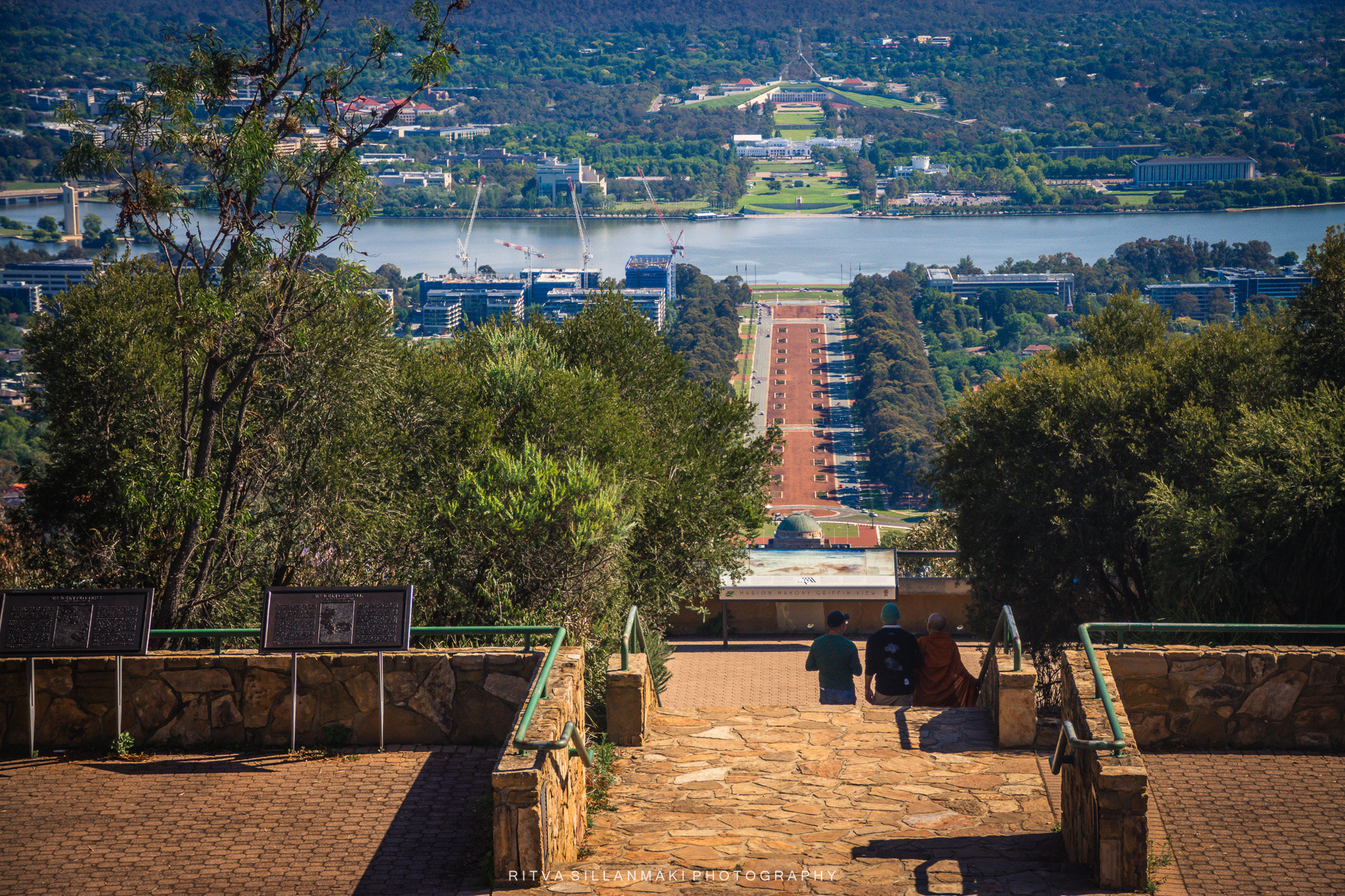
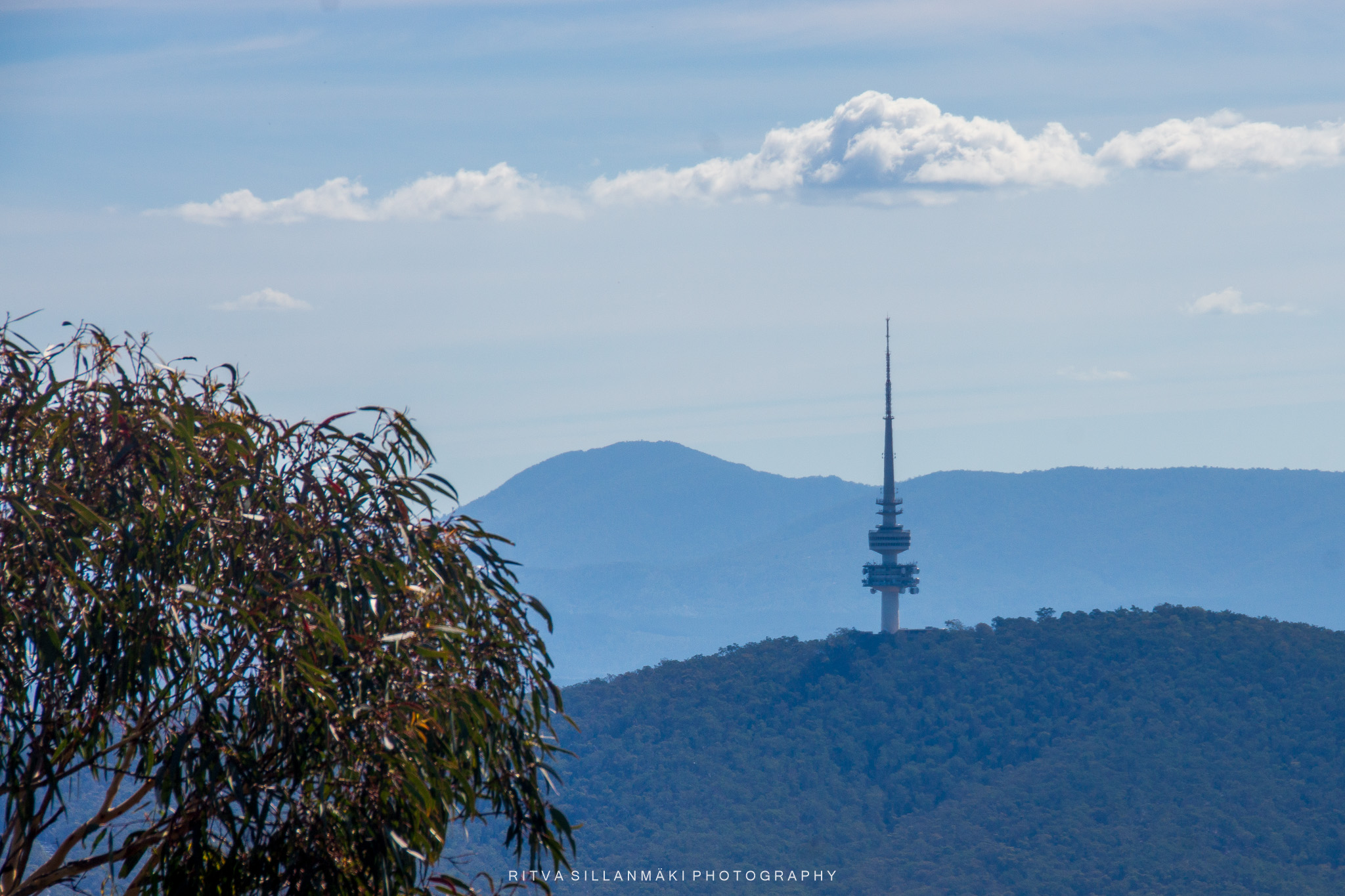
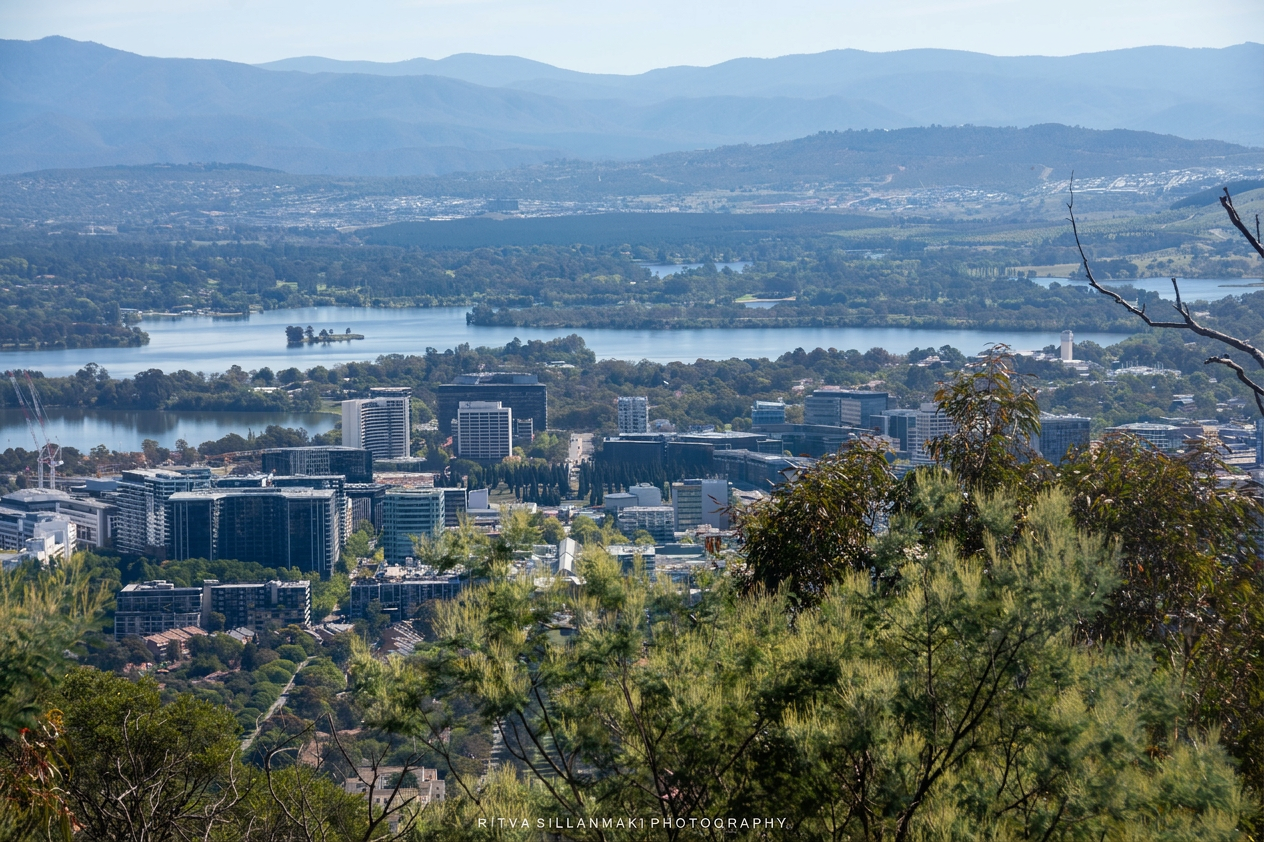
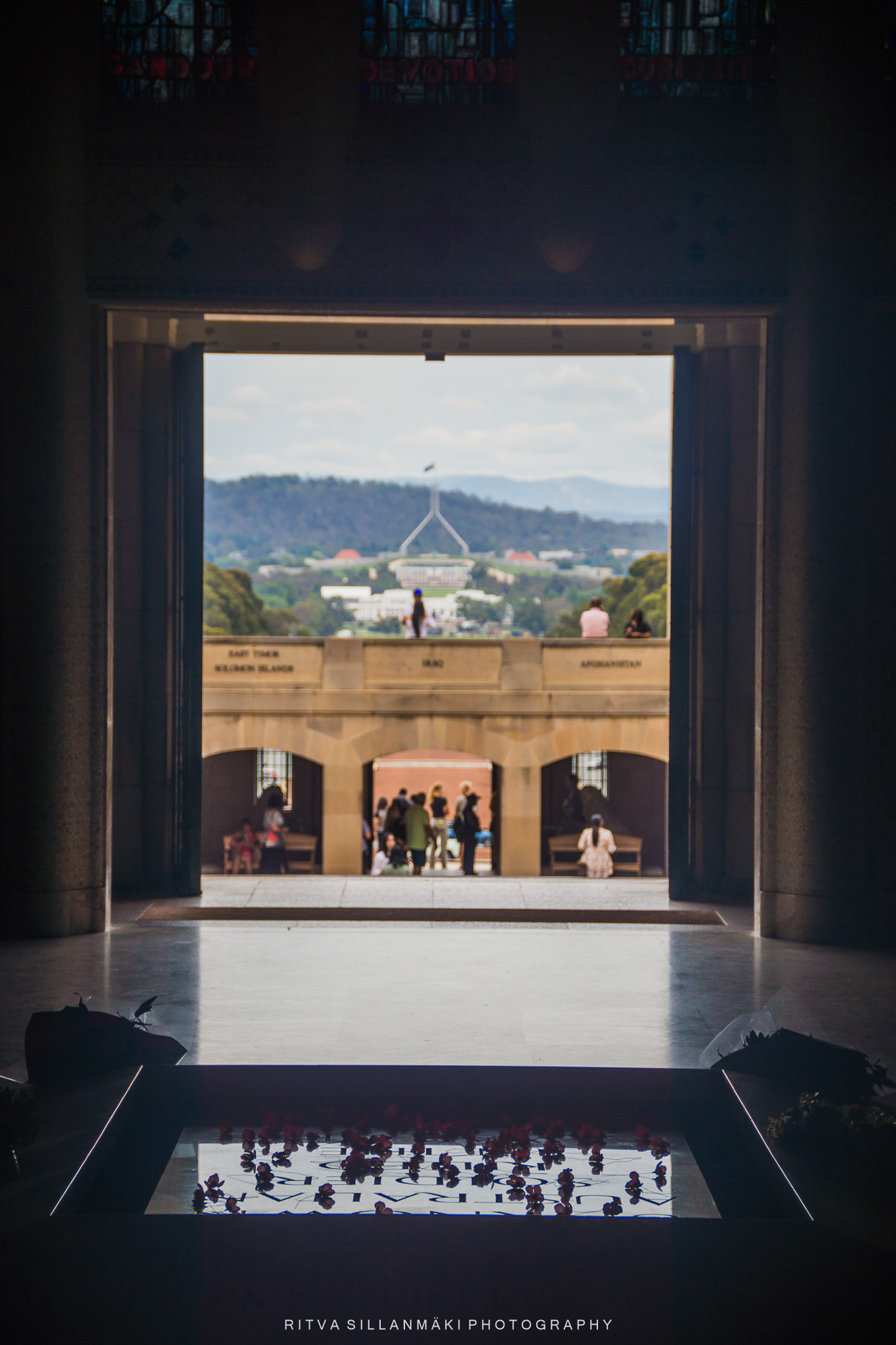
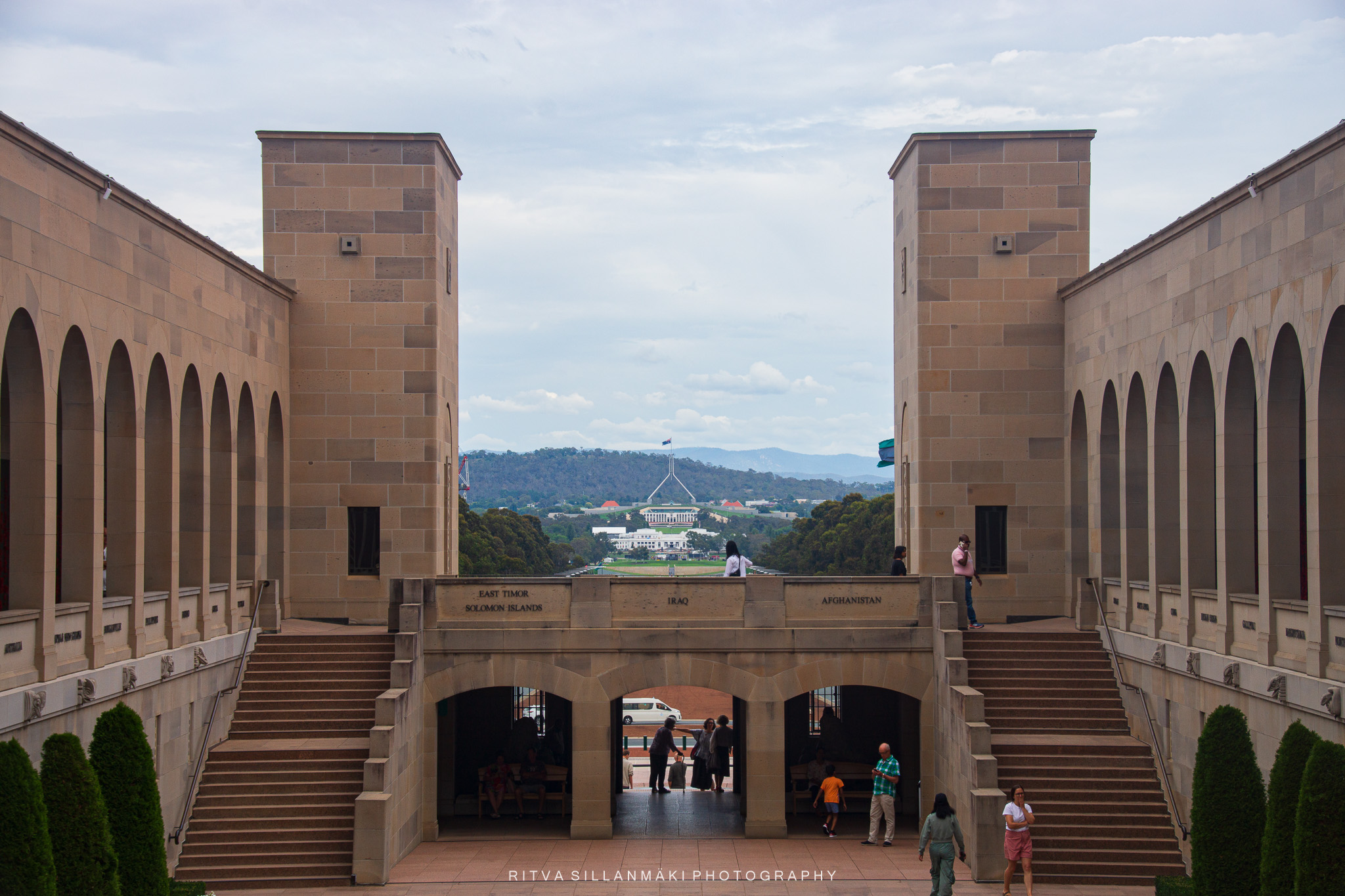
From Mount Ainslie we came down to look at the Australian War Memorial. Unfortunately, Memorial was closing for the day, and we couldn’t get in. But there is always another day. But we got plenty of pictures of statues and memorial gardens.
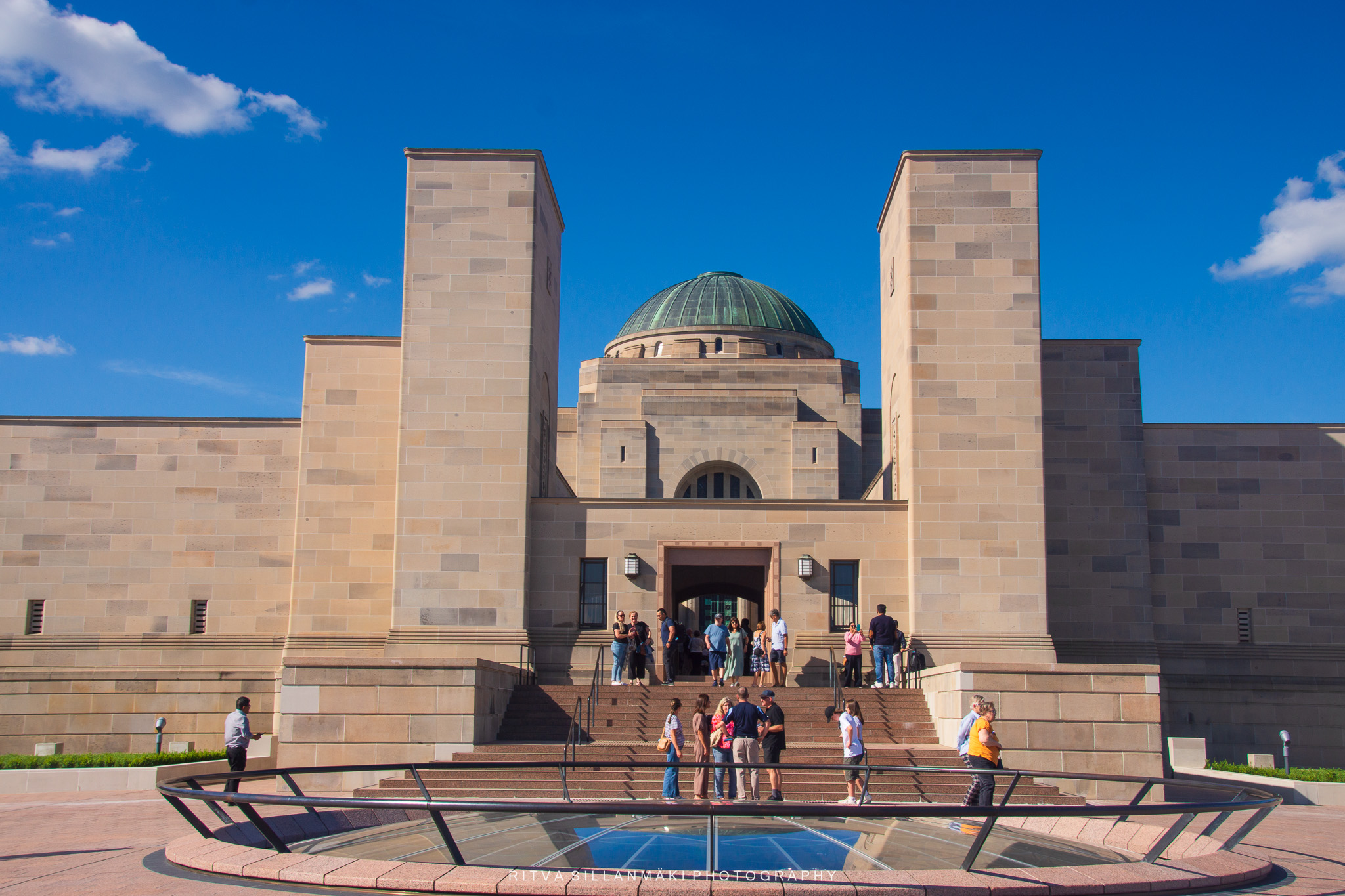
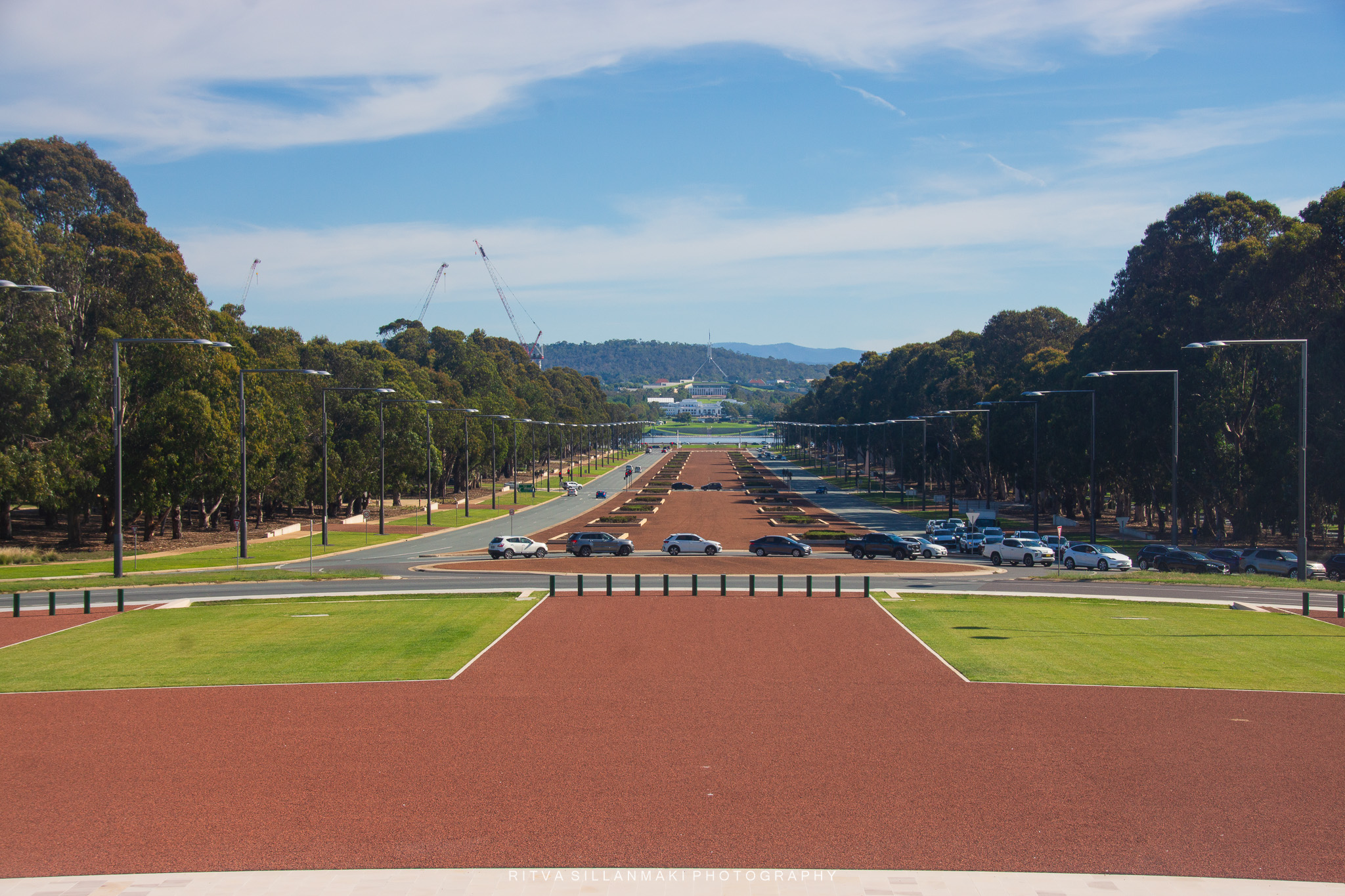
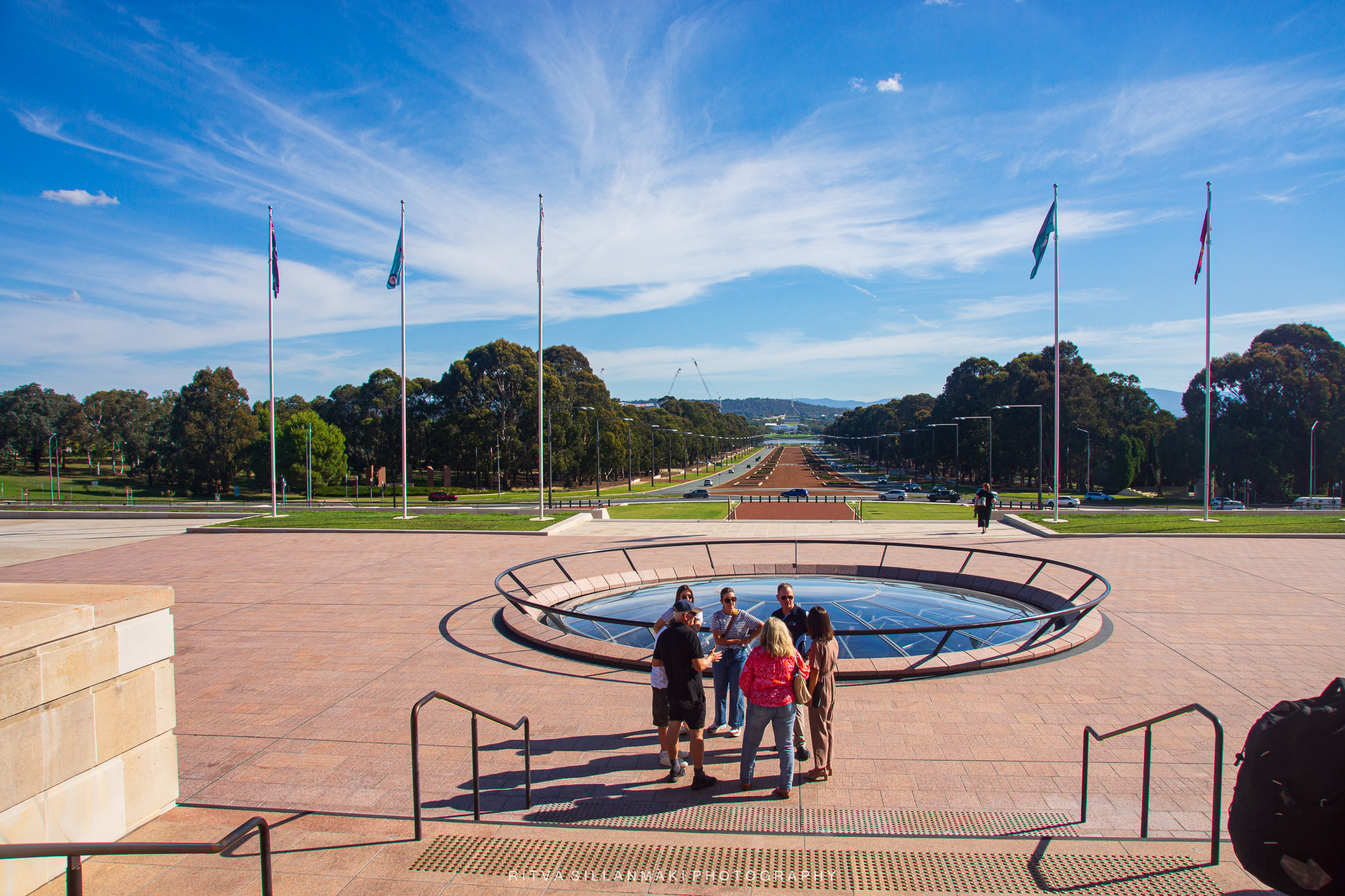
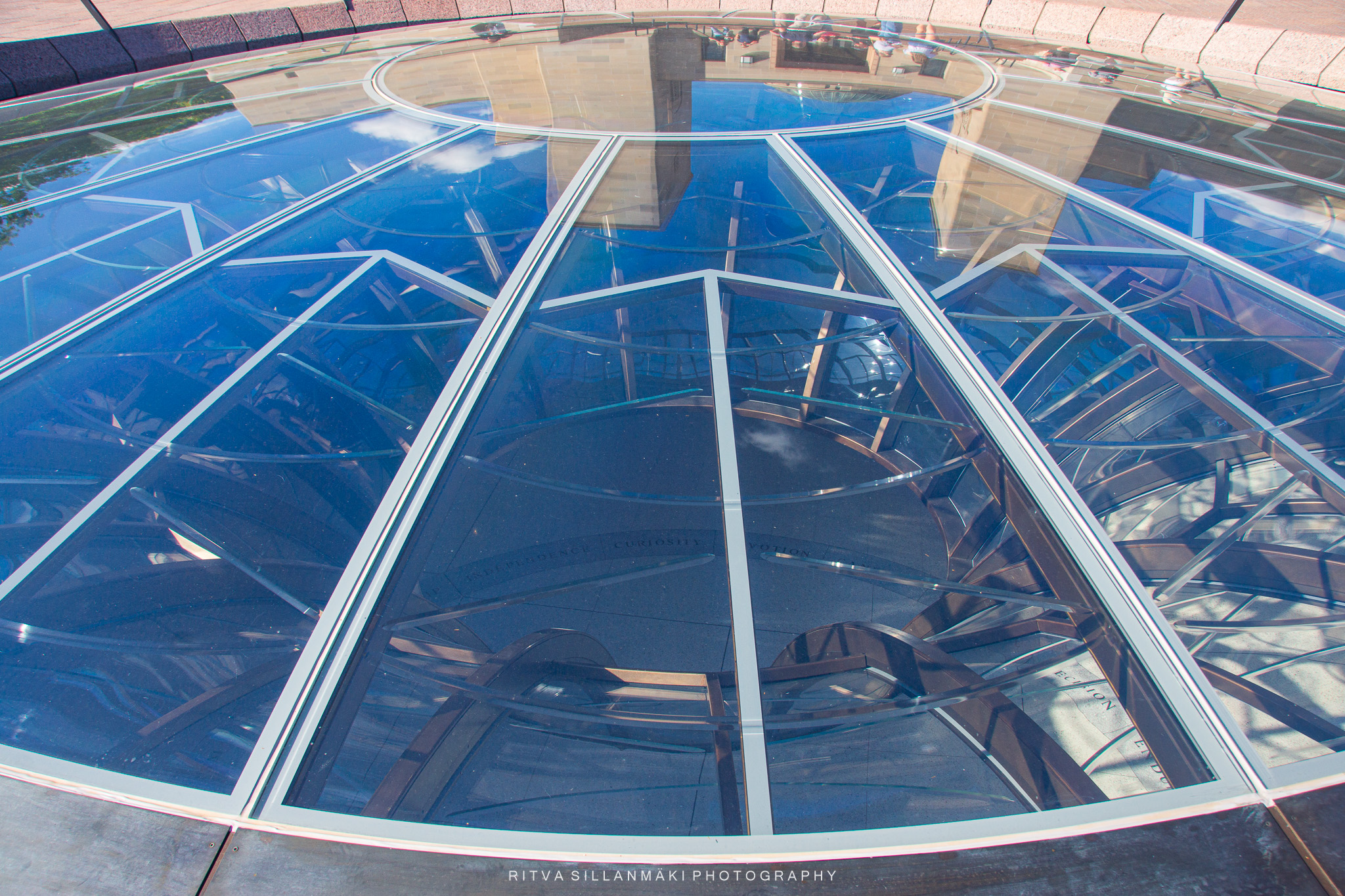
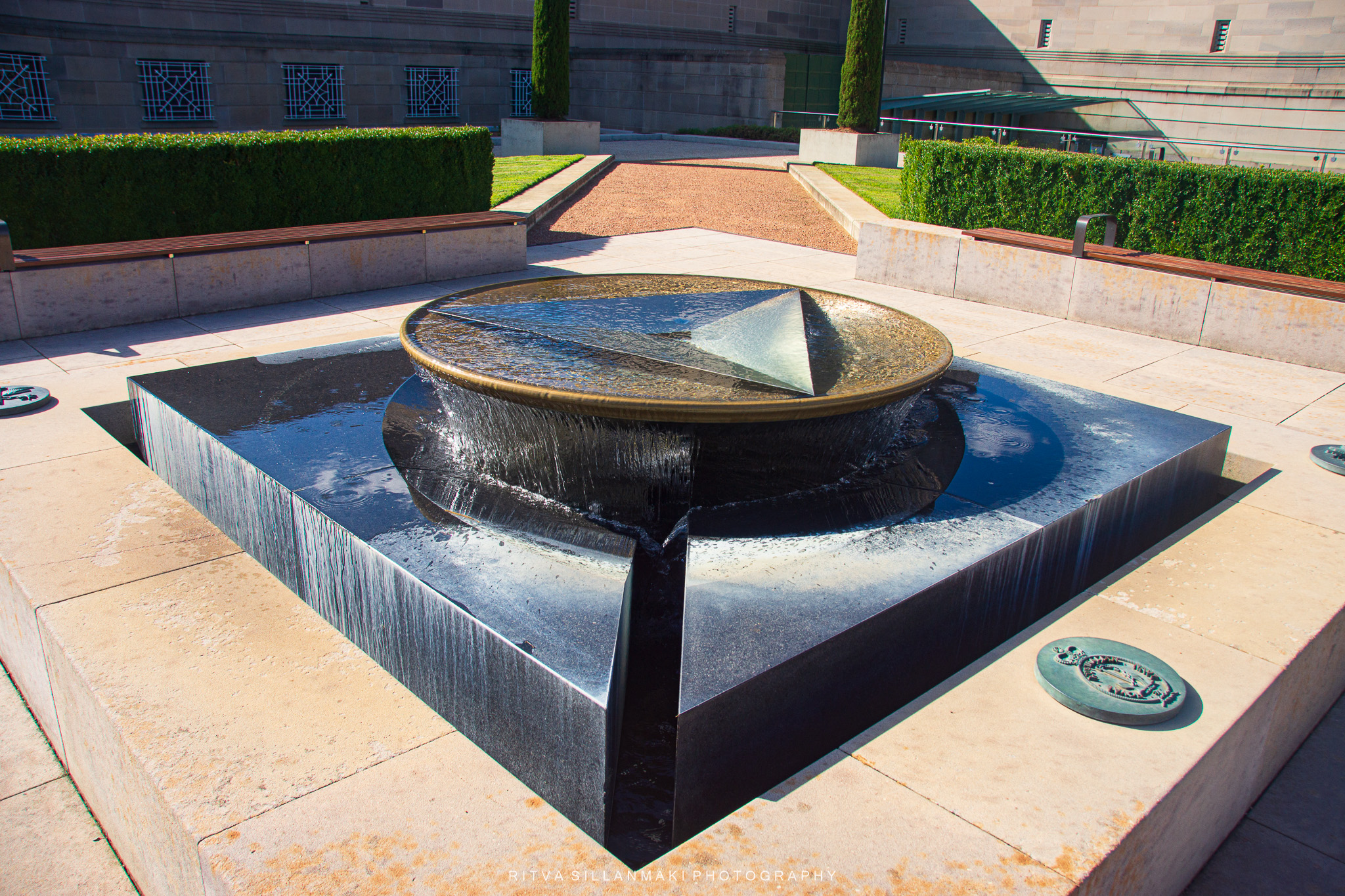
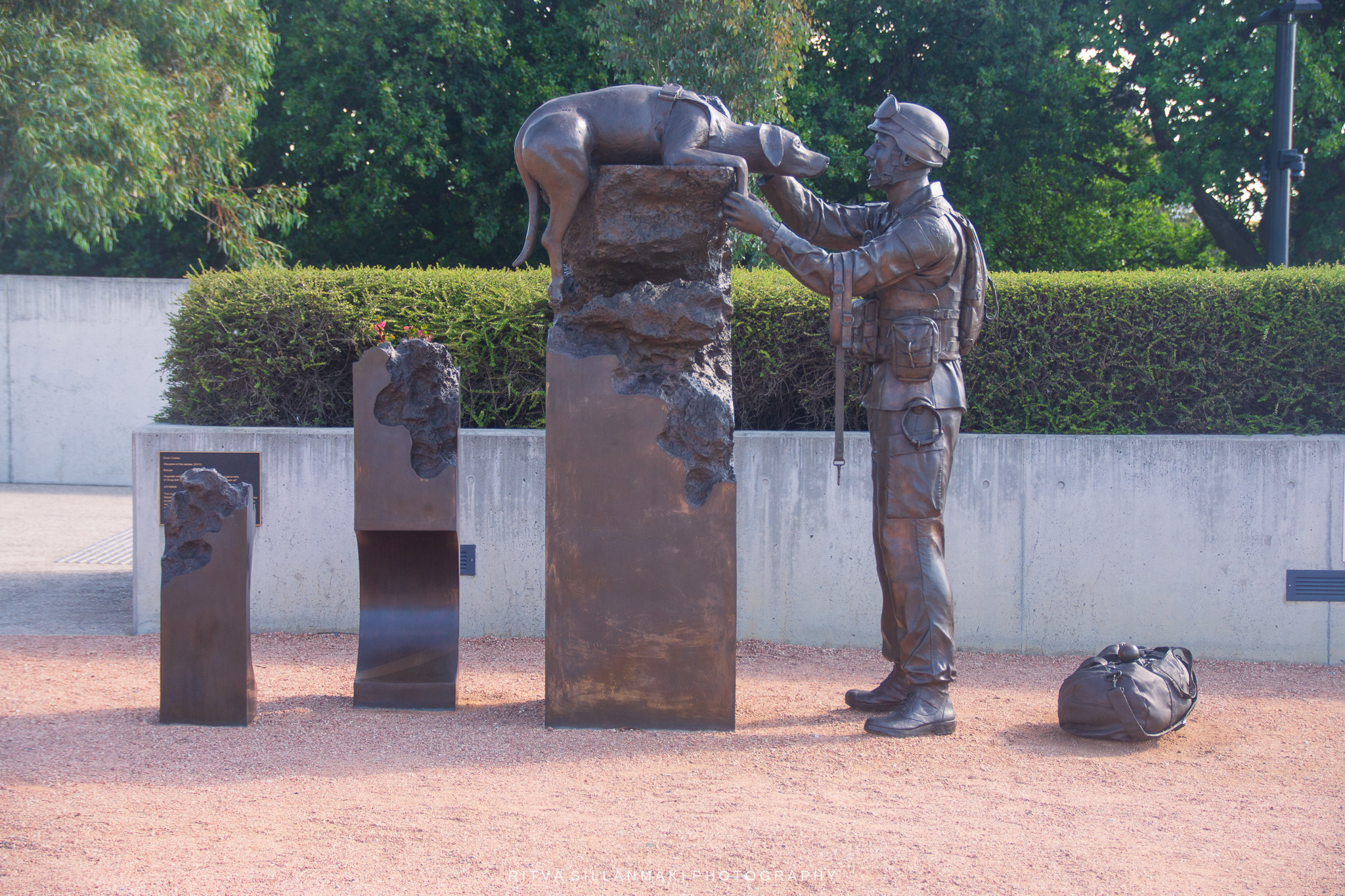
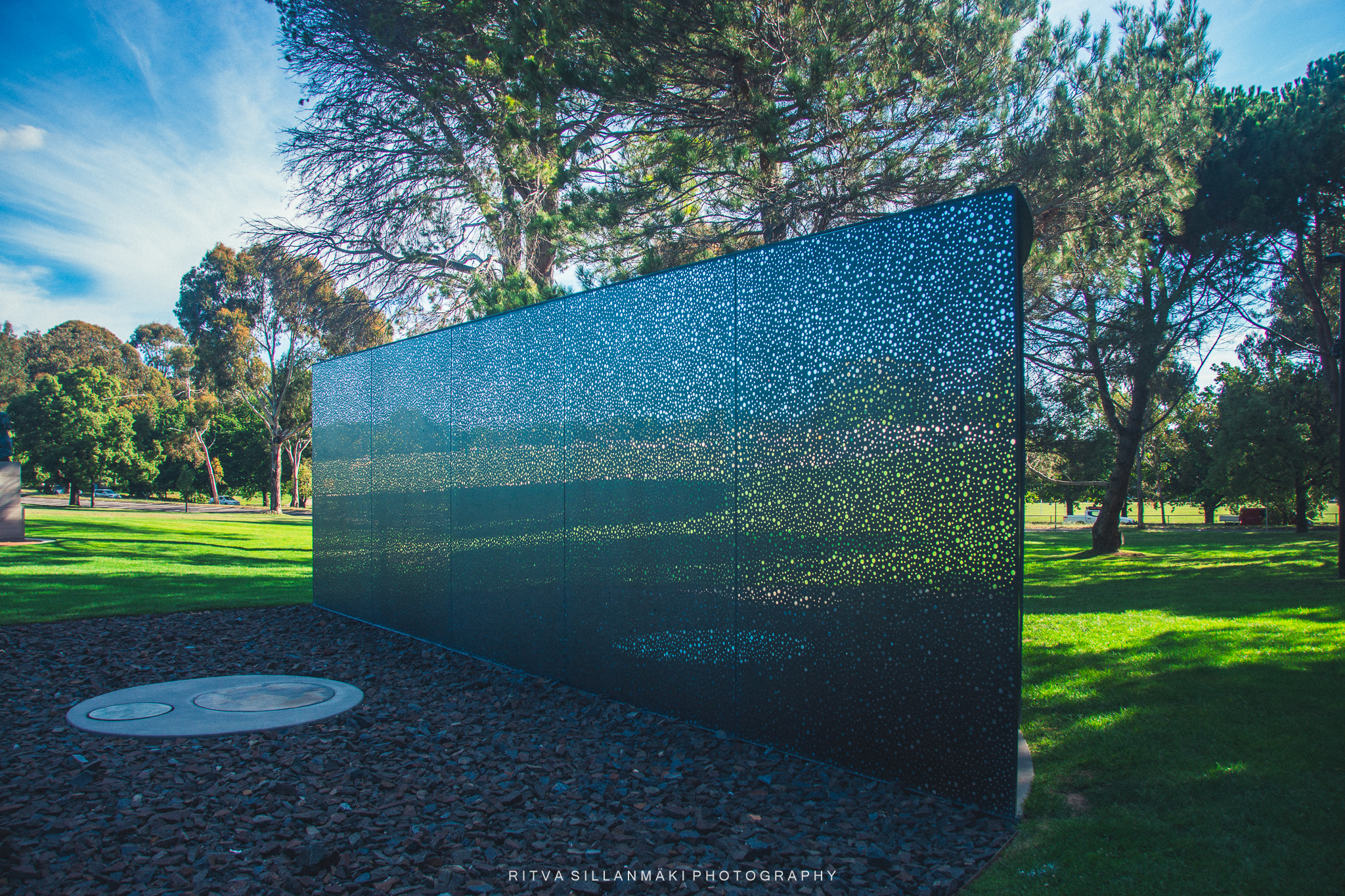
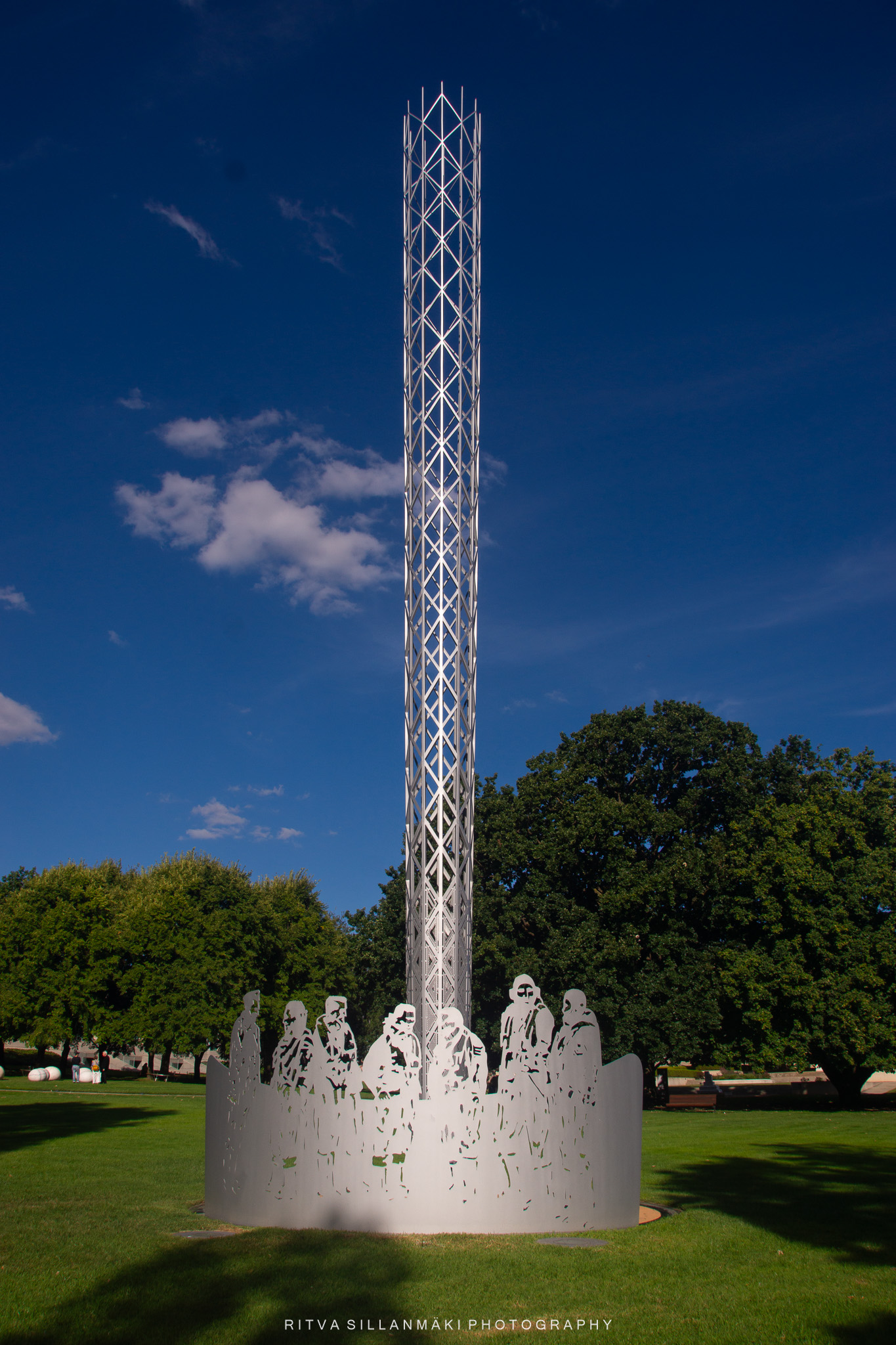
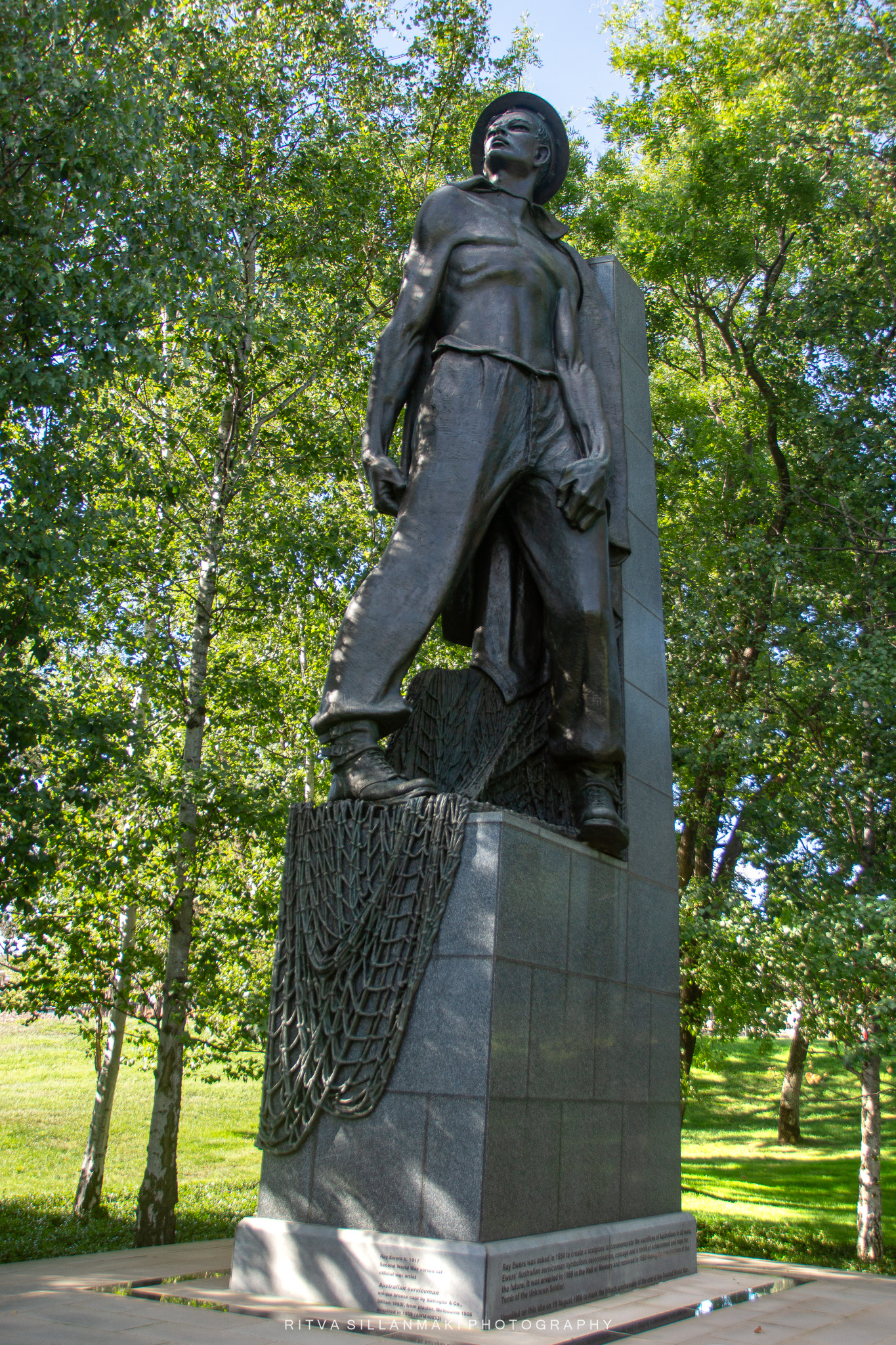
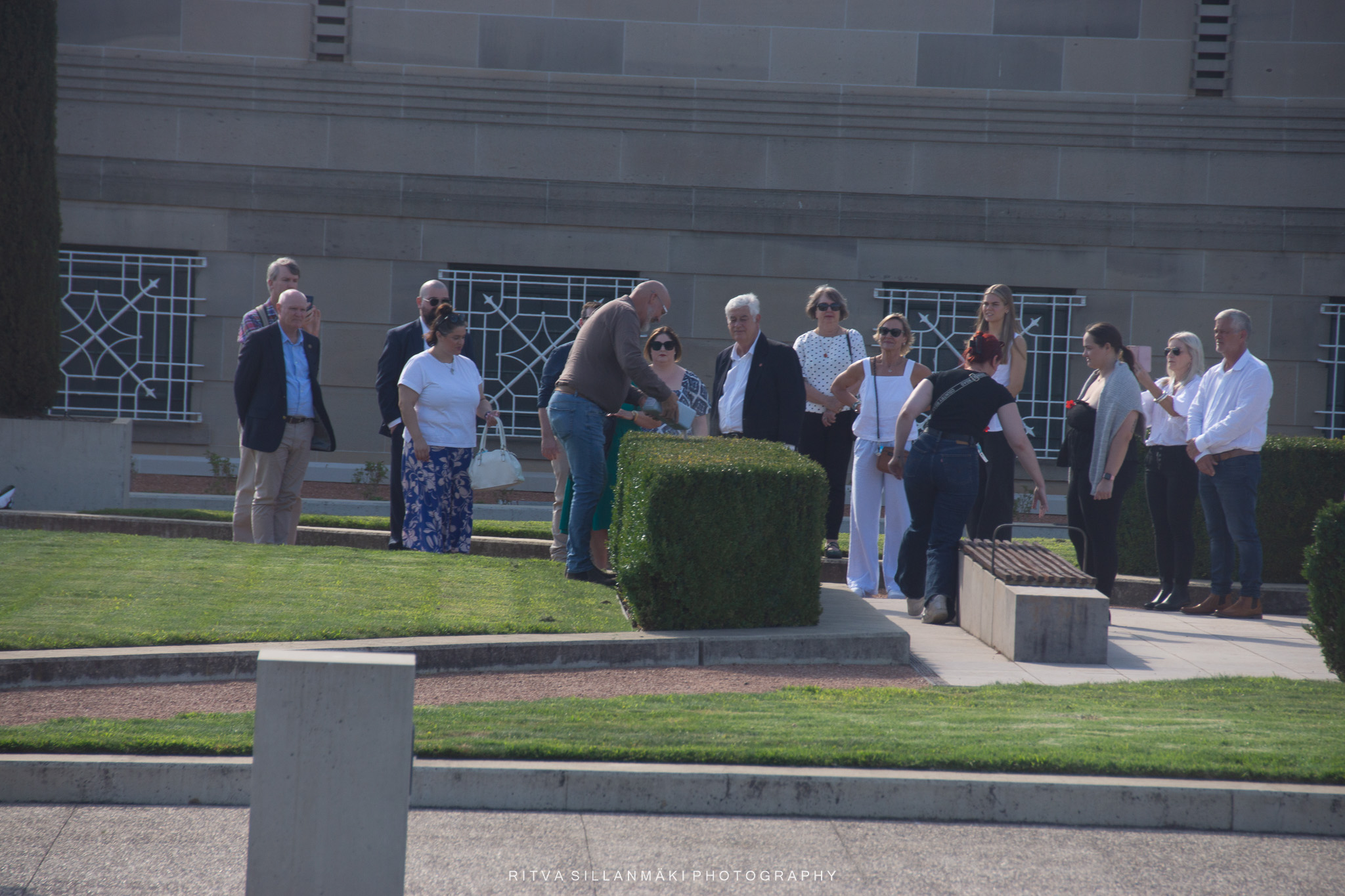
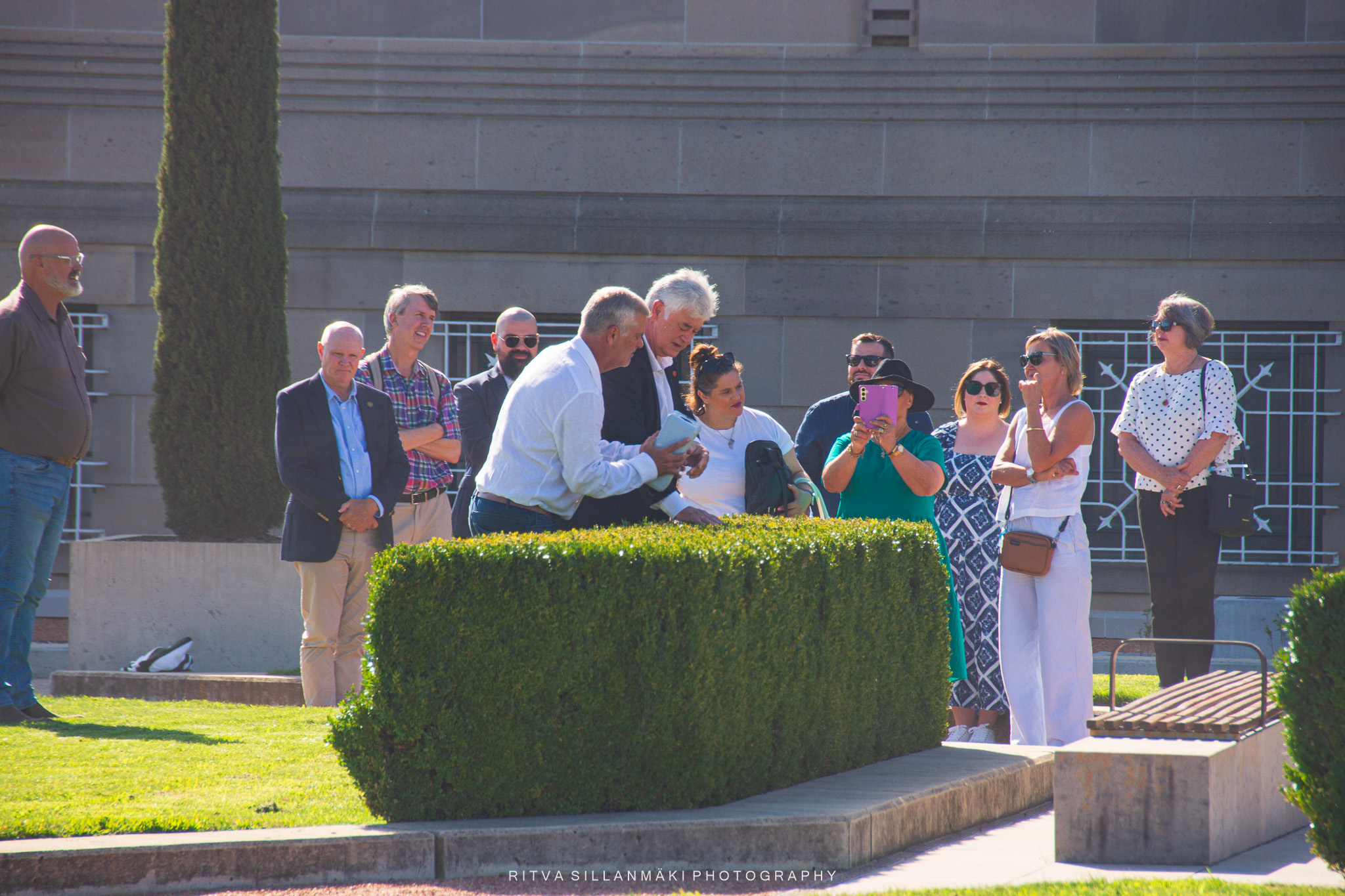
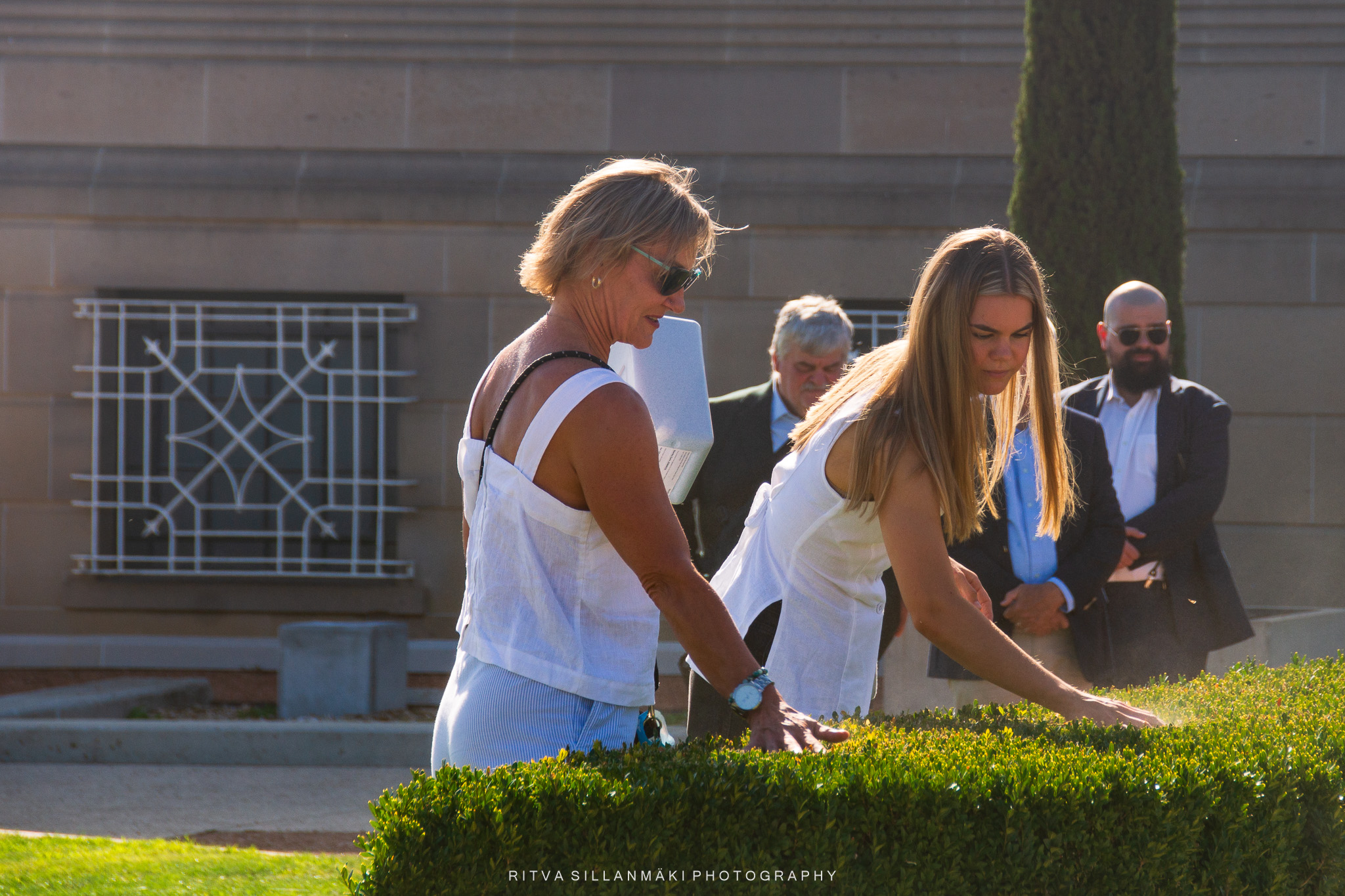
By sheer luck I ended up witnessing a memorial service of a major. I was taking pictures, and I saw a man with an urn in his hands. I approached him to say I’m sorry I didn’t mean to take photos of such personal moment. And he approached me to say that he was sorry if he ruined my photos. He told me that they were going to scatter his father’s ashes to the memorial site. His father had passed in 2023 but only now they had found the time to do the ceremony with family and friends. He also said that I was more than welcome to take pictures. After the brief chat I saw the rest of the mourners coming closer. The major had been active in the matters of War Memorial, so his ashes were allowed to scatter in the grounds.
After the Memorial, we drove along the Anzar Parade, which is filled with statues, but we were not able to stop and take photographs. It was late afternoon and time to check in. However, our room wasn’t ready. The front desk manager was apologetic and offered us drinks at the bar and breakfast at no charge. Thirty minutes later, the room was ready. Even with the help of the internet, it was, once again, hard to find a place to eat. First, we chose a tavern, but that was a mistake. We made a U-turn in the parking lot because the tavern looked like a dive from the outside. Later, we were told that “tavern” usually means it is not a classy place. We ended up in a restaurant called Ostani in the Realm Hotel. It looked promising based on the number of people. It was packed, but we managed to get a table. After waiting for a few minutes, I asked a server, who was passing our table, if somebody would be coming to our table soon. He said that I would be better off going to the counter to order, which meant this place was a self-service establishment. We ran into this phenomenon constantly, and we found out that the restaurants are not able to get enough staff anymore, especially after Covid. In many places they have QR codes at the tables that say: check out the menu, order, and pay with an app. I went to one counter and ordered and paid for our food. Then I went to the bar and ordered and paid for our drinks. After carrying the drinks to our table, I had to go and get water from the tap into a jug and get glasses as well. The food was okay, but the atmosphere was lively and fun.
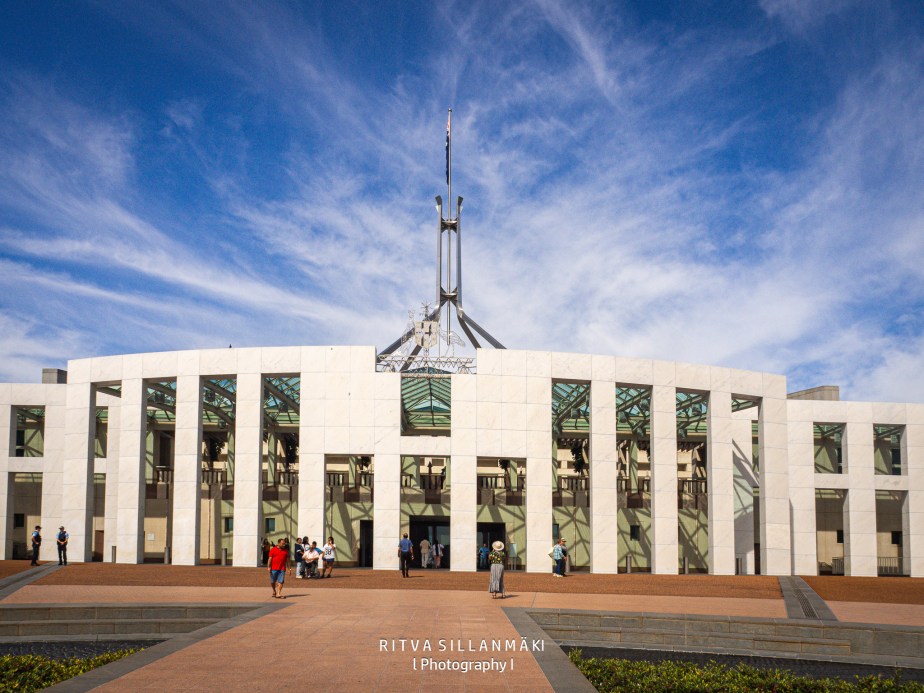
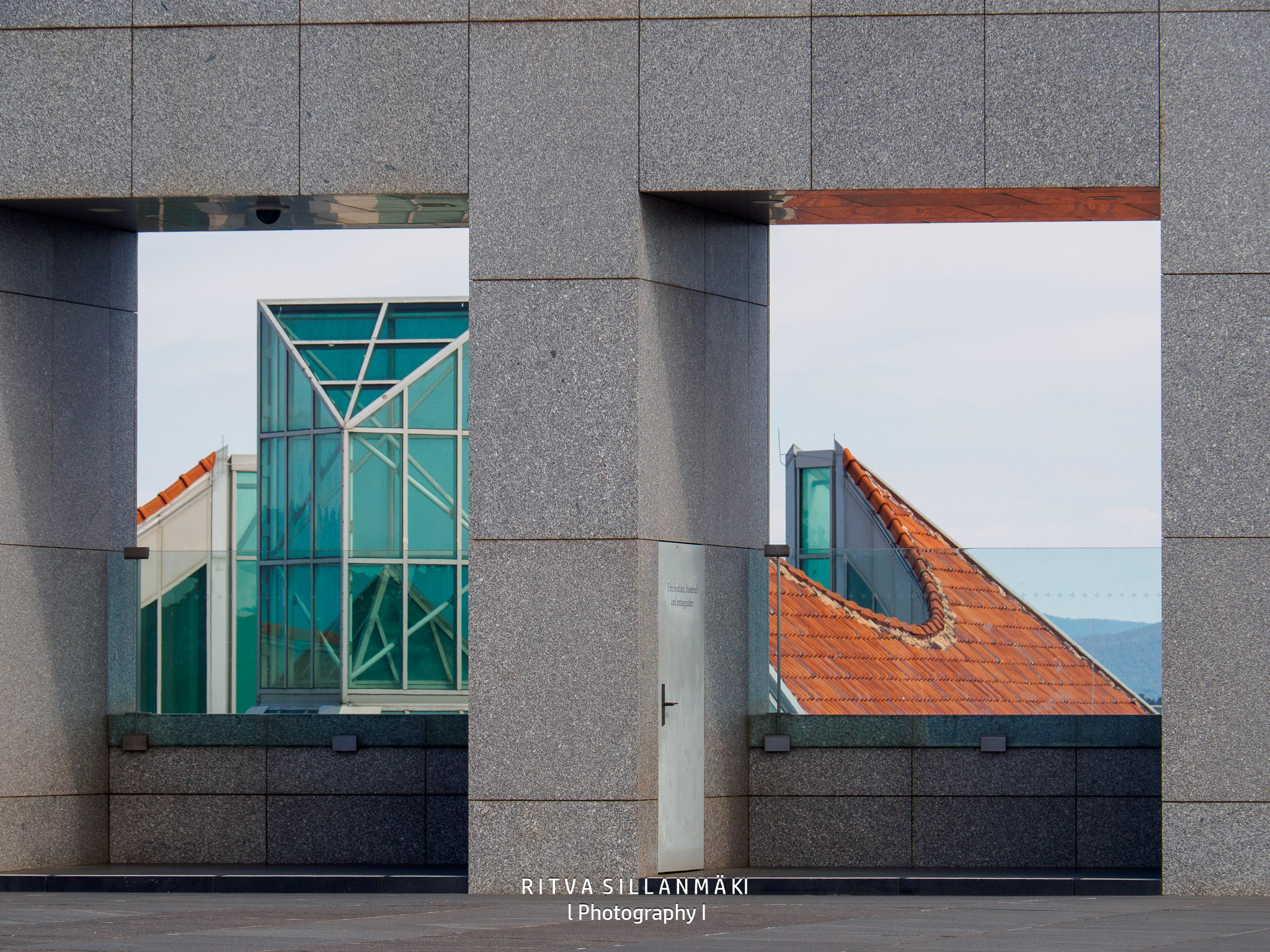
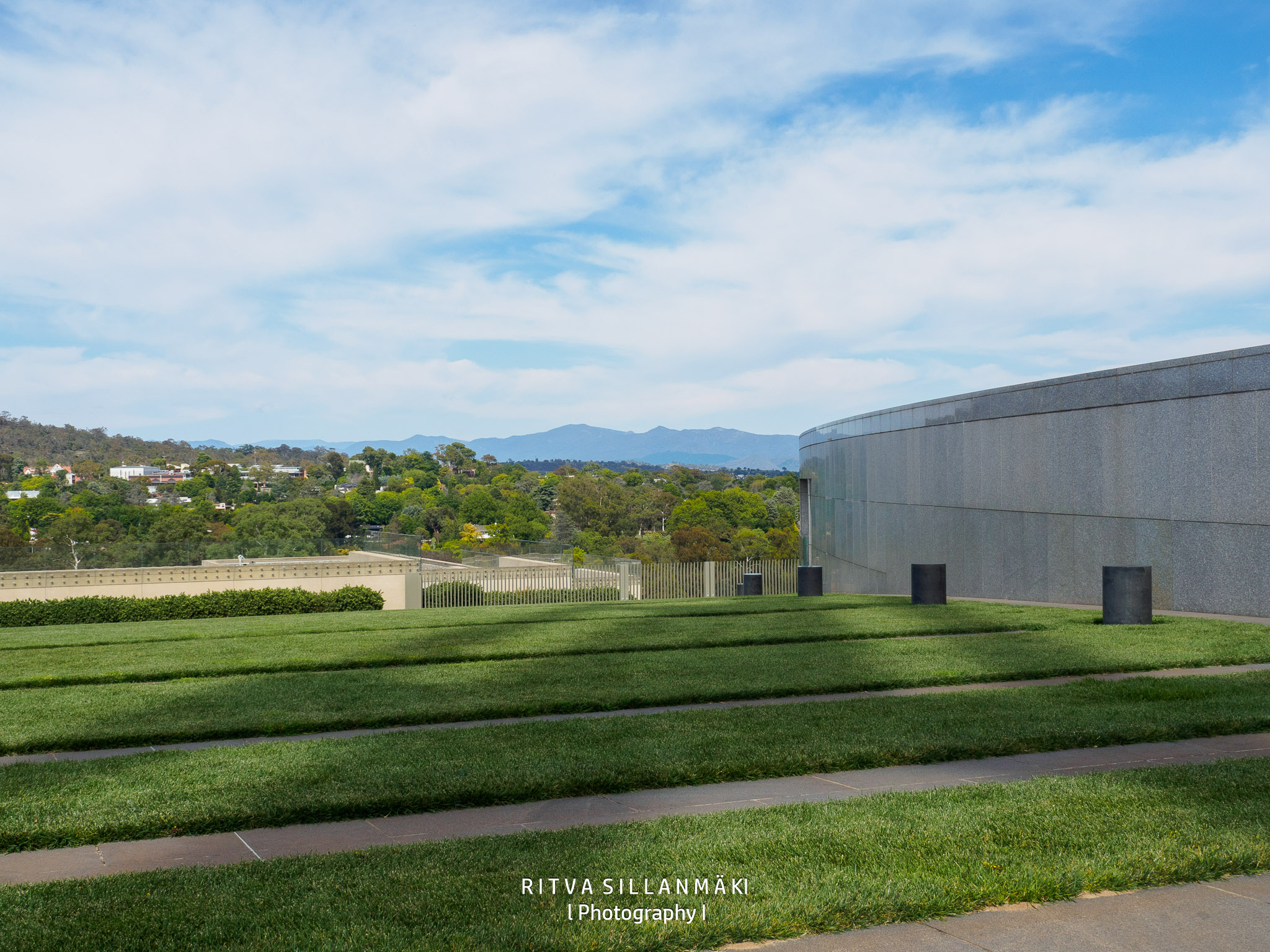
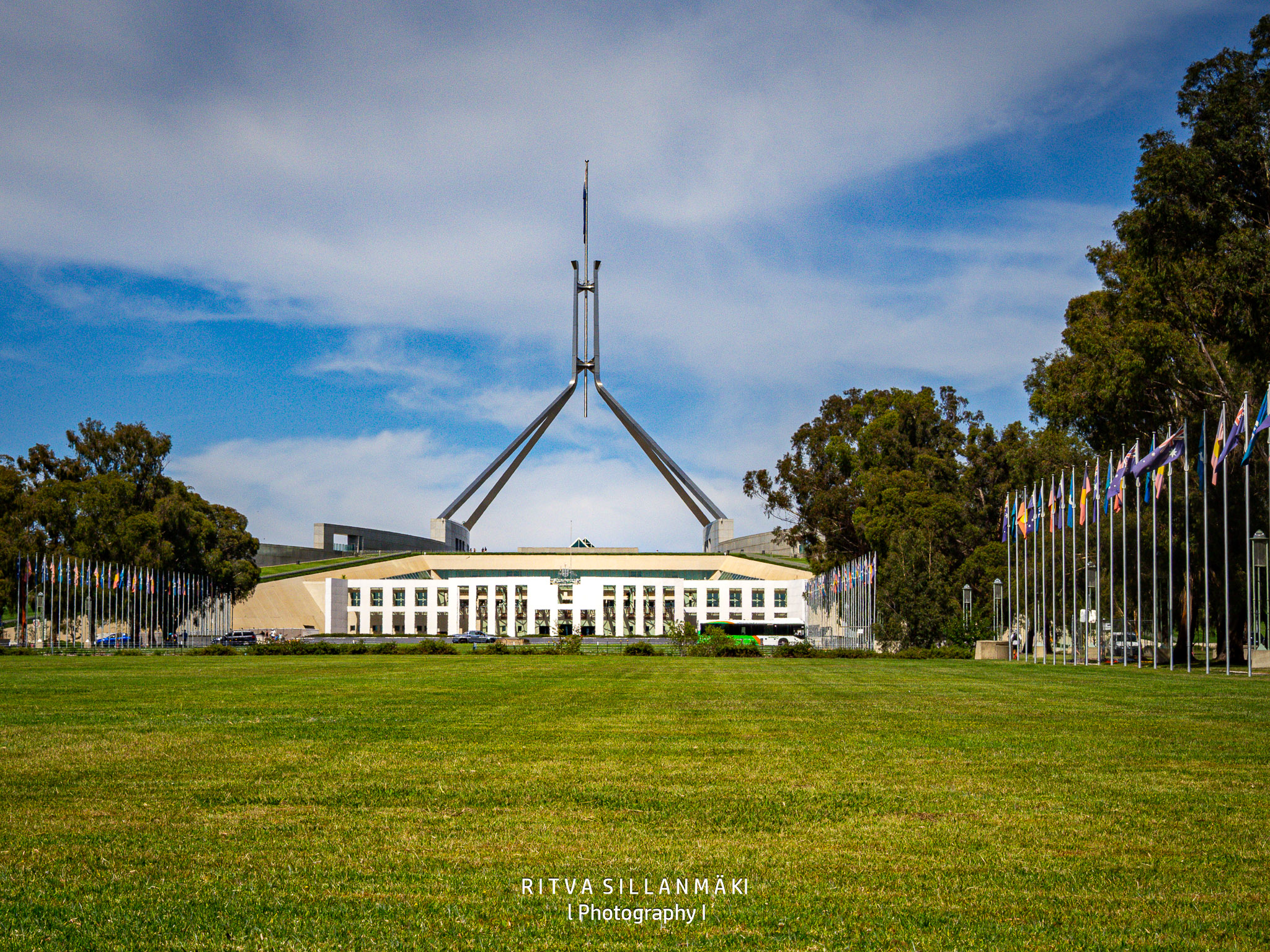
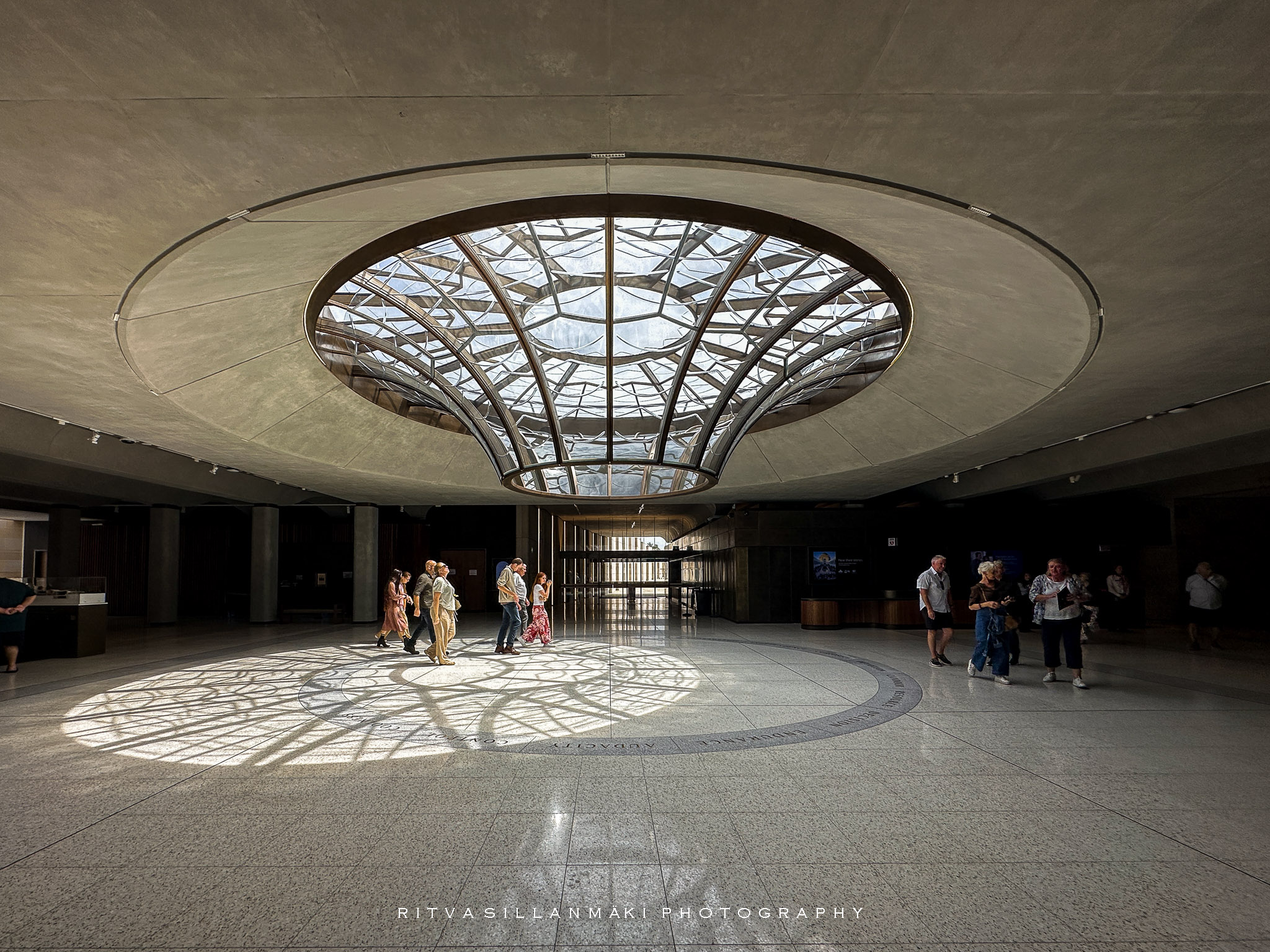
Saturday morning was spent visiting Parliament House and Old Parliament House. The new Parliament was stunning with its marble and different kind of stones and architecture in general. Also, it’s a huge building and I had to push Ritva in a wheelchair to different chambers. Some folks might remember the British comedy show Little Britain. I felt like one of the characters, Lou, pushing his friend Andy around. If you are not familiar with the character, you can find them on YouTube.
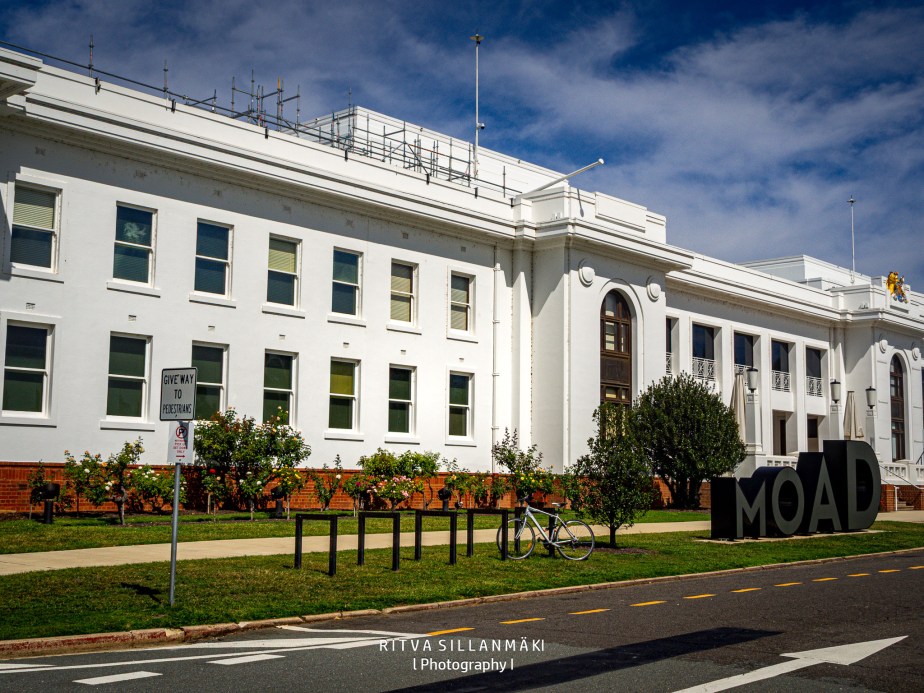
Canberra’s permanent Parliament House was formally opened on 9 May 1988 by Queen Elizabeth II, taking the place of the provisional Old Parliament House. This event represented the culmination of many decades of planning for a purpose-built seat of the Australian Parliament on Capital Hill. The date of 9 May was selected to reflect earlier key moments in Australia’s parliamentary history that occurred on the same day, underscoring continuity in the nation’s democratic tradition.
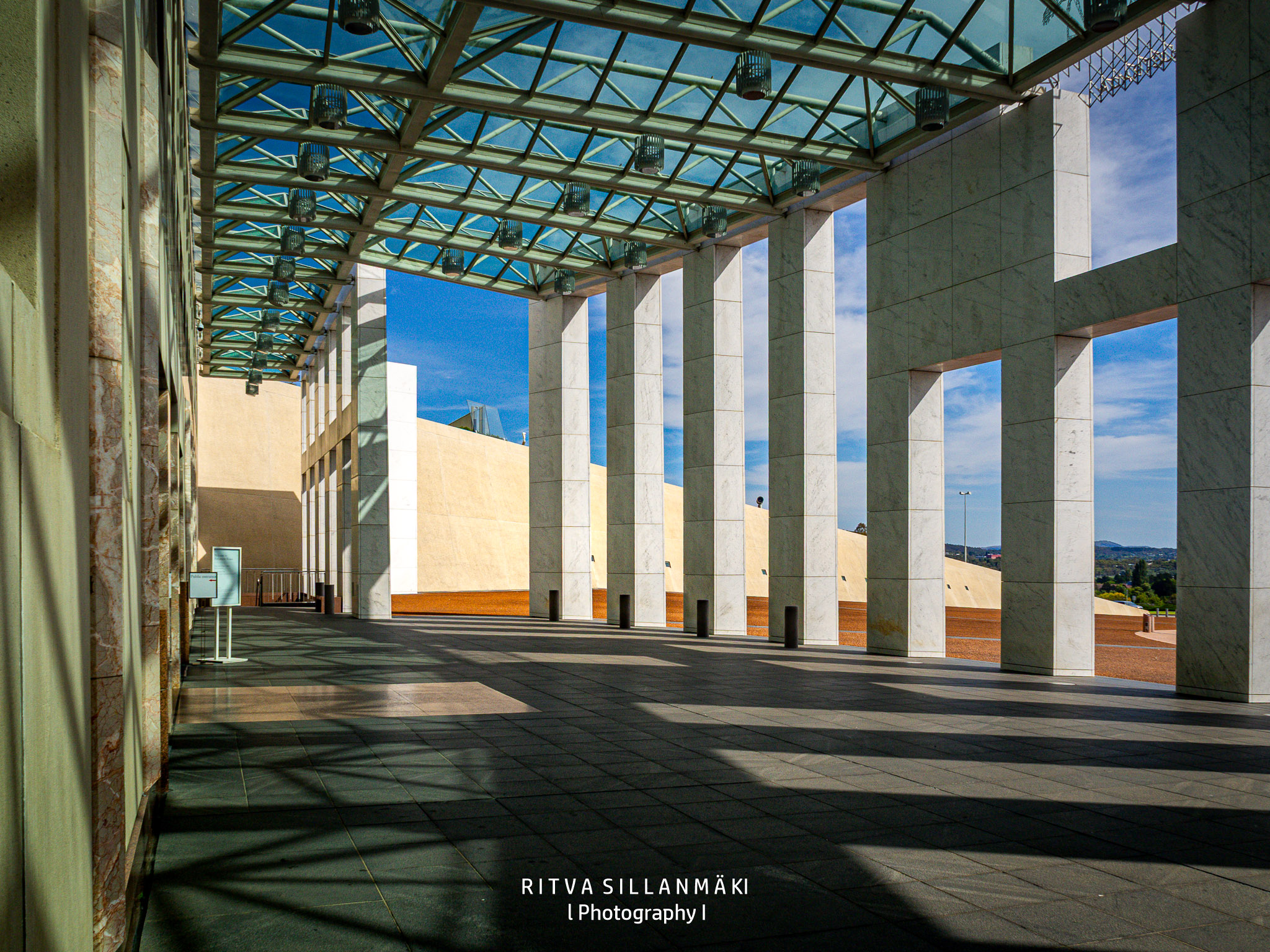
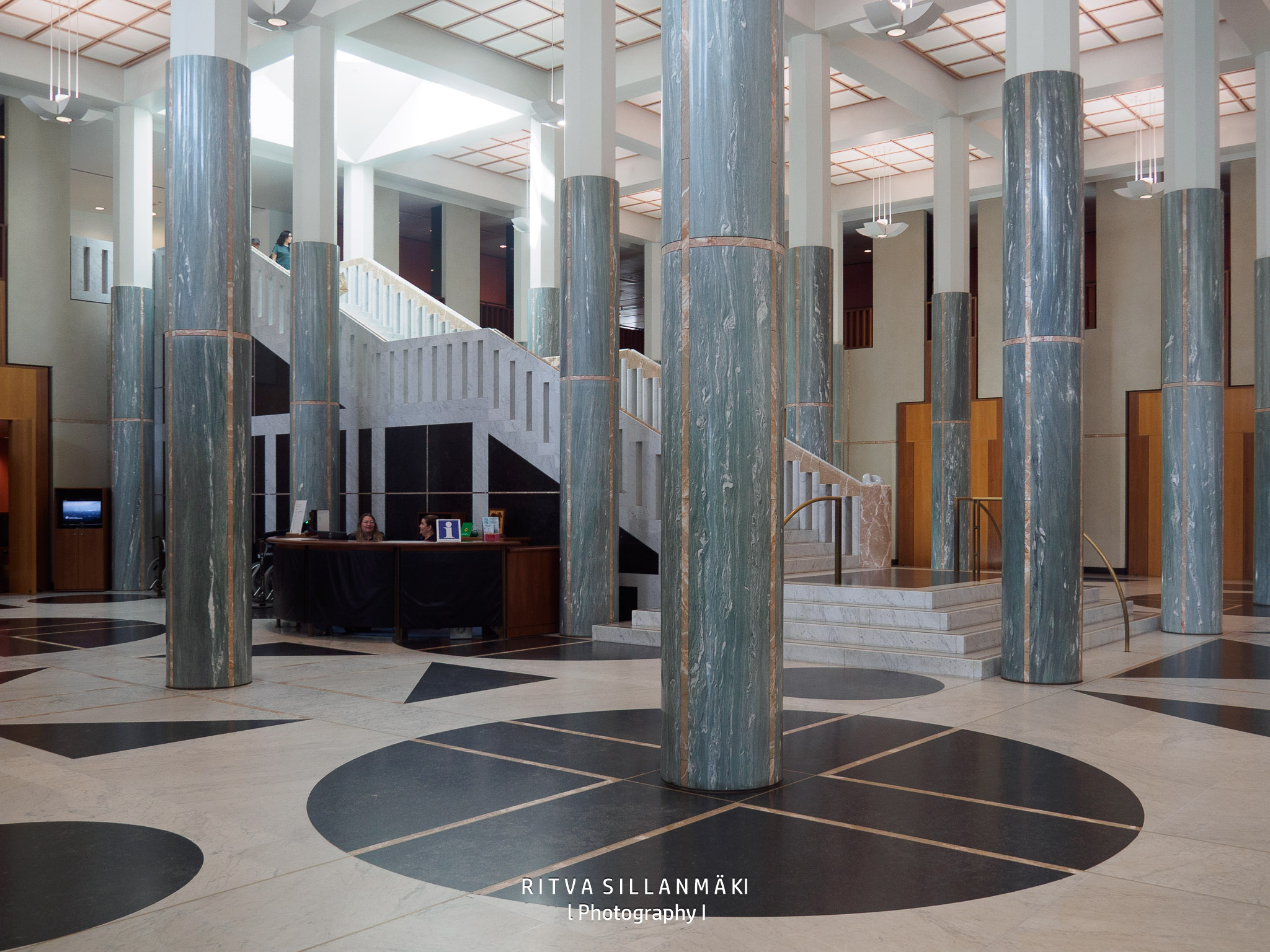
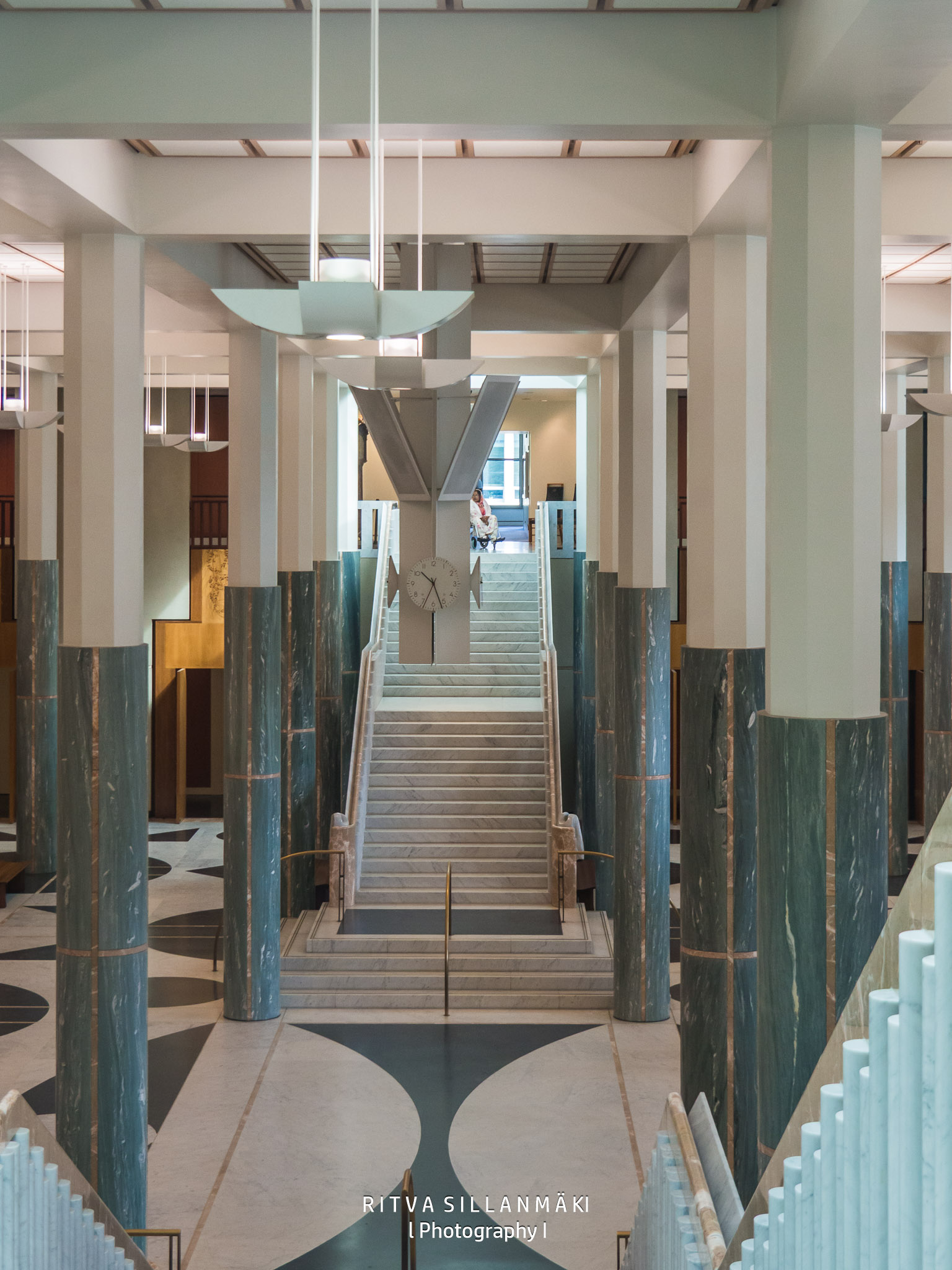
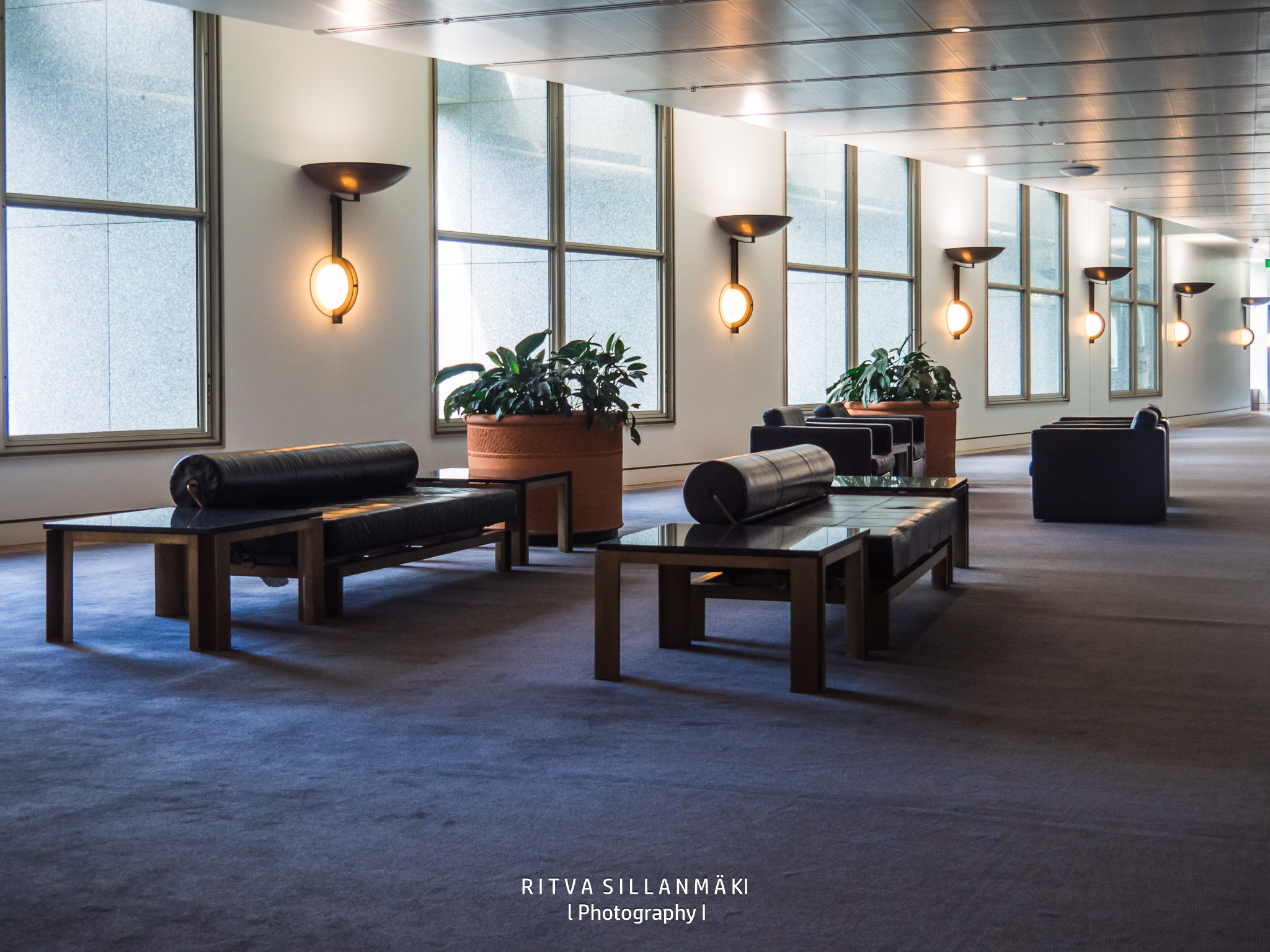
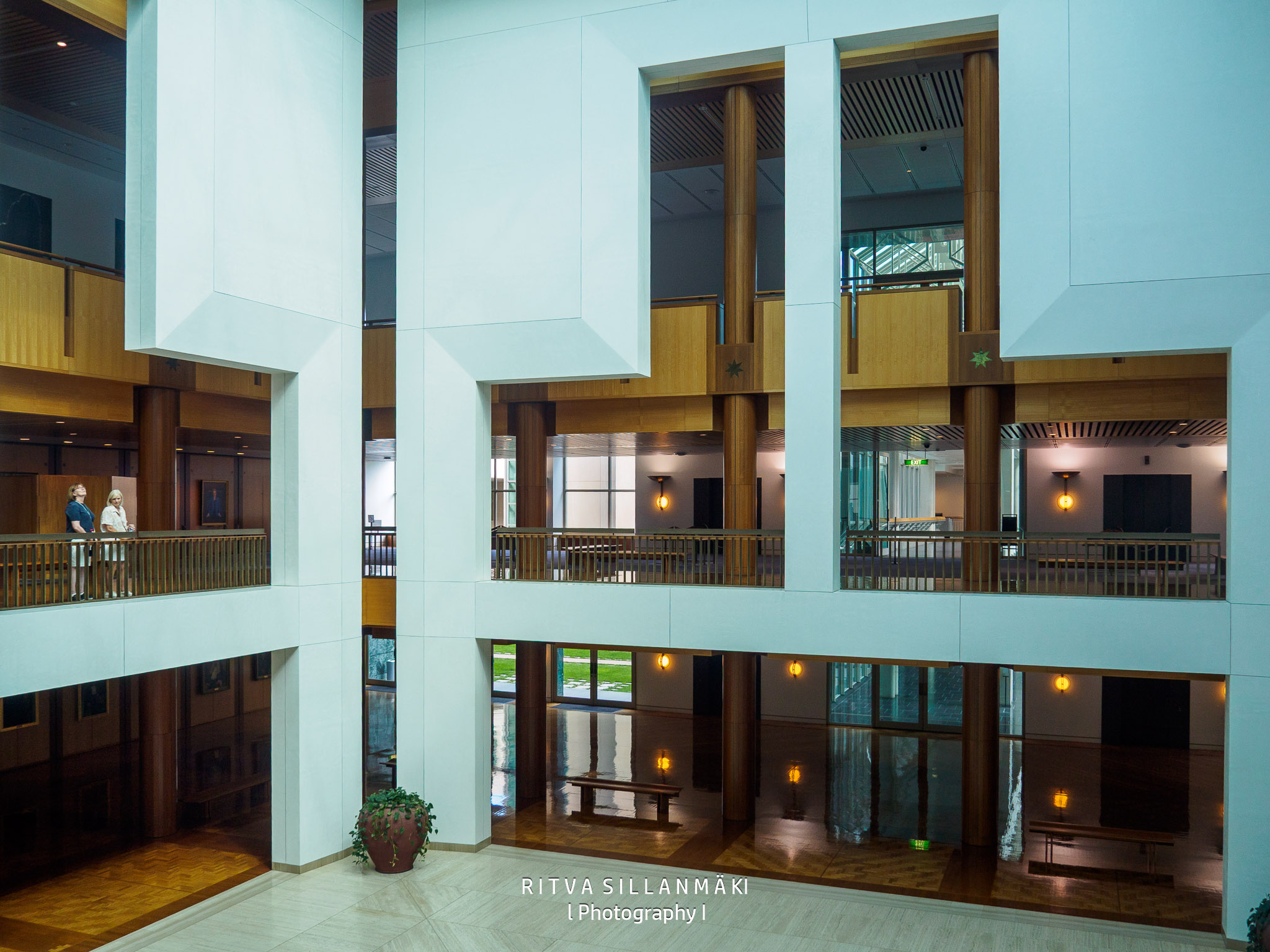
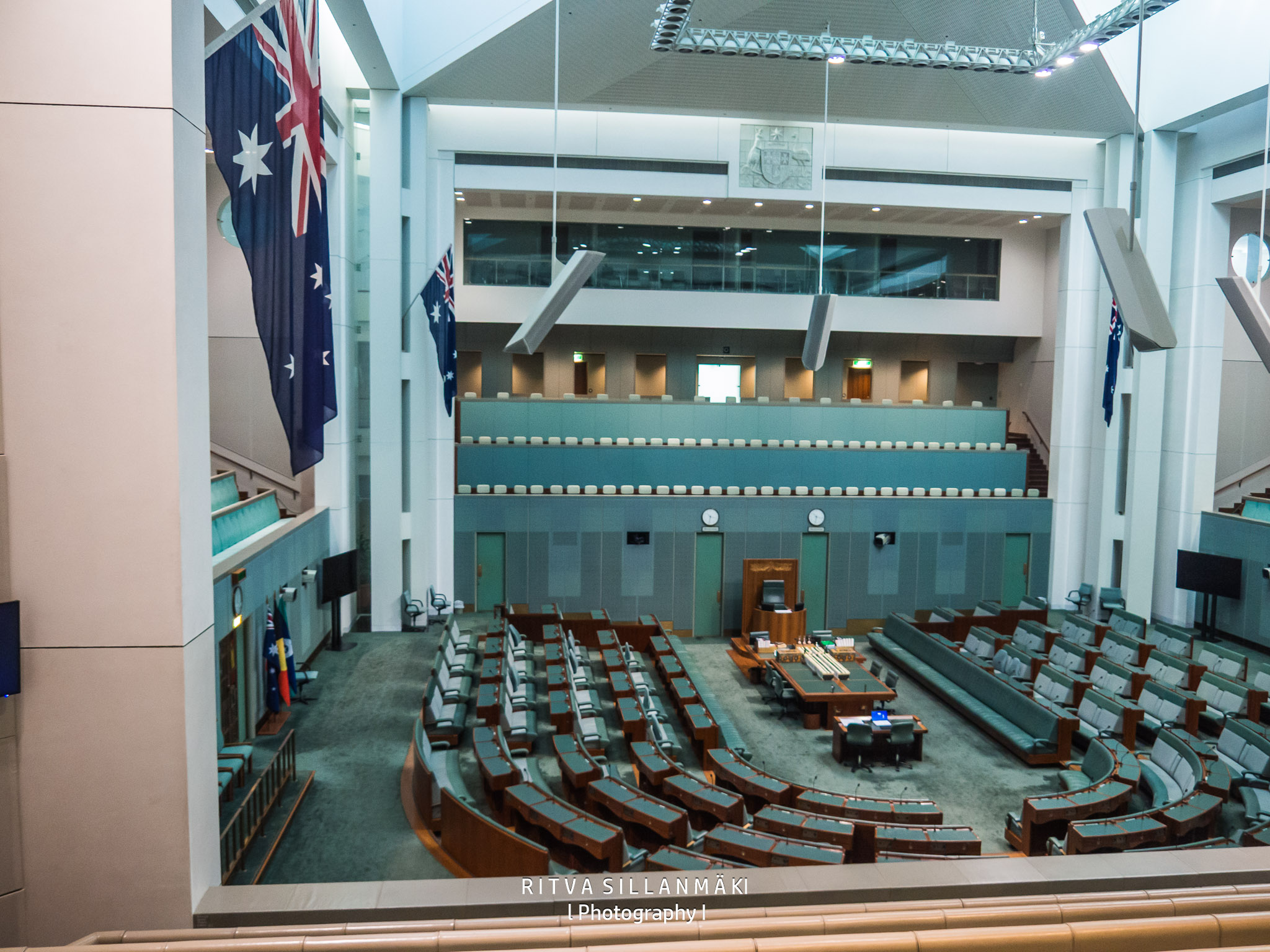
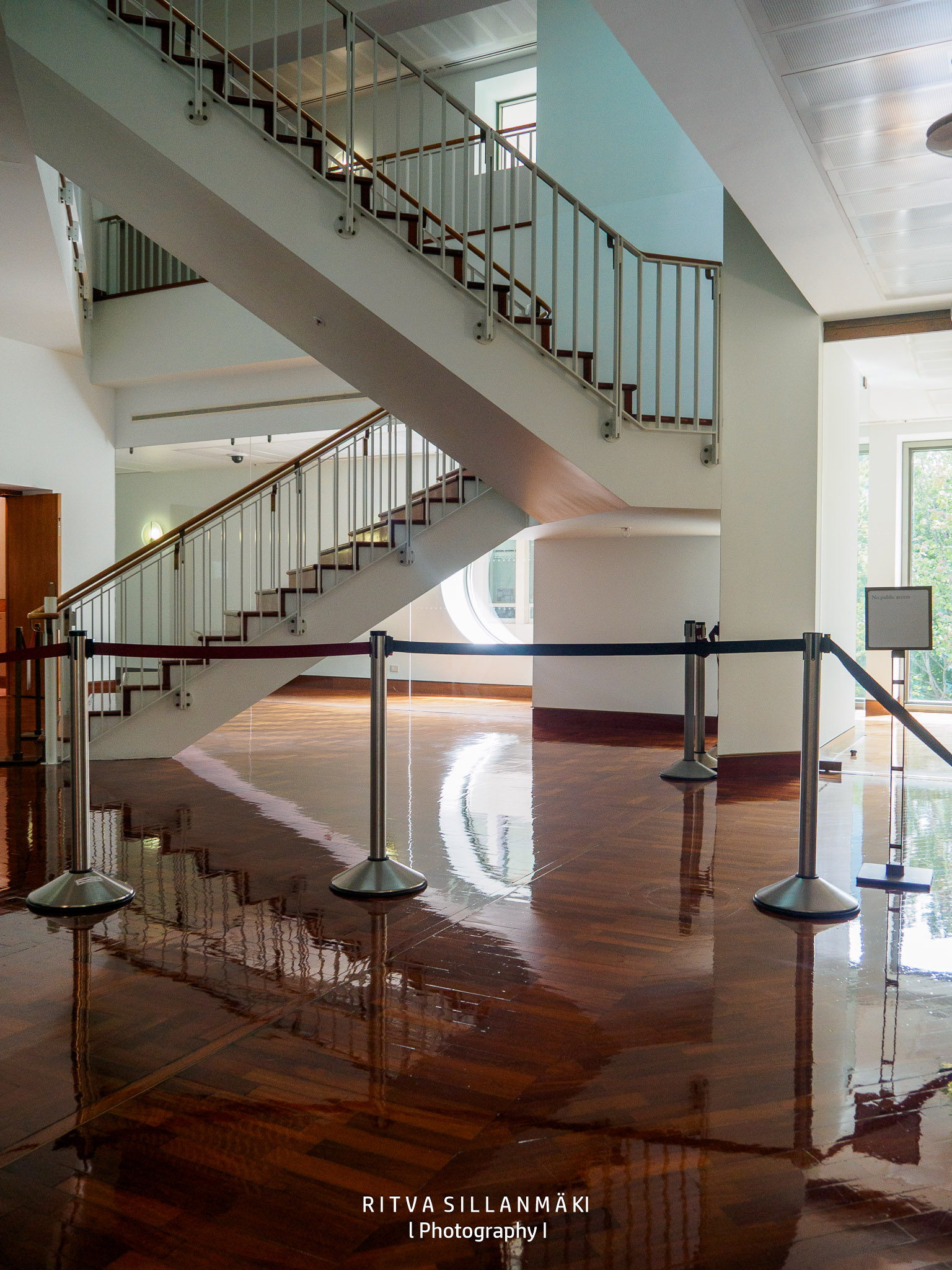
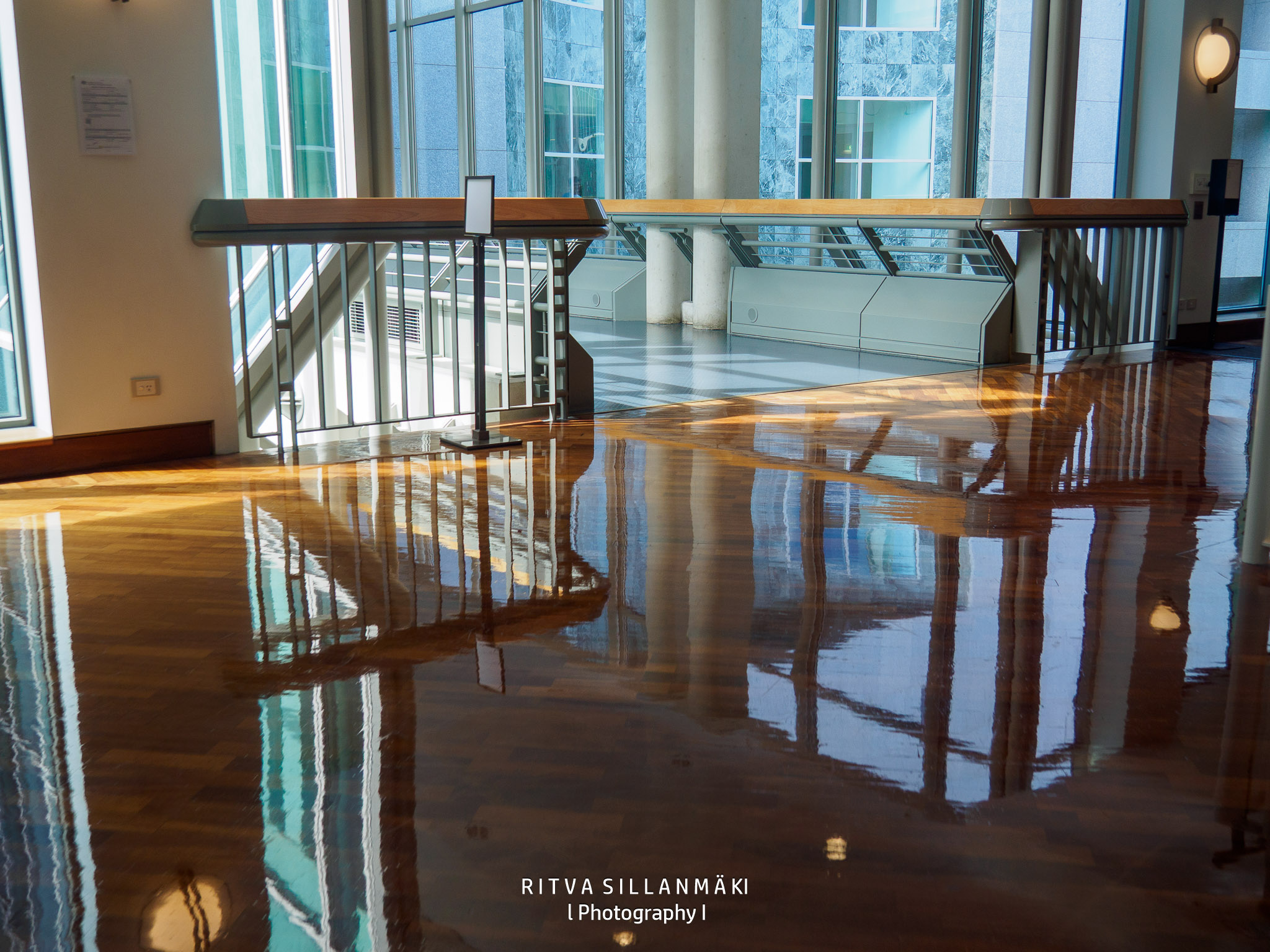
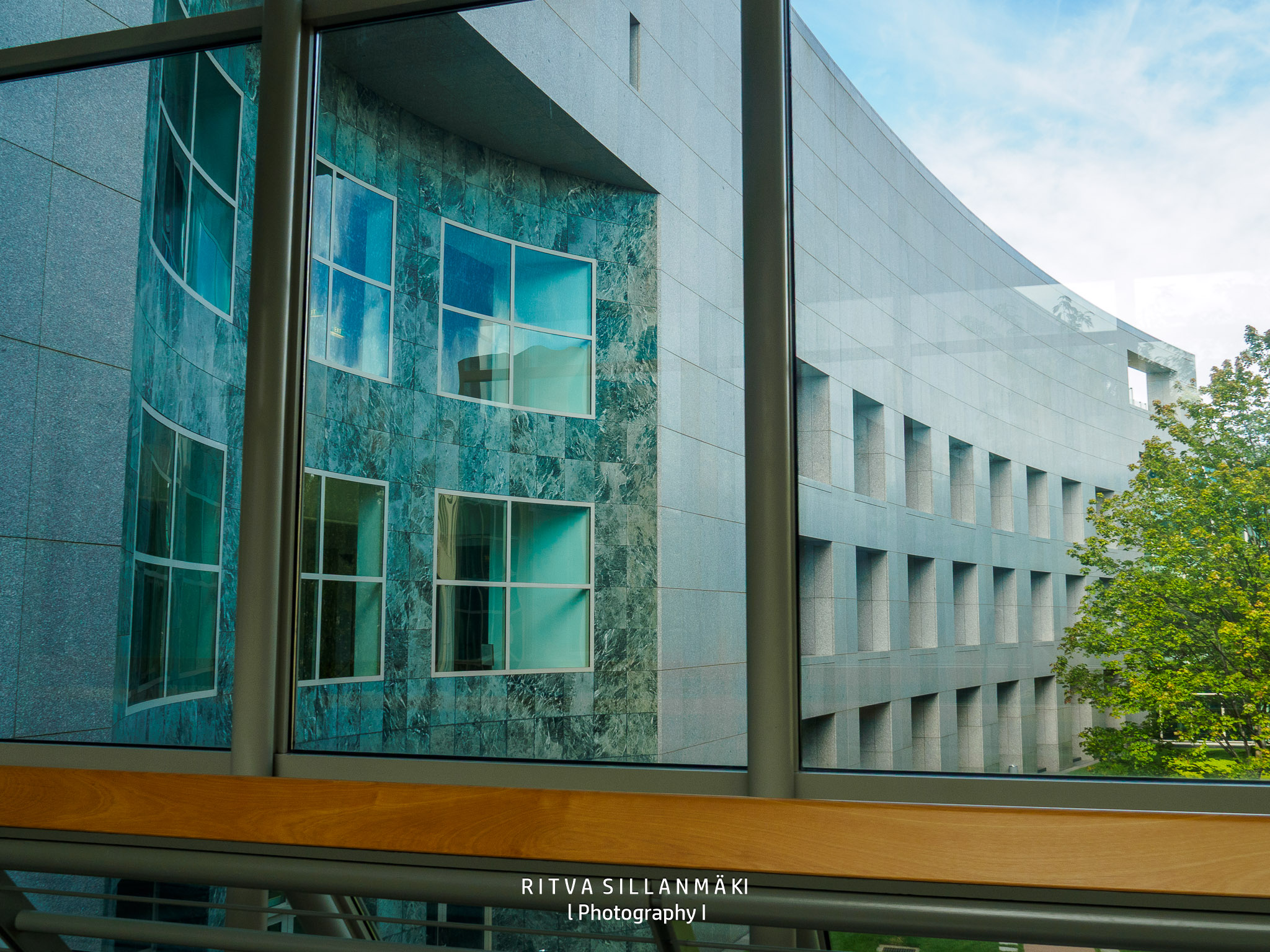
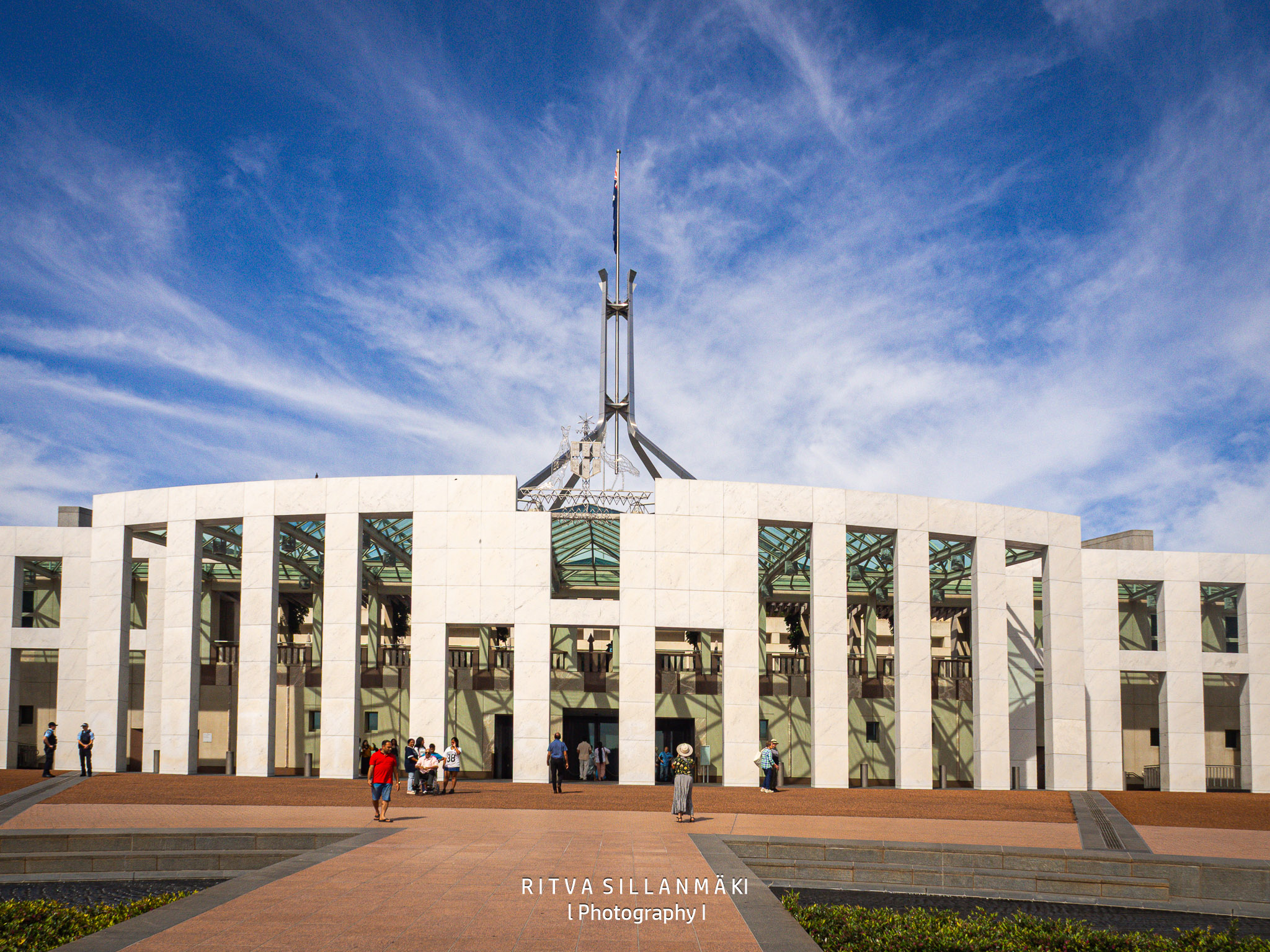
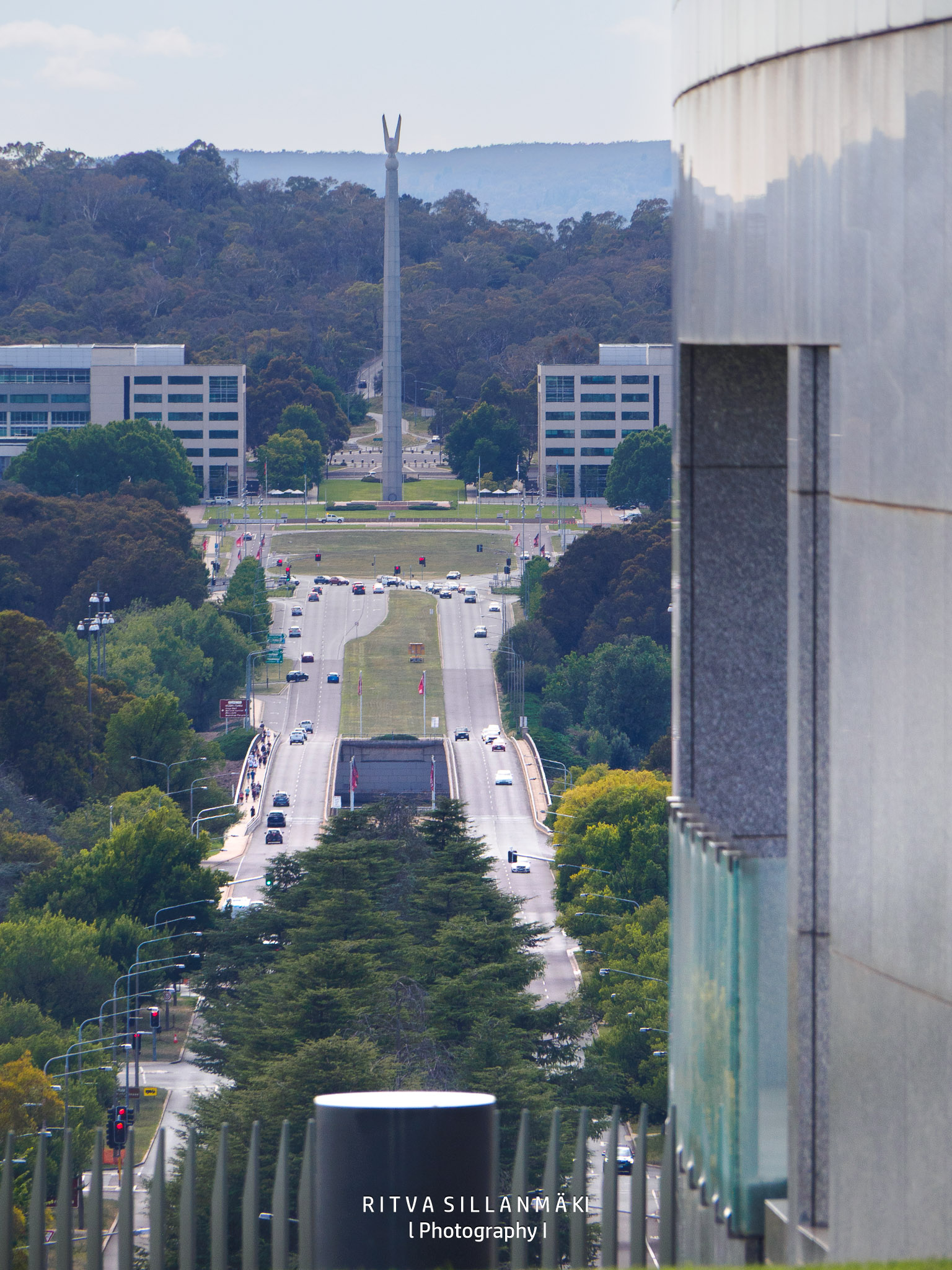
Then we went to Red Hill Lookout for another broader view of Canberra.
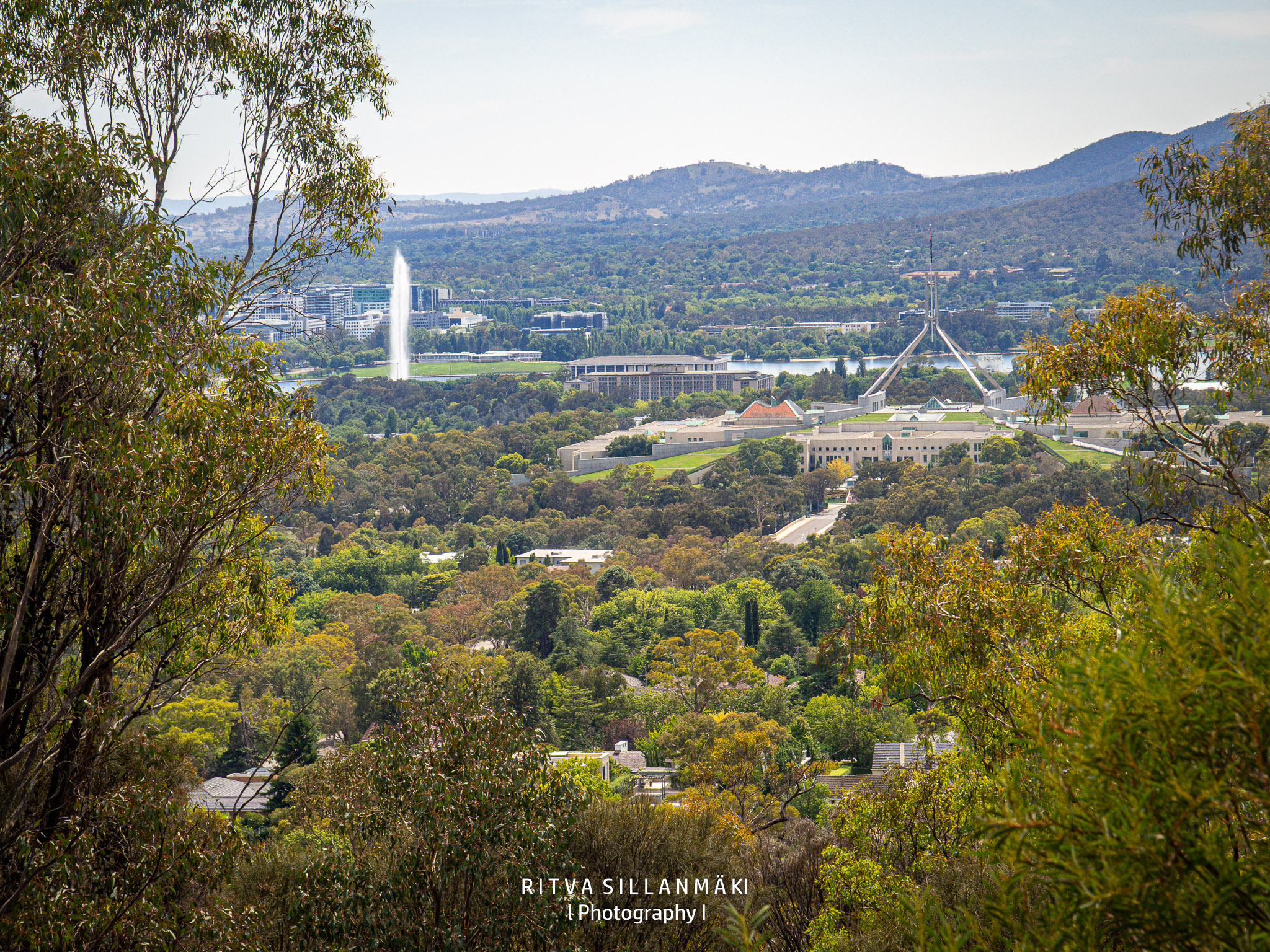
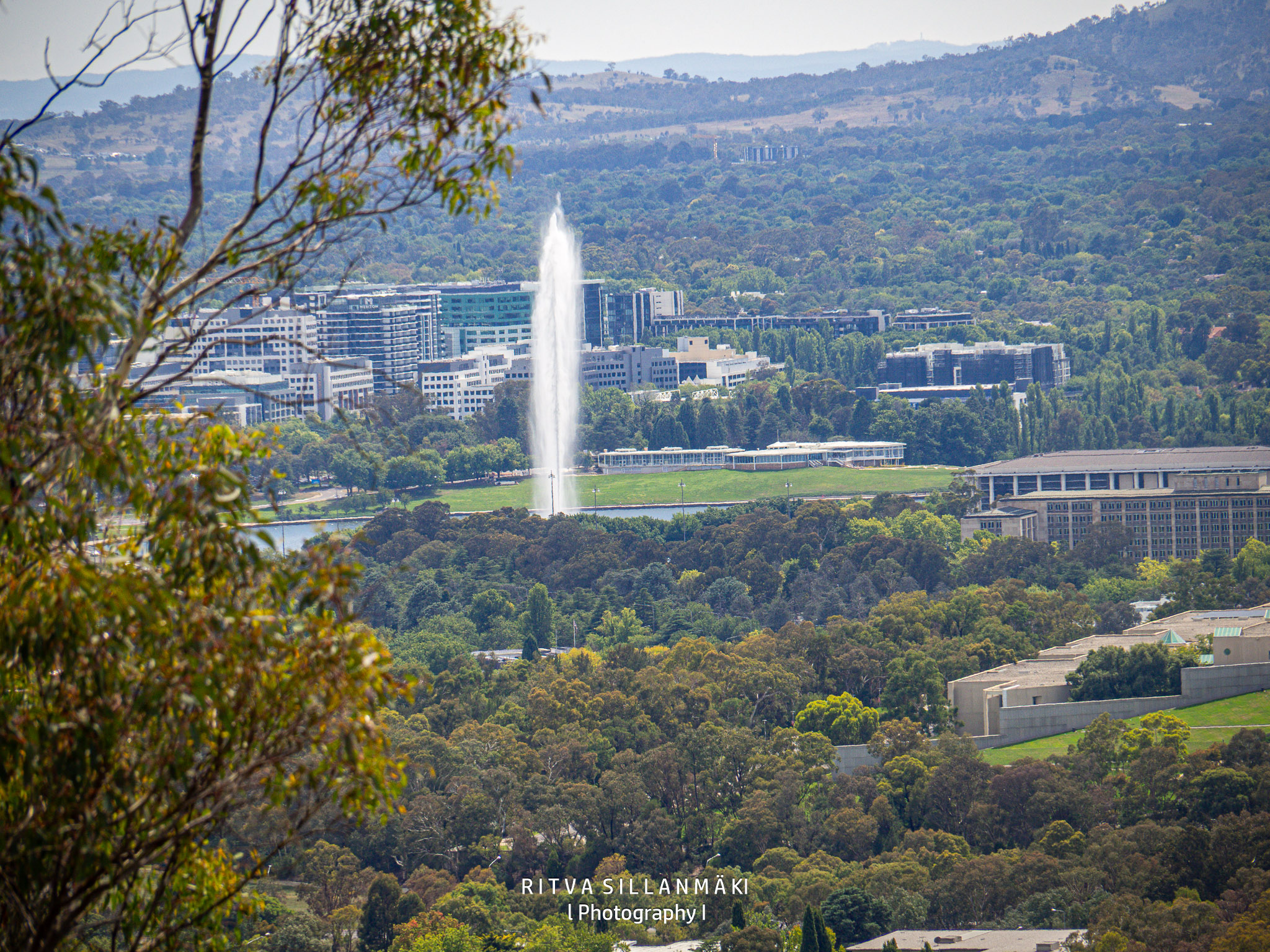
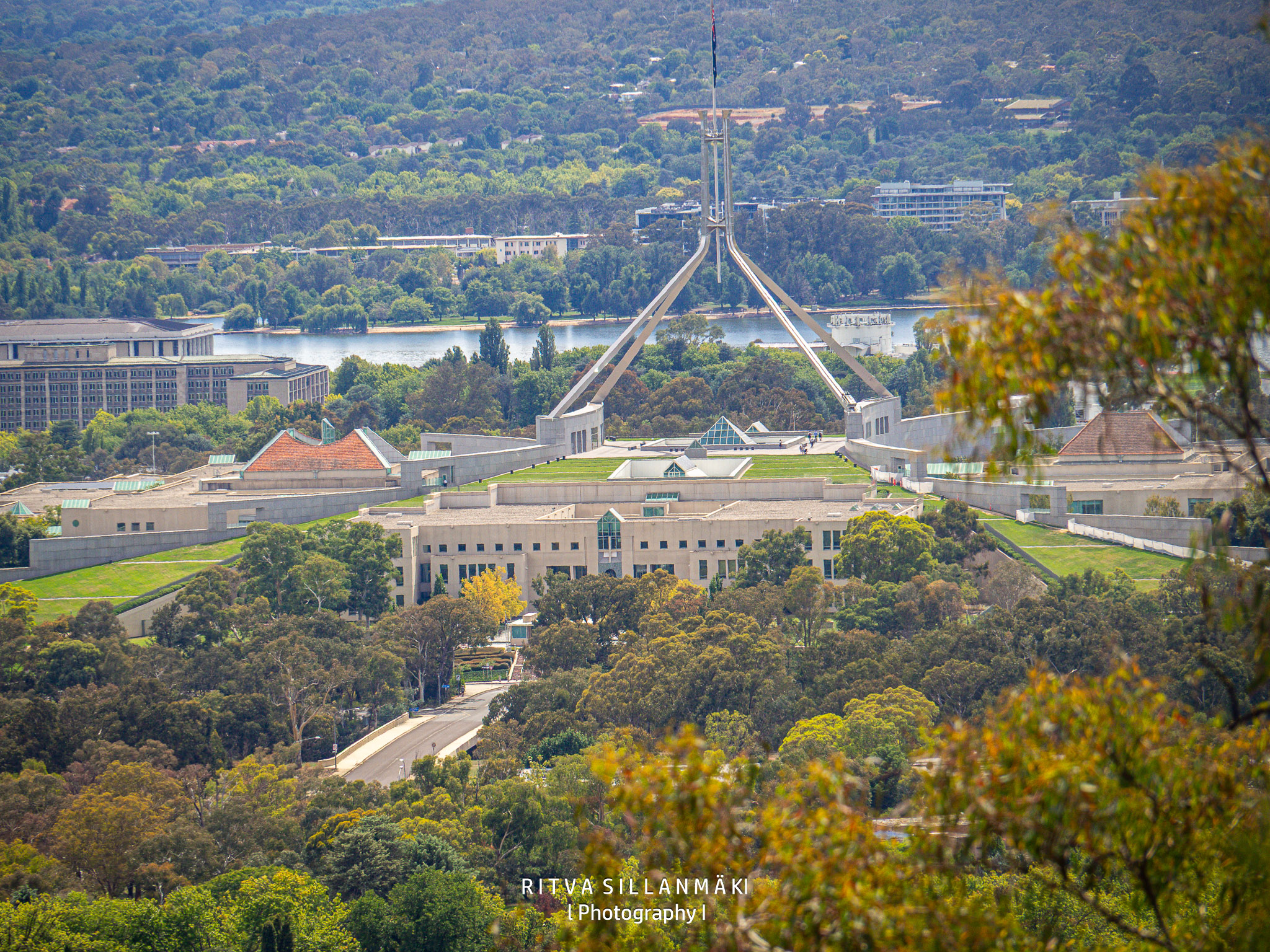
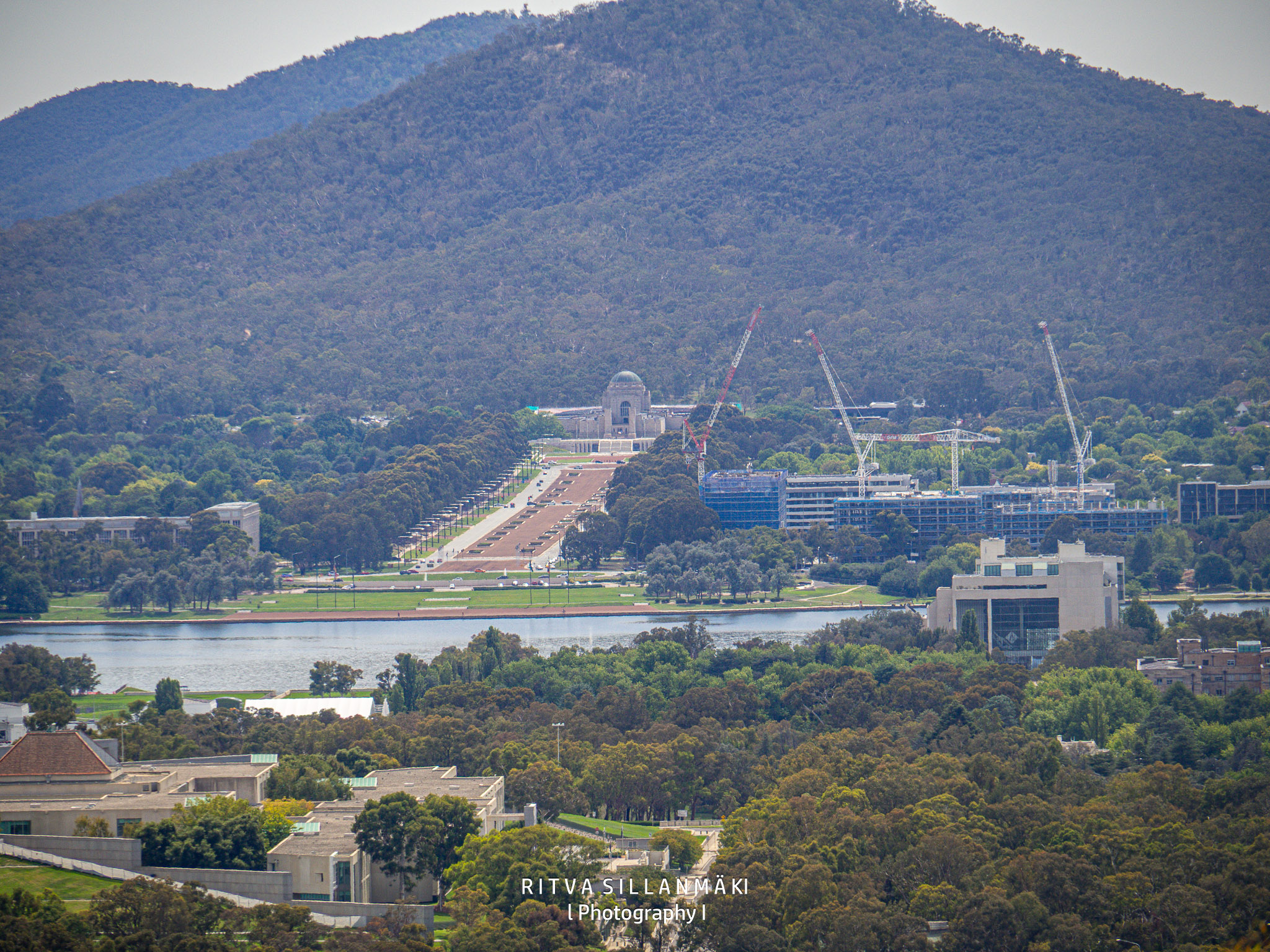
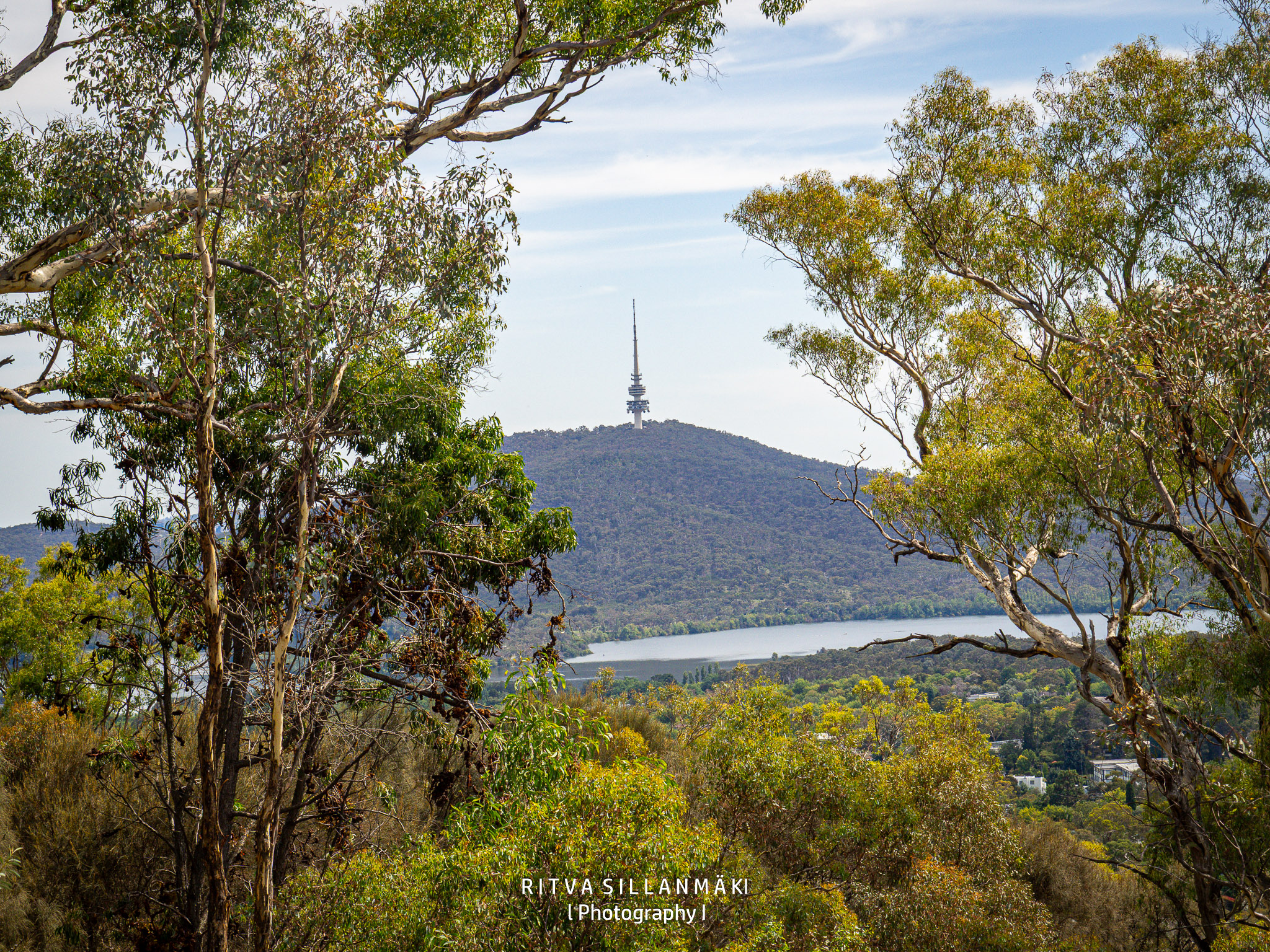
Afternoon was reserved for family and friends. We drove to suburb of Charnwood to visit Ritva’s cousin’s daughter Ashlee, her husband Inny and their two young children, Marley and Rex, and their two dogs and five chickens. As you can imagine, it meant a lot of running around, screaming, barking, clucking, licking, throwing balls and toys, drawing colorful pictures and even some discussions. All around chaos and fun. Little Rex cried when we left because he had so much fun playing ball. The dogs were big but friendly from the get-go. Chickens not so much, but they were colorful and beautiful.
After few hours we had to leave for our evening dinner date with Lauren, Matt, Christina, John and Daphne at Walt and Burley Restaurant in Kingston area. Lauren and Christina are Ritva’s late brother-in-law’s nieces and Matt is Lauren’s husband and John and Daphne are their kids. Matt works for the Ministry of Defense in procurement department. He showed me a picture of a huge ship he had just bought, or was it the government that bought if? We had a great time and finally some good food. I had Prawn Tacos and Ritva had 300 g Scotch Stake.
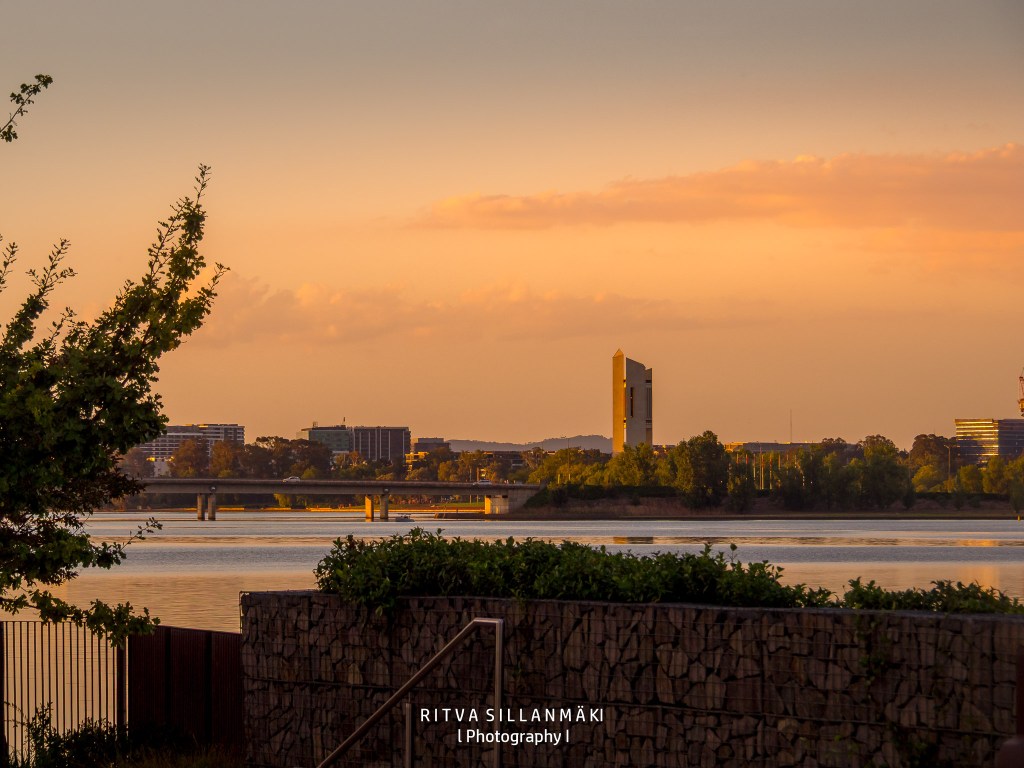
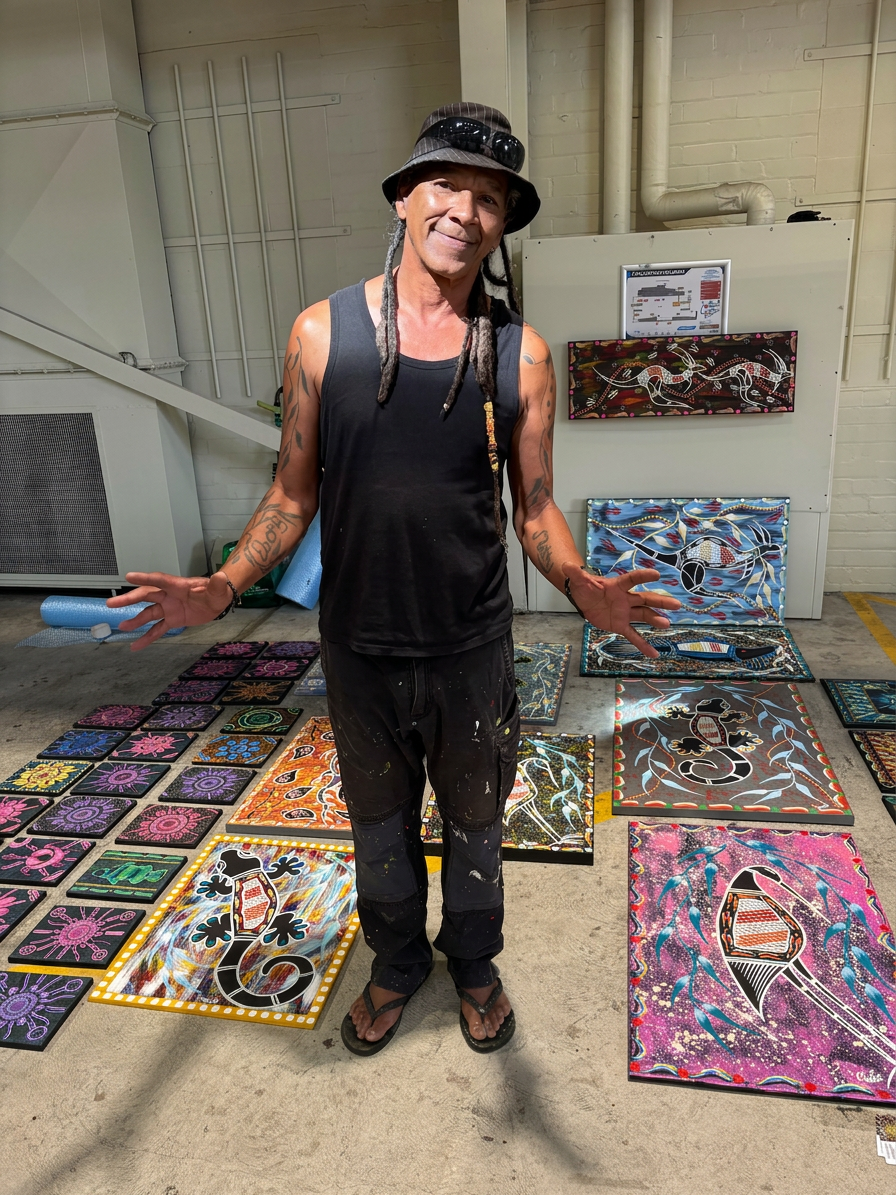
Sunday morning’s plan was to have an early start and drive back to the coast soon after. Change of plans! Heli called to say that her brother Matti and his wife Jenny had just got back into town and would love to meet us. The meeting was set up for the afternoon, and we had some time to go sightseeing. After some googling we decided on the Old Bus Depot Market to start the day. Right after entering the market, we saw a piece of Finnish history at an antiques stall: a milk jug from a famous factory called Arabia. We already had a similar jug at home, but this was a smaller one. And it was only 45 AUD (25 €), so we ended up rescuing it back to Finland. Then we had cannolis for breakfast. Yum! After the treat we checked out the rest of the stalls. One stall had beautiful paintings, but they were too big and expensive for us, but just before the exit we found indigenous paintings from Yidinji artist Greg Joseph. We really liked his style—and his prices—and ended up buying one piece with a lizard on it. He was a good salesman. He said that the lizard was a totem animal for his children’s mother’s family, and that the kids inherited the totem animal from their mother. Nice story. He said he was from the area around Cairns. We also thought that the painting was small enough to fit into our luggage, but we were mistaken. I had to take out the staples, roll up the painting and store it in a cardboard tube. And I was able to save the frame as well and put it all back together easily at home.
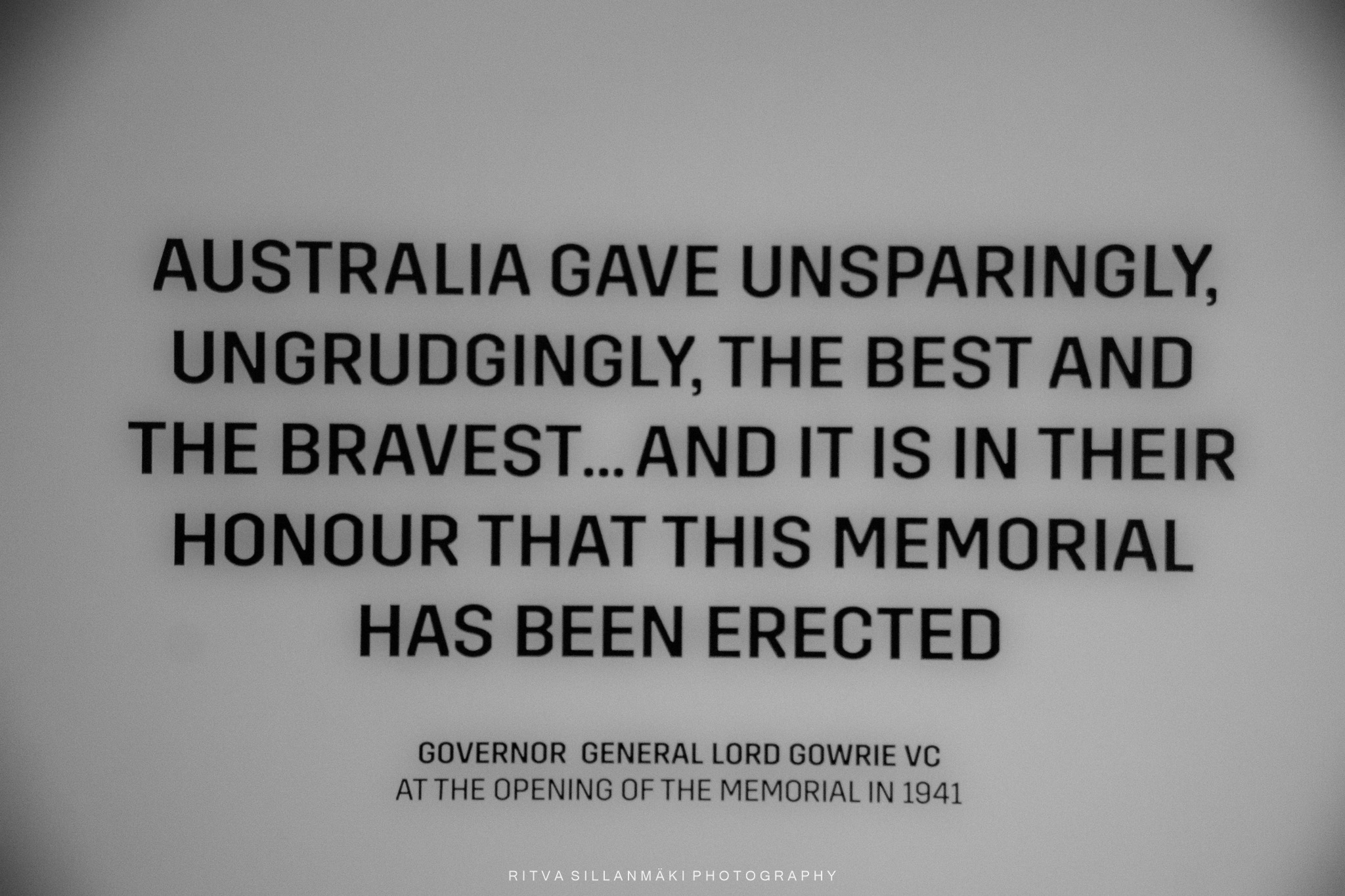
Then it was time for a new visit to Australian War Memorial, and we even got in this time. You could spend days there. It is huge and there are so many details in all the displays. And once again we were reminded how little we know about countries and their history, especially those that are not close to us. Having been a member of the Commonwealth, it is understandable that Australia has been involved in many wars and conflicts involving Great Britain. But that is not even close to covering all wars. There are too many to mention. Wall of Honour for those killed in action, with its poppies, was sad and truly memorable.
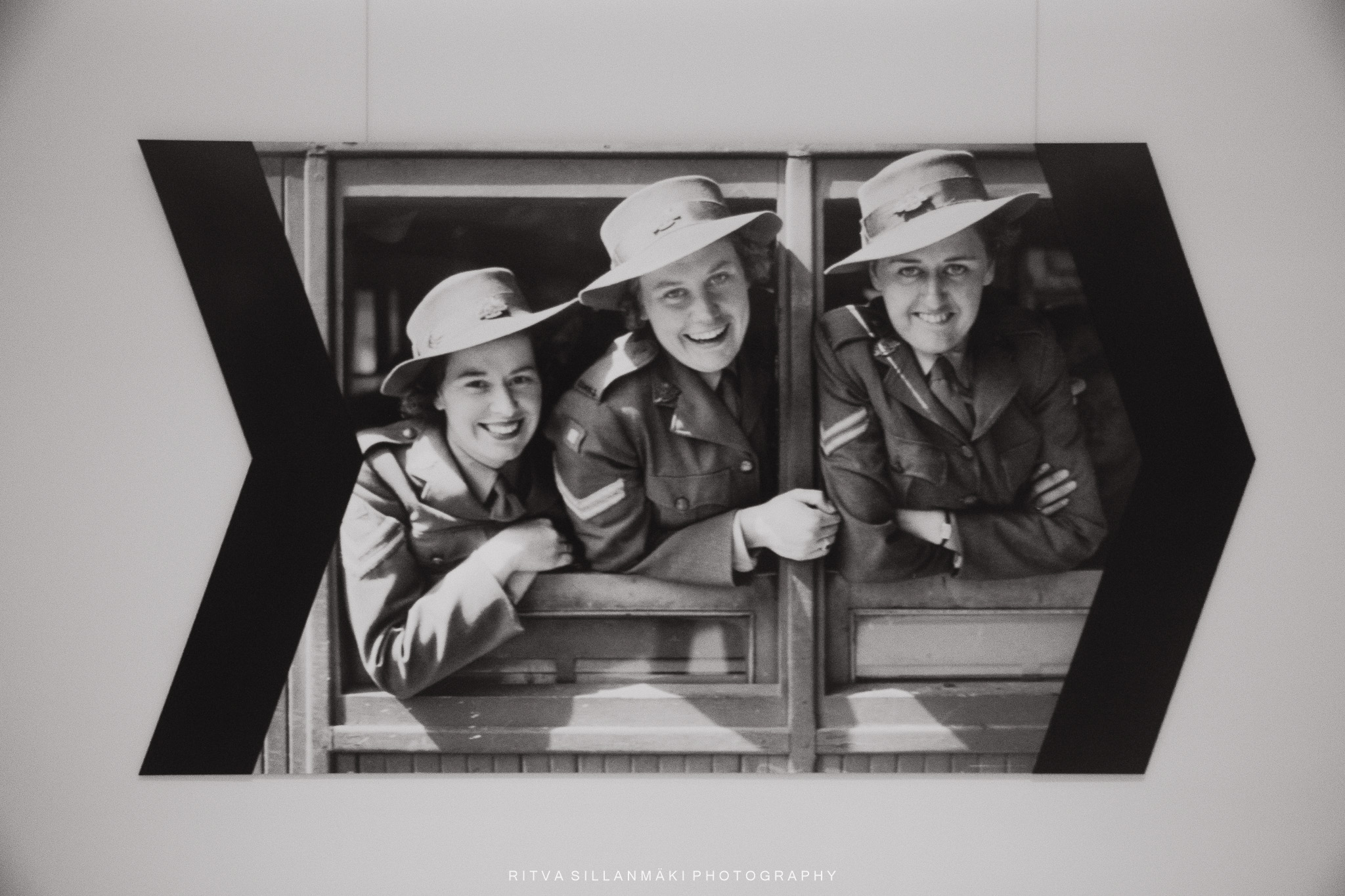
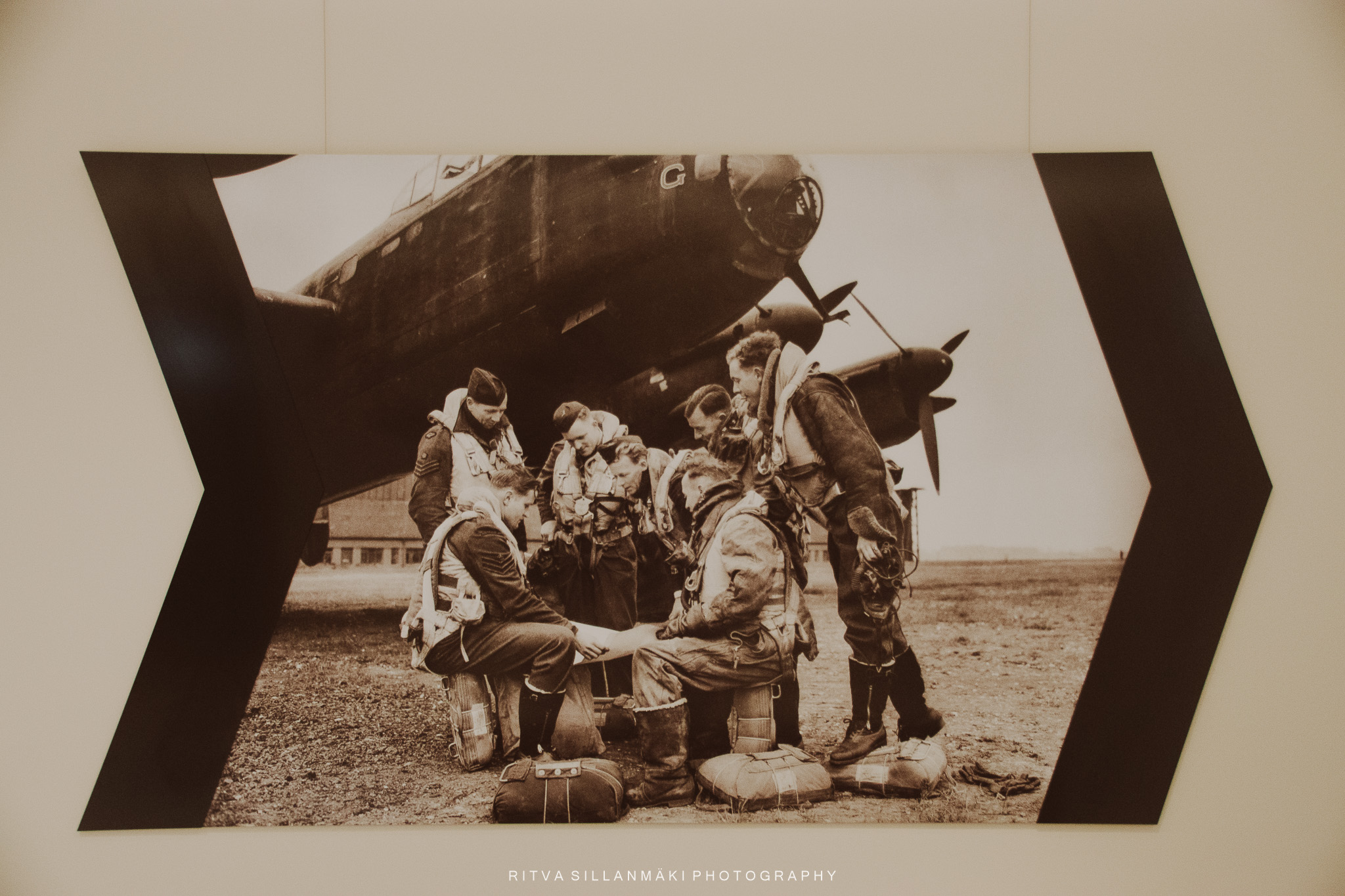
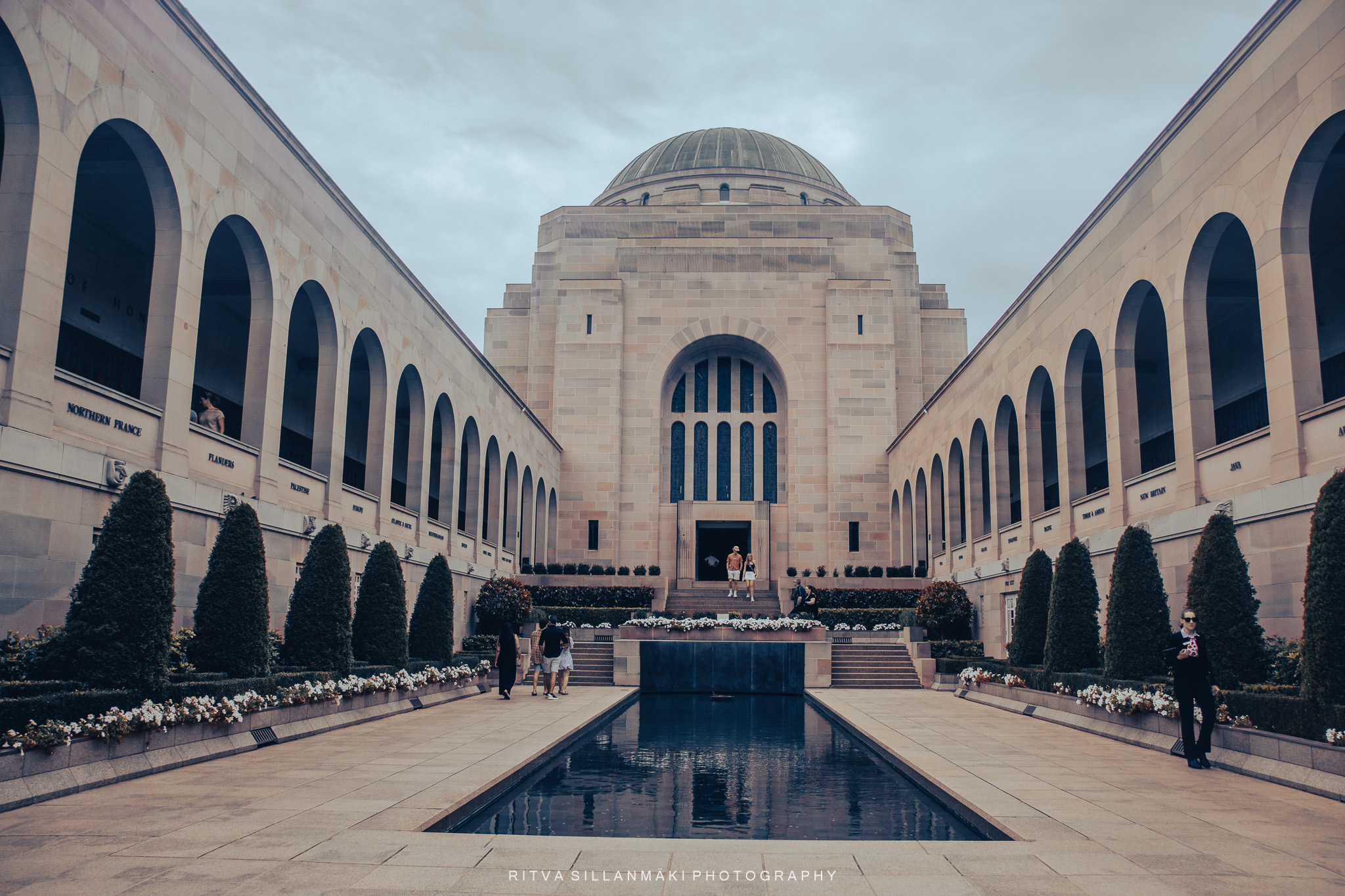
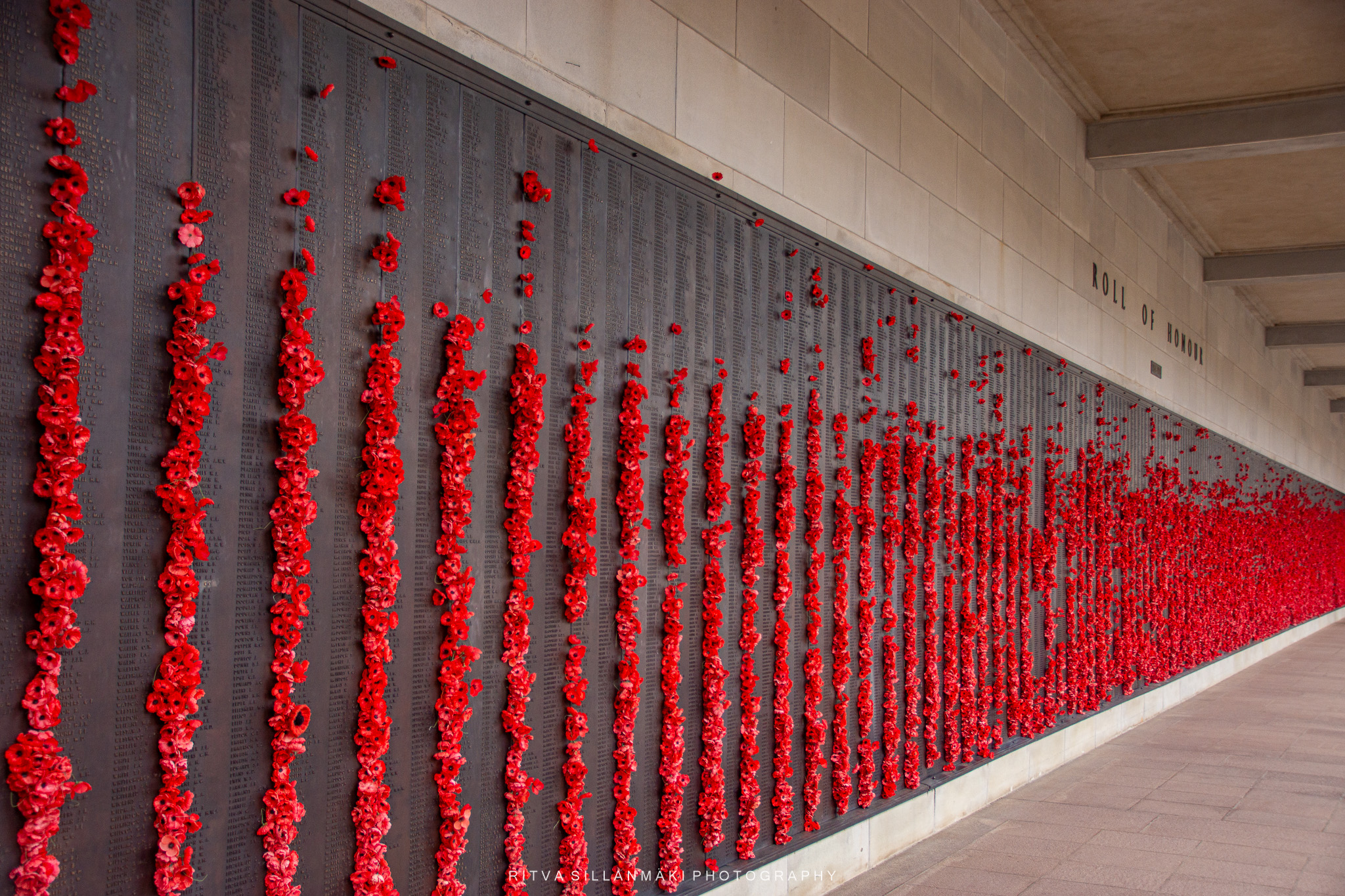
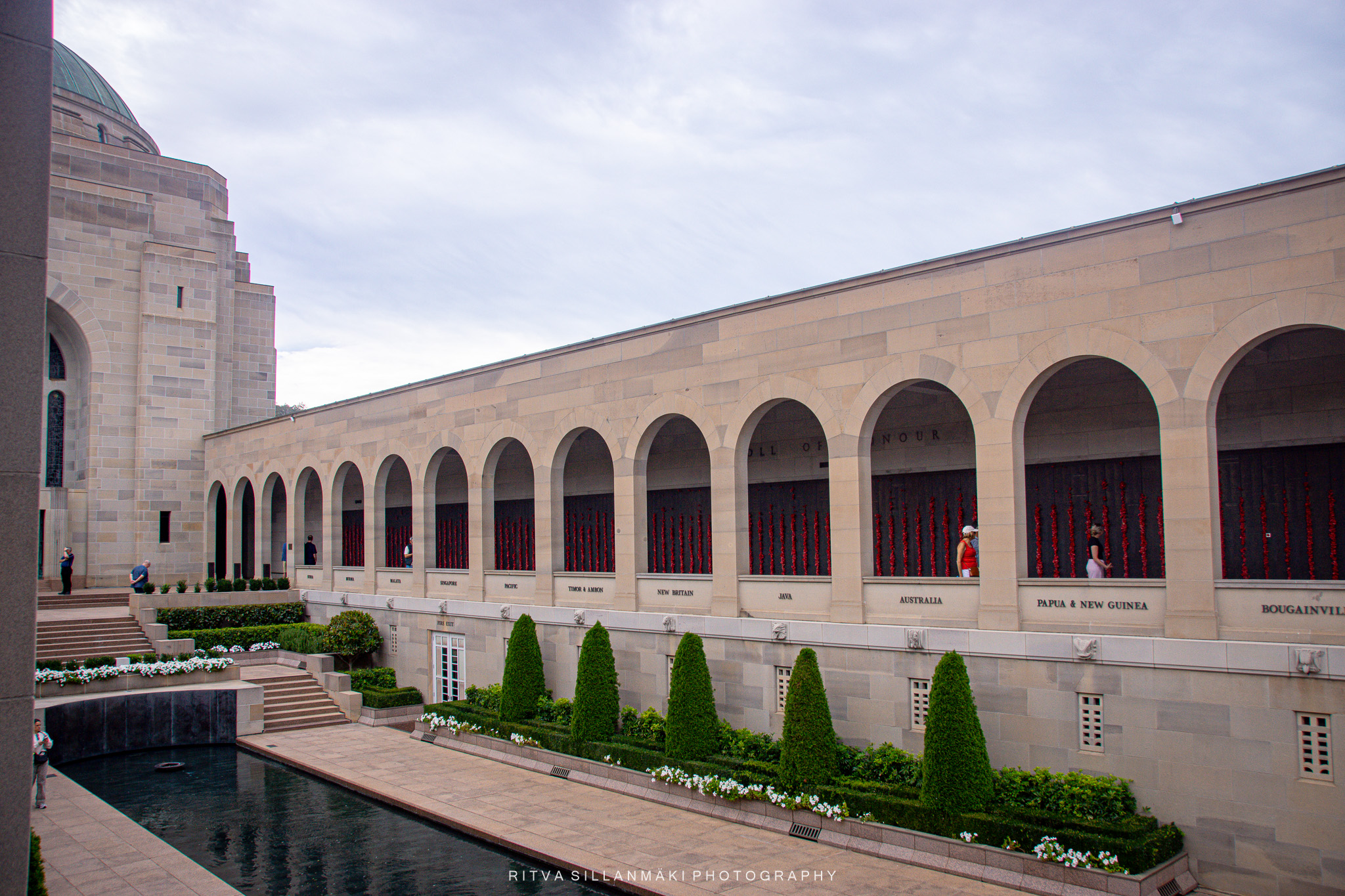
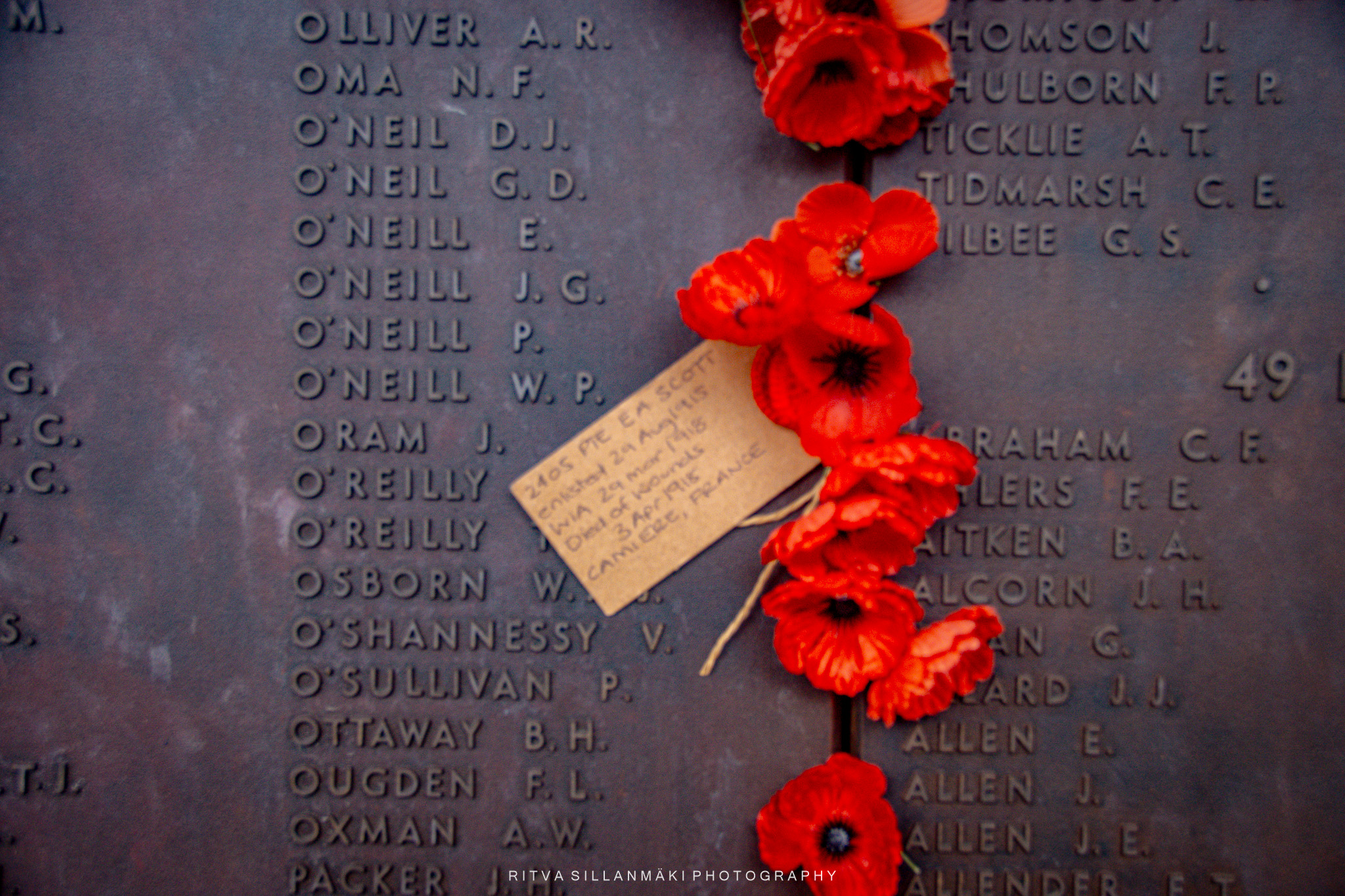
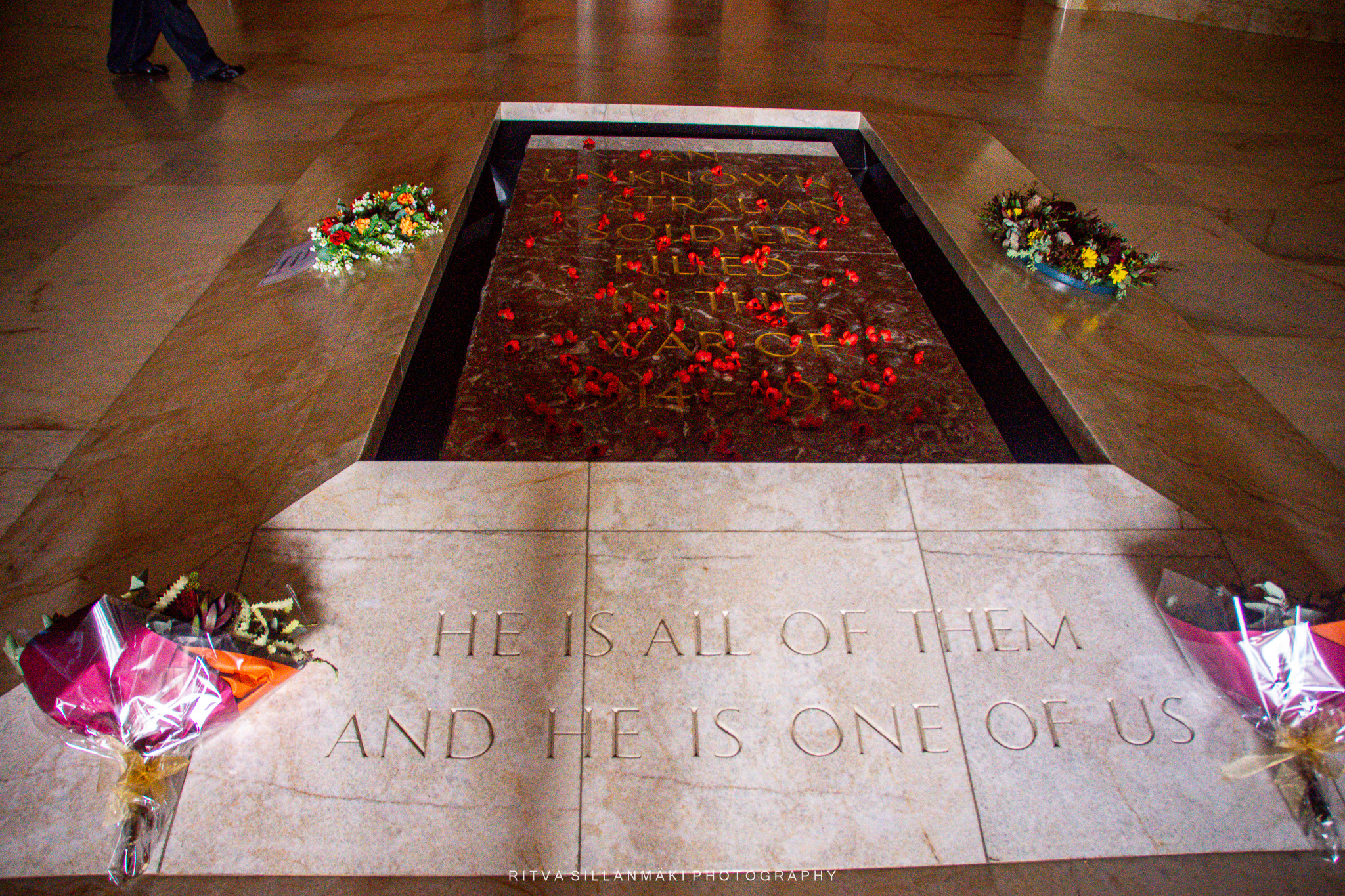
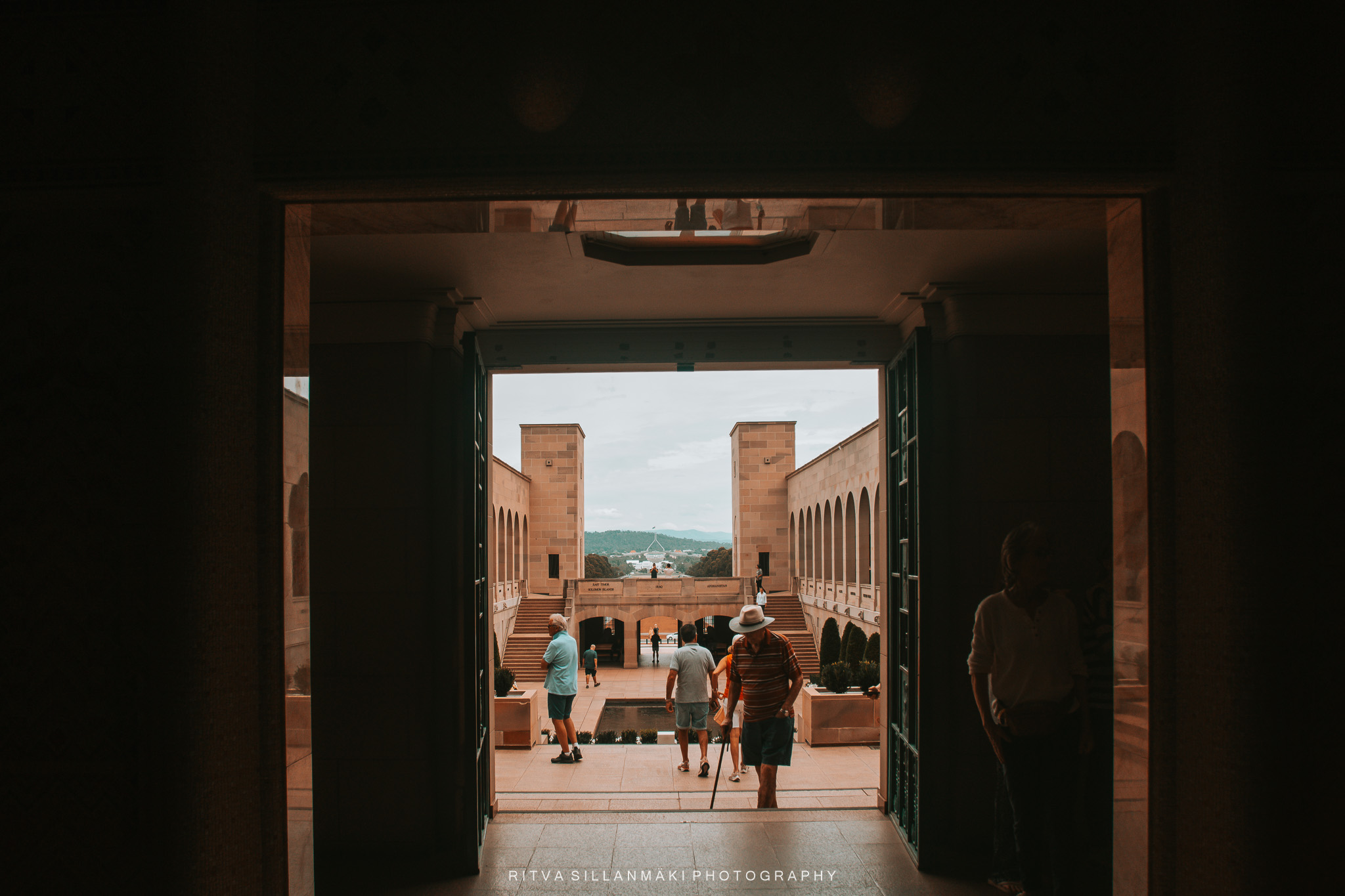
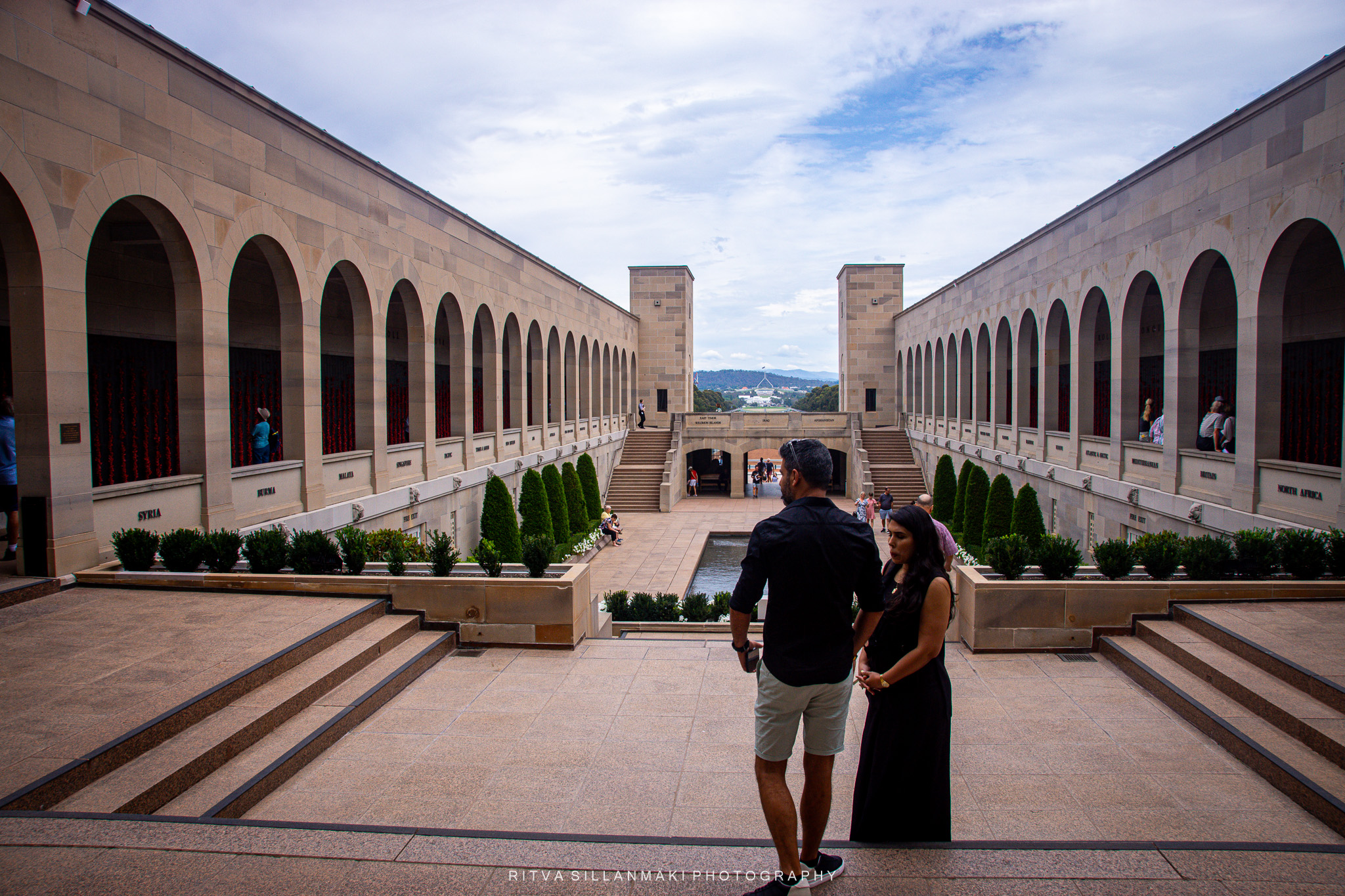
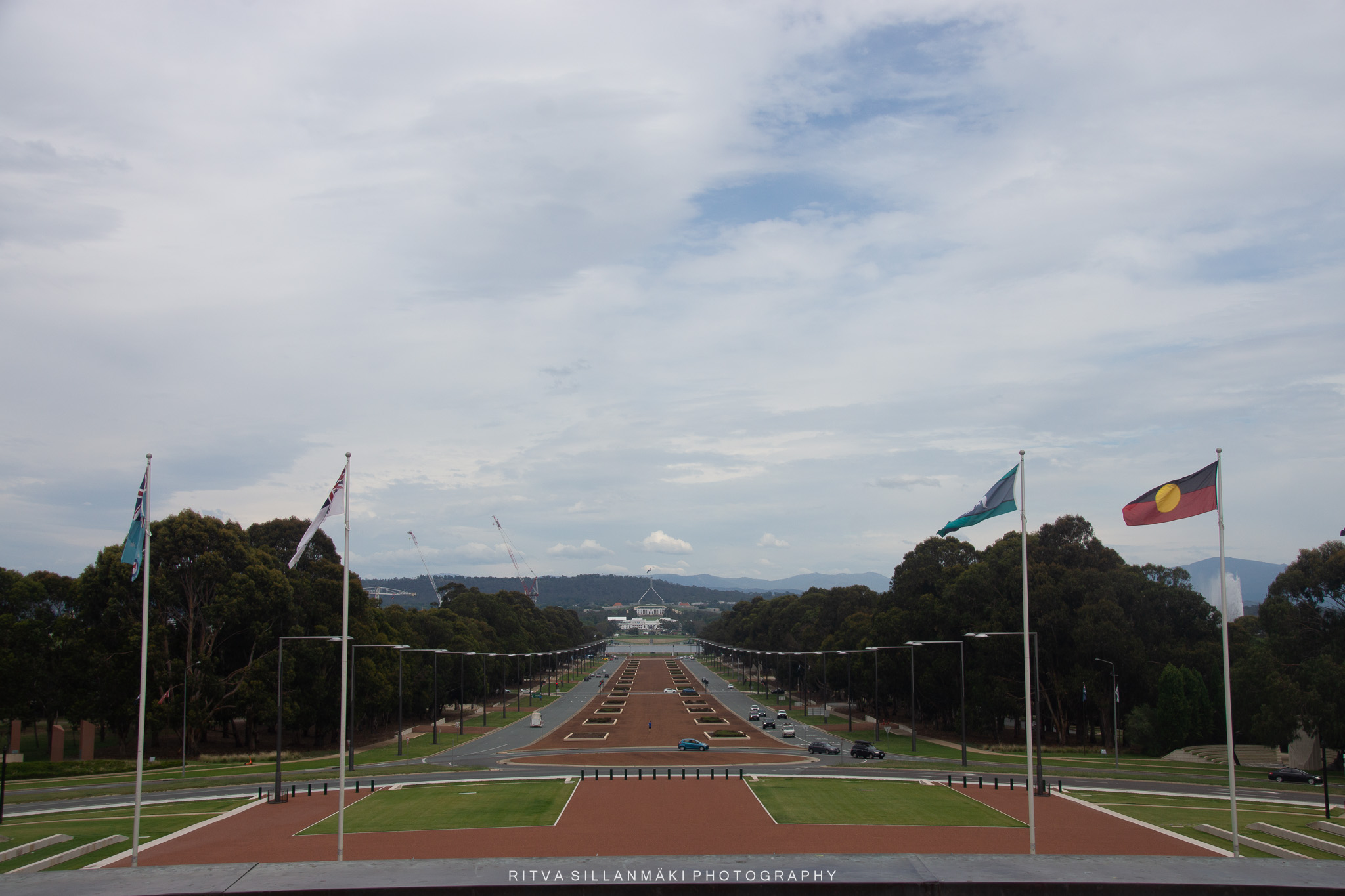
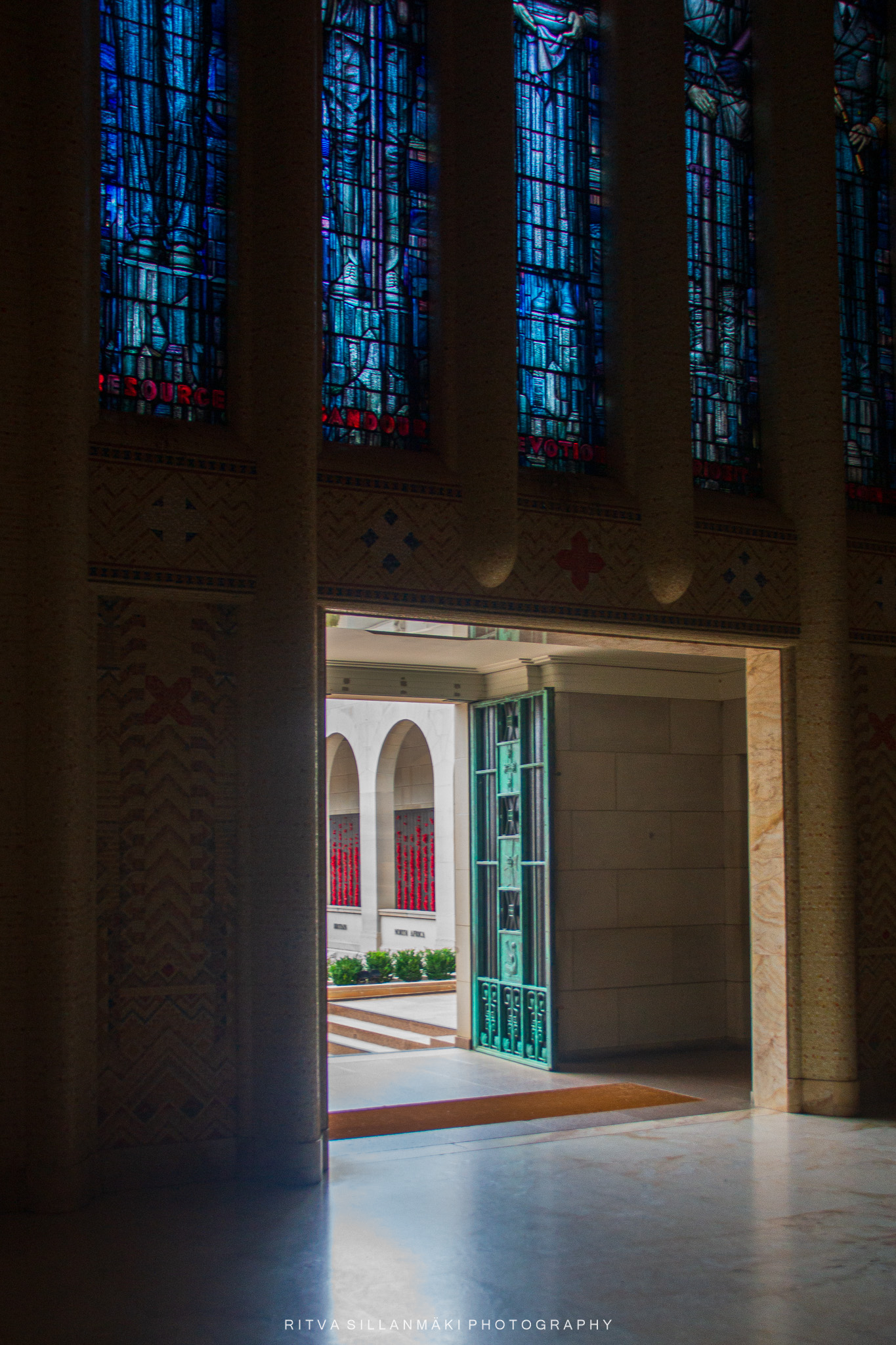
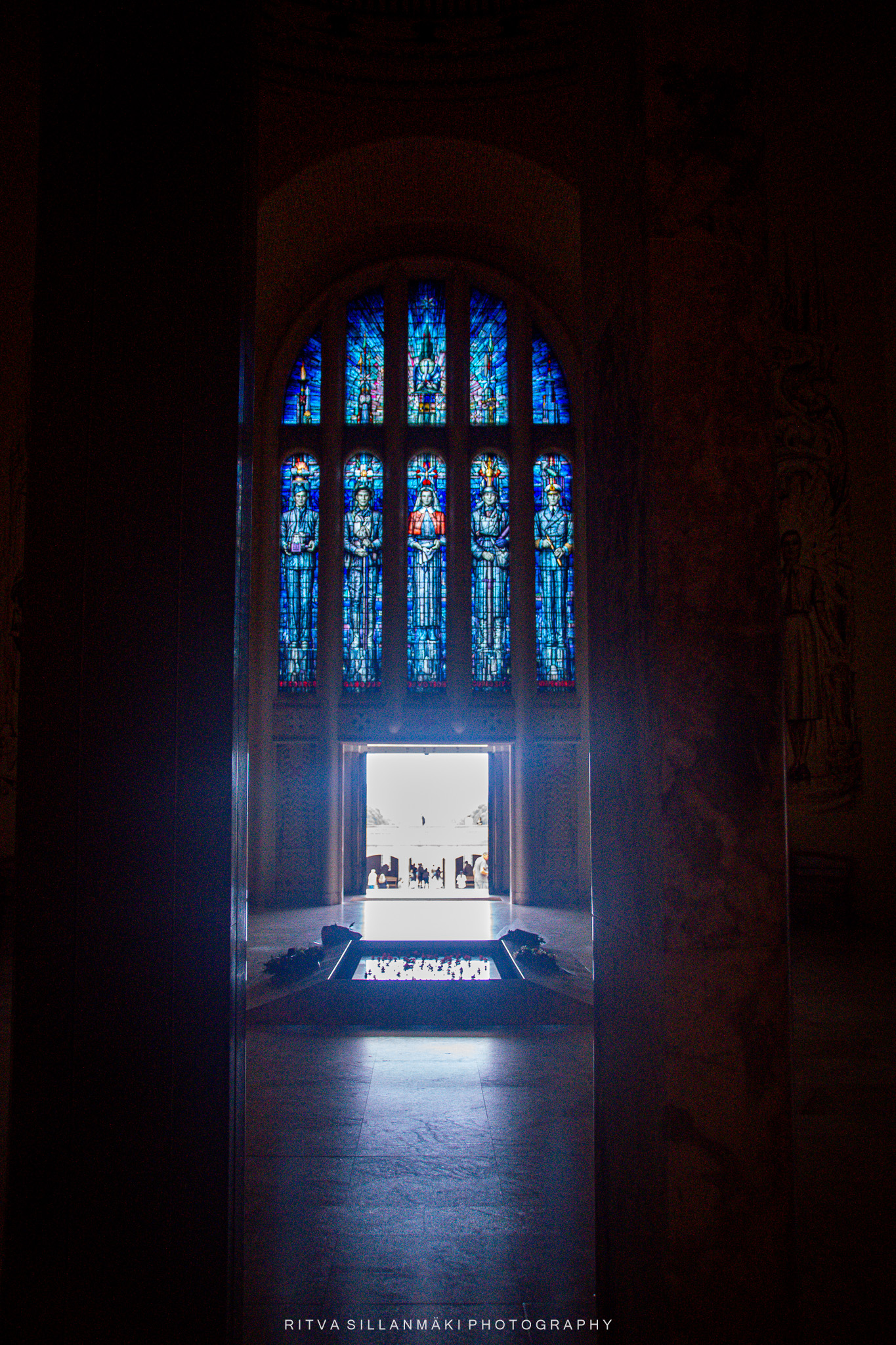
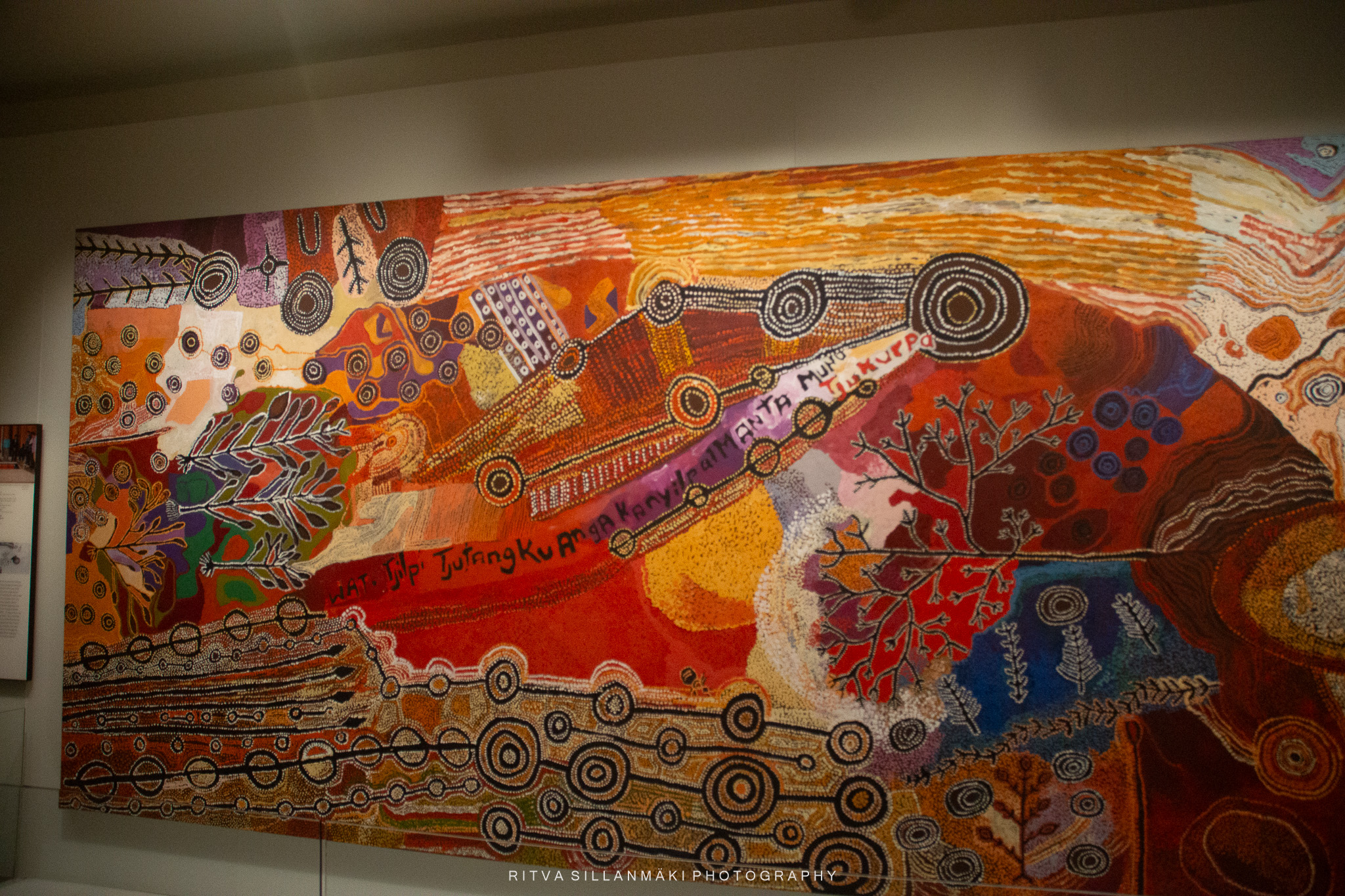
Not being too lucky with our restaurant choices we ended up in the same restaurant, Walt and Burley, as previous night. Beef burgers really hit the spot. Time to meet cousin Matti and Jenny. They live in the suburb of Coomes, that was not far at all. We had nice time getting to know each other and talking about family. Matti and Jenny nearly bought a holiday house in Finland because Matti loves cross country skiing. They were planning on spending half a year in each country. But then came Covid that spoiled the plan. At least for now. Matti had spent his working career in military and then in some type of special forces in police. He told some hair-raising stories about his career, but I would have to kill you if I revealed them . At one point he spent 6 months protecting someone 12 hours a day, 7 days a week, without ever being able to visit home. And had to sleep with shotgun on
his night table. The person protected was a witness in drug trafficking case. She survived and testified.
I think this is the full account of our visit. I hope you made it to the end. I apologize for the number of photographs; you can expect to see some more, as I have now edited them.
Text Mara Sillanmäki
Ann-Christine has us thinking about HARMONY this week, and do we so need in these times. The quote she ended with is so good that I am sharing it and placing it at the top. She gave us a set of beautiful reference images and a lot of freedom to interpret the theme, with just one condition: seven images should be enough to express our idea of harmony. I experience harmony mainly in nature; I’m not religious, yet I still sense a certain harmony in churches, so I included one photograph from there, knowing many people feel it in that space. And I have to confess I broke the rule and slipped in an extra image, because animals are such a comfort and bring so much harmony into our lives.
Happiness is when what you think, what you say, and what you do are in harmony
– Mahatma Gandhi
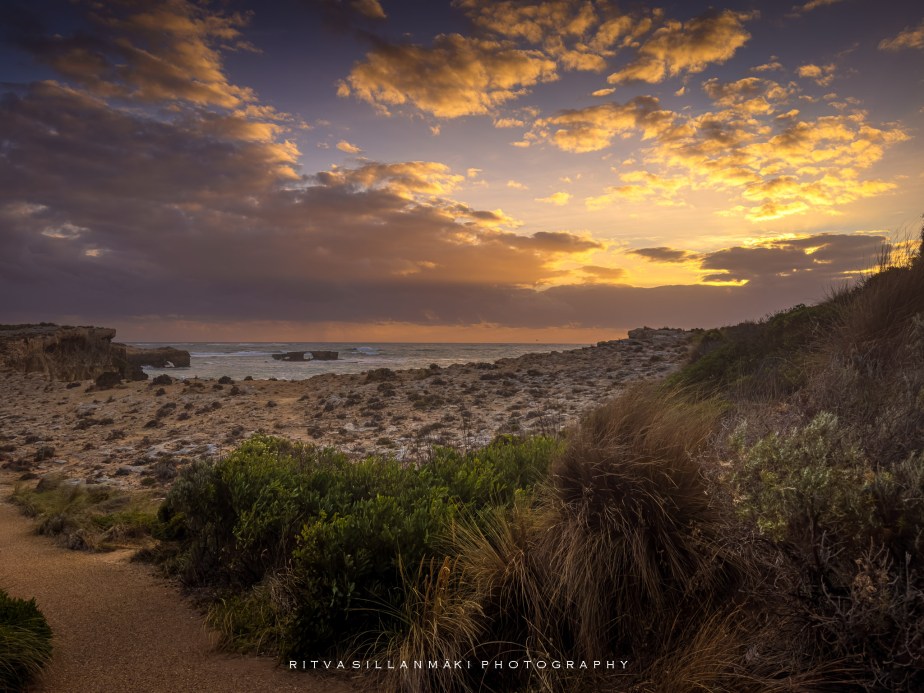
There are all these elements, but I still feel that there is harmony in colors all muted. A wide coastal landscape is captured at sunset, with the sun glowing through layered clouds above a calm, gently rippling sea. Jagged rocky shoreline and small tidal pools stretch across the middle ground, while sandy paths, dense green shrubs, and tall golden grasses frame the foreground. The warm amber and violet sky creates a tranquil, atmospheric mood,
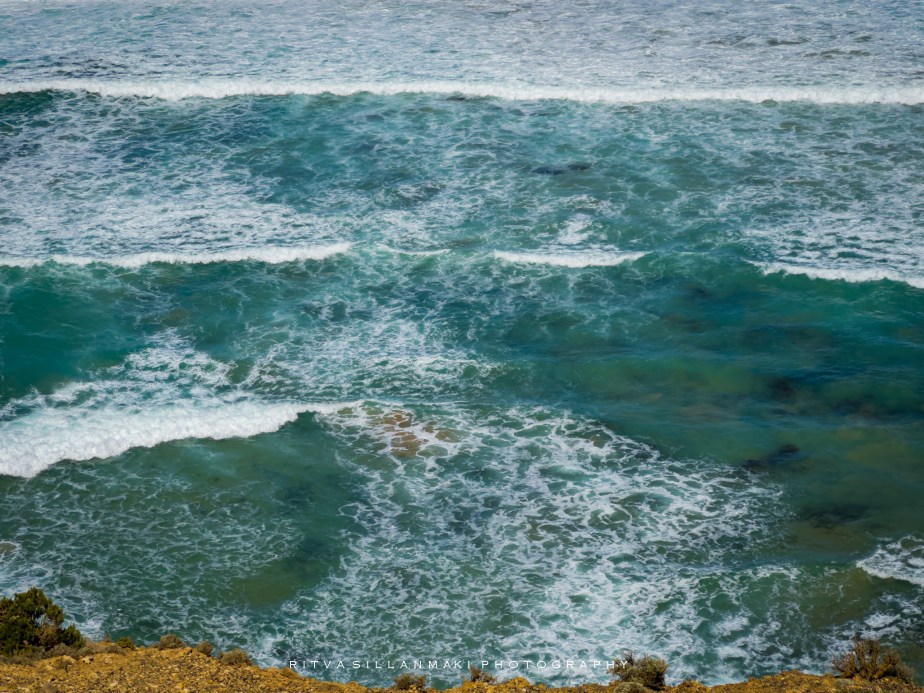
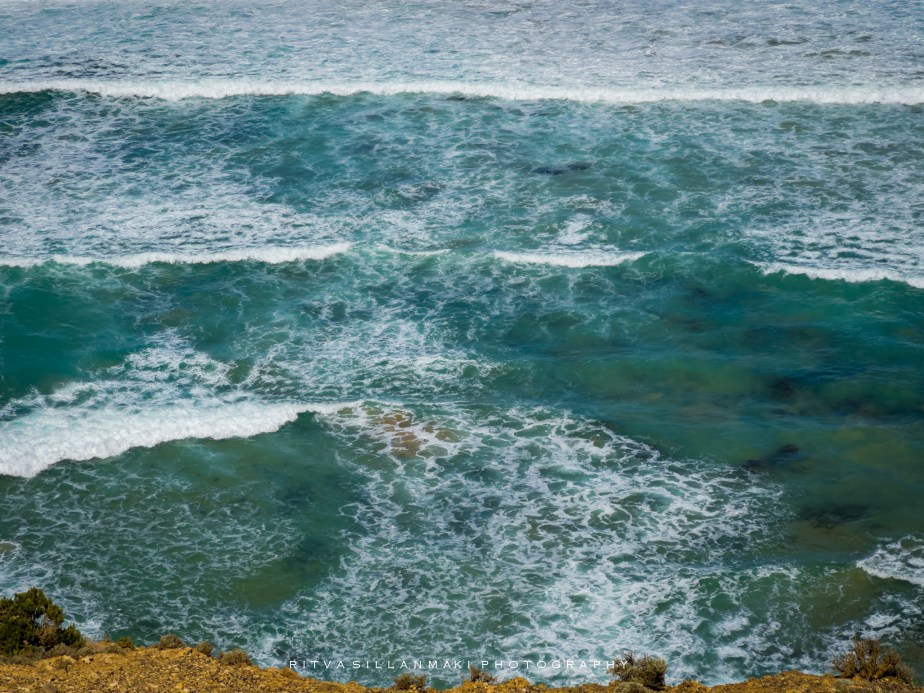
Ocean waves meet the shore in a steady rhythm, their sound carrying a quiet sense of harmony, don’t you think. Turquoise and deep teal water sweep toward the land in several parallel bands of foaming white surf. The textured swells form delicate, shifting patterns across the scene, while a thin strip of rugged, golden-brown coastal vegetation lines the bottom edge. The cool blue-green tones play against the warmth of the shoreline, creating a seascape that feels both dynamic and peacefully calm
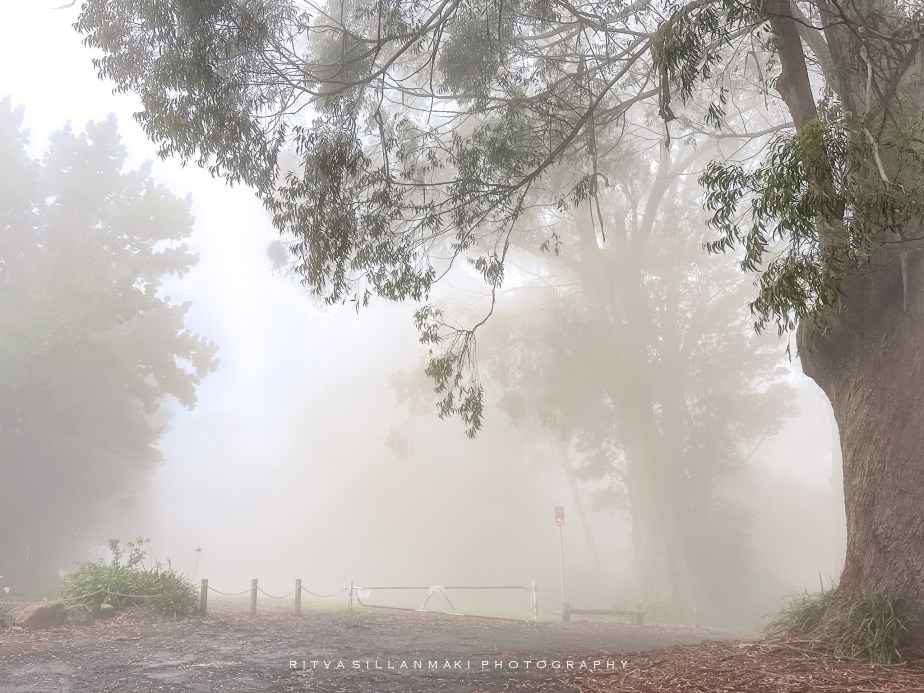
A quiet, fog-shrouded woodland framed by a large eucalyptus tree on the right and sweeping, narrow-leaved branches overhead. Dense white mist obscures the distant trees and softens the muted gray-green landscape, creating a serene, dreamlike atmosphere where every tone feels gently in harmony. In the foreground, a dirt and leaf-covered path leads toward a low chain barrier and metal gate, with small garden beds and a faint red sign emerging through the haze, all held together by the same subdued, balanced color palette. This shot has a soft, atmospheric photographic style that feels calm and deeply cohesive.
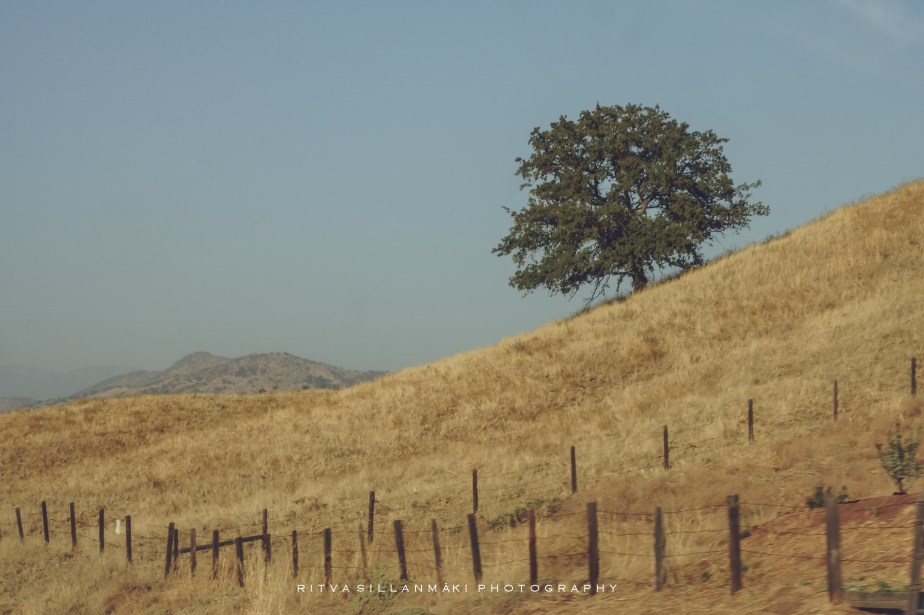
I find harmony in the once again softened colors. A solitary broad-canopied tree stands on a sunlit, dry golden-grass hillside beneath a hazy blue sky. A rustic wire fence with dark wooden posts runs across the foreground, while softly layered rocky hills appear in the distant background, evoking a quiet, pastoral countryside.
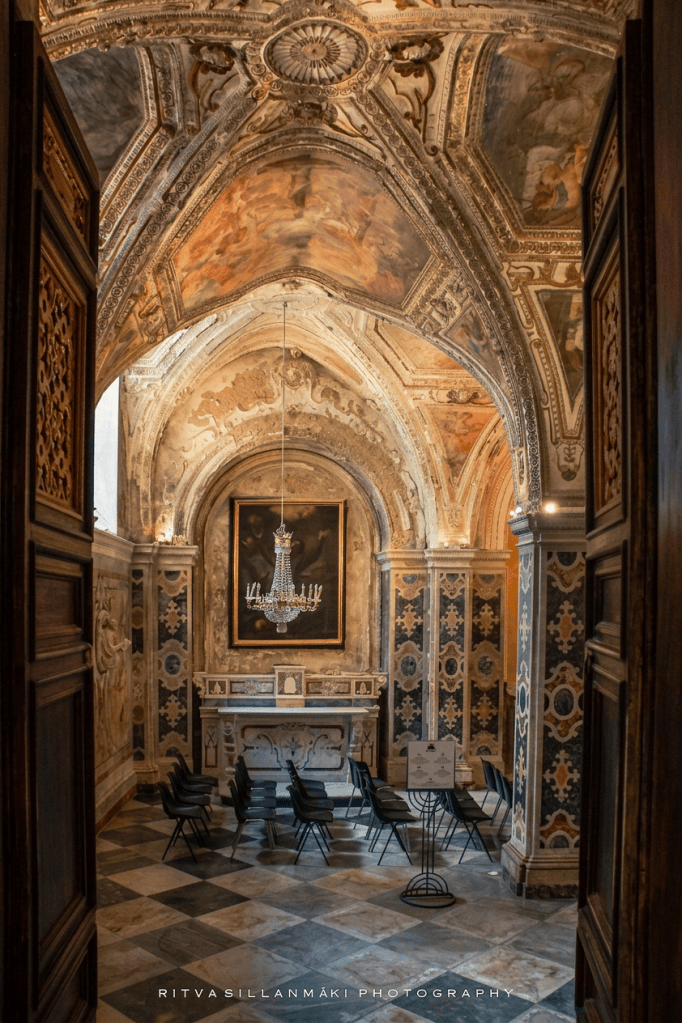
I’ve always felt that churches hold a kind of quiet harmony, and this richly decorated historic chapel is no exception. Seen through the dark, carved wooden doors, it feels almost like stepping into another time. The colors are warm and a little faded, the vaulted ceiling and arches covered in old frescoes, gilded borders, floral motifs, and painted religious or mythological scenes that seem to whisper their own stories. Patterned marble panels line the walls, cool and solid, while a crystal chandelier glows softly above a small altar and framed painting. Rows of modern black chairs sit neatly on the black-and-cream checkered floor, a simple, contemporary counterpoint to all the Renaissance-style ornament. In this contrast between the ornate and the everyday, I find a strange calm, as if the space is quietly holding every voice, every silence, in balance.
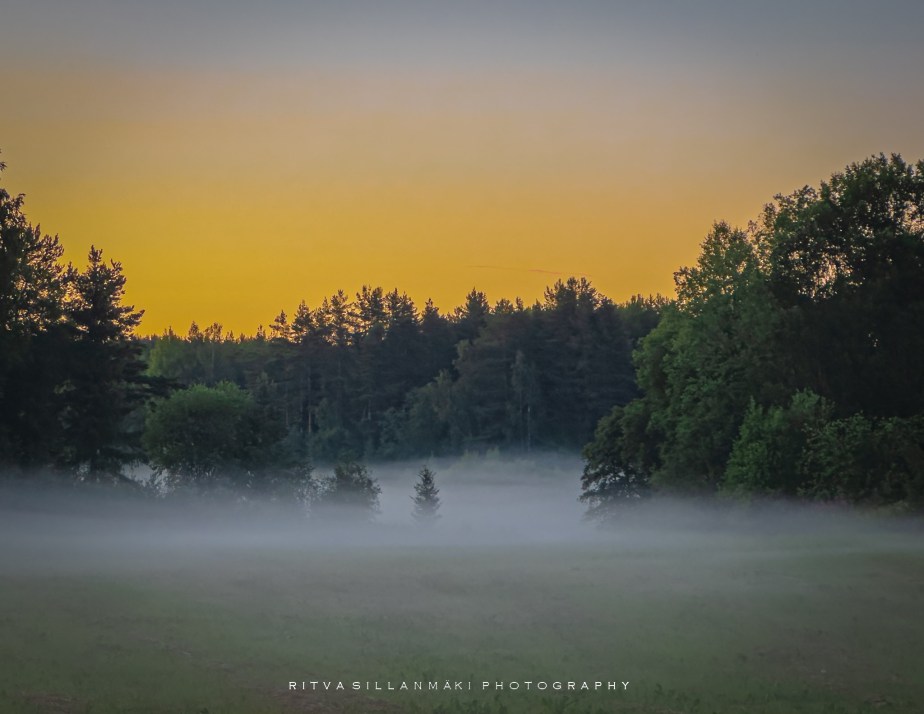
At my summer house I love the misty night, its quiet, the nature and I are in harmony. In this tranquil landscape photograph, a dense mixed forest lines the edge of a mist-covered meadow as dusk settles in. The treetops create a dark, textured band stretching across the lower middle of the frame, while a soft, pale fog glides over the grass in the foreground. Above it all, the sky shifts from deep gray-blue into a warm, glowing gold at the horizon, wrapping the scene in a serene and atmospheric stillness.
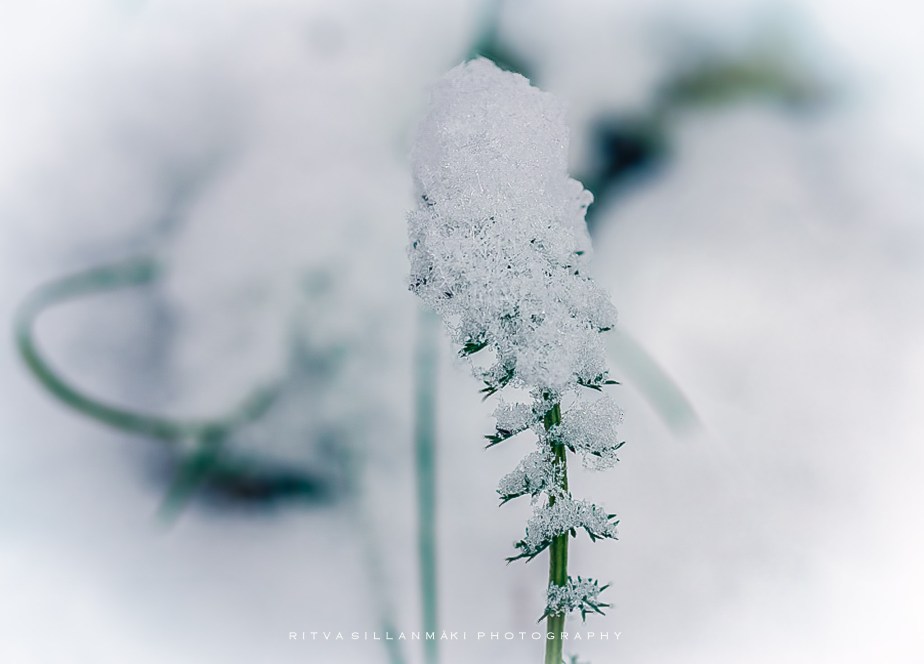
I’m no fan of winter, but I have to admit there’s a strange beauty in the details: the way the snow pulls a white blanket over everything and quiets it all down. Here, a single delicate white flower stands in close-up, its tall stem sprinkled with tiny, frost-like blossoms and fine, crystalline textures that look almost unreal. The bloom stays sharp and clear while the background fades into soft grays, whites, and muted greens, and the whole scene feels cool, wintry, and a little otherworldly.
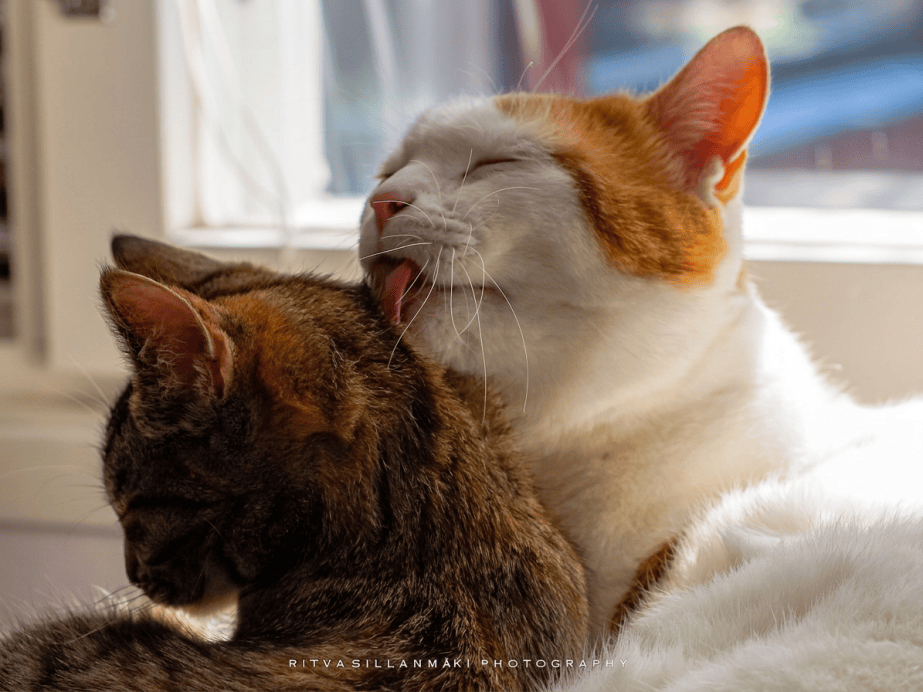
Veikka and Tinka, our cats, were in such harmony together; it was so lovely to see. This shows them cuddled together in warm sunlight beside a bright window. In the foreground, Tinka, the dark brown tabby, rests with her eyes closed, while Veikka, the white-and-orange one behind her, gently grooms her, eyes softly shut and pink tongue just visible. In this photo, the soft cream, golden, and brown tones create a peaceful, affectionate mood, and the softly blurred indoor background makes their textured fur and intimate little world feel even more tender and precious.
What a show Beth’s bridge challenge generated last week. Great images you all shared, wonderful bridges from around the world. I hope you will join Ann-Christine’s challenge, this week too. Please don’t forget to use the “lens-artists” hashtag in your posts so people can find your challenge entries.
Next week, Anne will feature a new challenge. It will go live at noon EST in the USA. Tune in then to find out more about the challenge.
Until then, let’s keep exploring, broadening our horizons, and maintaining a positive mindset
You can keep up with all of our challenges by subscribing to the Lens-Artists team members websites: Tina, Patti, Ann-Christine, John, Sofia, Anne, Egidio, Beth. Ritva,
For information on how to join the Lens-Artists challenge please click here.
I’m happy to still have photos of doors and windows from Grete, as they allow me to take part in both Thursday Doors and Monday Windows; for me, these themes are closely linked. I also have some images from our trip to Norway I will be sharing. Currently, we find ourselves making frequent trips between our home and summer place due to the renovations at our summerhouse, and with all the preparations needed before construction began—especially the extensive tree removal—we now need to chop and stack what’s been cut, which is quite time-consuming as my husband is mainly doing it by himself due to my health issues. The rainy weather isn’t making this task any easier, meaning there’s little opportunity to travel in search of new doors and windows. Hence, I’ve been leaning on my archives.
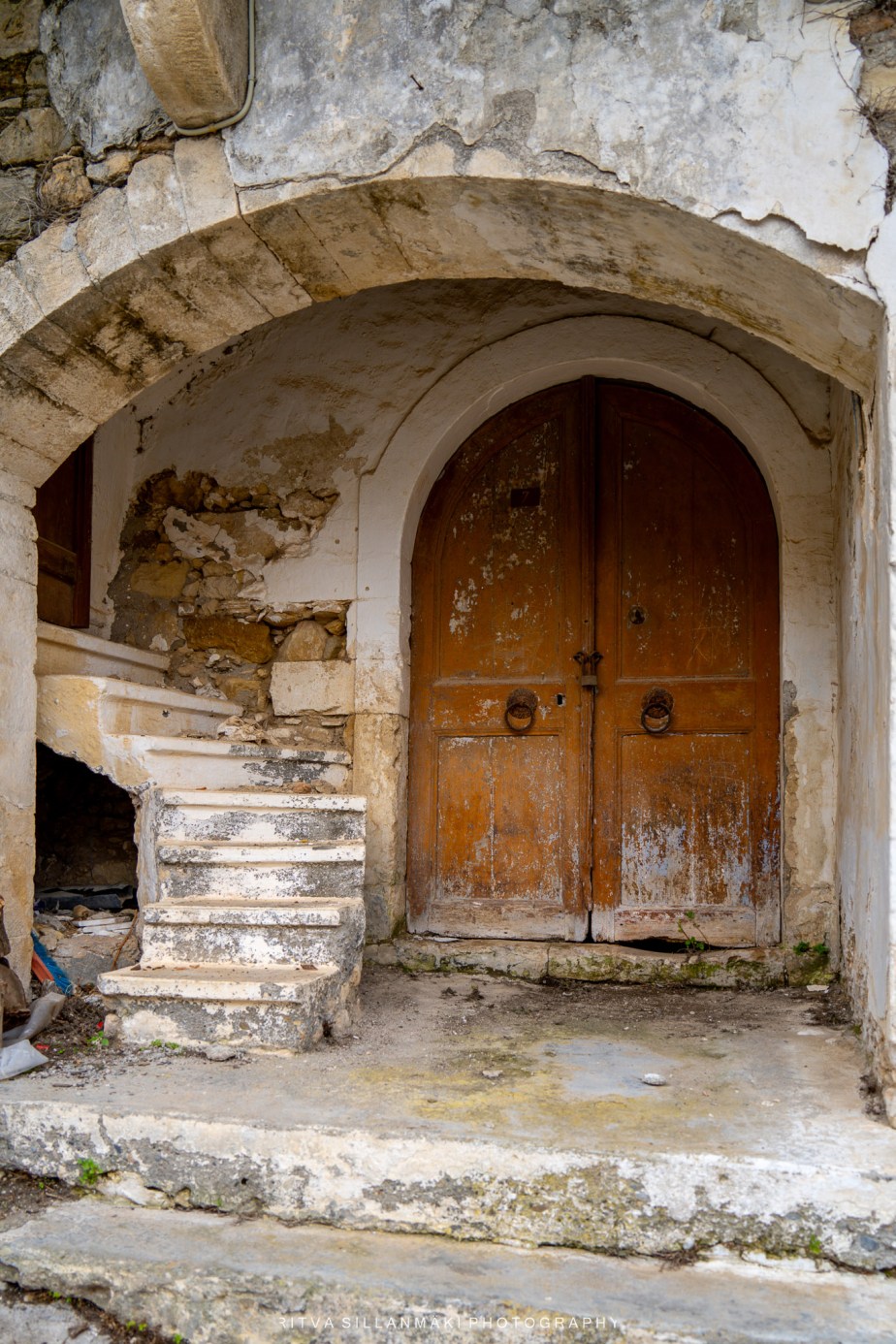
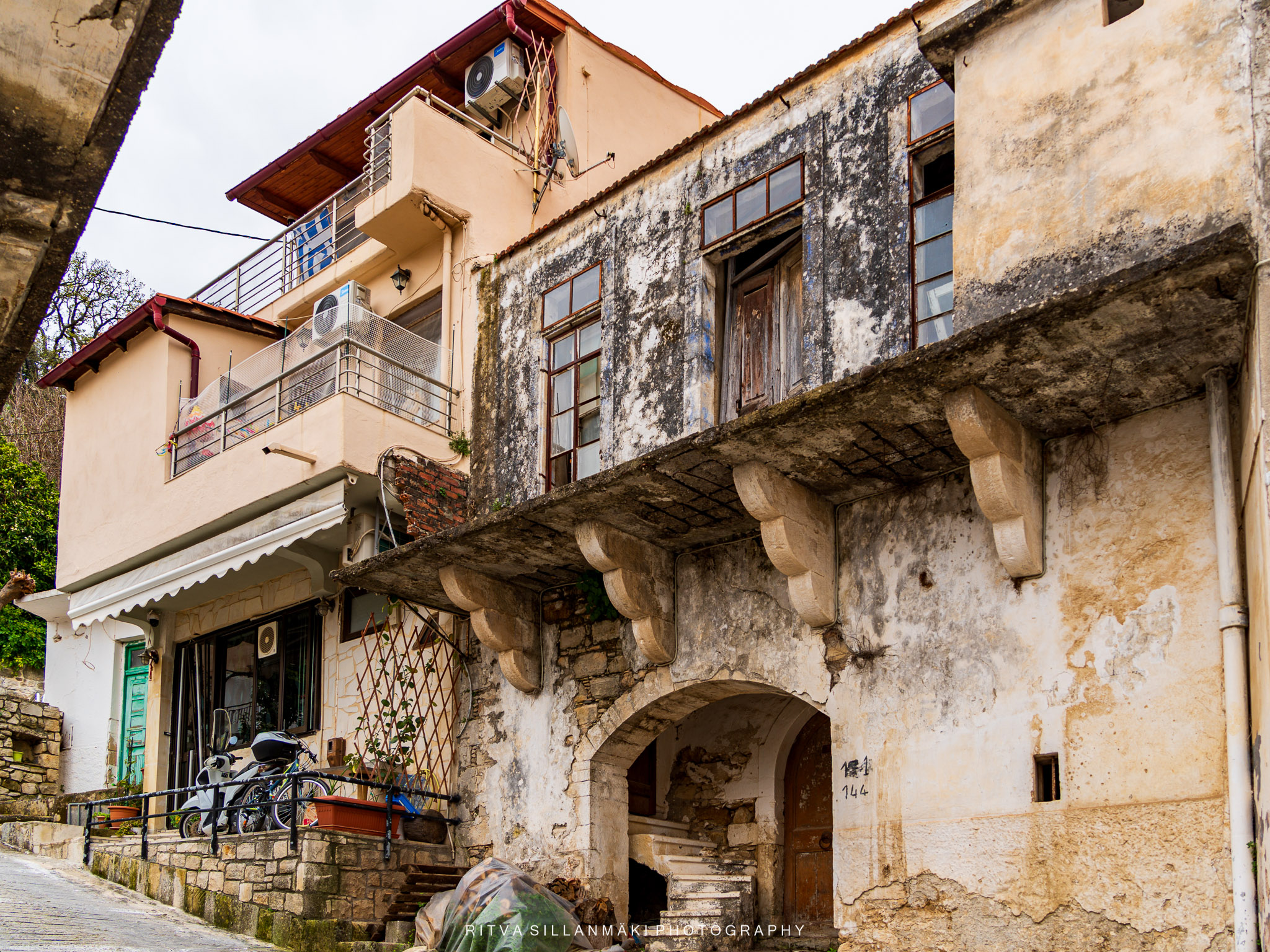
Walking down a narrow, sloping residential street in Argyroupoli, that is framed by a weathered historic stone building and a newer peach-colored apartment house. I noticed the aged structure has mottled plaster, exposed masonry, wooden doors and windows, a deep stone balcony supported by carved brackets, and an arched ground-floor entrance, this I notice first, while the neighboring home has metal-railed balconies, red roof trim, awnings, satellite dishes, and multiple air-conditioning units. Bicycles, a scooter, potted plants, and a green door add signs of everyday life, contrasting with the crumbling textures and muted beige, gray, and terracotta palette. The low-angle composition emphasizes the close, layered architecture and conveys the character of an old, lived-in Grete neighborhood.
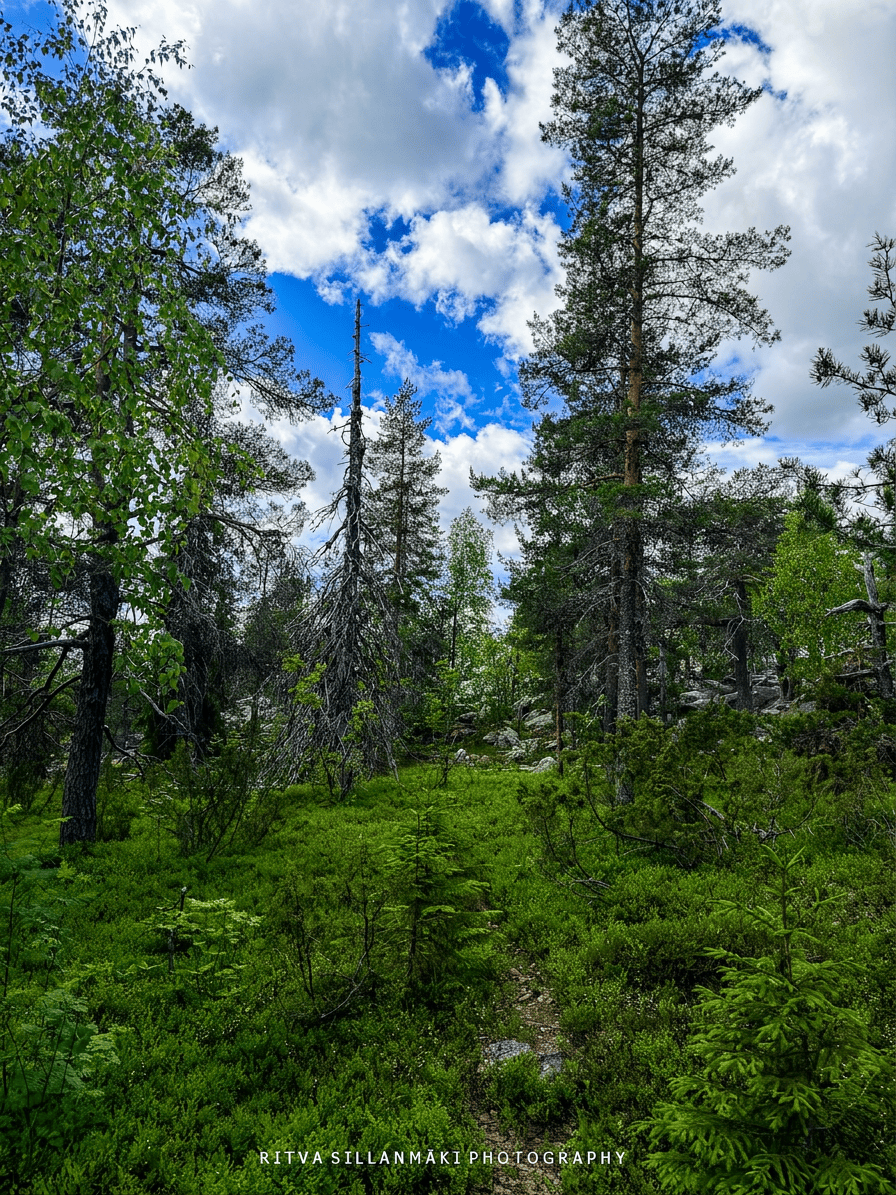
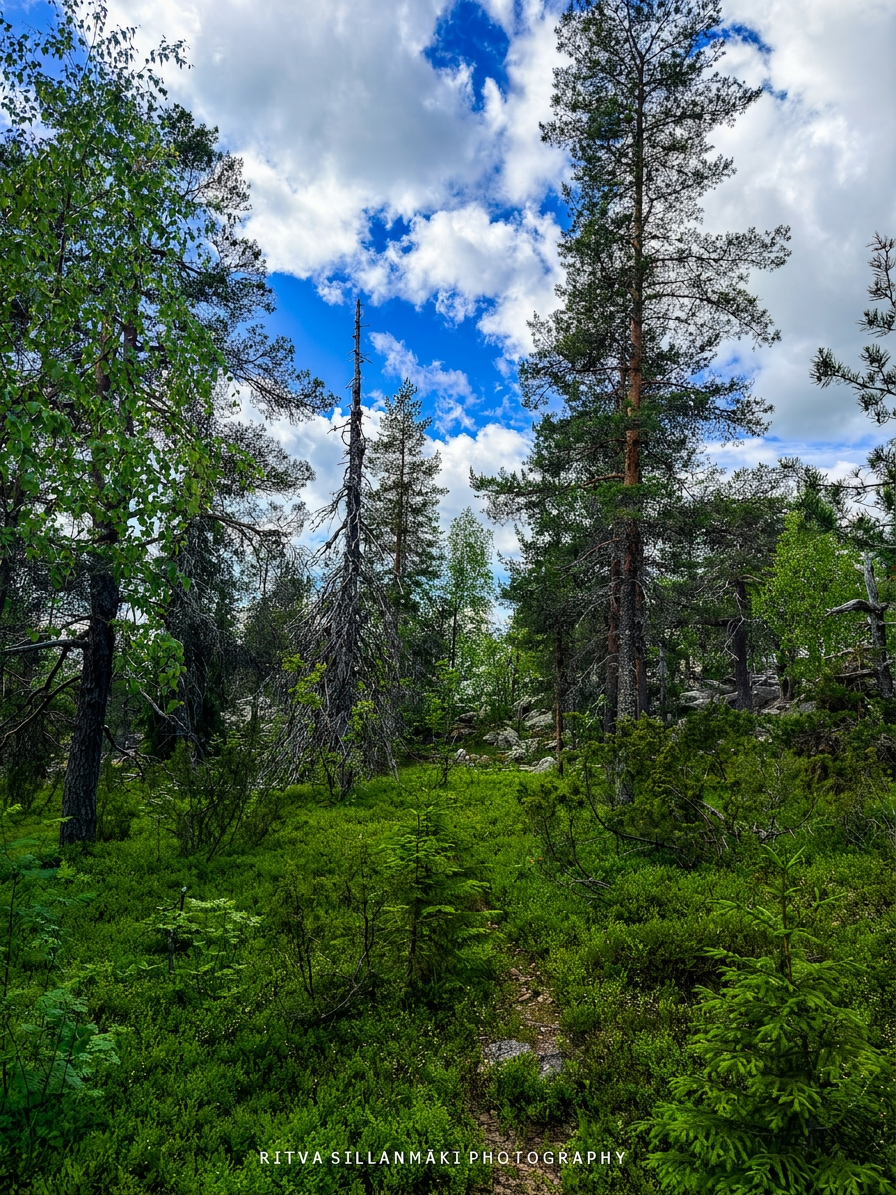
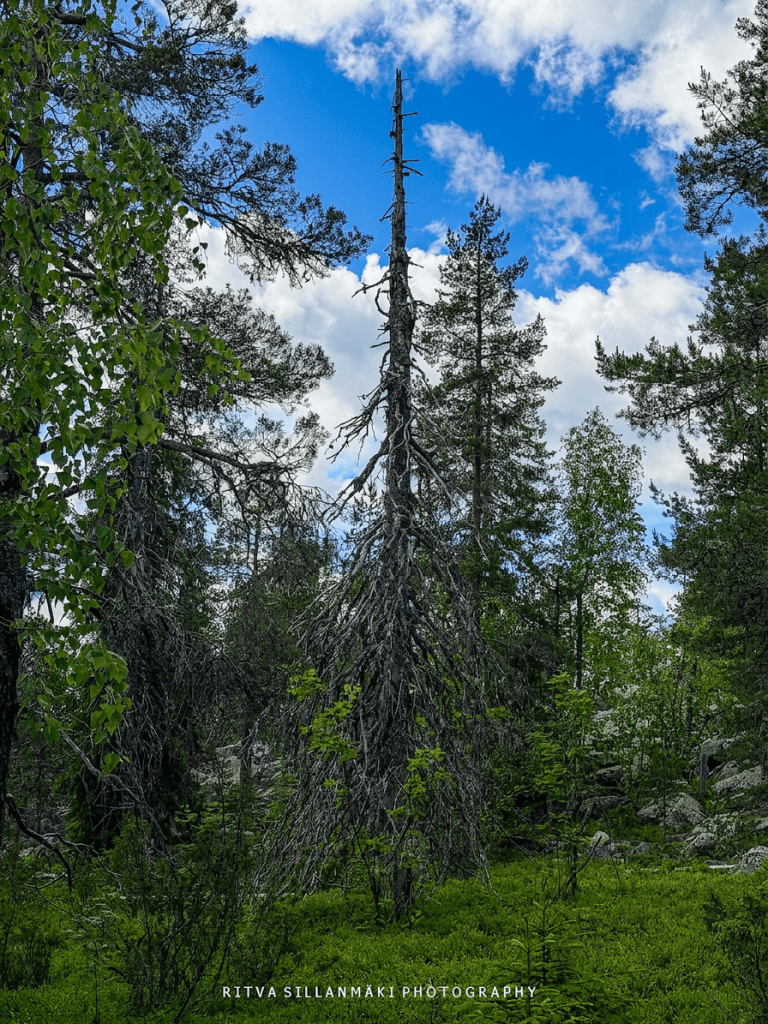
How enchanting is this vibrant northern forest scene, embraced by tall pine and birch trees beneath a breathtaking blue sky adorned with fluffy white clouds! The lush green undergrowth and young conifers harmoniously blend with Aavasaksan hill, celebrated for its strikingly rugged terrain. This unique landscape tells a story of ancient eroded beaches and rugged formations looming above. As you ascend to the higher elevations, the resilient vegetation mirrors the tenacity of harsh pine forests and rocky woodlands, filled with hardy dwarf shrubs like bilberry, lingonberry, and heather, alongside a rich variety of mosses and lichens—most notably, the delicate reindeer lichen. In the foreground, you’ll find exposed rocks and a narrow rocky path, while a prominent dead and bare tree stands in poignant contrast to the flourishing woodland that envelops it. The verticality of the composition and its vibrant, natural hues invoke a deep sense of connection to the wild, dramatic wilderness all around us.
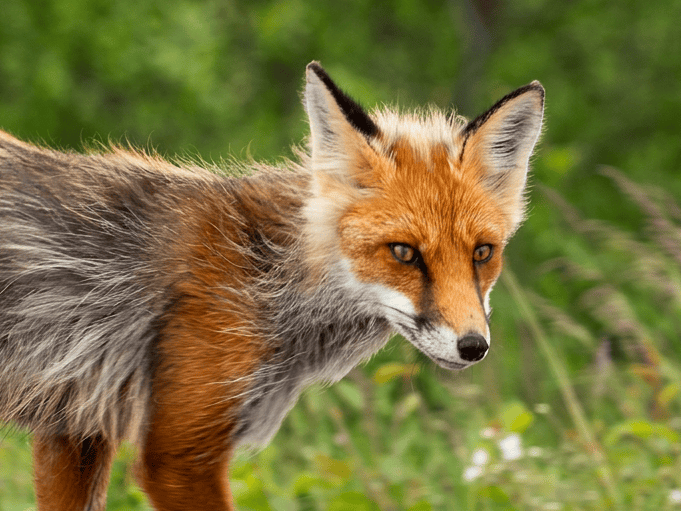
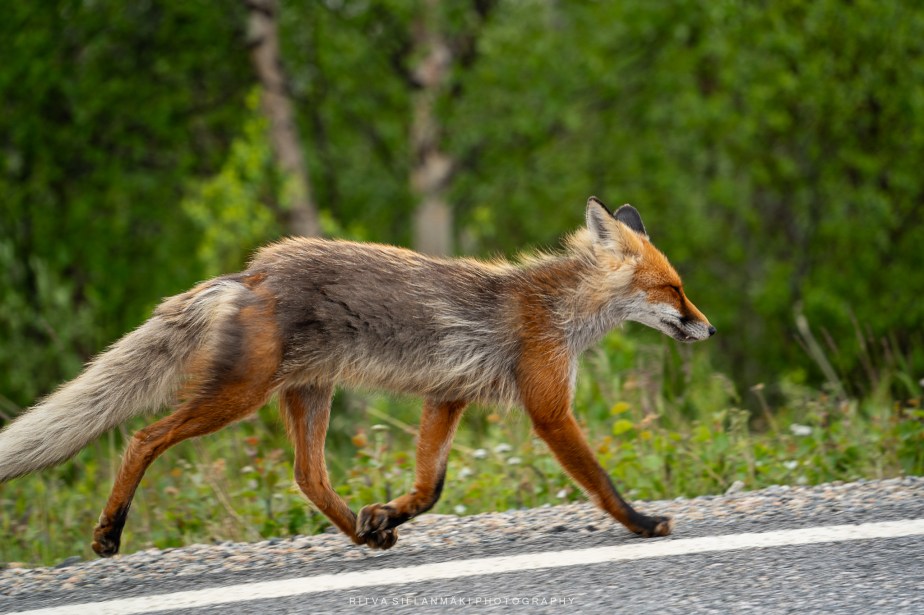
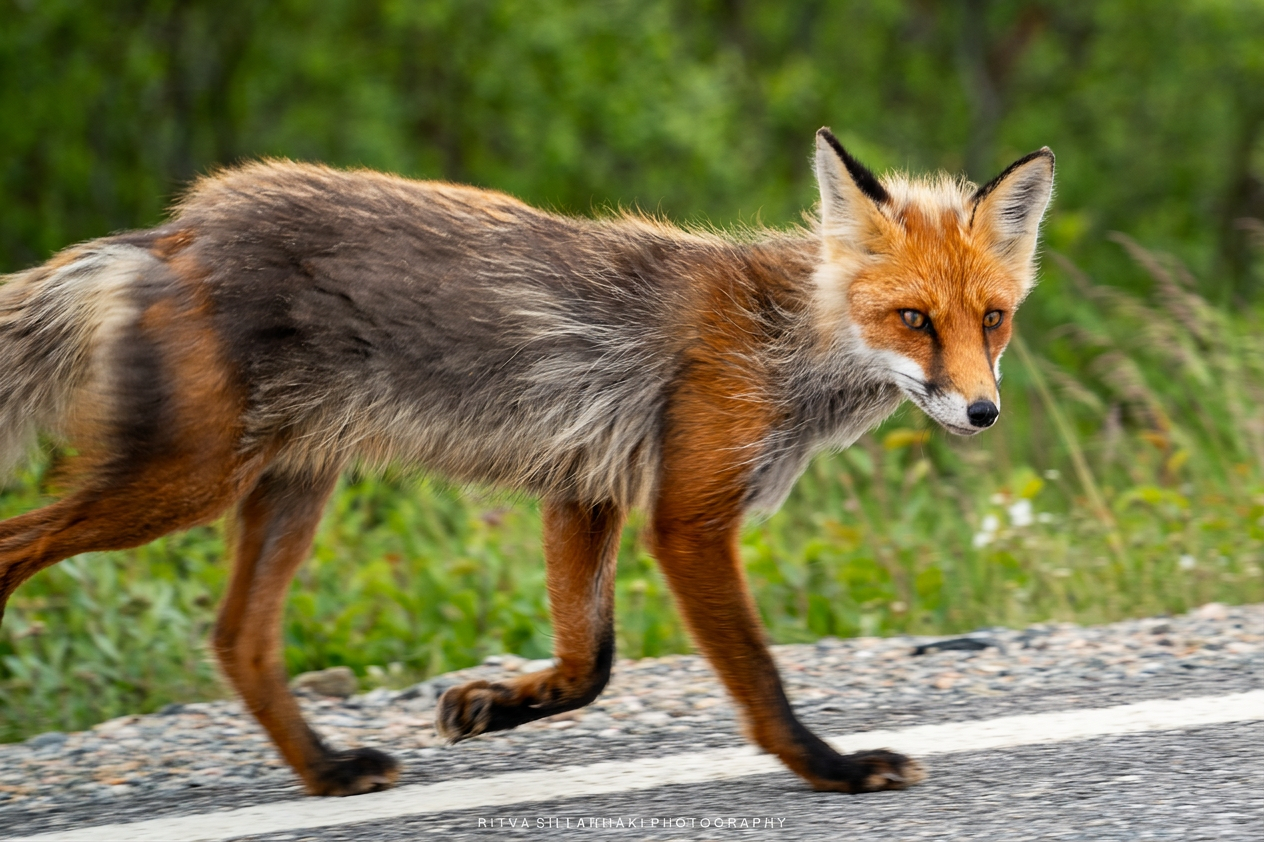
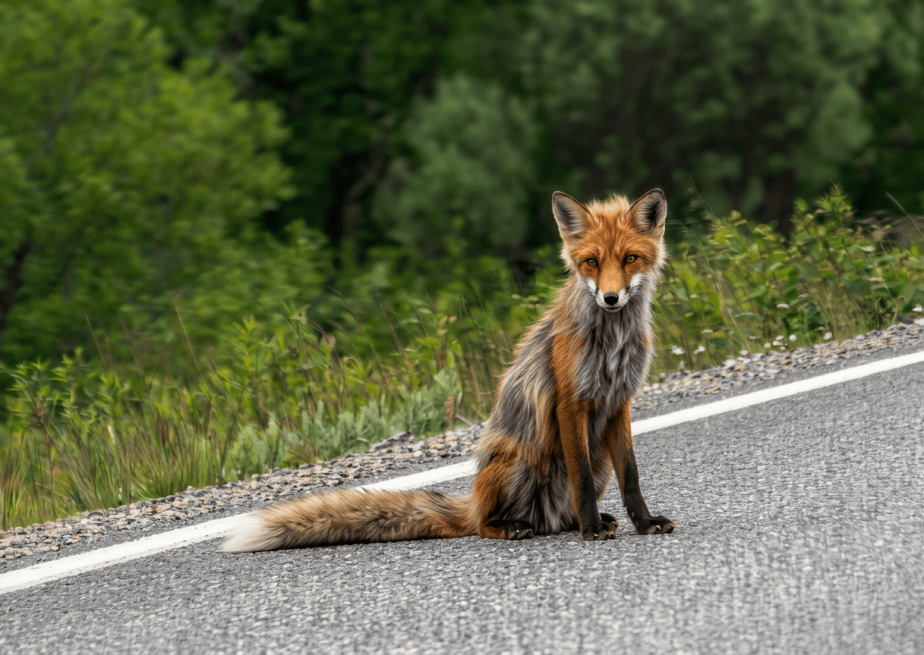
Last summer, as we drove through the landscapes of Finland’s Lapland, with the serene beauty surrounding us. Suddenly, we spotted a graceful Red Fox sitting peacefully by the roadside, its vibrant orange fur contrasting beautifully with the lush greenery. We decided to stop the car,we grabbed our cameras and managed to capture a few stunning shots of the fox, whose piercing eyes seemed to observe us curiously. Just as we thought the moment couldn’t get any better, the fox gracefully stood up and began to stroll across a forest road, disappearing into the woods.
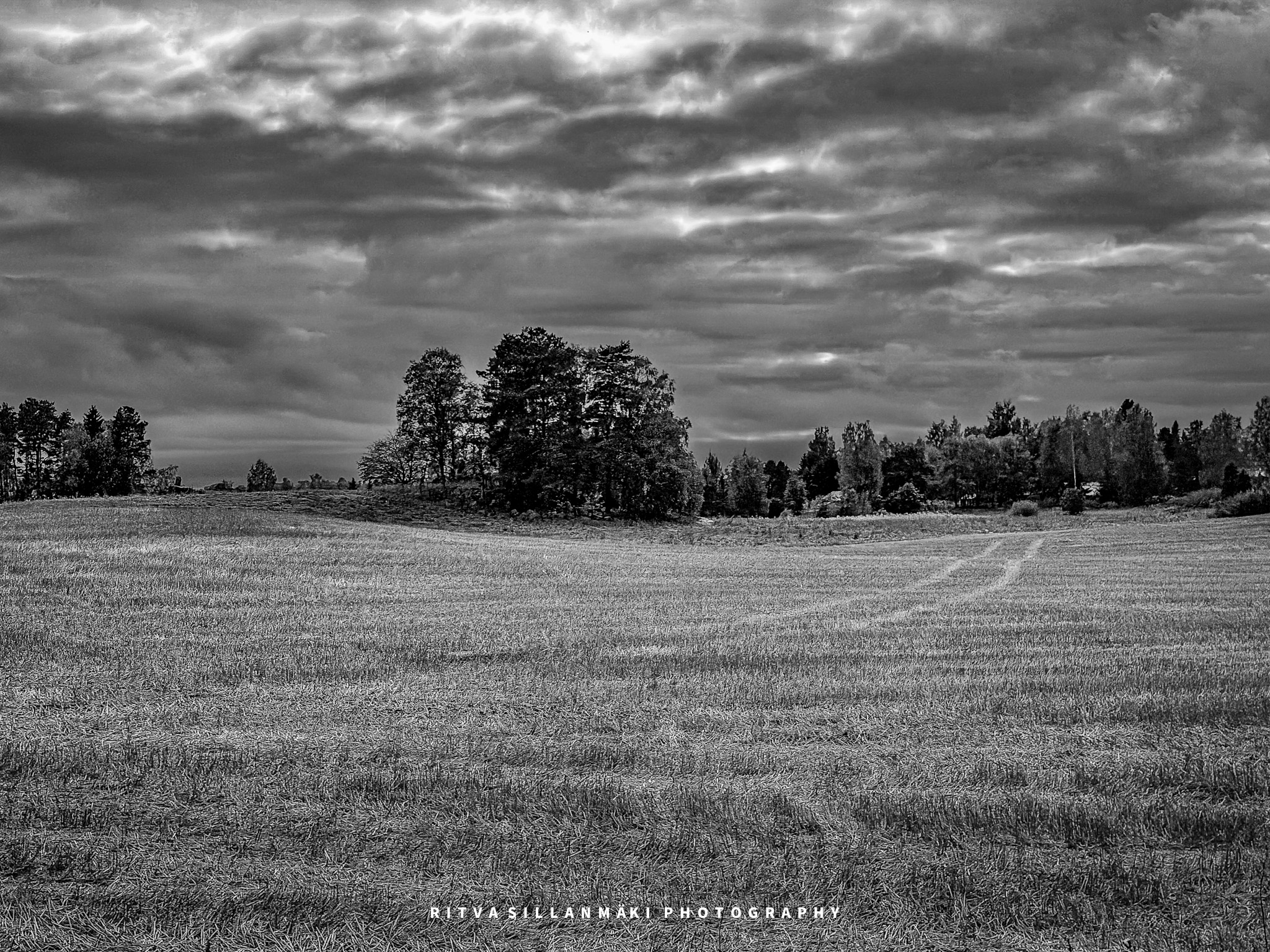
Participating in Monochrome Madness
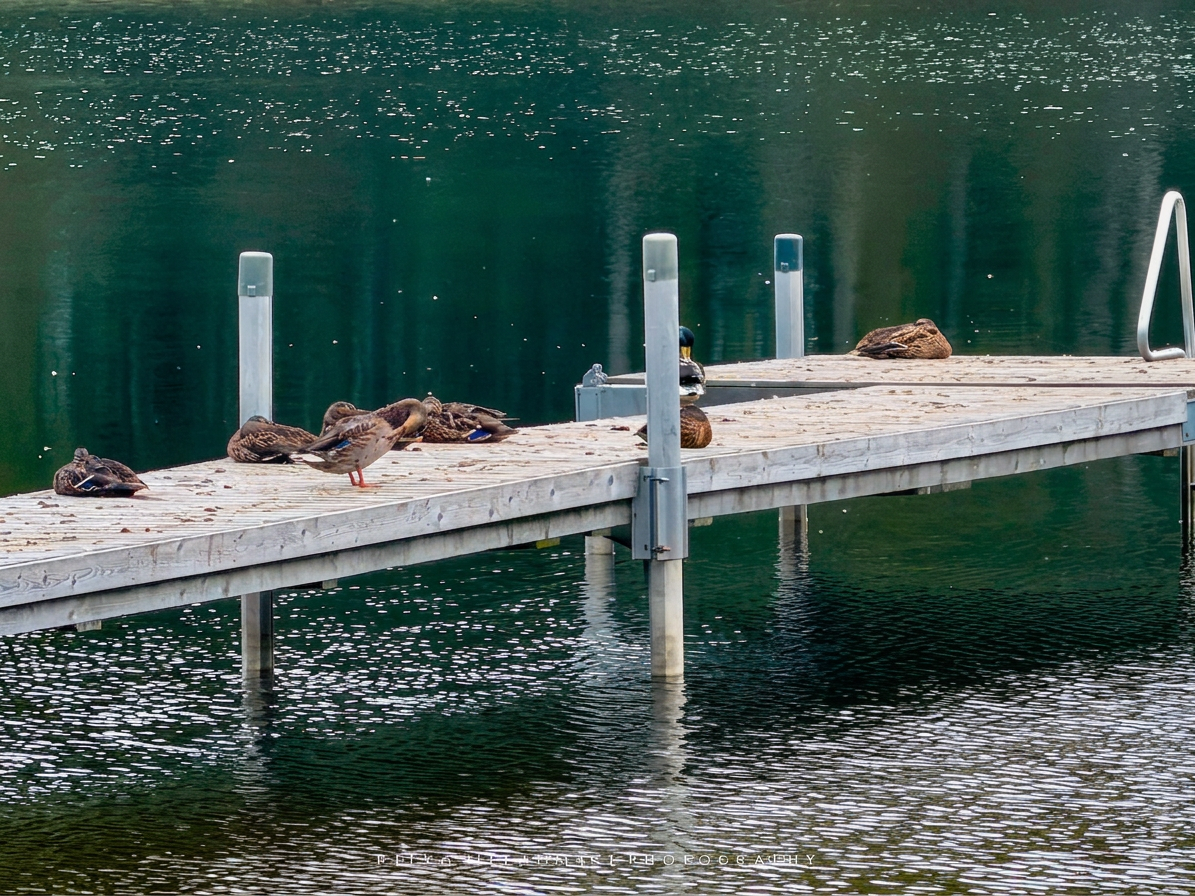
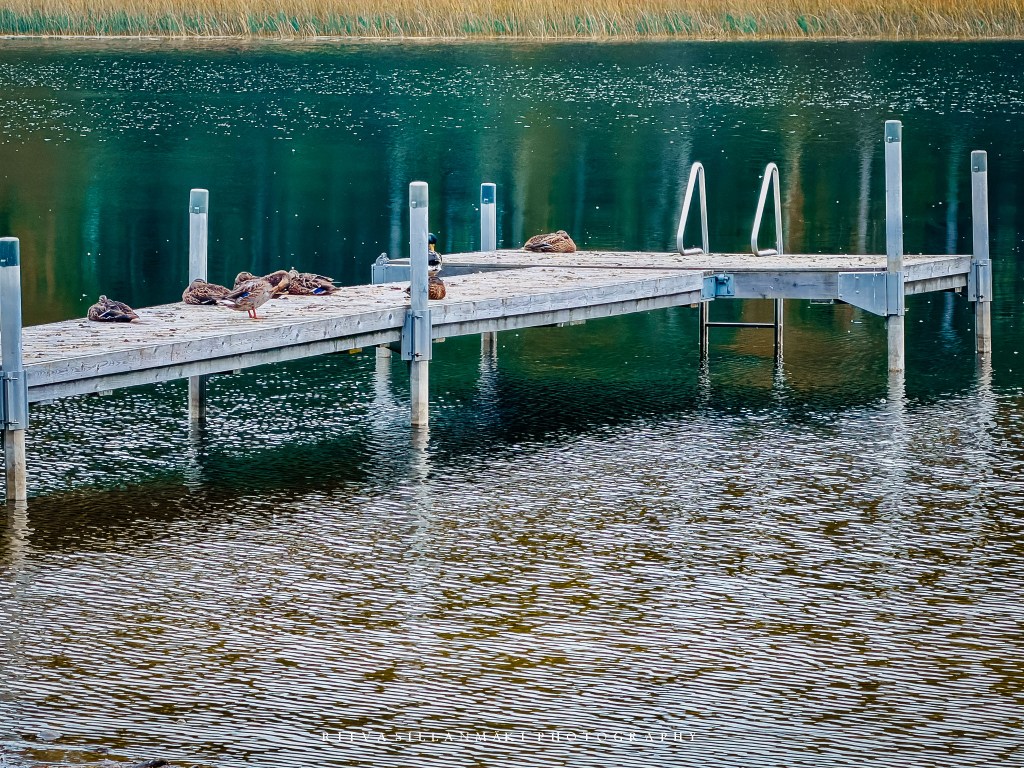
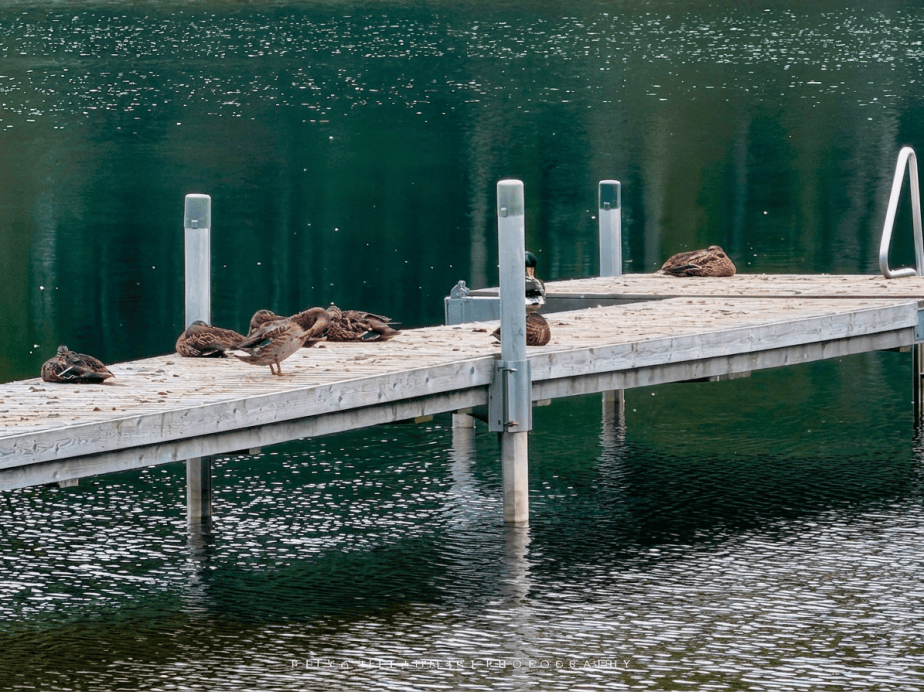
As summer fades, autumn’s arrival creates space Several ducks relax on a timeworn wooden dock,
where tranquil, deep teal waters gently sway.
Rippling reflections dance on the surface wide, scattered highlights whisper as they glide.
In this serene domain, a warm green-blue hug,
a drake gazes outward, a dignified brown visage.
Nature’s silent moments,
in the essence of peace, life flows with ease.
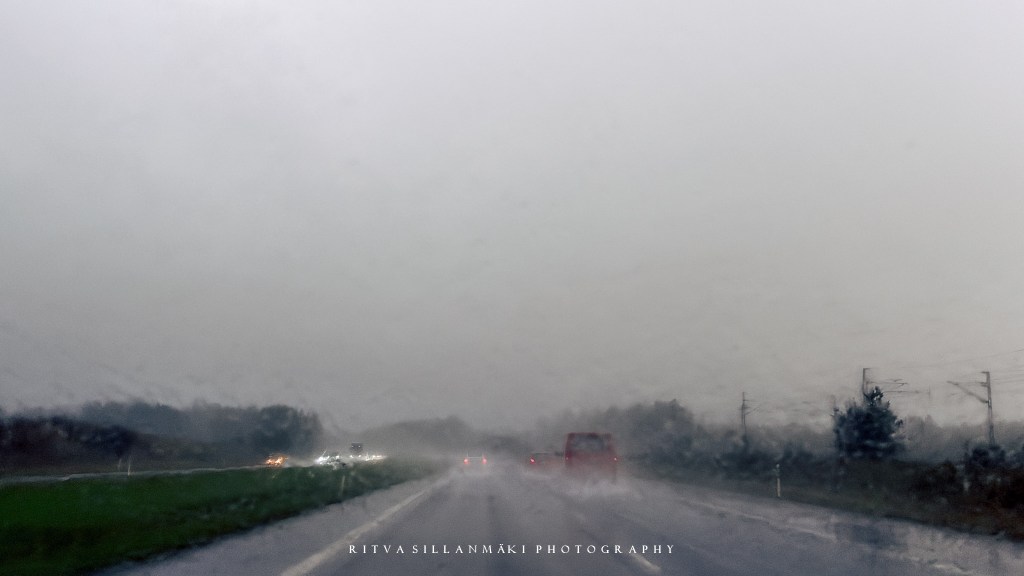
On the road once more, we journeyed through a blend of rain, sunshine, and overcast skies during our 1½ hour trip home, the changing weather. The rhythmic patter of raindrops against the windshield gave way to warm sunshine breaking through the clouds. We finally arrived home as the setting sun started to paint the horizon in hues of orange and pink.
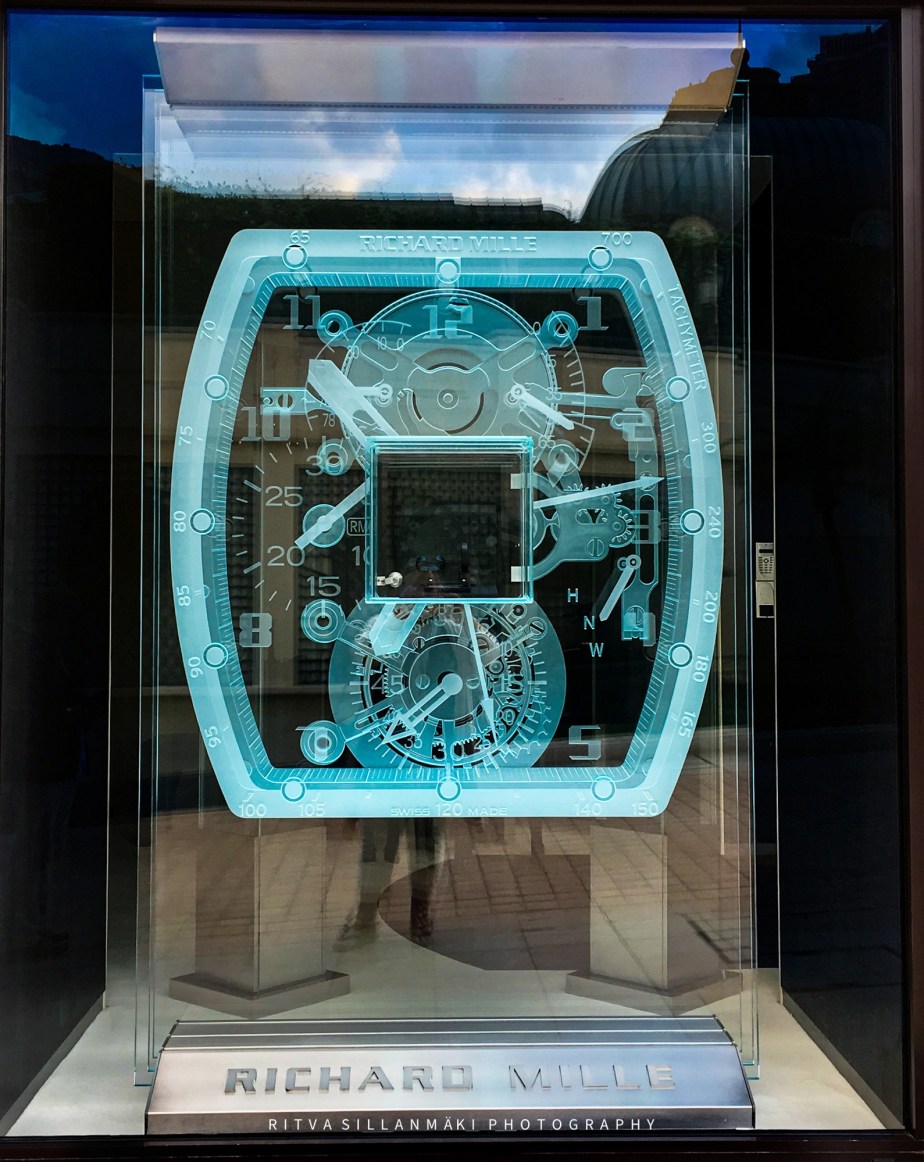
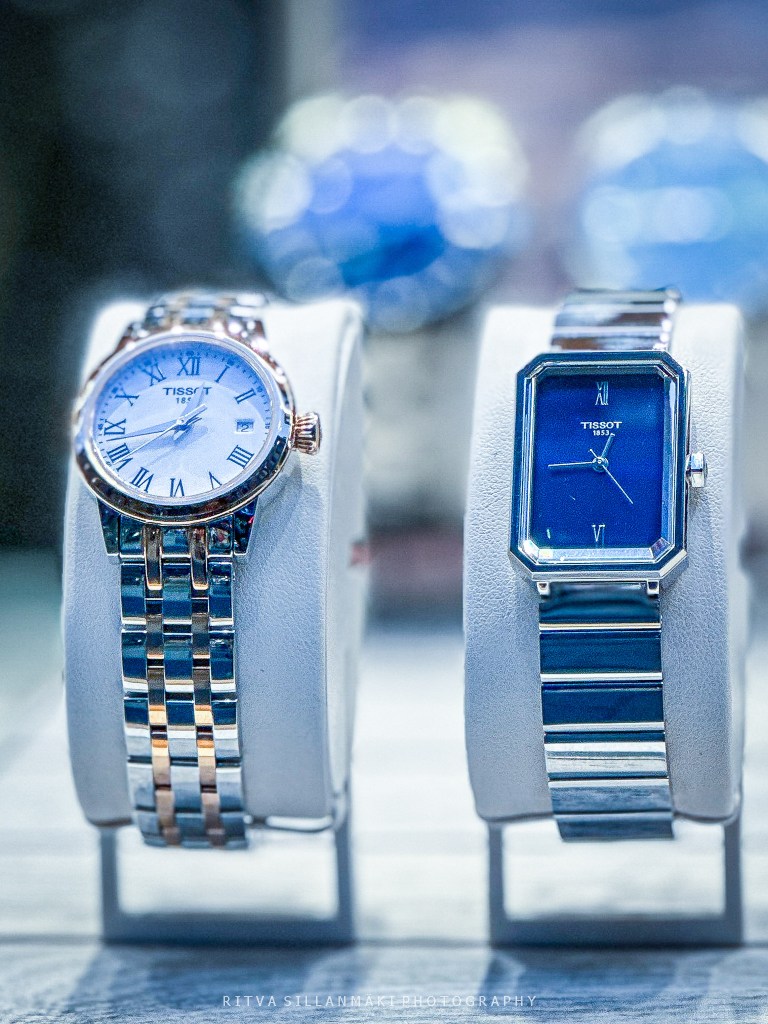
How about his for blue, I took this image because the left watch delights me with its charming round silver case and bright white dial adorned with Roman numerals, which I like, paired with a fashionable two-tone metal bracelet. What truly captures my enthusiasm is the right watch, featuring a striking rectangular silver case and a deep blue dial that instantly draws the eye with its vibrant hue. The minimalist markers enhance its sleek design, perfectly matched with a beautiful metal bracelet. The cool blue lighting makes the scene burst with life, while the reflective metal surfaces shimmer radiantly. The shallow depth of field and softly blurred background create an elegant, luxurious mood that I was excited to capture. Participating in Debbie’s OneWordSunday
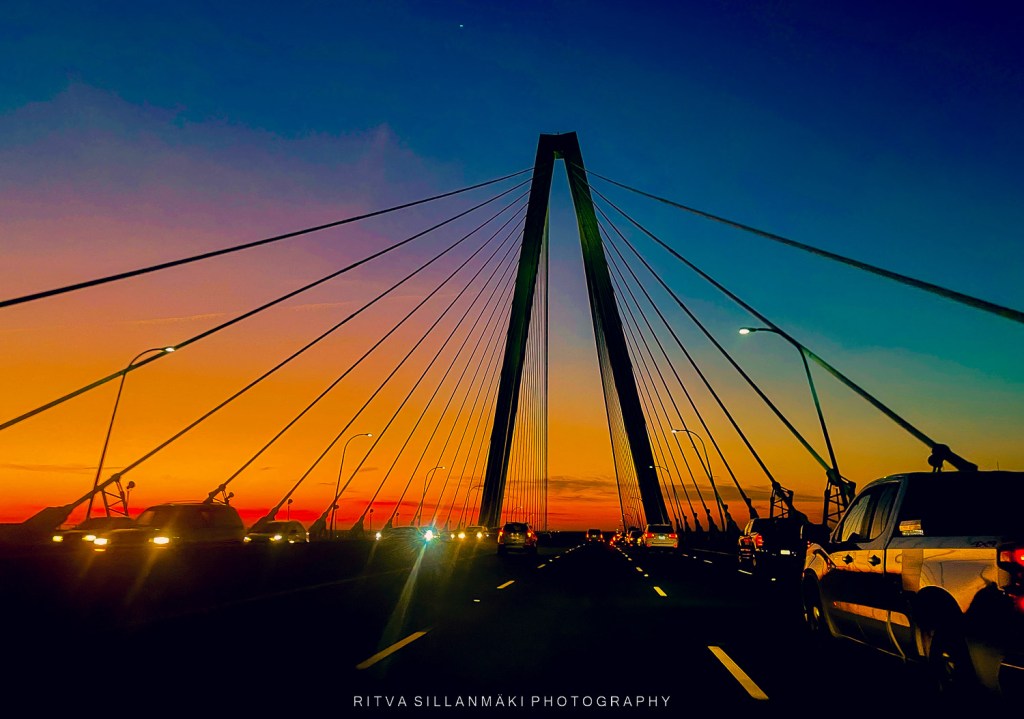
This week, it’s Beth’s turn to host, and she picked the fascinating topic of Bridges, which beautifully ties in with John’s topic from last week. When I think about bridges, I see them as more than just physical structures that connect two places; they symbolize the connections we share between people and ideas. I did a bit of digging into different types of bridges and their historical stories. The first image I found means a lot to Beth because it’s from her neighborhood, showcasing a stunning local bridge that captures the charm of her hometown and perfectly mirrors our shared theme. This journey into the world of bridges has really deepened my appreciation for the artistry and engineering behind these amazing structures.
I caught this dramatic sunset view from the Arthur Ravenel Jr. Bridge (or the Ravenel Bridge for short), which crosses the Cooper River in South Carolina. It was built in 2005 and stretches 4.5 kilometers, serving as a busy roadway on a cable-stayed bridge. You can see the tall central pylon and the sleek suspension cables forming these neat lines towards the horizon. Cars and taxis zip by in both directions, their headlights and taillights lighting up the dark pavement, while curved streetlights glow along the bridge. Above, the sky shifts from deep blue to teal and purple, with a splash of vivid orange and red near the horizon, giving it all a really striking, cinematic vibe.
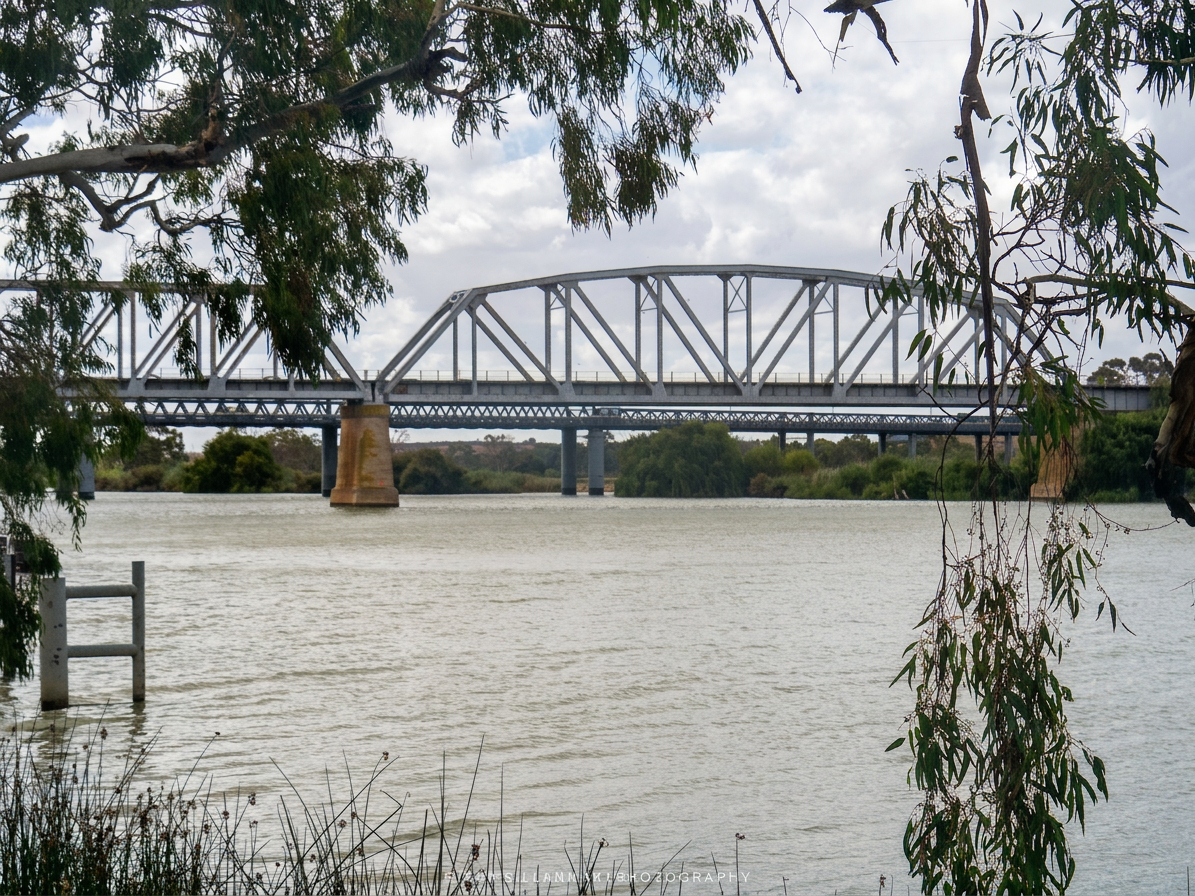
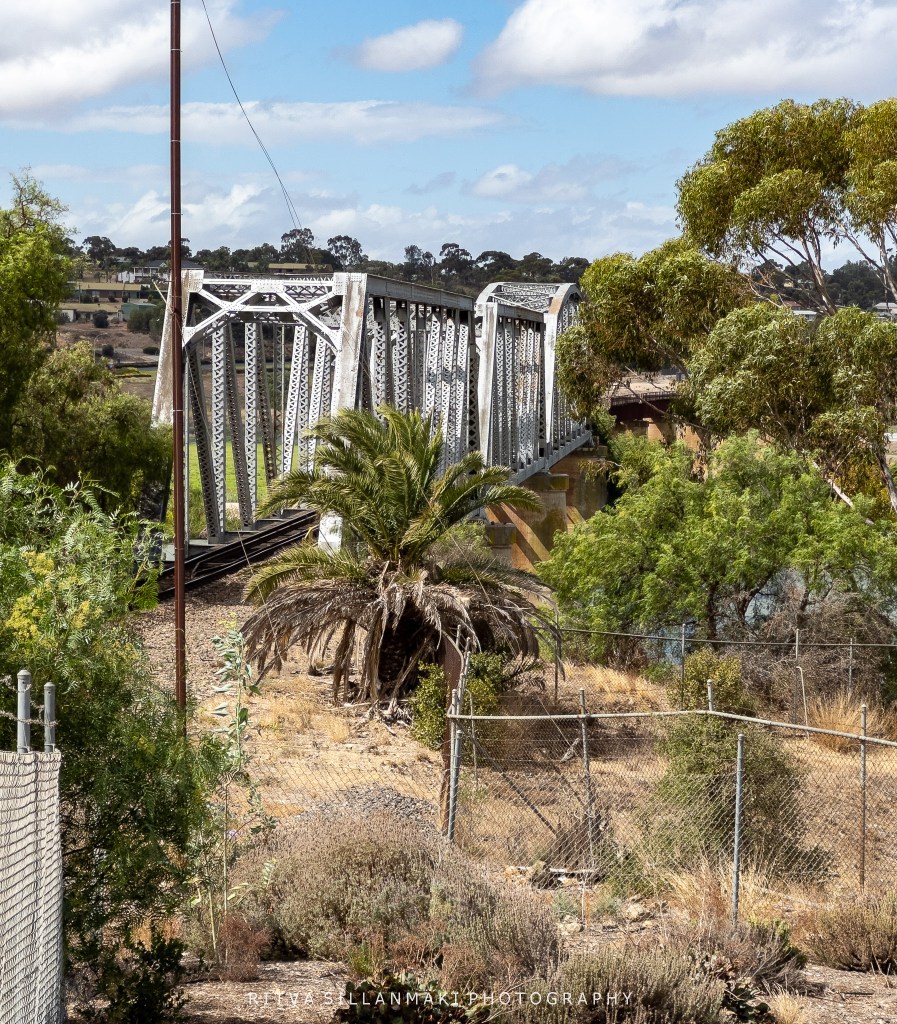
The image showcases the renowned Murray Bridge Road Bridge next to the nearby railway bridge, crossing the Murray River in Murray Bridge, South Australia. Finished in 1879, this iron Warren girder bridge represents the first permanent structure built over the lower Murray River in the region. A broad steel truss bridge extends over the tranquil, gray-green water, captured from the shaded riverbank amid overhanging eucalyptus branches and foliage. The bridge’s light gray framework, supporting pillars, and lower parallel elements contrast beautifully with a cloud-strewn blue sky, while wooded hills and dense riverbank flora create a picturesque backdrop. In the foreground, reeds and a slender railing contribute to a serene, natural composition characterized by soft colors and a documentary-style landscape photography aesthetic.
The Port Mann Bridge, situated near Vancouver in British Columbia, Canada, serves as a vital connection to the Pacific Northwest, adjacent to the U.S. border. Spanning the Fraser River, it carries Highway 1 and links Coquitlam and Surrey. The scene is dominated by a large cable-stayed structure observed from a low, frontal viewpoint beneath a clear blue sky. A multitude of vertical suspension and angled support cables create intricate geometric patterns around the central tower, while the lower part of the image is filled with concrete barriers, streetlights, lane markings, and various vehicles. The bright daylight and cool blue hues evoke a sense of modernity, highlighting the bridge’s impressive scale and engineering prowess.

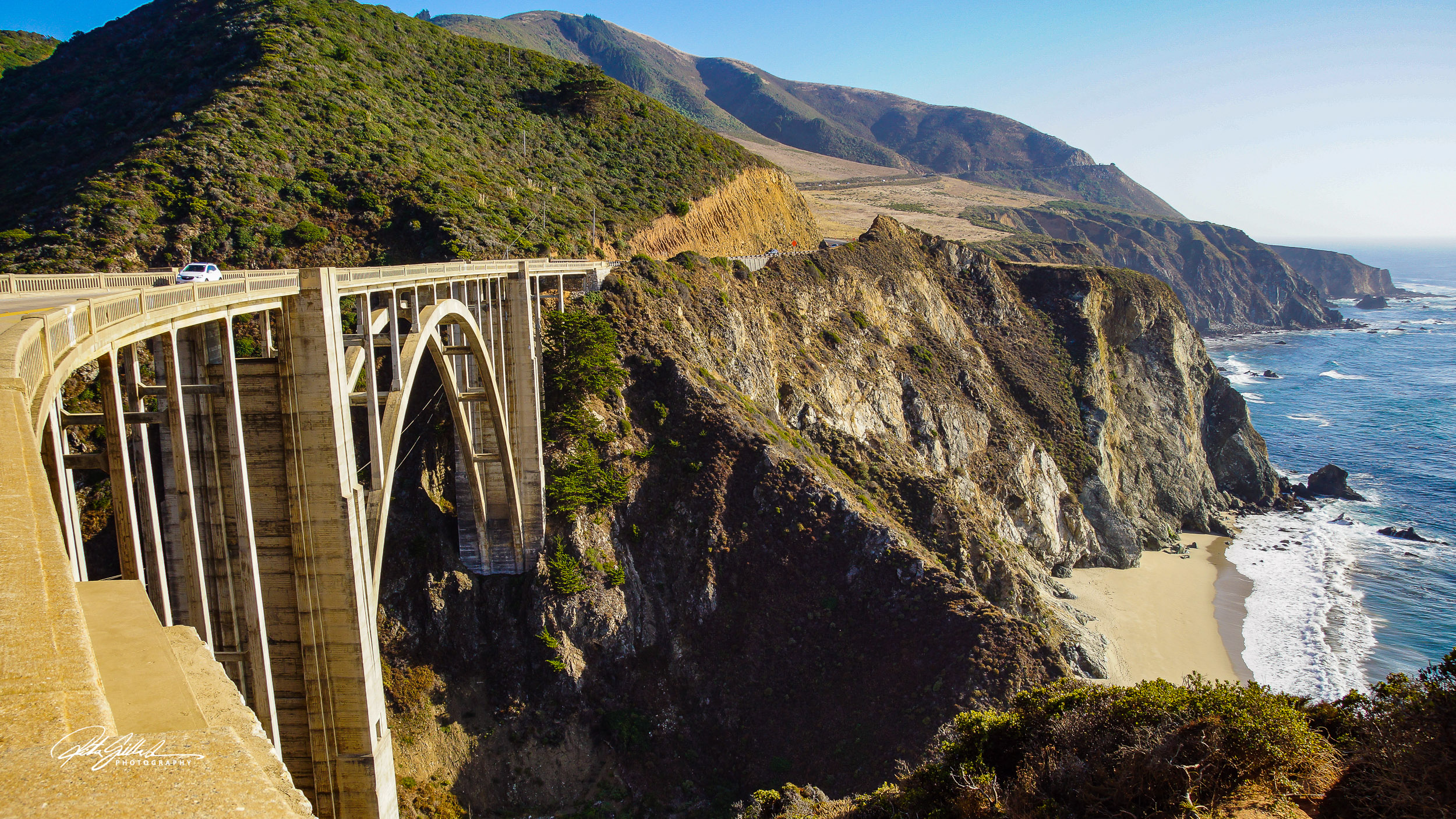
Check out this stunning photo of Bixby Creek Bridge in California! It’s right on the Big Sur coastline along California State Route 1, also known as the Pacific Coast Highway. Built in: 1932. It soars about 80–100 meters up, looking down at the ocean and the valley. It’s seriously one of the most photographed bridges in the U.S. and a total must-see landmark! And we saw it 😉
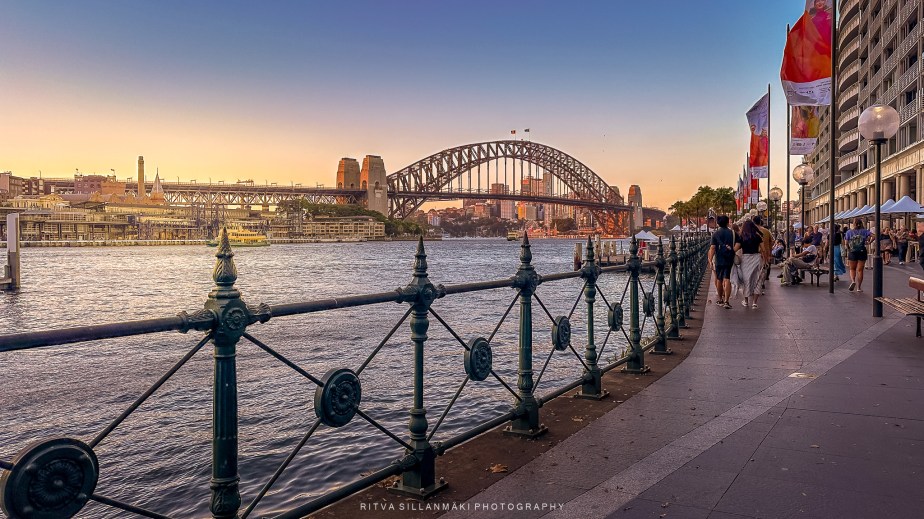
The image showcases the iconic Sydney Harbour Bridge, a stunning steel arch bridge situated in Sydney, Australia. This impressive structure, which opened to traffic on March 19, 1932, measures 1,149 meters long and 49 meters wide, making it the world’s widest long-span bridge! It boasts a longest span of 503 meters and stands tall at 139 meters.
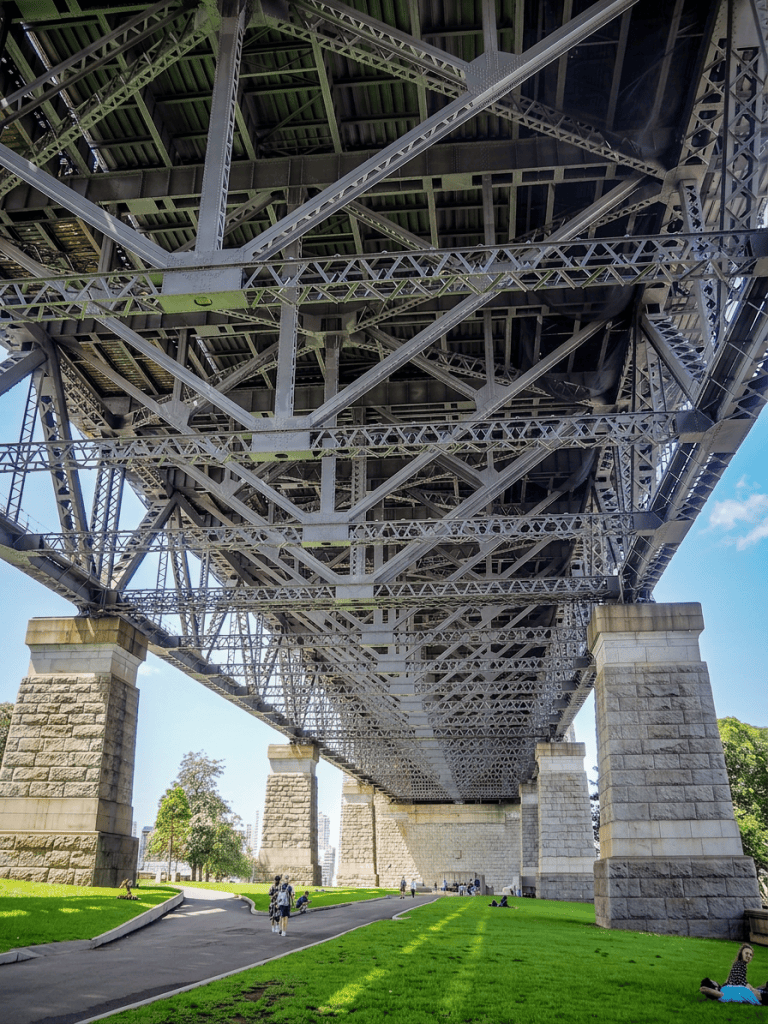
A dramatic upward view beneath a large steel truss Sydney bridge shows an intricate network of riveted gray and pale green beams receding into the distance. Massive stone piers support the bridge above a sunny park, where paved paths, vivid green lawns, trees, and scattered visitors create a lively outdoor setting. The strong geometric composition and bright daylight emphasize the bridge’s monumental industrial architecture
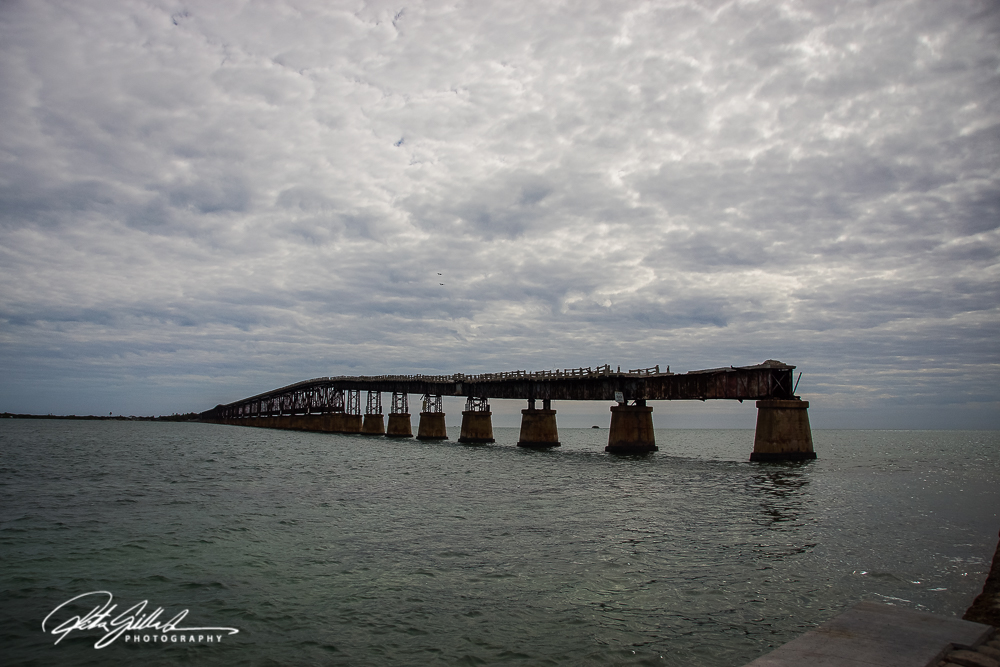
Had to Photograph this, a long, weather-beaten steel bridge stretching over calm, gray-green waters, all beneath a moody, overcast sky. This old guy, the Bahia Honda Rail Bridge, sits on sturdy concrete piers, but you can see the years of wear and tear—rusted beams, broken railings, and a bumpy deck that really give it a character. It stands out against the horizon, creating this striking industrial vibe. The cool, blue-gray tones and soft light around it really bring out a sense of quiet solitude. You’ll notice a bit of a waterfront structure peeking in from the lower right This bridge was part of Henry Flagler’s ambitious Florida Overseas Railroad project, built between 1905 and 1912. Nowadays, it’s no longer used for trains or roads—just resting there, partially dismantled, as a historical landmark over the sea at Bahia Honda State Park in the beautiful Florida Keys.
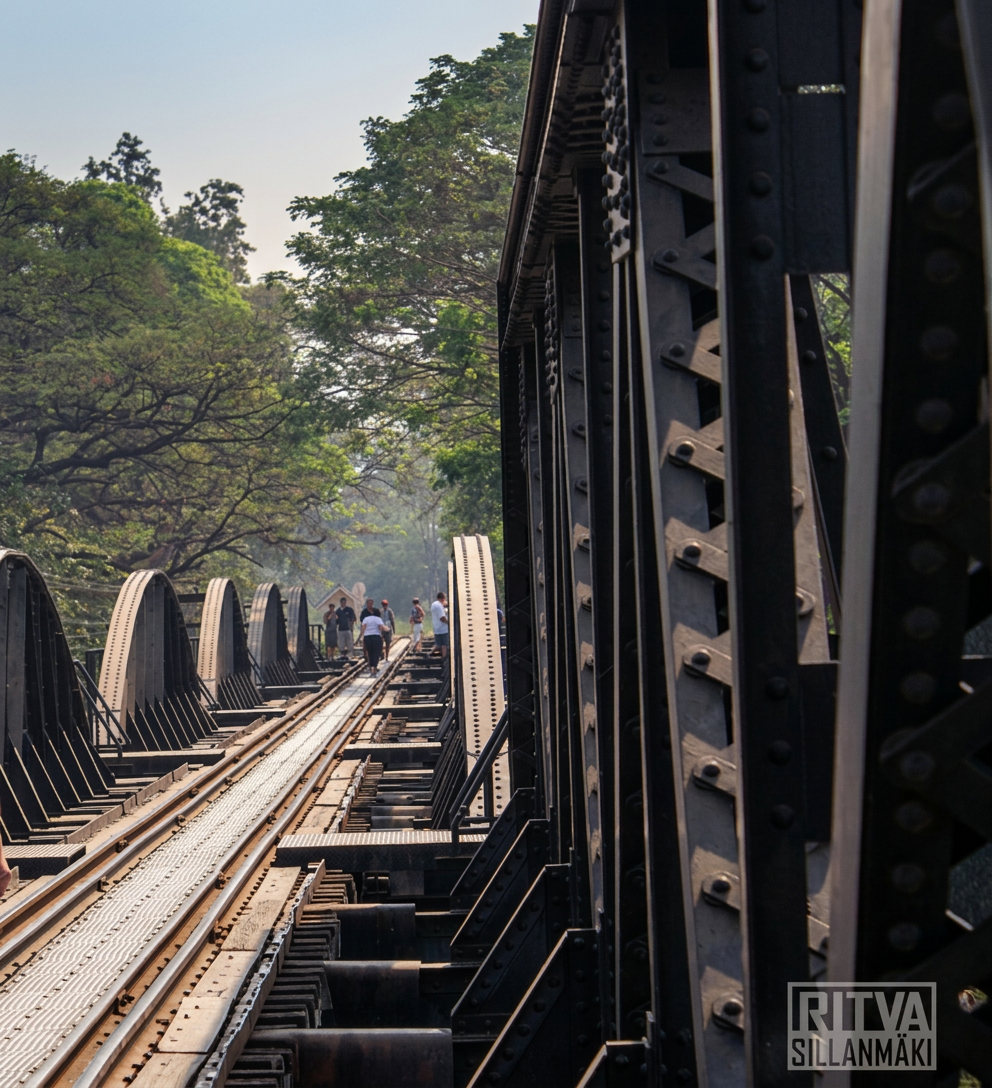
I took this photo of this famous bridge over the River Kwai in Kanchanaburi, Thailand, part of the notorious Death Railway. The bridge and railway were built during World War II back in 1943. The Japanese army brought in Allied prisoners of war and forced laborers, and sadly, many lost their lives due to terrible conditions. Today, it’s a pretty popular spot for tourists, where you can walk across the bridge or even hop on a train. From a vertical angle, you can see this old, dark steel bridge with its riveted girders and arches leading off into the distance. A few folks are strolling along the tracks, surrounded by lush green trees under a light blue sky. The warm sunlight really makes the weathered metal and greenery pop, creating a cool vibe where industrial meets nature.
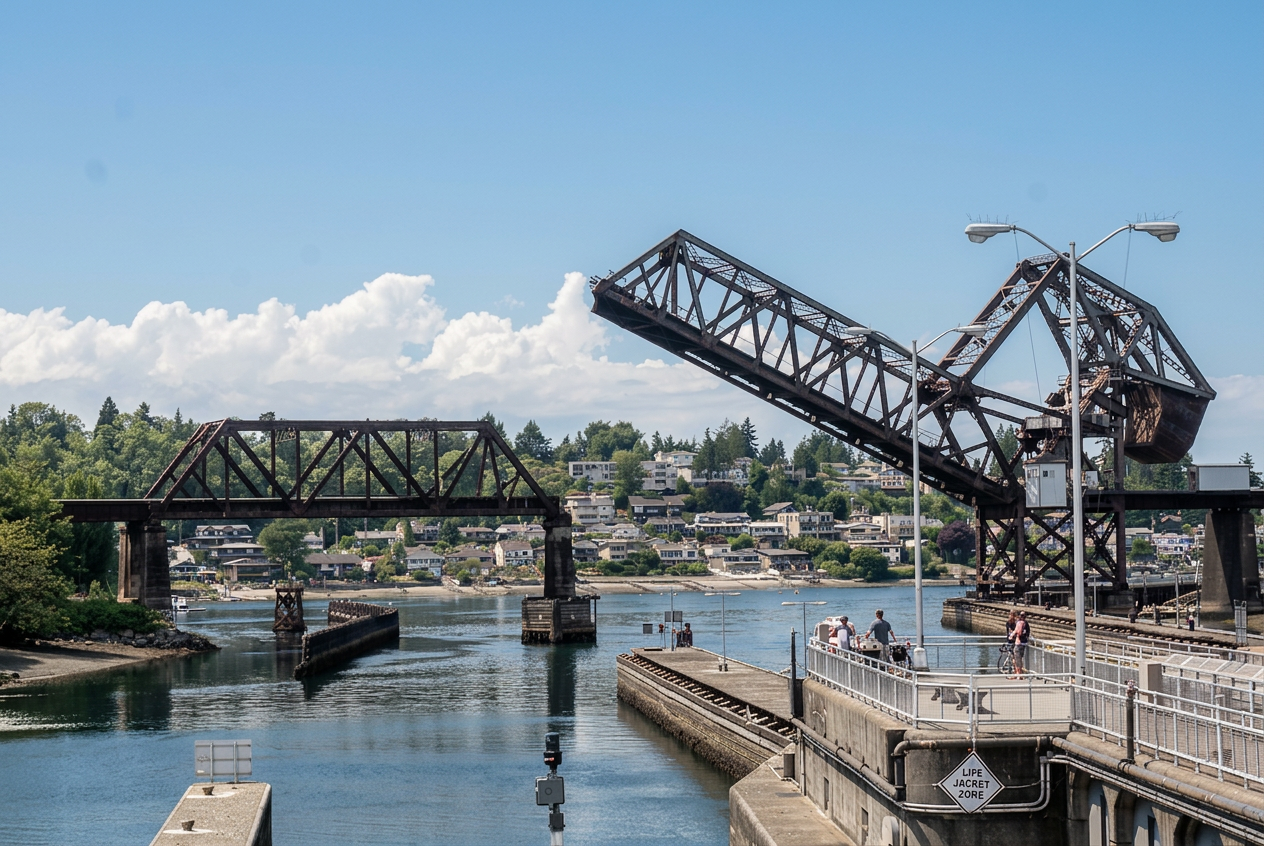
I snapped this shot in Seattle on a bright day. You can see the Salmon Bay Bridge (or the Salmon Bay Rail Bridge if you want to get formal) in the picture. It’s right by the Ballard Locks and was built way back in 1914, making it a key railway link in the area. It’s that classic steel drawbridge raising over the calm water. The dark truss sections angle up, and there’s an older bridge span stretching across to the left. Up front, you can spot some concrete lock stuff like railings, signal gear, streetlights, and this sign that says “PIPE JACRET ZONE.” A couple of people are hanging out on the walkway. In the background, there’s this hilly area packed with homes and trees against a bright blue sky filled with fluffy white clouds. It really gives off a cool maritime vibe, even with all the industry around!
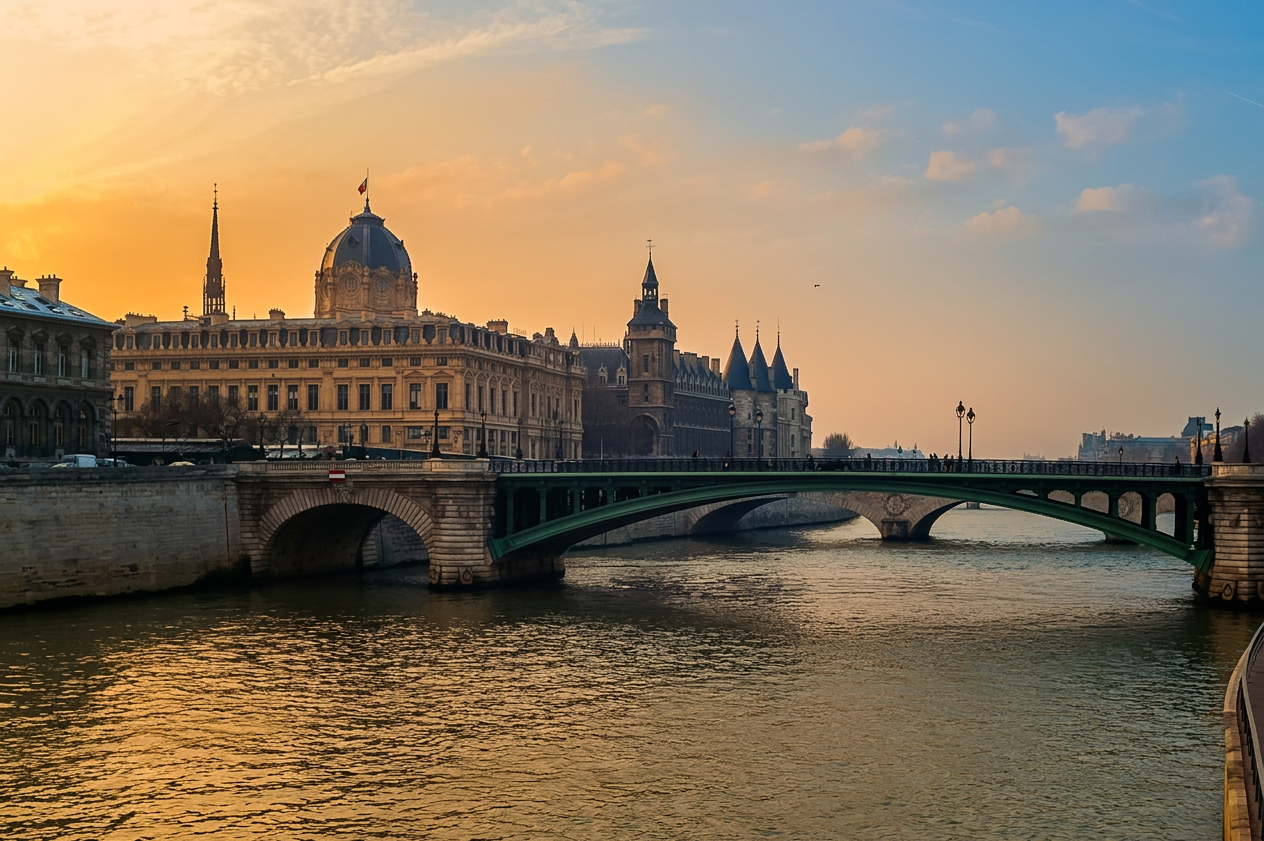
How about the amazing Conciergerie! This former palace and prison is right on the Île de la Cité. The place is a stunning example of Gothic architecture and once housed royal figures. It got pretty famous during the French Revolution for holding political prisoners. Right next to it is the Pont Notre-Dame bridge, which spans the River Seine and connects all the lively streets of the city. The views from the bridge are just breathtaking! It’s a perfect spot to take in the beauty of Paris and soak up all the historic vibes, whether you’re a local or a tourist.
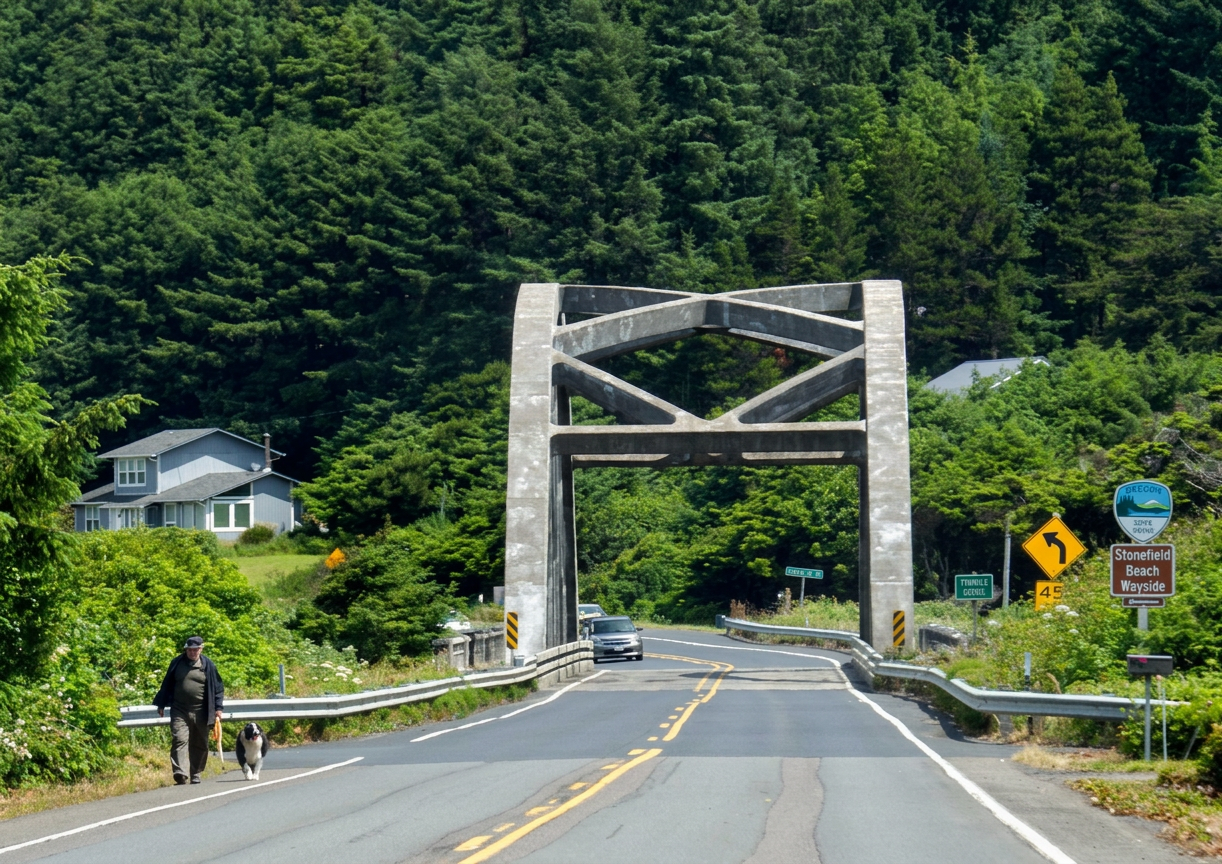
There’s this beautiful two-lane road that goes over this old concrete bridge with unique geometric cross-bracing, and it’s surrounded by lush green forests and quaint homes on the hills. I saw a person walking their black-and-white dog by the roadside while a car was making its way toward the bridge. The scene was framed by guardrails, double yellow lines in the center, and a sign warning about the winding road ahead. There were also signs pointing to Stonefield Beach Wayside and other local roads, giving it that sunny, coastal vibe. The bridge in the image is the Ten Mile Creek Bridge, which is just south of Yachats along U.S. Route 101, close to the Stonefield Beach State Recreation Site. Conde B. McCullough designed it back in 1931. It’s a reinforced concrete tied-arch bridge, about 55 meters long, and guess what? It’s listed on the National Register of Historic Places!
A heartfelt thank you to John for his “Shaped by Water” challenge! I also want to extend my thanks to you, Beth, for this wonderful challenge this week. I encourage you to take part and remember to link back to her original post and use the Lens-Artists Tag so we can easily locate your contributions in the WP Reader.
Ann-Christine will be back next week, bringing a new challenge for us to tackle at noon EST in the USA. Make sure to join us to learn more about the challenge at that time.
Until then, let’s keep exploring, broadening our horizons, and maintaining a positive mindset
You can keep up with all of our challenges by subscribing to the Lens-Artists team members websites: Tina, Patti, Ann-Christine, John, Sofia, Anne, Egidio, Beth. Ritva,
For information on how to join the Lens-Artists challenge please click here.
I photographed these yesterday as they grow in my yard! If you don’t know about them, lingonberries are packed with vitamins C and E, tons of dietary fiber, and some awesome antioxidants. Plus, they keep pretty well because they have natural benzoic acid, so I can smash them up and they’ll stay fresh for ages without needing sugar or freezing. To be honest, I usually don’t bother doing that since they’re not my favorite, and there aren’t enough of them to make it worthwhile.


Participating in Debbies Six Word Saturday
I have to say, I really adore this photo; it has such a tranquil and gentle feel to it. It is from our trip to Norway in Sommarøy. As you might know, I enjoy editing, and this image has all the elements I love to work with, transforming it from serene to somewhat eerie. I can play with the clouds, adjust the contrast between light and darkness, and shift from soft colors to vivid tones. I even like to experiment with monochrome and deep black-and-white effects.
A tranquil coastal scene from Norway shows traditional red wooden boathouses standing on stilts above pale turquoise water. The buildings have weathered gray metal roofs, while the boathouse on the right is topped with a vivid green grass roof and bordered by rocky shoreline and tall grasses. Low islands and small distant boats sit beneath a dramatic overcast sky, creating a cool, quiet maritime atmosphere with soft natural light.


This image feels so chill with its muted, almost monochrome vibes. The buildings’ soft red siding is like the only splash of warmth popping against that hazy gray sky and silvery water. The overcast light gives it this dreamy, soft focus look, and those gentle ripples really amp up the peaceful, secluded vibe. Plus, the low vegetation and the distant land give it some nice depth in the background, making it even more inviting. I love how the editing brings it all together, giving a sense of calm that just makes you want to stay a while.

An edited moody black-and-white coastal scene transforms the original view of weathered wooden boathouses . The heavy storm clouds now loom even more dramatically in the sky, enhancing the contrast and evoking a profound sense of isolation over the expansive, rippling water. This impactful editing elevates the emotional atmosphere, allowing the viewer to experience the quiet intensity of the landscape in a new light.

A color version of the ominous storm clouds gather in the sky, casting a dark shadow over the jagged shorelines and the distant, ghostly islands on the horizon. A desolate sandy forefield, bordered by swaying reeds, enhances the sense of isolation, enveloping the scene in a heavy, melancholic maritime atmosphere. How about this edit?

Now I am done with this image, and I would love to see which one you preferred and maybe even tell me why. Your feedback is invaluable to me, I am eager to hear about the aspects that resonated with you, whether it was the color scheme, the composition, or the overall vibe. Your insights are very much appreciated.

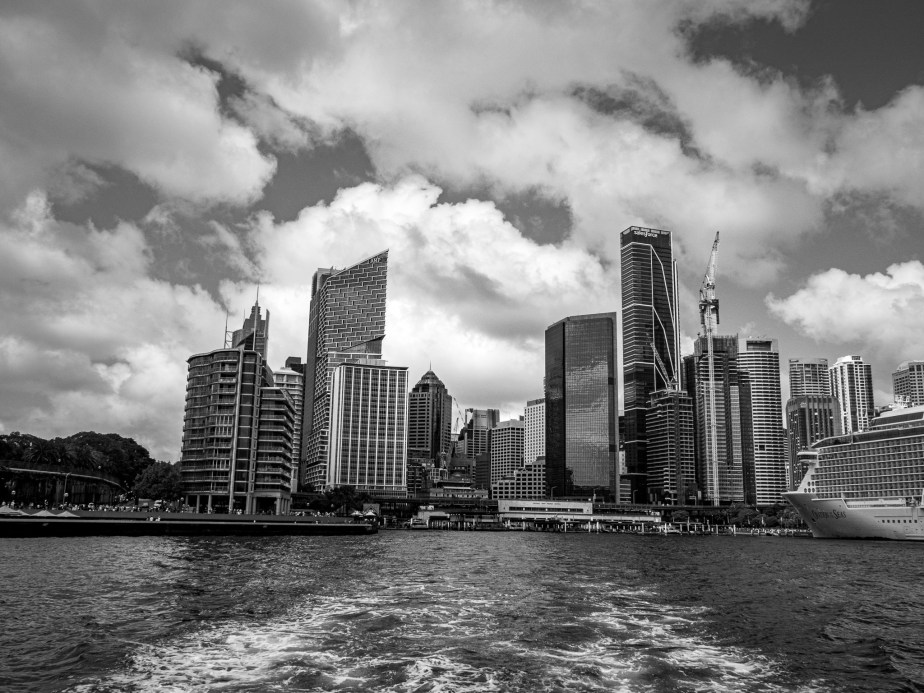
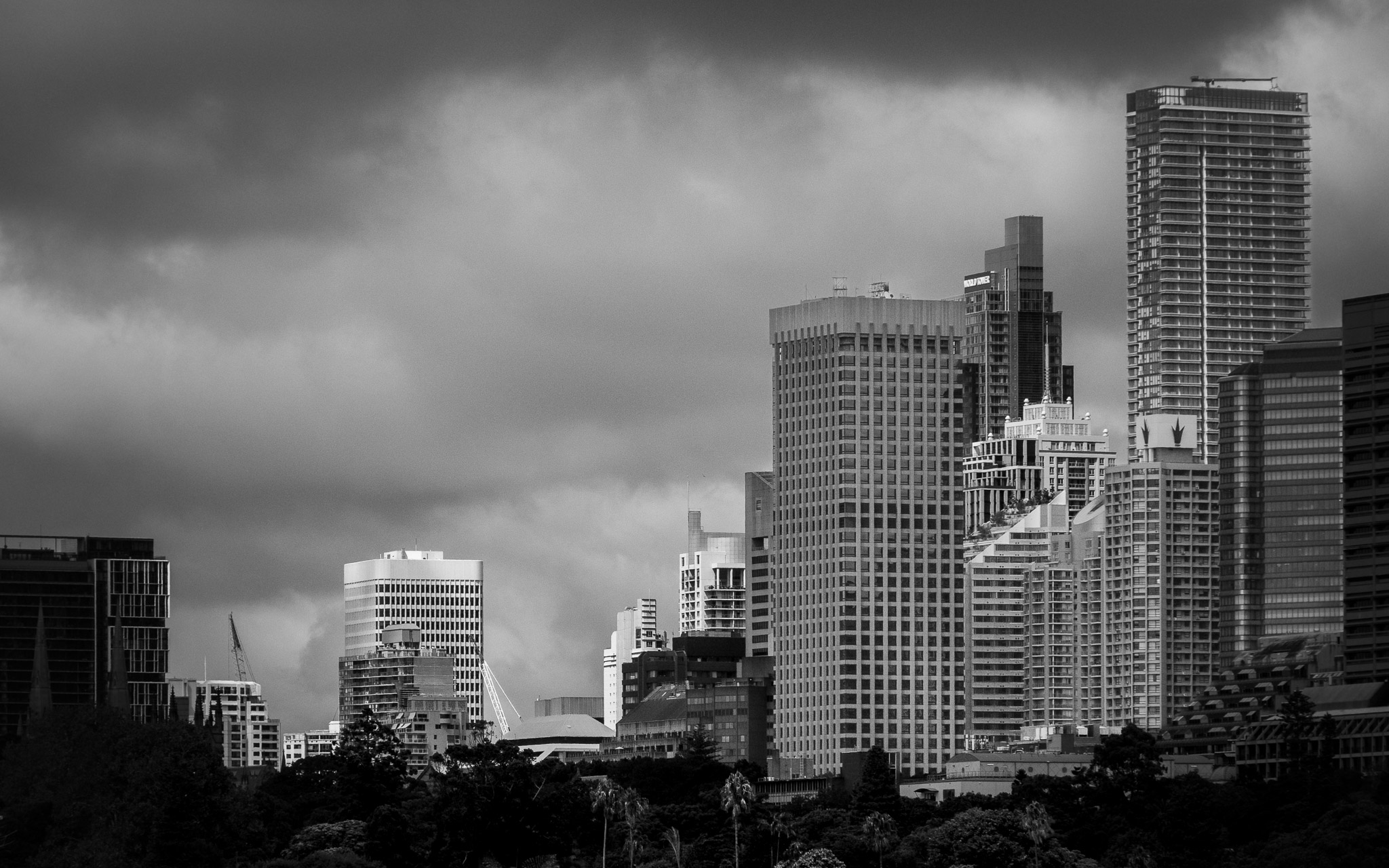
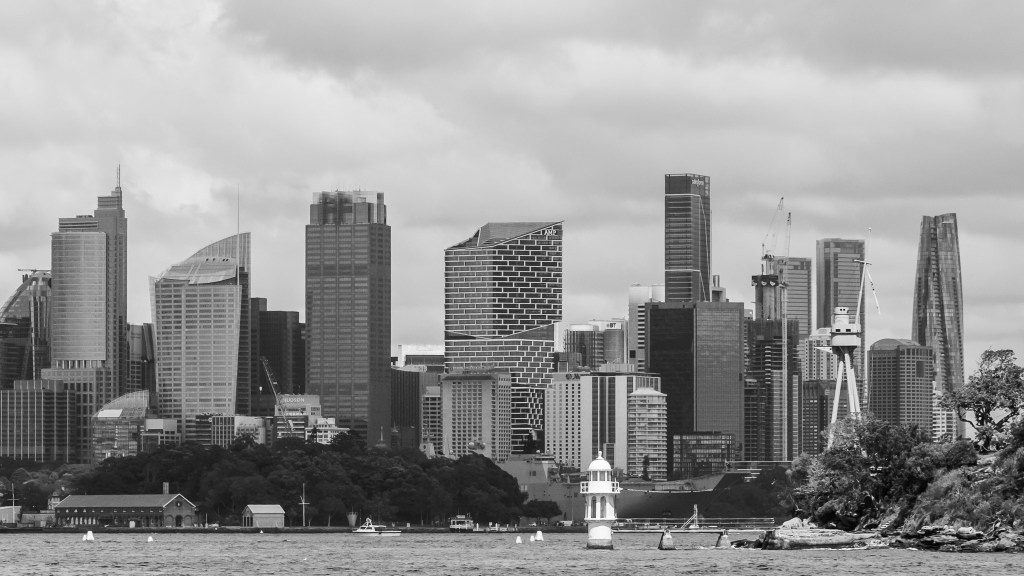
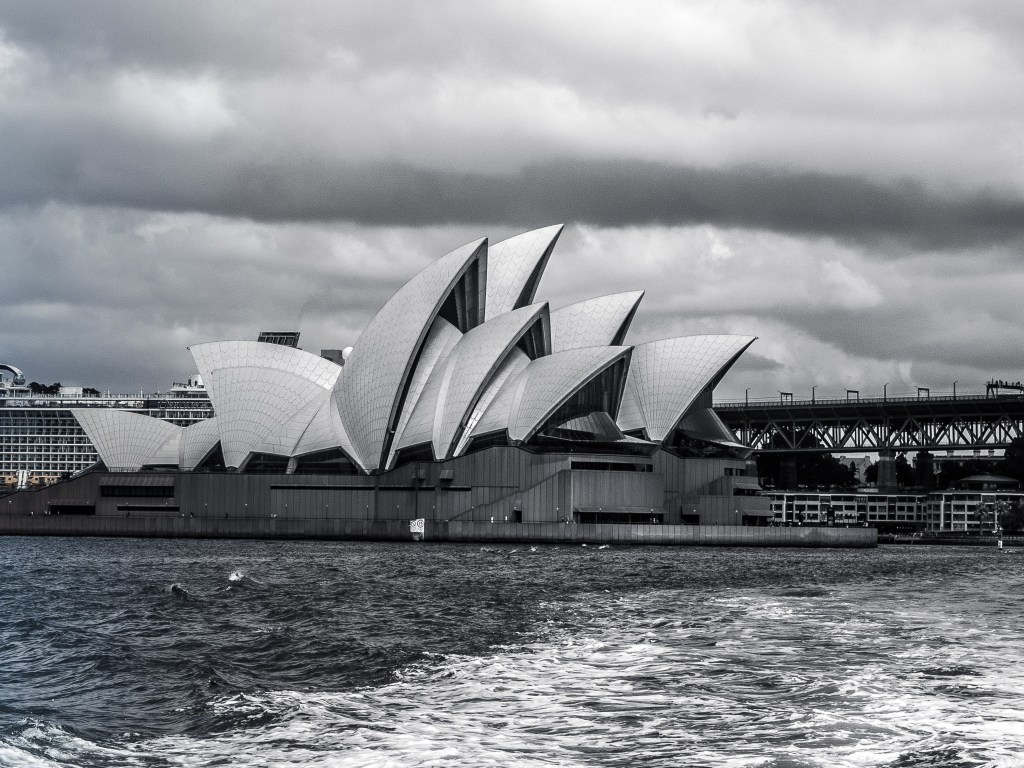
For Leanne’s Monochrome Madness, I am returning to Sydney, Australia, to capture the essence of this vibrant city from a unique perspective. These photographs were taken from the sea, which gives them a slightly different approach than what I would typically do, such as shooting from within the bustling streets of the city. Leanne noted, “Urban is defined as being near or in a city or town. I guess it probably means lots of buildings or something like that.” While this definition holds true, my images reveal a different narrative, with few buildings standing tall against the expansive backdrop of the Sydney Central Business District (CBD) skyline and the mesmerizing harbor view. The interplay of light and shadow creates a striking contrast, and the monochromatic tones highlight the architectural forms against the gentle ripples of the sea. By stepping back and viewing Sydney from this vantage point, I aim to evoke a sense of tranquility amidst the urban landscape, inviting viewers to appreciate both the natural beauty and the urban environment harmoniously intertwined.
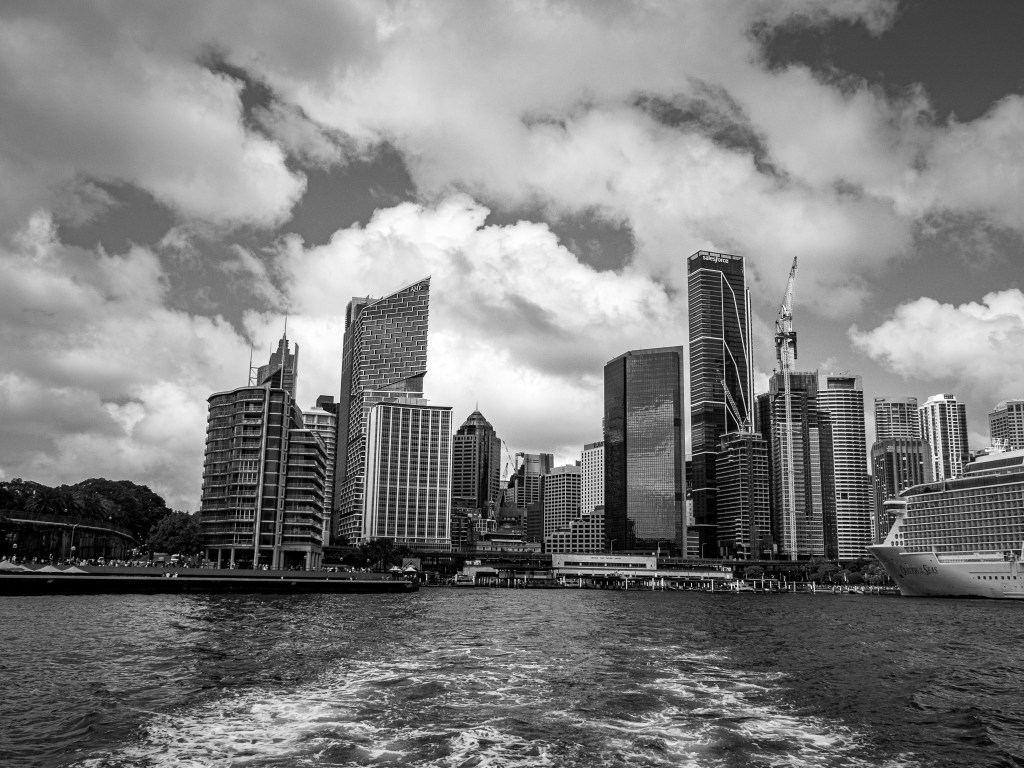
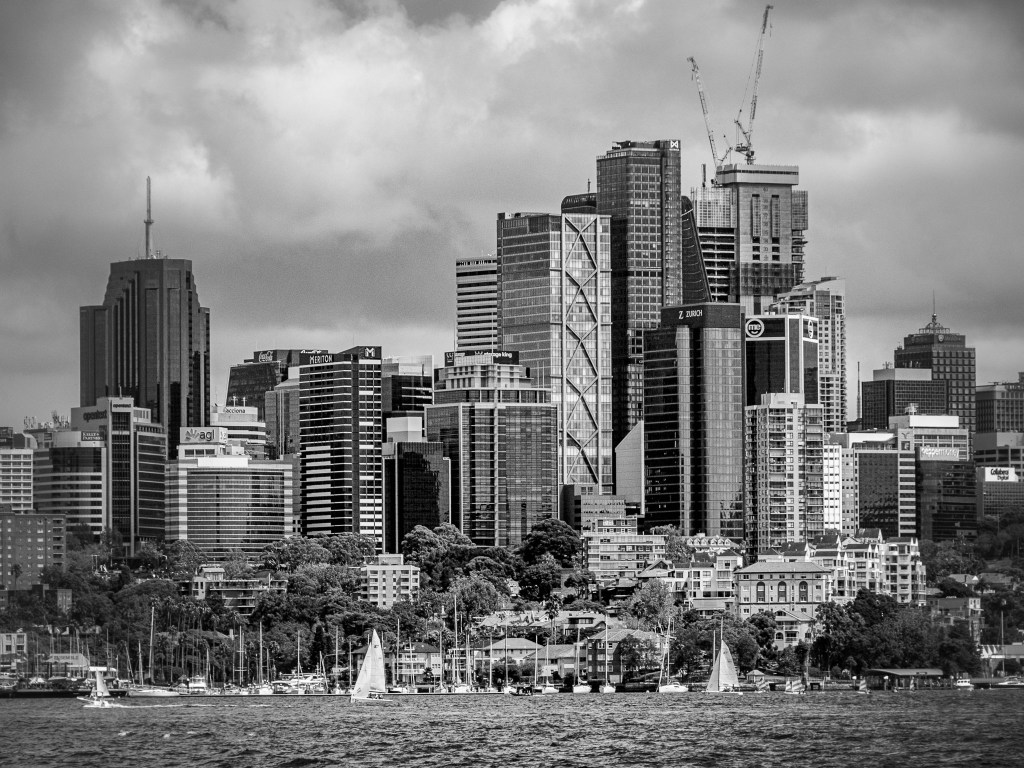
the Sydney Central Business District (CBD) skyline and harbor view in Australia.
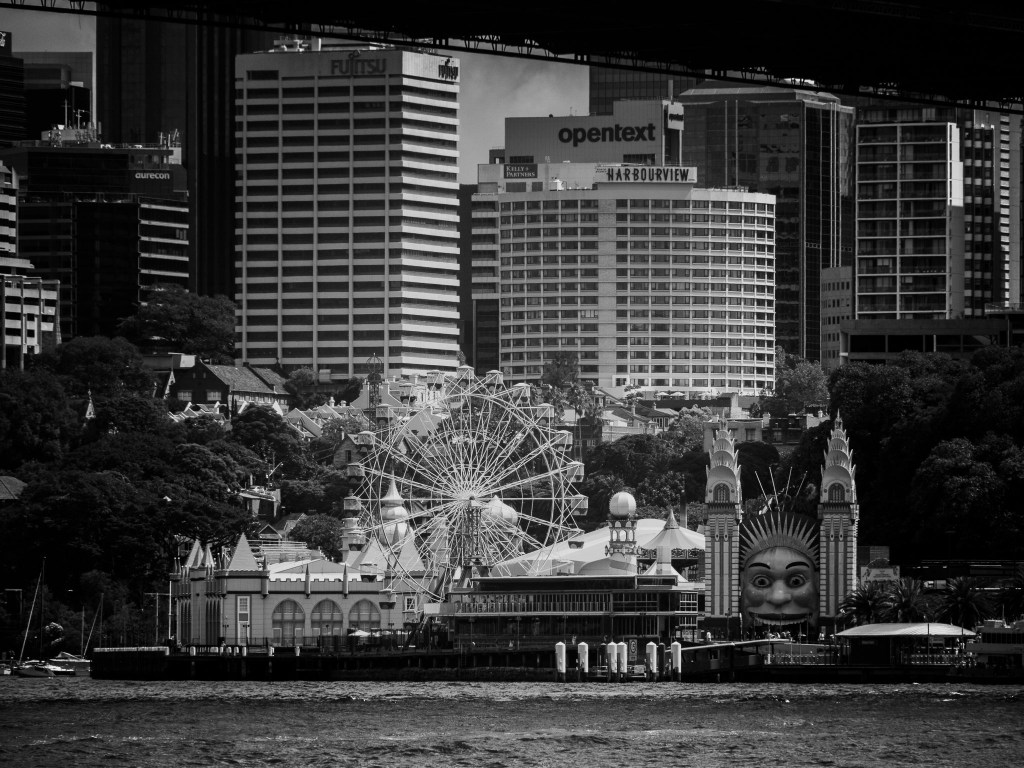
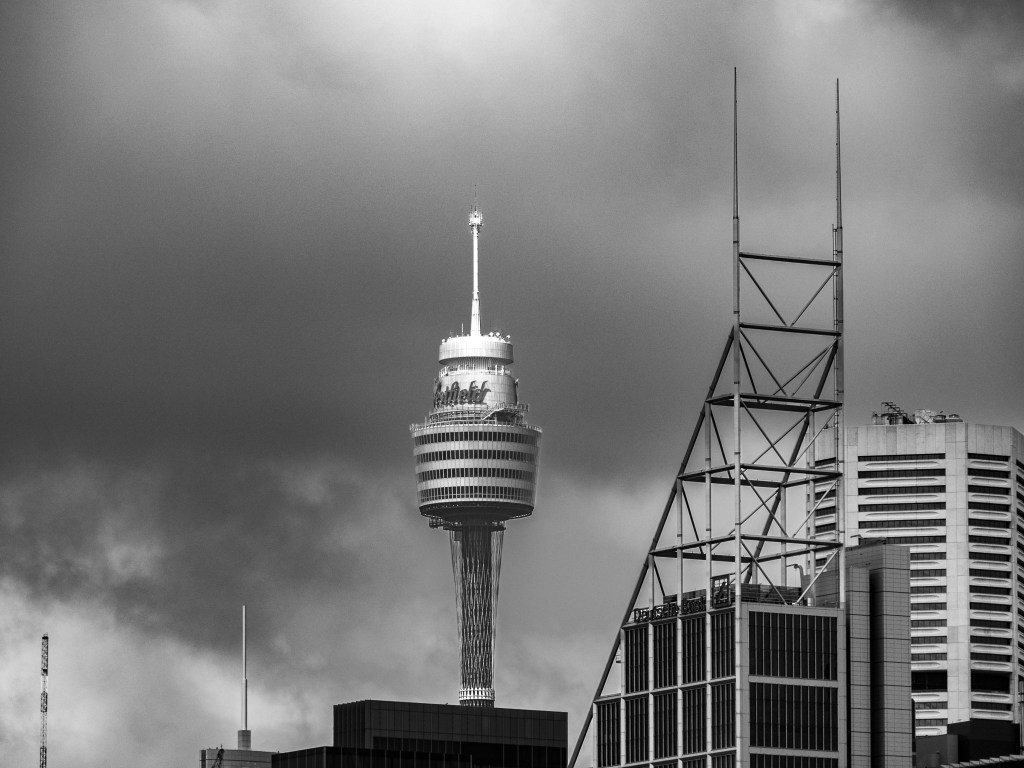

I am also participating in Dans Thursday Doors with this post.