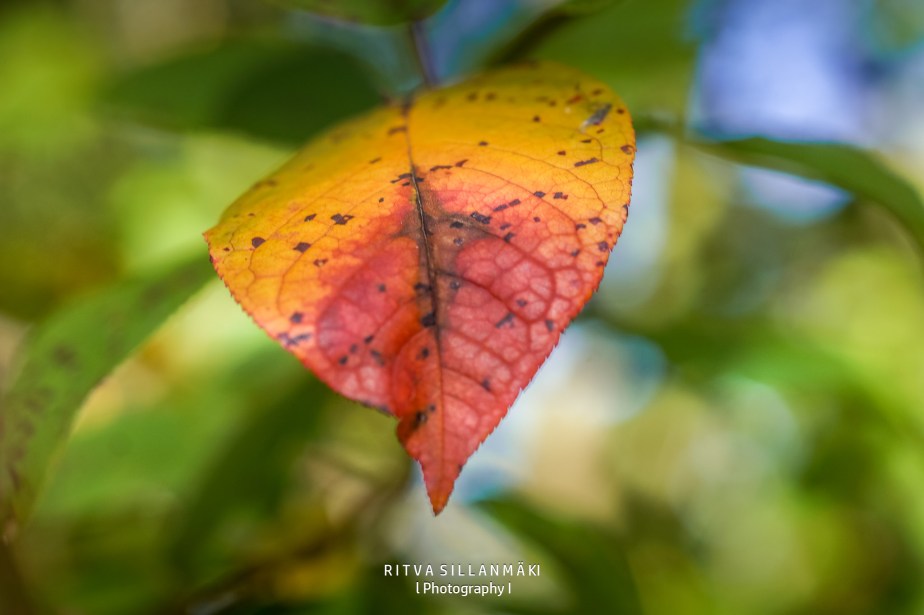
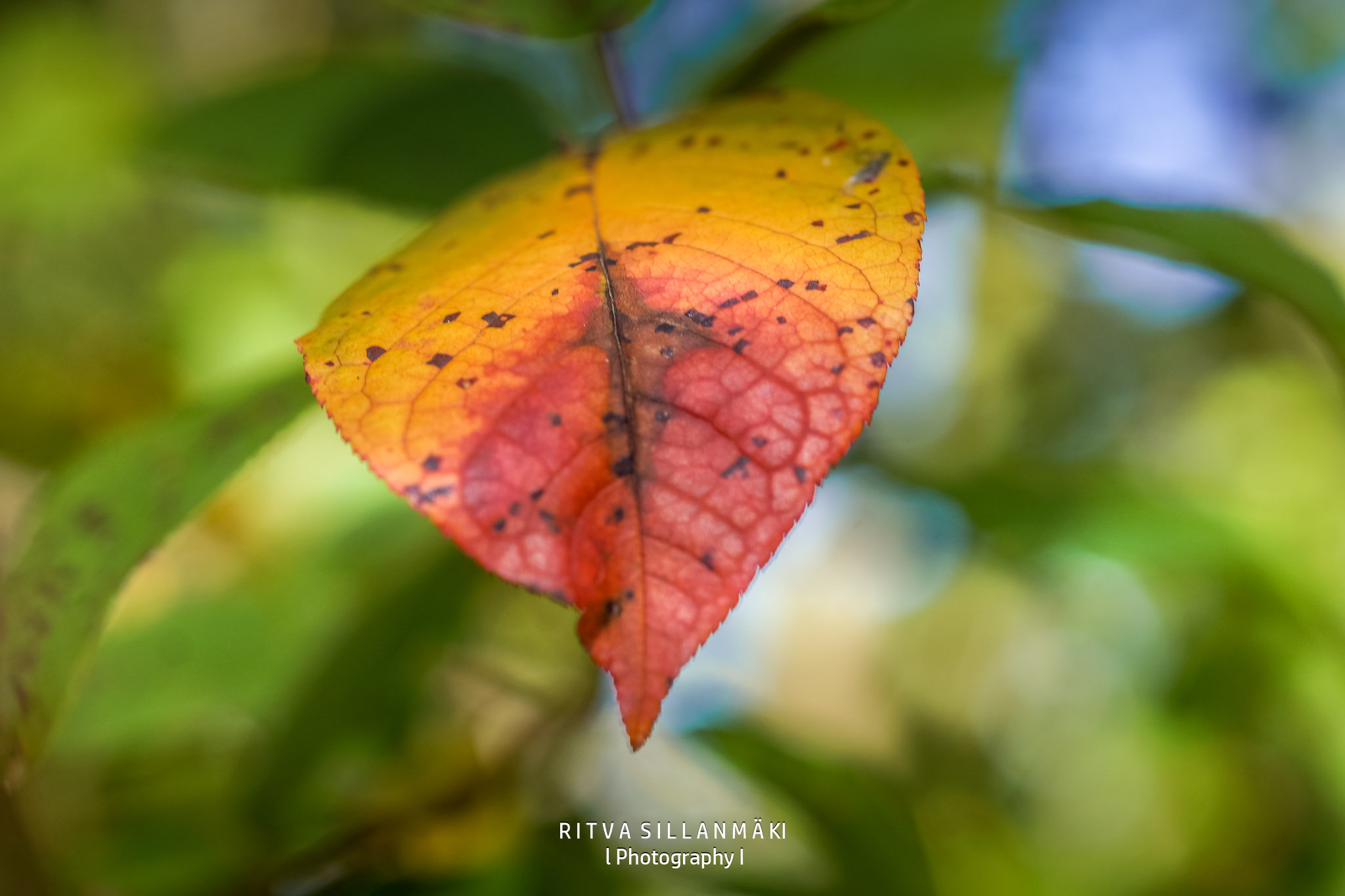
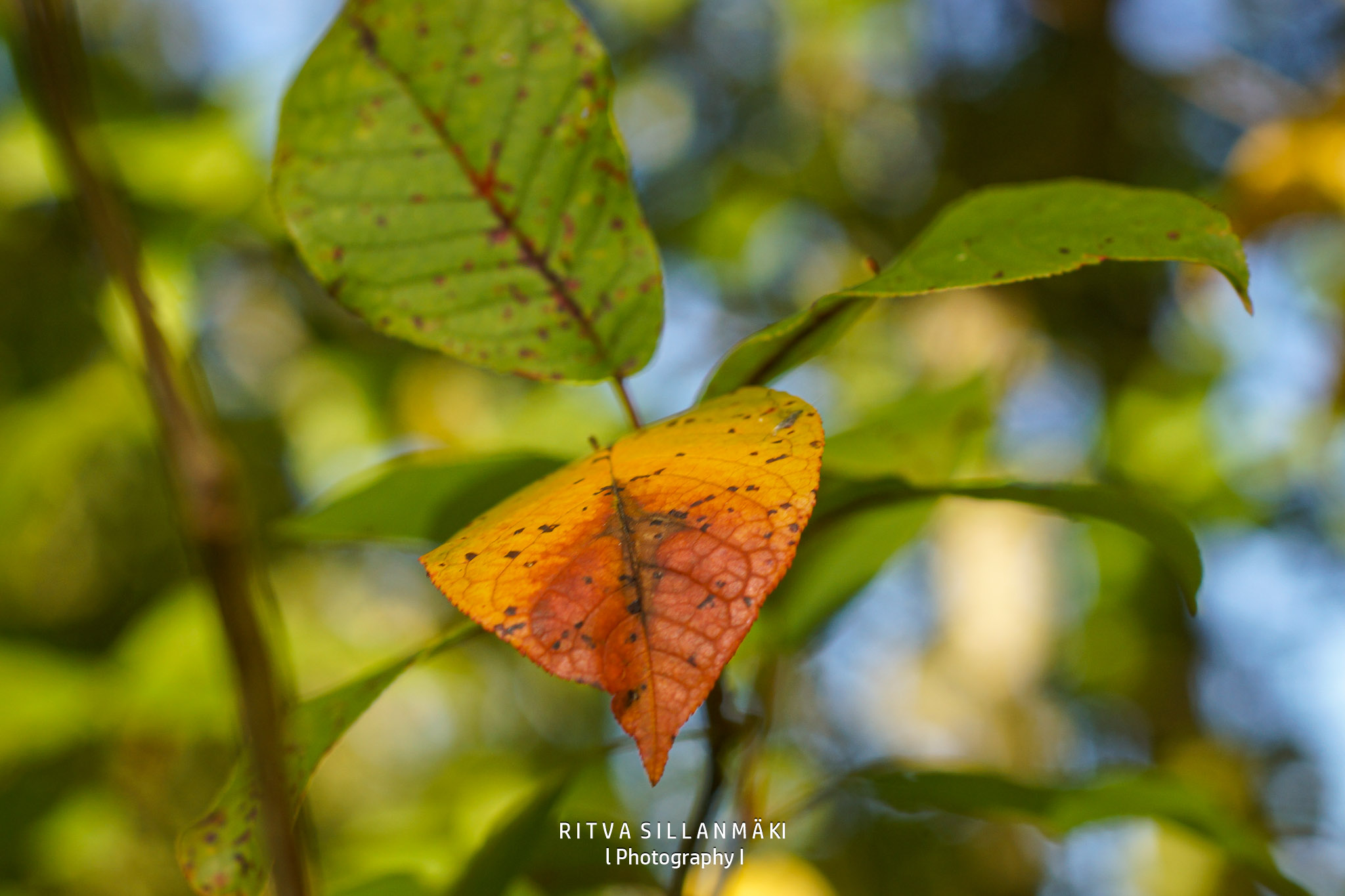
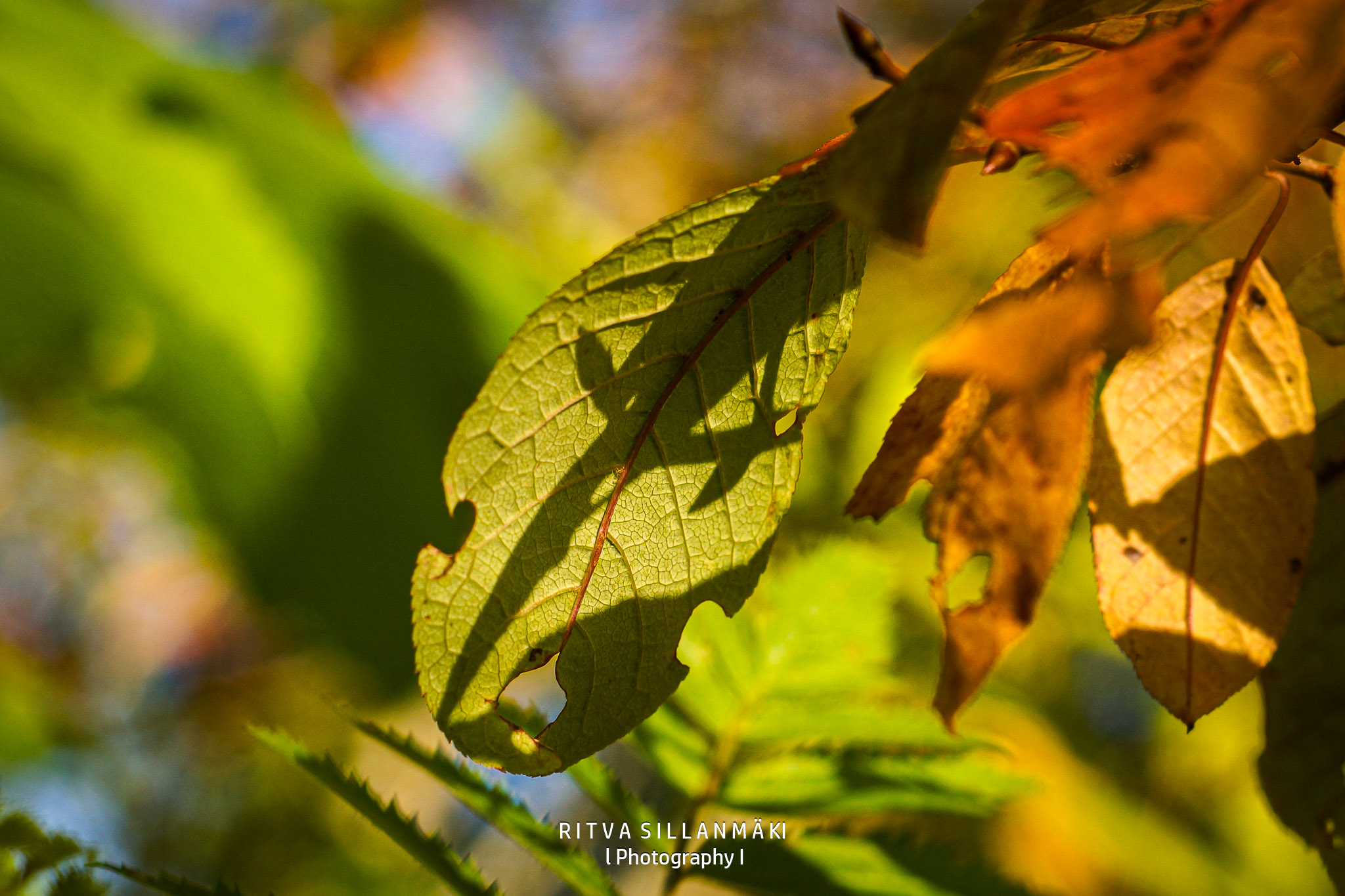
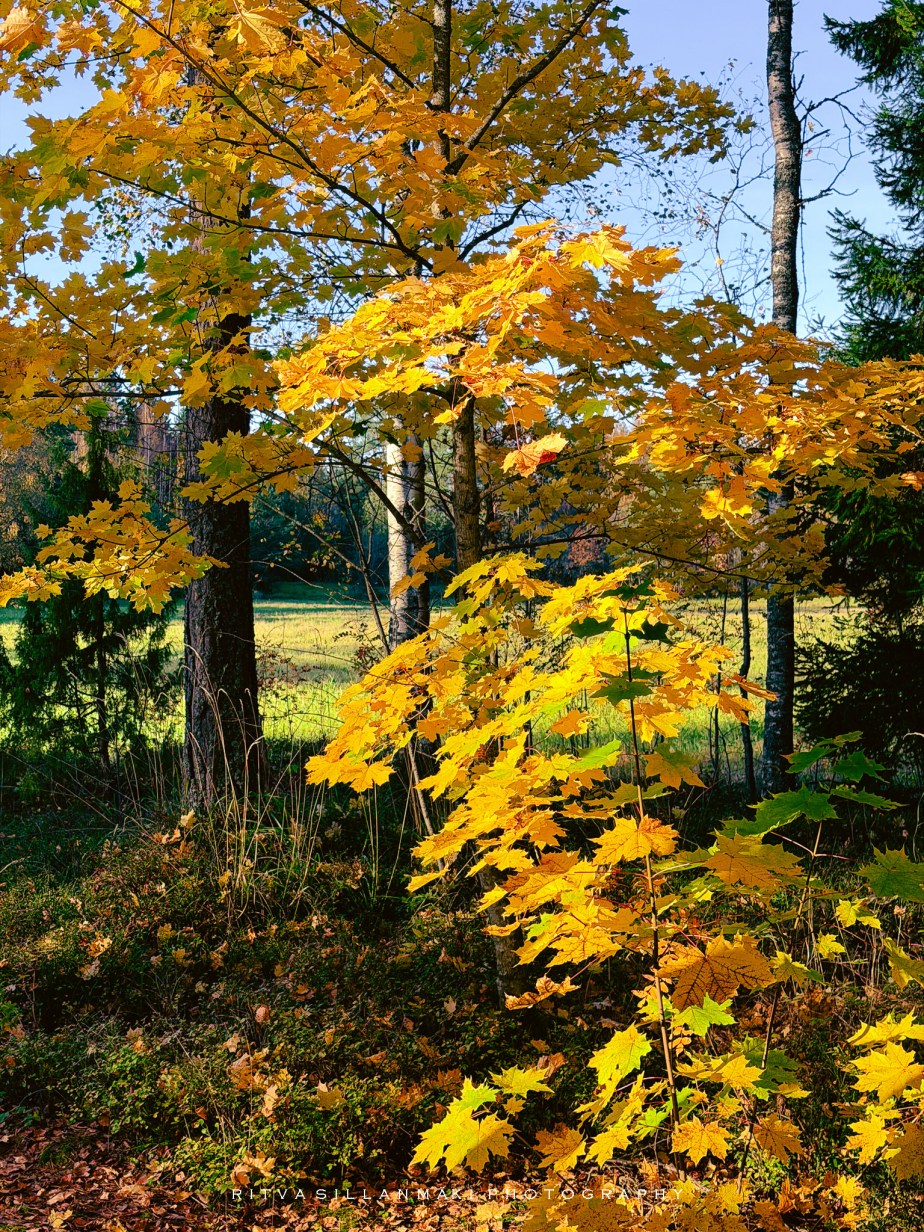
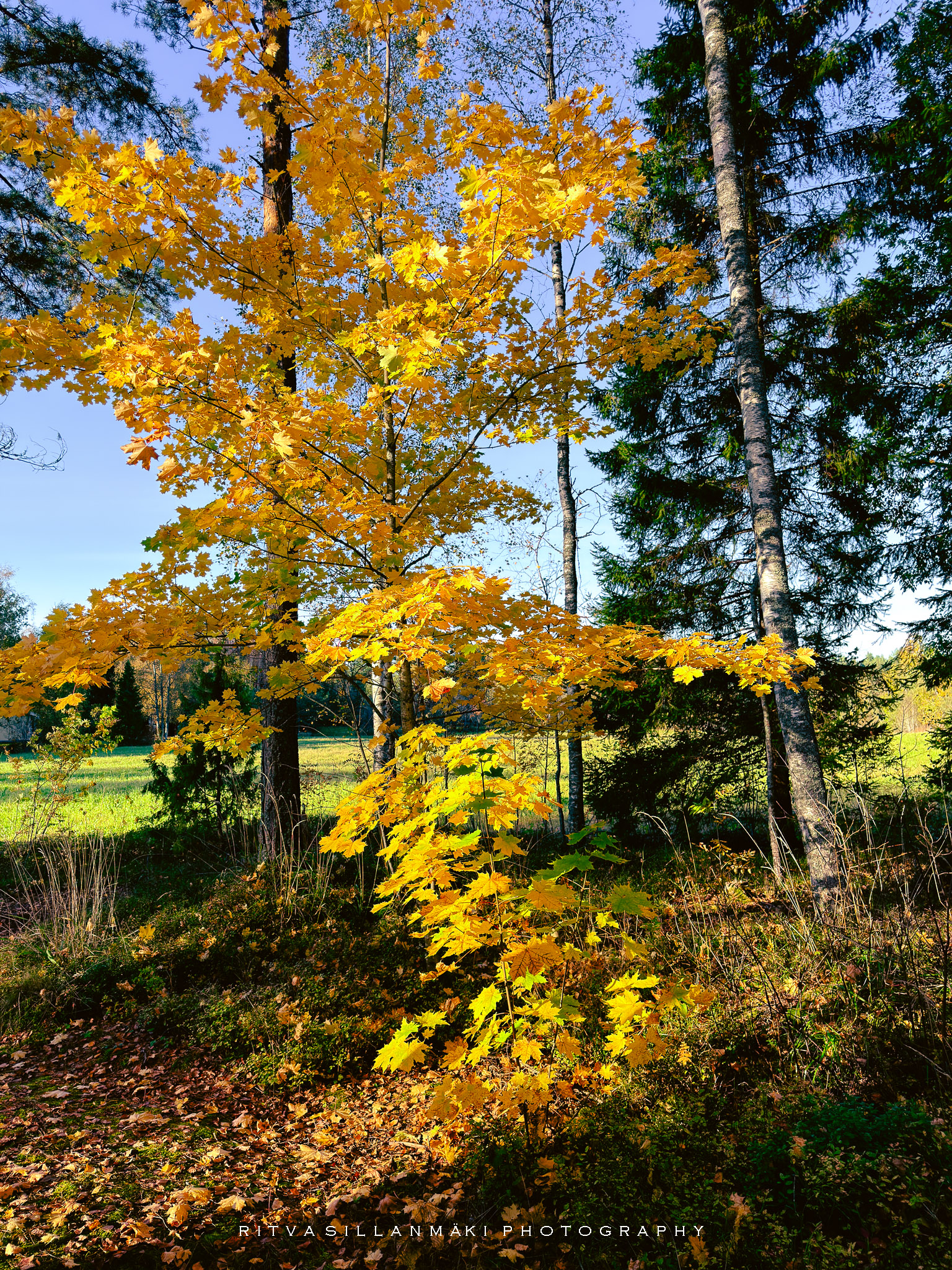
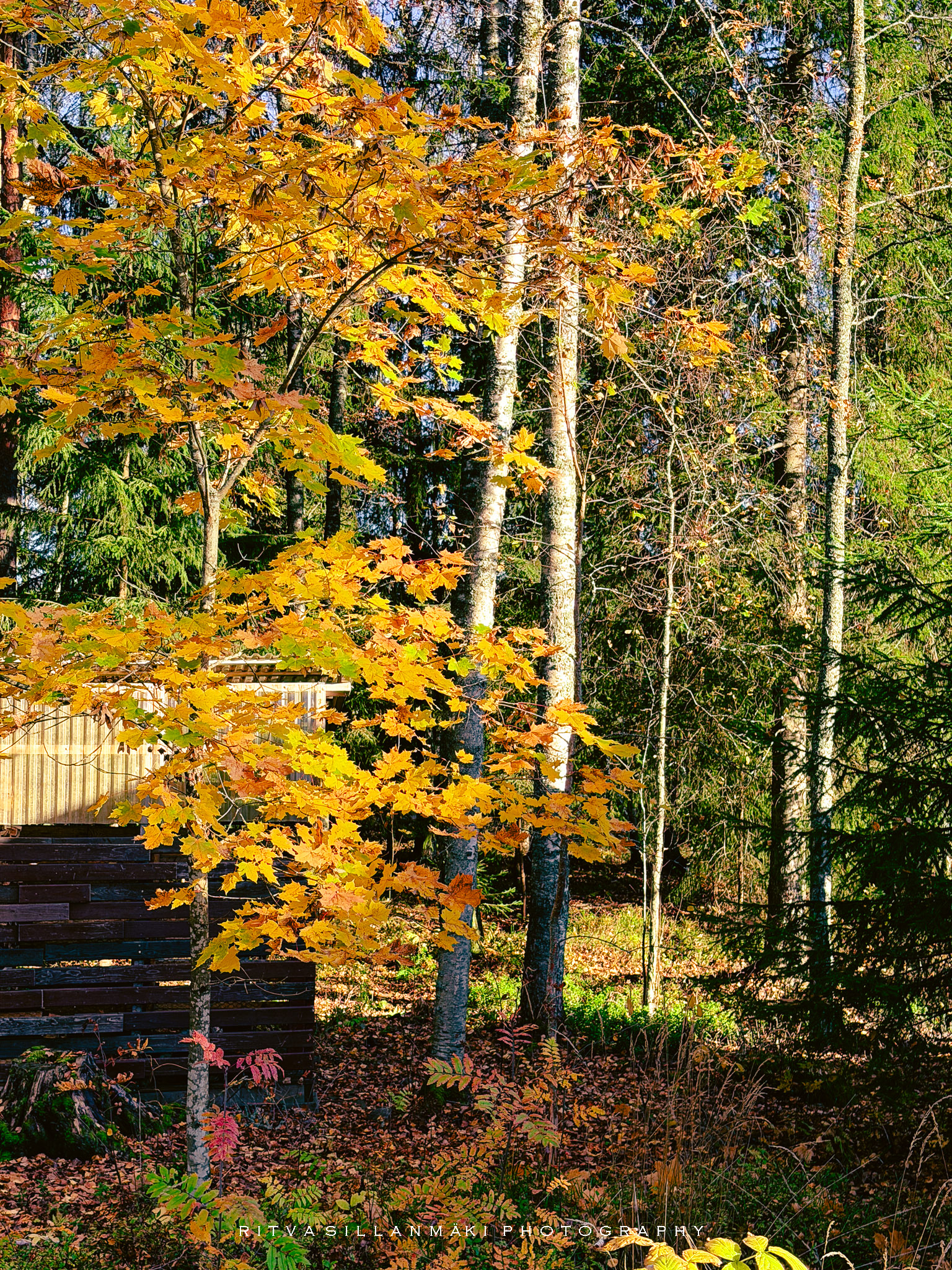
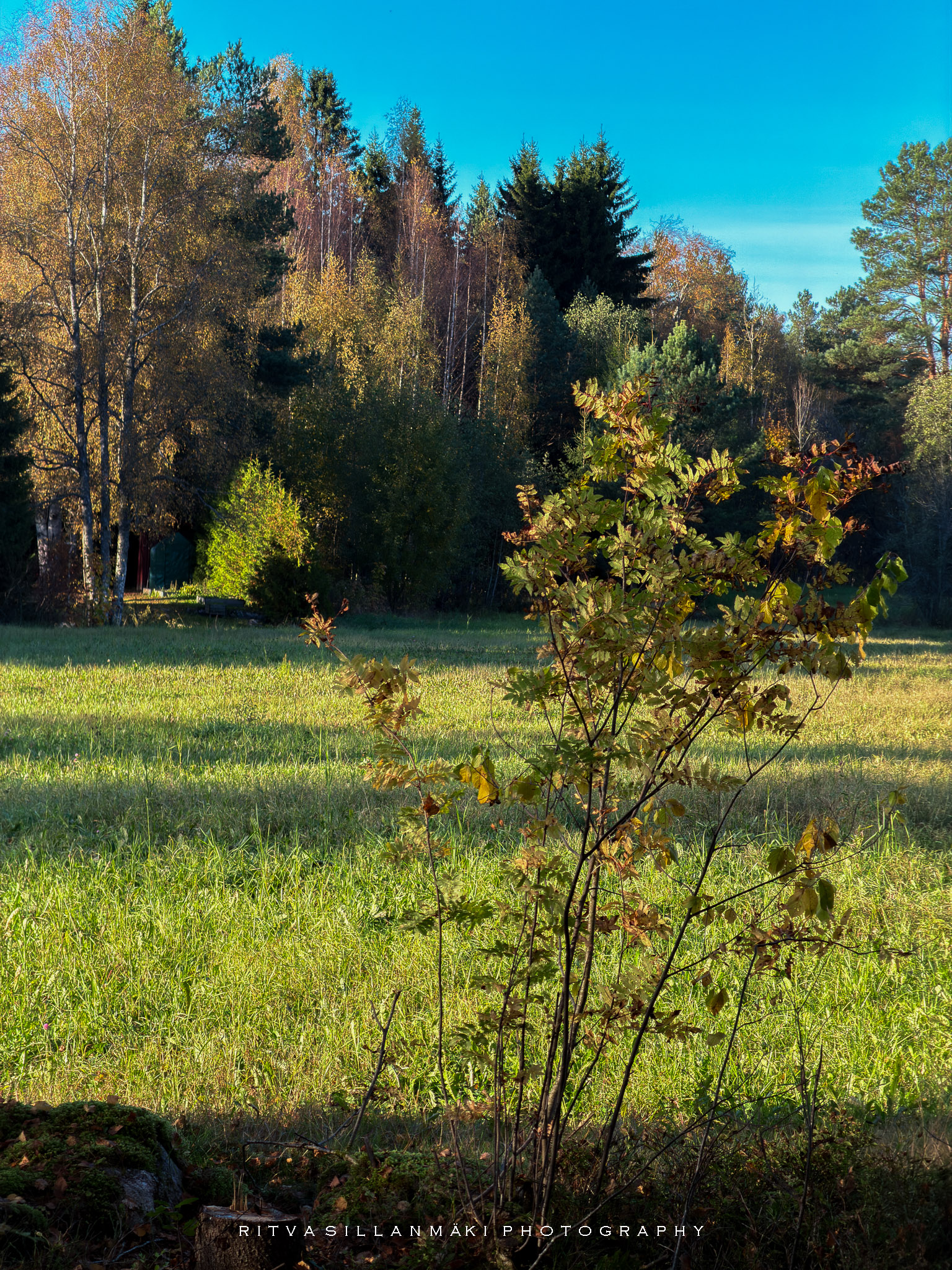
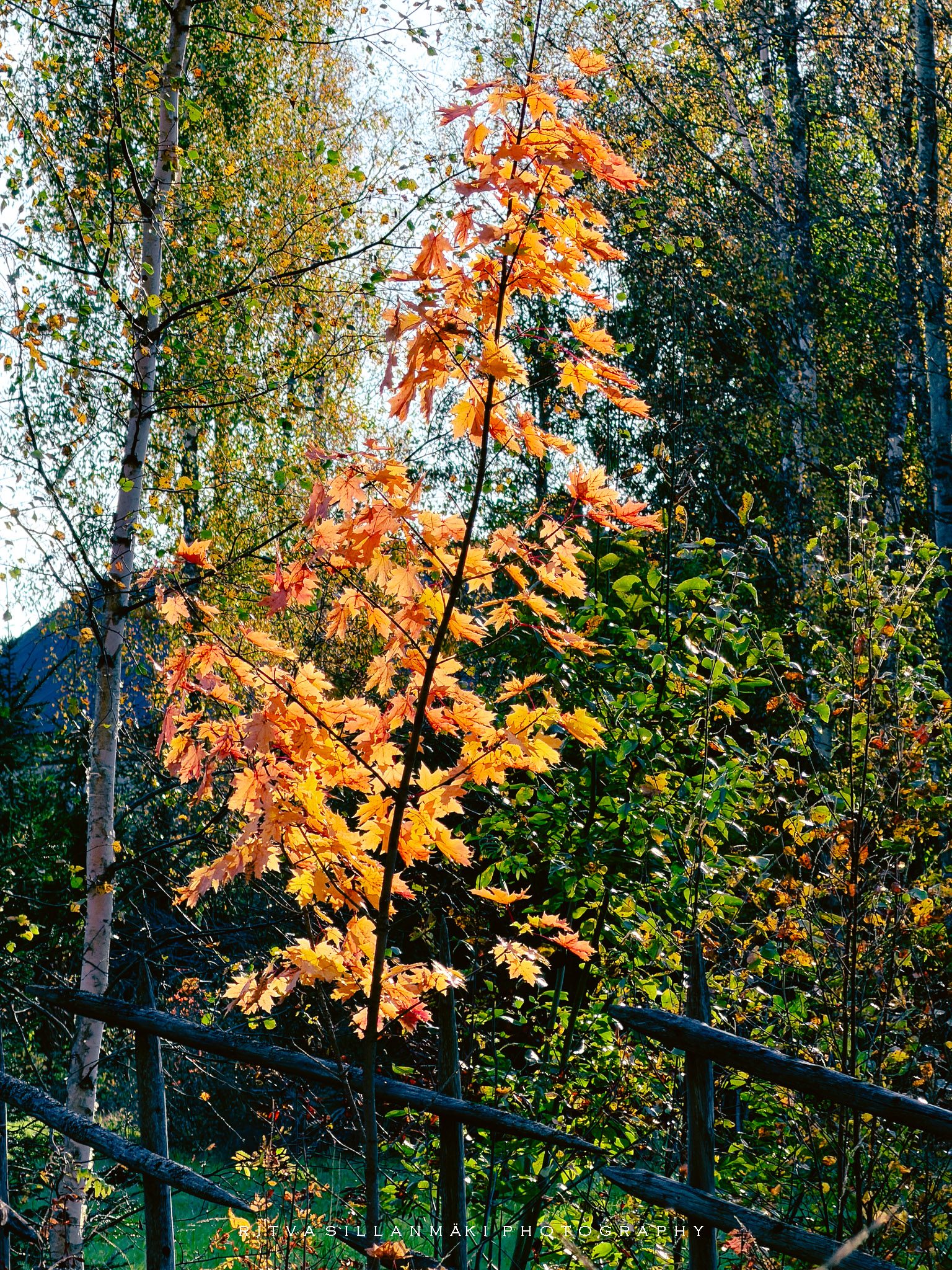
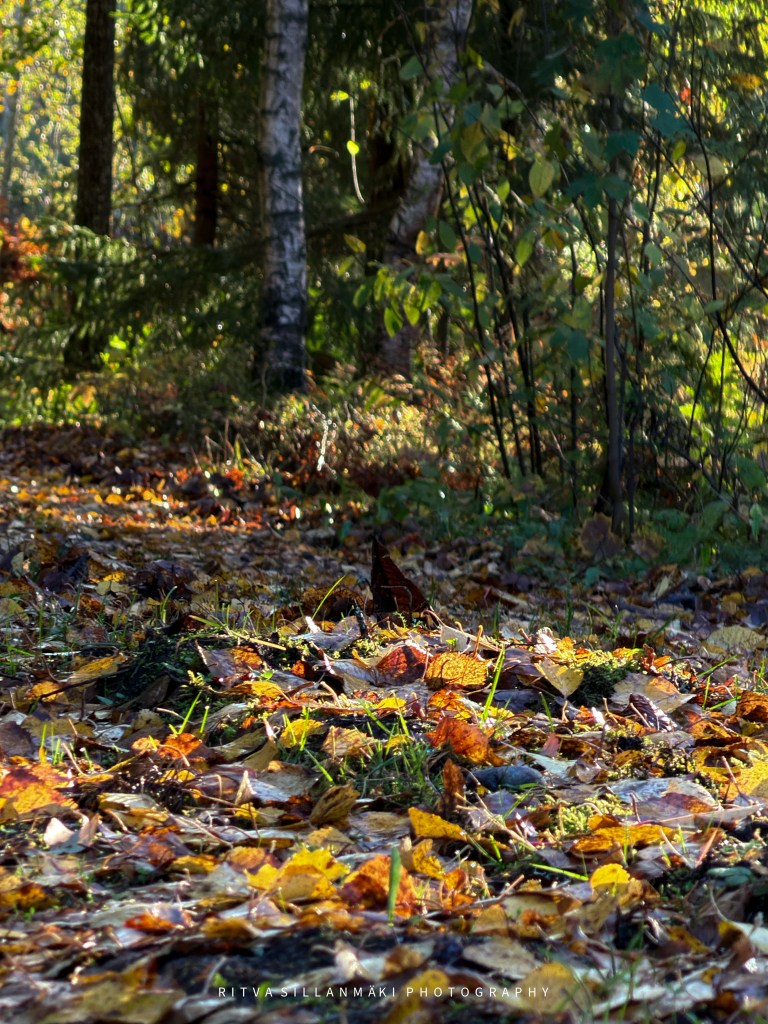
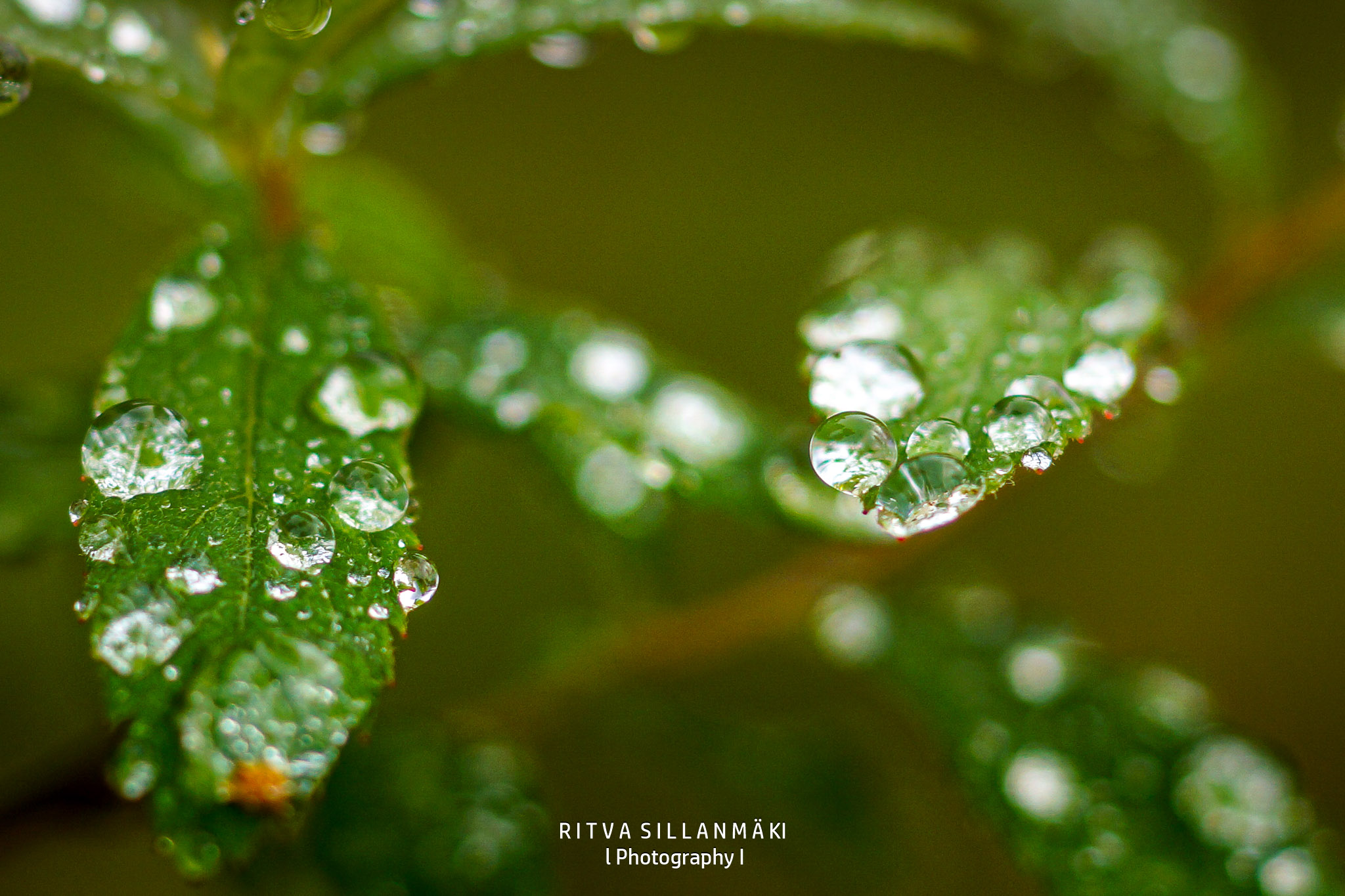
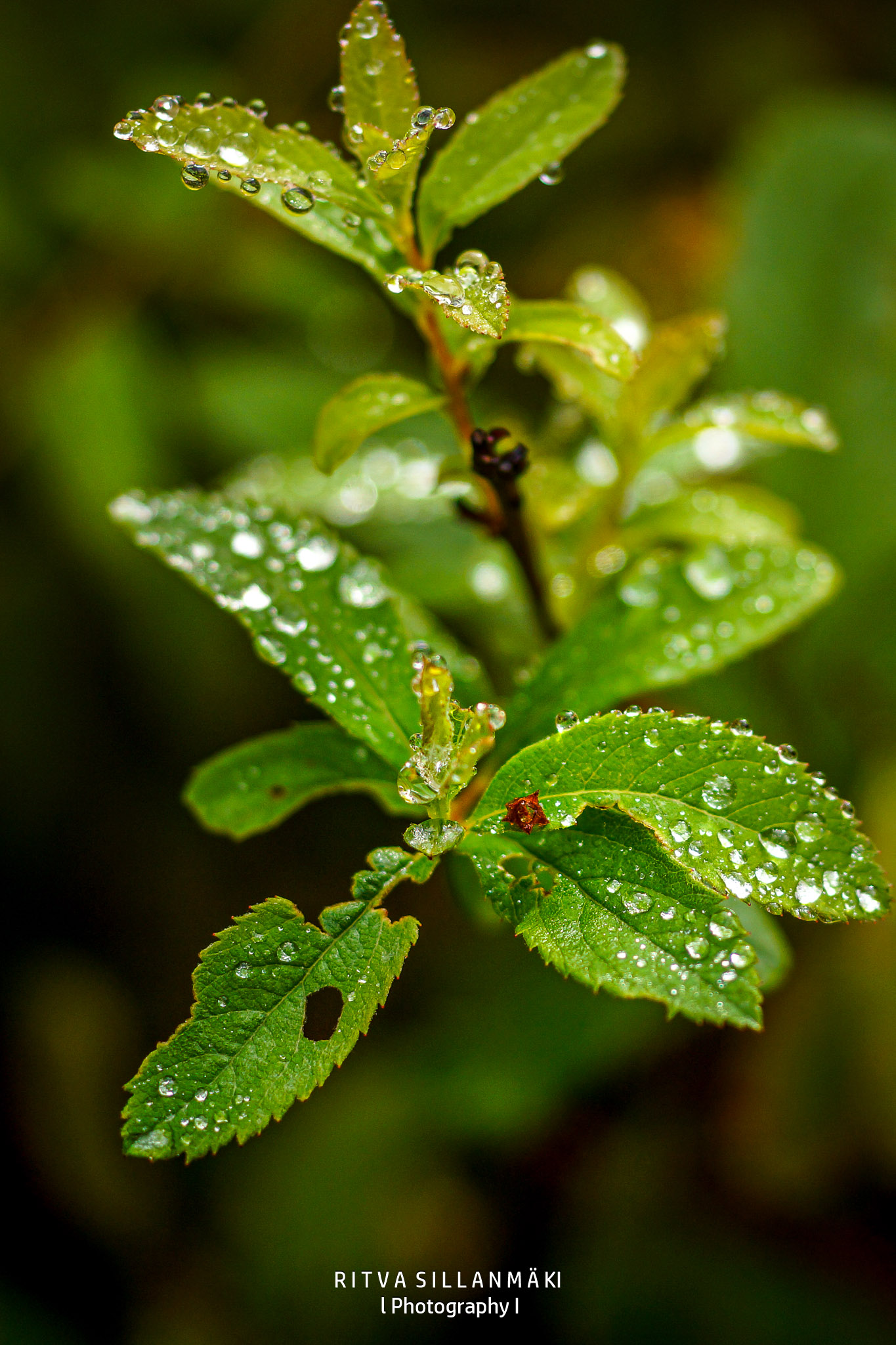
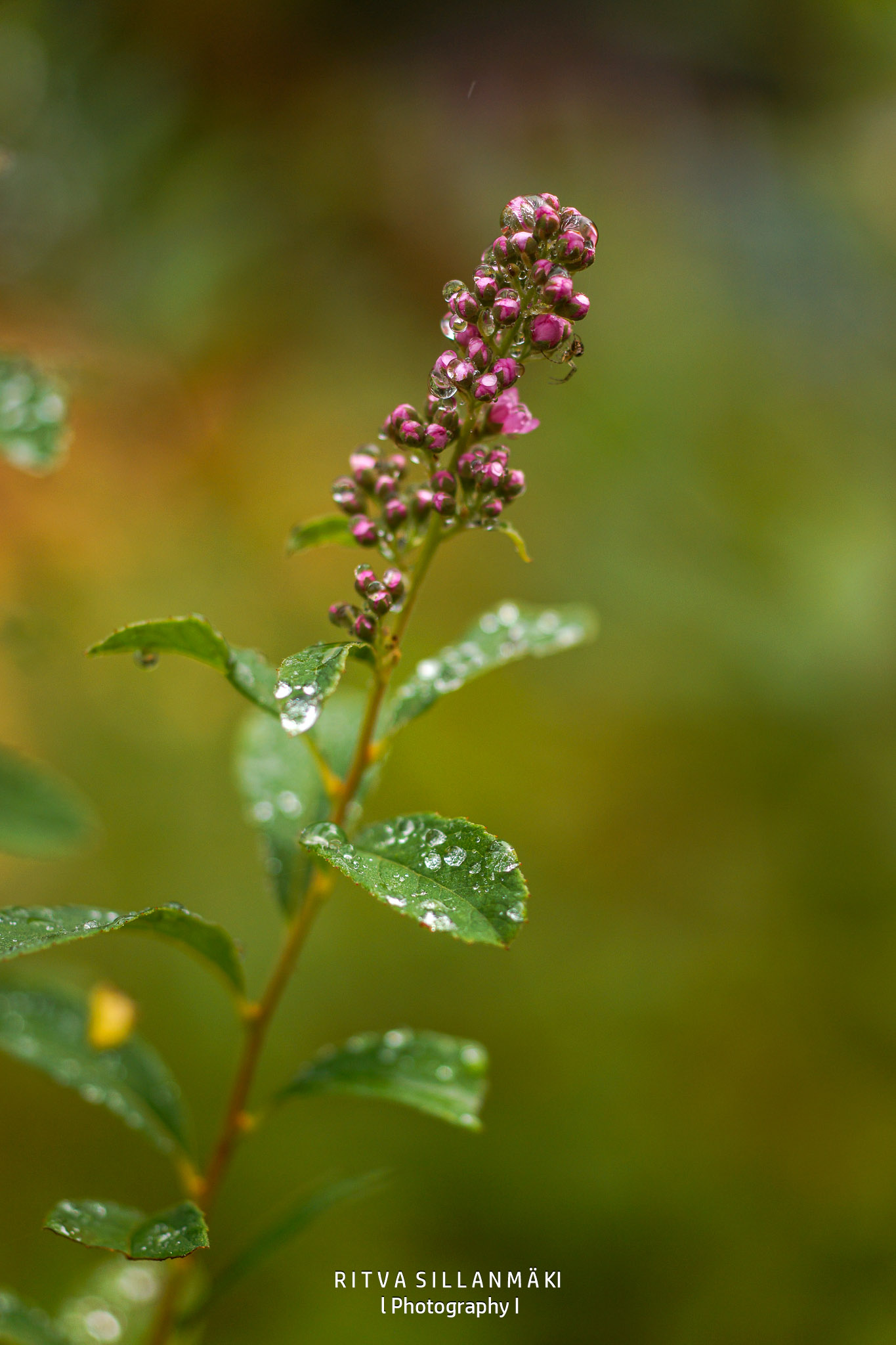
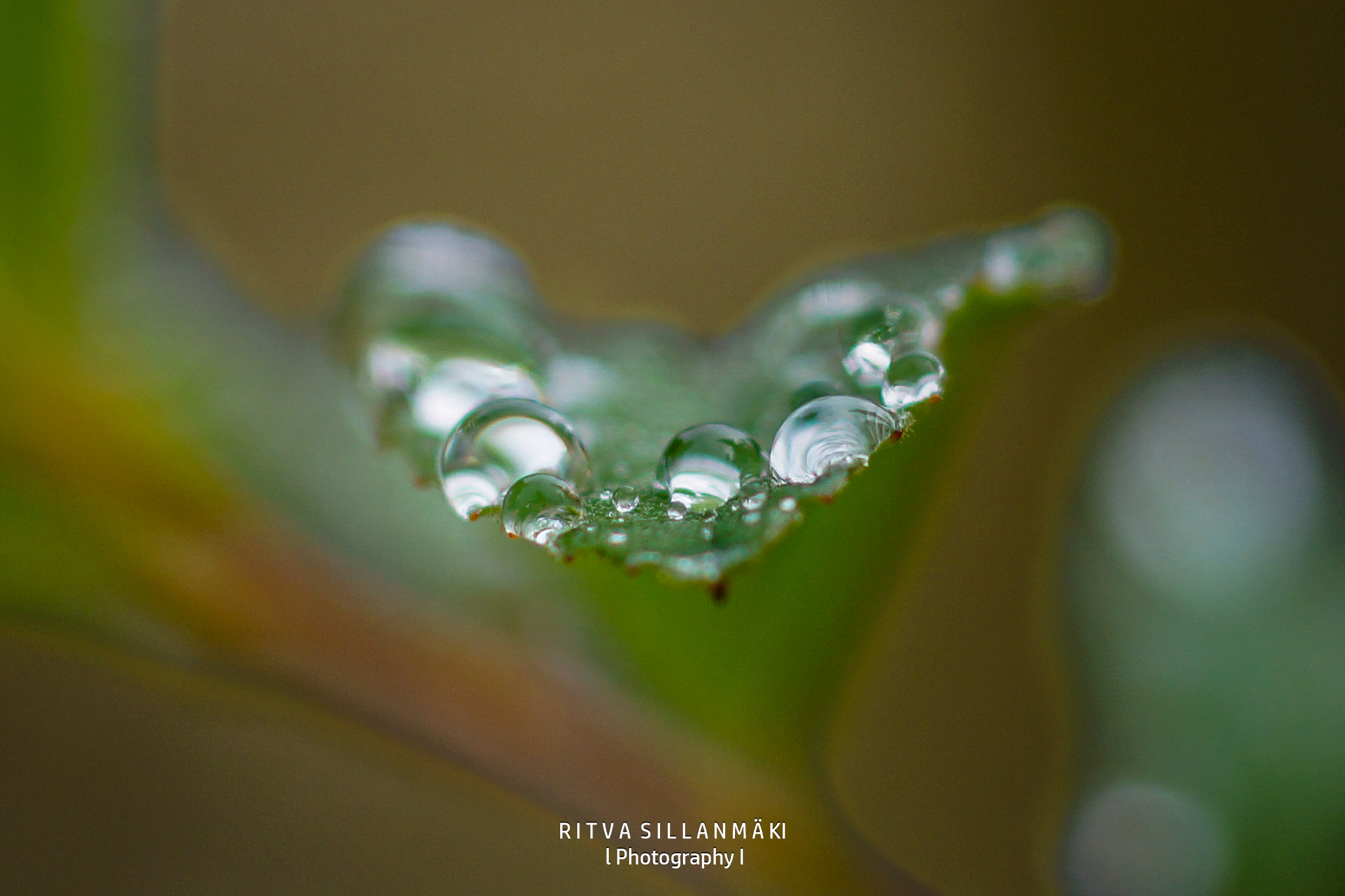
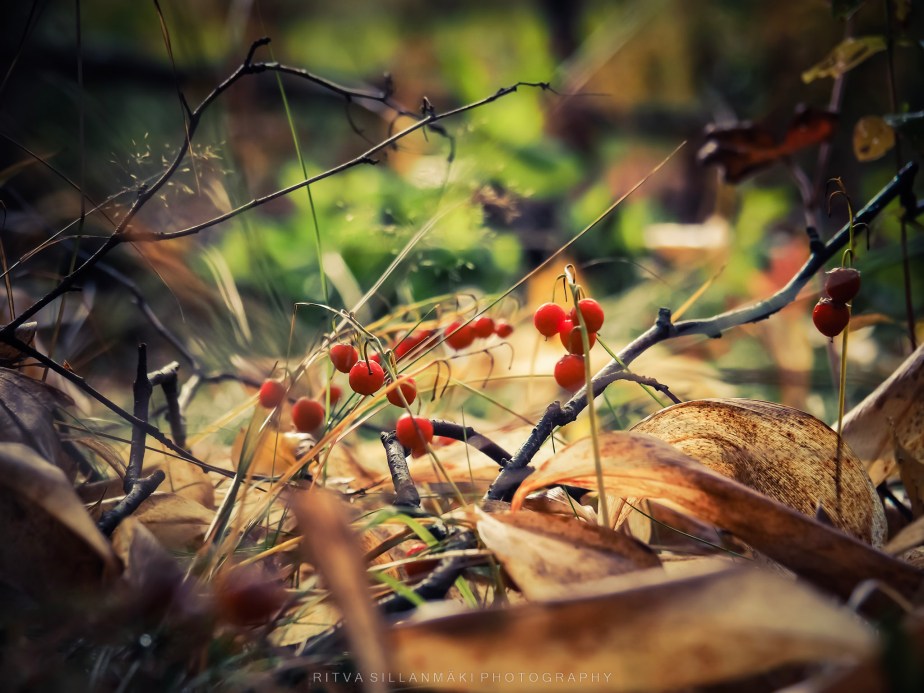
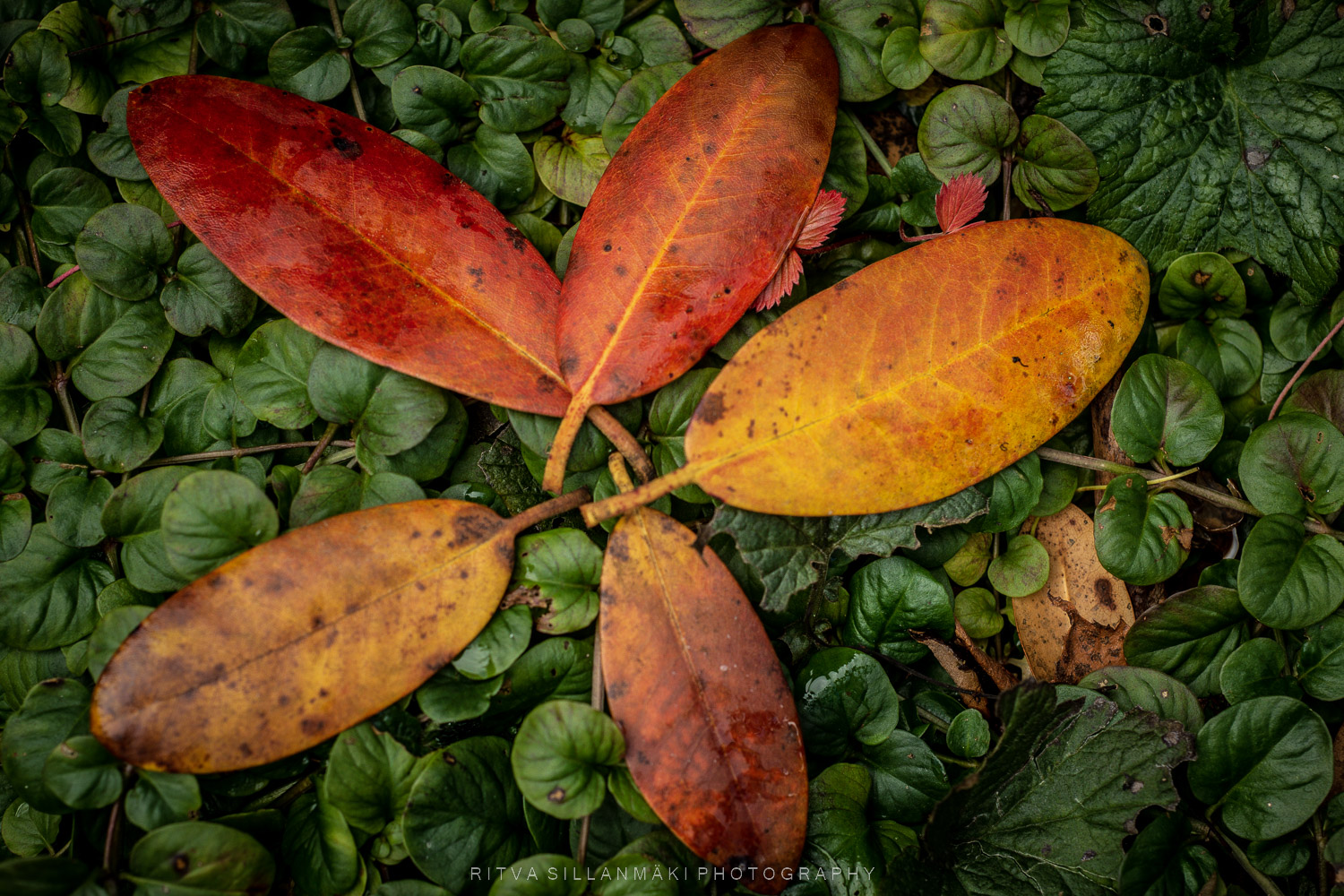
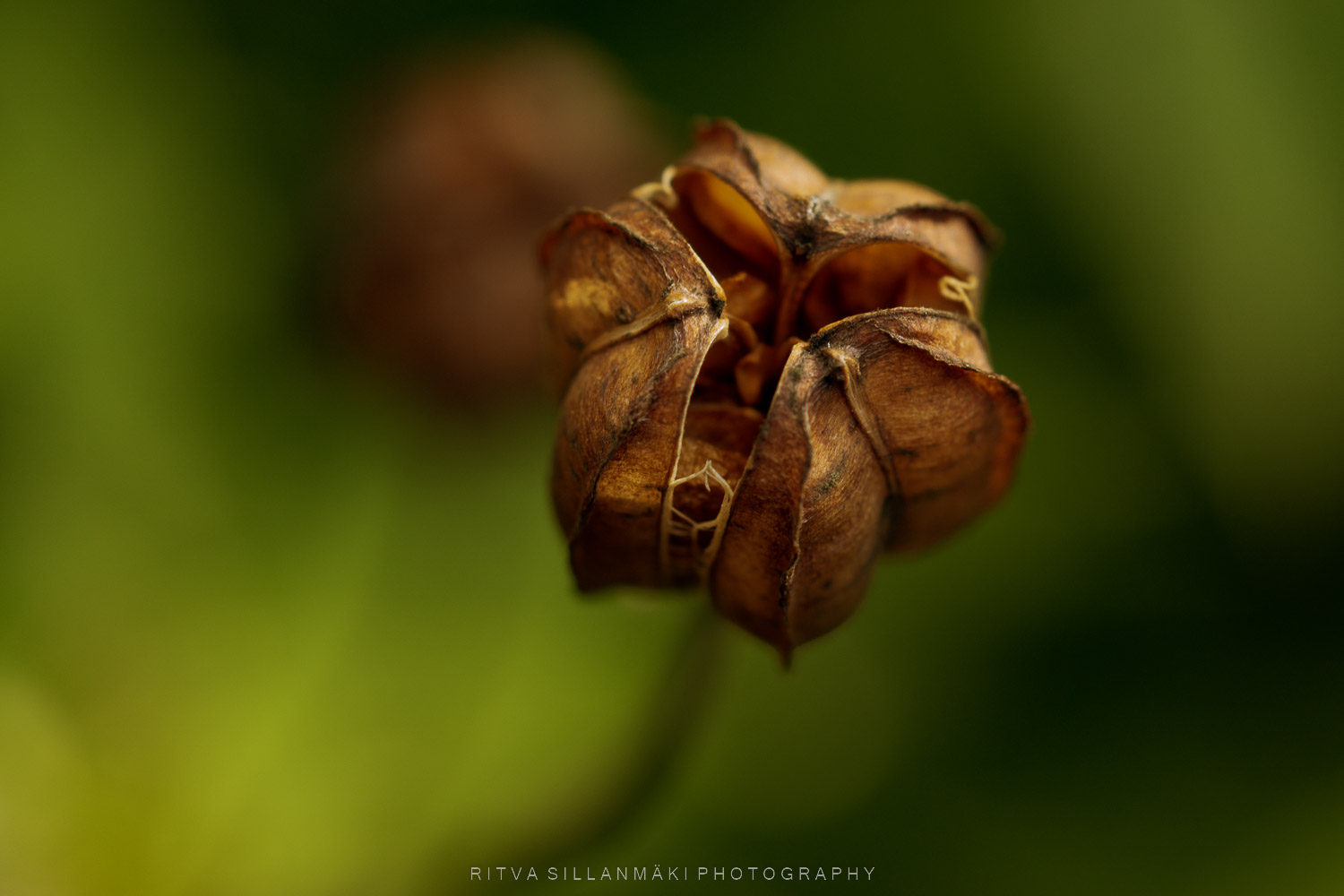
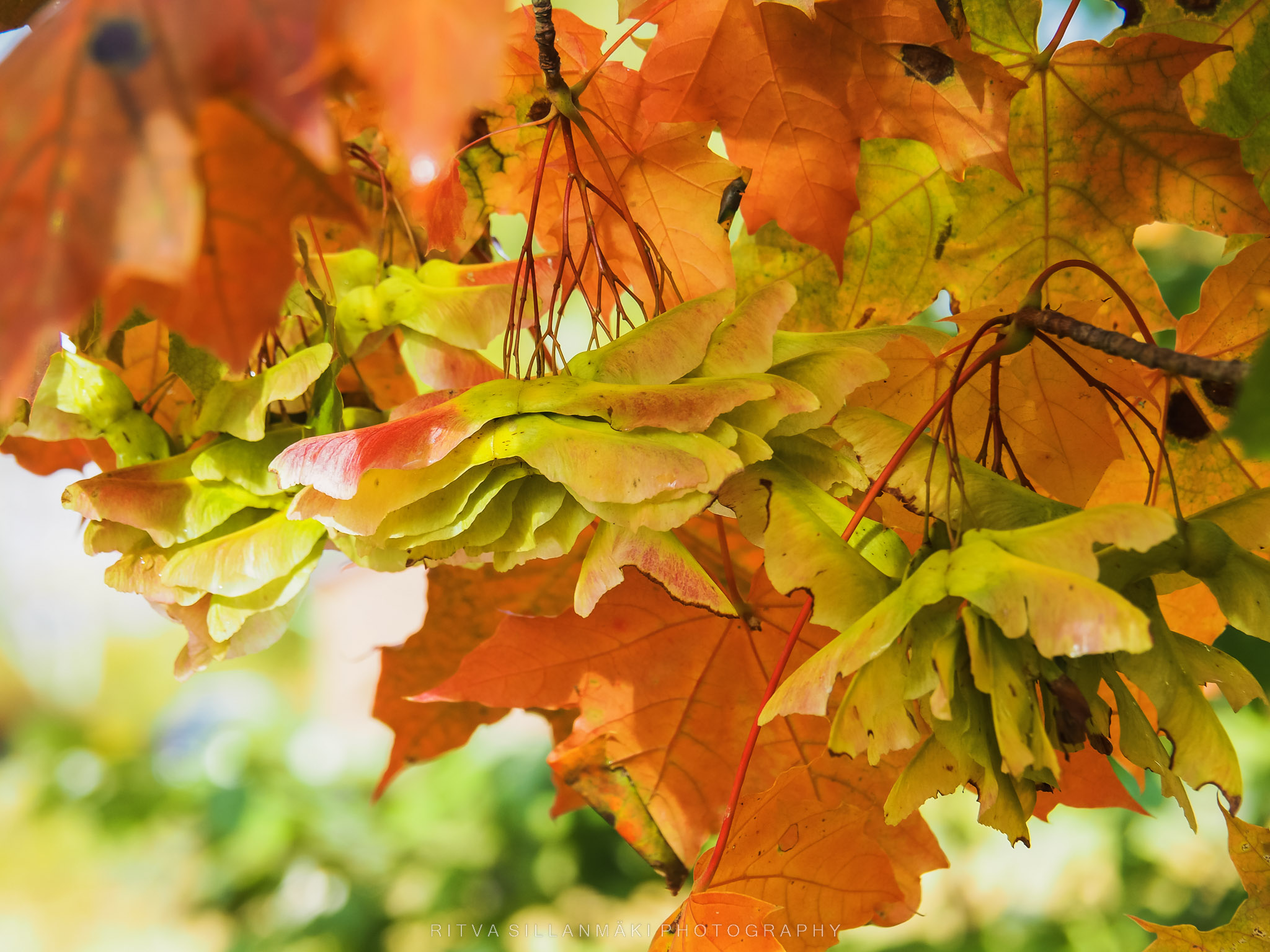
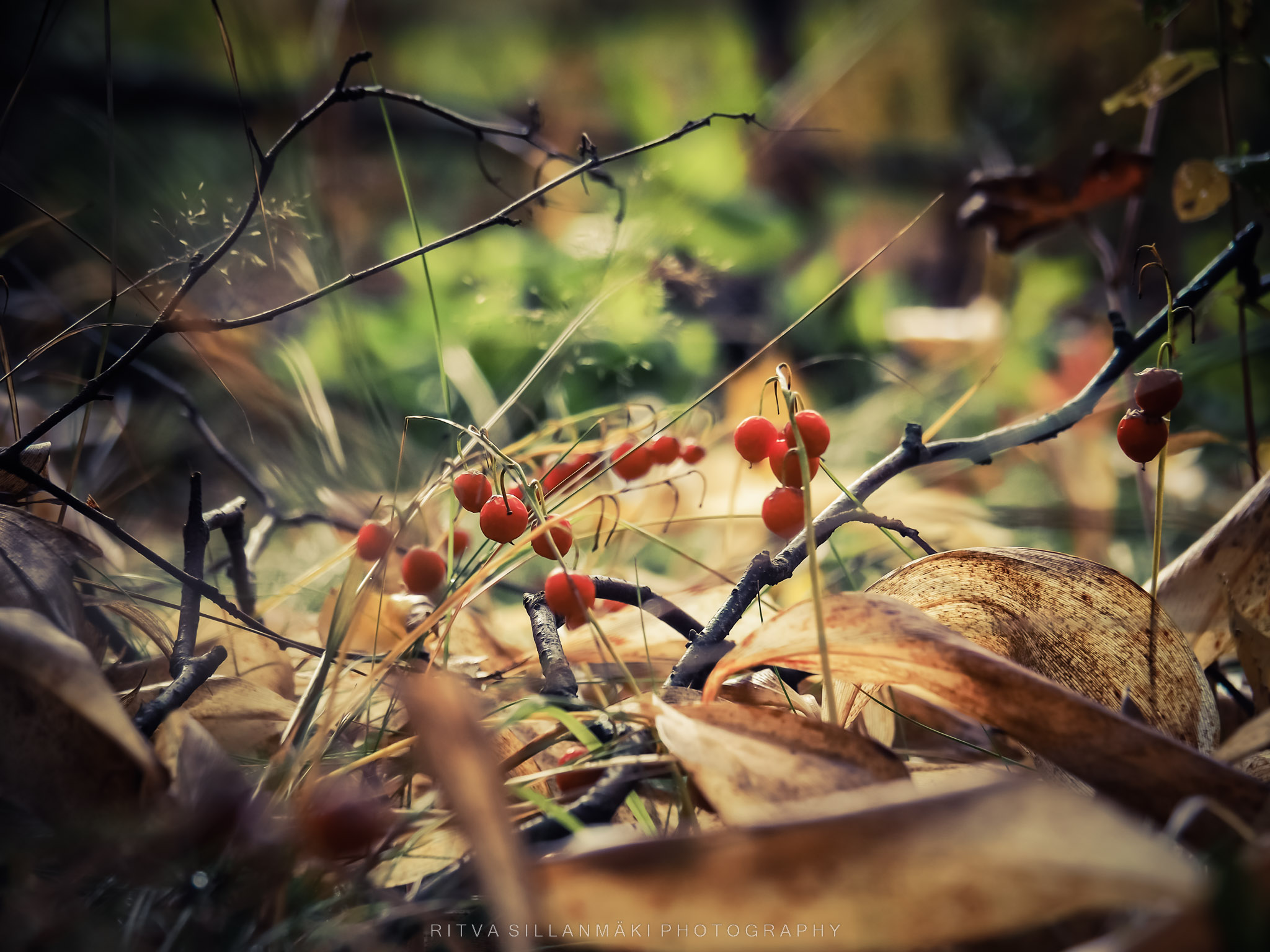
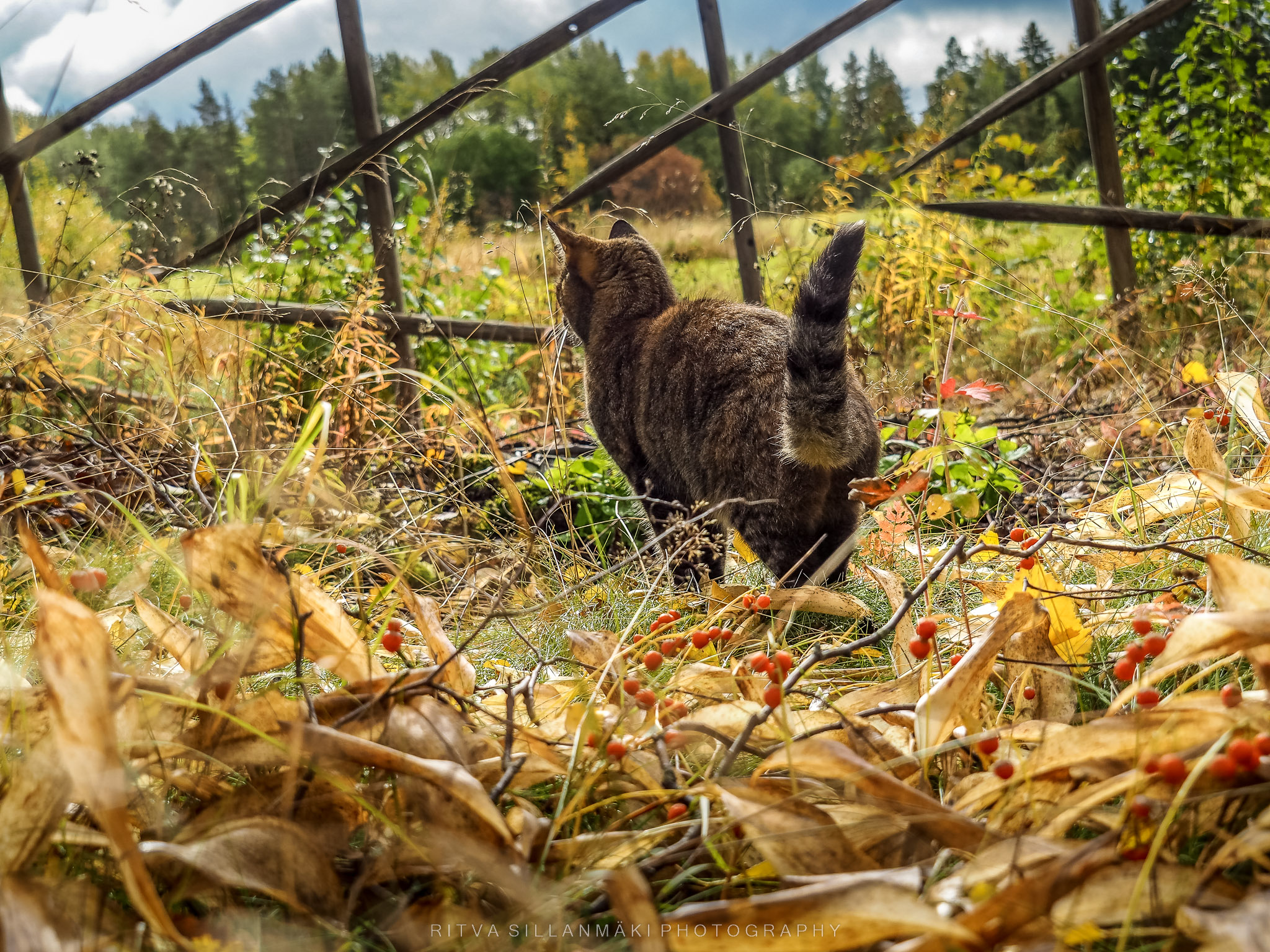
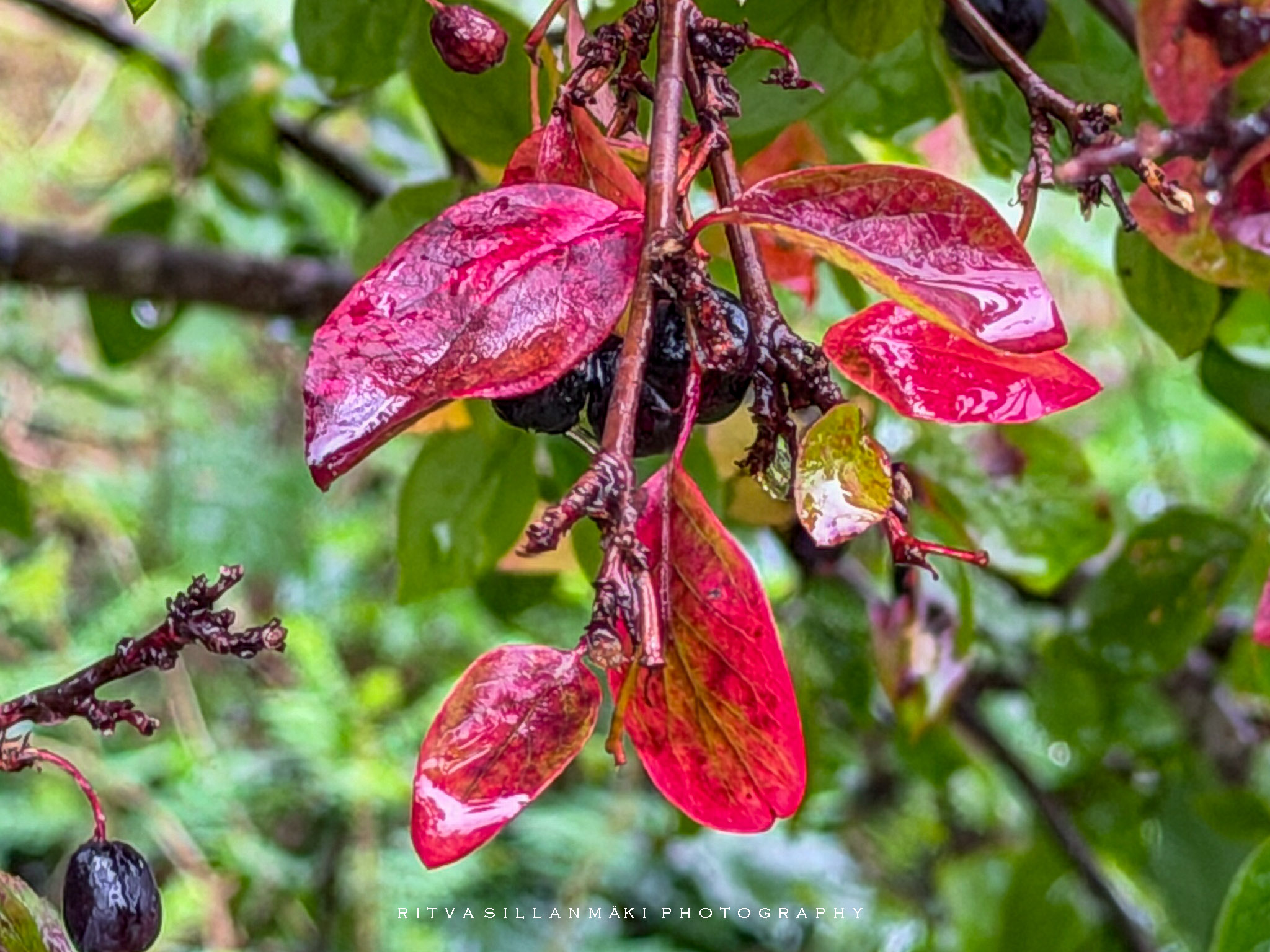
Finding these little gems of color and detail is a joy, and there’s no need to go any farther than the front door—just step outside, wander through the yard, and let your eyes linger on the quiet corners where beauty has been hiding all along. I think this is a buckthorn leaf, whatever it is the colors are lovely,
A vibrant autumn leaf shifts from golden yellow to warm crimson against a softly blurred green background.A vibrant autumn leaf hangs among green foliage, glowing against a softly blurred woodland background.Sunlit green and autumn leaves glow with warm golden color in a softly blurred natural setting. I like the shadow that falls on the green leaf.
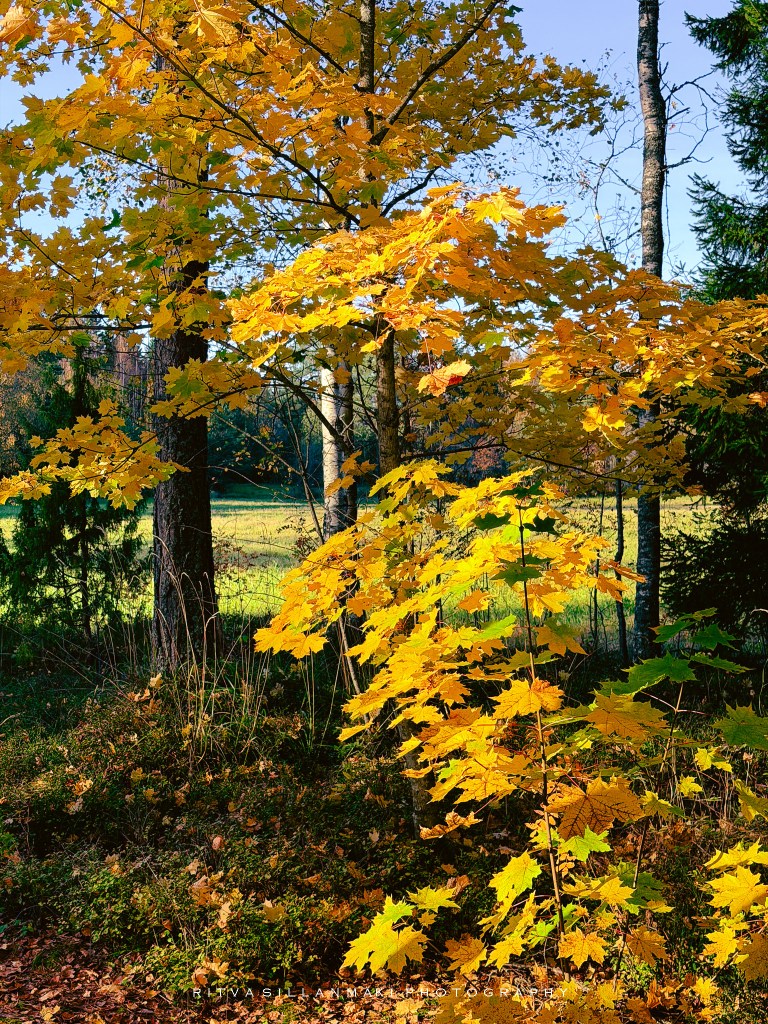
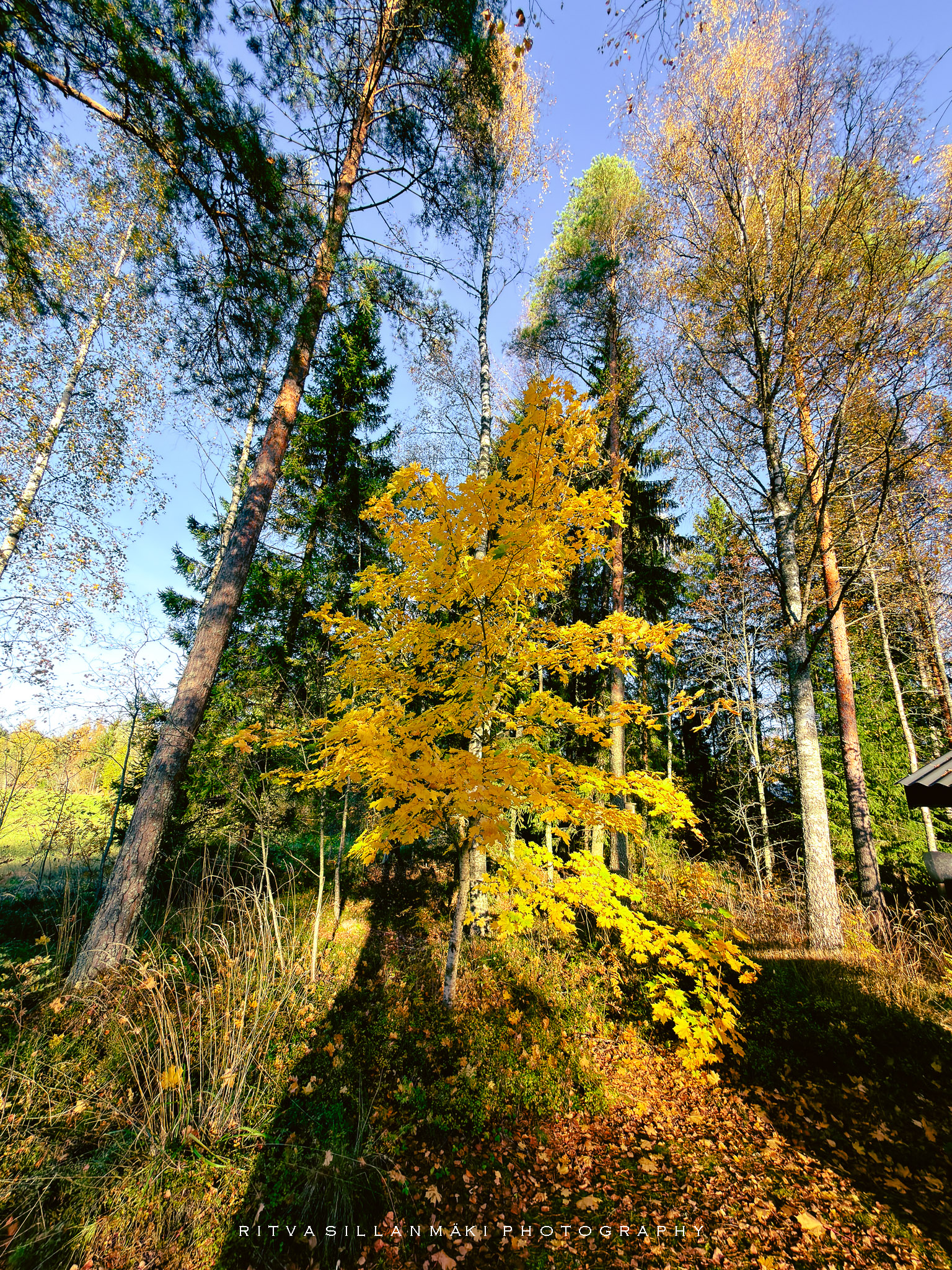
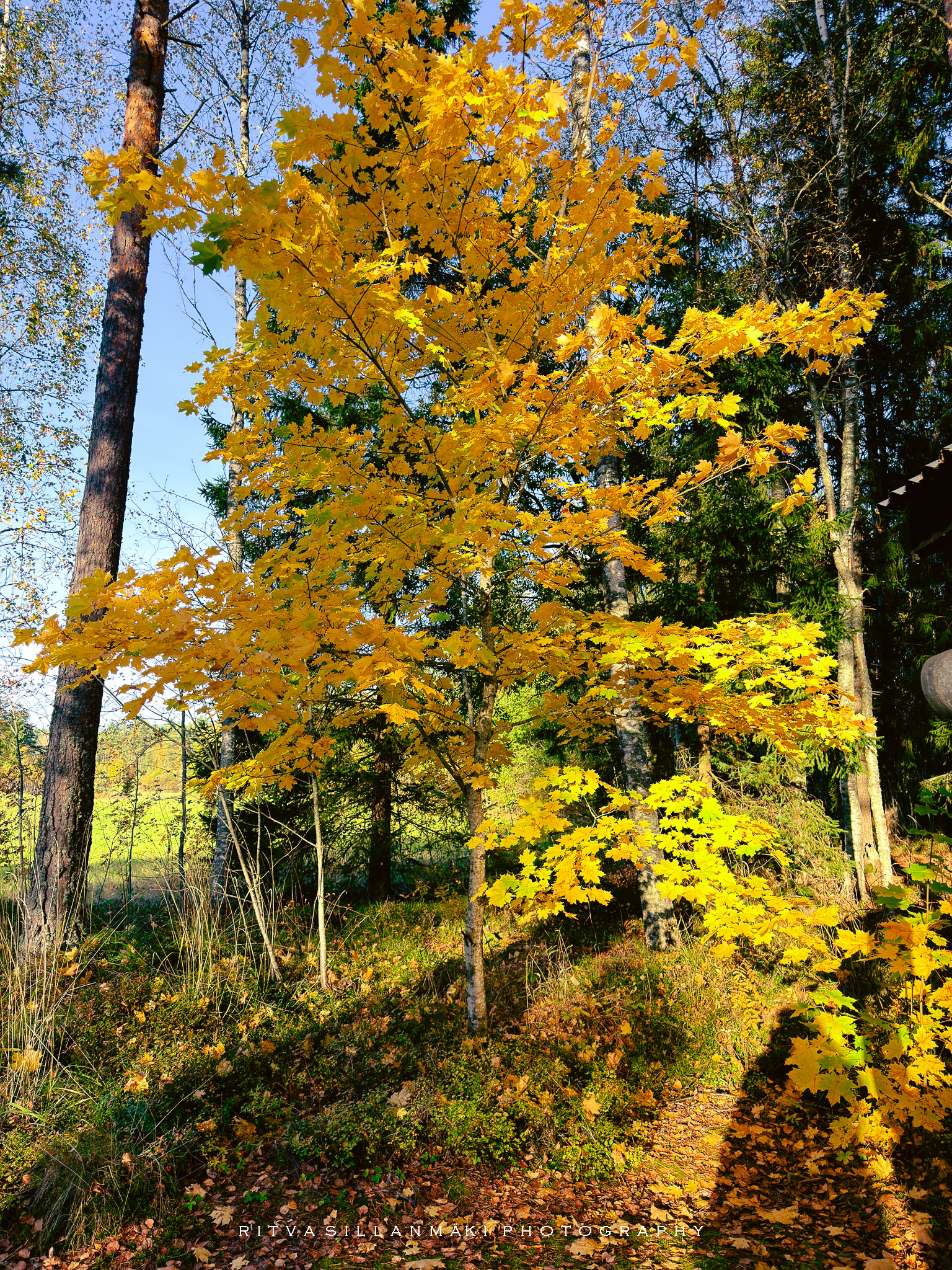
Yesterday, October first, was a lovely day here, where I spent most of my time outside. Sunny, blue skies and warm air wrapped around me as I sat on the patio and looked at the maple tree behind our barbecue, glowing in rich yellow. The leaves almost seemed to shimmer in the light, and I felt the need to go and take a photo.
Lately, I’ve been spending more time looking in that direction, as our yard is a total mess with all the log piles and construction going on. It’s a bit chaotic, so my eyes keep drifting toward the one calm, beautiful corner. Once again I got off the topic, rambling on, but that’s how my thoughts wander when I’m out there.
I took several directions to see which angle would be more favorable, moving a little closer, then stepping back to see how the light hit the leaves from different sides. Then I took a short stroll to find other spots of color in my yard, framing each scene so that the mess stayed invisible and only the quiet, bright parts showed through.
I liked this shot the best.
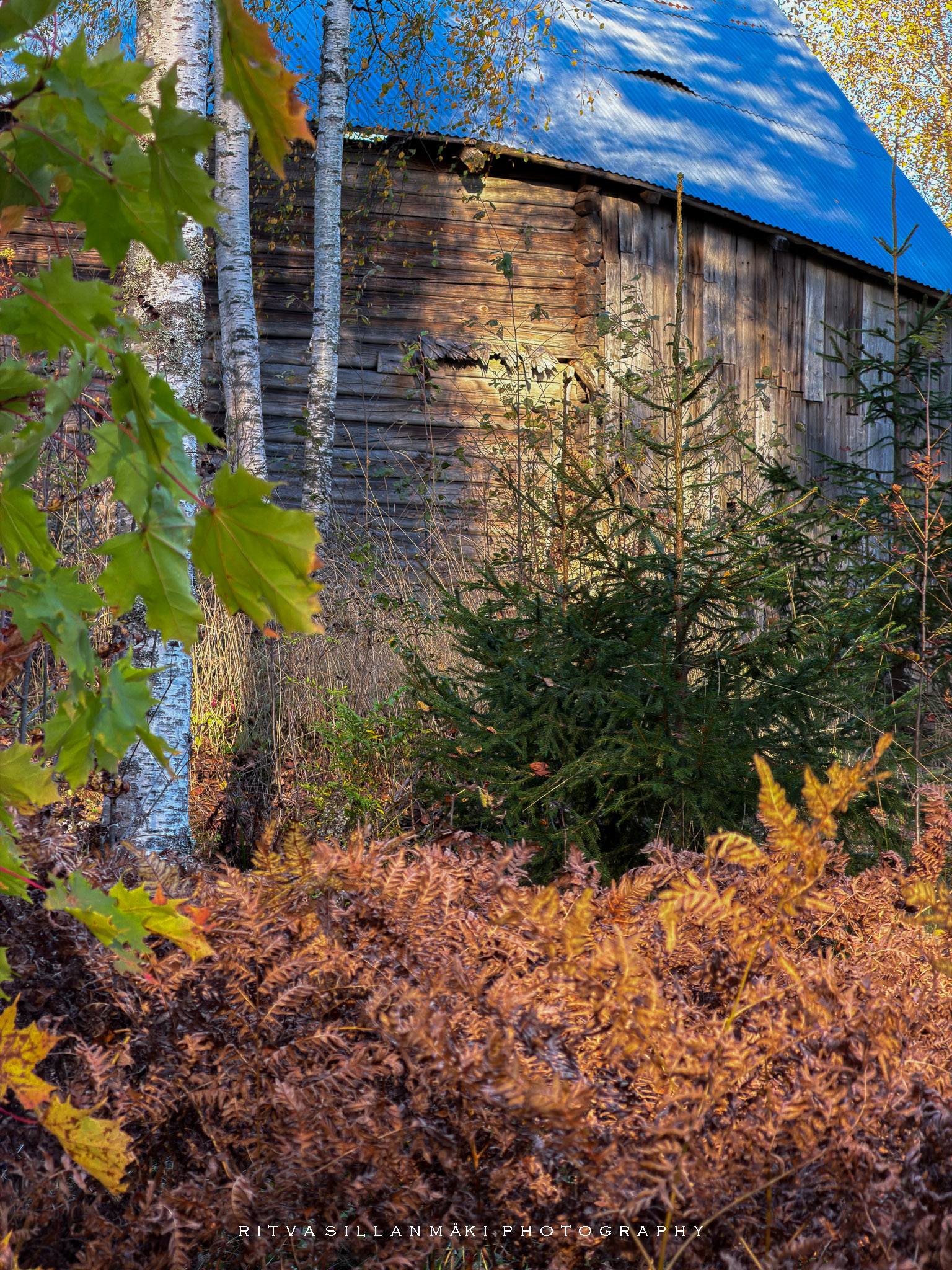
Golden autumn leaves glow among birch and evergreen trees beside a rustic log shed.
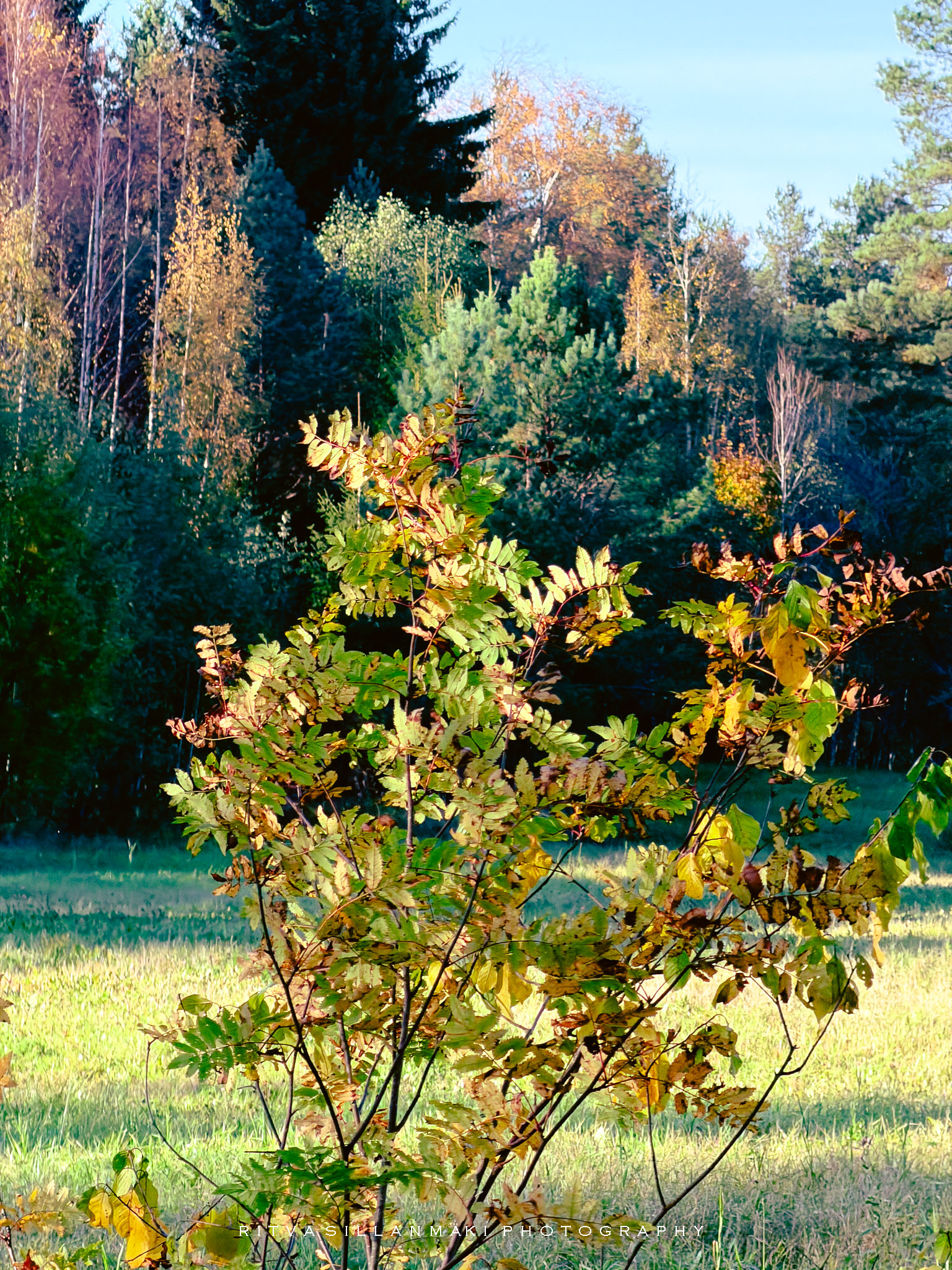
Golden autumn rowan tree leaves glow in the sunlight against field and a lush woodland backdrop.
An old log cabin with a bright roof emerges through birch trees and autumn foliage of ferns.
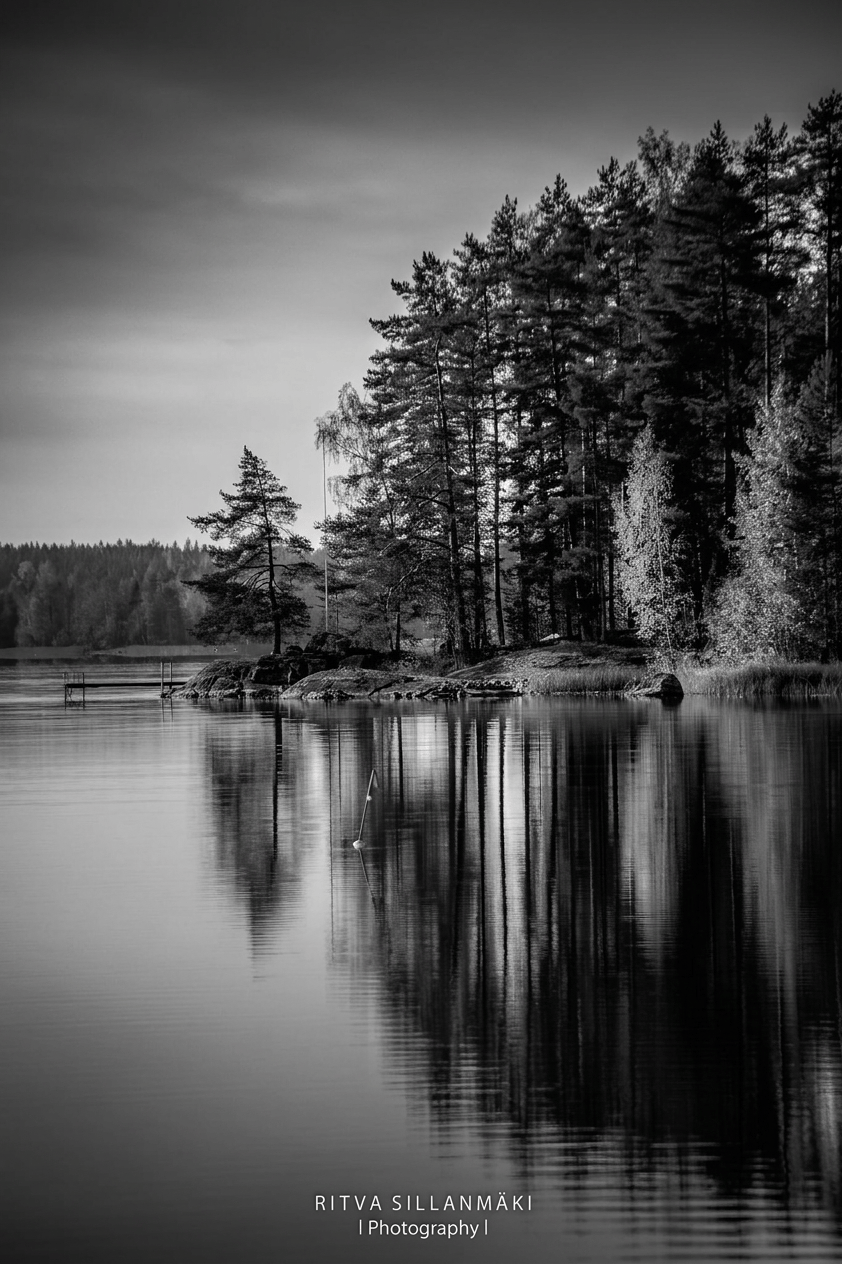
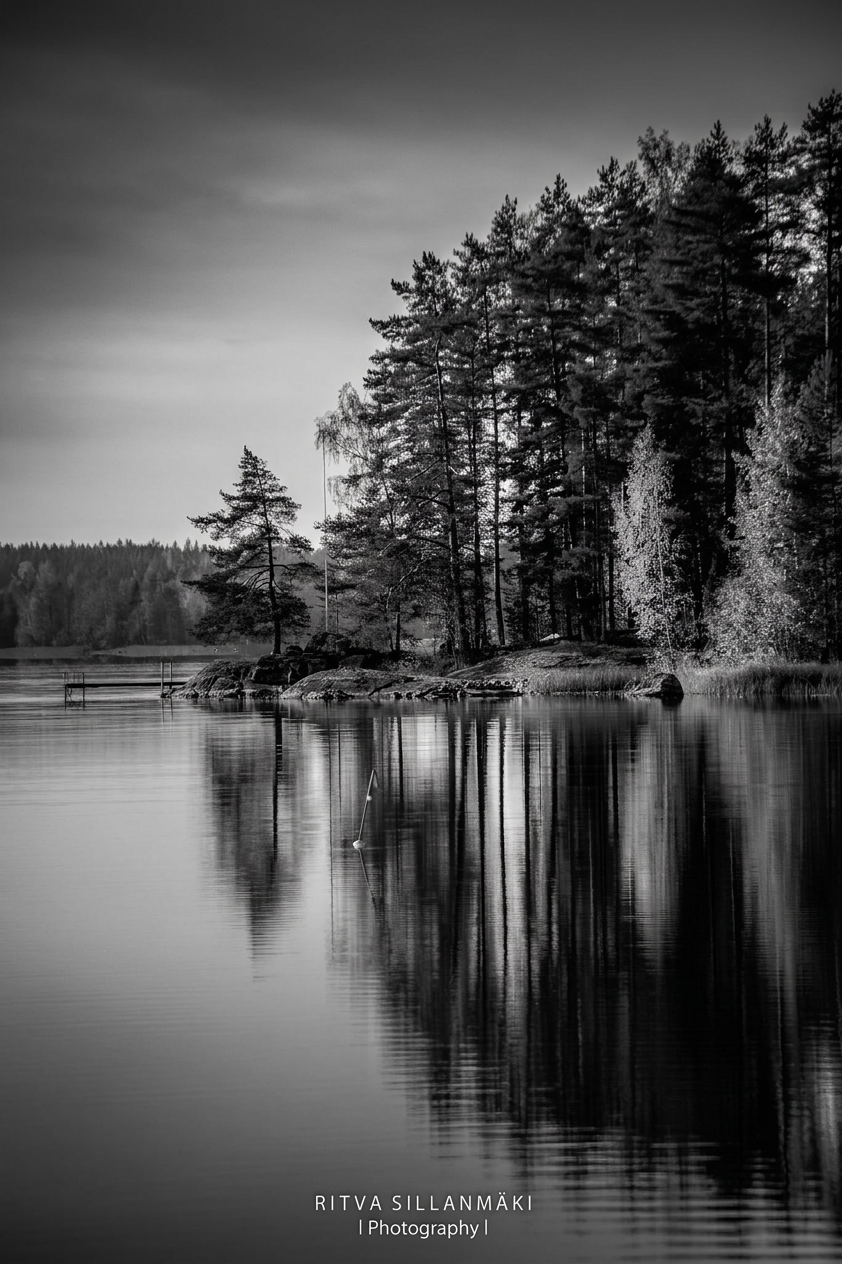
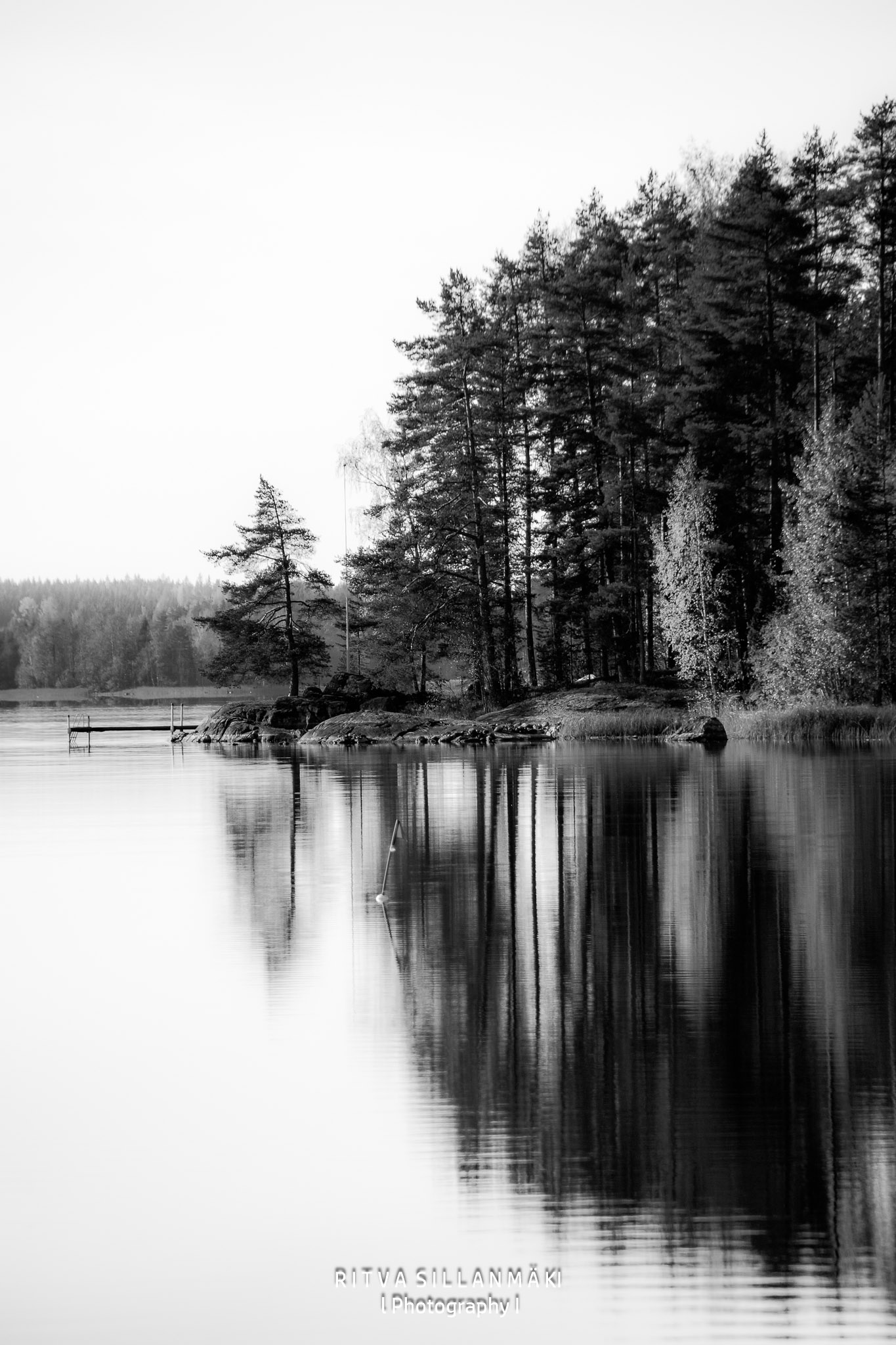
A week with no particular theme for Monochrome Madness. So I had two choices, totally different, other than that they are both in monochrome – or black and white. One of them you might remember from a recent post, and I wanted to let you see how it converted to B&W – I thought it worked really well and gained a slightly different mood.
This is how I would describe the first image: A quiet black-and-white scene opens onto a still lake, its surface edged by a rocky, forested shore. Tall pines and slender birches rise along the right, while the far woods soften and disappear into a pale, overcast mist. The water lies glassy and mute, holding the trees and sky in a dim reflection. To the left, a small dock and, nearer the viewer, a single fishing float offer the slightest trace of human presence. The pared-back tones and unhurried composition leave the image hanging in a contemplative, almost hushed mood.
The mood is different in them the other image shows a calm lake bordered by a rocky, forested shoreline of tall pine and birch trees. The glassy water reflects the dense woodland in long vertical patterns, while a small dock extends into the lake on the left and a floating marker sits in the foreground. Soft mist or haze lightens the distant trees and bright sky, creating a quiet, minimalist atmosphere.
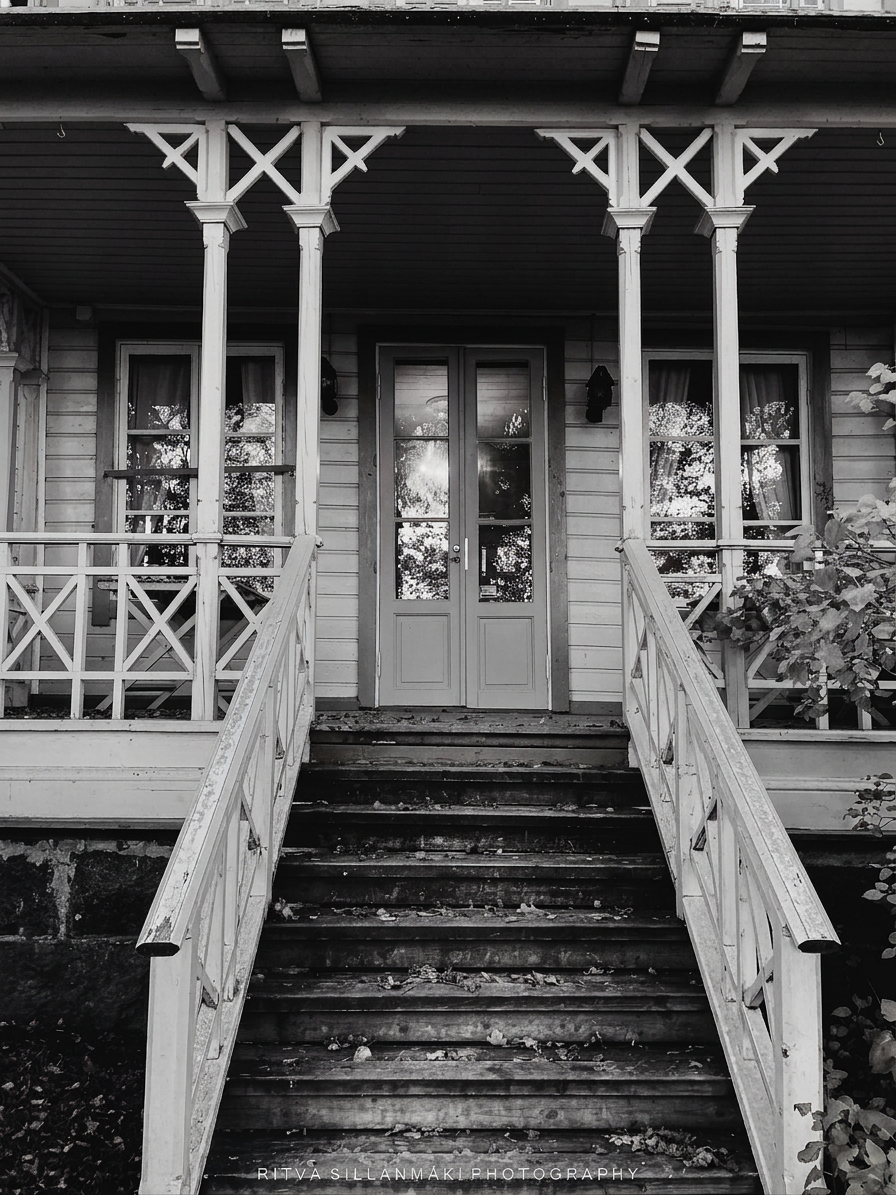
The third photo is a set of stairs leading to an inviting porch in autumn, full of texture and gentle light. Which is your preference, and what draws you more: the familiar image transformed, or the quiet promise of that autumn porch, mayne with some candles in lovely lanterns?
A black-and-white view of a weathered wooden porch, framed by ornate columns and leading up to a quiet double do
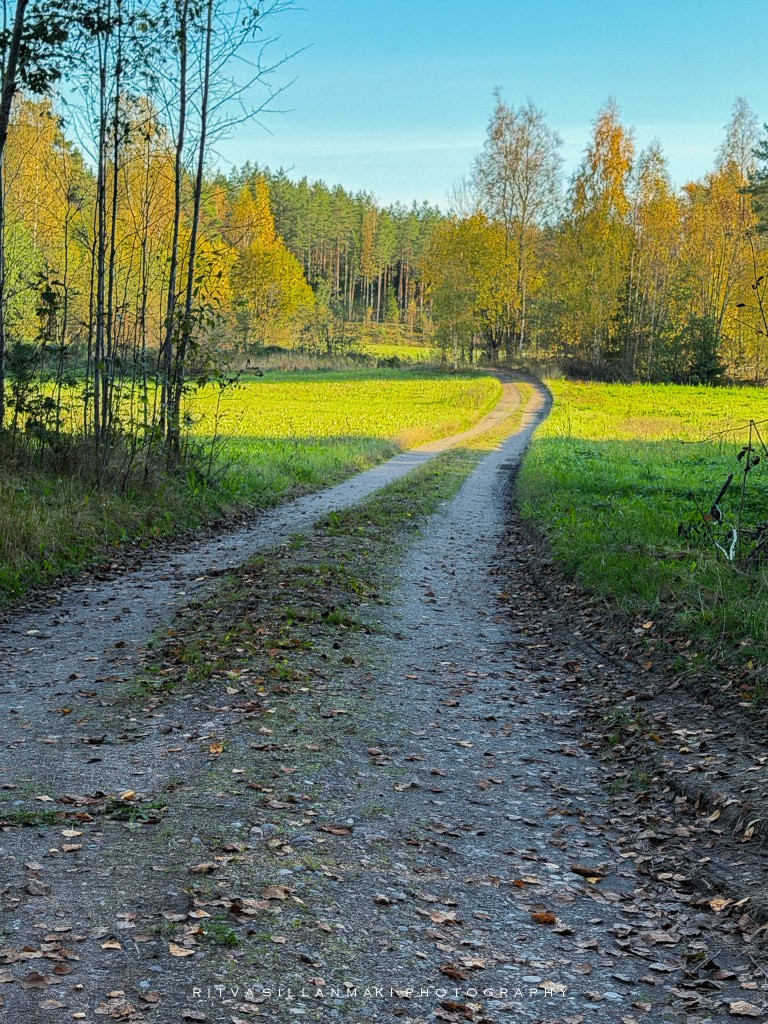
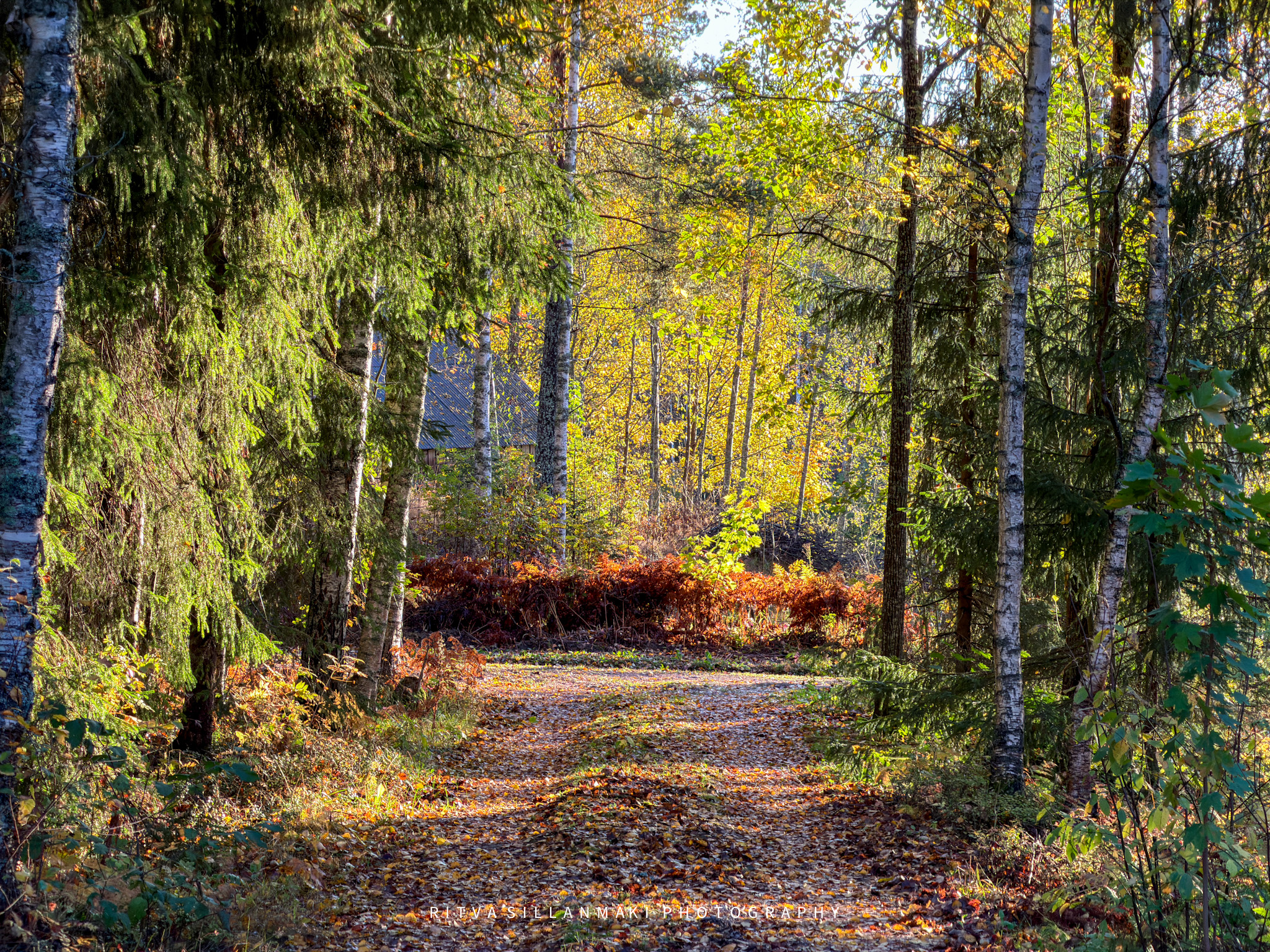
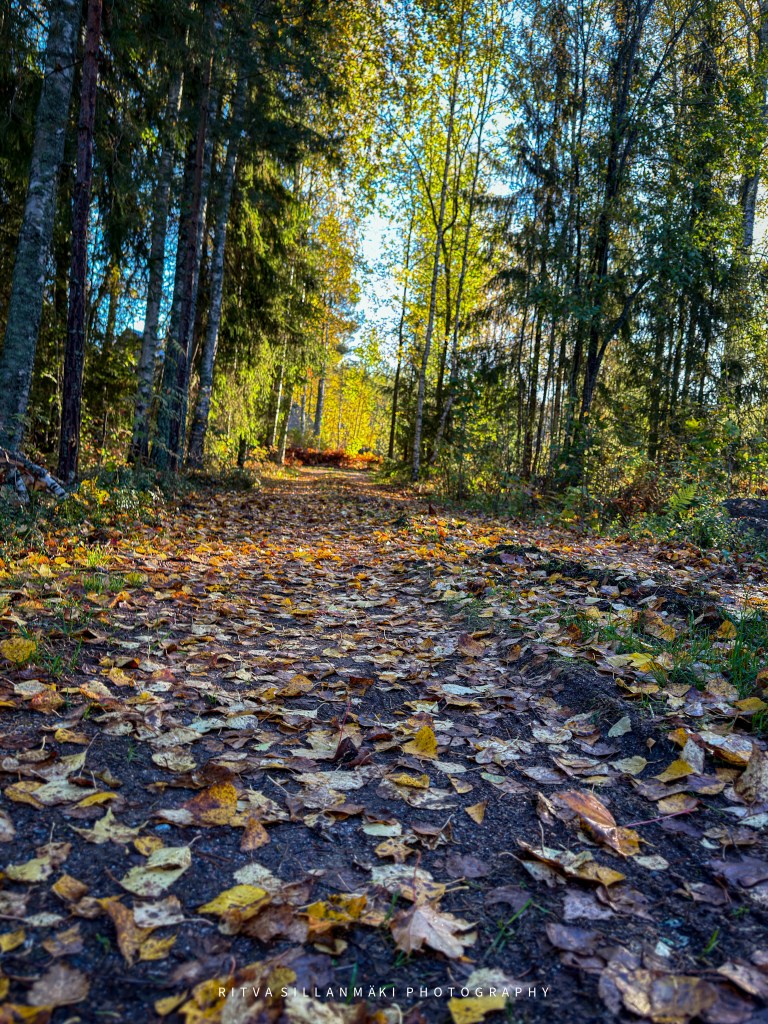
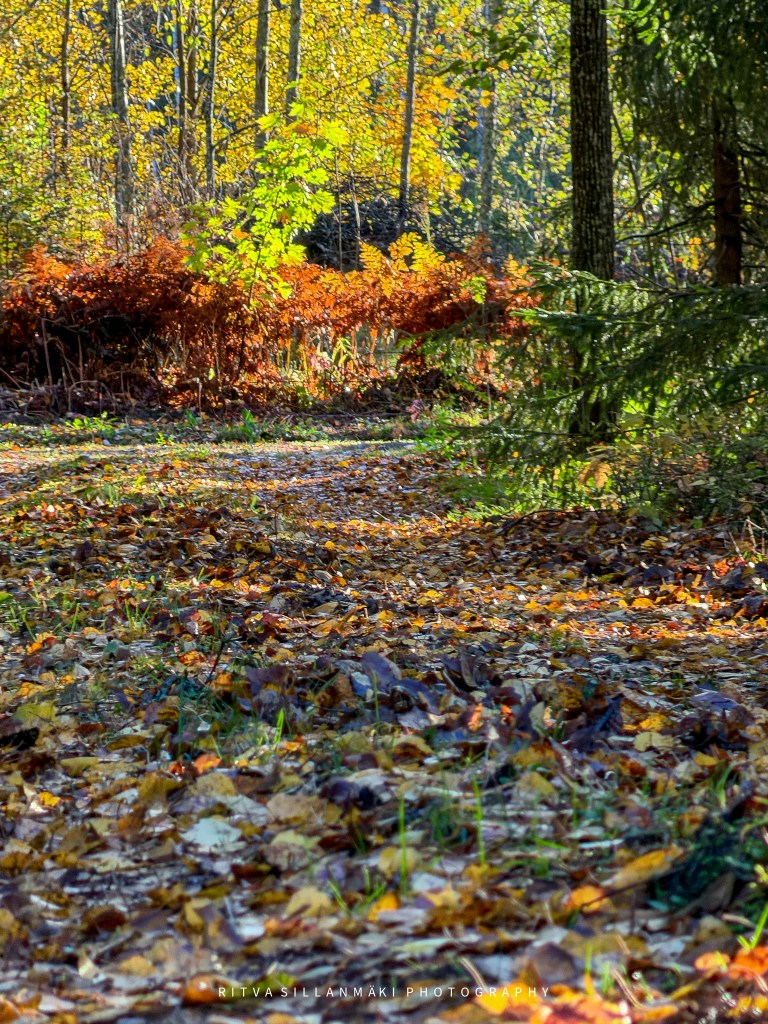
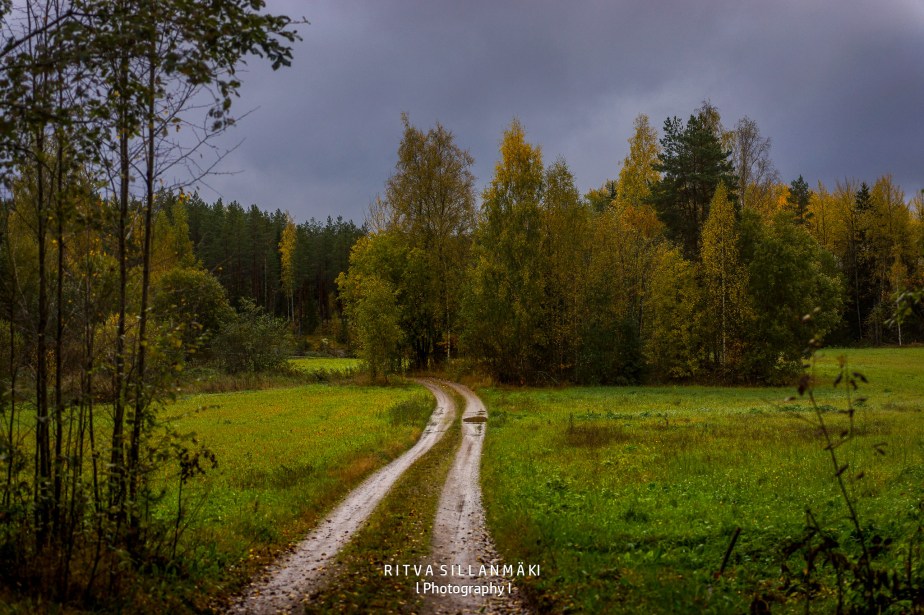
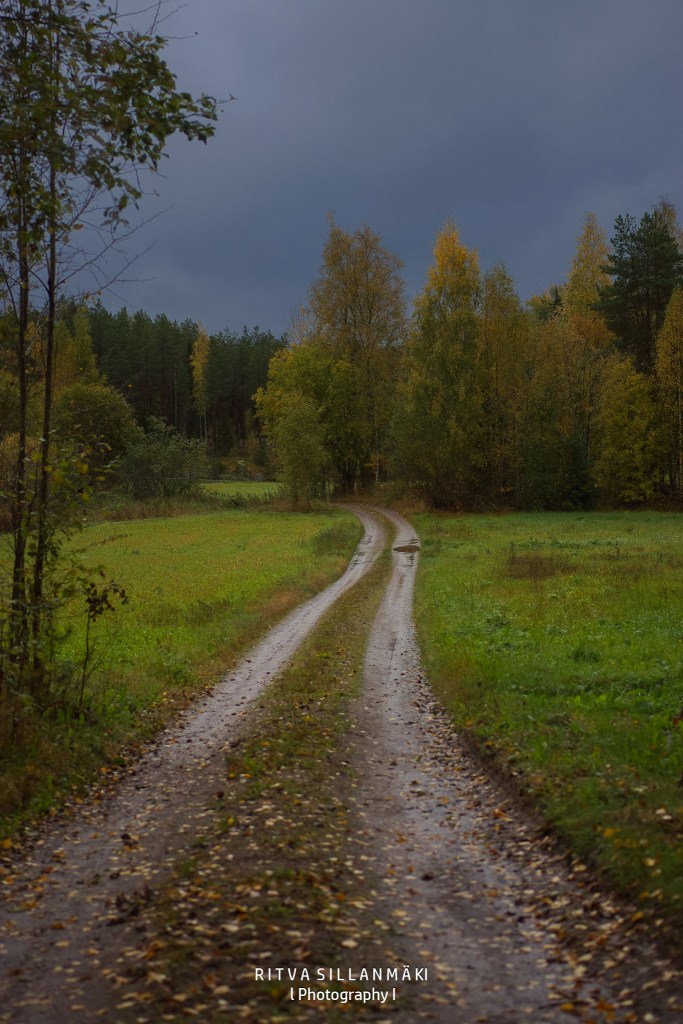
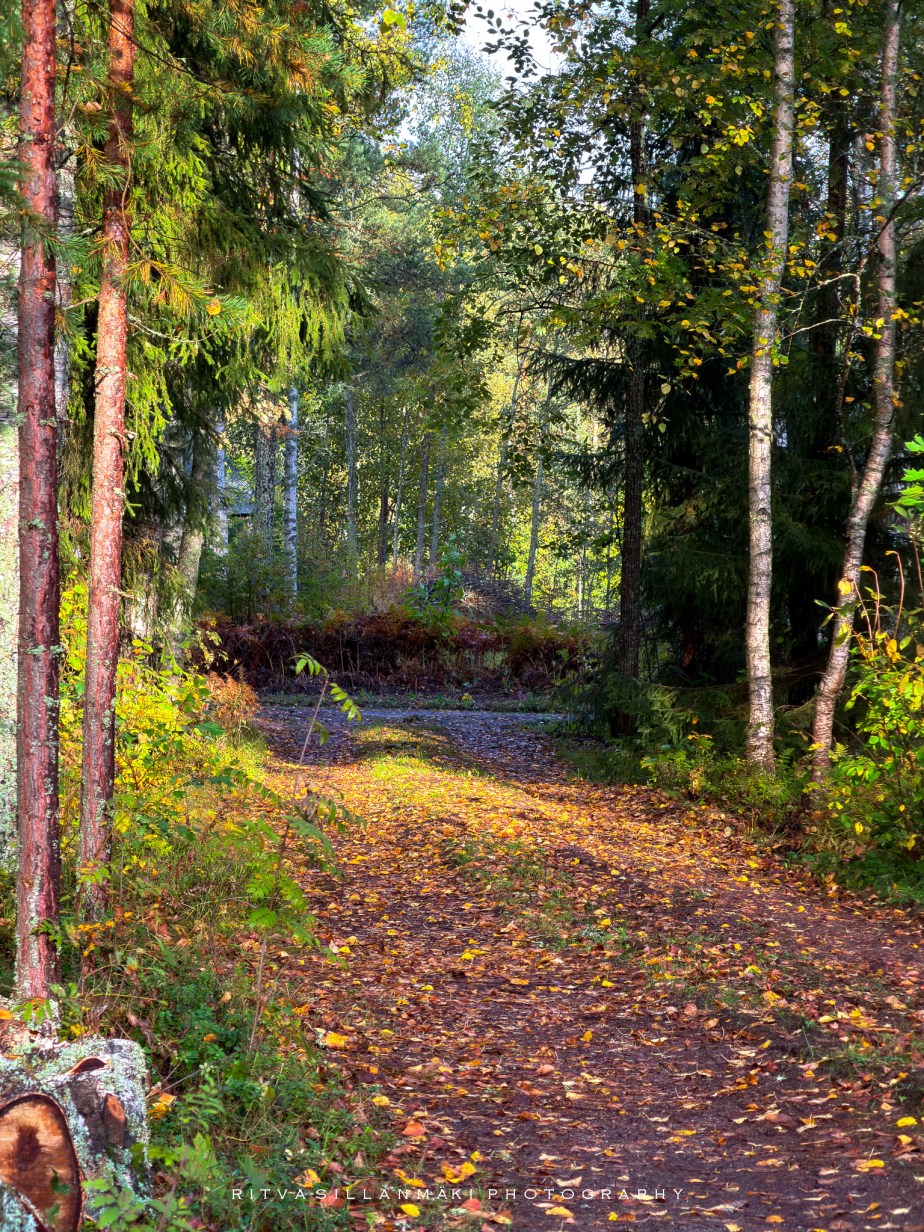
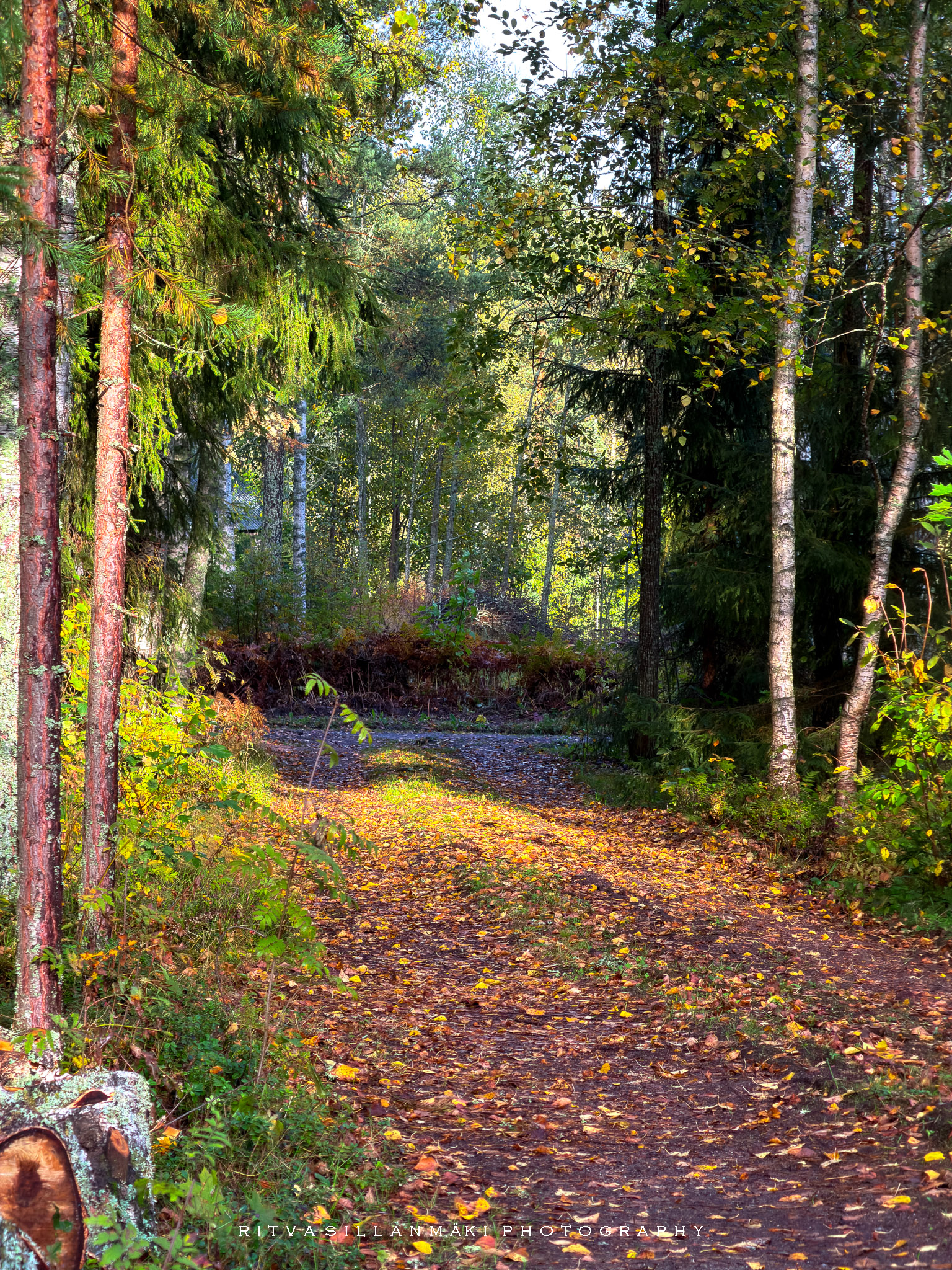
I took these this morning, first sunny day in a week, it was so welcome sight. This path leads to my summer house, sharing them with Johns Cellpic Sunday
A sunlit autumn path winds through a colorful birch and evergreen forest.
This week it is Anne´s turn to host us with a great theme, MOVE YOURSELVES. Photography, to me, is about showing what I see and how I compose it. You need a camera, a willingness to really look, and the freedom to move toward your subject to find the right angle, distance, and light. It is as much about quiet observation as it is about action, taking the time to notice small details and relationships in the scene. In the end, it is always a return to the basics: seeing clearly, moving with intention, and framing the moment in a way that feels true. Anne challenge is all about that.
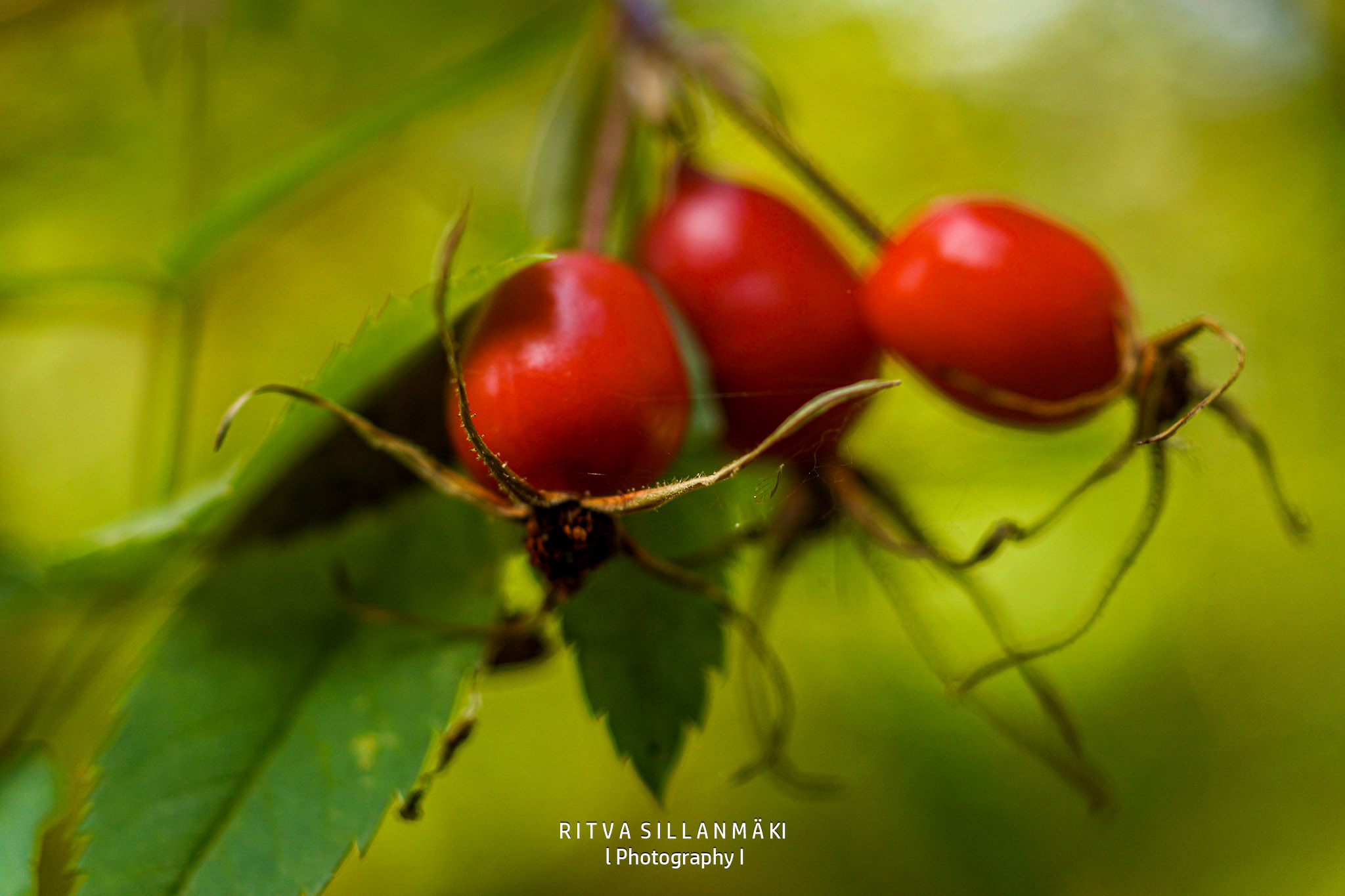
A close-up of three glossy red wild rose hips nestled among vivid green leaves.
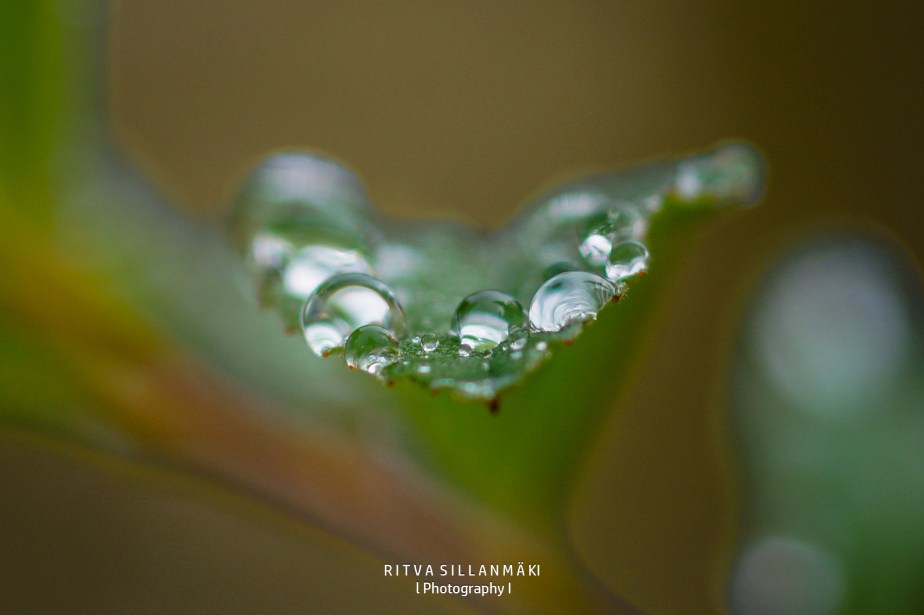
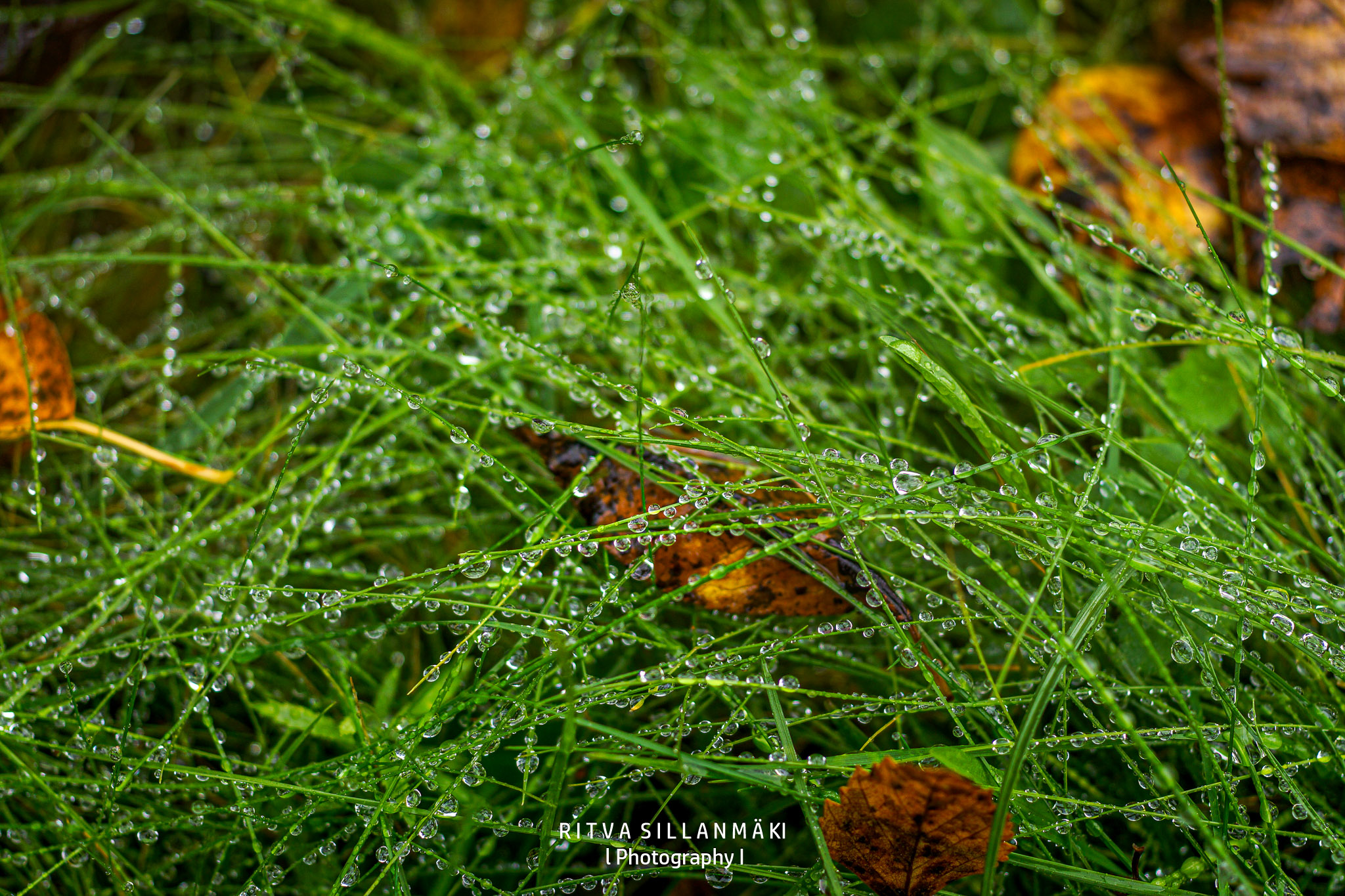
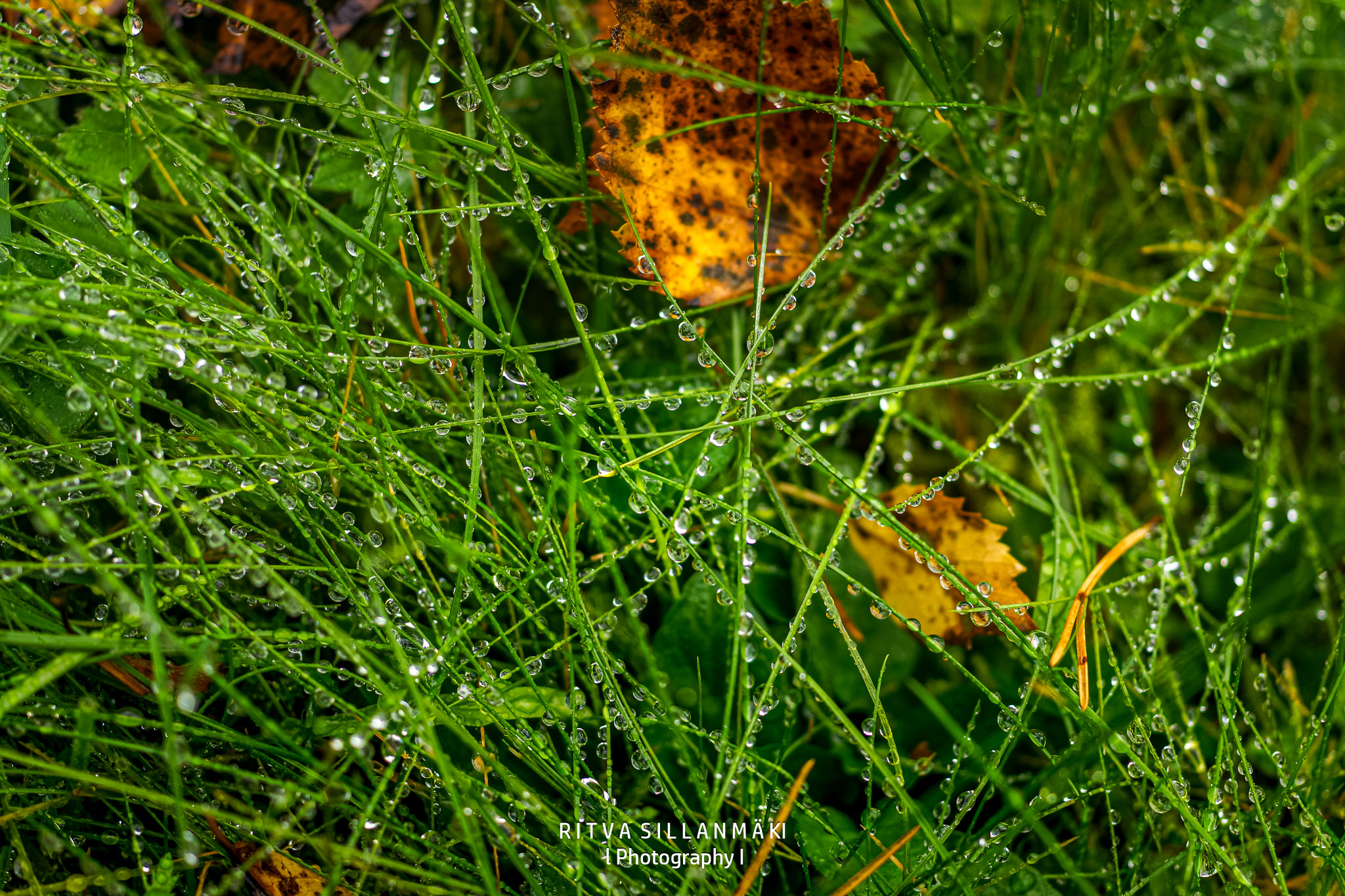
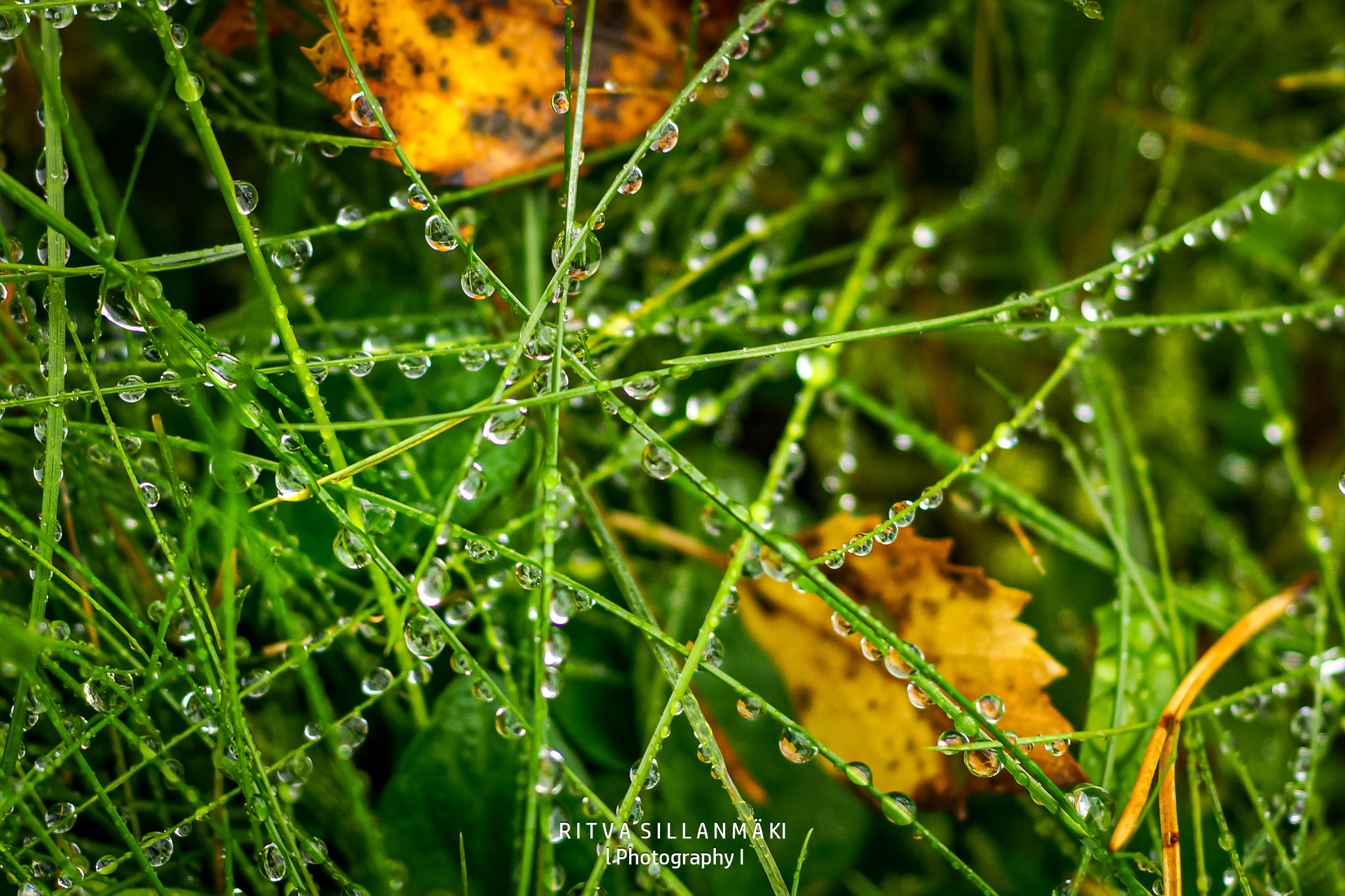
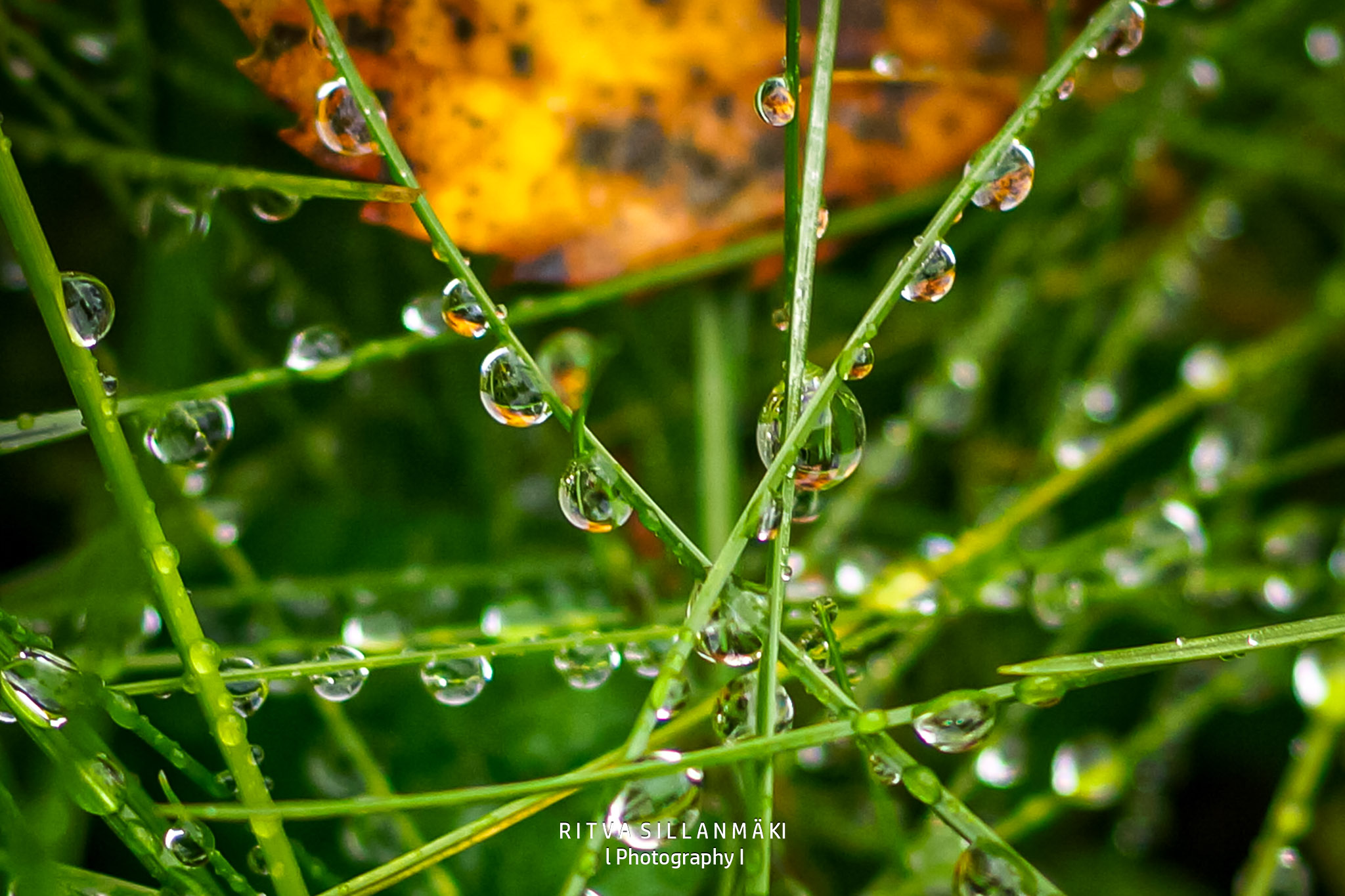
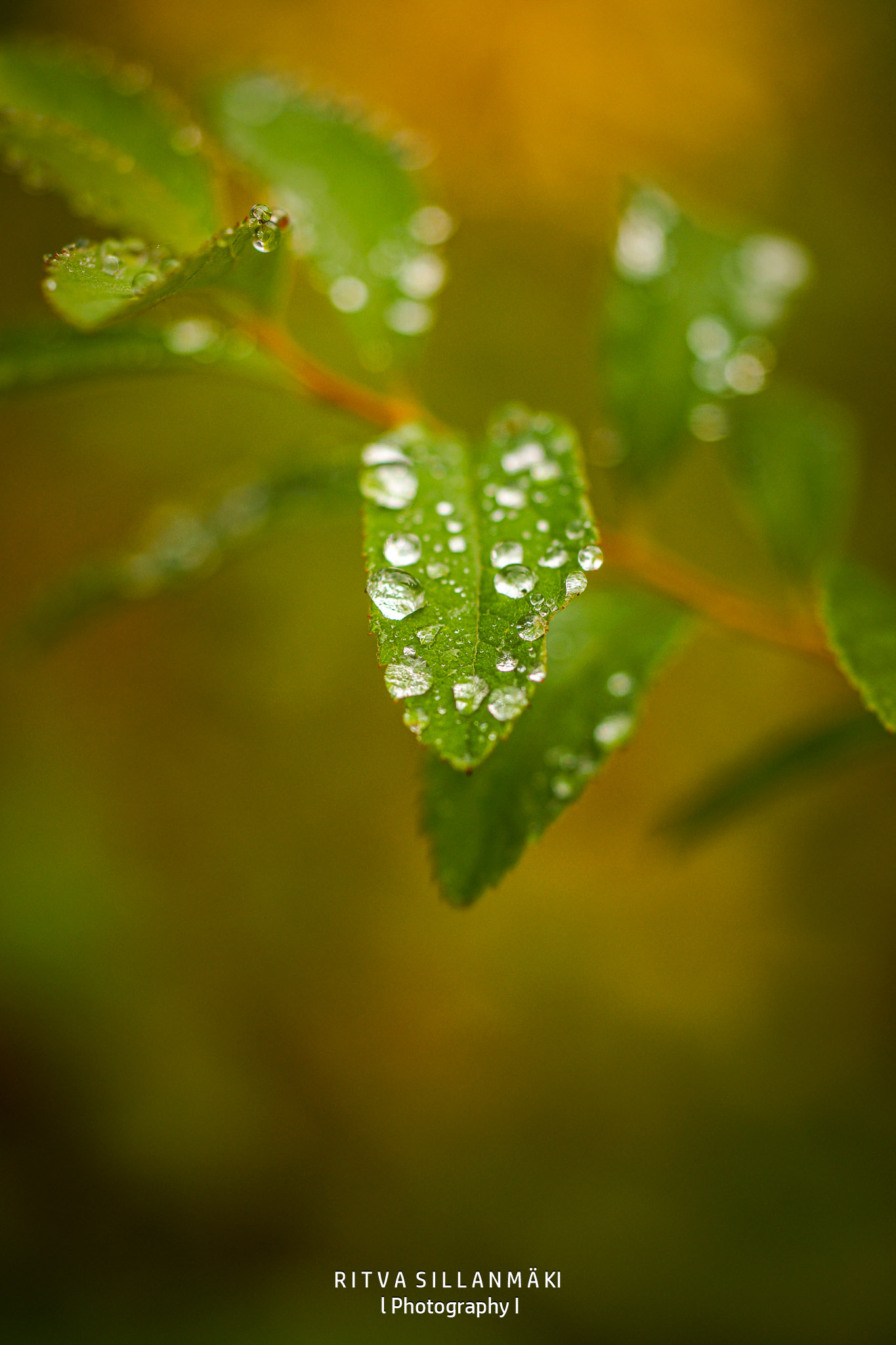
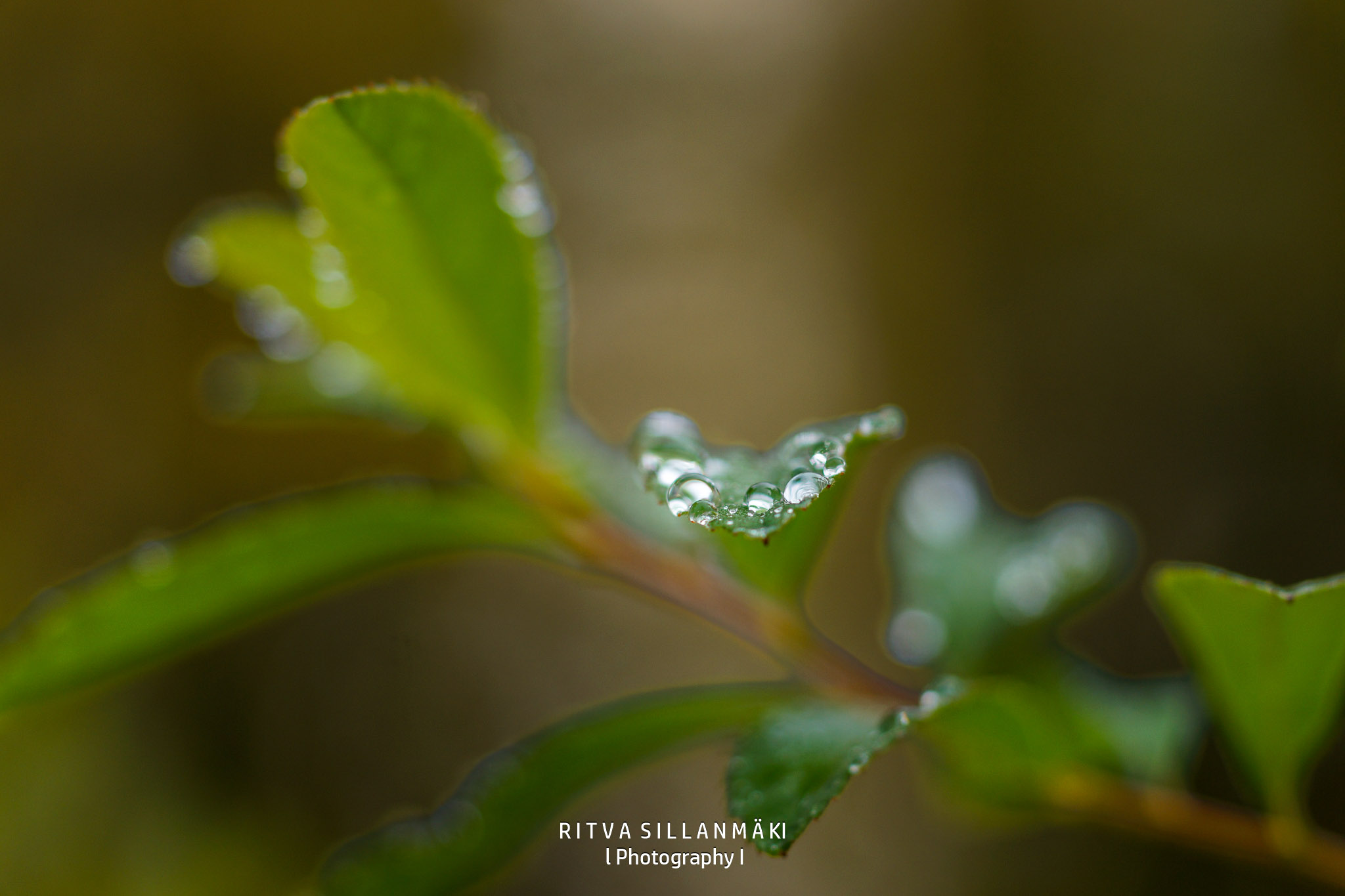
Last week here in Finland, we had miserable weather. Rain, drizzle, low clouds – the day never really got bright. Yet with rain come droplets, and I’m known to show a lot of love toward that subject. On days like this, I slow down and simply watch how the droplets gather on leaves, branches, , each one holding a tiny, upside‑down world inside. The light is soft and diffused, wrapping gently around every surface so that even the smallest bead of water catches a quiet glow instead of a harsh reflection. Gloomy weather also simplifies the scene, removing distractions and letting subtle tones, reflections, and shapes guide the composition.
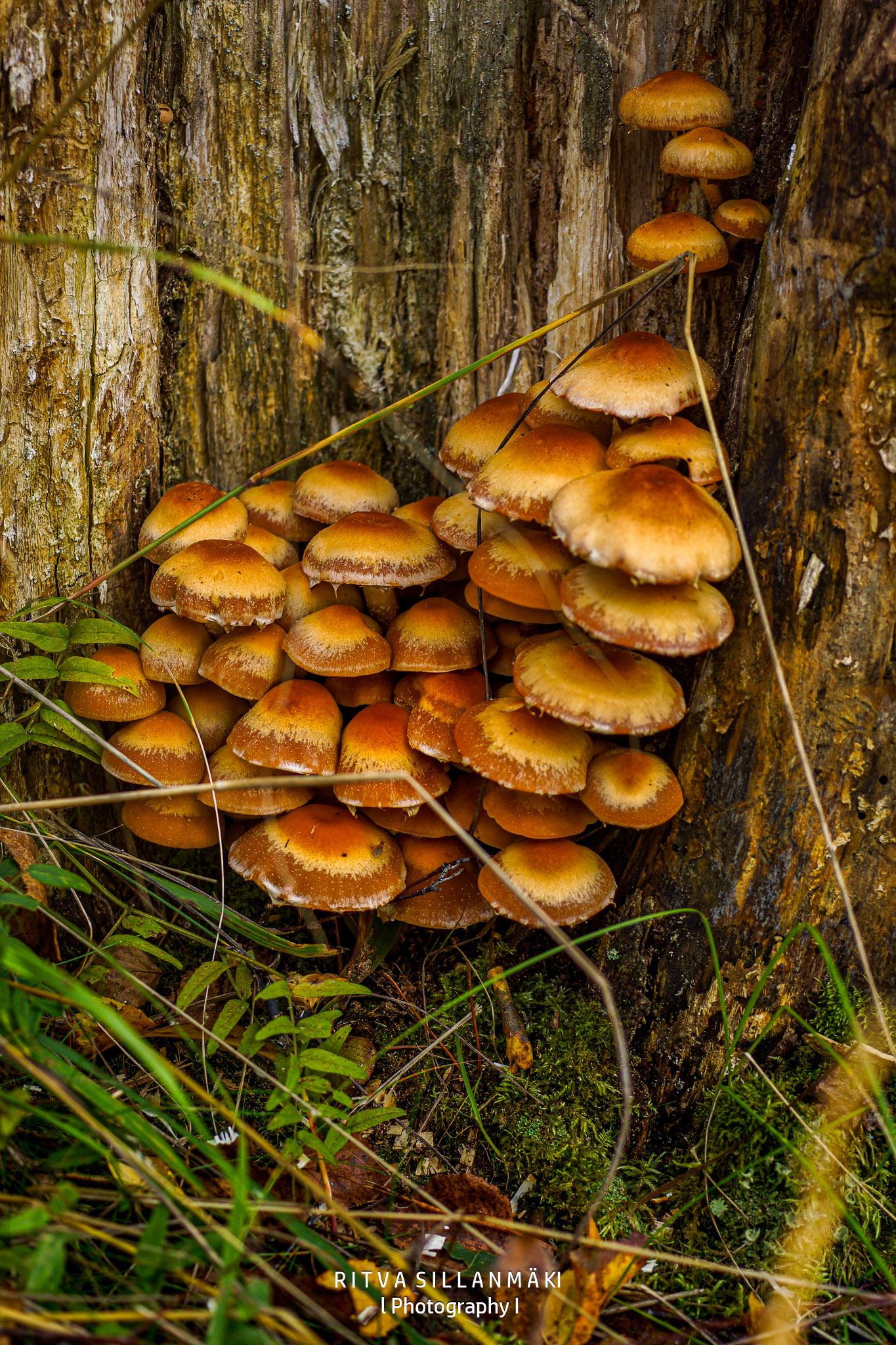
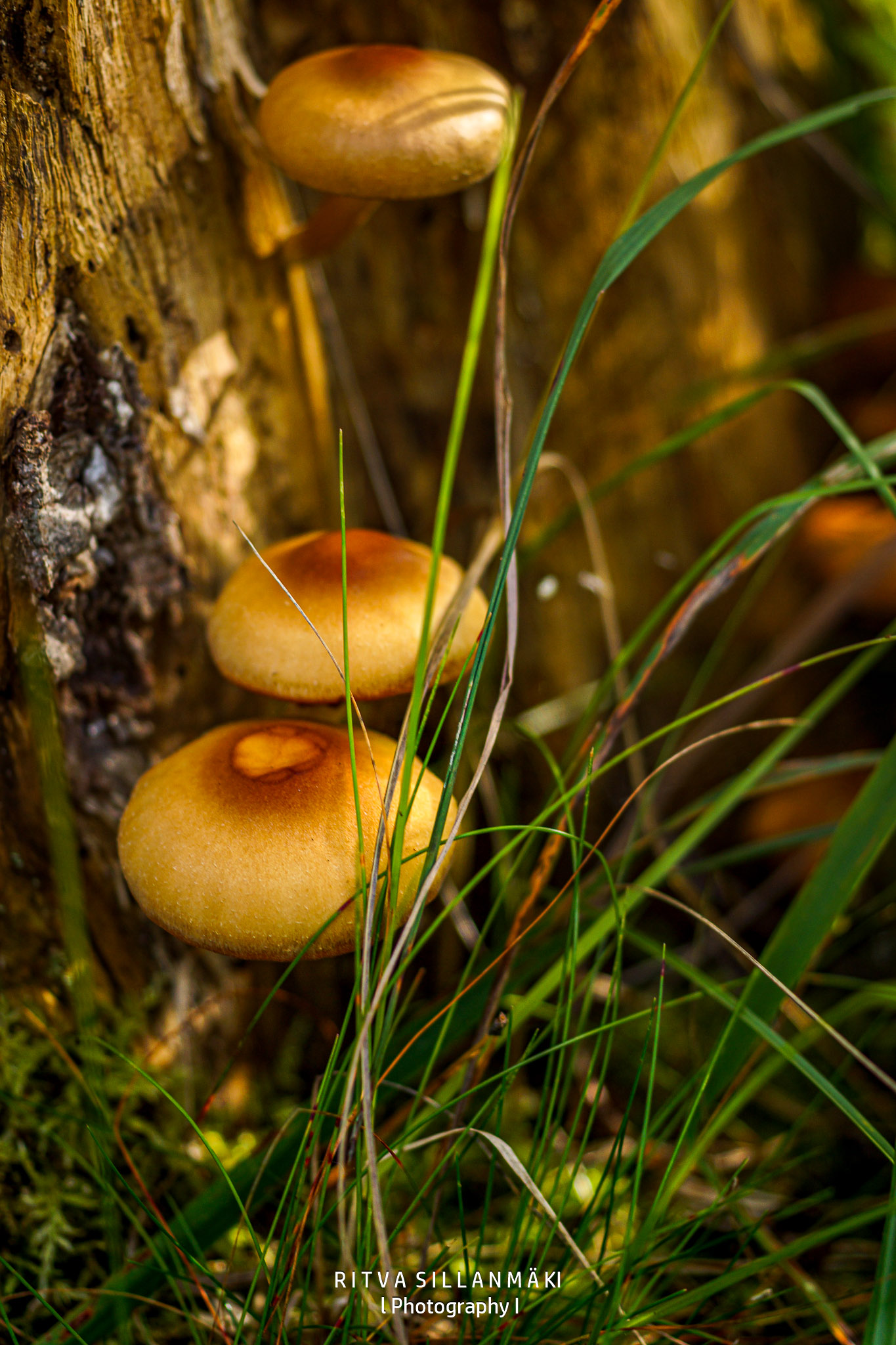
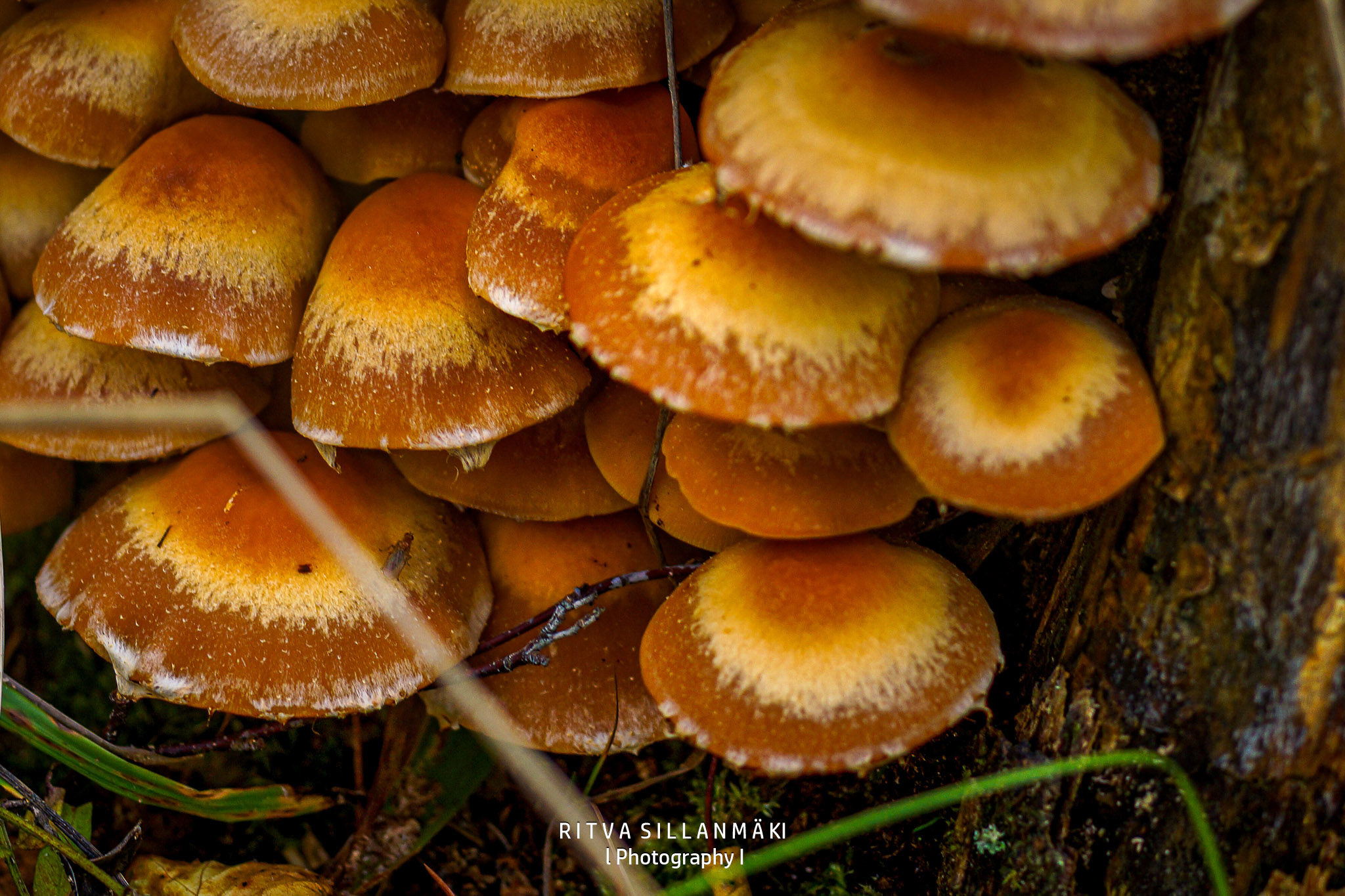
I found these mushrooms on a tree trunk that is on a path to decay. The photo shows many sheathed woodtufts (Kuehneromyces mutabilis), but telling them apart from the highly poisonous funeral bell (Galerina marginata) requires careful examination of the stem, because the caps look very similar.
The grass was covered in tiny droplets, each one catching the light in a slightly different way. I took my time, just looking—tracing the lines of the blades, noticing how the droplets clustered, how they broke into patterns and rhythms that I felt could become a strong photograph. The way the light slid across the surface, the soft reflections, and the contrast between sharp edges and blurred textures all started to suggest a composition. Because I was working with a macro lens that has no zoom, every change in framing meant that I had to move myself, slowly and deliberately, bending closer and adjusting my position by small increments to fine-tune the focus and preserve the delicate balance of light, texture, and form in the scene.
These were easier to take, as the branches were on eye level. Closer and closer I got… Billard’s bridewort had only this one flower left all the others had turned brown.
Delicate water droplets cling to a green leaf, creating a shimmering macro scene against a softly blurred background.
Check out Anne’s original post and link you post to hers. Please don’t forget to use the “lens-artists” hashtag in your posts so people can find your challenge entries.
Ann-Christine had us thinking about HARMONY last week, and it reminded us just how deeply we need it in our lives. The challenge inspired so many different and creative ways to express harmony—quiet moments in nature, balanced compositions, gentle colors, and heartfelt stories—and the posts I saw were filled with the calm, connection, and beauty we were hoping for. Thank you to everyone who joined in and shared your unique vision; together, you created a rich, soothing tapestry of images and ideas.
Next week, I’ll be introducing a brand-new challenge, which will go live Saturday October 3rd at noon EST in the USA. Mark your calendars and stop by then to discover what I’ve been planning and how you can join in the fun; I can’t wait to see where our lenses take us next.
Until then, let’s keep exploring, broadening our horizons, and maintaining a positive mindset
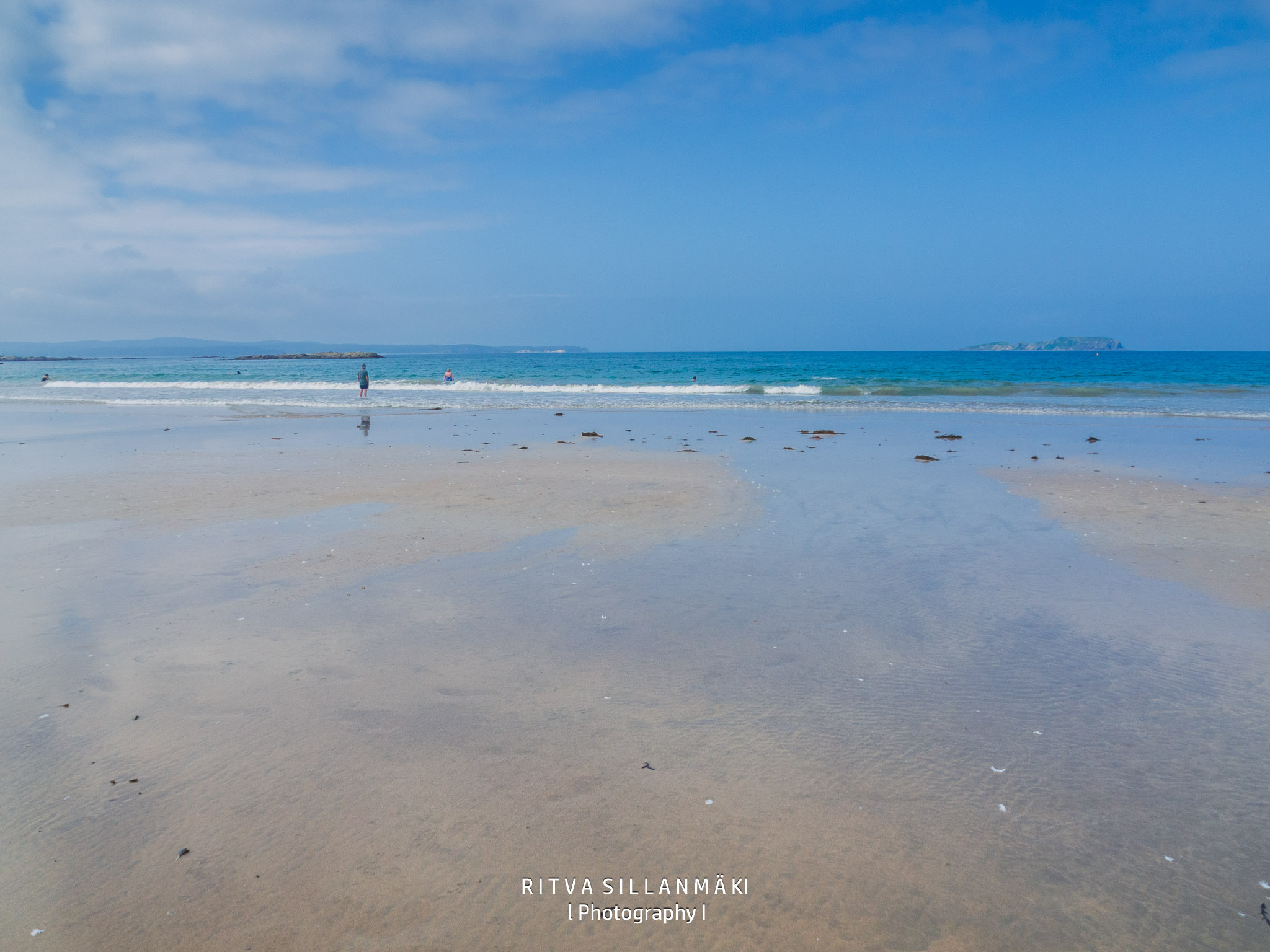
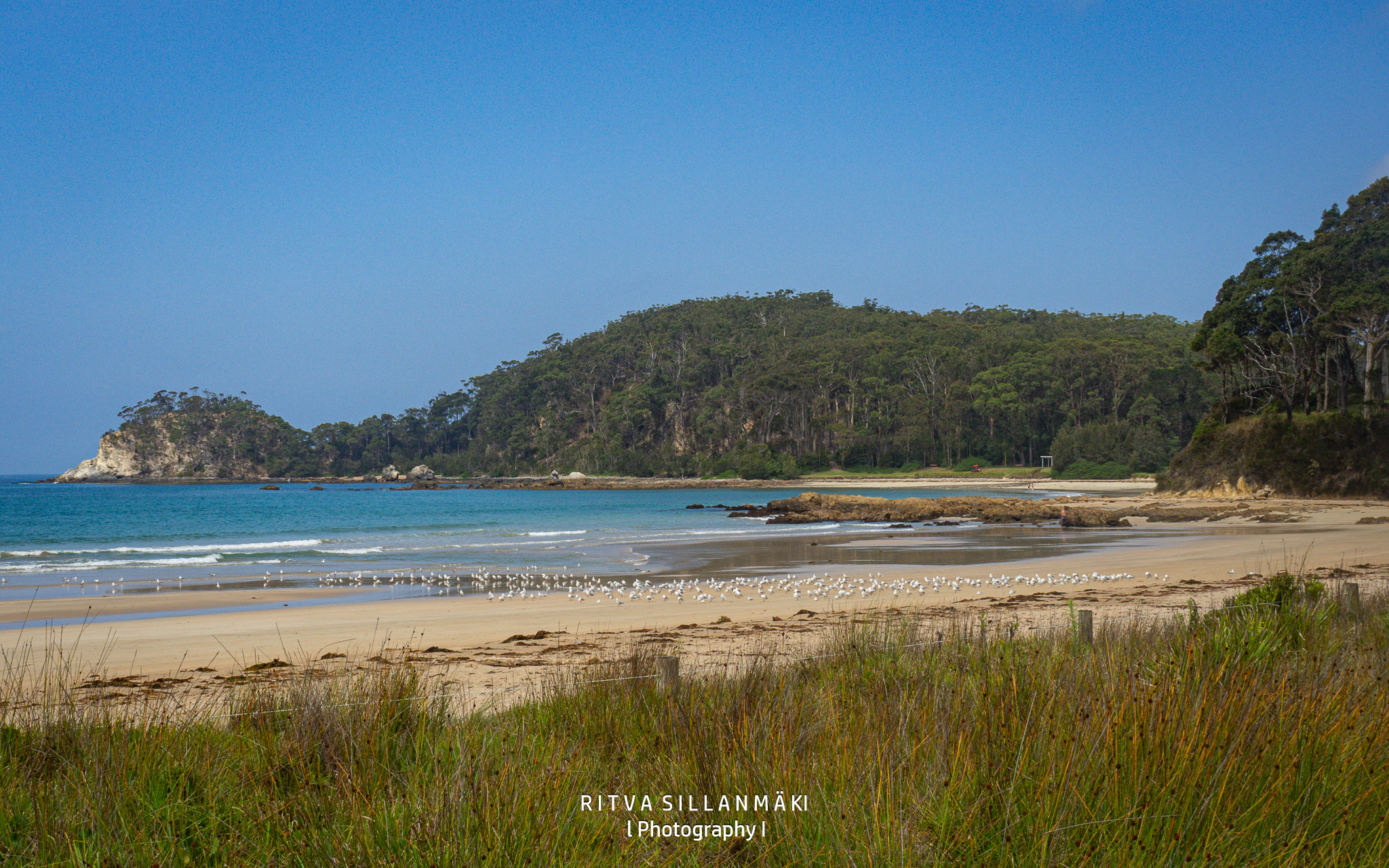
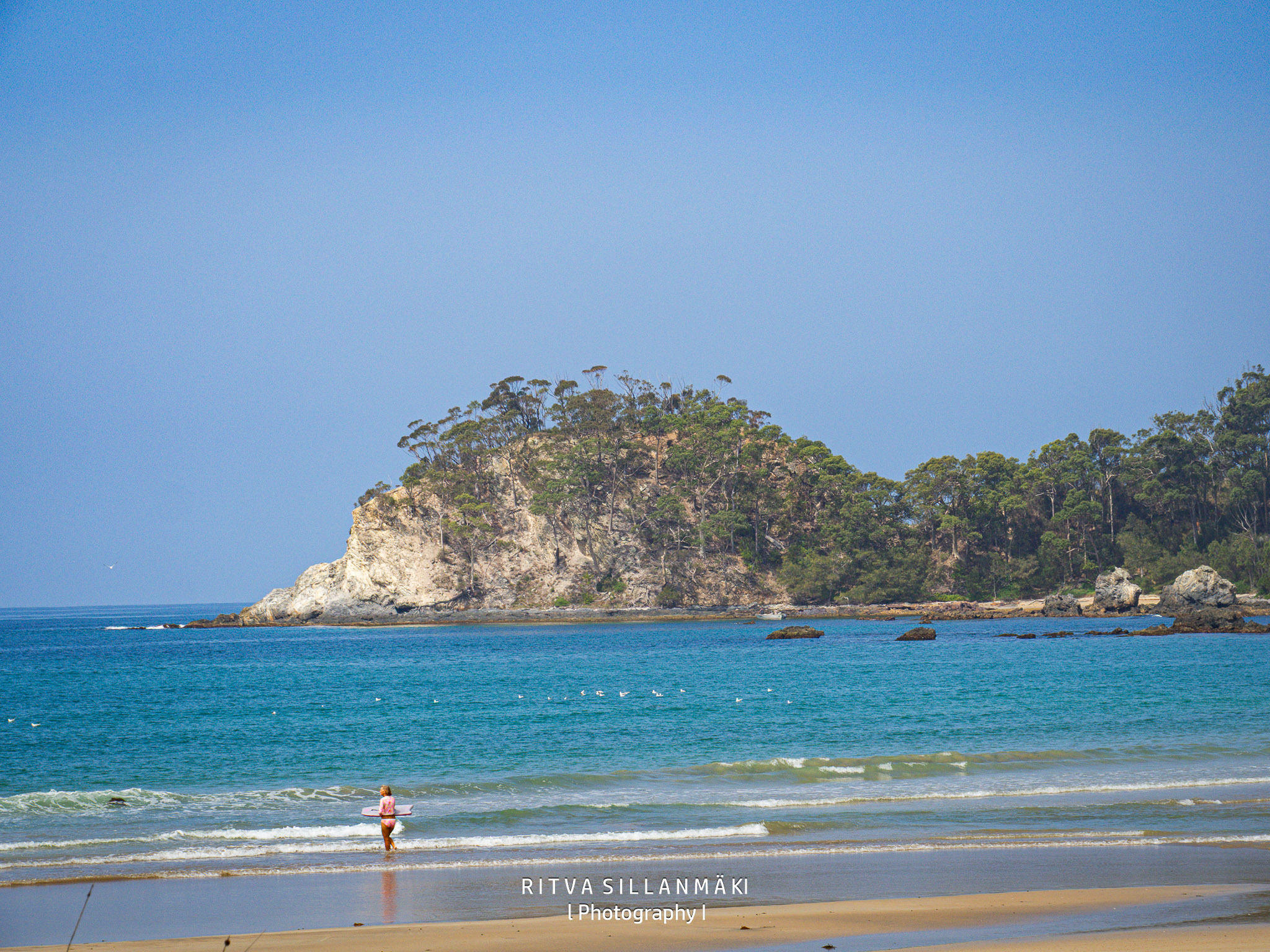
A tranquil sandy Surf beach stretches toward turquoise waves, distant islands, and a bright blue sky.
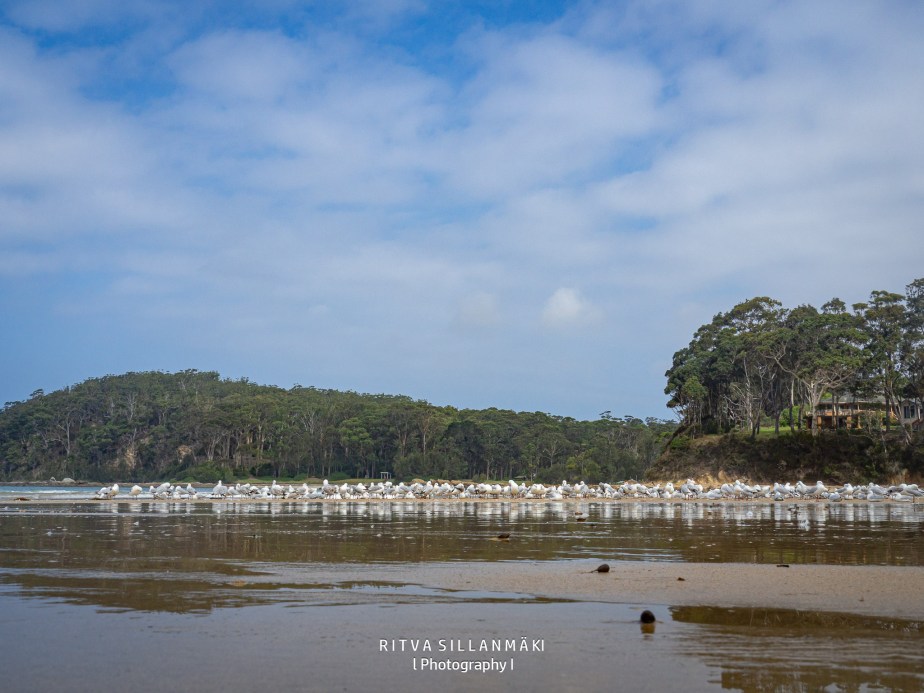
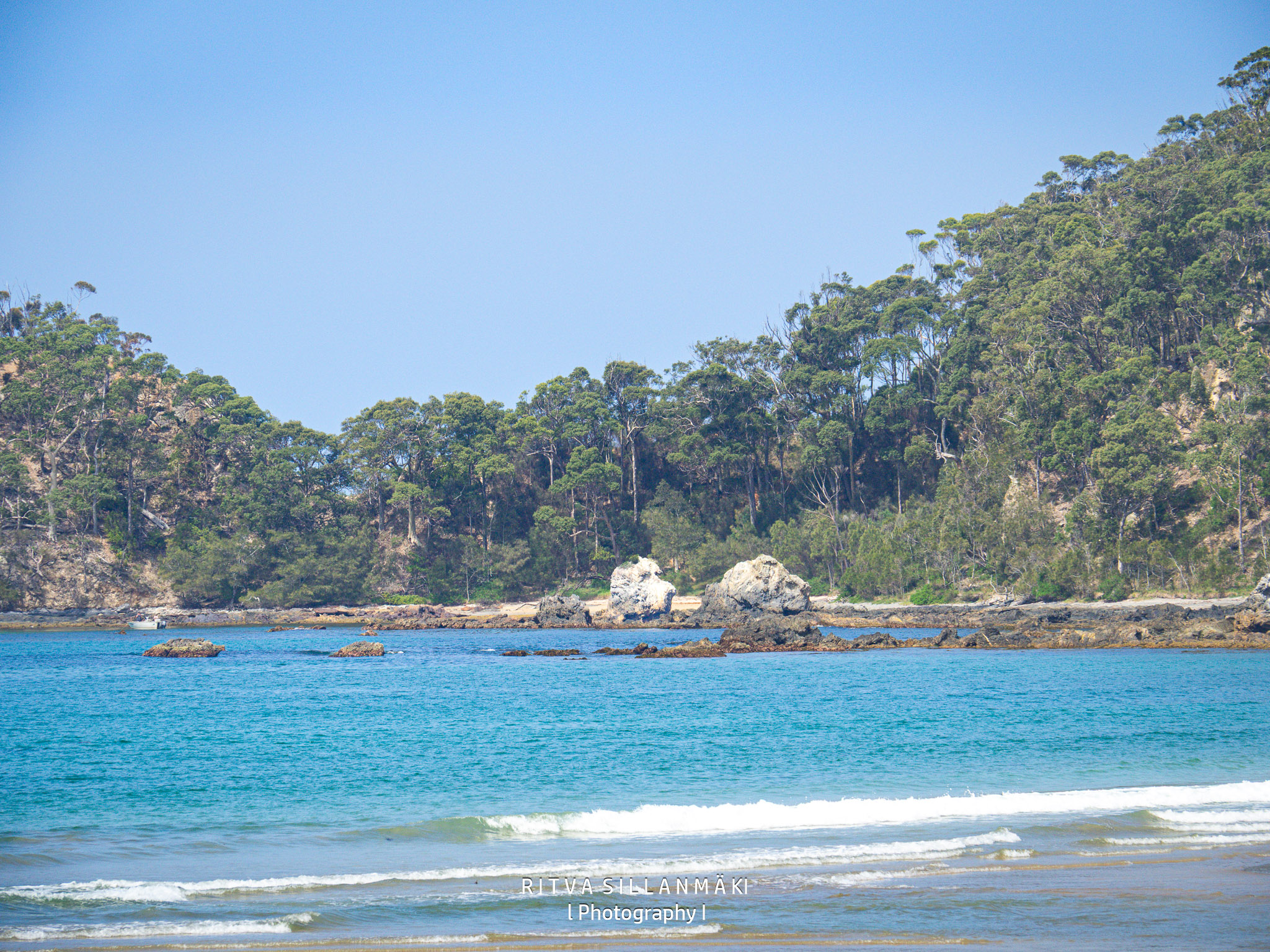
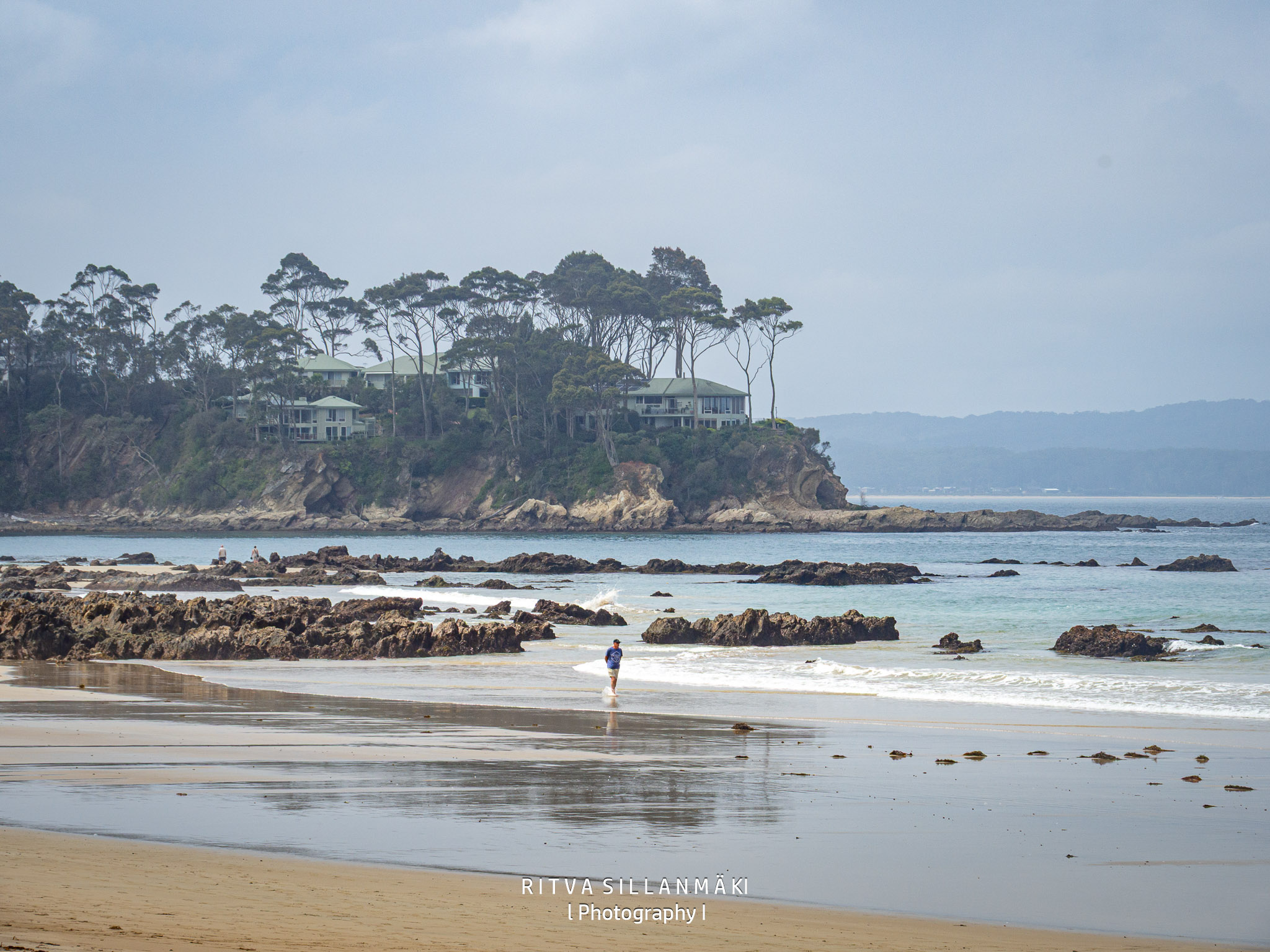
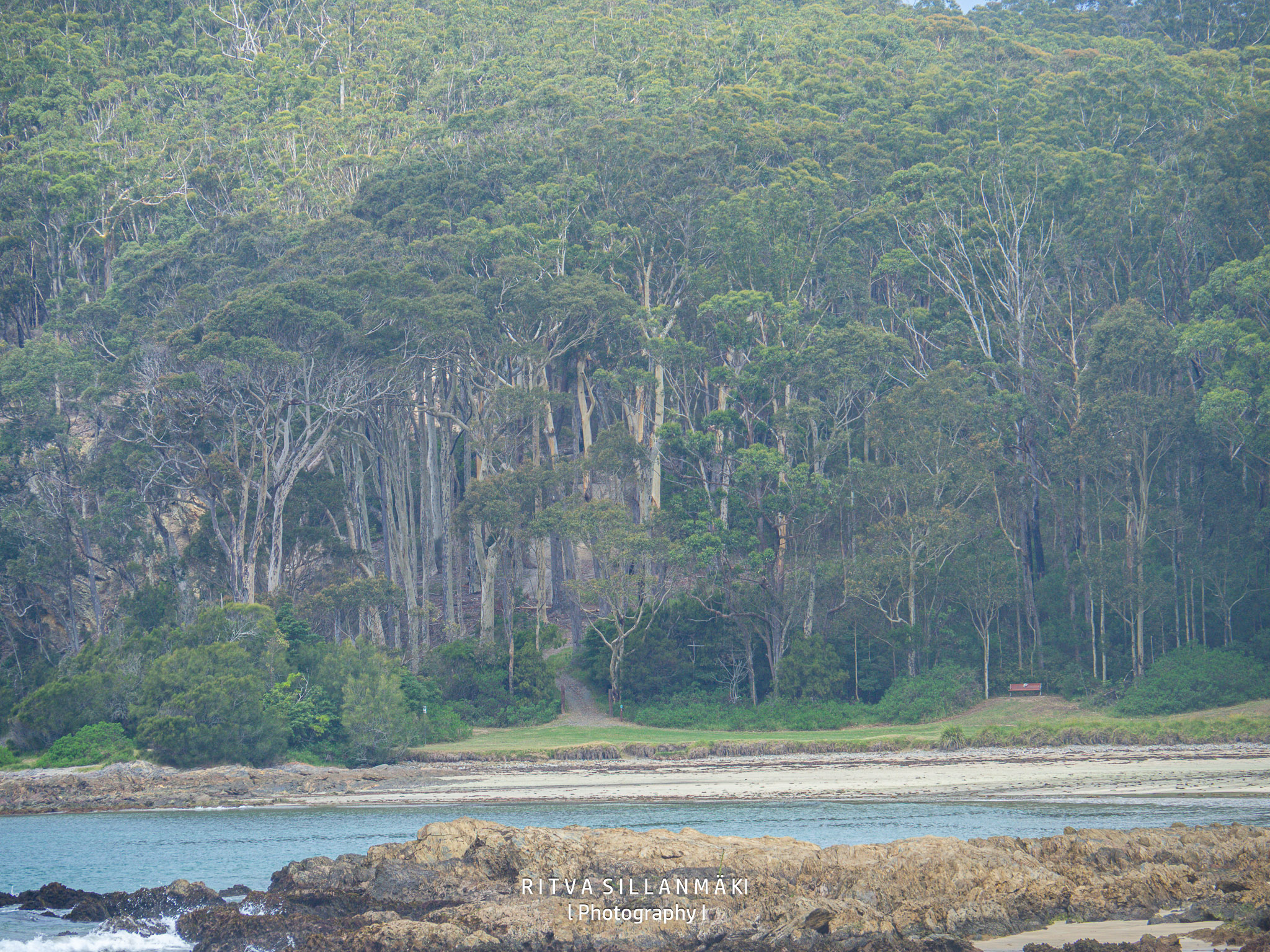
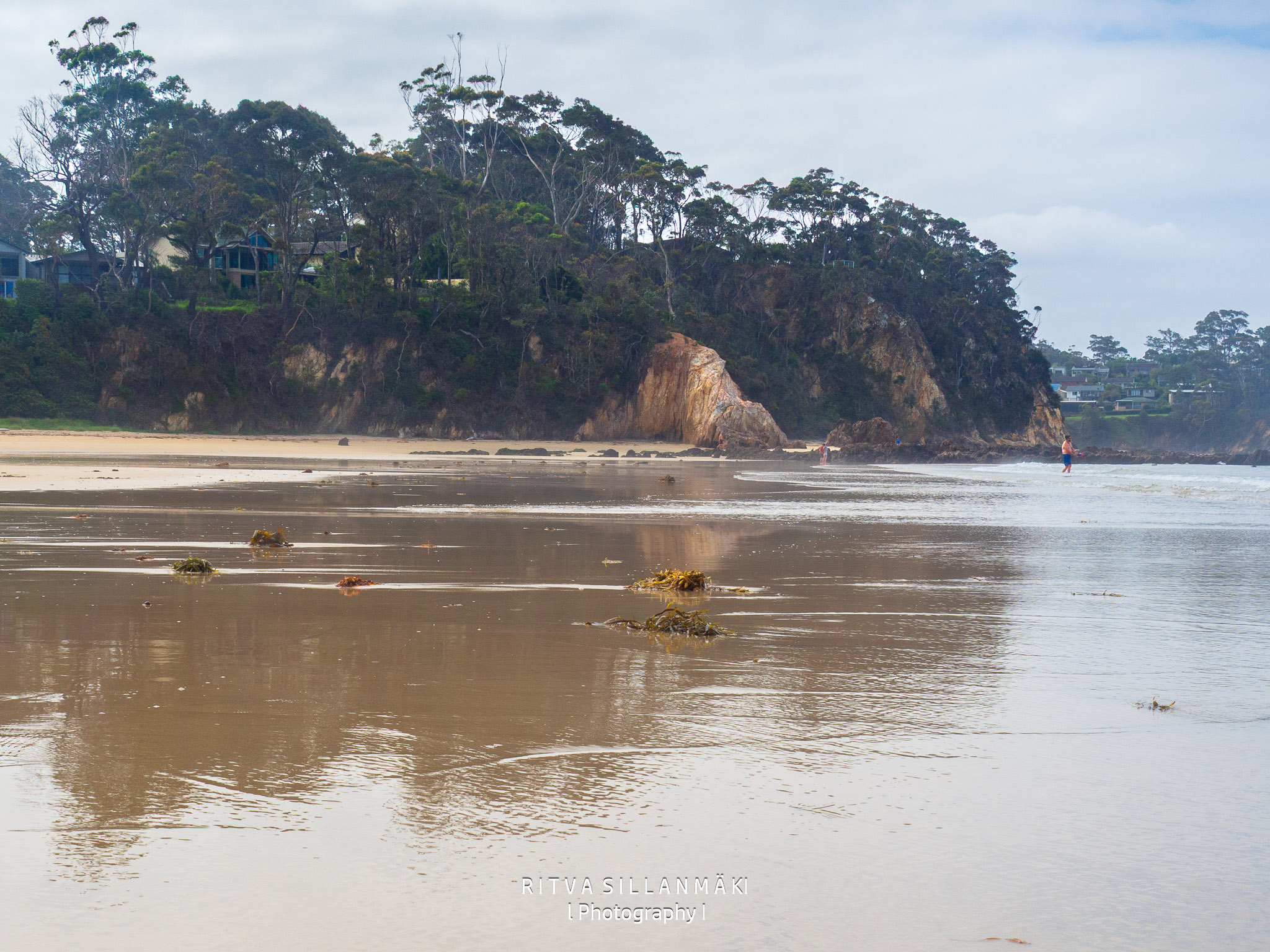
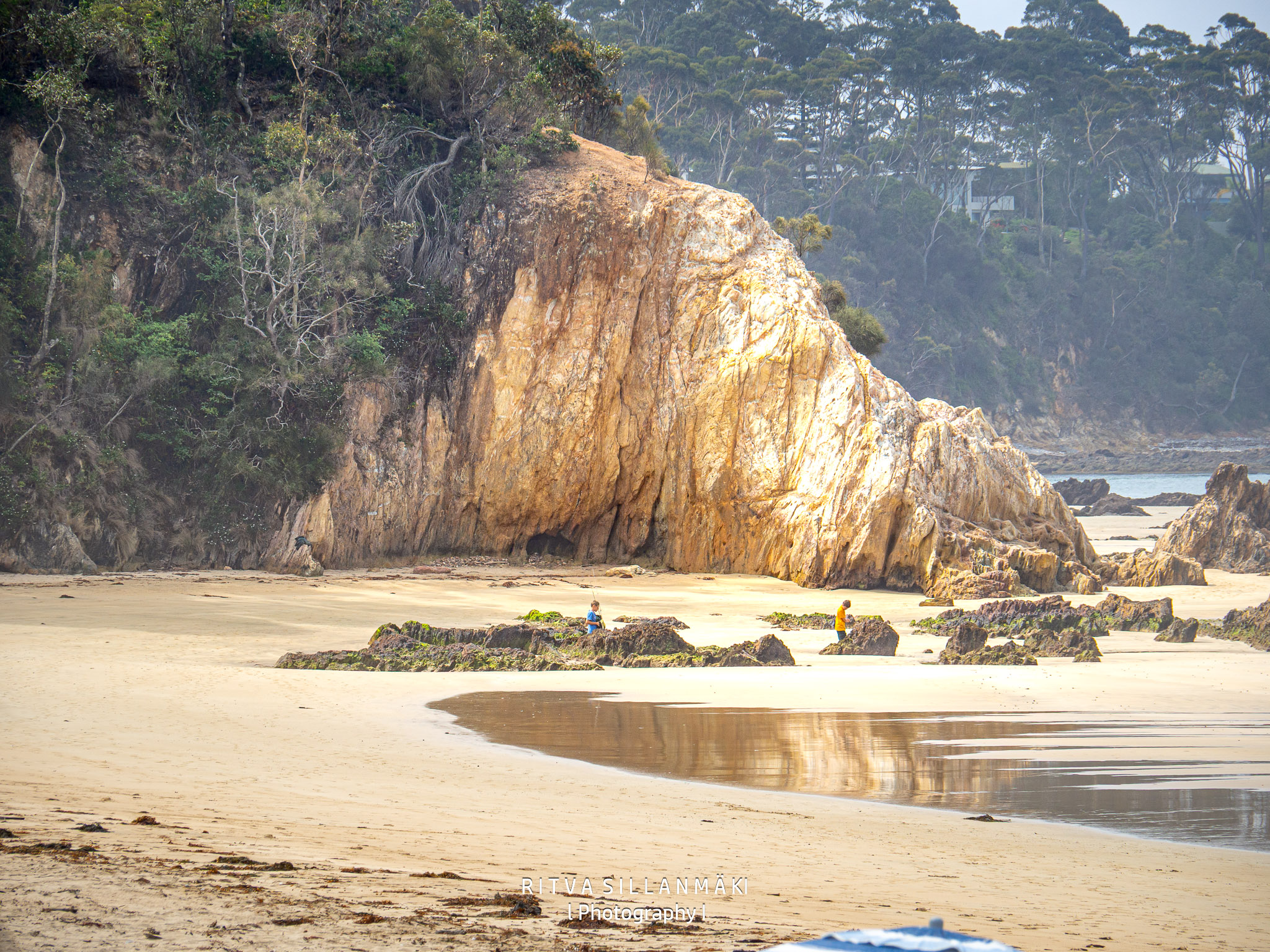
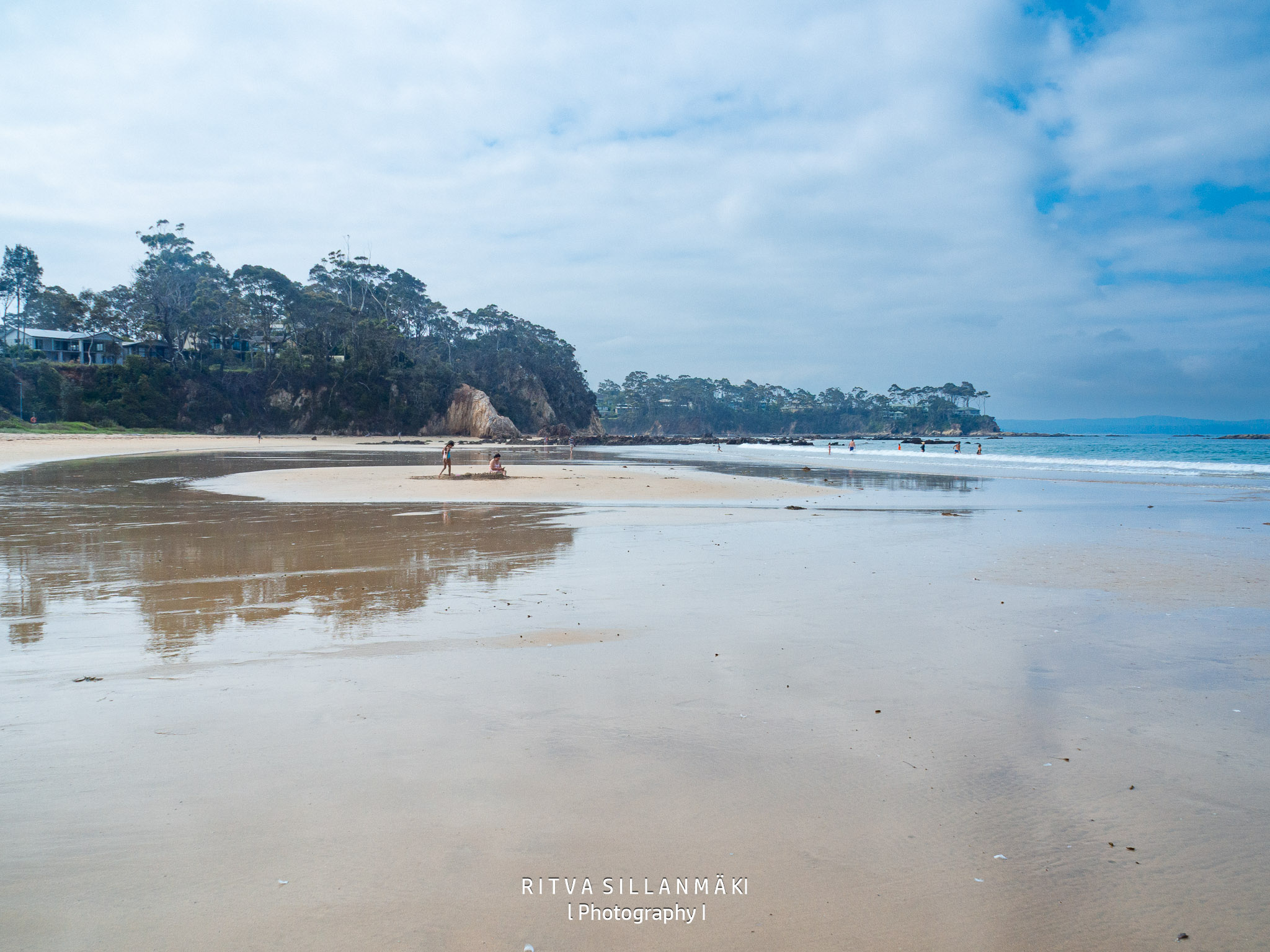
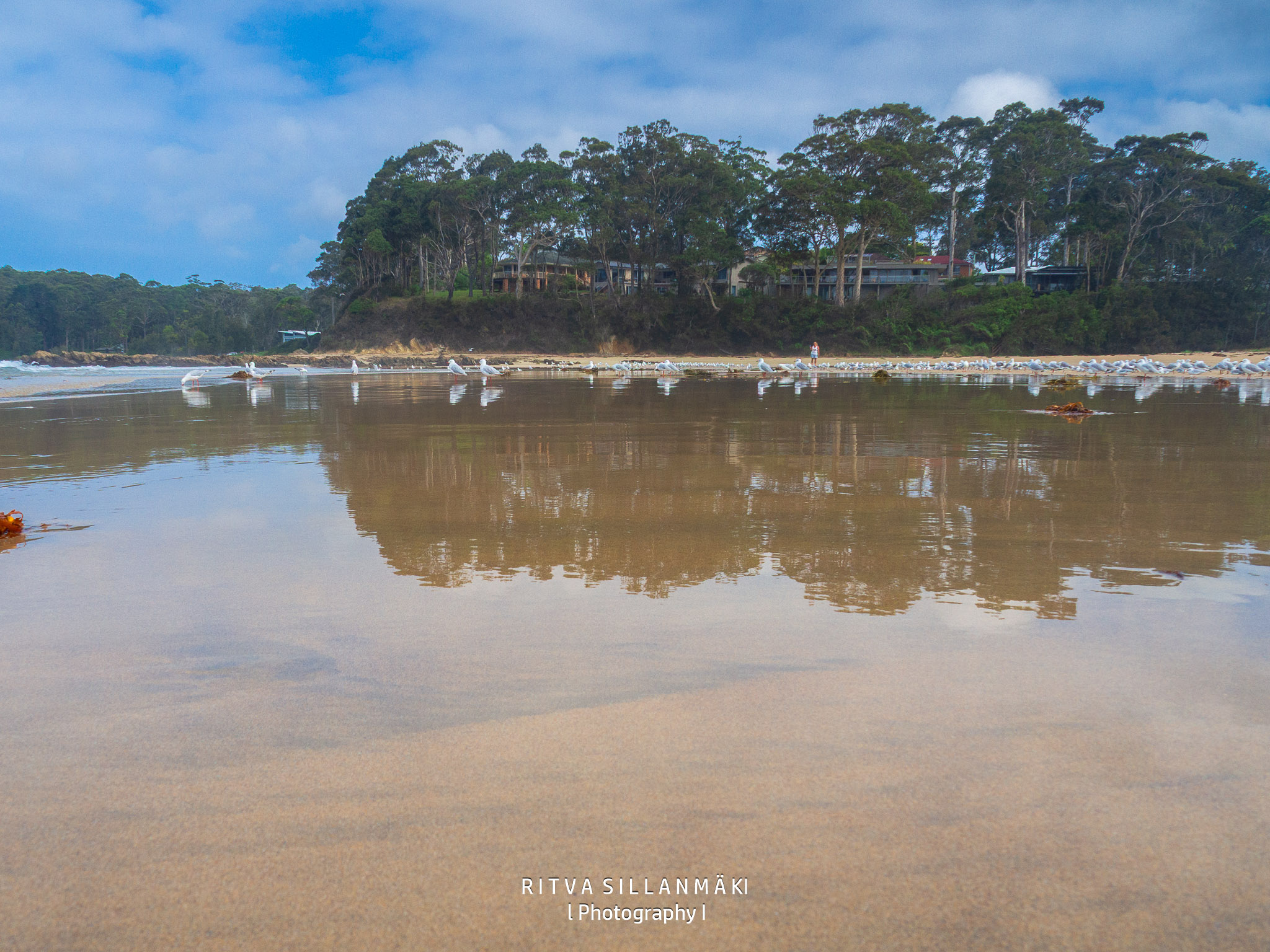
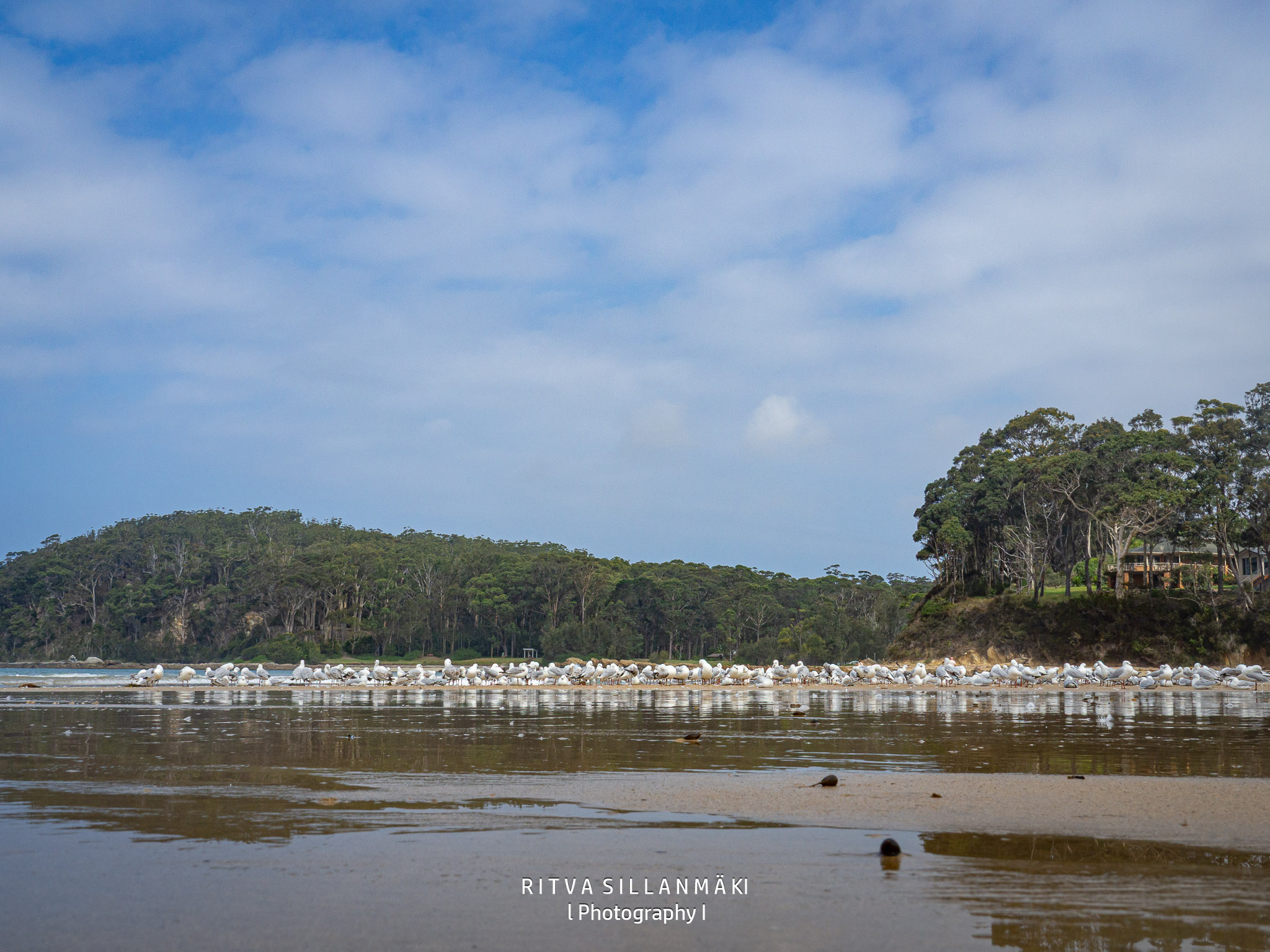
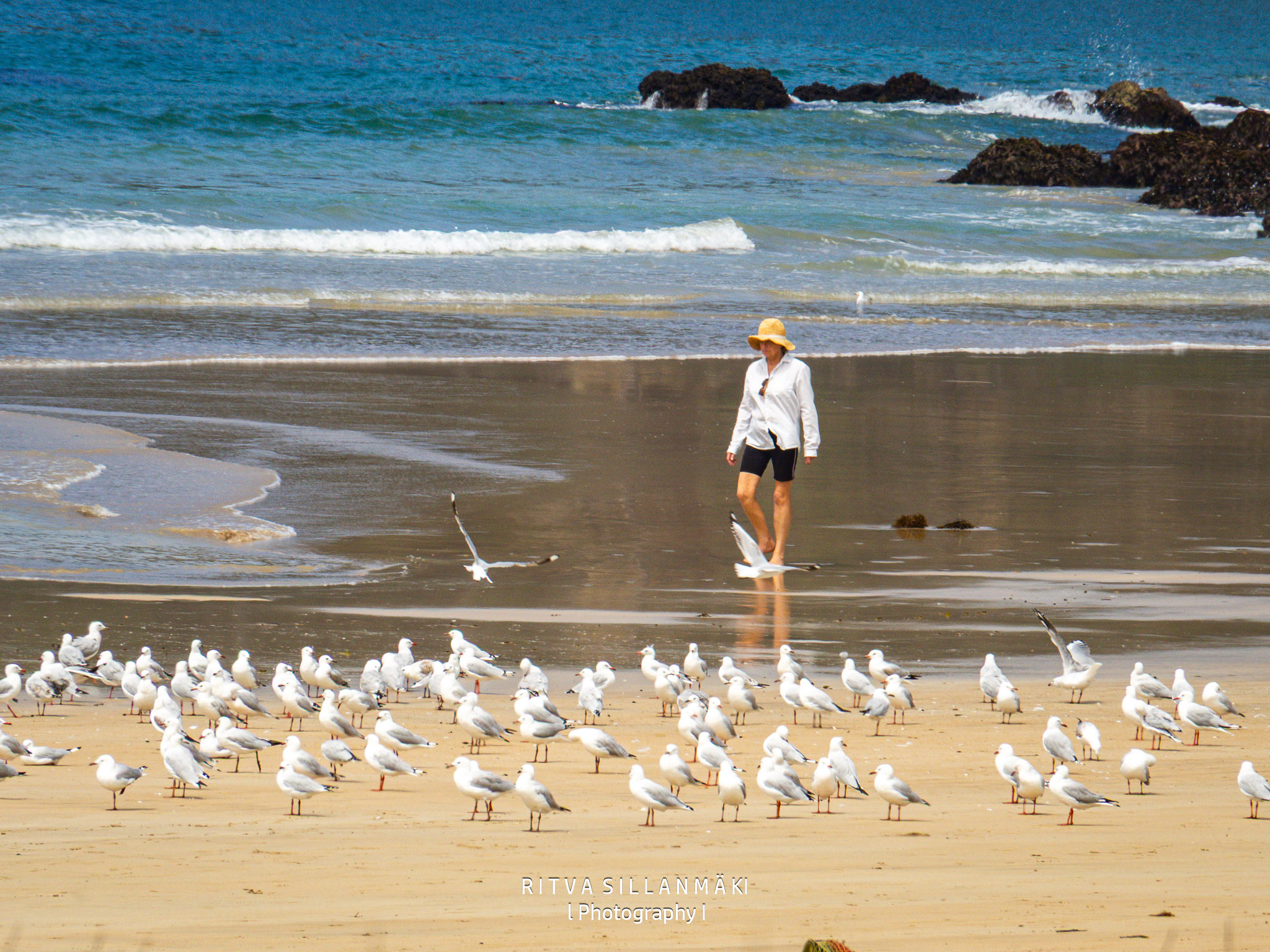
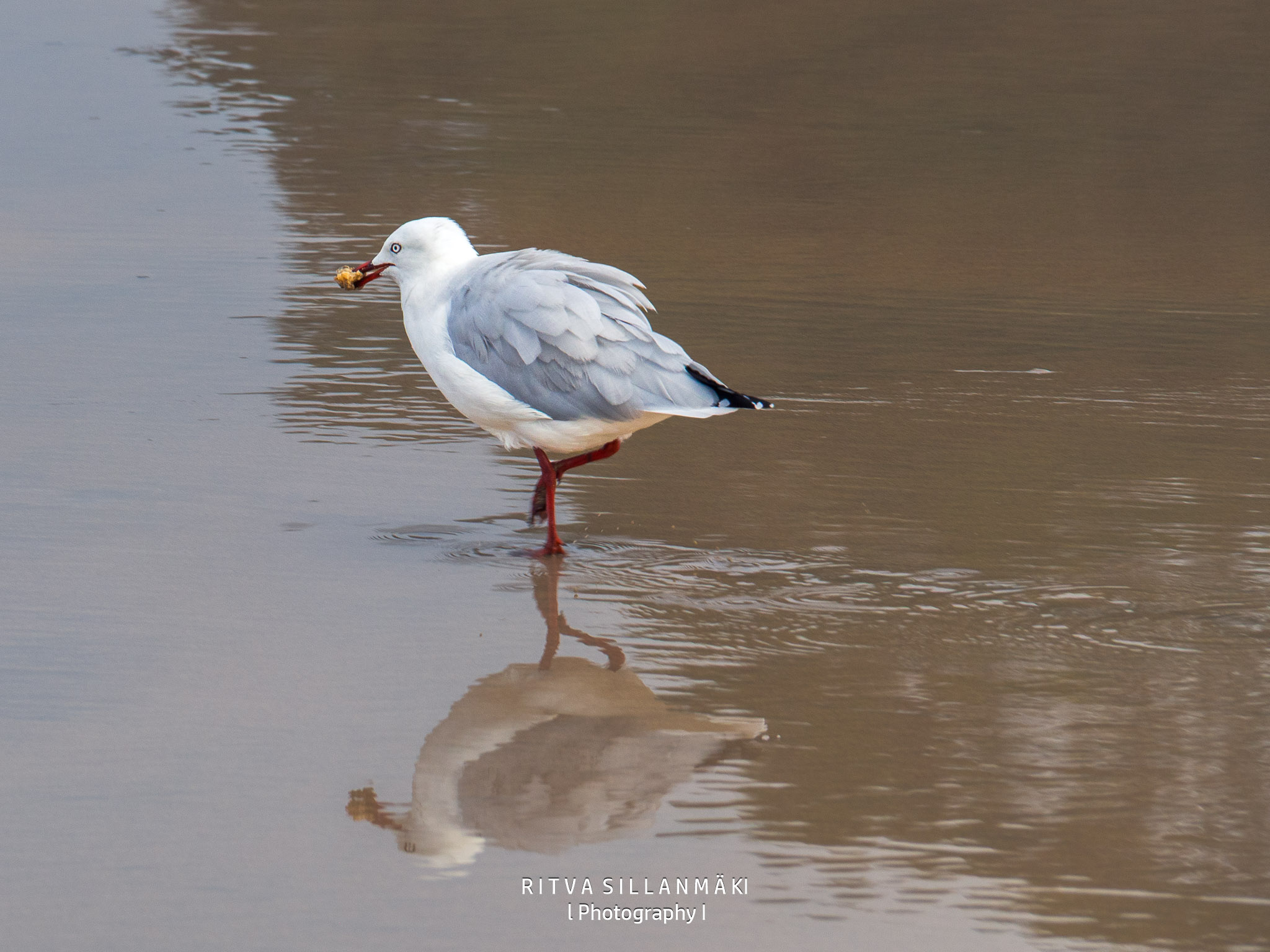
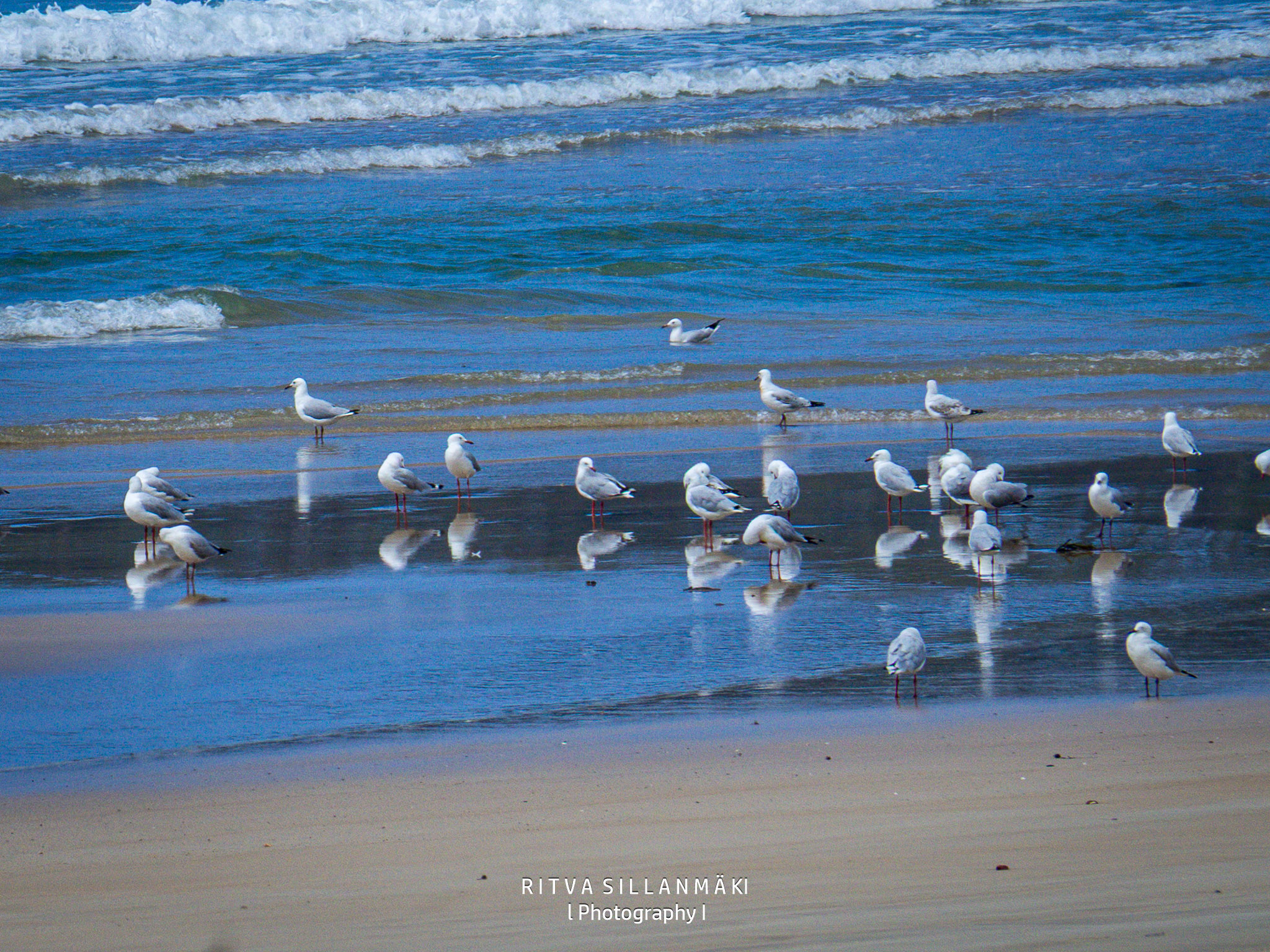
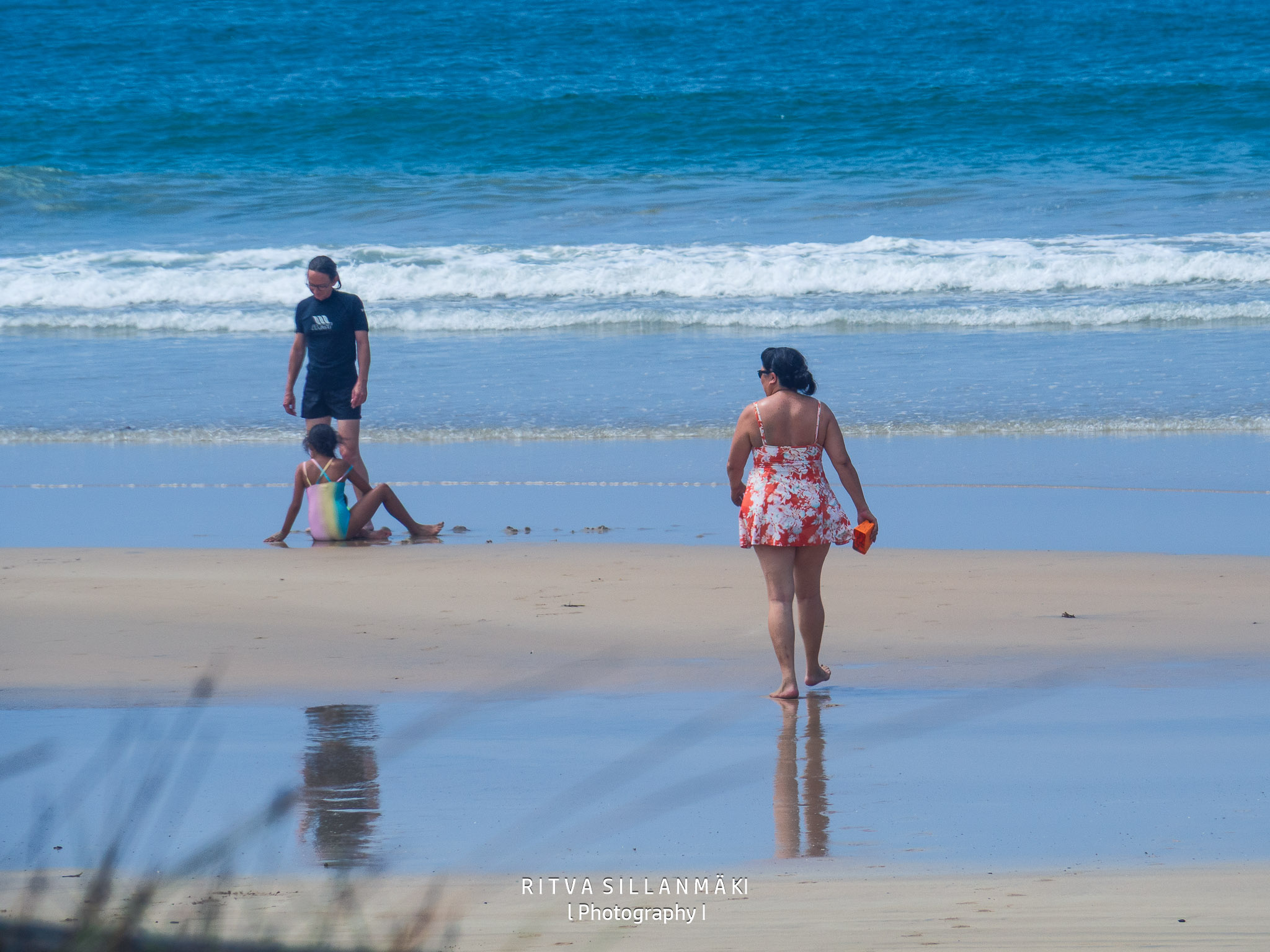
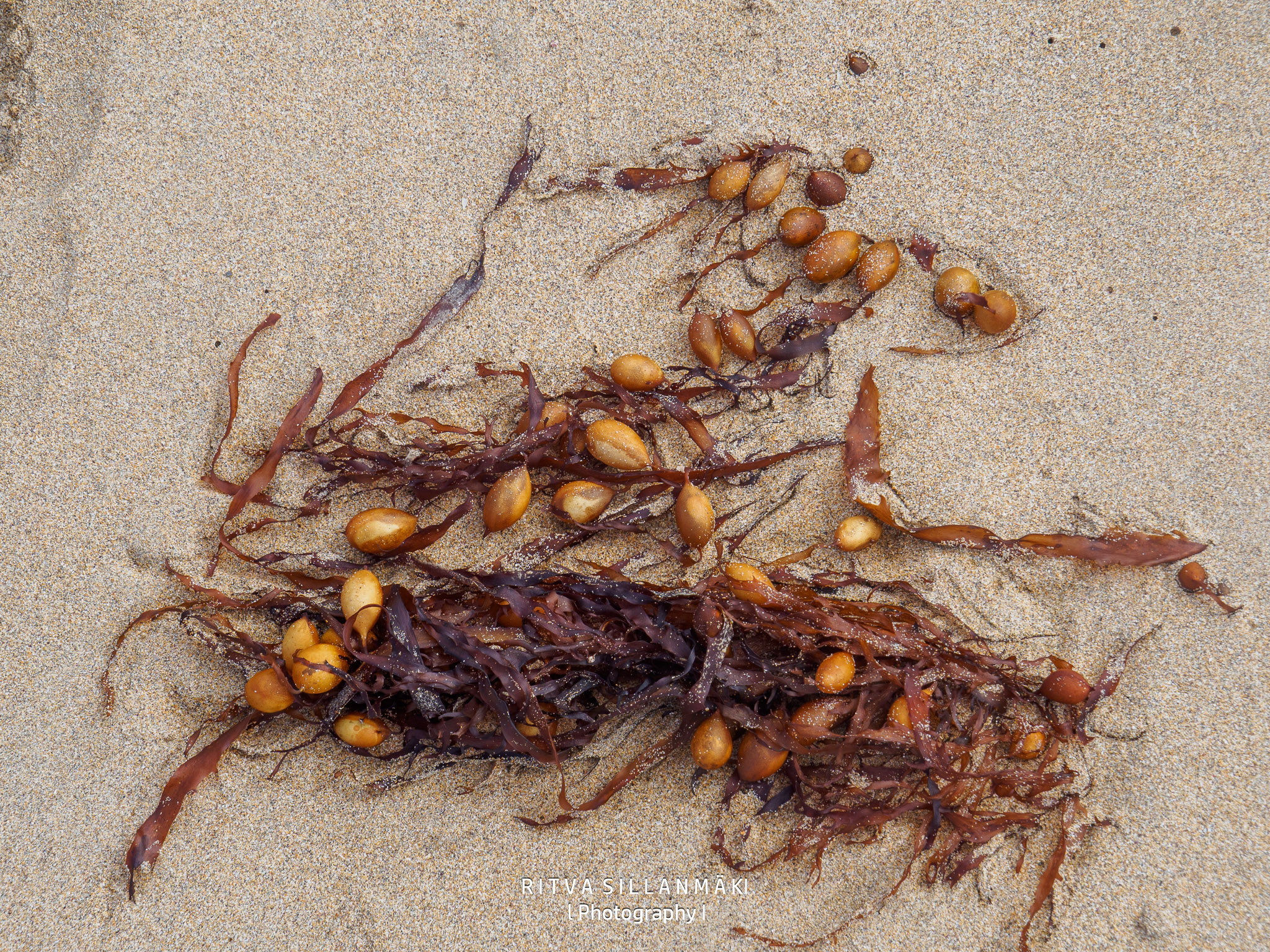
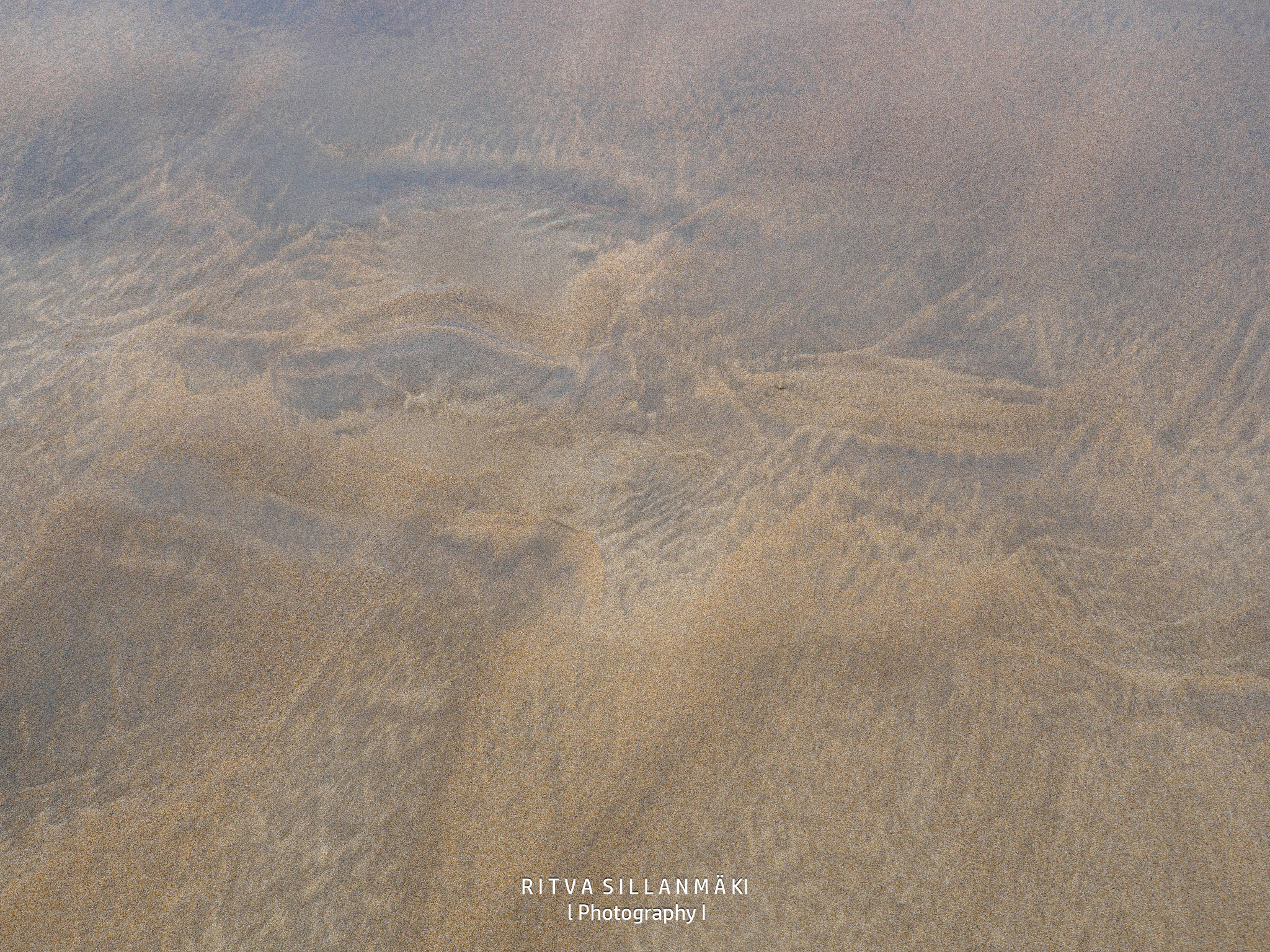
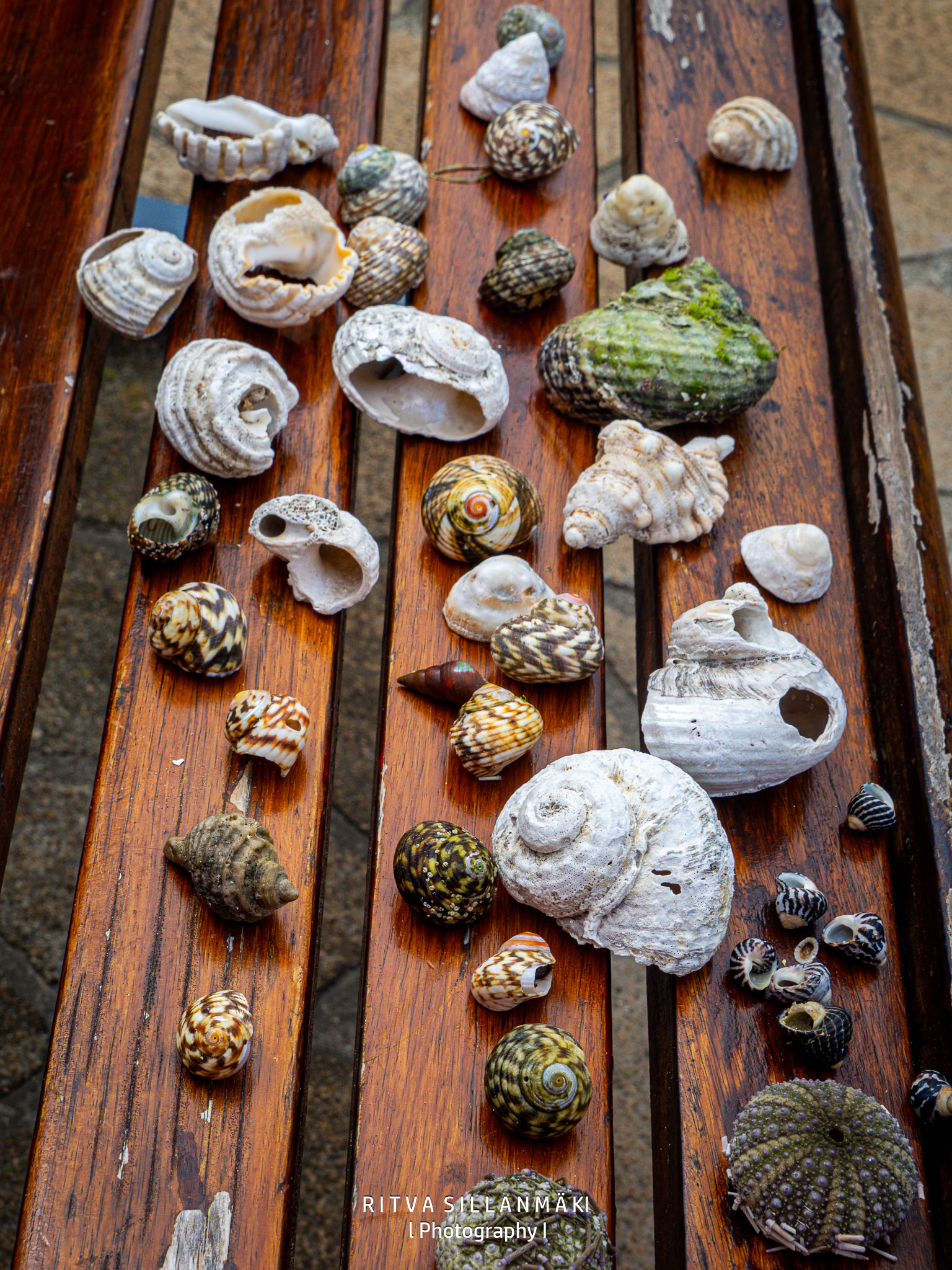
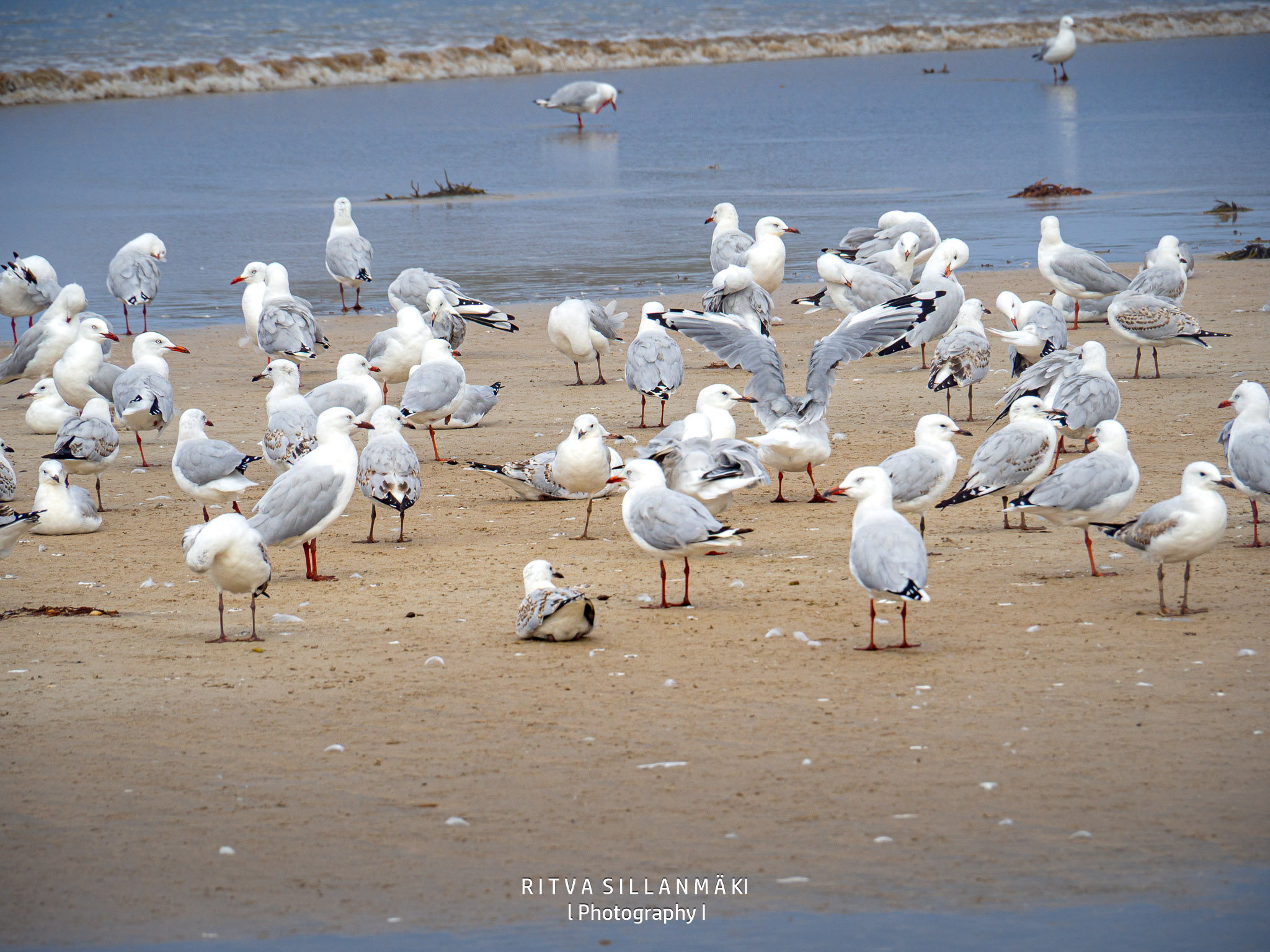
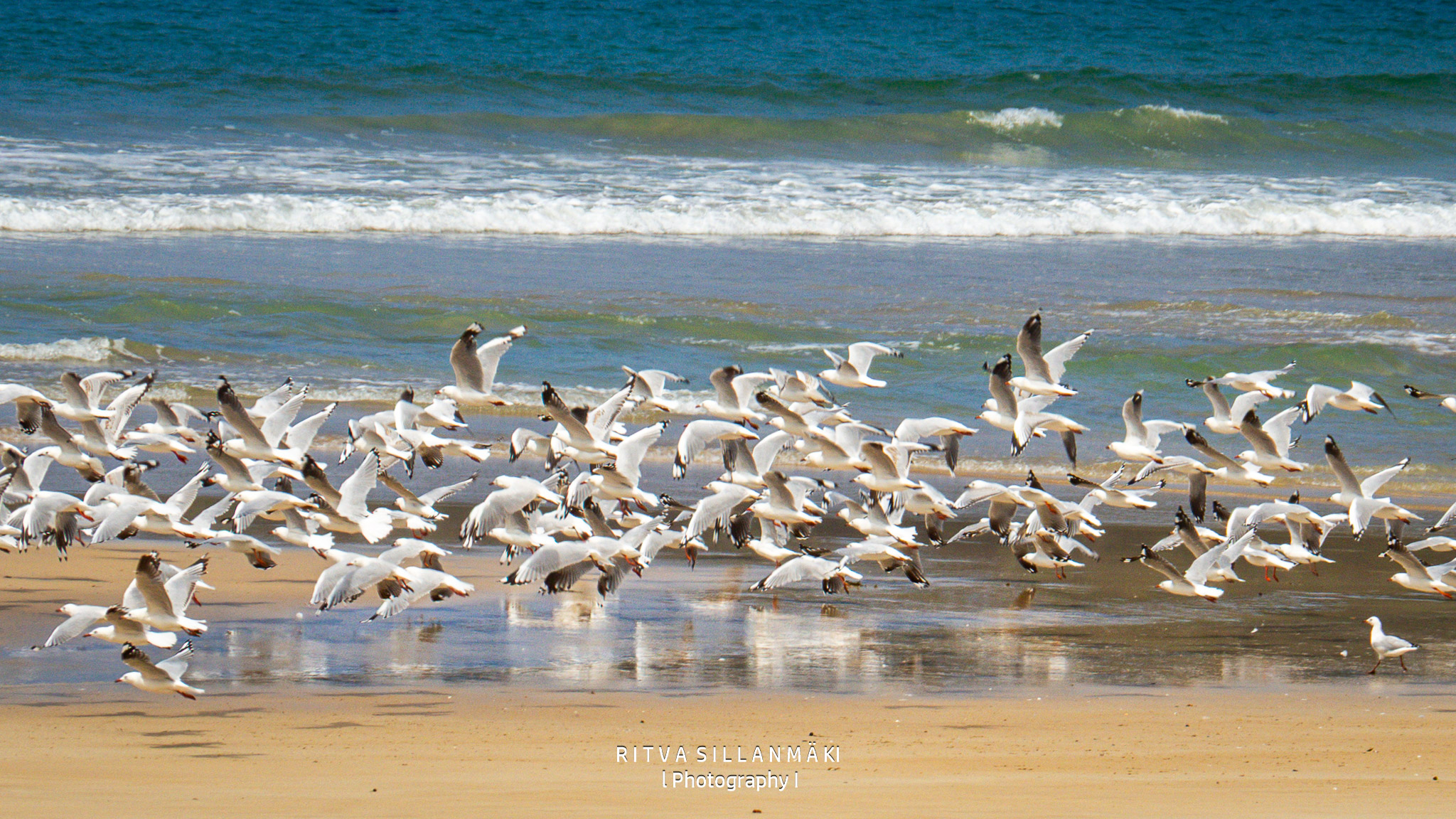
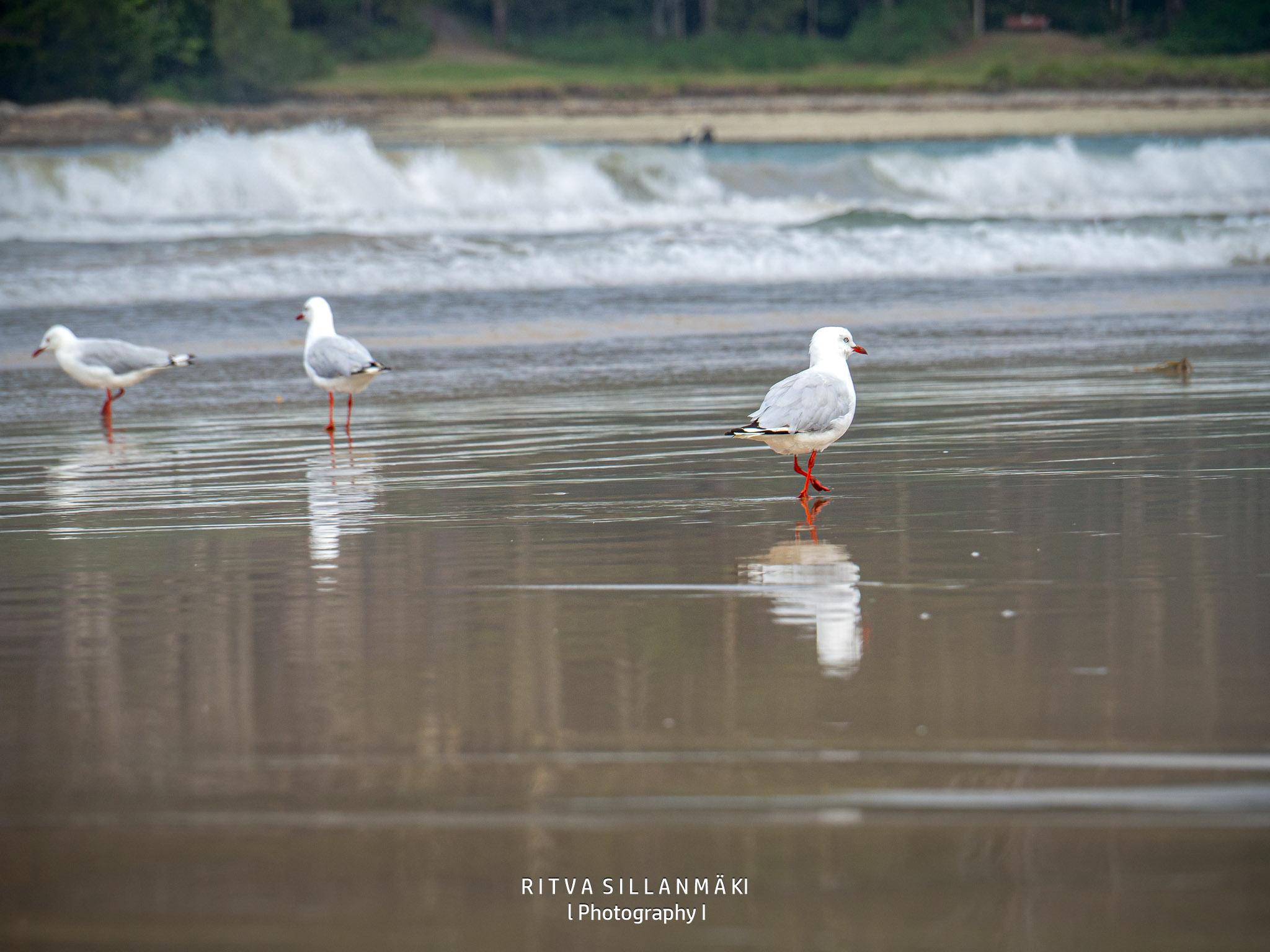
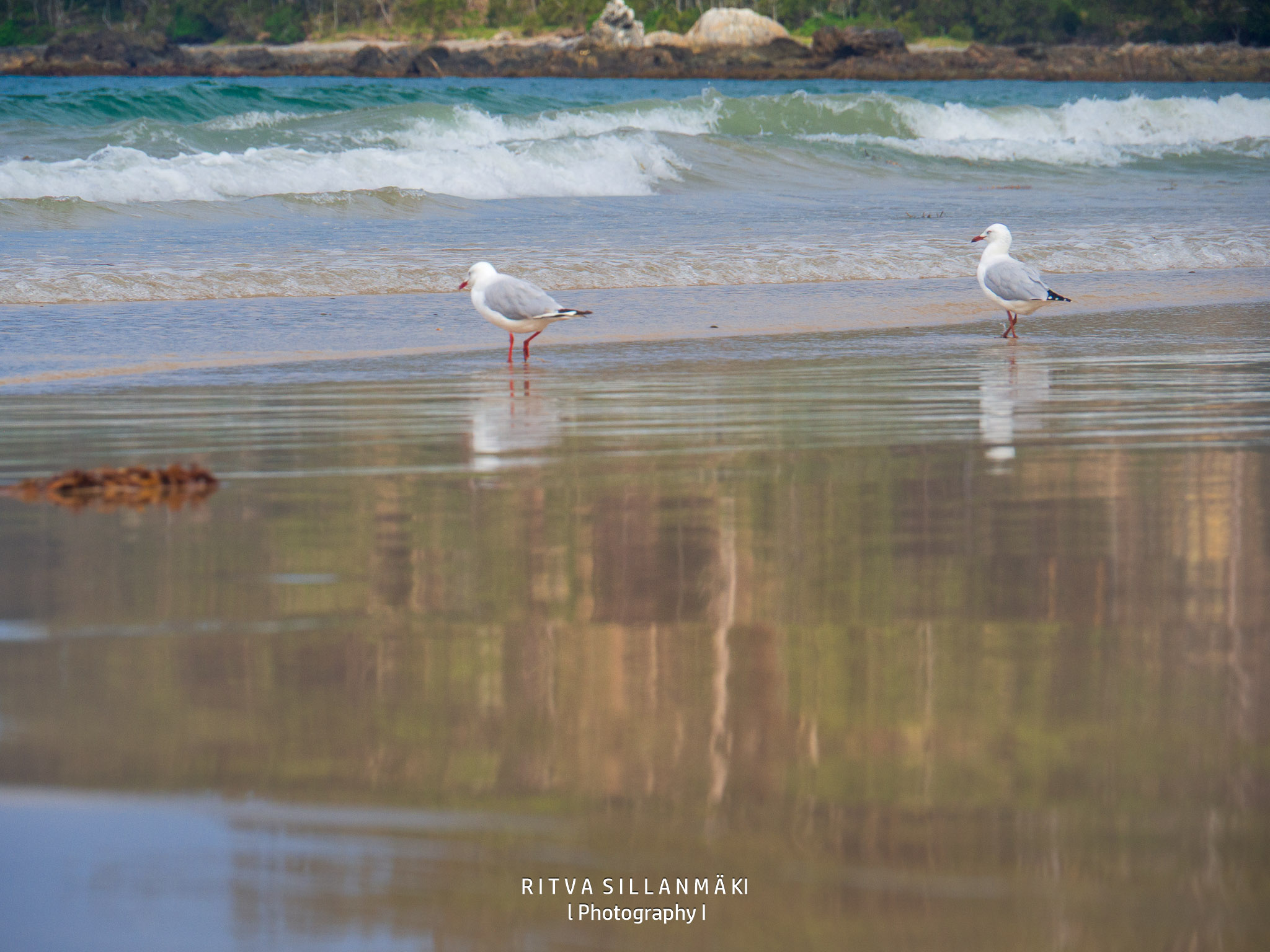
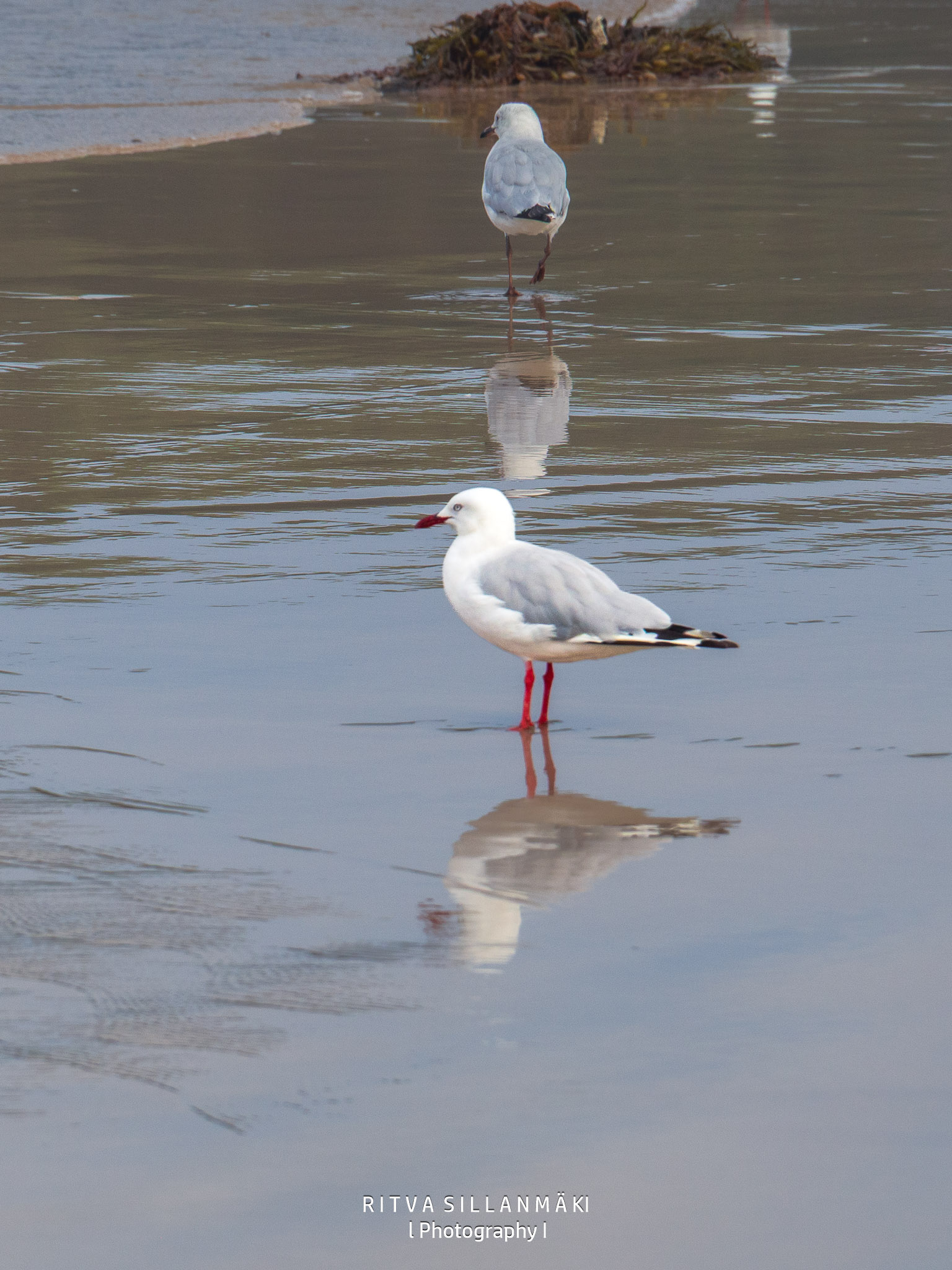
After visiting the mountains, it was time to check out some beaches nearby and soak up some rays. We basically had a lazy afternoon at Surf Beach. What’s not to like: lovely views and the relaxing sound of the waves. There were not many people around, as it was not the locals’ vacation time. Ritva sat on the beach taking photographs of seagulls and the waves, while I took a leisurely stroll along the seashore. I couldn’t help myself and collected seashells again. Sea urchin shells are so delicate, but I still managed to transport them to Finland intact. The waves on the beach were quite heavy for my liking, but I managed to swim anyway. The water of the Pacific Ocean felt cool at first, but after getting used to it, it was easy to stay in for a long time.
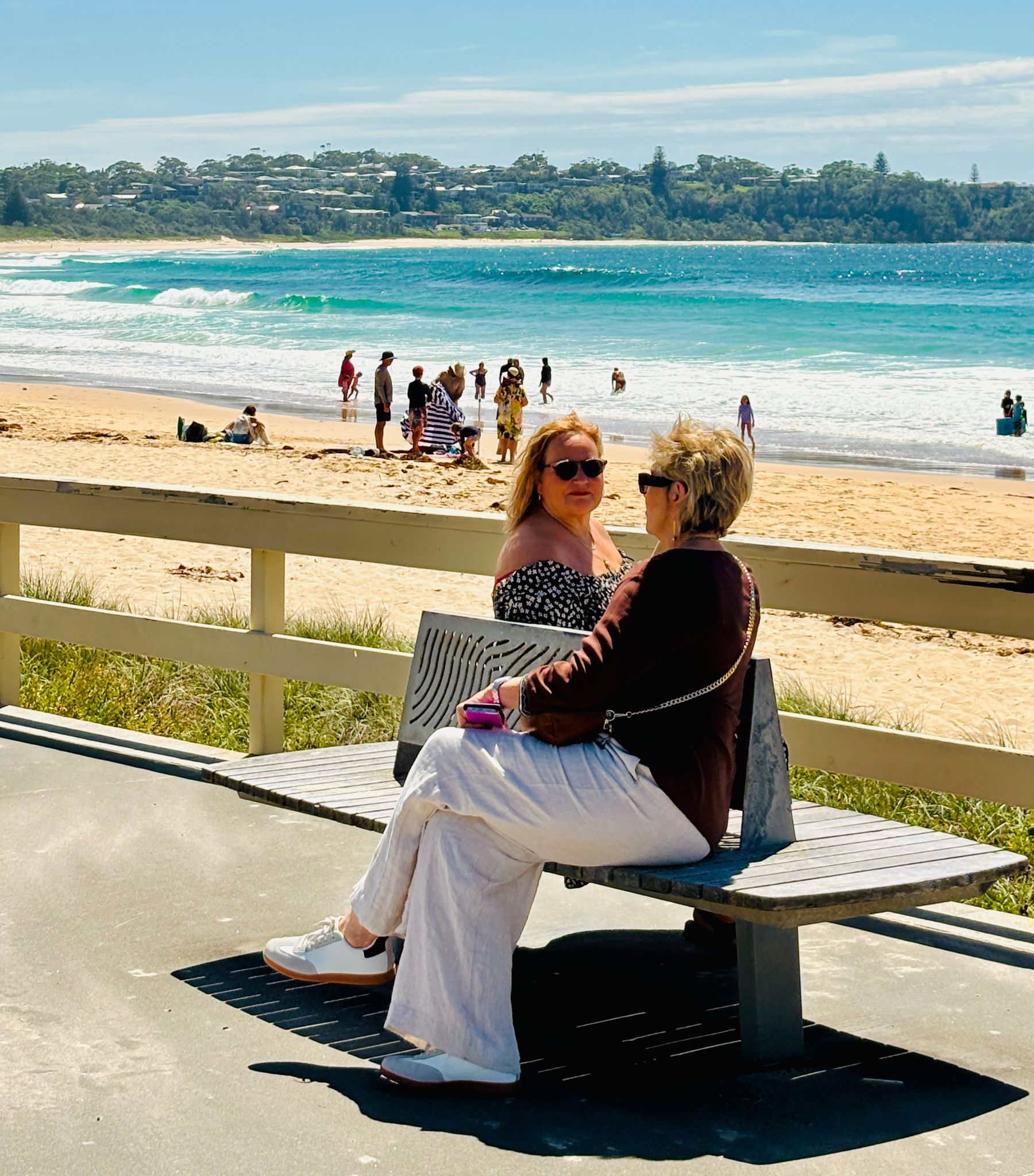
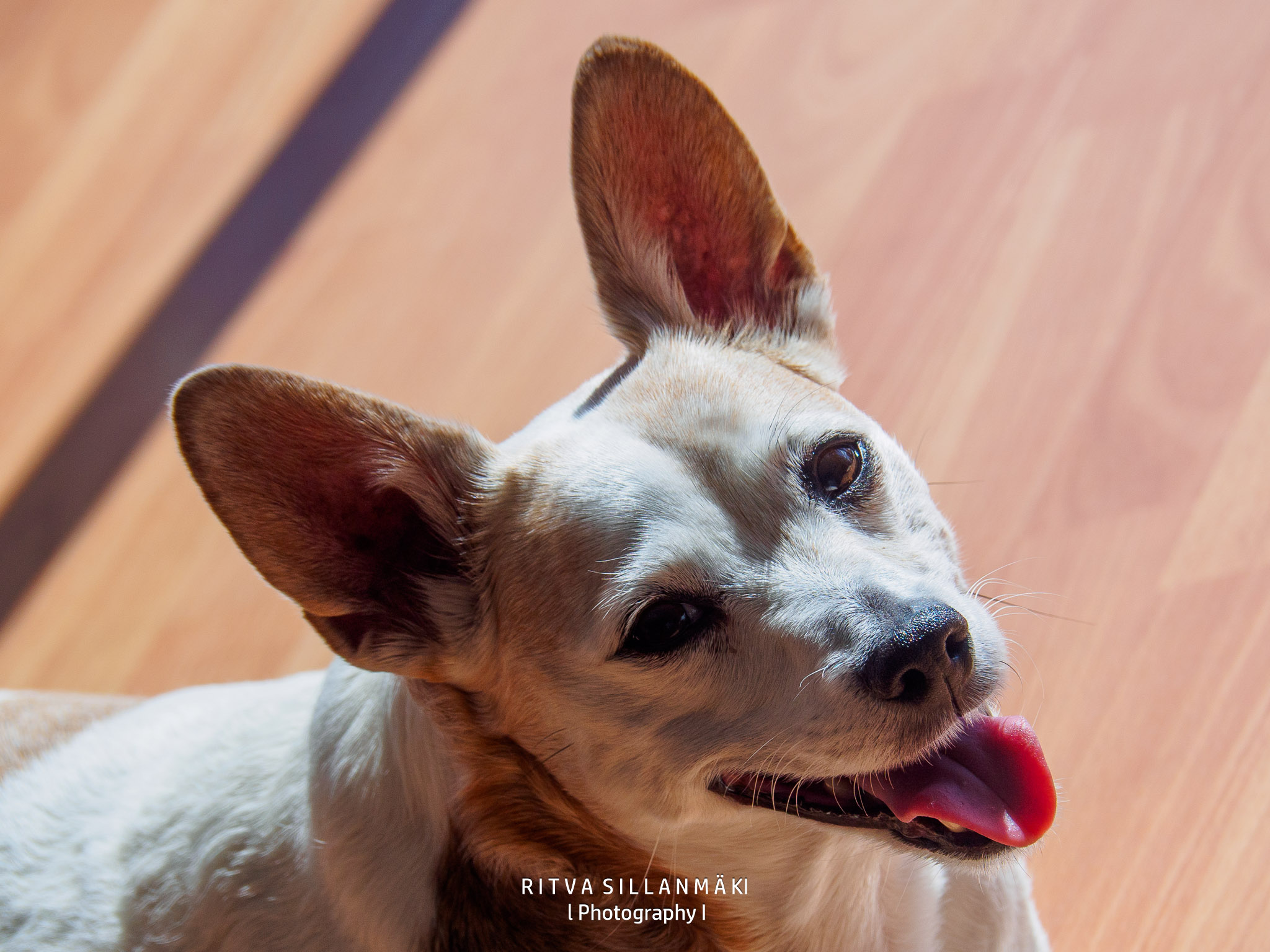
The following morning Ritva took portraits of Heli, Rod and Baxter the dog (I think they came out rather nice). After the photoshoot the destination was Ulladulla and Mollymook Beach, where we had lunch with Denise and Tracy, who live just before Ulladulla. Denise and Tracy are Heli’s friends whom we had met a couple of times before; they are so much fun—once in Finland and the other time at Caseys Beach. We can highly recommend Mollymook Beach for the scenery and most likely for swimming and surfing as well, although we didn’t try those last two. By the way, if you haven’t driven through places like Lillipilli, Ulladulla, Tumbarumba and Tilba Tilba, at least once in a lifetime, you haven’t really lived.
Heli and I relax at a seaside bench overlooking a sunny beach, rolling turquoise waves at Mollymook Beach and a tree-lined coastal neighborhood .
Heli and Rod are wonderful hosts and letting us stay there all that time is something we’re very appreciative of.
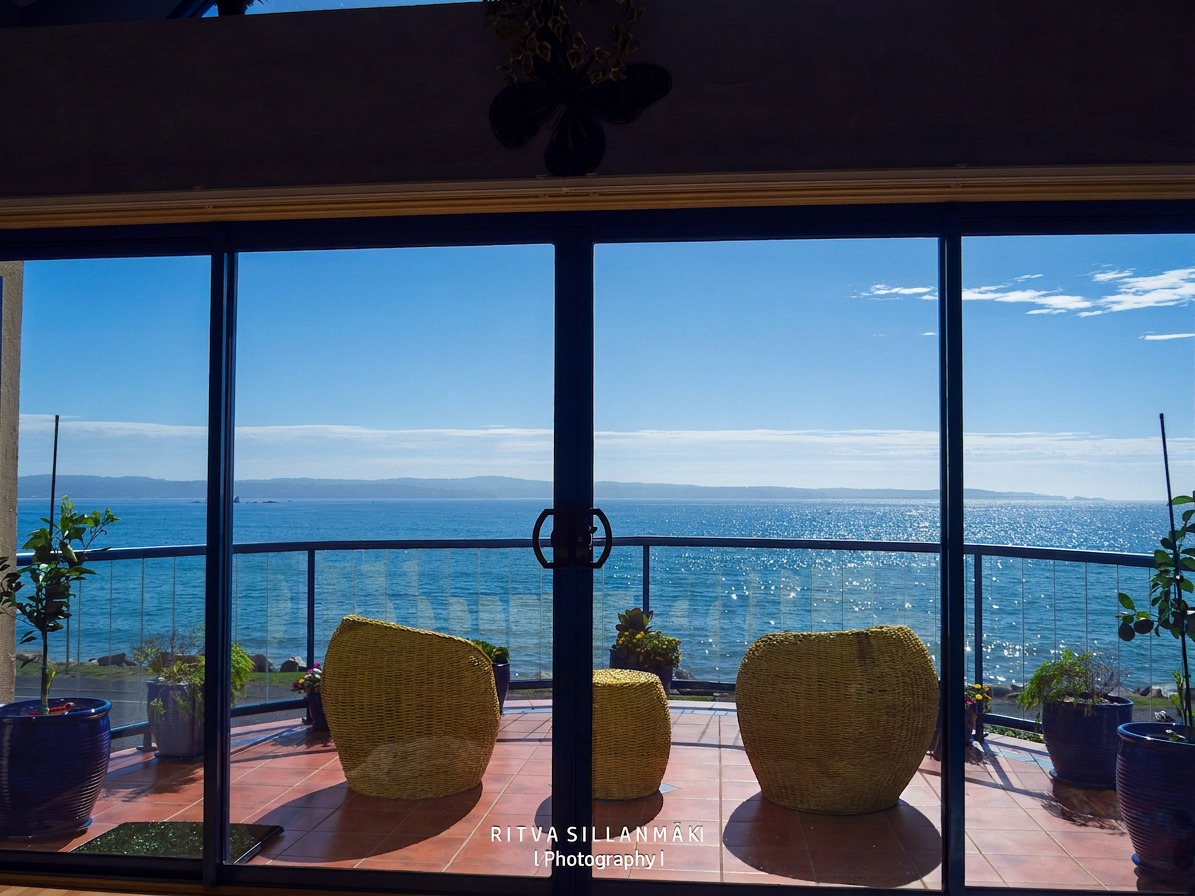
It was so nice to have morning coffee with this view.
It’s easy to talk to Rod, for example, about politics. He is a timid and quiet ex-civil servant with hardly any opinions of his own. NOT! He’s a very loud person joking, laughing and swearing all the time. And he’s not afraid to speak his mind. However, we didn’t get into arguments or fistfights about anything. We basically agreed on most things political, at least. Rod is from a small community in Victoria, where his parents scraped by farming the land. It’s easy to understand he talked quite a bit for the rural communities and that way of living. On top of that Rod spent part of his career fighting for health services for the remote areas. Great bloke! I didn’t talk to Heli that much. Us guys had our own discussions, and the girls talked about soap operas and crocheting, I think. (I will let you keep thinking that) Actually, Heli was constantly giving us ideas about what to see and where to go. We talked a lot about families, of course. And she kept us fed with beautiful meals from morning till dinnertime. After dinner the old fogies retired to their room and went to sleep. Caseys Beach was beautiful. Our hosts’ home is only about 30 meters from the sea, and you could see dolphin just about every other day. And waves hitting the shore was so relaxing. It was easy falling to sleep listening their hypnotic rhythm our bedroom window open.
Text Mara Sillanmäki
I have posted several posts about the first half of our trip, I will add the links to them if you wish to have a look, they are in the order I posted them Sydney – Adelaide – South Australia – Victoria -NSW
It’s been over a year since we visited Australia( Feb 2025). I had all my photos edited and my husband Mara had written the narrative of our trip. Then what I call a disaster happened: my computer and Lightroom had some hiccup and all the edits were lost. I hadn’t saved them. It had been a tremendous job to get them done, and I just couldn’t get myself to redo them again. But now I thought I would do the Canberra post. It has been fun reading the text again; it brought back memories of our trip, little details I had forgotten. Let’ get started.
Going for the new world record, or at least my personal record, with time spend driving within three weeks, so off to Canberra we went on Friday morning. So little time and so much to see. The plan was to see relatives and friends and to see the sights. Driving up the Misty Mountain and Clyde Mountain was nearly as much fun as coming down. I hadn’t done my research about Canberra properly and we had to go the Tourist Information by the Lake Burley Griffin. We got the info and bought a wombat toy for one of our grandsons. It was time to find a place to eat and it proved to be challenging as it often does. There was a lot of road work going on and GPS was not up to speed. In the end we ended up eating pizza slices at a place called BJ’s in Acton, I think. But BJ’s was clean and cheap and that is sometimes all you need. Pizza was good too and they had some fun posters on the walls and beer was great.
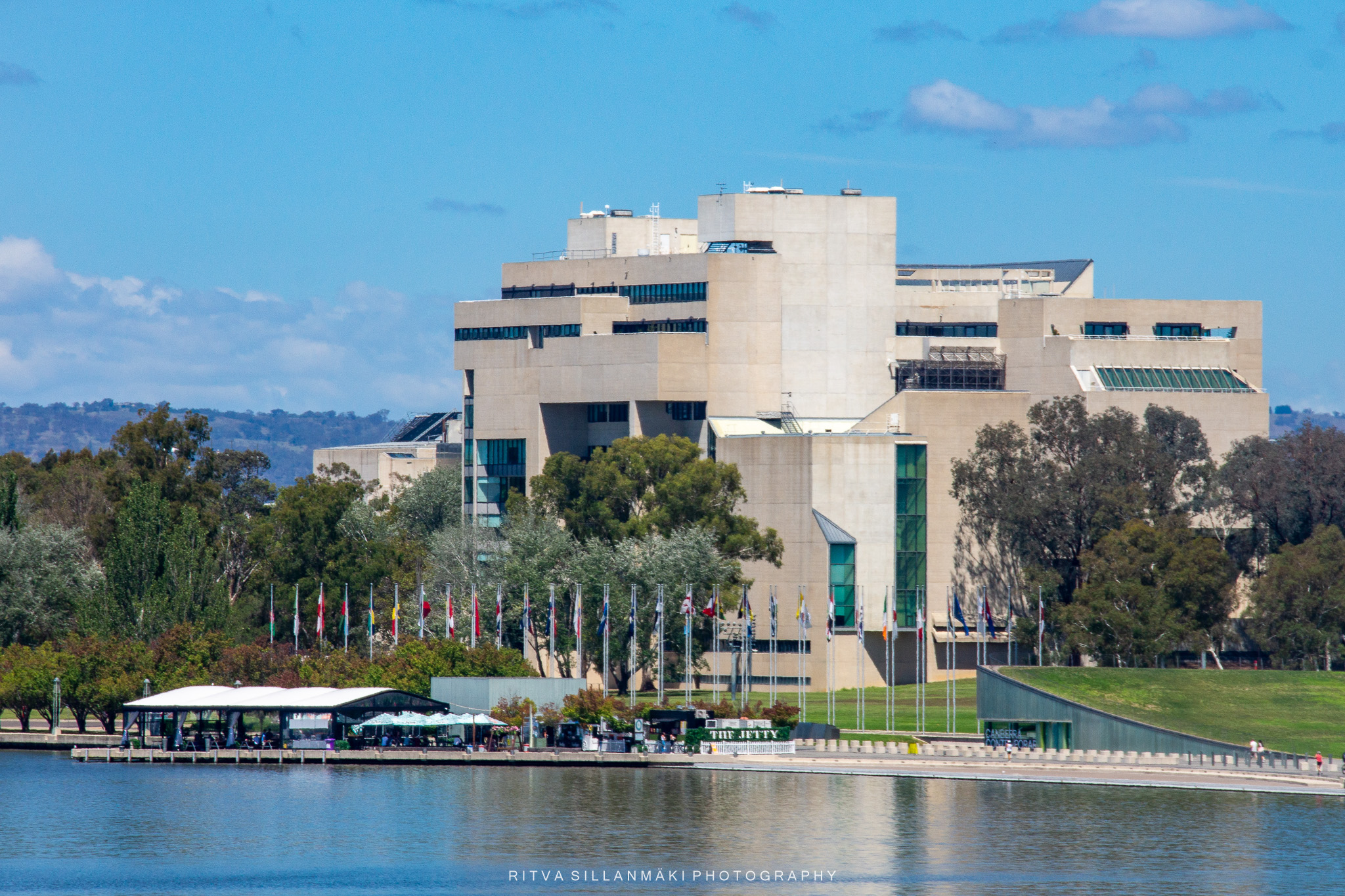
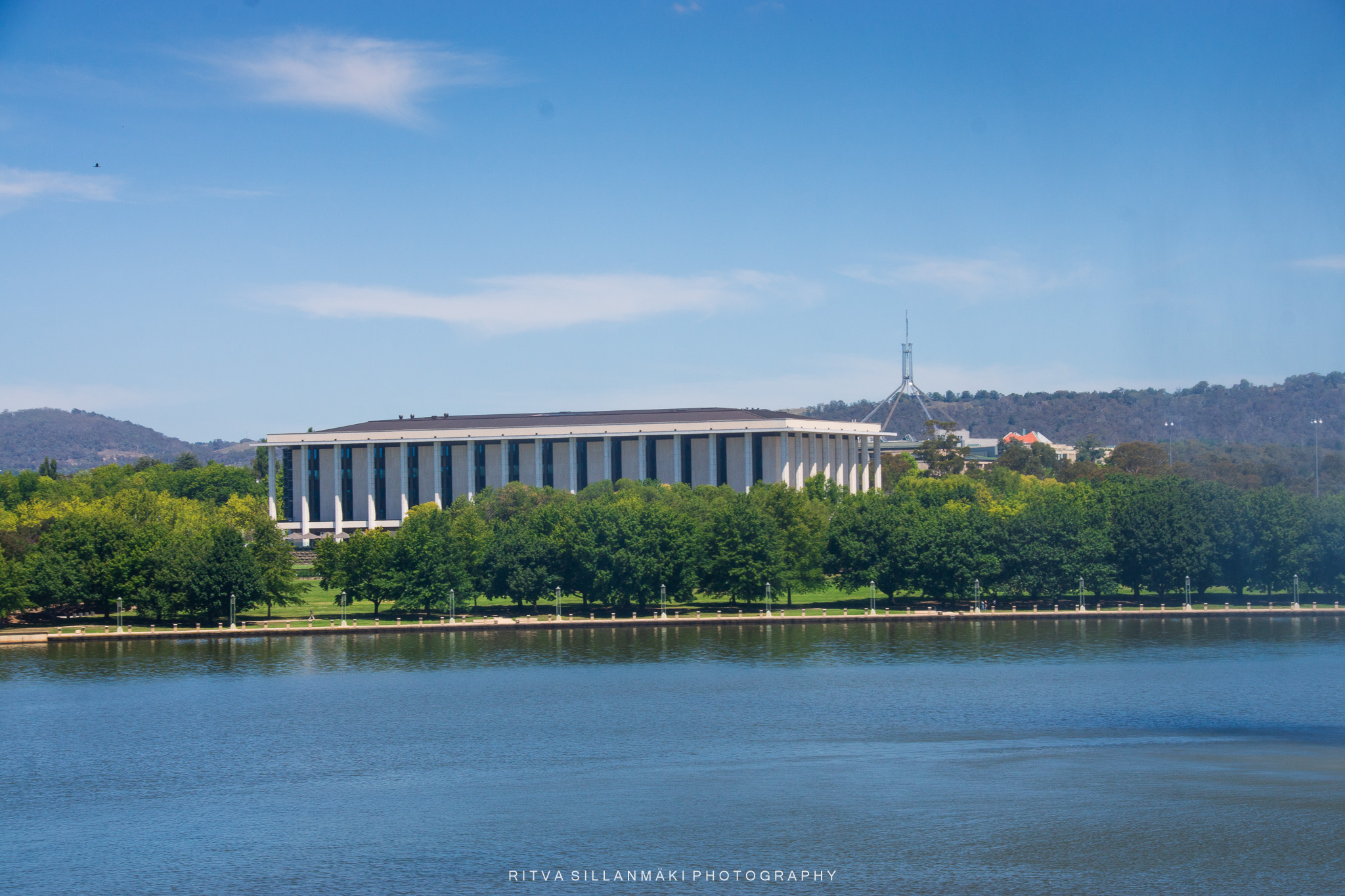
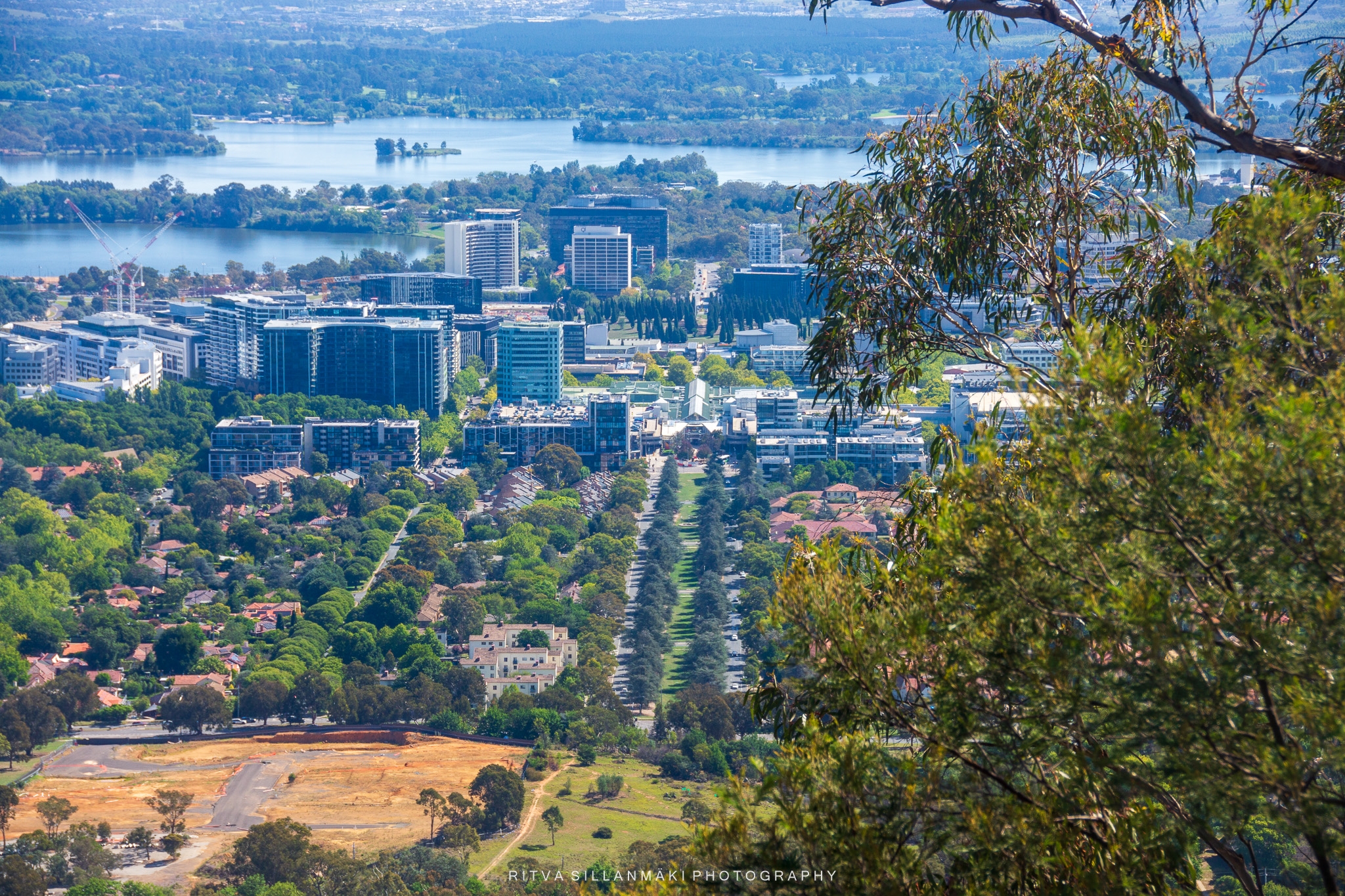
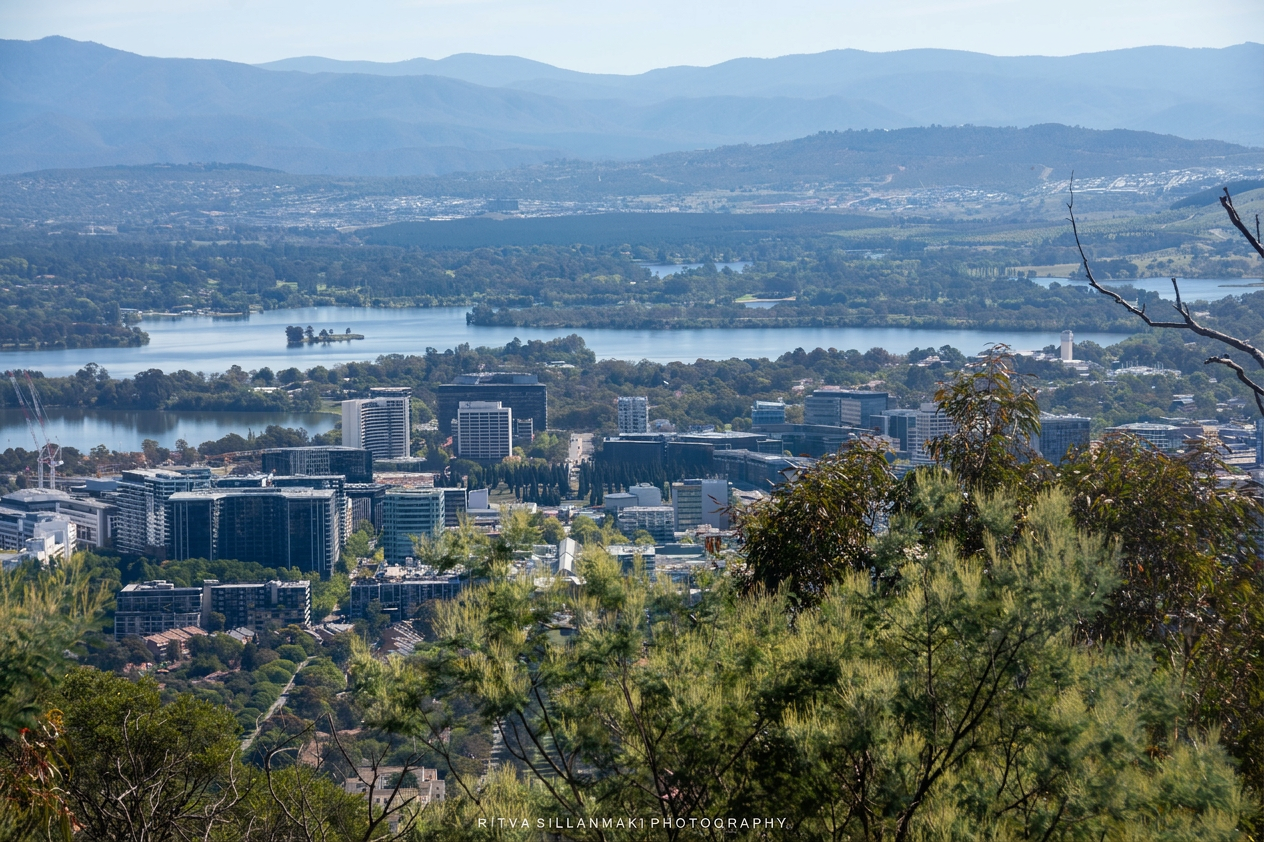
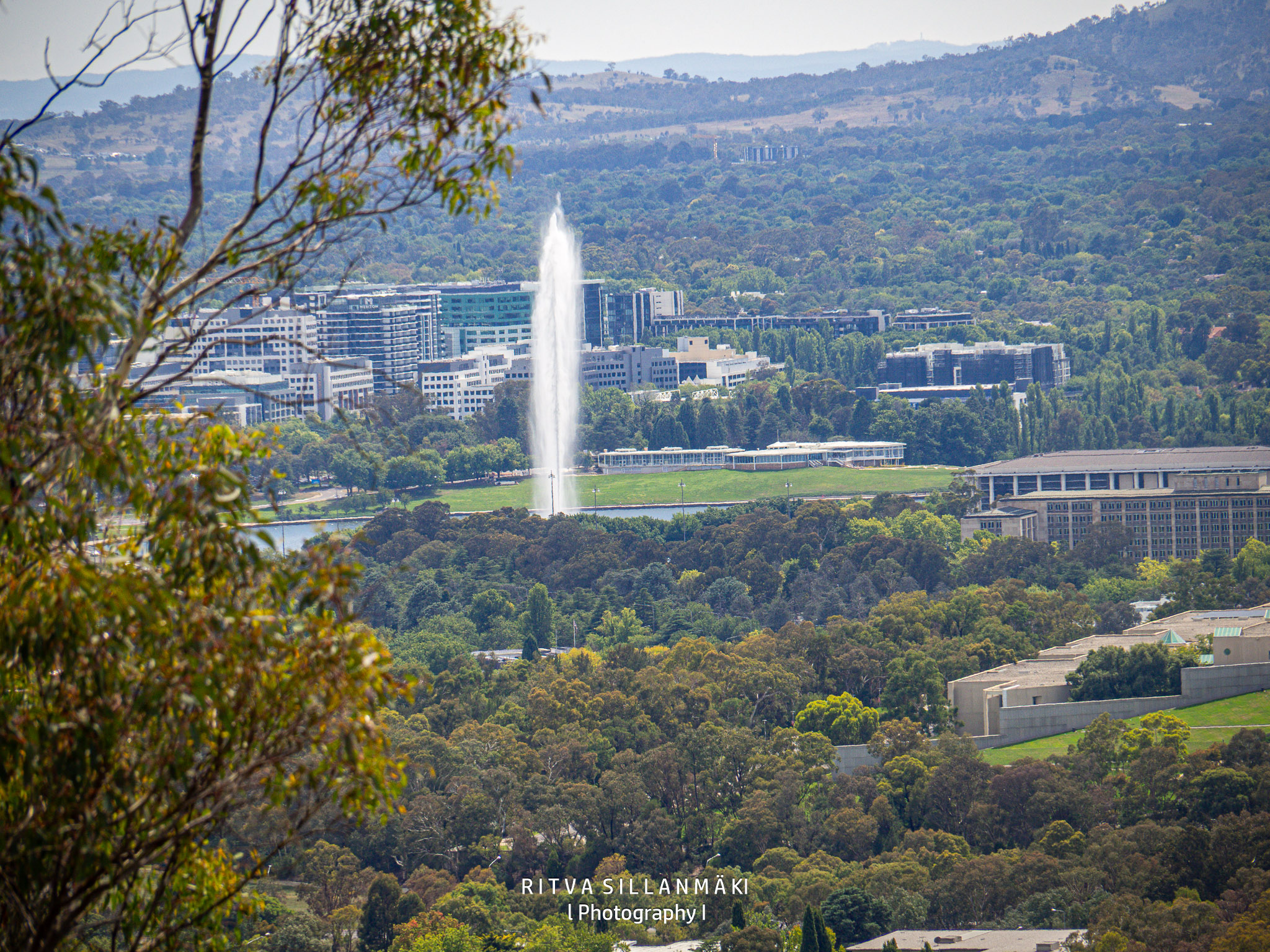
The higher building is High Court of Australia and the other is National Library of Australia
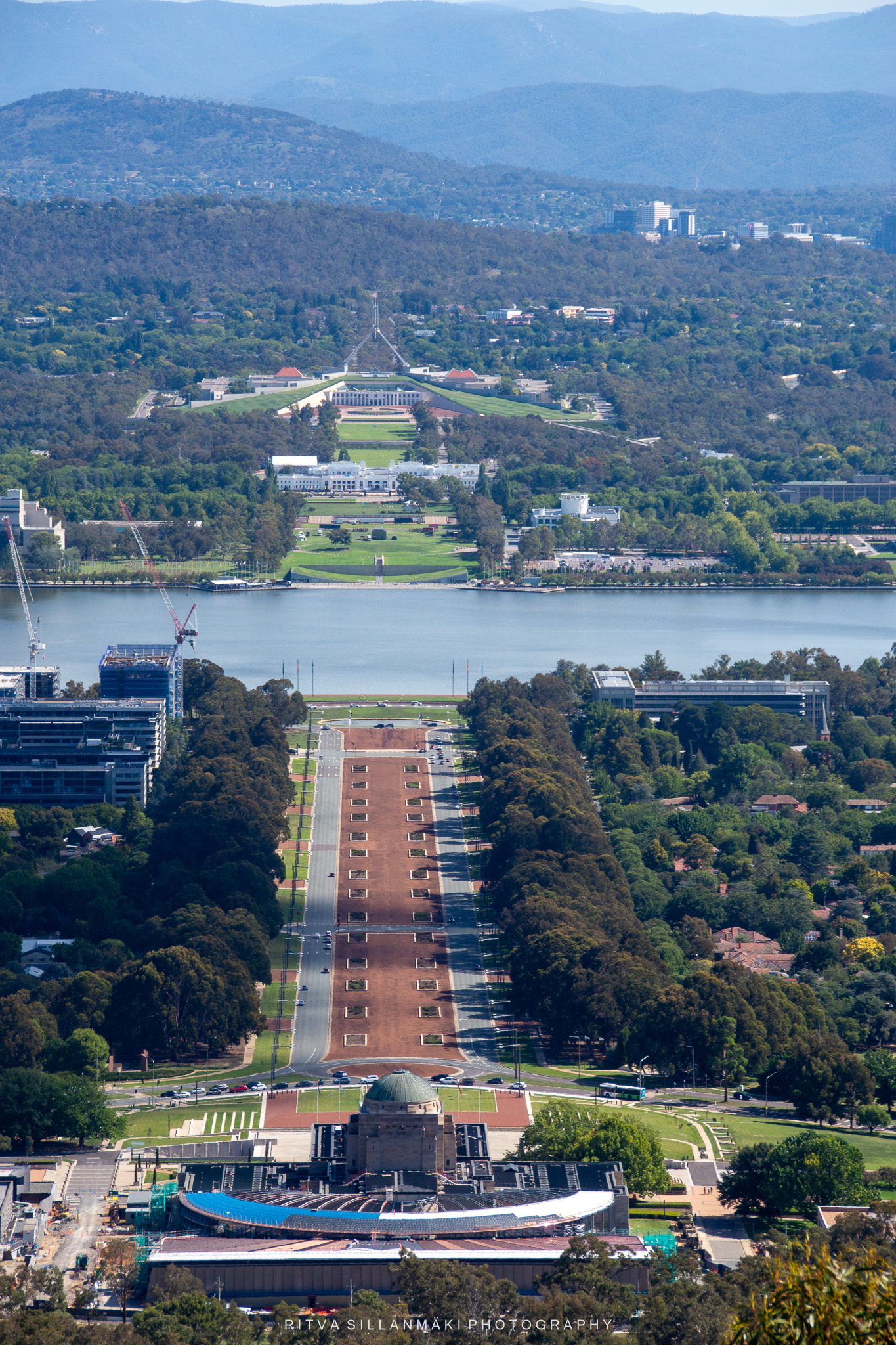
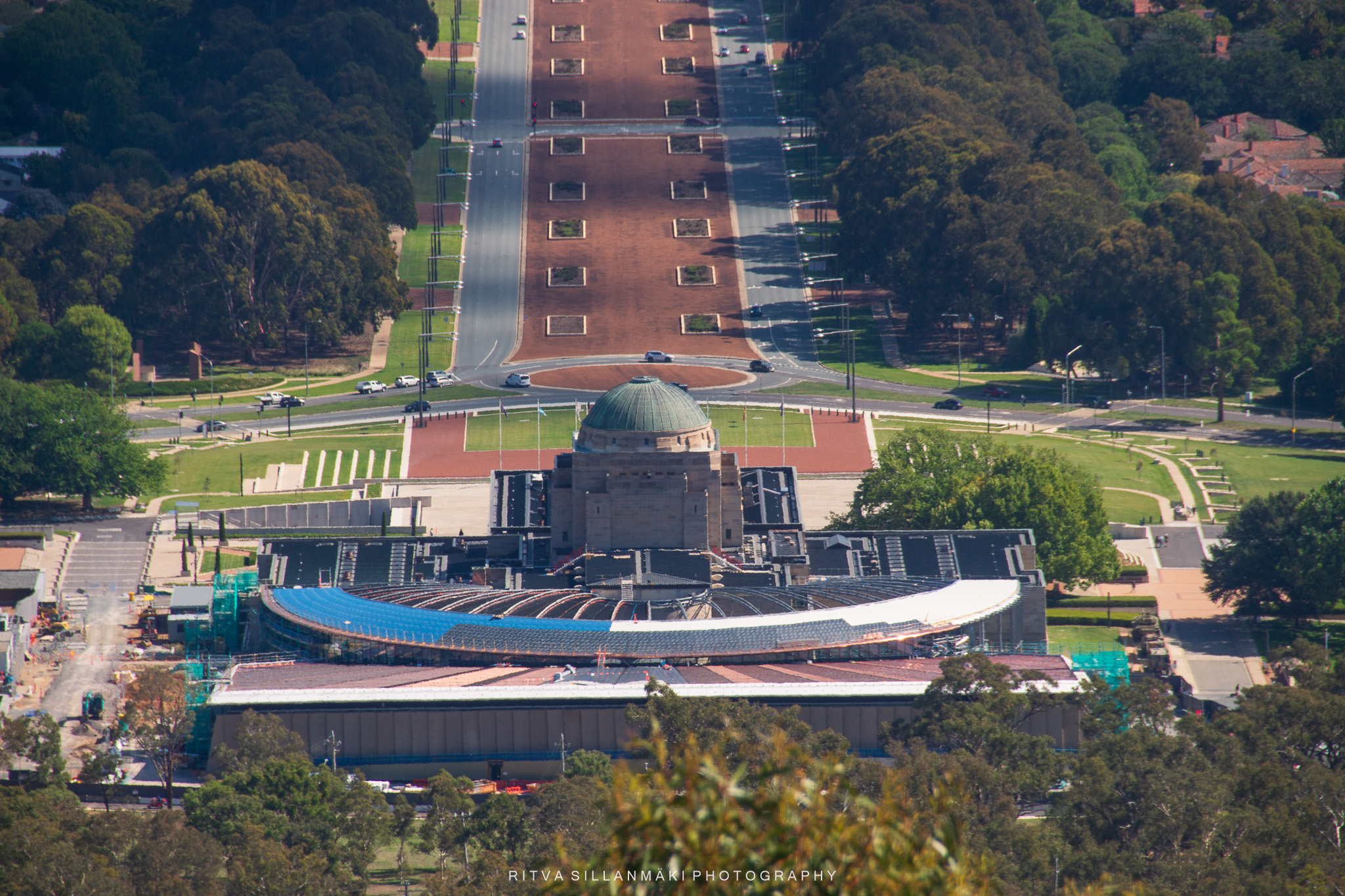
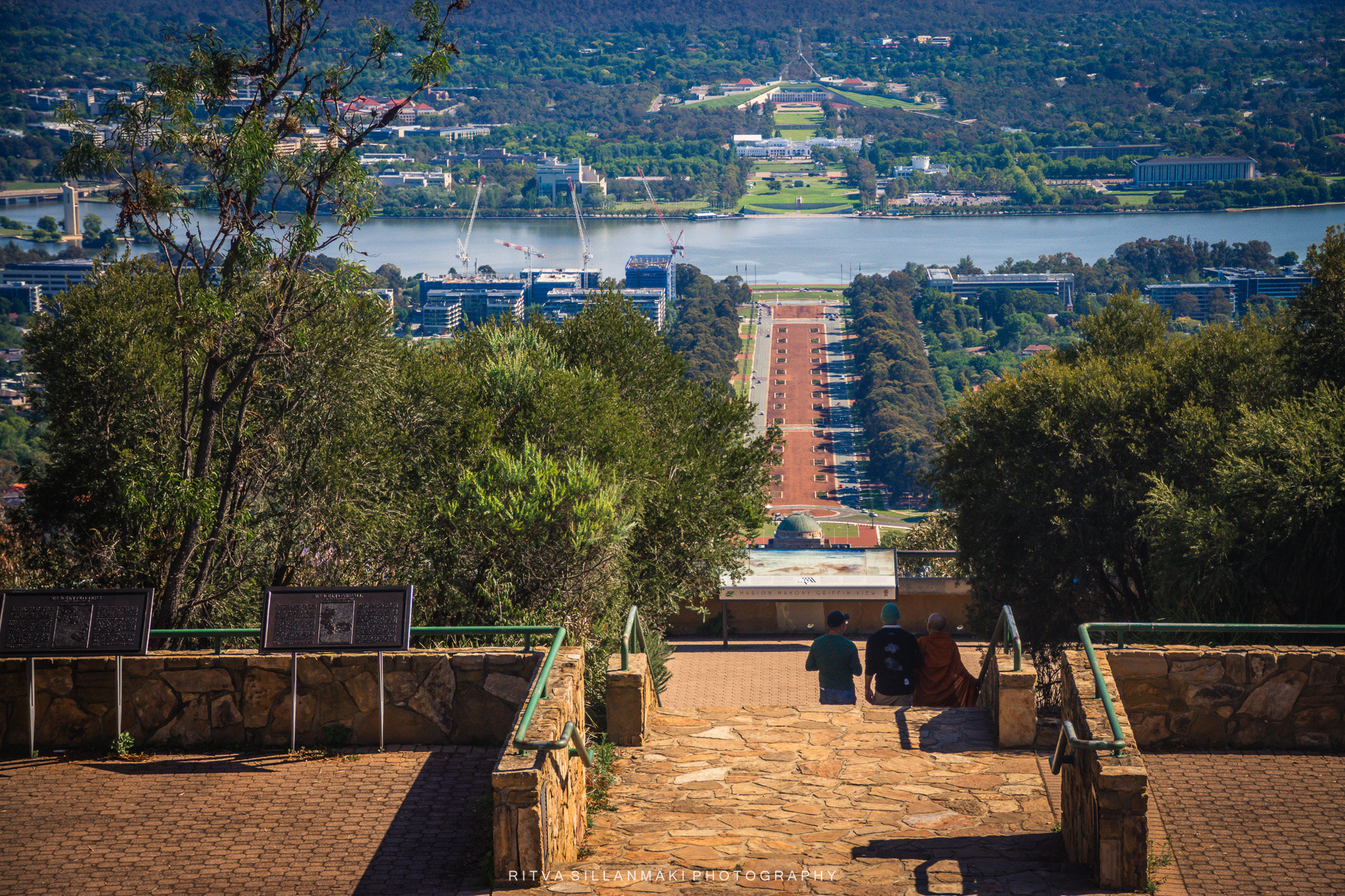
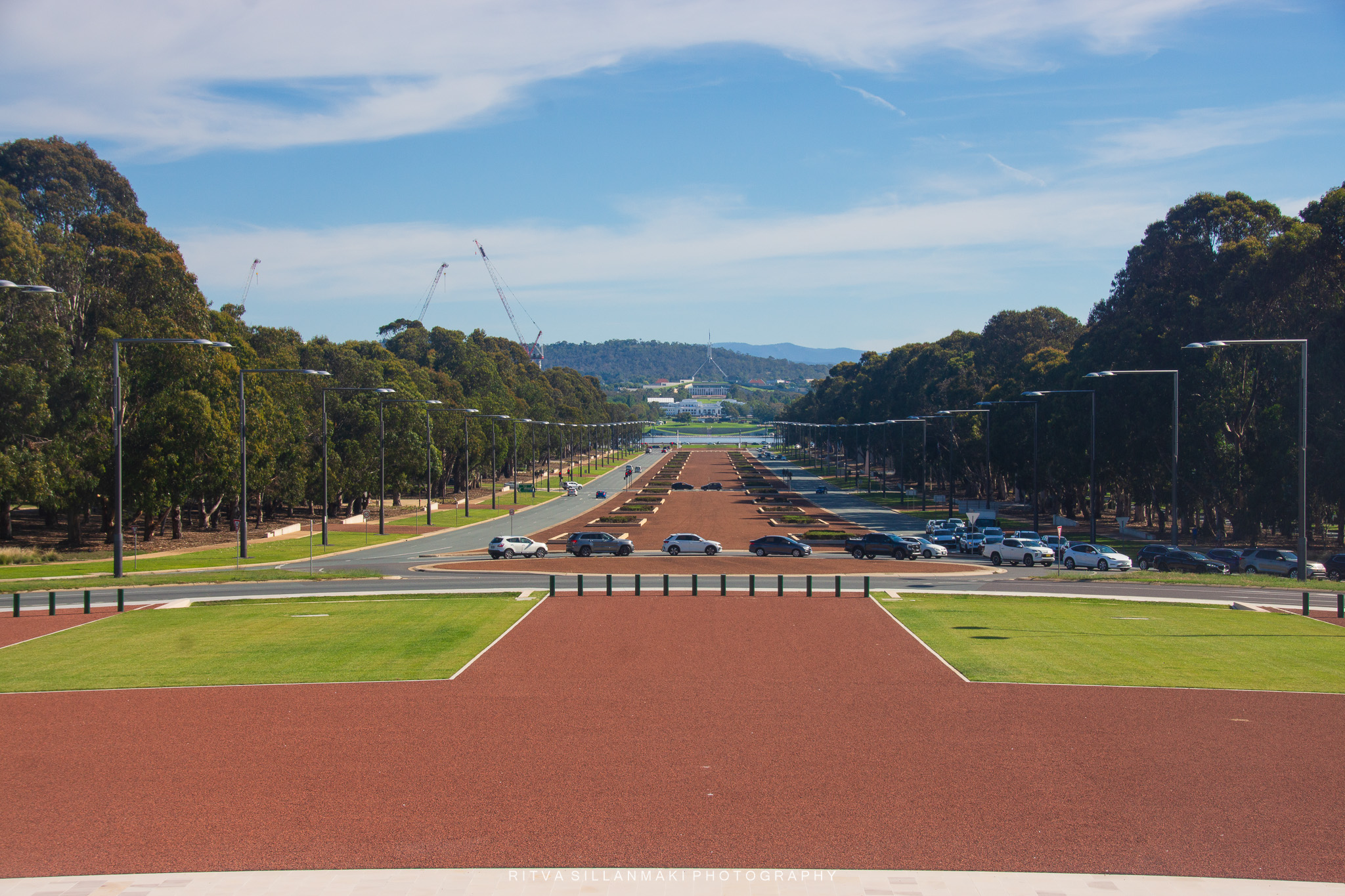
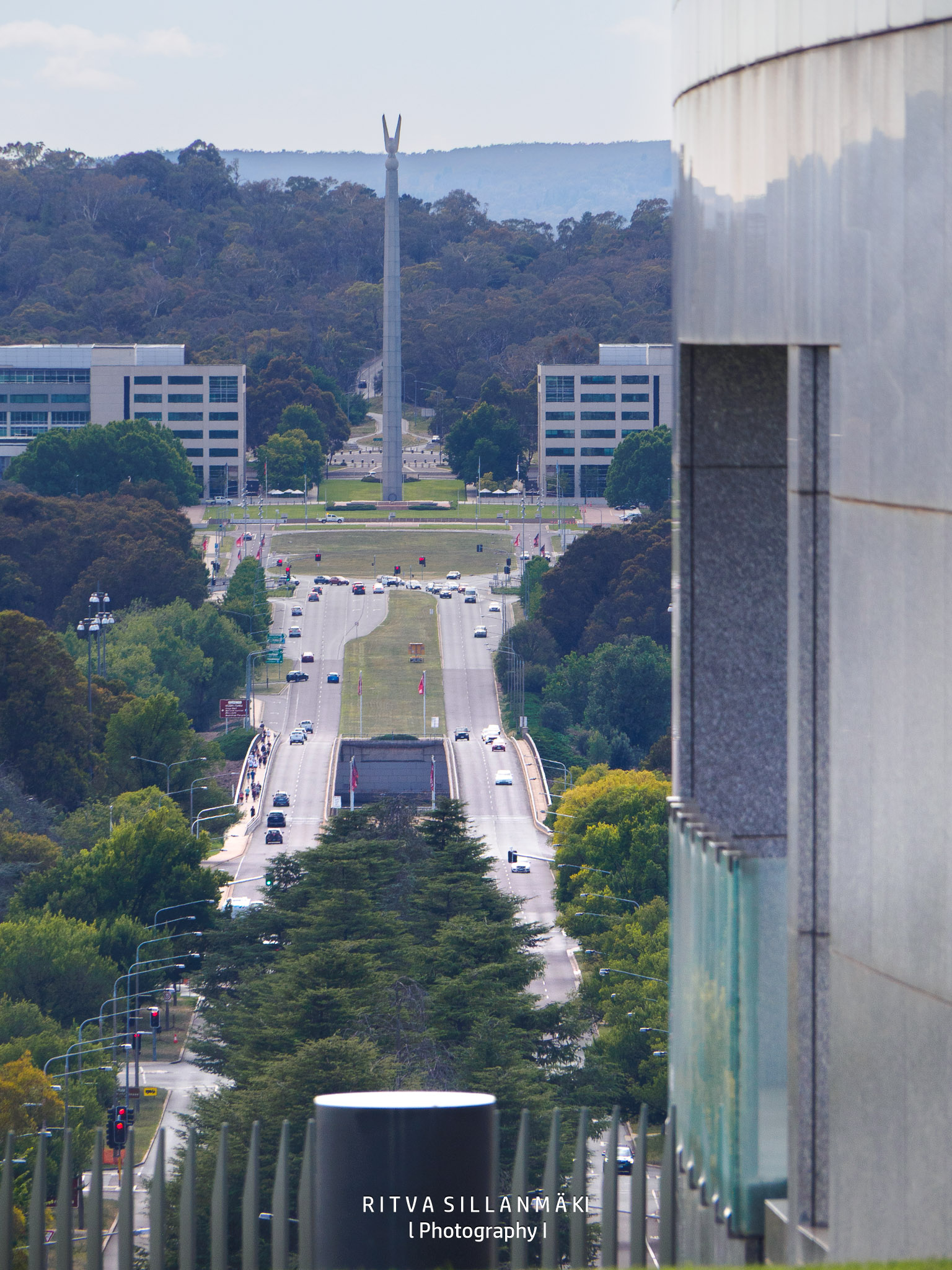
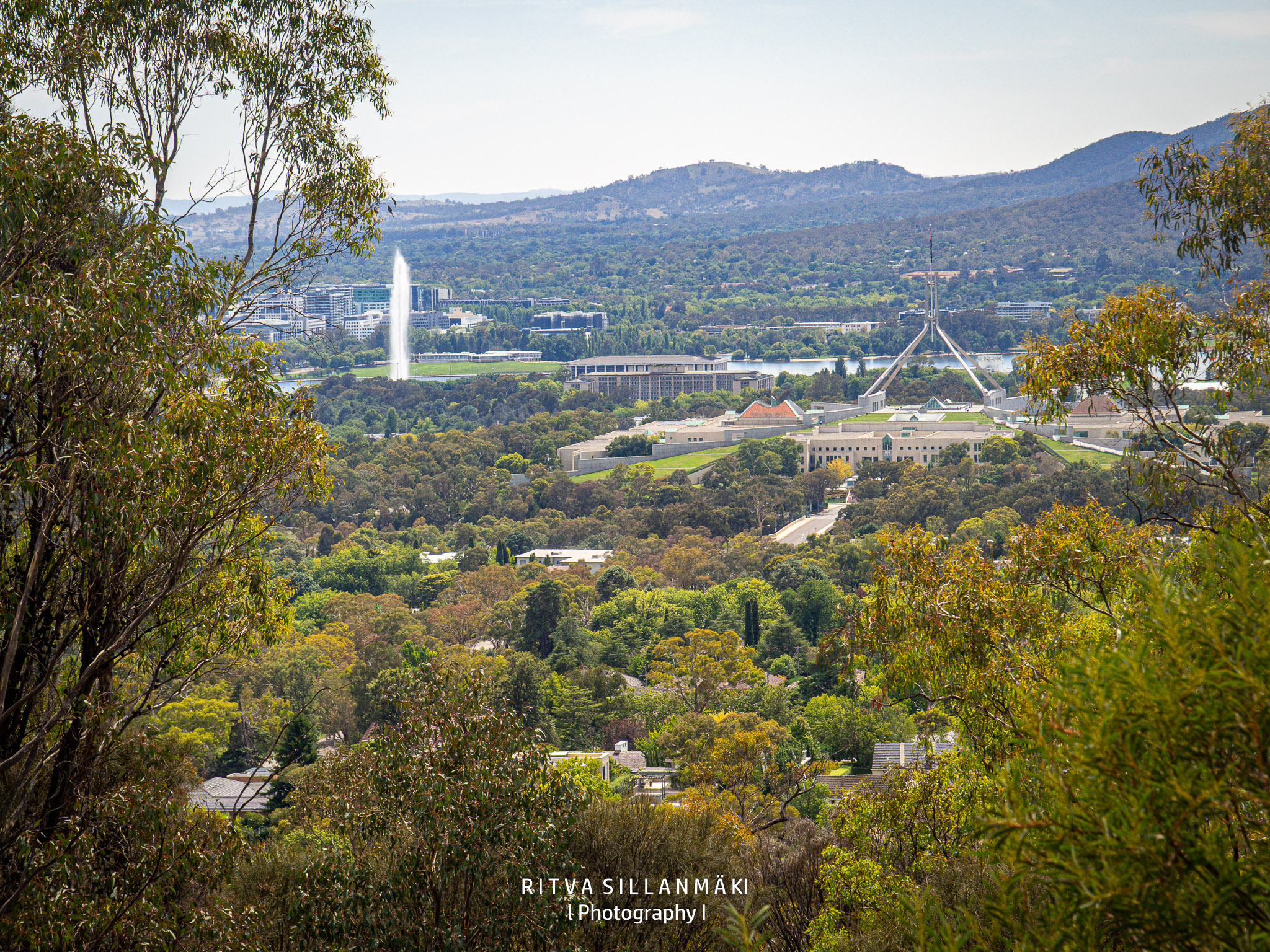
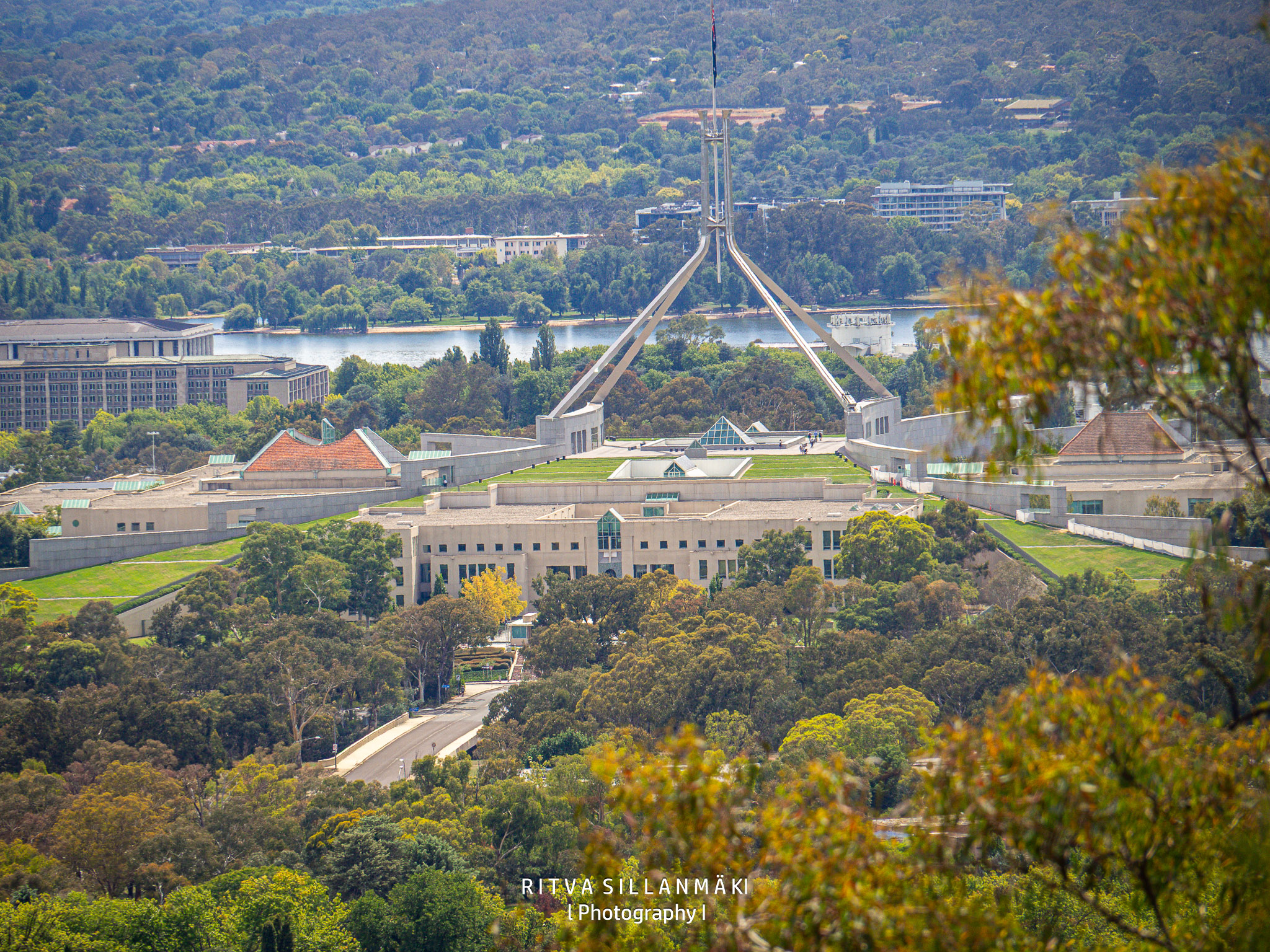
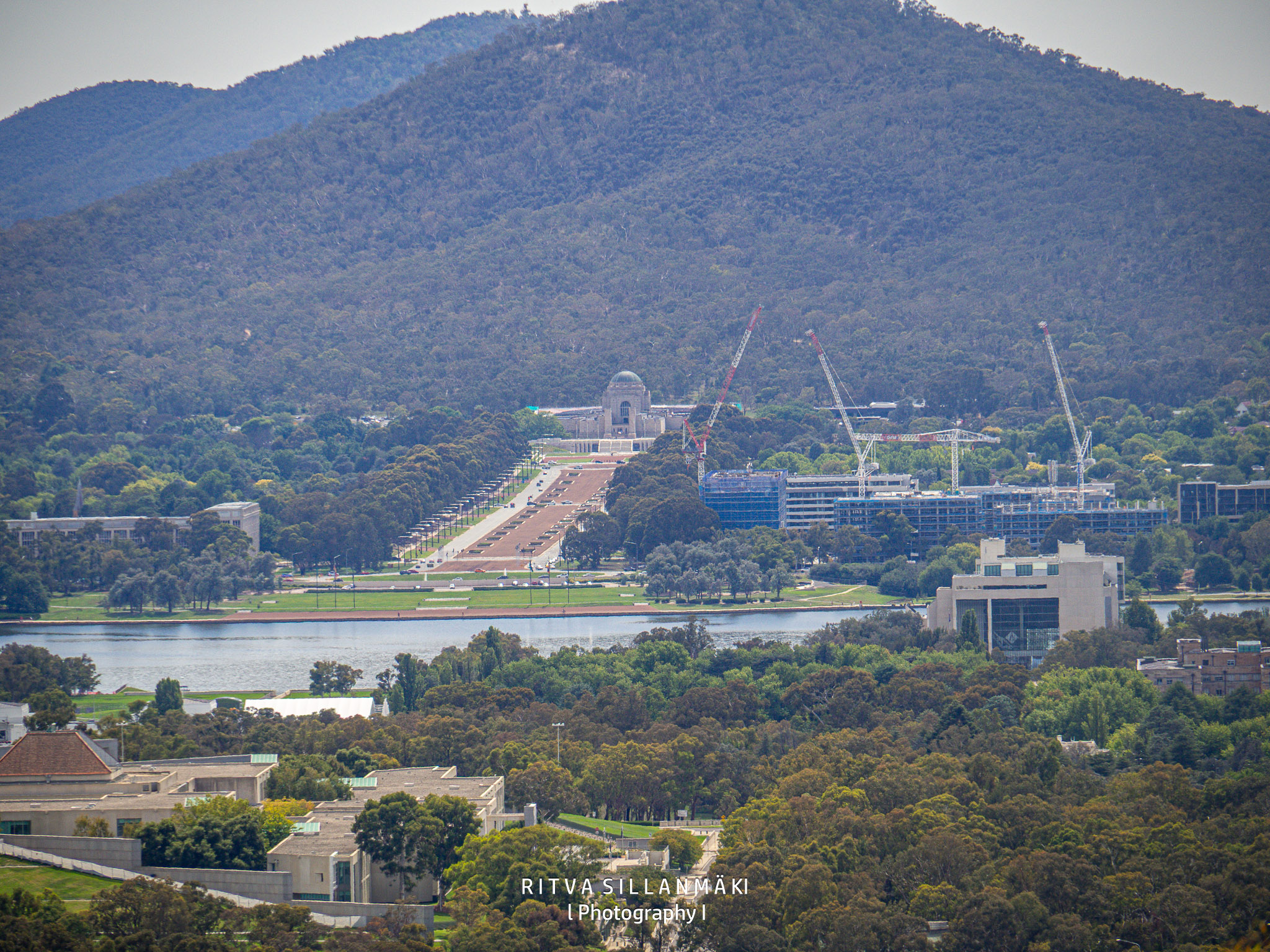
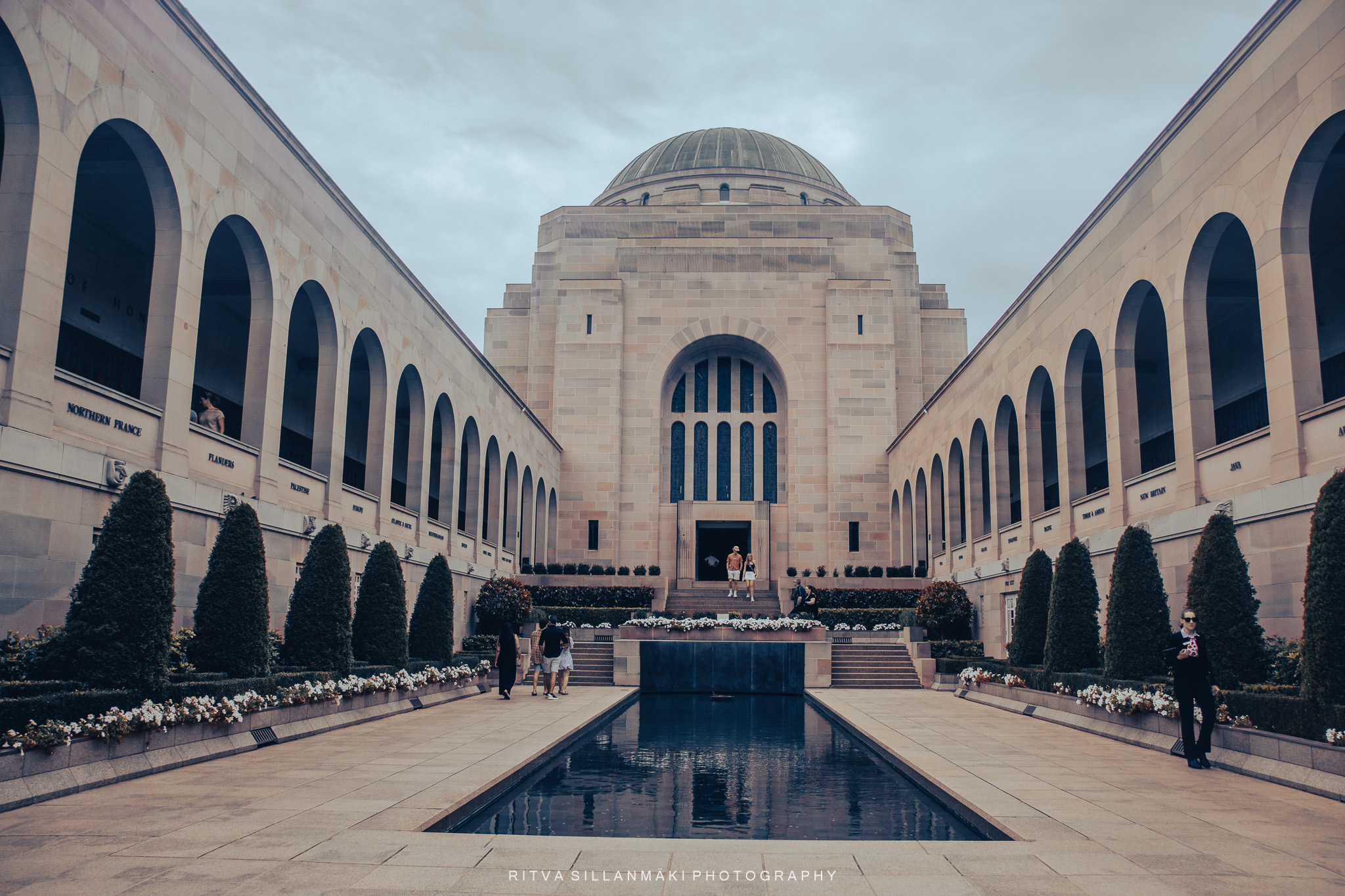
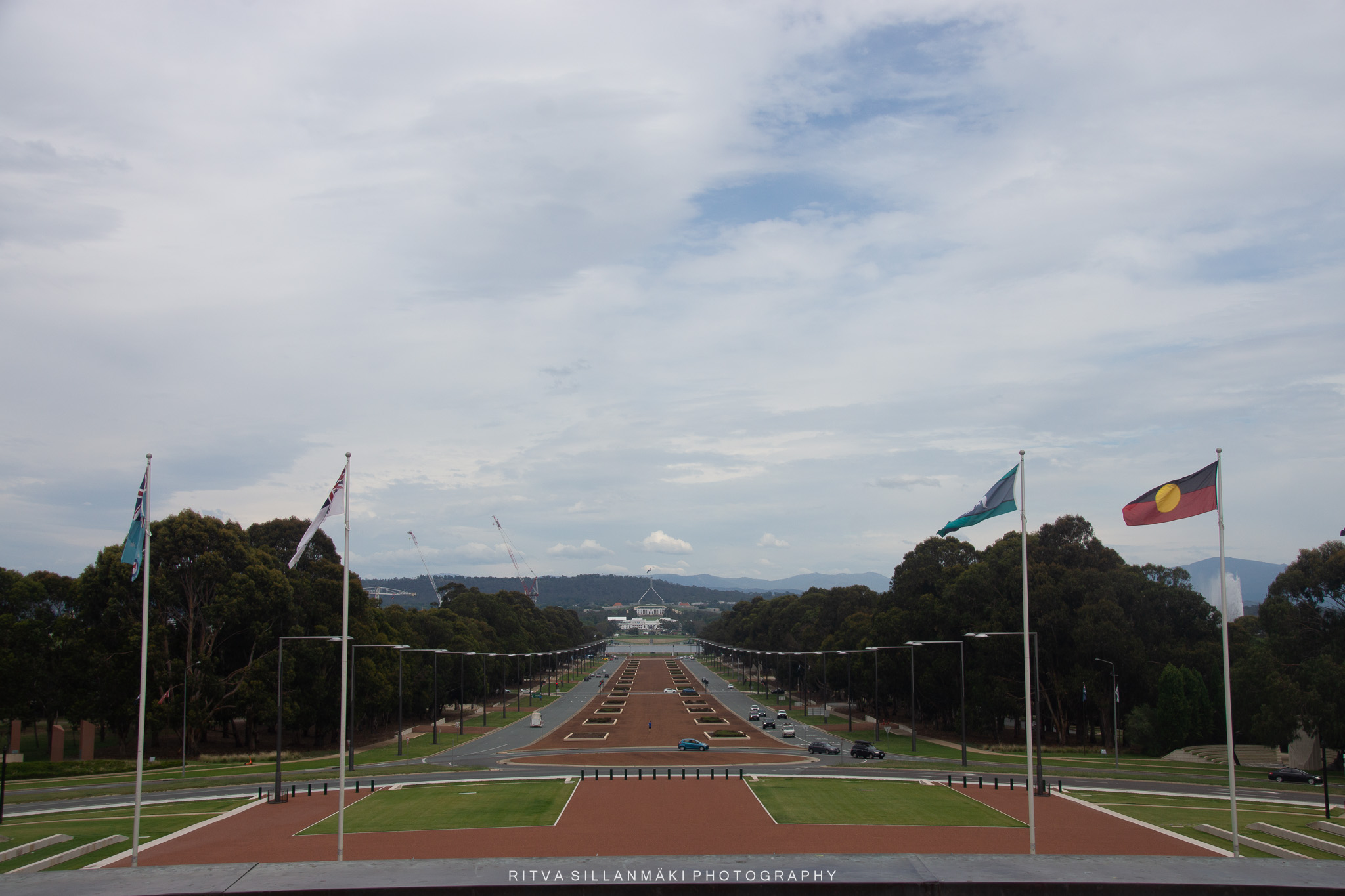
Anyhow, it was time to have a good general idea of the city. We drove up to Mount Ainslie Lookout. View was great and you could see the city plan well. Capital Hill, the lake, War Memorial, Anzac Parade, National Museum, etc.
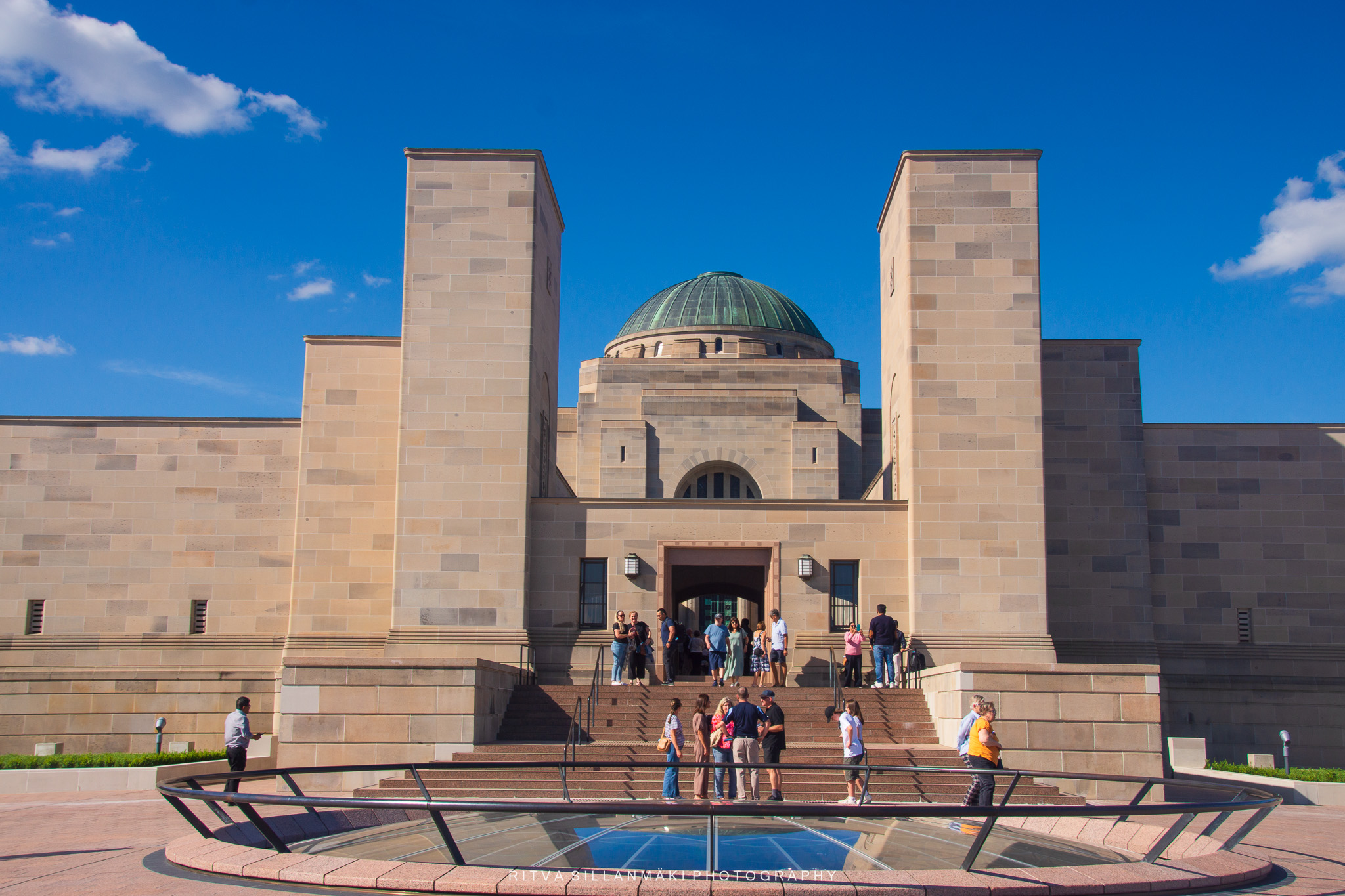
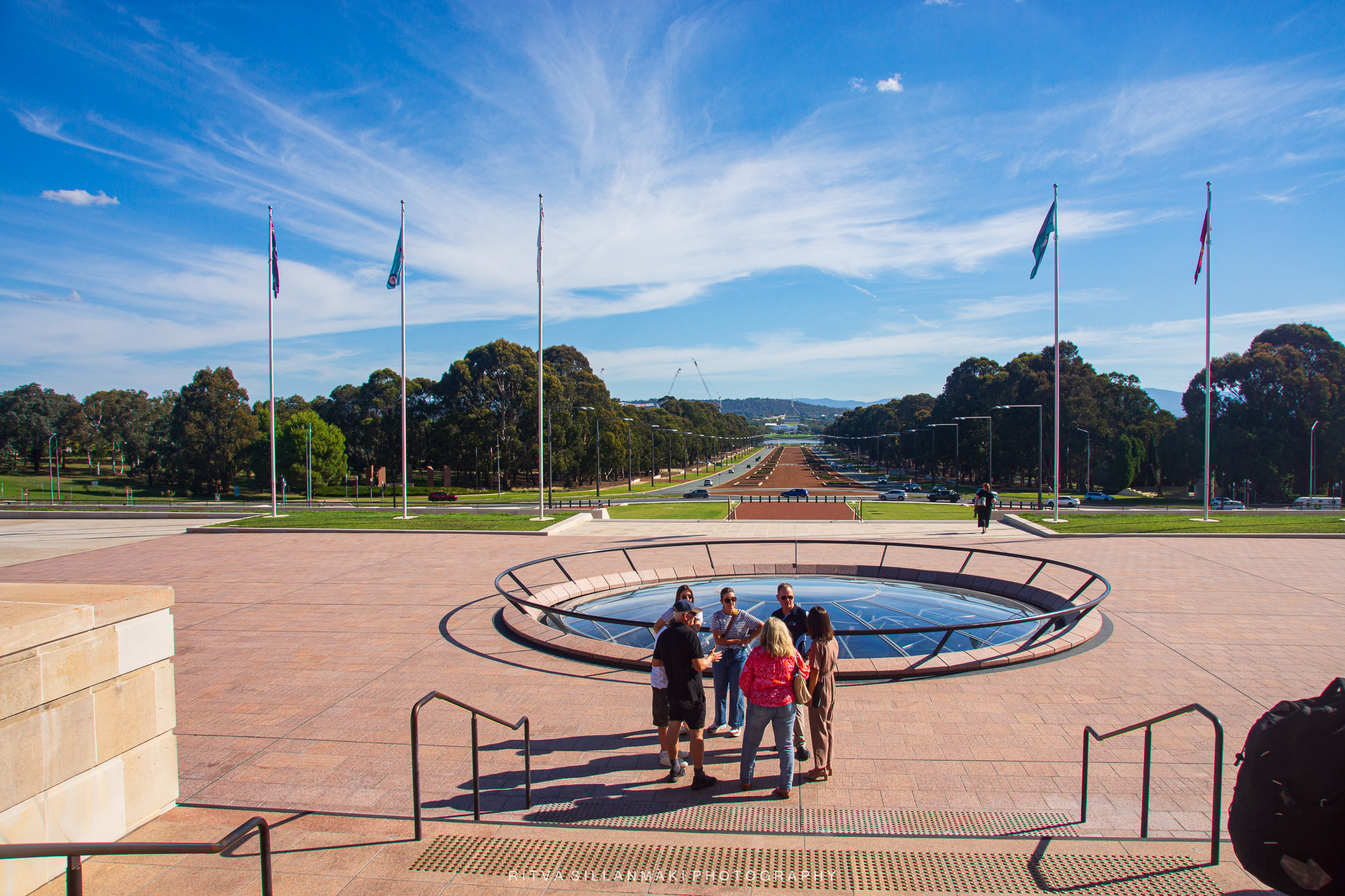
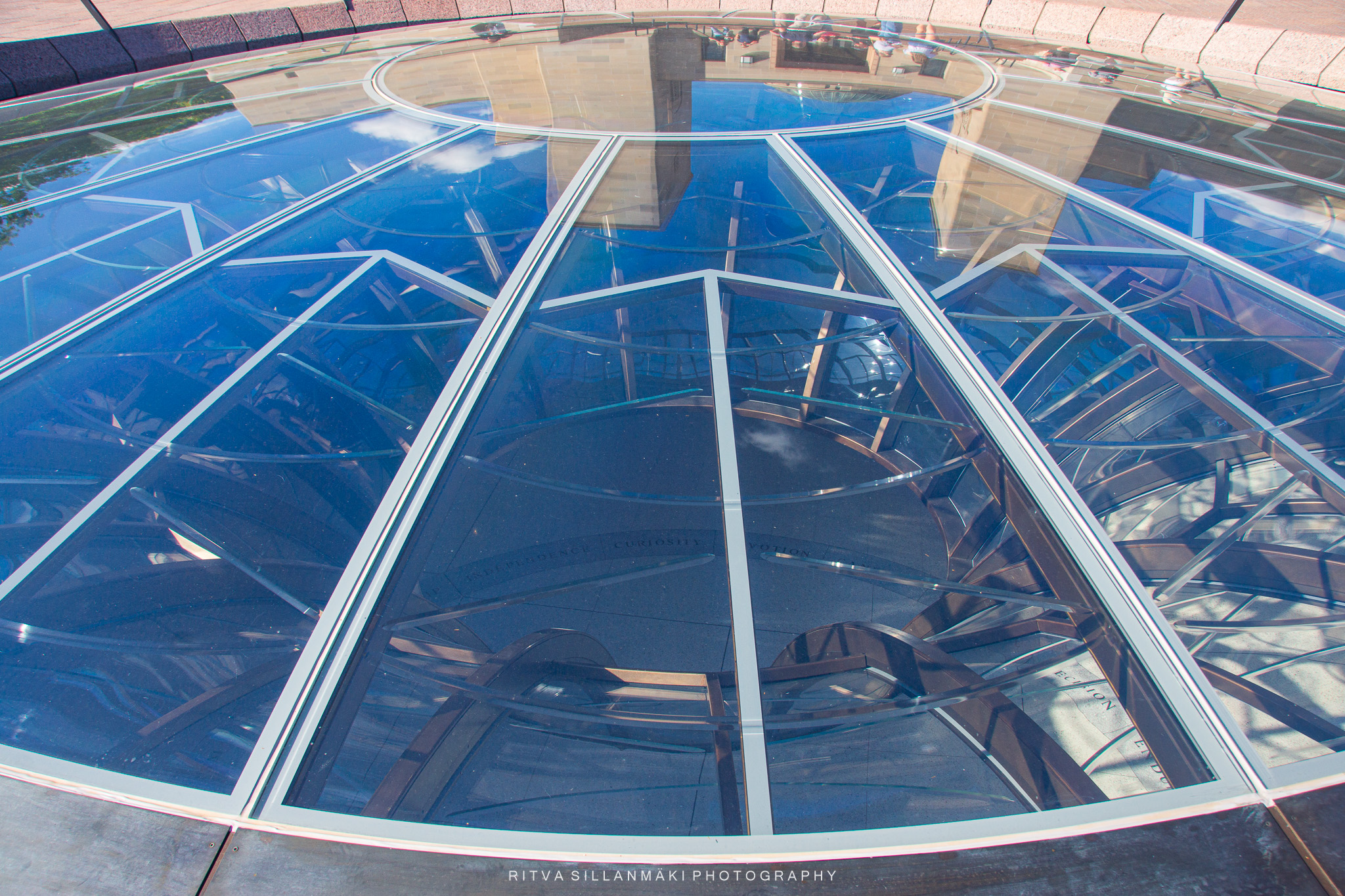
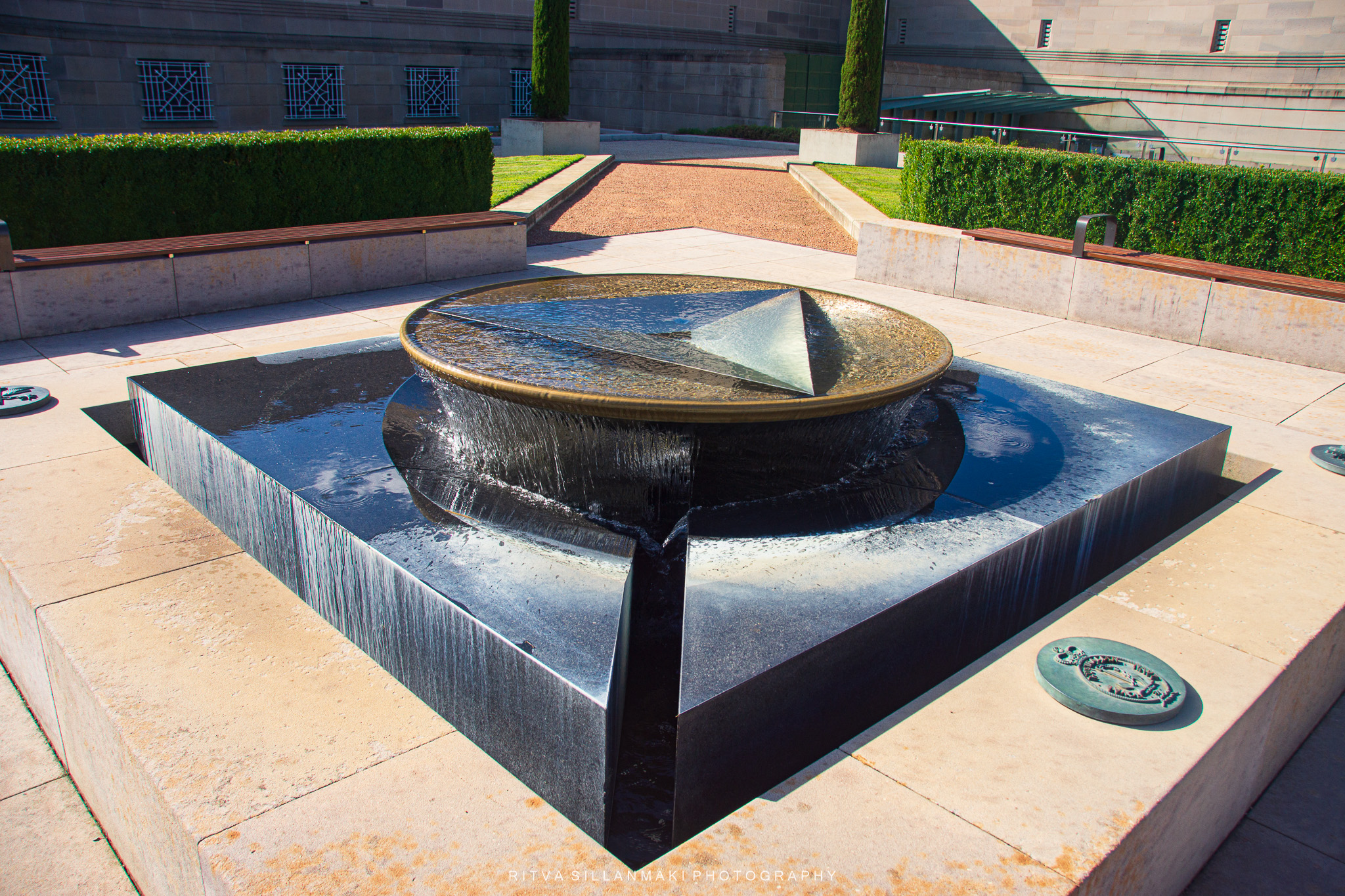
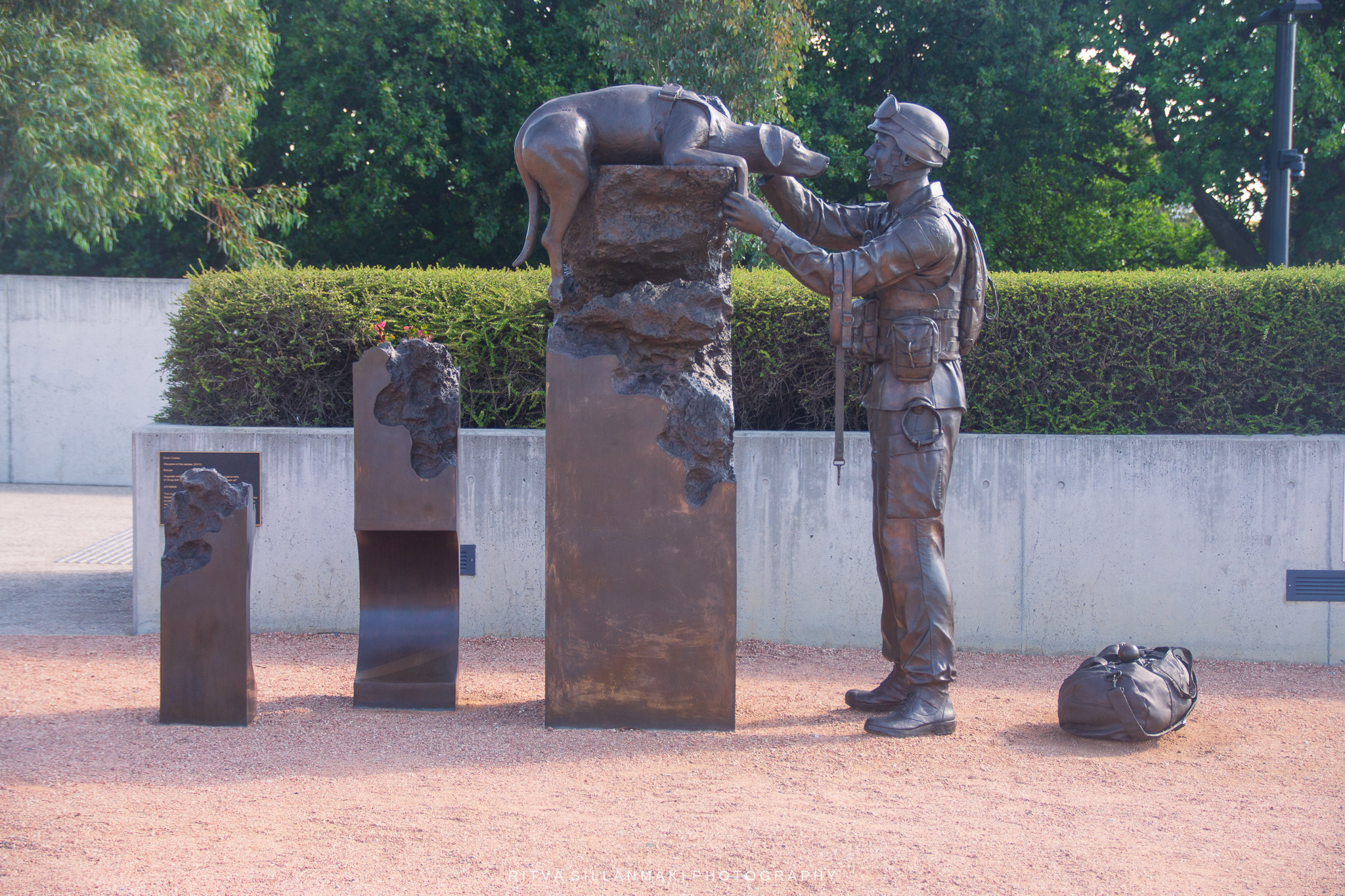
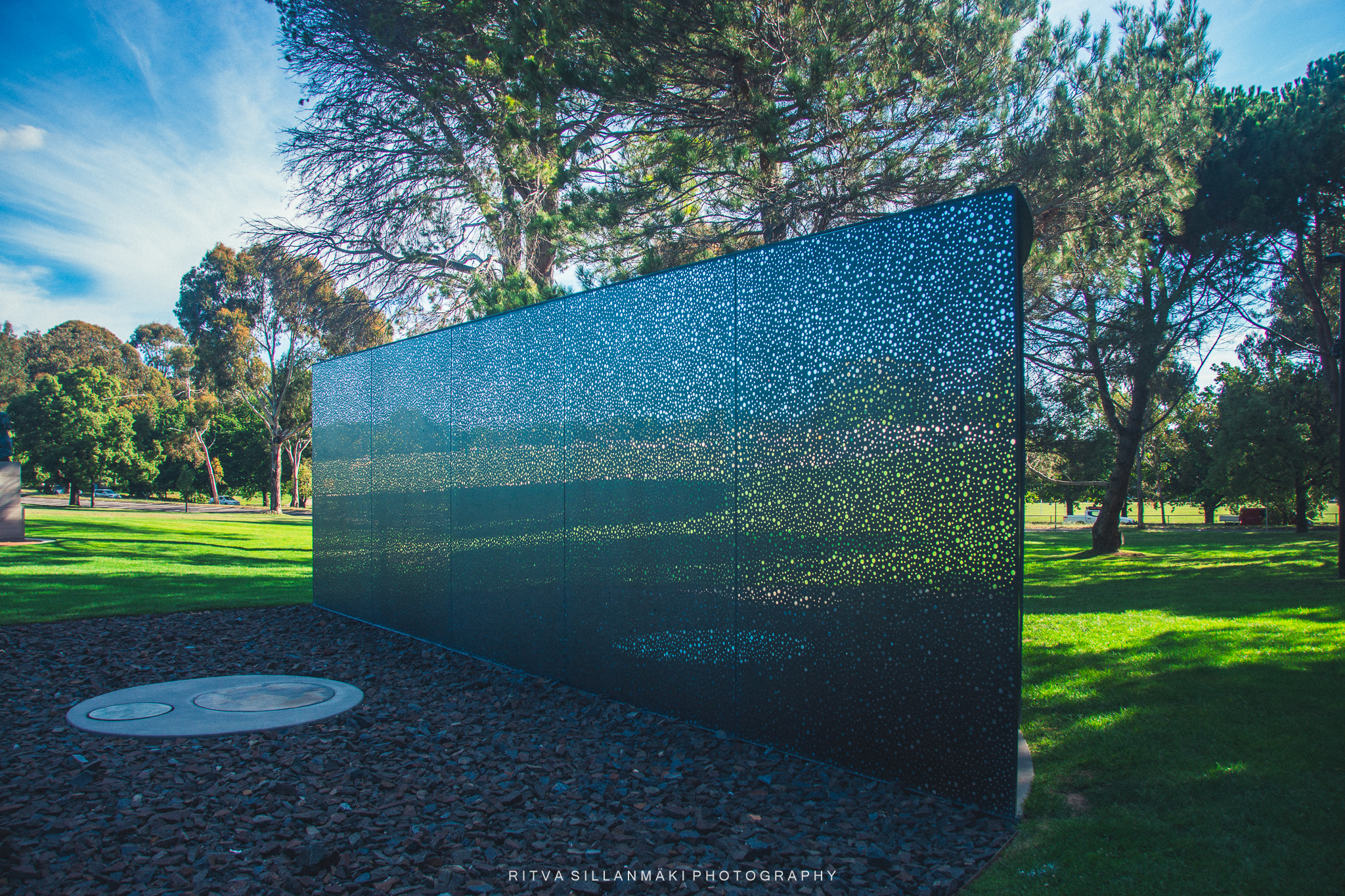
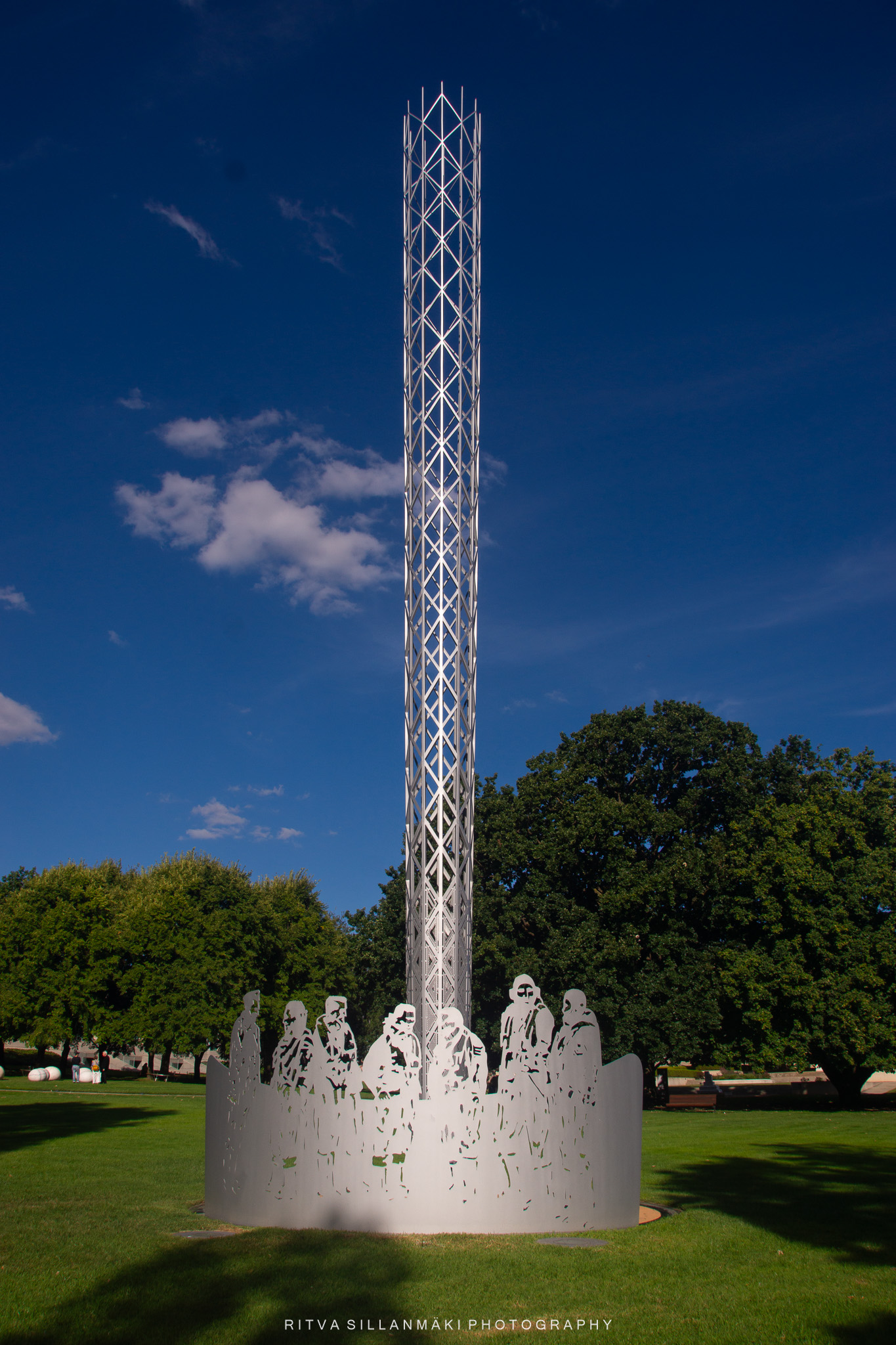
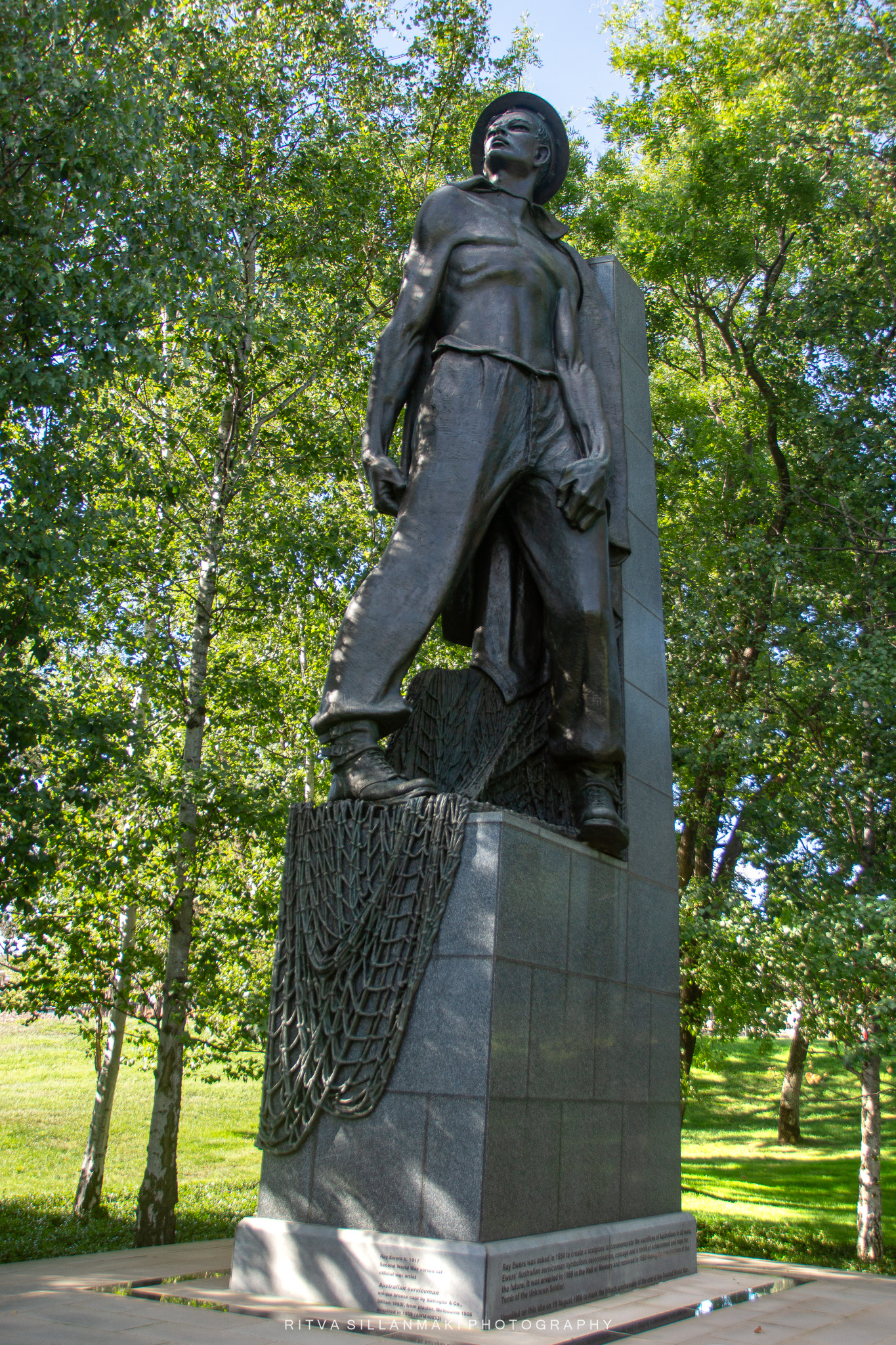
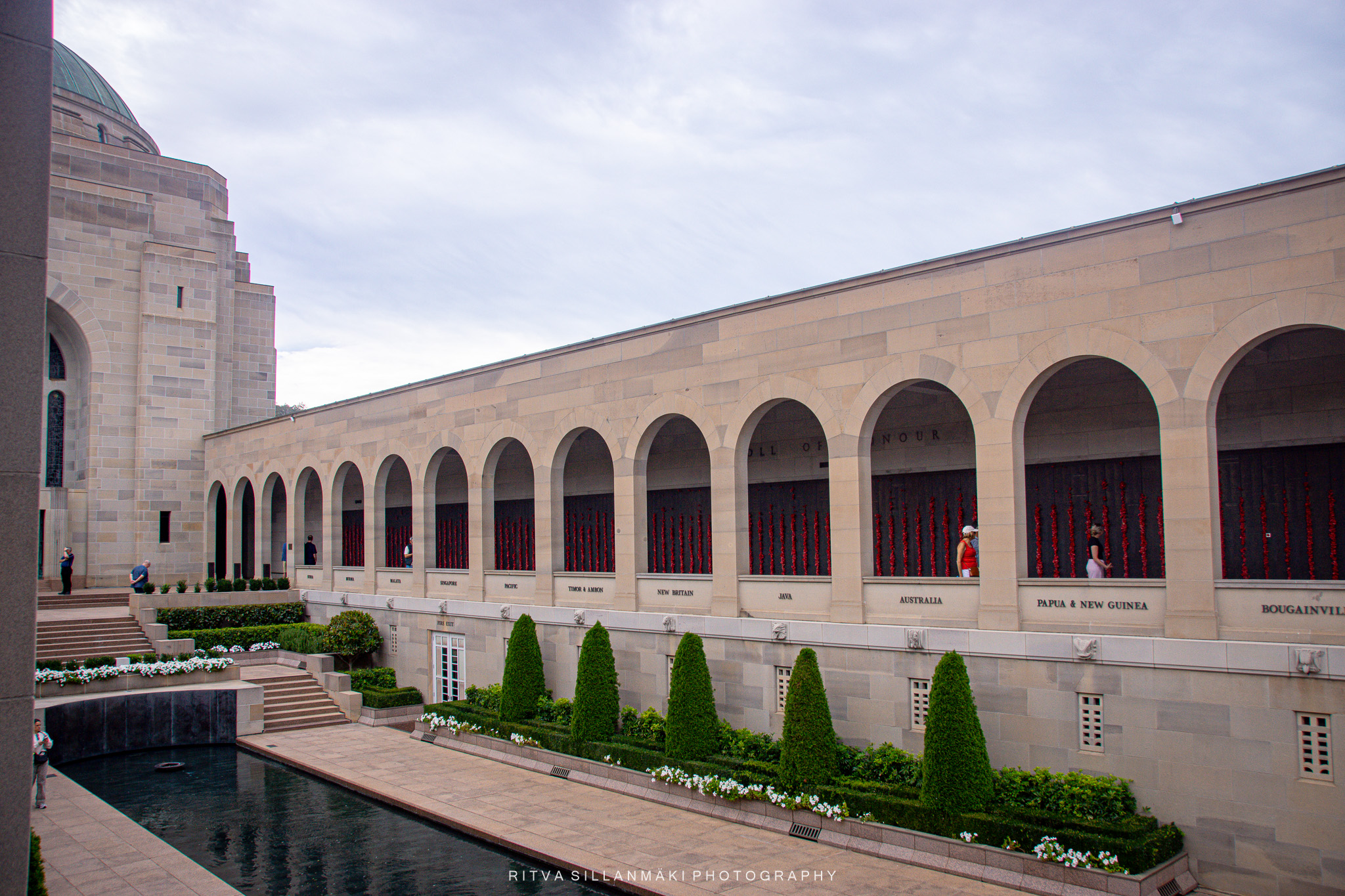
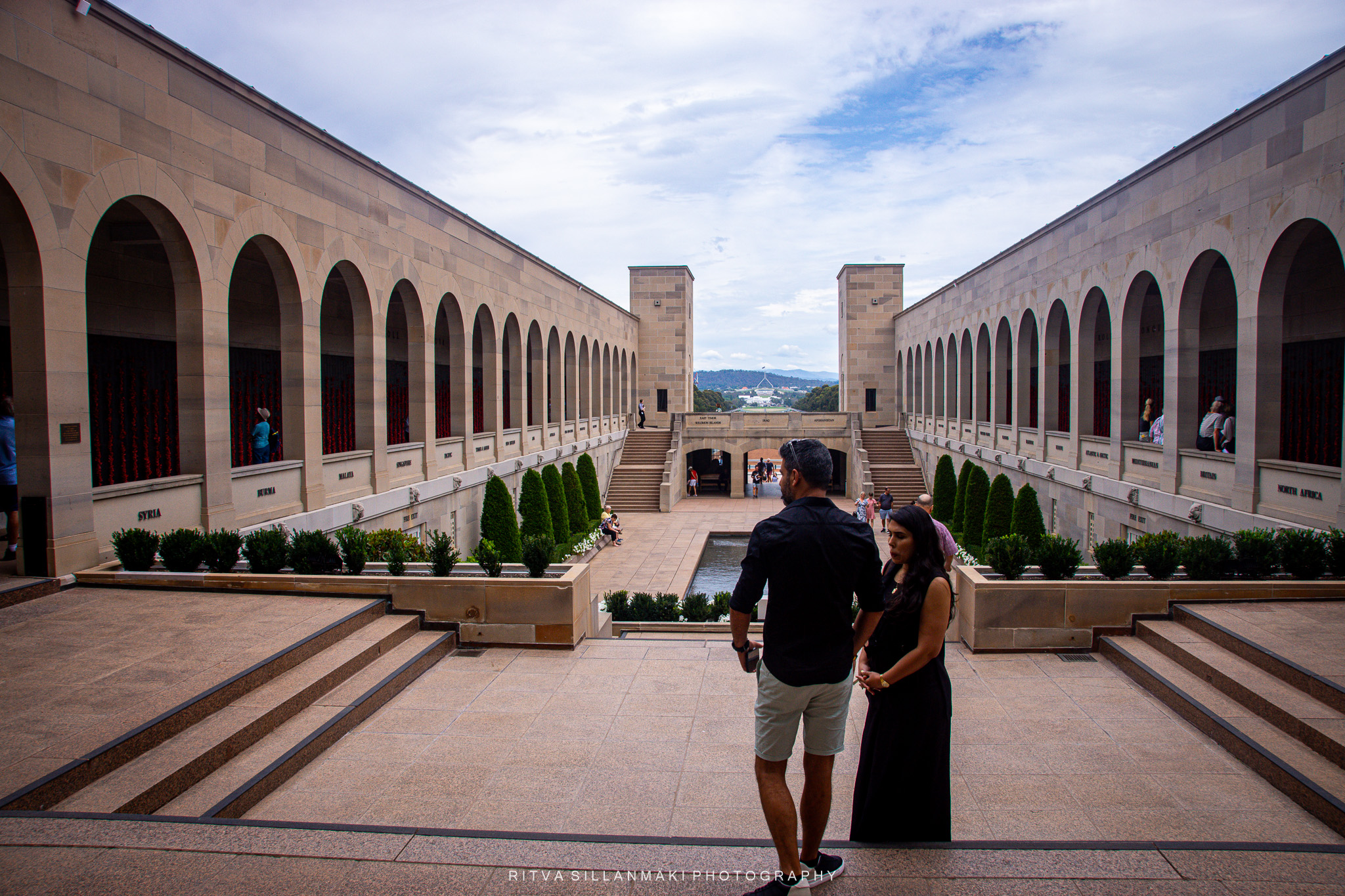
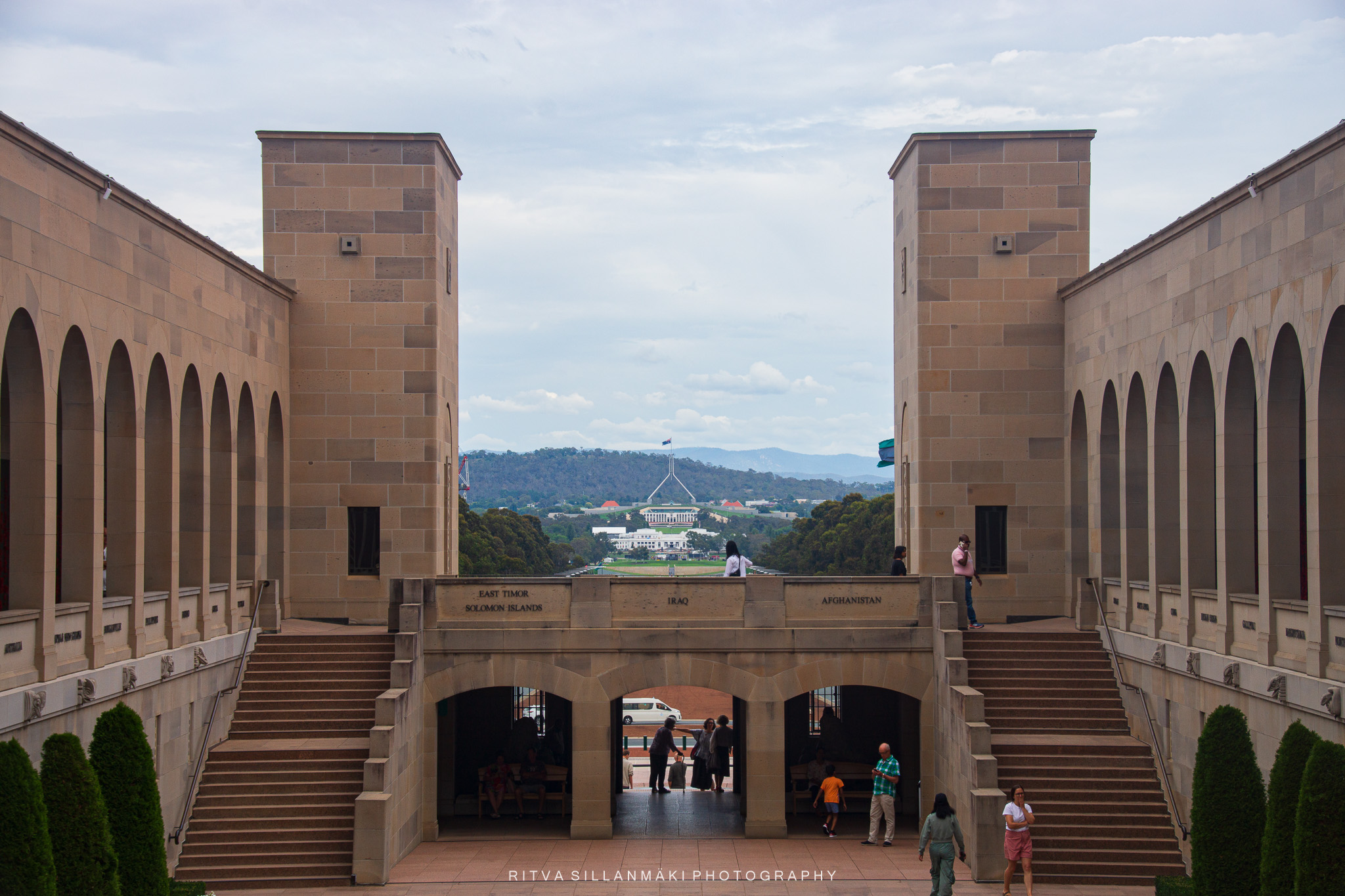
From Mount Ainslie we came down to look at the Australian War Memorial. Unfortunately, Memorial was closing for the day, and we couldn’t get in. But there is always another day. But we got plenty of pictures of statues and memorial gardens.
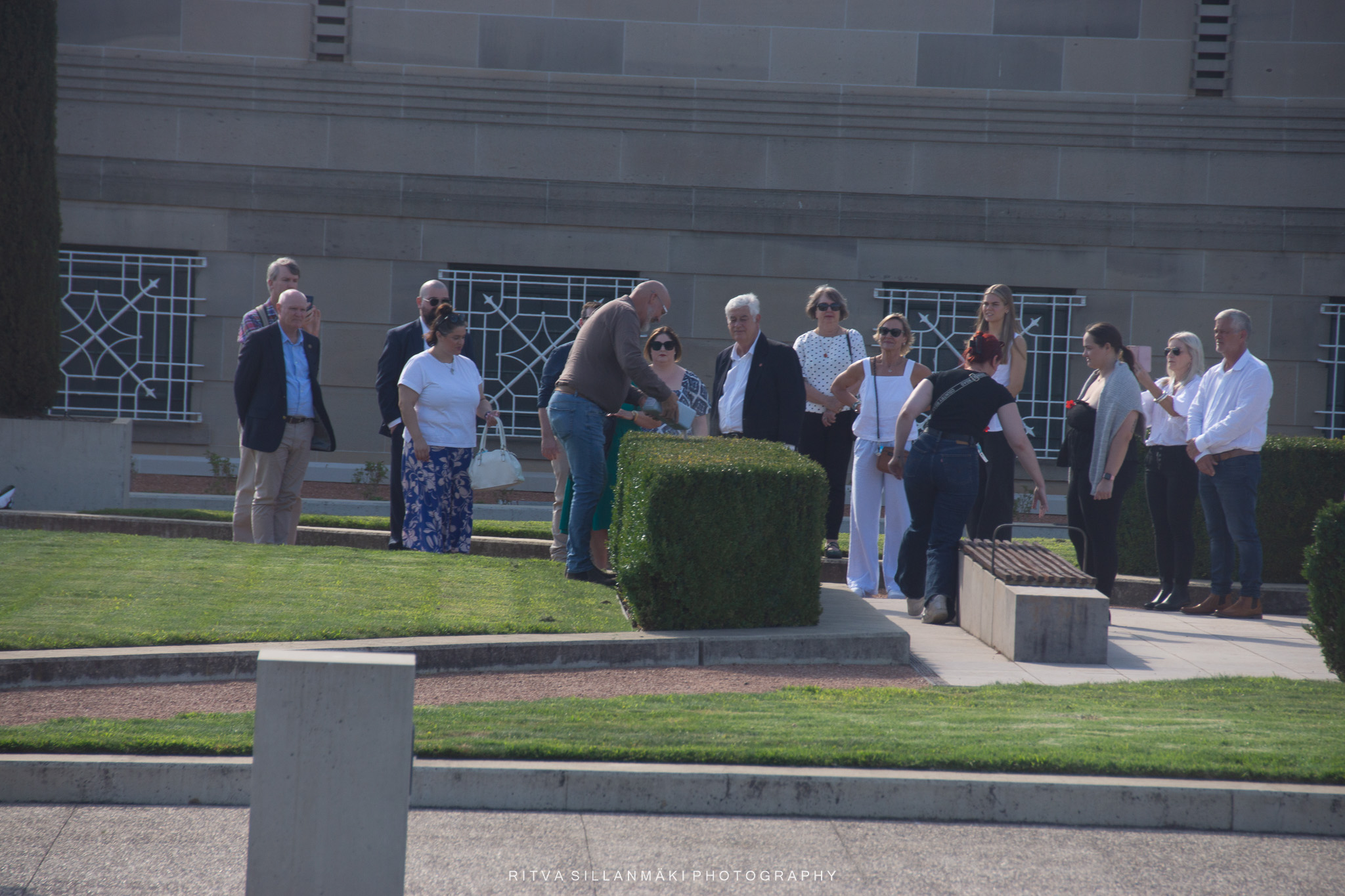
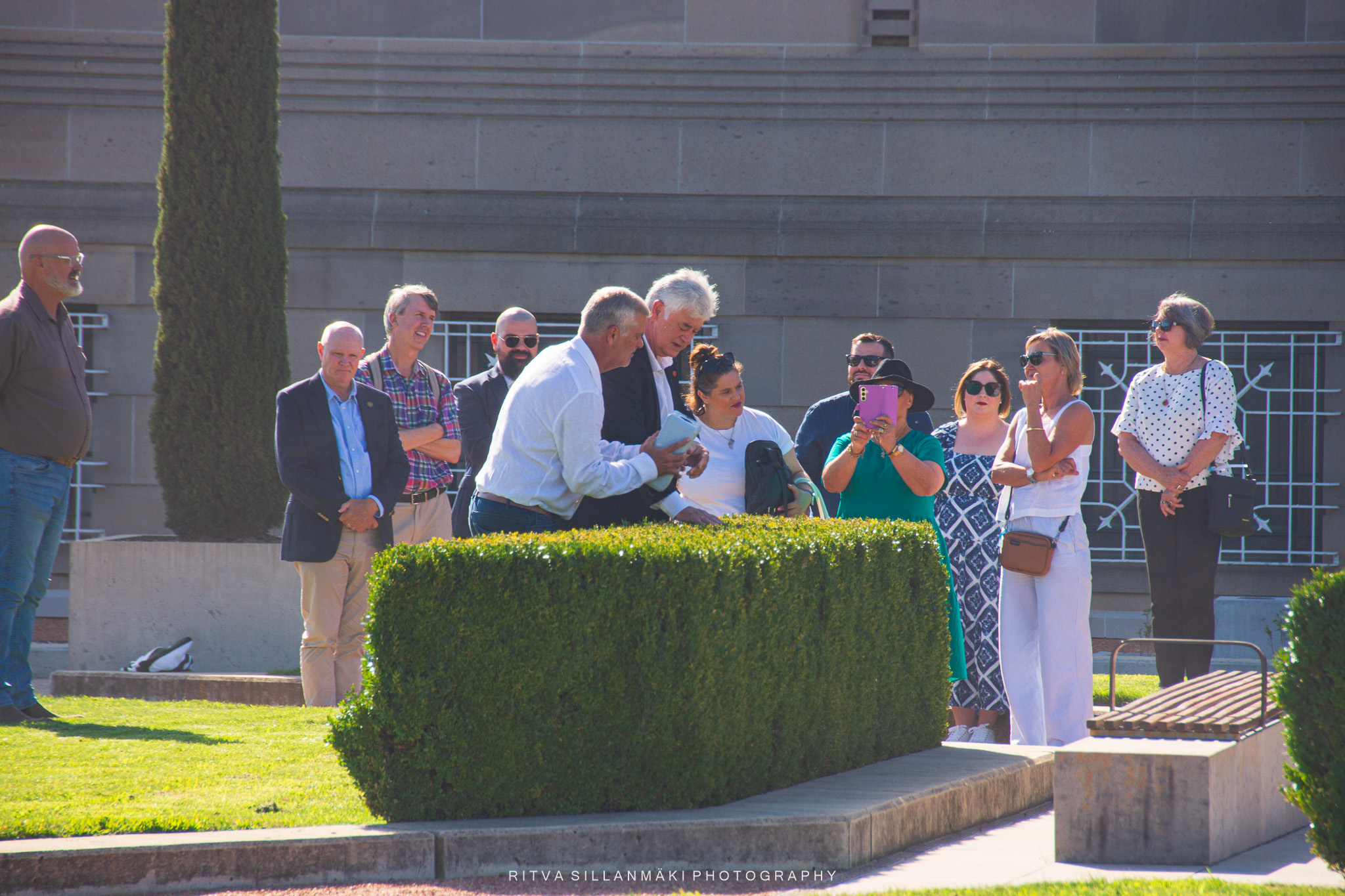
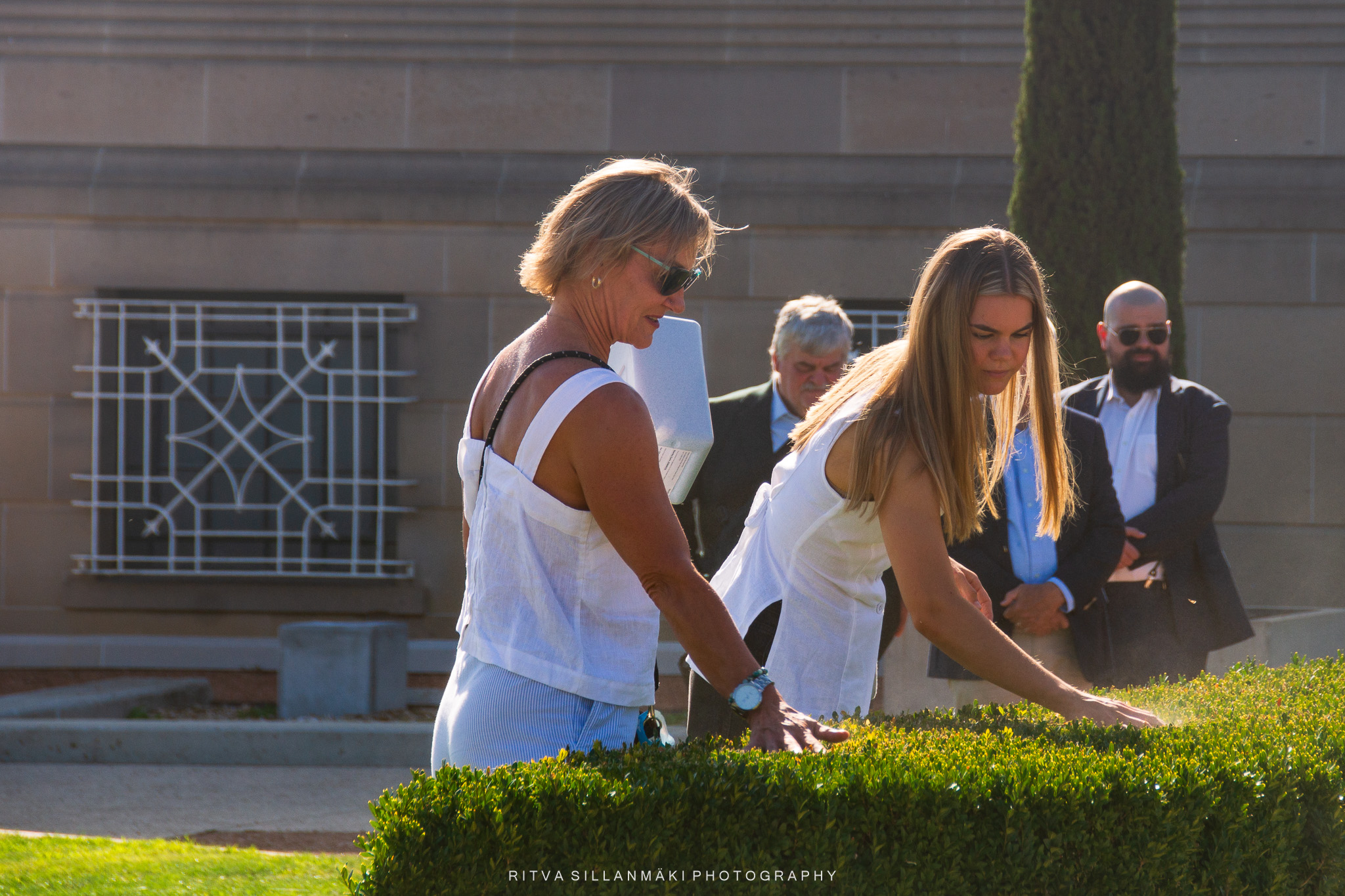
By sheer luck I ended up witnessing a memorial service of a major. I was taking pictures, and I saw a man with an urn in his hands. I approached him to say I’m sorry I didn’t mean to take photos of such personal moment. And he approached me to say that he was sorry if he ruined my photos. He told me that they were going to scatter his father’s ashes to the memorial site. His father had passed in 2023 but only now they had found the time to do the ceremony with family and friends. He also said that I was more than welcome to take pictures. After the brief chat I saw the rest of the mourners coming closer. The major had been active in the matters of War Memorial, so his ashes were allowed to scatter in the grounds.
After the Memorial, we drove along the Anzar Parade, which is filled with statues, but we were not able to stop and take photographs. It was late afternoon and time to check in. However, our room wasn’t ready. The front desk manager was apologetic and offered us drinks at the bar and breakfast at no charge. Thirty minutes later, the room was ready. Even with the help of the internet, it was, once again, hard to find a place to eat. First, we chose a tavern, but that was a mistake. We made a U-turn in the parking lot because the tavern looked like a dive from the outside. Later, we were told that “tavern” usually means it is not a classy place. We ended up in a restaurant called Ostani in the Realm Hotel. It looked promising based on the number of people. It was packed, but we managed to get a table. After waiting for a few minutes, I asked a server, who was passing our table, if somebody would be coming to our table soon. He said that I would be better off going to the counter to order, which meant this place was a self-service establishment. We ran into this phenomenon constantly, and we found out that the restaurants are not able to get enough staff anymore, especially after Covid. In many places they have QR codes at the tables that say: check out the menu, order, and pay with an app. I went to one counter and ordered and paid for our food. Then I went to the bar and ordered and paid for our drinks. After carrying the drinks to our table, I had to go and get water from the tap into a jug and get glasses as well. The food was okay, but the atmosphere was lively and fun.
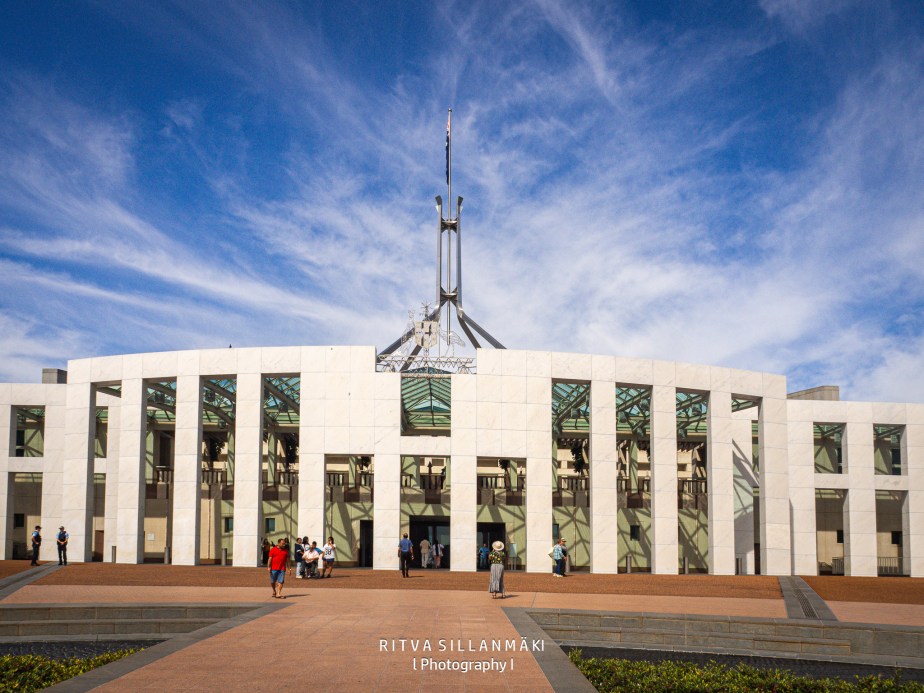
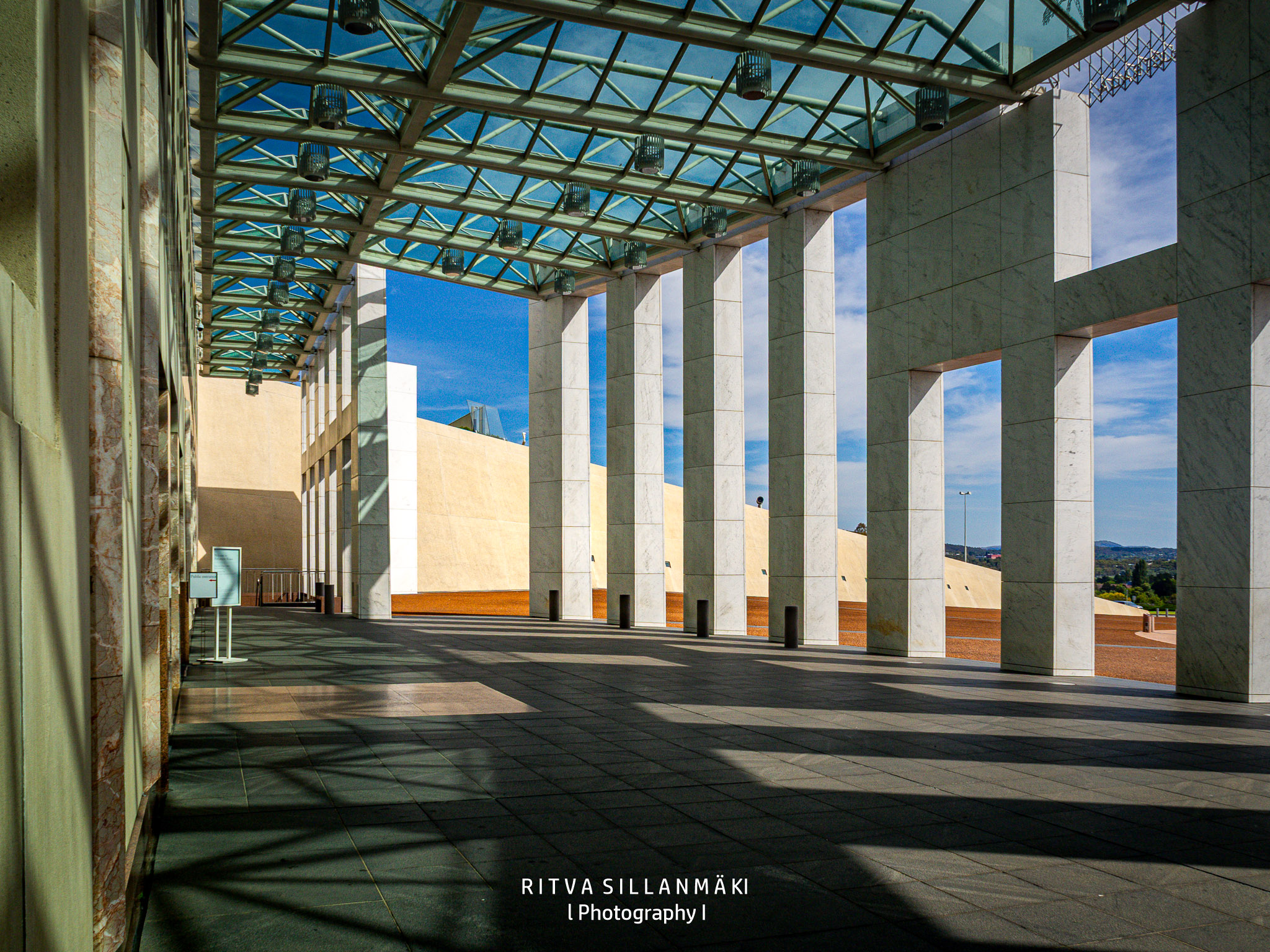
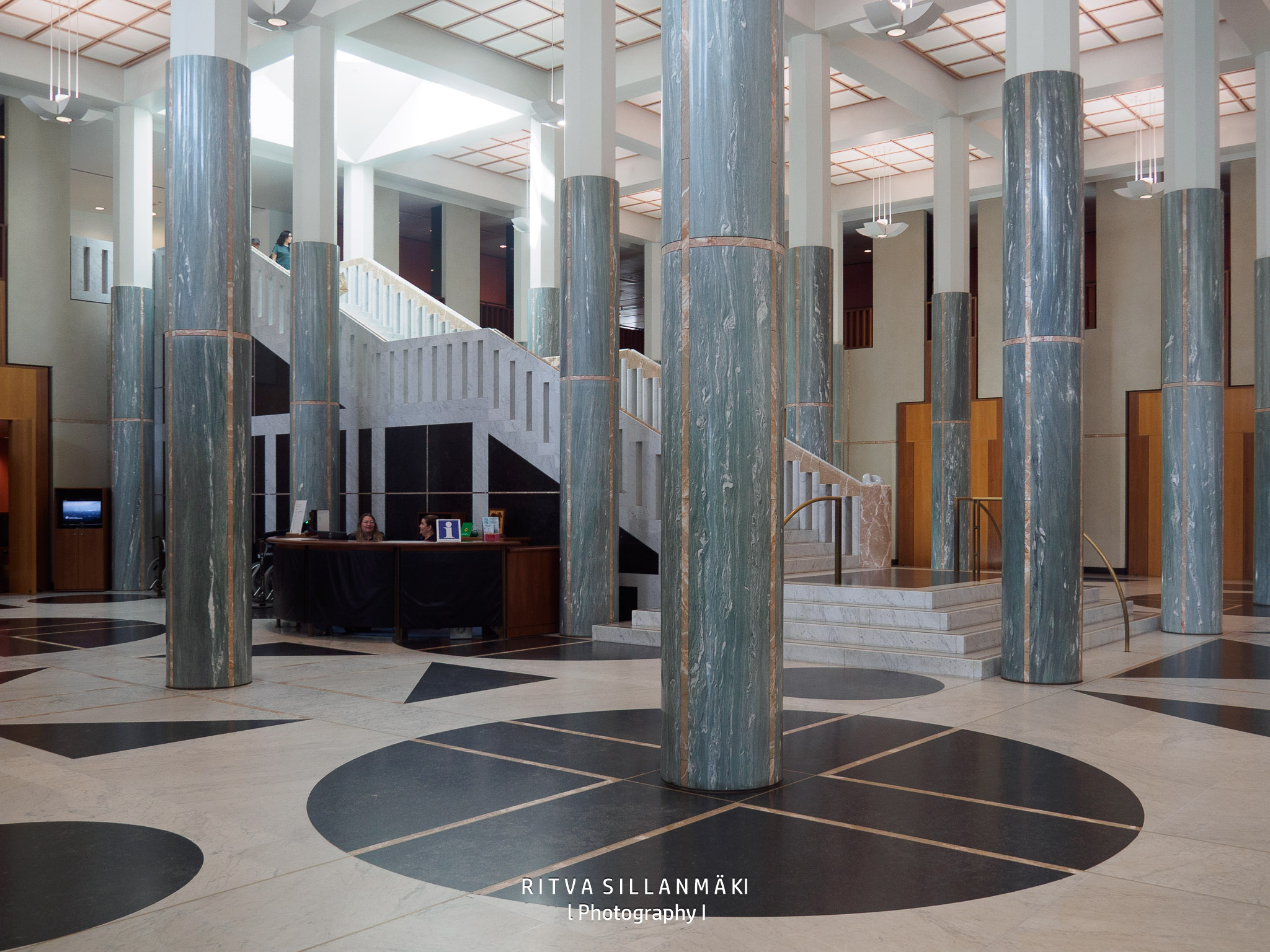
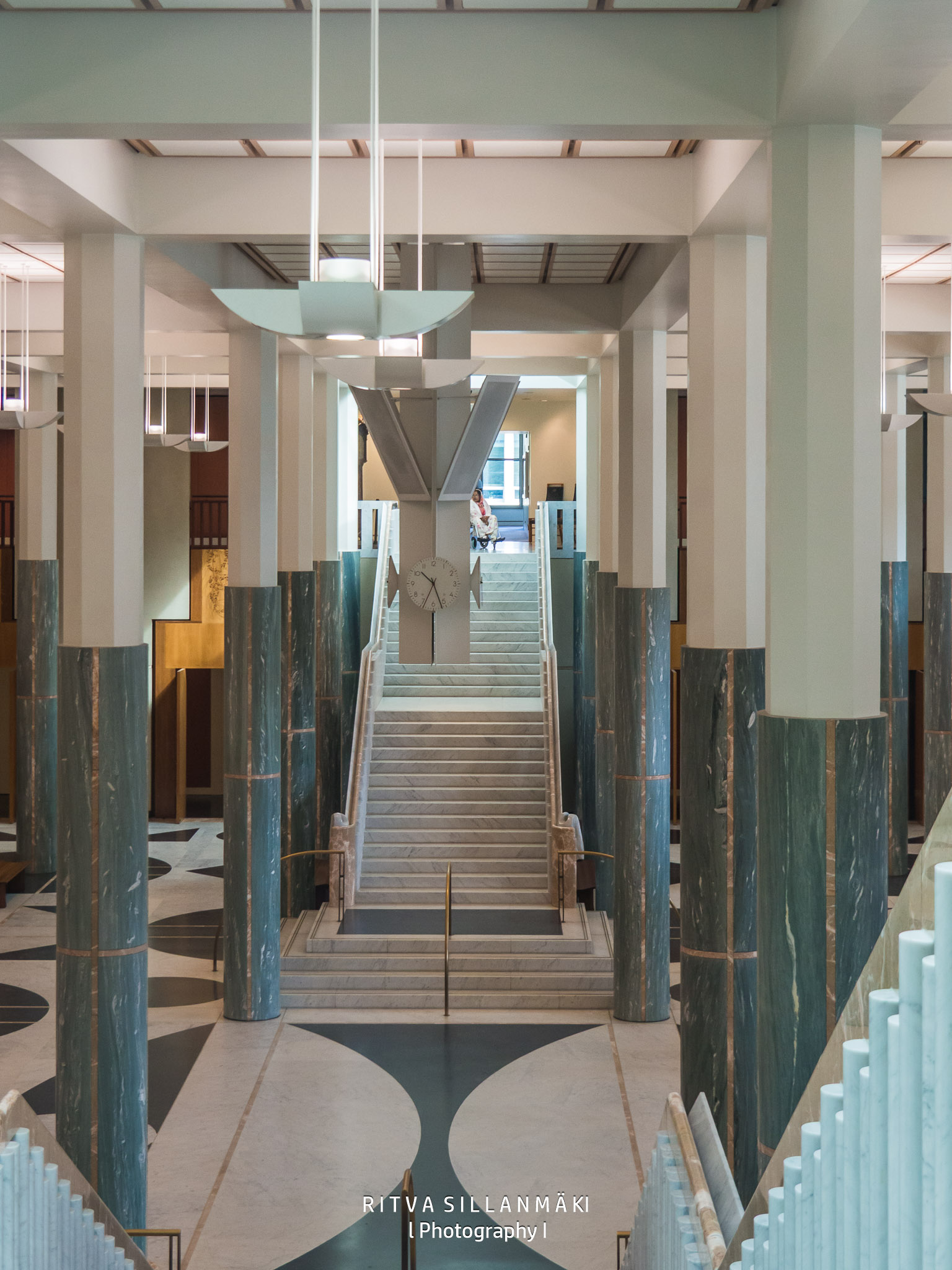
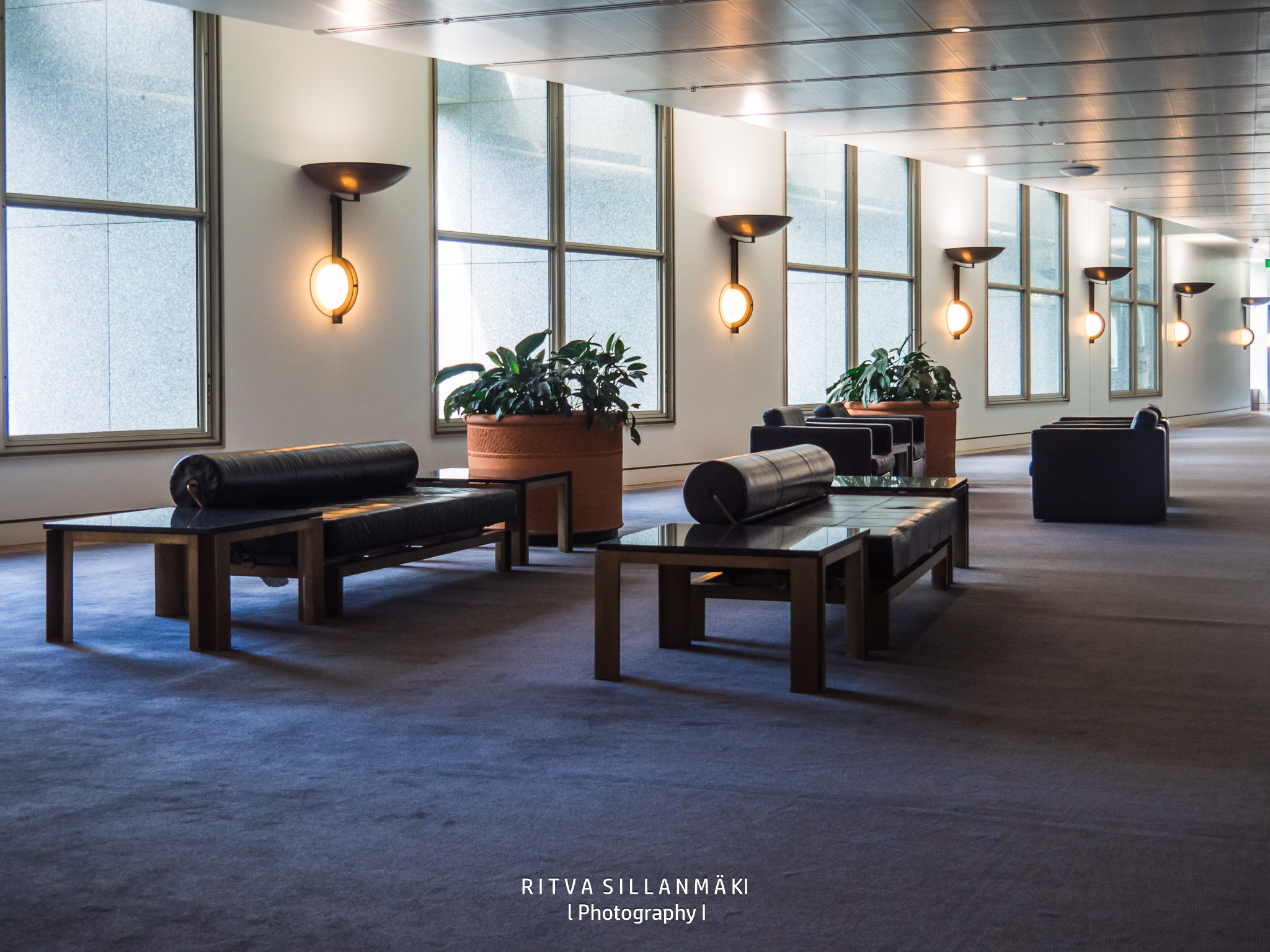
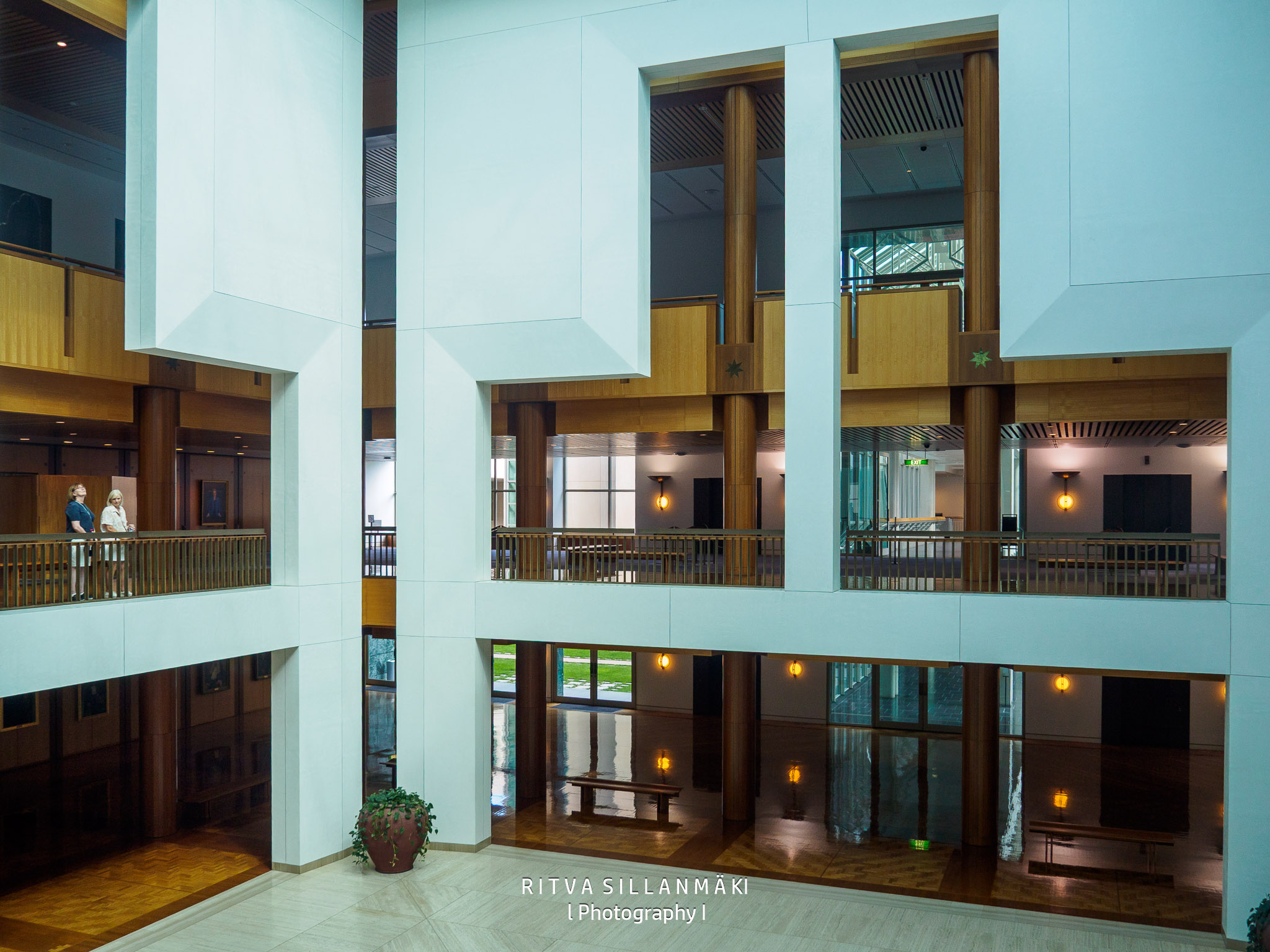
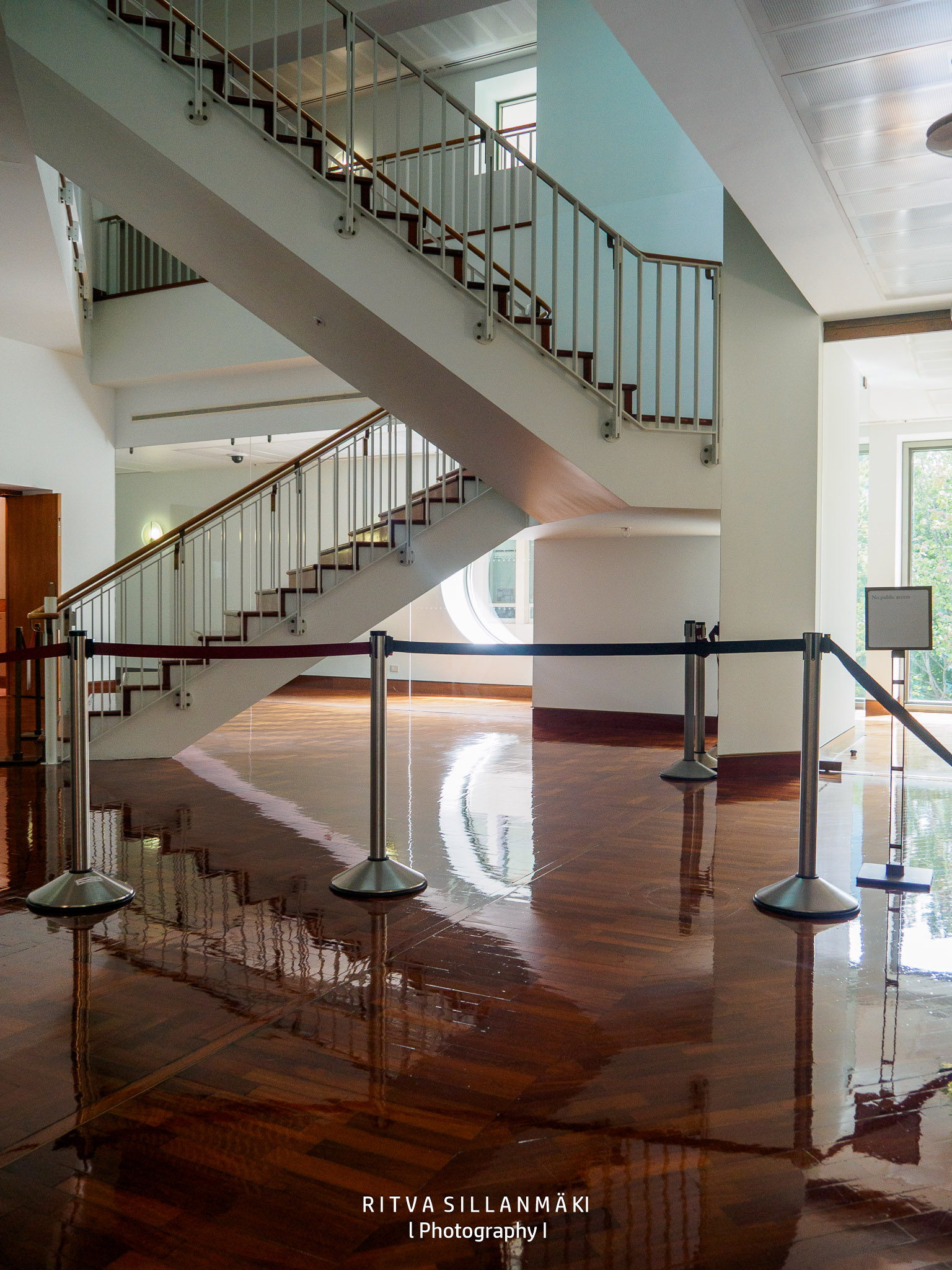
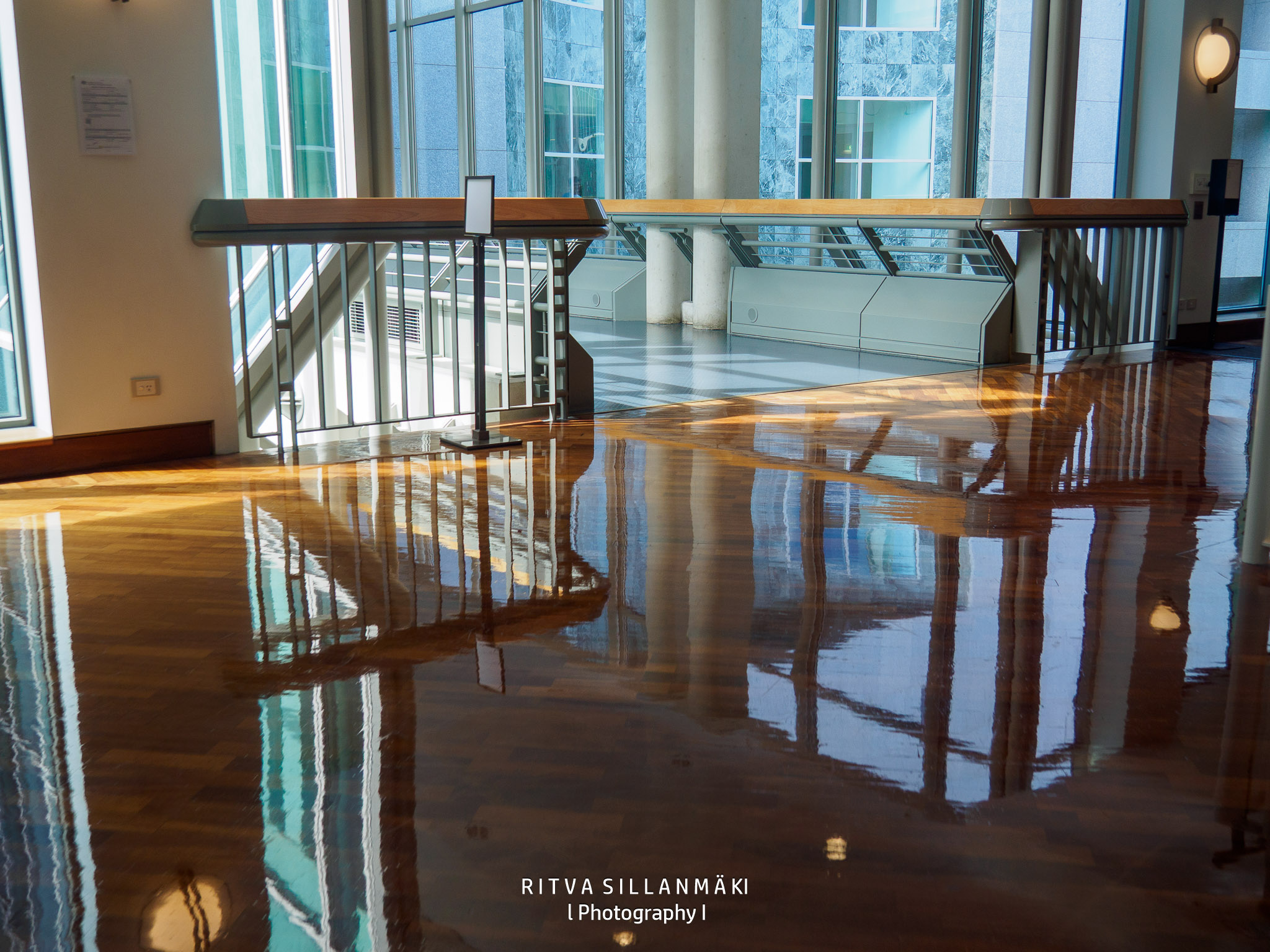
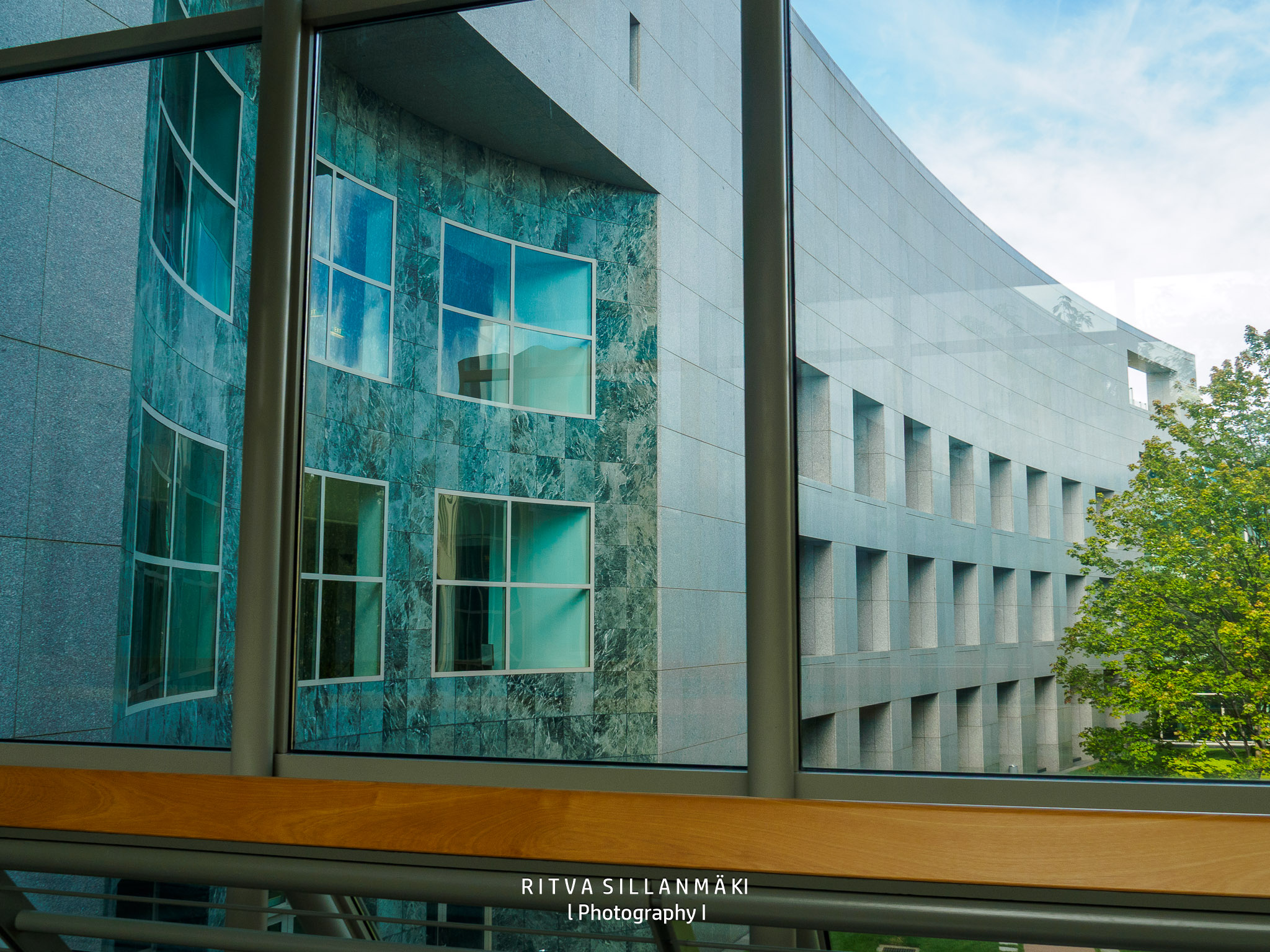
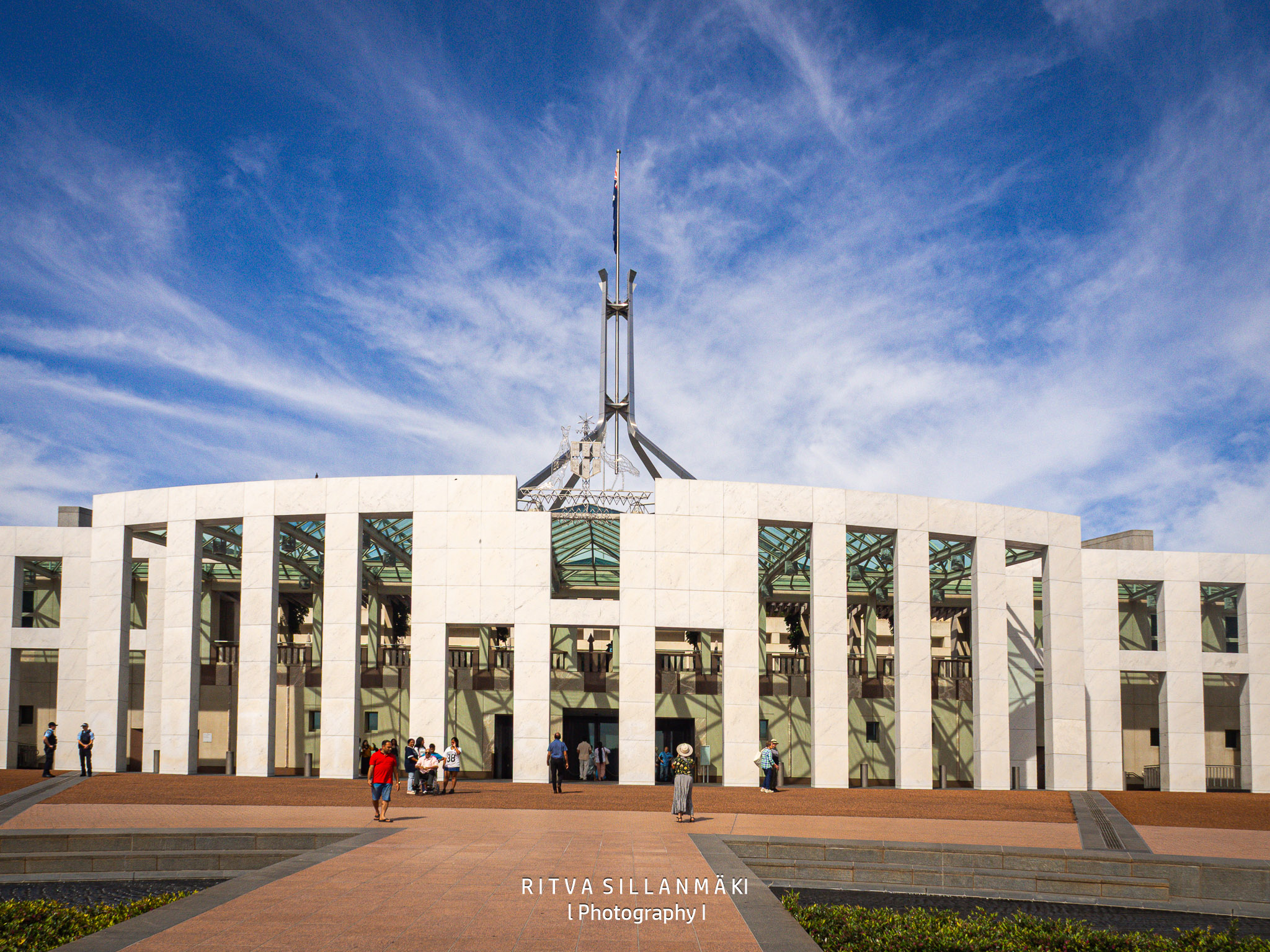
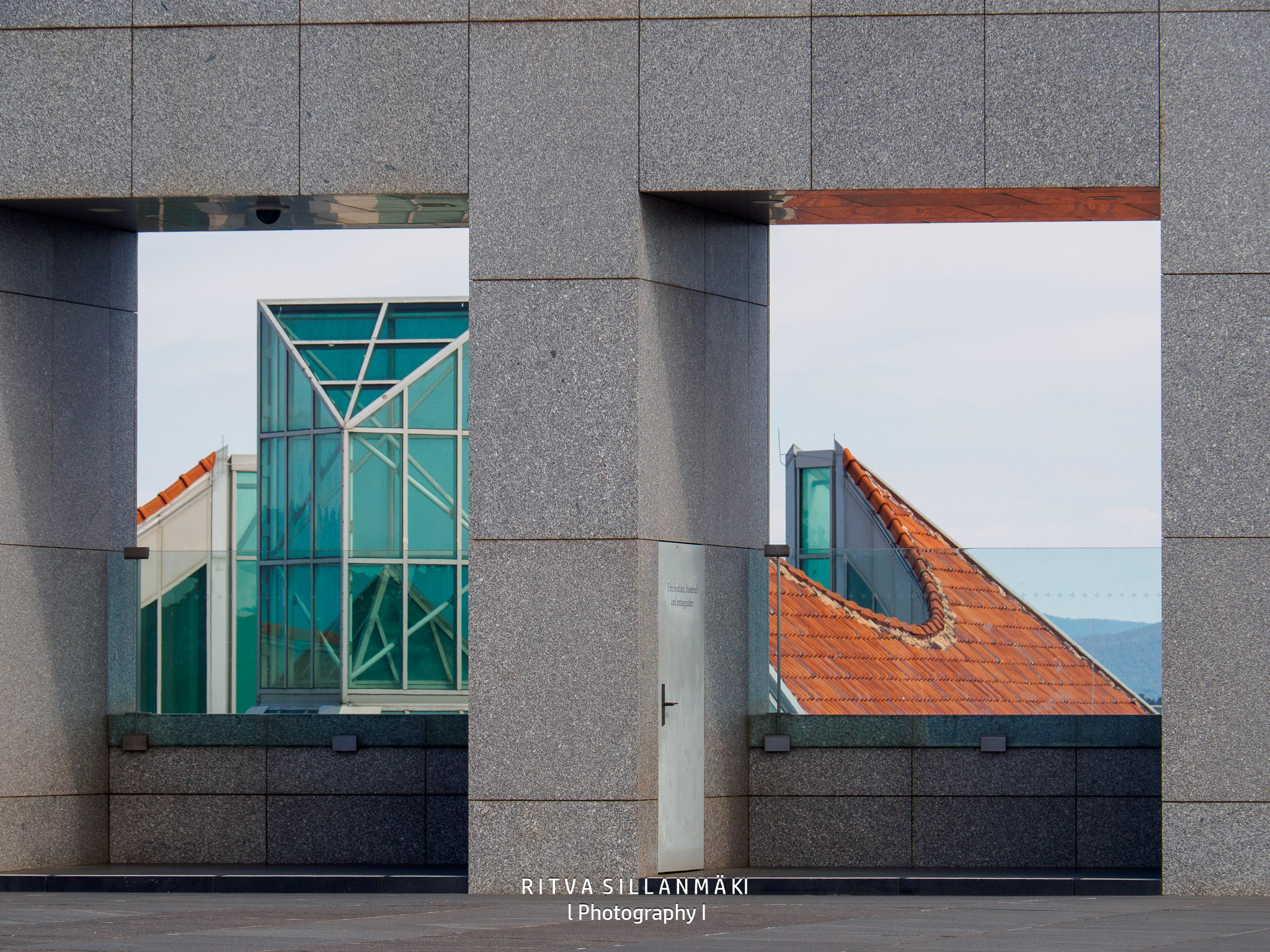
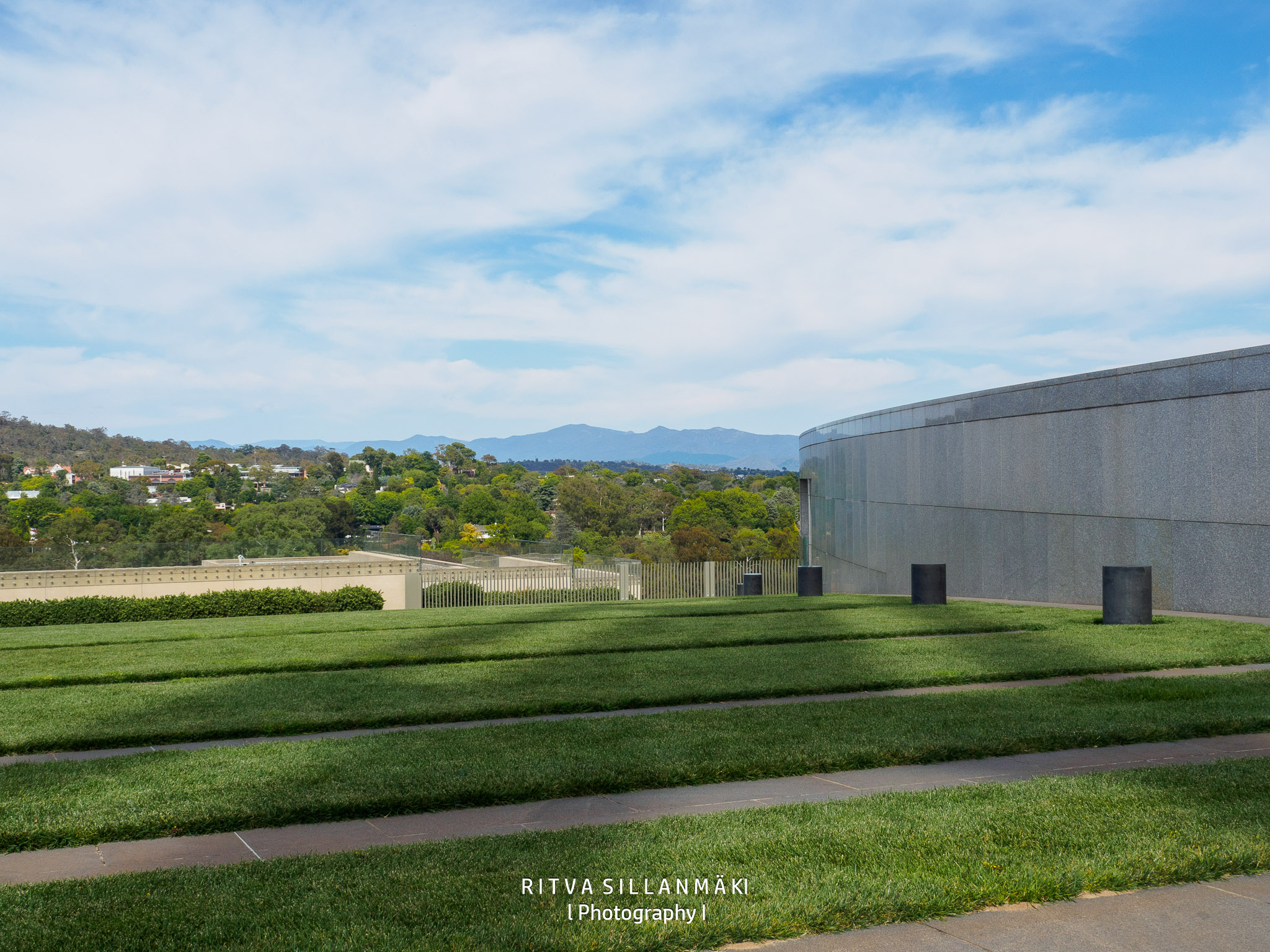
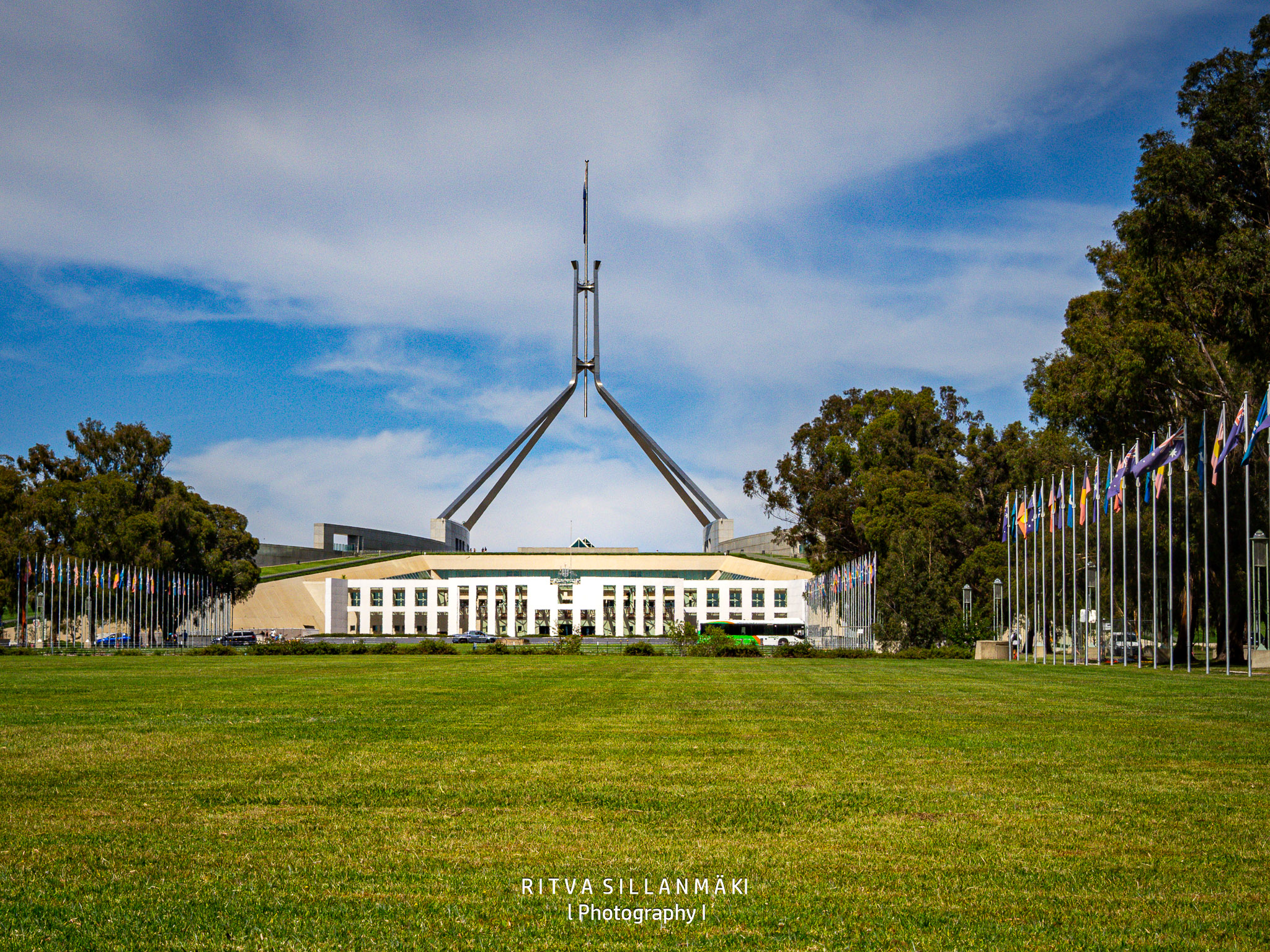
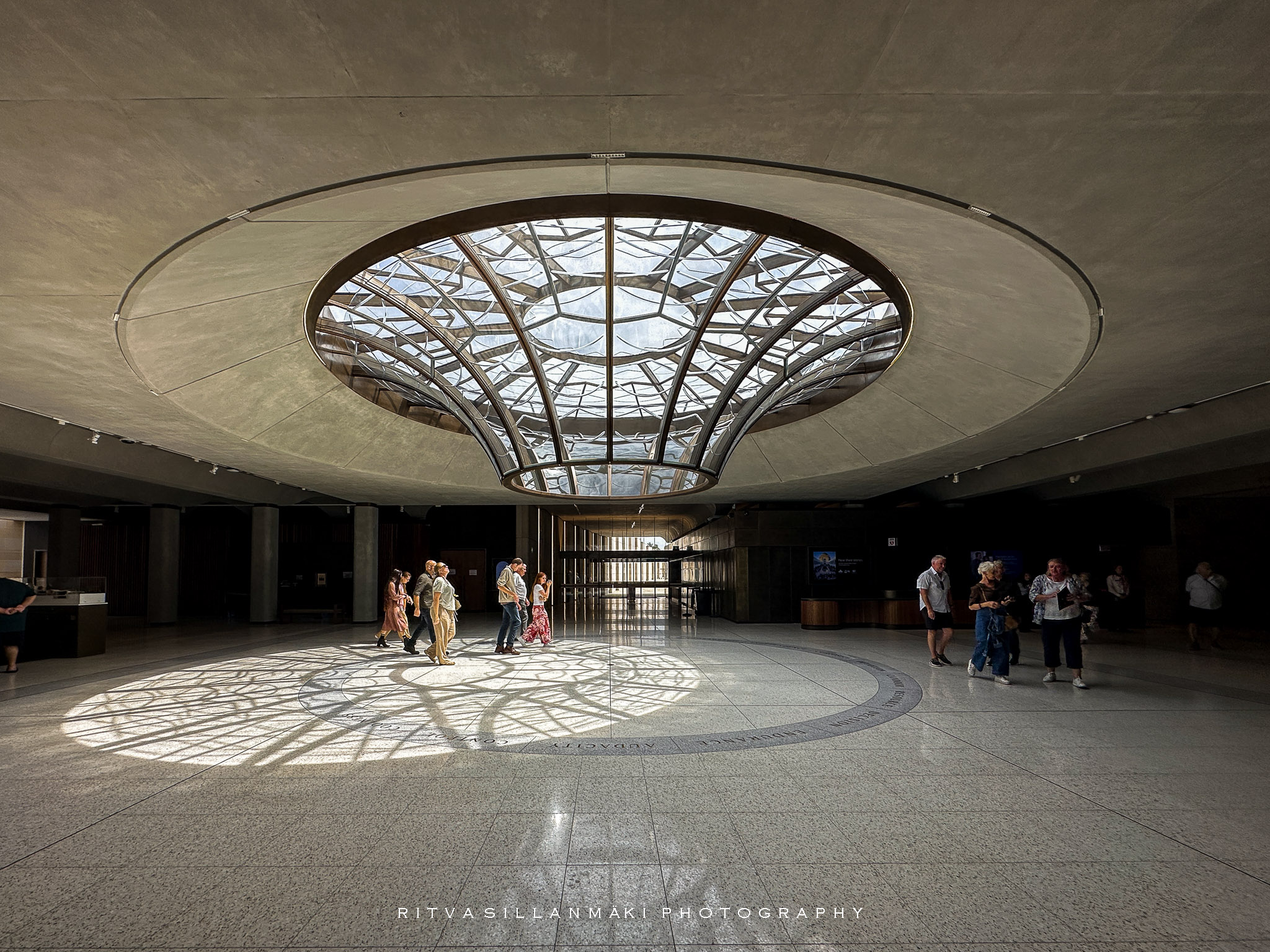
Saturday morning was spent visiting Parliament House and Old Parliament House. The new Parliament was stunning with its marble and different kind of stones and architecture in general. Also, it’s a huge building and I had to push Ritva in a wheelchair to different chambers. Some folks might remember the British comedy show Little Britain. I felt like one of the characters, Lou, pushing his friend Andy around. If you are not familiar with the character, you can find them on YouTube.
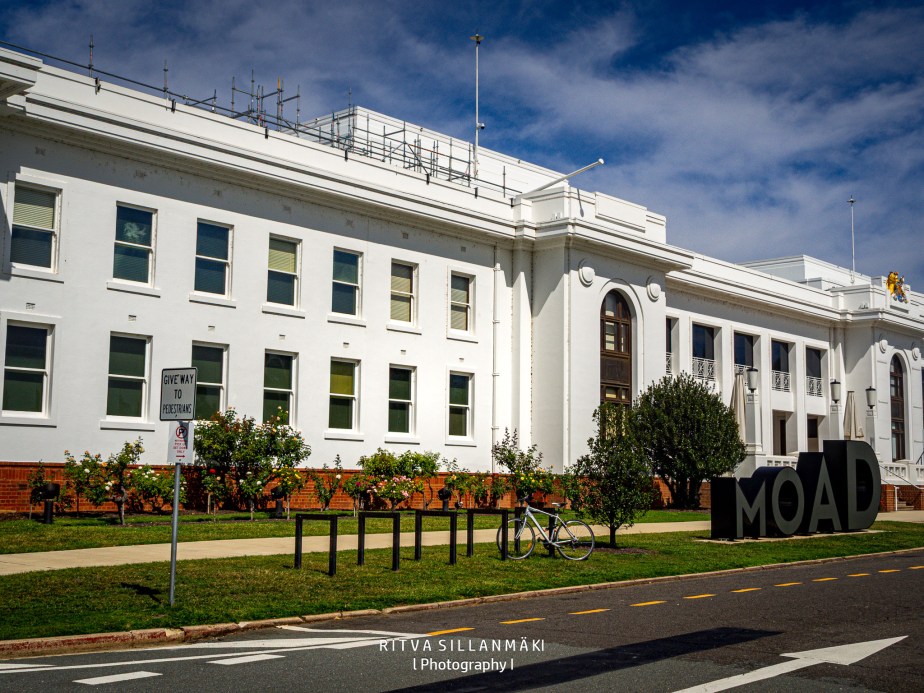
Old Parliament House, formerly known as the Provisional Parliament House, was the seat of the Parliament of Australia from 1927 to 1988. Now it is the Museum of Australian Democracy at Old Parliament House (MoAD)
Canberra’s permanent Parliament House was formally opened on 9 May 1988 by Queen Elizabeth II, taking the place of the provisional Old Parliament House. This event represented the culmination of many decades of planning for a purpose-built seat of the Australian Parliament on Capital Hill. The date of 9 May was selected to reflect earlier key moments in Australia’s parliamentary history that occurred on the same day, underscoring continuity in the nation’s democratic tradition.
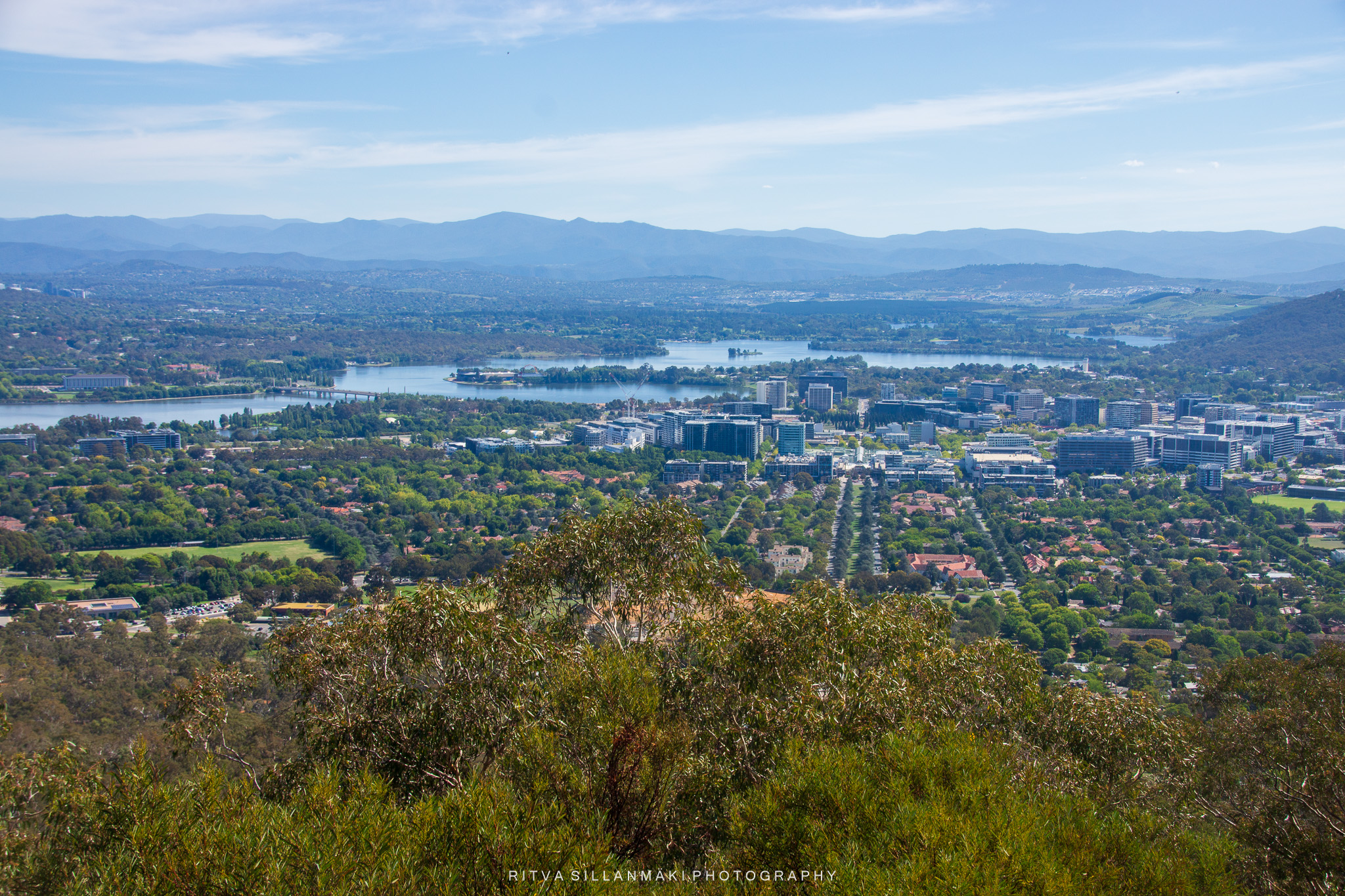
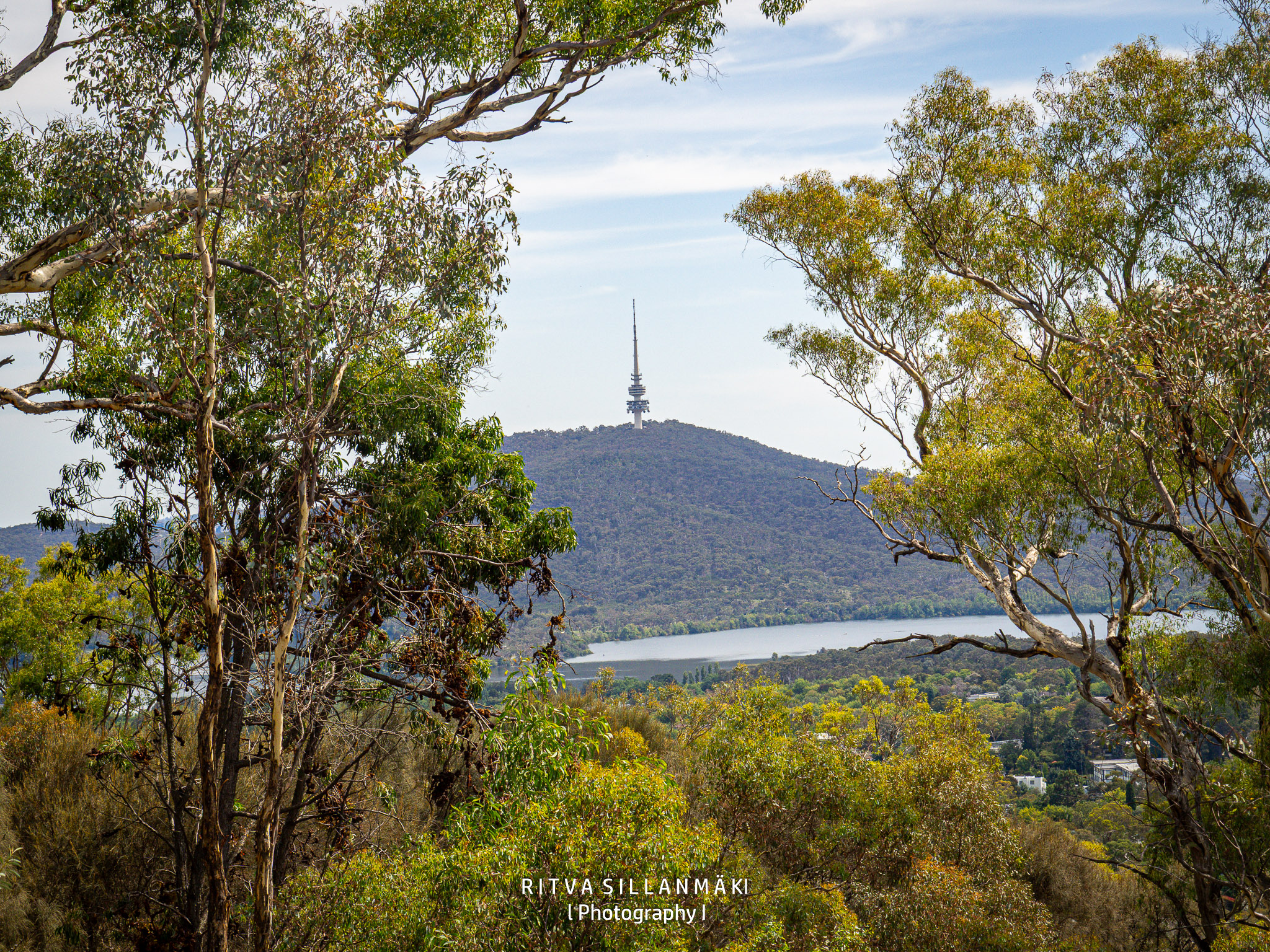
Then we went to Red Hill Lookout for another broader view of Canberra.
Afternoon was reserved for family and friends. We drove to suburb of Charnwood to visit Ritva’s cousin’s daughter Ashlee, her husband Inny and their two young children, Marley and Rex, and their two dogs and five chickens. As you can imagine, it meant a lot of running around, screaming, barking, clucking, licking, throwing balls and toys, drawing colorful pictures and even some discussions. All around chaos and fun. Little Rex cried when we left because he had so much fun playing ball. The dogs were big but friendly from the get-go. Chickens not so much, but they were colorful and beautiful.
After few hours we had to leave for our evening dinner date with Lauren, Matt, Christina, John and Daphne at Walt and Burley Restaurant in Kingston area. Lauren and Christina are Ritva’s late brother-in-law’s nieces and Matt is Lauren’s husband and John and Daphne are their kids. Matt works for the Ministry of Defense in procurement department. He showed me a picture of a huge ship he had just bought, or was it the government that bought if? We had a great time and finally some good food. I had Prawn Tacos and Ritva had 300 g Scotch Stake.
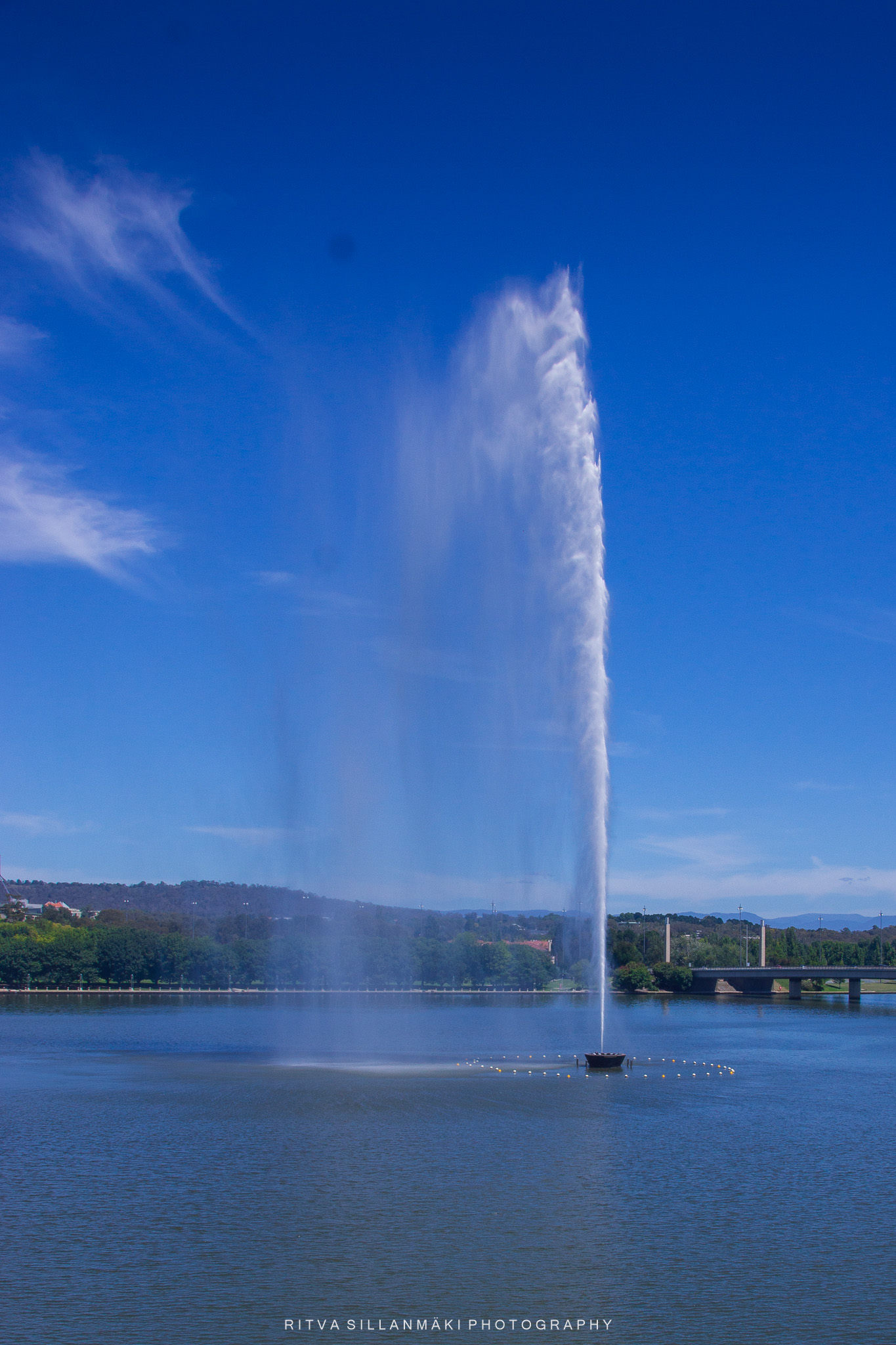
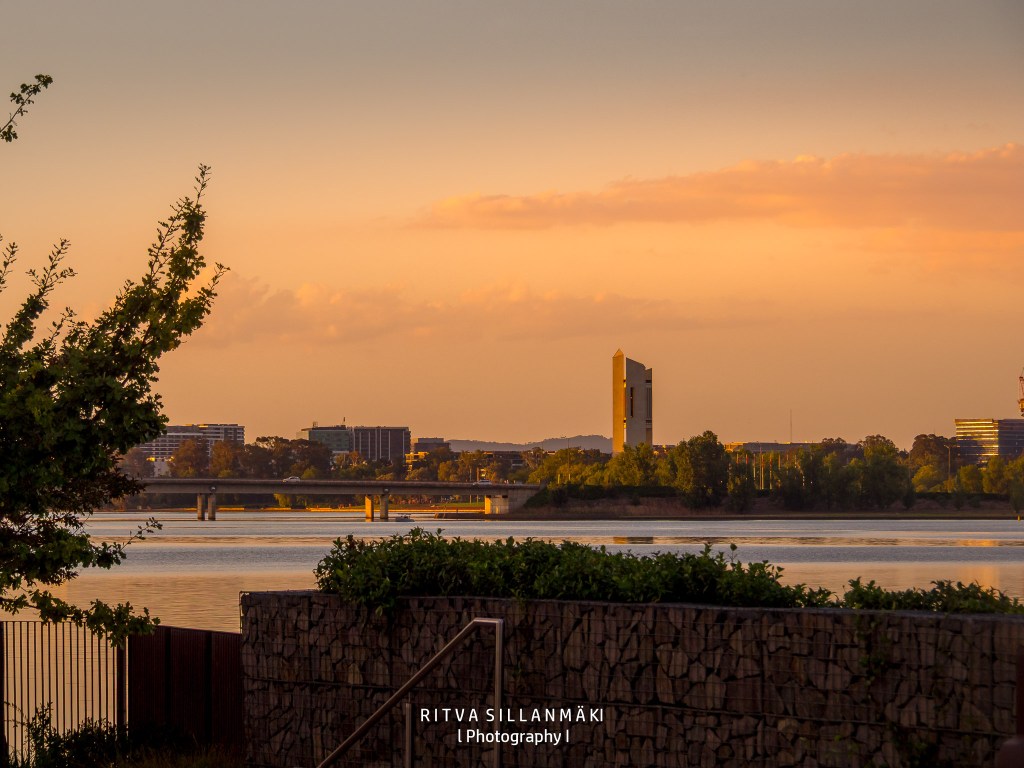
The Lake Burley Griffin, an artificial lake located in the heart of Australia’s capital city, Canberra. The light-colored tower rising in the center is the famous National Carillon, located on Queen Elizabeth II Island. The bridge visible in the photo is the Kings Avenue Bridge.
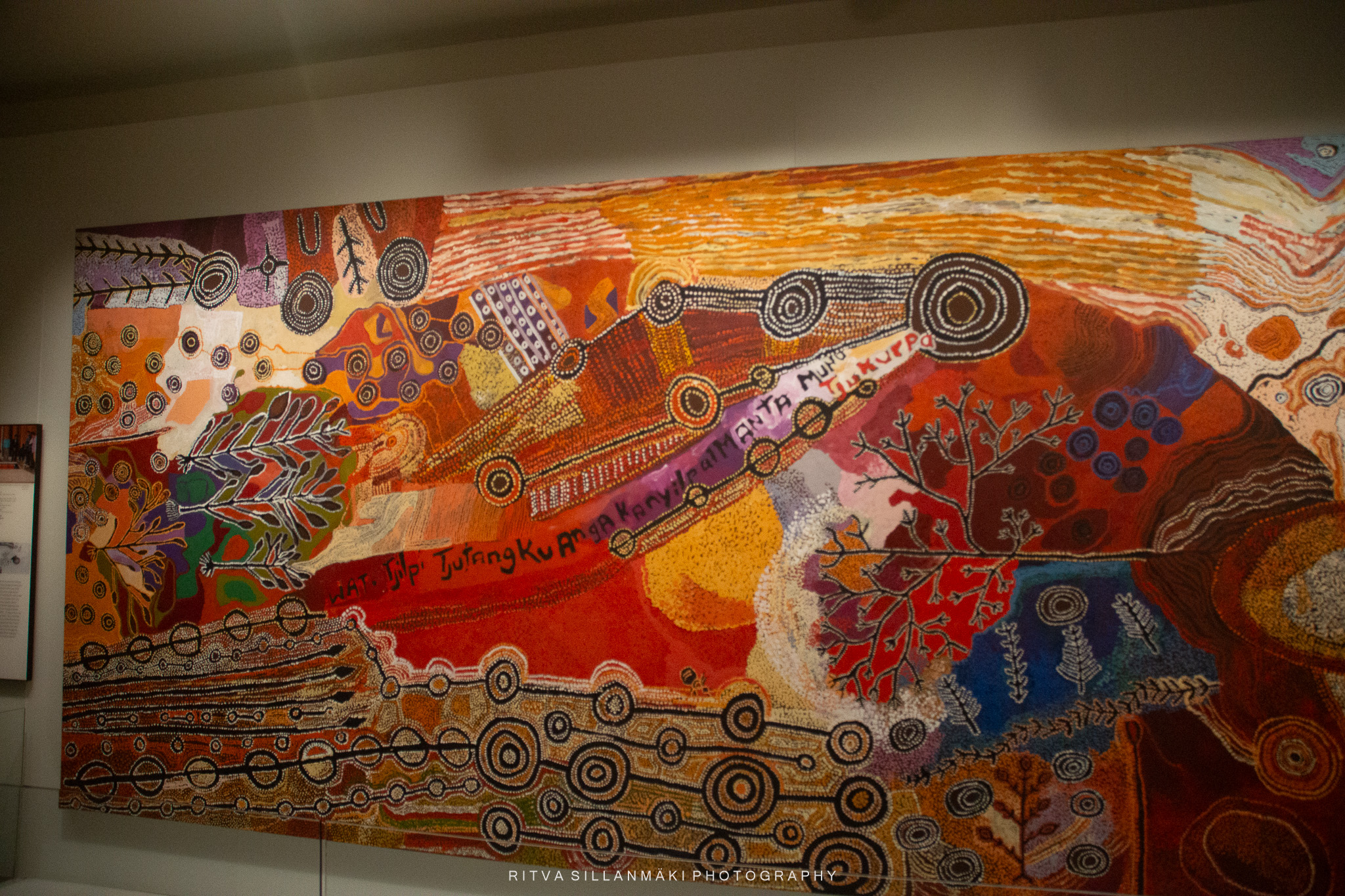
Sunday morning’s plan was to have an early start and drive back to the coast soon after. Change of plans! Heli called to say that her brother Matti and his wife Jenny had just got back into town and would love to meet us. The meeting was set up for the afternoon, and we had some time to go sightseeing. After some googling we decided on the Old Bus Depot Market to start the day. Right after entering the market, we saw a piece of Finnish history at an antiques stall: a milk jug from a famous factory called Arabia. We already had a similar jug at home, but this was a smaller one. And it was only 45 AUD (25 €), so we ended up rescuing it back to Finland. Then we had cannolis for breakfast. Yum! After the treat we checked out the rest of the stalls. One stall had beautiful paintings, but they were too big and expensive for us, but just before the exit we found indigenous paintings from Yidinji artist Greg Joseph. We really liked his style—and his prices—and ended up buying one piece with a lizard on it. He was a good salesman. He said that the lizard was a totem animal for his children’s mother’s family, and that the kids inherited the totem animal from their mother. Nice story. He said he was from the area around Cairns. We also thought that the painting was small enough to fit into our luggage, but we were mistaken. I had to take out the staples, roll up the painting and store it in a cardboard tube. And I was able to save the frame as well and put it all back together easily at home.
Artist Showcases Vibrant Indigenous-Artwork Collection
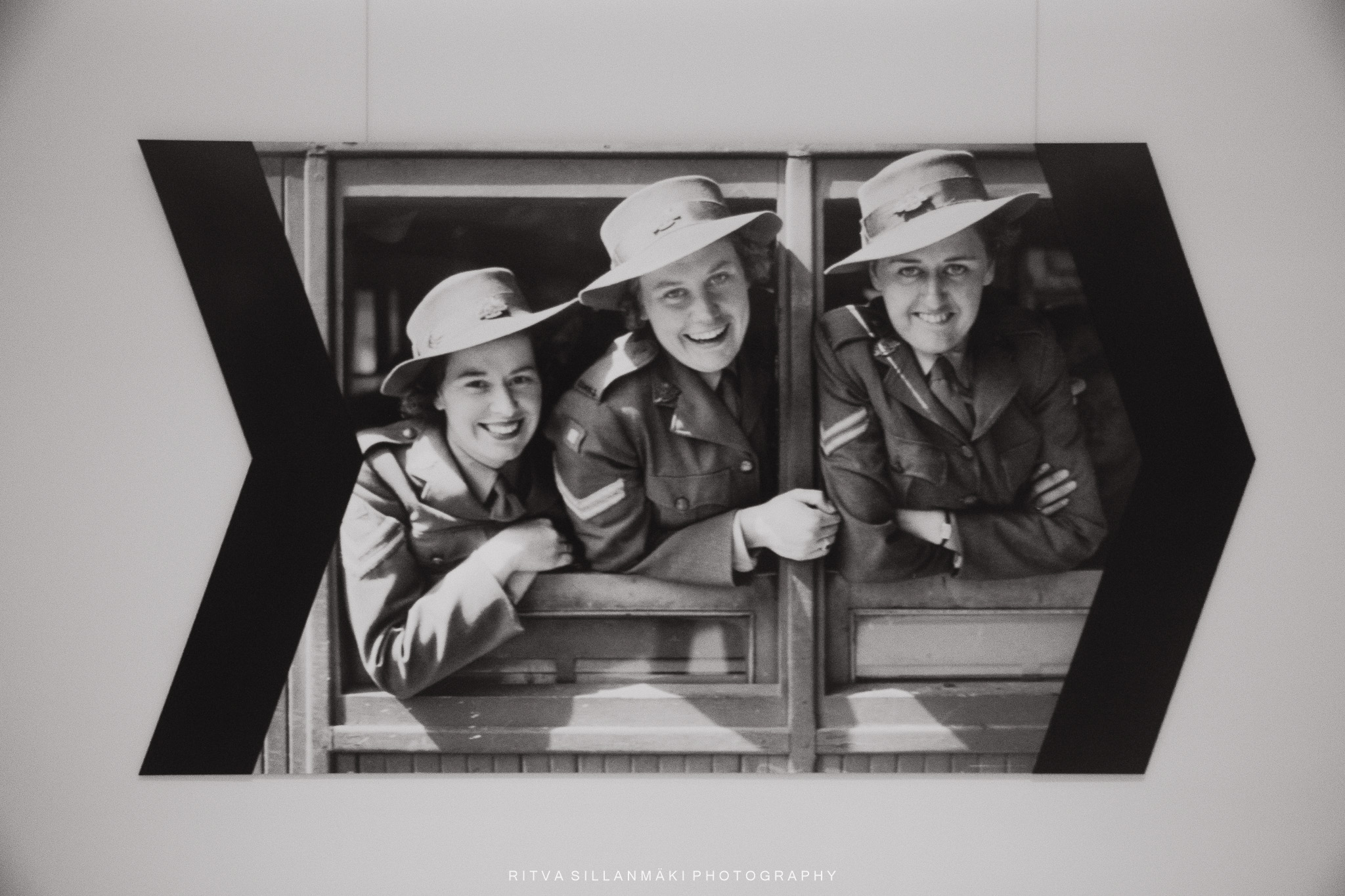
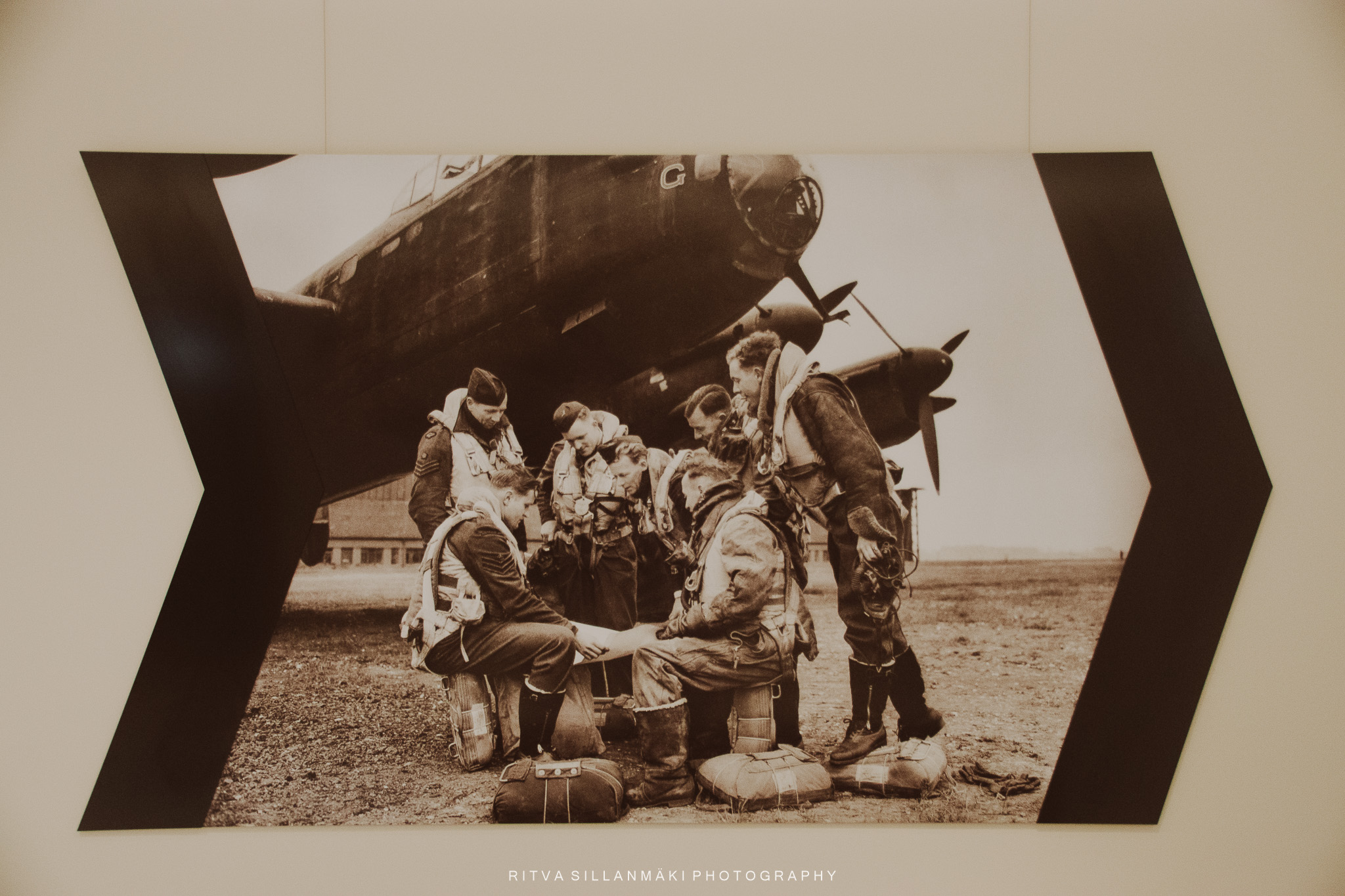
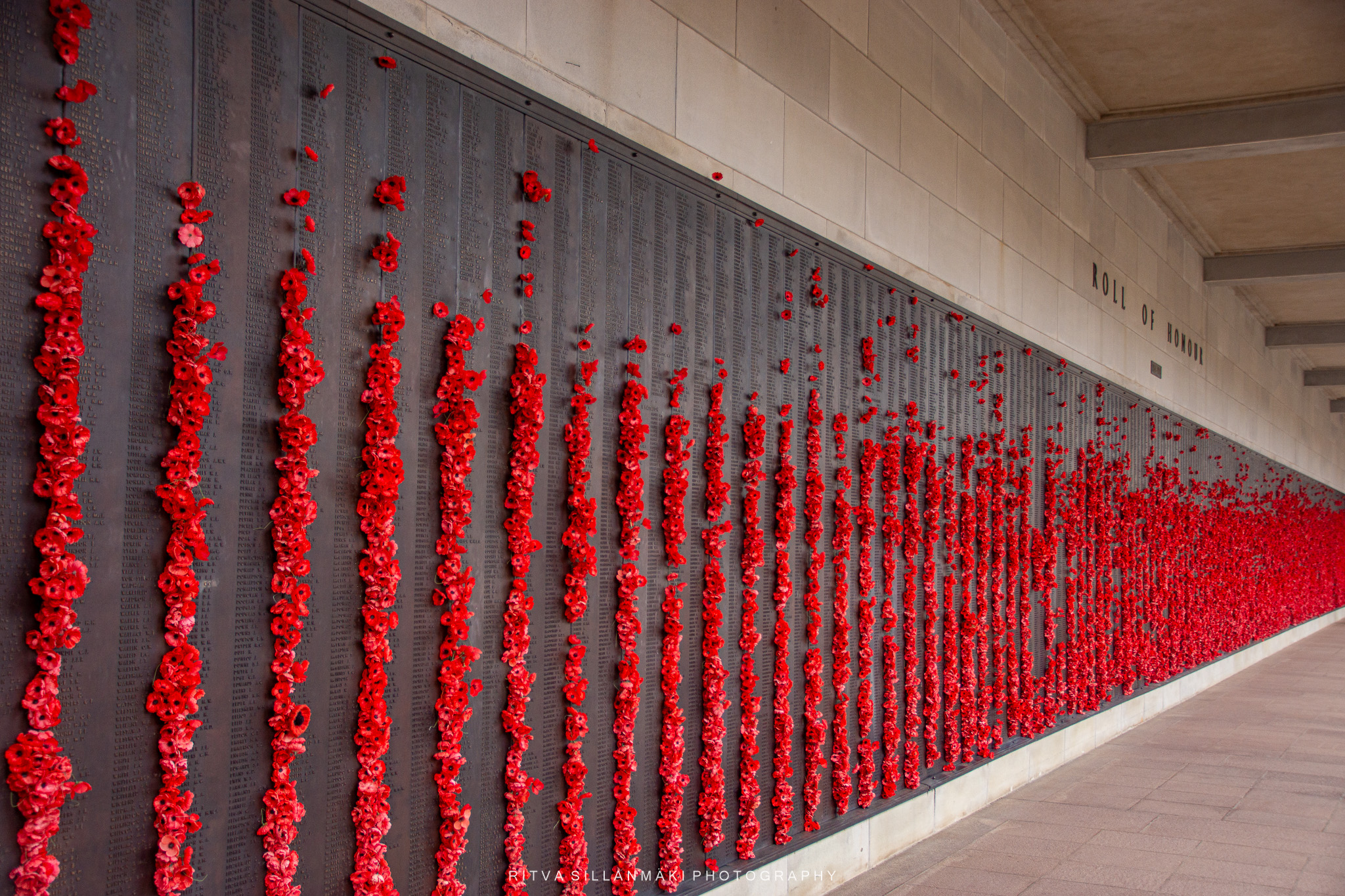
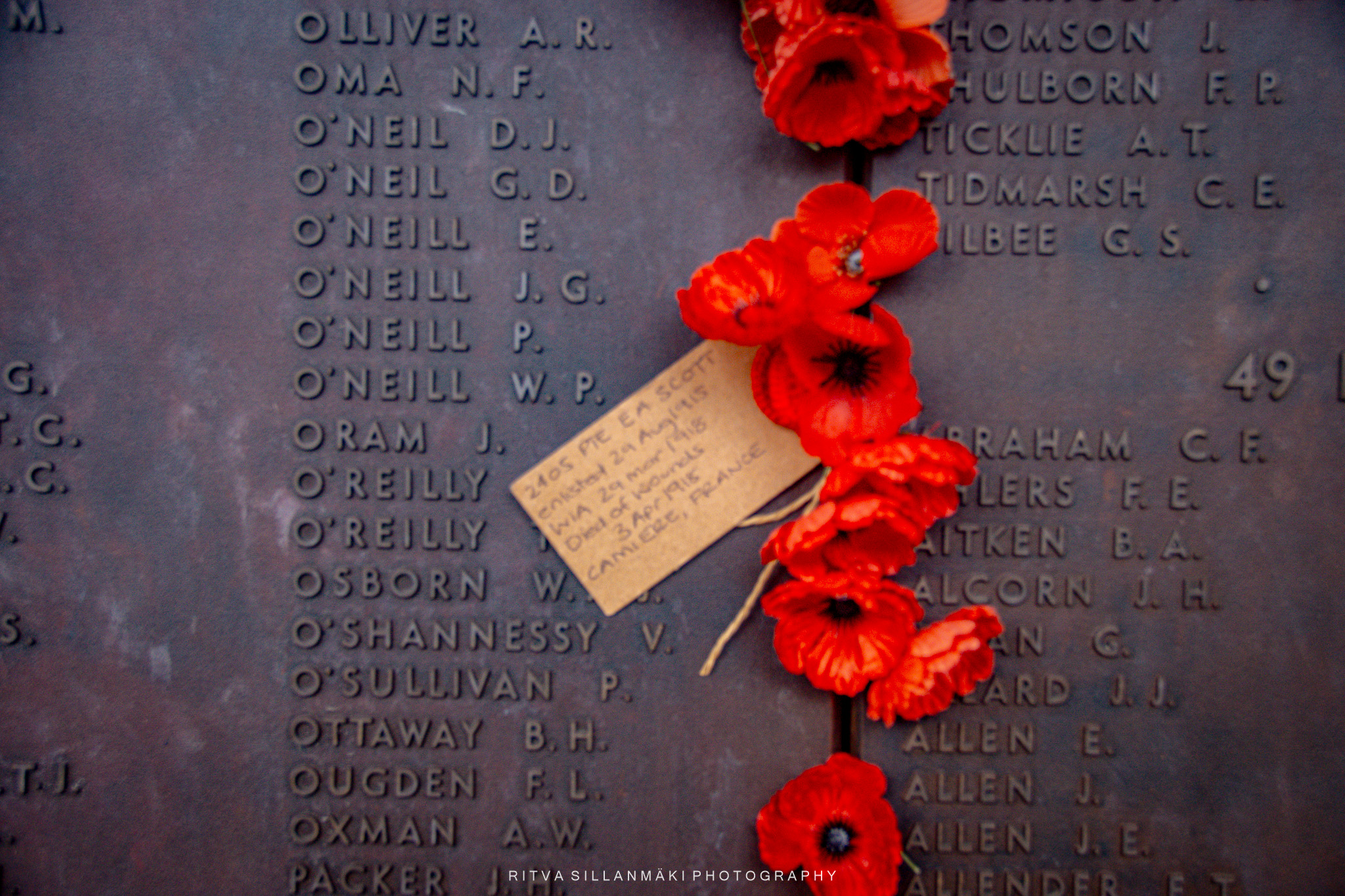
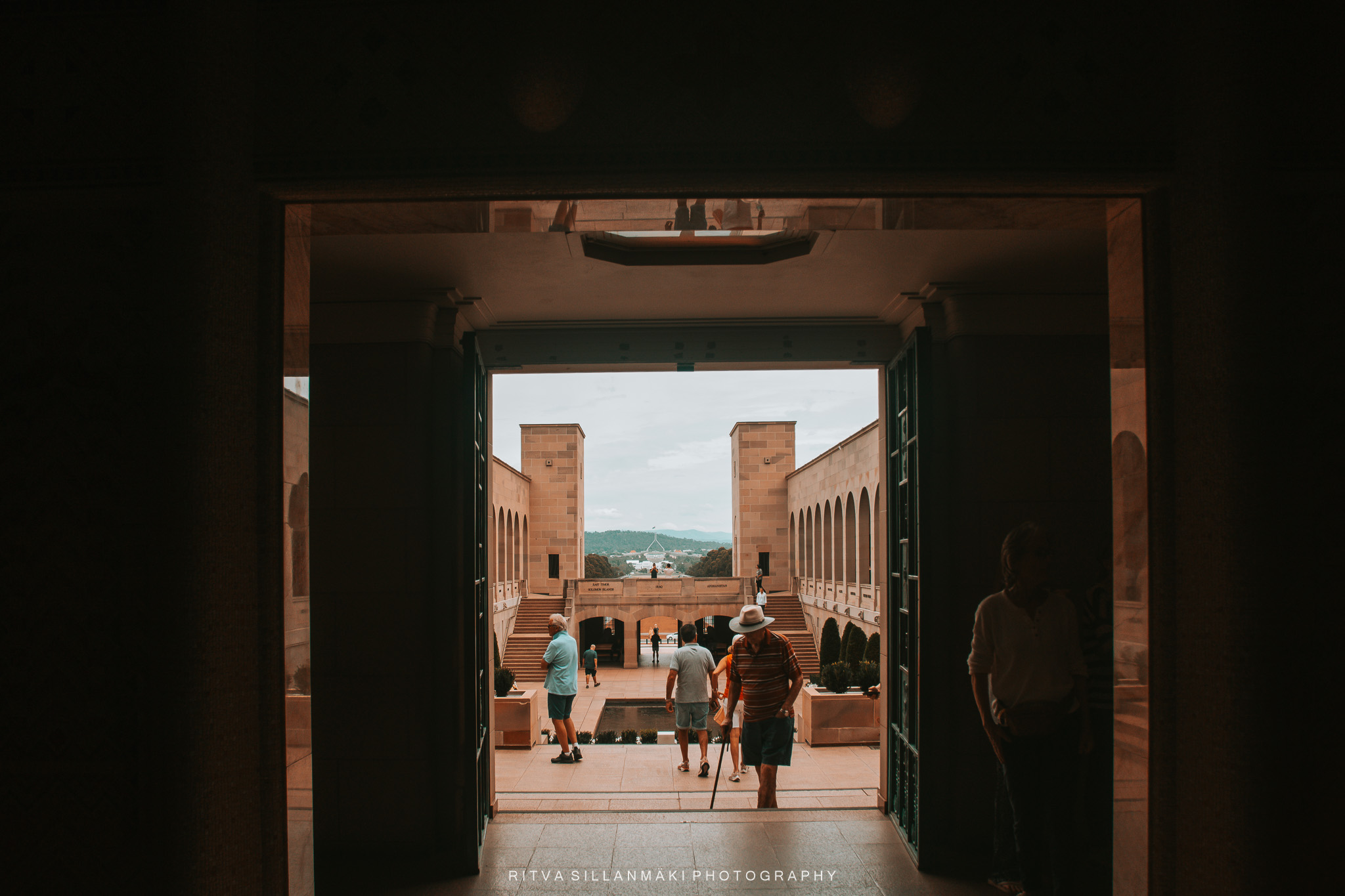
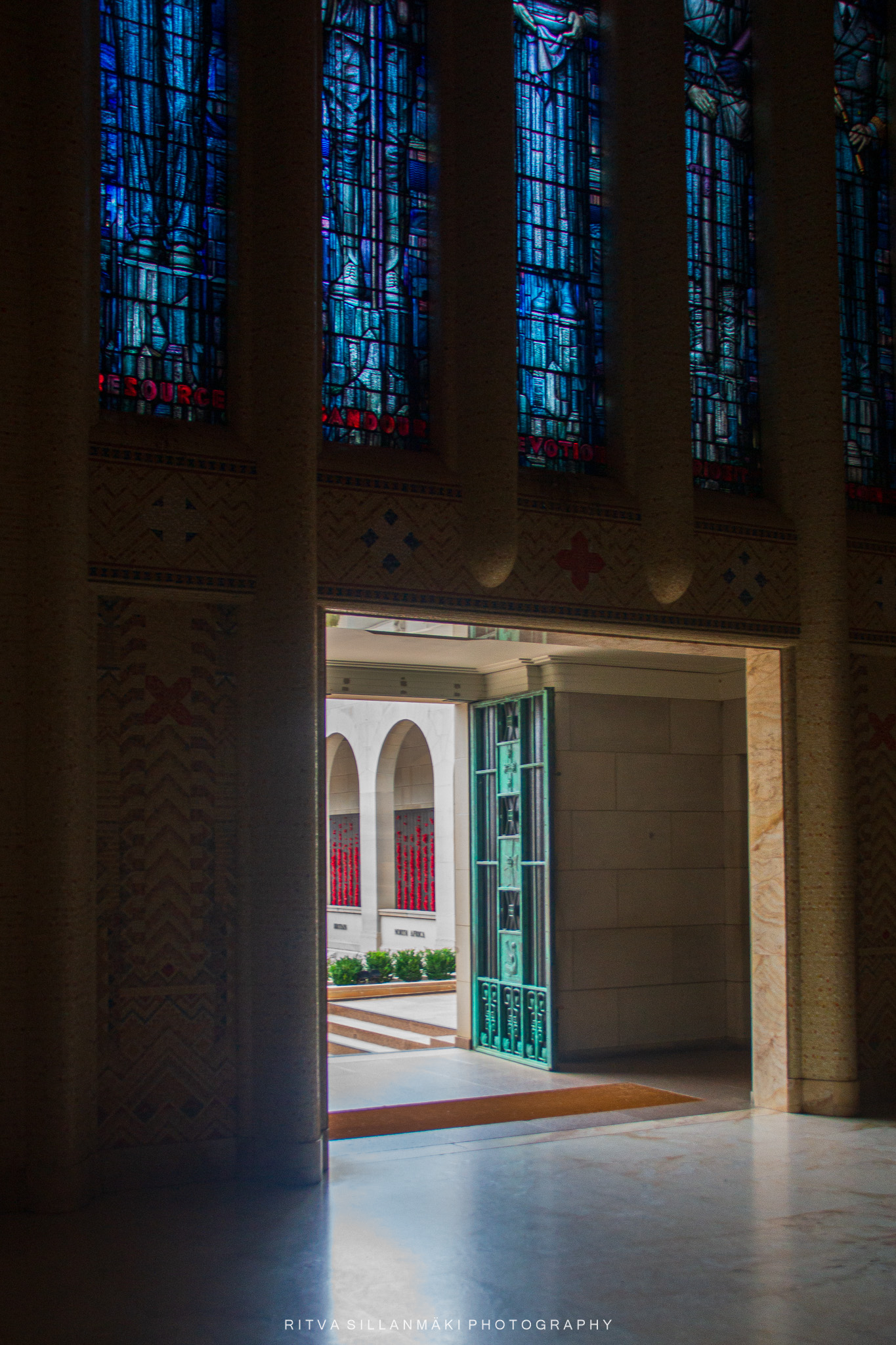
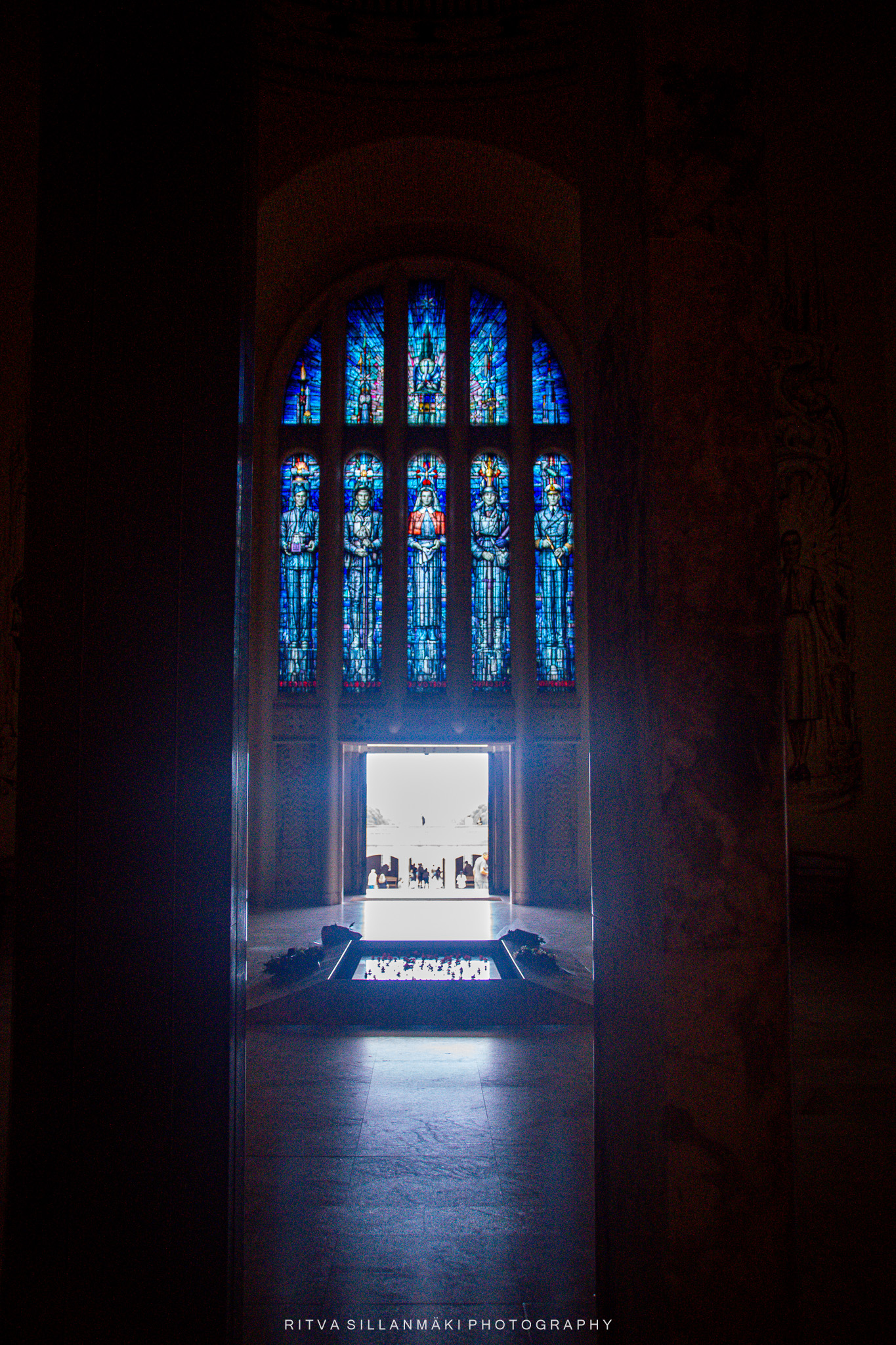
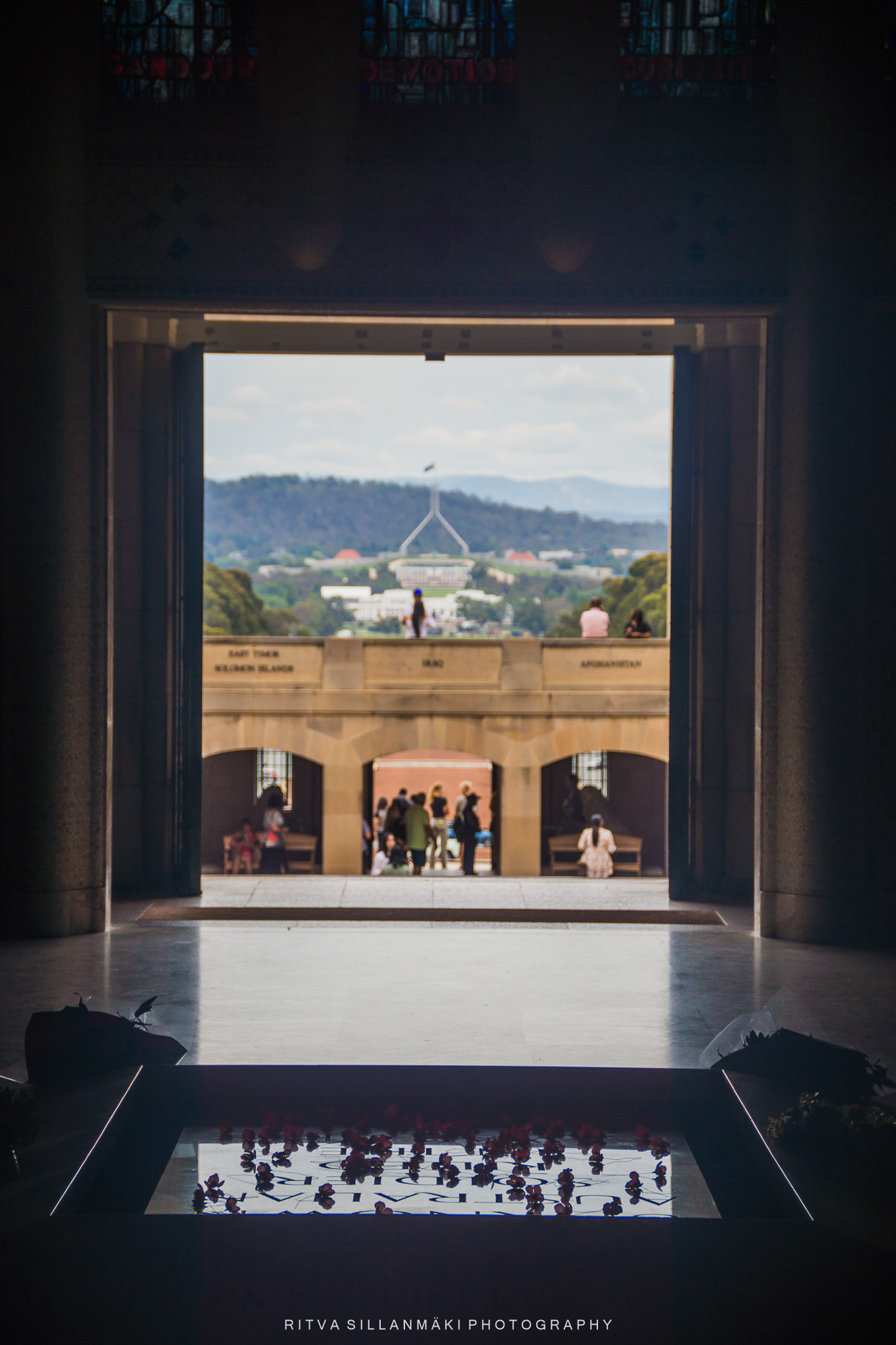
Then it was time for a new visit to Australian War Memorial, and we even got in this time. You could spend days there. It is huge and there are so many details in all the displays. And once again we were reminded how little we know about countries and their history, especially those that are not close to us. Having been a member of the Commonwealth, it is understandable that Australia has been involved in many wars and conflicts involving Great Britain. But that is not even close to covering all wars. There are too many to mention. Wall of Honour for those killed in action, with its poppies, was sad and truly memorable.
Not being too lucky with our restaurant choices we ended up in the same restaurant, Walt and Burley, as previous night. Beef burgers really hit the spot. Time to meet cousin Matti and Jenny. They live in the suburb of Coomes, that was not far at all. We had nice time getting to know each other and talking about family. Matti and Jenny nearly bought a holiday house in Finland because Matti loves cross country skiing. They were planning on spending half a year in each country. But then came Covid that spoiled the plan. At least for now. Matti had spent his working career in military and then in some type of special forces in police. He told some hair-raising stories about his career, but I would have to kill you if I revealed them . At one point he spent 6 months protecting someone 12 hours a day, 7 days a week, without ever being able to visit home. And had to sleep with shotgun on his night table. The person protected was a witness in drug trafficking case. She survived and testified.
I think this is the full account of our visit. I hope you made it to the end. I apologize for the number of photographs; you can expect to see some more, as I have now edited them.
As Autumn approaches in the Northern Hemisphere and Spring arrives in the Southern, it is the perfect time to celebrate fresh blossoms and new foliage—and I am here to capture them in photographs.
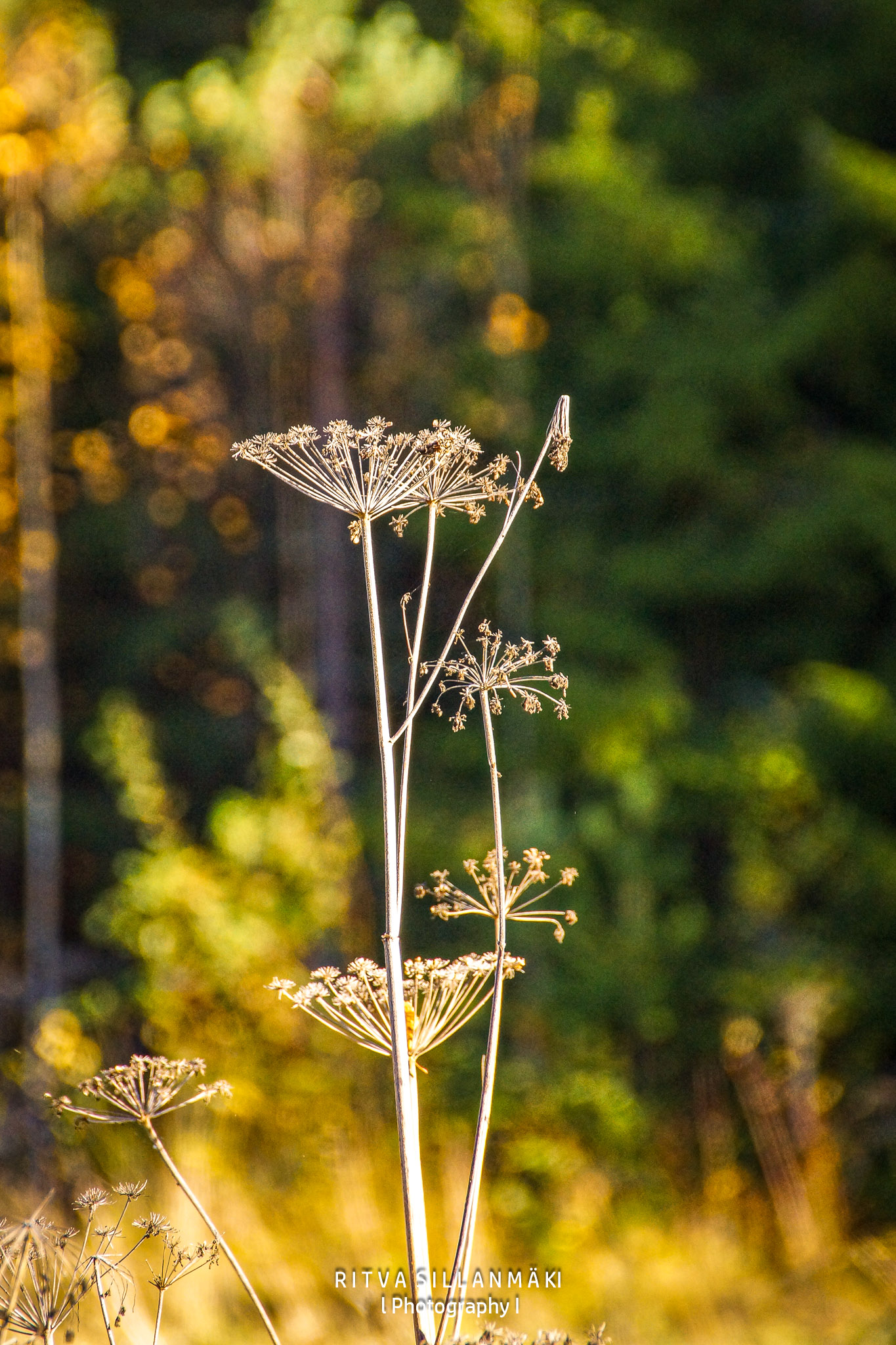
Delicate dried wildflower umbels glow in warm sunlight against a softly blurred green and golden woodland background.
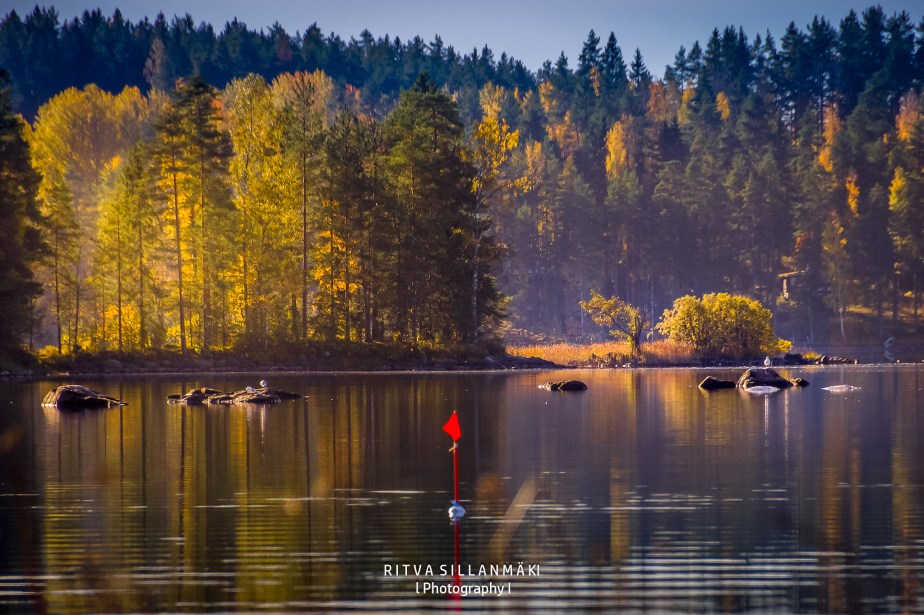
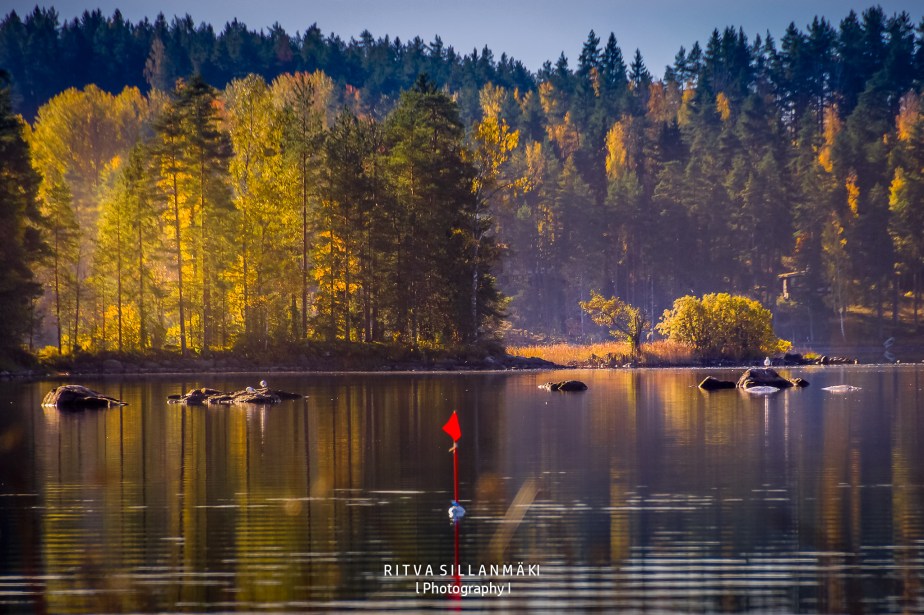
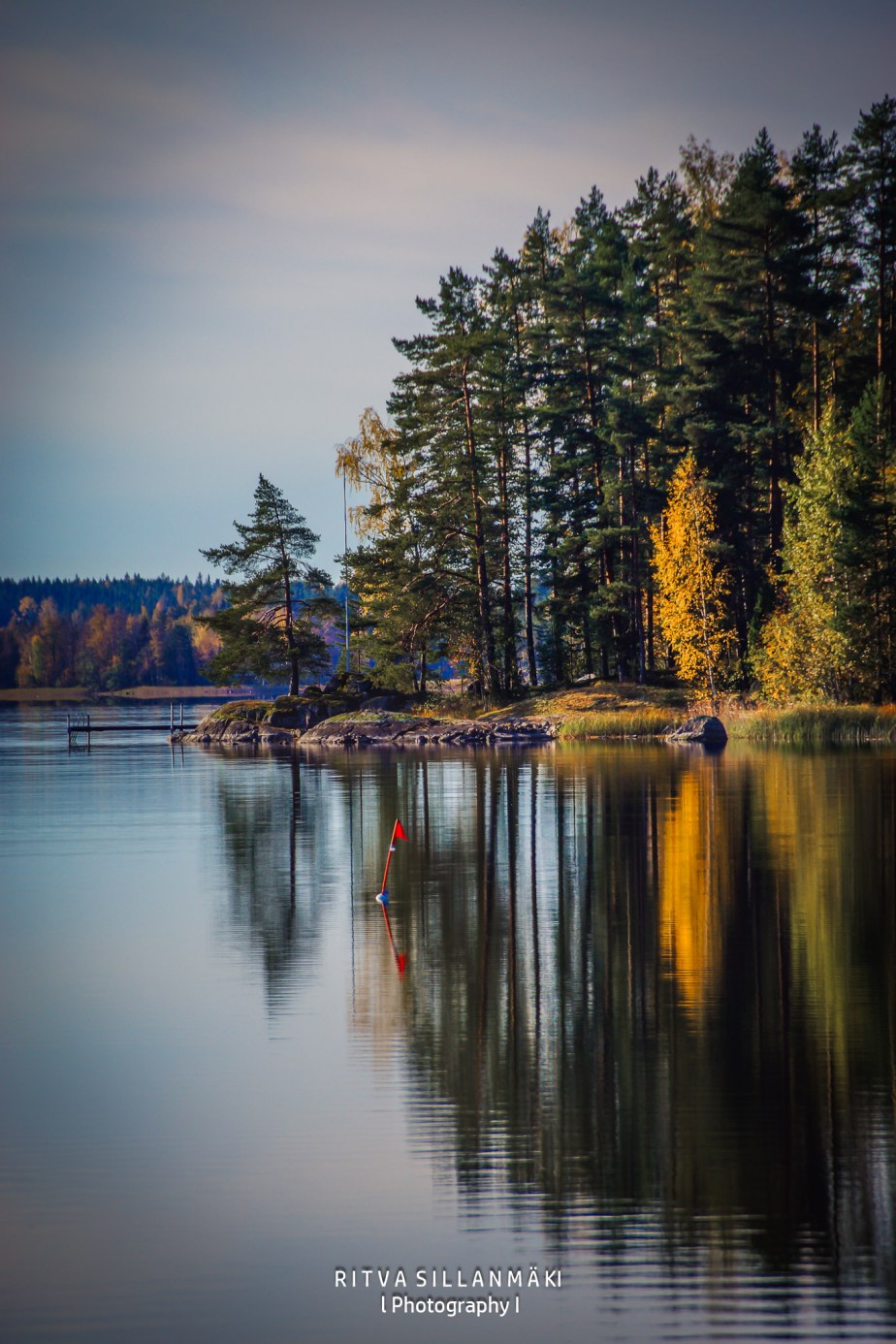
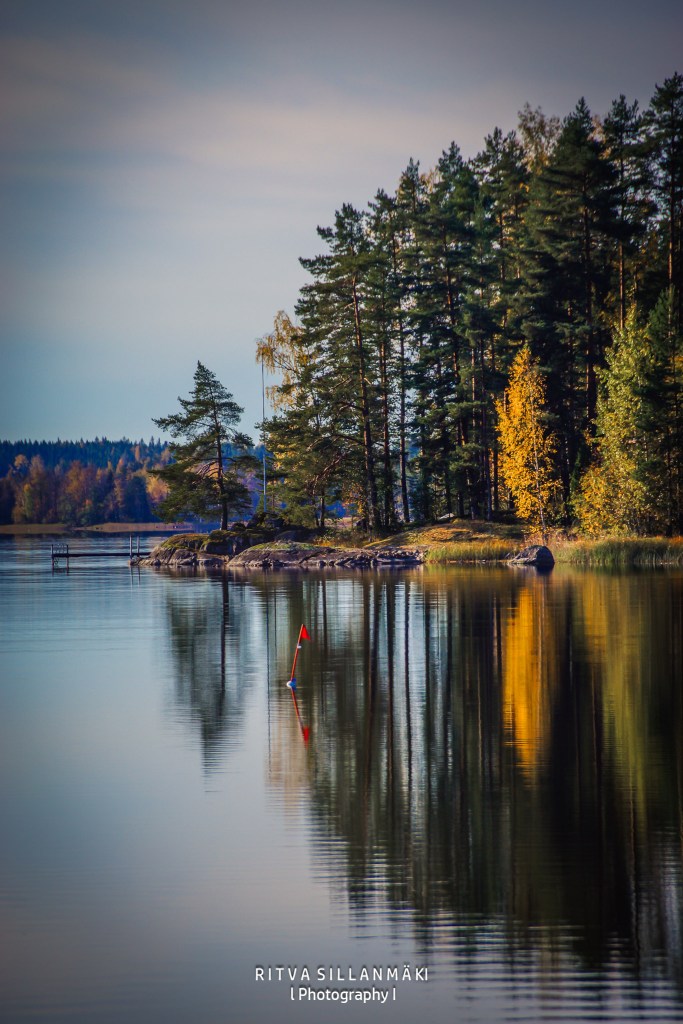
I was on a quiet autumn lakeshore, hands stuffed in my pockets because the air’s a bit colder than I expected. The water is almost completely still, like it can’t decide whether to move or not. It looked so beautiful. Rocks and a wall of dark green pines wrap around the bay, and here and there the birch trees have turned this bright, gold that really stands out against the evergreens. The low sun is coming in from the side, turning parts of the lake into streaks of warm amber, but other patches just look flat and gray. The grasses along the edge have that same soft, rusty light in them. There’s a tiny red fishing float right in front of me, barely moving, and off to the left a small, plain dock sits there under a pale blue‑gray sky.
A tranquil autumn lakeshore reflects golden birch trees, evergreen pines, and a bright red fishing float in still water.
I thought I’d share something from way back—about 10 years ago. I’ve been digging through old photos and half-forgotten projects, the kind that have been hiding on dusty hard drives and in random folders with names like “final_FINAL2.” It’s funny how a single picture can pull you right back into a moment: where you were, what the light felt like, even the mood of that day. Going through these old shots has been a mix of cringe, nostalgia, and a little bit of pride, and I figured it might be nice to bring a few of those memories back to life here.
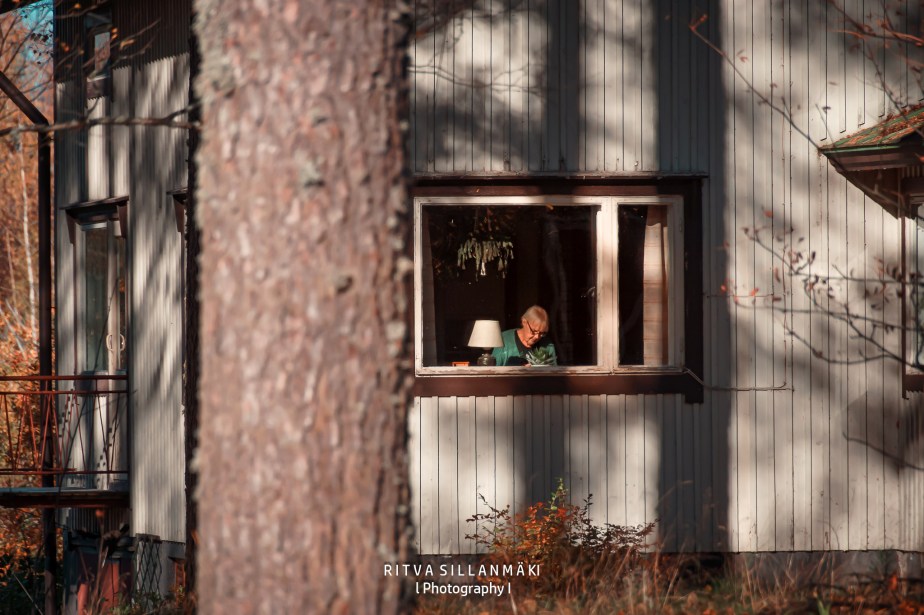
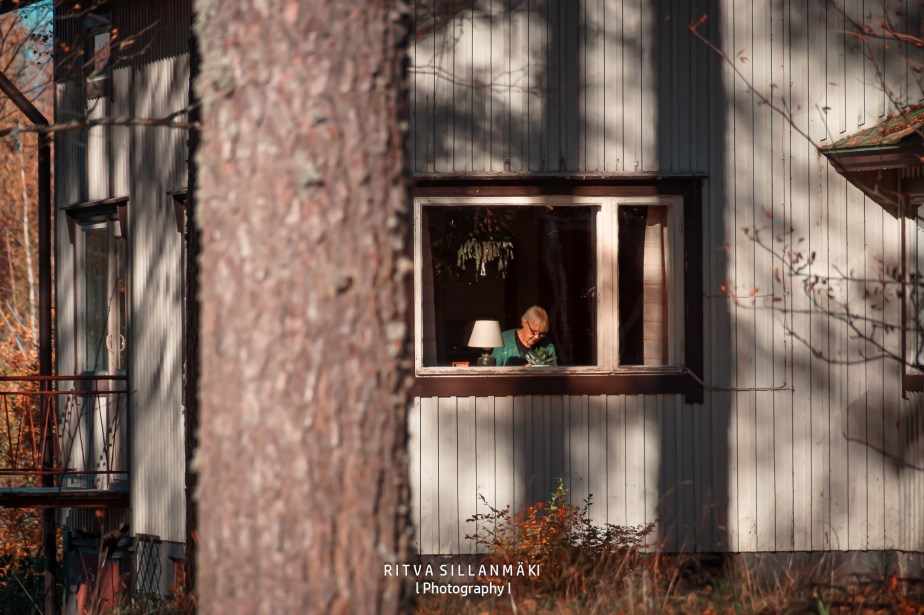
I was walking past our neighbor’s place when this scene just stopped me in my tracks. The old, weathered wooden house is framed through a big tree trunk in the foreground so the whole view feels a bit hidden and layered, like you’re gently peeking into a quiet memory. In the middle window sits my namesake in her green top and glasses, beside a little table lamp and a potted plant, exactly as I remember her. All around the house, the autumn branches, dry grasses, and warm brown-orange leaves wrap the building in this soft, faded kind of beauty, and the sunlight throws strong shadows on the gray vertical siding. The whole moment feels tender and nostalgic—she’s no longer with us, but her presence lingers there, carried forward with love by her granddaughter who now calls this place home.
A quiet autumn scene shows a person working beside a lamp inside a weathered wooden home, partly framed by a large tree.
Poem
she used to sit there, lamp on, plant beside her, glasses catching light.
autumn doesn’t explain itself. it just turns things golden and lets them go.
Ann-Christine has us thinking about HARMONY this week, and do we so need in these times. The quote she ended with is so good that I am sharing it and placing it at the top. She gave us a set of beautiful reference images and a lot of freedom to interpret the theme, with just one condition: seven images should be enough to express our idea of harmony. I experience harmony mainly in nature; I’m not religious, yet I still sense a certain harmony in churches, so I included one photograph from there, knowing many people feel it in that space. And I have to confess I broke the rule and slipped in an extra image, because animals are such a comfort and bring so much harmony into our lives.
Happiness is when what you think, what you say, and what you do are in harmony – Mahatma Gandhi
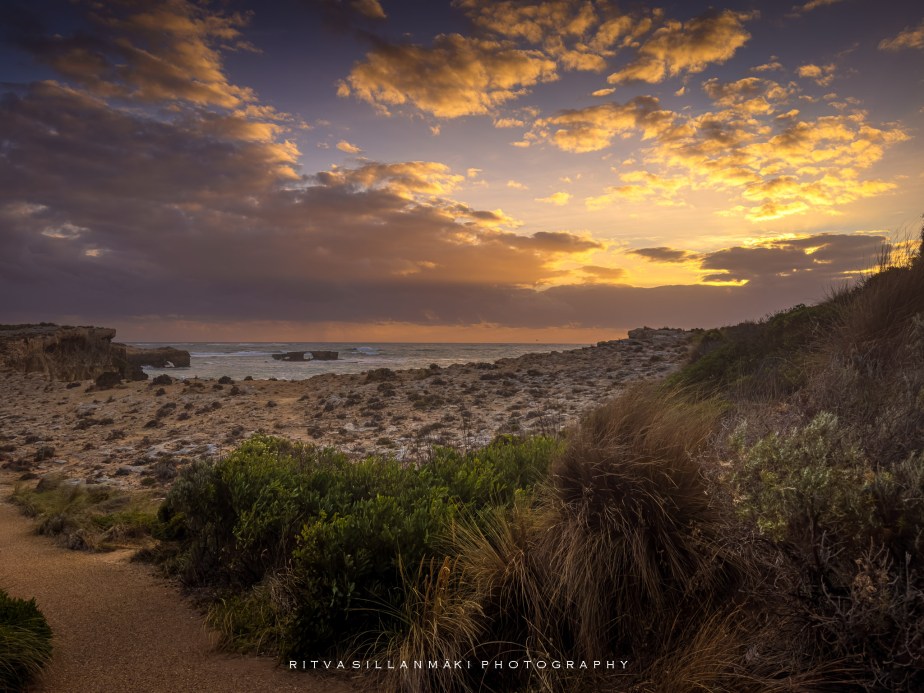
There are all these elements, but I still feel that there is harmony in colors all muted. A wide coastal landscape is captured at sunset, with the sun glowing through layered clouds above a calm, gently rippling sea. Jagged rocky shoreline and small tidal pools stretch across the middle ground, while sandy paths, dense green shrubs, and tall golden grasses frame the foreground. The warm amber and violet sky creates a tranquil, atmospheric mood,
A dramatic sunset illuminates rugged coastal cliffs, rolling waves, and windswept grasses along the shore.
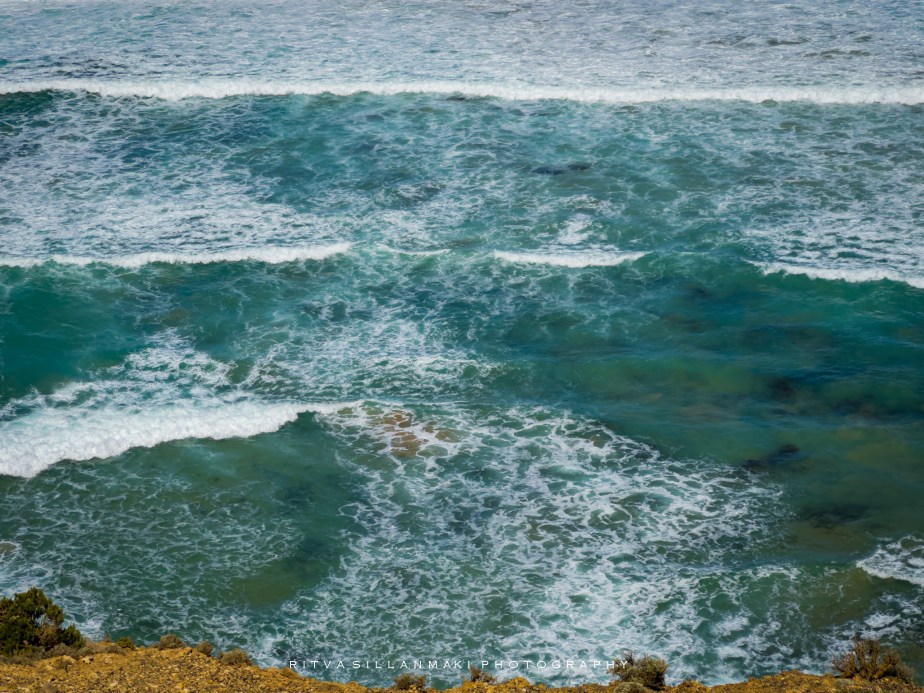
Ocean waves meet the shore in a steady rhythm, their sound carrying a quiet sense of harmony, don’t you think. Turquoise and deep teal water sweep toward the land in several parallel bands of foaming white surf. The textured swells form delicate, shifting patterns across the scene, while a thin strip of rugged, golden-brown coastal vegetation lines the bottom edge. The cool blue-green tones play against the warmth of the shoreline, creating a seascape that feels both dynamic and peacefully calm
Turquoise ocean waves churn into white foam along a rugged coastal cliff.
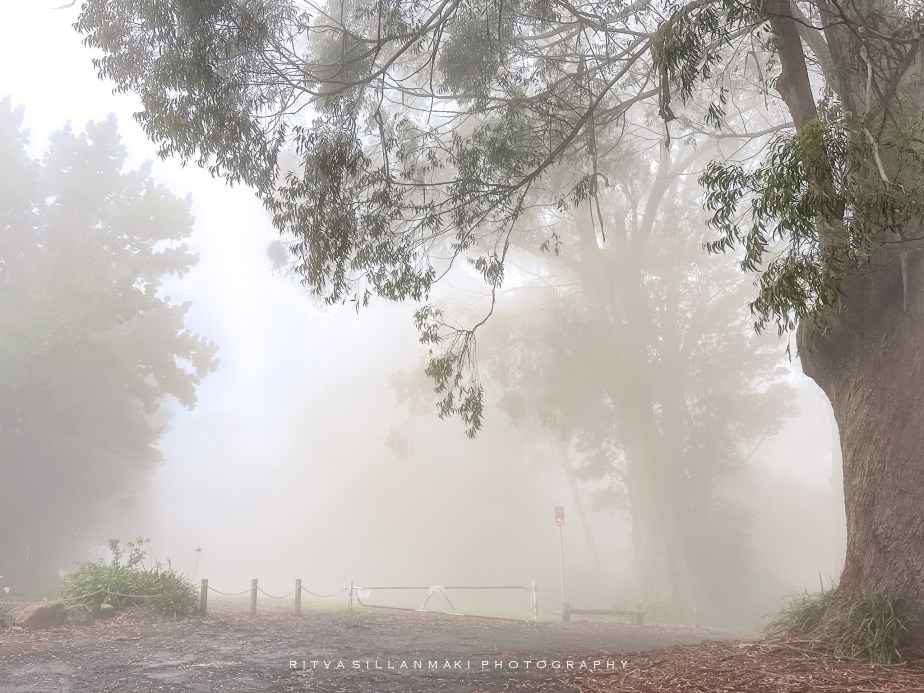
A quiet, fog-shrouded woodland framed by a large eucalyptus tree on the right and sweeping, narrow-leaved branches overhead. Dense white mist obscures the distant trees and softens the muted gray-green landscape, creating a serene, dreamlike atmosphere where every tone feels gently in harmony. In the foreground, a dirt and leaf-covered path leads toward a low chain barrier and metal gate, with small garden beds and a faint red sign emerging through the haze, all held together by the same subdued, balanced color palette. This shot has a soft, atmospheric photographic style that feels calm and deeply cohesive.
A misty woodland path disappears into the fog beneath towering eucalyptus trees.
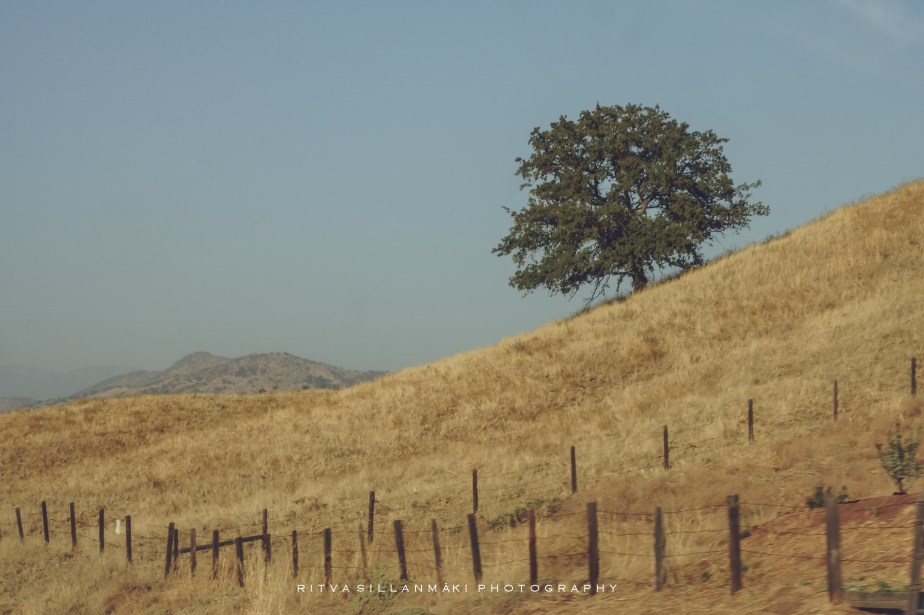
I find harmony in the once again softened colors. A solitary broad-canopied tree stands on a sunlit, dry golden-grass hillside beneath a hazy blue sky. A rustic wire fence with dark wooden posts runs across the foreground, while softly layered rocky hills appear in the distant background, evoking a quiet, pastoral countryside.
A lone tree stands atop a sun-baked golden hillside above a rustic fence and distant mountain.
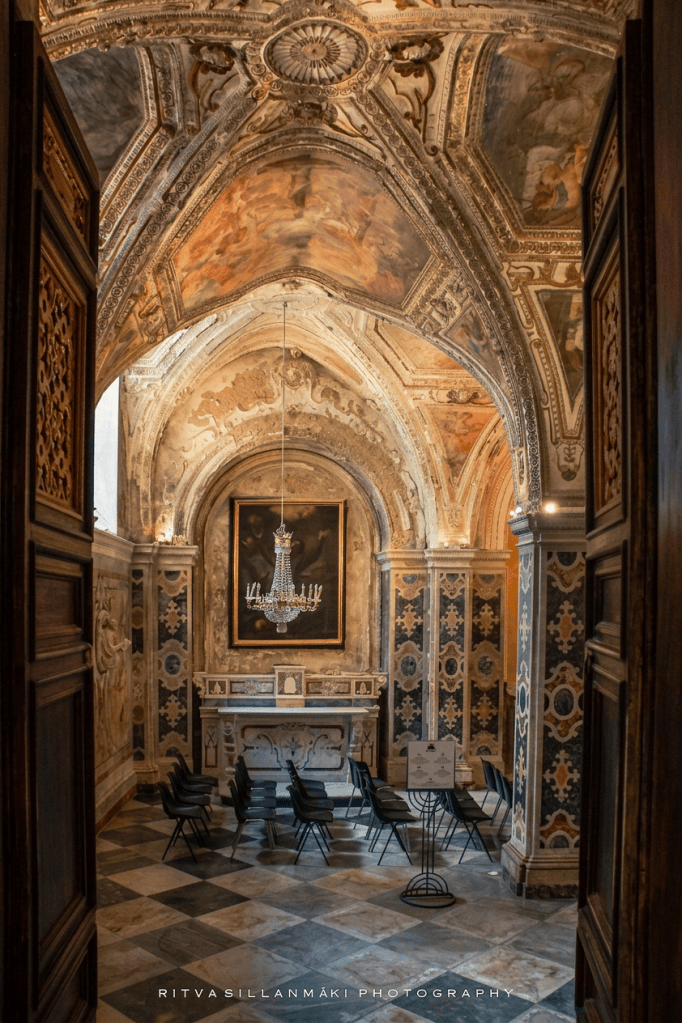
I’ve always felt that churches hold a kind of quiet harmony, and this richly decorated historic chapel is no exception. Seen through the dark, carved wooden doors, it feels almost like stepping into another time. The colors are warm and a little faded, the vaulted ceiling and arches covered in old frescoes, gilded borders, floral motifs, and painted religious or mythological scenes that seem to whisper their own stories. Patterned marble panels line the walls, cool and solid, while a crystal chandelier glows softly above a small altar and framed painting. Rows of modern black chairs sit neatly on the black-and-cream checkered floor, a simple, contemporary counterpoint to all the Renaissance-style ornament. In this contrast between the ornate and the everyday, I find a strange calm, as if the space is quietly holding every voice, every silence, in balance.
An ornate historic chapel with frescoed arches, patterned walls, a crystal chandelier, and rows of chairs arranged before the altar.
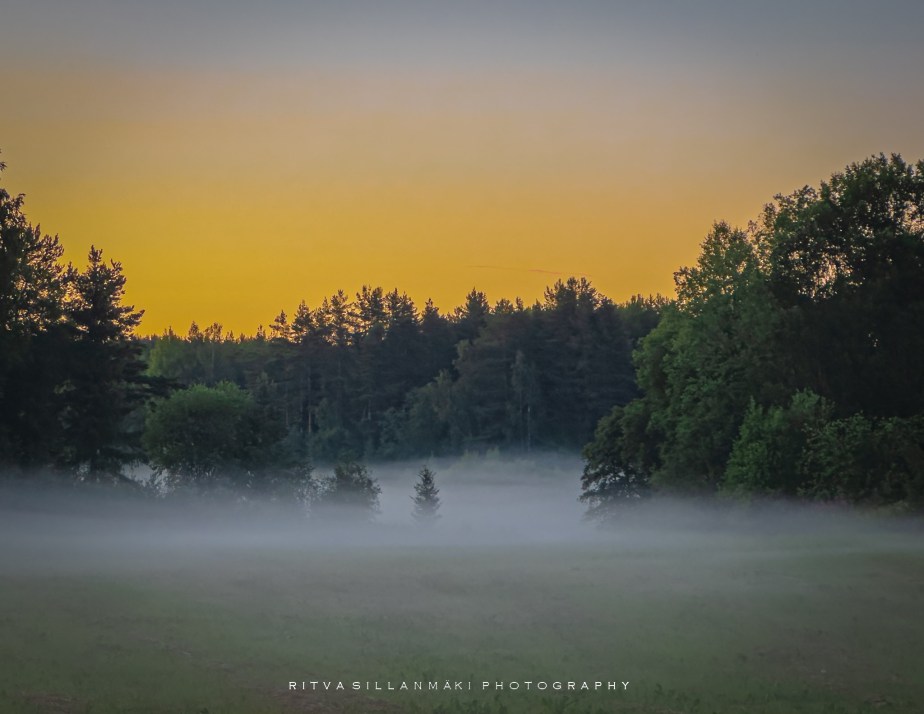
At my summer house I love the misty night, its quiet, the nature and I are in harmony. In this tranquil landscape photograph, a dense mixed forest lines the edge of a mist-covered meadow as dusk settles in. The treetops create a dark, textured band stretching across the lower middle of the frame, while a soft, pale fog glides over the grass in the foreground. Above it all, the sky shifts from deep gray-blue into a warm, glowing gold at the horizon, wrapping the scene in a serene and atmospheric stillness.
A misty forest meadow glows beneath a warm golden sunset, creating a serene and atmospheric landscape.
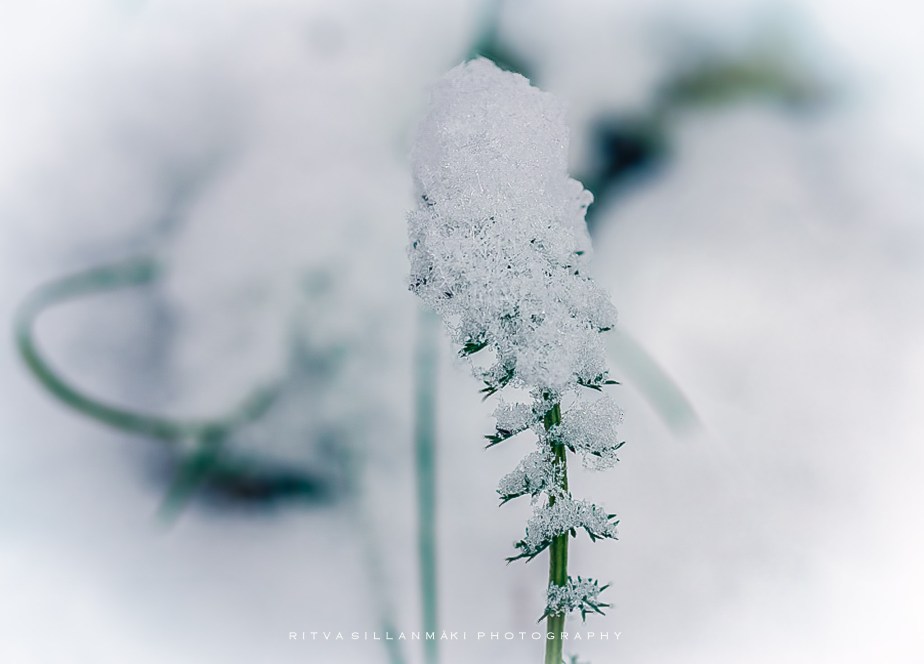
I’m no fan of winter, but I have to admit there’s a strange beauty in the details: the way the snow pulls a white blanket over everything and quiets it all down. Here, a single delicate white flower stands in close-up, its tall stem sprinkled with tiny, frost-like blossoms and fine, crystalline textures that look almost unreal. The bloom stays sharp and clear while the background fades into soft grays, whites, and muted greens, and the whole scene feels cool, wintry, and a little otherworldly.
A delicate wildflower covered in sparkling frost, set against a softly blurred winter landscape.
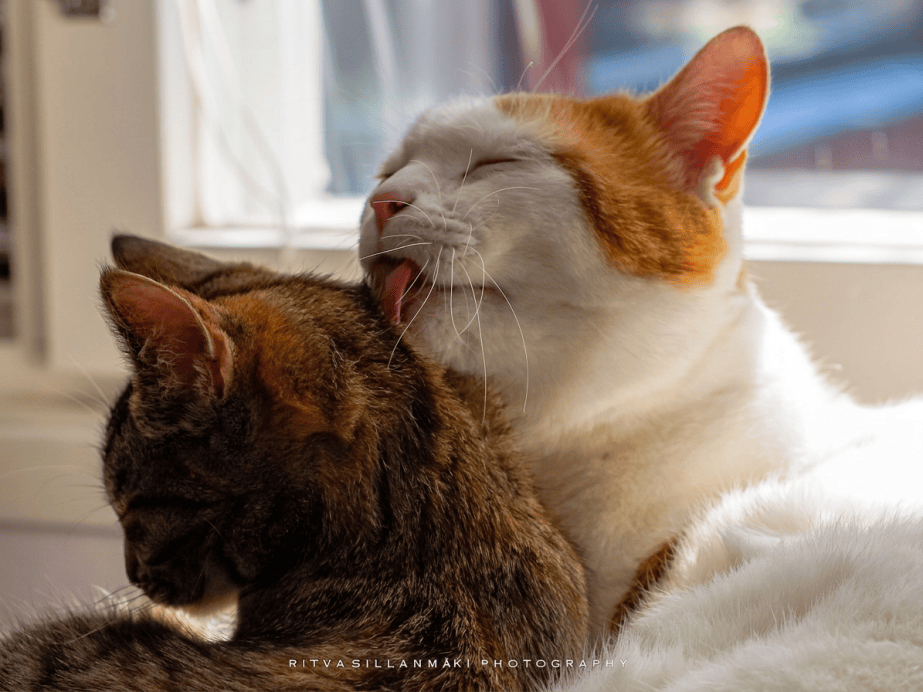
Veikka and Tinka, our cats, were in such harmony together; it was so lovely to see. This shows them cuddled together in warm sunlight beside a bright window. In the foreground, Tinka, the dark brown tabby, rests with her eyes closed, while Veikka, the white-and-orange one behind her, gently grooms her, eyes softly shut and pink tongue just visible. In this photo, the soft cream, golden, and brown tones create a peaceful, affectionate mood, and the softly blurred indoor background makes their textured fur and intimate little world feel even more tender and precious.
Two cats cuddle by the window as one sweetly grooms the other in the warm sunlight.
What a show Beth’s bridge challenge generated last week. Great images you all shared, wonderful bridges from around the world. I hope you will join Ann-Christine’s challenge, this week too. Please don’t forget to use the “lens-artists” hashtag in your posts so people can find your challenge entries.
Next week, Anne will feature a new challenge. It will go live at noon EST in the USA. Tune in then to find out more about the challenge.
Until then, let’s keep exploring, broadening our horizons, and maintaining a positive mindset
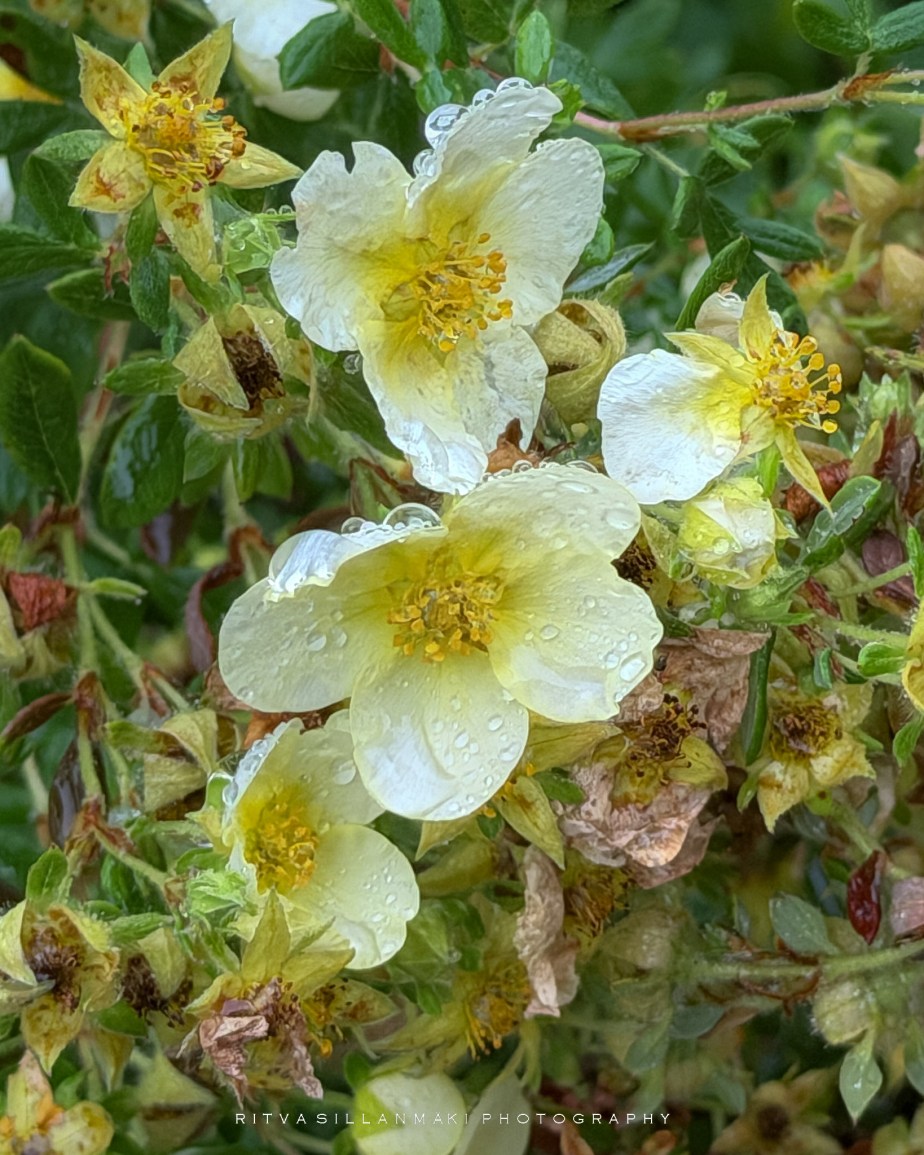
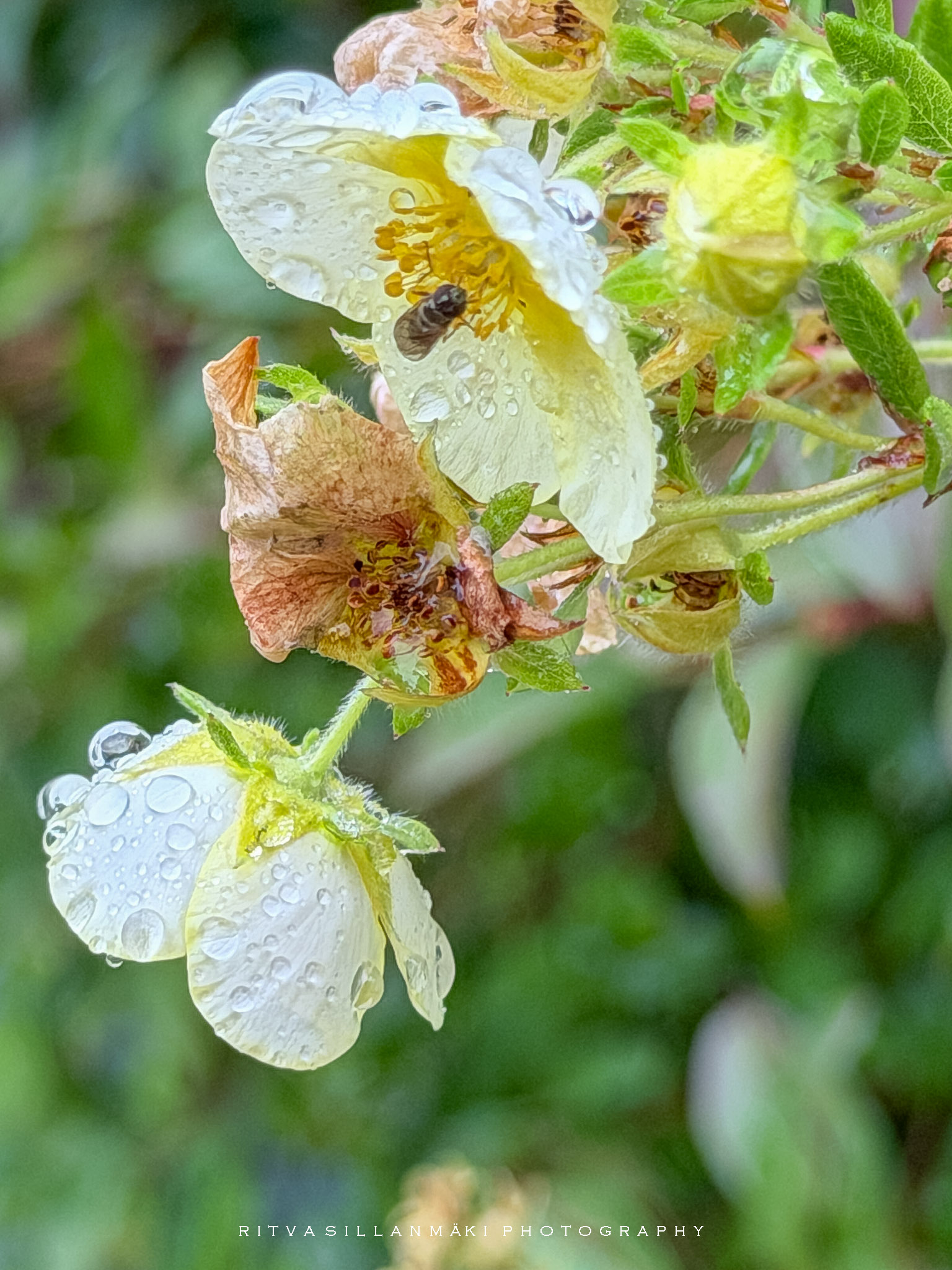
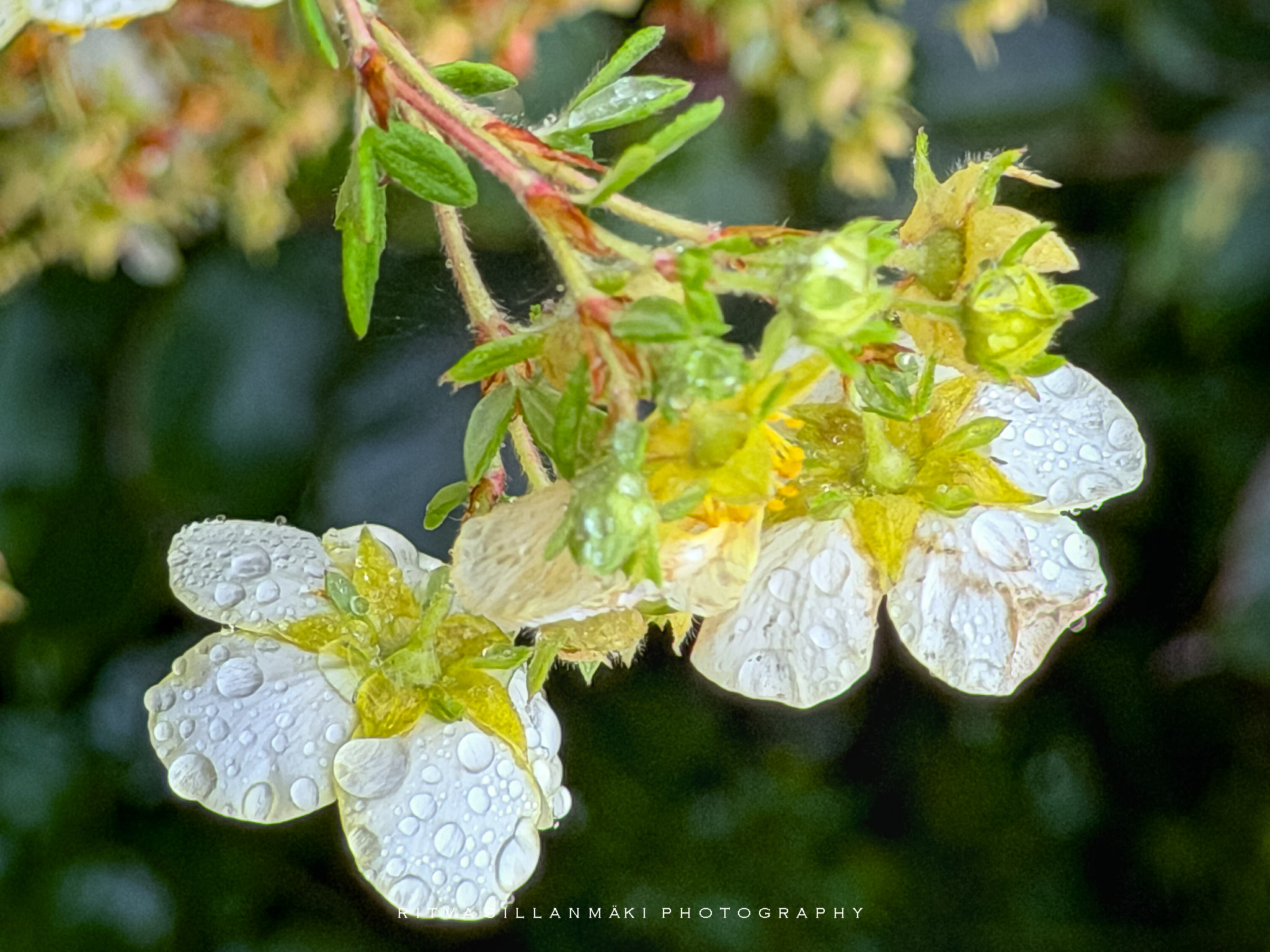
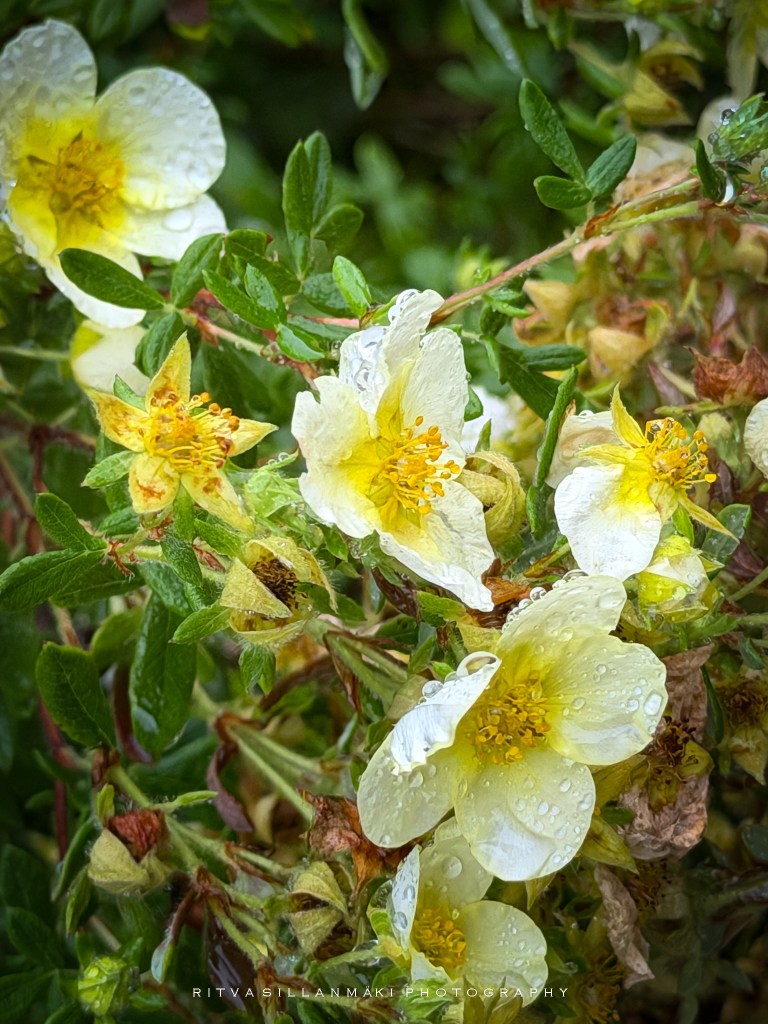
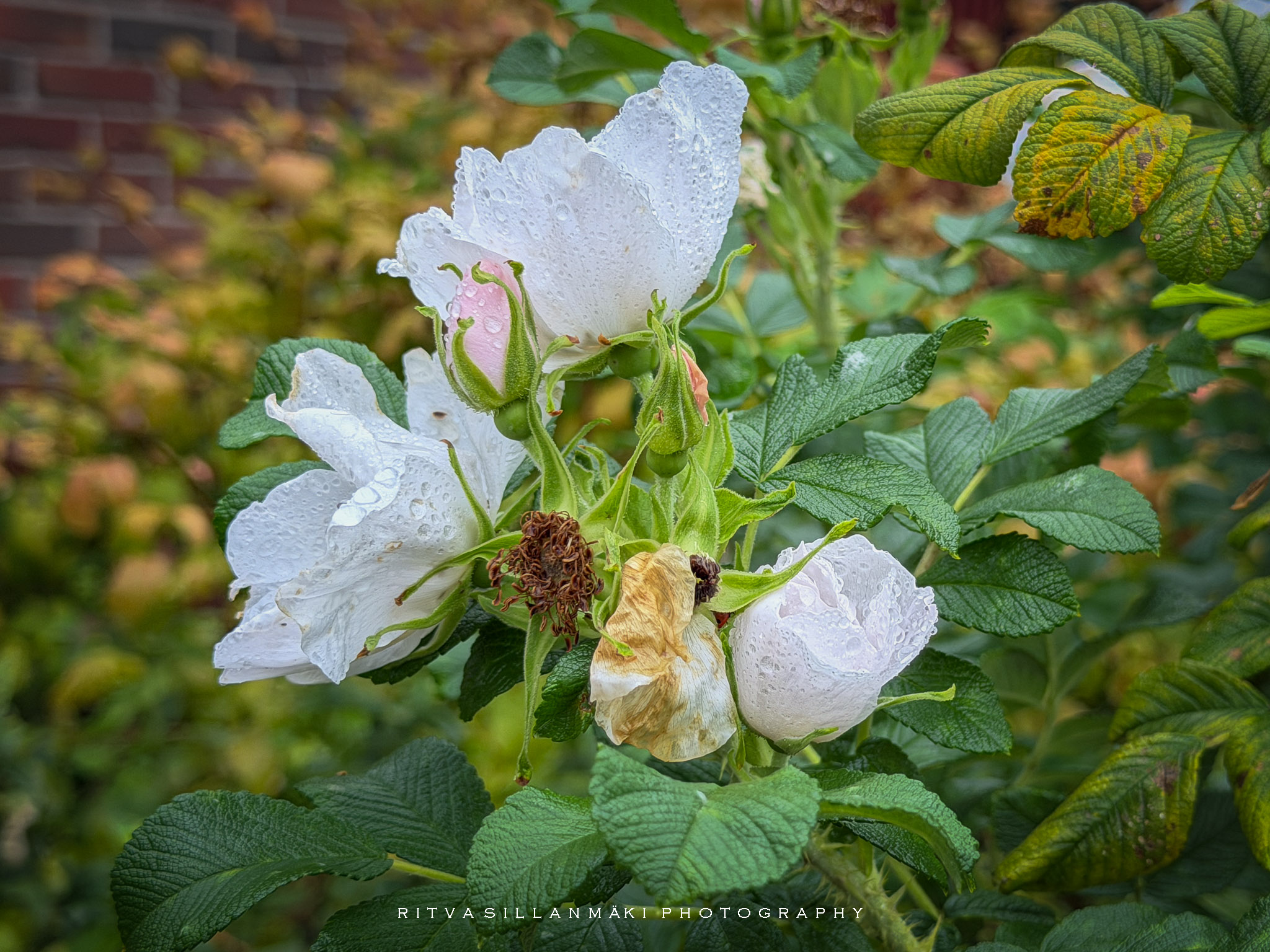
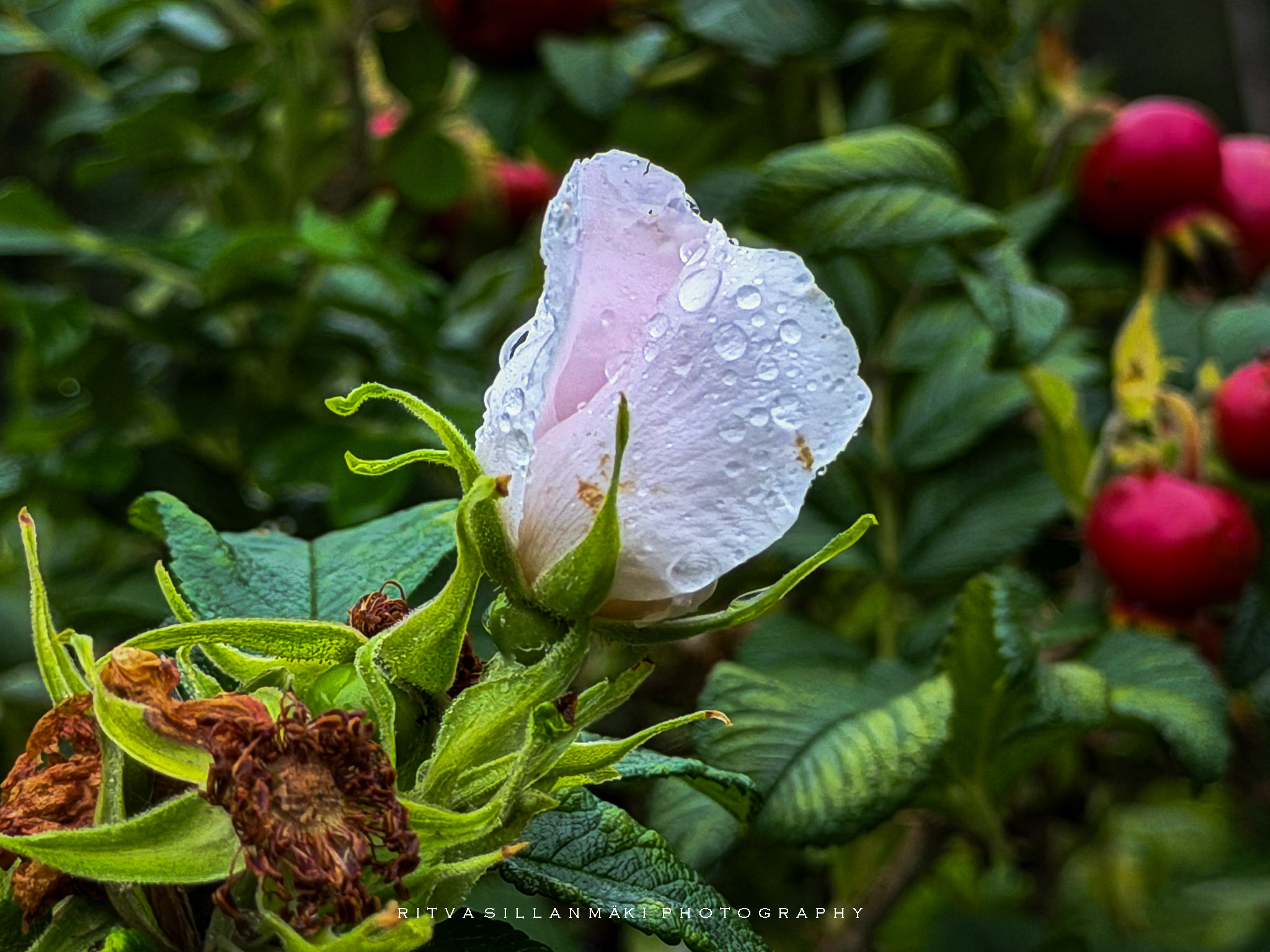
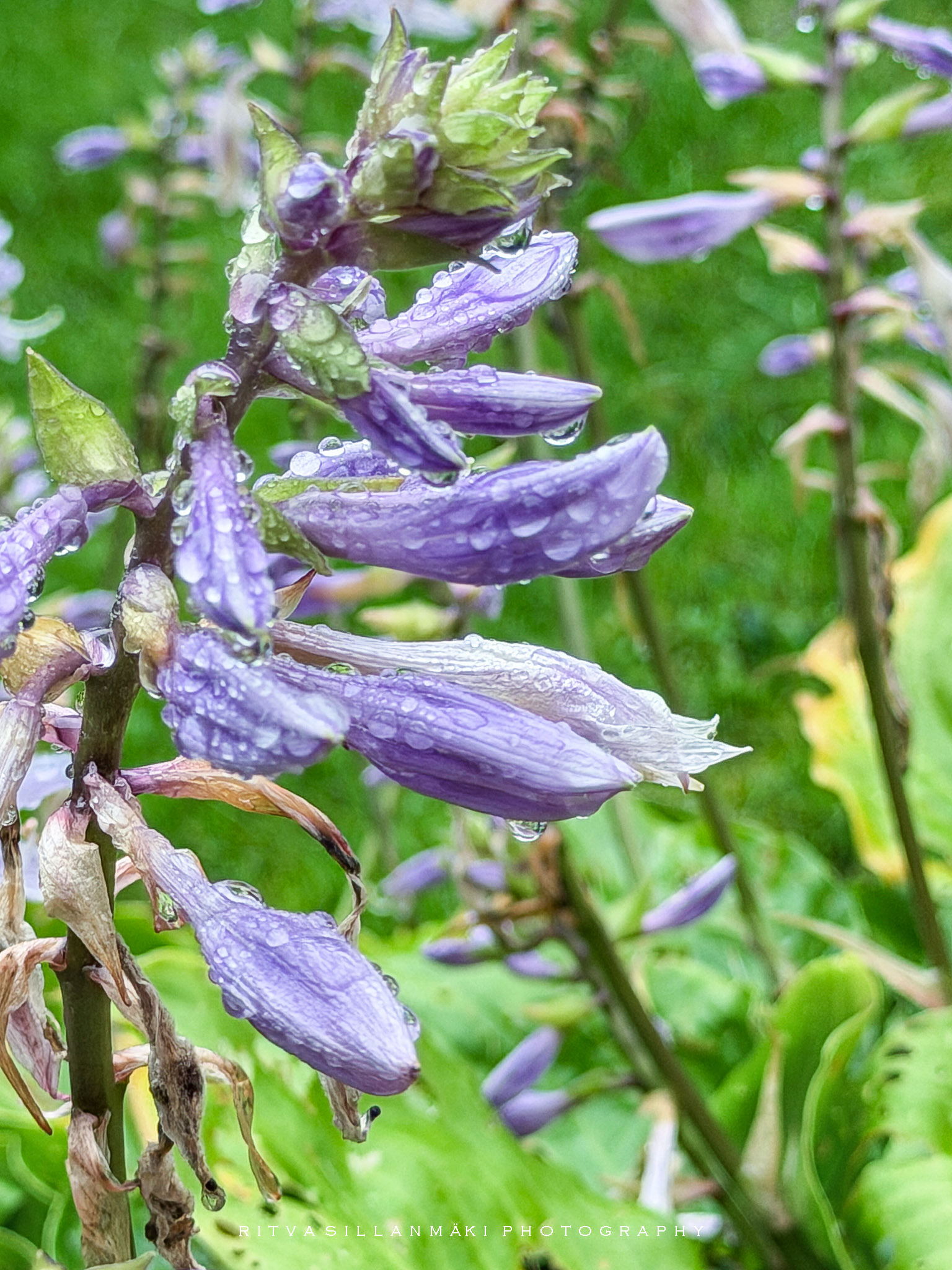
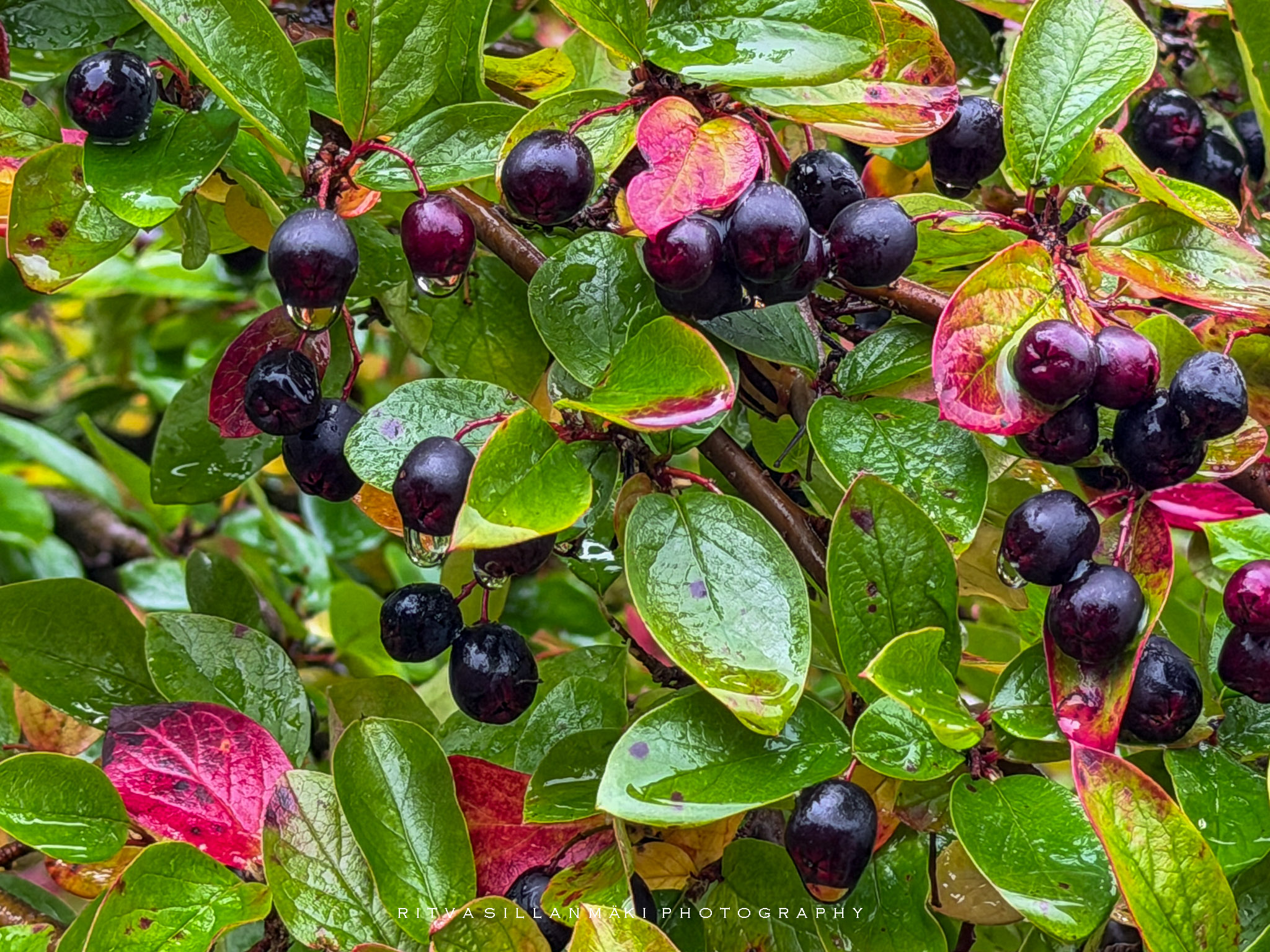
I am more bound to stay inside than go out in the rain, if I don’t have to. I am not a Brit who is so used to it. There was a pause from it and a moment of sunshine from behind the clouds. I took myself out to take photos of the few flowers left blooming this time of the year, mid-September. The black aronia berries were already dark and glossy, with raindrops clinging to them like tiny glass beads. The scrubby cinquefoil was still bravely holding on to a few small yellow blossoms, a bit battered but somehow charming in their stubbornness. Even the hostas, mostly past their best by now, looked refreshed, their broad leaves collecting little pools of water and reflecting the shy light. Raindrops on the ones I took after the rain are a nice added effect.
A bee gathers nectar from a rain-speckled white blossom surrounded by fresh green leaves.
Delicate white blossoms glisten with raindrops against a softly blurred green background.
Shrubby cinquefoil (botanical name Dasiphora fruticosa) formerly known as Potentilla fruticosa).
I googled these, a variety with creamy white or pale yellow flowers with a yellow center (such as the varieties ‘Primrose Beauty’ or ‘Limelight’)
Delicate white rose hips glisten with raindrops among lush green leaves.
Rosehips with droplets
A delicate pale rosebud glistens with raindrops amid lush green foliage and vivid red rosehip berries.
Raindrops glisten on delicate hostas against a lush green garden backdrop.
Aronia or Clusters of black chokeberries
Clusters of black chokeberries glisten with raindrops among vibrant green and pink-tinged leaves. Aronia.Aronia.
Vivid crimson and magenta aronia leaves cluster among dark berries and lush green foliage.
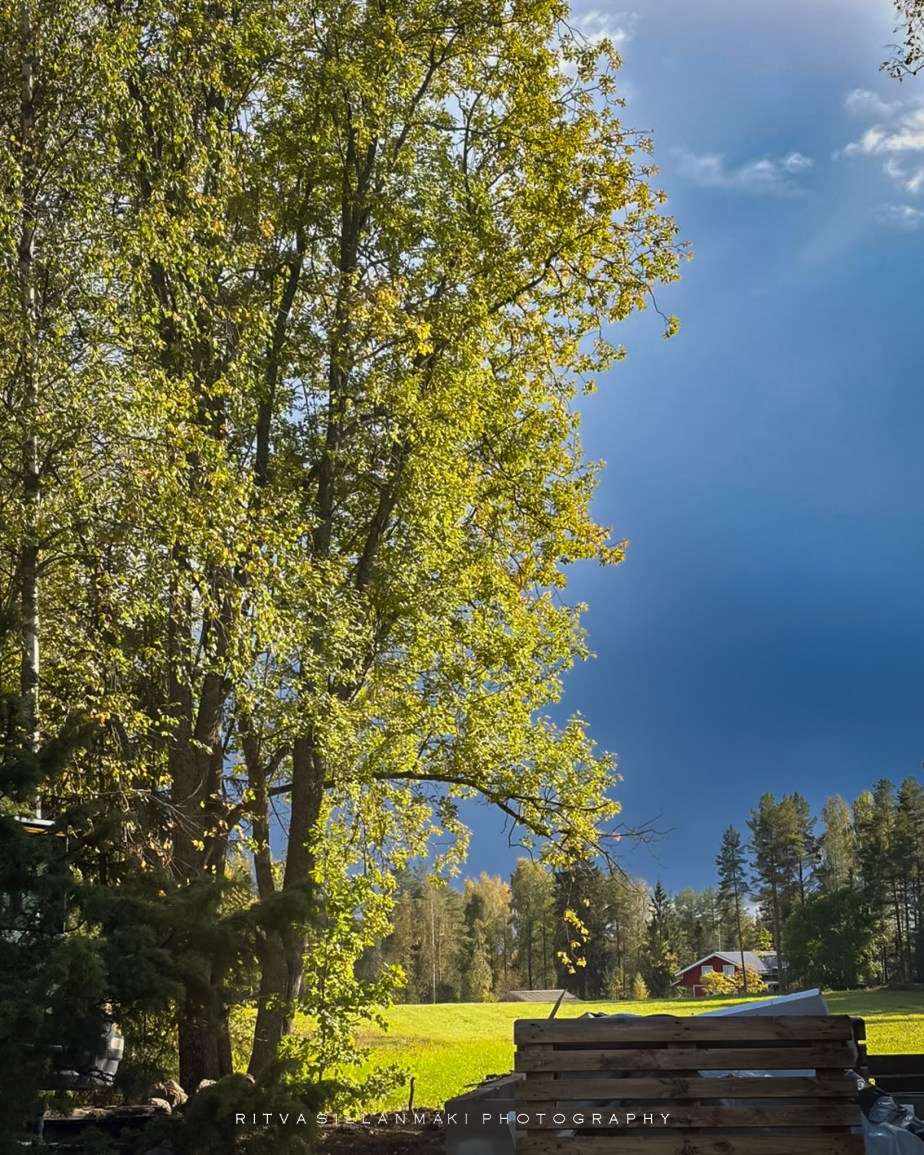
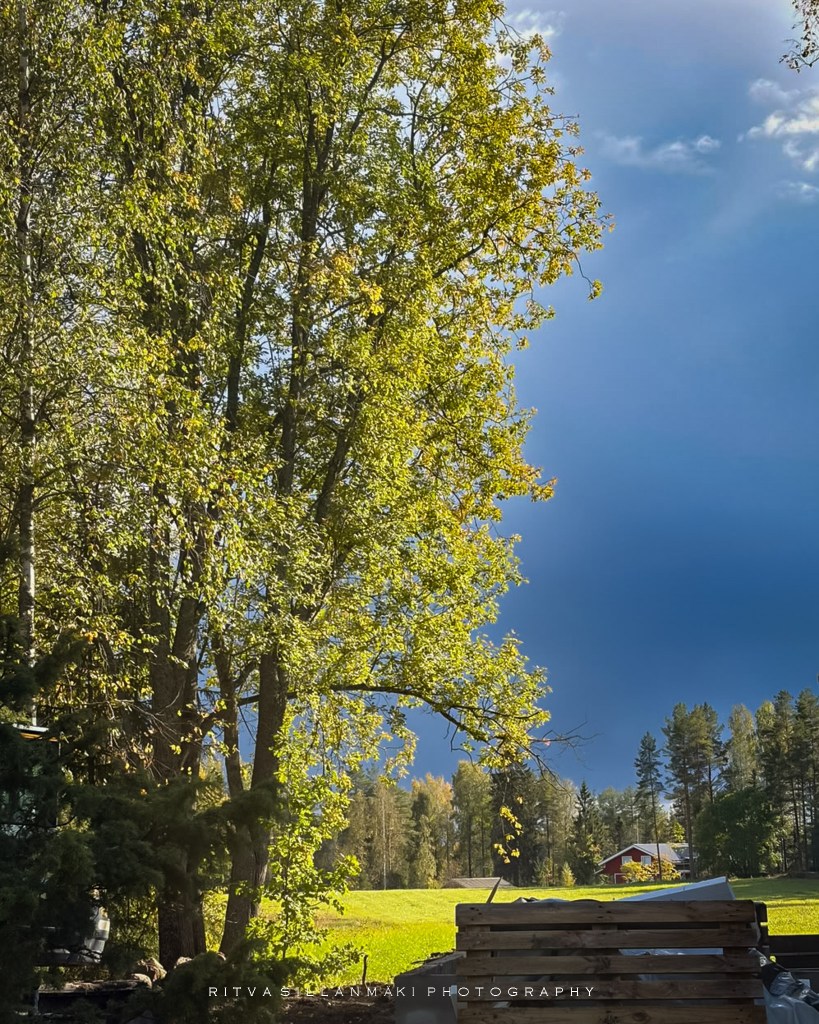
Just some dark clouds from yesterday, drifting in from the horizon like a slow-moving curtain. For a while it looked like they might swallow the whole sky. we watched them roll and build on themselves, a little in awe until they finally circled around us and moved on, leaving us with nothing but a moody sky and a big sigh of relief. Norain just amazing color in the sky against the sunlit trees
Sunlit trees frame a peaceful rural yard beneath a dramatic blue sky, with a red house nestled among the forest.
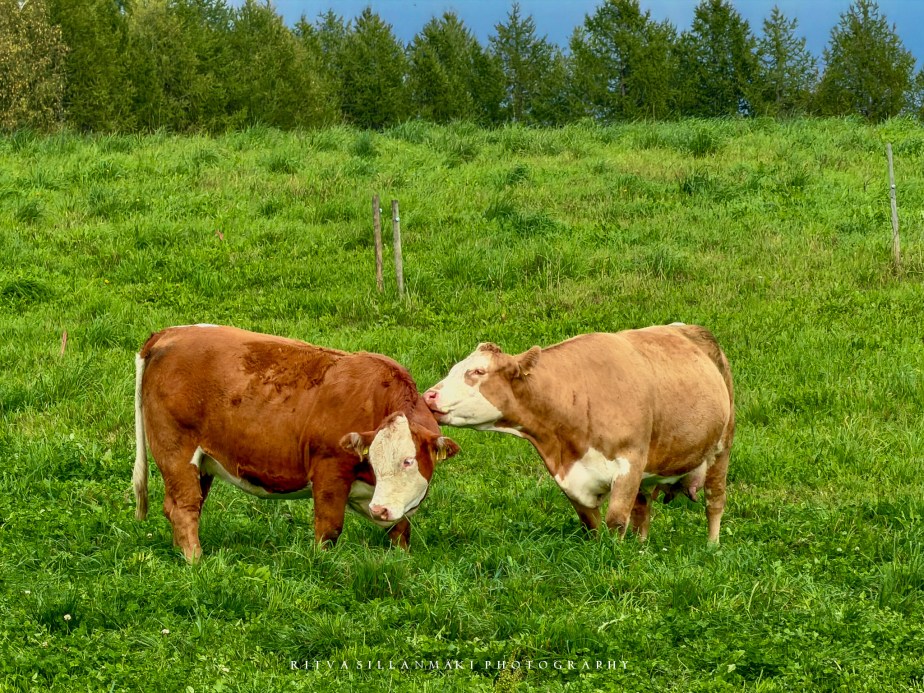
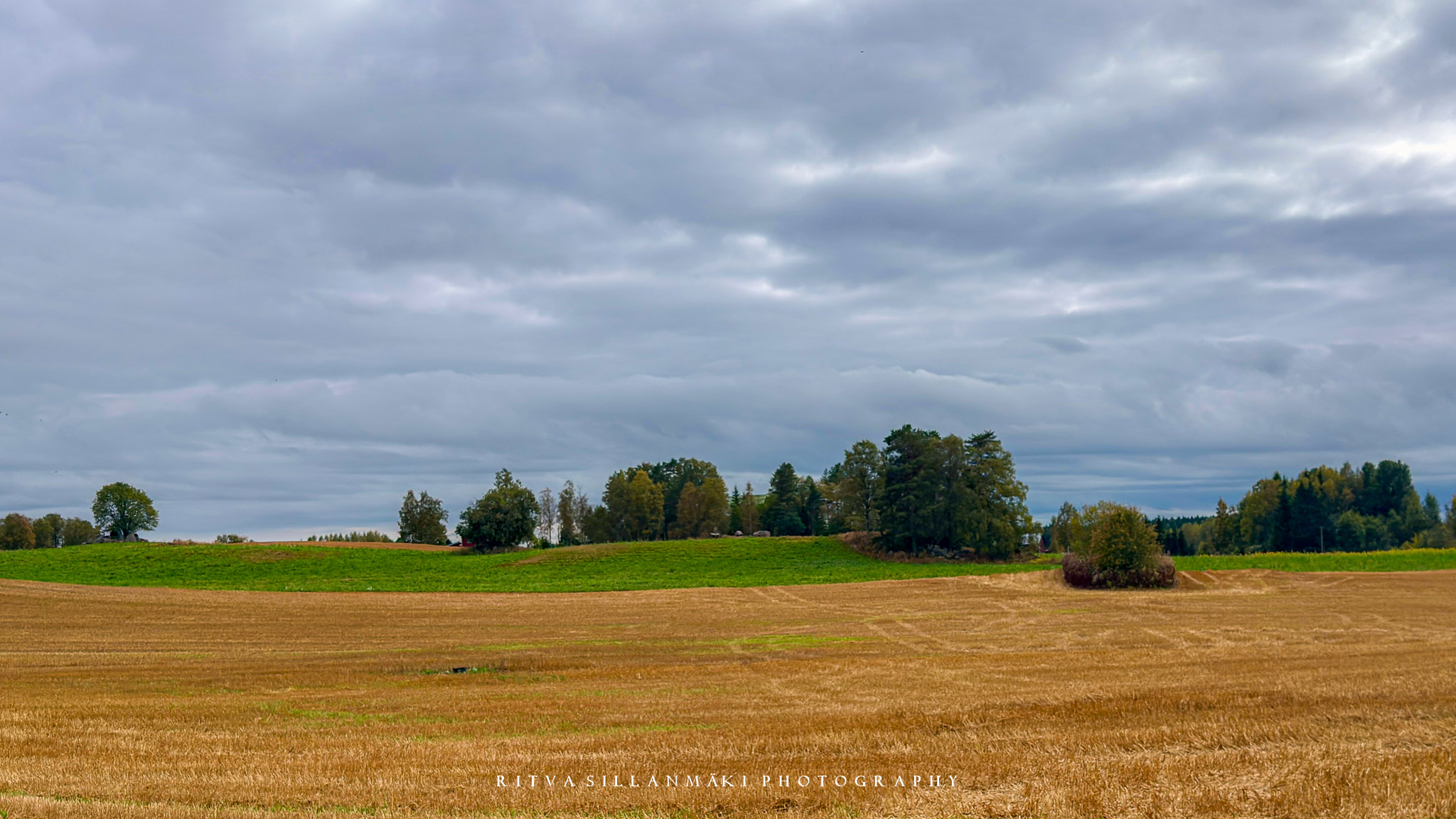
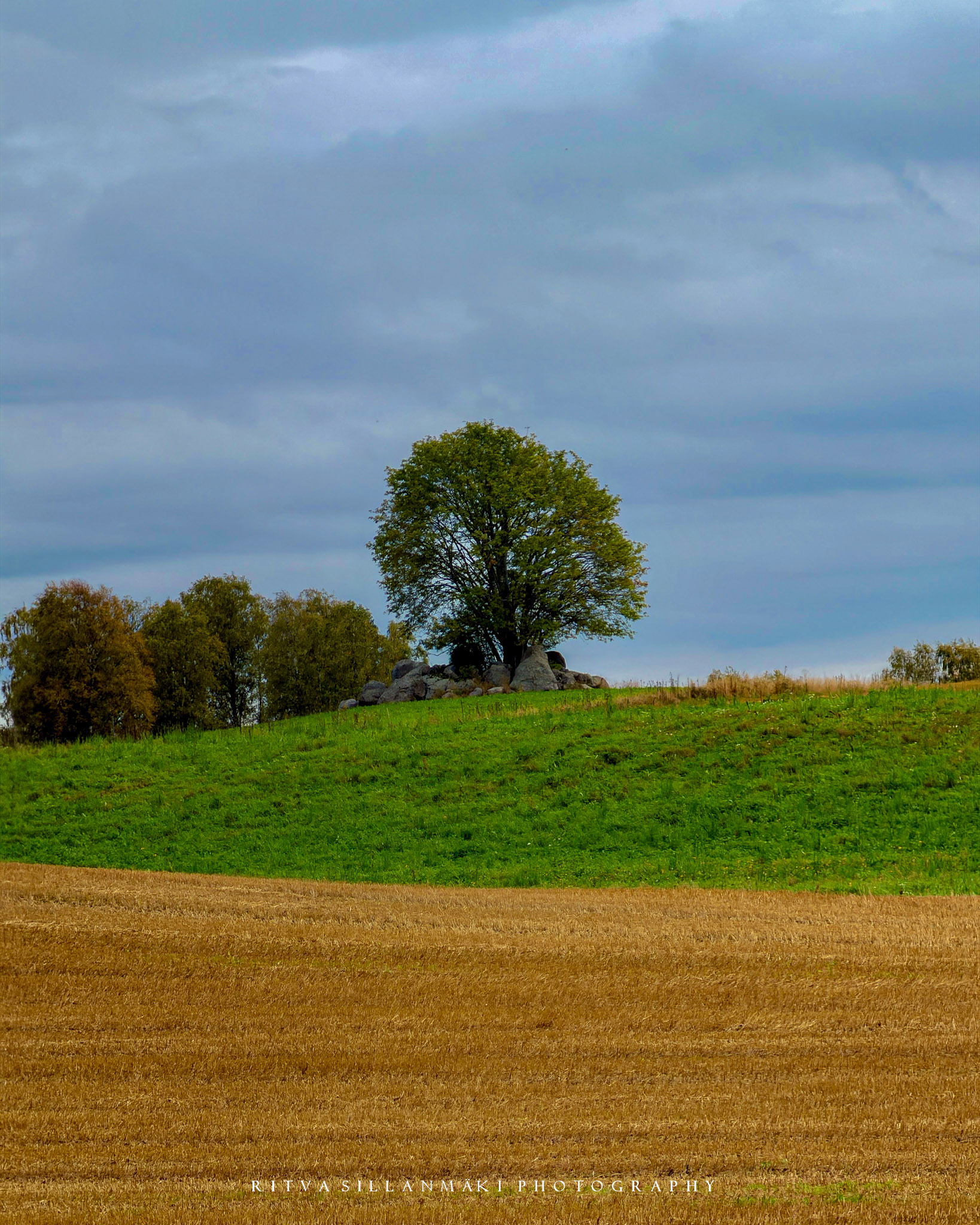
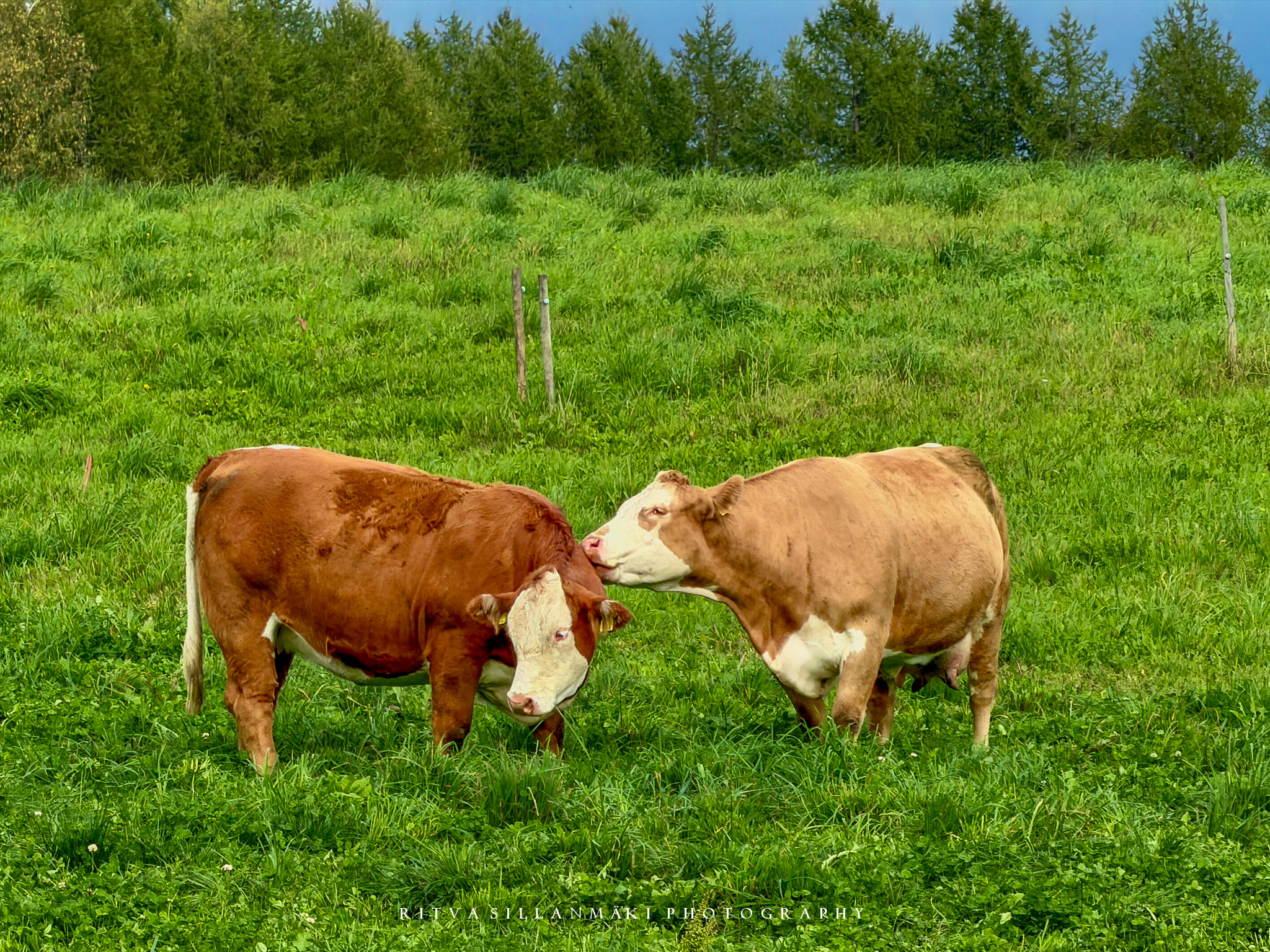
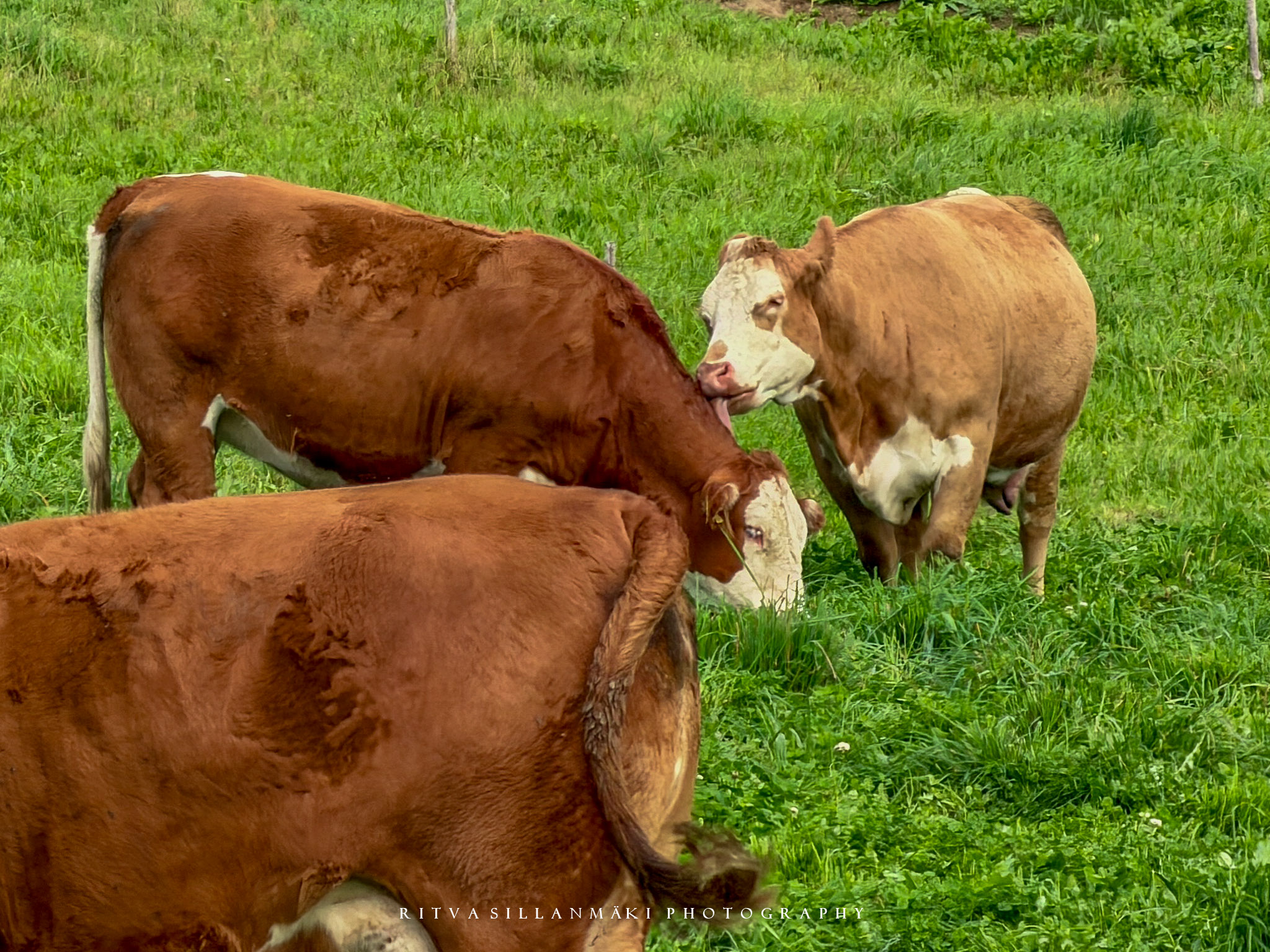
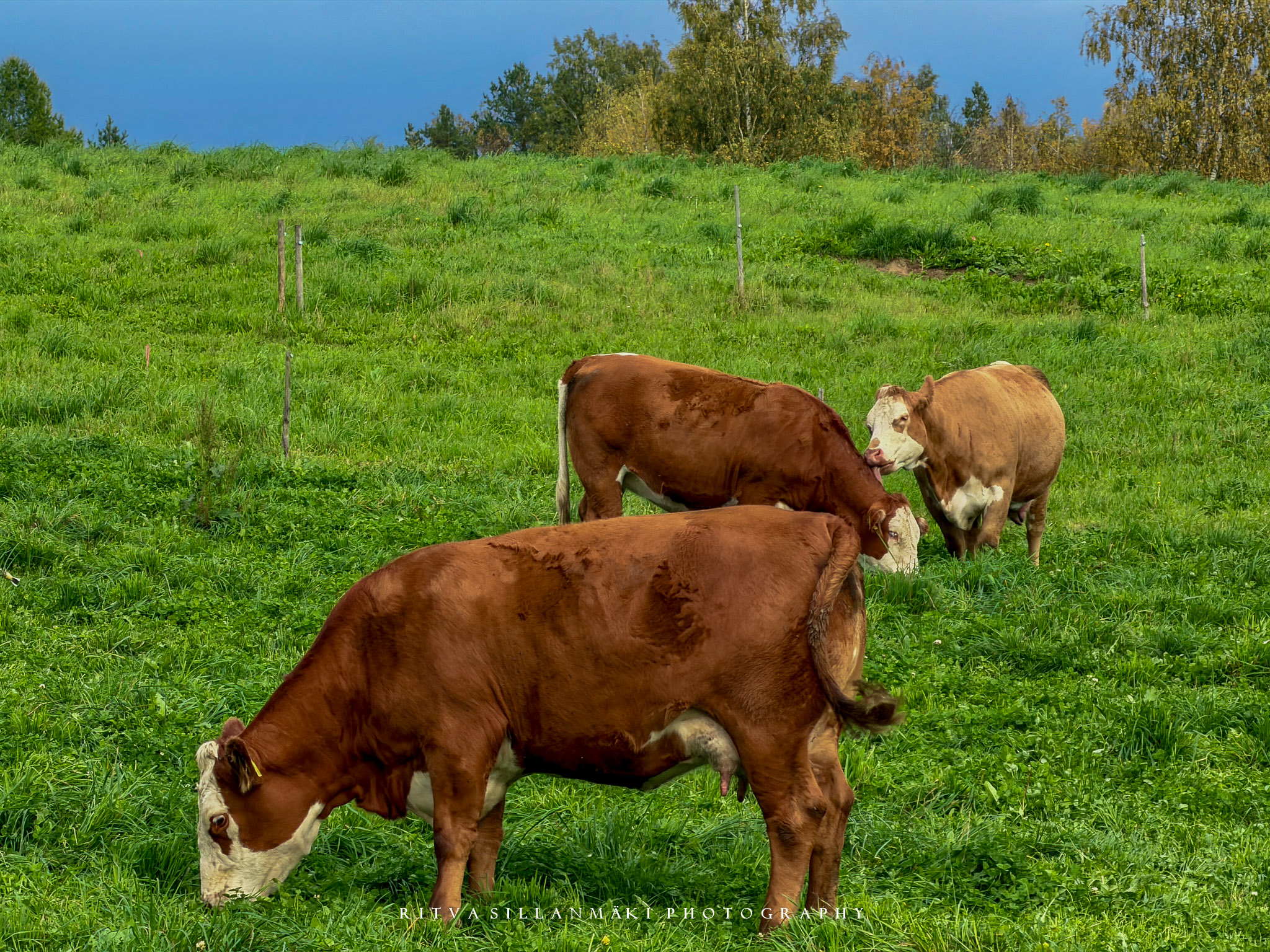
We’ve mostly been at the summer house lately, with so much happening there, and we’ve been driving back and forth to home. Because of this, sightseeing at home has been almost nonexistent. However, we did pass by this beautiful countryside view that I usually can’t resist photographing, and this time was no different. We also spotted some cows—another one of those things I love to pause and admire, maybe even snap a pic.
Golden harvested fields stretch beneath dramatic storm clouds, with green hills and autumn trees on the horizon.
Three Hereford cattle graze peacefully in a lush green pasture beneath a clear blue sky.
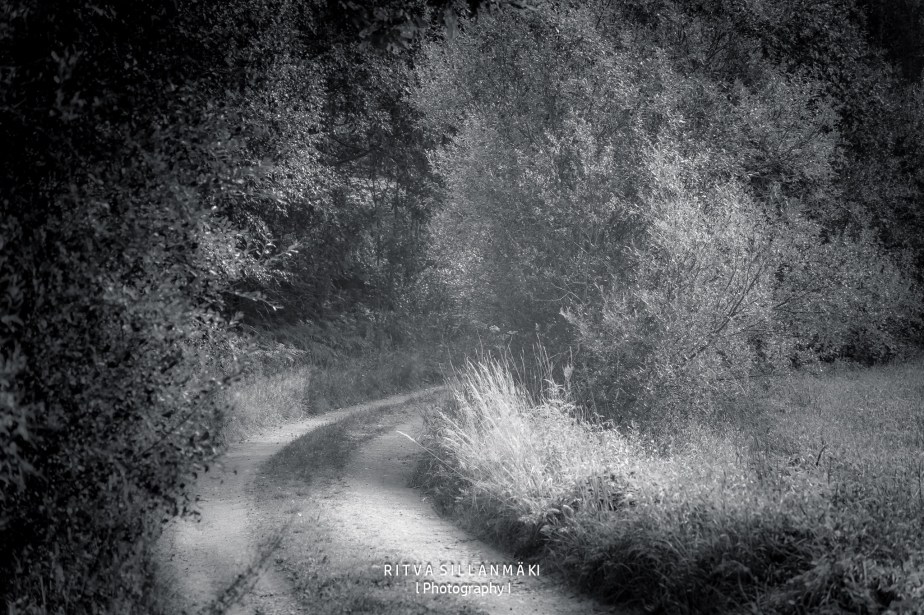
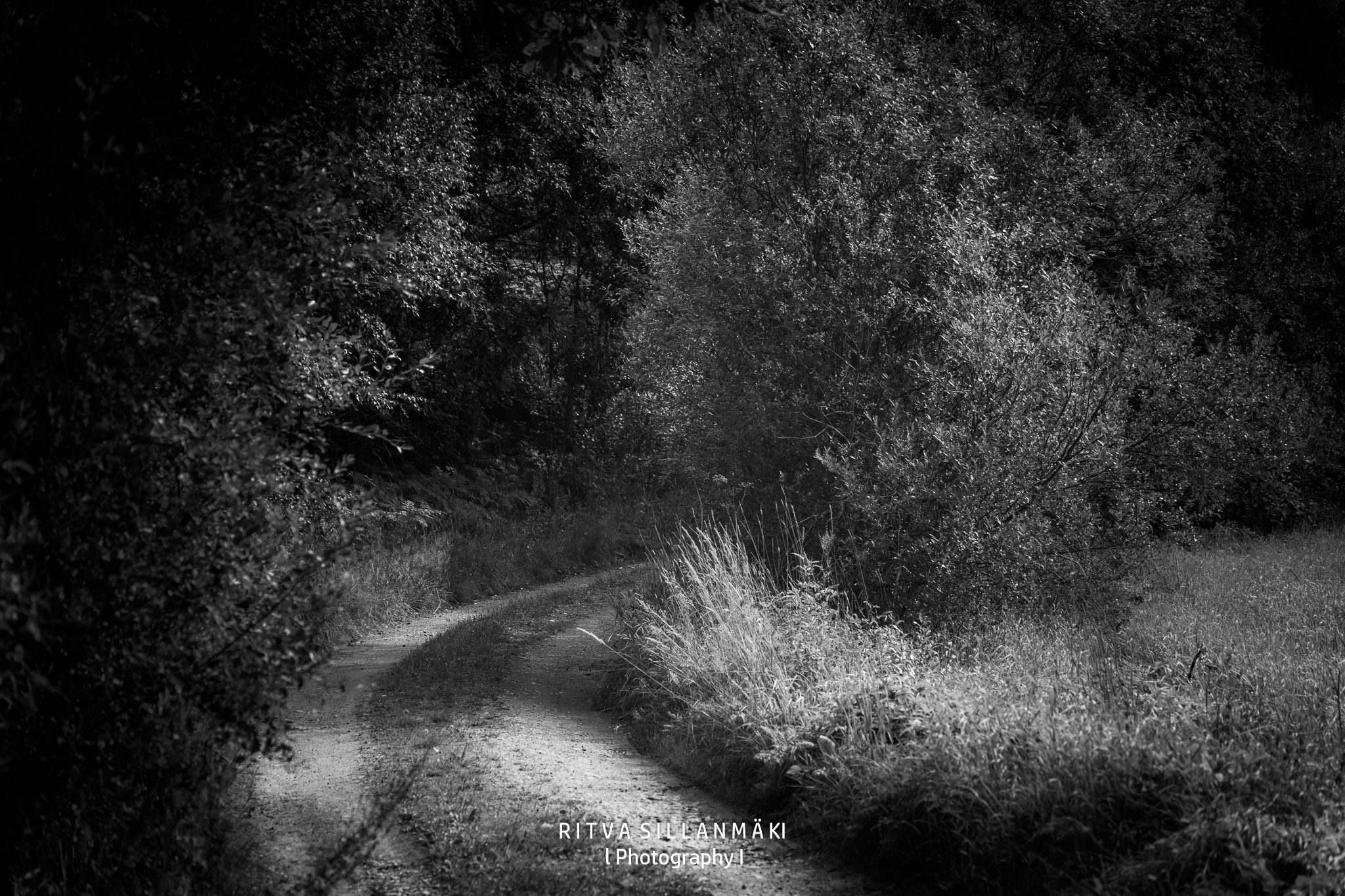
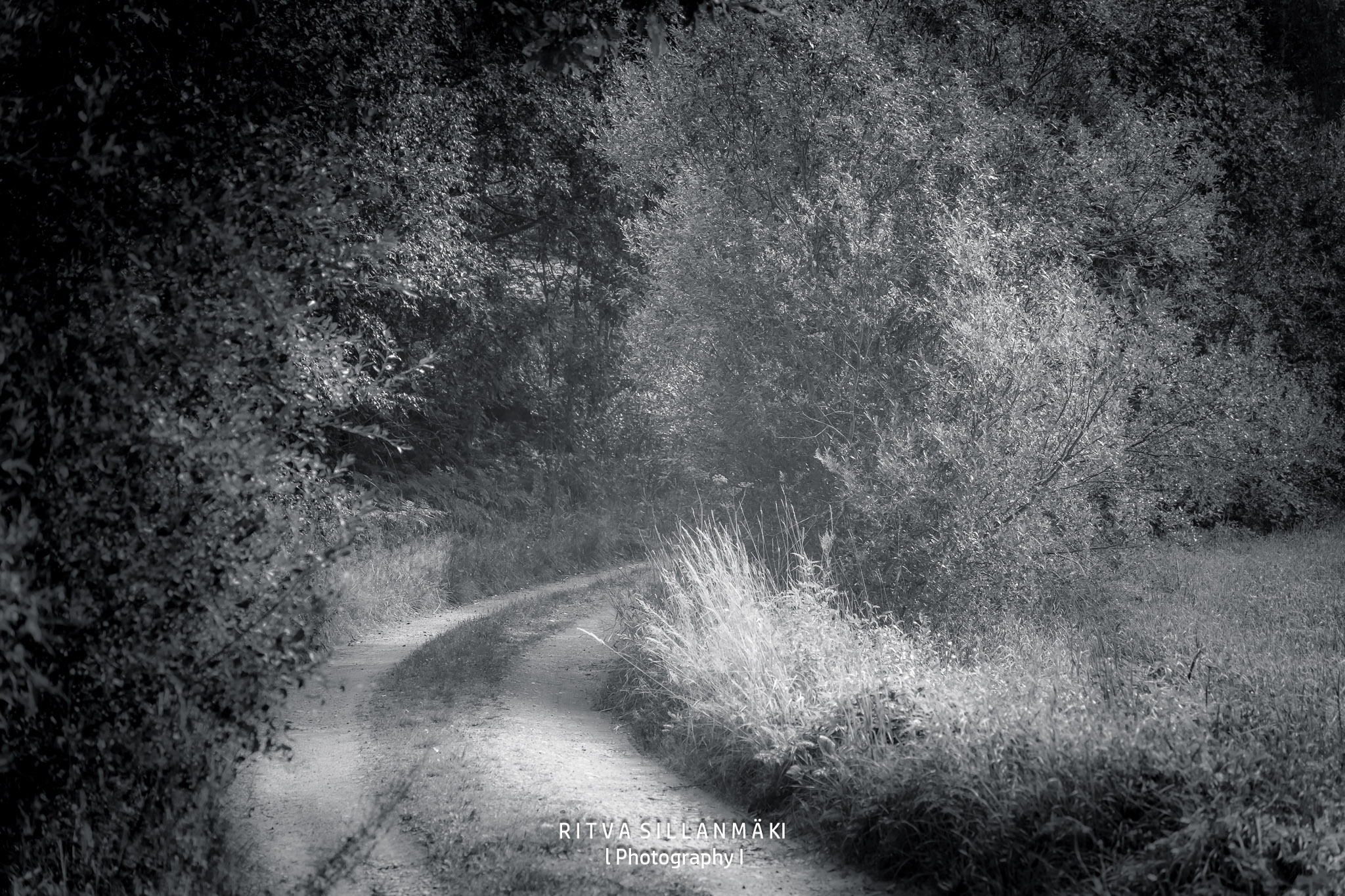
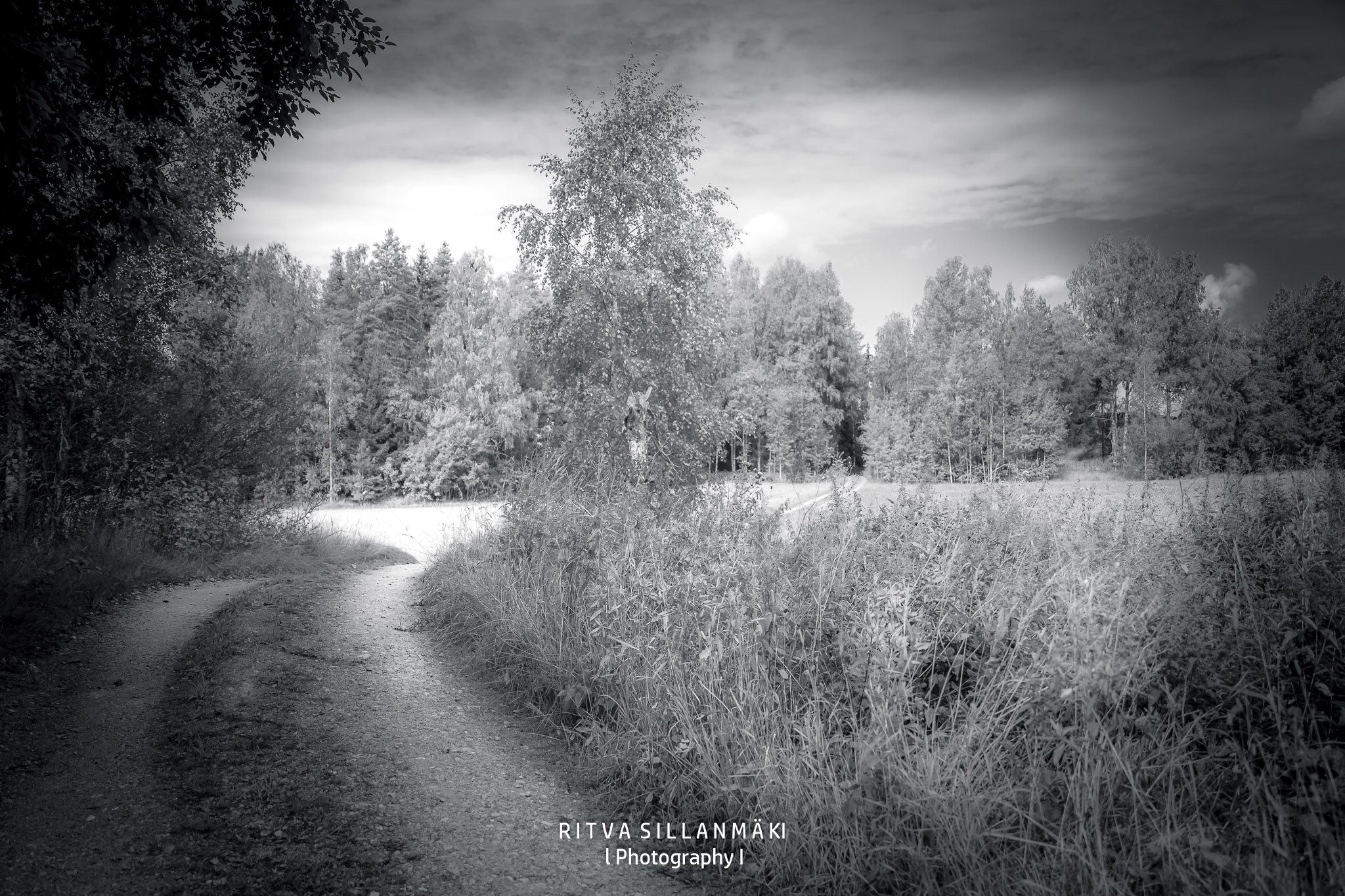
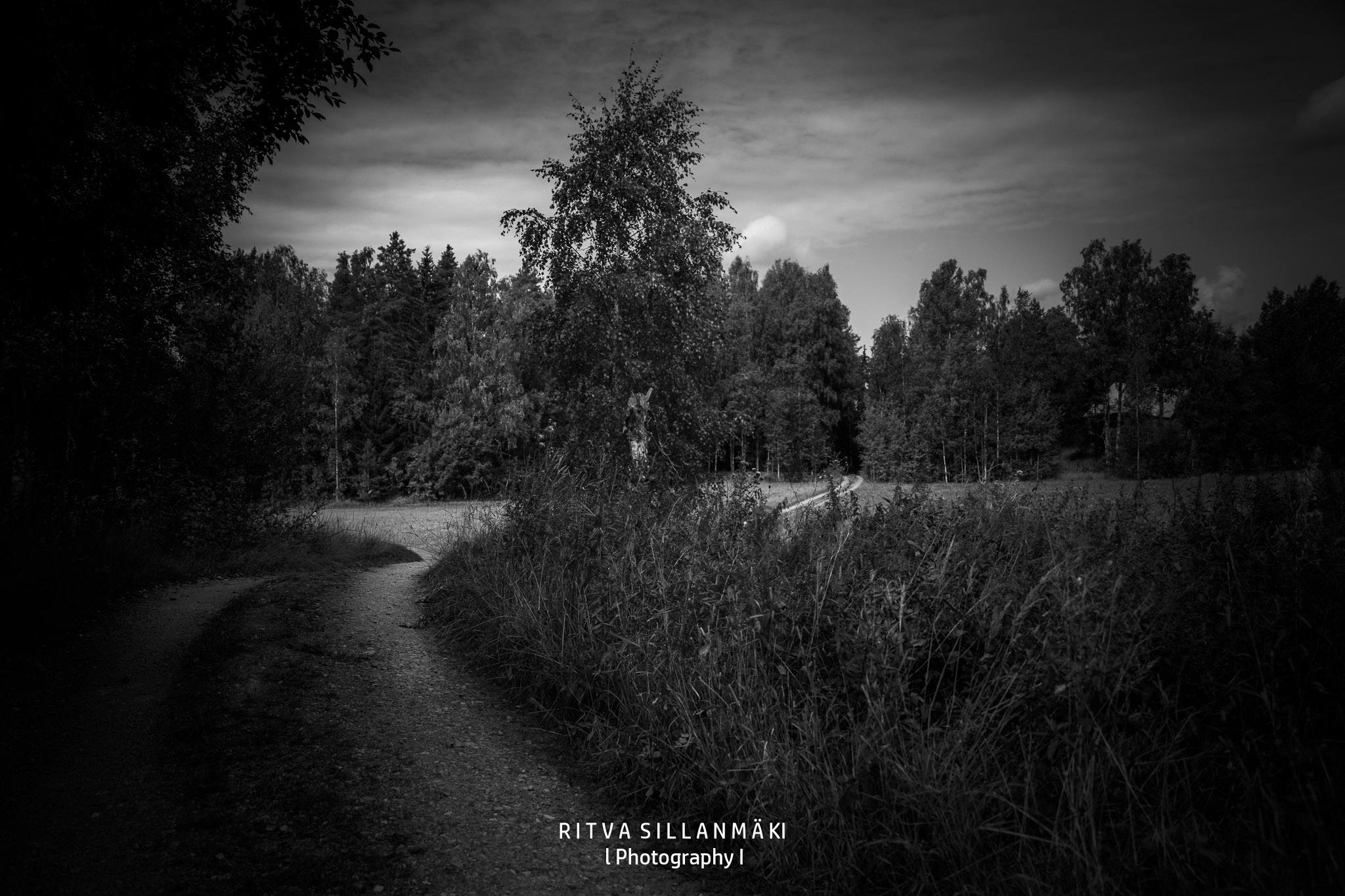
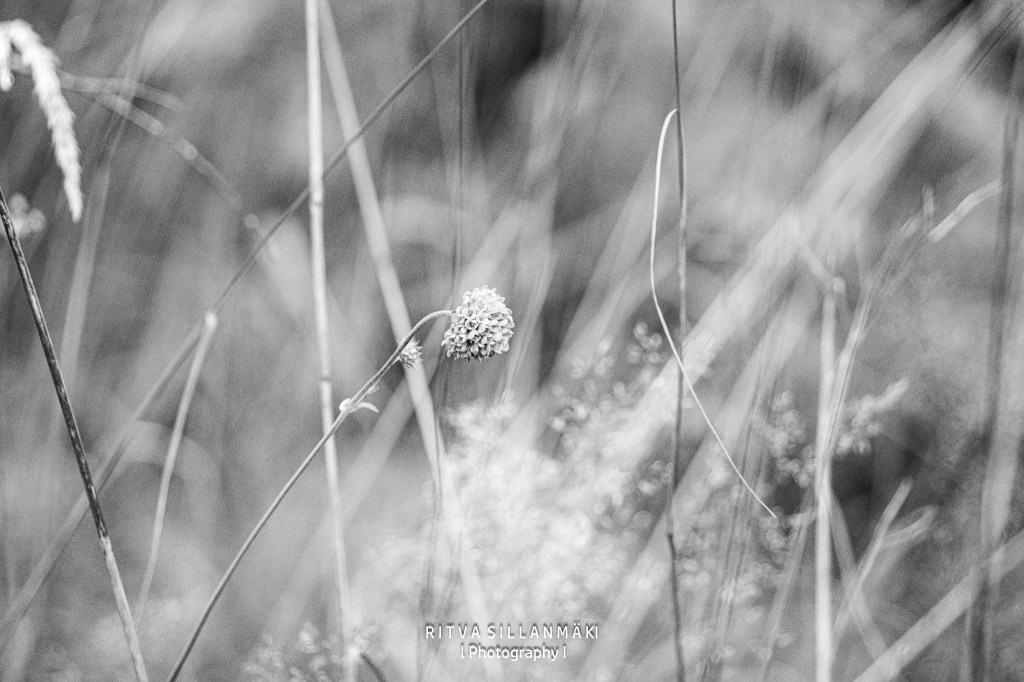
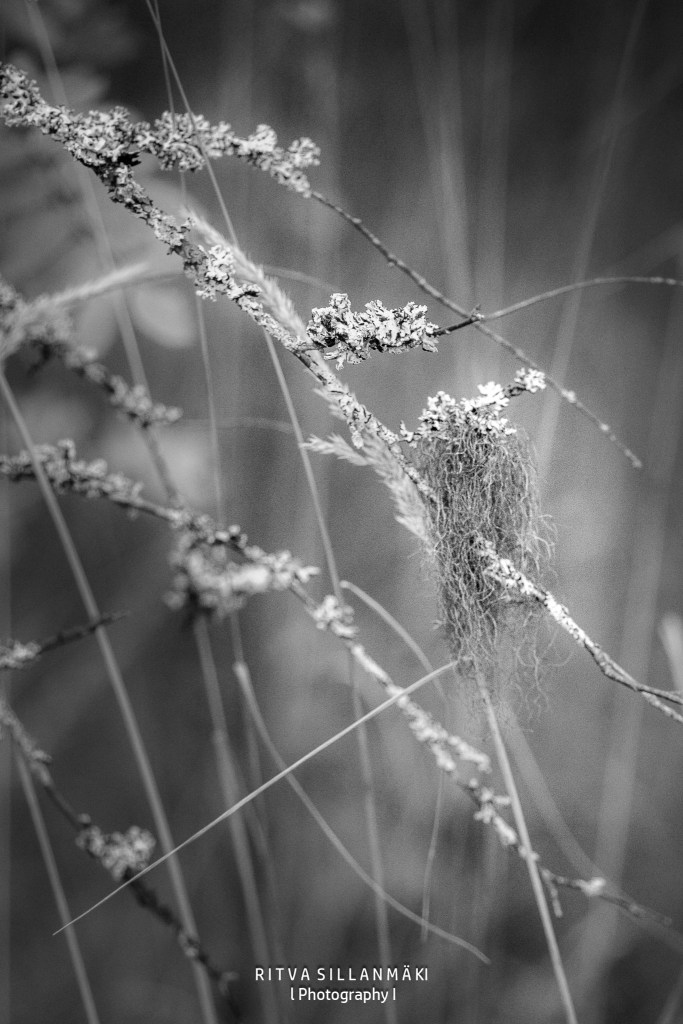
Monochrome Madness and here I am with another free week, and you might have thought I’d wrapped it all up after my stroll down Meadow Road. But no, we’re back at it! This time, I’m excited to share two versions of the images I snapped along the road where I found those beautiful flower photos—my pathway to my joyful retreat, my summer oasis. I’ve also included two monochrome takes of the plants I saw there to jog your memory.
A quiet dirt path winds through dense woodland and sunlit grasses in a striking black-and-white landscape.
Which version do you prefer, the darker or the lighter one, and what’s the reason for it?
A winding forest path leads through tall grasses and birch trees beneath a dramatic sky in striking black and white.
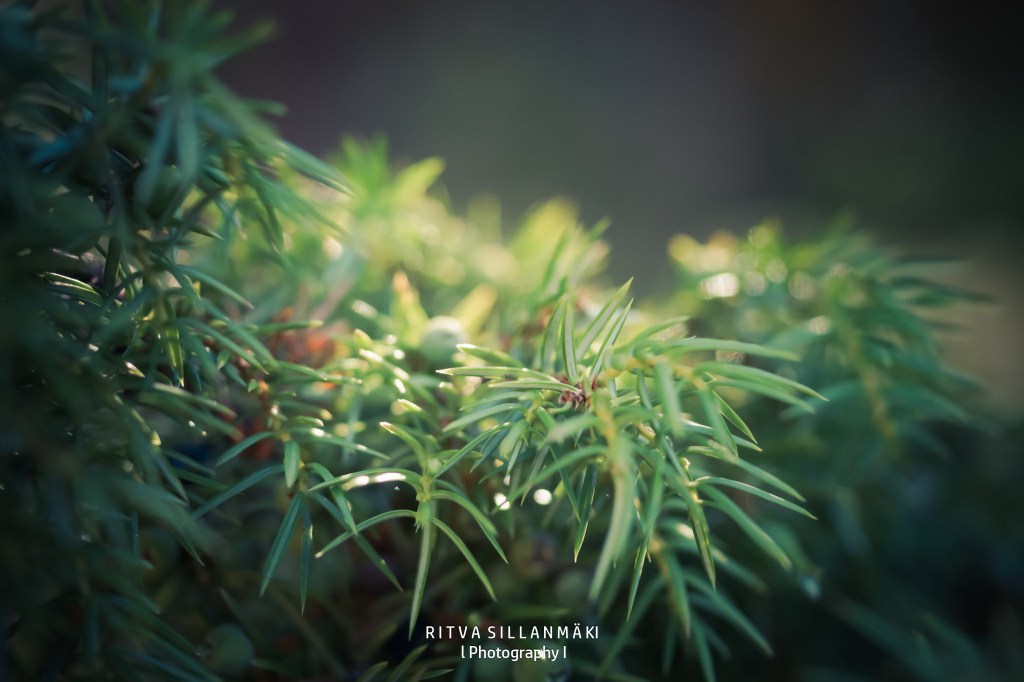
I took this photo of Juniper needles on Saturday, August 29th, when the light hit them just right, making them really pop.
SONY SLT- A65V – 50MM 2.8 MACRO SONY 7 III – E 28-200mm F2.8-5.6
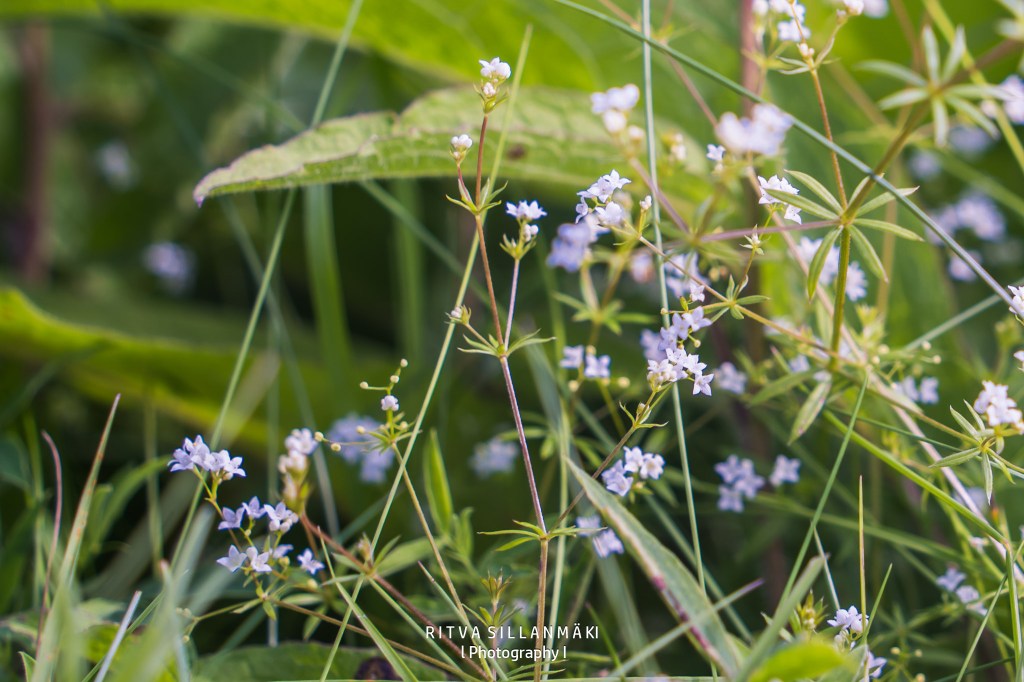
While walking by the meadow on August 20th, I spotted these delicate Fen Bedstraw flowers and couldn’t resist taking a photo. Then, on August 29th, I went to the cemetery to visit my parents’ grave, where I say this angel leaning on a rock that read, “We miss you.”
IPhone 17 PRO
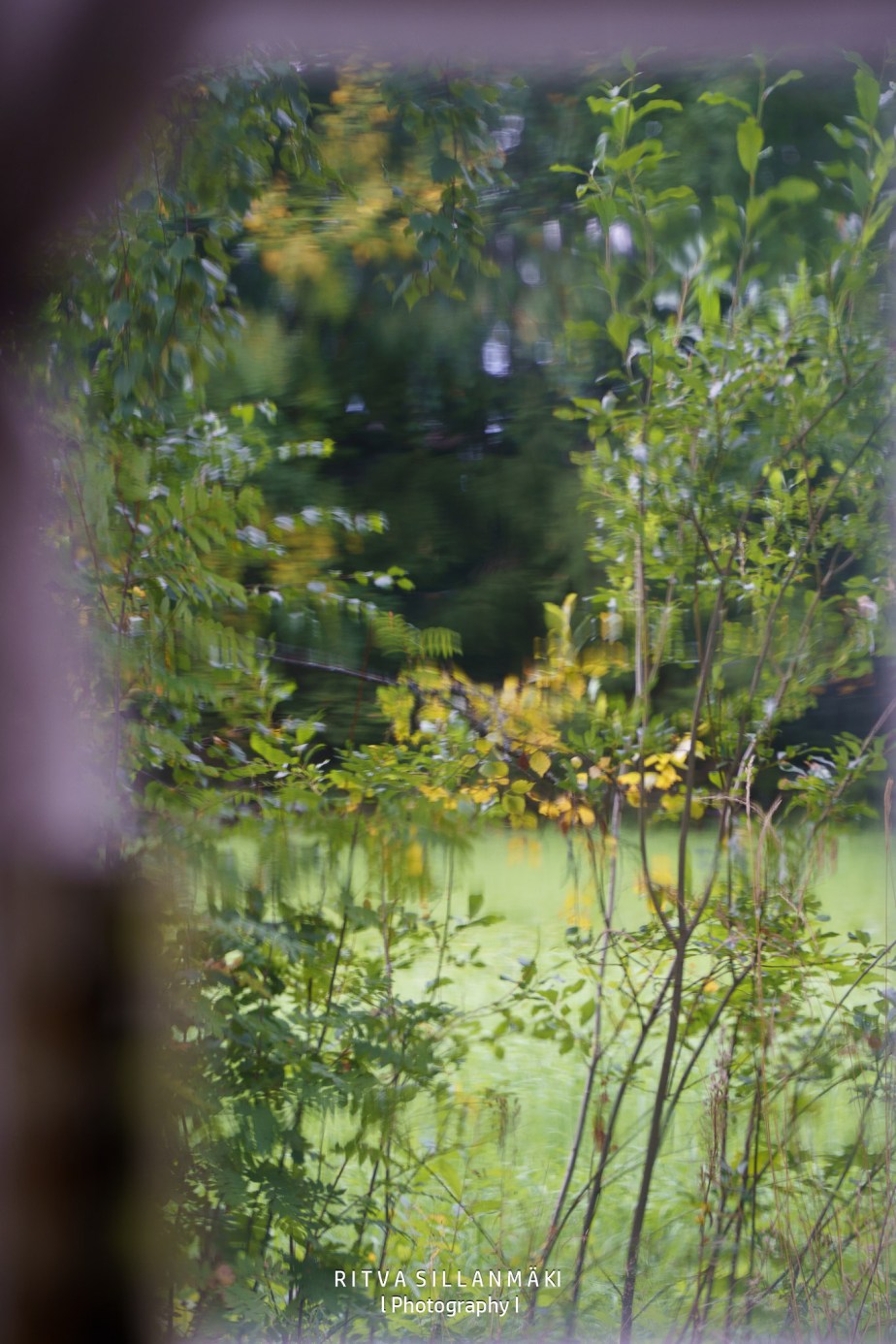
I captured this feature shot on August 20th, looking through an old window glass that beautifully distorts the image. For Bush Boy’s Last On The Card
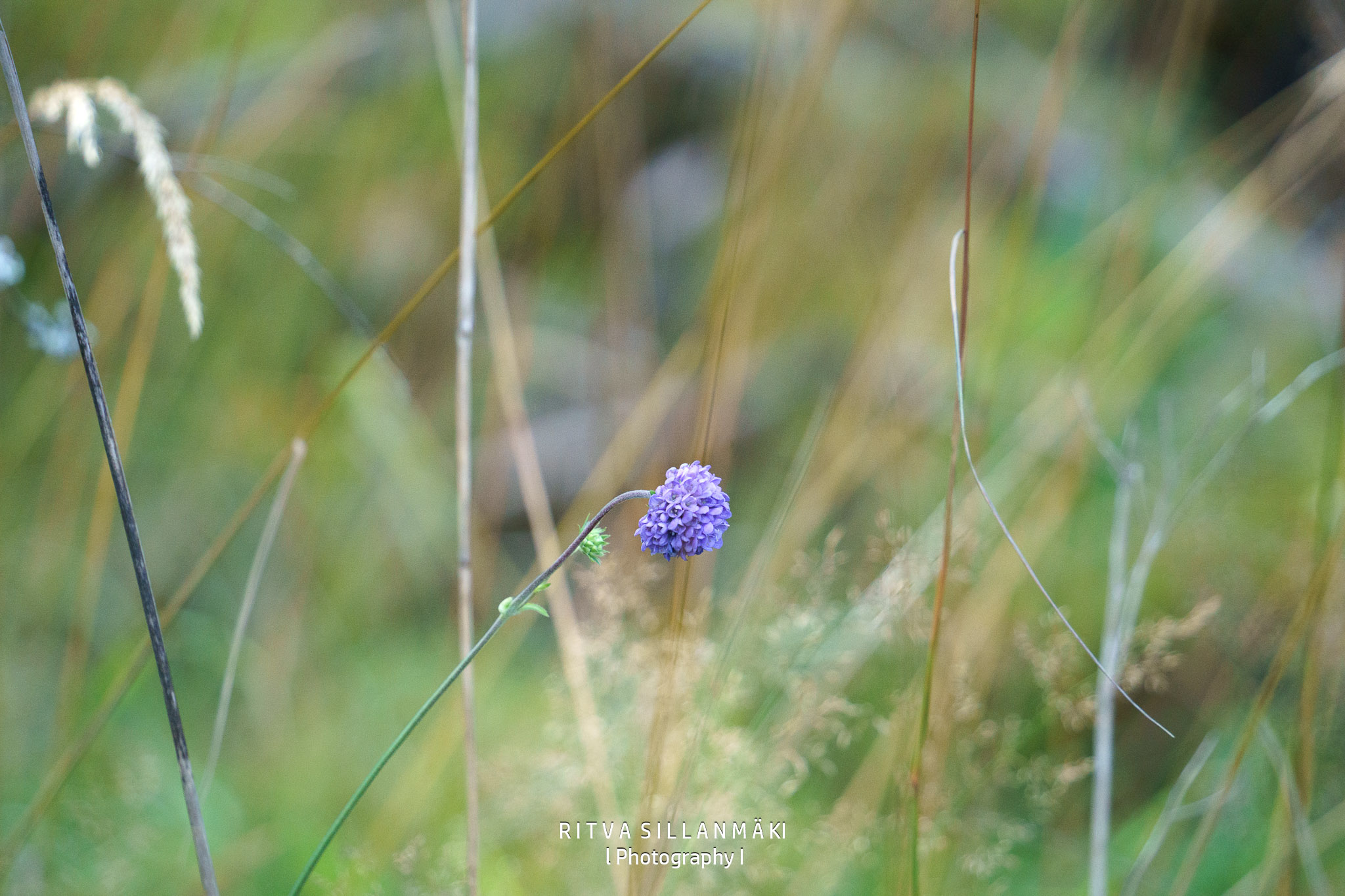
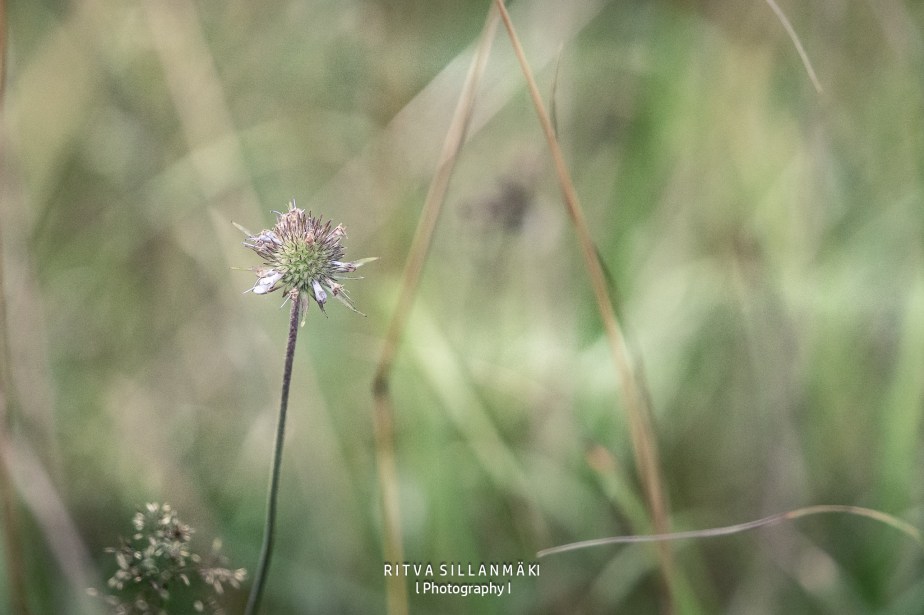
I was just thinking about where to point my camera during this time. Should I capture the Devil’s-bit scabious that’s either blooming or fading away, showcasing its intricate details and vibrant colors? Or maybe I should focus on the grass, which I believe is Calamagrostis epigejos, swaying gently in the breeze, its delicate blades reflecting the soft light? Then there’s also the Sow thistle, with its bright yellow blooms, and the cotton grass, which adds an ethereal quality to the landscape with its fluffy tufts dancing above the ground. What do you think? I did focus on all of them, keeping little distance so I could capture a mood I was aiming for – soft and light – delicate, evoking a sense of tranquility and harmony within nature. Each element plays a vital role in this ephemeral scene, weaving together a tapestry of colors and textures that resonate with the serene ambiance of the moment.
A delicate purple wildflower, Devil’s-bit scabious, emerges from a softly blurred meadow of green grasses.
Devil’s-bit scabious’s inflorescence resembles that of field scabious (Knautia arvensis), but differs in having smaller ray-florets and distinct leaf shapes. The two plants typically inhabit opposite environments; field scabious thrives in dry sands, whereas devil’s-bit prefers heavy clay areas. It is found in clearings, damp meadows, and along coastal regions, mainly in the west and south-west, with a distribution limit in central Finland. A historical climate barrier exists between coastal and inland populations, attributed to post-Ice Age climatic changes. The species has since spread to newer shorelines. LuontoPortti
Devil’s-bit scabious has a history of use as a dye, seasoning, tea, and medicine for various ailments. Legend has it that the Devil attempted to destroy the plant by biting off its root, which appears damaged as it ages. Its names are derived from the Latin term succidere, meaning “to break from the bottom.” This plant also supports insects, particularly butterflies and bees, as they prepare for winter.
Devil’s-bit scabious slowly fading Should the focus be on Hietakastikka
I think this grass is Hietakastikka (Calamagrostis epigejos), a perennial large grass species that thrives in a variety of habitats, often found in coastal areas and along riverbanks. It can be identified by its dense and large panicles, which are notably more pronounced compared to other Northern European grasses, contributing to its striking appearance. The spikelets, which are gray-green or bluish-brown, add to its visual appeal, especially when swaying gently in the wind. This species is not only valued for its aesthetic qualities but also plays a vital role in stabilizing soil and providing habitat for various wildlife, making it an essential component of the ecosystems it inhabits.
Softly blurred reeds and grasses create a serene, dreamlike abstract scene in muted green tones. This single twig pops into the focusDelicate Sormipaisukarve lichen-covered branches create an abstract pattern against a softly blurred green woodland background.
Sormipaisukarve (Hypogymnia physodes) is a type of lichen that grows on trees and rocks. It has become more common in recent years and is likely the most widespread lichen in Finland. This lichen is found throughout the country, especially in the south, and is rare in northern Lapland. Sormipaisukarve is a sign of air quality: in clean areas, it can grow up to five centimeters, while in polluted areas, it stays under one centimeter.
A delicate wispy Cotton grass glow softly against a dreamy, blurred woodland background.
Cotton grass (Agrostis capillaris, syn. Agrostis tenuis) is a common grass species that thrives in a variety of habitats, including meadows, fields, and along roadsides. Its tall, slender stems and fine leaves create a delicate appearance, making it a notable feature in the landscape. Additionally, this grass species plays a vital role in the local ecosystem, providing food and shelter for various insects and small animals. It is an ancient introduction in Finland, where it has adapted to the climate and soil conditions, contributing to the rich biodiversity of the region.
A delicate The Sow thistle glows softly amid sunlit grasses and warm, dreamy bokeh.
The Sow thistle reached Finland after the Ice Age from the south and west. The populations from different directions are separate, and changes in distribution are very small on a human scale. The species grows in the Åland Islands and Uusimaa, mainly in the pine forests and edges of the Lohja region. Human activities do not threaten the species; instead, they often help it by creating more open areas with light, which the plant prefers. In some locations, it has even spread to roadsides and railway embankments.
Humans have also utilized sow thistle; the plant’s sturdy taproot is edible and tastes good. Instead of starch, the root contains inulin sugar, making it excellent for diabetics. One would think the sow thistle would stand out in the open pine forest, but its abundance and entire existence can go unnoticed, as it is often present only as leaf rosettes. The rosette somewhat resembles ribwort plantain (Plantago lanceolata), but the large flower heads that often open as early as May reveal that the plant belongs to the daisy family.
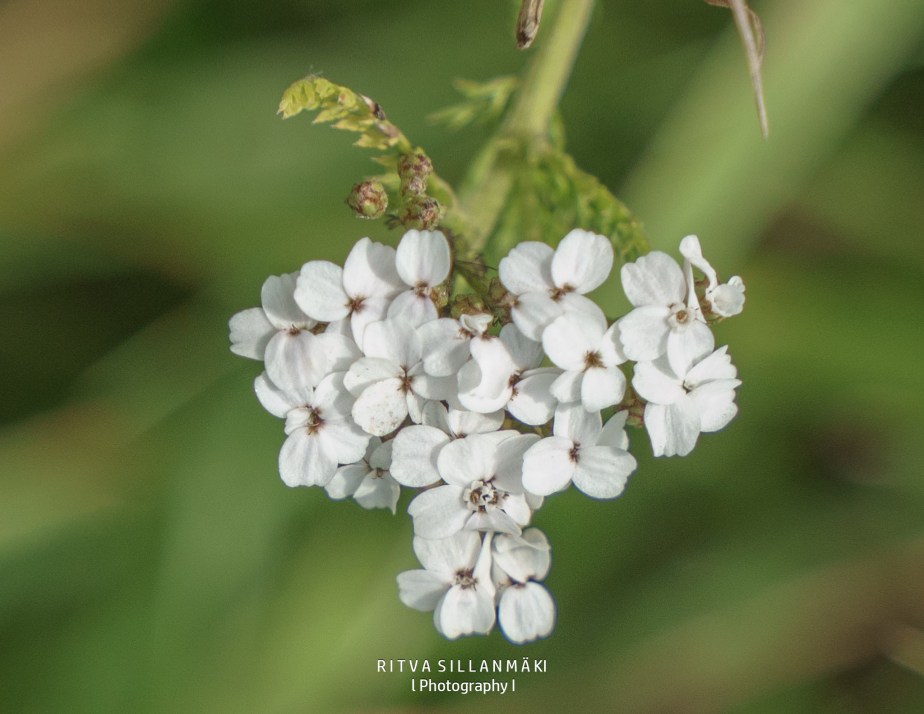
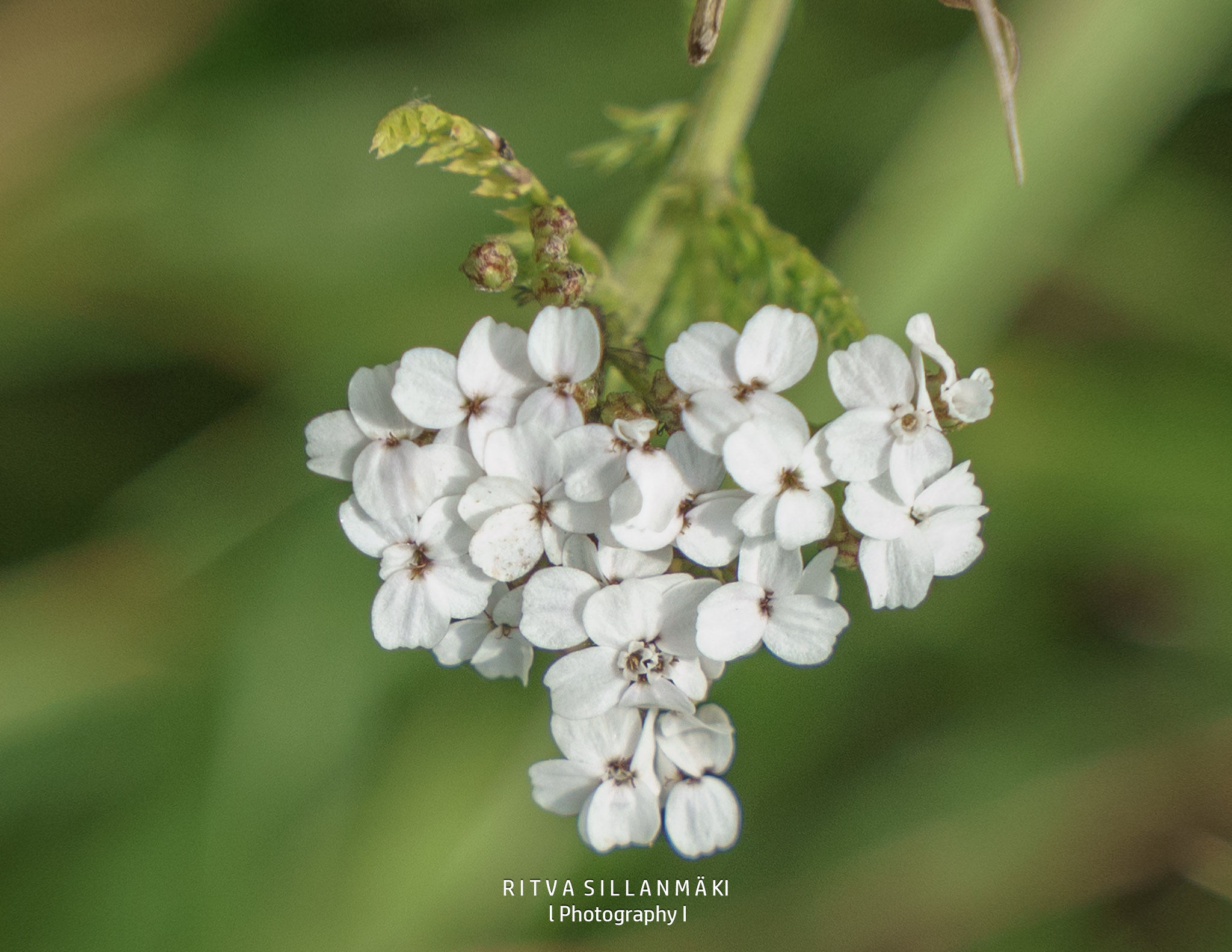
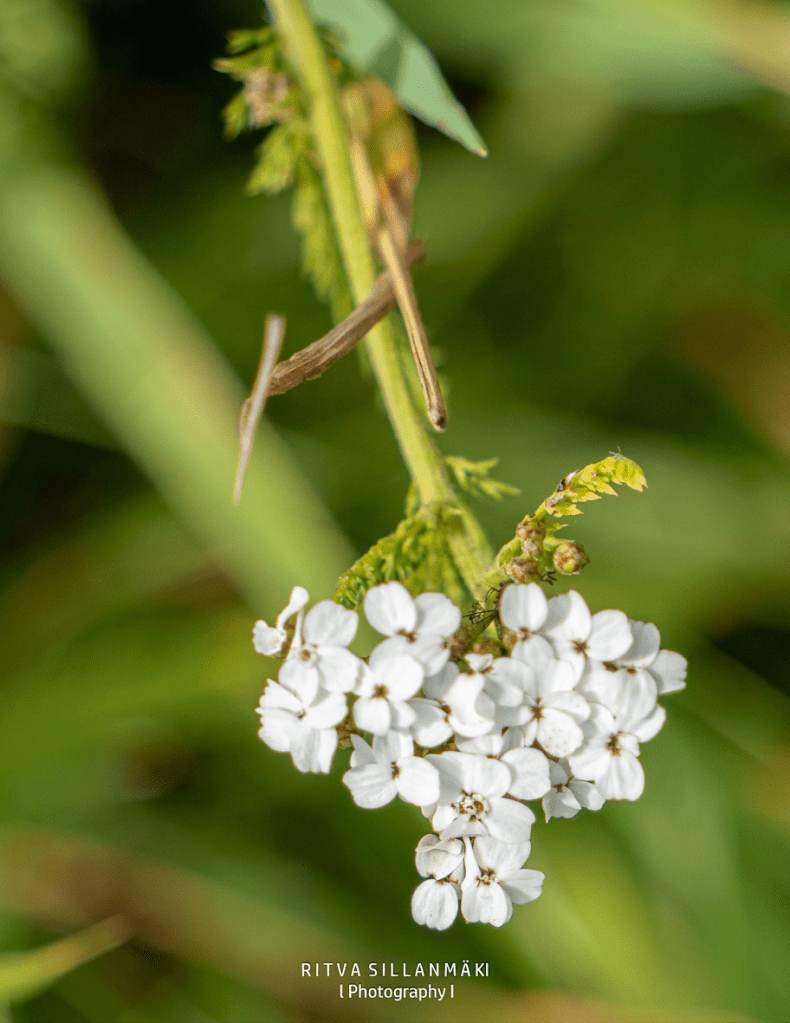
You might have seen couple of my previous posts about heart shaped flower clusters, this time I found one in the by the road on a meadow. Yarrow is one of those plants you’d easily recognize in Finland’s meadows, especially since it has a ton of local names. You’ll often find it thriving in open areas where people hang out, not just in clearings but even in thicker forest undergrowth and along the sides of forest roads.
A delicate heart shape cluster of white wildflowers stands out against a softly blurred green background.
Yarrow on the meadow
The plant’s scientific name, Achillea, is a nod to the legendary Greek hero Achilles. Traditionally, yarrow has been used as a medicinal herb for various issues like cramps, fevers, and slow-healing wounds, and it’s still enjoyed as a tea in Finland today. That said, it’s not for everyone; some folks might get a rash just from touching it, and taking too much can lead to dizziness and headaches. Its unique scent comes from the bitter compounds and volatile oils in the shoots, which give off that classic herb-like aroma. Interestingly, the flowers emit a smell that flies and beetles find appealing. When winter hits, some of the seeds from a pollinated yarrow plant stay on it and disperse across the snow, and even small birds like bullfinches and redpolls snack on them throughout the cold months.
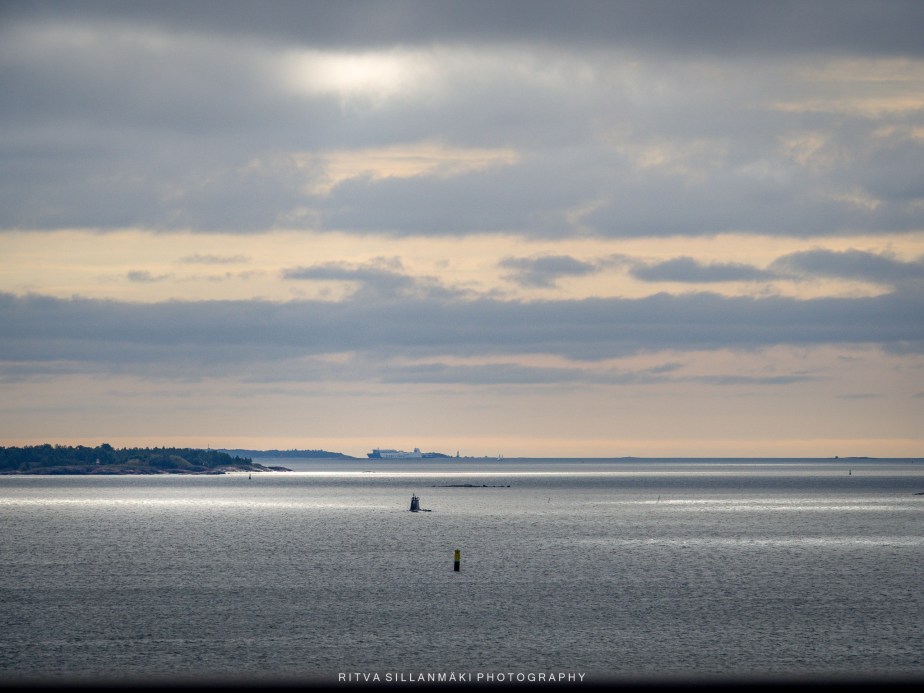
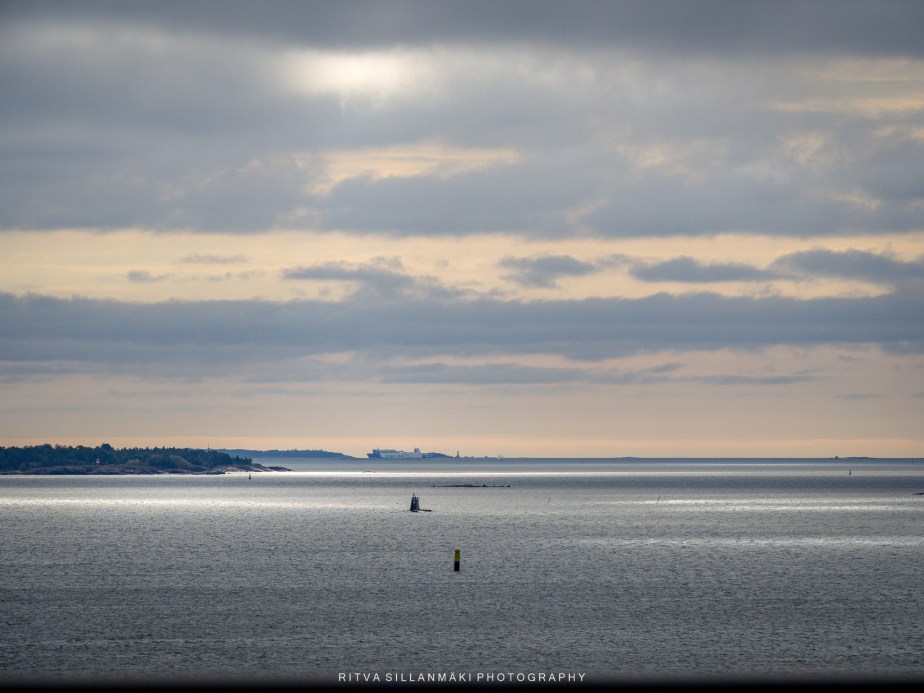
I was trying to capture the wide coastal seascape that stretches beneath a vast sky filled with layered gray and blue clouds, with warm pale light breaking through near the horizon while on a ferry crossing to Estonia in the summer. In the distance, a tree-covered island and a returning ferry sit along the low horizon, while navigation markers punctuate the gently rippled foreground water. The muted blue-gray palette and diffused lighting create a quiet, atmospheric seascape.
A ferry crosses calm coastal waters beneath layers of softly illuminated clouds.
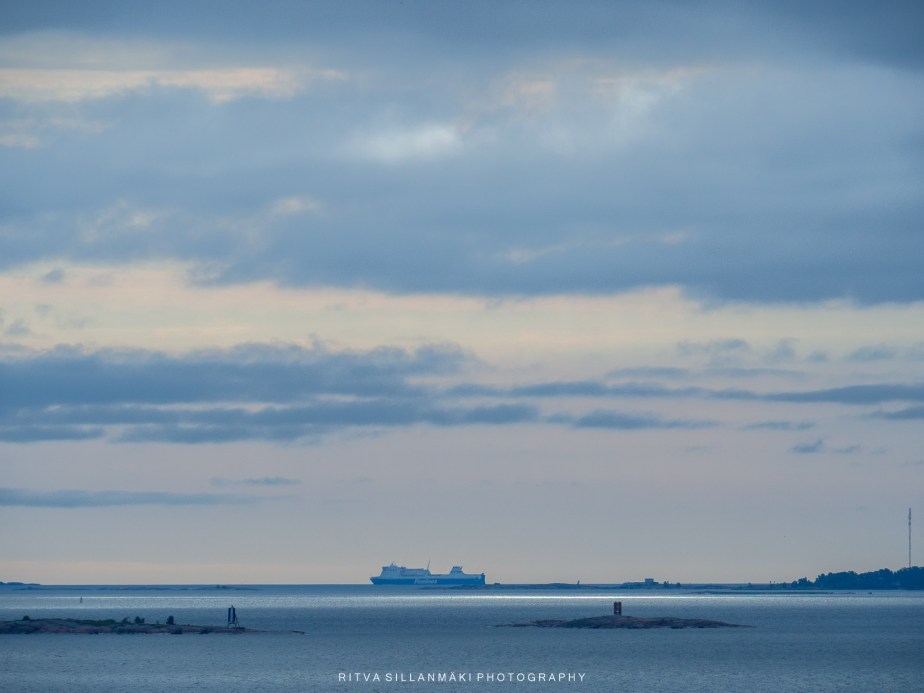
The color of the sky changed depending on what I was looking at, unveiling an astonishing spectrum that embraced everything from soft pastels to vibrant hues. In those fleeting moments, it felt as if the sky was painting a unique picture just for me, transforming the atmosphere around me in ways that spoke to my heart. I always marvel at that gentle transformation, feeling a profound sense of wonder and gratitude for nature’s artistry. As the clouds drifted and the light shifted, it created a breathtaking canvas that reminded me of the beauty and fleeting nature of our world.
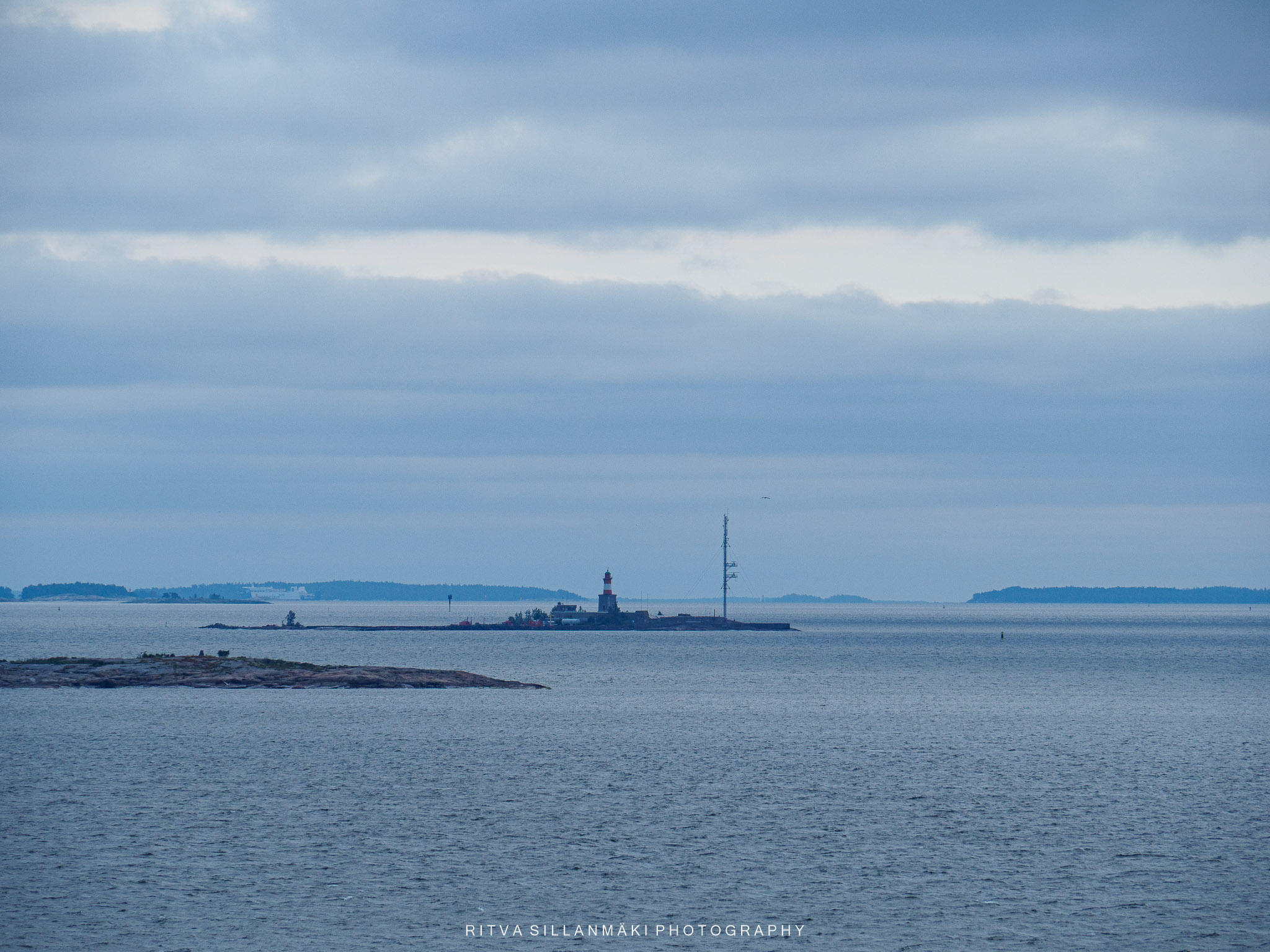
A Finnlines ferry cruises across calm blue waters beneath layered morning clouds and a softly lit horizon.A small lighthouse island beneath layered blue-gray clouds and a calm horizon.
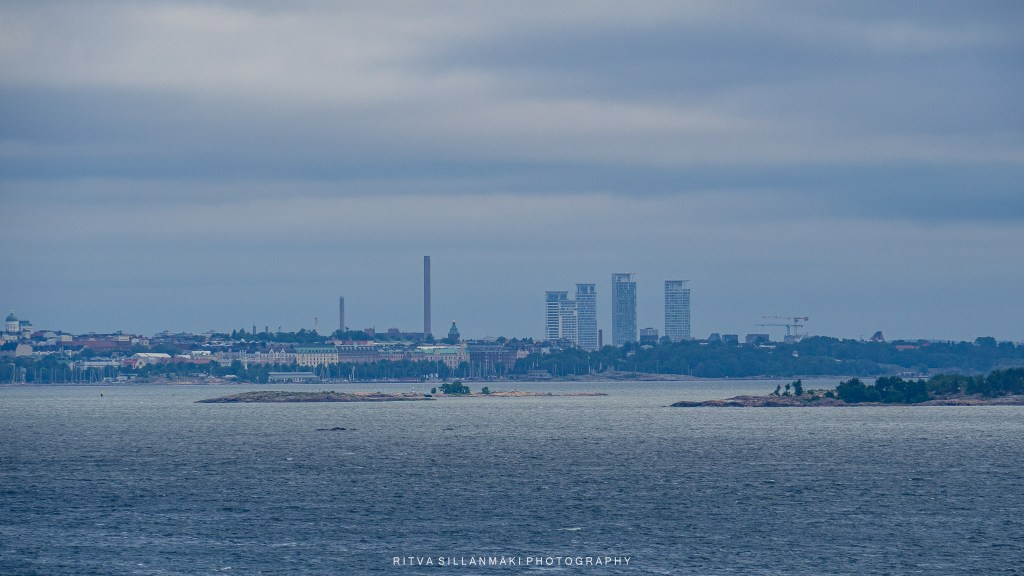
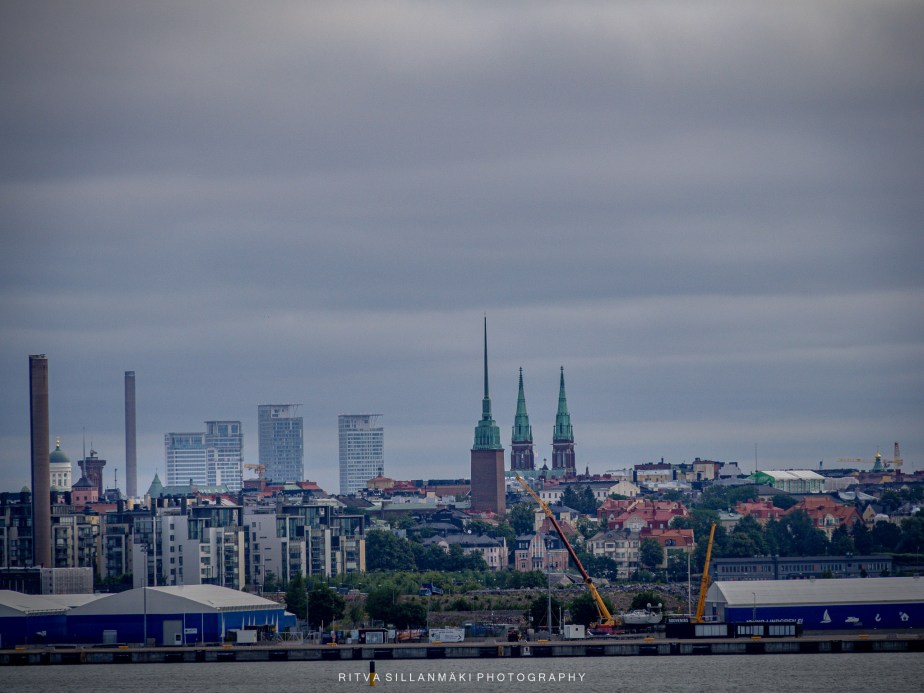
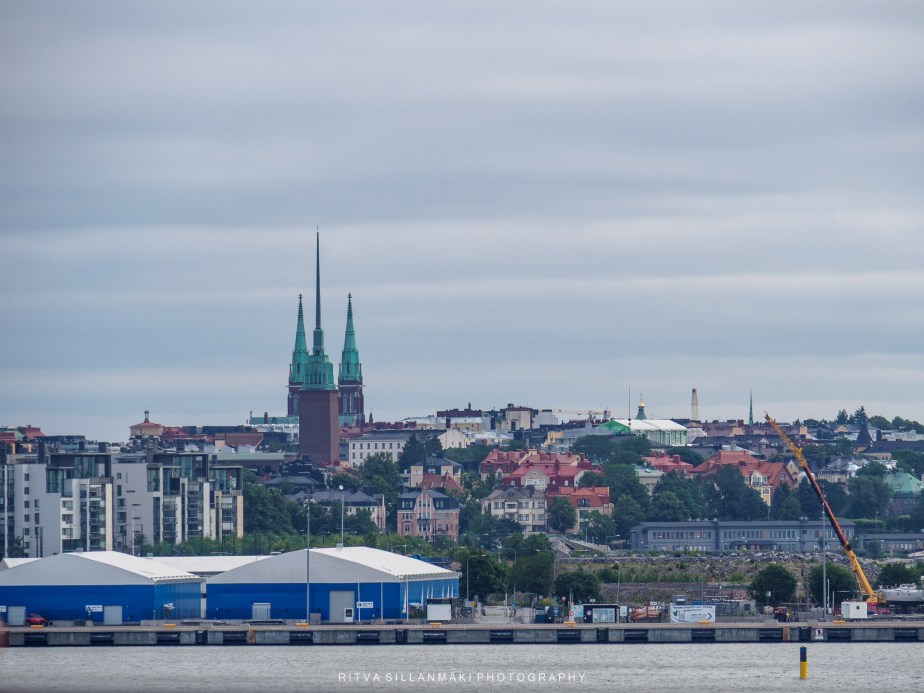
As an afterthought, I might as well take some photos of the Helsinki coastline. While I found myself a bit too far to get the best shots. This is what I got; you often ignore the sights that are part of everyday life, taking for granted the beauty surrounding you. Had it been some other coast, my camera would have been shooting at high speed, capturing every possible angle and detail, what is too close to home that often go unnoticed in our busy lives.
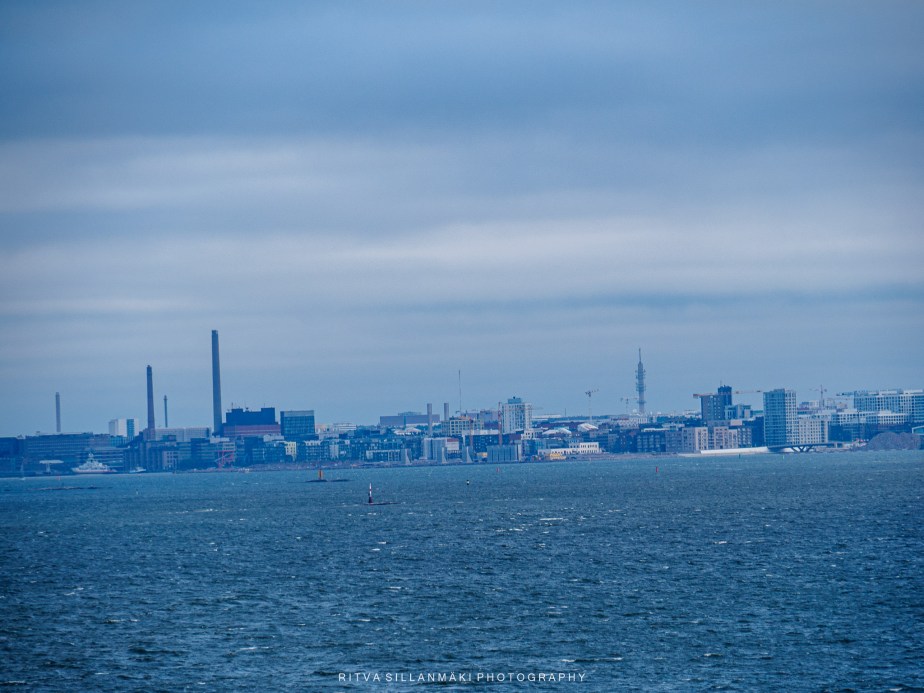
Helsinki seen from the sea. You can see the recognizable tower buildings of Helsinki’s Kalasatama (such as Majakka, Loisto, and Lumo One) from a distance at sea or from the opposite shore, and in the background, the distinctive stack landmarks of power plants like Hanasaaren or Salmisaaren can also be seen.
In the first two photos you can Mikael Agricola Church: It is clearly distinguished in the picture by its long and narrow bell tower, which is about 97 meters high. St. John’s Church: Its two green-capped neo-Gothic twin towers are visible in the group of churches next to Agricola Church. Jätkäsaari and Ruoholahti areas: In the foreground and to the left, there is newer apartment building construction and harbor cranes.
The Mikael Agricola Church, It is clearly distinguished in the picture by its long and narrow bell tower, which is about 97 meters high. St. John’s Church: Its two green-capped neo-Gothic twin towers are visible in the group of churches next to Agricola Church
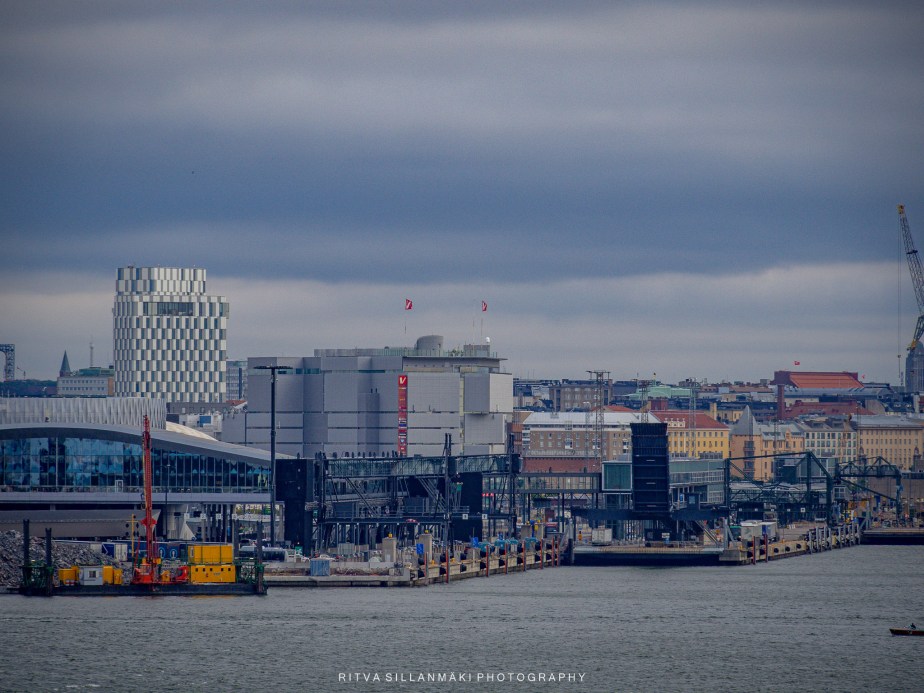
The image shows the West Harbour of Helsinki and the coastal scenery of Jätkäsaari, with the distinctive tower of Clarion Hotel Helsinki visible in the background.
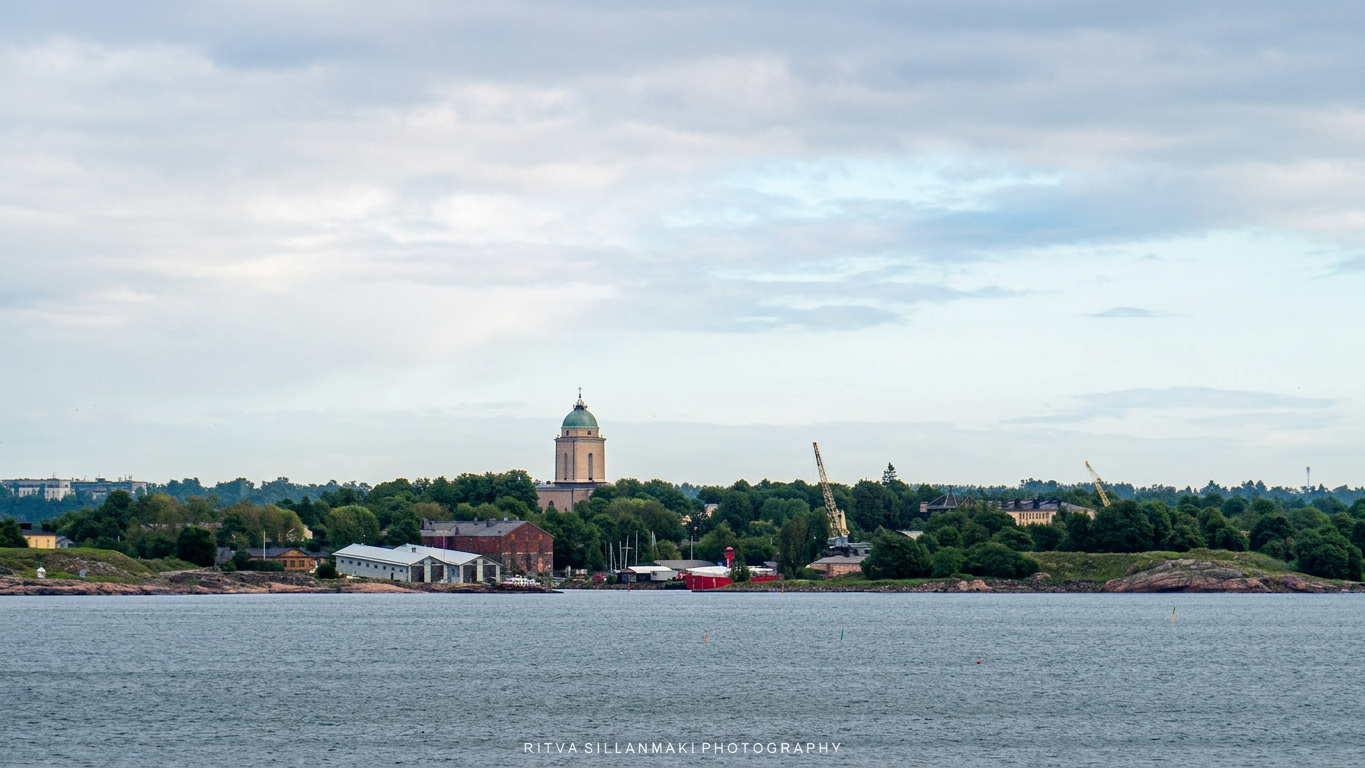
The Suomenlinna maritime fortress, a historical site near Helsinki with a distinctive church dome, is now a UNESCO World Heritage Site. The central tower is part of the Suomenlinna church, which also serves as a lighthouse.
.
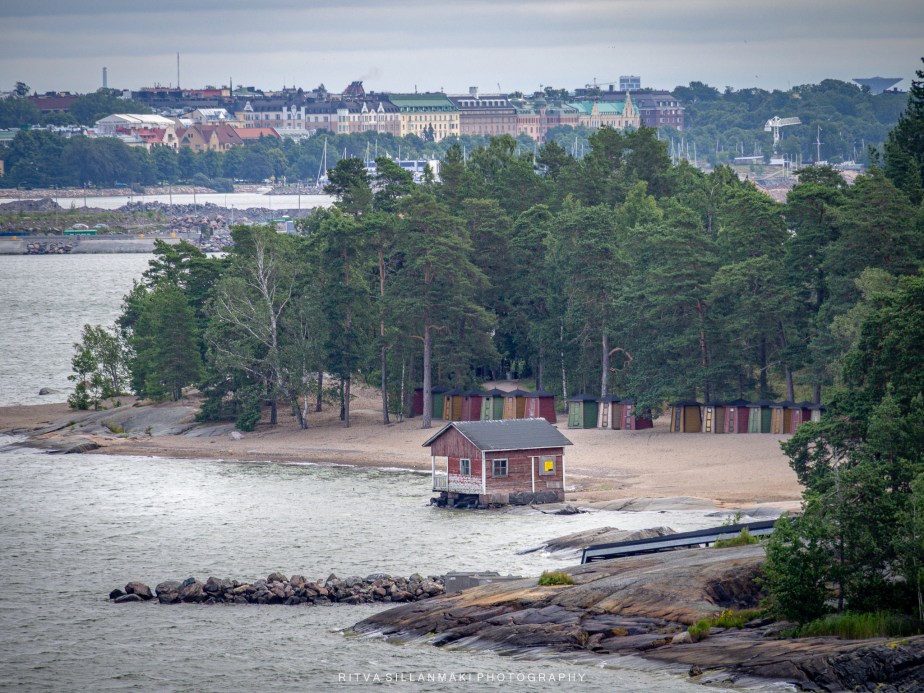
The beach house and sandy beach visible in the picture are located at the swimming beach of Pihlajasaari in front of Helsinki, on the western part of Pihlajasaari, it is a popular outdoor and recreational destination in front of Helsinki, right southwest of Hernesaari and Kaivopuisto.
The Helsinki city skyline as viewed from the sea, whether from the west or south heading towards the city center, particularly showcasing areas like Ruoholahti, Jätkäsaari, or Salmisaari. On the left, the towering chimneys of the Salmisaari power plant stand out prominently, while the right side reveals an urban landscape filled with various buildings and masts.