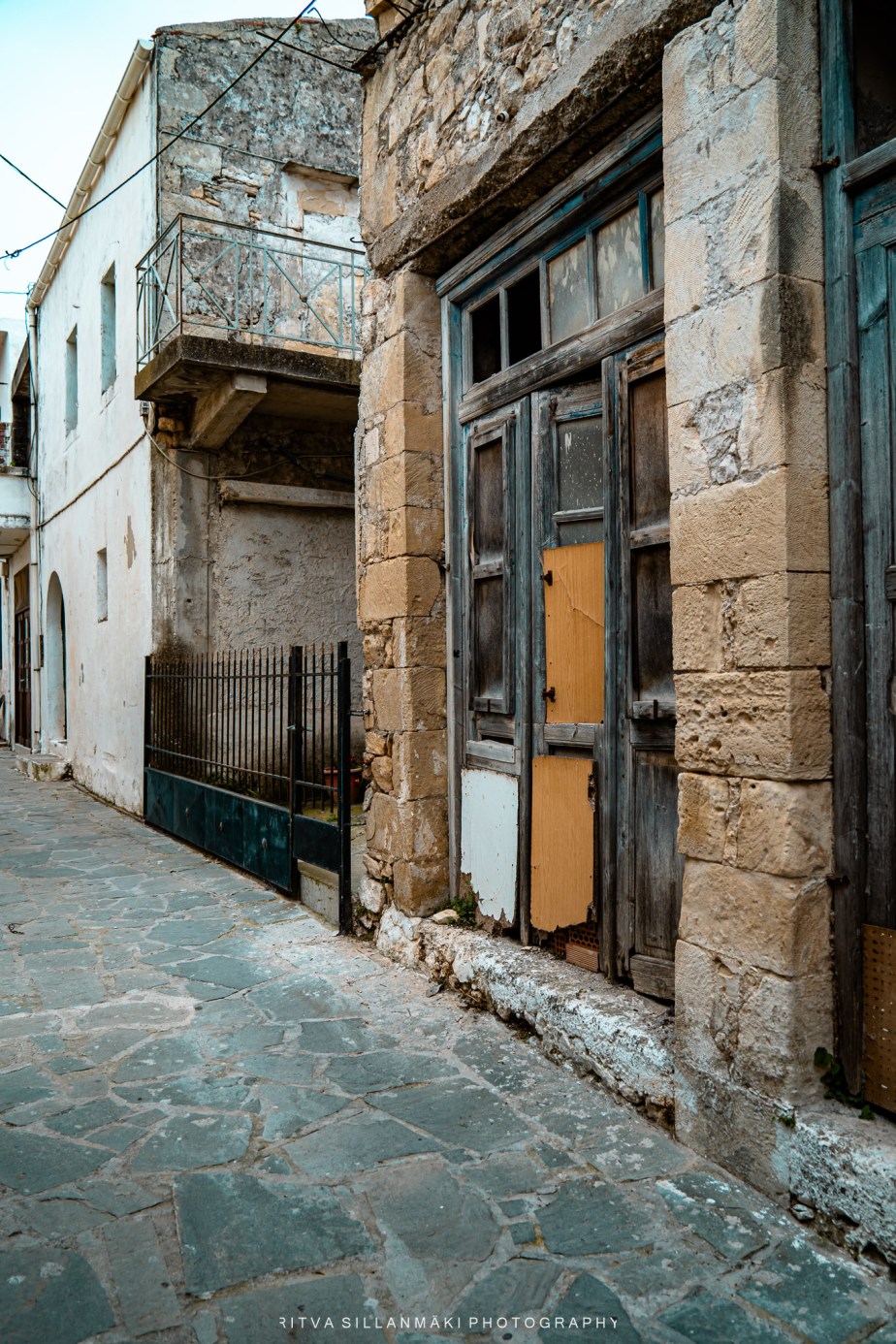
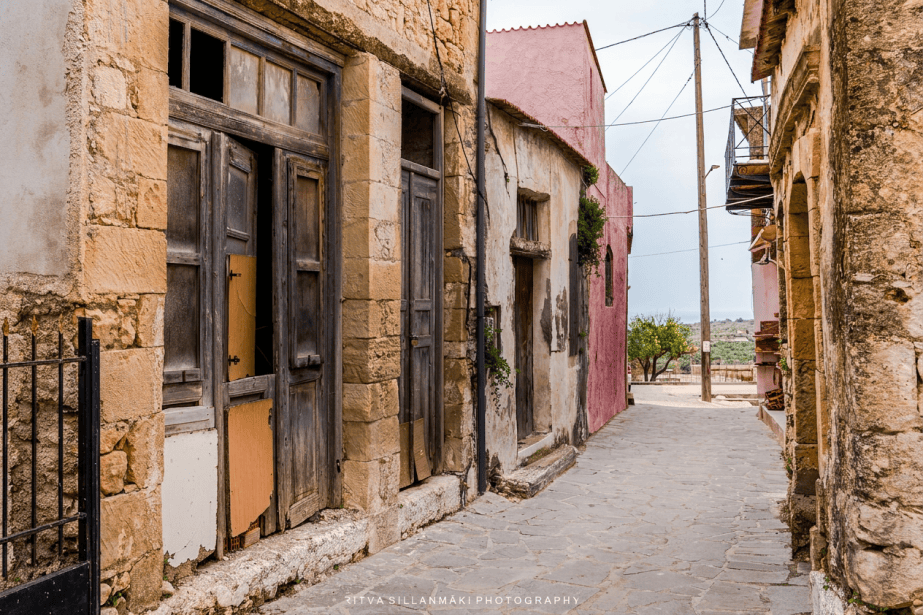
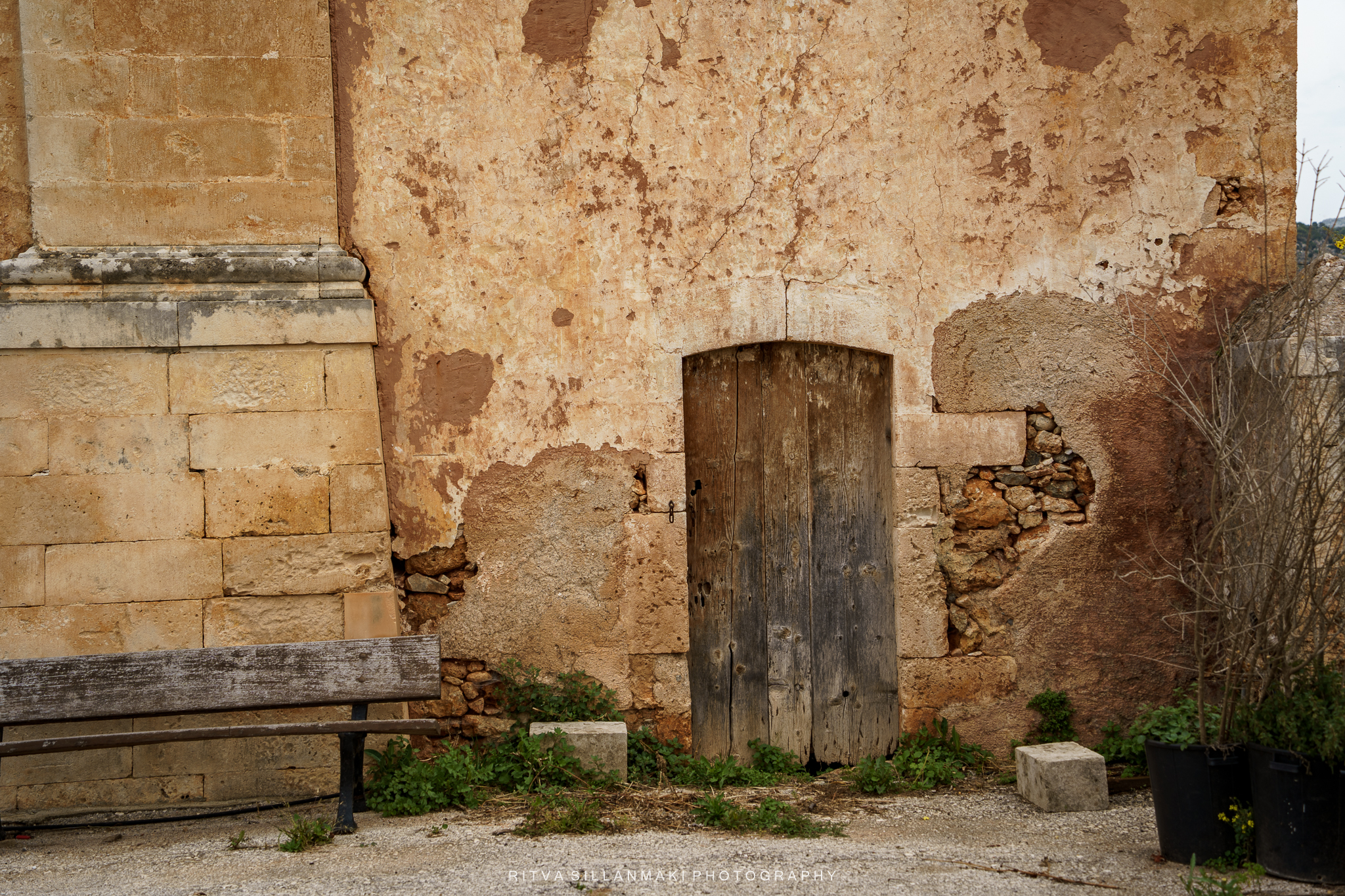
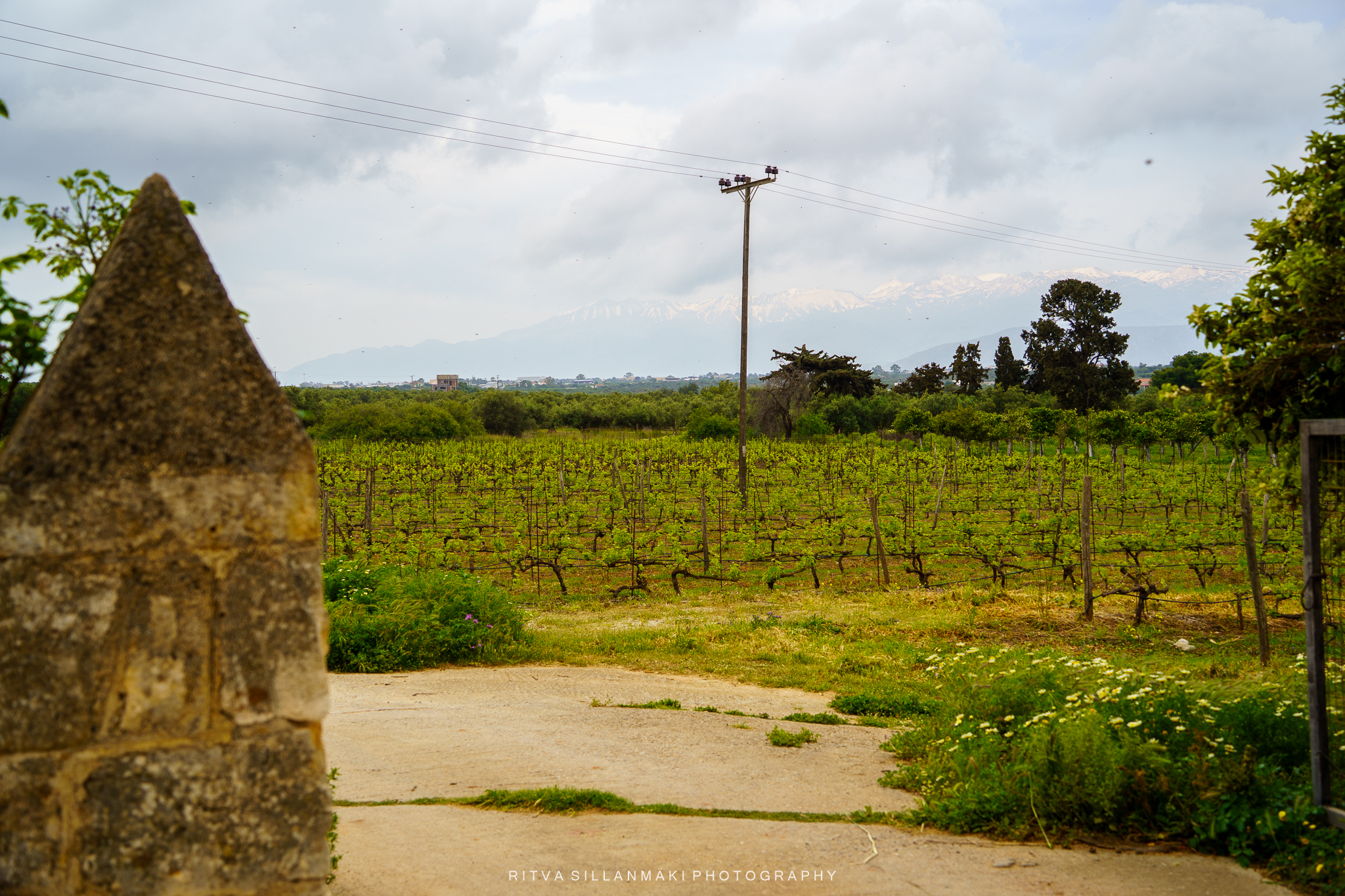
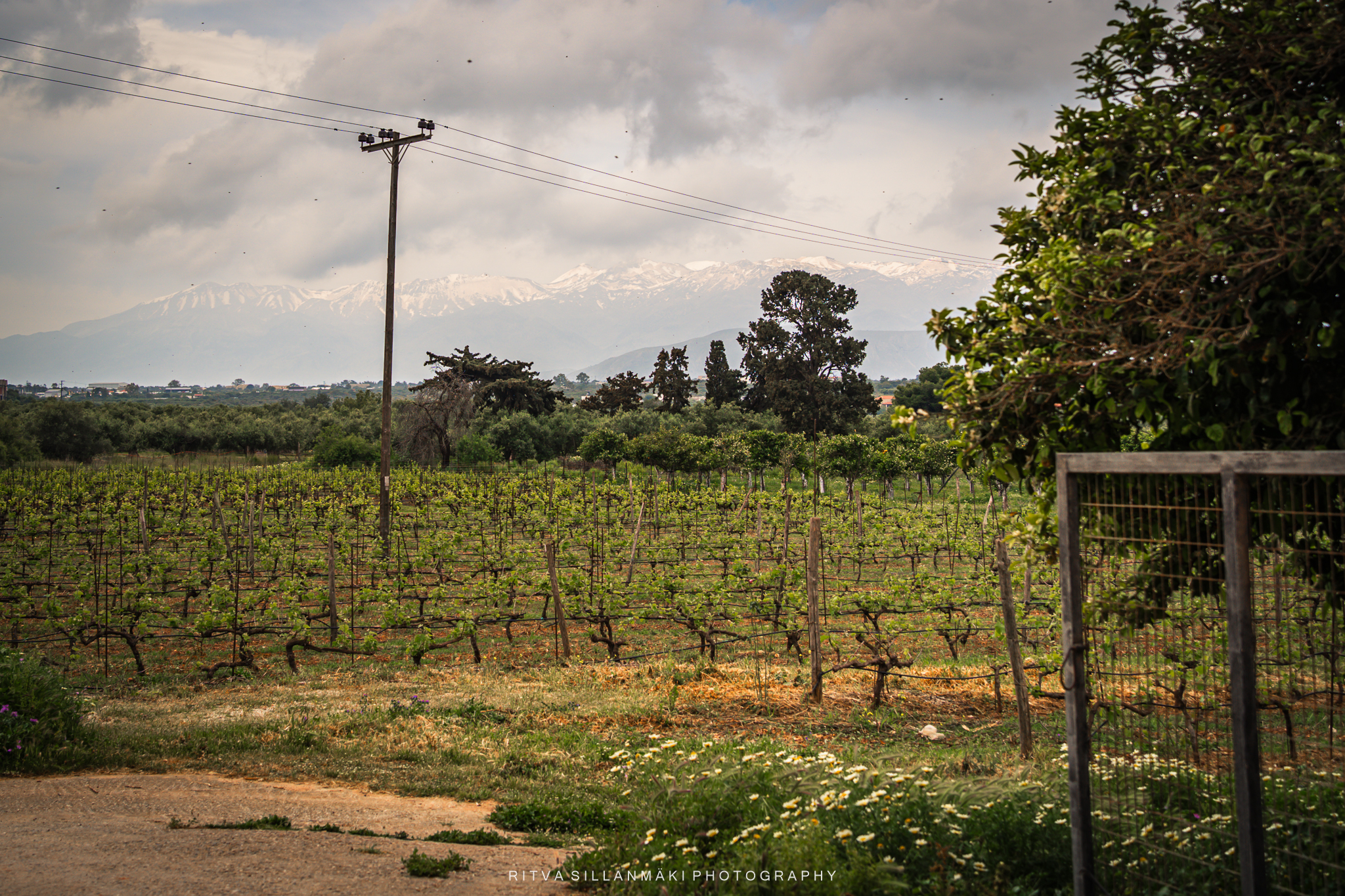
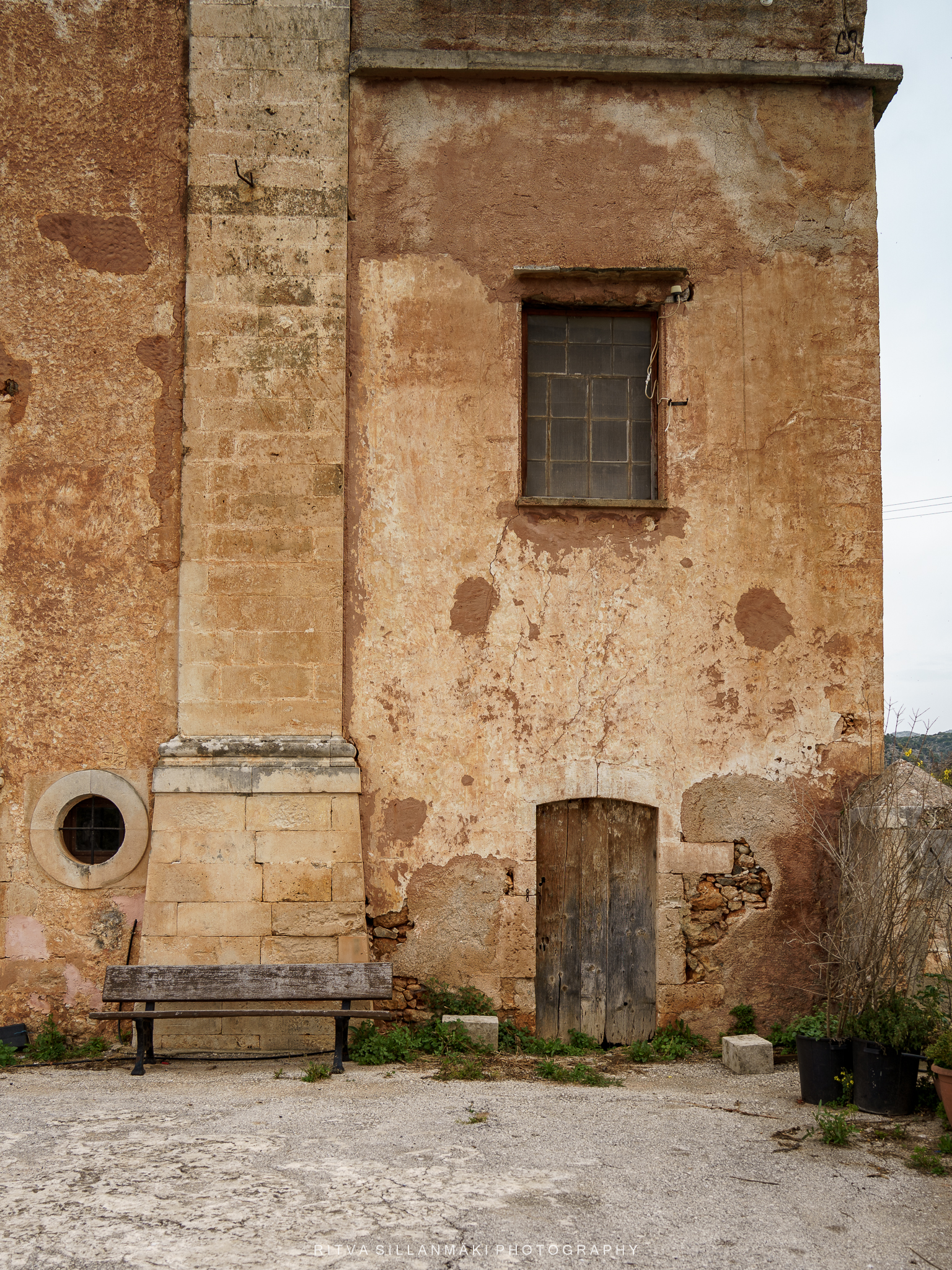
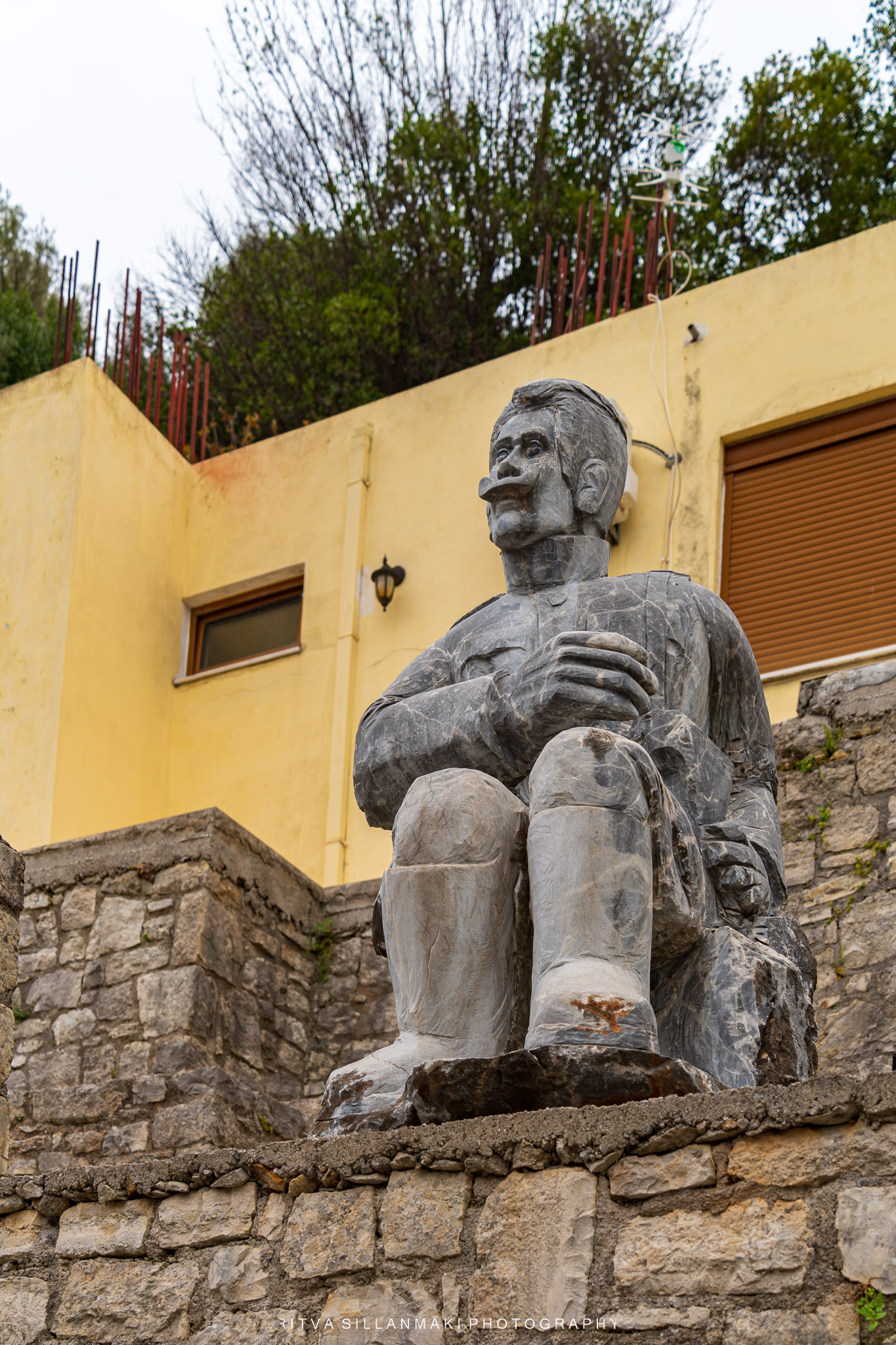
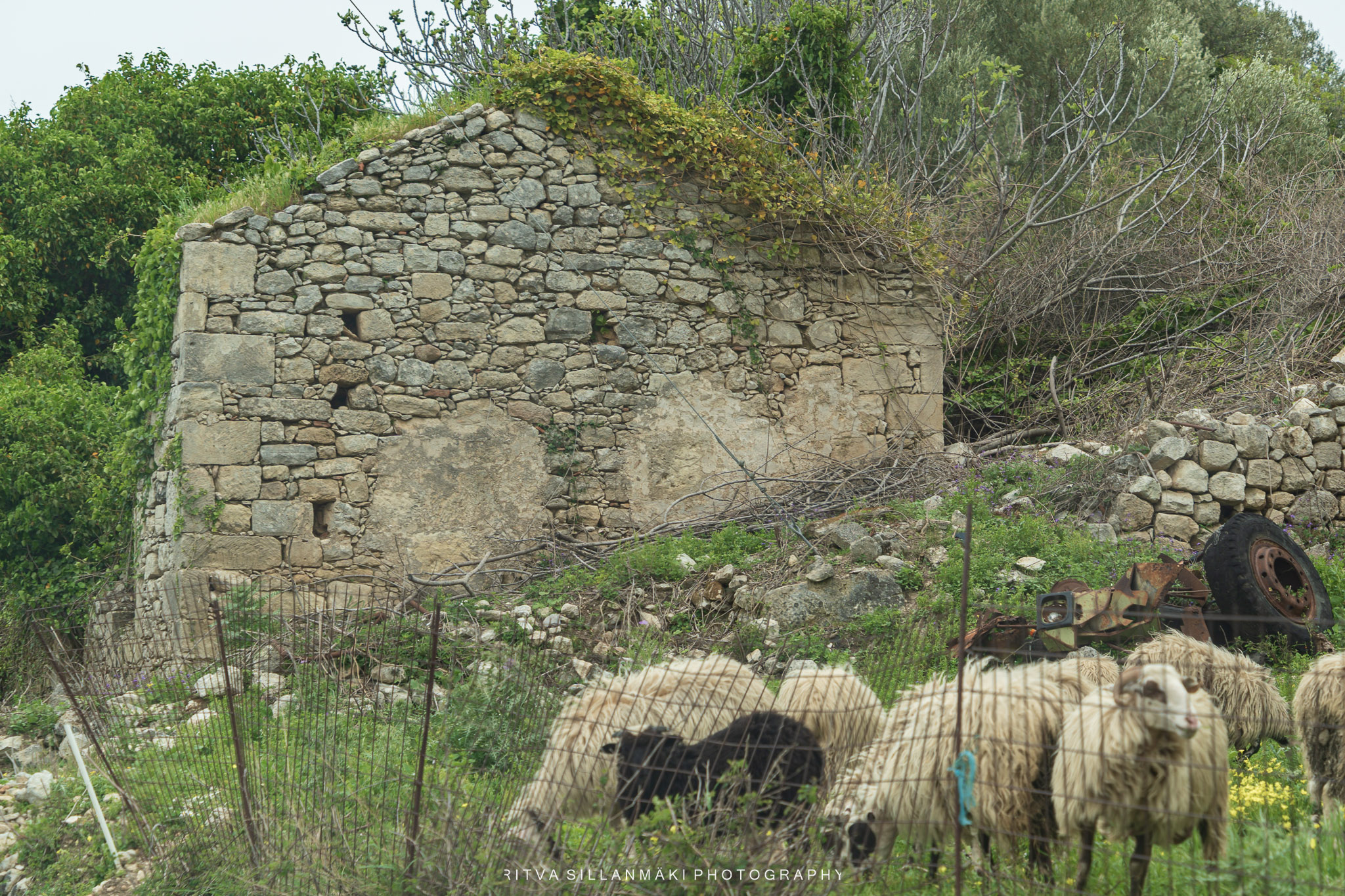
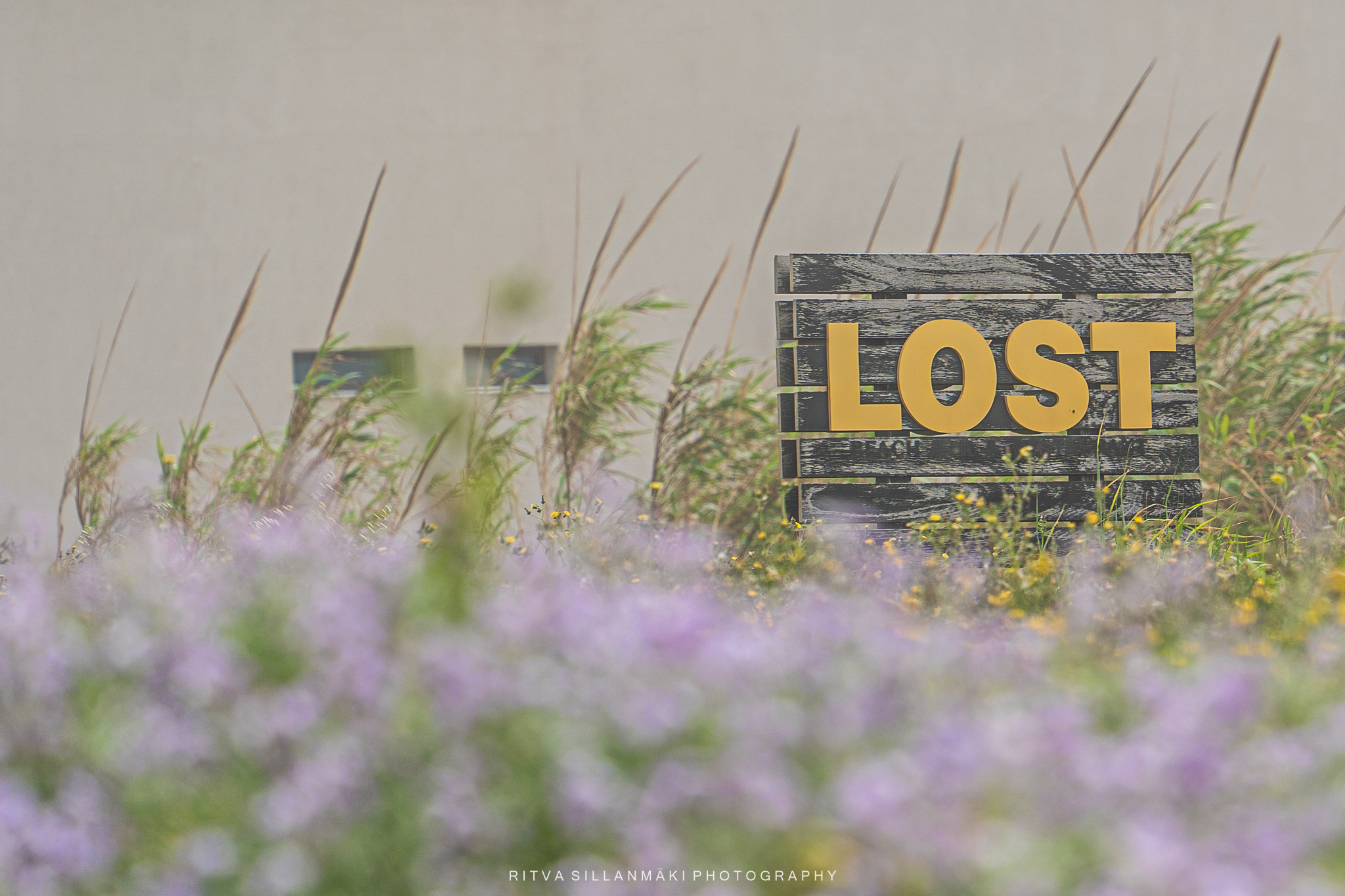
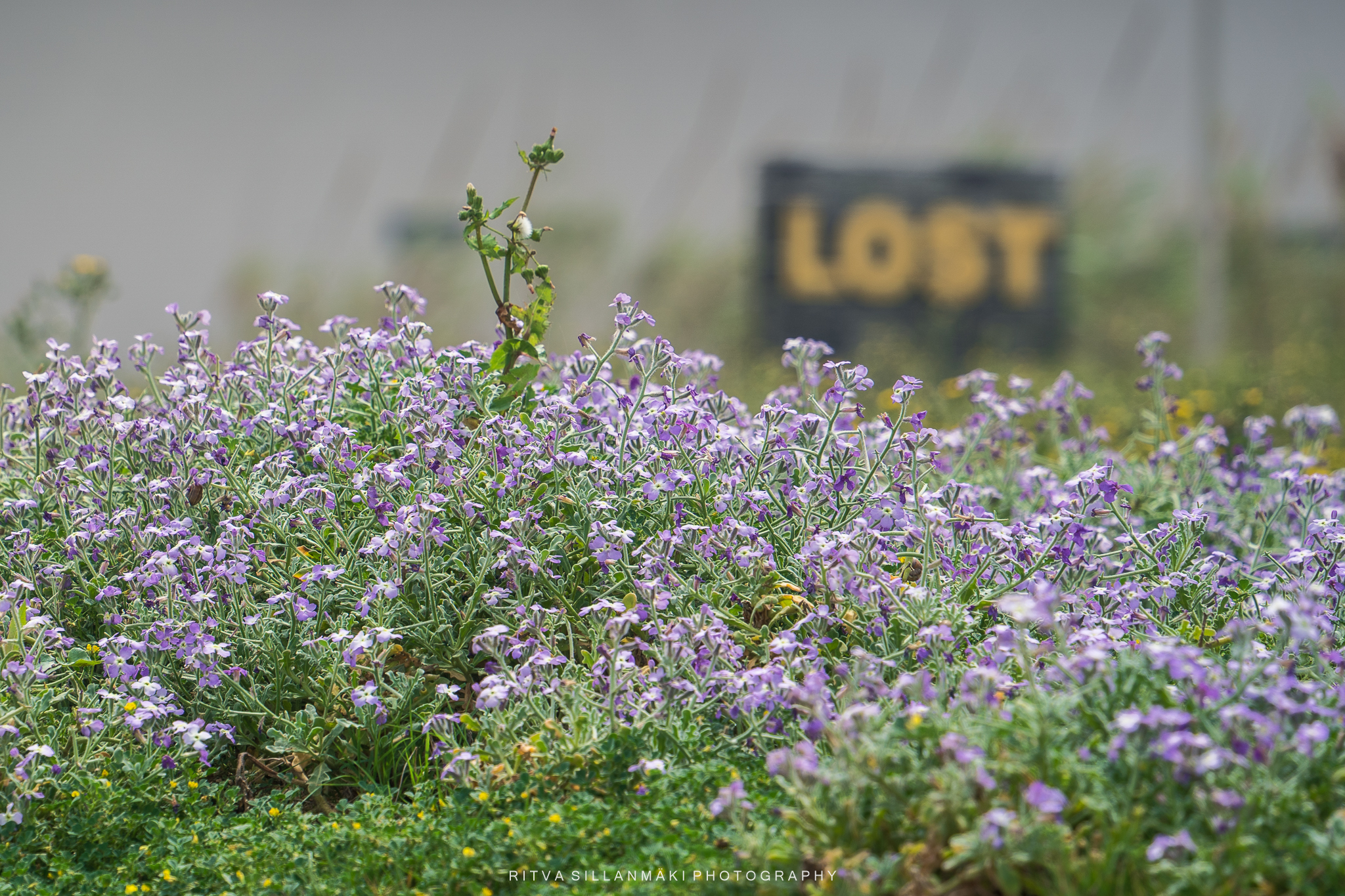
I’m happy to still have photos of doors and windows from Grete, as they allow me to take part in both Thursday Doors and Monday Windows; for me, these themes are closely linked. I also have some images from our trip to Norway I will be sharing. Currently, we find ourselves making frequent trips between our home and summer place due to the renovations at our summerhouse, and with all the preparations needed before construction began—especially the extensive tree removal—we now need to chop and stack what’s been cut, which is quite time-consuming as my husband is mainly doing it by himself due to my health issues. The rainy weather isn’t making this task any easier, meaning there’s little opportunity to travel in search of new doors and windows. Hence, I’ve been leaning on my archives.
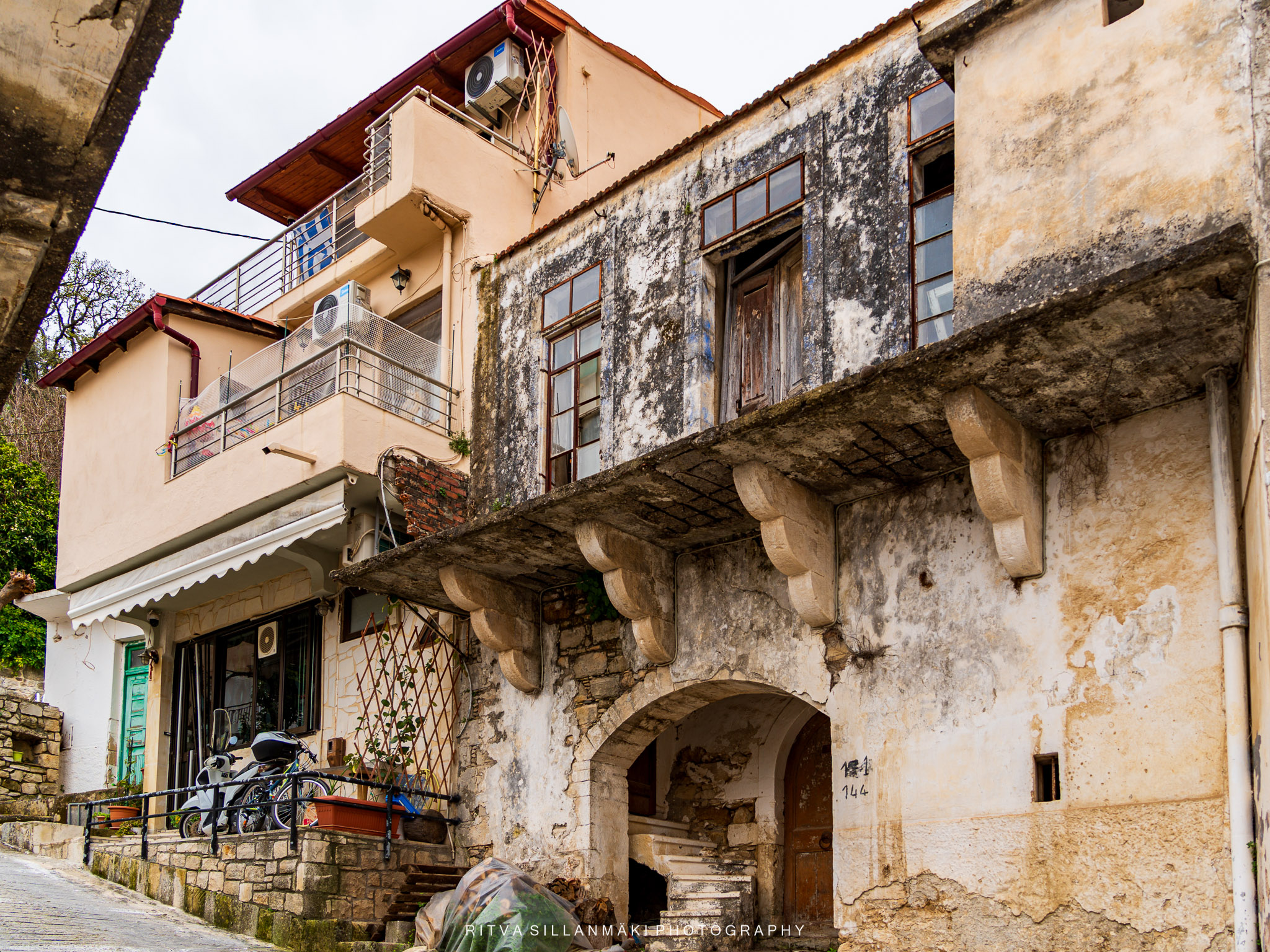
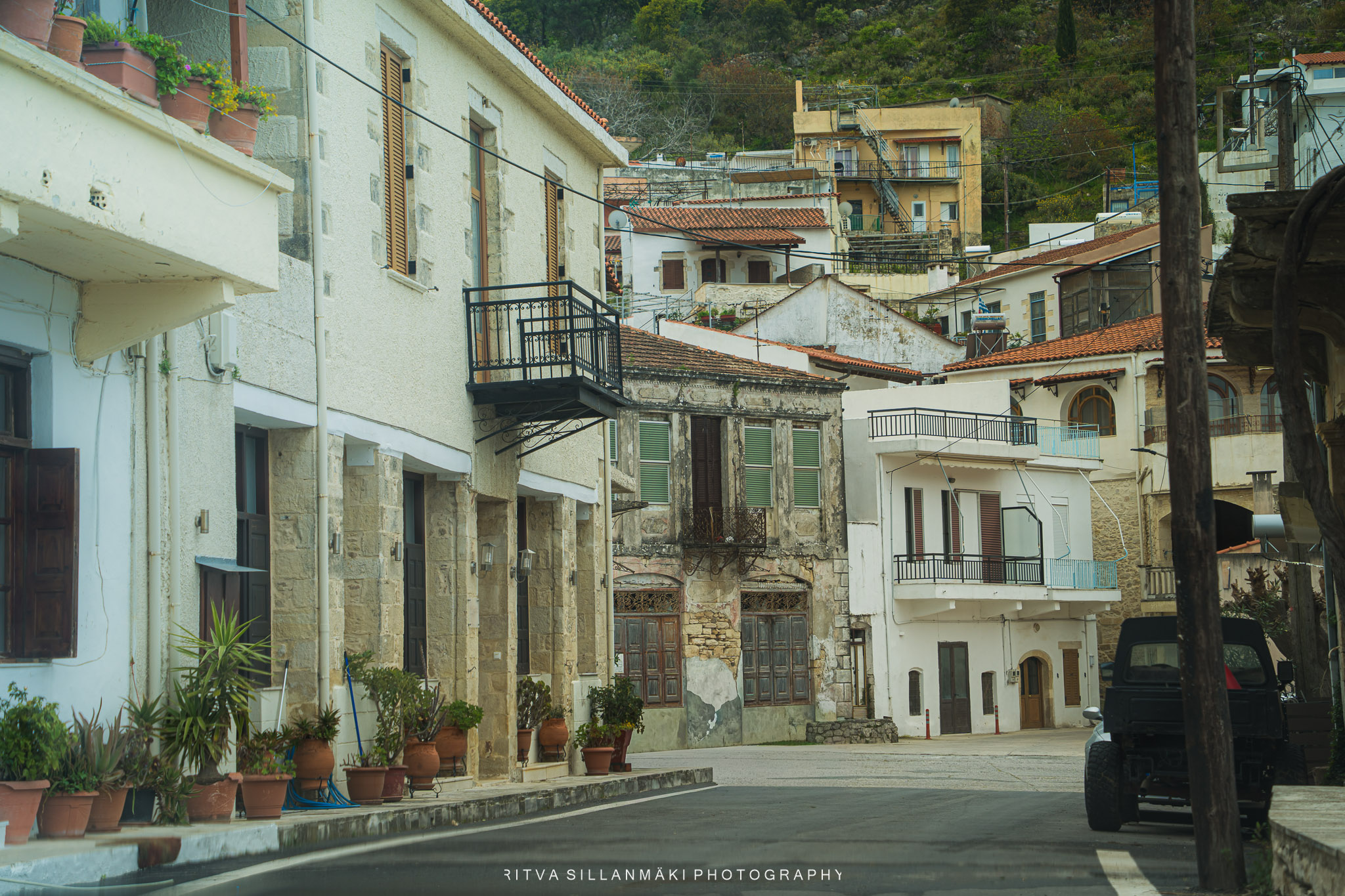
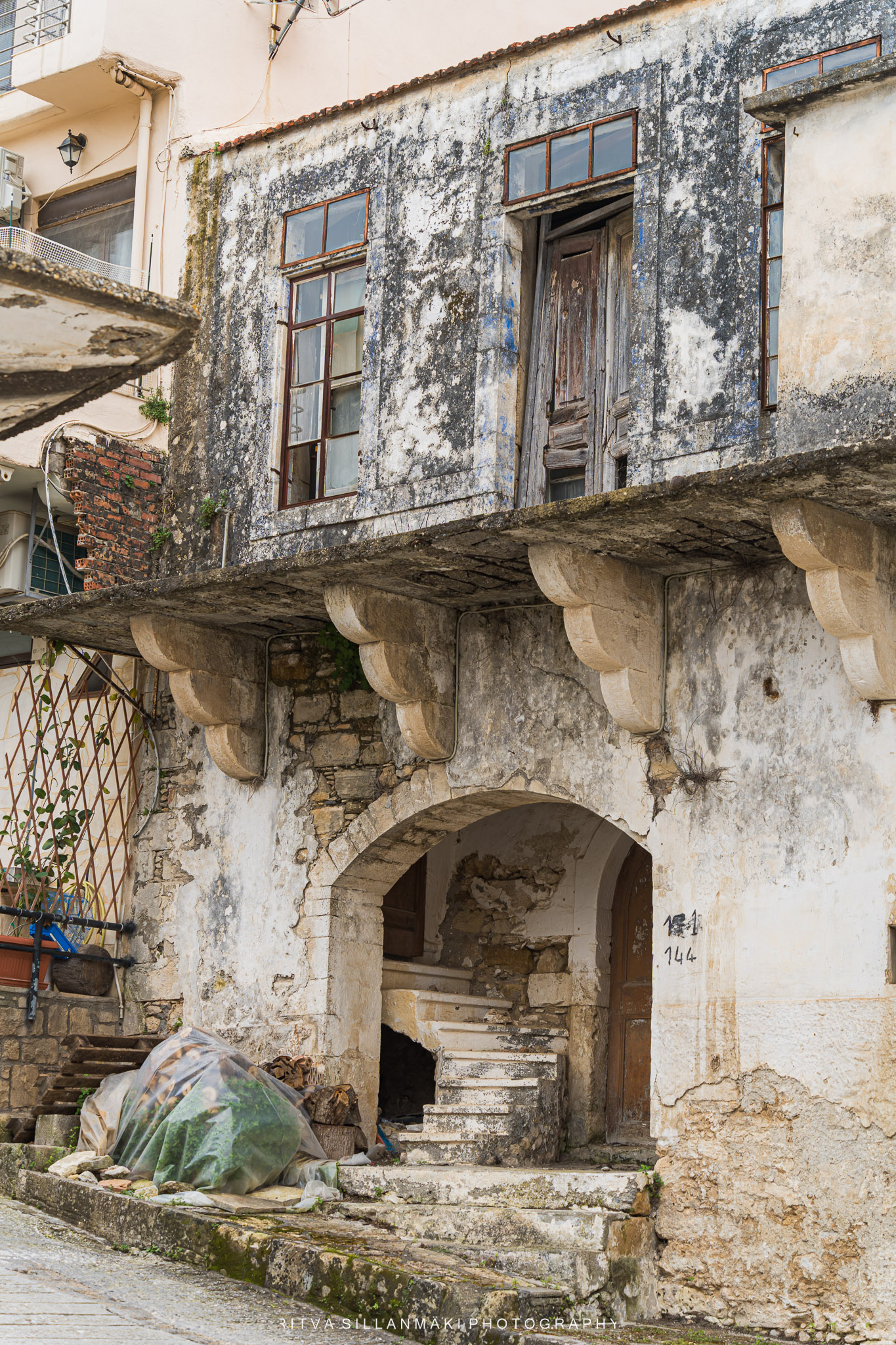
Walking down a narrow, sloping residential street in Argyroupoli, that is framed by a weathered historic stone building and a newer peach-colored apartment house. I noticed the aged structure has mottled plaster, exposed masonry, wooden doors and windows, a deep stone balcony supported by carved brackets, and an arched ground-floor entrance, this I notice first, while the neighboring home has metal-railed balconies, red roof trim, awnings, satellite dishes, and multiple air-conditioning units. Bicycles, a scooter, potted plants, and a green door add signs of everyday life, contrasting with the crumbling textures and muted beige, gray, and terracotta palette. The low-angle composition emphasizes the close, layered architecture and conveys the character of an old, lived-in Grete neighborhood.
A weathered historic stone building stands beside a modern home on a narrow, sloping street.
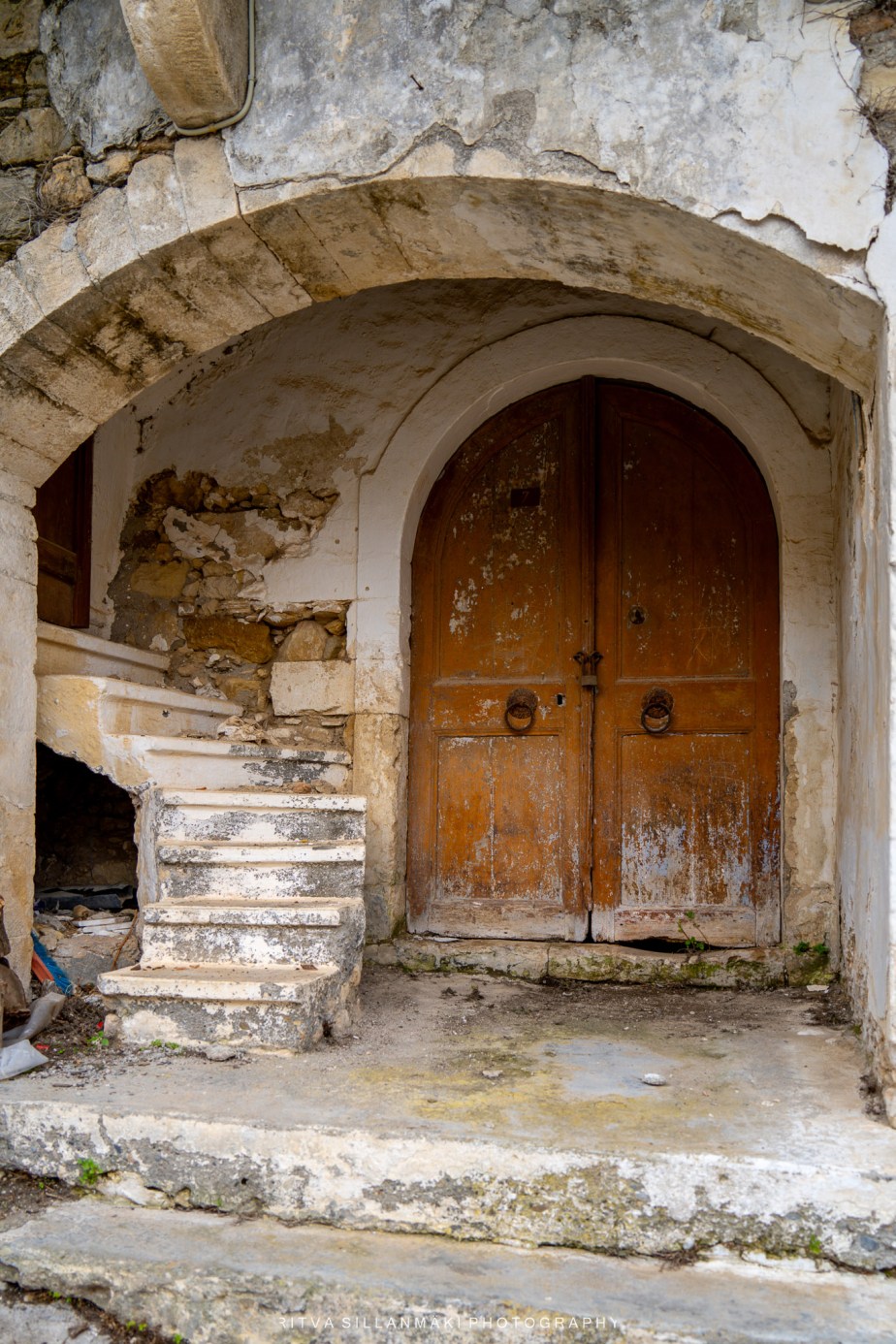
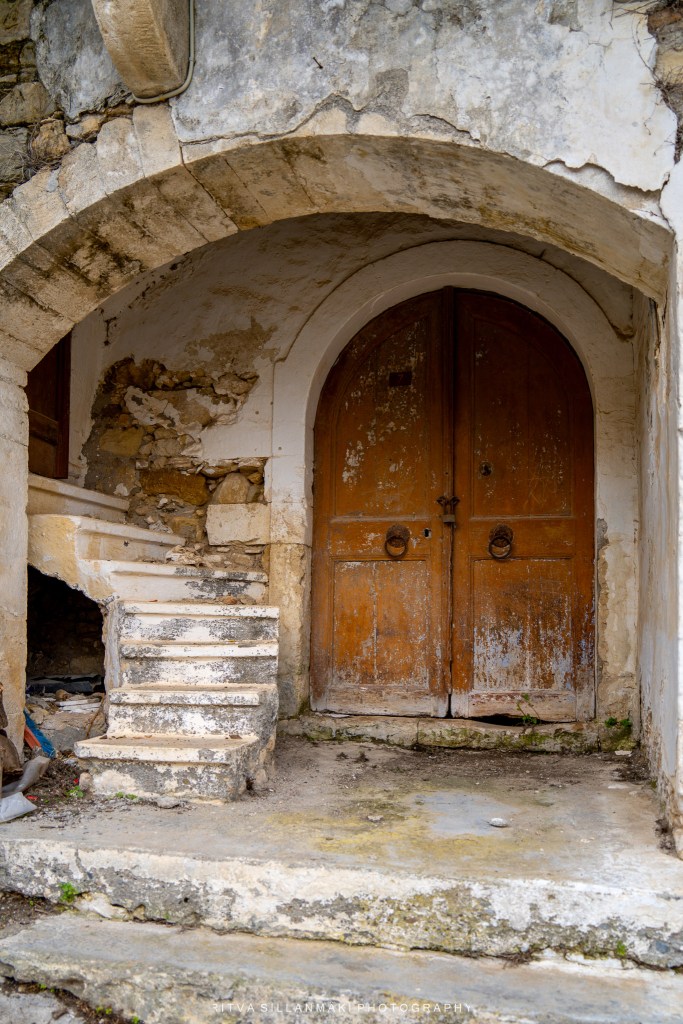
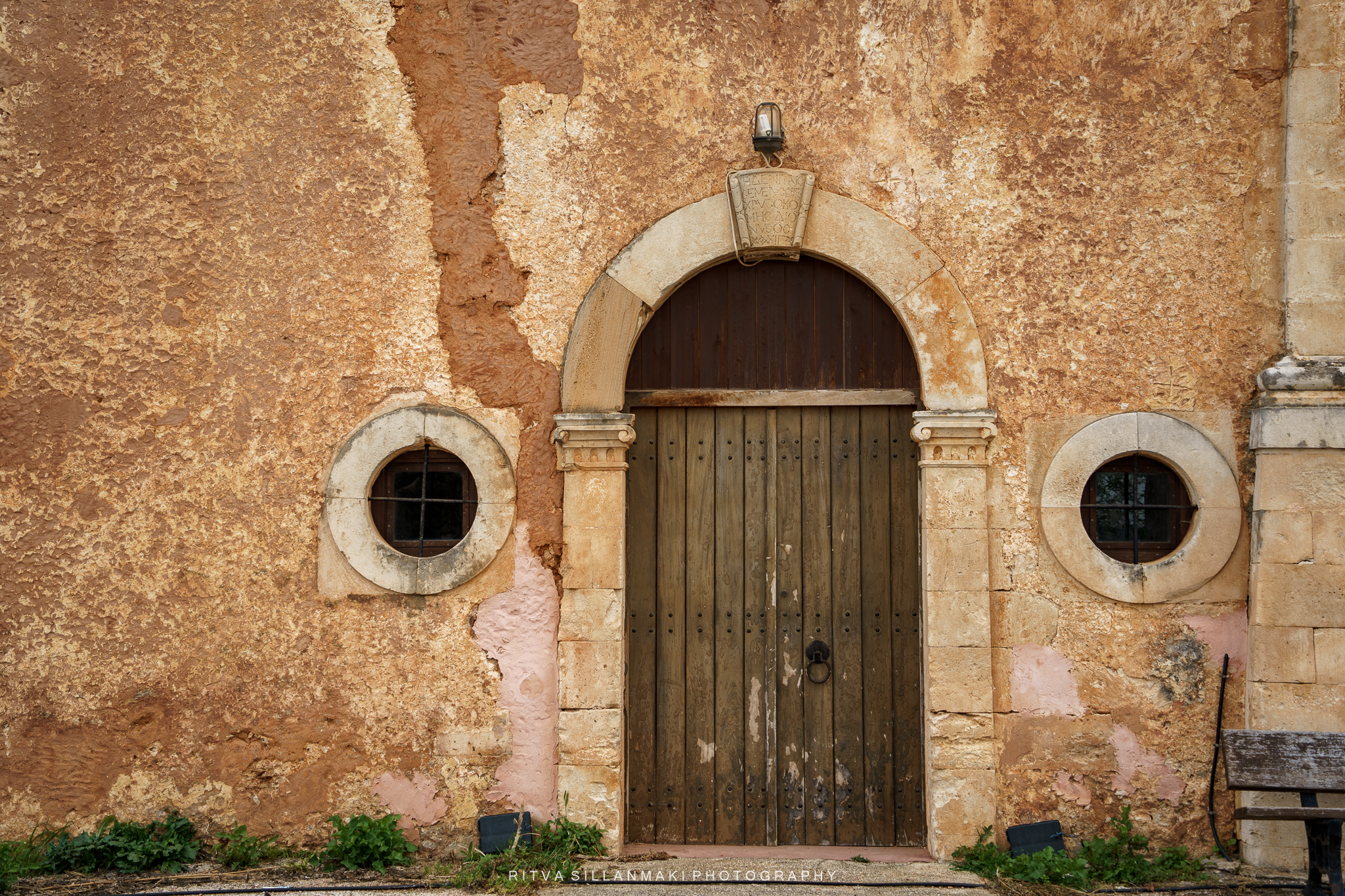
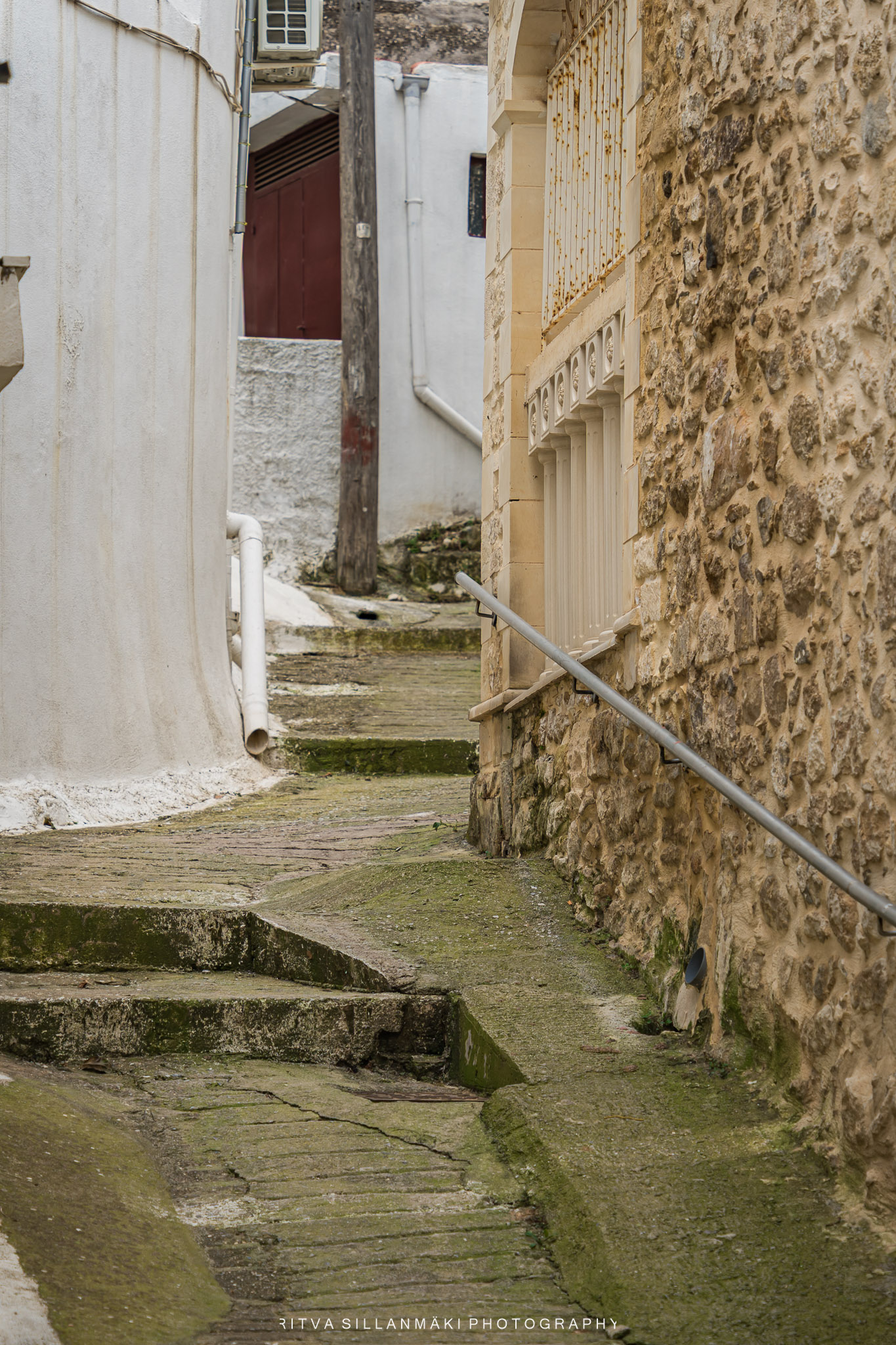
A weathered wooden door set beneath a rustic stone arch, revealing the character of an old building.
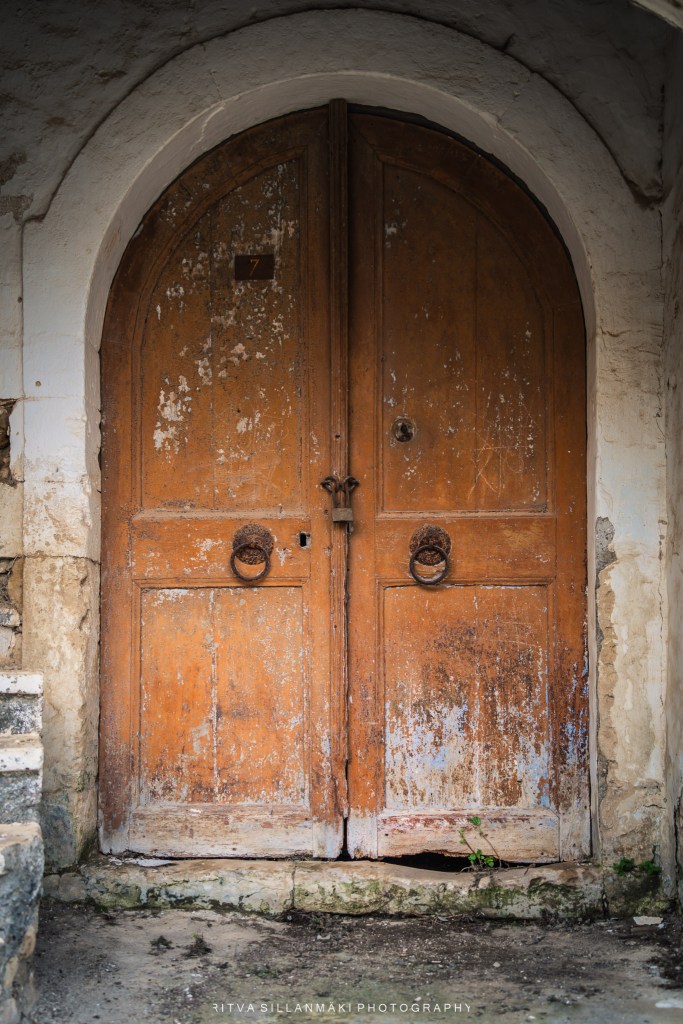
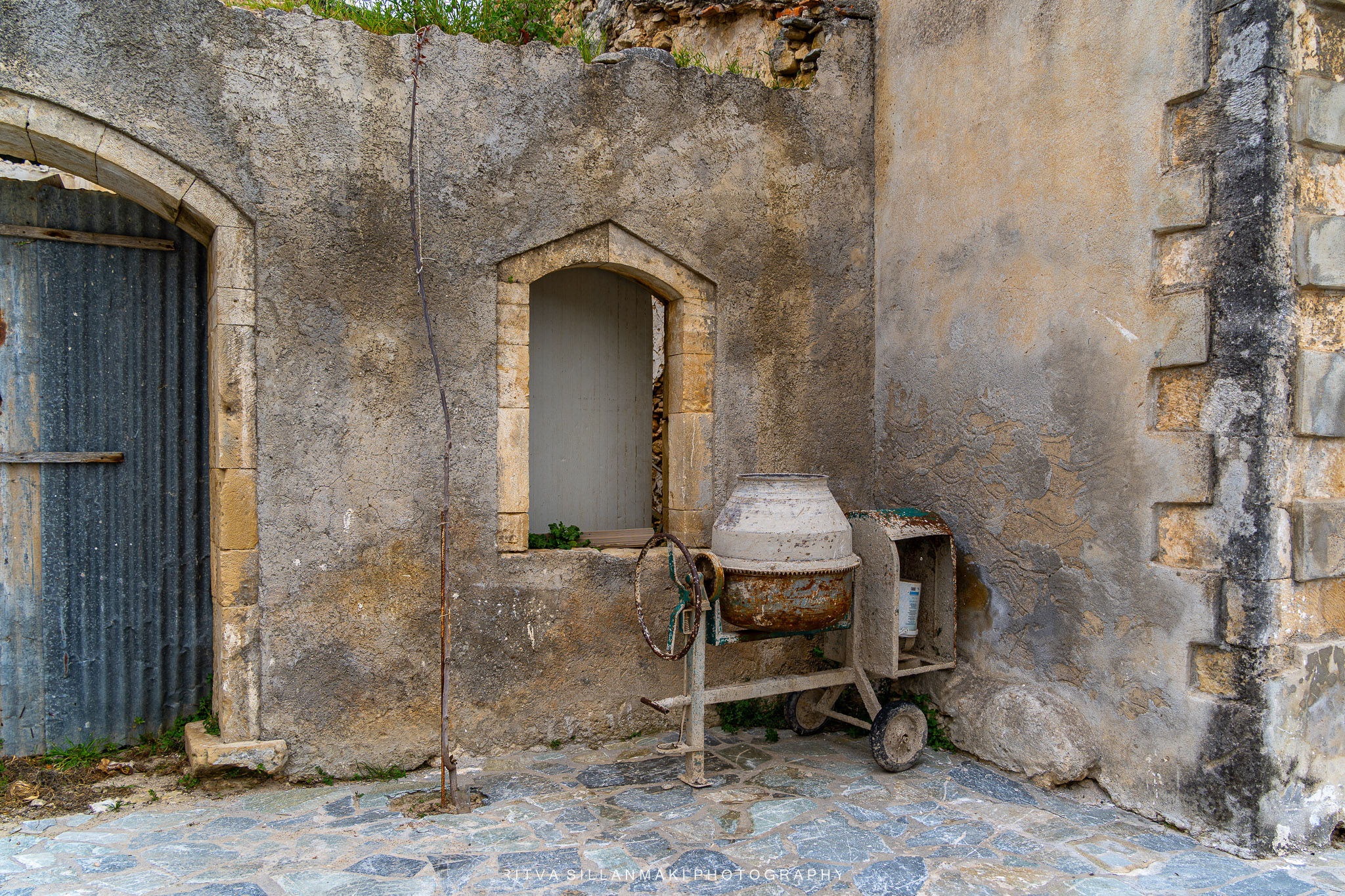
A weathered arched wooden door with iron ring handles and the number 7, set in an aged stone wall.
For starters, I am stating that our trip to Crete provided me with many images of doors and windows in some sort of decay, and to my humble opinion they make for a great photos. The unique charm of these weathered entrances and openings captures a sense of history. The peeling paint, rusted hinges, and cracked frames create a stunning contrast against the vibrant backdrop of the Mediterranean colors, making them irresistible subjects for photography. Every click of the shutter allowed me to explore not just the aesthetics but also the deeper emotions evoked by the passage of time, showcasing beauty in imperfection and decay. You can also expect to see more of them for sure.
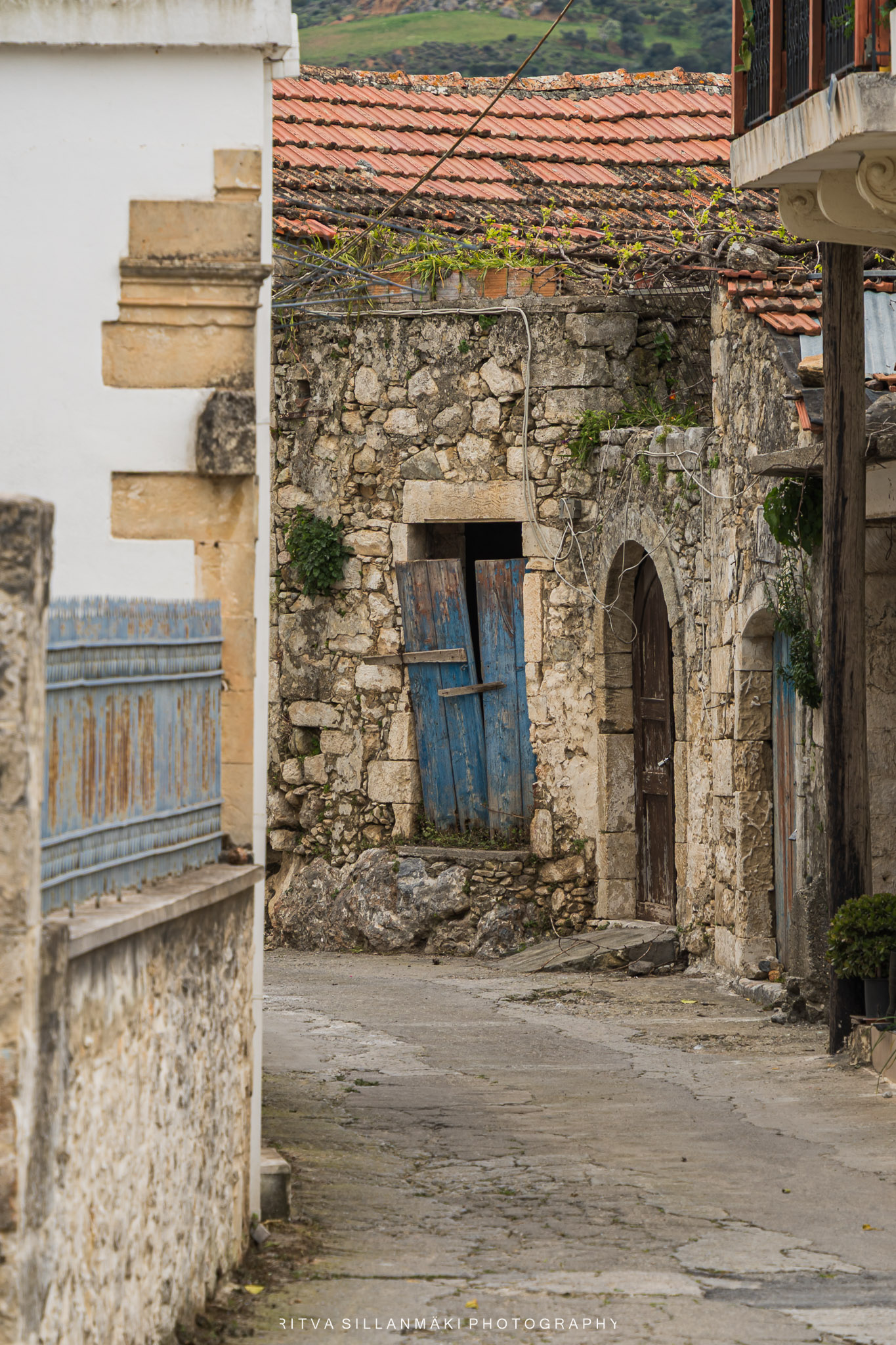
A walk down a narrow stone-paved alley winds through an old Argyroupoli village lined with weathered stone and plaster buildings. These distressed wooden doors are set into warm beige masonry, while a faded pink house, overhead utility wires, balconies, and aged facades lead toward an open landscape in the distance. Bright daylight highlights the textures, muted earth tones, and small greenery, creating a quiet, rustic Mediterranean atmosphere.
A sunlit stone alley winds past weathered wooden doors and colorful old houses toward a scenic countryside view of Argyroupoli,
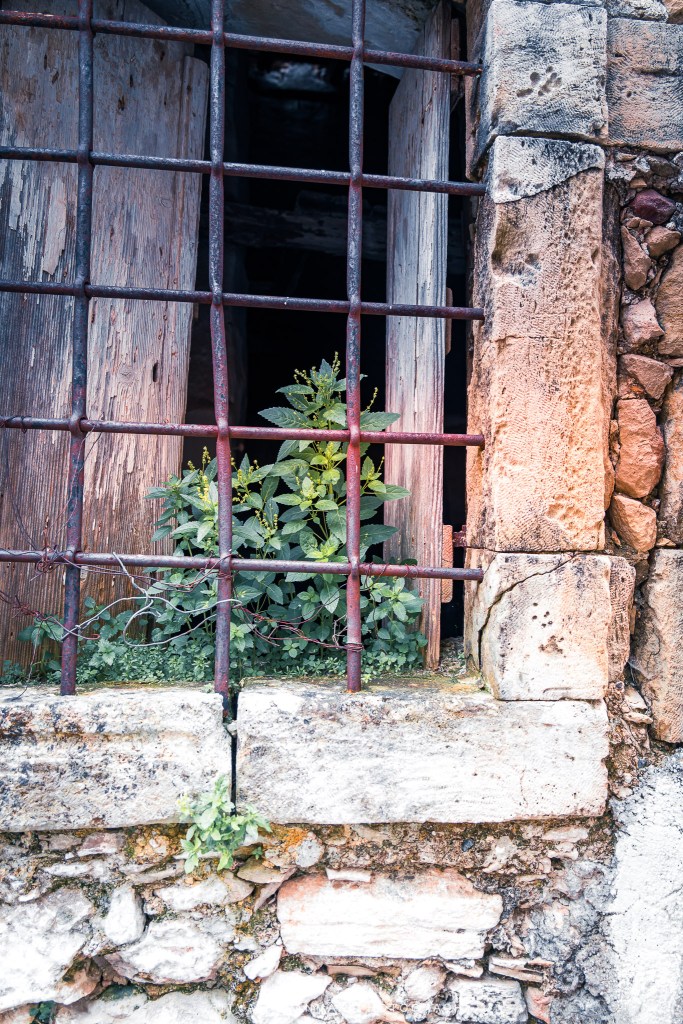
On the old stone building, there’s a little dark window with a rusty iron grille over it. The weathered wooden shutters look just right, perfectly framing that tiny window. The wall on the right is all rough limestone and exposed rubble, adding so much texture! There are even these green plants with tiny yellow flowers peeking through the bars at the bottom, really popping against the muted grays, tans, and reds. This window was just screaming to be captured.
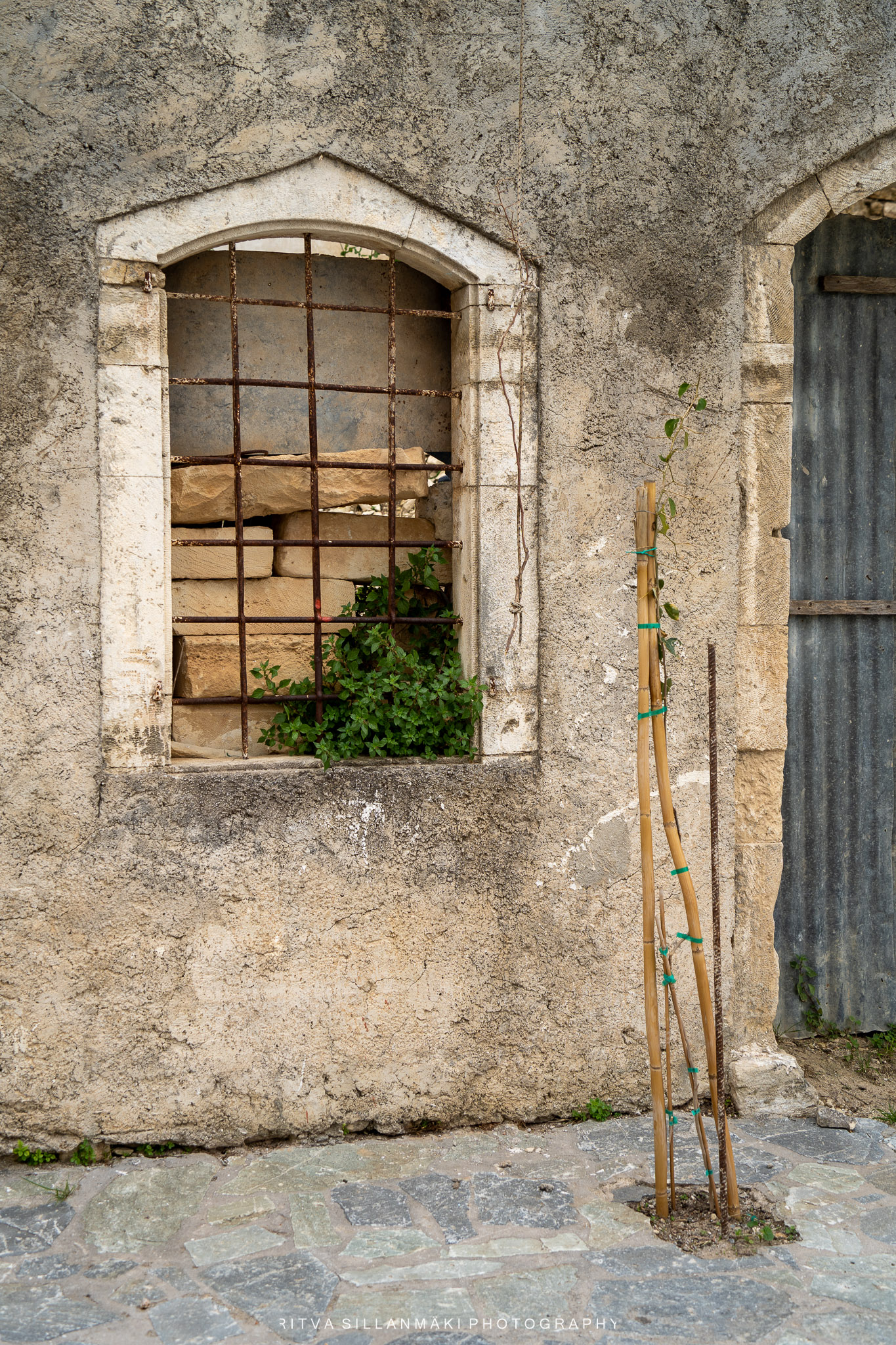
A leafy plant grows behind rusted iron bars in the weathered window of an old stone building.
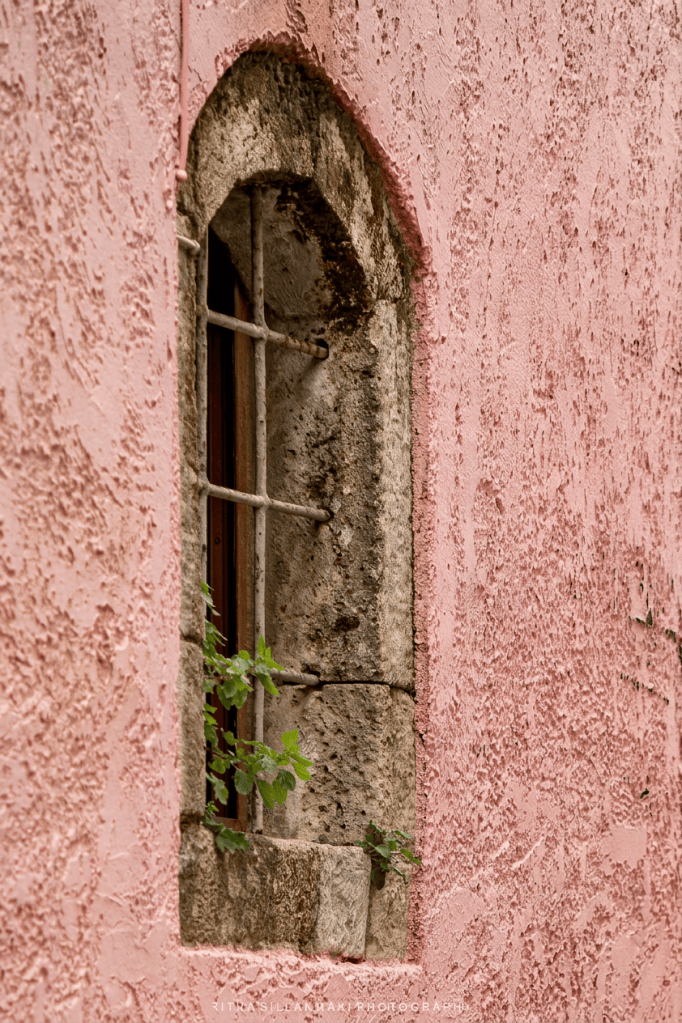
A closer look at the pink building reveals a cool narrow arched window nestled in a weathered pink stucco wall. It’s framed by rough, old stone covered in moss and some dark stains, with simple rusted metal bars protecting it. You can spot a dark wooden shutter behind it, too. Small green vines are popping out from the stone sill and crawling along the bottom, adding a nice organic touch to the soft rose, gray, and brown colors.
A weathered arched window with iron bars and leafy vines set into a textured pink stucco wall
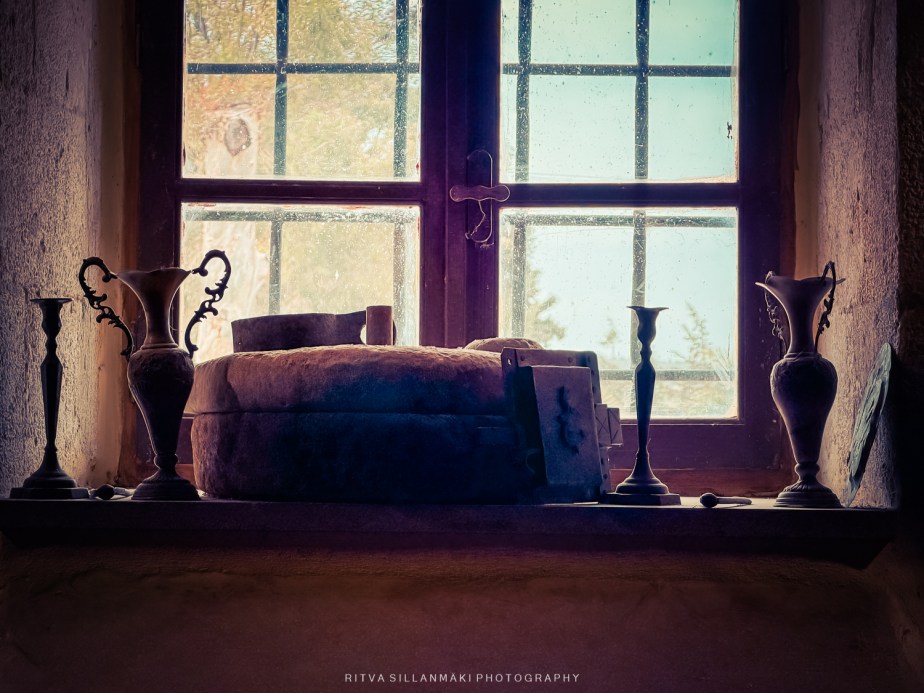
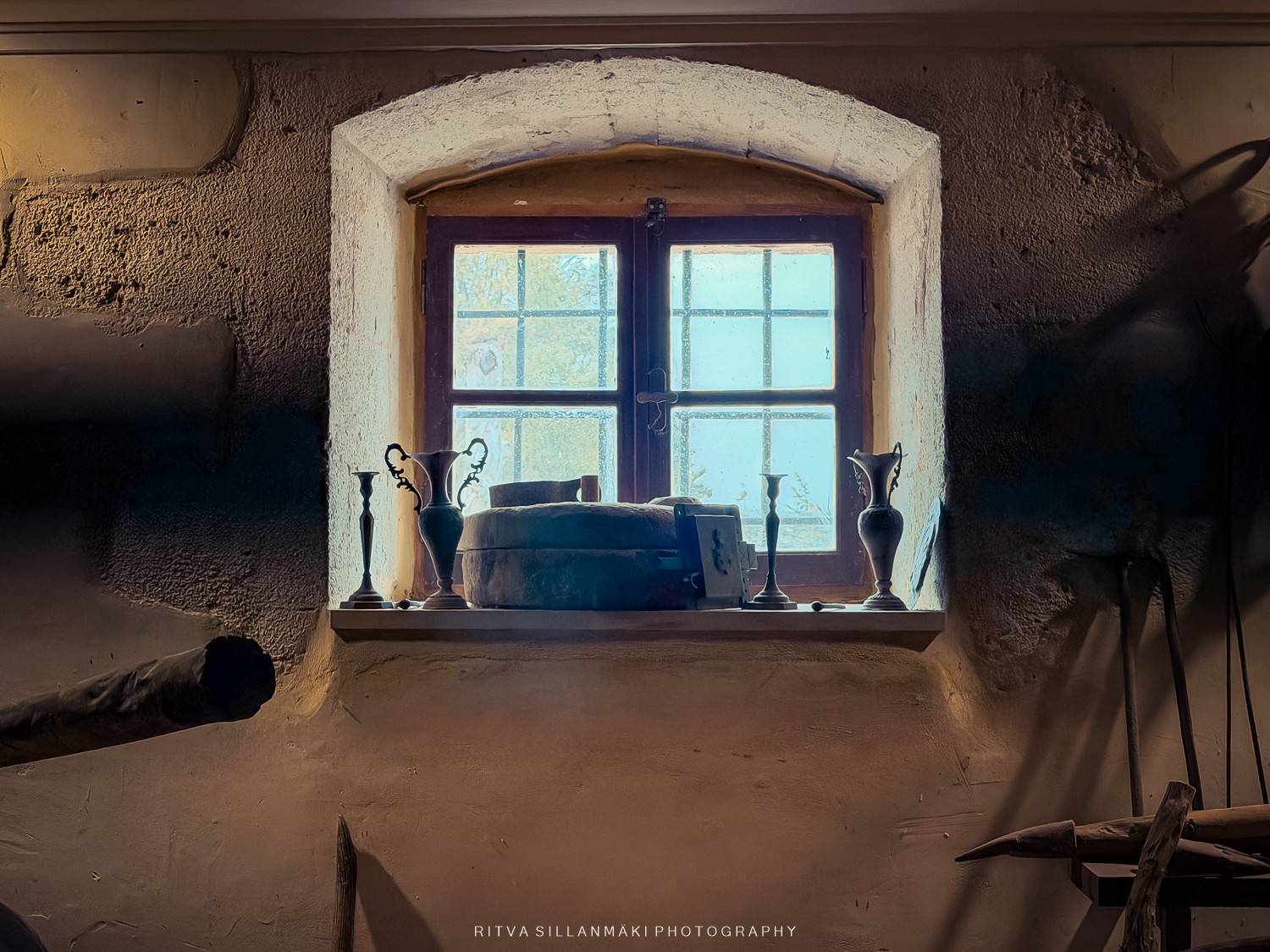
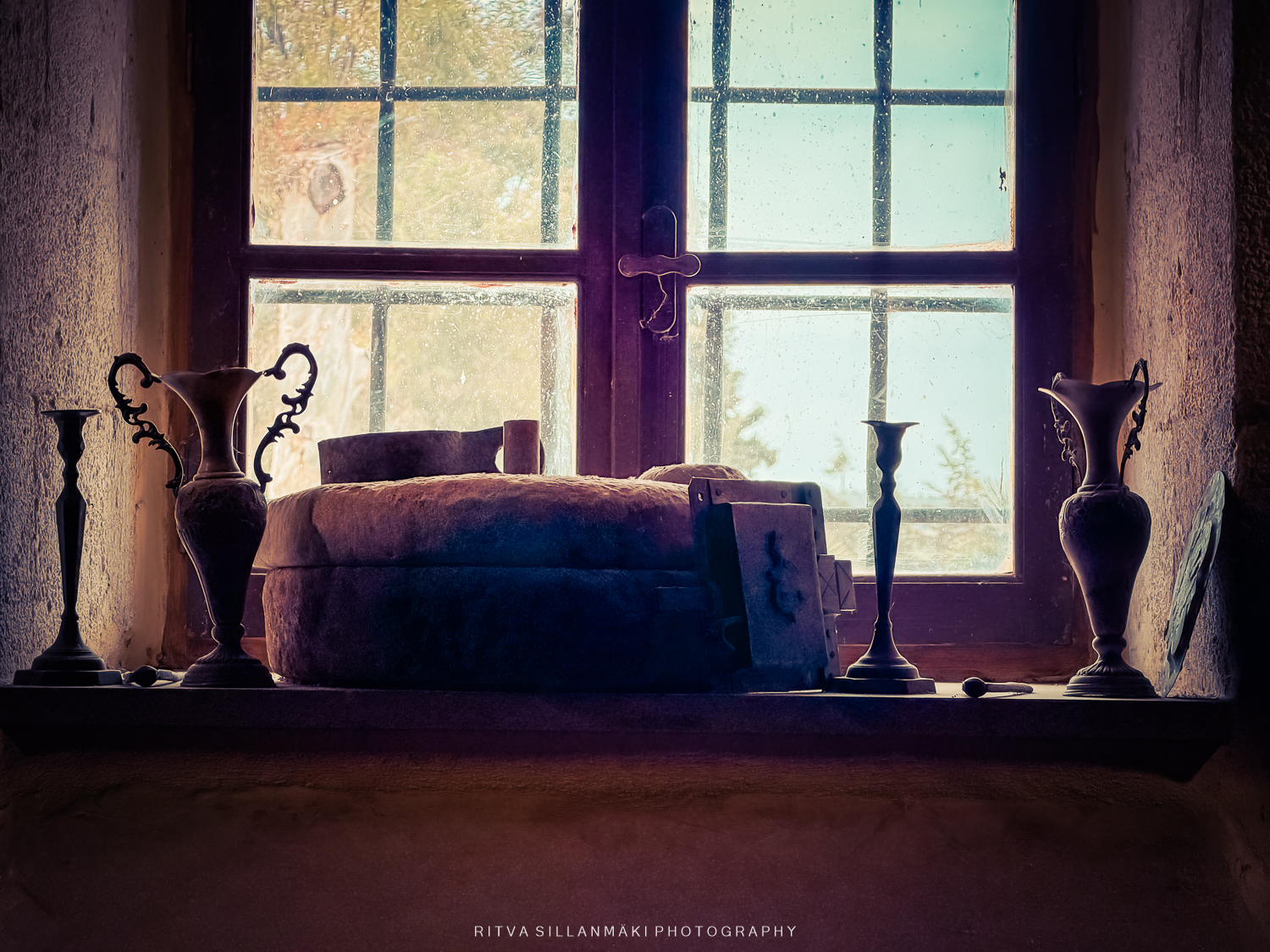
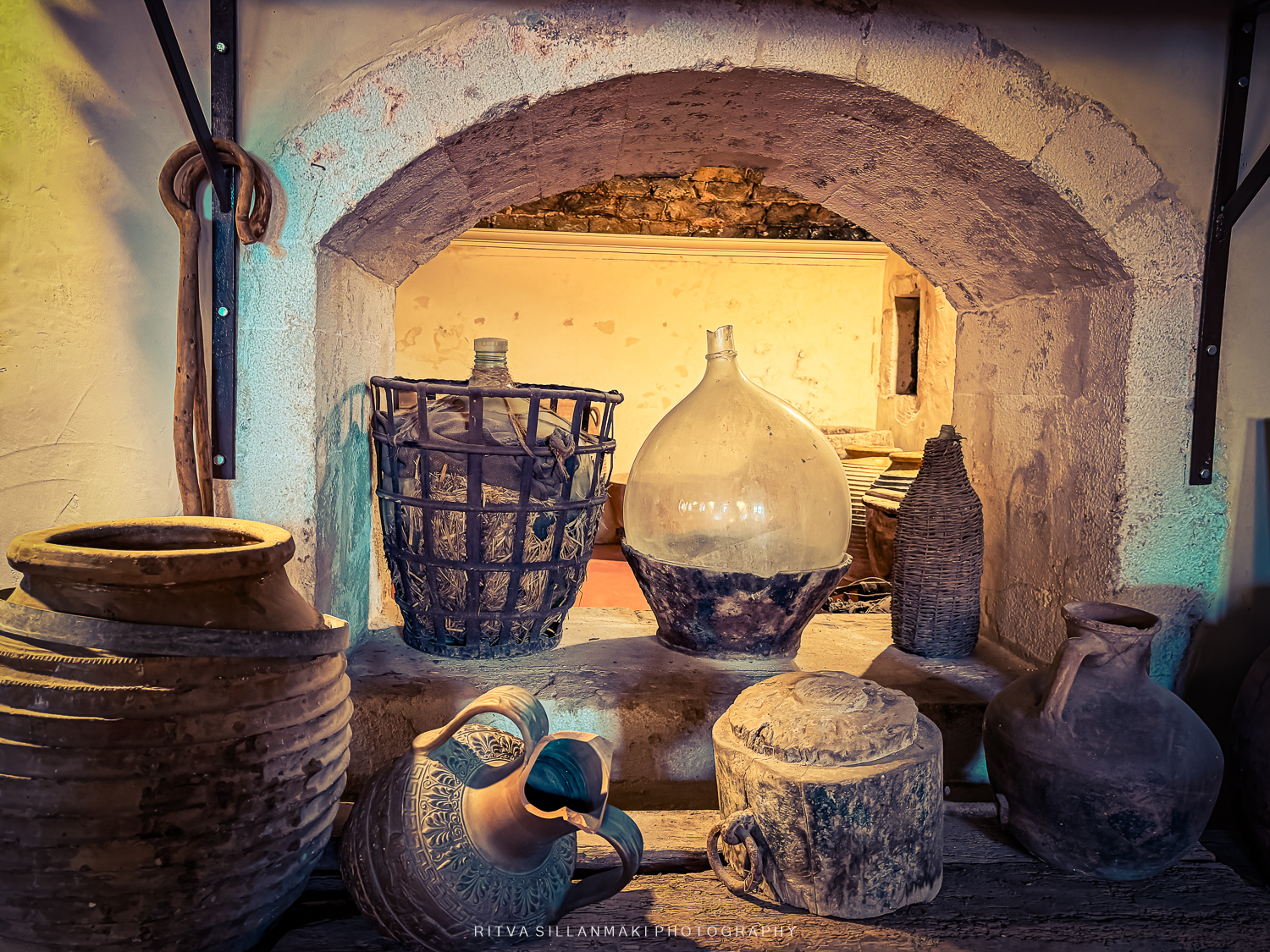
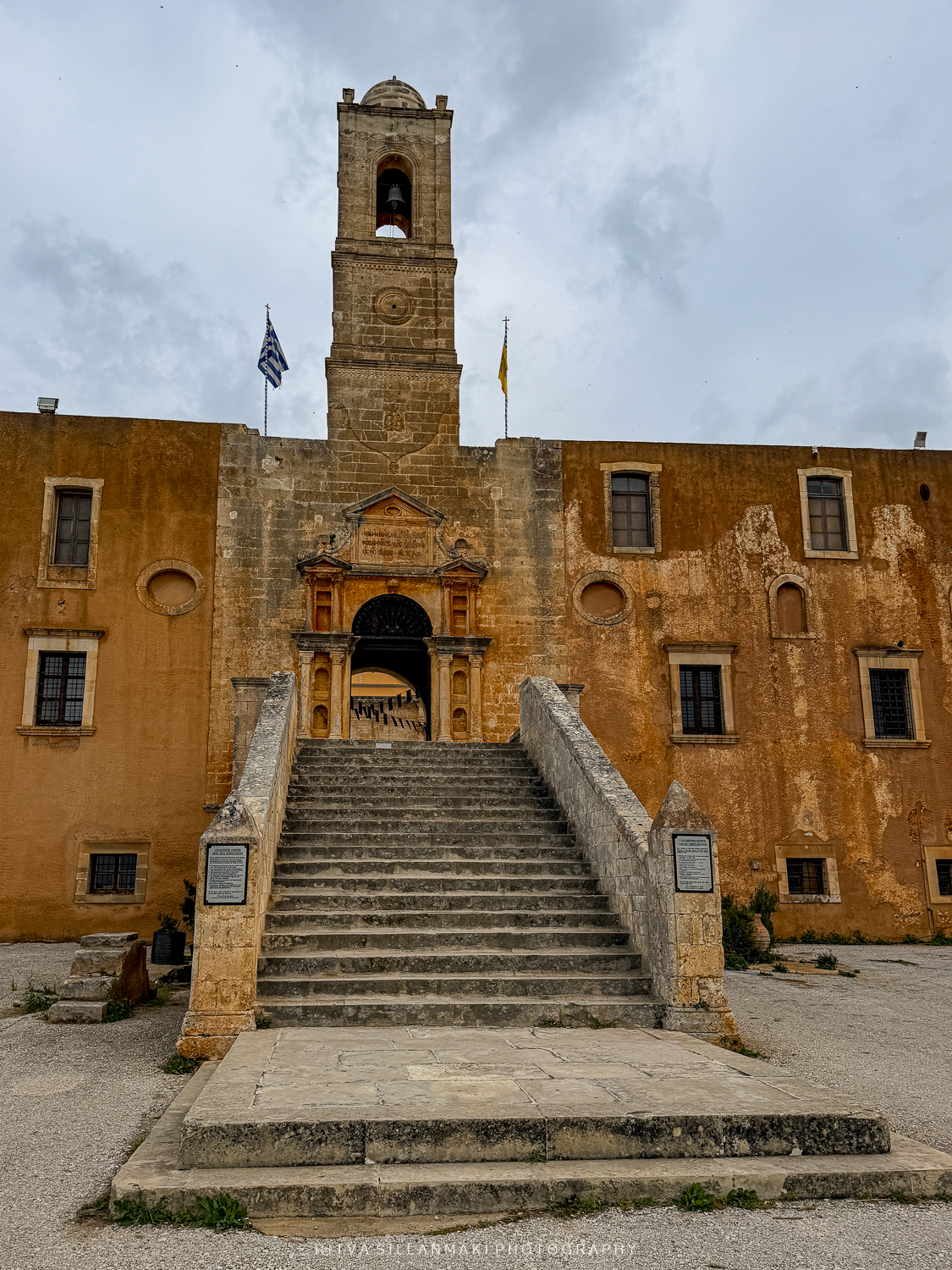
The Monastery of the Holy Trinity of Tsangarolon features a window that captures my attention, designed to do just that, with its gracefully arched wooden frame embellished with four-pane glass that gently diffuses the cool daylight streaming in. The rich, dark tones of the frame contrast beautifully with the subtle white plaster surrounding it, all set against the backdrop of weathered earthen walls. Perched on the sill is an assortment of antique metal pitchers and several candlesticks, each item contributing character to the display. The warm amber shadows dance across the surfaces, revealing traditional tools peeking out from the edges.
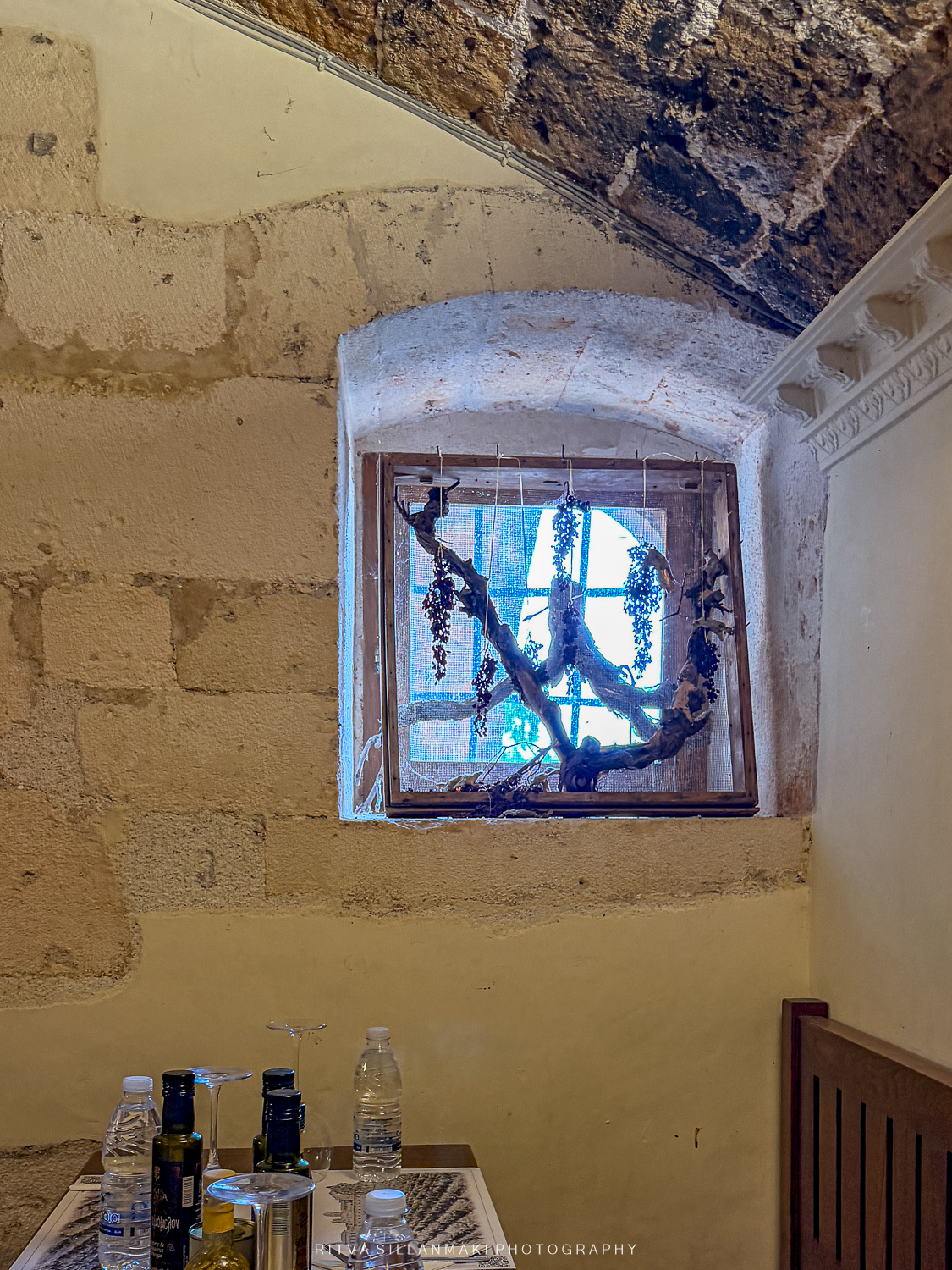
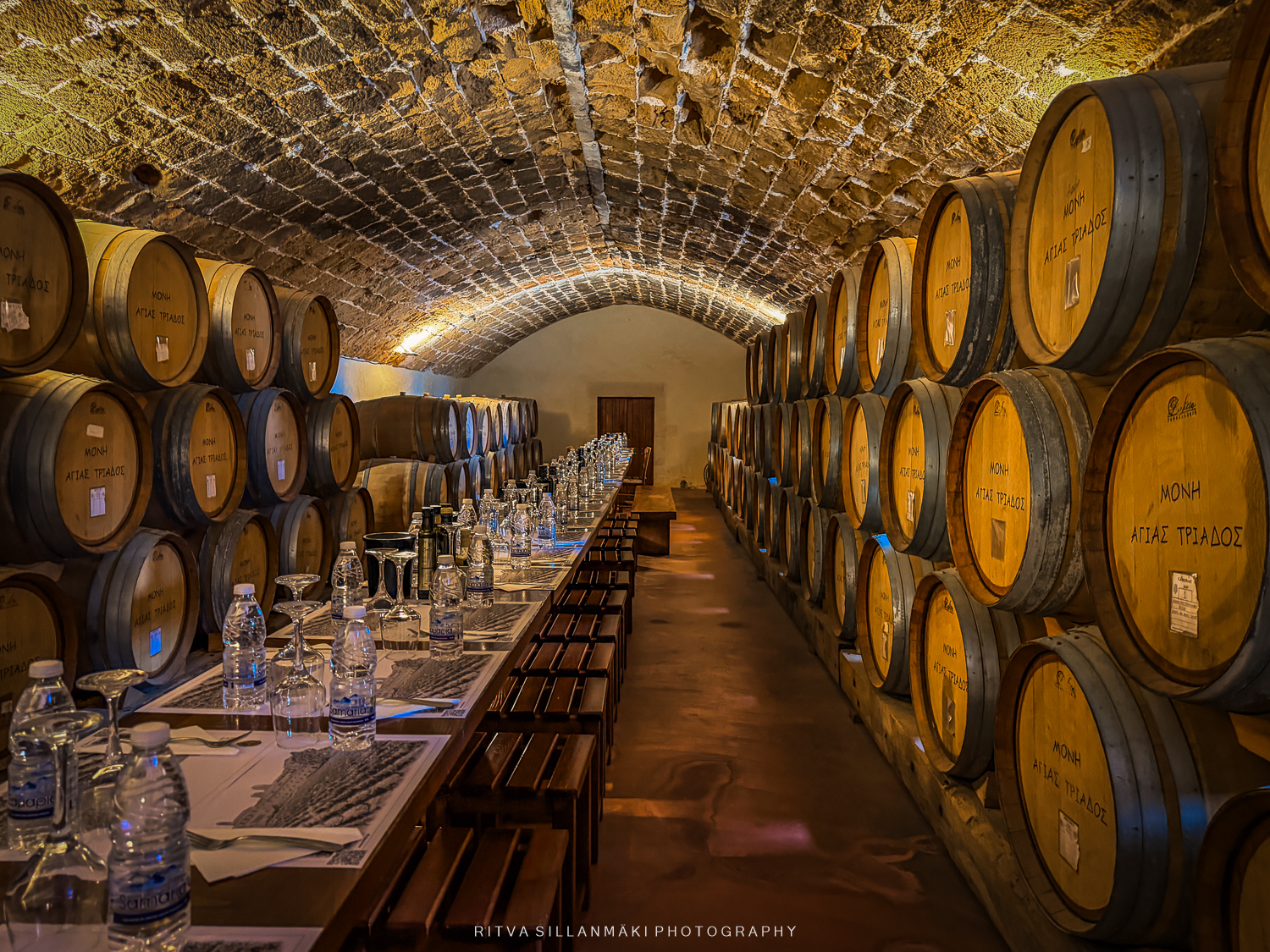
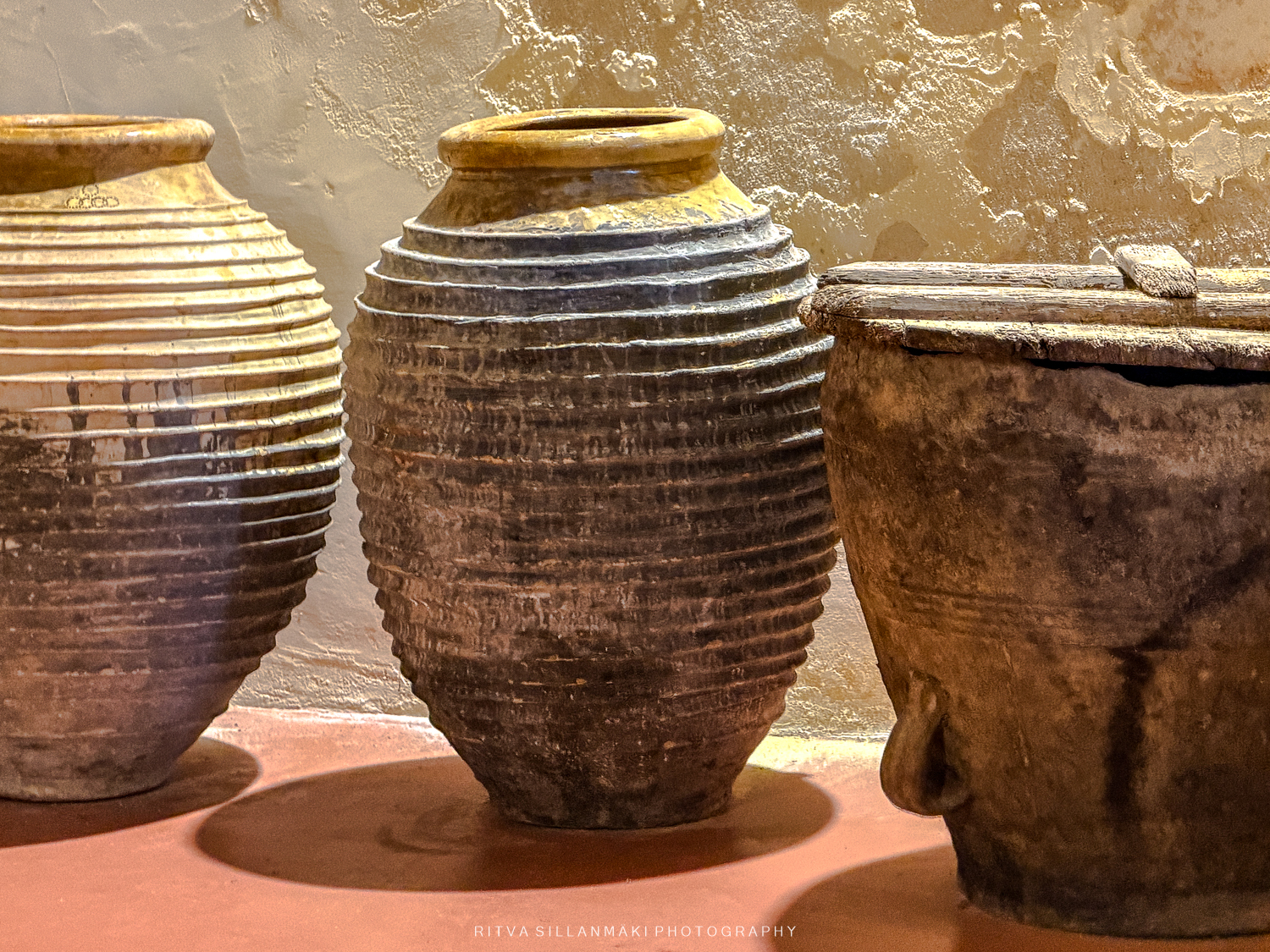
The monastery is still active, and the monks produce organic olive oil, wine, honey, and olive oil soap these windows are from the shop. There is also a museum in the area displaying old church icons which we did not see.
A rustic stone-wall window glows with daylight, framed by antique pitchers, candlesticks, and a traditional hearth interior.A rustic still life of a vintage chest, ornate vases, and candlesticks arranged before a sunlit window.
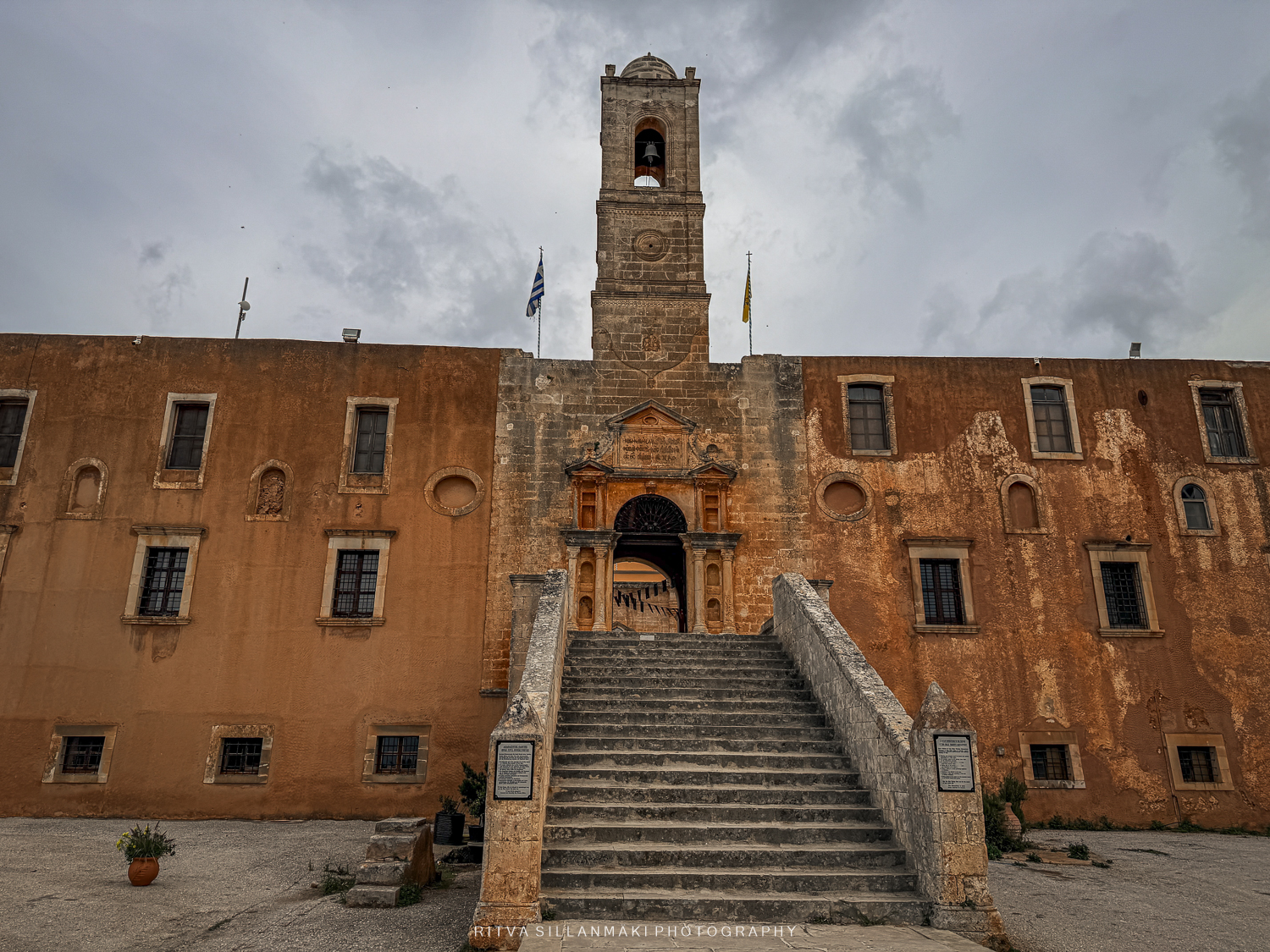
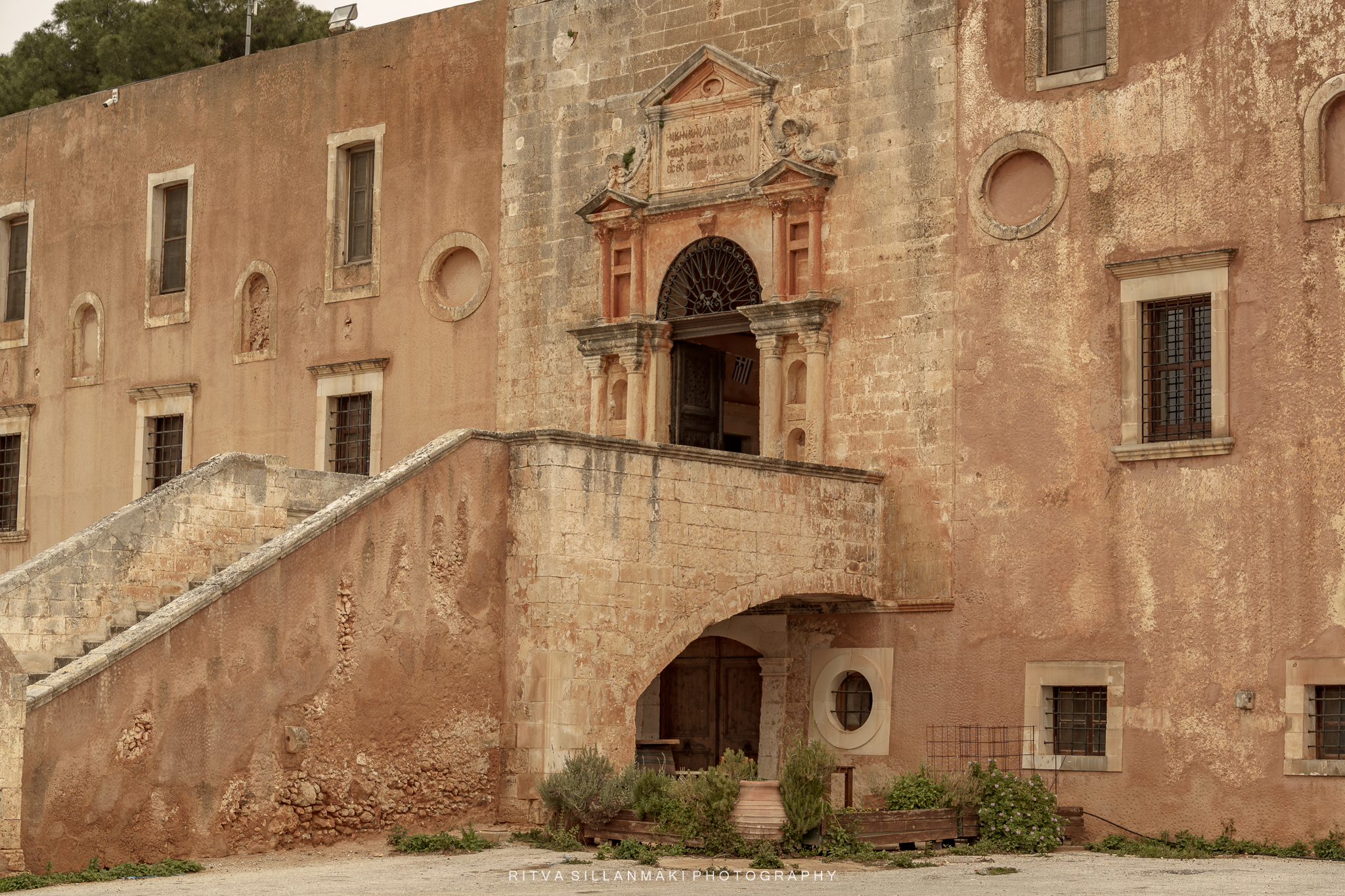
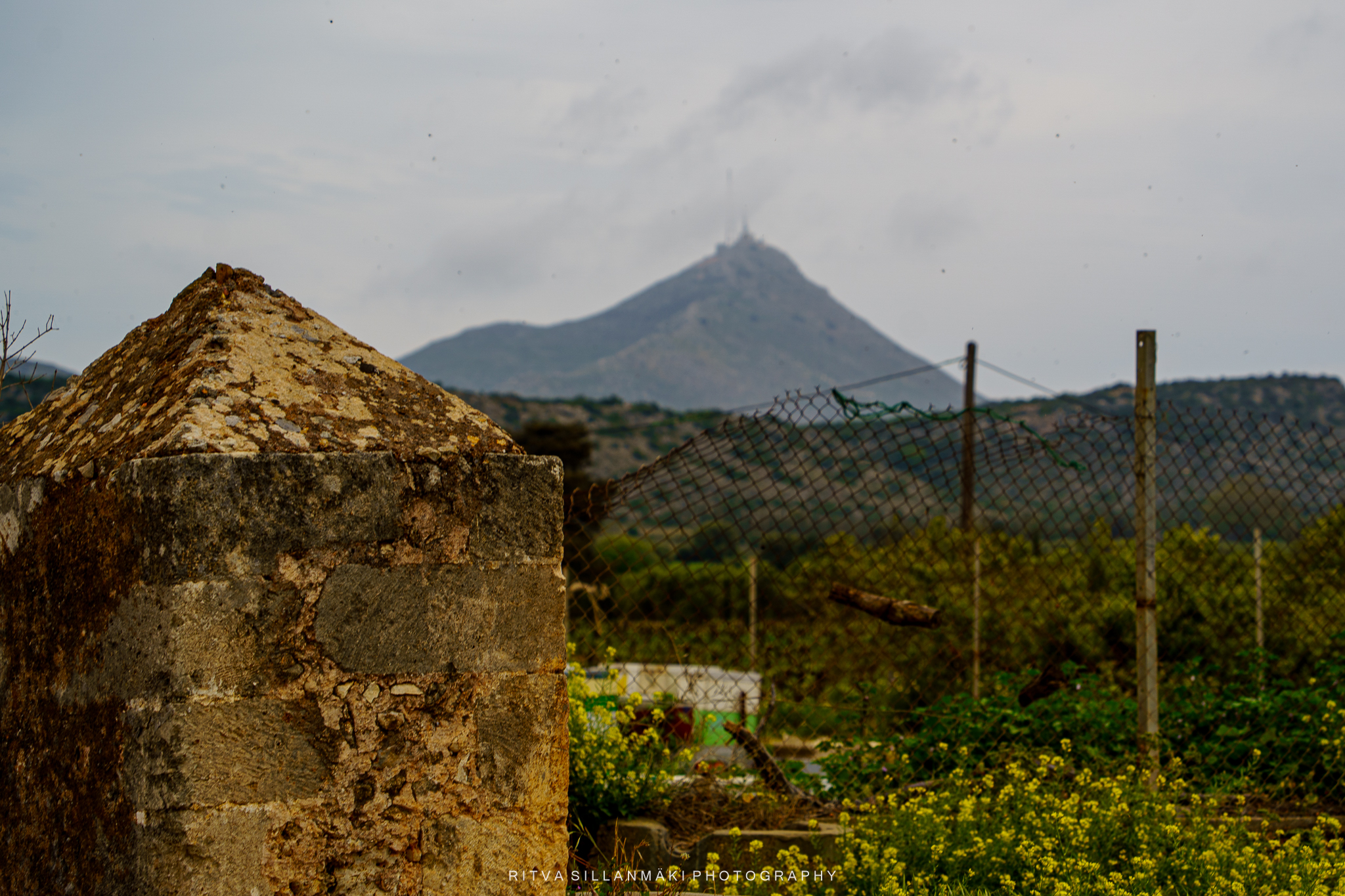
I read about the historic Monastery of the Holy Trinity of Tsangarolon (Agia Triada Tsangarolon), located on the beautiful Akrotiri peninsula in Crete, just 15 kilometers from Chania. It was established in the early 17th century by the Tzagarolon brothers during the Venetian era, and I love how it reflects a unique blend of Venetian Renaissance and traditional Orthodox architecture. The Patriarchal Monastery of Agia Triada Tsagarolon is not only one of the most significant monasteries built towards the end of the Venetian Empire in Crete, but it also has an important place in the region’s history and education. Nestled at the foot of the Stavros mountain range, you can find it in the serene “Tzompomilos” area of Meleha cape.
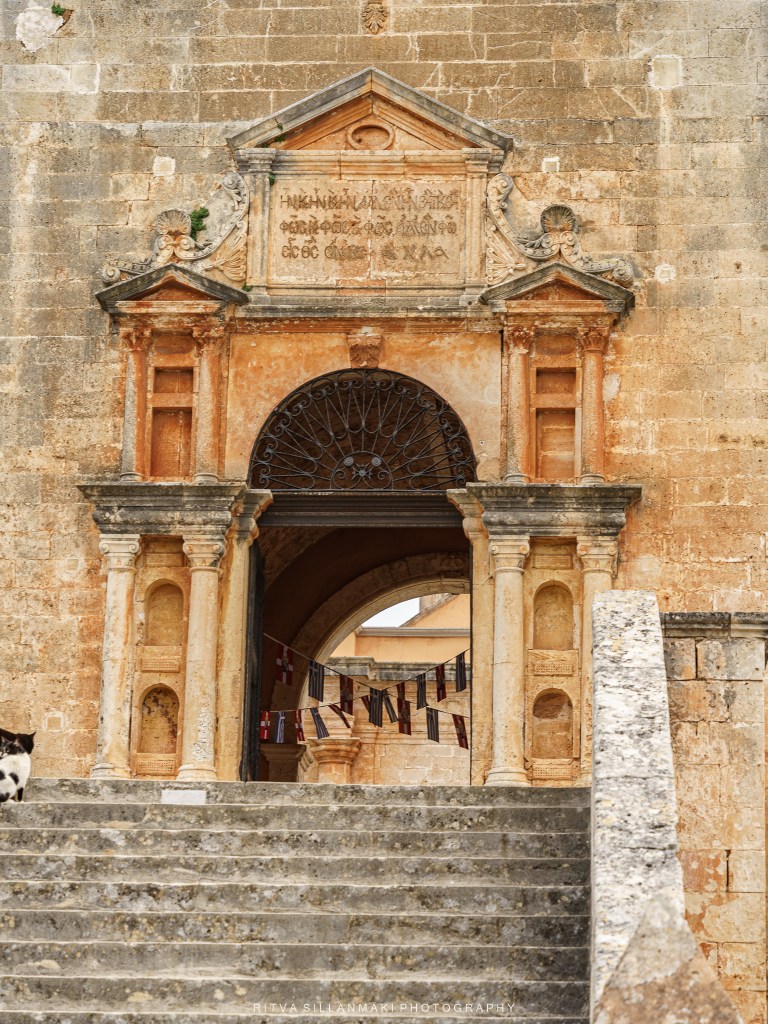
The Greek inscription above the door translates to the following in English: “There was and was and was, but there was only one, is one and shall in all future be one, light and light and light, but only one light, indeed one God, 1631.” The text refers to the Holy Trinity by repeating the words three times, which directly applies to the name of the monastery.
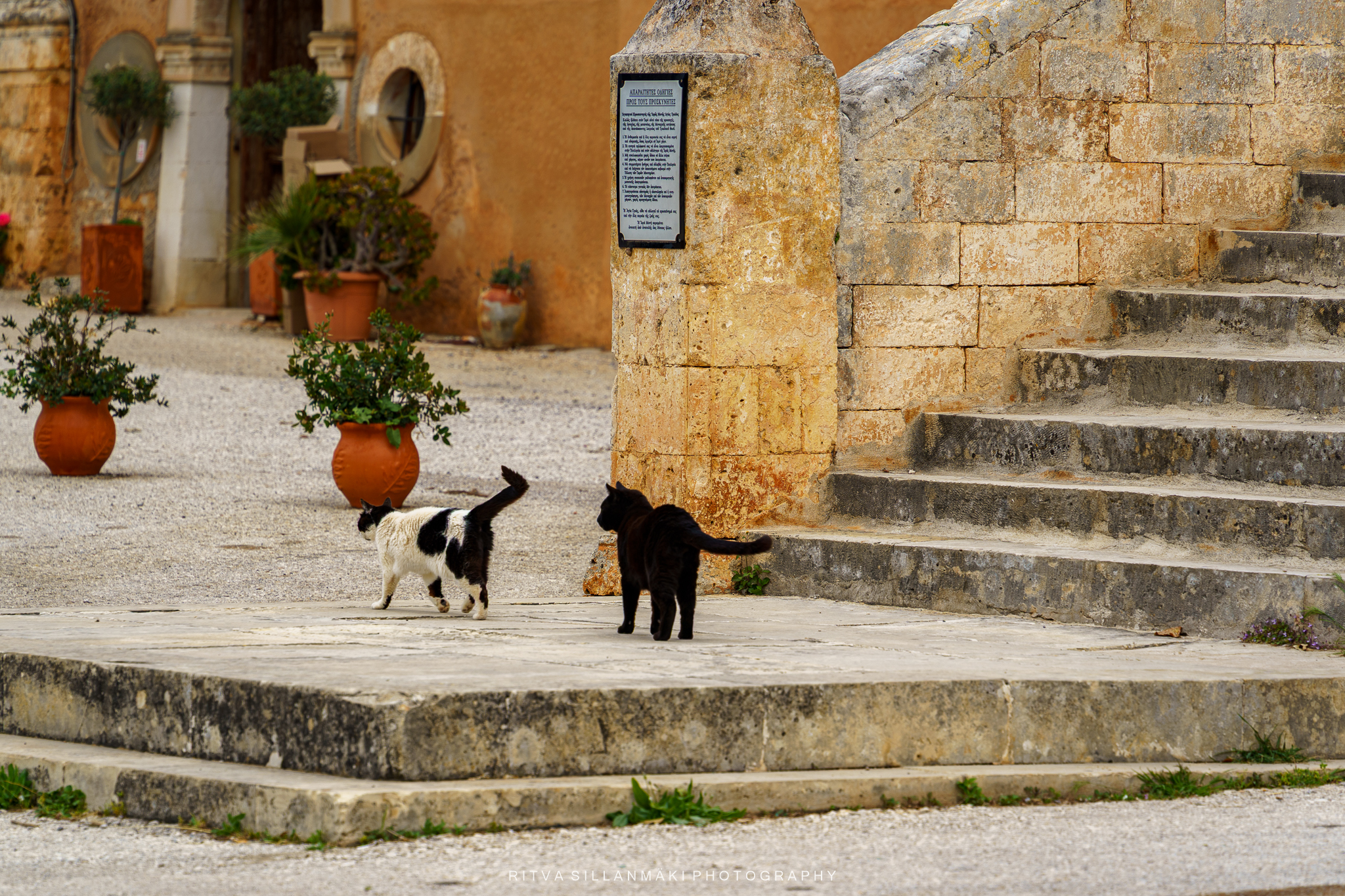
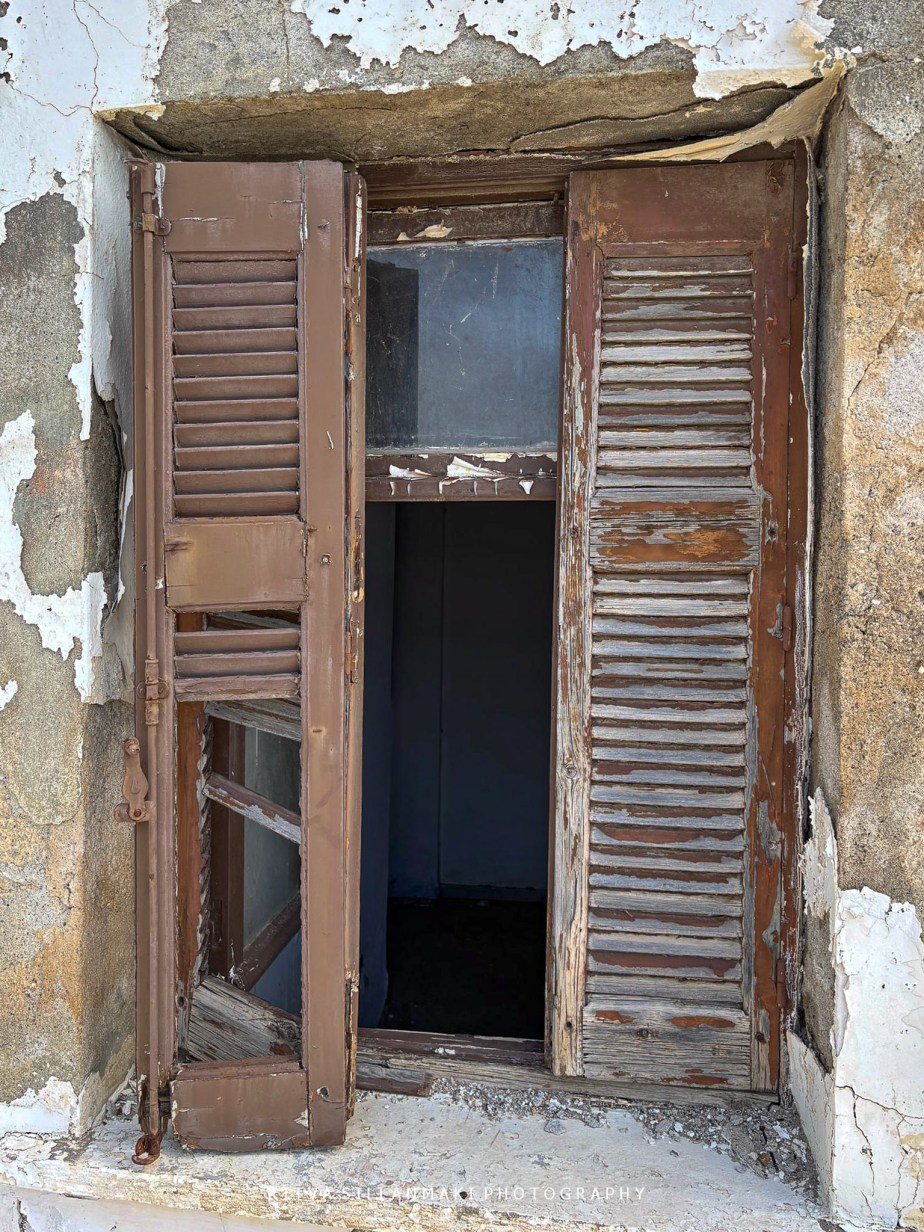
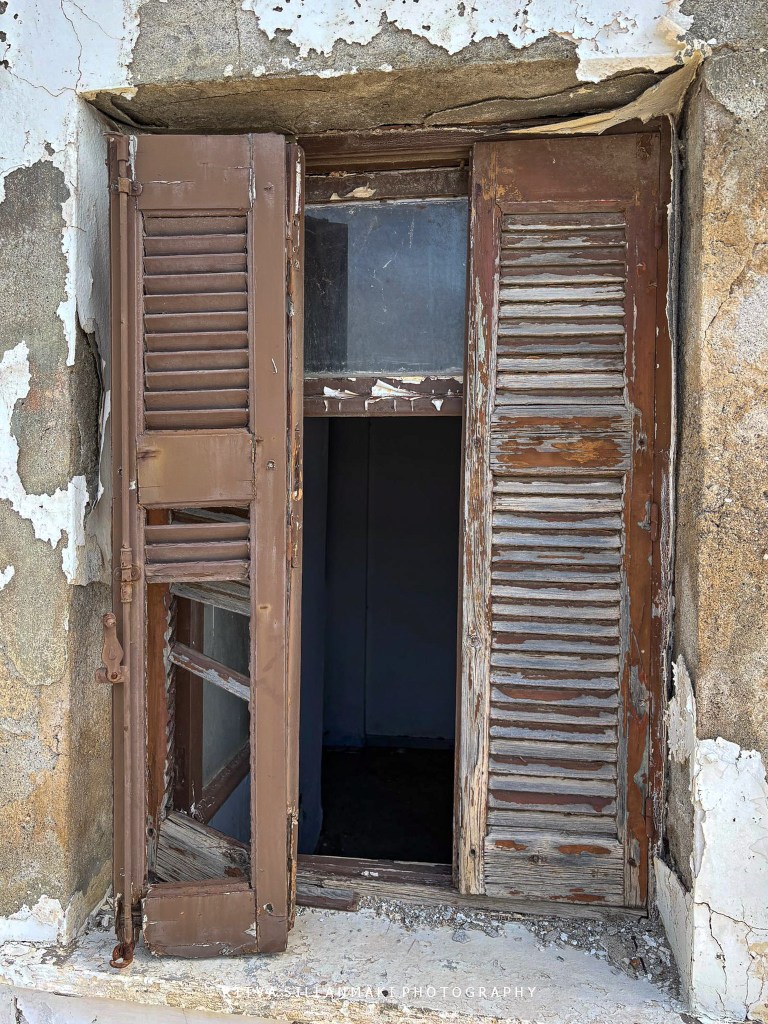
I believe the cats find this window in Crete quite appealing. Regarding this photograph of a window, the color scheme features subdued browns, grays, and off-whites, emphasizing the aged and deteriorating condition of the structure, which narrates the passage of time. The surfaces are rich in texture, exuding a rustic charm that captivates the eye and invites reflection. The color brown symbolizes decay during autumn, embodying the shift from life to death, making it fitting for this image. Additionally, the worn look of the window stirs feelings of nostalgia, reminding us of our narratives and the beauty present in flaws, especially as I reach an age where I reflect on such matters.
An old, weathered window with peeling brown shutters and cracked plaster around the frame, revealing signs of age and neglect.
At some point, we encounter things that seem unusual and excessive, prompting a reaction of surprise. Egídio invites us to share what we find over the top, encouraging creativity and engagement. Don’t forget to link to his post and use the “Lens-Artists” tag for visibility.
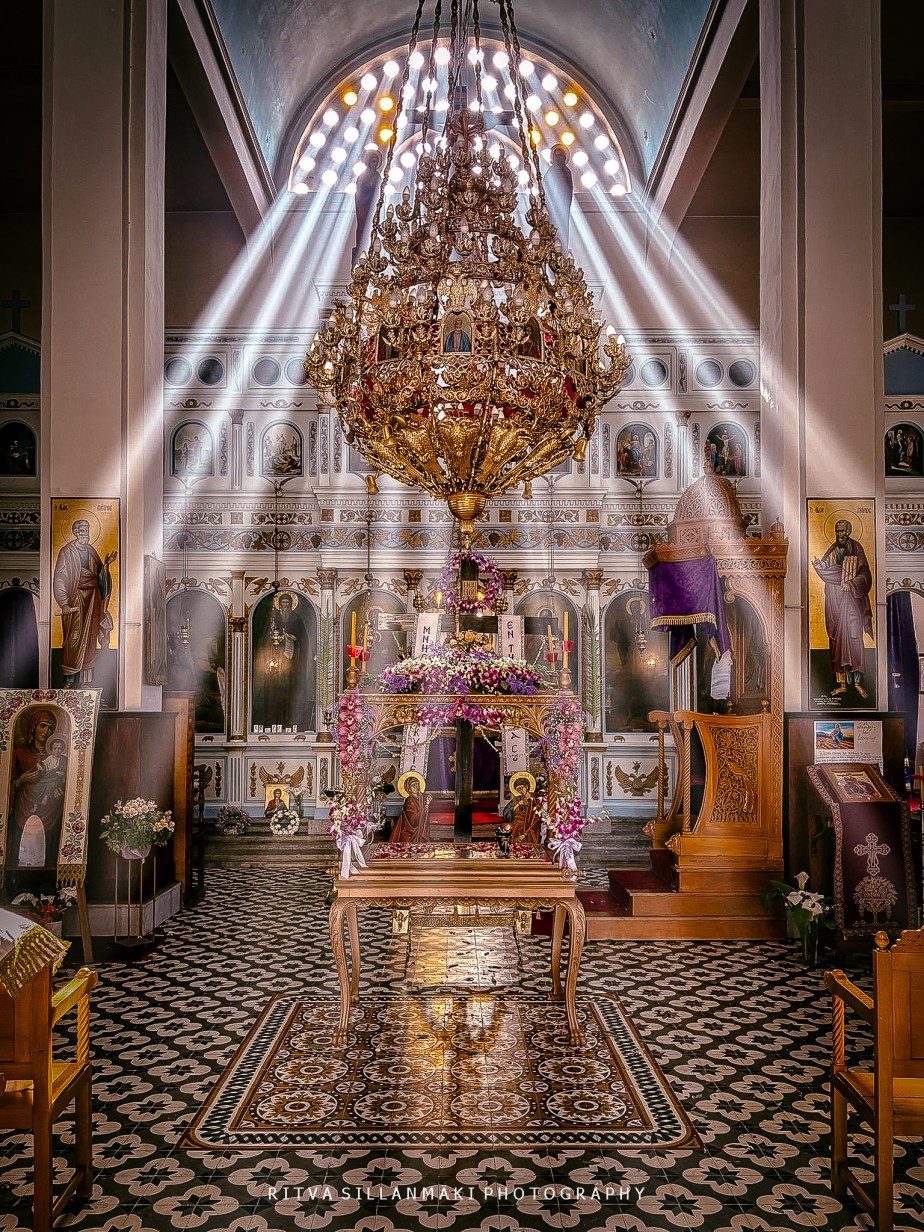
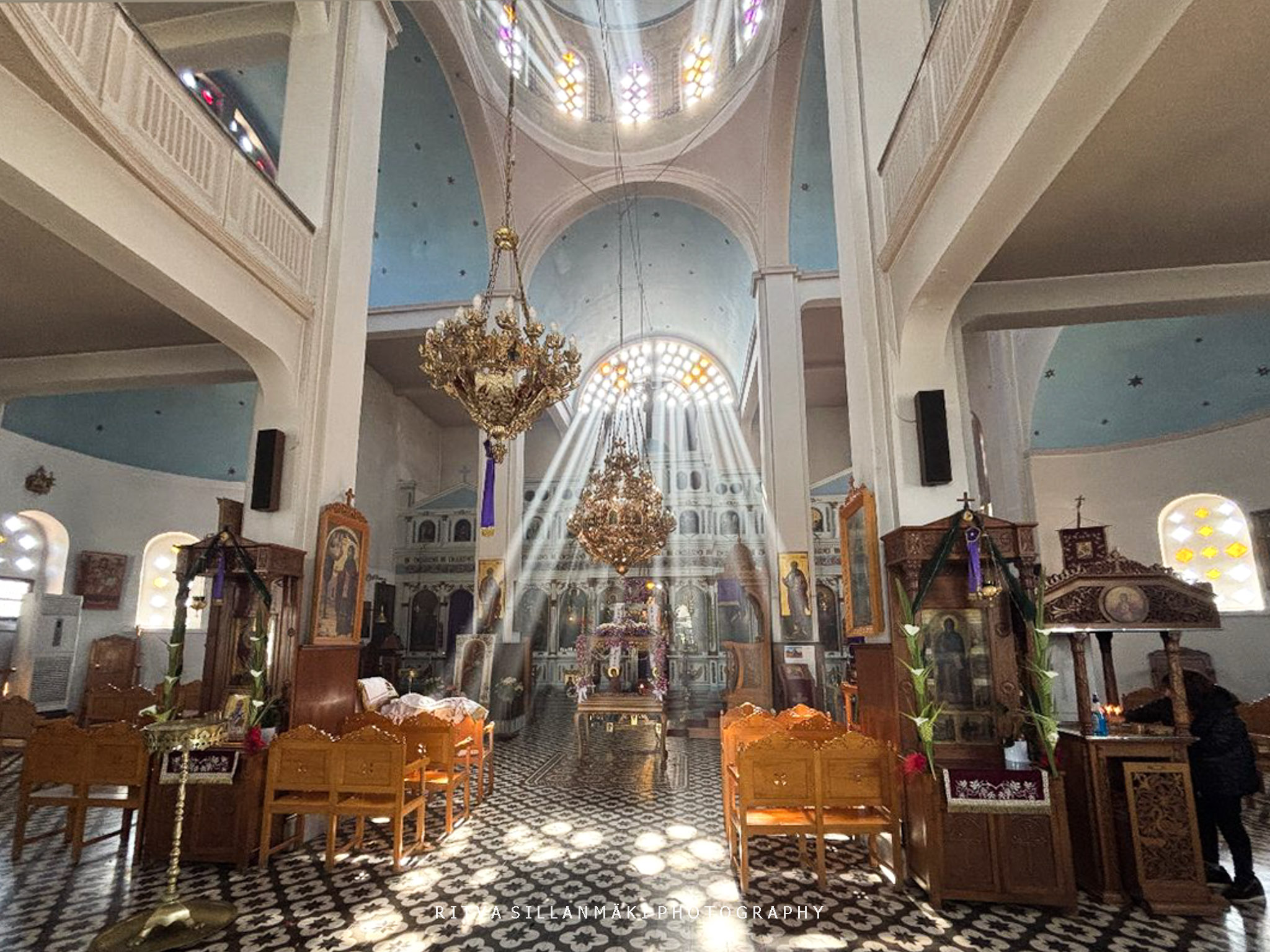
I am going to tackle this challenge with just a wow effect. The light coming through the round windows created a just wow moment. Luck was a major factor; I just happened to walk in at the right time of the morning.
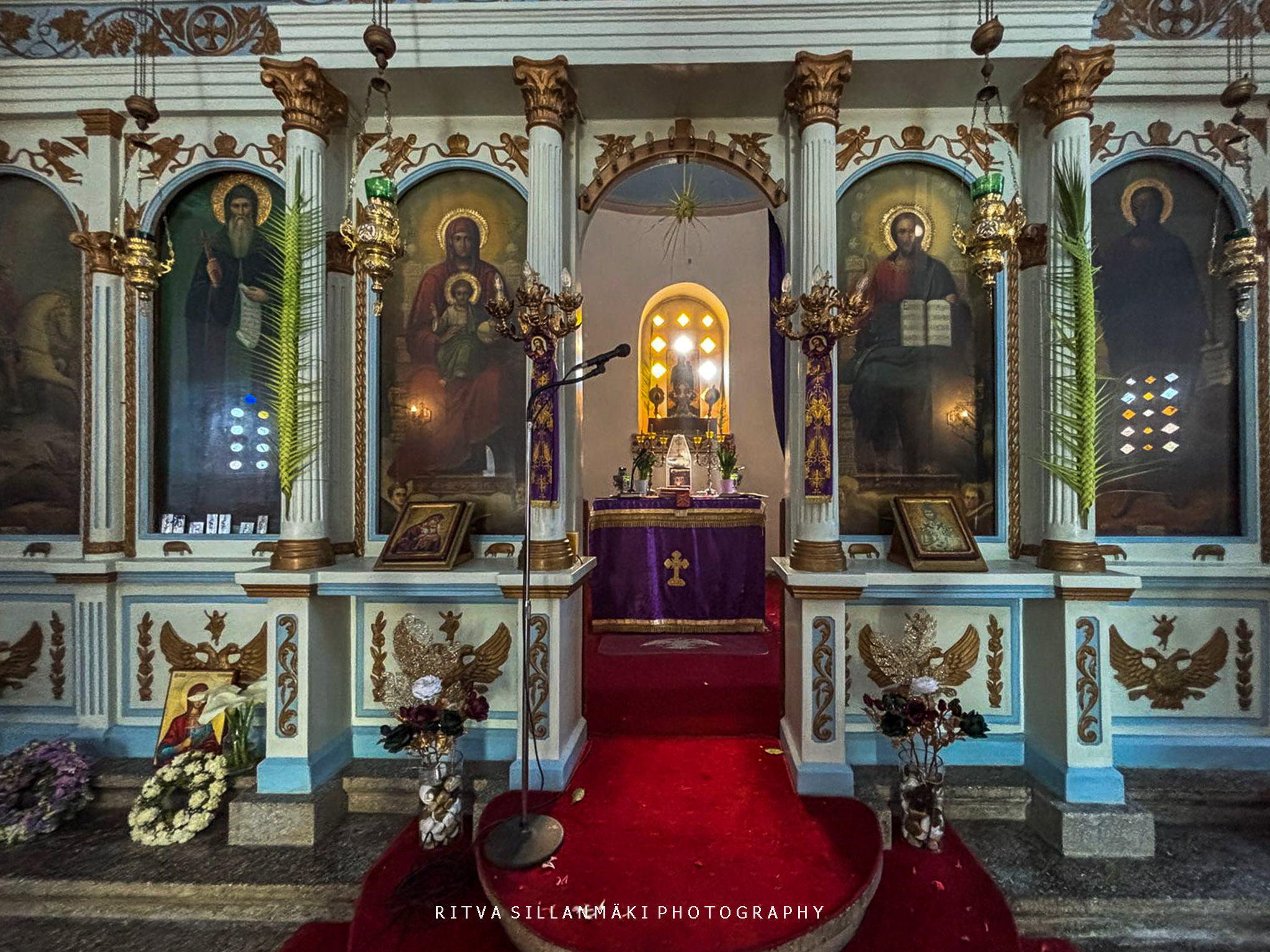
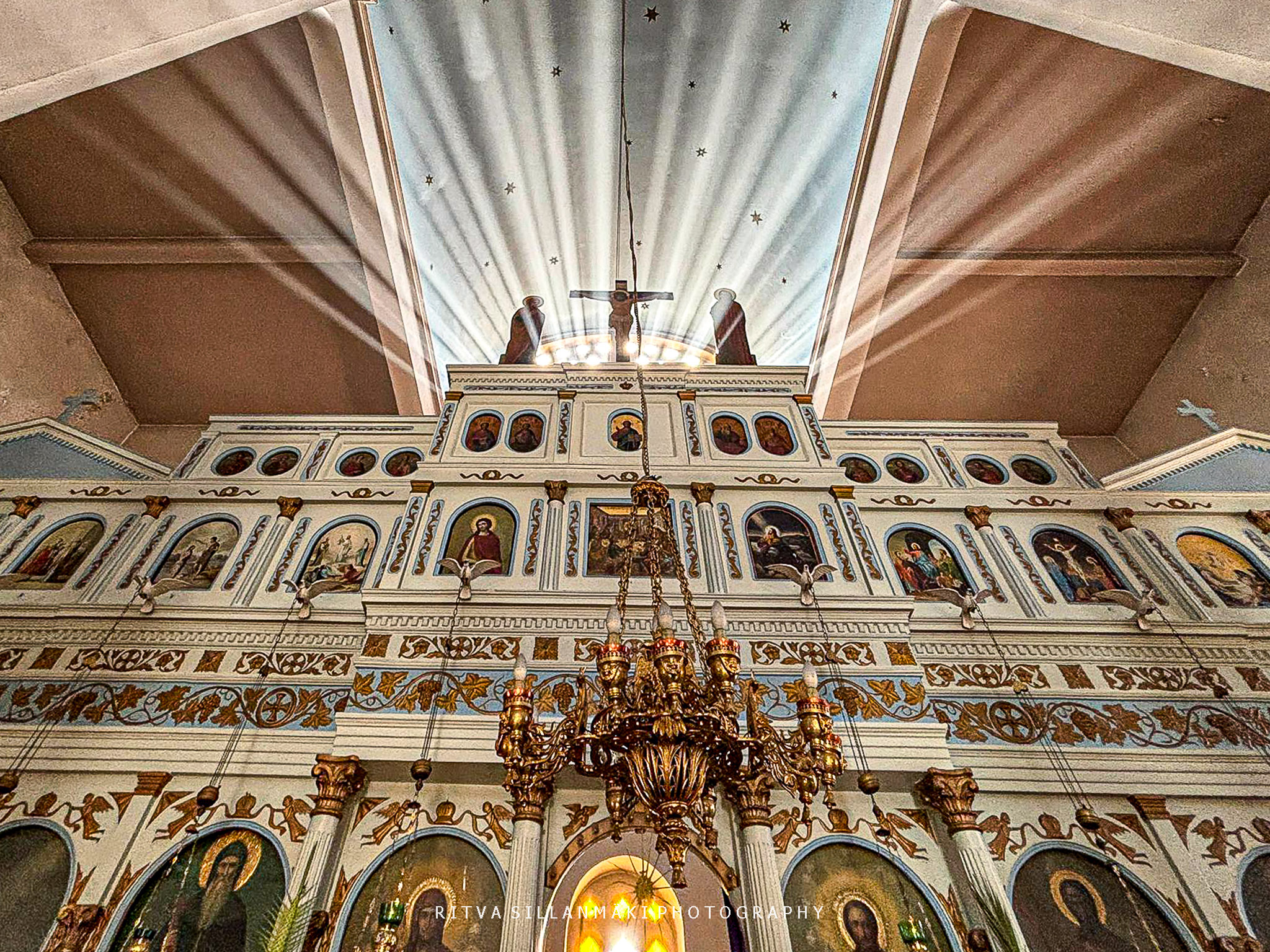
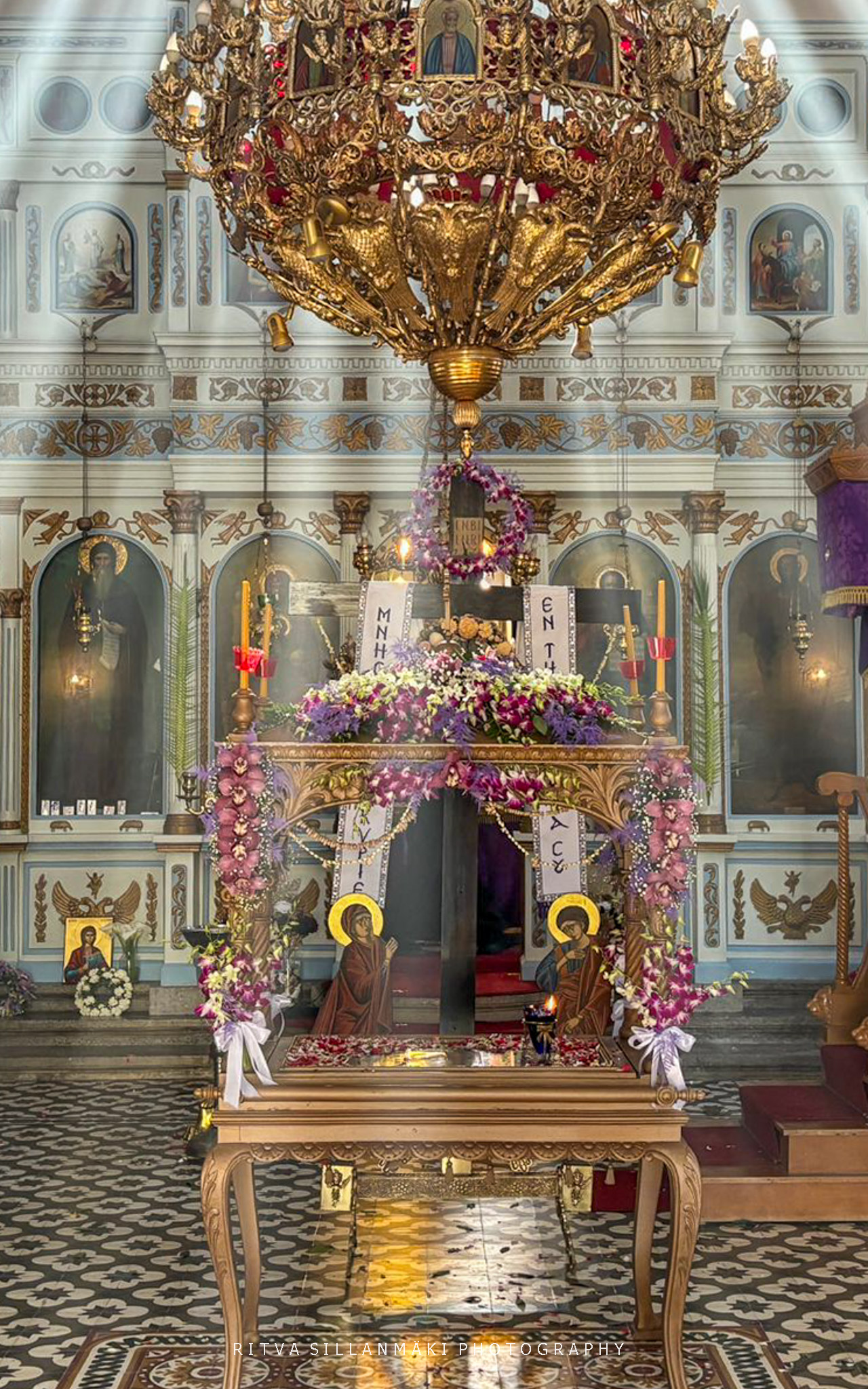
As you stepped into the Church of Saint Anthony in Maleme, you were immediately struck by the warm glow of natural light pouring through the large, arched window above the altar, creating a magical atmosphere, that is the just wow. Nestled at the heart of this beautiful space was a stunning, gold-colored chandelier, decked with multiple candle-like lights and gracefully draped in a soft purple cloth that added a touch of elegance. you couldn’t help but admire the serene blue ceiling scattered with tiny stars, which made created a feeling as though you were beneath a vast, comforting night sky. The rows of wooden pews inviting worshippers to sit, while the intricate tile flooring and religious iconography that adorned the walls heightened the sense of peace.
Sunlight streaming through stained glass windows highlights the intricate chandelier and detailed artwork inside a serene church interior.
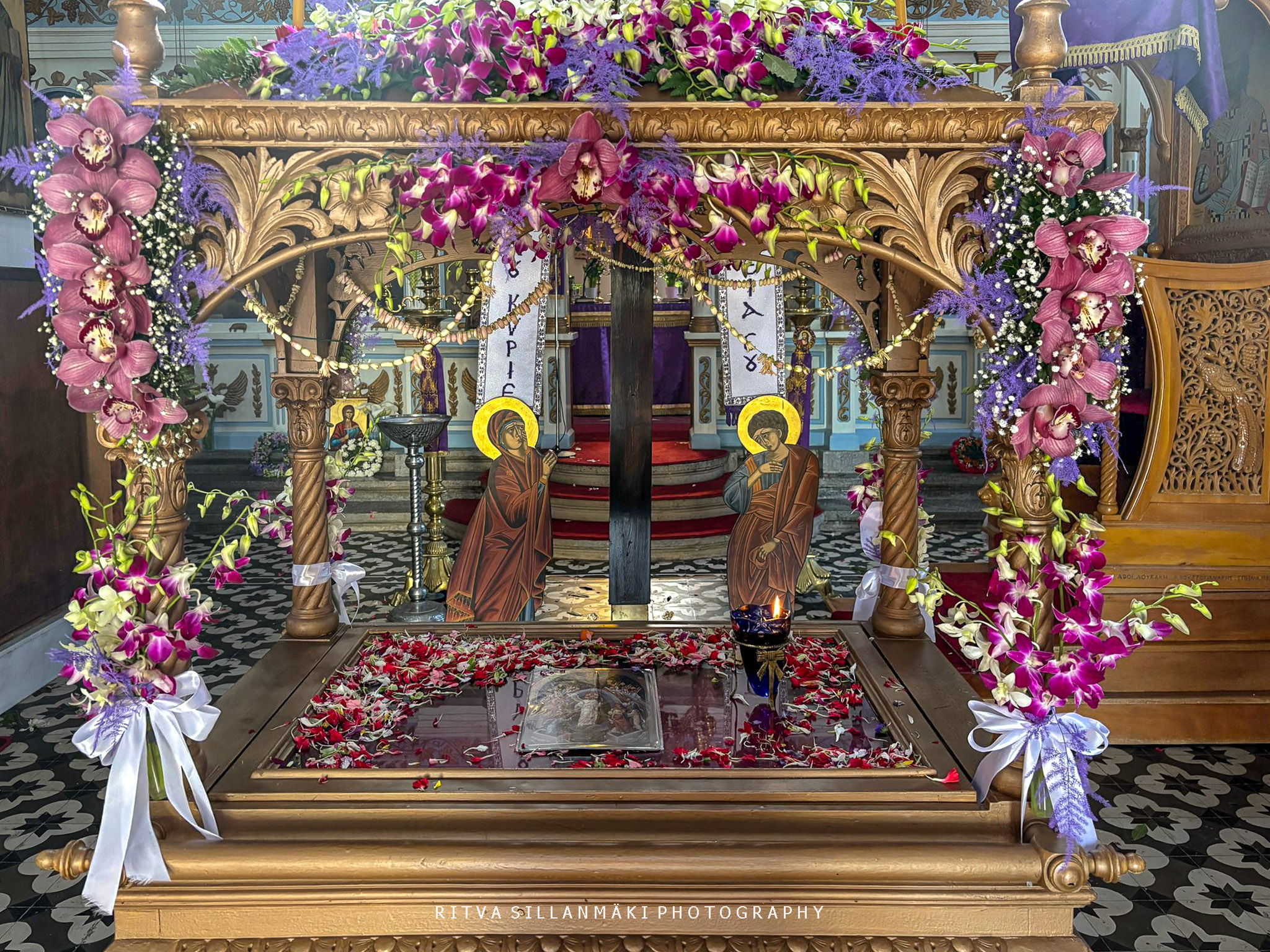
An ornately decorated Orthodox Christian altar in a church featuring religious icons, golden accents, and a vibrant red carpet.
The Church of Saint Anthony (Greek: Ekklisia Agios Antonios), located in the center of the village of Máleme in the Chania region of the island of Crete. This beautiful Greek Orthodox church is known for its white walls, traditional red-brick domes, and its distinctive small round window openings with perforated patterns.
Last week, Patti hosted the challenge, and we appreciate all the fantastic responses you shared about your life’s celebrations. Wonderful posts!
Next week, we will feature a guest host. Steve Hyde (of Steve Hyde Photography Blog) will lead the challenge starting at noon EST in the USA. Tune in to find out more about the challenge then.
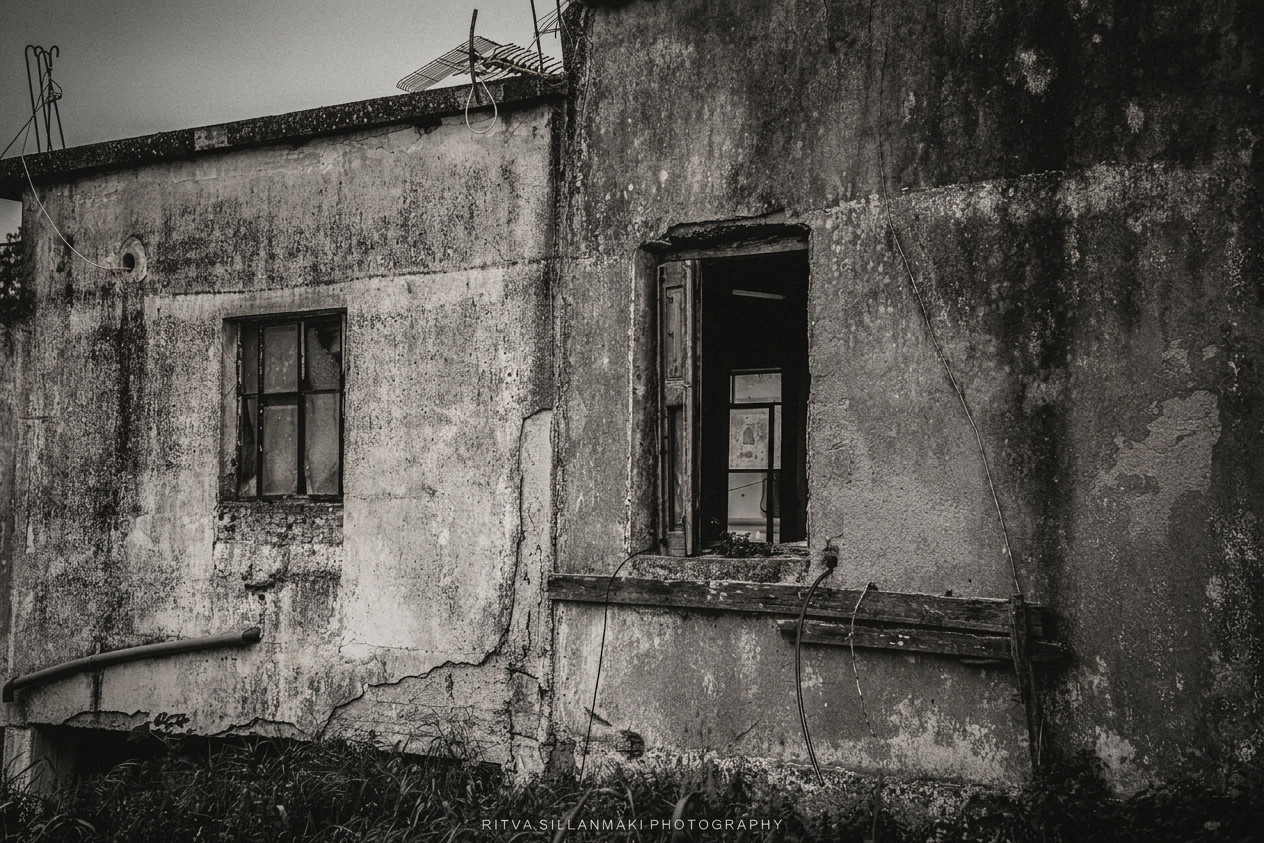
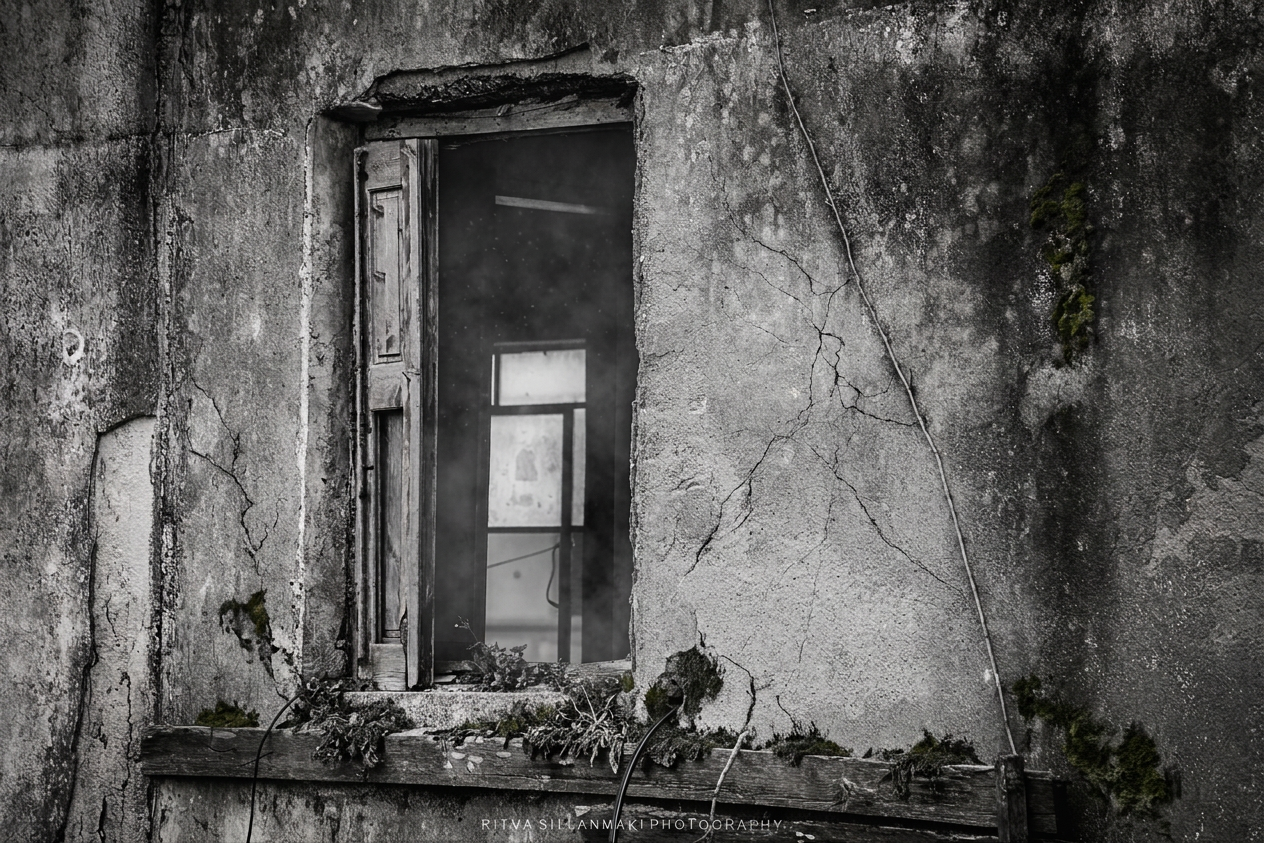
There’s something really captivating about black and white photograph that pulls you in. The exterior of an old, weathered building, where the cracked and peeling walls shows what remains. Just look at that broken window on the left! The shattered glass panes create an almost haunting beauty, while on the right, a larger open window reveals a glimpse of another window inside, layering the scene like a visual narrative awaiting exploration. The textures of age and decay are on full display — dark stains and patches mark the walls, giving it a somber yet intriguing vibe. And those grass and weeds sprouting at the base? They really drive home the feeling of neglect and abandonment, emphasizing what remains of a place once full of life.
An old, weathered building, where the cracked and peeling walls shows what remains
This challenge was What Remains, a challenge that I believe resonates with many of us. Which photographer doesn’t appreciate the beauty of things that have been abandoned? For Leannes Monochrome Madness
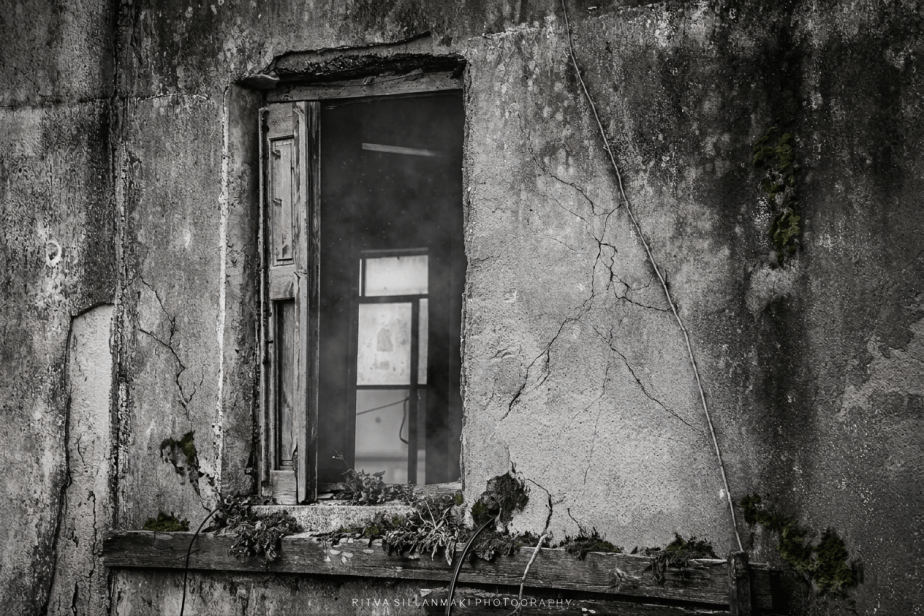
A weathered window set in a cracked, textured wall with moss and plants growing around the frame, evoking a sense of abandonment and decay.A weathered window set in a cracked, textured wall with moss and plants growing around the frame, evoking a sense of abandonment and decay.
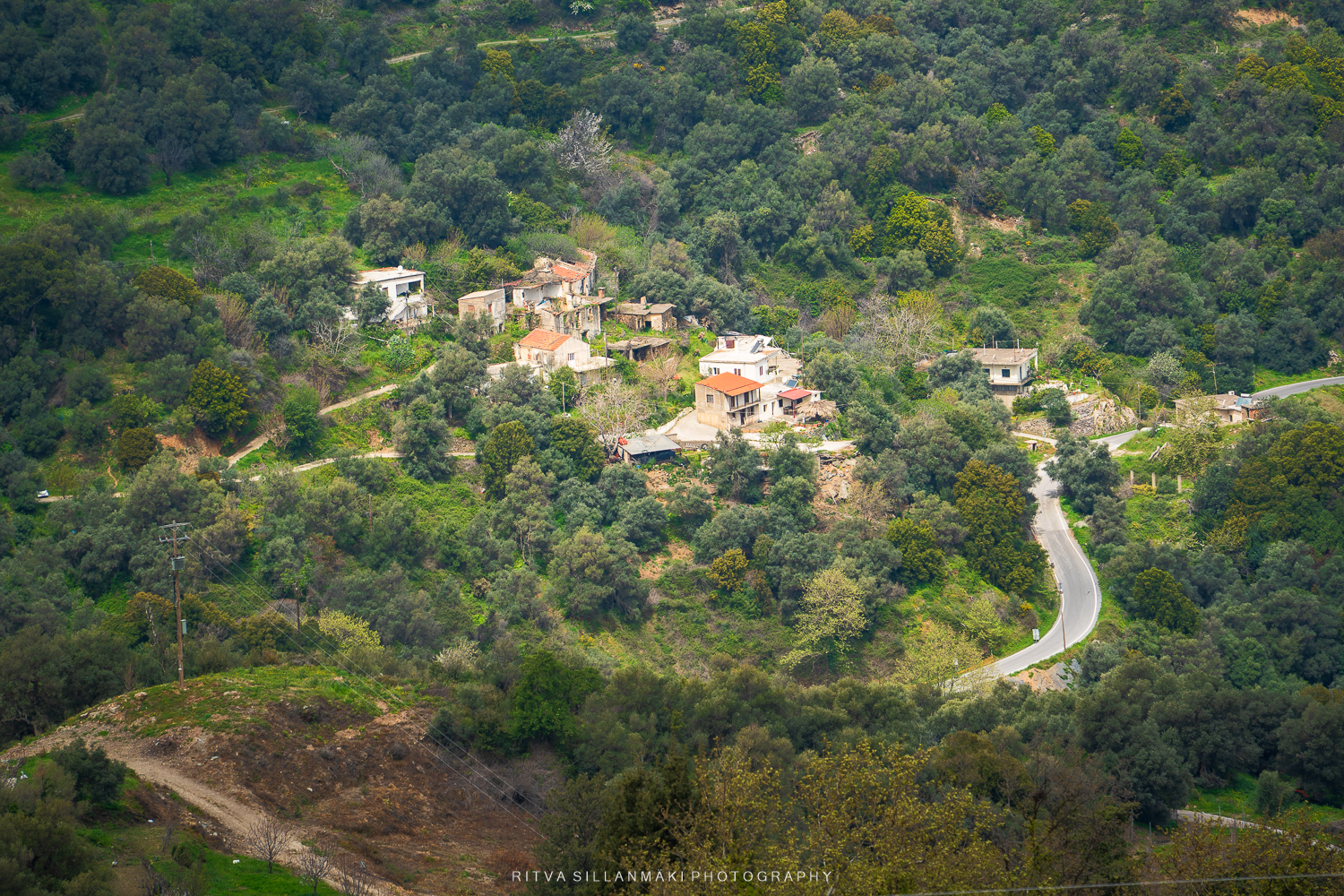
Argyroupoli, located in Crete, truly captivated us during our visit! Situated roughly 20 km southwest of Rethymno, this charming mountain village offers stunning views at every turn. The village is perched at approximately 260 meters above sea level. Although the day was cloudy and breezy, it didn’t detract from its beauty, but it did limit our time there. The area is renowned for its natural springs and waterfalls, which are said to be amazing, energizing local mills and creating a refreshing ambiance ideal for unwinding at quaint cafes and tavernas. Unfortunately, we didn’t get to see these attractions this time, and most cafes were closed since we visited prior to the tourist season.
The village with red-tiled roofs nestled among green hills under an overcast sky
The aged cobblestone streets, flanked by weathered rustic buildings, contribute to the enchanting atmosphere of this town. You can truly immerse yourself in the authentic essence of Cretan life, surrounded by breathtaking natural beauty. Interestingly, this charming village is perched atop the ancient ruins of Lappa. At the heart of the square stands a picturesque church, a favorite meeting spot for both locals and curious tourists.
The structures here showcase a remarkable blend of Venetian and Cretan architectural styles, each one telling its own story through the peeling paint and timeworn facades, which bear witness to the passage of time and the lives that once thrived within their walls. I find immense joy in capturing these nostalgic elements on camera, as each image evokes a sense reverence for the past, inviting viewers to imagine the vibrant stories these buildings could share. It is sad to see how houses in small towns like these are being abandoned and left to decay, their histories fading slowly into obscurity, and how the charm of their unique designs is overshadowed by neglect, making it all the more urgent to preserve their beauty before they vanish completely.
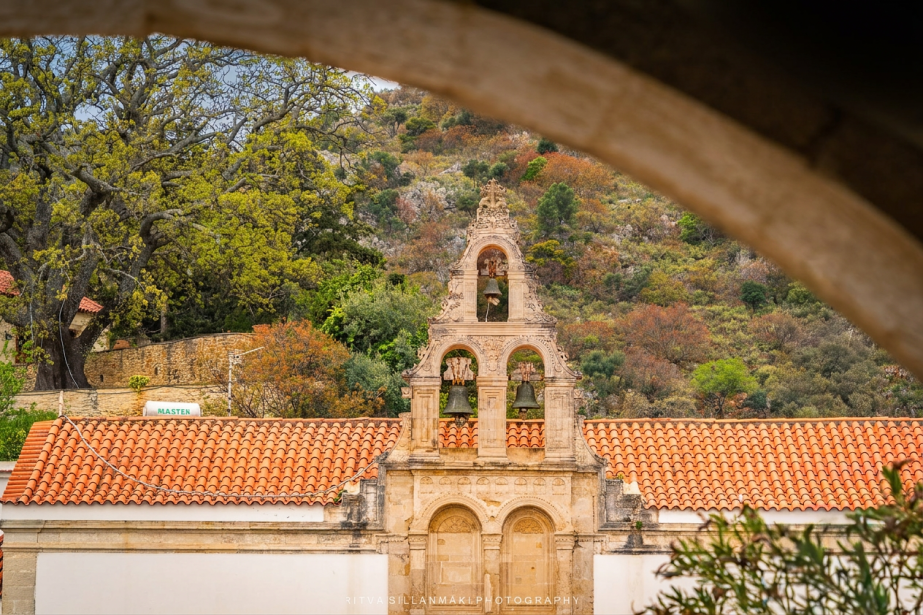
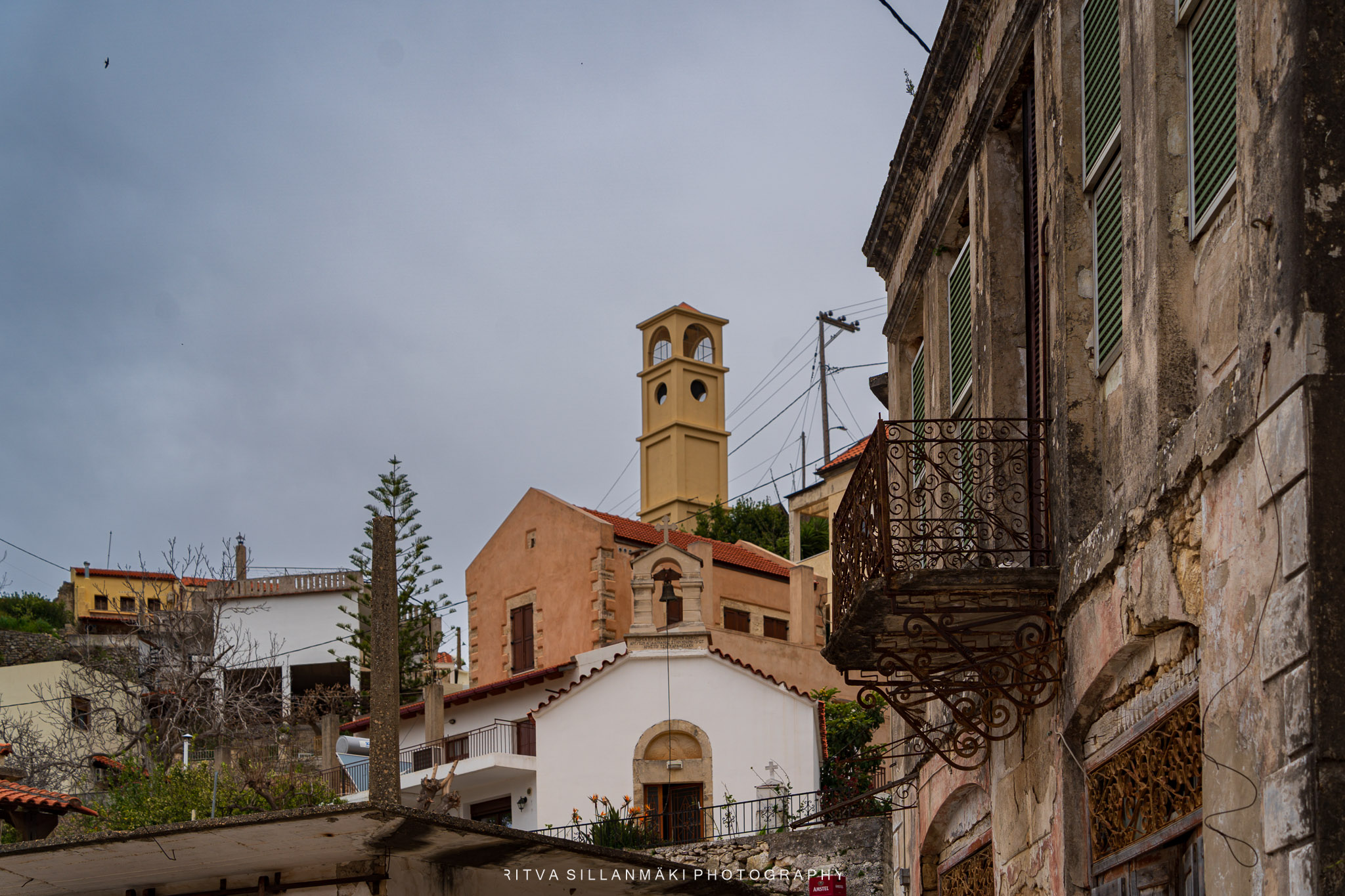
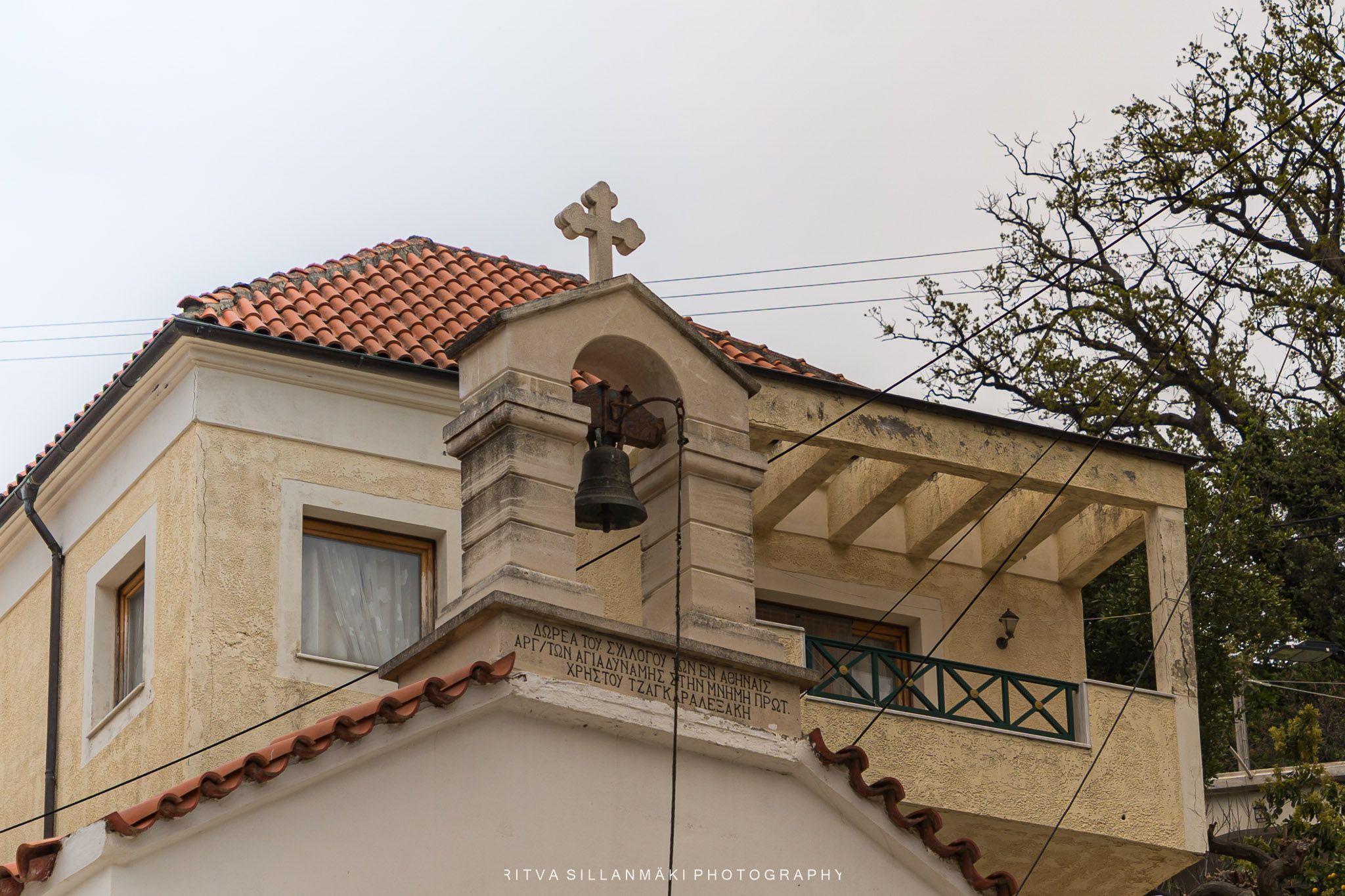
A historic stone bell tower framed by a curved arch, set against a backdrop of leafy trees and rocky hills.
The Church of Saint John (Agios Ioannis) captures the eye with its striking bell tower, creating a stunning contrast against the adjacent whitewashed walls, evoking a sense of both history and beauty that is hard to resist. But for me the old buildings were the thing, as you can see from the huge amount of images.
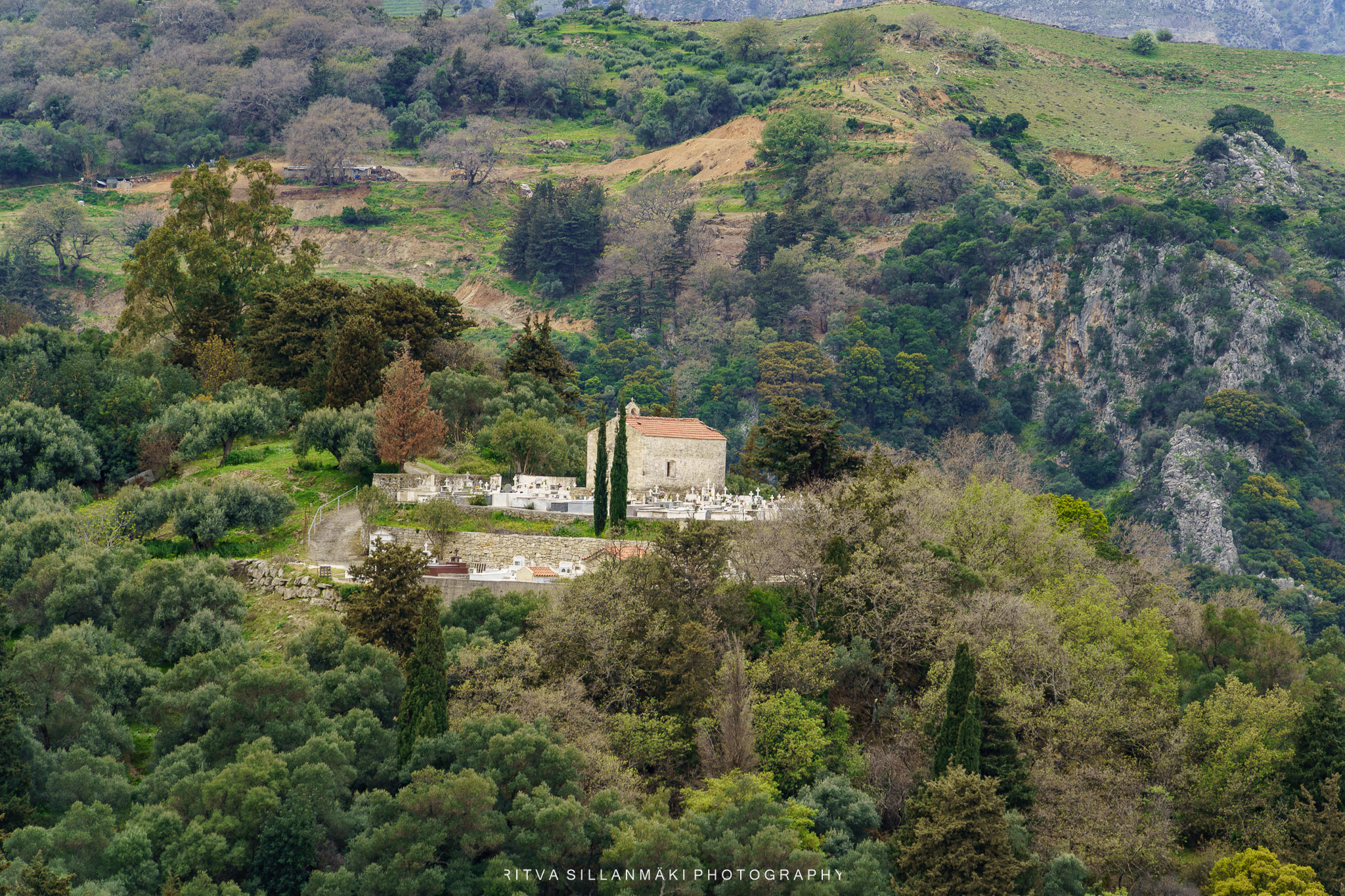
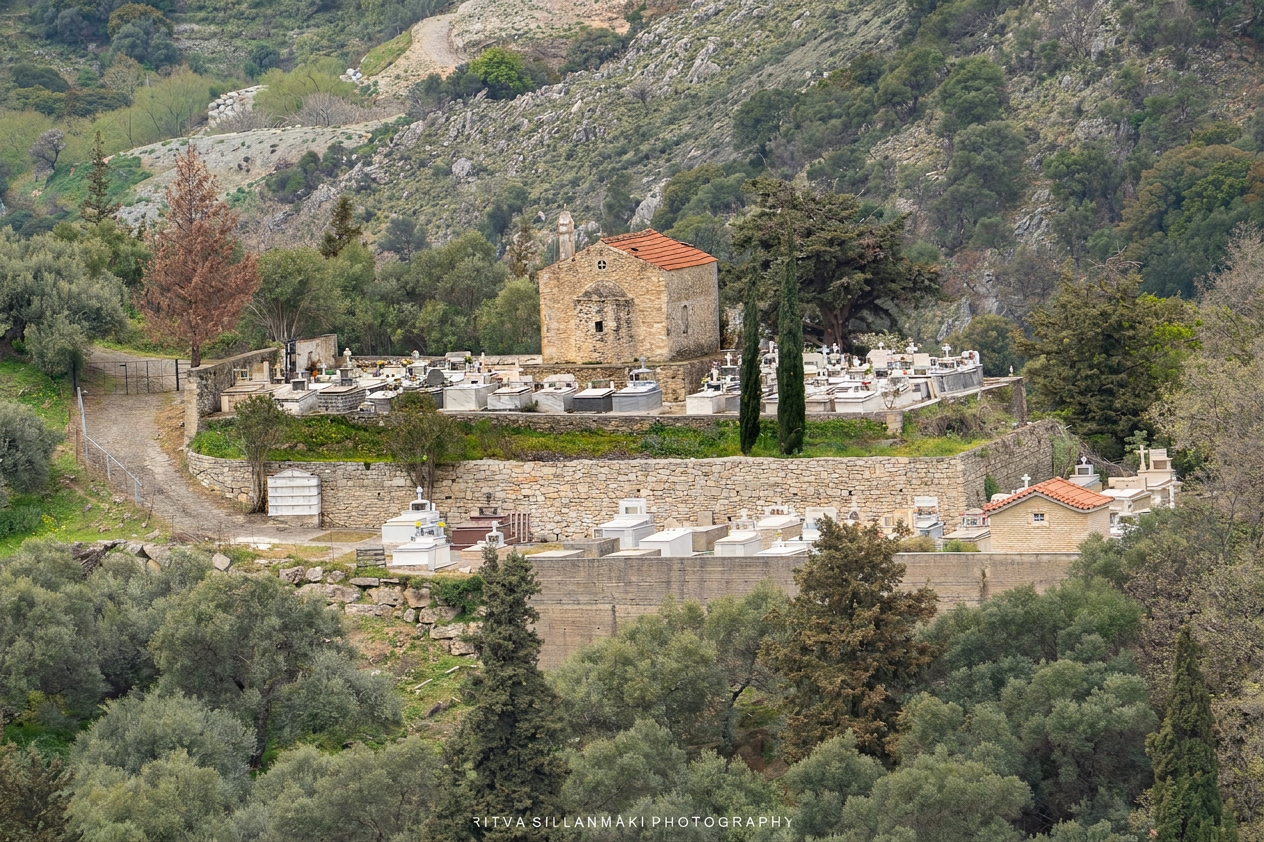
A peaceful chapel and cemetery located on the outskirts of Argyroupoli on hillside surrounded by lush greenery and rocky terrain.
Participating in Thursday Doors This week, I am excited to share an array of photos from our memorable trip to Crete in May, where the rich history and vibrant culture of the island inspired every click of the camera. Each door we encountered told its own story, reflecting the unique charm of the traditional Cretan homes, and I am happy to share you how these all with you.
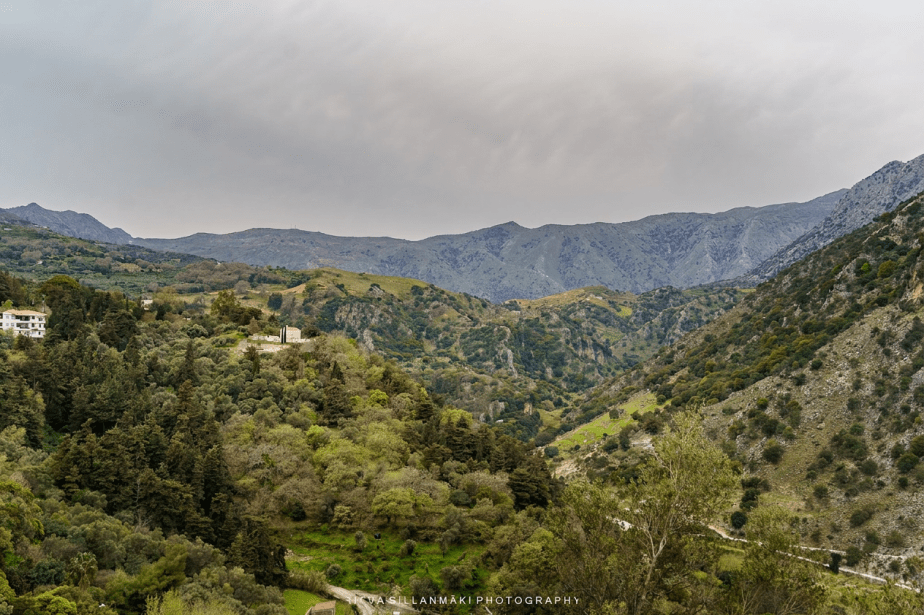
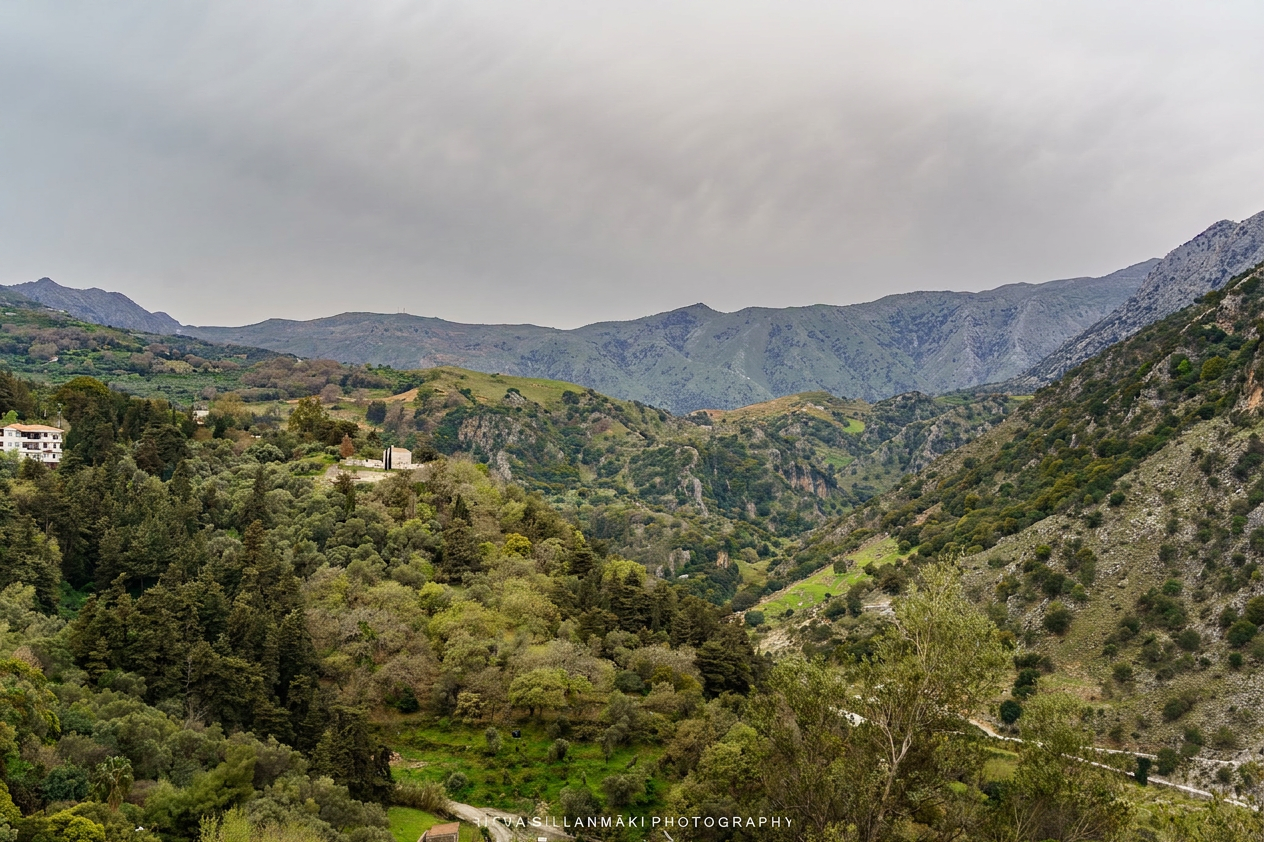
A lush green valley framed by rugged mountains under an overcast sky, showcasing the natural beauty of the landscape.
I am still going through the Crete photos; it seems that I have a tendency to edit bits and pieces at a time. In a world where everything is expected to be posted and documented immediately, I’ve stepped or more like fallen back from that pressure—I’m never ready to share them that quickly. By the time I consider posting, the moment has already passed. Do you understand what I mean?
Social media has made it too quick for me to keep up with the constant flow of information and updates. As a result, I’ve mostly stopped posting there, feeling overwhelmed by the rapid pace of engagement that doesn’t allow for thoughtful reflection. I often find that I am never truly in the moment, as the pressure to share experiences instantly detracts from actually enjoying them.
A large domed roof of The Sultan Ibrahim Mosque, and a small bell tower of The Church of Saint Catherine, surrounded by trees and grass under a cloudy sky
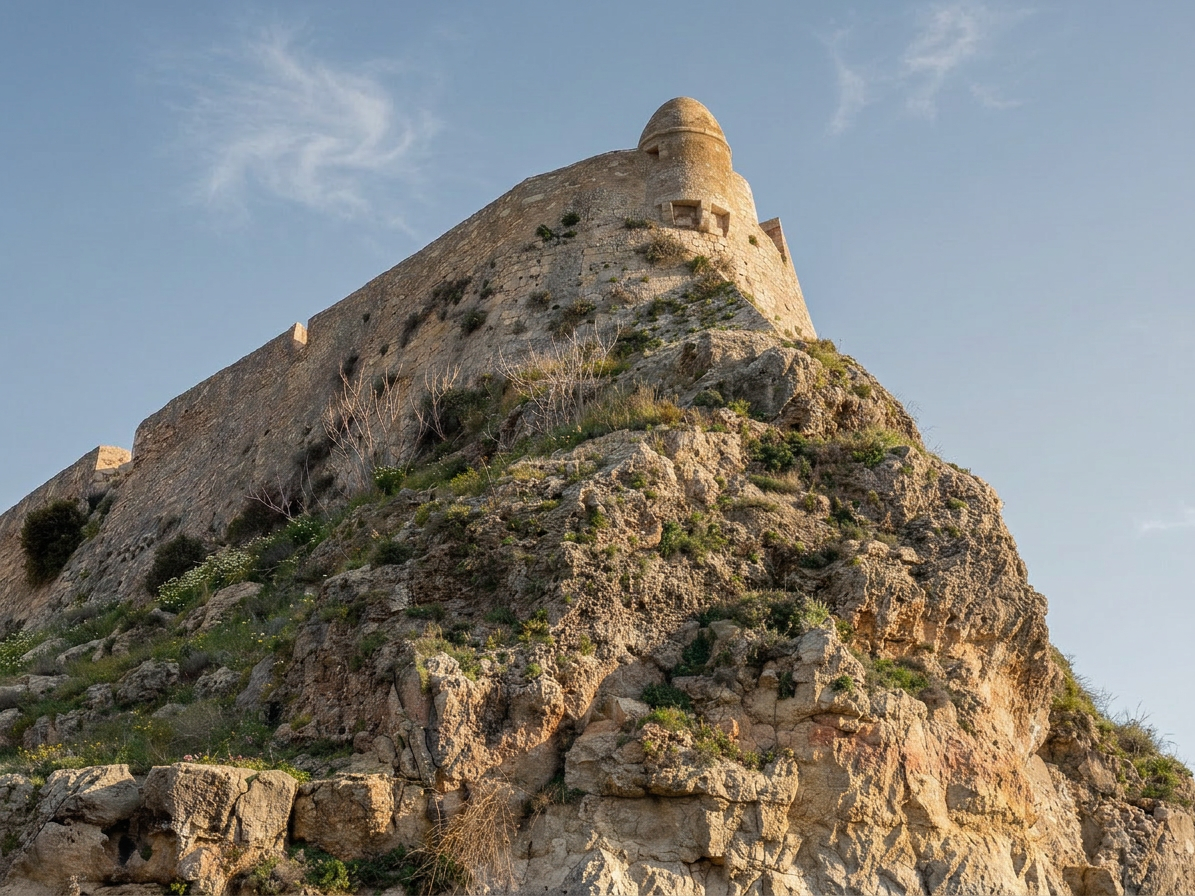
Now after that rant, for Leanne’s Monochrome Madness: here are black and white, monochrome images from the Fortezza Fortress in Crete. This historical site, with its impressive architecture, offers a unique perspective on the rich history of the region. In my post from yesterday, I was below looking up, trying to capture the grandeur of the fortress that towers above the surrounding landscape. This time, however, these images are actually taken from within the fortress itself, allowing you to explore the intricate details. The timeless grandeur and the enduring strength of this magnificent structure of Crete’s ancient heritage.
The Church of Saint Catherine (Agia Ekaterini),in the historic area of the Fortress. This charming Orthodox chapel, built of rugged limestone, dates back to the 19th century.
The picture depicts the Church of Saint Catherine (Agia Ekaterini), located in the historic area of the Fortress .This charming Orthodox chapel, built of rugged limestone, dates back to the 19th century.
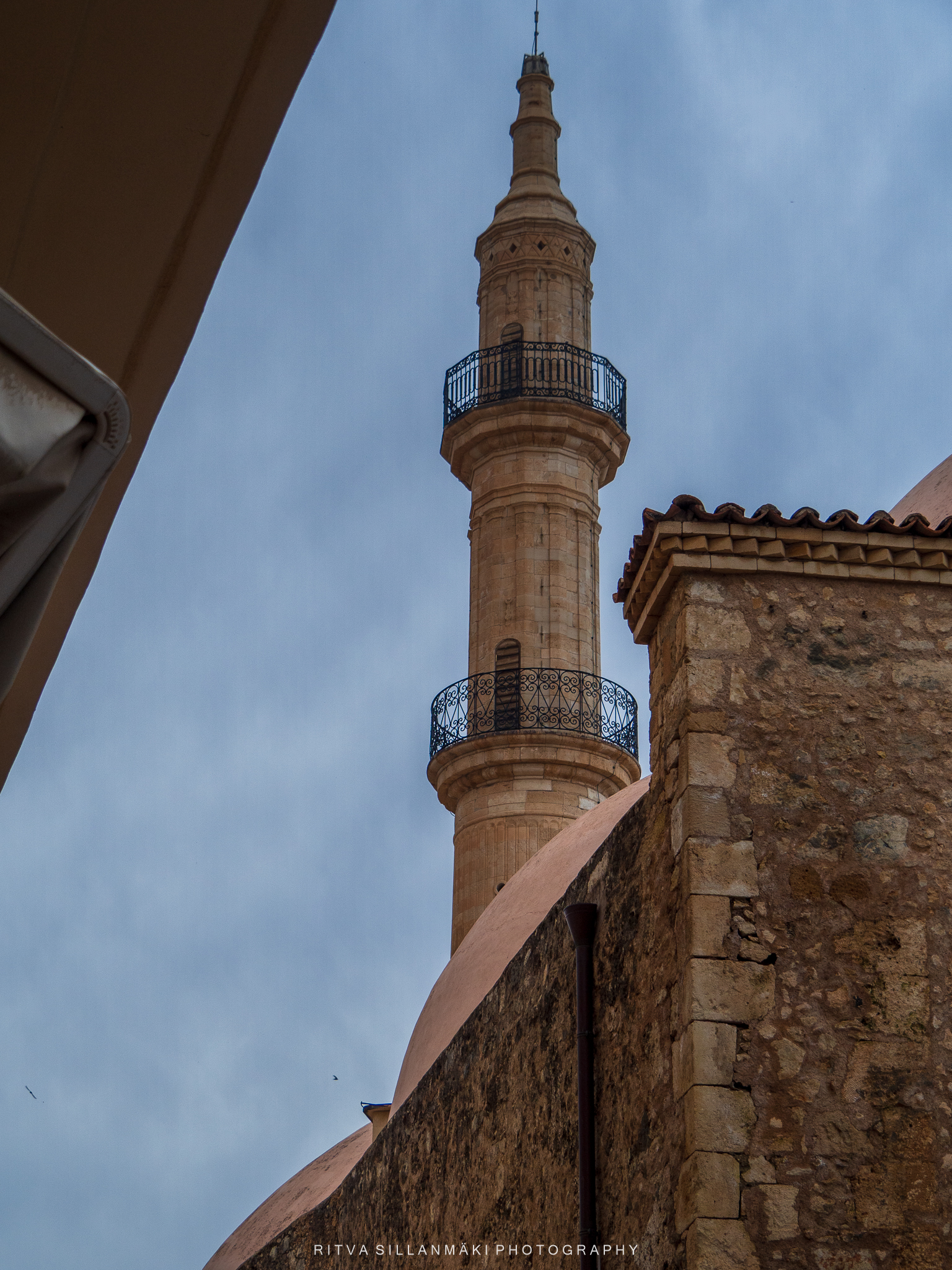
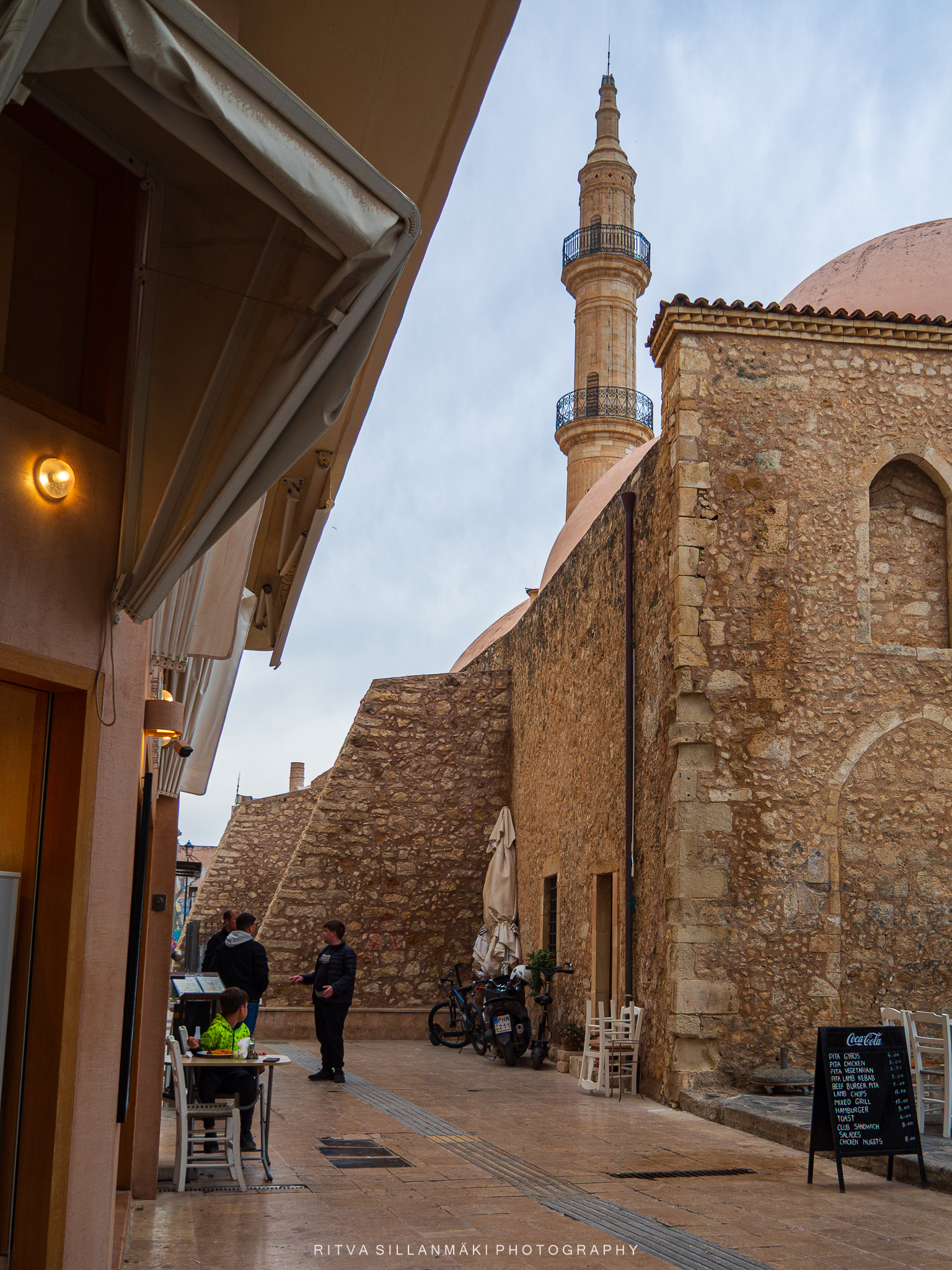
The Sultan Ibrahim Mosque,
The Sultan Ibrahim Mosque is located within the Fortezza Fortress and was constructed in 1583, initially functioning as a church dedicated to Saint Nicholas during the era of Venetian control. Following the Ottomans’ conquest of Réthymno in 1646, the church was transformed into a mosque, at which point an 11-meter diameter dome was added, along with a minaret that has since been demolished.
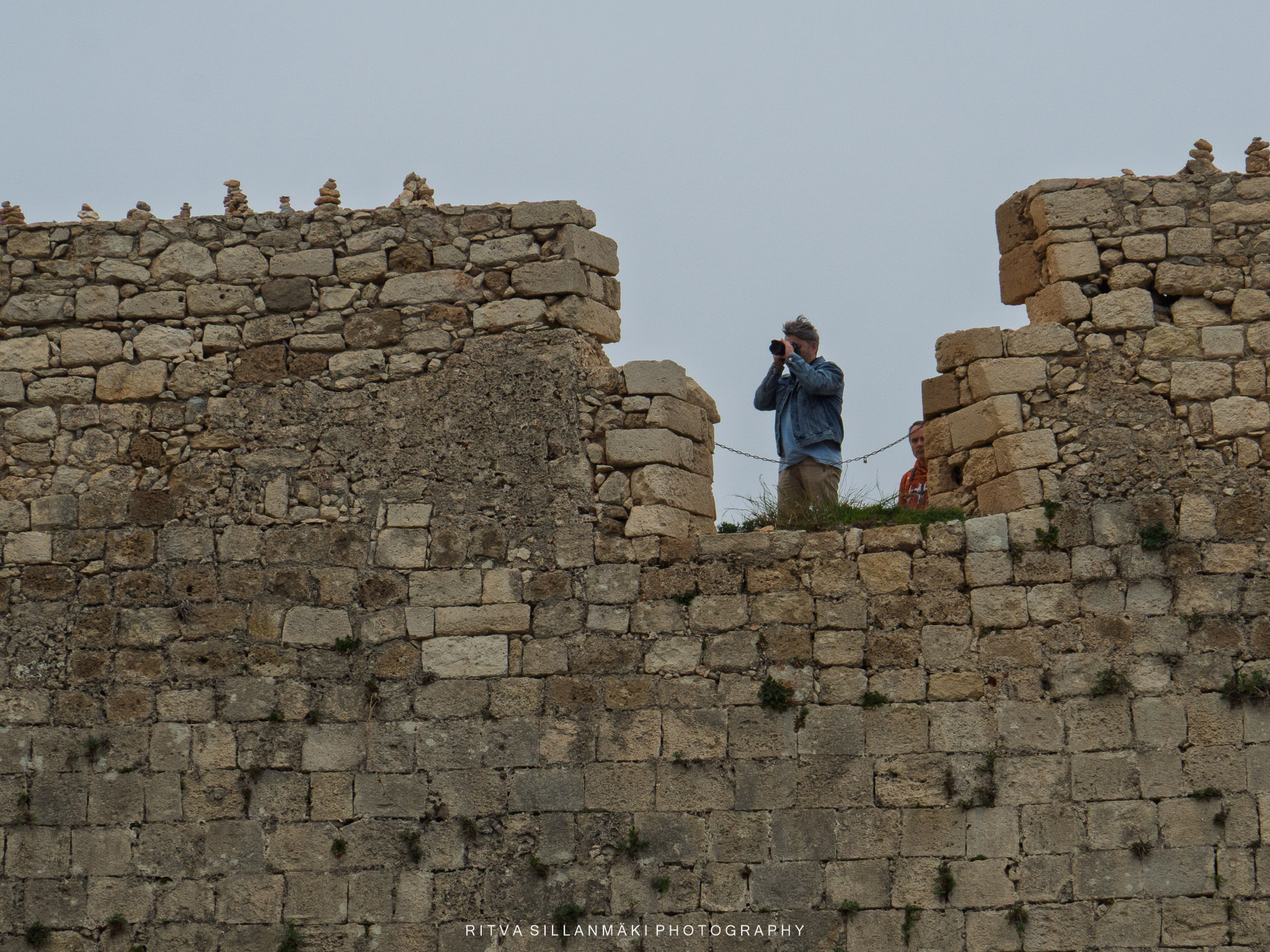
The walls can be up to 5 meters thick.
The fortress is primarily built from rough limestone, and its walls can be up to 5 meters thick. The limestone arches looked interesting
The limestone arches
With this last photo, I did two monochrome edits. As you can see, the other is in the same gray shades as all the photos above, while I tried more blue tones in the one. I still lean towards the more traditional black and white – gray shades. Don’t you think the mood changes in these two, even if it’s the same shot? Any thoughts about this?
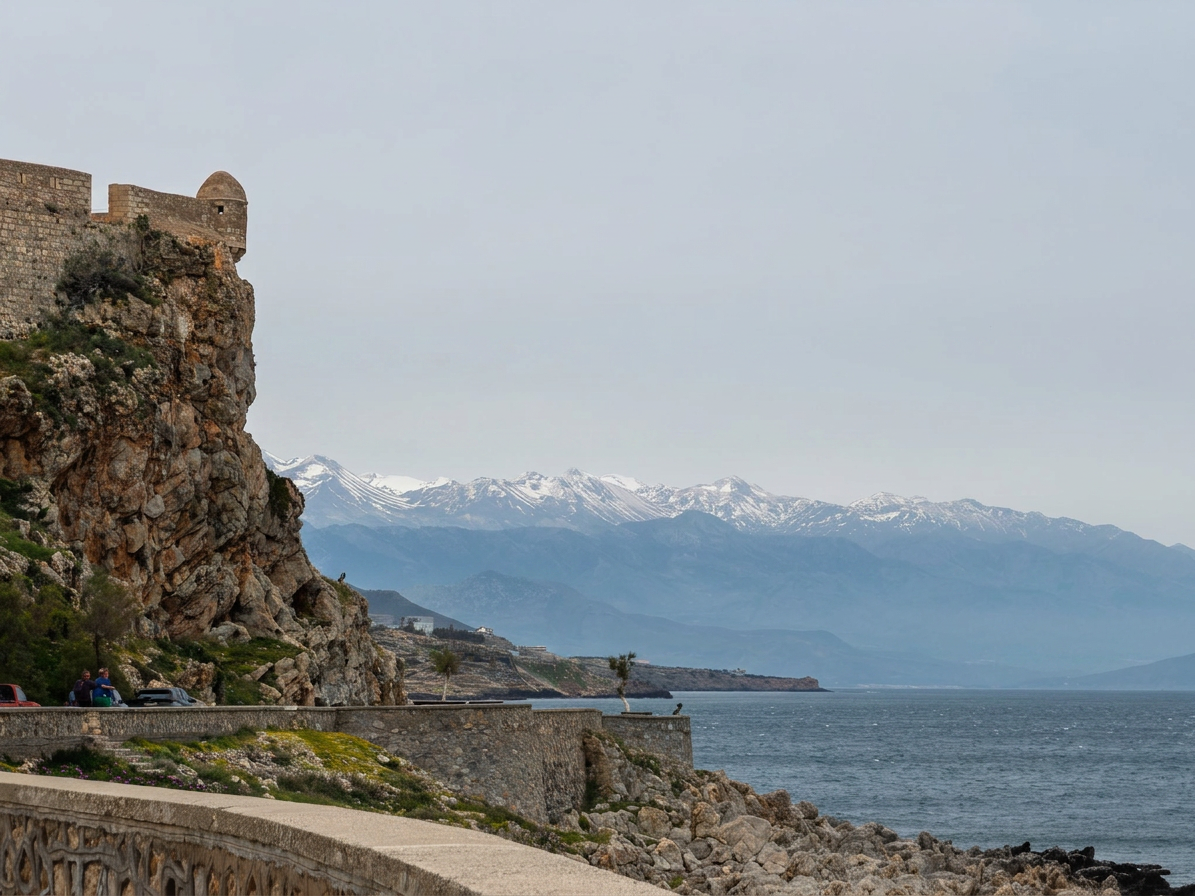
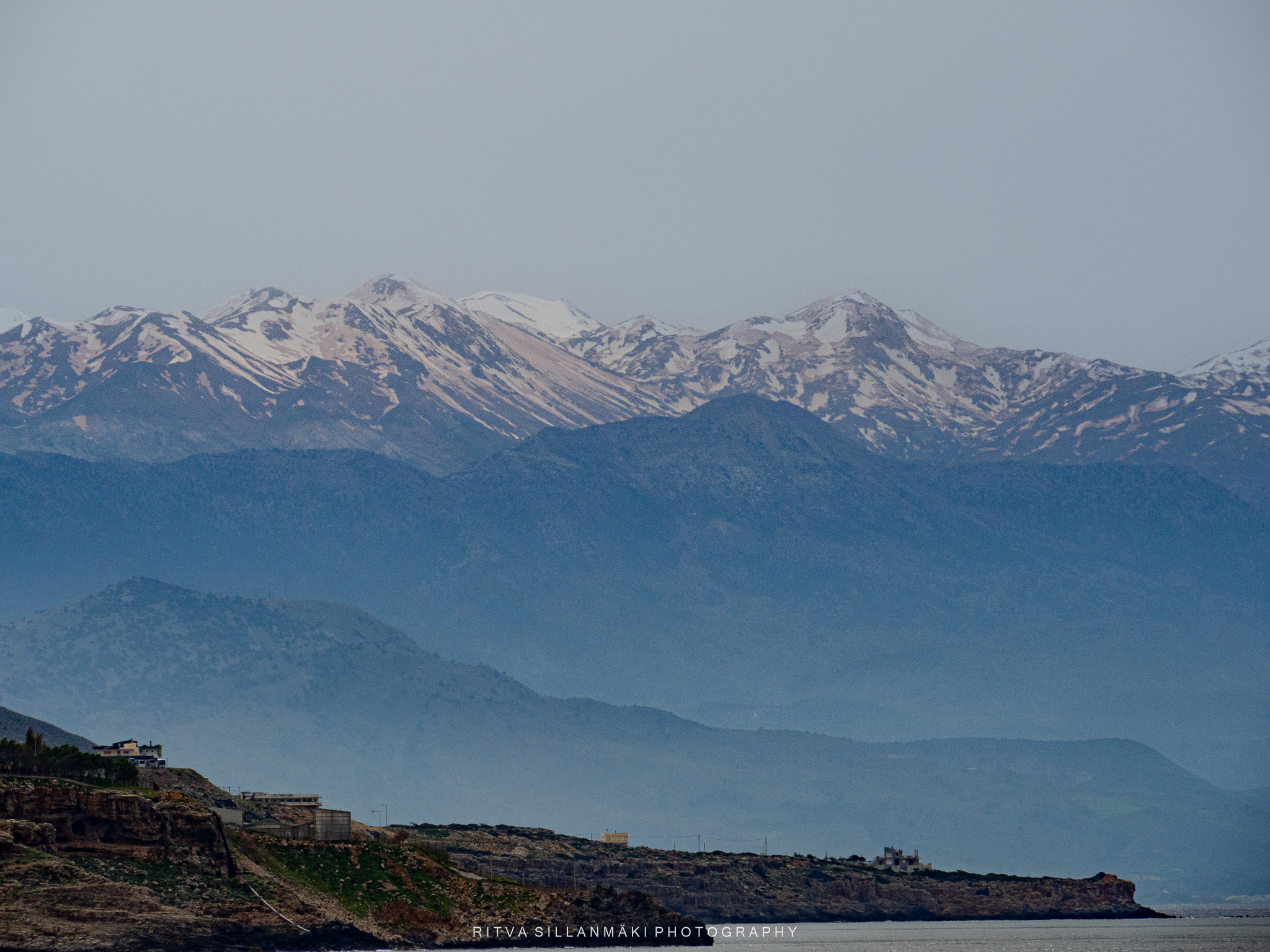
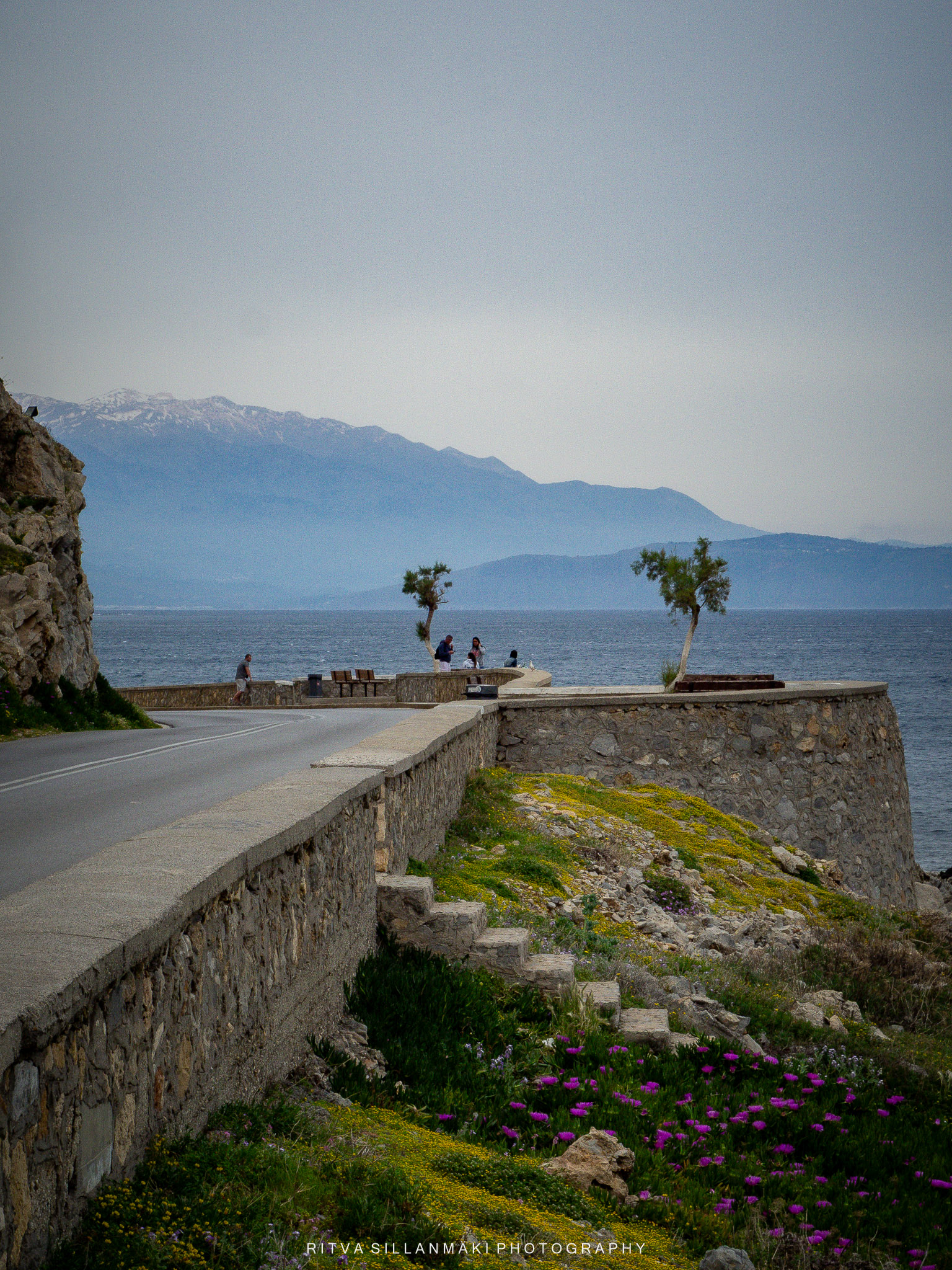
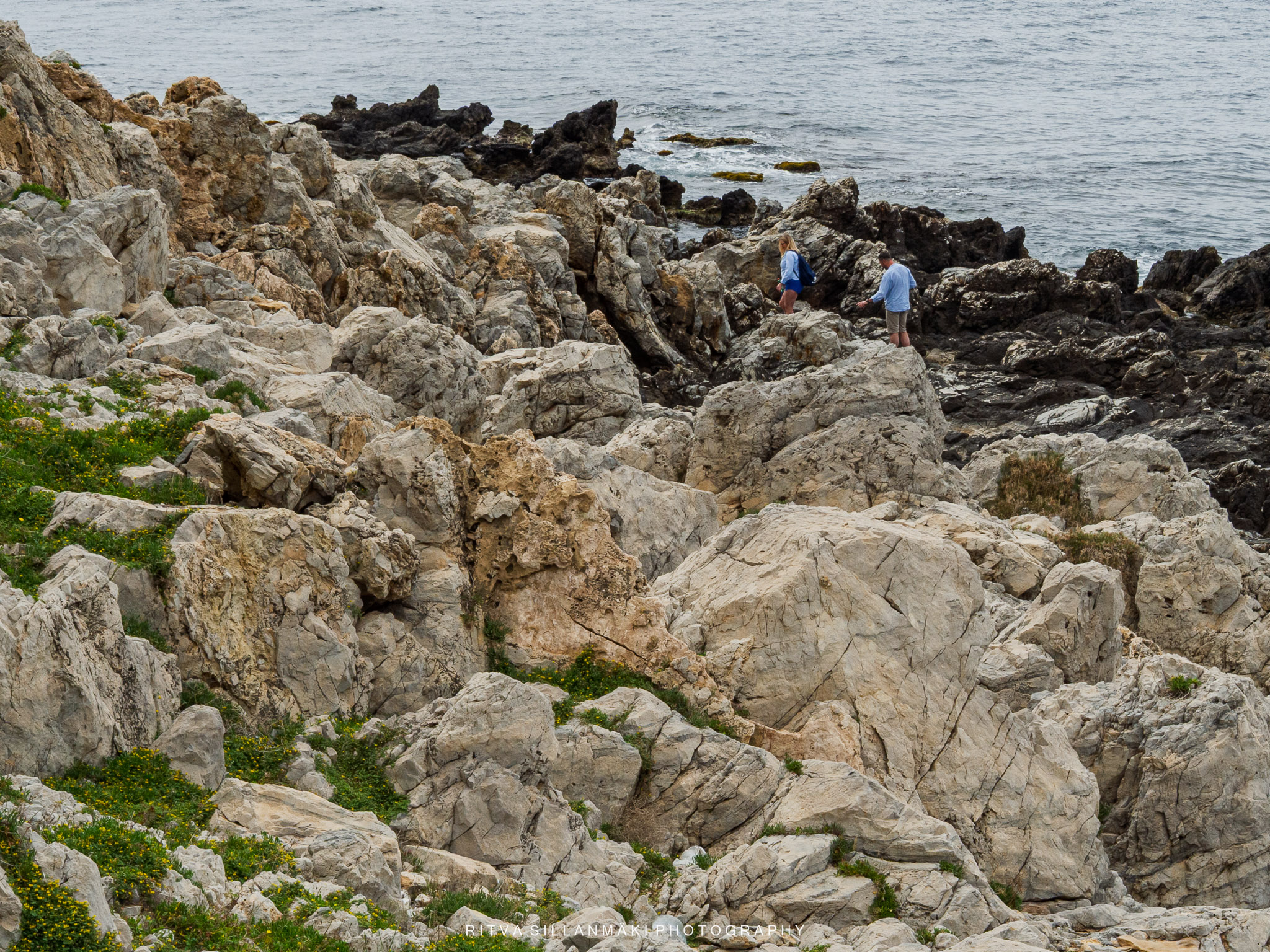
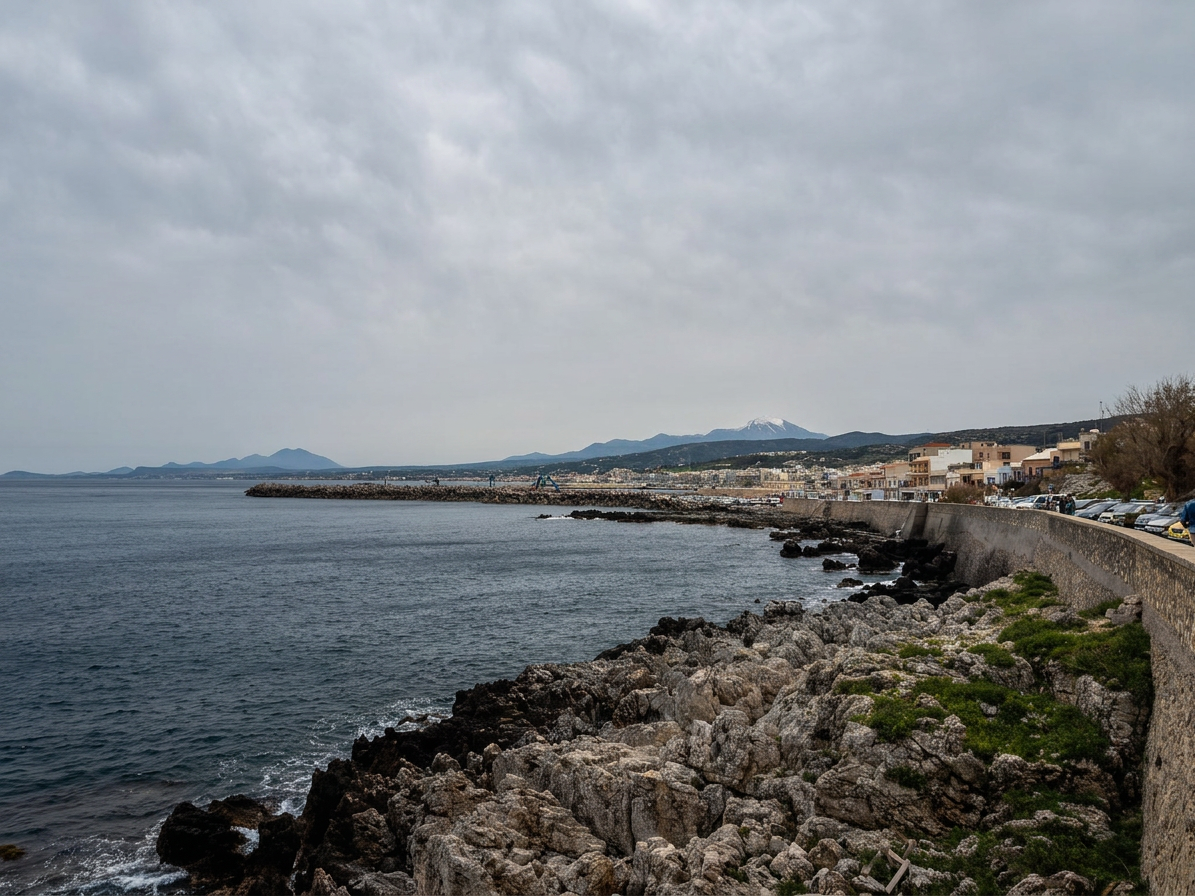
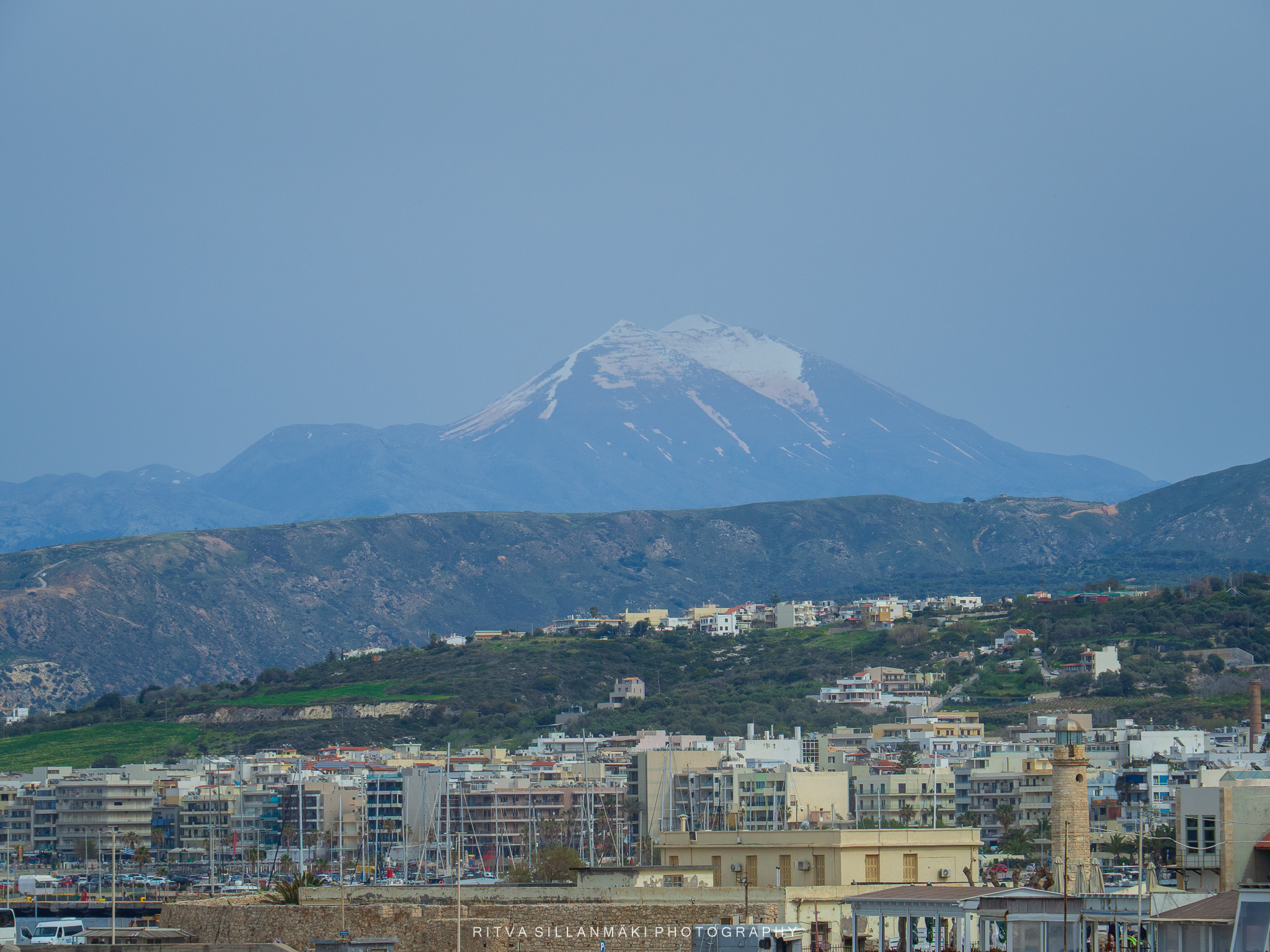
Fortezza Fortress stands proudly in Rethymnon, Crete, Greece. I found myself seated by the seaside road, admiring the fortress while simultaneously looking at the stunning sight of the snow-capped mountains rising majestically in the distance. The view was a breathtaking contrast, with sea creating a mesmerizing panorama. We visited in May, and to our delight, the snow had yet to melt on the peaks, providing us with numerous excellent photography opportunities that encapsulated the beauty of the landscape. The rocky shoreline was not easy to walk on; that is only an observation from looking down at people moving about, carefully navigating the uneven terrain while enjoying the fresh sea breeze and the sounds of waves crashing against the rocks.
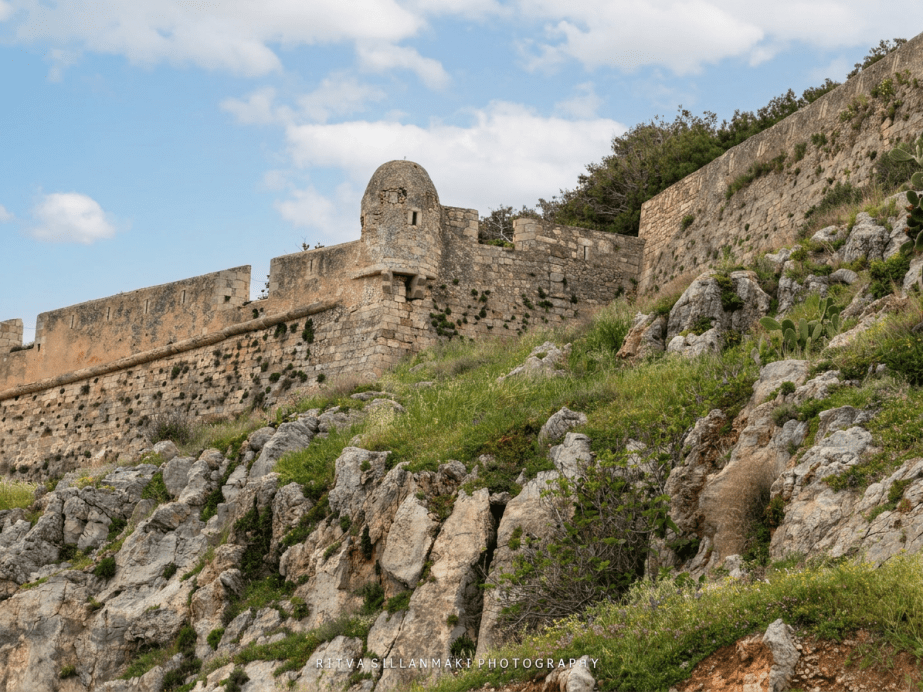
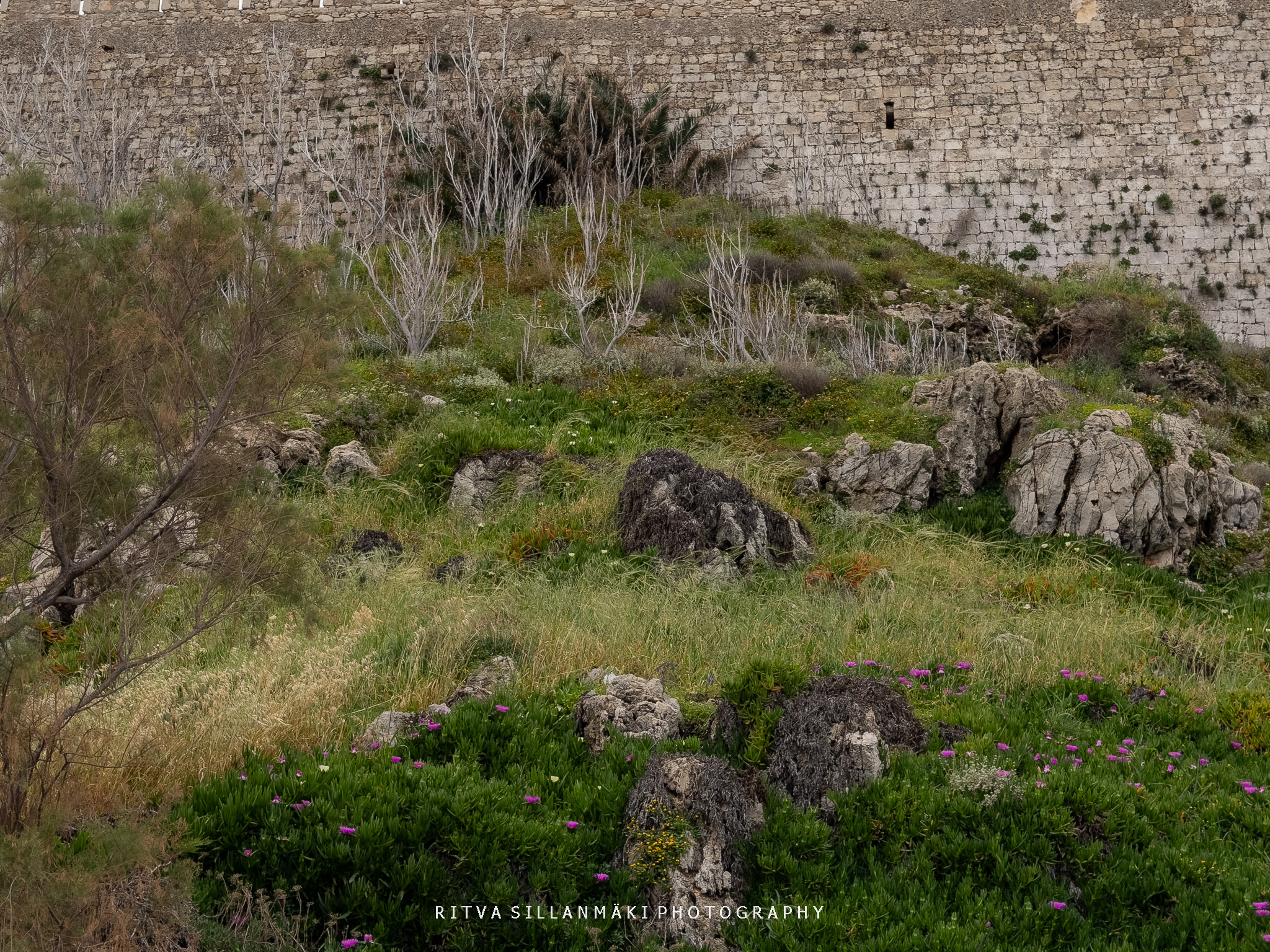
Ancient stone fortress walls rise along a rugged hillside
The Fortezza Fortress, constructed by the Venetians in the 16th century, is perched on Paleokastro hill and provides stunning views of both the city and the sea. This fortress is a vital historical landmark on the island. Located to the north of the city and adjacent to the old town and the Venetian harbor, it was built between 1573 and 1580 to safeguard the city from pirate attacks.
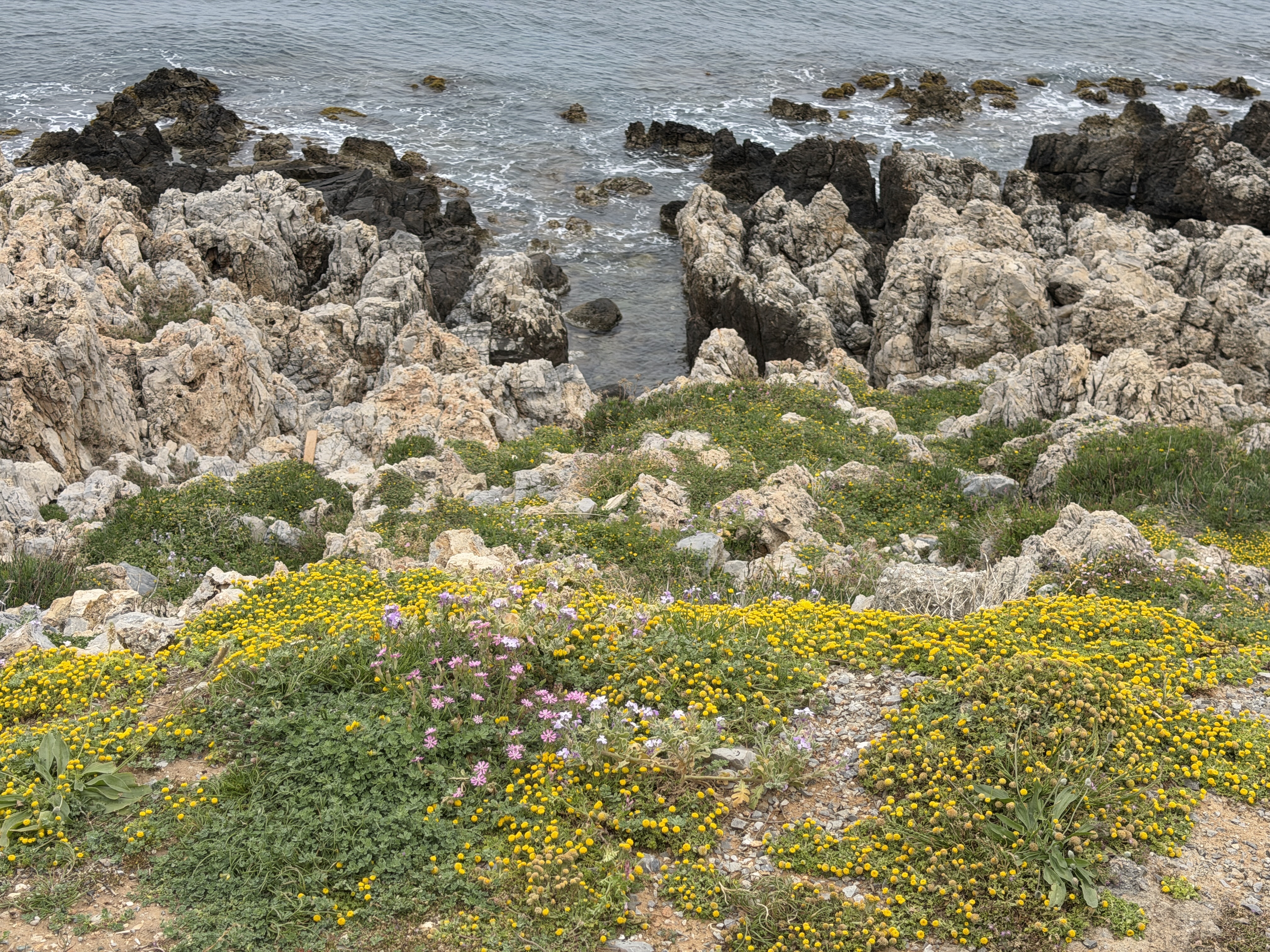
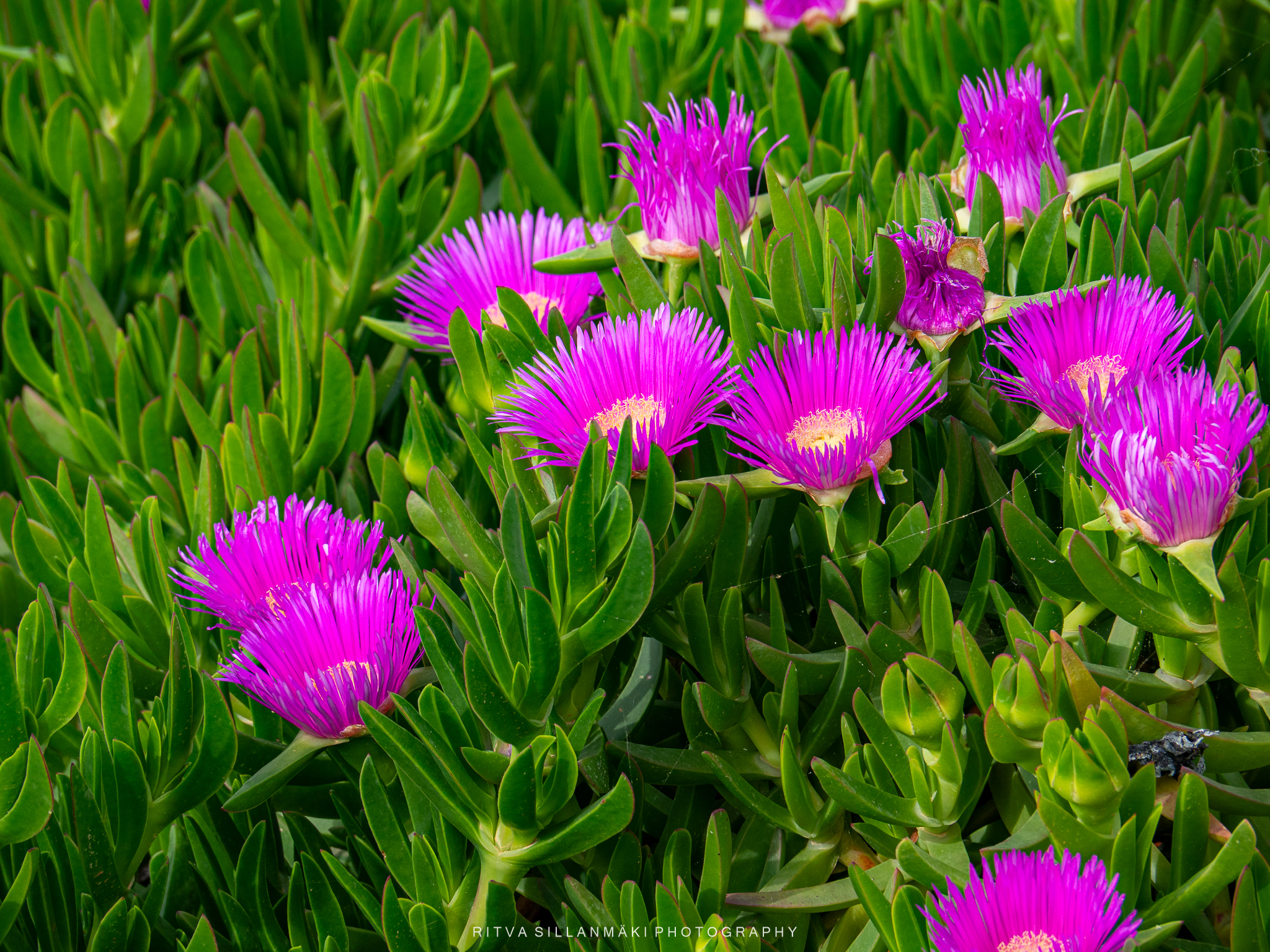
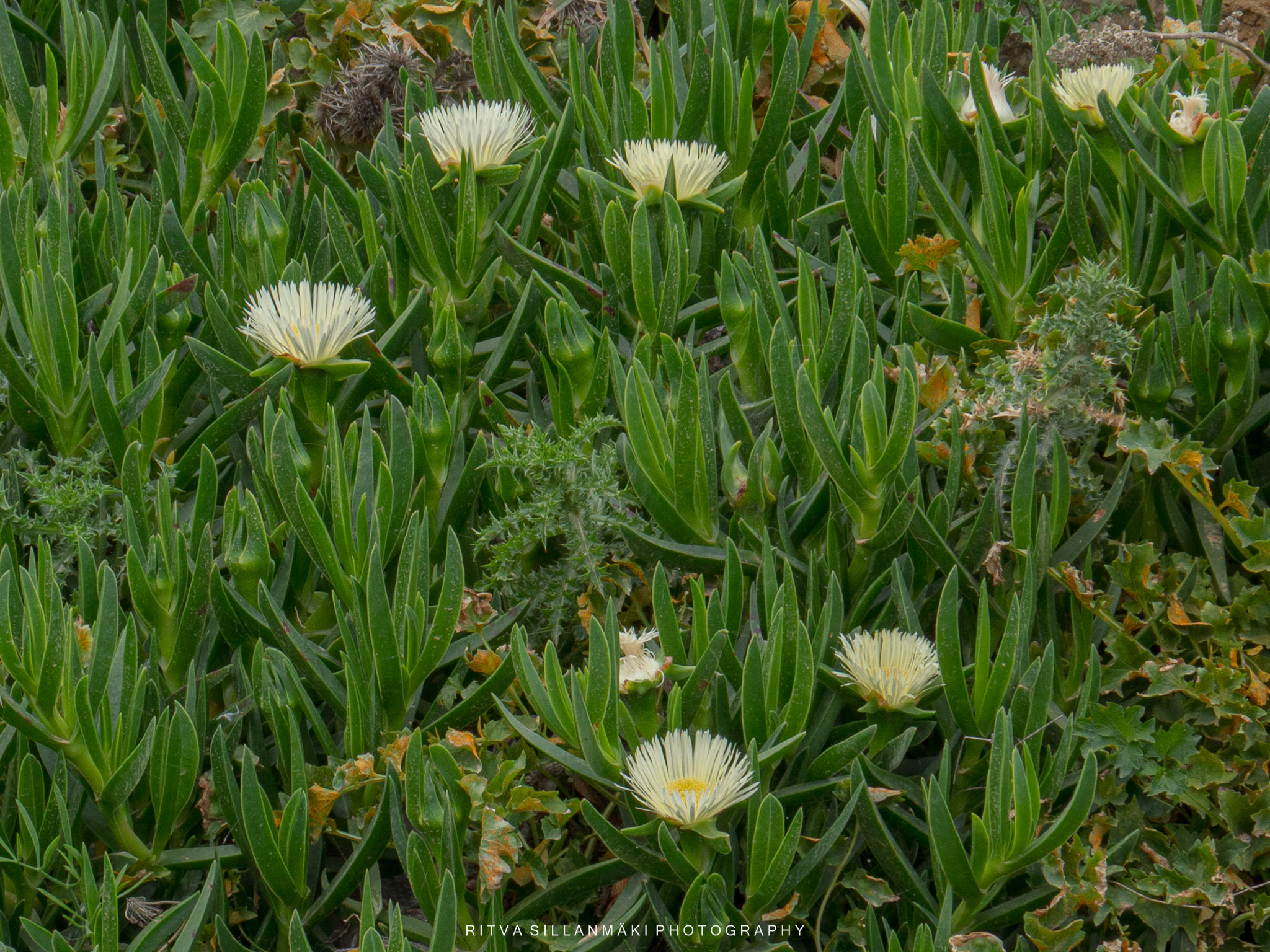
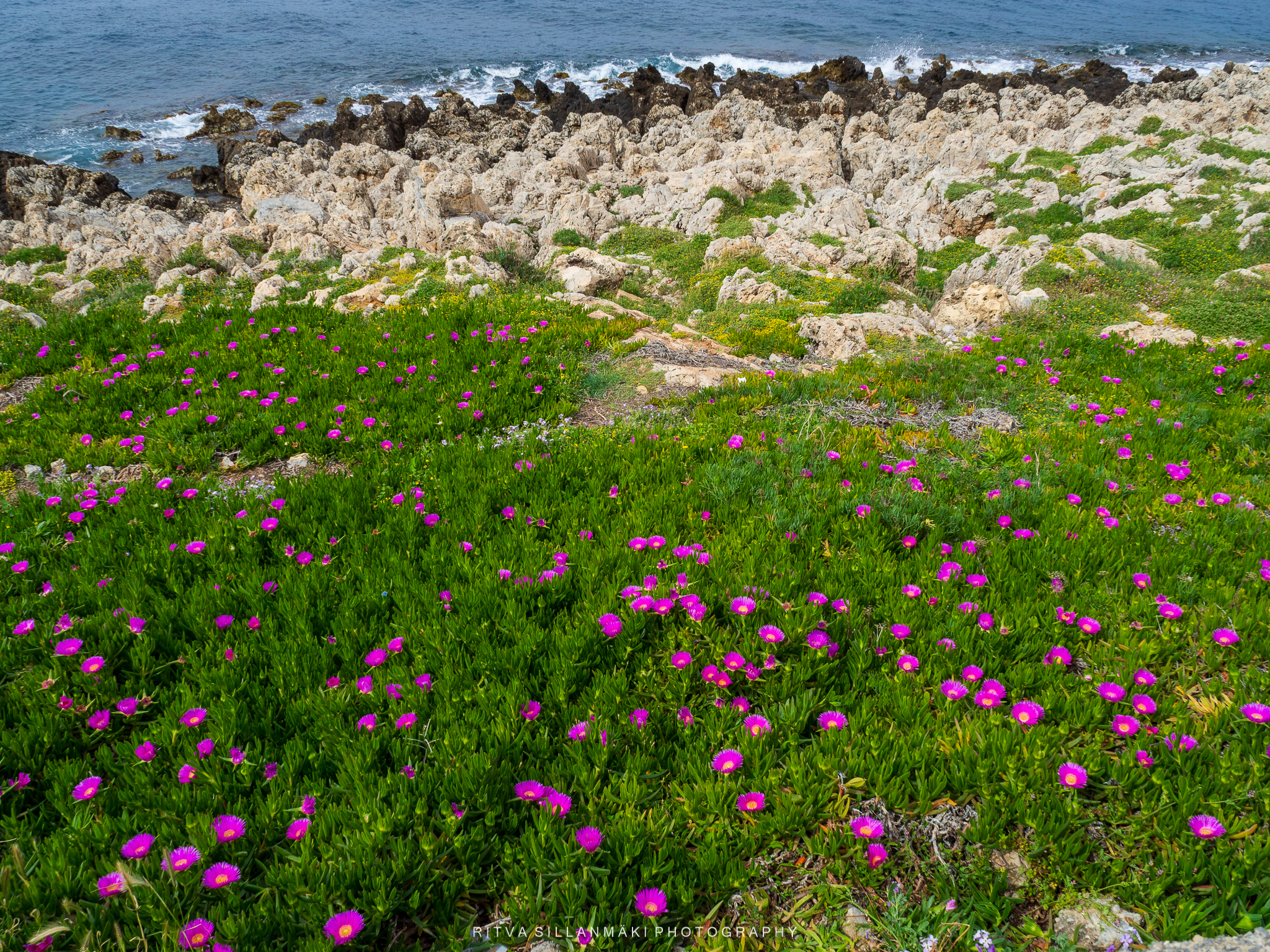
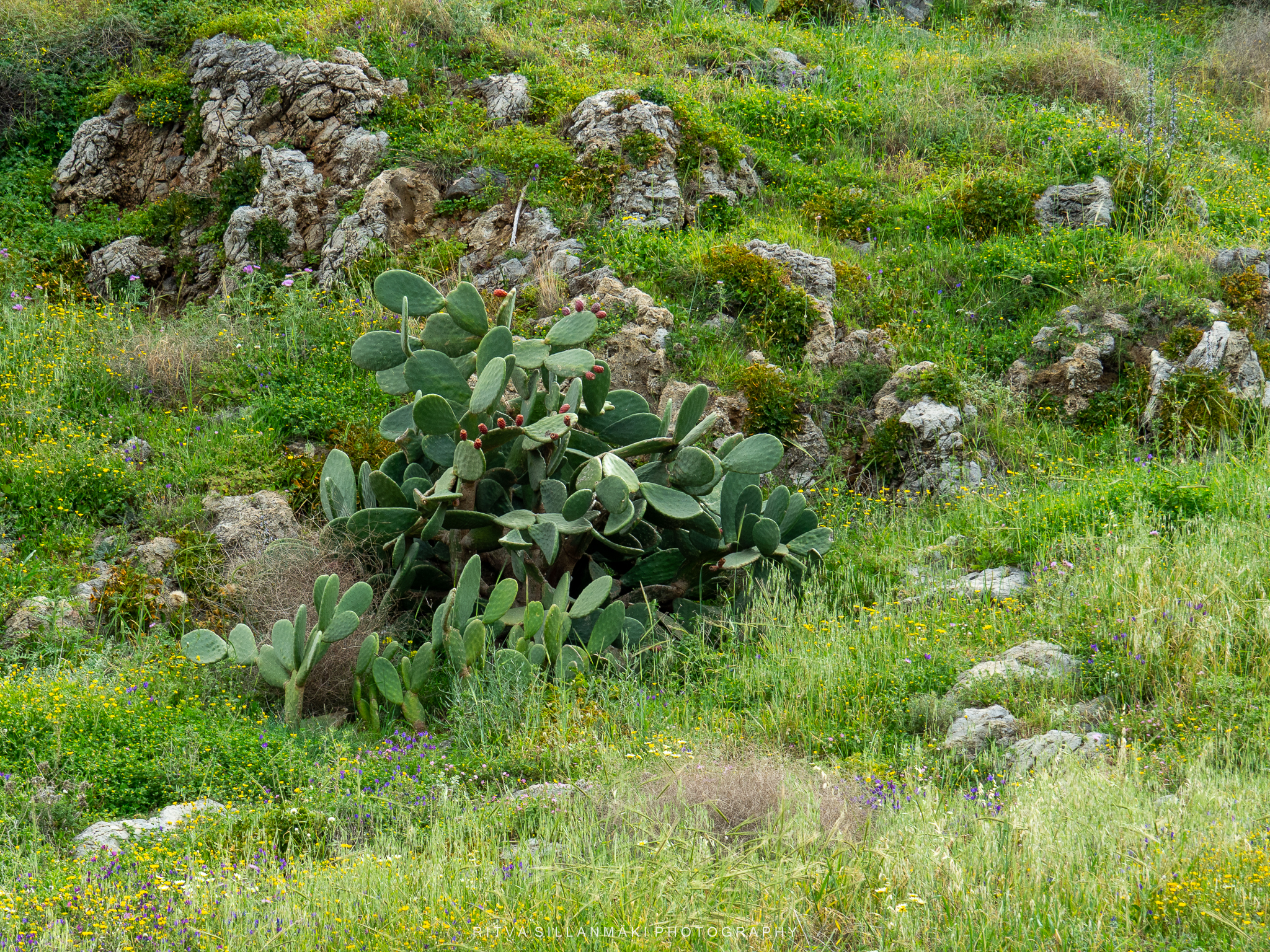
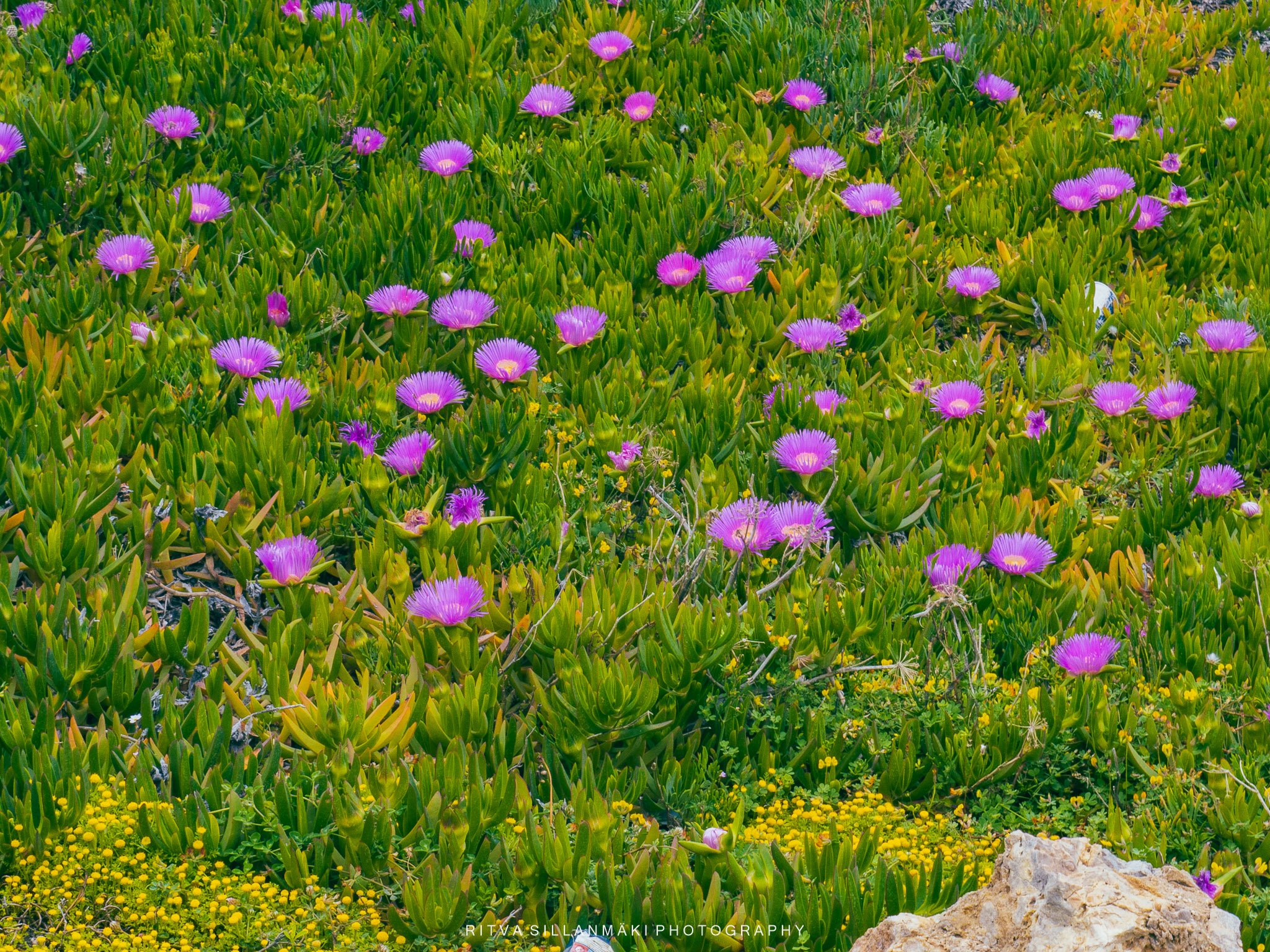
The two flowers are, the fig-marigold (scientific name Carpobrotus edulis), also known as the Hottentot fig or sour fig. This succulent plant, native to South Africa, has spread and become wild in many coastal areas around the world. Appearance: It has fleshy, triangular leaves and large, daisy-like flowers that range in color from white and pale yellow to bright red.
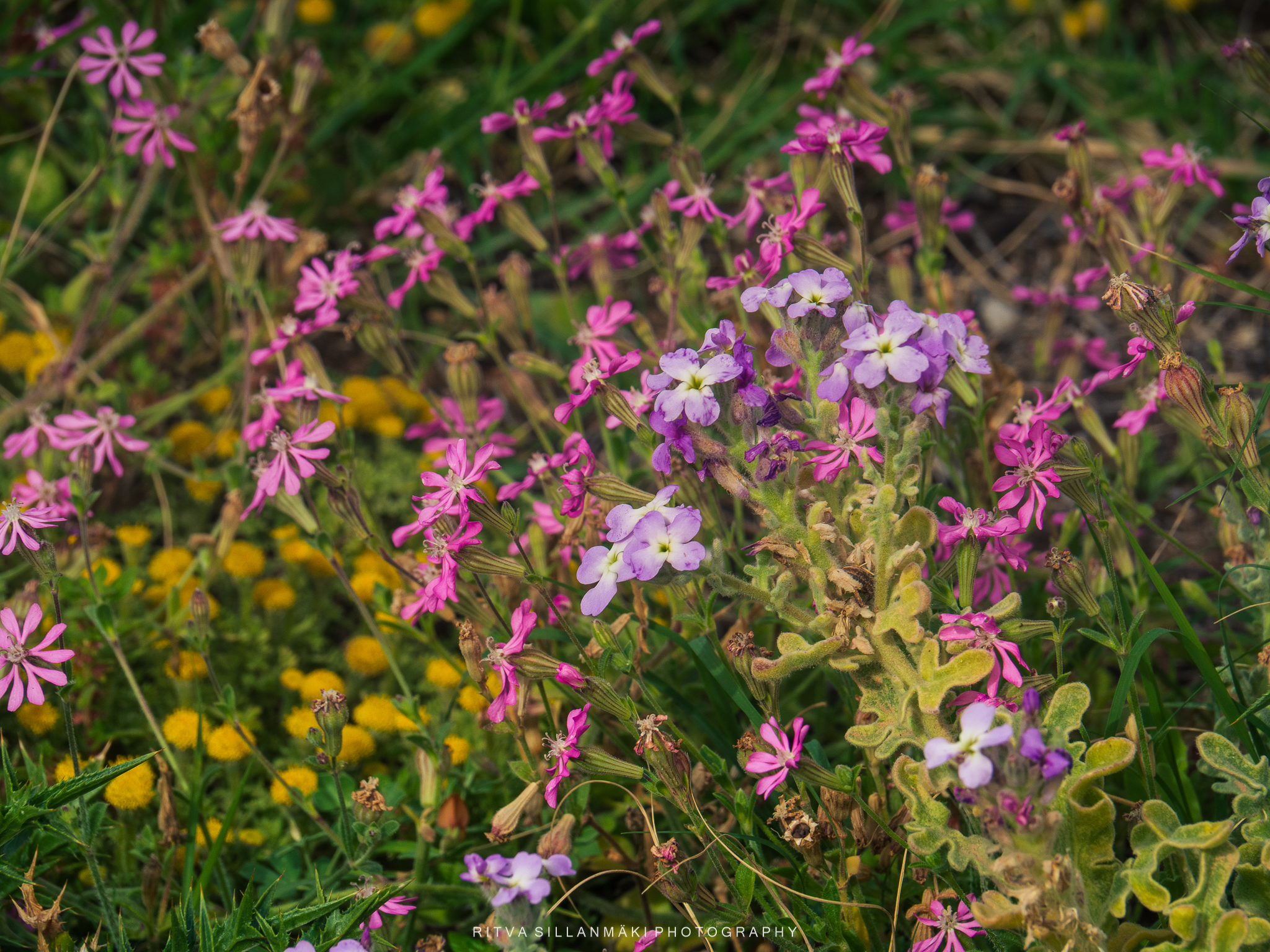
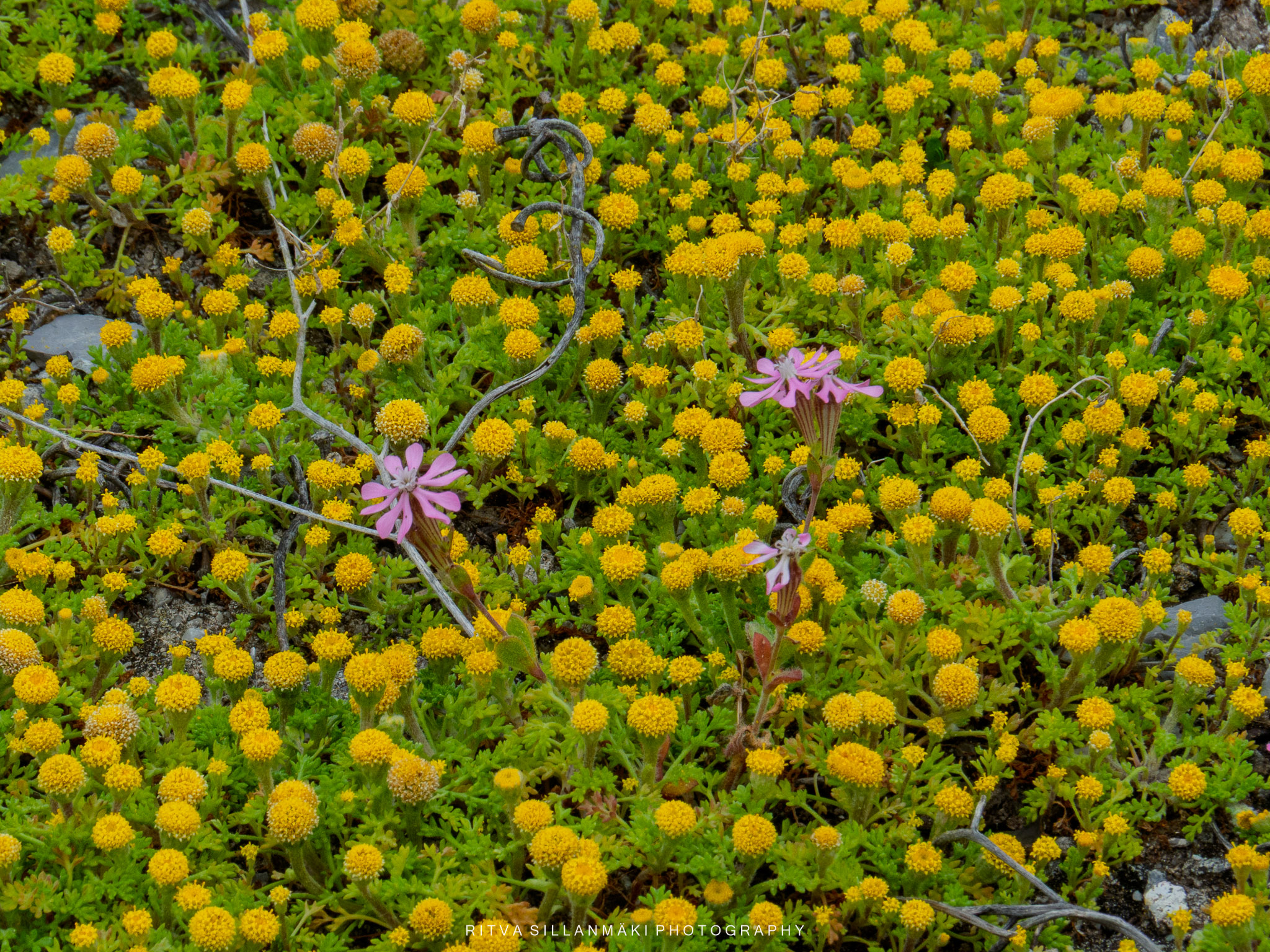
The prominent, aniline pink flowers depicted in the image are red campions.
The yellow flowers is, I think, dwarf clover (scientifically Anthyllis vulneraria), a perennial plant belonging to the legume family, commonly found in dry meadows and ridges perennial plant. It forms dense, spherical flowers that are usually golden yellow, but the petals can occasionally be lighter or have reddish tips.
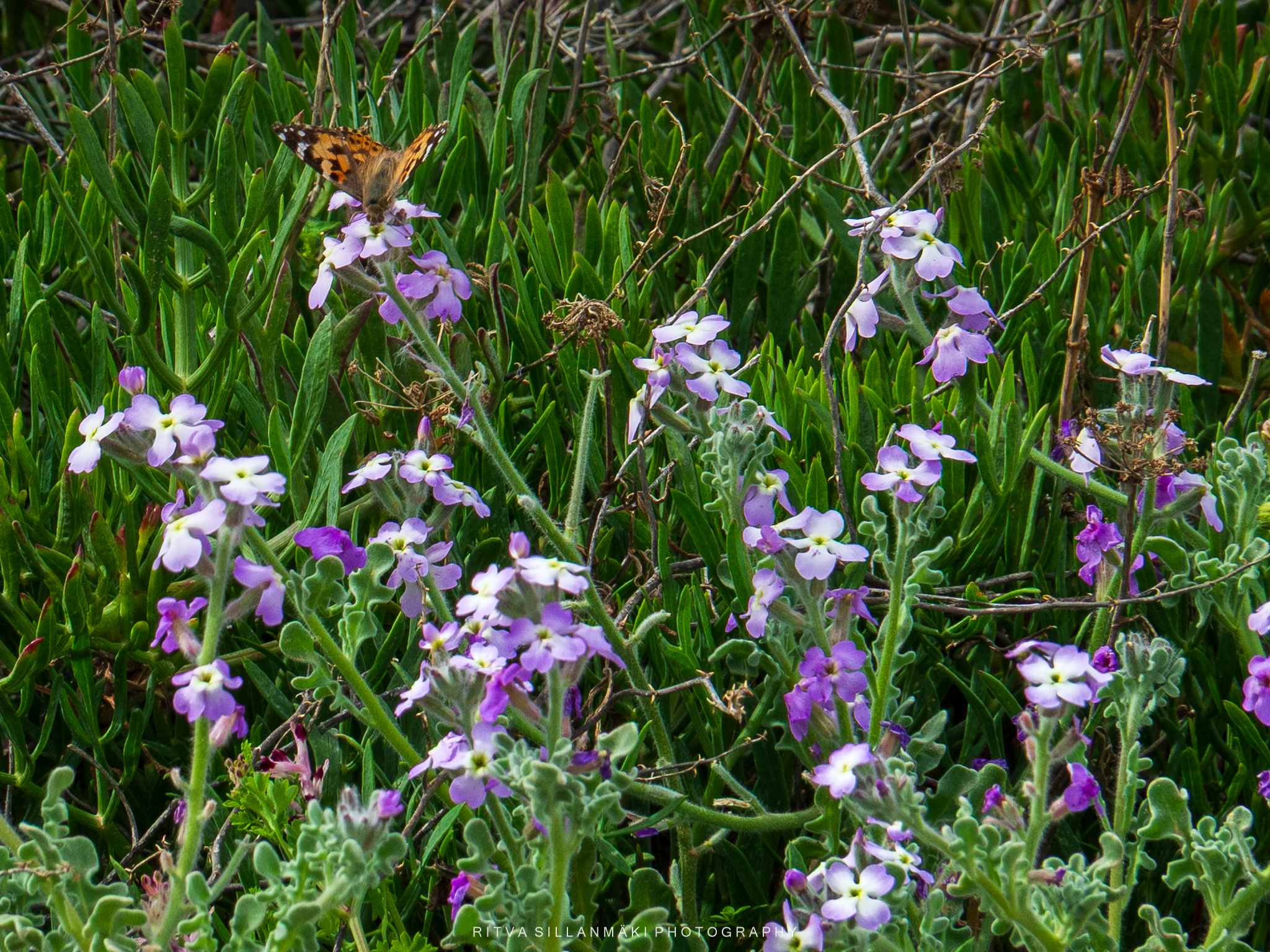
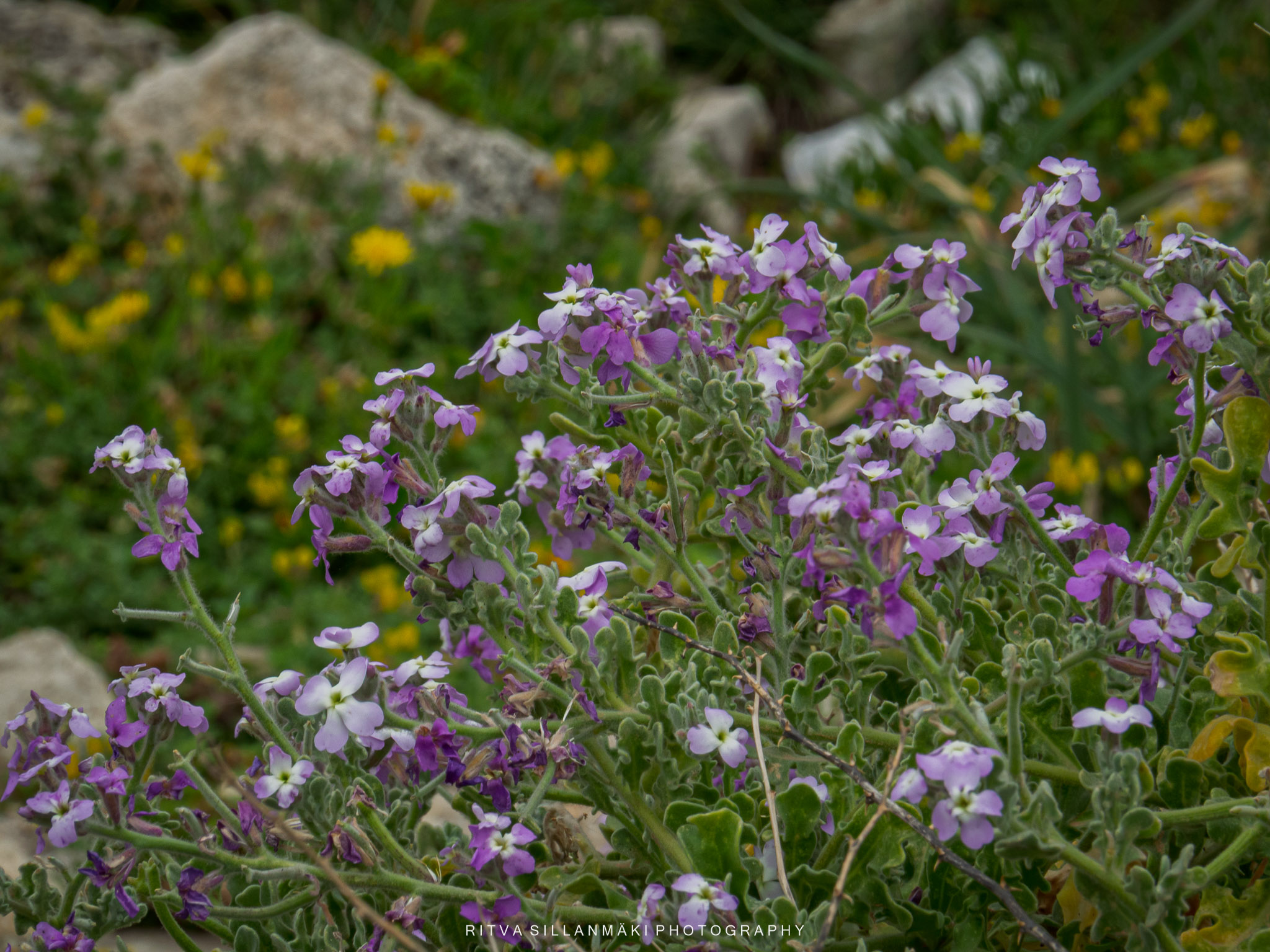
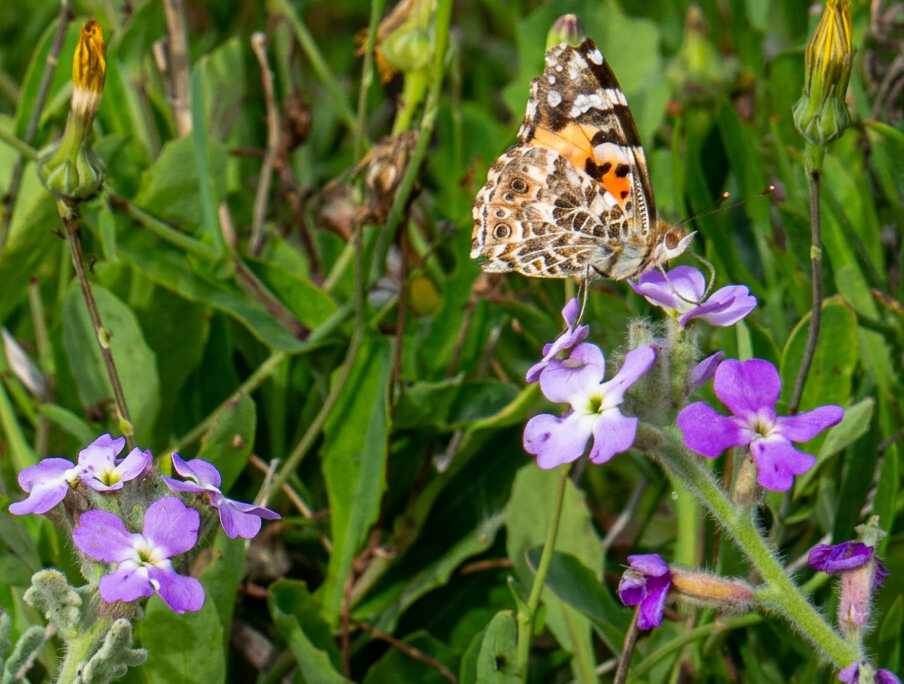
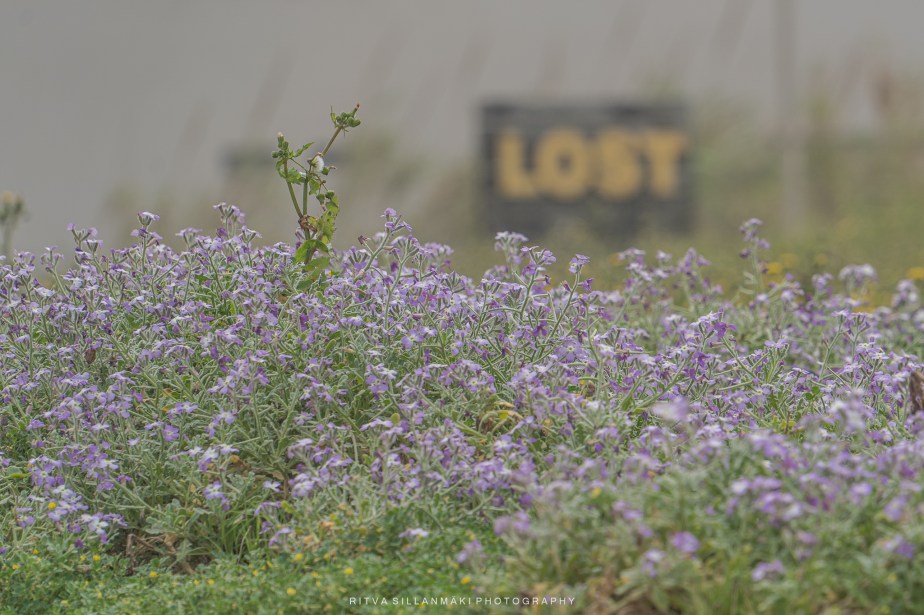
The flowers with the butterfly is the night-scented stock (also known as Matthiola longipetala . This annual summer flower is famous for its strong, intoxicating fragrance that intensifies in the evenings and at night. Its modest, pale violet or purple flowers may appear wilted during the day, but they open up in the twilight.
I saw a a beautiful painted lady butterfly (Vanessa cardui), which is one of the most widely distributed butterflies in the w
In the window with no glass, is it truly a window? Just a question that lingers in the air. A group of domestic pigeons, also known as doves, have taken refuge here, finding solace of the outside world. The barred window, embedded in the aged stone wall, likely serves as a safe haven for the birds, much like a traditional pigeon loft where they can rest and gather. This quaint space, with its rustic charm, provides them shelter from the elements, allowing the pigeons to huddle together, cooing softly to one another as they bask in the warmth of the sun that dapples through the gaps. The stone, weathered by time and the elements, tells stories of seasons gone by.
A group of pigeons perched on the bars of a rustic, weathered window set in an old stone wall.
The photos were taken in Argyroupoli, Crete in May, there is rich history of this charming village. With its picturesque ancient ruins, every corner of Argyroupoli tells a story steeped in tradition. I’m now sharing these images with Monday Window.
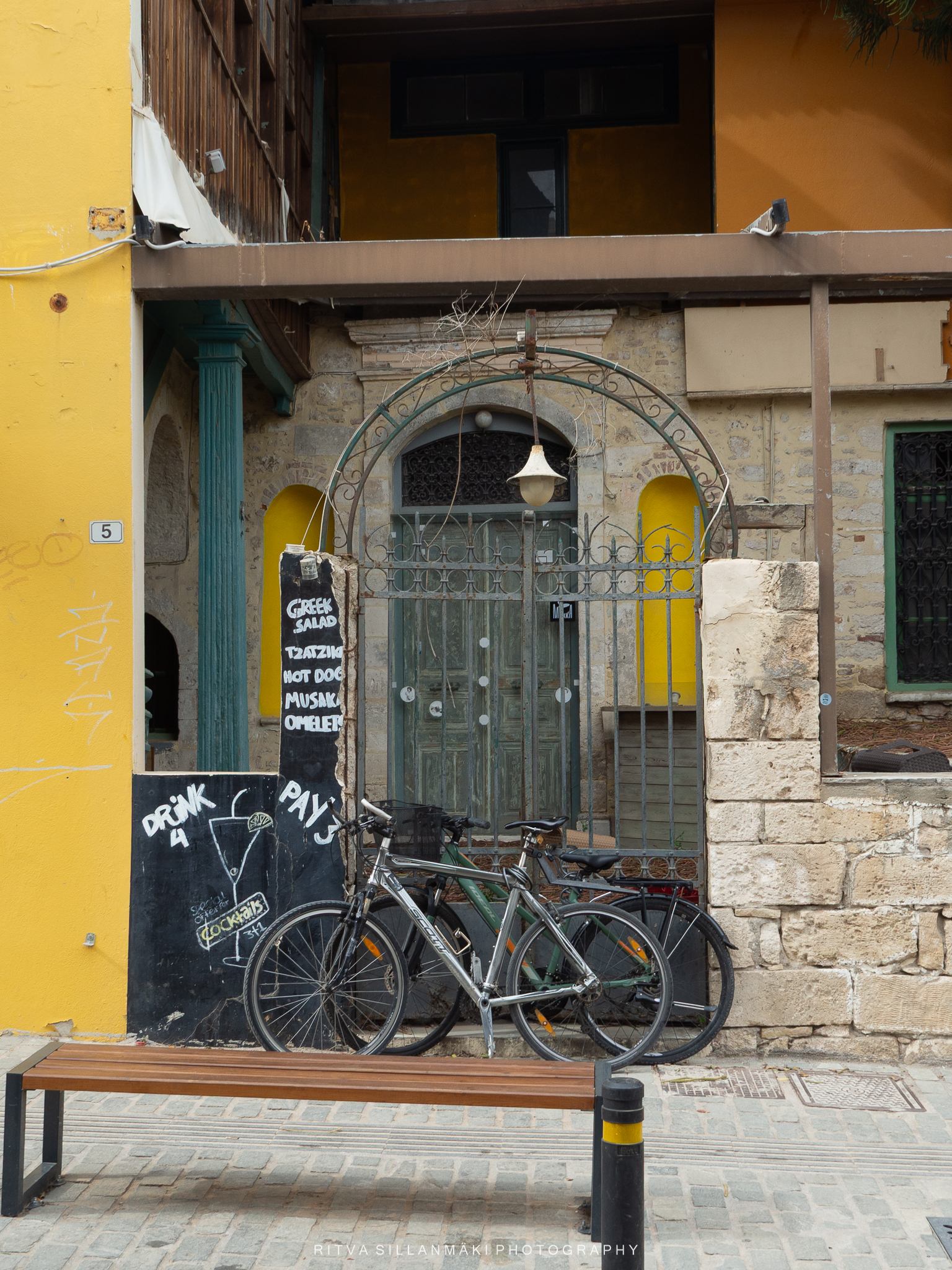
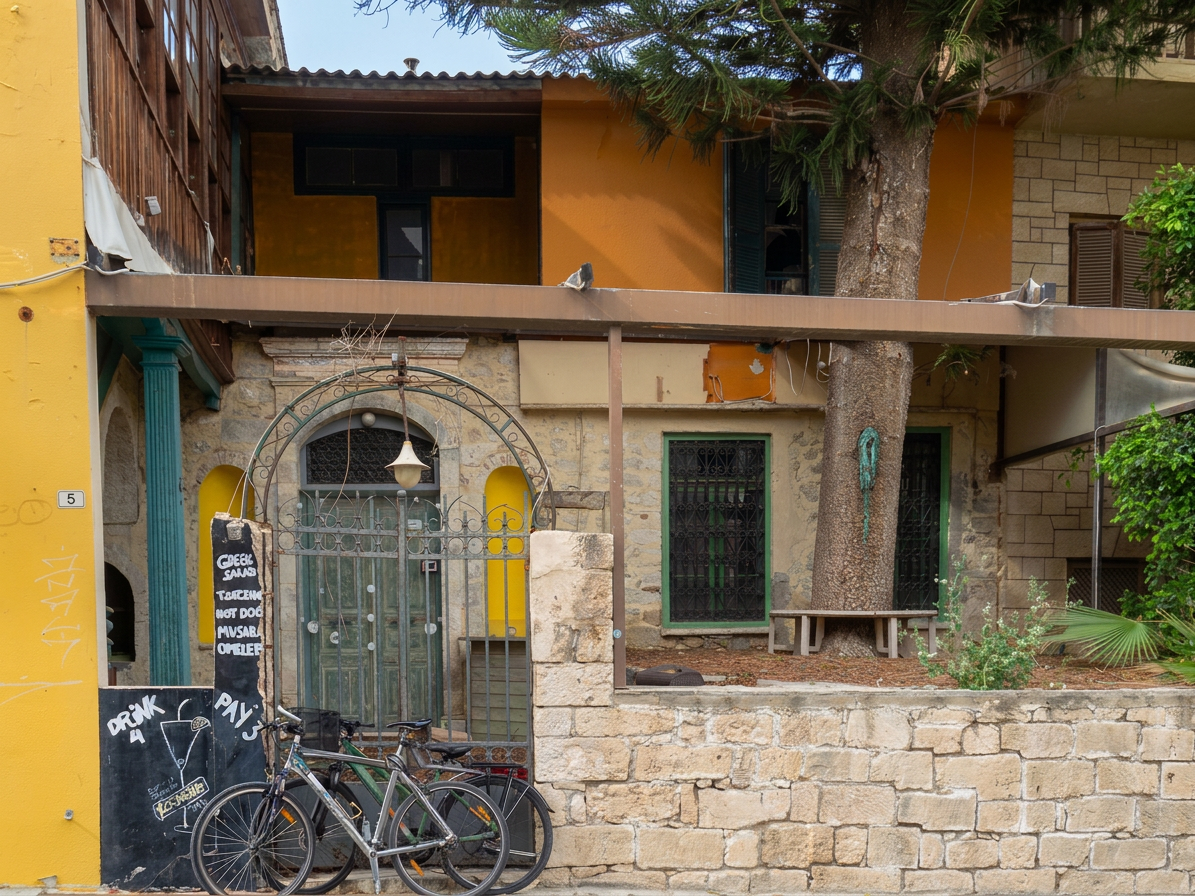
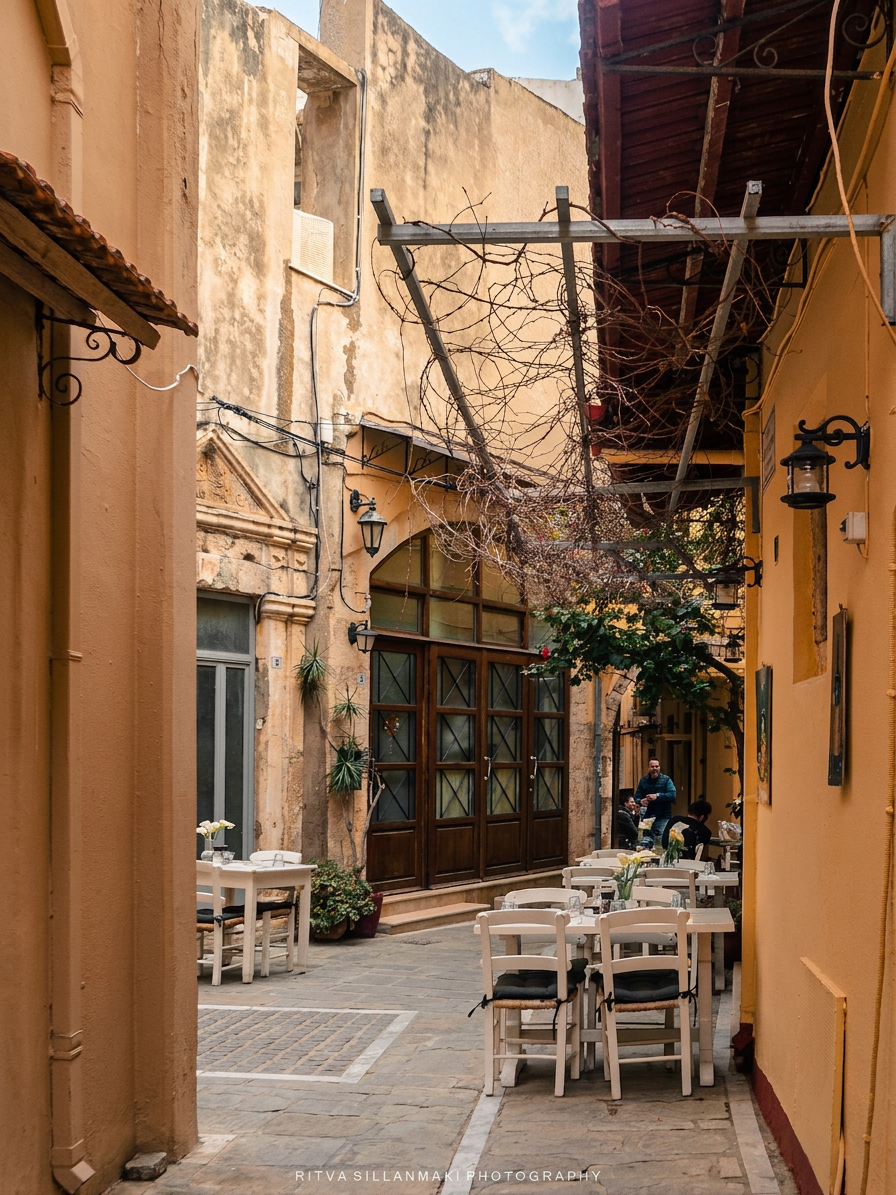
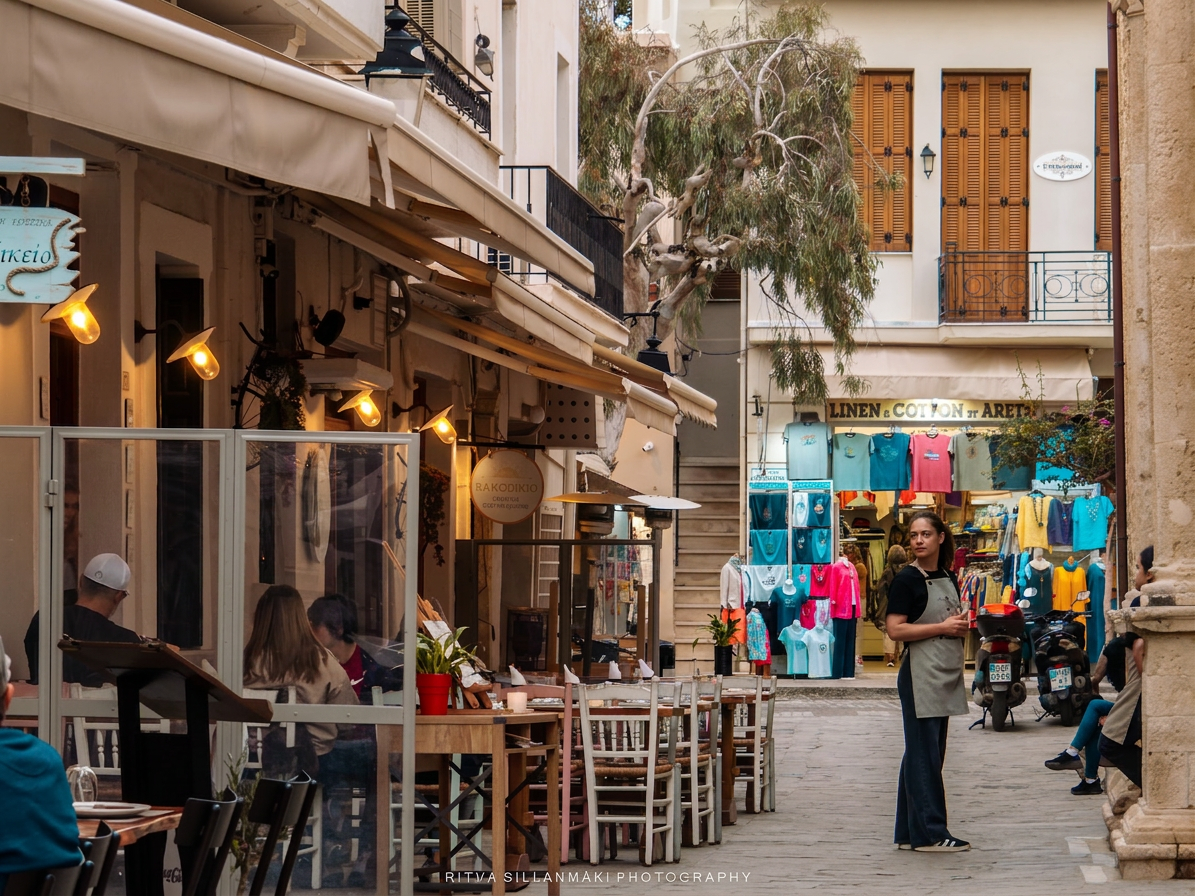
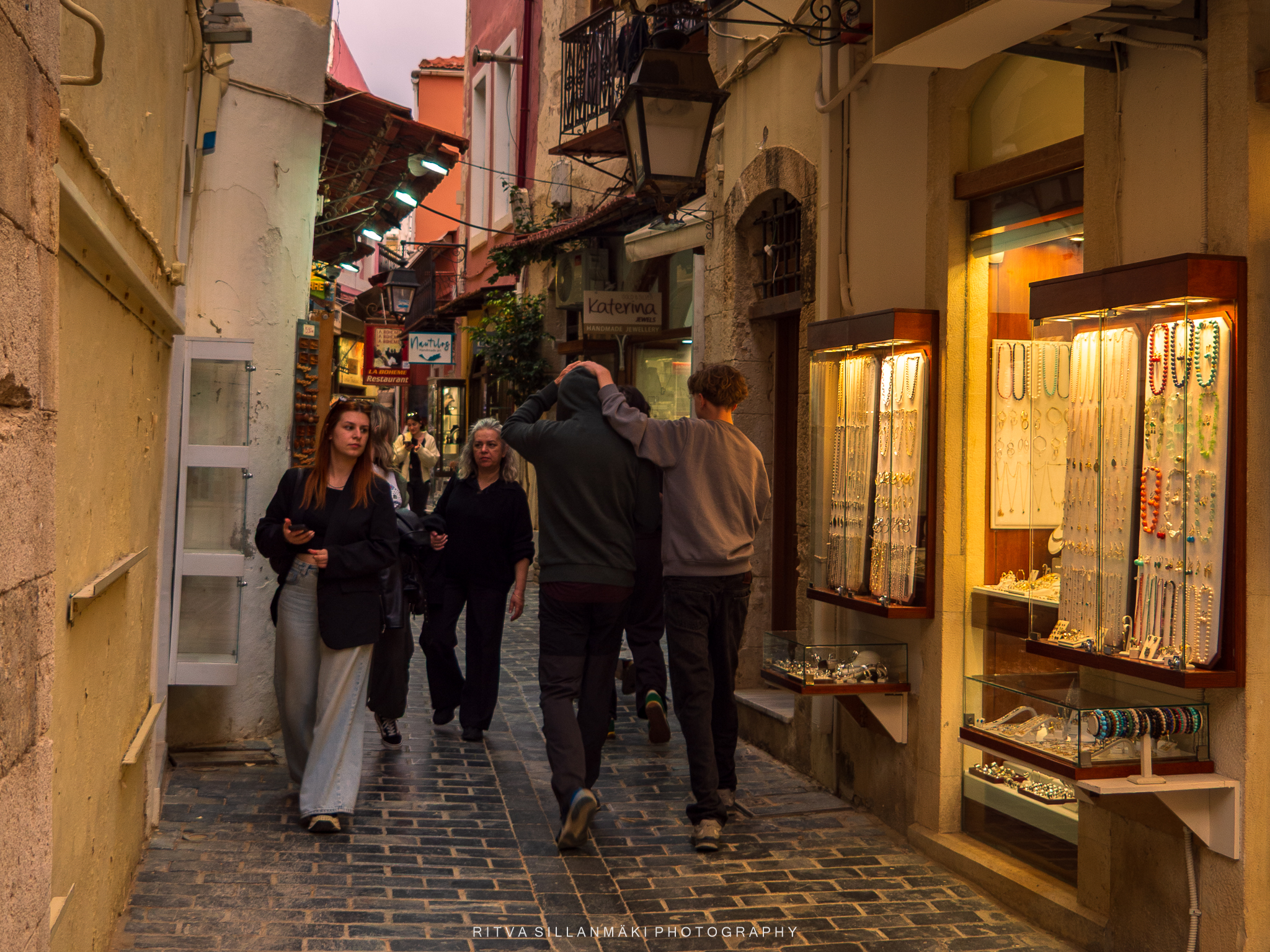
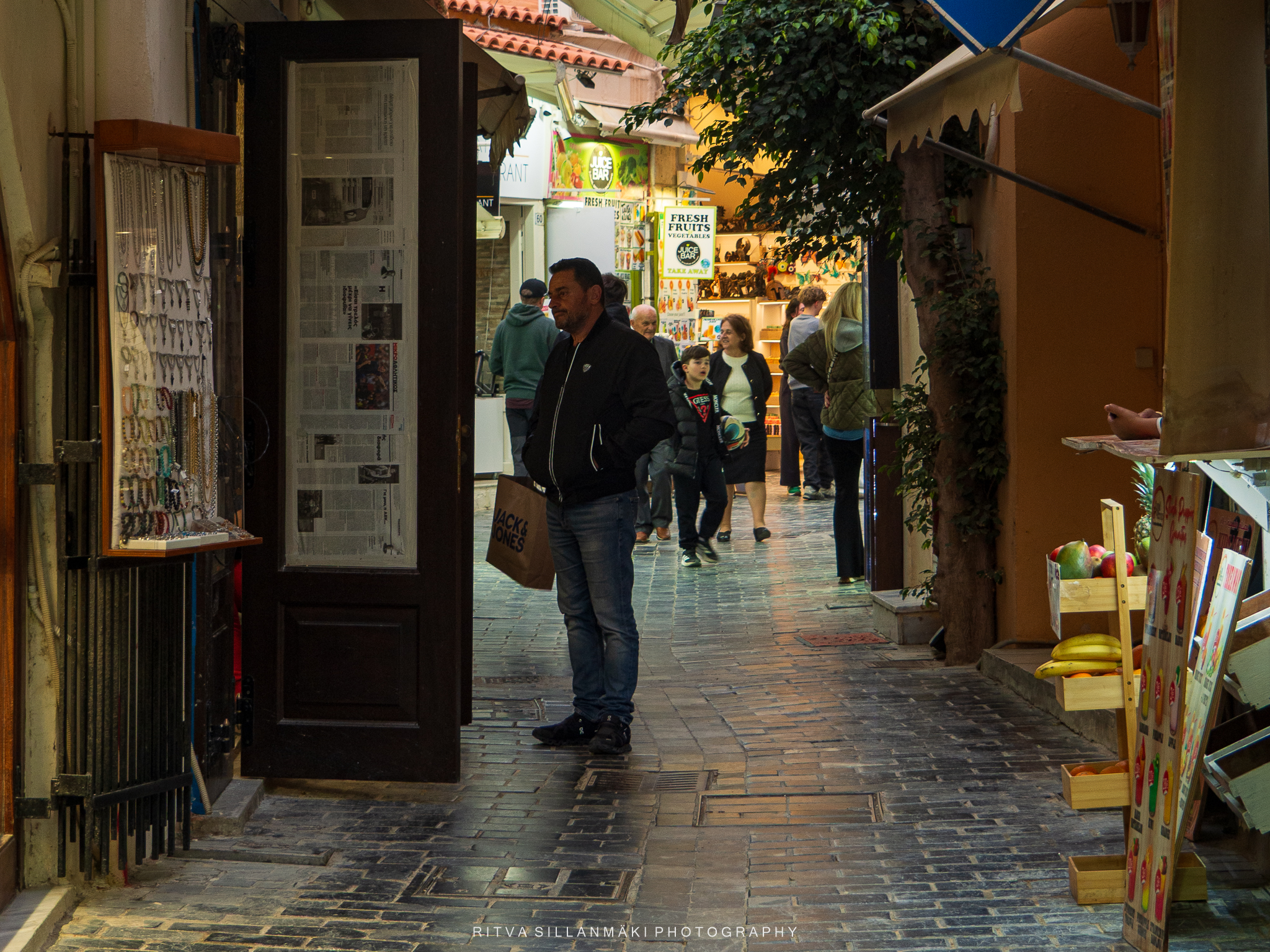
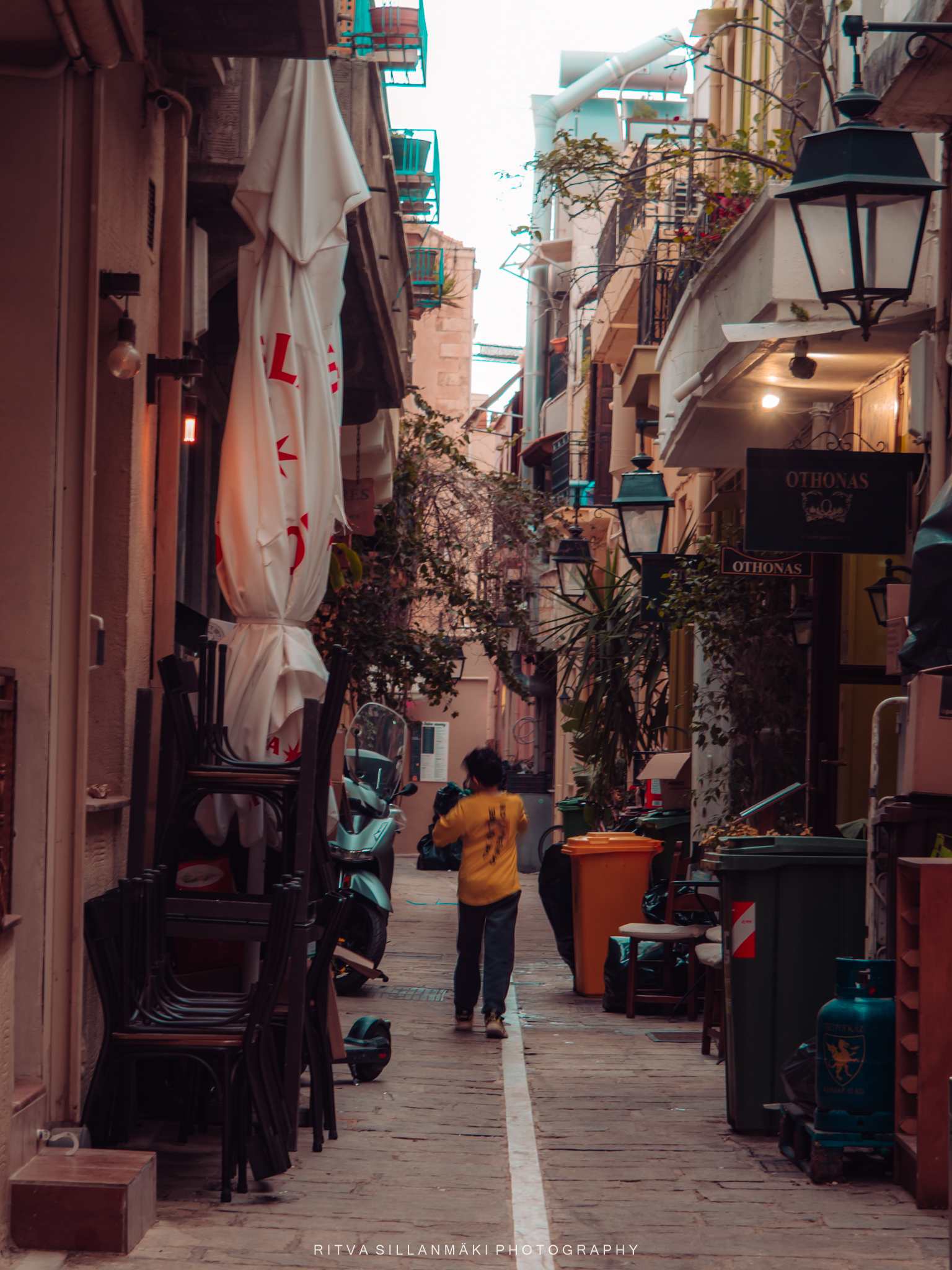
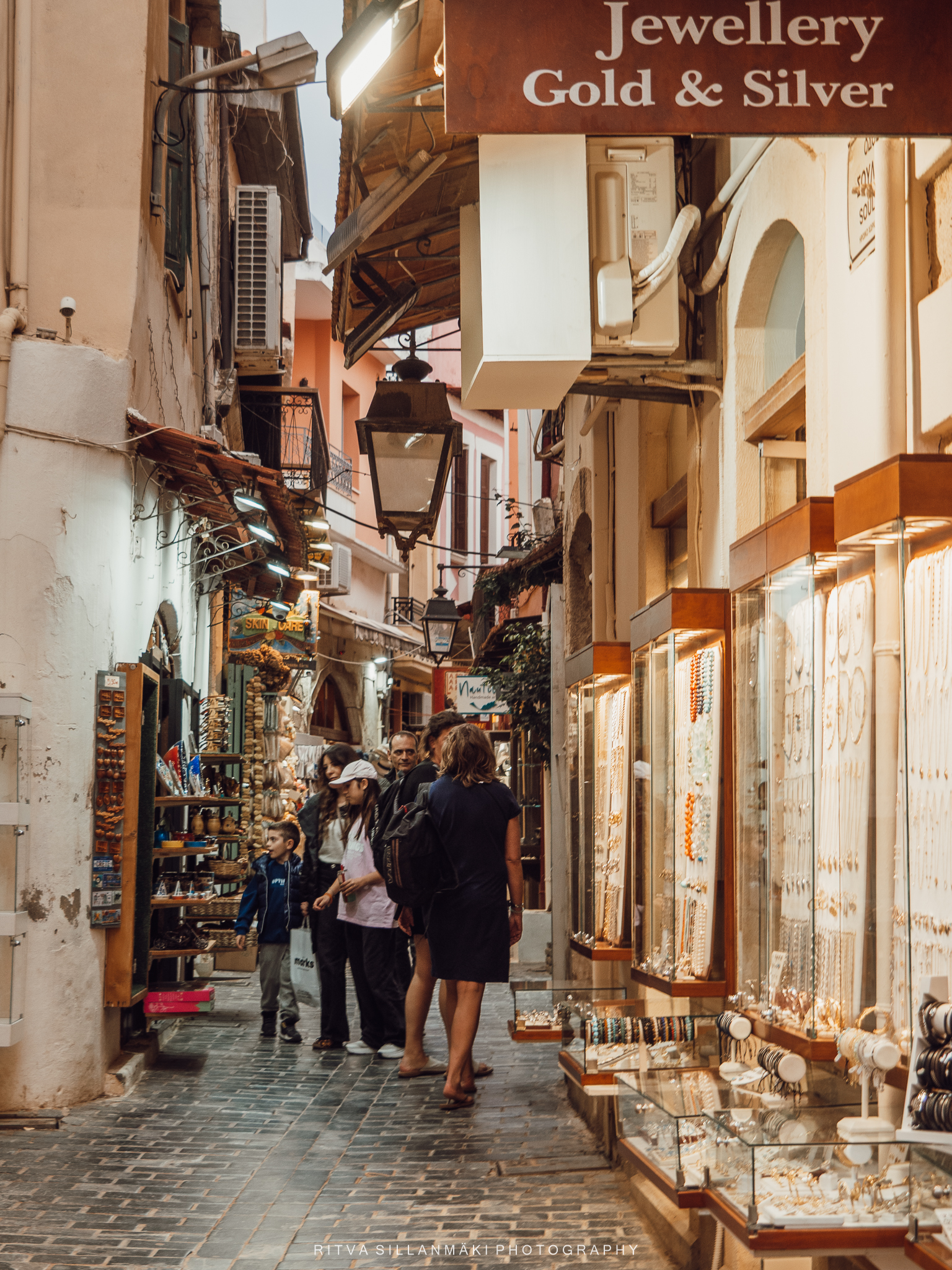
Here a photos from May trip to Rethymno, I took a lot of street photos in the towns we visited. Most are still not posted. The post features a collection of street photographs taken during a May trip to Rethymno, capturing the essence of the town. Among the highlights is a charming old building with a weathered door, ornate gate, and inviting café atmosphere. Other images showcase cozy alleys filled with quaint tables, vibrant storefronts, and charming pastel buildings. Each photo reflects daily life in Rethymno, conveying warmth and nostalgia. The author expresses a fondness for these moments, highlighting the interplay between the town’s beauty and human connection.
A rustic street scene with bicycles parked in front of a colorful building with a handwritten menu board and a decorative archway. Does not seem to be open anymore, closed for good?
This photo captures the charming entrance of an old building, showcasing a weathered wooden door nestled within vibrant yellow stone walls and archways. I couldn’t resist the allure of the ornate metal gate, framed by delicate dry vines, which adds an enchanting touch. Two bicycles leaning against the gate feel like they belong to friends who’ve just popped in for a quick bite. Speaking of which, the blackboard to the left tempted me with its handwritten menu items like Greek salad, tzatziki, and a classic hot dog—perfect for a relaxing afternoon. The cozy wooden bench and cobblestone pavement create an inviting atmosphere, making this spot all the more special to capture.
Rethymno- same place but as a landscape and different croppingRethymno alley with a cozy restaurant
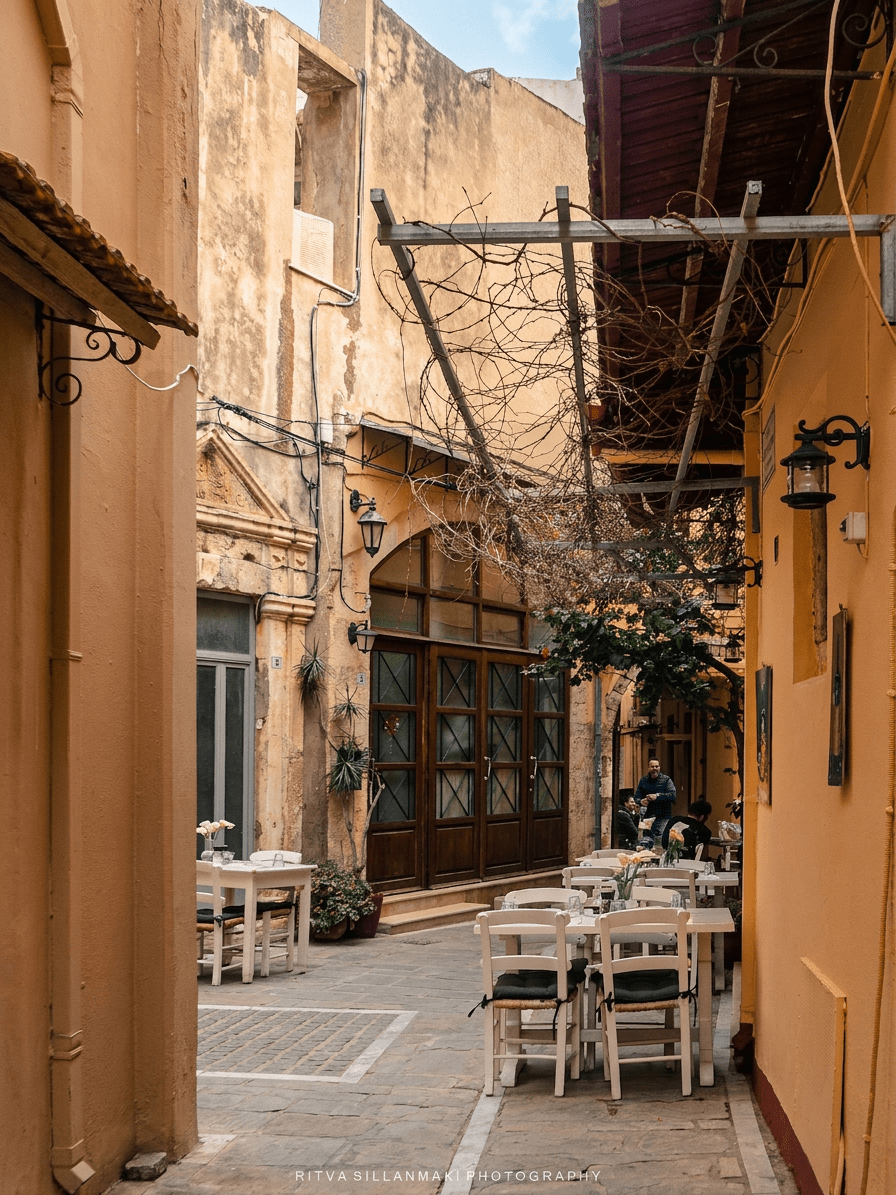
This delightful image was snapped to capture a moment that feels like stepping into a charming little world. You can just picture yourself wandering down this narrow alleyway, flanked by those lovely beige and yellow buildings. The small outdoor tables with their quaint white chairs beckon you to sit a while and enjoy a coffee, perhaps a pastry, surrounded by little vases g with flowers that add a touch of warmth. And that trellis overhead? It’s like a cozy hug, with its bare branches weaving together to create a rustic canopy. In the background, you can see a few friendly faces enjoying the vibe, which just makes the whole place feel so inviting and relaxed. It’s the kind of spot that wraps you in its charm and makes you want to linger a little longer.
Rethymno would you prefer this place
This photo captures a delightful little street in a charming Rethymno town in Crete, where time seems to slow down just for a moment. You can almost feel the inviting atmosphere of the outdoor café on the left, where locals and visitors alike enjoy their coffee under soft cream-colored awnings, the warm glow of lights adding a touch of magic to the scene. Just beyond, the vibrant display at “LINEN & COTTON in ARET” showcases an array of colorful t-shirts that dance in the breeze. I couldn’t help but notice the café staff member, who seems to draw the attention to the whole scene to life as she balances her tray and keeps an eye with the area around her. The cobblestone street, lined with charming buildings adorned with shutters and wrought-iron balconies, sets the perfect backdrop for this slice of everyday life, blending the charm of the picturesque with the warmth of human connection. It’s a moment I wanted to capture, to reminisce about those slow, beautiful afternoons spent soaking in the sights and sounds of street life.
Side street in Rethymno
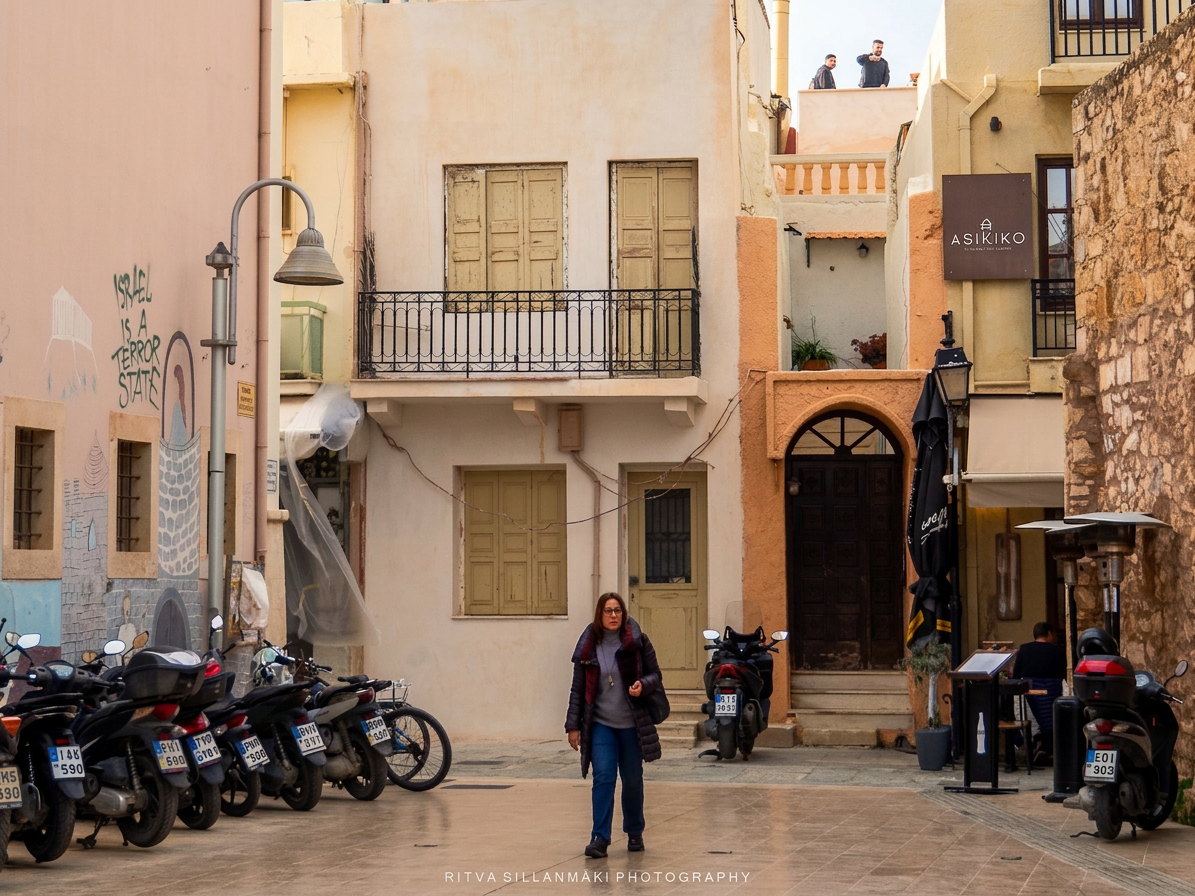
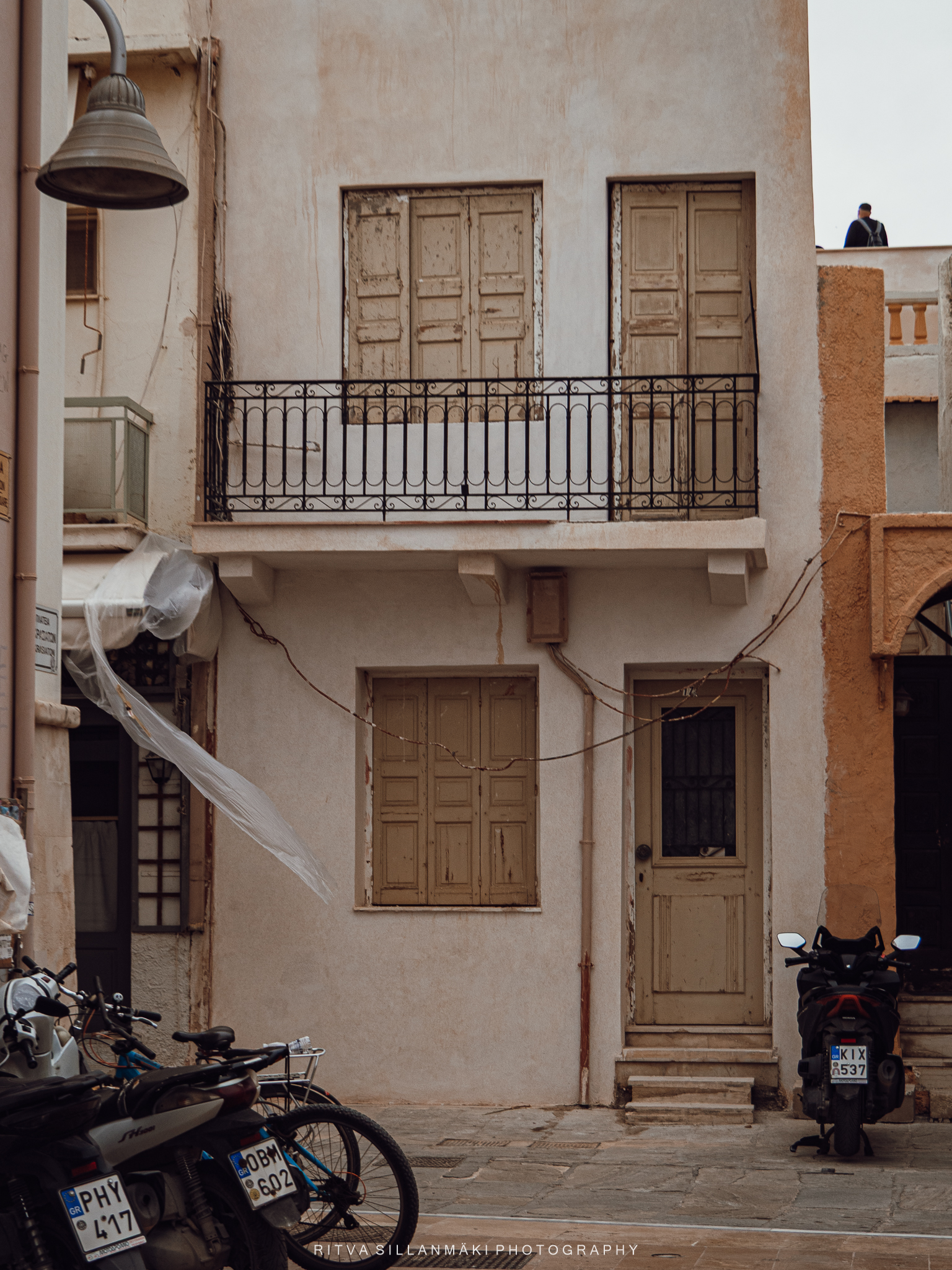
This photo was taken during a late afternoon stroll down a charming urban street that blends the old with the new. I was drawn to the pastel hues of the buildings—beige, peach, and soft pink—that seem to whisper stories of the past. The central building with its shuttered windows and quaint wrought-iron balcony had me imagining the lives of those who once called it home. I couldn’t help but notice a line of scooters parked along the street, hinting at the vibrant life that fills this area. Just then, a woman in a dark coat caught my eye as she walked toward the camera, embodying the everyday hustle of city life. In the background, two men relaxed on a rooftop near the ASIKIKO restaurant sign, perfectly capturing that casual, laid-back vibe that makes urban exploration so enjoyable.
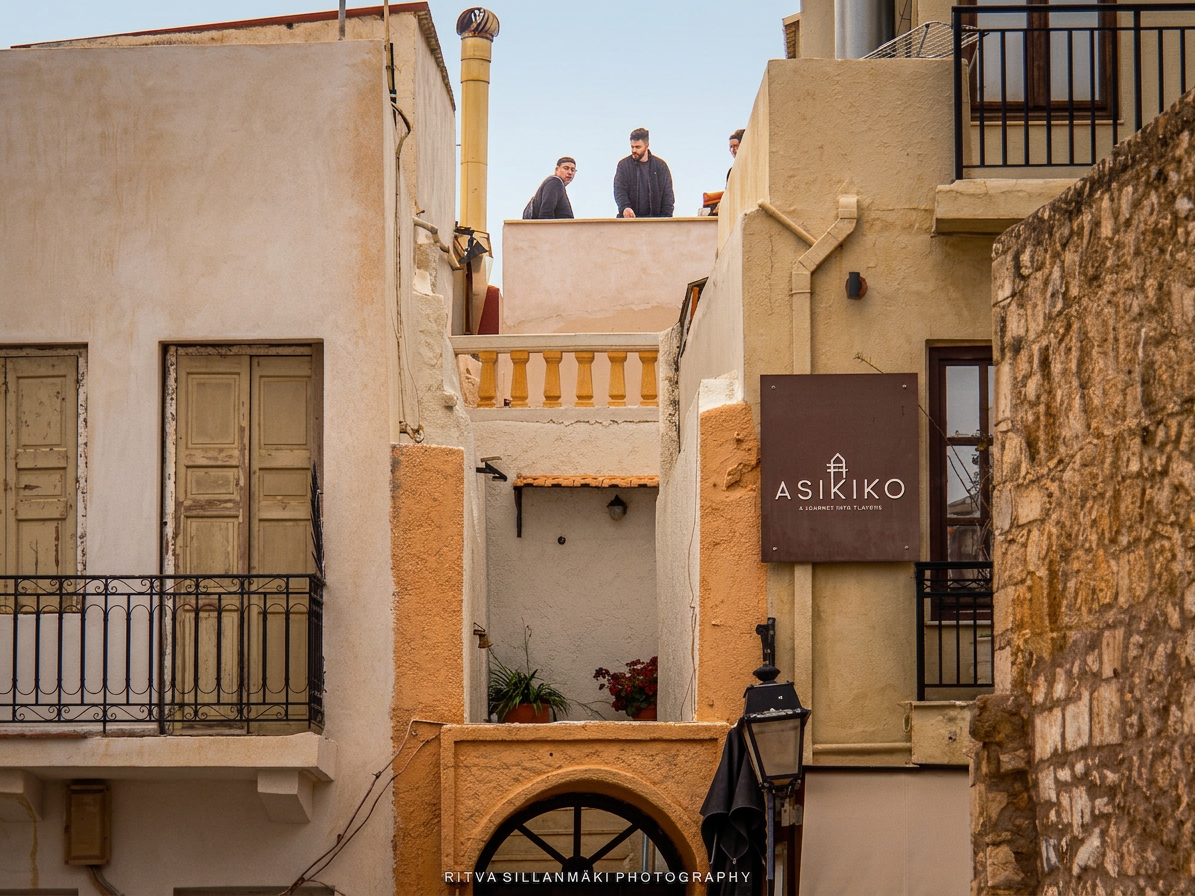
I liked how the group of people was at the top of the building, as I zoomed in it was a moment there was three instead of two friends found themselves on a terrace, just taking a break from work or chatting. It’s one of those light-filled days when the soft natural afternoon sunlight paints everything in a warm glow, making the weathered walls and stone surfaces feel alive with stories.
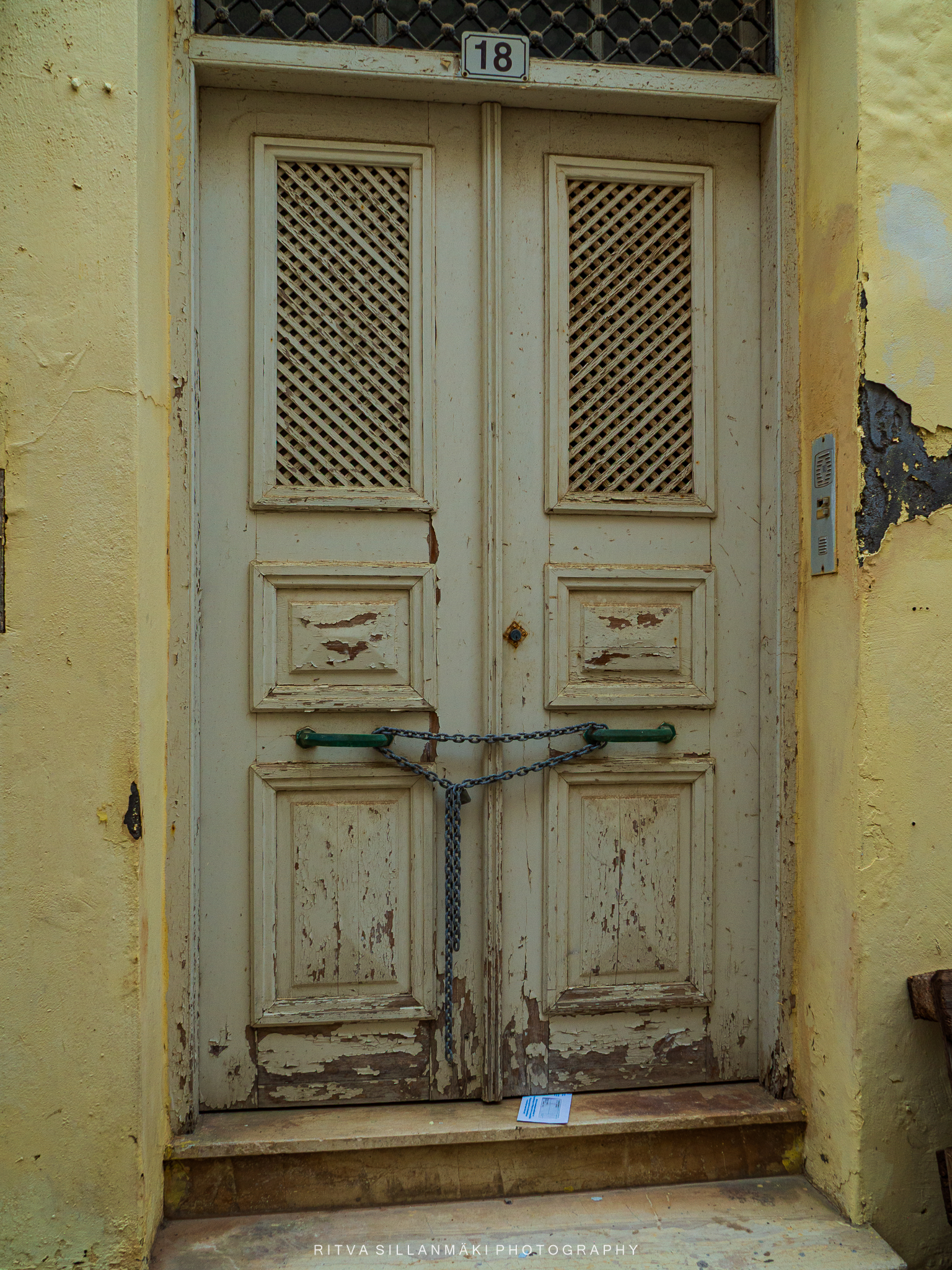
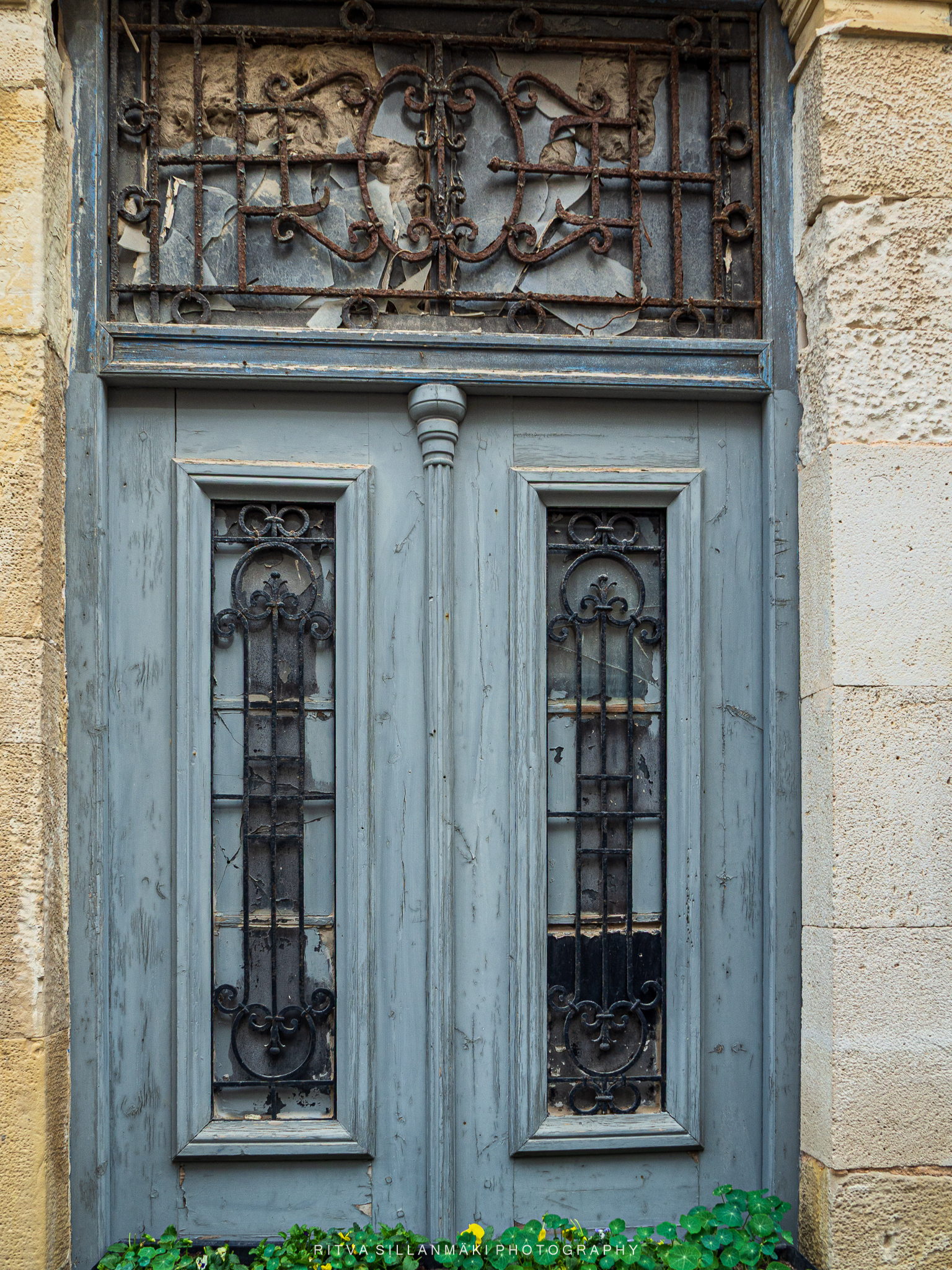
I took this photo because I was hunting for interesting doors for Dans Thursday Doors and I was captivated by the old, weathered double wooden door. It was painted in a pale, muted color, but the significant peeling and chipping really revealed the underlying wood’s character. Each door panel had this interesting latticed section at the top, which added a textured pattern, while the bottom panels were solid and showed extensive paint deterioration. What struck me was how the doors were secured with a metal chain wrapped around two green handles, making it seem like they were locked or out of use. The yellowish wall surrounding the doors had its own story with patches of peeling paint and dark spots, giving off an overall vibe of age and neglect. Plus, the small white plaque above the doors with the number 18 and the letter of notice set under the door piqued my curiosity about what lay behind them.
Few more 😀🫢If using a computer to read my post, for a better view click the gallery to enlarge the photos
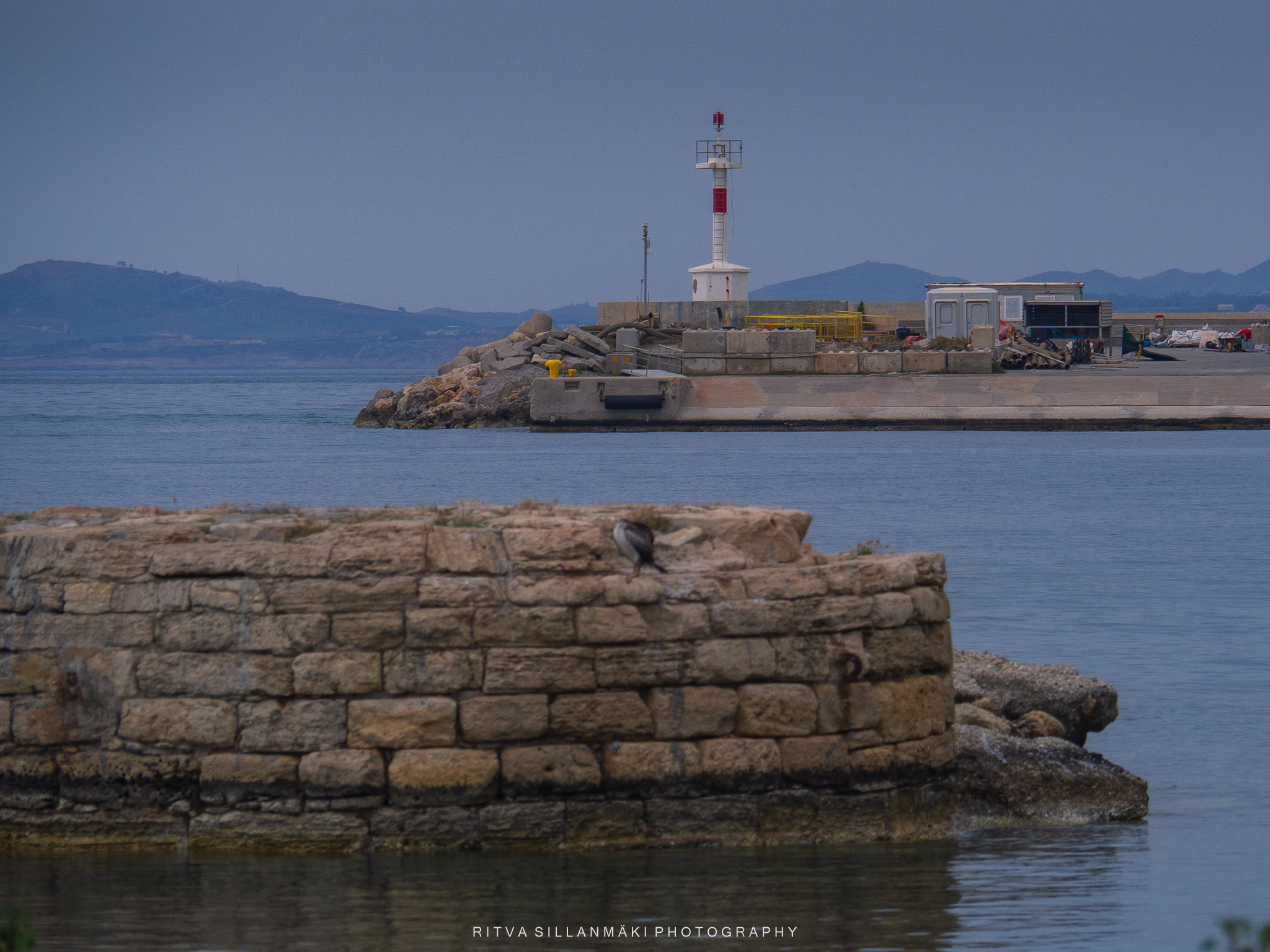
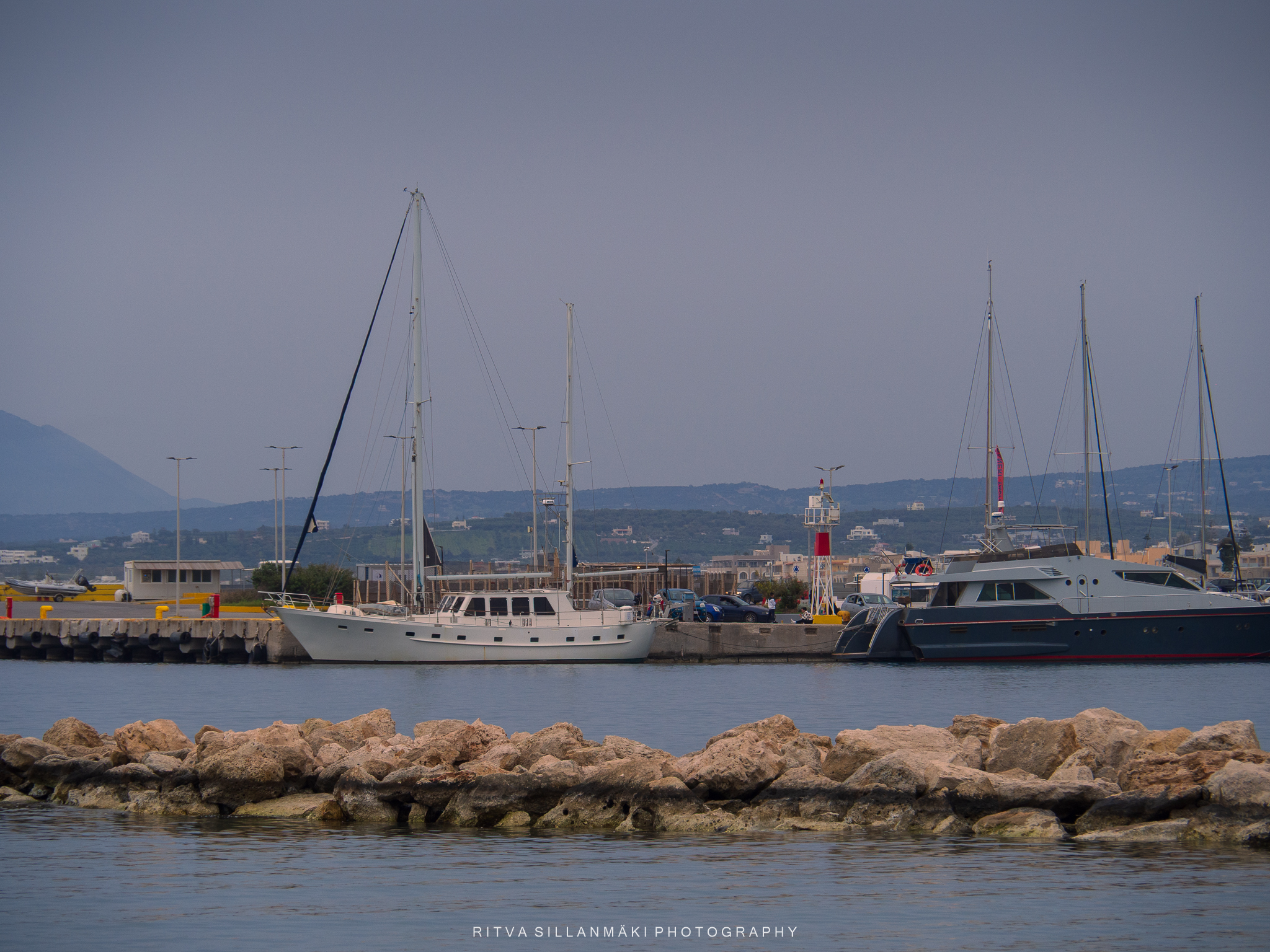
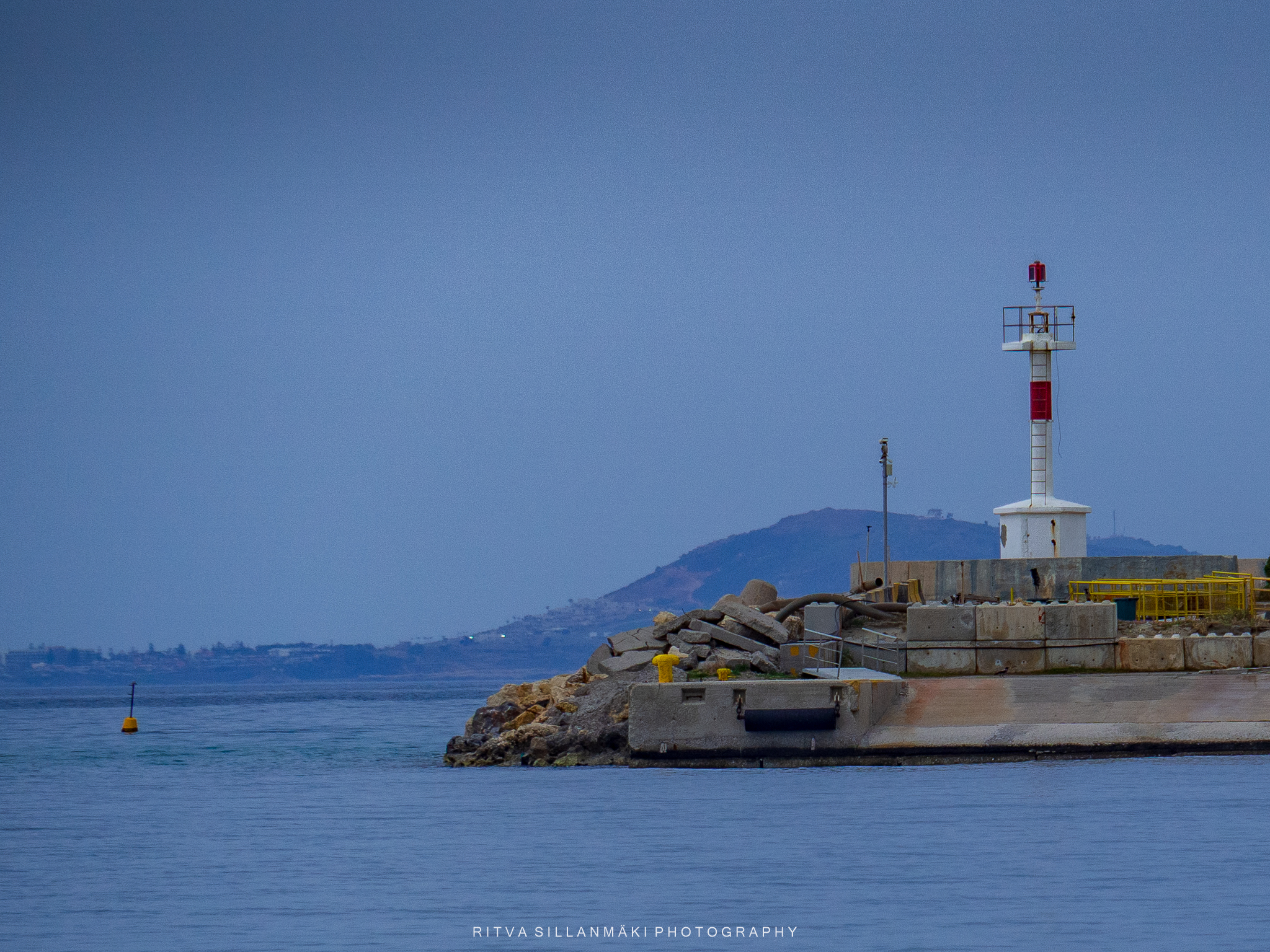
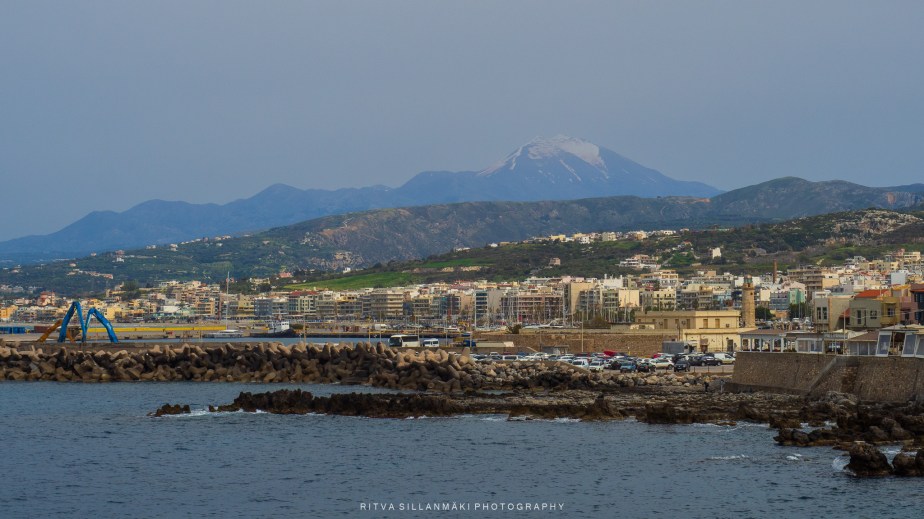
As an afterthought, I am adding these photos; it was not really my intention to do so. We also walked to the Rethymnon lighthouse, located on the island of Crete in Greece. This historical landmark, built of stone in the Venetian harbor, was constructed during the Ottoman period and continues to be one of the area’s most famous attractions.
The city of Réthymnon and its Venetian harbor, from which there is a view towards the snow-capped Psilorítis mountain (Ida mountain).
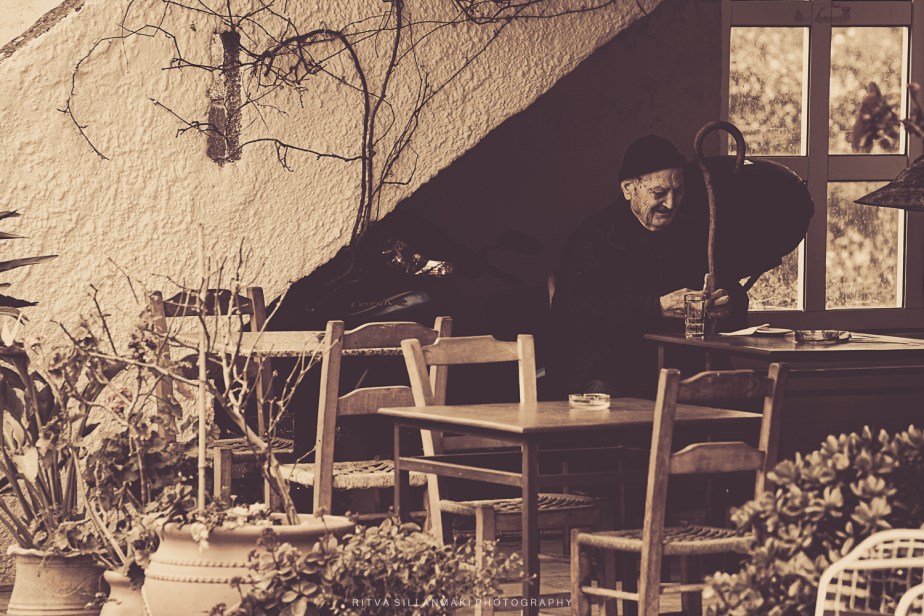
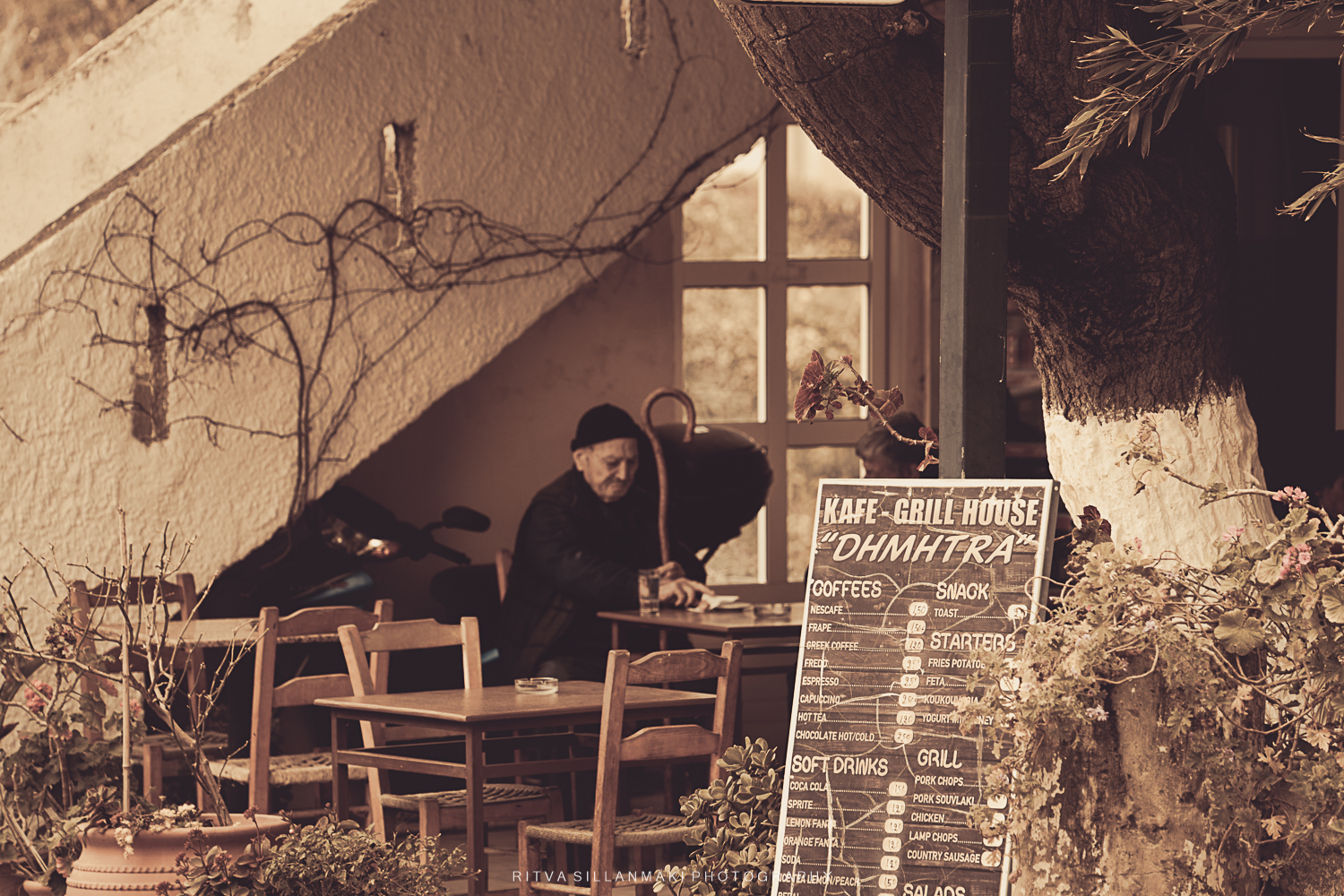
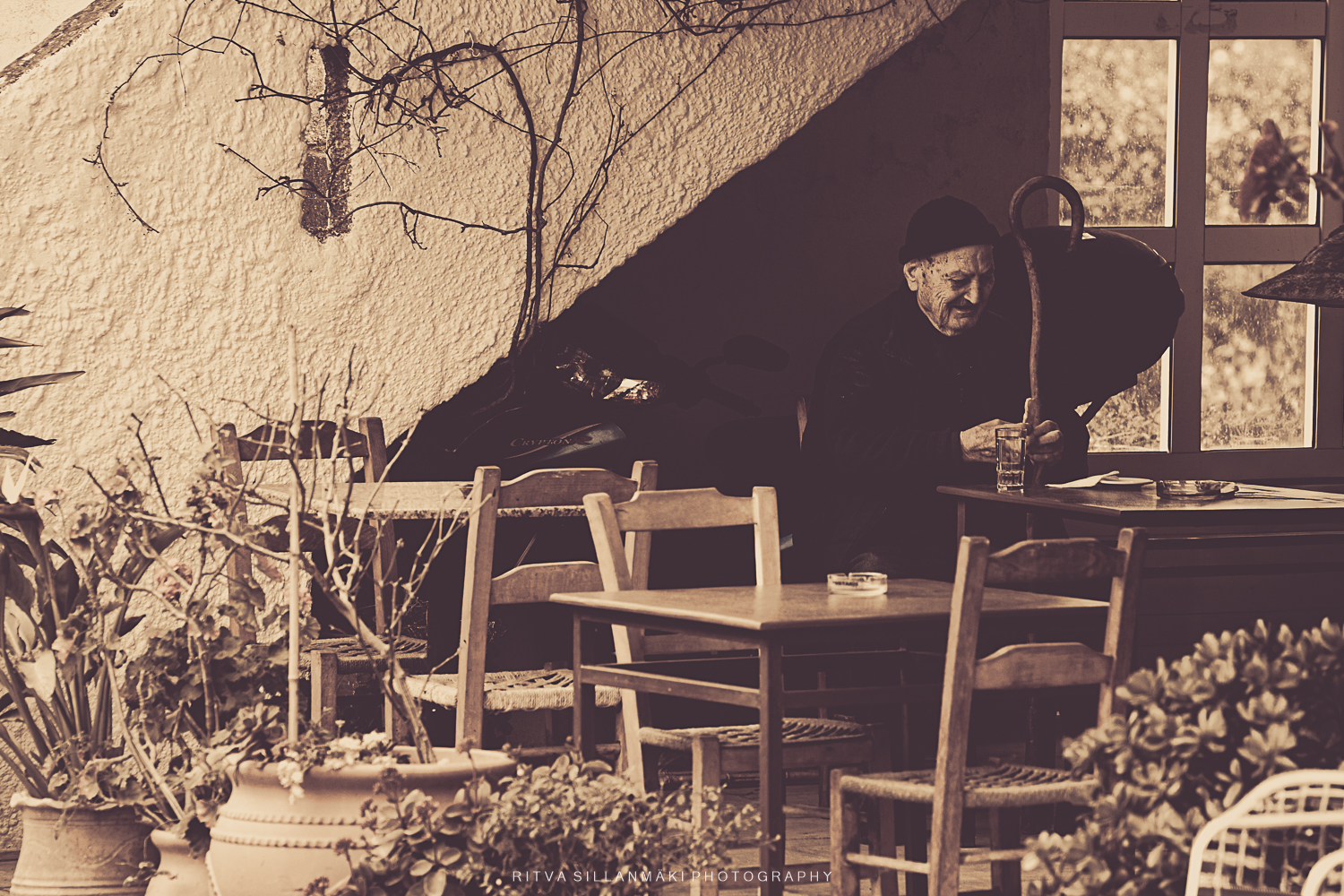
This sight just screamed at me to take a shot. An old man and a cane caught my eye. The moment is best presented in sepia, as it evokes a sense of nostalgia and timelessness that truly complements the scene. This is my entry this week to Monochrome Madness – I like the mood this photo has captured, as it resonates with emotions that are often left unspoken. I felt lucky to capture this fleeting moment, where light and shadow together in perfect harmony, creating a visual symphony that tells a story all on its own. Every detail, from the textures to the contrasts, draws the viewer in, inviting them to experience the atmosphere that engulfed me while I was there.
A quiet moment outside a rustic café named ‘Kafe Grill House Dhmhtra.’ An old man wearing a dark jacket and a black beanie sits alone at a wooden table under a white textured staircase, with a glass water on the table and seemingly lost in thought. The scene is framed by a large tree with a whitewashed trunk and an assortment of leafy plants in pots, adding a natural, cozy touch. A weathered menu board stands prominently in the foreground, evoking a sense of a quaint, welcoming outdoor setting in warm, sepia-toned colors that give the photo a nostalgic, timeless mood.An old man with a cane sits peacefully sipping a drink at a rustic café surrounded by plants and simple wooden furniture.
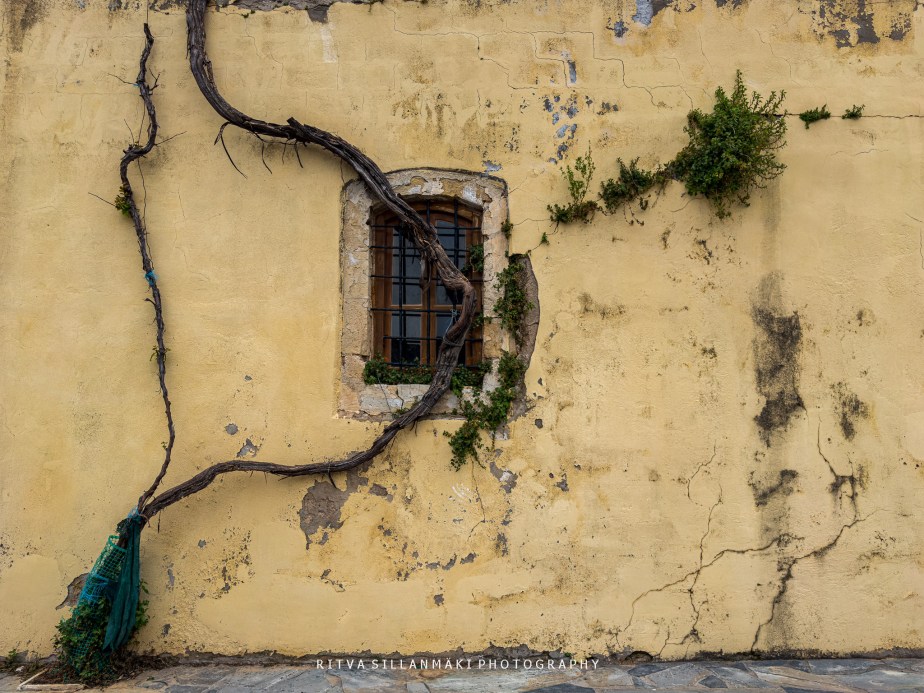
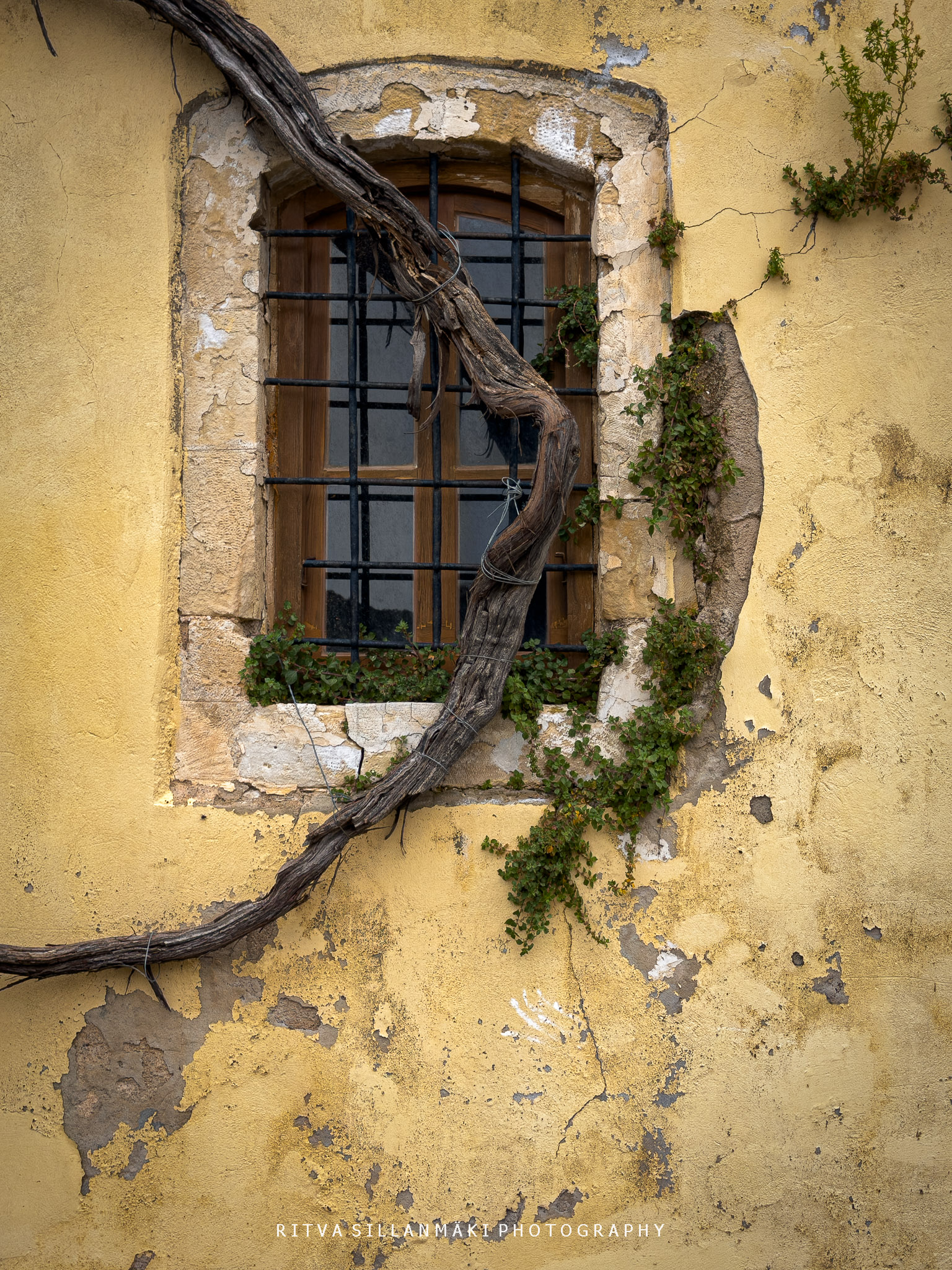
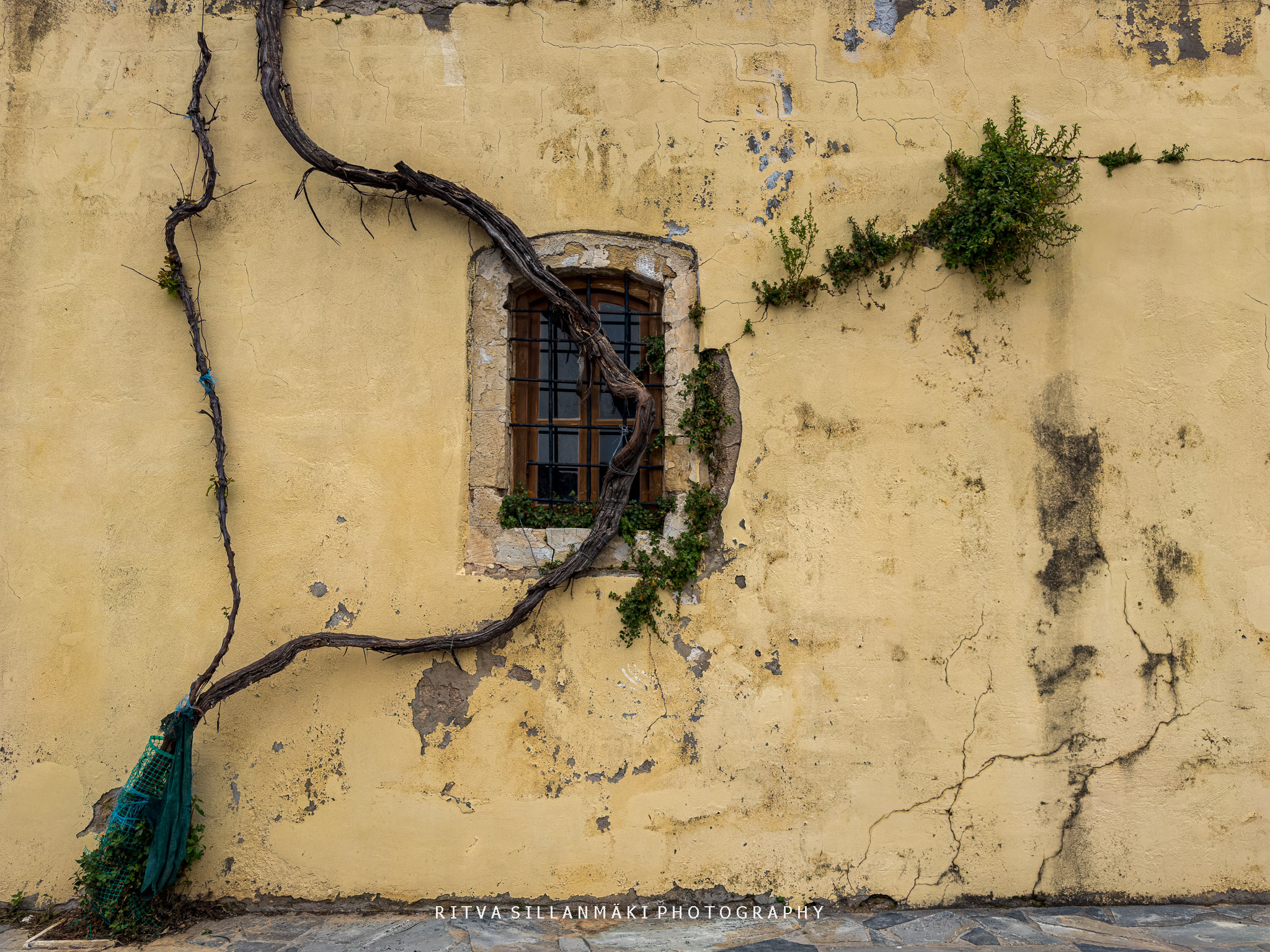
This week I am excited to share two photos that I truly admire, each capturing the same intriguing subject but presented through different compositions. I have a particular fascination with distressed buildings and objects, as they tell a story of their own, revealing the passage of time and the beauty found in decay. These images evoke nostalgia and inspire a sense of wonder, highlighting the contrast between the past and the present. I hope you find joy in them as well.
The images of an old, weathered window set into a distressed yellow wall with peeling paint and visible cracks, creating a striking visual that tells the story of years gone by. The window is protected by sturdy black metal bars, firmly securing the space behind which rests a wooden frame adorned with fragile glass panes, some of which are slightly ajar, hinting at neglect or perhaps a forgotten memory. A prominent, thick, twisted vine wraps around the bars, adding a natural element to the rustic scene, as if nature itself is reclaiming the man-made structure. This vine, with its rich green hues, contrasts beautifully against the faded yellow wall. Green ivy plants grow abundantly along the wall and around the window frame, enhancing the textured and aged appearance of the structure, while they softly sway in the wind, whispering secrets of the past. The interplay of shadow and light creates a captivating atmosphere, inviting us to imagine the stories hidden within the walls of this enchanting, yet forlorn, setting.
An old yellow wall with a small barred window partially covered by twisted vines and patches of green foliage
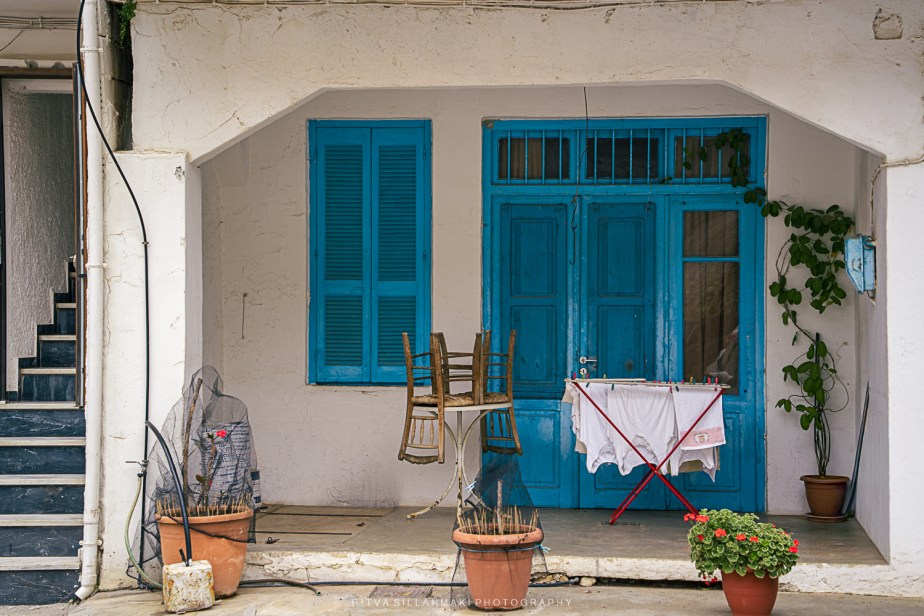
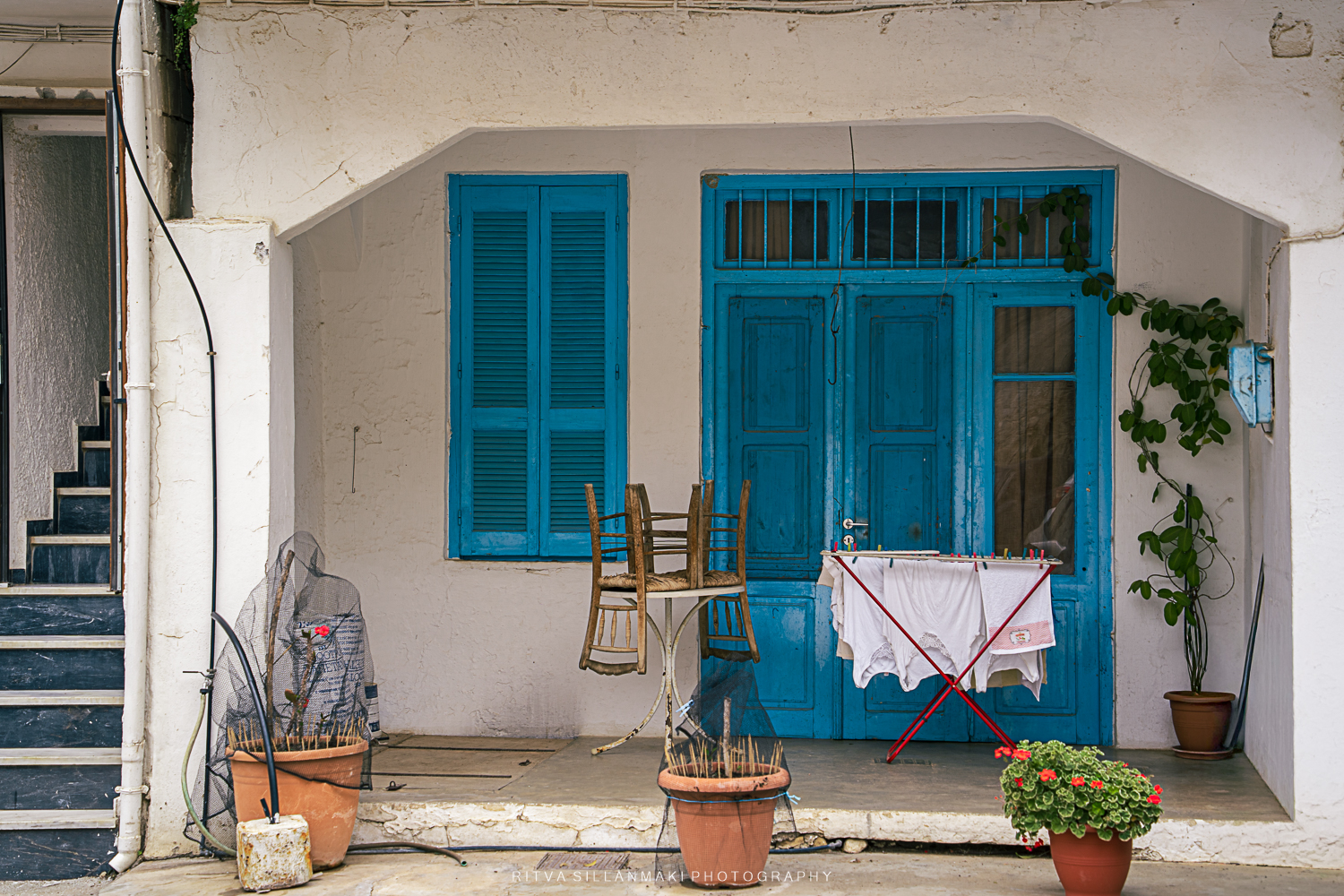
The facade of a rustic building characterized by bright turquoise wooden doors and window shutters set against white, textured walls. A small porch area in front of the entrance houses two upside-down wooden chairs balanced on a small white table, terracotta pots with plants, and a drying rack with white clothes pinned to it. The scene is accented by a potted plant with green leaves climbing near the door and vibrant red flowers in the foreground. The color contrast between the vivid blue paint and the neutral white walls, alongside the aged, weathered textures, evokes a charming, cozy atmosphere typical of a Crete Island atown
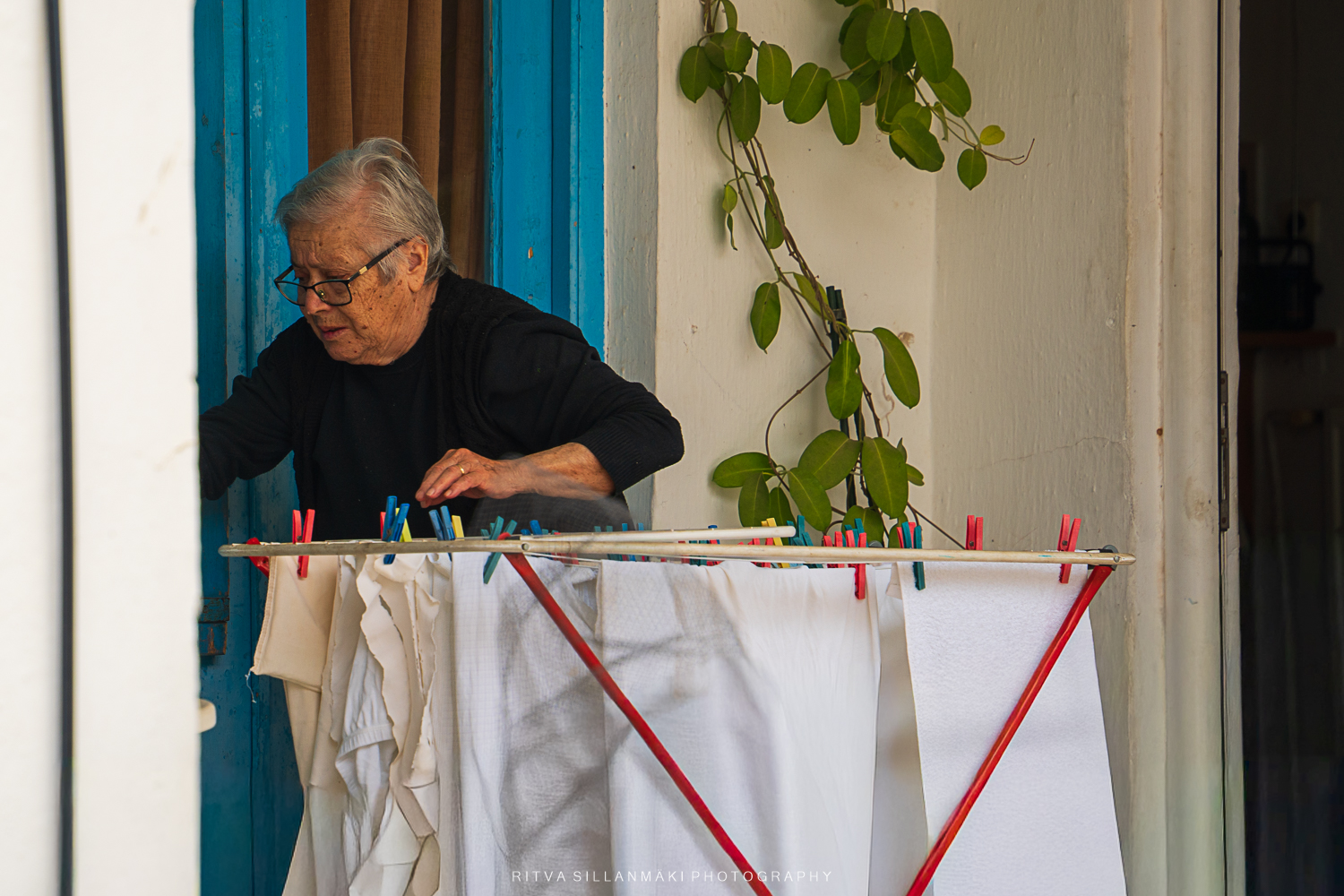
An elderly woman with gray hair and glasses is seen hanging white laundry on a red drying rack positioned outdoors, near a blue door and white wall. She wears a black long-sleeved top and is focused on attaching clothes with colorful clothespins. The setting includes a climbing green plant on the wall, adding a natural element to the scene. This was a quiet, everyday moment with warm, natural lighting that highlights the textures and colors of the environment and the laundry.
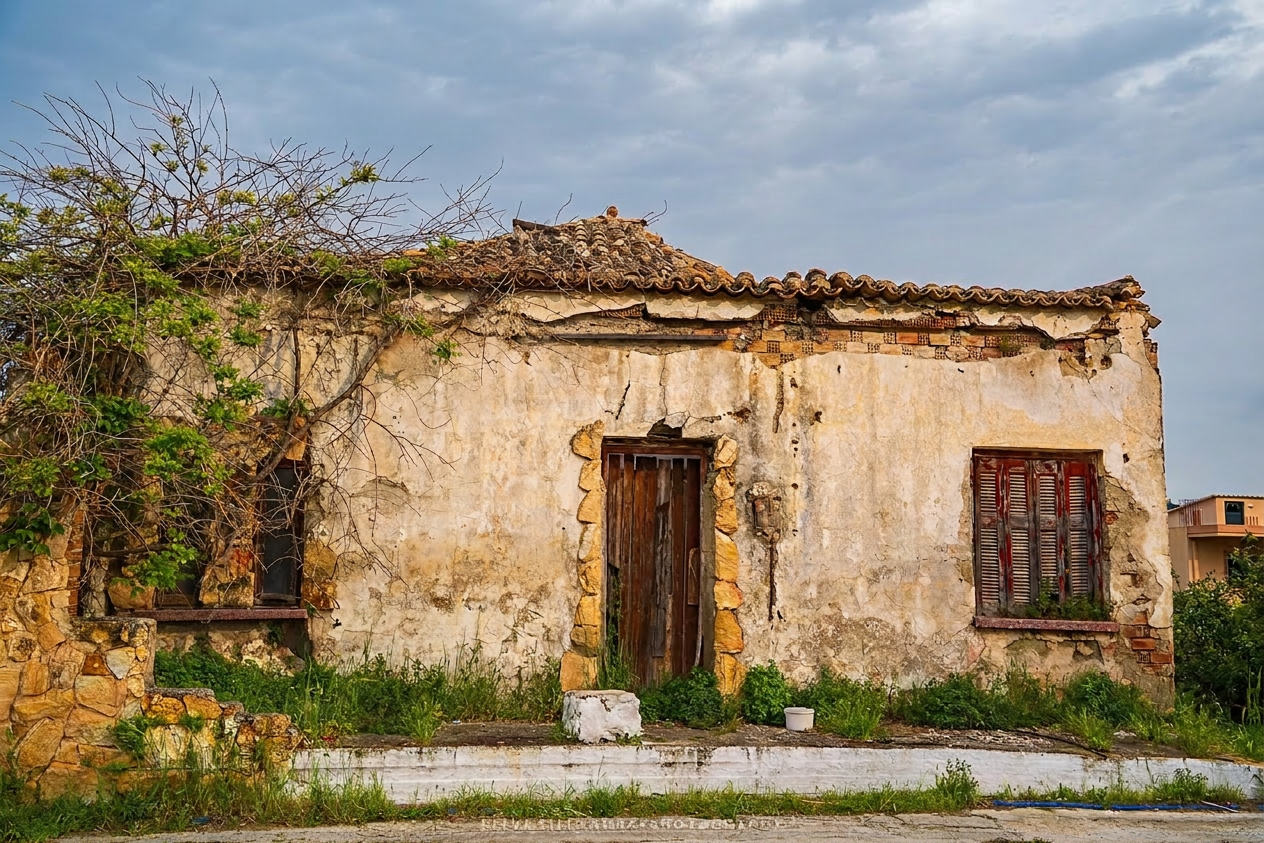
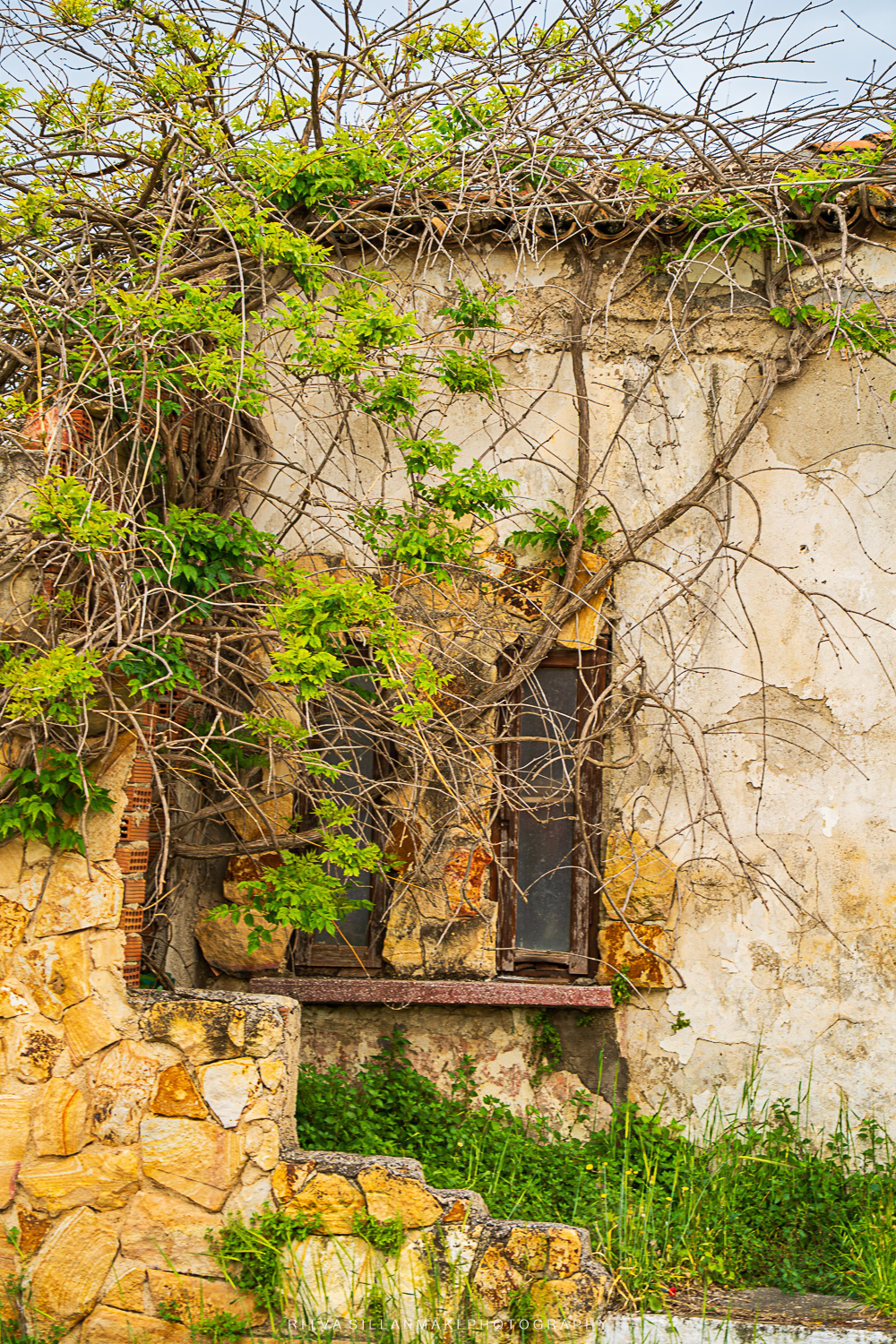
I wrote a piece of fiction to go with these images of an abandoned house, illustrating the eerie silence that envelops the crumbling walls and overgrown garden. As I delved deeper into the story, the forgotten echoes of the past began to emerge, trying to paint a picture of the lives once lived within those decaying rooms. The shadows seemed to whisper secrets, share my take of the the mysteries that lay hidden beneath the layers of dust and time.
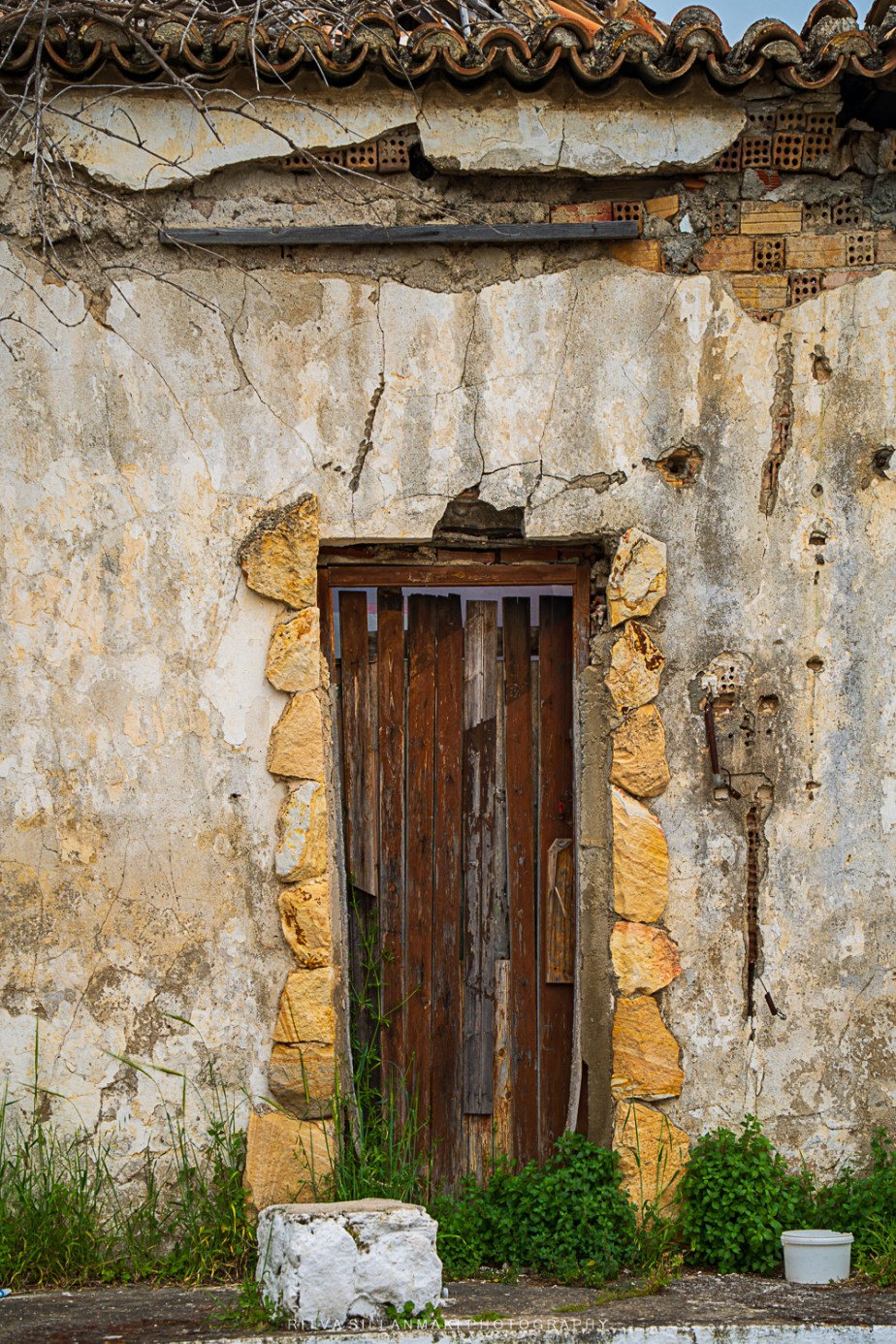
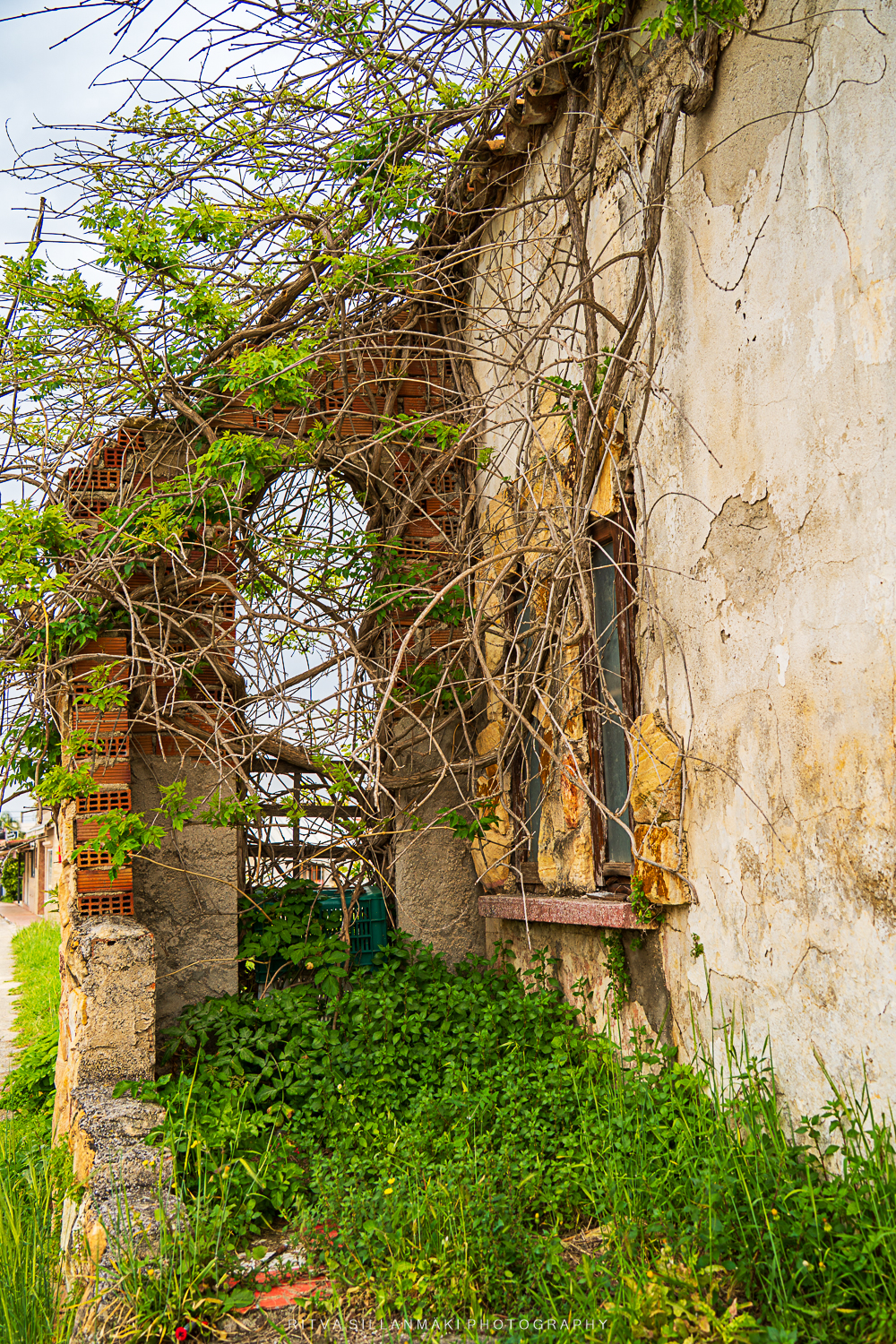
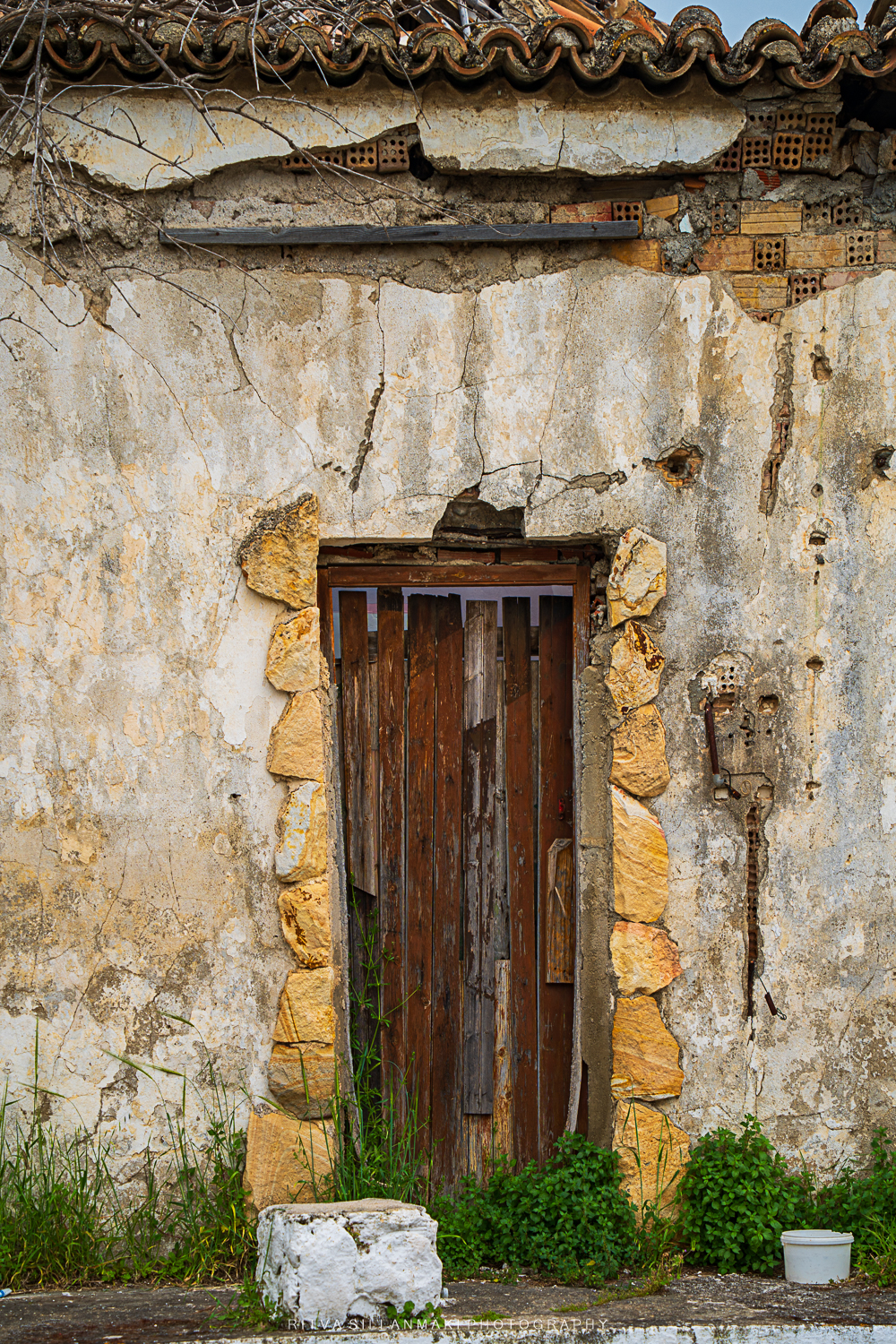
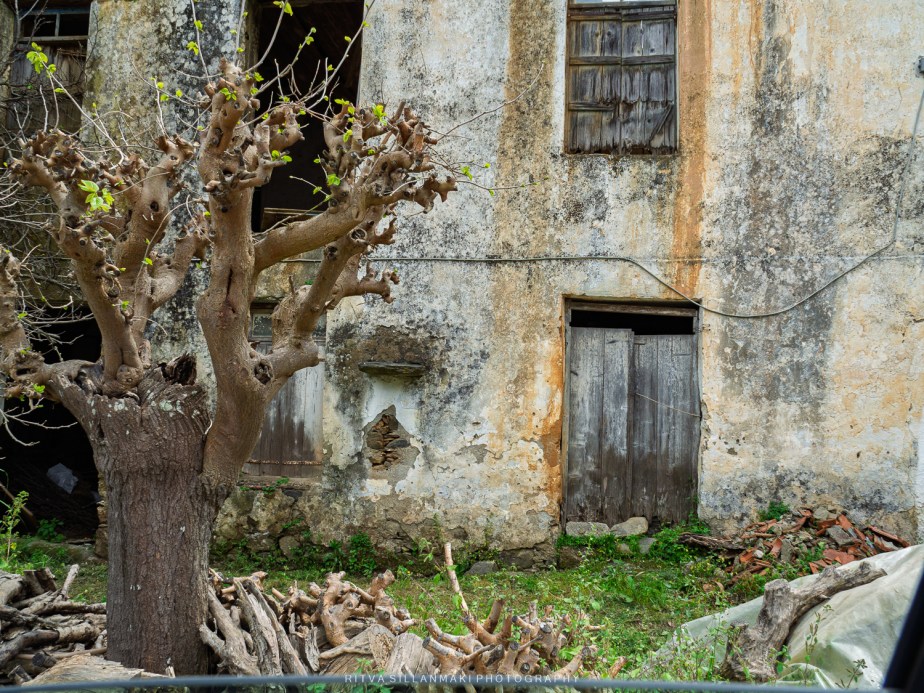
In the heart of a forgotten village, there stood an old, rundown house that held the whispers of its vibrant past. It had a faded, cracked exterior and a barely intact tiled roof, with memories of joyful days trapped in every corner. The walls, now worn and discolored, showed glimpses of the brick and stone beneath, framing the door and windows like silent guardians of time. This house used to belong to the Georgiou family, who left it behind decades ago following a series of unfortunate events. The wooden door, slightly open and well-worn, hinted at laughter and love that once filled the space, now muted by silence. The windows, partially covered with old shutters, were entwined with greenery, as nature gradually took back what people had forsaken. Surrounding the house, wild grass danced in the breeze, while a bare, spindly tree reached for the sky—a testament to resilience and a haunting reminder of the family’s departure. Above, the heavy clouds seemed to grieve for a life that used to buzz with energy, as if the past longed to be acknowledged once again.
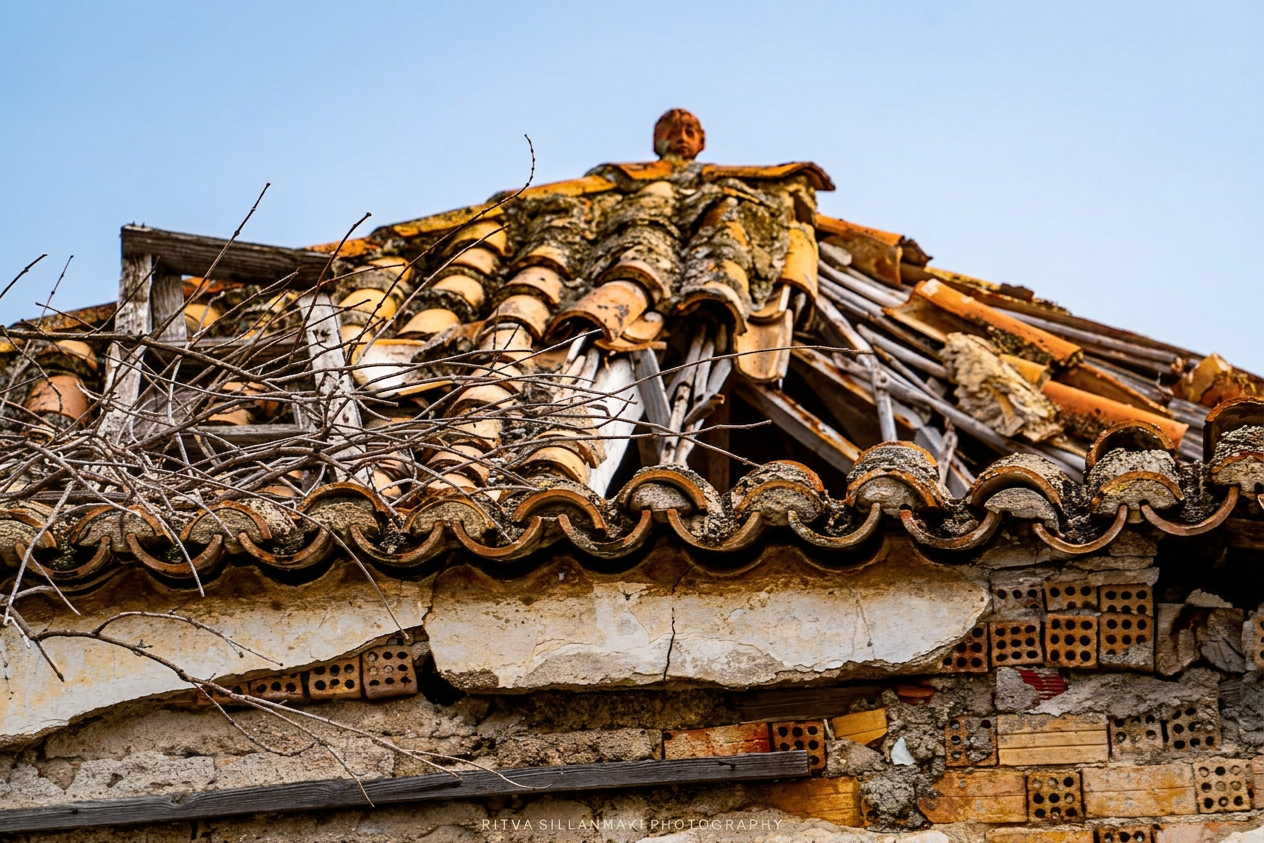
the deteriorating corner of an old, rustic roof made of curved terracotta tiles,
The deteriorating corner of an old, rustic roof made of curved terracotta tiles, many of which are covered with patches of moss and appear weathered and broken. Below the roof, the wall shows signs of decay with exposed bricks and crumbling plaster, revealing various textures and layers of construction materials. Bare tree branches extend across the lower left of the frame, contrasting with the warm earthy tones of the roof and wall. The sky is clear and bright, adding a subtle contrast to the aged, textured structures in the foreground. Can you see a doll on the roof, or is it just me? What is the story there?
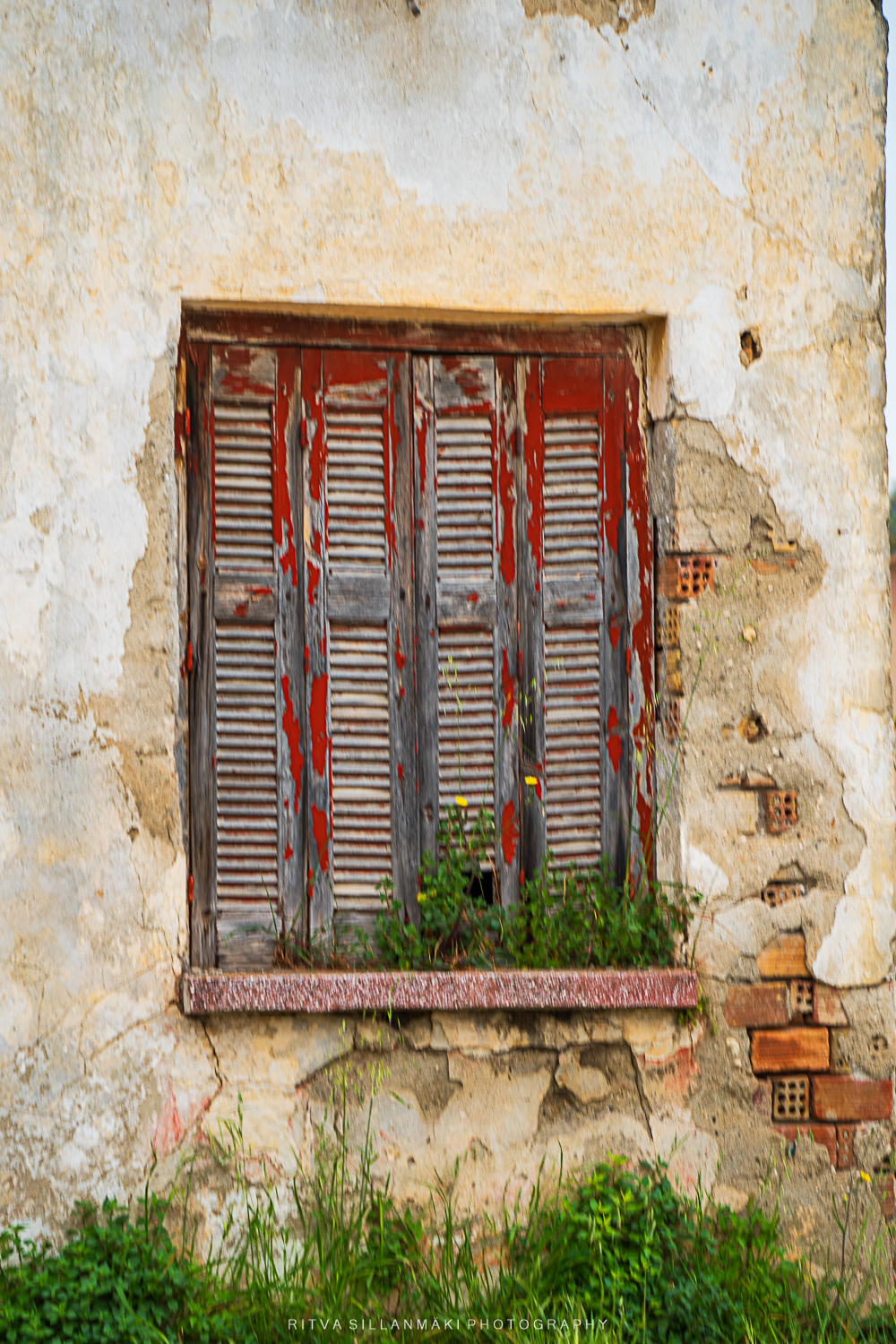
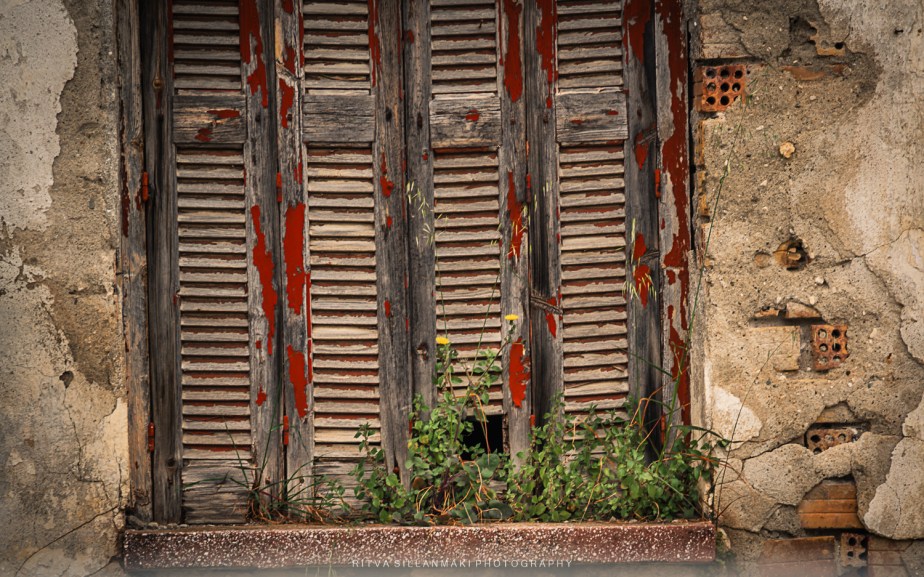
The weathered window
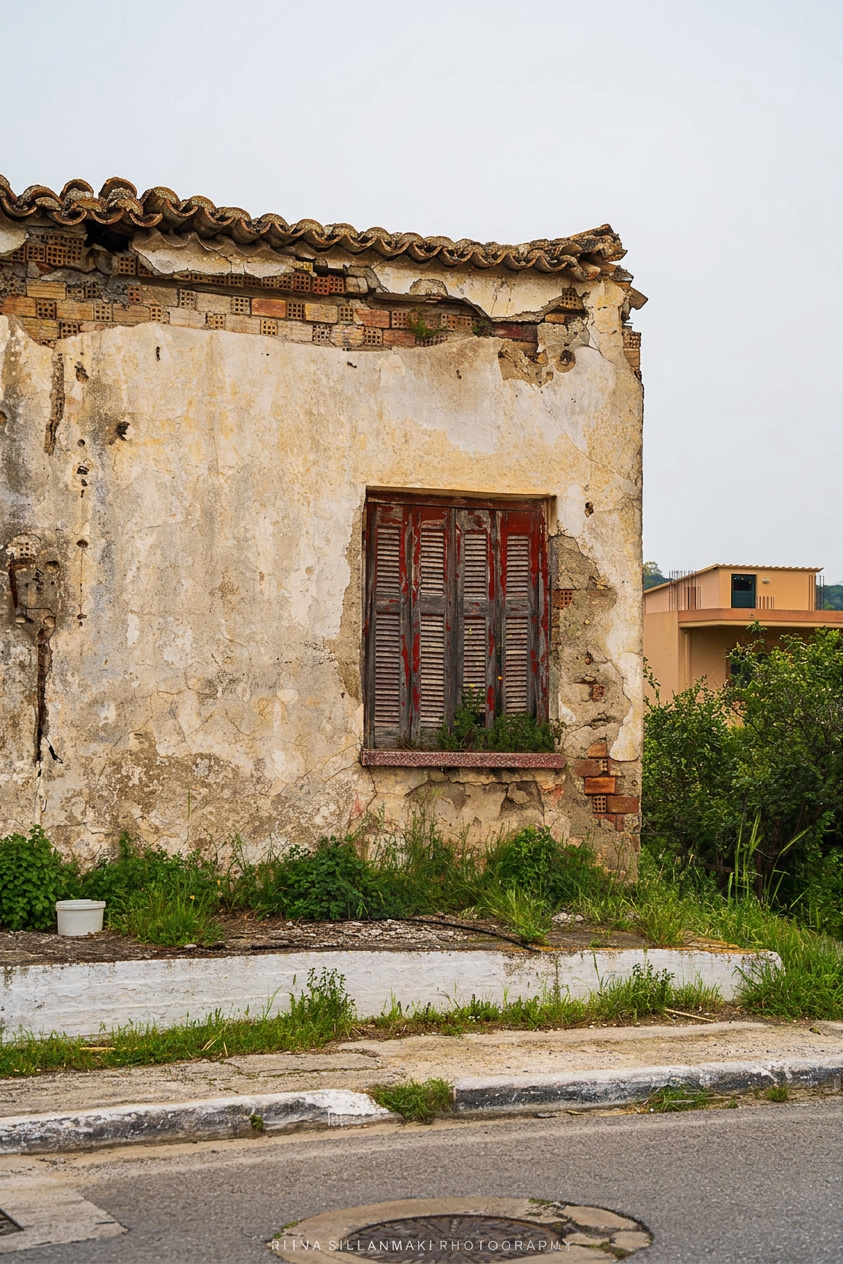
The weathered window set into an old, deteriorating wall once belonged their daughter Eleni spent her childhood. The window shutters are wooden and painted red, but the paint is severely chipped and peeling, revealing the worn wood beneath. Eleni would often sit by this window, dreaming of adventures beyond the walls, her imagination ignited by the vibrant world outside. Below the window, overgrown green plants and small yellow flowers grow along the ledge and the base of the wall, remnants of Eleni’s once-cared-for garden where she picked flowers for her mother. As she grew older, the dreams by this window transformed into aspirations of travel, writing stories inspired by the landscapes she envisioned. The wall itself shows signs of decay, with cracked plaster and exposed bricks, echoing the passage of time since the family moved away, leaving behind a rustic and abandoned atmosphere with earthy, muted colors, which now serve as a silent witness to her cherished memories. This window became a portal for Eleni, connecting her past with a future filled with hopes of re-exploring the wild beauty beyond the walls that once confined her.
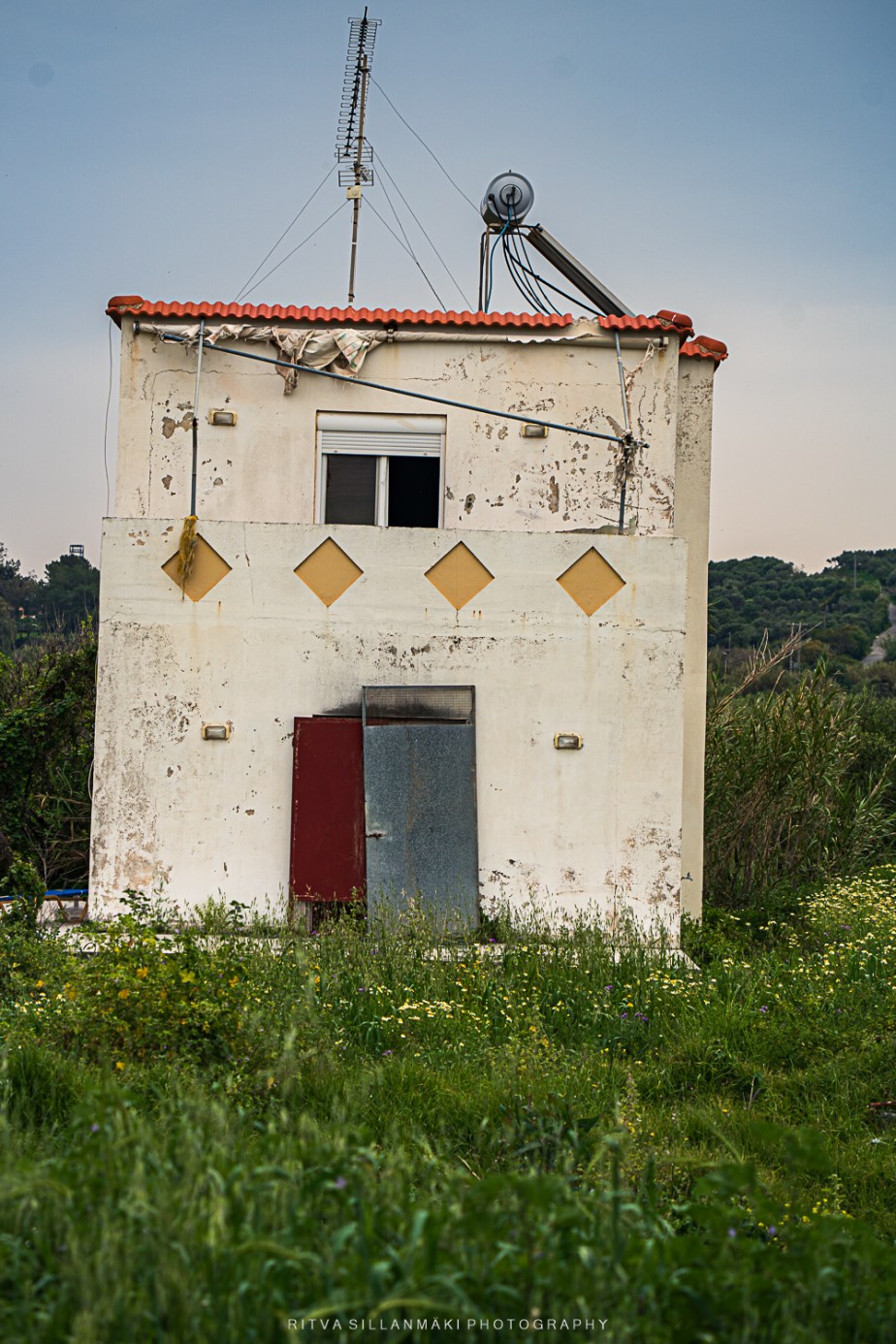
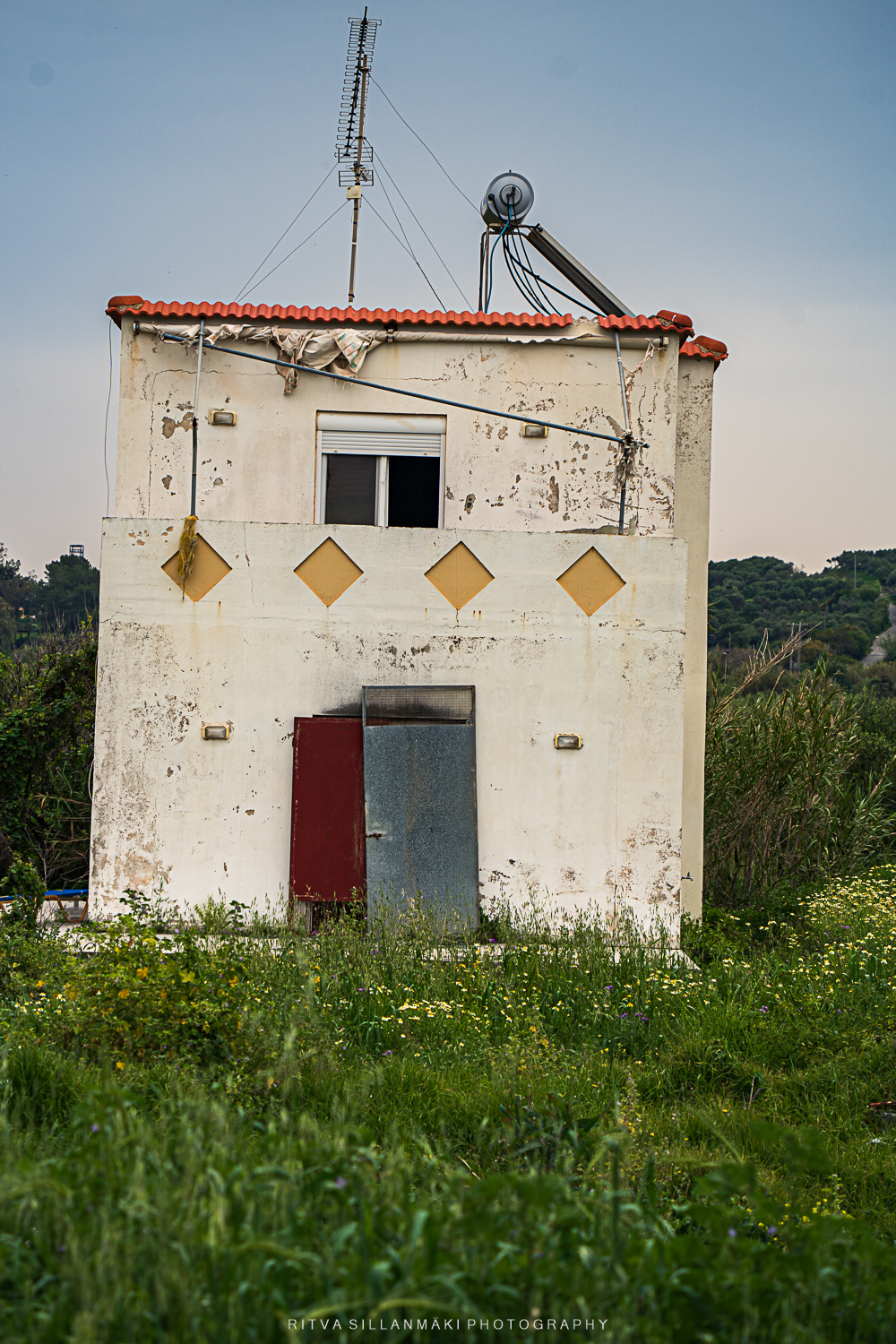
While I was in Crete, I came across this small, weathered two-story building that really caught my eye. It had a flat, tiled roof and the exterior was quite worn, with peeling paint all over. I noticed it had a single window with a roller shutter on the upper part, and there was this interesting balcony-like feature adorned with four diamond-shaped yellow accents. It seemed to have some antennas and cables cluttering the roof, including a satellite dish and an old TV antenna, and a subpanel and a water tank for warm water, which hinted that someone lived there, even though the door does not suggest that. This building gives mixed signals. The building was surrounded by tall grass and colorful wildflowers, and in the background, there were lush green trees under a clear sky. It was in a peaceful, rural area, and the atmosphere was kind of lonely.
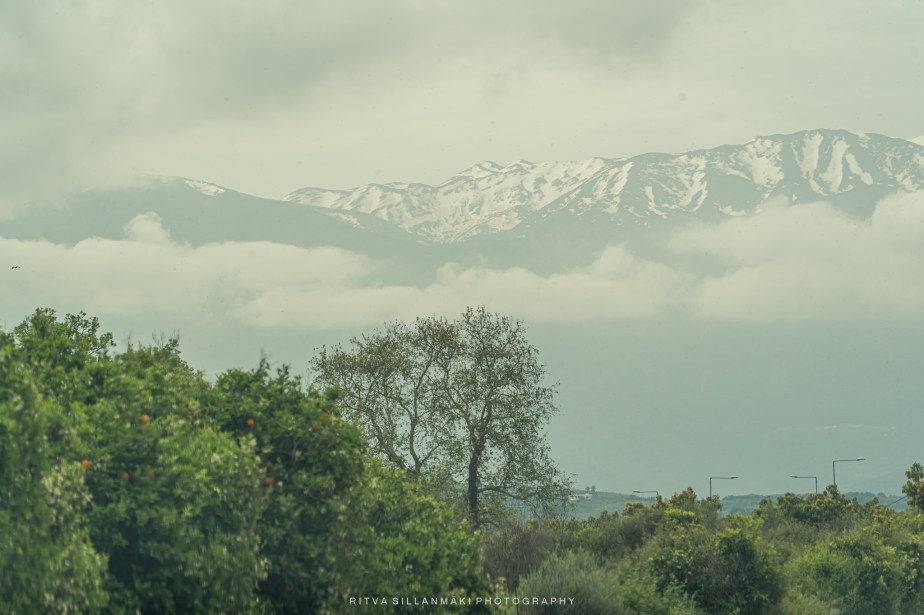
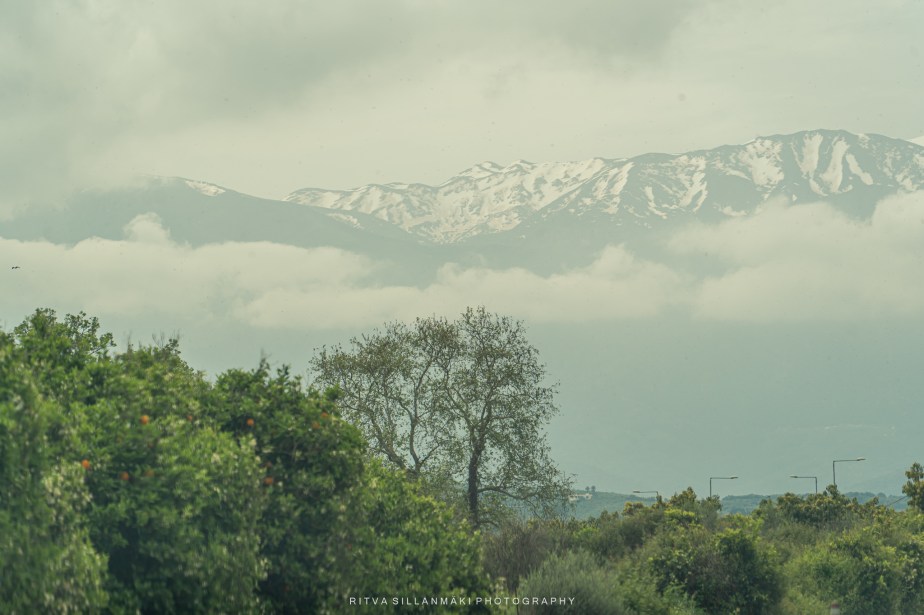
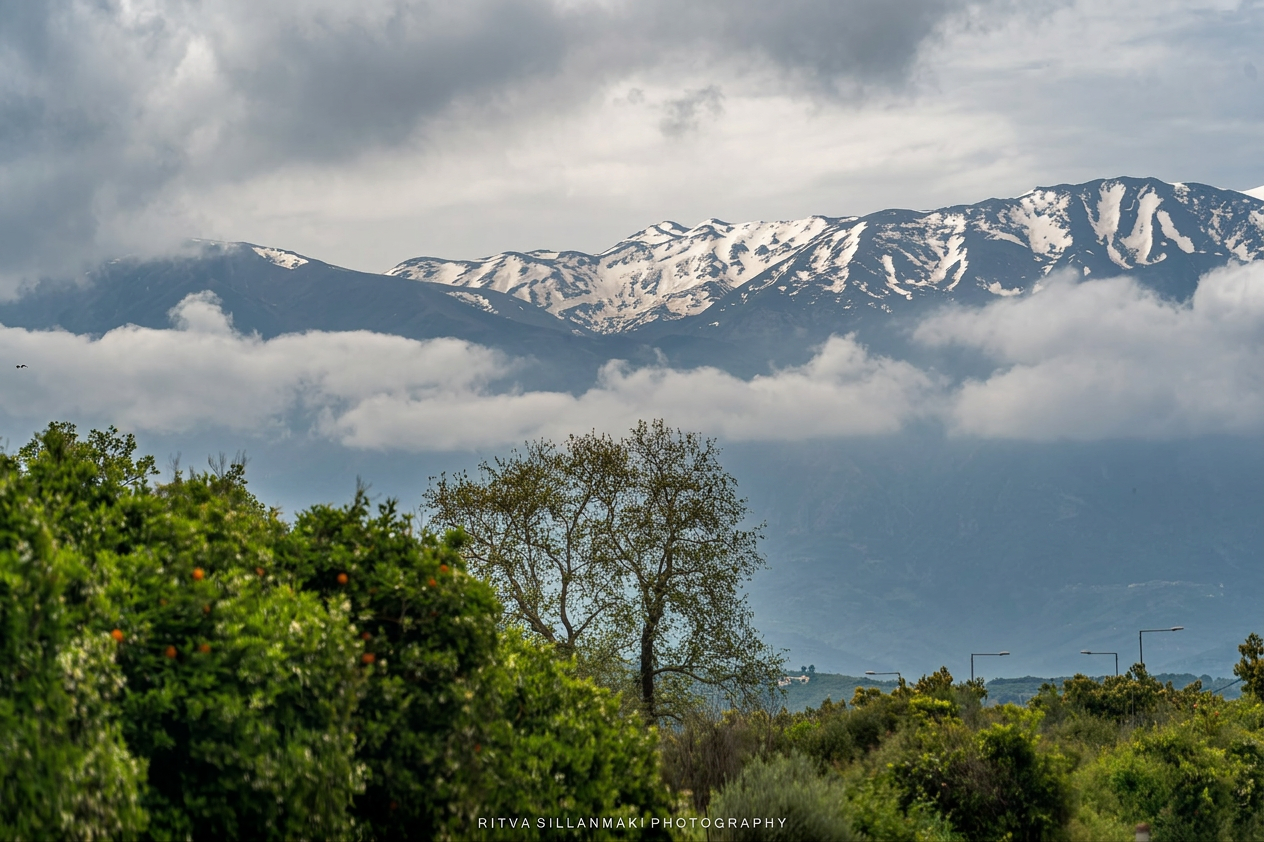
Wordless Wednesday turned into something else; as I am asking which version do you prefer? I initially created it this post to share one photo without the clutter of words, allowing the imagery to speak for itself. However, adding a another edit of the same photo led me to ask which one resonates more. Now I find myself curious about your thoughts?
Snow-capped mountains emerging through misty clouds above a lush green landscape / version 1Snow-capped mountains emerging through misty clouds above a lush green landscape .Version 2
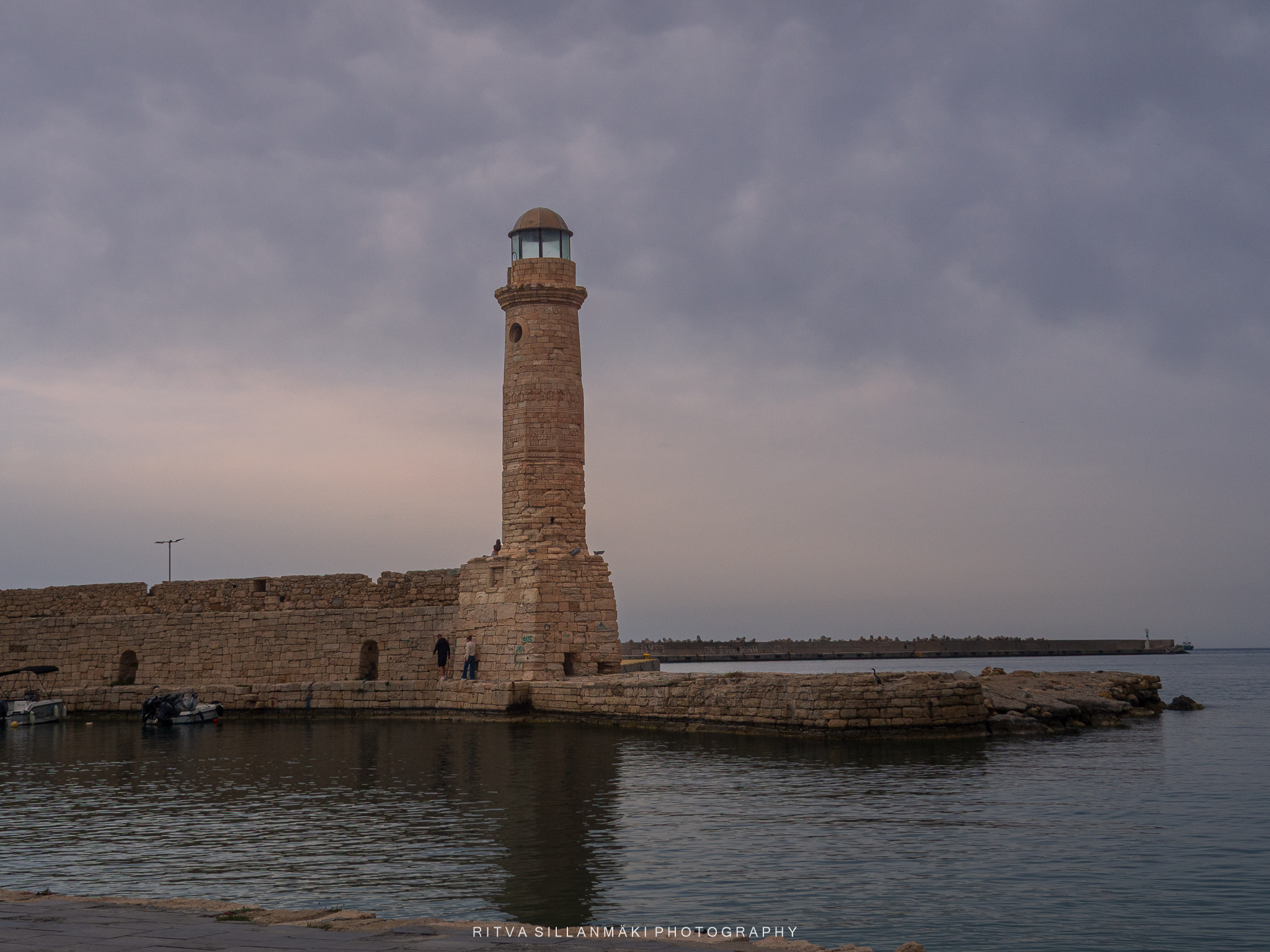
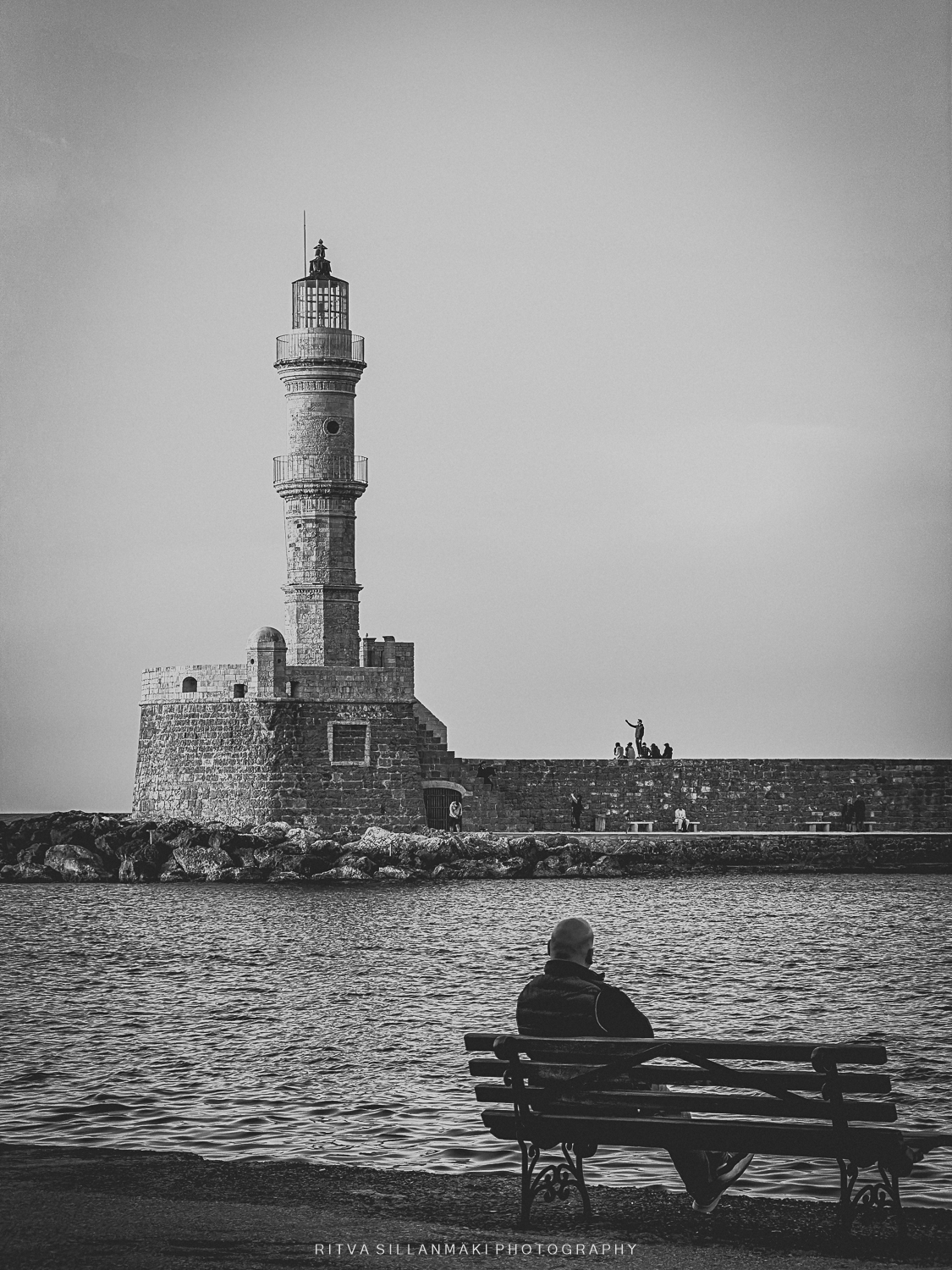
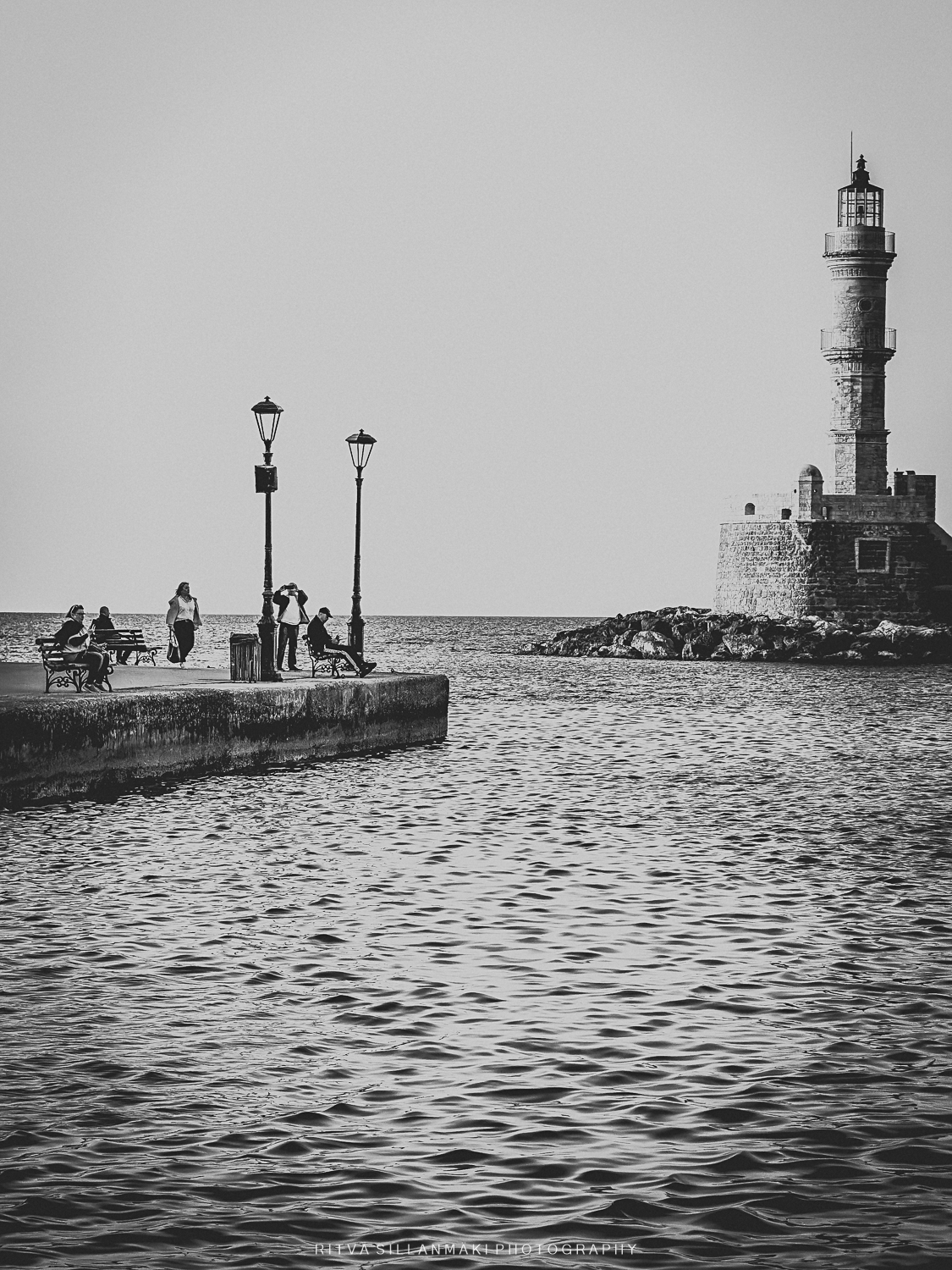
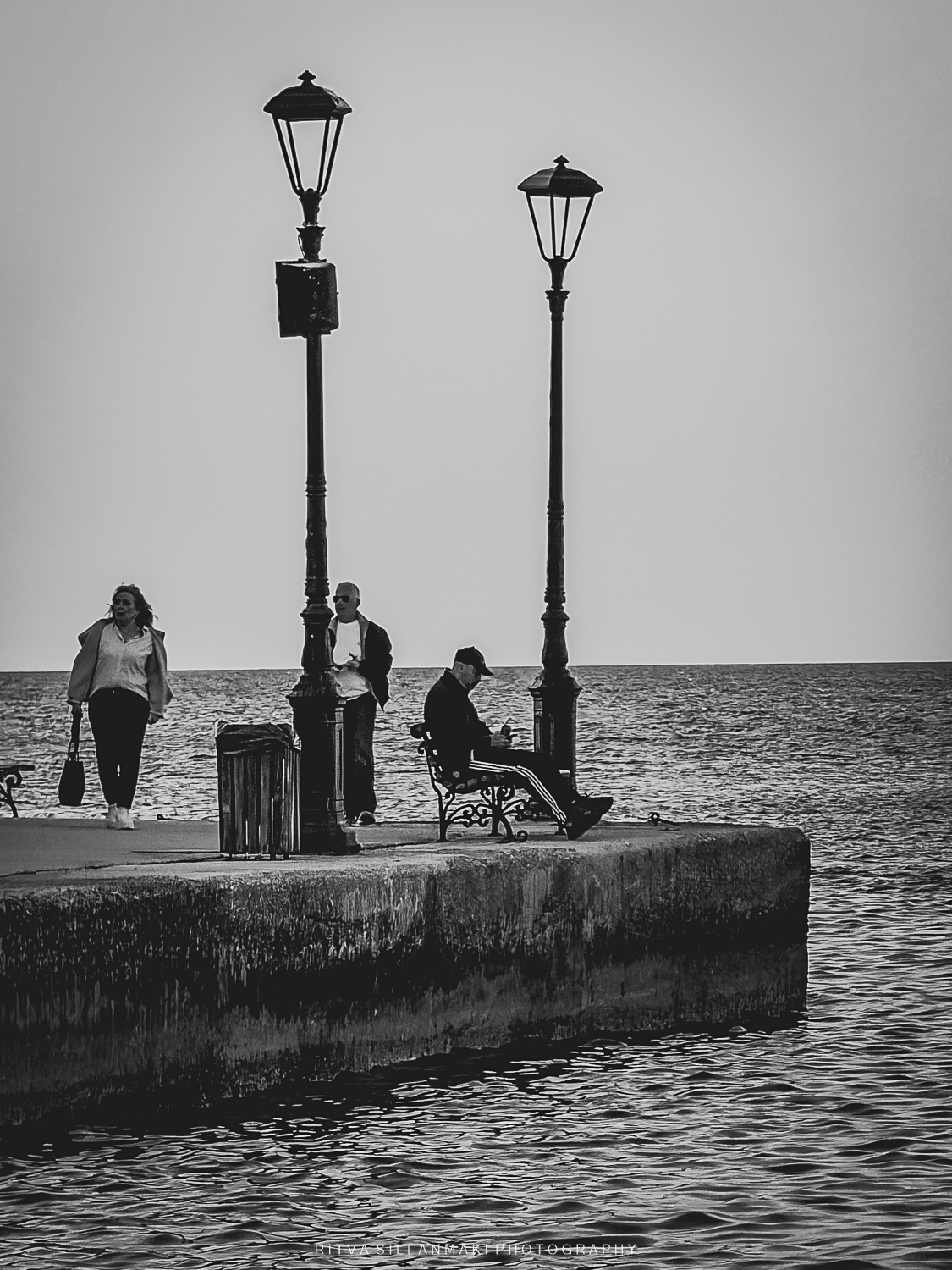
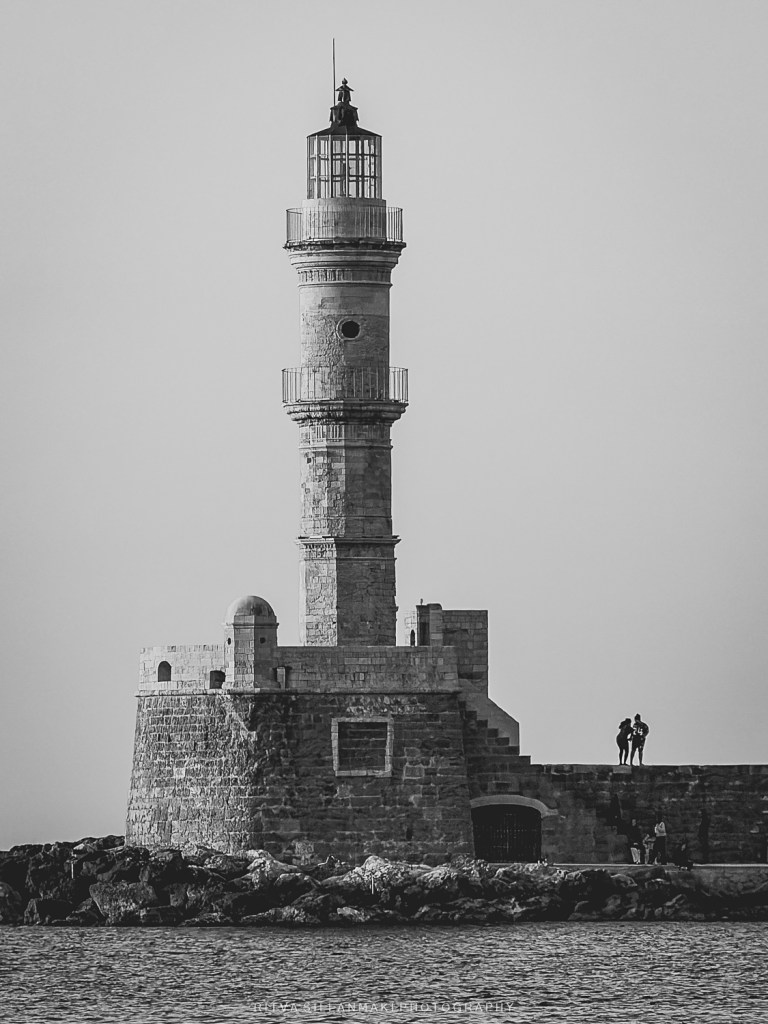
This time I am sharing images of The Egyptian Lighthouse for Leanne’s Monochrome Madness. It is among the oldest lighthouses in the world, and it stands as a testament to maritime history, guiding sailors safely into the harbor for centuries. I tried to add an old photo touch to them to invoke a sense of nostalgia, highlighting the lighthouse’s timeless charm and the stories it could tell if only its walls could speak.
I captured a solitary man sitting on a wooden bench by the waterfront, facing the prominent Egyptian Lighthouse. The lighthouse stands tall on a rugged stone pier, with a small group of people visible at the base, adding a sense of scale and human presence. The foreground reflects the soft light, while the clear sky enhances a tranquil and contemplative atmosphere. What I wanted was to depict architectural strength intertwined with quiet solitude, utilizing monochromatic tones that emphasize texture and contrast to evoke some emotions in this and all the other photos I edited for this post.
A solitary man sitting on a wooden bench by the waterfront, facing the prominent Egyptian Lighthouse.
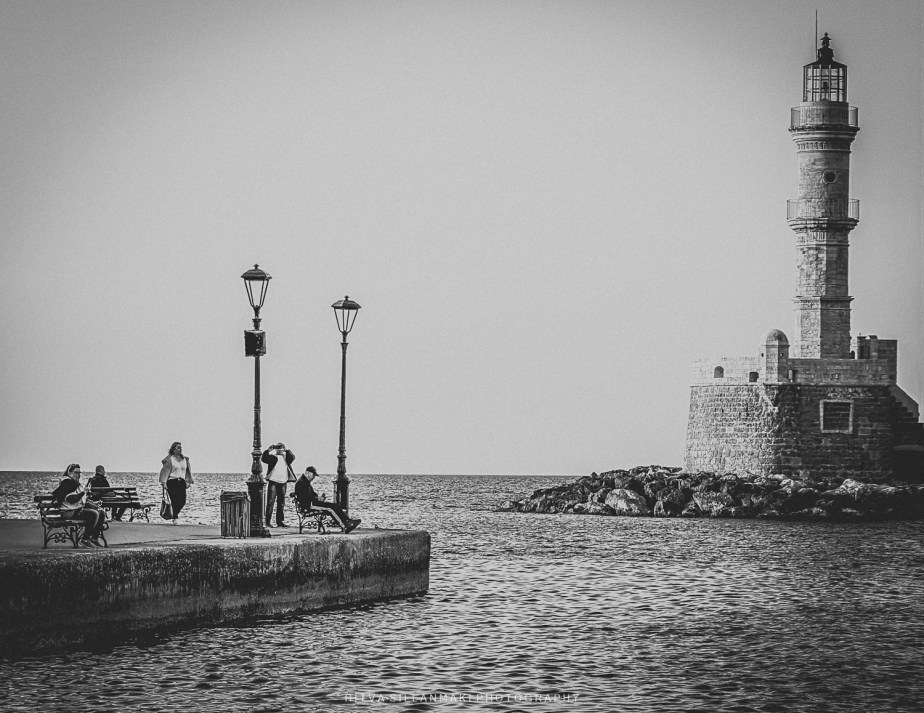
The Egyptian Lighthouse is one of the oldest in the world and is located in the old harbor of Chania. It’s a stone structure that sits at the end of the breakwater, serving as a “guard” for the old Venetian harbor and is actually the most photographed spot in the Prefecture.
A peaceful seaside scene with people relaxing on benches near the lighthouse on a calm waterfront.
People strolling and sitting near vintage lamp posts on a pier.
The Egyptian Lighthouse
The Venetians built it in the late 16th century, but it was later rebuilt by the Egyptians between 1830 and 1840 when Crete was under the regent of Egypt, Mehmet Ali. By the time the Ottoman Empire was winding down, they had added a ladder on the east side and some pipes for seawater to flow under its base. The lighthouse stands 21 meters tall, covers an area of 26 square meters, and its light can be seen from about 7 nautical miles away. It has an octagonal base, a part with 16 angles in the middle, and a circular top.
During our Crete trip I came across this stunning dark brown goat with shaggy fur. It was just standing there on this rocky, grassy hillside, looking straight at me with such a calm and curious expression—like it was as intrigued by me as I was by it. What really caught my eye was the lighter brown coloring around its eyes and nose, and those small, gently curved horns added so much character. The backdrop was a beautifully blurred mountainous landscape in soft blues and grays. I can’t tell you how delighted I was to capture that moment! It really emphasized the peacefulness of the goat’s solitary presence out there in the rugged outdoors.
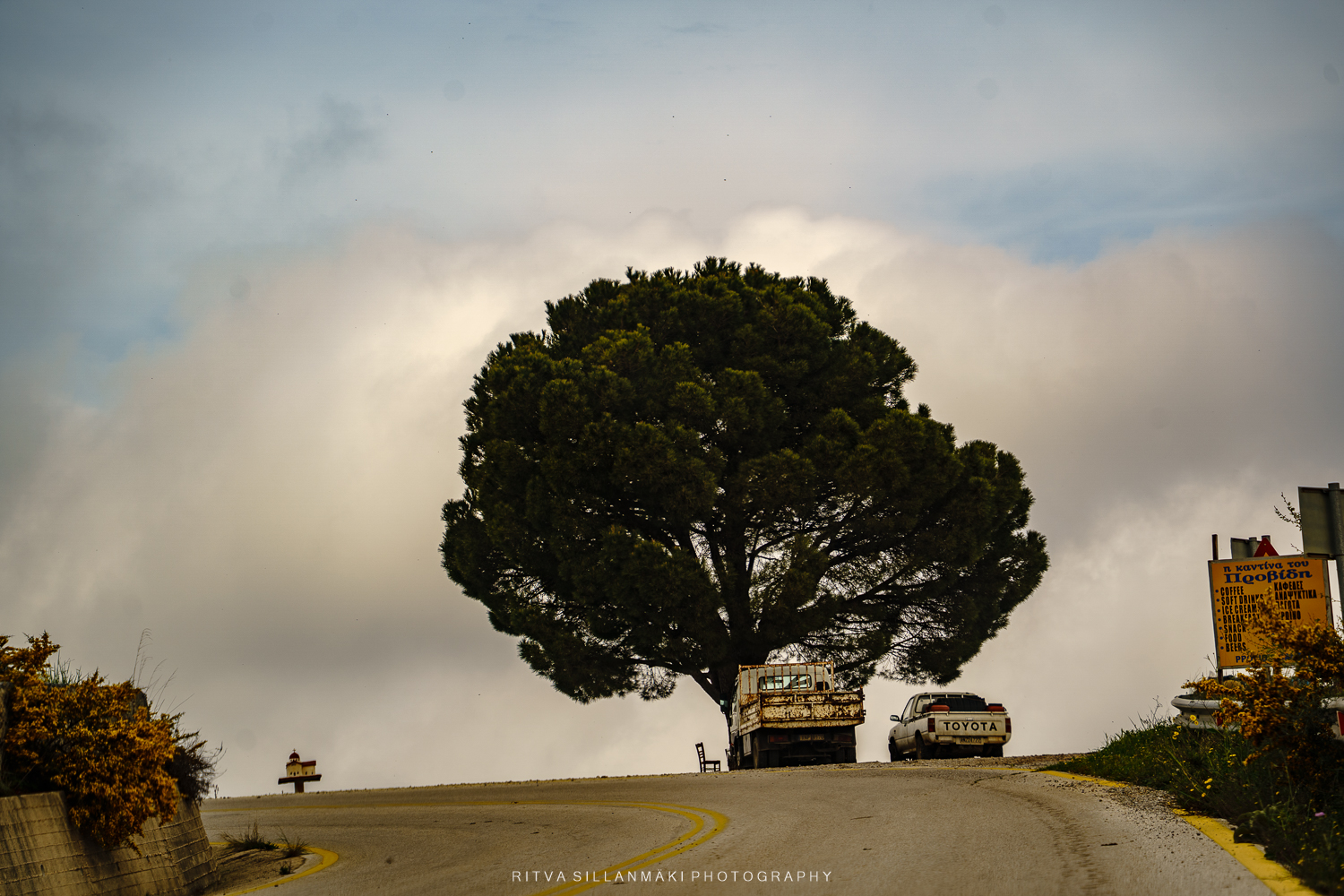
As I approached, I noticed a large, lush green tree standing majestically at the crest of a gently curving road. I have an old photo of the same place. I remembered this well. This time beneath its branches, two parked vehicles caught my eye, including a old Toyota pickup truck . A solitary chair was placed nearby under the welcoming shade, adding an aura of stillness and solitude to the scene. Above, the sky was mostly overcast, with patches of blue peeking through, creating a moody atmosphere. On the right side of the road, a brightly colored sign in Greek hinted at a nearby cafe or a tavern. This was an overall roadside experience that stayed with me. We stopped there to see the scenery from there.
A majestic green tree and recalled an old photo of the spot.
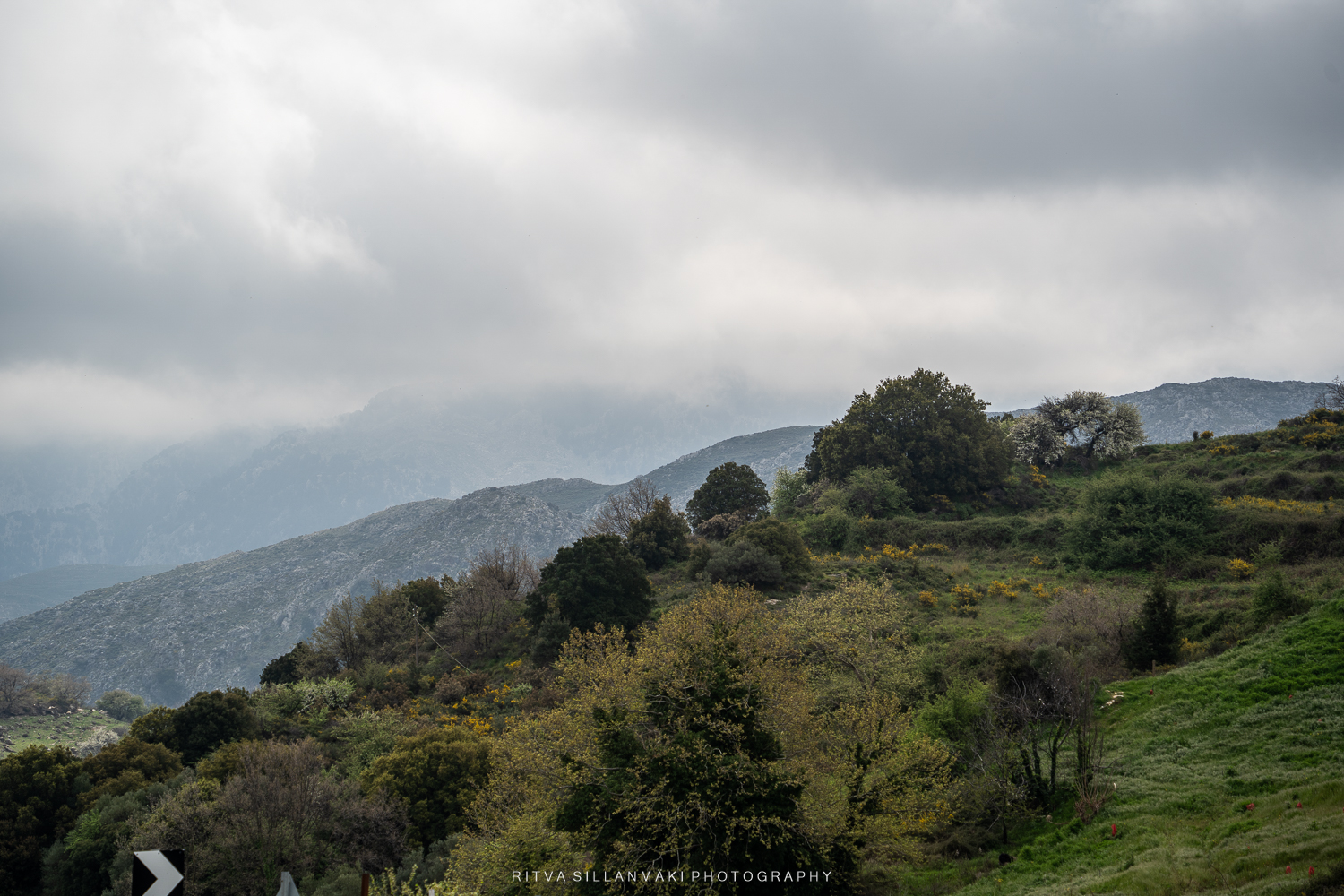
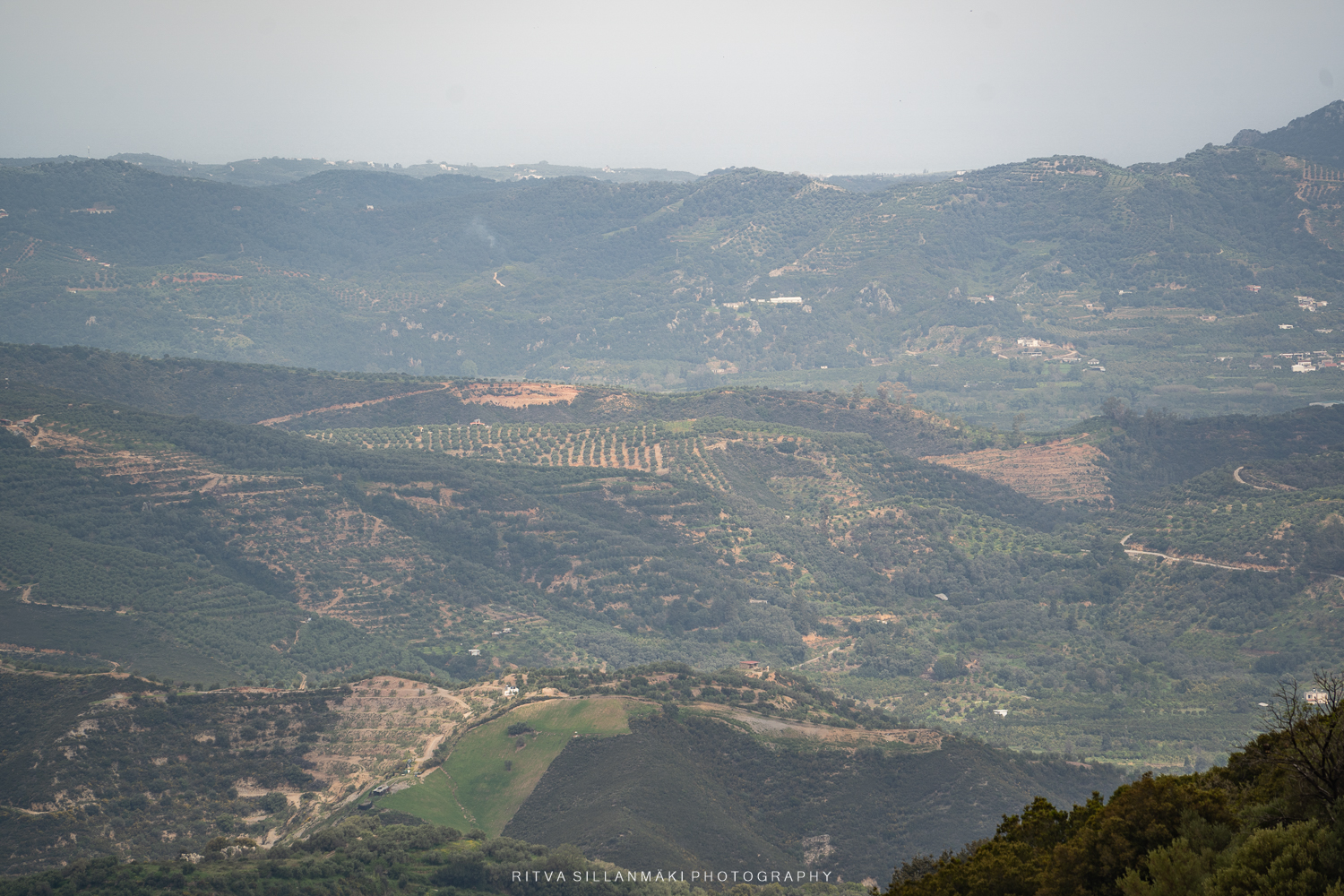
You know, as I was looking at that vast mountainous landscape, I couldn’t help but admire the beauty of it. The layers of green hills and valleys just draw you in, all under this soft, hazy sky. It’s amazing how the dense forests and terraced fields blend together, creating this wonderful pattern of nature and cultivation. And those small roads winding through the terrain—they really add to the charm. You can barely spot a few buildings hidden among all that greenery. The whole vibe is so serene and expansive, with these muted, earthy tones that make the whole scene feel incredibly calming.
The layers of green hills and valleys in Crete are lovely in the spring
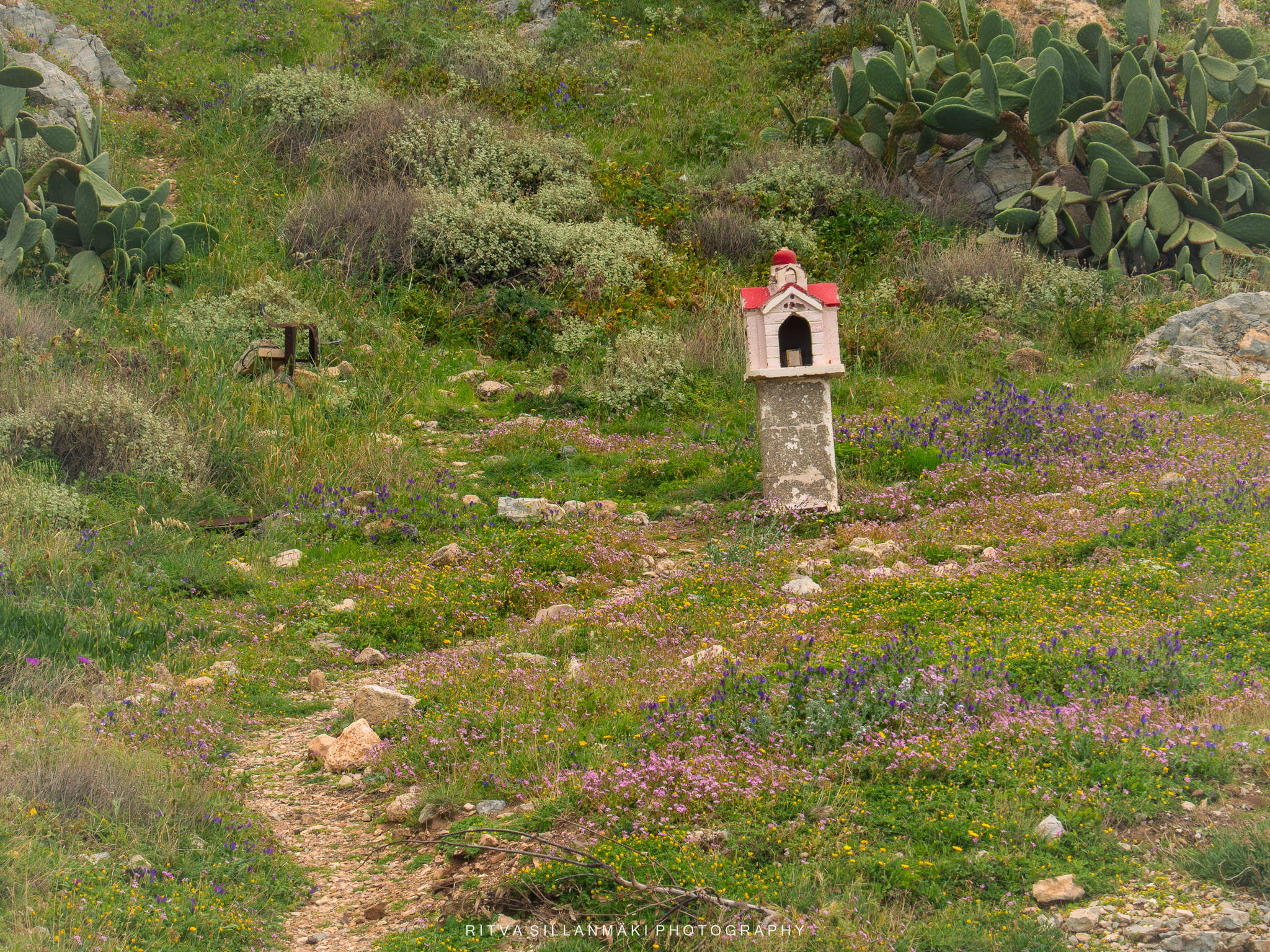
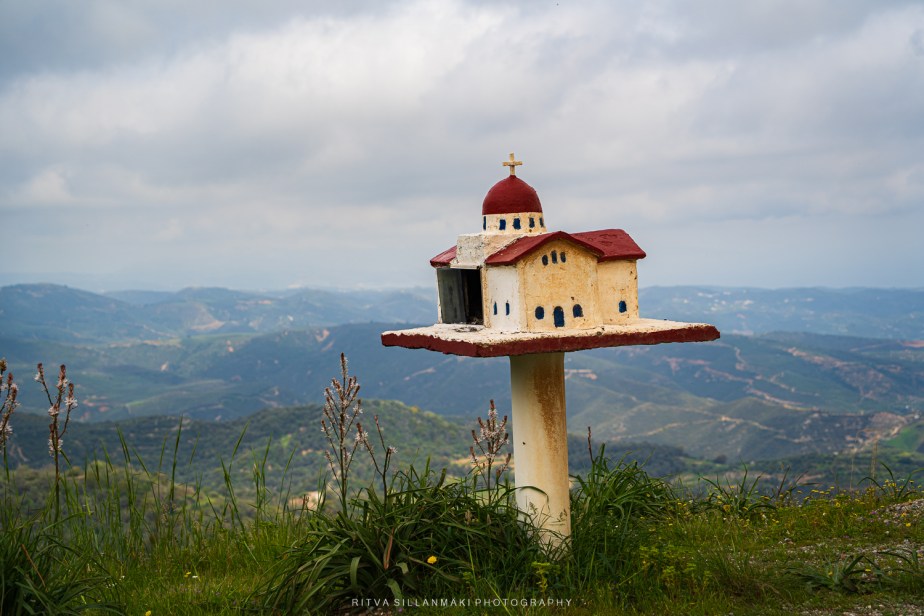
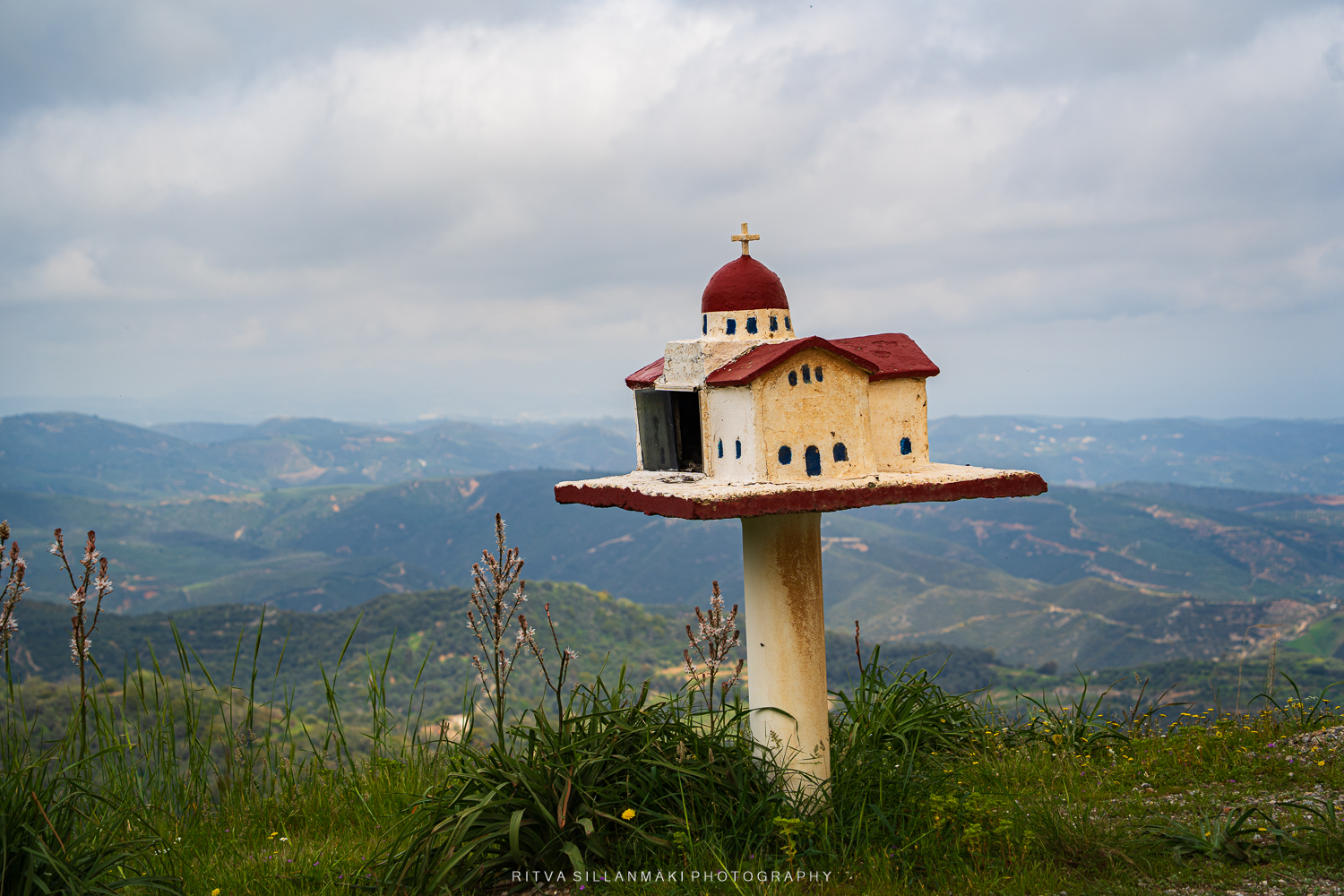
A weird feature of the Greek roads is the small shrines on the roadside, commonly referred to as iconostasis or small churches. These exist everywhere, whether the road is in the center of a big city or in a small village, on major highways or on the mountains on bad dirt roads. One can often spot models of churches, like that small, handmade model mounted on a white pedestal set against a lovely grassy outdoor backdrop. Just look at that red dome with the golden cross on top! Those cream-colored walls and charming little blue windows really catch the eye too. s. The iconostasis serves as an offering-expression of gratitude to the god from those who had an accident, adding a slice of spirituality to the serene and contemplative landscape.
the small shrines on the roadside, commonly referred to as iconostasis or small churches
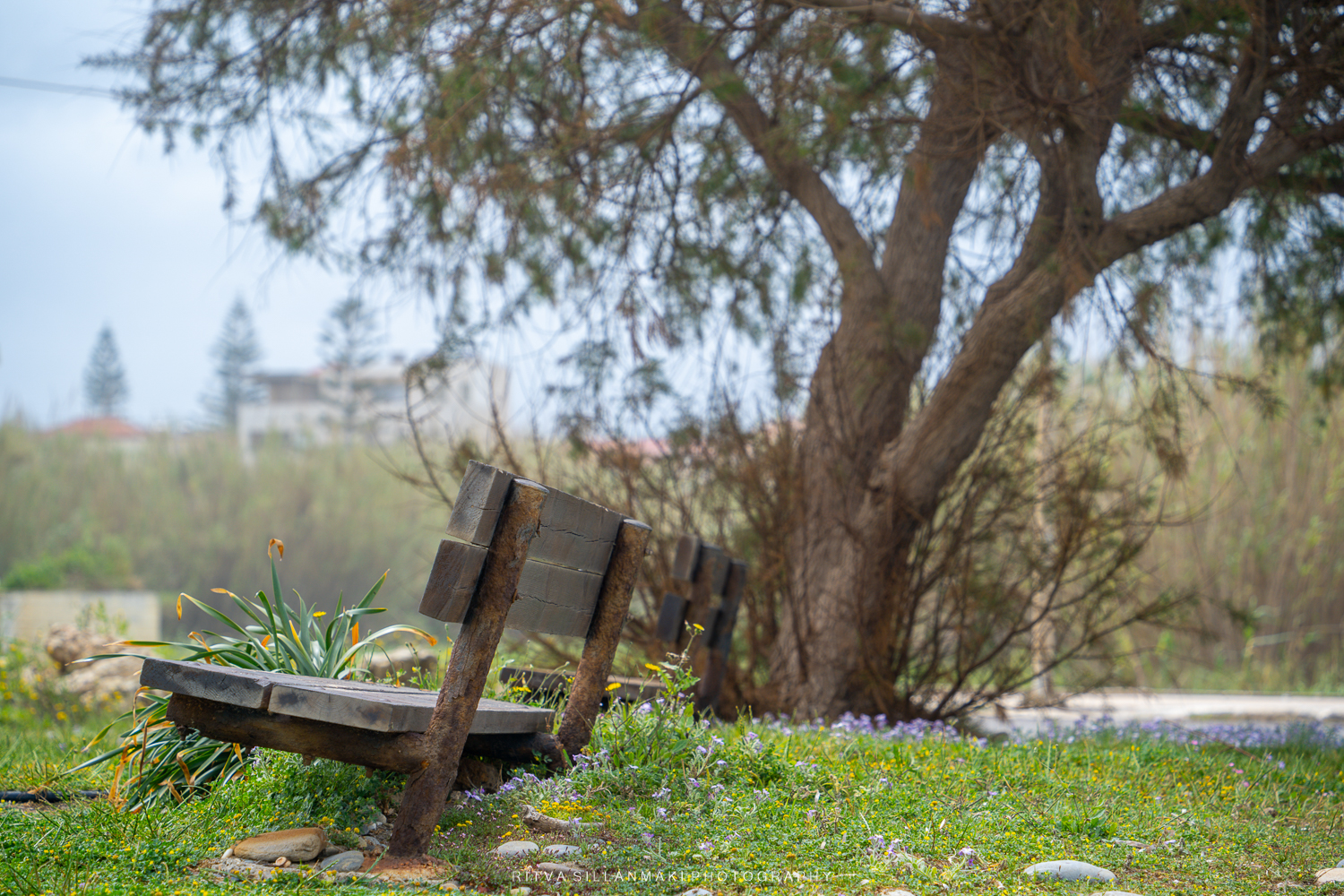
By the beach in Maleme a pair of weathered wooden benches positioned on a grassy patch adorned with small purple and yellow wildflowers, a large, leafy tree with a thick trunk, providing a natural backdrop and some shade. The sky is overcast, casting a soft, muted light over the scene. In the blurred background, distant buildings and conifer trees are faintly visible, adding depth and context to this tranquil outdoor setting. My last on the card is from Crete.
Last shot with my OLYMPUS DIGITAL CAMERA
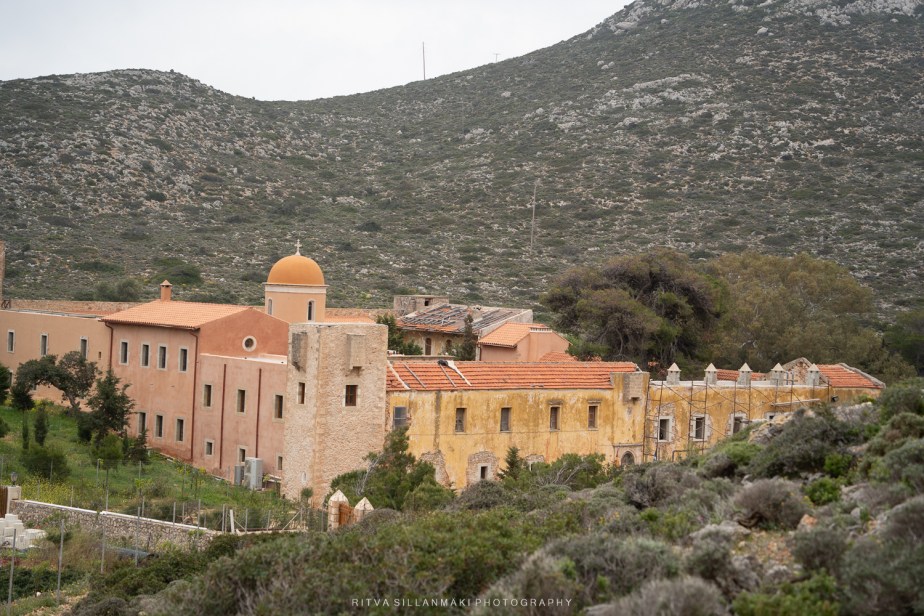
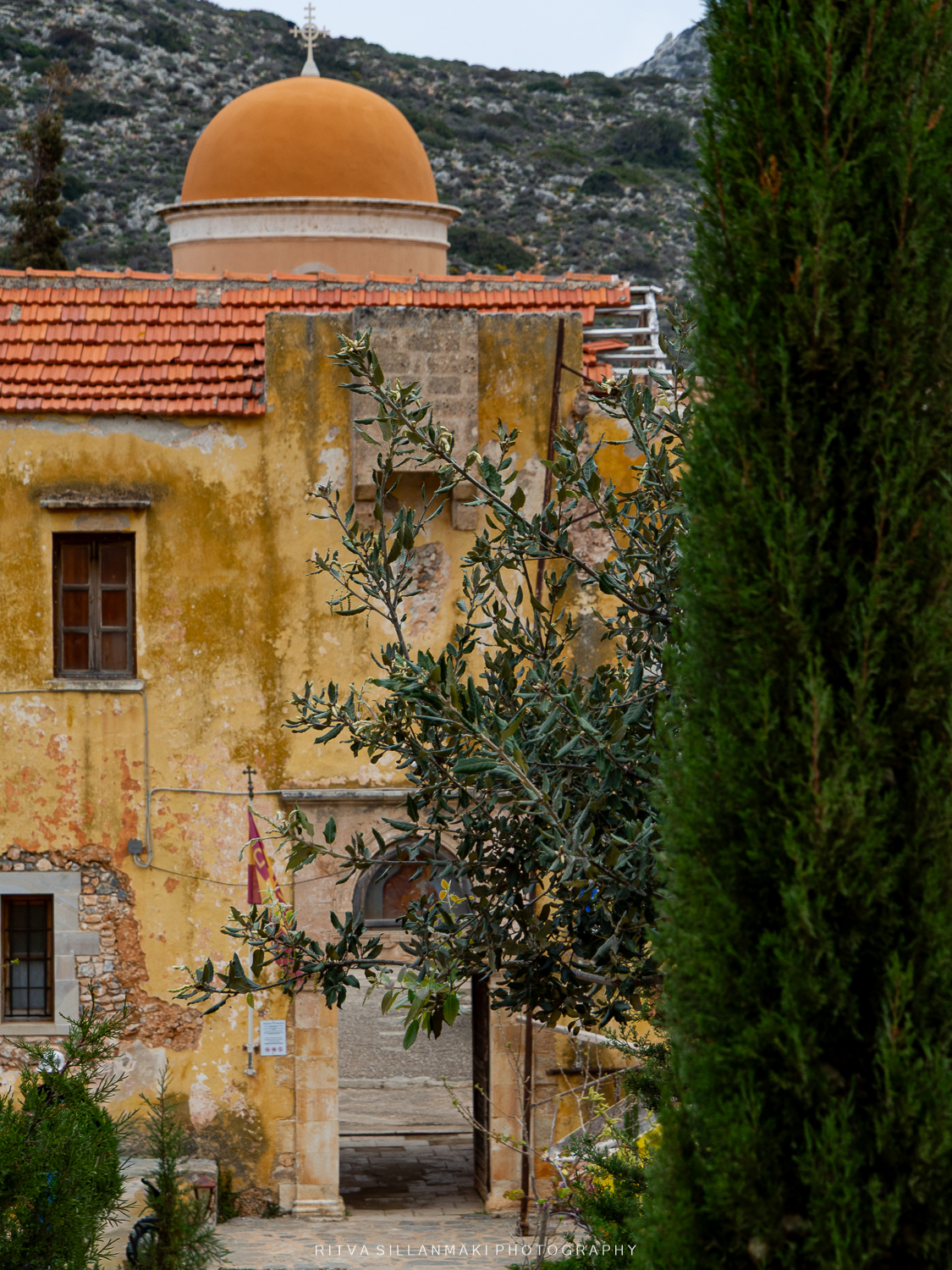
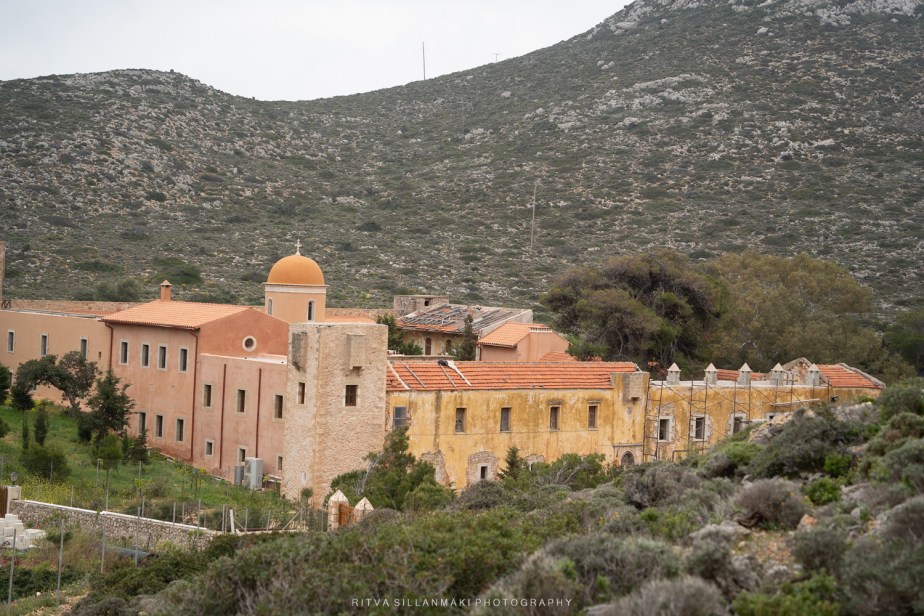
A timeworn monastery in Crete, known as the Gouverneto Monastery (or the Monastery of Our Lady of the Angels), is an active place of worship that beautifully showcases its yellow, textured facade, with signs of peeling paint that speak to its age. Notice the small wooden-framed windows and distinctive terracotta-tiled roof, topped with a dome and cross? This architectural detail certainly highlights its importance as a historical and religious site. In the foreground, verdant greenery, including a leafy tree and tall cypress bushes, frames the scene, introducing a natural element that adds depth to the composition. Meanwhile, the rugged hills in the background sit beneath an overcast sky, contributing to a tranquil and timeless ambiance. Established in 1537, the monastery is dedicated to the Virgin Mary and serves as a starting point for a popular hiking trail leading to the Arkouditissa Cave and the ruins of the abandoned Katholiko Monastery. It’s interesting to note that it was originally built as a Venetian-style fortress to protect the monks from pirate raids, featuring thick walls and defensive towers, which further emphasizes its significance on the island of Crete.
Iphone 17 Pro
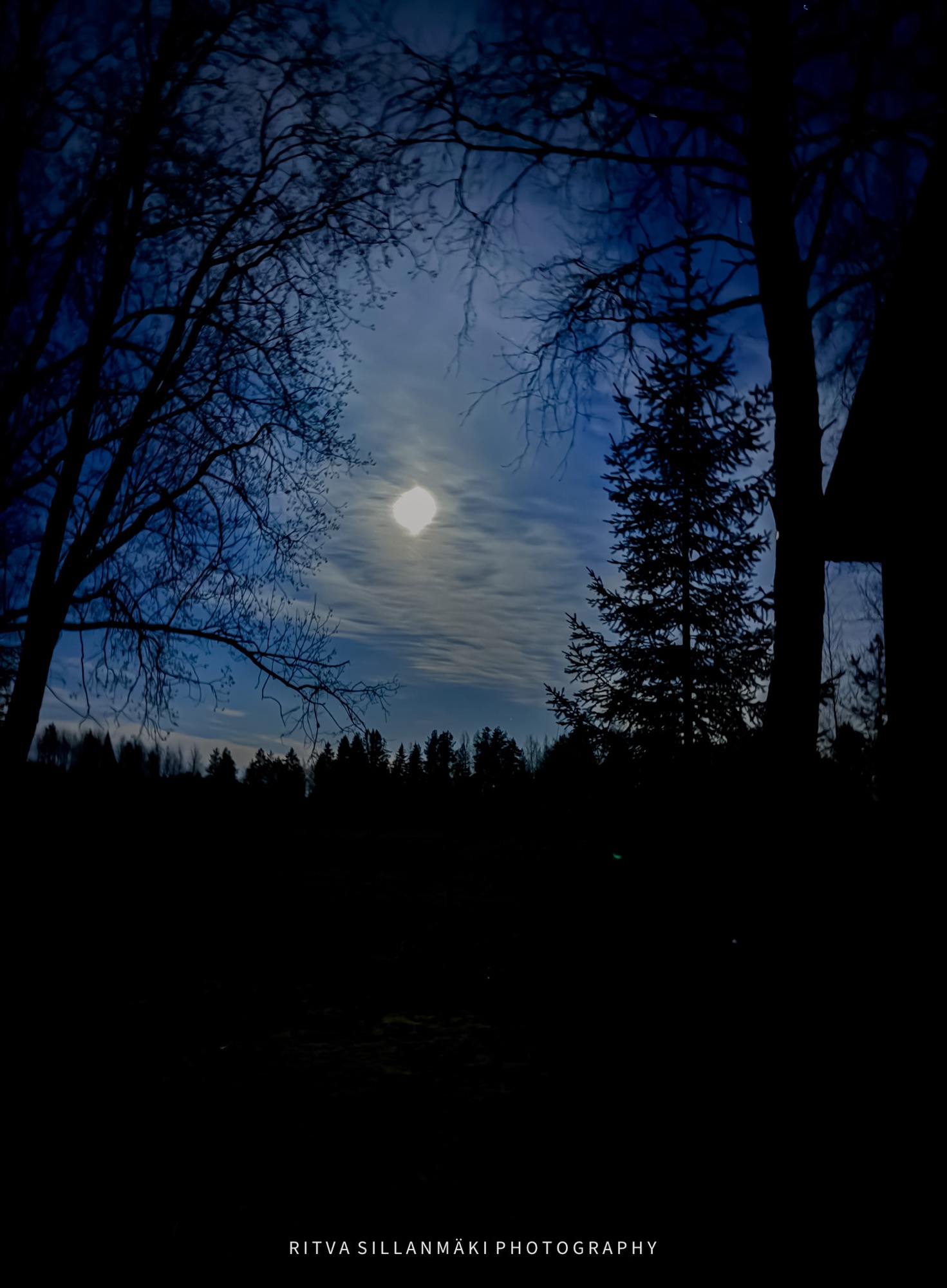
A serene night scene featuring a bright full moon partially obscured by thin, wispy clouds. Silhouettes of various trees, including leafless branches and a spruce, frame the moon and enhance the depth of the composition. The sky exhibits deep blue tones transitioning to lighter shades near the horizon, creating a mystical and tranquil atmosphere. Back home or our summer house, emphasizing the natural beauty of a quiet night in the countryside. Taken at 23:19 before May 1st – a day of celebration in Finland.
I took considerable time and effort to capture lots of doors and windows during our trip, making it a true photographic adventure. Each door and window reflects unique stories, revealing the charm of every location we visited. So these images are fresh from the oven, so to speak; I meticulously edited them today, ensuring they showcase the intricate details and colors that make them stand out. I did these especially for Dan’s Thursday Doors, community that appreciates the beauty of architectural elements.
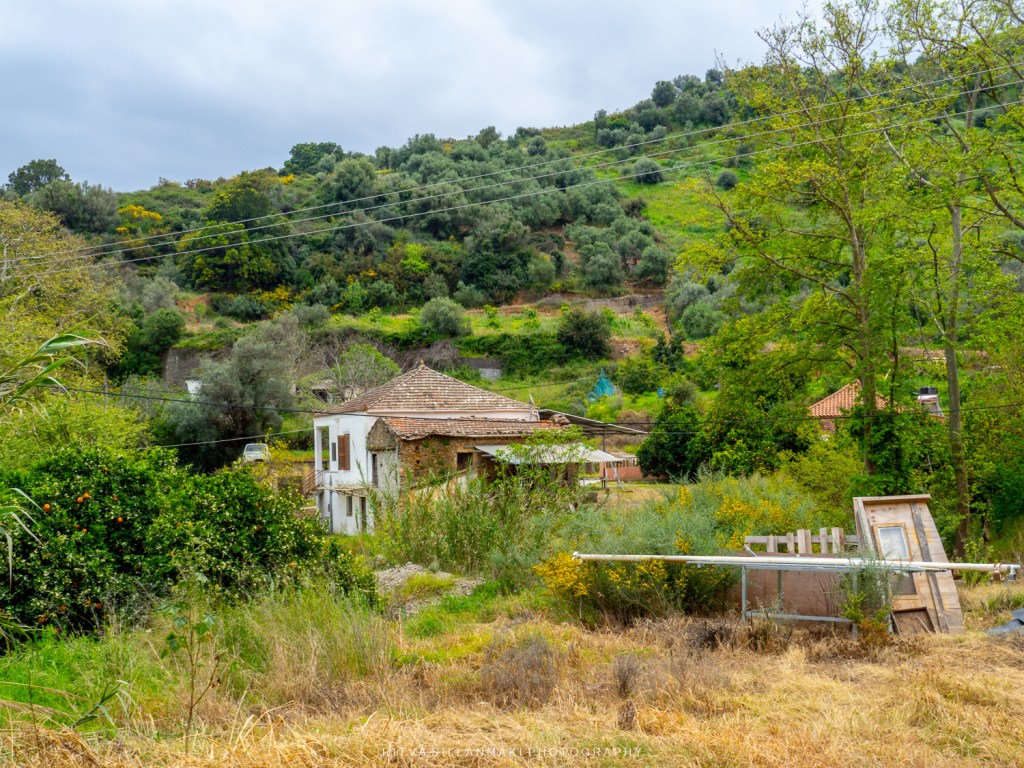
This rural Crete landscape features a quaint, rustic house with a tiled roof and white walls nestled amidst abundant greenery. Surrounding the house are various trees, bushes, and patches of wild grass, including some orange trees bearing fruit. Beyond the house, a hillside covered with dense, lush vegetation and scattered bushes rises gently under a cloudy sky, creating a peaceful and natural atmosphere. The muted, overcast lighting highlights the vibrant greens and earth tones, emphasizing the tranquil countryside setting.
Weathered building in Crete
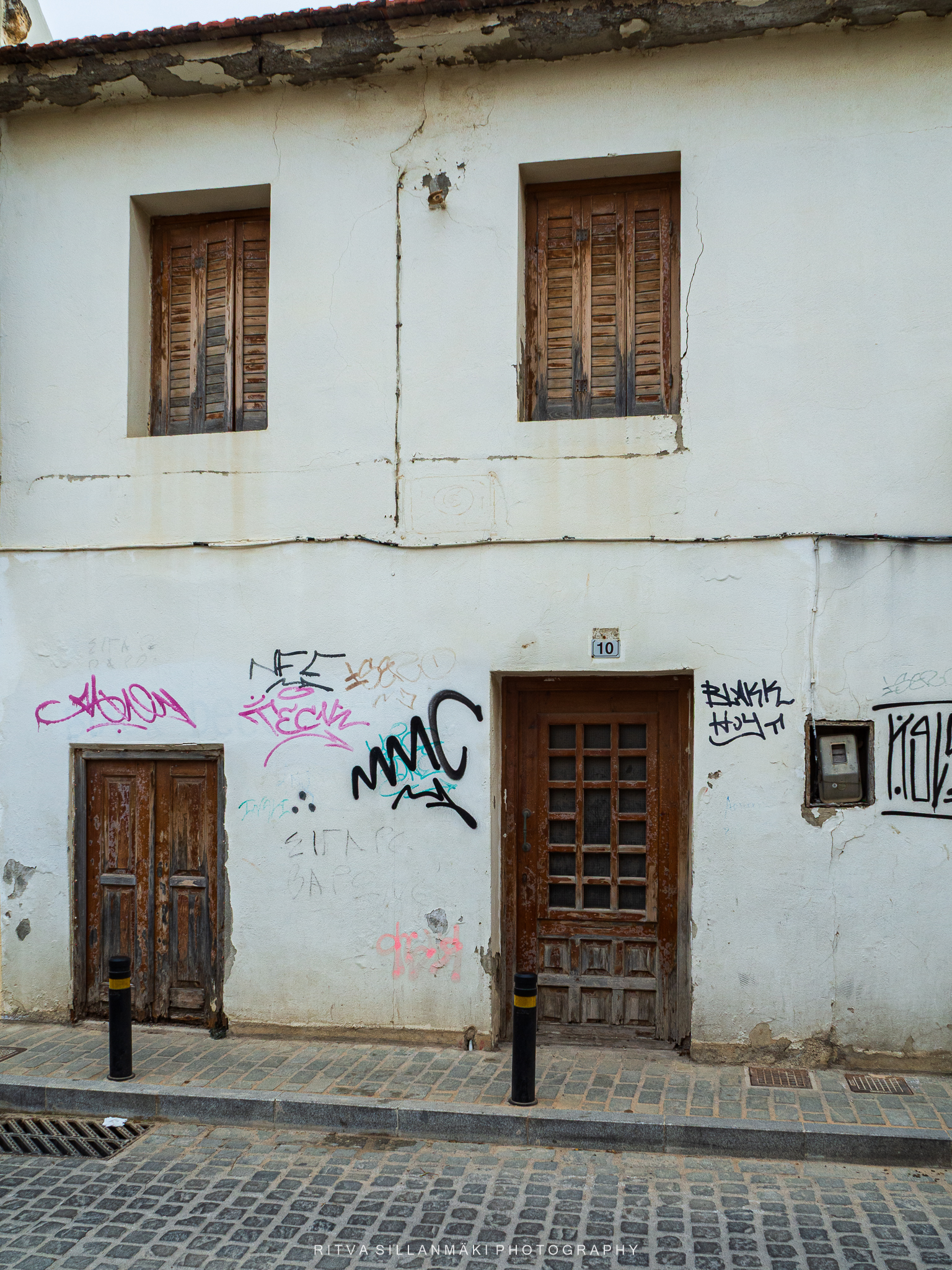
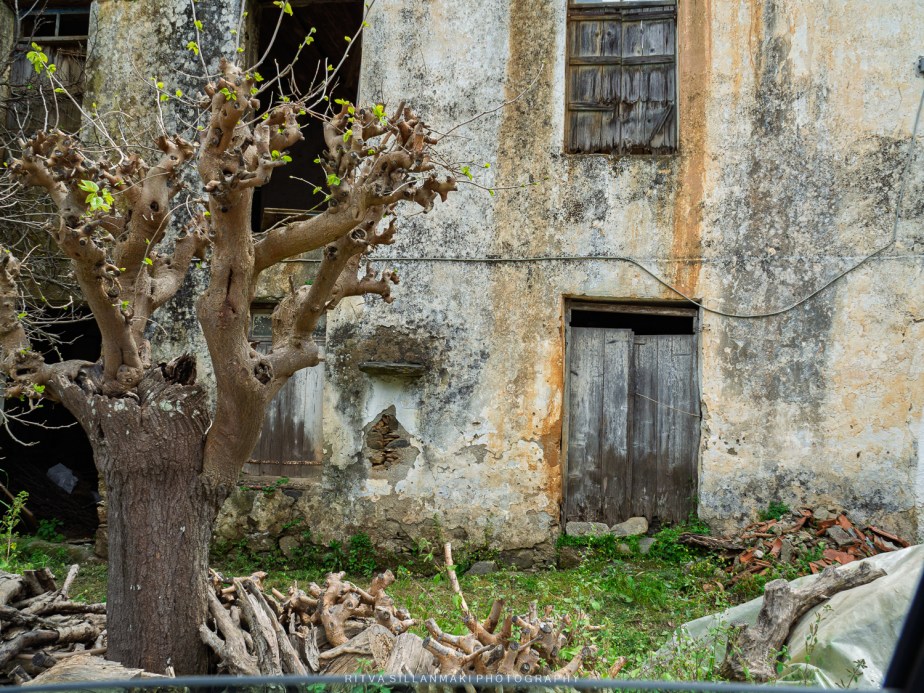
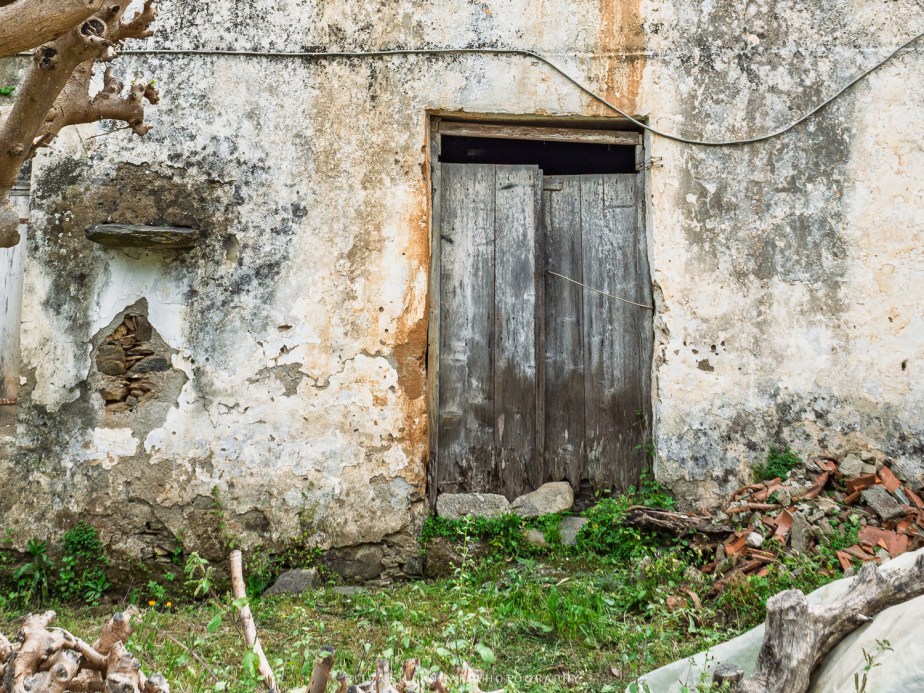
This rugged building, characterized by its cracks in the plaster and a weathered wooden door, exudes a certain charm that looks particularly striking in photos. Its aged exterior tells stories of times long past, hinting at a history that adds depth to its appearance. While the visual appeal is undeniable, one might wonder if this intriguing structure holds any other remarkable qualities. Perhaps it conceals memories or maybe the atmosphere within is just as captivating as its façade, inviting exploration and discovery for those who venture inside.
I am currently facing some challenges in getting back into the rhythm of blogging, but I’m determined to overcome this creative block. I’m excited to participate in one of my favorites, Leanne’s Monochrome Madness, as black and white photography is a passion of mine. I look forward to showcasing my unique perspective through this medium.
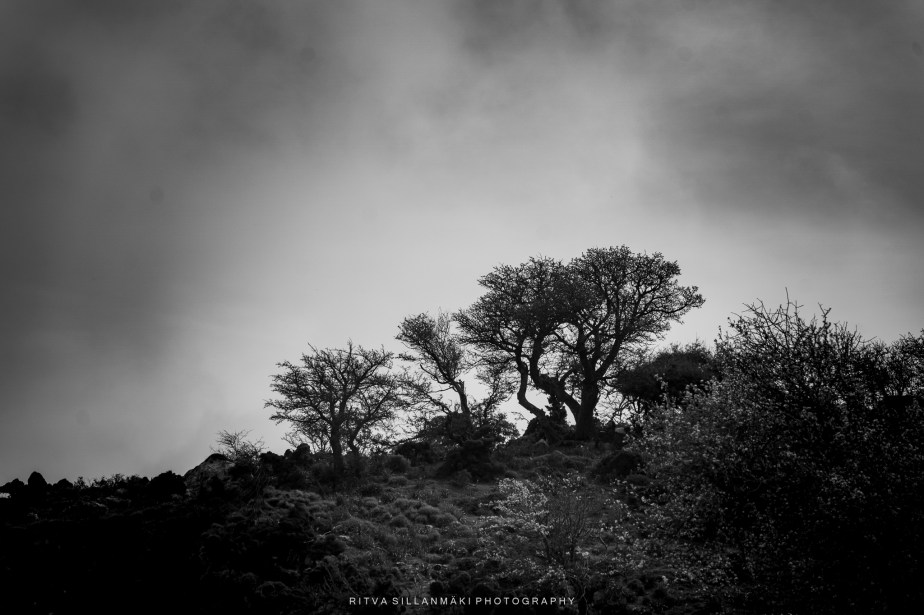
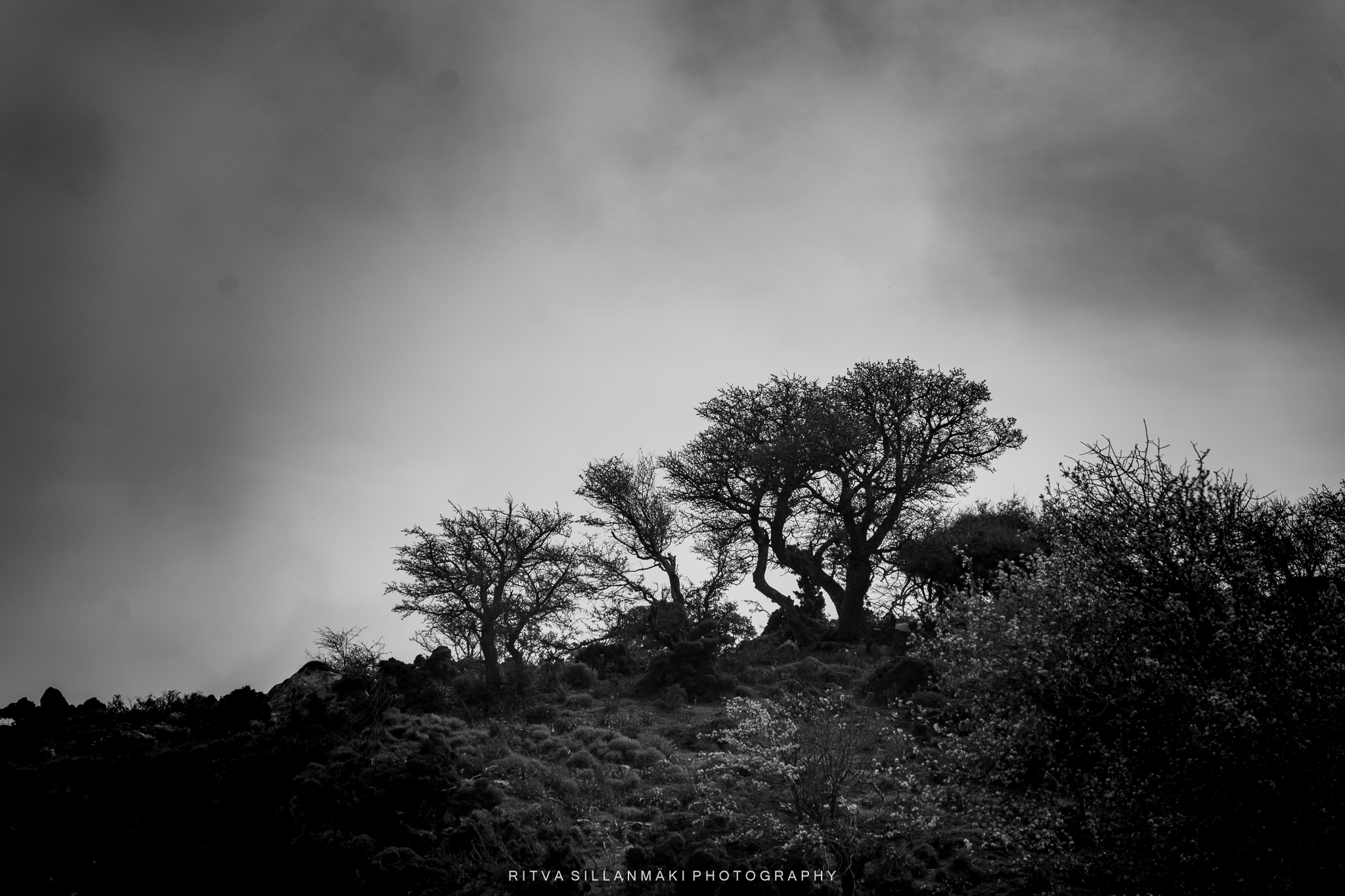
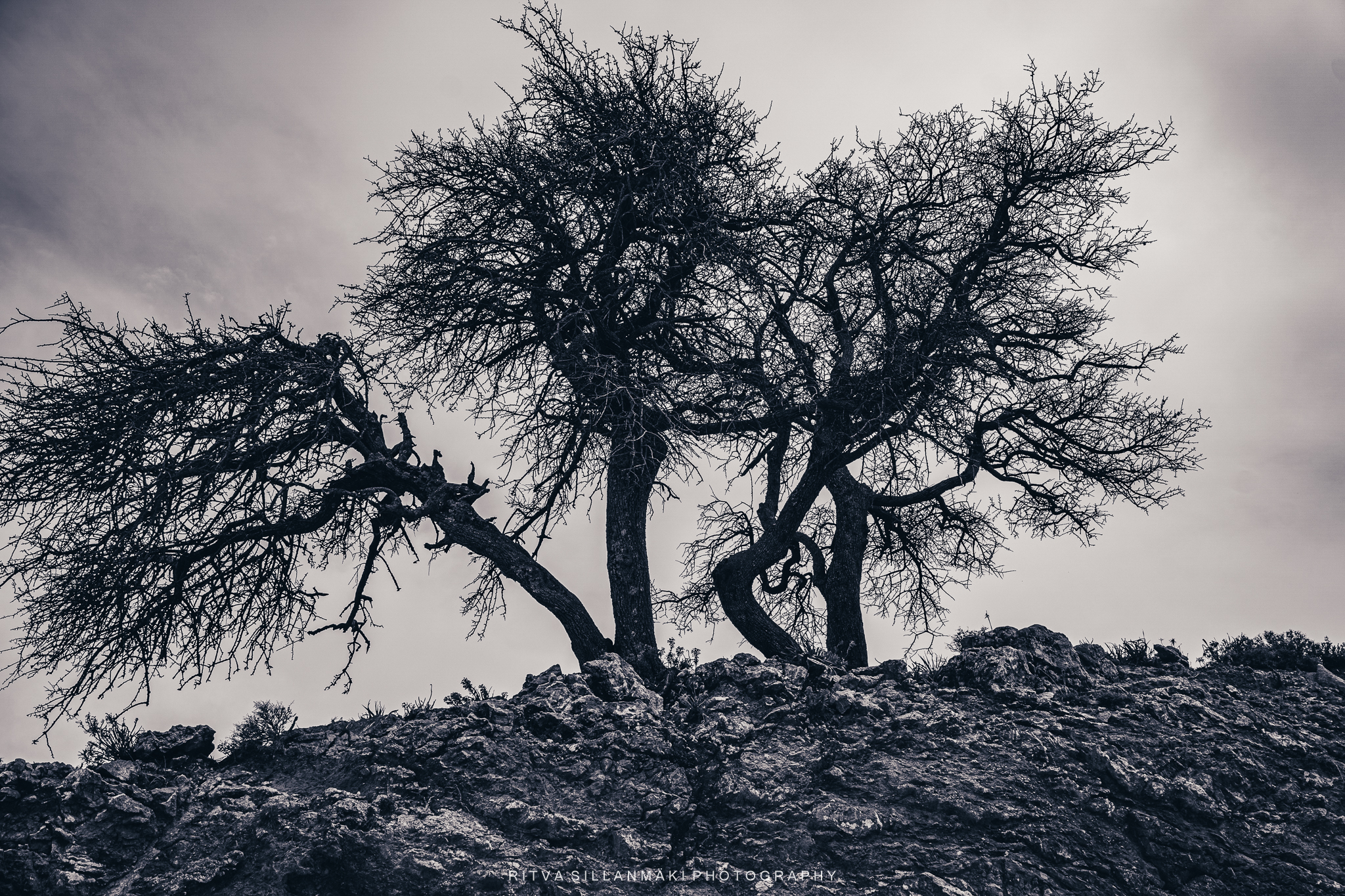
This black-and-white i landscape with a silhouette of several leafless trees against a gradient sky that transitions from dark gray at the top to lighter near the horizon. The trees are situated on a rocky and slightly hilly terrain covered with sparse vegetation. The aim was for he composition to emphasize the intricate, intricate branches of the trees, creating a stark contrast with the smooth sky. The overall mood is calm and introspective, enhanced the subtle texture of the clouds.
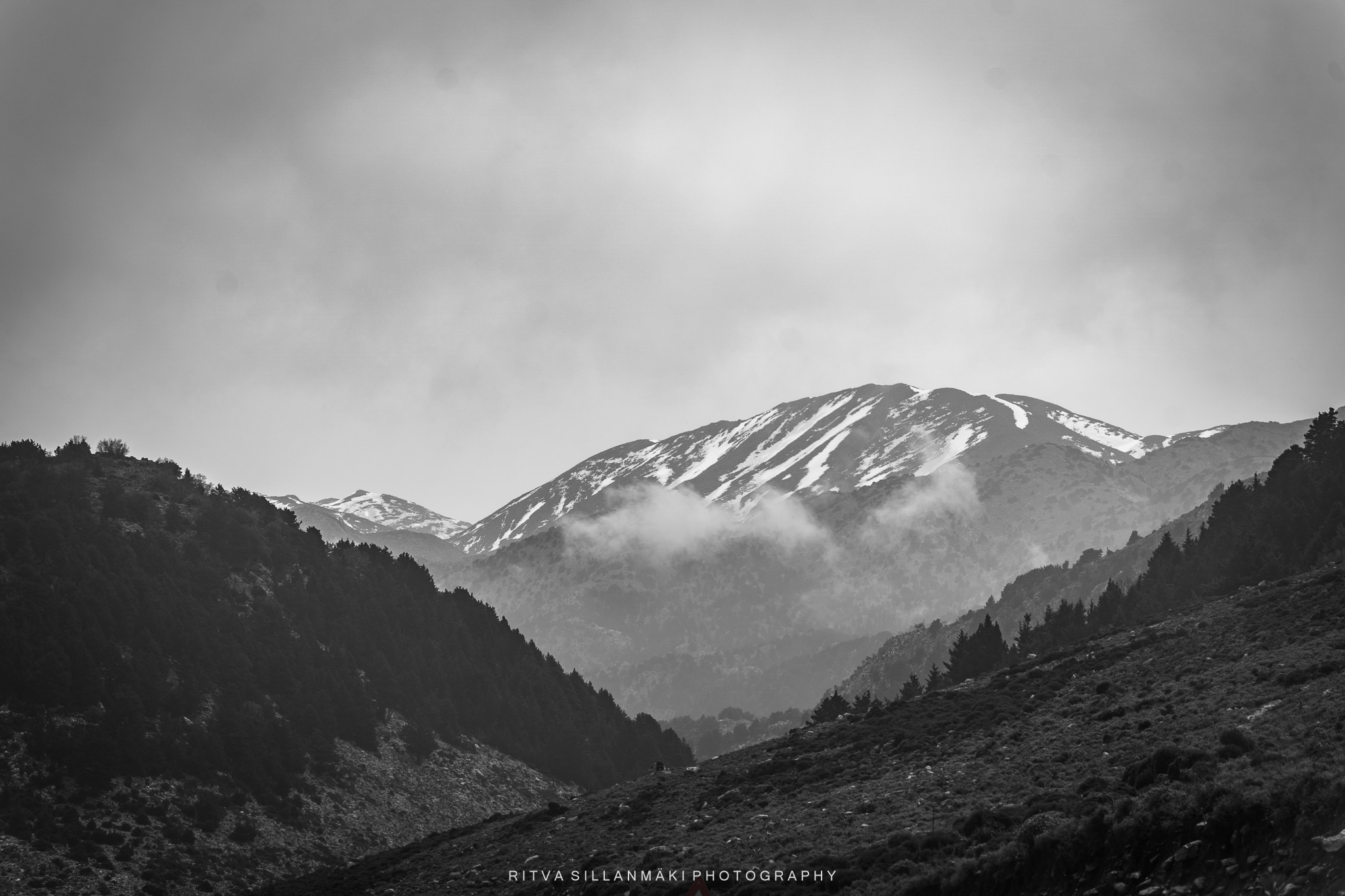
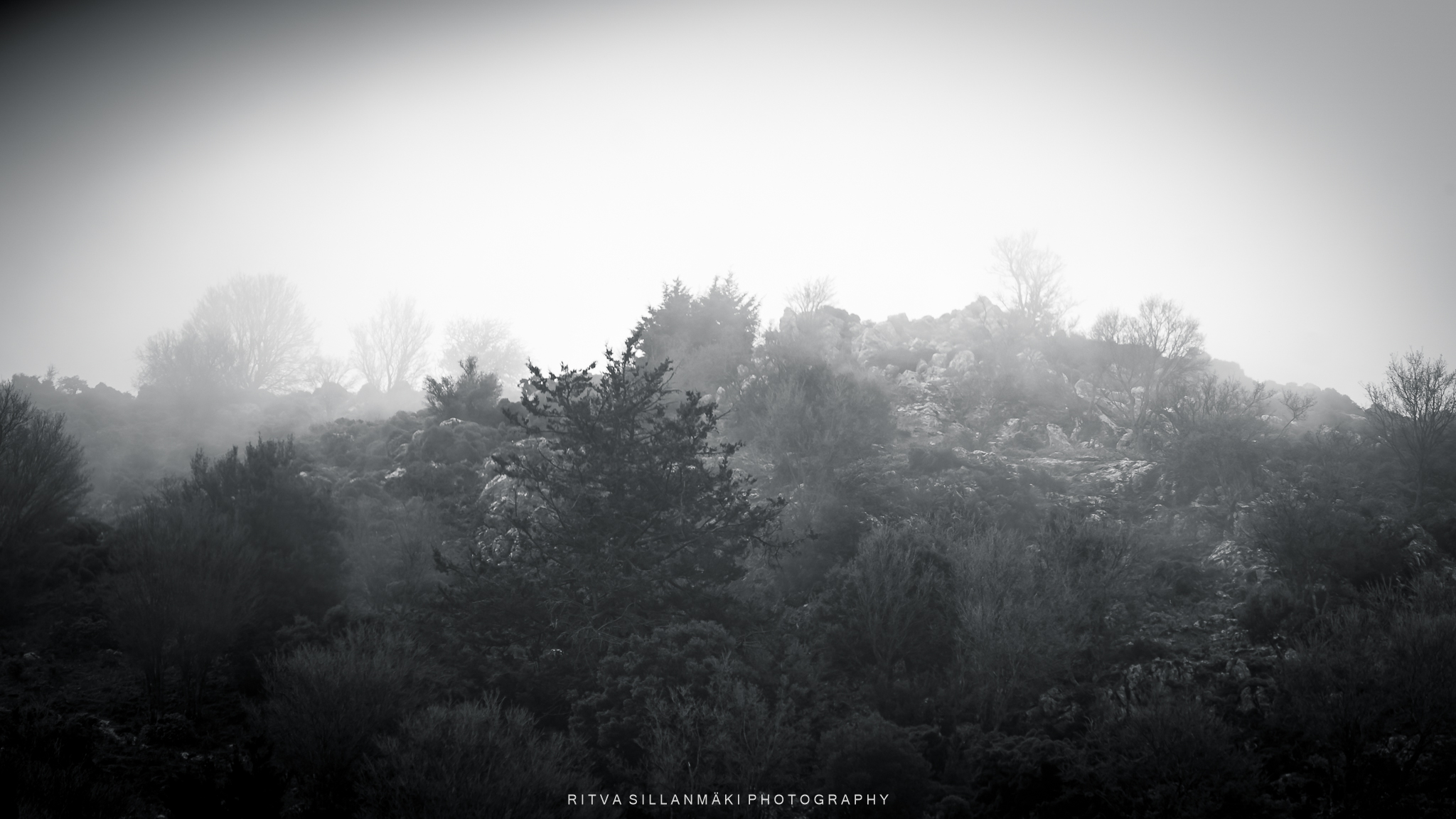
Recently, I have been editing photos from a delightful short trip to Crete, where the stunning landscapes and rich history offered countless opportunities for captivating black and white images that truly reflect the island’s unique charm. Each photo tells a story, capturing fleeting moments of beauty, and I can’t wait to reveal the allure of Crete in this timeless art form, hoping to inspire myself to embrace the joy of photography once again and foster a deeper connection with my creative side. Although we initially sought warm and sunny weather for our exploration, we were only fortunate enough to experience two beautiful days, with the rest unexpectedly turning cloudy and windy, which transformed our plans in unanticipated ways and added an element of spontaneity to our journey. Renting a car for four days provided us with the freedom to explore breathtaking mountains with dramatic vistas, charming cities adorned with historical architecture, and stunning sea views that left us in awe of nature’s artistry. While the weather shift made our adventures more challenging, especially considering my wardrobe choices that were geared towards sunnier conditions, the comfortable travel clothes I wore helped me adapt to the cooler temperatures and unpredictable winds, allowing me to fully enjoy discovering new places without the discomfort of being underdressed. Each day brought new experiences, moments of laughter, and a reminder that sometimes the best parts of a trip come from embracing the unexpected.
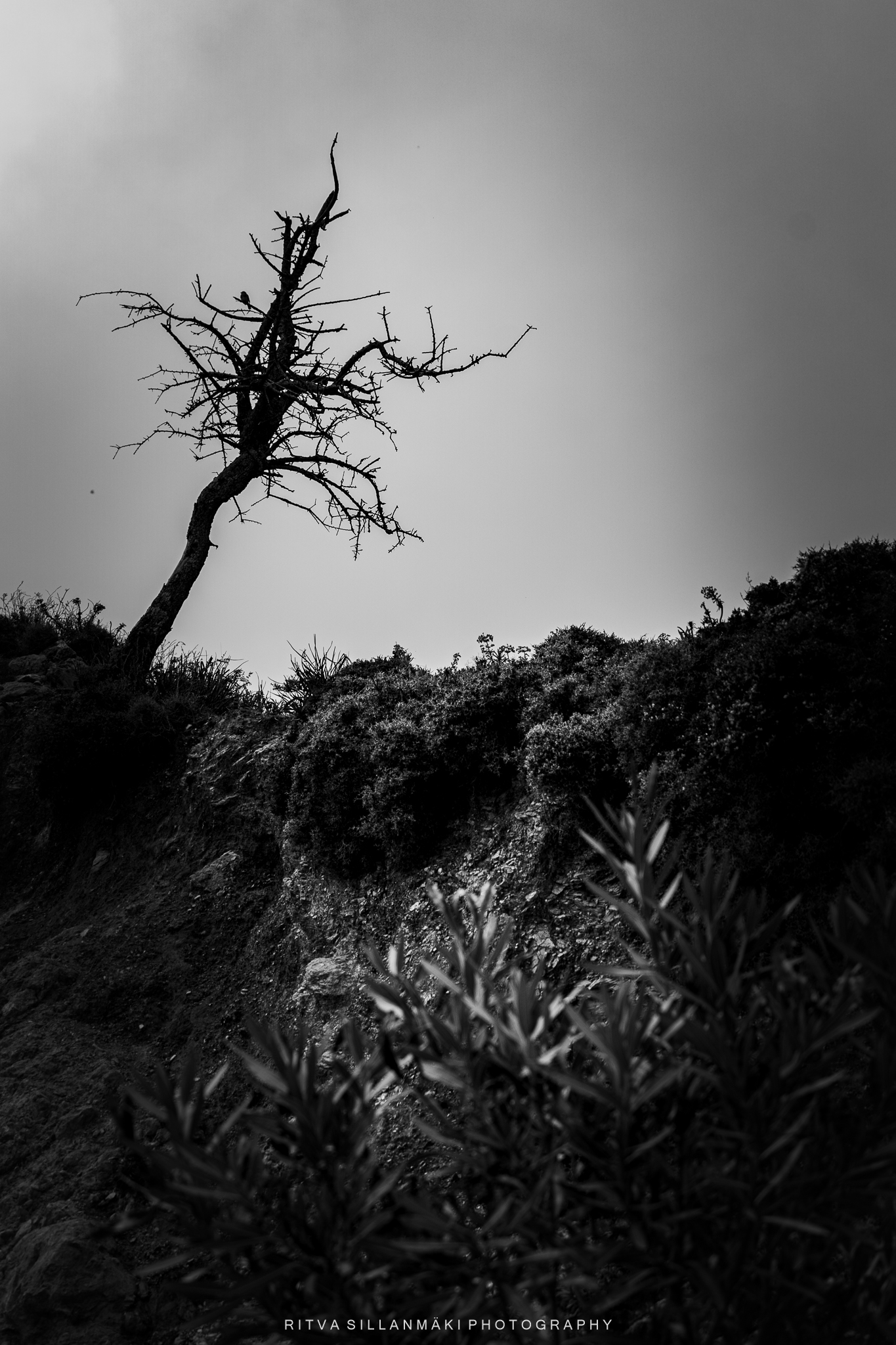
A lone, leafless tree standing on a rugged hillside under a cloudy sky.
A mountainous landscape with snow-capped peaks partially shrouded in mist or low-hanging clouds. The foreground features darker forested slopes with dense clusters of evergreen trees, creating a stark contrast against the lighter, snow-streaked mountain ridges in the background. The overcast sky adds a moody, atmospheric quality to the scene, emphasizing the natural ruggedness and tranquility of the setting. I hope the image conveys a sense of vastness and quiet solitude in a pristine wilderness environment.Looking at the a foggy, rocky mountain landscape densely populated with trees and shrubs in the distance. The mist creates a soft, ethereal atmosphere, obscuring the background and blending the edges of the barren trees and foliage. In the composition I did a gradual transition from darker, more detailed foreground vegetation to a hazy, almost white sky, enhancing the sense of depth and mystery. The aim was for overall mood to be tranquil yet eerie, evoking a quiet, contemplative moment in nature.I am always on the lookout for a lone tree, why I don’t know they appeal to me. The image shows a stark, leafless tree with multiple gnarled branches extending upwards against a muted, cloudy sky. The tree stands atop a rugged, rocky mountain, creating a dramatic contrast between the dark, intricate silhouette of the branches and the textured ground below. The overall monochrome color scheme adds a somber and contemplative mood to the scene, emphasizing the raw natural forms and the starkness of the barren environment.
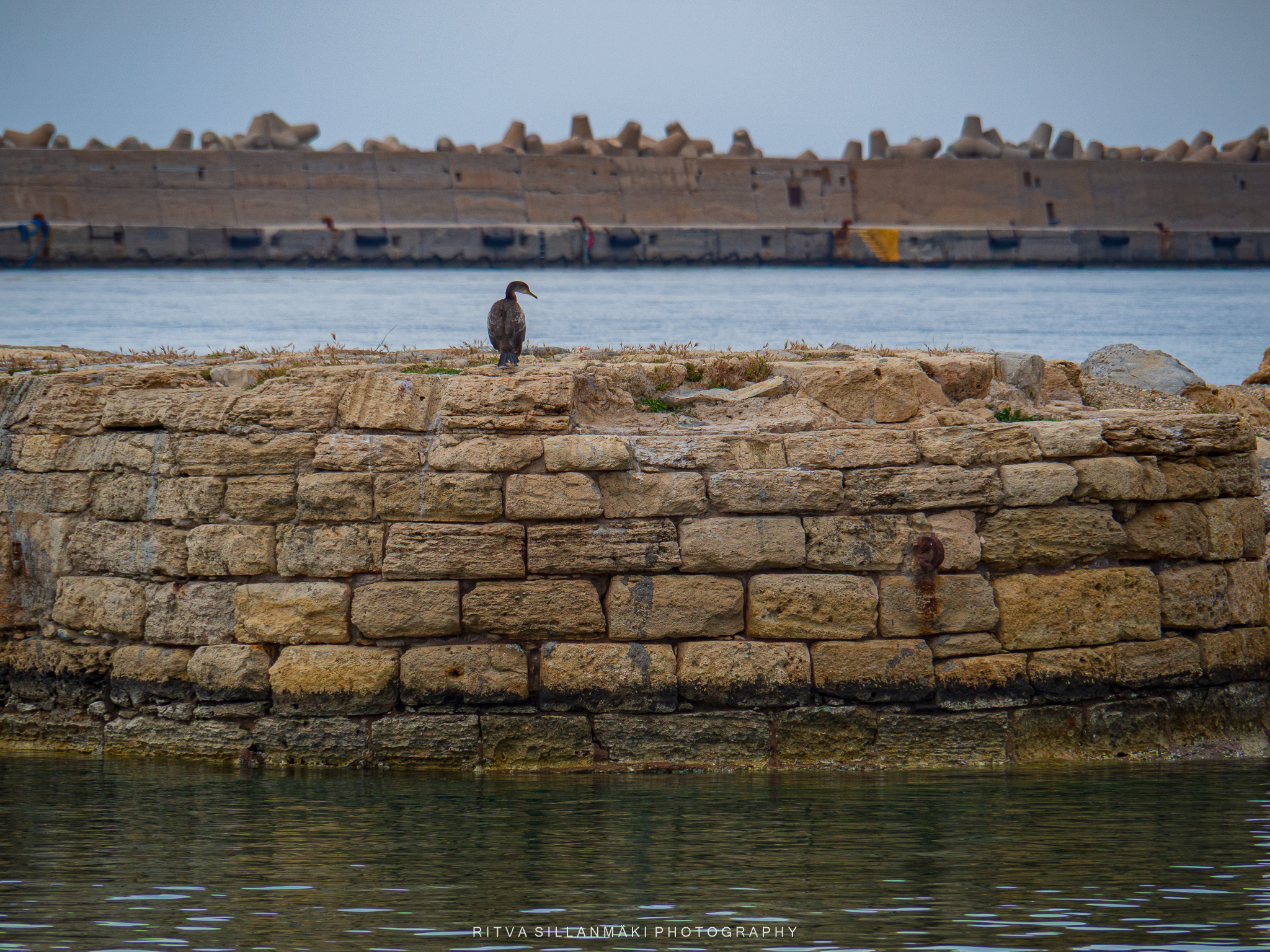
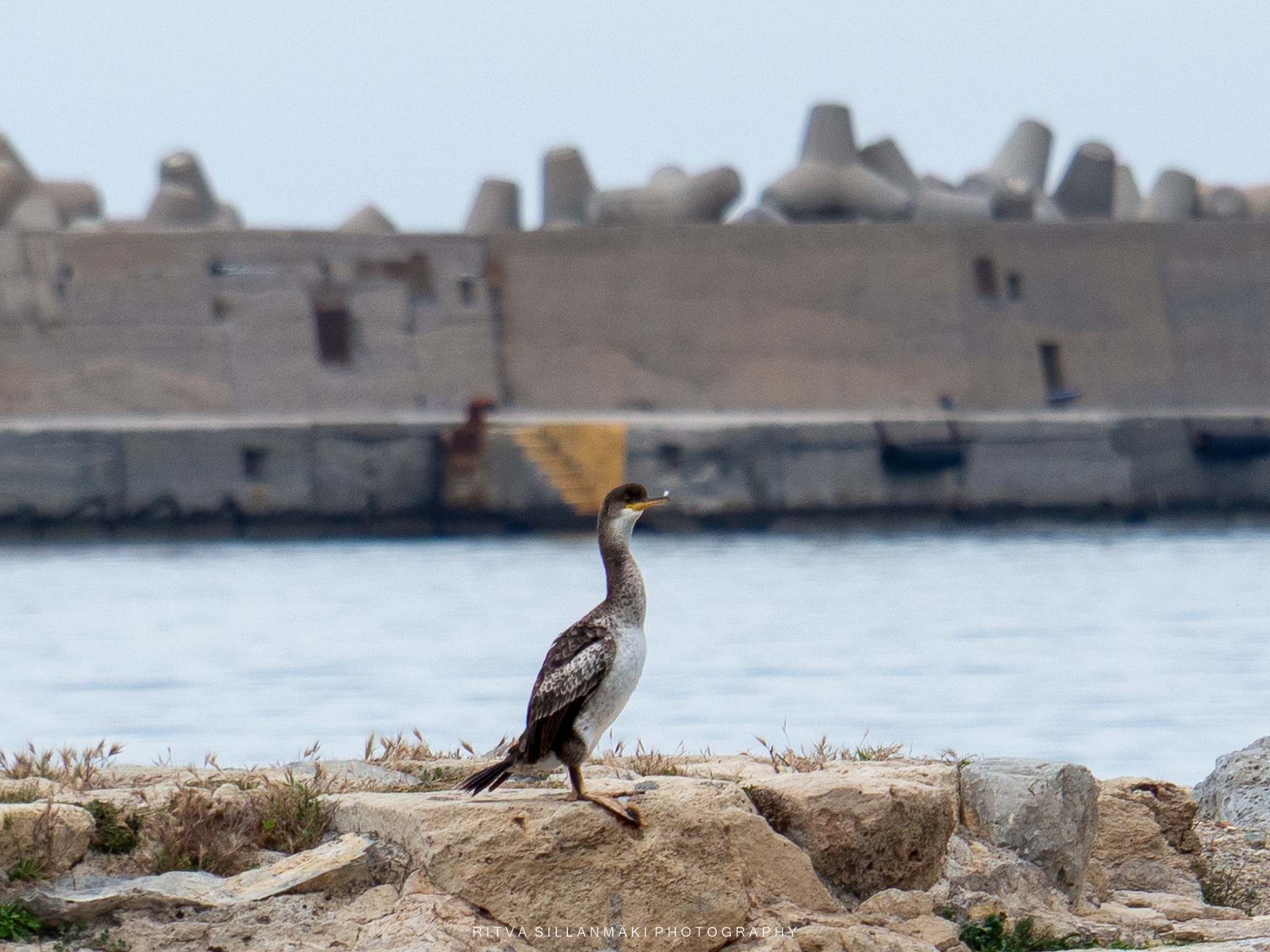
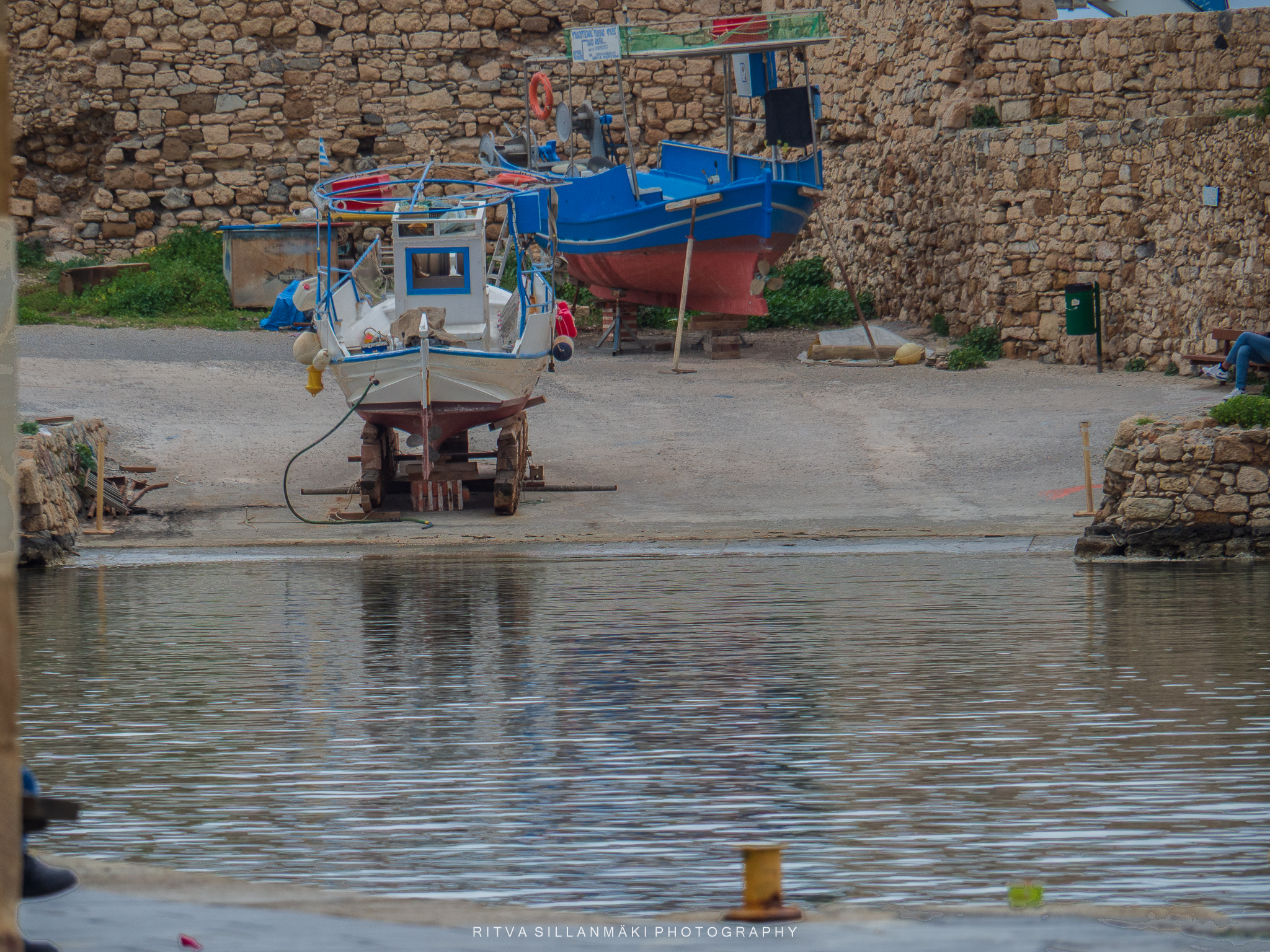
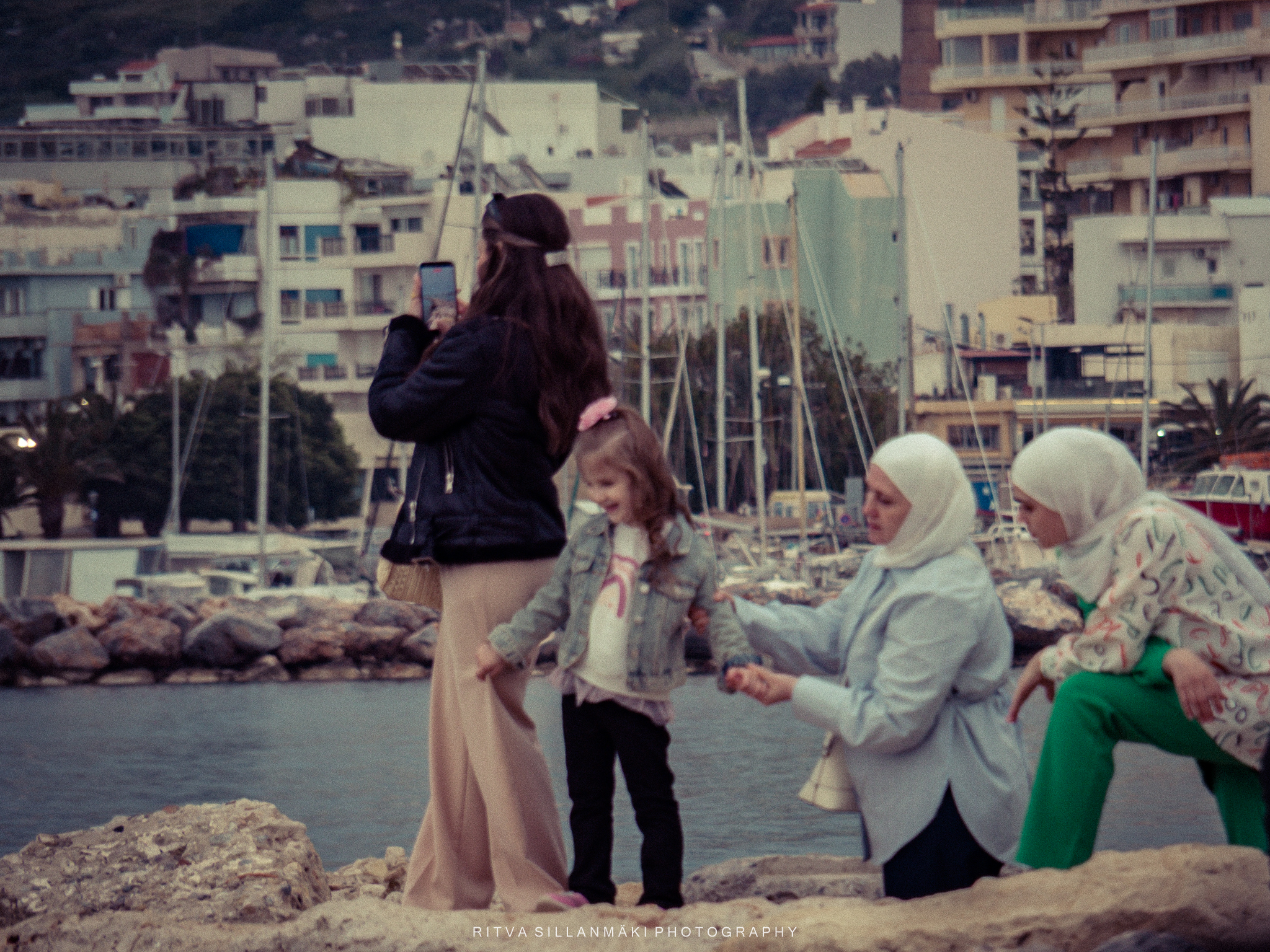
This week, Beth’s challenge is to revisit #155, “on the water.” I didn’t take part in these challenges back then, so it’s new for me and am I going overboard with this theme.
For this challenge,she is looking forward to seeing our interpretation of “On the Water”. It can be rivers, creeks, lakes, ponds, oceans, puddles, swimming pools or water parks. Think about scenic views of water, people having fun on the water, watercraft on the water, macros of water drops, or animals, birds, and plants floating on the water.She does give us lots of options.
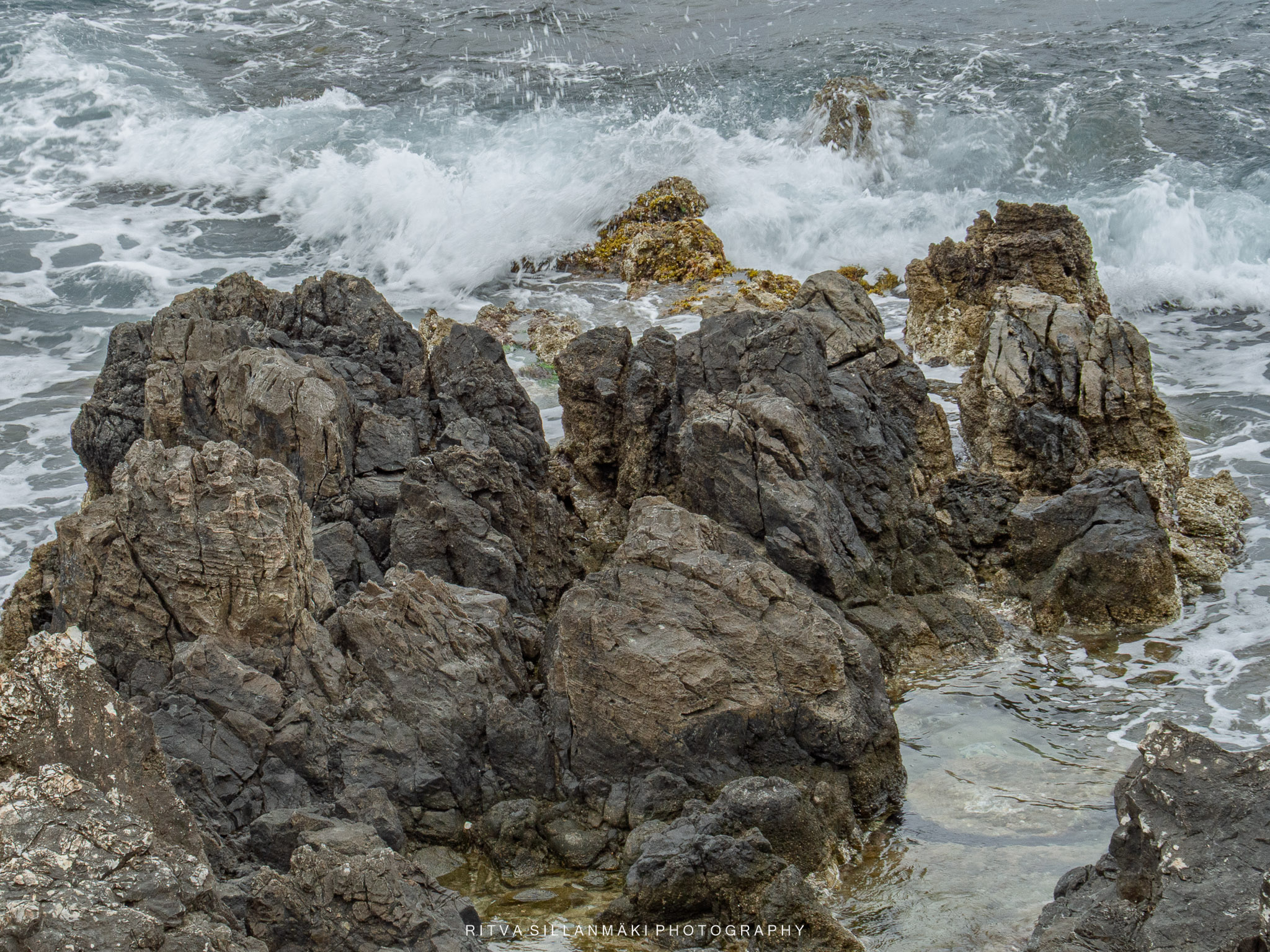
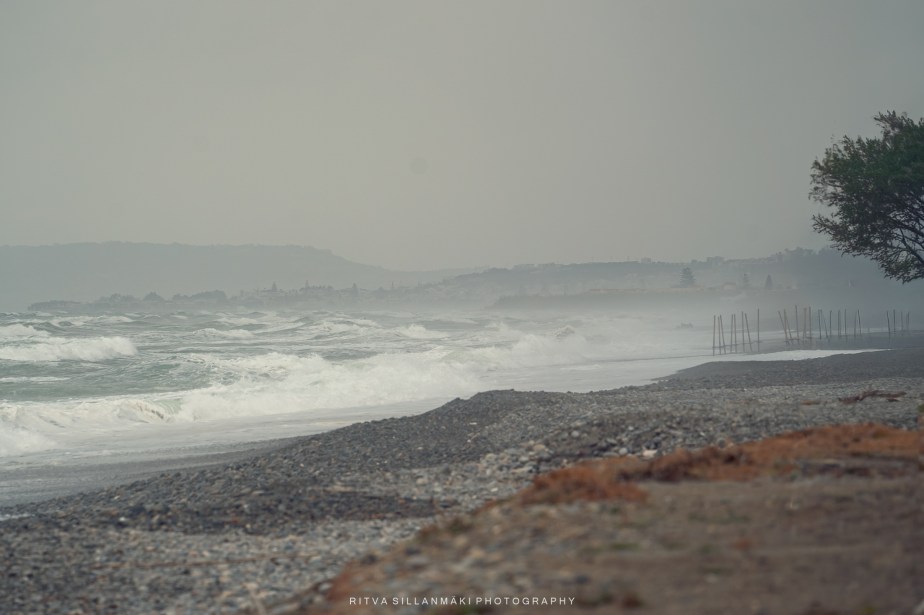
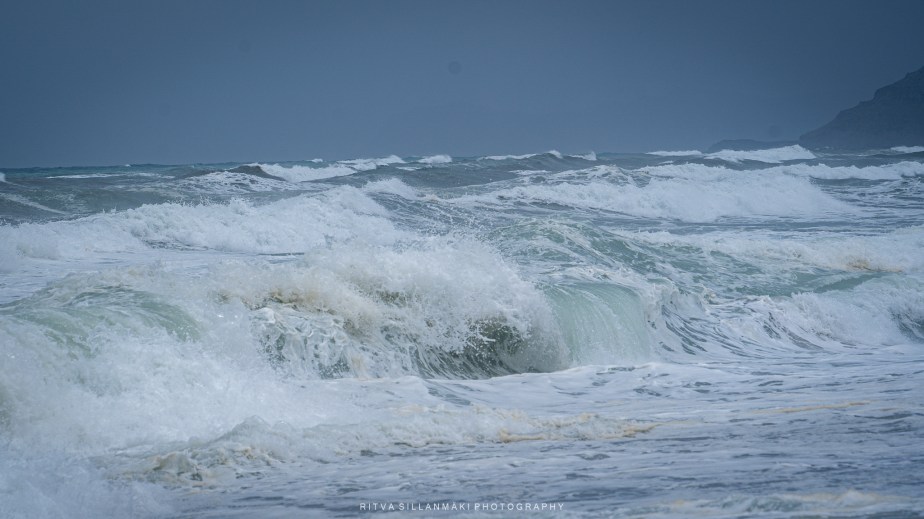
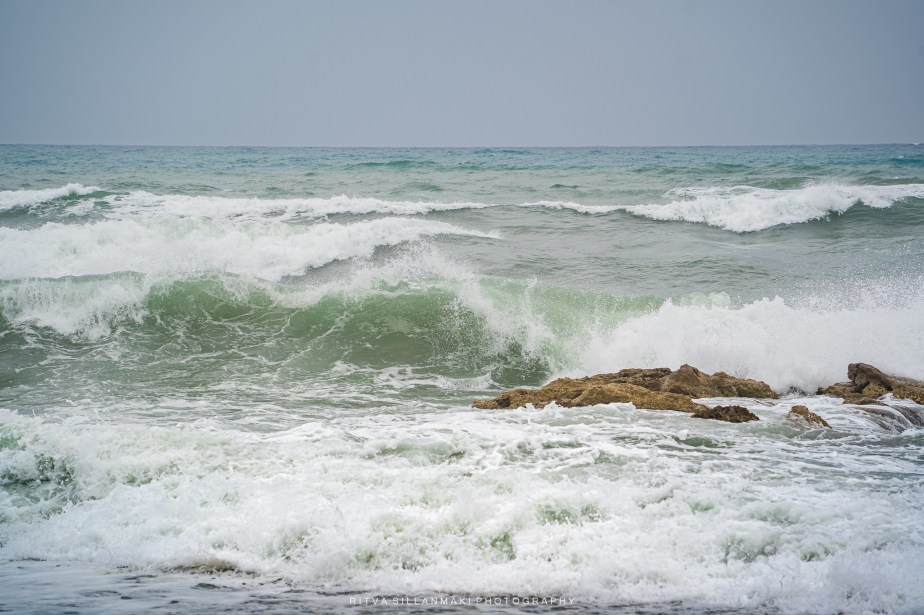
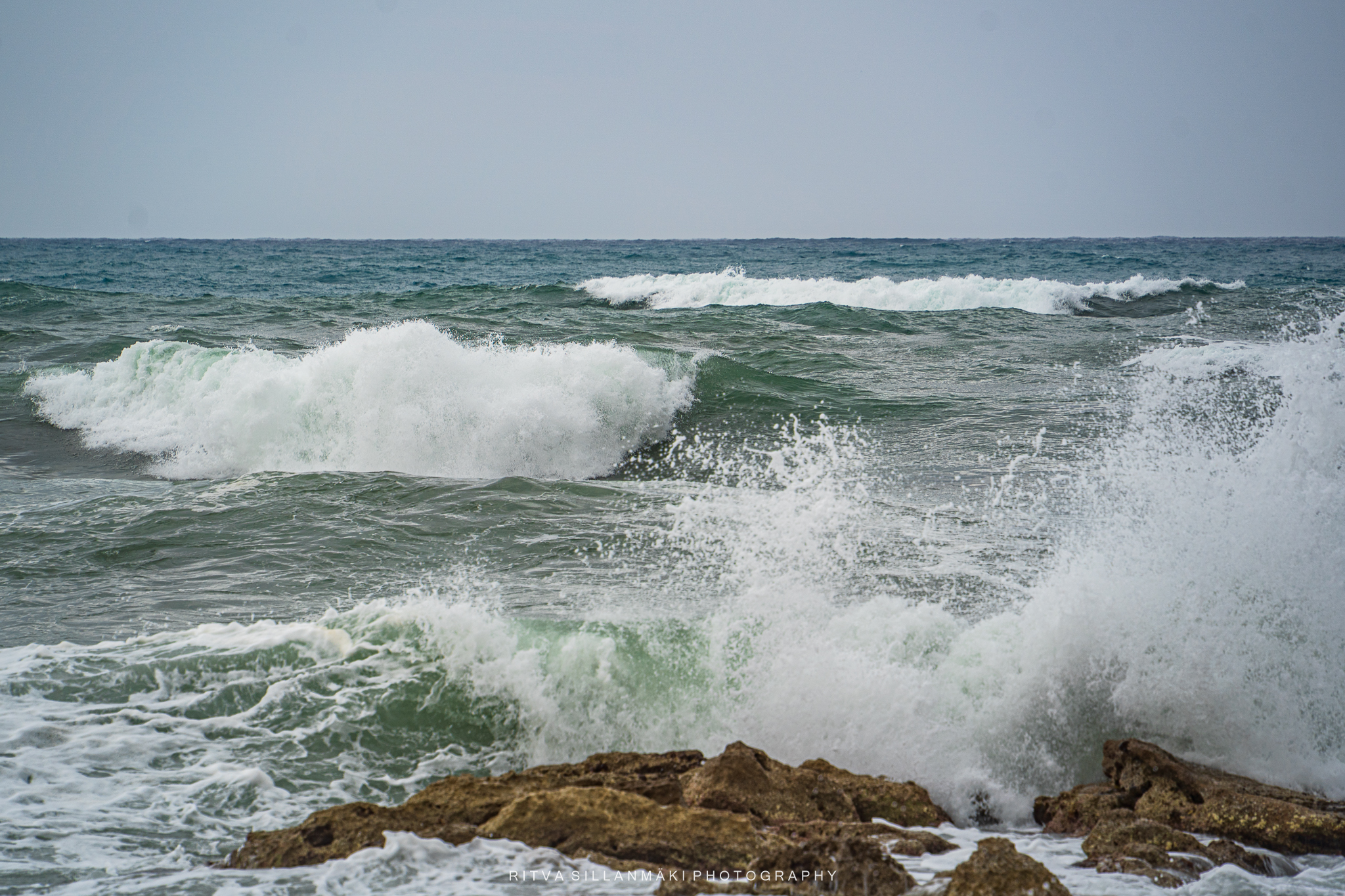
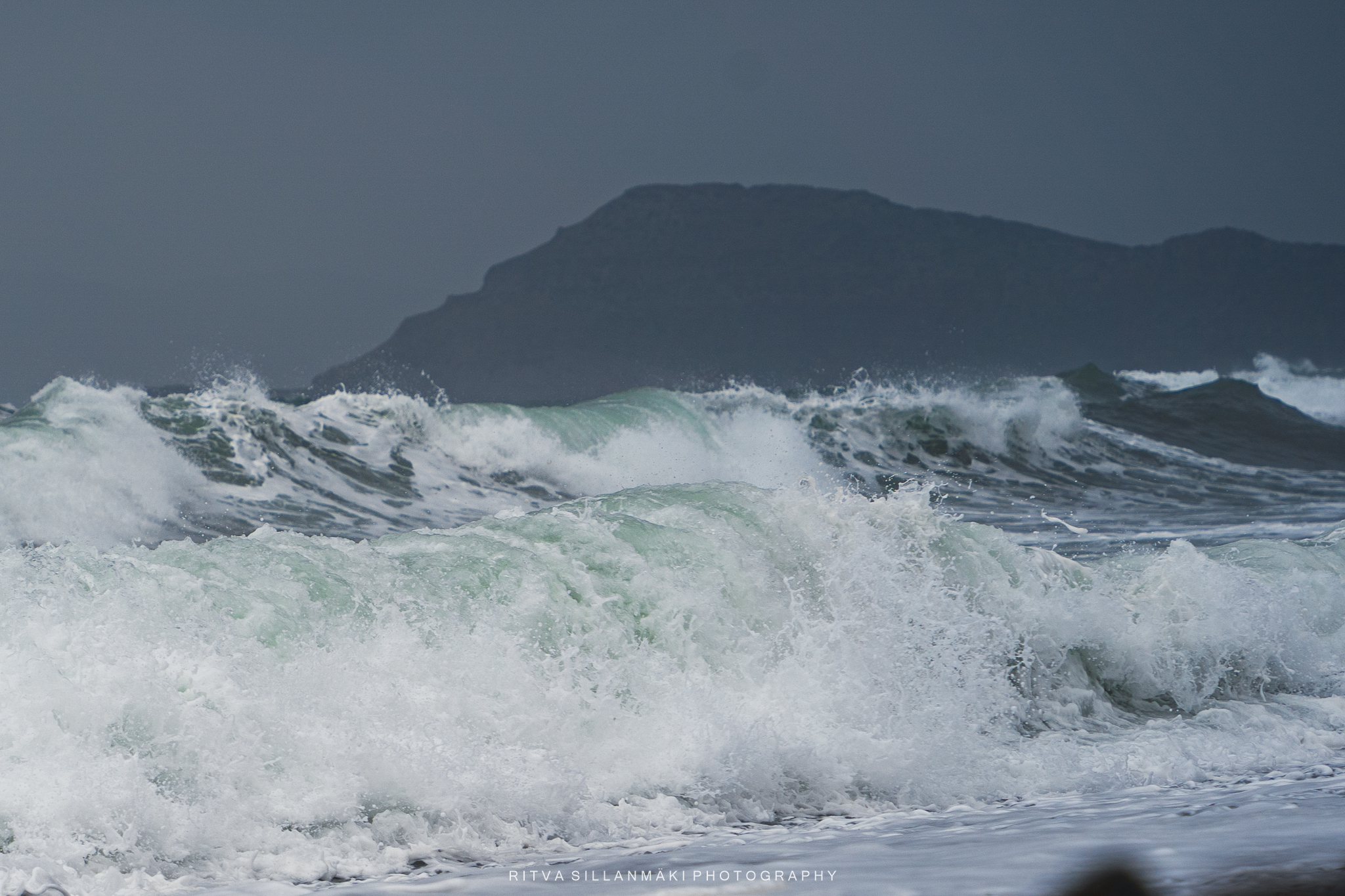
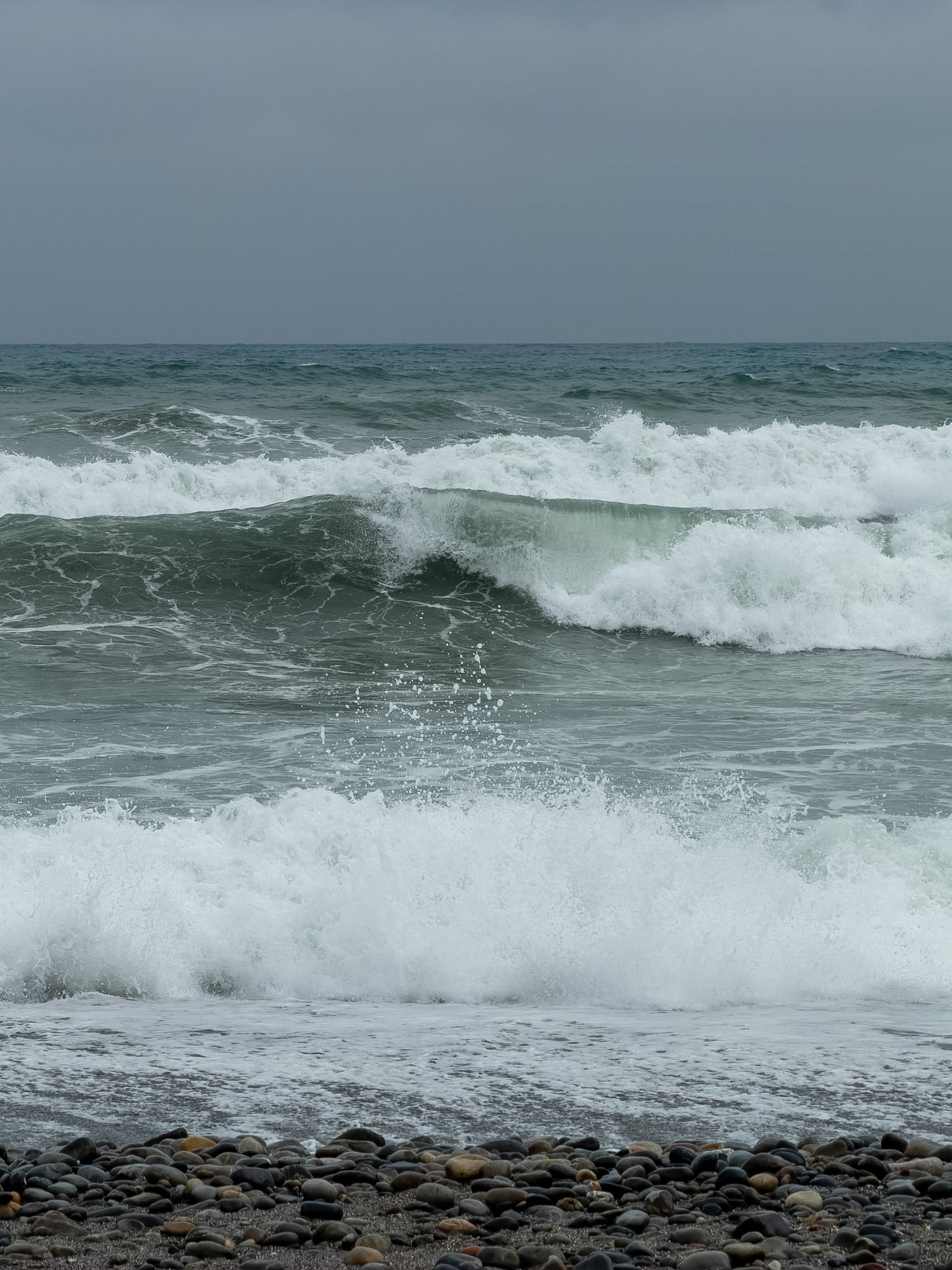
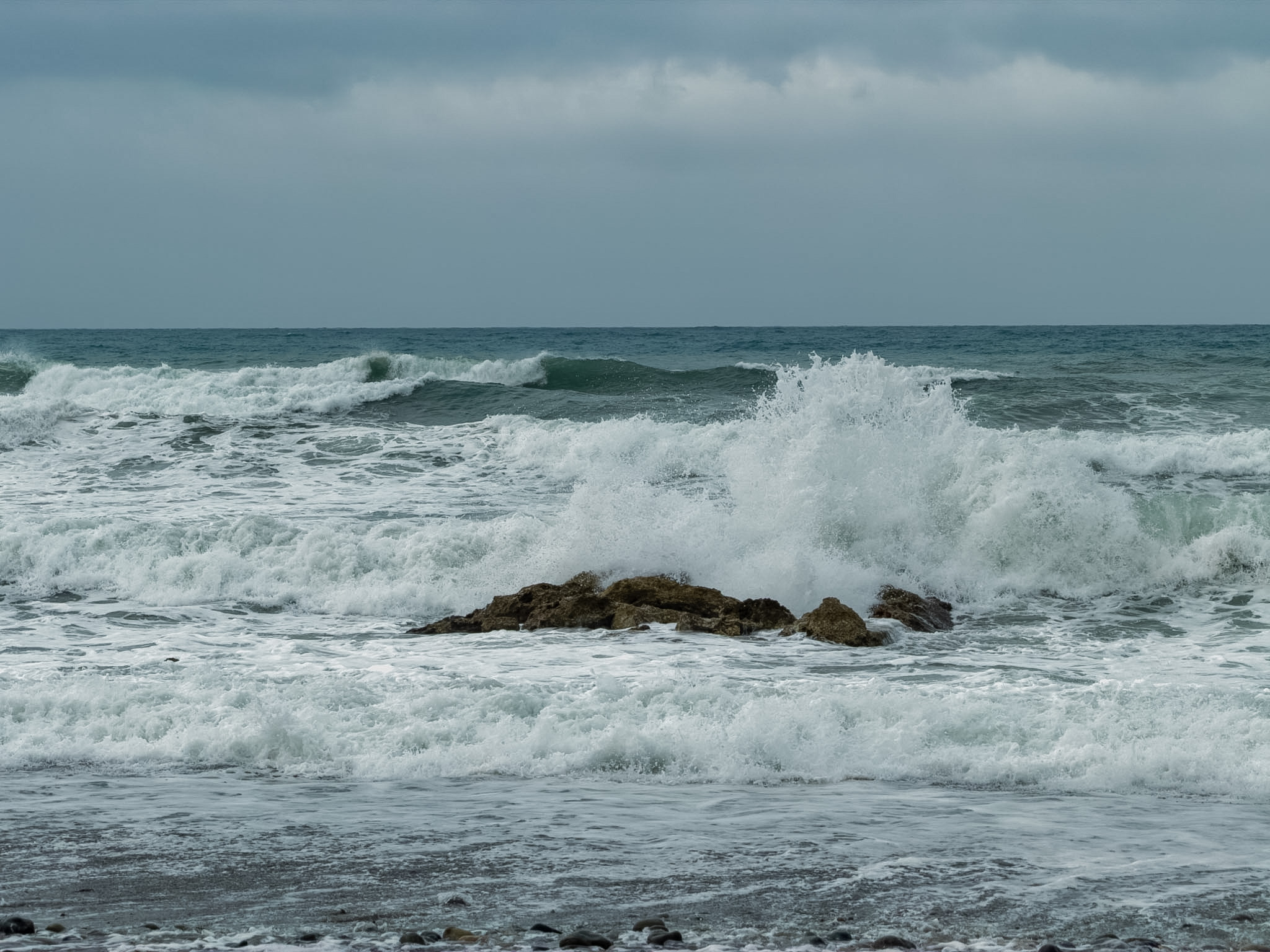
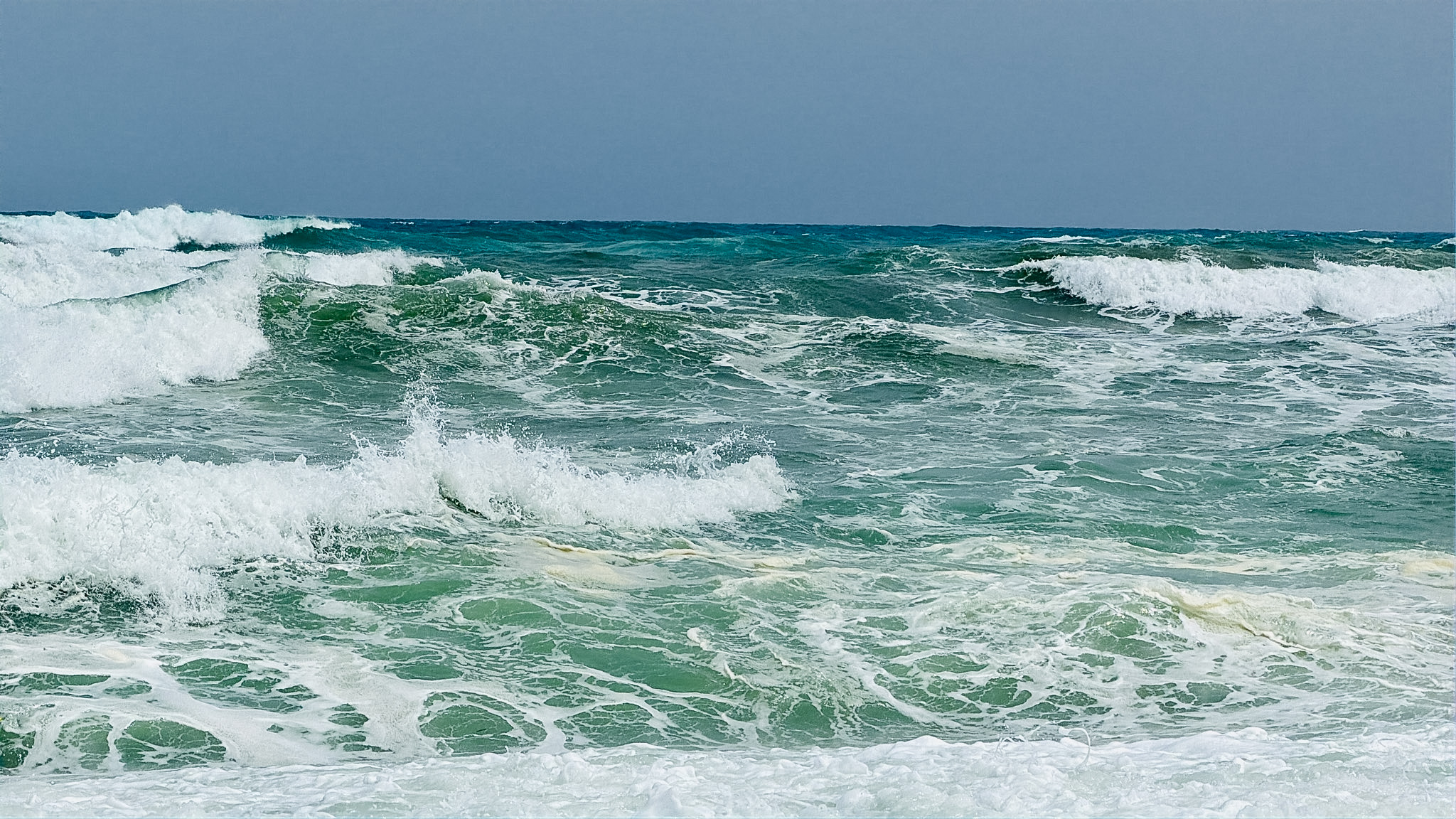
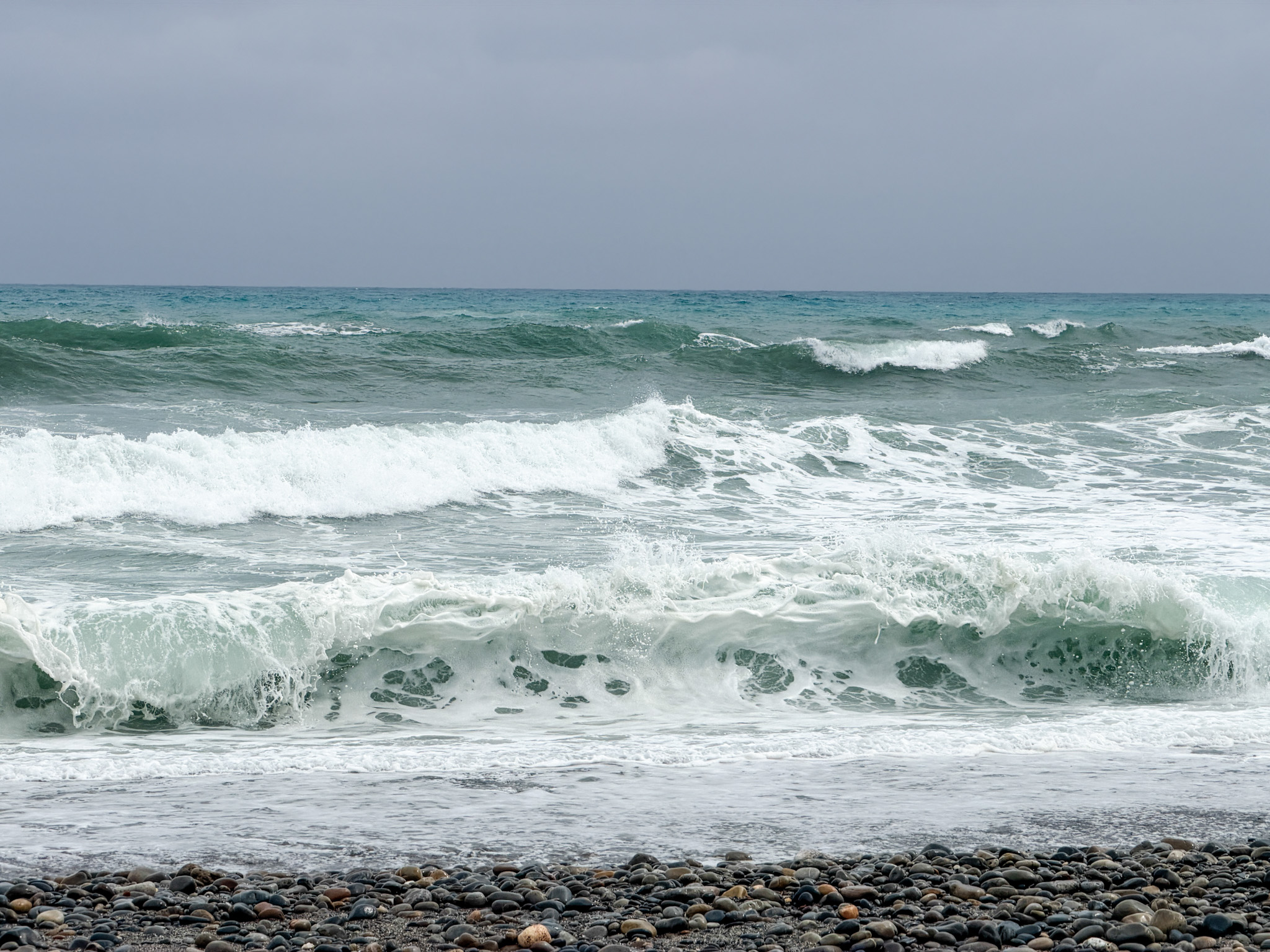
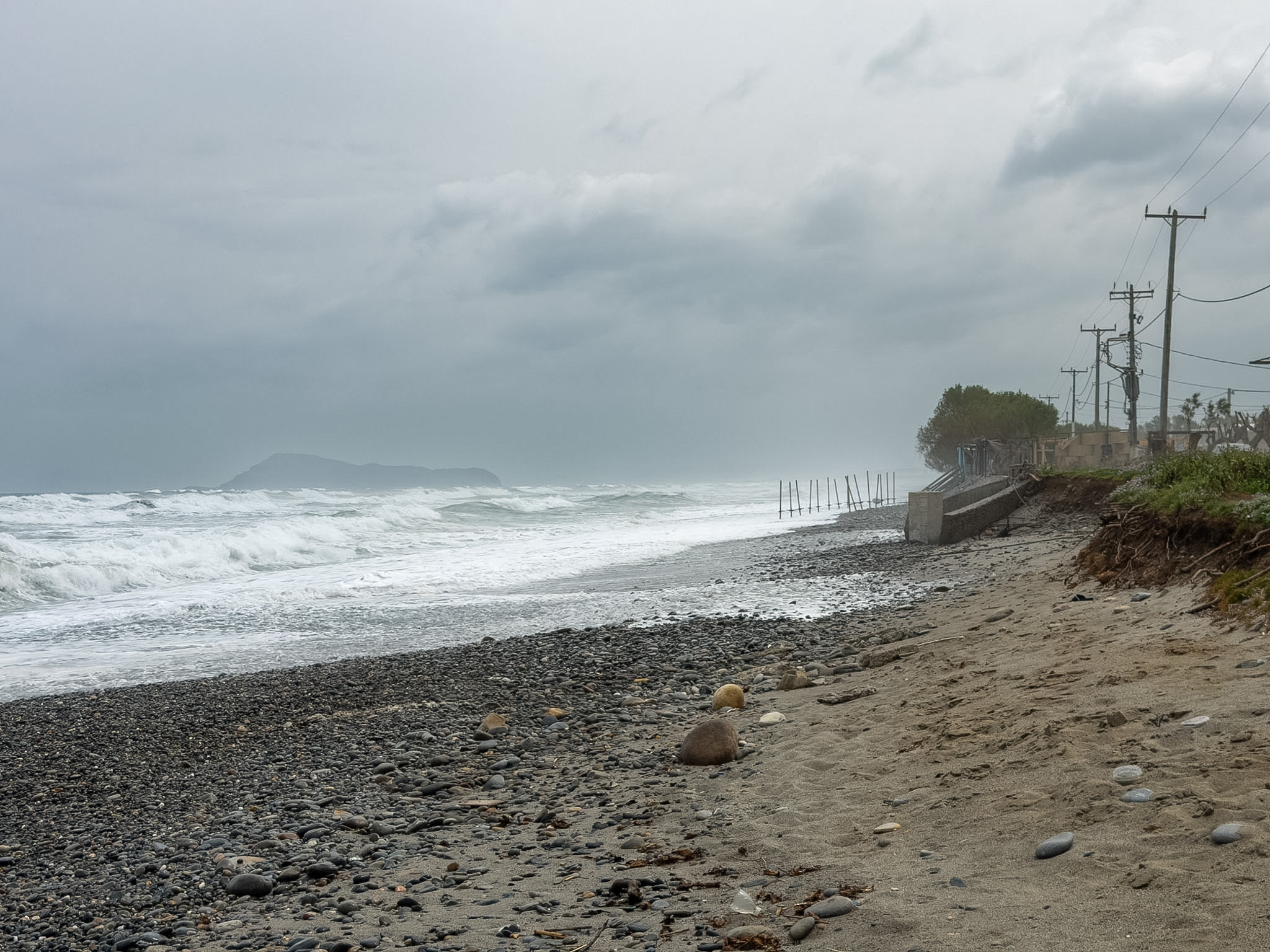
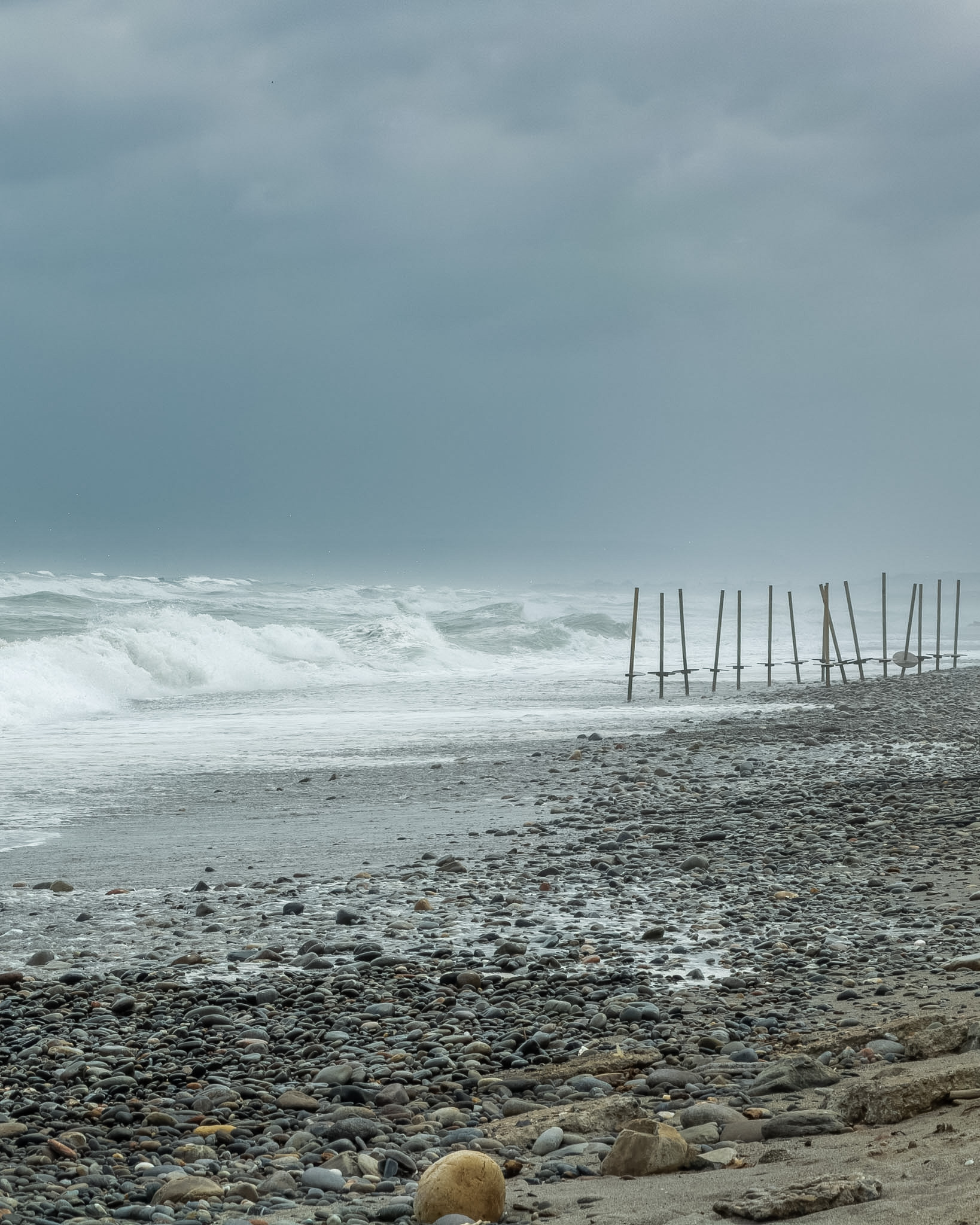
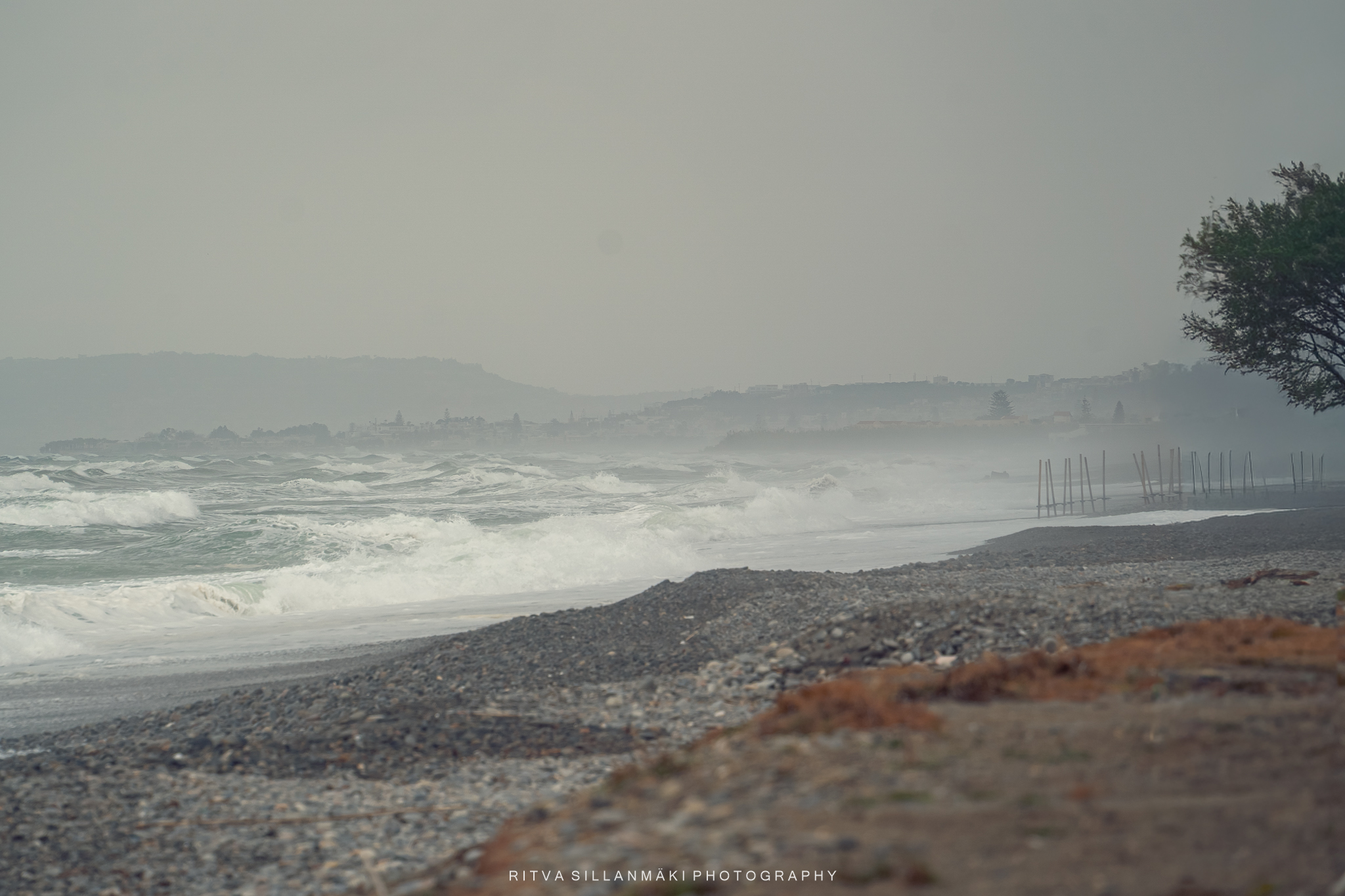
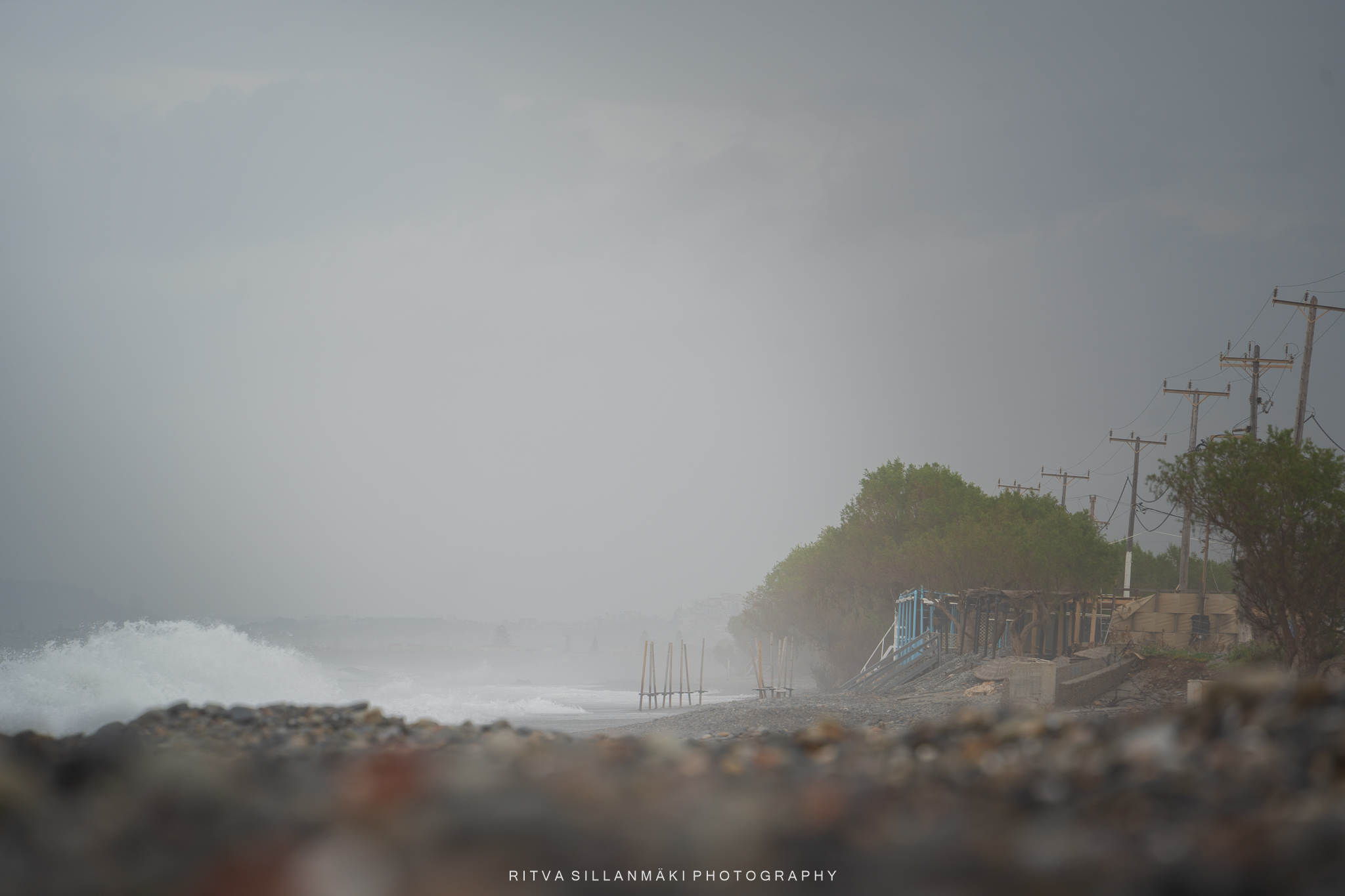
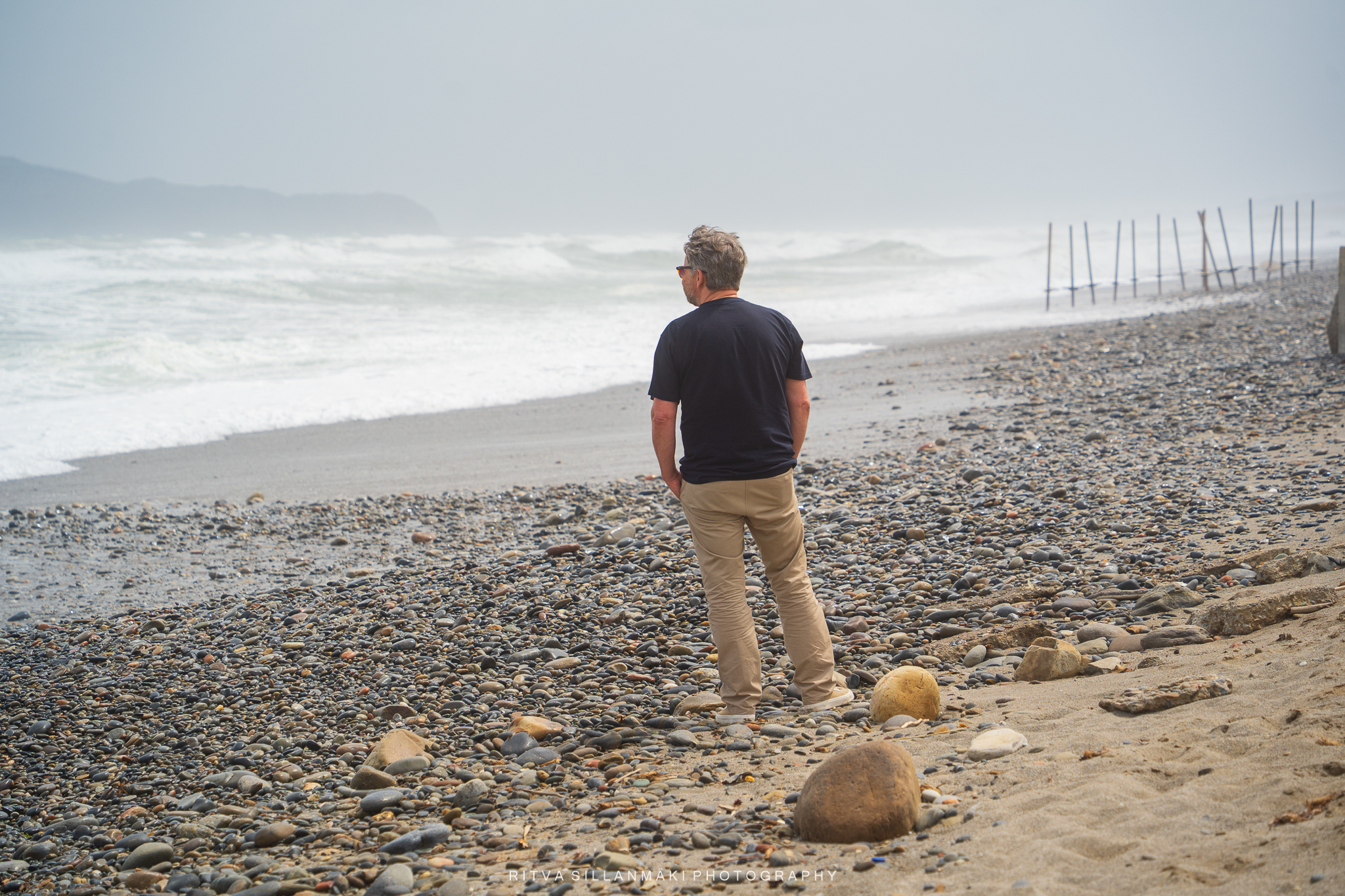
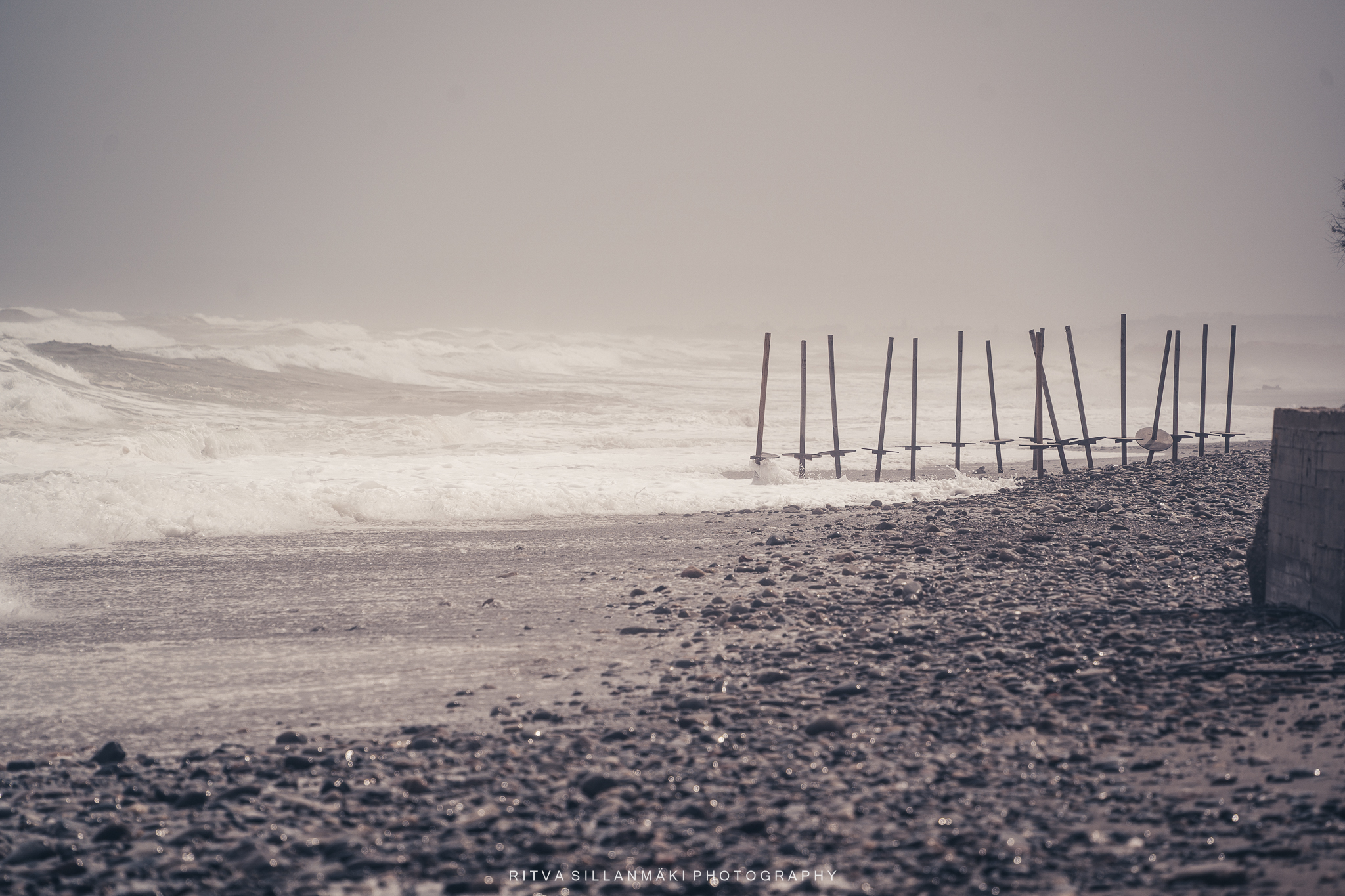
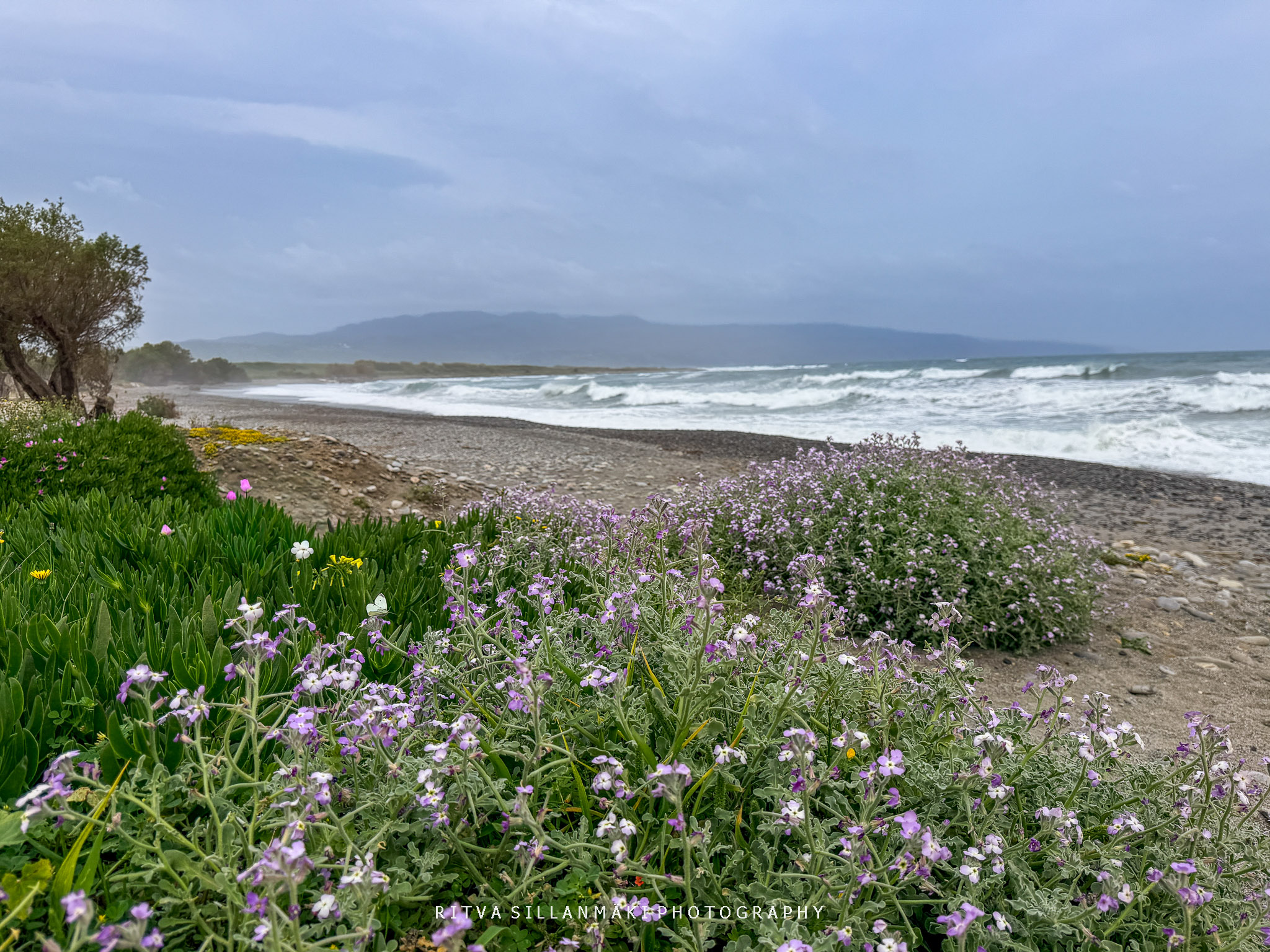
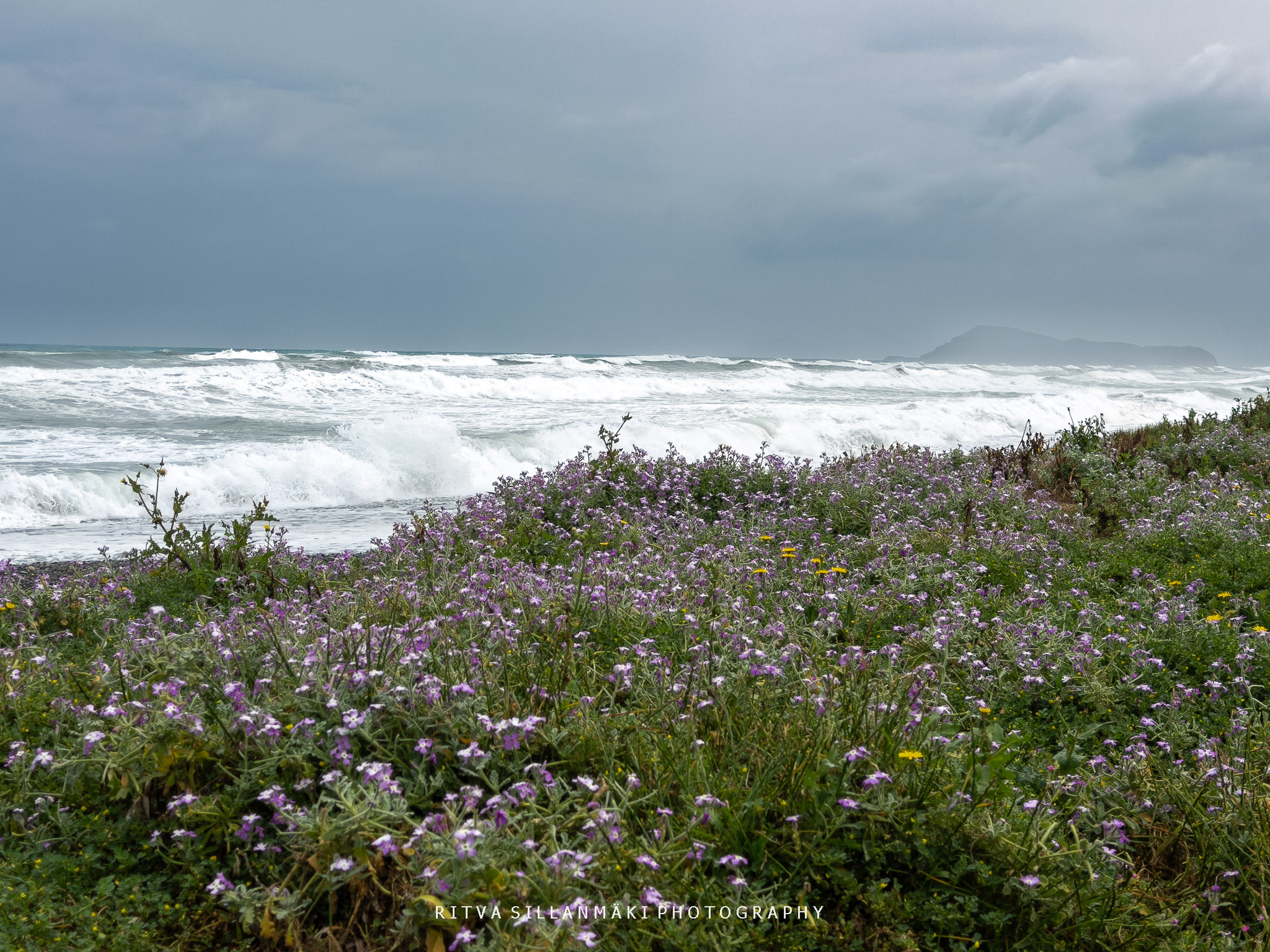
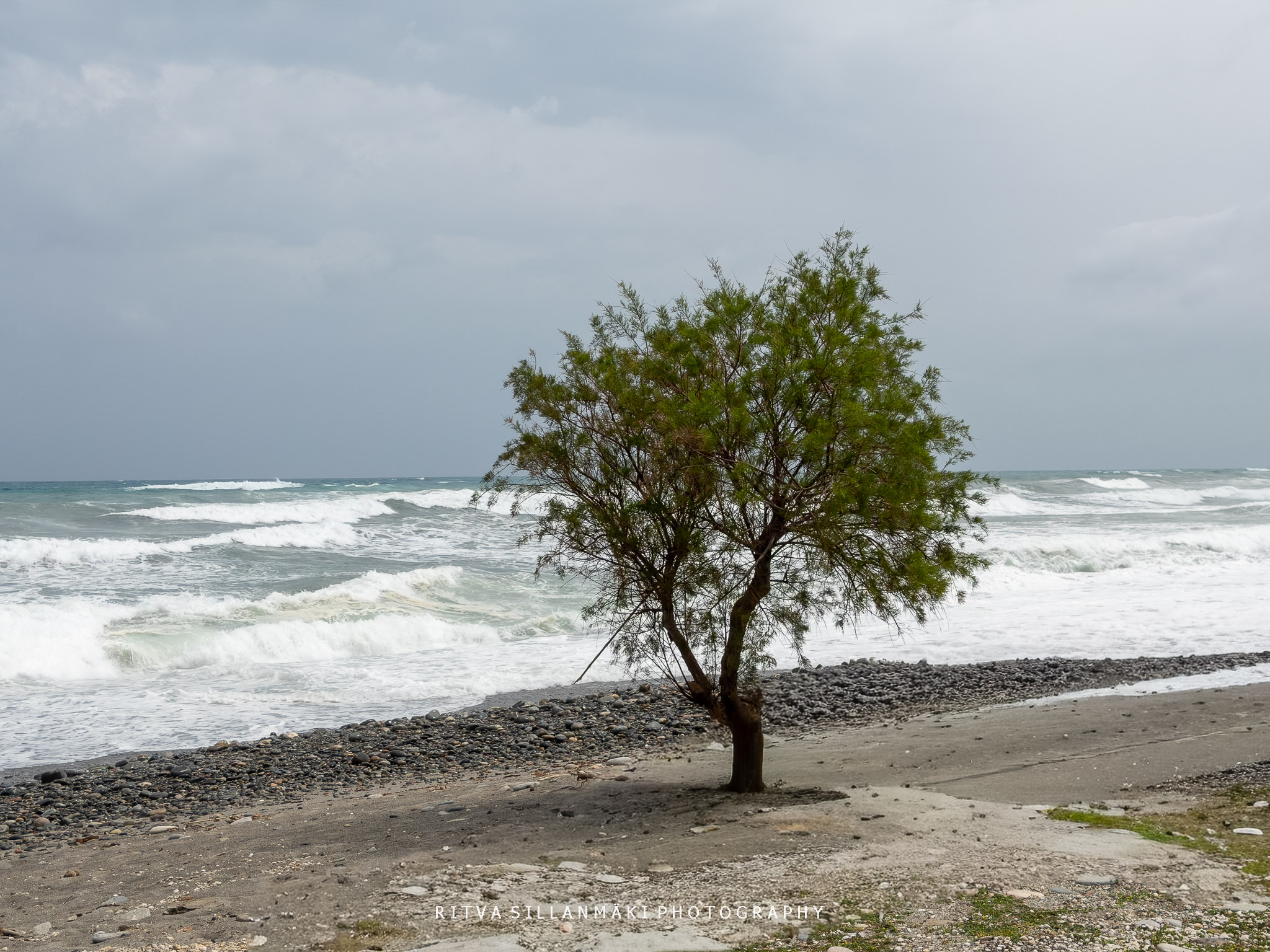
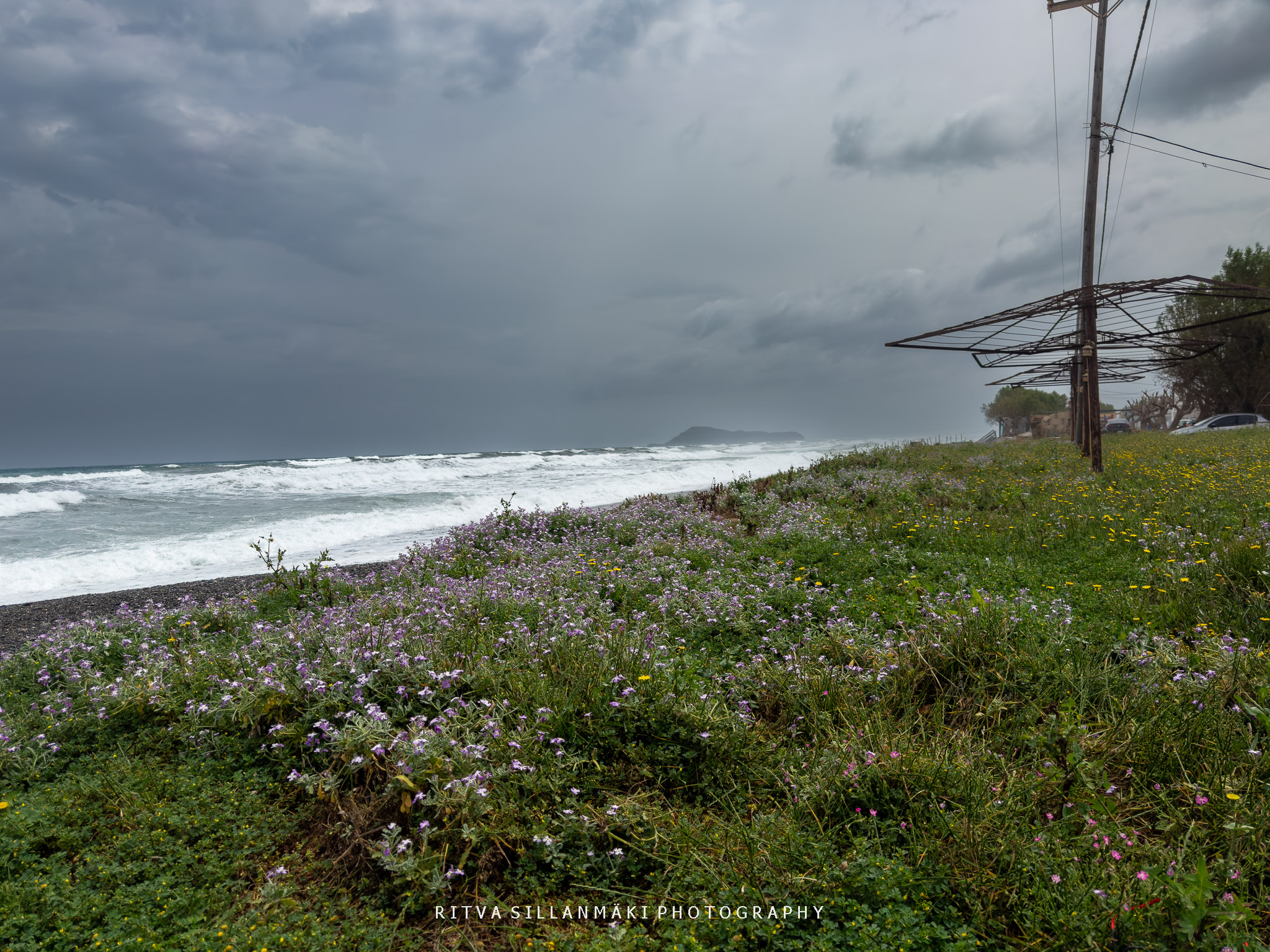
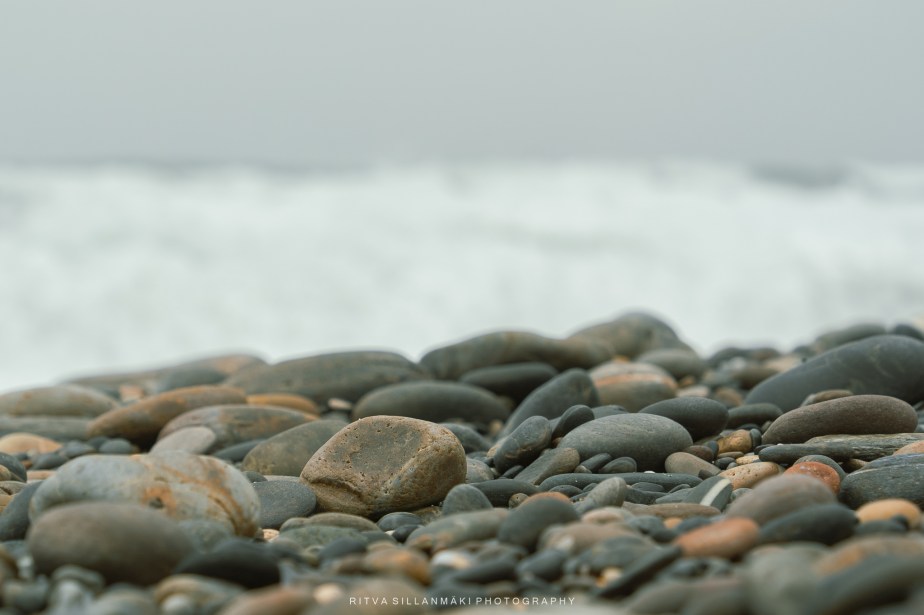
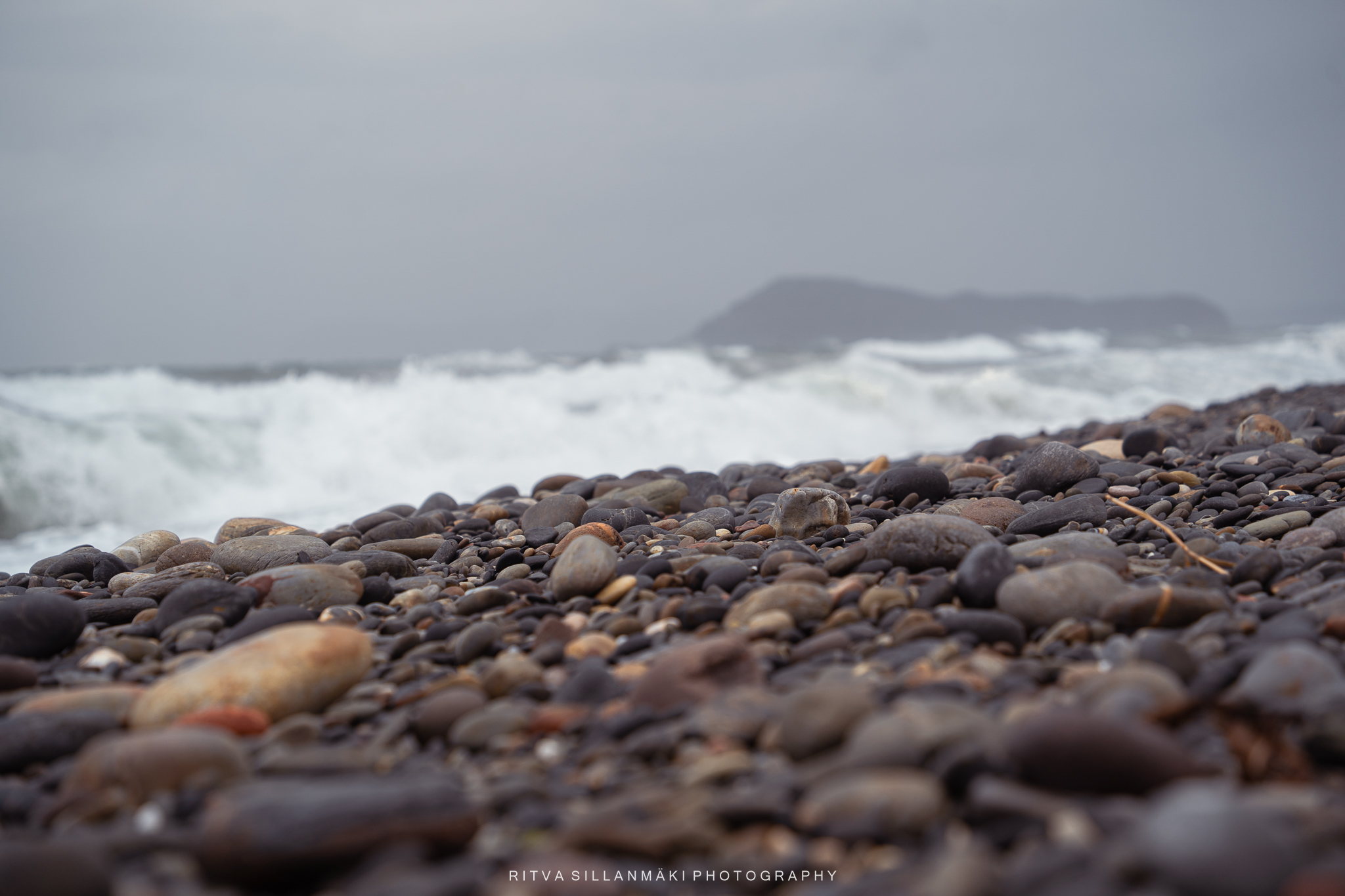
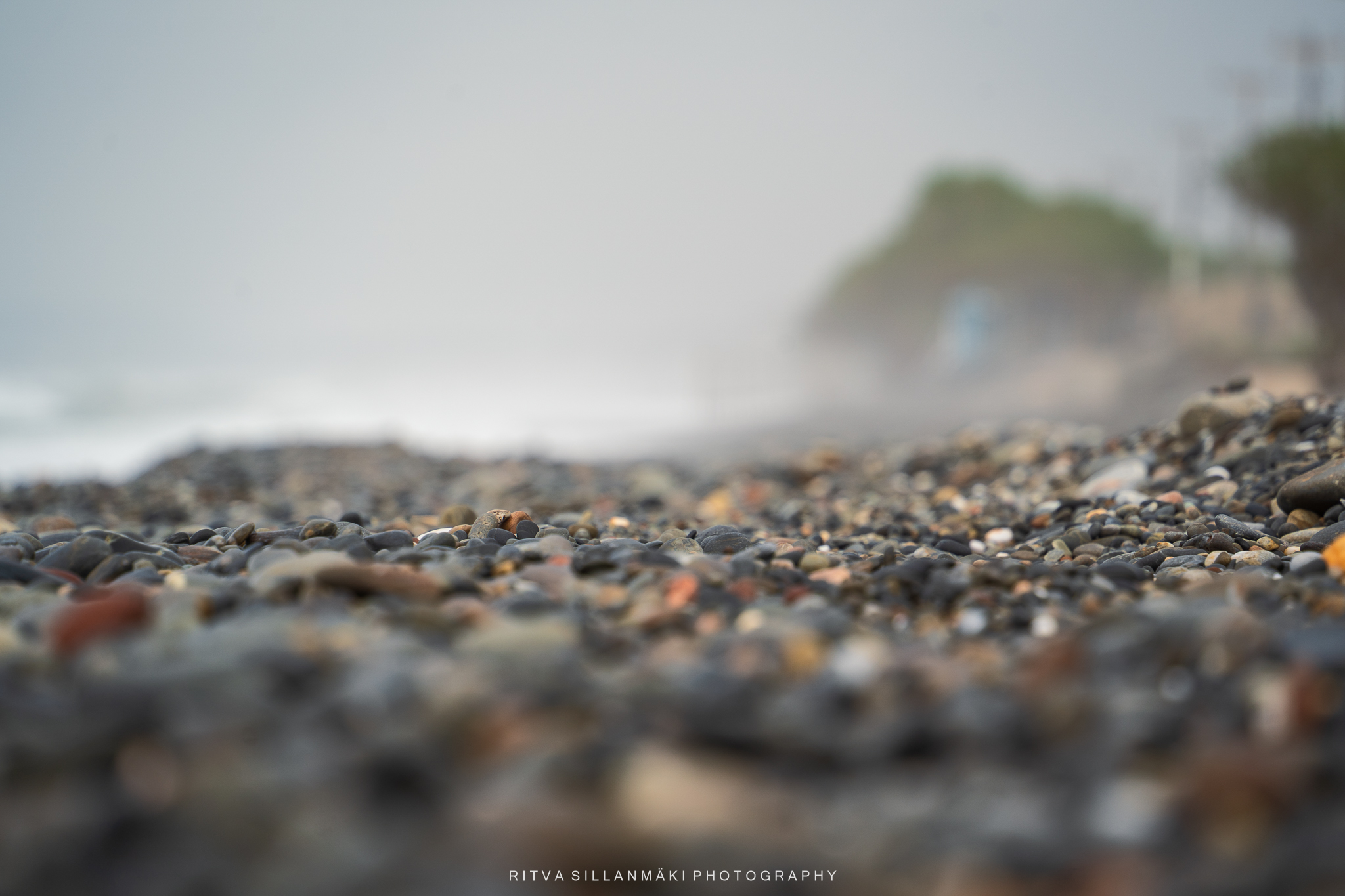
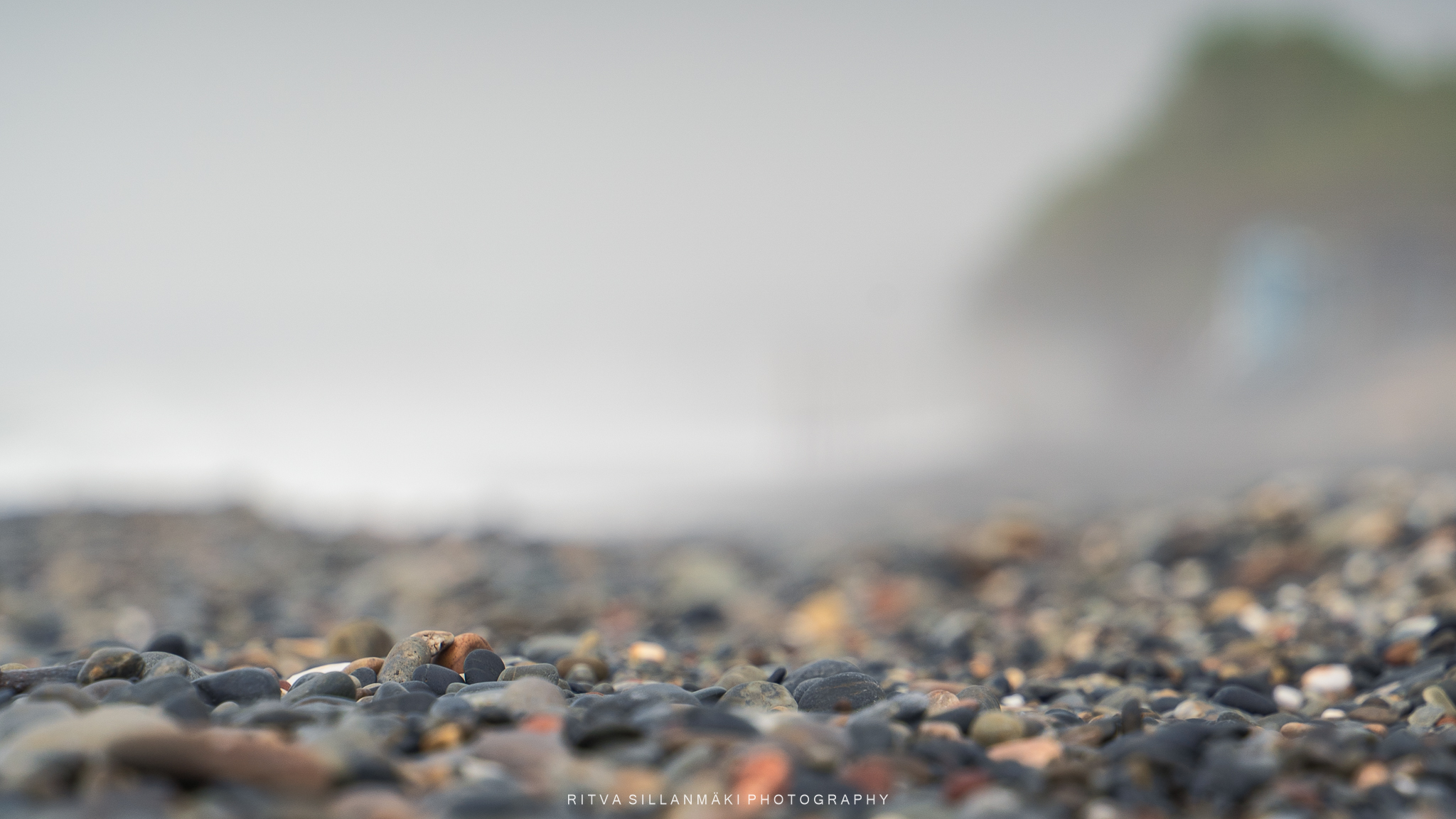
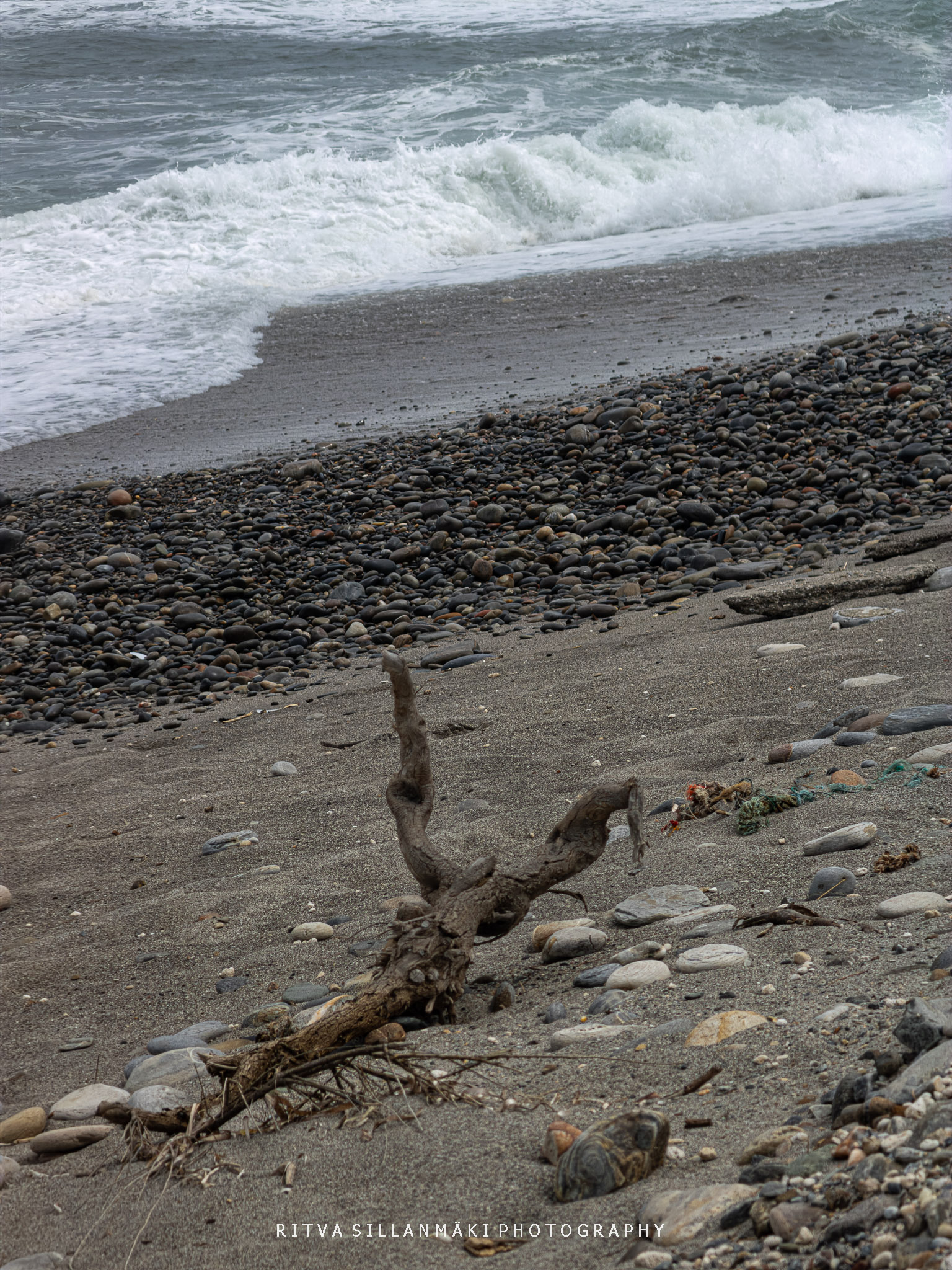
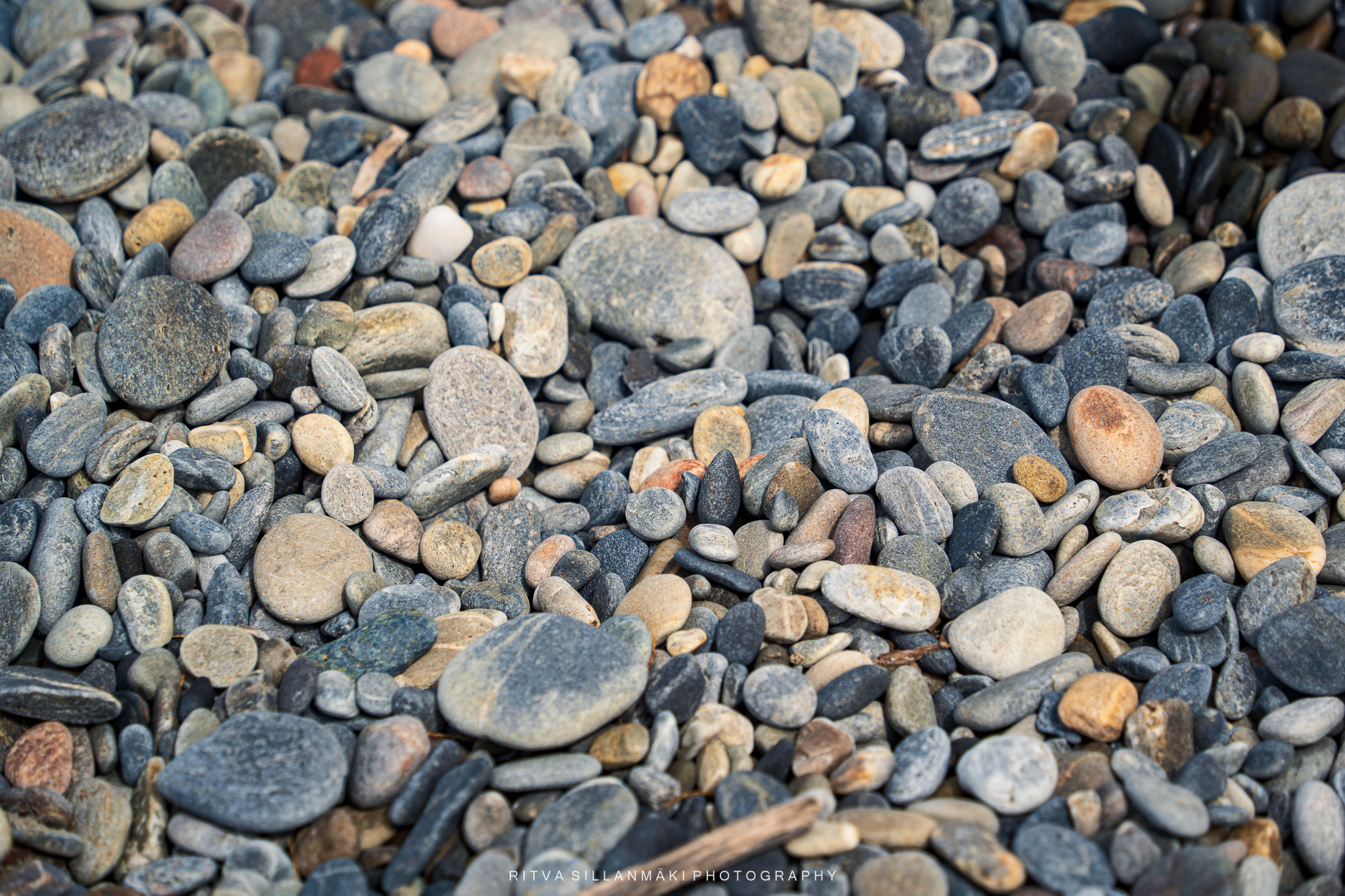
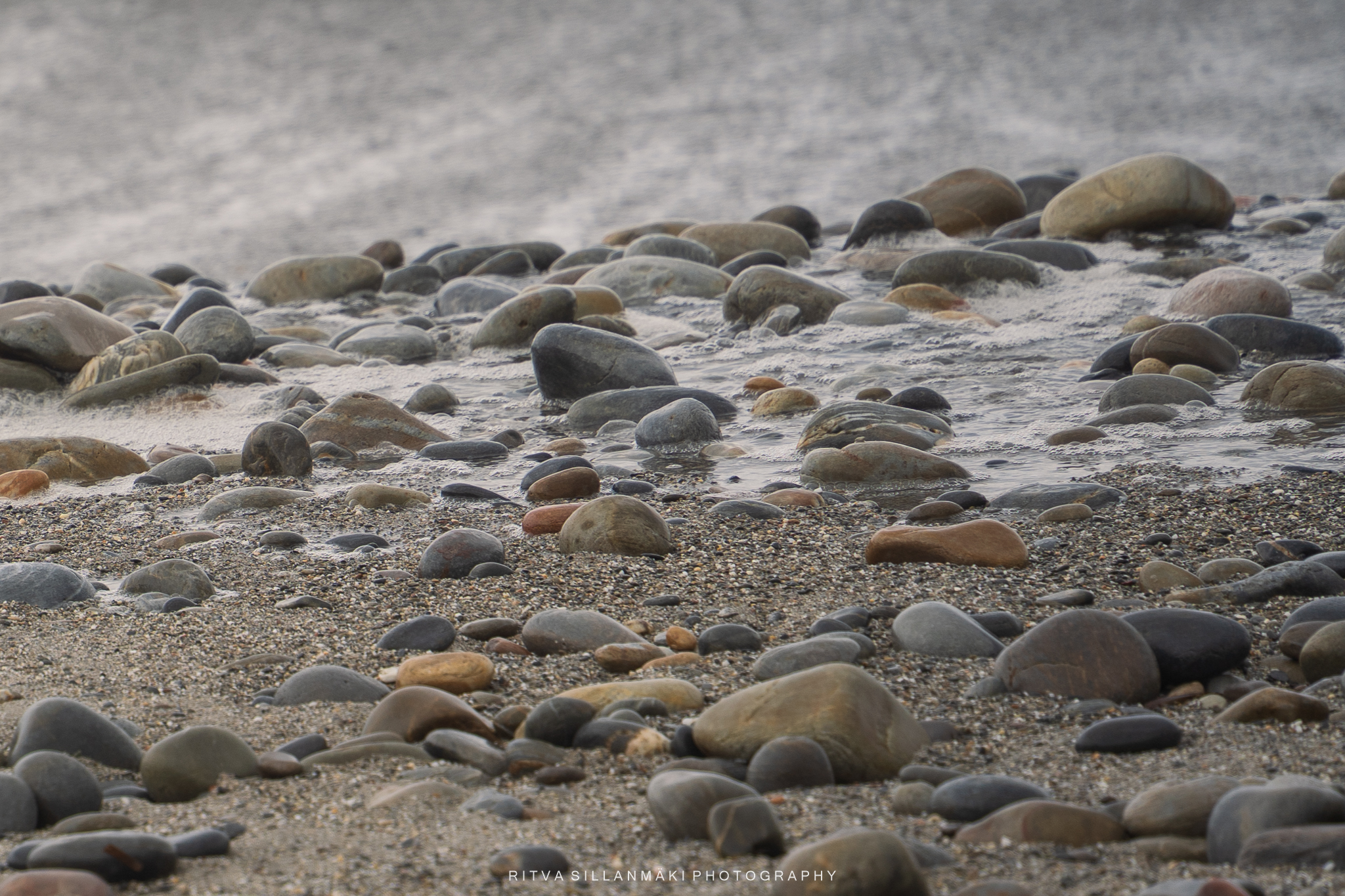
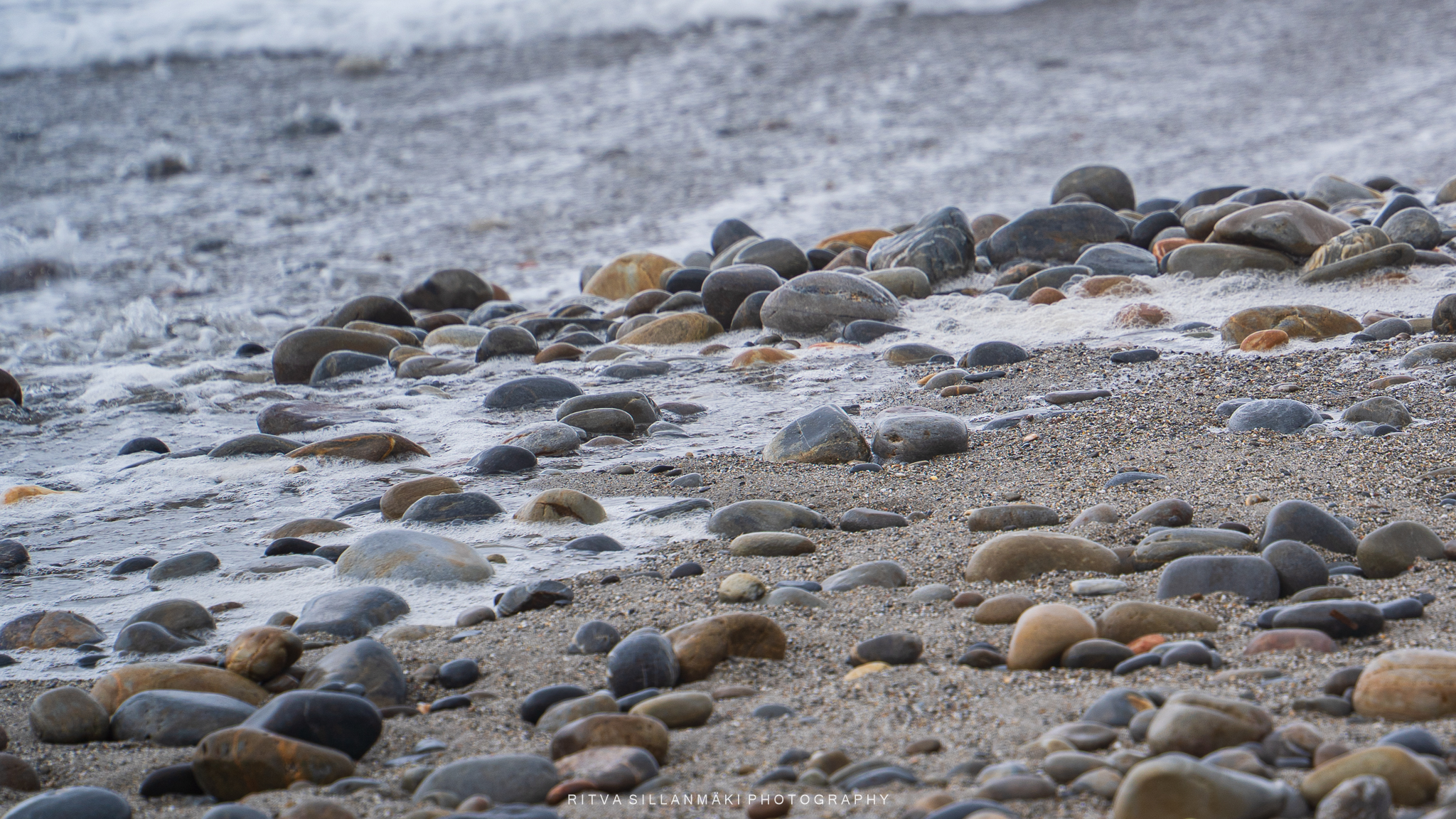
What I am sharing in these images is my fascination with the waves and the rhythm they create as they roll and crash against the shore. The smooth pebbles, worn down by years of continuous motion, invite you to touch them, and you can be calmed down by rubbing your fingers across the surface of each one, feeling their coolness and texture. I am totally aware of the abundance of images I have taken, but if you open the galleries, you can quickly scroll through them and perhaps pause on a few, giving yourself the chance to truly appreciate my admiration for the power of water.
The colors, the movement, the power.
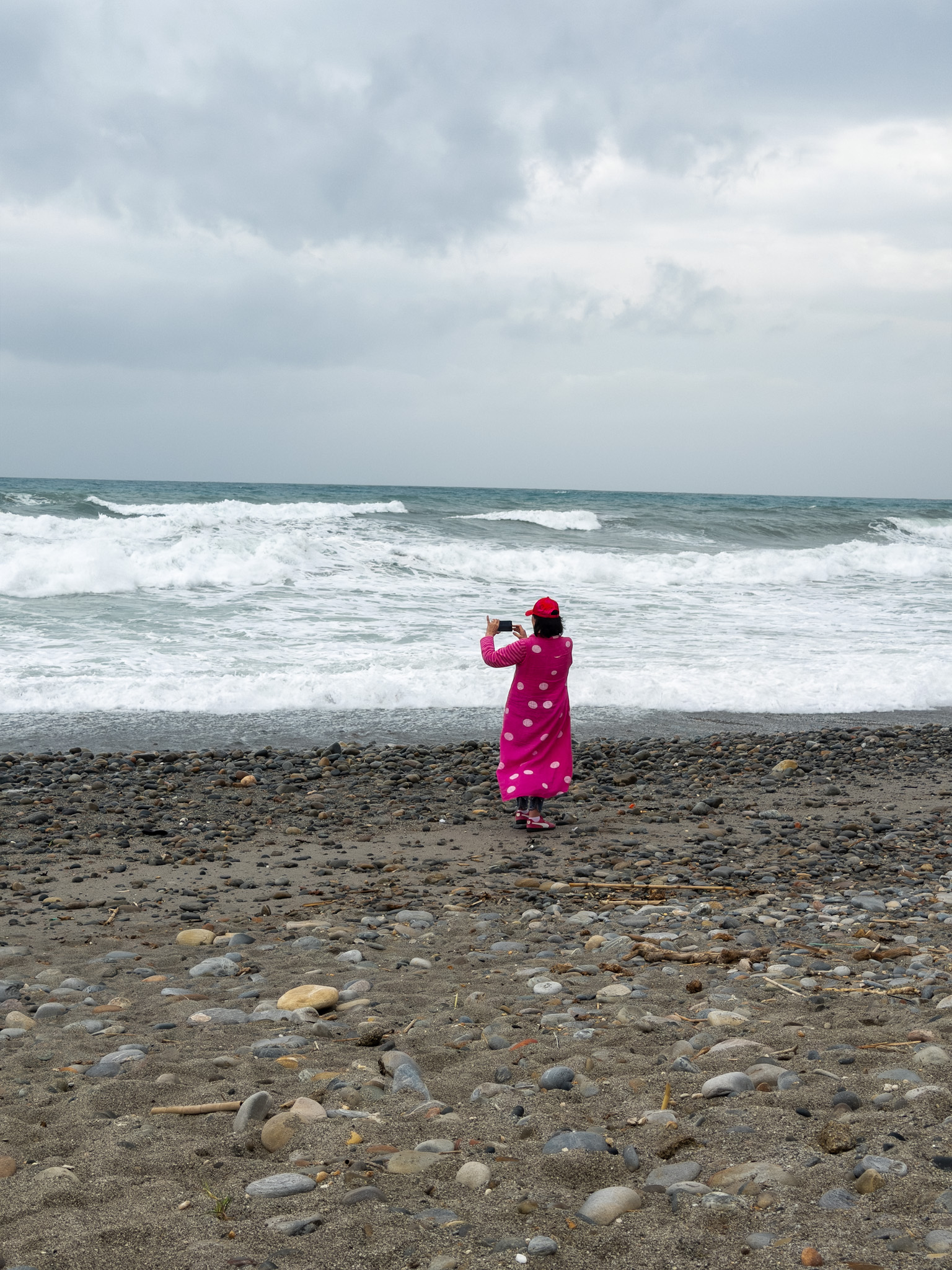
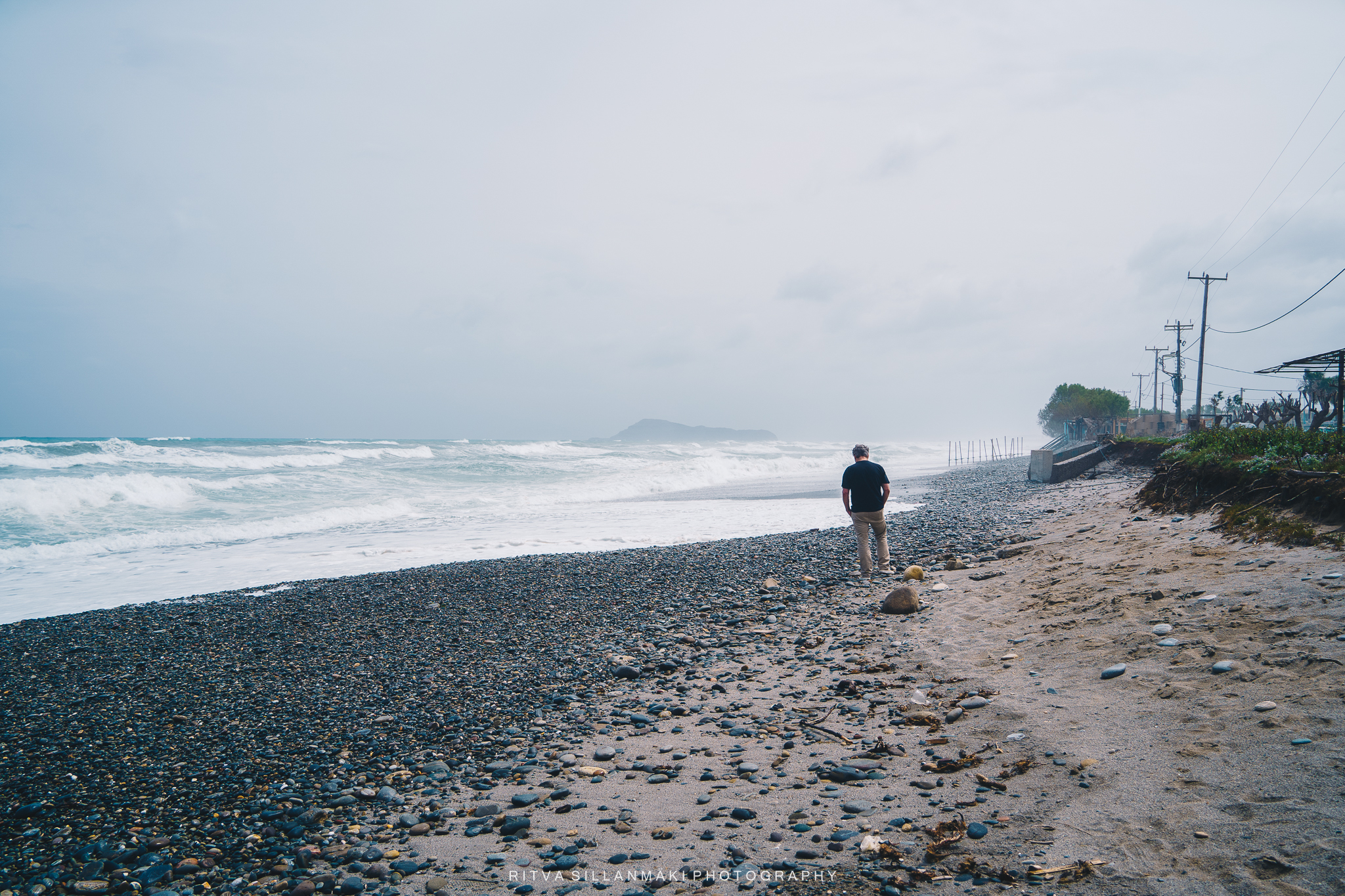
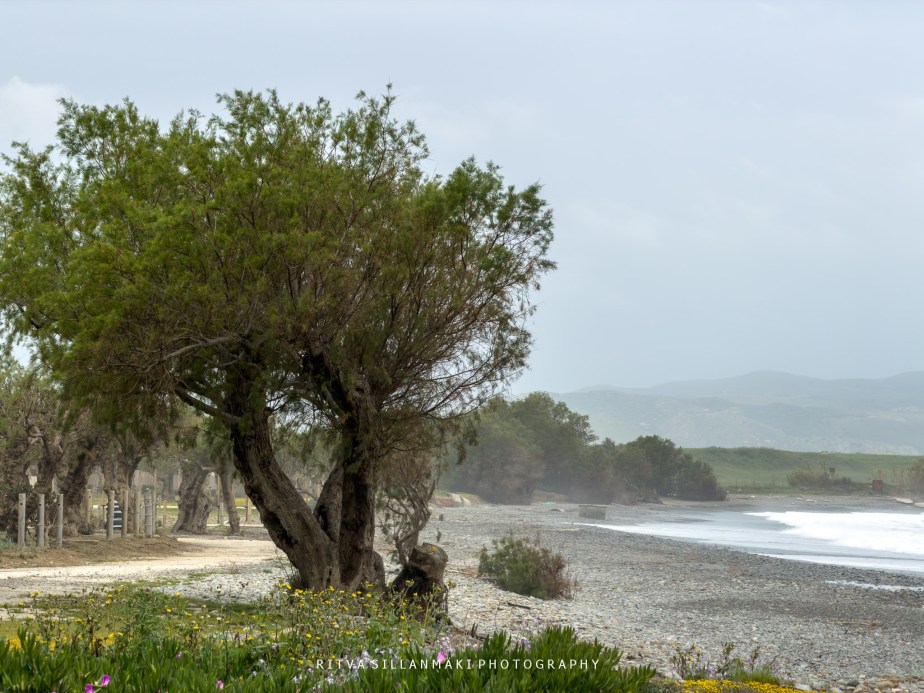
These memories were captured on a beautifully windy, cloudy, and cool day in Crete, our last day, and they resonate deeply within me. I spent a couple of hours observing as the waves with gust crashed against the shore, each crash echoing ln my heart, a melody only the sea could compose. As I sat there, drawn to the rhythm of the ocean, I appreciated the horizon, where the sky met the water in a endless embrace. The invigorating spray of sea water touched my skin, refreshing and full of life, while the salty breeze provided a familiar comfort, reminding me of my connection with the sea, a bond formed through countless sunrises and sunsets. With each gust of wind, I was more in touch with the moment, a clear sense of peace and tranquility.
Watching the waves is meditative
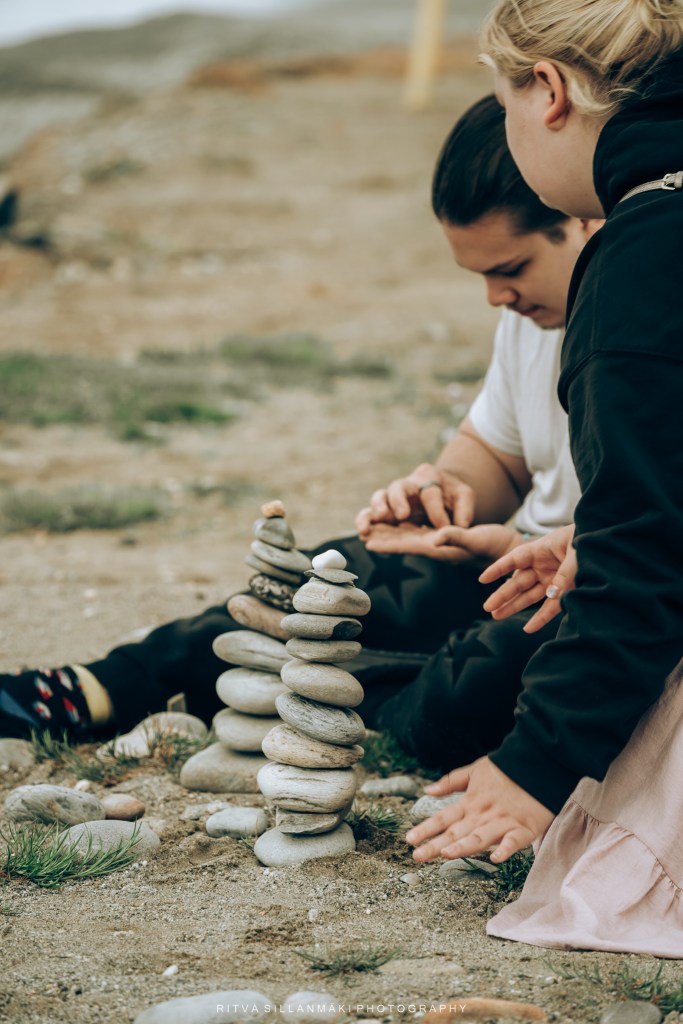
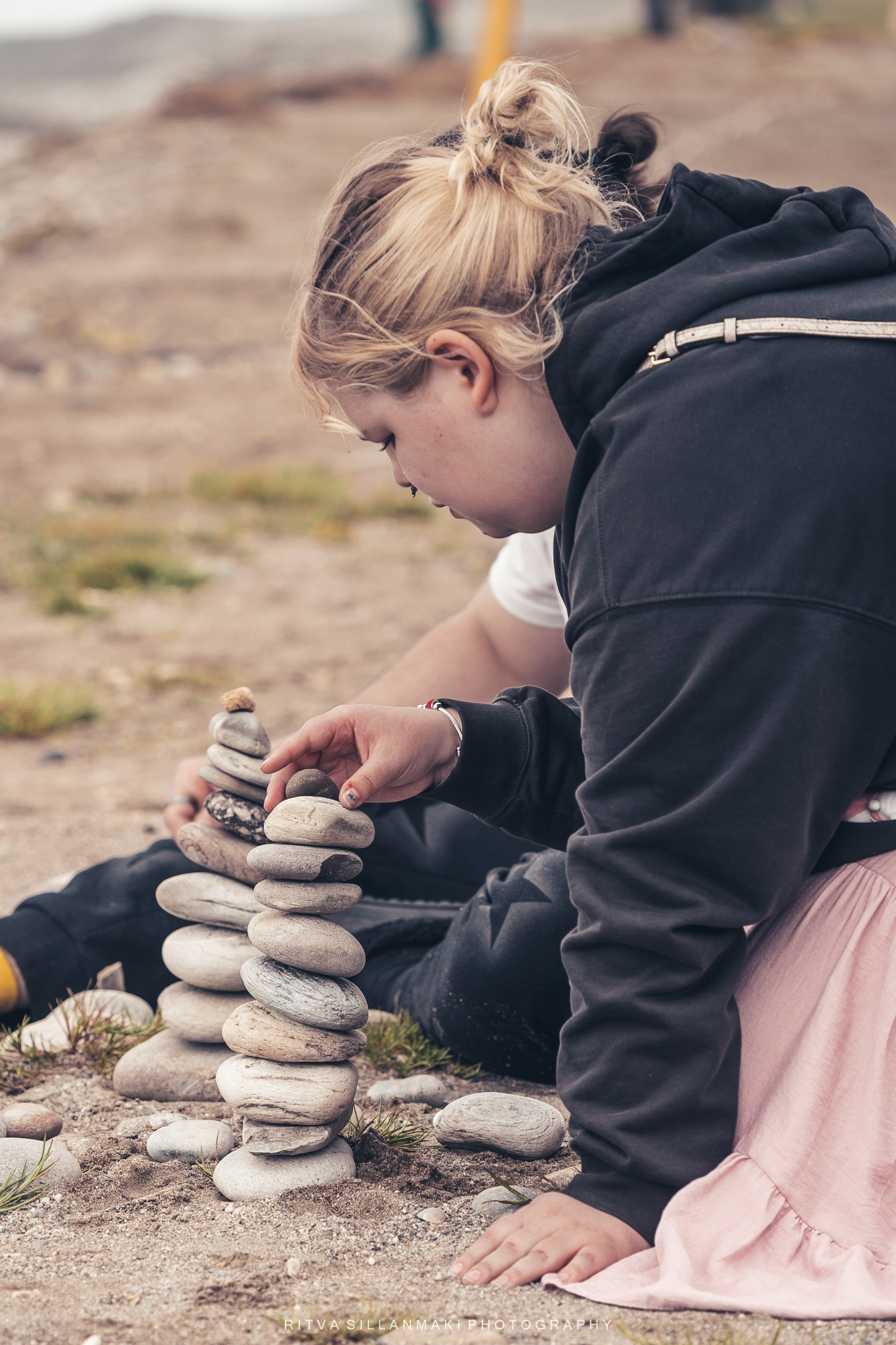
Even on a cloudy day you can find things to do together
Pebbles on the beach
This concludes my week! I thoroughly enjoyed reflecting on this old challenge and considering how to approach it. It was a new experience for me. A huge thank you to Beth for her guidance—make sure to link your response to her post here. Additionally, your contributions to John’s “History Through the Lens” challenge last week were fantastic. Remember to return on Saturday, May 2 at noon eastern time, when Ann-Christine will lead the next challenge.
If you’re participating in the Lens‑Artists Challenge for the first time, welcome—we look forward to visiting your post. To join in, simply publish your take on this week’s theme, link back to Beth’s page, and add the Lens‑Artists tag so that others can find your work.
Please see this page for more information about the Lens-Artists Challenge and its history. If you don’t want to miss any future challenges, please consider subscribing to the team members’ websites.
John’s challenge is to feature places “where history still lives”. One of John’s suggested topics “Where the Past Still Stands”is the inspiration for this post. I am not a history buff, but I do like visiting historic sights- sometimes. But history is something we need to know and understand so hopefully we do not repeat the mistakes done. At this moment – that is evident history of war and its consequences has been not studied. When do we learn?
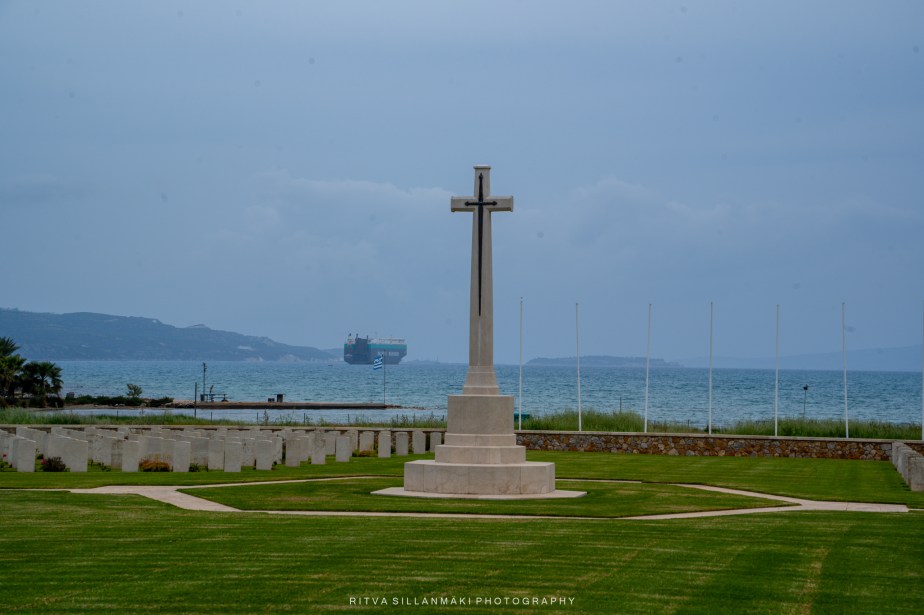
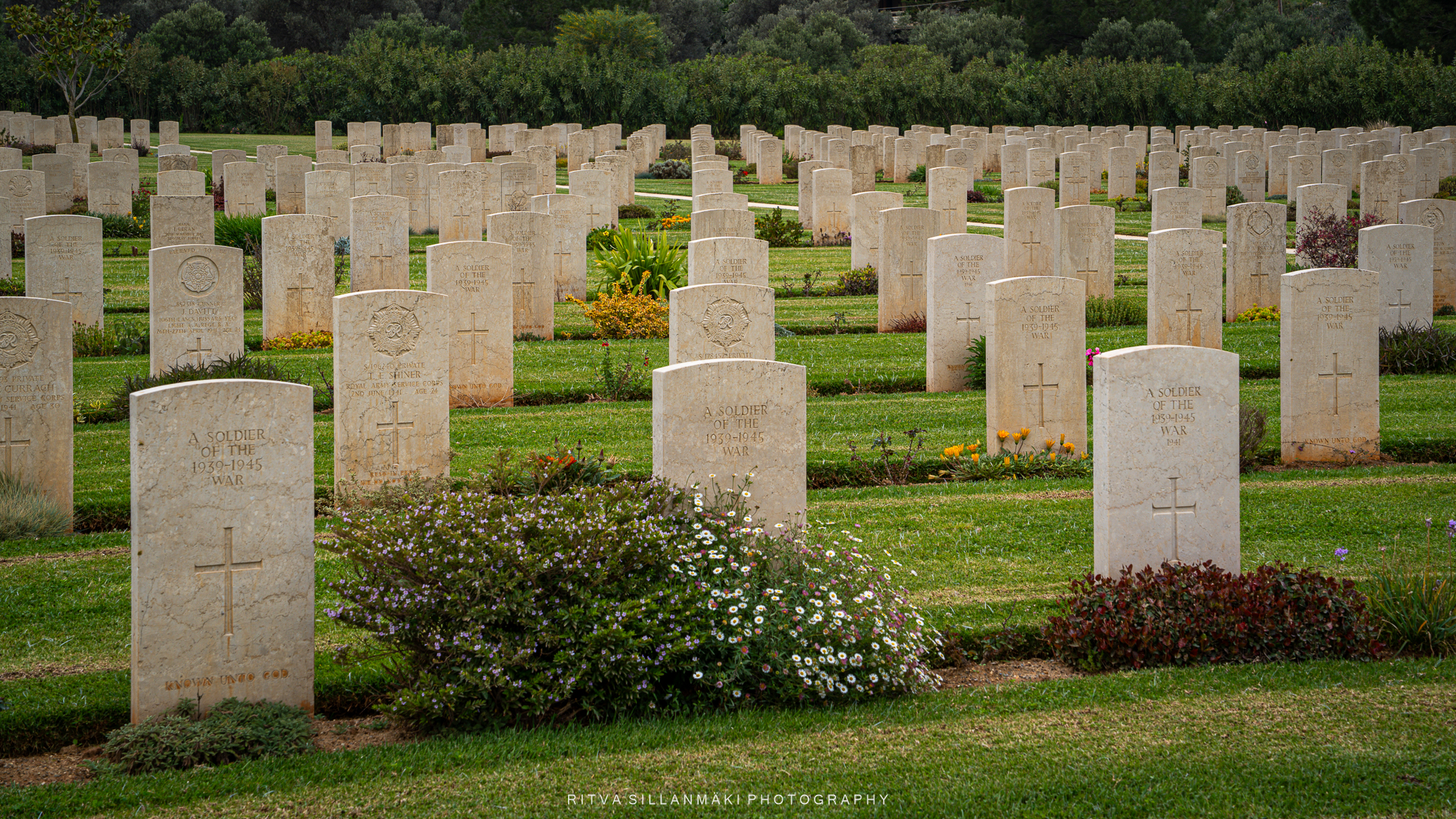
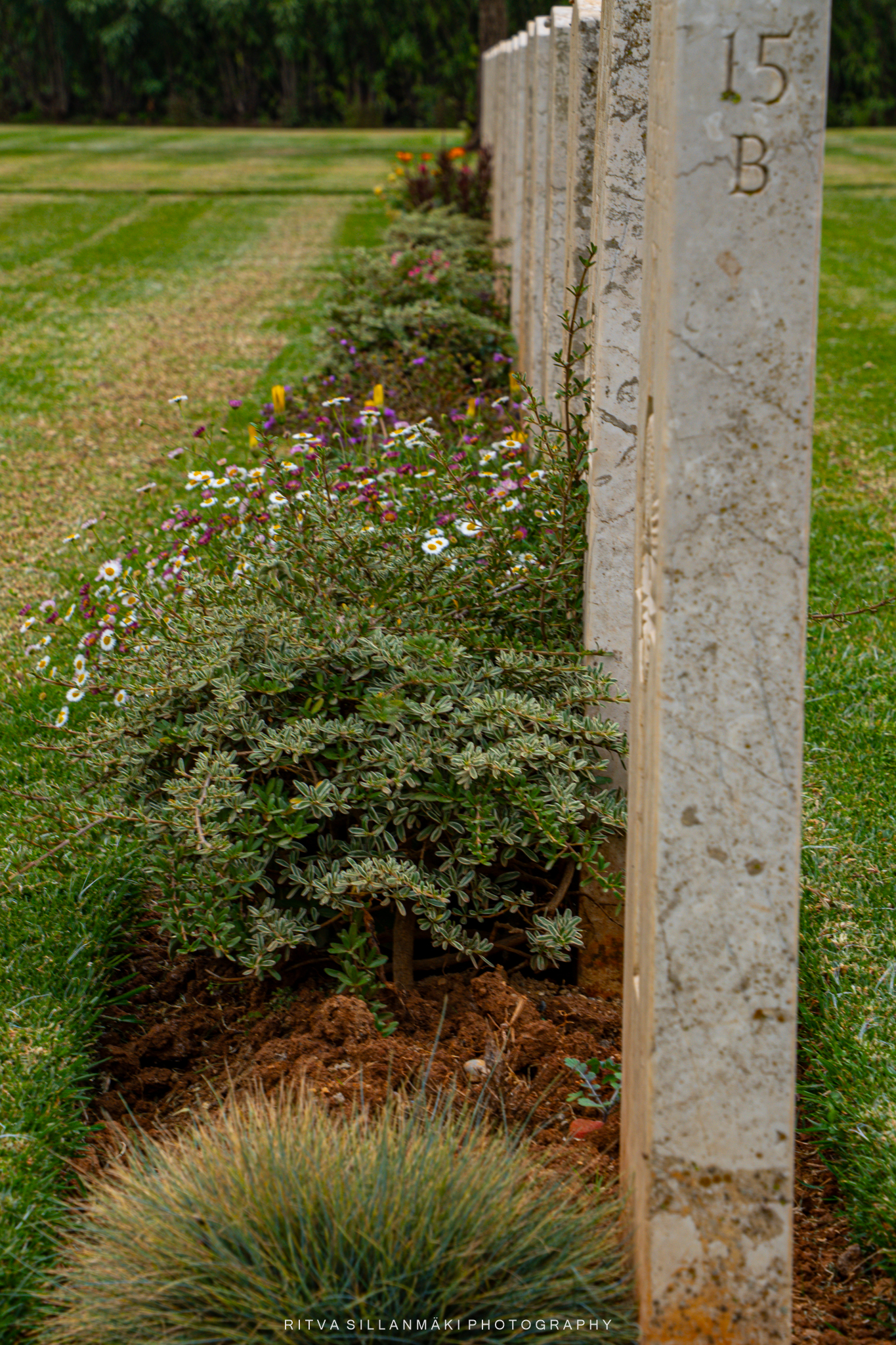
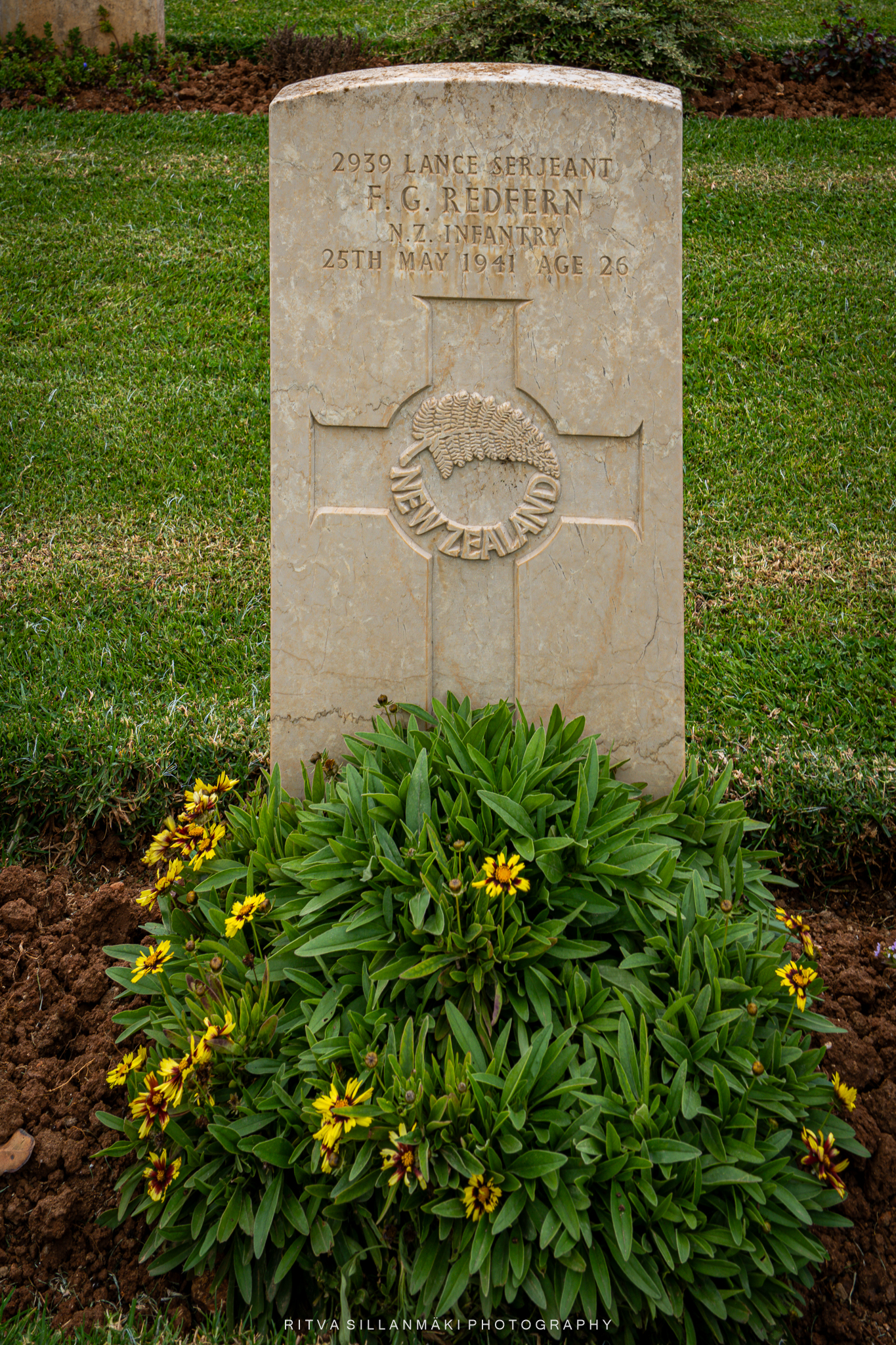
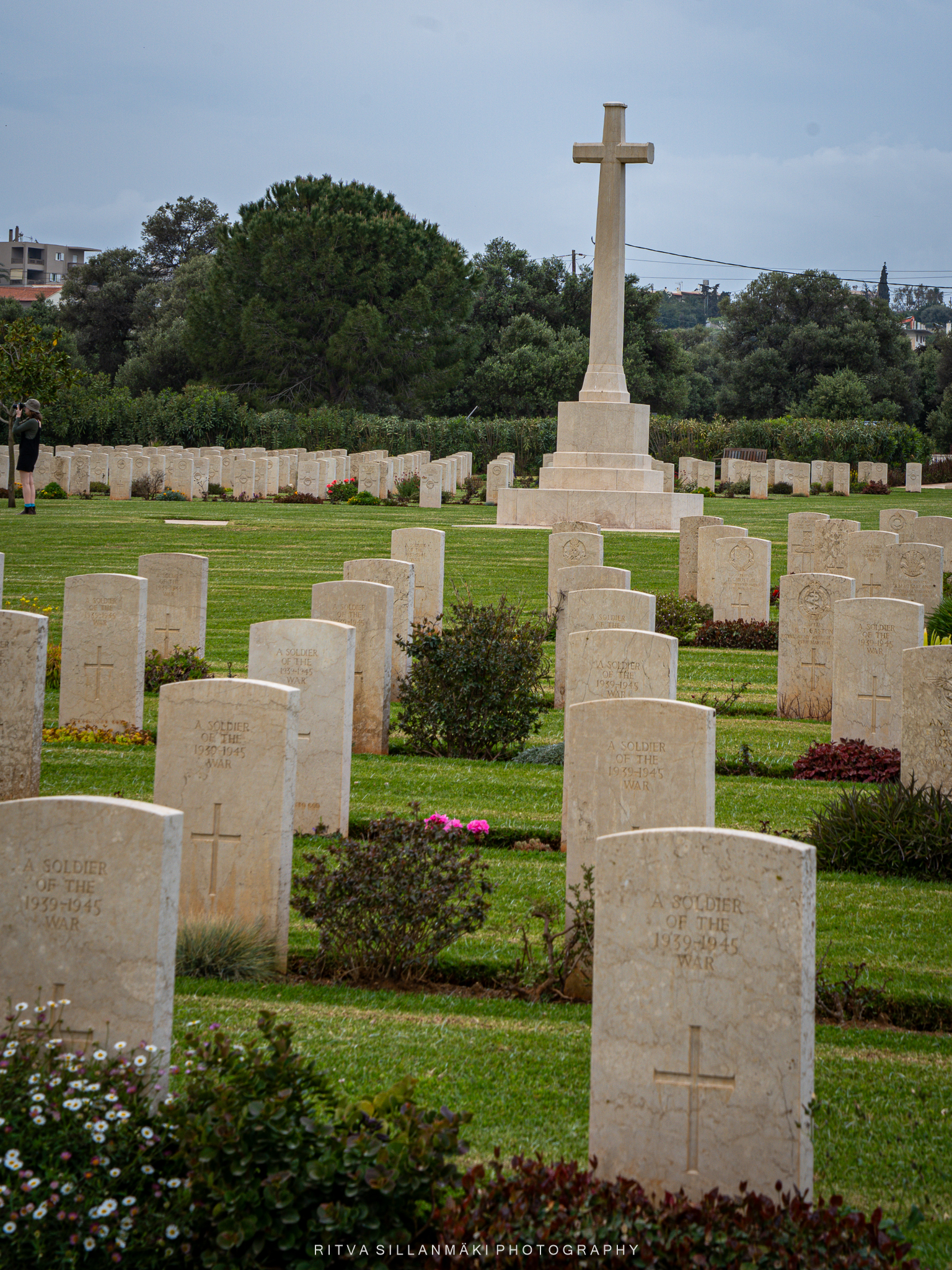
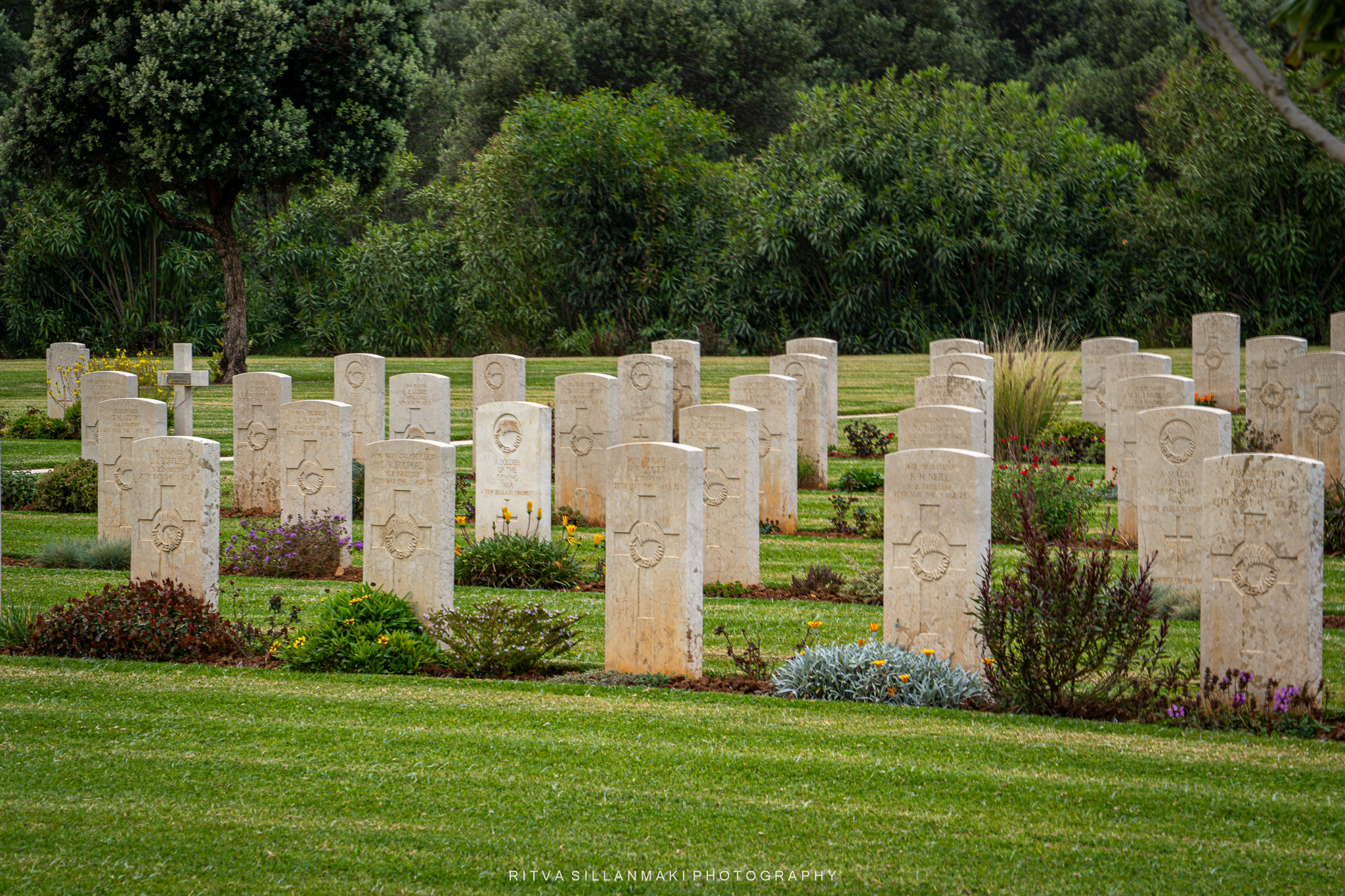
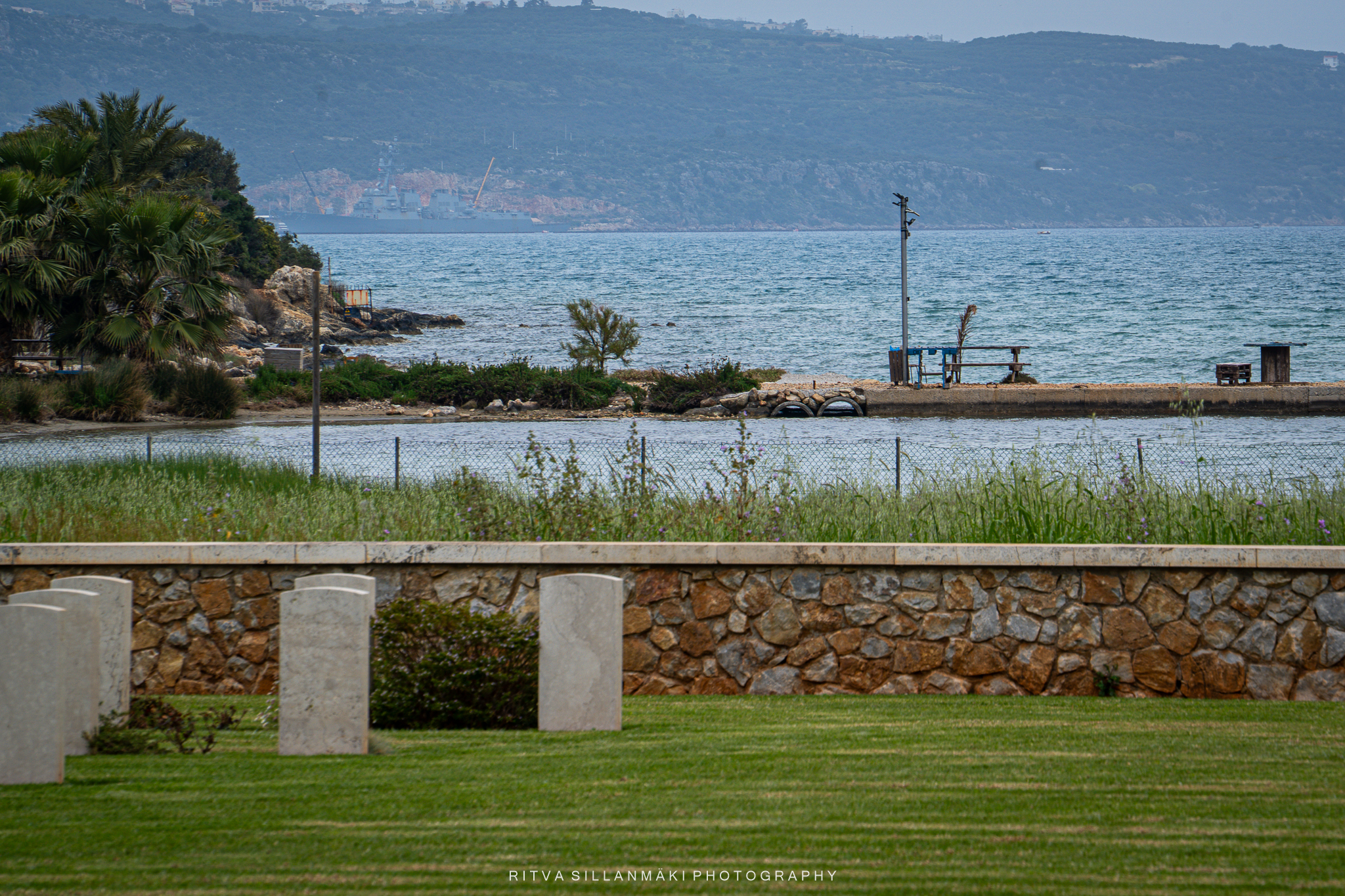
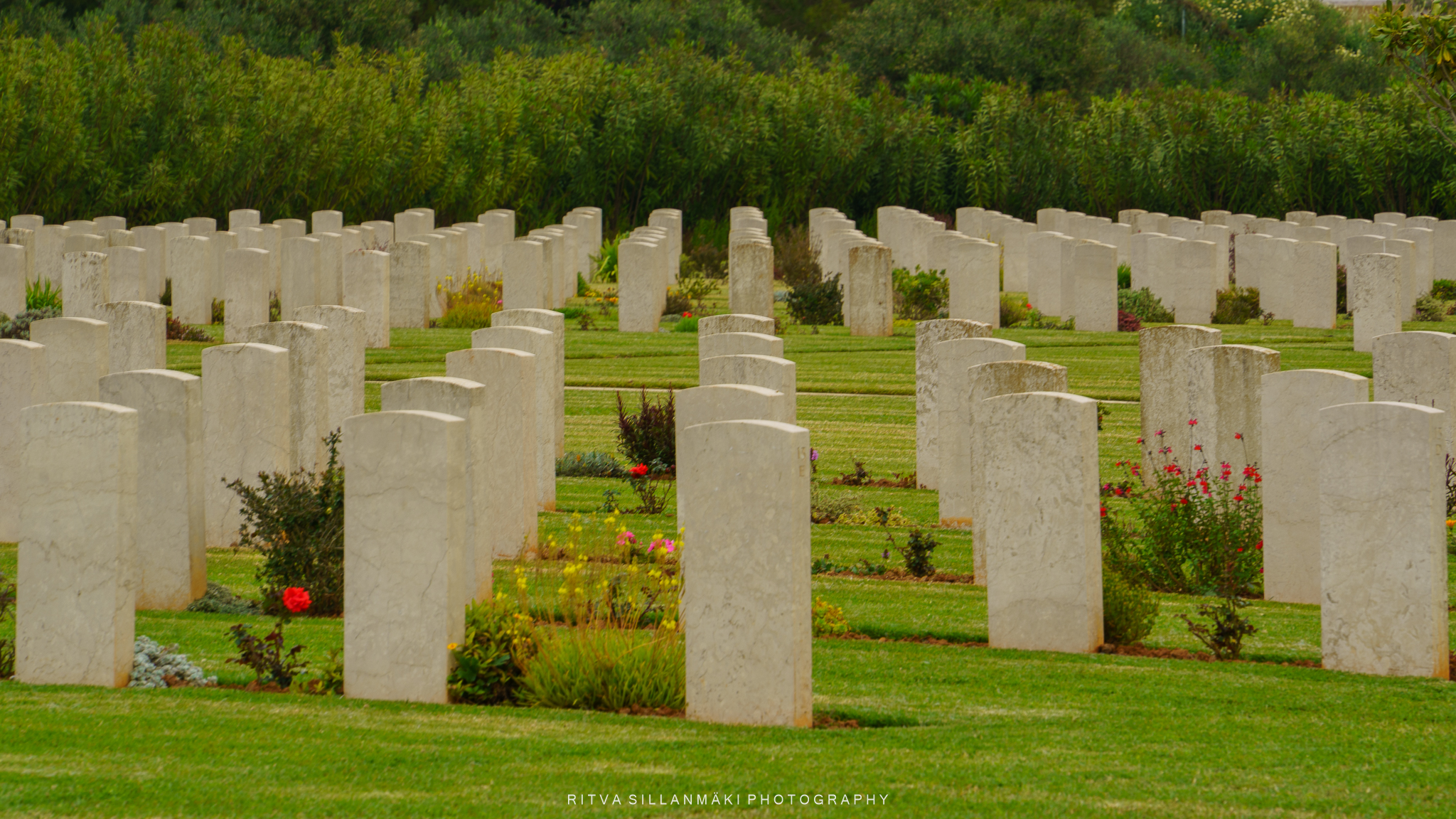
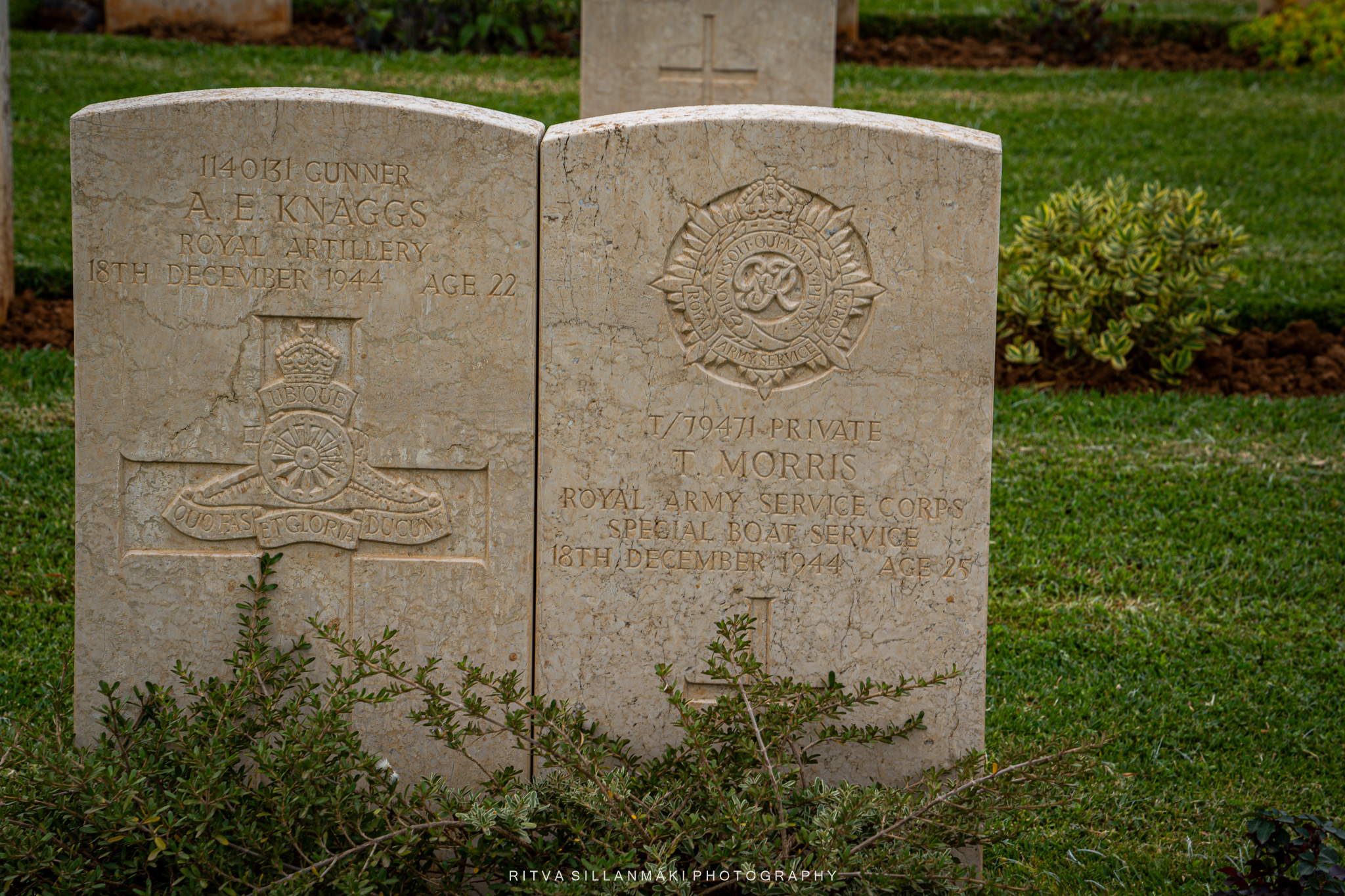
We visited the Suda Bay War Cemetery in Crete last week, a place filled with history and remembrance. It always stirs strong feelings to see these memorials for the young men who lost their lives in wars, with each gravestone telling a story of courage and sacrifice. Walking among the rows of white markers made me think about the personal losses faced by these individuals and the effects of war on families and communities. I often question the reasons behind it—how power struggles and political choices can lead to such devastation. It’s striking to see this collection of gravestones, each a reminder of lives cut short and the lessons we should remember as we move forward.
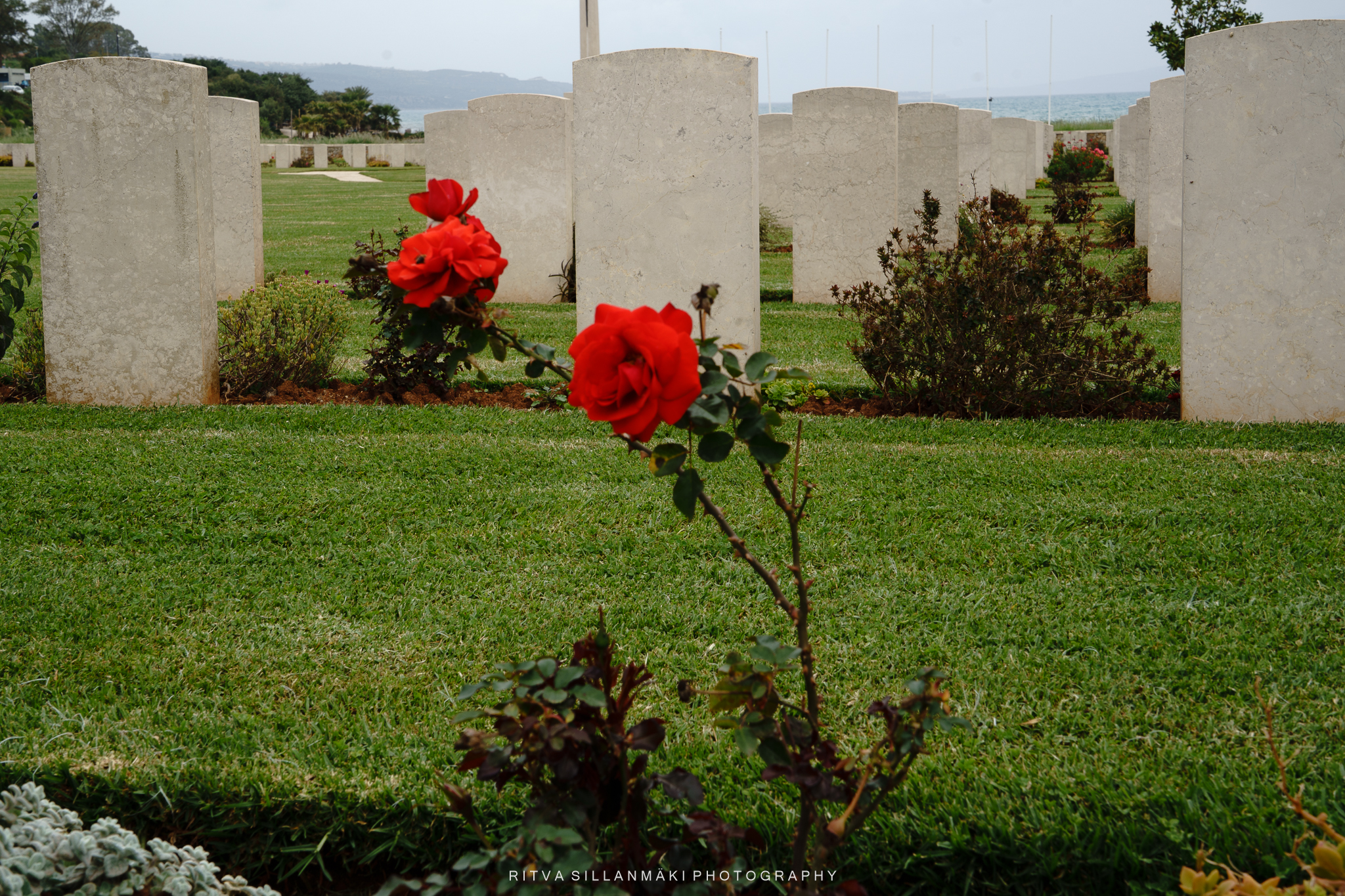
A vast military cemetery with rows of uniform light-colored gravestones on green grass. Each gravestone bears inscriptions including crosses and honors soldiers from the 1939-1945 war.
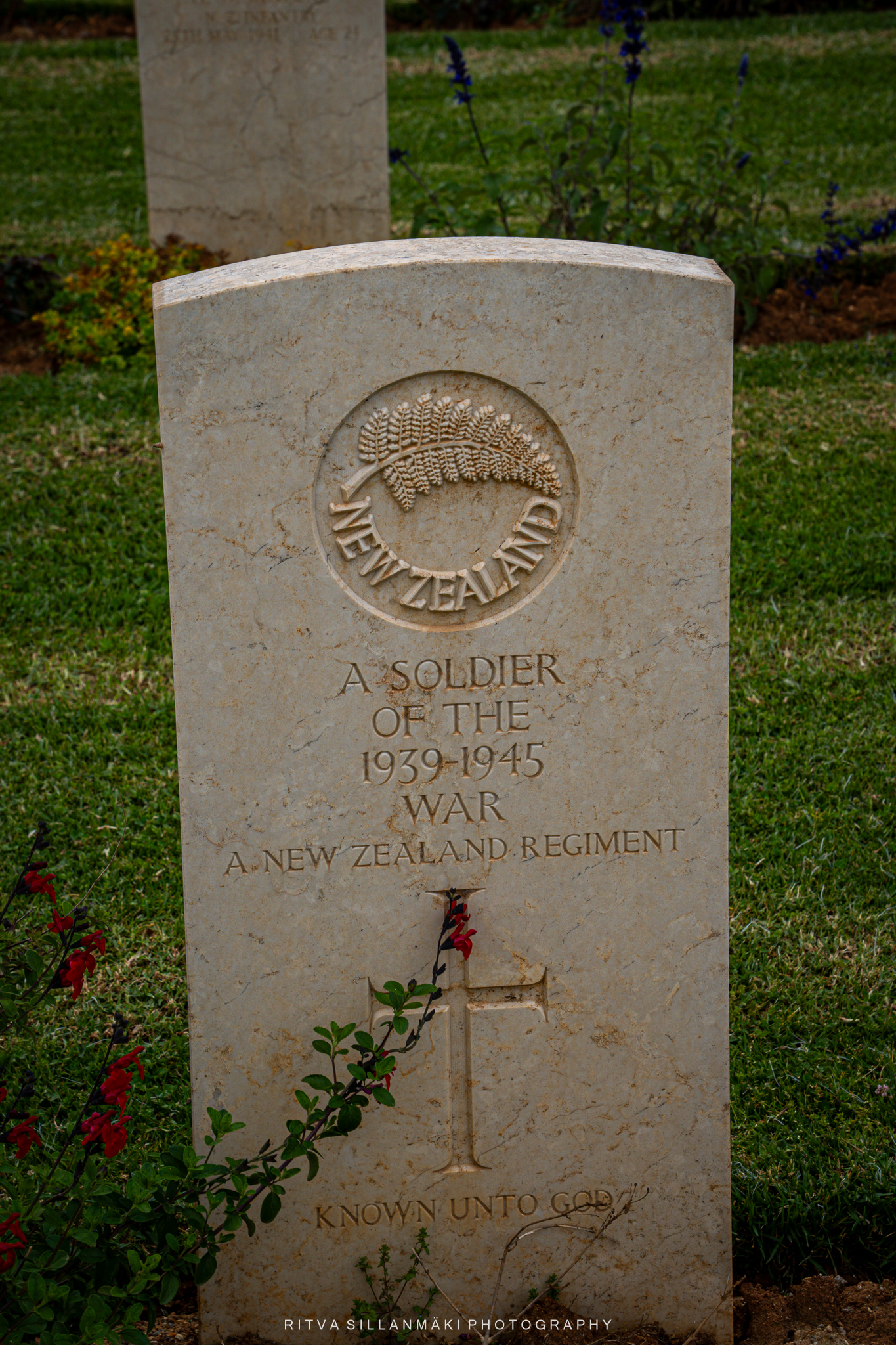
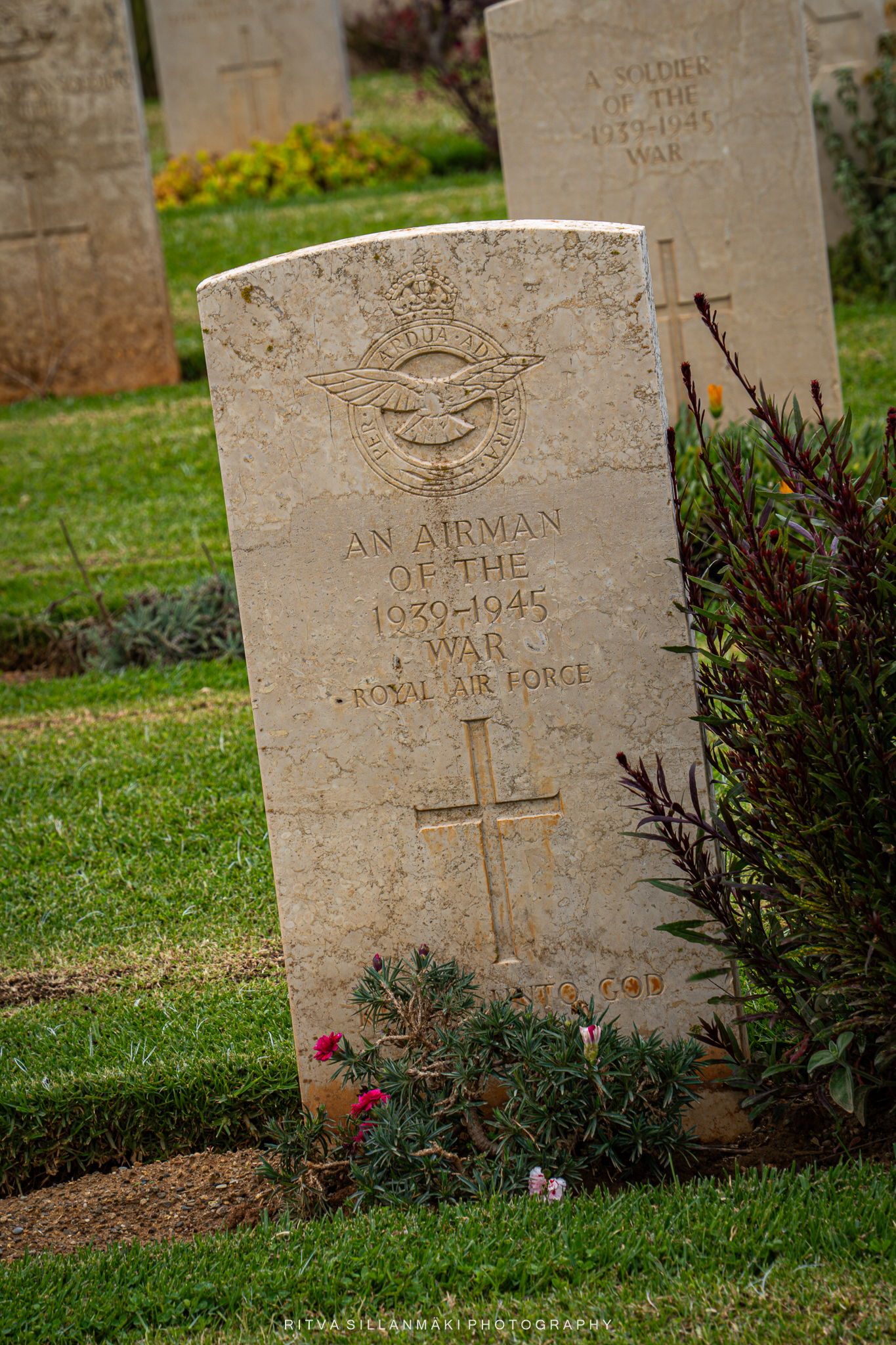
A sprawling military cemetery stretches before us, where countless rows of light-colored gravestones stand sentinel amidst the lush green grass. Each gravestone, etched with heartfelt inscriptions and adorned with crosses, pays homage to the brave souls who valiantly fought in the 1939-1945 war, some tragically marked ‘Unknown unto God’. Delicate flowers and gentle bushes are tenderly placed throughout the hallowed ground, offering a touch of beauty and solace. The atmosphere respectful, a profound sense of loss and gratitude intertwining, serving as a poignant reminder of the sacrifice and valor of those who gave everything for their country.
Some headstones bear just the inscription, “Known unto God.”
A close-up of a New Zealand soldier’s gravestone from World War II, set in a peaceful cemetery
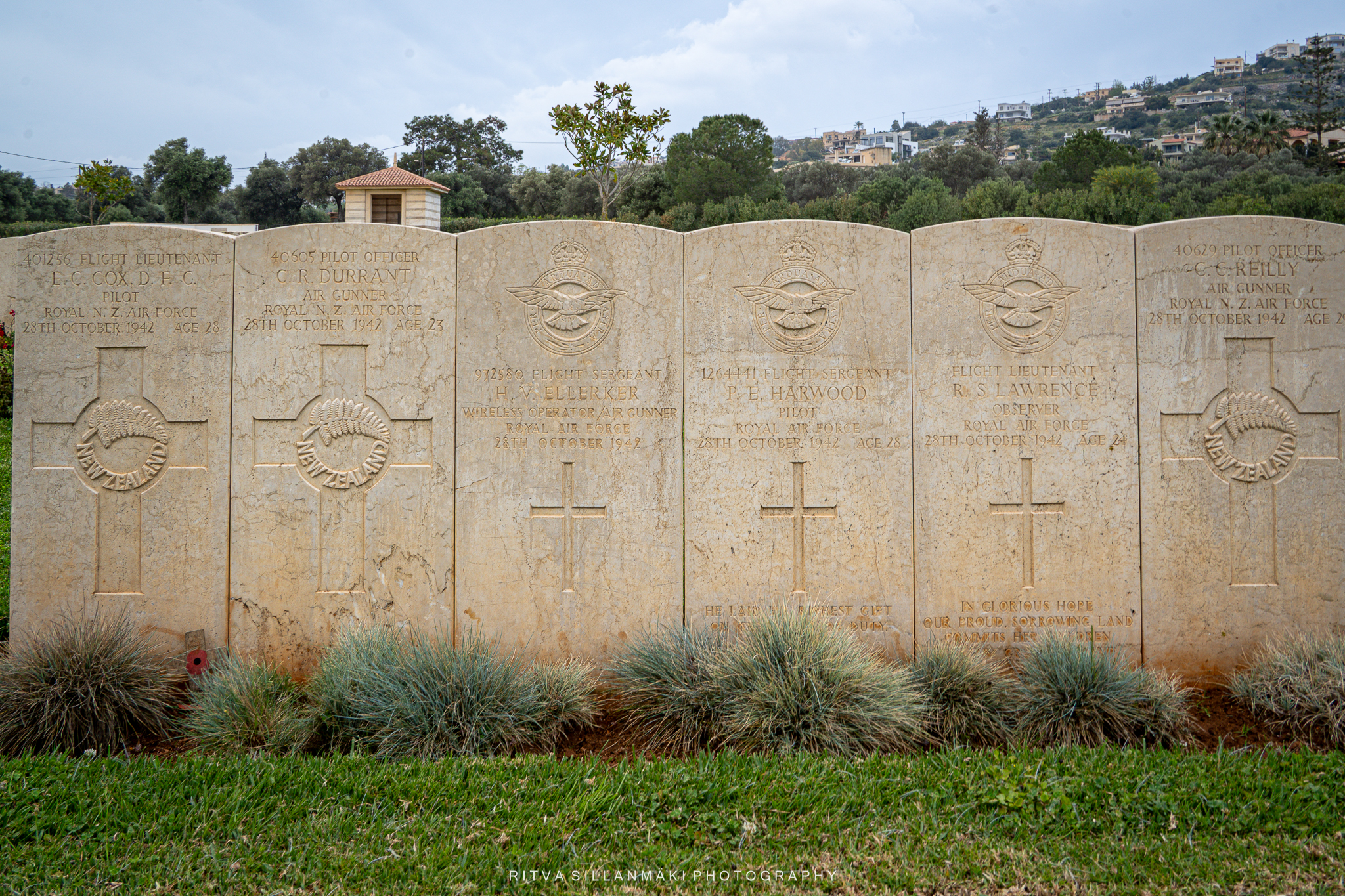
Intertwined resting places of the Royal Air Force belonging to a plane that was downed on October 28, 1942, alongside a complete fleet that was lost.
Memorial headstones honoring Royal New Zealand Air Force and Royal Air Force servicemen who died on 28th October 1942
History information
In May 1941, the Commonwealth force in Crete was organised in five widely separated defence areas along the north coast – around the three airfields at Iraklion, Rethymnon and Maleme, and at Suda Bay and the port of Chania. The Germans launched their attack on 20 May with airborne troops. The airfield at Maleme was quickly captured and used for landing German reinforcements. On 23 May, the remainder of the Maleme position had to be given up and its defenders fell back to Chania. On 26 May, the Allied line west of Chania was broken. Suda Bay became indefensible and the troops from these two positions, with the remainder of the Maleme garrison, withdrew across the island to Sfakion, where many of them were evacuated by sea on the nights of the 28 – 31 May. The airborne attacks on the Iraklion and Rethymnon positions on 20 May were repulsed. Iraklion was successfully defended until the night of 29/29 May when the garrison was evacuated by sea. Orders for the Rethymnon garrison to fight its way southward for evacuation did not arrive, and it was overwhelmed on 31 May. Of the total Commonwealth land force of 32,000 men, 18,000 were evacuated, 12,000 were taken prisoner and 2,000 were killed.
The site of Suda Bay War Cemetery was chosen after the war and graves were moved there by 21st and 22nd Australian War Graves Units from the four burial grounds that had been established by the German occupying forces at Chania, Iraklion, Rethymnon and Galata, and from isolated sites and civilian cemeteries.
Click the gallery for a better view.
There are now 1,500 Commonwealth servicemen of the Second World War buried or commemorated in the cemetery. 776 of the burials are unidentified but special memorials commemorate a number of casualties believed to be buried among them. The cemetery also contains 19 First World War burials brought in from Suda Bay Consular Cemetery, 1 being unidentified. There are also 7 burials of other nationalities and 37 non-war burials.
Many thanks to John for this week’s challenge. If you would like to join the challenge please be sure to tag your post with Lens-Artists and include a link back to his post Lens-Artists #394: History through the Lens.
A big thanks to Sofia for her challenge last week, “Lucky Shots.” Next week, it’s Beth’s turn to host. Be sure to follow her [here] so you don’t miss her challenge that goes live on Saturday at noon Eastern Time.
If you’re sharing a Lens‑Artists Challenge response for the first time, welcome—we’d love to visit your post. To participate, publish your take on this week’s theme, link back to John’s page, and add the Lens‑Artists tag so others can discover your work.
Please see this page for more information about the Lens-Artists Challenge and its history. If you don’t want to miss any future challenges, please consider subscribing to the team members’ websites.