The Charm of Argyroupoli, Crete

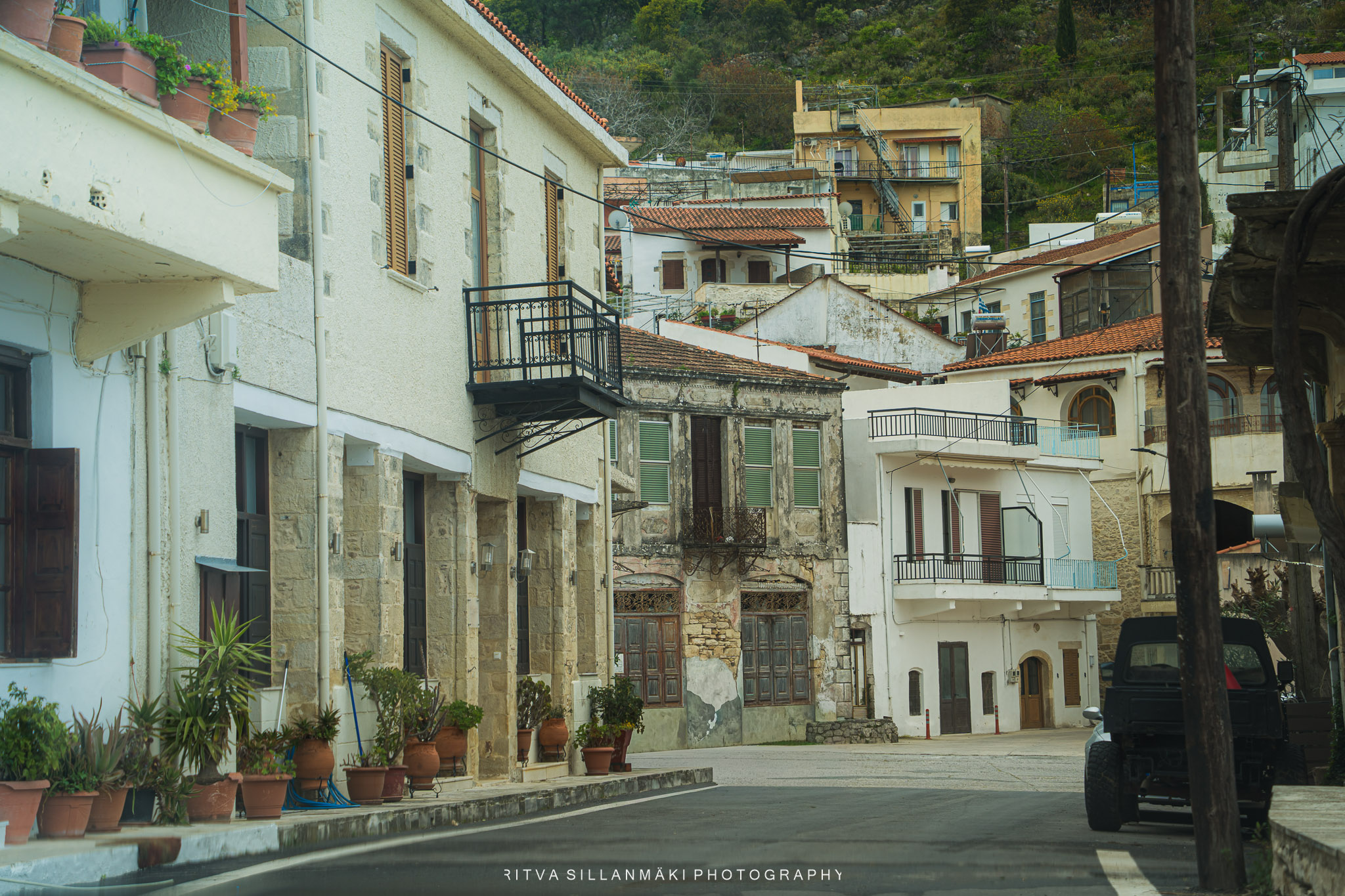
Argyroupoli, located in Crete, truly captivated us during our visit! Situated roughly 20 km southwest of Rethymno, this charming mountain village offers stunning views at every turn. The village is perched at approximately 260 meters above sea level. Although the day was cloudy and breezy, it didn’t detract from its beauty, but it did limit our time there. The area is renowned for its natural springs and waterfalls, which are said to be amazing, energizing local mills and creating a refreshing ambiance ideal for unwinding at quaint cafes and tavernas. Unfortunately, we didn’t get to see these attractions this time, and most cafes were closed since we visited prior to the tourist season.

The village with red-tiled roofs nestled among green hills under an overcast sky

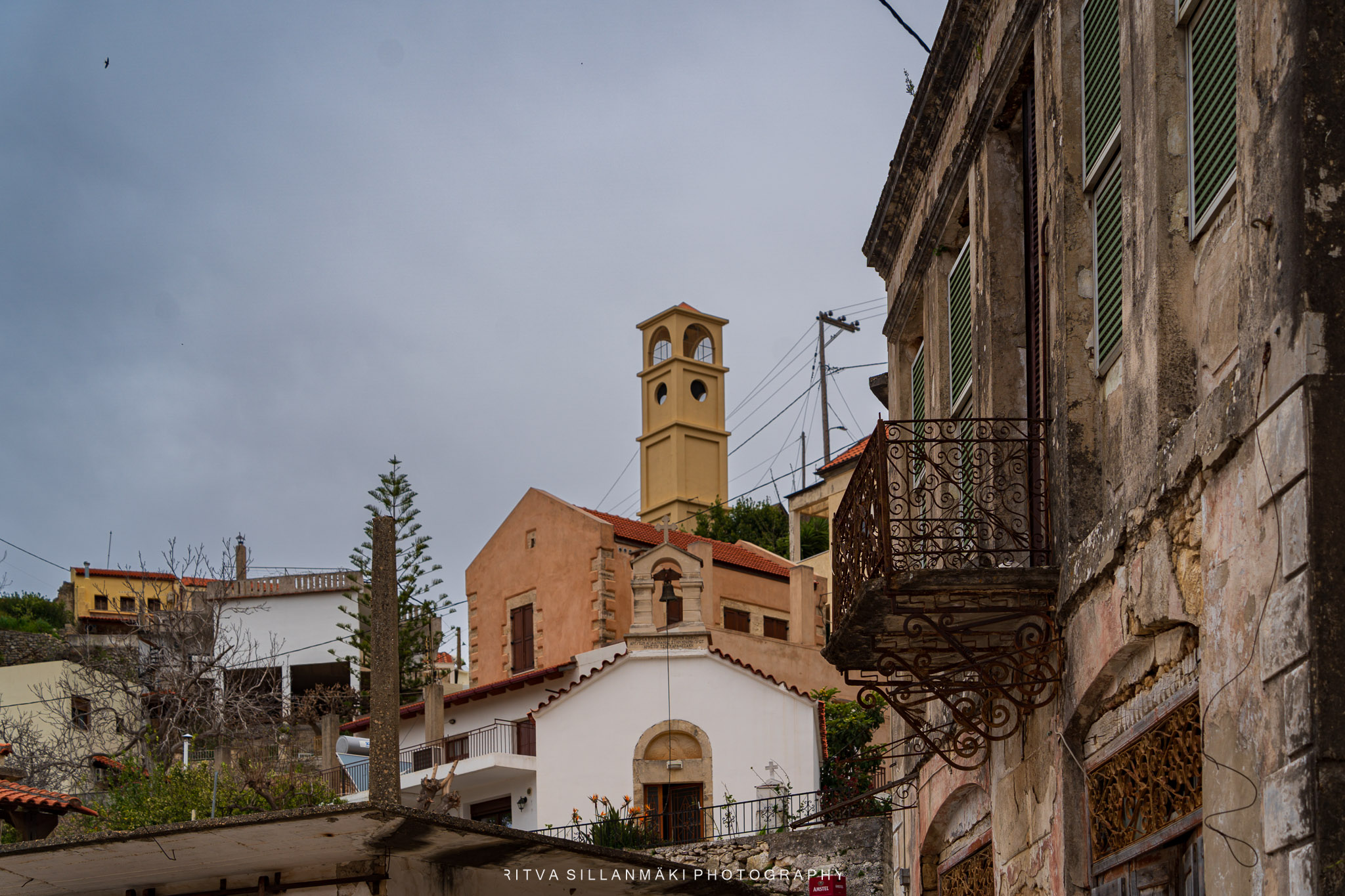
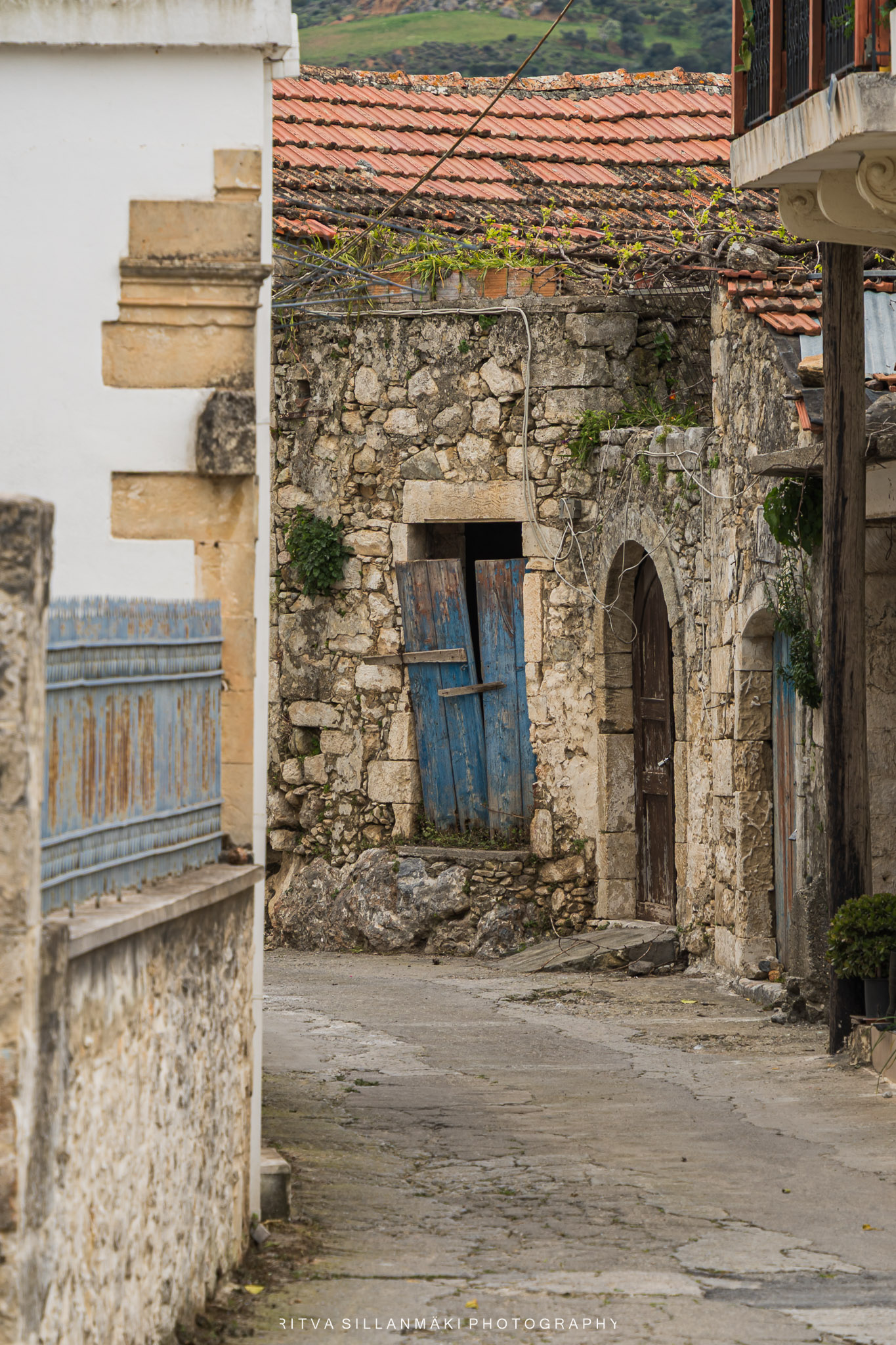
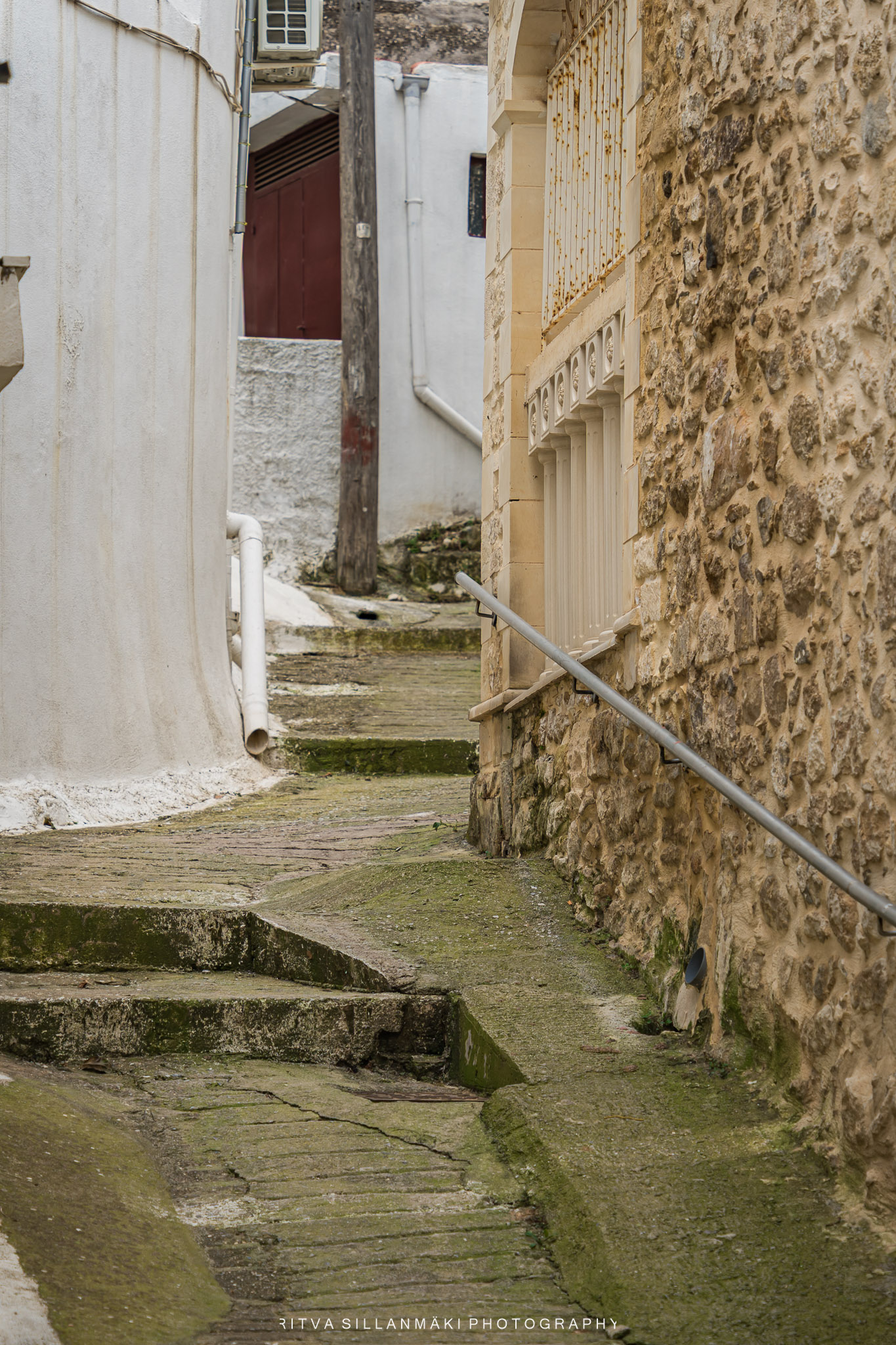
The aged cobblestone streets, flanked by weathered rustic buildings, contribute to the enchanting atmosphere of this town. You can truly immerse yourself in the authentic essence of Cretan life, surrounded by breathtaking natural beauty. Interestingly, this charming village is perched atop the ancient ruins of Lappa. At the heart of the square stands a picturesque church, a favorite meeting spot for both locals and curious tourists.

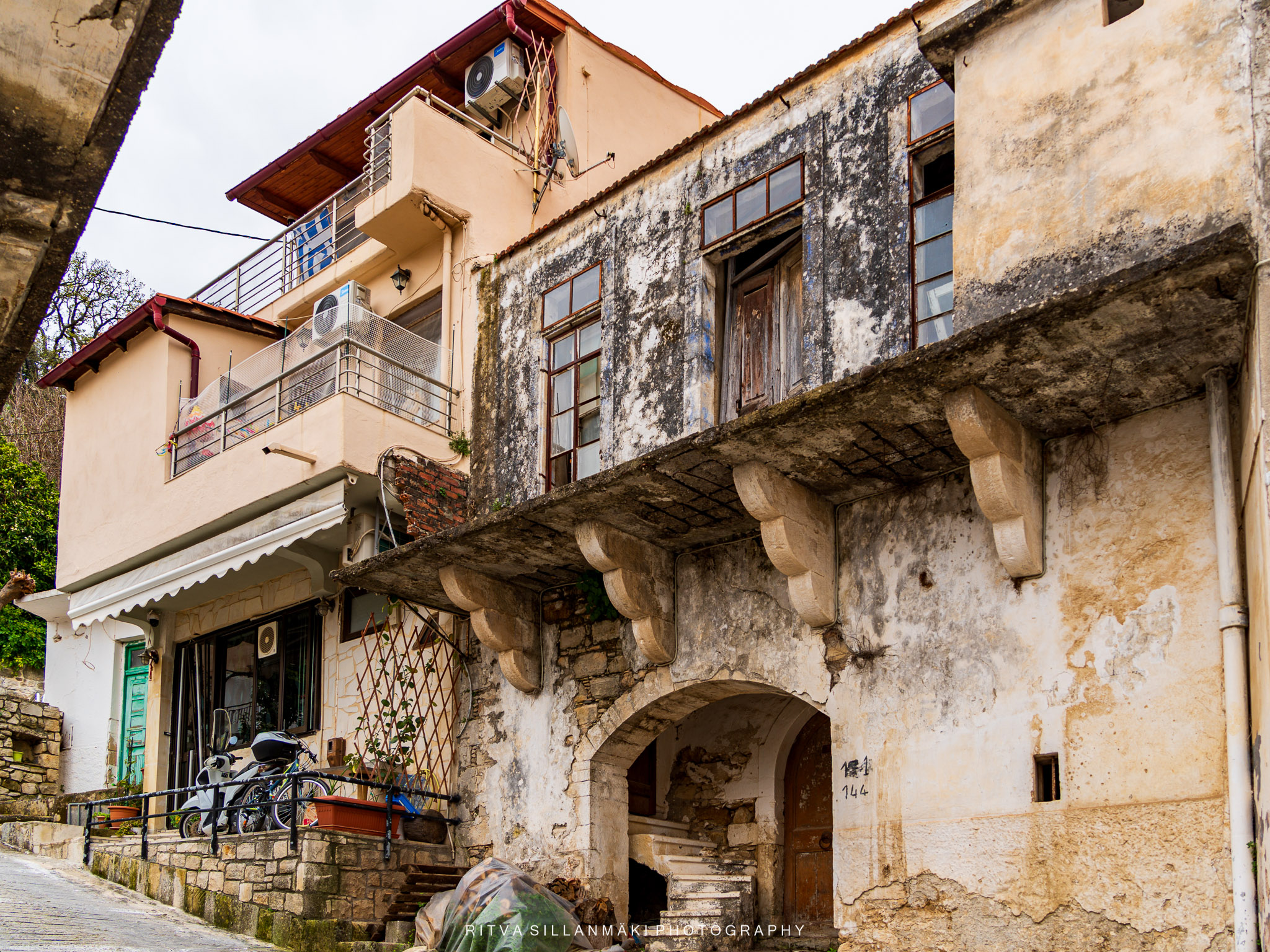
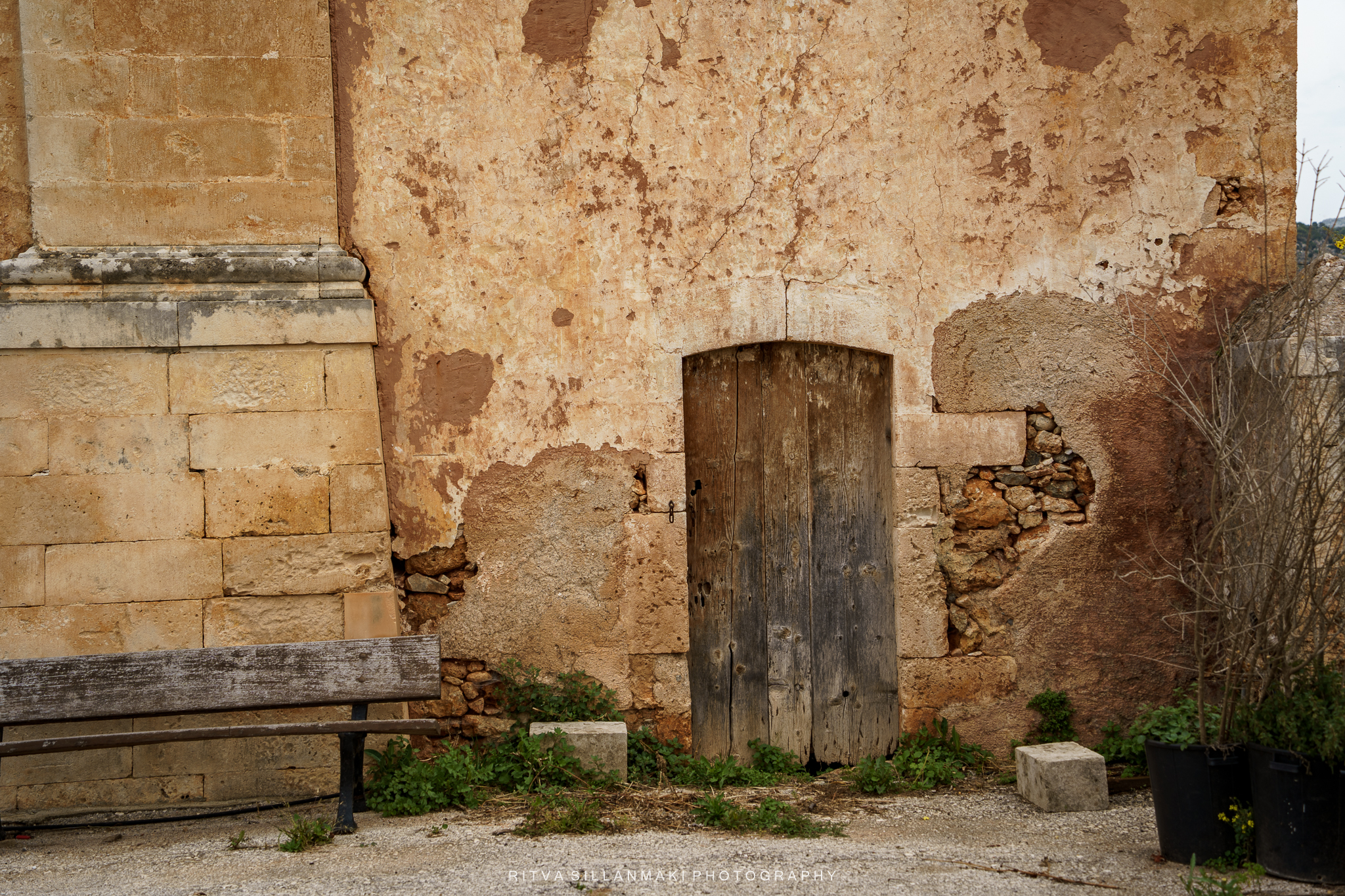
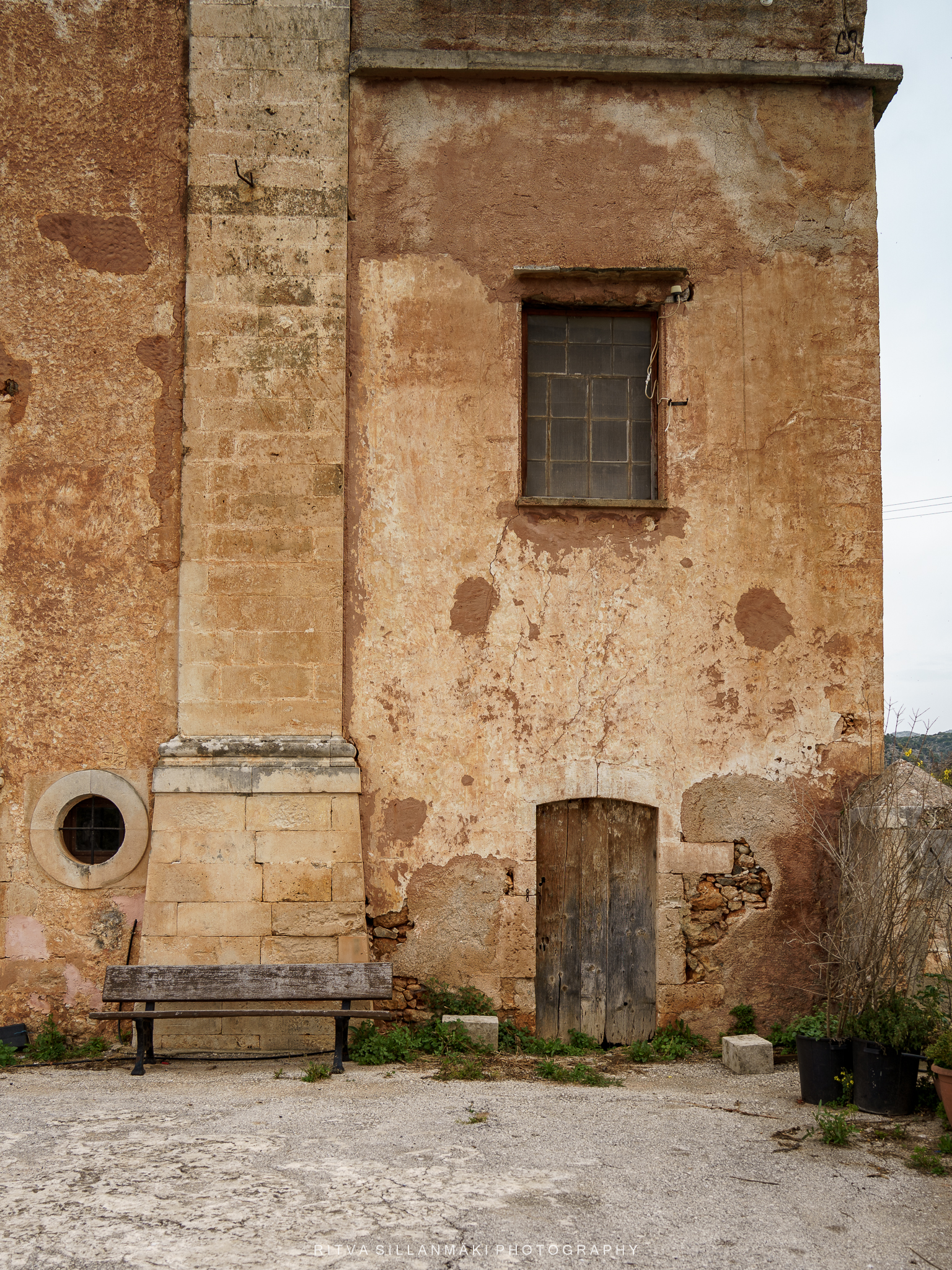
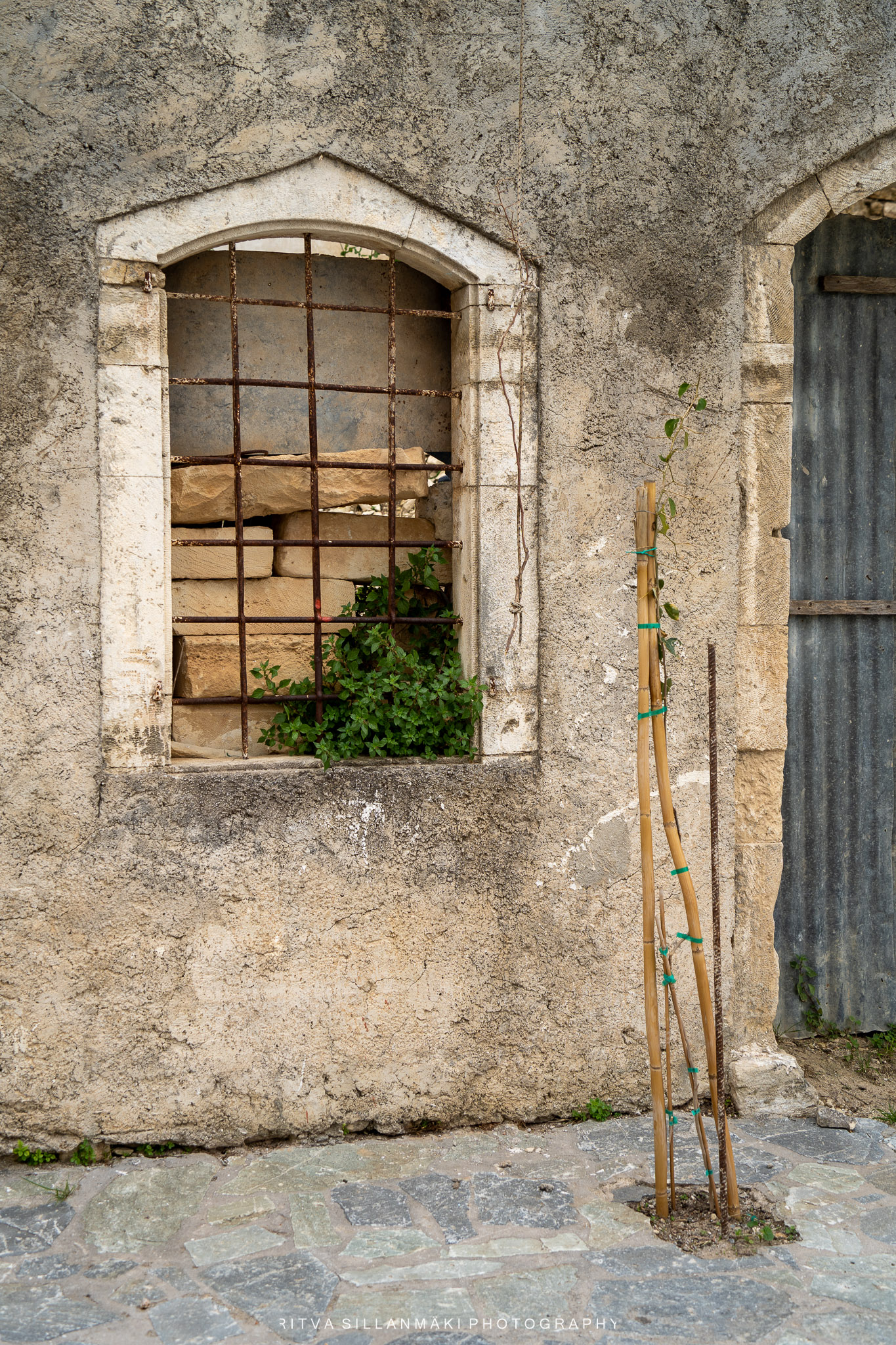
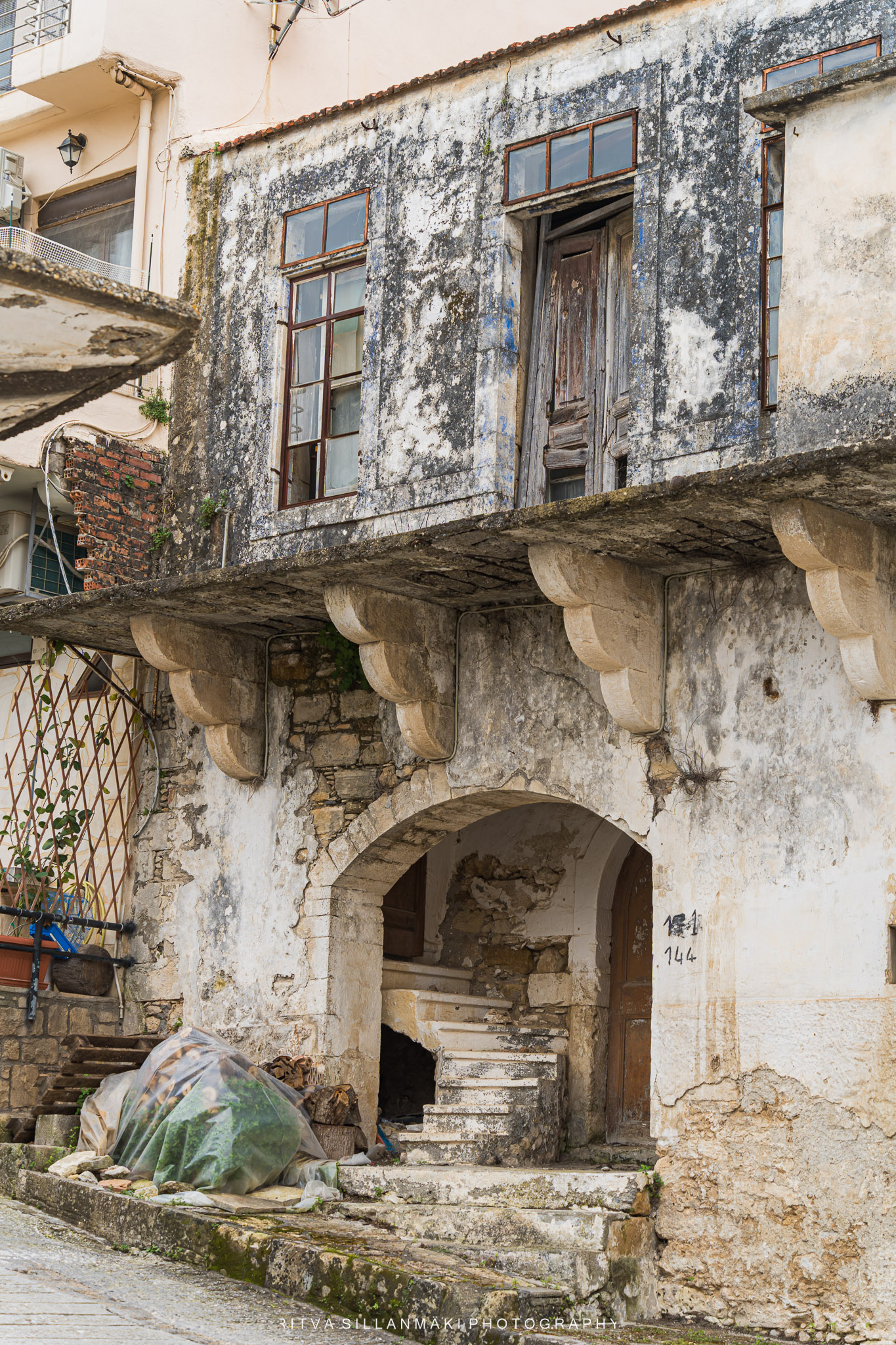
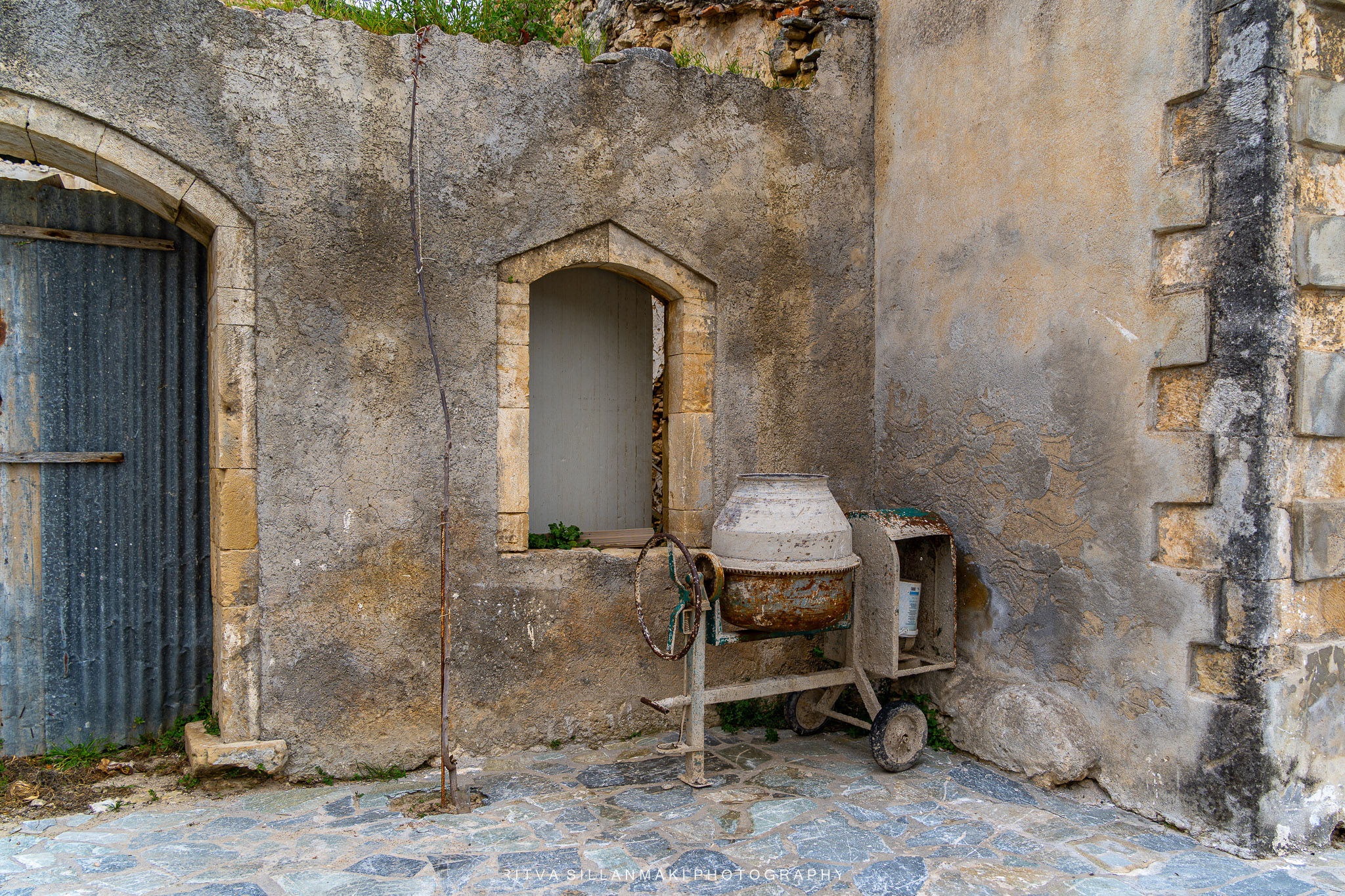
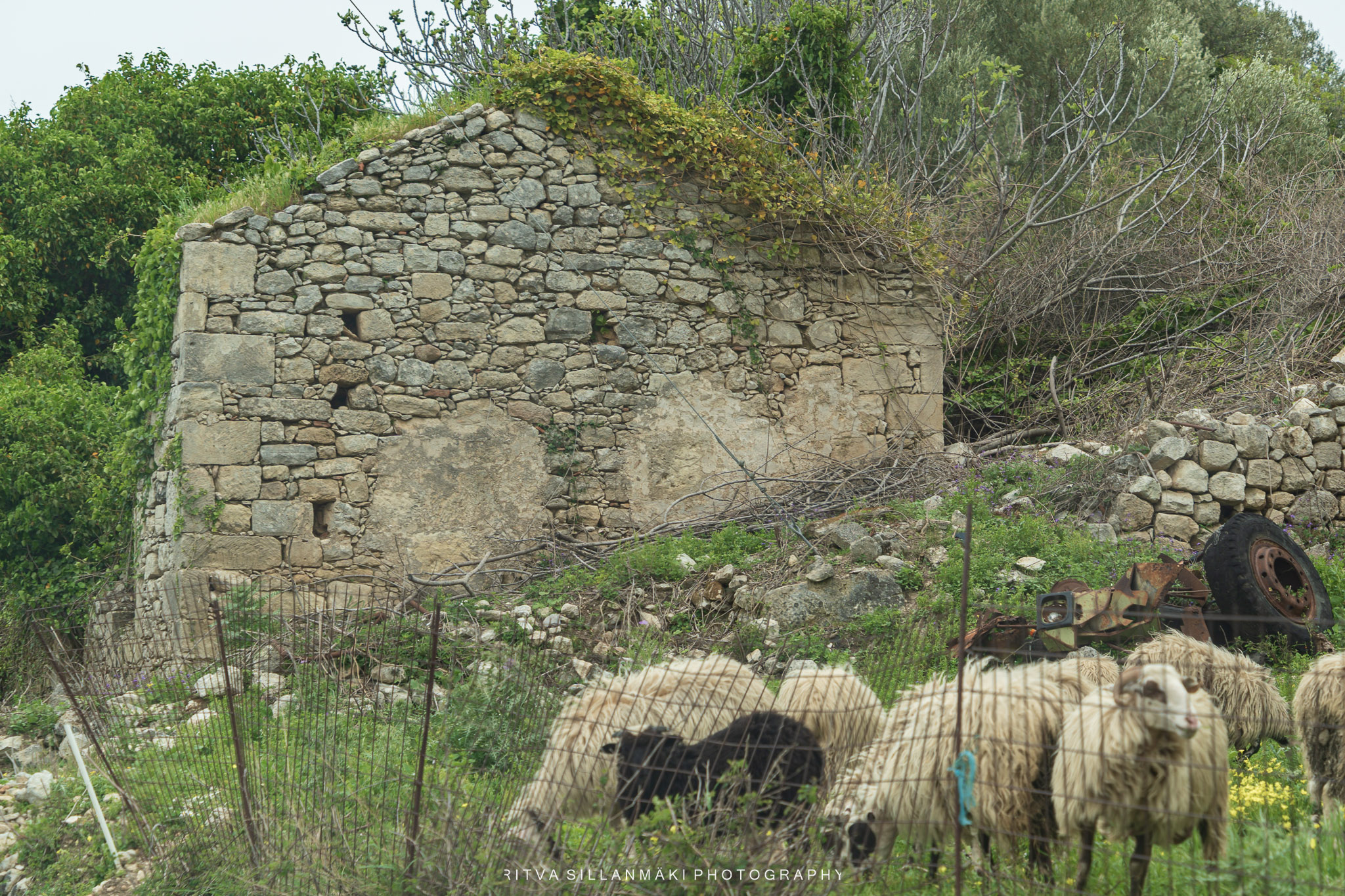
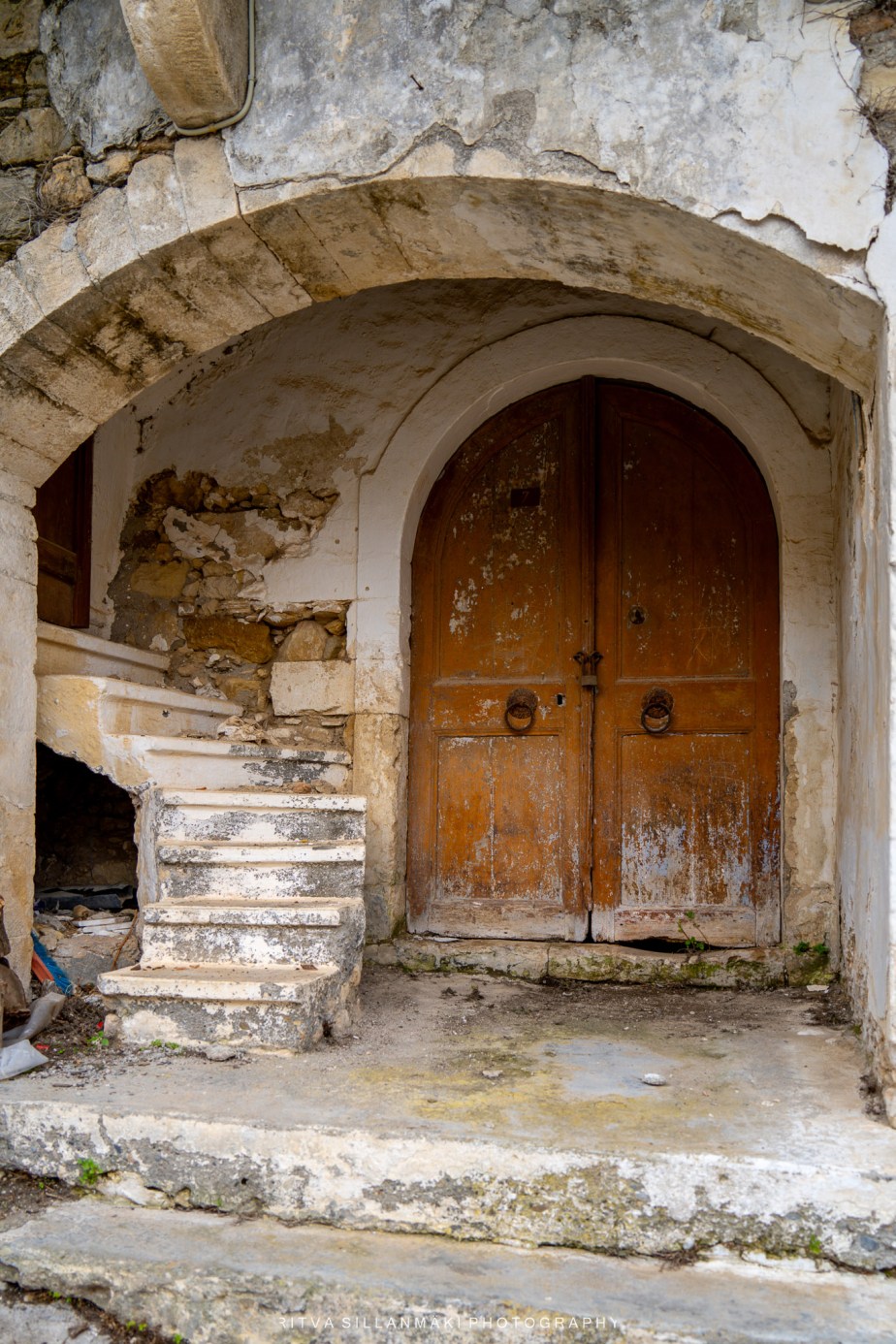
The structures here showcase a remarkable blend of Venetian and Cretan architectural styles, each one telling its own story through the peeling paint and timeworn facades, which bear witness to the passage of time and the lives that once thrived within their walls. I find immense joy in capturing these nostalgic elements on camera, as each image evokes a sense reverence for the past, inviting viewers to imagine the vibrant stories these buildings could share. It is sad to see how houses in small towns like these are being abandoned and left to decay, their histories fading slowly into obscurity, and how the charm of their unique designs is overshadowed by neglect, making it all the more urgent to preserve their beauty before they vanish completely.

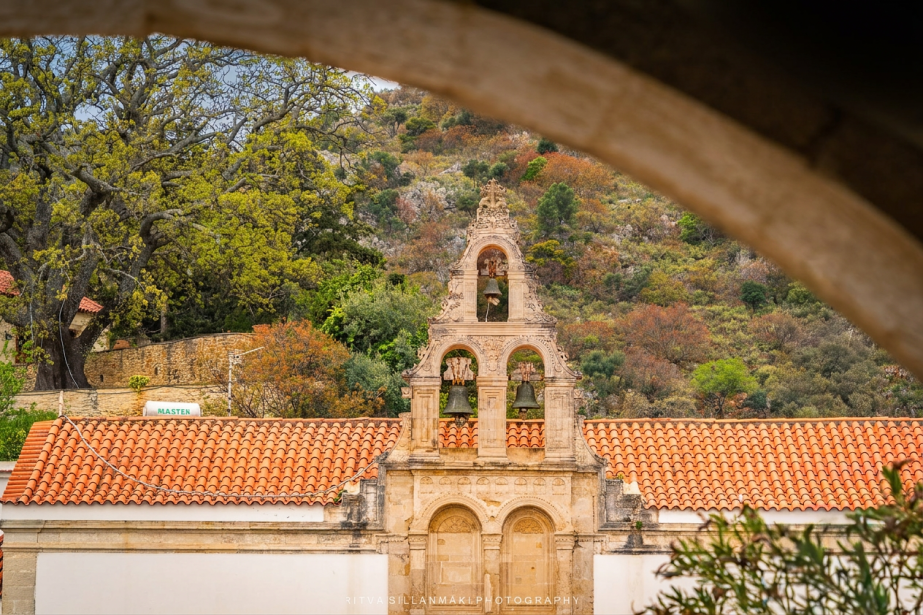
A historic stone bell tower framed by a curved arch, set against a backdrop of leafy trees and rocky hills.

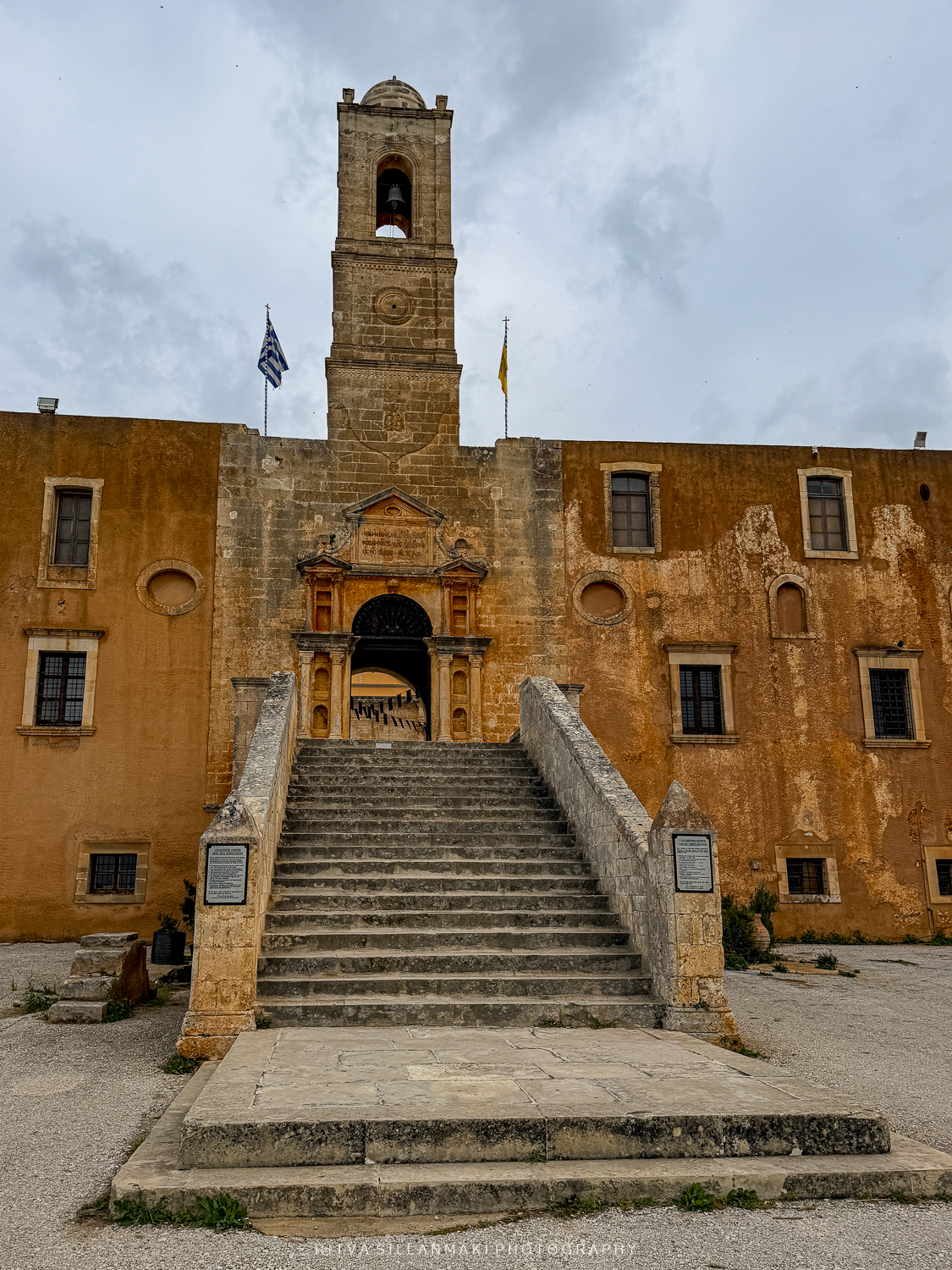
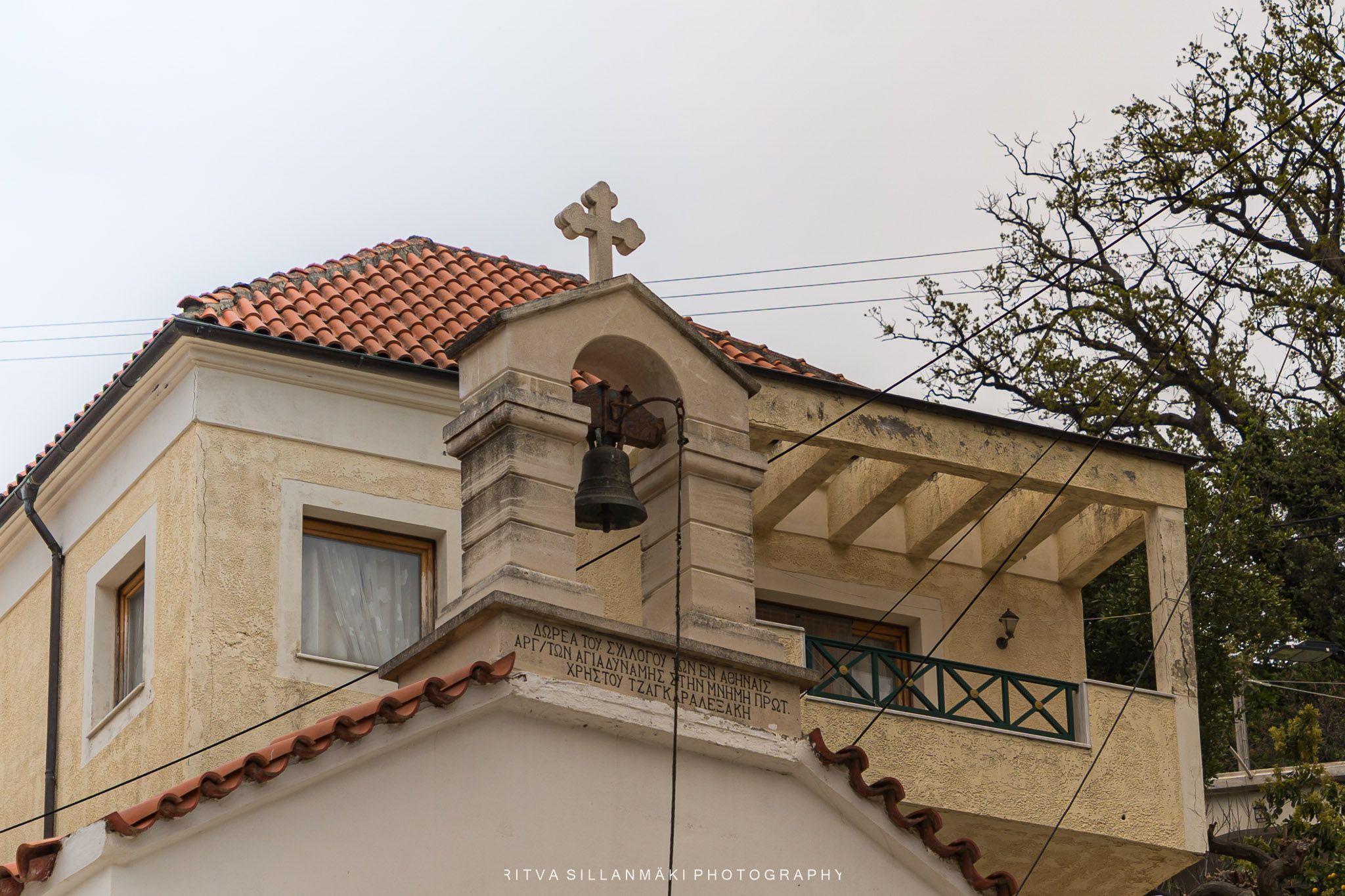
The Church of Saint John (Agios Ioannis) captures the eye with its striking bell tower, creating a stunning contrast against the adjacent whitewashed walls, evoking a sense of both history and beauty that is hard to resist. But for me the old buildings were the thing, as you can see from the huge amount of images.

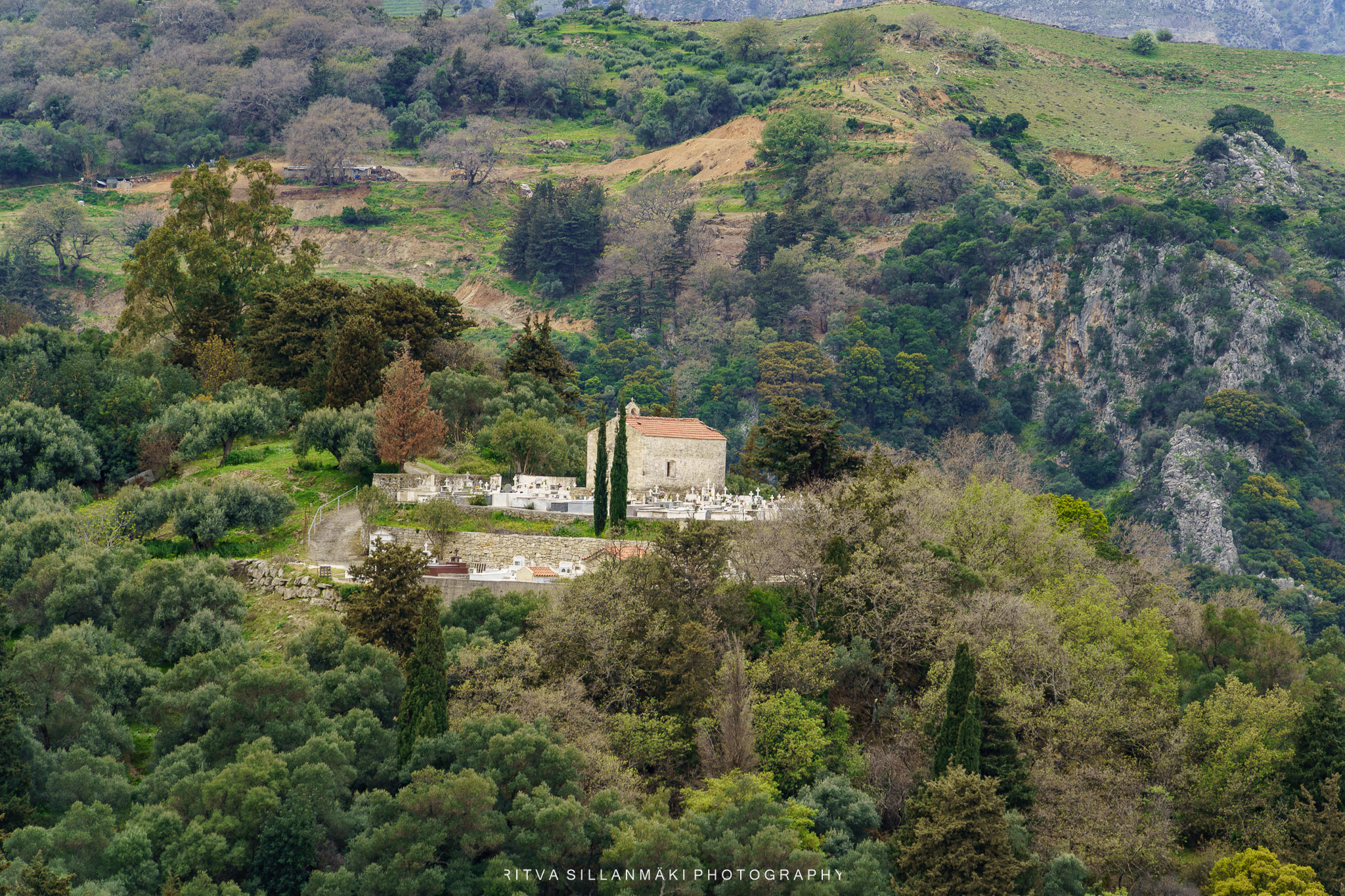
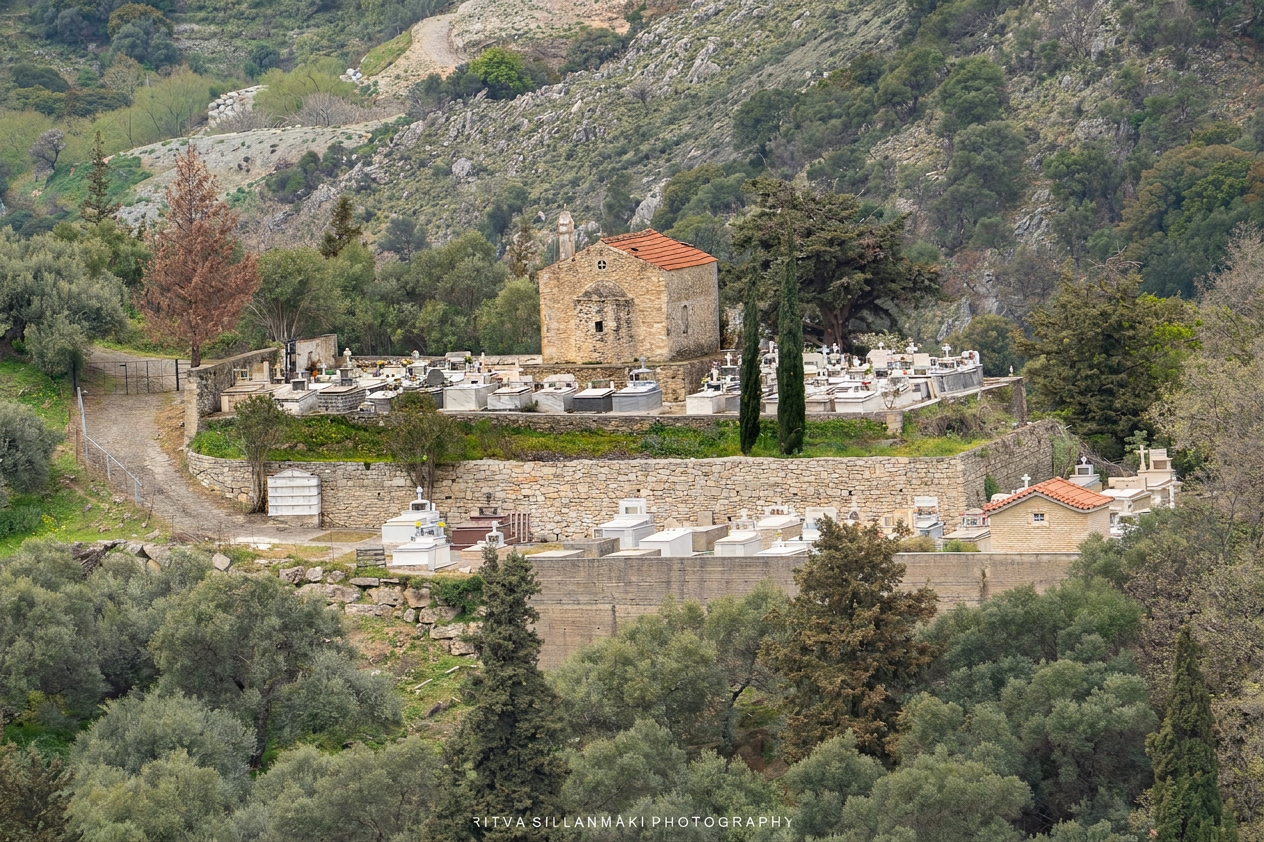
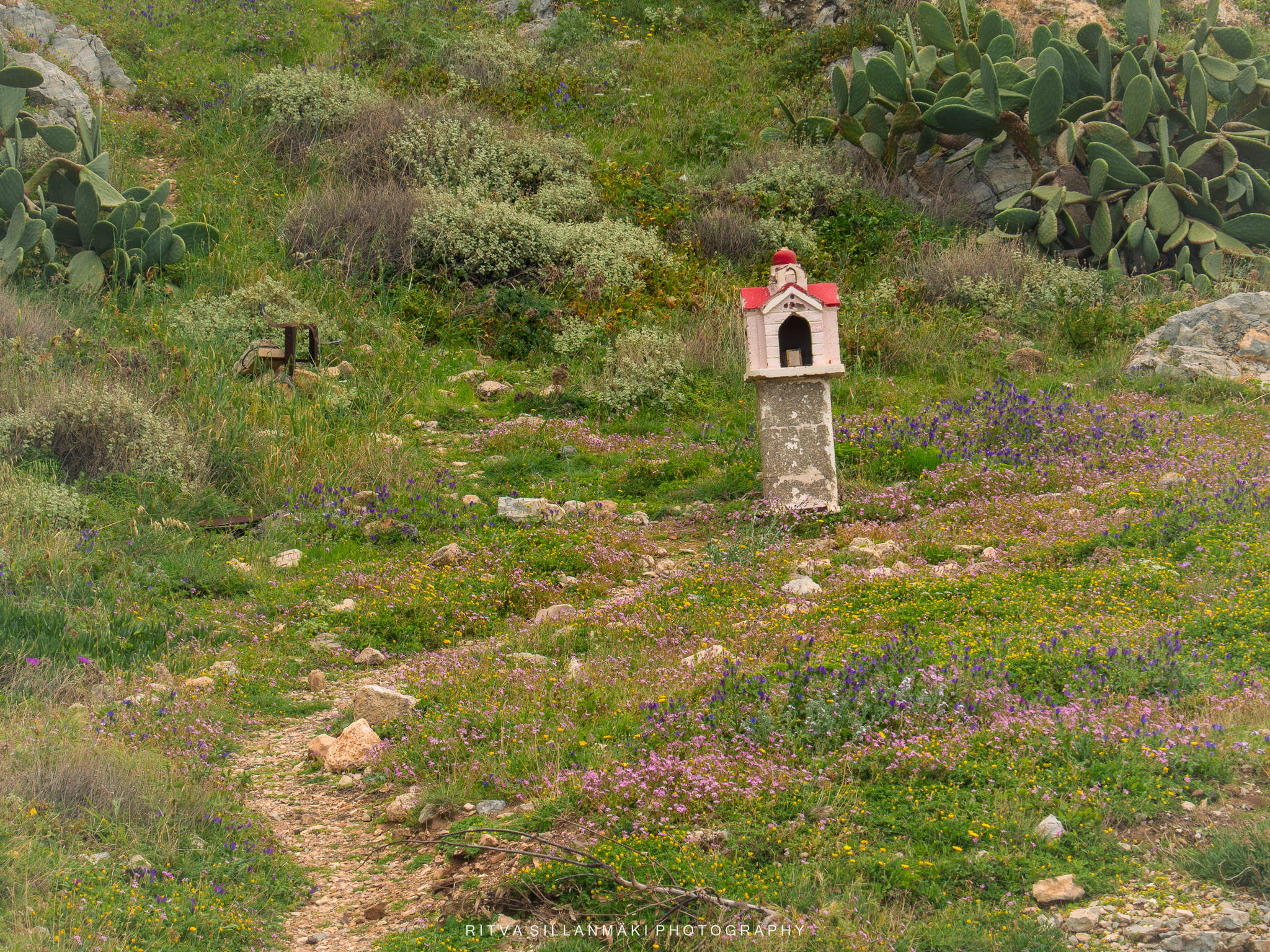
A peaceful chapel and cemetery located on the outskirts of Argyroupoli on hillside surrounded by lush greenery and rocky terrain.

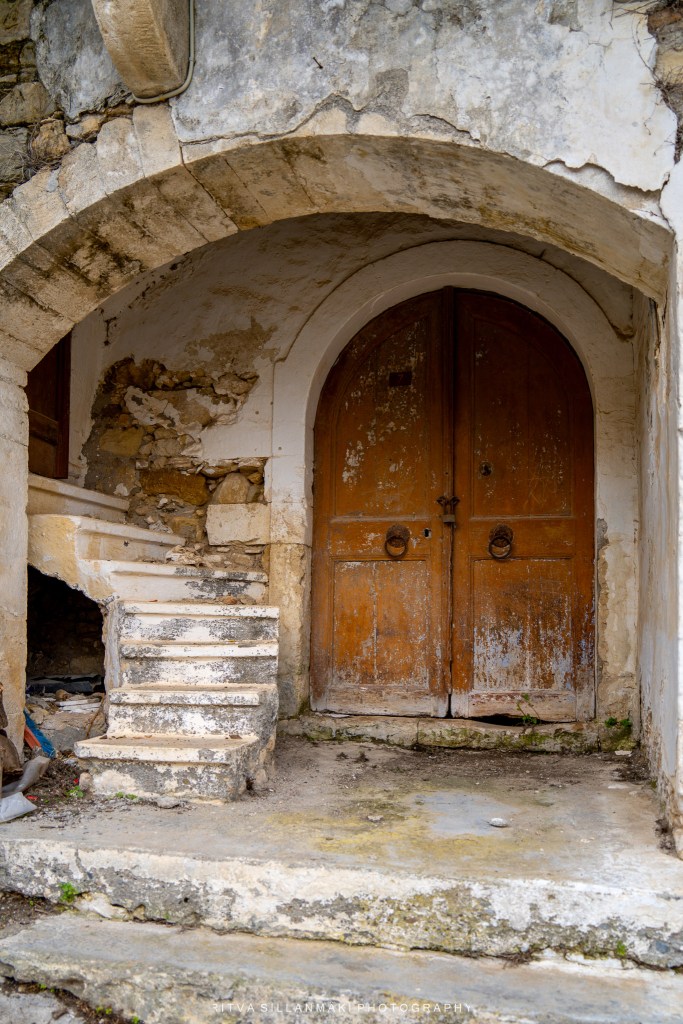
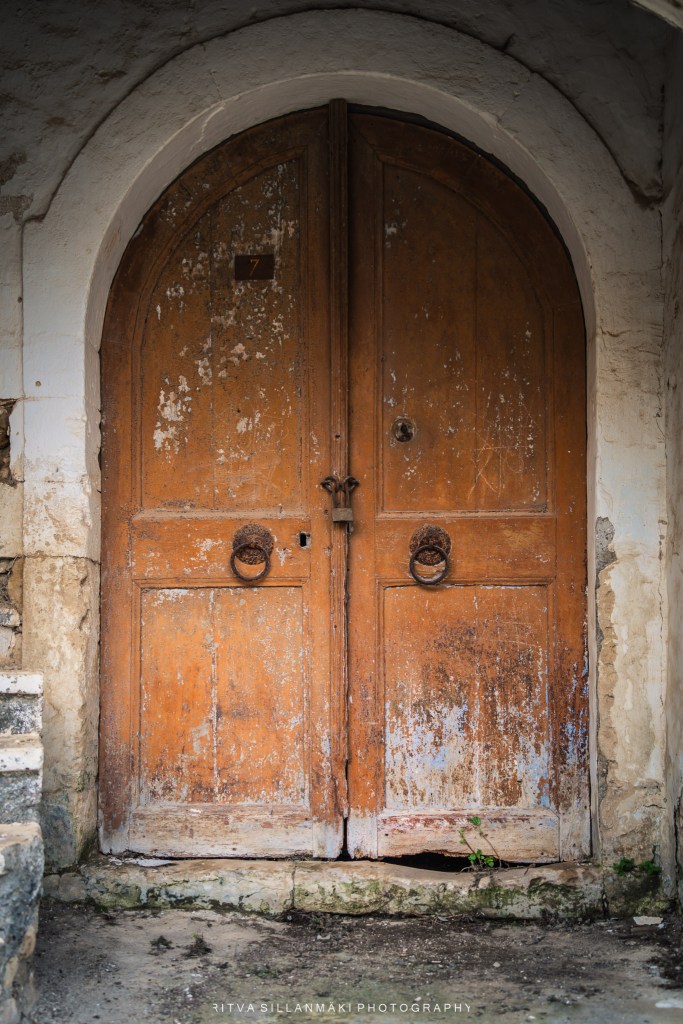
Participating in Thursday Doors This week, I am excited to share an array of photos from our memorable trip to Crete in May, where the rich history and vibrant culture of the island inspired every click of the camera. Each door we encountered told its own story, reflecting the unique charm of the traditional Cretan homes, and I am happy to share you how these all with you.

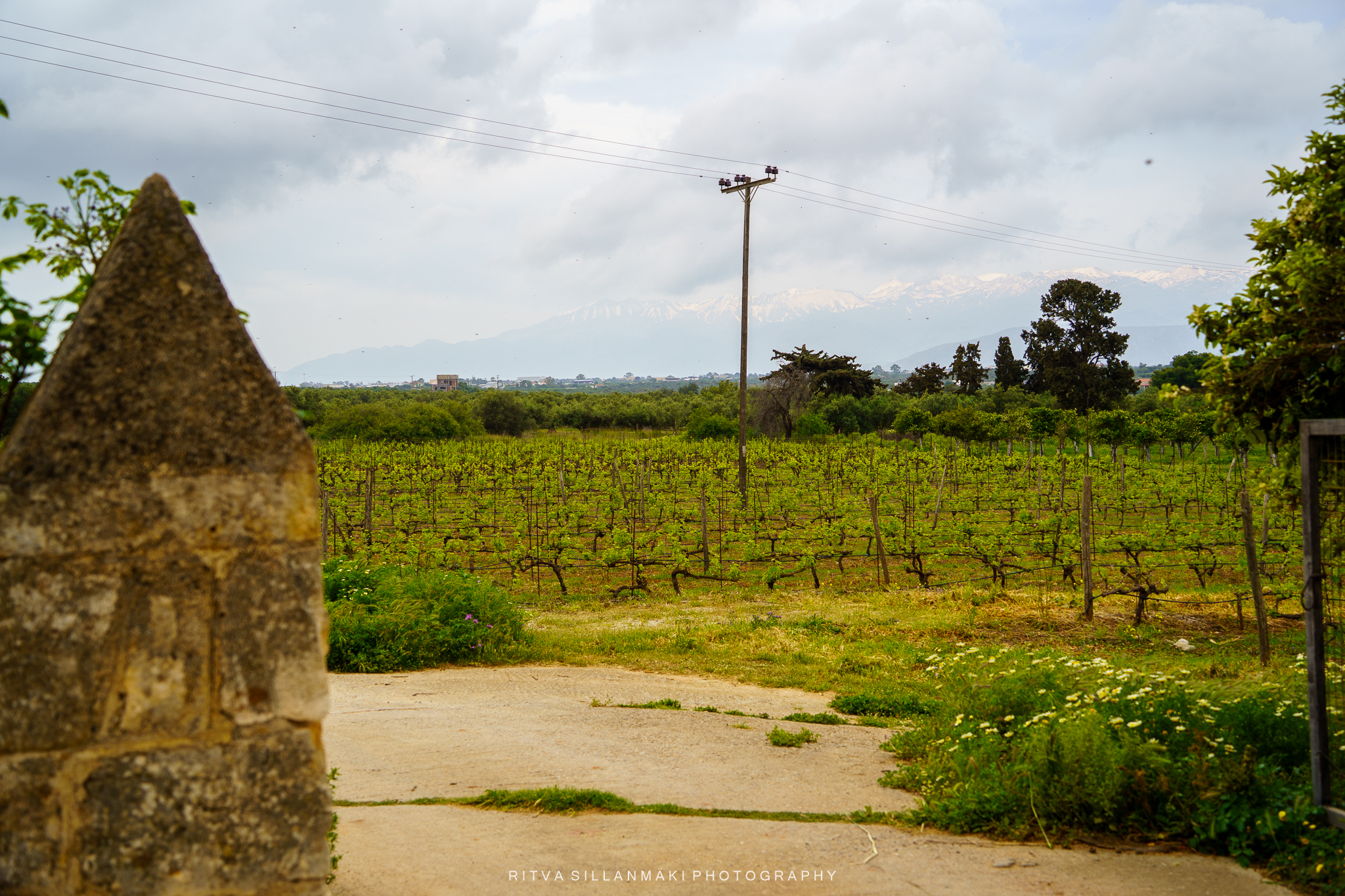
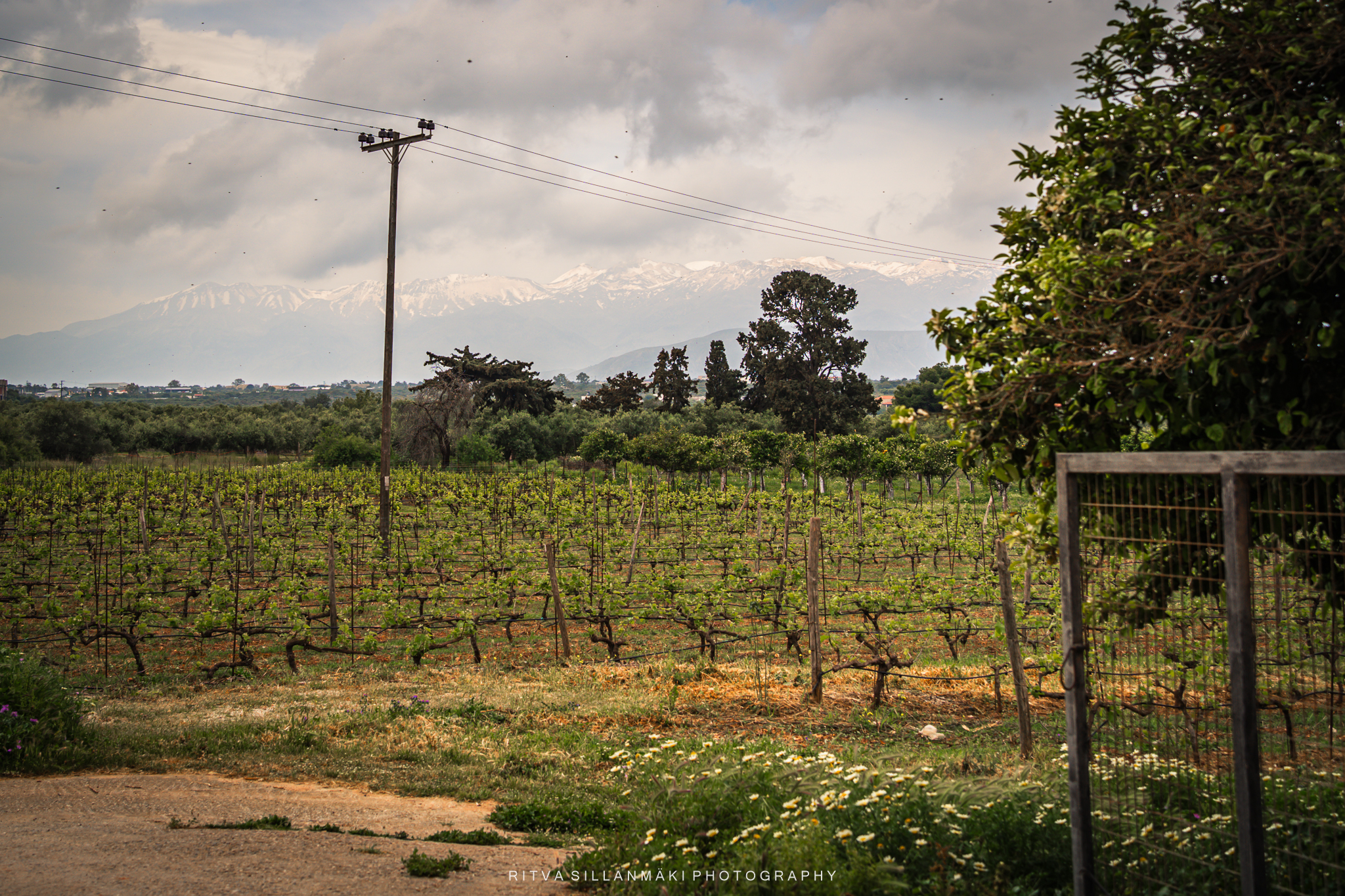
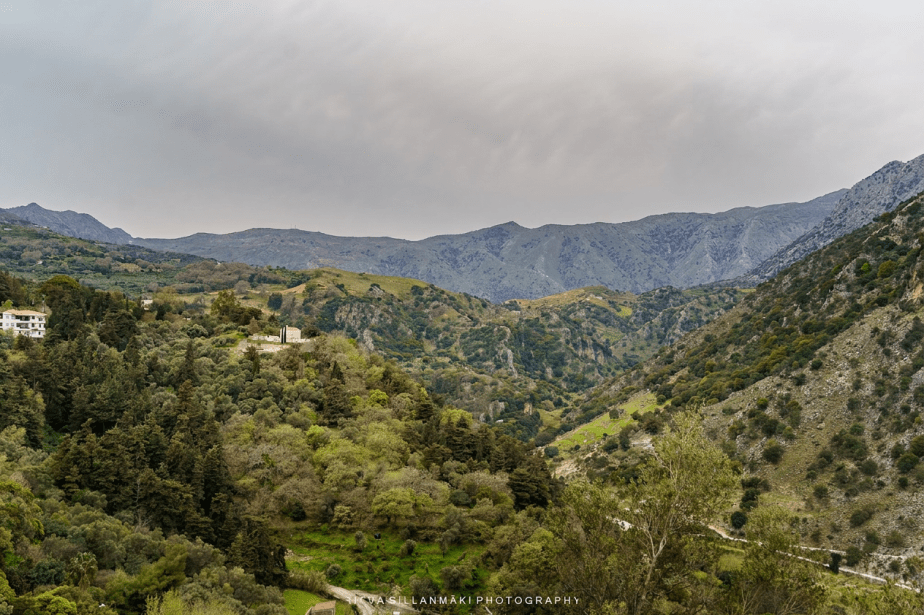
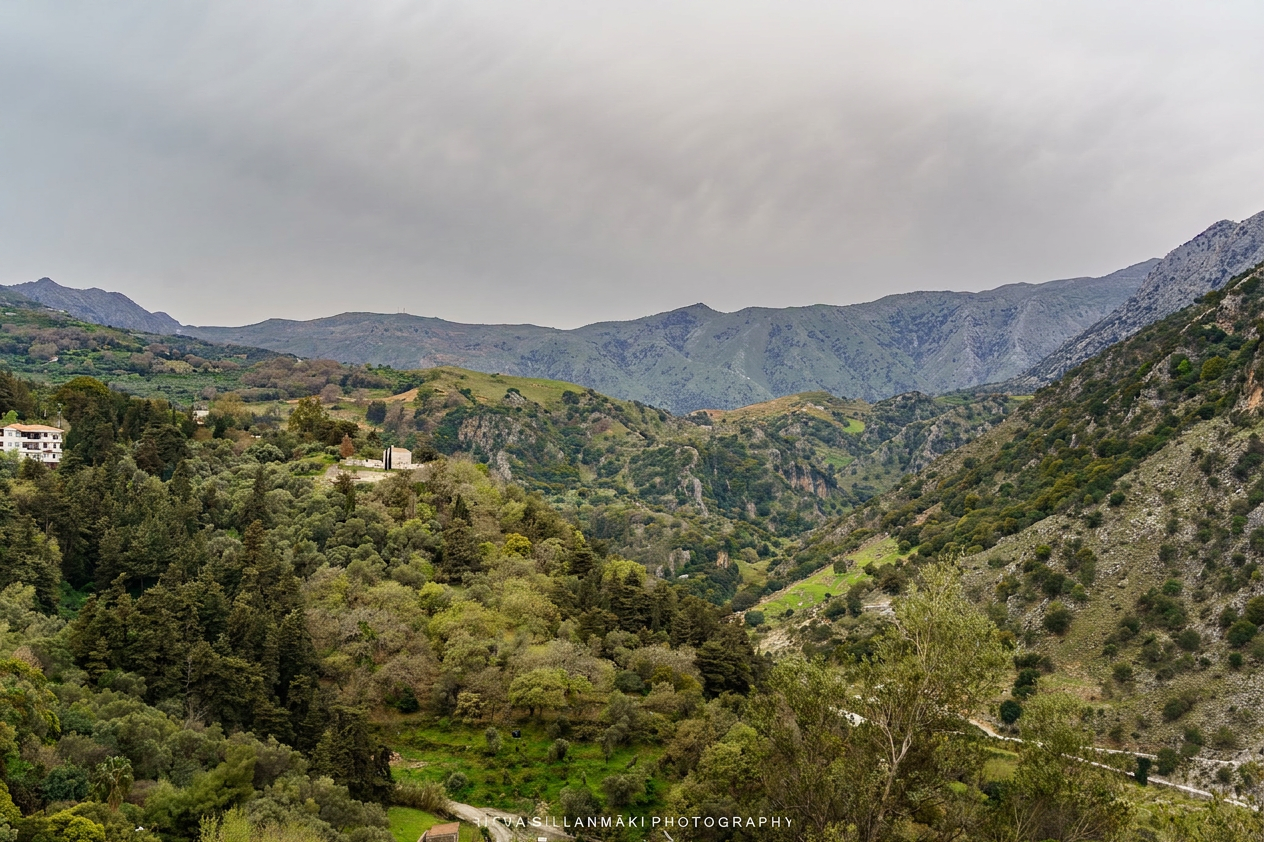
A lush green valley framed by rugged mountains under an overcast sky, showcasing the natural beauty of the landscape.

    Monochrome Photography at the Fortezza Fortress

    I am still going through the Crete photos; it seems that I have a tendency to edit bits and pieces at a time. In a world where everything is expected to be posted and documented immediately, I’ve stepped or more like fallen back from that pressure—I’m never ready to share them that quickly. By the time I consider posting, the moment has already passed. Do you understand what I mean?

    Social media has made it too quick for me to keep up with the constant flow of information and updates. As a result, I’ve mostly stopped posting there, feeling overwhelmed by the rapid pace of engagement that doesn’t allow for thoughtful reflection. I often find that I am never truly in the moment, as the pressure to share experiences instantly detracts from actually enjoying them.

    A large domed roof of The Sultan Ibrahim Mosque, and a small bell tower of The Church of Saint Catherine, surrounded by trees and grass under a cloudy sky

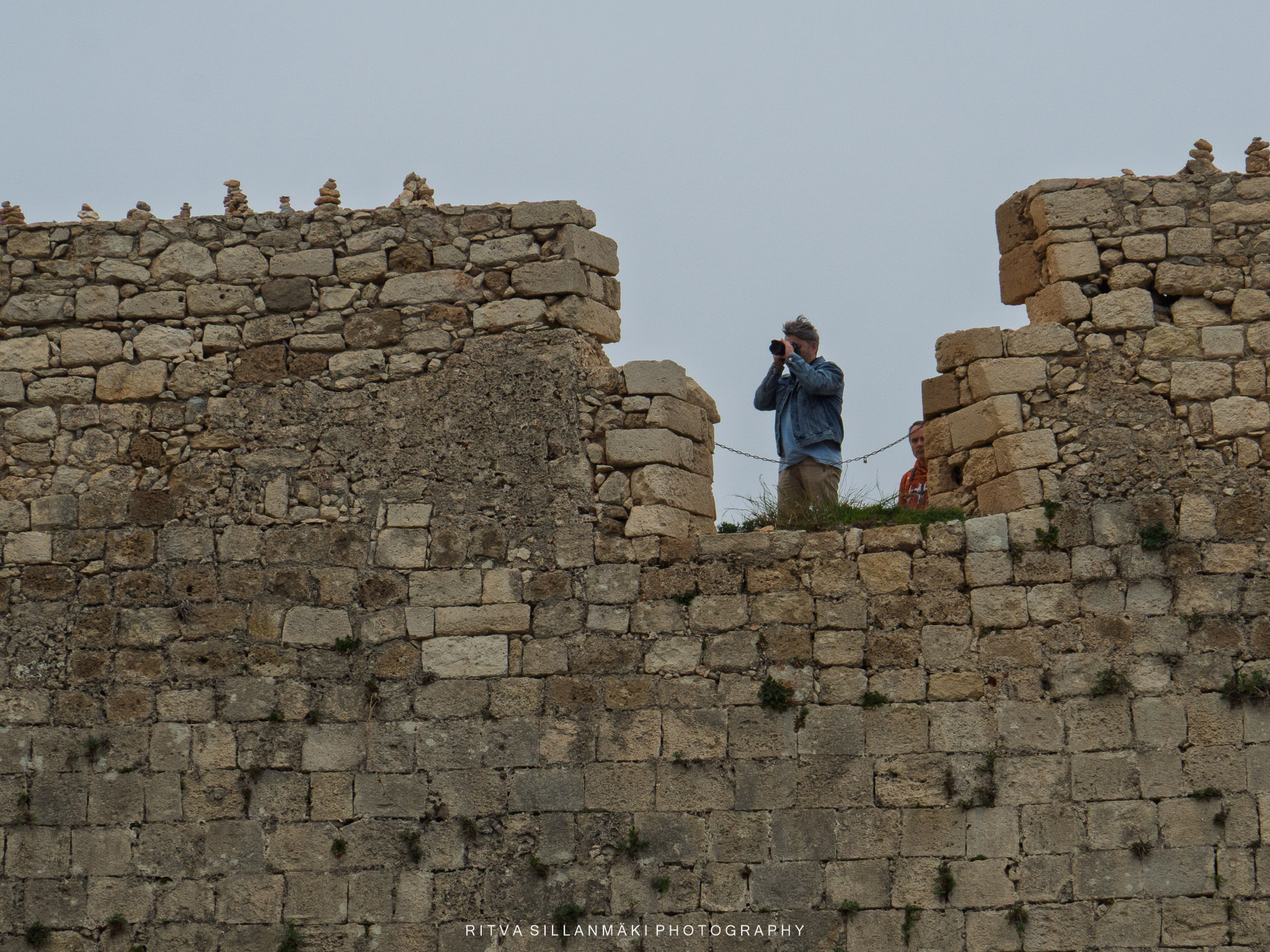
    Now after that rant, for Leanne’s Monochrome Madness: here are black and white, monochrome images from the Fortezza Fortress in Crete. This historical site, with its impressive architecture, offers a unique perspective on the rich history of the region. In my post from yesterday, I was below looking up, trying to capture the grandeur of the fortress that towers above the surrounding landscape. This time, however, these images are actually taken from within the fortress itself, allowing you to explore the intricate details. The timeless grandeur and the enduring strength of this magnificent structure of Crete’s ancient heritage.

    The Church of Saint Catherine (Agia Ekaterini),in the historic area of the Fortress. This charming Orthodox chapel, built of rugged limestone, dates back to the 19th century.

    The picture depicts the Church of Saint Catherine (Agia Ekaterini), located in the historic area of the Fortress .This charming Orthodox chapel, built of rugged limestone, dates back to the 19th century.

    The Sultan Ibrahim Mosque,

    The Sultan Ibrahim Mosque is located within the Fortezza Fortress and was constructed in 1583, initially functioning as a church dedicated to Saint Nicholas during the era of Venetian control. Following the Ottomans’ conquest of Réthymno in 1646, the church was transformed into a mosque, at which point an 11-meter diameter dome was added, along with a minaret that has since been demolished.

    The walls can be up to 5 meters thick.

    The fortress is primarily built from rough limestone, and its walls can be up to 5 meters thick. The limestone arches looked interesting

    The limestone arches

    With this last photo, I did two monochrome edits. As you can see, the other is in the same gray shades as all the photos above, while I tried more blue tones in the one. I still lean towards the more traditional black and white – gray shades. Don’t you think the mood changes in these two, even if it’s the same shot? Any thoughts about this?

    Photography Spots below the Fortezza Fortress, Crete

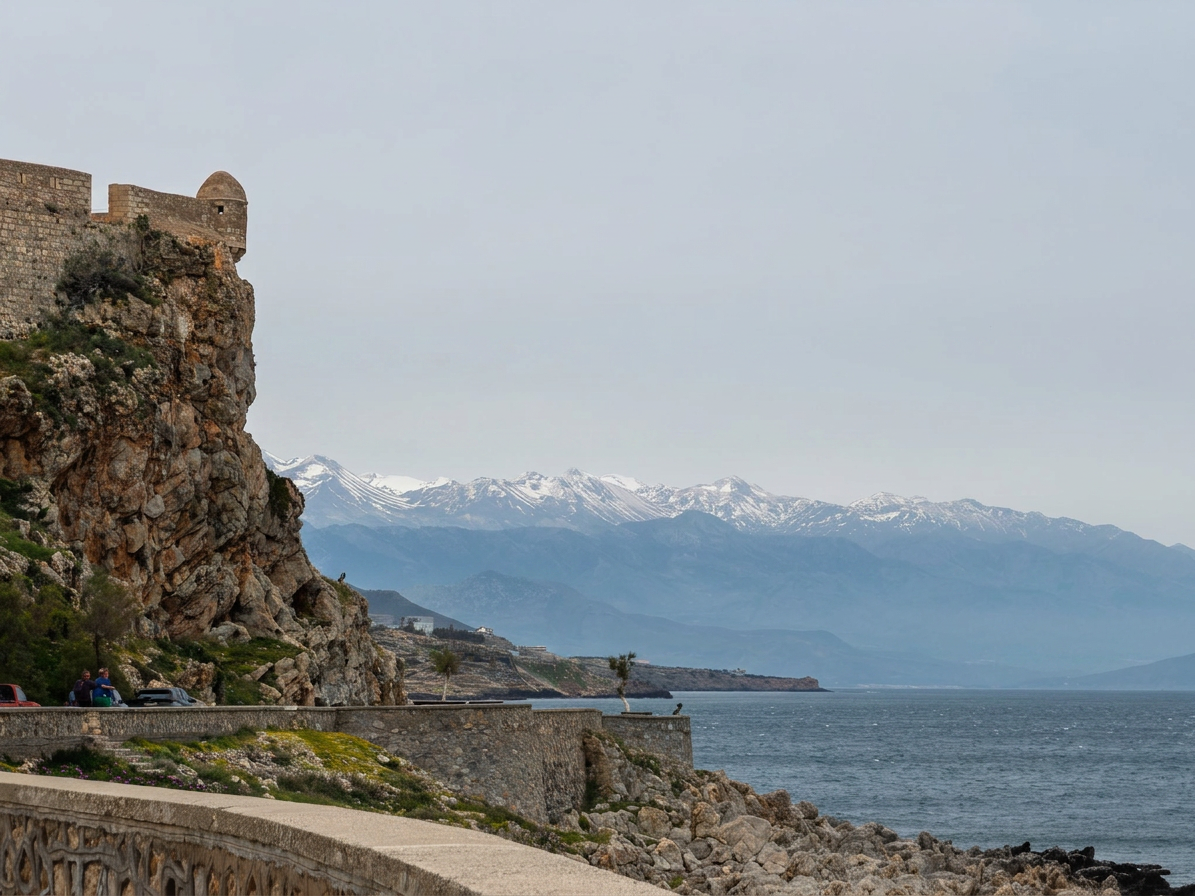
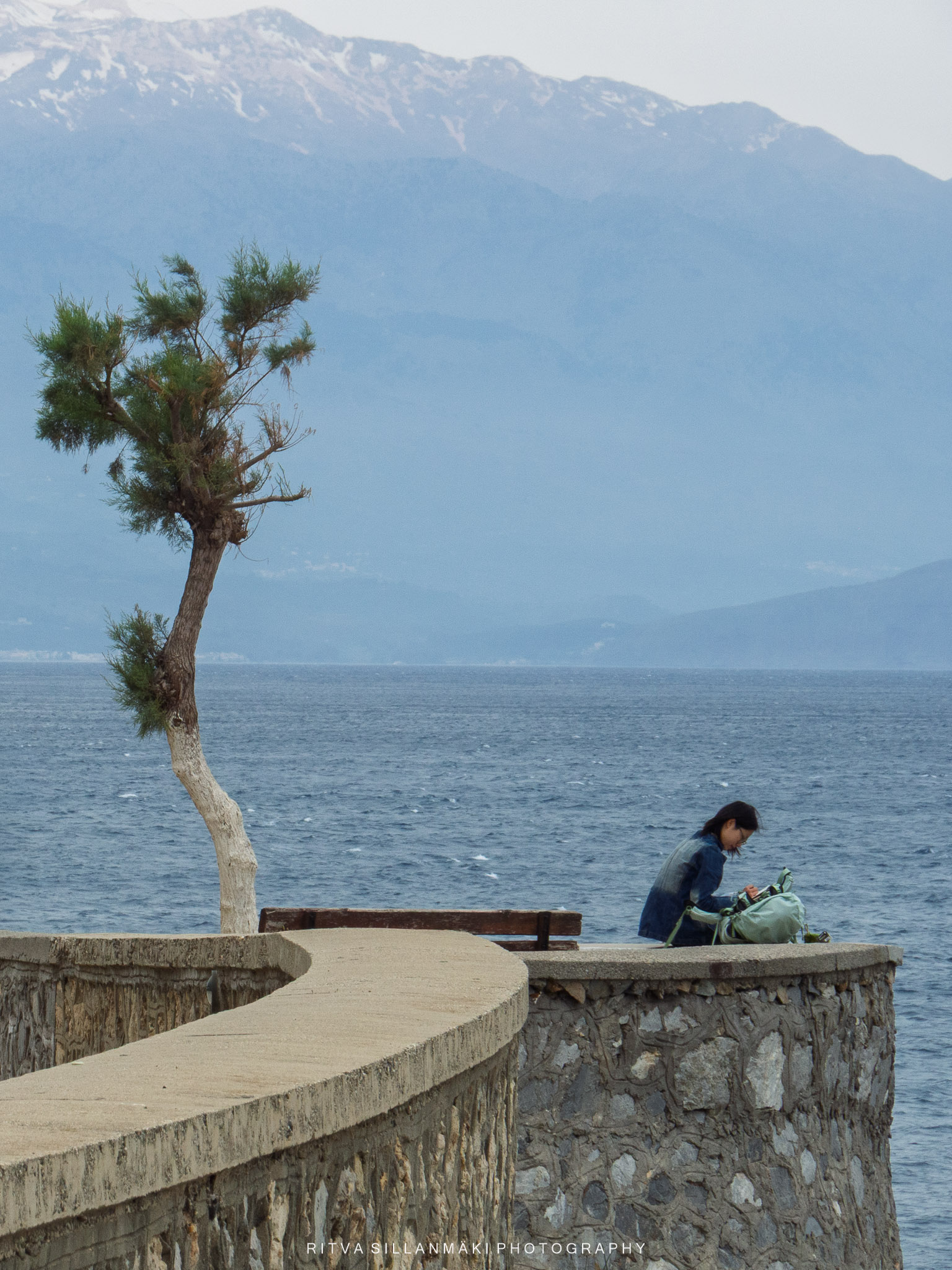
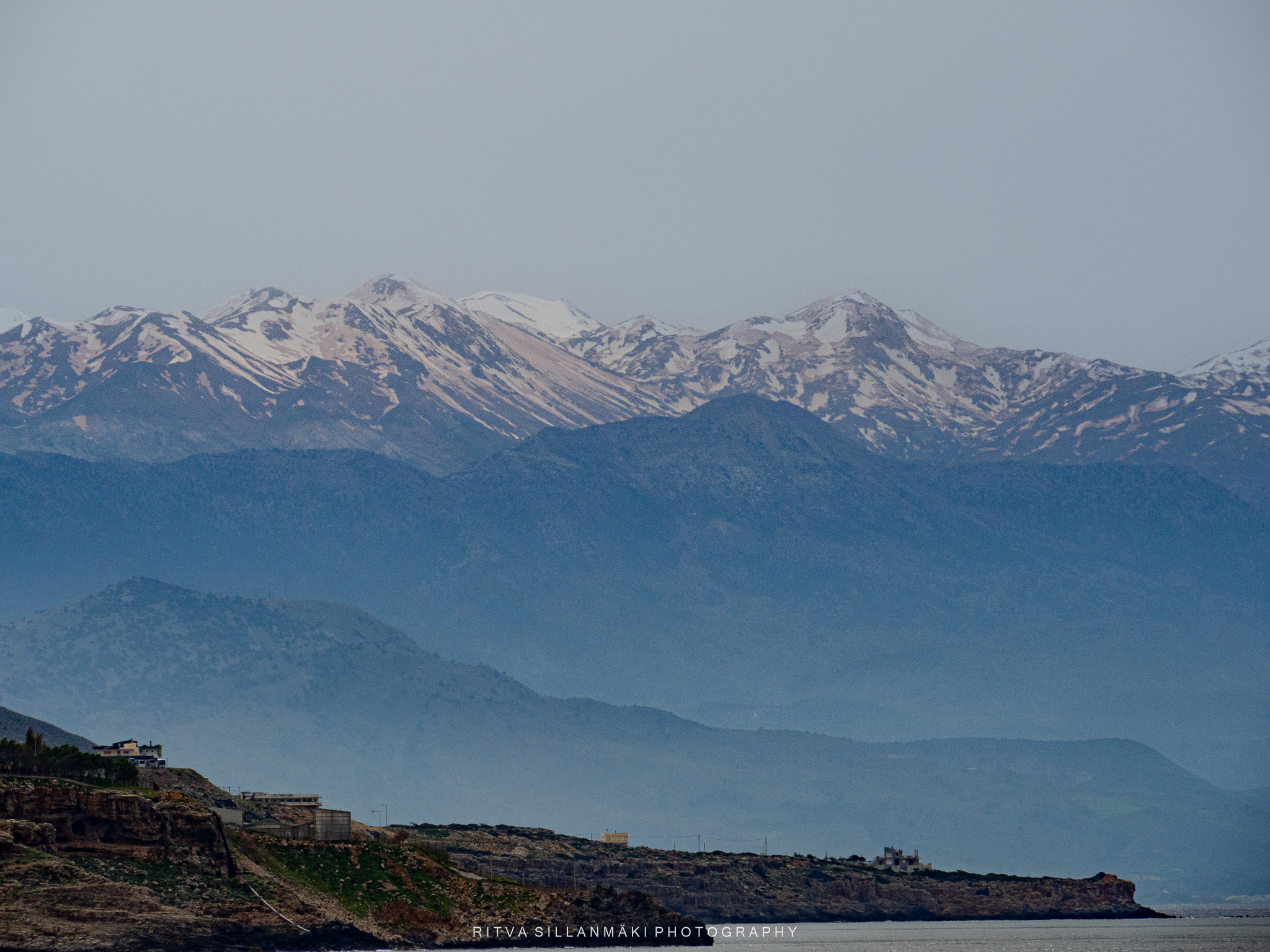
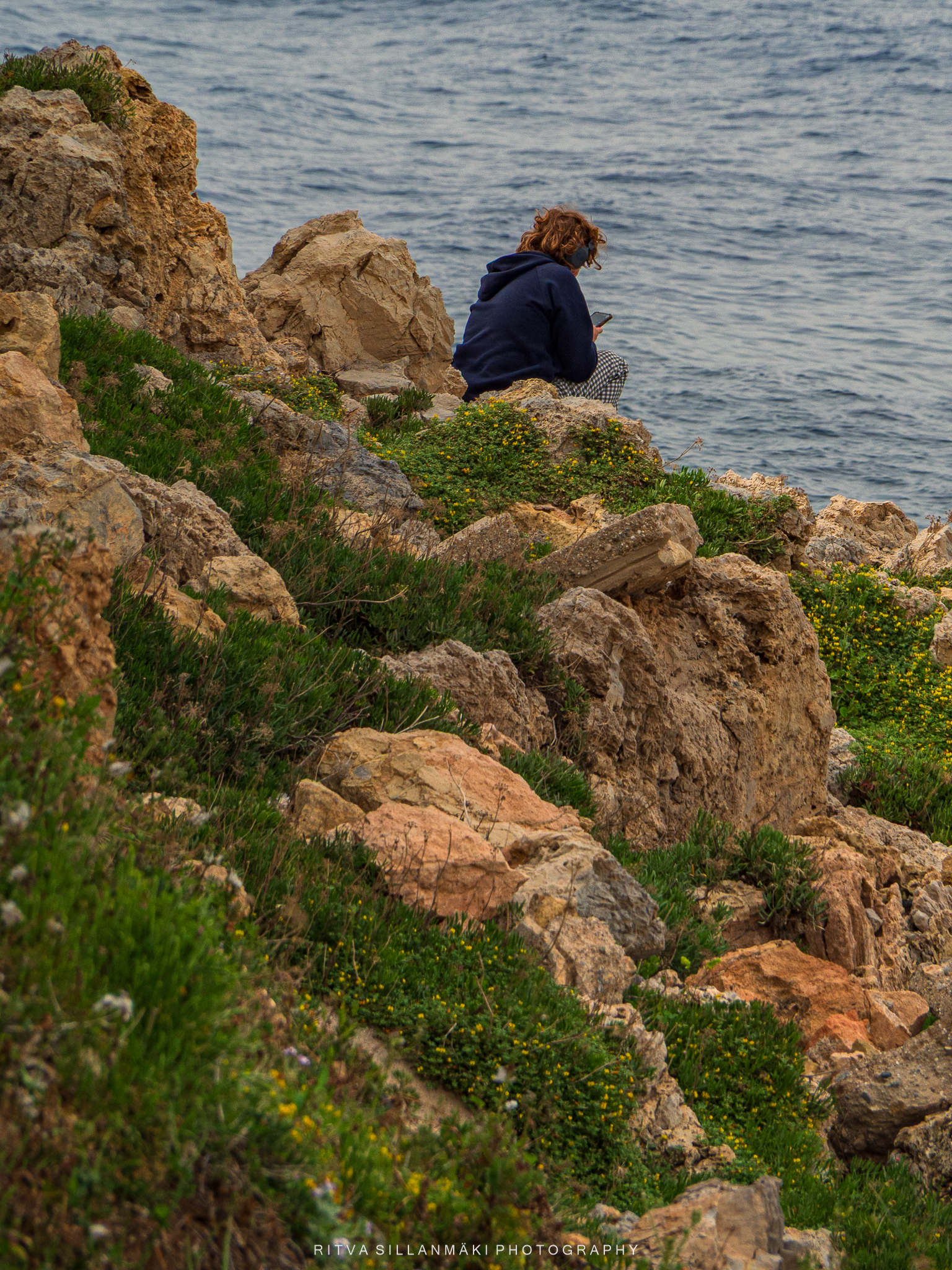
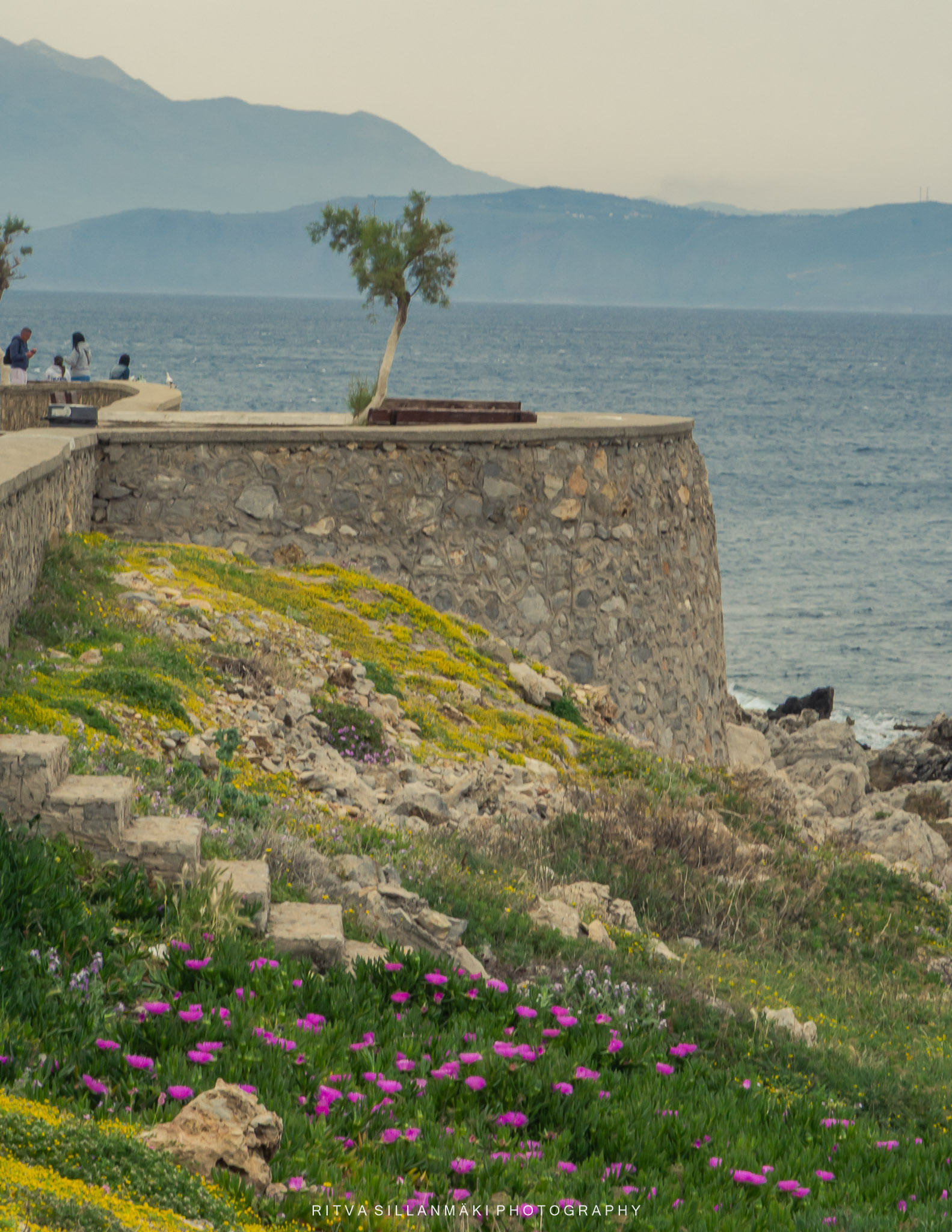
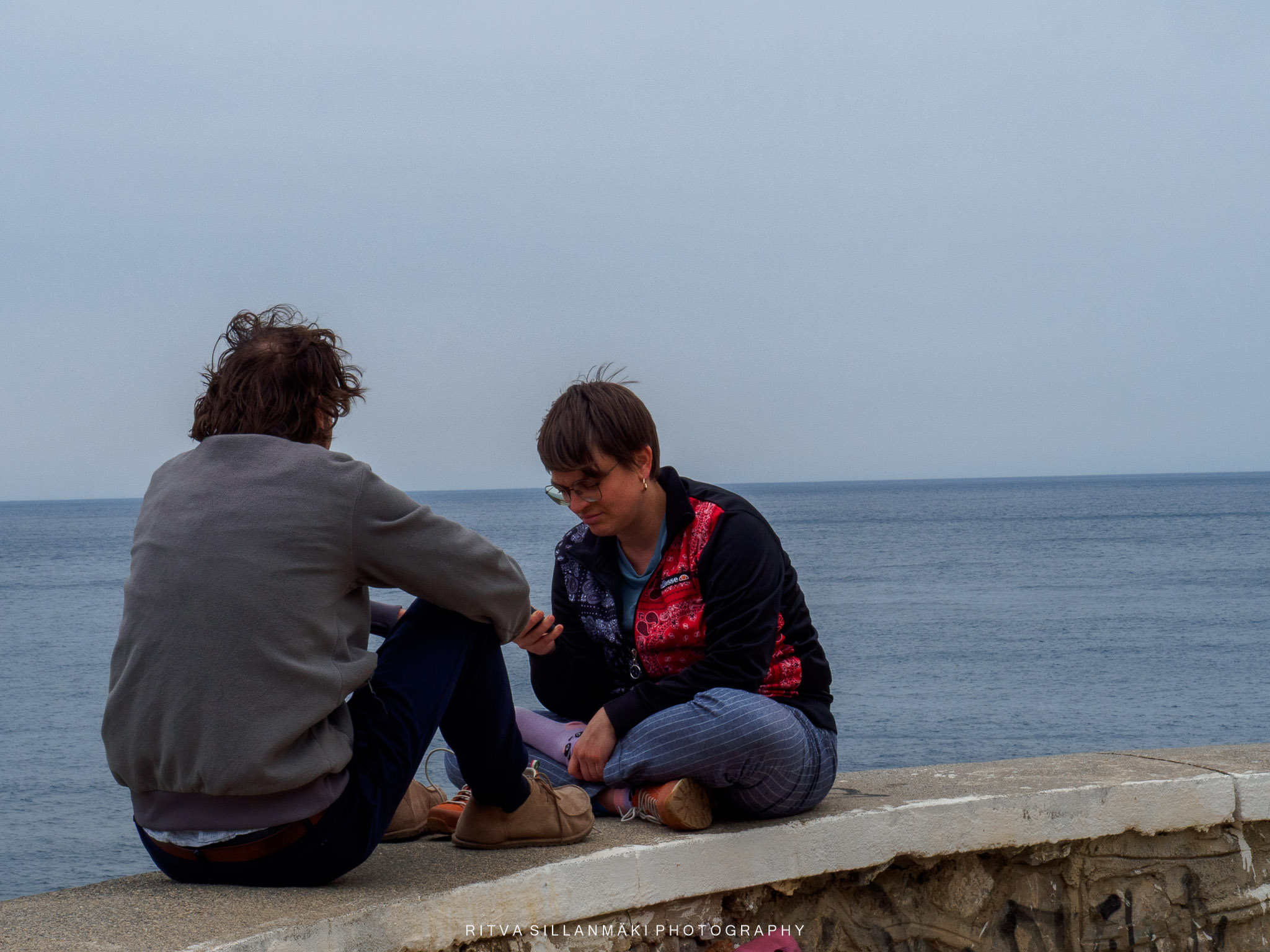
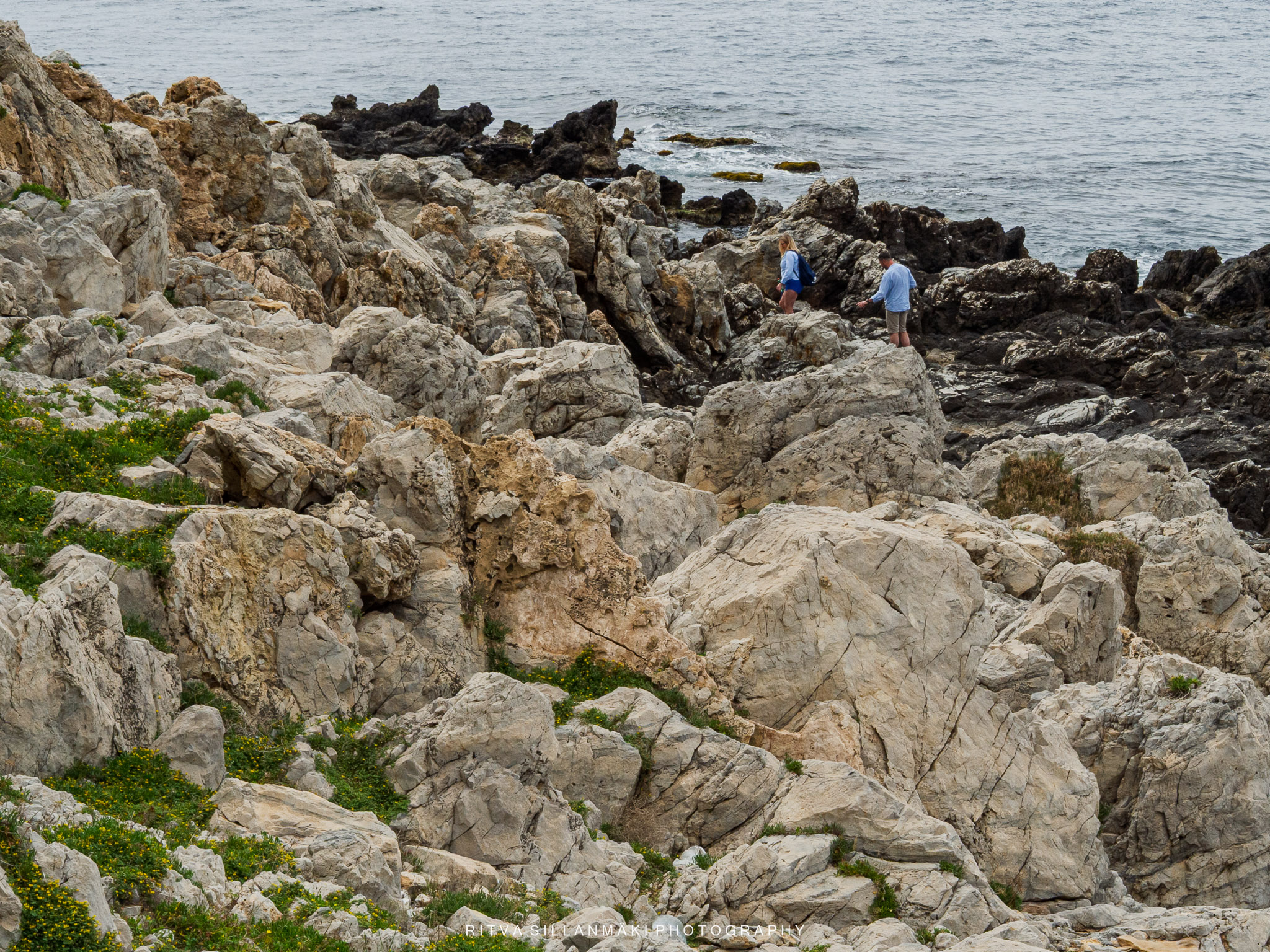
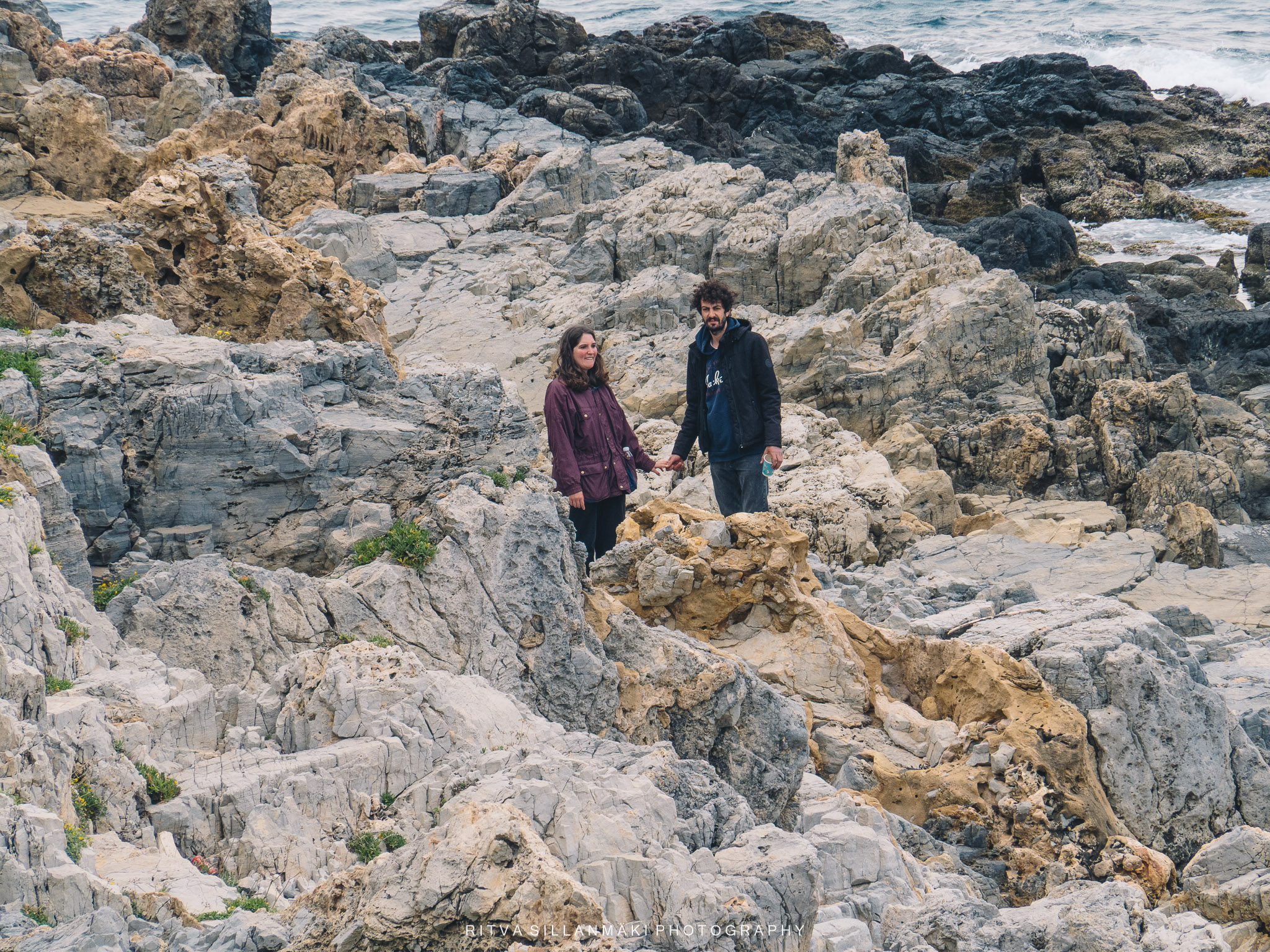
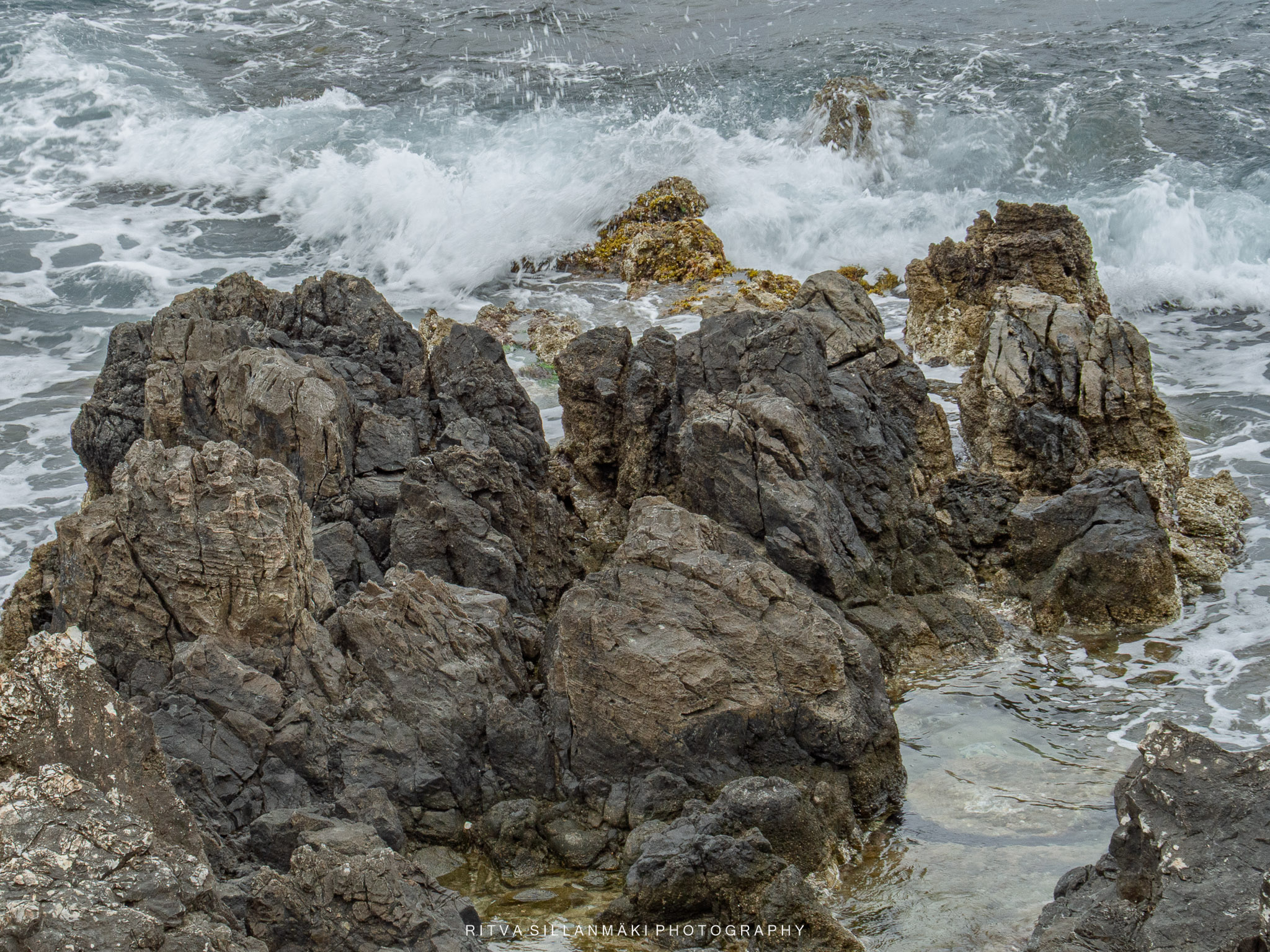
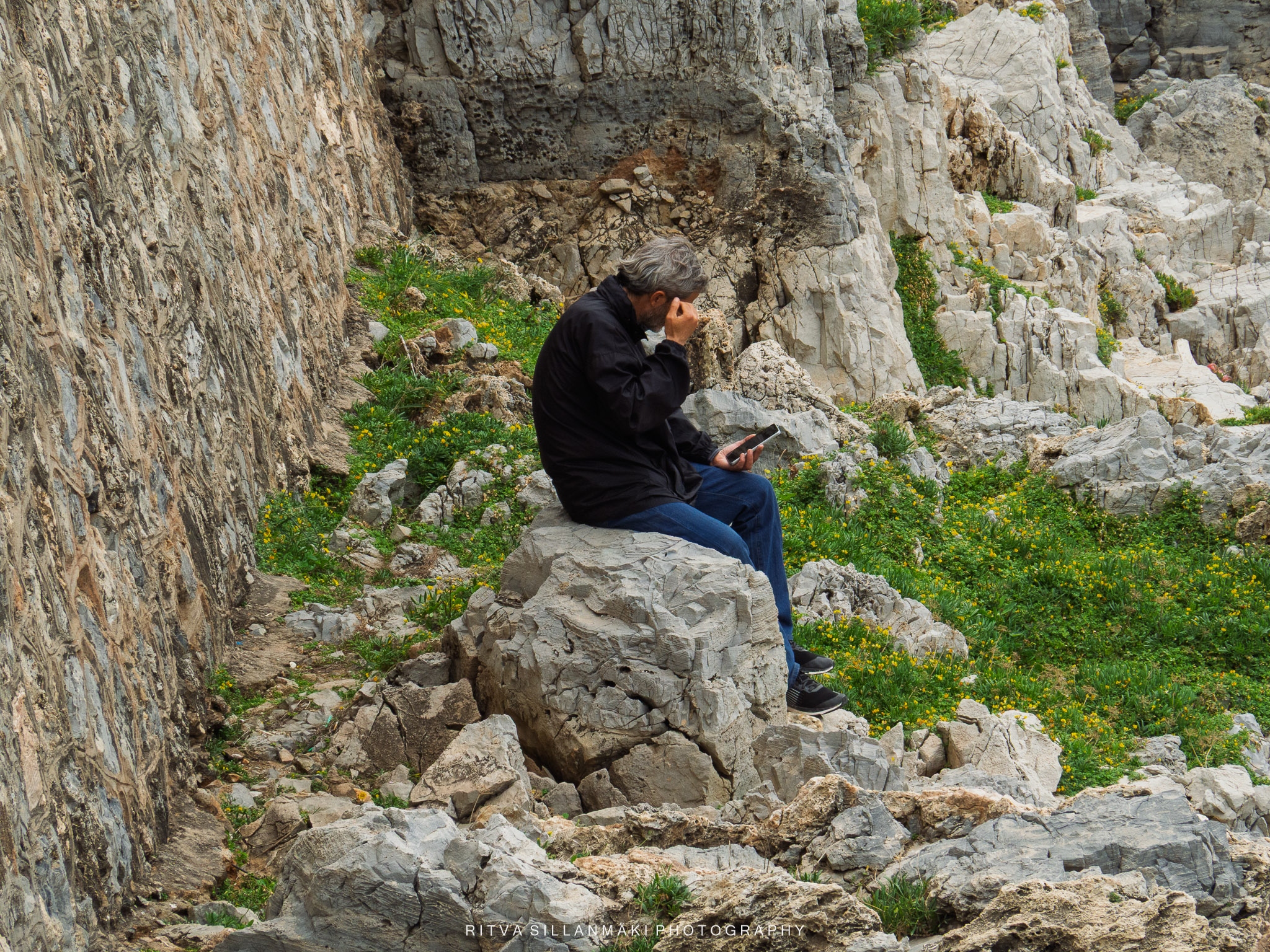
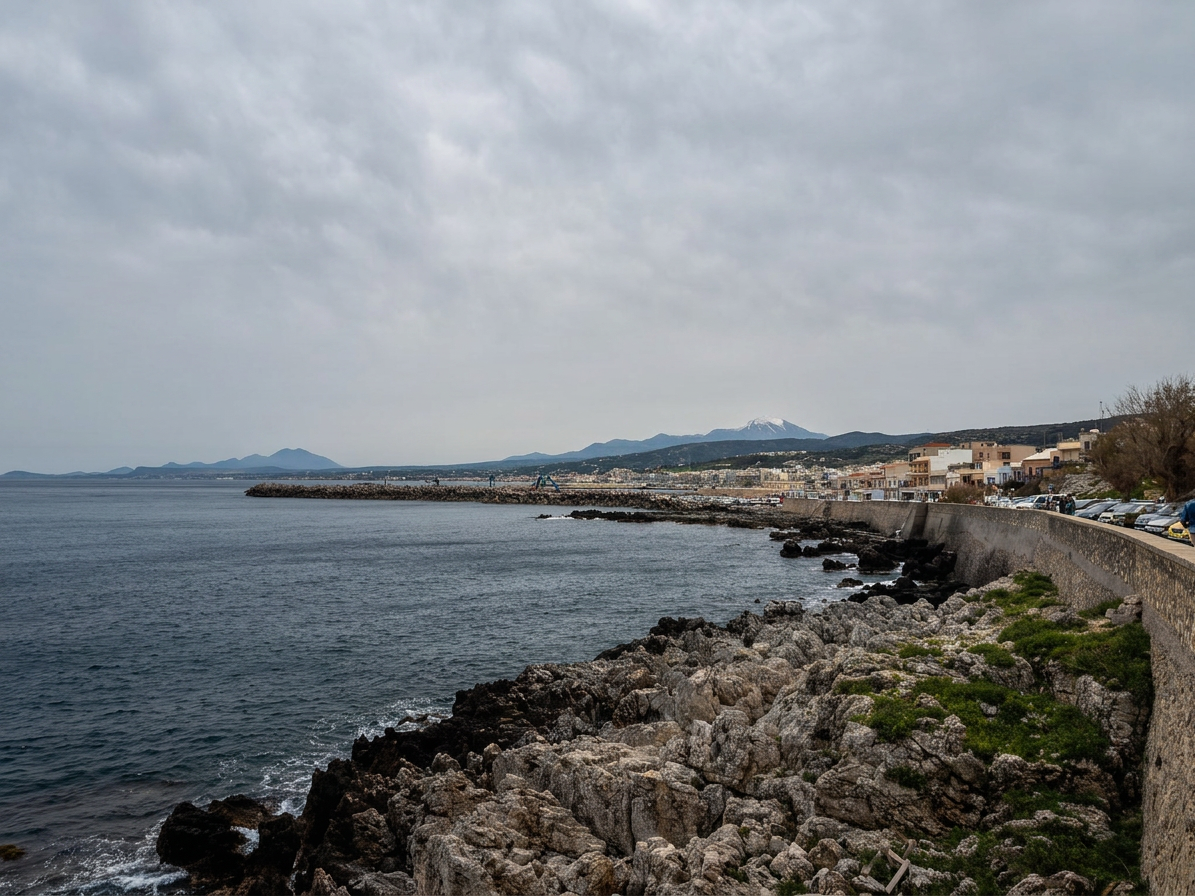
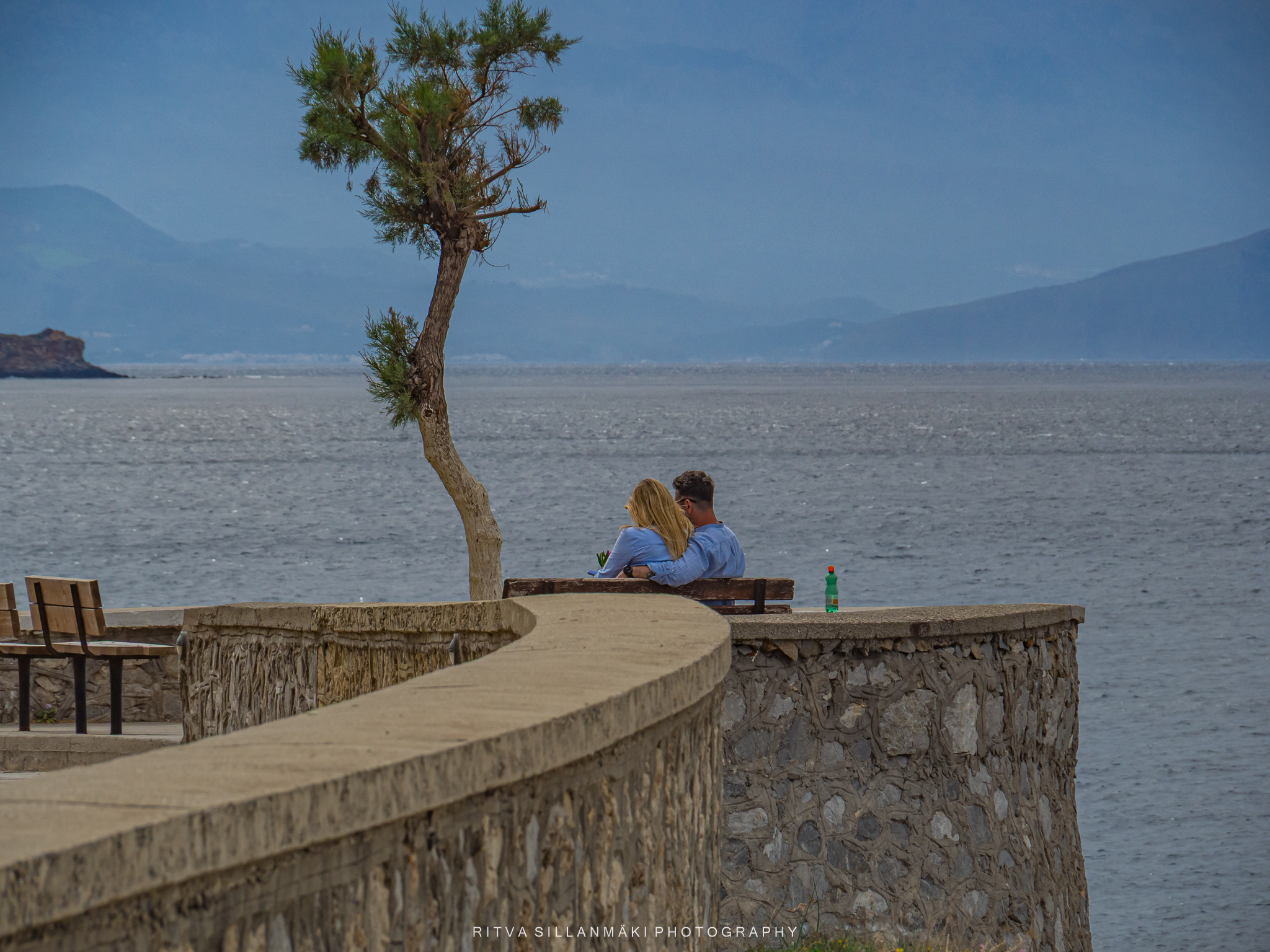
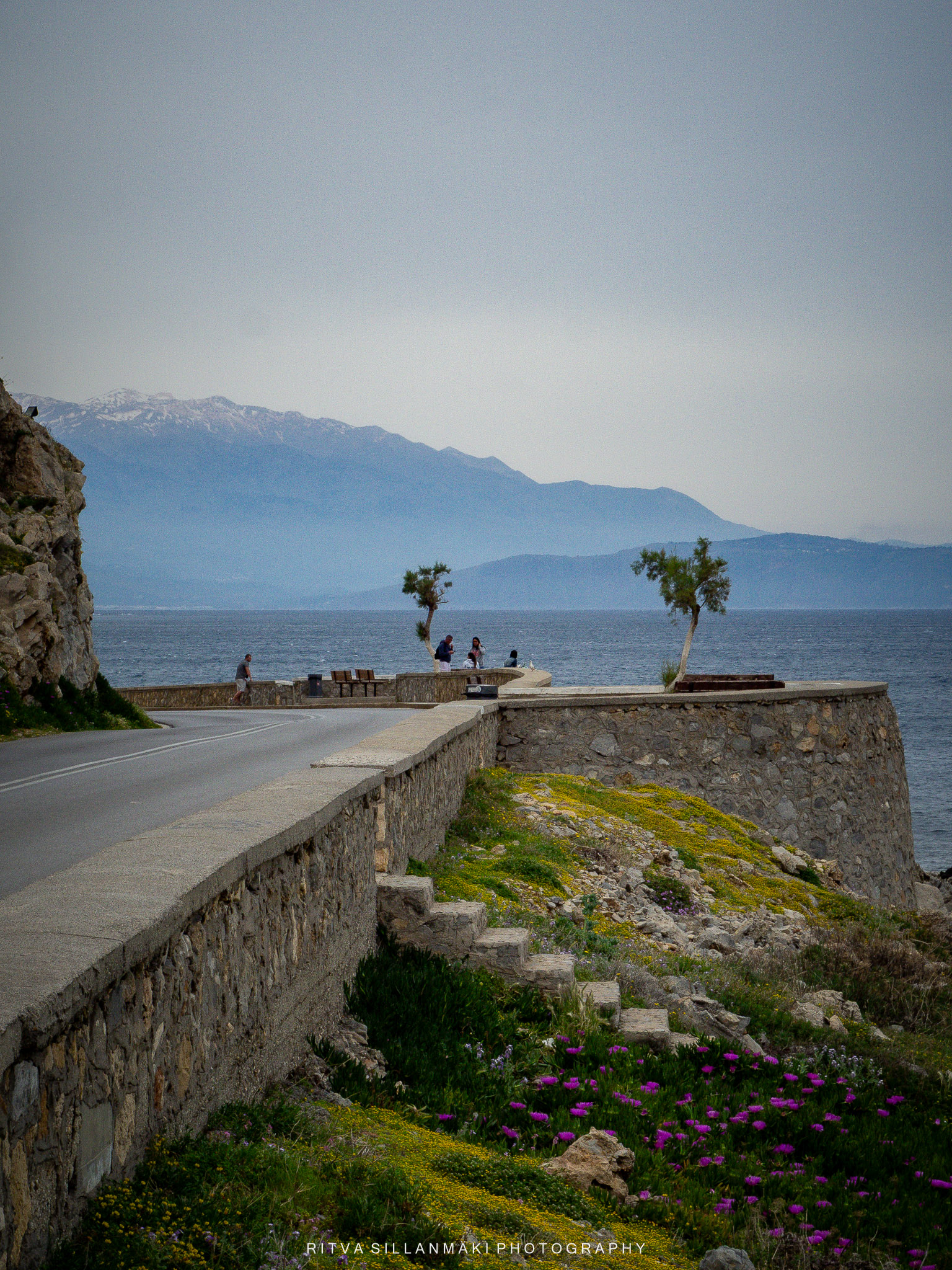
    Fortezza Fortress stands proudly in Rethymnon, Crete, Greece. I found myself seated by the seaside road, admiring the fortress while simultaneously looking at the stunning sight of the snow-capped mountains rising majestically in the distance. The view was a breathtaking contrast, with sea creating a mesmerizing panorama. We visited in May, and to our delight, the snow had yet to melt on the peaks, providing us with numerous excellent photography opportunities that encapsulated the beauty of the landscape. The rocky shoreline was not easy to walk on; that is only an observation from looking down at people moving about, carefully navigating the uneven terrain while enjoying the fresh sea breeze and the sounds of waves crashing against the rocks.

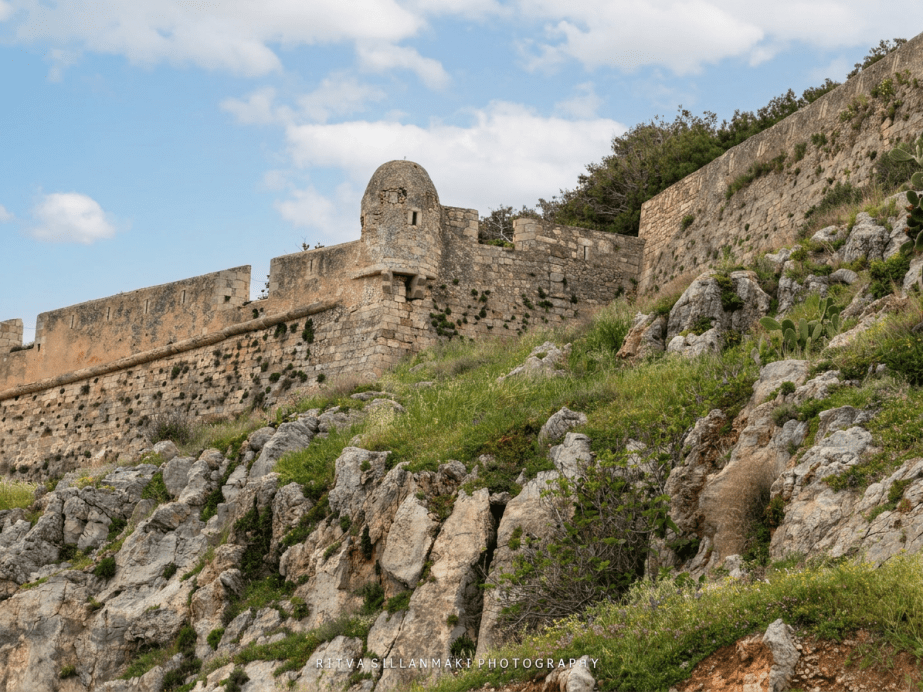
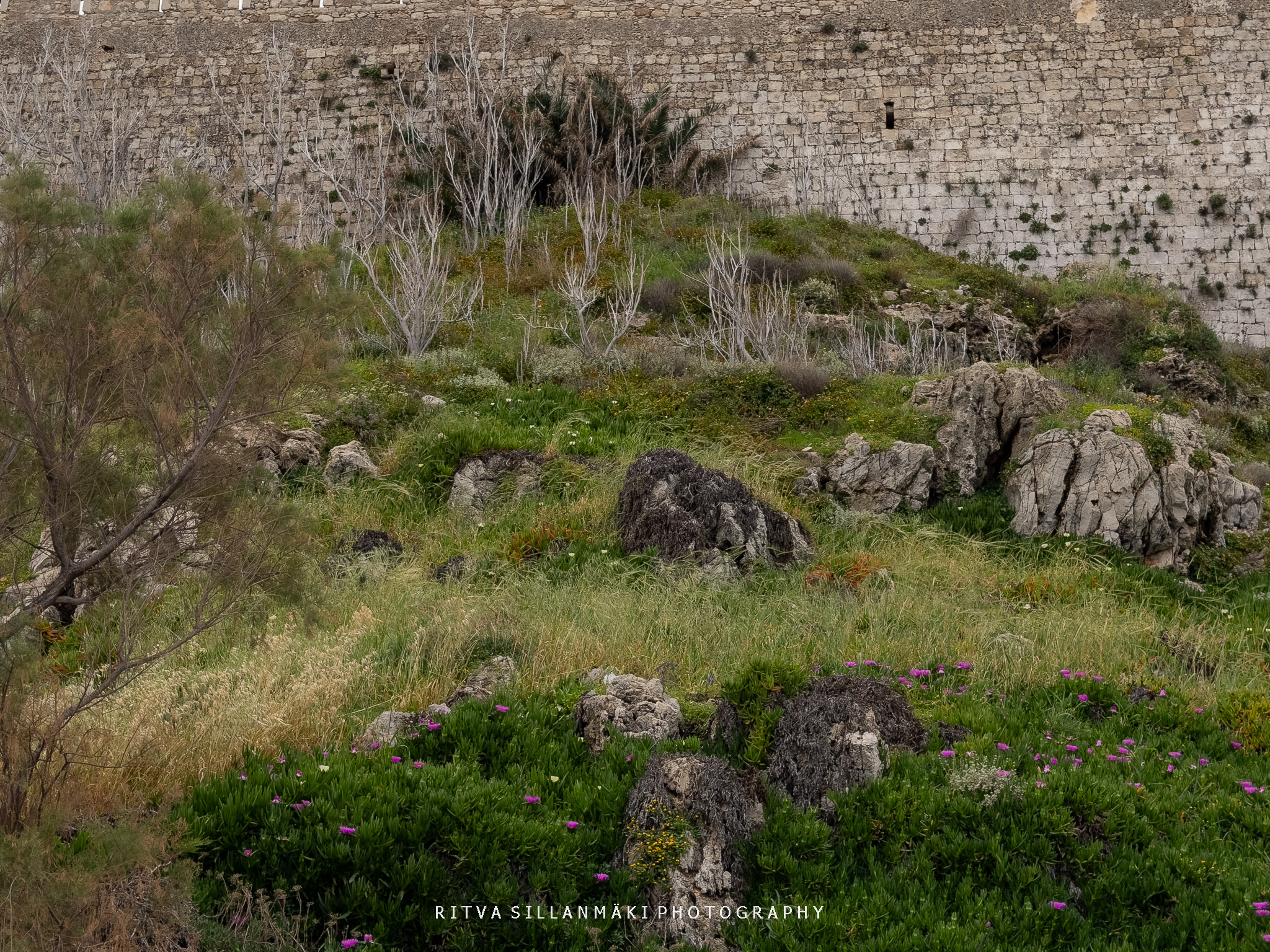
    Ancient stone fortress walls rise along a rugged hillside

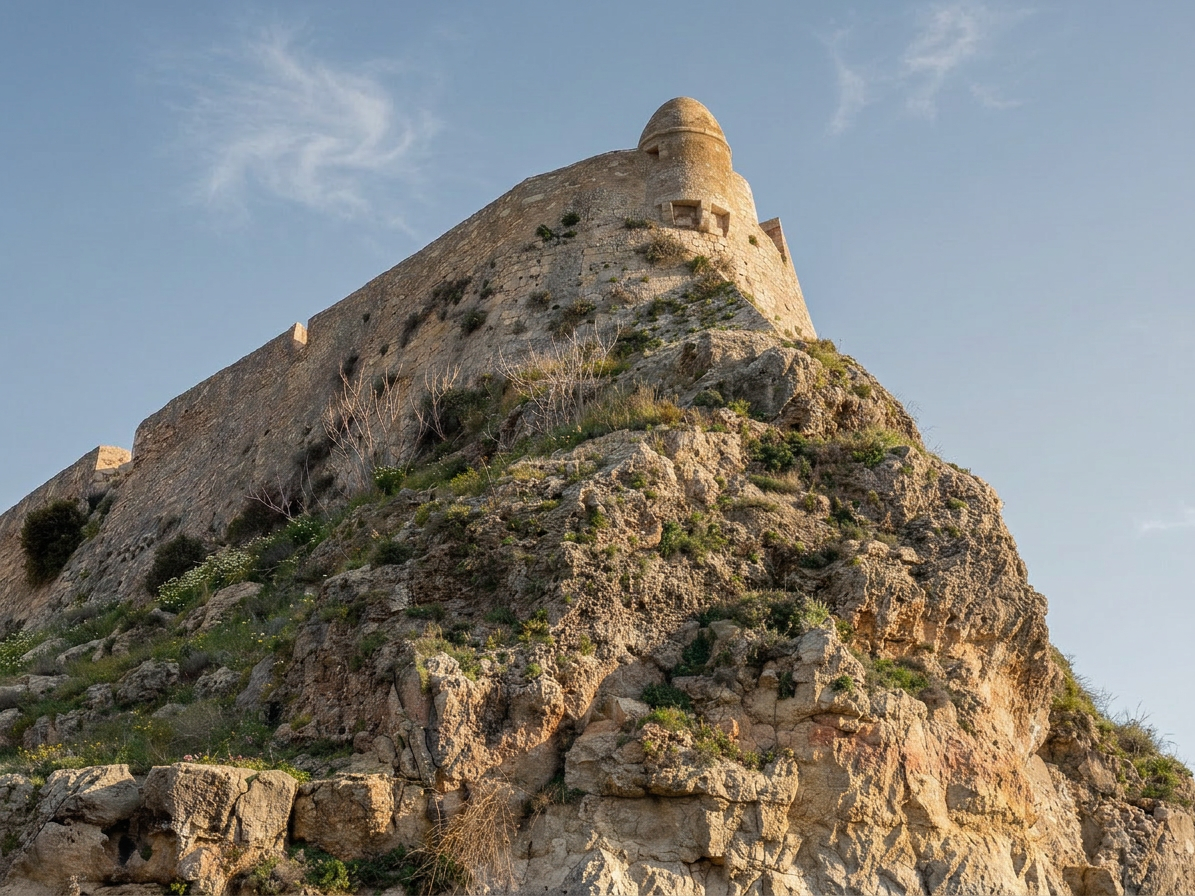
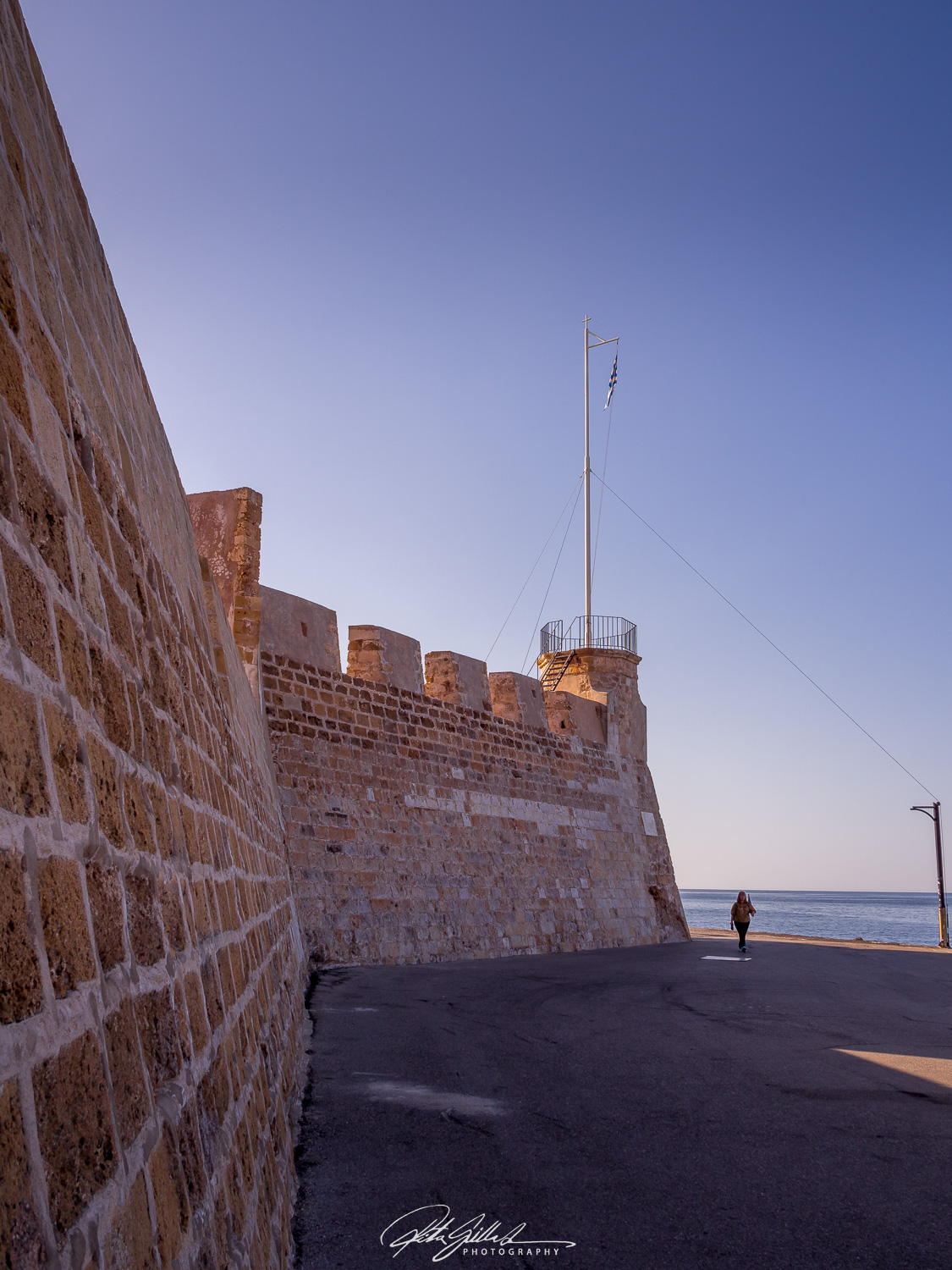
    The Fortezza Fortress, constructed by the Venetians in the 16th century, is perched on Paleokastro hill and provides stunning views of both the city and the sea. This fortress is a vital historical landmark on the island. Located to the north of the city and adjacent to the old town and the Venetian harbor, it was built between 1573 and 1580 to safeguard the city from pirate attacks.

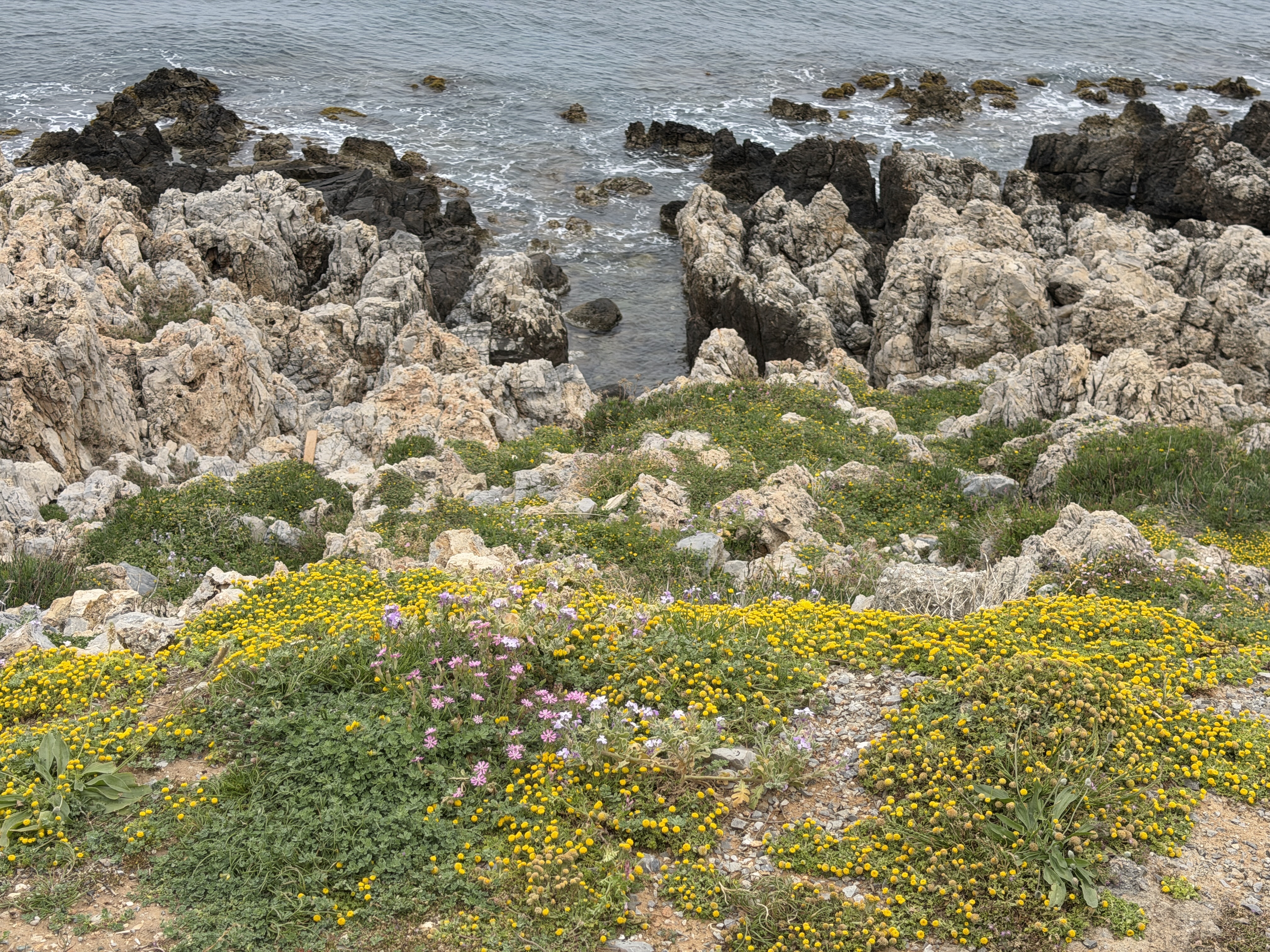
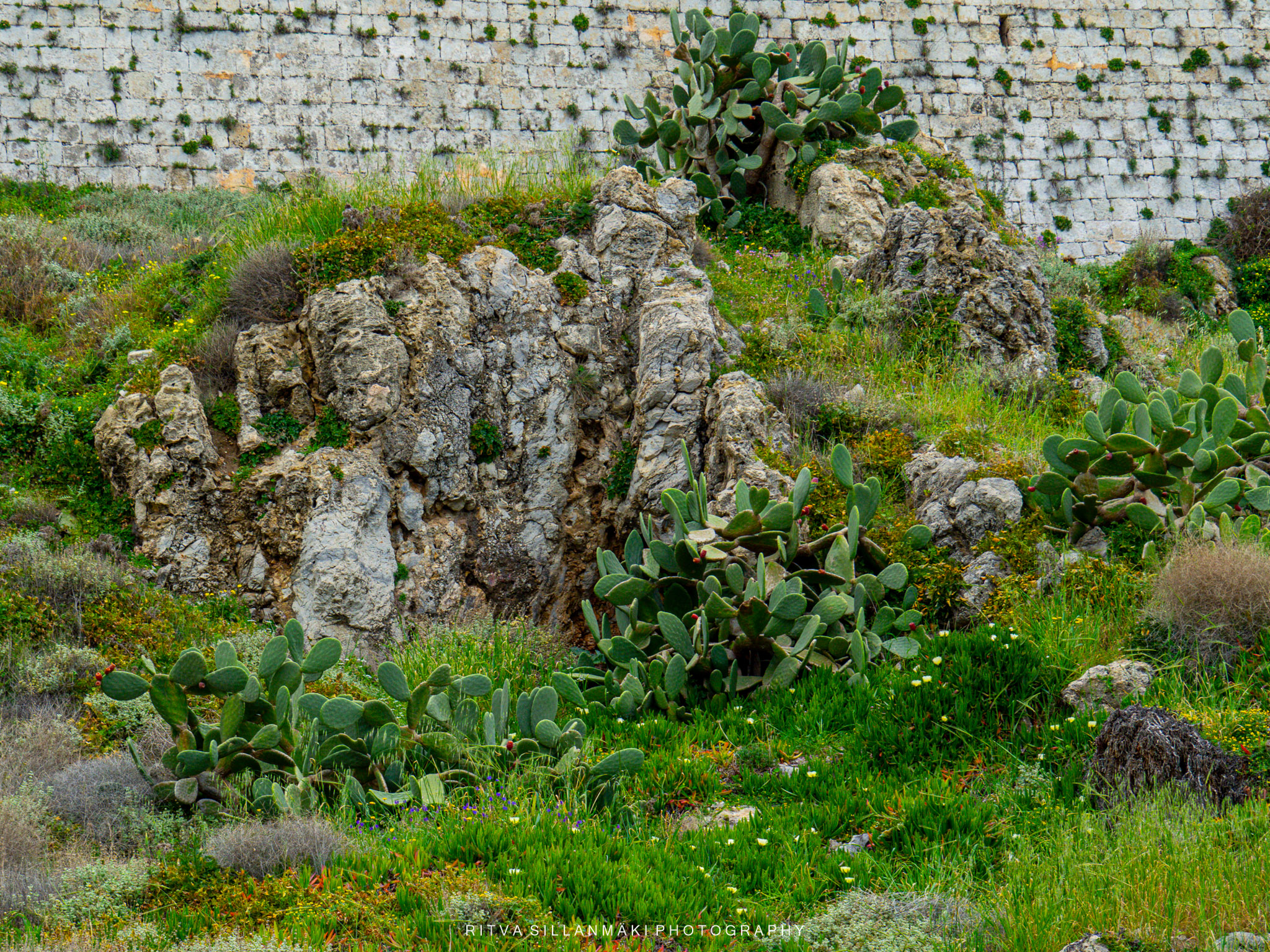
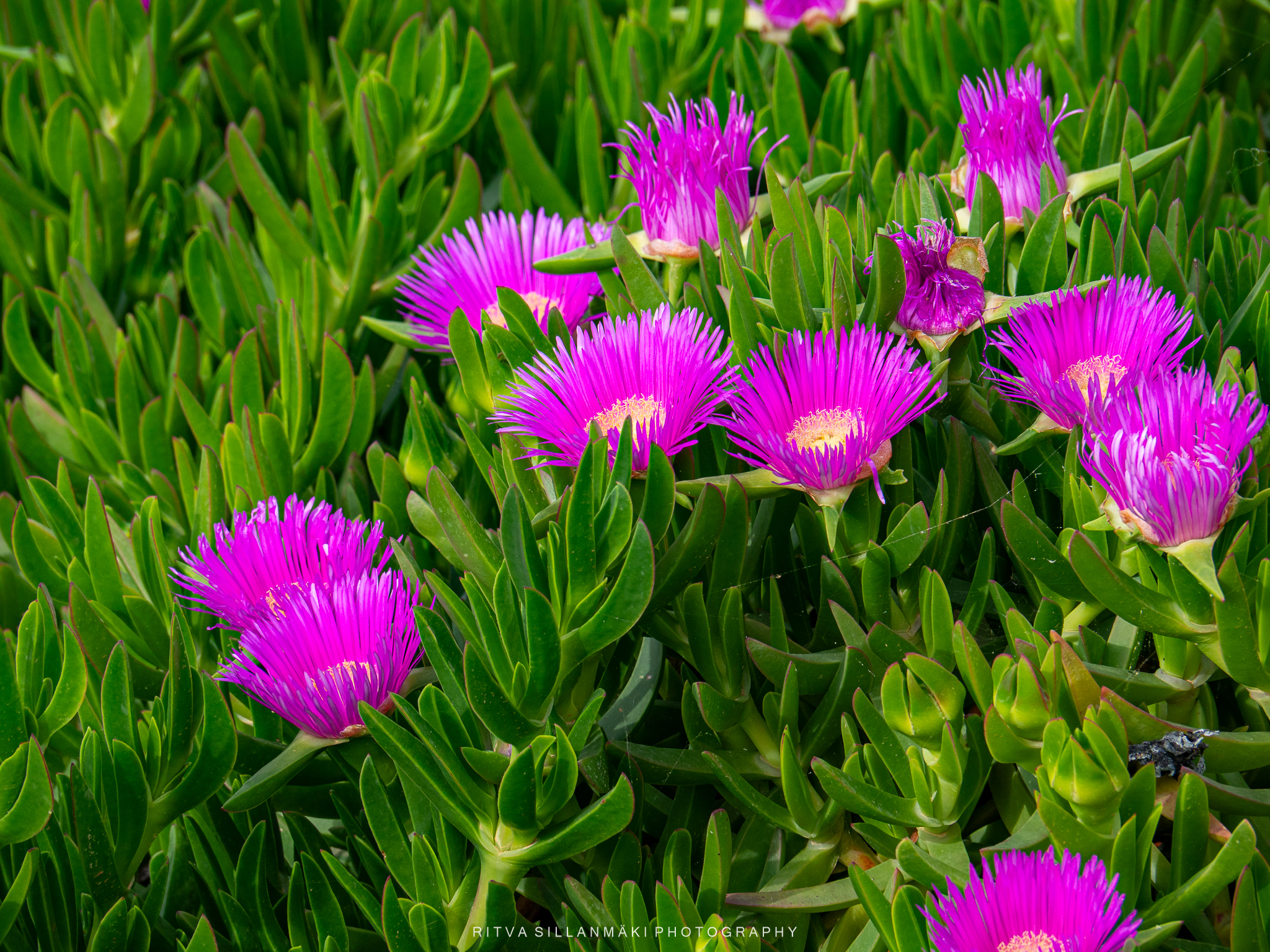
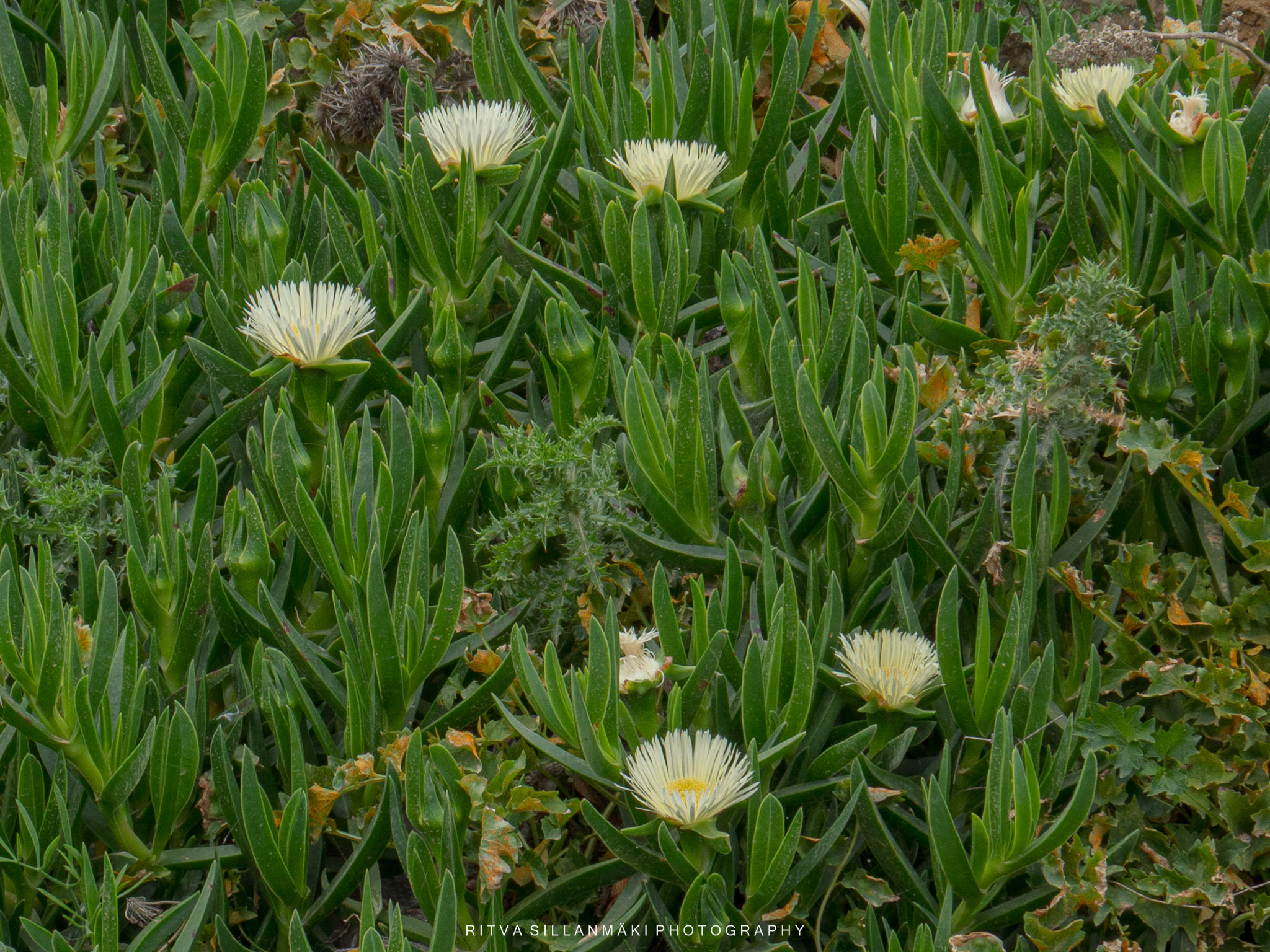
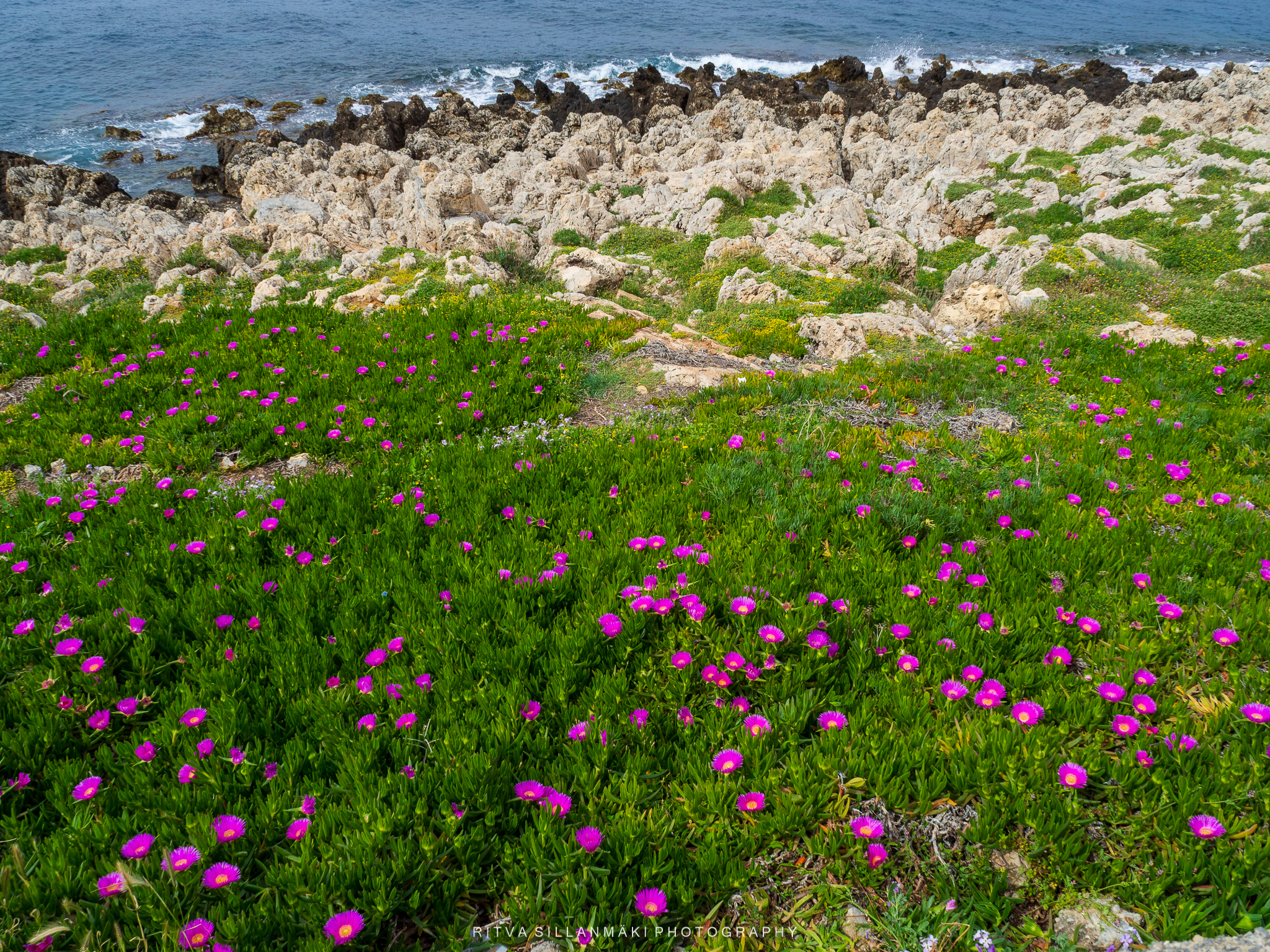
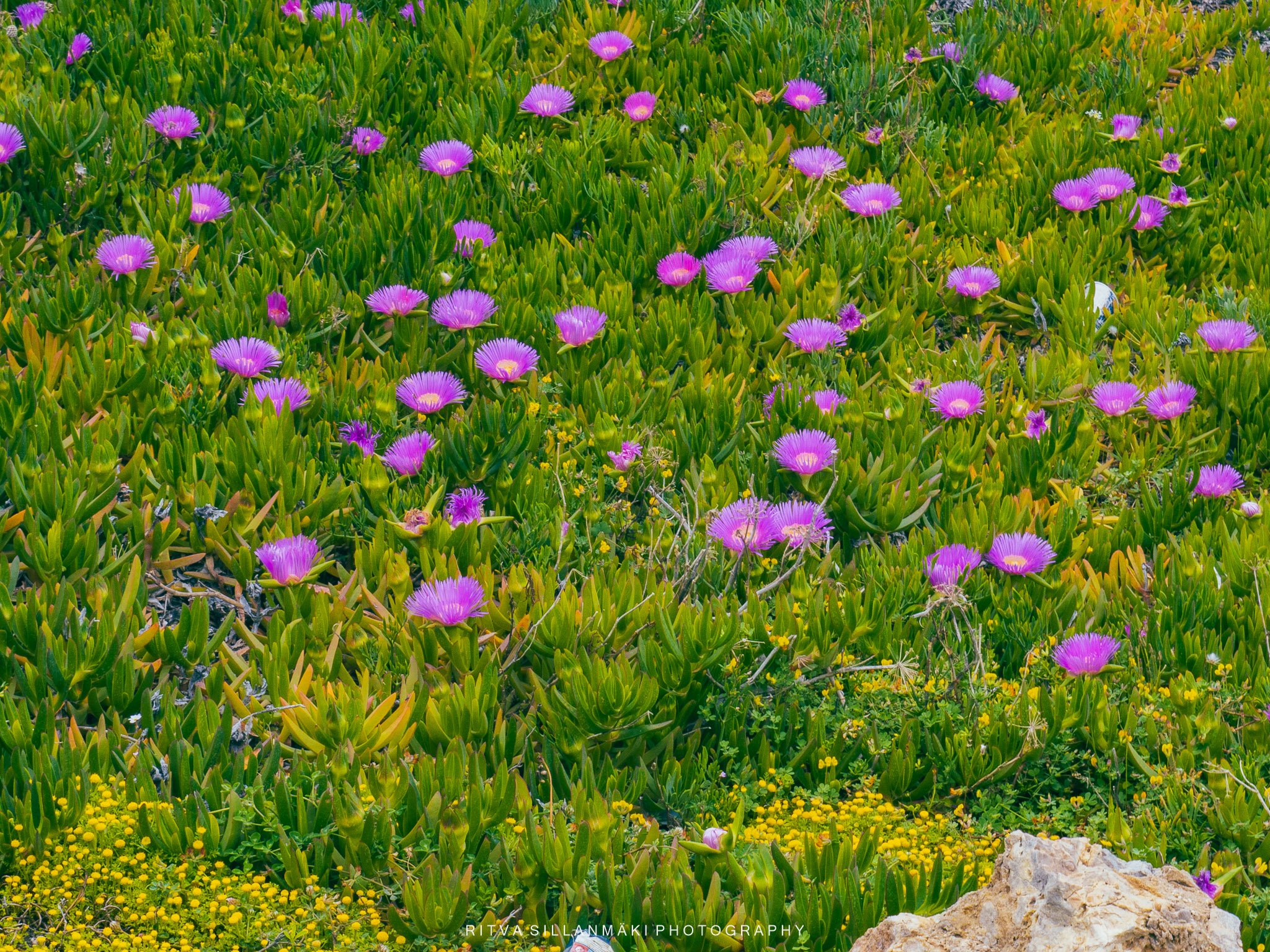
    The two flowers are, the fig-marigold (scientific name Carpobrotus edulis), also known as the Hottentot fig or sour fig. This succulent plant, native to South Africa, has spread and become wild in many coastal areas around the world. Appearance: It has fleshy, triangular leaves and large, daisy-like flowers that range in color from white and pale yellow to bright red.

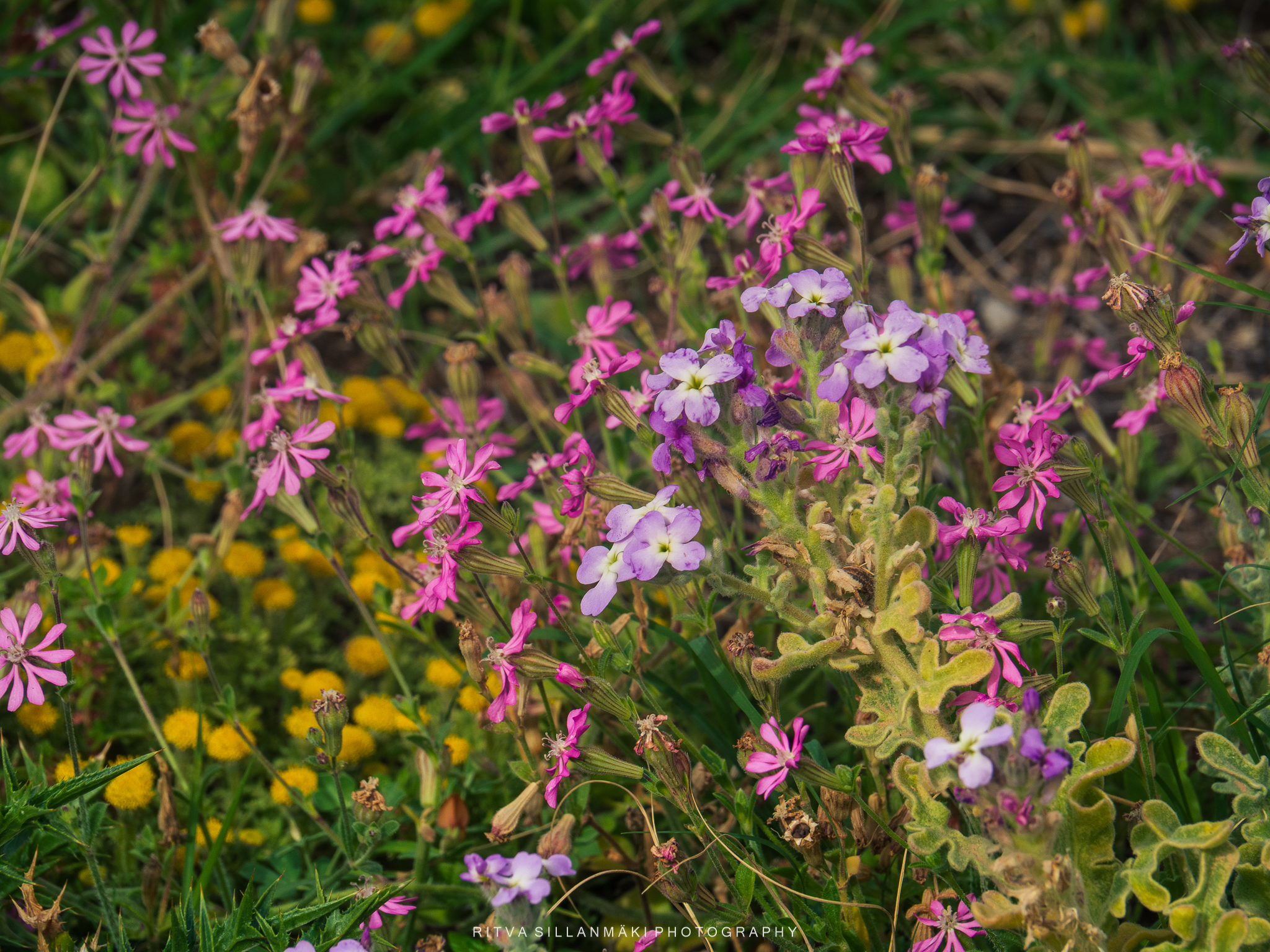
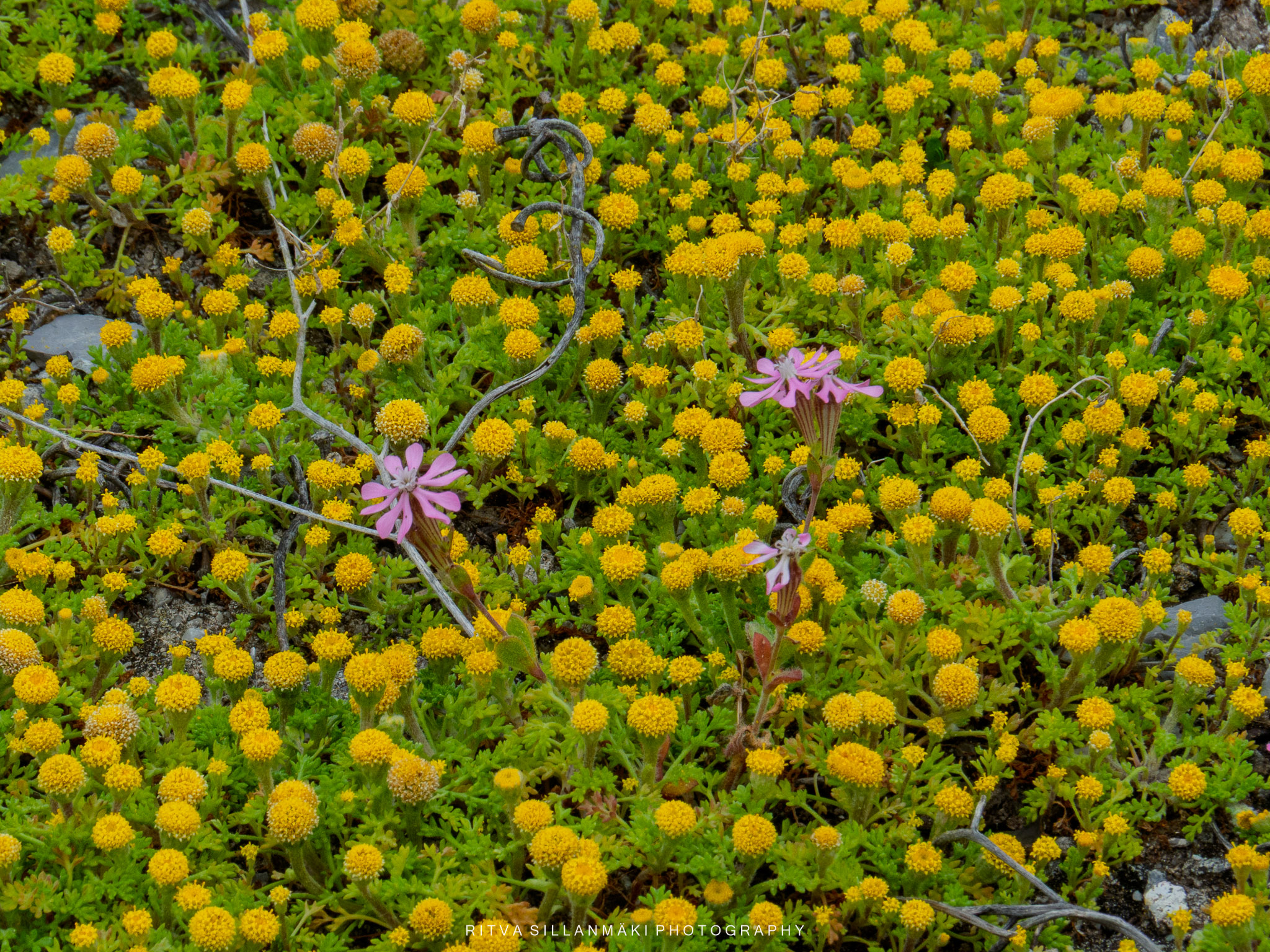
    The prominent, aniline pink flowers depicted in the image are red campions.

    The yellow flowers is, I think, dwarf clover (scientifically Anthyllis vulneraria), a perennial plant belonging to the legume family, commonly found in dry meadows and ridges perennial plant. It forms dense, spherical flowers that are usually golden yellow, but the petals can occasionally be lighter or have reddish tips.

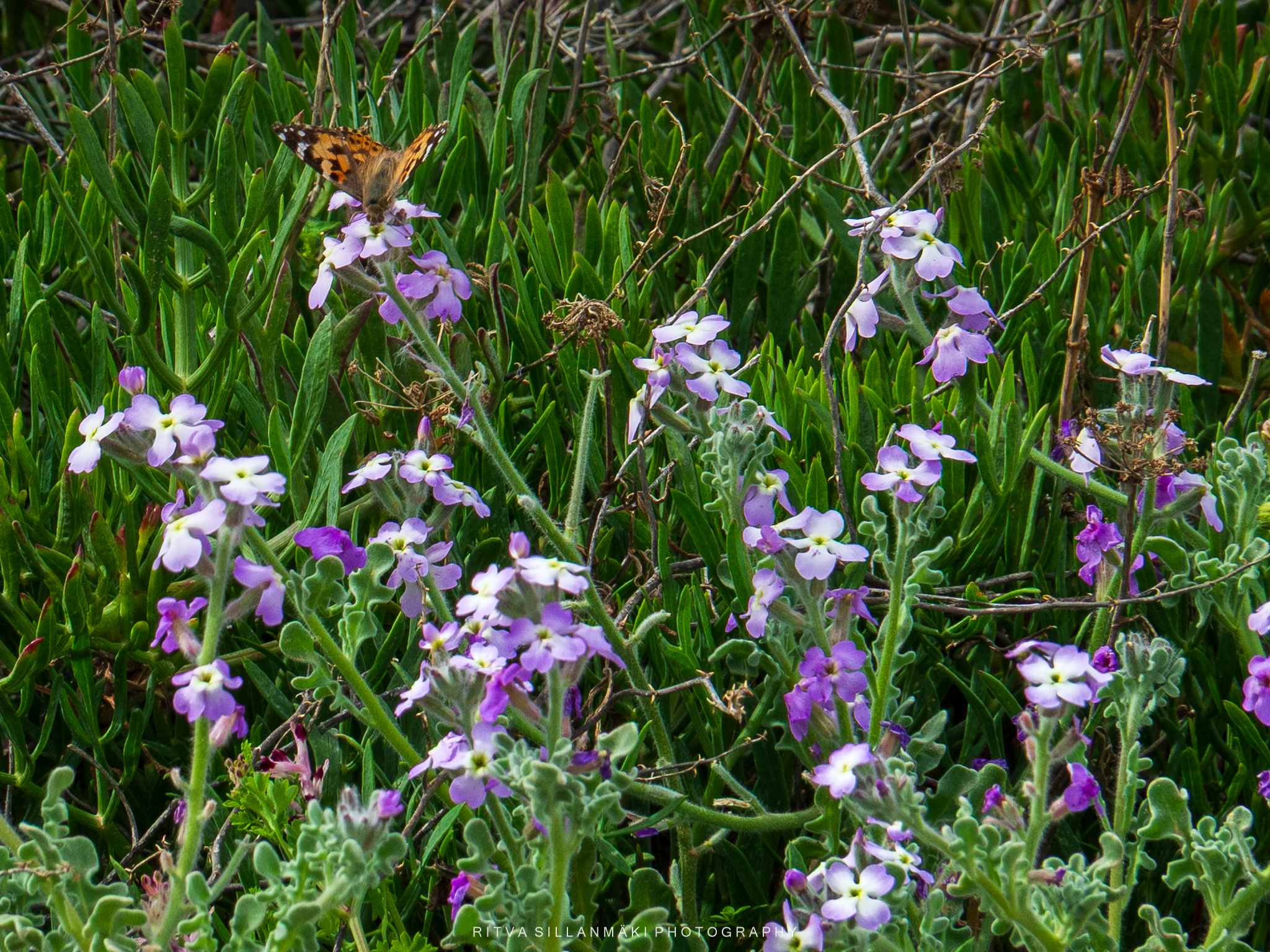
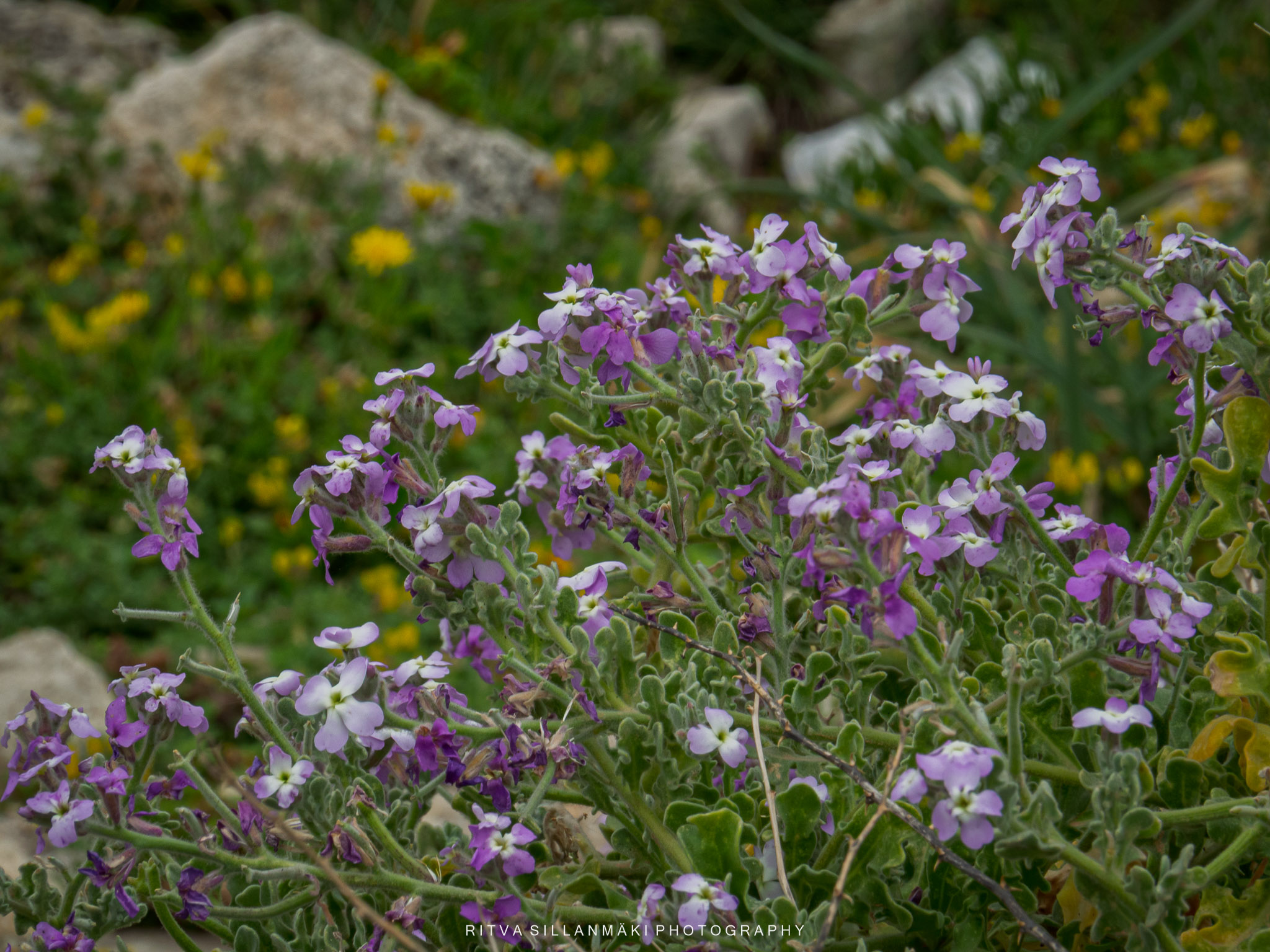
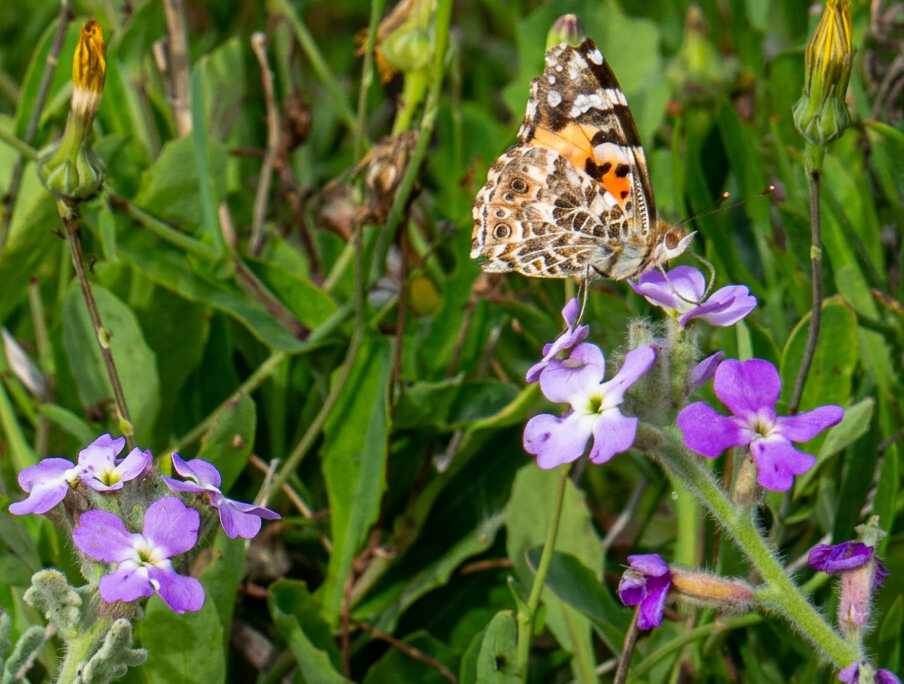
    The flowers with the butterfly is the night-scented stock (also known as Matthiola longipetala . This annual summer flower is famous for its strong, intoxicating fragrance that intensifies in the evenings and at night. Its modest, pale violet or purple flowers may appear wilted during the day, but they open up in the twilight.

    I saw a a beautiful painted lady butterfly (Vanessa cardui), which is one of the most widely distributed butterflies in the w

    Traveling Crete #10

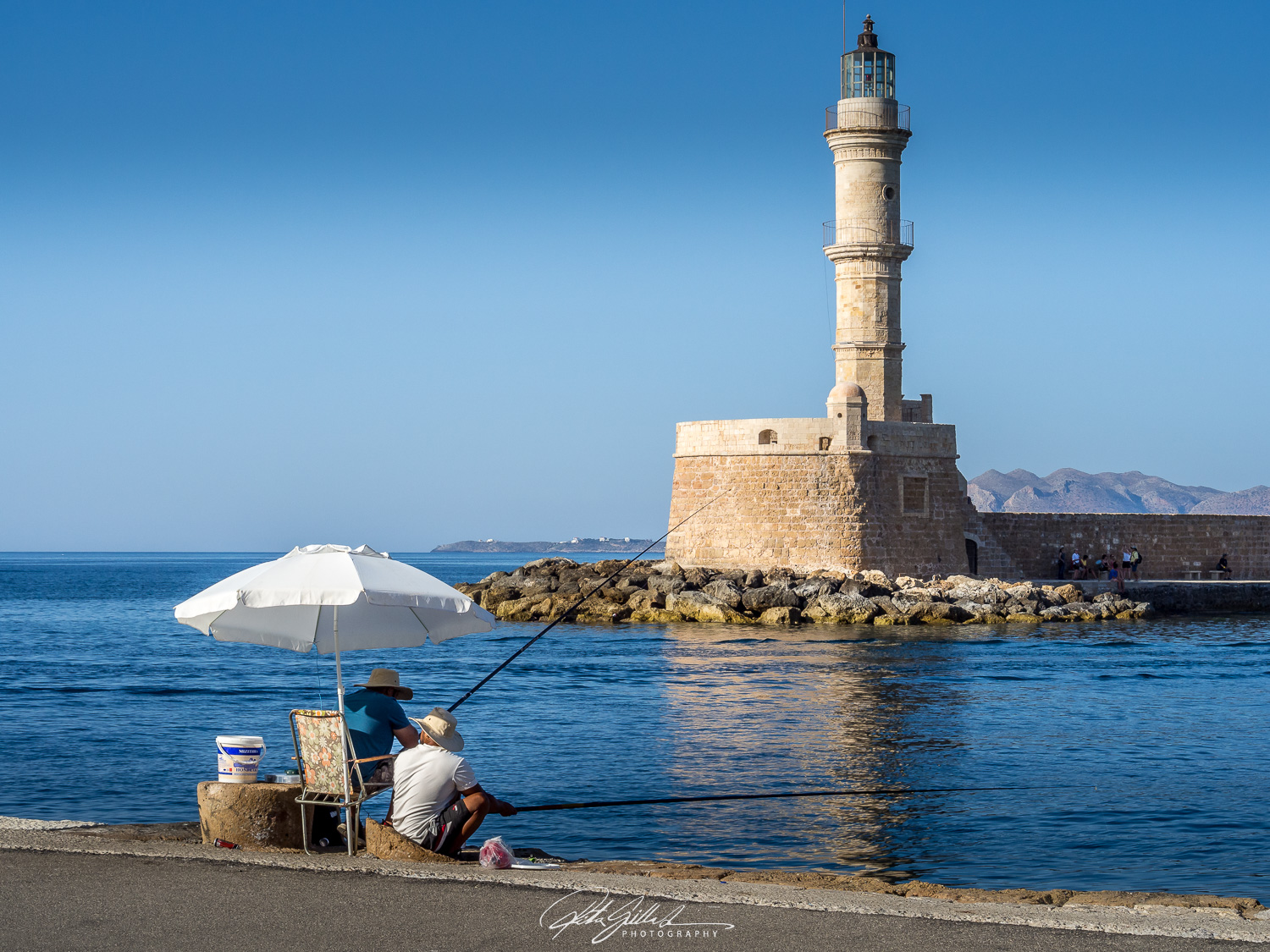
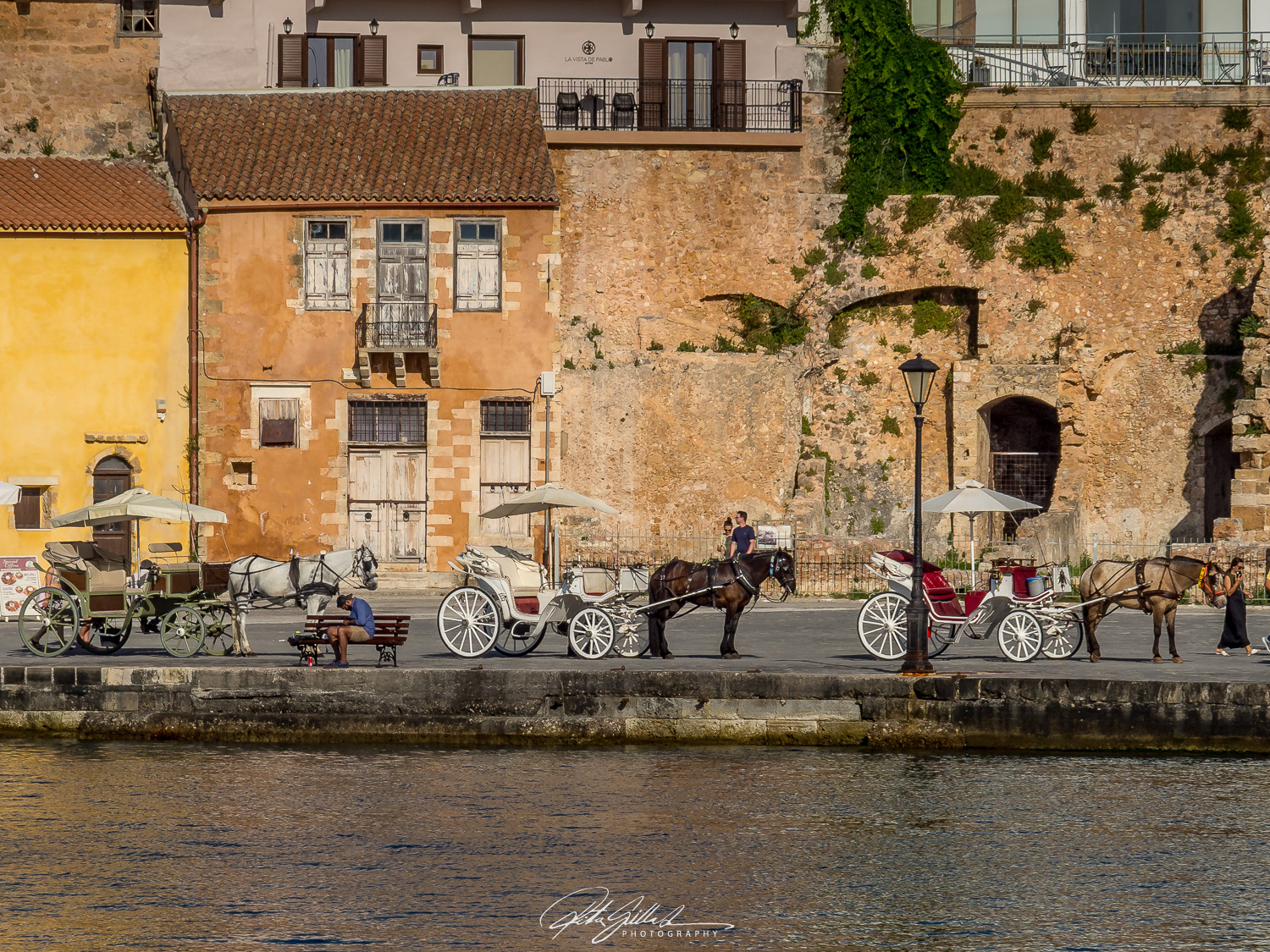
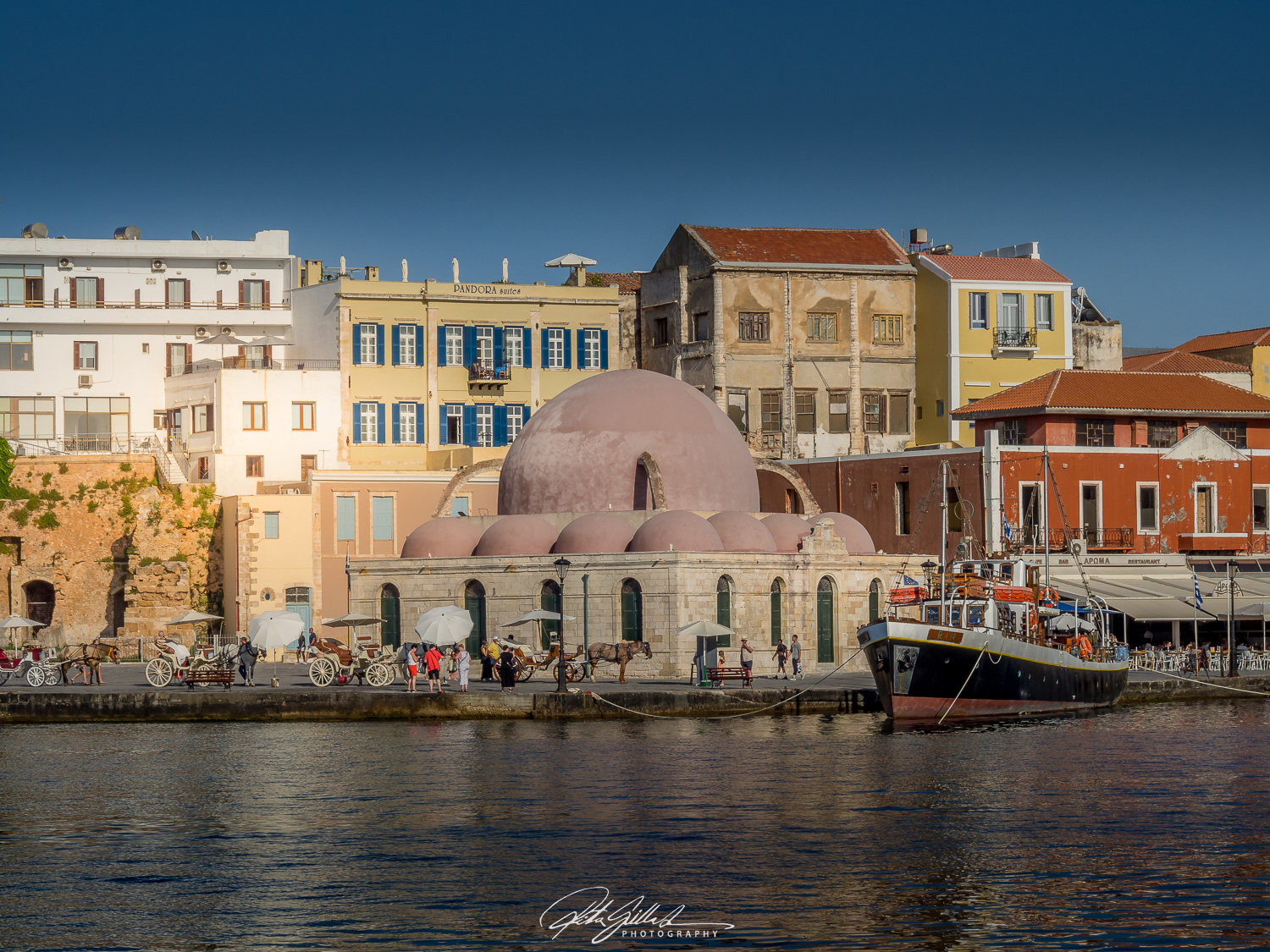
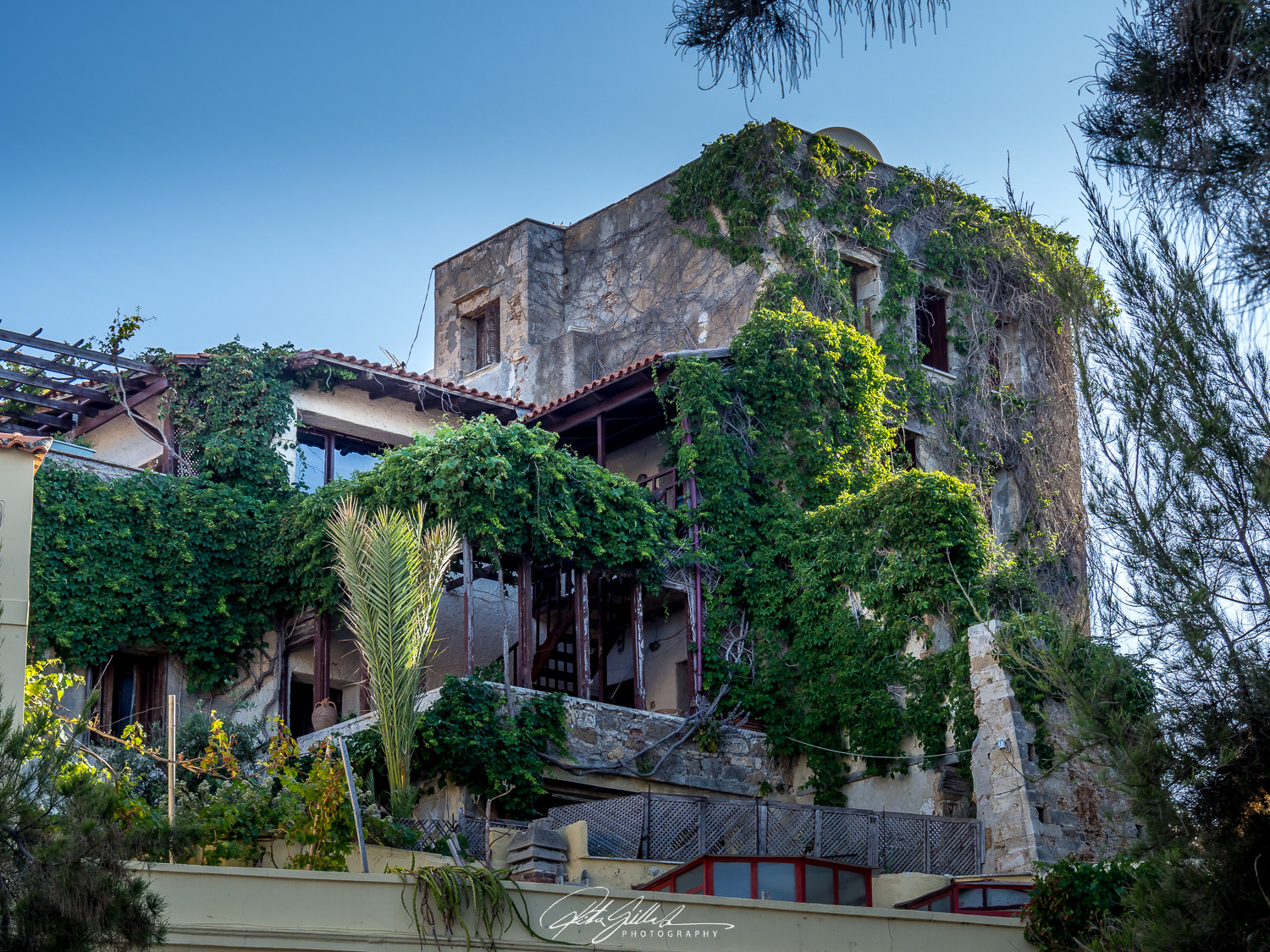
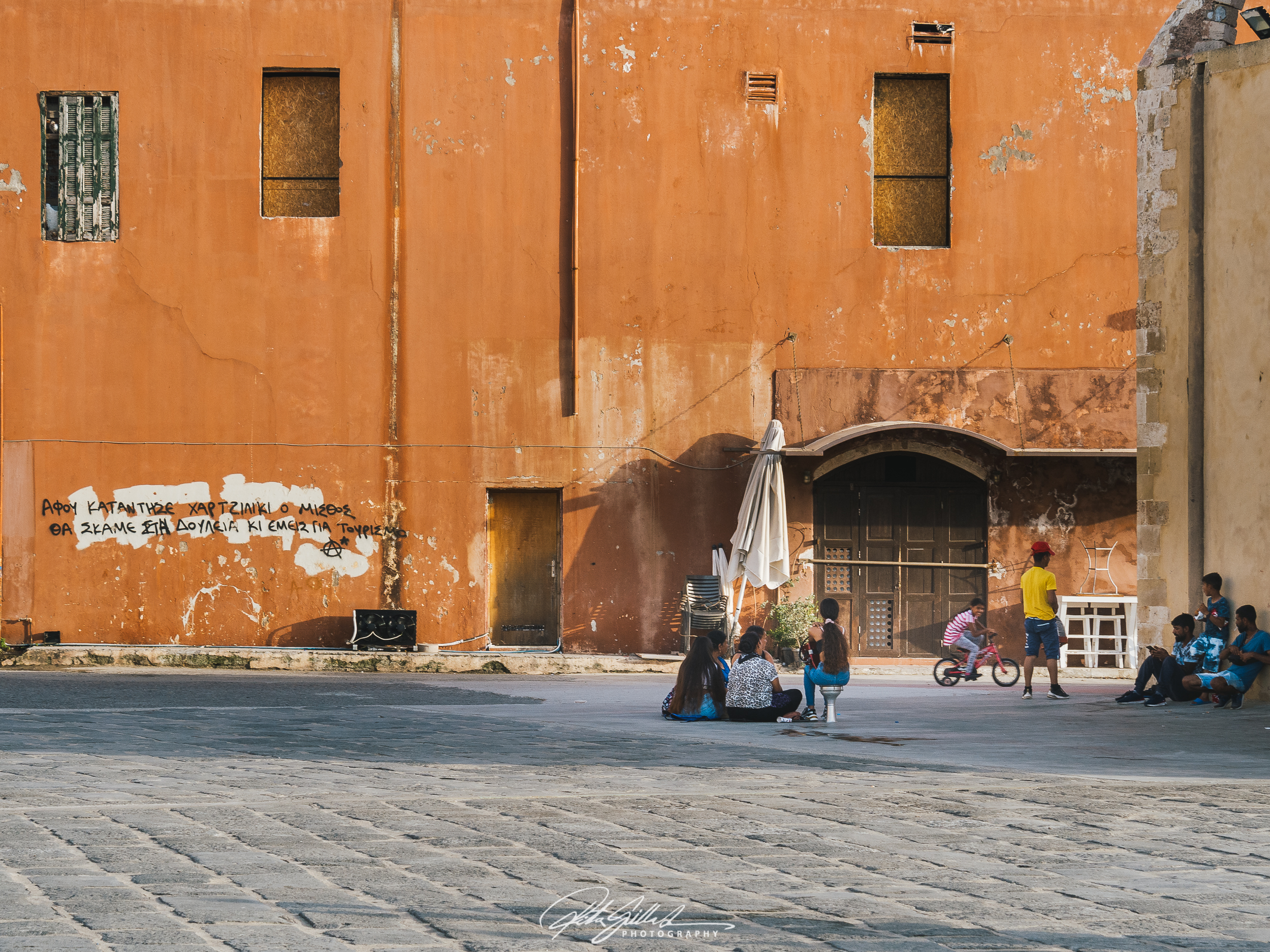
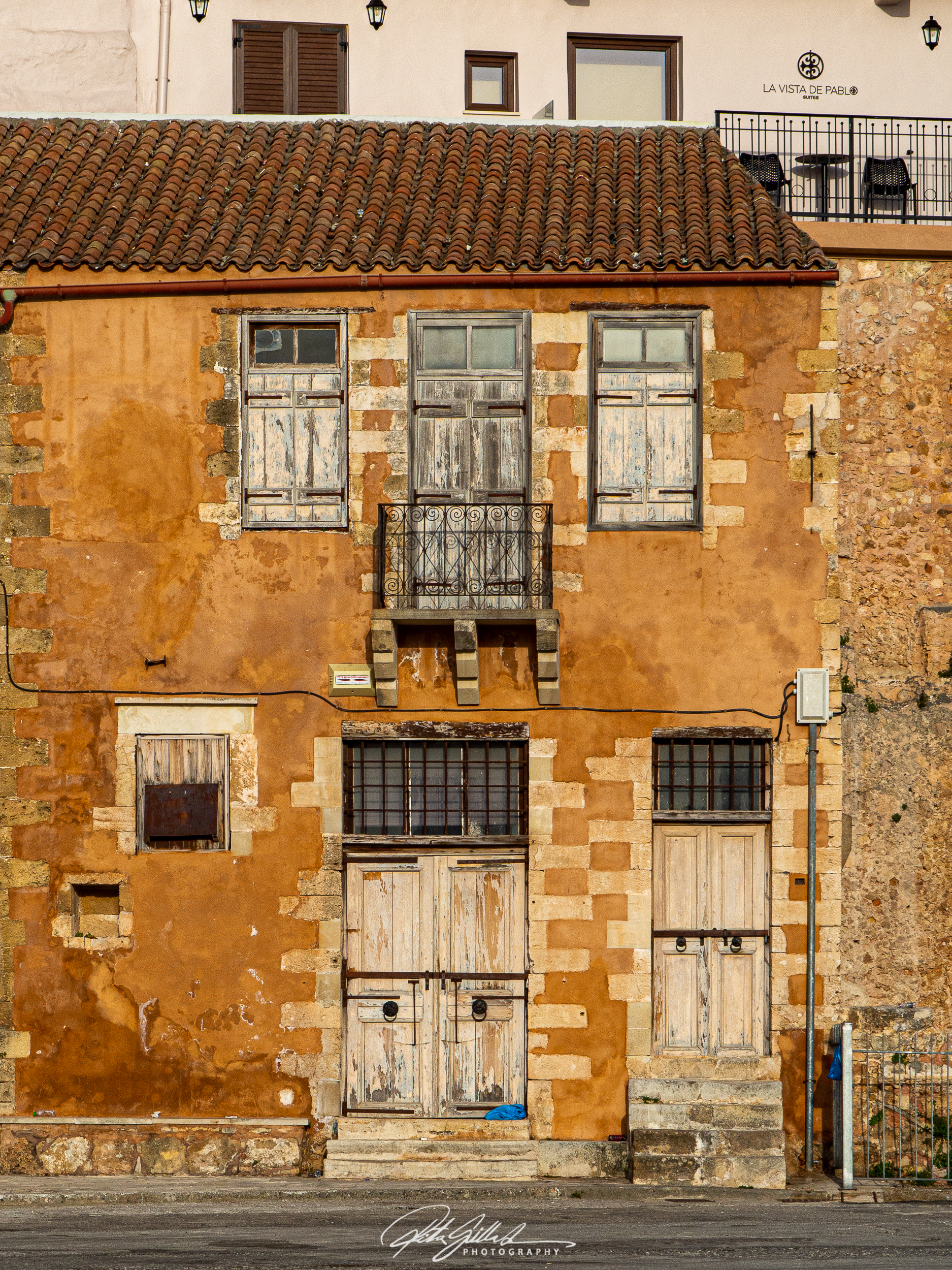
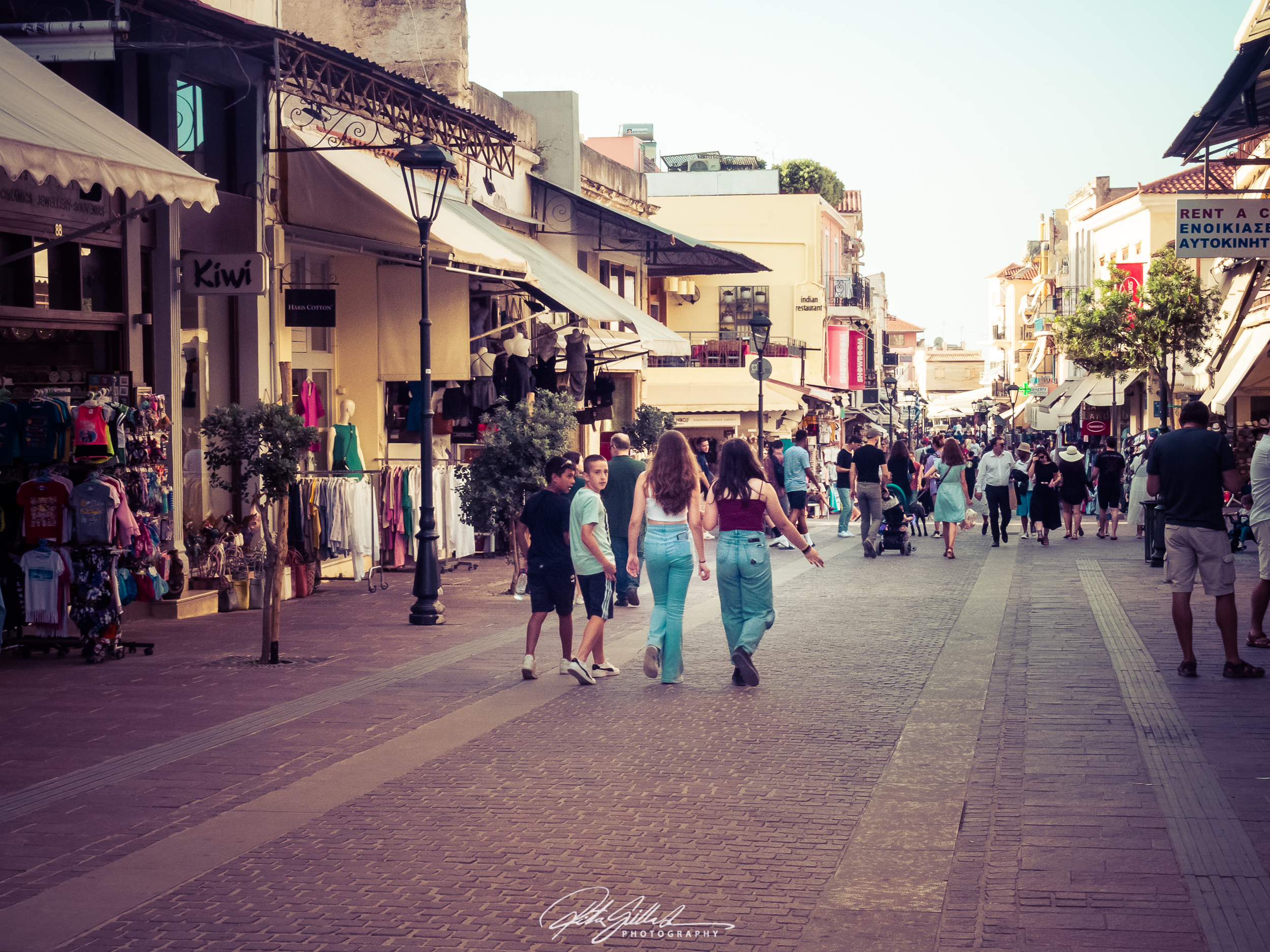
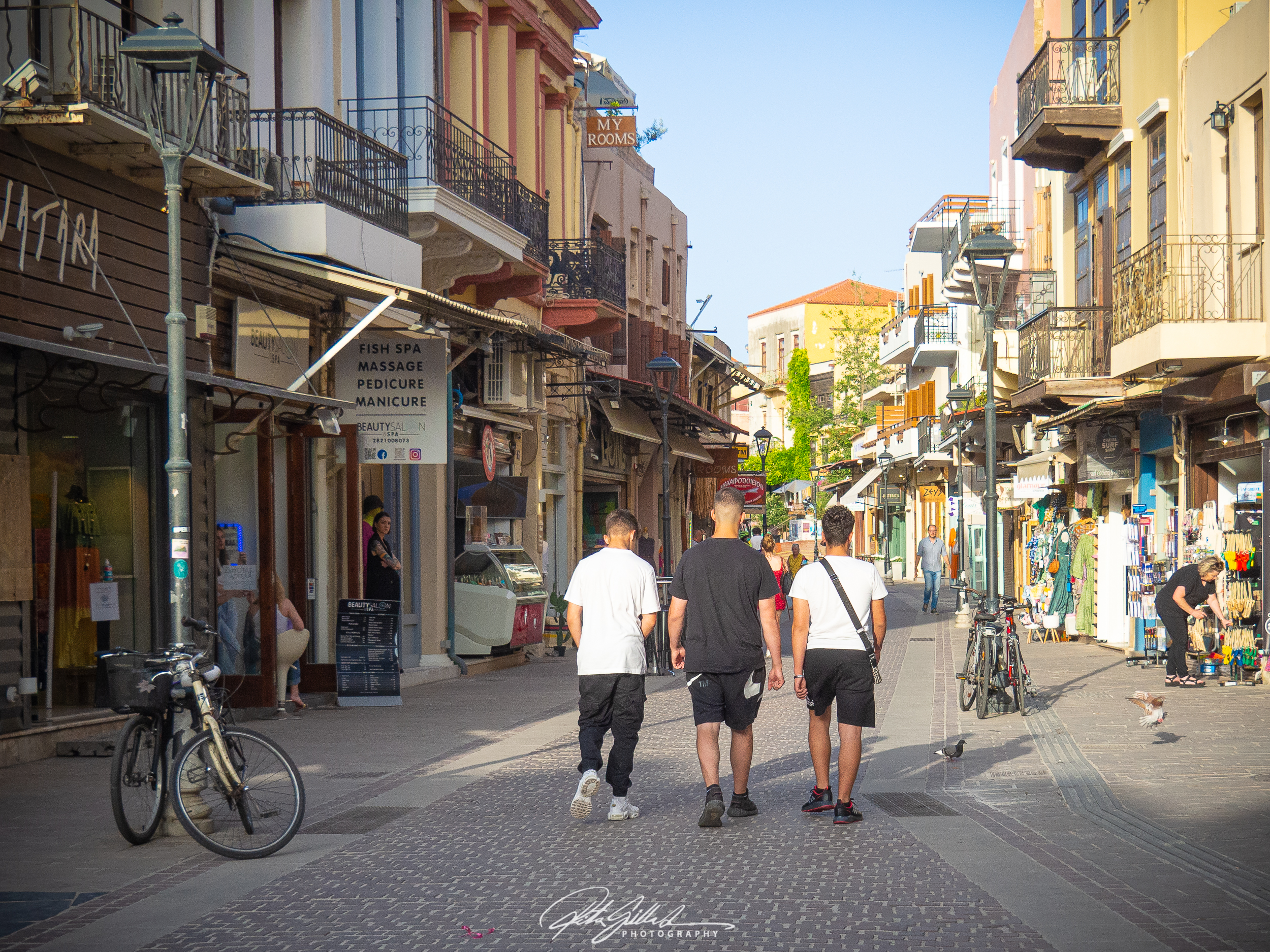
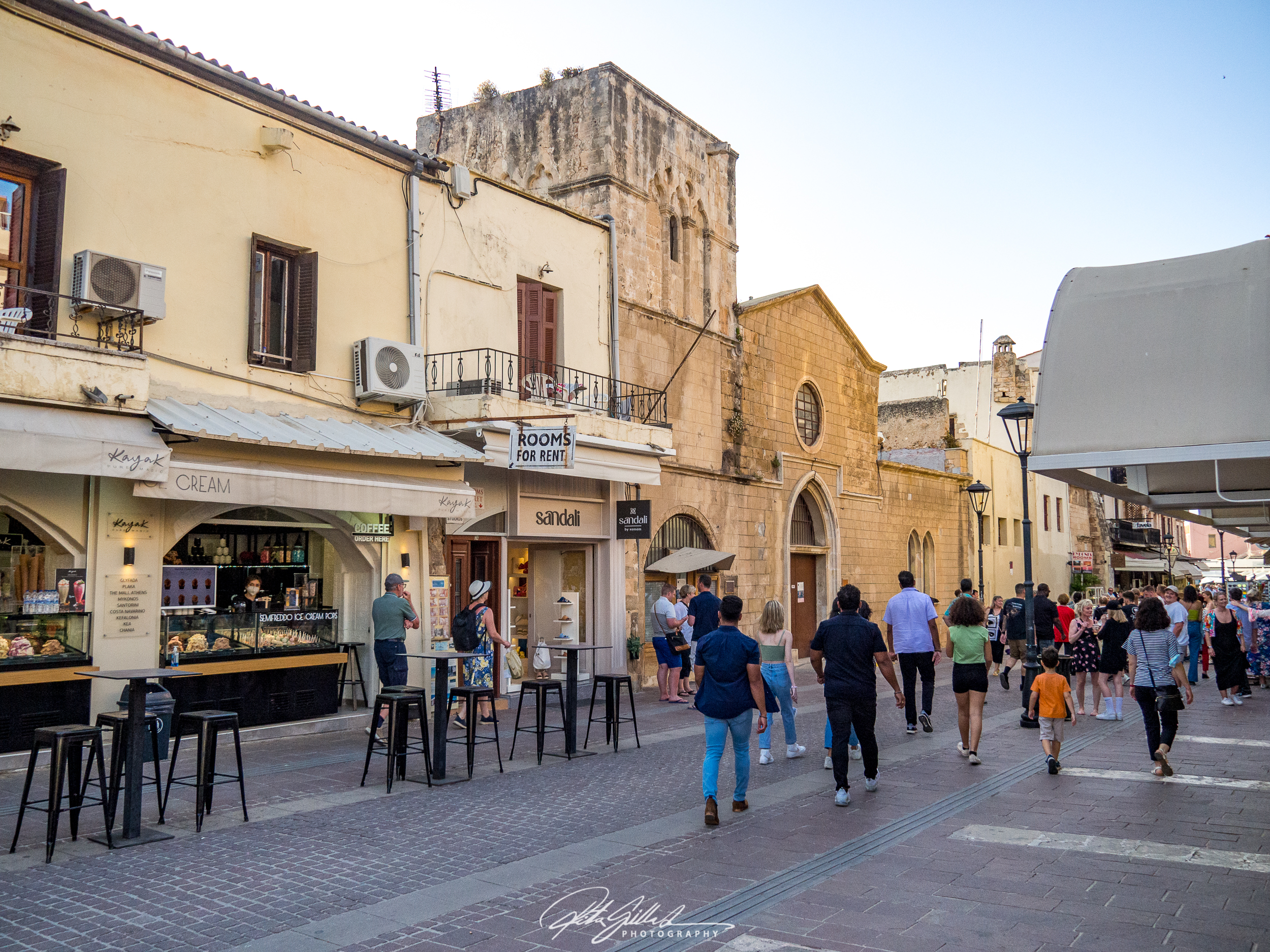
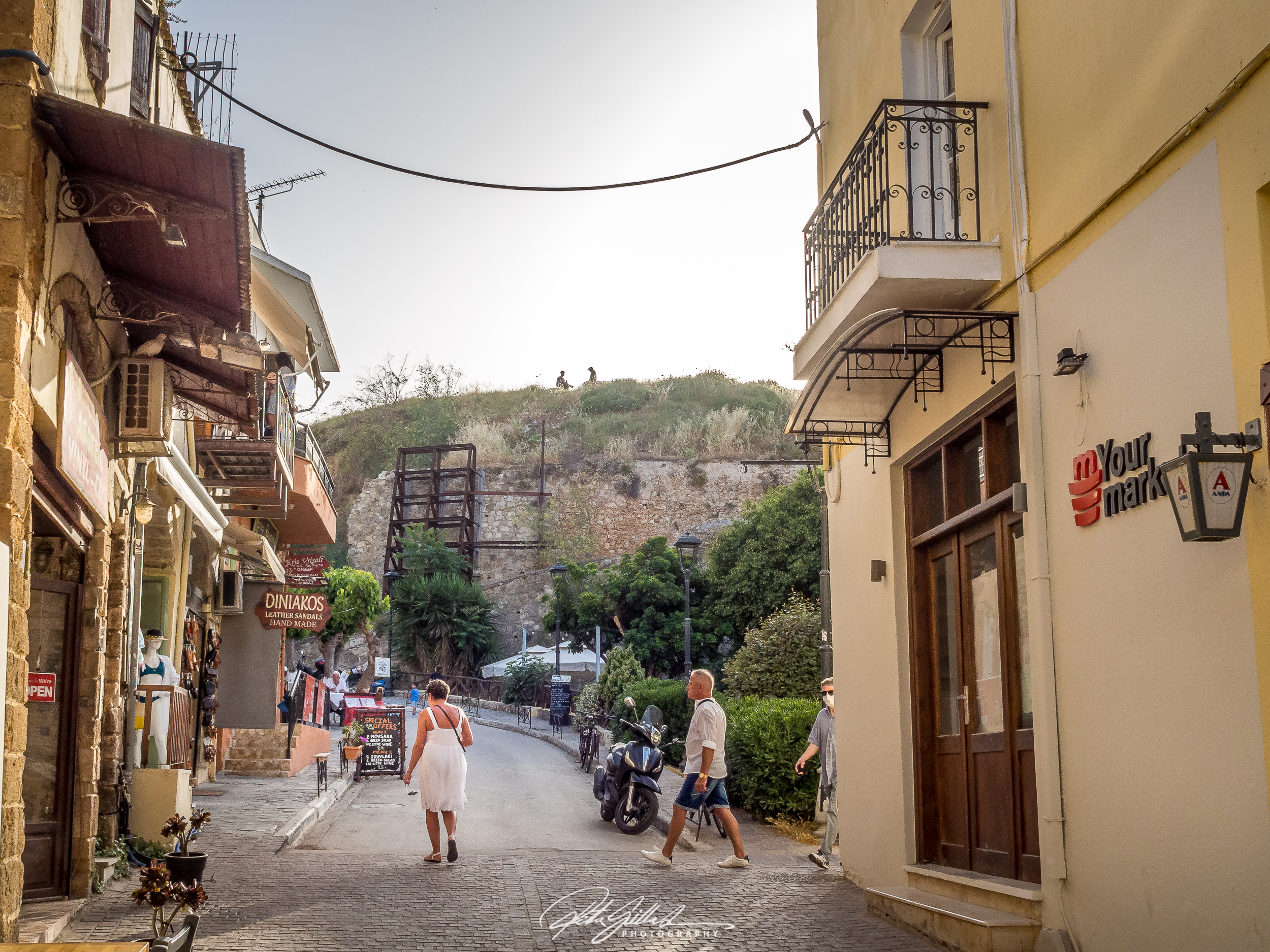
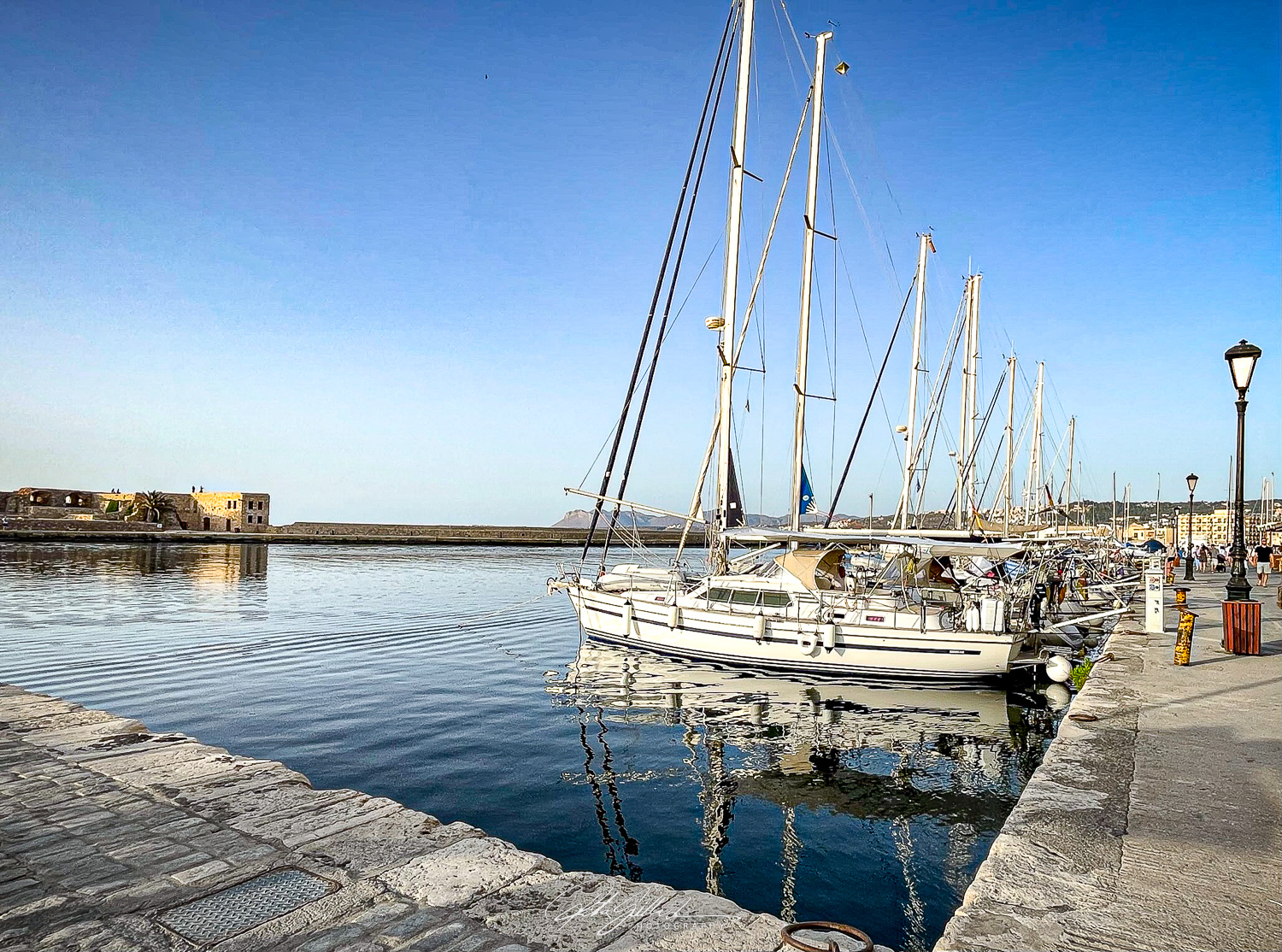
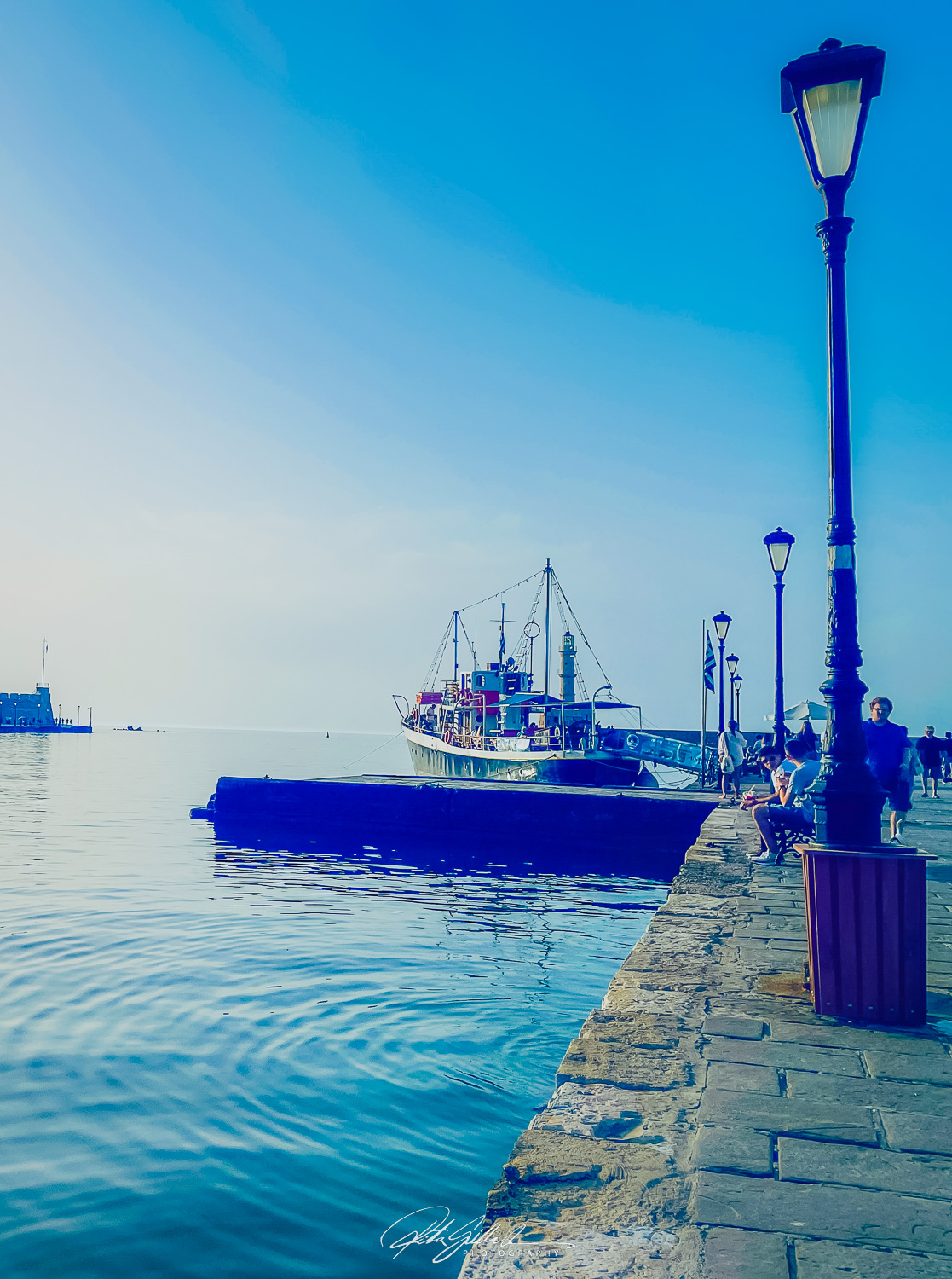
    Some atmosphere photos from Chania old town lanes and the harbor area from an other perspective

    Traveling Crete #9

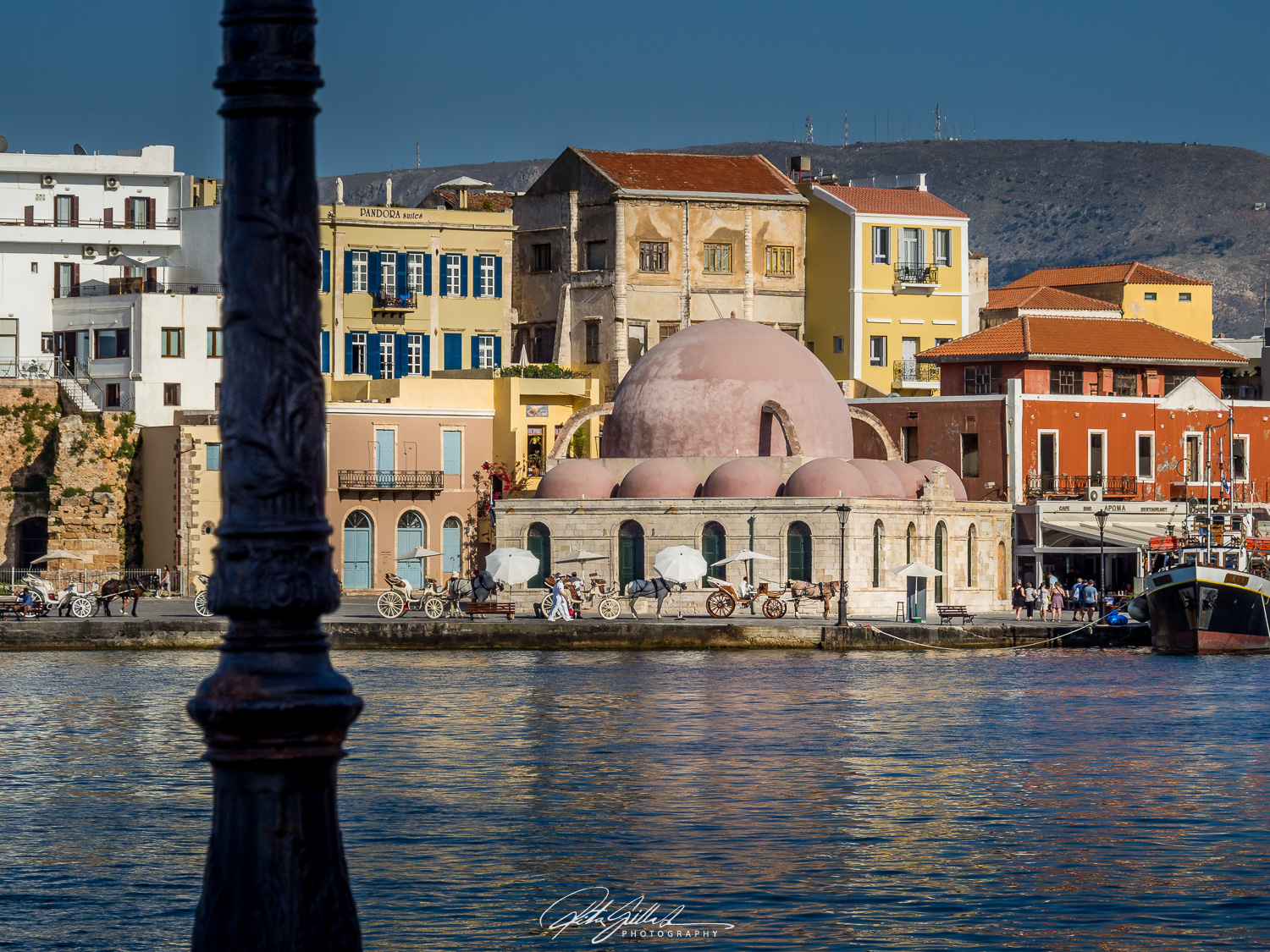
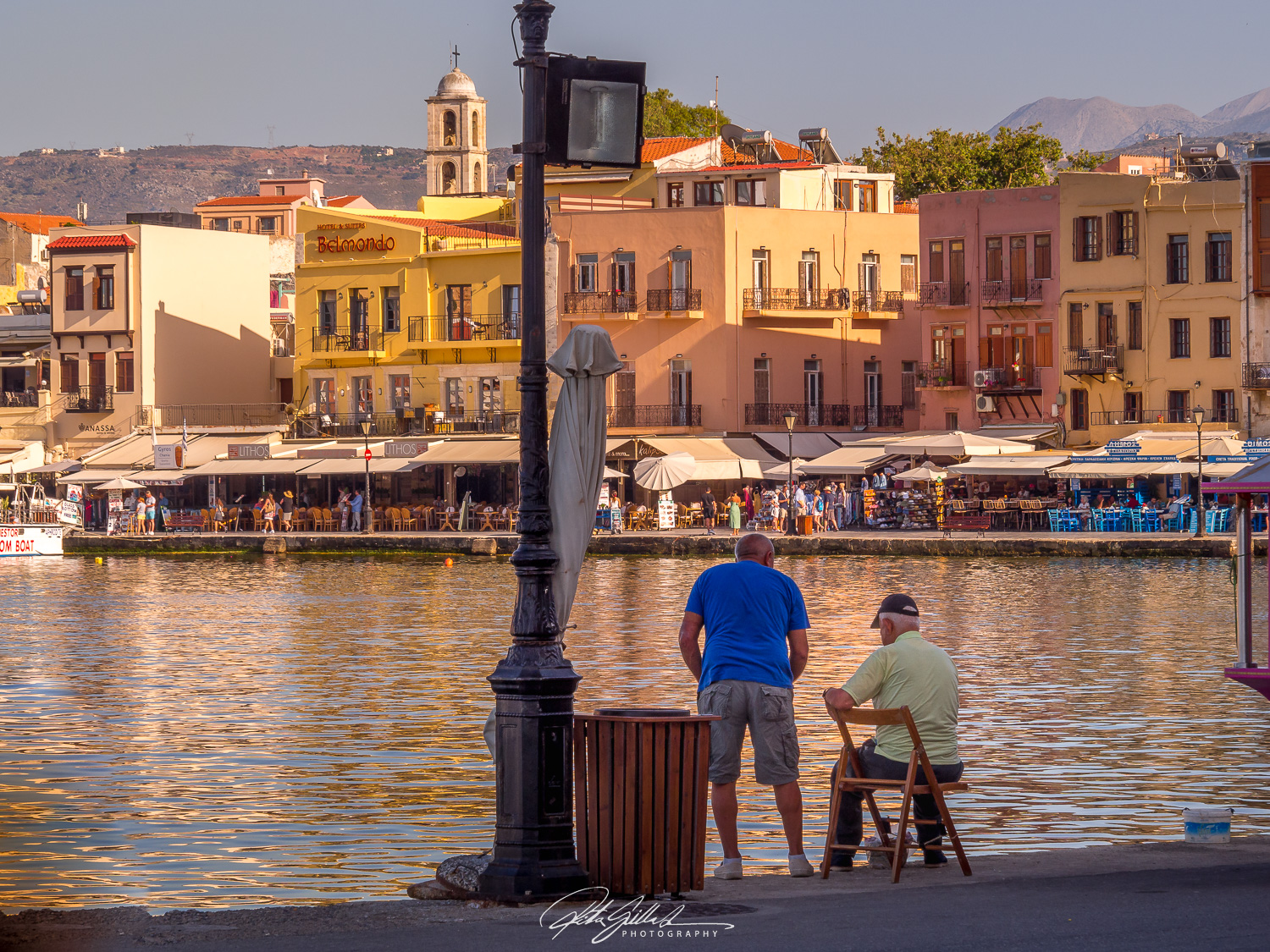
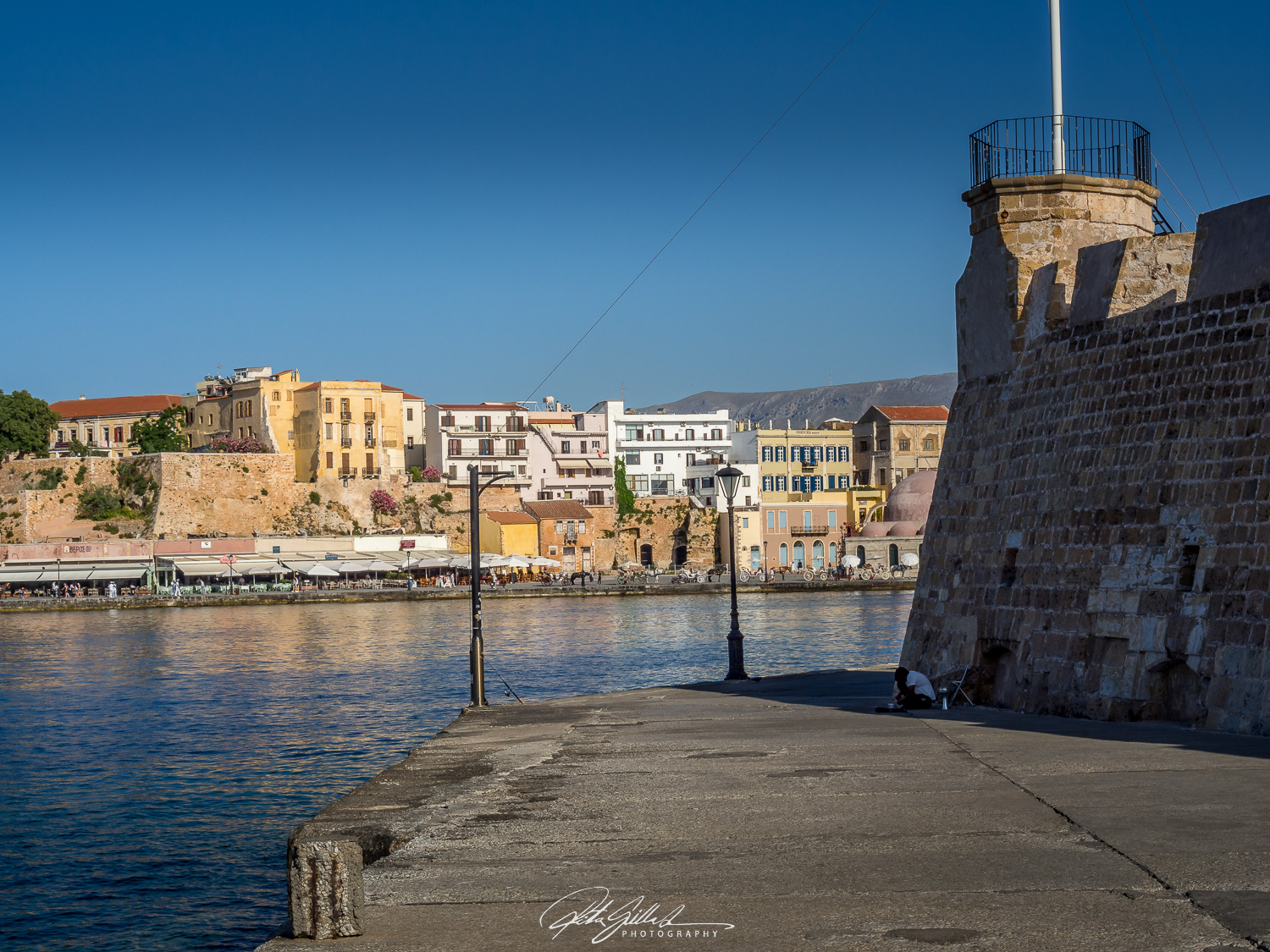
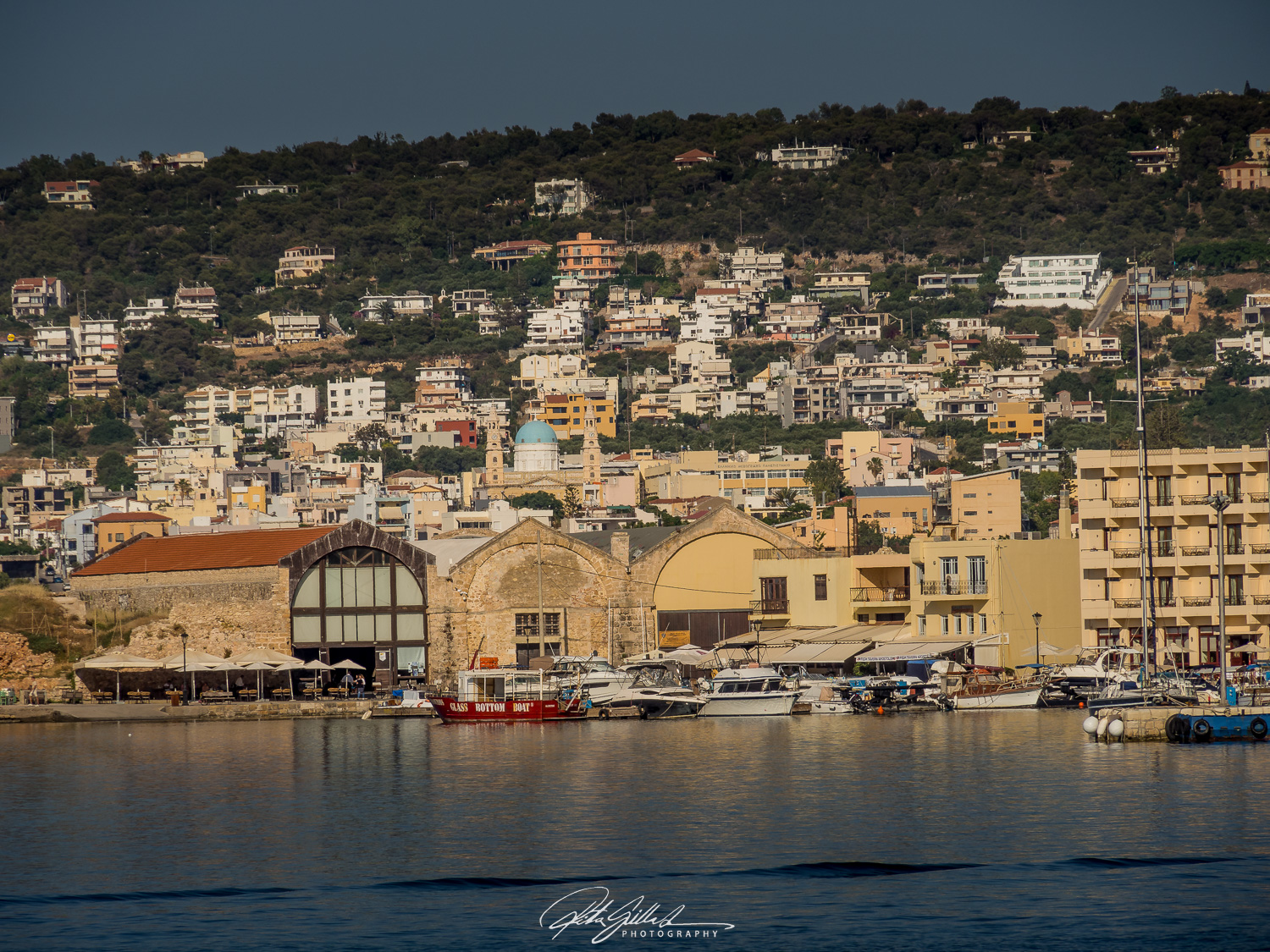
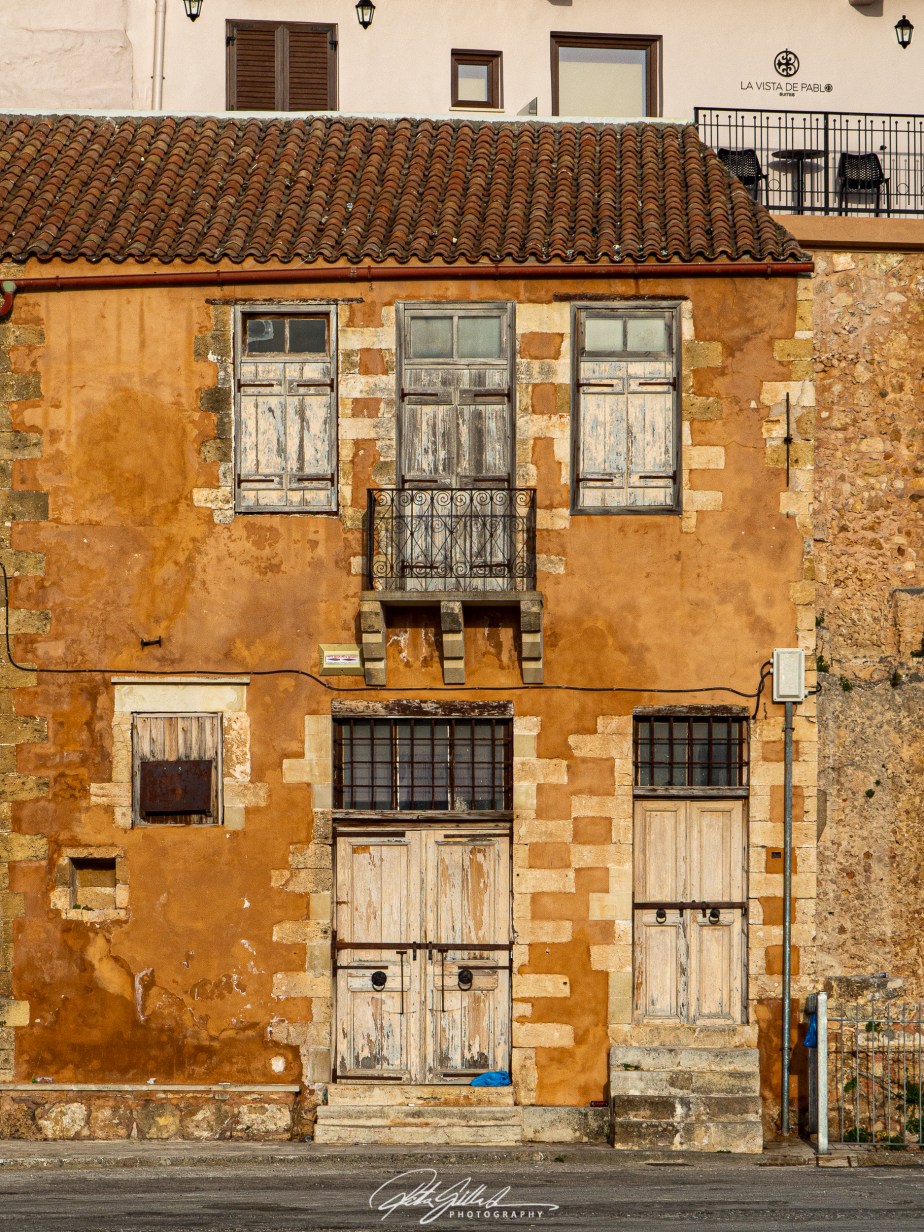
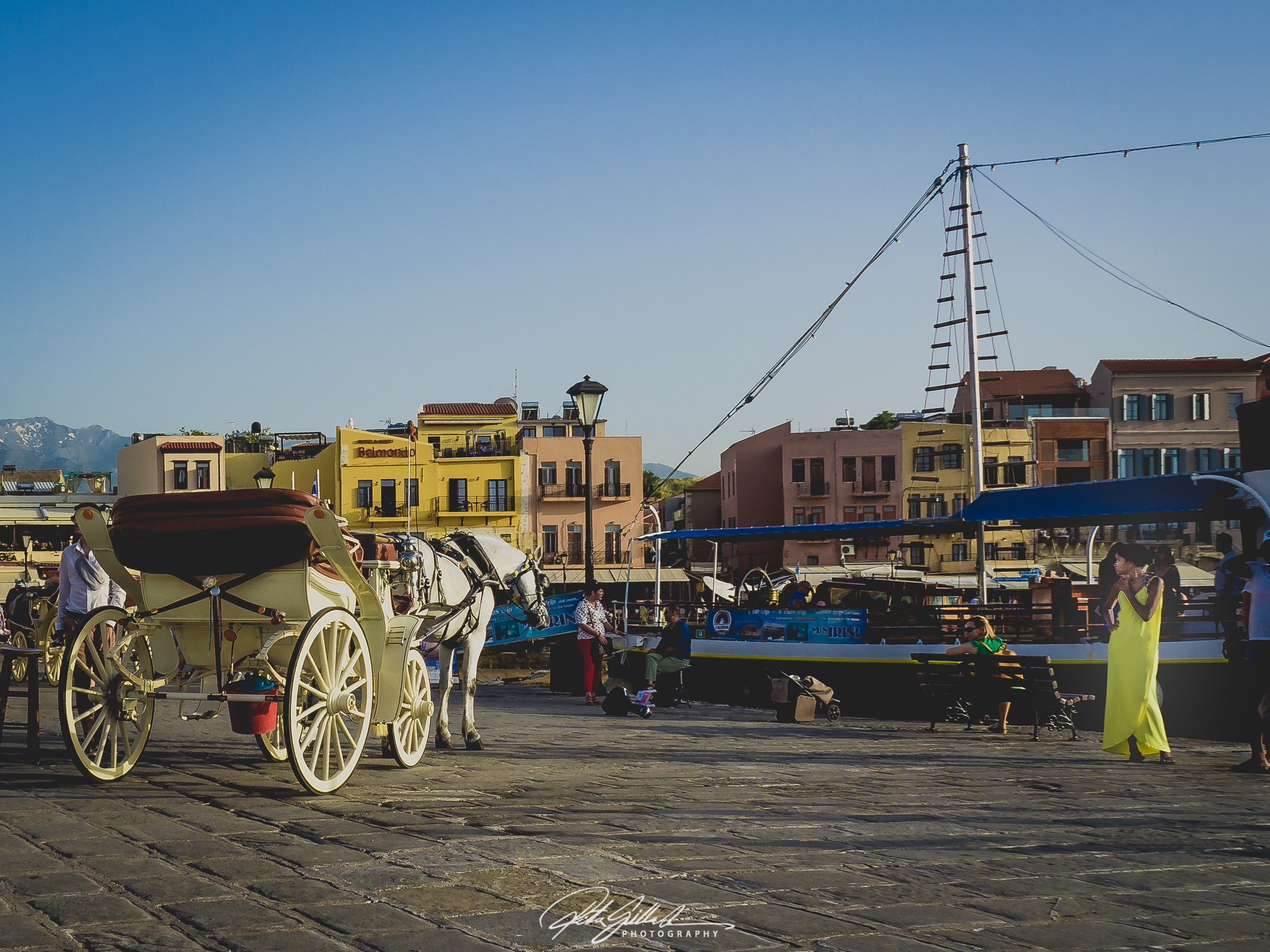
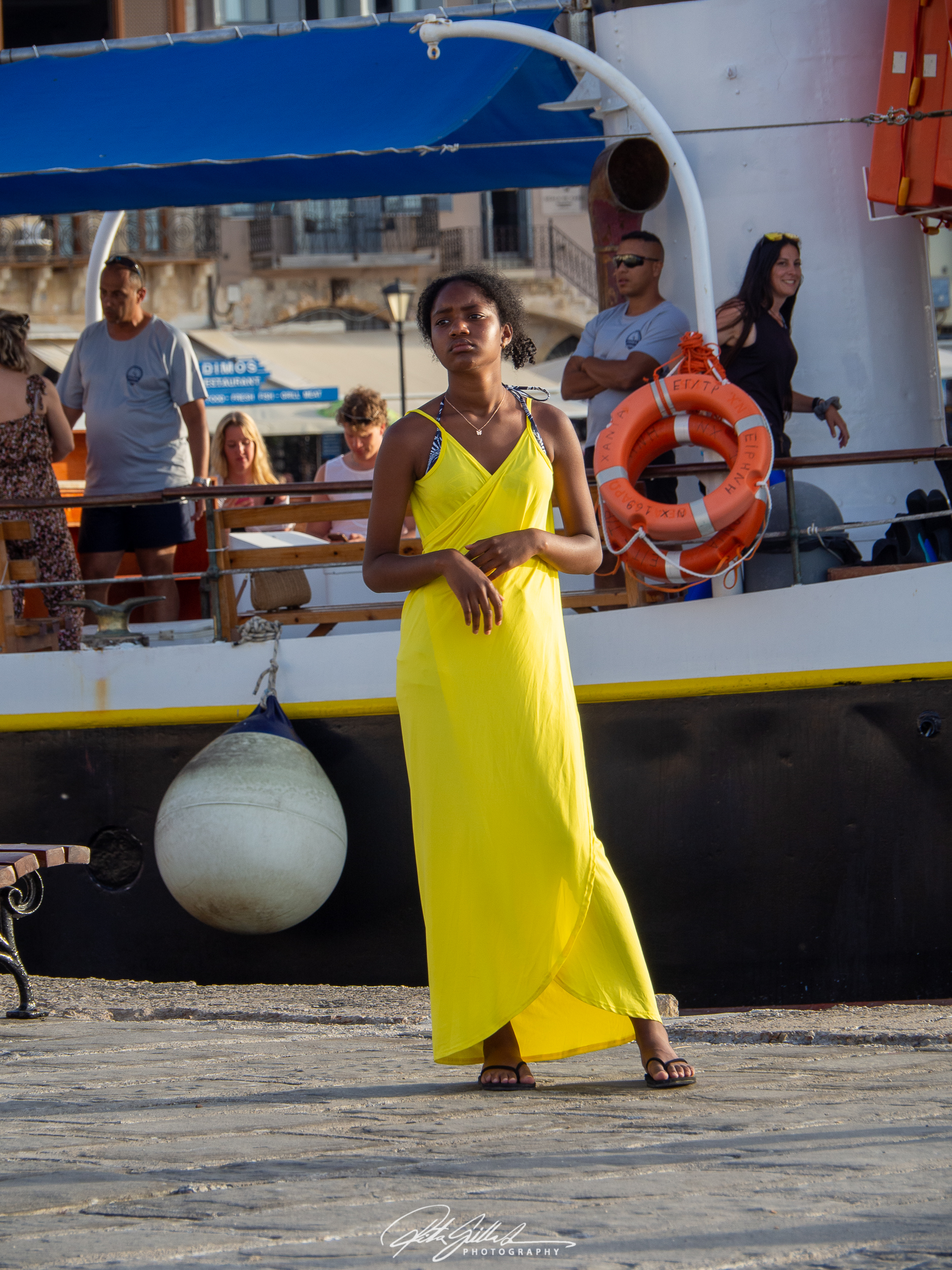
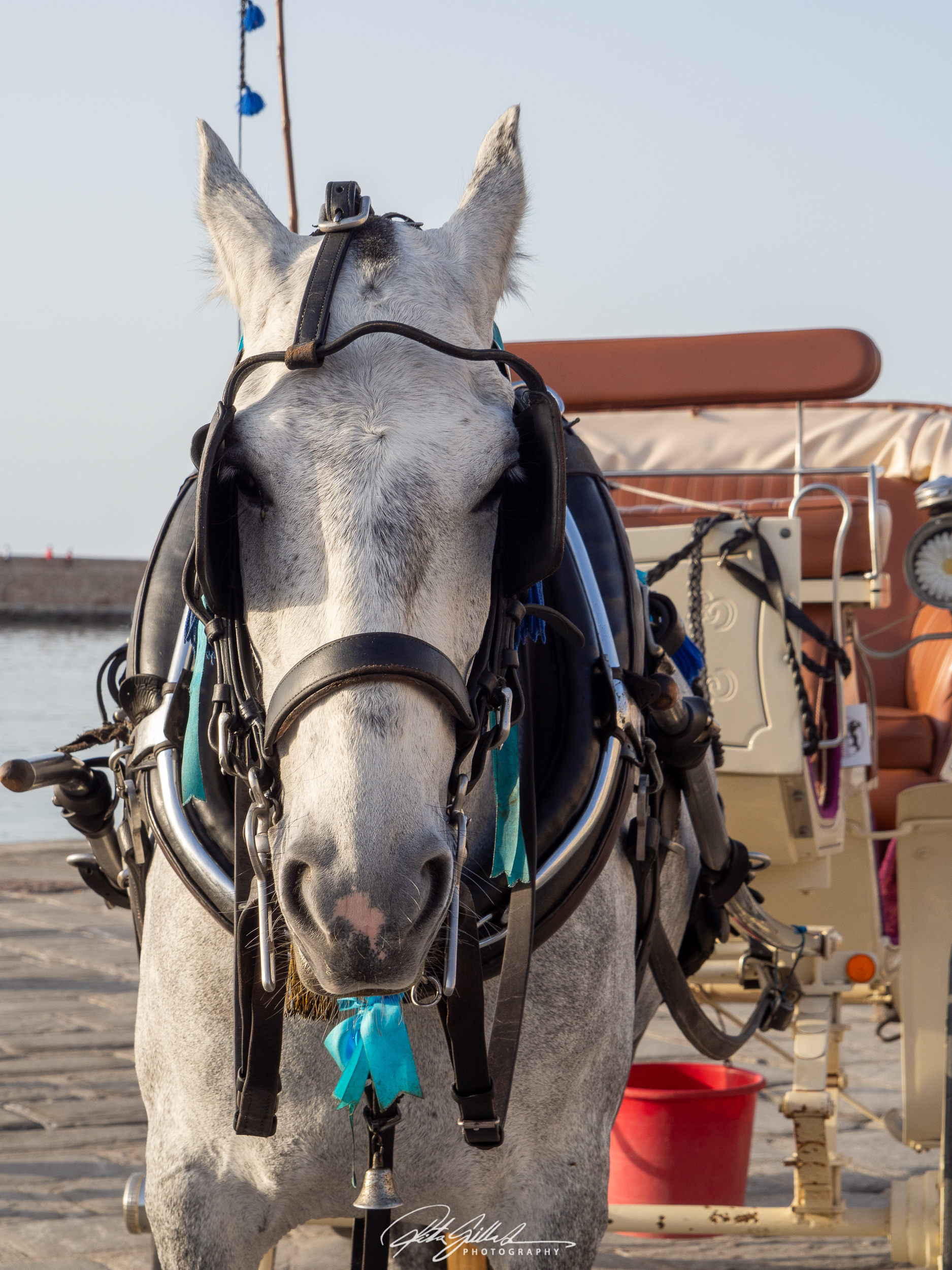
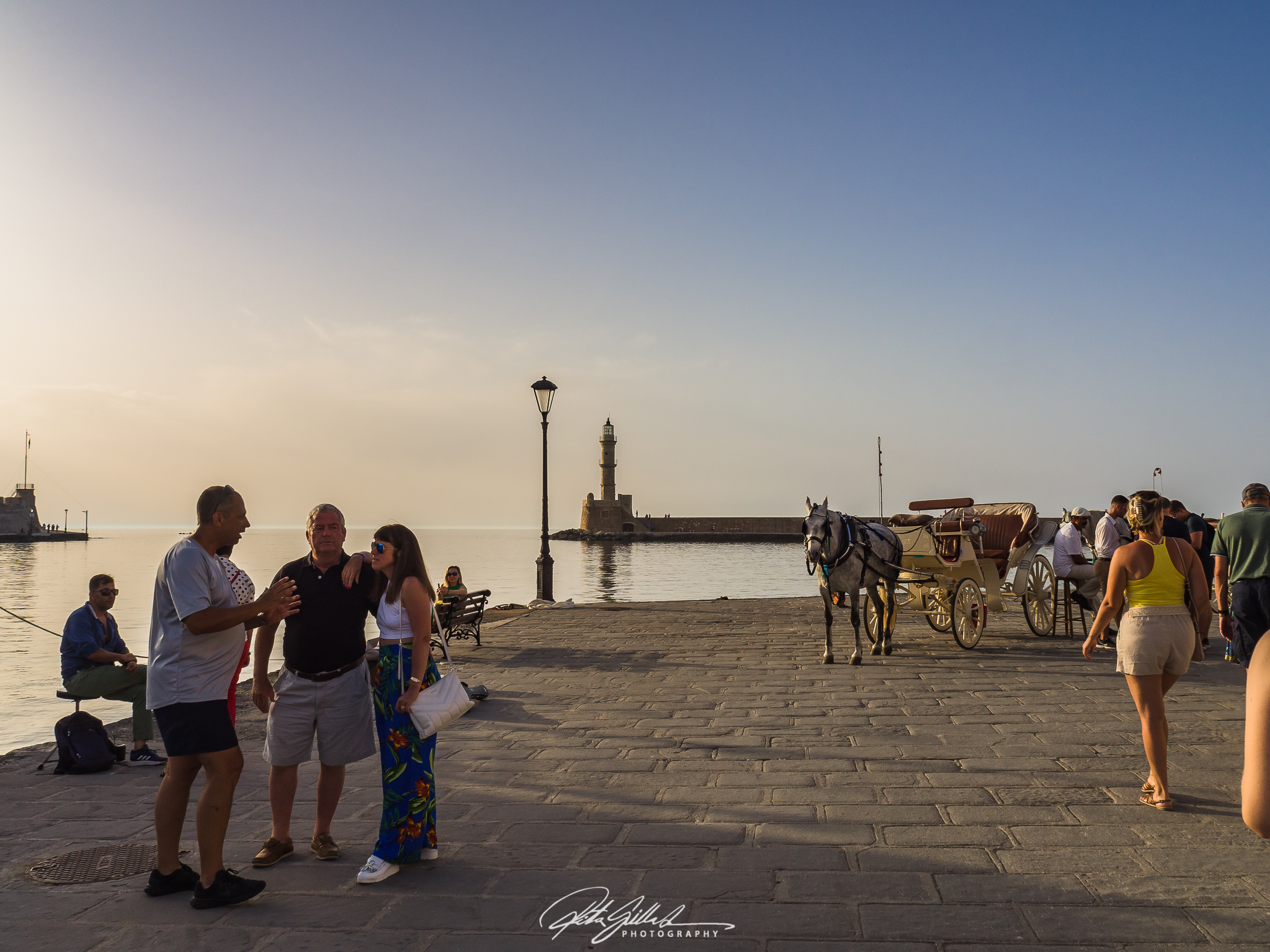
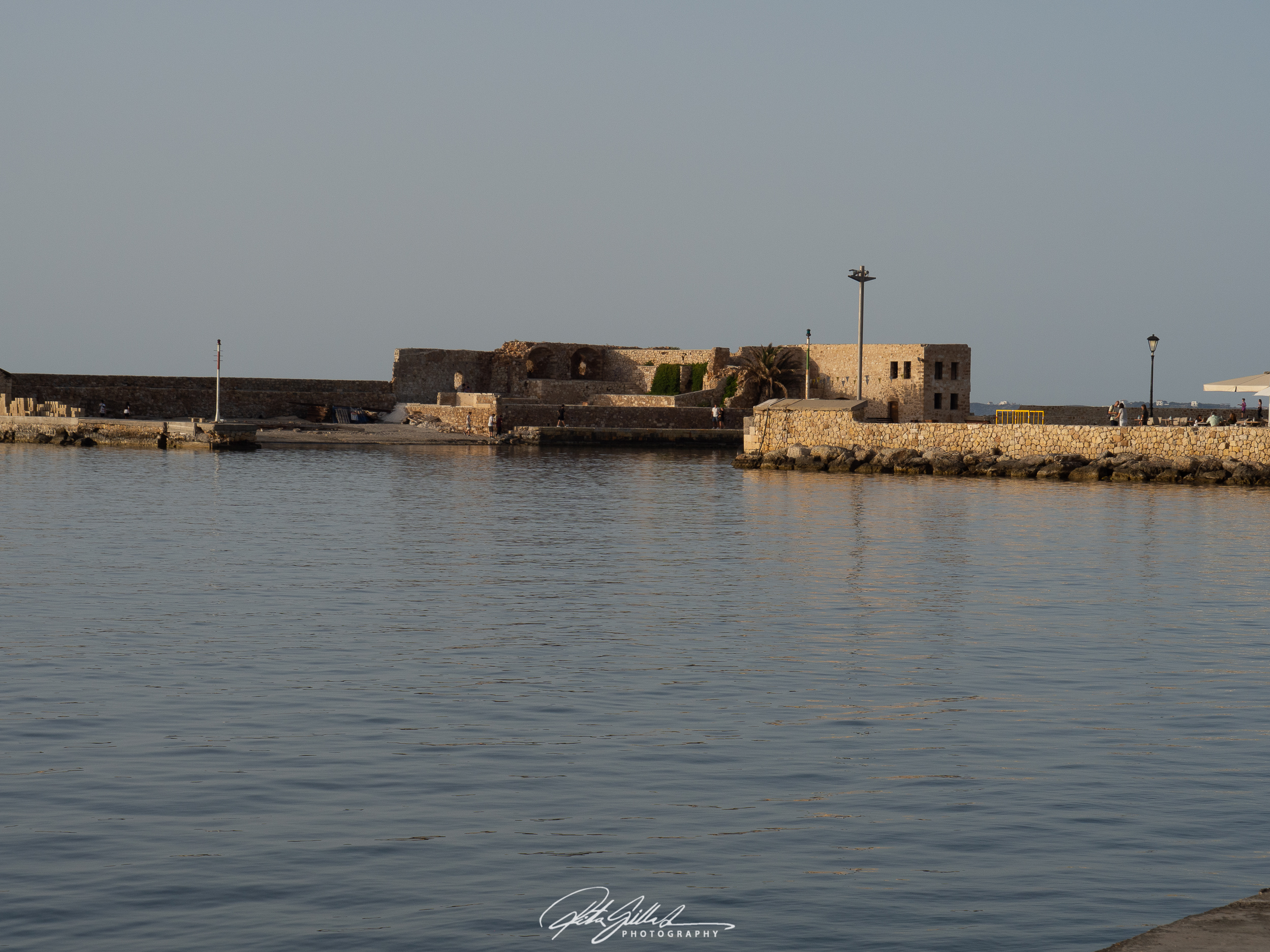
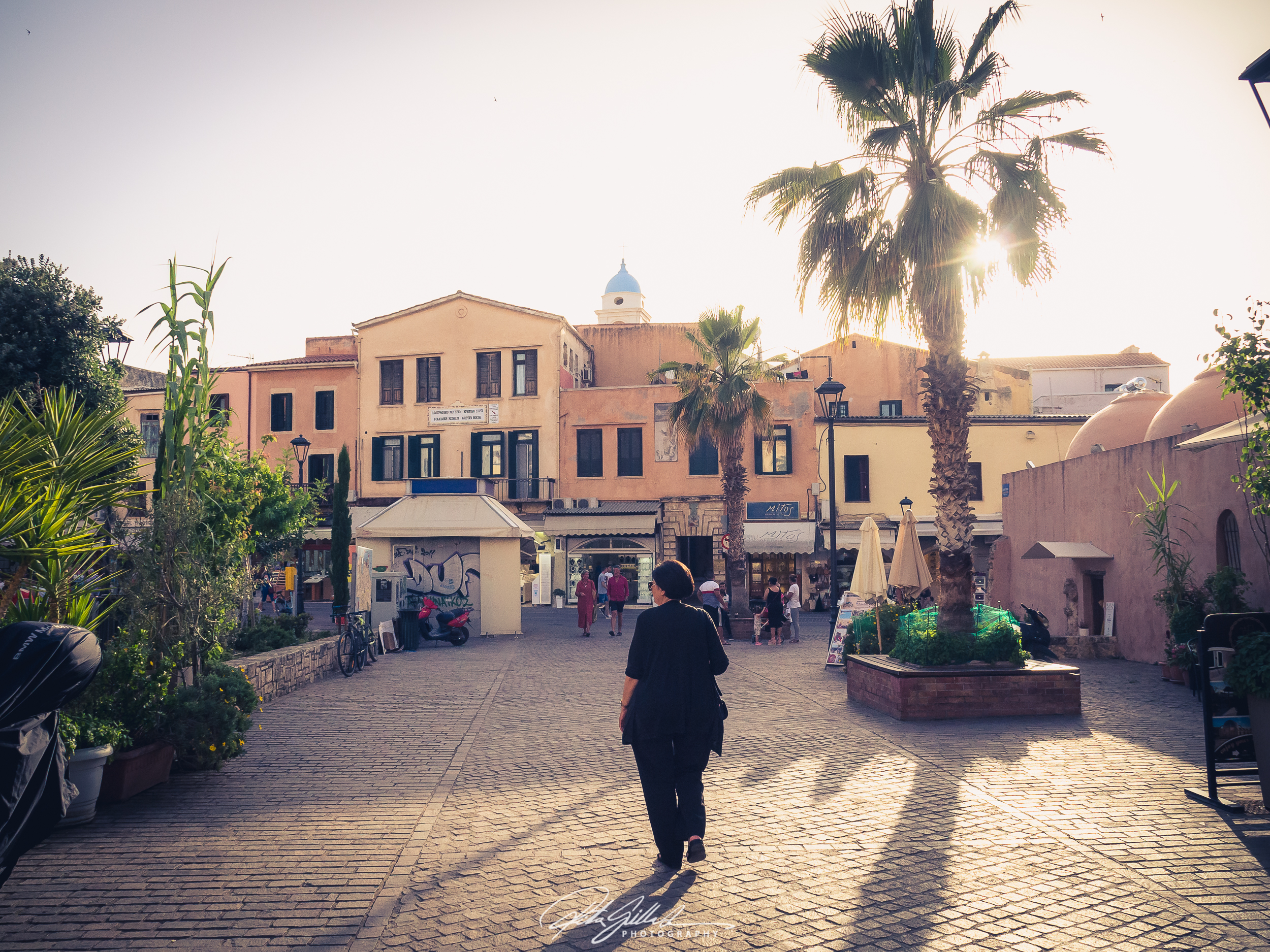
    Some atmosphere photos from Chania and buildings at the Venetian harbor. The first set I took with my mobile and the other with my camera where I was able to adjust the settings and zoom better and was able to get more moody shots.

    Traveling Crete #8

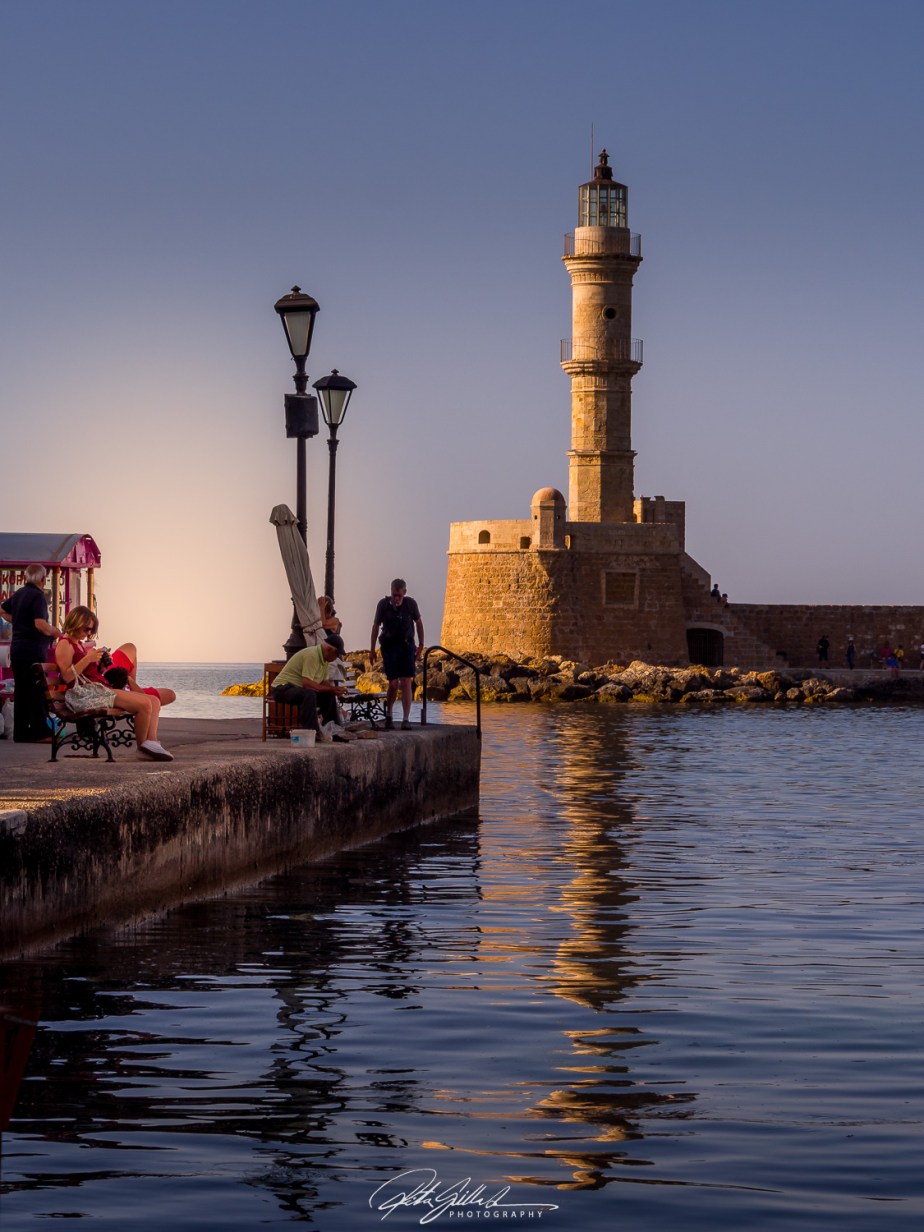
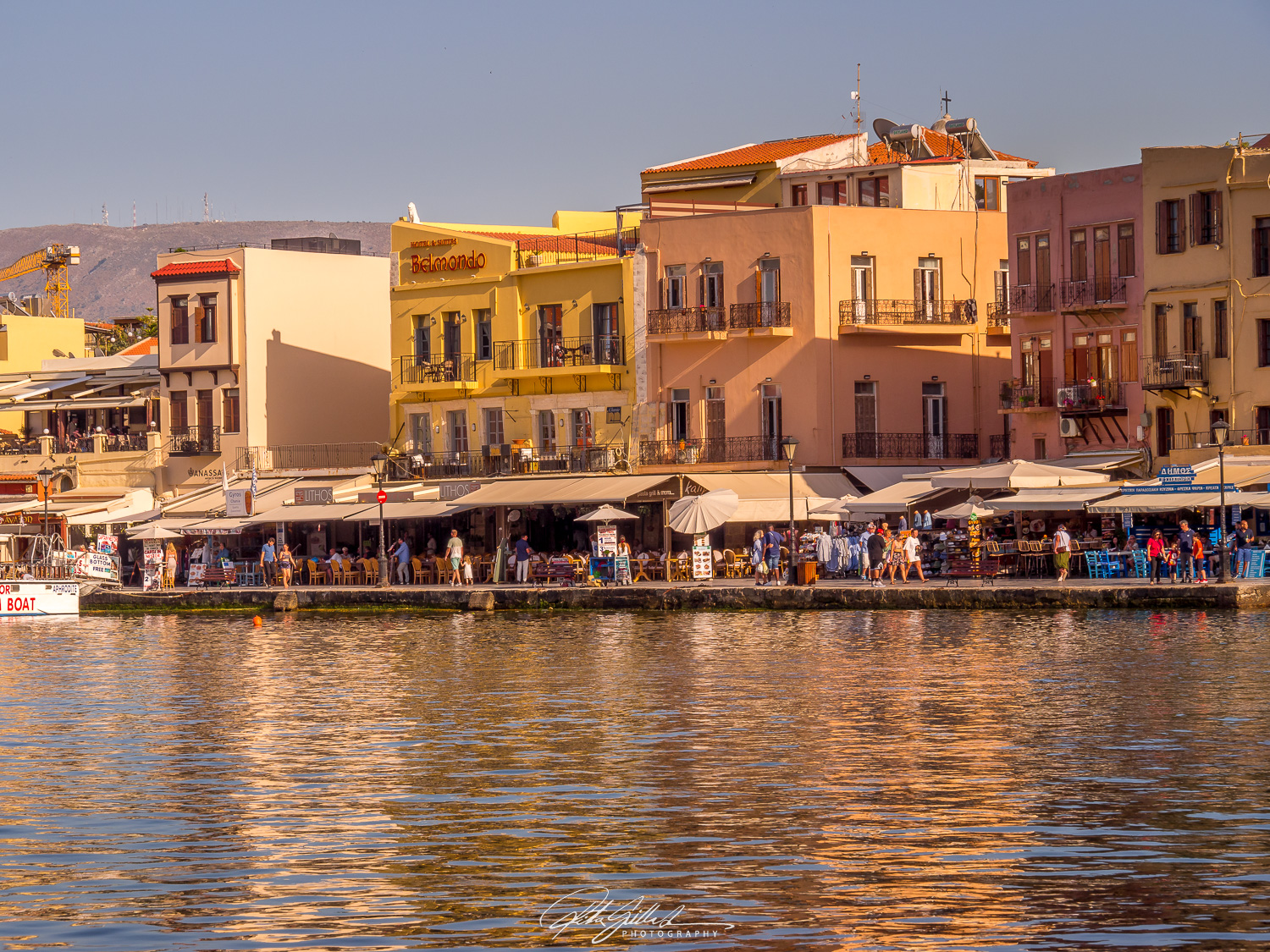
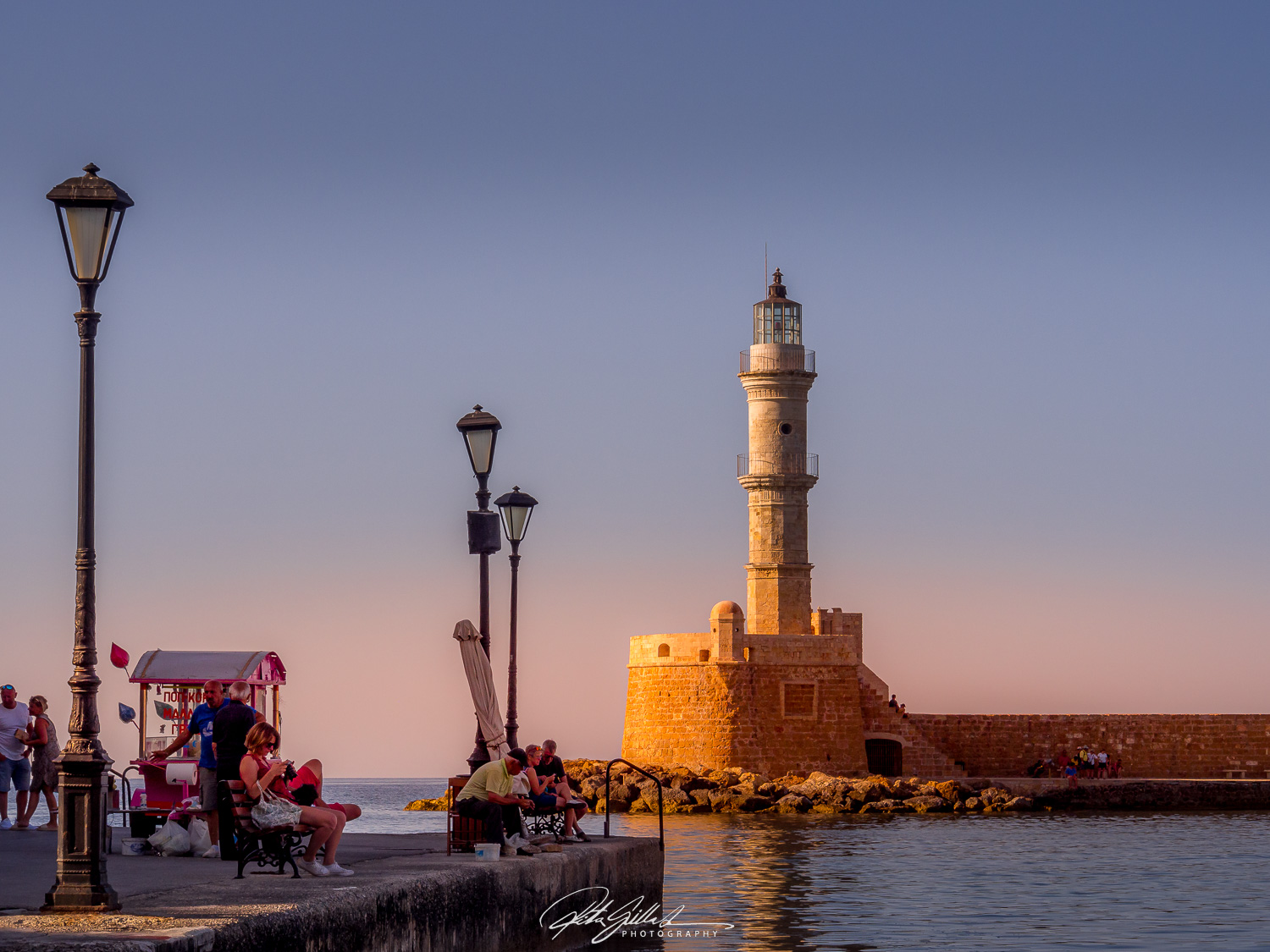
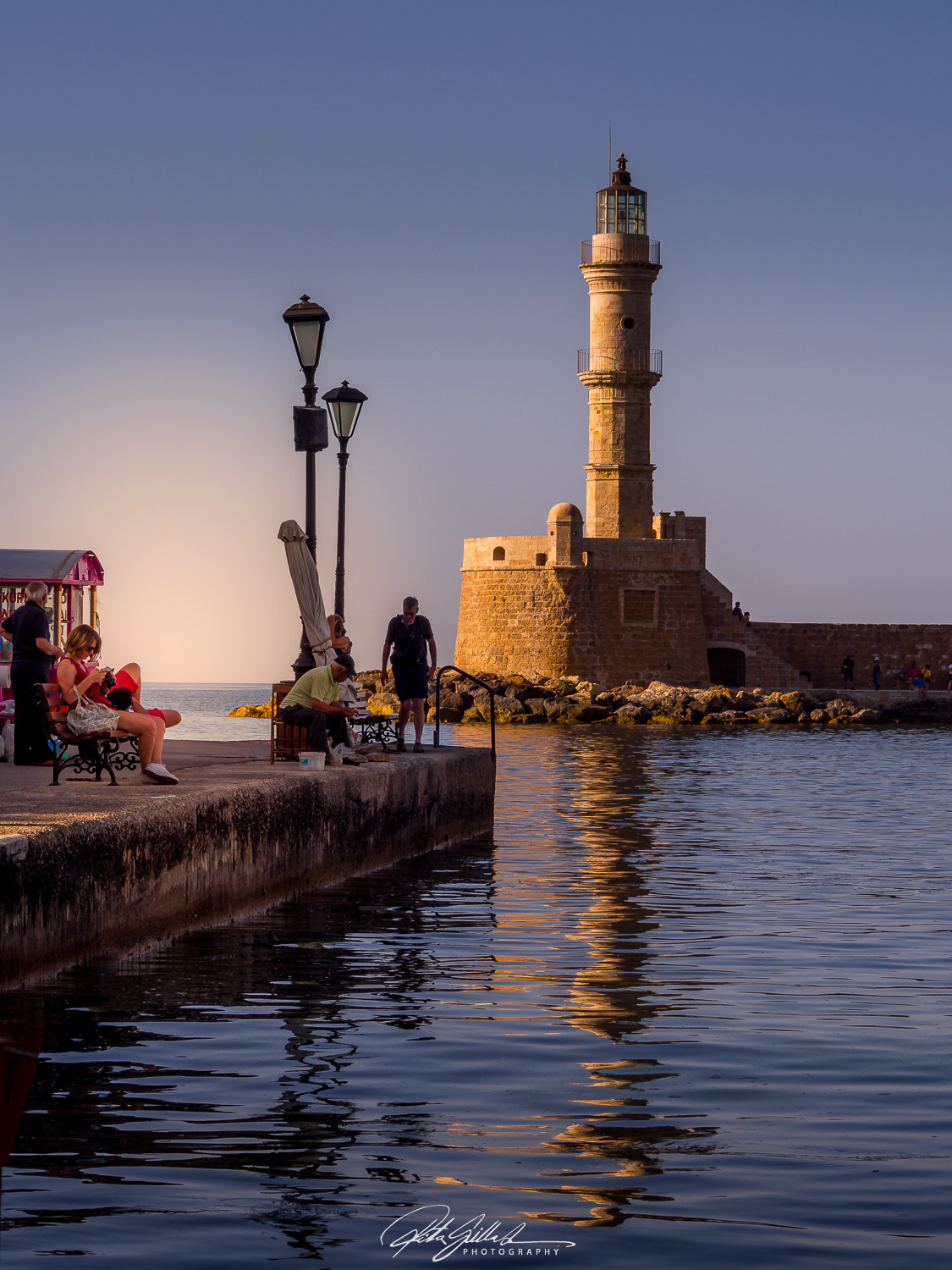
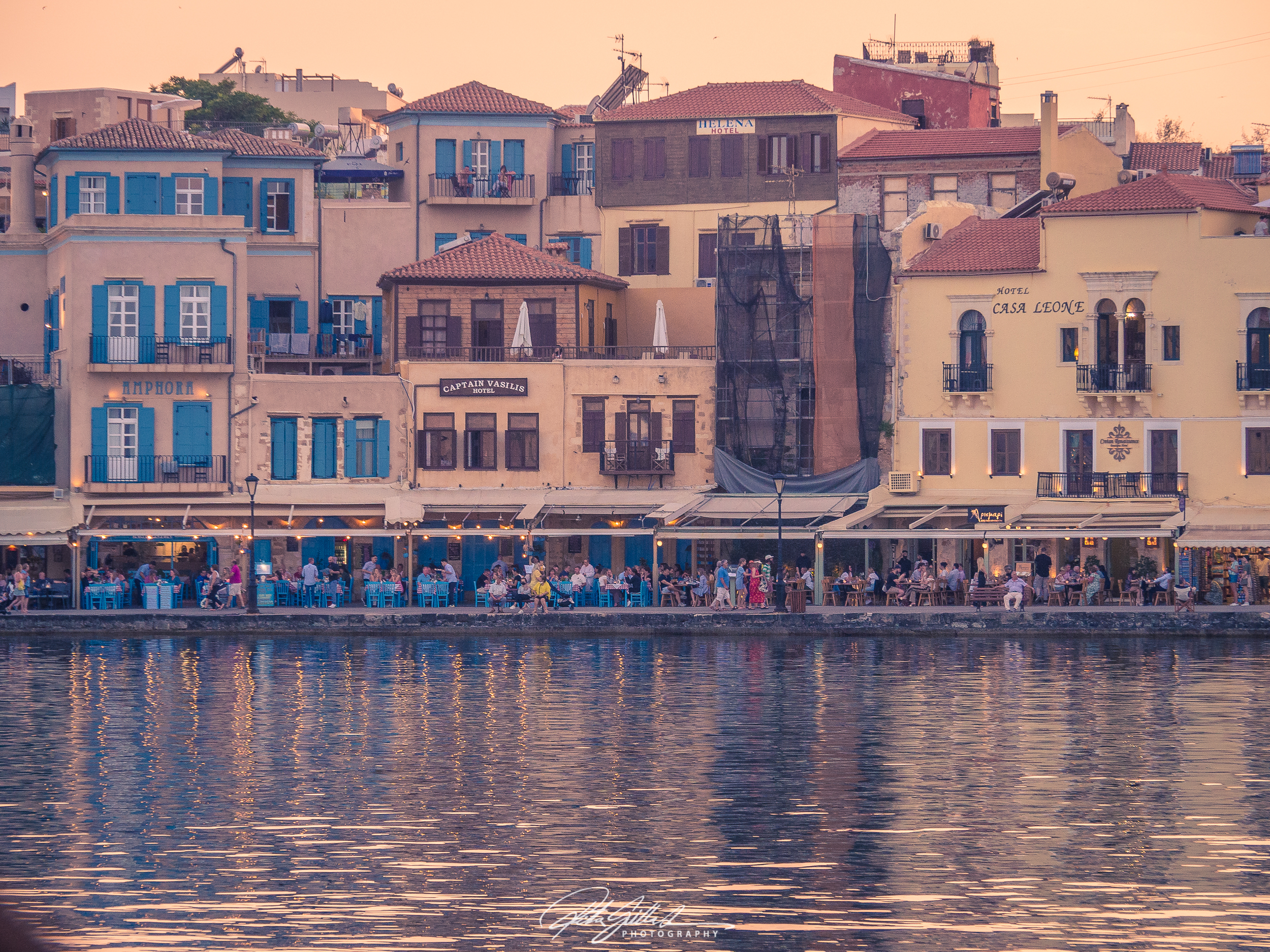
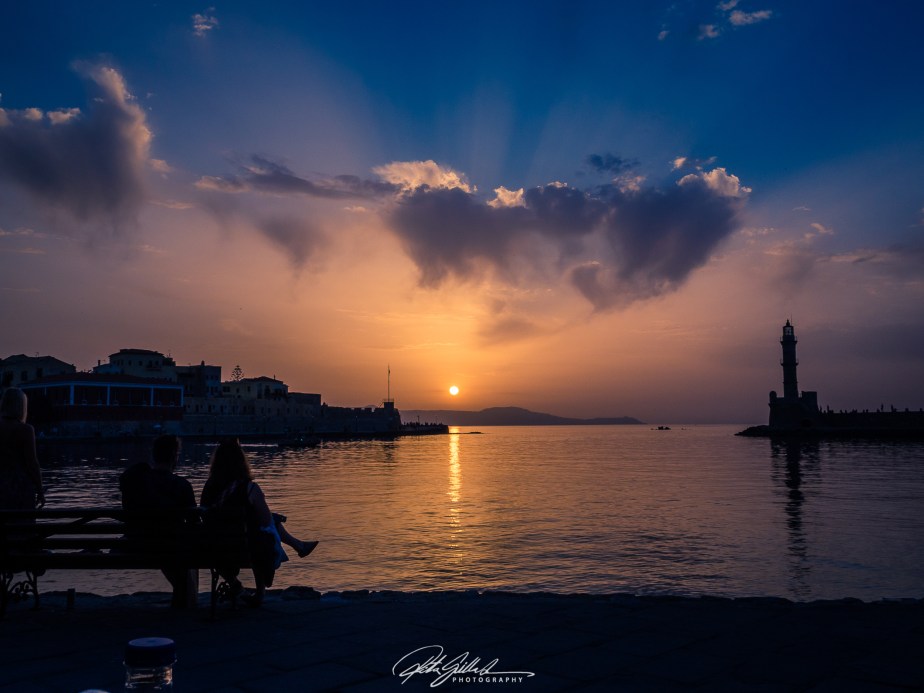
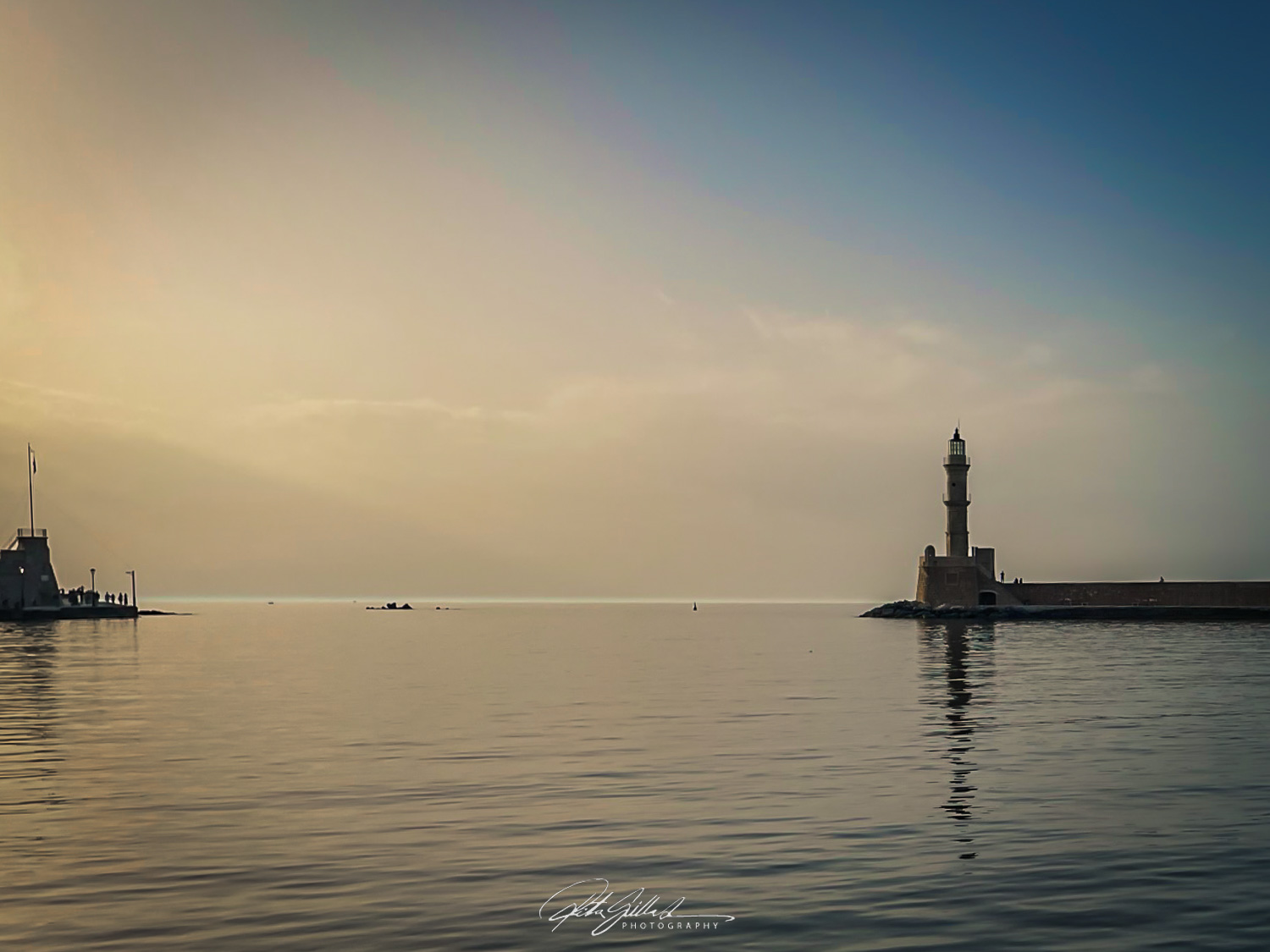
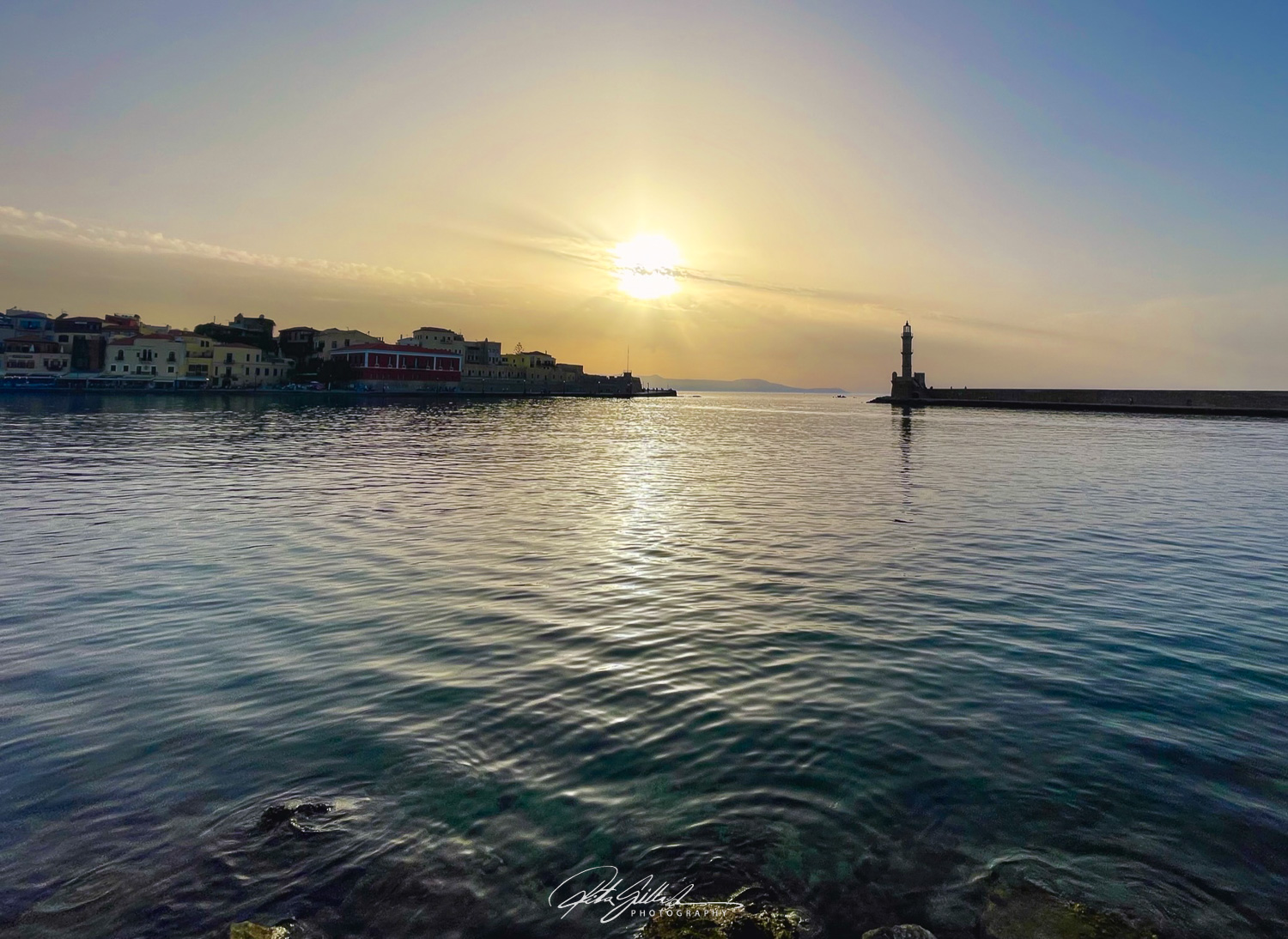
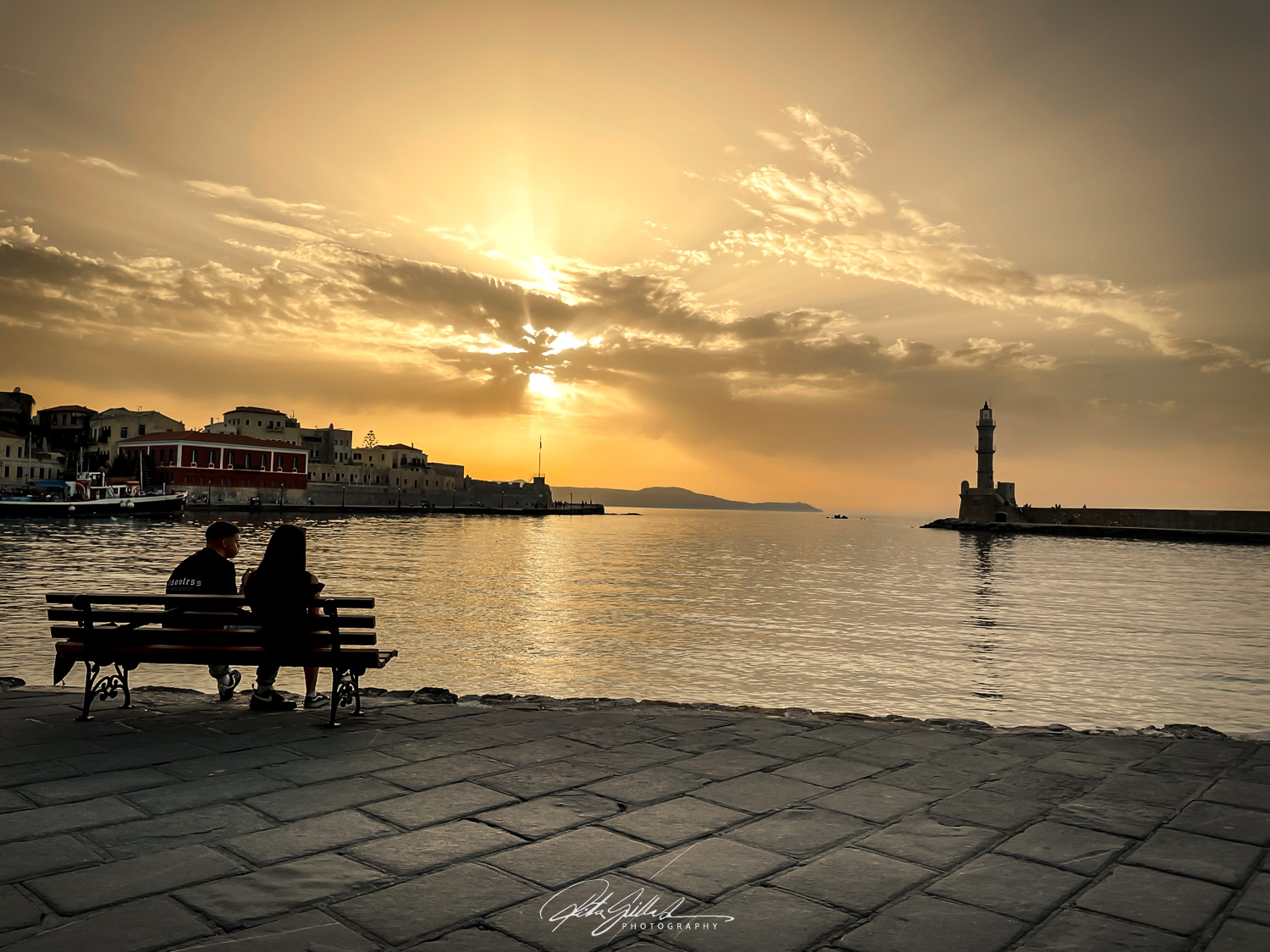
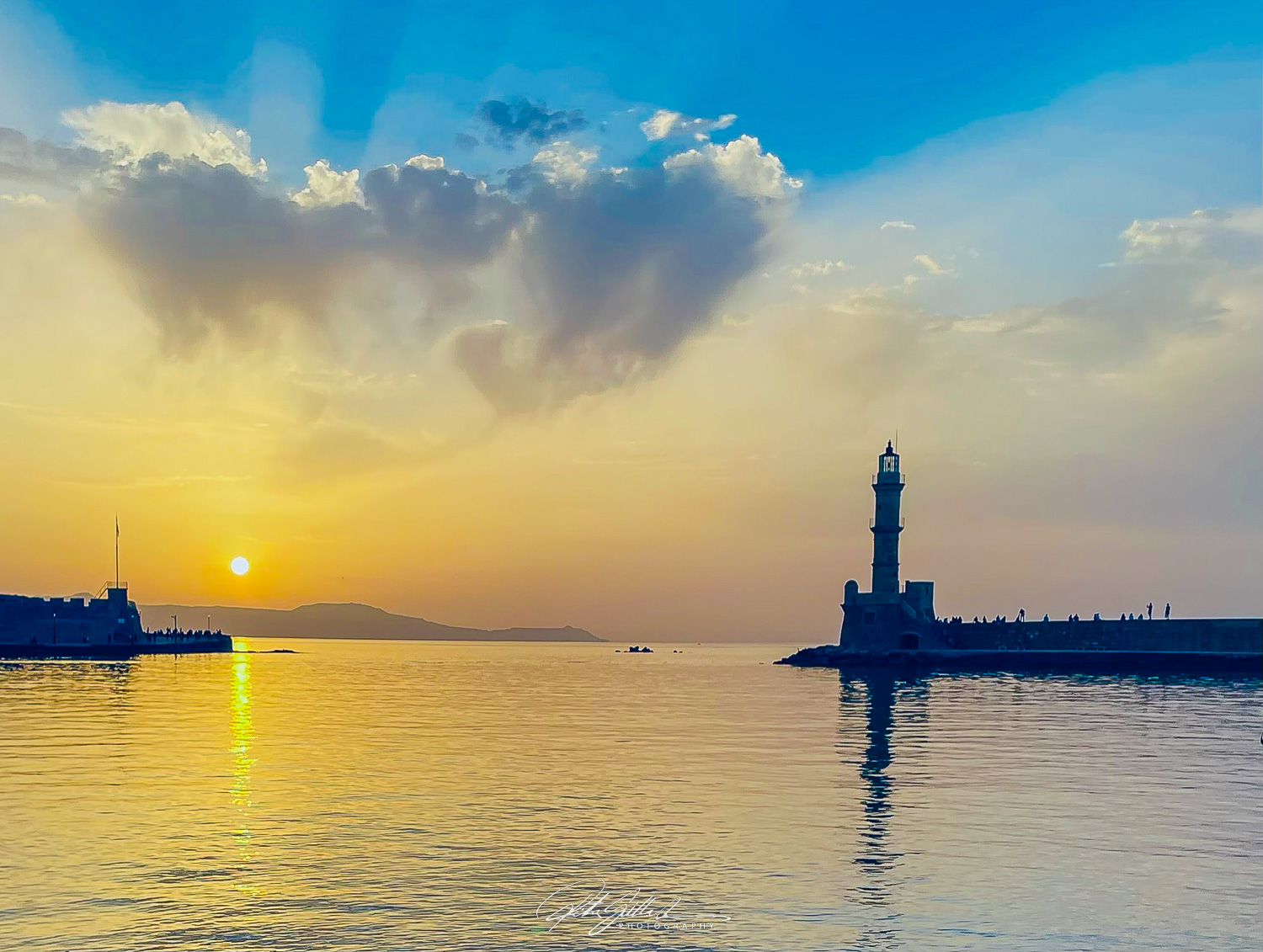
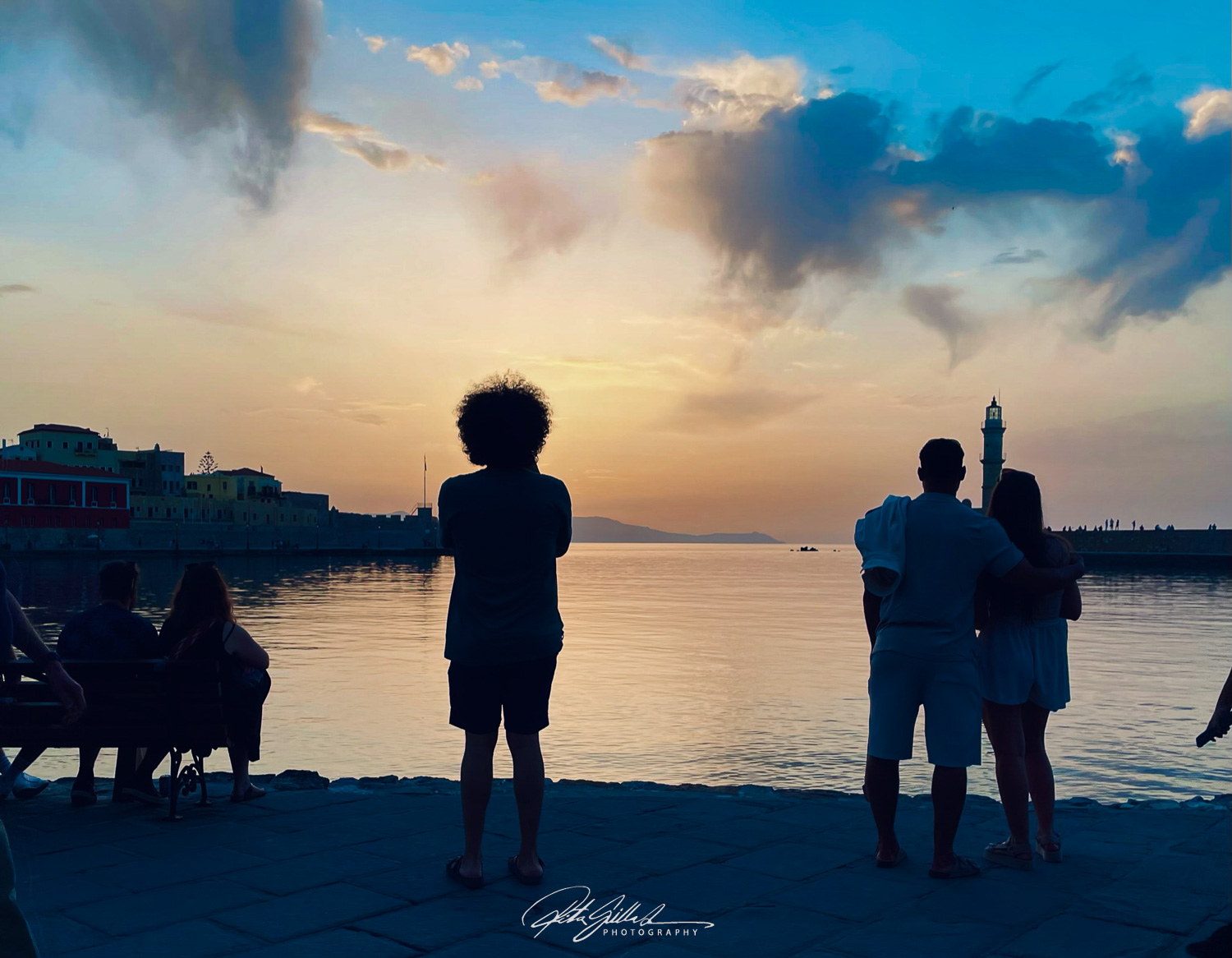
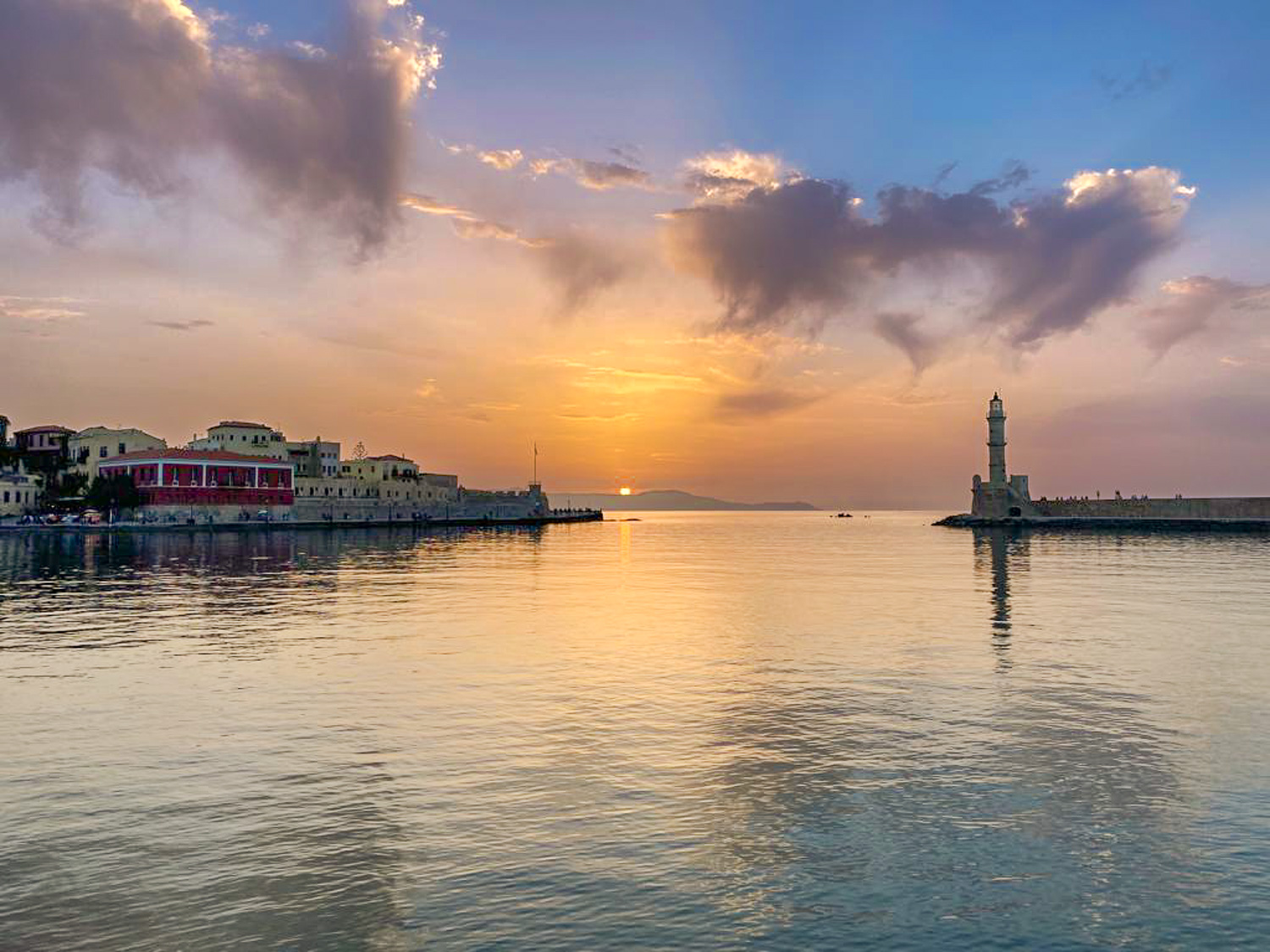
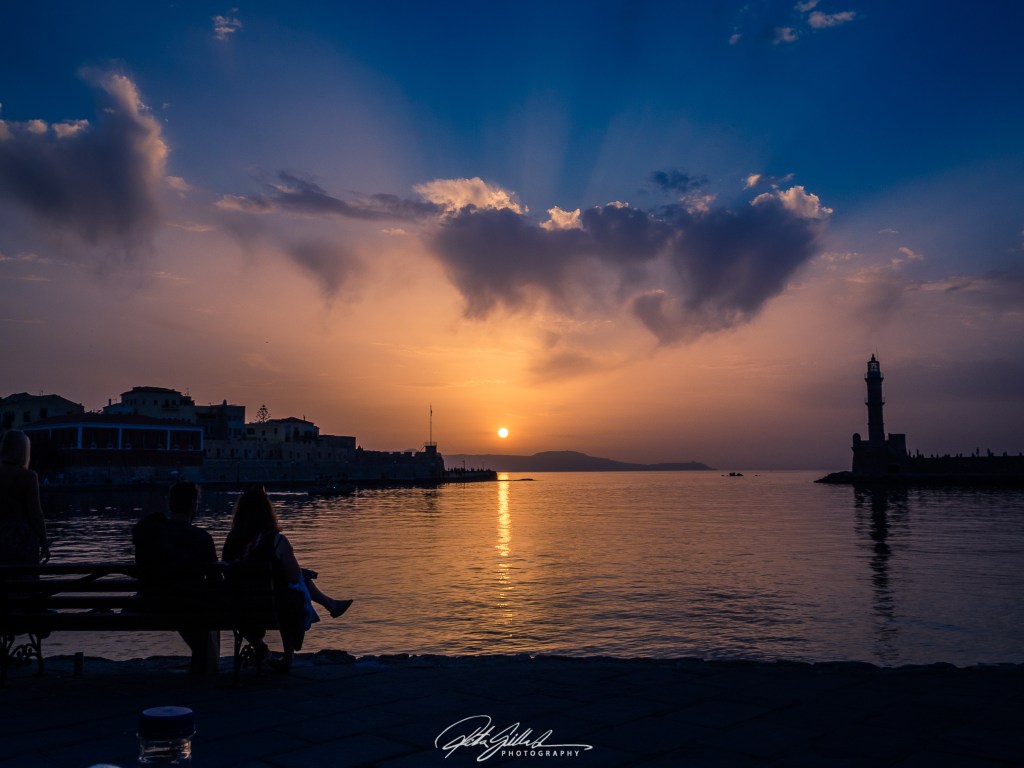
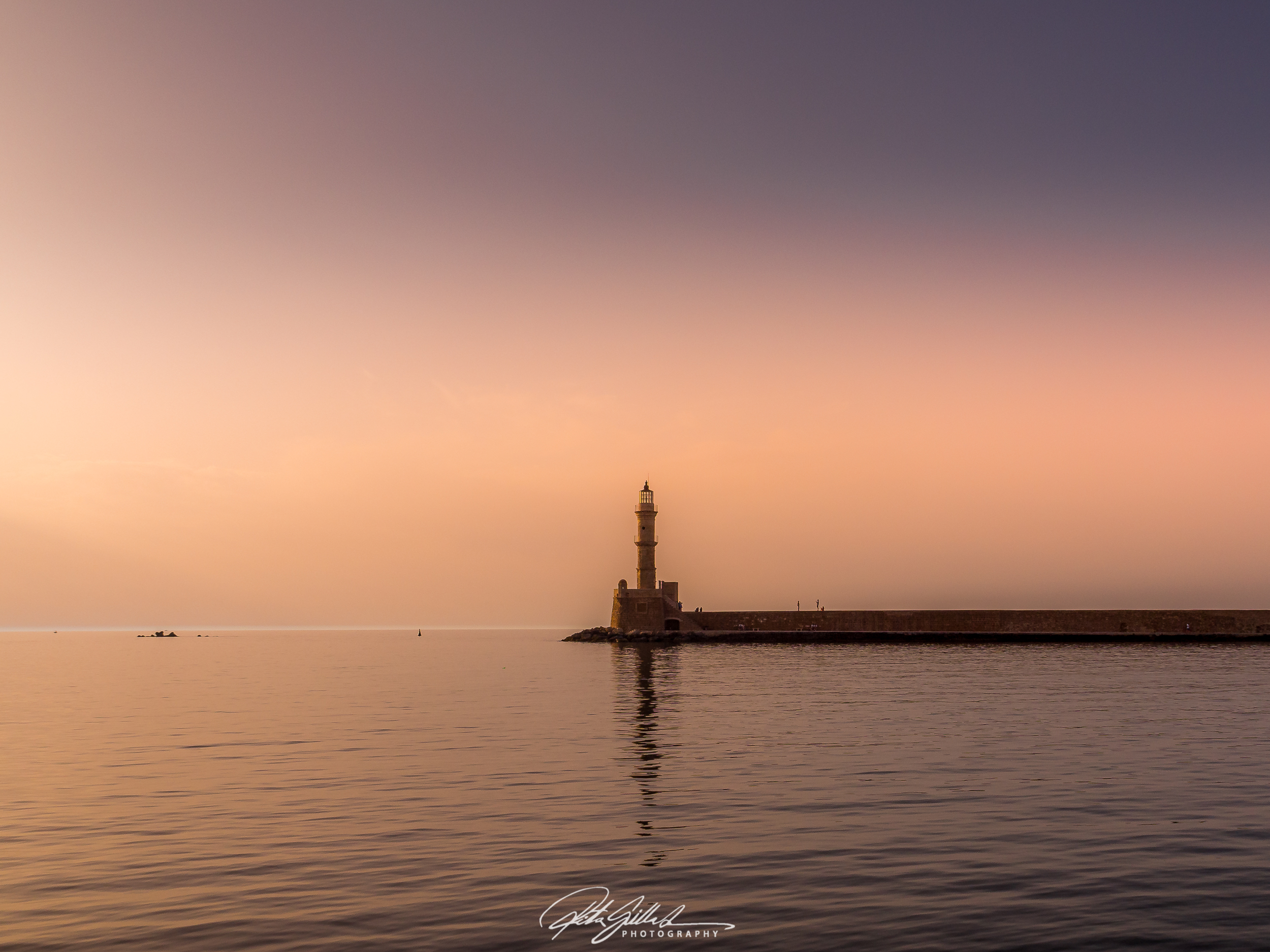
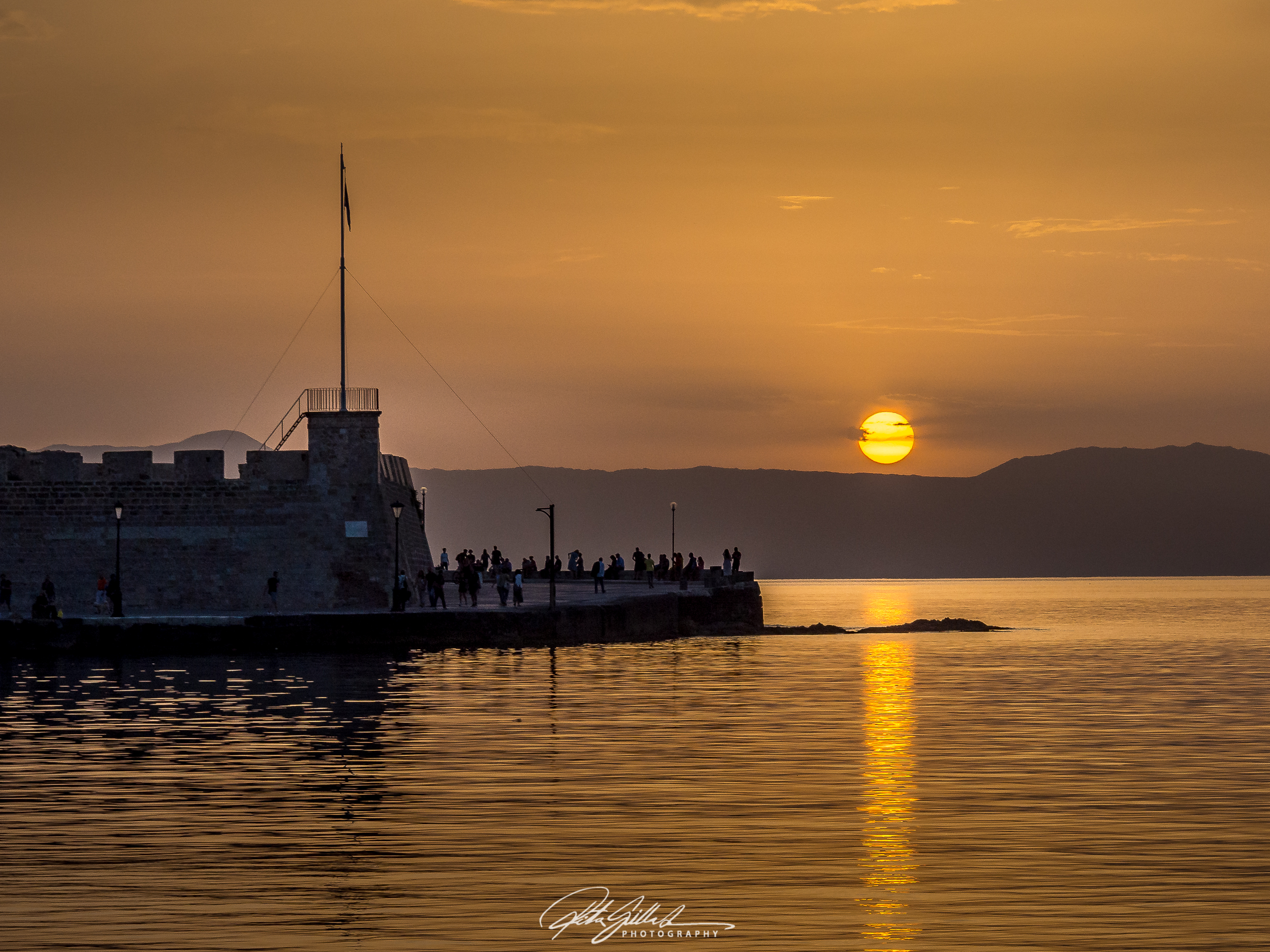
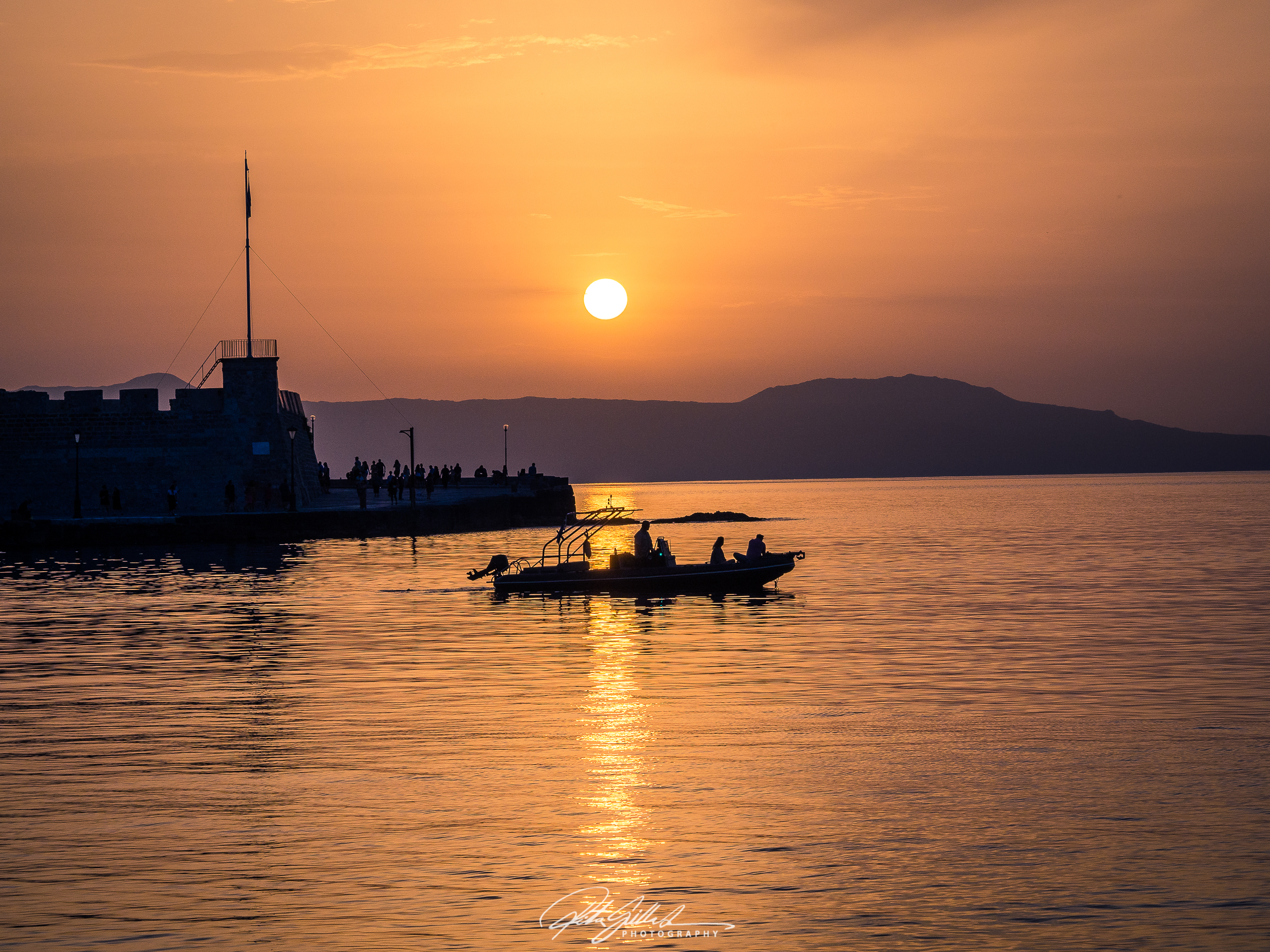
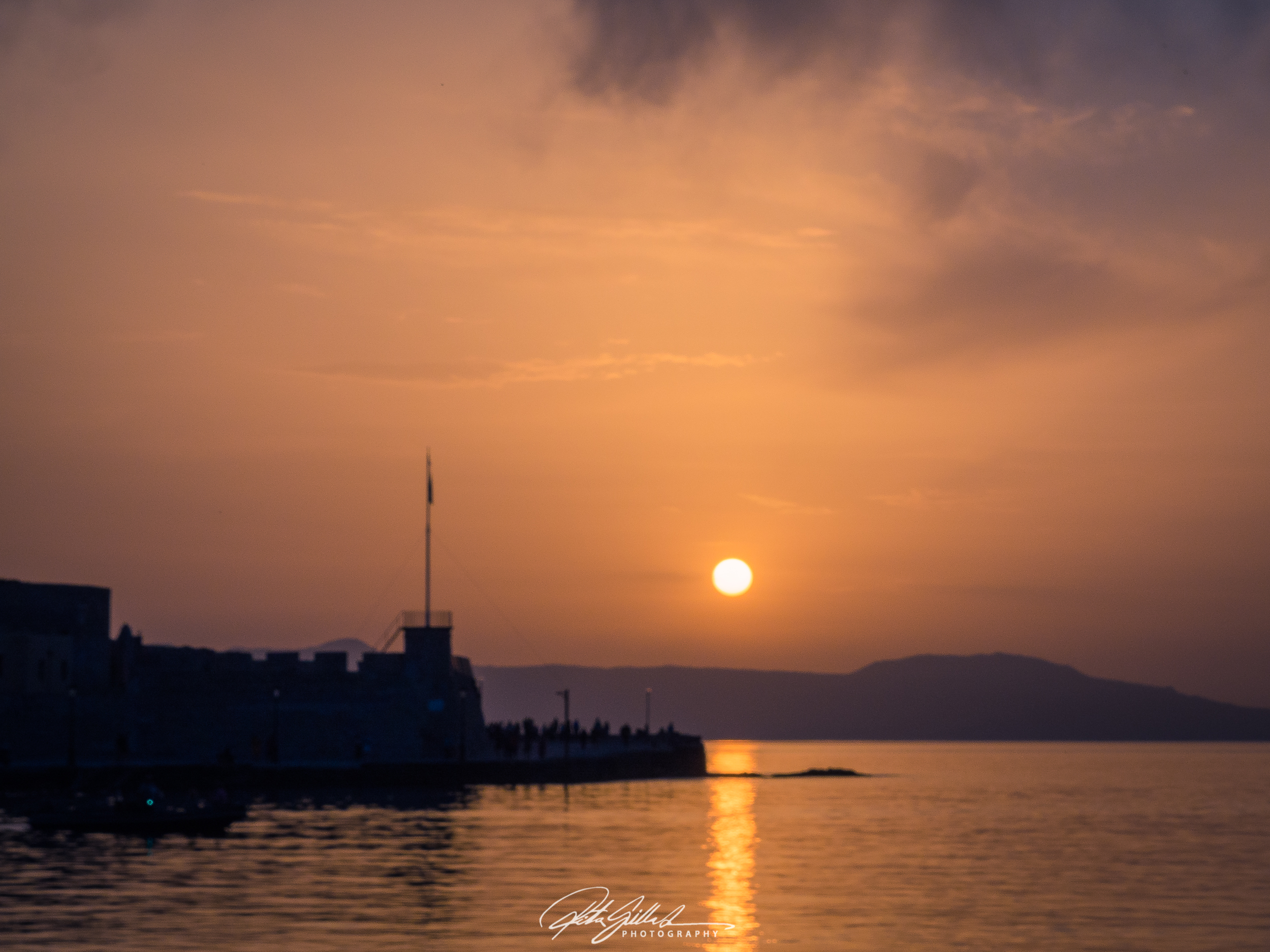
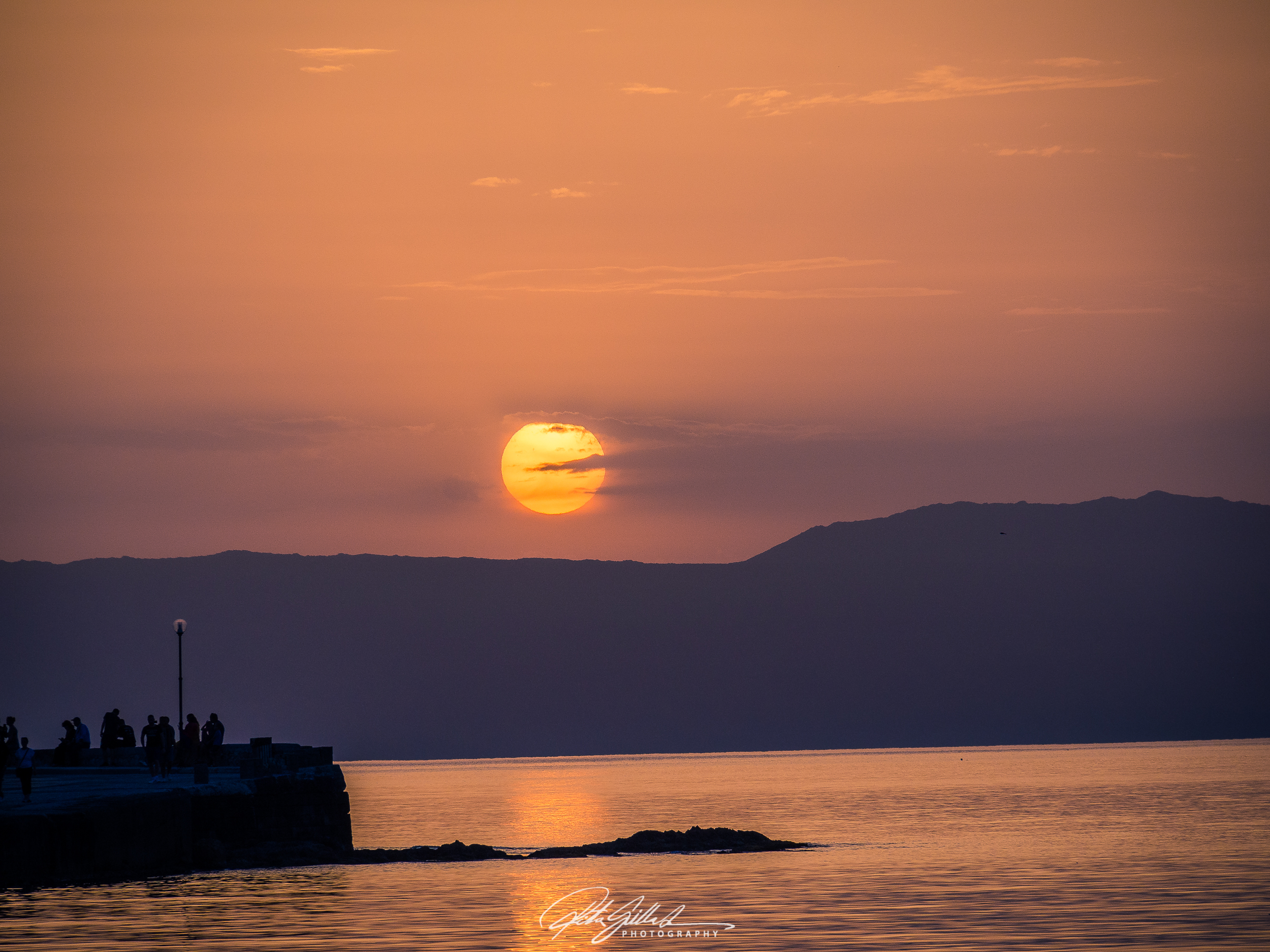
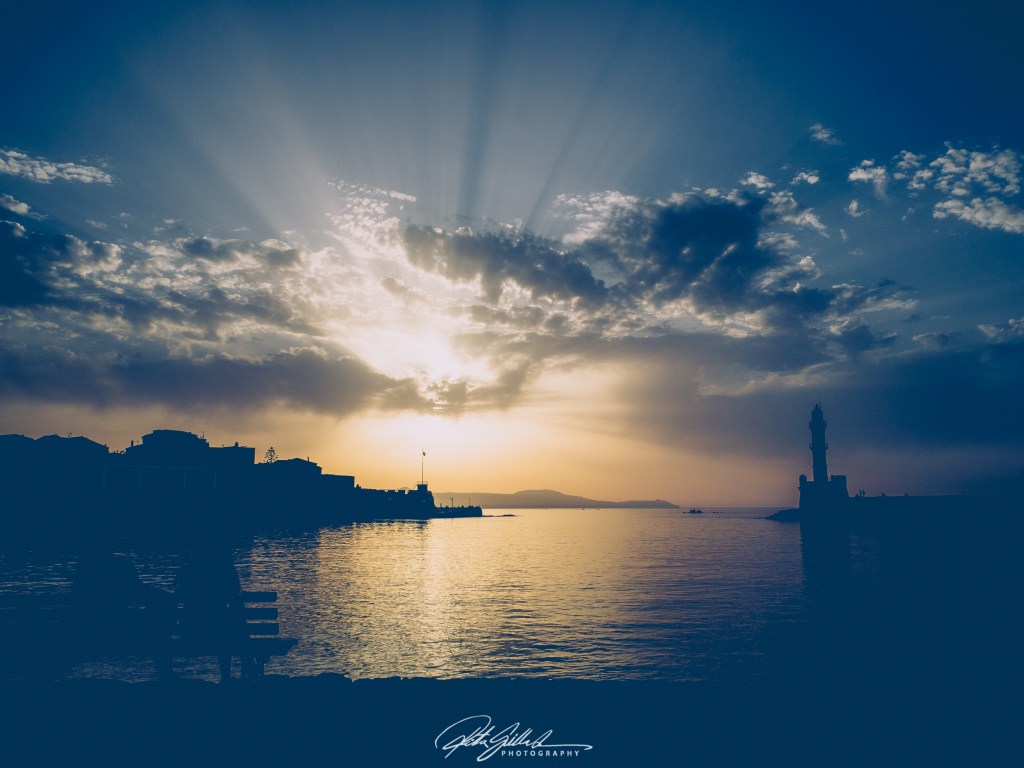
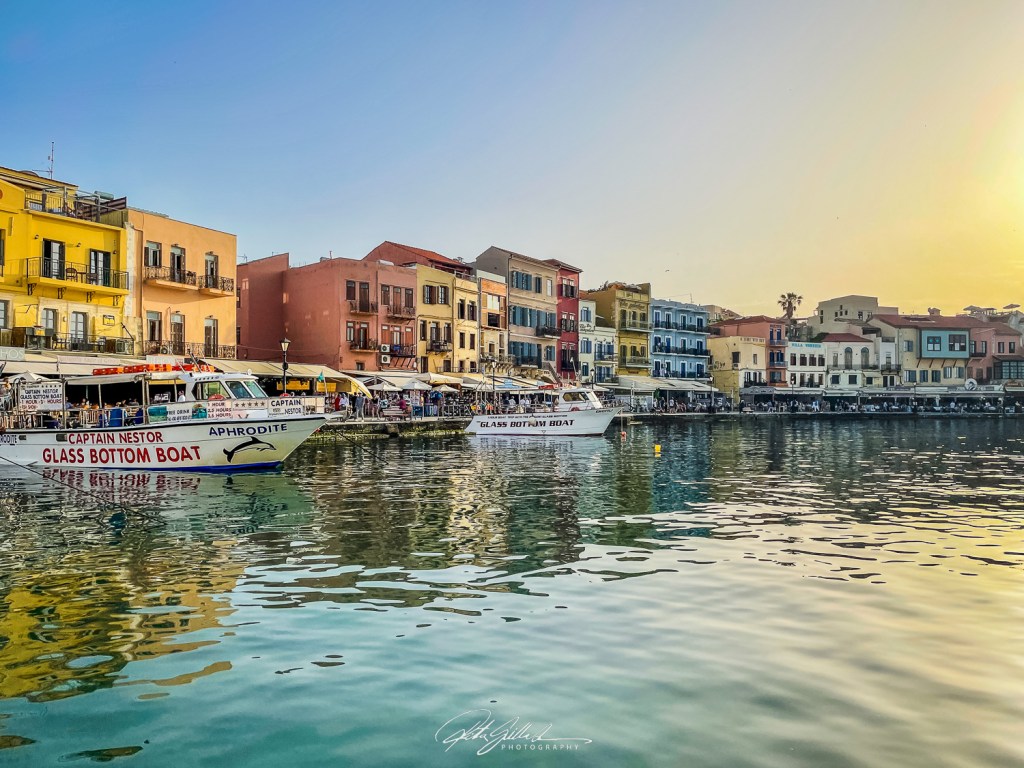
    This post is all about the first sunset we saw in Chania at the Venetian harbour, it was so lovely that we later in the week came back for an other one. Well we came for dinner too and shopping, walking in the small alleys in old town. The first set I took with my mobile and the other with my camera where I was able to adjust the settings and zoom better and was able to get more moody shots.

    Crete sunset a Venetian harbour.

    OLYMPUS DIGITAL CAMERA

    Traveling Crete #7

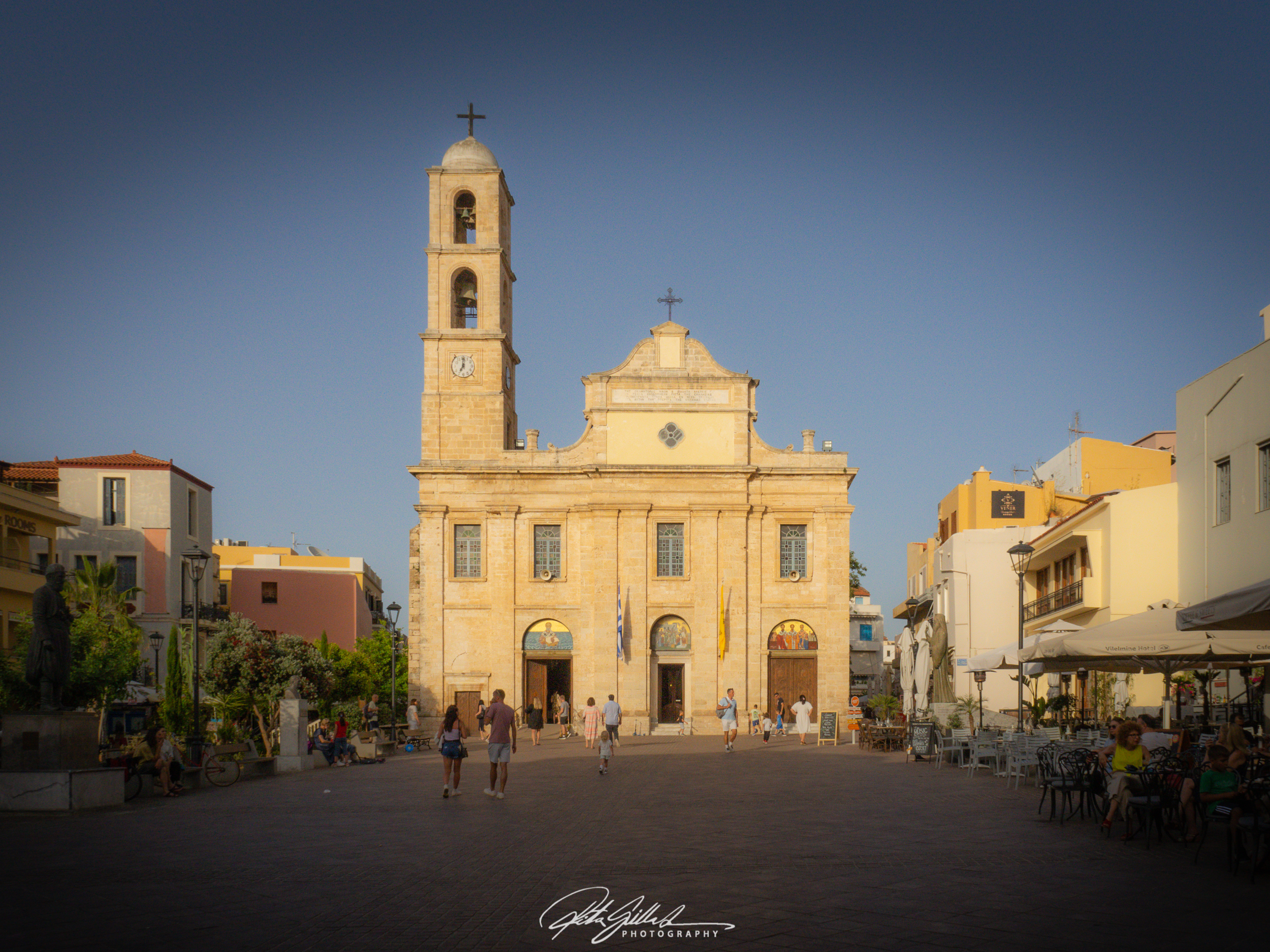
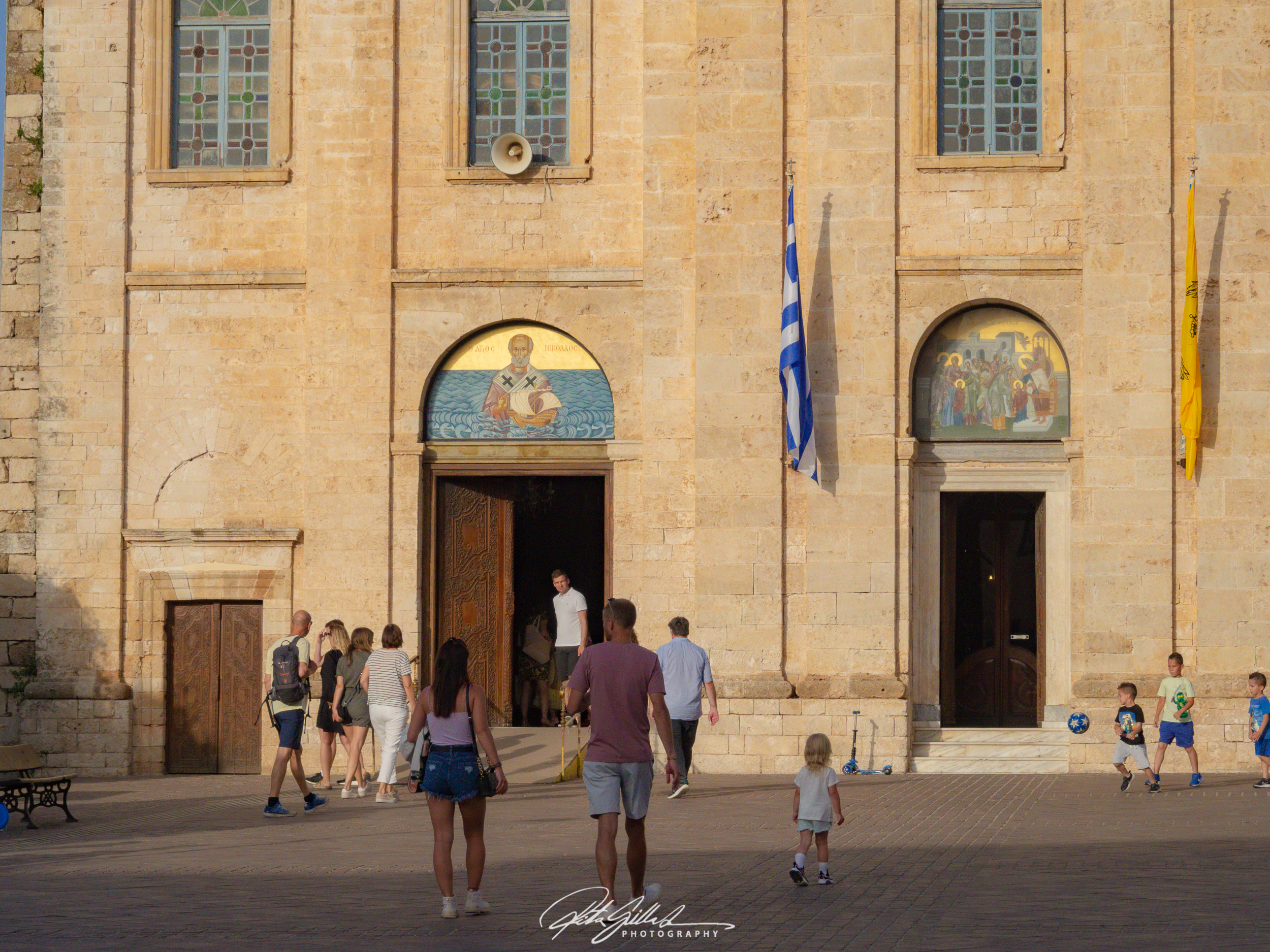
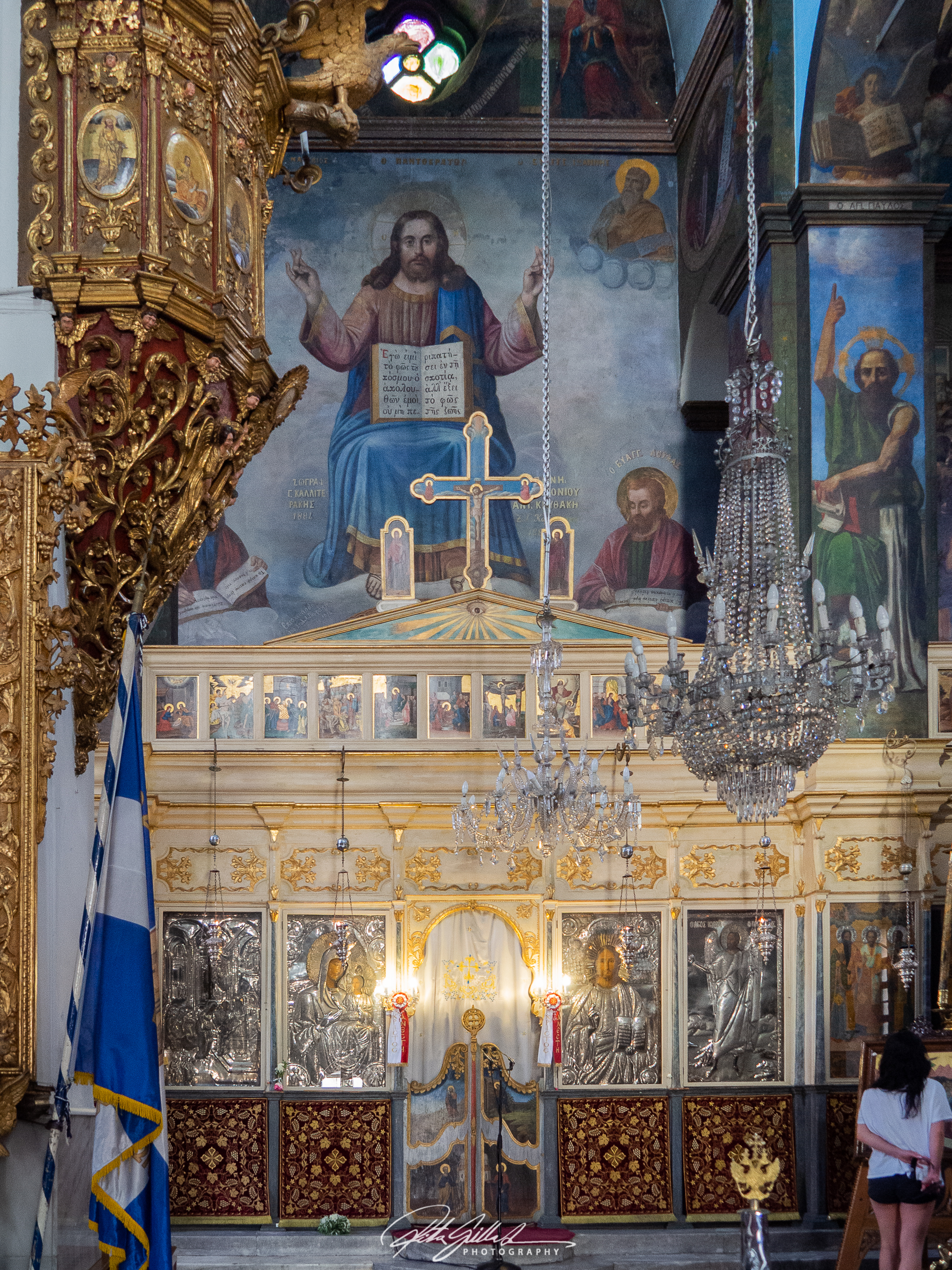
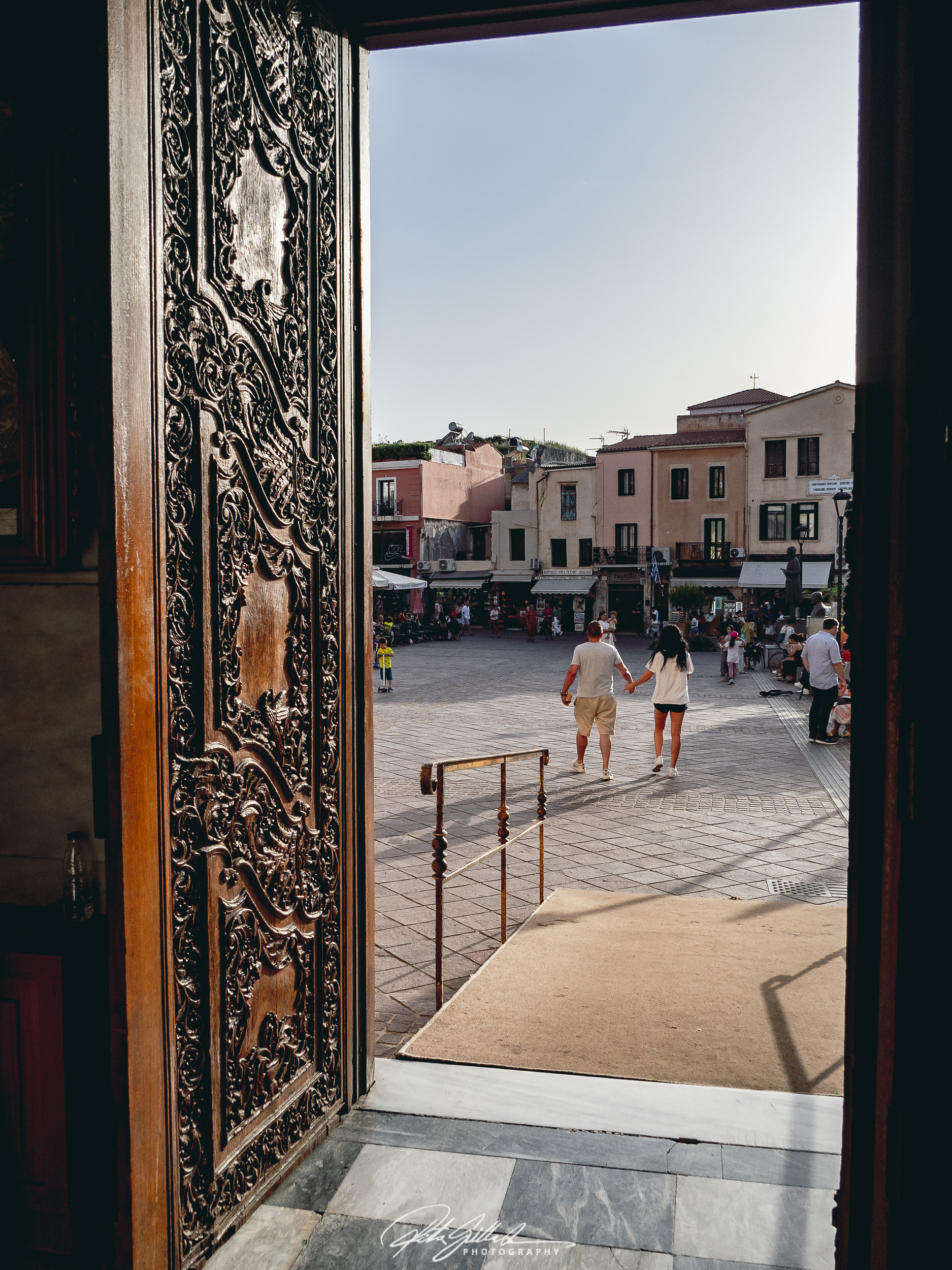
    Our first visit to Chania it is a breathtaking city on the north-west coast of the island of Crete. The city is historically significant In the town of Chania, ancient Greek, Byzantine, Venetian, and Ottoman buildings coexist in the landscape of the city. We visited the Virgin Mary Metropolitan Church, on our way to the Venetian Harbour, “It is worth walking and watching, and at sunset you can get some really nice shot. Those I will share in the next post.

    Traveling Crete #6

    Papadiana is a lovely small village located 60 km south of Chania and close to the village of Sougia. With few inhabitants (population 14 as I found out as I googled the area) that deal mostly with agriculture, Papadiana has traditional architecture with stone houses and narrow streets.

    It is surrounded by lush greenery and wild mountainsides. Most vegetation comprises of olive groves that give pure virgin oil, for which Crete is famous.

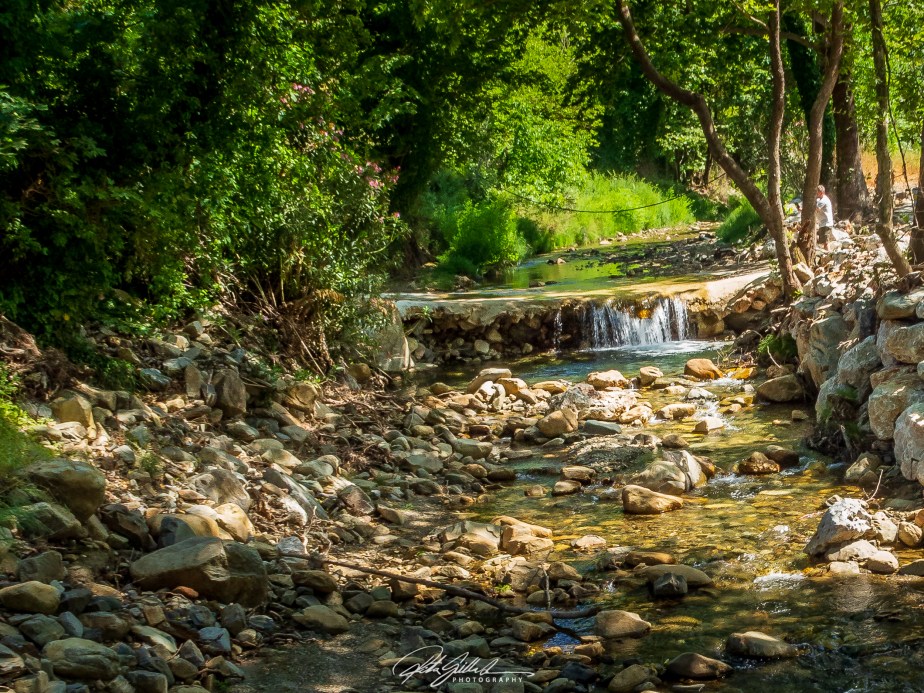
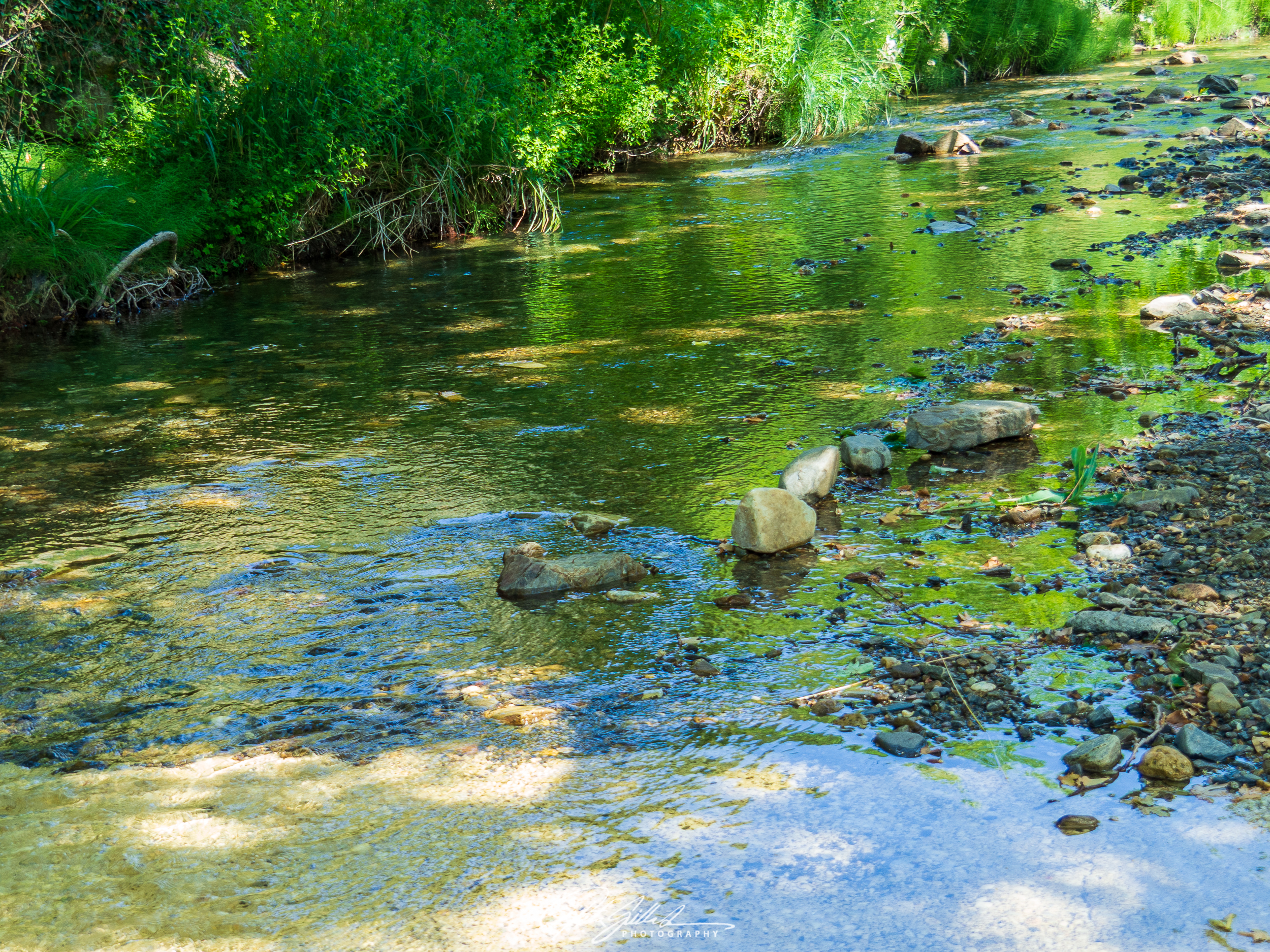
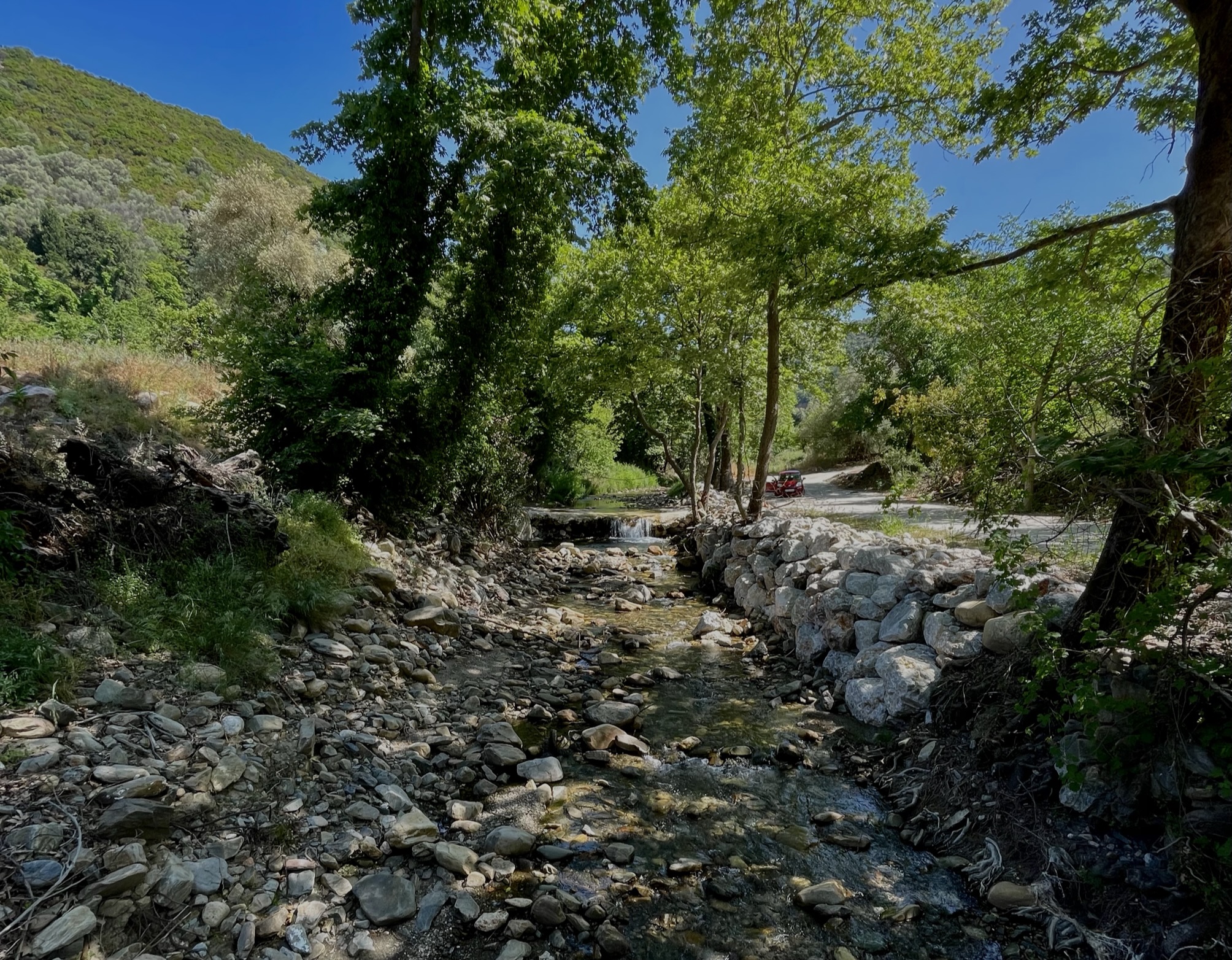
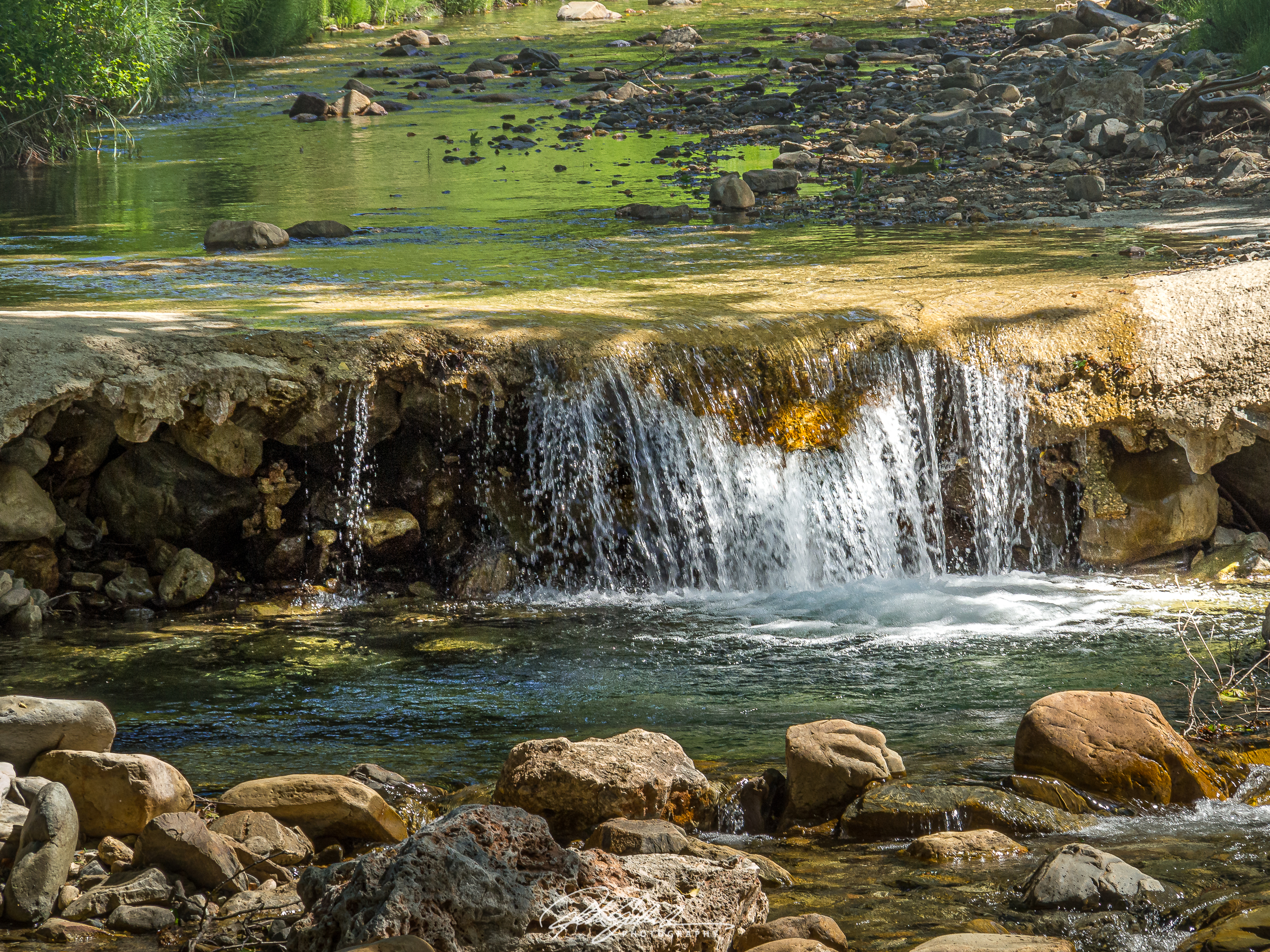
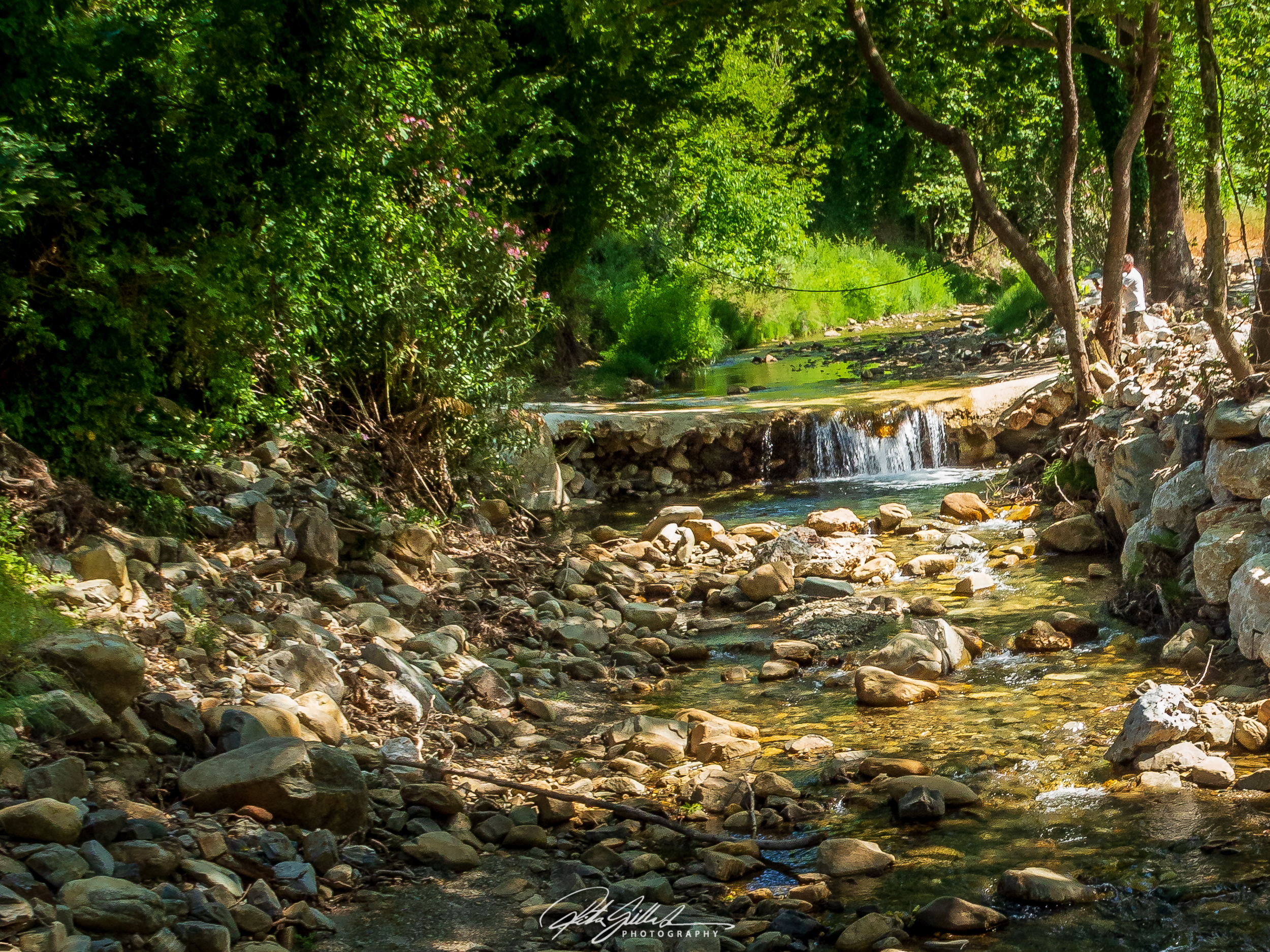
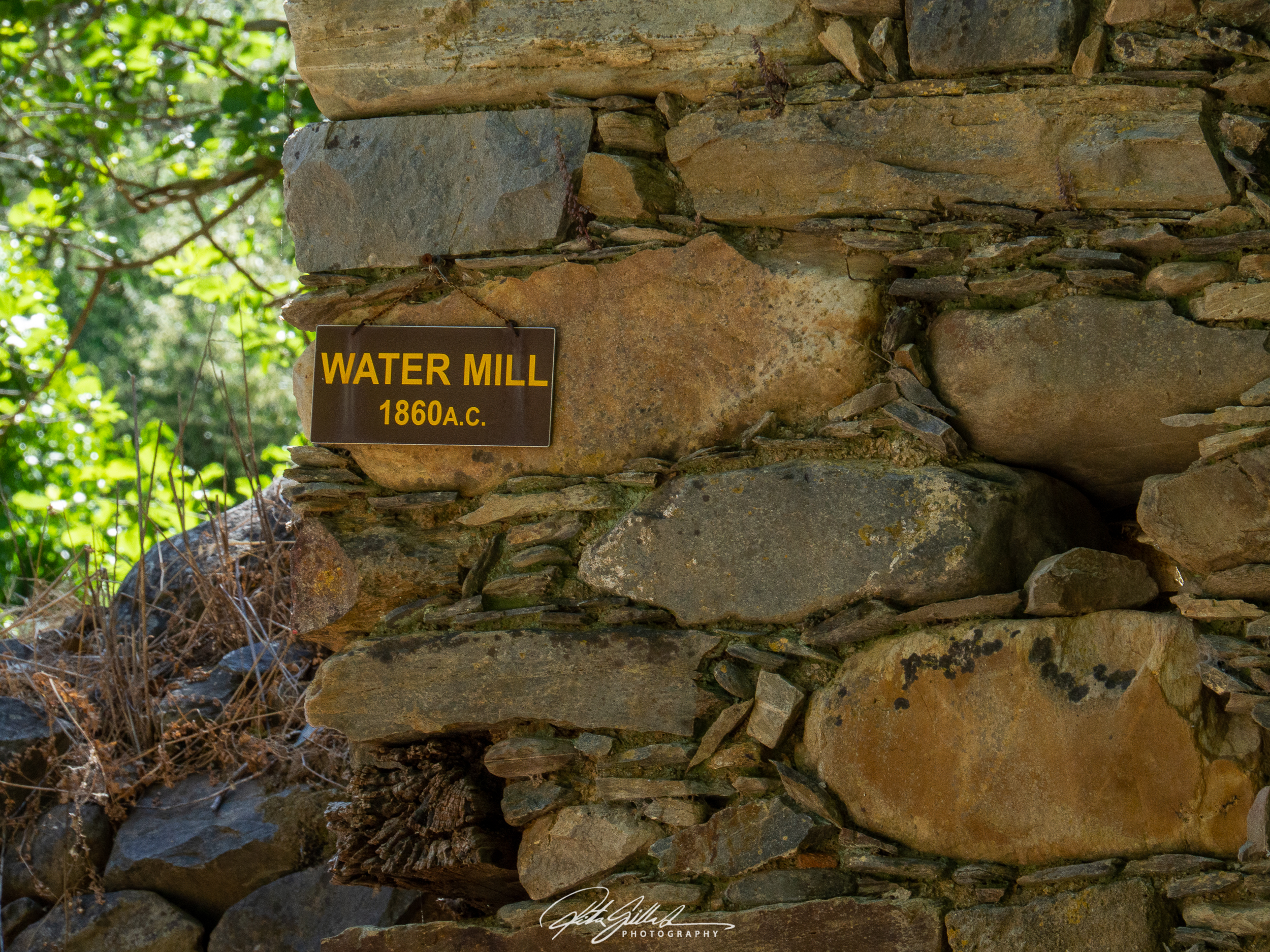
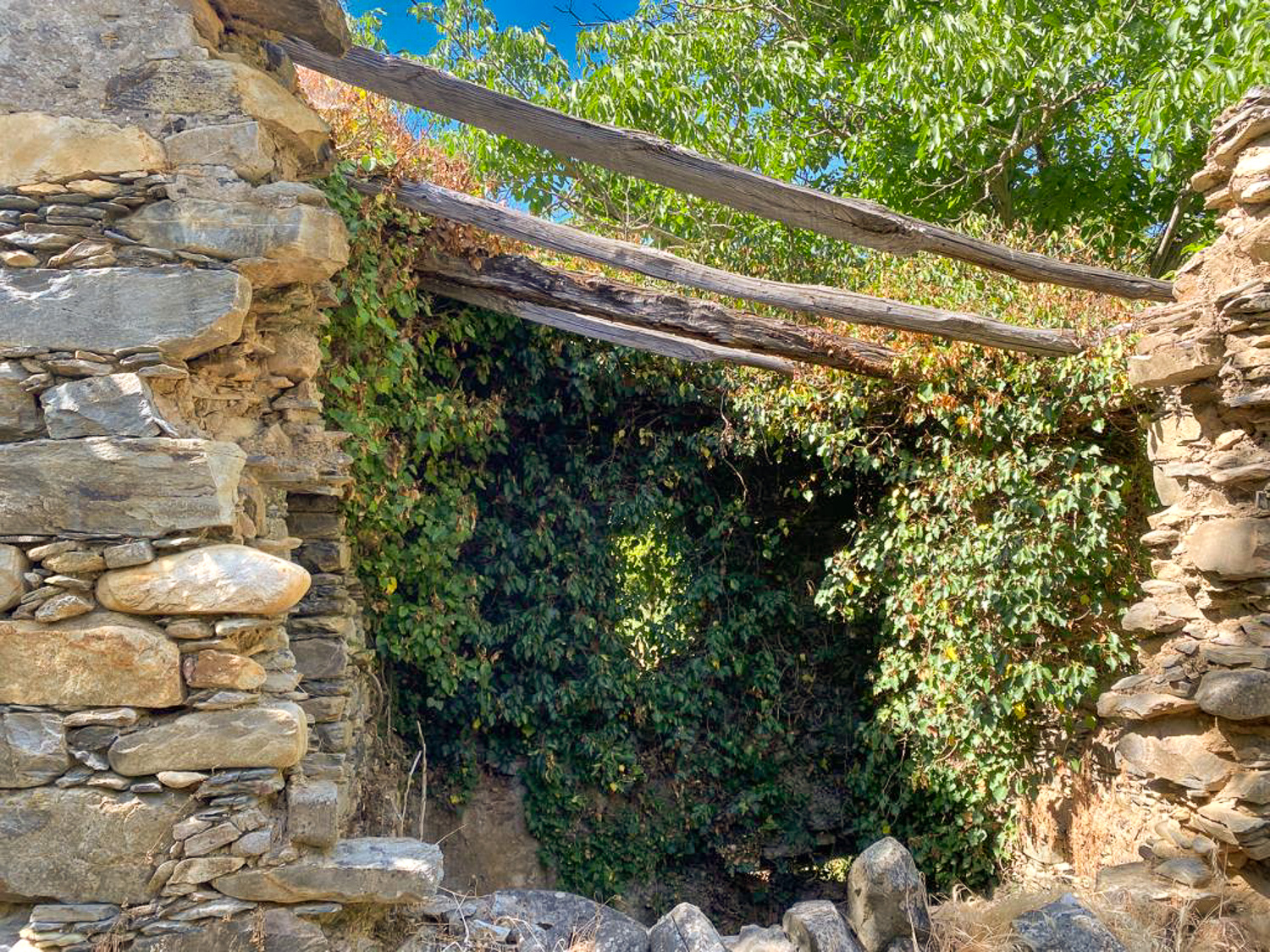
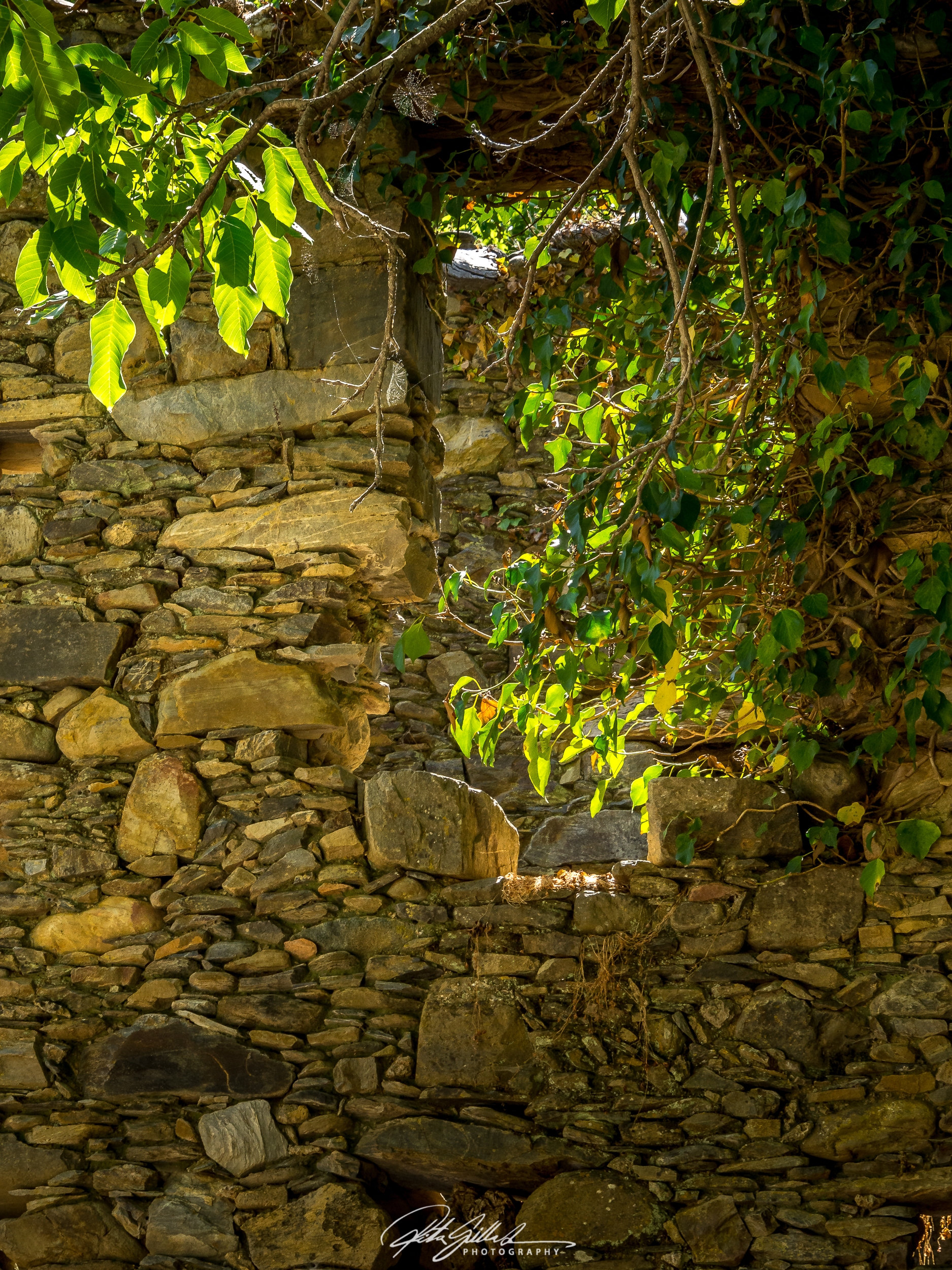
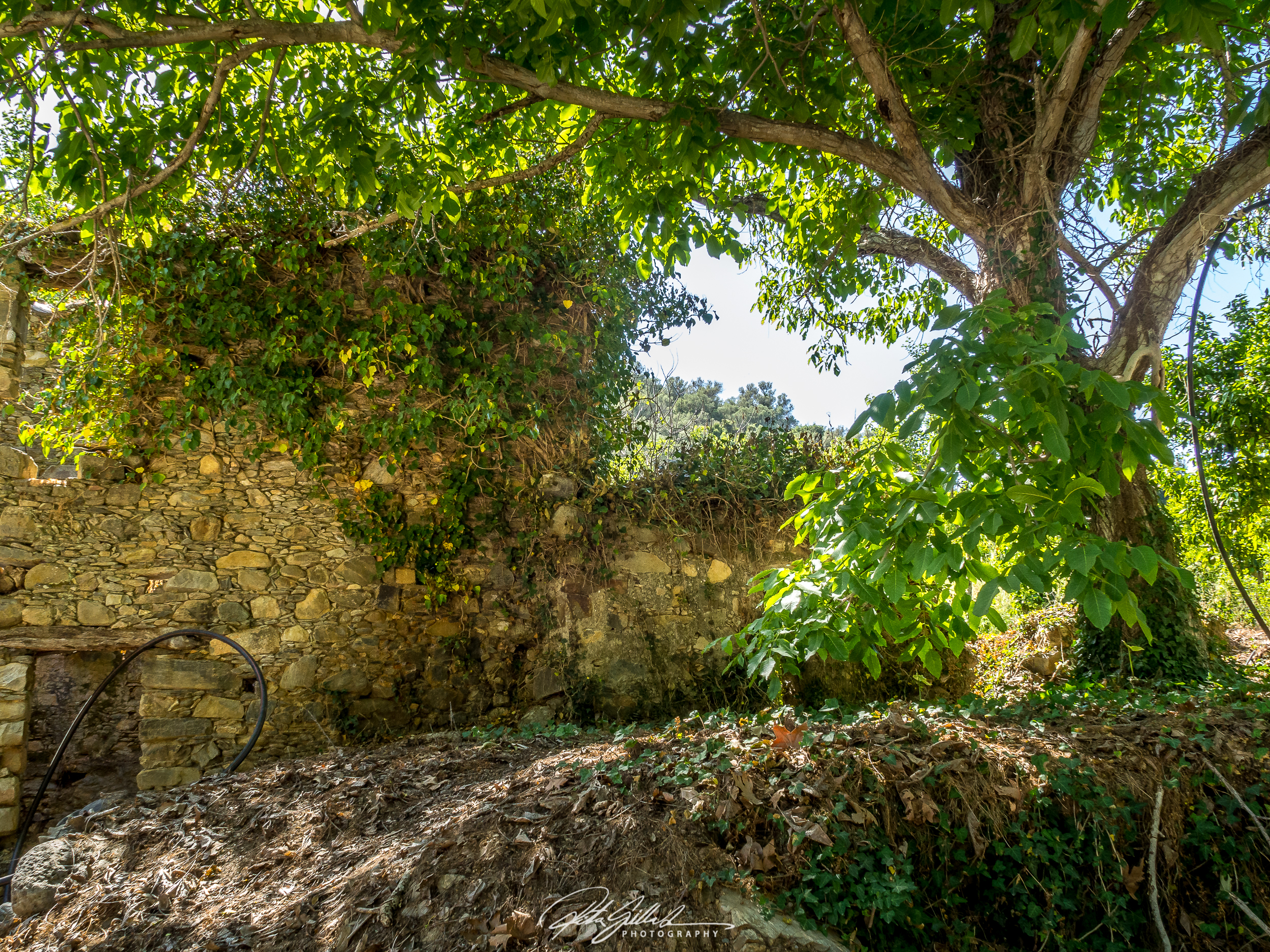
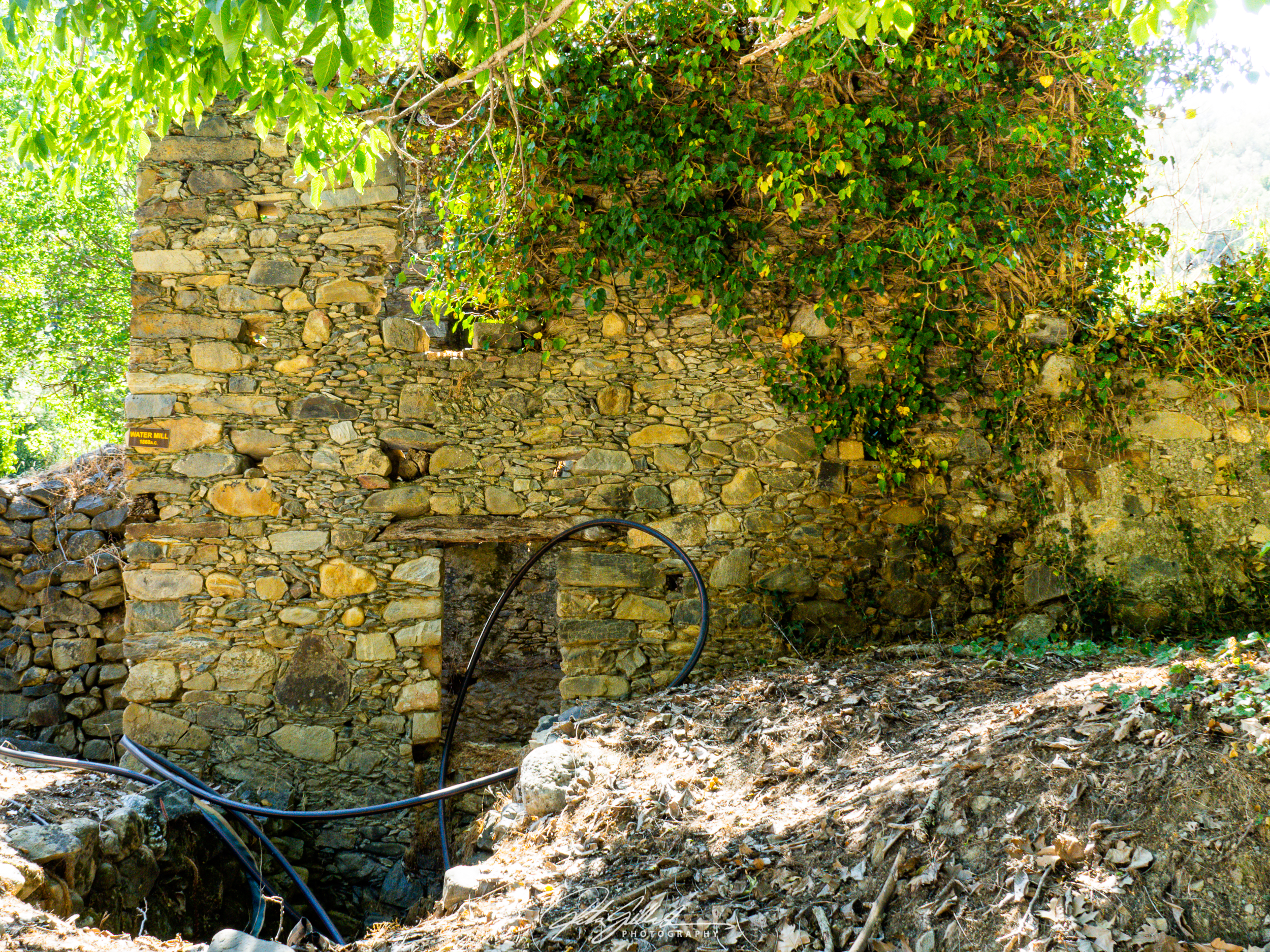
    We drove through this small village and noticed a sign on the side of the road, Old mill, we took the turn and found this idyllic place at the end of this gravel road. When we saw the mill it it had a 1860 A.C. sign on it.,

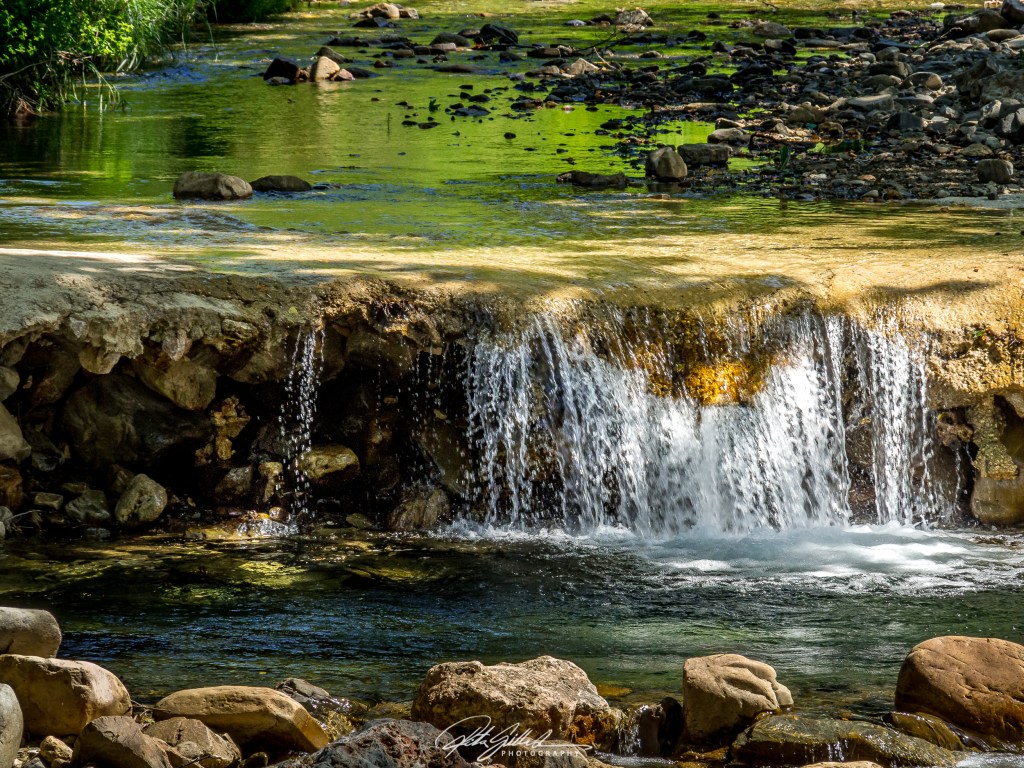
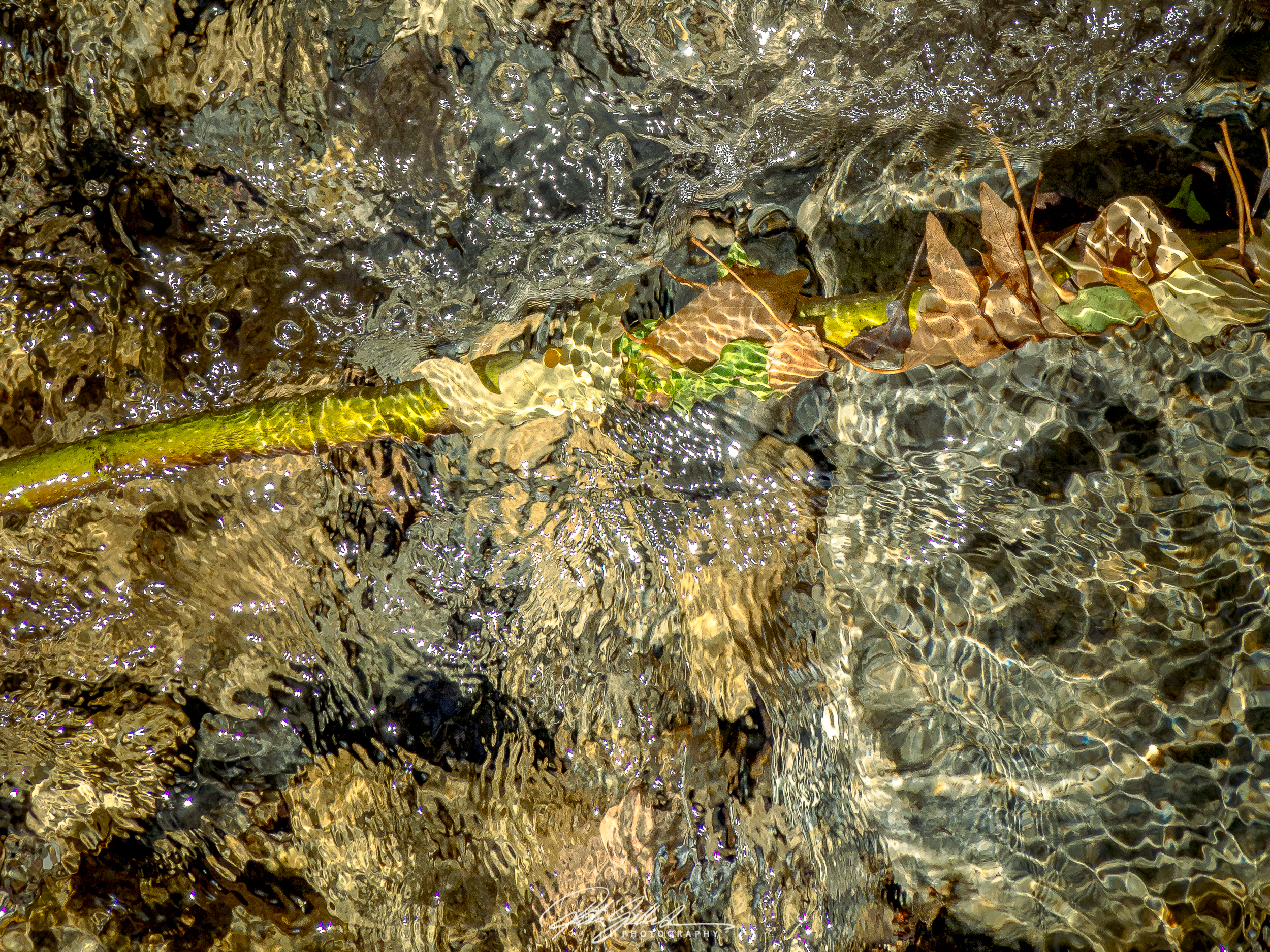
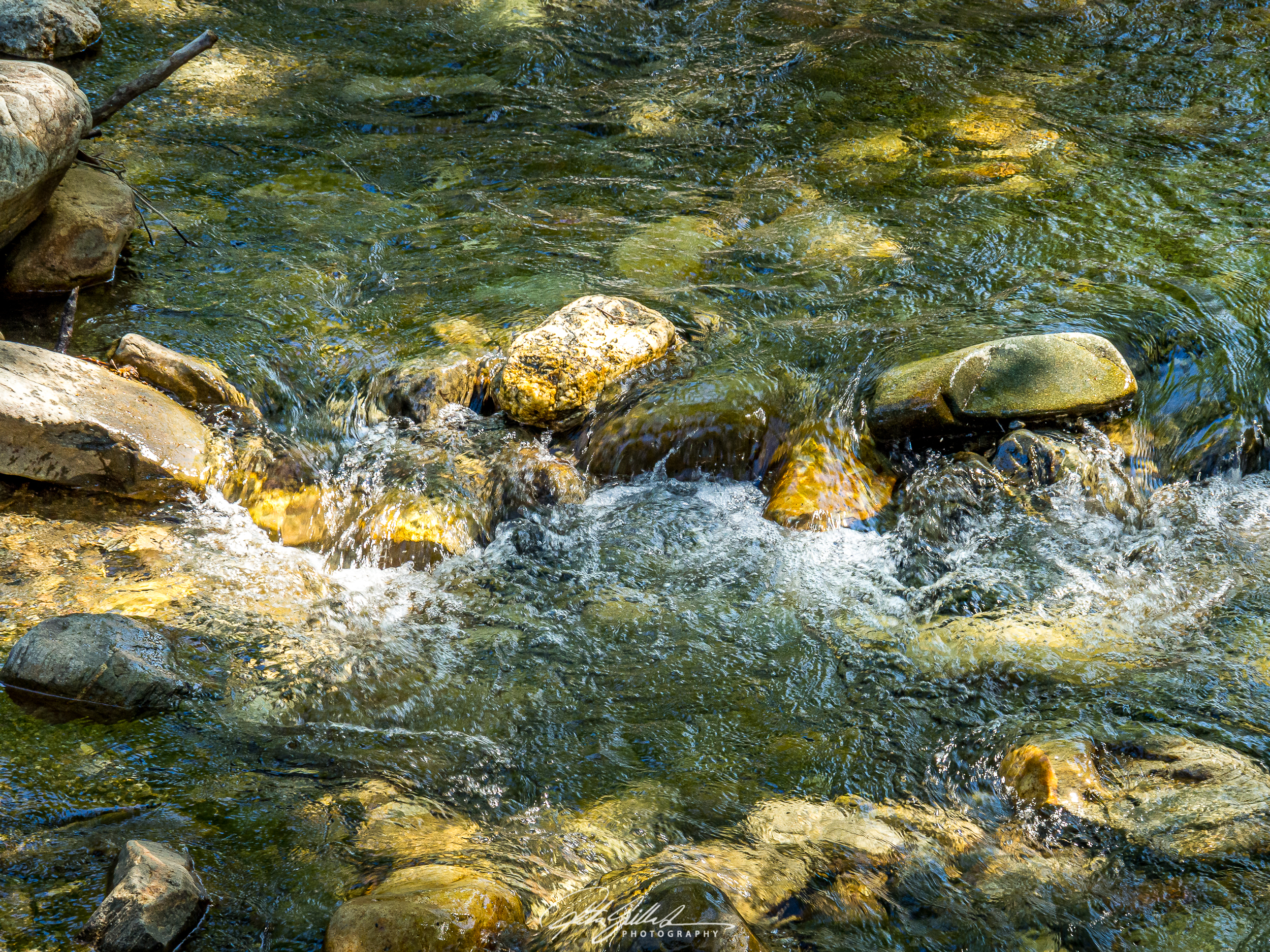
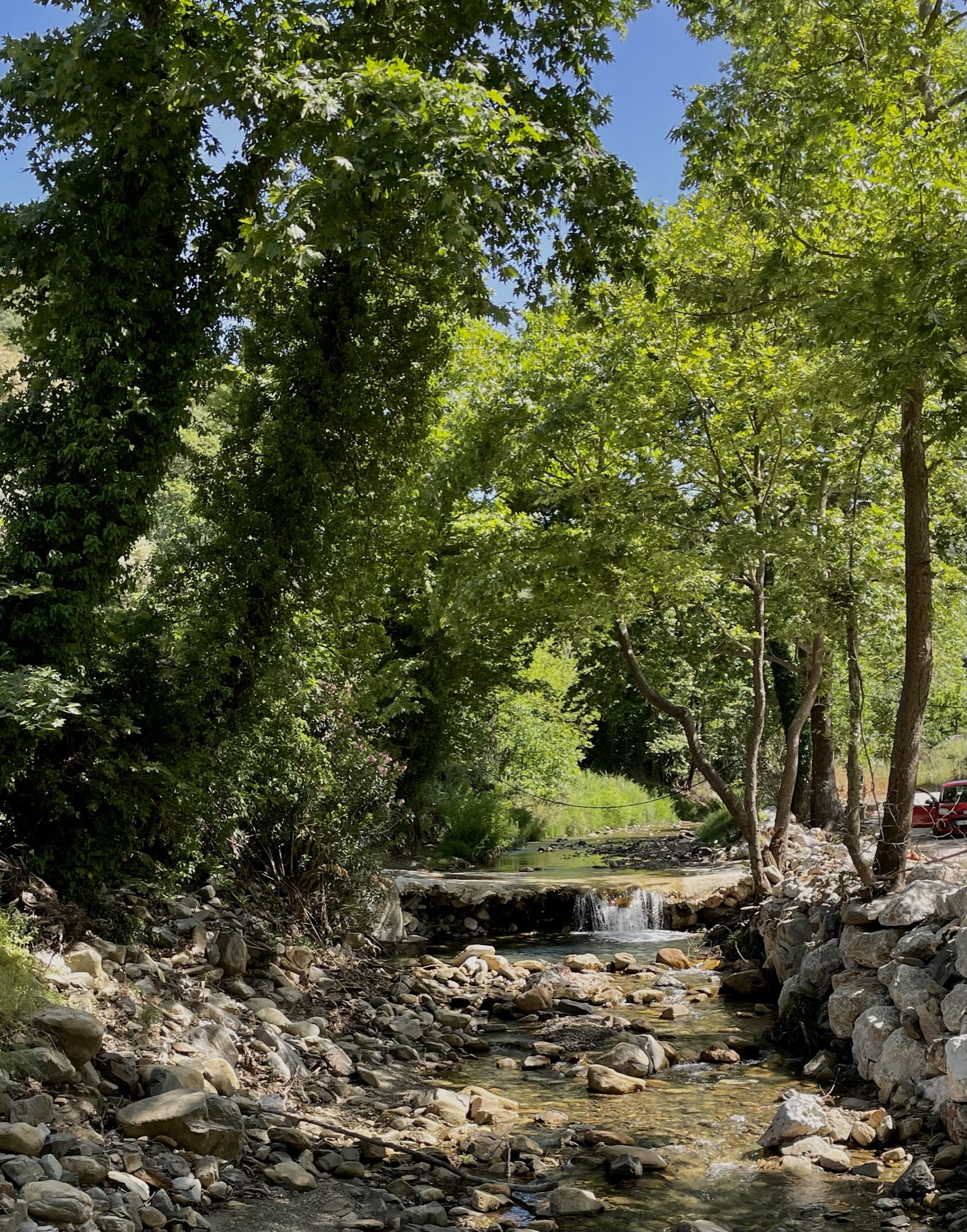
    flowing stream

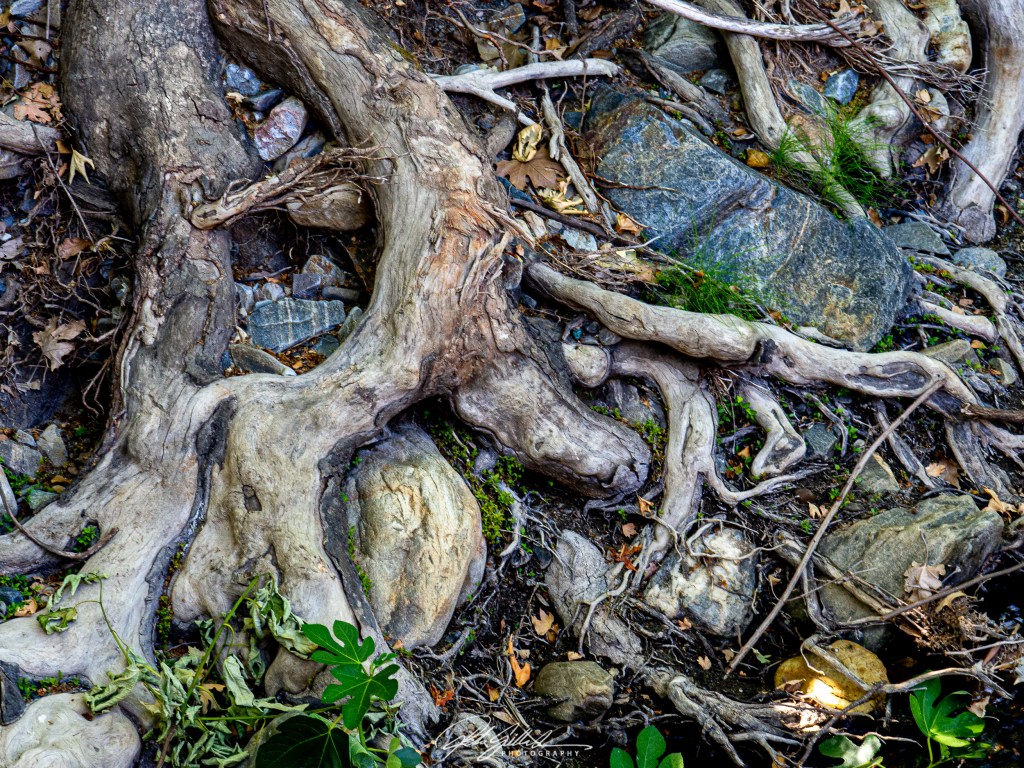
    Tree roots

    Traveling Crete #5

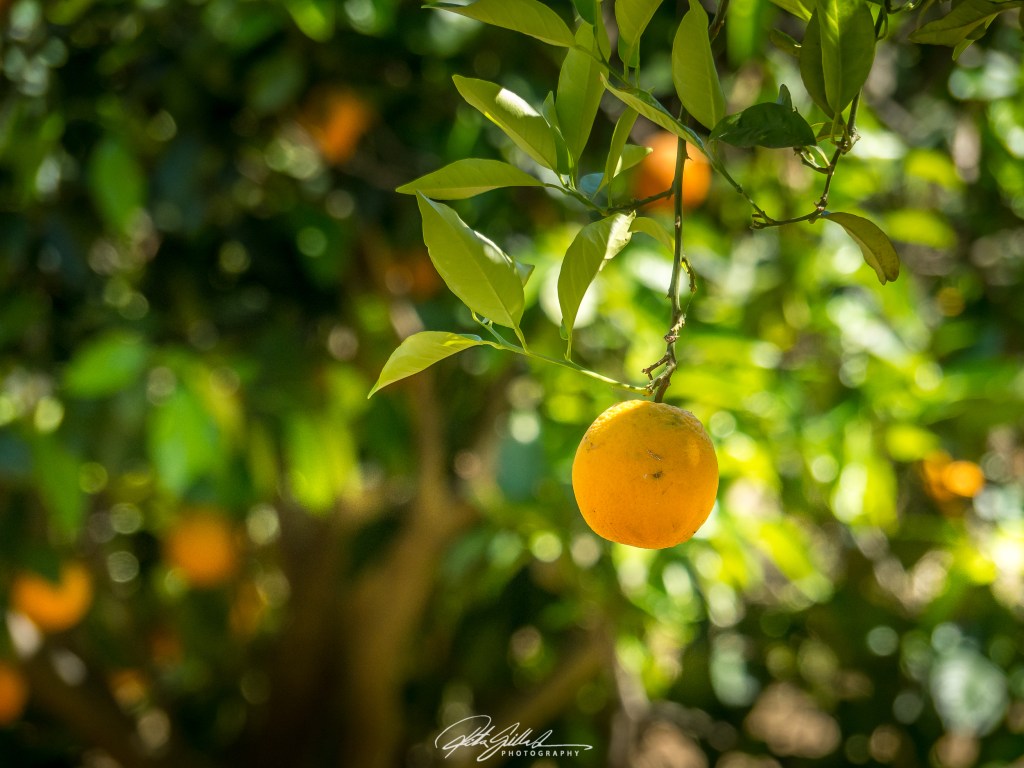
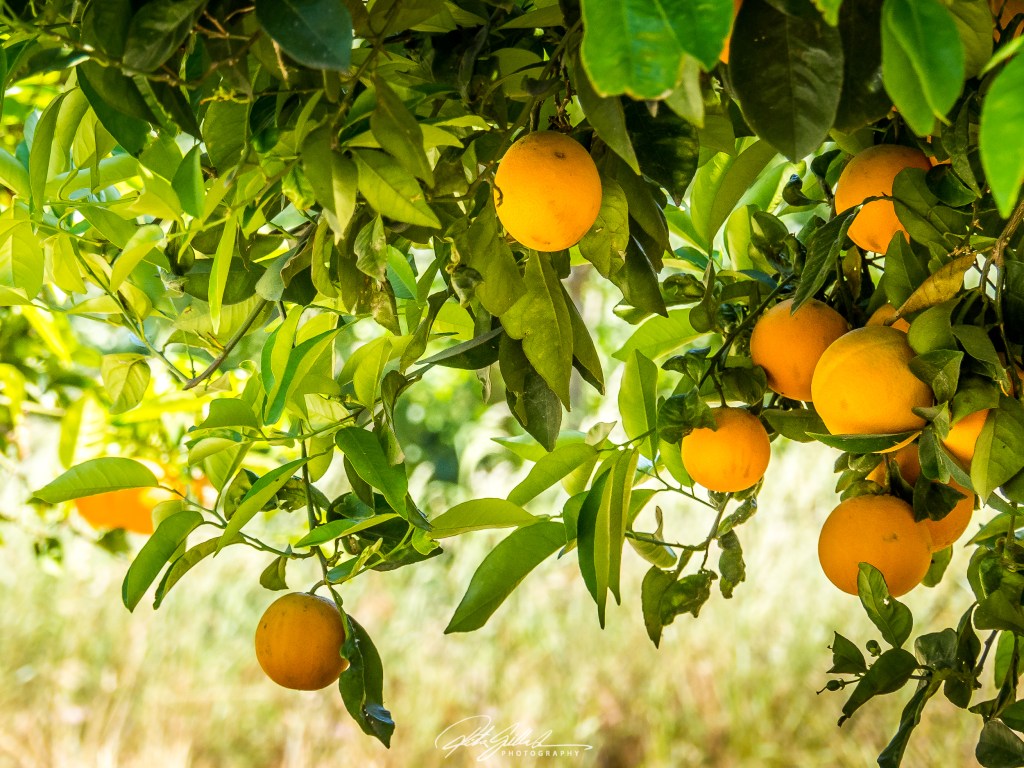
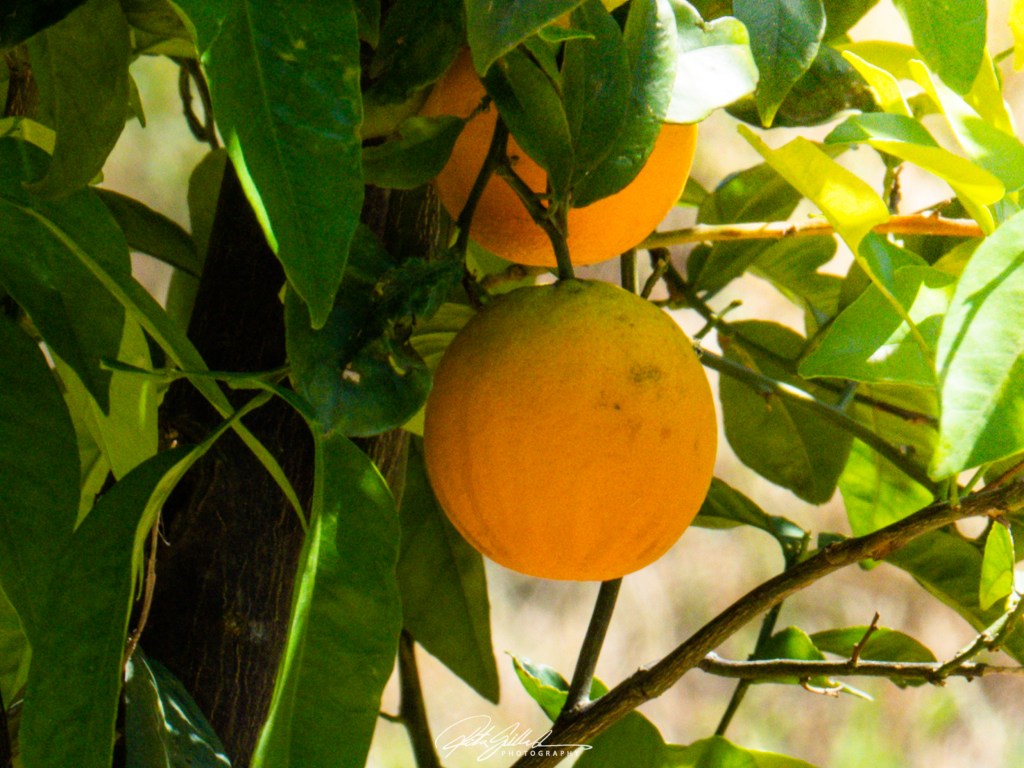
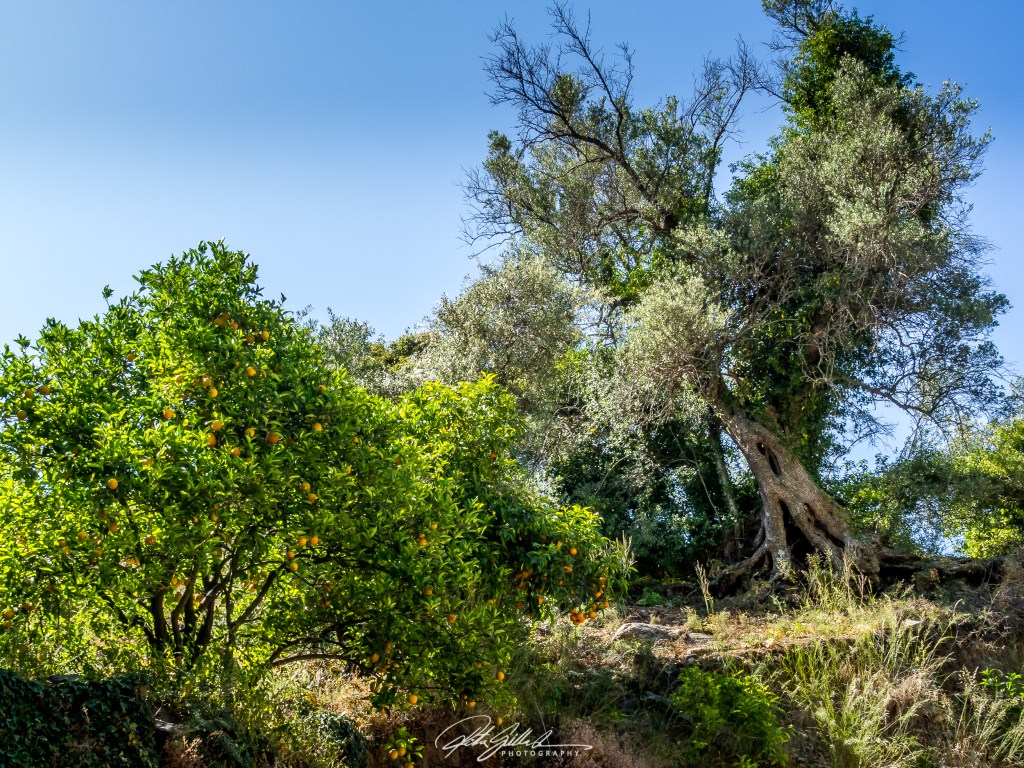
    Although Crete isn’t the homeland of oranges and lemons, citrus fruits play a huge role in the Cretan diet. If I saw many olive trees I did see some orange and lemon trees as well. Ancient Greeks used to believe that the Earth goddess, Gaia, gave citrus fruits as a gift to Zeus and Hera on their wedding.

    The special microclimate in the area of Chania, as well as the abundant water available from the Cretan White Mountains, contribute to the growth of juicy oranges. I heard said that…

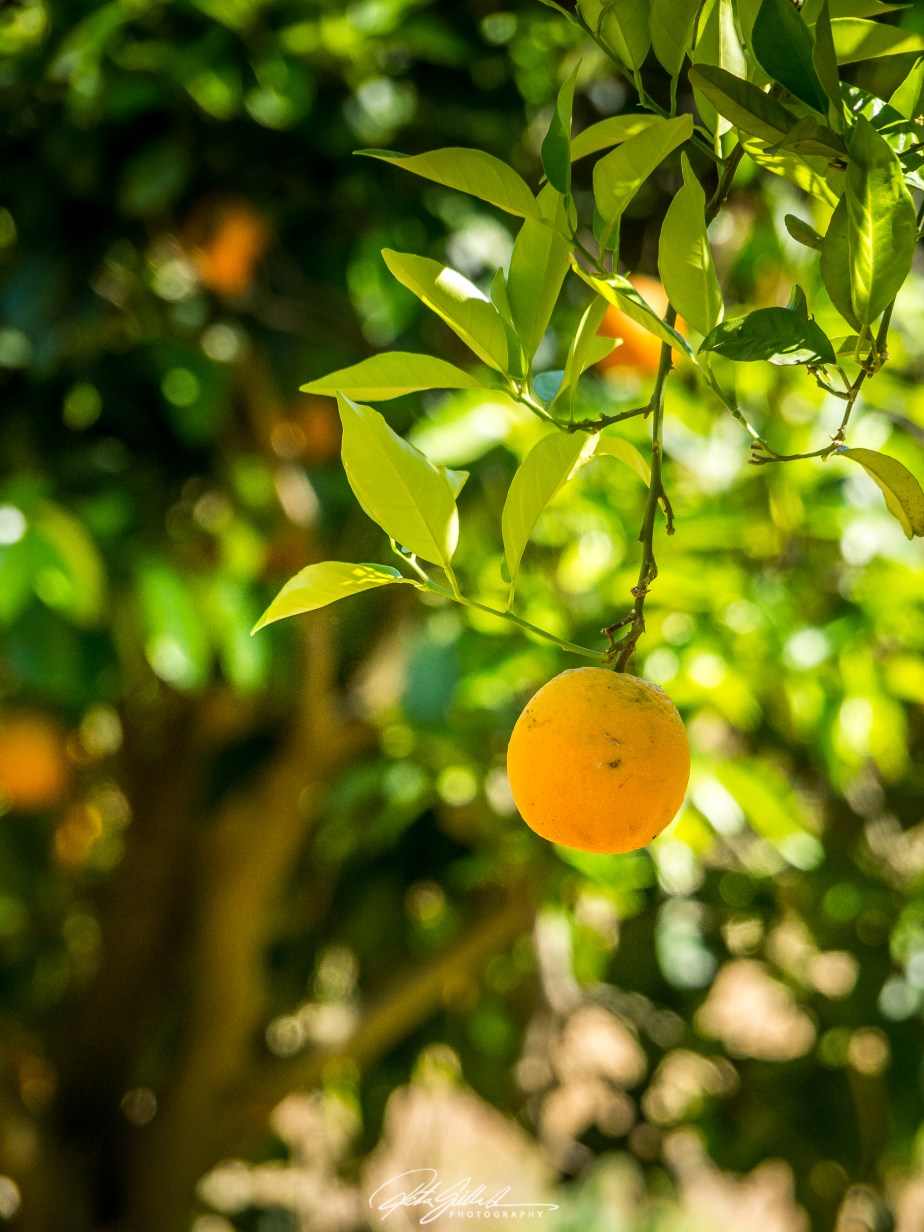
    an Orange

    “In fact, these oranges are among the most delicious in the world.”

    Orange trees
    Fresh oranges

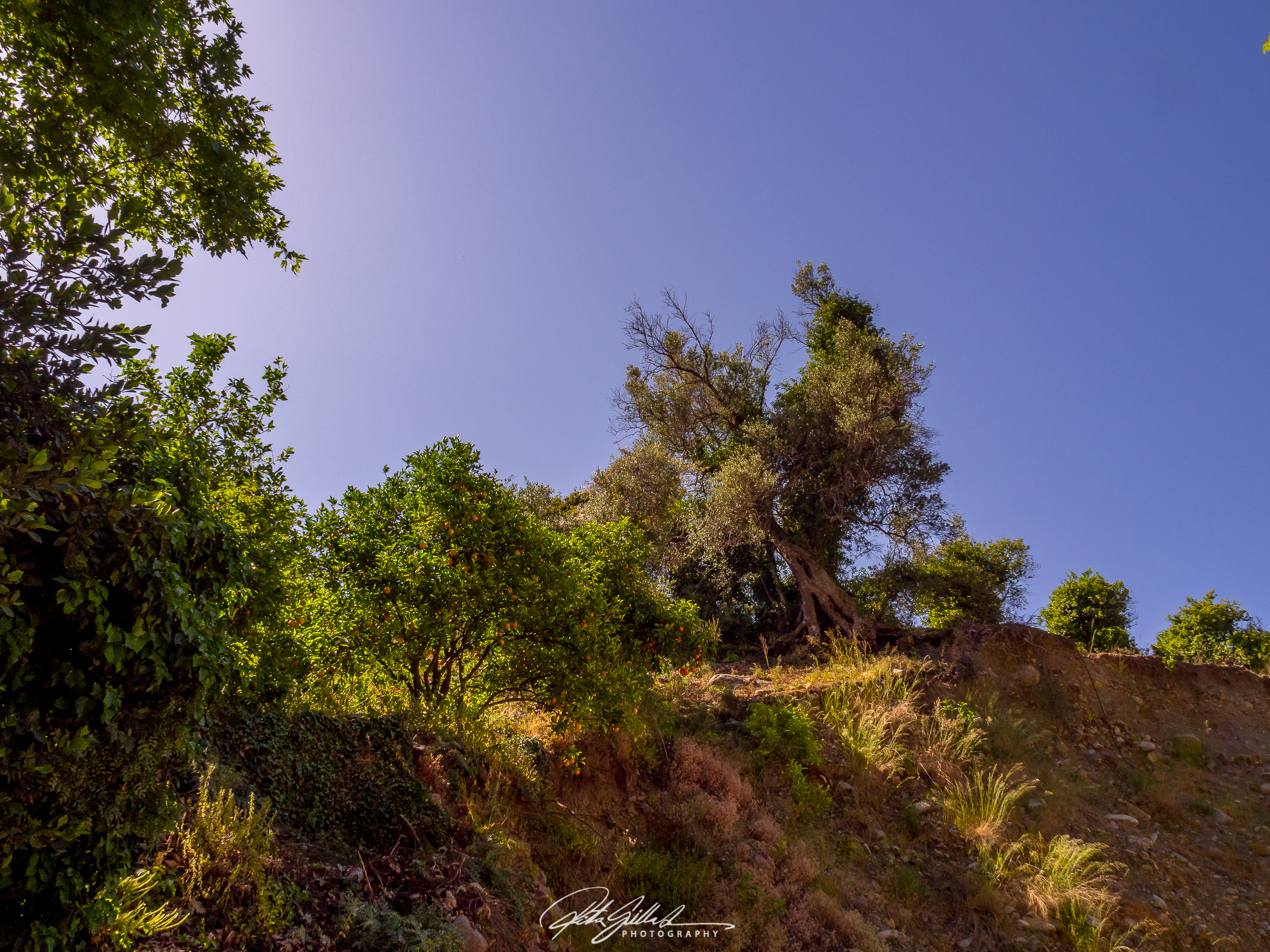
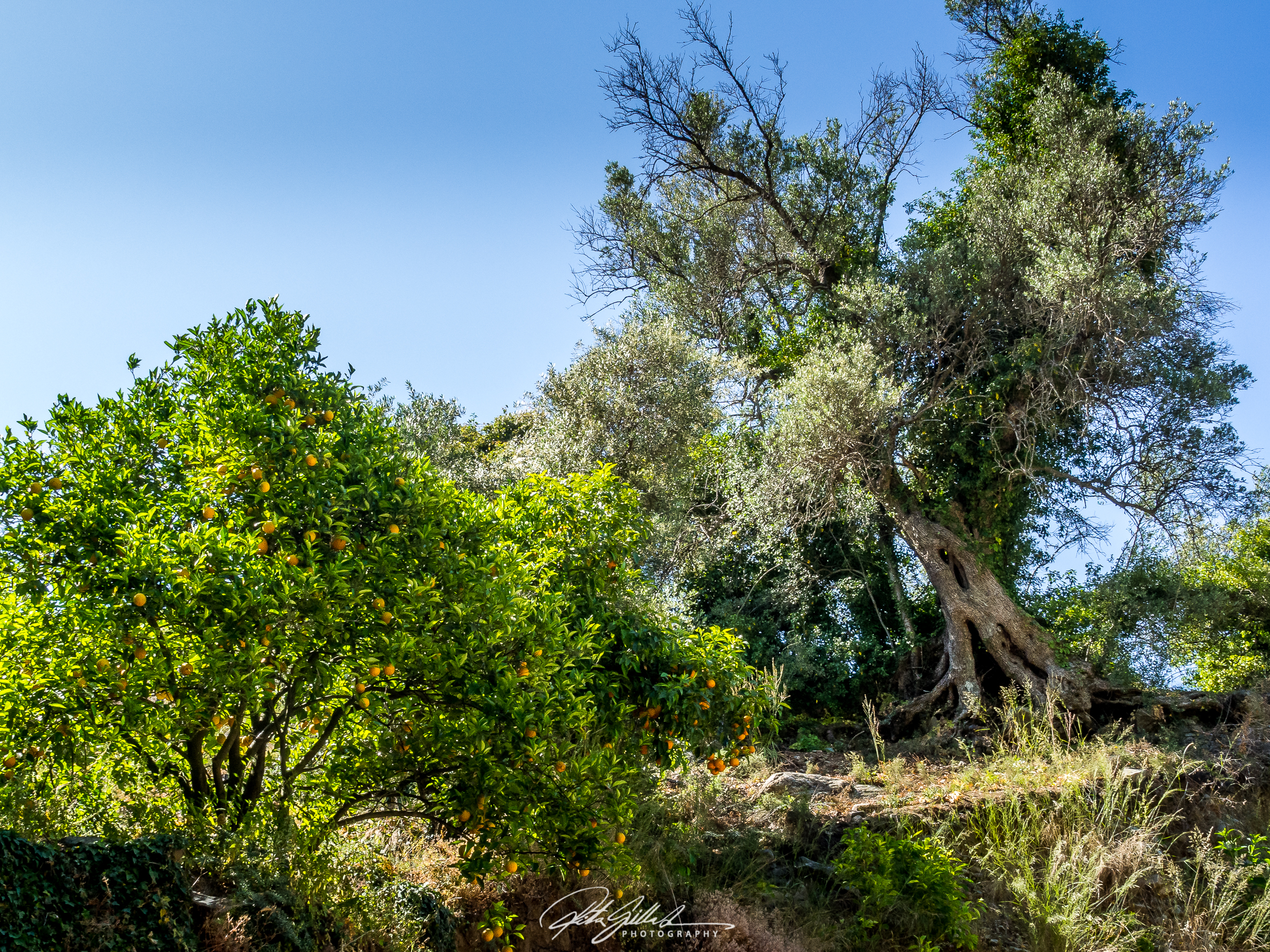
    Orange and Olive tree
    Trees in Crete

    Traveling Crete #4

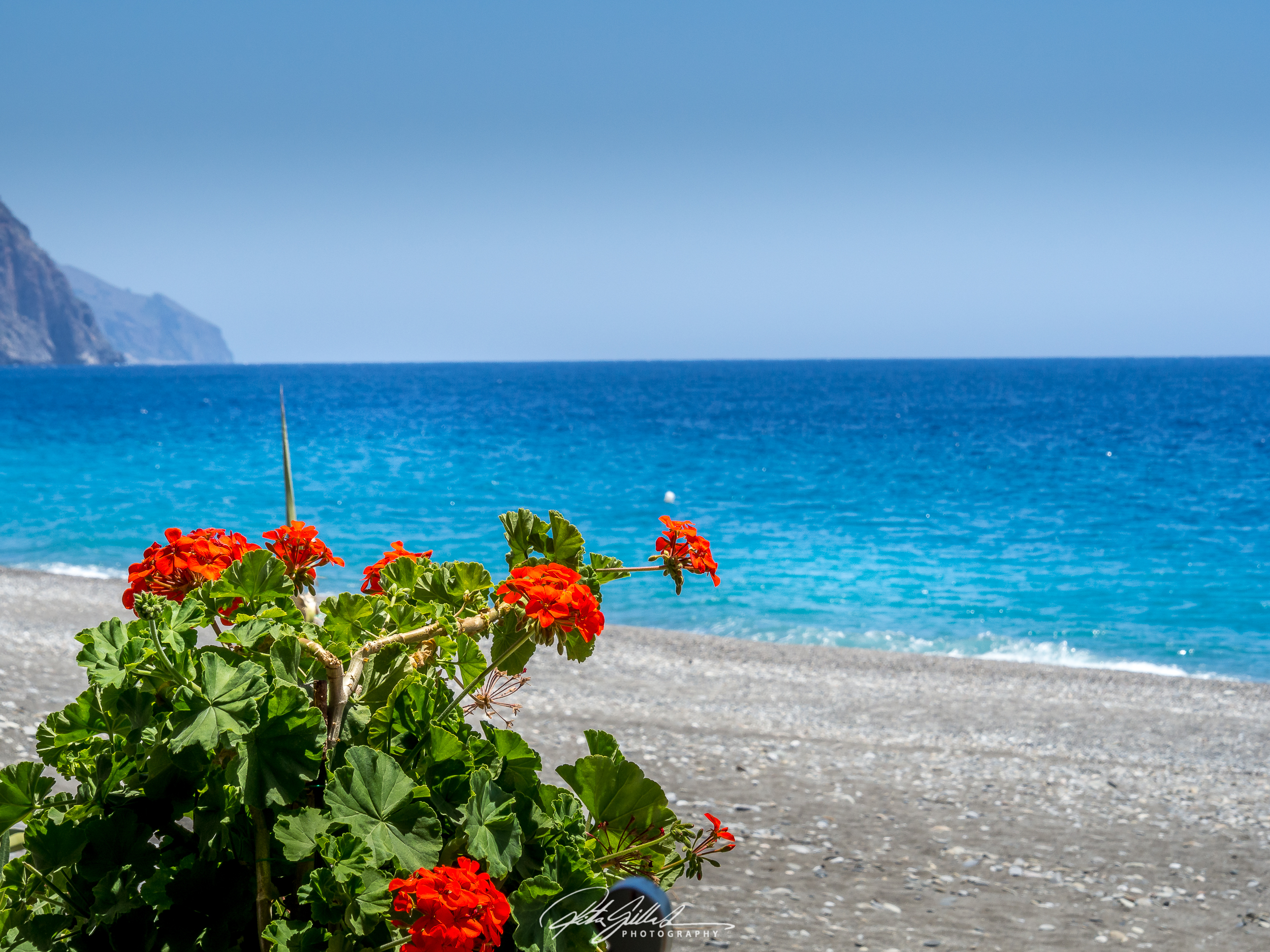
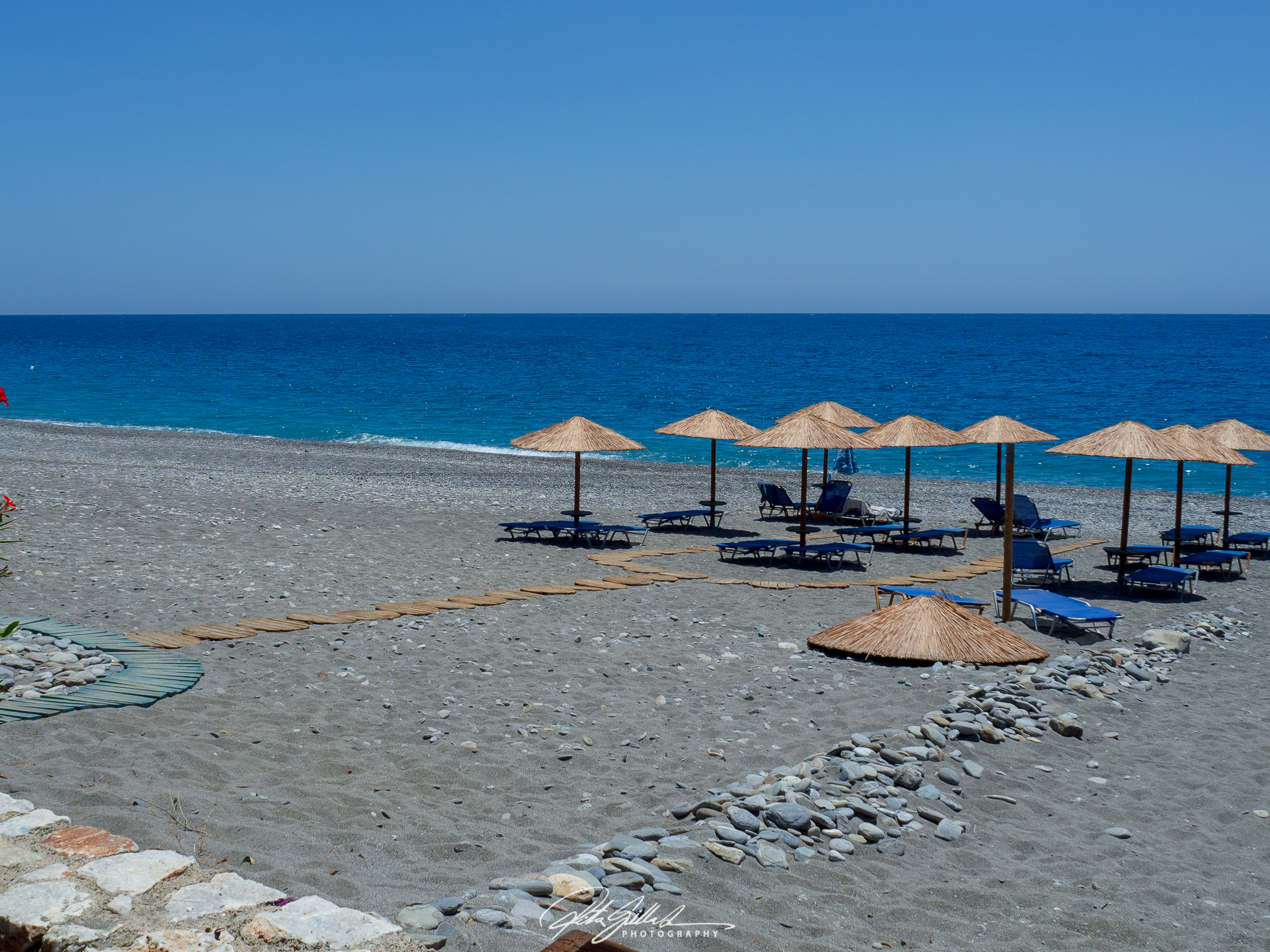
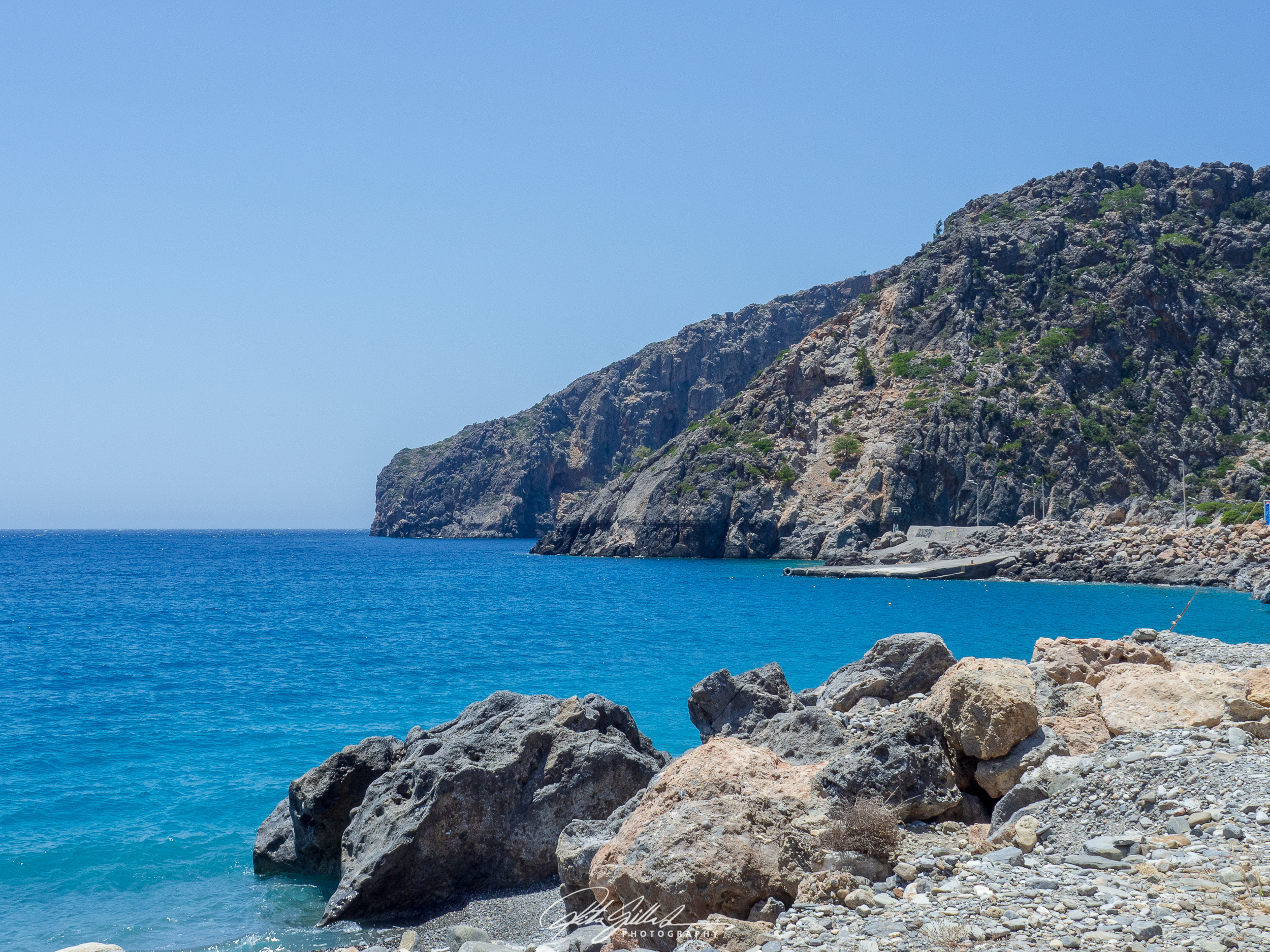
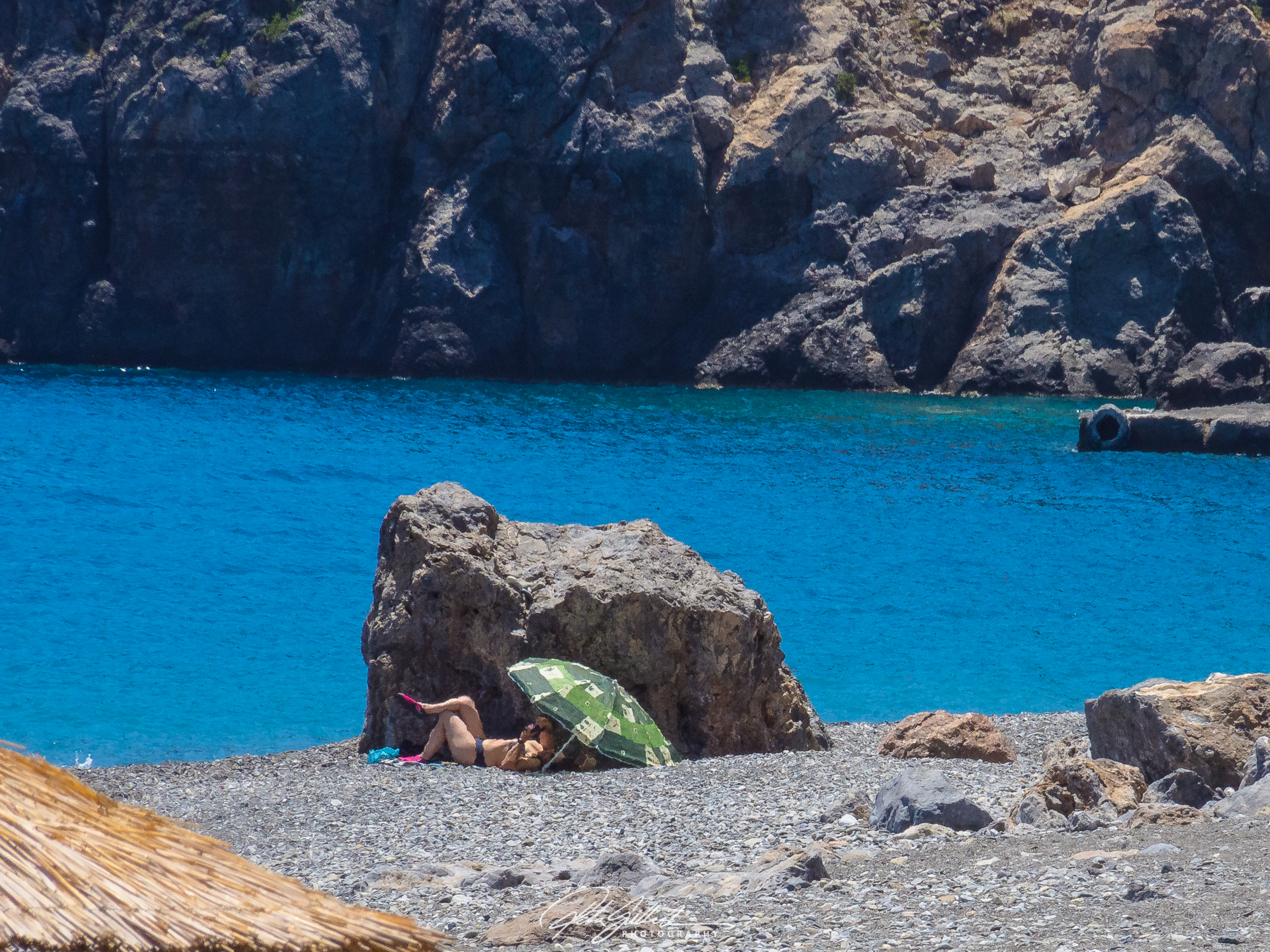
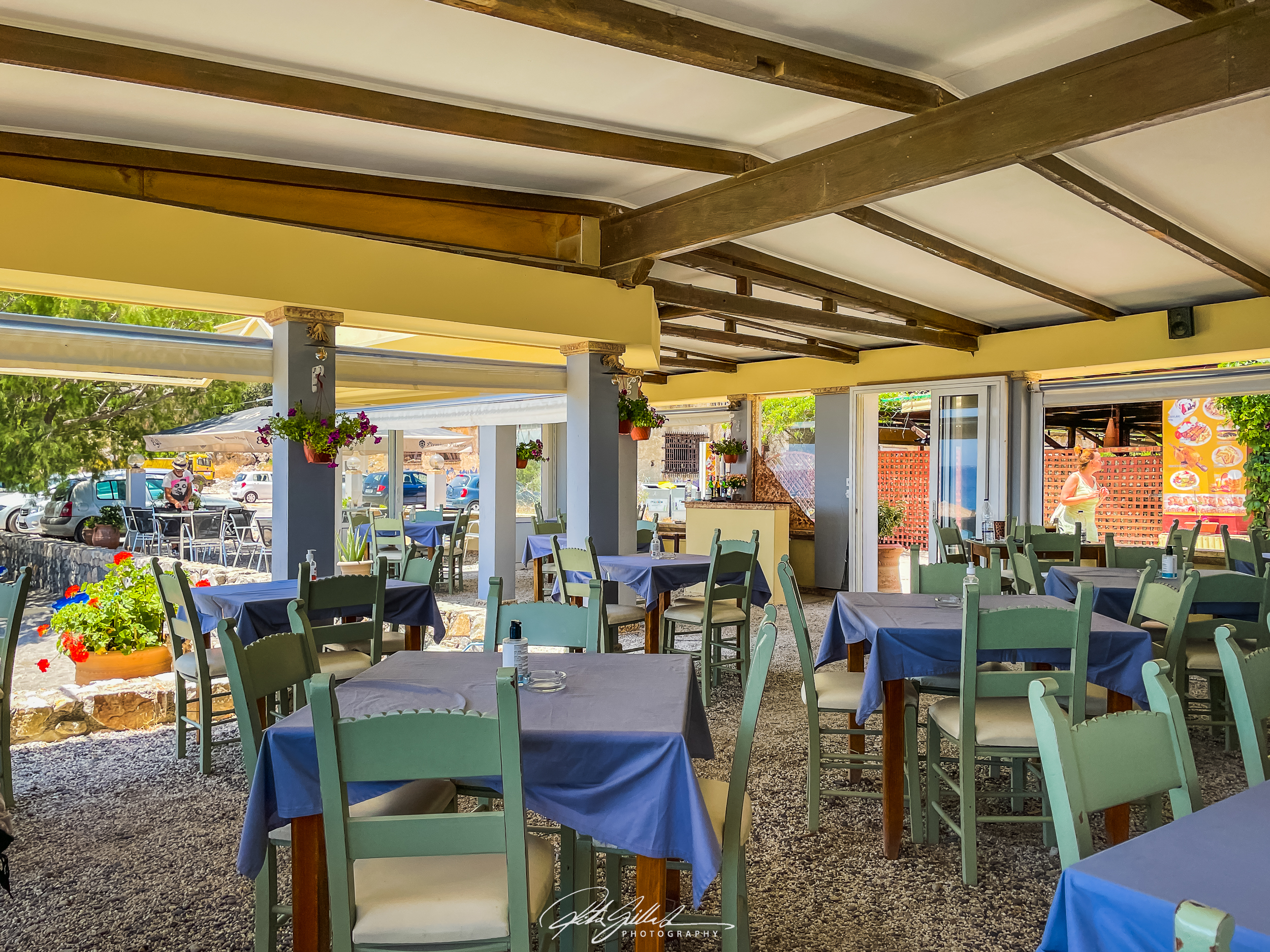
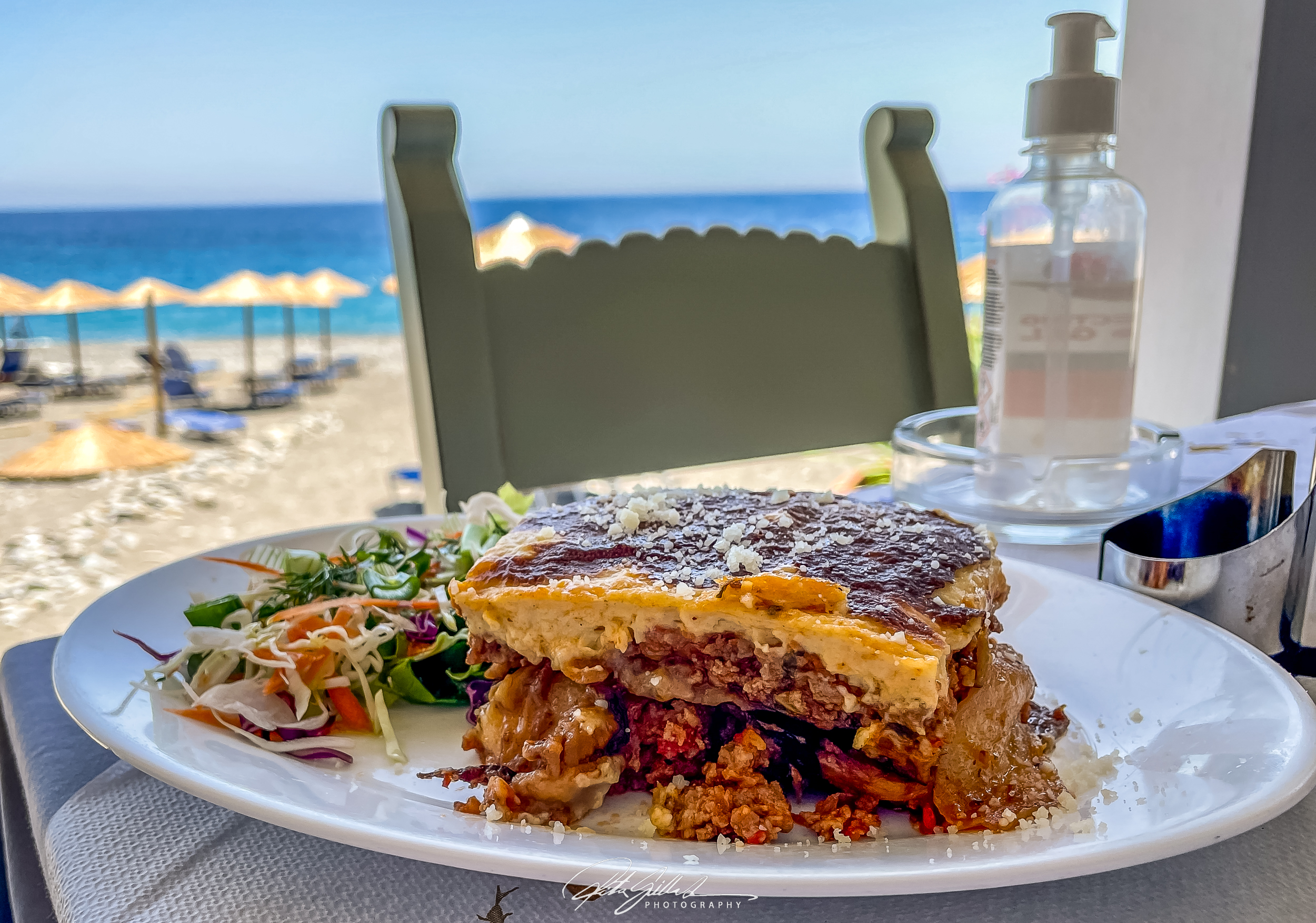
    The small village of Sougia in the south-west of Crete has managed to remain unaffected by the growth of tourism in Crete. It is still a peaceful haven, with a long beach, we stopped there for a while and had lunch at a one of the beach side taverns.

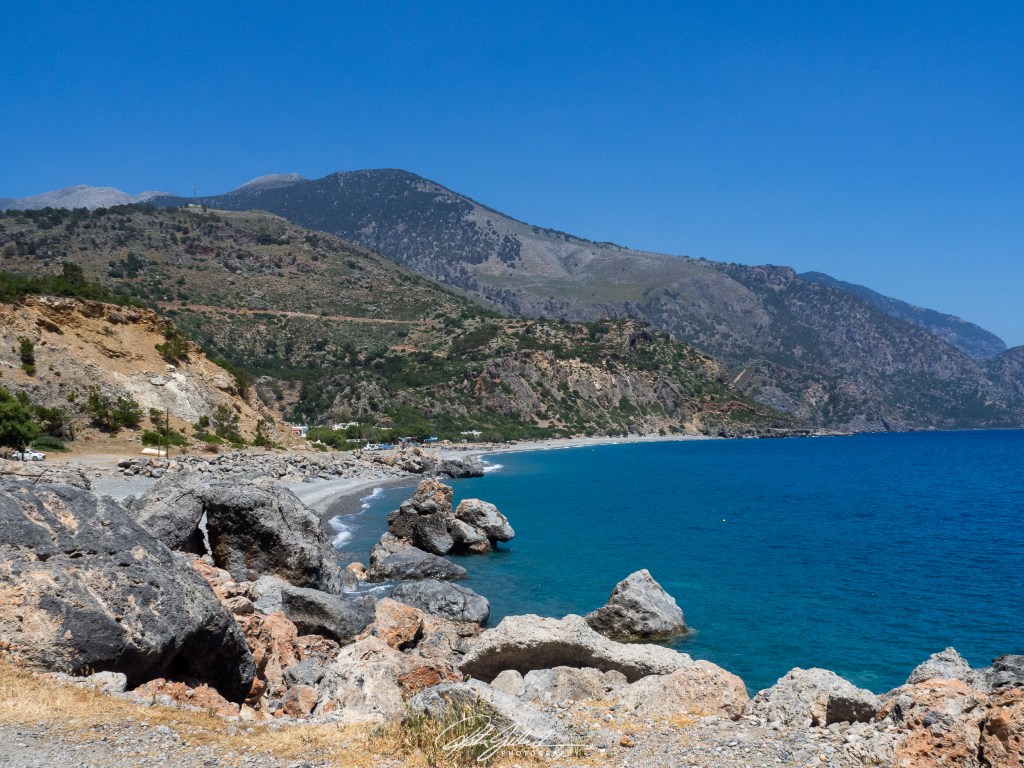
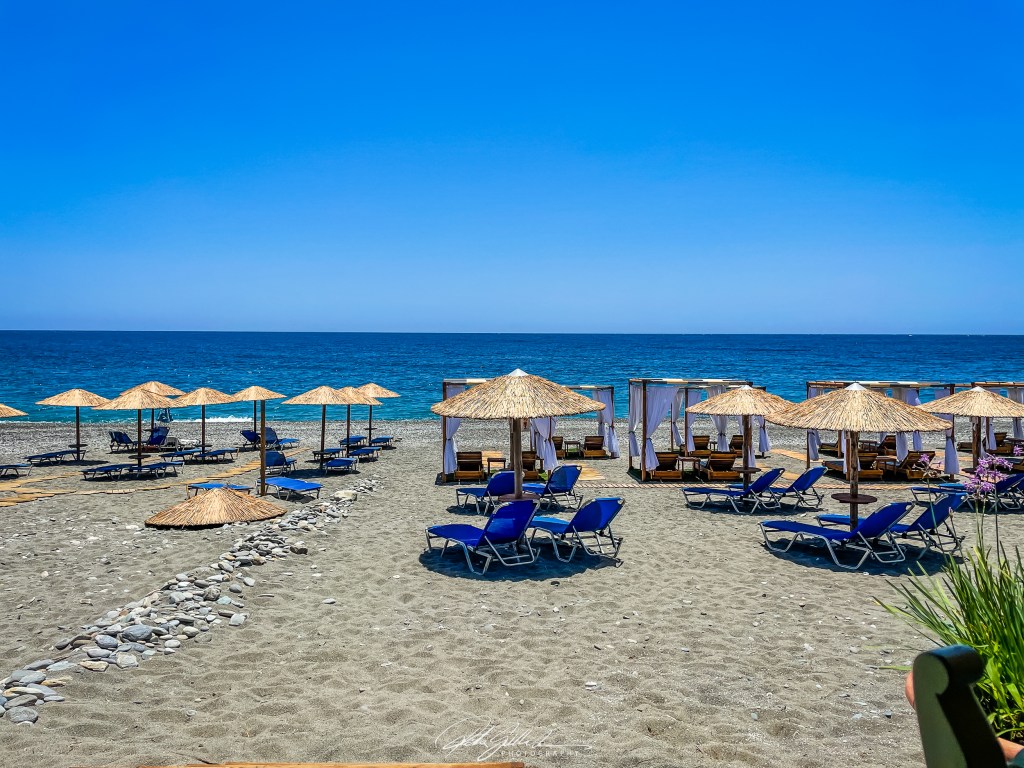
    Sougia beach

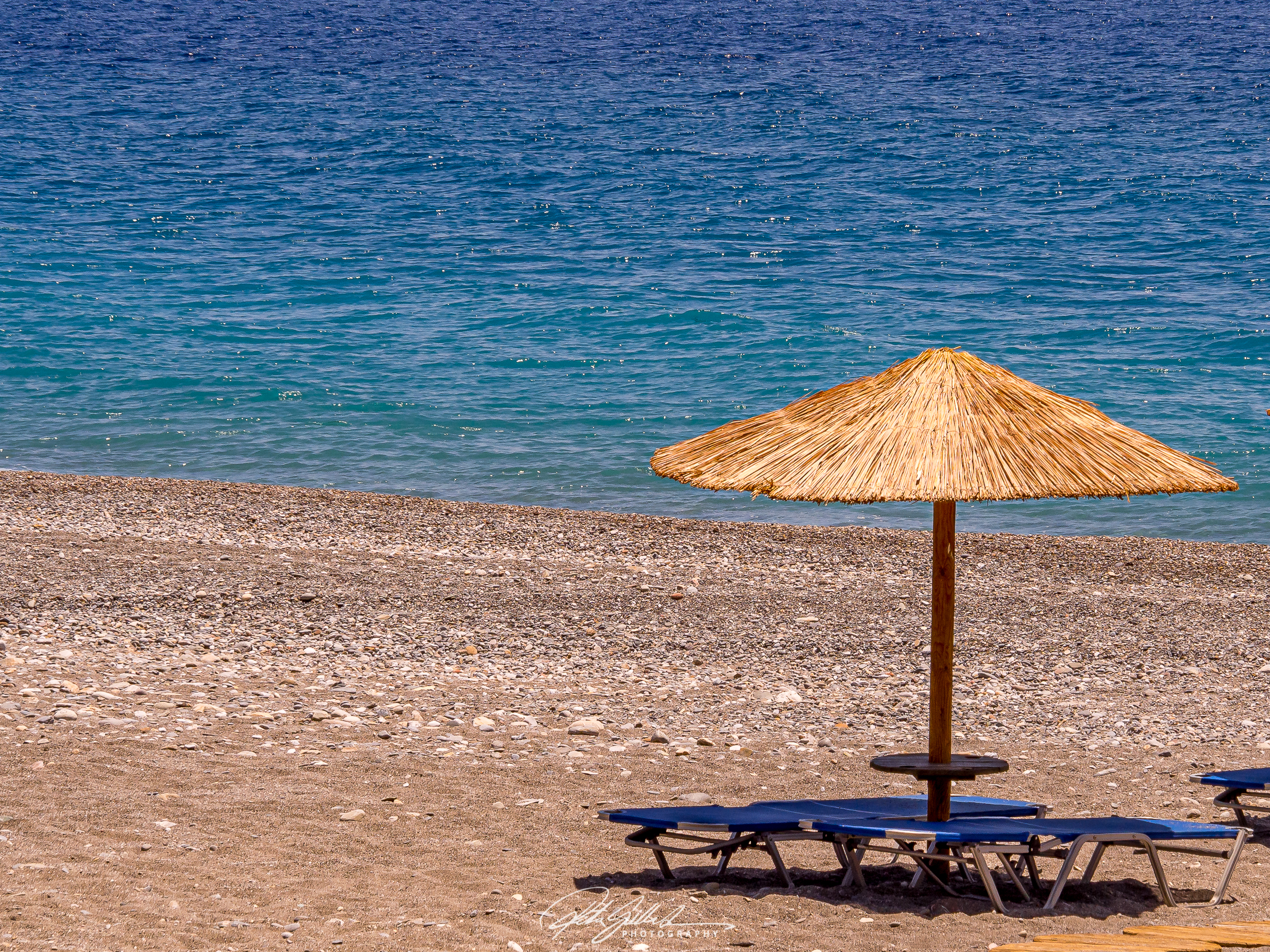
    In front of the village lies a lovely quiet long beach with coarse sand and crystal clear deep water. The beach starts from the small harbor of Sougia (west) at exit of Lissos Gorge and stretches to the east for 1.5km. This part of the long beach is not organized. Instead, the beach in front of the village offers umbrellas, showers, sports and a lifeguard tower. Along the beach there are plenty of tamarisk trees where you can find shade.

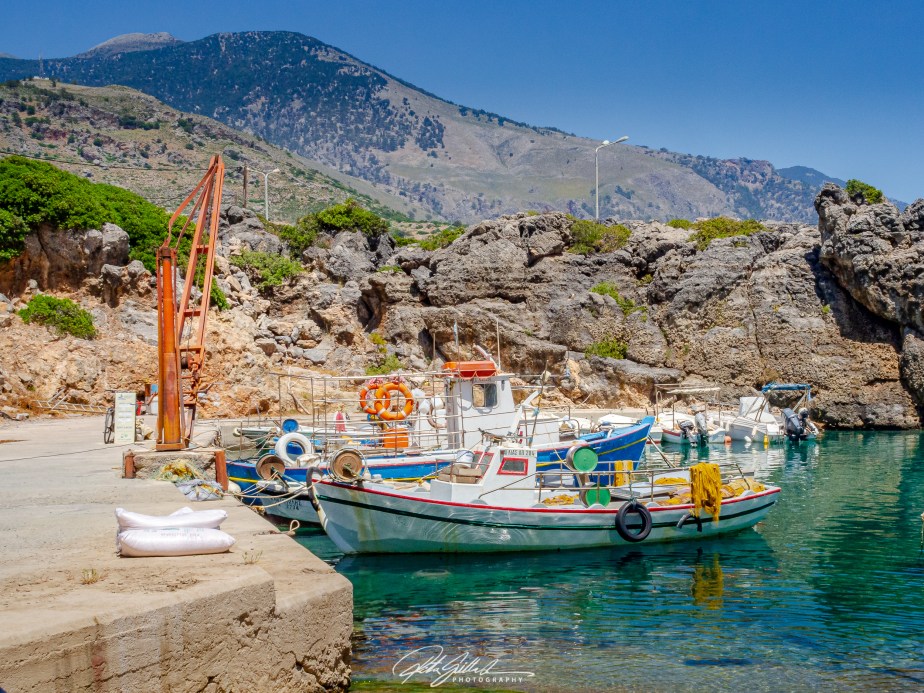
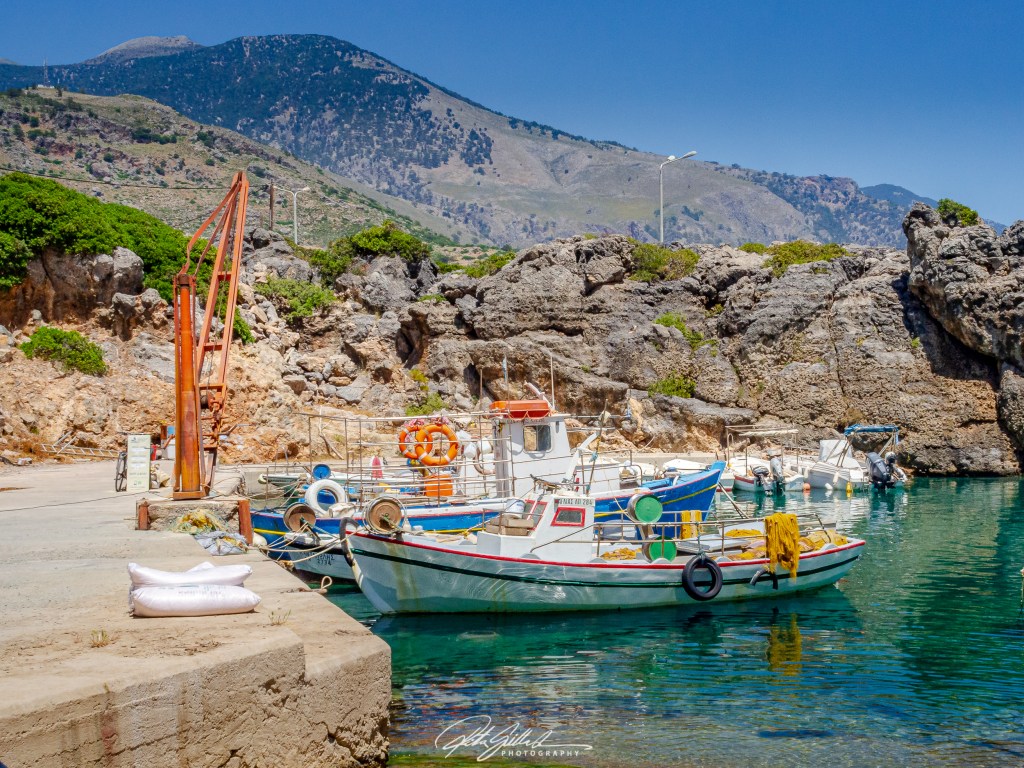
    Dock at Sougia
    Greece, Crete, seaside village beach of Sougia

    Moussaka was the dish I tasted here, and it was very good. I tasted it in an other place later and I have to say this was so much tastier.

    Recipe for Moussaka: Components 3-4 aubergines 3 potatoes (optional) 0.7 kg of ground lamb or beef 1-2 onions around a glass of red wine 400 g tomatoes from cans or 5 larger grated fresh tomatoes olive oil Spices: ½ teaspoon of cinnamon, 2 tablespoons of oregano ½ teaspoon of ground cloves, salt, pepper, a pinch of sugar (or mix for moussaka) Bechamel sauce: 600 milk 85 g flour 85 g butter salt pepper, 25 g of grated hard cheese (eg Greek kefalotiri or Italian equivalent) 1 egg

    This is going to be the one of many posts, so sorry 🙂 beforehand for the nearly same named posts.

    Traveling Crete #3

    Do olives grow in Crete?

    Common trees in Crete are the tamarisk , oak-, chestnut-, pine-, cypress– and the evergreen plane tree (Platanus ). It is quite often found in the village squares, offering its shade to people. A huge plane tree, or platanos in Greek, can be seen at Topolia village in west Crete “Monument of Nature” after a day on the road we did not go to see it but we did stop in the village. I will post some photos of it later.

    Mousoura

    It is believed that 55 to 65 percent of the cultivated land on Crete is given over to olive groves, which contain approximately 30 million trees, so that the groves cover one-fifth to one-quarter of the island. And I felt it, I am surprisingly allergic to the bloom of Olive trees and at the end of May early June there was still some in bloom.

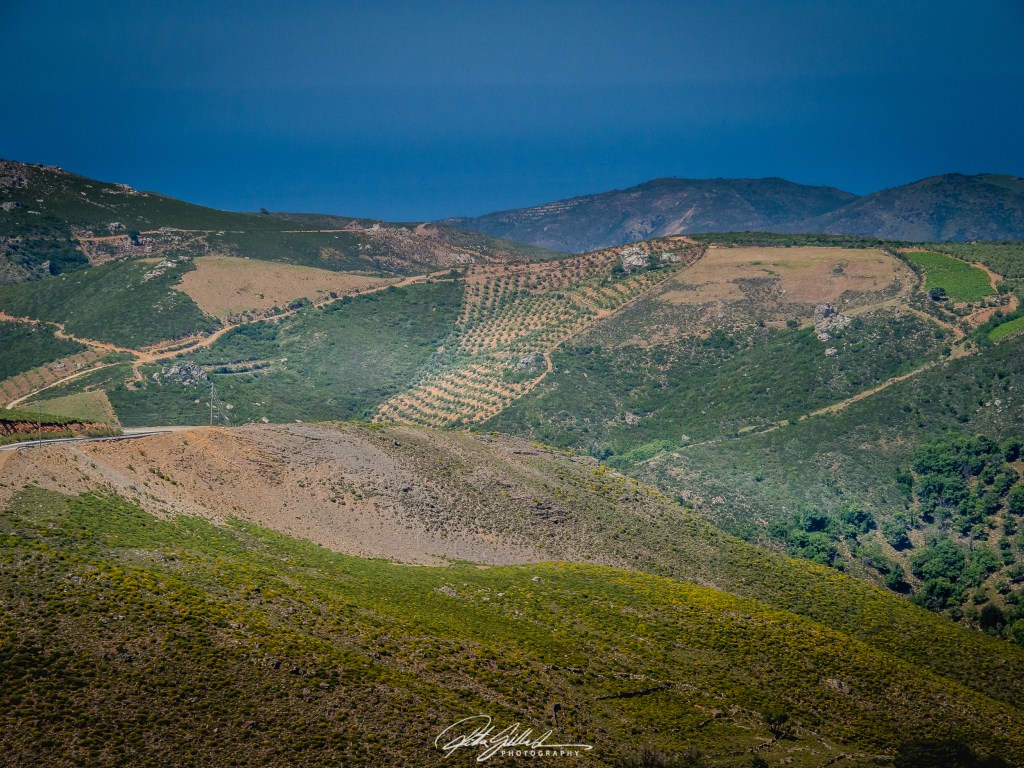
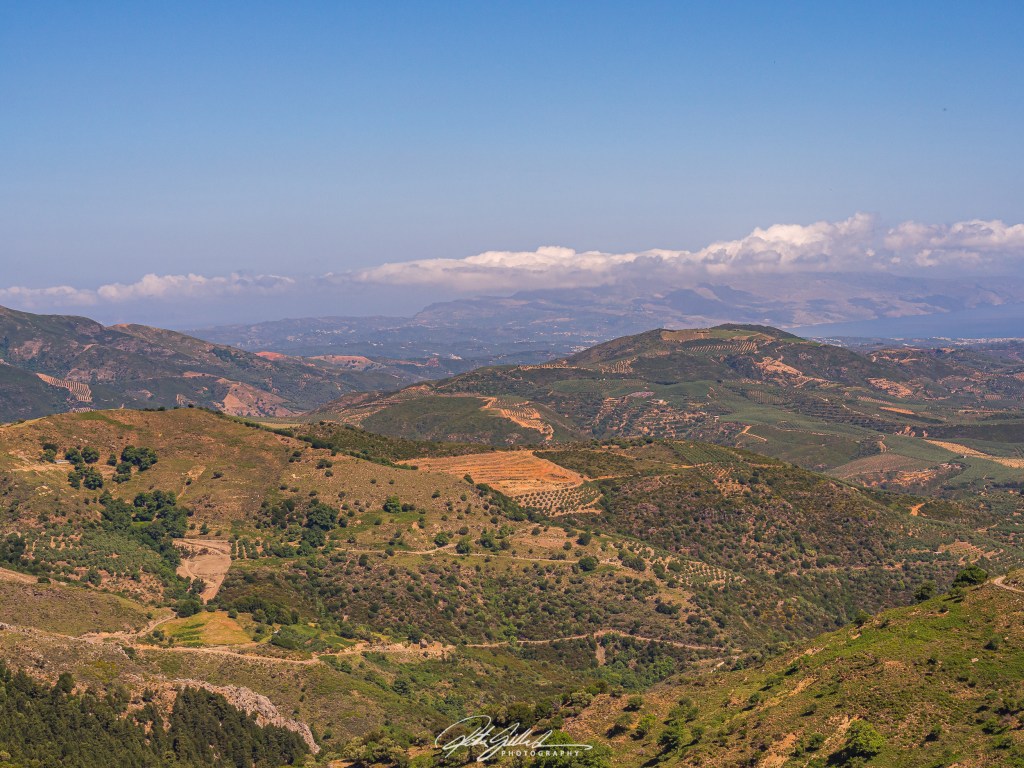
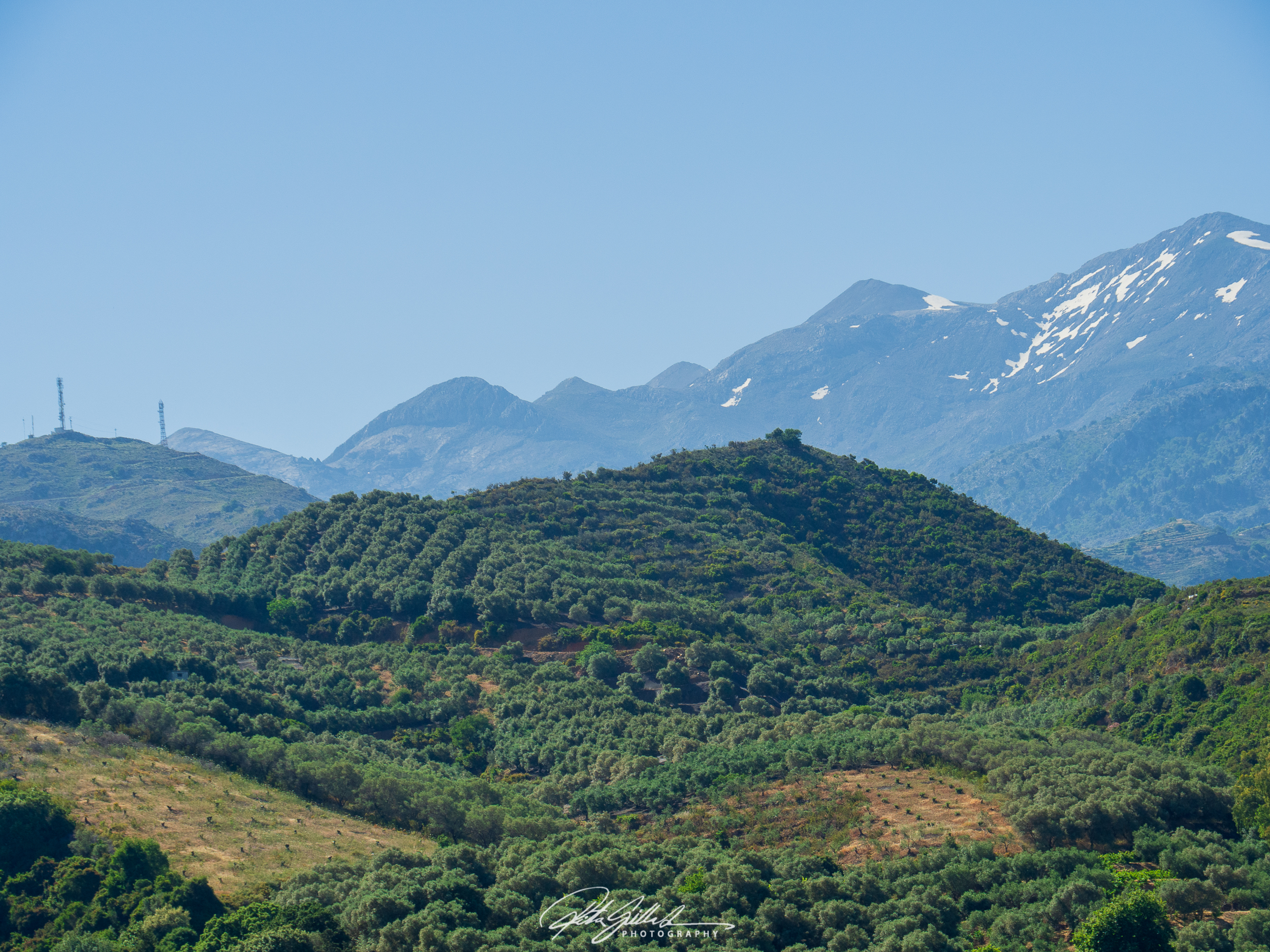
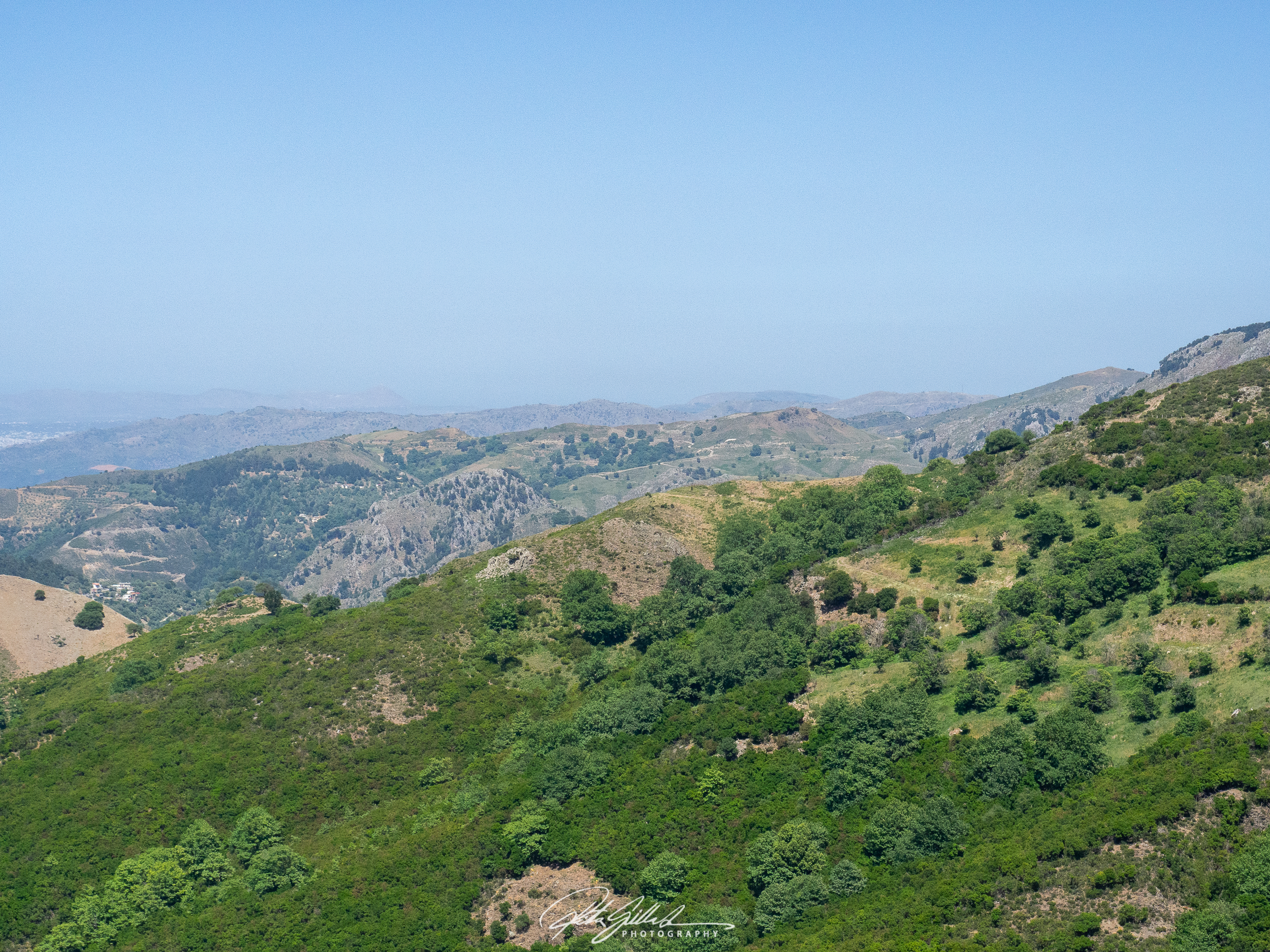
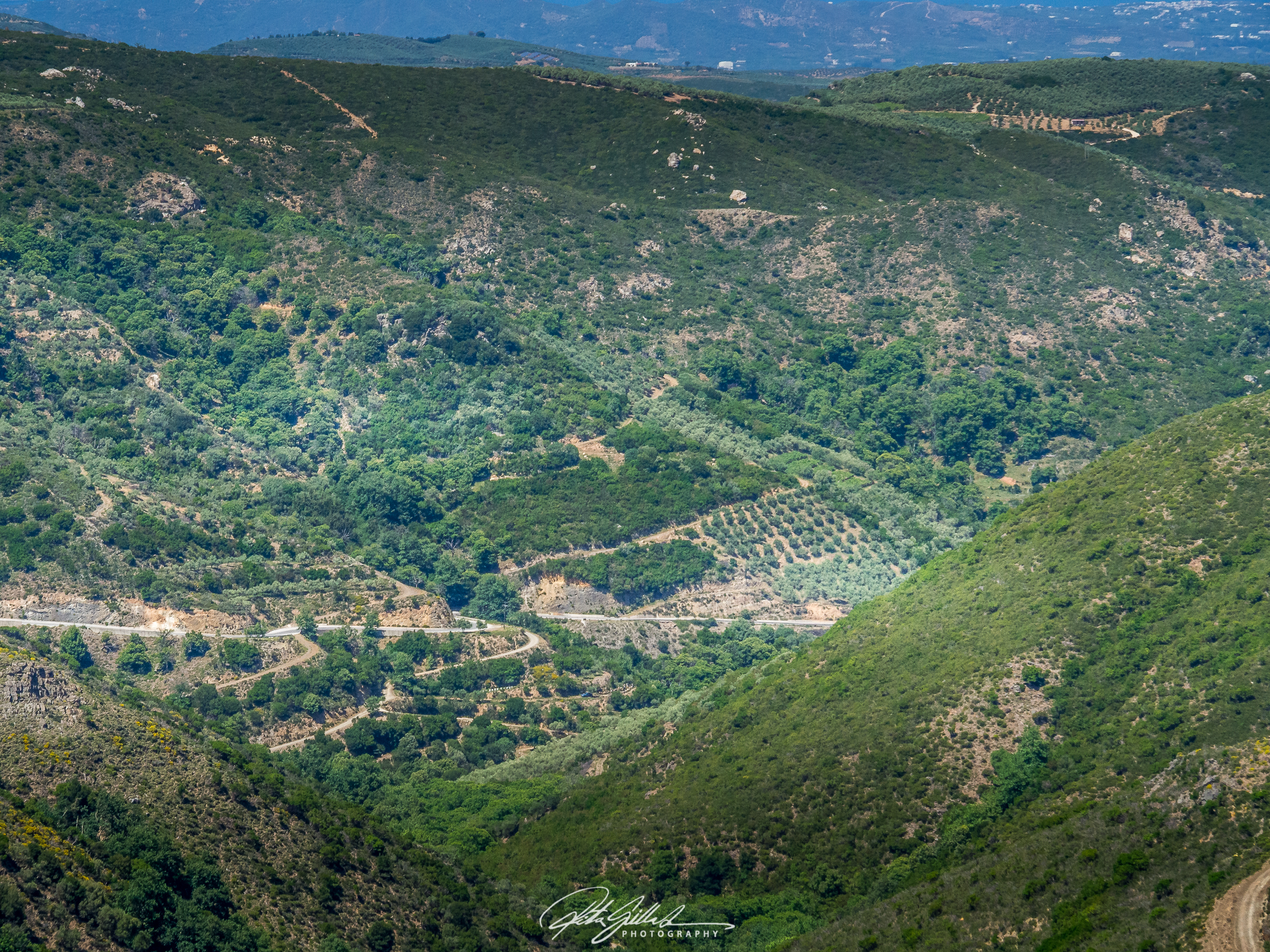
    Hill or mountainsides in Crete

    This is going to be the one of many posts, so sorry 🙂 beforehand for the nearly same named posts.

    Traveling Crete #2

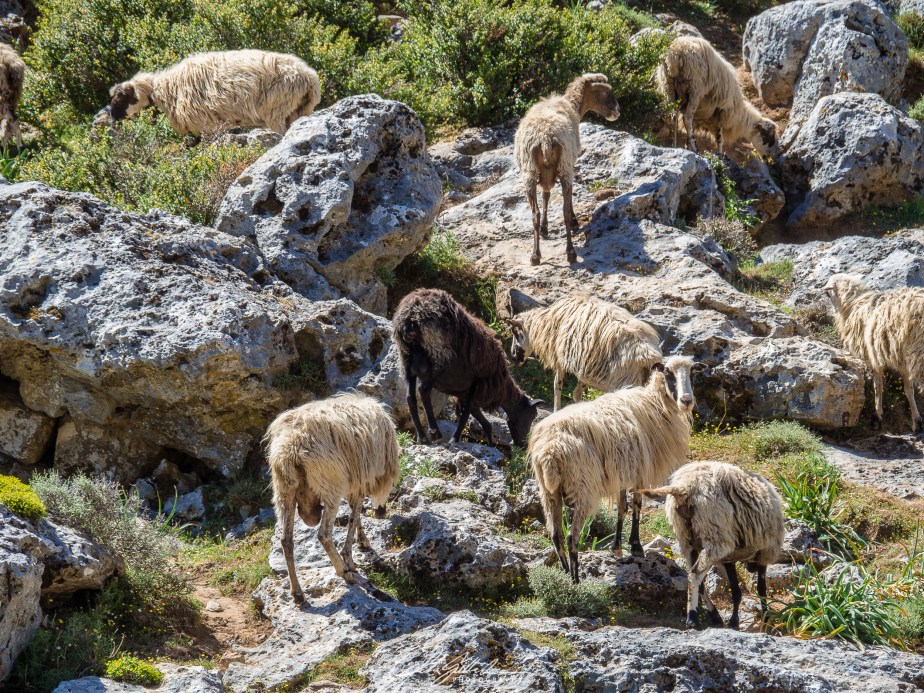
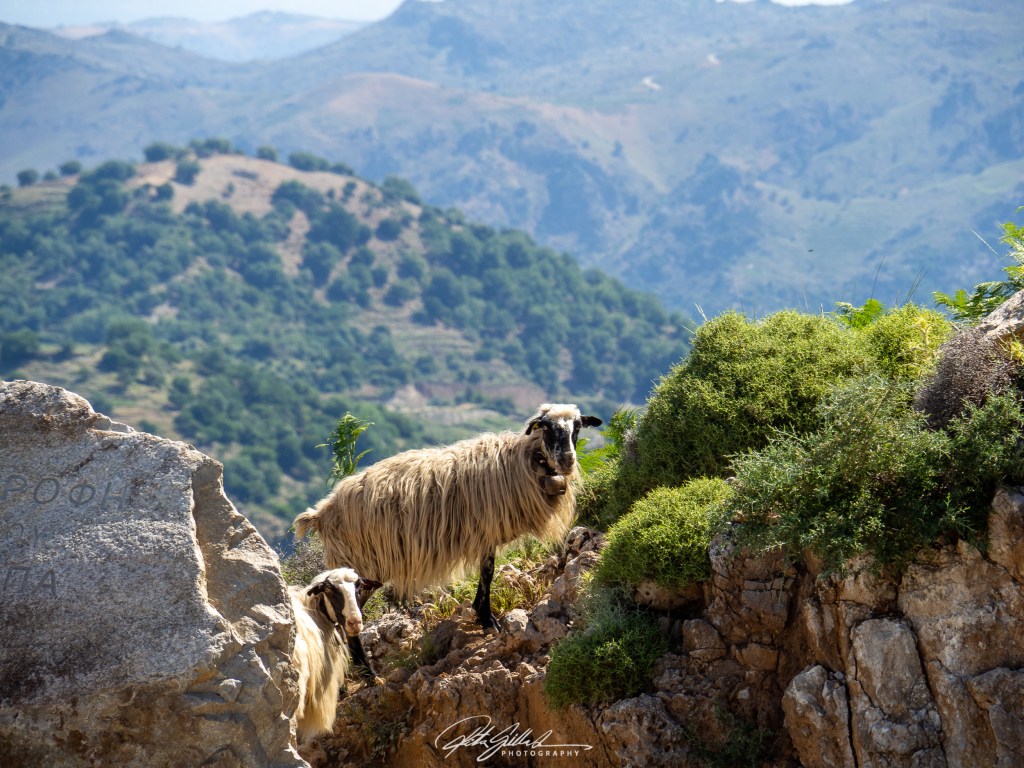
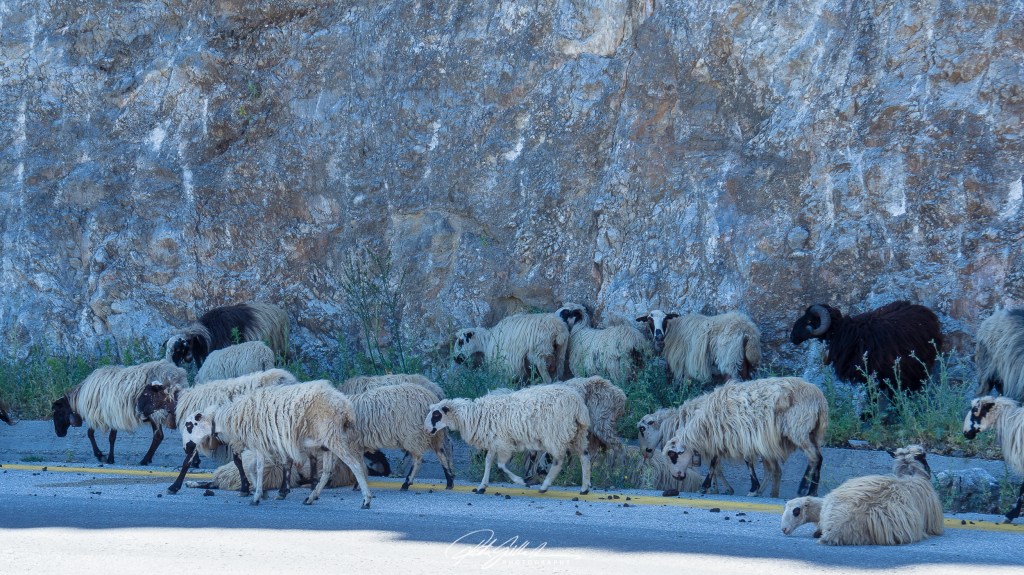
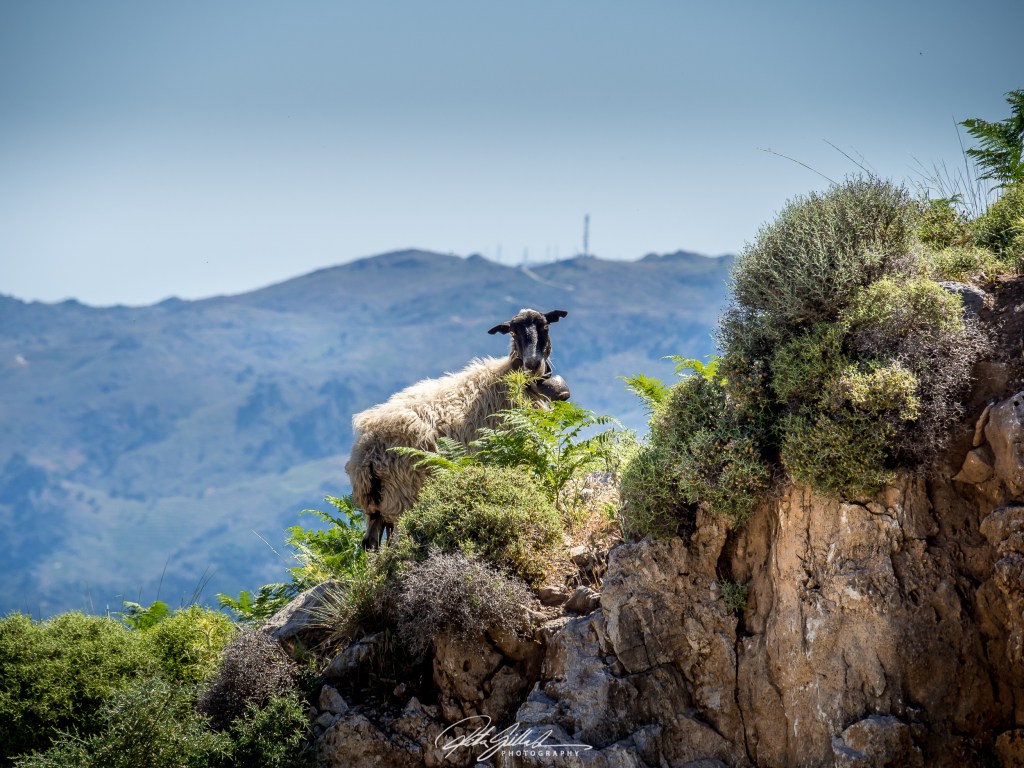
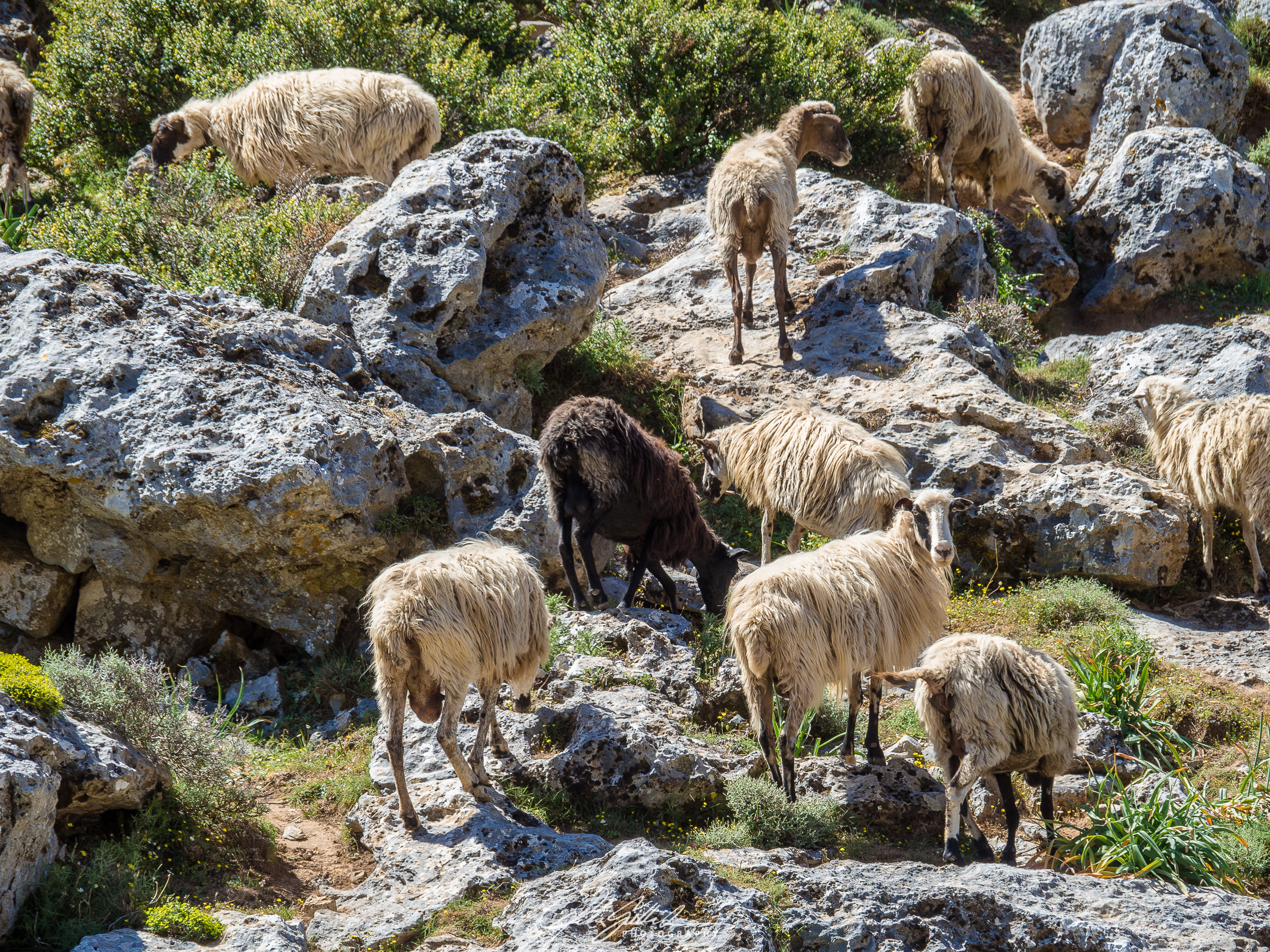
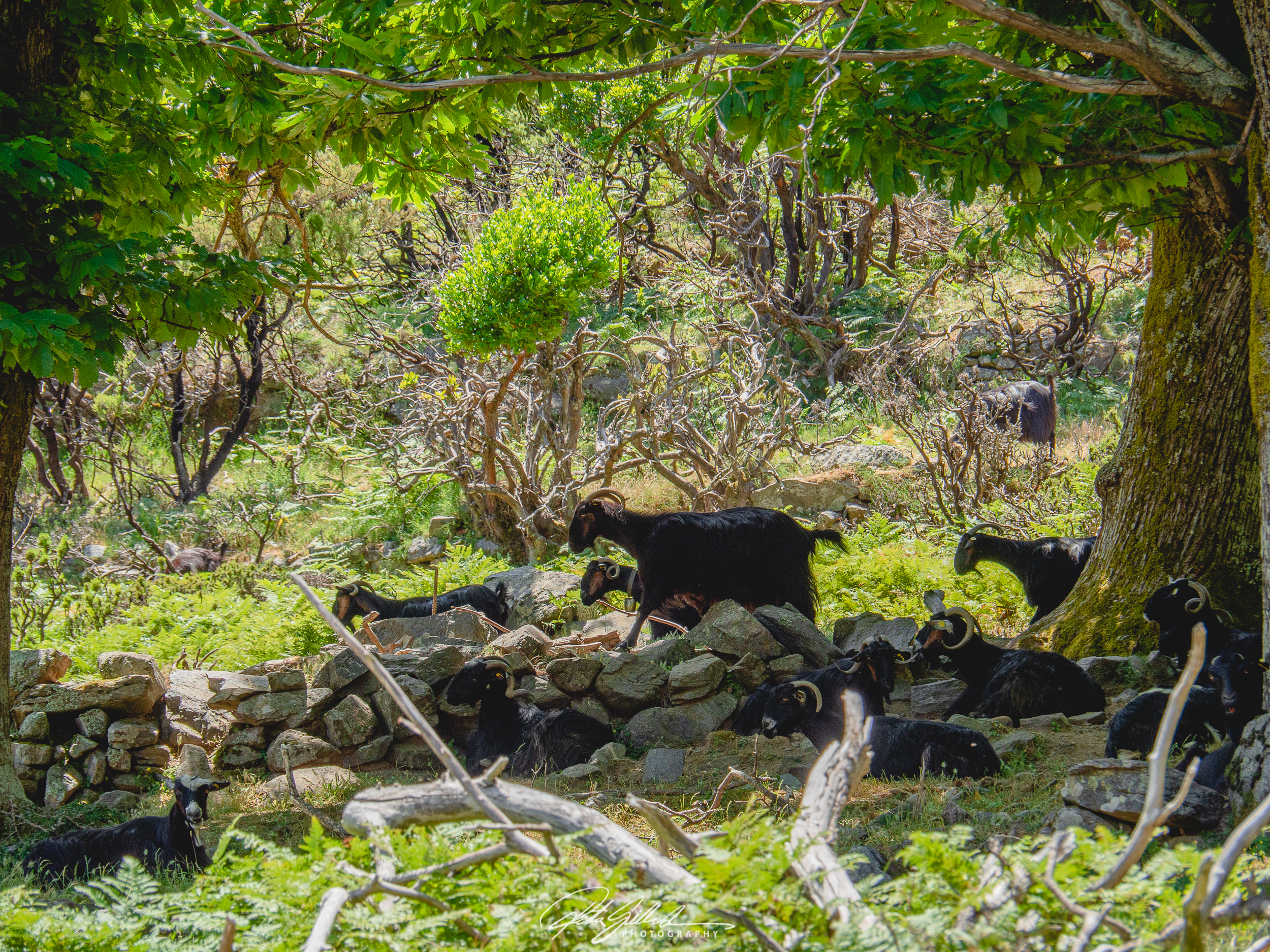
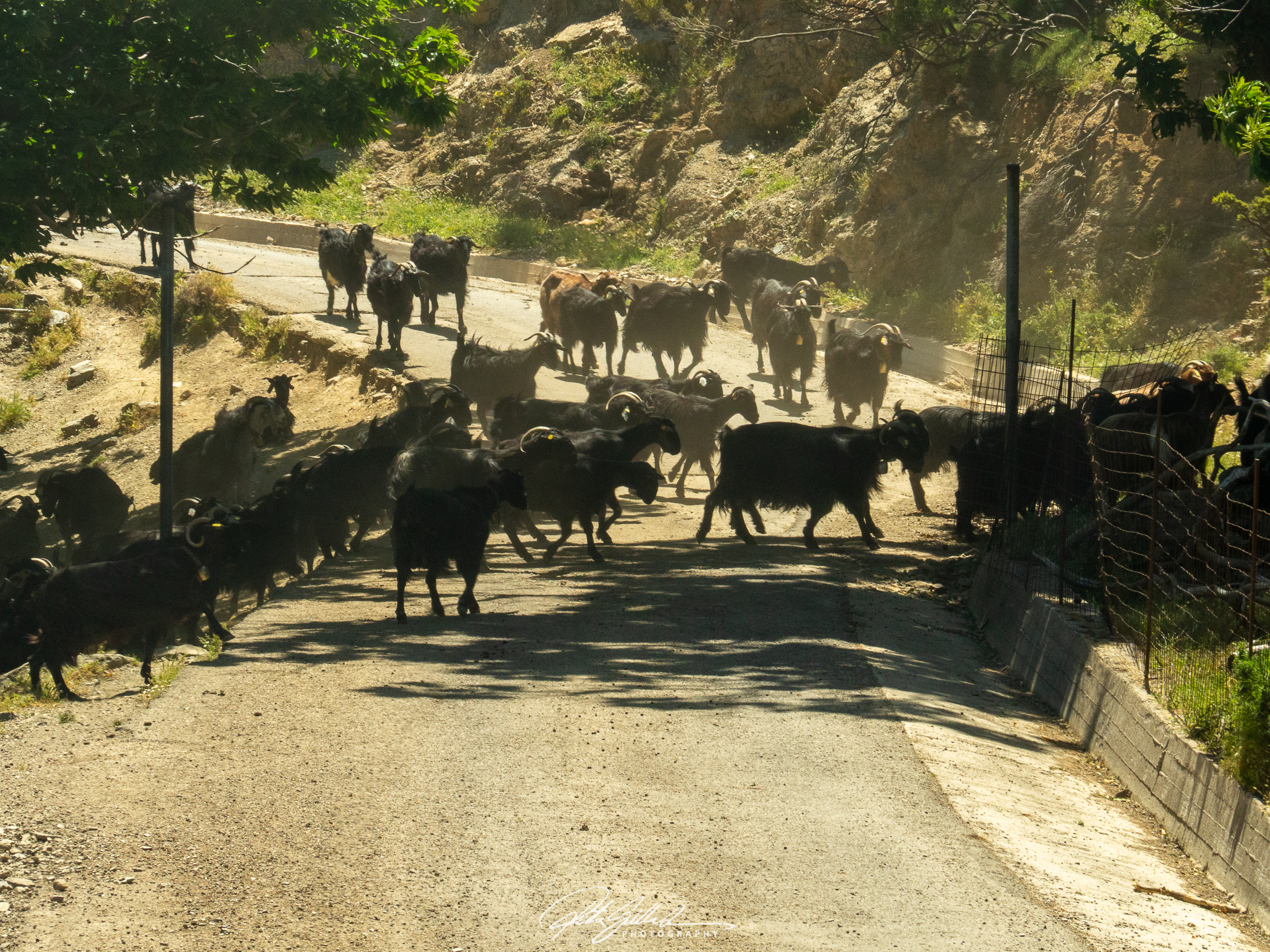
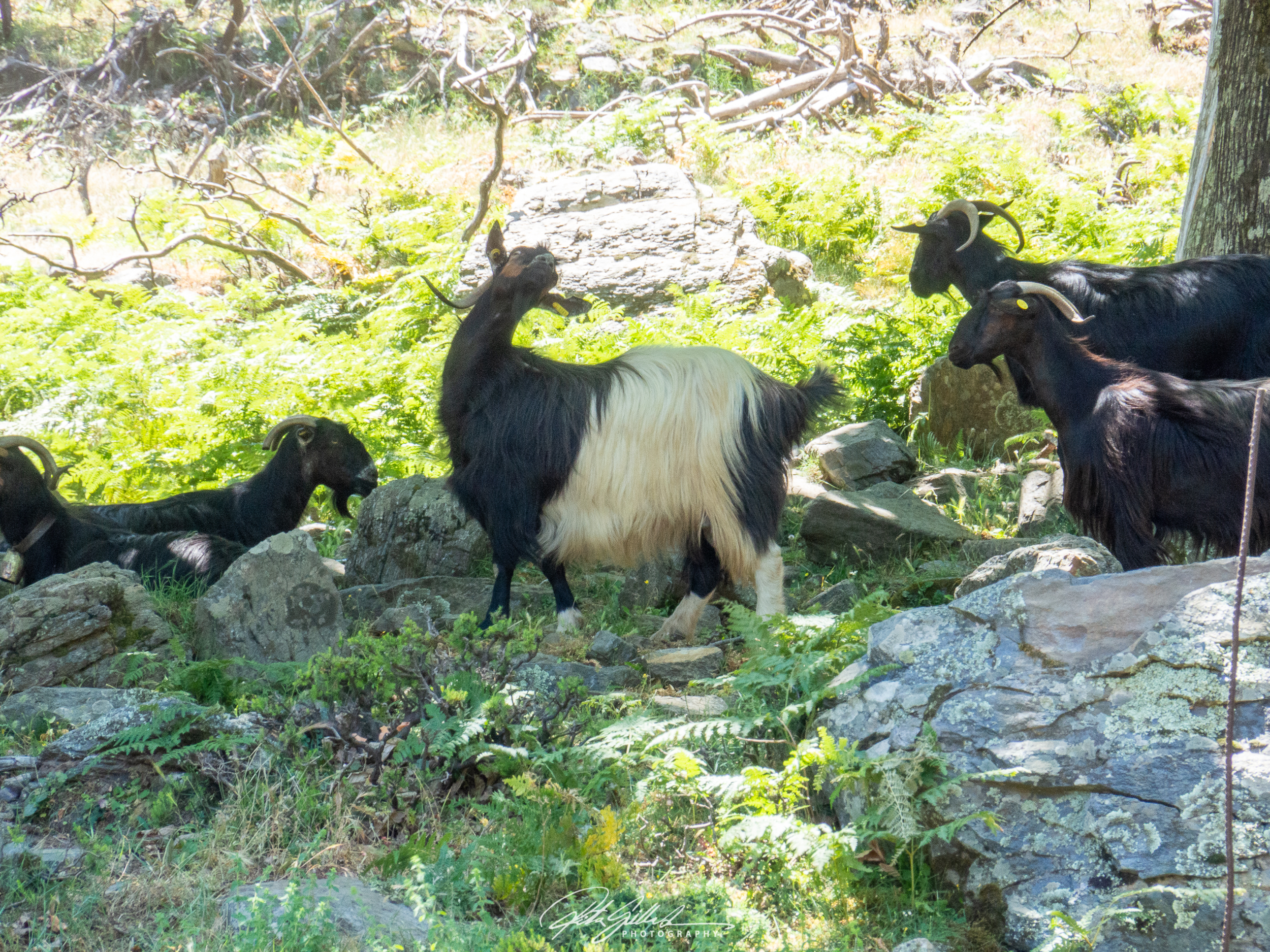
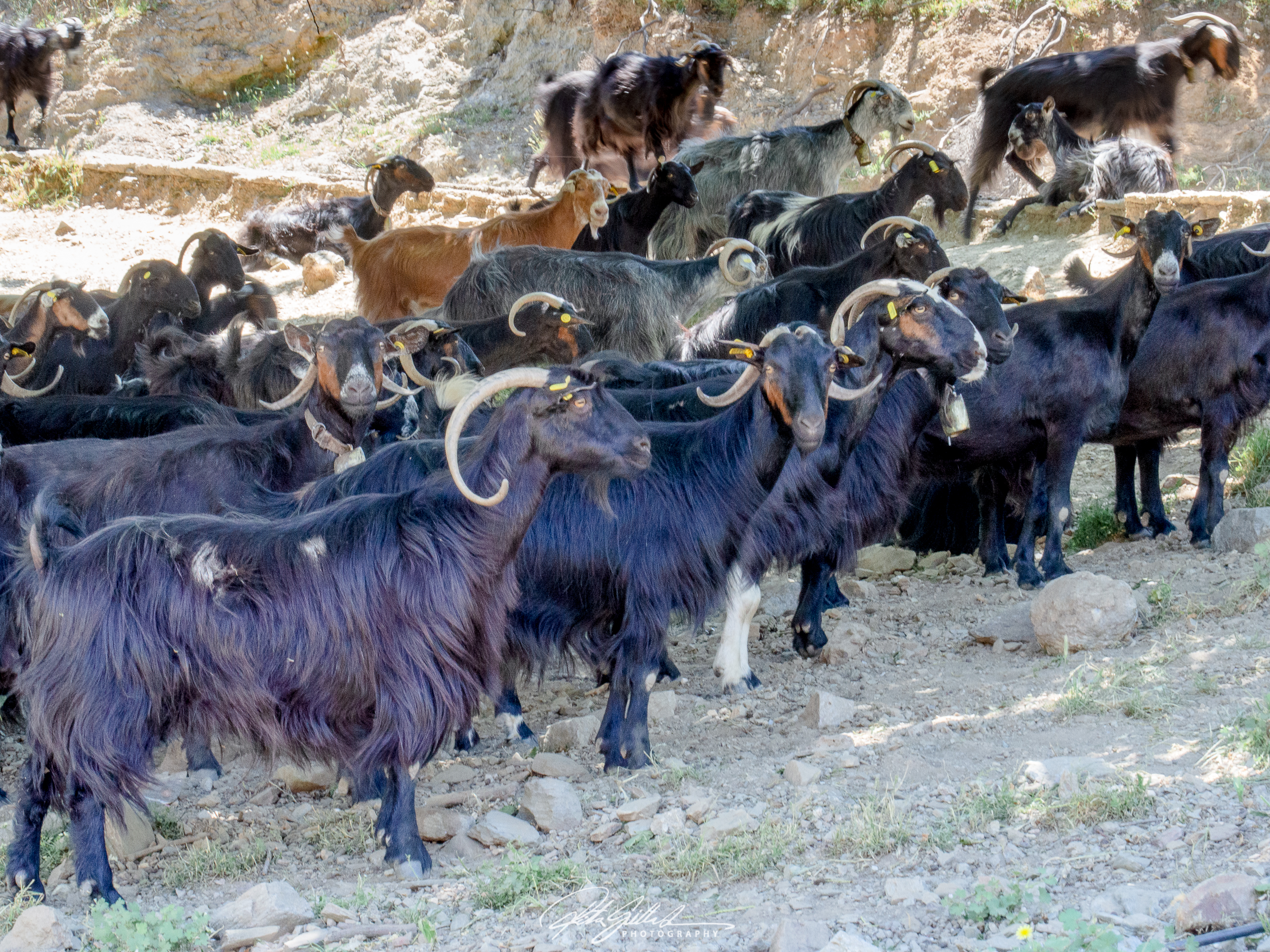
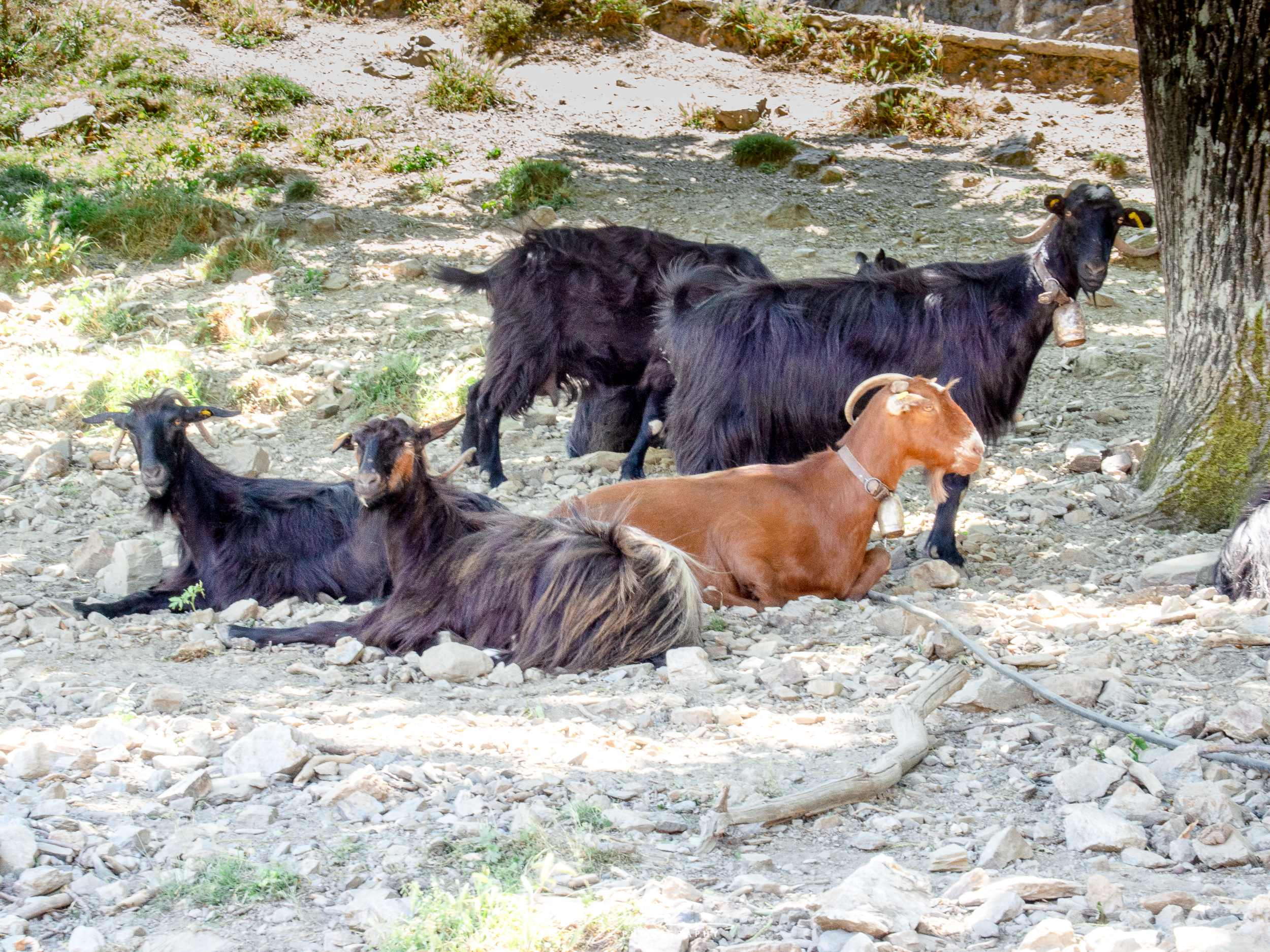
    On the mountain roads we on more than one occasion ran into these goats with bells on their necks letting us know they were there. So this post is dedicated to the goats we saw 🙂

    A Cretan mountain goats with a bell around its neck standing alone mountainside.

    Shepherding is one of the oldest proffesion in Crete. Bells for sheep and goats were used all over Greece and Crete of course. 

    The bells were the pride of the shepherd and they were used to monitor the sheeps and goats. The quality of each bell as well as their combination was very important so that the flock will sound harmonious.

    Goat by the side of the road.
    The Cretan bells are hammered bells with thin sheet metal and consequently have a low weight. In addition, they are plated with bronze and bronze which protects them from seawater. 
    The sounds of sheep-bells allow sheperds to know whether an animal is grazing, drinking water, or trying to get away from something or even to locate animals that have been lost.

    a small sample of the sound of the bells
    Goat and a bell

    All traditional hand-made sheep bells sound different.  These goats below we saw at Anatolikos Selinos.

    This is going to be the one of many posts, so sorry 🙂 beforehand for the nearly same named posts.

    Traveling Crete #1

    After our trip as well as having back up issues, which are now solved, I got a summer flu. Not happy about it, it certainly has me tired.

    I still am now aiming to get some pictures published. I will try to cover as much as I can, in the end I did not take all that many photos as I would usually take, but still I was able to capture some beautiful places and things. The flowers bloomed as it was early summer, the hills and trees were still green. I had not many expectations beforehand so I was nicely surprised of what this island had to offer.

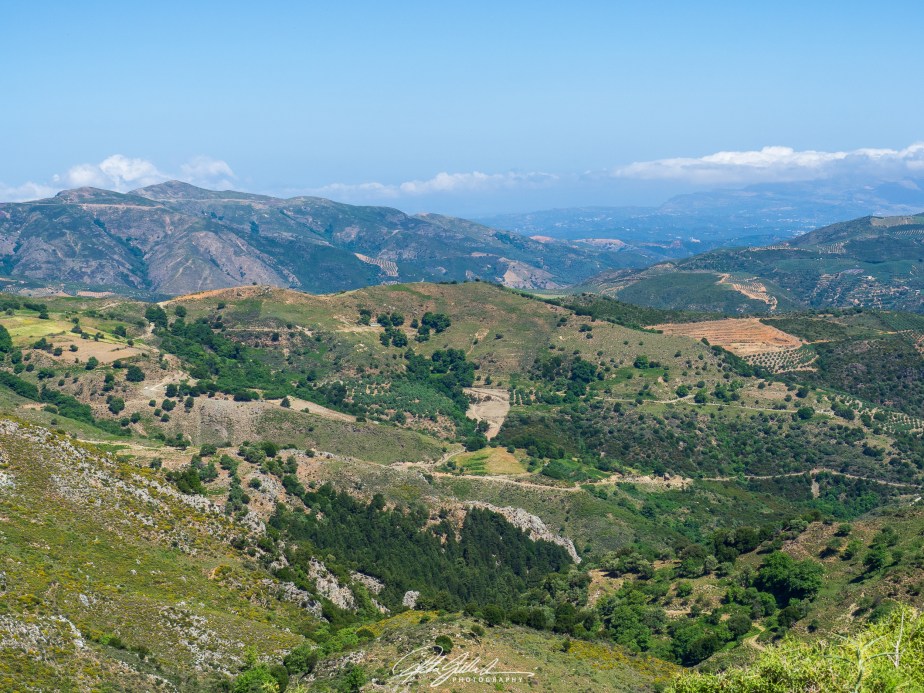
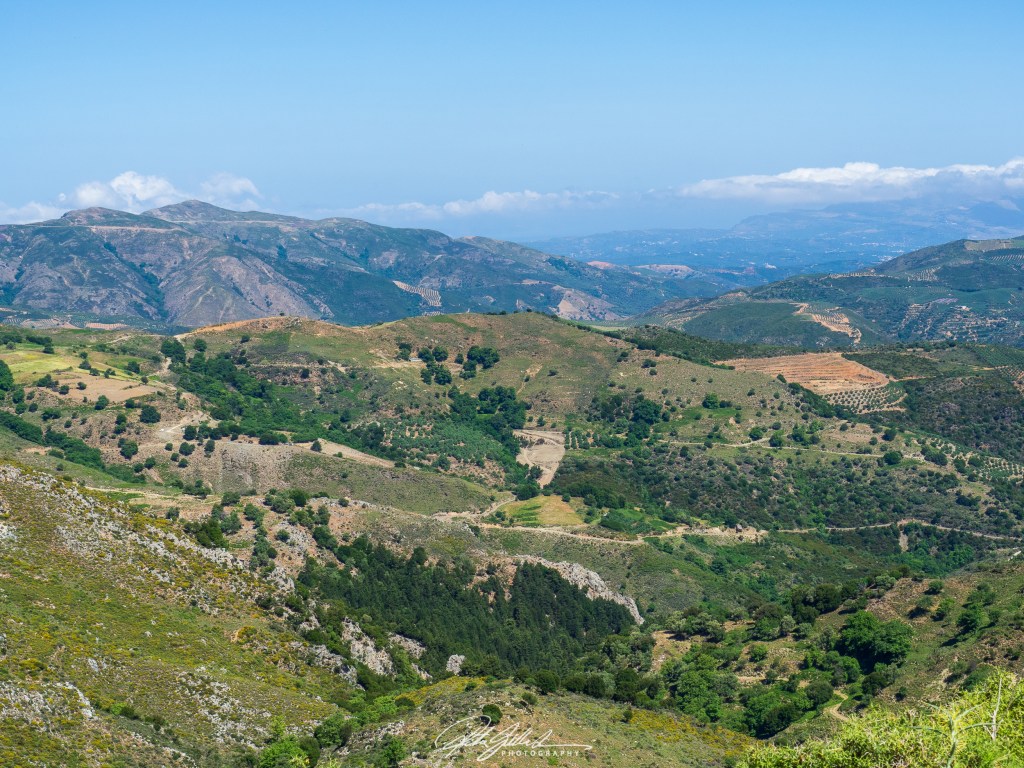
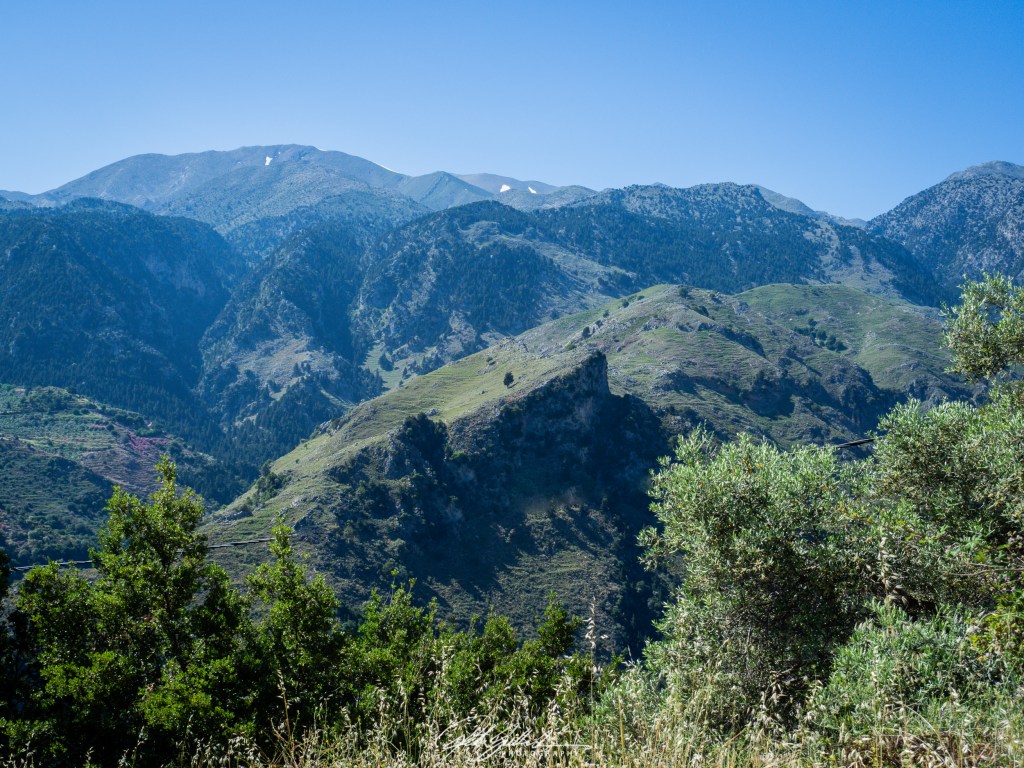
    Mountain views from Mousoura.

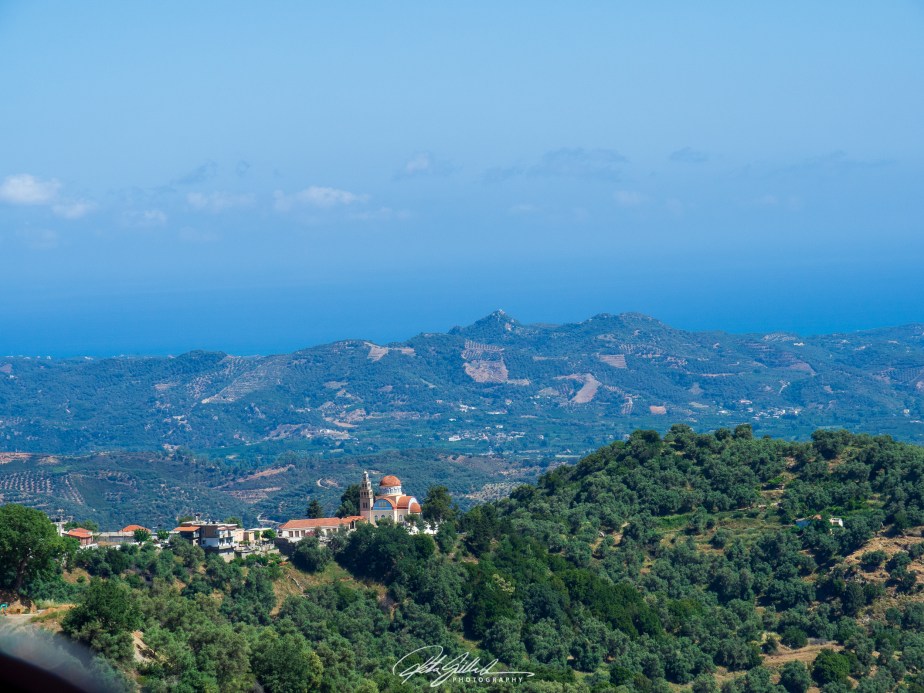
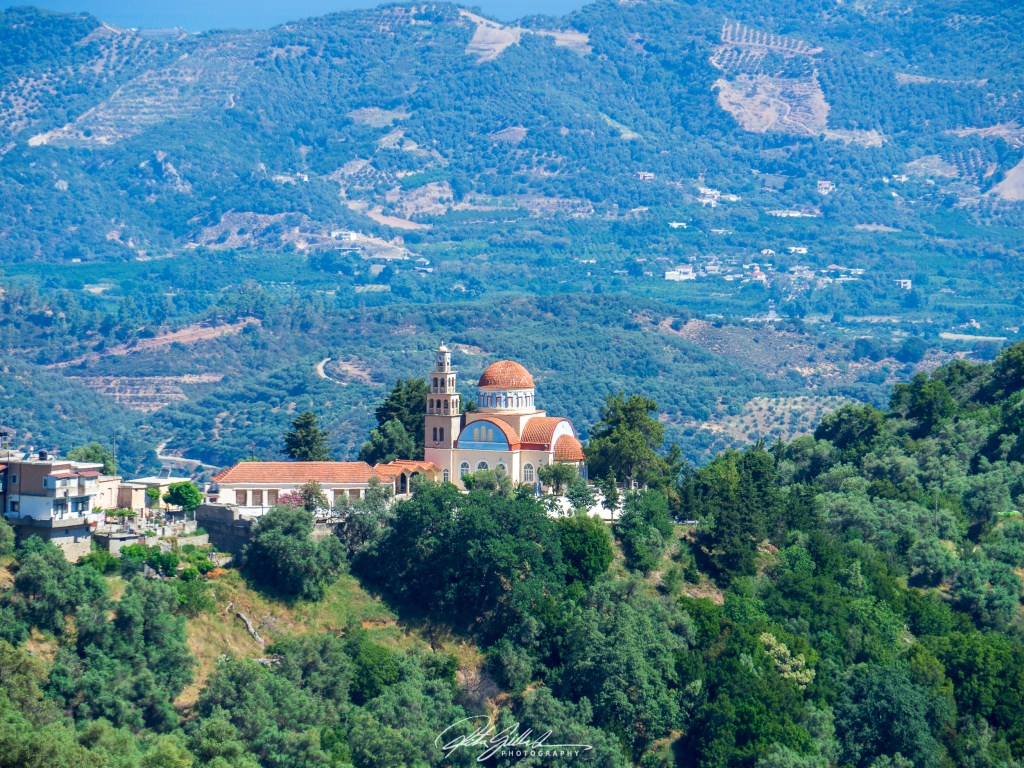
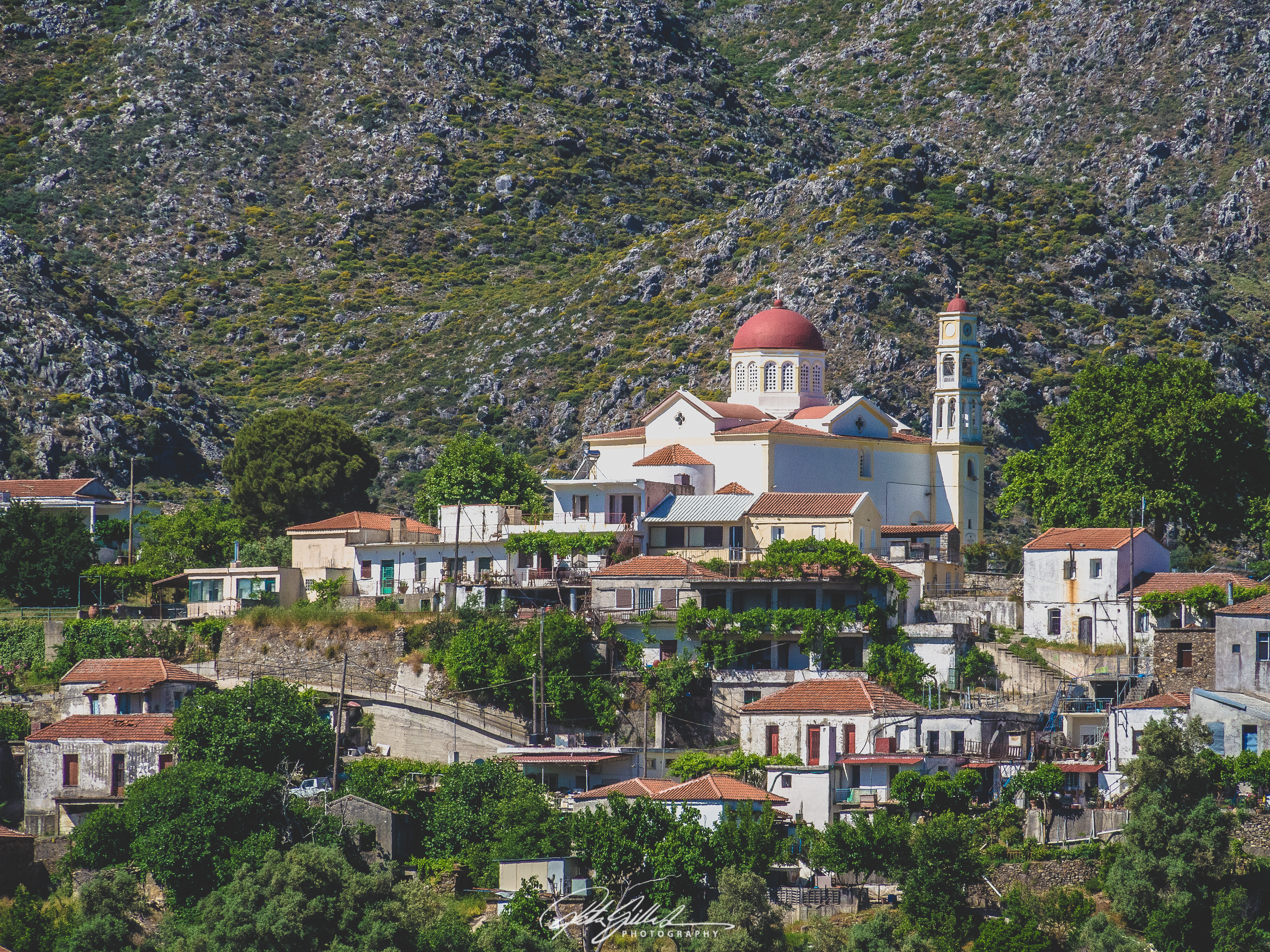
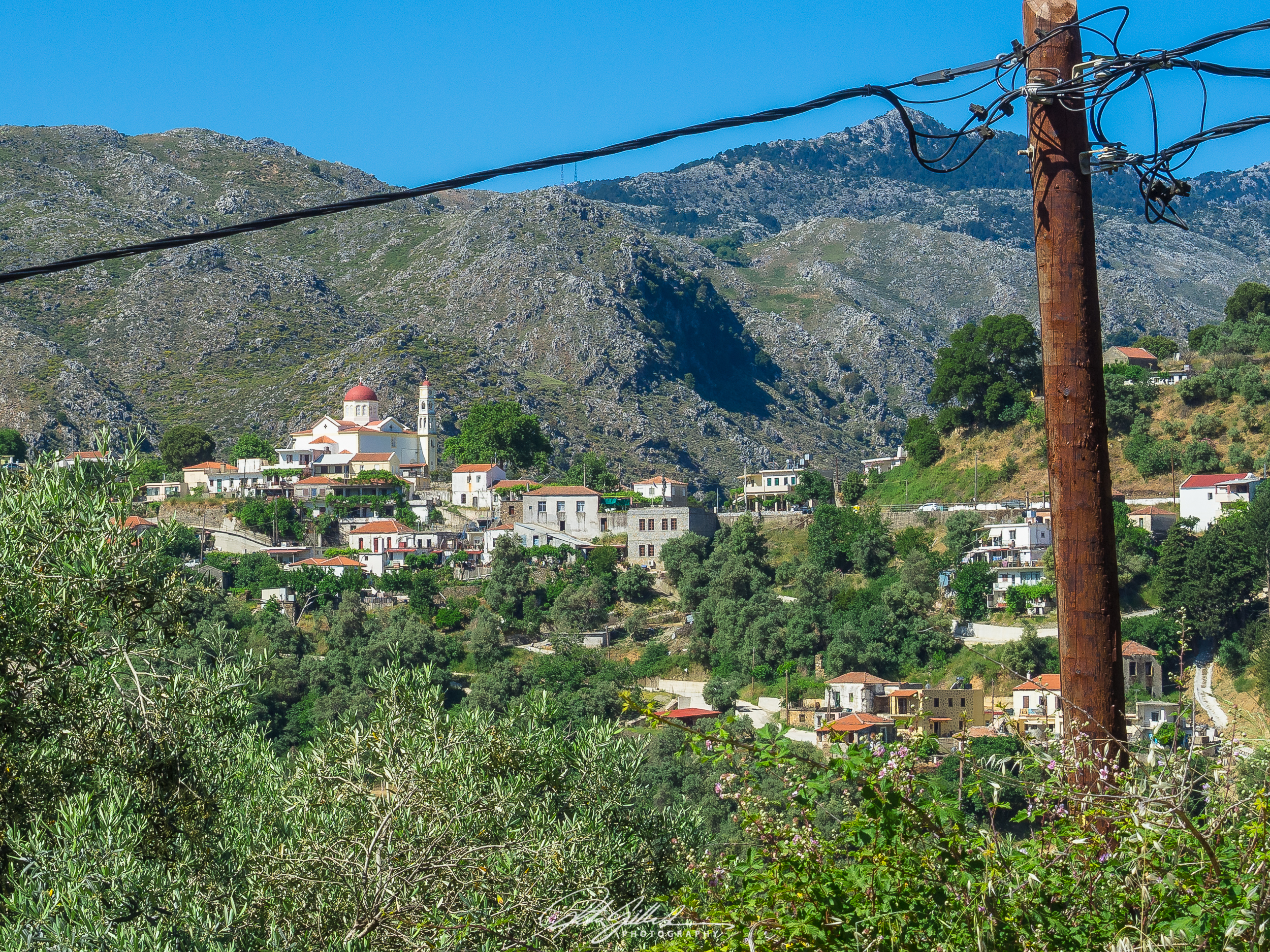
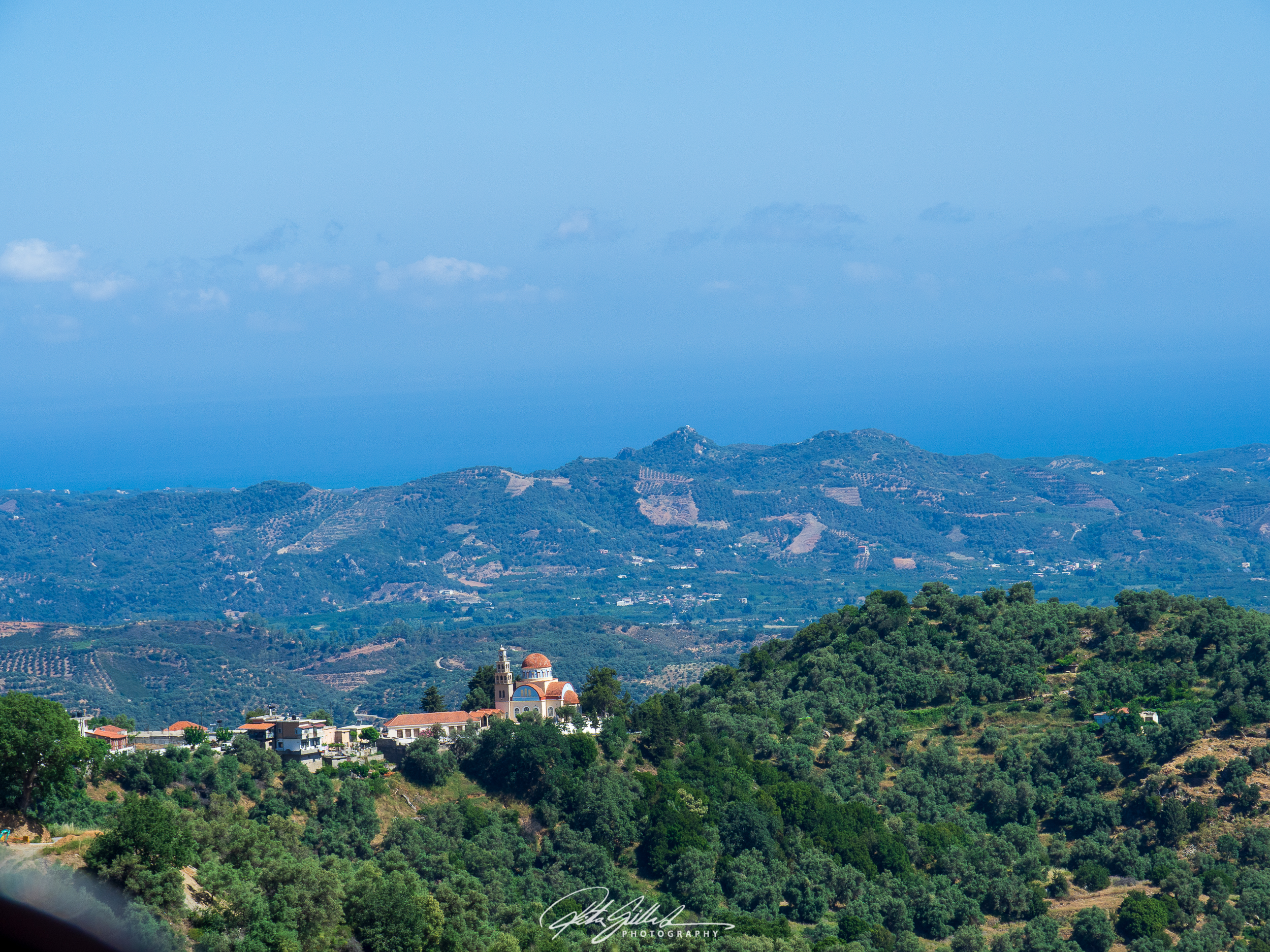
    The first picture above is from Mousoura area, at least that is what came as the location in my mobile photos, I took shot with my camera and also with the mobile so I would have the locations to remember. The village in these photos, if I remember correctly, is mountain village Lakkoi surrounded by the beautiful mountains of that area

    Greece, Crete, mountain village Lakkoi

    This is going to be the one of many posts, so sorry 🙂 beforehand for the nearly same named posts.