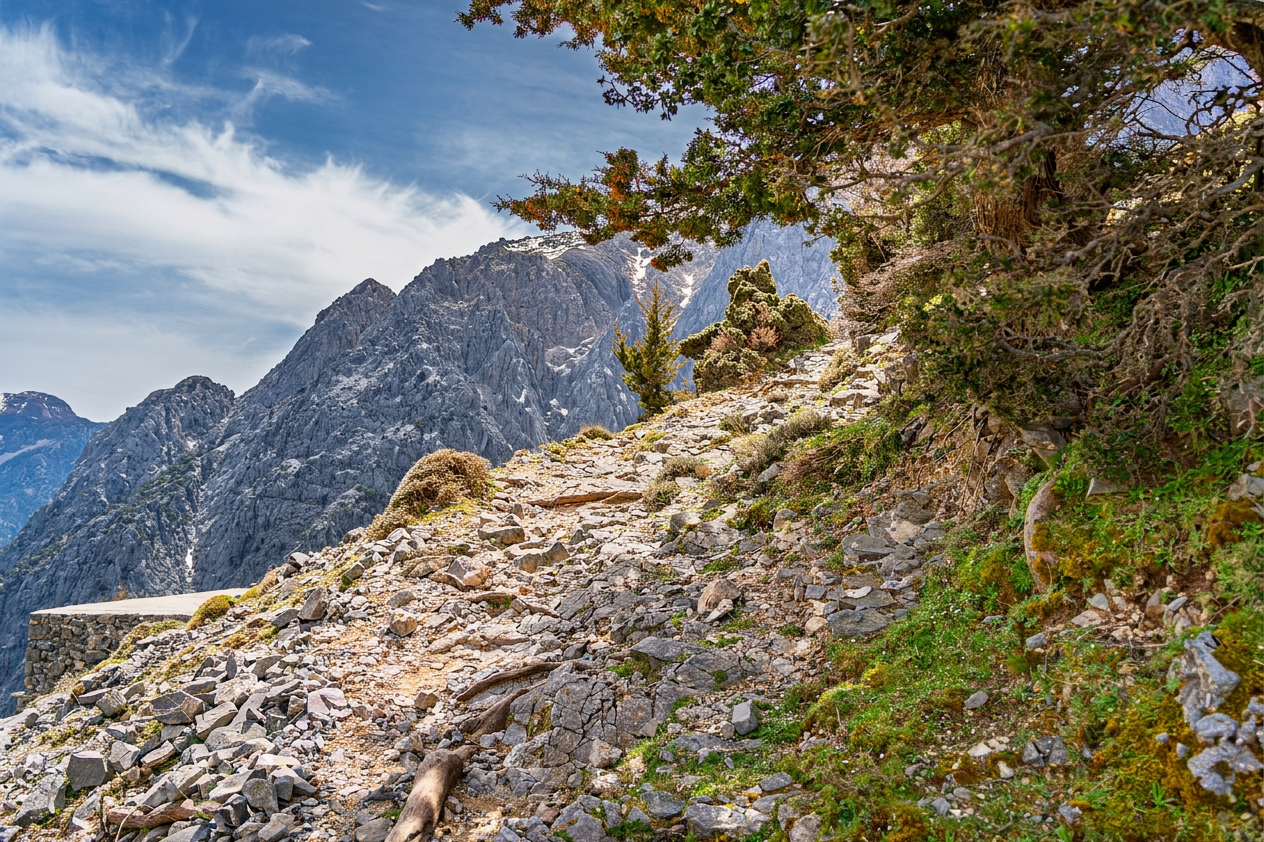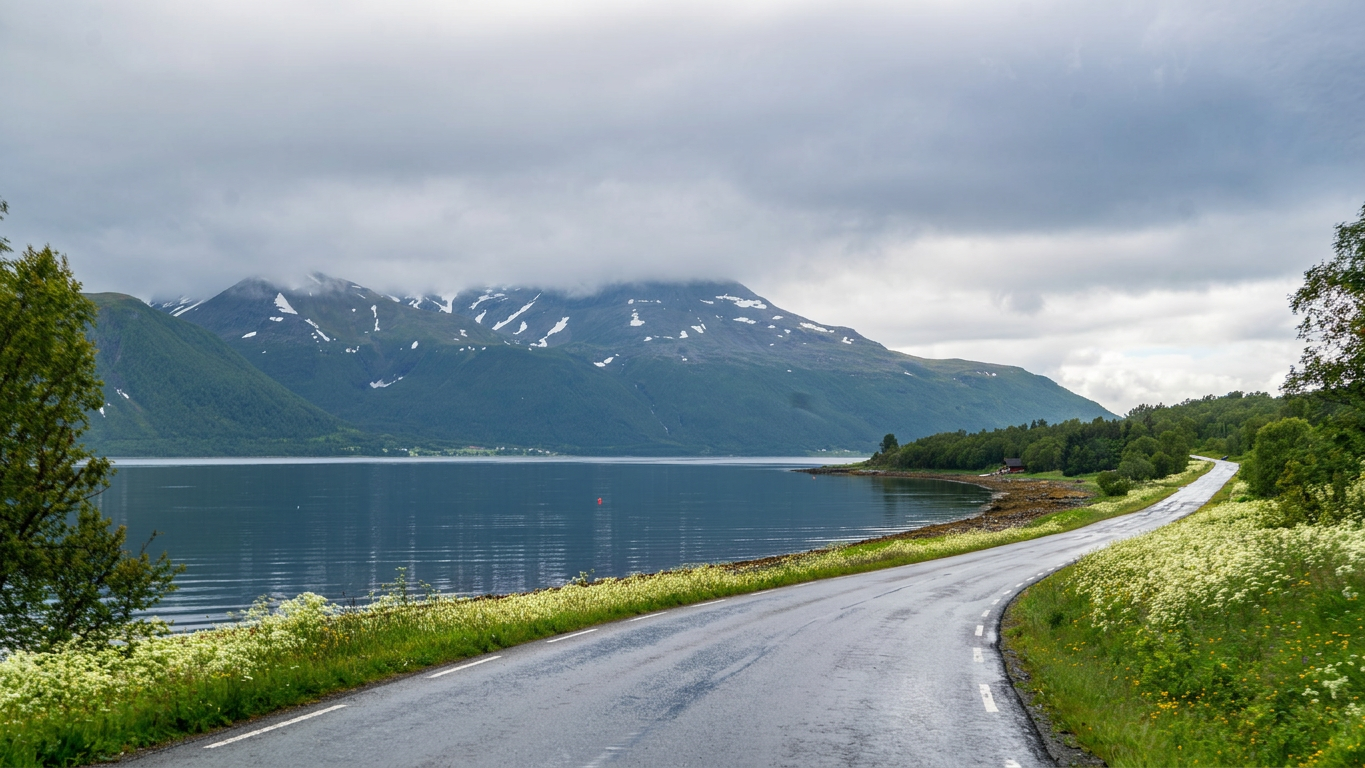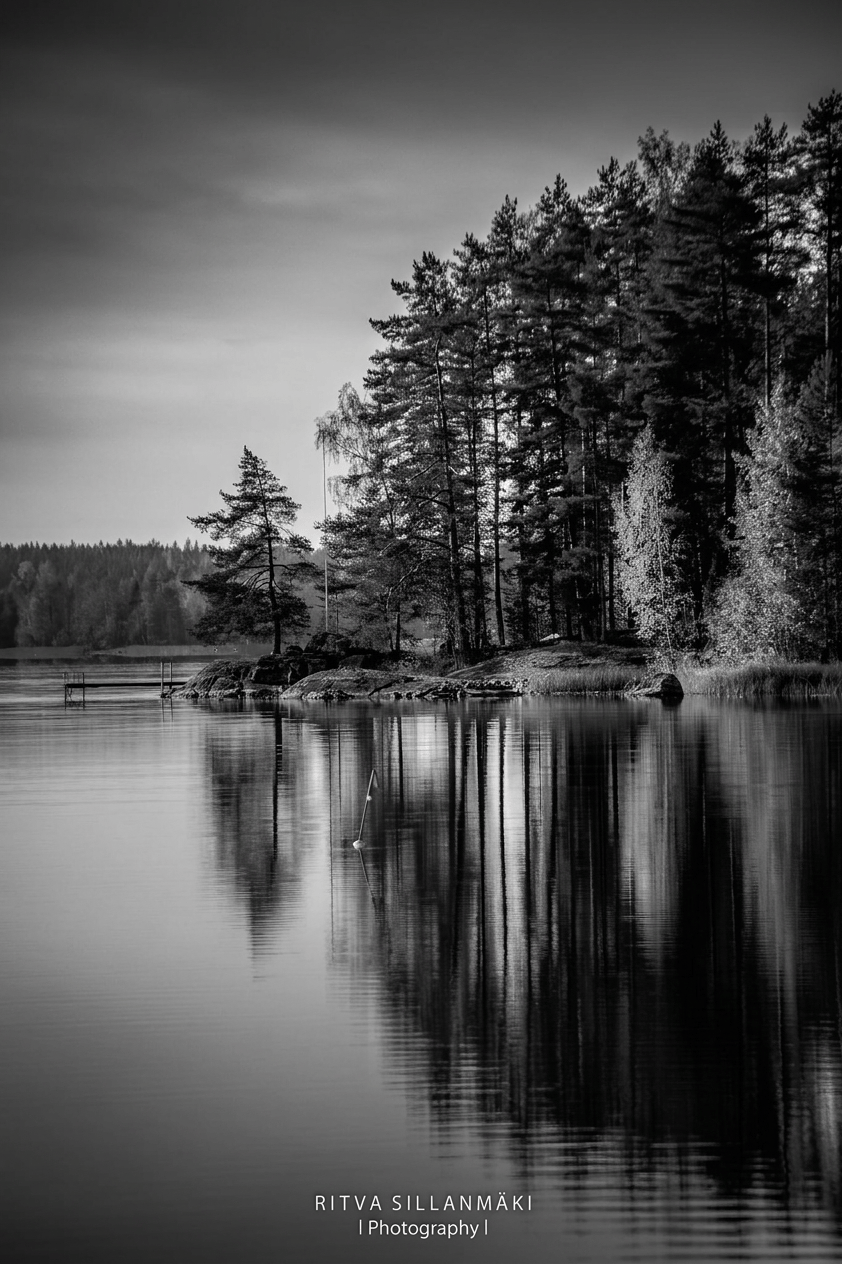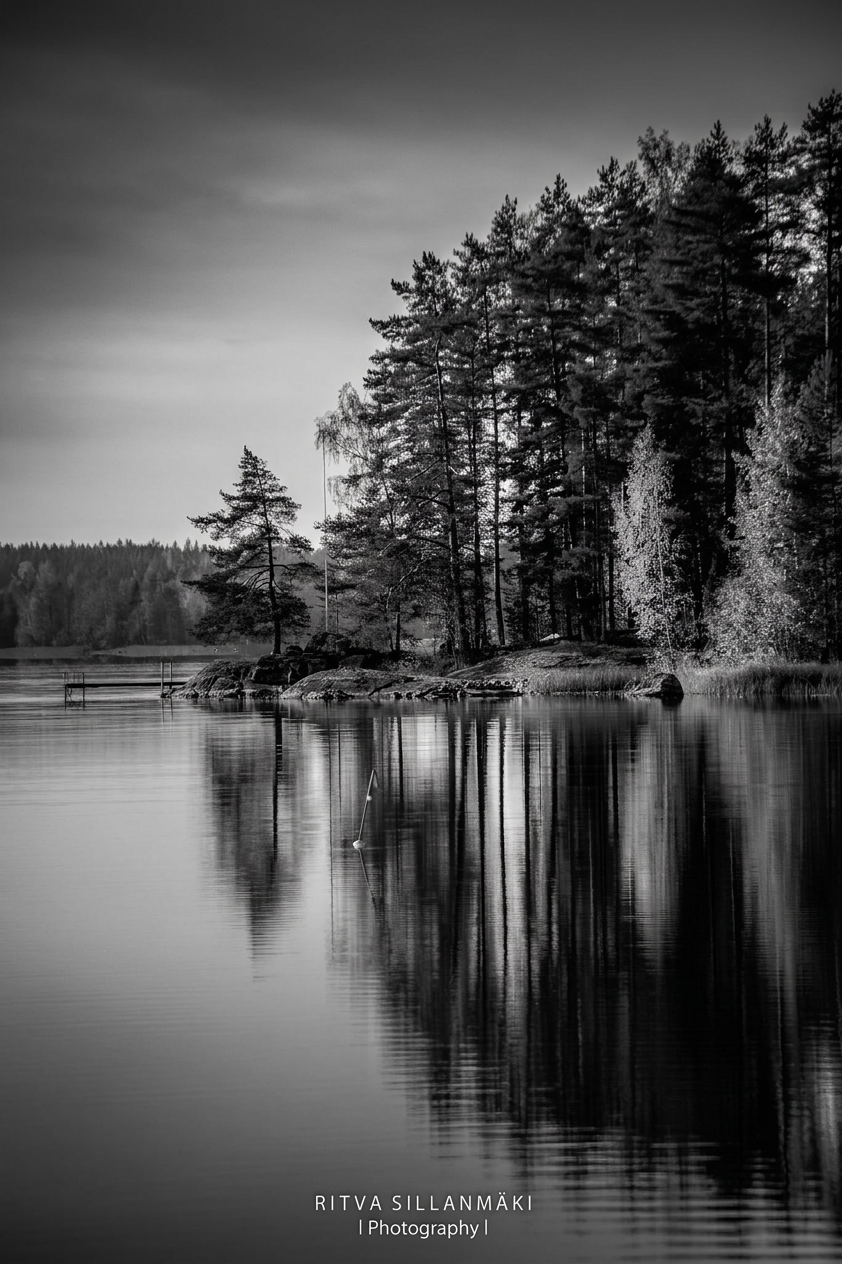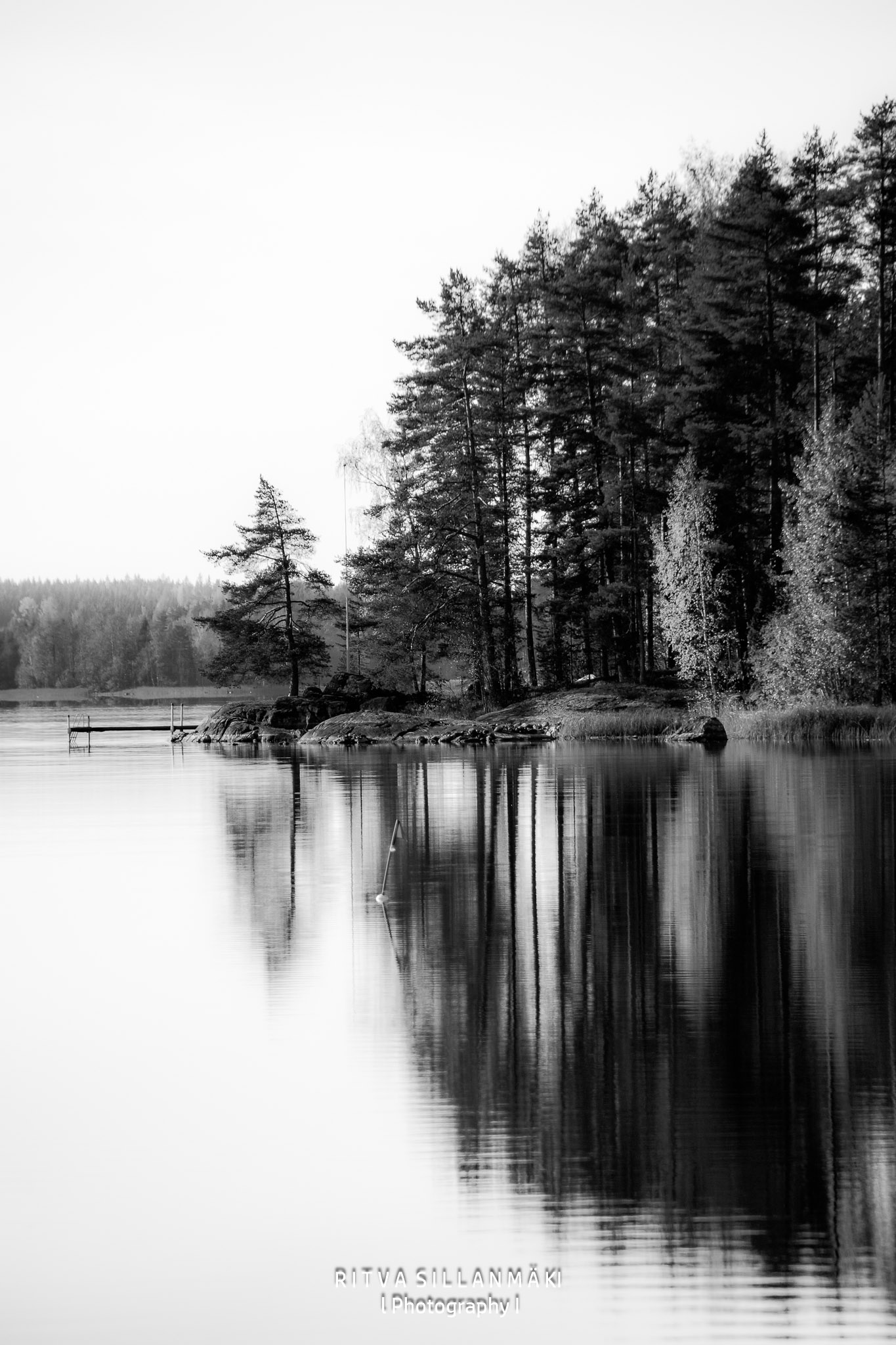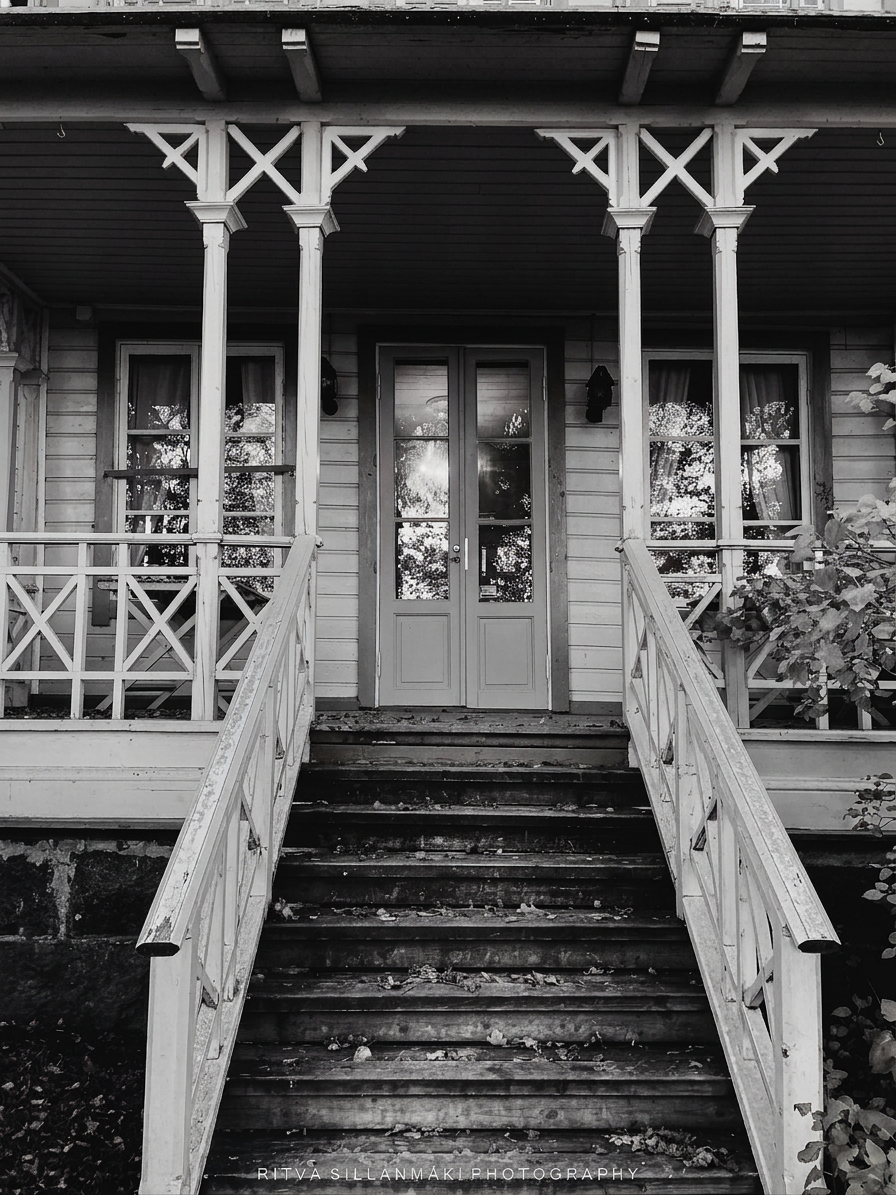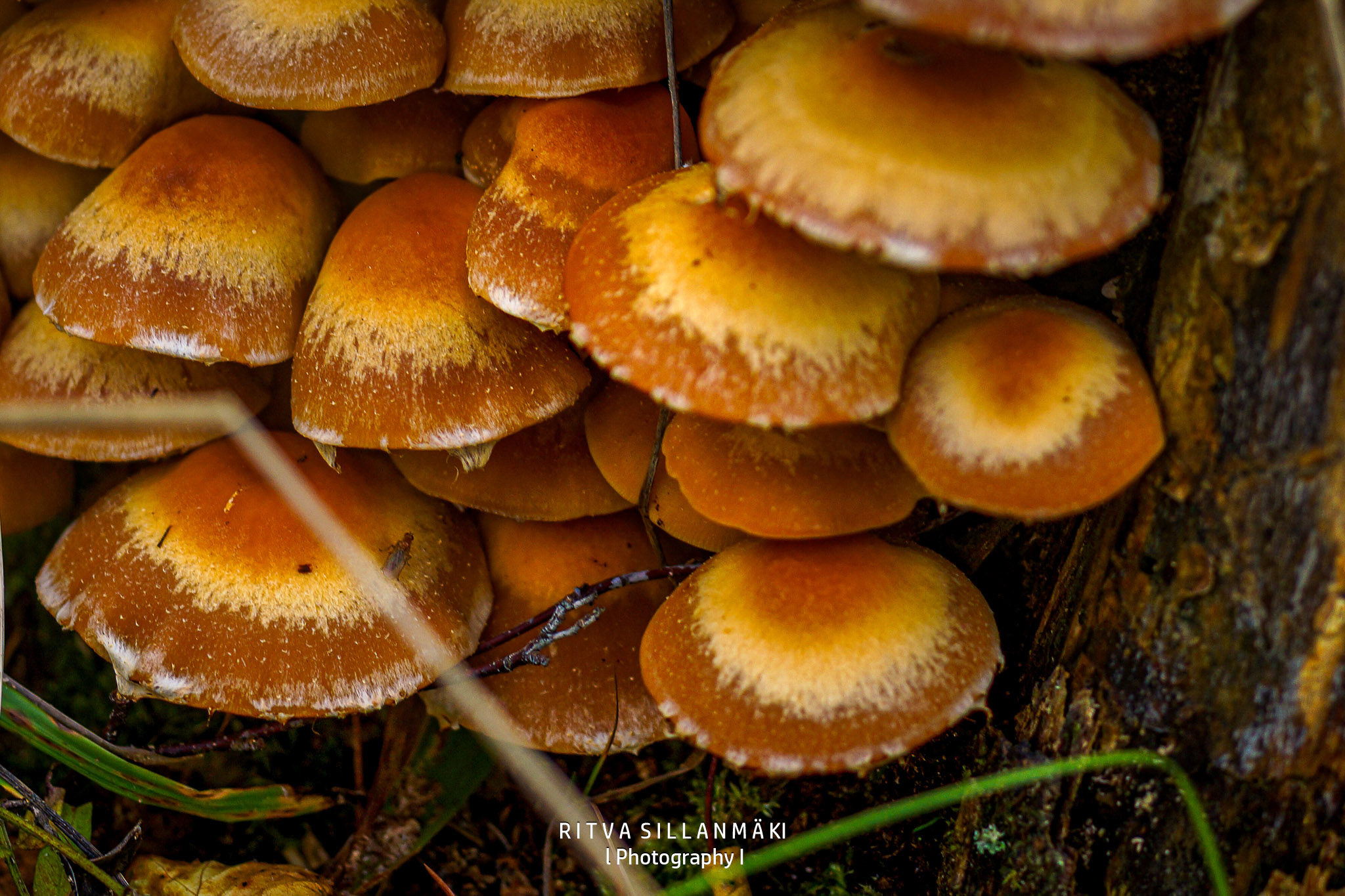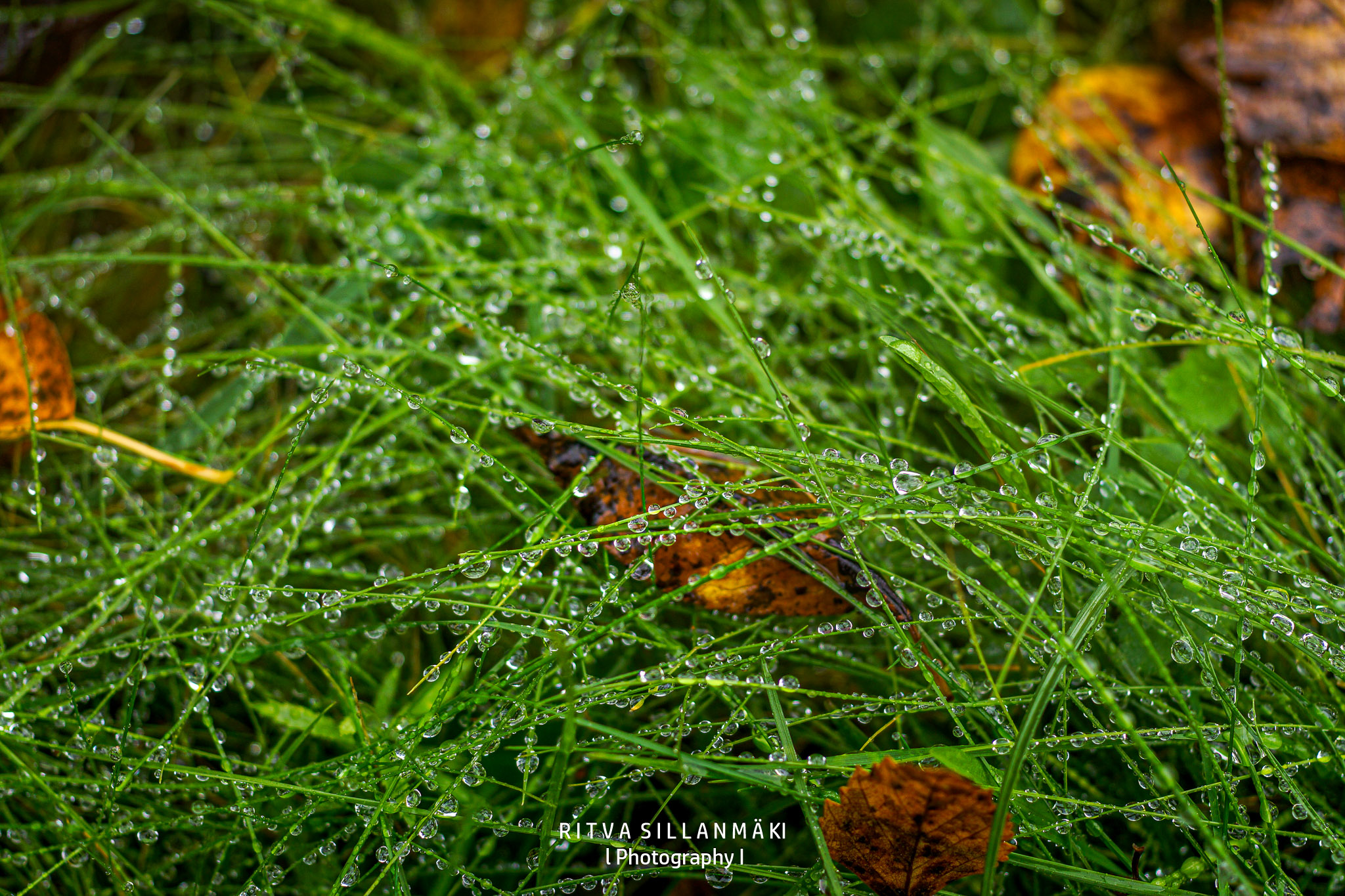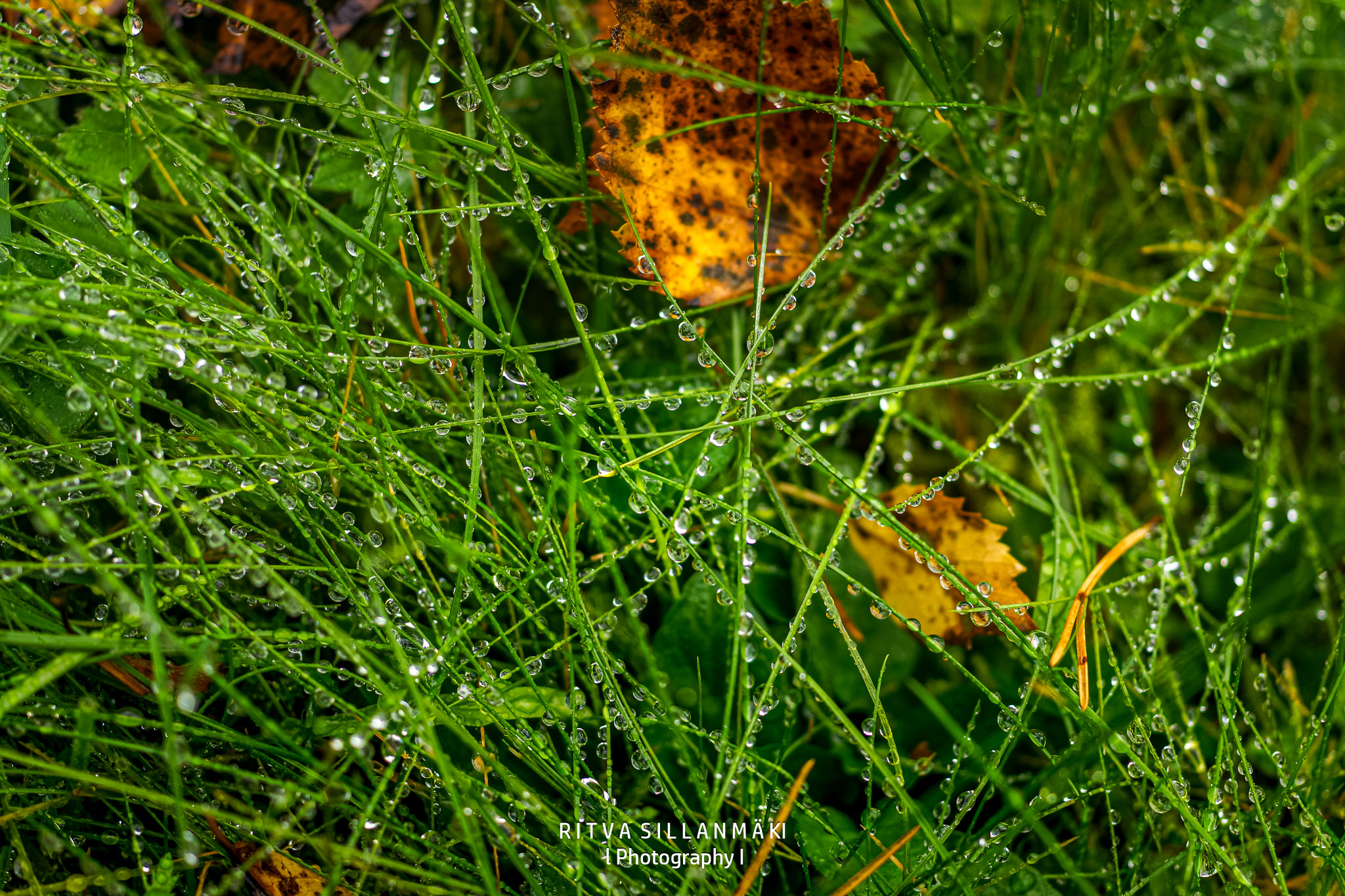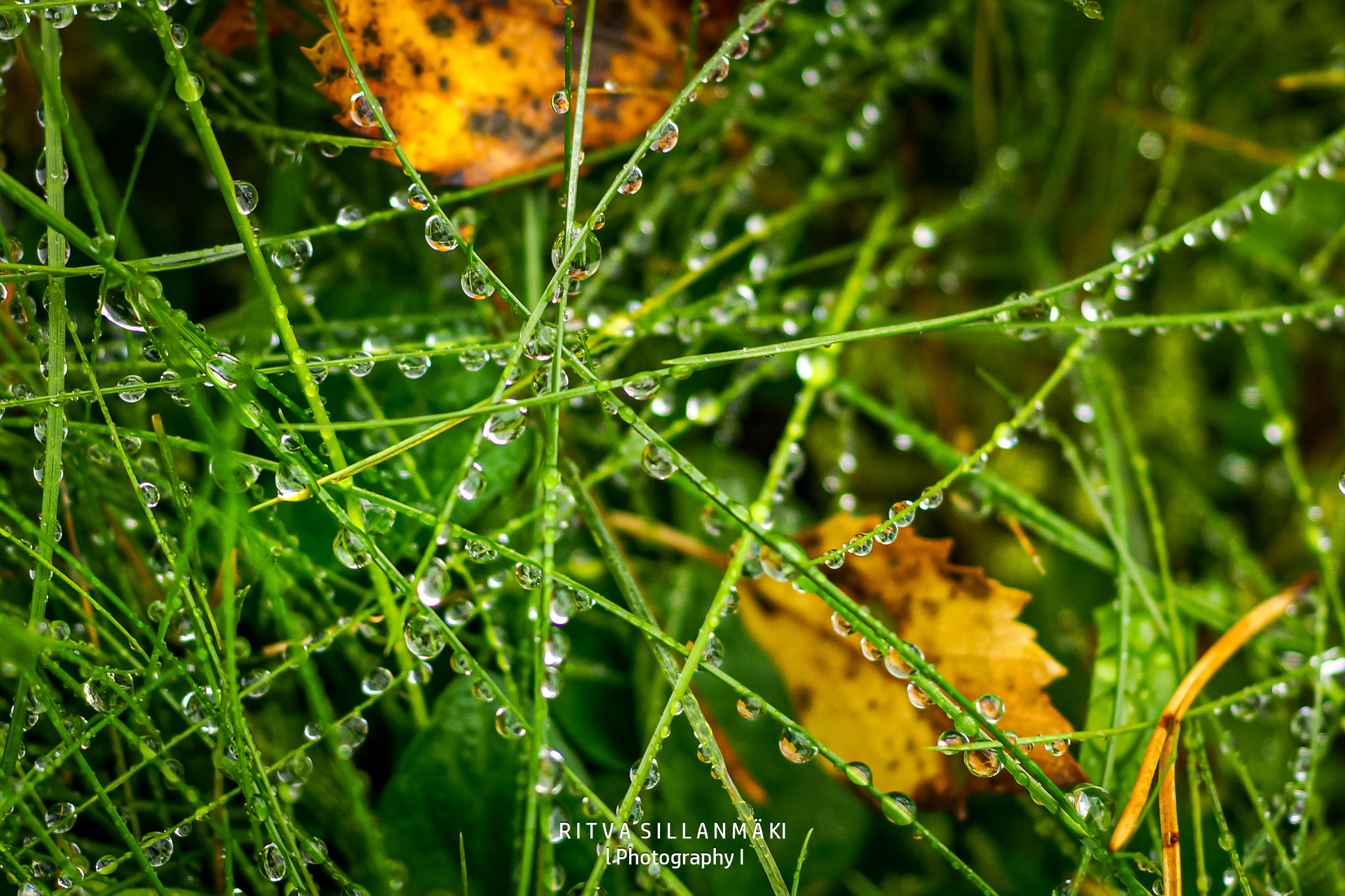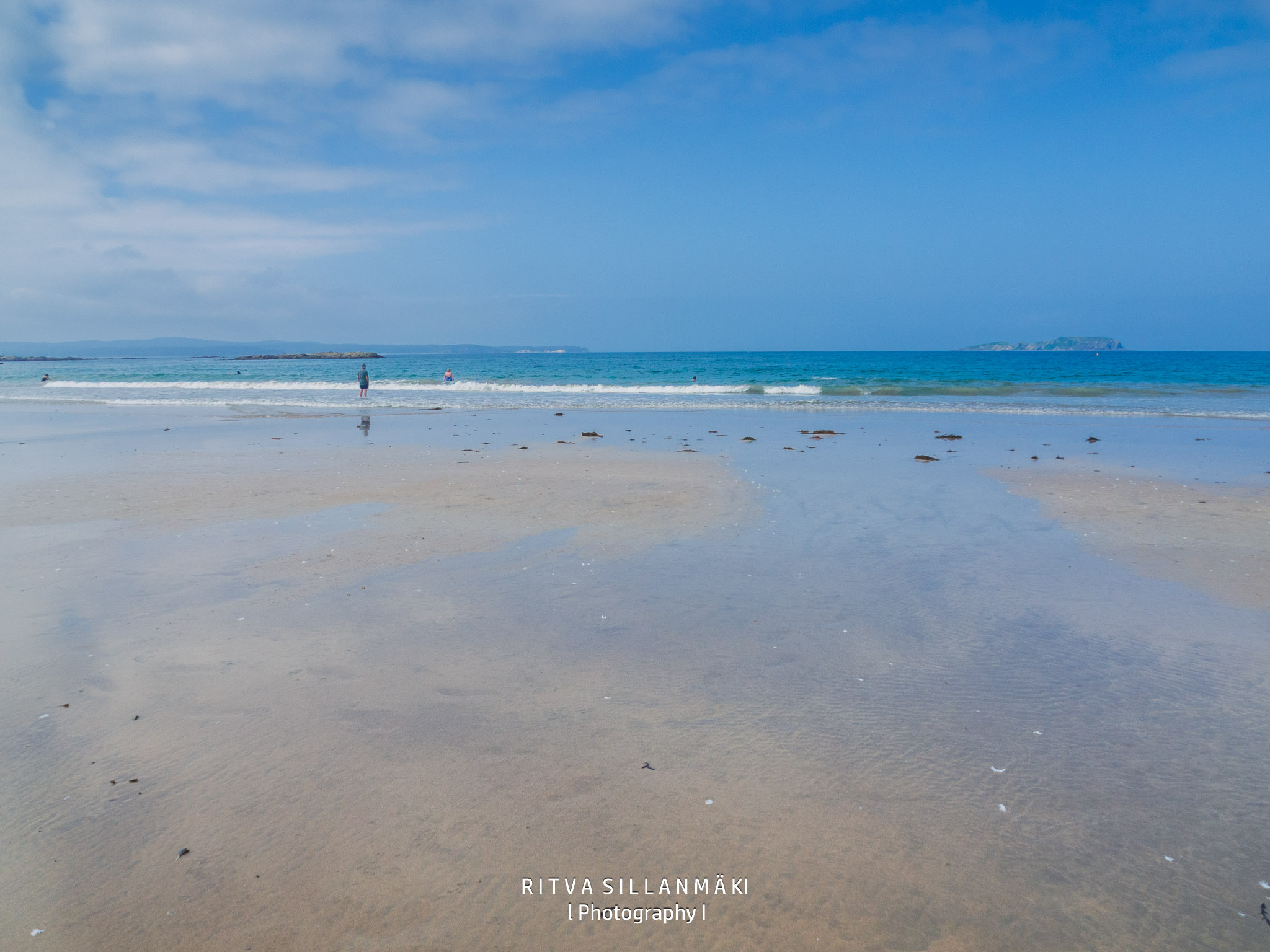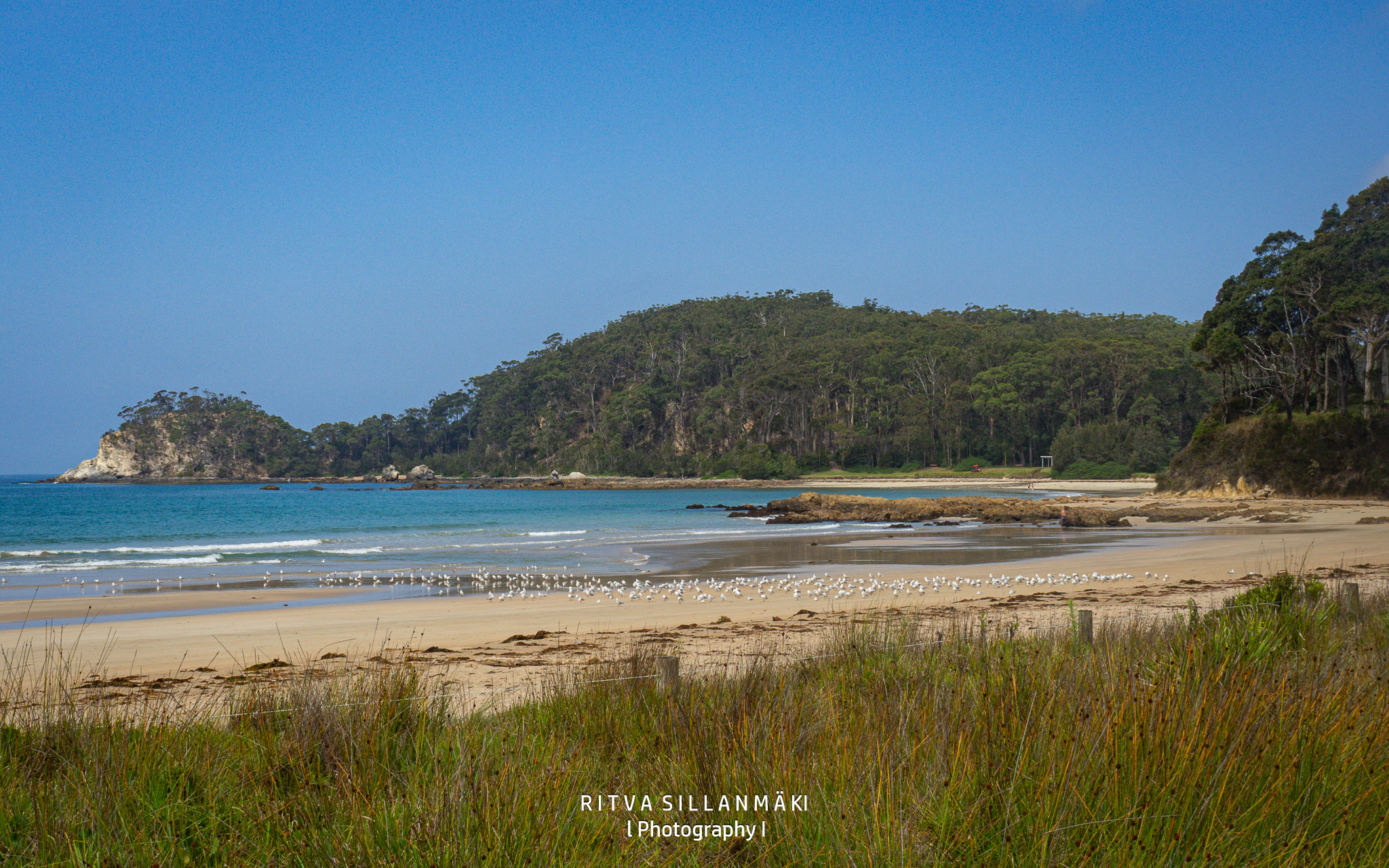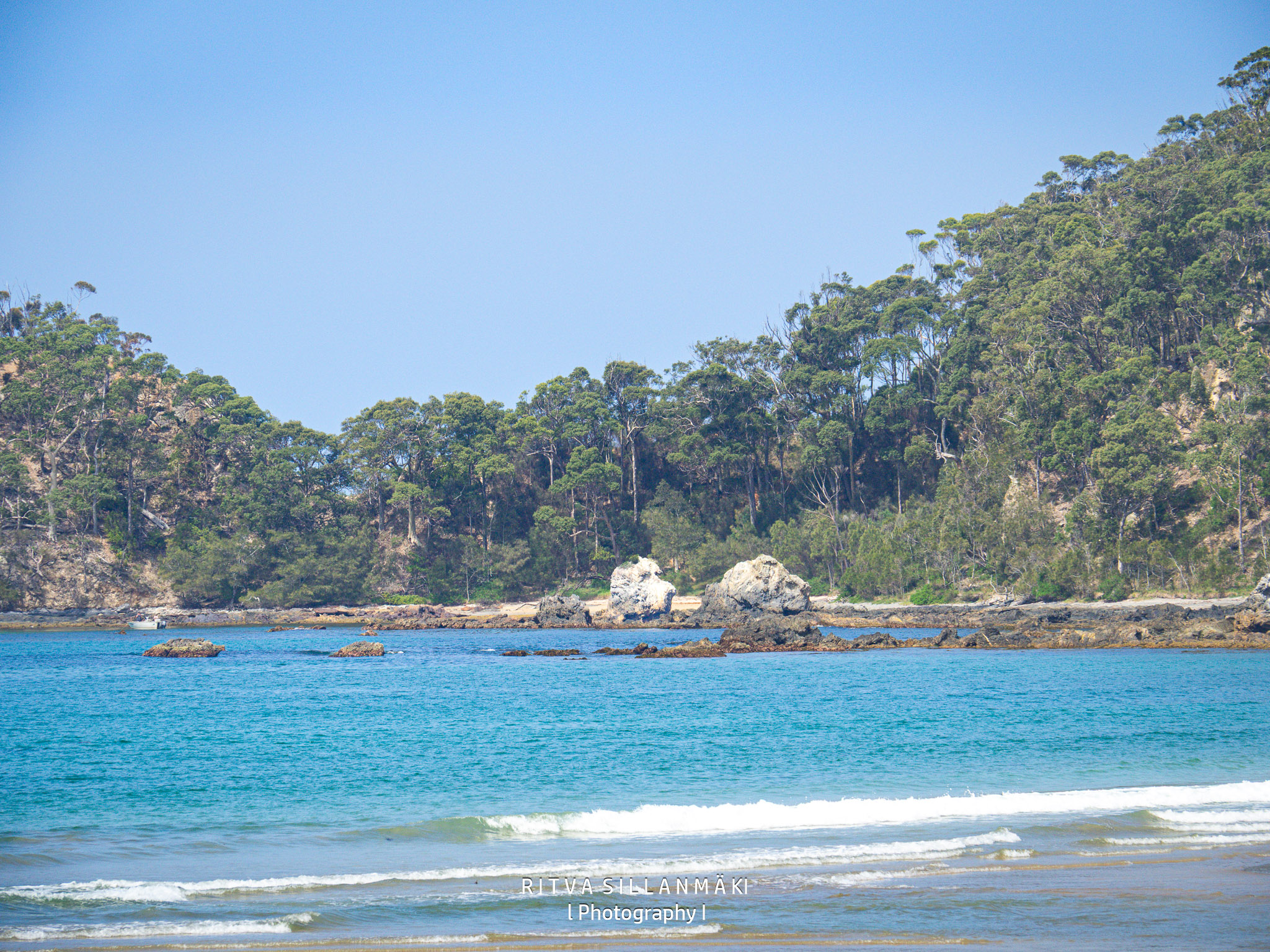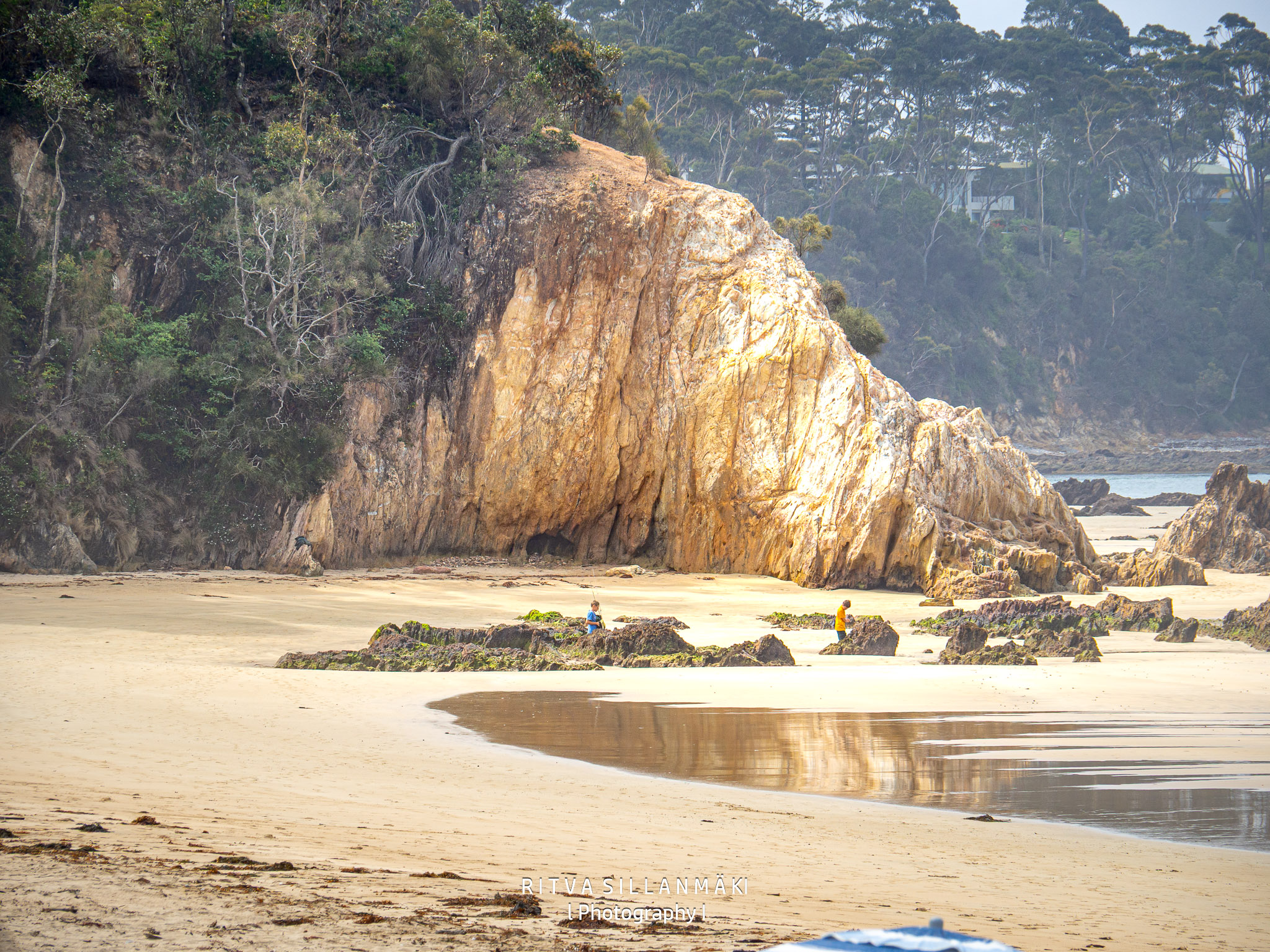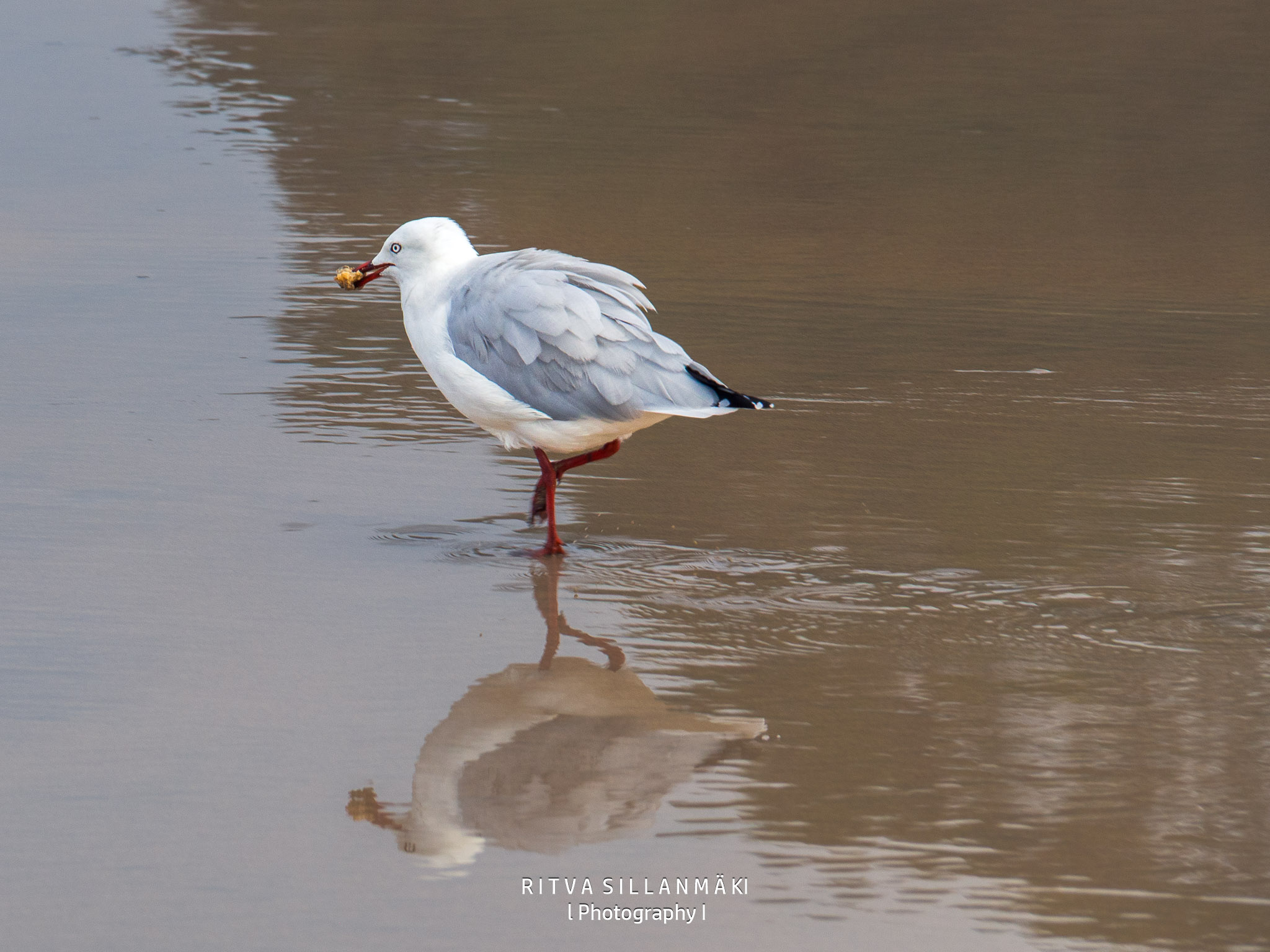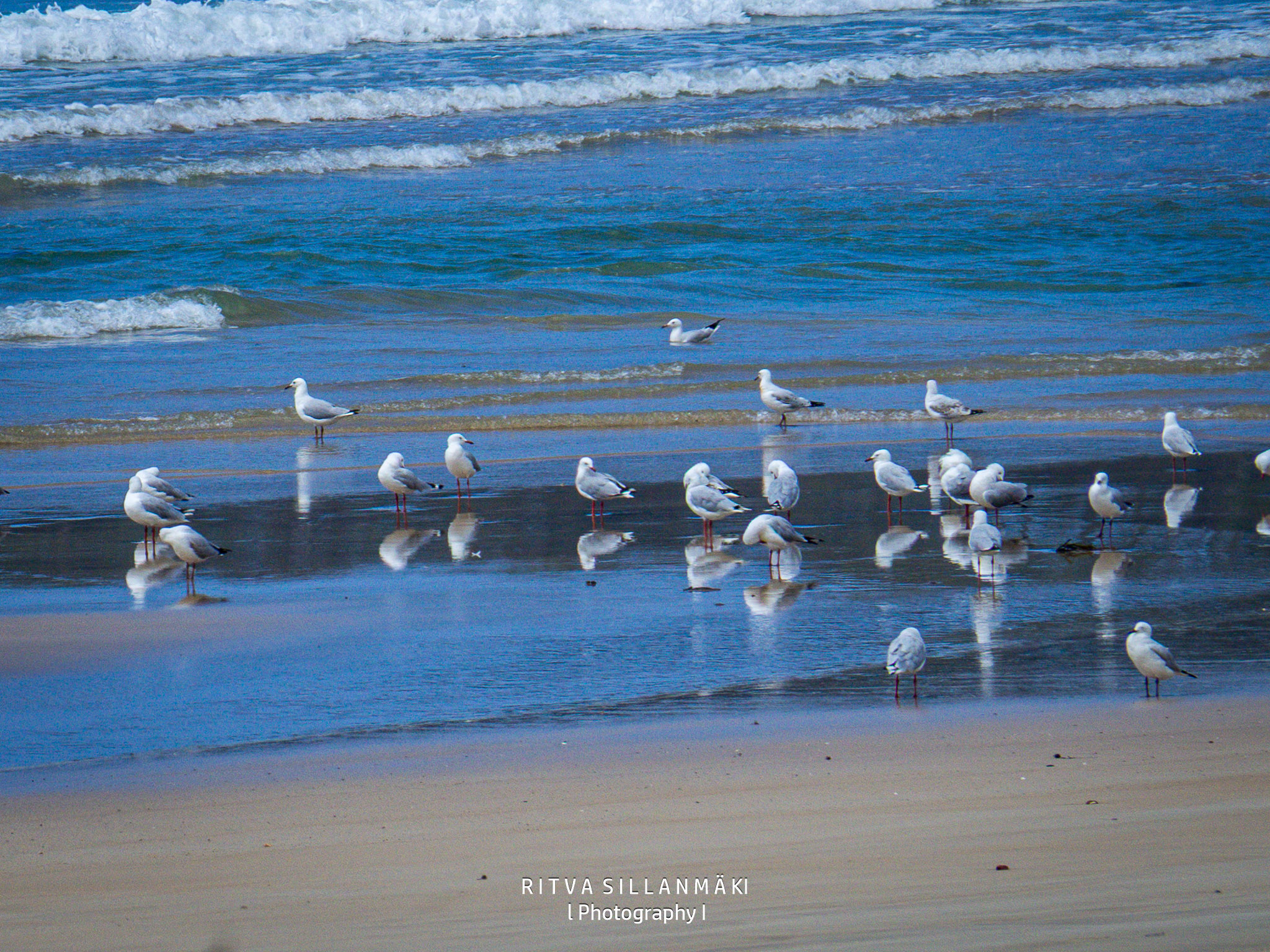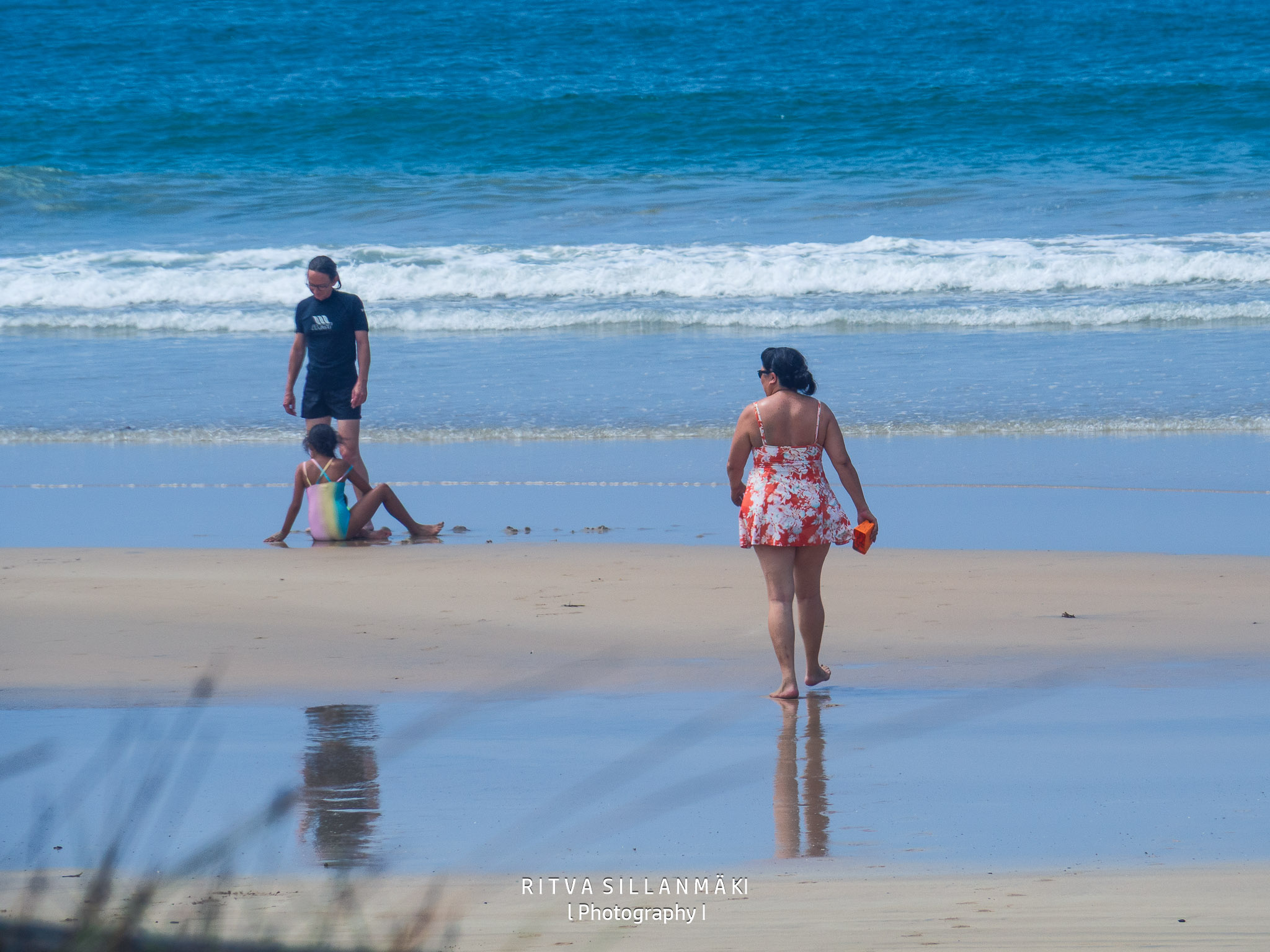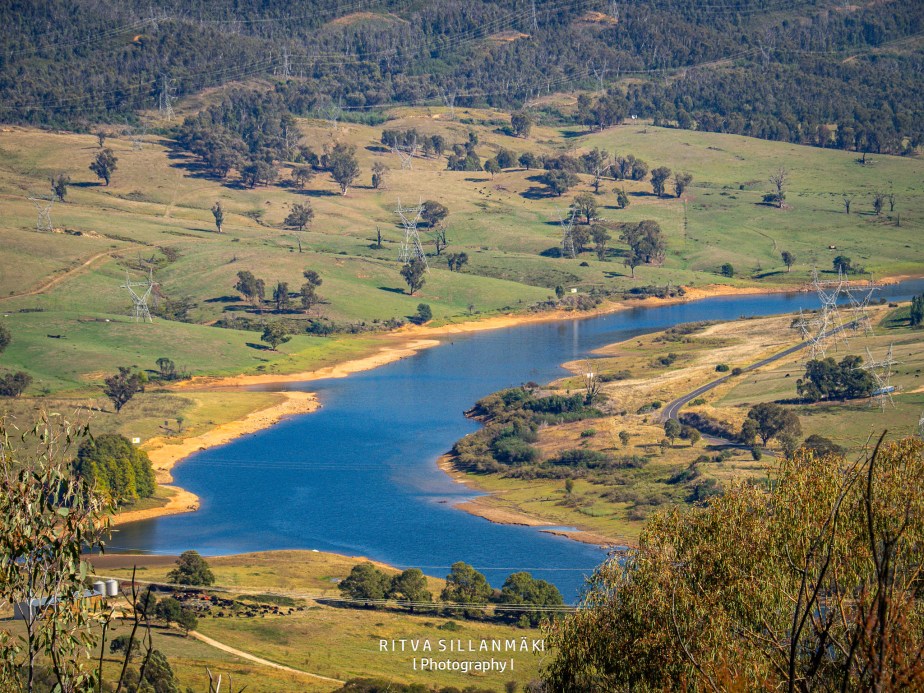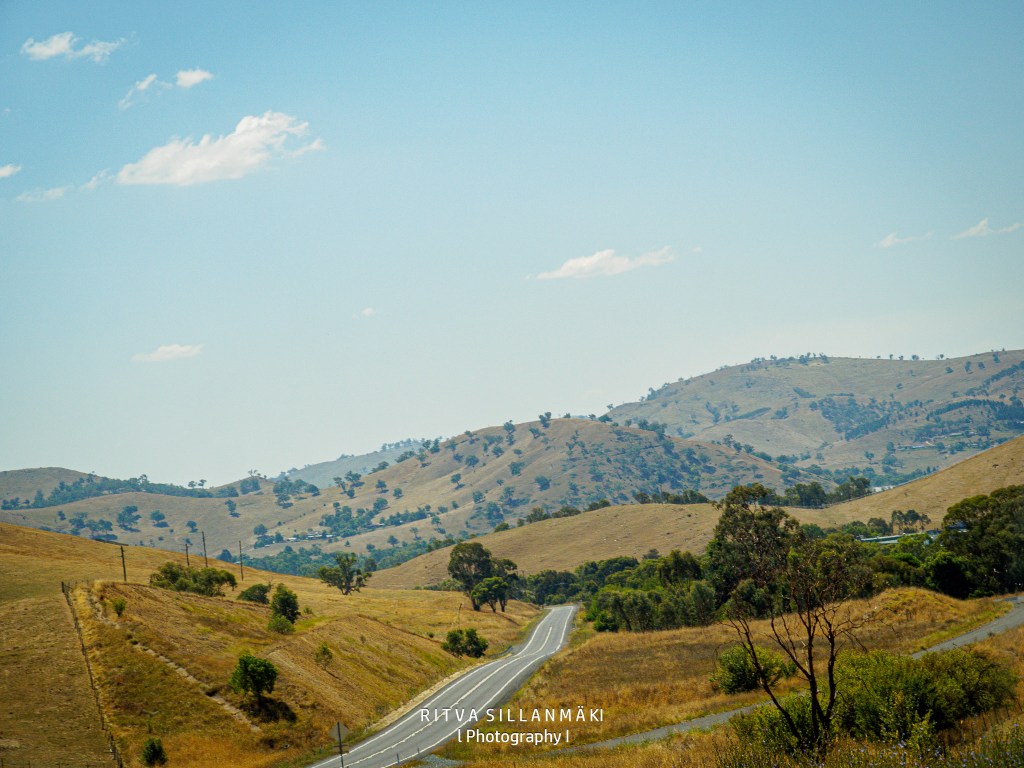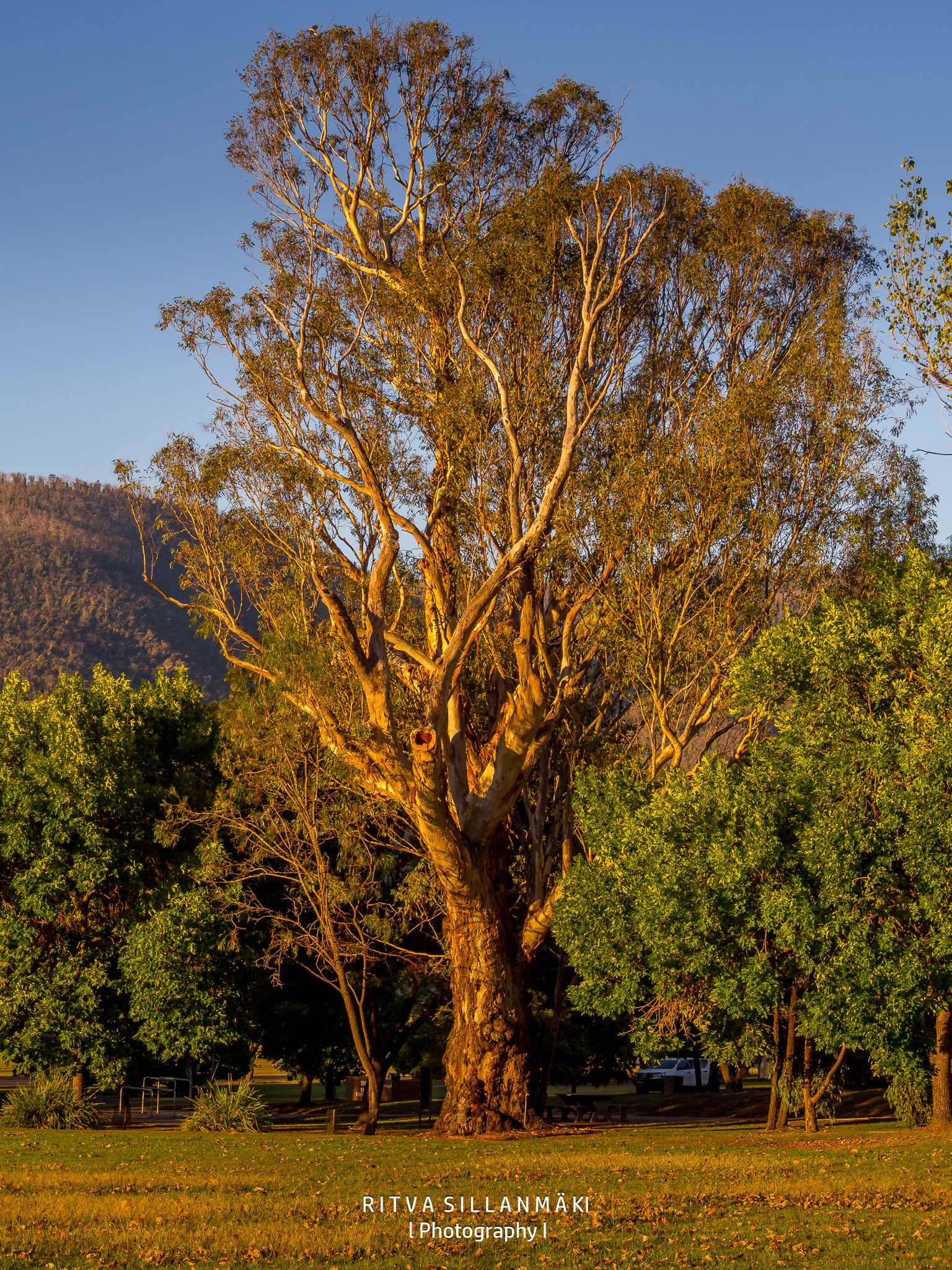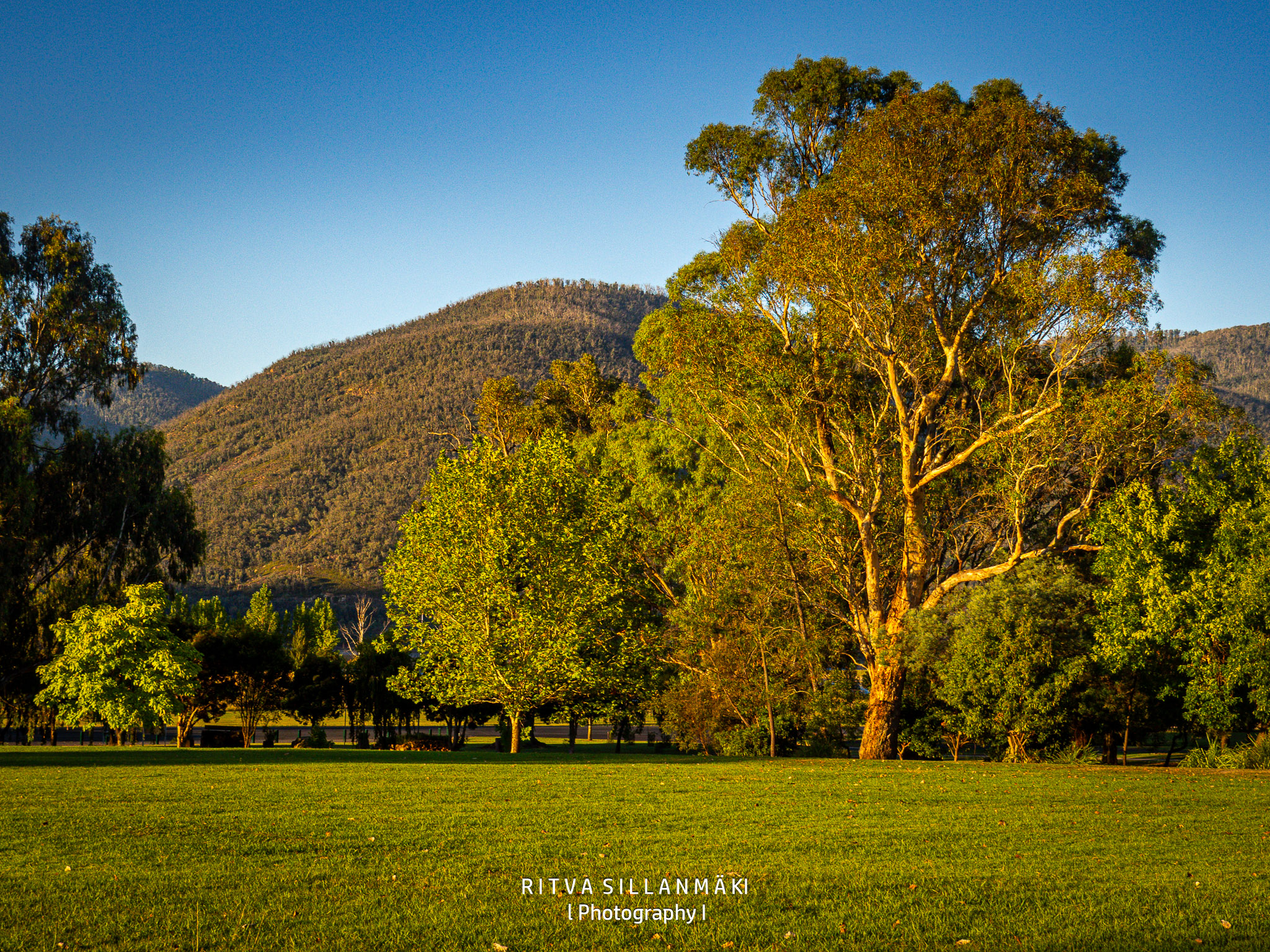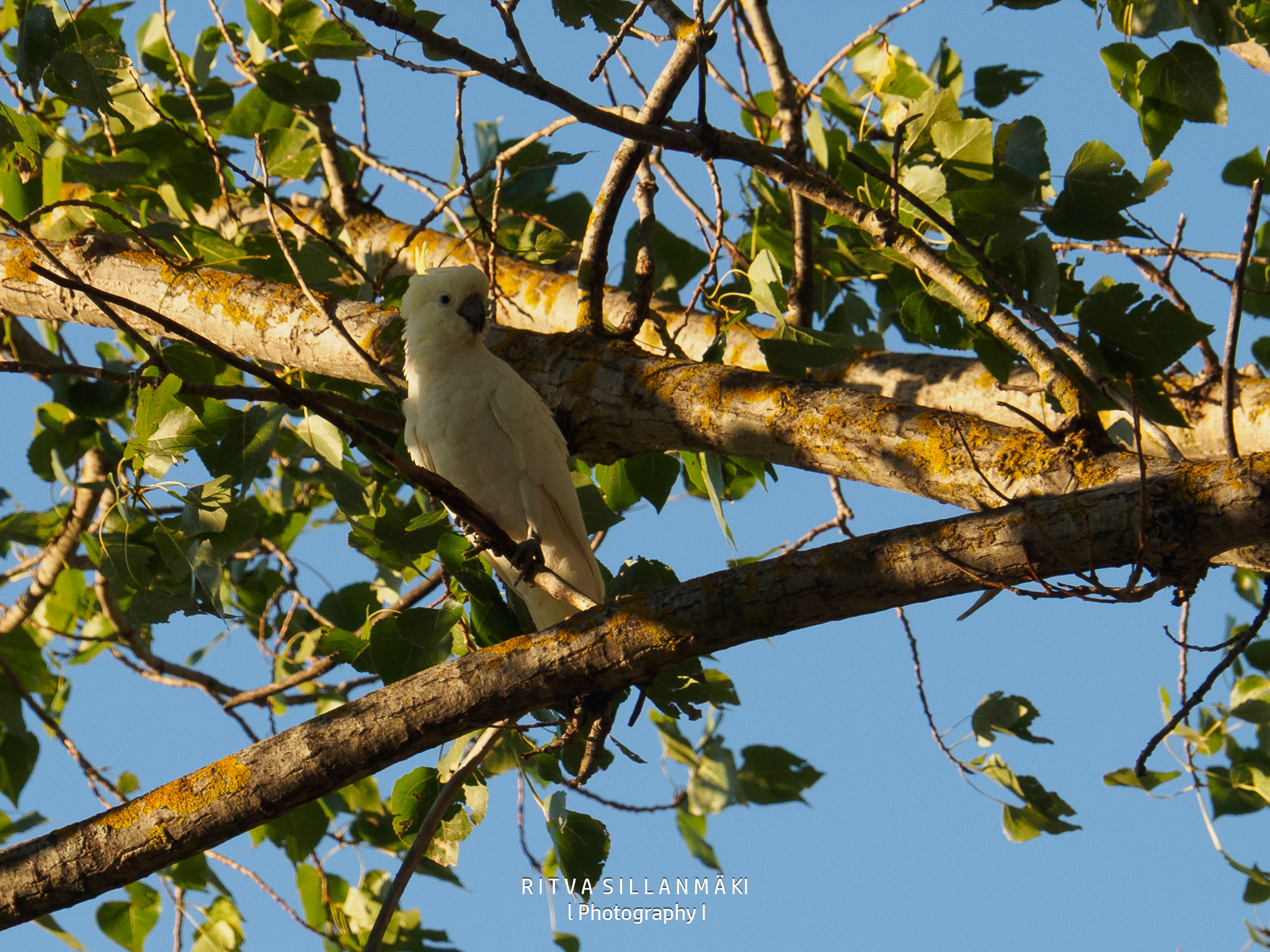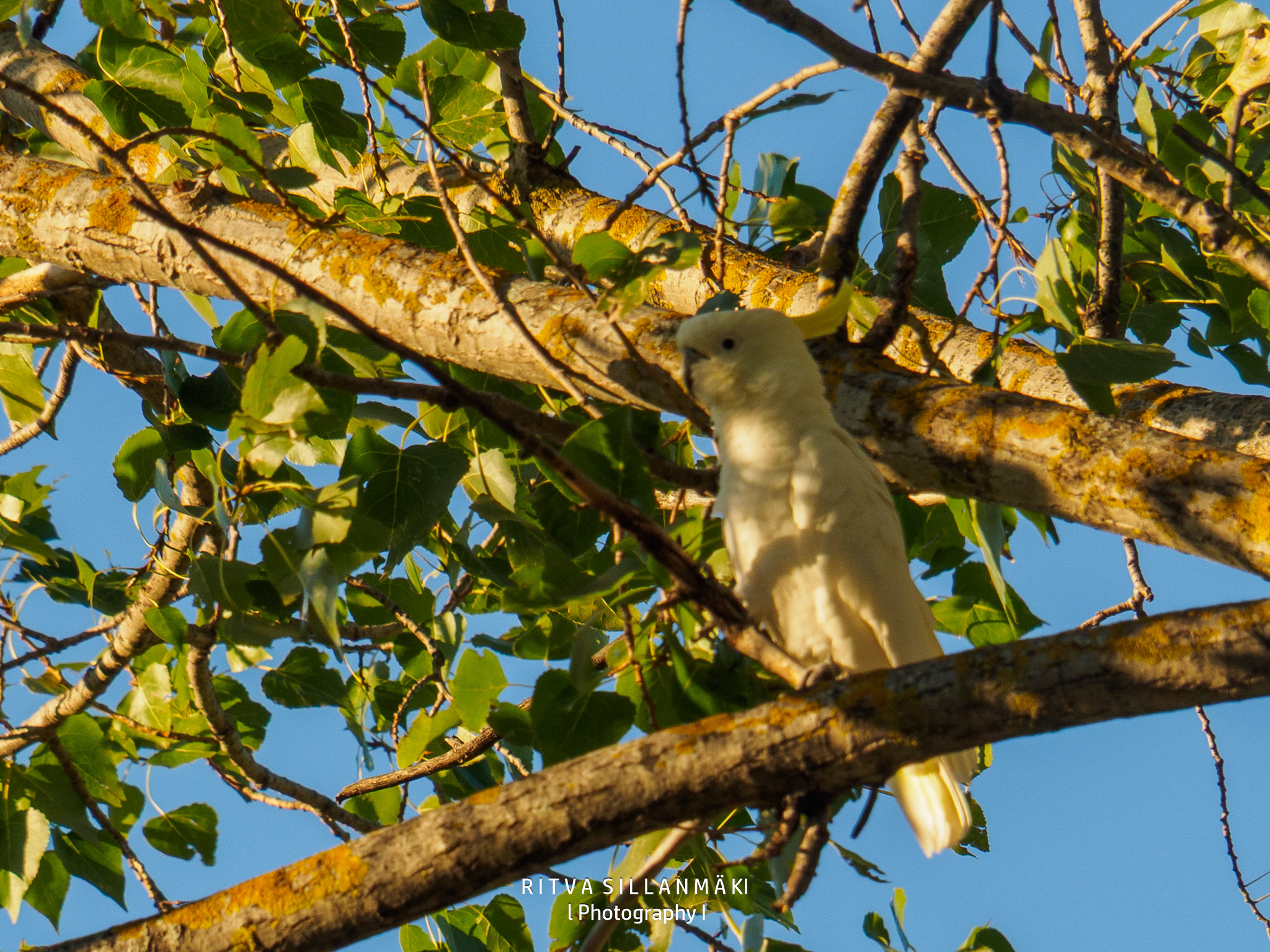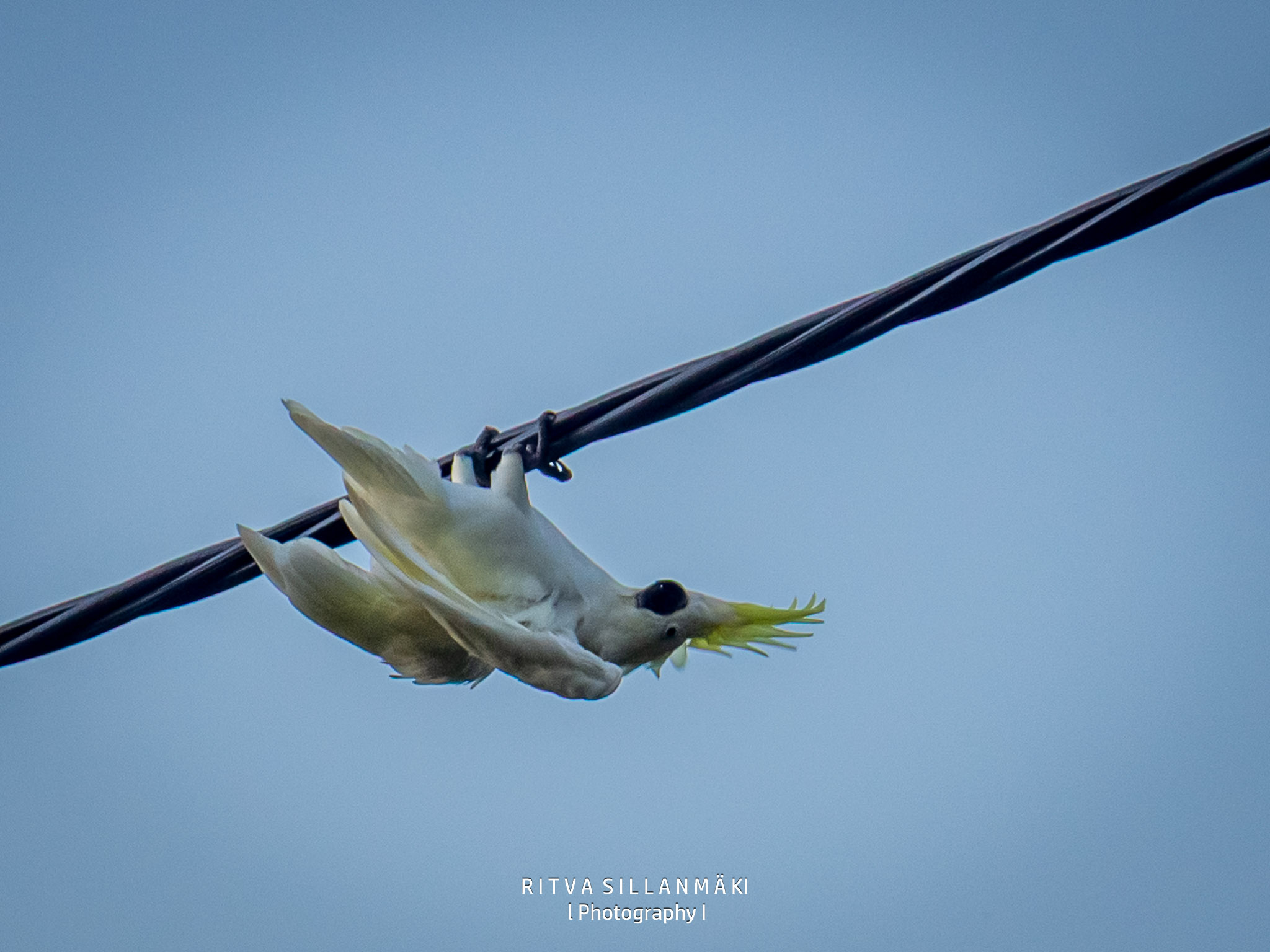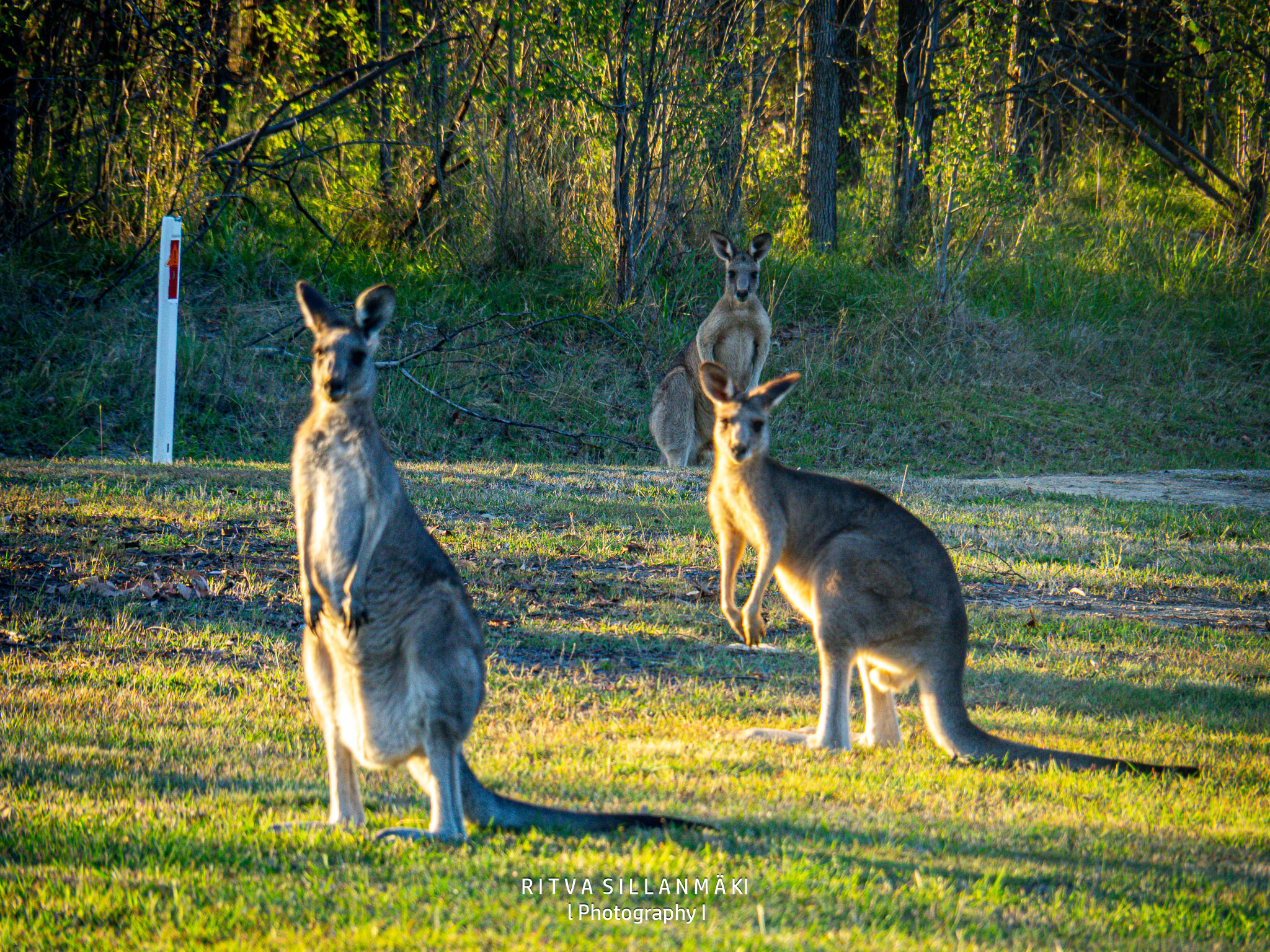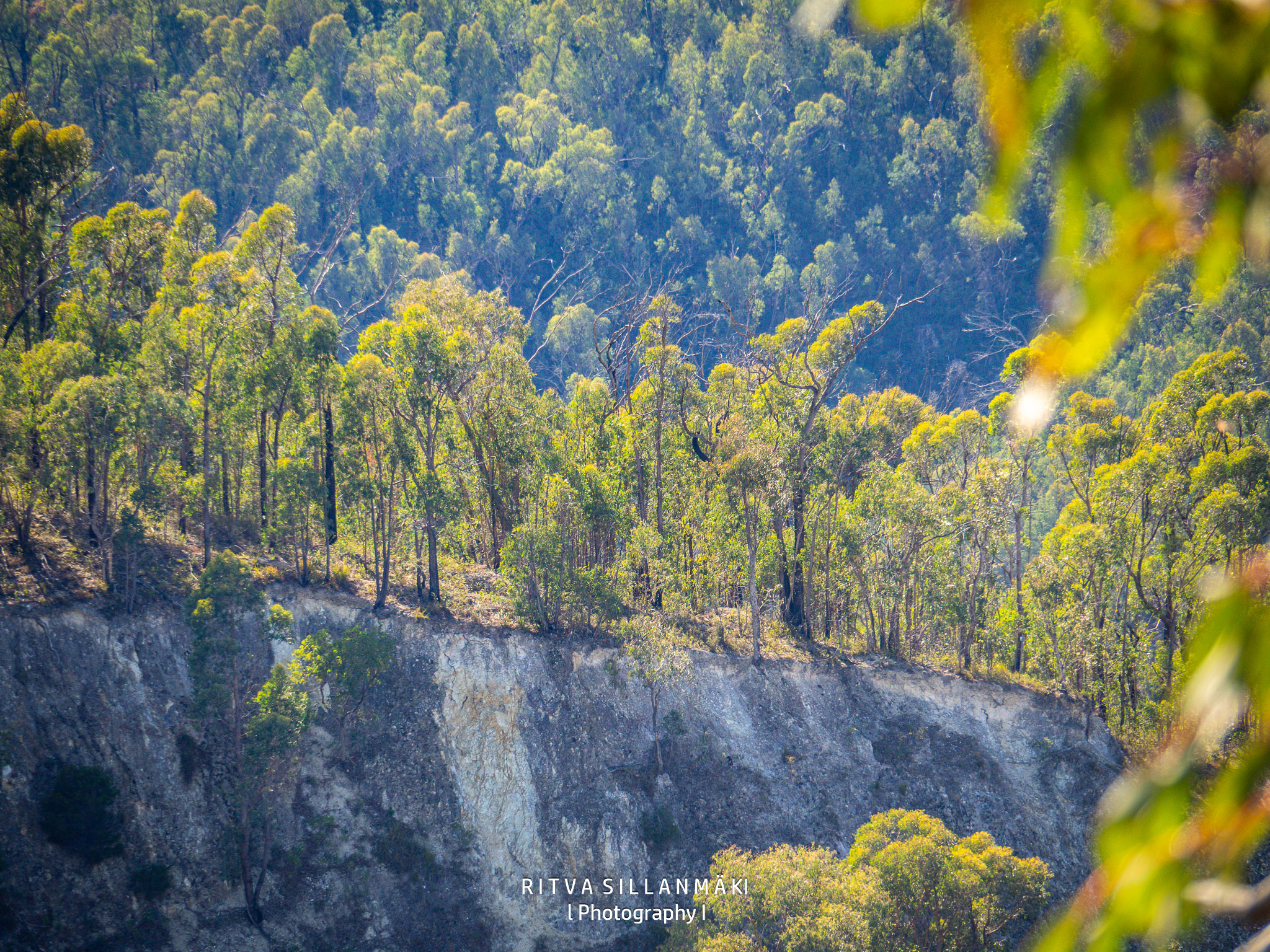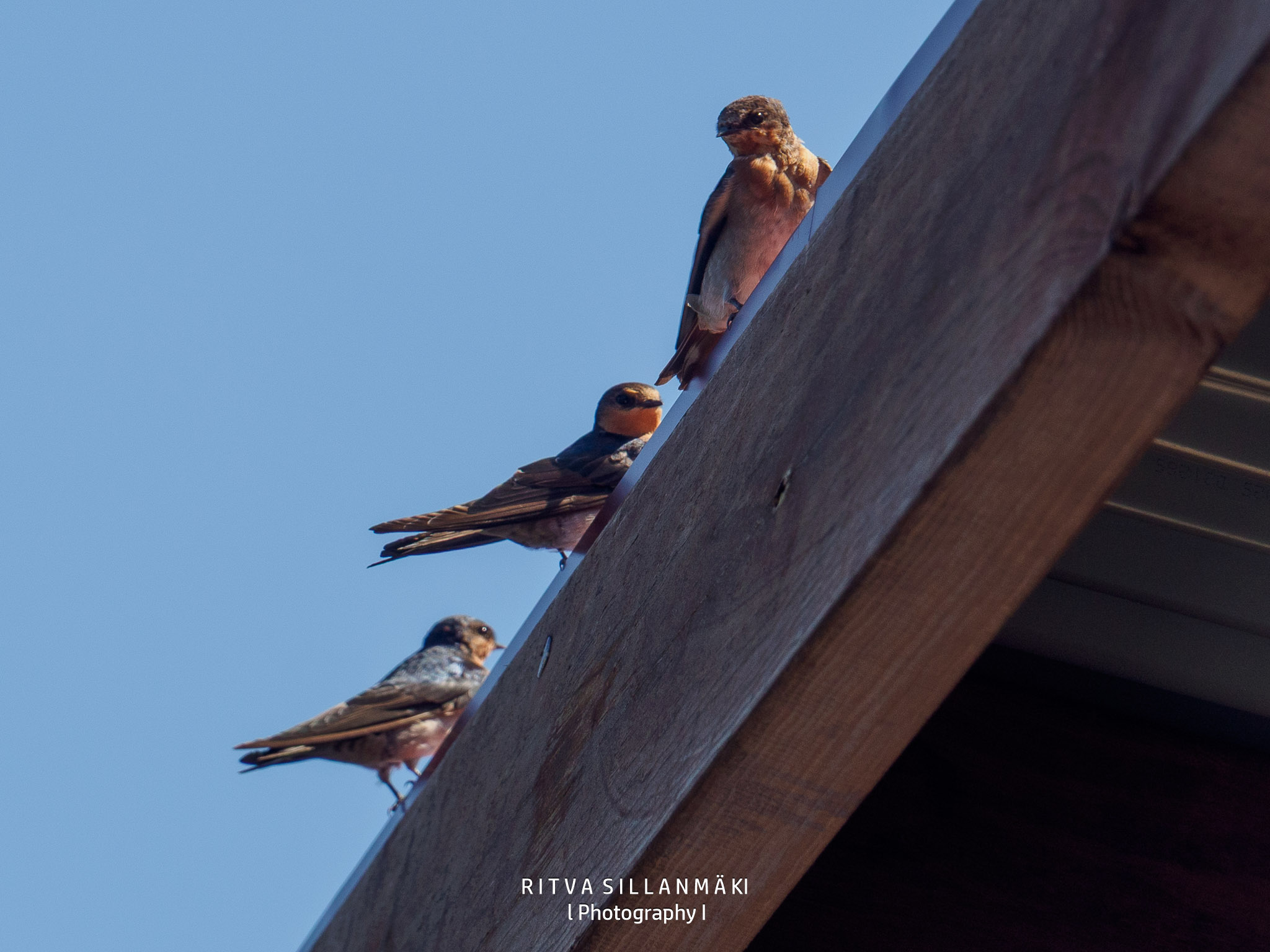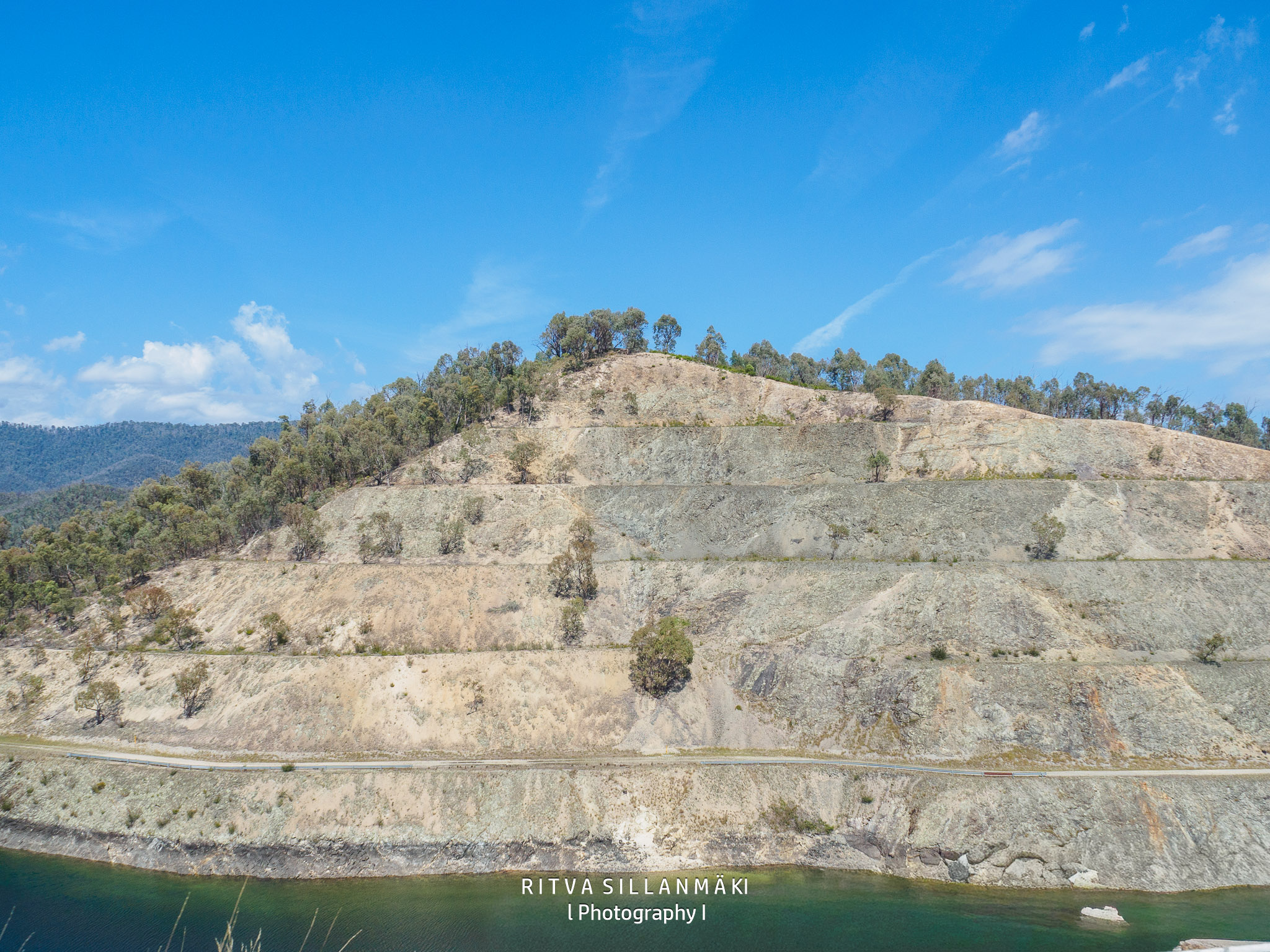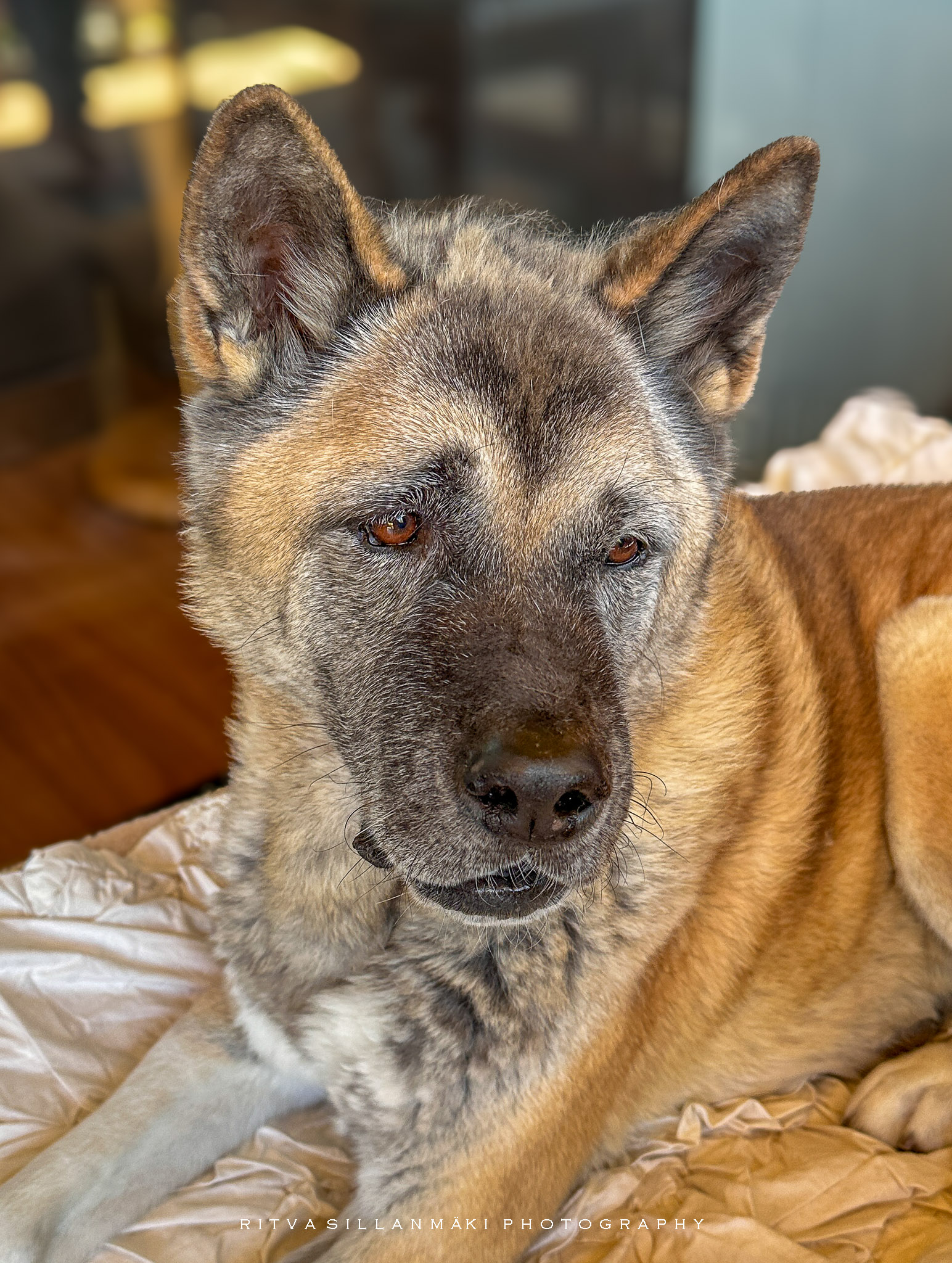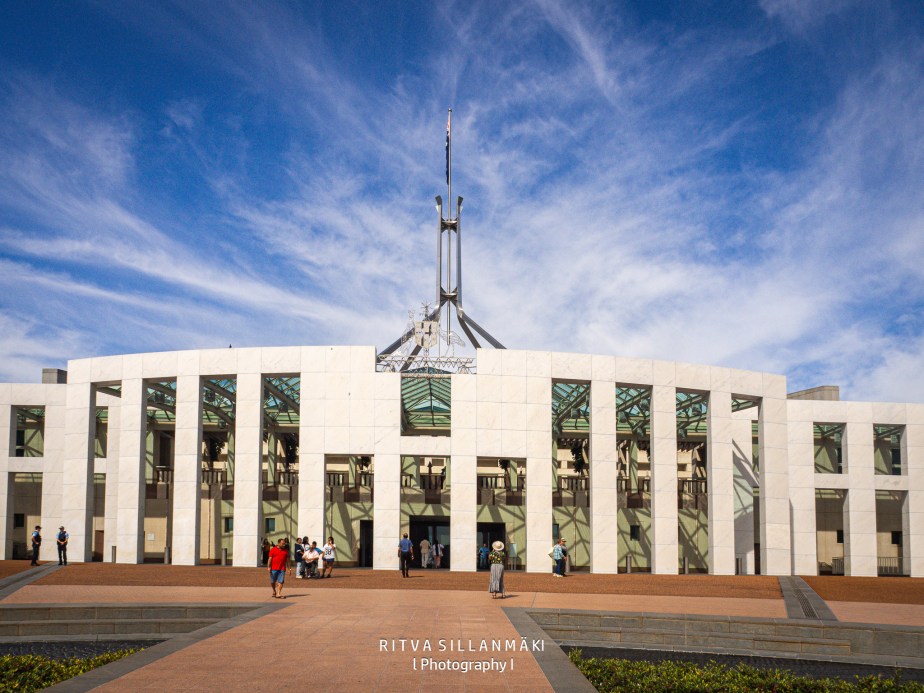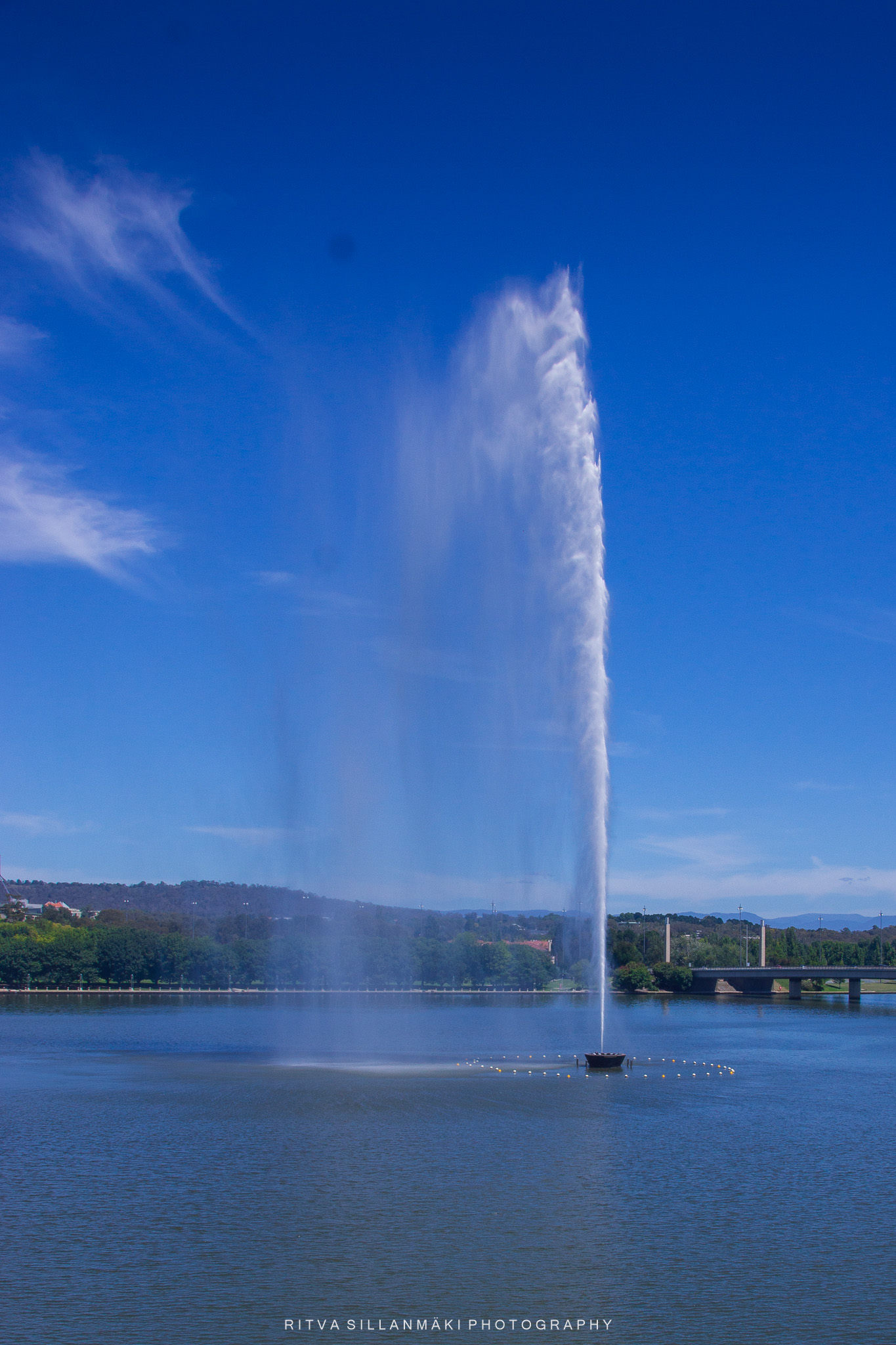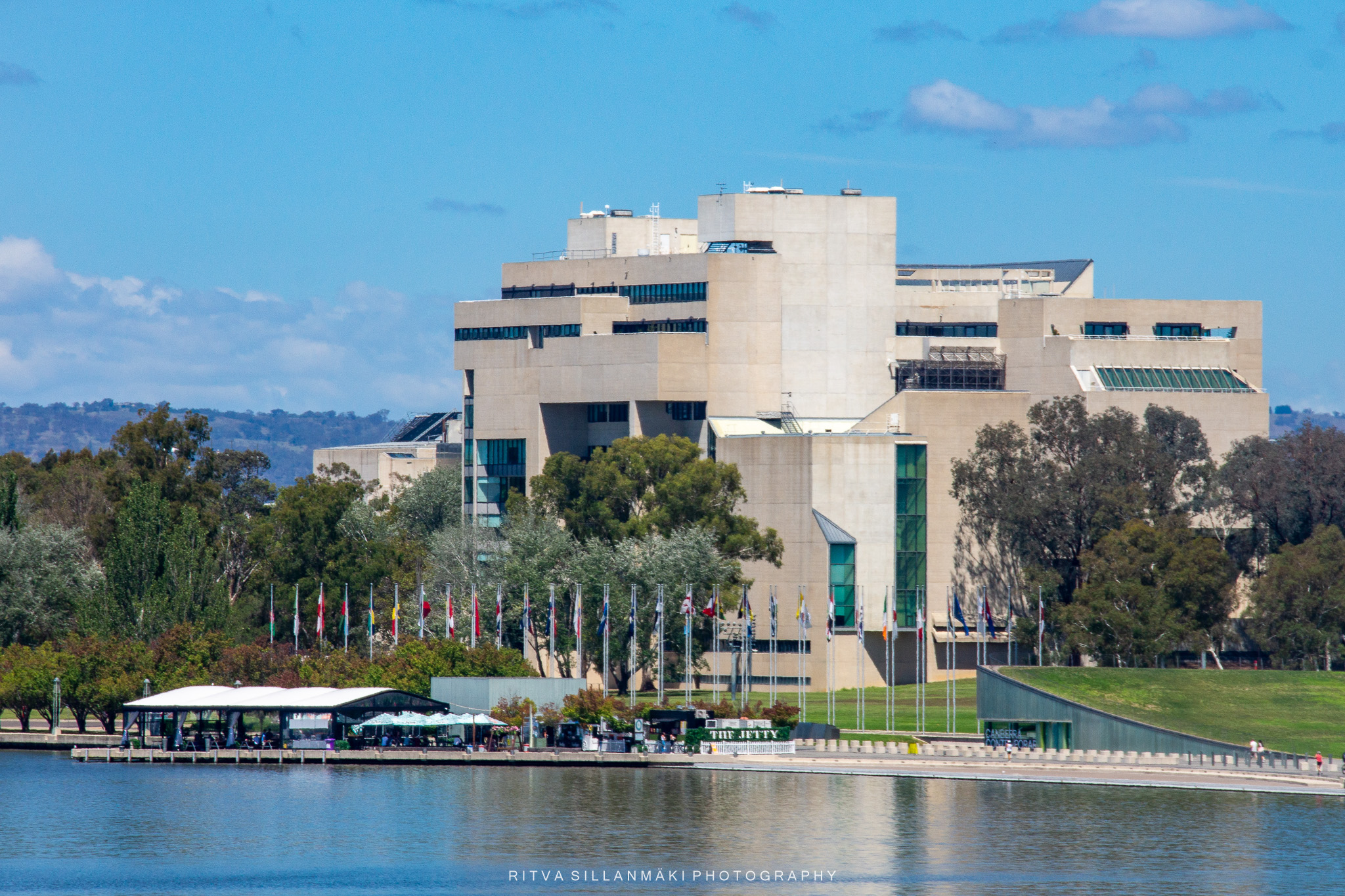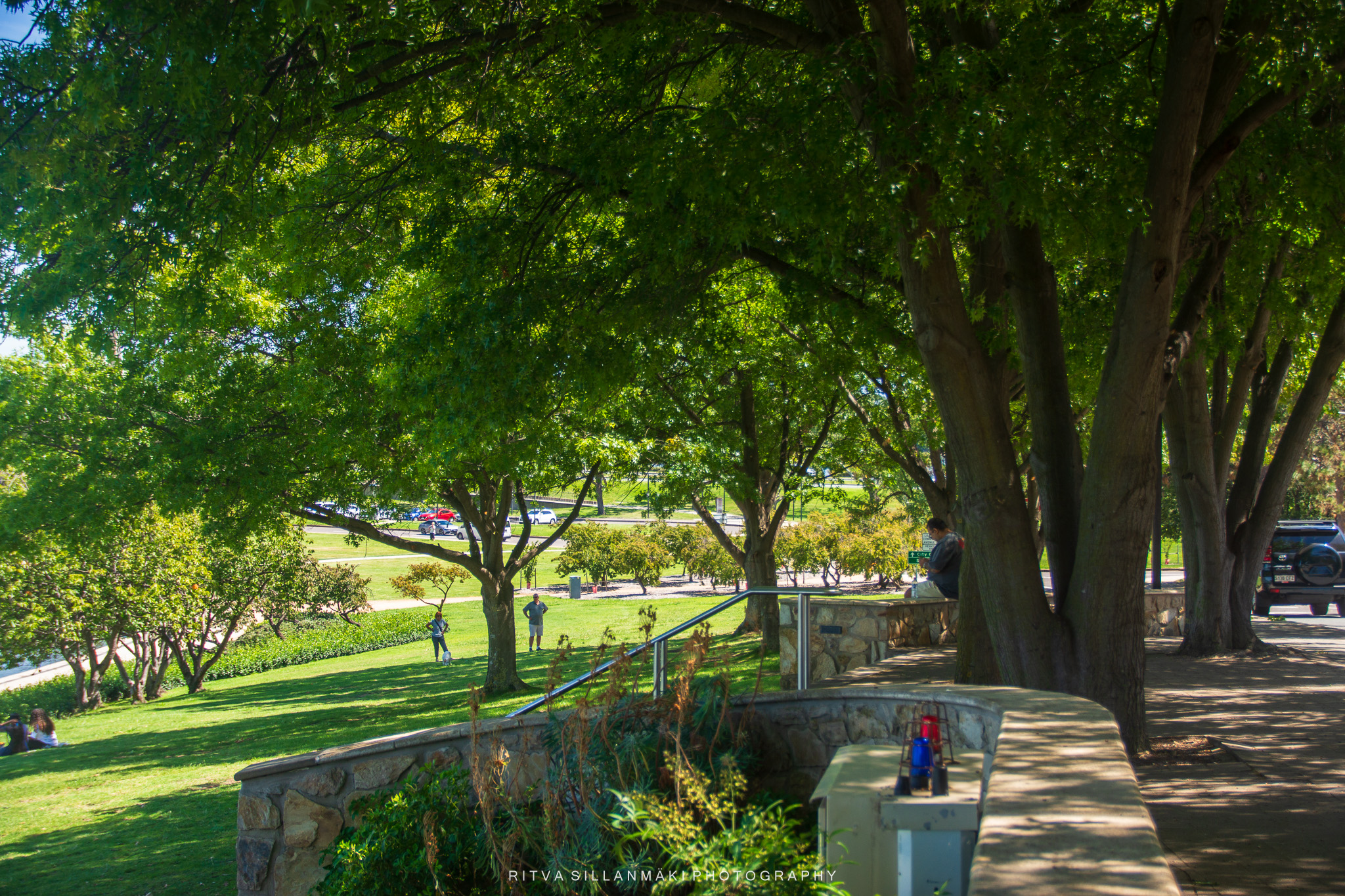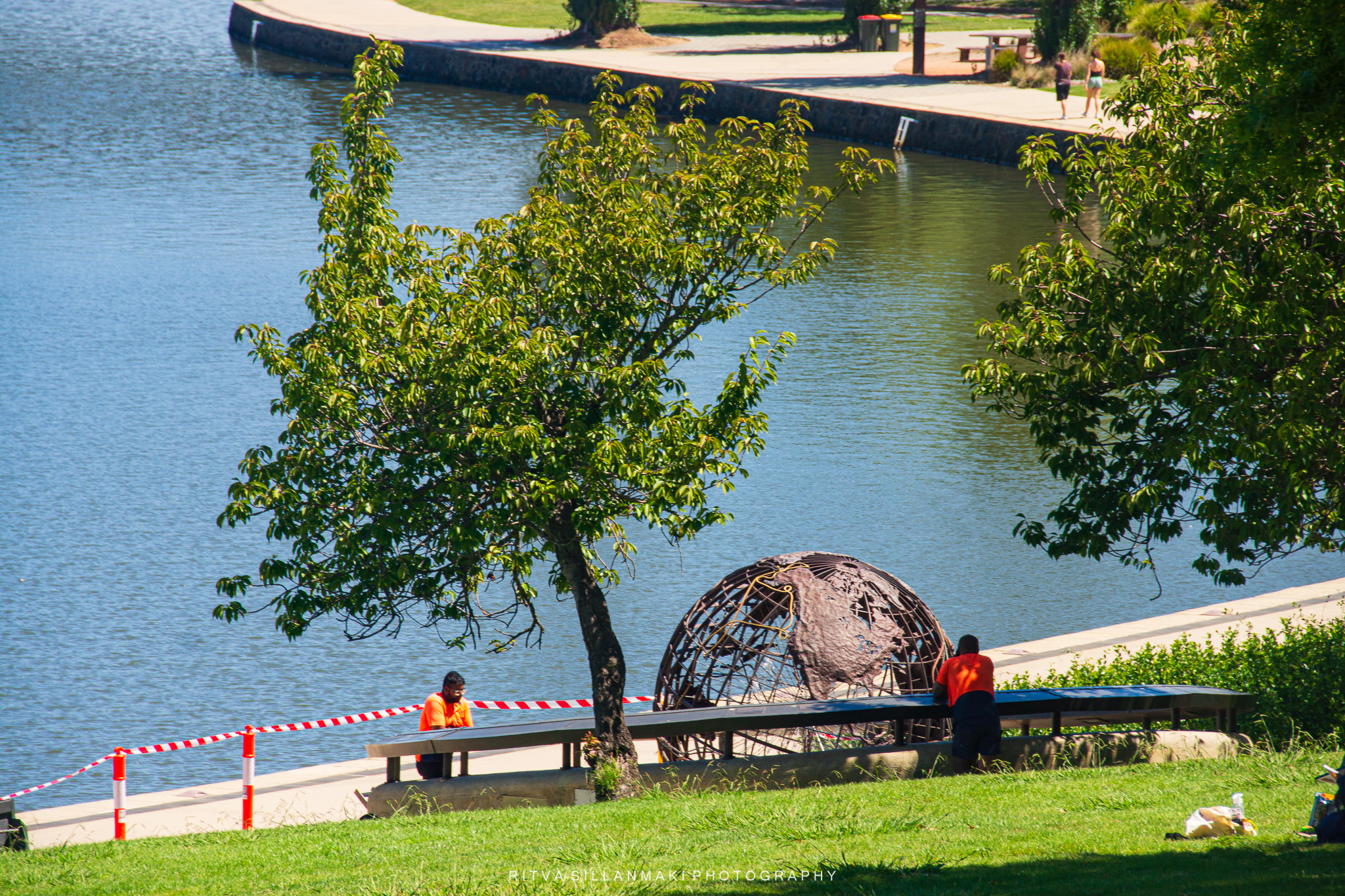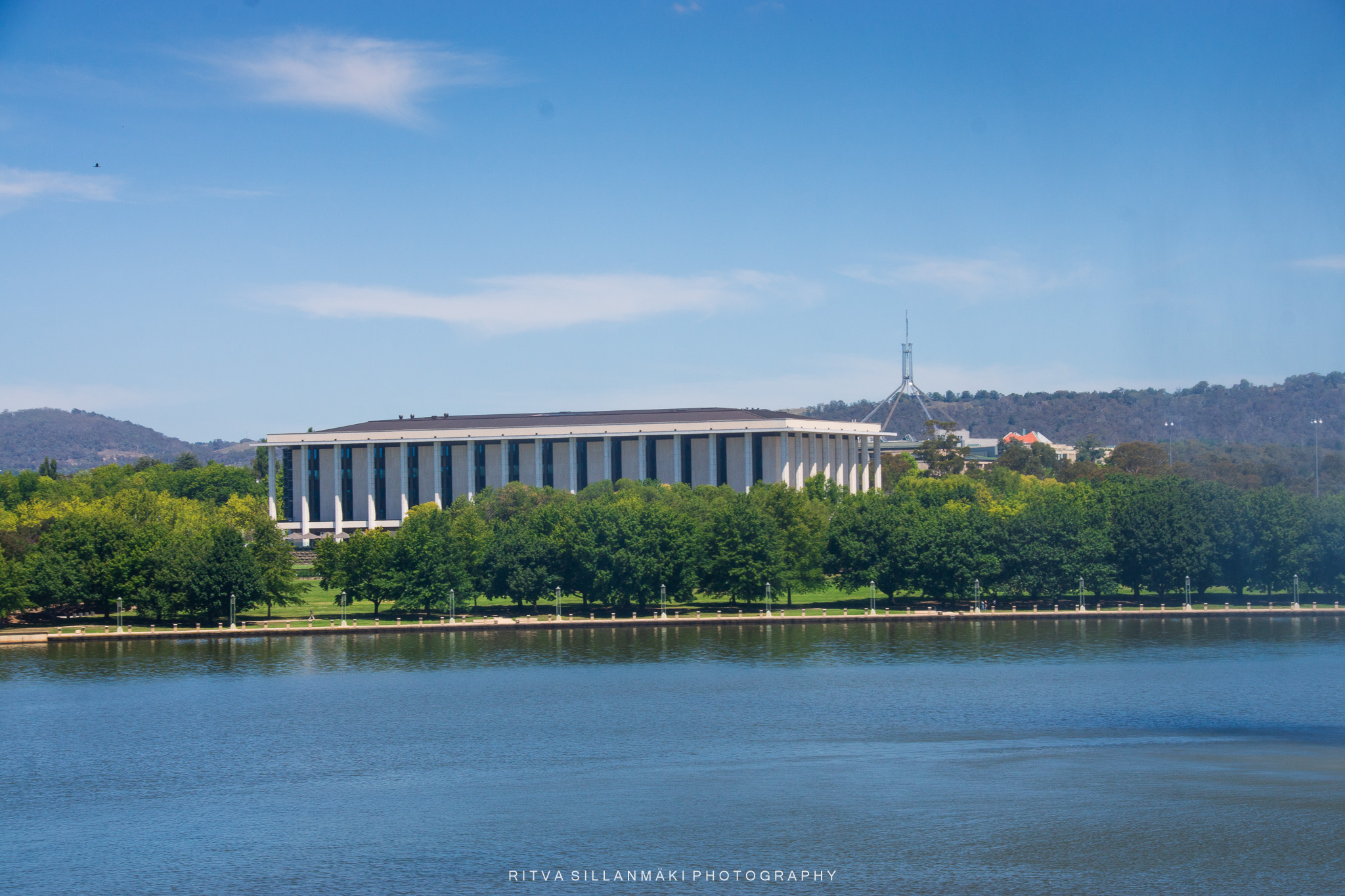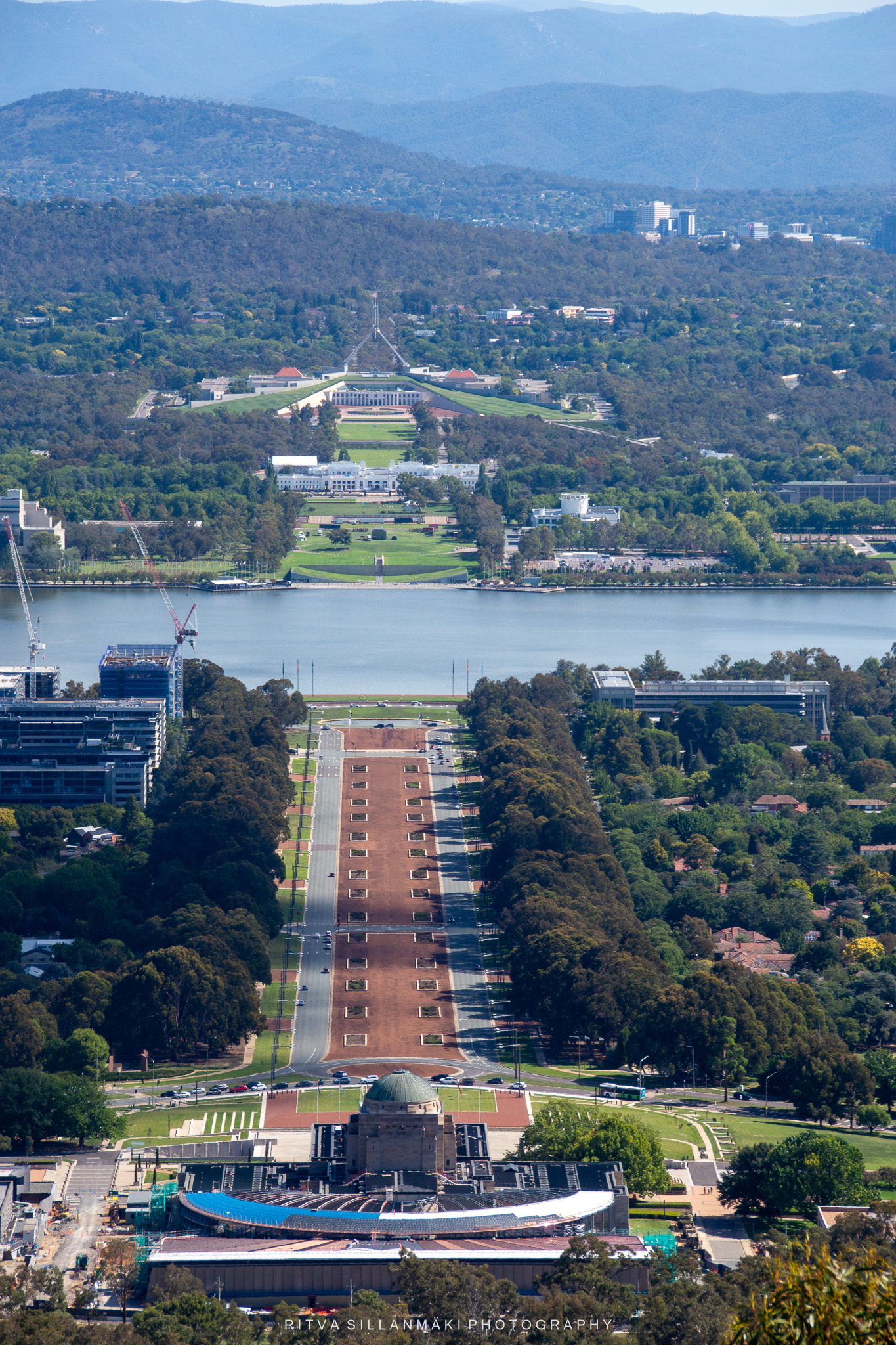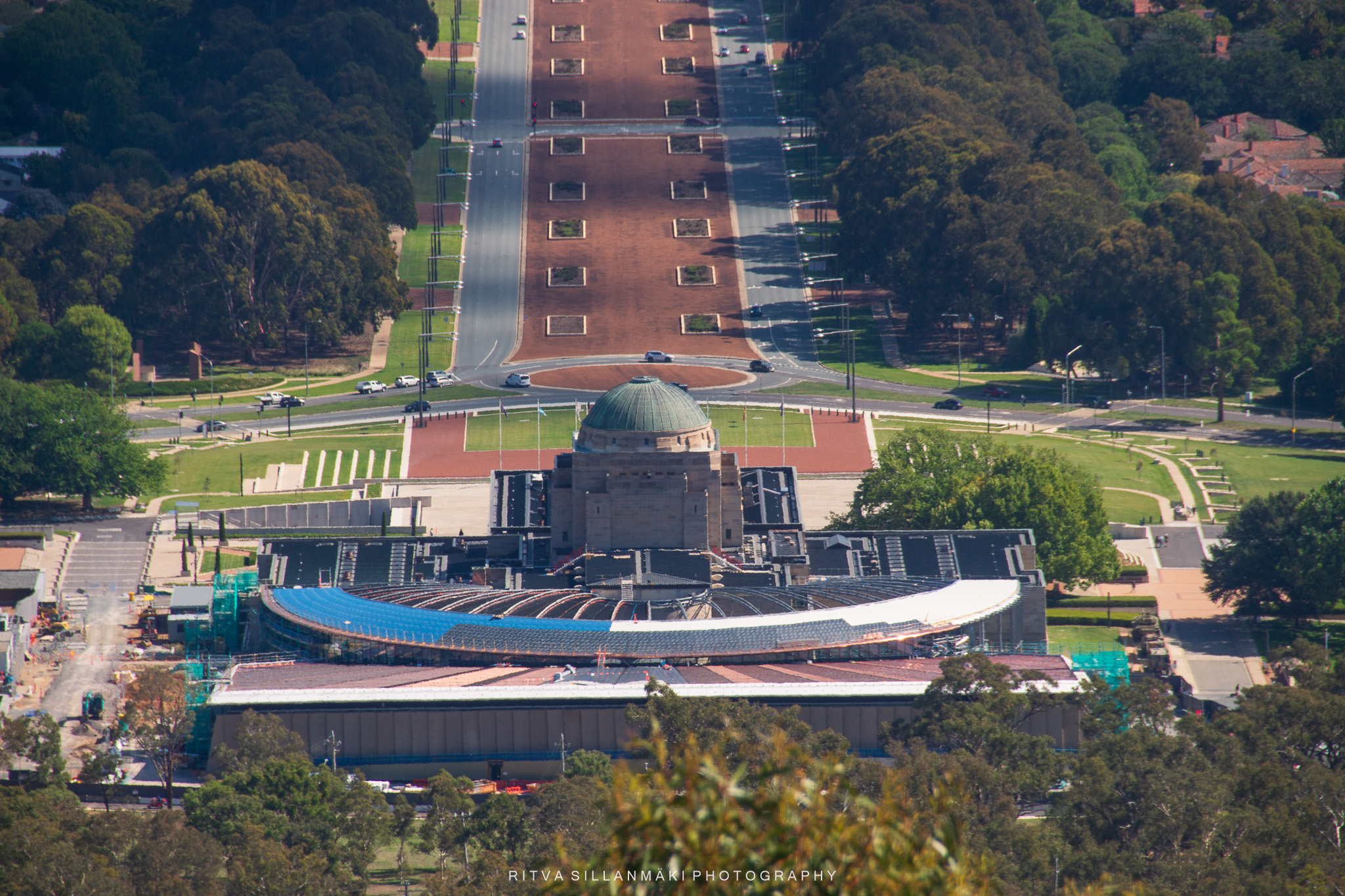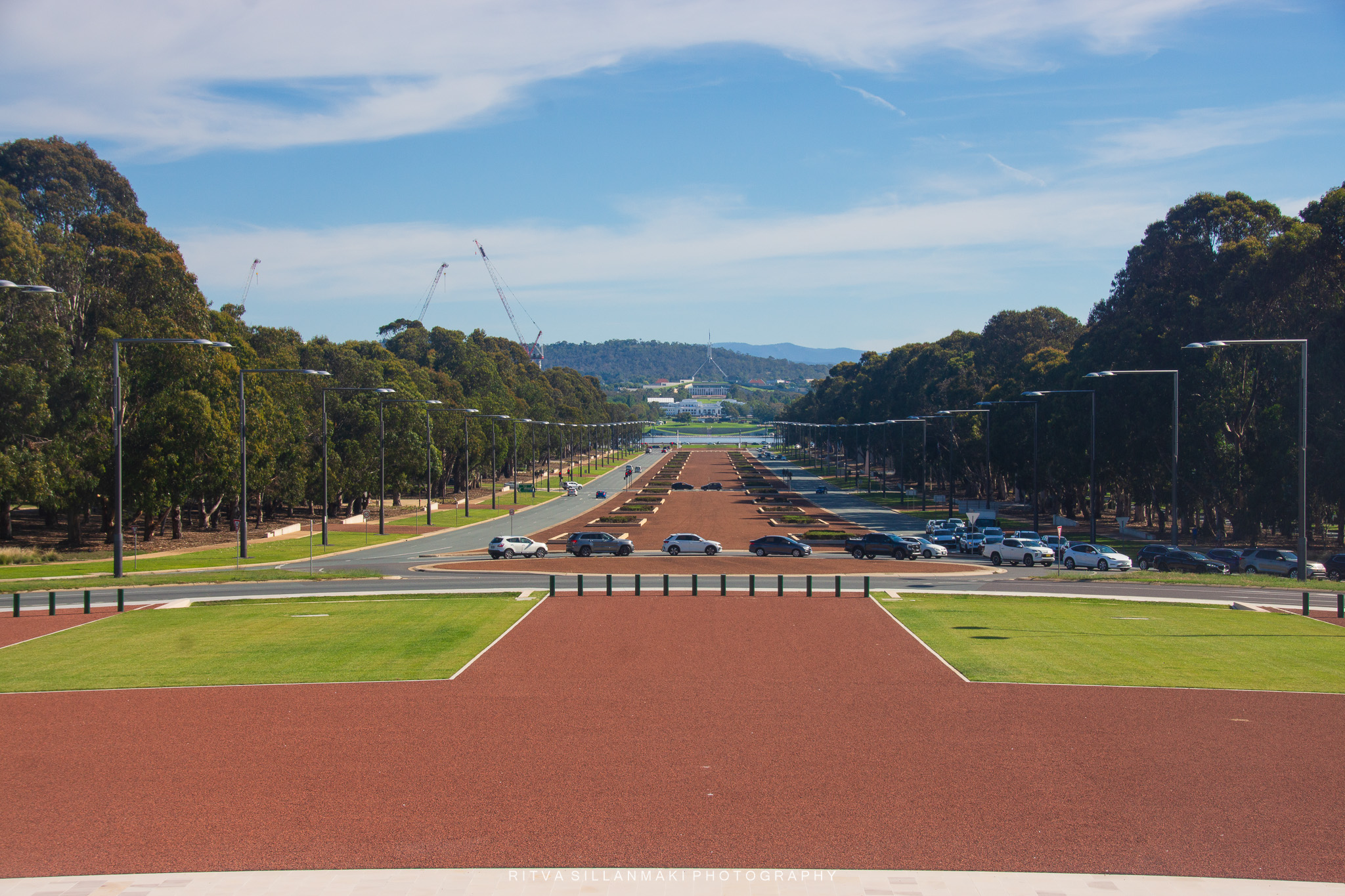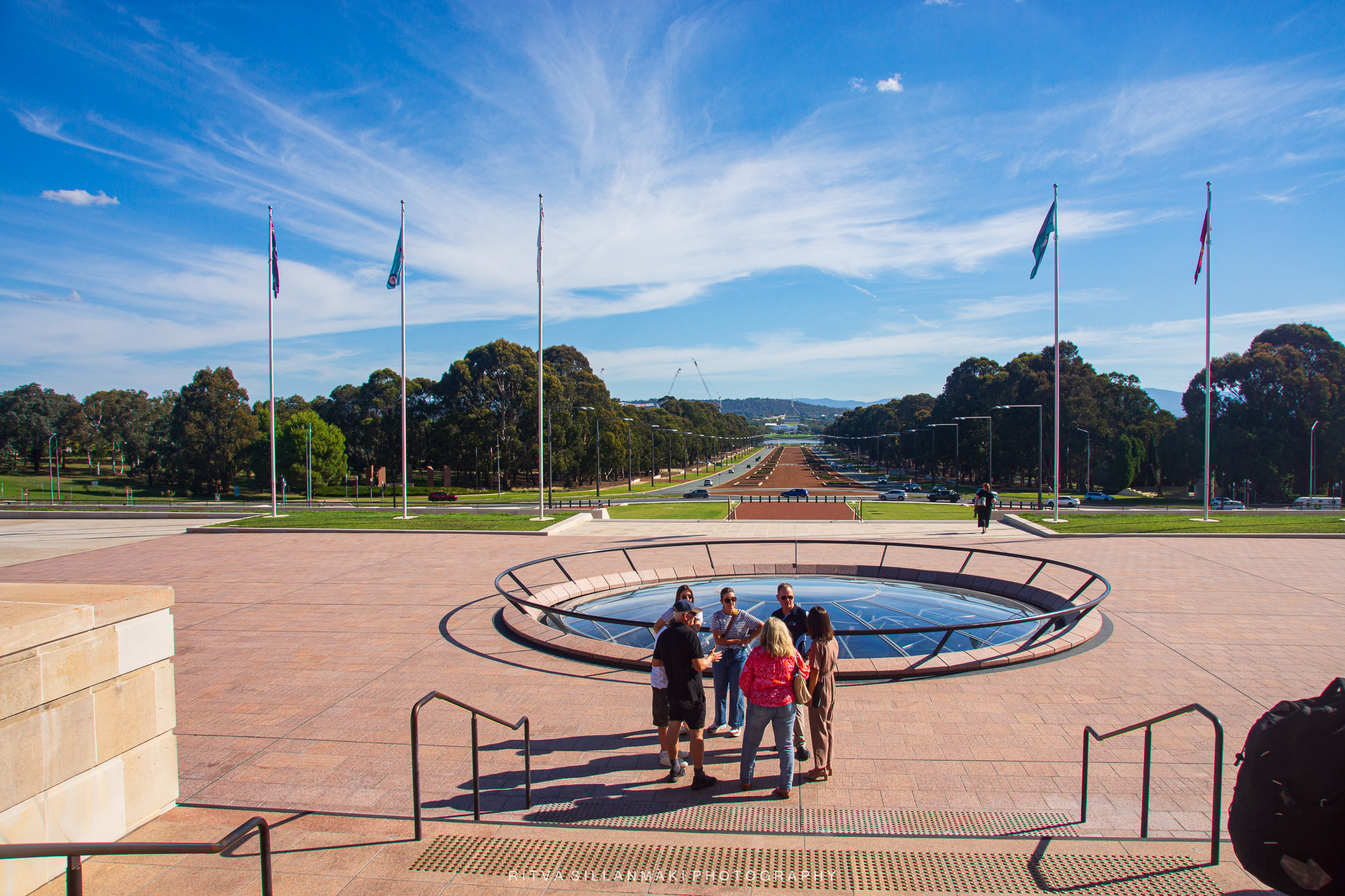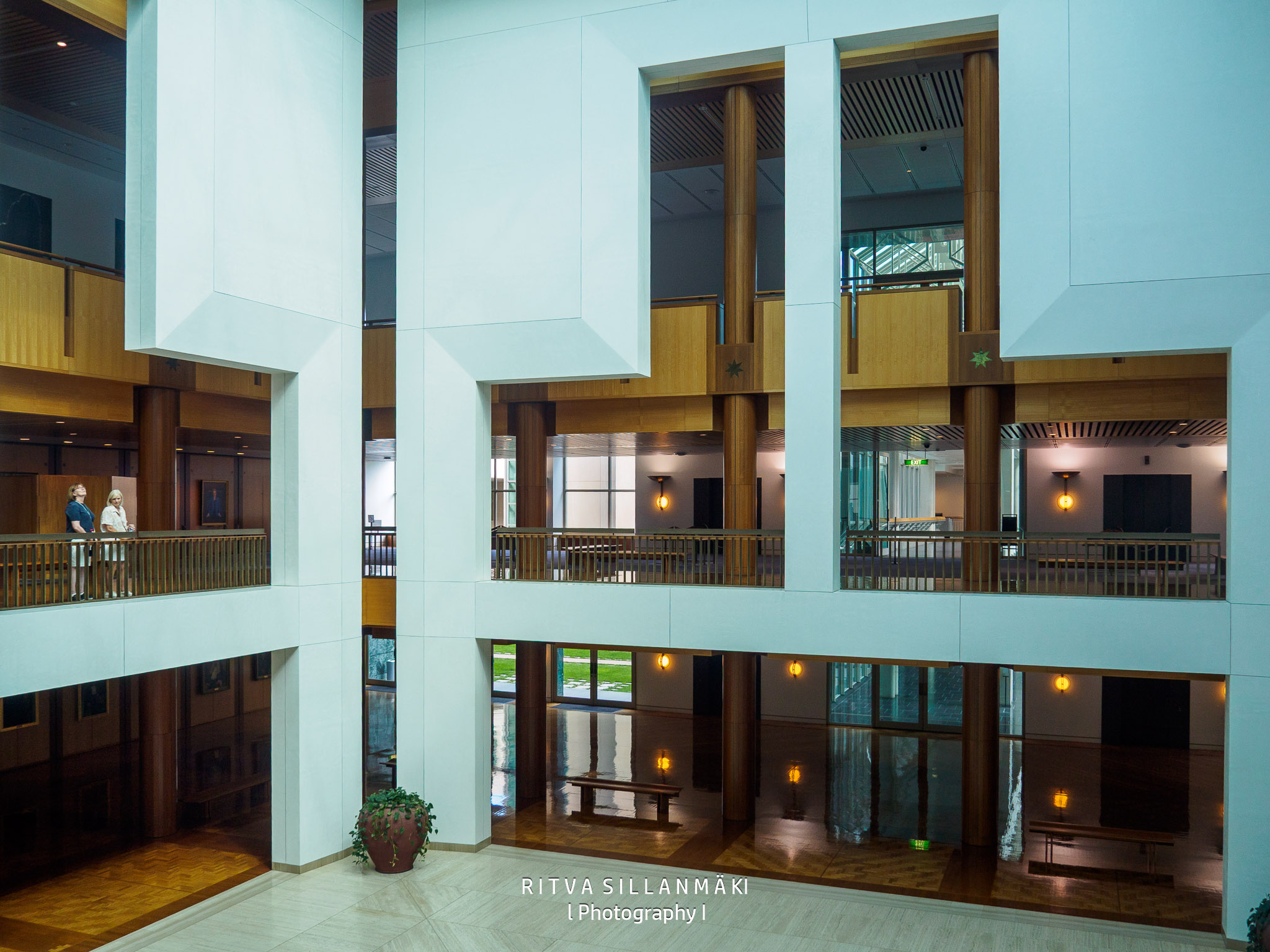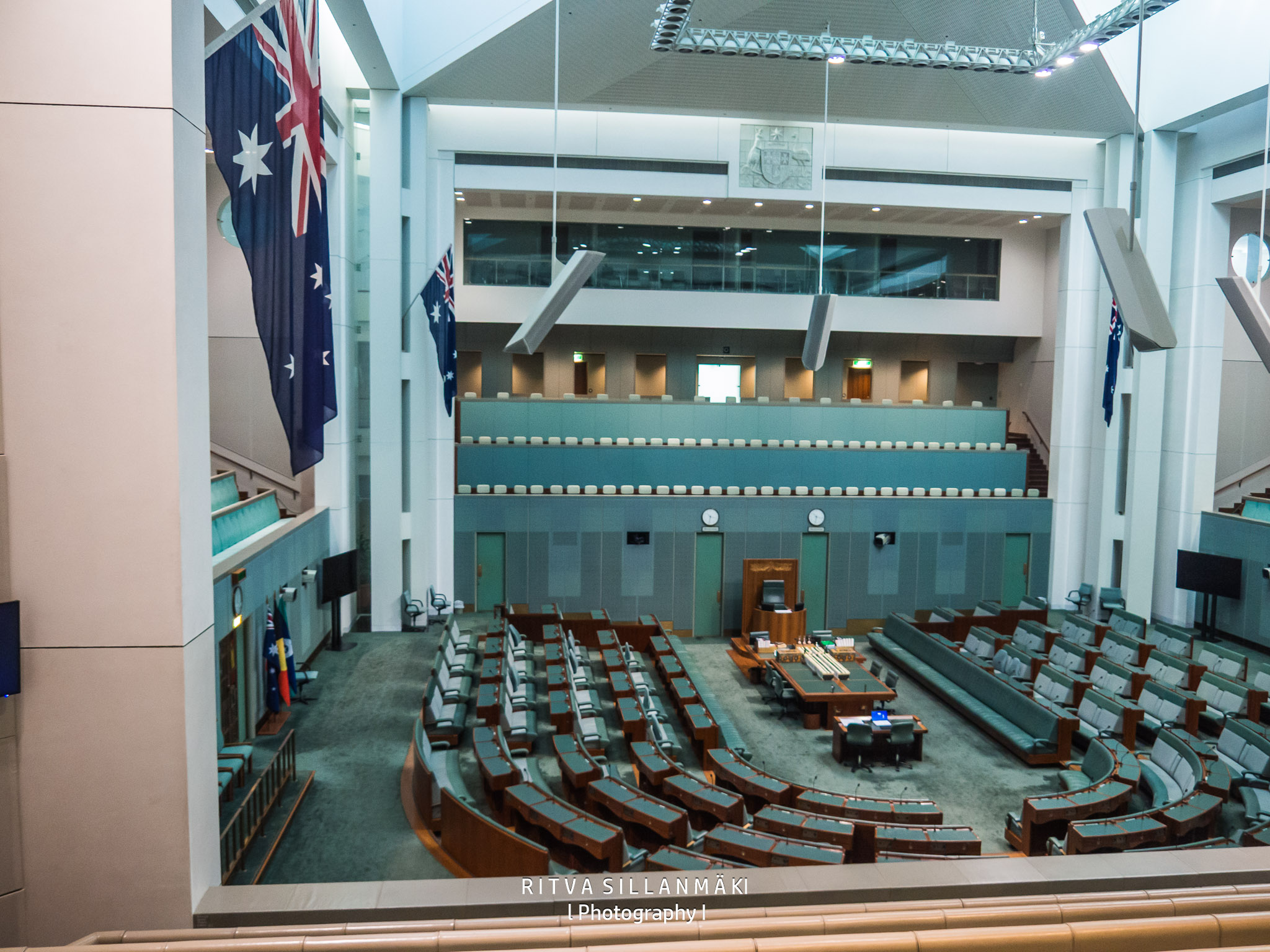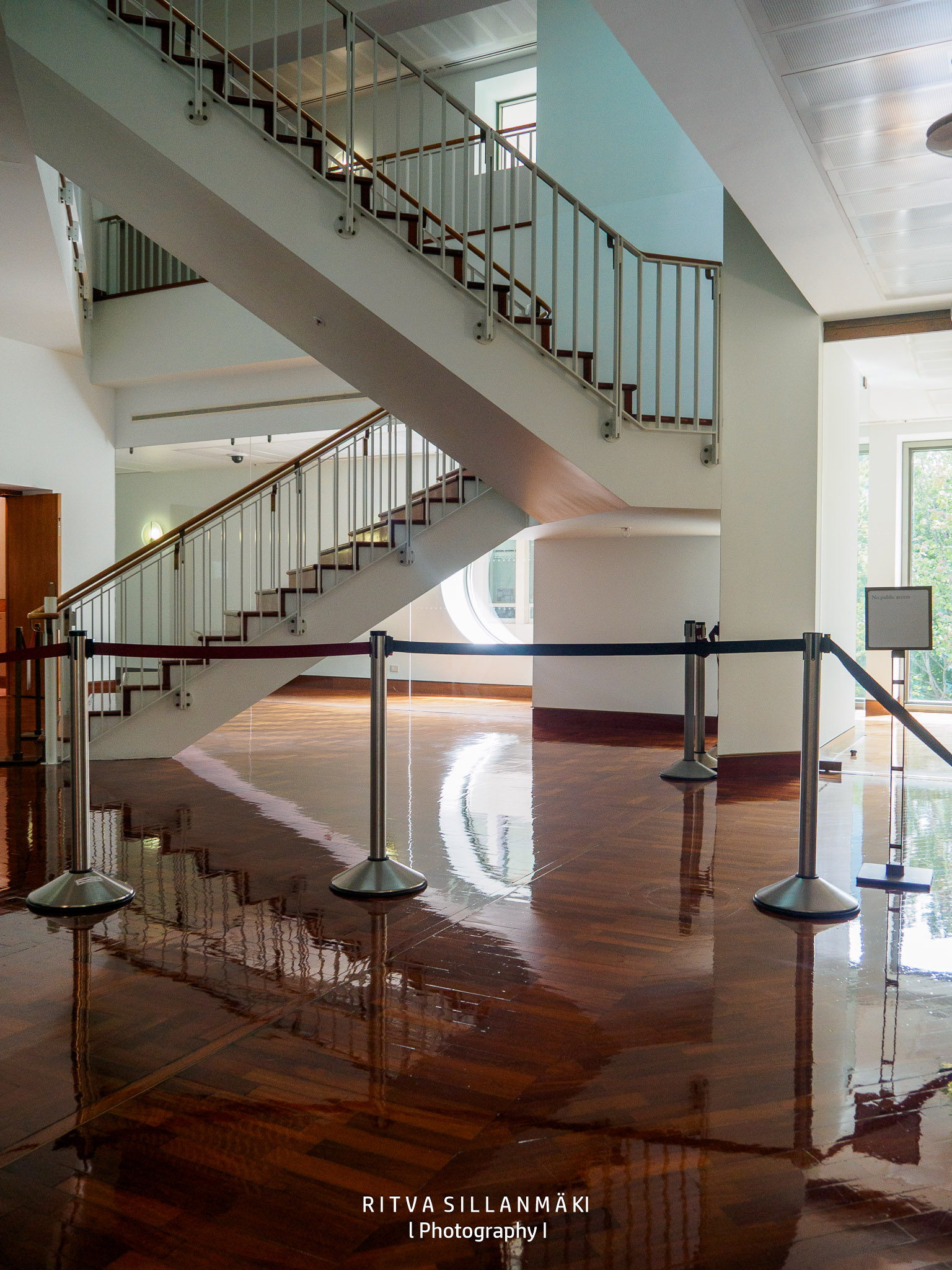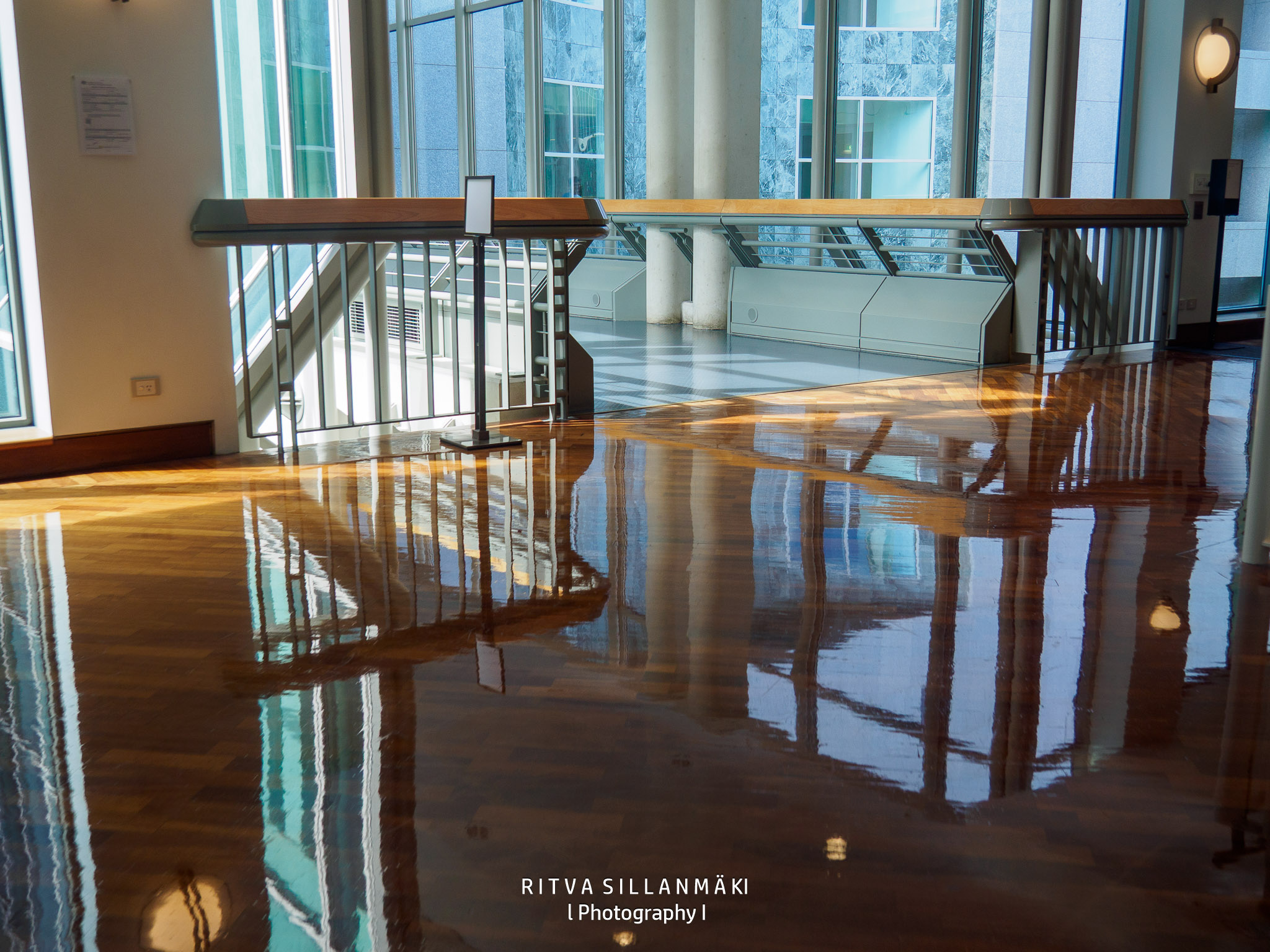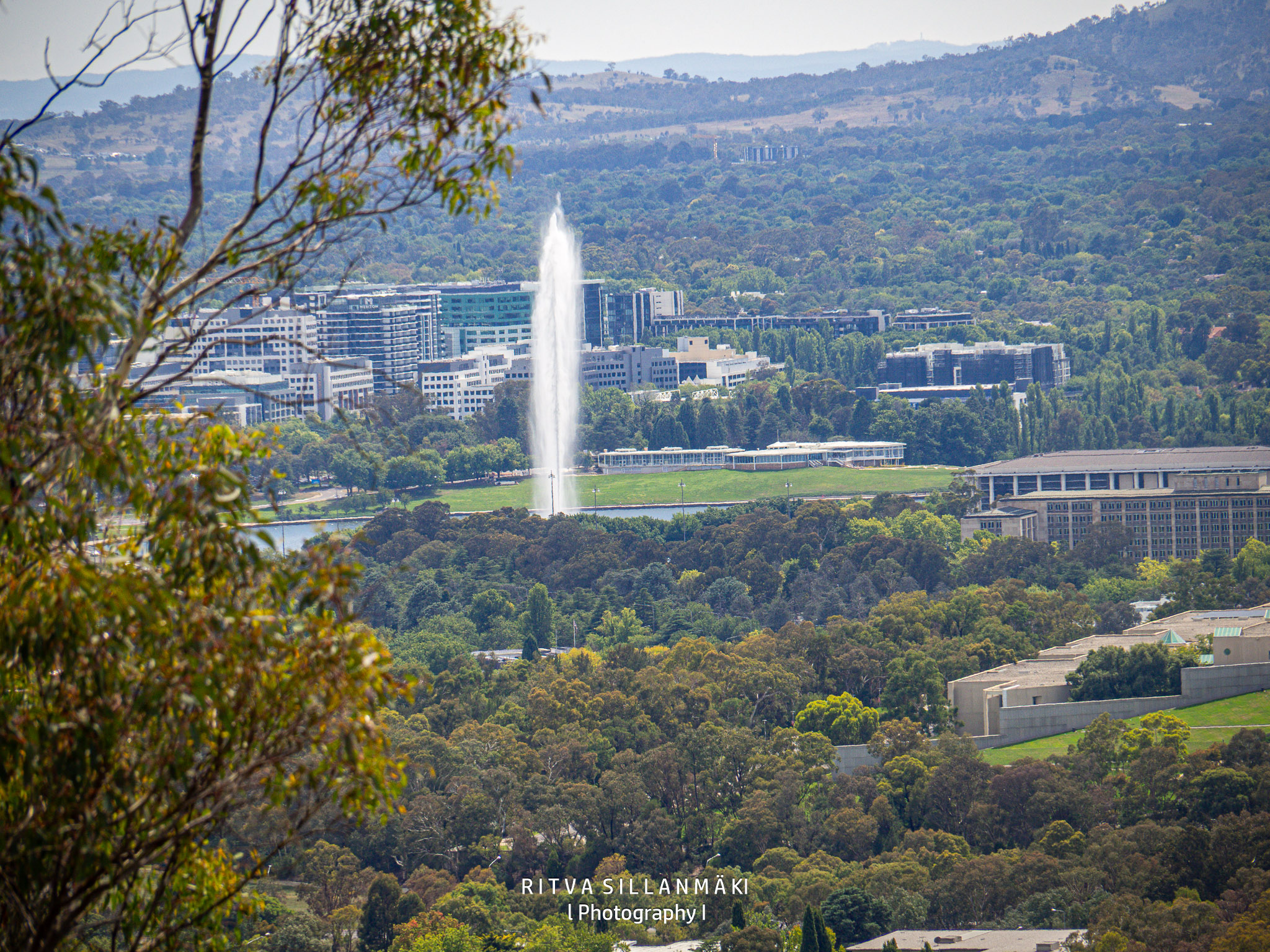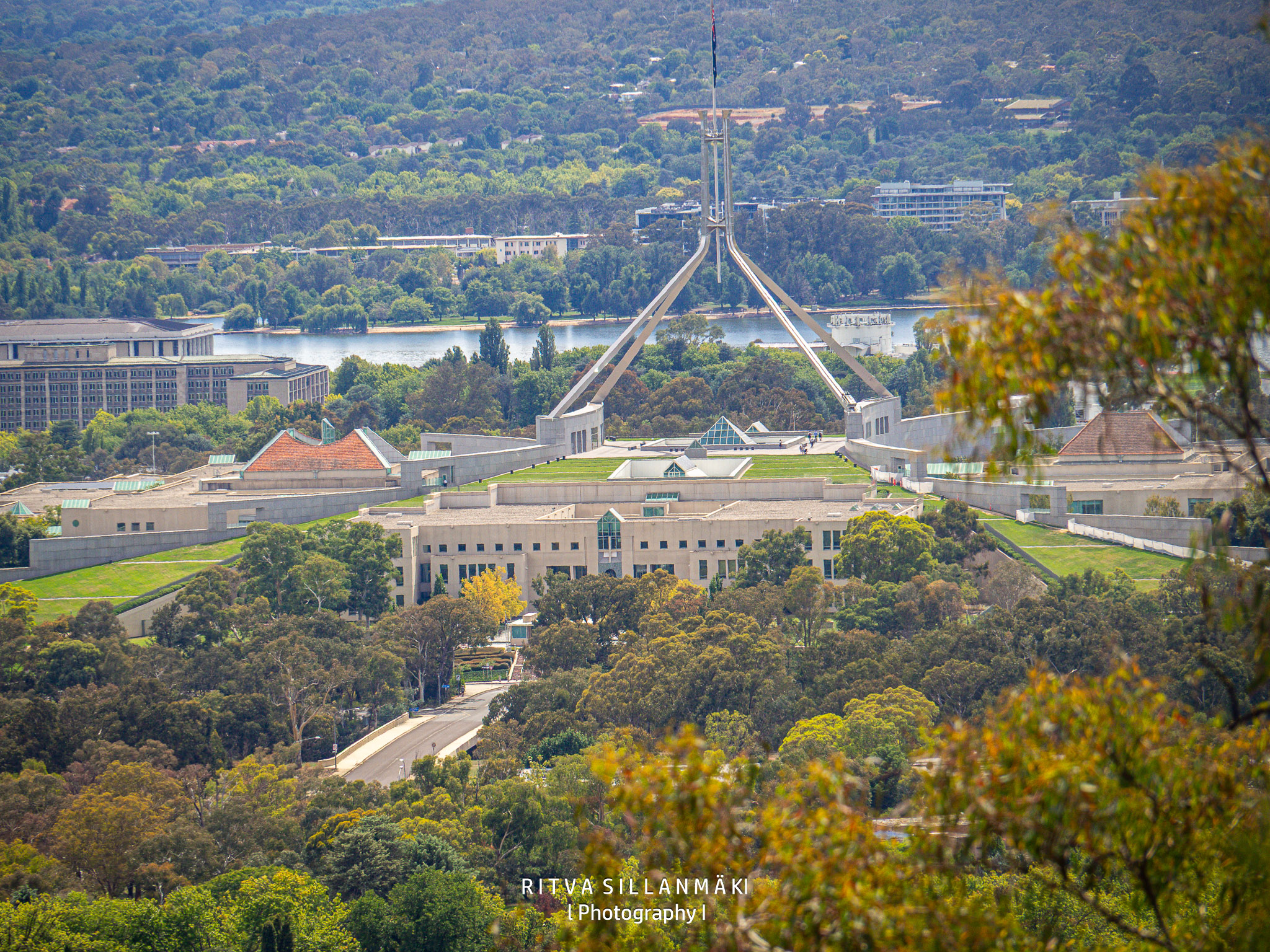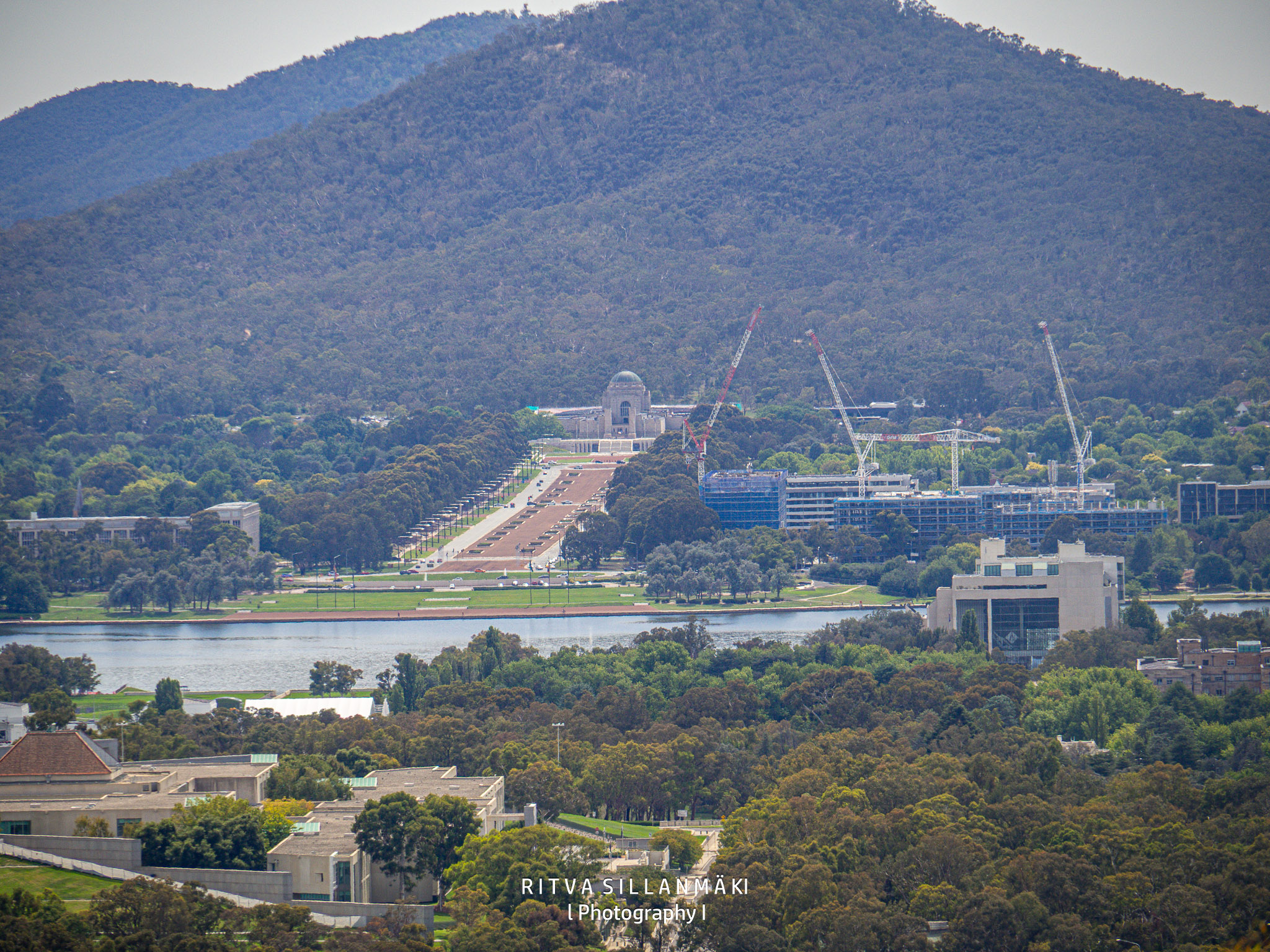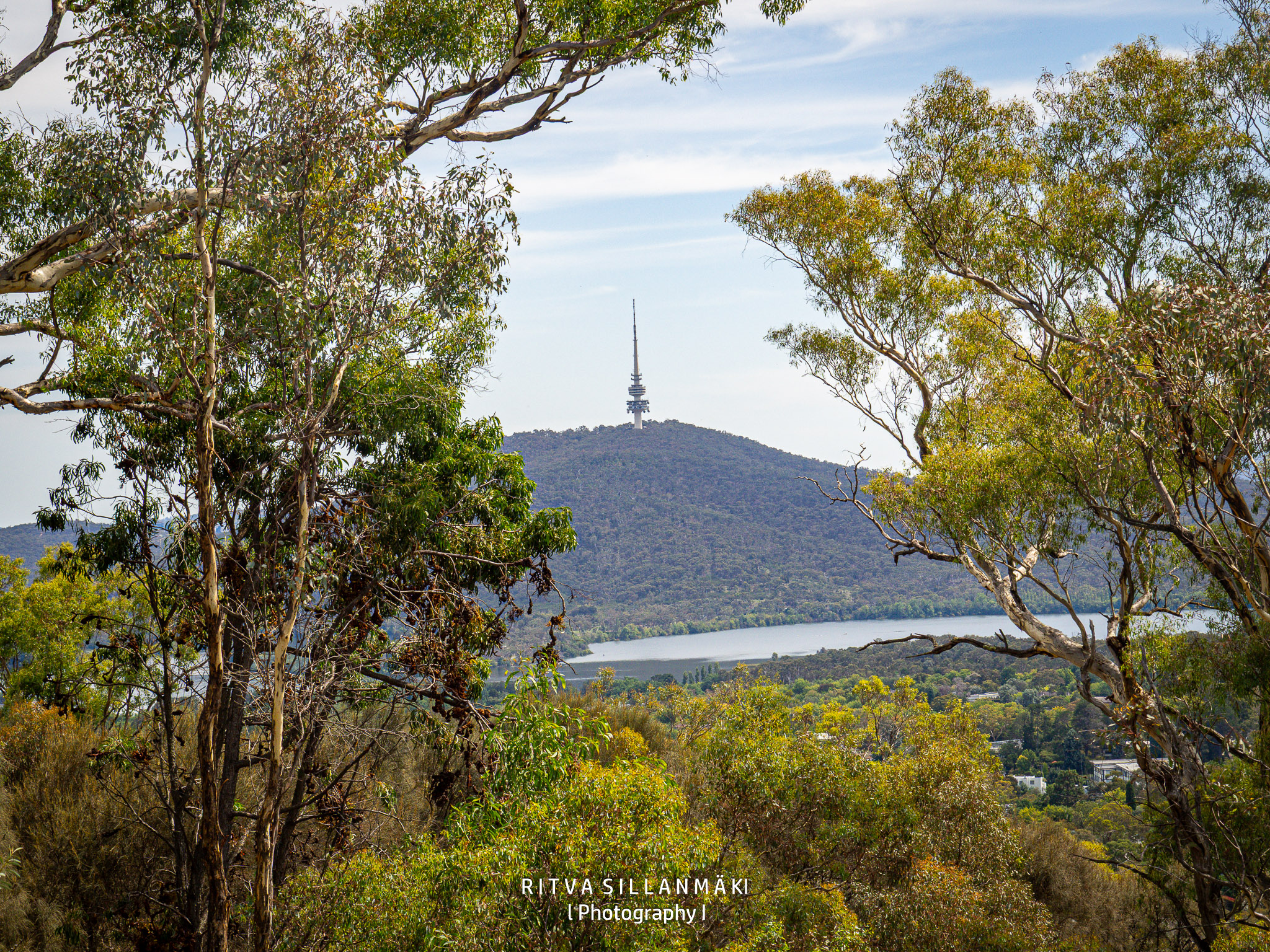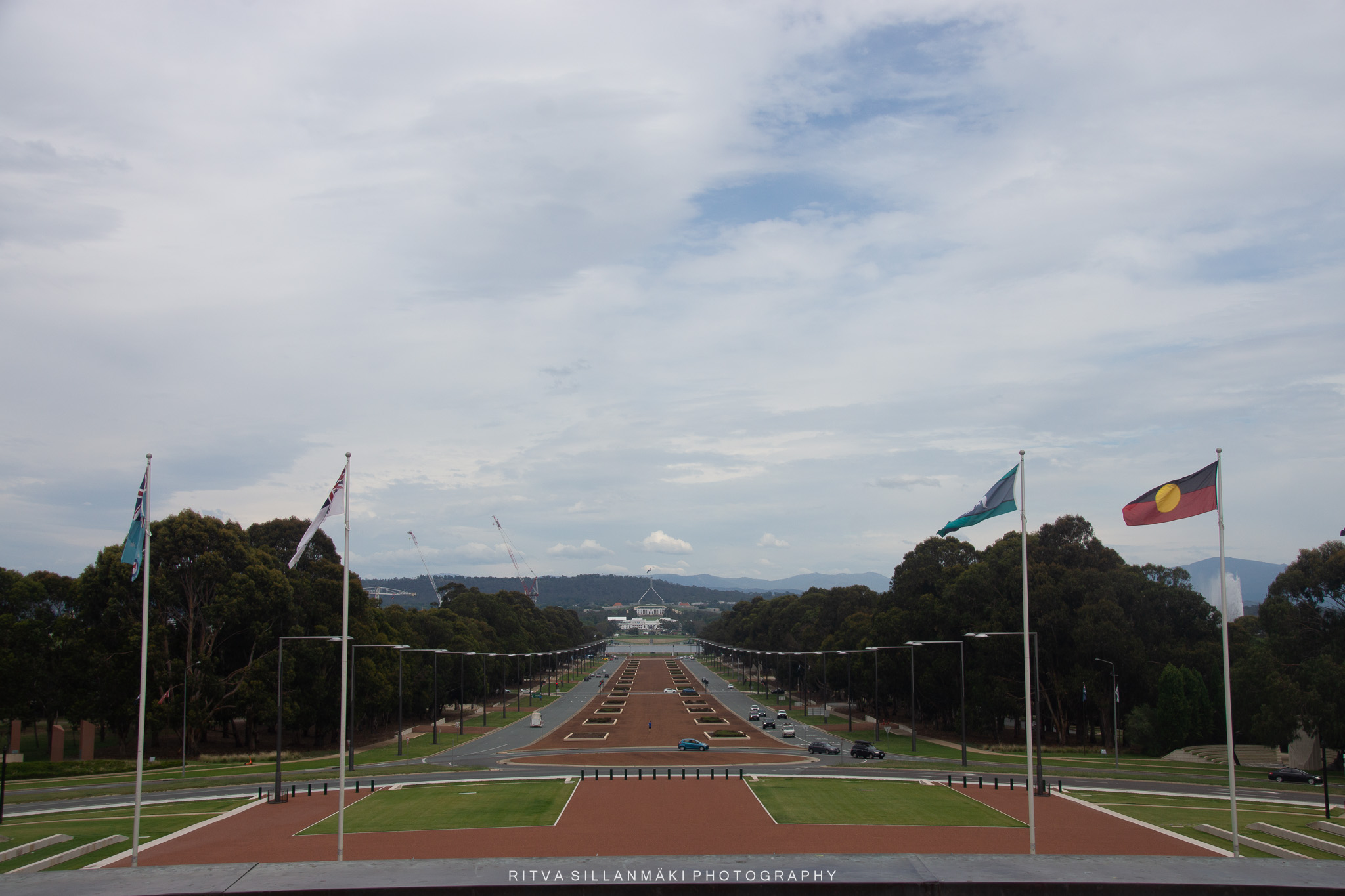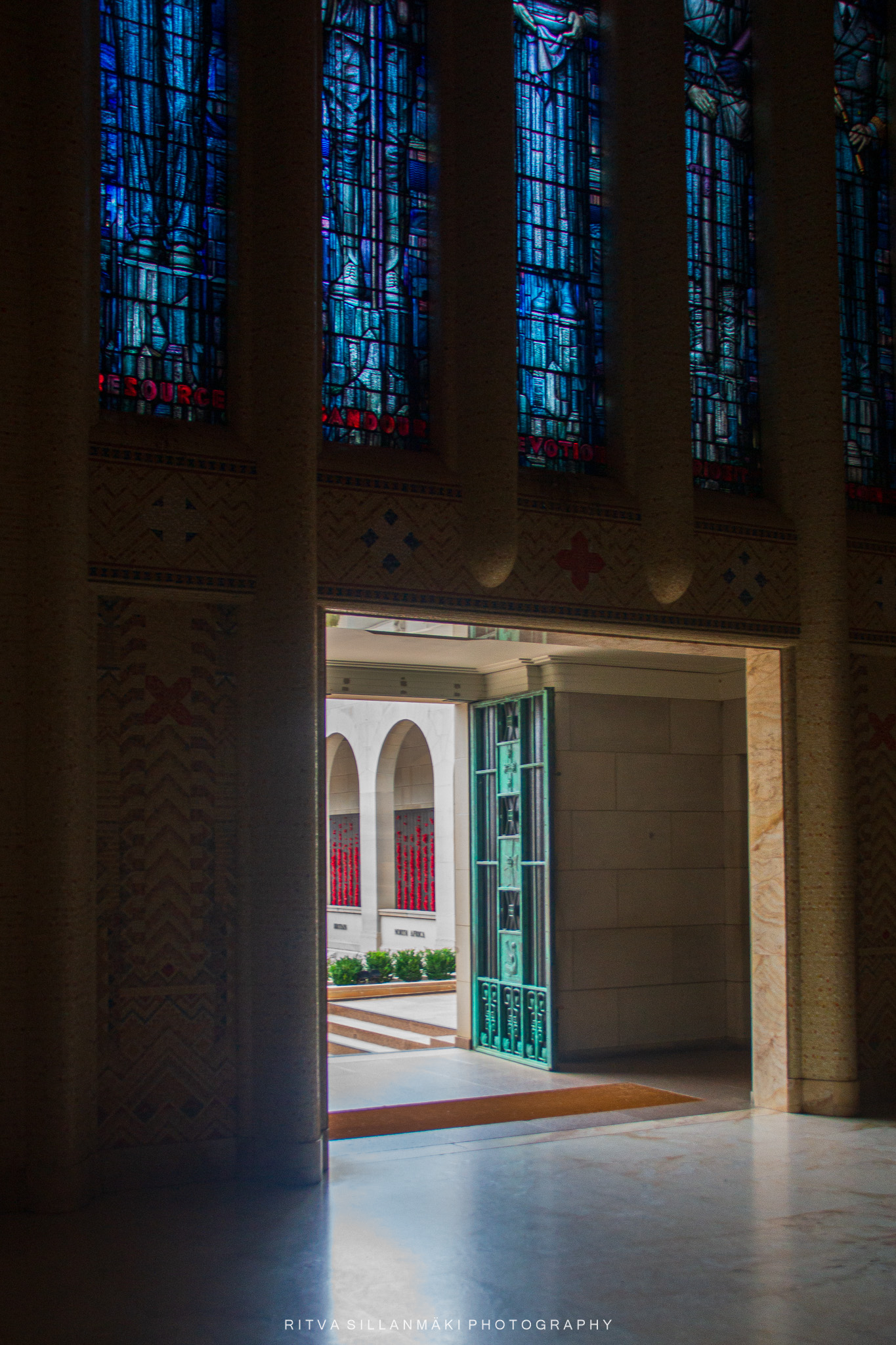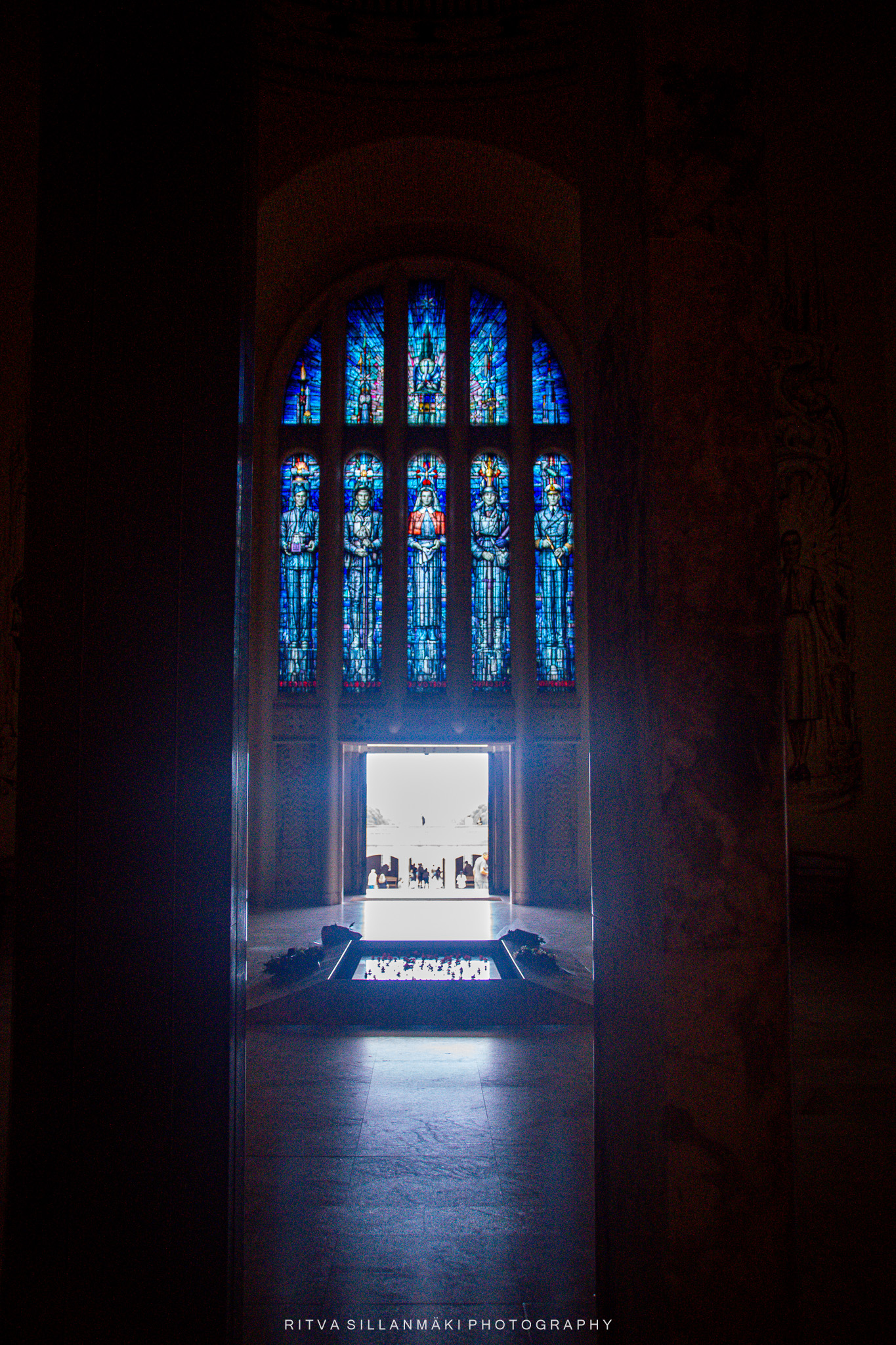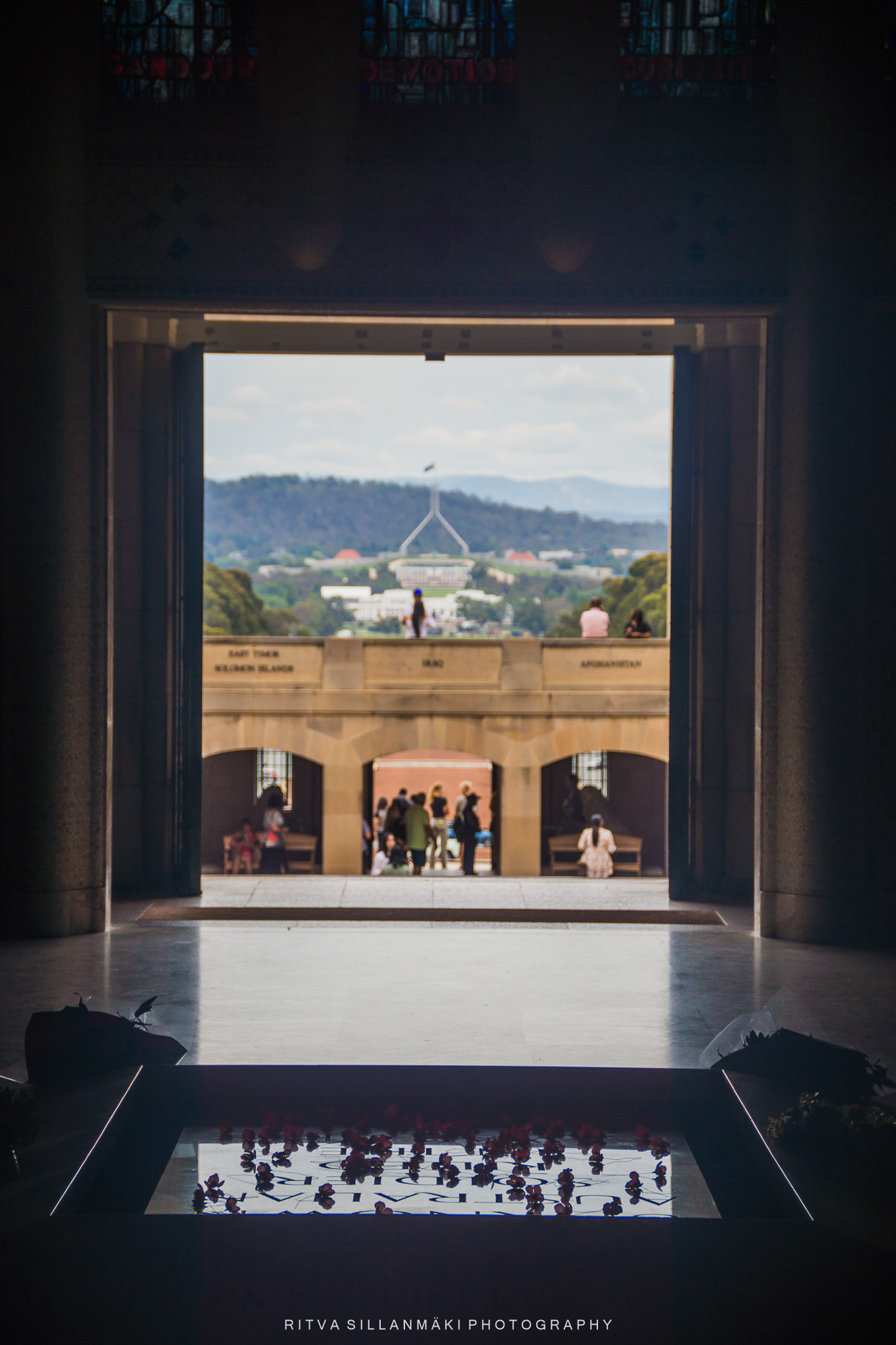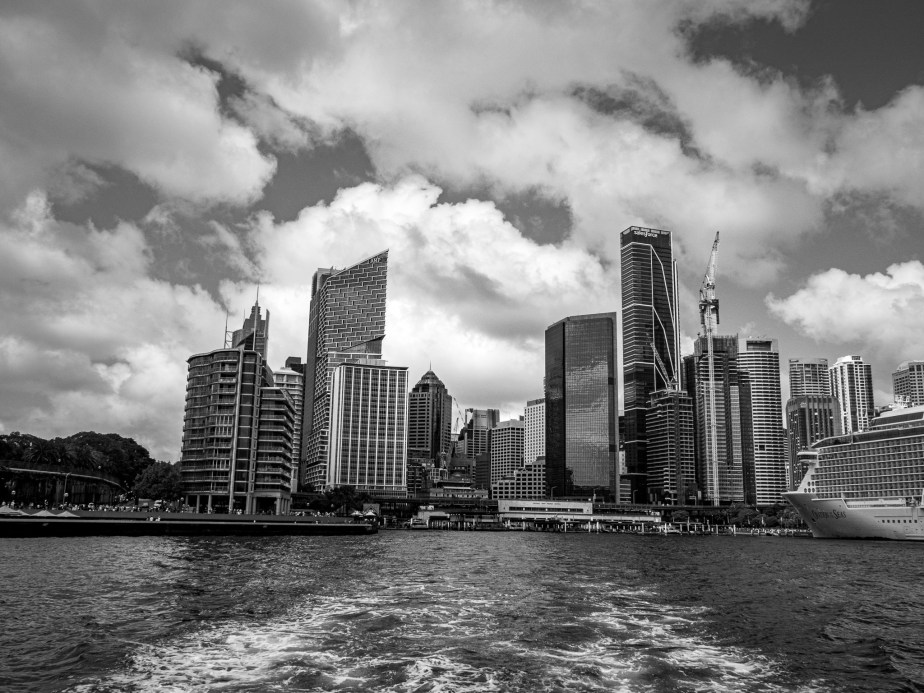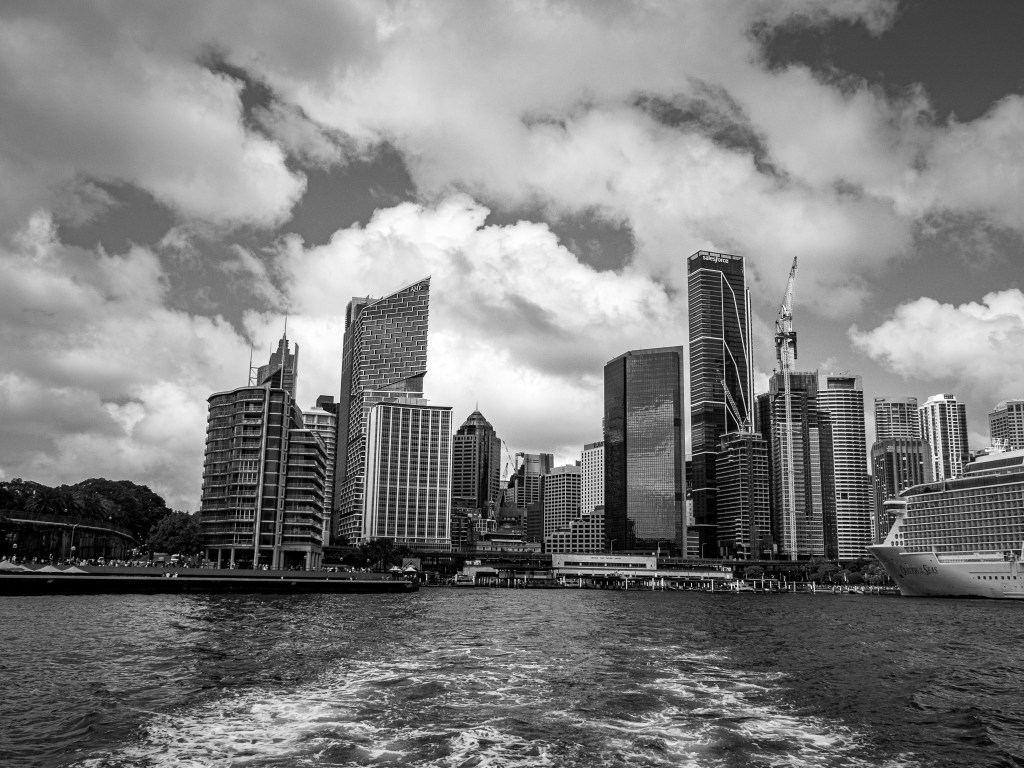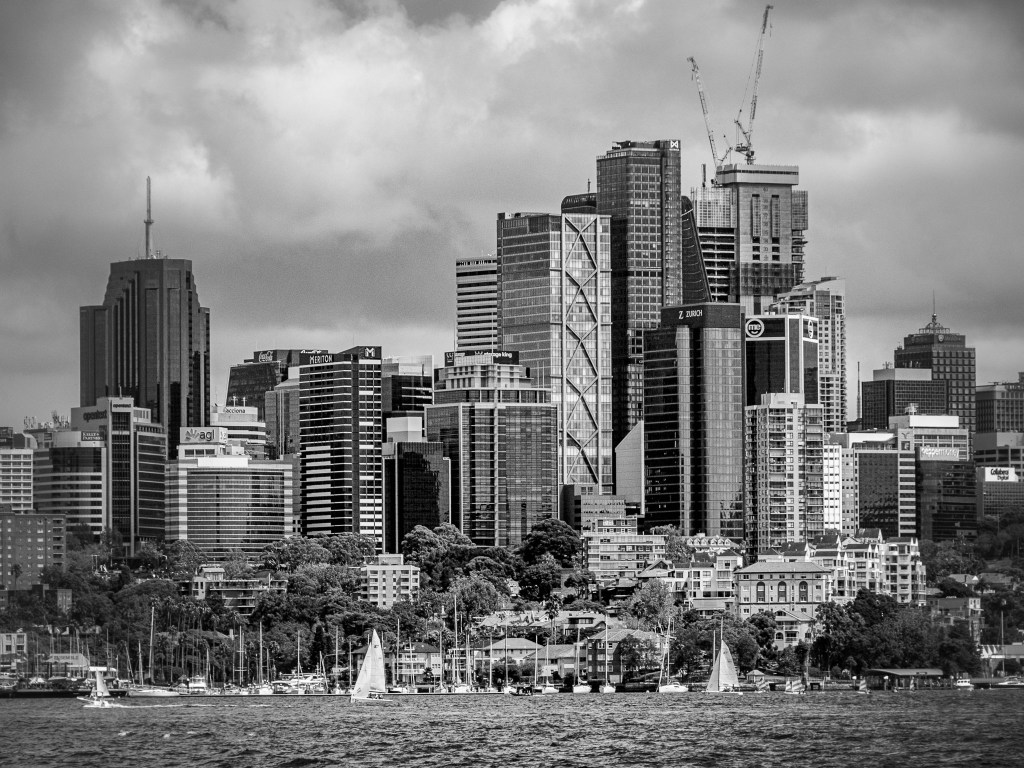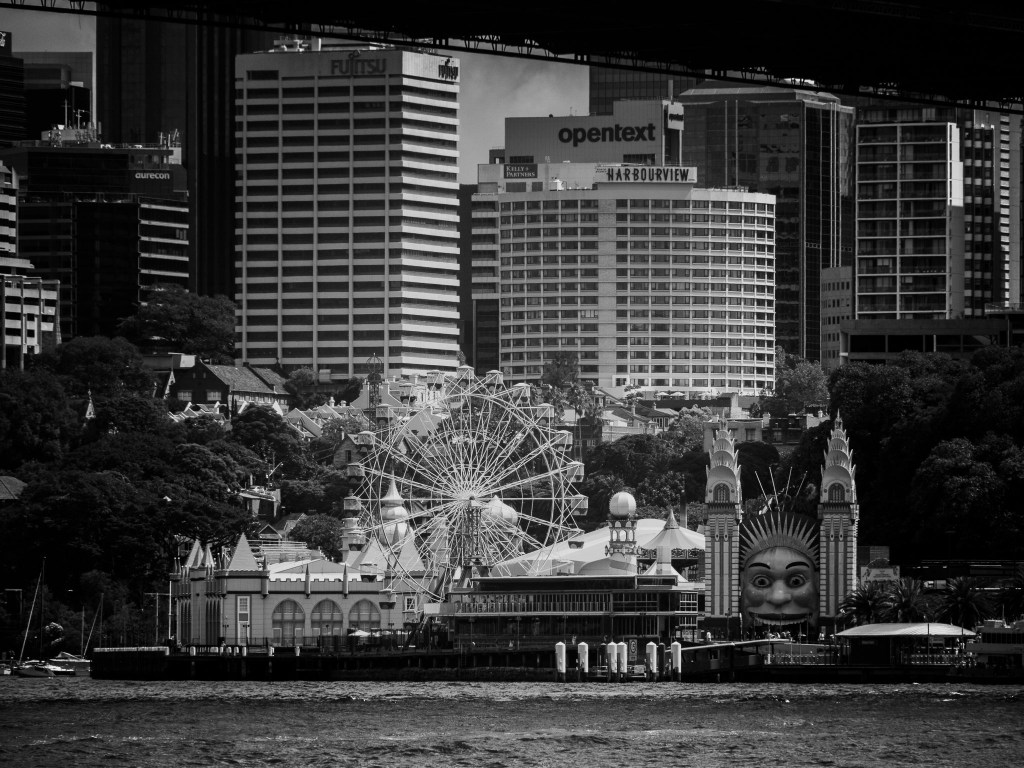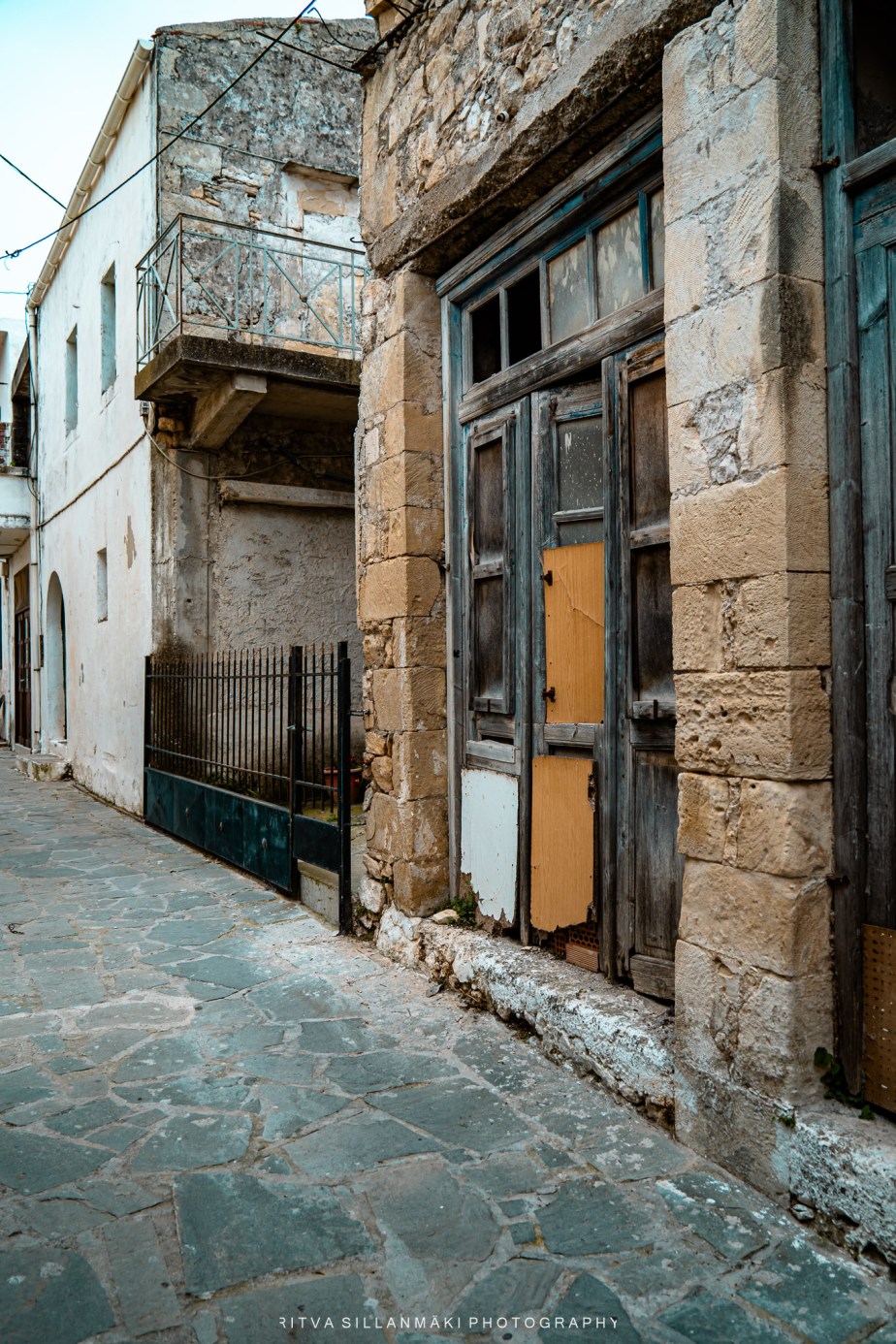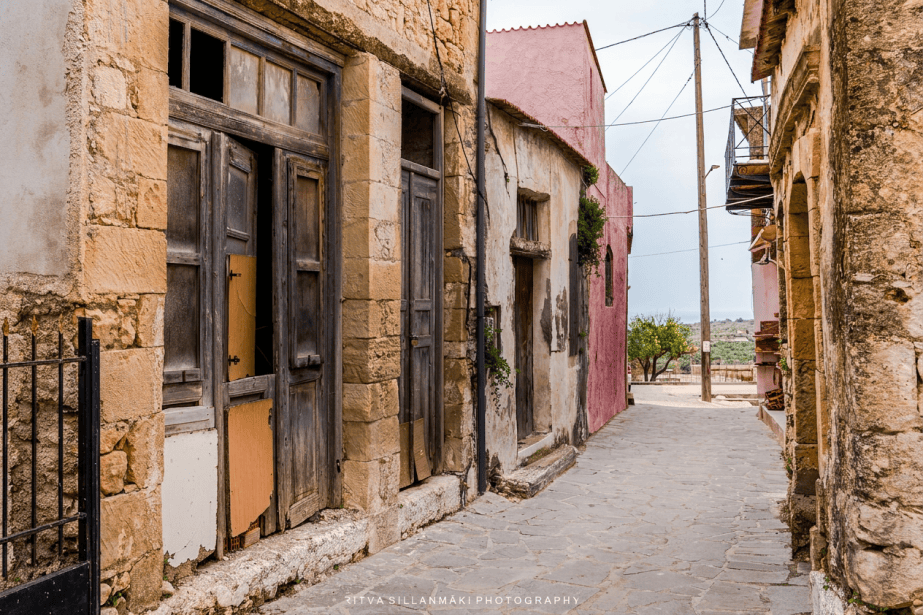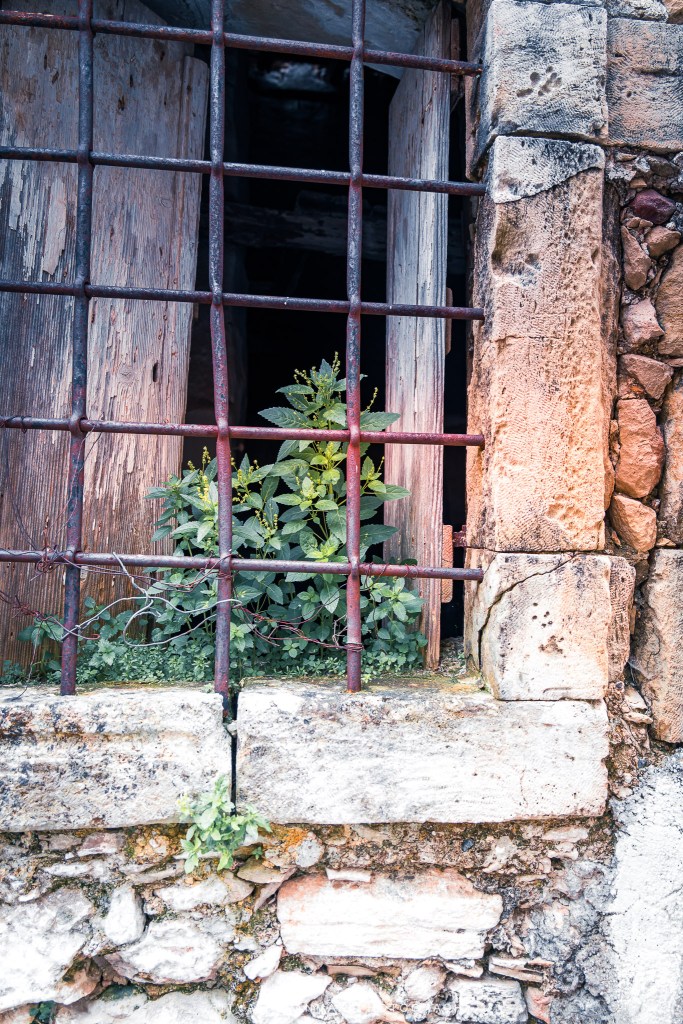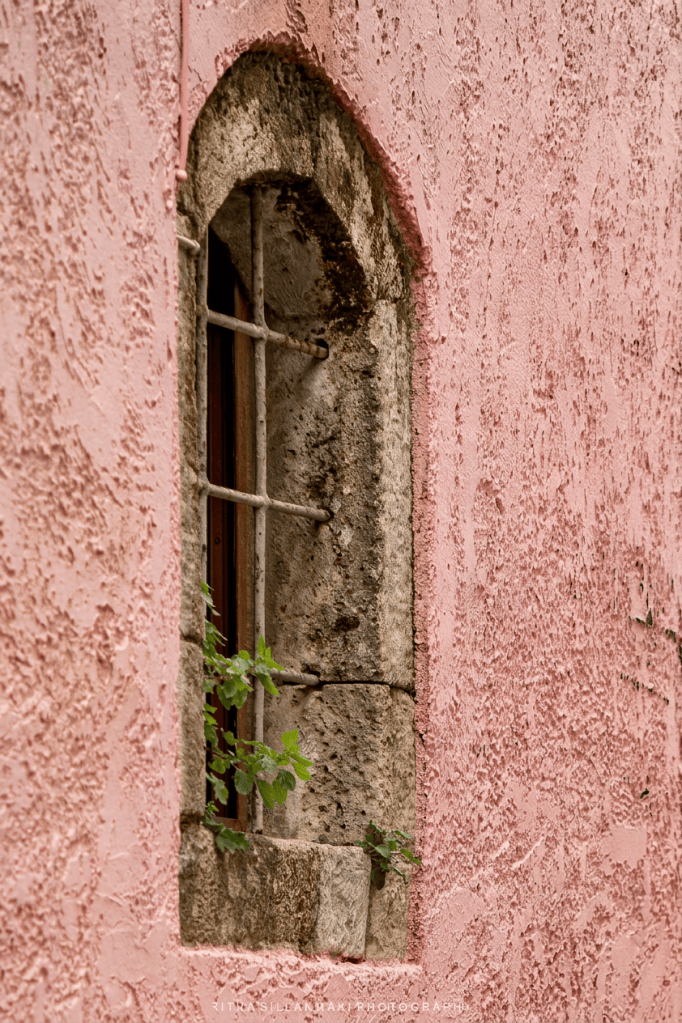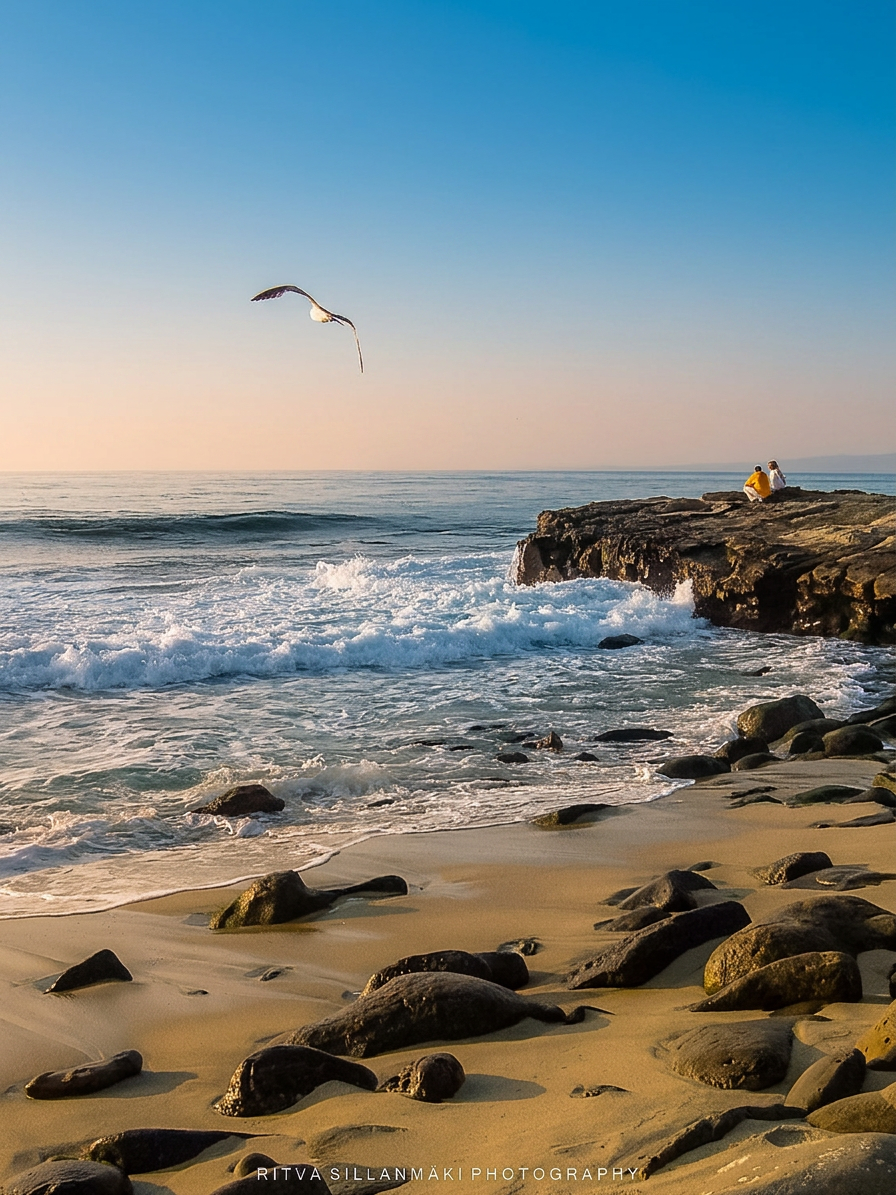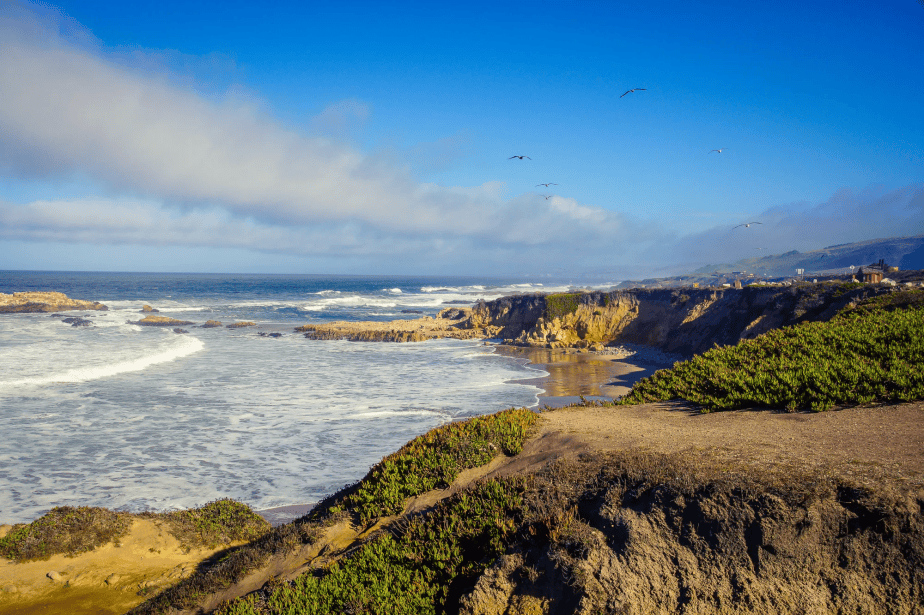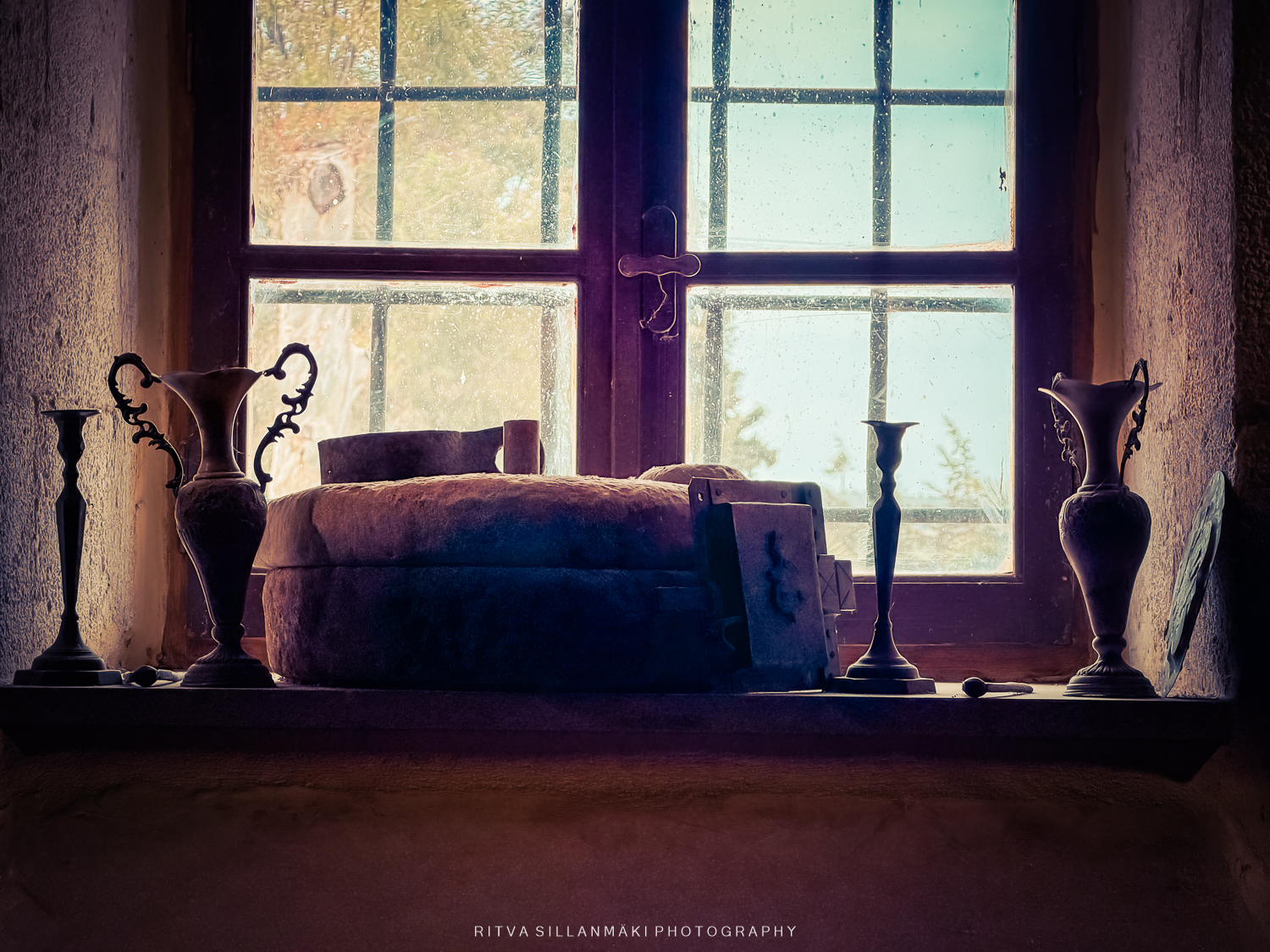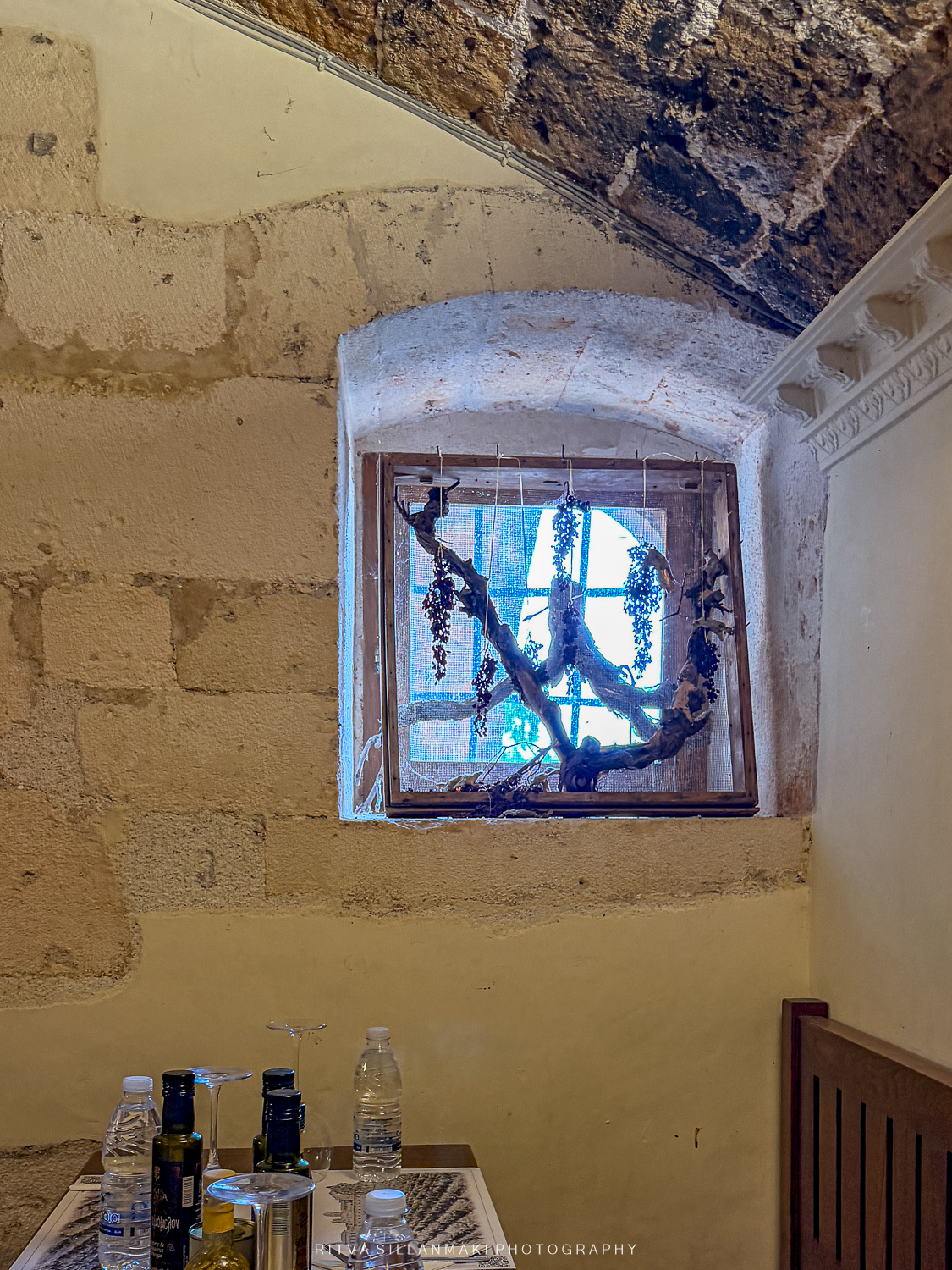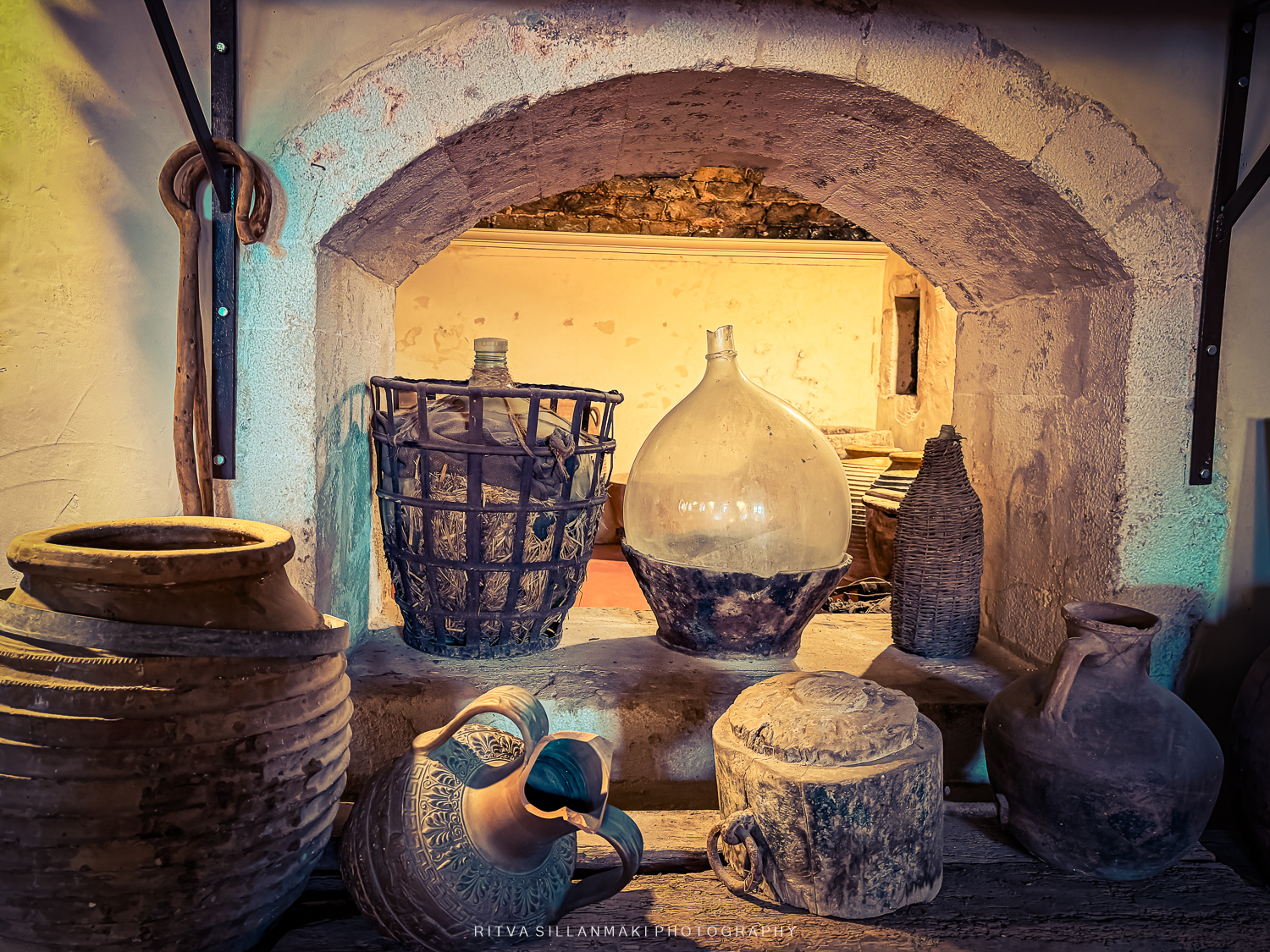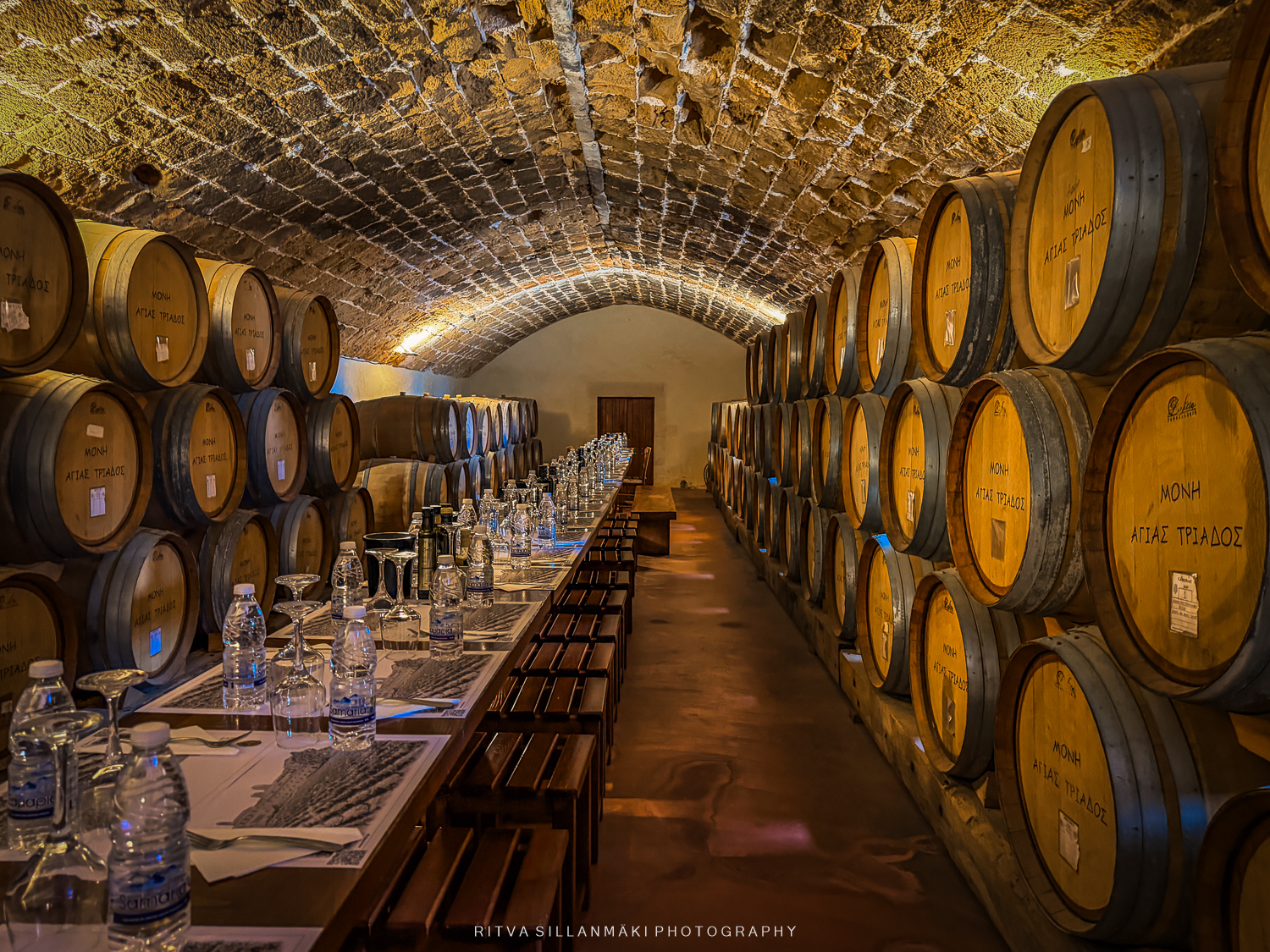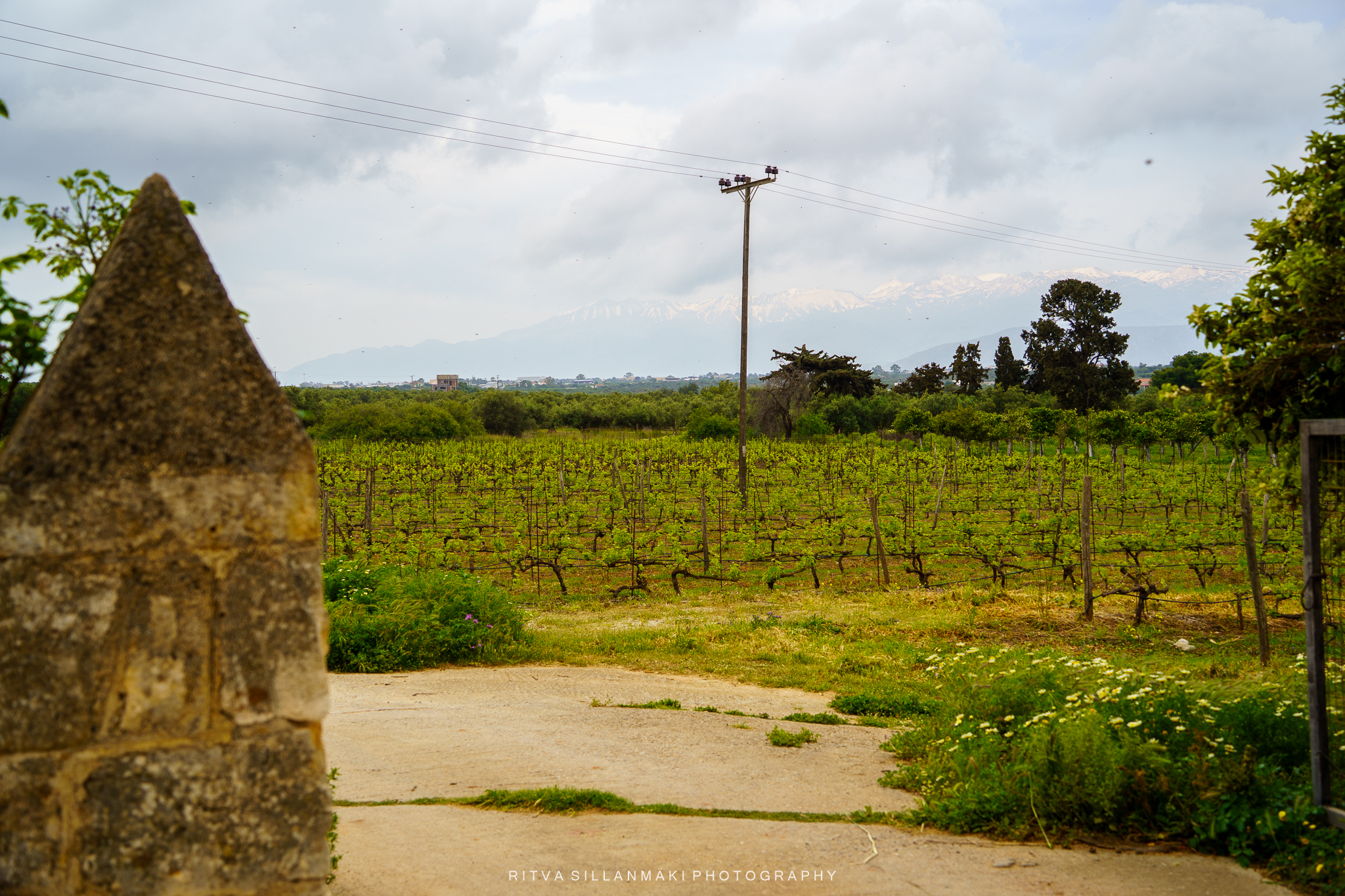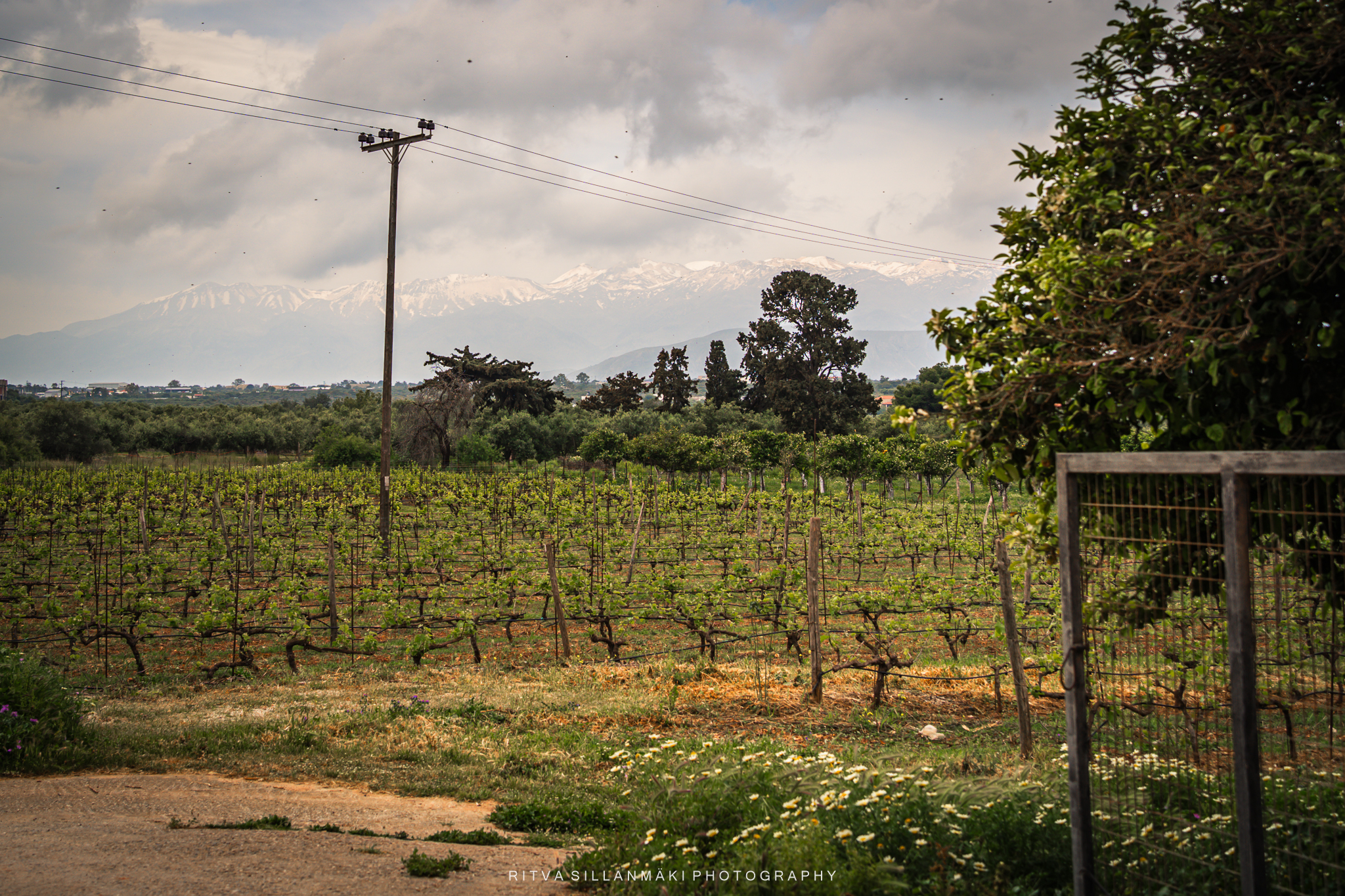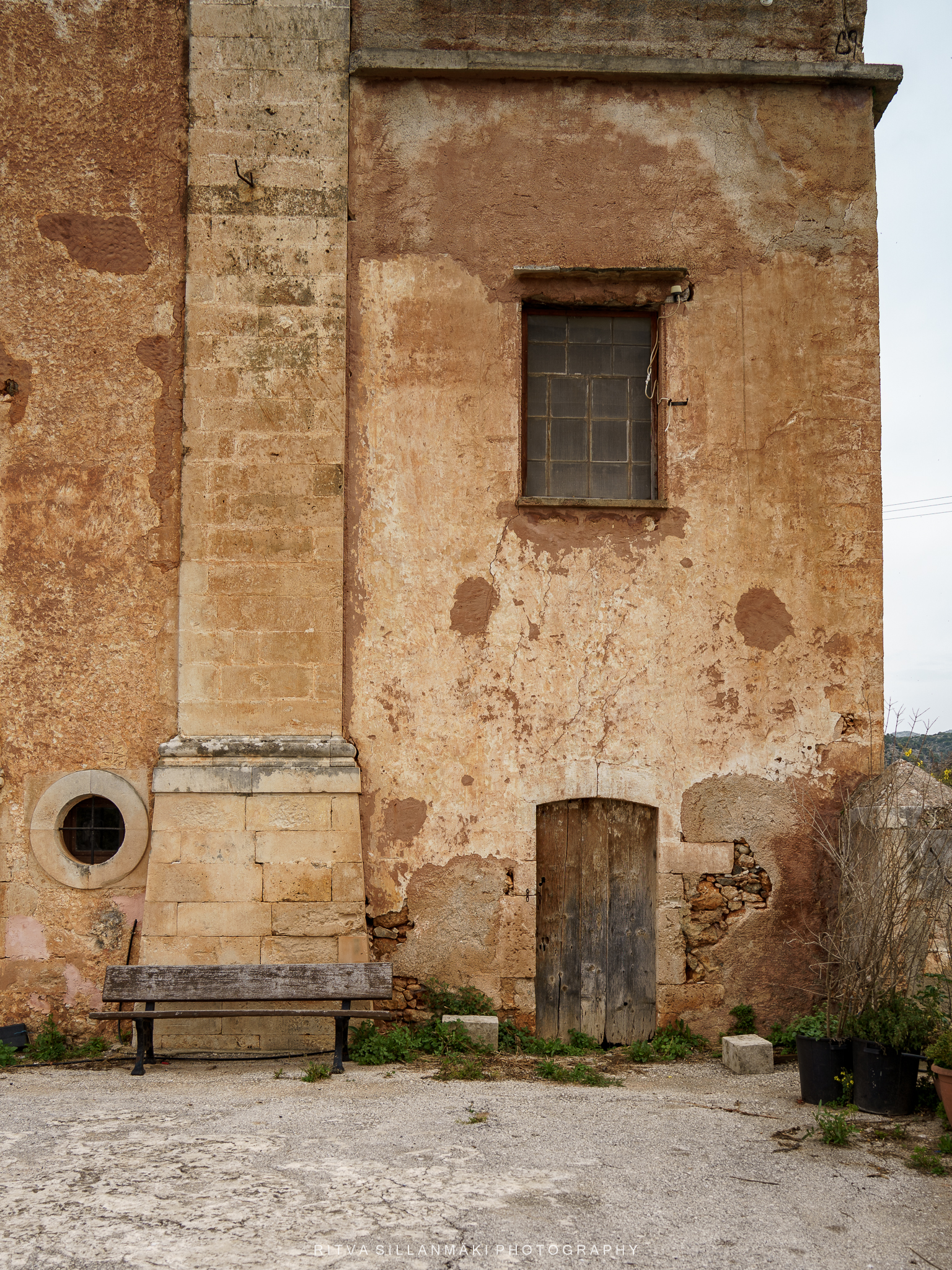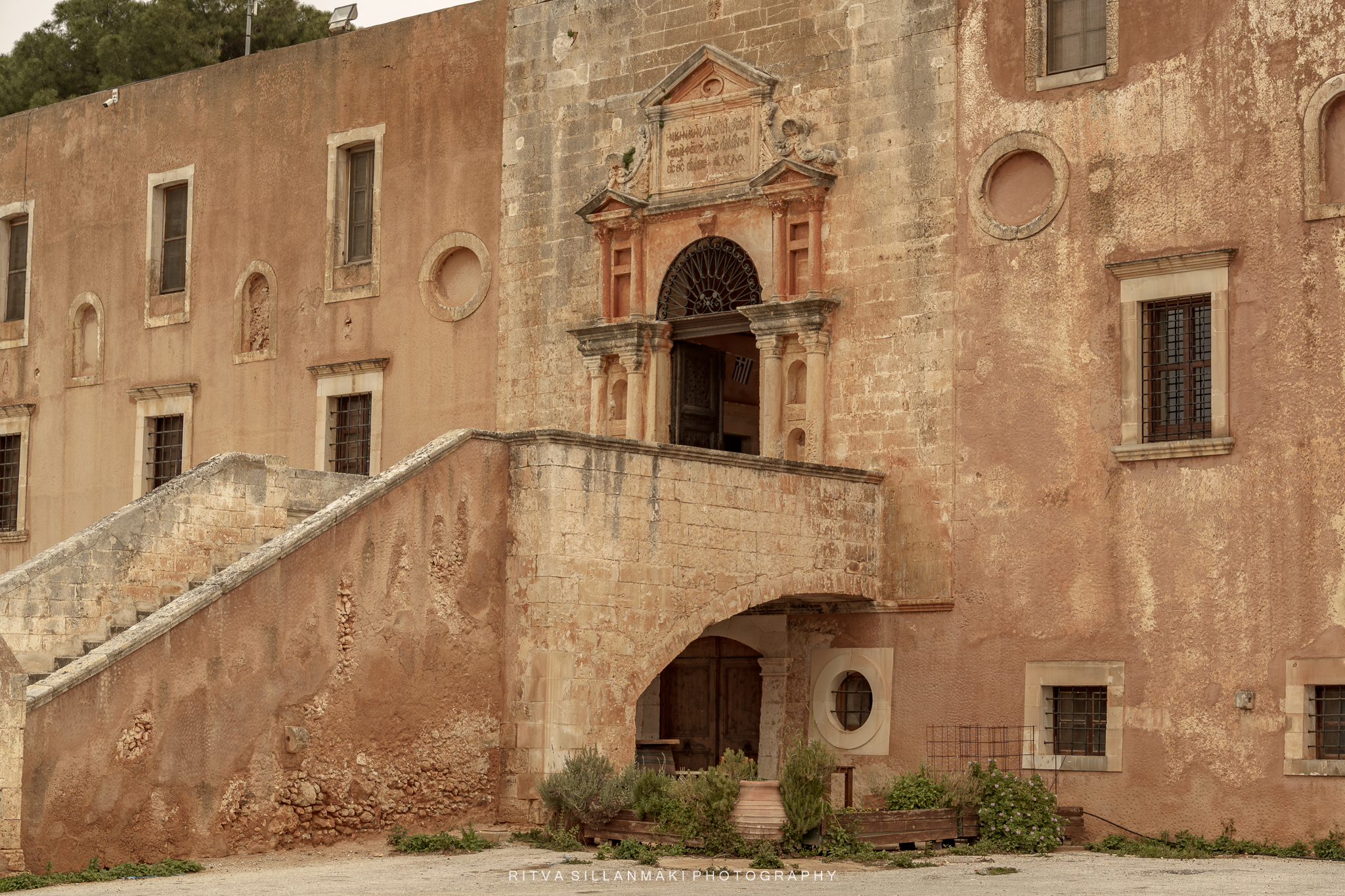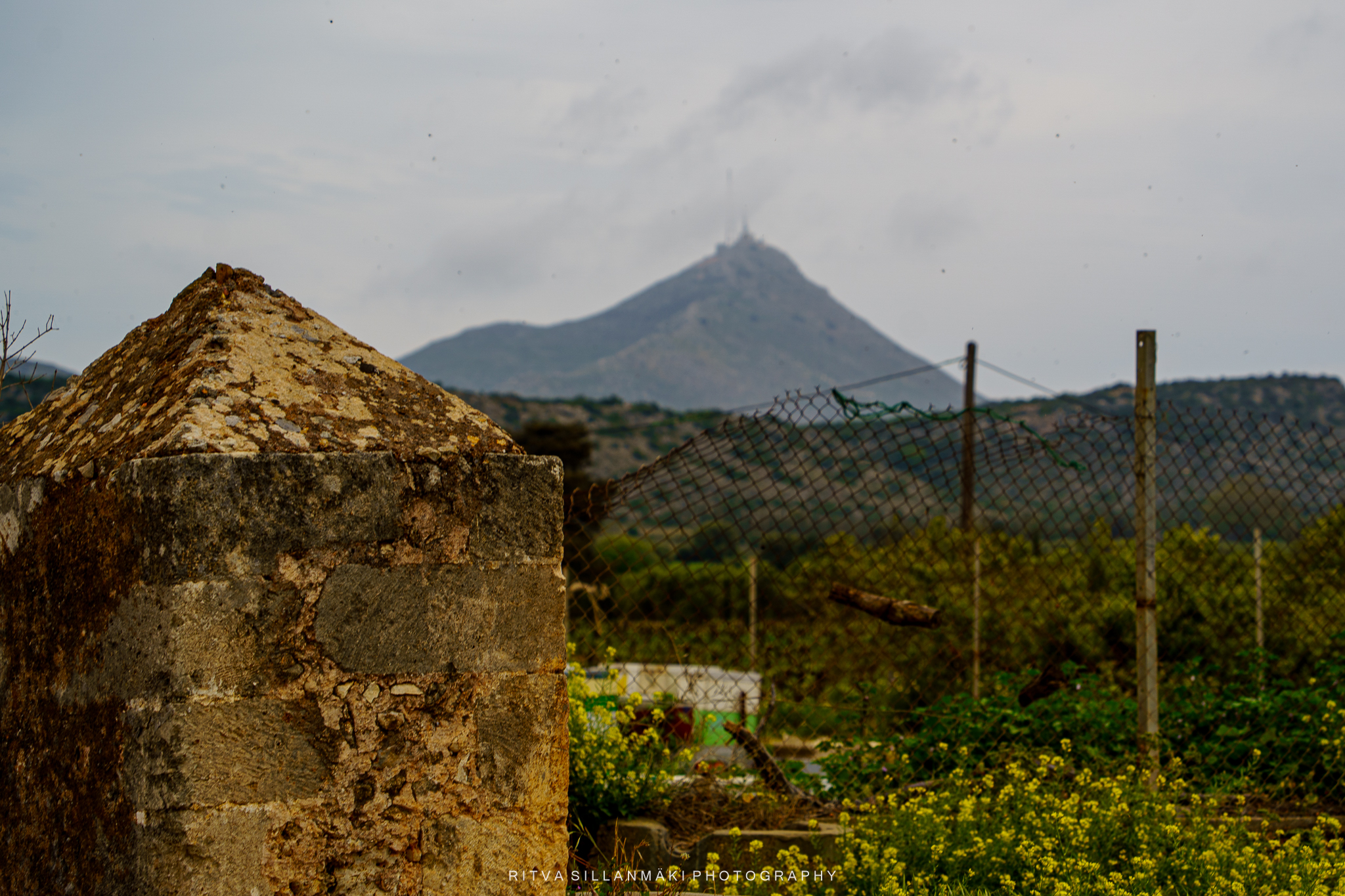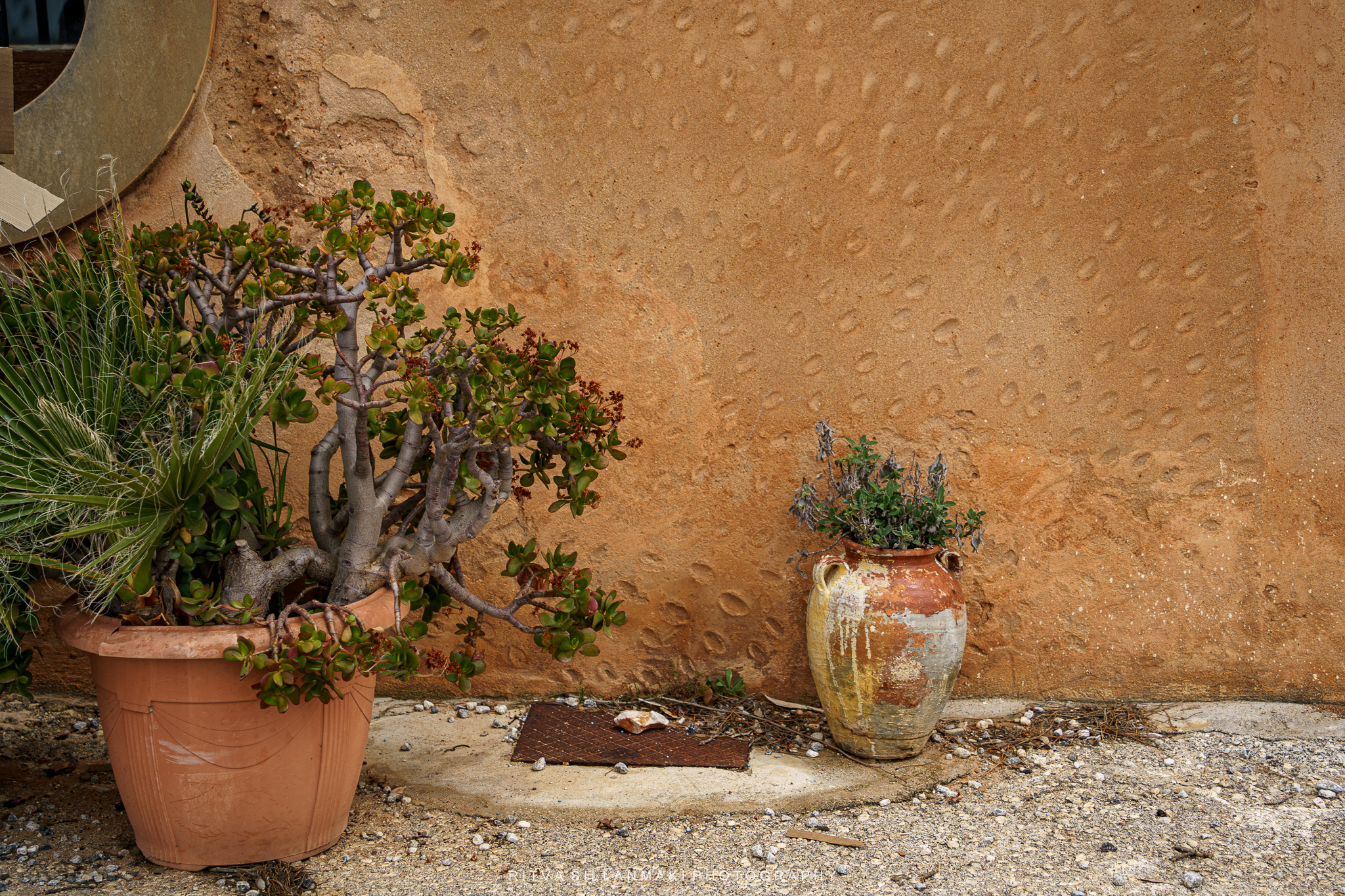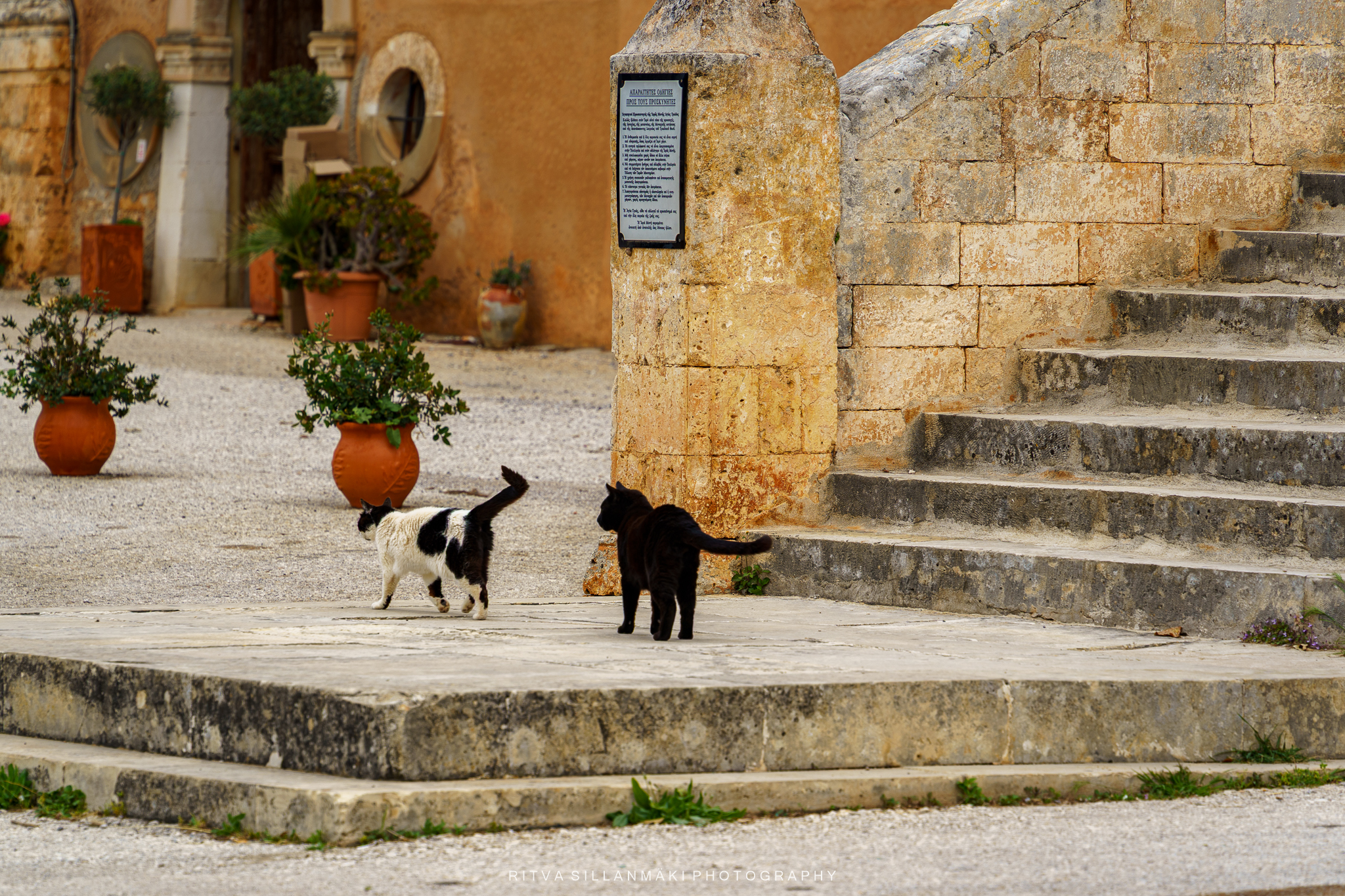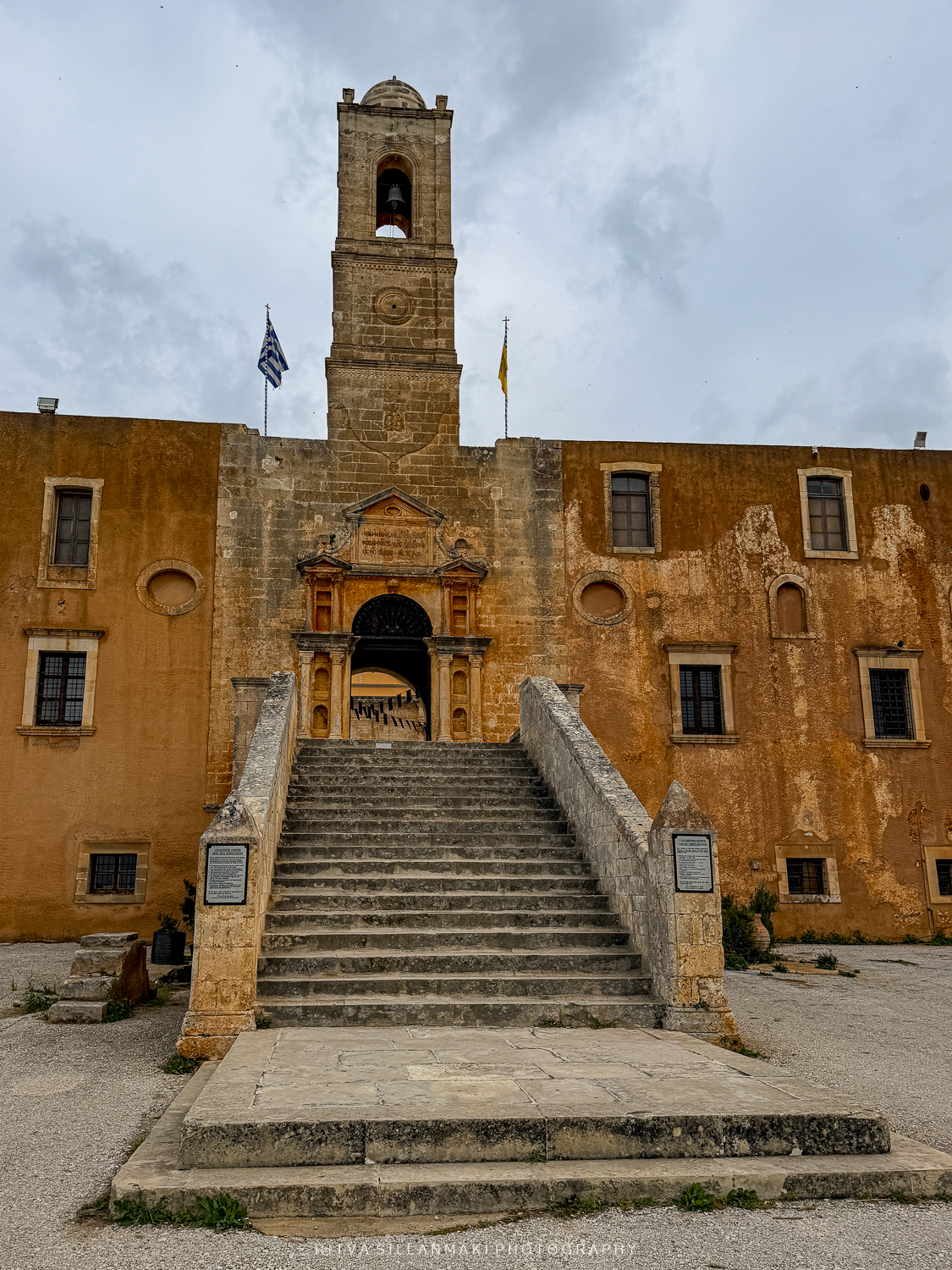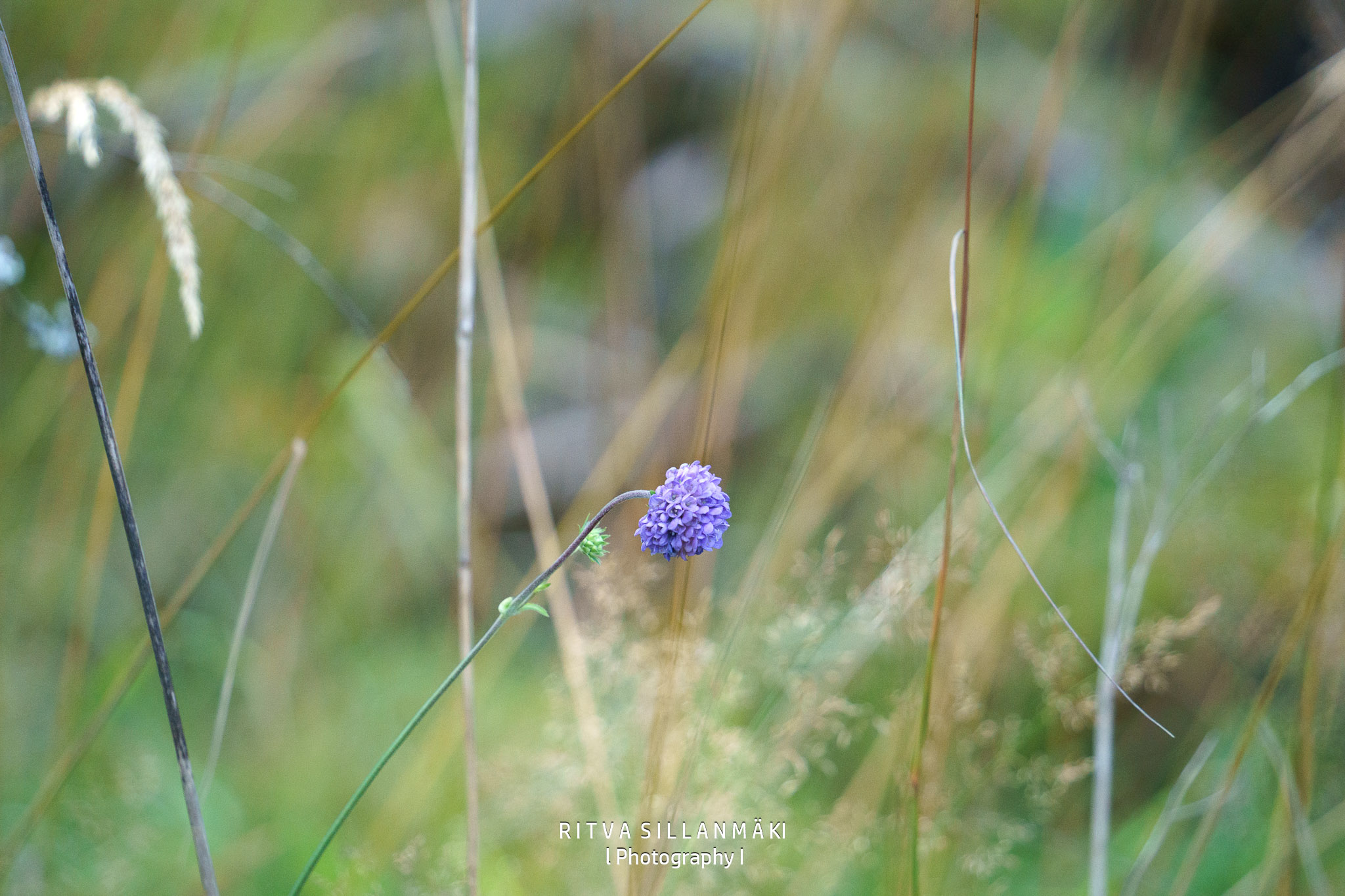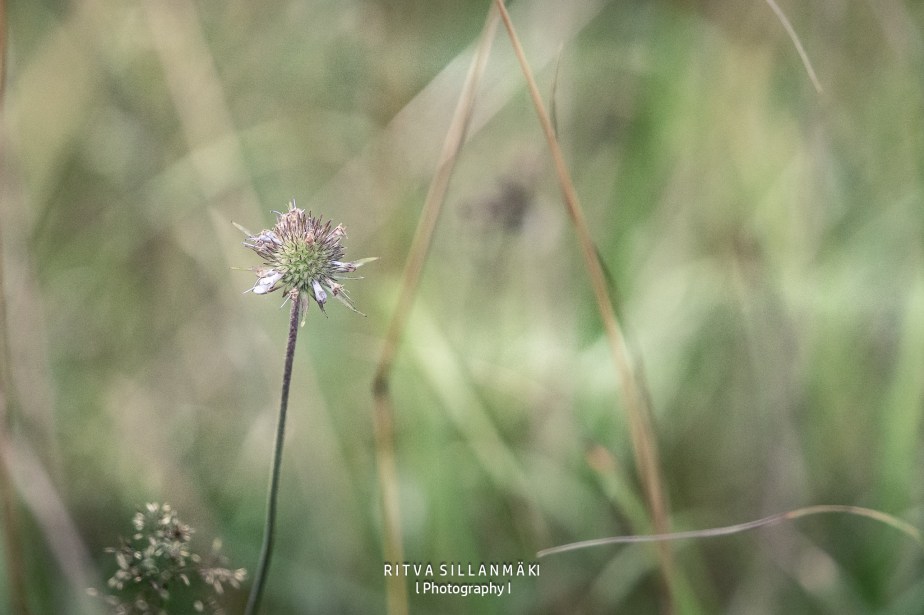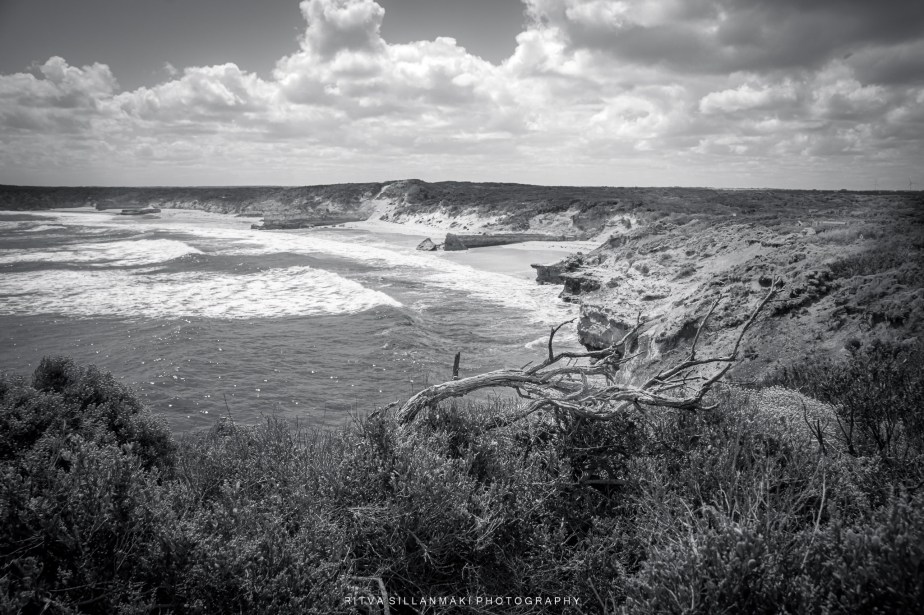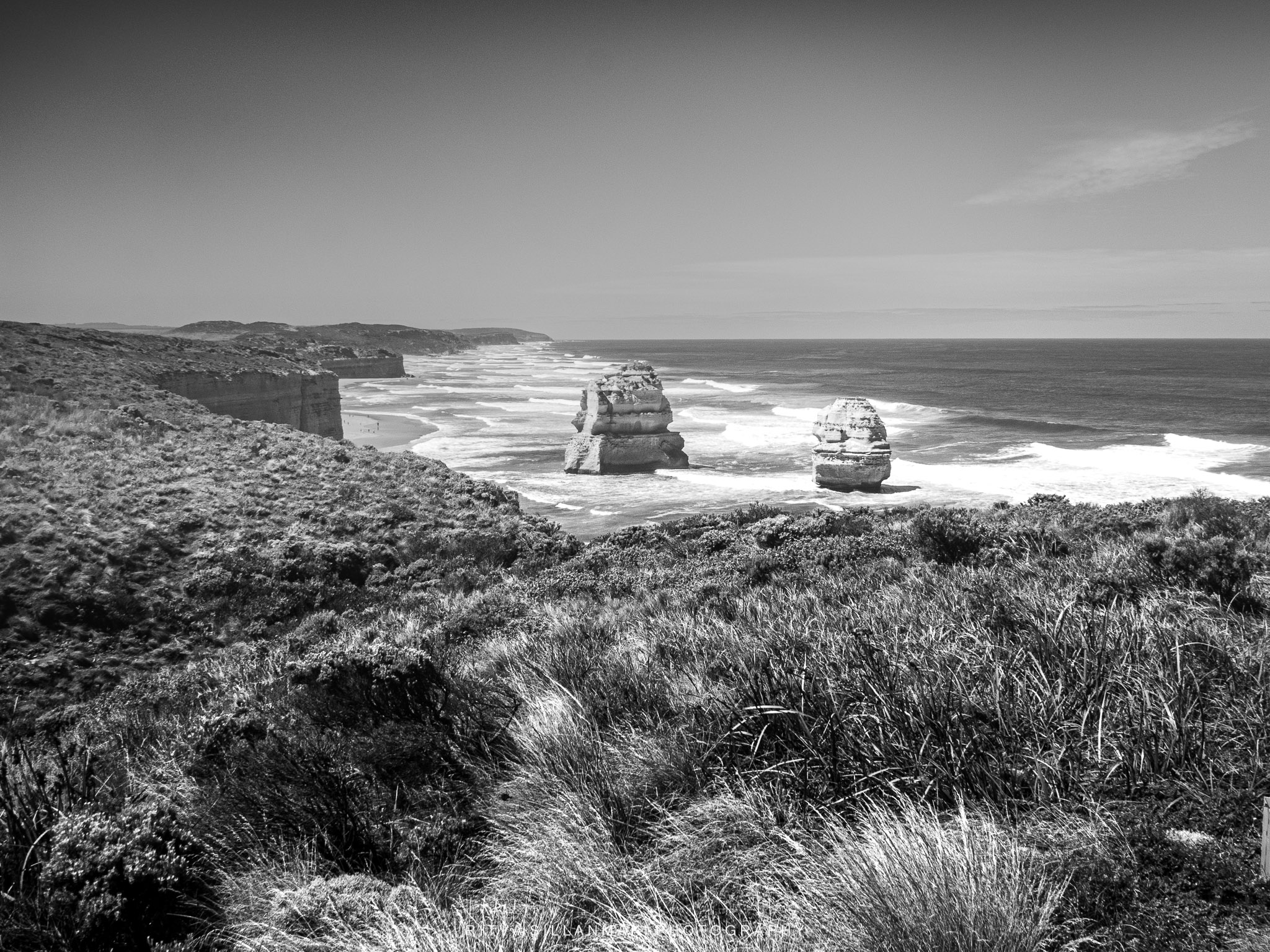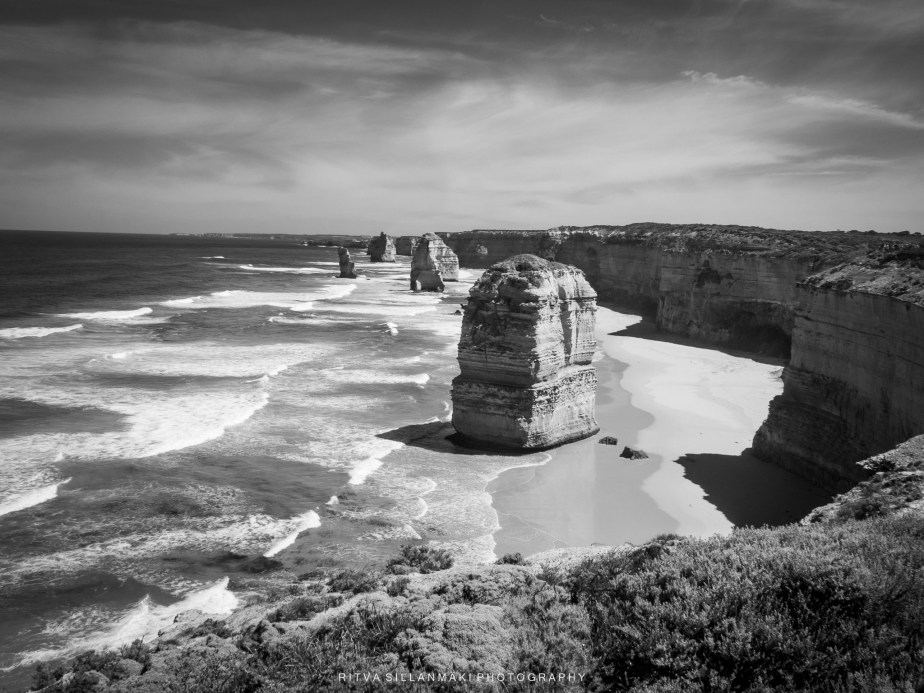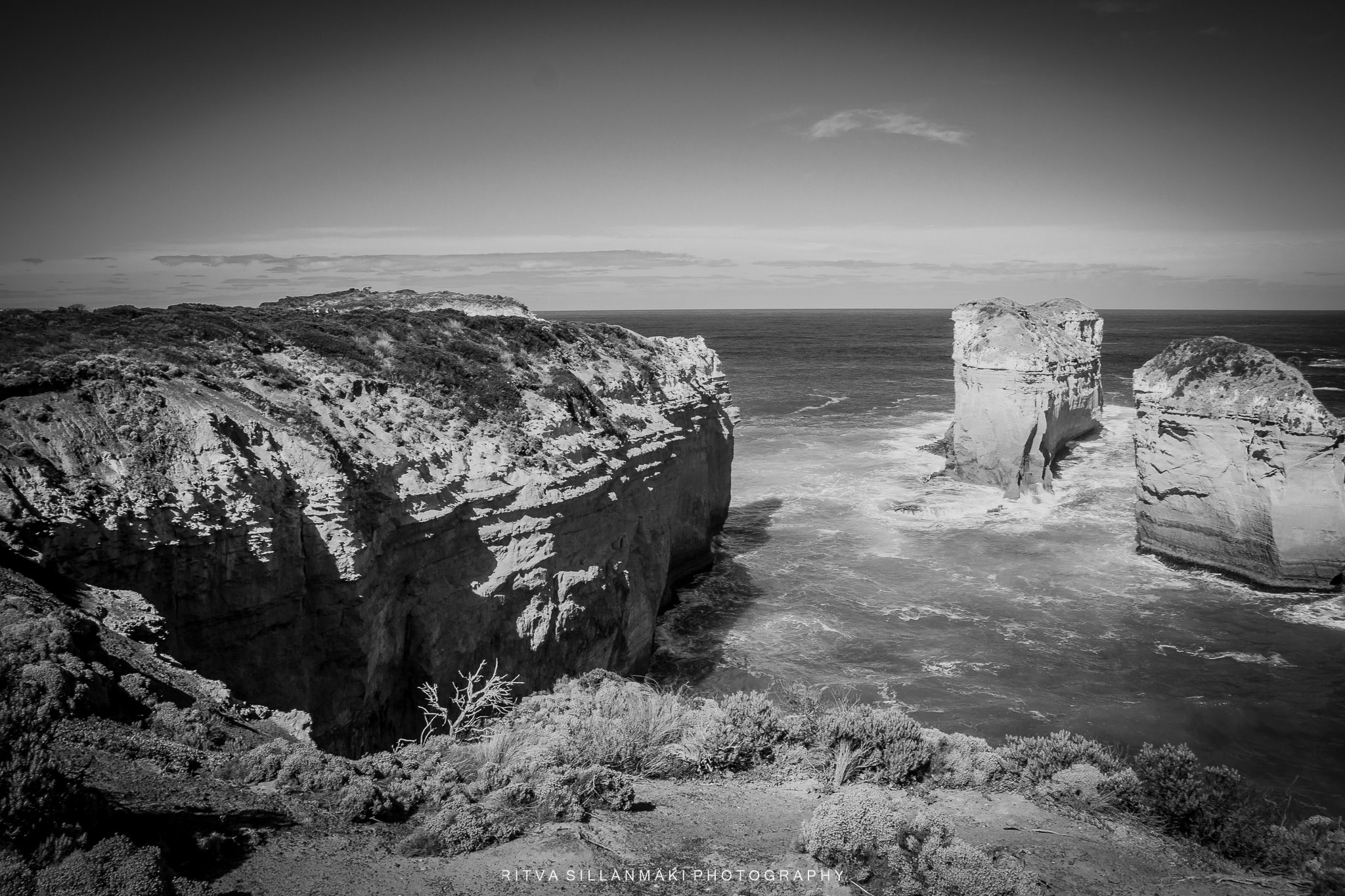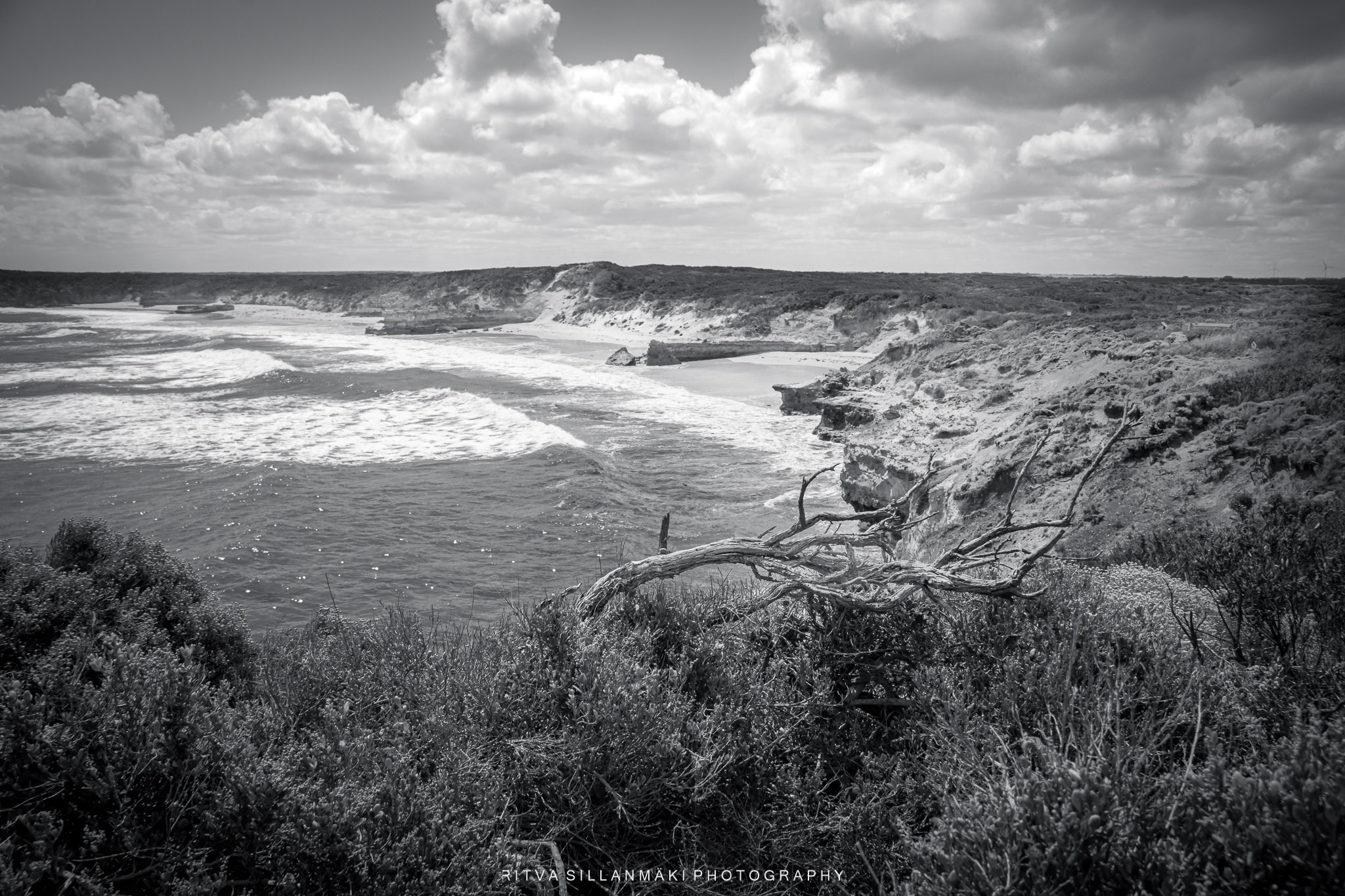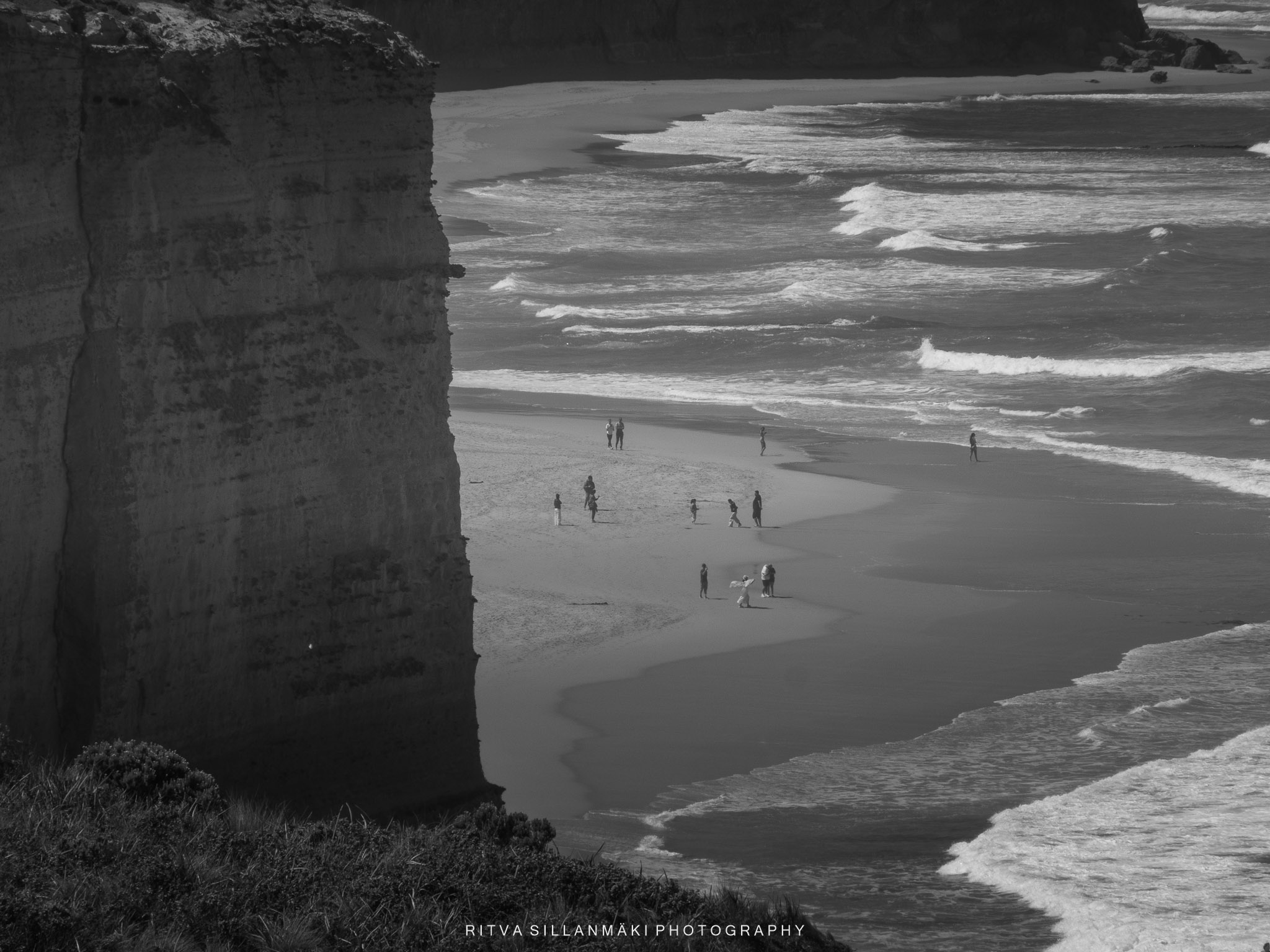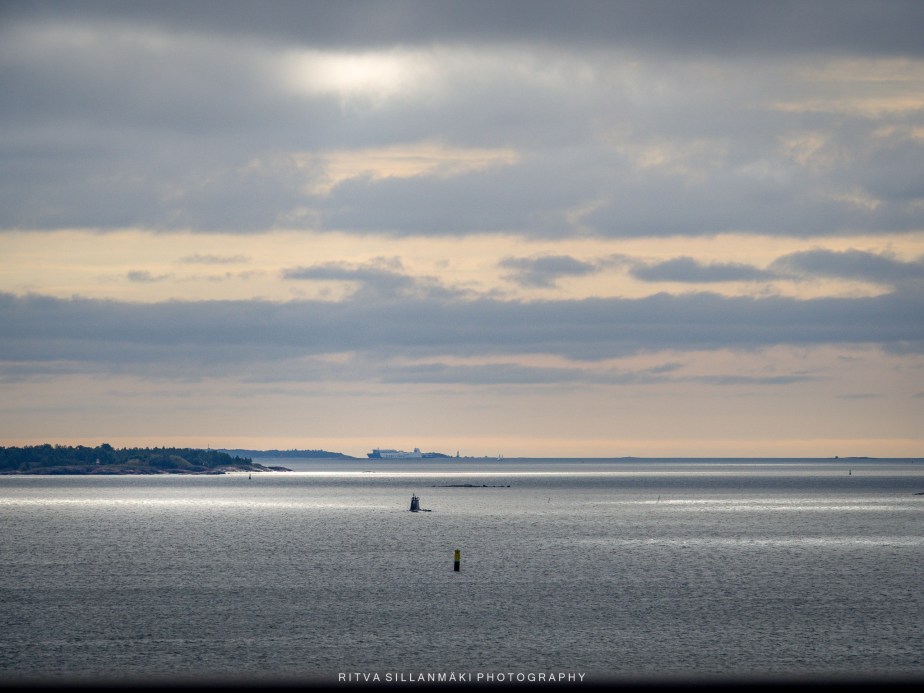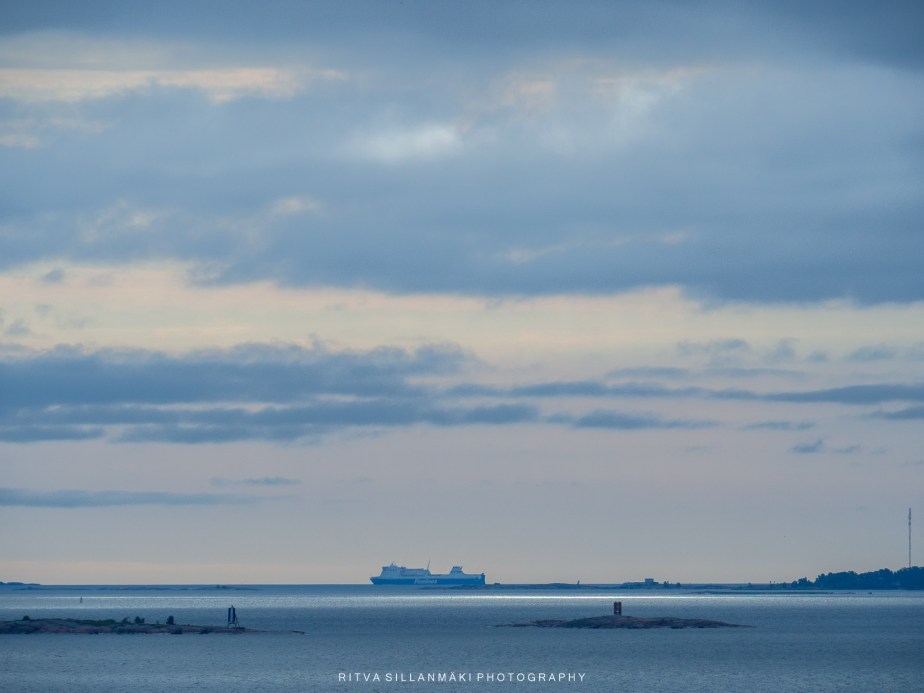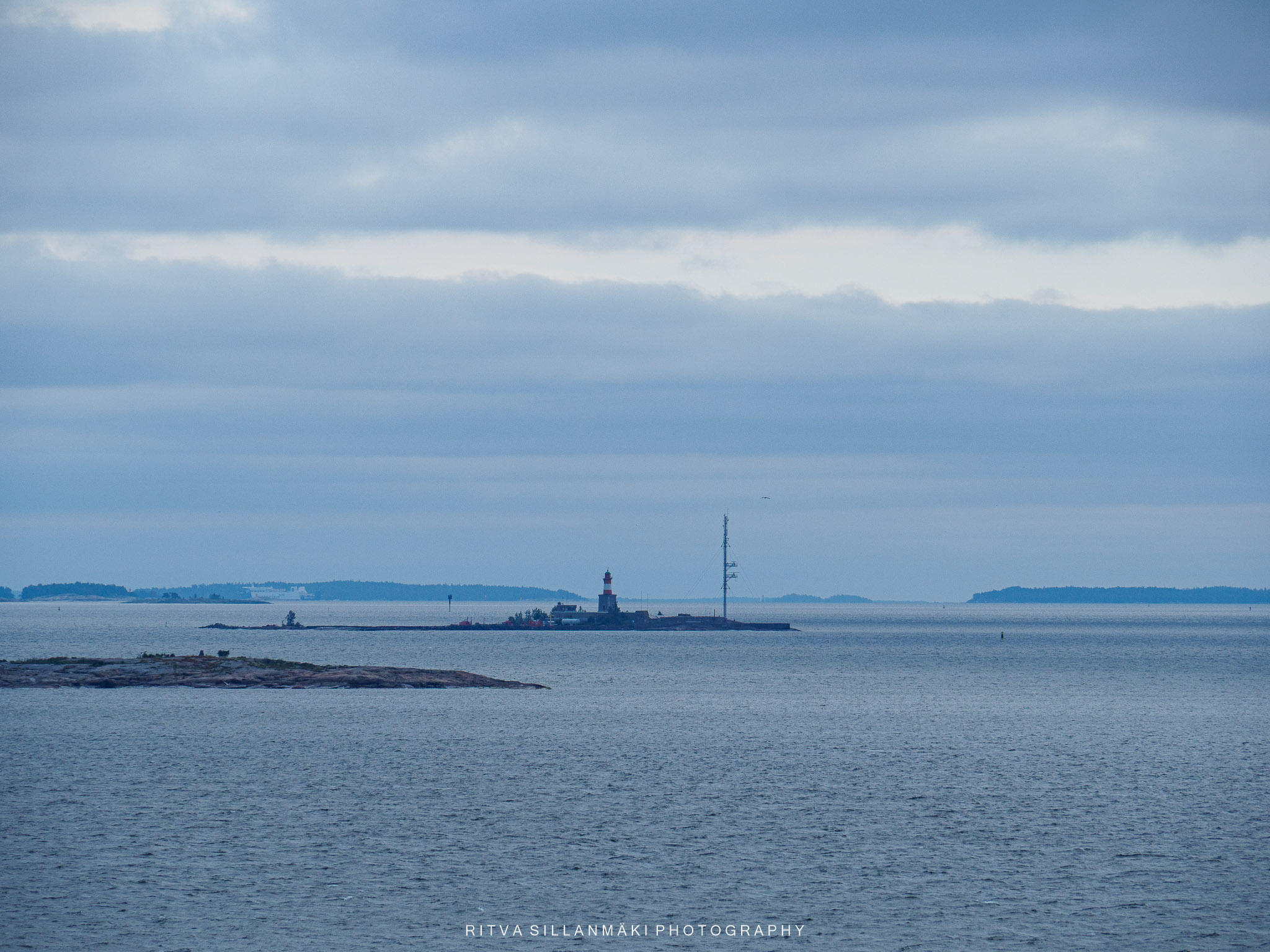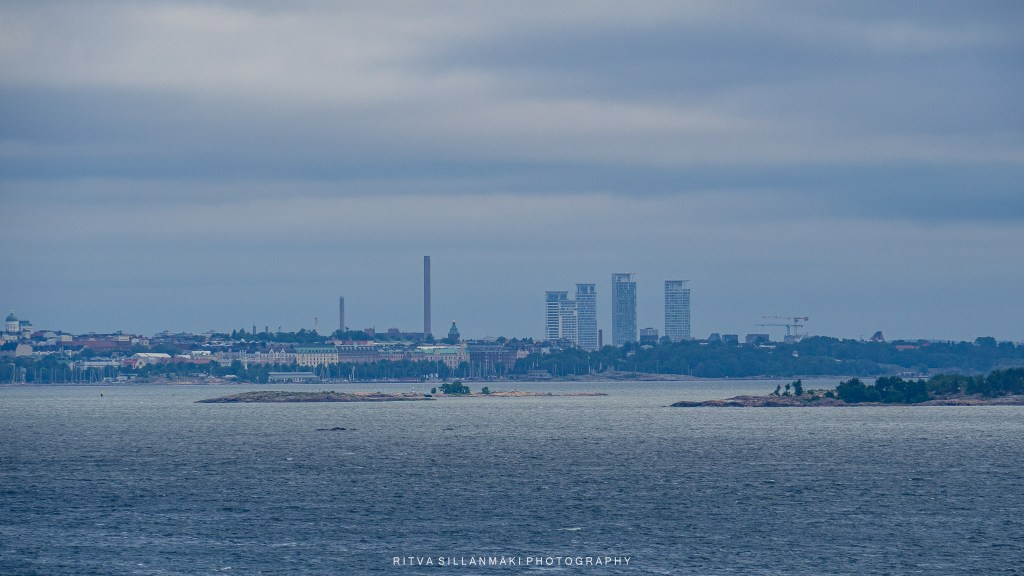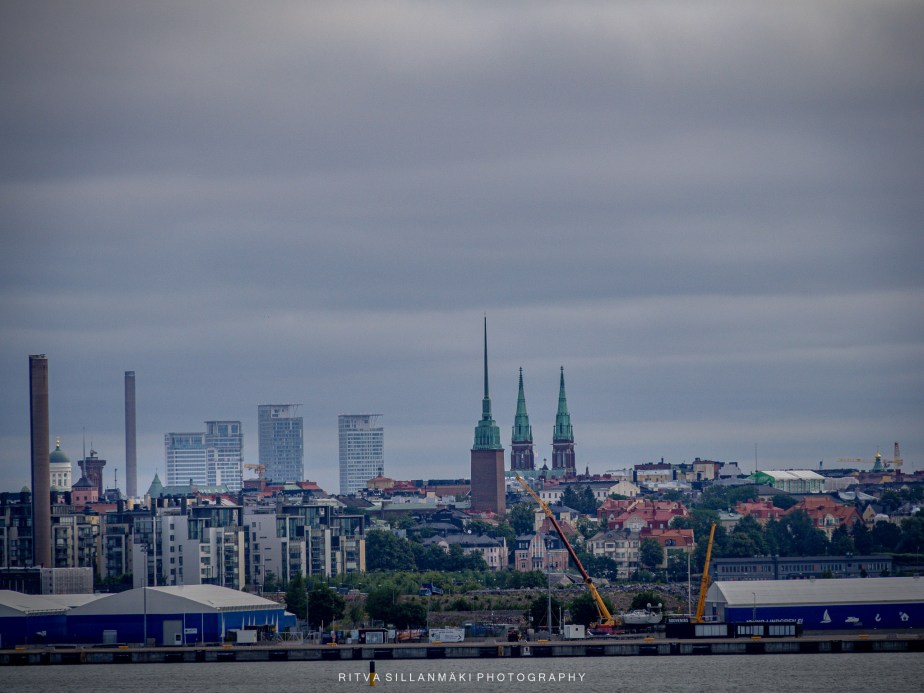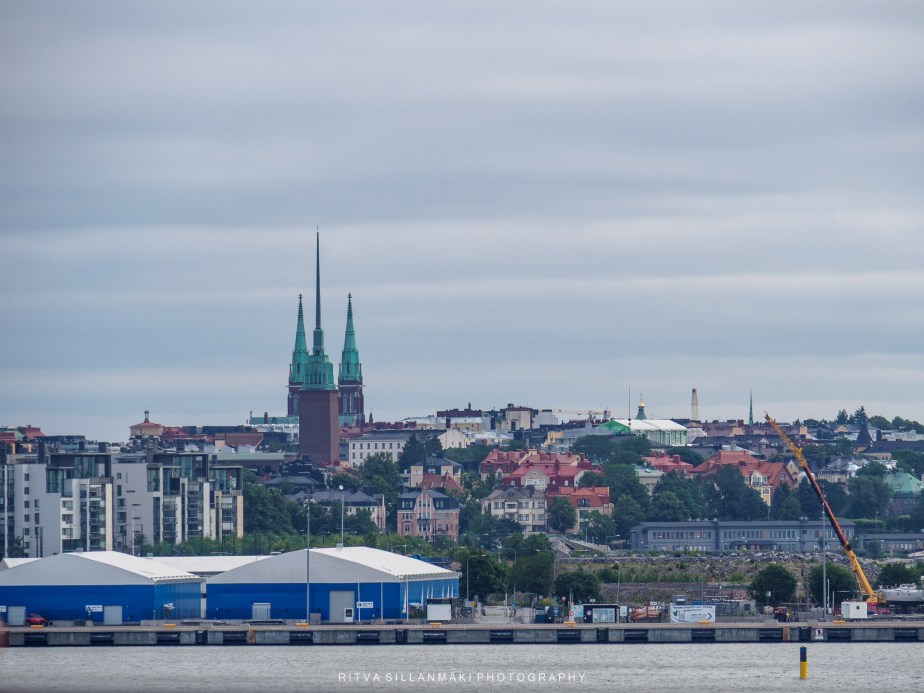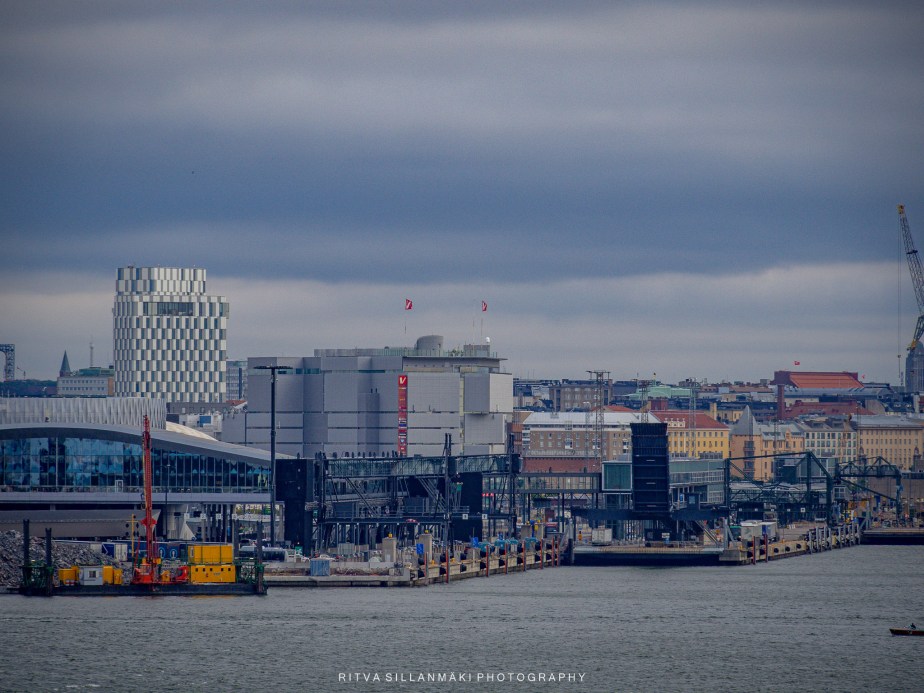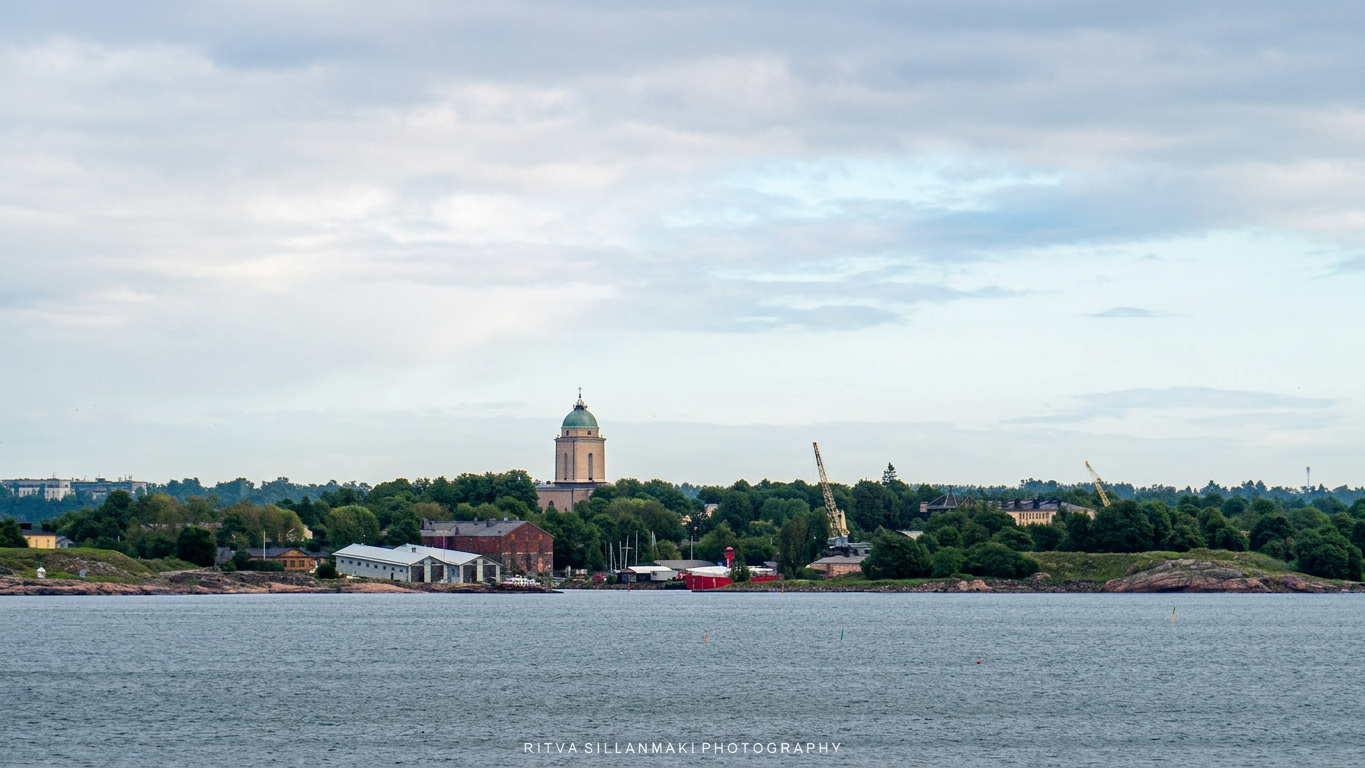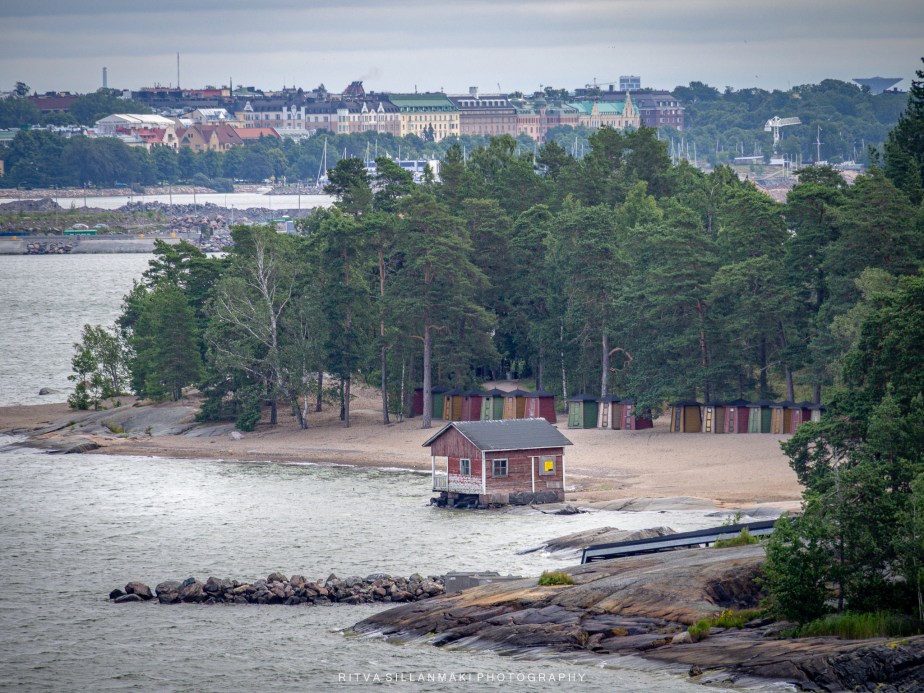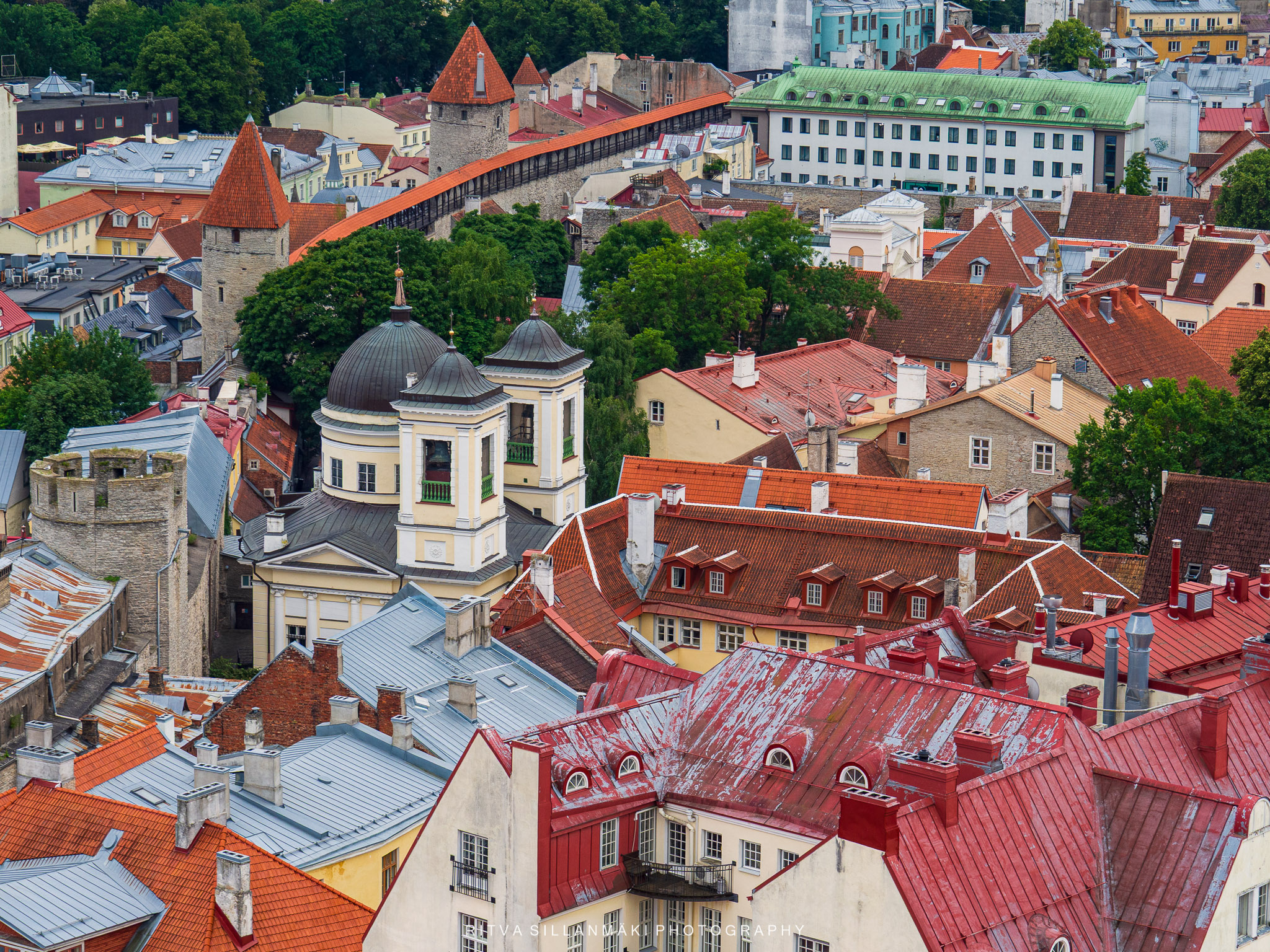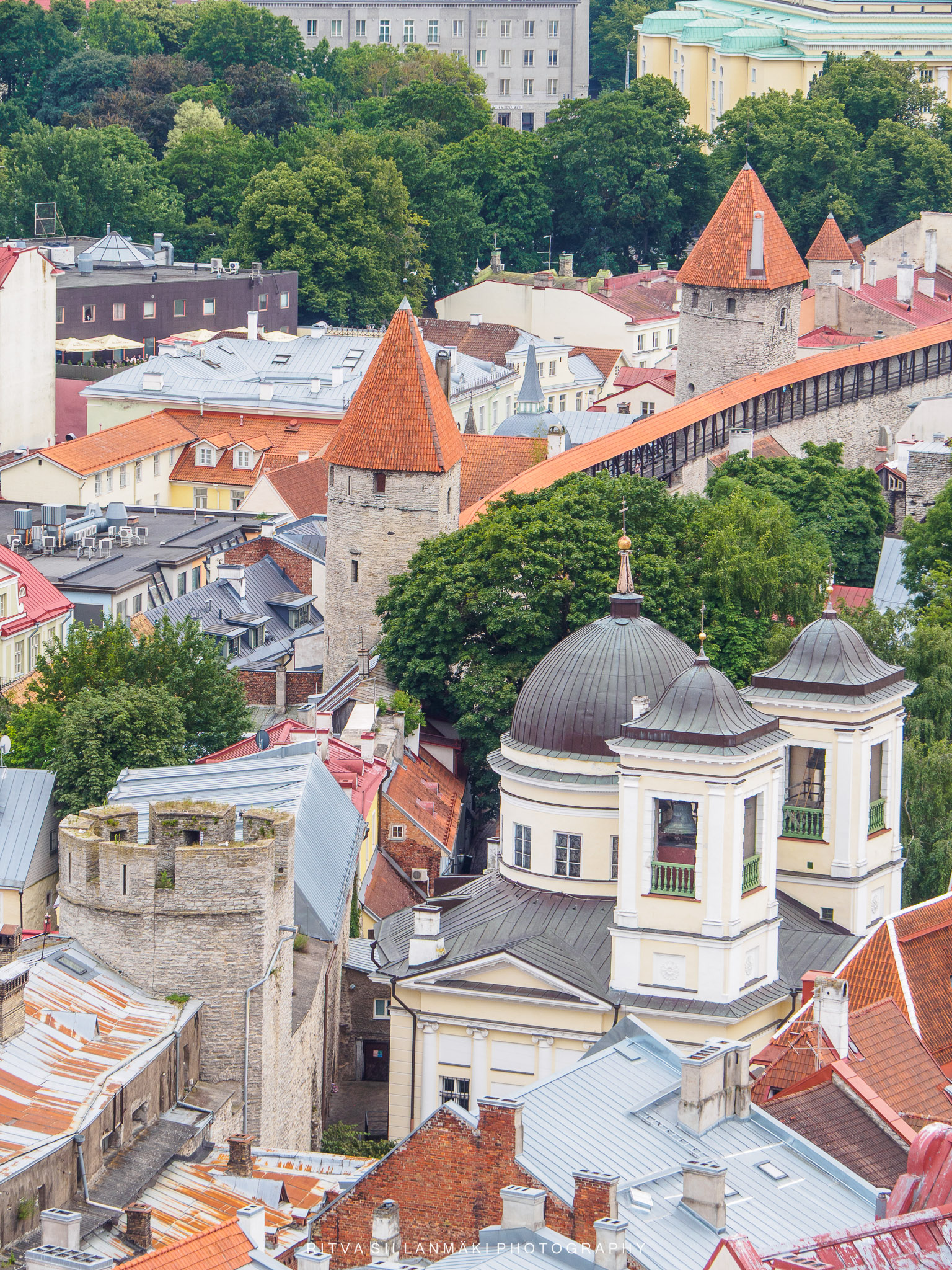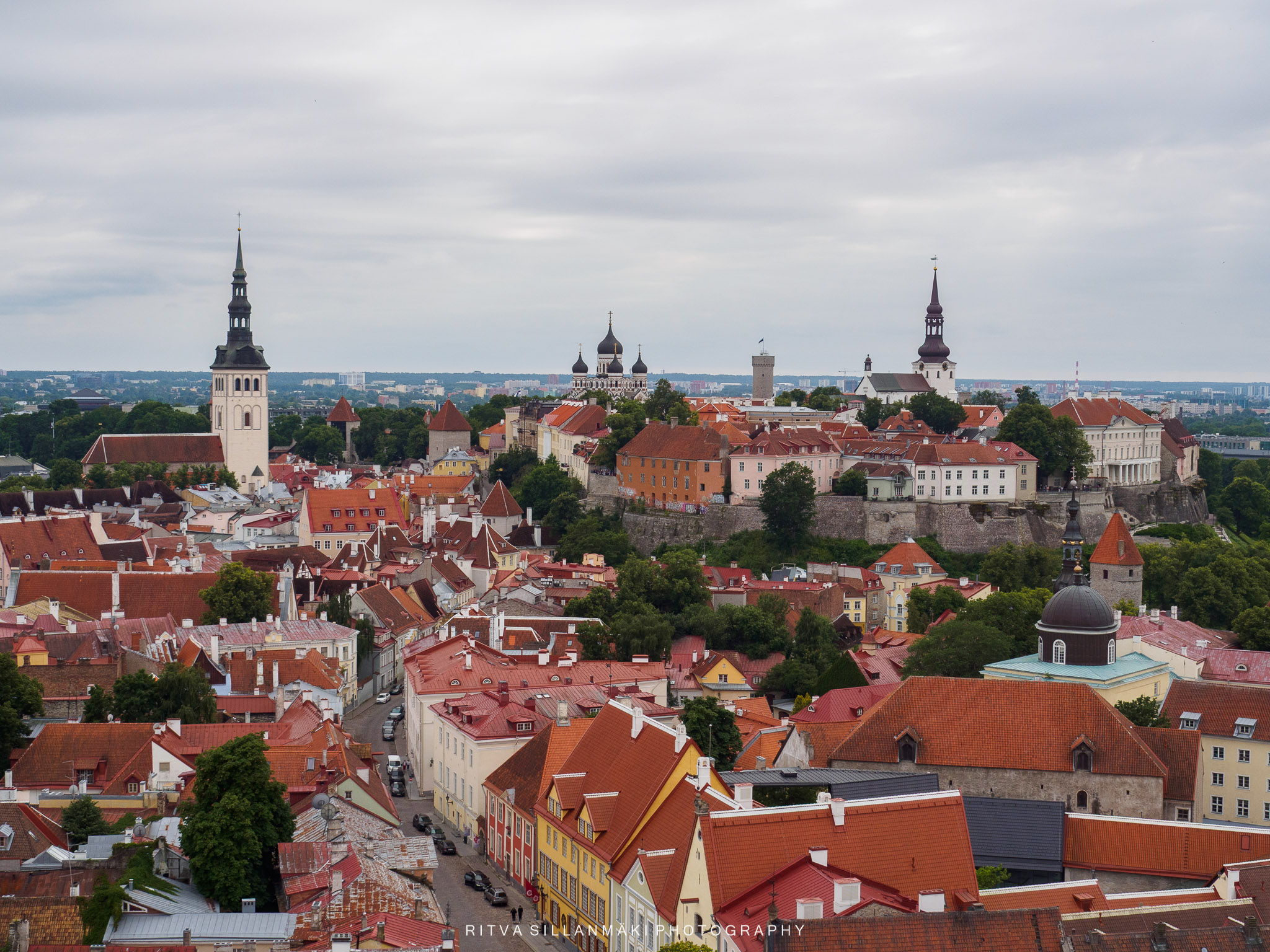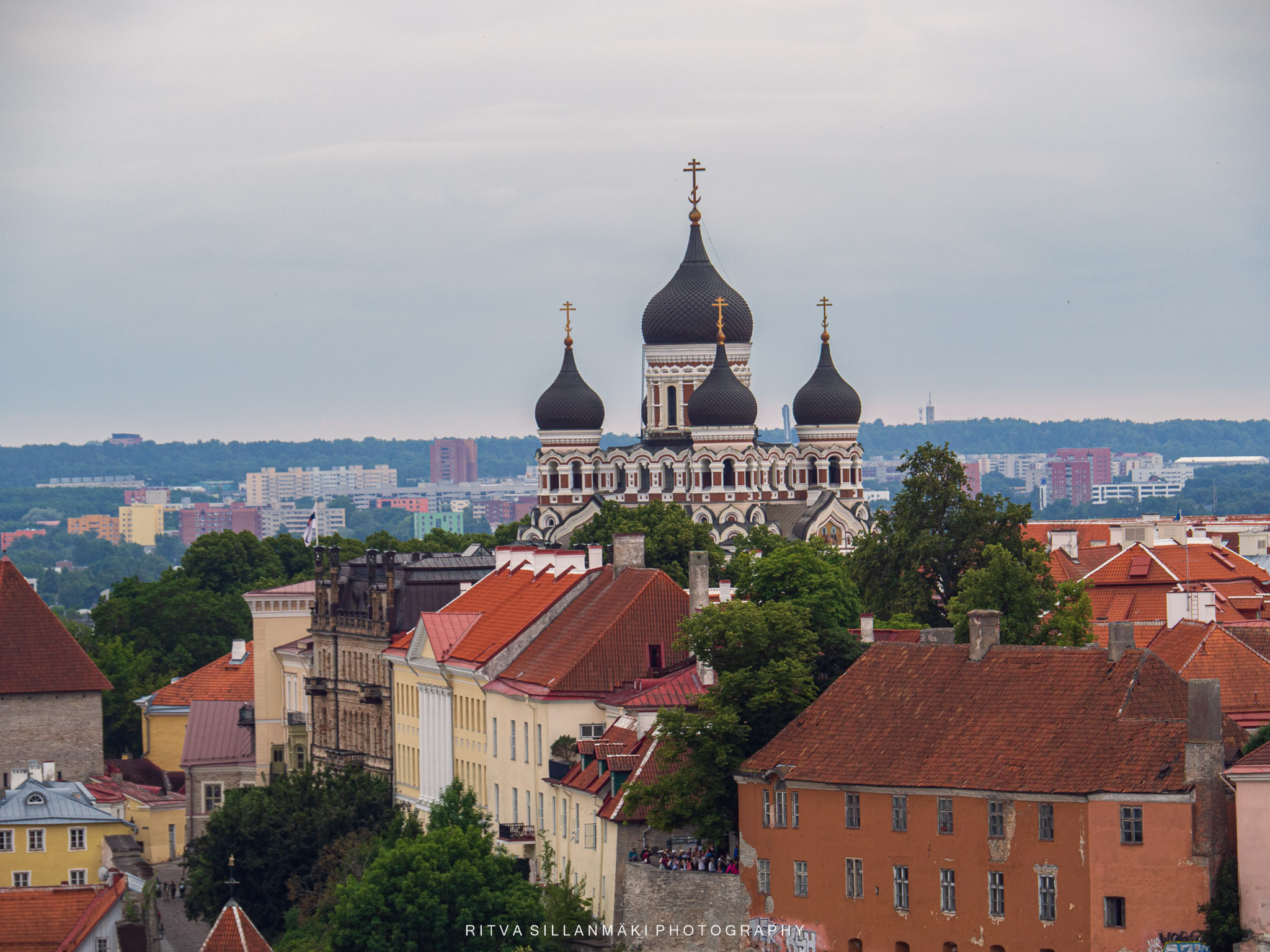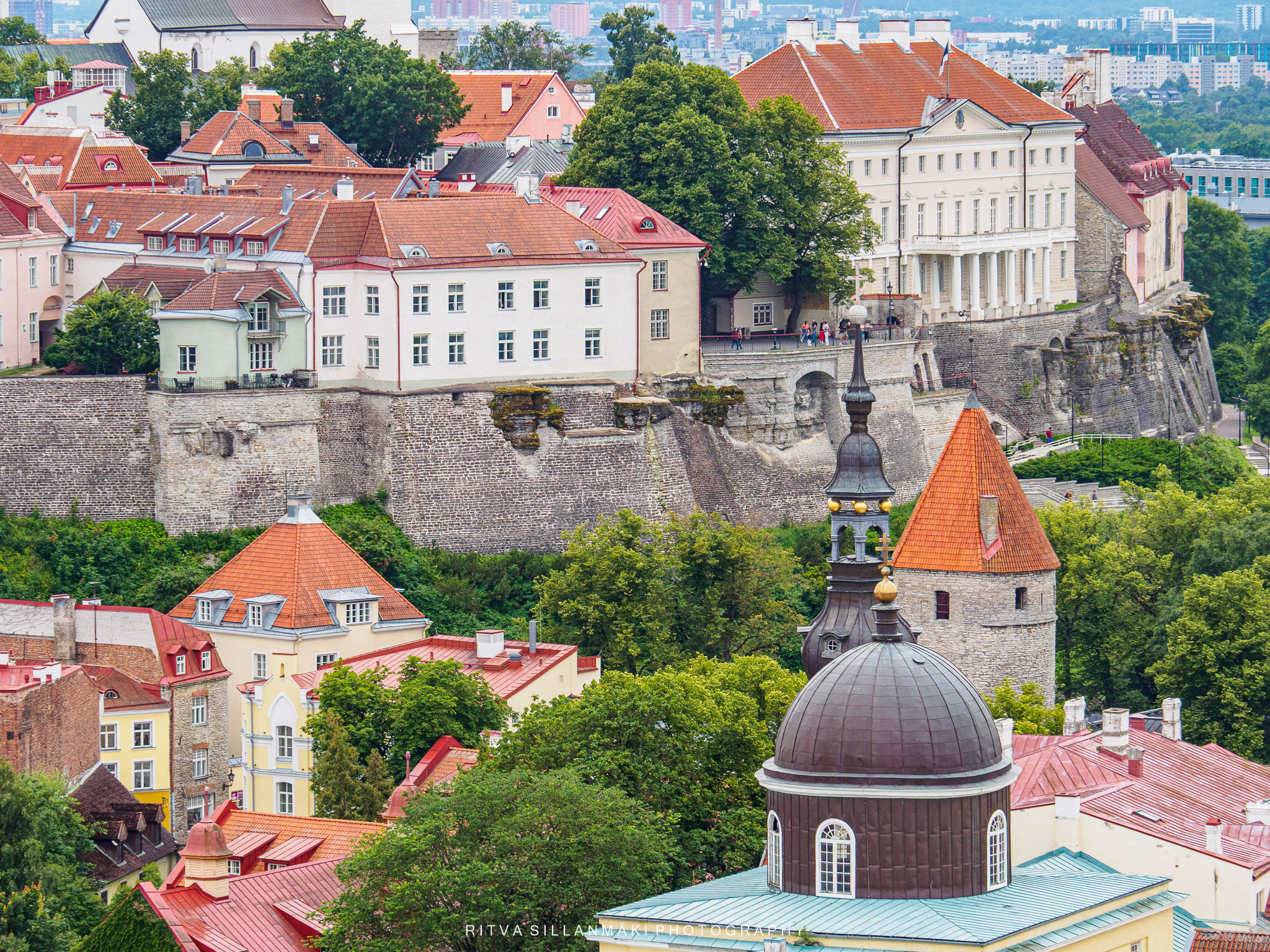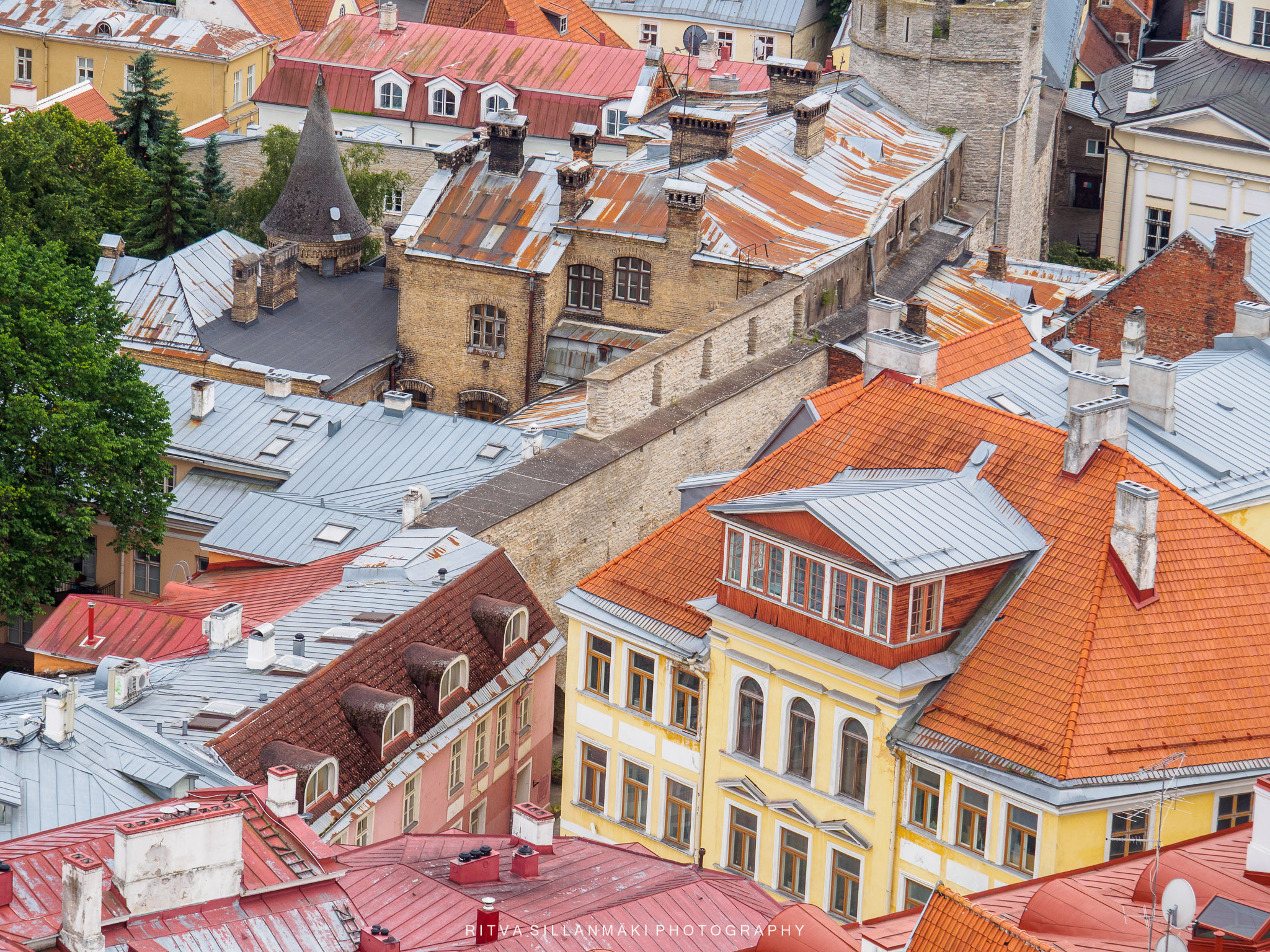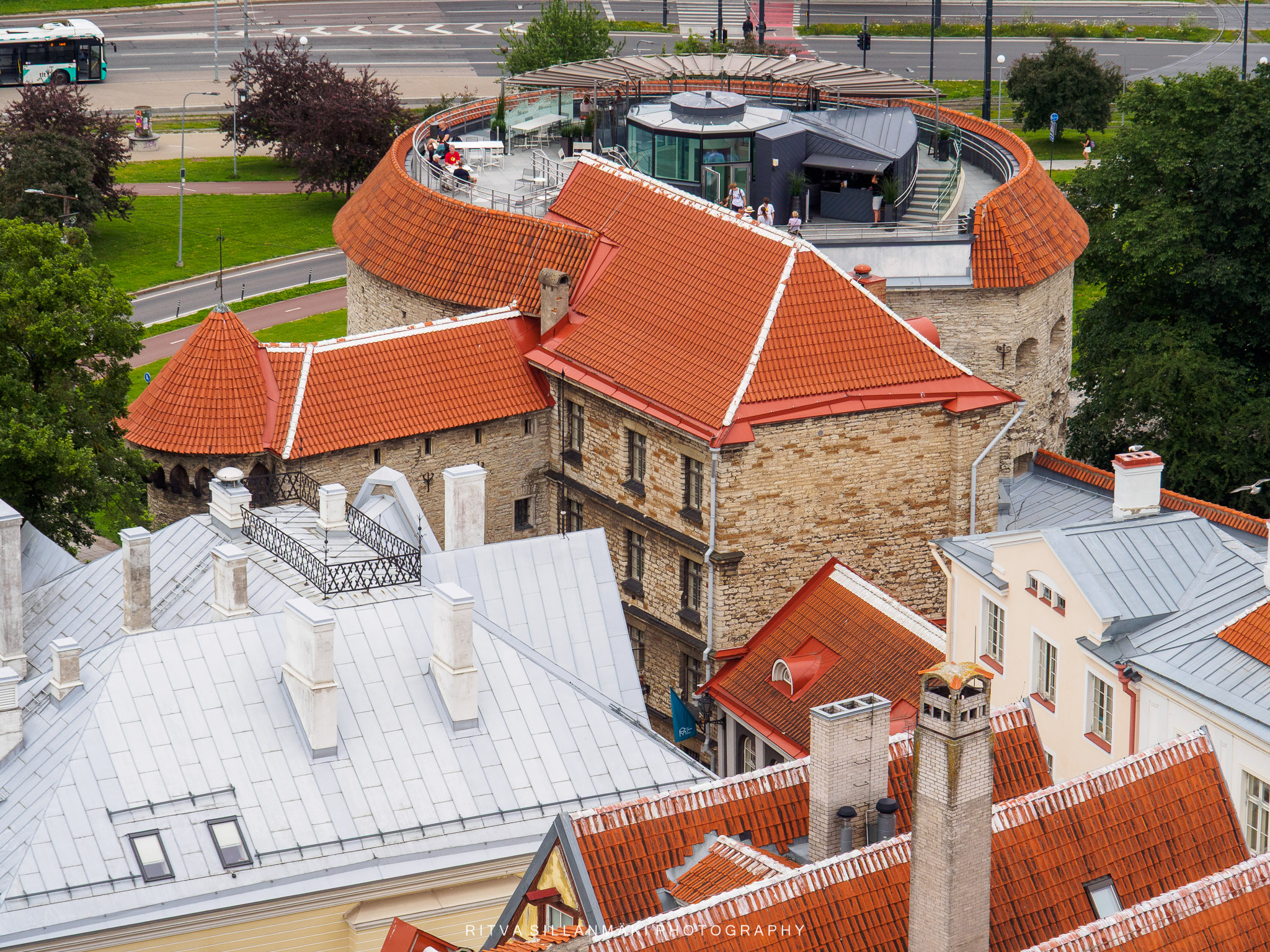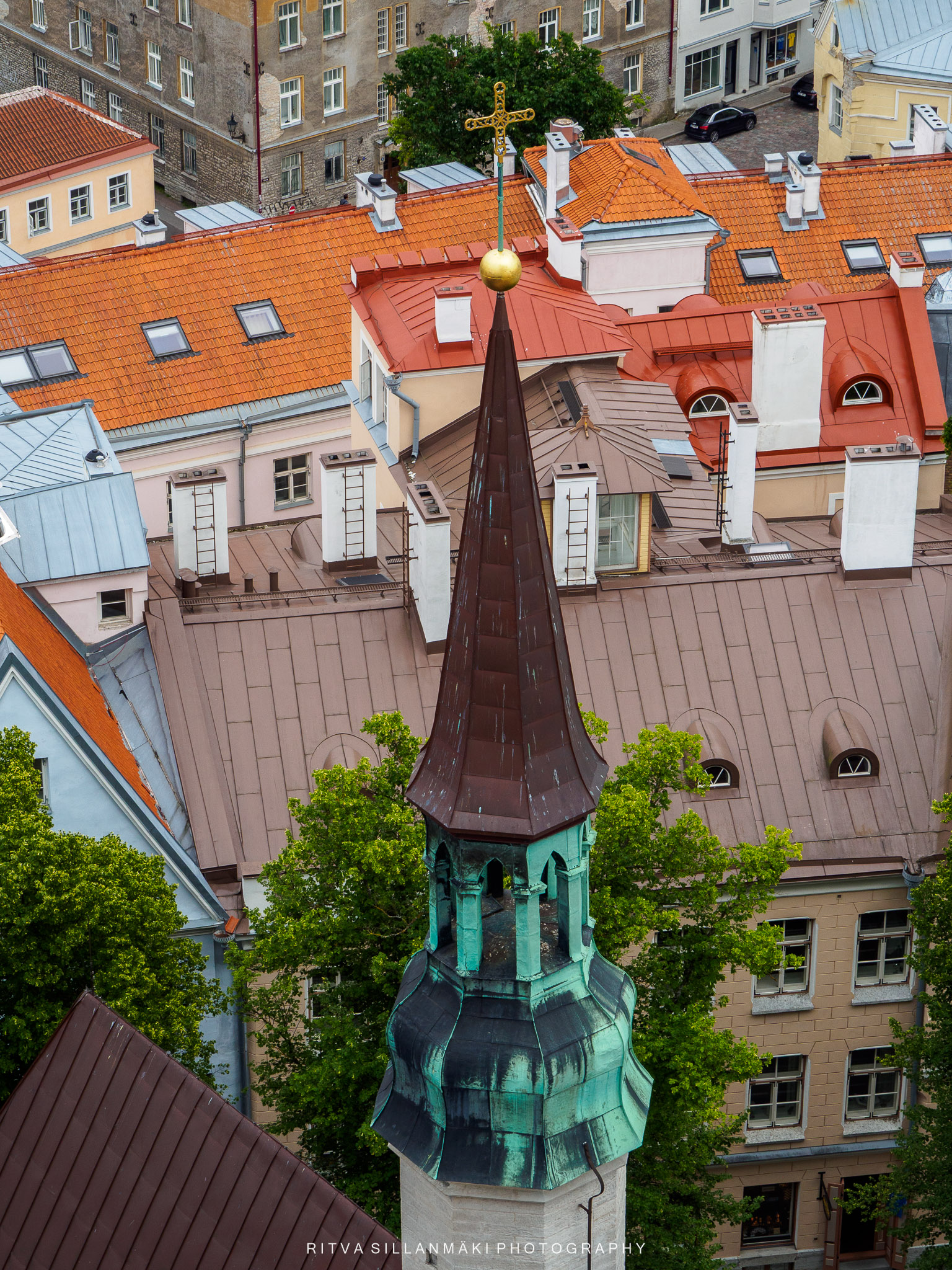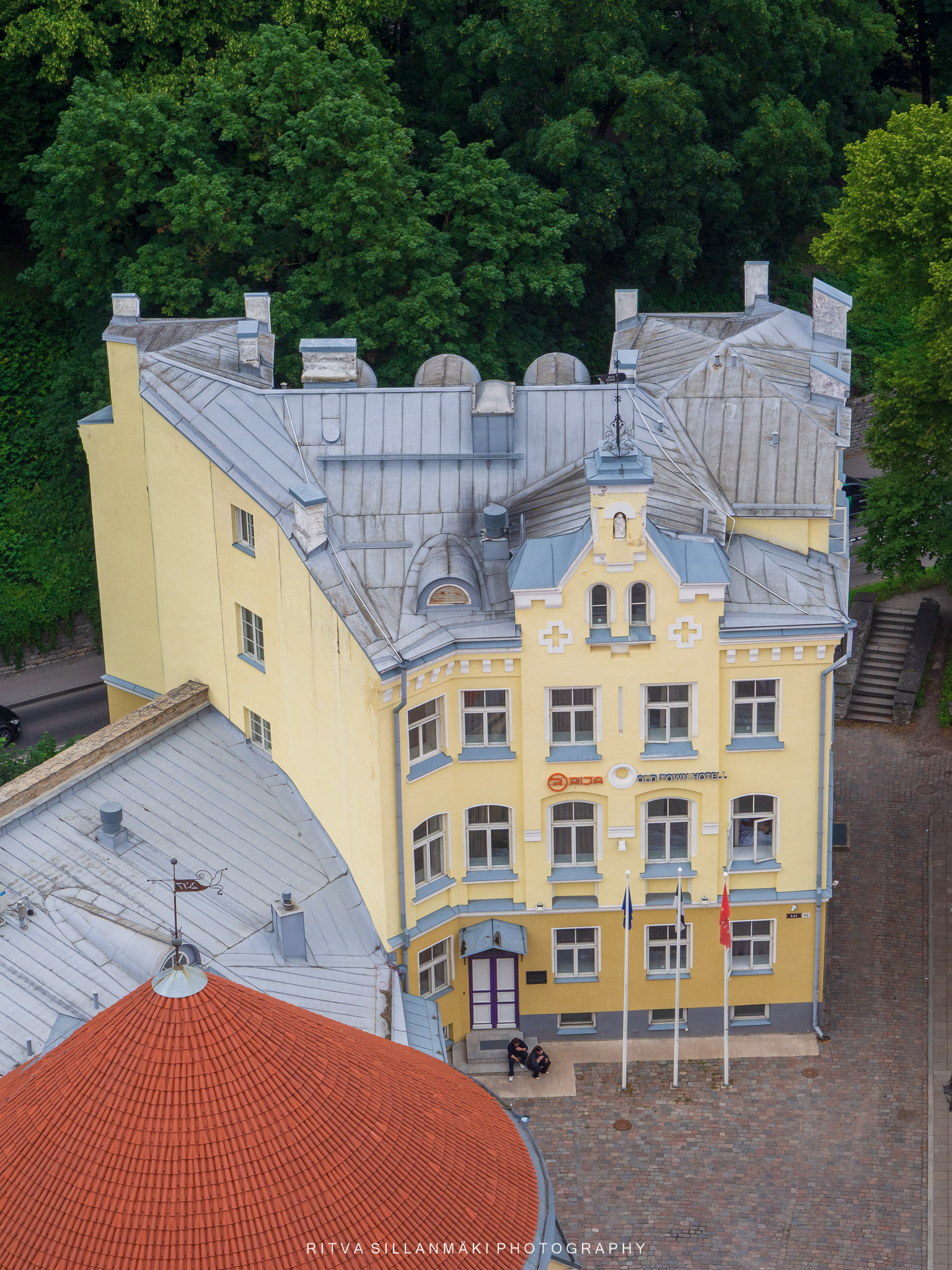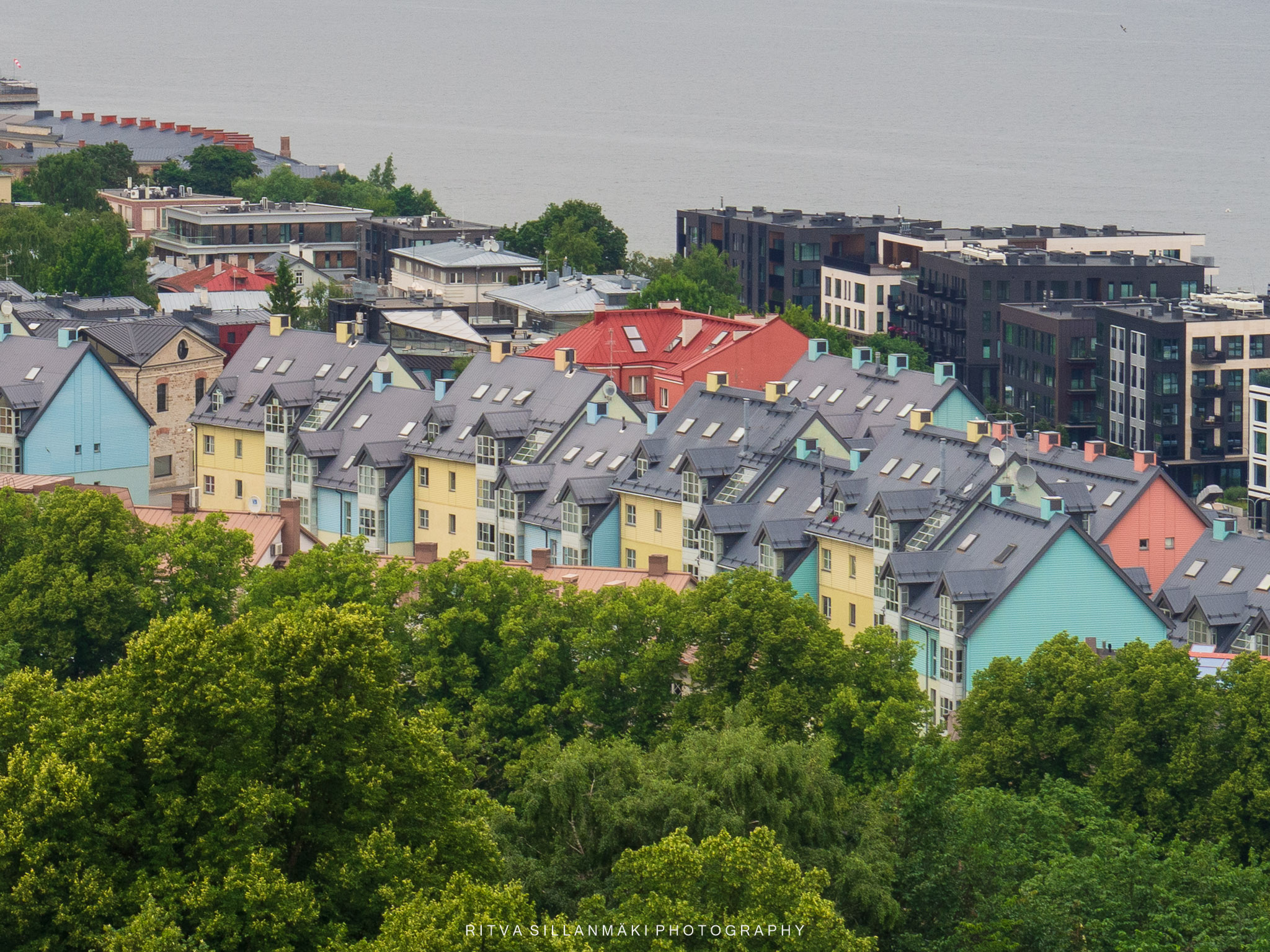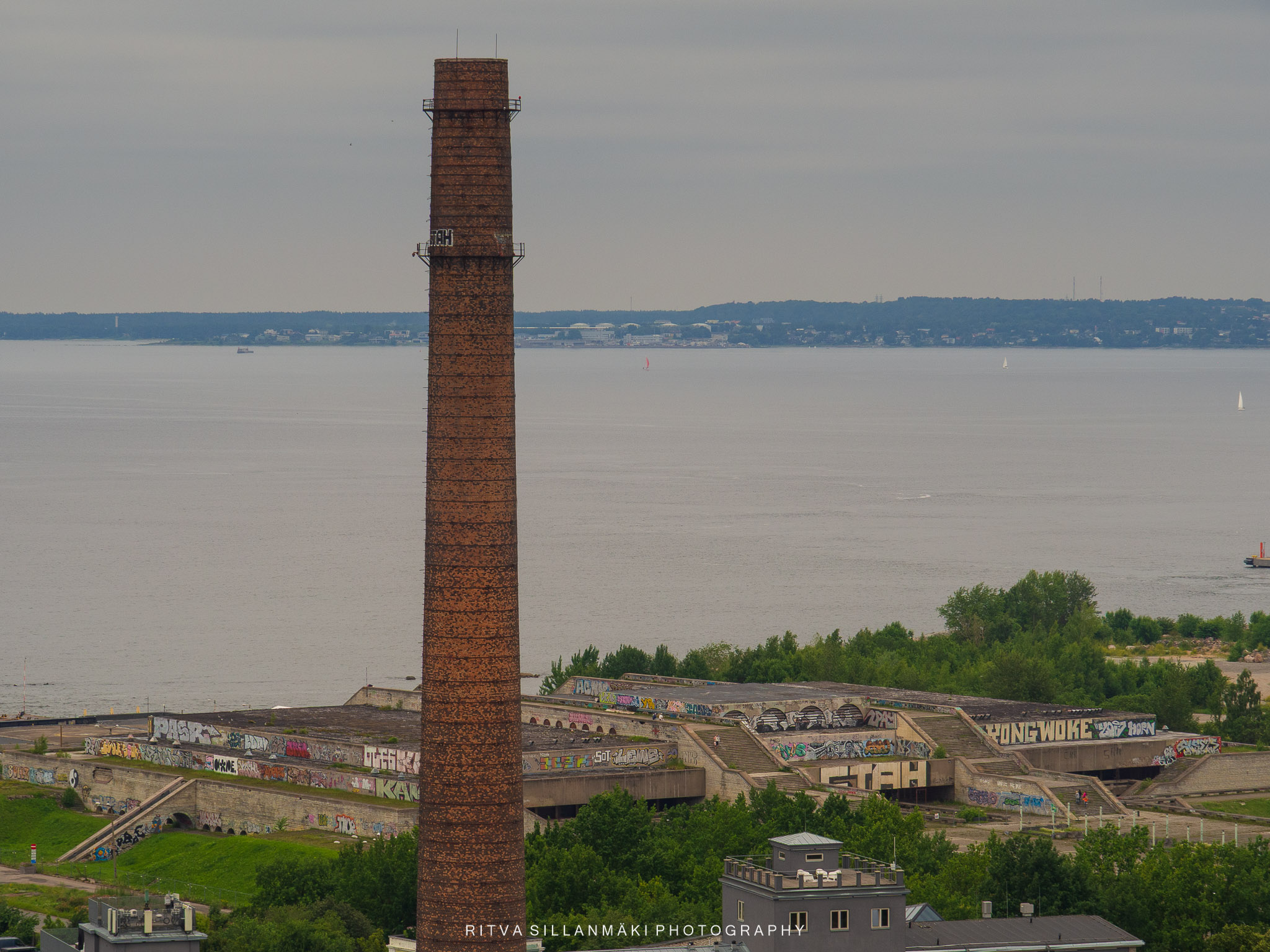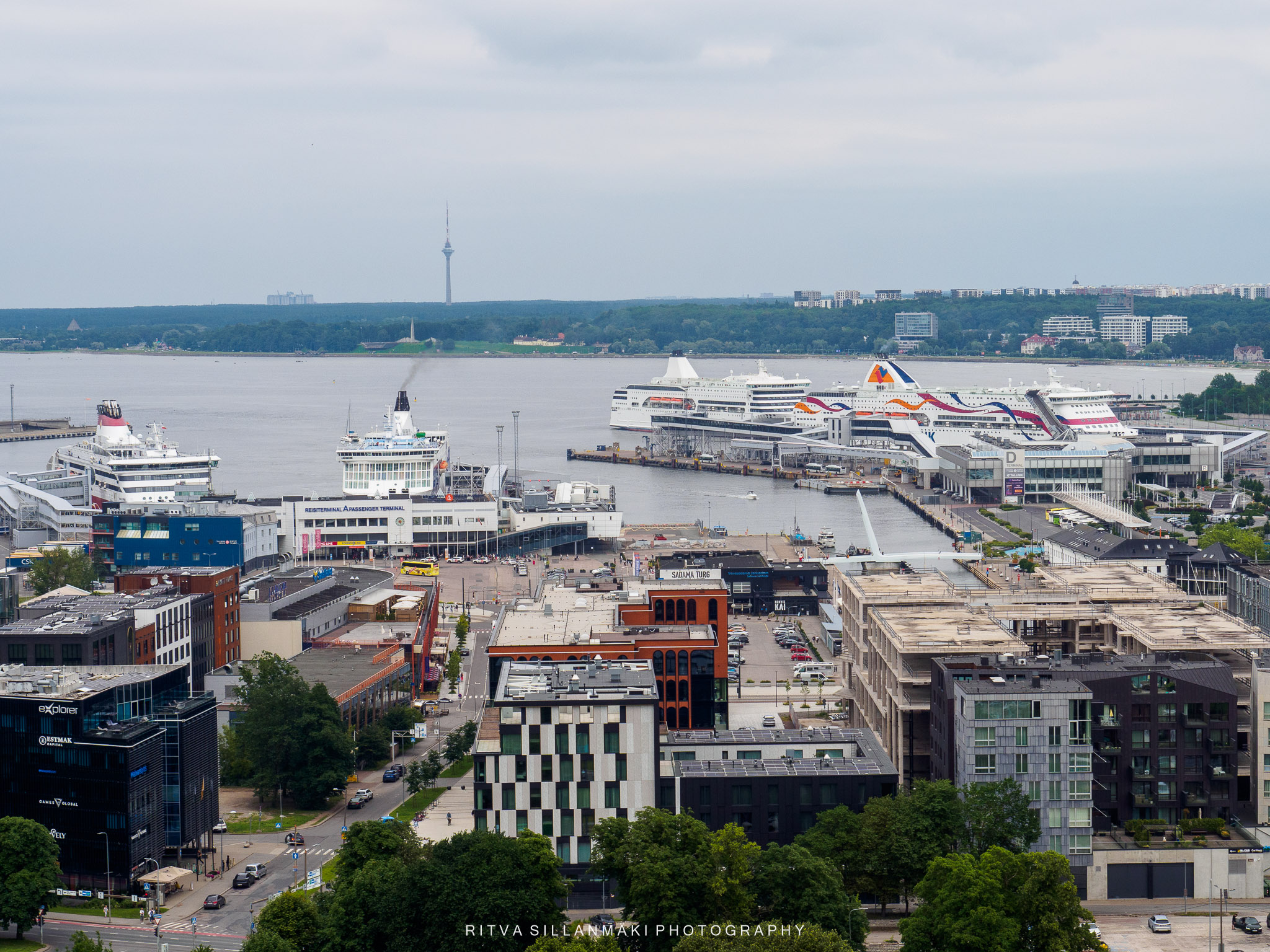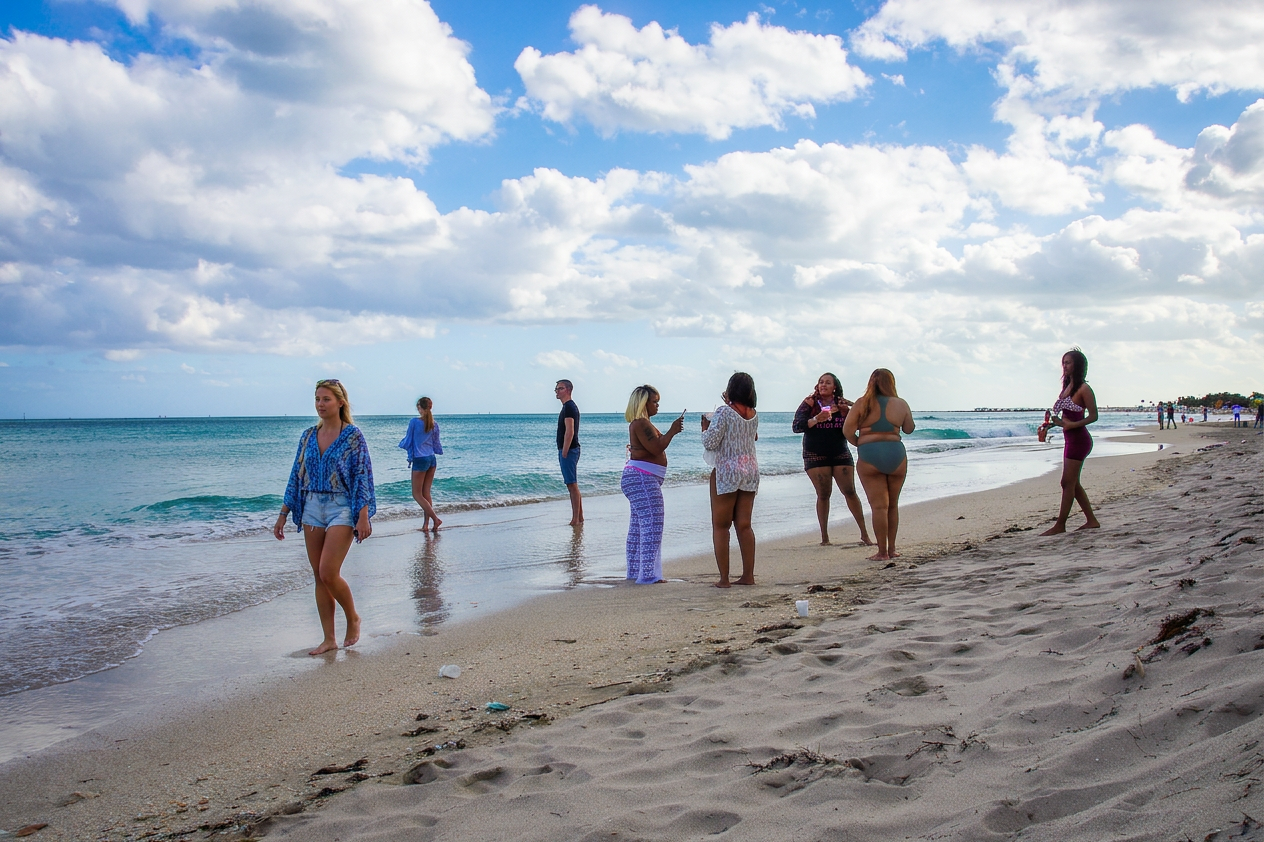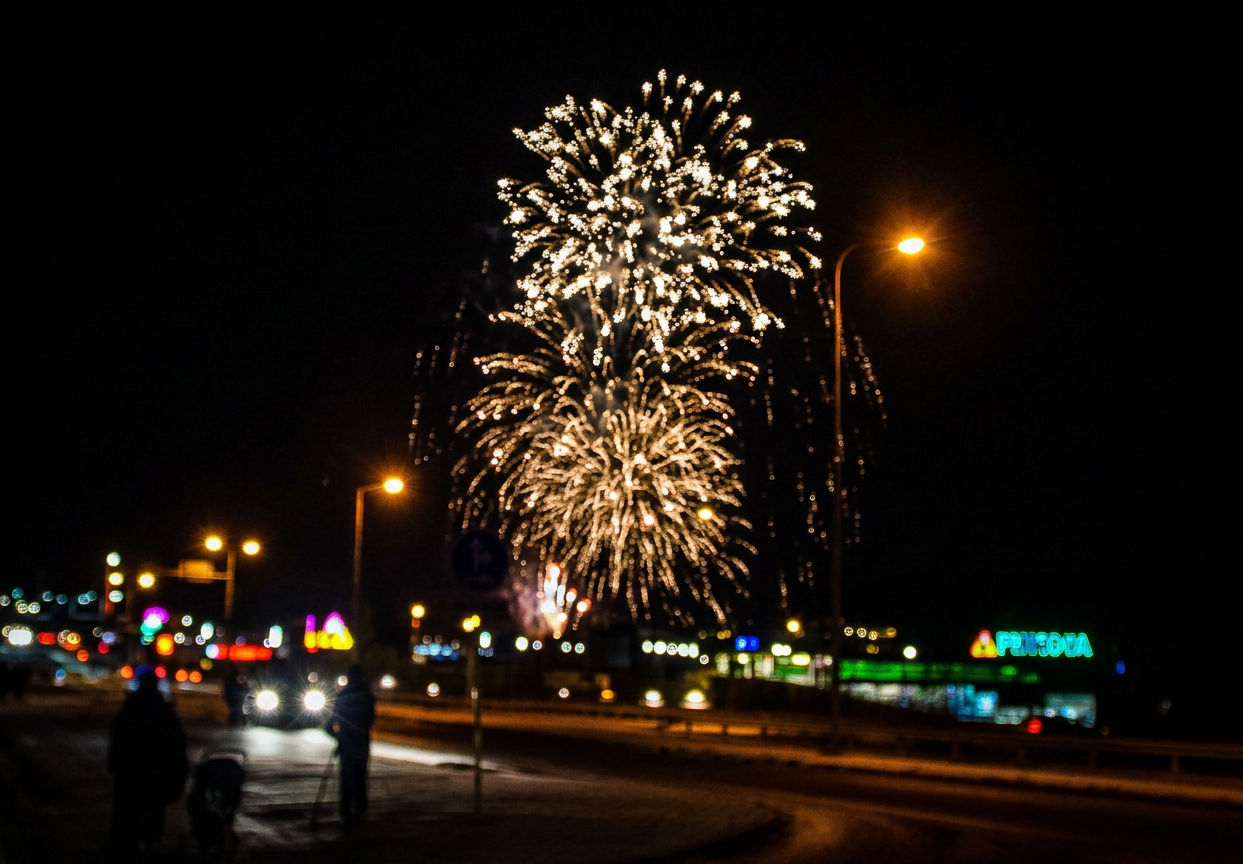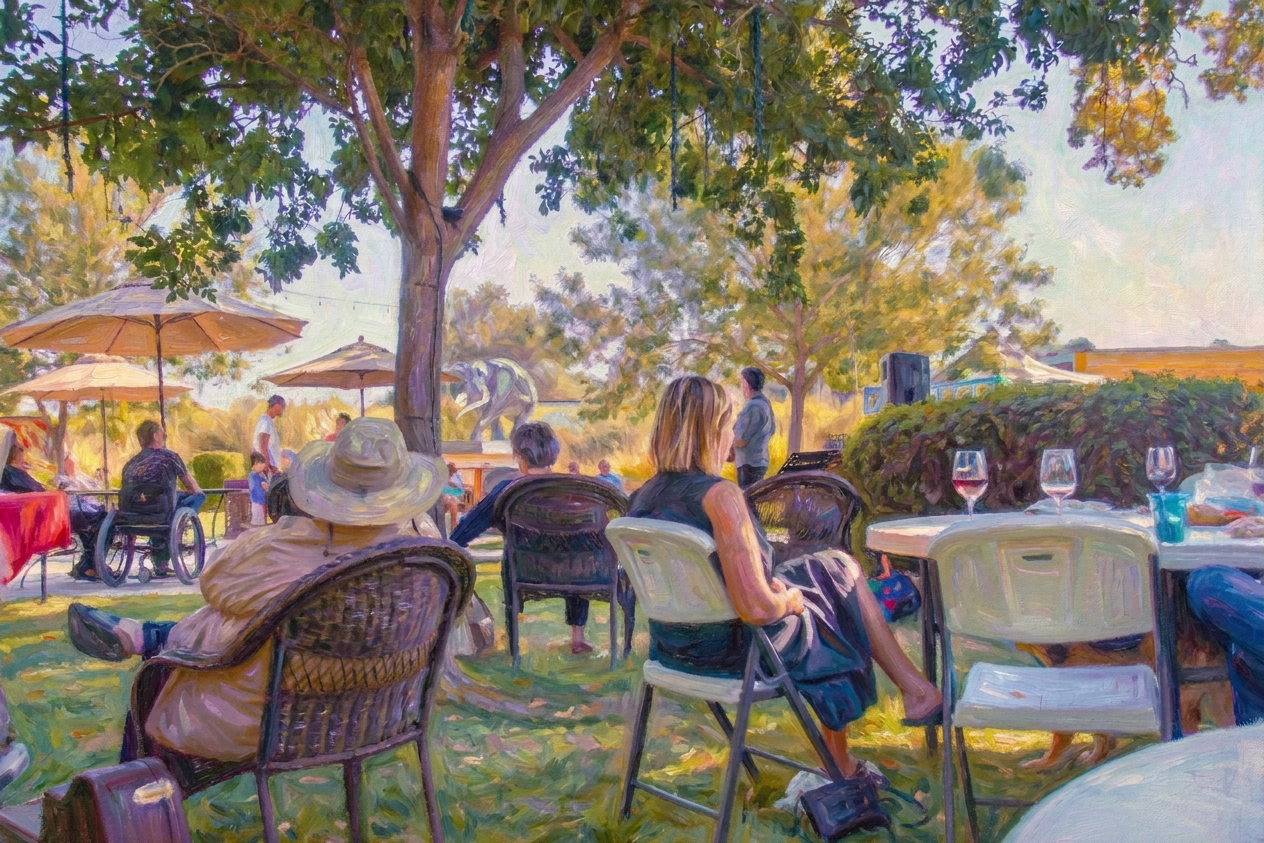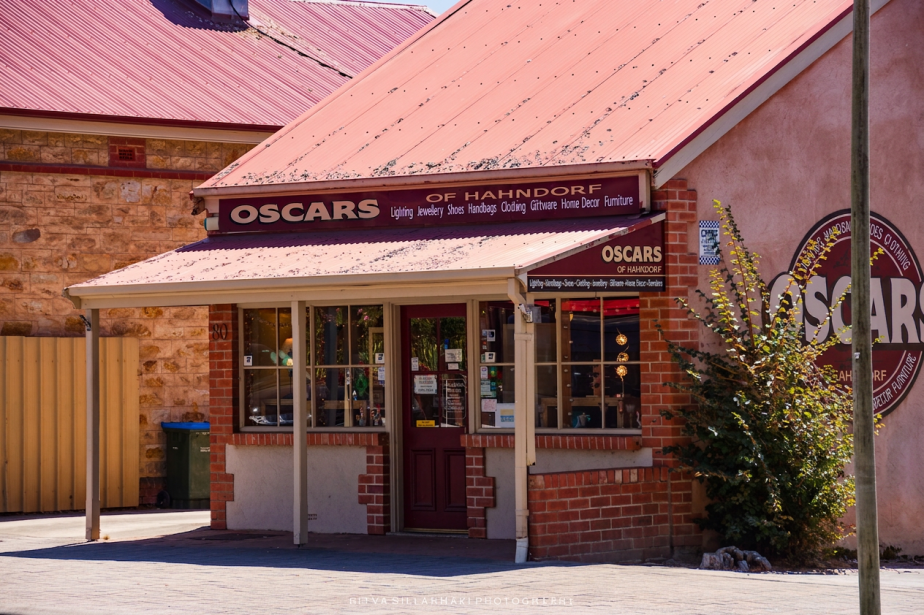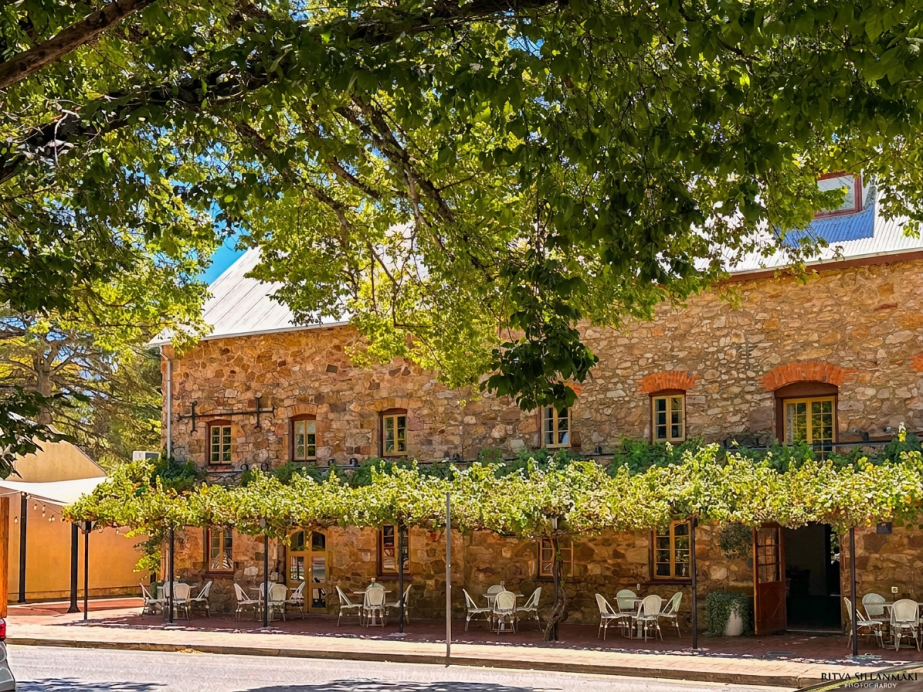
After a week in Crete, I am back For Debbie’s Six Word Saturday.


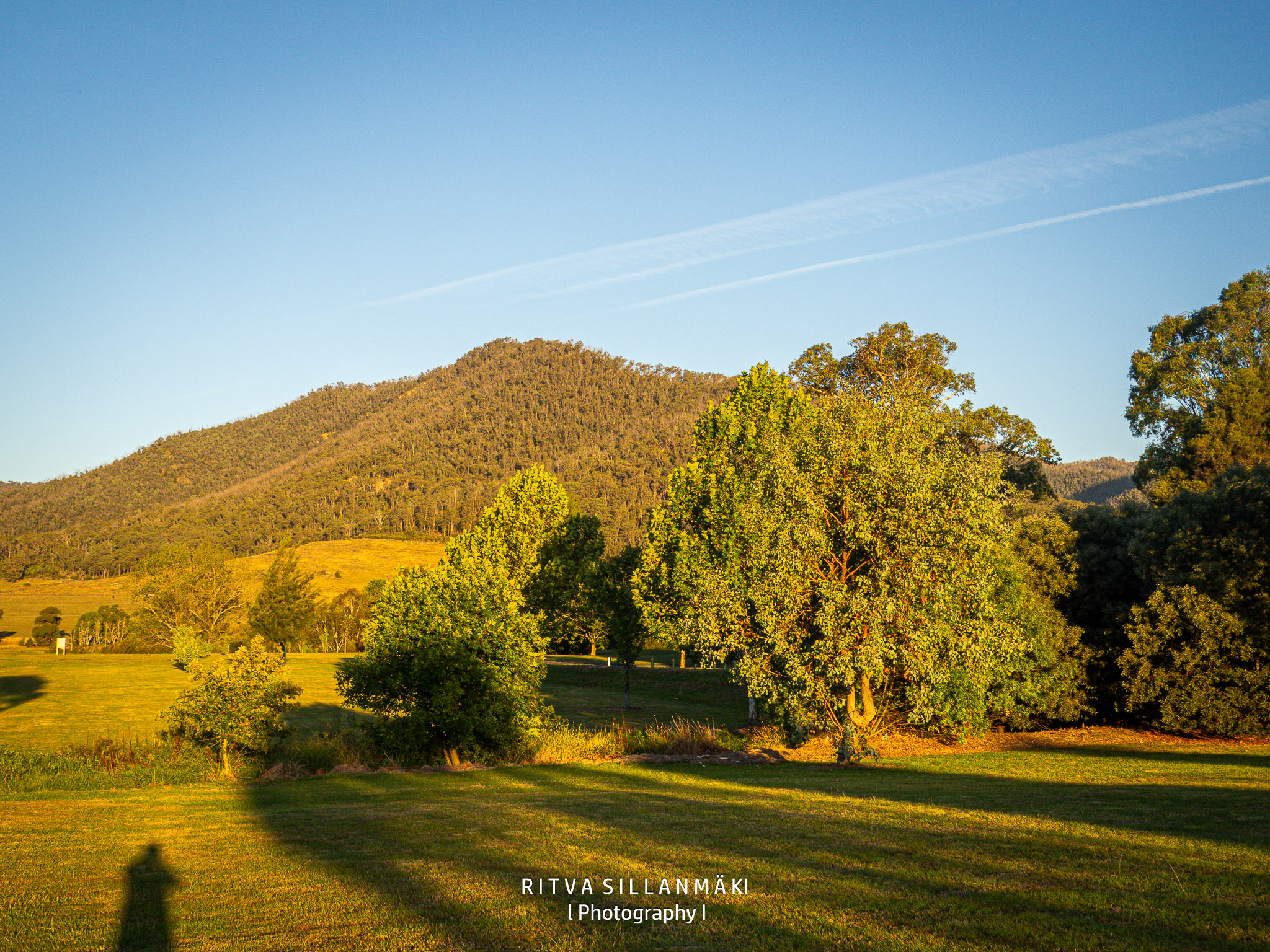
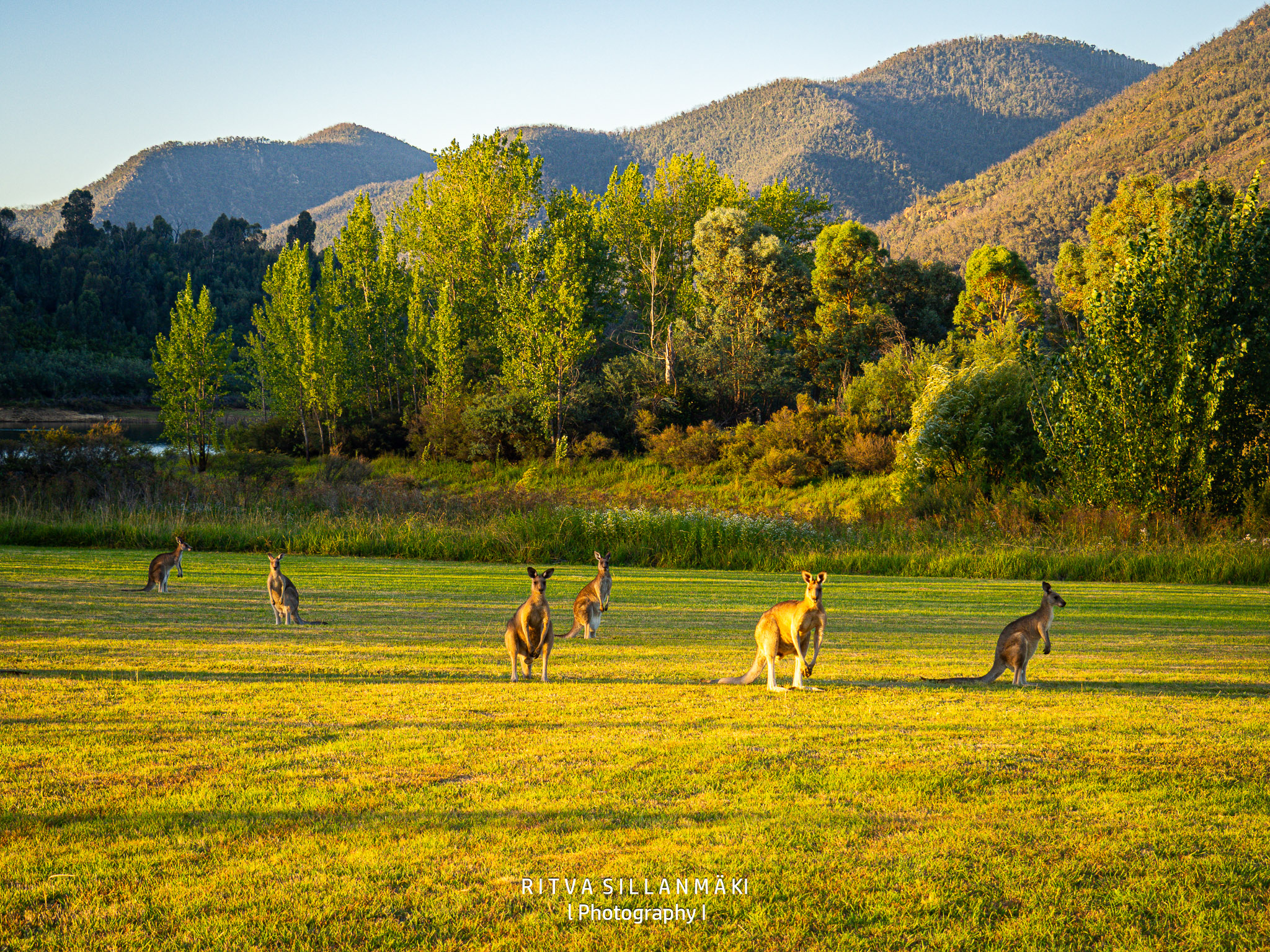
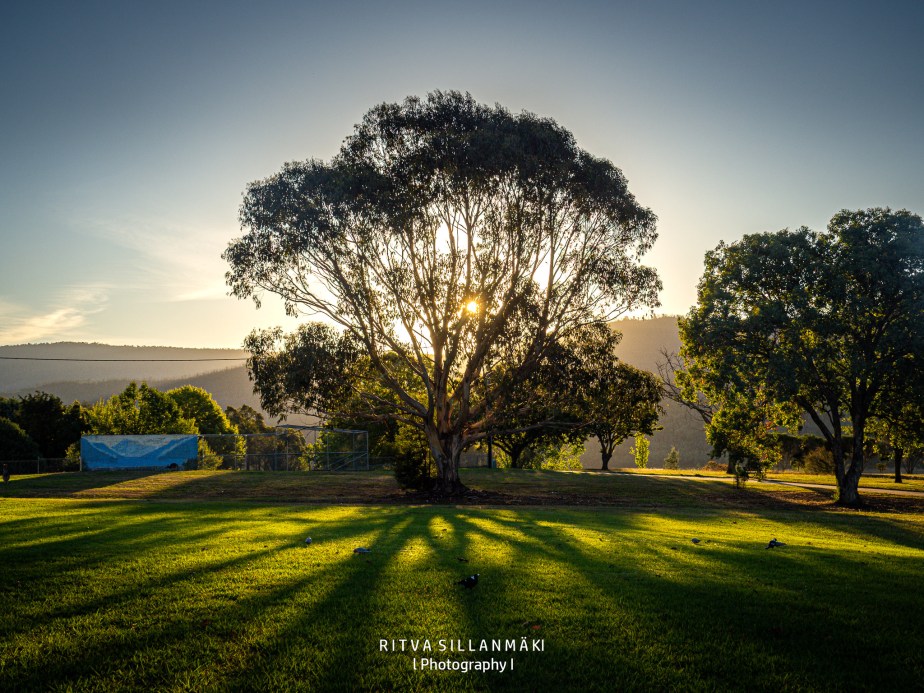
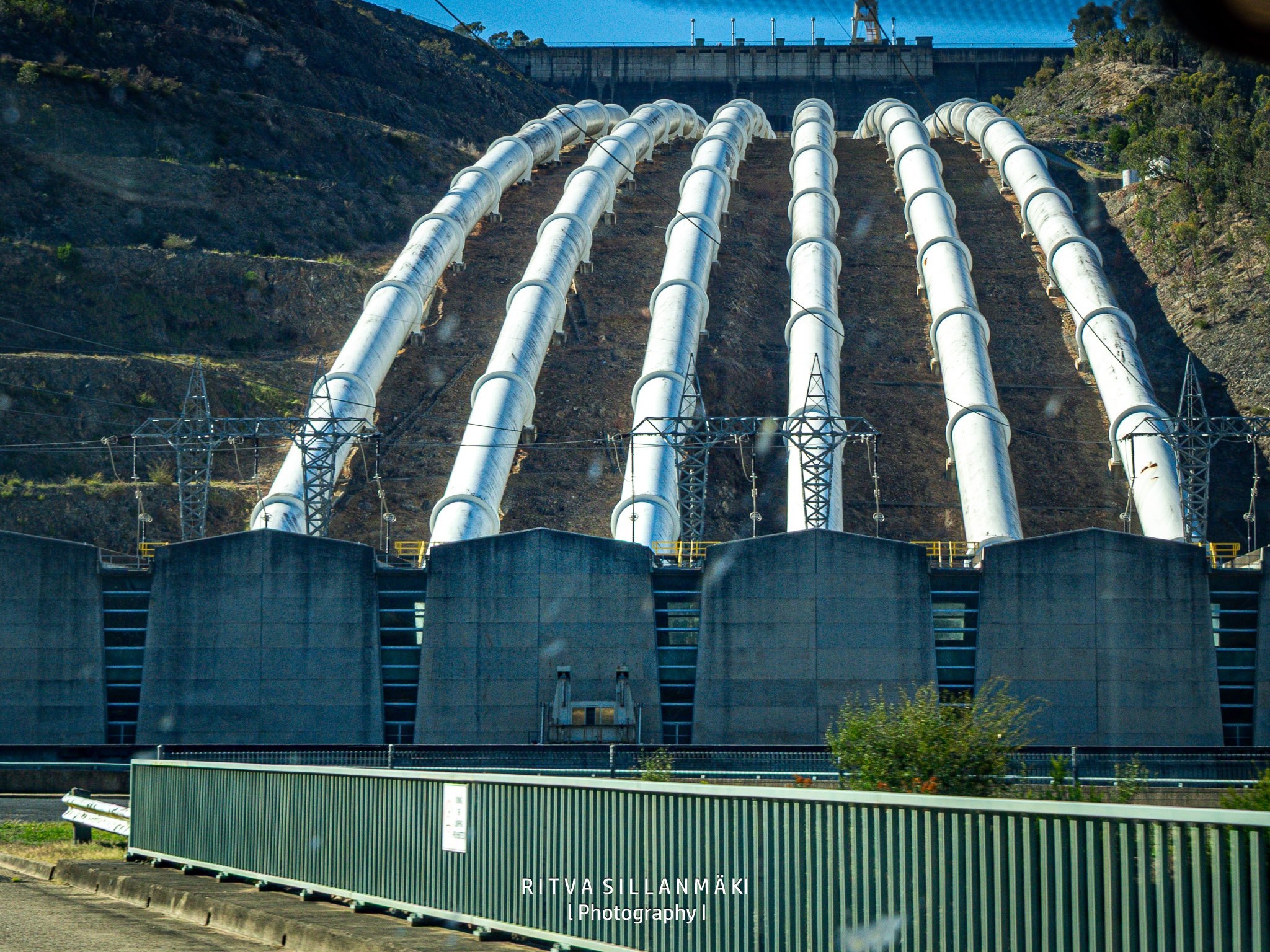
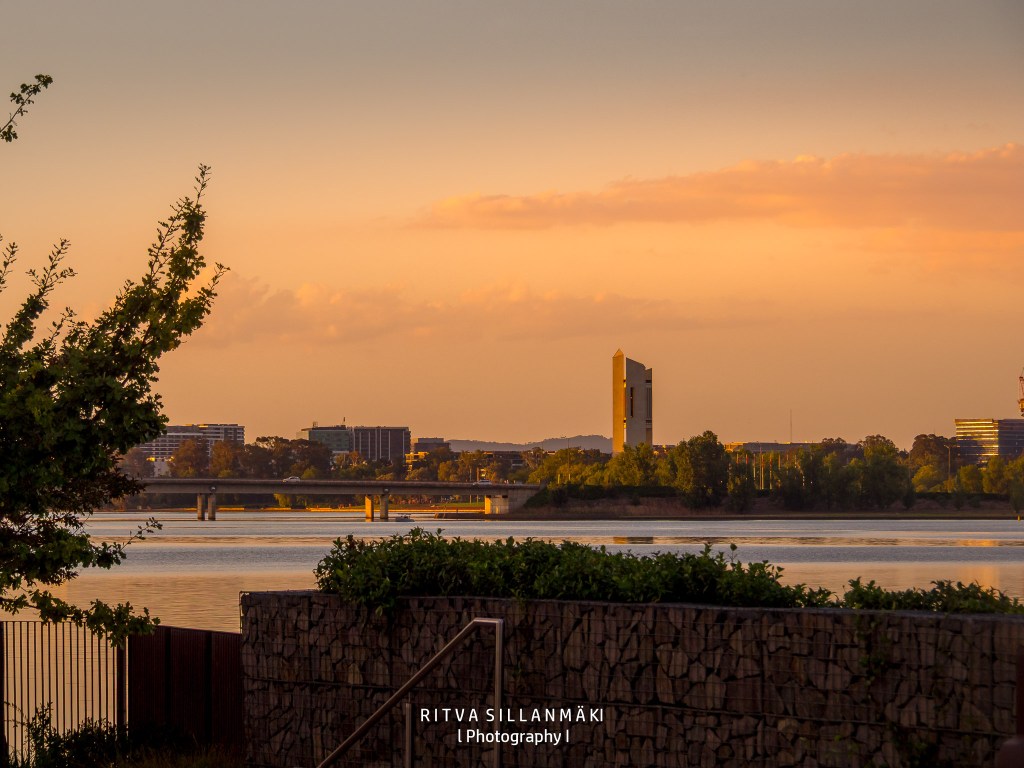
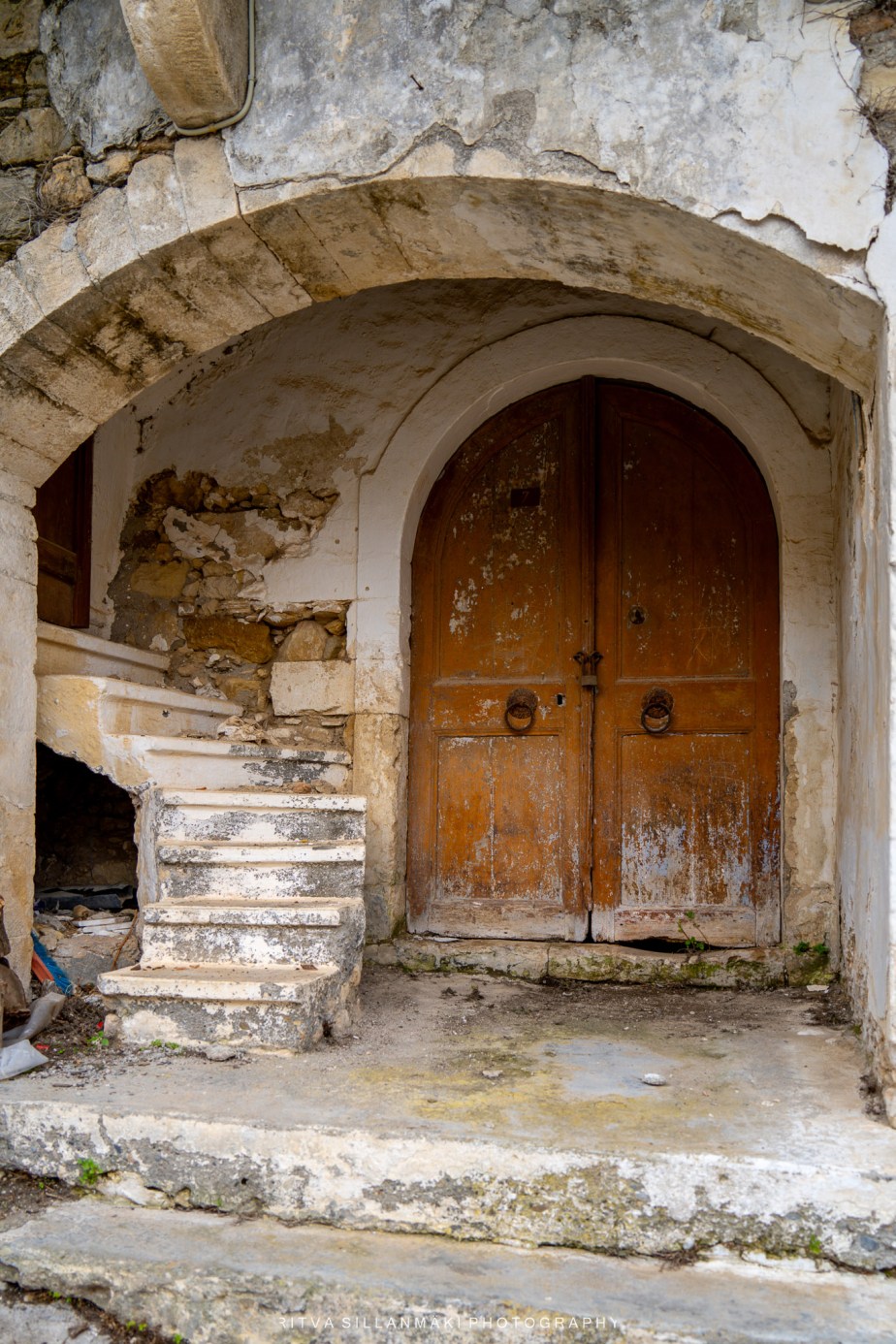
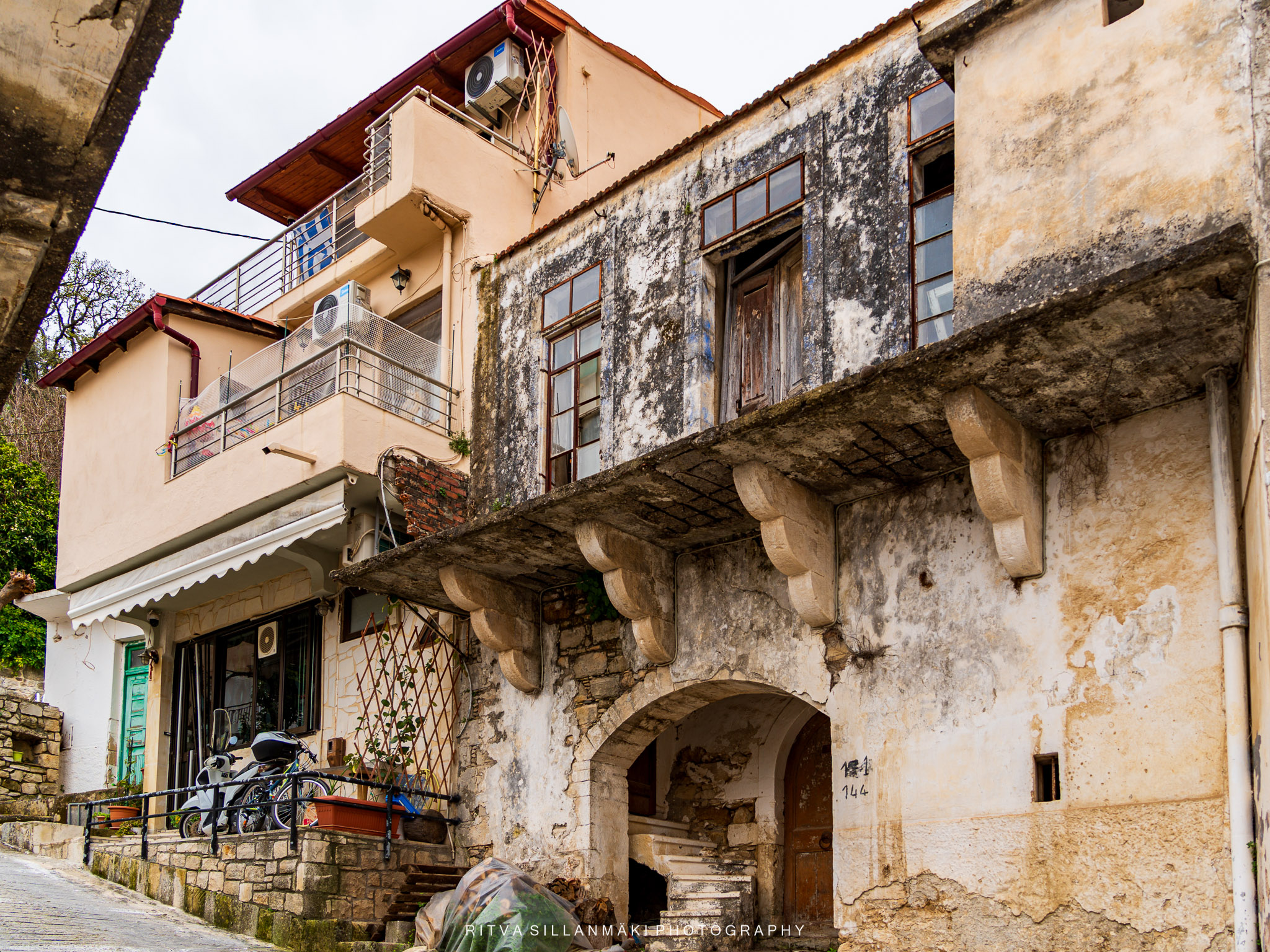
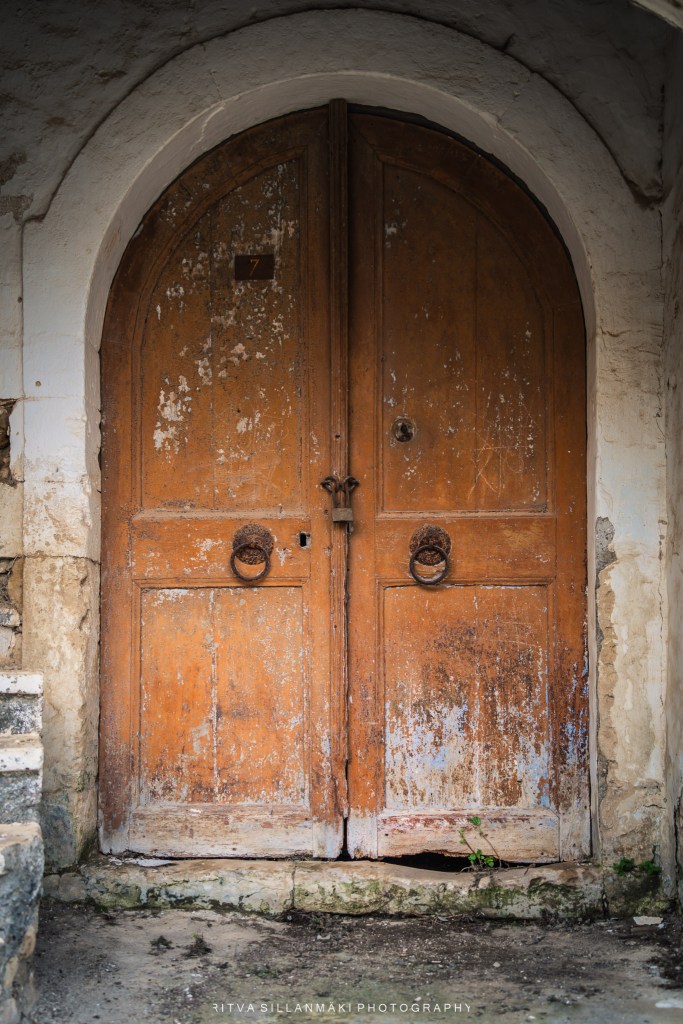
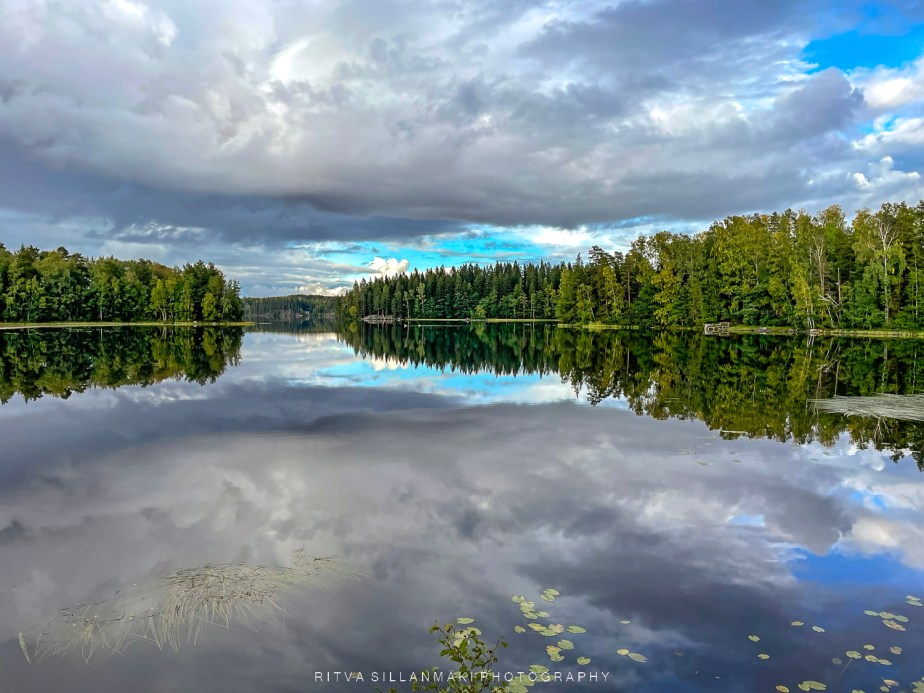
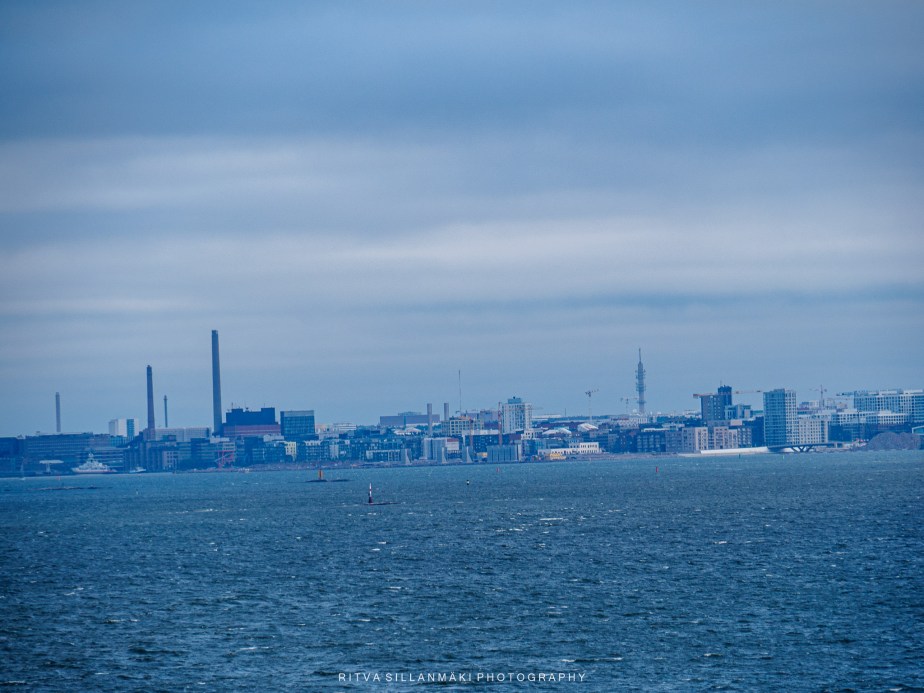
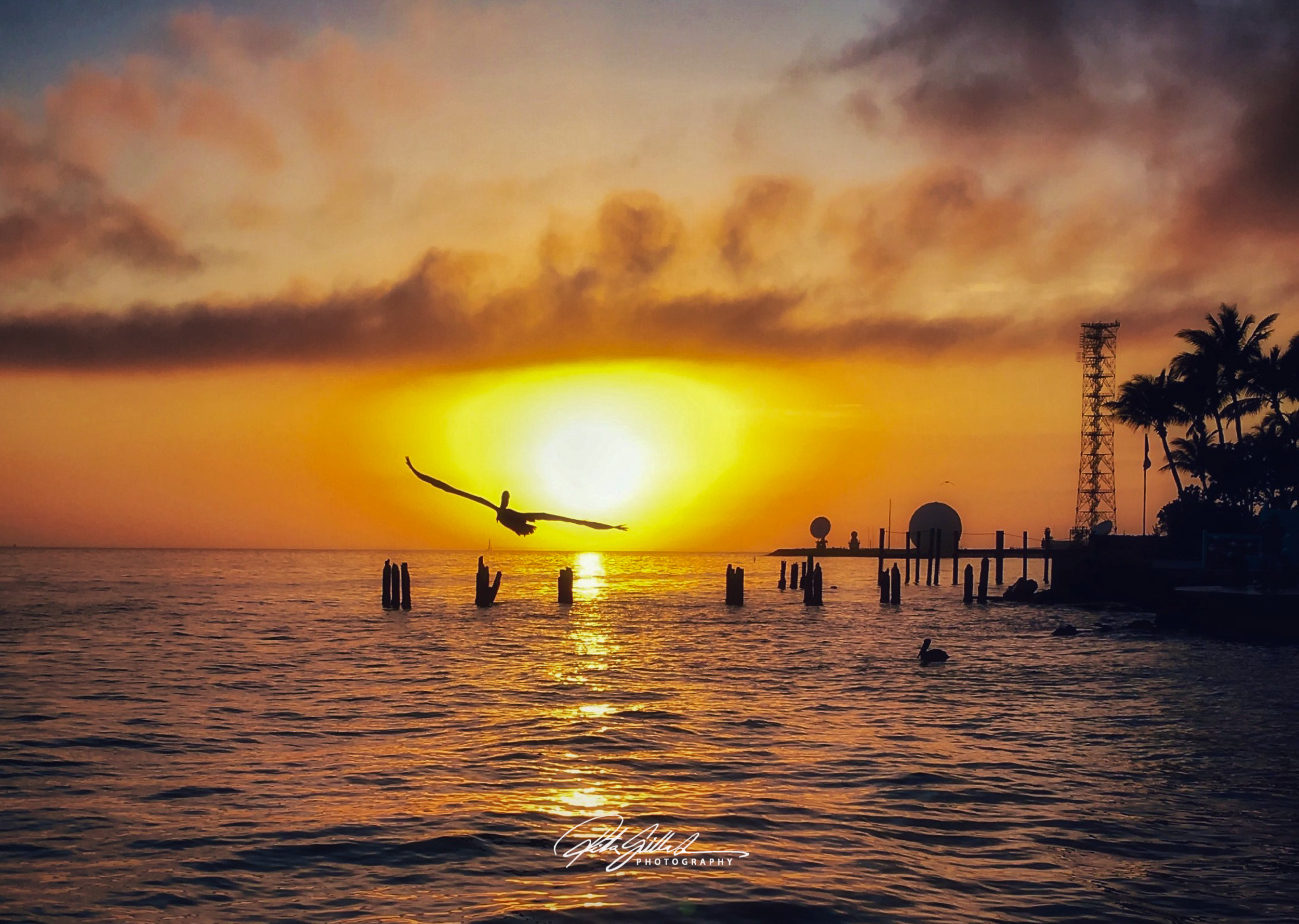
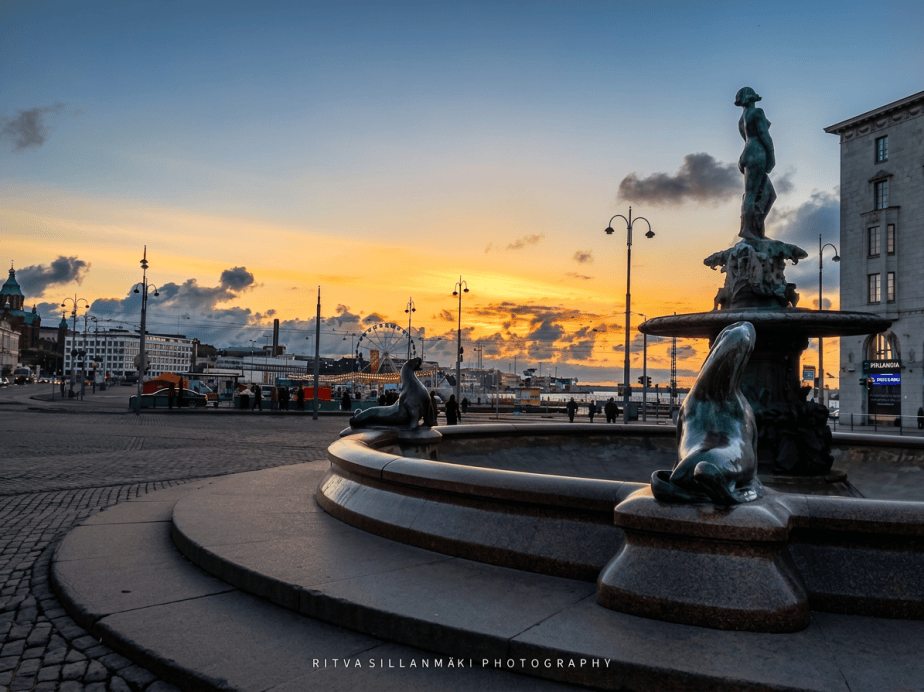
Something we don’t see that much, or at all in Finland.
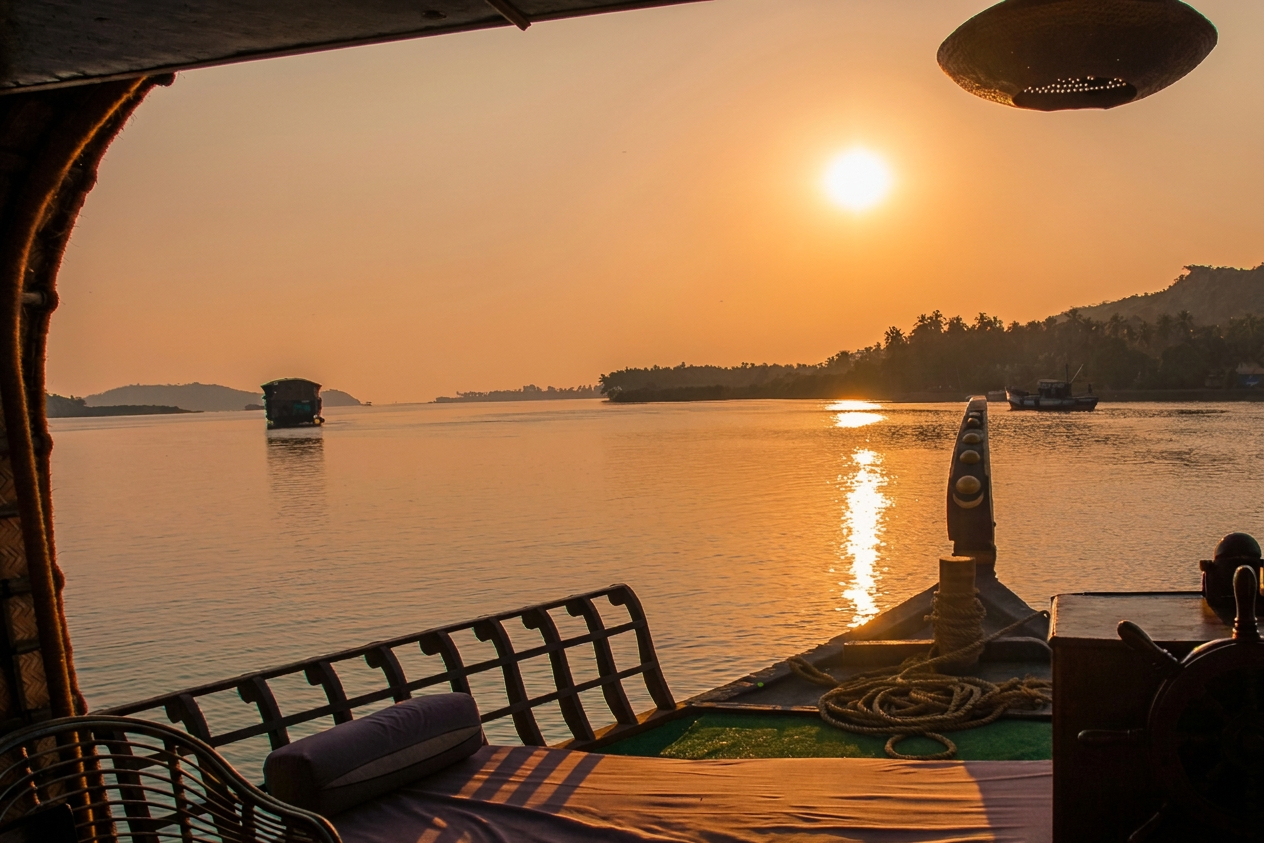
After a week in Crete, I am back For Debbie’s Six Word Saturday.


Something we don’t see that much, or at all in Finland.
Here is my submission for Monochrome-Madness #57 {Minimalism}, hosted this week by PR at Flights of the Soul. I tried to bring different topics and moods to this challenge.
I tried to expand the concept of minimalism; flowers are clearly minimalistic, showcasing their delicate beauty in simplicity, but how do you feel that other images work within this framework? I wanted to play with light intricately, experimenting with shadows and highlights to bring this artistic vision to life in urban pictures, emphasizing the contrast between nature’s elegance and the bustling city landscape. By incorporating various perspectives, I aimed to capture the essence of minimalism in a way that resonates, urging the viewer to reconsider their understanding of both nature and urban environments in harmony.

The black and white image depicts a small, childlike statue enclosed within a tall, rounded iron cage. The statue wears a hooded cloak and holds a rectangular tray or book, with hollow, dark eyes that give it an eerie appearance. The cage’s bars cast sharp shadows, adding to the ominous mood, while the background shows a window and some foliage in soft focus. The overall composition and lighting create a mysterious, haunting atmosphere, emphasizing themes of confinement and isolation. IS this minimalist and creepy ?

A close-up black and white photograph of a rose, my aim is to show its delicate petals in sharp detail. The petals are softly lit, creating a striking contrast between the highlights and the shadows, which enhances the textures and intricate folds of the flower. The background is dark and blurred, drawing full attention to the rose and giving the image a dramatic and intimate feel. Hope is that the overall composition emphasizes the natural beauty and complexity of the flower, evoking a mood of quiet elegance and subtle grace.

A delicate stem of lily of the valley flowers arches gracefully from left to right across the image. The small, white, bell-shaped blossoms hang evenly spaced along the slender green stalk, each flower showing subtle texture and curvature. The background is softly blurred in shades of muted gray and blue tones, creating a calm and serene mood that highlights the fragile beauty of the flowers. The overall composition is minimalistic and elegant, emphasizing the natural form and gentle color contrast of the subject.

This is street scene outside the Brasserie du Louvre, a historic Parisian café. Two silhouetted figures stand in the foreground, their details obscured by shadows, creating a strong contrast with the illuminated area behind them. The background reveals the façade of the brasserie, with large windows, signage, a vintage streetlamp, and a few motorbikes parked along the sidewalk. The overall mood is contemplative and atmospheric, with a play of light and shadow emphasizing the architectural and human elements of the urban setting. The idea was to make a street minimalist

A dimly lit urban street corner with a strong contrast between light and shadow in Riga. The cobblestone pavement in the foreground is brightly illuminated by sunlight, casting textured patterns, while the background buildings show signs of age with worn, cracked walls and darkened windows. The scene exudes a moody, almost mysterious atmosphere, enhanced by the deep shadows that obscure parts of the architecture and street. Minimalist in color, the photo emphasizes monochrome tones, focusing on the interplay of light, texture, and urban decay.
Framing Your Shots: Exploring the Foreground, Middle Ground, and Background Photography essential; Framing and composing your shots is, in my book, one of the most important parts of photography, if not the most important. The way in which elements are arranged within the frame can dramatically alter the mood and storytelling of an image. Patti shows and explains this concept beautifully, illustrating how the interplay of the foreground, middle ground, and background can create depth and dimension, drawing the viewer’s eye to the focal points in a more engaging way. By carefully considering the placement of subjects and elements within each layer, photographers can enhance their visual narratives. Visit her post for more information, as it offers valuable insights into mastering these techniques that can elevate your photography to new heights.
The request was three images; here are mine and the header as a plus one.

Italy is famous for its stunning landscapes and fascinating history, and right at the front, there’s a charming gate that looks like it’s inviting everyone in. If you take a moment to look up, you’ll spot a beautiful set of stairs in the middle, guiding your eyes deeper into that amazing scenery and sparking a sense of adventure. The lush greenery in the background just adds to the charm, with its vibrant shades of green making this place feel like a dream as you stroll through this lovely setting.

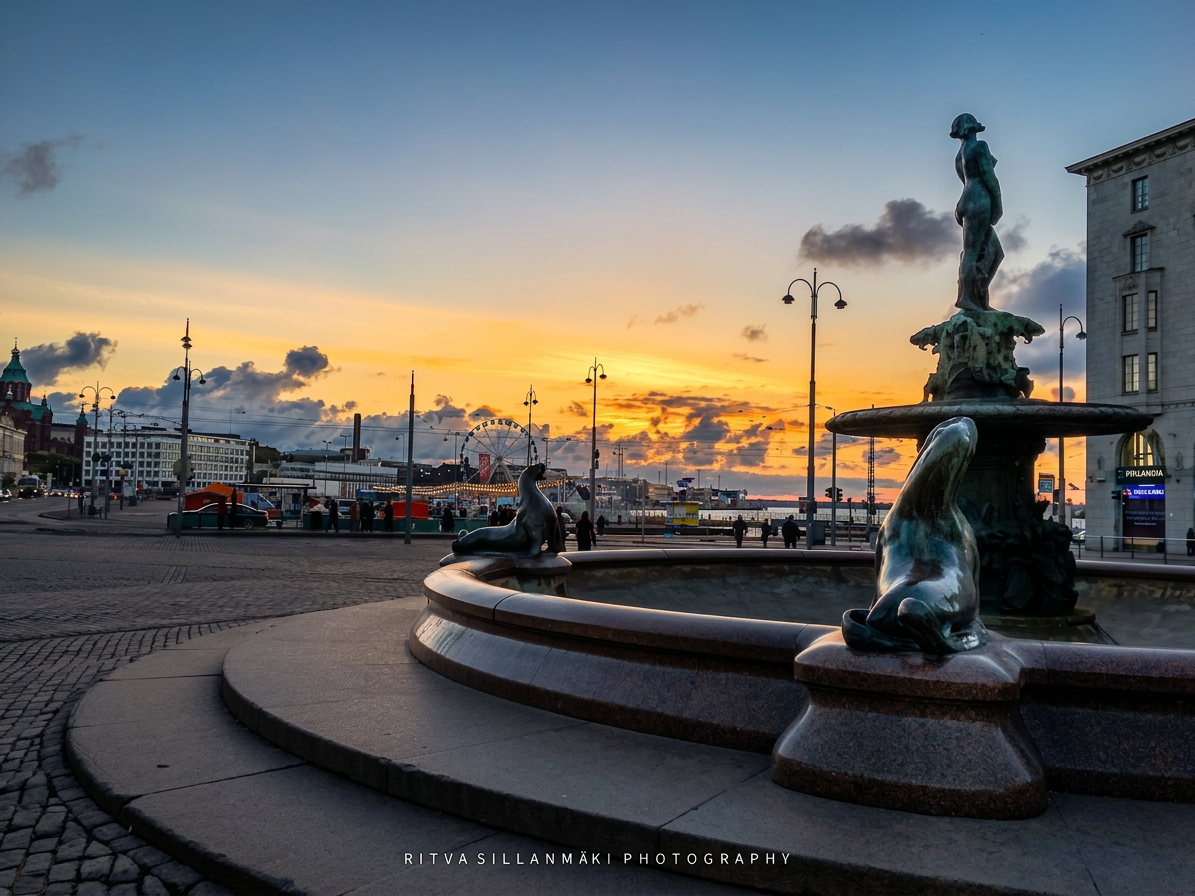
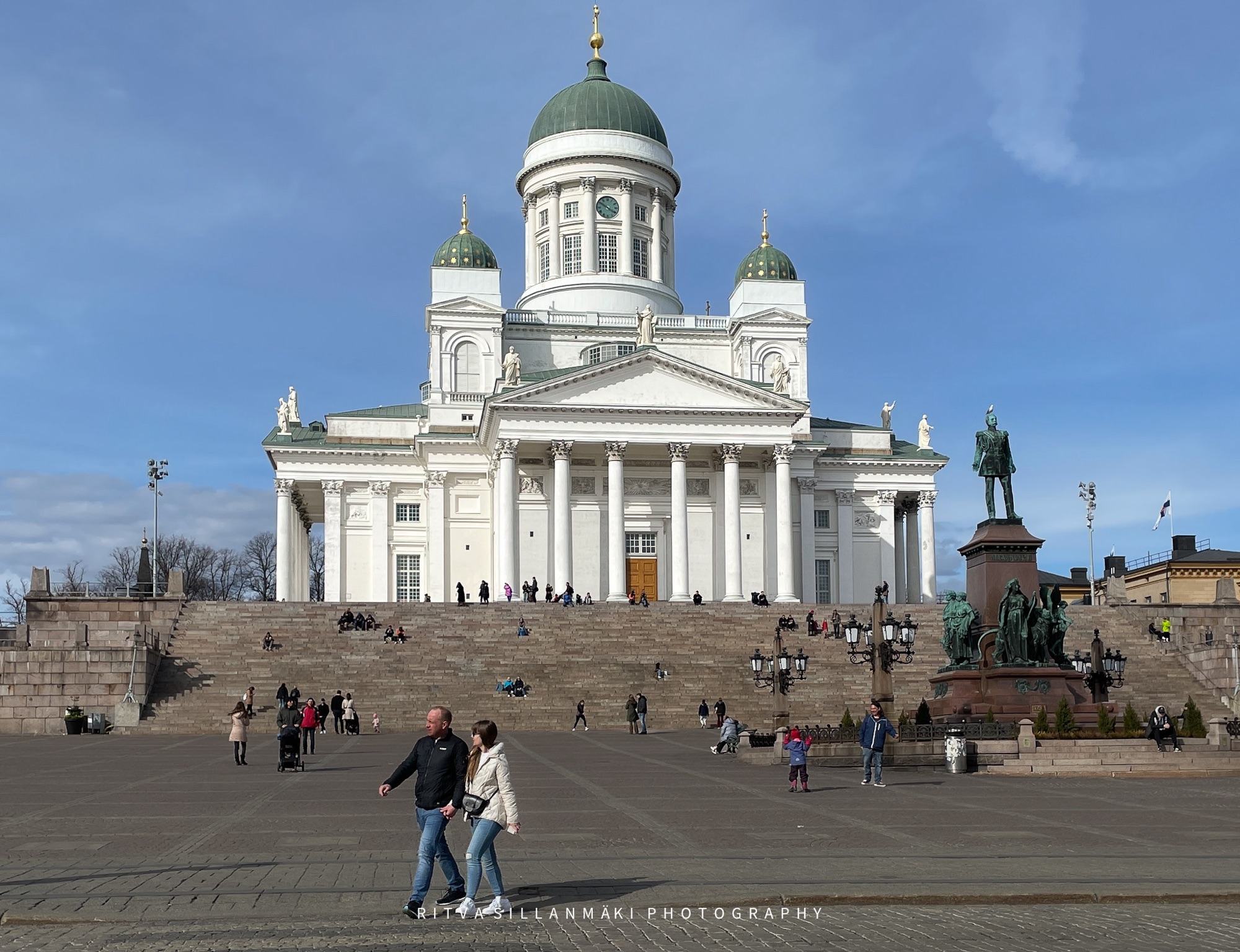
In the scene set in Helsinki, the police are right in the spotlight, viewing with those around them. Up front, people are on the move, while in the background, the impressive SOKOS building towers over everything, giving the urban landscape some real character. The way the officer interacts with the locals really shows a moment of busy city , where the cool architecture meets everyday life.

This from Kirkkonummi, the shoreline in Porkkala, offers a captivating view where the rugged rocks in the foreground create a striking contrast against the shimmering waters. As the eye travels to the middle ground, the point juts out, inviting exploration and intrigue. The sky serves as a breathtaking backdrop, with clouds dancing overhead, casting shadows that play upon the landscape. This picturesque setting is not just a feast for the eyes; it also evokes a sense of tranquility and connection to nature, making it a perfect spot for reflection and inspiration.
Hope you join us and show us how you interpret this challenge. Please link to Patti’s post and use the “lens-artists” tag so we can find your post in the Reader. But mostly, enjoy exploring this technique!
Huge thanks to Tina for last week’s phone photography challenge; it really showed how much the cameras have improved over the years and what great shots we can get with them. What’s up for next week? Sofia returns with our next challenge on Saturday, April 11th at noon EST. Until then, let’s keep exploring, broadening our horizons, and maintaining a positive mindset.
Please see this page for more information about the Lens-Artists Challenge and its history. If you don’t want to miss any future challenges, please consider subscribing to the team members’ websites.
Here we are The Lens-Artists: Tina, Patti, Ann-Christine, John, Sofia, Anne, Egidio, Beth, and myself Ritva.
I find myself writing a third post on this topic, grappling with my thoughts by myself, as there’s no one around to discuss it. Recently, I’ve been struggling with inspiration when it comes to photography. Photography, for me, is not merely about capturing beauty or documenting moments; I take pictures so I don’t have to explain them, that is the whole point. I started out just posting photos, hardly any words. It is, was so much easier.
However, when inspiration eludes me, the camera feels heavier, and each click seems to lack purpose. It’s frustrating to experience these creative blocks, as they can lead to a sense of disconnect from the “art” that I love. I long for those moments, where the world presents itself in a way that ignites my passion and motivates me to capture its essence. Maybe more eventful life. In life there are ebbs and flows, and those periods of silence can sometimes lead to the most profound revelations.

There are days when I wake up and feel like I’m staring into an empty well. The usual well of ideas, creativity, and inspiration seems to have dried up, leaving behind a hollow echo instead of the vibrant thoughts I’m used to. It’s a strange sensation — one that feels both familiar and unsettling. The wakening of nature will surely help
The fast-paced world we live in, we often rush to fill that emptiness with distractions or quick fixes. But what if, instead, we took a moment to just sit with that feeling? I’ve been doing that for few weeks now. The truth is, experiencing uninspired days is not a character flaw or a sign of weakness; it’s simply part of the ebb and flow of life.

When I reflect on that empty well, I come to understand that it isn’t something to dread, but rather a space to recognize. Much like nature undergoes its seasons, we too experience cycles of creativity. There are moments when the well is brimming with ideas, and others when it feels barren—and that is perfectly acceptable. In this present moment, when I attempt to create, the outcomes are, to be honest, rather dull and uninspiring.
Instead of pushing through the uninspired moments, I’m learning to embrace them. I allow myself to feel the weight of the silence, recognizing that it’s a natural part of the creative process. Sometimes, just acknowledging that I’m in a quiet phase can bring a sense of relief.
As I work through these emotions, I remind myself that inspiration will come back. It’s not about compelling creativity, but rather allowing myself the space to recharge. In that quietude, and in the absence of expectation, I often discover clarity and achieve my finest work.
So, if you’re also staring into your own empty well, know that you’re not alone. It’s a shared human experience, and it’s okay to simply be. The well may be empty now, but it will fill again in its own time. Embrace the quiet, and trust that inspiration is just around the corner, waiting for the right moment to flow back in.

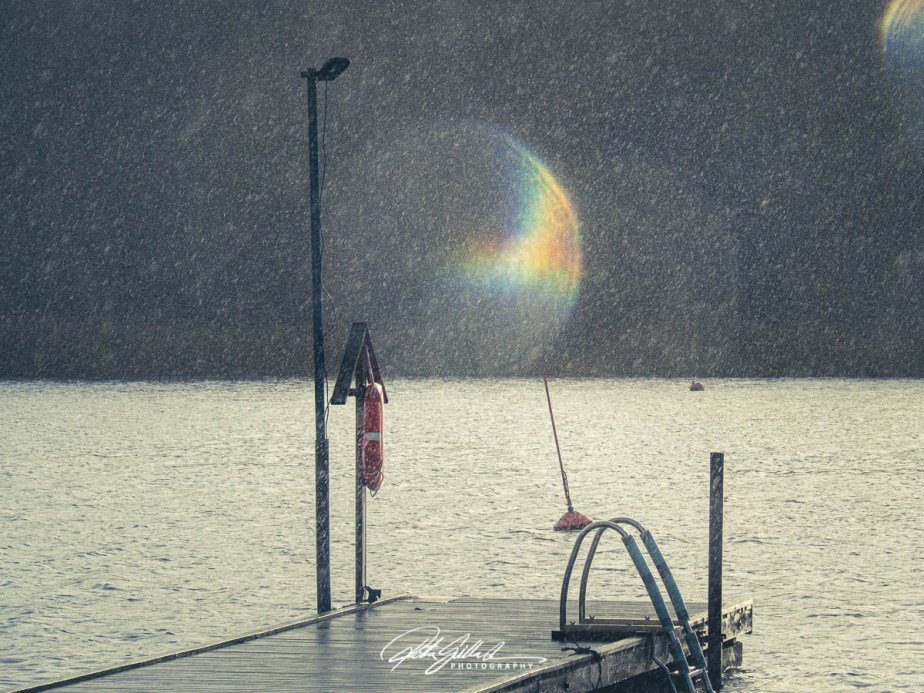
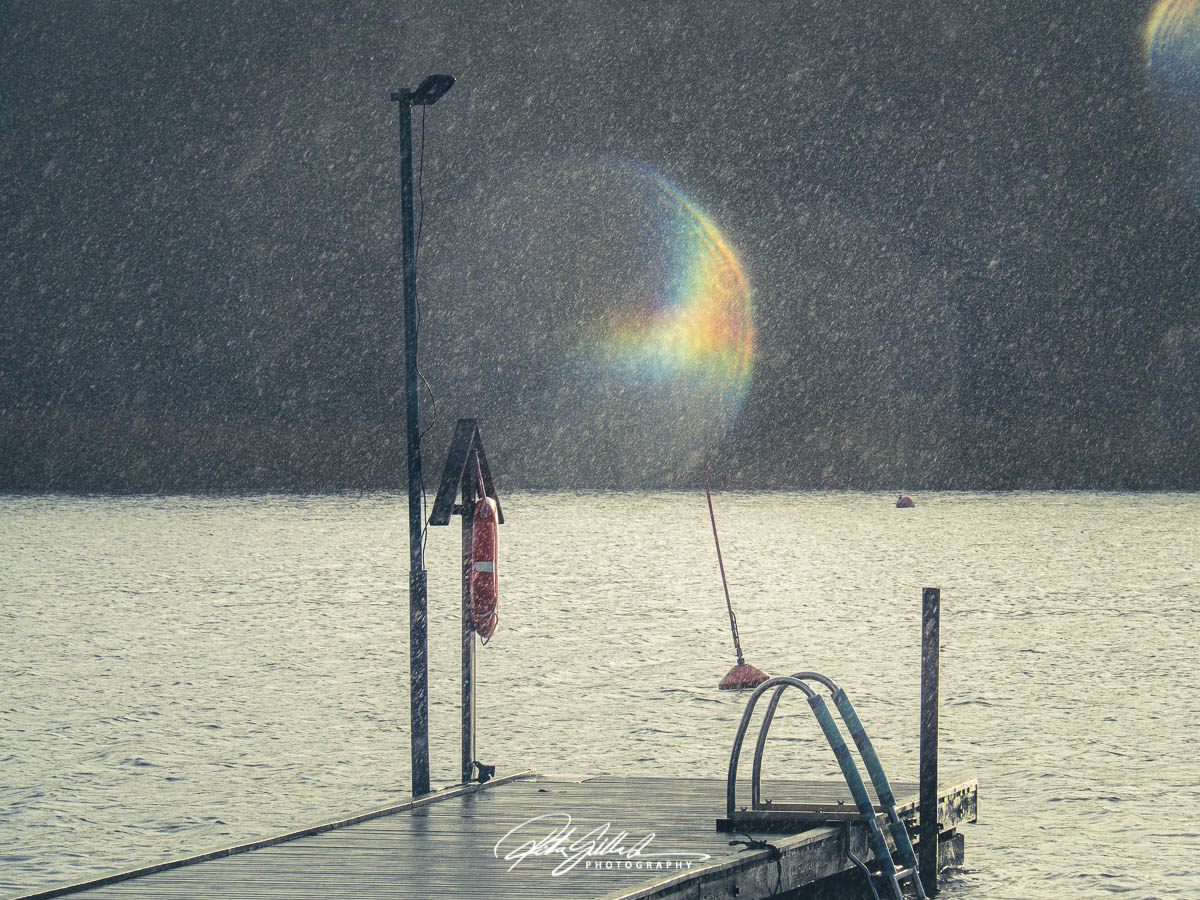
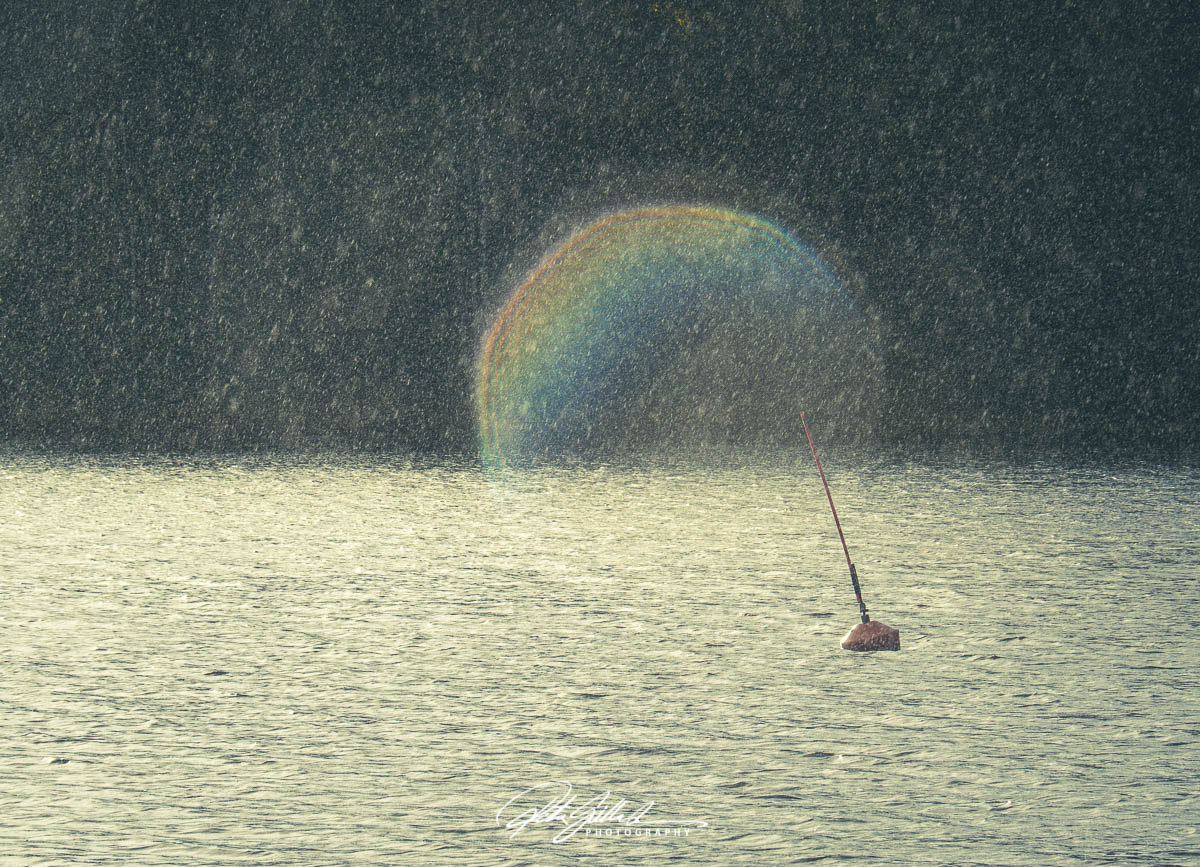
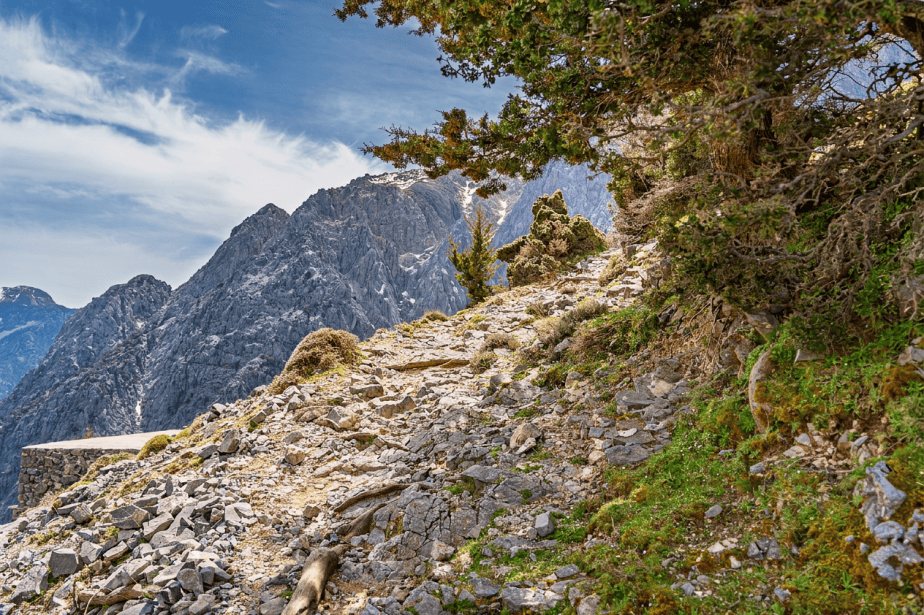
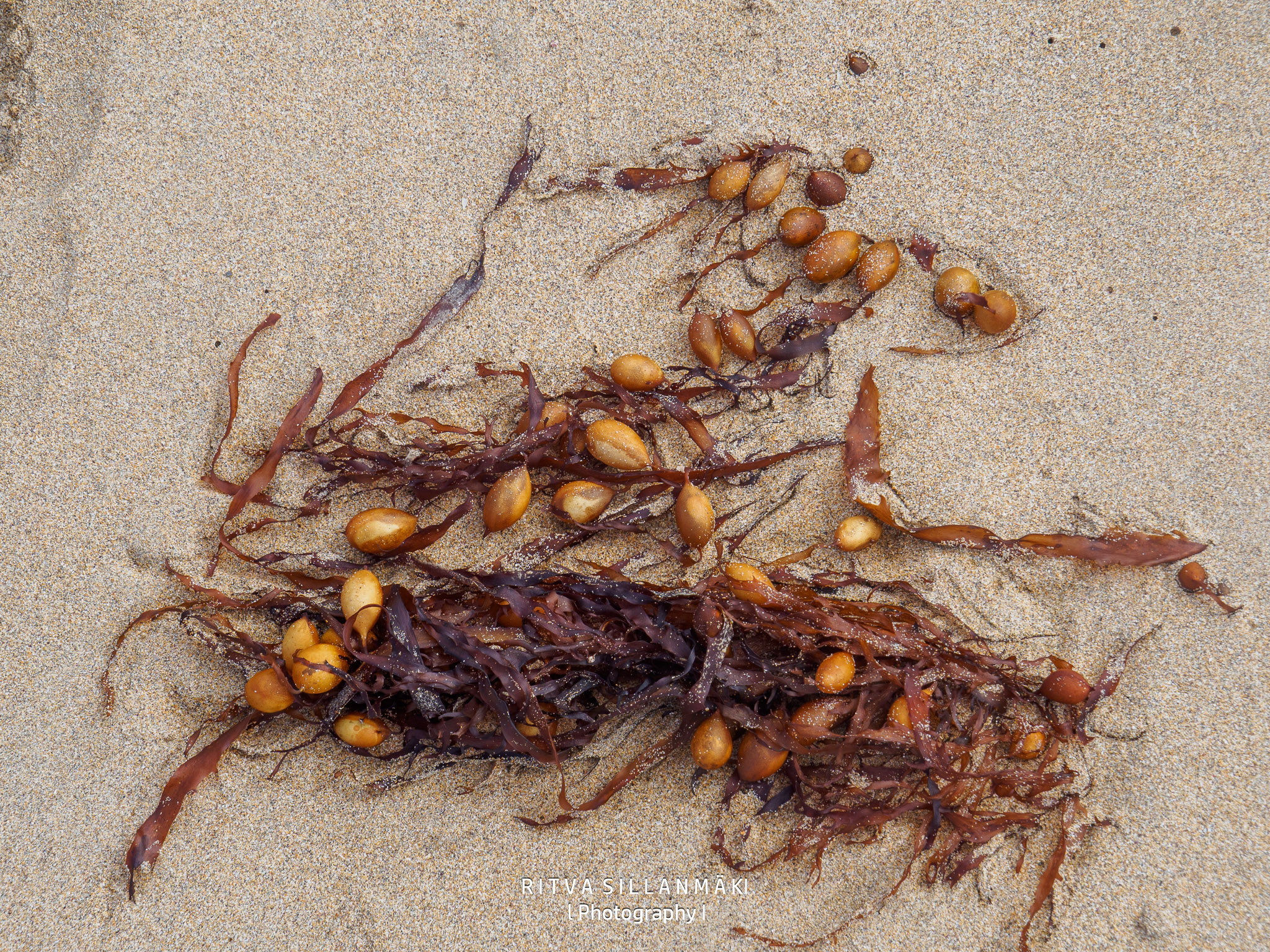
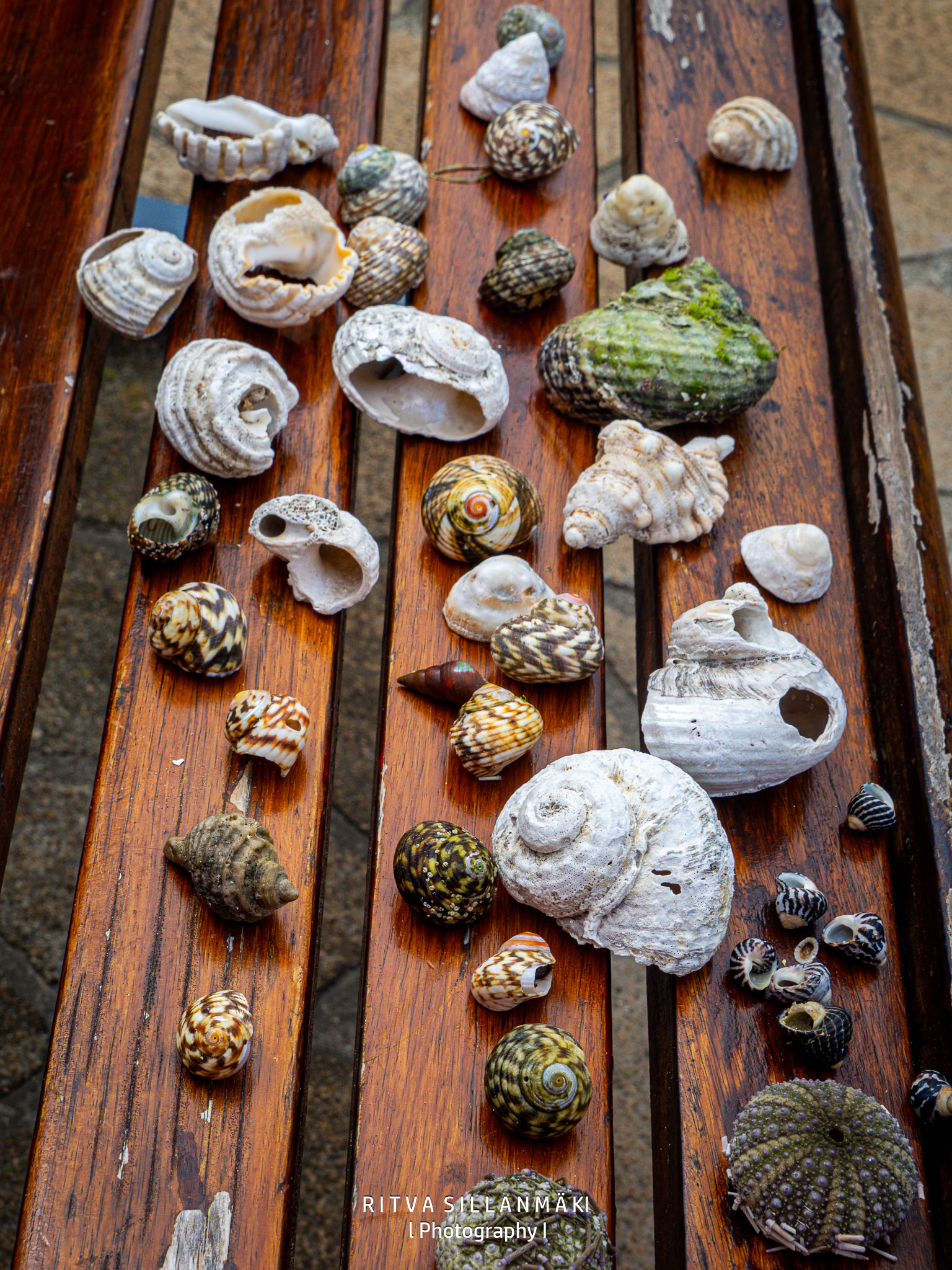
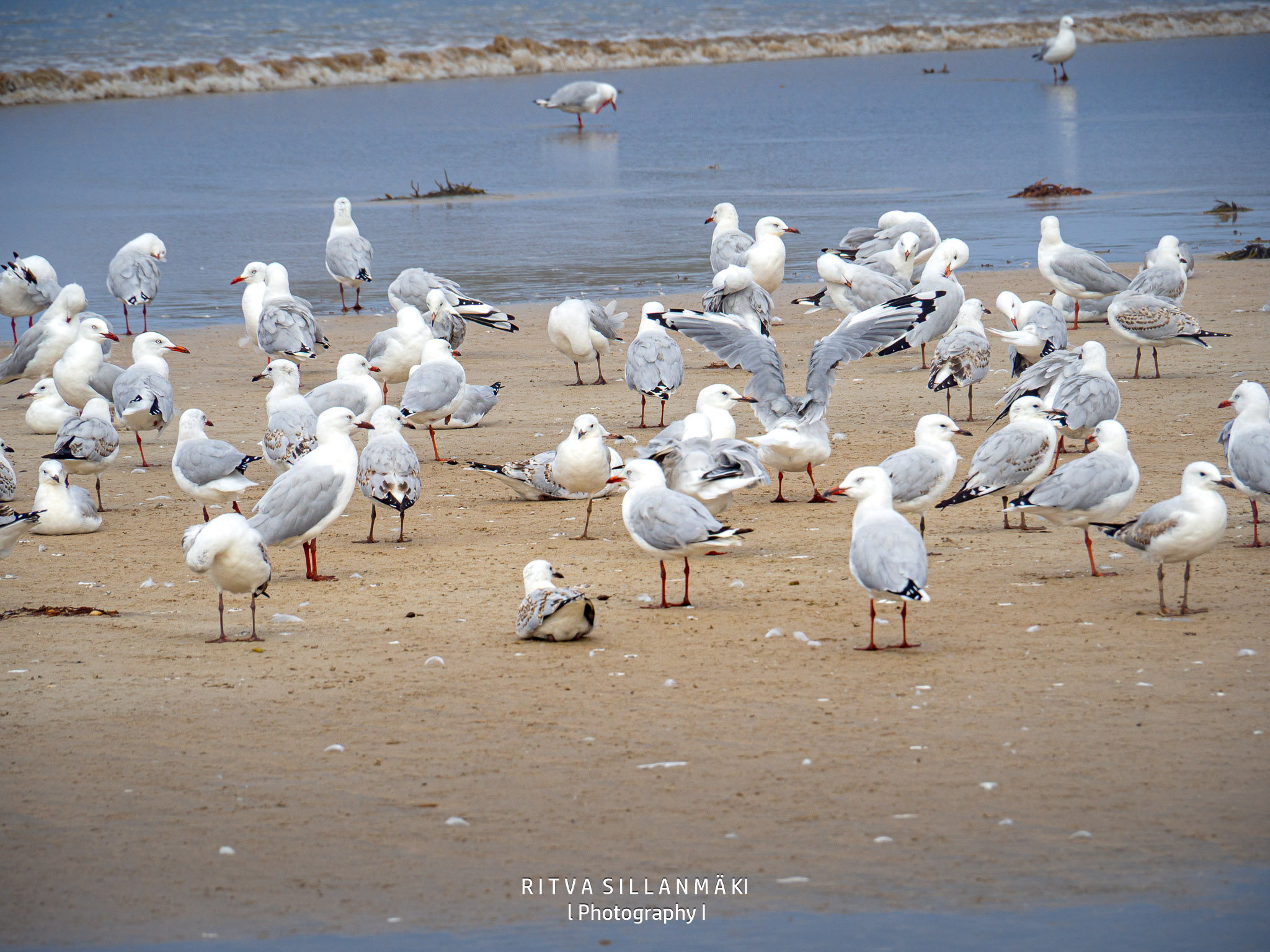
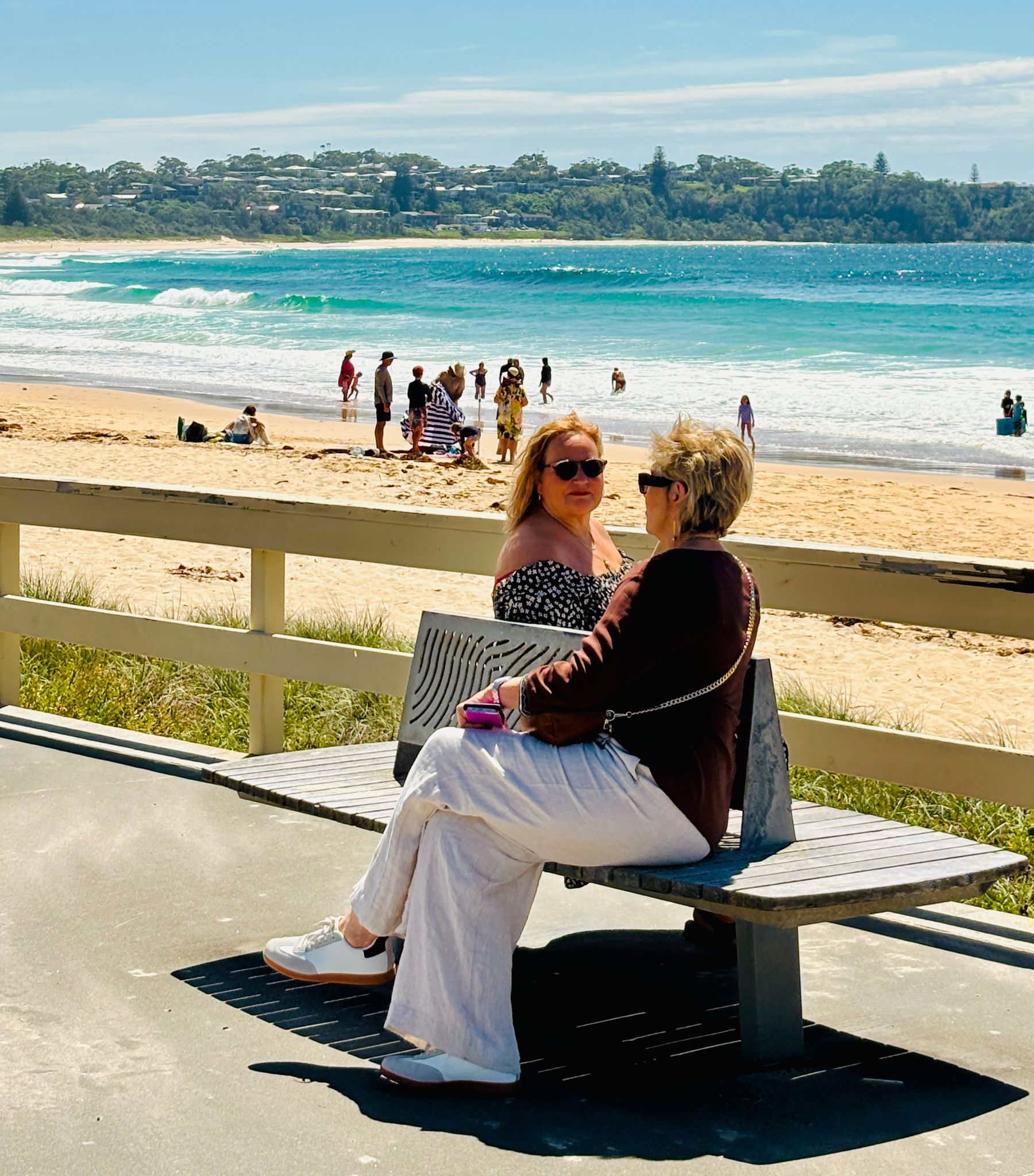
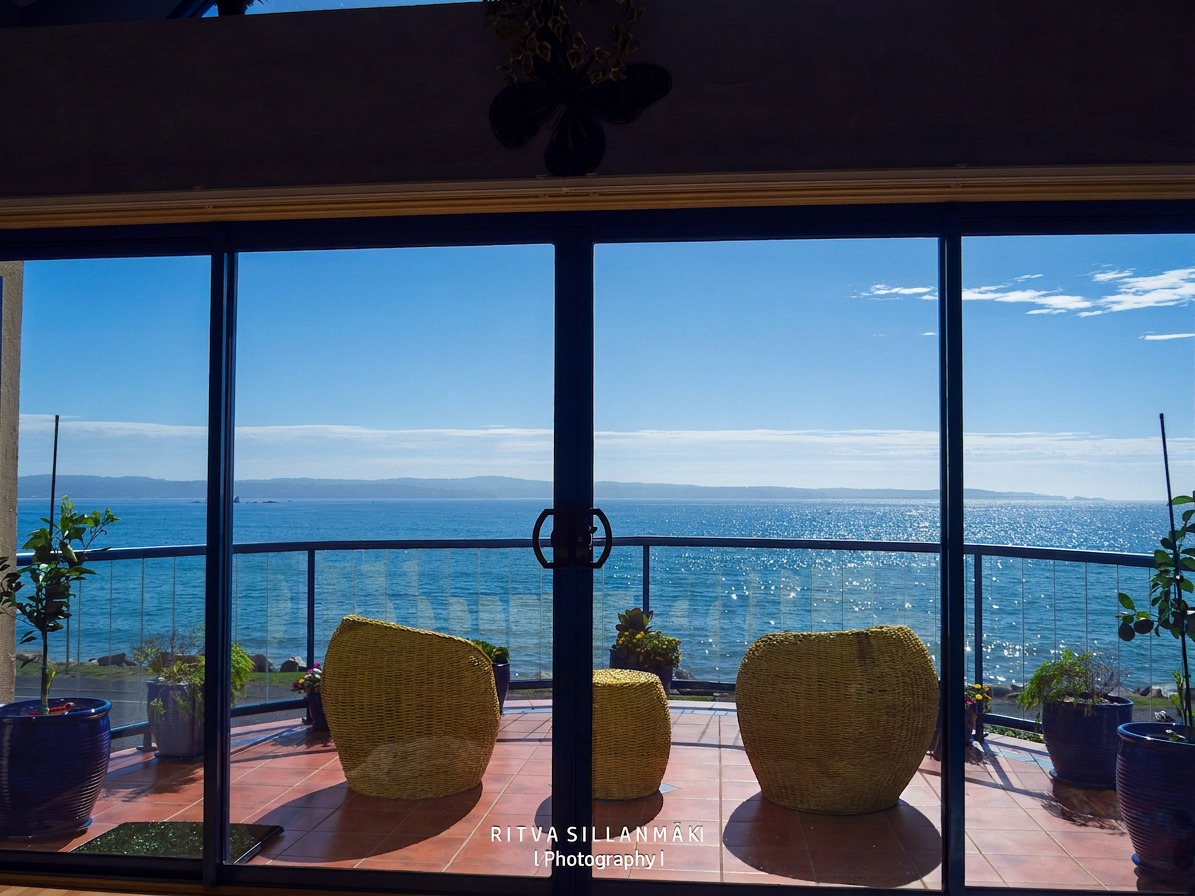
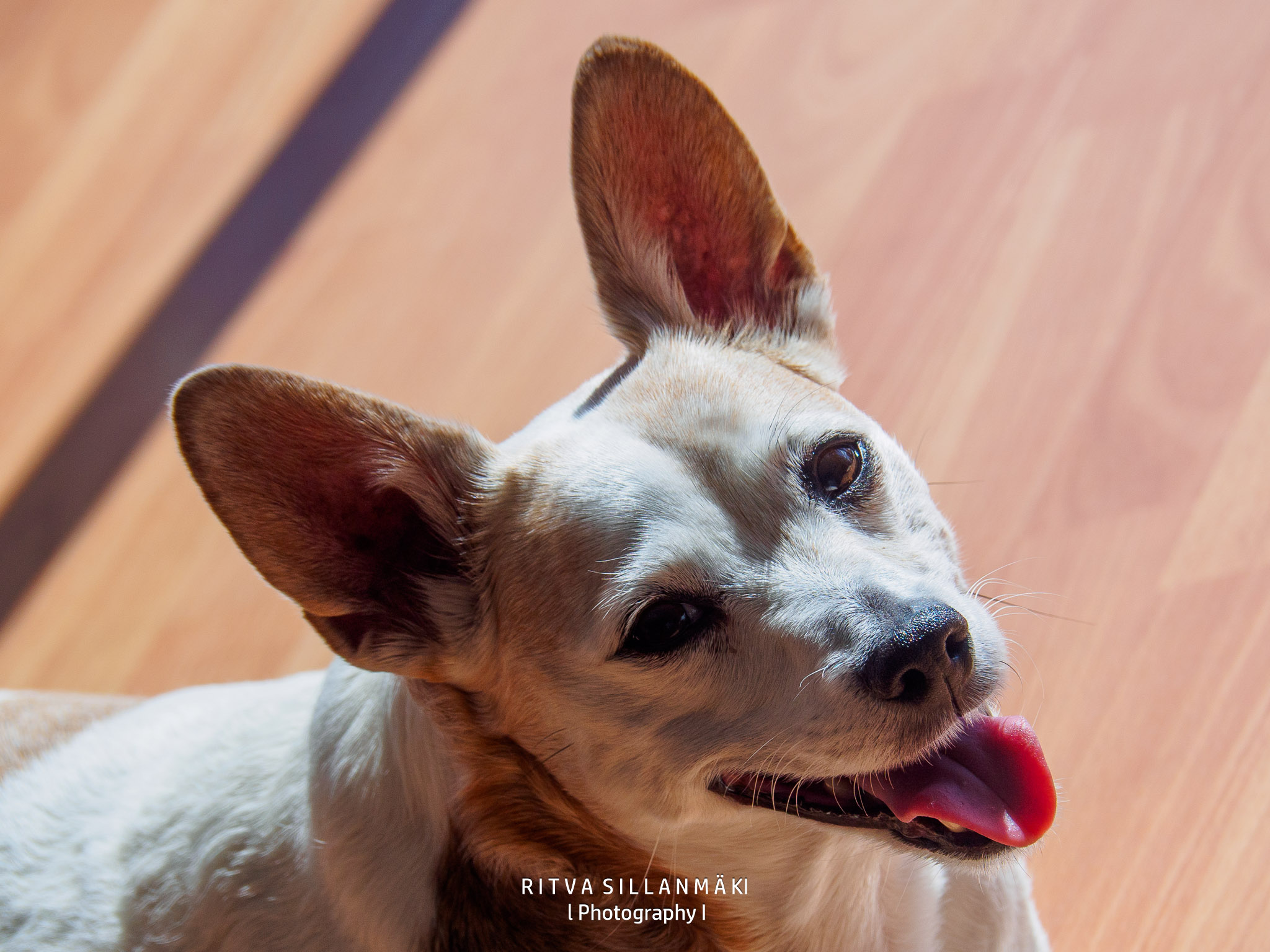
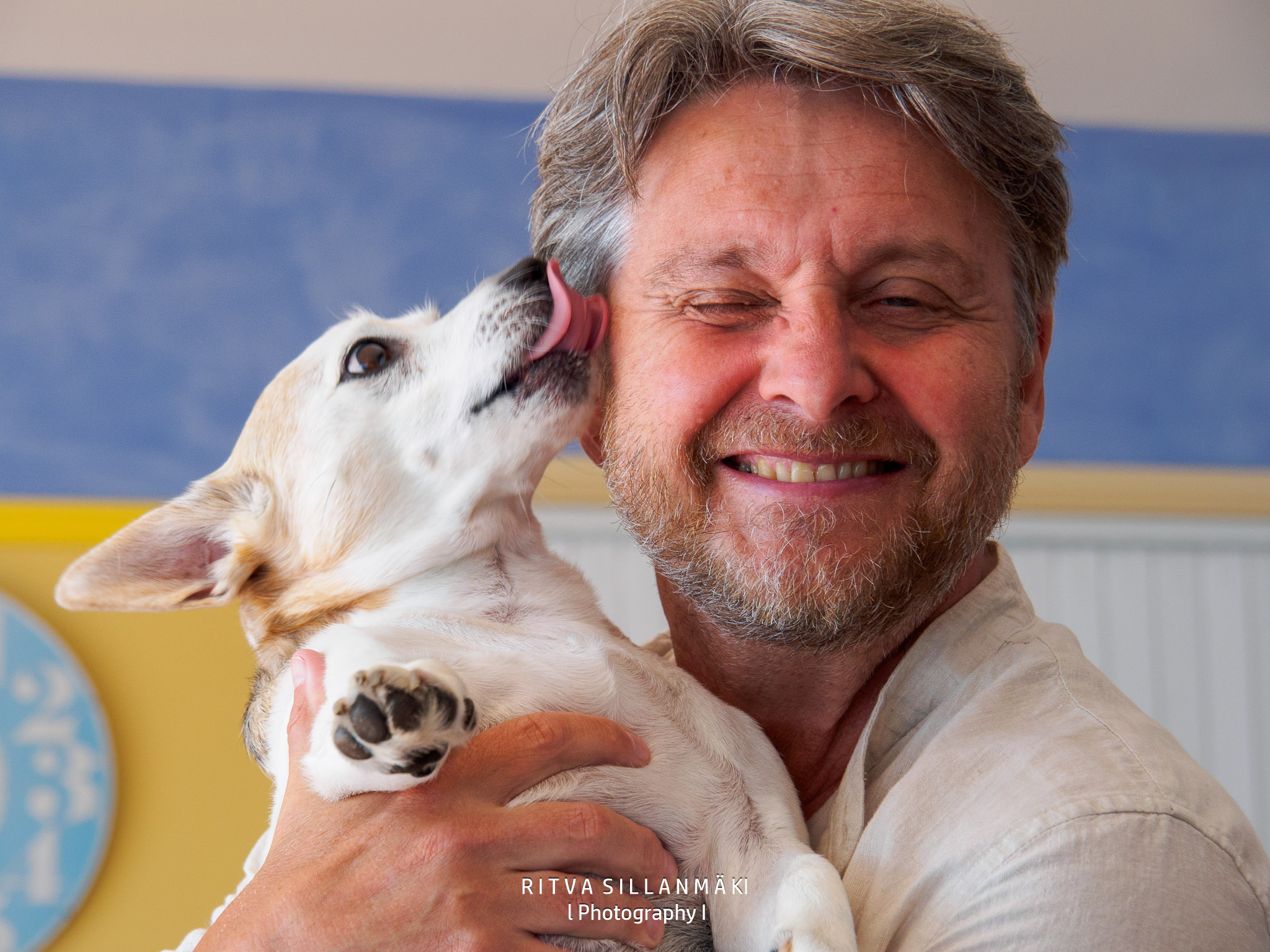
I’ve included these four images; these are the latest I’ve taken, and they are here to say I am trying my best to get going again. I am getting my shit together 😀 It’s all under the water 😊

Easter is coming soon; my son and his three boys are coming for a visit, which is something to look forward to as we plan to visit our summer house first time this year. The boys have been asking about it for months. I am not that keen as it not that warm and the house has been cold all winter, but today we are leaving to warm the house and get it ready for them. After their visit, it will be time to go on holiday for a week – I’m especially looking forward to the sun and new surroundings, where I can relax and recharge away from the daily routine. I can’t wait to explore new places and experience new adventures as we embrace this time away as a couple.
Tina’s – Phone Photography challenge is super relevant right now; it totally shows how far mobile photography has come, just like our smartphone cameras have leveled up. Her post is great inspiration, so do check it out and join in.
I’ve taken a ton of pics with my phones over the years. Right now, I’m using the iPhone 17 PRO, which is a recent purchase, and let me tell you, its camera setup is awesome with that triple-lens system and cool features like Night mode and Deep Fusion. The picture quality is great, and honestly, having such a great camera on me makes it so easy to grab those spontaneous shots!
I had no complaints about my previous iPhone 14 PRO; I got great shots with it for three years, and most of the images that I will share are shot with it.


Taking a self portrait with a phone is so much easier than camera, sharing a recent on of myself – in monochrome as I do love that style.

Please remember to include a link to Tina’s post and utilize the Lens-Artists Tag so we can easily find your photos. Huge thanks to Egidio for demonstrating the impact of black and white photography and how our minds can visualize colors through imagination. Lastly, I hope you to join us next week when Patti guides us through her Pilotfish post. Until then, let’s keep exploring, broadening our horizons, and maintaining a positive mindset.
I’m having a bit of a tough time keeping a positive mindset and staying motivated to get things done, but I’m really trying to push through. Every day has its moments. I just keep reminding myself that it’s all about just doing it. I am not depressed or anything, just lacking in the motivation part. My motto is even “Inspiration exists, but it needs to find you working.” I hope you get why I haven’t been commenting lately, but I promise I’ll check out the posts, even if it takes me a bit longer. Engaging with the posts matters to me, and I’m doing my best to get back on track and jump in more.
Please see this page for more information about the Lens-Artists Challenge and its history. If you don’t want to miss any future challenges, please consider subscribing to the team members’ websites. Here we are:
The Lens-Artists: Tina, Patti, Ann-Christine, John, Sofia, Anne, Egidio, Beth, and myself Ritva.
The remarkable influence of tonal suggestion and color memory is unmistakable. Even when a scene appears solely in shades of gray, our minds—shaped by years of experience—can easily “imagine” the recognizable colors we anticipate. We overlay our memories onto the image. This week, we are encouraged by Egídio to delve into this cognitive phenomenon, illustrating how the lack of color can often lead to a more profound and personal perception. This is the challenge we face this week: perceiving color within the confines of black and white.
It was rather hard to find images the we all associate with the same way. Sky, trees, water- even that is hard to precisely say, as there are so many shades.


These are my photos on this challenge; how did I perform? This one had me contemplating for some time as I tried to find suitable colors, I aimed to make sure that my suggestions were both easily identifiable within the given limitations.
It is clear that we all enjoy relaxing, and many of us name nature as one of its main factors, as replies for Anne’s Time to Relax challenge last week showed us. I hope you will participate this week in Egídio’s challenge, too. Please don’t forget to use the “lens-artists” hashtag in your posts to help people discover yours. Also, tag them to his original post.
Next week, Tina will feature a new challenge. It will go live at noon EST in the USA. Tune in to find out more about the challenge then.
Please see this page for more information about the Lens-Artists Challenge and its history. If you don’t want to miss any future challenges, please consider subscribing to the team members’ websites. Here we are:
The Lens-Artists: Tina, Patti, Ann-Christine, John, Sofia, Anne, Egidio, Beth, and myself Ritva.
“How beautiful it is to do nothing, and then to rest afterward.”
Green fields of summer stretch endlessly, painted in vibrant shades of green under the dazzling blue skies. Birds chirp, their melodies harmonizing with the gentle rustle of leaves as the wind slowly blows through the tops of the trees, creating a soothing symphony of nature. While laying in the hammock, I feel a sense of peace enveloping me. The warmth of the sun kisses my skin, and I watch fluffy clouds drift lazily overhead, time seeming to stand still in this serene oasis. The sweet scent of wildflowers mingles with the fresh air, heightening the tranquility of this perfect day.


Waves crashing against a rocky shore, relaxing by the tranquility of nature, is one of the most enchanting experiences when visiting warm places by the ocean. The rhythmic sound of the surf, as it crashes and recedes, creates a soothing melody that caresses the ears and invites peaceful thoughts. As you breathe in the salty air, each breath seems to wash away the stresses of daily life, replacing them with a deep sense of calm. The warm sun, while seabirds glide gracefully overhead, adding to the idyllic scenery. This harmonious blend of sights and sounds encapsulates the essence of coastal bliss, making it an unforgettable moment that lingers long after the visit.

Art, in its many forms, serves as a profound source of relaxation for me. Photography, sculpture, and painting all offer unique avenues for creative expression that help me unwind . Engaging with these mediums brings a sense of peace and tranquility that is hard to replicate elsewhere. I often find myself lost in the moment while capturing the world through my camera lens or molding a piece of clay into something beautiful. Listening to music also plays a crucial role in my relaxation ritual; the genre I choose often varies depending on my mood but regardless of the selection, the melodies wash over me and ease my mind. Singing along in the car is another delightful escape, letting me let loose and enjoy the freedom of expression. Furthermore, taking the time to look at and genuinely appreciate the artwork created by others adds another layer to this experience; observing their techniques and emotions often inspires my creativity and cultivates a greater appreciation for the artistic journey we all share.


That is me relaxing- shared some my personal ways.
Thank you, Anne, for this inspiring challenge! I’m thrilled to hear that you’re improving daily. If you’re looking for inspiration, be sure to check out Anne’s amazing website. Don’t forget to tag Lens-Artists and link back to Anne’s original post so we can find your creations easily.
Last week, Ann-Christine shared her recent adventurous trip to Africa with us and encouraged us to recount our own stories. I loved the pictures and appreciated the experiences you described even more.
Next week is Egídio’s turn to lead us, Saturday 21st March. Until then, let’s keep exploring, broadening our horizons, and maintaining a positive mindset.
Posted for Anne’s Lens-Artists Challenge
We are the Lens-Artists: Tina, Patti, Ann-Christine, John, Sofia, Anne, Egidio, Beth, and myself Ritva.
To learn more about the Lens-Artists Challenge, click here.
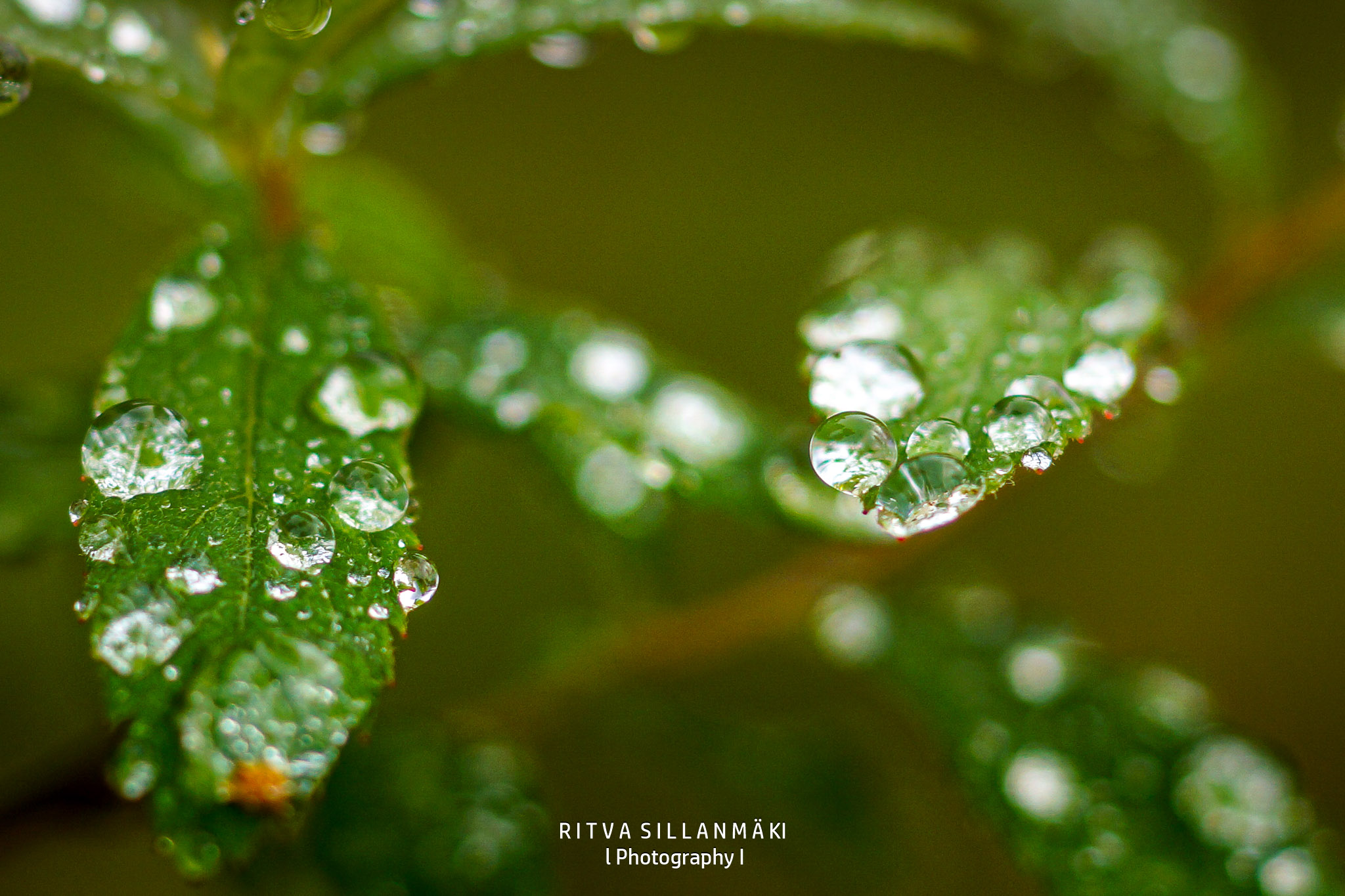
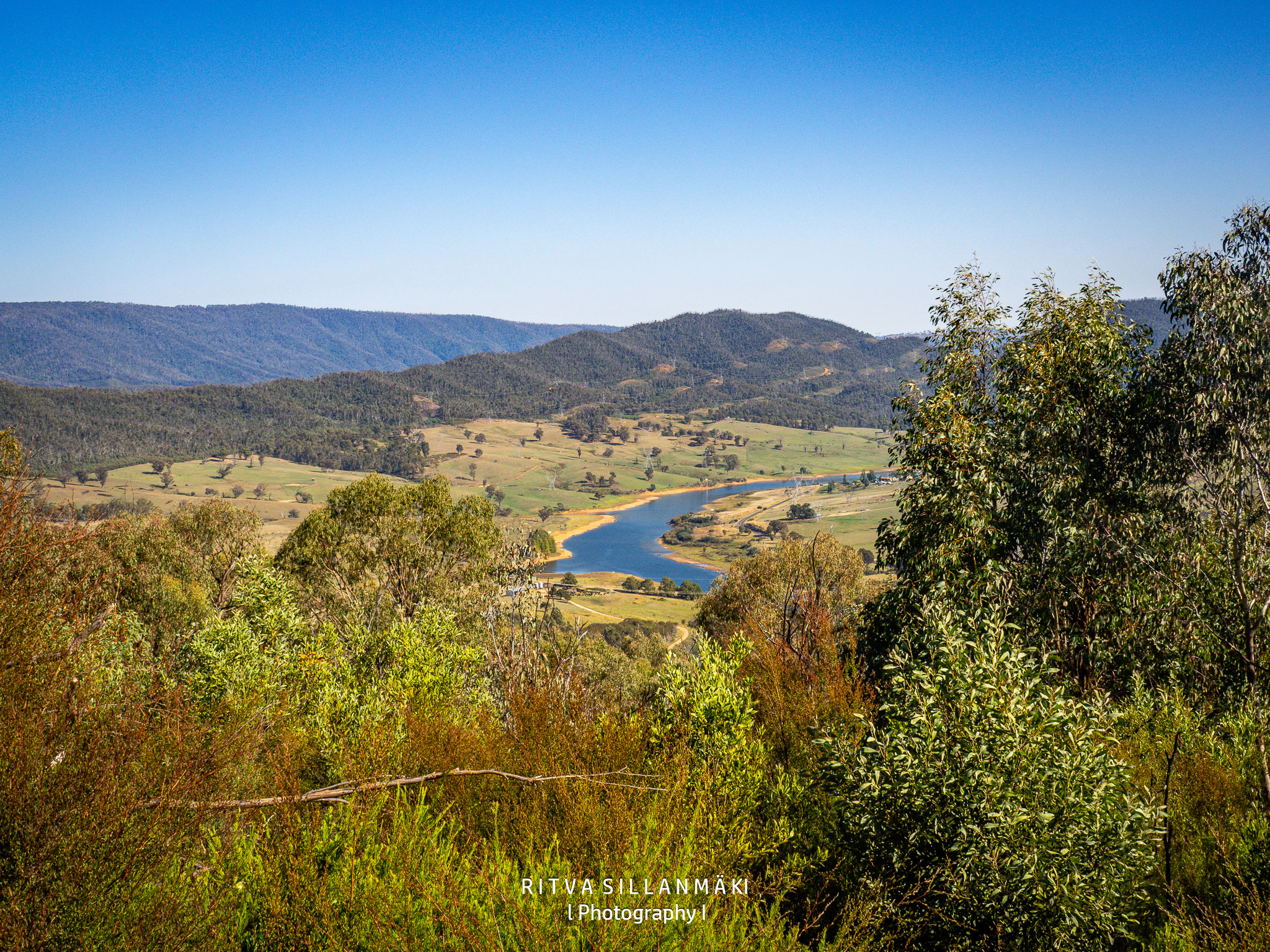
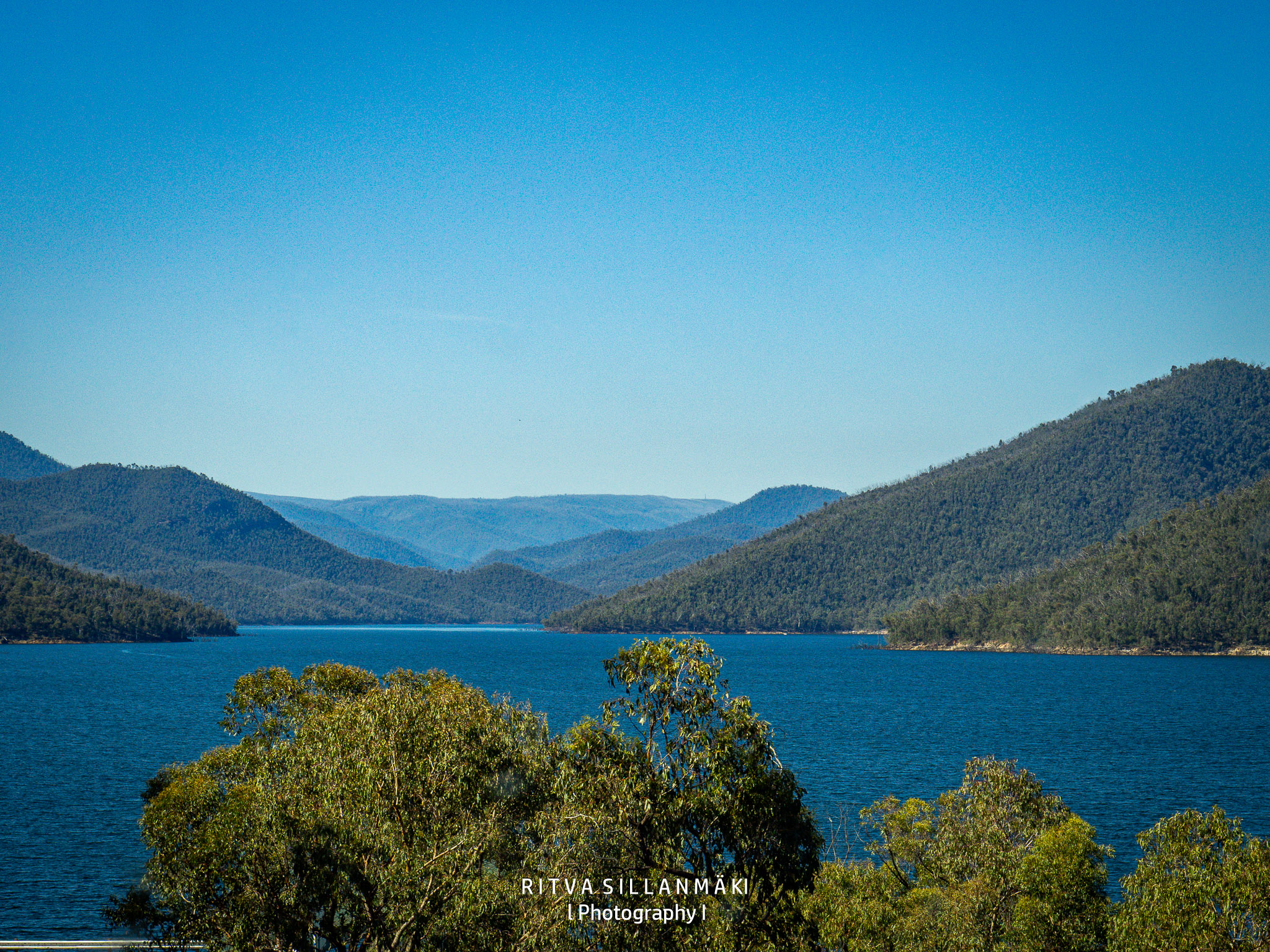
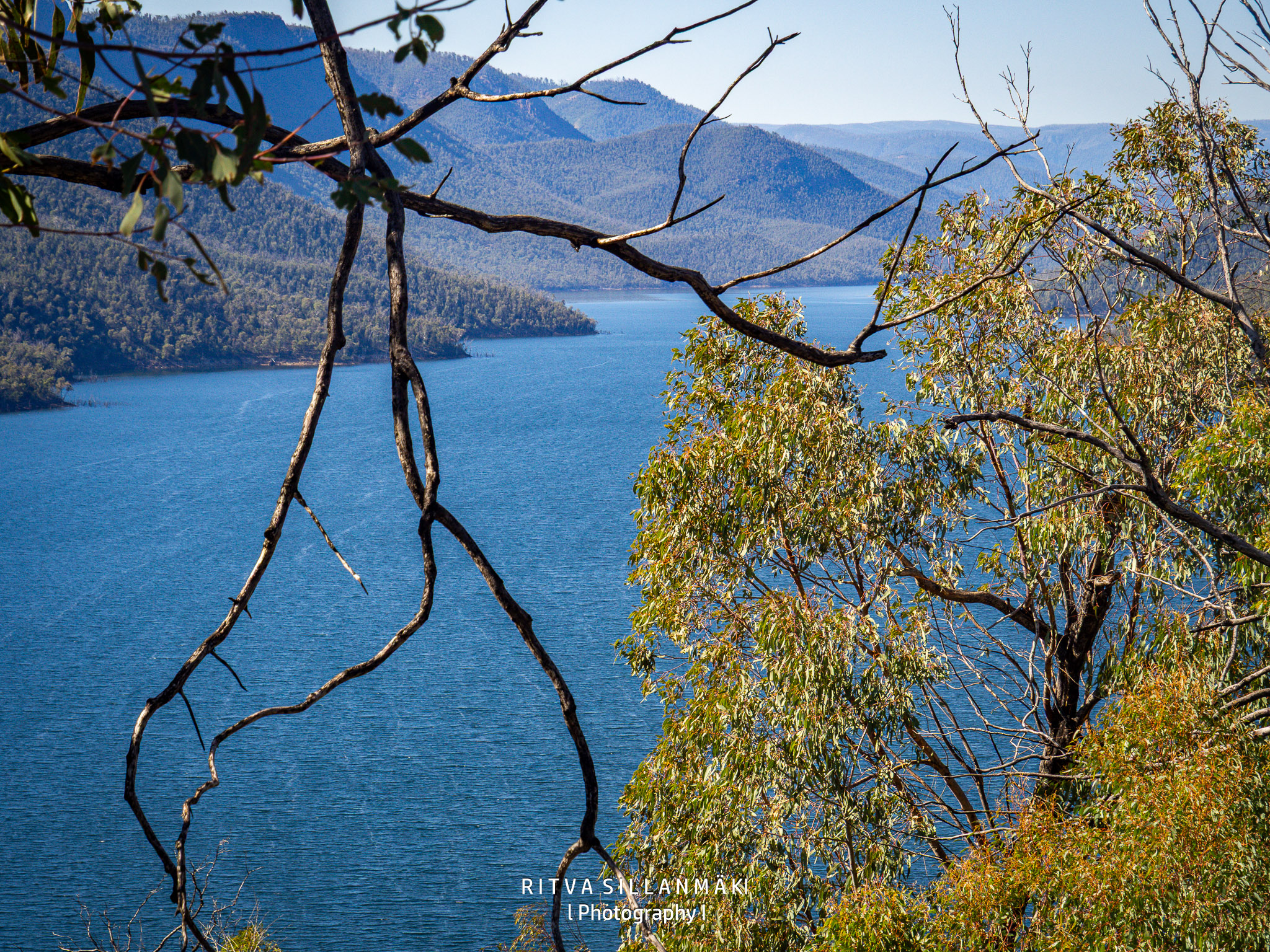
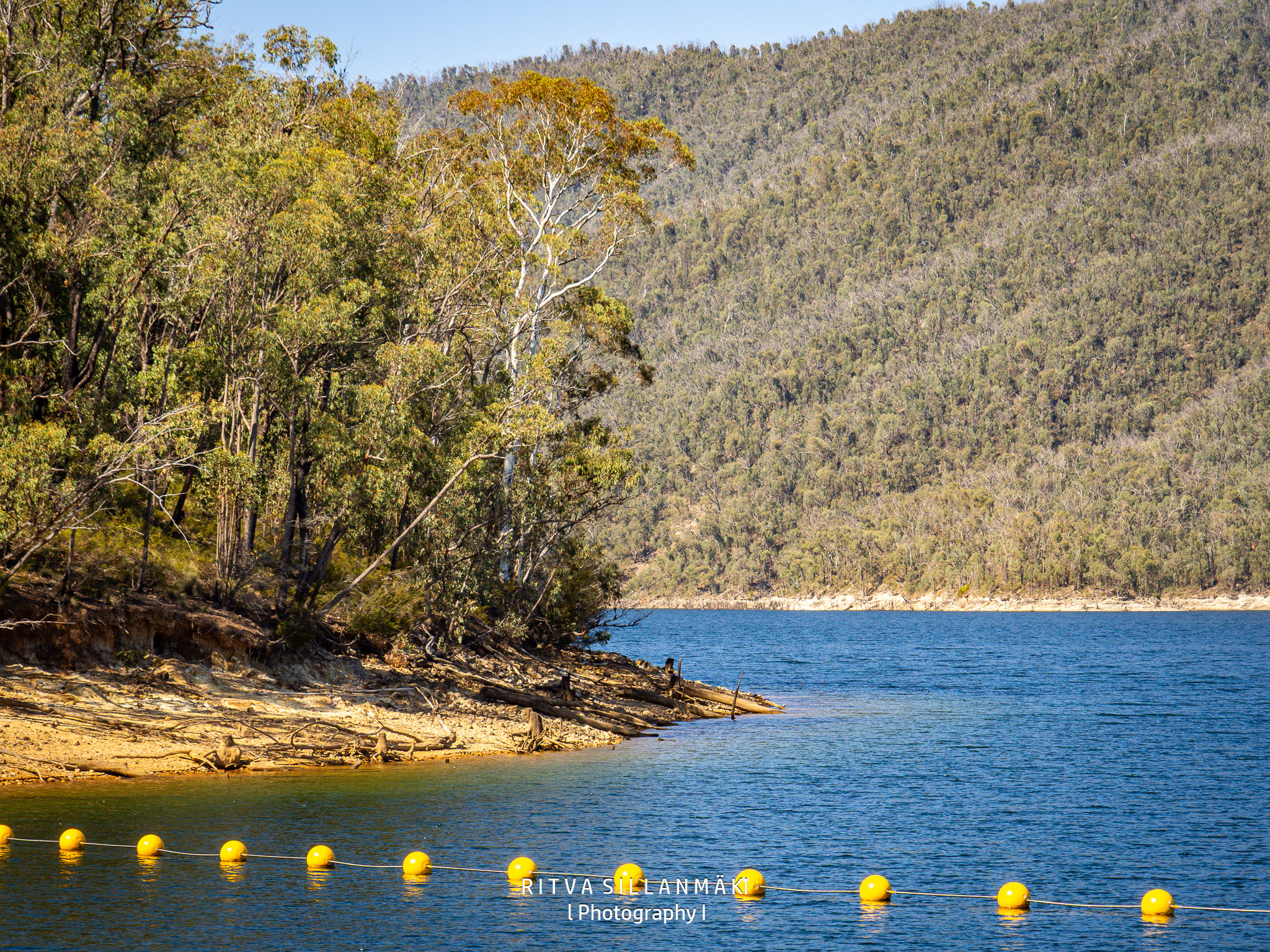
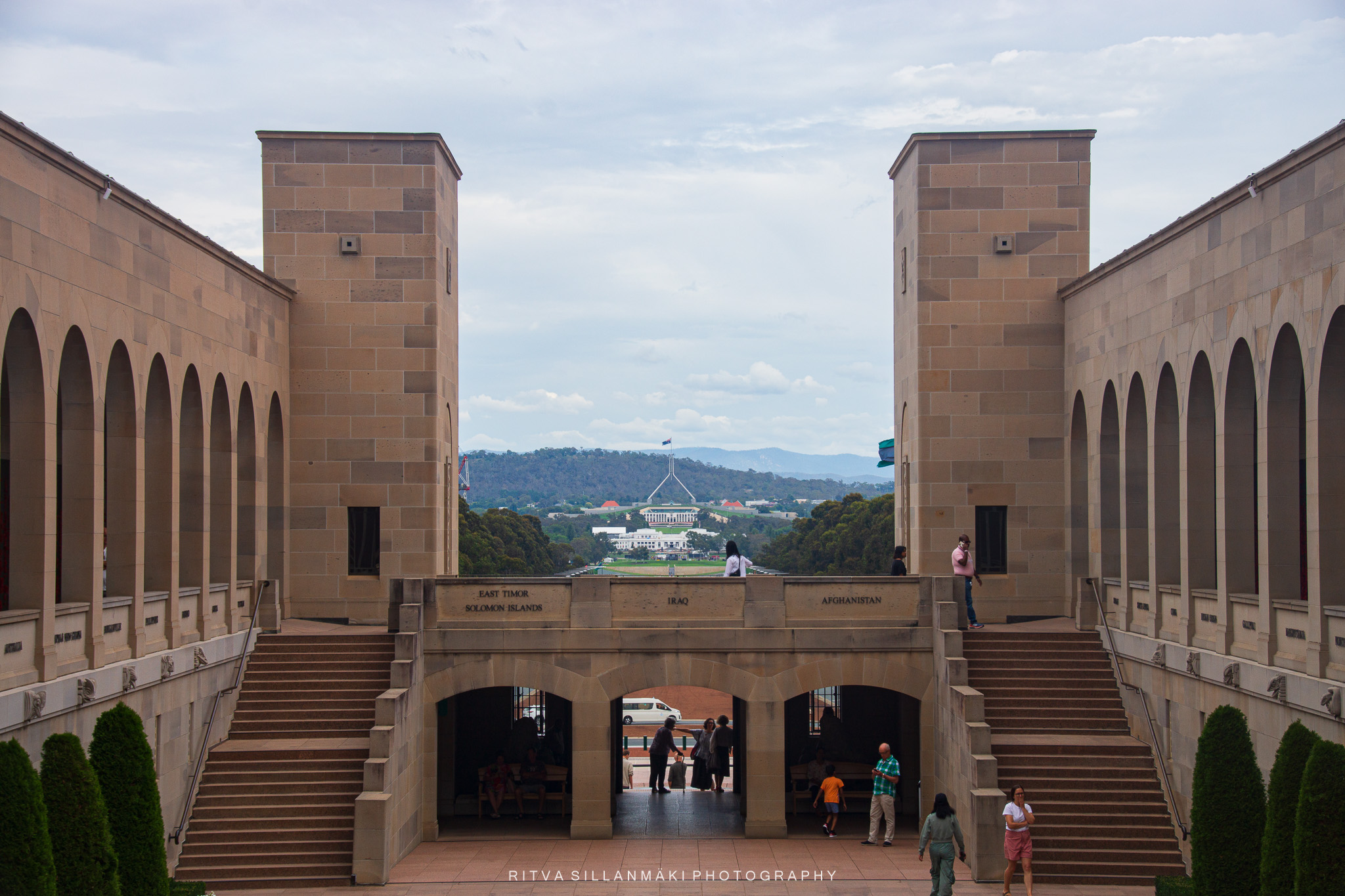
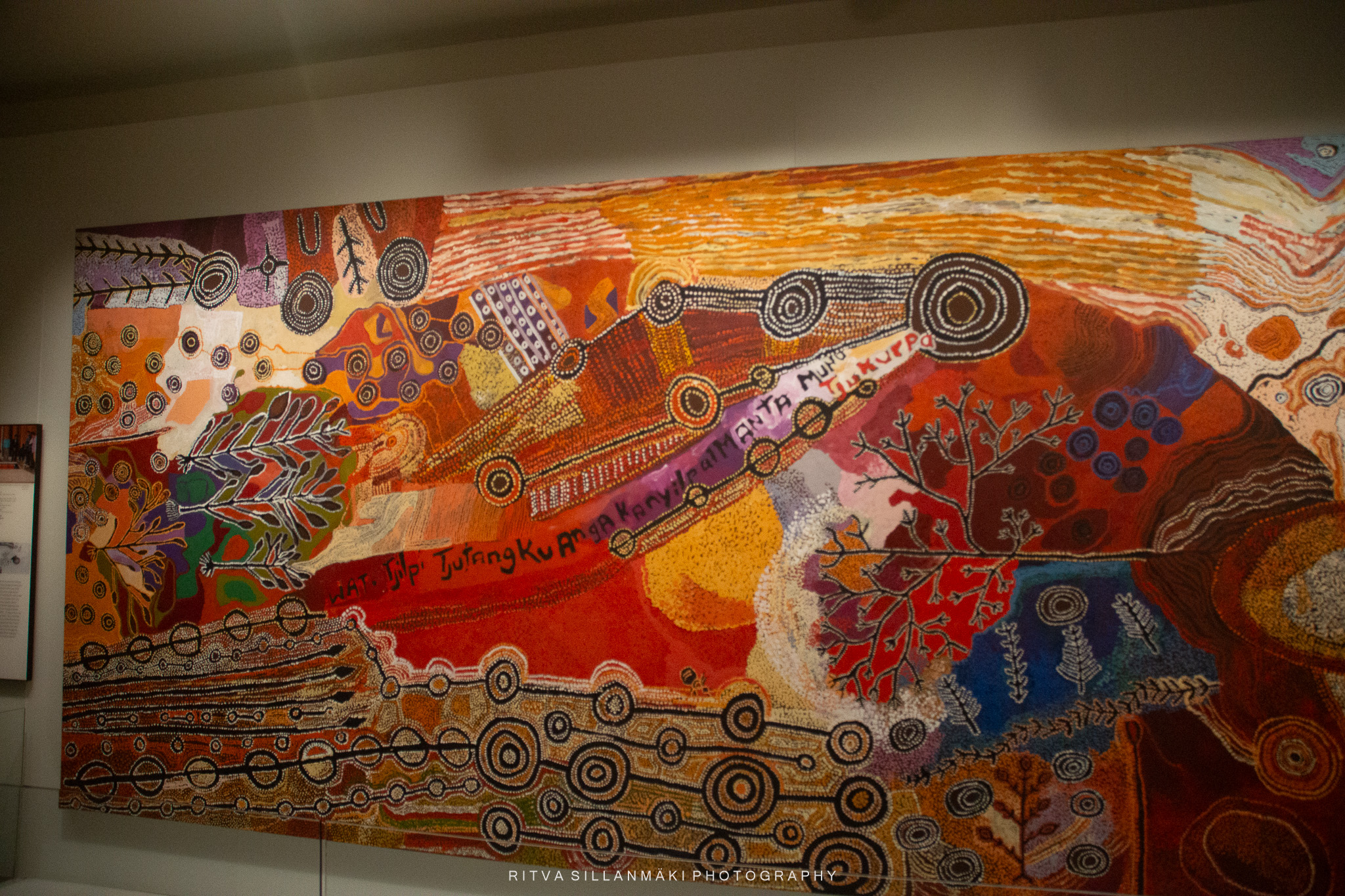
As I have said, I have tons of images from our trip; now here is an overload that captures the essence of our incredible experiences. This is the addition to the LAPC /Your Journey 5-10 images, where you will find a small selection that highlights the beauty and adventure we encountered along the way.
Each gallery can be enlarged by a click, allowing you to immerse yourself in the vibrant details and stunning scenery; I might even be bold enough to recommend it as a visual diary that tells our story, evoking the memories tied to each moment.
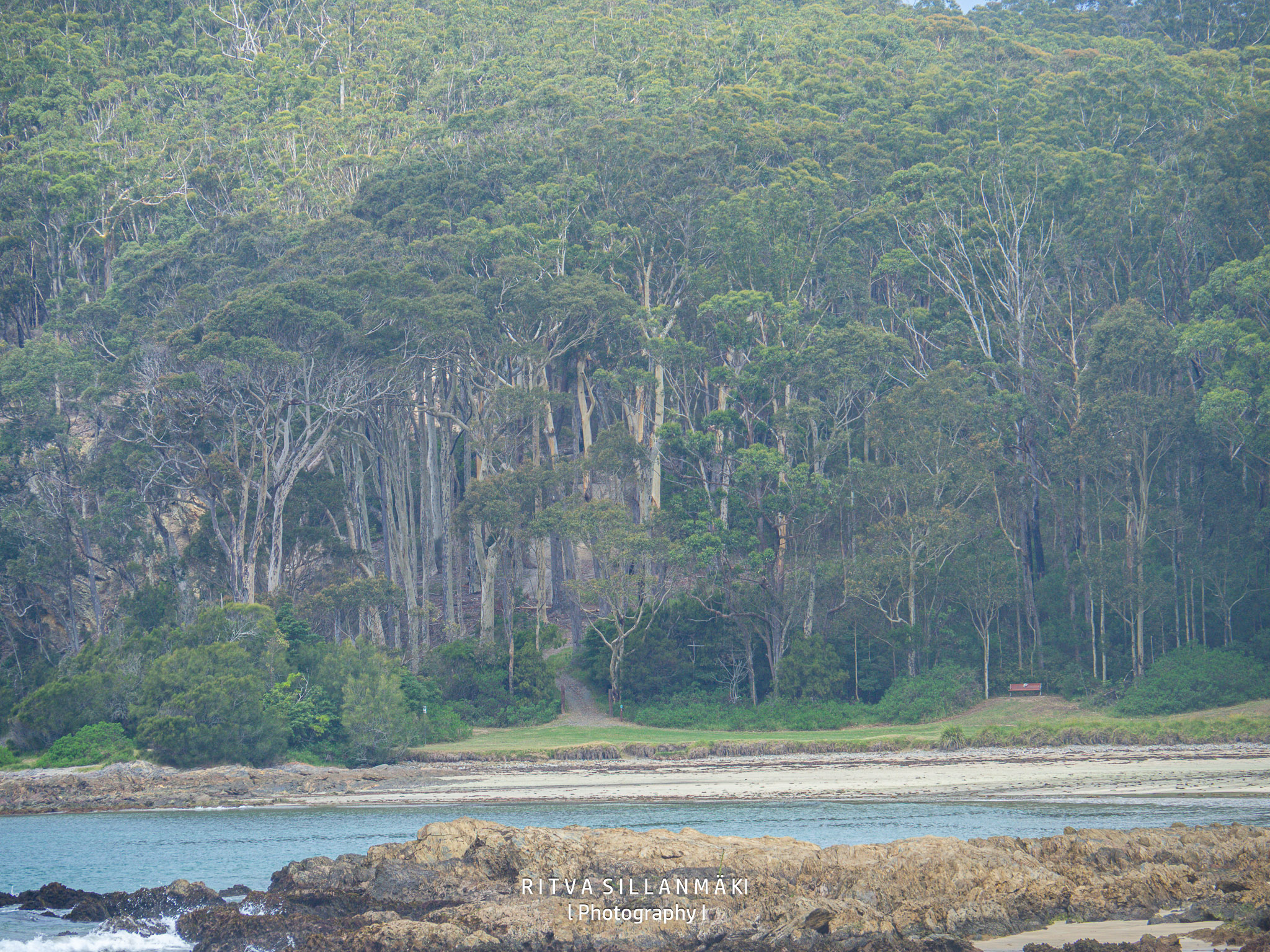
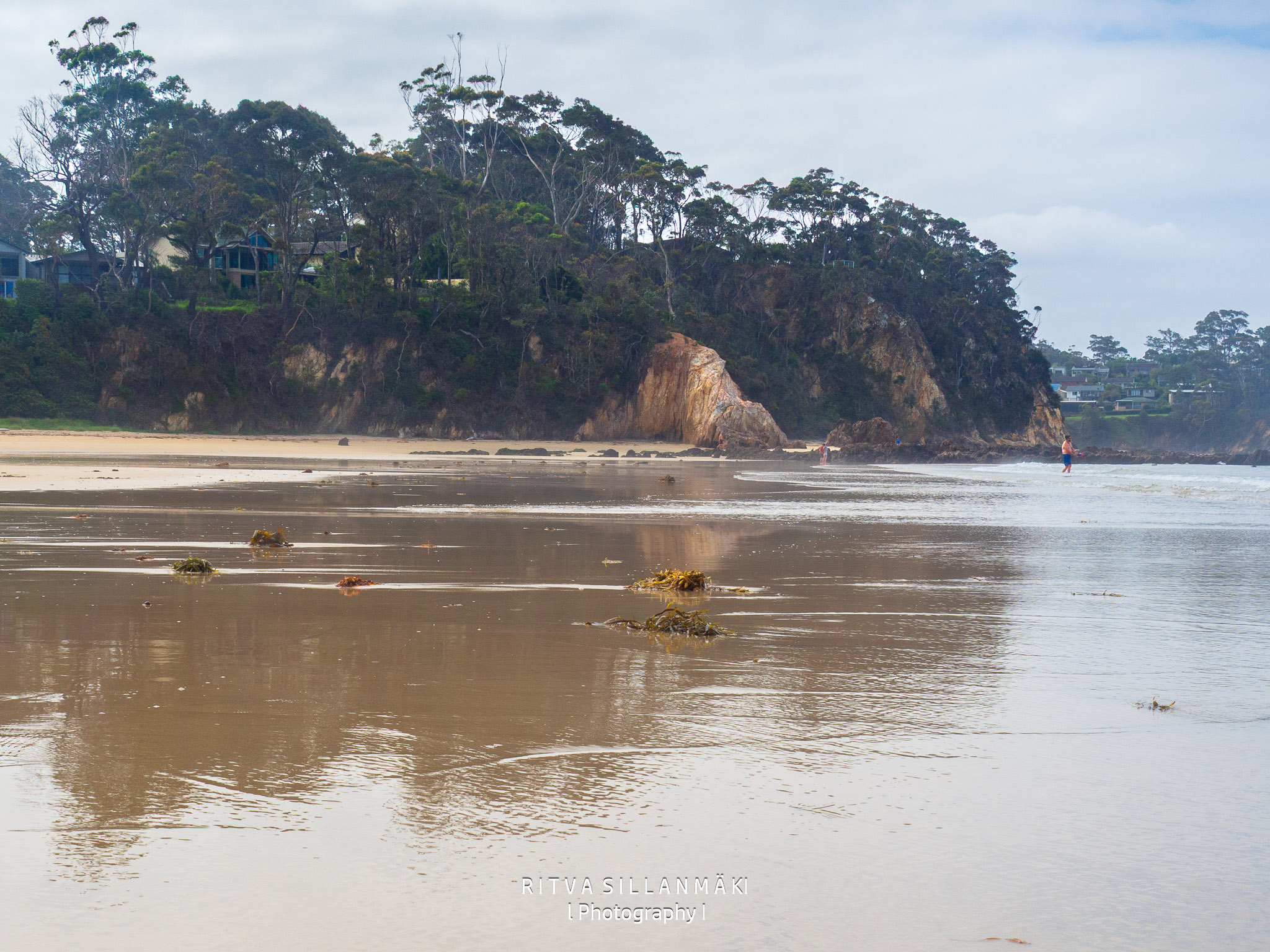
Our first stop was to look at the views at Kianga Beach on the southern coast of New South Wales, a tranquil 700-meter-long destination known, according to the South Coast Travel Guide, for its stunning views of the Tasman Sea and Montague Island. It is located near the town of Narooma.


Narooma (/nəruːmə/) is a town in the NSW on the far south coast. The town is on the Princes Highway, which crosses the Wagonga Inlet to North Narooma. We just drove through it. The name Narooma is said to be derived from a word in the local Aboriginal language (one of the Yuin dialects) meaning “clear blue waters”.We didn’t end up stopping at Narooma at all, even though it had a nice little port with oyster shops.


We were going to stop for a break in the charming town of Tilba Tilba, a hidden gem protected by National Heritage listing! I read that this delightful spot came alive during the gold rush back in the 1890s and 1900s, and you can still wander among its beautiful Victorian timber buildings. Nestled right at the foot of the majestic Gulaga (Mt Dromedary), it’s the perfect launchpad for exploring this spiritually rich land of the Yuin people. And to me, I loved spotting the cows and the sheep on the hills.


Have you ever heard of Wallaga Lake? It’s the largest lake in southern NSW, nestled beneath the stunning Gulaga Mountain. I was amazed by the peaceful atmosphere— The sunsets there? Absolutely breathtaking I heard, I wish I could have captured the magic around Beauty Point and Wallaga Lake Heights, we had time just to drive through it. Plus, I learned that this area is culturally significant for the Yuin-Monaro people, with Merriman’s Island being an Aboriginal Place where access is limited.


Bermagui, with its inviting Blue Pool, from our previous visit had stayed in our minds, so we decided to head there for a relaxing day. It’s truly a hidden gem along the Sapphire Coast, showcasing stunning opaline hues that blend from azure to turquoise, then blush, and finally to a cheerful canary yellow. After carefully making my way down the cliff, I arrived at the stunning 50-meter seawater swimming hole—interesting fact: it was enlarged to its present dimensions in 1937 by local philanthropist Bill Dickinson.


During our visit in February 2025, we stayed two weeks with my cousin at Casey’s Beach. Casey’s Beach is a sheltered, 800-meter-long sandy beach located in Batehaven, near Batemans Bay on the NSW South Coast, ideal for swimming, fishing, and snorkeling. It extends south from Observation Point, a lookout point offering panoramic ocean views of the Tasman Sea and Snapper Island, often used for whale watching.
It was our base for the second part of our Australia trip. We are so grateful for the warm hospitality of my cousin and his husband for allowing us to stay there, as their generosity made us so welcome. Each evening, it was nice to go to sleep listening to the soothing sounds of the waves hit the shore, providing a calming soundtrack to our nights. In the morning, we would awaken to the beautiful, panoramic view that greeted us, a breathtaking sight to marvel at. I have always dreamt of living by the coast, now I got the taste of it. Enjoying freshly made coffee crafted by our thoughtful host while enjoying breakfast on the balcony became a cherished routine. The gentle breeze carried the scent of saltwater. We appreciated the warmth of family and the wonders of Australia even more.
Here are some photos taken in the morning, day, dusk and sunset and blue hour after it. Night shots are missing 😂 Click on the gallery to enlarge the images.


I have posted several posts about the first half of our trip, I will add the links to them if you wish to have a look, they are in the order I posted them Sydney – Adelaide – South Australia – Victoria
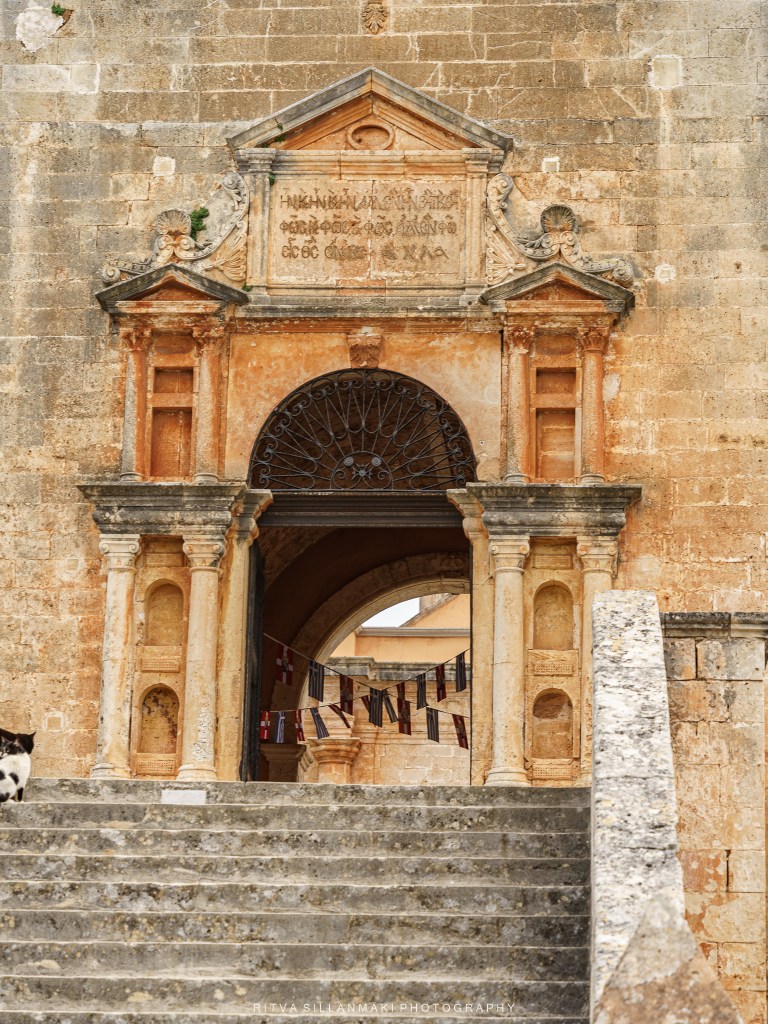
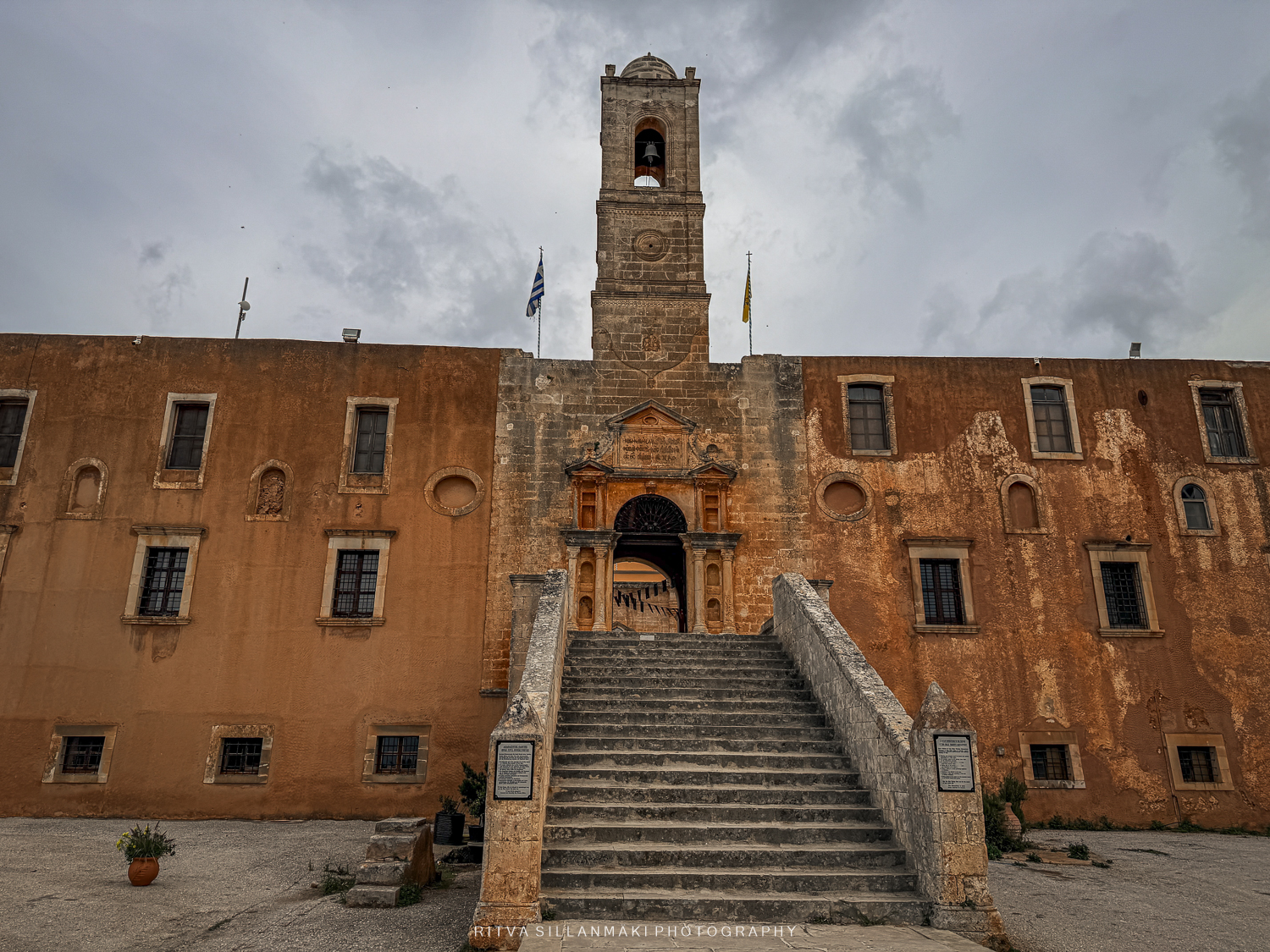
Positano, Italy, captivates with its colorful coastal buildings and stunning Mediterranean architecture.


In the picture is the Chiesa di Santa Maria Assunta church, nestled in the charming Positano on the Amalfi Coast, a breathtaking architectural gem that weaves memories of sunny day spent wandering its streets. I can still picture that striking dome, embellished with shimmering majolica tiles, catching the sunlight as if it were a beacon from the past. This lovely church, with roots tracing back to the 12th century, isn’t just a place of worship; it holds stories and dreams, drawing visitors from all corners of the globe. The views of the Mediterranean Sea and the quaint cliffside village always felt like a postcard come to life. I can see art lovers admiring the iconic statue of the Black Madonna, while soaking in the exquisite frescoes and intricate details within its walls, each one a testament to a rich history.
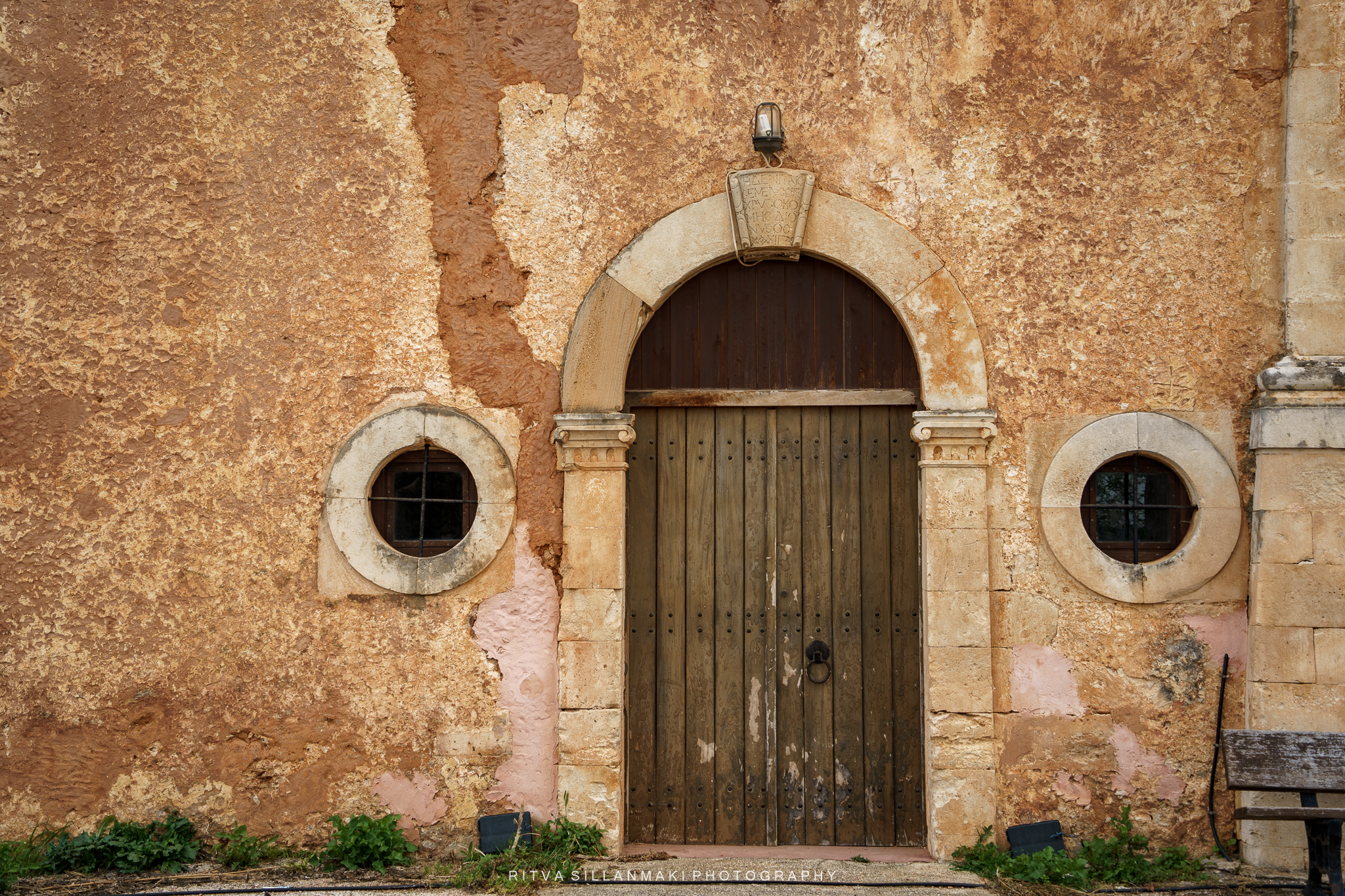
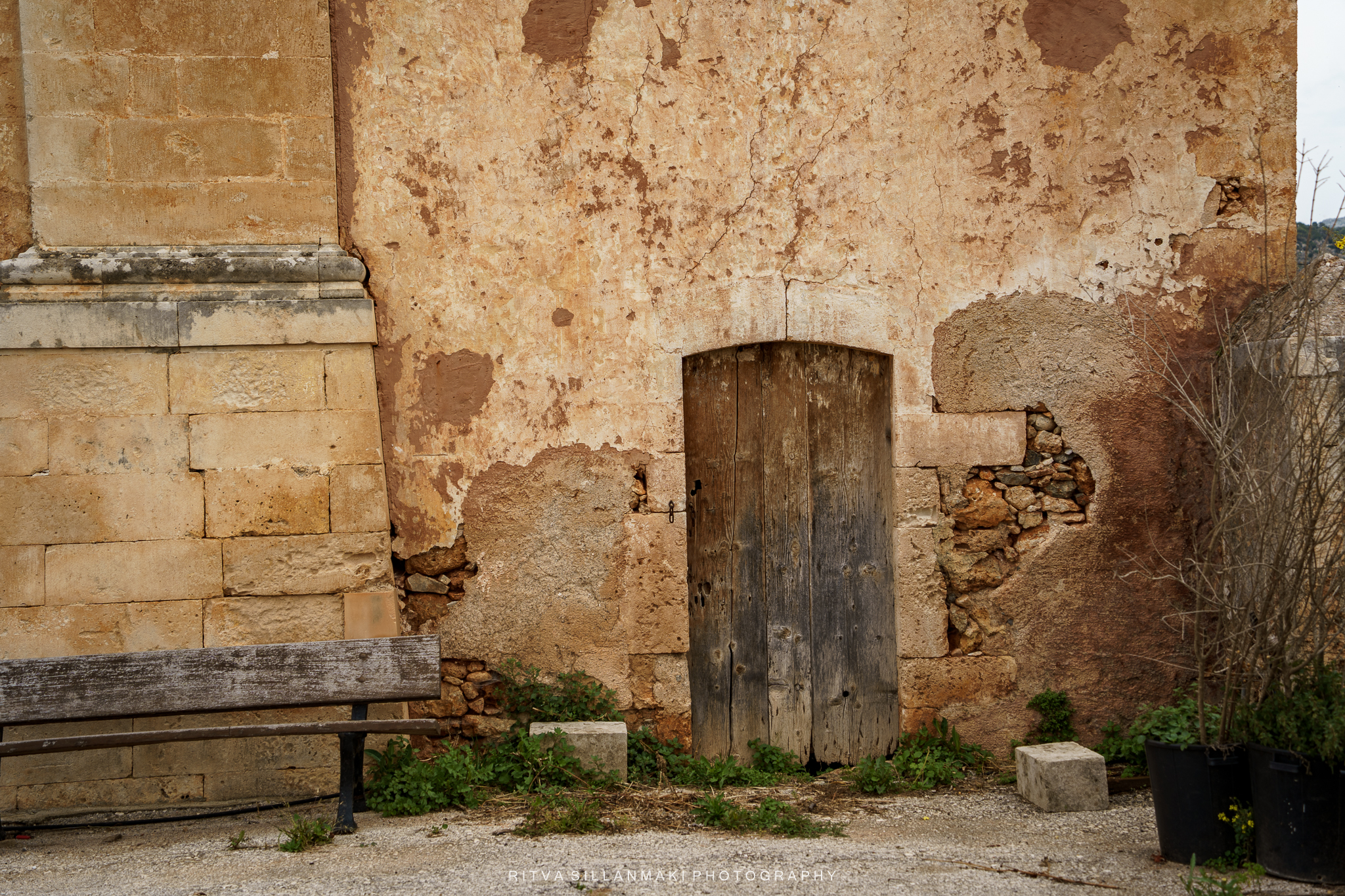
Posted for Dan’s Thursday Doors


Well, it seems I might have gone a bit off-script since most of my walls also feature windows! Talk about being a rebel, right? But unfortunately, those windows do pop up in many of my captures too. It’s not that big of a deal though—after all, I take these challenges seriously, but not so that they’re a life-or-death situation. I strive for precision while trying to sprinkle in some creativity and structure.


Here is my submission for Monochrome-Madness {Walls}, hosted this week by Margaret from Pyrenees to Pennines.
As you can see, I do take these challenges seriously. You know, I’ve been thinking about how to visually represent the concept of invisible walls in photography. It’s fascinating, really. Imagine capturing a person gazing out at what seems like an open space, yet their body language is full of frustration or hesitation—it’s like a silent dialogue that suggests there’s an unseen limit at play. The composition could create that sense of separation between the subject and their surroundings, almost as if there’s this emotional barrier that the viewer can feel. And then there are the shadows; they could really drive home the idea of barriers that aren’t physically there but are definitely felt on a deeper level.

Describing and illustrating trips packed with activities can feel like a monumental task—at least for me. It often seems like too much, and while I usually tend to overshare for the sake of my friends and readers, I’m now hit with a real challenge: Anne-Christine wants us to pull it off with just 5-10 pictures! Lens-Artists Challenge # – Your Journey in 5-10 images
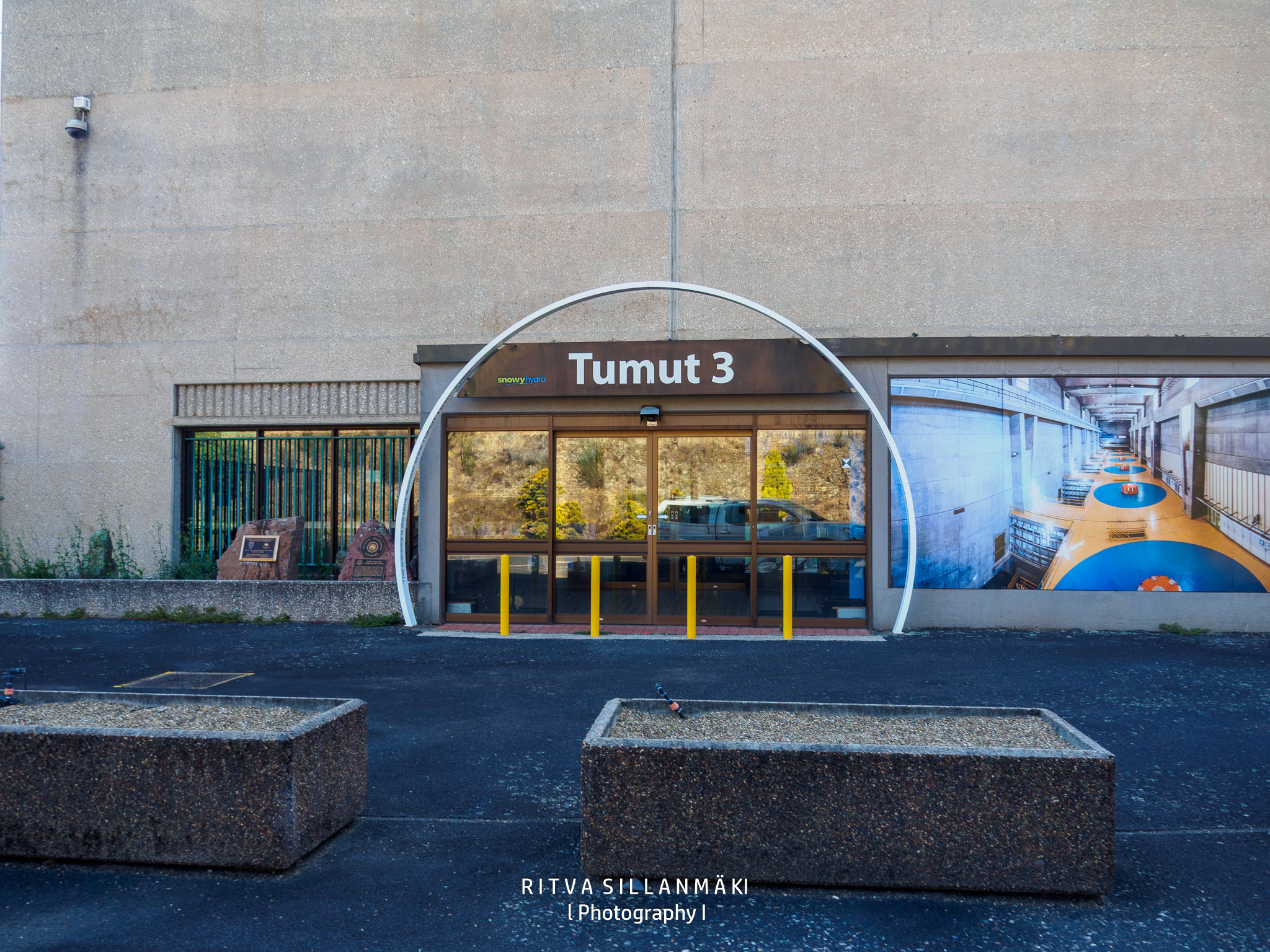
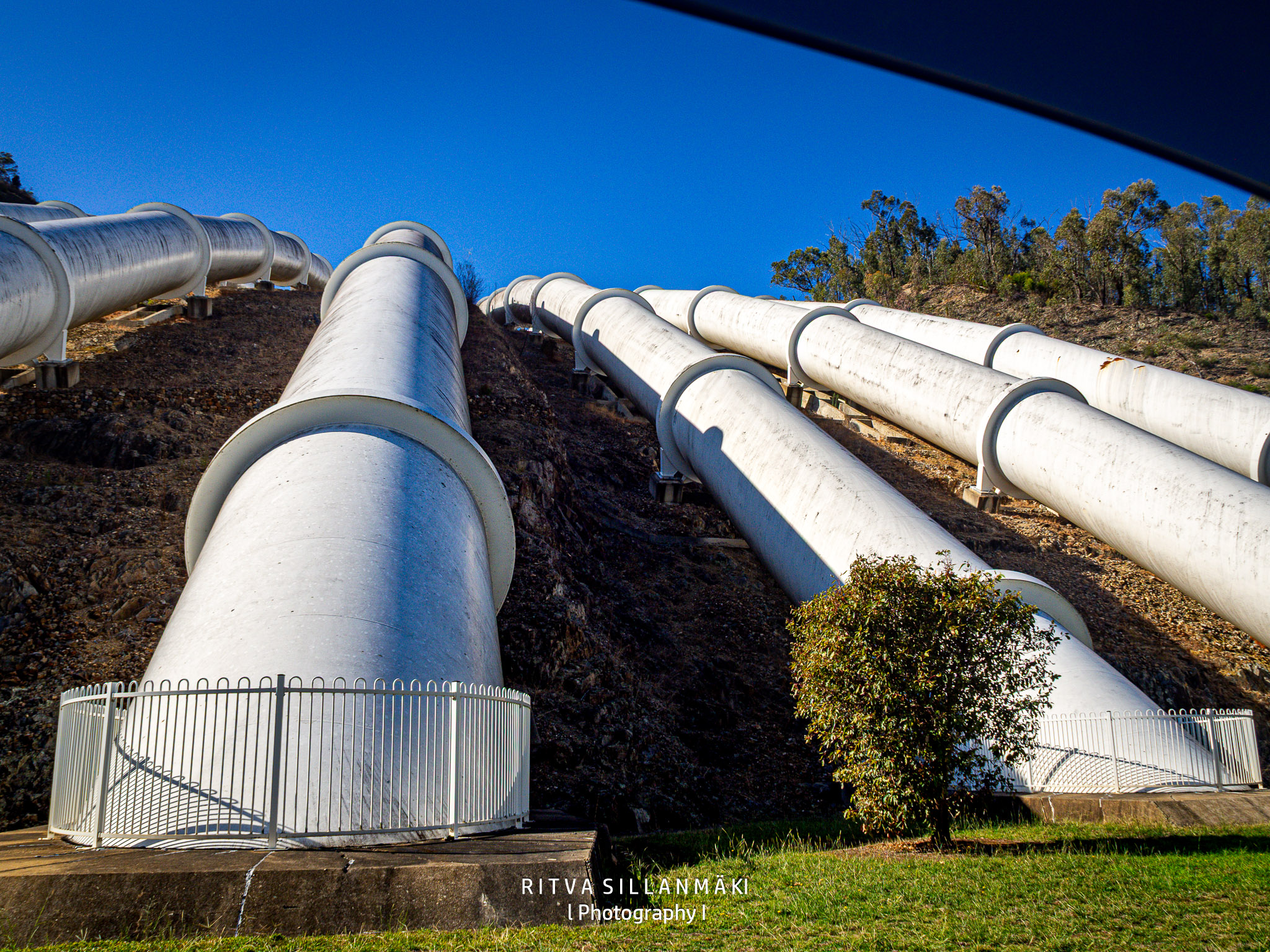
My husband and I recently ( a year ago 😁, that is recently) took a trip to Australia, and let me tell you, editing all the photos has been quite the challenge! I didn’t write the texts; that was all him, but I’m having a hard time putting everything together, especially with the annoying hiccups from my hard drive issues. I had edited everything before but lost it all, so now I’m facing the daunting task of redoing it. Anyway, I just wanted to share a quick summary of part of our adventure. I definitely plan to post more pictures from our stops, because there was so much to see and experience at each location! Let’s get started, thanks for the text Mara!
This was going to be a day with nothing to do besides drive. The GPS said 750 km and 8 h 6 min from Bendigo to Caseys Beach in Bateman Bay. Start of the journey was full of twists and turns on narrow roads again, which actually made the drive more enjoyable than just staying on highways. The directions seemed to be always wrong, I felt like we going to Melbourne instead of the direction of Sydney. We managed to see plenty of small towns again with funny names. Seriously, there is nothing wrong with the names, but if you are not used indigenous names and languages, they seem humorous sometimes. Even though I don’t even know if these following names are indigenous: Colbinabbin, Wanalta, Moora, Waranga. Anyway, they were next to impossible to remember afterwards. I had to look them up from a map. I remember driving through Murchinson and Violet Town, though. From Violet Town we turned to Hume Highway, and I could just turn the cruise control on and coast – boooring!

We spend 450 km on Hume Highway, and even though the drive was boring, the scenery never was. Just before turning from the highway, we stopped at Yass for lunch. Yass, finally something to eat! After Yass we were directed again to smaller roads to bypass Canberra. We passed Little Billabong, Tumblong, Gundagai, Jugiong, Molonglo, Murrumbateman and Durran Durra (weren’t they a famous band in the 80’s?), before hitting and passing historical Braidwood. Soon after Braidwood we began descending from Clyde Mountain towards the coast,
The descend was exciting. For a while, very steep and winding road surrounded by lush flora, eucalyptus trees and mist. Unfortunately, there is no way of stopping to take pictures, but the going was sometimes so slow, that Ritva was able to take some photos from the car.

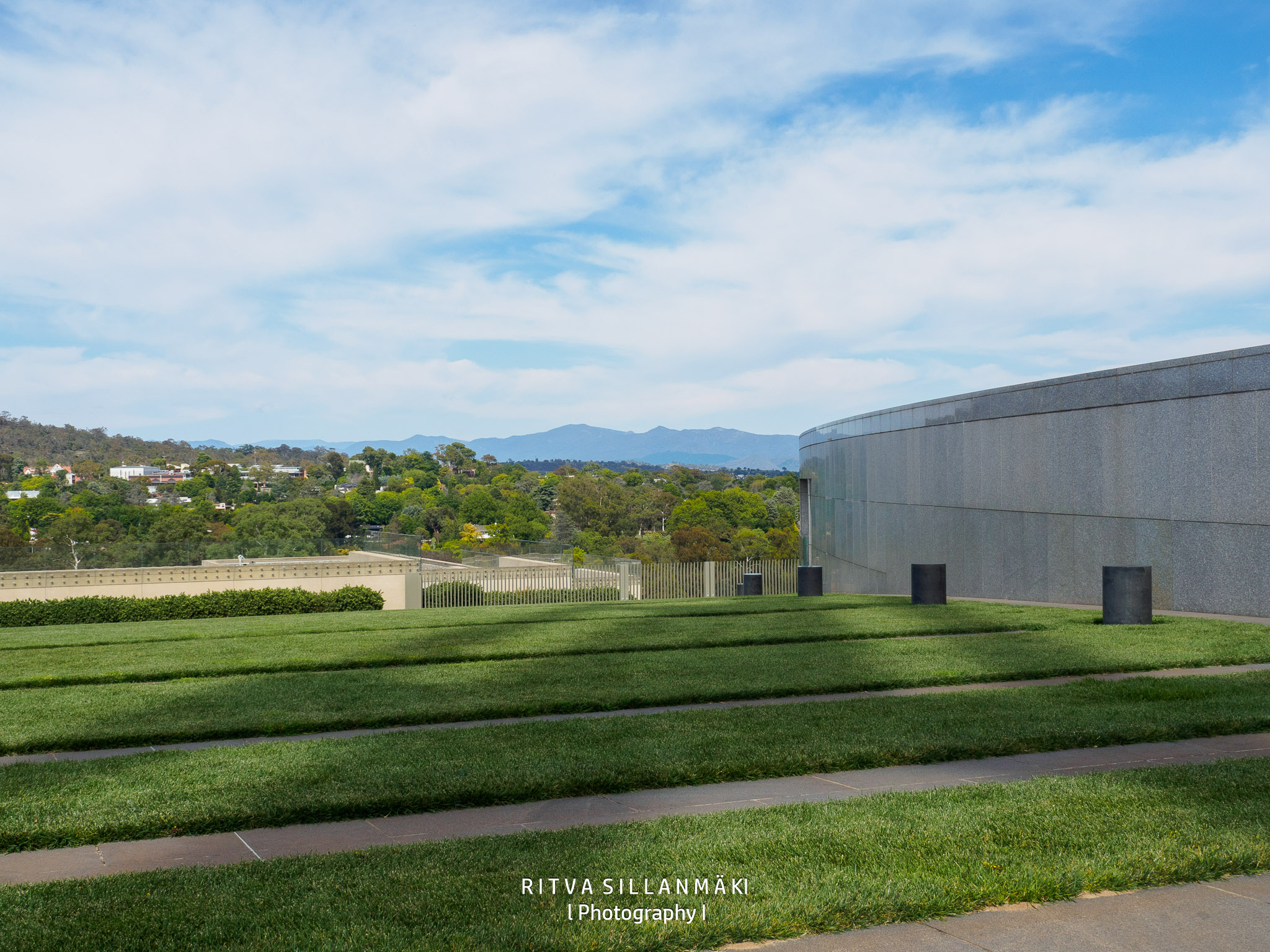
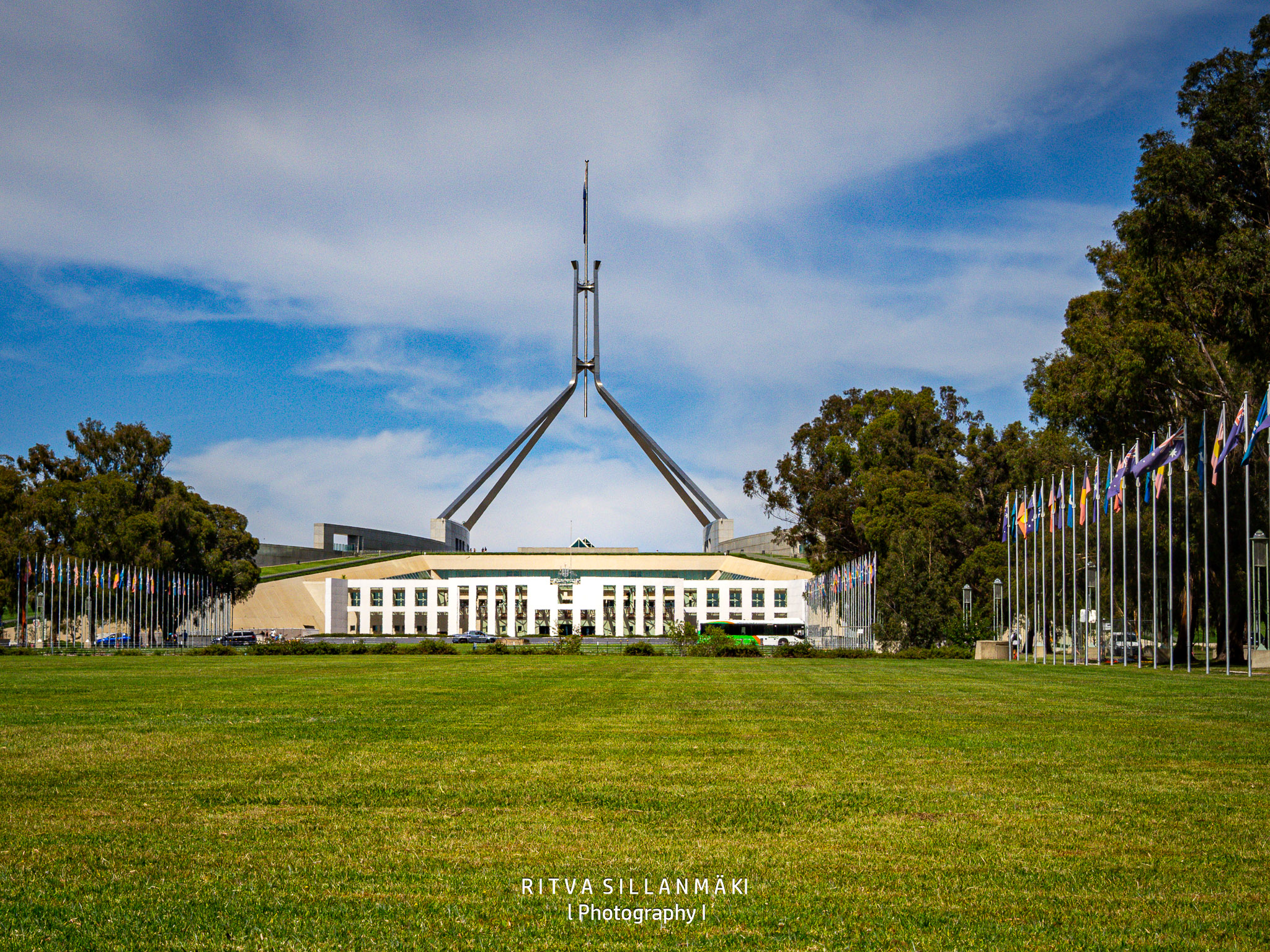
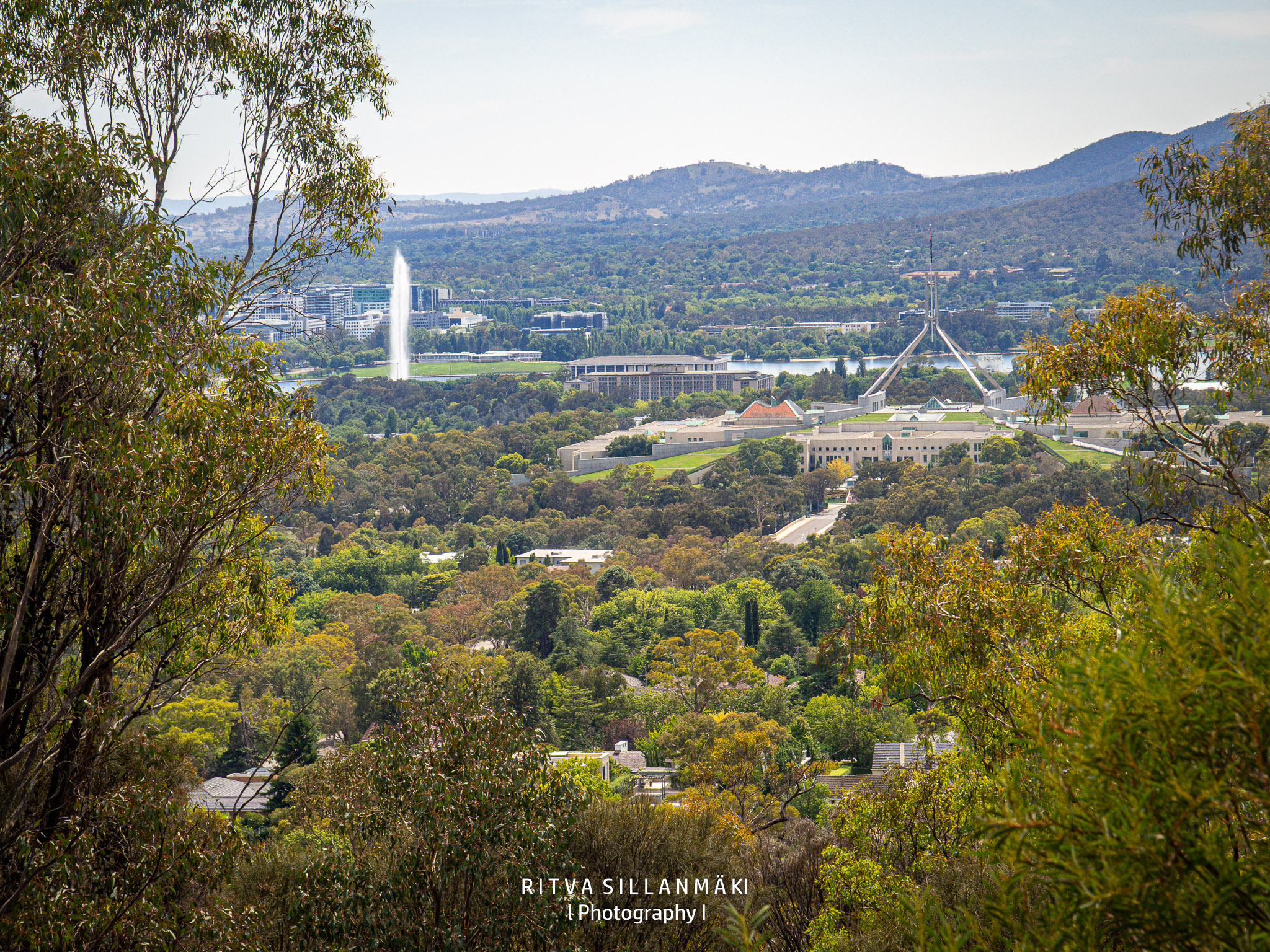
We finally arrived at Ritva’s cousins Heli’s and her husband house in Caseys Beach just before 7 pm. Heli is one of nine children of Family Saarikko that emigrated to Australia in 1969. Can you imagine immigrating to any country with nine children? Most of us can’t even imagine having nine children. And Finland is also pretty far from Australia. And none of them spoke hardly any English. But Australia was very inviting during that era, because the country needed more people. And 11 people at the same time must have been a jackpot to Australia. The father and quite a few of the seven boys ended up in lumber and building industries because they had some previous experience. Few of them ended up building the Parliament House in Canberra. But that is another story and I’m not the right person to tell it. Ritva’s family, with only three girls, emigrated at the same time but didn’t end up staying. The evening after a long day was spent correcting everything that is wrong with the world.
Day after we had it easy. I took a 1,5 h walk from Caseys Beach to town center, to Corrigan’s Beach, to observation point and back to the house. The observation point had been renovated since 2019. Now it had walkways, signs, murals on sidewalk and lookout decks. Nice! After the walk I had to do some shopping for necessities. First, I drove to drive-through bottle shop for beer and white wine, then to petrol station and finally to electronic store to buy an adapter for SD-card, so Ritva could transfer the photos to laptop. Also, some time was spent playing with Baxter the Dog. He is a Jack Russell.

On Thursday we took a little drive. Bermagui with its Blue Pool seemed tempting, so off we went. On the way we saw Narooma and Tilba Tilba but we decided to stop on the way back. The Blue Pool was still amazing with its combination of natural and man-made swimming pools. You get the picture, if you look at the pictures. I was lucky enough to video a sea lion cleaning itself between the rocks. Our lunch was grapes, chips and water at the Blue Pool. Catching some rays and taking it easy and people watching, of course. ( Click the gallery to see enlarged images)


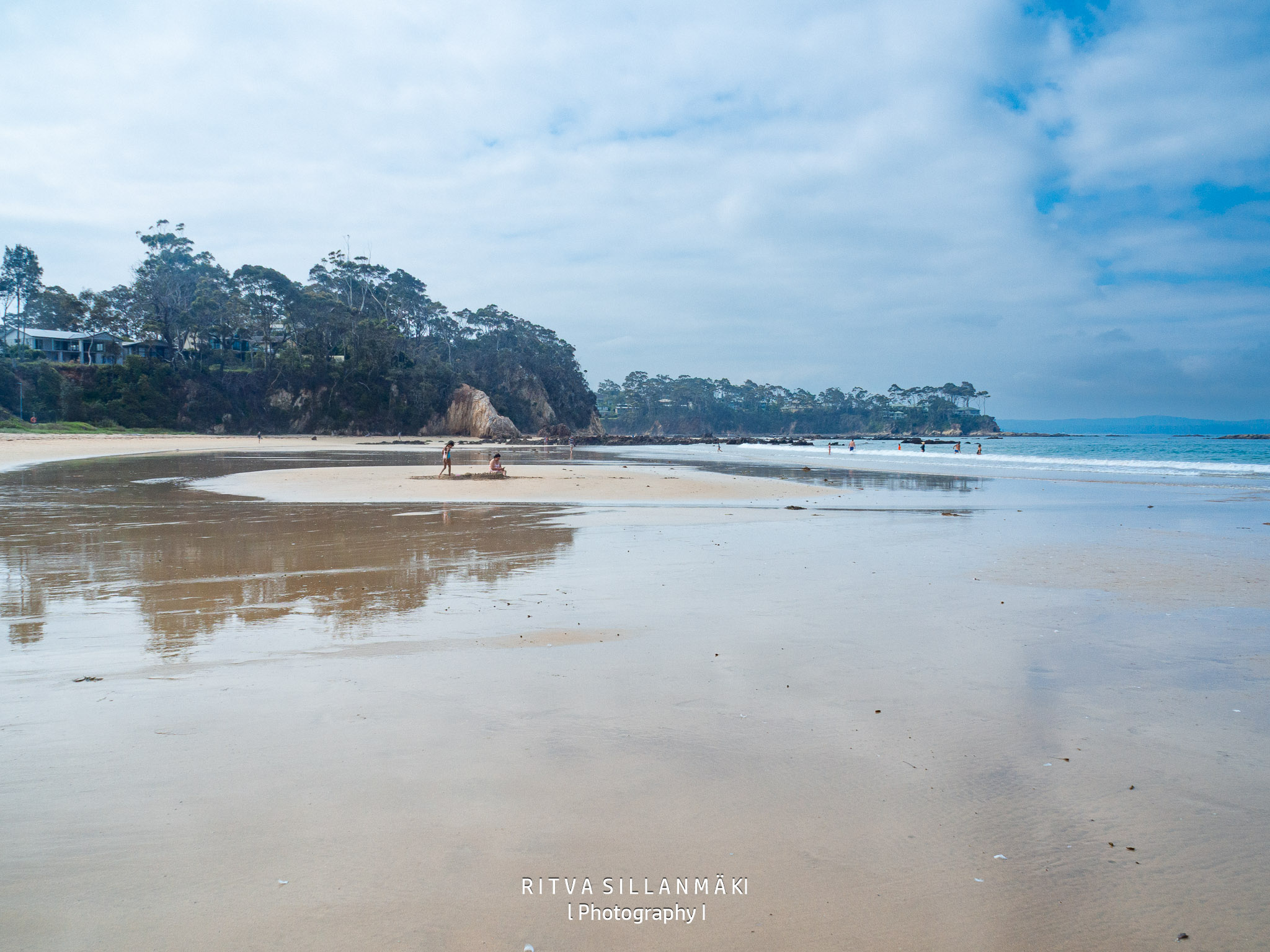
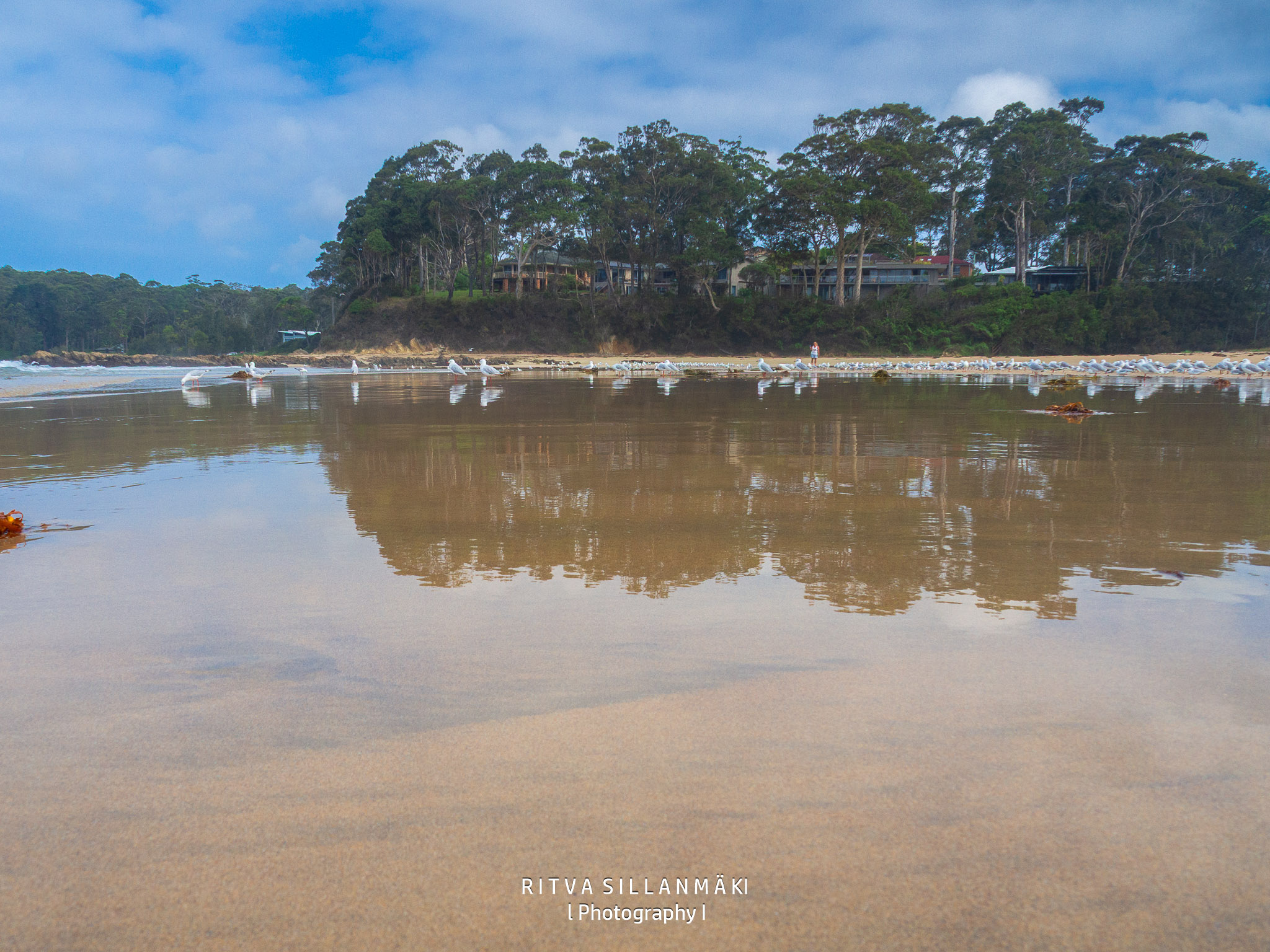
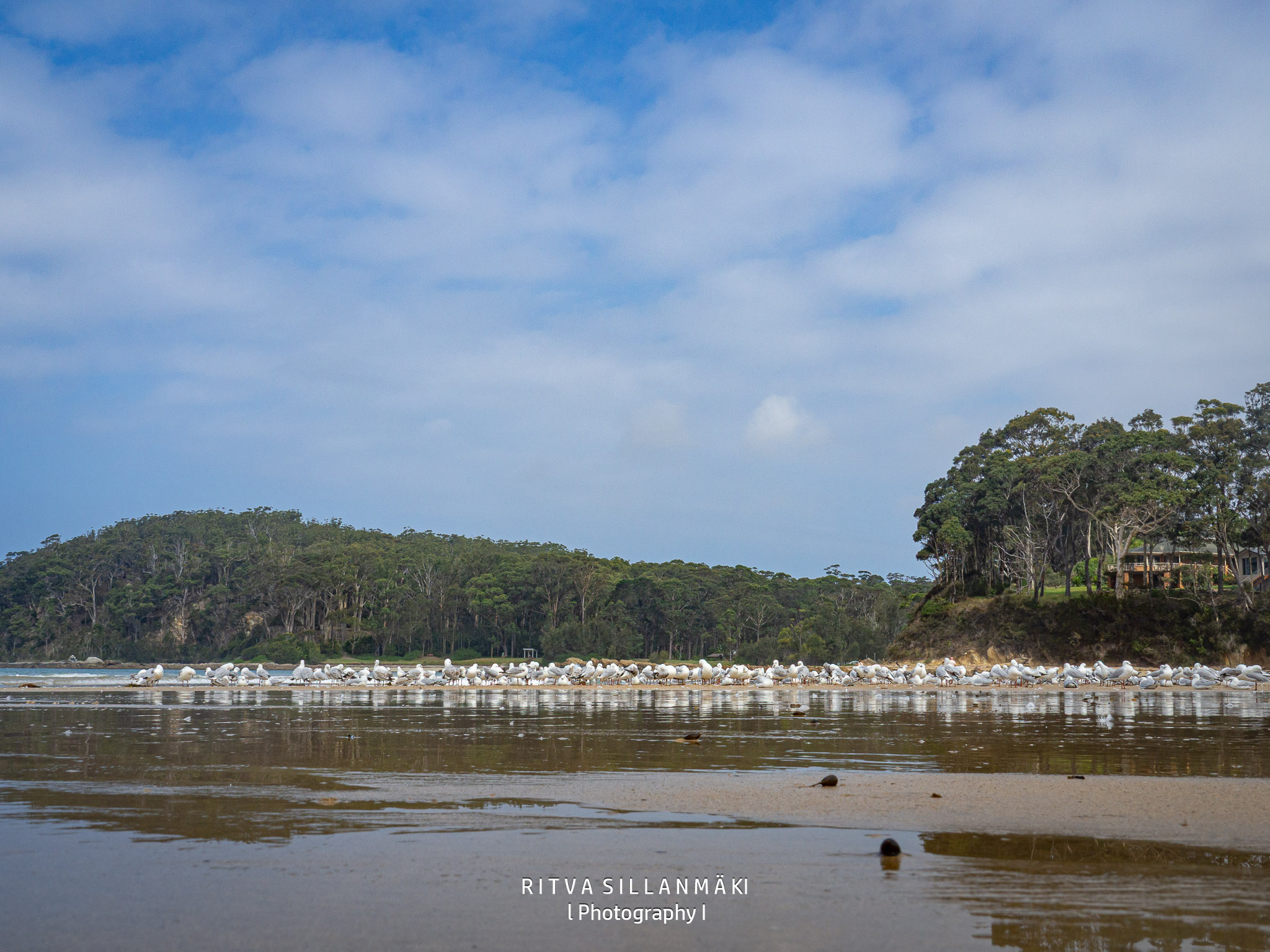
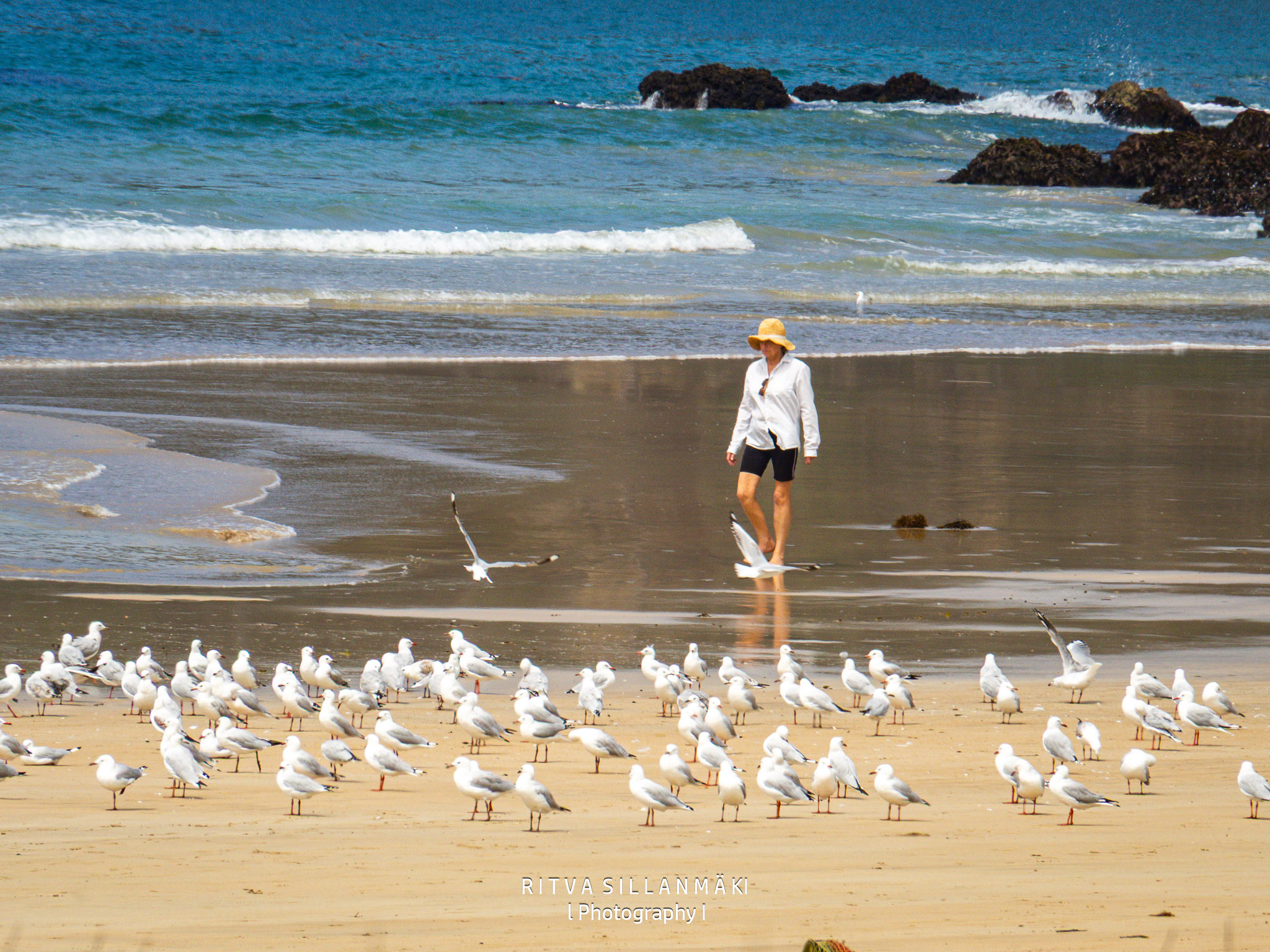
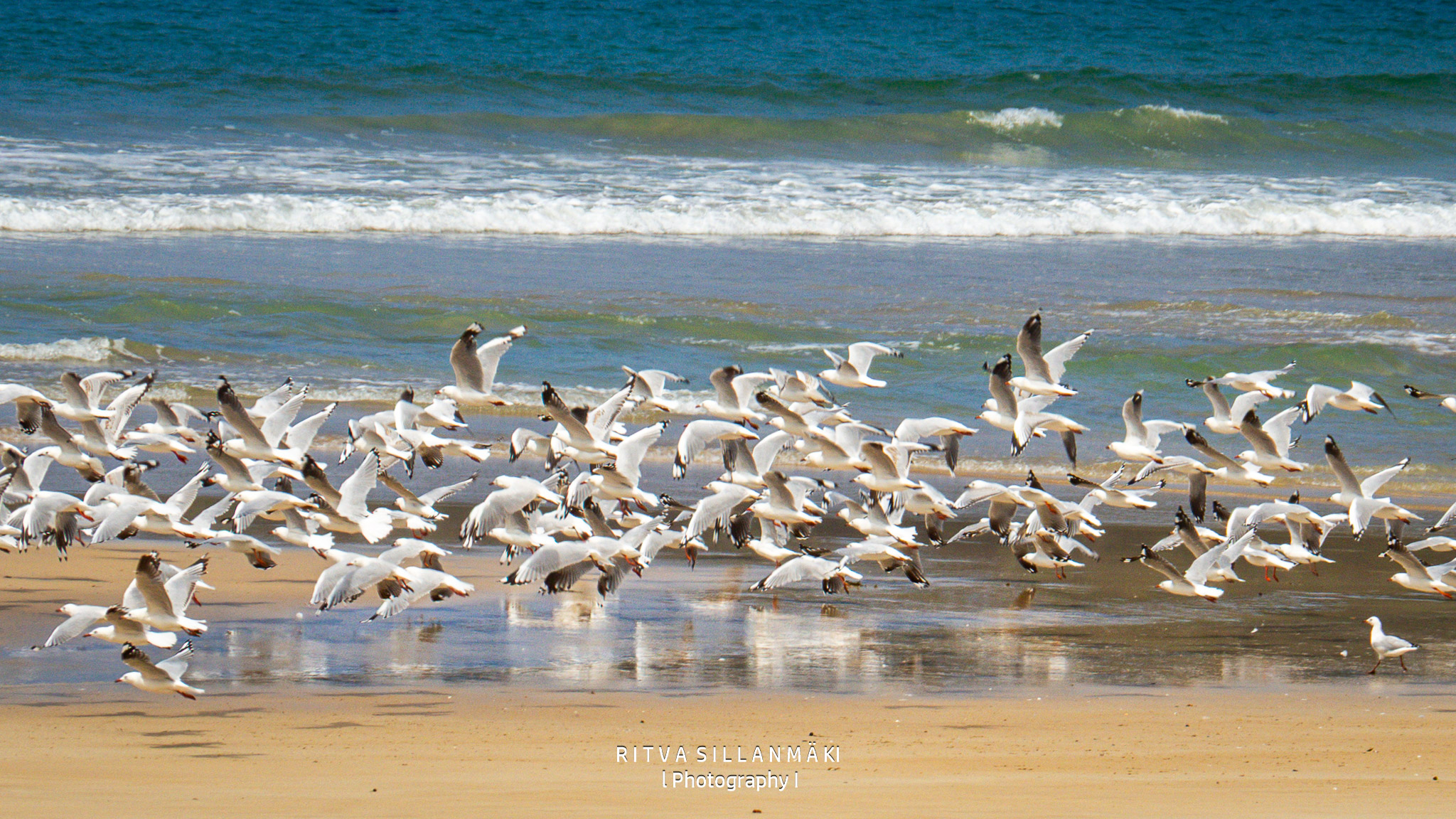
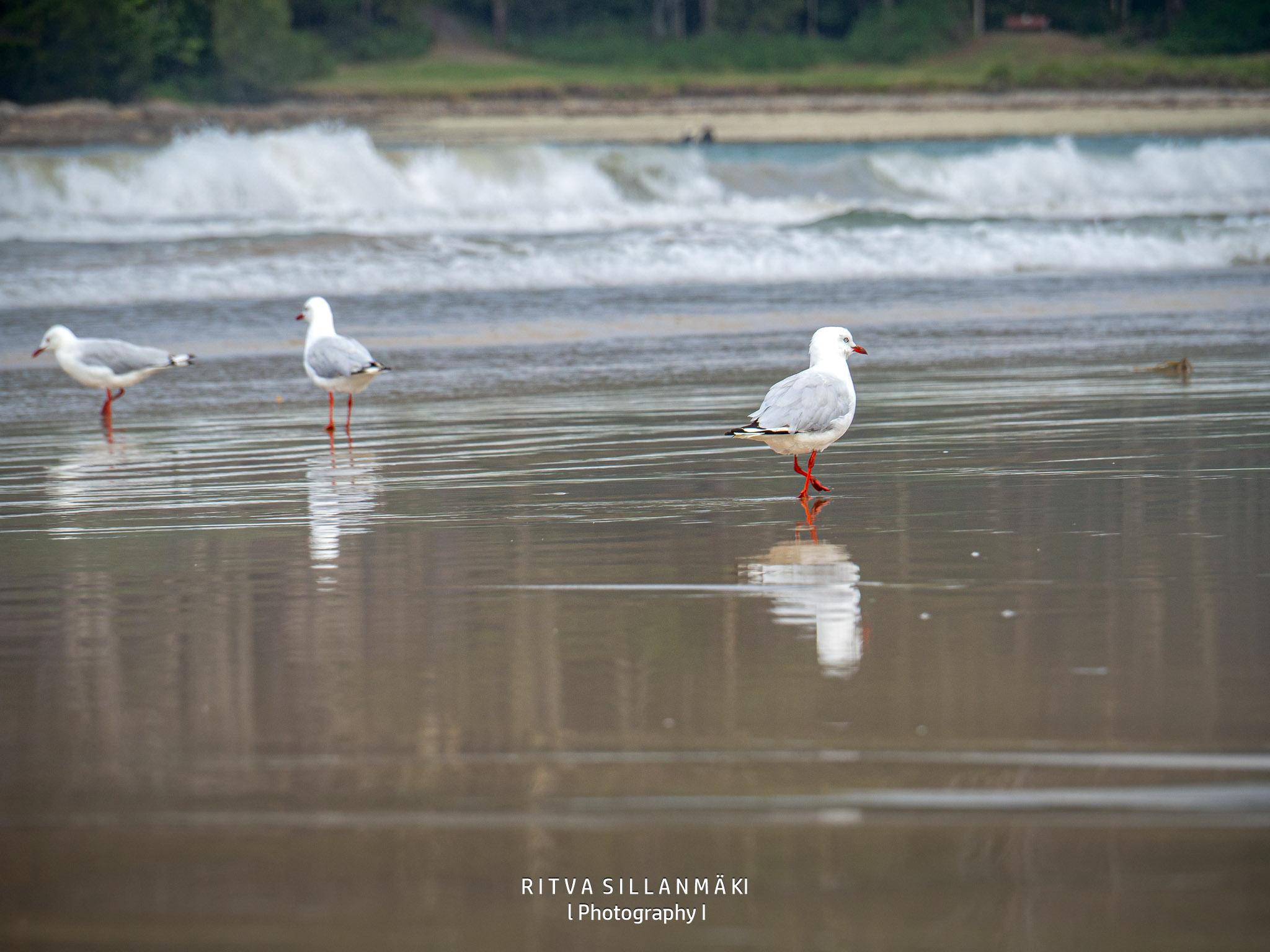
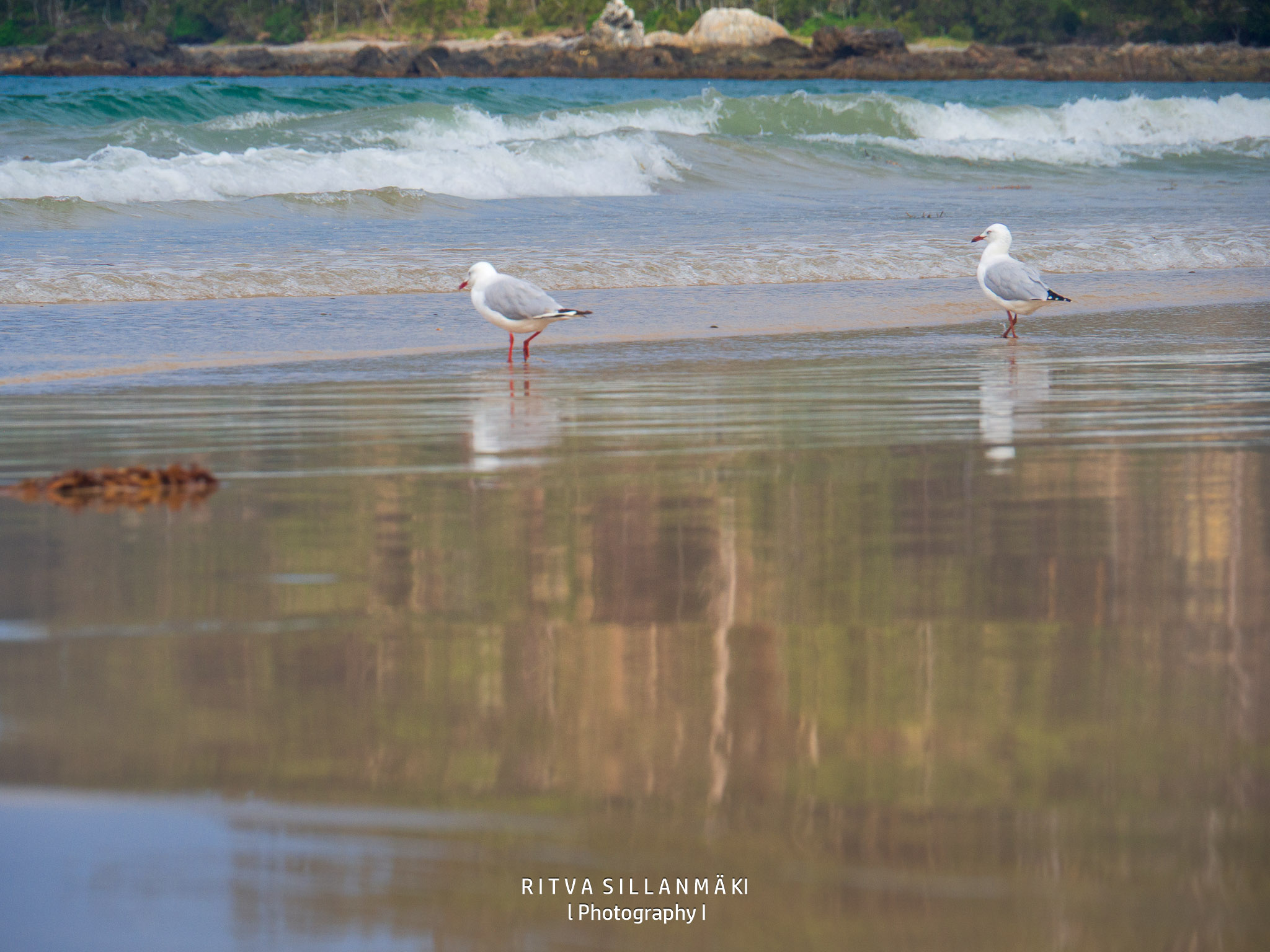
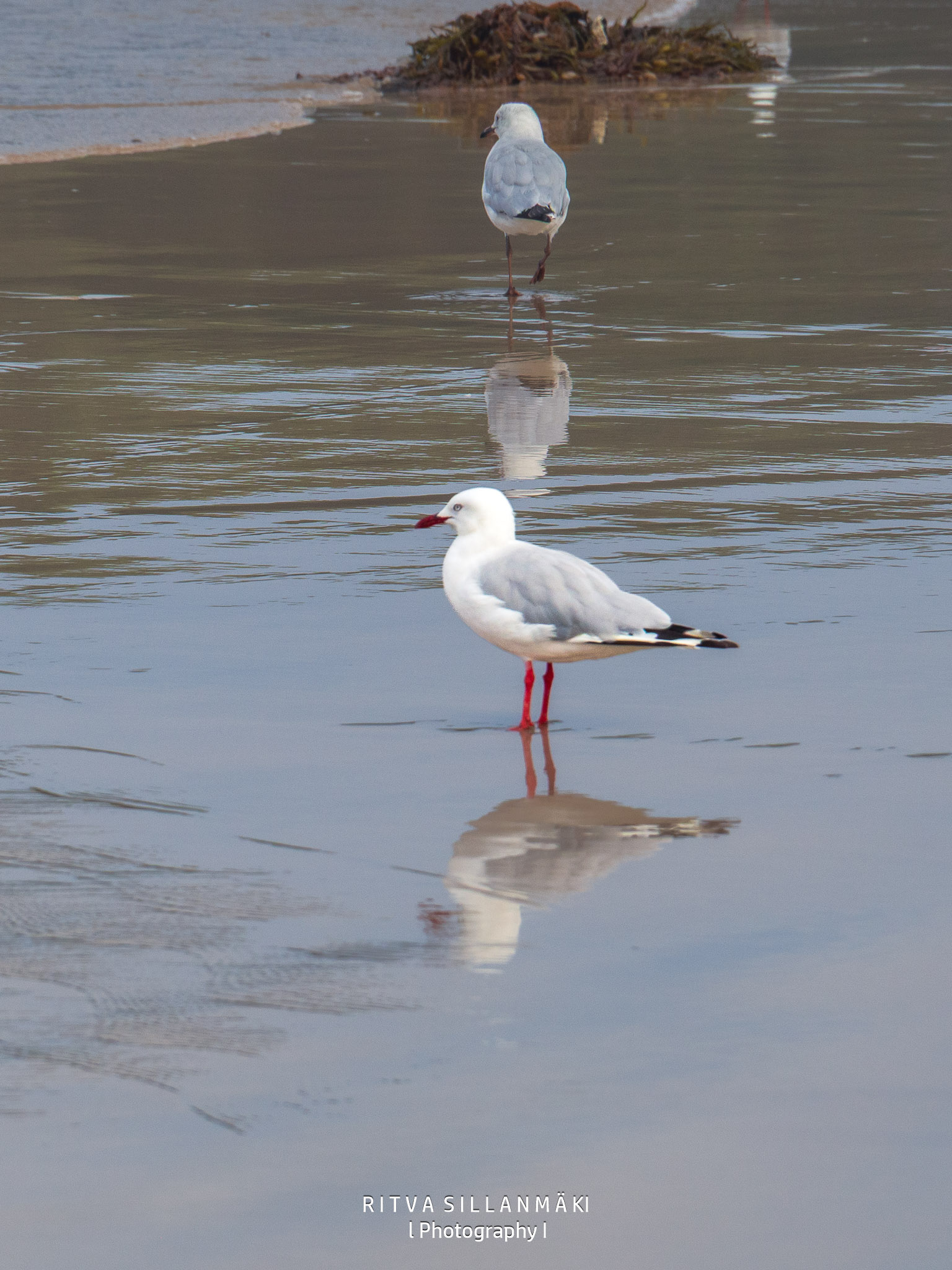
Wallaga Lake was also on the way there, with white sands and birds


We didn’t end up stopping at Narooma at all, even though it had a nice little port with oyster shops. Tilba Tilba is a pretty old village that at present is meant for tourists. It has quaint little shops and cafes worth the visit, if you like that sort of thing. On the way over to Bermagui I had spotted the Bodalla Cheese Factory and I had a craving for ice cream. When we stepped in to the Factory, they told us that they just lost the power and naturally none of their machines was working and we couldn’t have ice cream. Bummer.

Last town before Batemans Bay was Mogo and no ice cream there either because everything was closed or closing. Mogo is a small touristy town. We didn’t want to disrupt our host’s normal schedule, so we ended up in observation point to see the sunset.

I know I’m being a bit boring by sharing these old re-edited photos for Dan’s Thursday Doors, but honestly, I’m fresh out of new material right now. I can’t wait for the weather to warm up so I can get out there and soak it all in! I’m hoping to wander through the neighborhoods, looking for unique buildings and those interesting doors that seem to hold secrets of the past, and even present. I most likely will also photograph the vibrant colors and fresh blooms along the way. I will the my camera out, and maybe discover architectural gems that tell their own stories.

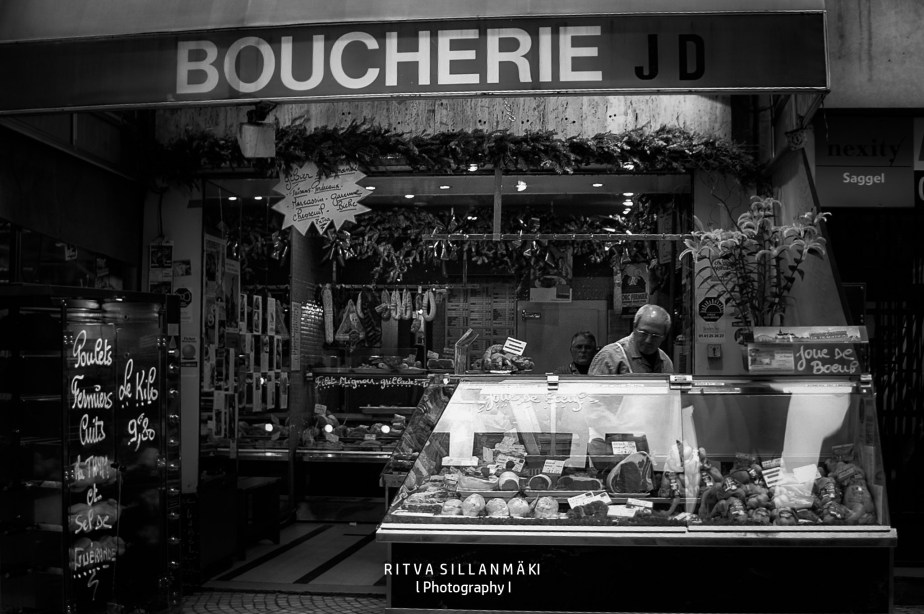
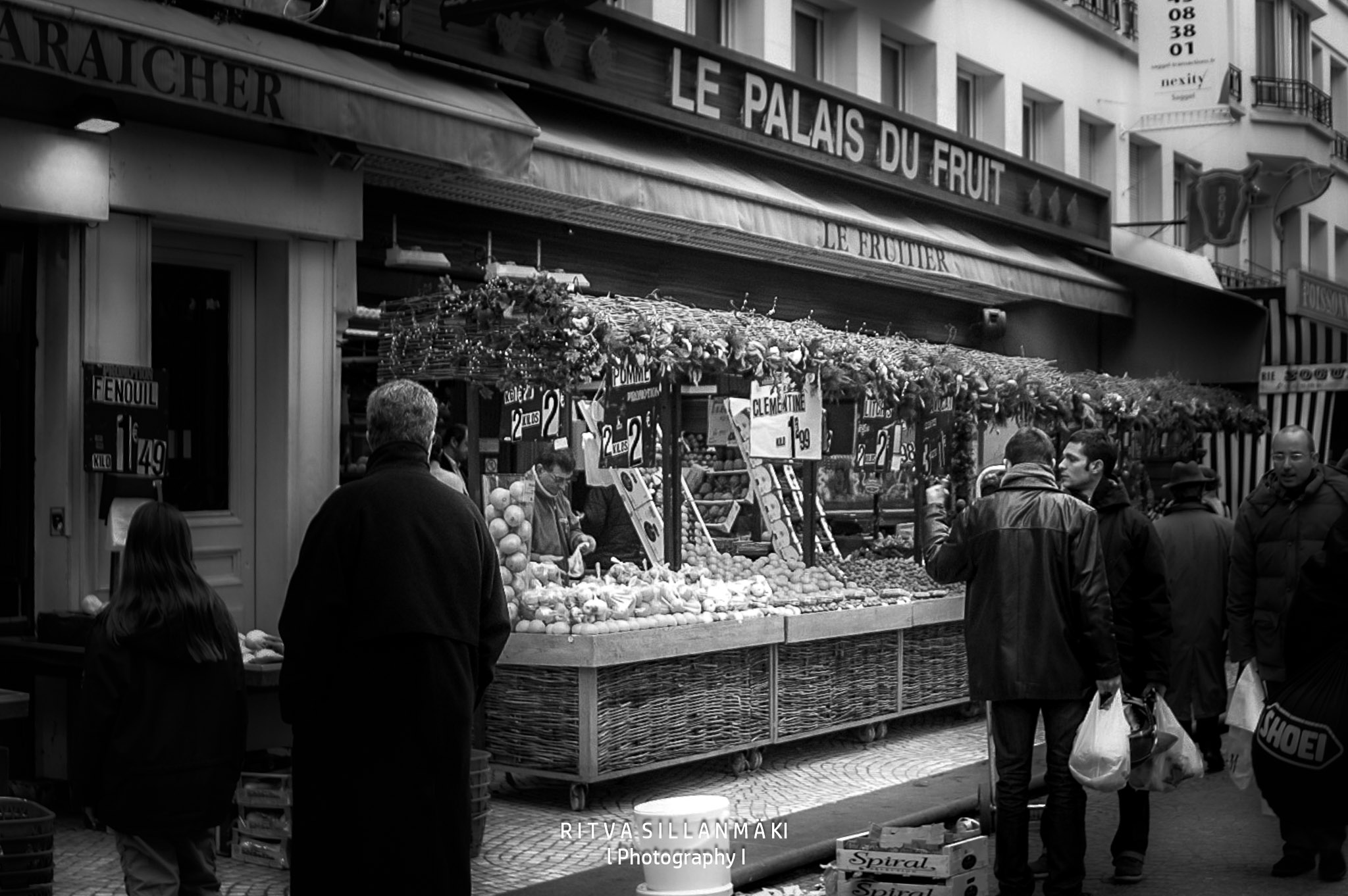
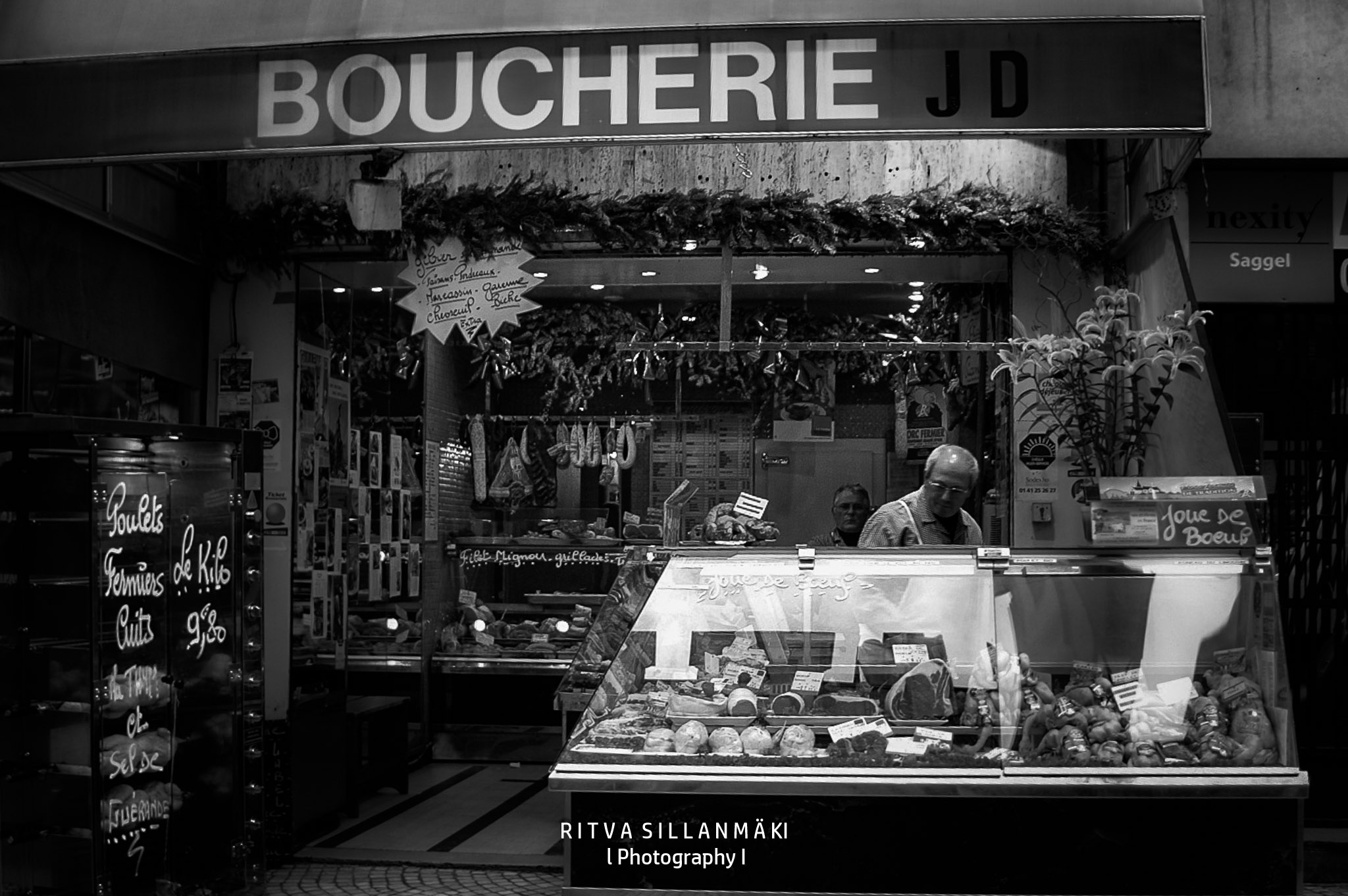
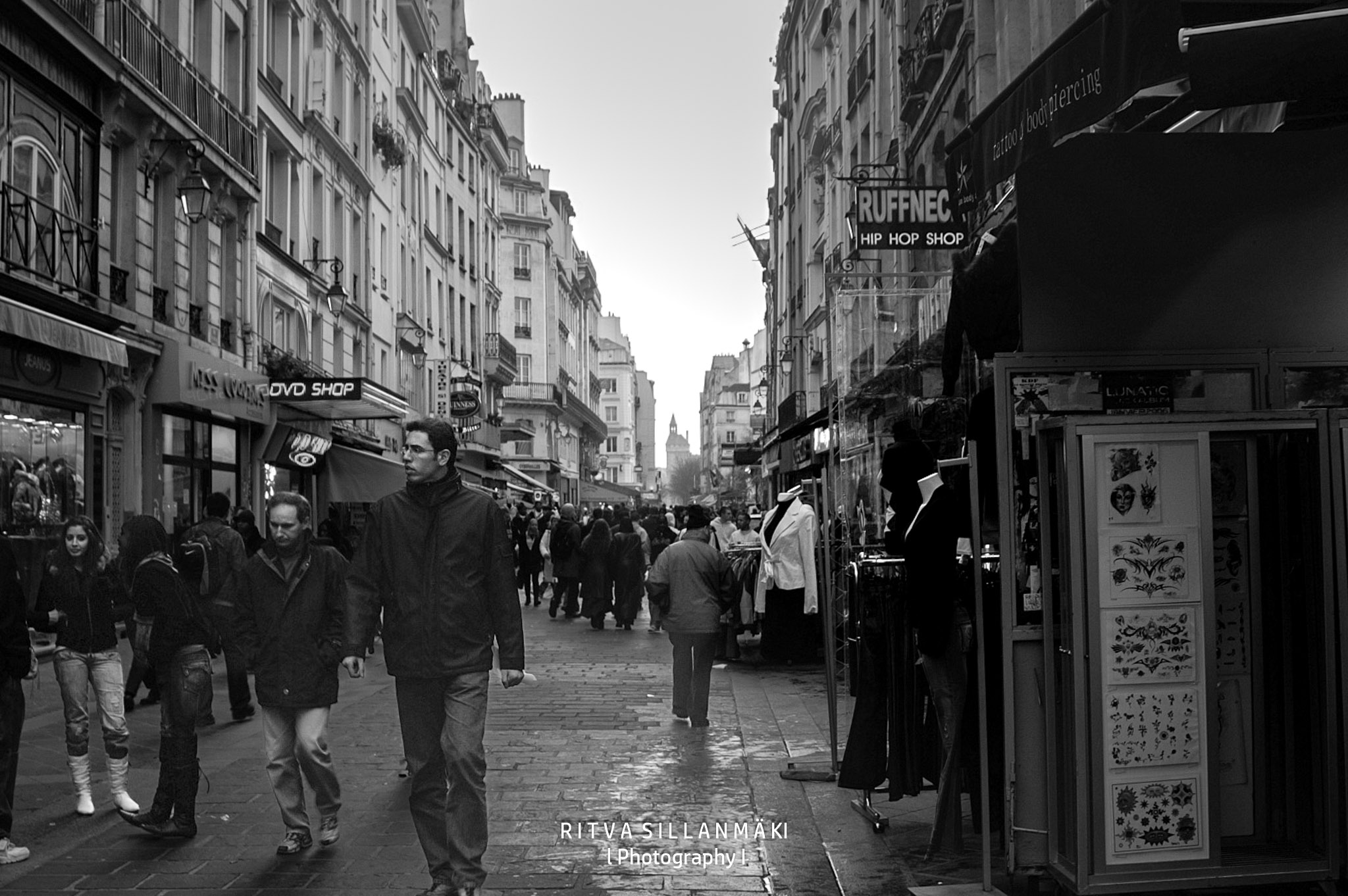
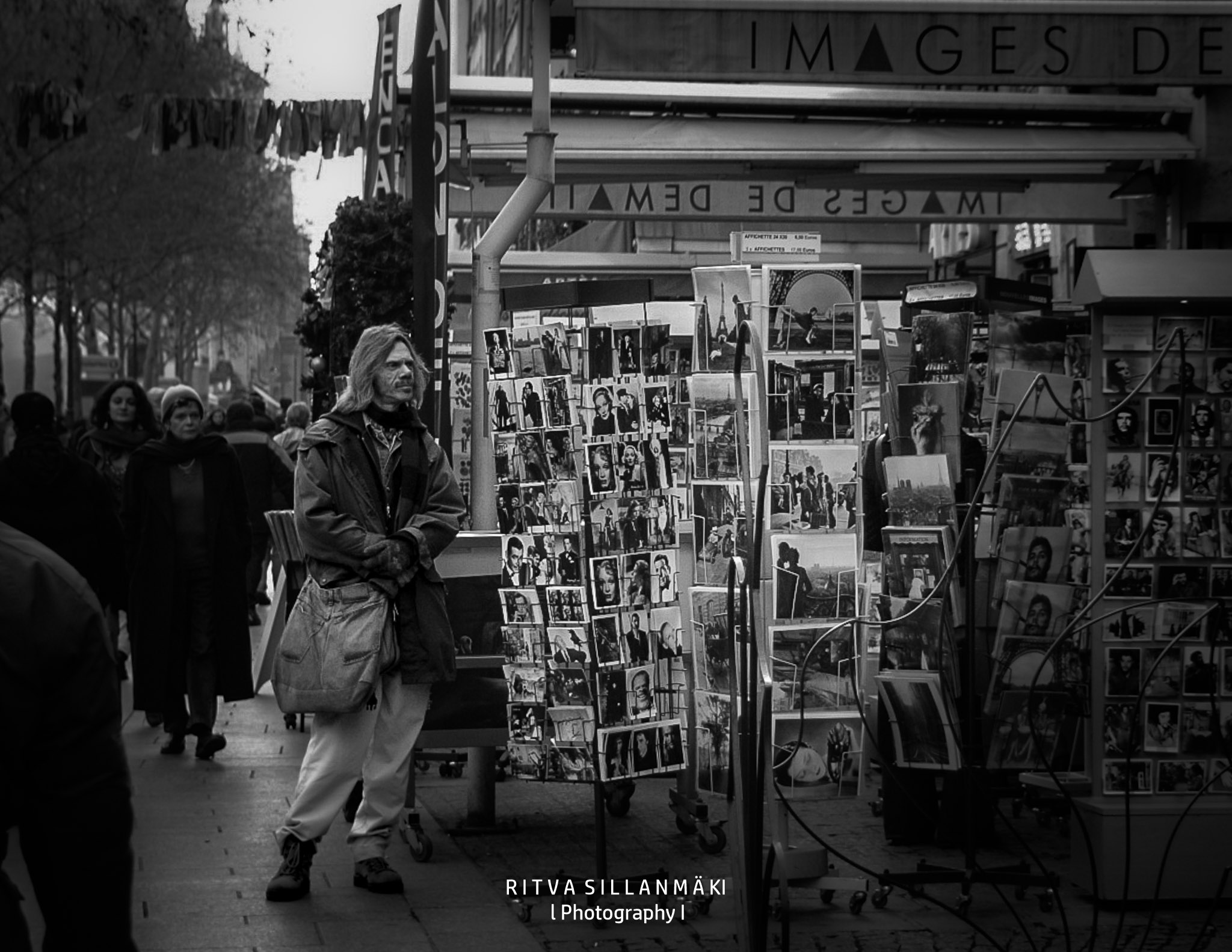
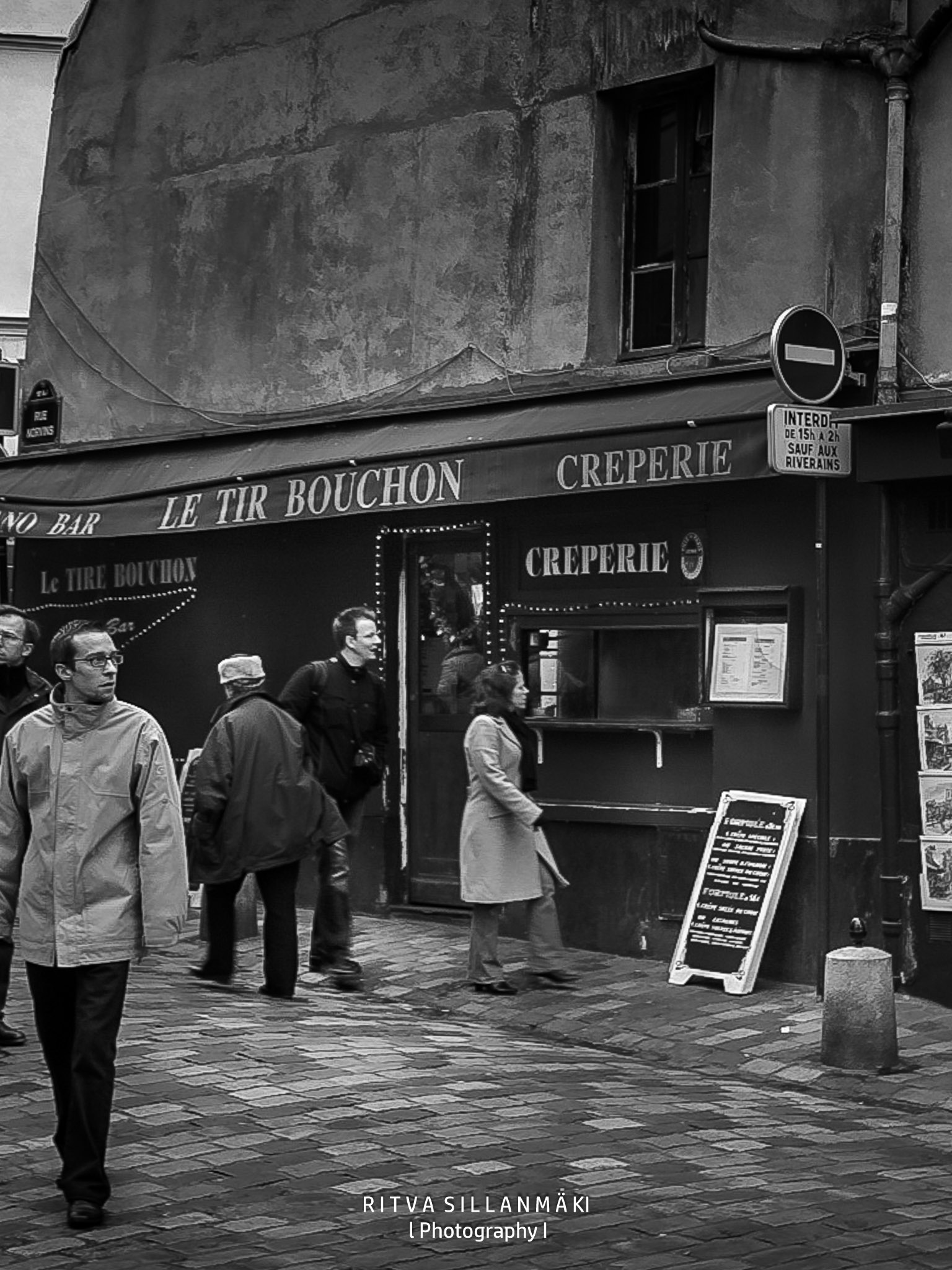
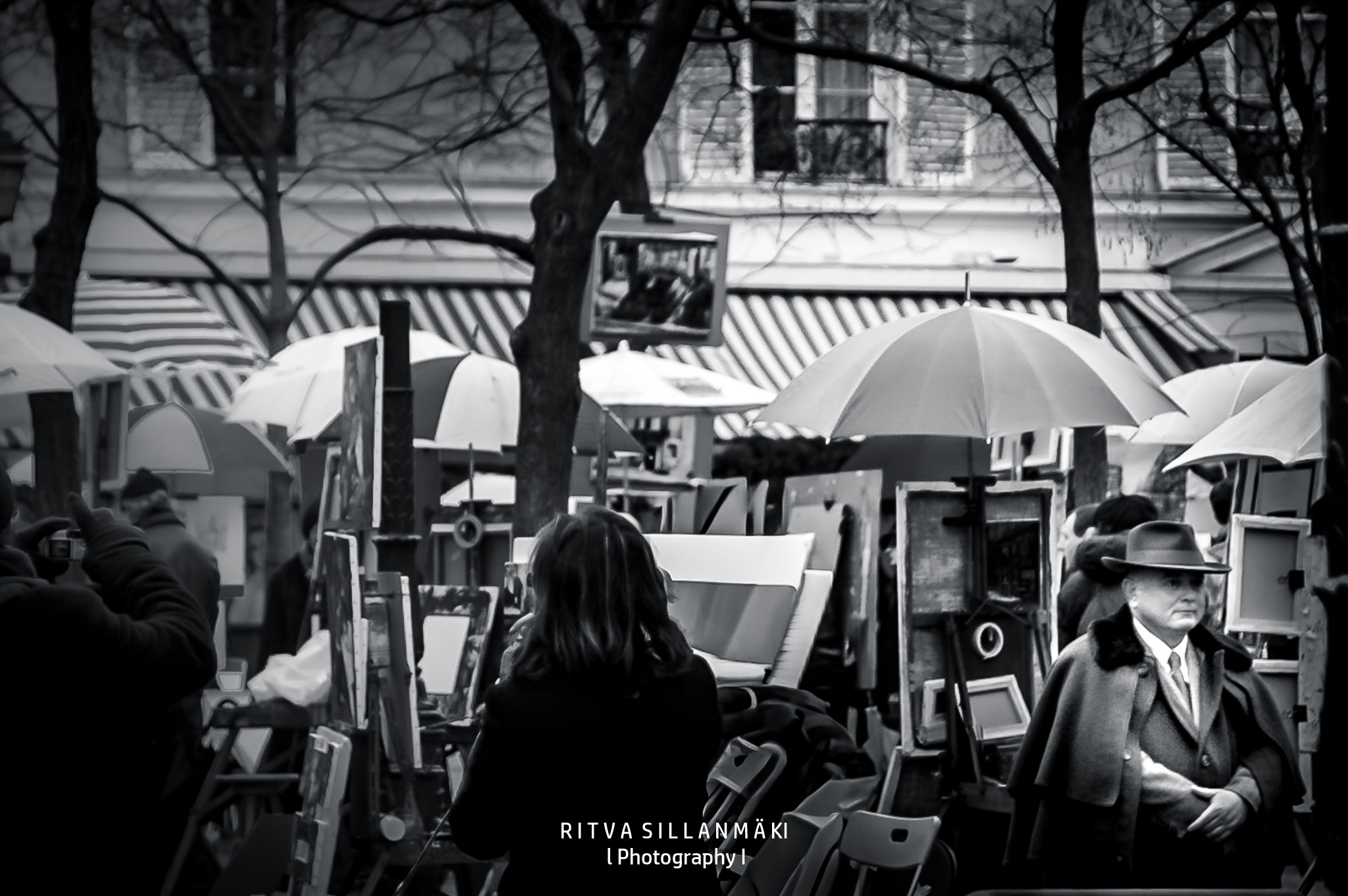
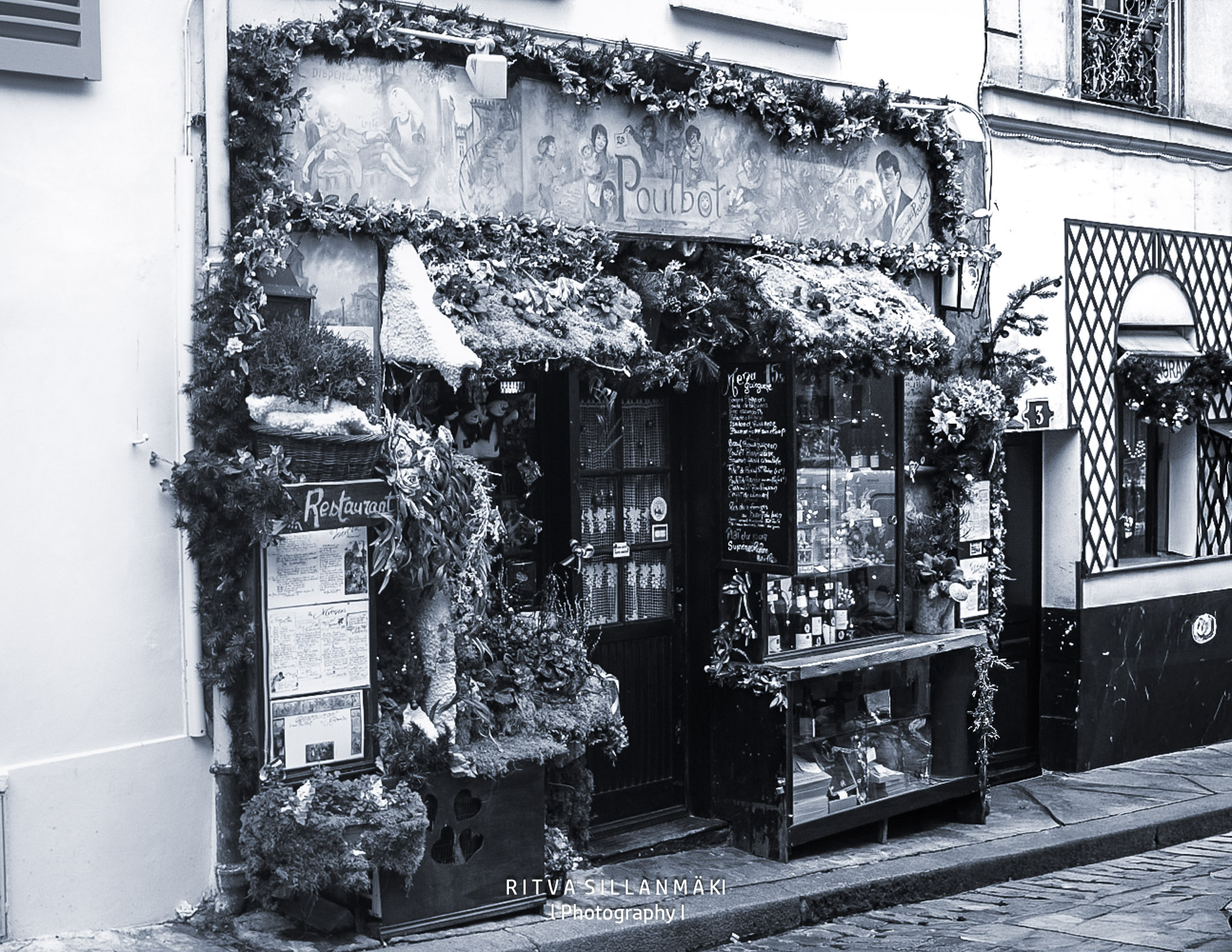
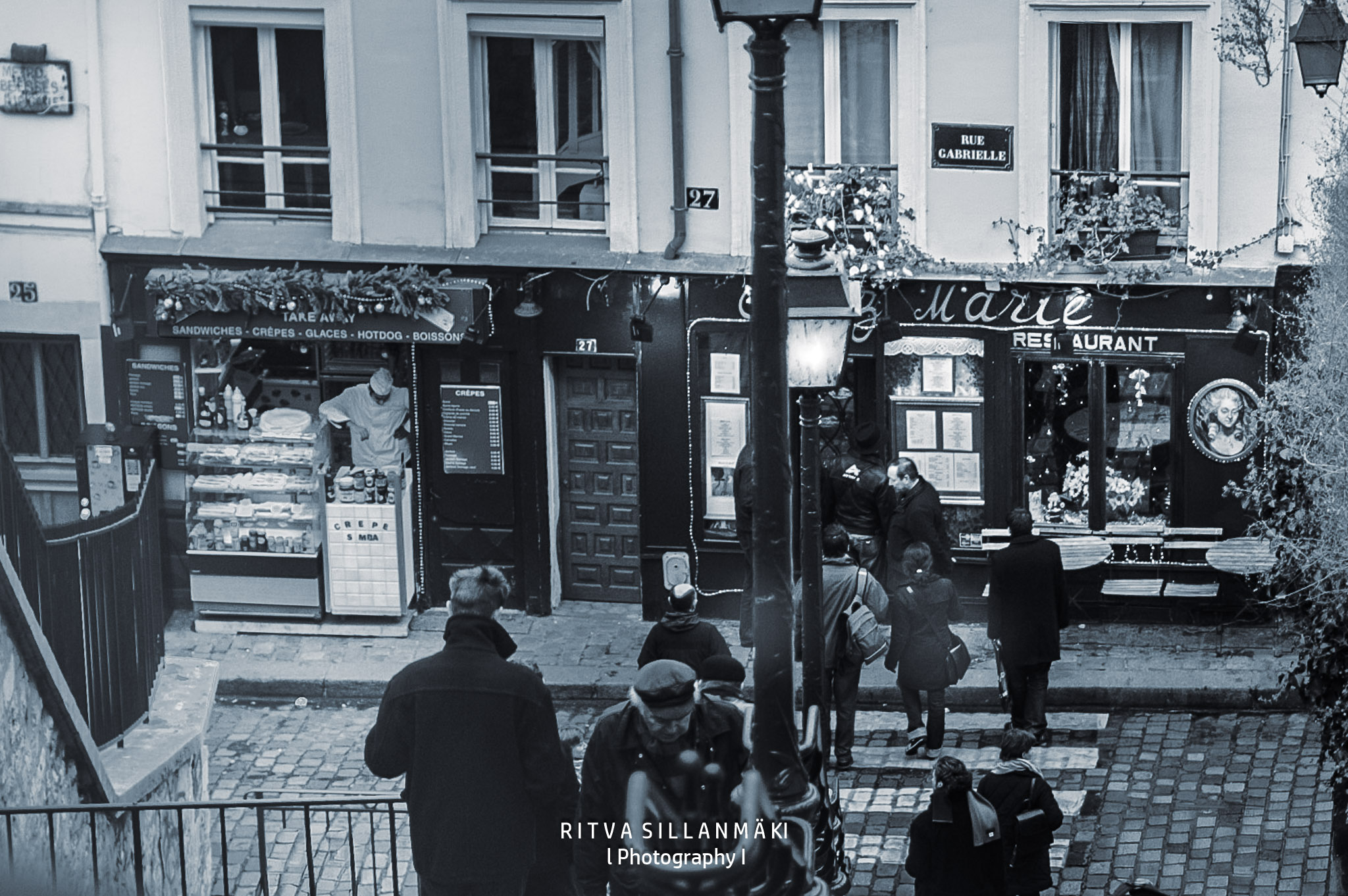
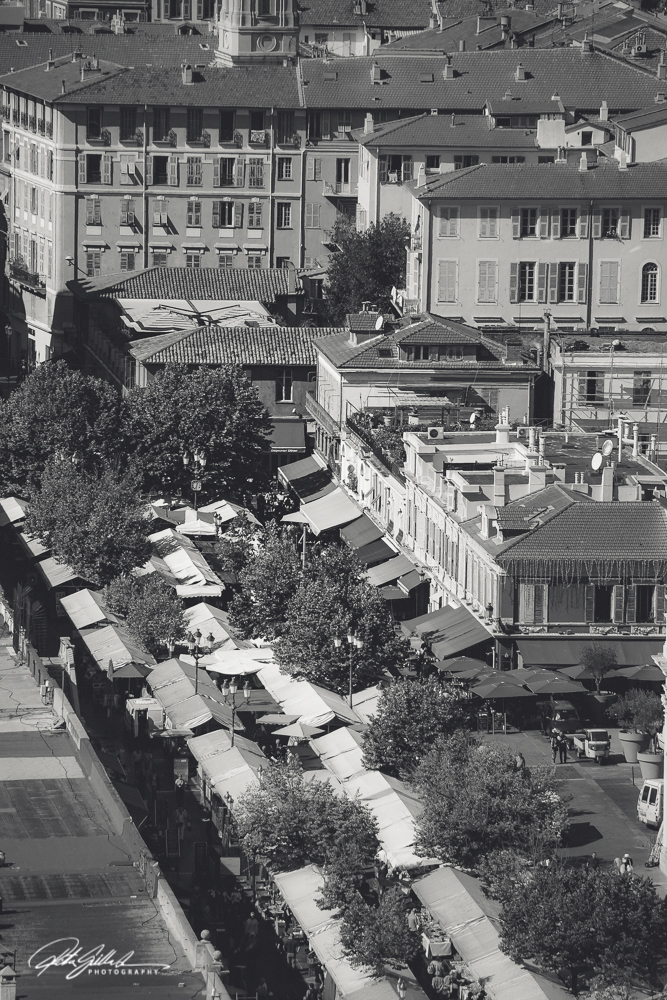
Well I could mark some locations in Paris for you but not all, and as these are taken in 2006, much has changed. The first one I am not able to name. By the way these were taken in the month of January.
For one, the reconstructed spire of Notre-Dame cathedral in Paris, with a design identical to the 1859 version designed by architect Eugène Viollet-le-Duc, is among the elements of the landmark to be reconstructed following the devastating fire in 2019. The rebuilt spire is topped with a recreation of the original cross, as well as a golden rooster designed by architect Philippe Villeneuve, who is leading the renovation works.


This is a challenge to my heart; this is what photography is truly about. Thanks John for this theme. Your post helped me to find inspiration to mine. I, in advance, apologize for way too many photographs, as I understand that sometimes less is more. However, I can’t help but feel that each image tells a story worth sharing. Recently, I’ve been trying to limit them, focusing on quality over quantity, yet the temptation to document everything that stirs my compulsion to share proves to be an ongoing struggle.
Shadows in a photograph really bring things to life, don’t they? They add depth and dimension that can turn a basic shot into something pretty amazing. The way light plays with shadows is key to photography; it creates this cool contrast that totally grabs your attention.
One odd thing stood out when looking for photographs for this challenge: I noticed that most of my images are taken in portrait mode. I wonder why? I had never thought about this before. I really had to search for the ones in landscape composition. Another thing is that I tend to have my best shadowed shots in monochrome, so finding ones in color… I have spent way too much time composing this post; my butt is numb 😂

Shadows can really stir up feelings, set a vibe, and bring to life textures and shapes that you might miss otherwise. When you get a handle on how to play with lighting, you can really grab those little details in shadows, making your photos pop and your stories come alive. A shadow in just the right spot can lead to some fascinating interpretations, pulling viewers in to really connect with the image and what it’s all about. It’s this cool dance between light and shadow that creates contrast, which is key for highlighting the main parts of a shot.

Shadows can really tap into some deep themes like mystery or nostalgia, creating a special bond between us and the artwork. When photographers mess around with different angles and light intensities, it’s amazing to see how shadows can change the way their subjects look, adding some serious meaning and emotion to the story they’re telling. Playing with shadows not only shakes up the usual ideas of beauty but also invites us to reflect a bit more while we’re looking, making those captured moments stick with us long after we’ve moved on.

.
As I stood there, I was drawn to the silhouetted child gazing at the shimmering water, a moment that spoke of the beauty of light and shadow. The sunlight danced across the surface, reflecting the gentle innocence in their expression, a delicate interplay I captured in my black and white photograph. Each click of the shutter echoed the wonder I felt, revealing a story in every shade.


If you wish to have a closer to look at enlarged images , click the gallery.


Last week, thanks to Patti for hosting. The challenge was juxtaposition – it was interesting and your responses were varied and imagery.
I hope you will join in for this week’s Shadowed challenge. Be sure to tag your post with Lens-Artists and include a link back to John’s original post
Make sure to return on Saturday, March 7, at noon Eastern Time for an exciting new challenge from Ann-Christine at Leya – To See a World in a Grain of Sand…. I hope you’ll be there to join us! In the meantime, let’s keep exploring, broadening our horizons, and maintaining a positive mindset ❤️
We are the Lens-Artists: Tina, Patti, Ann-Christine, John, Sofia, Anne, Egidio, Beth, and myself Ritva.
To learn more about the Lens-Artists Challenge, click here.
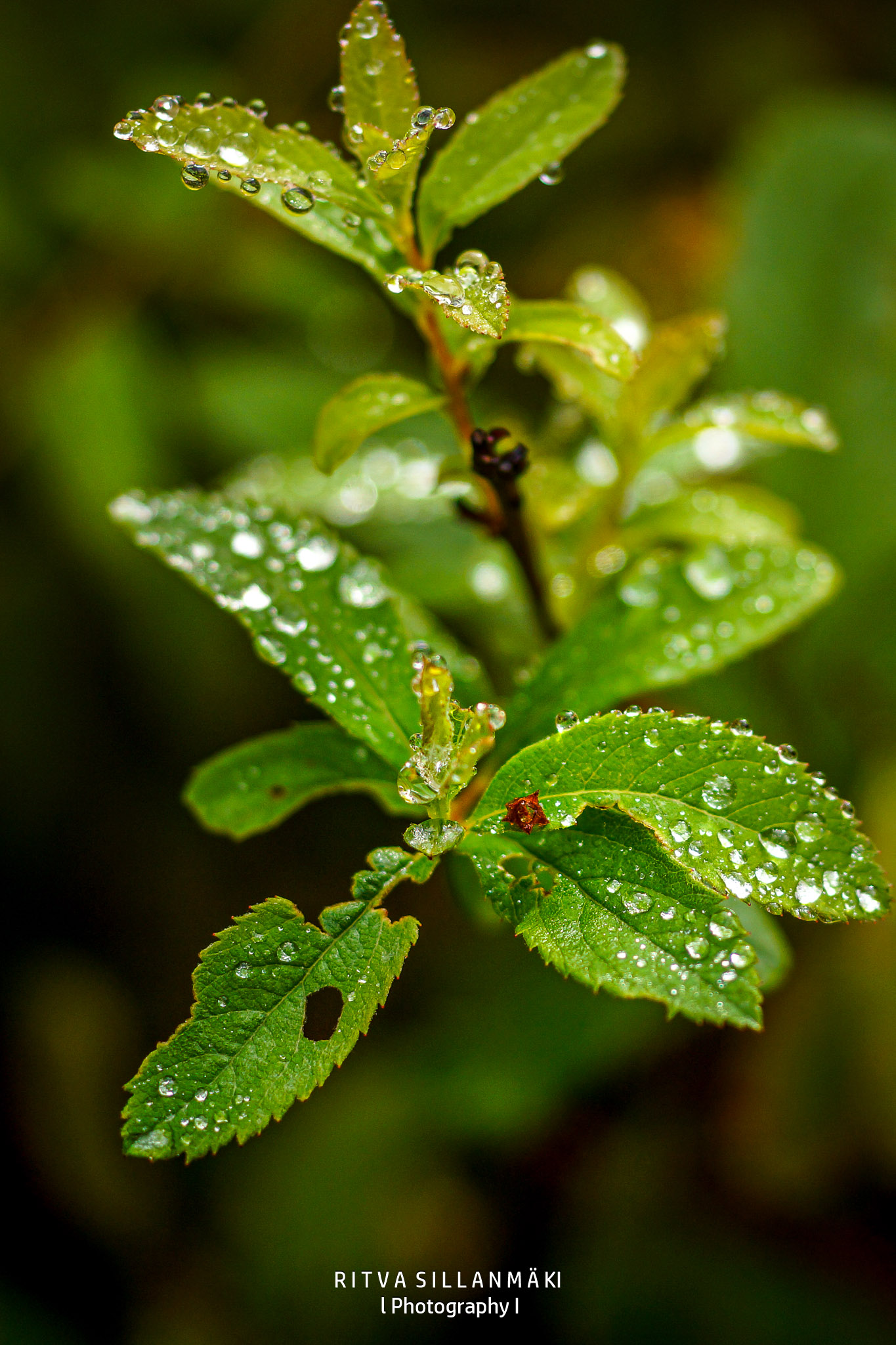
Have I captured this in this image; a dimly lit tunnel with sleek lines and warm yellow lights. Shadows create patterns. As vehicles pass, bright lights flash, briefly blinding those inside. The mix of dark and light highlights the tunnel’s design and the thrill of speed felt by travelers. This imagery should reflect the moment of traveling through it quickly.

A dimly lit tunnel, where shadows remain,
Sleek lines of structure, a rush quickly past.
Bright lights, they flash and blind
Illuminating the roadway, as speed takes flight.
Leanne is our host this week, and she was inspired by one of the Lens-Artists Challenges from last year to come up with this theme. Specifically, it stemmed from challenge #367 – Everyone Should See This, which prompted her to consider what is nearby to one’s home. I chose to focus on WITHIN 10KMS FROM HOME. as requested. For those more familiar with miles, that equates to roughly 6 miles.
Living just 10 km away, we have a mix of landscapes around us, from farmland and sea to lively urban spots that make our surroundings interesting. This time, my photos might not be my best, but they show some fresh moments from my recent outings. Espoo, with its own unique vibe, is about 10 kilometers from home; this area is where I often get inspired by the sea, since I used to live close to it in Espoo. That’s what I really miss from my current place—being just a short walk from the seafront . It’s not that far away, though. I snapped these first two photos with my iPhone on Monday during a nice trip out to meet a friend for lunch at a café that has a great view of the waterfront, showcasing the beautiful mix of nature and city life.


About 10 km from home, I snapped this as I was heading back from the hairdresser. It’s in Espoo, where I’ve been going for over 20 years, even before we moved to our current place. Once you find a hairdresser who does a great job, it’s tough to switch things up. I’m sure the ladies would agree with me on that 😀. It’s in a busy area with a bunch of apartment buildings. Not the most creative shot, but I liked the leading lines, which is why I took it.

In the monochrome winter landscape, trees rise against a blanket of snow covering the field, showcasing the beauty of the season. I captured this moment yet again with my iPhone, approximately 5 kilometers from a quaint ski resort in Kirkkonummi.


Country roads very near our home. The day temperatures have been warmer so the main roads are free of snow.

This got me thinking about the nuances between circles and rounds. I try to be as accurate as I can when I participate in challenges 😂, as if it really matters that much in the grand scheme of things. Yet, there’s something strangely satisfying about getting it right. So, I thought I would take some time to refresh and confirm my knowledge on the topic.
The differences between circles and rounds are primarily based on their definitions and geometrical properties. A circle is a two-dimensional shape defined as the set of all points in a plane that are equidistant from a fixed point known as the center. In contrast, the term “round” refers to the general quality of being circular or spherical, which can apply to various shapes and objects, not limited to geometric circles. Moreover, while a circle has a precise mathematical definition with specific formulas for its area and circumference, “round” can be more subjective, describing items that appear curved or circular without adhering to strict geometric rules.
These are the images I decided to share with Leanne’s Monochrome Madness #53: Circles and Going Around in Them Guest host Dawn: Monochrome Madness #53: Circles The last one well… it is a ⭕


What have you seen or experienced that has astonished you? Beth from Wandering Dawgs asked.
Beth was inspired by these words by Mary Oliver from her poem “Sometimes” for this weeks challenge.
Pay attention
Be astonished
Tell about it”
I have been astonished many times in my lifetime by children, people, young and old, revealing layers of beauty and complexity in humanity. So often by nature, I find myself in awe of the vibrant colors of a sunset, the intricate patterns of leaves, and the soothing sound of waves crashing against the shore. Each moment is a reminder of the wonder that surrounds us, and I cherish these experiences, life’s fleeting magic. The older I get more I appreciate the small wonders that surround me.

I lived in Las Vegas many years ago, and I was astonished by the nature of the desert, with its stunning, expansive views that stretched endlessly beneath a brilliant blue sky. The rock formations in the Valley of Fire, with their vibrant hues of red and orange, seemed almost otherworldly, as if a painter had splashed the landscape with bold colors. I was especially fascinated by how much life there is in the desert, from resilient cacti standing tall against the harsh conditions to small creatures that thrive despite the intense heat and dryness. Each visit revealed new wonders, as the desert’s beauty and complexity continued to surprise and captivate me, showcasing the remarkable adaptability of nature.
Enlarge the images in the collage by clicking them for a better view.


THose who follow me know; I am always impressed and taken by the power of water is truly astonishing; it manifests in various forms such as the vastness of the sea, the depth of the ocean, the swift flow of rivers, and the majestic splendor of waterfalls. Each of these elements have the relentless force and beauty of water, which can provide life and nourishment while also possessing the ability to create destruction. The gentle pitter-patter of rain, for instance, can refresh the earth and bring forth new growth, yet in larger quantities, it can lead to floods that reshape landscapes and communities. From the tranquil lakes reflecting the sky to the raging torrents of rivers carving through mountains, water is indeed a vital and powerful element of our world.


Mountains captivated me at every glance, their grandeur towering sharply against the skyline, with their immense presence enveloping them in a nurturing hug. The sunlit, snow-draped summits shimmer in the warmth, while the rugged ground narrates stories of age-old geological events. Surrounding forests flourish with vitality, their lush green shades strikingly set off by the stark whites and grays of the summits. The air is invigorating and clear, rich with the aroma of pine, the numerous pathways and hollows that weave through this stunning terrain.


I am going to stop here. I have added way too many photos, but that is due to the fact that nature always, constantly amazes me with its incredible beauty and diversity. From lush green forests to serene mountain ranges, deserts, there is an endless variety of landscapes to explore and appreciate. When we travel, we mostly look for natural sights to see that inspire awe and a sense of wonder. I love capturing nature, be it landscapes or close-ups, as each photograph tells a story and preserves a moment in time that can be cherished forever. Look and see – pay attention, and you will be astonished by the intricate details and the vibrant colors that surround us every day, reminding us of the magic that exists in the world.
Last week, Tina welcomed us with a theme centered around Shapes and Designs. The world is teeming with inspirational creations, many of which are derived from nature. Our designs, whether in architecture, fashion, or the everyday items we utilize, reflect this connection. This was clearly visible in the photos we all contributed.
I hope you will join in for this week’s challenge. Share us what astonishes you. Be sure to tag your post with Lens-Artists and include a link back to Beth’s post.
Be sure to check back on Saturday, February 14, at noon Eastern Time, when I will once again host; I know it’s Valentine’s Day, still, I hope you will join me then. Until then, let’s continue to explore, expand our knowledge and stay positive ❤️
We are Lens-Artists: Tina , Patti , Ann-Christine, John, Sofia , Anne , Egidio, Beth , and me Ritva,
To learn more about the Lens-Artists Challenge, click here.
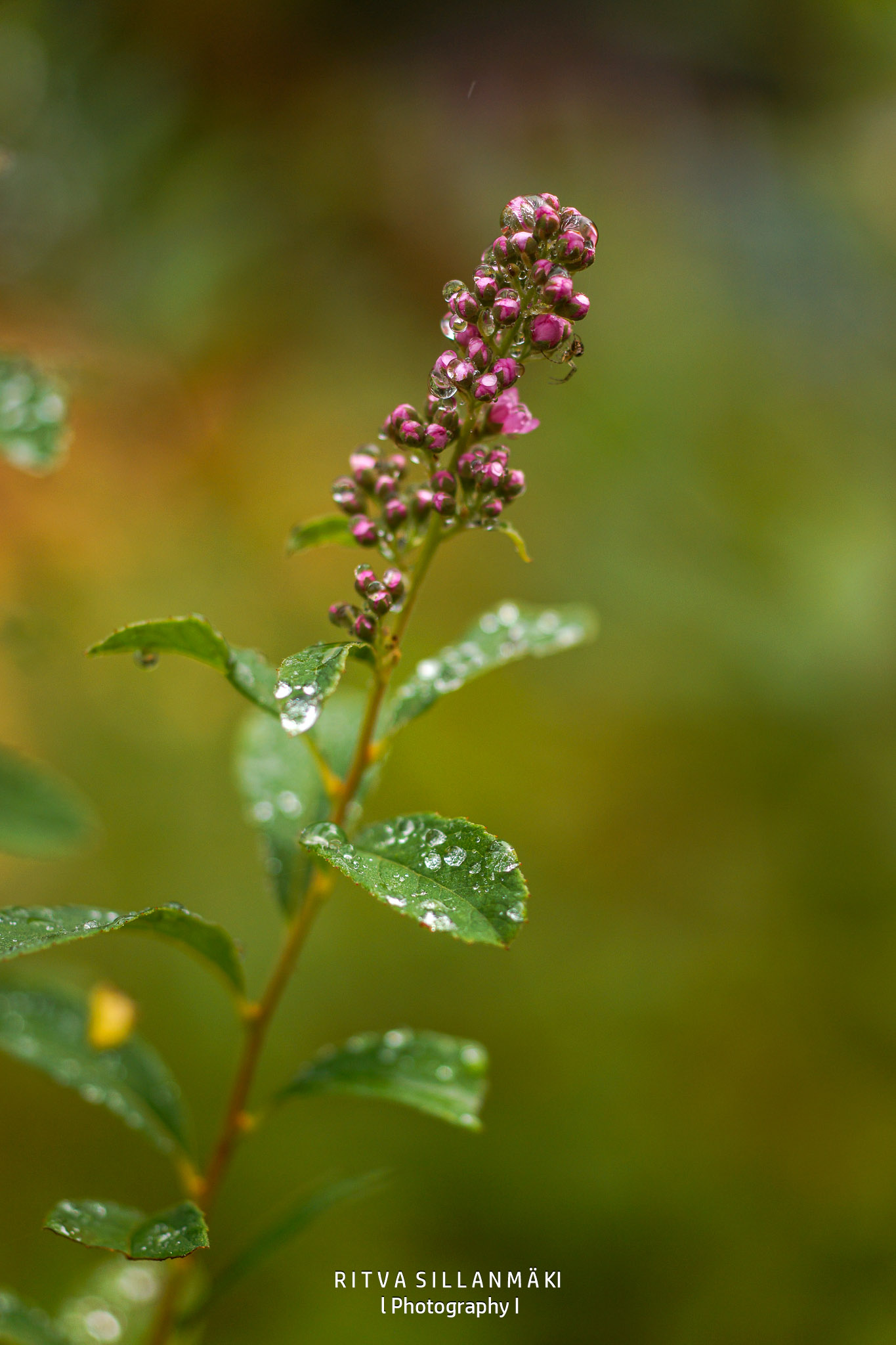
I enjoy capturing the details of winter; these were not taken recently, but they have been recently edited. I love how I was able to find new, interesting, and beautiful aspects while doing this, and I am happy to continue sharing my winter finds.

Icicles, resembling the sharp teeth of the season, elegantly hang from branches and rugged rocks, forming a scene that is both picturesque and enchanting, ideal for photography. A blanket of sparkling white snow covers the ground, beneath the soft winter sunlight, while a partially frozen stream winds gently through the landscape. It was quite chilly. The icy stones along the banks provide an artistic element to the surroundings, reflecting the glimmering light as the water flows softly over them. The fragile beauty of frozen grass, embellished with countless shimmering icicles, amplifies the wintry allure, instilling a sense of peace and awe. This breathtaking landscape captures the essence of winter’s beauty; it’s wonderful to take a moment to appreciate the serene, cold elegance crafted by nature.


I added a gallery of the same images if you wish to look at them enlarged.


This week, Egidio has encouraged us to showcase some of our rejected alongside our edited images to highlight the contrasts. I’ve encountered photographers who view editing as “cheating,” believing it undermines the integrity of the moment captured. Nevertheless, I regard editing as an equally vital skill as the art of photographing a subject or scene. It empowers us to emphasize particular features, enhance colors, and evoke emotions that may not be as prominent in the unedited image. Ultimately, the final image should represent not just what was observed but also the artist’s unique vision and perspective. By embracing both photography and editing, we can elevate our creations and convey more impactful stories through our visuals.
These are all from my visit to Hvitträsk and its surroundings some year ago except the last one. That was a so bad I did not pay any attention to it at all at the time, I just remember being very disappointed in it. I should have binned it, but luckily now with my approved editing skills I was able to do something with it.
The original image was flat and boring, and I never got around to publishing it, even though the picture has many layers and good elements. Perhaps I didn’t initially realize to crop it enough; for some reason, I wanted the trunk of the pine tree in the image even though it didn’t really fit there. The sky had remained flat and nothing really stood out.


I was drawn to this blurry image; there was something about it that appealed to me, so I decided to rework it in the hope that it would present better with a slight adjustment of contrast and colors. The top of the image was slightly overexposed and clearly out of focus. I am not entirely satisfied with the edit as the colors changed too much from the original—primarily because I try to keep the image as natural as possible.


A dimly lit dining room with a long wooden table covered in a white tablecloth, adorned with orange fabric. Red upholstered leather benches line the walls, and a decorative chandelier hangs from the ceiling. In the image above, there is a lot of good, but the picture was left languishing in the archives a bit subdued, and I couldn’t find its purpose; now I decided to boldly edit it in a more cinematic direction. I spent some time battling against making it too colorful, so the third edit is the final result 👇, where I wanted to bring the fabric on the table into focus with light.

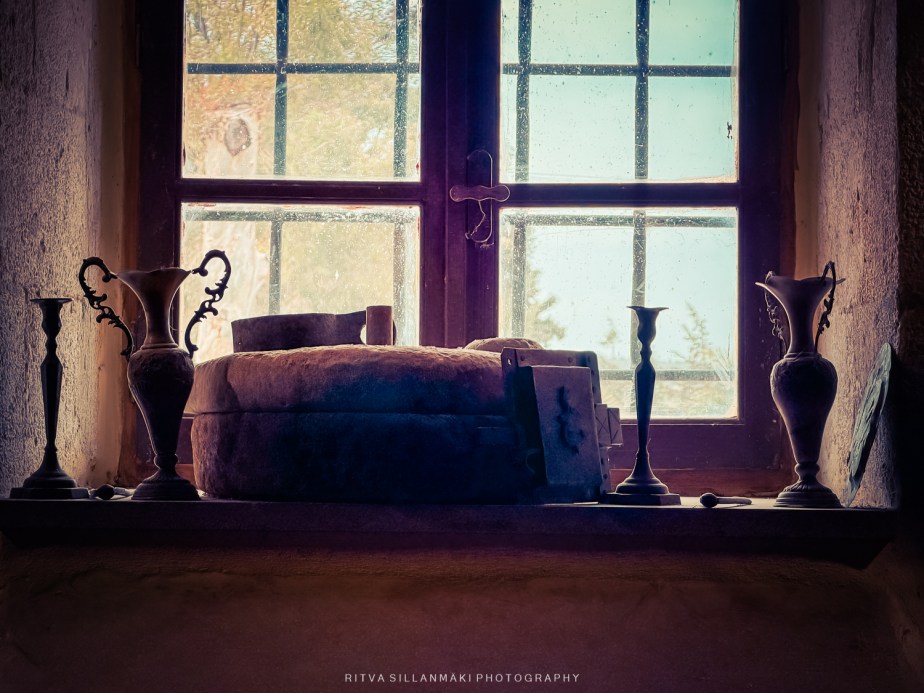
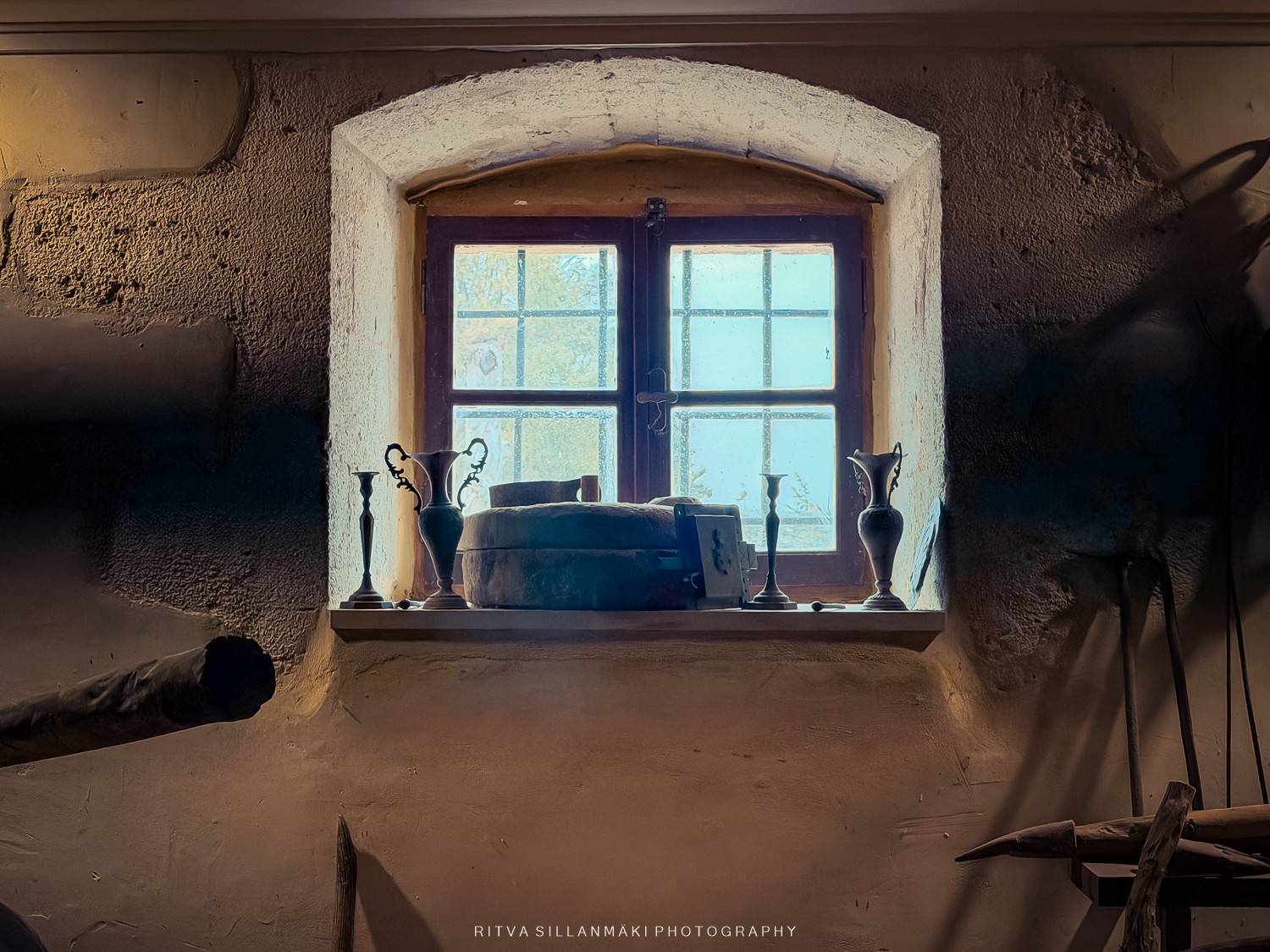
In this last image pair, I wanted to highlight the minimalism of the previous challenge and the black-and-white image as it is a style I really enjoy. I sought to create an atmosphere in the picture and wanted to draw attention to the window and the light coming from it and how it came to the room, and eliminating most of the furniture.


In this picture, I managed to save an image that was clearly overexposed and additionally had completely off coloring. I didn’t know what I had adjusted back then, but for some reason, this remained in the archives. I couldn’t edit this photo to color, but the black and white turned out rather well.


I would like to extend my gratitude to Egidio for encouraging us to present some of the effort that goes into crafting an image we are proud to share. Don’t forget to check out his original post here, and remember to use the Lens-Artist Tag in your response so we can find you post.
I am grateful to all who took part in last week’s B&W / Minimalism challenge; it highlighted the remarkable power of simplicity when done effectively. I was taken aback by the amount of interest it created and glad to find out that there are so many interested in this style of photography, which emphasizes the beauty of minimalism and the striking impact of black and white imagery. This challenge inspired participants to explore their creativity among those who share a passion for this art form. I loved seeing all your contributions, as each one told a unique story and showcased different perspectives, proving that less truly can be more in the world of visual storytelling.
Lastly, we invite you to join us next week for a challenge Tina will be hosting on Travels and Trifles. In the meantime, smile and try to stay positive
We are Lens-Artists: Tina , Patti , Ann-Christine, John, Sofia , Anne , Egidio, Beth , and me Ritva,
To learn more about the Lens-Artists Challenge, click here.
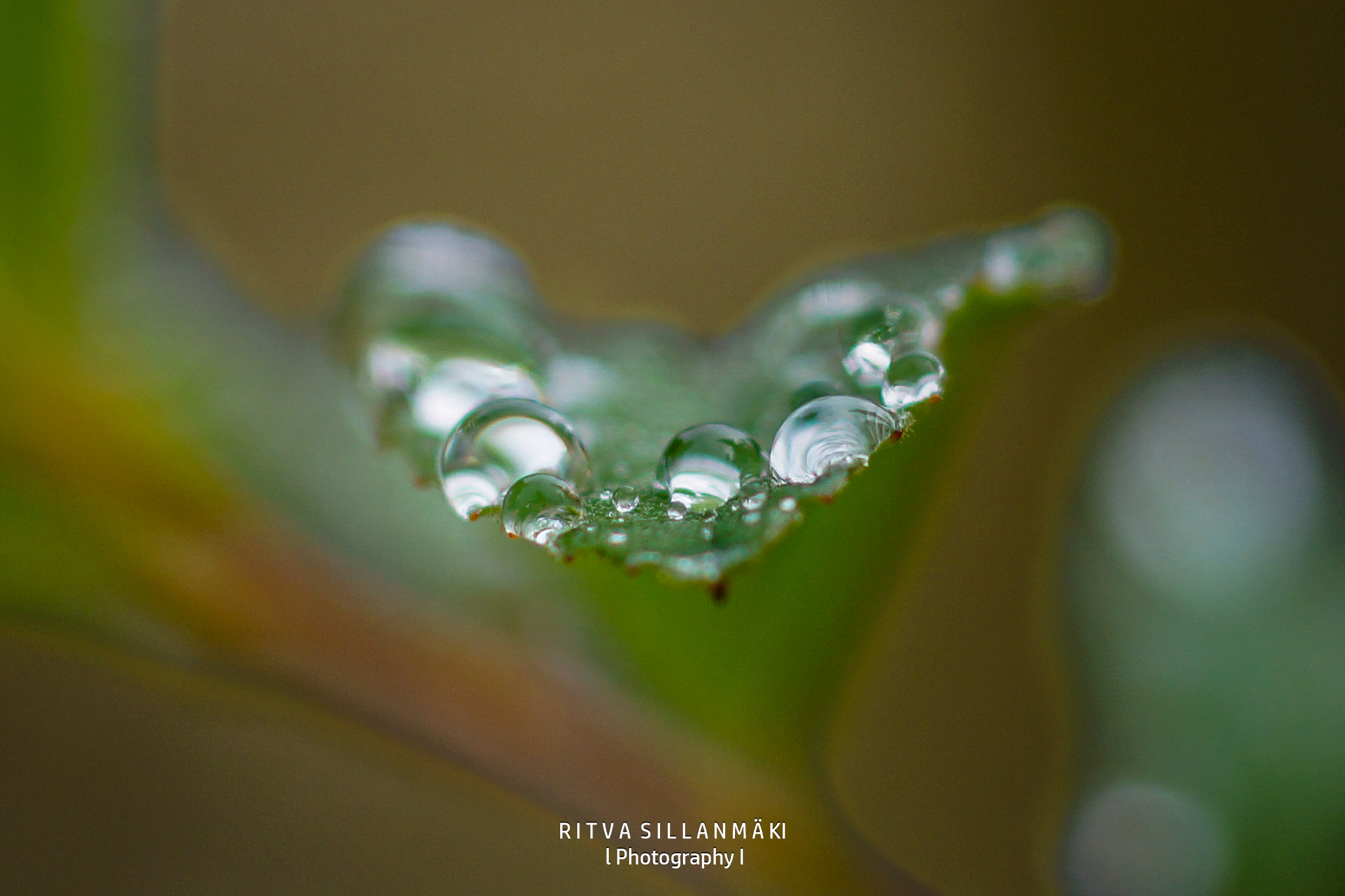
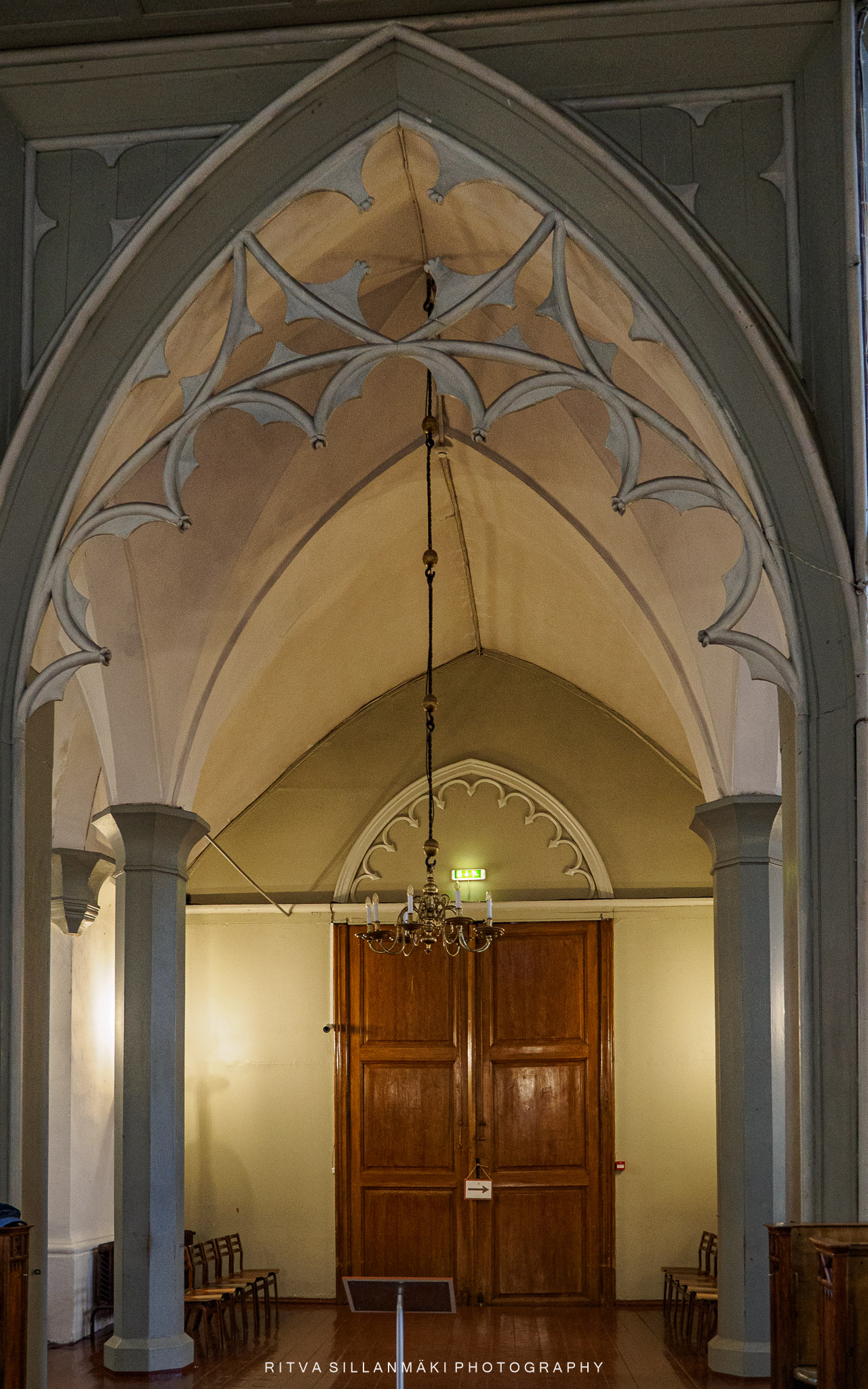
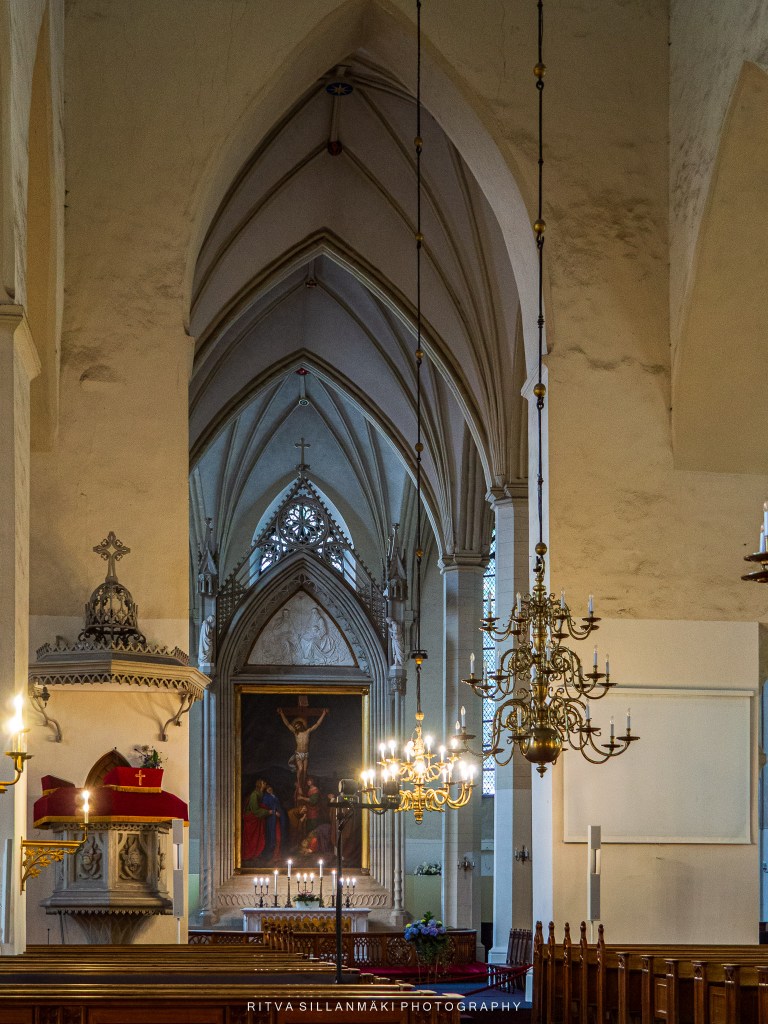
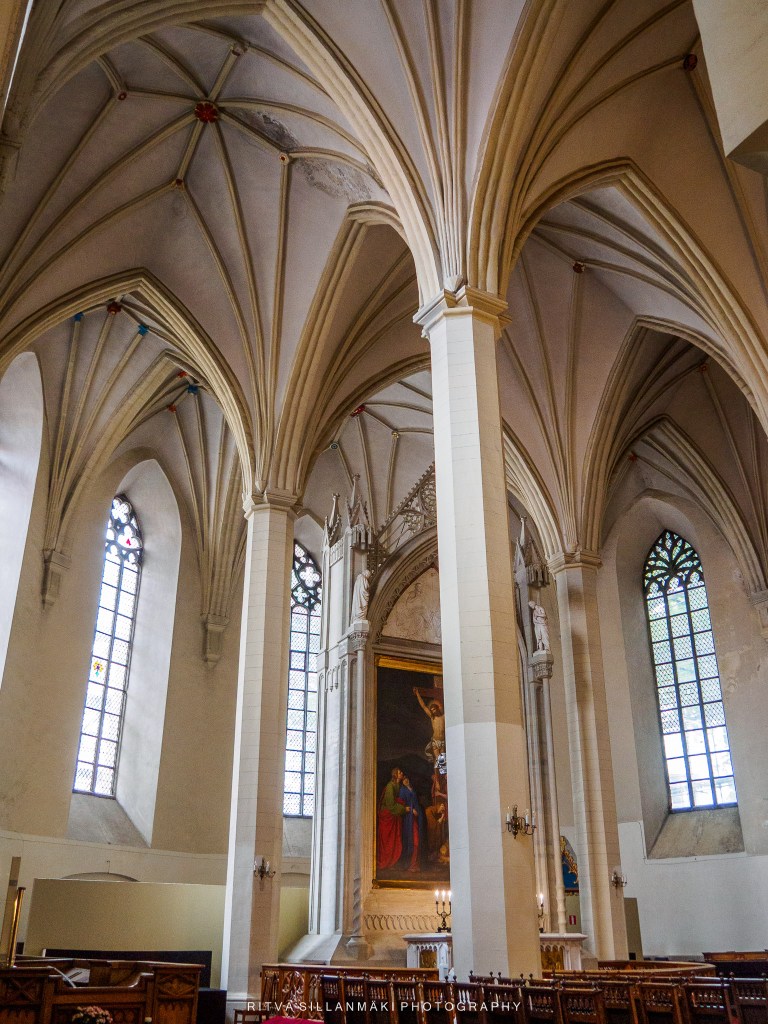
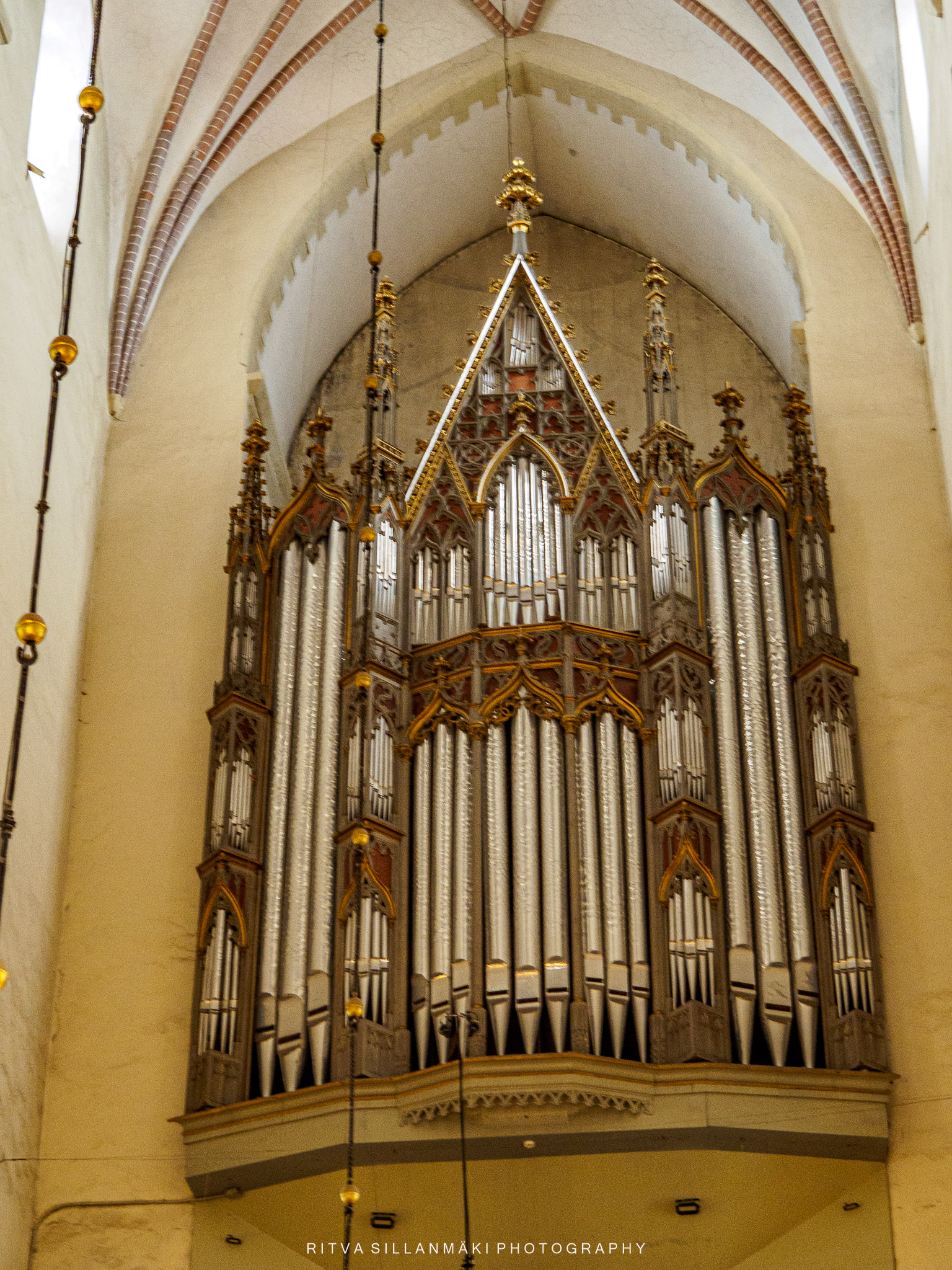
Here are some more images from this old church and a link to more information of Espoo Cathedral .
I have additional images taken, but I plan to share them separately, as I think these particular ones align well with Dan’s theme. I’m aware that people often overlook images when there are too many of them, which has been a common mistake in many of my earlier posts. I really strive to thoughtfully select and limit the number of images I include. Hopefully, I can keep the attention and ensure that every image adds value to the story, creating a more deliberate and enjoyable experience as they explore the content.
The church was crafted in the late 15th century by an anonymous “Espoo master” and constructed between 1485 and 1490 under his guidance. The only remnants of the medieval structure are the eastern and western sections of the nave. The armory was dismantled from 1804 to 1806, and several other portions of the church, including the original sacristy, were taken apart between 1821 and 1823 when the edifice was transformed into a larger cruciform layout.
Click the galleries to see the photos more clearly, that is if you are looking at them on your computer as most of my followers are, I saw in the stats that the number is 82% ☺

The vaults and walls of the older sections of the cathedral feature murals, predominantly painted in the 1510s, showcasing both biblical narratives and scenes from everyday life. These paintings were concealed in the 18th century due to perceptions of being “crude and superstitious,” but were exposed and restored during renovations in 1931. The current campanile of the cathedral was finalized in 1767, with its upper section remodeled between 1868 and 1869.


Posted for Dan’s Thursday Doors
Last weekend, I attended the LUX Helsinki 2026 festival, which attracted large crowds despite the cold weather. Dressing appropriately helped, but my fingers did get really cold while taking the photos. Five of the twenty installations were situated near Hietalahti Market Hall.


The event featured colorful light displays, particularly at the eerily beautiful Old Church Park, also known as the “Plague Park” due to its historical significance. The Blue light and snow made the place look a bit eerie. It is also known as the “Plague Park” (Ruttopuisto), as victims of the plague in 1710 were buried alongside the church. The gravestones in the Old Church Park remind of the history of cemeteries in this part of town. The park is home to the second oldest church in Helsinki and remains a popular destination within the city center, blending art and history.


Participating in Johns Cellpic Sunday
This morning I started to look for photos of doors, Now it’s 5 PM, and I found myself completely immersed in editing photos from years back, particularly from my visits to the Espoo Cathedral, which is currently closed for renovations but is expected to be back in use by 2027. The intricate architecture and historical significance of this beautiful structure captivate me, making the editing process both a nostalgic experience. I will post those sorted photos soon.

These are not from there. These are from the interior of Hvitträsk, just a small detail from a children’s room that truly captures the essence of early 20th-century design. I love the design of this child’s bed made of wood, crafted in 1905 by the renowned designer Eliel Saarinen. The bed showcases a thoughtful blend of functionality and artistry, ensuring comfort for the child while also serving as a beautiful piece of furniture.
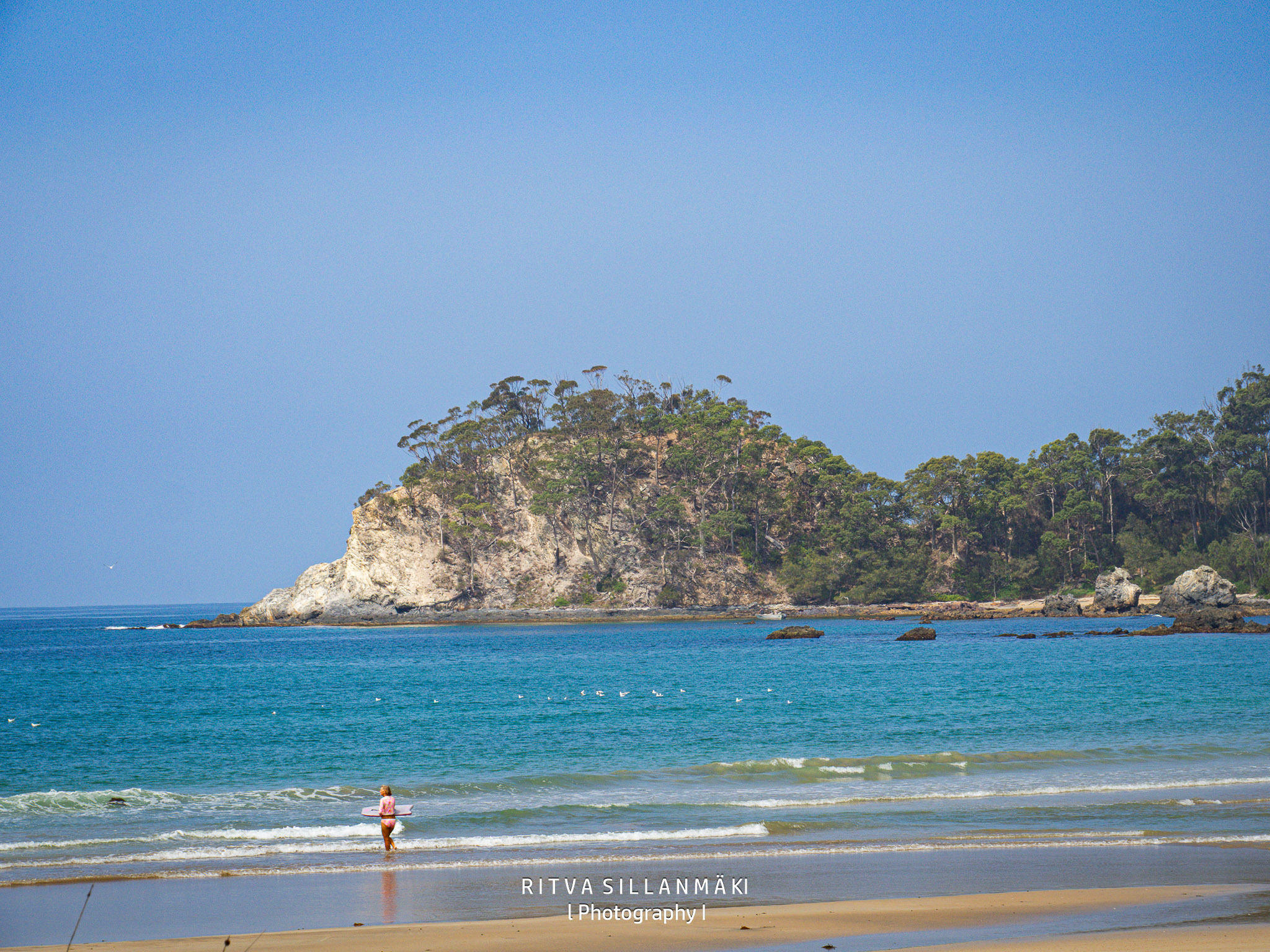
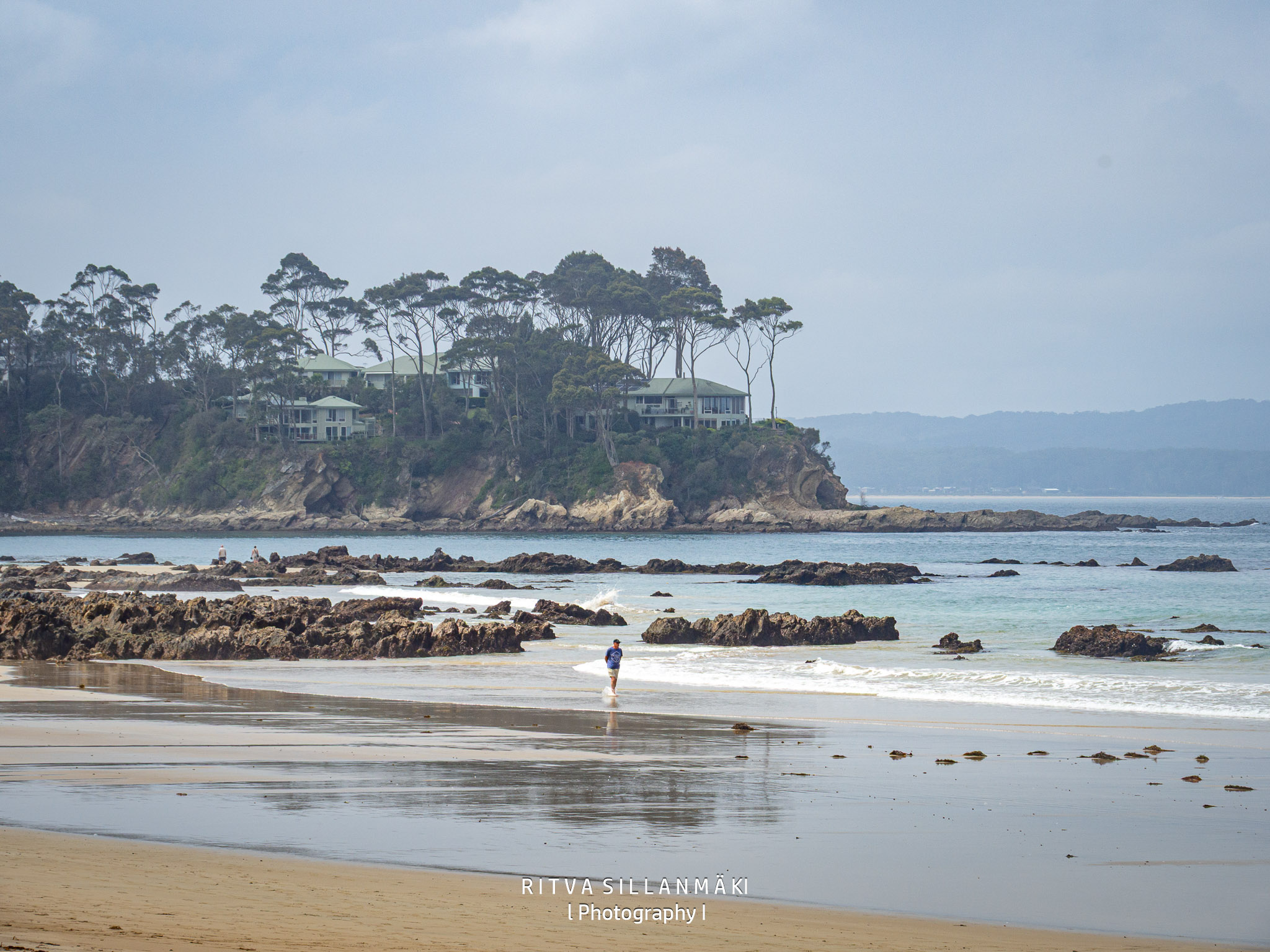


Posted for Dan’s Thursday Doors
The numerous mills in the rapids of the lakes on the northern side of the Salpausselkä in Nastola have been significant since the 16th century, and the current building stock forms cohesive and temporally as well as functionally layered entities in picturesque locations. The mills in the rapids represent early industrial buildings, to which the residences of the millers have also been connected.
The Kumian mills are located by the shore of Lake Salajärvi at a place where a river divides the narrow isthmus between Lake Salajärvi and Isokukkanen. The older wooden mill building dates back to the 1890s, while the tall flour mill building is from the 1930s.

The Kumian flour mill was designed in 1933 at the East Häme agricultural society. Later, similar tall flour mills were built, either as electric or steam mills. The mill became the most popular in Nastola and the nearby municipalities, significantly contributing to the spread of wheat cultivation in the area. A groats mill and a shaving planing machine operated in connection with the mill. Milling activities ceased in 1964.


The January sun hung low in the sky, resembling a soft coin against a lavender backdrop, casting shadows that stretched like gentle, blue fingers over the fresh blanket of snow, guiding your way with beautiful patterns of light and dark. Walking through a snow-blanketed forest is more than just a stroll; it’s a heartfelt escape where the crisp air fills your lungs with revitalizing energy, and the soothing silence of new snow envelops everything in calm.

As you make your way along twisting trails, nature’s tranquility wraps around you, inviting you to set aside the burdens of time and truly appreciate the stunning beauty surrounding you. The slender white trunks of the birch trees twinkle in the sunlight, their delicate bark curling in pieces that catch the warmth of the afternoon. Each graceful, drooping branch is wrapped in a thick layer of pristine white, bending the young saplings into elegant, icy arches above the path. The woods feel suspended in a shimmering stillness; even the air seems transformed into something crystalline and pure. With each footstep, the snow crunches beneath you, the only sound in this peaceful solitude.
As the trail dips into a gentle hollow, the light dances off the ice crystals suspended in the air, turning the birch grove into a magical cathedral filled with “diamond dust.” In that moment, the world feels perfectly still—a silver-etched landscape blanketed by a calming white canopy, reminding you of the quiet beauty of existence.


I was sifting through a collection of old postcards from many years ago, particularly those from a cherished friend I’ve known for 45 years. Many of them handmade. This reflection made me ponder over friendships—both old and new, as well as those from the past. Each postcard was like a time capsule. Whether time has taken them away due to life’s circumstances or they have sadly passed on, the outcome is the same: they are no longer a part of my life, yet each one has left a significant mark during our time together. The little joys and sorrows we shared, the secrets we confided in one another, and the milestones we celebrated still resonate within me. Reminders of them linger on, intertwined with the fabric of my personal history, and a few of the postcards I moved stirred up memories of friends I had long forgotten…life.
I often reflect on the individuals I’ve encountered in this blogging community. Many have journeyed alongside me throughout my 14 years of blogging. I’ve come to know fragments of their life narratives, sharing in both their joys and sorrows. I empathize with some and find myself moved by others, grasping their highs and lows. Numerous stories have sparked inspiration in me. As a photographer, the images I’ve seen have enriched my photography. I’ve learned about life on other continents, seen places I’ve never visited, and listed them on my bucket list. The artistic influences I’ve gained are invaluable. I consider you all friends, even those I haven’t met in person. Some of you feel like close companions, while others remain acquaintances with whom I exchange occasional greetings.
Wishing everyone a joyful New Year!