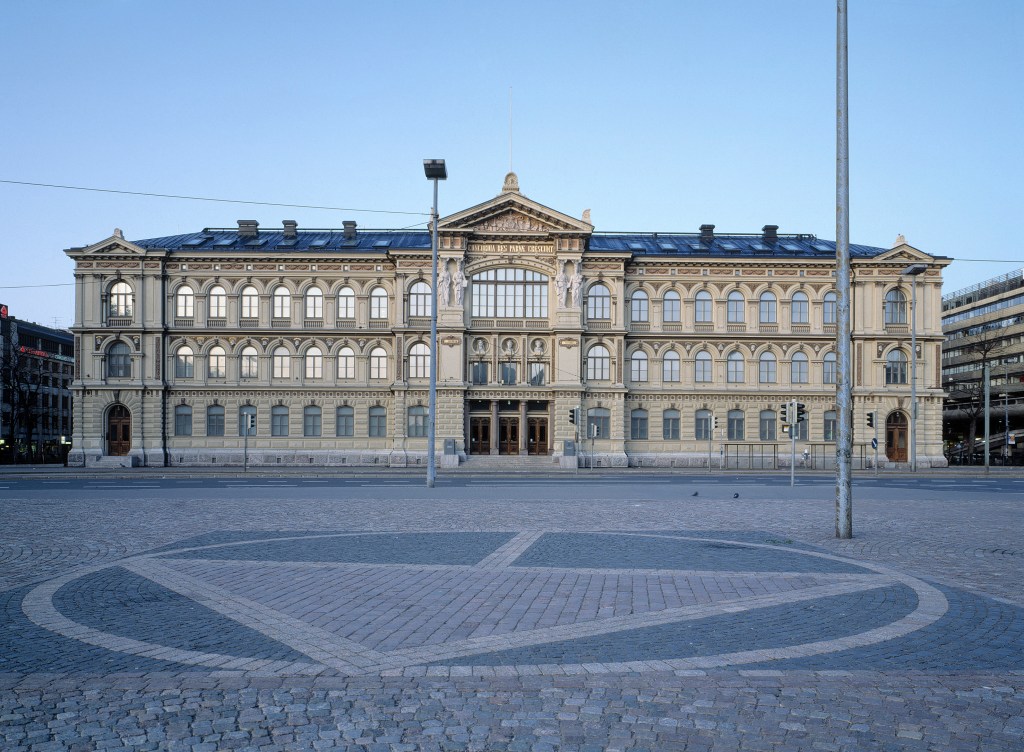
The Ateneum Museum in Helsinki, designed by architect Theodor Höijer in the Neo-Renaissance style and completed in 1887, originally served both art education and museum functions. Tall arched frames, ornate moldings, and weathered details reveal the building’s 19th-century character, while sculptural decoration adorns the façade between the upper-floor windows. These architectural elements create striking lines of light, shadow, and reflection for the camera, though the building also contains some more modern windows that mark later periods of use and renovation.
Photograph no. 26000 24 October 1991 Jouko Könönen / Central Art Archives title of the work: Ateneum building façade photographs
Ateneum is the most visited museum in Helsinki, I have shared photos from it before, but it does not hurt to share some of them again. The exterior shot is not mine, I’ve given credit were due,
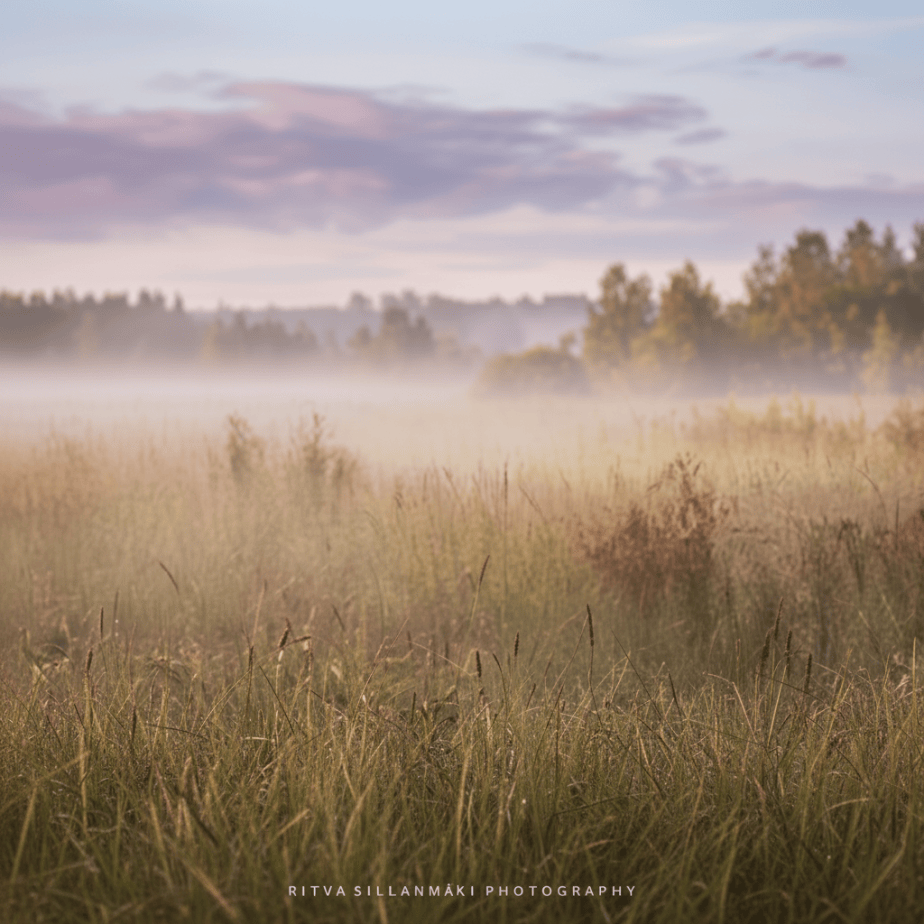
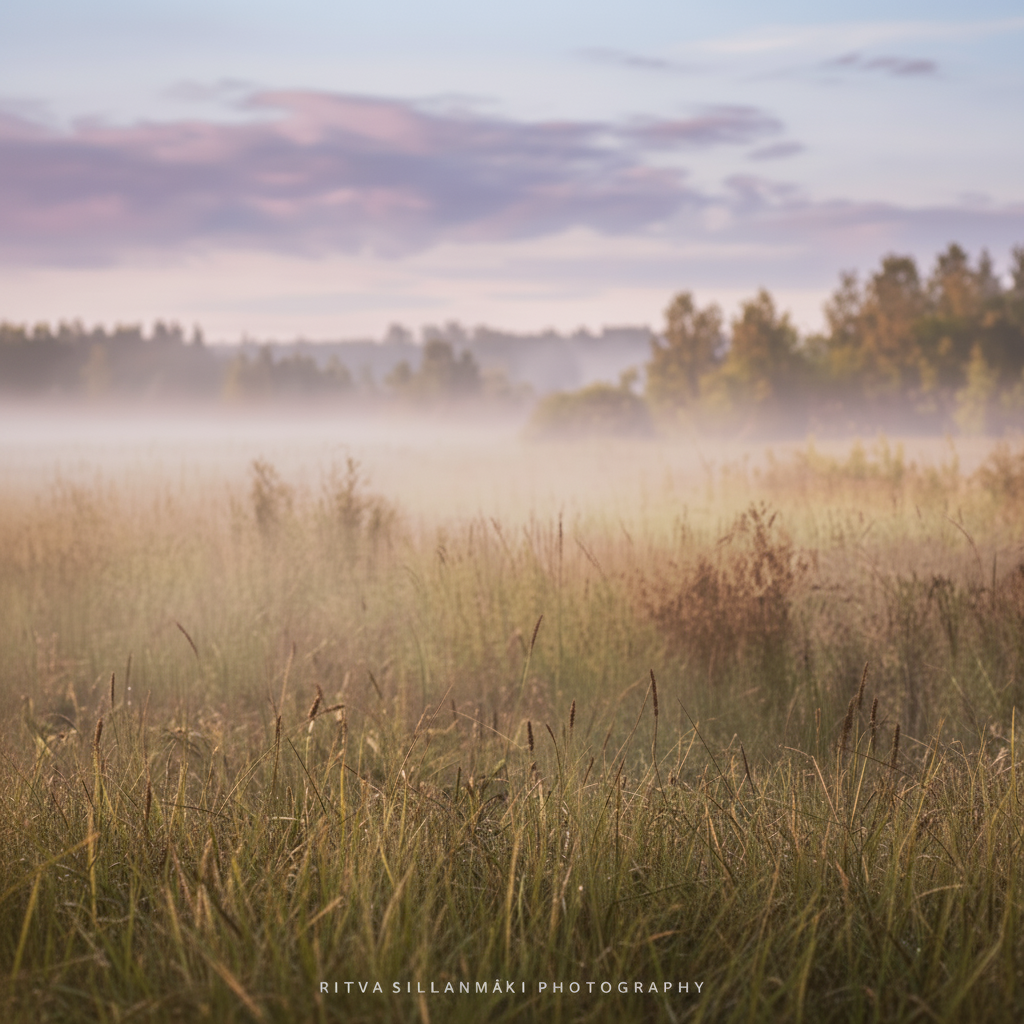
A misty meadow glows beneath a softly colored morning sky, with wild grasses stretching toward a tree-lined horizon.
Misty meadow, barely waking,
Tall grasses breathe in ribbons of gold,
cool air combs their seed-soft crowns.
Fog drifts low, a quiet tide,
folding the tree line into its pale pocket
of green and embered amber.
Morning light loosens from a pastel sky,
rose and lavender sifting down—
the whole field scented with leaf-soft autumn,
with the hush of a season turning
so gently you can almost miss it.
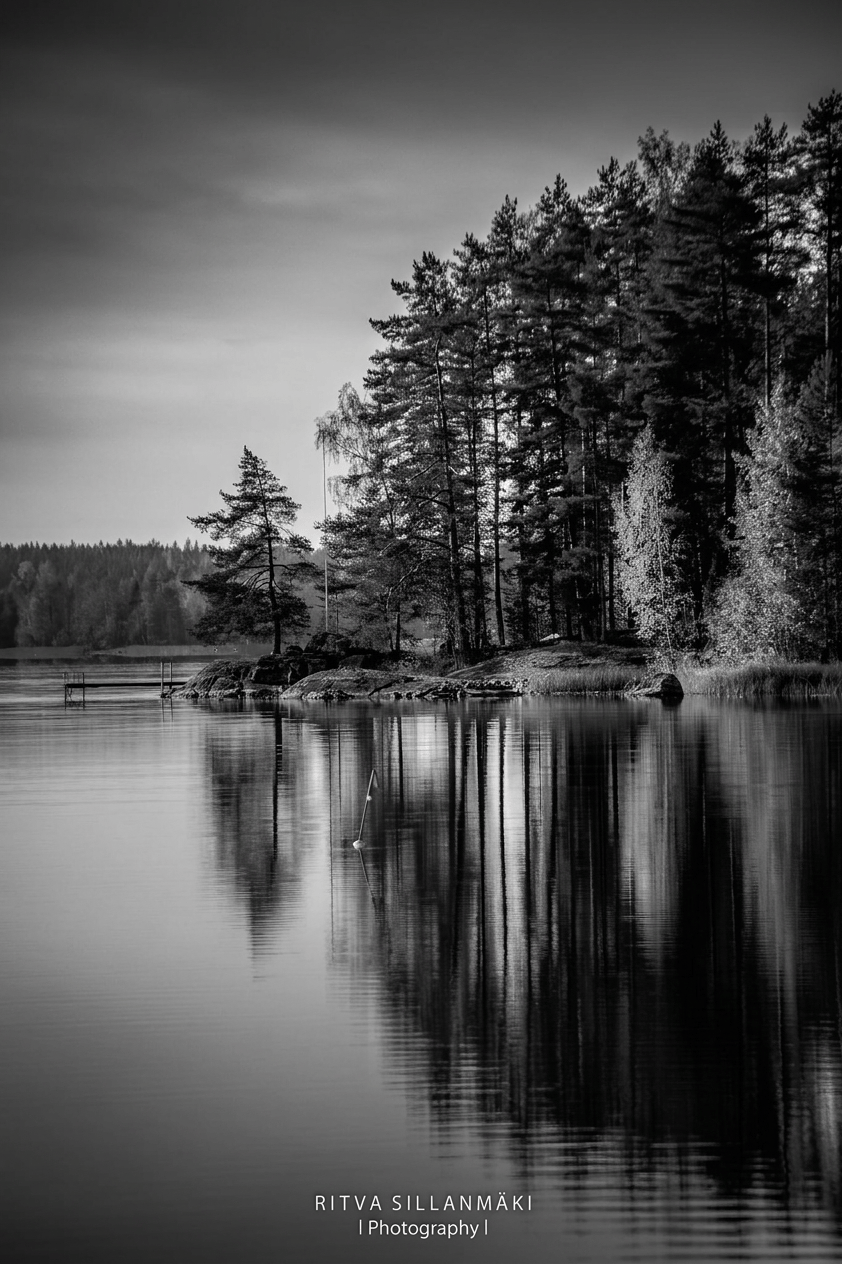
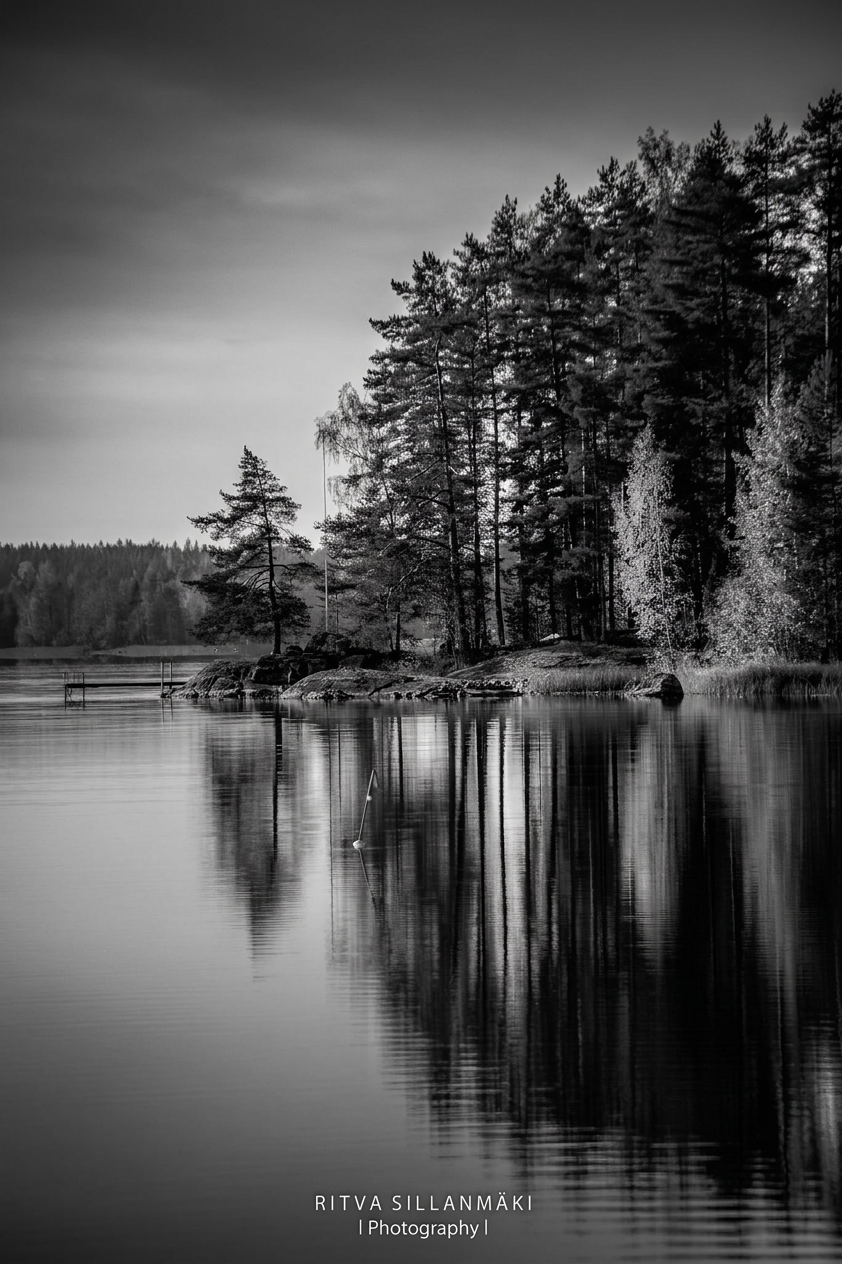
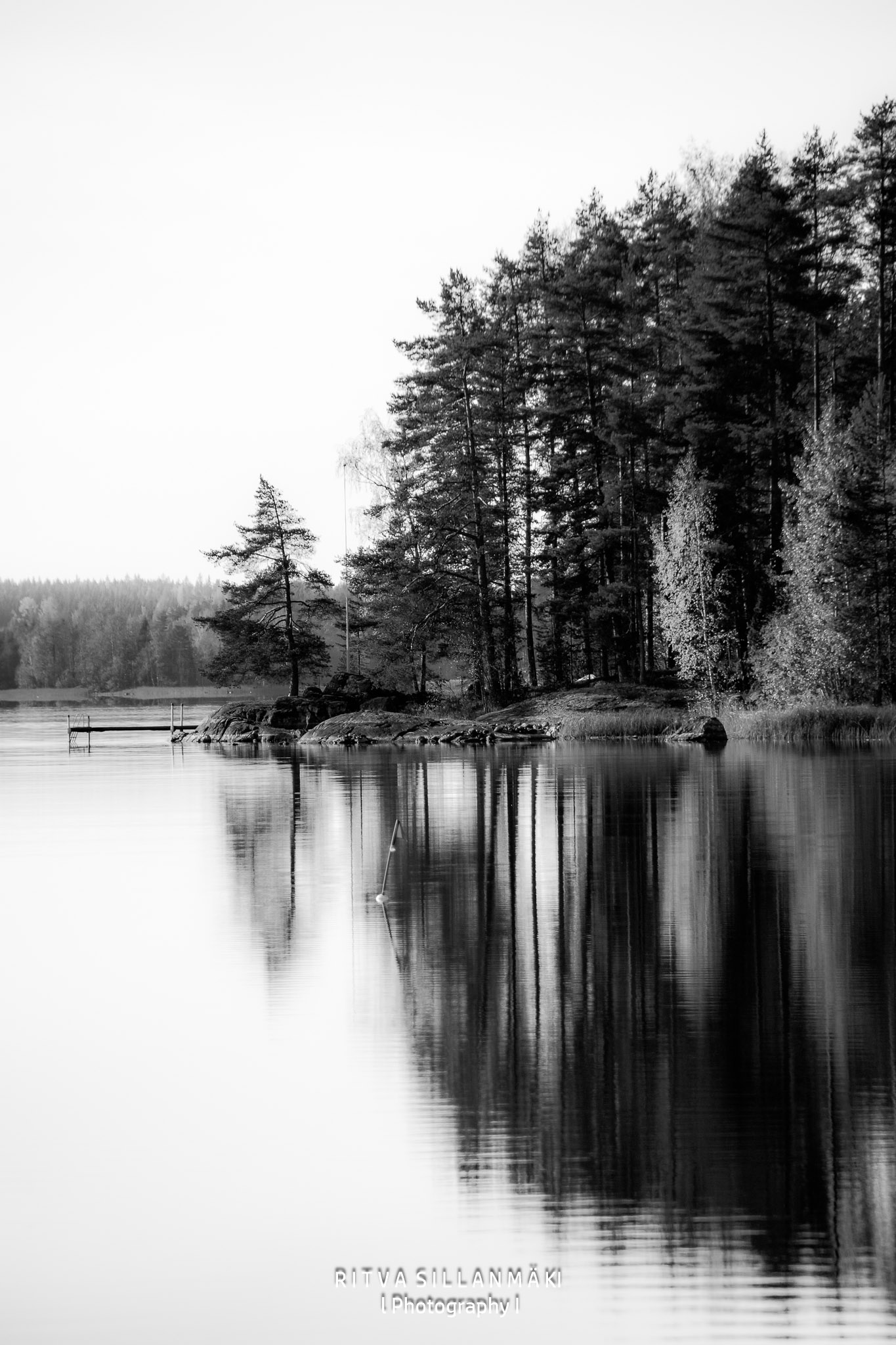
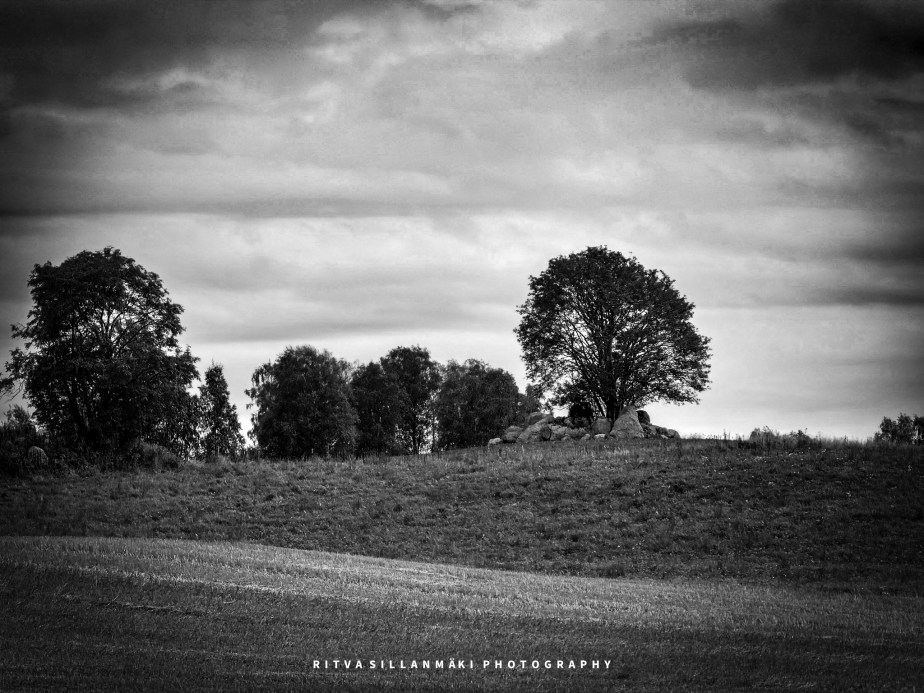
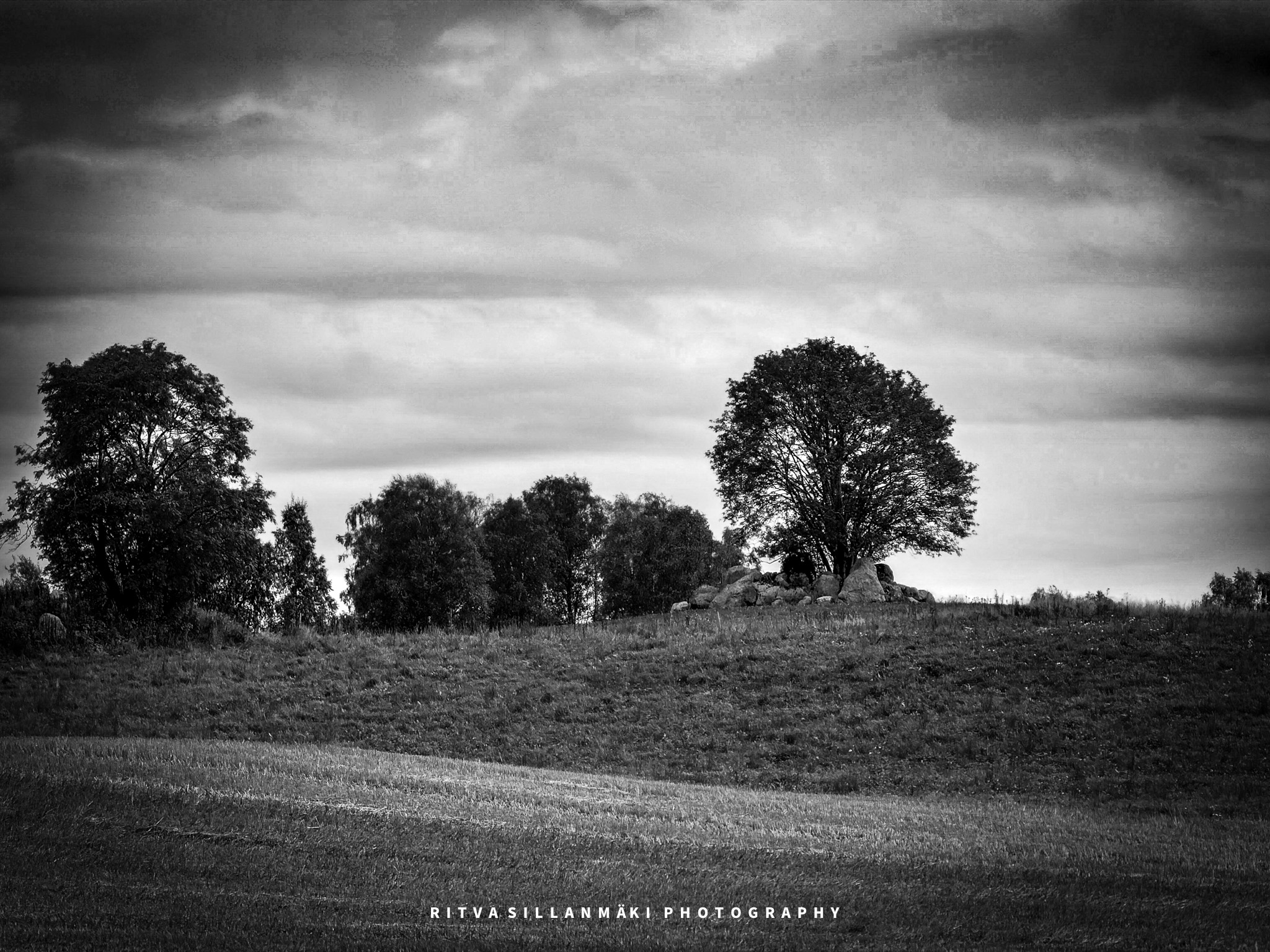
A week with no particular theme for Monochrome Madness. So I had two choices, totally different, other than that they are both in monochrome – or black and white. One of them you might remember from a recent post, and I wanted to let you see how it converted to B&W – I thought it worked really well and gained a slightly different mood.
This is how I would describe the first image: A quiet black-and-white scene opens onto a still lake, its surface edged by a rocky, forested shore. Tall pines and slender birches rise along the right, while the far woods soften and disappear into a pale, overcast mist. The water lies glassy and mute, holding the trees and sky in a dim reflection. To the left, a small dock and, nearer the viewer, a single fishing float offer the slightest trace of human presence. The pared-back tones and unhurried composition leave the image hanging in a contemplative, almost hushed mood.
The mood is different in them the other image shows a calm lake bordered by a rocky, forested shoreline of tall pine and birch trees. The glassy water reflects the dense woodland in long vertical patterns, while a small dock extends into the lake on the left and a floating marker sits in the foreground. Soft mist or haze lightens the distant trees and bright sky, creating a quiet, minimalist atmosphere.
The third photo is a set of stairs leading to an inviting porch in autumn, full of texture and gentle light. Which is your preference, and what draws you more: the familiar image transformed, or the quiet promise of that autumn porch, mayne with some candles in lovely lanterns?
A black-and-white view of a weathered wooden porch, framed by ornate columns and leading up to a quiet double do
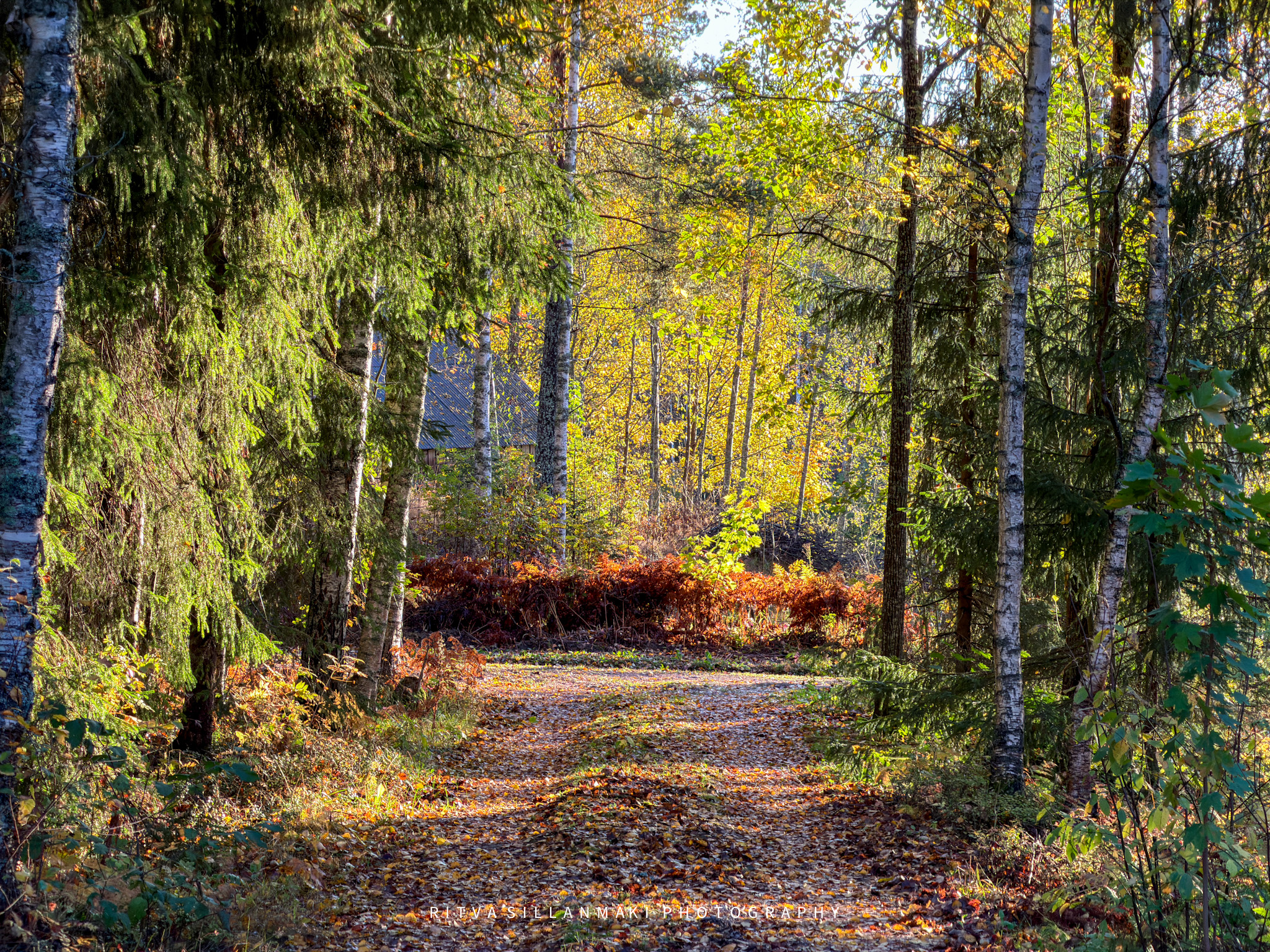
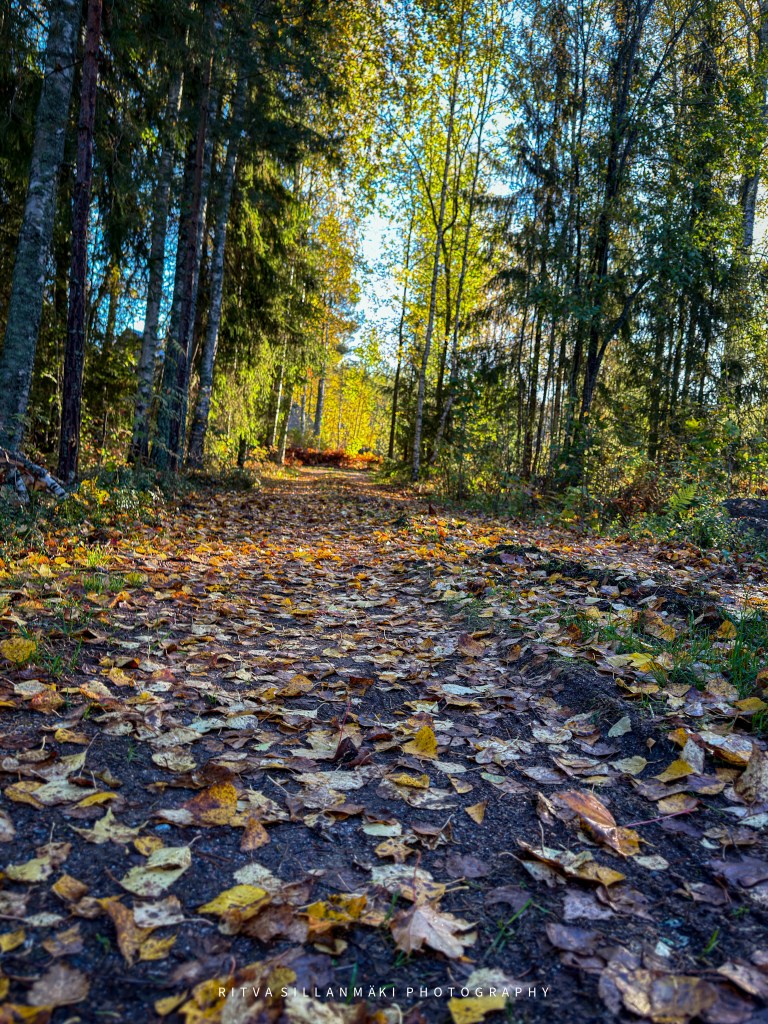
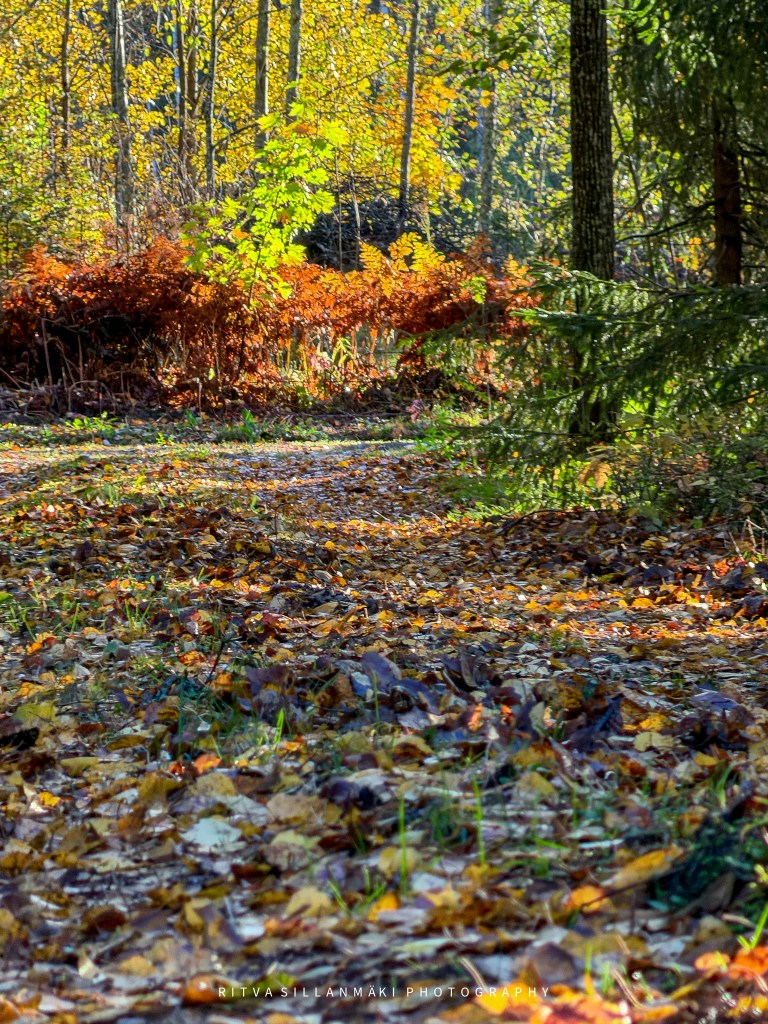
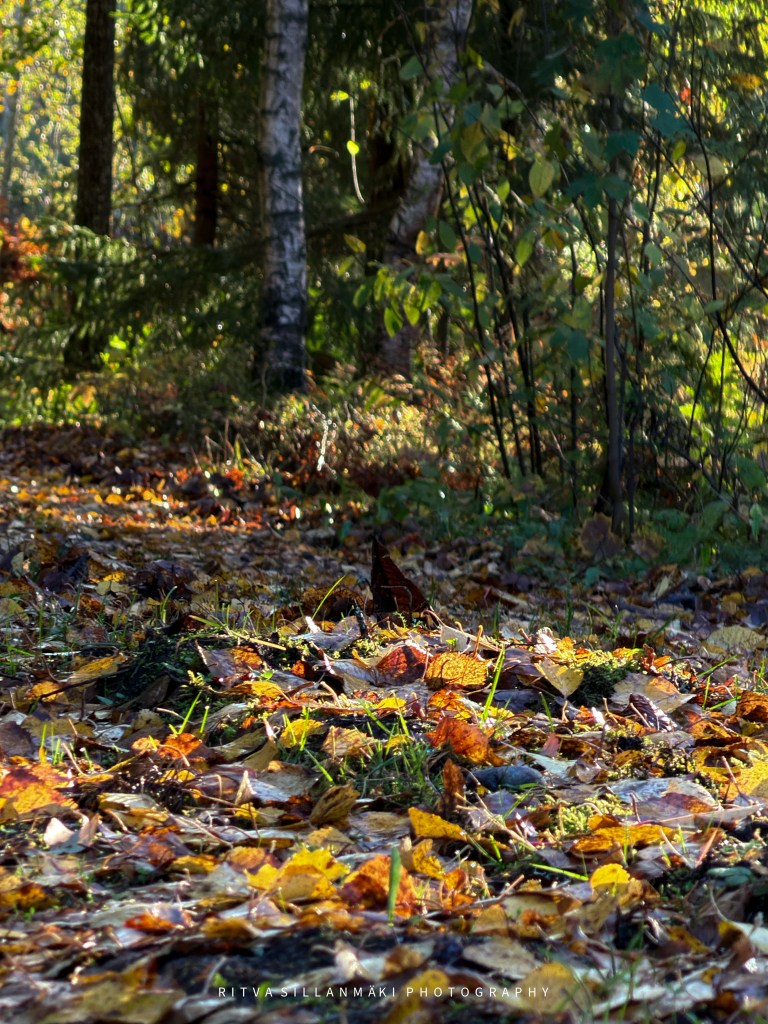
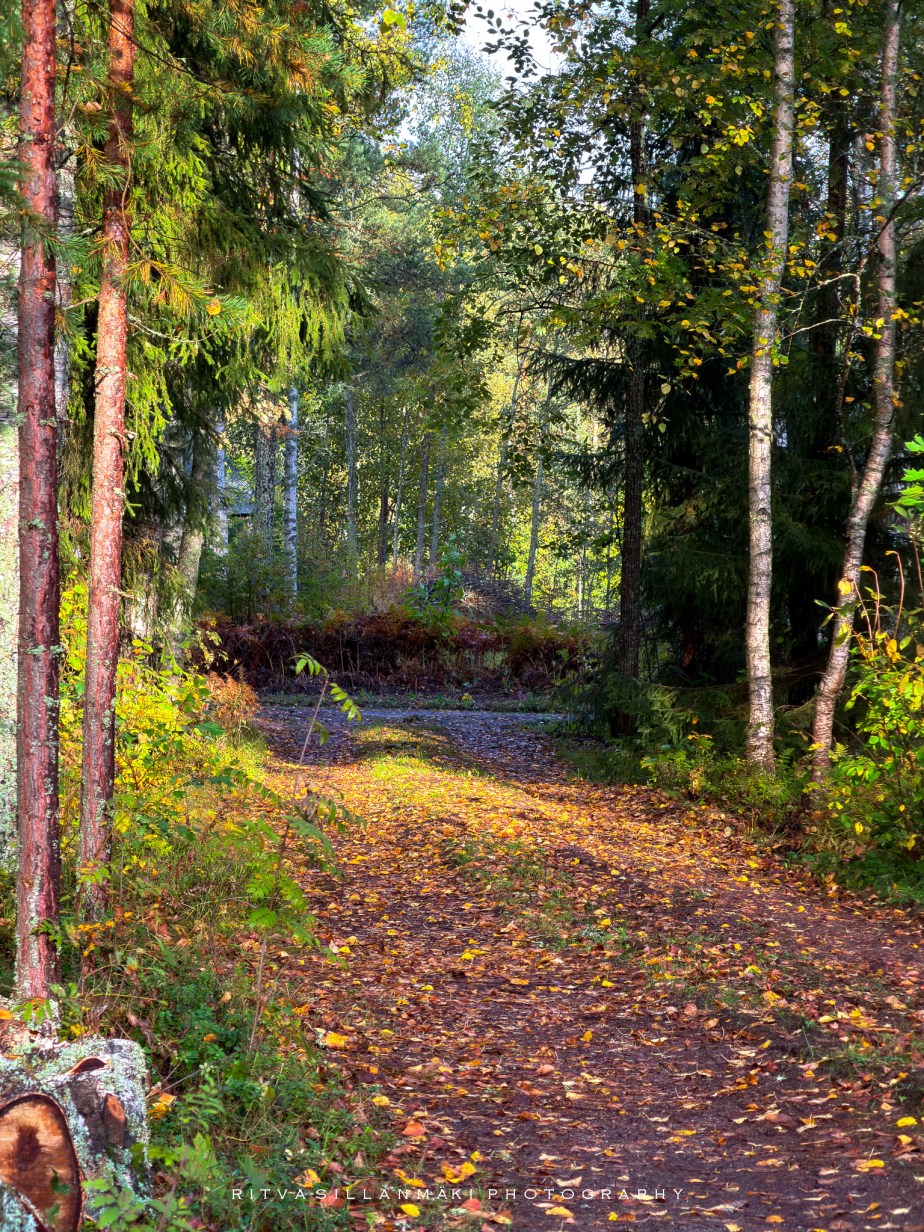
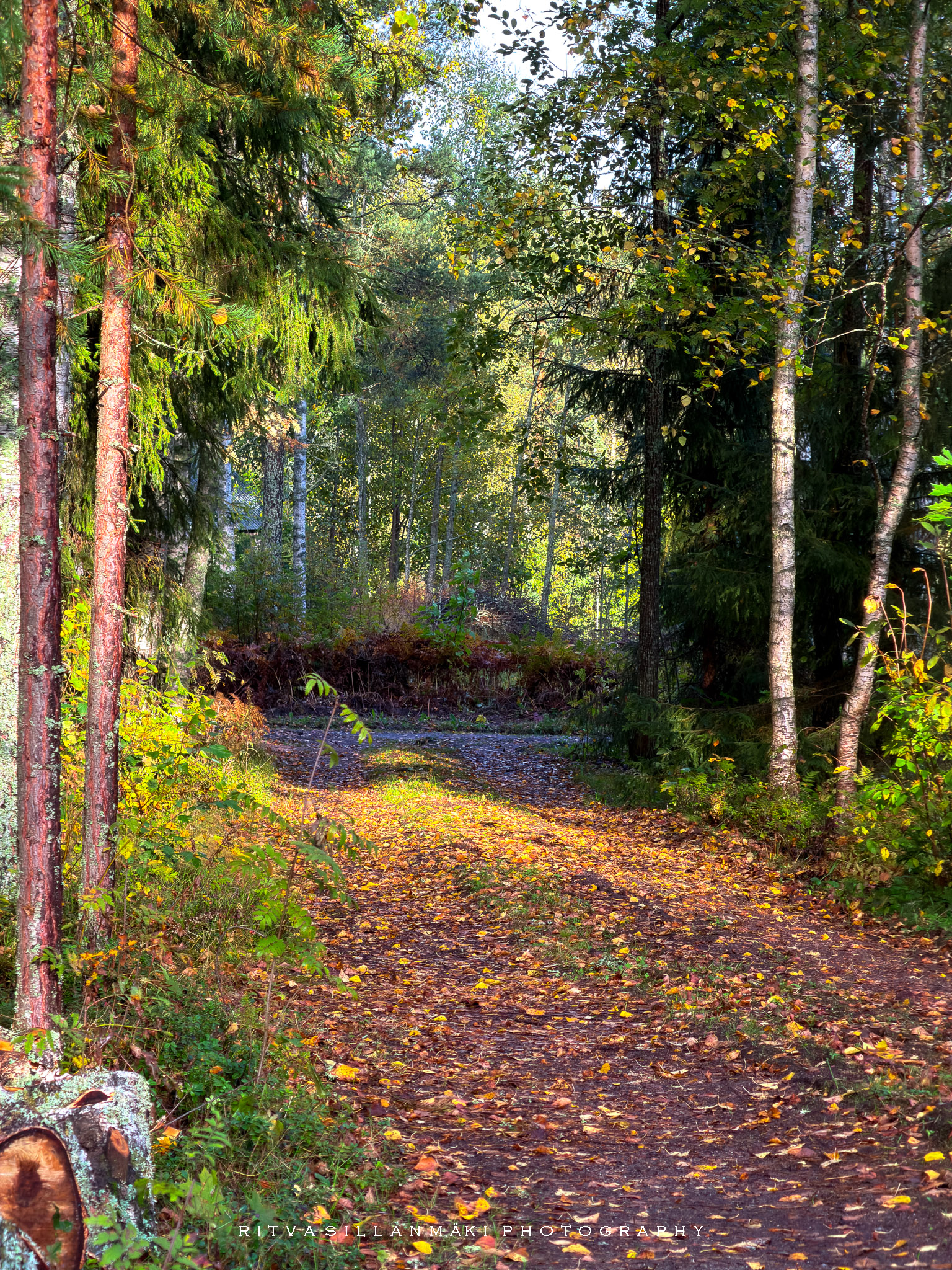
I took these this morning, first sunny day in a week, it was so welcome sight. This path leads to my summer house, sharing them with Johns Cellpic Sunday
A sunlit autumn path winds through a colorful birch and evergreen forest.
As Autumn approaches in the Northern Hemisphere and Spring arrives in the Southern, it is the perfect time to celebrate fresh blossoms and new foliage—and I am here to capture them in photographs.
Delicate dried wildflower umbels glow in warm sunlight against a softly blurred green and golden woodland background.
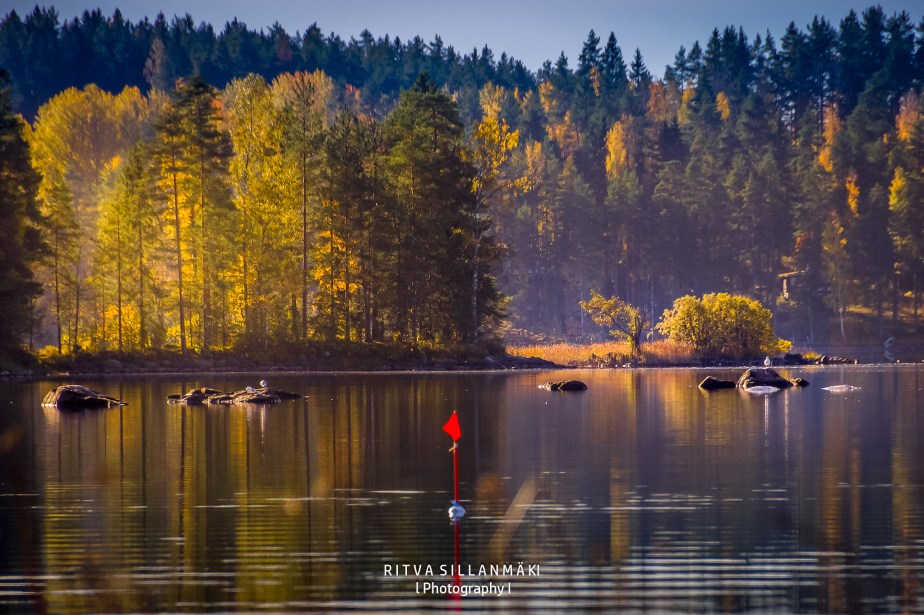
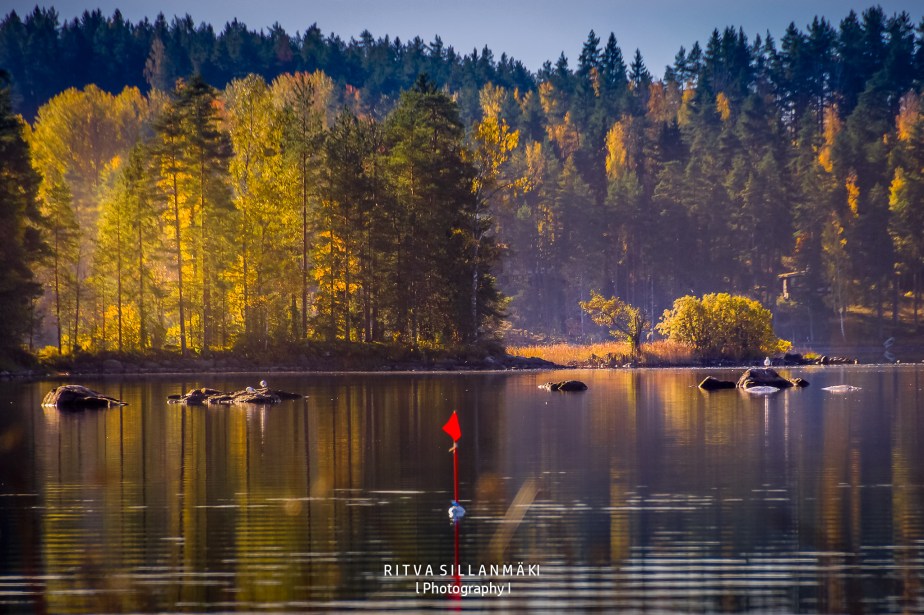
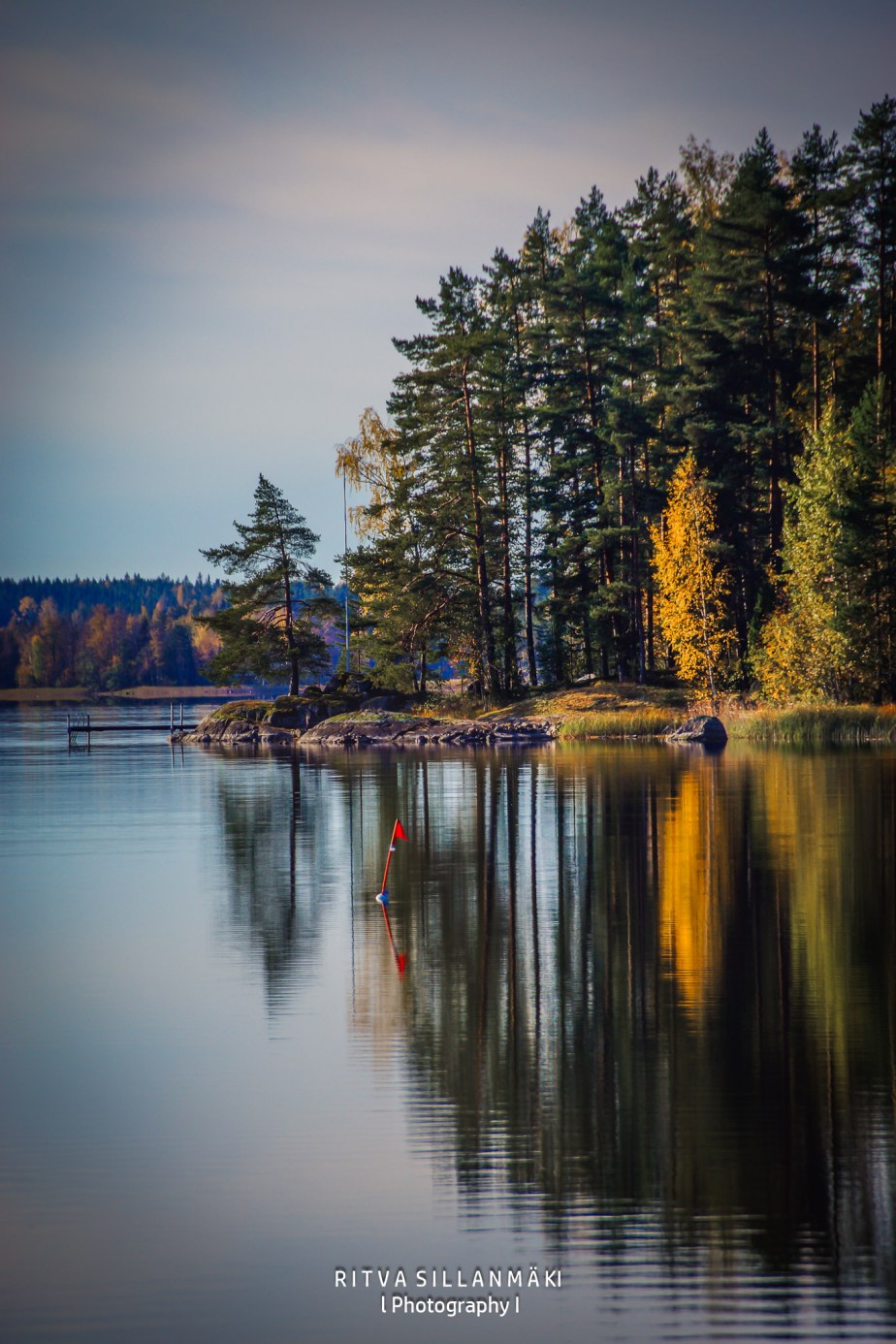
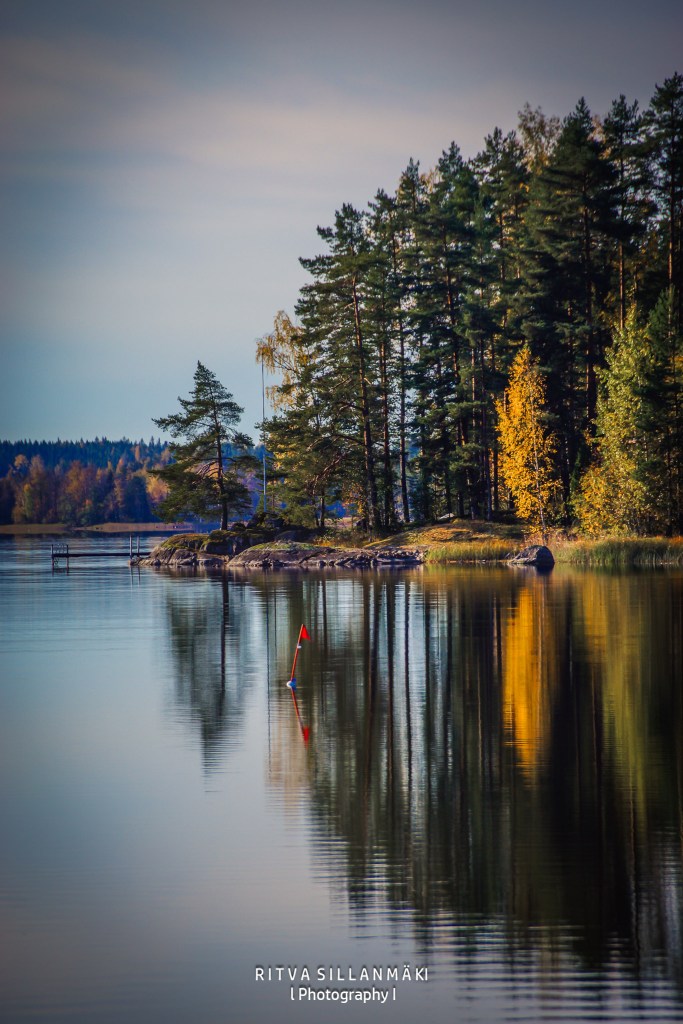
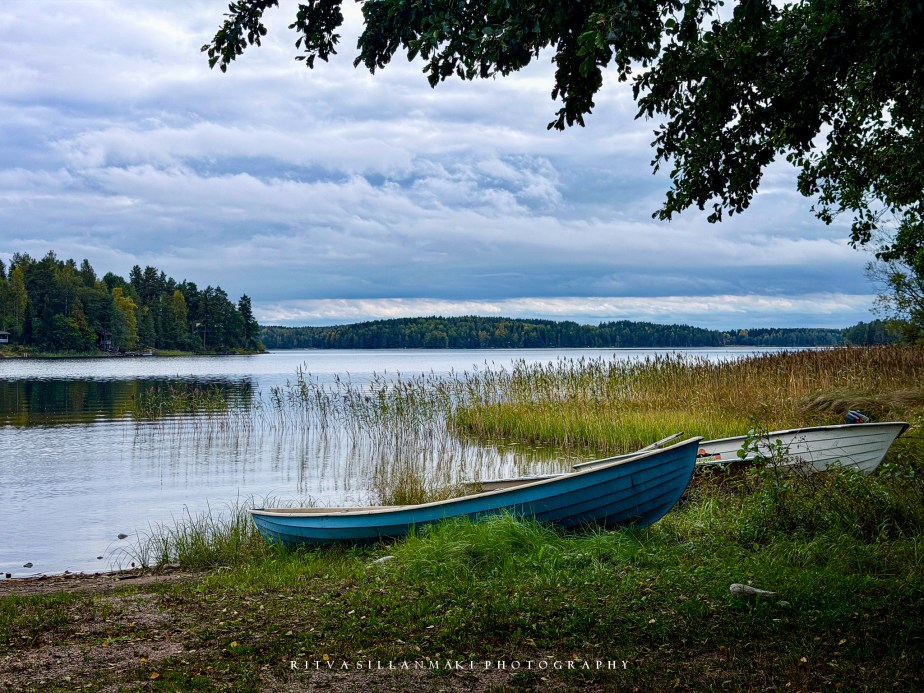
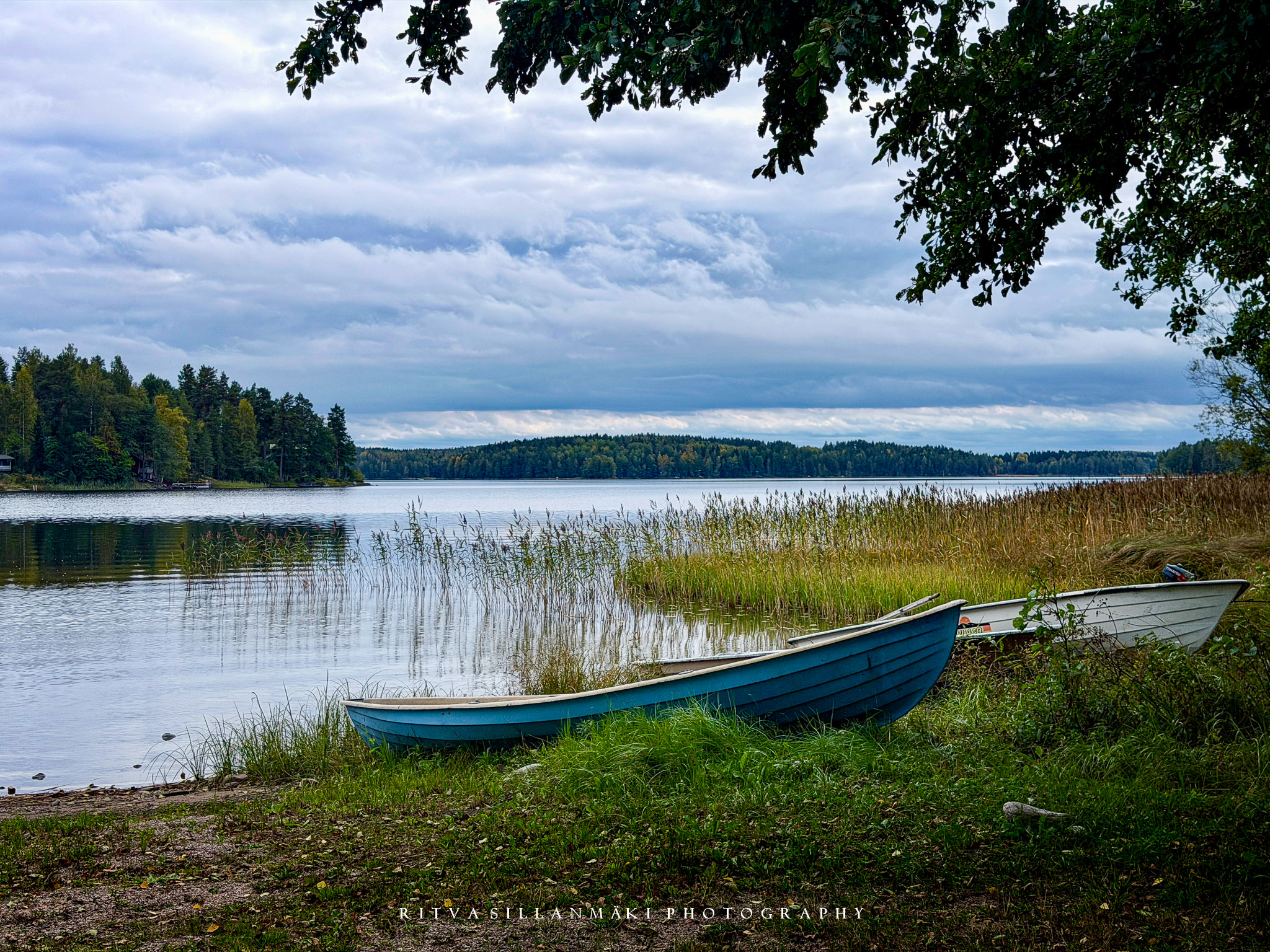
I was on a quiet autumn lakeshore, hands stuffed in my pockets because the air’s a bit colder than I expected. The water is almost completely still, like it can’t decide whether to move or not. It looked so beautiful. Rocks and a wall of dark green pines wrap around the bay, and here and there the birch trees have turned this bright, gold that really stands out against the evergreens. The low sun is coming in from the side, turning parts of the lake into streaks of warm amber, but other patches just look flat and gray. The grasses along the edge have that same soft, rusty light in them. There’s a tiny red fishing float right in front of me, barely moving, and off to the left a small, plain dock sits there under a pale blue‑gray sky.
A tranquil autumn lakeshore reflects golden birch trees, evergreen pines, and a bright red fishing float in still water.
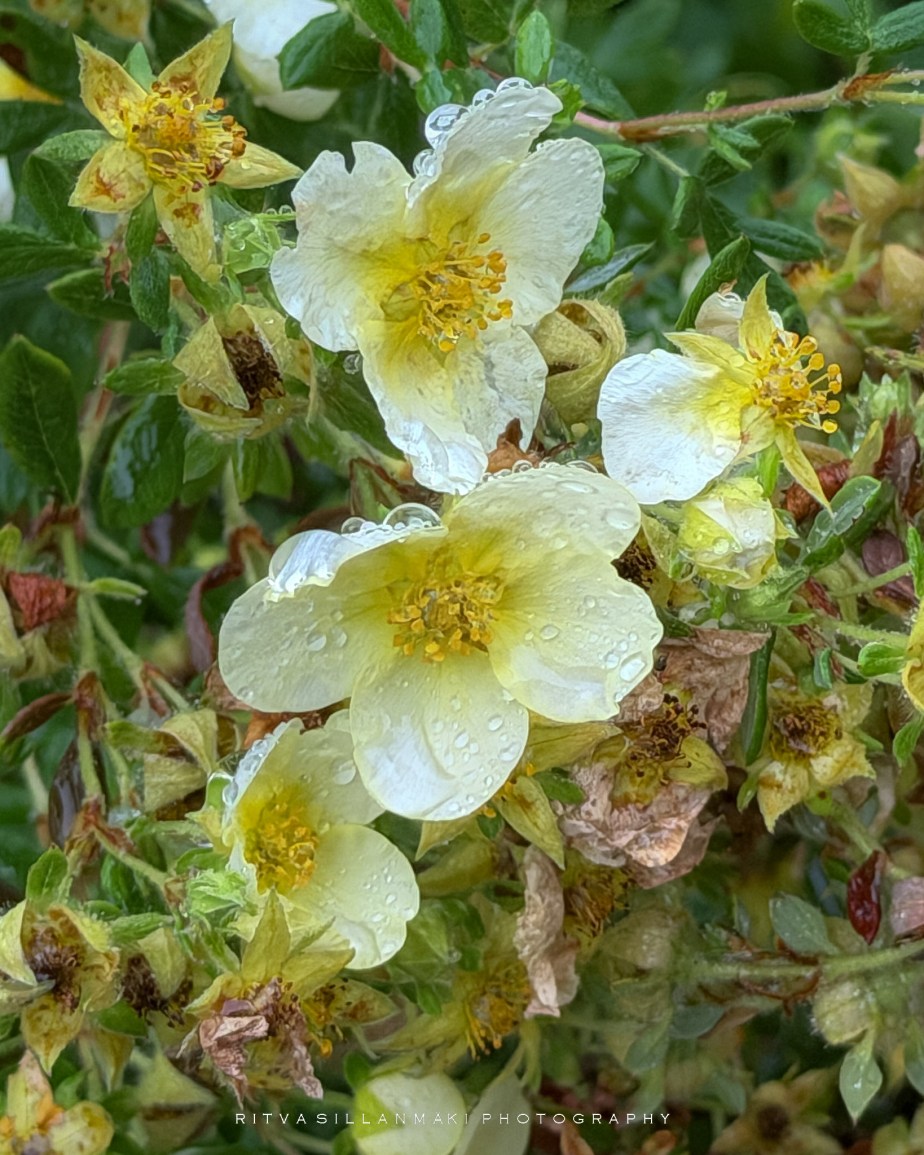
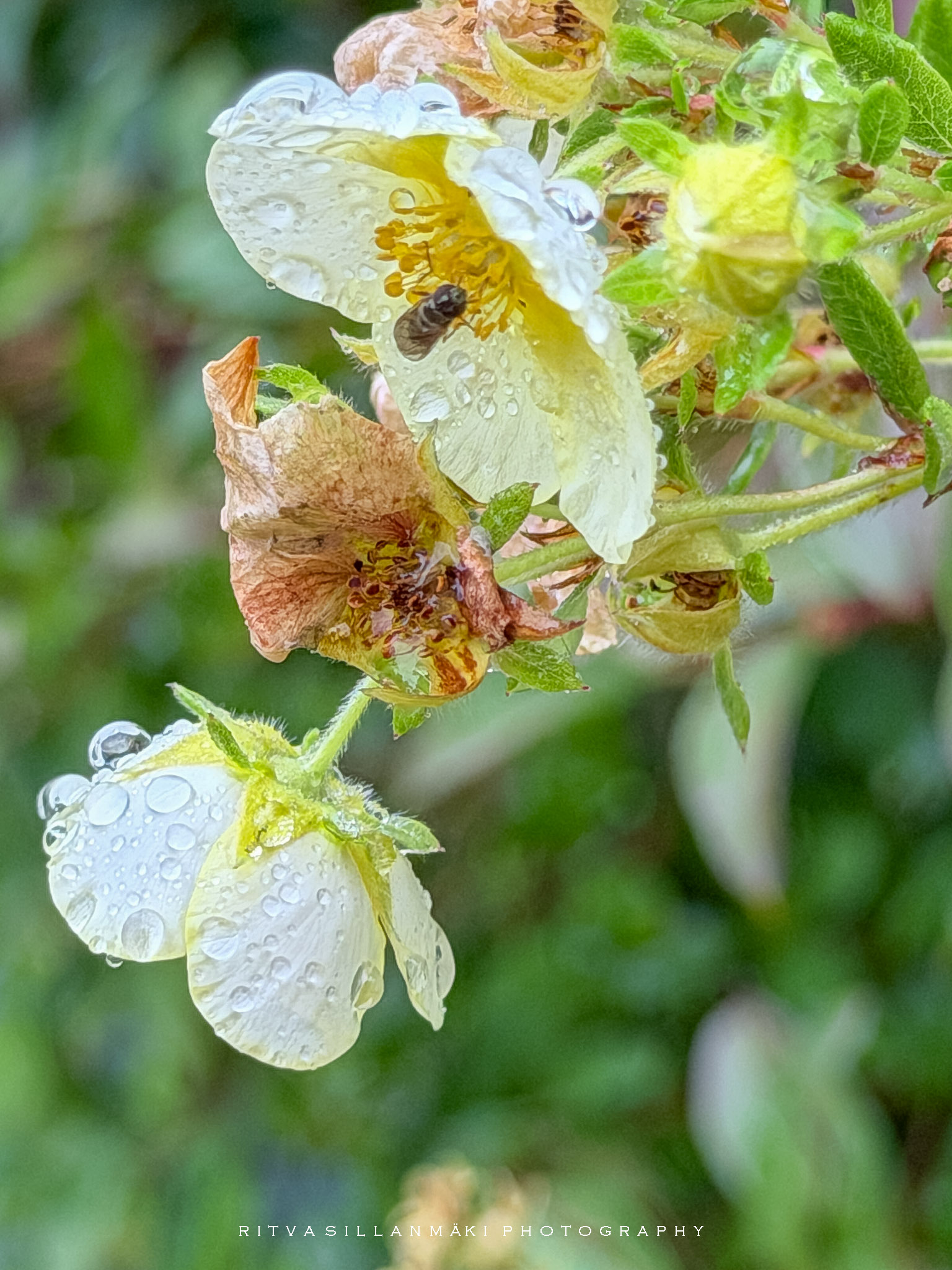
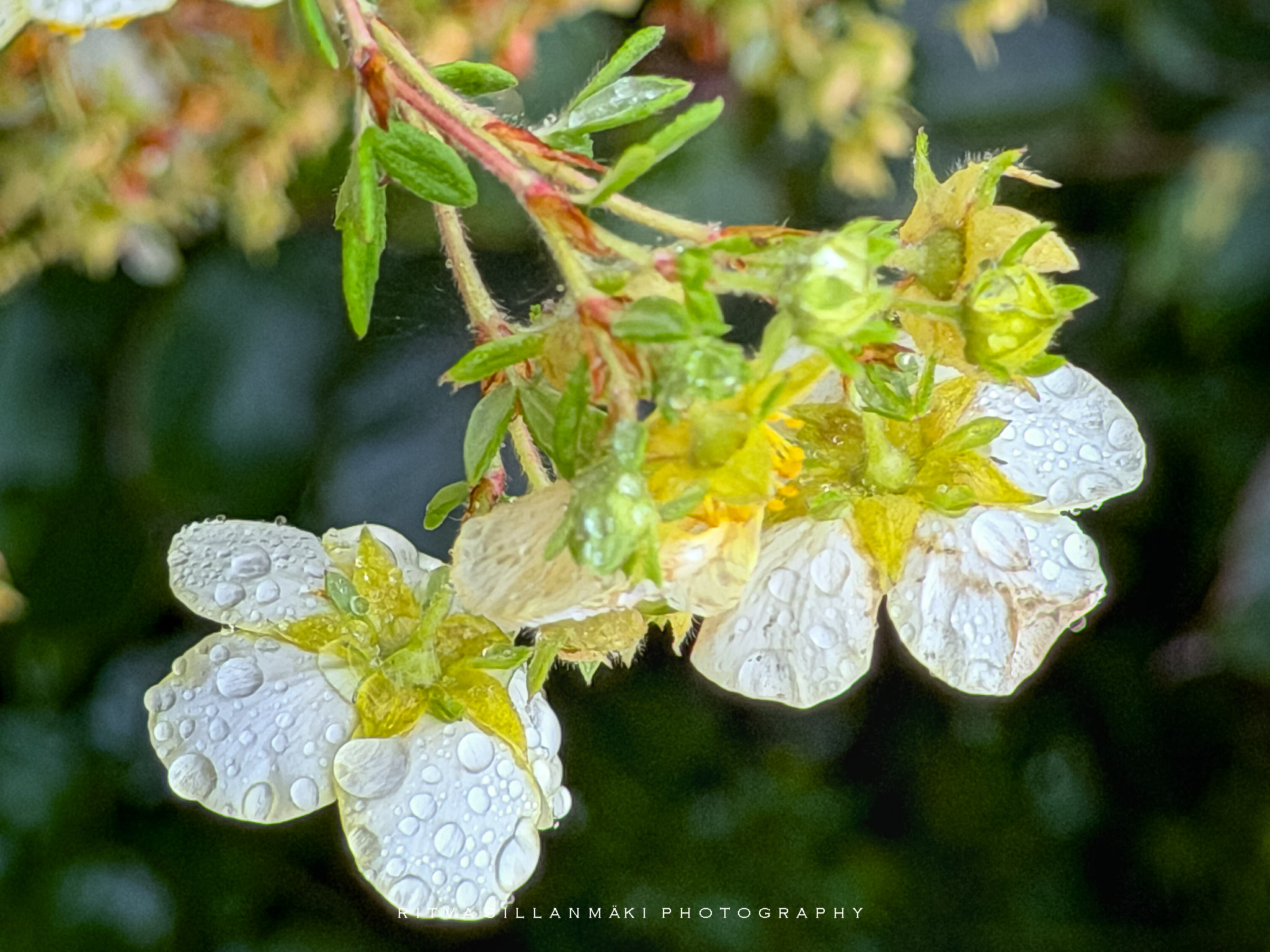
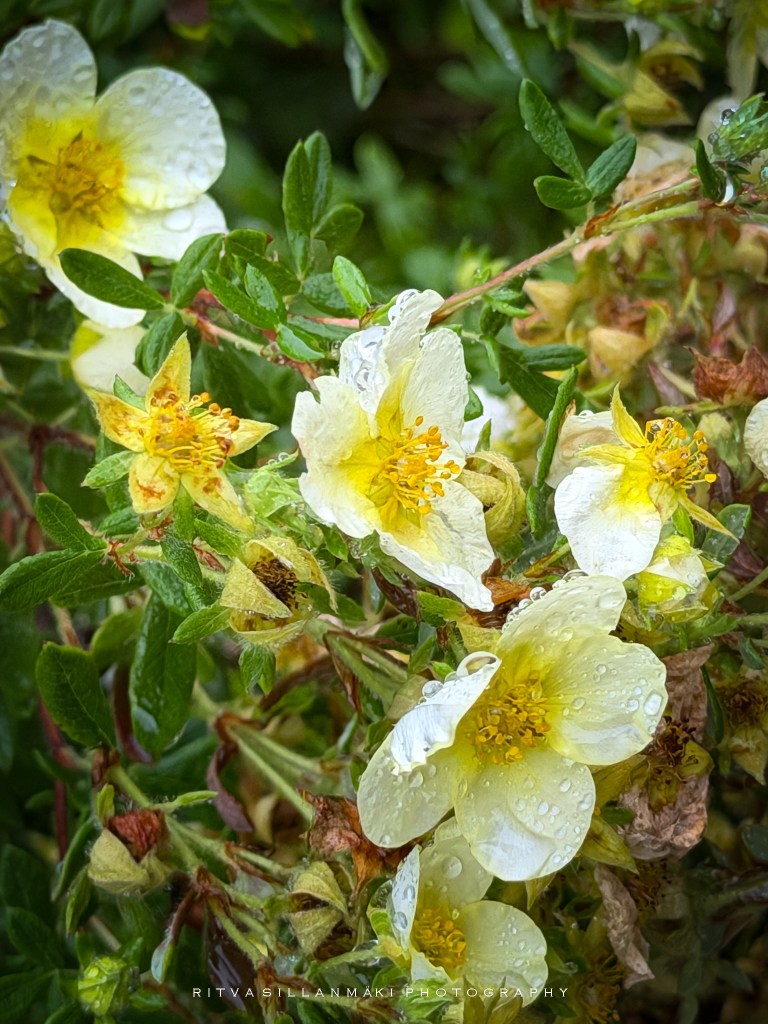
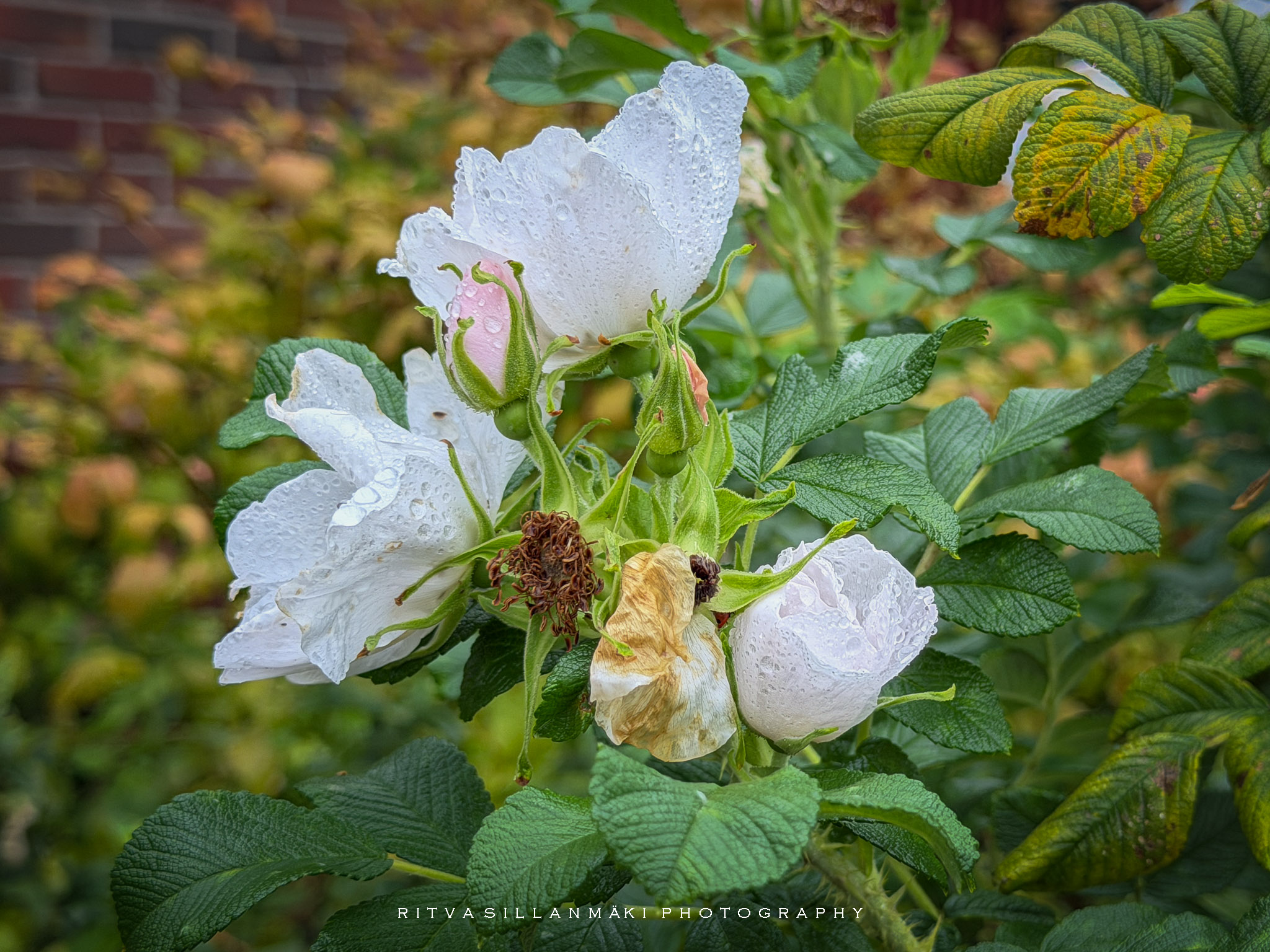
I am more bound to stay inside than go out in the rain, if I don’t have to. I am not a Brit who is so used to it. There was a pause from it and a moment of sunshine from behind the clouds. I took myself out to take photos of the few flowers left blooming this time of the year, mid-September. The black aronia berries were already dark and glossy, with raindrops clinging to them like tiny glass beads. The scrubby cinquefoil was still bravely holding on to a few small yellow blossoms, a bit battered but somehow charming in their stubbornness. Even the hostas, mostly past their best by now, looked refreshed, their broad leaves collecting little pools of water and reflecting the shy light. Raindrops on the ones I took after the rain are a nice added effect.
A bee gathers nectar from a rain-speckled white blossom surrounded by fresh green leaves.
Delicate white blossoms glisten with raindrops against a softly blurred green background.
Shrubby cinquefoil (botanical name Dasiphora fruticosa) formerly known as Potentilla fruticosa).
I googled these, a variety with creamy white or pale yellow flowers with a yellow center (such as the varieties ‘Primrose Beauty’ or ‘Limelight’)
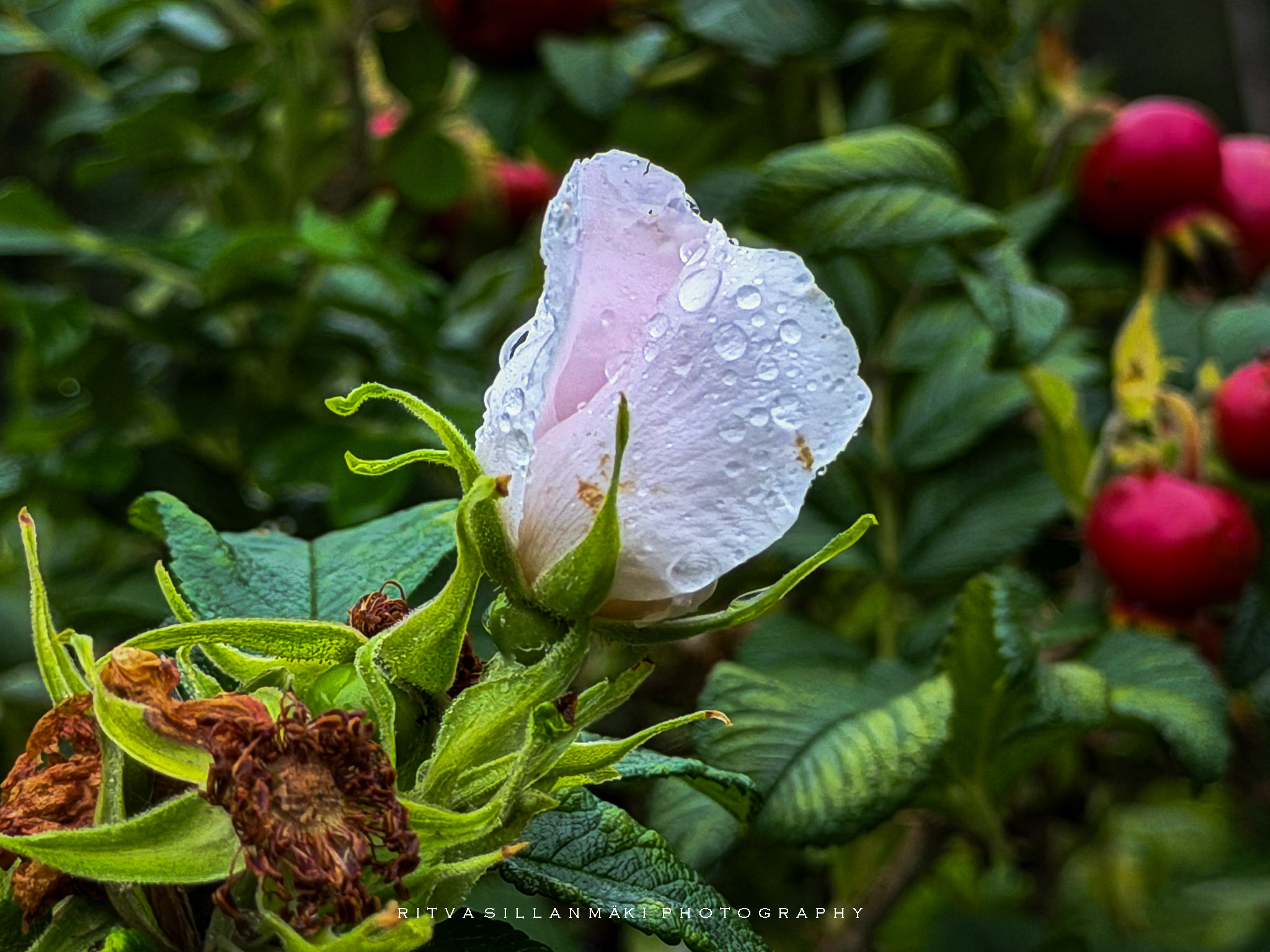
Delicate white rose hips glisten with raindrops among lush green leaves.
Rosehips with droplets
A delicate pale rosebud glistens with raindrops amid lush green foliage and vivid red rosehip berries.
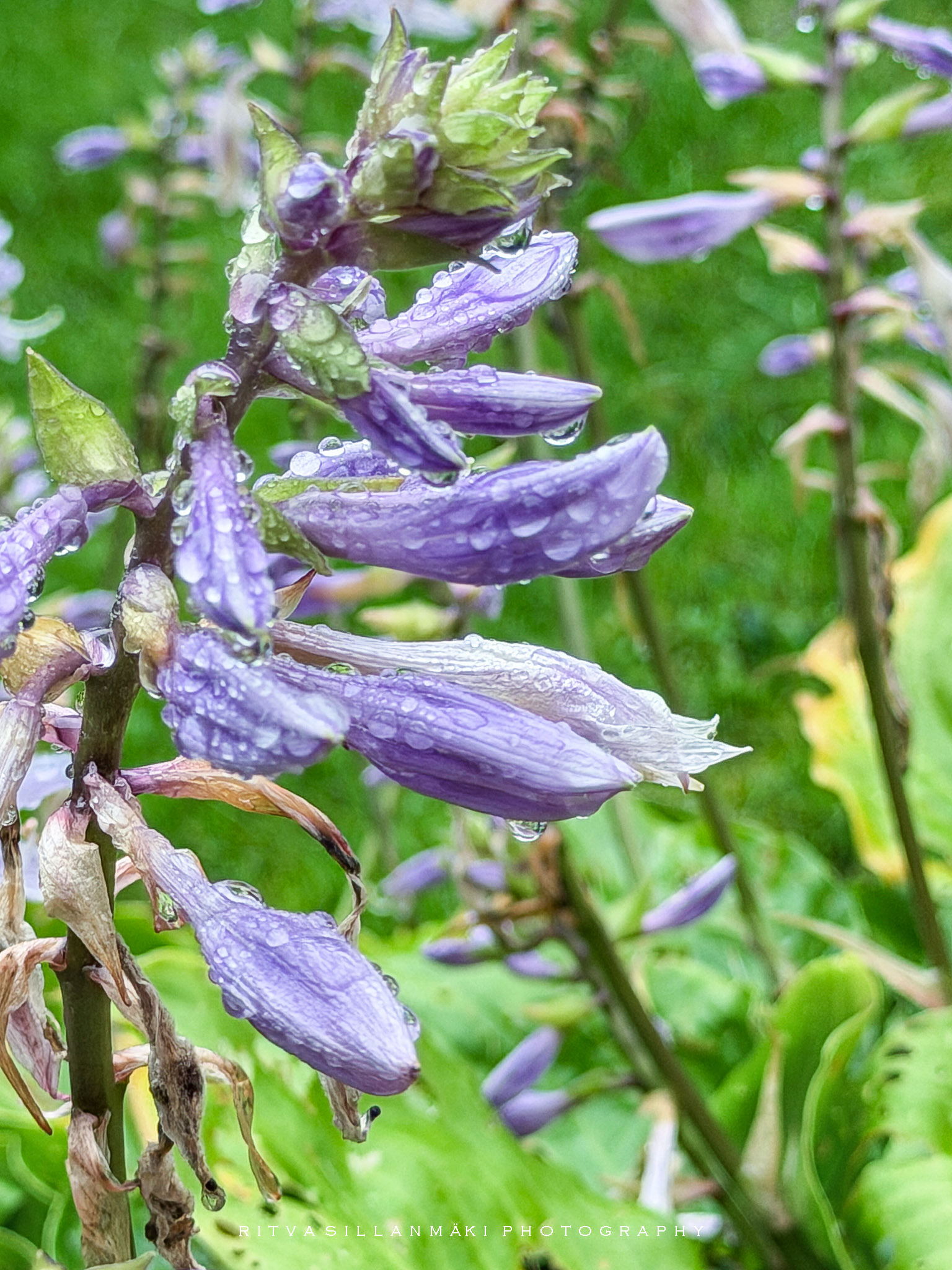
Raindrops glisten on delicate hostas against a lush green garden backdrop.
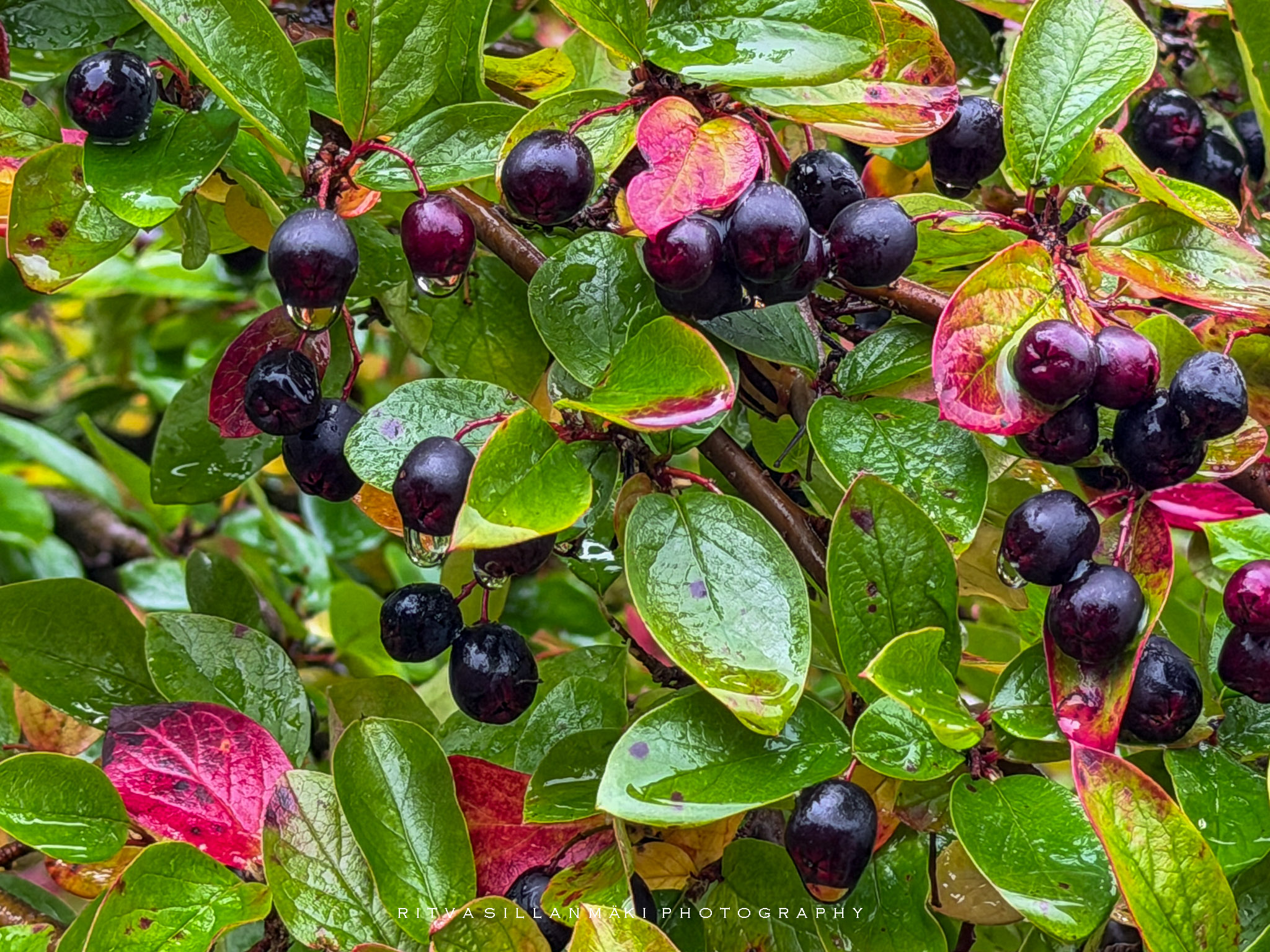
Aronia or Clusters of black chokeberries
Clusters of black chokeberries glisten with raindrops among vibrant green and pink-tinged leaves. Aronia.Aronia.
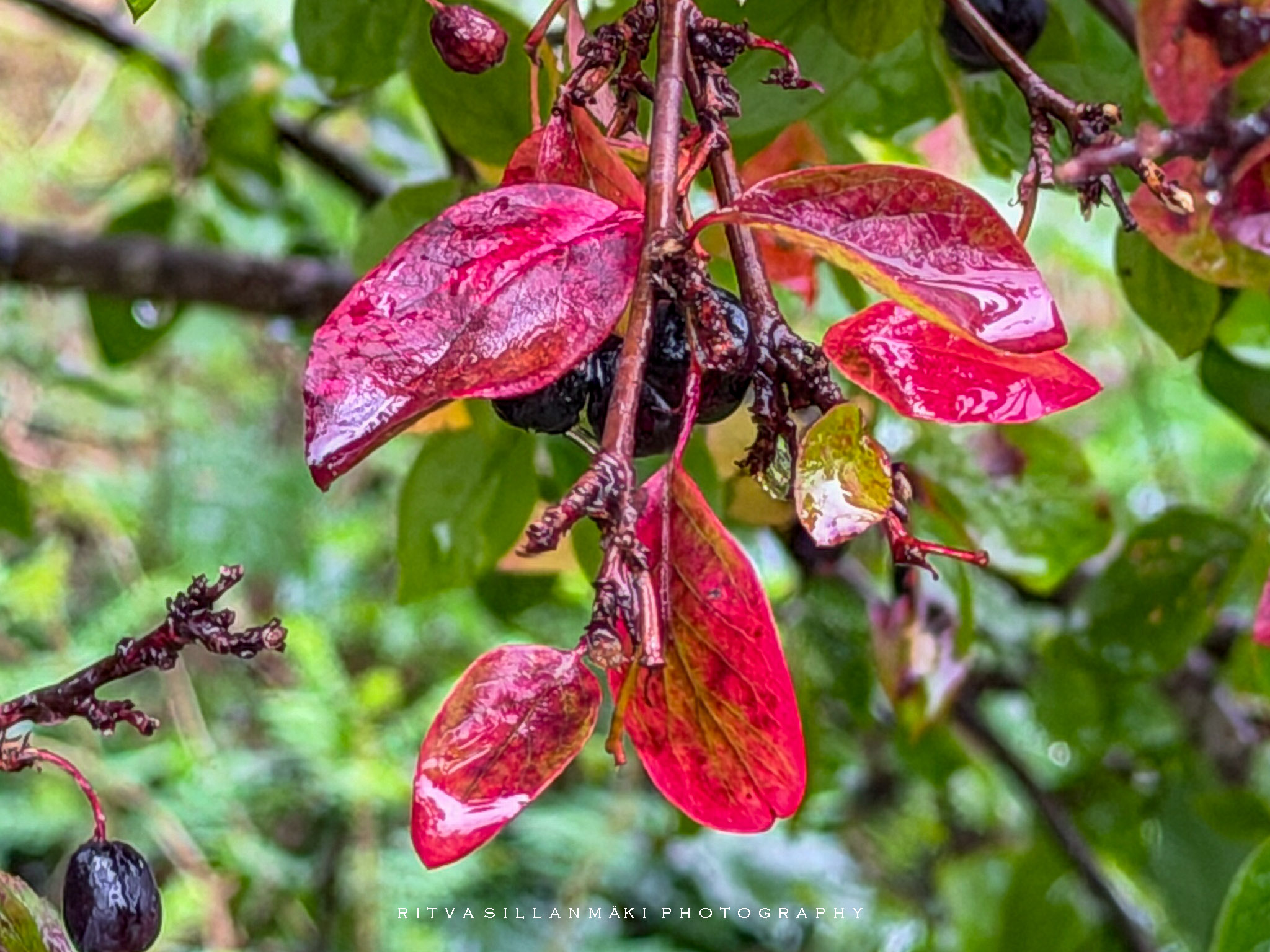
Vivid crimson and magenta aronia leaves cluster among dark berries and lush green foliage.
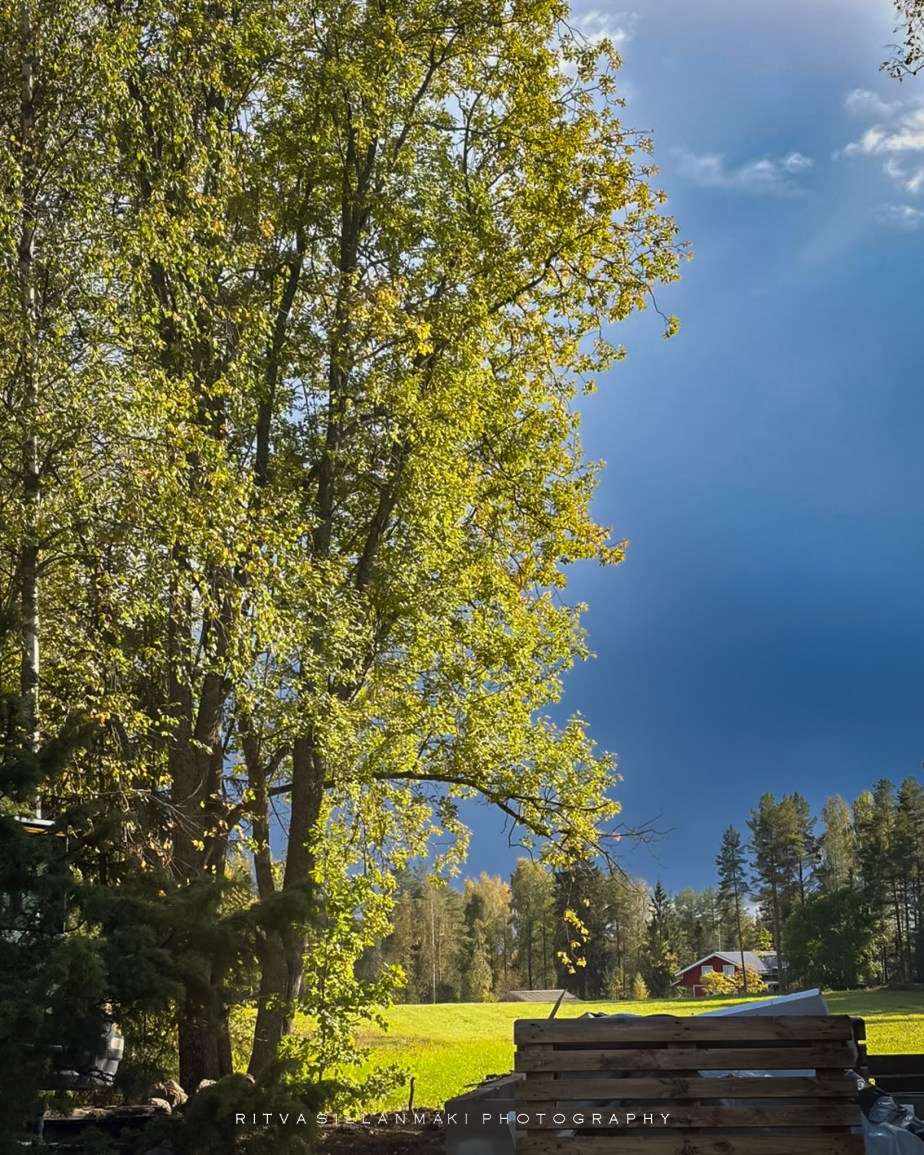
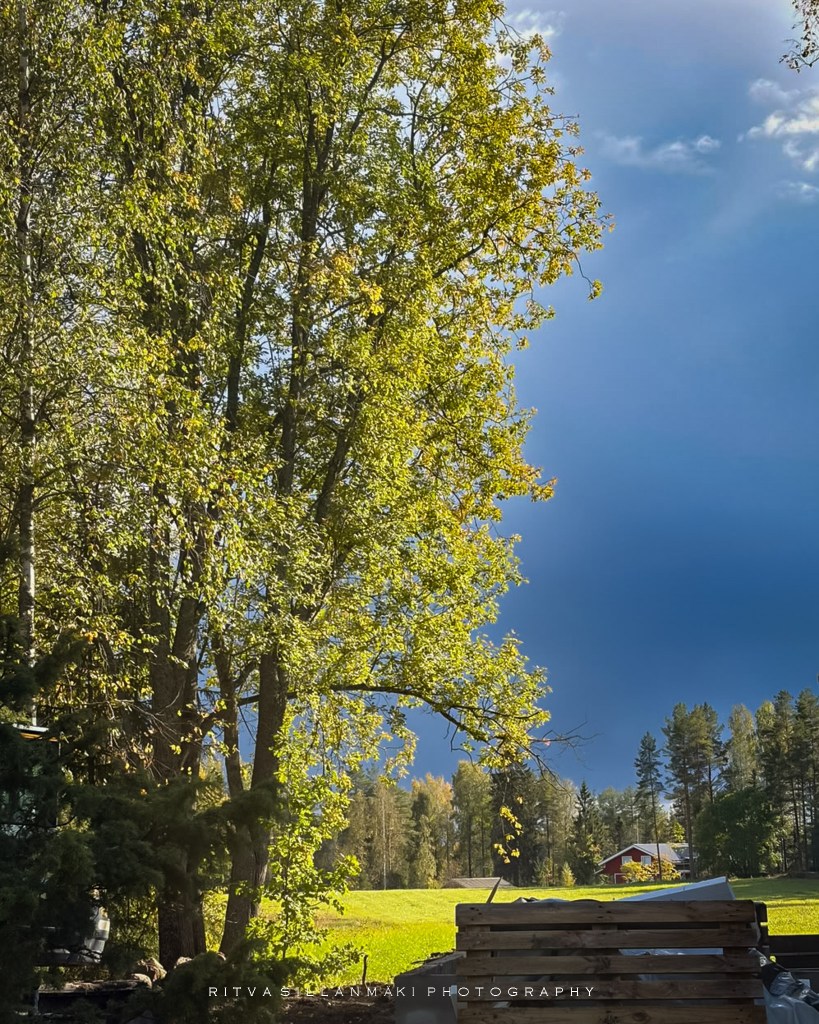
Just some dark clouds from yesterday, drifting in from the horizon like a slow-moving curtain. For a while it looked like they might swallow the whole sky. we watched them roll and build on themselves, a little in awe until they finally circled around us and moved on, leaving us with nothing but a moody sky and a big sigh of relief. Norain just amazing color in the sky against the sunlit trees
Sunlit trees frame a peaceful rural yard beneath a dramatic blue sky, with a red house nestled among the forest.
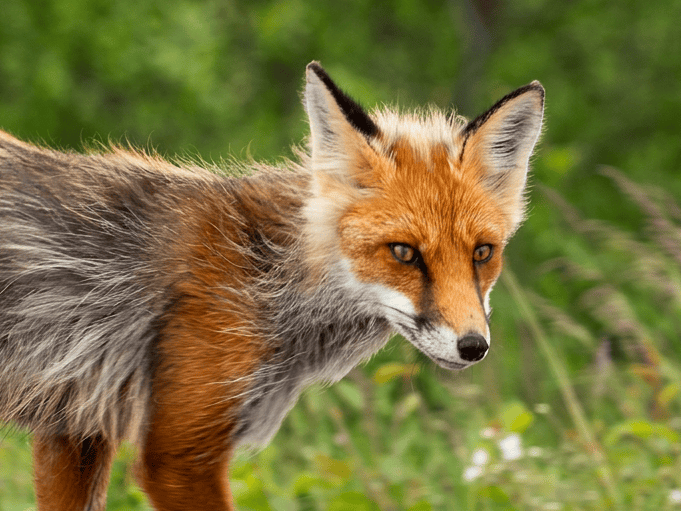
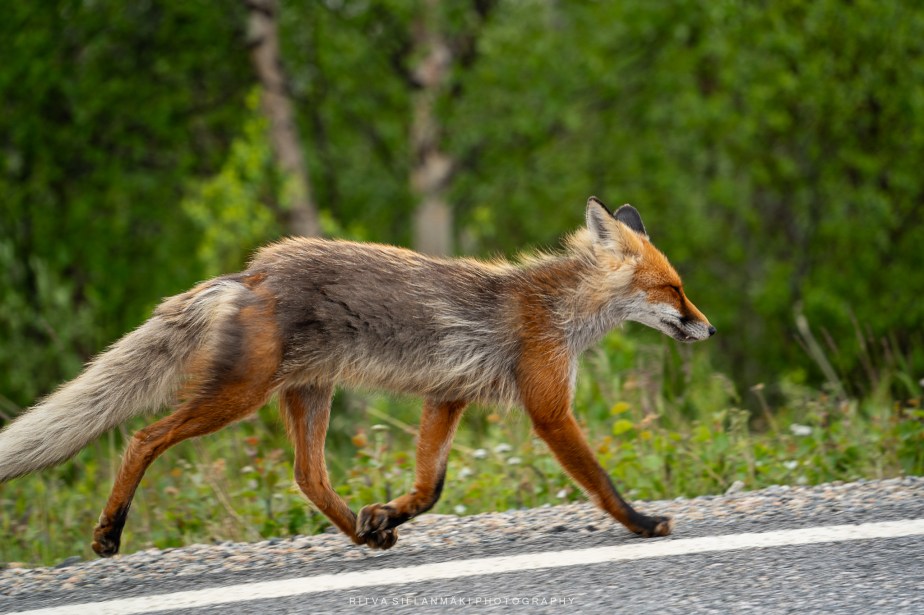
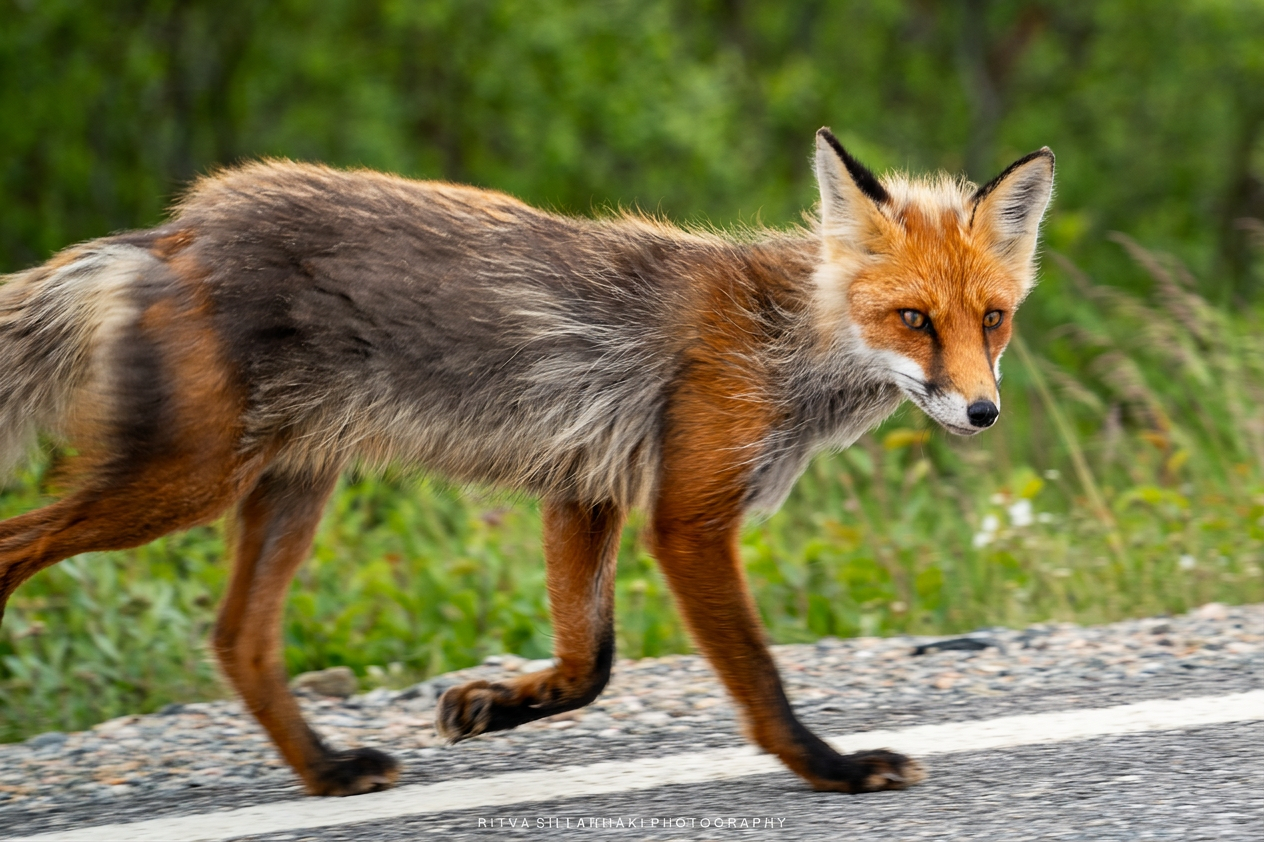
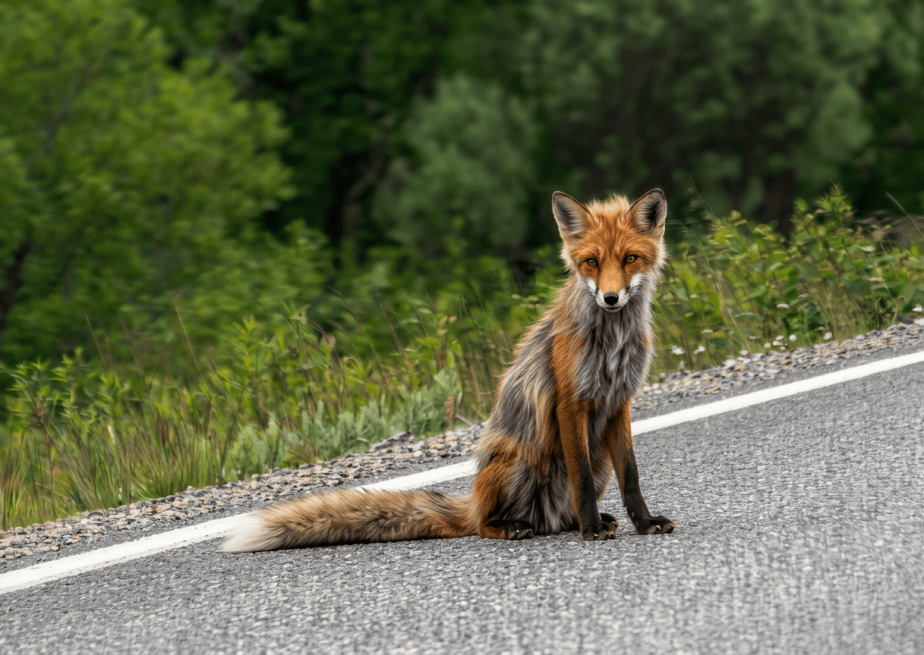
Last summer, as we drove through the landscapes of Finland’s Lapland, with the serene beauty surrounding us. Suddenly, we spotted a graceful Red Fox sitting peacefully by the roadside, its vibrant orange fur contrasting beautifully with the lush greenery. We decided to stop the car,we grabbed our cameras and managed to capture a few stunning shots of the fox, whose piercing eyes seemed to observe us curiously. Just as we thought the moment couldn’t get any better, the fox gracefully stood up and began to stroll across a forest road, disappearing into the woods.
A red fox strides across a forest road, its bushy tail trailing through the greenery.
A red fox strides confidently along a roadside, its russet fur contrasting with the lush green forest.A red fox sits calmly on the edge of a forest road, its bushy tail stretched across the pavement.
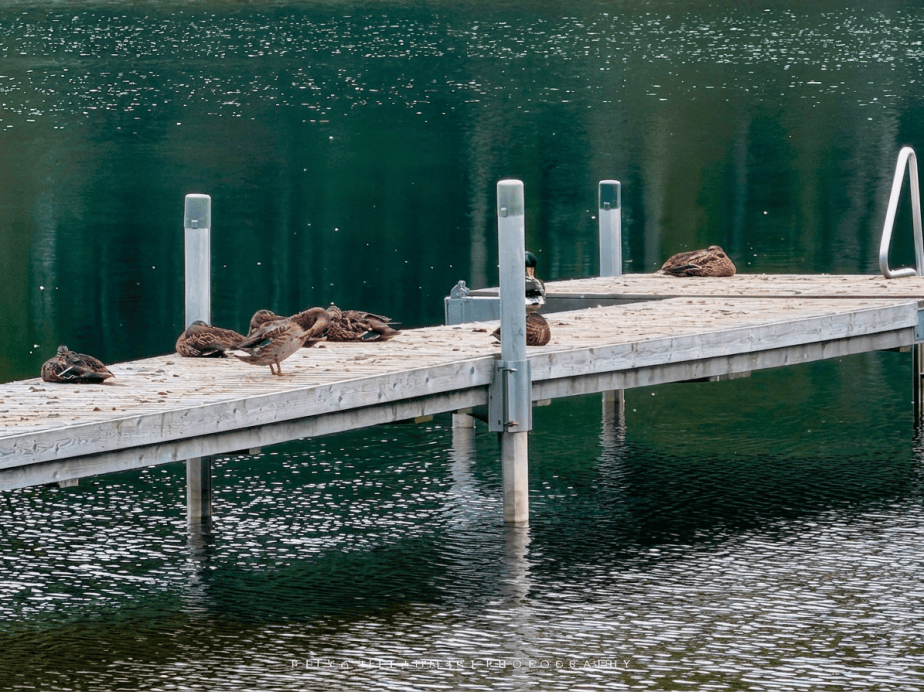
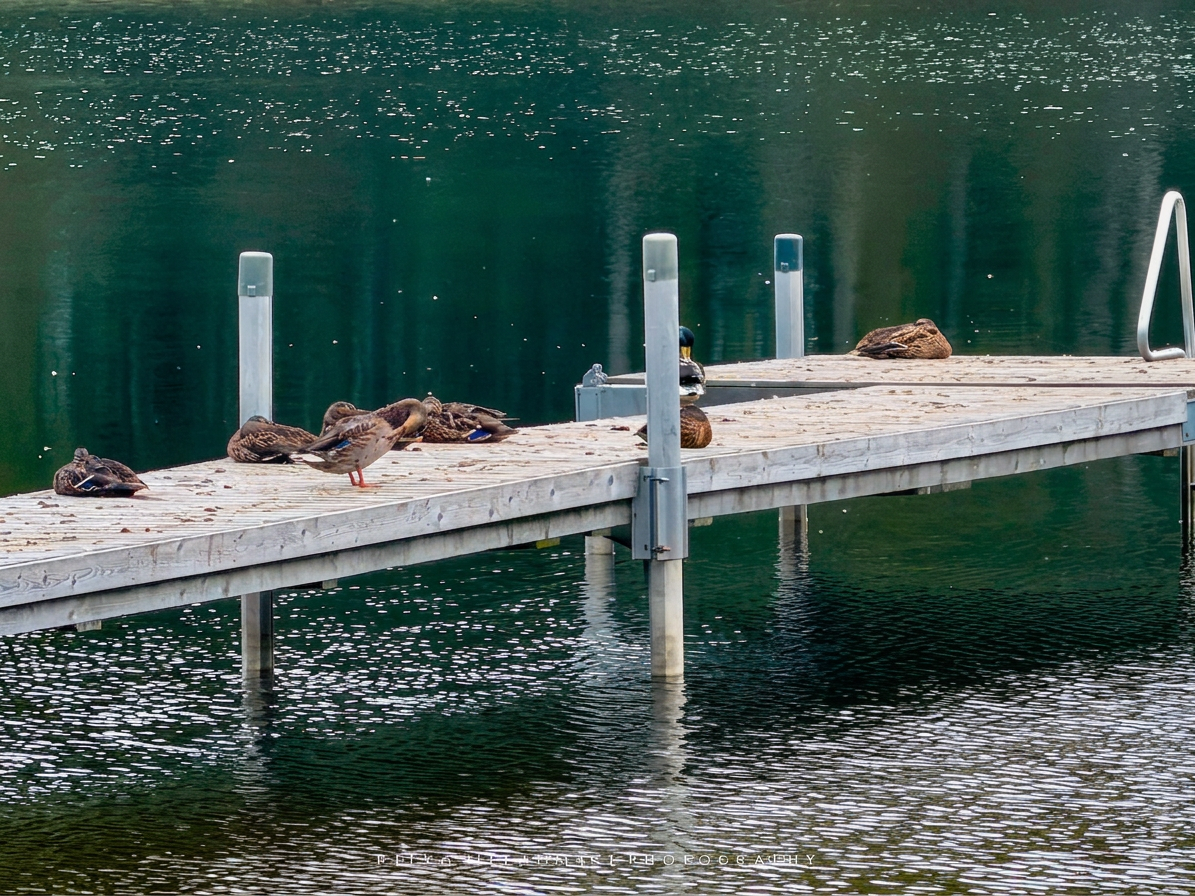
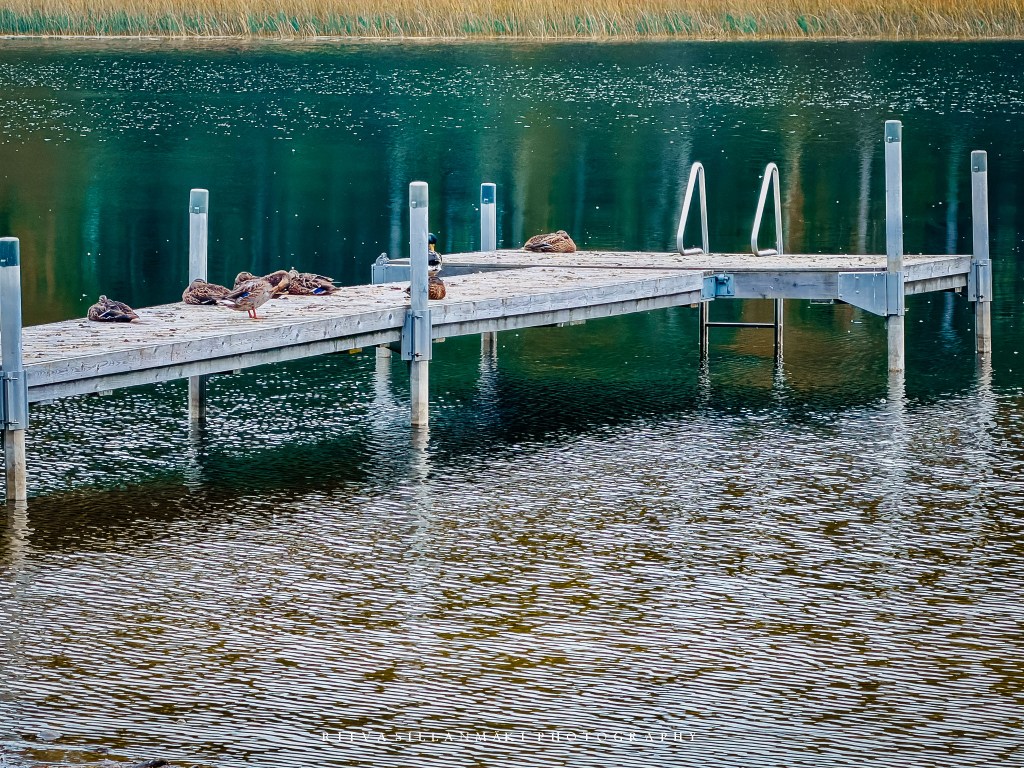
Several ducks lounge on a weathered wooden dock, Rippling reflections dance on the surface wide, scattered highlights whisper as they glide.
As summer fades, autumn’s arrival creates space Several ducks relax on a timeworn wooden dock, where tranquil, deep teal waters gently sway. Rippling reflections dance on the surface wide, scattered highlights whisper as they glide. In this serene domain, a warm green-blue hug, a drake gazes outward, a dignified brown visage. Nature’s silent moments, in the essence of peace, life flows with ease.
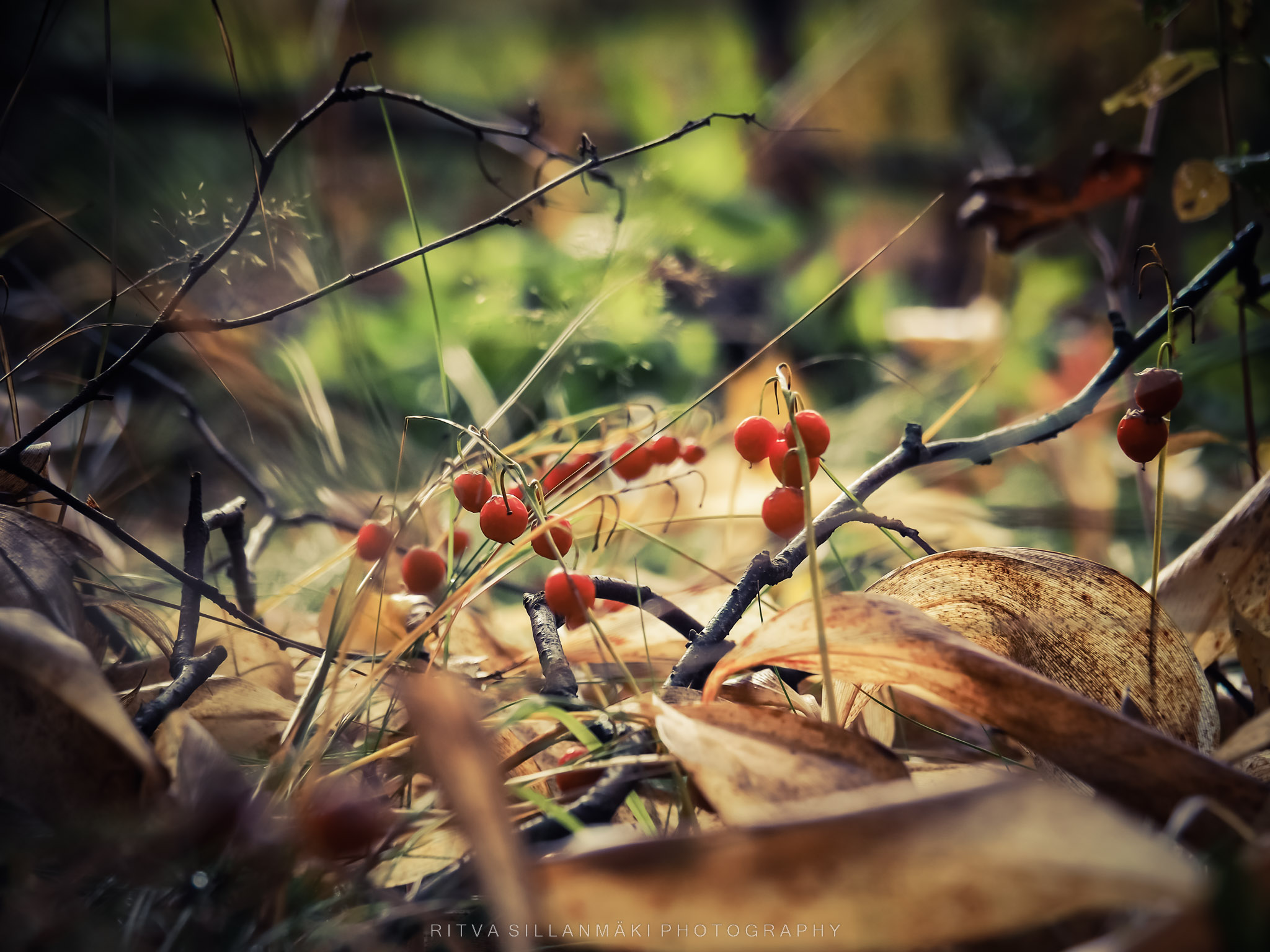
I photographed these yesterday as they grow in my yard! If you don’t know about them, lingonberries are packed with vitamins C and E, tons of dietary fiber, and some awesome antioxidants. Plus, they keep pretty well because they have natural benzoic acid, so I can smash them up and they’ll stay fresh for ages without needing sugar or freezing. To be honest, I usually don’t bother doing that since they’re not my favorite, and there aren’t enough of them to make it worthwhile.
Lingonberries from my yardBright red lingonberries nestle among green foliage and copper-toned autumn leaves. Edited version.
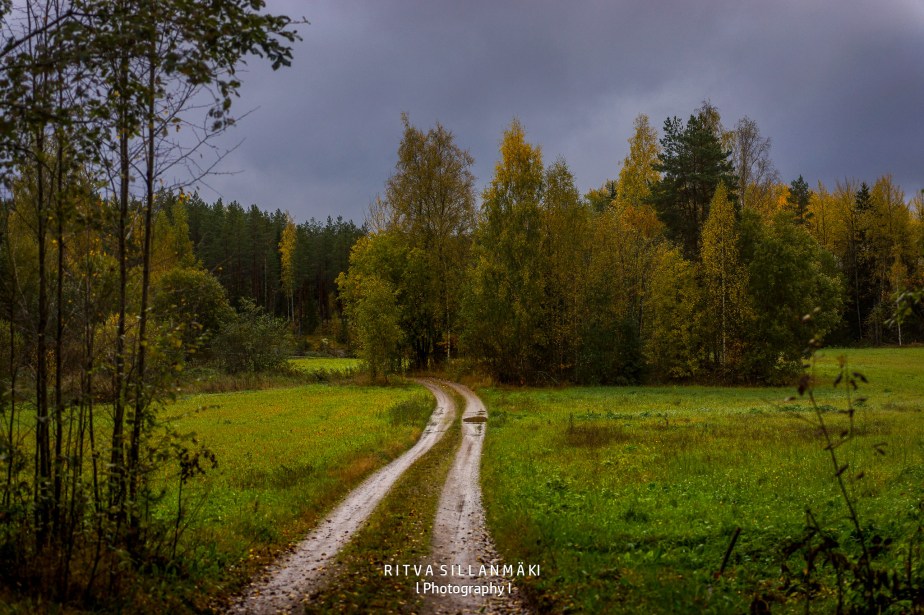
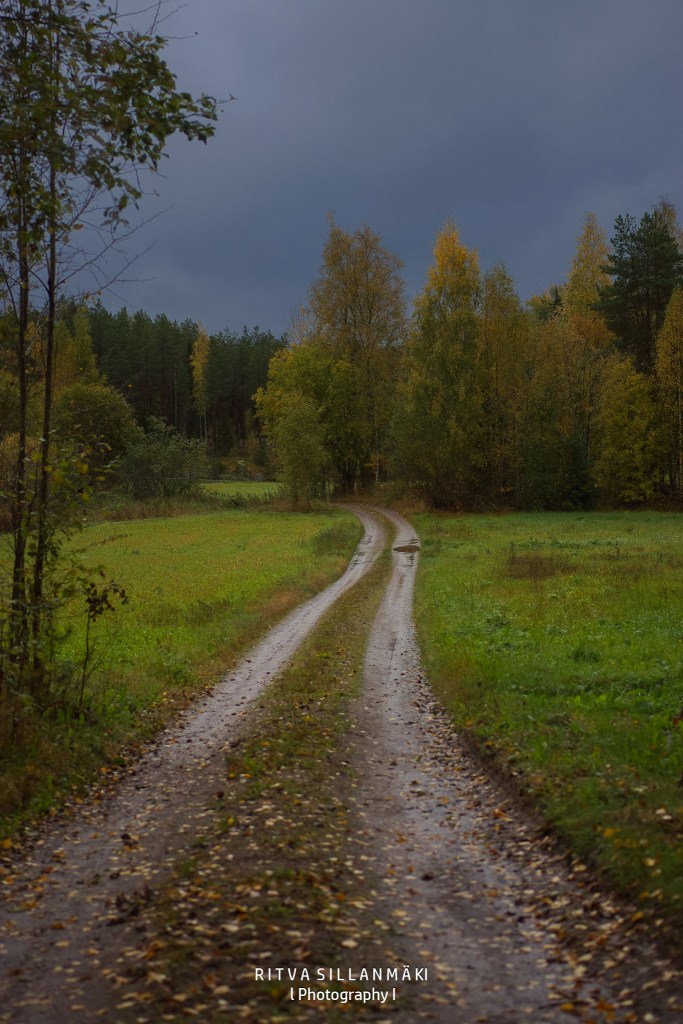
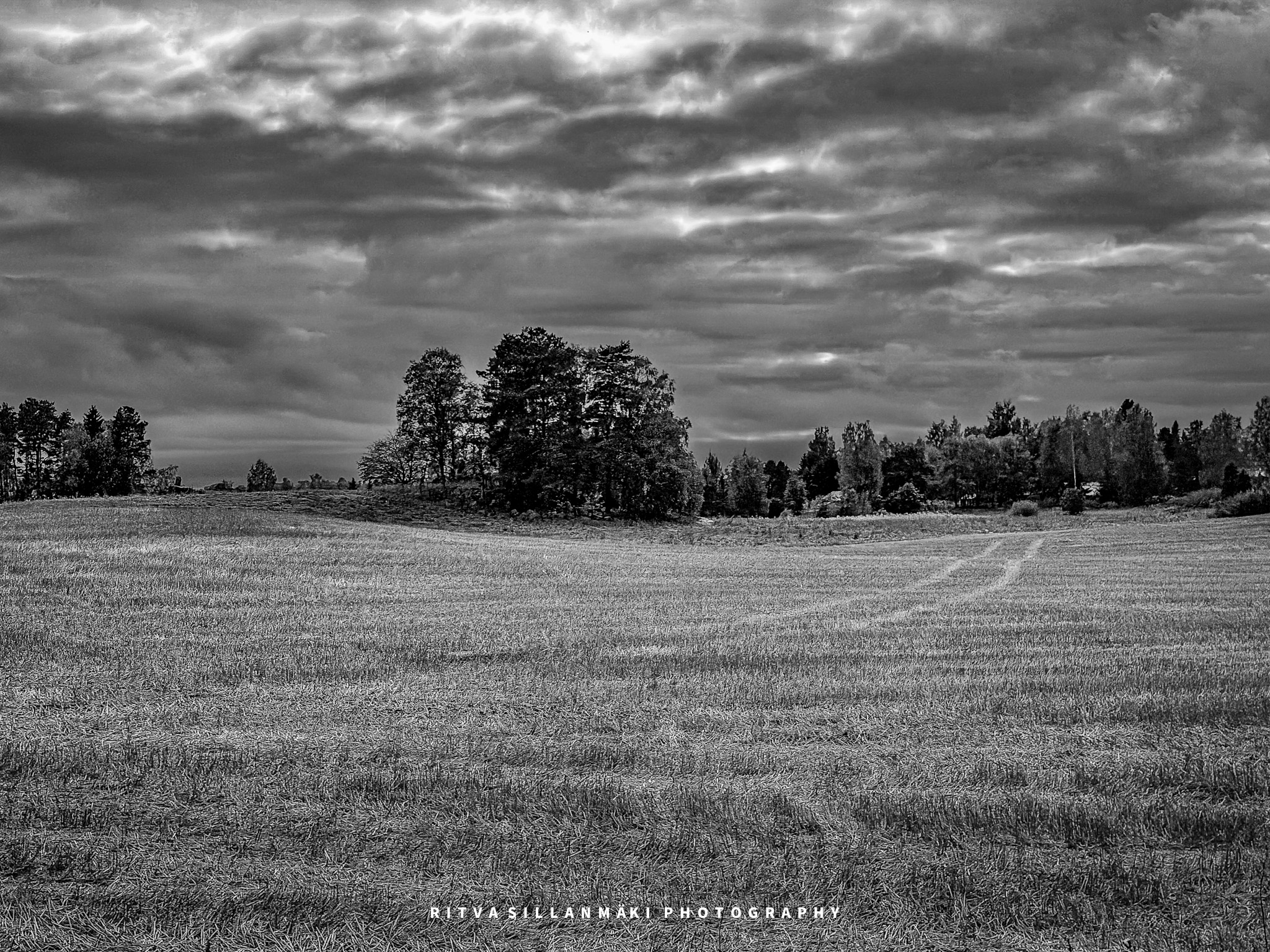
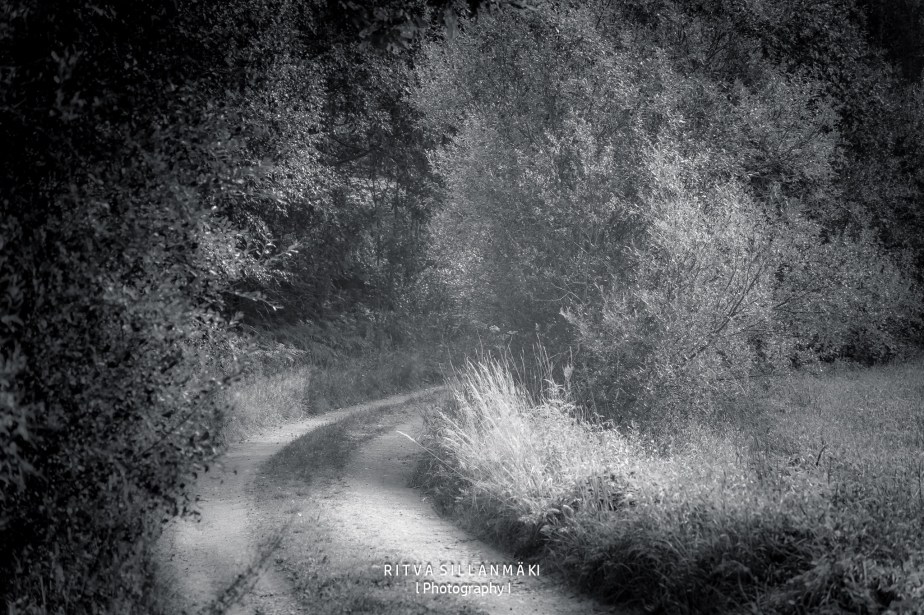
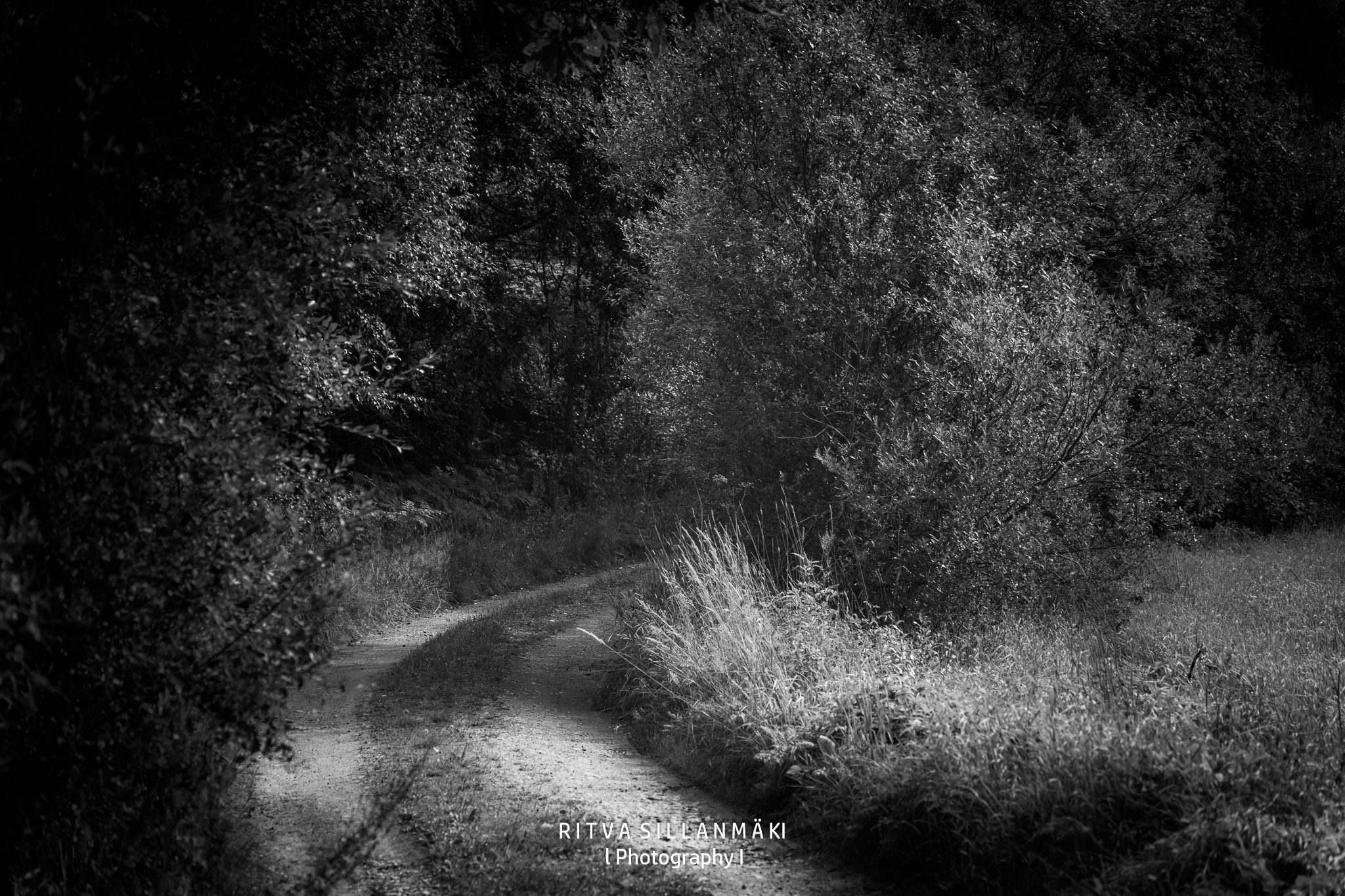
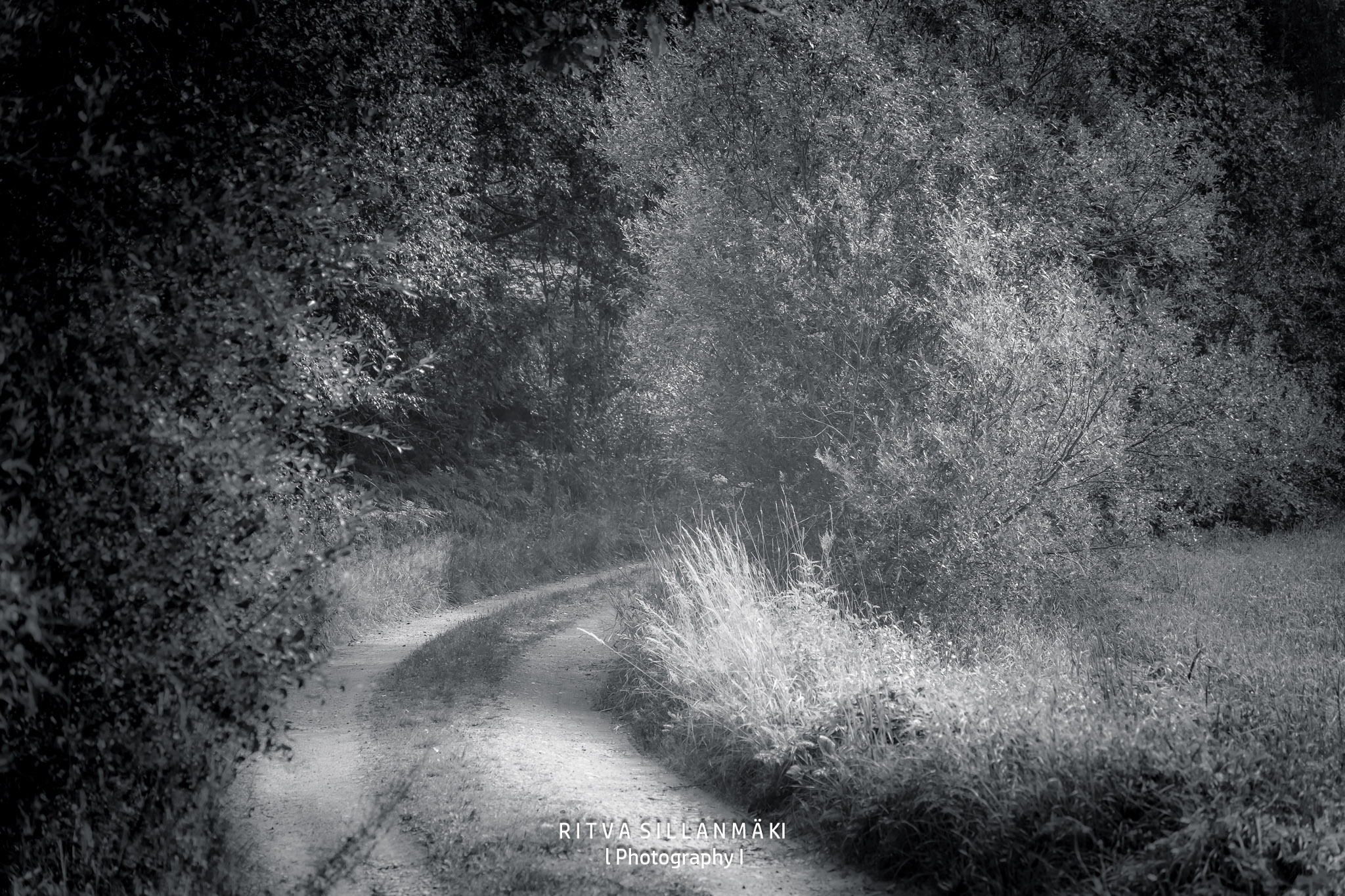
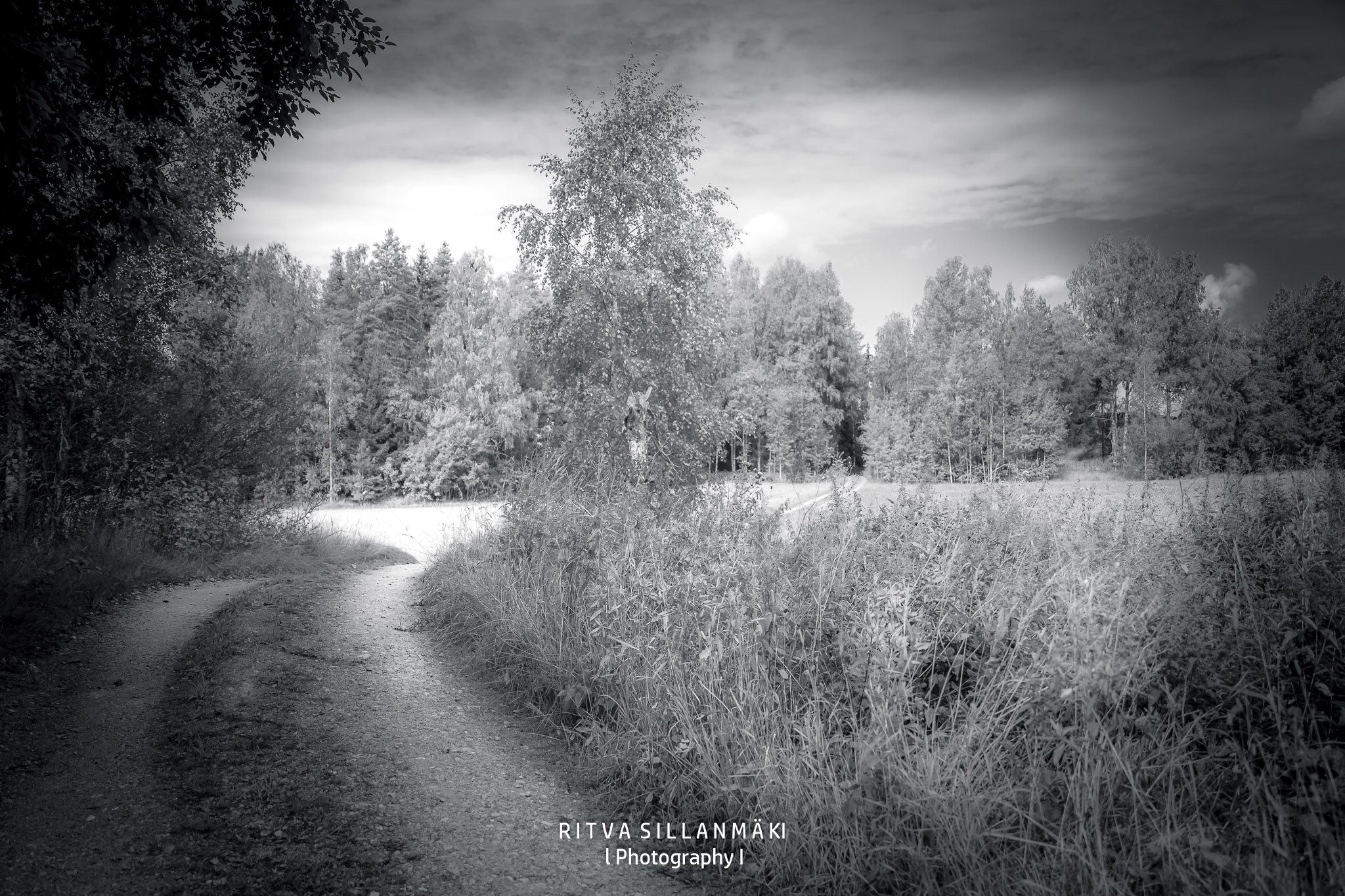
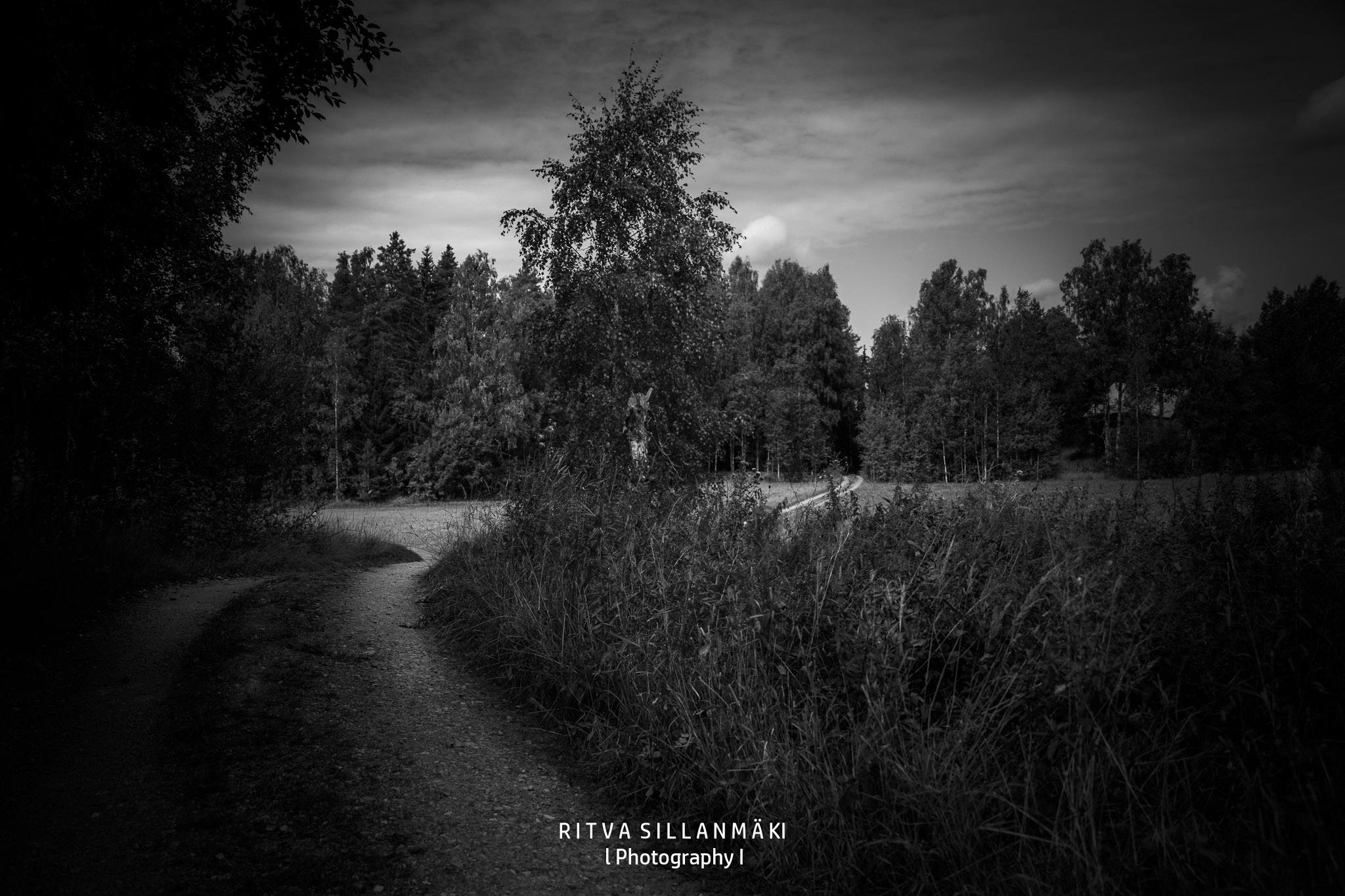
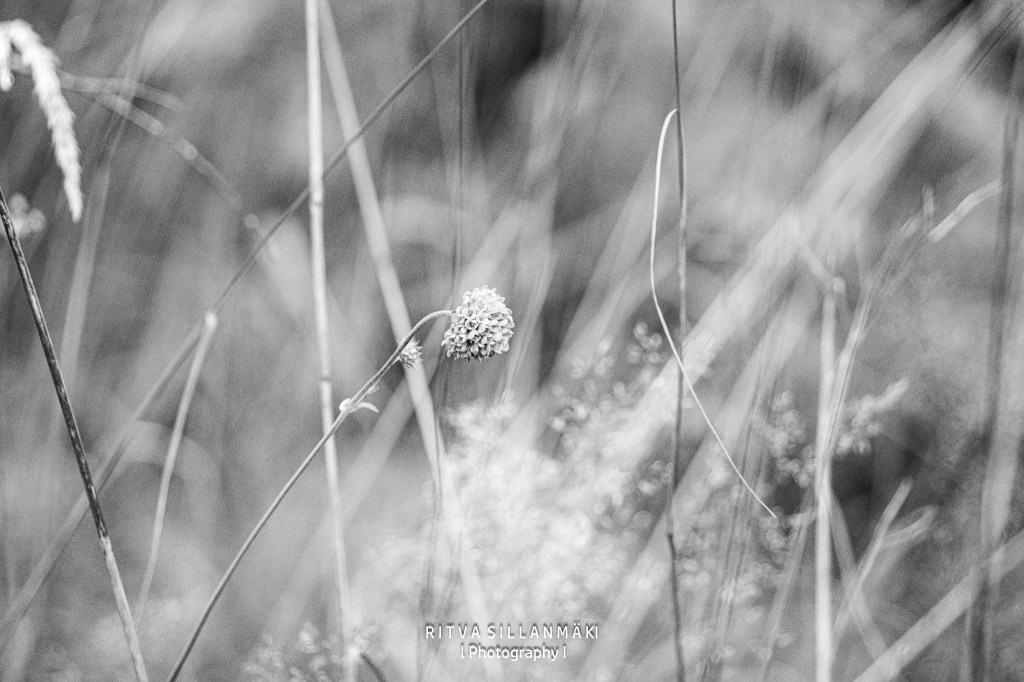
Monochrome Madness and here I am with another free week, and you might have thought I’d wrapped it all up after my stroll down Meadow Road. But no, we’re back at it! This time, I’m excited to share two versions of the images I snapped along the road where I found those beautiful flower photos—my pathway to my joyful retreat, my summer oasis. I’ve also included two monochrome takes of the plants I saw there to jog your memory.
A quiet dirt path winds through dense woodland and sunlit grasses in a striking black-and-white landscape.
Which version do you prefer, the darker or the lighter one, and what’s the reason for it?
A winding forest path leads through tall grasses and birch trees beneath a dramatic sky in striking black and white.
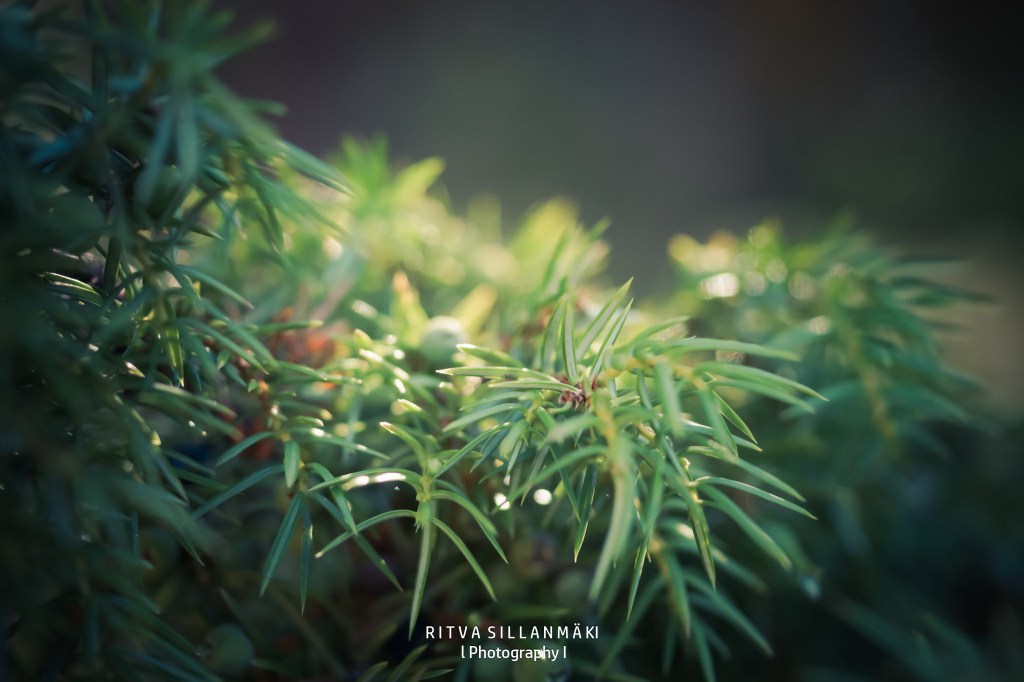
I took this photo of Juniper needles on Saturday, August 29th, when the light hit them just right, making them really pop.
SONY SLT- A65V – 50MM 2.8 MACRO SONY 7 III – E 28-200mm F2.8-5.6
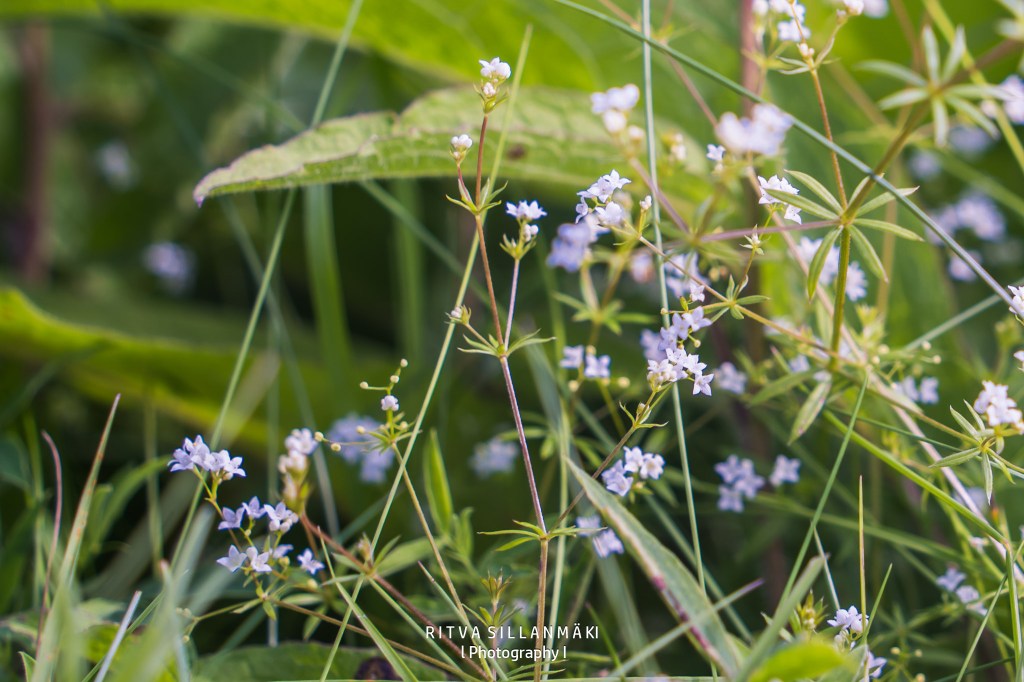
While walking by the meadow on August 20th, I spotted these delicate Fen Bedstraw flowers and couldn’t resist taking a photo. Then, on August 29th, I went to the cemetery to visit my parents’ grave, where I say this angel leaning on a rock that read, “We miss you.”
IPhone 17 PRO
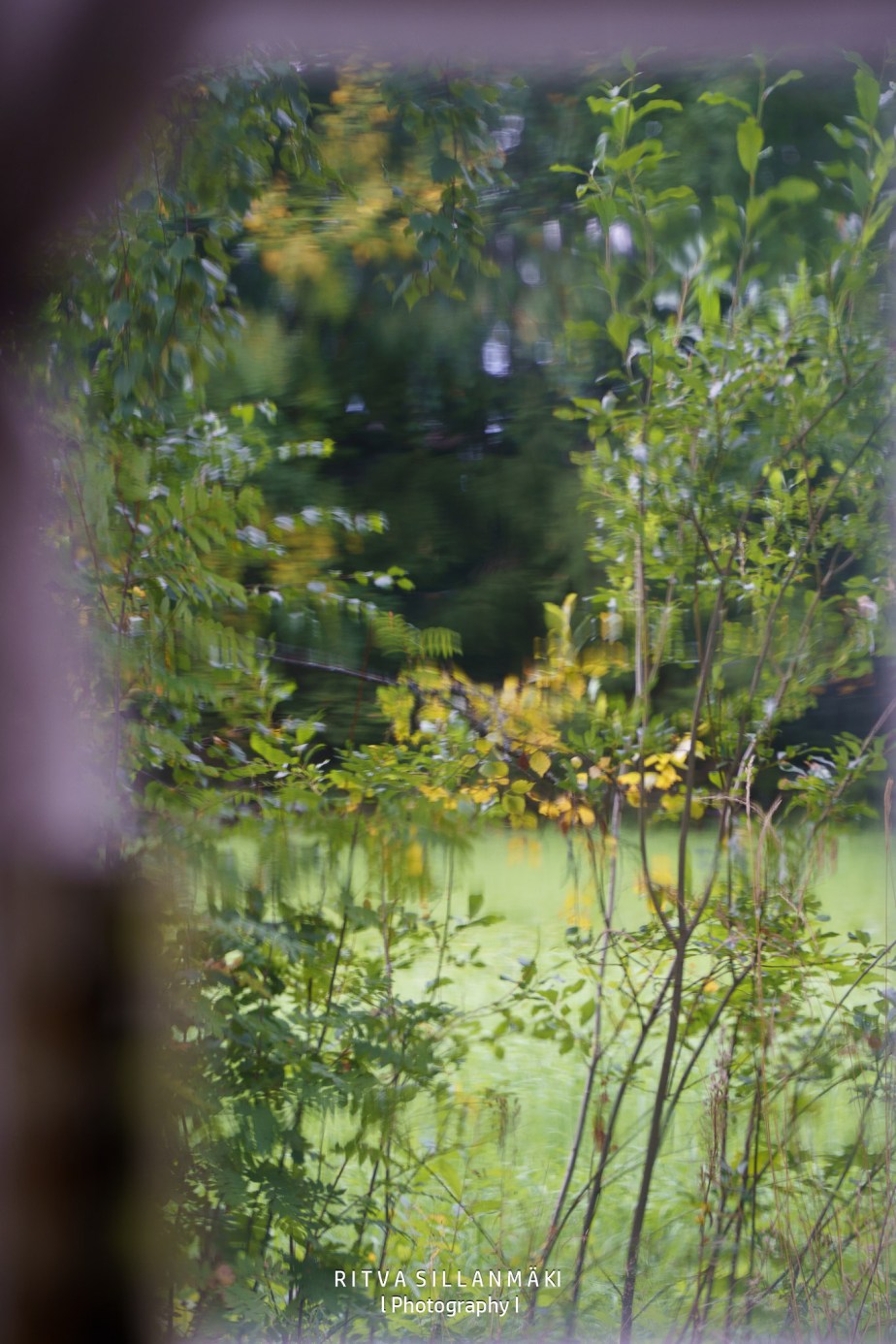
I captured this feature shot on August 20th, looking through an old window glass that beautifully distorts the image. For Bush Boy’s Last On The Card
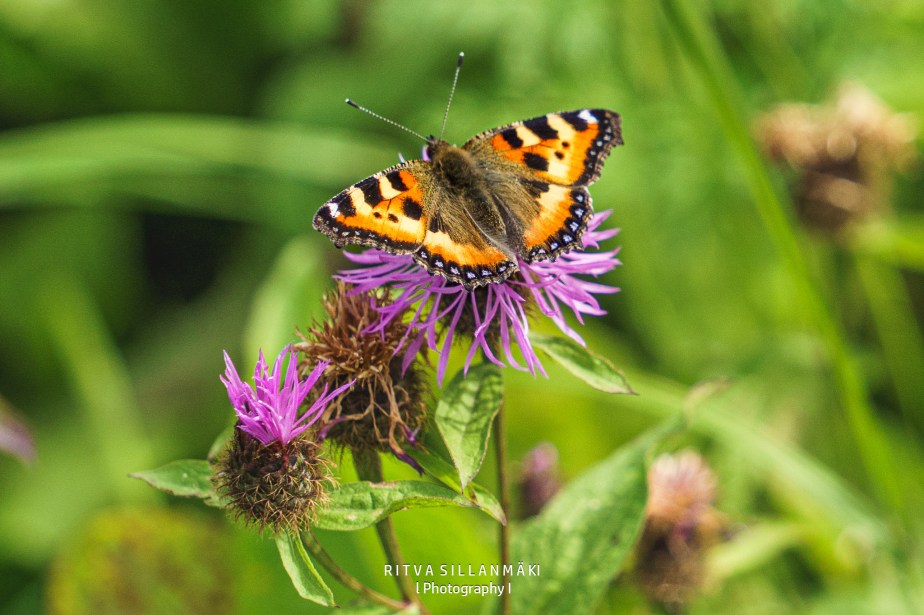
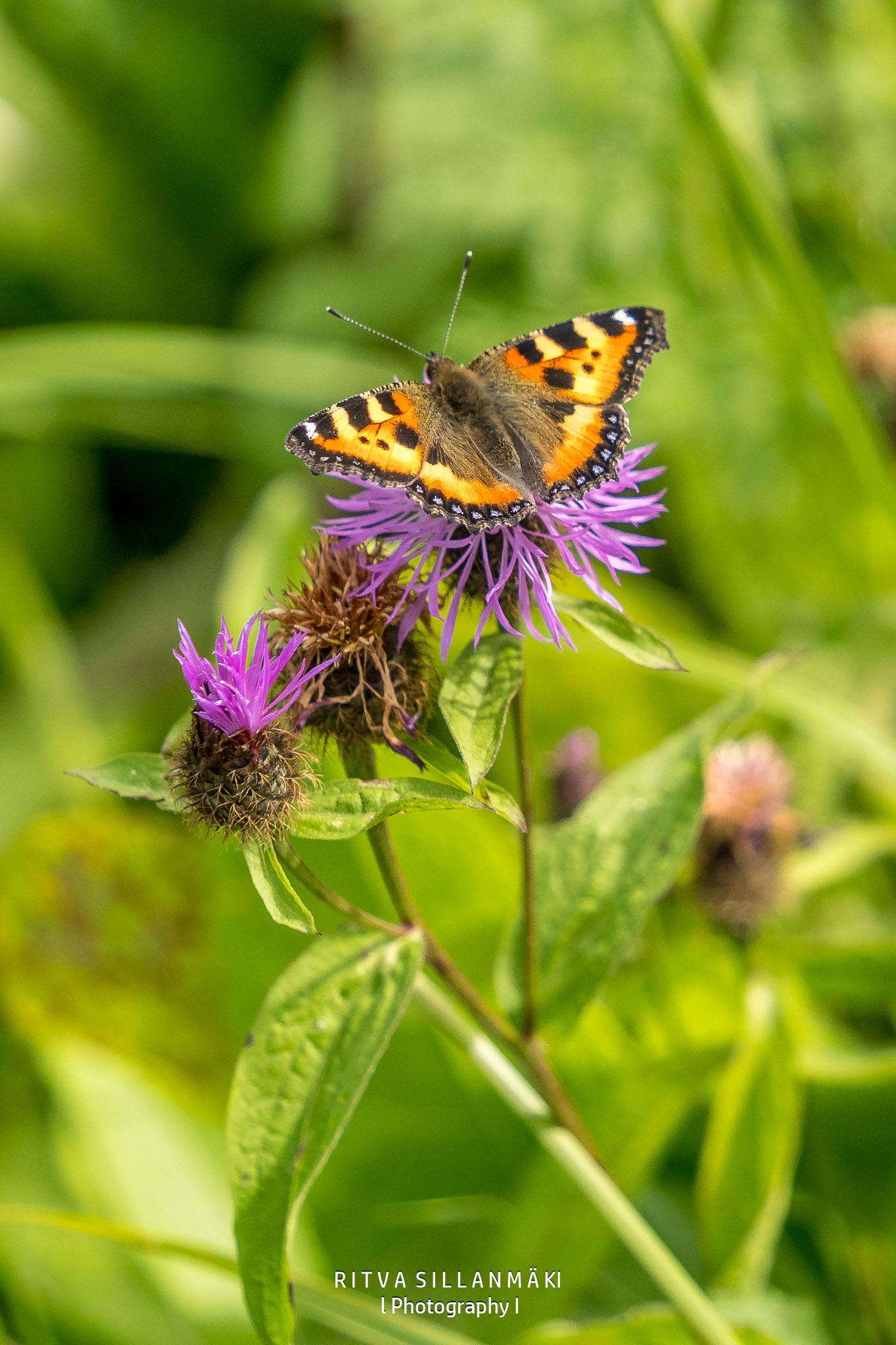
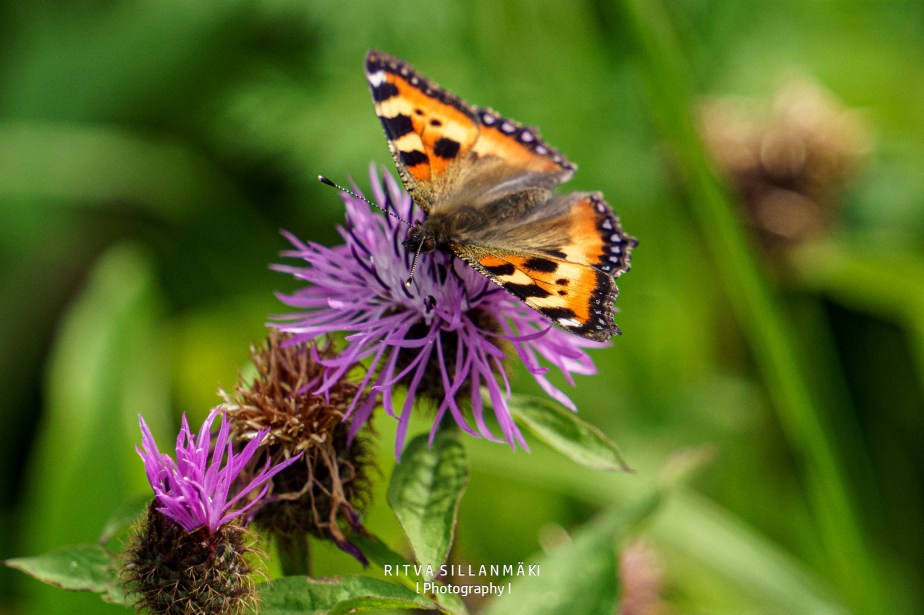
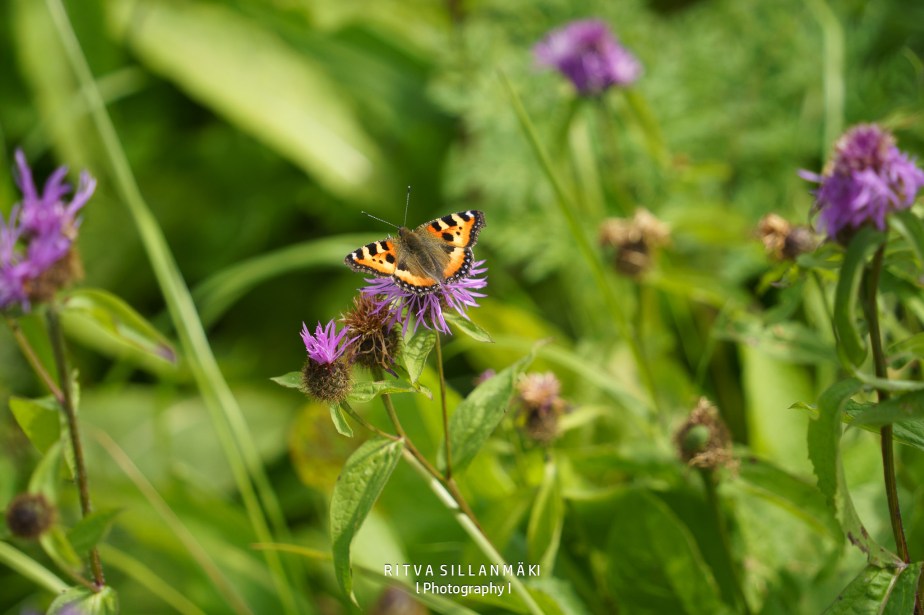
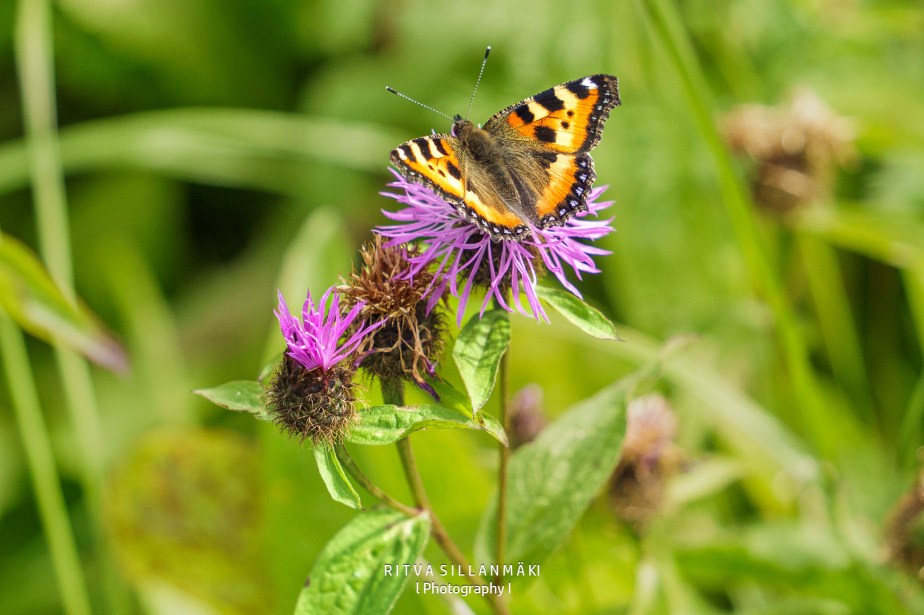
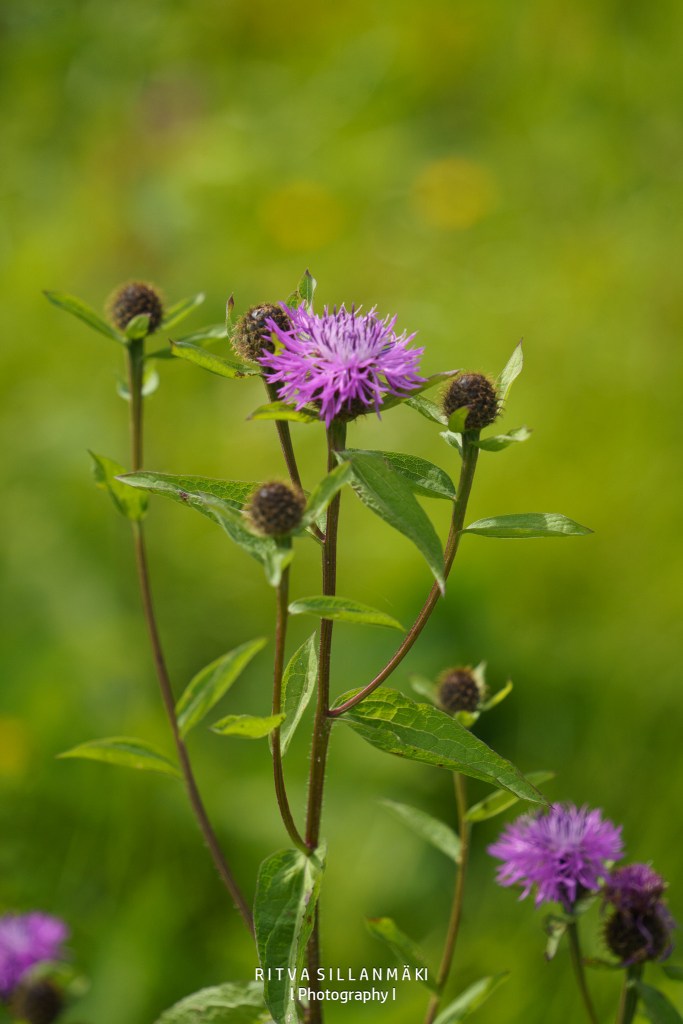
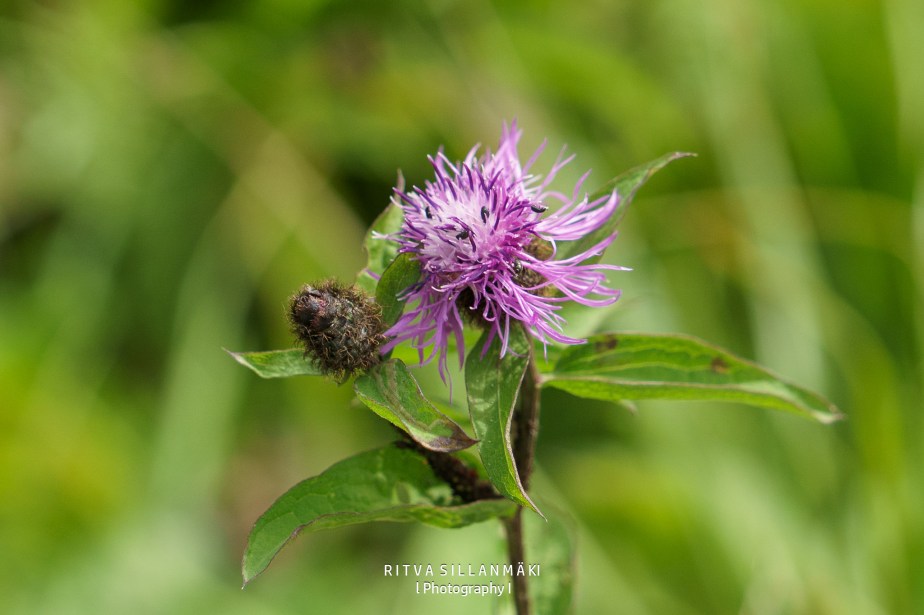
I have taken so many photos lately that I have not posted, that it is starting to annoy me. So I am uploading more from my walk along the meadow on the gravel road. There was a gentle breeze and sunny day, inspiring me to capture the vibrant life thriving all around me. In these photographs, I have a small tortoiseshell butterfly that happily feeds on the nectar from a delicate wig knapweed, its colorful wings fluttering gracefully as it dances from flower to flower, embodying the beauty of nature in motion. It is worth to pause take the time to appreciate the little but important things in life.
Butterflies can be classified into three categories based on their wandering behavior: those that migrate over long distances, those that remain stationary, and those with a mix of both wandering and non-wandering individuals. The small tortoiseshell butterfly belongs to the latter category.
The small tortoiseshell overwinters as an adult and is among the first butterflies to emerge in the spring (the common brimstone is usually even earlier). Males wait for females in forest margins, where they defend their territory. The females lay their eggs in clusters on the underside of the leaves of the host plant (usually nettle). The caterpillars colonise the host plant together and often make cocoons in the host plant, although they also use tree trunks, house walls and other vertical surfaces.
The small tortoiseshell is common all over Finland and looks a lot like the large tortoiseshell, the yellow-legged tortoiseshell and the Compton tortoiseshell which all are larger than the small tortoiseshell. Besides size it can be told apart from these, however, by the way that the upper surface of its wings are closer to brick red than orange, and the basal part of its hind wings are black.
Wig knapweed has arrived in Finland from the east, and its habitats are linked to traditional methods of agriculture. Häme and especially Savo–Karelia have been the core of slash-and-burn agriculture in Finland, and wig knapweed is often found there on banks and dry meadows. It also perseveres in the margins of forest clearings and in light-filled broad-leaved forests. The last burn-beaten areas are beginning to close up, and this is reflected in the way that the species is becoming rarer. Its habitat stretches from eastern Europe to western Siberia and it would appear to favour a continental climate, or to avoid coastal climates, whichever way you look at it. Knapweeds have been popular in gardens throughout the ages as ornamentals in sunny and perhaps slightly dryish areas. Although many exotic species are grown as perennials, wig knapweed and other domestic species deserve more attention than they currently receive as wonderful plants in flowering meadows.
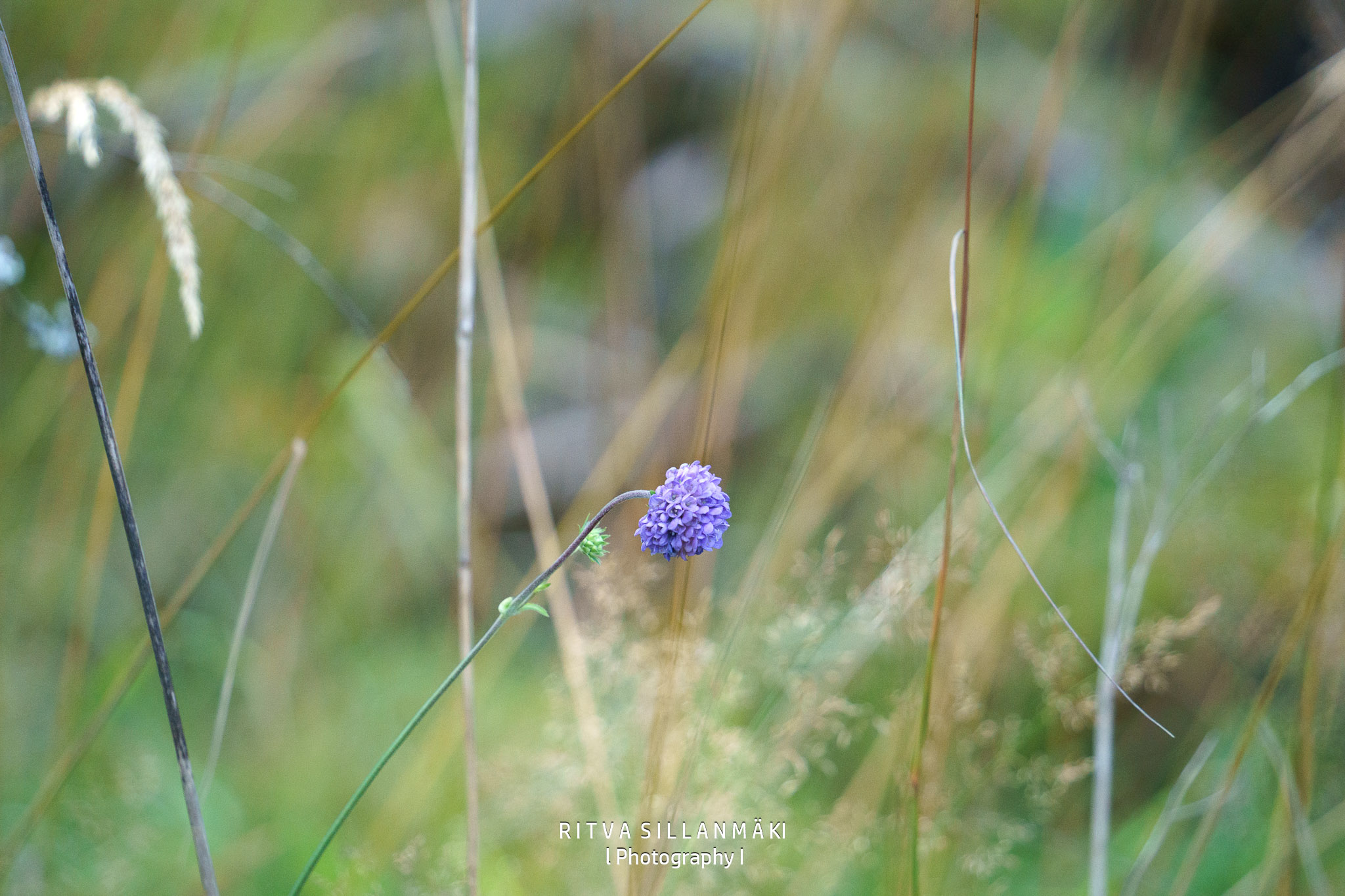
I was just thinking about where to point my camera during this time. Should I capture the Devil’s-bit scabious that’s either blooming or fading away, showcasing its intricate details and vibrant colors? Or maybe I should focus on the grass, which I believe is Calamagrostis epigejos, swaying gently in the breeze, its delicate blades reflecting the soft light? Then there’s also the Sow thistle, with its bright yellow blooms, and the cotton grass, which adds an ethereal quality to the landscape with its fluffy tufts dancing above the ground. What do you think? I did focus on all of them, keeping little distance so I could capture a mood I was aiming for – soft and light – delicate, evoking a sense of tranquility and harmony within nature. Each element plays a vital role in this ephemeral scene, weaving together a tapestry of colors and textures that resonate with the serene ambiance of the moment.
A delicate purple wildflower, Devil’s-bit scabious, emerges from a softly blurred meadow of green grasses.
Devil’s-bit scabious’s inflorescence resembles that of field scabious (Knautia arvensis), but differs in having smaller ray-florets and distinct leaf shapes. The two plants typically inhabit opposite environments; field scabious thrives in dry sands, whereas devil’s-bit prefers heavy clay areas. It is found in clearings, damp meadows, and along coastal regions, mainly in the west and south-west, with a distribution limit in central Finland. A historical climate barrier exists between coastal and inland populations, attributed to post-Ice Age climatic changes. The species has since spread to newer shorelines. LuontoPortti
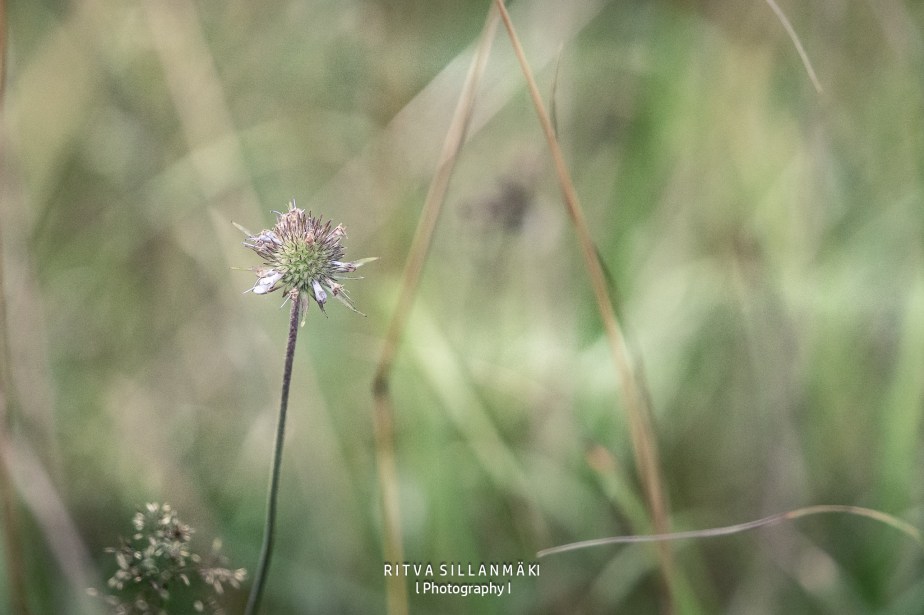
Devil’s-bit scabious has a history of use as a dye, seasoning, tea, and medicine for various ailments. Legend has it that the Devil attempted to destroy the plant by biting off its root, which appears damaged as it ages. Its names are derived from the Latin term succidere, meaning “to break from the bottom.” This plant also supports insects, particularly butterflies and bees, as they prepare for winter.
Devil’s-bit scabious slowly fading Should the focus be on Hietakastikka
I think this grass is Hietakastikka (Calamagrostis epigejos), a perennial large grass species that thrives in a variety of habitats, often found in coastal areas and along riverbanks. It can be identified by its dense and large panicles, which are notably more pronounced compared to other Northern European grasses, contributing to its striking appearance. The spikelets, which are gray-green or bluish-brown, add to its visual appeal, especially when swaying gently in the wind. This species is not only valued for its aesthetic qualities but also plays a vital role in stabilizing soil and providing habitat for various wildlife, making it an essential component of the ecosystems it inhabits.
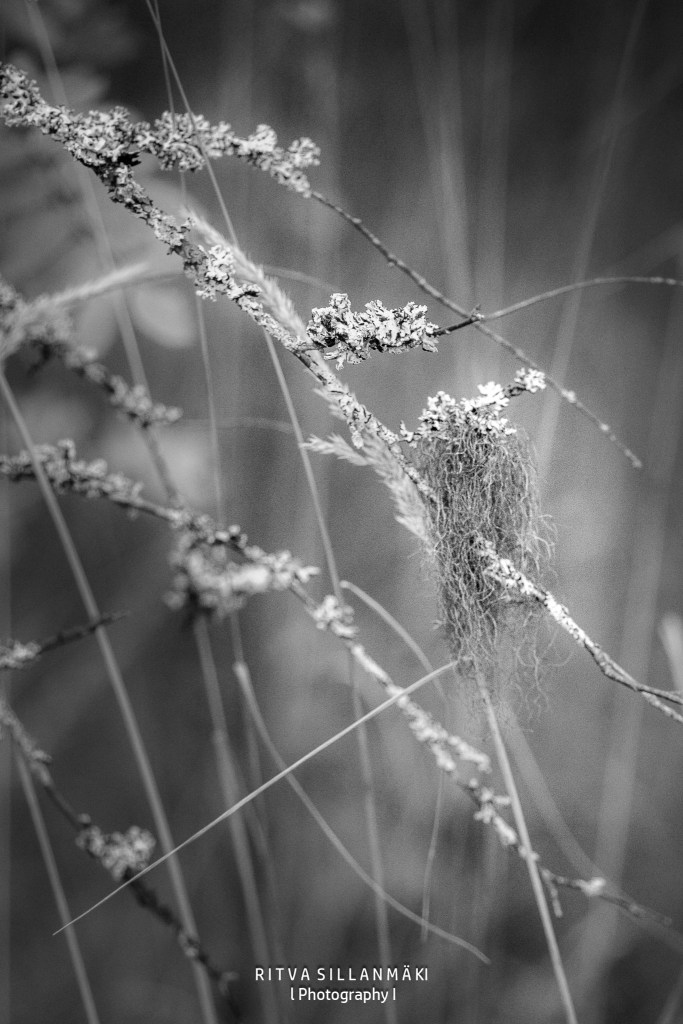
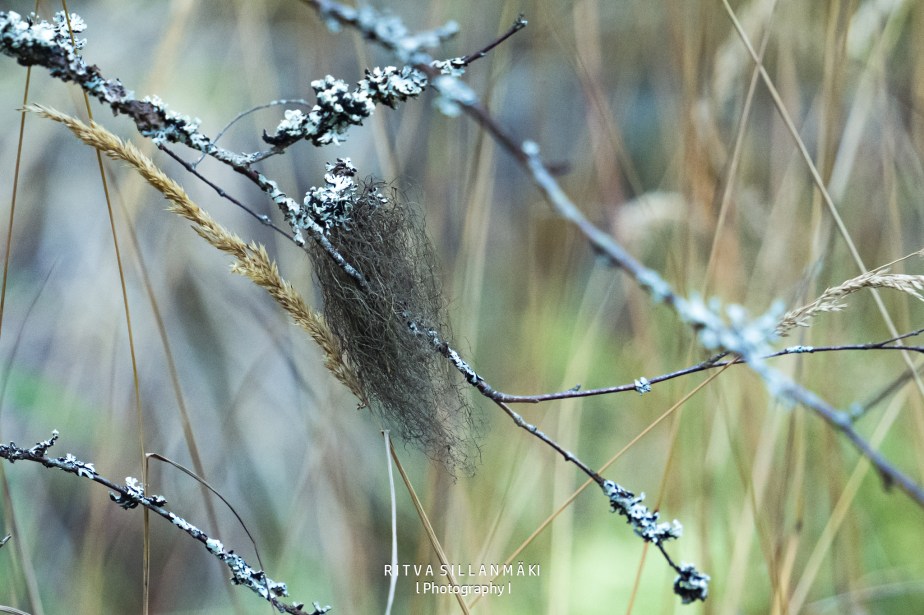
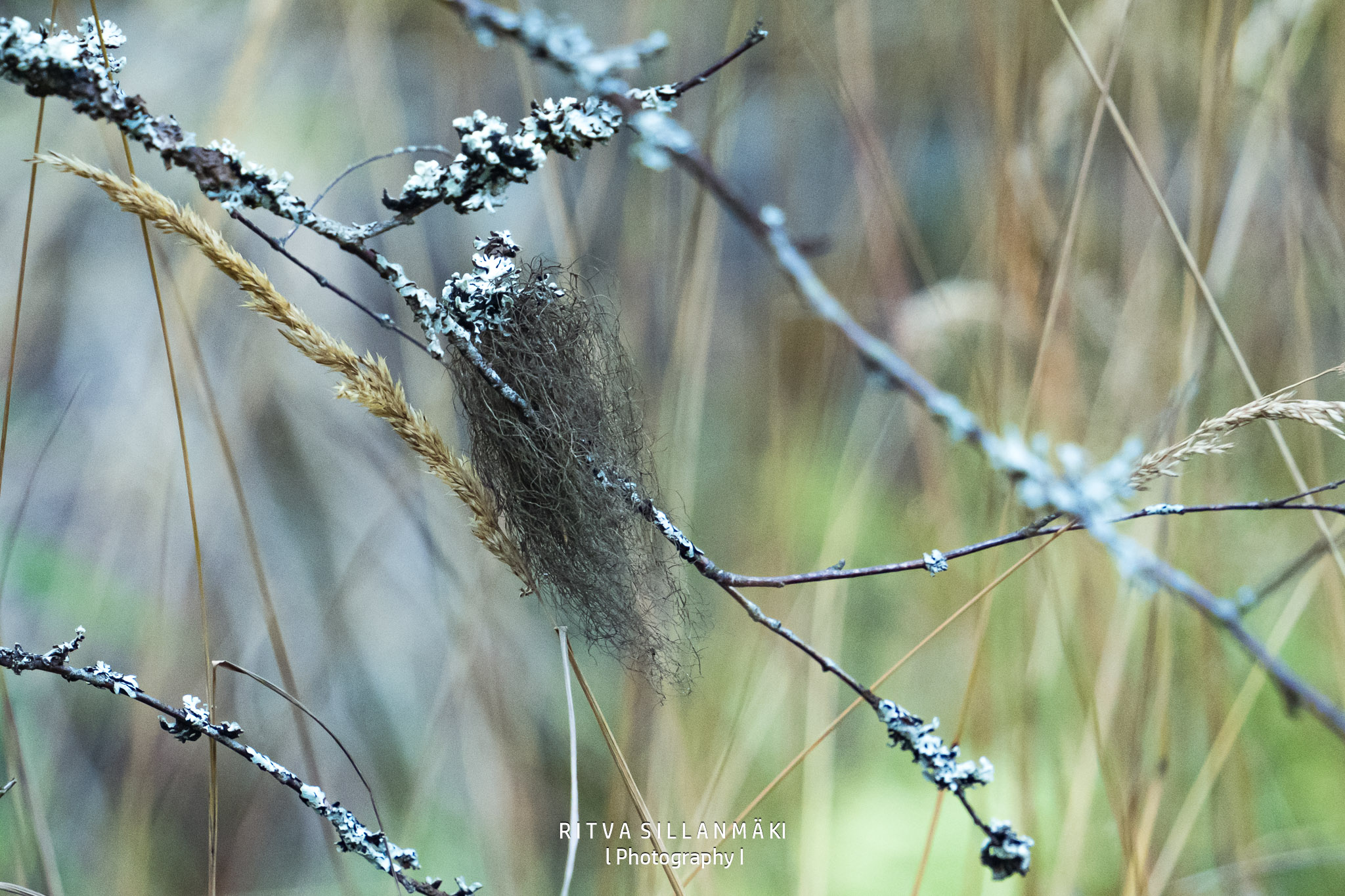
Softly blurred reeds and grasses create a serene, dreamlike abstract scene in muted green tones. This single twig pops into the focusDelicate Sormipaisukarve lichen-covered branches create an abstract pattern against a softly blurred green woodland background.
Sormipaisukarve (Hypogymnia physodes) is a type of lichen that grows on trees and rocks. It has become more common in recent years and is likely the most widespread lichen in Finland. This lichen is found throughout the country, especially in the south, and is rare in northern Lapland. Sormipaisukarve is a sign of air quality: in clean areas, it can grow up to five centimeters, while in polluted areas, it stays under one centimeter.
A delicate wispy Cotton grass glow softly against a dreamy, blurred woodland background.
Cotton grass (Agrostis capillaris, syn. Agrostis tenuis) is a common grass species that thrives in a variety of habitats, including meadows, fields, and along roadsides. Its tall, slender stems and fine leaves create a delicate appearance, making it a notable feature in the landscape. Additionally, this grass species plays a vital role in the local ecosystem, providing food and shelter for various insects and small animals. It is an ancient introduction in Finland, where it has adapted to the climate and soil conditions, contributing to the rich biodiversity of the region.
A delicate The Sow thistle glows softly amid sunlit grasses and warm, dreamy bokeh.
The Sow thistle reached Finland after the Ice Age from the south and west. The populations from different directions are separate, and changes in distribution are very small on a human scale. The species grows in the Åland Islands and Uusimaa, mainly in the pine forests and edges of the Lohja region. Human activities do not threaten the species; instead, they often help it by creating more open areas with light, which the plant prefers. In some locations, it has even spread to roadsides and railway embankments.
Humans have also utilized sow thistle; the plant’s sturdy taproot is edible and tastes good. Instead of starch, the root contains inulin sugar, making it excellent for diabetics. One would think the sow thistle would stand out in the open pine forest, but its abundance and entire existence can go unnoticed, as it is often present only as leaf rosettes. The rosette somewhat resembles ribwort plantain (Plantago lanceolata), but the large flower heads that often open as early as May reveal that the plant belongs to the daisy family.
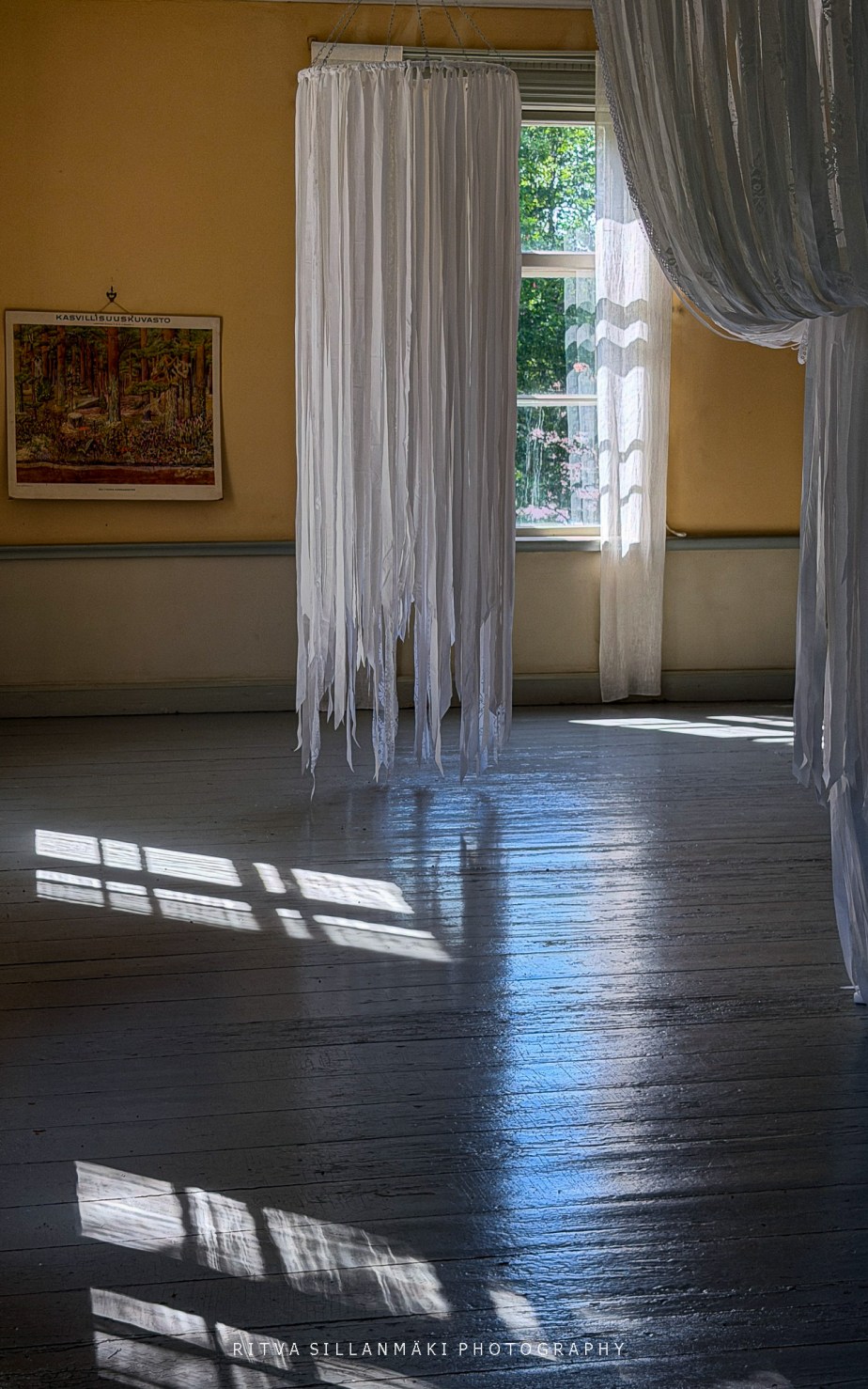
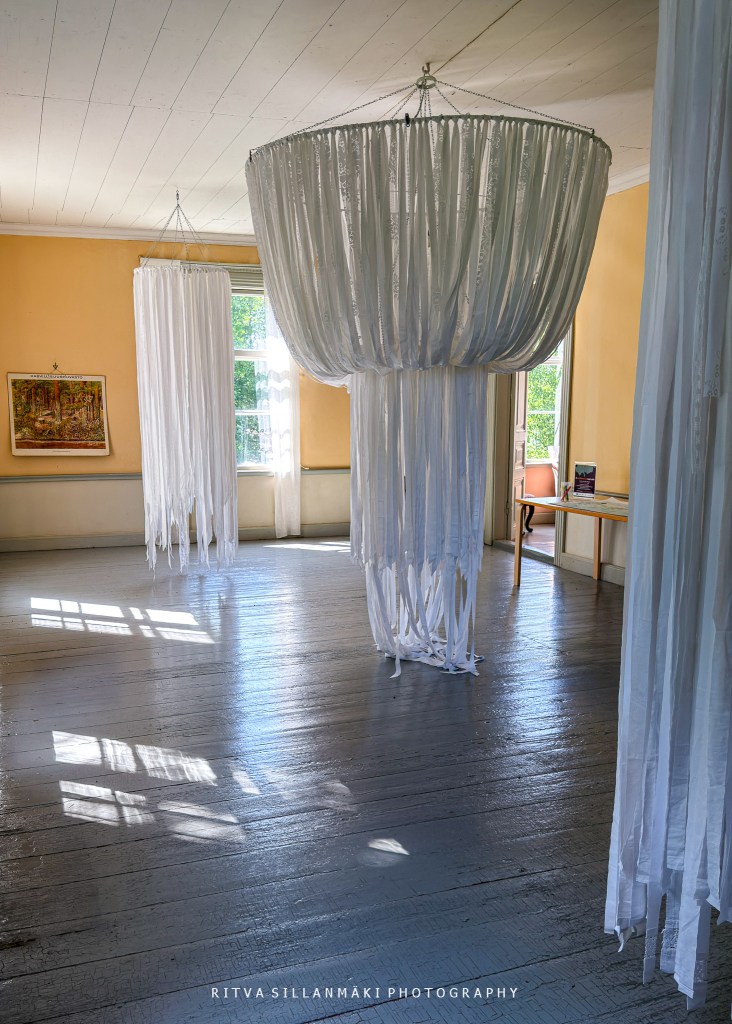
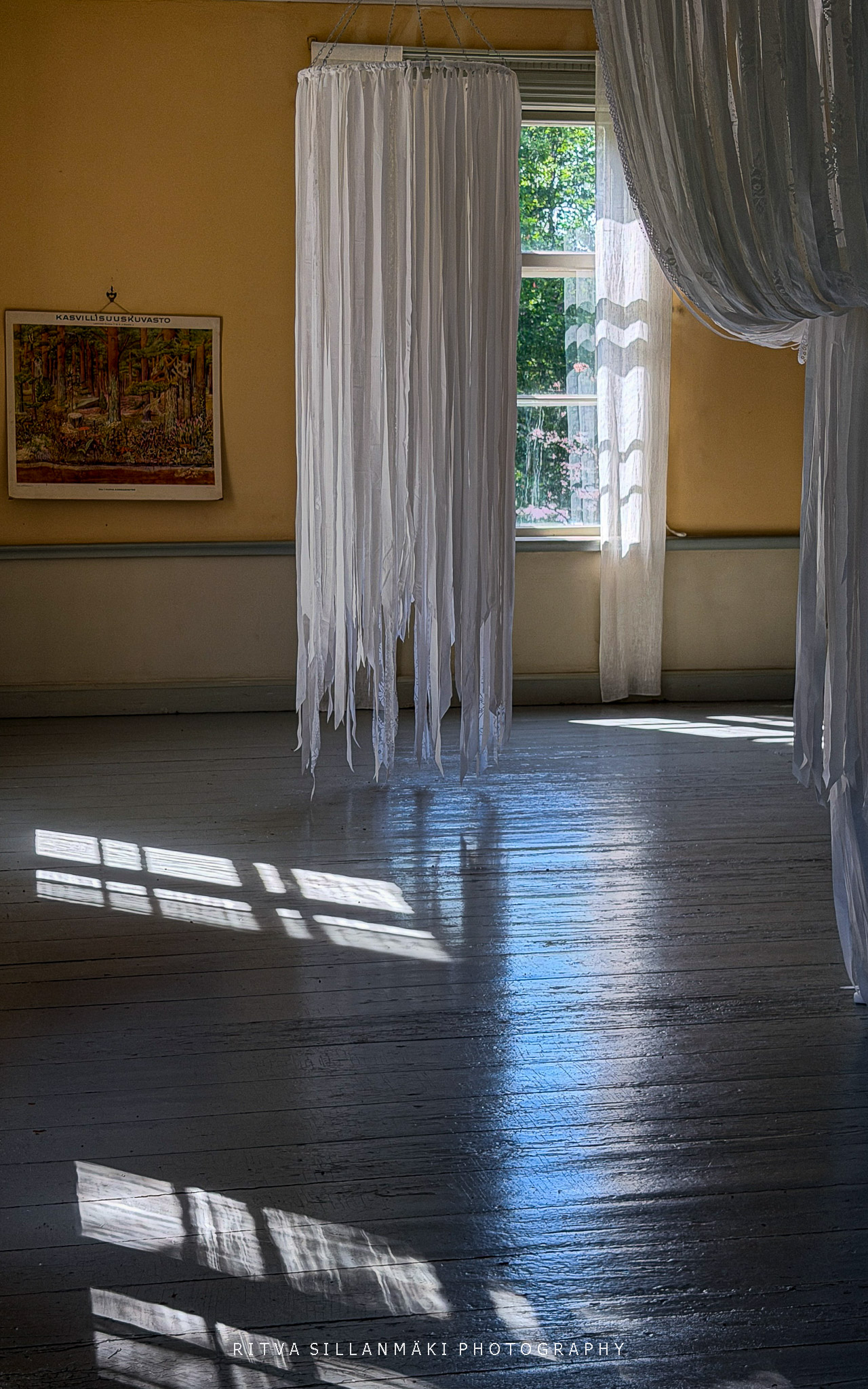
I took this photograph because of the serene atmosphere created by the sunlit interior and the suspended circular installation of long, tattered white fabric strips. The sheer curtains framing the window not only reveal the lush greenery outside but also allow strong daylight to cast bright geometric reflections and shadows across the dark, glossy wooden floor. The warm ochre walls, aged trim, and the framed forest-themed poster add a rustic charm, making the scene feel contemplative and slightly ethereal.
Sunlight fills a historic room where delicate white fabric installations hang from the ceiling above polished wooden floors.
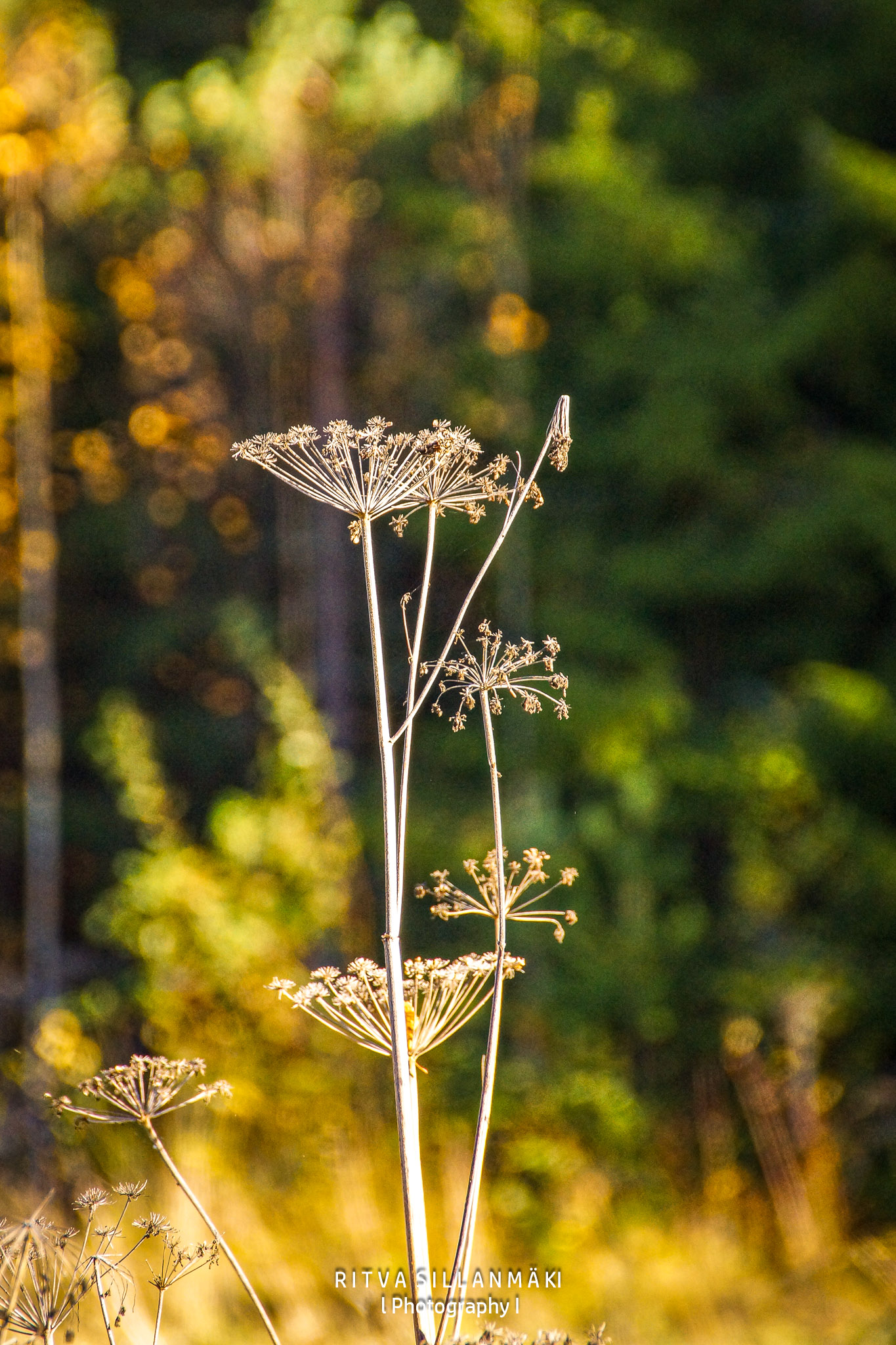
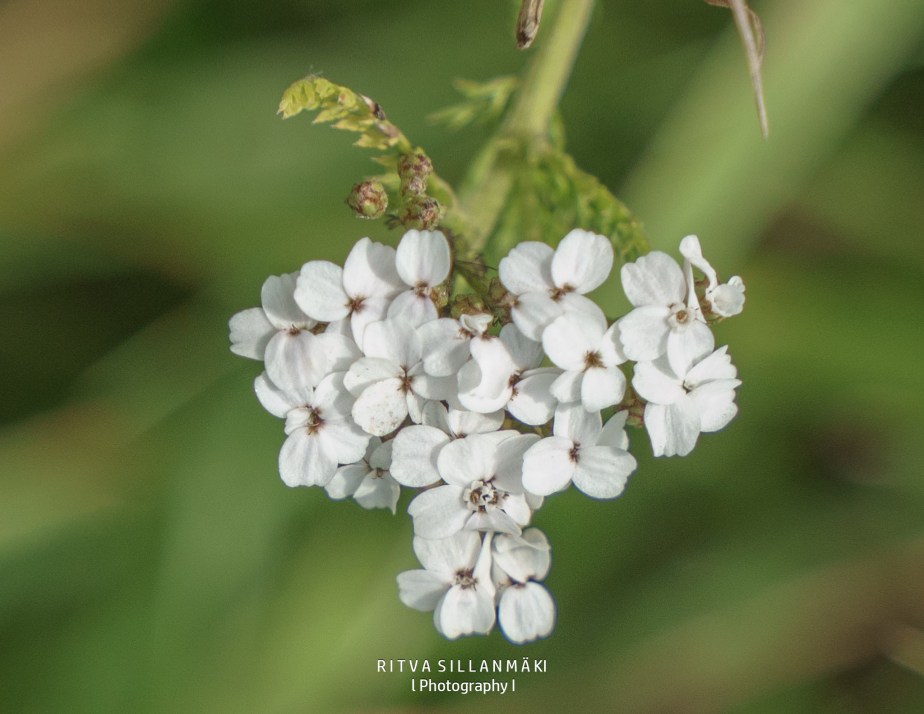
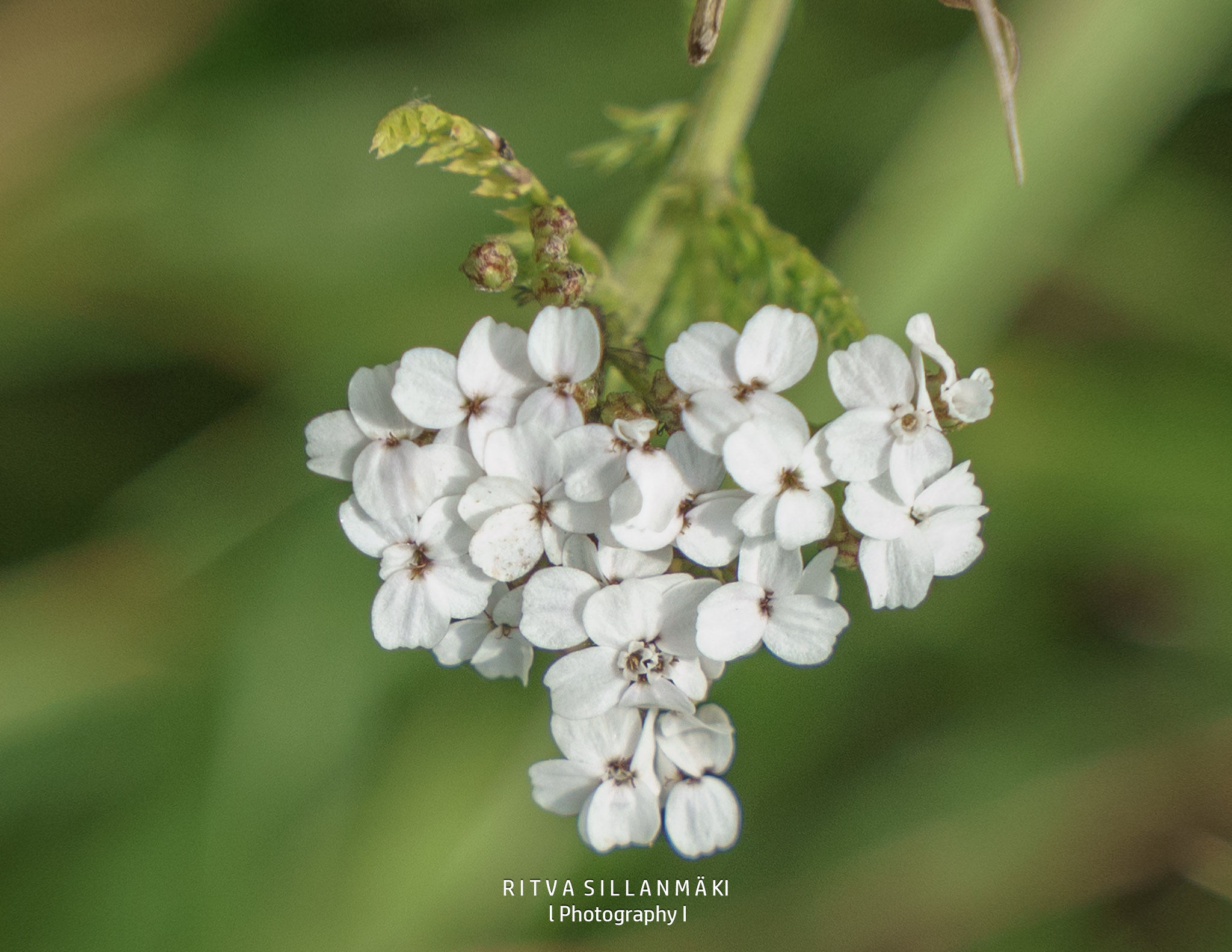
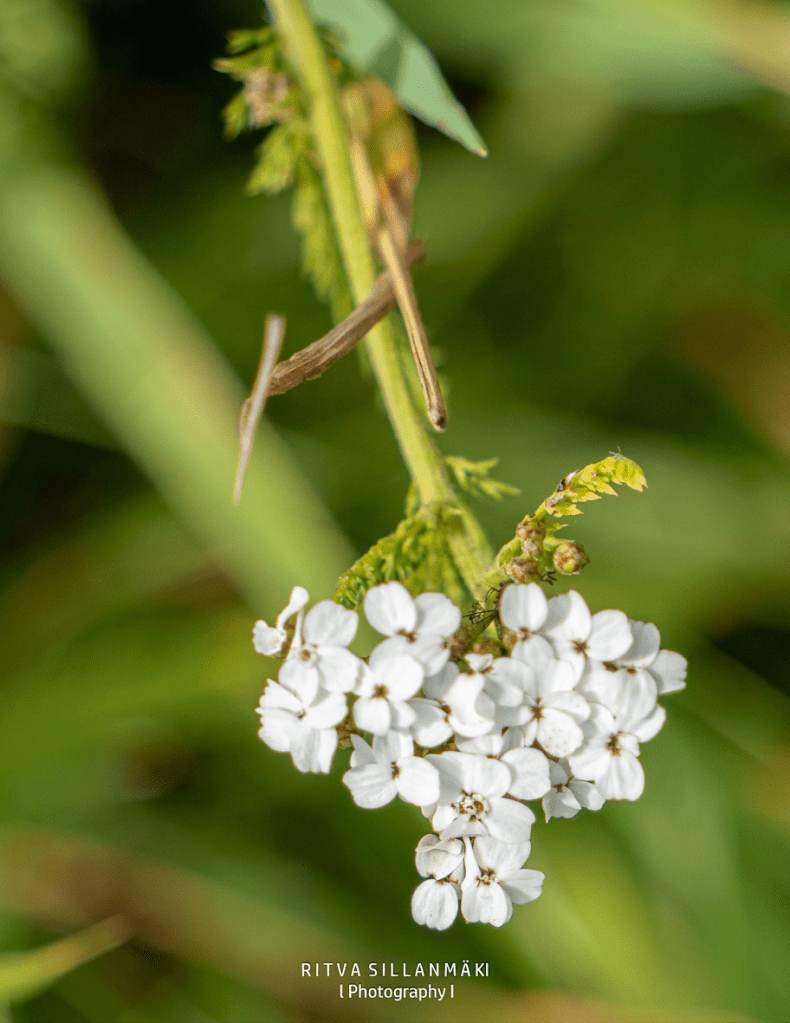
You might have seen couple of my previous posts about heart shaped flower clusters, this time I found one in the by the road on a meadow. Yarrow is one of those plants you’d easily recognize in Finland’s meadows, especially since it has a ton of local names. You’ll often find it thriving in open areas where people hang out, not just in clearings but even in thicker forest undergrowth and along the sides of forest roads.
A delicate heart shape cluster of white wildflowers stands out against a softly blurred green background.
Yarrow on the meadow
The plant’s scientific name, Achillea, is a nod to the legendary Greek hero Achilles. Traditionally, yarrow has been used as a medicinal herb for various issues like cramps, fevers, and slow-healing wounds, and it’s still enjoyed as a tea in Finland today. That said, it’s not for everyone; some folks might get a rash just from touching it, and taking too much can lead to dizziness and headaches. Its unique scent comes from the bitter compounds and volatile oils in the shoots, which give off that classic herb-like aroma. Interestingly, the flowers emit a smell that flies and beetles find appealing. When winter hits, some of the seeds from a pollinated yarrow plant stay on it and disperse across the snow, and even small birds like bullfinches and redpolls snack on them throughout the cold months.
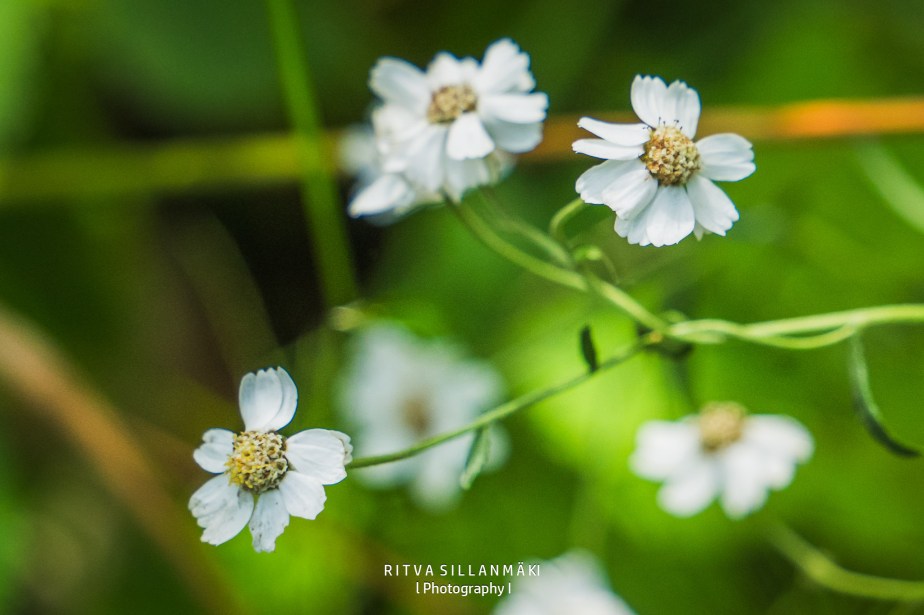
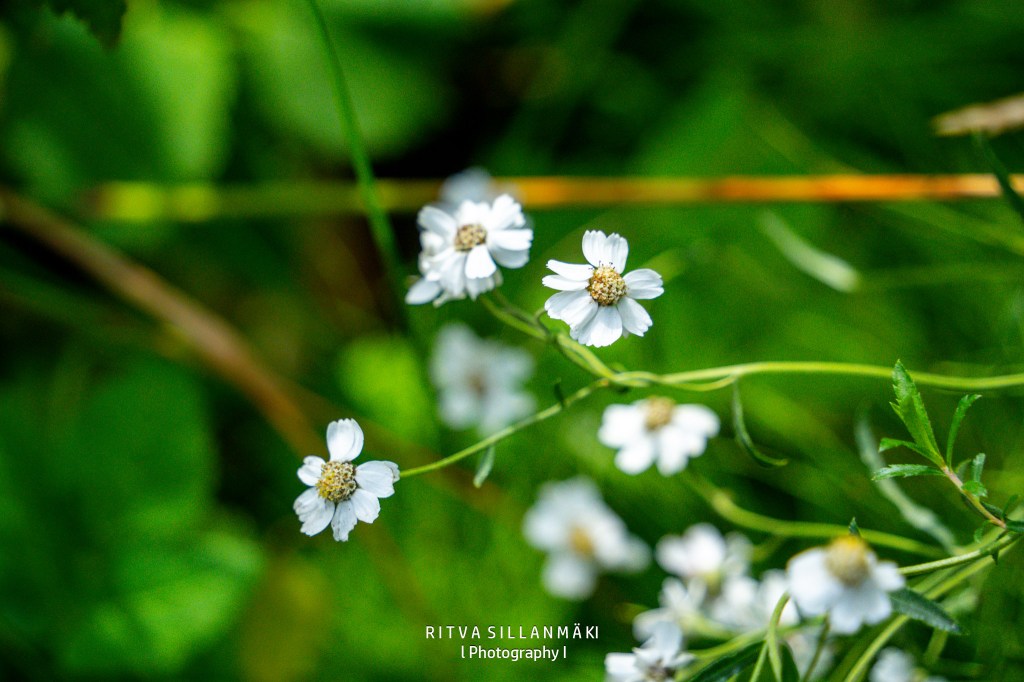
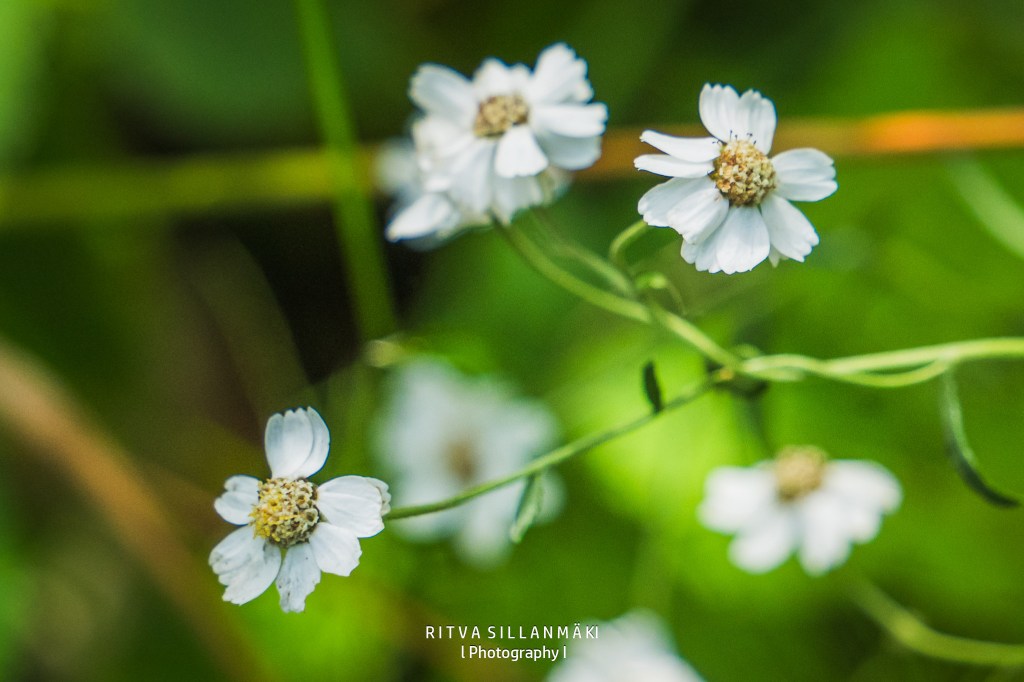
I stumbled upon these meadow sweets yesterday while searching for some August flowers by the edge of a meadow. At first, they didn’t seem like much, but the closer I looked, the sweeter they appeared. You know how it is with wildflowers—often, they have a quiet charm that surprises you, right?
meadow sweetmeadow sweet #2
Meadow Sweet Achillea ptarmica), which is part of the aster family (Asteraceae). It features lovely white flowers that have rounded blossoms around the edges and a cheerful yellow center. The leaves are pretty narrow with a serrated edge. This plant loves to grow in damp meadows, ditches, road verges, and by the water’s edge. You can expect it to bloom from mid-summer all the way through to August.