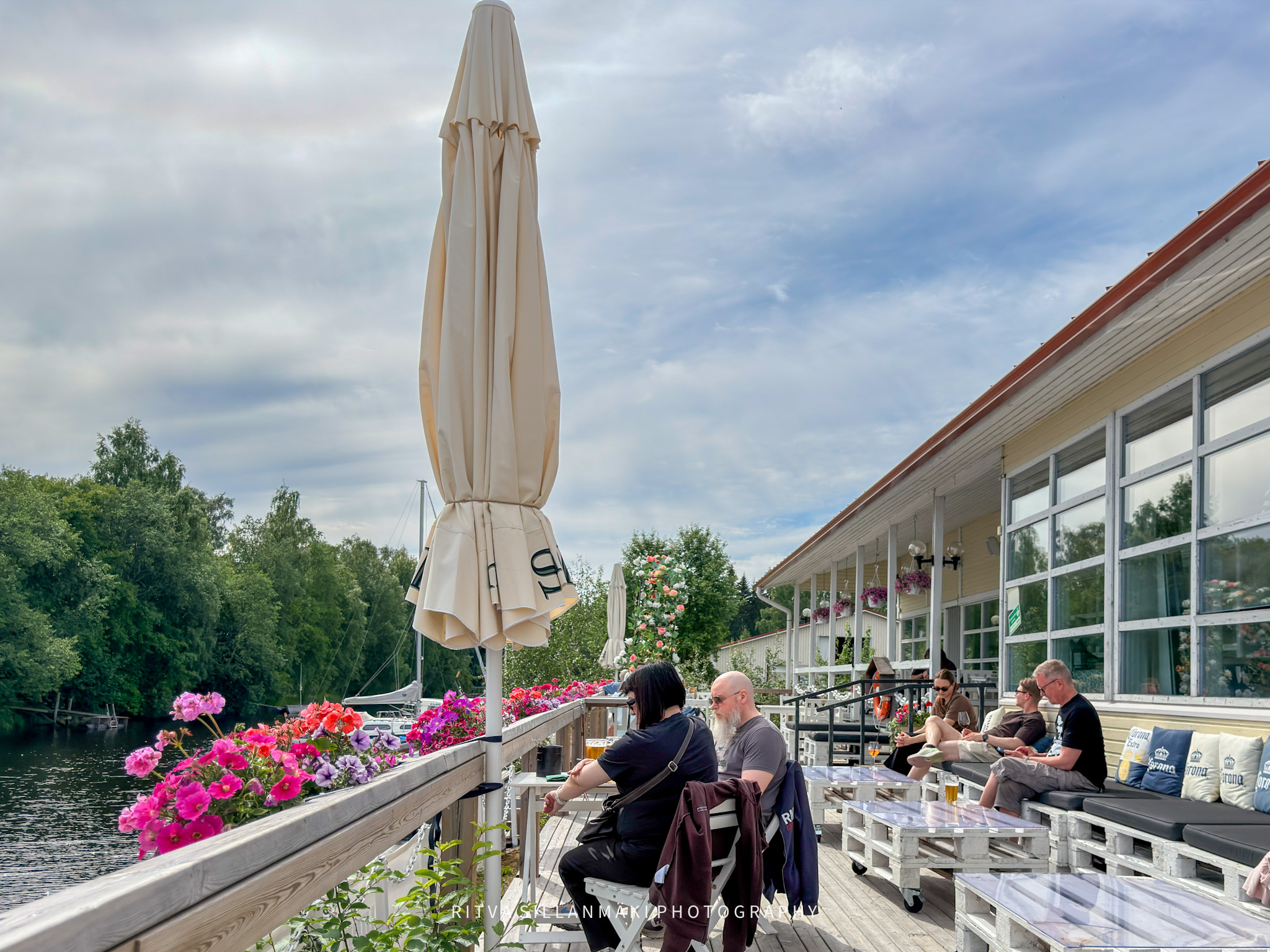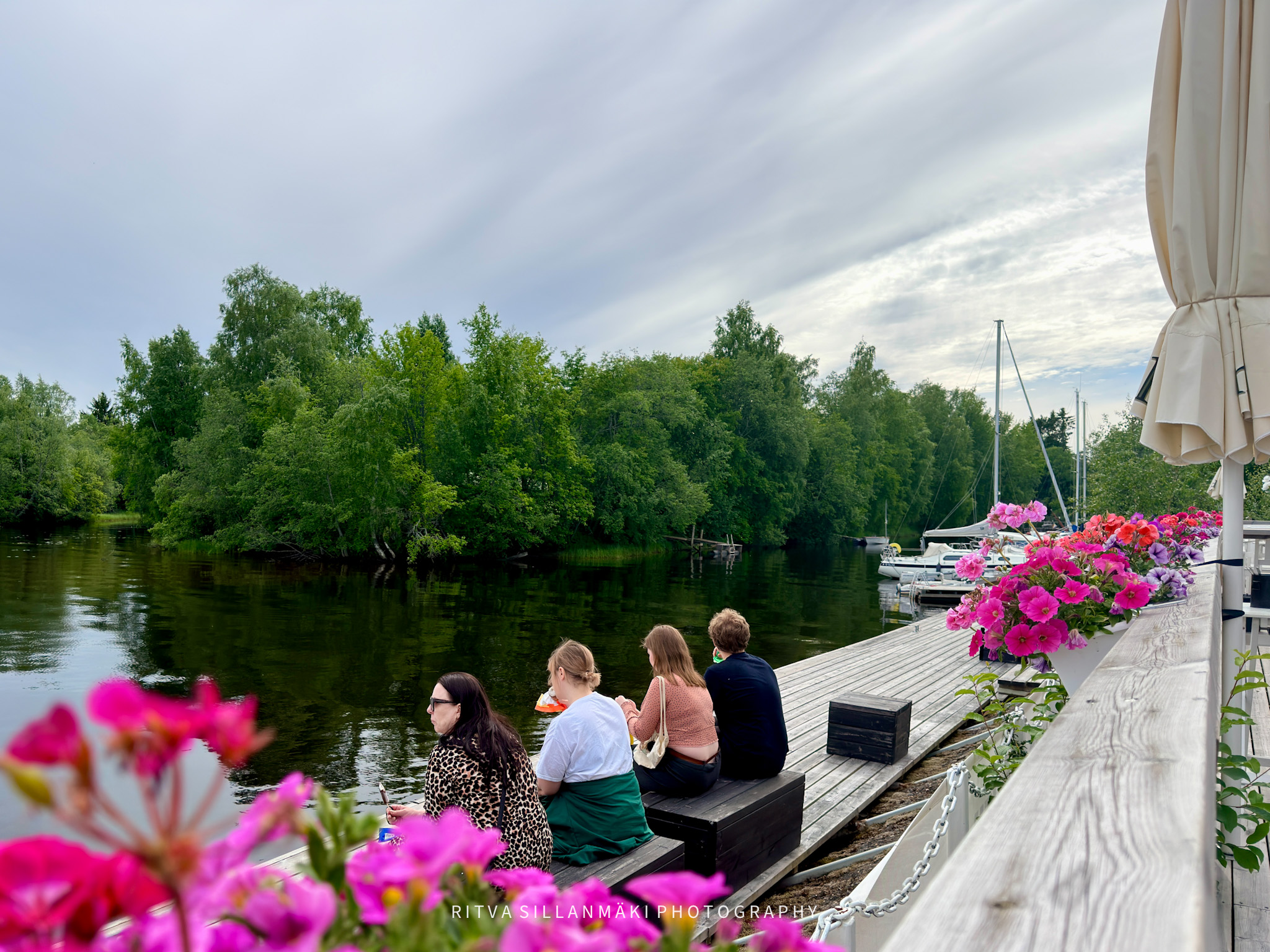
Debbies Six Word Saturday

Debbies Six Word Saturday
If you’re not in the mood for self pity, skip the text and enjoy the photo 😌
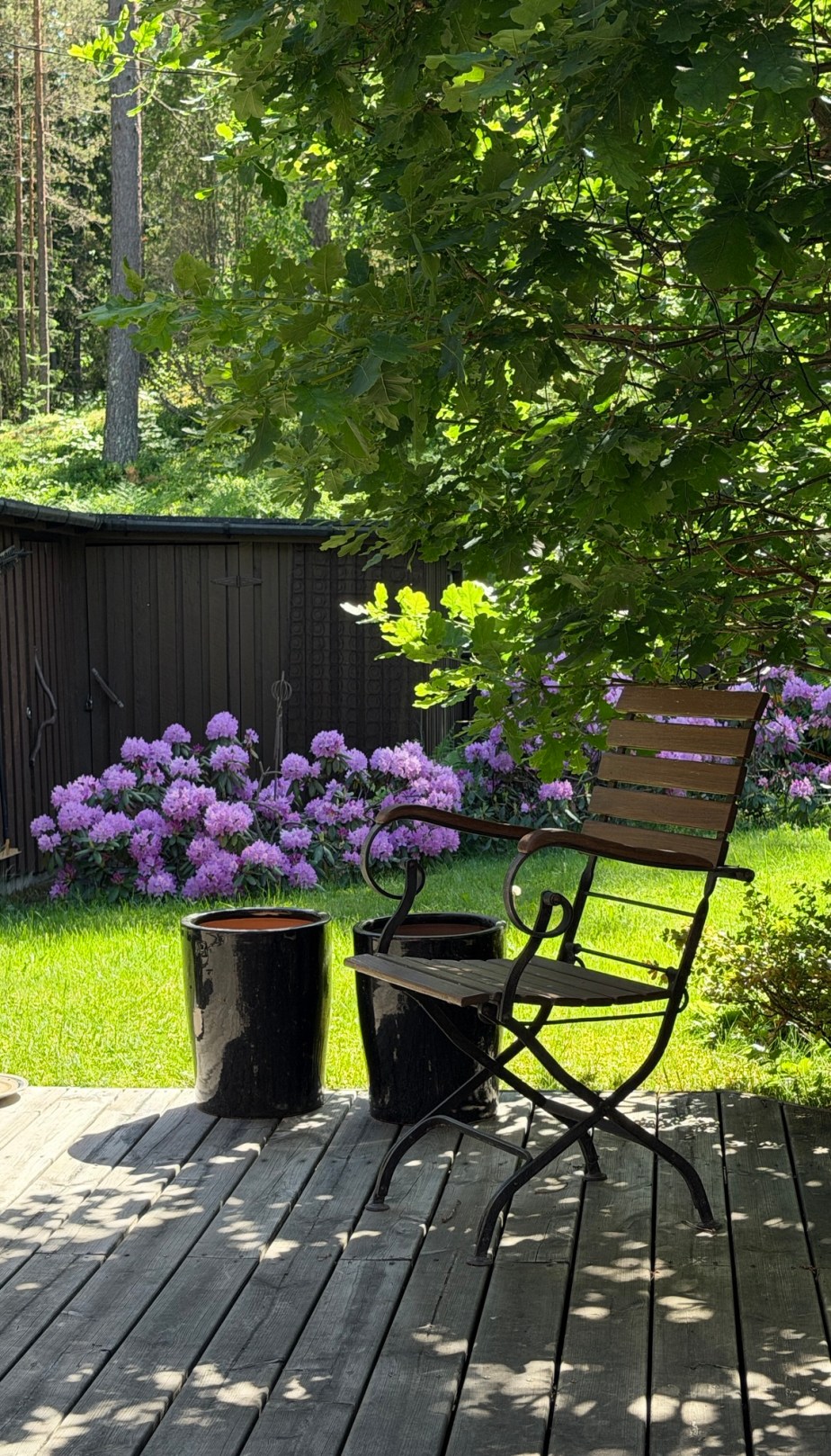
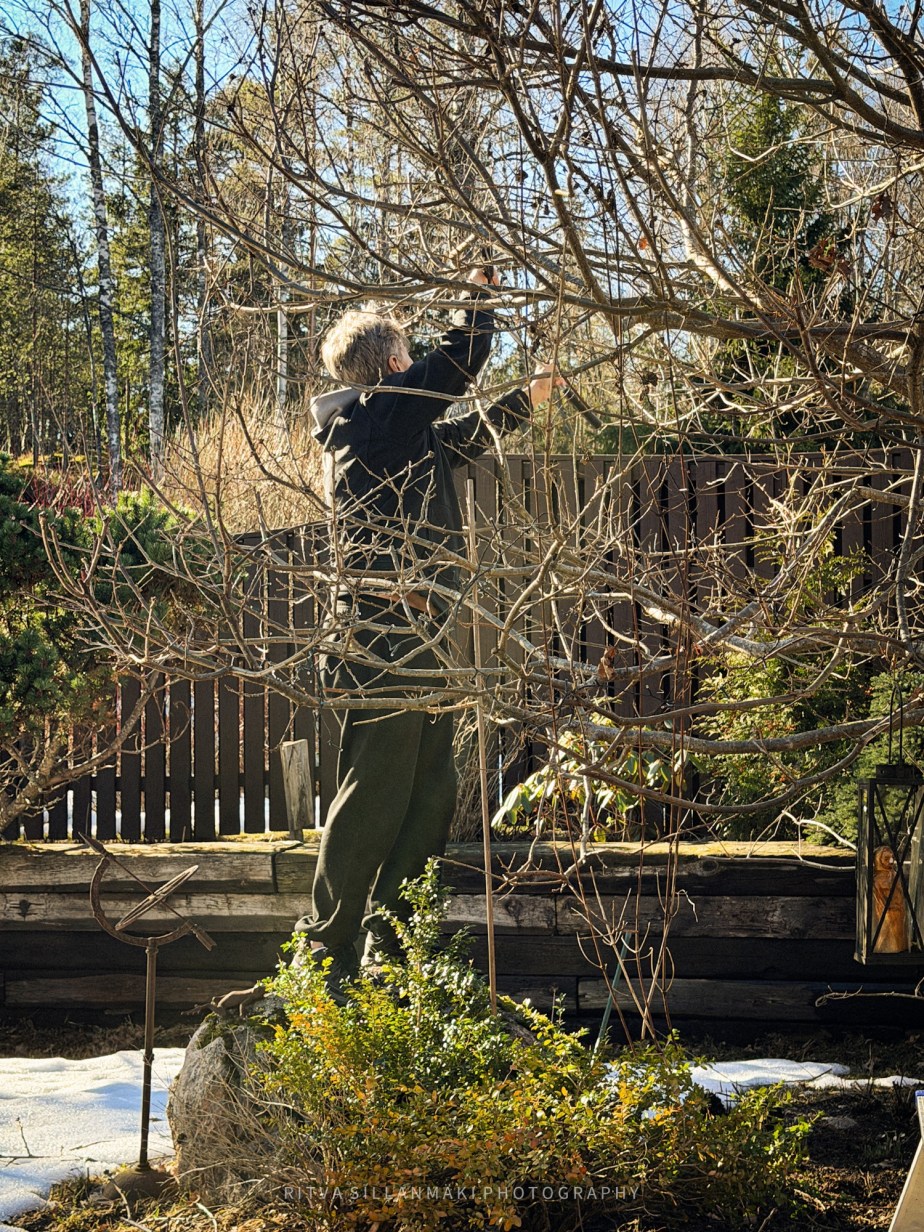
I had one of the worst nights in a long time. My sleep was in shambles, I couldn’t get a comfortable position in my bed, my feet were cold… from within, I was in and out of sleep. Yes I am whining about it… sorry for that. But on a a positive note, I am doing my best so I don’t fall asleep by sitting in my garden/ backyard enjoying the sunshine and beauty of the rhododendrons.
Continue reading “Tired”
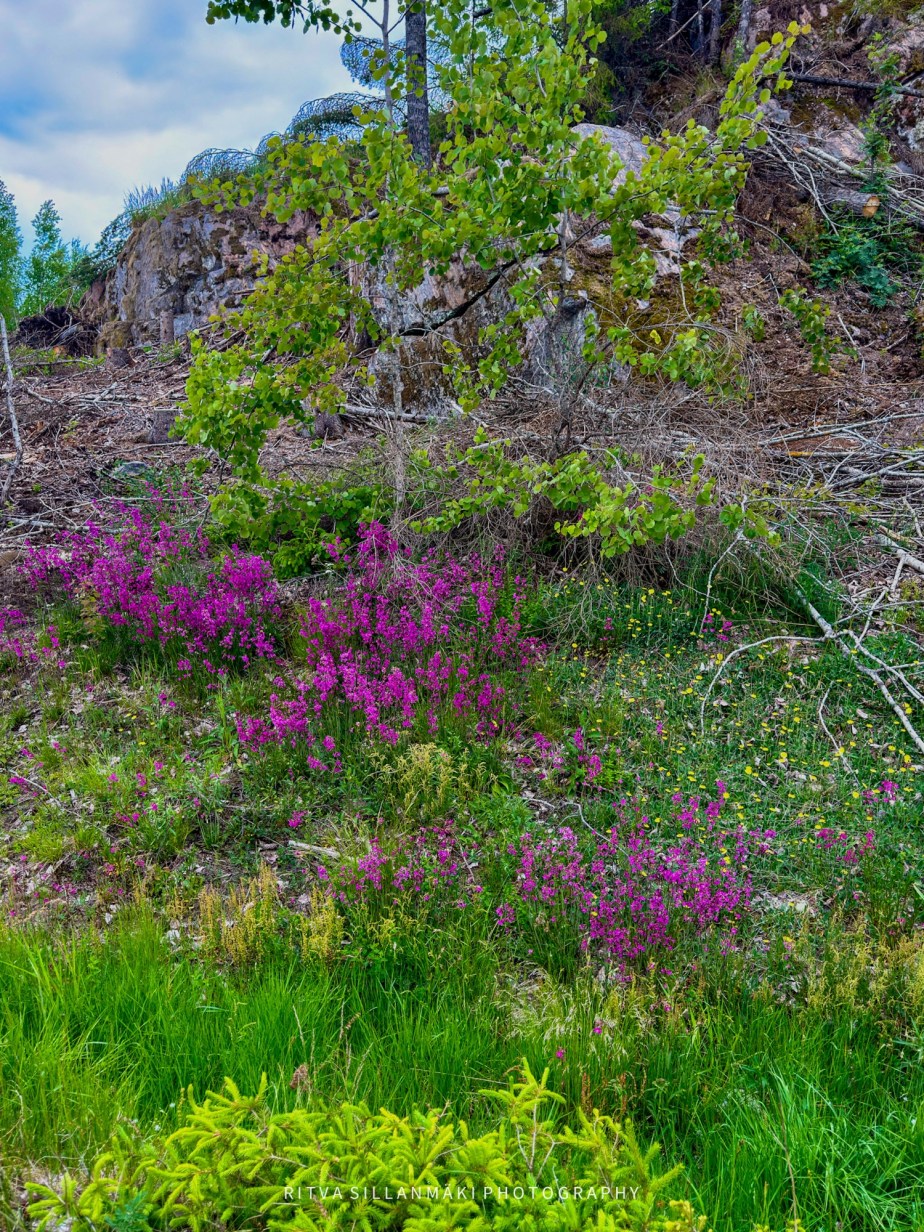
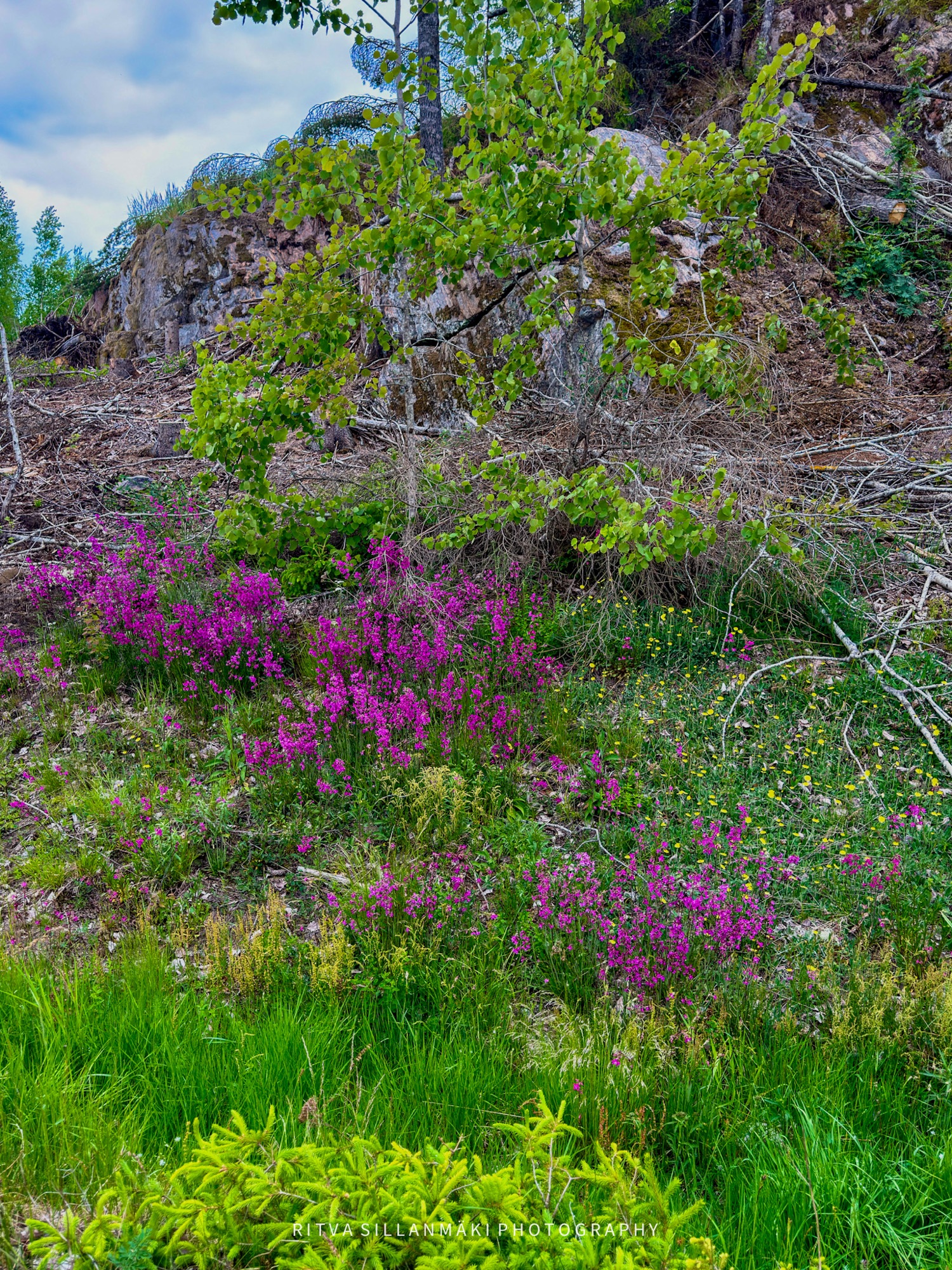
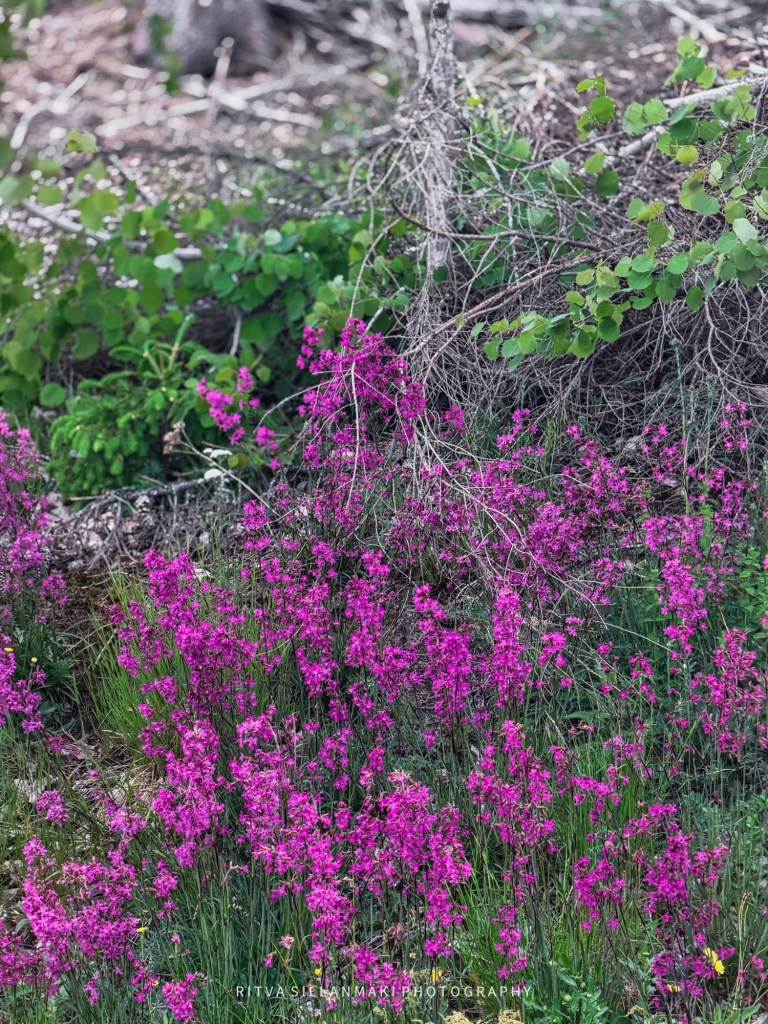
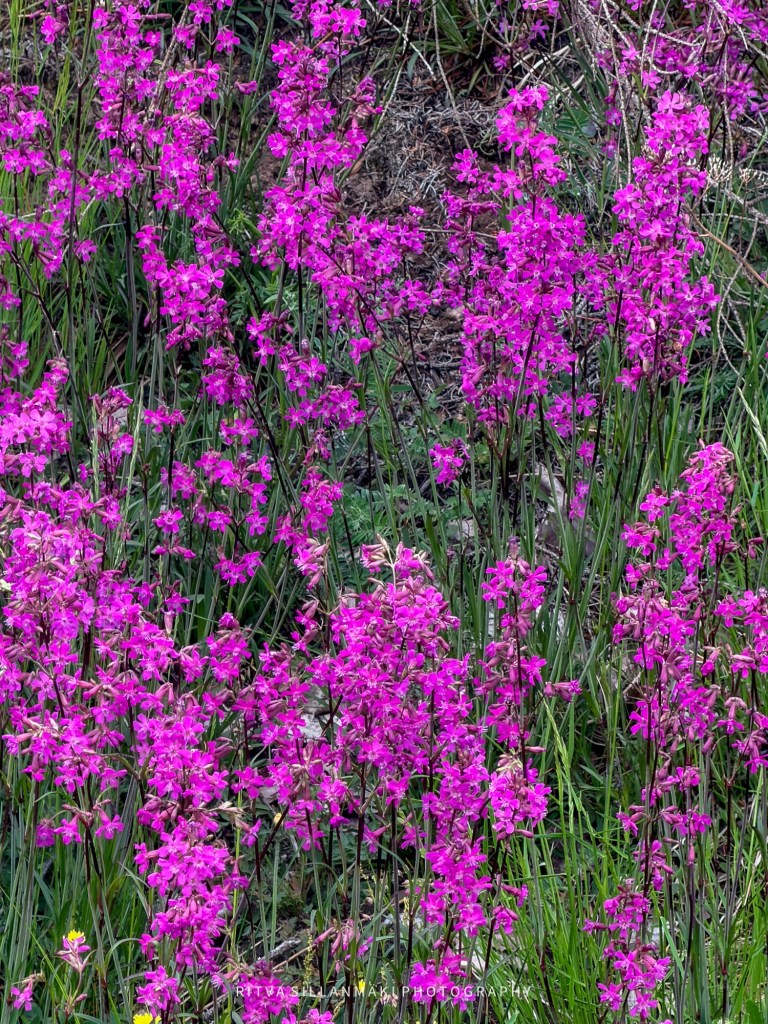
Name also Clammy campion (usa), Red german catchfly

Sticky catchfly is a plant that originally grew on rocky areas, dry hills, and sandy meadows. It has adapted to human environments, spreading to pastures and sunny roadsides. The plant can survive long droughts thanks to its deep taproot. Its distinctive reddish-brown sticky substance, which covers the upper stem, helps deter predators like ants. You can often see insects stuck to the stem. When picked, the sticky tar gets on your hands. Sometimes, a pink-flowered version can be found that doesn’t secrete any liquid. Its smaller relative, alpine catchfly (V. alpina), secretes very little or no tar at all.

At the start of summer, the red flowers of sticky catchfly attract queen bees, which are busy creating new colonies and pollinating. When the queen is in the hive caring for her young, the smaller worker bees are less effective at pollination. The flowers also draw in various insects, like butterflies, flower flies, and small beetles. Additionally, pollinators can spread diseases, such as spores from parasitic ustilaginales fungi, and even the sticky substance on the stem doesn’t protect catchfly from these harmful pests.
Shared with John’s Cellpic Sunday

Every year, I notice the same things in my yard: how different plants pop up, showcasing vibrant colors and unique textures. I end up taking photos, even though I have so many already in my archive. It’s a delightful ritual, as I love capturing the changing seasons and the various stages of growth; each snapshot reflects nature’s resilience and beauty. But that’s how it usually works: every bloom is a fleeting moment that deserves to be immortalized. Now, I have edited some of my old images to highlight the intricate details that my eyes may have overlooked previously, breathing new life into them and allowing me to appreciate the wild plants in my yard in a fresh light.
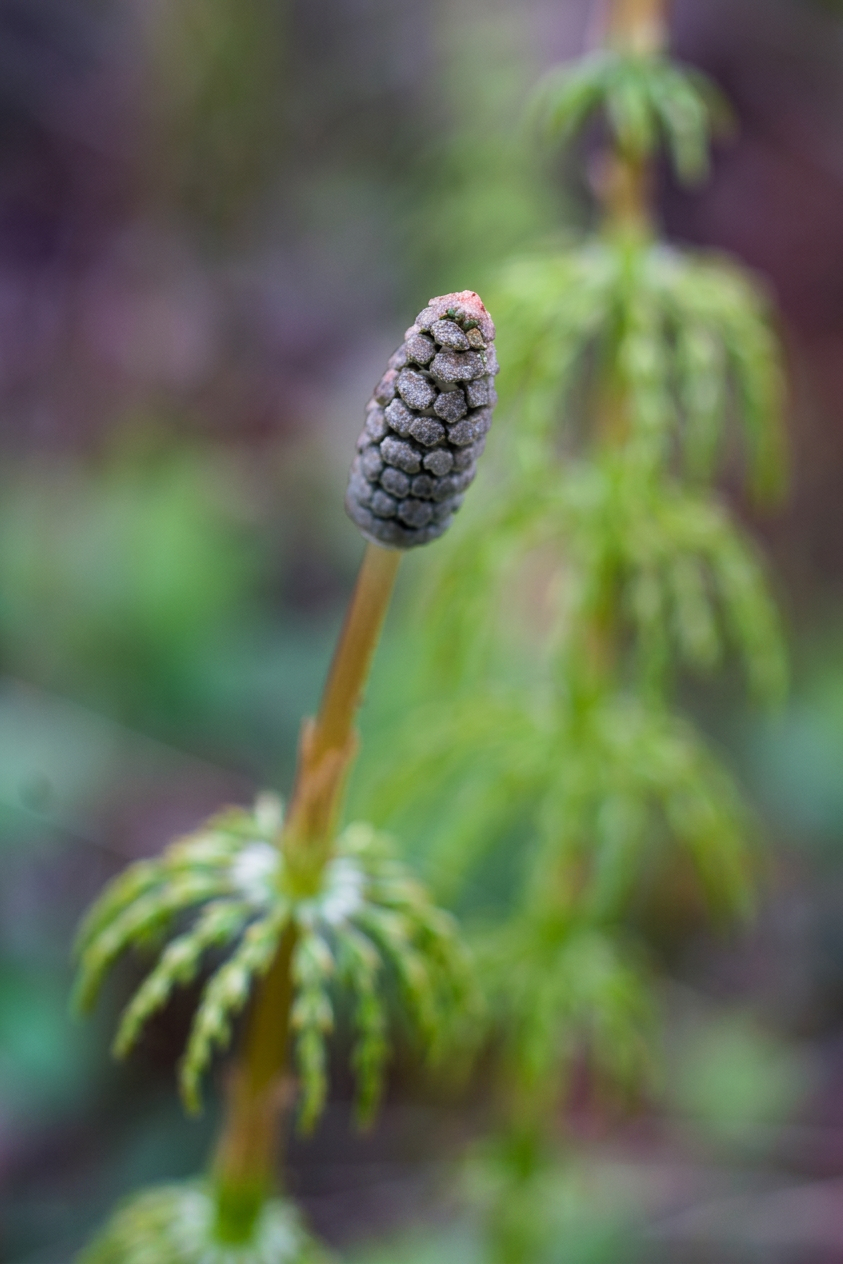
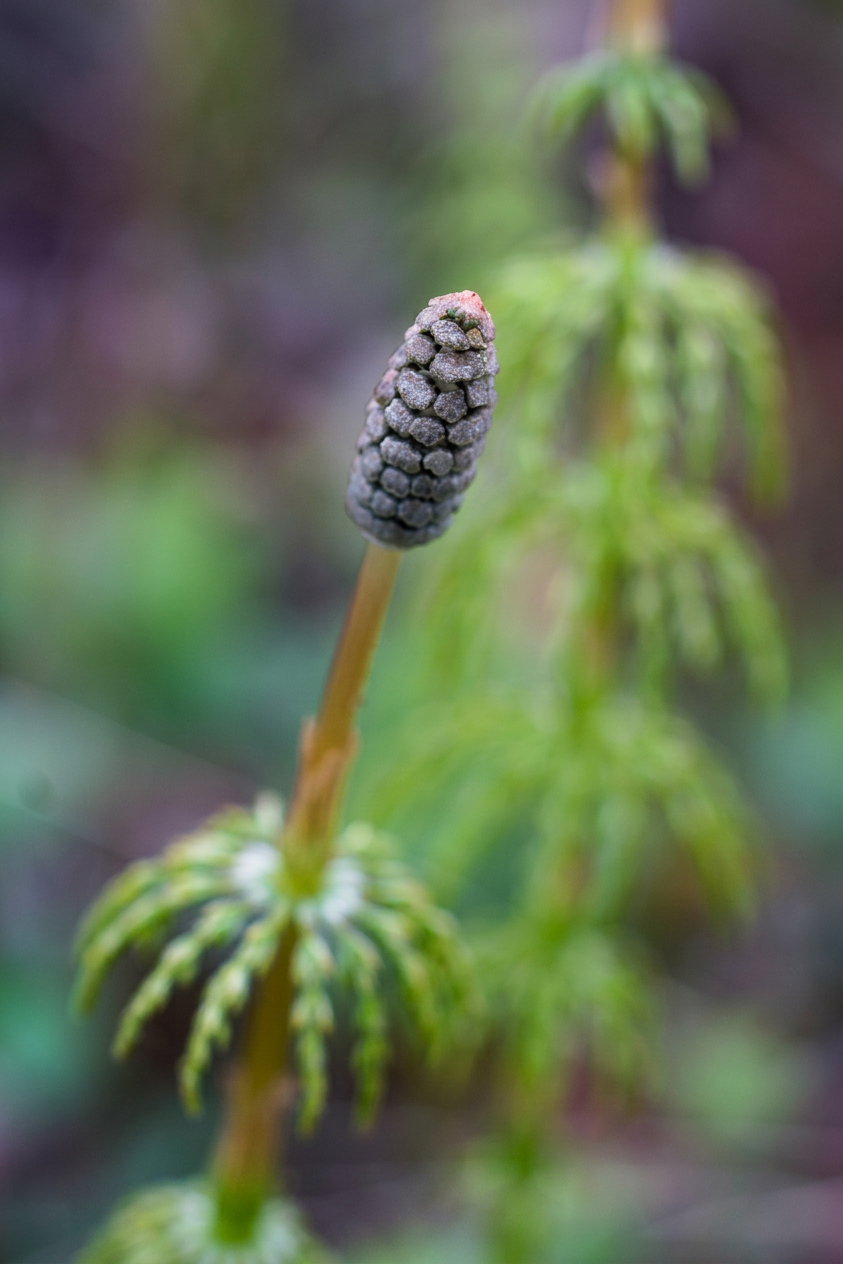
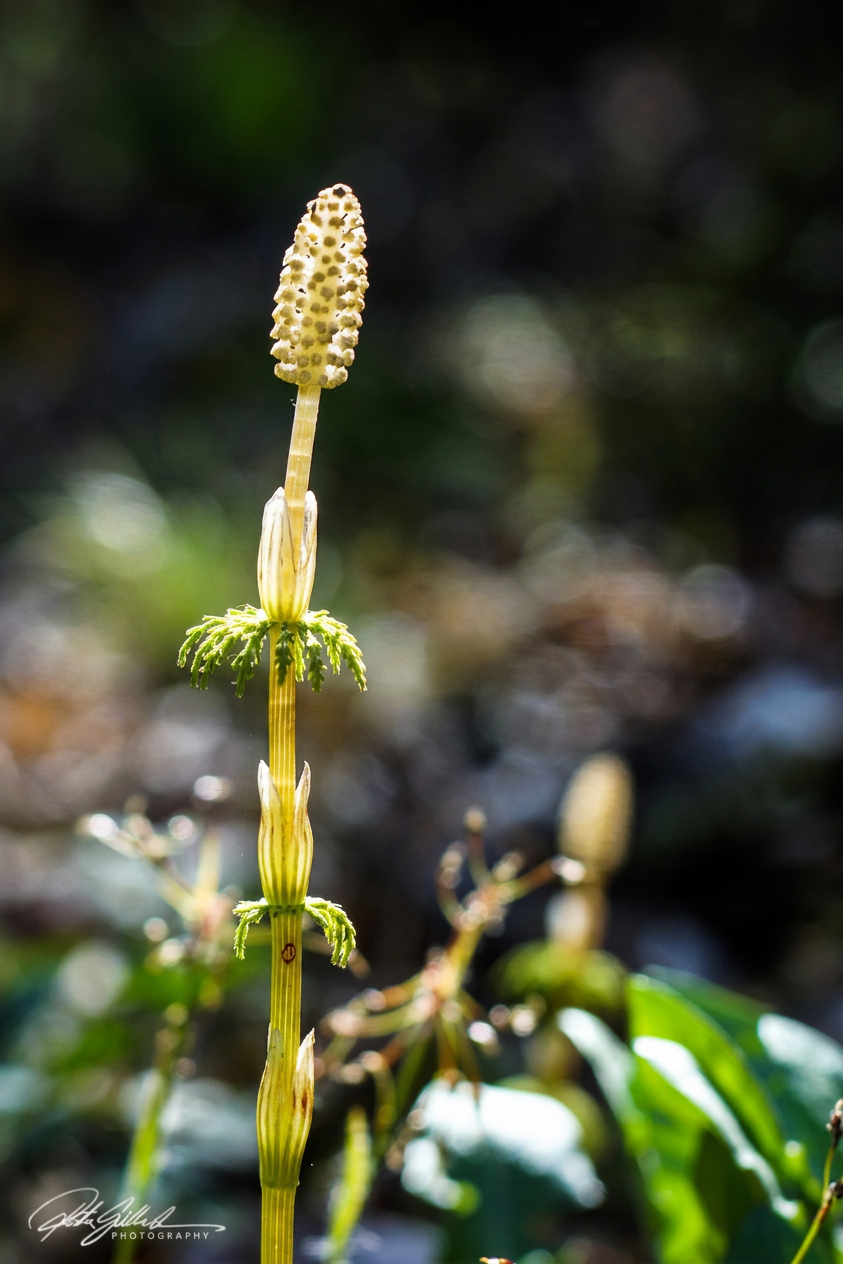
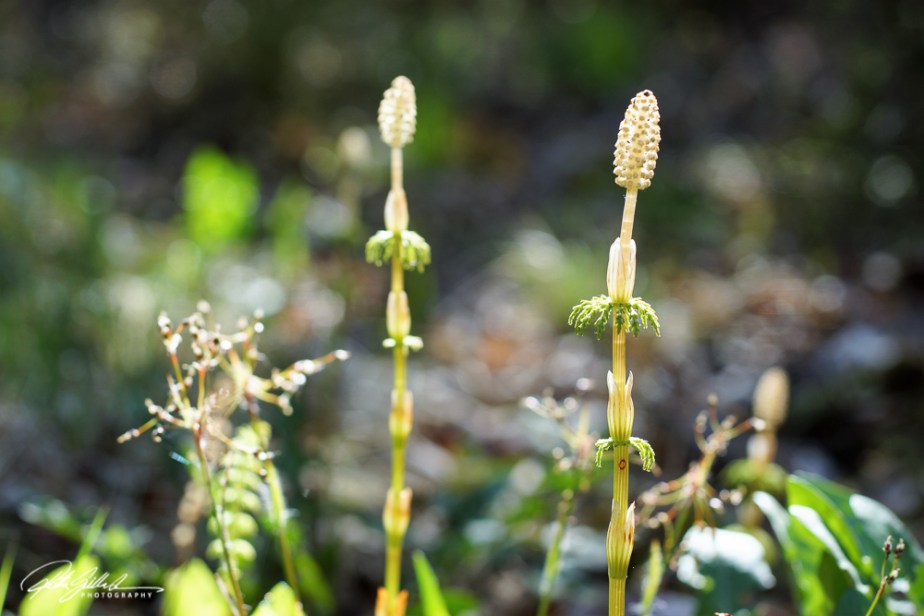
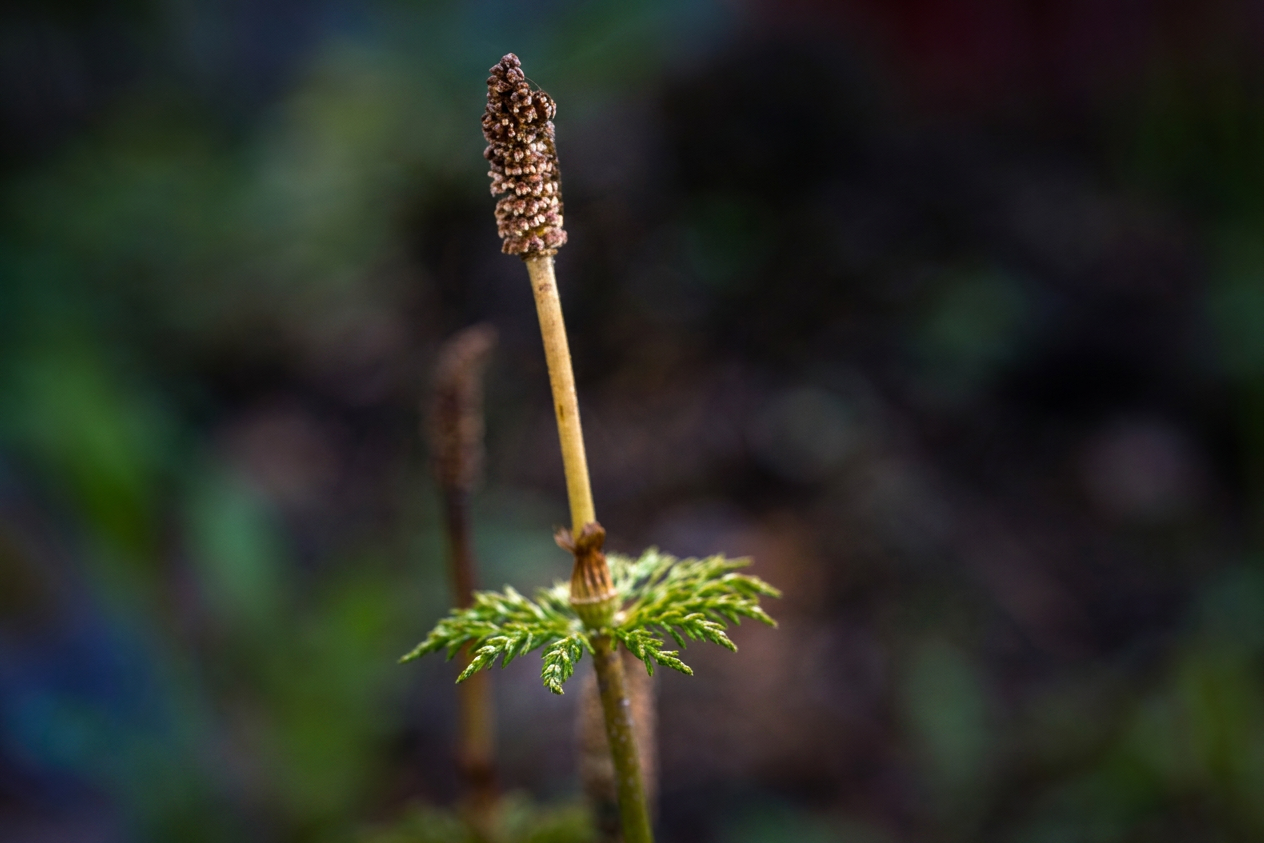
The picture shows a cool shoot of Wood Horsetail (Equisetum sylvaticum), which people in Finland call metsäkorte.

A close-up of a horsetail plant featuring its segmented, cone-like spore-producing structure against a soft green background.
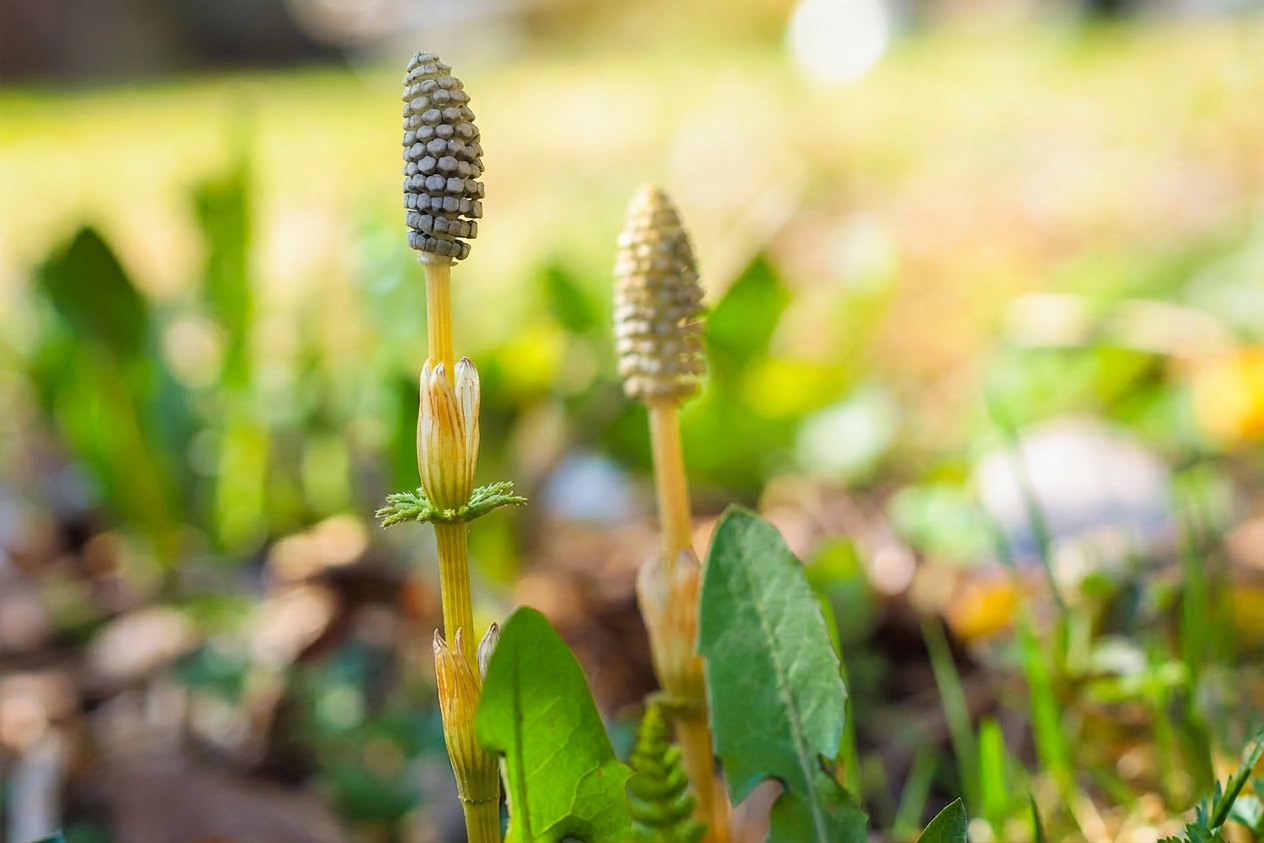
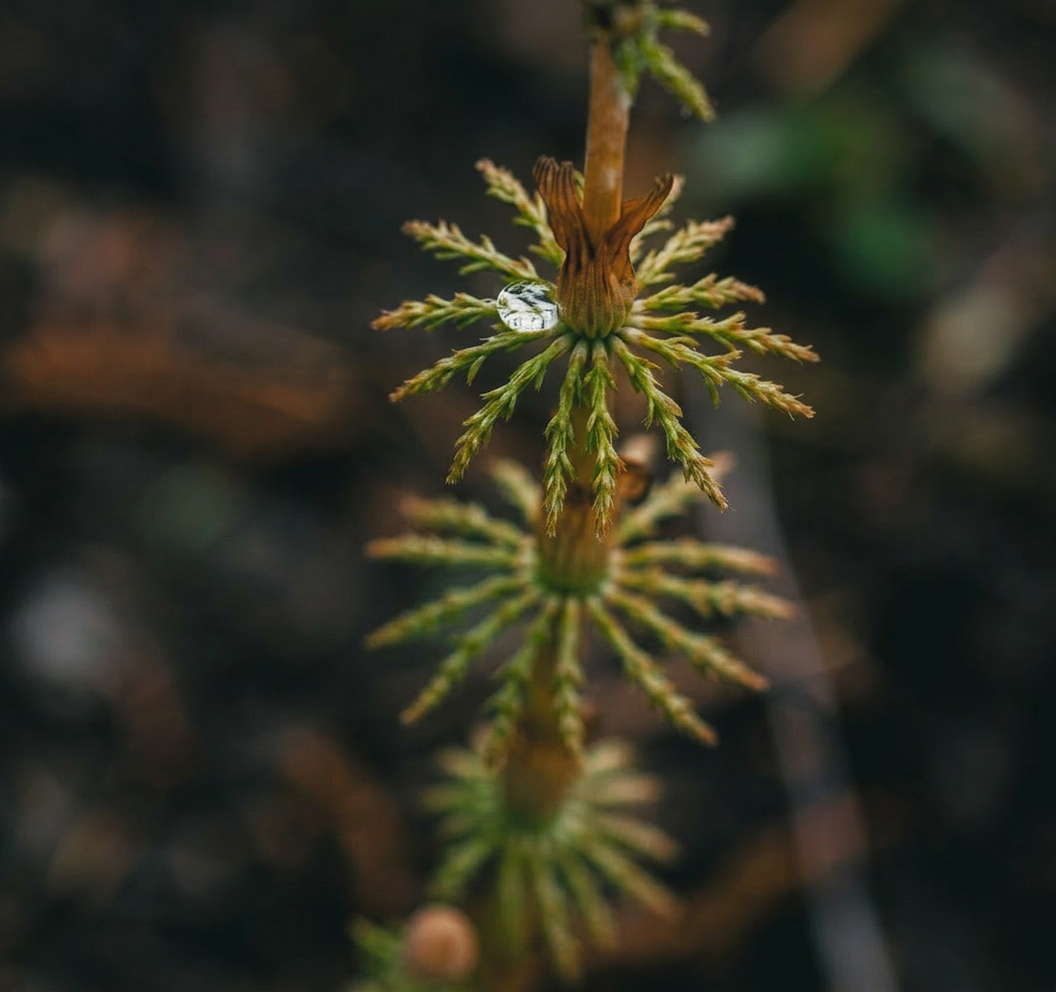
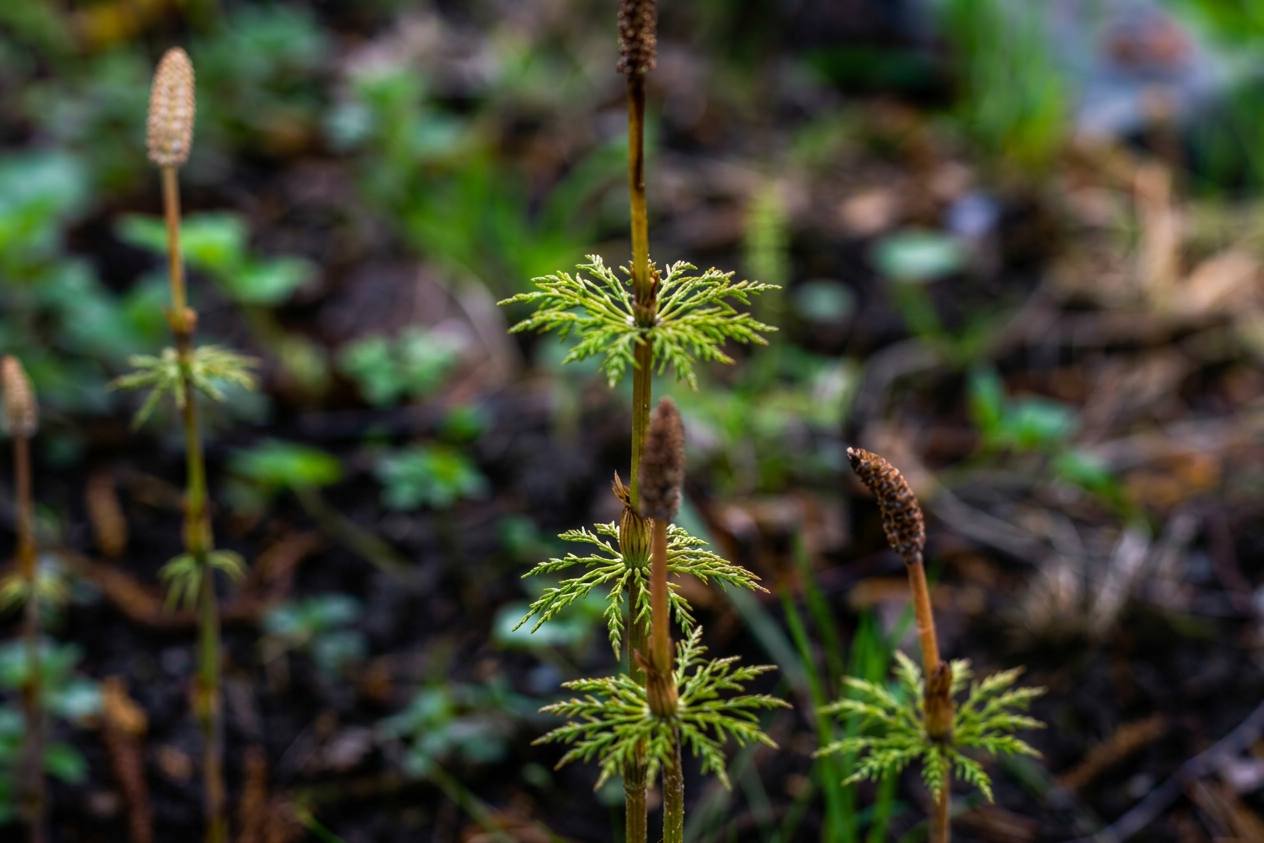
This plant is like a “living fossil” since it spreads by spores rather than seeds. You can spot Wood Horsetail by a few notable features: Branching: It has delicate green branches that form a whorl, unlike the upright Field Horsetail (Equisetum arvense). Cone (Strobilus): At the top, there’s a structure resembling a pinecone, which holds the spore sacs. Growth Habit: It starts off tan and without leaves, but the shoots eventually turn green and sprout feathery branches. Sheaths: The stem is adorned with reddish-brown leaf sheaths that are fused into lobes. You’ll often find Wood Horsetail in moist areas such as peaty soils, damp woods, and marshes.

A close-up of a horsetail plants


A close-up of horsetail plant with a single water droplet resting on its leaves against a blurred natural background.


I have no last words for this post, other than have a great weekend, and I truly hope it is a sunny one. Embrace the little things constantly changing weather and the surprises it brings.
When the weather is fine you can enjoy the sunshine and…
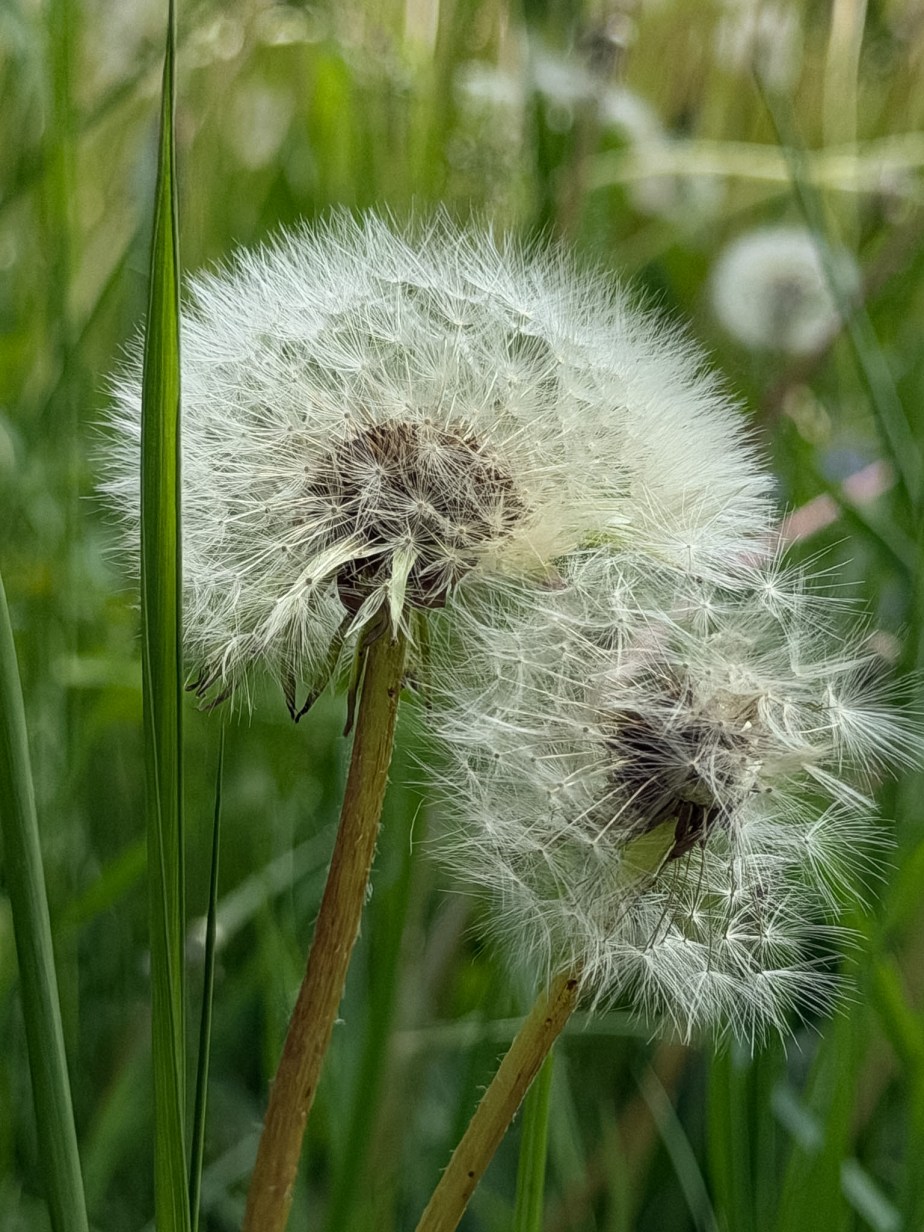
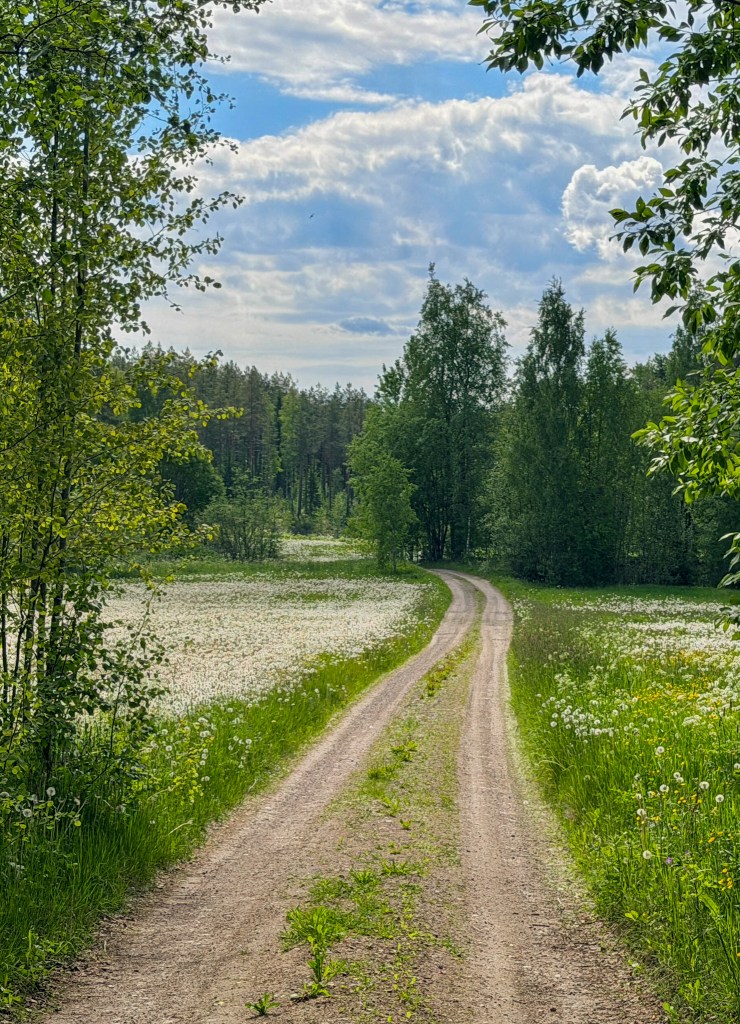
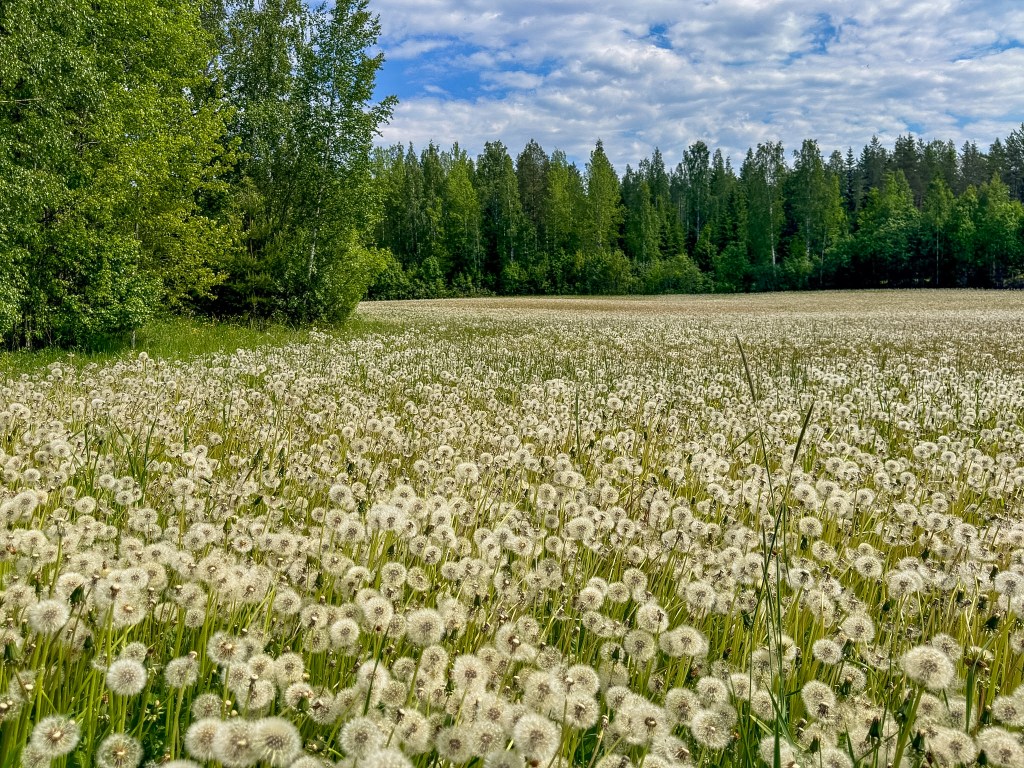
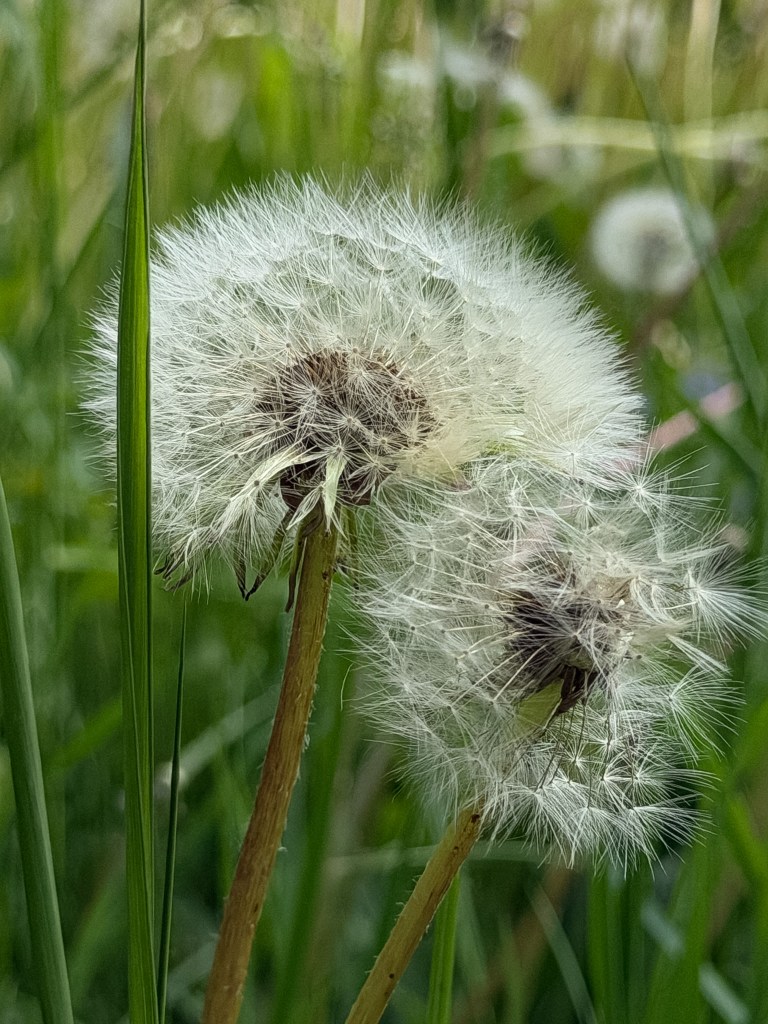
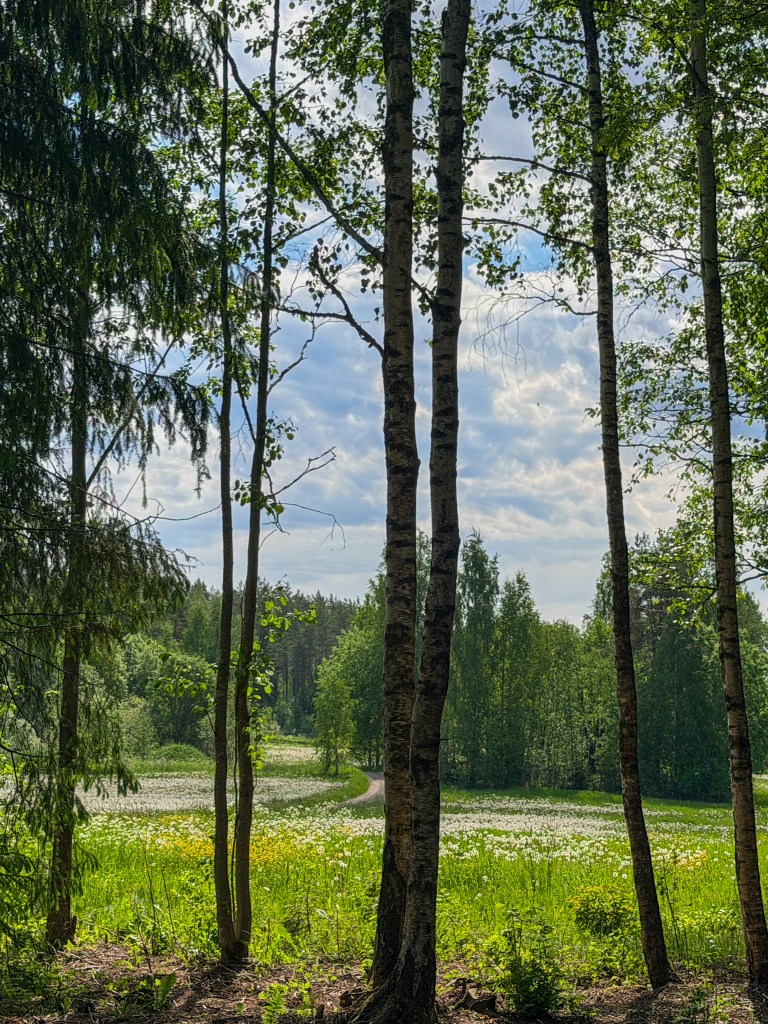
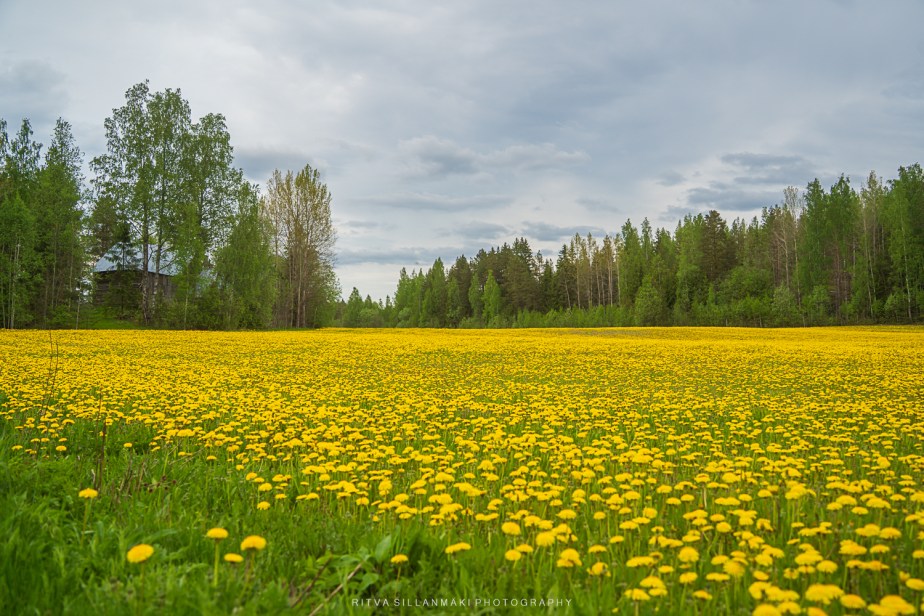
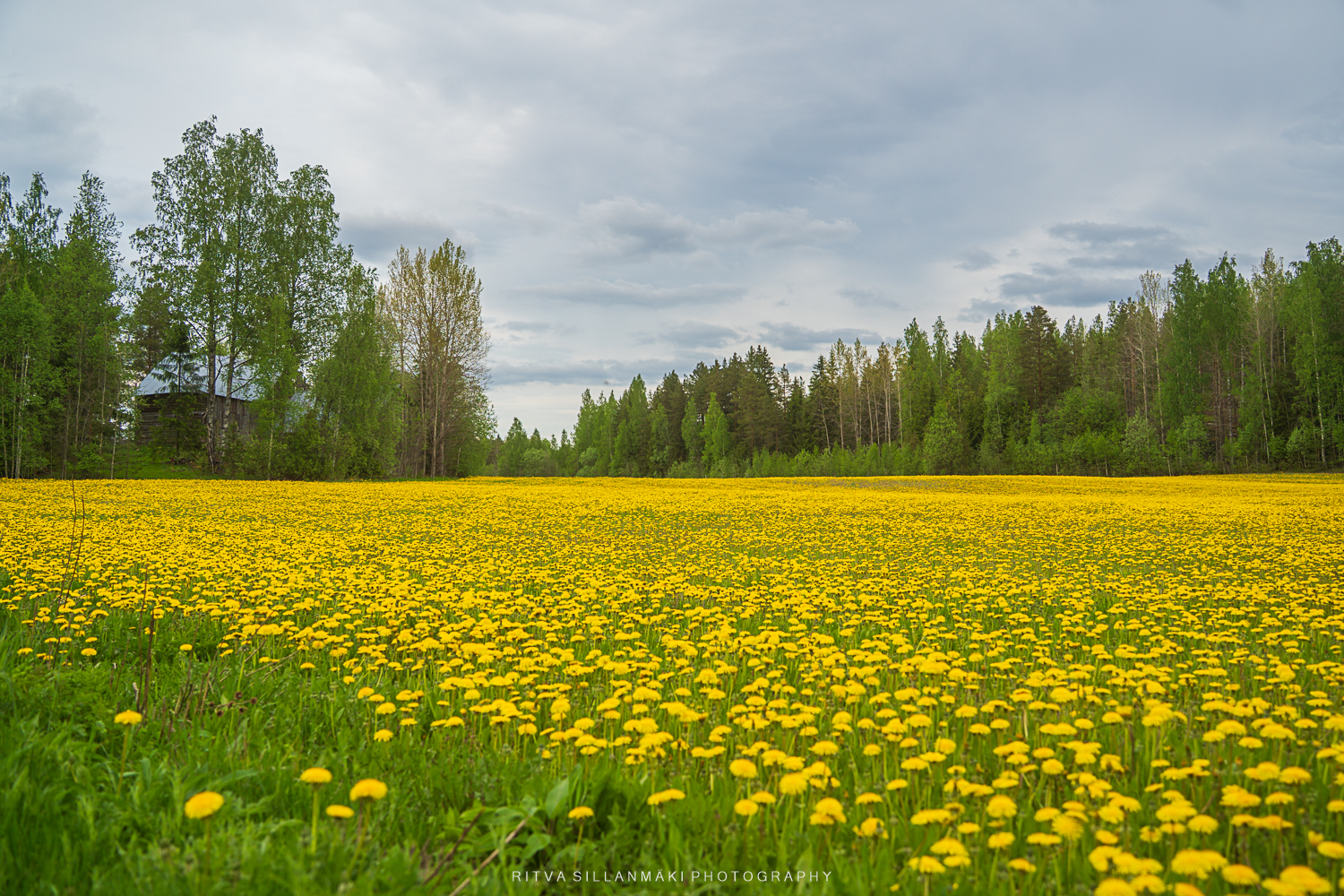
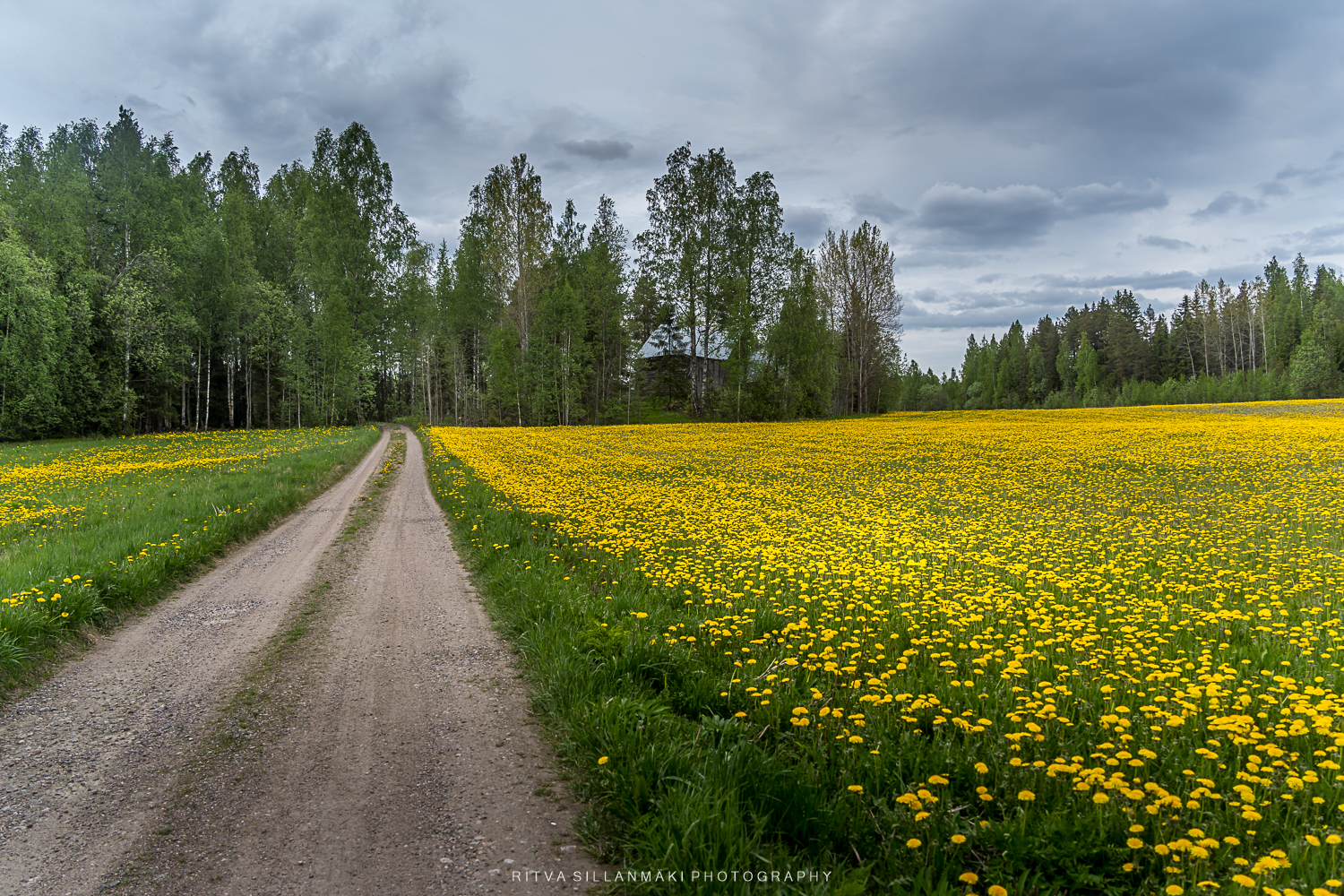
The yellow dandelion fields they have turned white since our last visit, I reckon it looks pretty nice like this too.


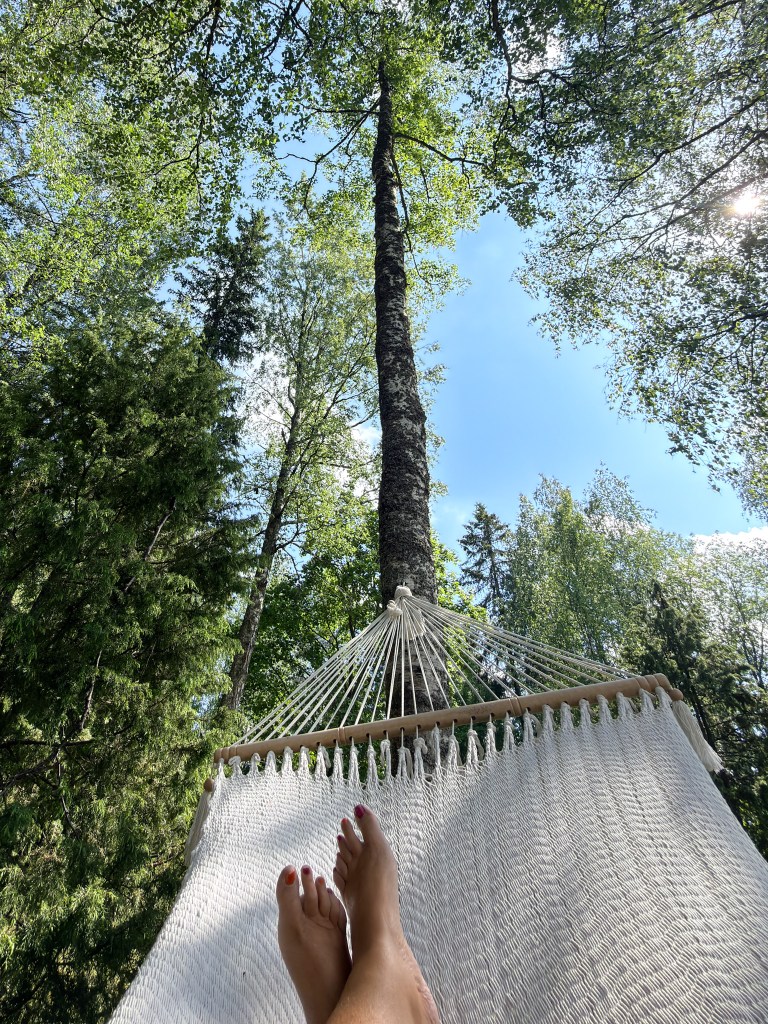
Have a happy Thursday🙂 I am enjoying it in the hammock

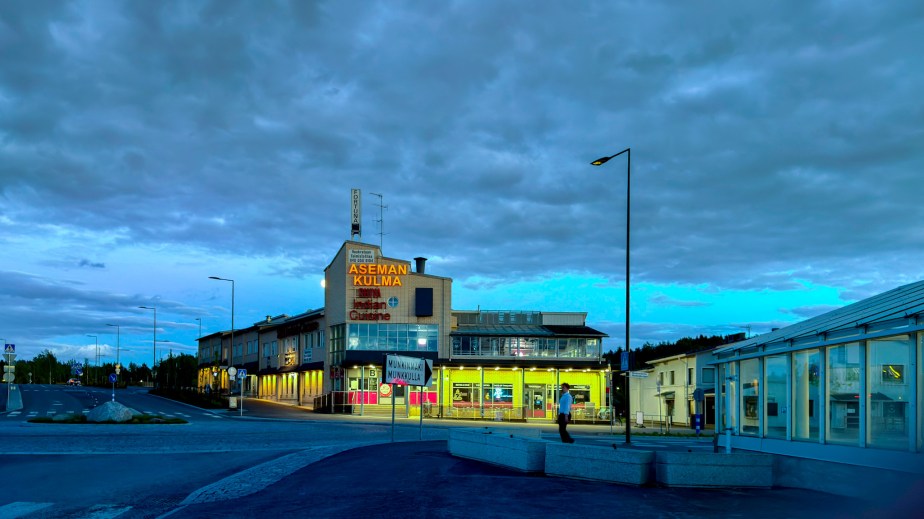
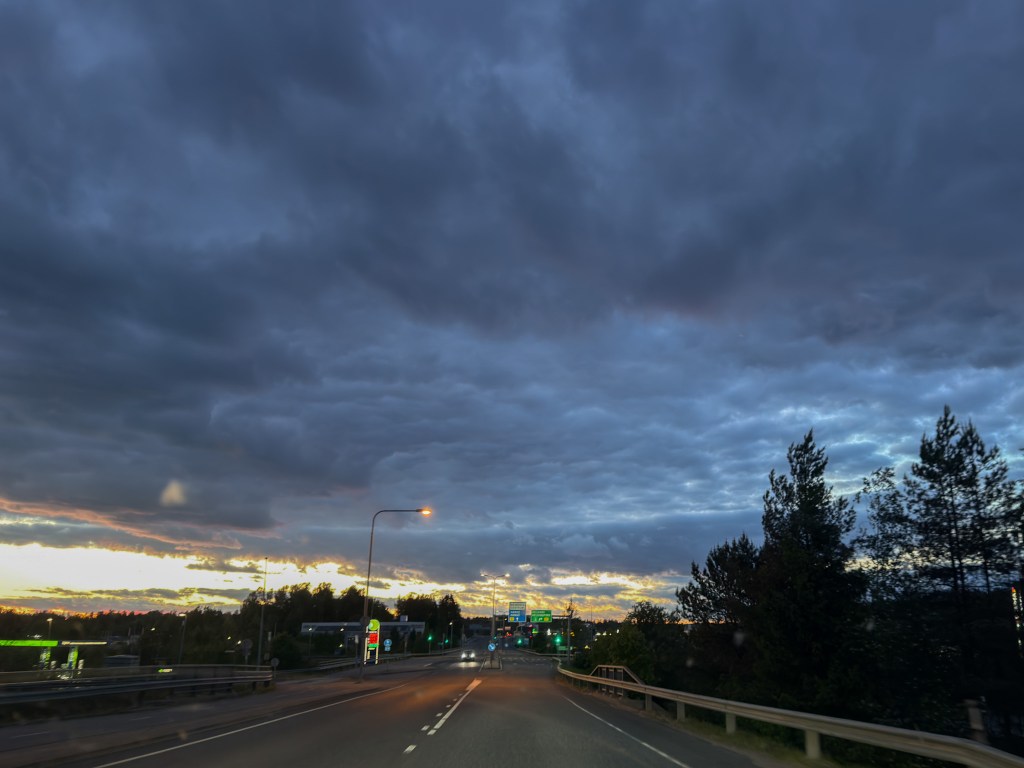
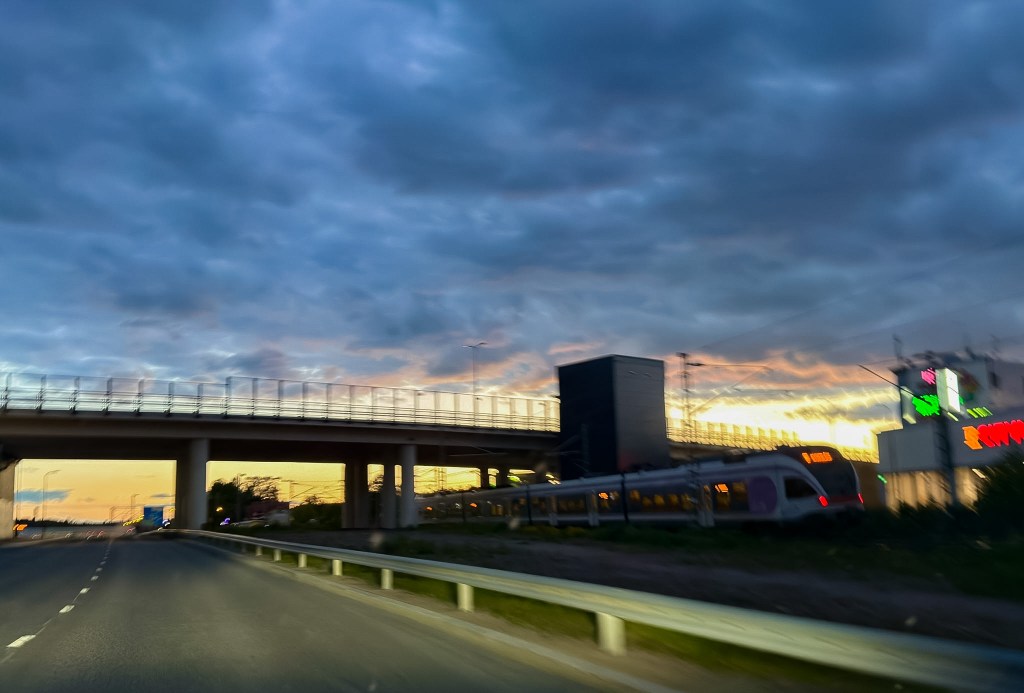
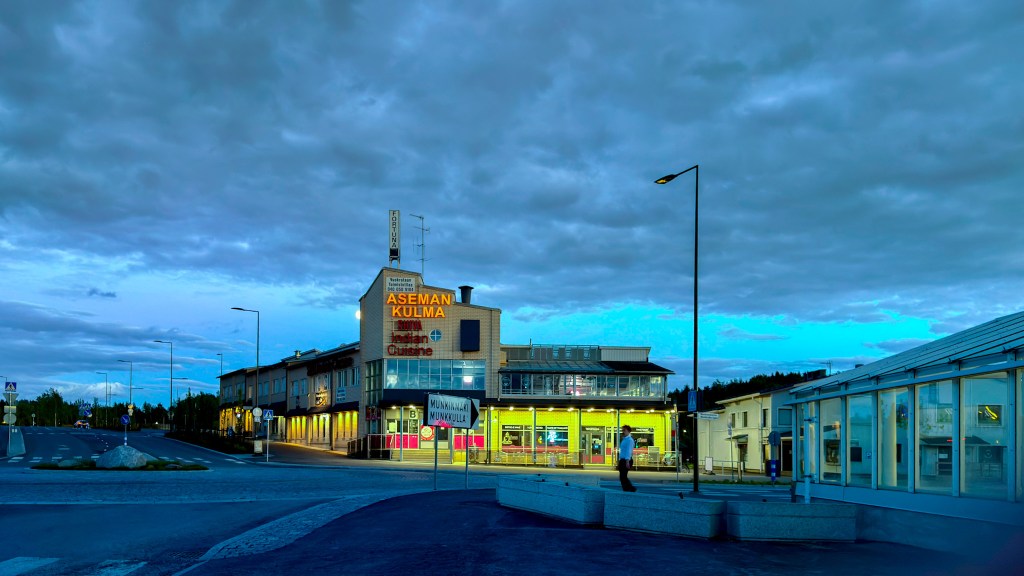
For John’s Cellpic Sunday. I Post photos from few days back, I went to pick up my husband from the train so I took the opportunity to take few photos. I know I shouldn’t take photos while I drive, but the roads were empty of traffic


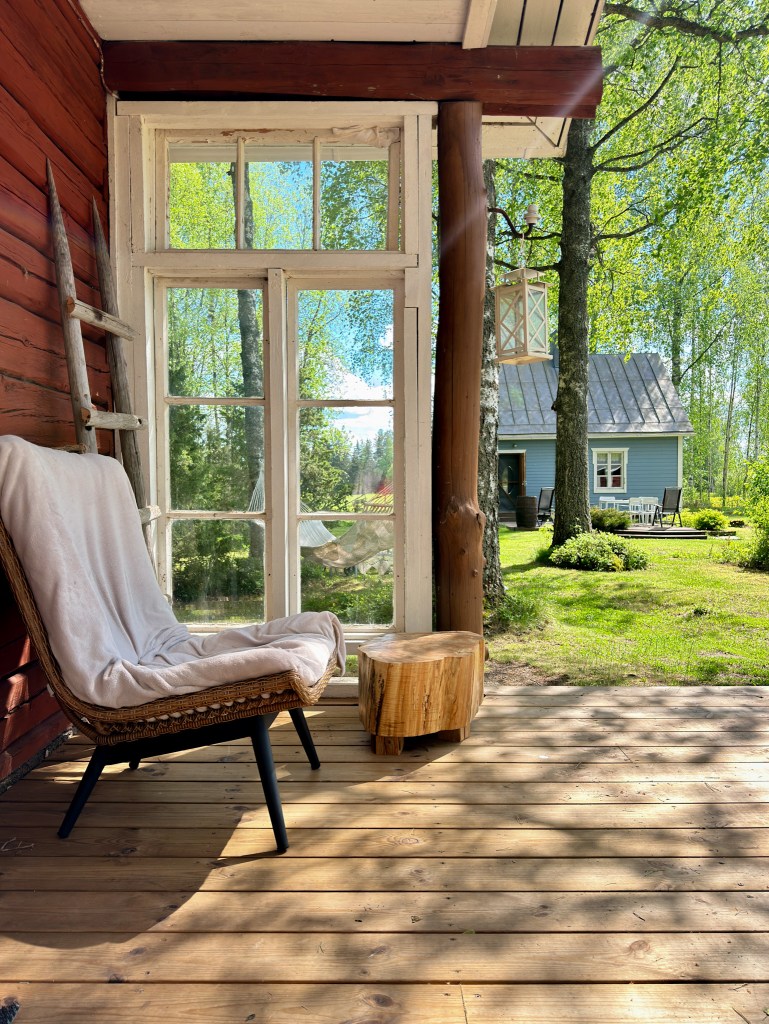
This is fresh from the camera, one of my favorite spots to sit and relax Monday Window

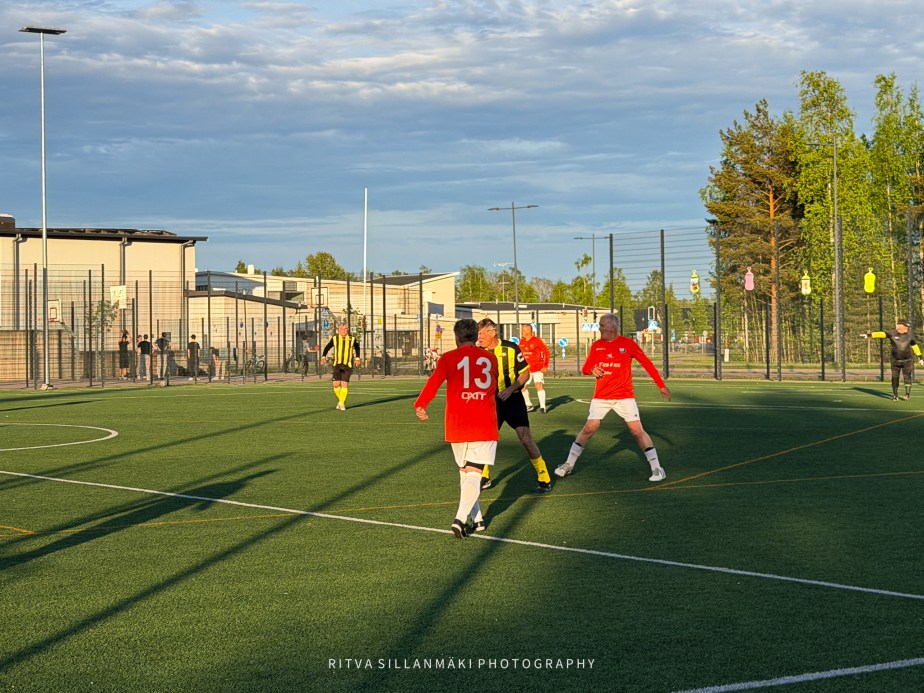
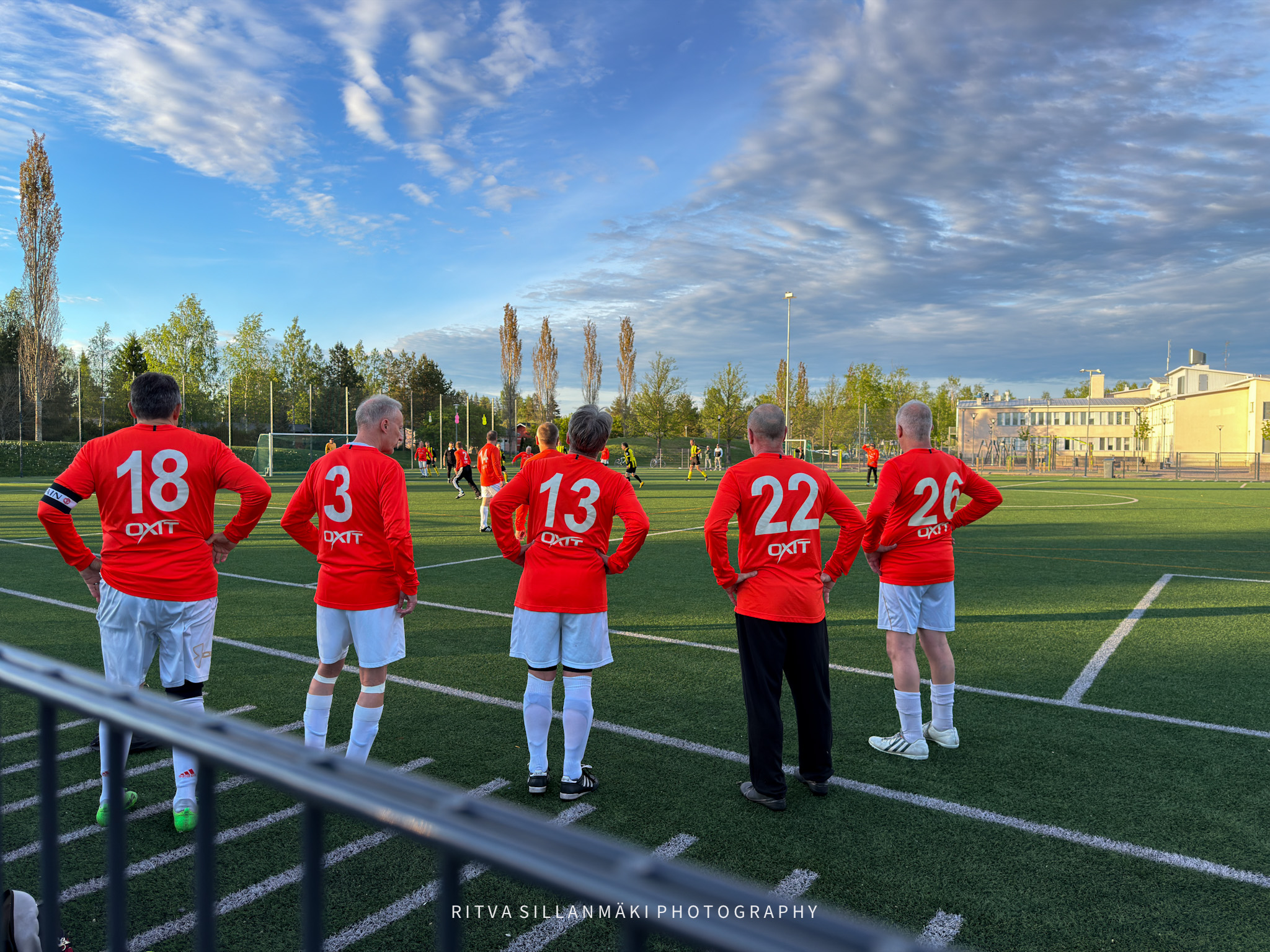
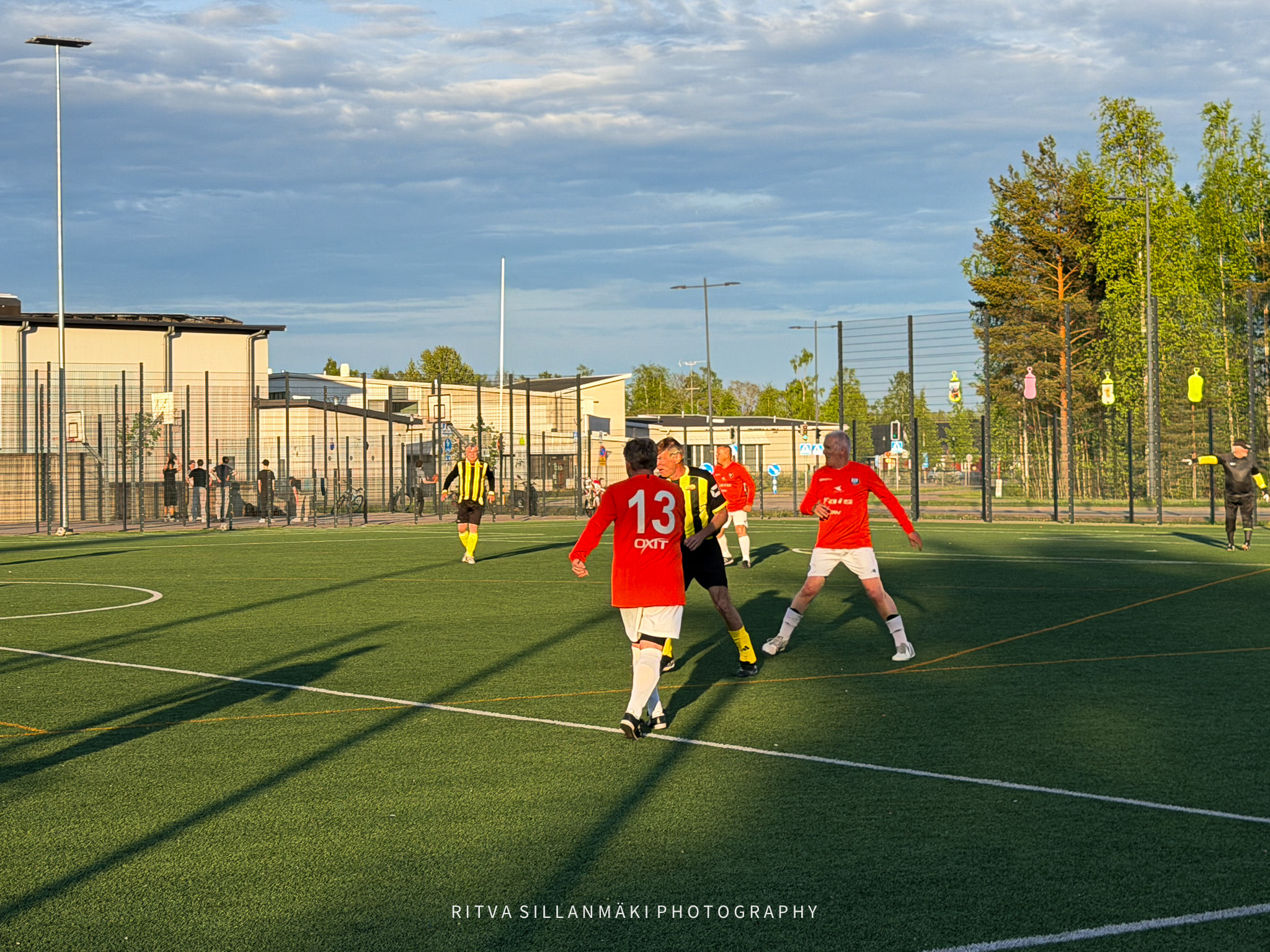
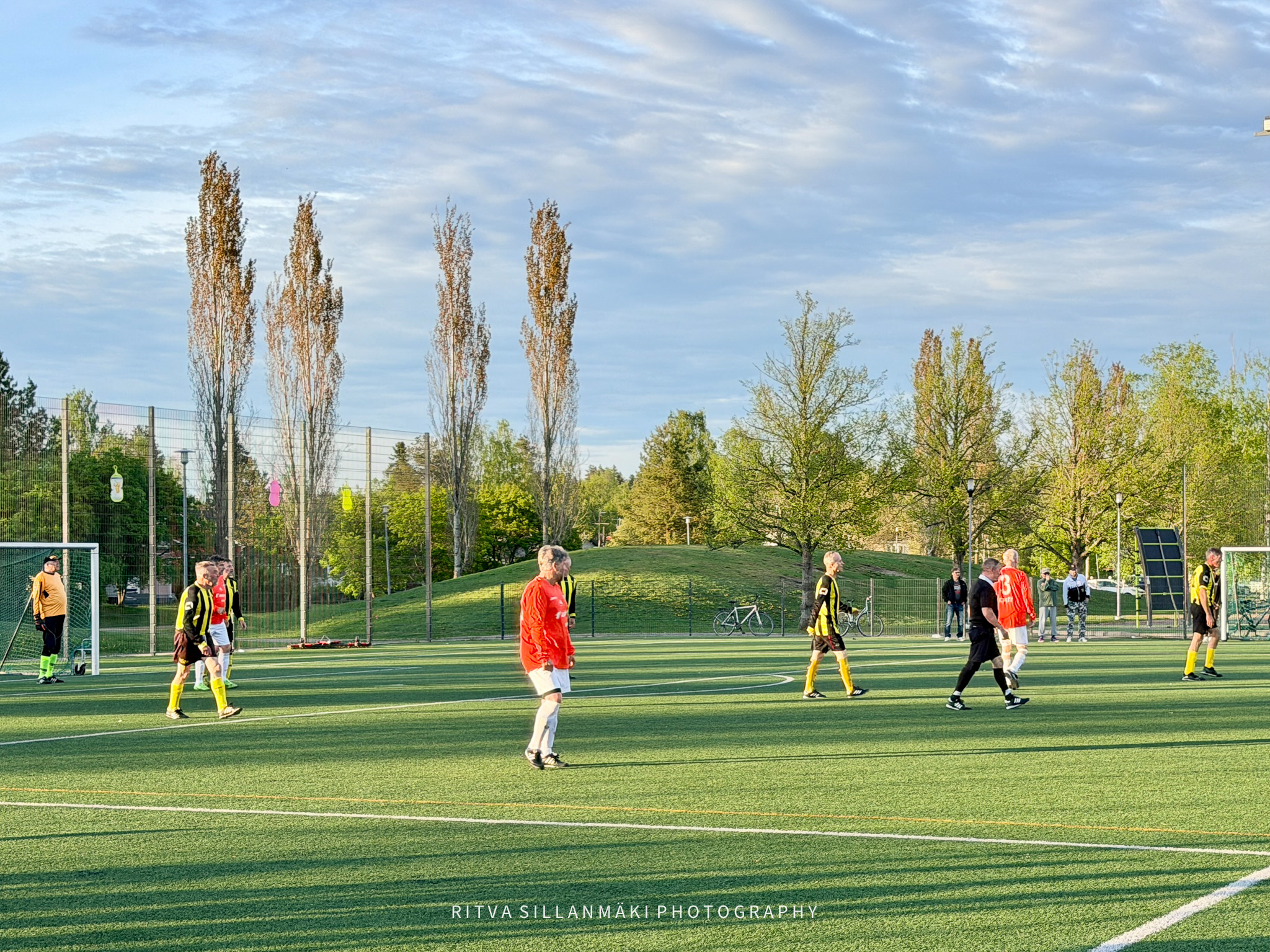
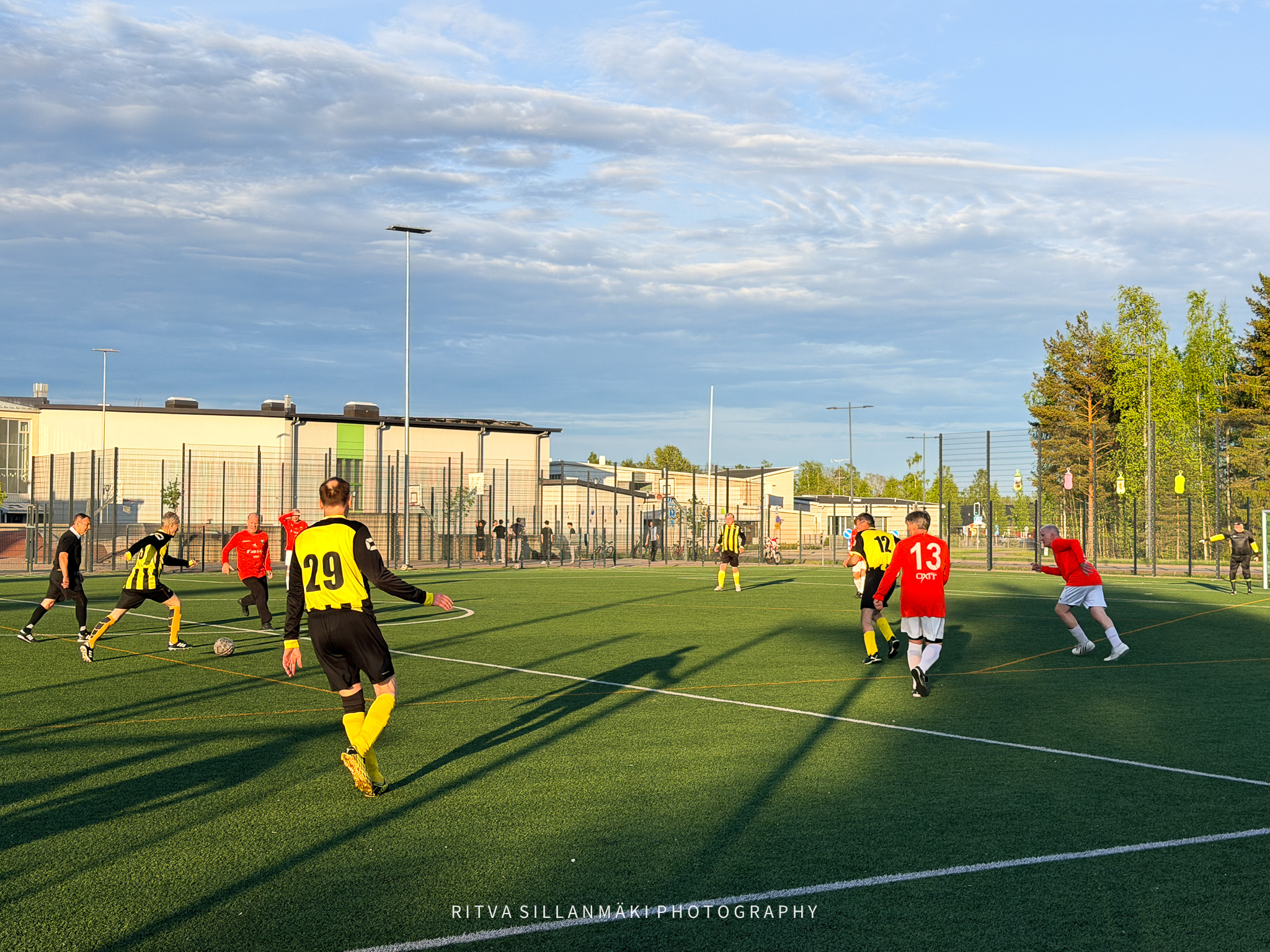
For John’s Cellpic Sunday, I am sharing an inspiring collection of photos showcasing men over 60 in action, embodying the spirit and enthusiasm that often defies age. Their unwavering passion and dedication, demonstrating that soccer is not just a game for the young. These players, full of energy 😊 remind us that the love for the sport can flourish at any stage of life. I am looking how number 13 does in the field.

Well it is typical that men at this age get the field later in the evening, this was around 9 PM


Cloudy skies, occasionally bit of rain, that is what we have had in the weather front in the past few days with couple hours off sunshine. So here are shots from the road leading to our summer place taken yesterday afternoon. Linking up with Skywatch Friday ~ 22/5/2026, I haven’t participated in skywatch for years, at one time I was a frequent visitor.


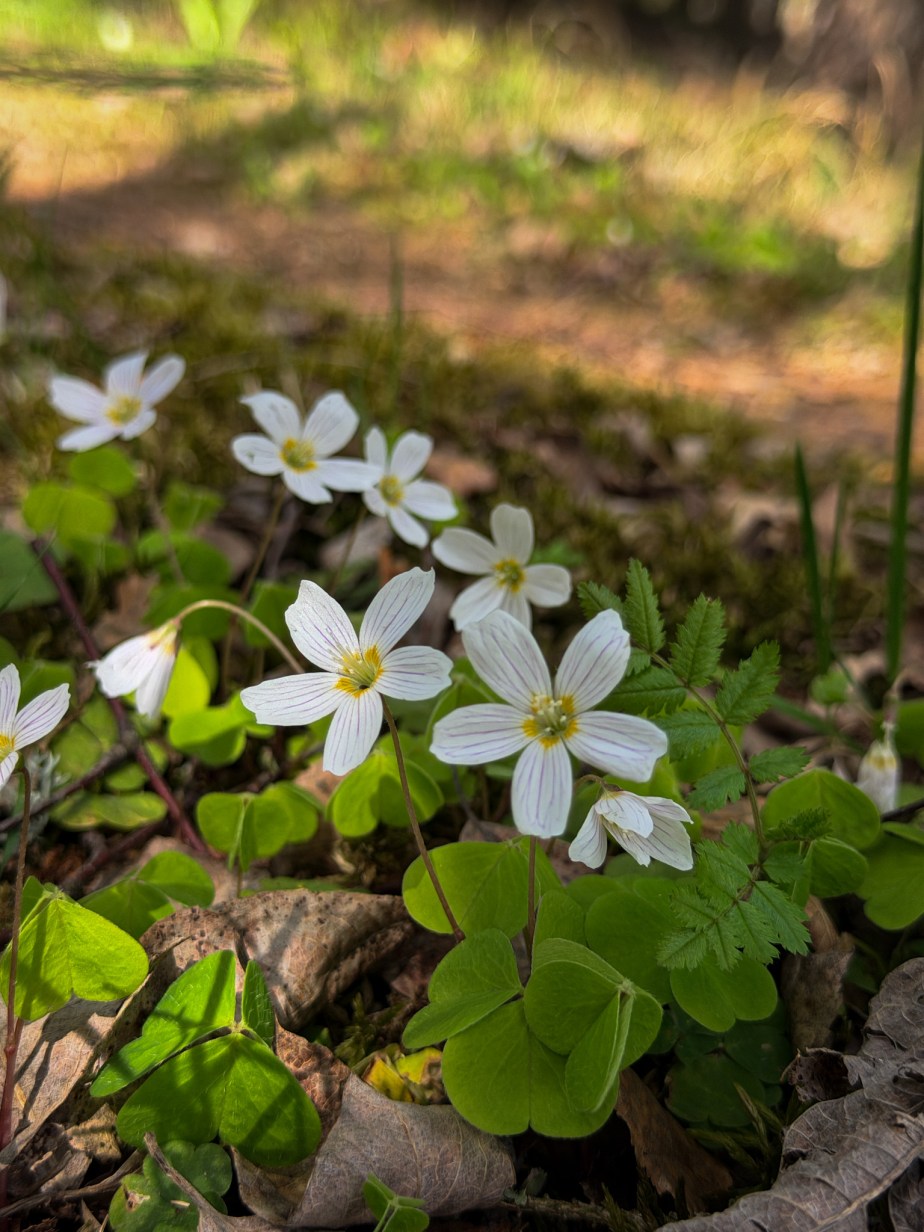
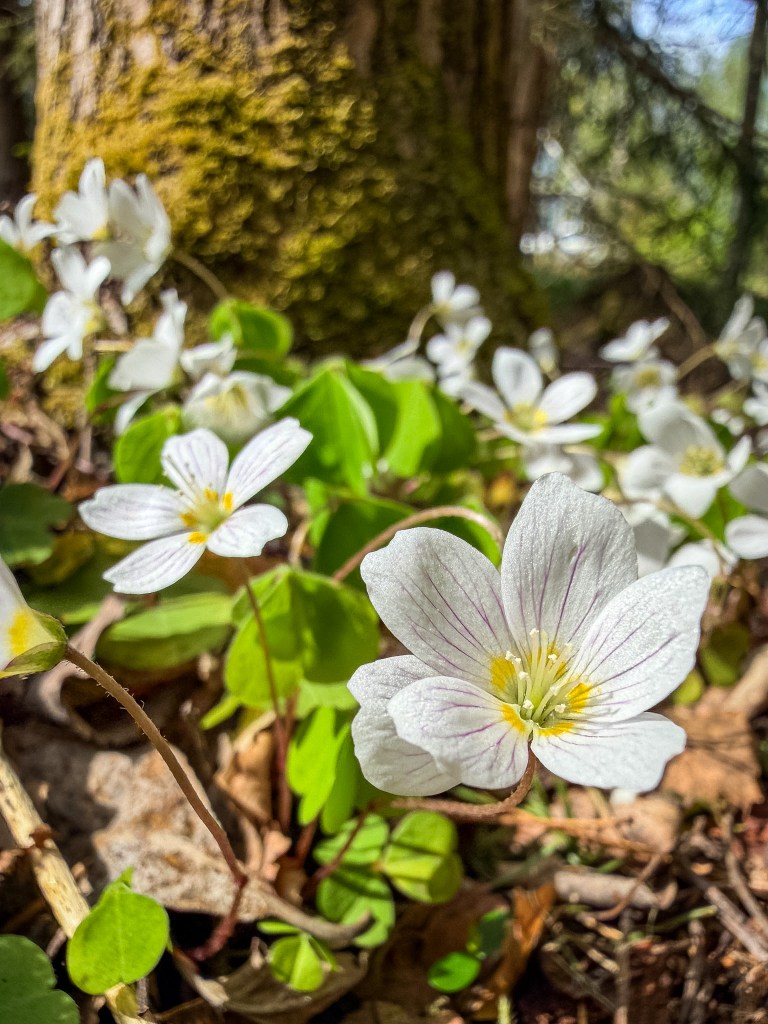
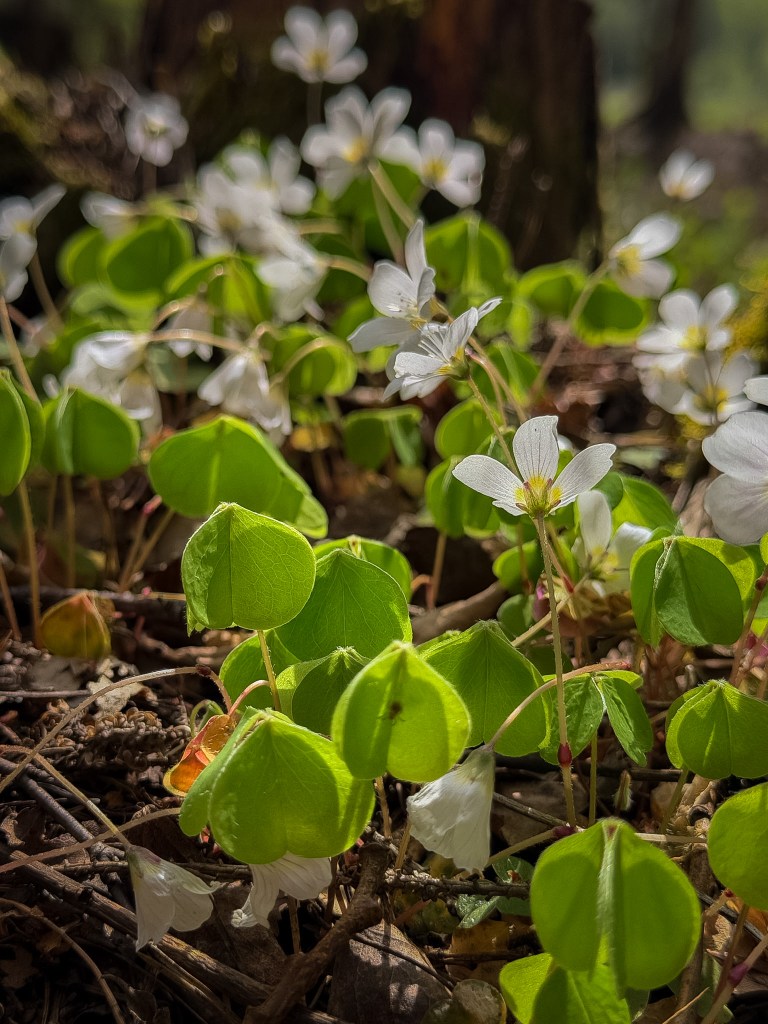
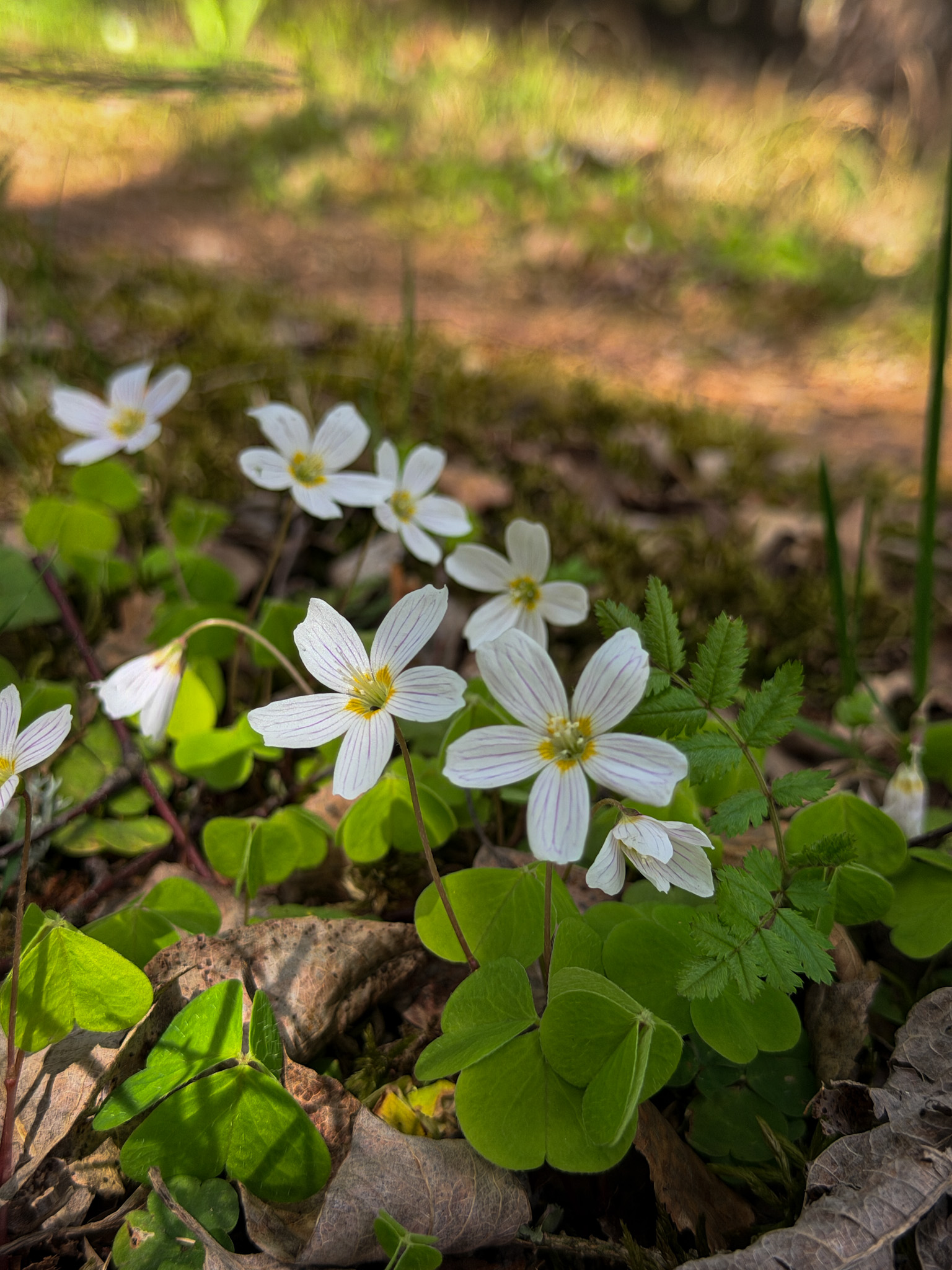
Spring flowers in nature bloom and fade so quickly, their beauty often lasting only a fleeting moment. Last weekend, I took these shots of wood sorrels, capturing their delicate petals and delicate flowers while they were still alive in the warm sunlight. However, this week, there is only the green leaves left, as nature effortlessly transitions to palette of greens.

The taste of the wood sorrel is familiar to many from childhood summers, used to pick them up while playing with friends in the woods. The flavor is refreshingly sour, now I know it is due to the oxalic acid it contains just like rhubarb. We never used it in fresh in salads, soups, and various sauces, where it adds a lemony tartness as fas as I remember.

The beauty I came across during my walk in the woods was what I was searching for, I spotted these delicate wood sorrels, these white flowers, their thin purple veins and yellow centers really stood out. They were nestled among vibrant green clover-like leaves, surrounded by all sorts of other foliage. I took the photo so that the background was softly blurred, filled with warm earthy tones—think soil, dried leaves, and moss—creating a serene woodland atmosphere. Sunlight was gently illuminating the flowers and leaves, bringing out their textures and colors beautifully. Overall, it was just this quiet moment of wildflower beauty in the forest on a bright day.

Participating in Terri’s The Flower Hour #31

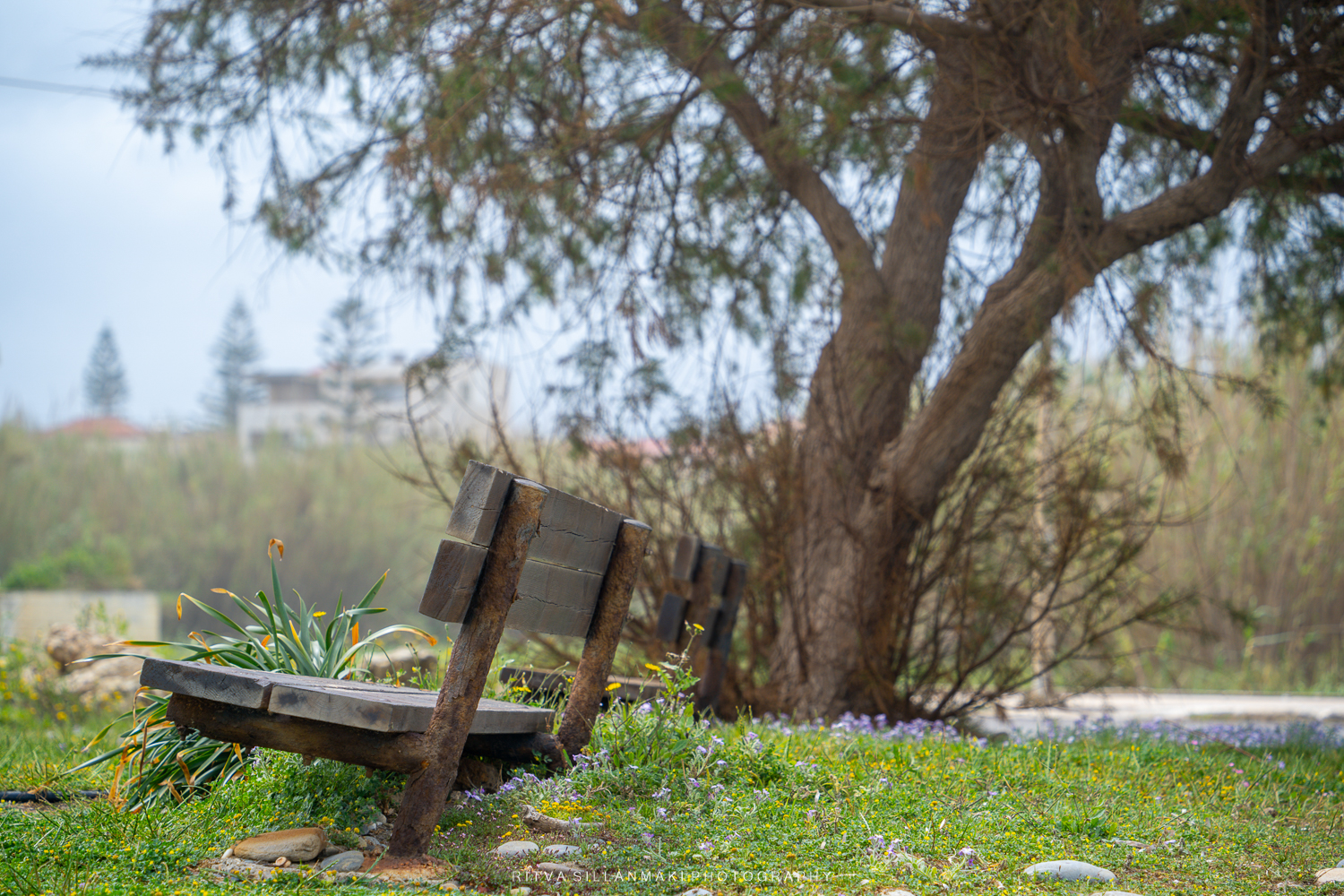
By the beach in Maleme a pair of weathered wooden benches positioned on a grassy patch adorned with small purple and yellow wildflowers, a large, leafy tree with a thick trunk, providing a natural backdrop and some shade. The sky is overcast, casting a soft, muted light over the scene. In the blurred background, distant buildings and conifer trees are faintly visible, adding depth and context to this tranquil outdoor setting. My last on the card is from Crete.

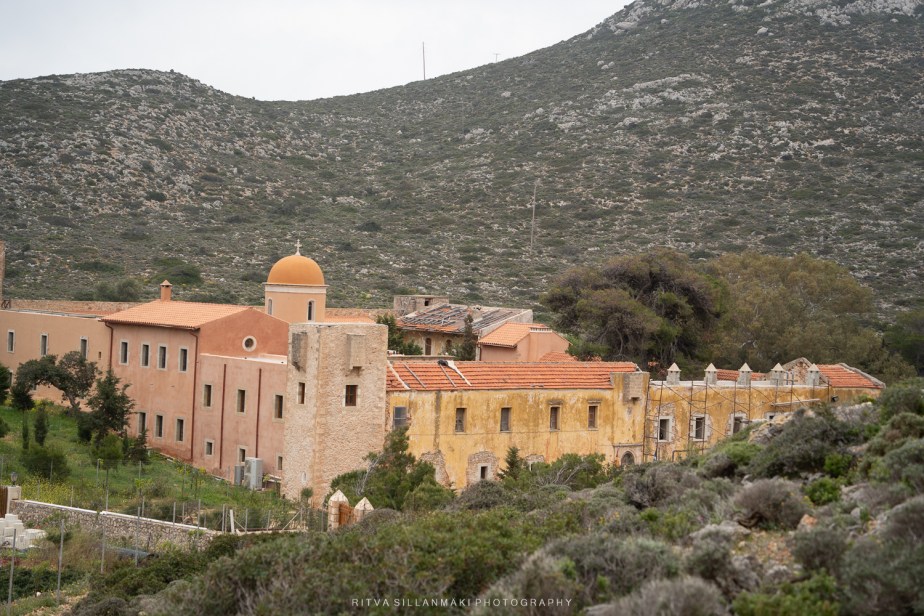
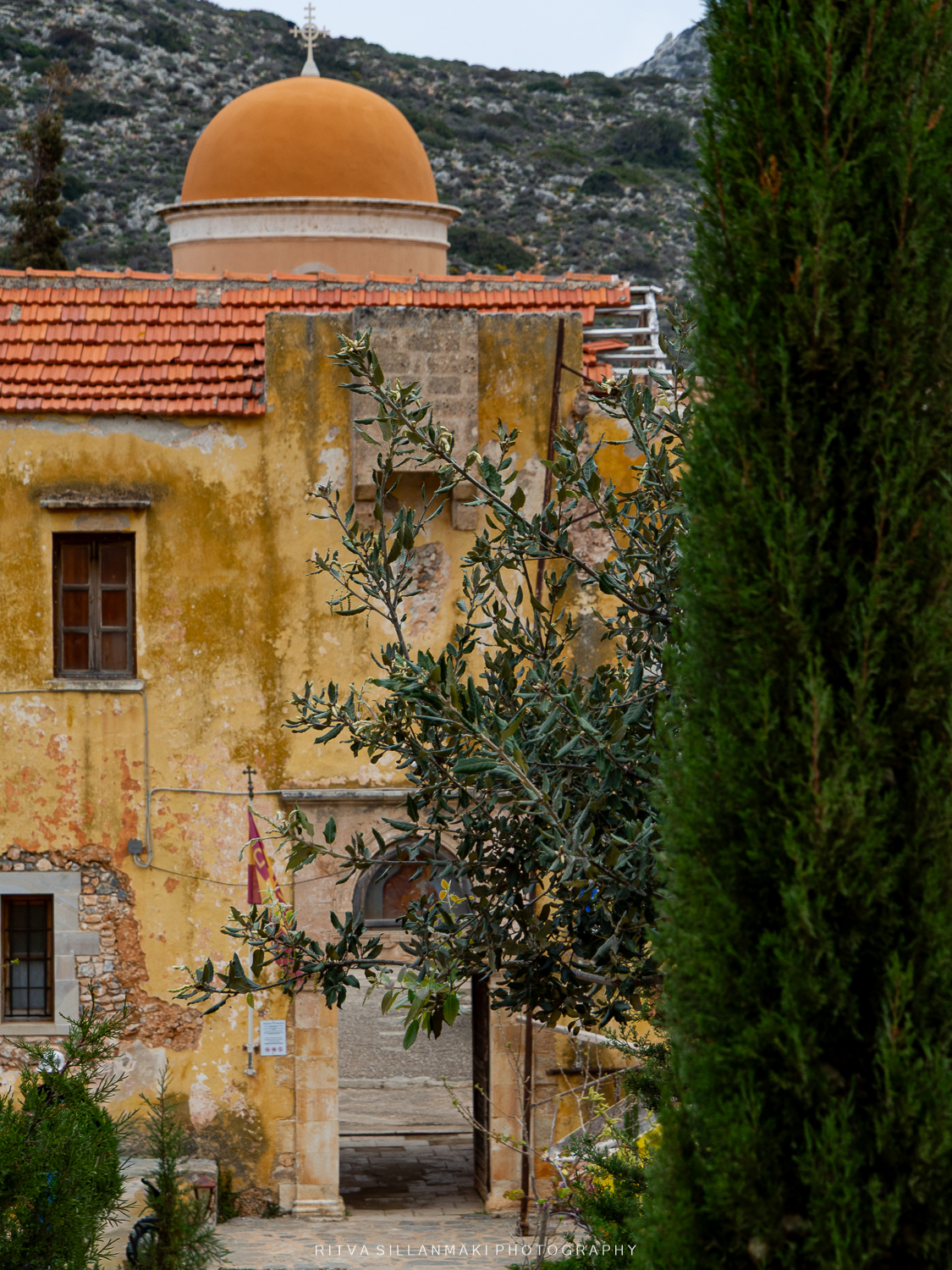
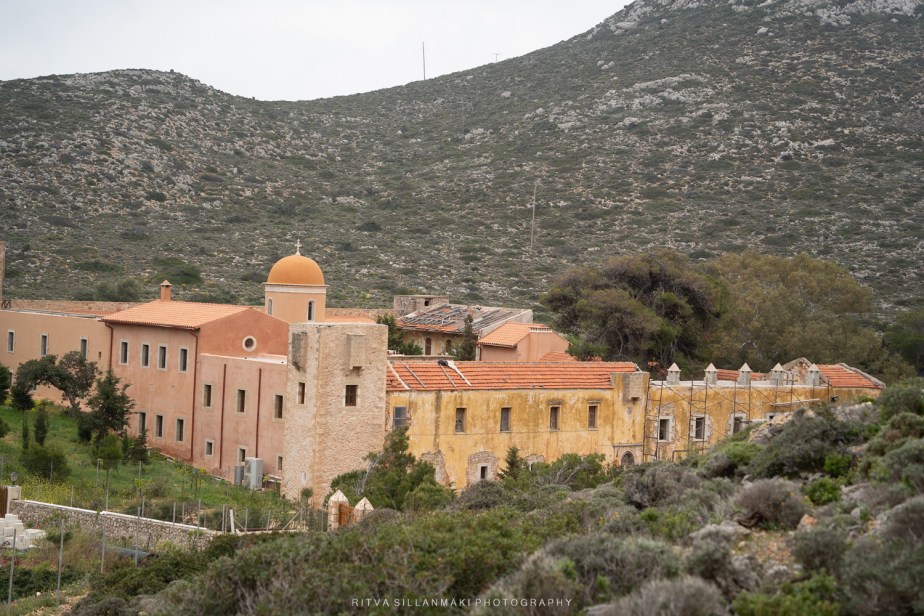
A timeworn monastery in Crete, known as the Gouverneto Monastery (or the Monastery of Our Lady of the Angels), is an active place of worship that beautifully showcases its yellow, textured facade, with signs of peeling paint that speak to its age. Notice the small wooden-framed windows and distinctive terracotta-tiled roof, topped with a dome and cross? This architectural detail certainly highlights its importance as a historical and religious site. In the foreground, verdant greenery, including a leafy tree and tall cypress bushes, frames the scene, introducing a natural element that adds depth to the composition. Meanwhile, the rugged hills in the background sit beneath an overcast sky, contributing to a tranquil and timeless ambiance. Established in 1537, the monastery is dedicated to the Virgin Mary and serves as a starting point for a popular hiking trail leading to the Arkouditissa Cave and the ruins of the abandoned Katholiko Monastery. It’s interesting to note that it was originally built as a Venetian-style fortress to protect the monks from pirate raids, featuring thick walls and defensive towers, which further emphasizes its significance on the island of Crete.

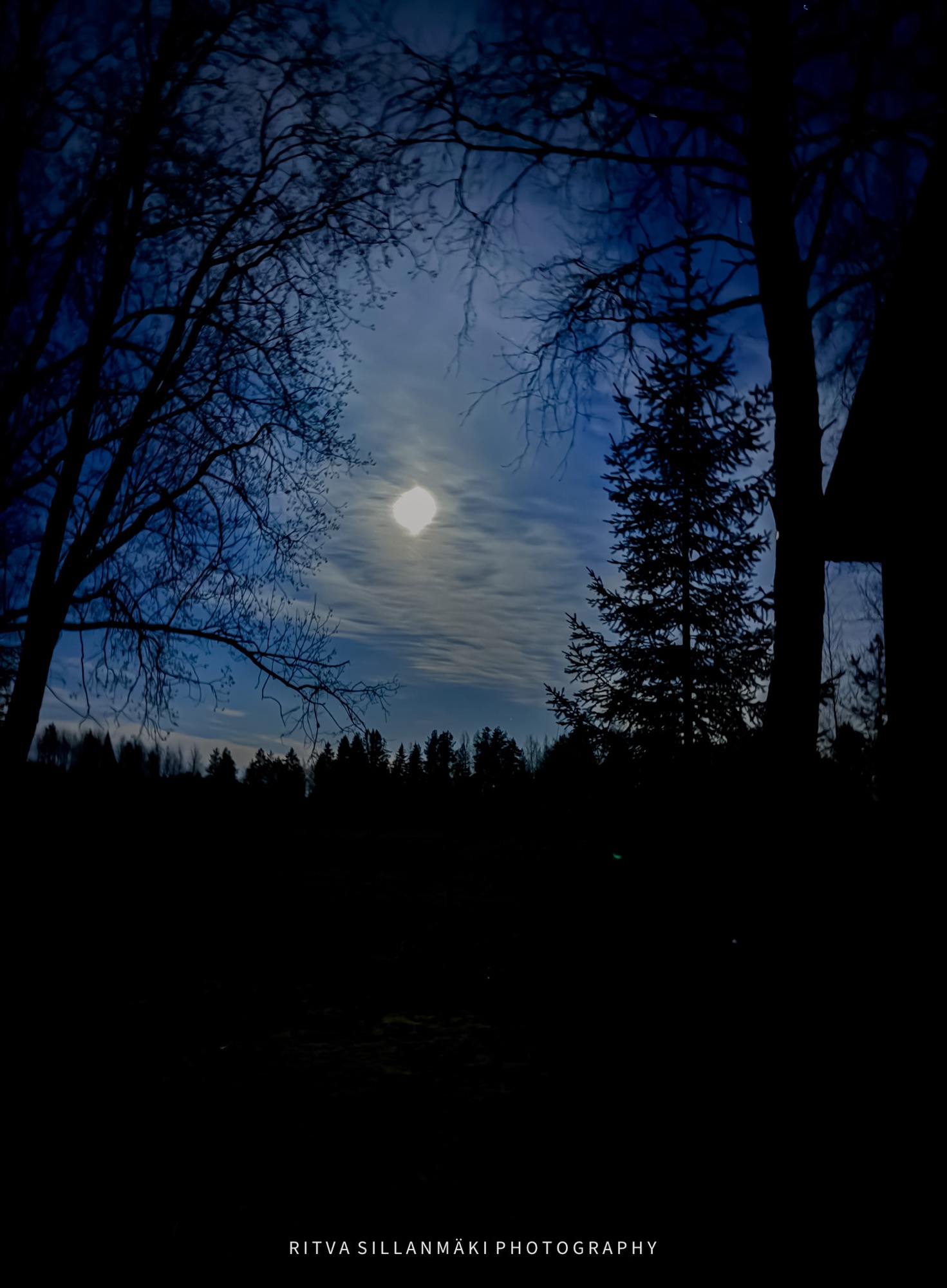
A serene night scene featuring a bright full moon partially obscured by thin, wispy clouds. Silhouettes of various trees, including leafless branches and a spruce, frame the moon and enhance the depth of the composition. The sky exhibits deep blue tones transitioning to lighter shades near the horizon, creating a mystical and tranquil atmosphere. Back home or our summer house, emphasizing the natural beauty of a quiet night in the countryside. Taken at 23:19 before May 1st – a day of celebration in Finland.
Participating on Brian’s Last on the Card April 2026

Johns Cellpic Sunday


Linked to Six Word Saturday at Debbie’s here
For Debbie’s Six Word Saturday

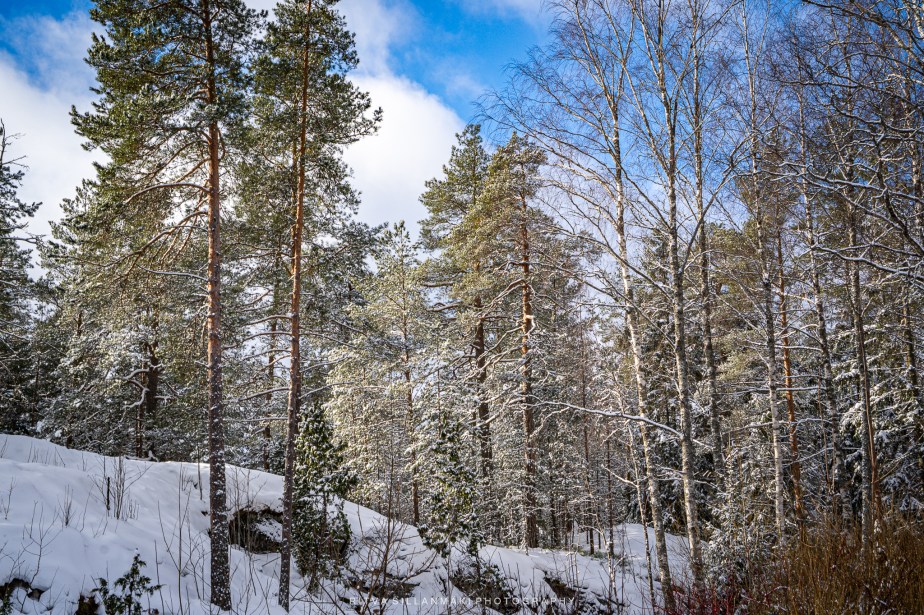
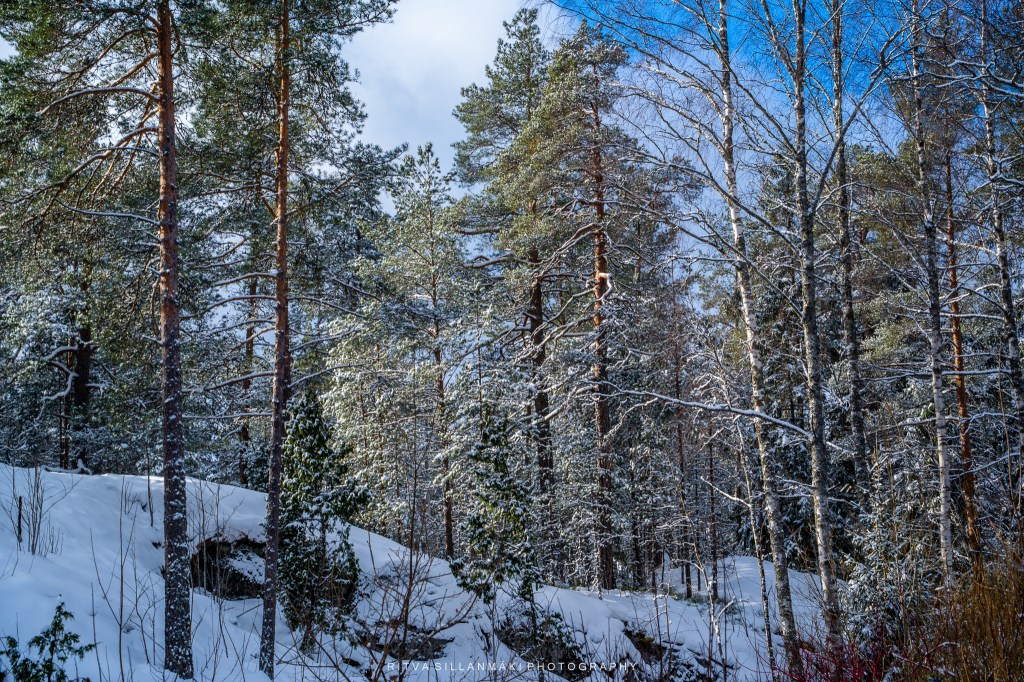
Shaping Trees Beneath a Radiant Sky

Last one on the card – February 2026
This IPhone shot I am also sharing with John’s Cellpic Sunday

This weeks Monday Window was shot in Brisbane
We got a fresh coat of new light snow as the weather is continuing to be cold 🥶 but it looks really pretty in my backyard.


I enjoy capturing the details of winter; these were not taken recently, but they have been recently edited. I love how I was able to find new, interesting, and beautiful aspects while doing this, and I am happy to continue sharing my winter finds.

Icicles, resembling the sharp teeth of the season, elegantly hang from branches and rugged rocks, forming a scene that is both picturesque and enchanting, ideal for photography. A blanket of sparkling white snow covers the ground, beneath the soft winter sunlight, while a partially frozen stream winds gently through the landscape. It was quite chilly. The icy stones along the banks provide an artistic element to the surroundings, reflecting the glimmering light as the water flows softly over them. The fragile beauty of frozen grass, embellished with countless shimmering icicles, amplifies the wintry allure, instilling a sense of peace and awe. This breathtaking landscape captures the essence of winter’s beauty; it’s wonderful to take a moment to appreciate the serene, cold elegance crafted by nature.


I added a gallery of the same images if you wish to look at them enlarged.


The stunning beauty of winter, featuring icicles and frozen plants that perfectly frame a flowing stream. This picture captures all the cool details of the season, showing off the calm yet eye-catching sights that winter landscapes bring. The mix of cold elements and running water gives a fresh take on nature in this chilly time of year, making you appreciate the delicate balance and beauty found in winter’s embrace. I hope the vibe of winter’s charm in nature comes across.

Participating in Macro Monday.
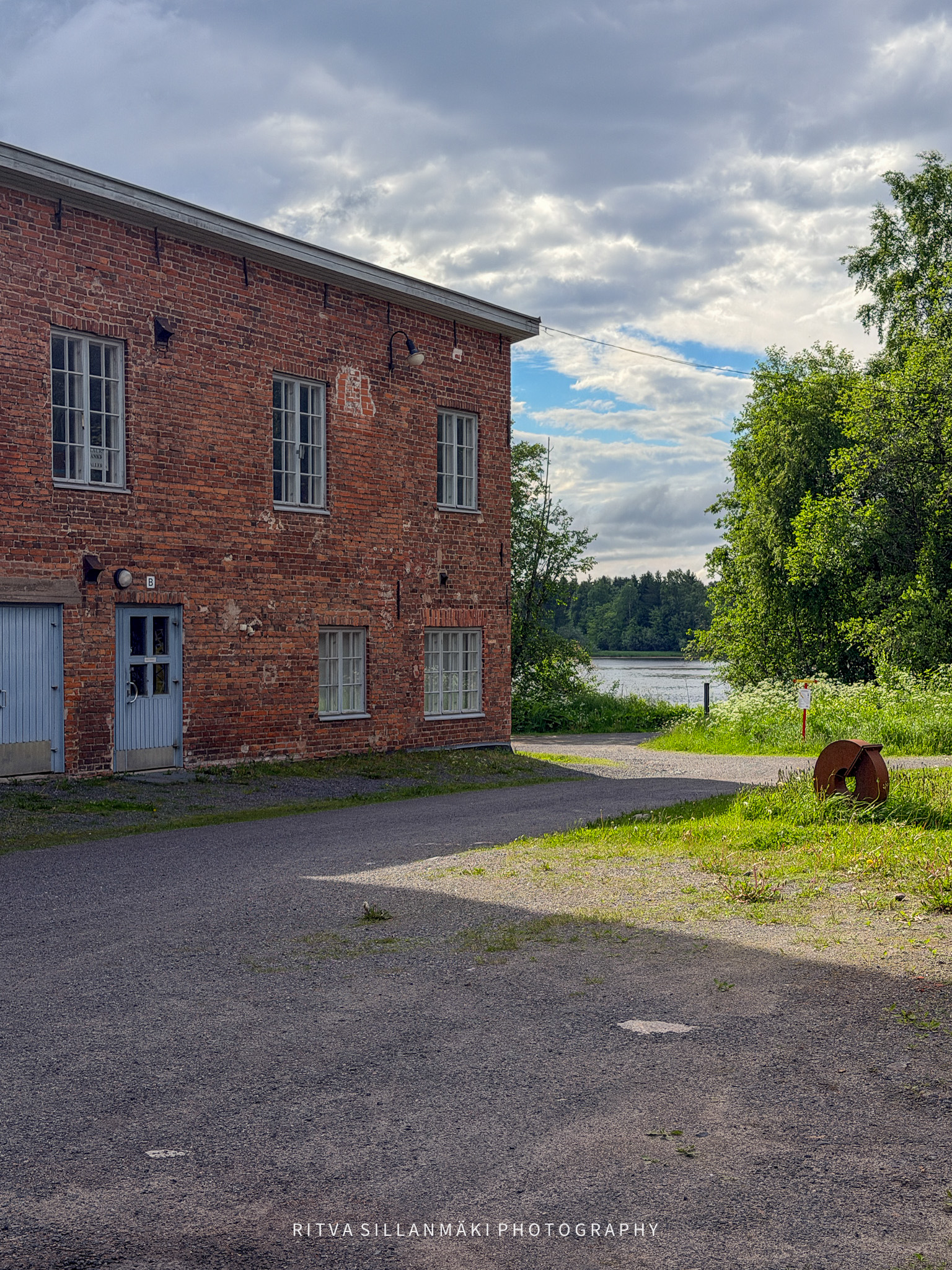
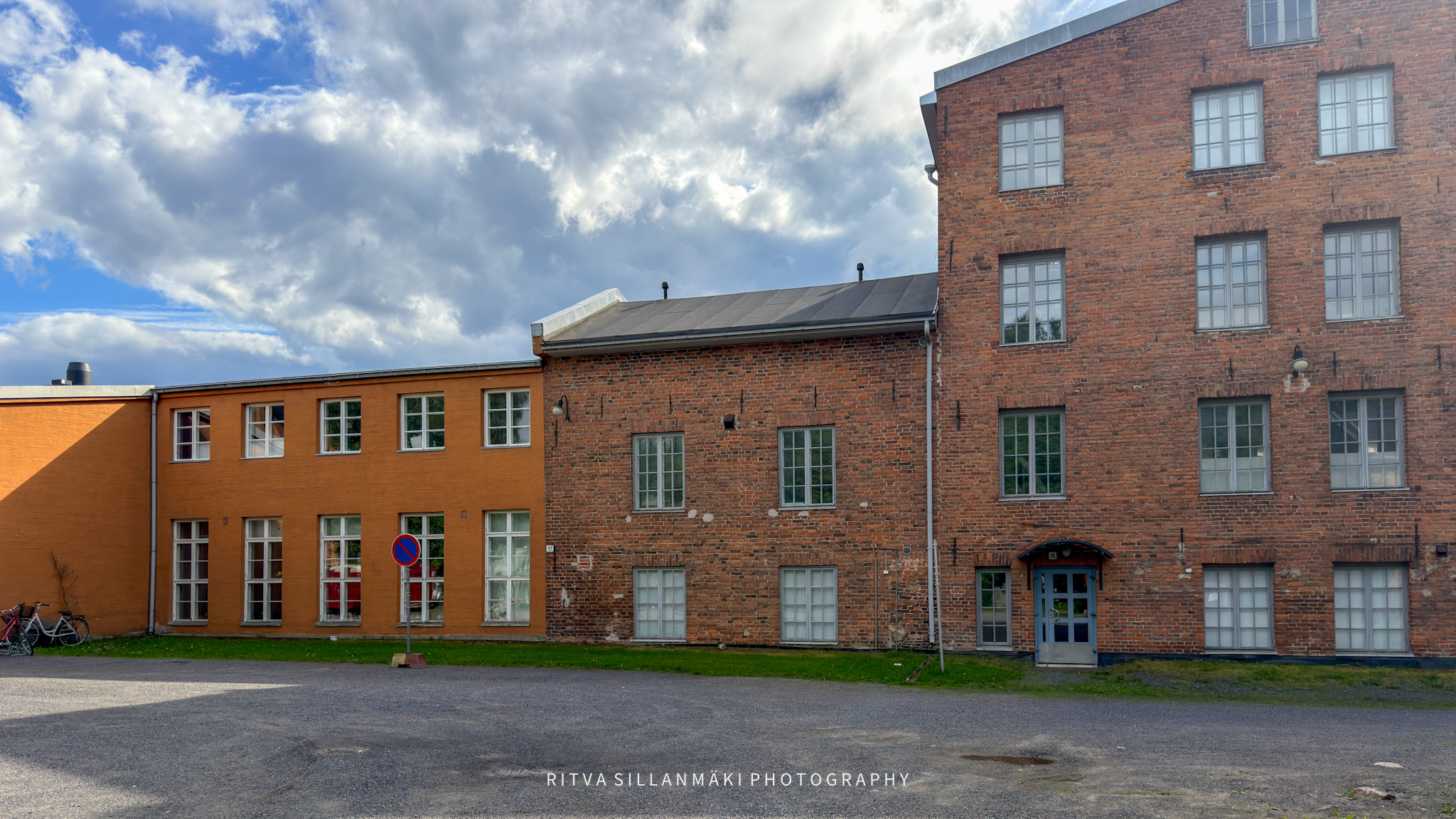
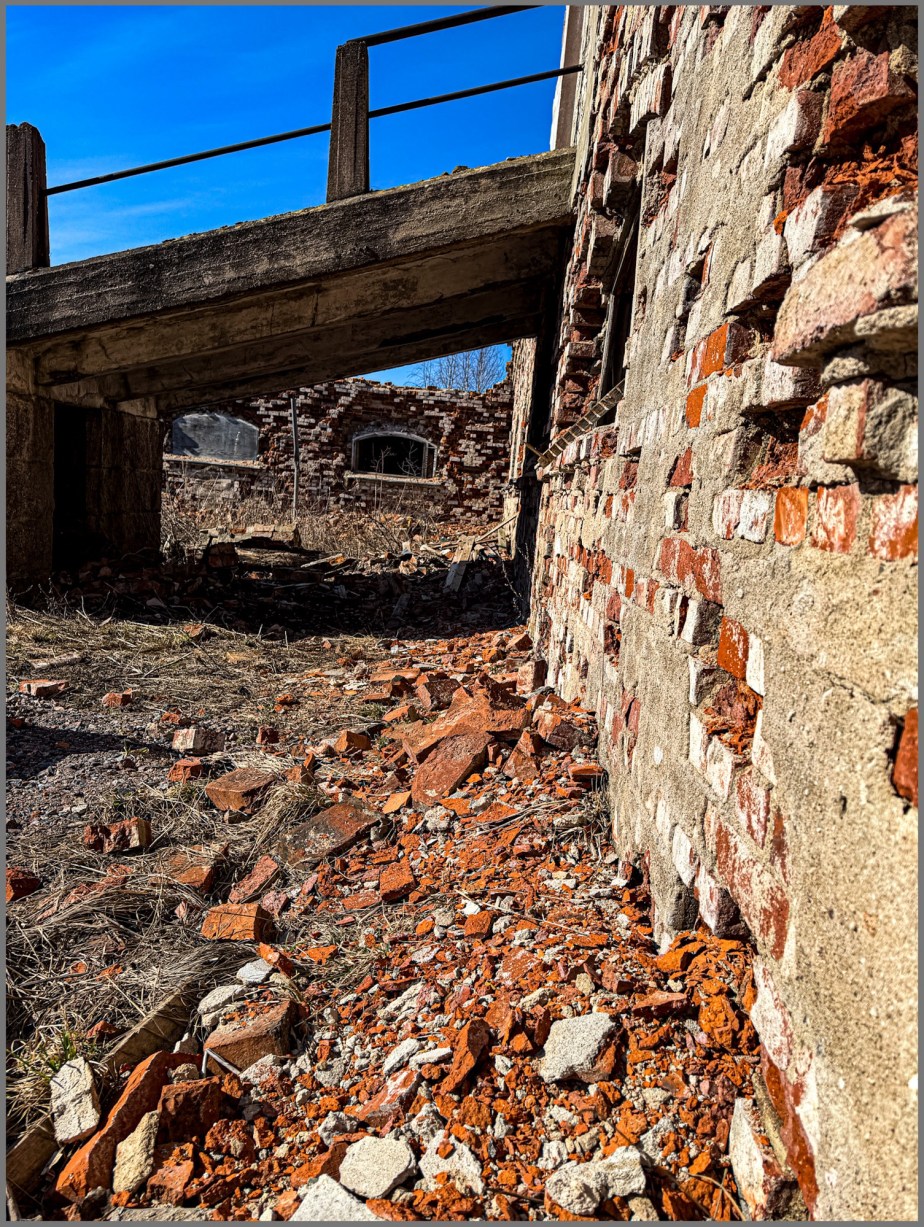
Winter and cold weather make for a nice backdrop for the old red mill in Immilä, Finland
I uncovered some historical insights, and here they are in a nutshell. The Immilä rapids have been the site of grain milling since the Middle Ages, with the earliest written record of mills dating back to 1548. The first sawmill emerged in the 1760s, by which point a settlement and an inn had already established themselves on the hill. As the 19th century unfolded, the population grew, and Immilä transformed into a vibrant village of craftsmen and millers. Following World War II, three mills were operational in the Immilä rapids; alongside two sawmills, there was also a power plant equipped with auxiliary machinery, including a bark planer. The final mill to close its doors was the Immilä district sawmill in May 1969. Of all the mill buildings, only the one erected in 1901 in the Immilä district remains today.

Monday Window: 26 January 2026


This week, Egidio has encouraged us to showcase some of our rejected alongside our edited images to highlight the contrasts. I’ve encountered photographers who view editing as “cheating,” believing it undermines the integrity of the moment captured. Nevertheless, I regard editing as an equally vital skill as the art of photographing a subject or scene. It empowers us to emphasize particular features, enhance colors, and evoke emotions that may not be as prominent in the unedited image. Ultimately, the final image should represent not just what was observed but also the artist’s unique vision and perspective. By embracing both photography and editing, we can elevate our creations and convey more impactful stories through our visuals.
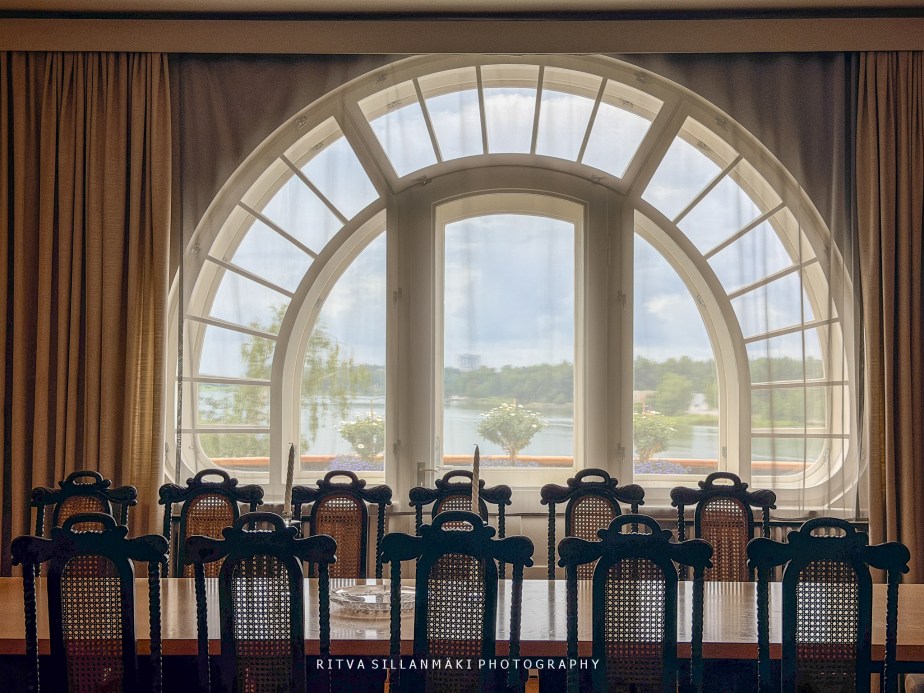
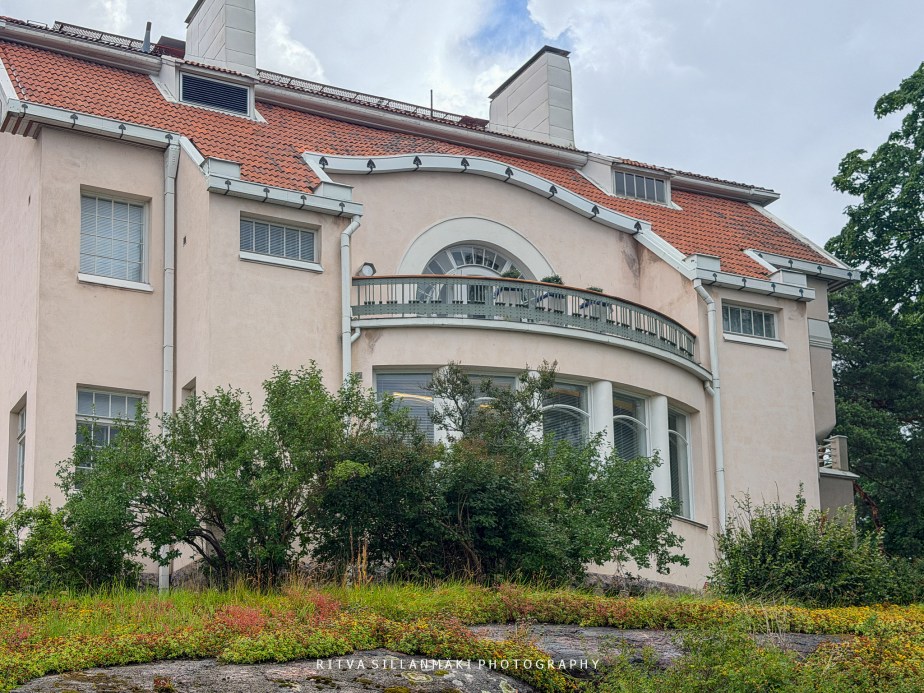
These are all from my visit to Hvitträsk and its surroundings some year ago except the last one. That was a so bad I did not pay any attention to it at all at the time, I just remember being very disappointed in it. I should have binned it, but luckily now with my approved editing skills I was able to do something with it.
The original image was flat and boring, and I never got around to publishing it, even though the picture has many layers and good elements. Perhaps I didn’t initially realize to crop it enough; for some reason, I wanted the trunk of the pine tree in the image even though it didn’t really fit there. The sky had remained flat and nothing really stood out.


I was drawn to this blurry image; there was something about it that appealed to me, so I decided to rework it in the hope that it would present better with a slight adjustment of contrast and colors. The top of the image was slightly overexposed and clearly out of focus. I am not entirely satisfied with the edit as the colors changed too much from the original—primarily because I try to keep the image as natural as possible.


A dimly lit dining room with a long wooden table covered in a white tablecloth, adorned with orange fabric. Red upholstered leather benches line the walls, and a decorative chandelier hangs from the ceiling. In the image above, there is a lot of good, but the picture was left languishing in the archives a bit subdued, and I couldn’t find its purpose; now I decided to boldly edit it in a more cinematic direction. I spent some time battling against making it too colorful, so the third edit is the final result 👇, where I wanted to bring the fabric on the table into focus with light.

In this last image pair, I wanted to highlight the minimalism of the previous challenge and the black-and-white image as it is a style I really enjoy. I sought to create an atmosphere in the picture and wanted to draw attention to the window and the light coming from it and how it came to the room, and eliminating most of the furniture.


In this picture, I managed to save an image that was clearly overexposed and additionally had completely off coloring. I didn’t know what I had adjusted back then, but for some reason, this remained in the archives. I couldn’t edit this photo to color, but the black and white turned out rather well.


I would like to extend my gratitude to Egidio for encouraging us to present some of the effort that goes into crafting an image we are proud to share. Don’t forget to check out his original post here, and remember to use the Lens-Artist Tag in your response so we can find you post.
I am grateful to all who took part in last week’s B&W / Minimalism challenge; it highlighted the remarkable power of simplicity when done effectively. I was taken aback by the amount of interest it created and glad to find out that there are so many interested in this style of photography, which emphasizes the beauty of minimalism and the striking impact of black and white imagery. This challenge inspired participants to explore their creativity among those who share a passion for this art form. I loved seeing all your contributions, as each one told a unique story and showcased different perspectives, proving that less truly can be more in the world of visual storytelling.
Lastly, we invite you to join us next week for a challenge Tina will be hosting on Travels and Trifles. In the meantime, smile and try to stay positive
We are Lens-Artists: Tina , Patti , Ann-Christine, John, Sofia , Anne , Egidio, Beth , and me Ritva,
To learn more about the Lens-Artists Challenge, click here.
Here are some more images from this old church and a link to more information of Espoo Cathedral .
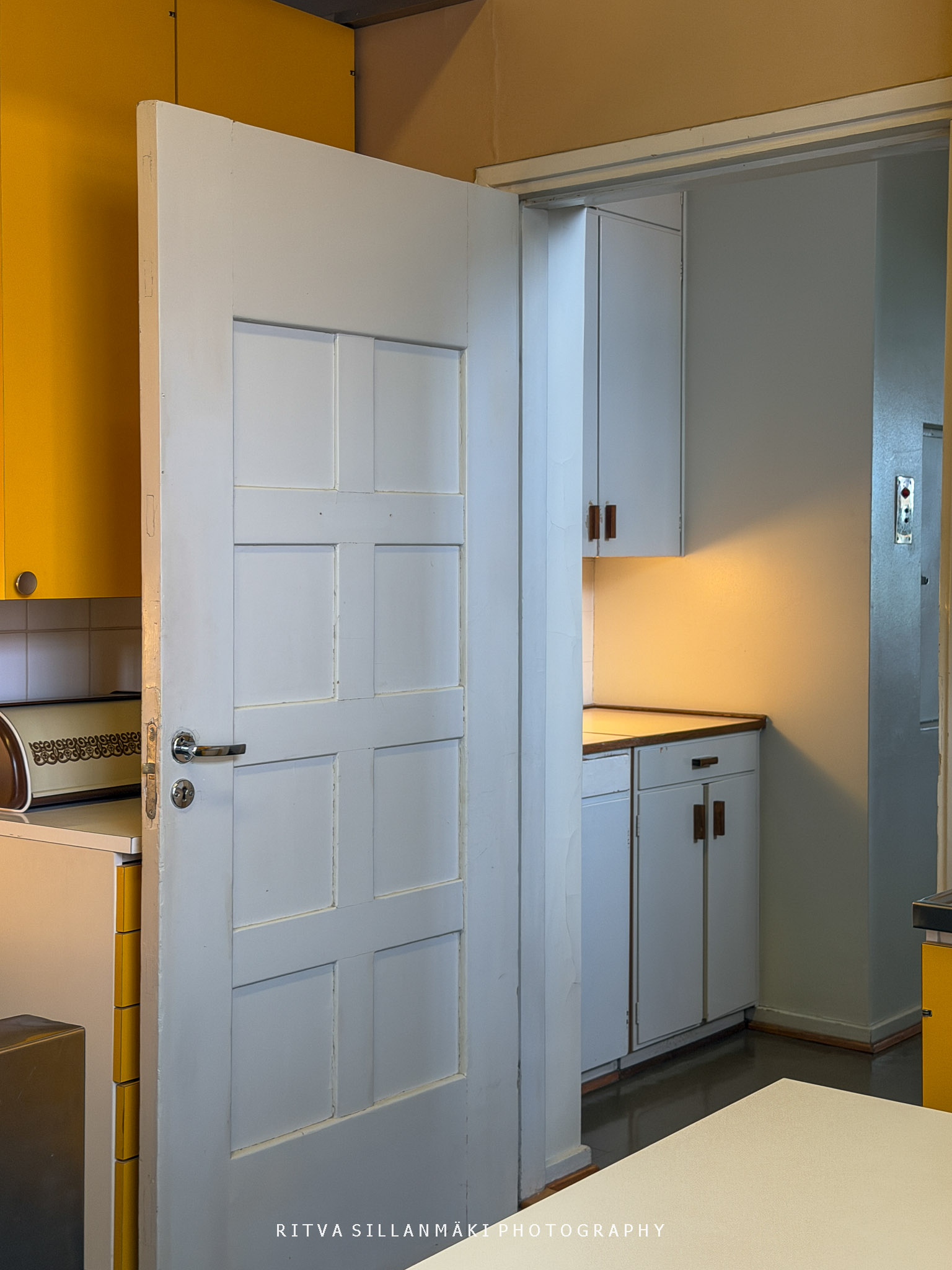
I have additional images taken, but I plan to share them separately, as I think these particular ones align well with Dan’s theme. I’m aware that people often overlook images when there are too many of them, which has been a common mistake in many of my earlier posts. I really strive to thoughtfully select and limit the number of images I include. Hopefully, I can keep the attention and ensure that every image adds value to the story, creating a more deliberate and enjoyable experience as they explore the content.
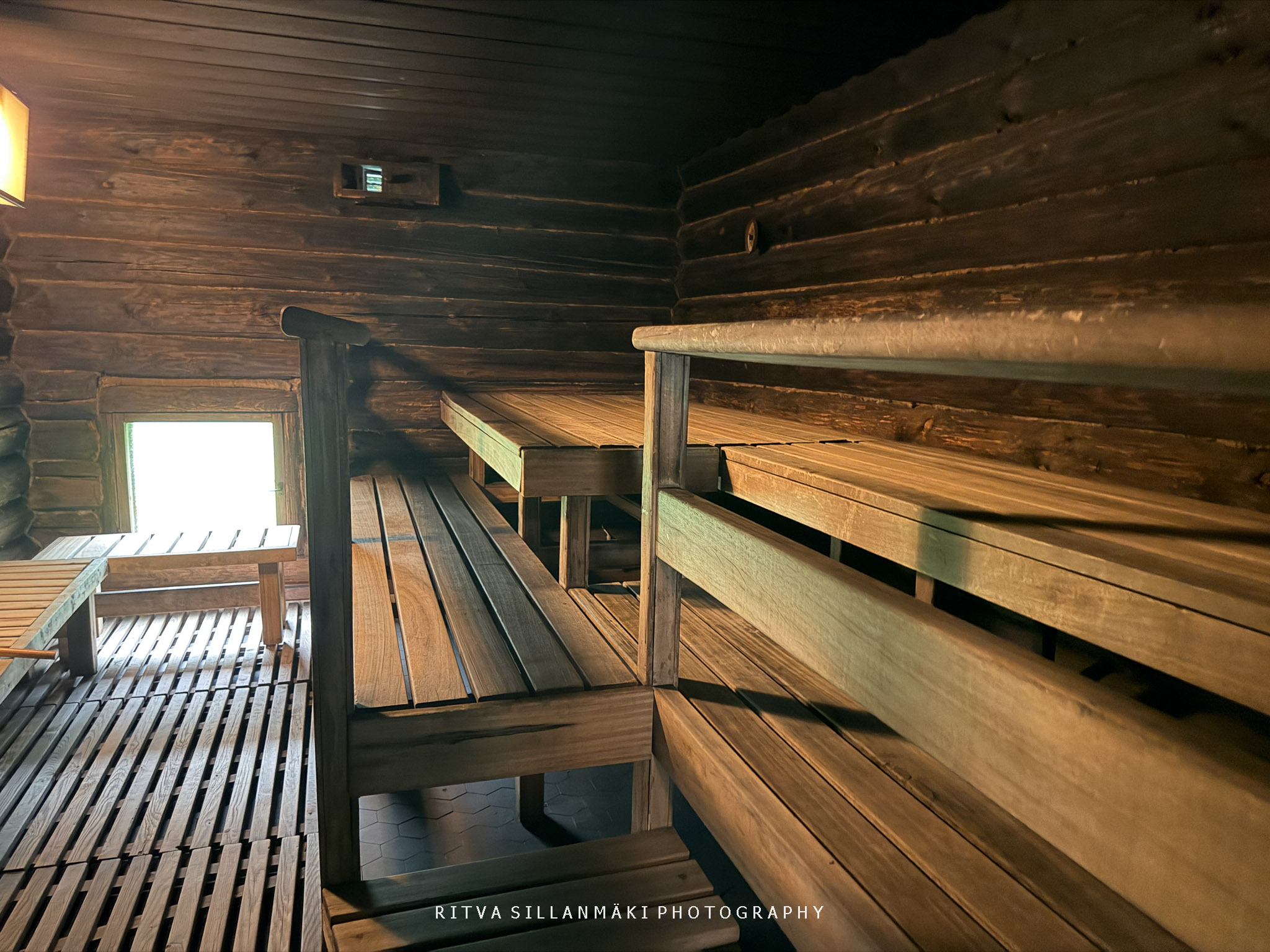
The church was crafted in the late 15th century by an anonymous “Espoo master” and constructed between 1485 and 1490 under his guidance. The only remnants of the medieval structure are the eastern and western sections of the nave. The armory was dismantled from 1804 to 1806, and several other portions of the church, including the original sacristy, were taken apart between 1821 and 1823 when the edifice was transformed into a larger cruciform layout.
Click the galleries to see the photos more clearly, that is if you are looking at them on your computer as most of my followers are, I saw in the stats that the number is 82% ☺

The vaults and walls of the older sections of the cathedral feature murals, predominantly painted in the 1510s, showcasing both biblical narratives and scenes from everyday life. These paintings were concealed in the 18th century due to perceptions of being “crude and superstitious,” but were exposed and restored during renovations in 1931. The current campanile of the cathedral was finalized in 1767, with its upper section remodeled between 1868 and 1869.


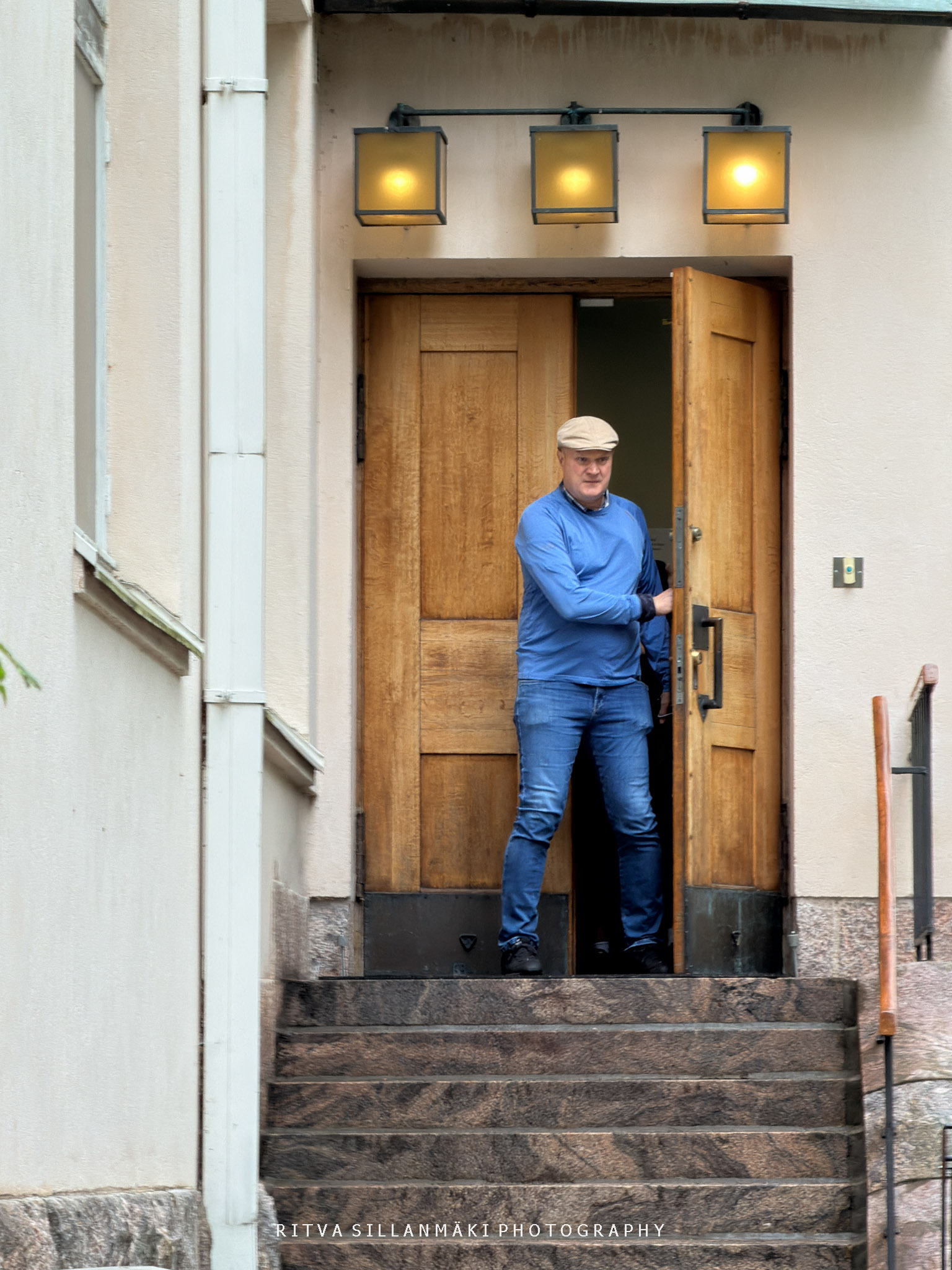
Posted for Dan’s Thursday Doors