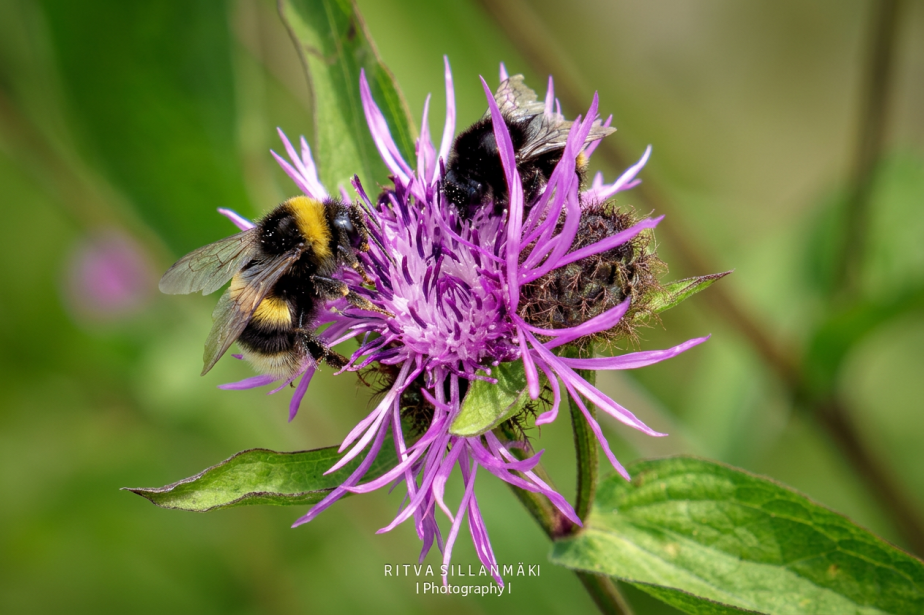
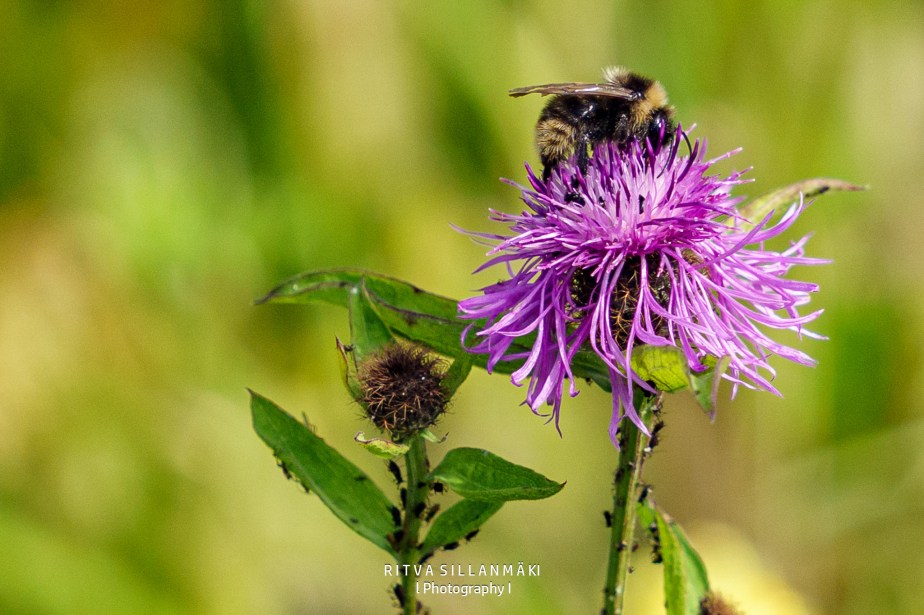
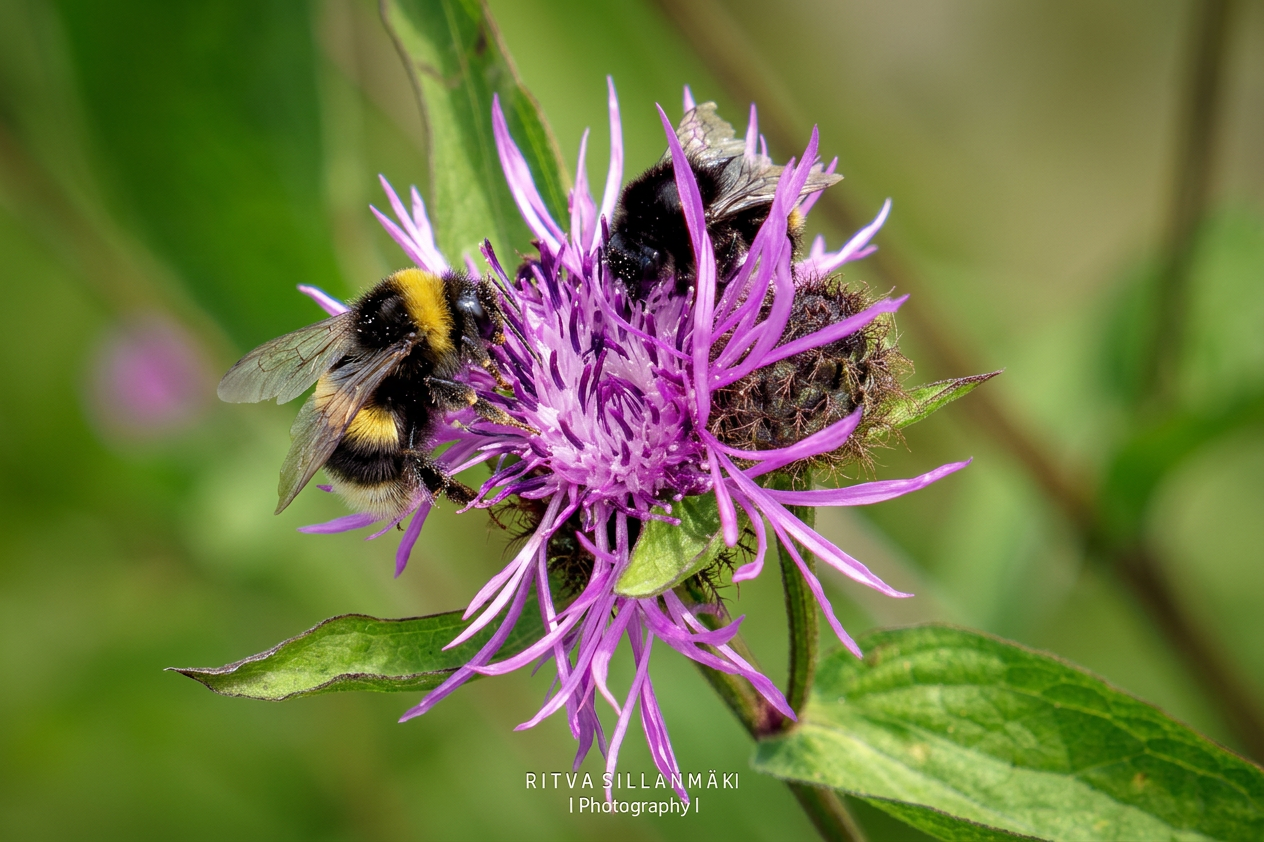
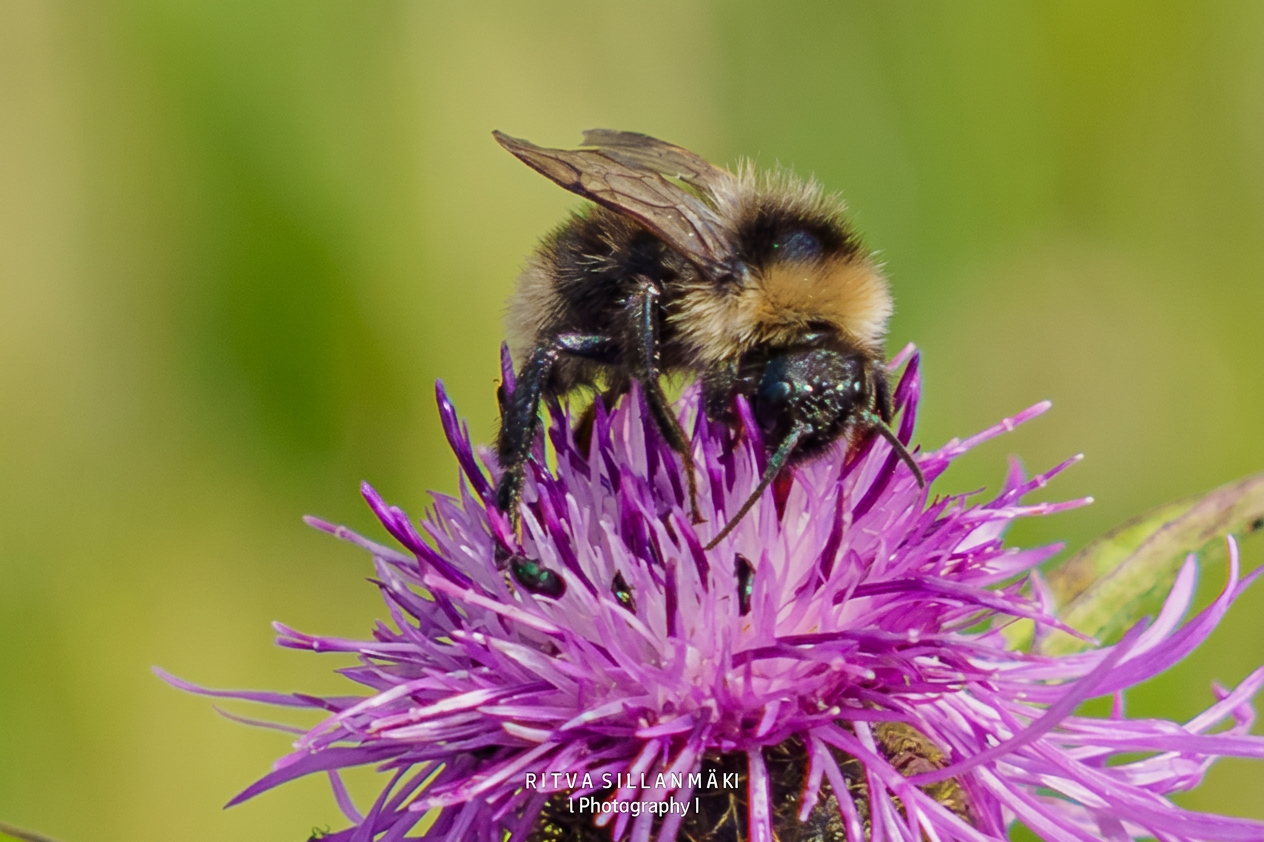
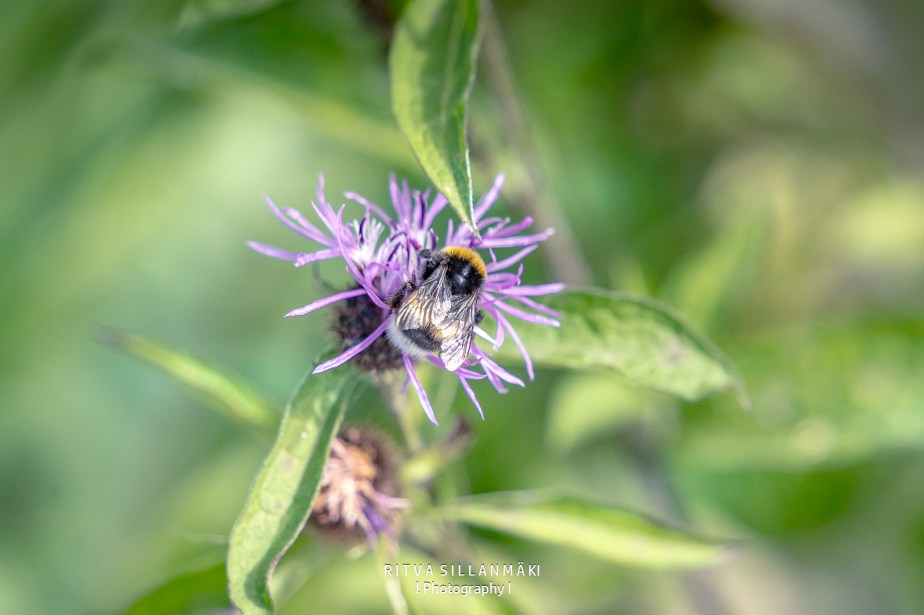
This on the same dirt road, gravel road, whatever 😂 by the meadow. If you thought that I was done, not, here are few more. No explanation this time. Just saying these little buzzers are so important
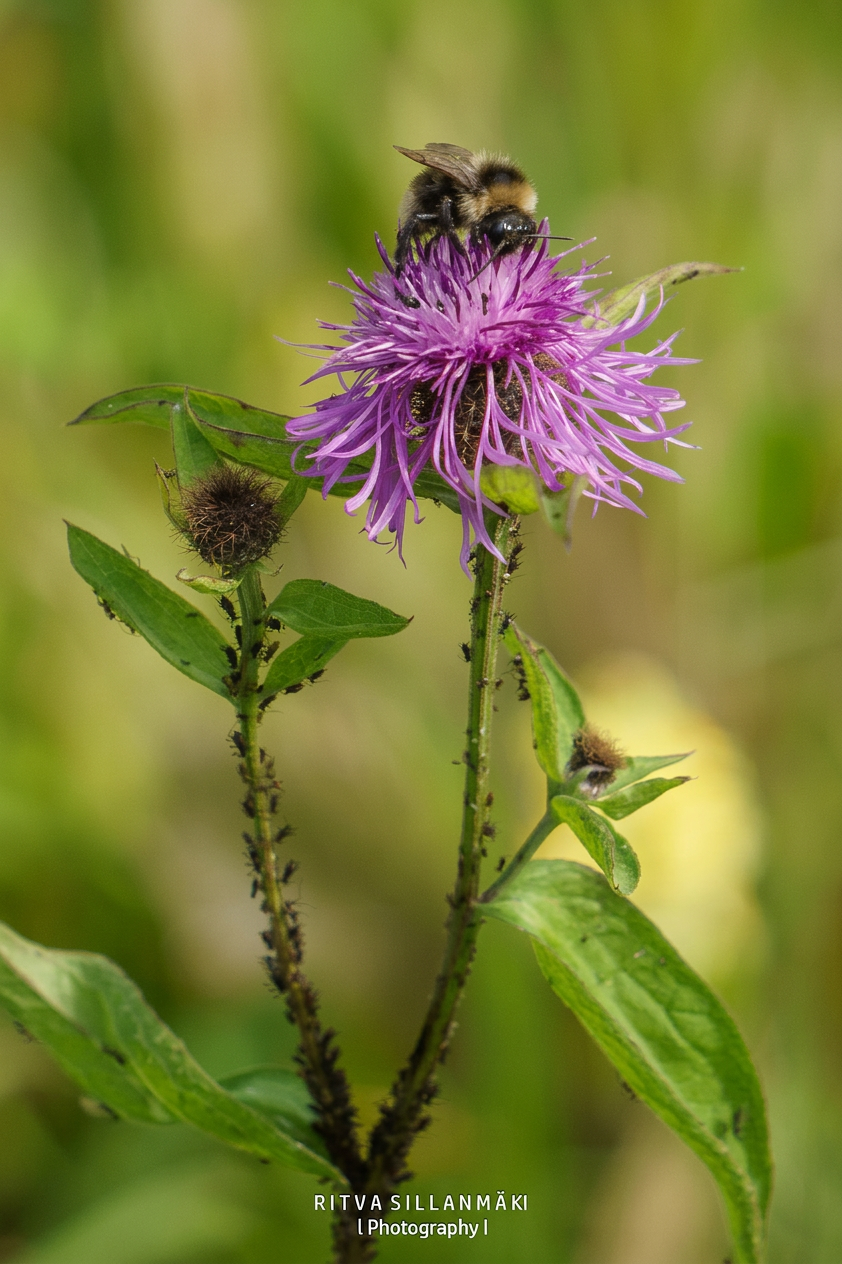
This on the same dirt road, gravel road, whatever 😂 by the meadow. If you thought that I was done, not, here are few more. No explanation this time. Just saying these little buzzers are so important
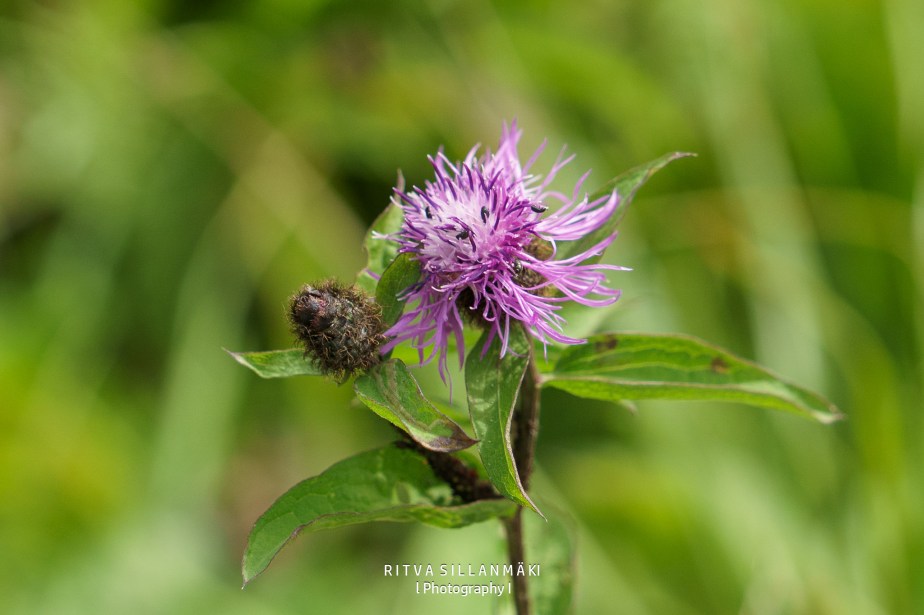
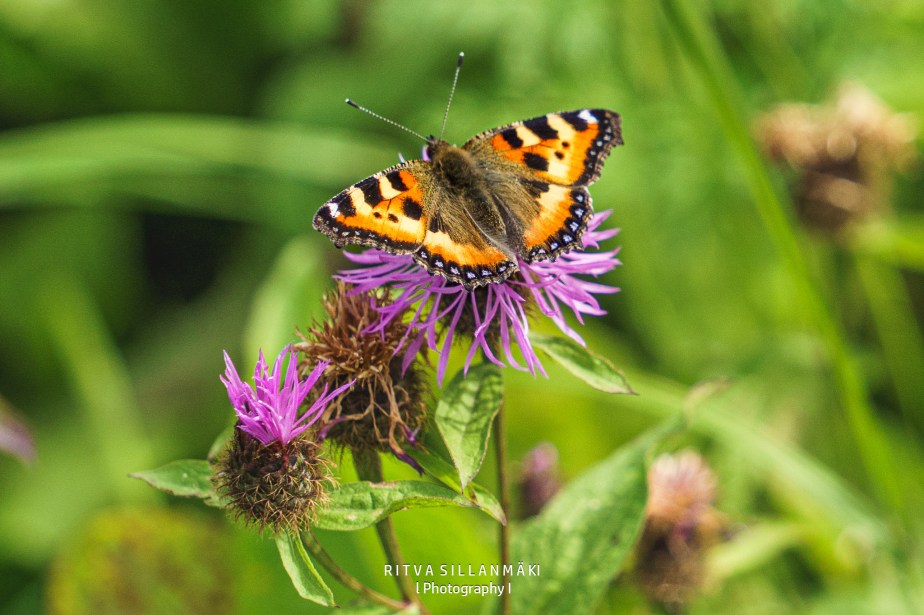
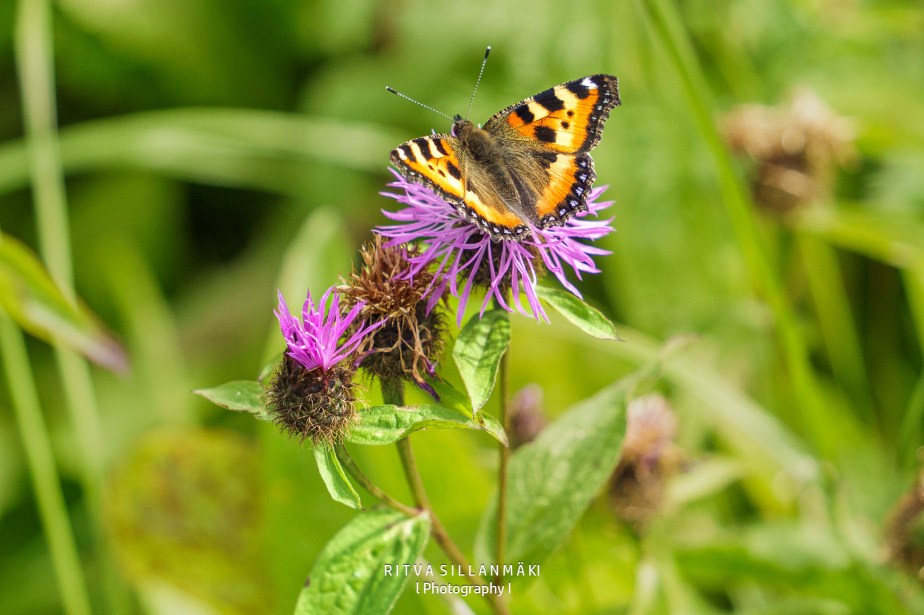
I have taken so many photos lately that I have not posted, that it is starting to annoy me. So I am uploading more from my walk along the meadow on the gravel road. There was a gentle breeze and sunny day, inspiring me to capture the vibrant life thriving all around me. In these photographs, I have a small tortoiseshell butterfly that happily feeds on the nectar from a delicate wig knapweed, its colorful wings fluttering gracefully as it dances from flower to flower, embodying the beauty of nature in motion. It is worth to pause take the time to appreciate the little but important things in life.
Butterflies can be classified into three categories based on their wandering behavior: those that migrate over long distances, those that remain stationary, and those with a mix of both wandering and non-wandering individuals. The small tortoiseshell butterfly belongs to the latter category.
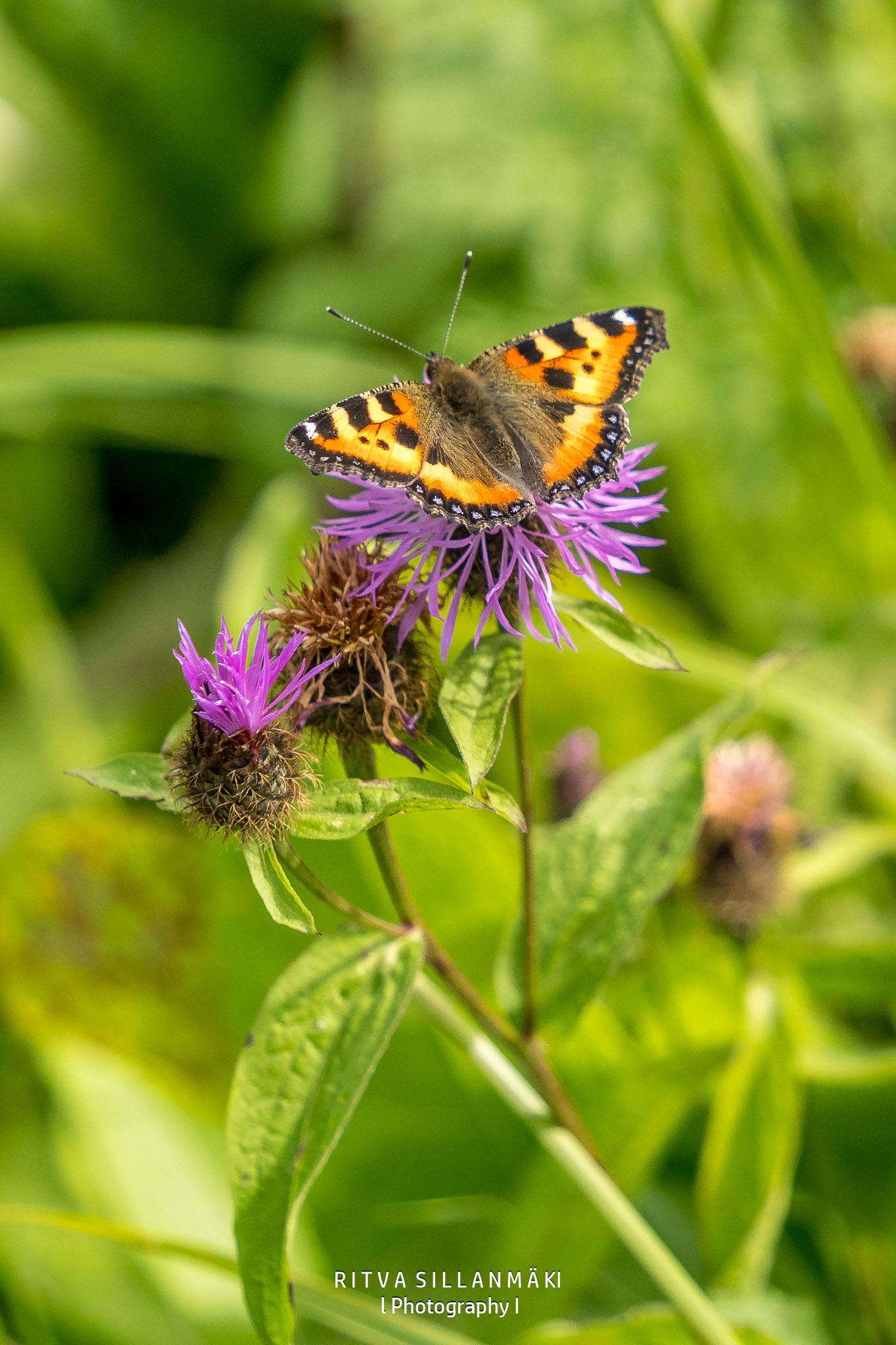
The small tortoiseshell overwinters as an adult and is among the first butterflies to emerge in the spring (the common brimstone is usually even earlier). Males wait for females in forest margins, where they defend their territory. The females lay their eggs in clusters on the underside of the leaves of the host plant (usually nettle). The caterpillars colonise the host plant together and often make cocoons in the host plant, although they also use tree trunks, house walls and other vertical surfaces.
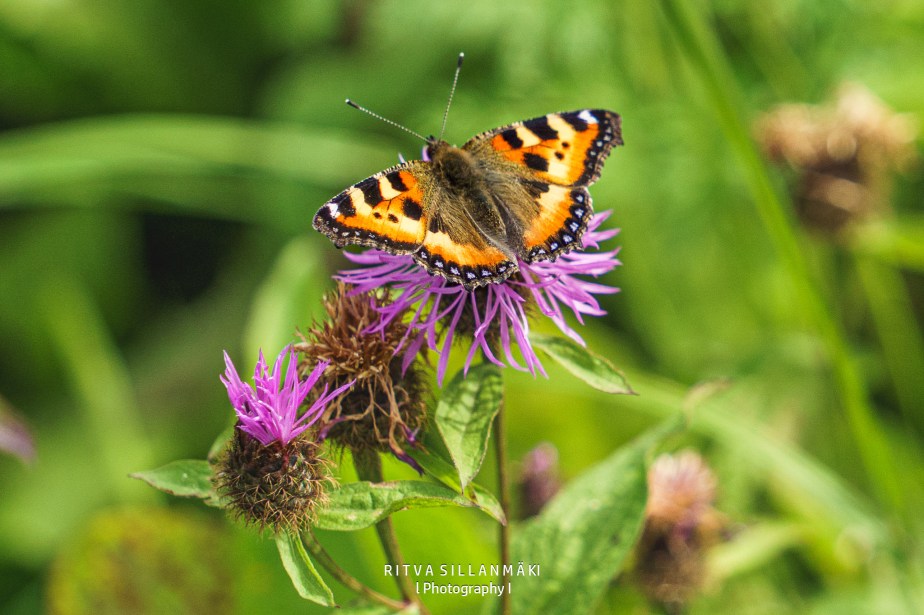
The small tortoiseshell is common all over Finland and looks a lot like the large tortoiseshell, the yellow-legged tortoiseshell and the Compton tortoiseshell which all are larger than the small tortoiseshell. Besides size it can be told apart from these, however, by the way that the upper surface of its wings are closer to brick red than orange, and the basal part of its hind wings are black.
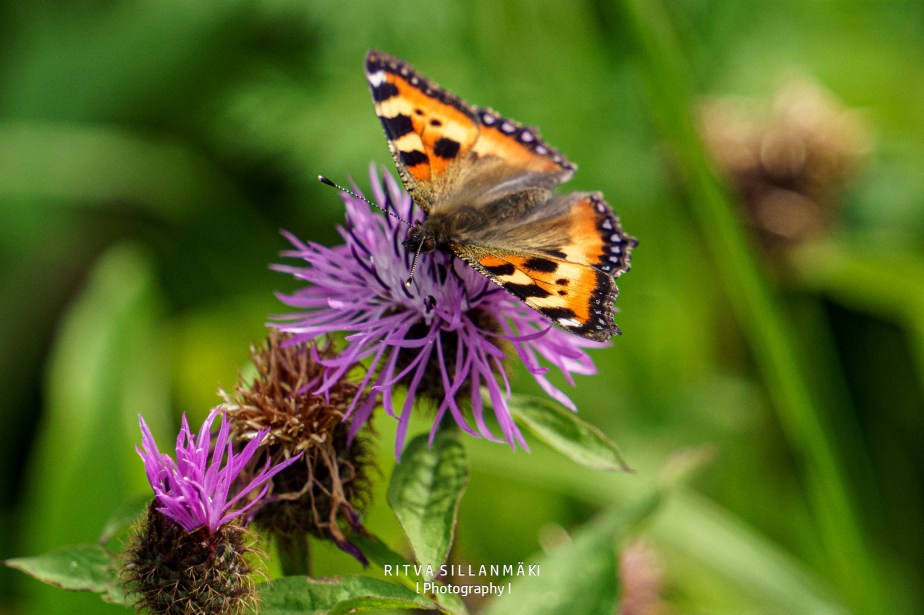
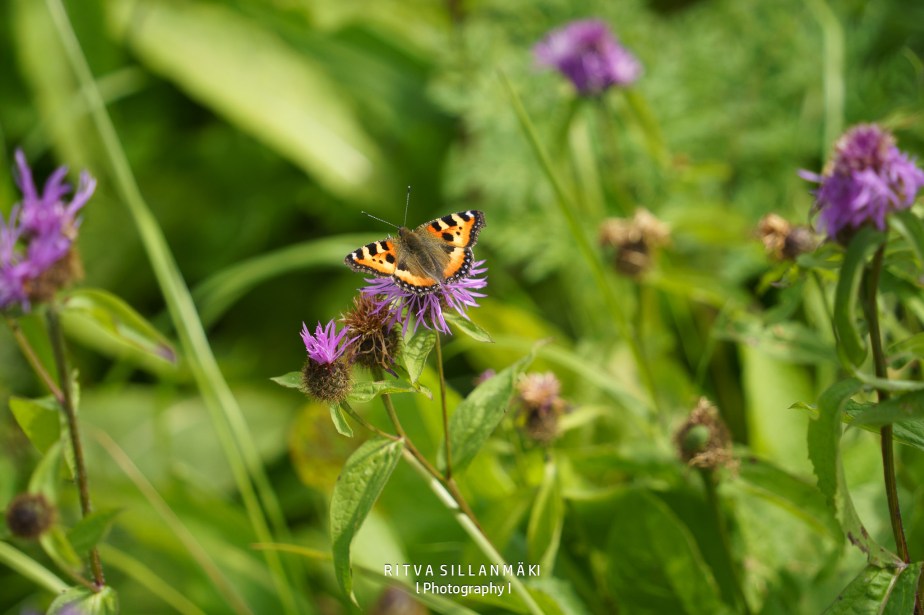
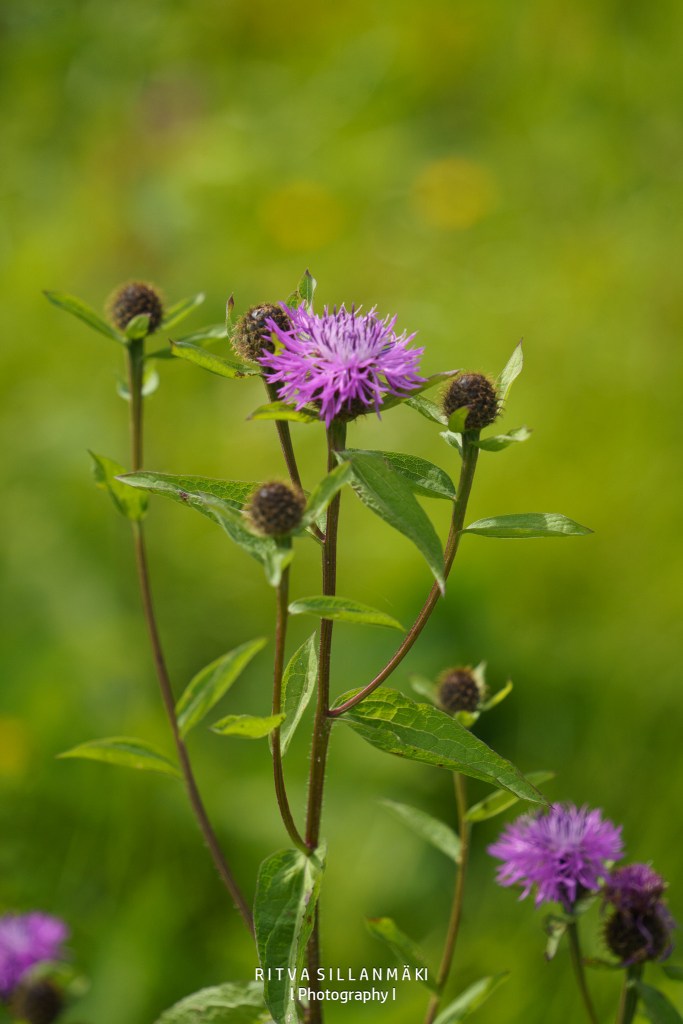
Wig knapweed has arrived in Finland from the east, and its habitats are linked to traditional methods of agriculture. Häme and especially Savo–Karelia have been the core of slash-and-burn agriculture in Finland, and wig knapweed is often found there on banks and dry meadows. It also perseveres in the margins of forest clearings and in light-filled broad-leaved forests. The last burn-beaten areas are beginning to close up, and this is reflected in the way that the species is becoming rarer. Its habitat stretches from eastern Europe to western Siberia and it would appear to favour a continental climate, or to avoid coastal climates, whichever way you look at it. Knapweeds have been popular in gardens throughout the ages as ornamentals in sunny and perhaps slightly dryish areas. Although many exotic species are grown as perennials, wig knapweed and other domestic species deserve more attention than they currently receive as wonderful plants in flowering meadows.