A Wig Knapweed and 🦋 Small Tortoiseshell

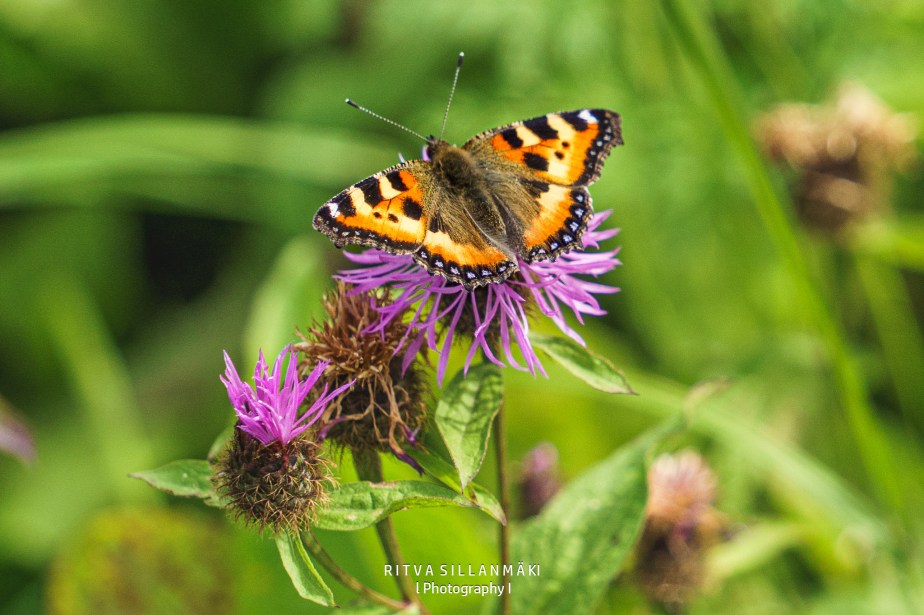
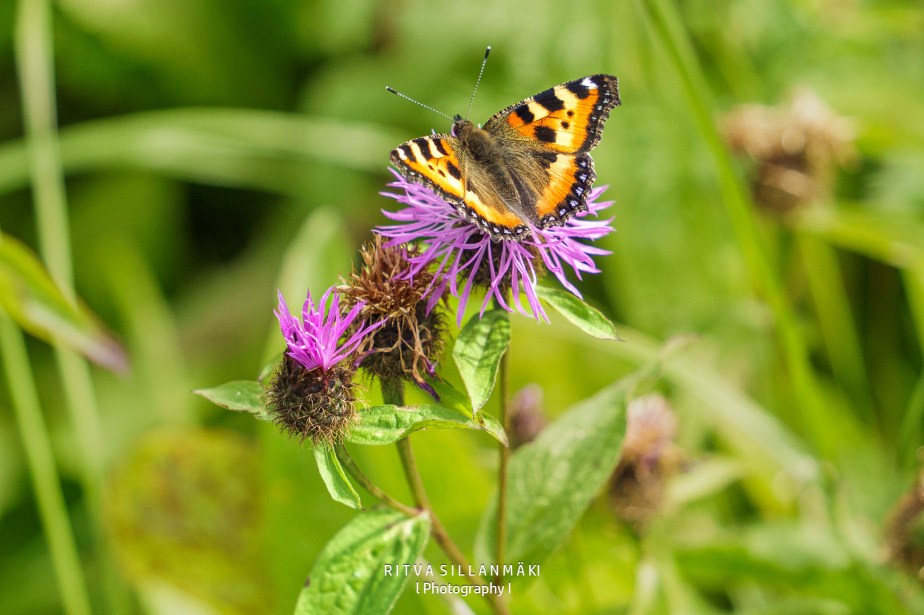
I have taken so many photos lately that I have not posted, that it is starting to annoy me. So I am uploading more from my walk along the meadow on the gravel road. There was a gentle breeze and sunny day, inspiring me to capture the vibrant life thriving all around me. In these photographs, I have a small tortoiseshell butterfly that happily feeds on the nectar from a delicate wig knapweed, its colorful wings fluttering gracefully as it dances from flower to flower, embodying the beauty of nature in motion. It is worth to pause take the time to appreciate the little but important things in life.

Butterflies can be classified into three categories based on their wandering behavior: those that migrate over long distances, those that remain stationary, and those with a mix of both wandering and non-wandering individuals. The small tortoiseshell butterfly belongs to the latter category.
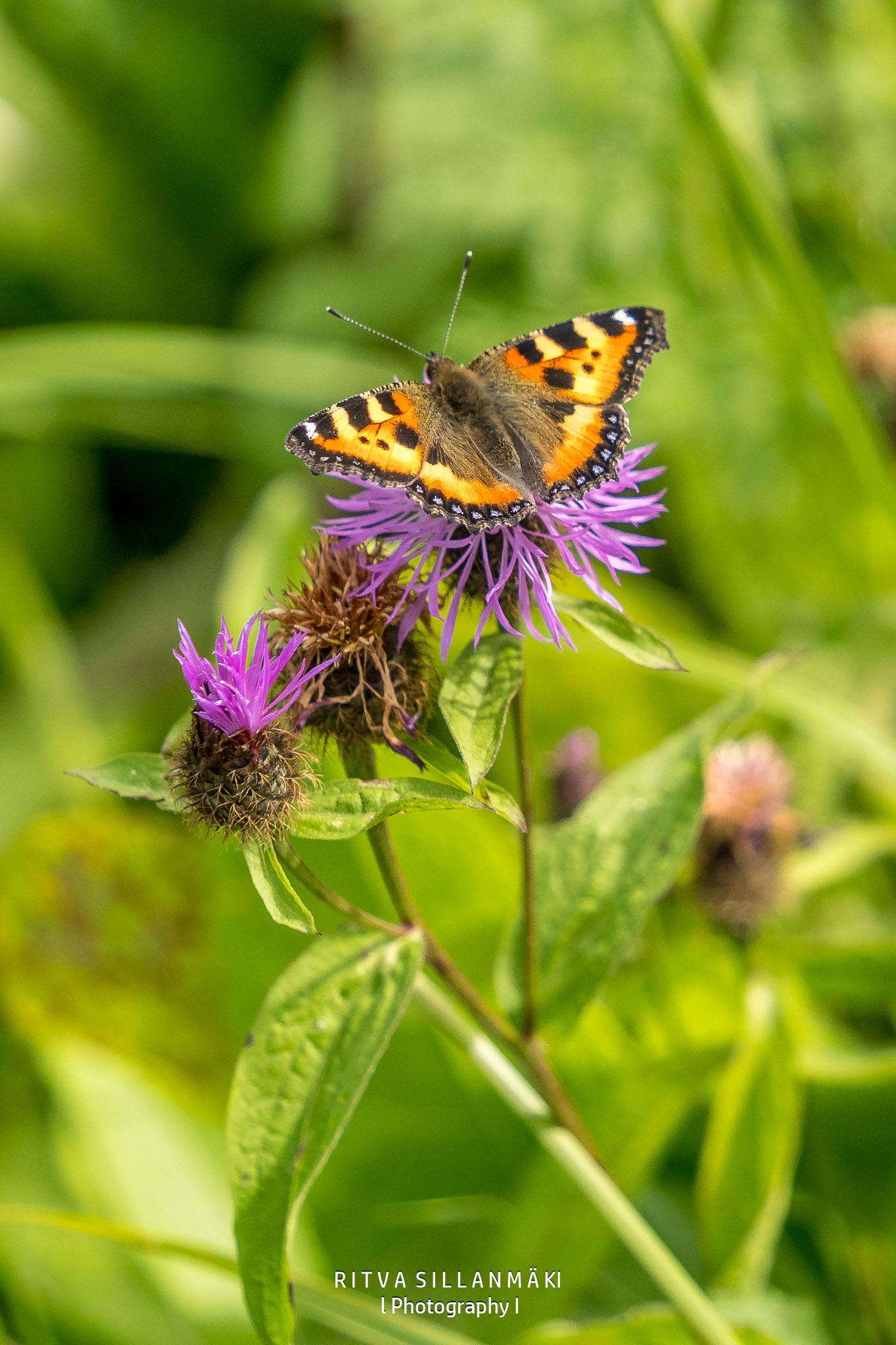
The small tortoiseshell overwinters as an adult and is among the first butterflies to emerge in the spring (the common brimstone is usually even earlier). Males wait for females in forest margins, where they defend their territory. The females lay their eggs in clusters on the underside of the leaves of the host plant (usually nettle). The caterpillars colonise the host plant together and often make cocoons in the host plant, although they also use tree trunks, house walls and other vertical surfaces.
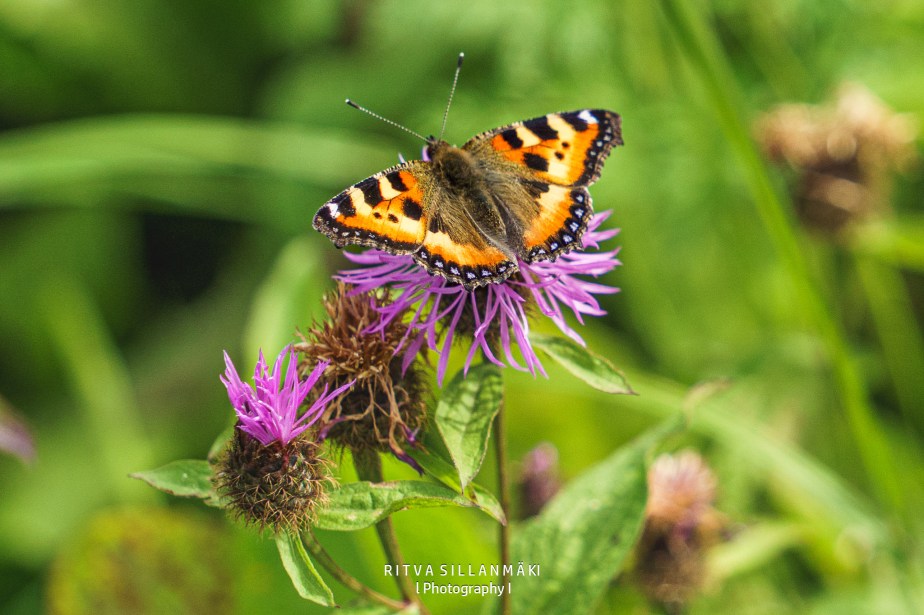
The small tortoiseshell is common all over Finland and looks a lot like the large tortoiseshell, the yellow-legged tortoiseshell and the Compton tortoiseshell which all are larger than the small tortoiseshell. Besides size it can be told apart from these, however, by the way that the upper surface of its wings are closer to brick red than orange, and the basal part of its hind wings are black.
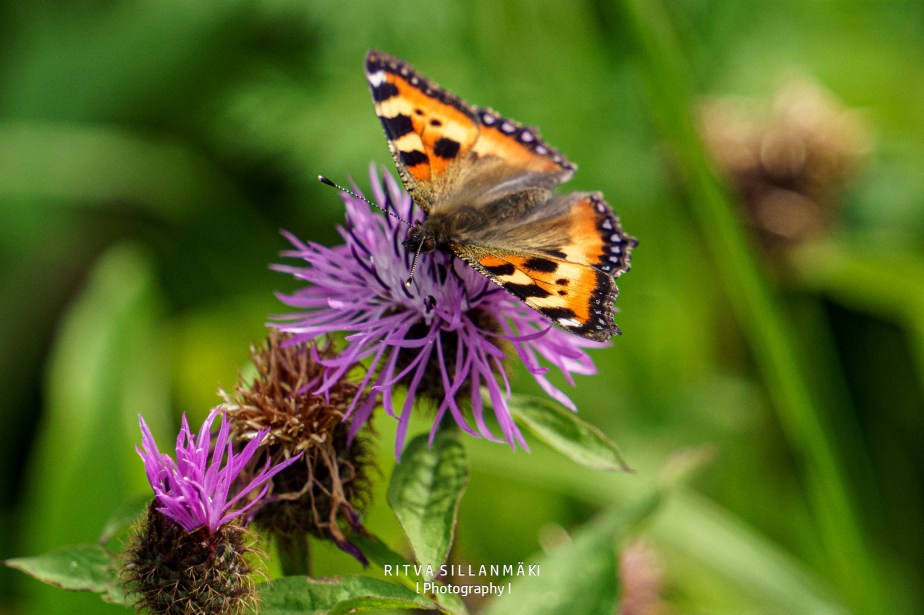
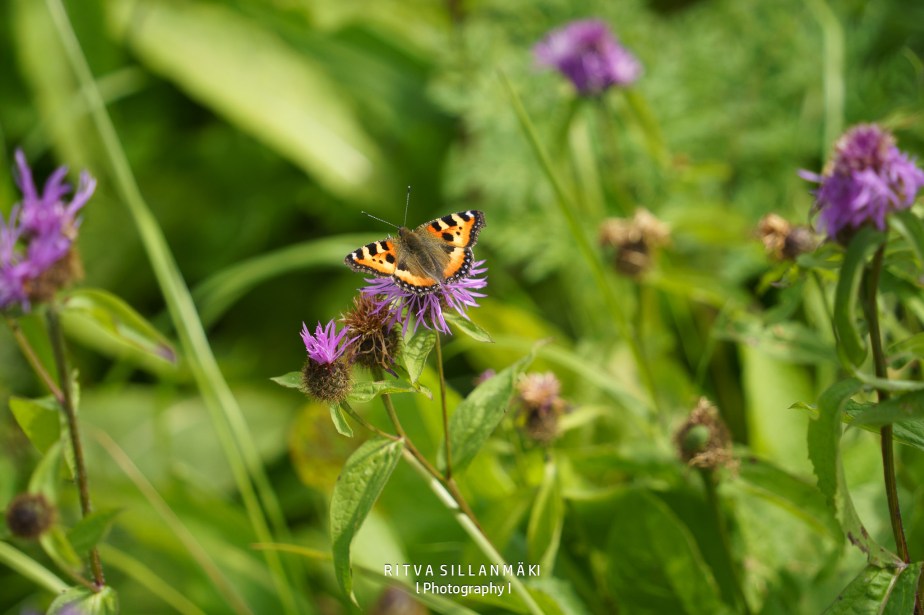
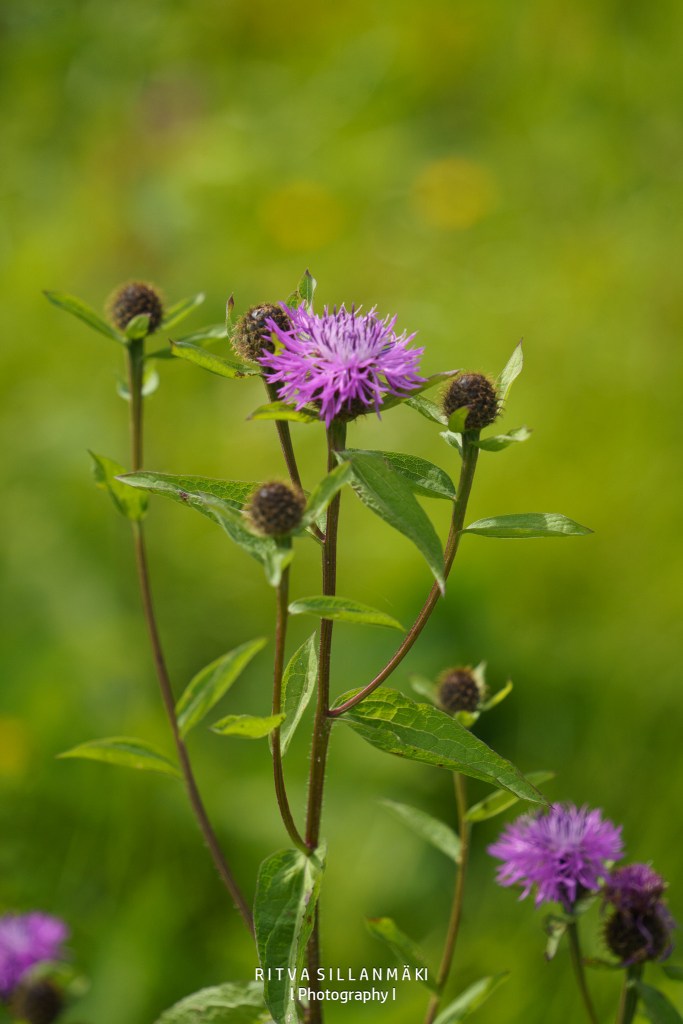
Wig knapweed has arrived in Finland from the east, and its habitats are linked to traditional methods of agriculture. Häme and especially Savo–Karelia have been the core of slash-and-burn agriculture in Finland, and wig knapweed is often found there on banks and dry meadows. It also perseveres in the margins of forest clearings and in light-filled broad-leaved forests. The last burn-beaten areas are beginning to close up, and this is reflected in the way that the species is becoming rarer. Its habitat stretches from eastern Europe to western Siberia and it would appear to favour a continental climate, or to avoid coastal climates, whichever way you look at it. Knapweeds have been popular in gardens throughout the ages as ornamentals in sunny and perhaps slightly dryish areas. Although many exotic species are grown as perennials, wig knapweed and other domestic species deserve more attention than they currently receive as wonderful plants in flowering meadows.
Where to Focus on Photography: Capturing Flora and Nature

I was just thinking about where to point my camera during this time. Should I capture the Devil’s-bit scabious that’s either blooming or fading away, showcasing its intricate details and vibrant colors? Or maybe I should focus on the grass, which I believe is Calamagrostis epigejos, swaying gently in the breeze, its delicate blades reflecting the soft light? Then there’s also the Sow thistle, with its bright yellow blooms, and the cotton grass, which adds an ethereal quality to the landscape with its fluffy tufts dancing above the ground. What do you think? I did focus on all of them, keeping little distance so I could capture a mood I was aiming for – soft and light – delicate, evoking a sense of tranquility and harmony within nature. Each element plays a vital role in this ephemeral scene, weaving together a tapestry of colors and textures that resonate with the serene ambiance of the moment.

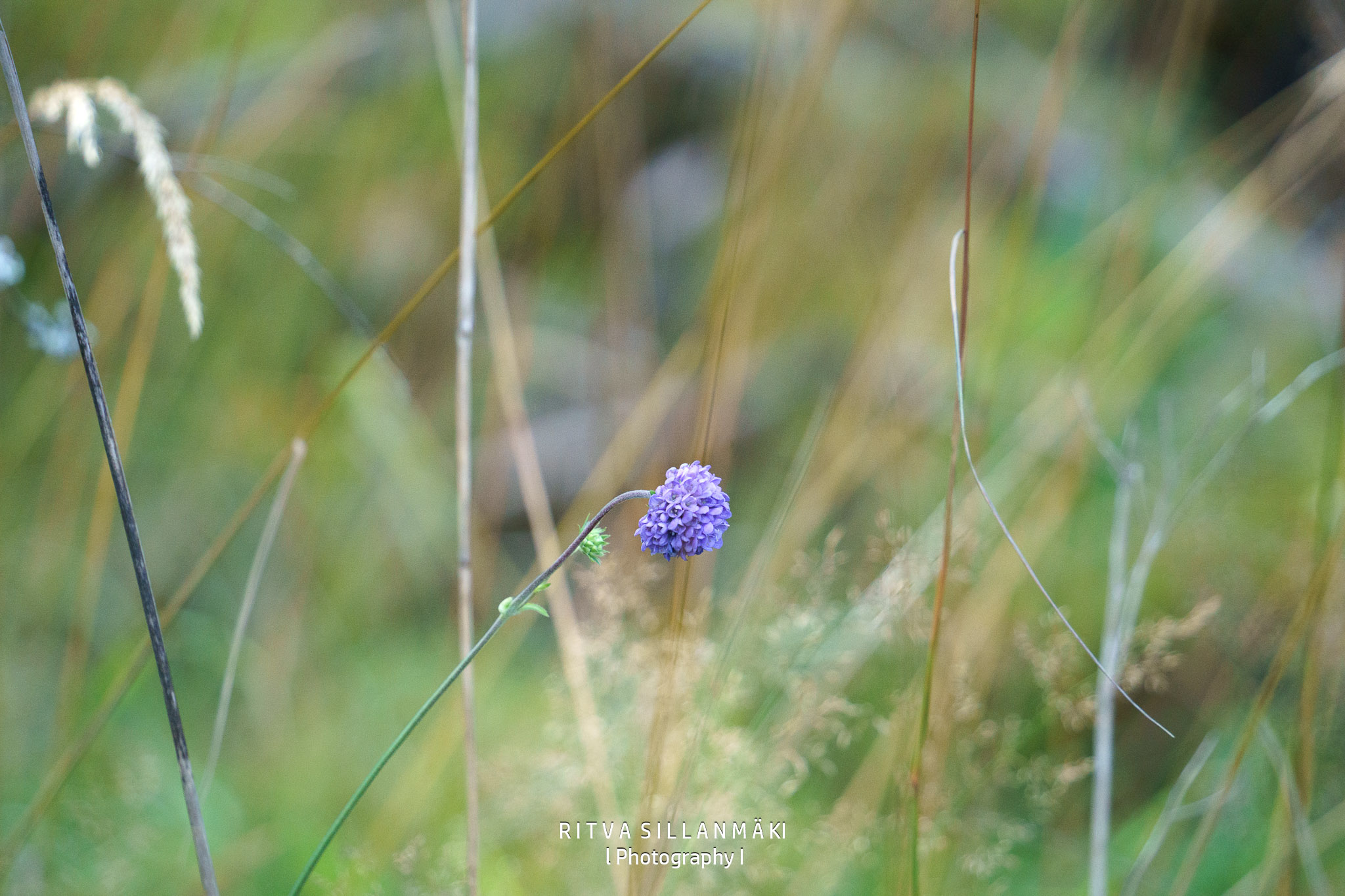
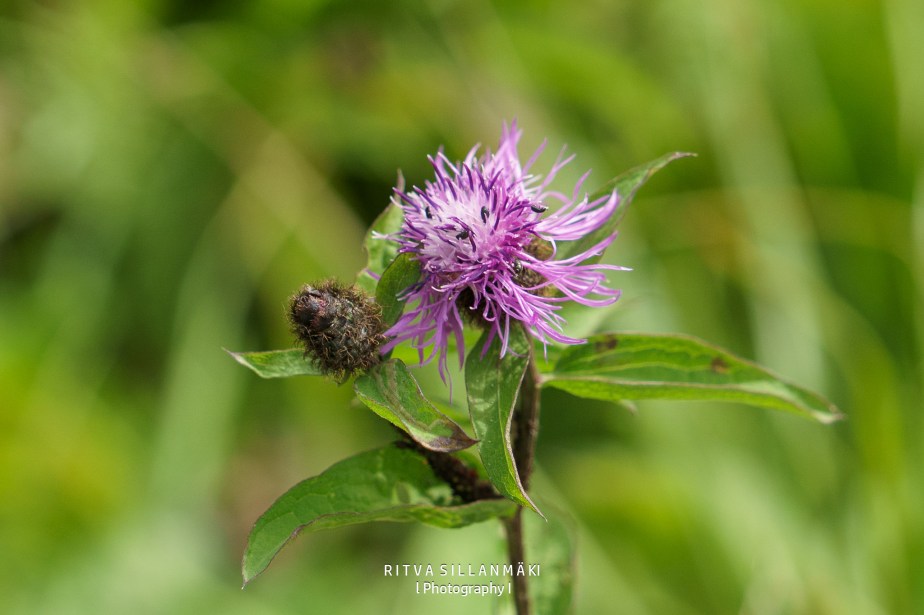
A delicate purple wildflower, Devil’s-bit scabious, emerges from a softly blurred meadow of green grasses.
Devil’s-bit scabious’s inflorescence resembles that of field scabious (Knautia arvensis), but differs in having smaller ray-florets and distinct leaf shapes. The two plants typically inhabit opposite environments; field scabious thrives in dry sands, whereas devil’s-bit prefers heavy clay areas. It is found in clearings, damp meadows, and along coastal regions, mainly in the west and south-west, with a distribution limit in central Finland. A historical climate barrier exists between coastal and inland populations, attributed to post-Ice Age climatic changes. The species has since spread to newer shorelines. LuontoPortti
Devil’s-bit scabious has a history of use as a dye, seasoning, tea, and medicine for various ailments. Legend has it that the Devil attempted to destroy the plant by biting off its root, which appears damaged as it ages. Its names are derived from the Latin term succidere, meaning “to break from the bottom.” This plant also supports insects, particularly butterflies and bees, as they prepare for winter.

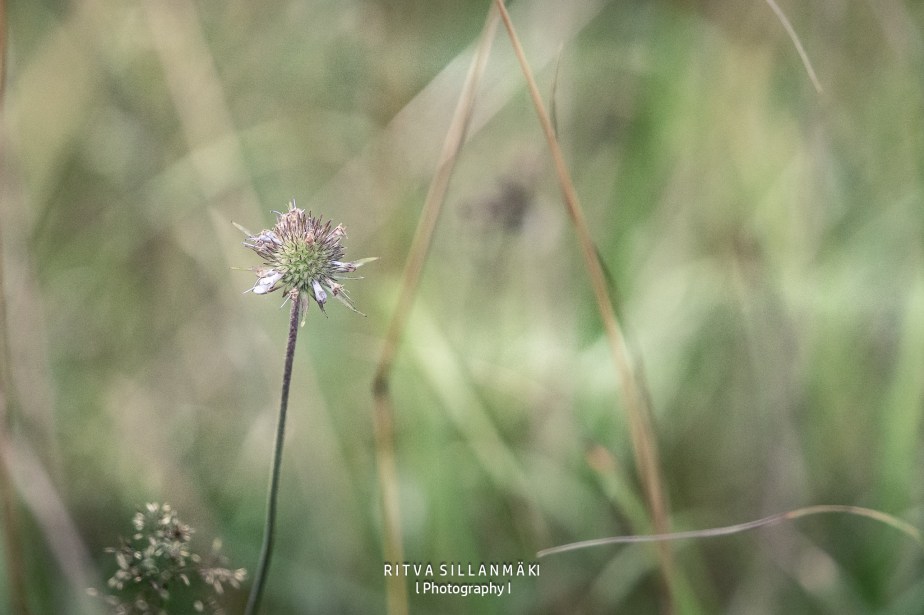
Devil’s-bit scabious slowly fading
Should the focus be on Hietakastikka

I think this grass is Hietakastikka (Calamagrostis epigejos), a perennial large grass species that thrives in a variety of habitats, often found in coastal areas and along riverbanks. It can be identified by its dense and large panicles, which are notably more pronounced compared to other Northern European grasses, contributing to its striking appearance. The spikelets, which are gray-green or bluish-brown, add to its visual appeal, especially when swaying gently in the wind. This species is not only valued for its aesthetic qualities but also plays a vital role in stabilizing soil and providing habitat for various wildlife, making it an essential component of the ecosystems it inhabits.

Softly blurred reeds and grasses create a serene, dreamlike abstract scene in muted green tones. This single twig pops into the focus
Delicate Sormipaisukarve lichen-covered branches create an abstract pattern against a softly blurred green woodland background.

Sormipaisukarve (Hypogymnia physodes) is a type of lichen that grows on trees and rocks. It has become more common in recent years and is likely the most widespread lichen in Finland. This lichen is found throughout the country, especially in the south, and is rare in northern Lapland. Sormipaisukarve is a sign of air quality: in clean areas, it can grow up to five centimeters, while in polluted areas, it stays under one centimeter.

A delicate wispy Cotton grass glow softly against a dreamy, blurred woodland background.

Cotton grass (Agrostis capillaris, syn. Agrostis tenuis) is a common grass species that thrives in a variety of habitats, including meadows, fields, and along roadsides. Its tall, slender stems and fine leaves create a delicate appearance, making it a notable feature in the landscape. Additionally, this grass species plays a vital role in the local ecosystem, providing food and shelter for various insects and small animals. It is an ancient introduction in Finland, where it has adapted to the climate and soil conditions, contributing to the rich biodiversity of the region.

A delicate The Sow thistle glows softly amid sunlit grasses and warm, dreamy bokeh.

The Sow thistle reached Finland after the Ice Age from the south and west. The populations from different directions are separate, and changes in distribution are very small on a human scale. The species grows in the Åland Islands and Uusimaa, mainly in the pine forests and edges of the Lohja region. Human activities do not threaten the species; instead, they often help it by creating more open areas with light, which the plant prefers. In some locations, it has even spread to roadsides and railway embankments.

Humans have also utilized sow thistle; the plant’s sturdy taproot is edible and tastes good. Instead of starch, the root contains inulin sugar, making it excellent for diabetics. One would think the sow thistle would stand out in the open pine forest, but its abundance and entire existence can go unnoticed, as it is often present only as leaf rosettes. The rosette somewhat resembles ribwort plantain (Plantago lanceolata), but the large flower heads that often open as early as May reveal that the plant belongs to the daisy family.

Apple Tree Blossoms: A Springtime Celebration


I’ve been blogging on WordPress for 14 years now, and what learning curve it’s been! Today, I’m happy to share that I’ve hit a cool milestone—my posts have received views from over 150 different countries! That is pretty awesome is that? It’s odd, slightly unreal to think about how my little blog has reached such a diverse mix of people. The United Nations has nothing on me 😂, that’s what the achievement notice on my site; and honestly, that’s a pretty cool thing to be proud off. Every comment feels like a personal connection with someone out there, and it what keeps doing what I love—blogging and sharing my photographs and thoughts. This achievement notice really shows me how amazing digital platforms can be for bringing folks together.

So HUGE thanks for all the comments and likes. I really appreciate you! It means the world to me and motivates me to keep sharing my photography with you. It’s inspiring to see how our conversations grow and how your feedback helps shape what I do. Every like and comment not only boosts my confidence but also fosters a sense of community among us.

In Finland, spring brings the blossoming of apple trees. The fragrant white and pink flowers signal the arrival of spring. So this what I am happy to share with you this time.

Apple tree blossoms, like delicate clouds, bring forth pure joy

In spring’s gentle embrace, the apple trees whisper,
Their blossoms, like delicate clouds, bring forth pure joy.
Soft white petals blush, swaying gently in the warm morning light,
Rustling like a soothing lullaby to greet the day.
Bees flit about, wrapped in a sweet, buzzing haze,
As they blossom together in the soft warmth of sunlit rays.

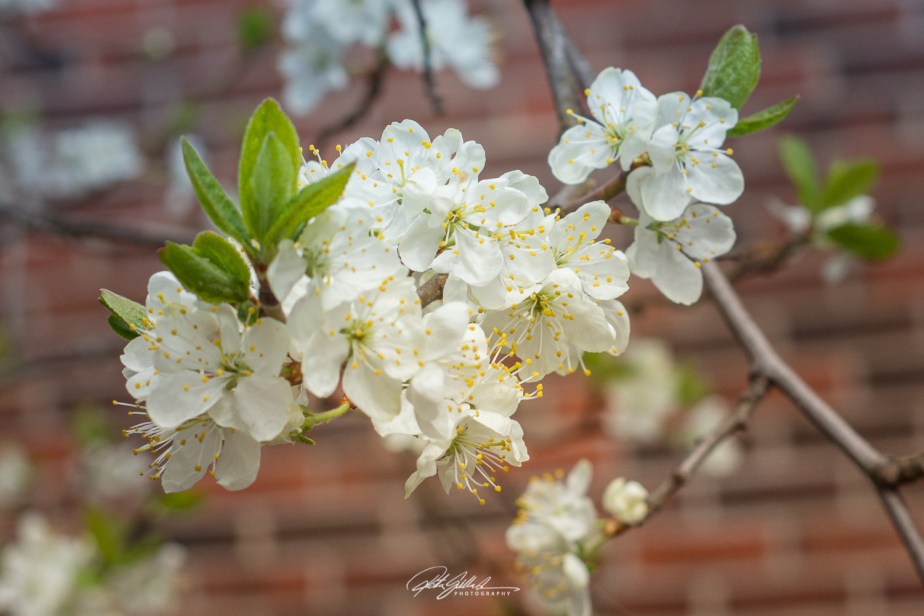
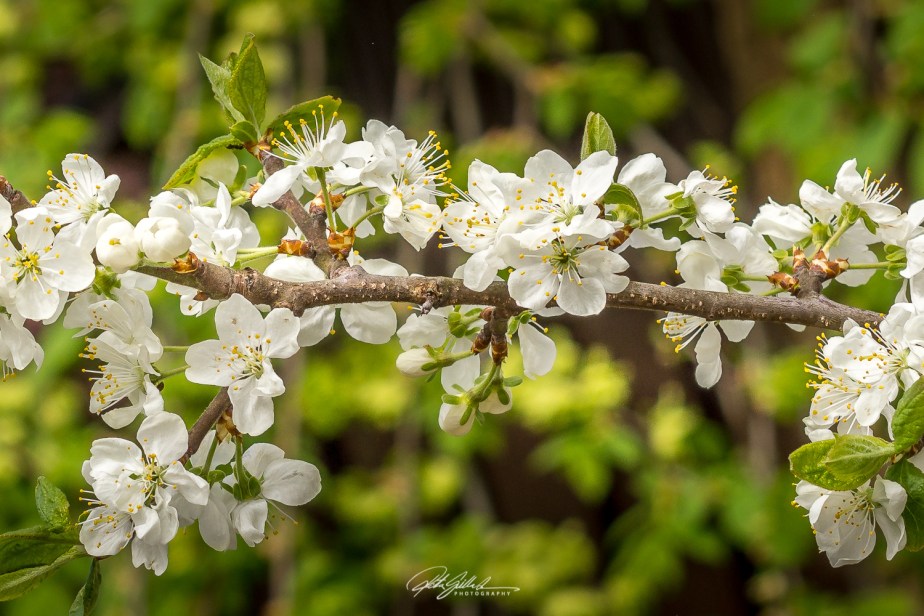
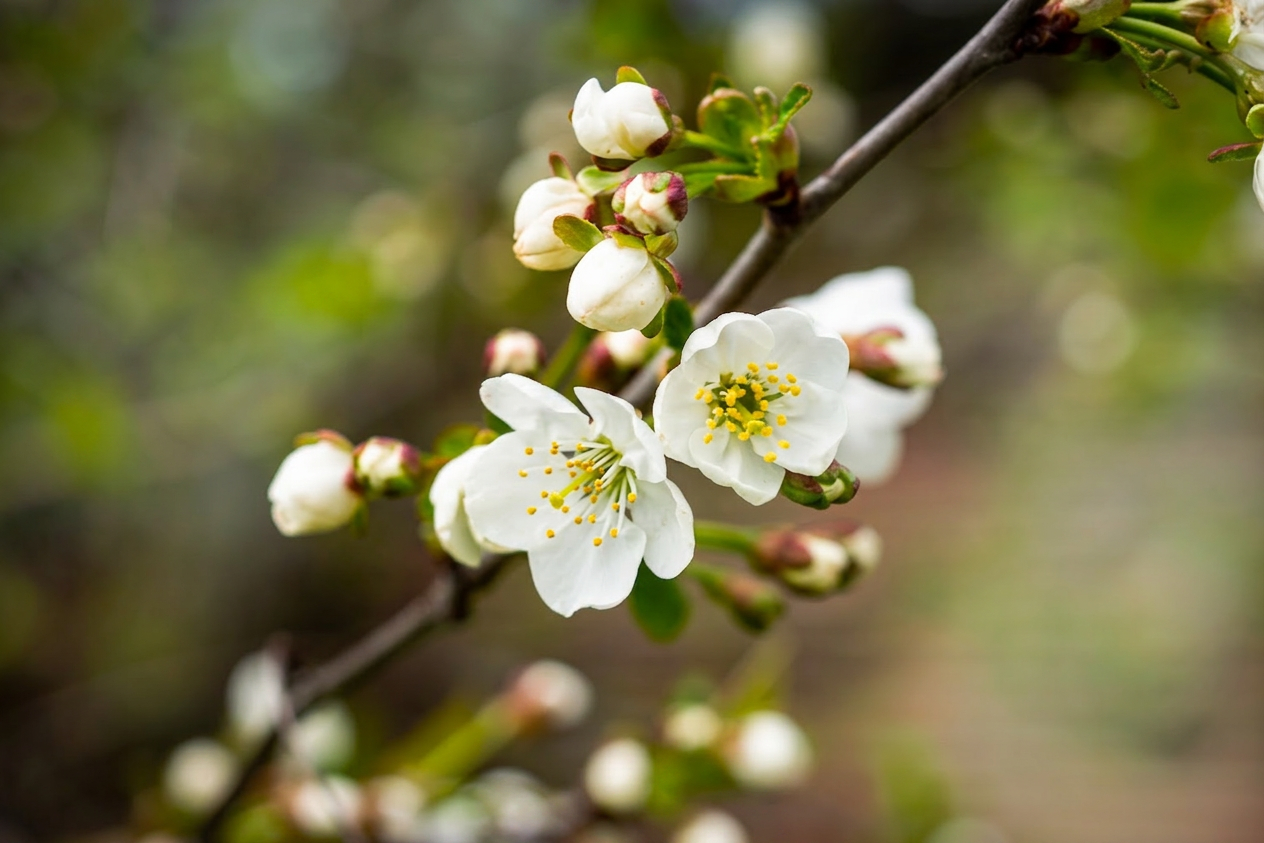
A close-up of a delicate branch adorned with white apple tree blossoms and buds. The background is softly blurred creating a dreamy, natural atmosphere that highlights the freshness and beauty of the blooming flowers. The overall mood has the essence of springtime and renewal.

Spring Blooms: Eastern Pasque Flower

I do not know my plants, if they are pretty that is mostly enough information for me. I googled this flower and flower enthusiasts may appreciate this.

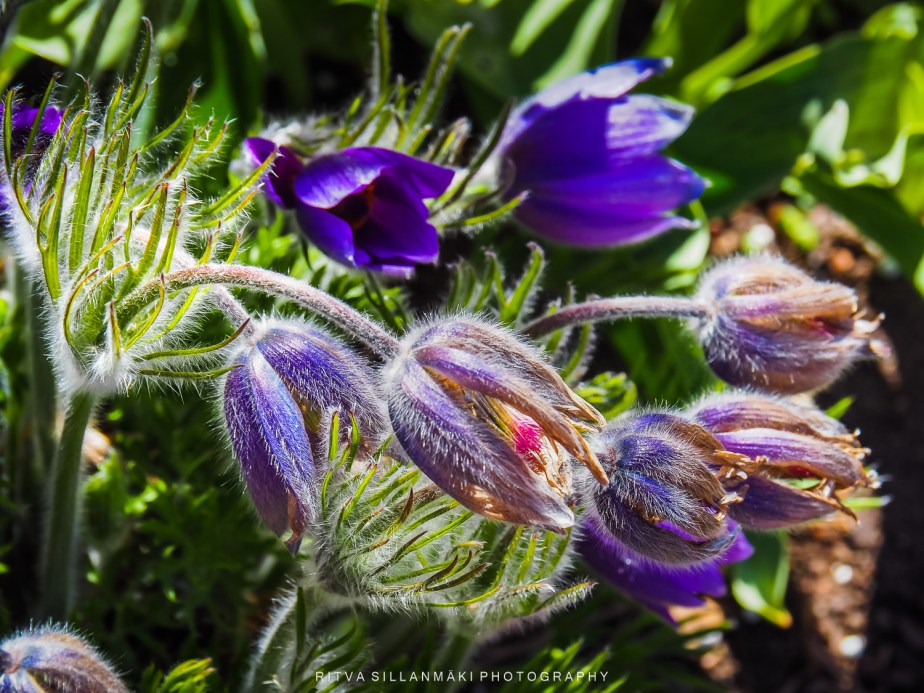
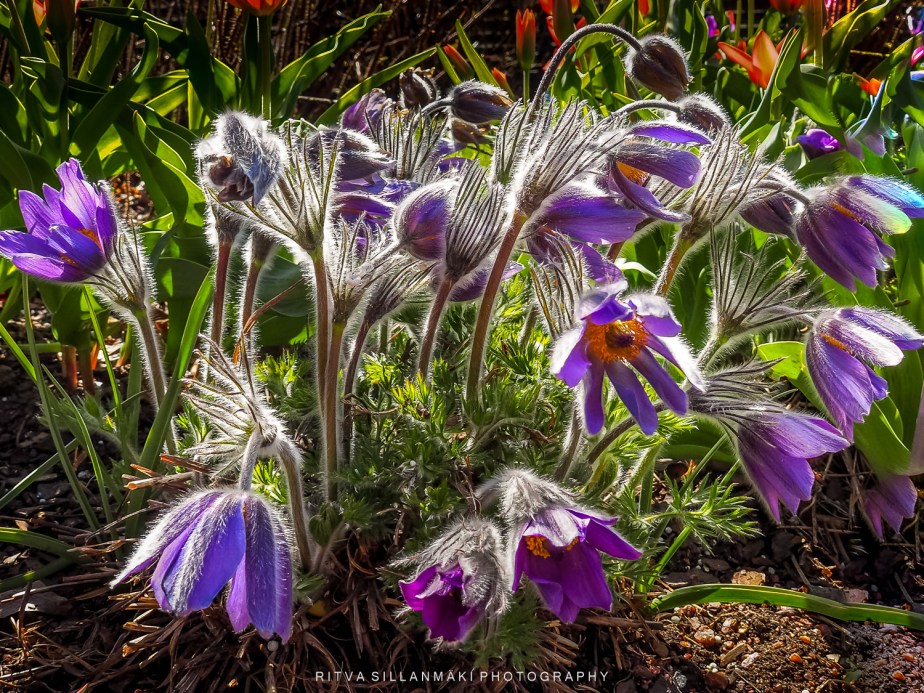
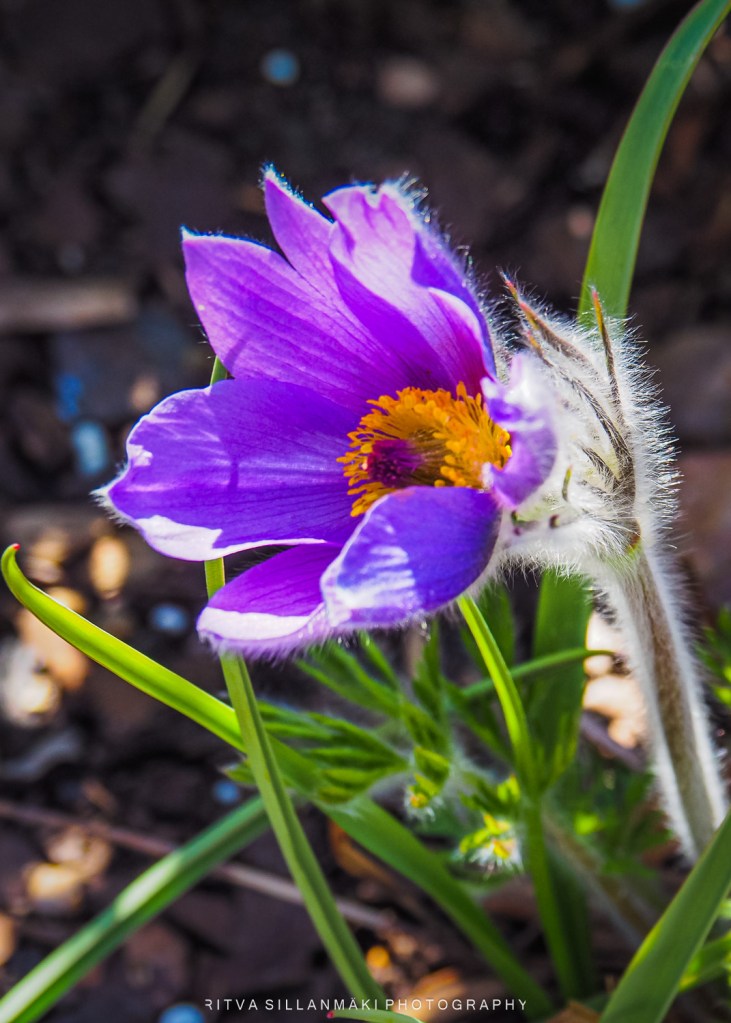
The image displays the plant known as the common pasque flower (Pulsatilla vulgaris), also referred to as the Eastern pasque flower (Pulsatilla patens) in some contexts.
Key characteristics of the plant: Form: It is a perennial herb with a short, upright rootstock.
Height: The plant typically grows 5 to 25 cm tall.Flower: The flowers are radial to bell-shaped, purplish-blue, and 5.5–8.5 cm wide. They bloom early in spring, often in April or May, as one of the first perennials to flower.
Leaves: Basal leaves are stalked and develop after flowering. The stem leaves form a whorl below the flower.
Habitat: It grows in dry heathlands and is also a popular ornamental garden plant.
Status: In Finland, the species had disappeared from the wild but has reappeared in some locations. The Eastern pasque flower is a protect in Finland

These were photographed at the Botanical garden last spring.

The Flower Hour #18

Close-up of the common pasque flower (Pulsatilla vulgaris) showcasing its distinct purplish-blue blooms and velvety buds.
A common pasque flowers (Pulsatilla vulgaris) in bloom, showcasing their purplish-blue petals and fuzzy stems.
A purple common pasque flower and fuzzy stem.

Mood board with Soft Floral Hues

I loved the idea of a mood board, particularly one that features flowers arranged in soft pink tones, which create a serene and inviting atmosphere. I did my previous post about it. This beautiful color palette not only enhances the aesthetic appeal but also evokes feelings of warmth and tranquility, making it an ideal choice for any interior space. A bedroom adorned with such delicate hues can transform it into a personal sanctuary for relaxation and restful sleep, while a living room decorated in these soft shades creates a cozy and welcoming vibe, perfect for moments with loved ones.

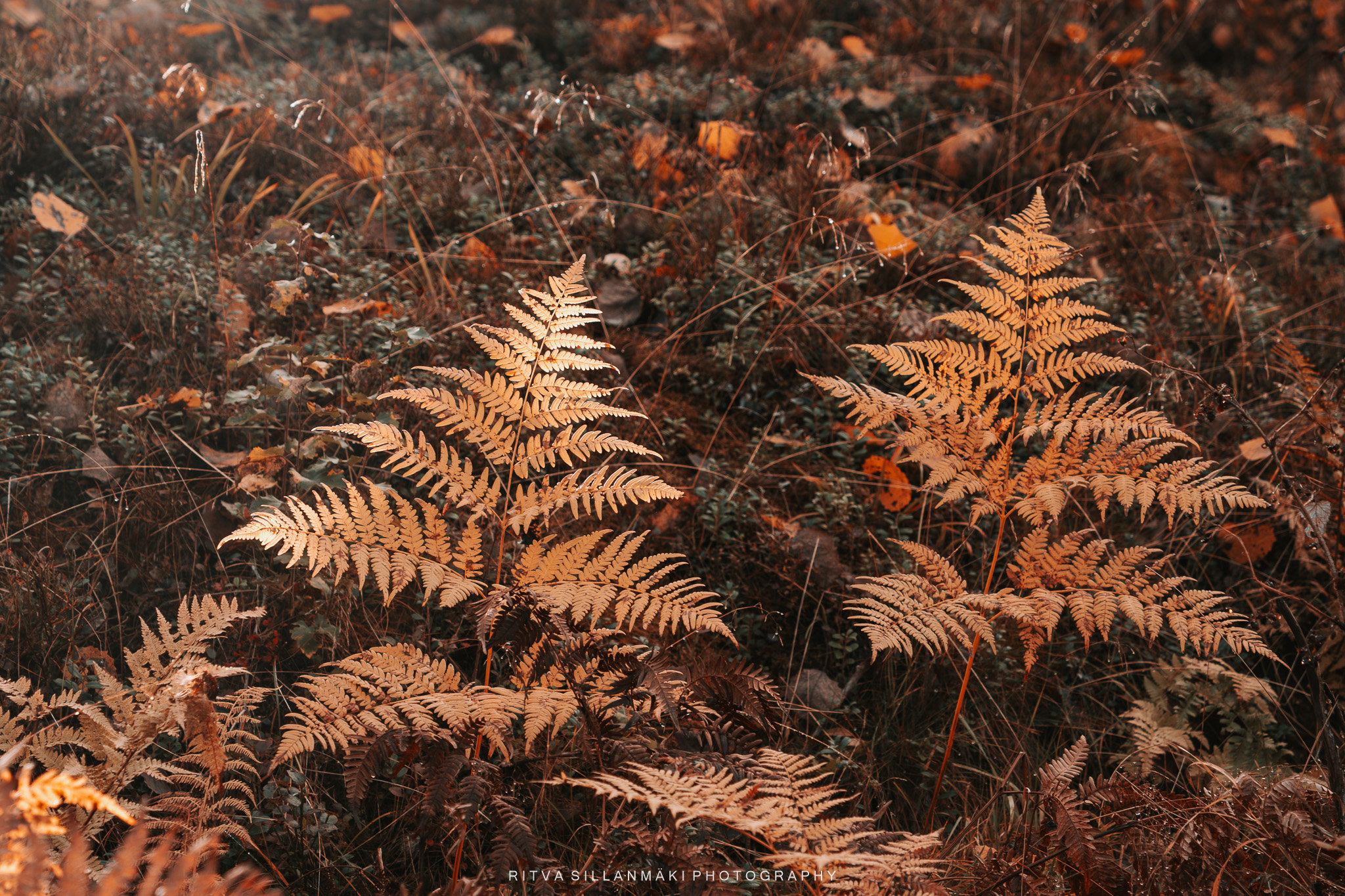
Now I am introducing a new flower palette, incorporating soft yellows and gentle browns can enhance the warmth of the space, making it feel more intimate. Soft orange, especially in muted shades, can introduce a subtle pop of color without overwhelming the senses, while various tones of green can serve as a beautiful contrast, giving the room a fresh and vibrant feel. This combination of colors not only adds depth but also allows for a seamless blend of nature-inspired elements, ideal for anyone looking to create a harmonious living environment. What would these tones be suitable for, you might wonder? They could work wonderfully in spaces that seek to promote tranquility and comfort, such as reading nooks or meditation corners, making a profound impact on the overall ambiance.

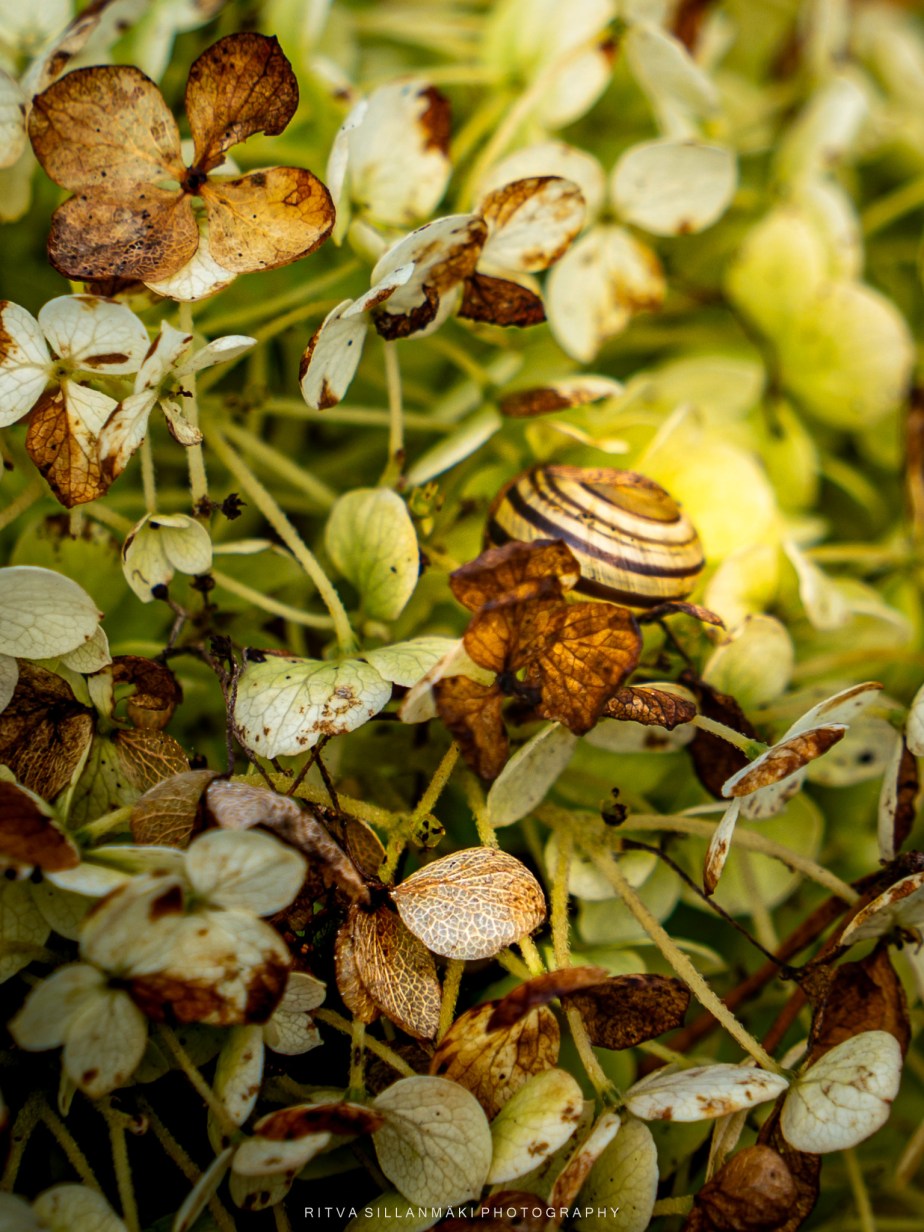
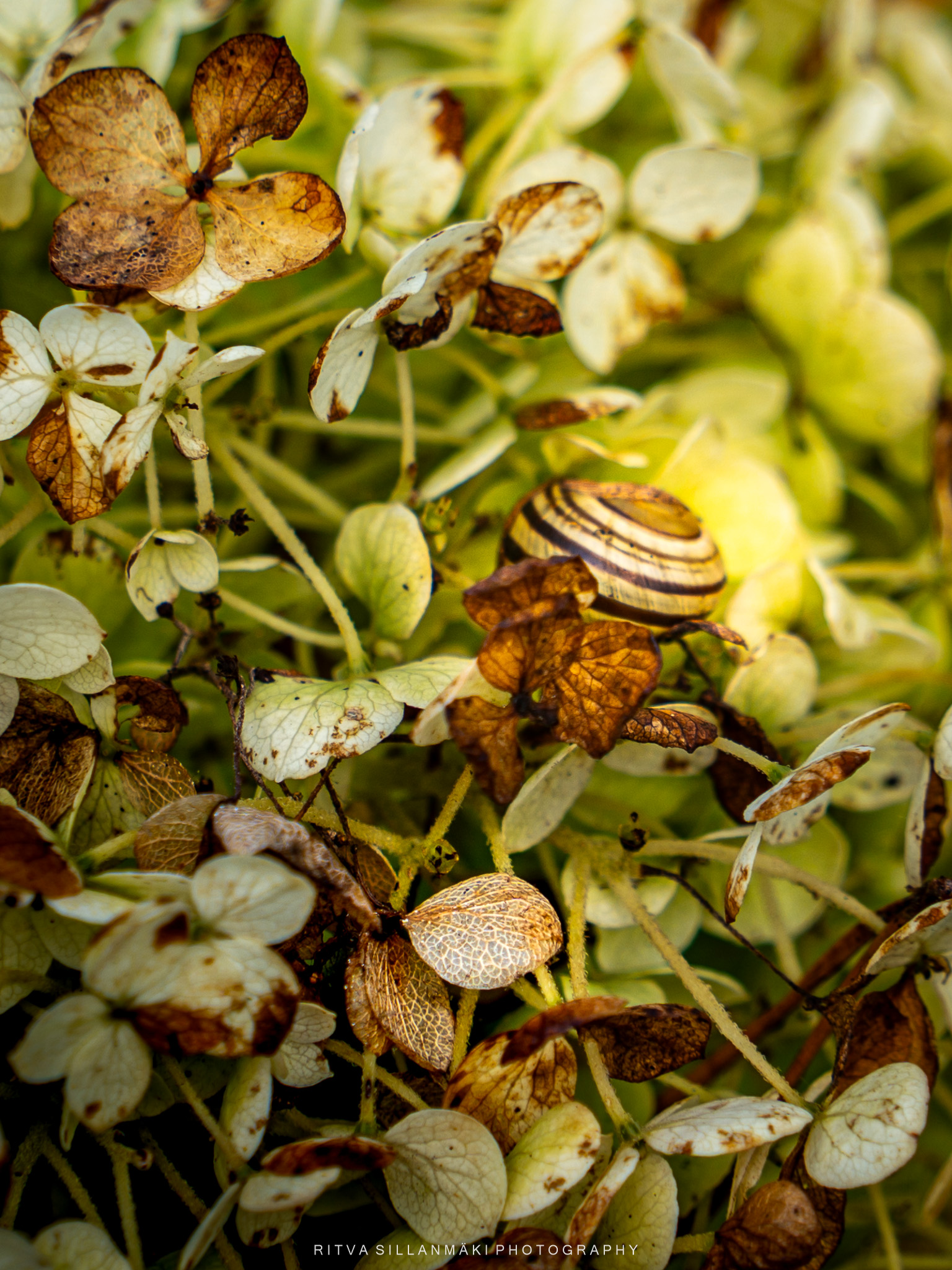
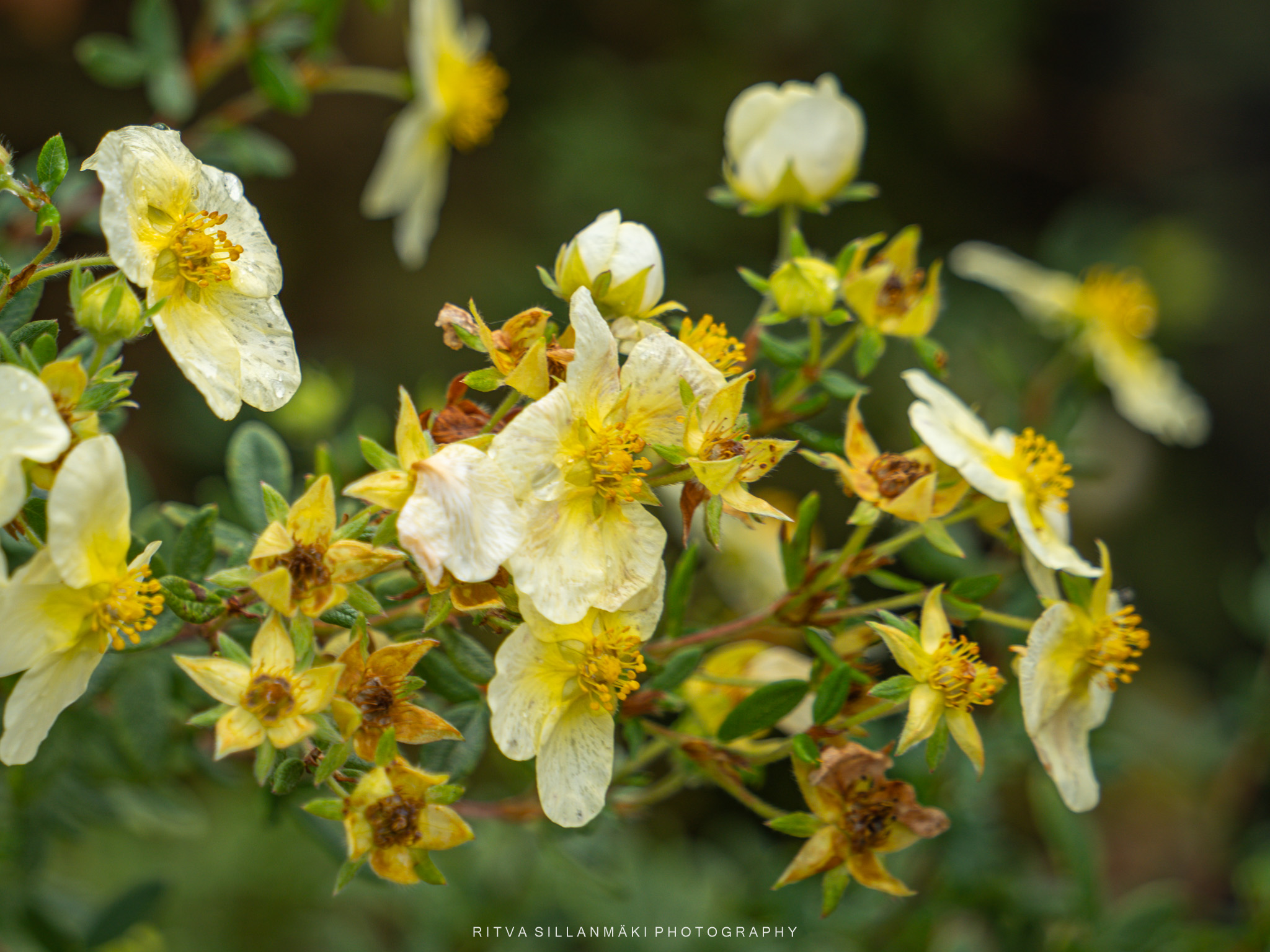
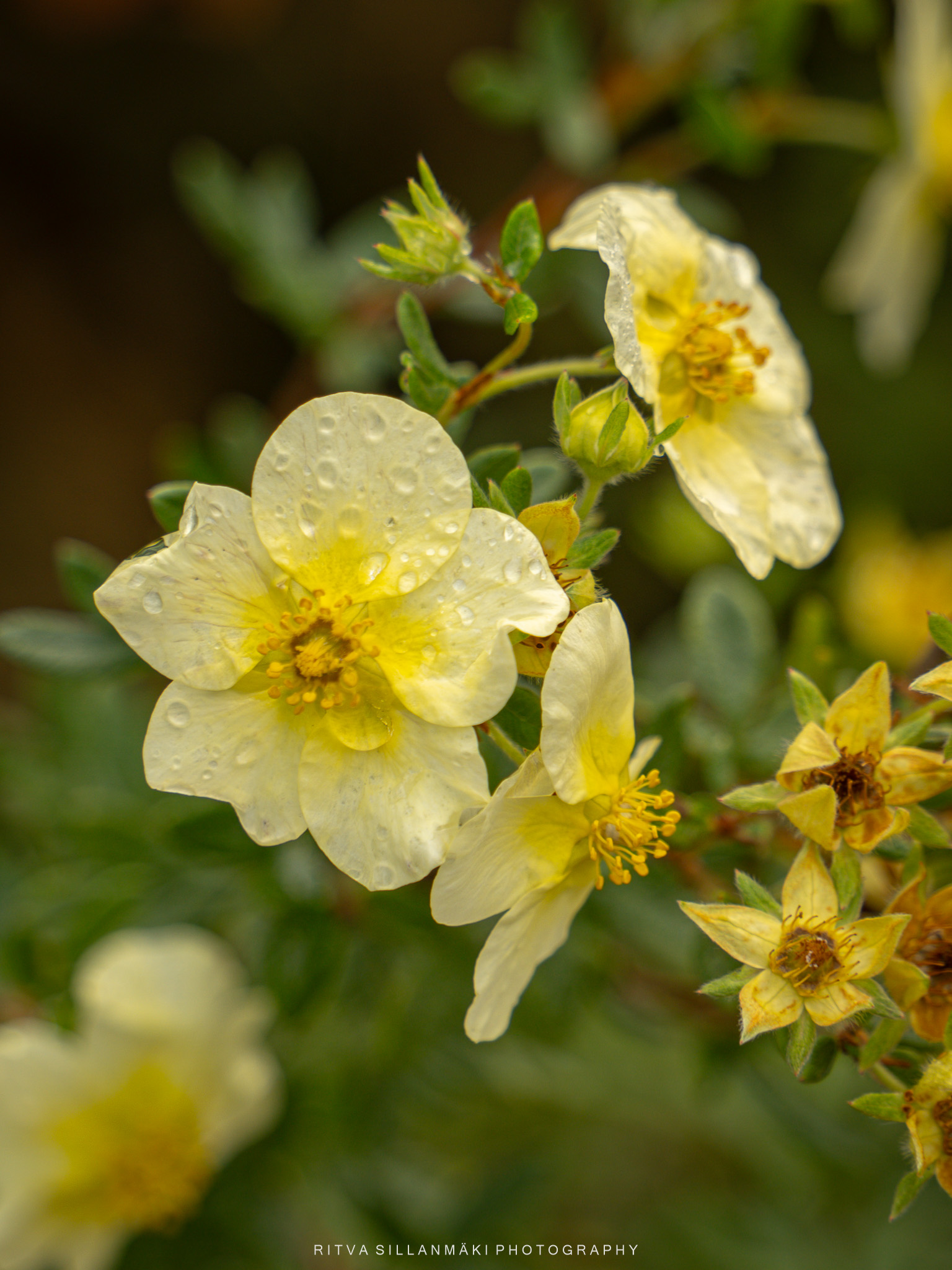
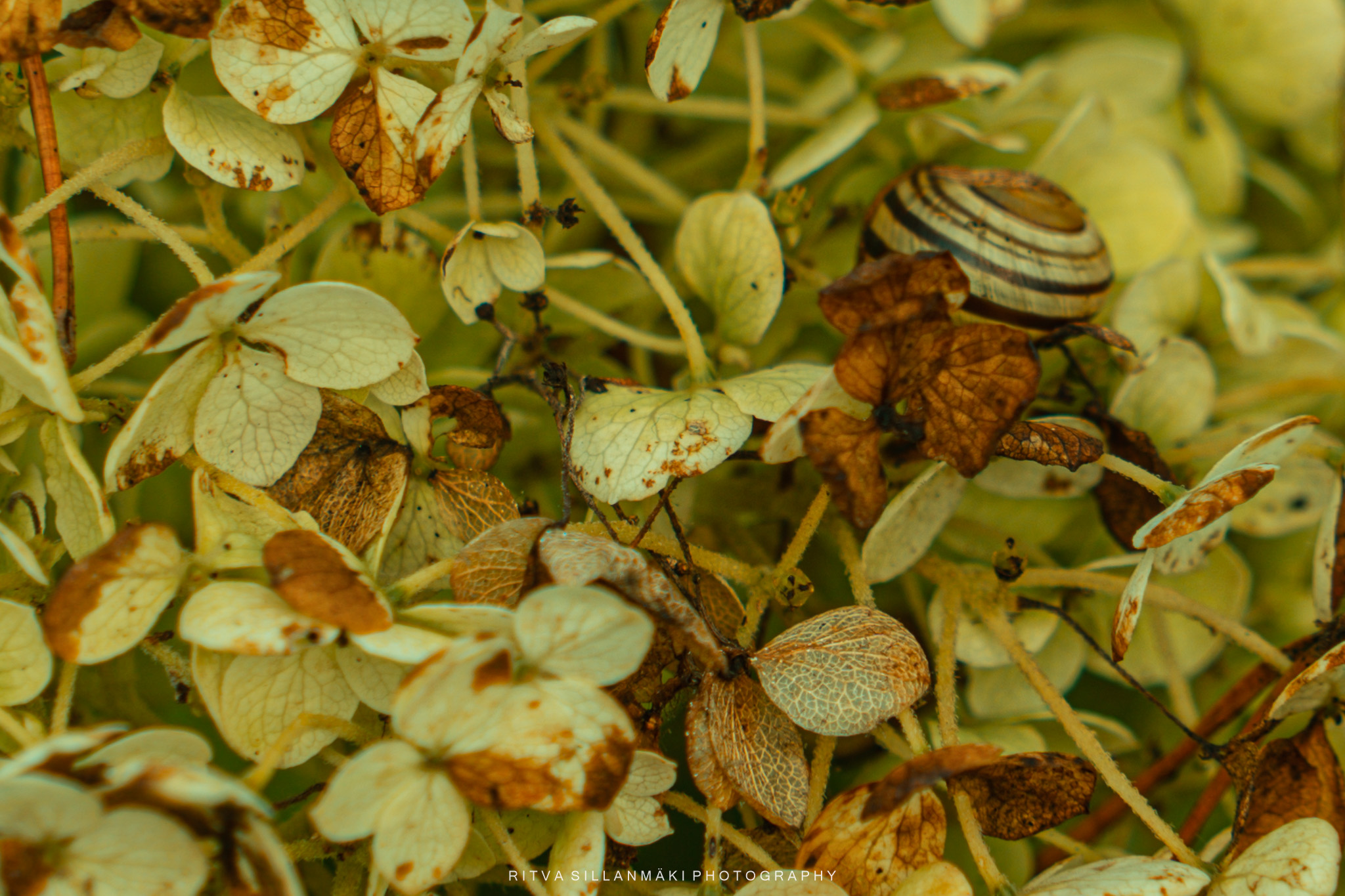
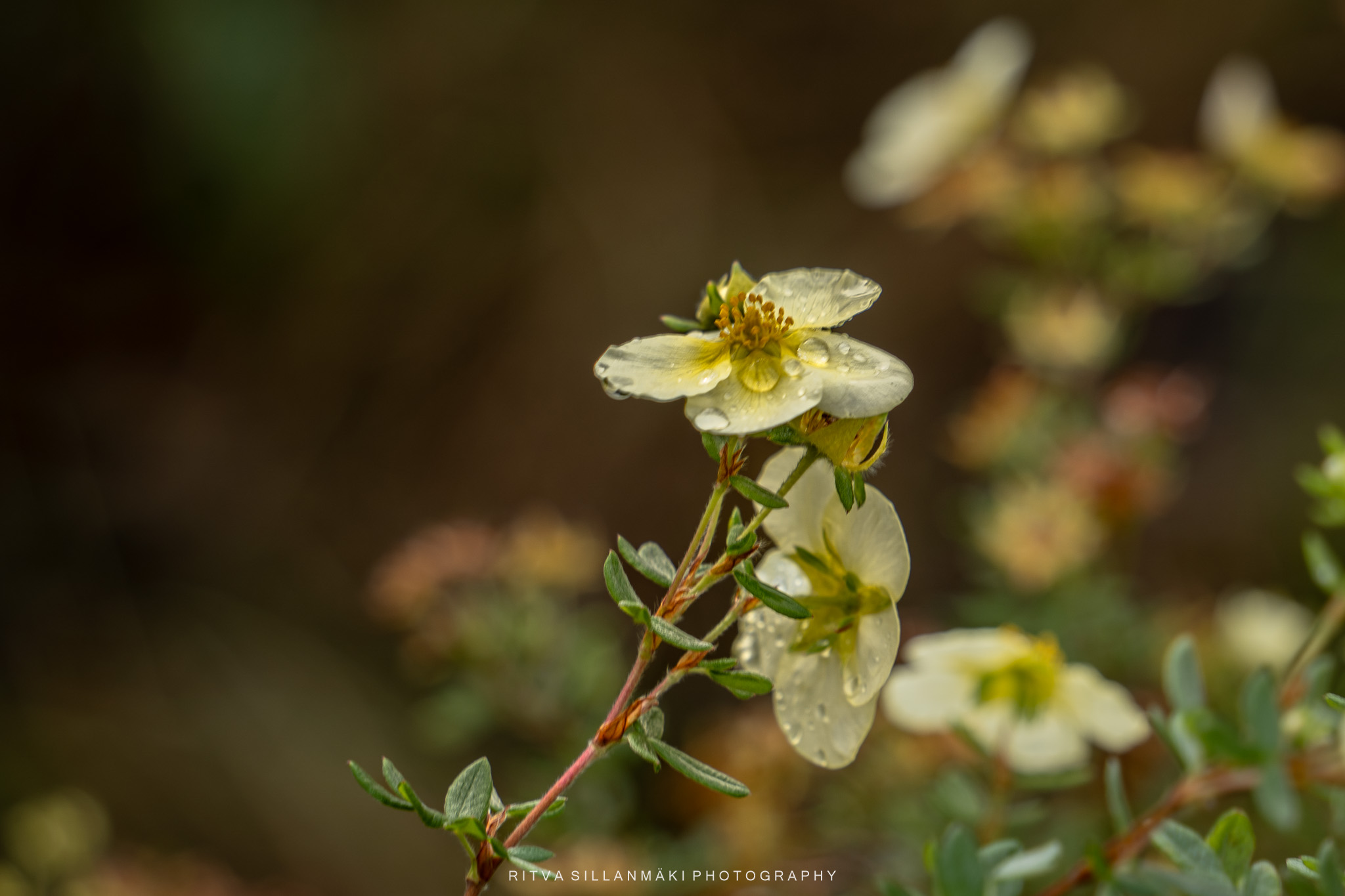
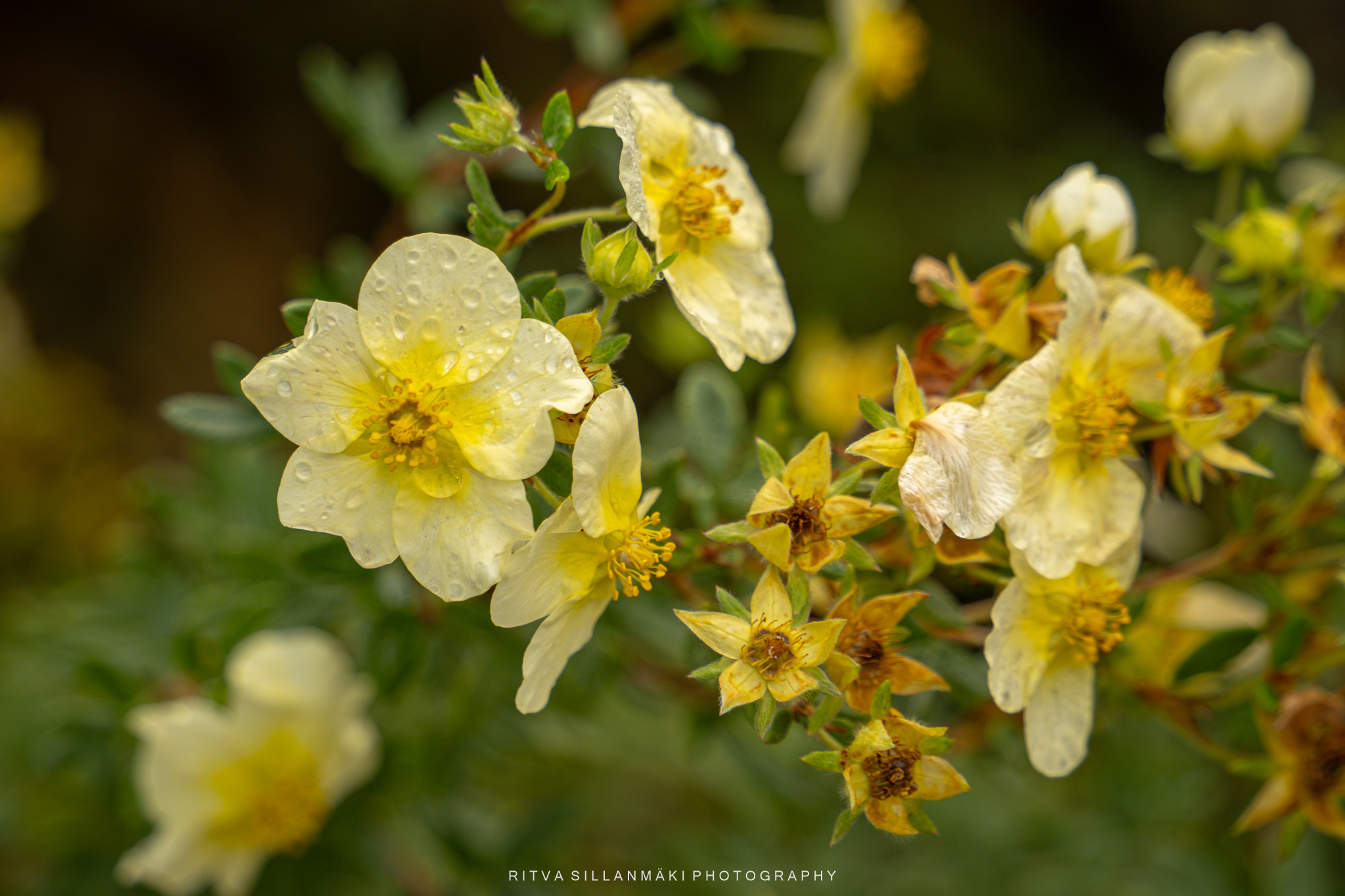
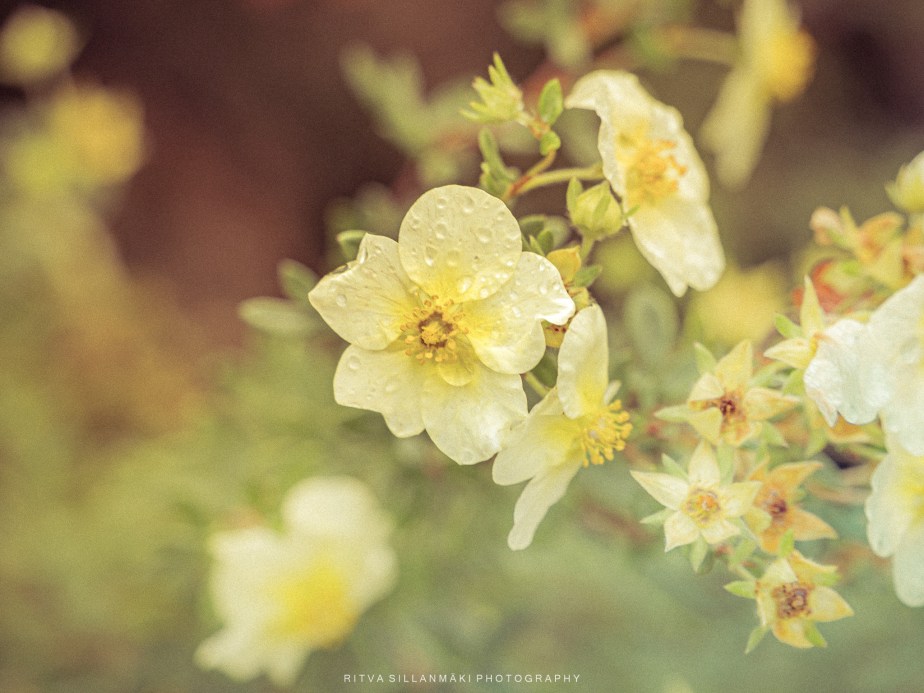
This color palette inspiration for the mood board began with shrubby cinquefoil, a vibrant plant admired for its stunning yellow flowers and lush green leaves. The warm glow of its golden petals brings forth a sense of life and energy, encouraging an appreciation for the natural beauty it embodies. Earthy shades and soft neutrals blend seamlessly with the striking accent of the cinquefoil, resulting in a lively yet harmonious aesthetic that remains inviting—ideal for any design endeavor aiming to connect on a profound level. The palette can also be reflected in the gently fading hydrangea arborescens, with a snail on it continuing the theme as seen on the header.

Beautiful flowers of  shrubby cinquefoil (Dasiphora fruticosa)in soft yellow tones, enhancing warmth and tranquility in any living space.

Posted for #theflowerhour

The Allure of Forget-Me-Nots

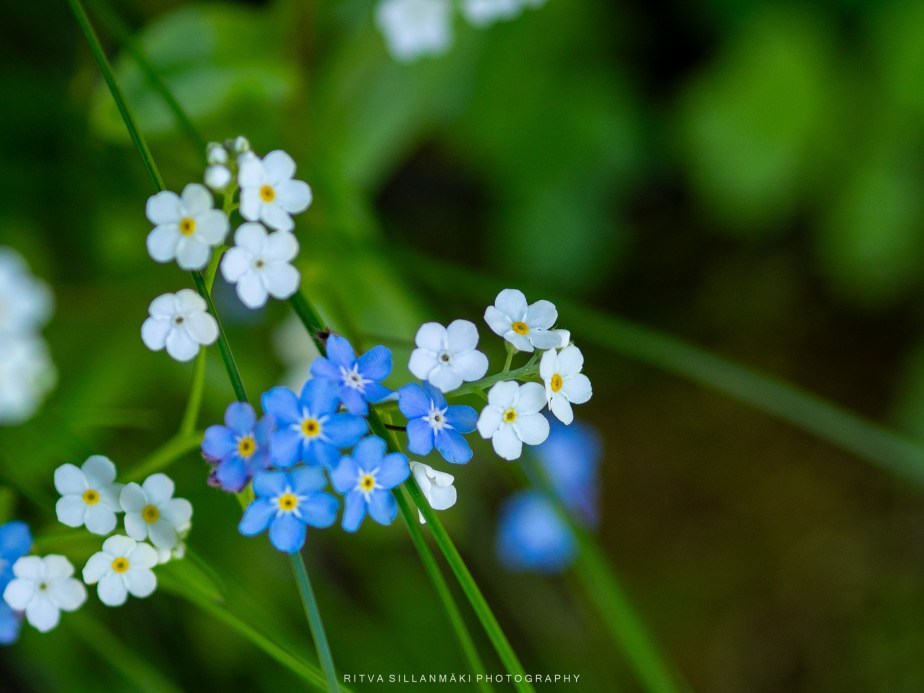
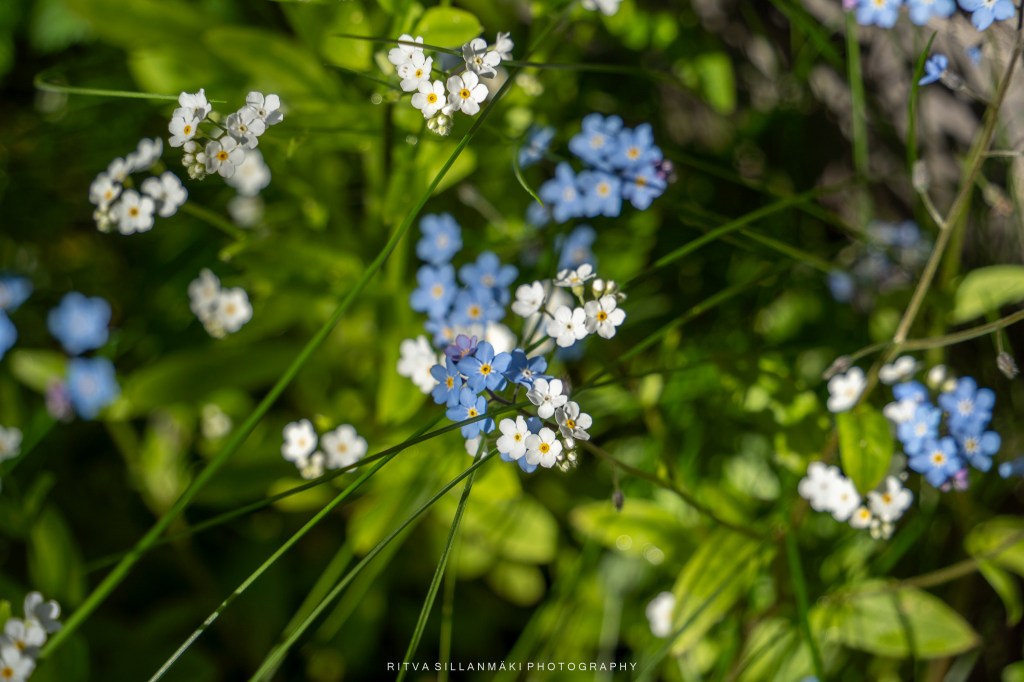
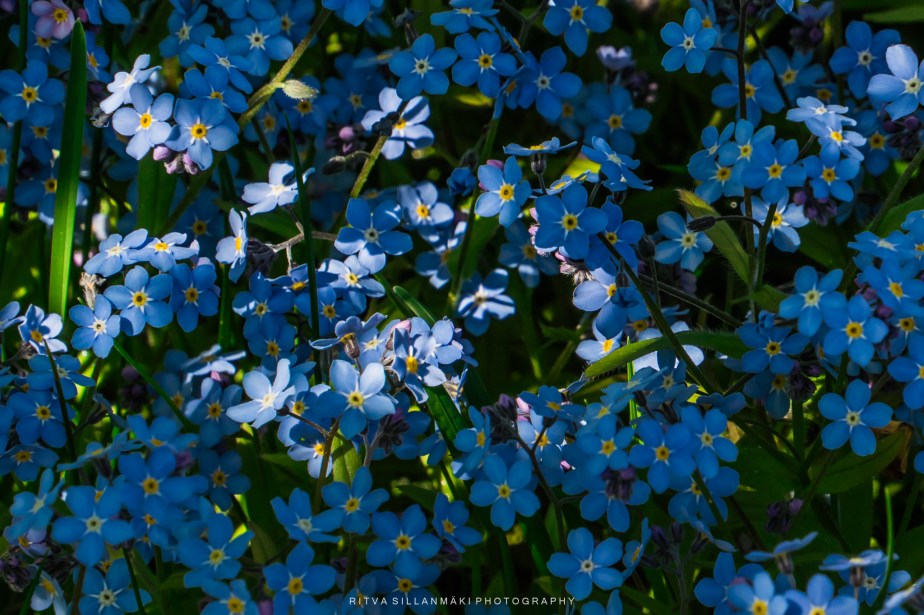
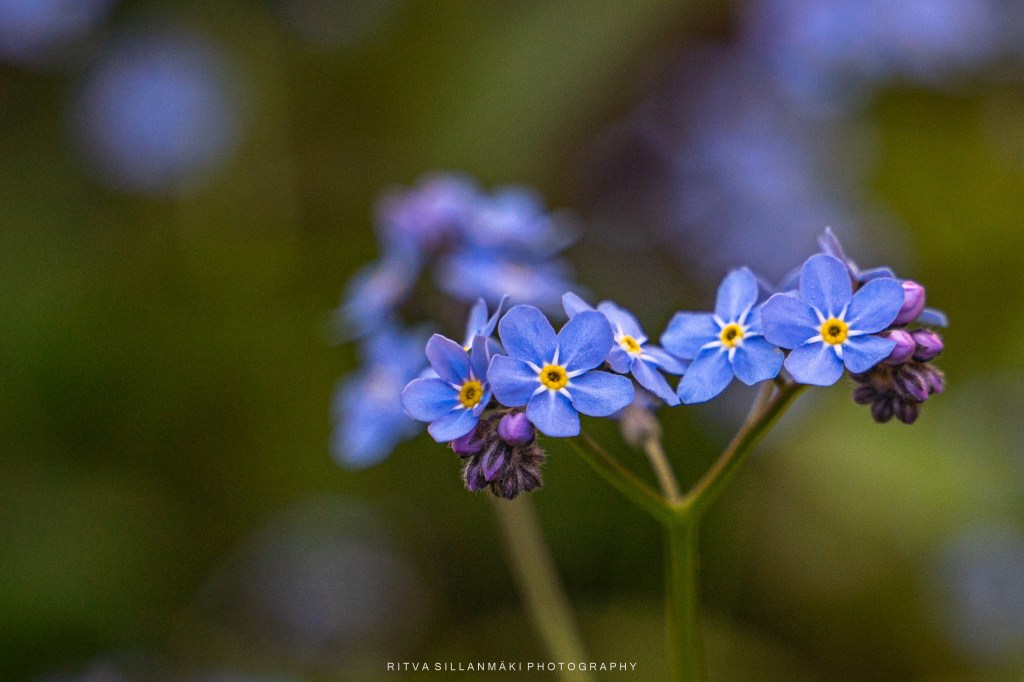
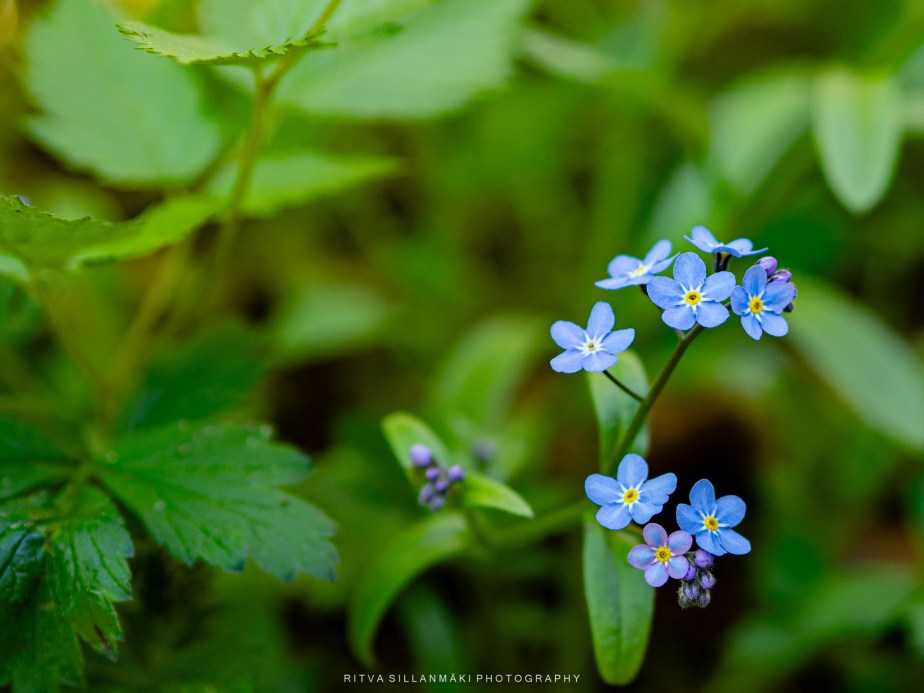
I’ve had a blast soaking up some sunny days in the backyard, just watching the colors and flowers burst into life like nature’s own art show. Those little forget-me-nots are a real highlight—so delicate and lovely! I’ve got loads photos of them from past springs, so I definitely don’t need more, but honestly, I can’t resist the urge to snap some fresh shots.

Forget-me-not flowers, their delicate beauty and rich colors amidst lush greenery.

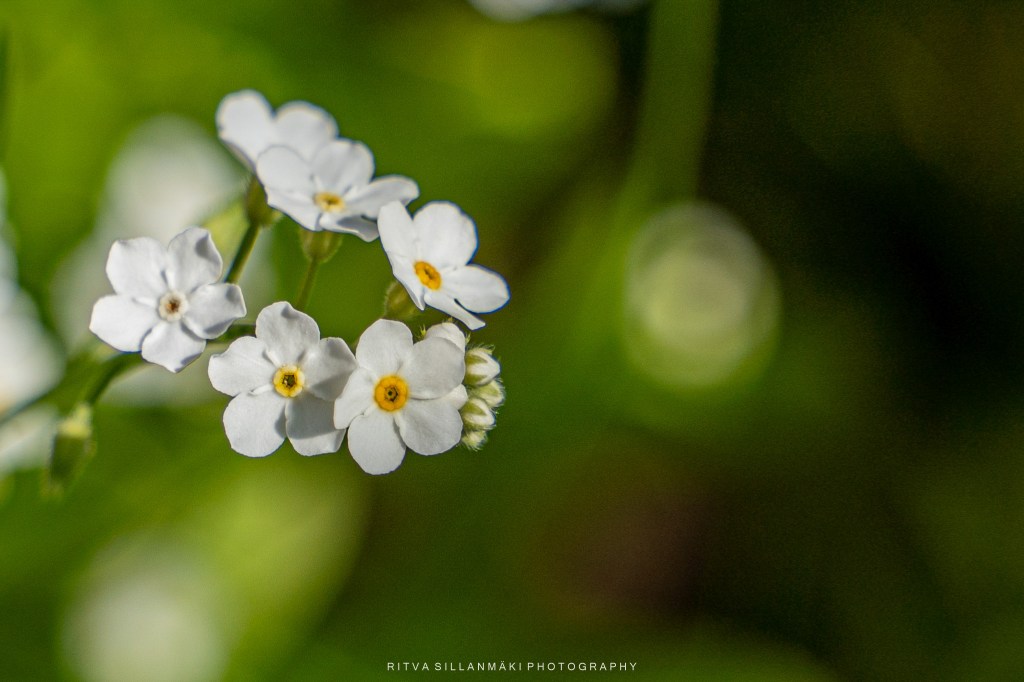
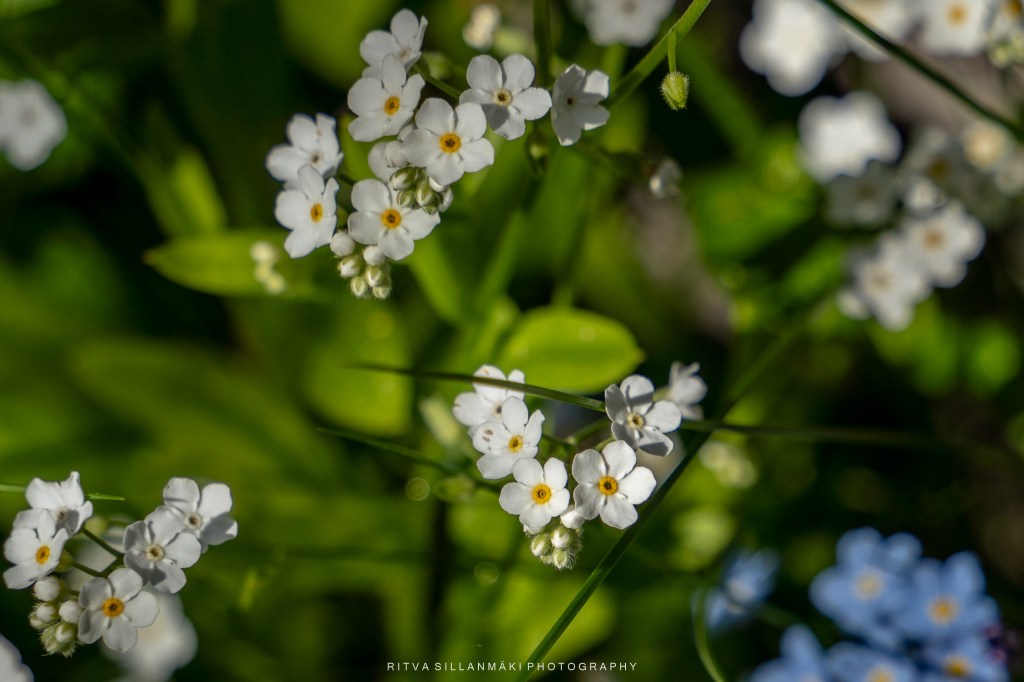
The White Forget Me Not Flower carries a heartfelt spiritual significance for many, embodying enduring love and cherished memories. Often used to pay tribute to those who have passed, this delicate bloom has inspired countless poems and songs that beautifully express the depth of its timeless affection. For some, it serves as a comforting beacon of hope, offering assurance of a brighter tomorrow, while for others, it symbolizes the peace and tranquility that only nature can provide during moments of reflection and loss.

Delicate white forget-me-not flowers
A close-up of delicate white Forget-Me-Not flowers, symbolizing eternal love and remembrance.

The Blue Forget Me Not Flower holds a gentle charm with its spiritual qualities and healing properties, known for bestowing a calming effect and fostering a deep sense of tranquility, making it a wonderful companion for meditation and relaxation. This delicate flower also serves as a heartfelt symbol of remembrance and loyalty, inspired by a poignant medieval legend of a knight who, while gathering these blossoms for his beloved, tragically fell into a river, urging her to “Forget me not.” This touching story has woven the flower into our hearts, associating it with memorials and funerals, reminding us of the enduring connections we cherish.

A vibrant cluster of Blue Forget Me Not flowers
A delicate blue Forget-Me-Not flowers, symbolizing love and remembrance.
A delicate Blue Forget Me Not flowers surrounded by lush green foliage, symbolizing tranquility.

Joyful Moments: Embracing Spring’s Beauty

Here are my picks for the host Dawns Monochrome Madness #32: Everything Spring and also linking it to Leanne’s Monochrome Madness

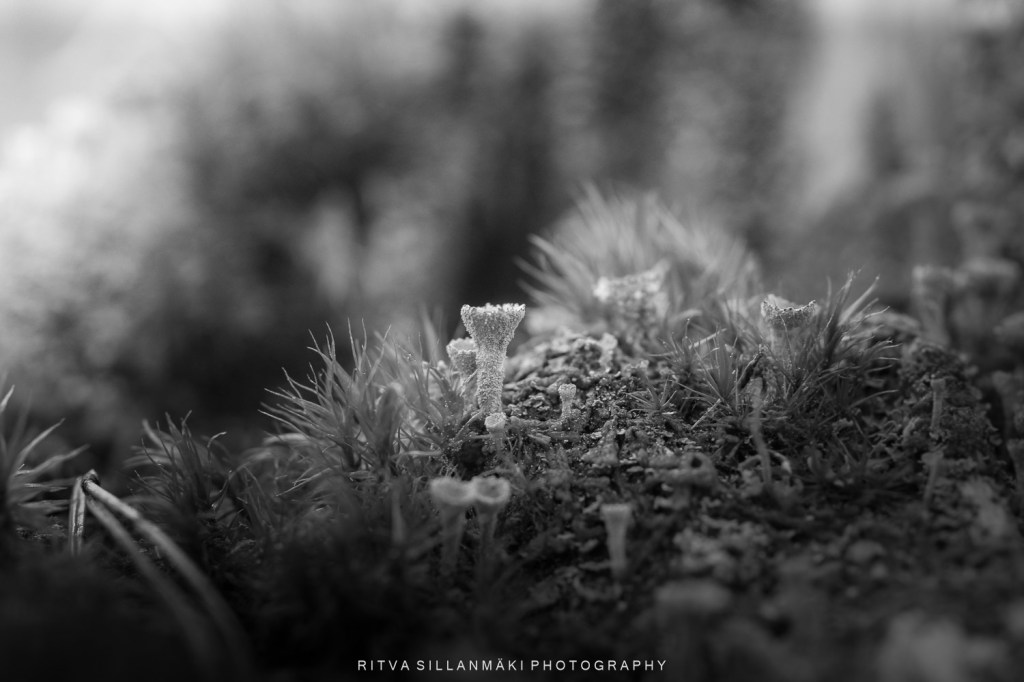
Moss popping up under melted snow – spring brings with it a vibrant renewal of life, as patches of green emerge from beneath the remnants of winter’s icy grip. The soft, velvety texture of the moss contrasts beautifully with browns of the earth, creating a picturesque landscape t the beginning of growth. Each little tuft of moss is a testament to nature’s resilience and its ability to flourish in even the harshest conditions, reminding us all of the cycles of life and the beauty of change.

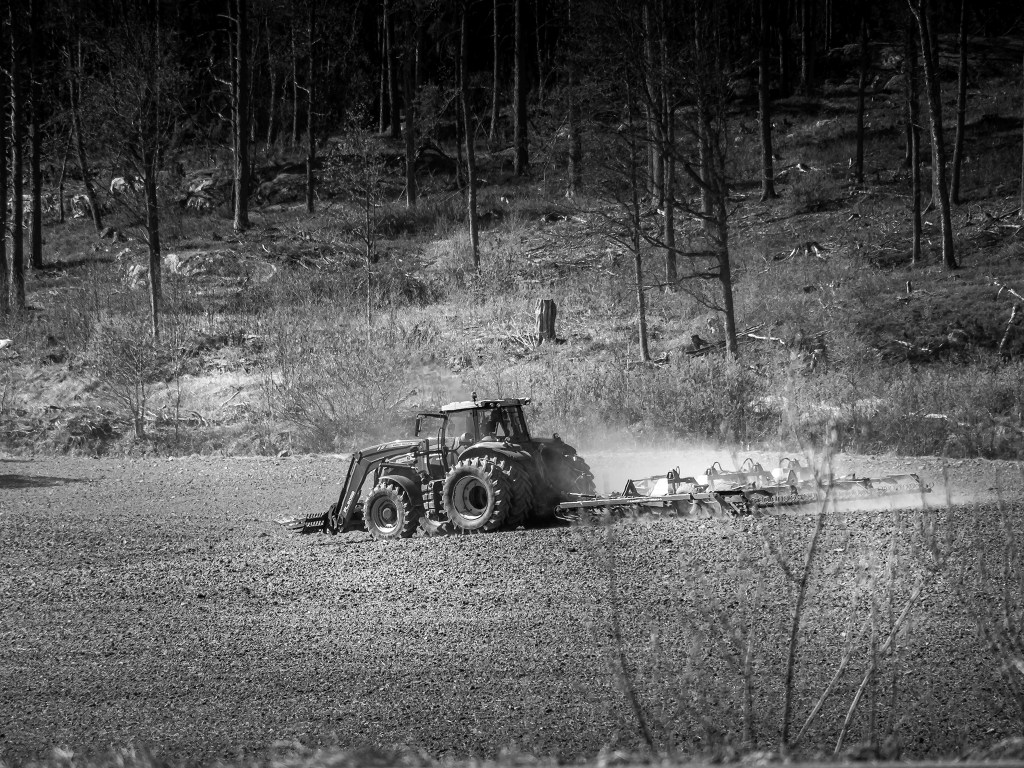
Farmer in his/her tractors in the fields is a sight of spring for sure, as the sun peeks through the clouds and warms the earth, bringing life back to the soil after a long, cold winter. The rhythmic sound of the tractor plowing through the rich, dark earth creates a sense of renewal and hope, while vibrant green shoots begin to emerge, signaling the promise of a bountiful harvest ahead. The air is filled with the fresh scent of tilled soil.

Spring works

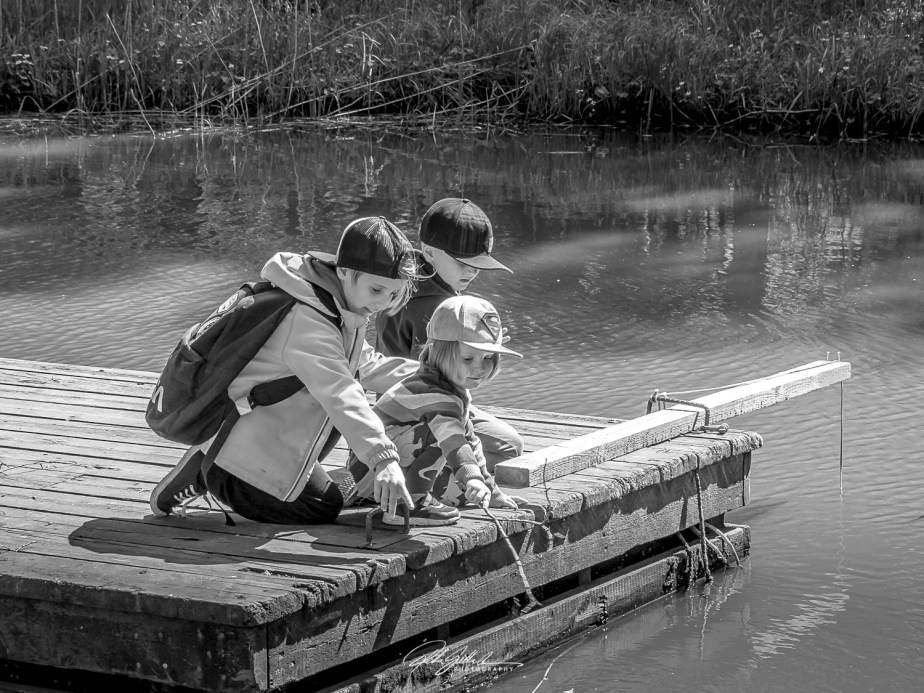
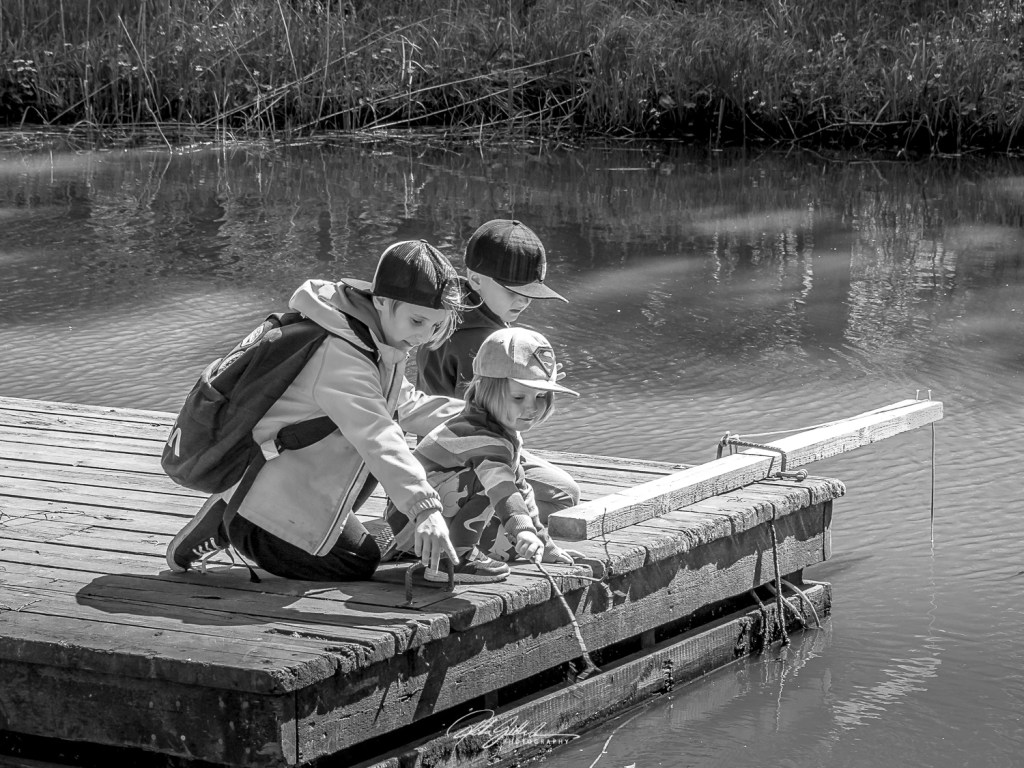
Oh the joy of getting rid of winter clothes and putting on the caps, feeling the warmth of the sun on my face as nature begins to wake from its slumber. The waters freed from under ice, shimmering and glistening in the light, if that is not spring, I don’t know what is. I love how the big brother here is holding on to the little brother, their bond of love and togetherness. So caring and loving,


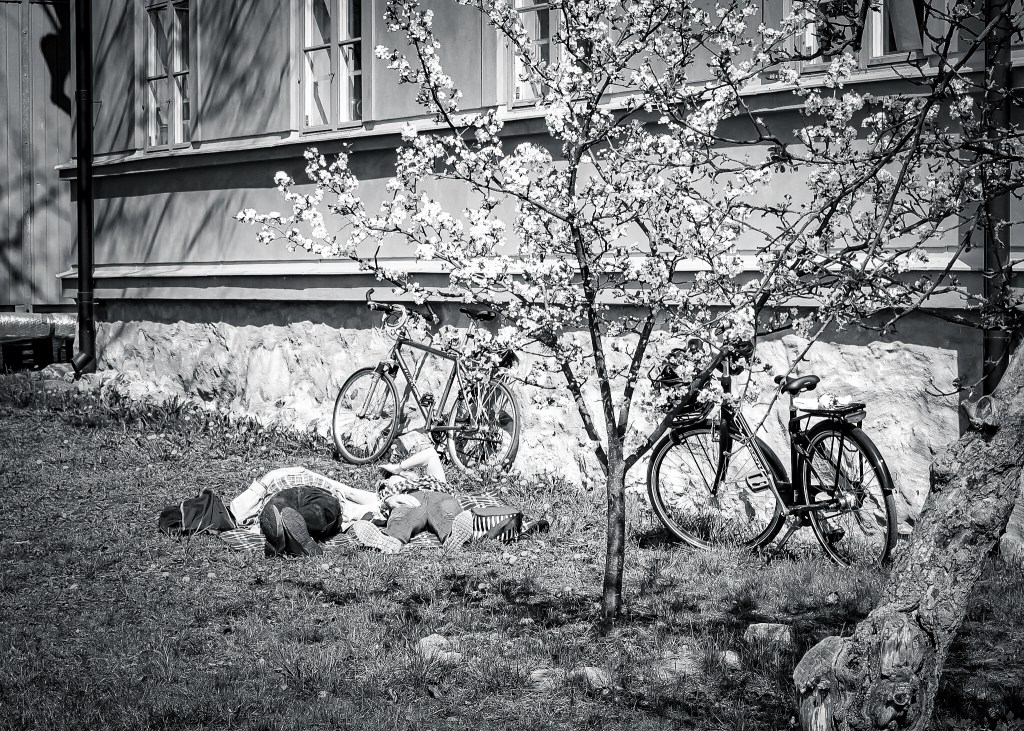
Spring – You ride the bikes you have taken out of storage with your sweetheart, pedaling joyfully along the winding paths, heading to a secluded spot where you can fully embrace the warmth of the spring sun. This delightful moment is best experienced near a charming building that offers a sense of shelter, allowing you to relish the pleasant day without the cool interruptions of the spring breeze. As you lay down near the apple tree blossoms, their delicate petals dancing in the soft air, you can inhale the sweet fragrance that fills the atmosphere, savoring one of the most delightful elements of spring. The soft rustling of leaves in the background and the gentle sounds of nature create a serene symphony that enhances a perfect getaway filled with the simple joys of life.

Soaking the spring sunshine

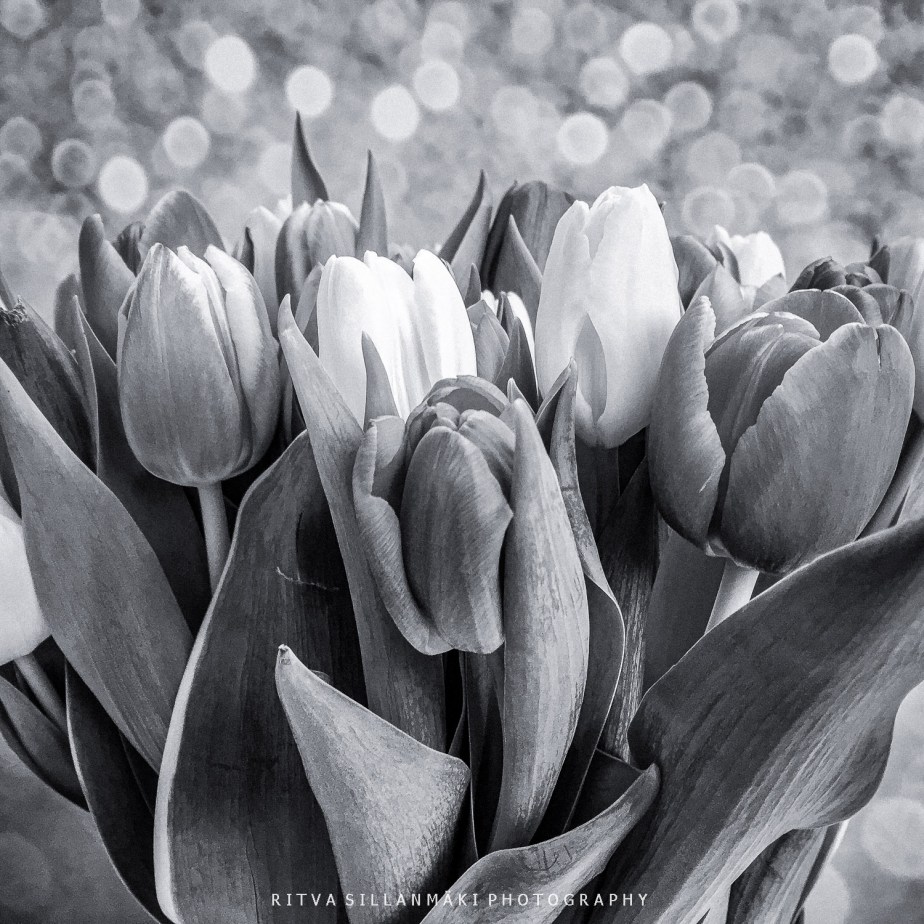
Is there a spring post without tulips? I am sure there most likely isn’t, as these vibrant flowers symbolize the essence of the season, bursting forth in a palette of colors that bring joy and renewal. They grace gardens and parks, attracting the attention of passersby and inspiring photographers to capture their fleeting beauty. Tulips are not just a flower; they represent the hope and warmth that accompany the arrival of spring, making them an integral part of seasonal celebrations and floral arrangements alike.