
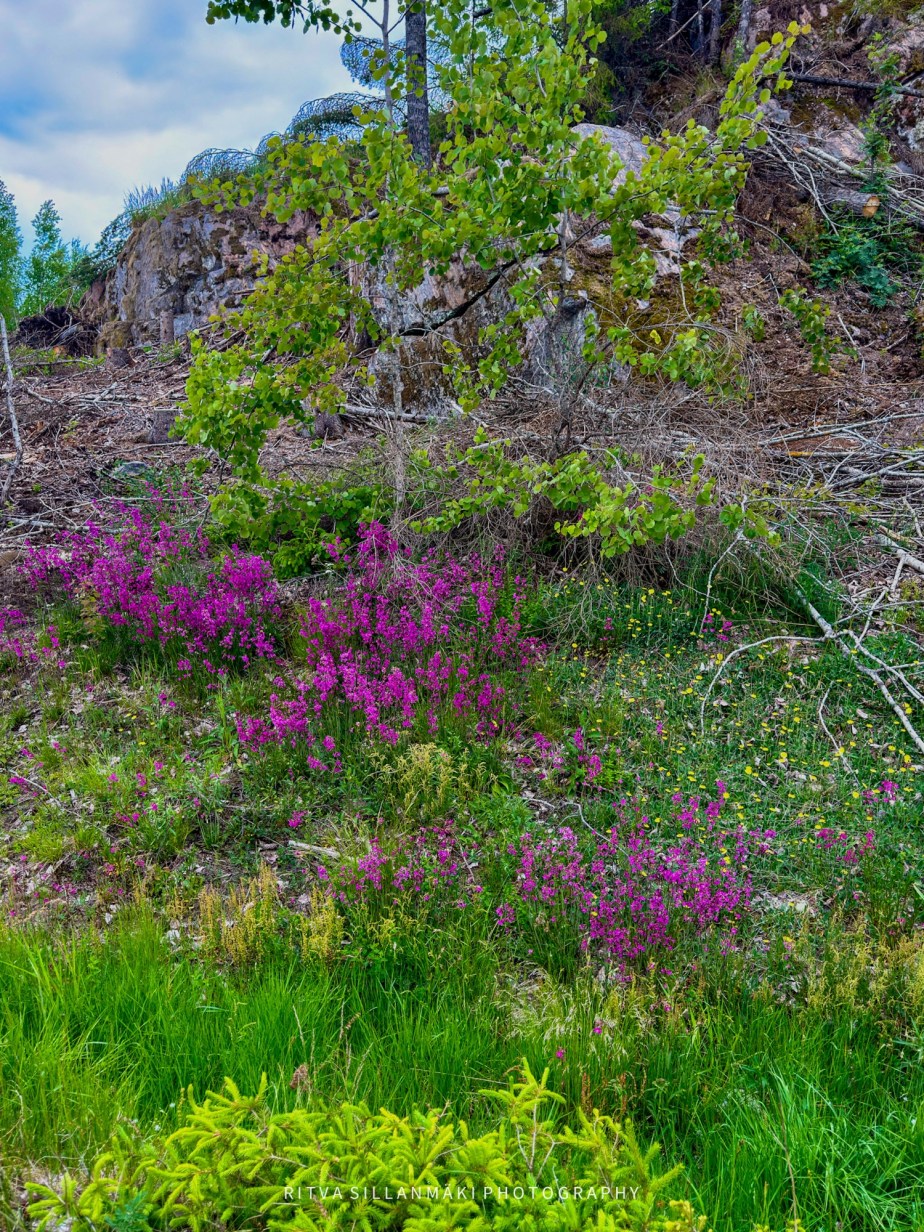
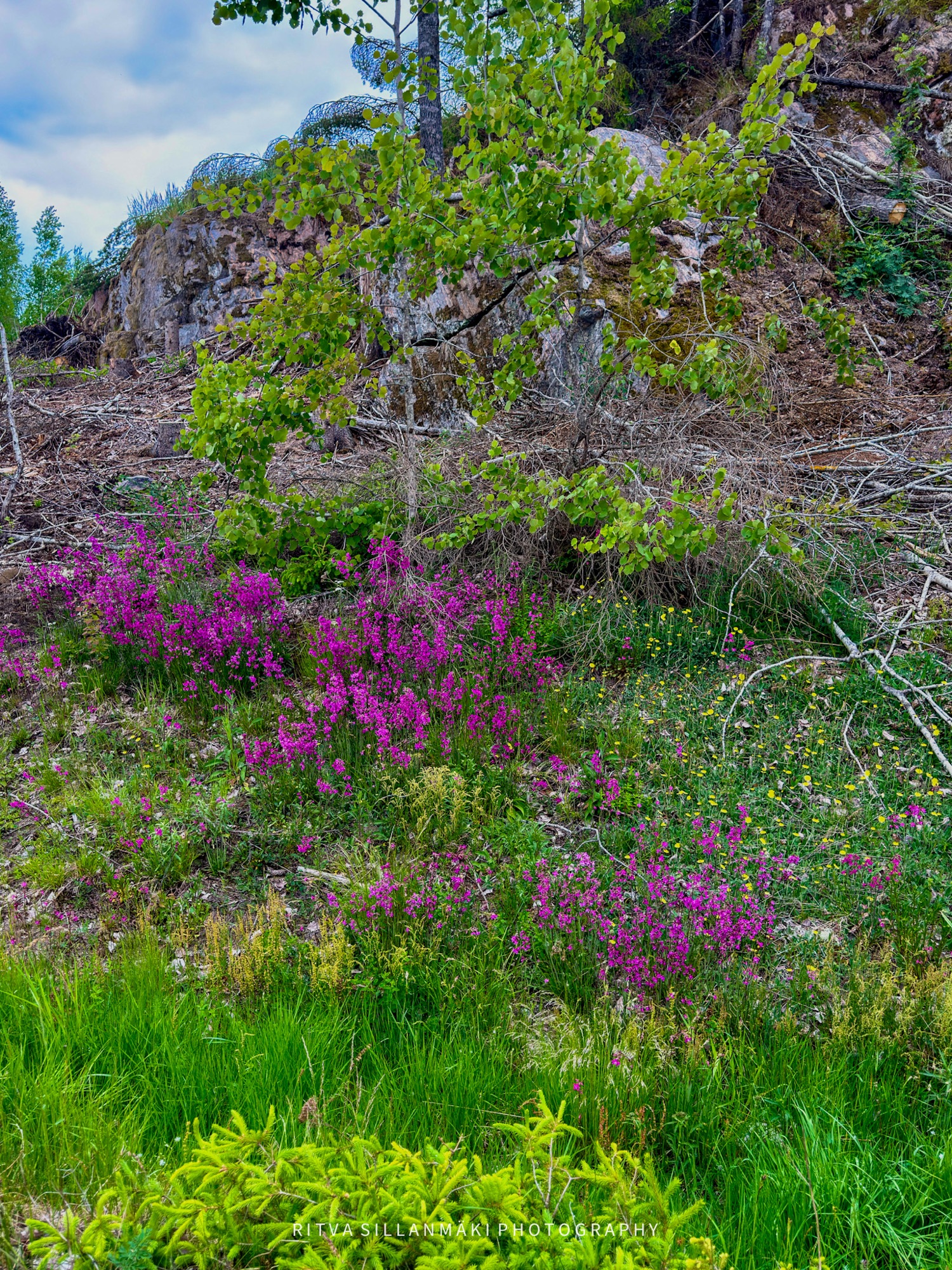
Name also Clammy campion (usa), Red german catchfly
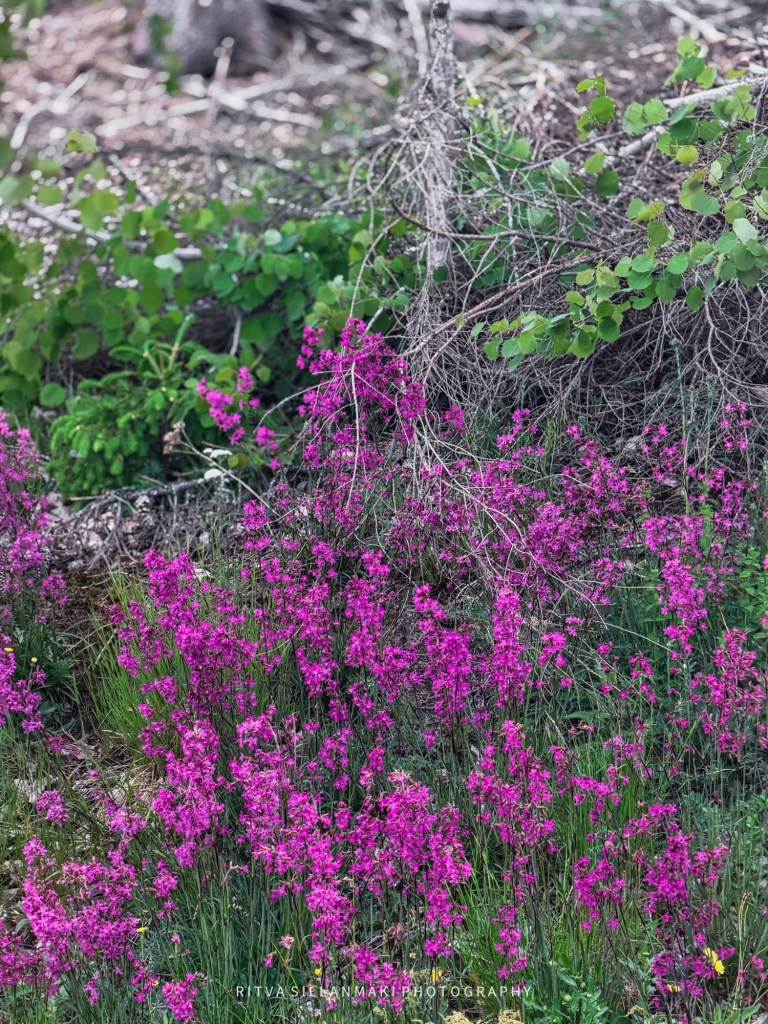
Sticky catchfly is a plant that originally grew on rocky areas, dry hills, and sandy meadows. It has adapted to human environments, spreading to pastures and sunny roadsides. The plant can survive long droughts thanks to its deep taproot. Its distinctive reddish-brown sticky substance, which covers the upper stem, helps deter predators like ants. You can often see insects stuck to the stem. When picked, the sticky tar gets on your hands. Sometimes, a pink-flowered version can be found that doesn’t secrete any liquid. Its smaller relative, alpine catchfly (V. alpina), secretes very little or no tar at all.
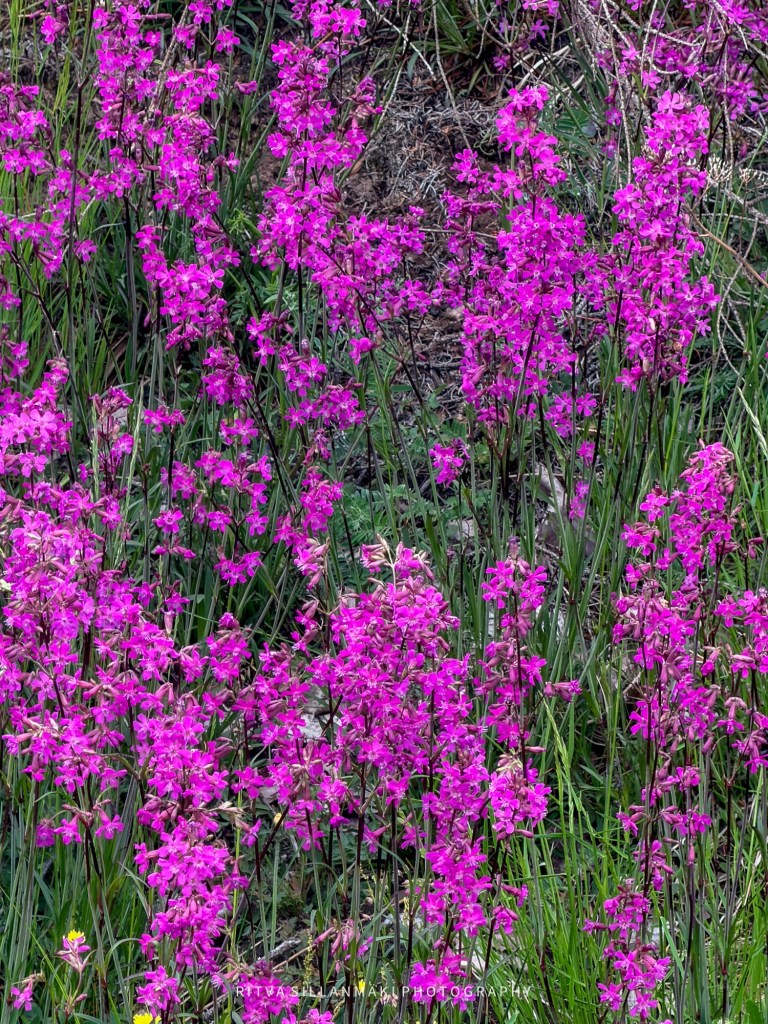
At the start of summer, the red flowers of sticky catchfly attract queen bees, which are busy creating new colonies and pollinating. When the queen is in the hive caring for her young, the smaller worker bees are less effective at pollination. The flowers also draw in various insects, like butterflies, flower flies, and small beetles. Additionally, pollinators can spread diseases, such as spores from parasitic ustilaginales fungi, and even the sticky substance on the stem doesn’t protect catchfly from these harmful pests.


gorgeous pic
Fun fact filled foray. 😊
Thing I am not known for 😂, but I have been doing my research
😊
Lovely post and interesting information.
Anne, I have been googling 😀
Do you remember having to go to the library or check an encyclopedia? Google is great.
Pretty to look at but not touch I say
There seems to be consensus on that Brian
A lovely colour does not seem to be accompanied by a friendly demeanor – don’t think I would care for my own hands to get into the sticky feeling world . . . 🙂 !
but it looks so pretty
Big smile – oh, it does!
An interesting post. Thank you.
you are most welcome 😊