Wood Horsetail: A Living Fossil in Your Yard

Every year, I notice the same things in my yard: how different plants pop up, showcasing vibrant colors and unique textures. I end up taking photos, even though I have so many already in my archive. It’s a delightful ritual, as I love capturing the changing seasons and the various stages of growth; each snapshot reflects nature’s resilience and beauty. But that’s how it usually works: every bloom is a fleeting moment that deserves to be immortalized. Now, I have edited some of my old images to highlight the intricate details that my eyes may have overlooked previously, breathing new life into them and allowing me to appreciate the wild plants in my yard in a fresh light.

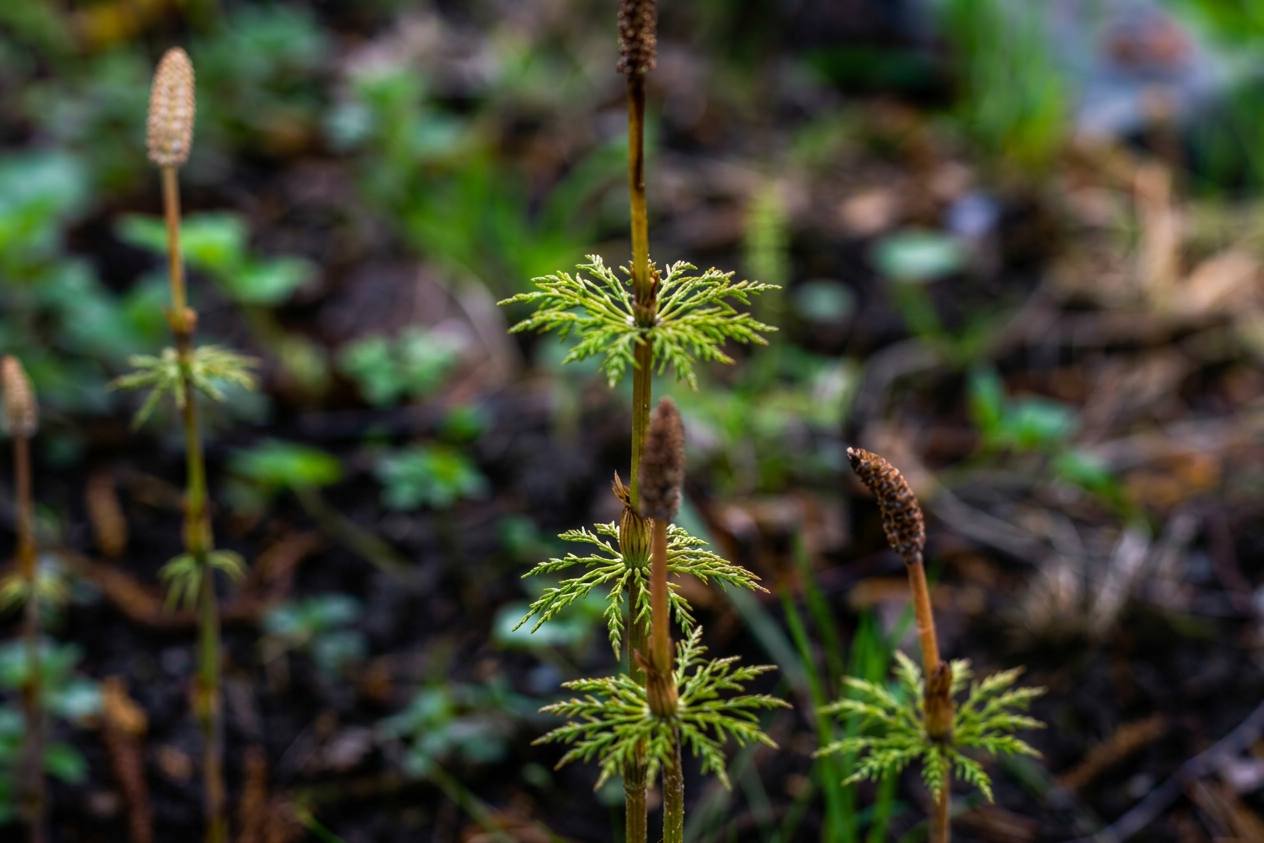
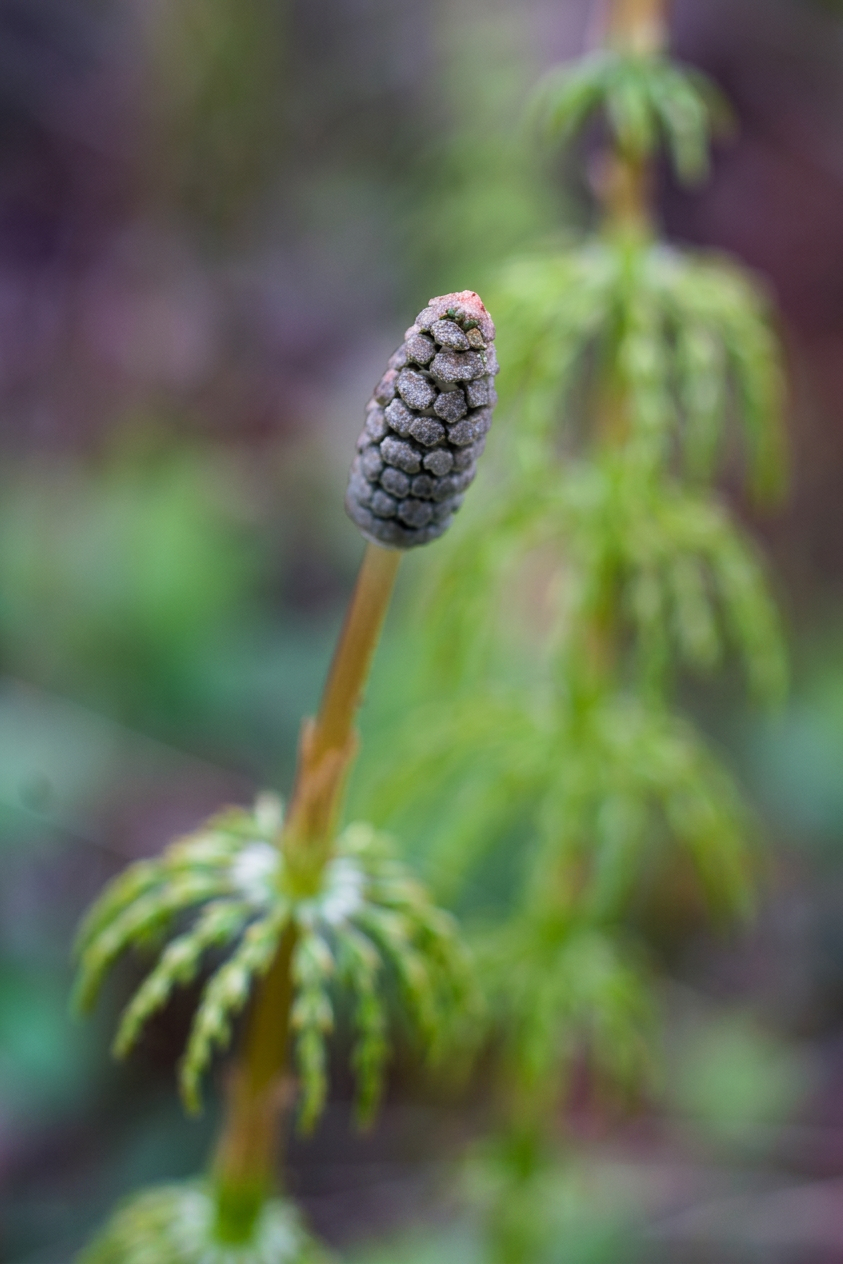
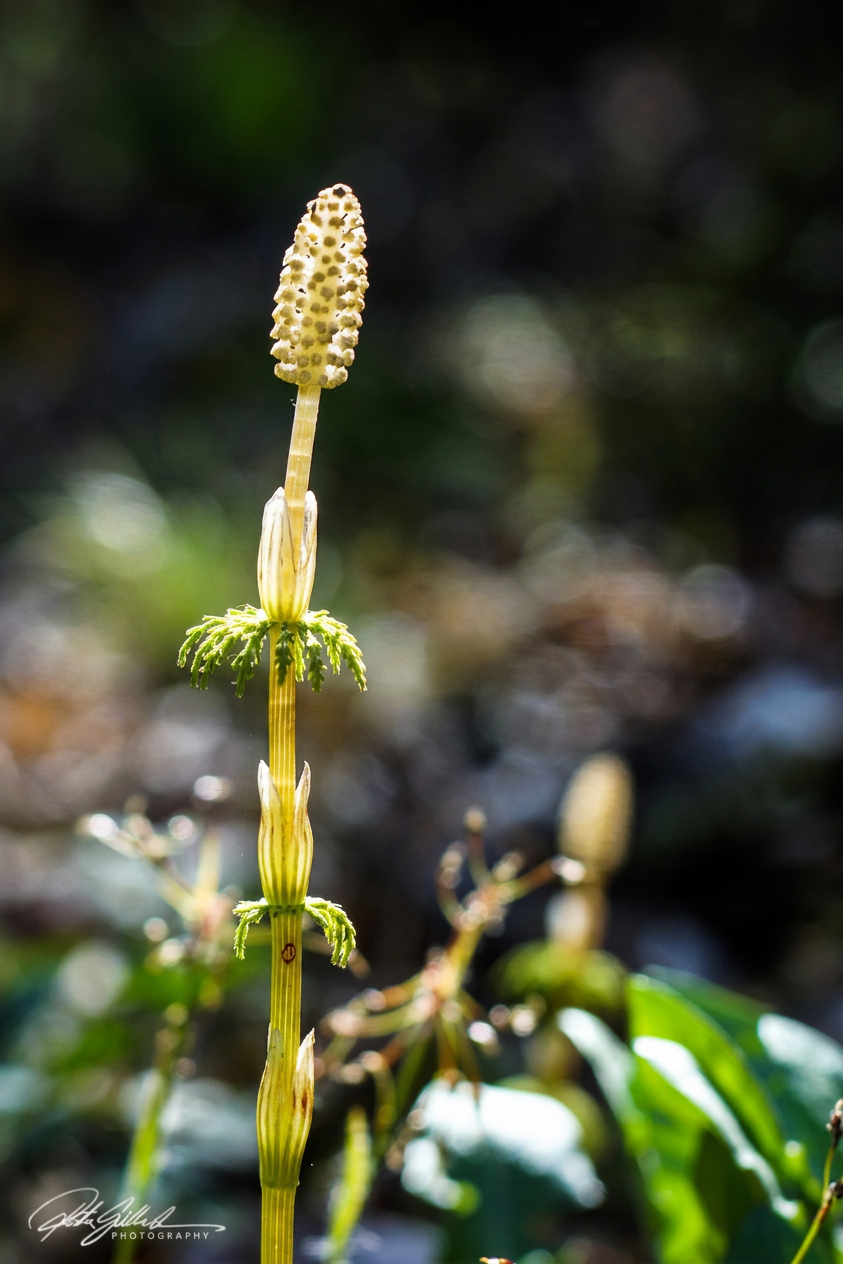
The picture shows a cool shoot of Wood Horsetail (Equisetum sylvaticum), which people in Finland call metsäkorte.
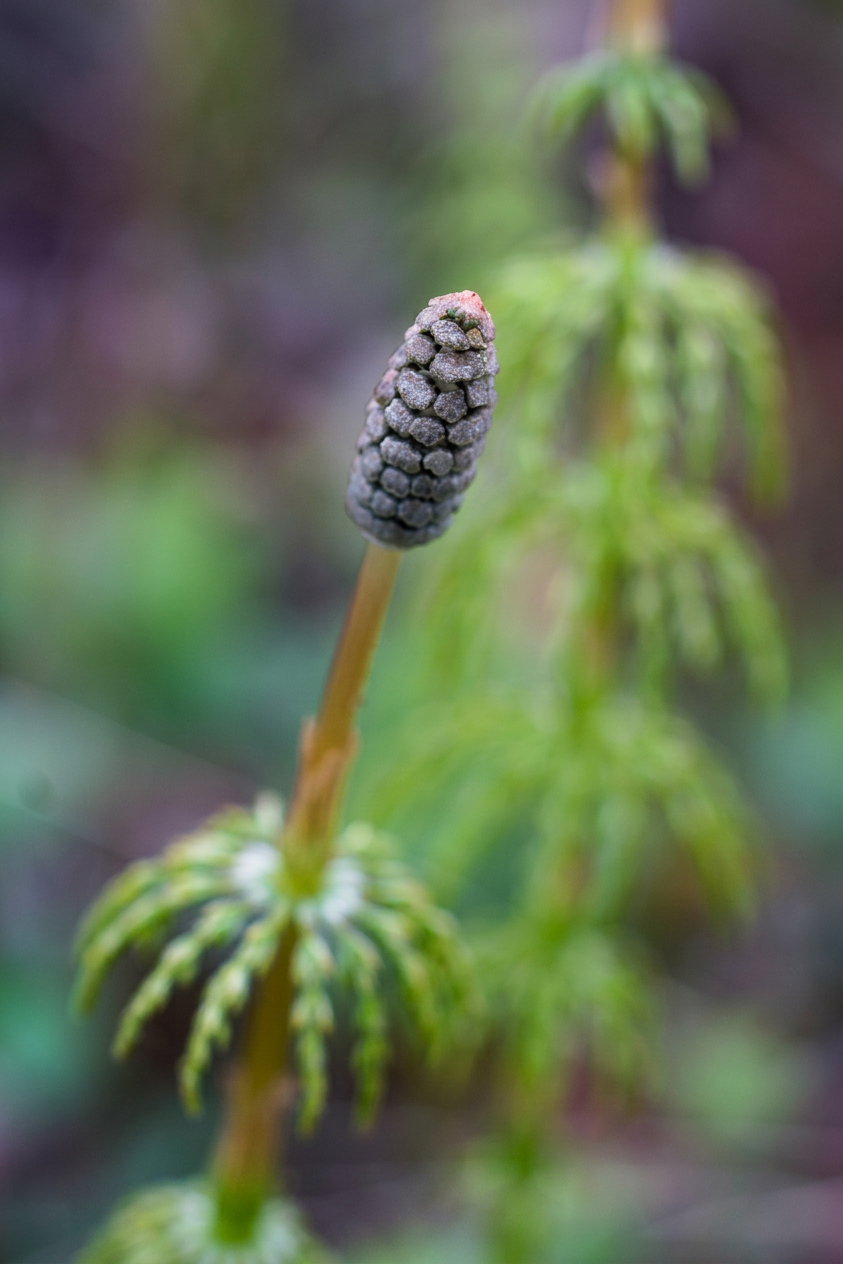
A close-up of a horsetail plant featuring its segmented, cone-like spore-producing structure against a soft green background.

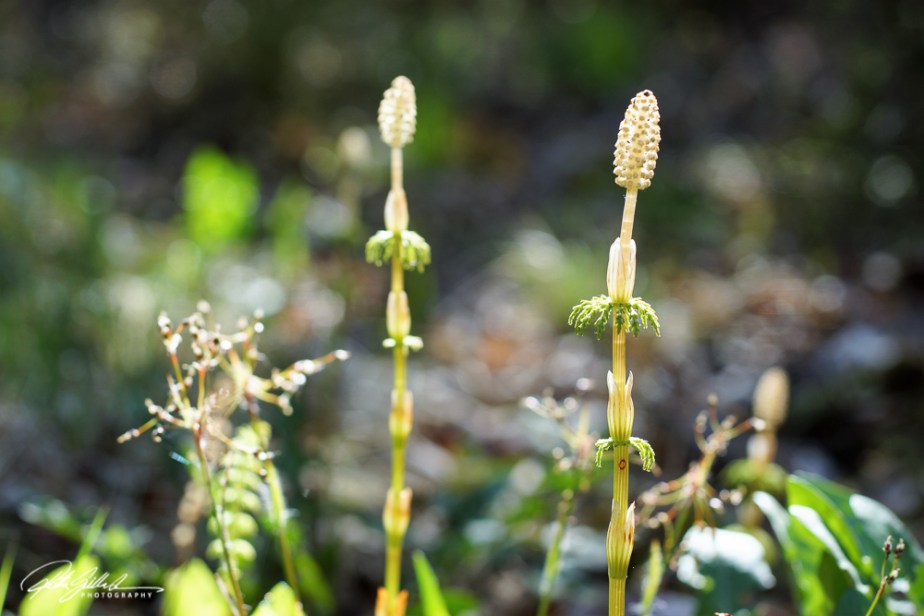
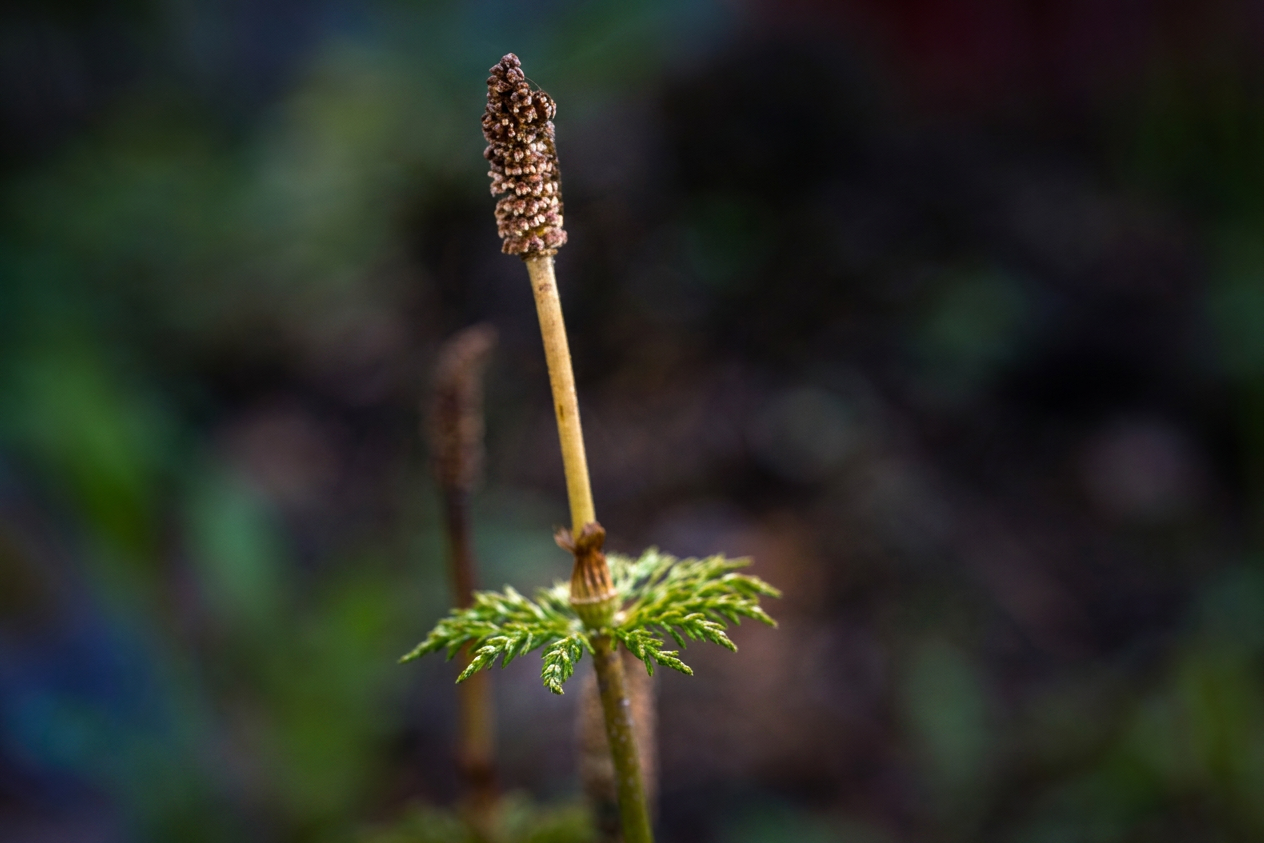
This plant is like a “living fossil” since it spreads by spores rather than seeds. You can spot Wood Horsetail by a few notable features: Branching: It has delicate green branches that form a whorl, unlike the upright Field Horsetail (Equisetum arvense). Cone (Strobilus): At the top, there’s a structure resembling a pinecone, which holds the spore sacs. Growth Habit: It starts off tan and without leaves, but the shoots eventually turn green and sprout feathery branches. Sheaths: The stem is adorned with reddish-brown leaf sheaths that are fused into lobes. You’ll often find Wood Horsetail in moist areas such as peaty soils, damp woods, and marshes.
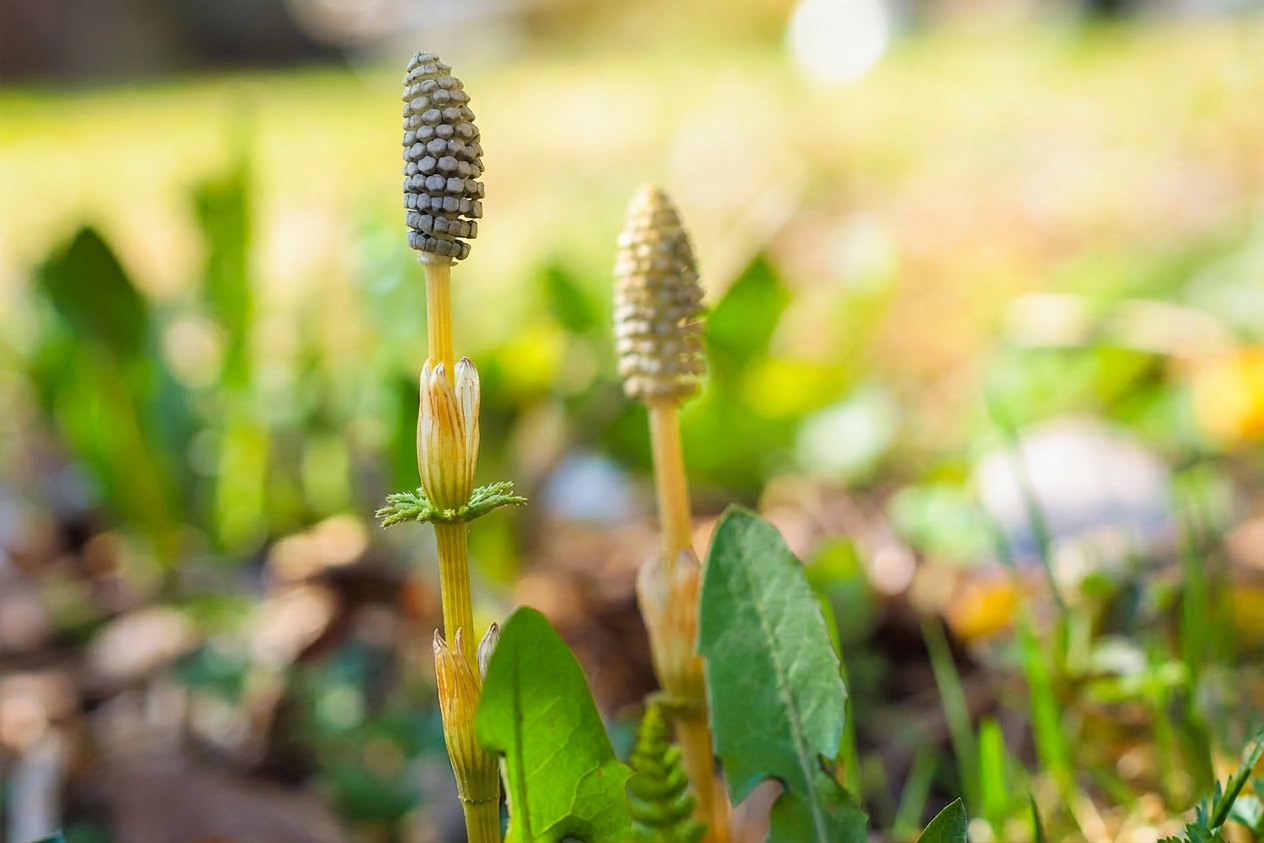
A close-up of a horsetail plants
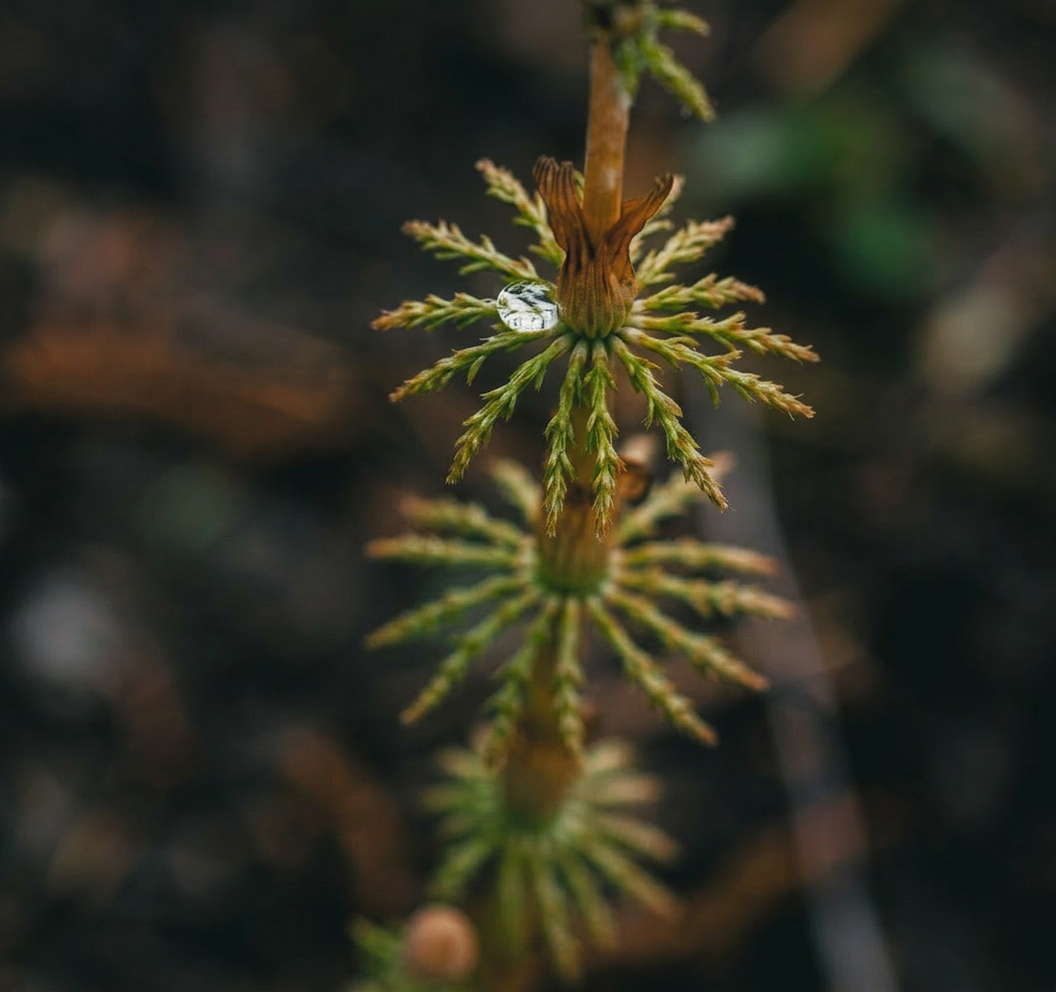
A close-up of horsetail plant with a single water droplet resting on its leaves against a blurred natural background.
I have no last words for this post, other than have a great weekend, and I truly hope it is a sunny one. Embrace the little things constantly changing weather and the surprises it brings.
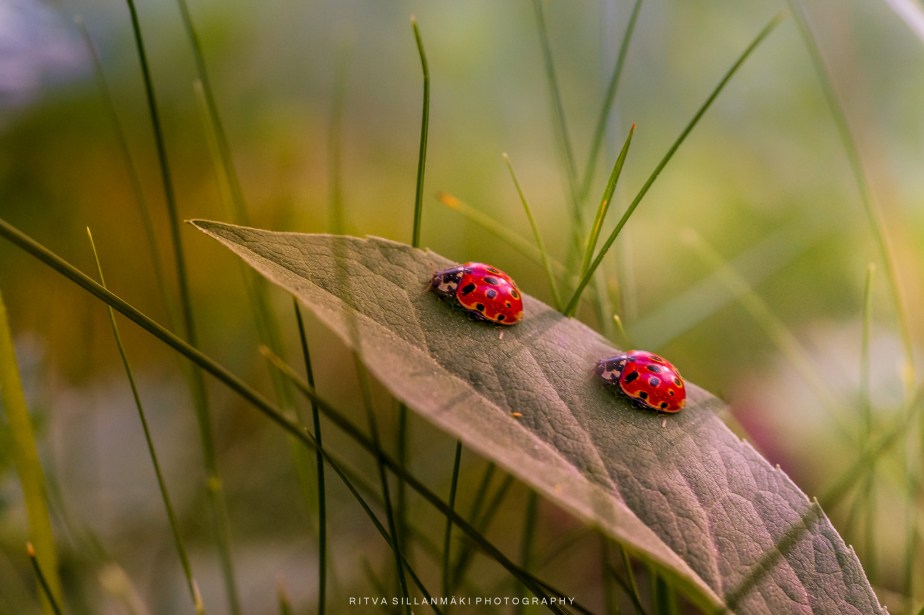
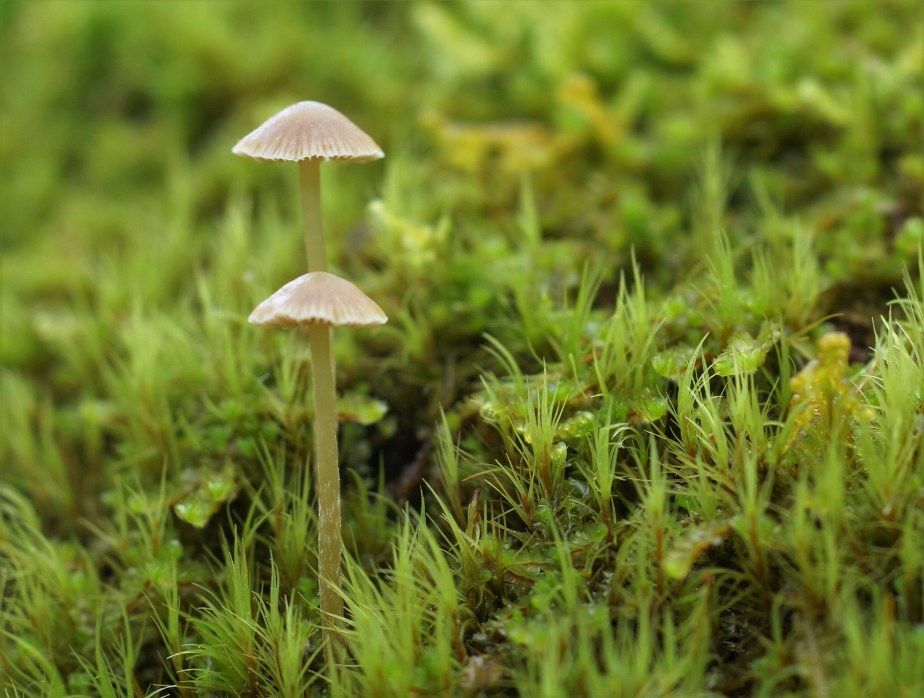
Just the two of us

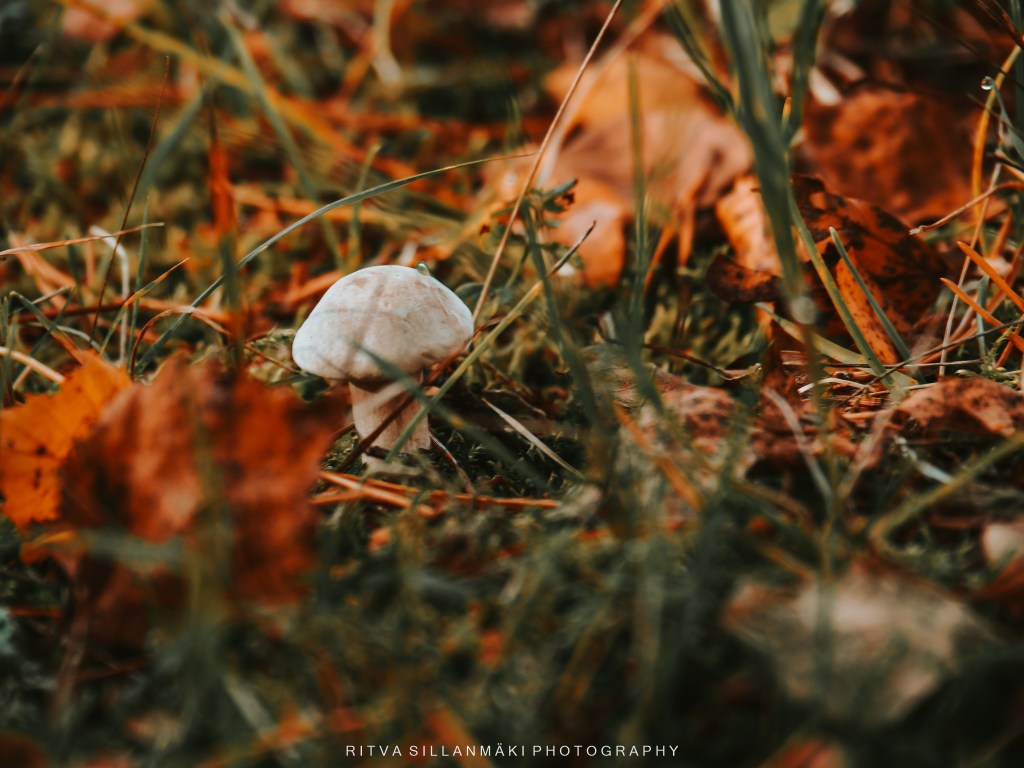
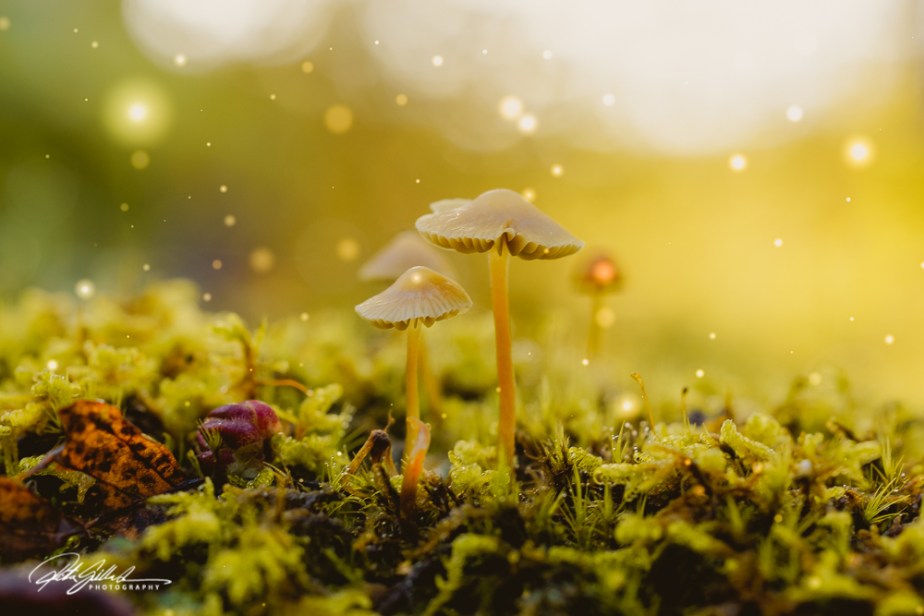
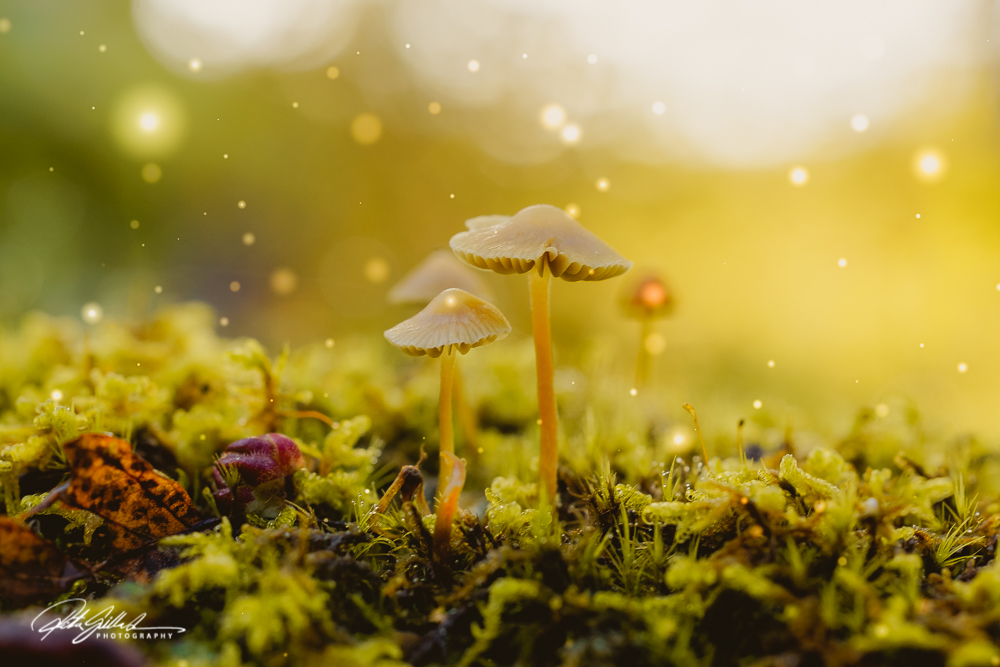
Two Delicate mushrooms growing amidst lush green moss.

One Word Sunday: double

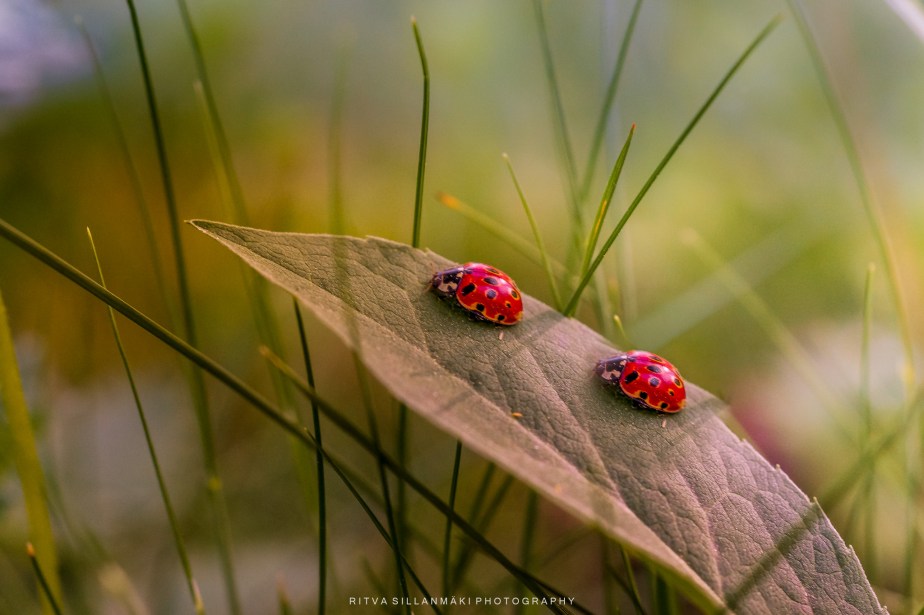
Two ladybugs resting on a green leaf in a serene natural setting.

Have to be careful

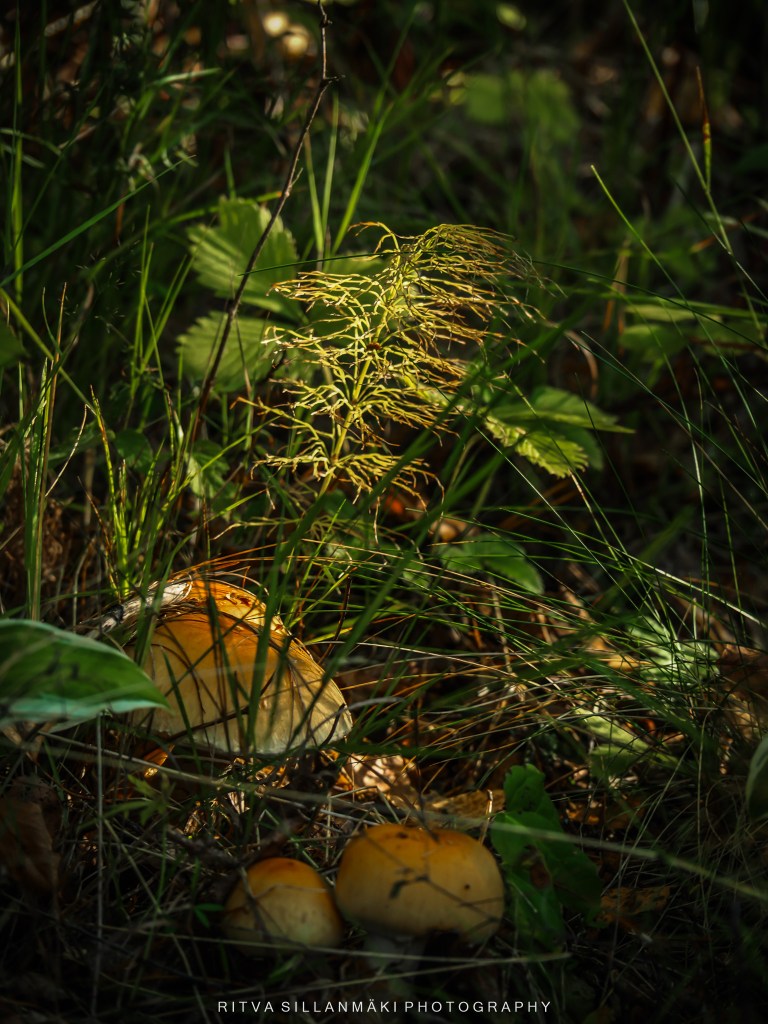
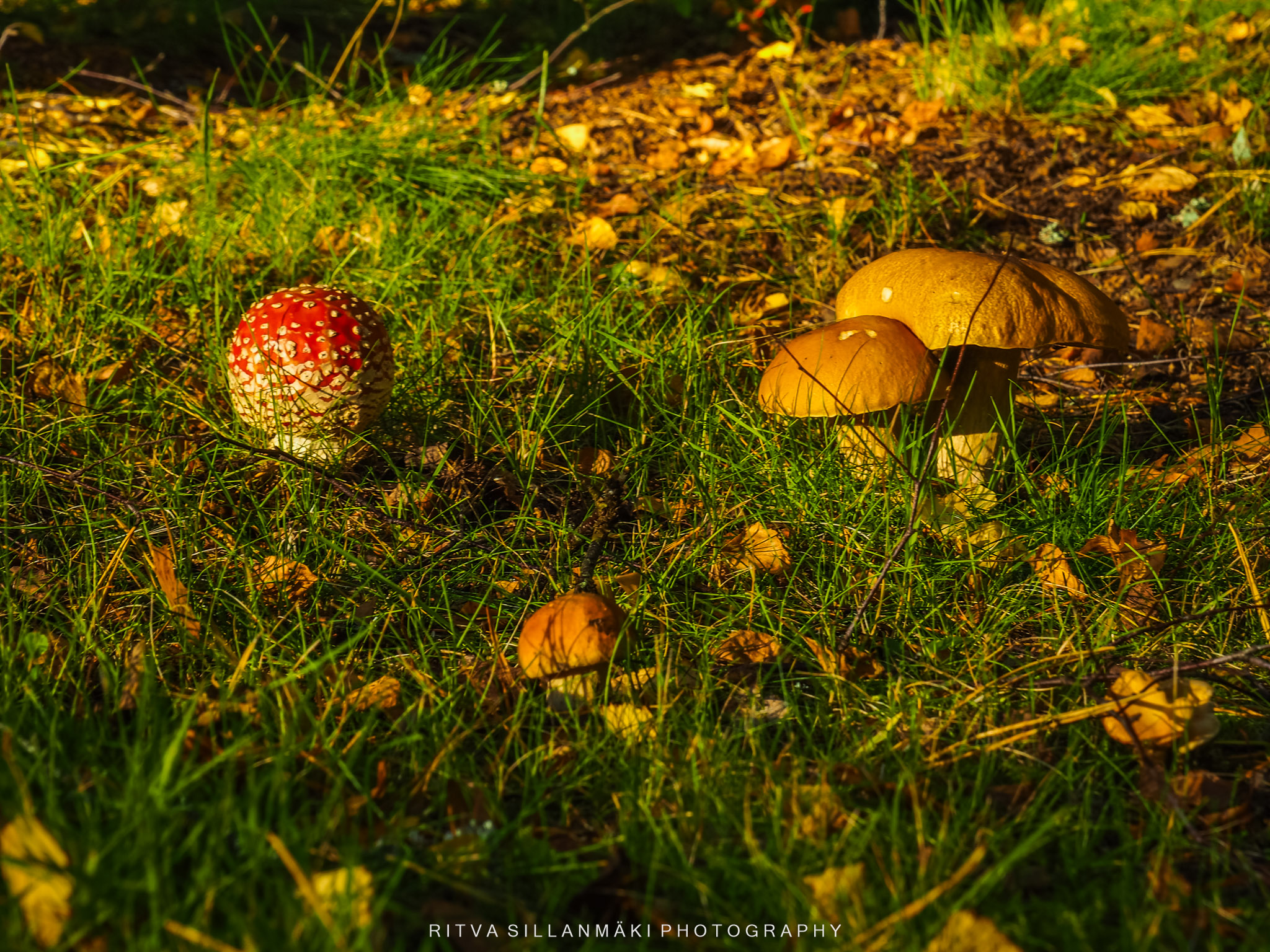
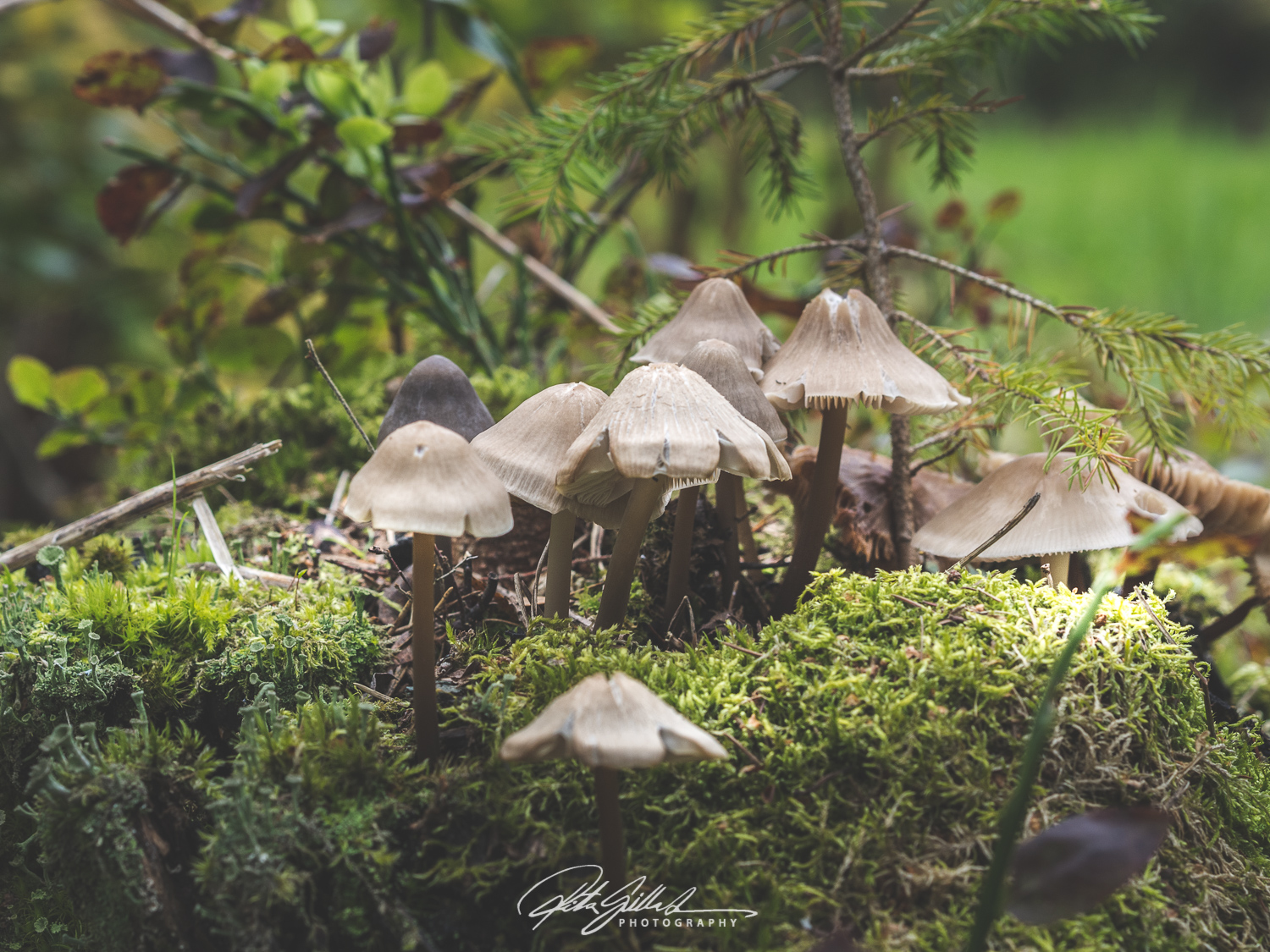
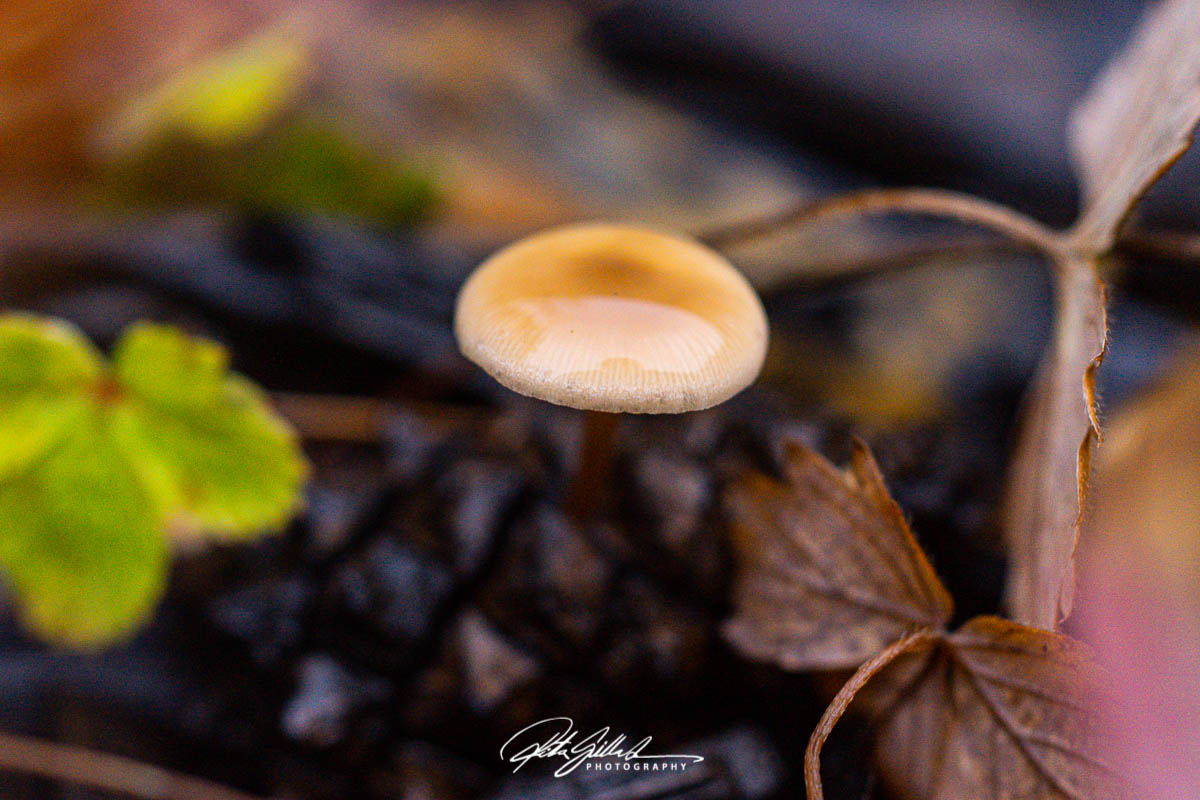
This summer/ autumn the mushrooms have been really popping up, I don’t remember when we have had this much of them pop up in our yard. I Don’t recognize them from each other, so I don’t pick them up. I take photos instead and buy the ones I eat, better safe than sorry .

White fly agaric

The white fly mushroom (Amanita virosa) is deadly poisonous. Dangerous cell toxins damage internal organs: kidneys, liver, heart muscle, brain and blood vessels.

The white fly mushroom is completely white, and the color does not change from contact or other handling. The cap is egg-shaped when young, then bell-shaped and almost flat when old. It is sticky when wet and silky shiny when dry, and slightly yellowed in the middle when older. The gills are permanently white.

The leg is also completely white. Its upper part has the characteristic sign of a fly agaric: a ragged and hanging ring. A good sign is also the thick, lumpy basal part of the foot surrounded by a sheath.

you can find them everywhere – don’t know this one

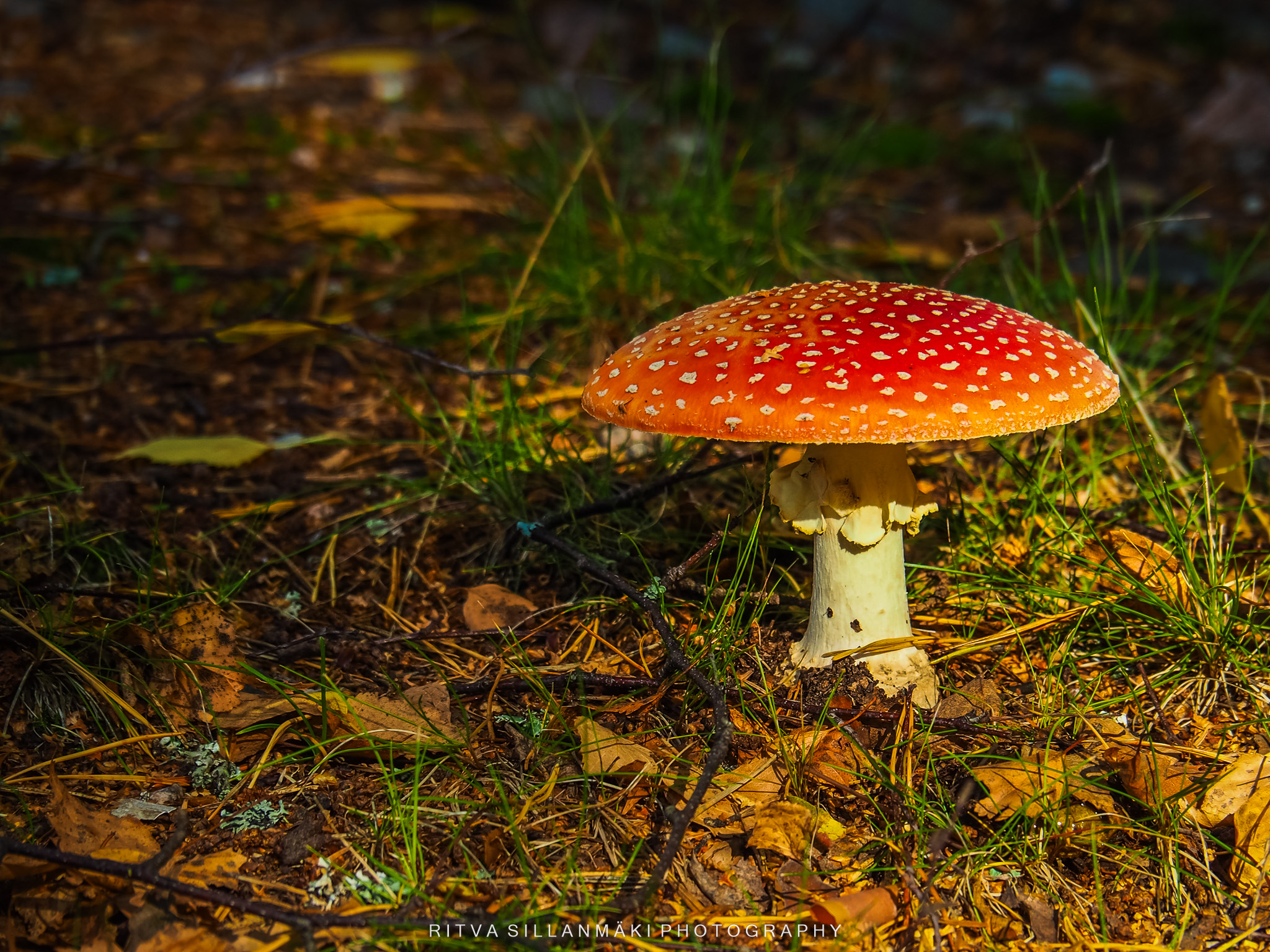
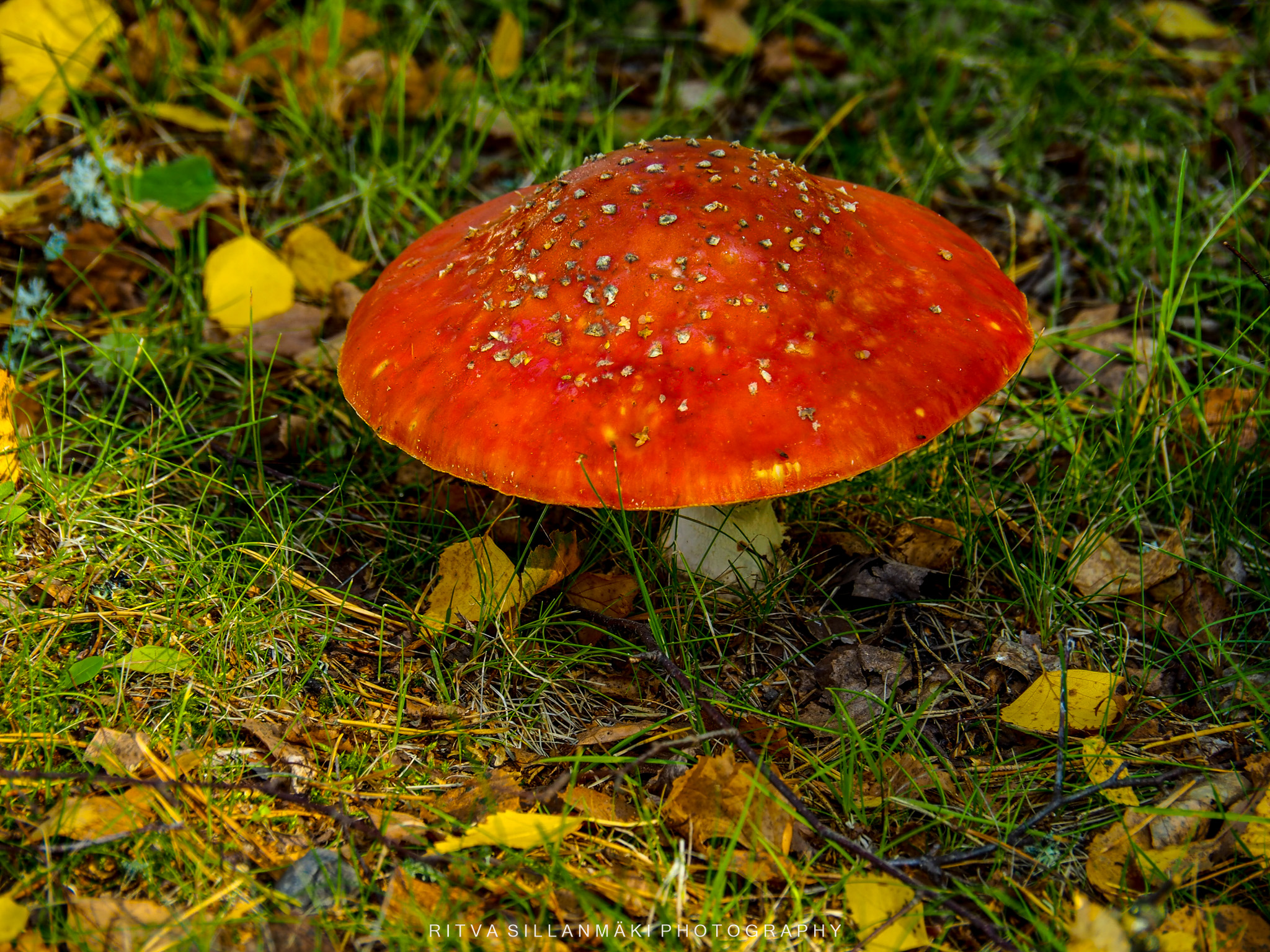
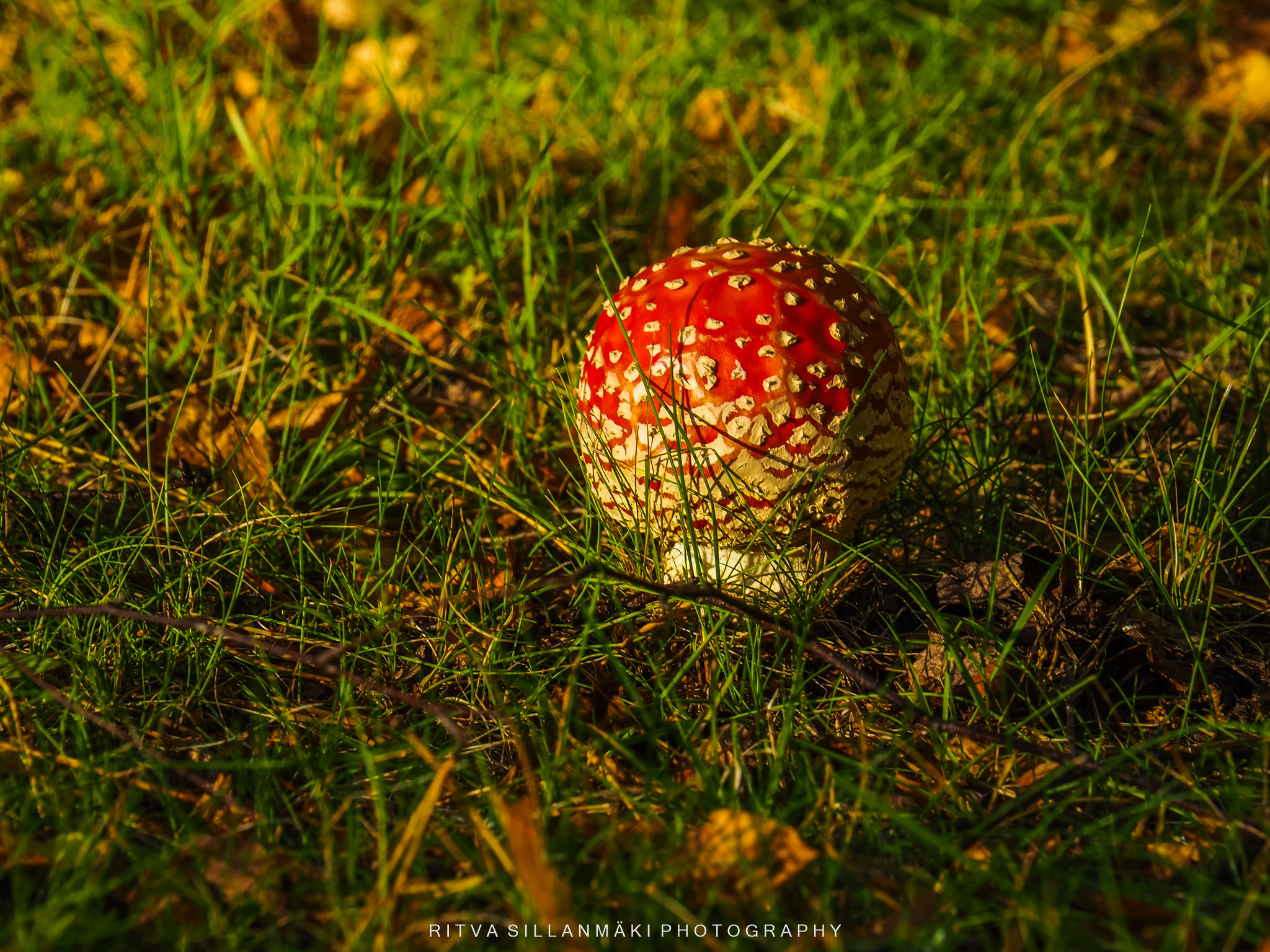
fly agaric have been popping up some of them are rather big

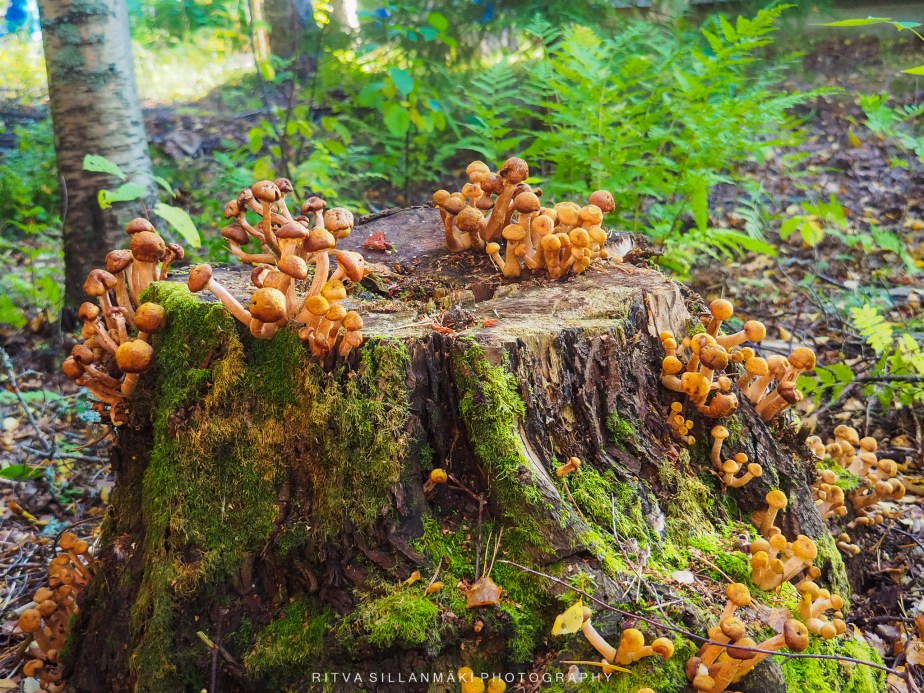
Armillaria borealis

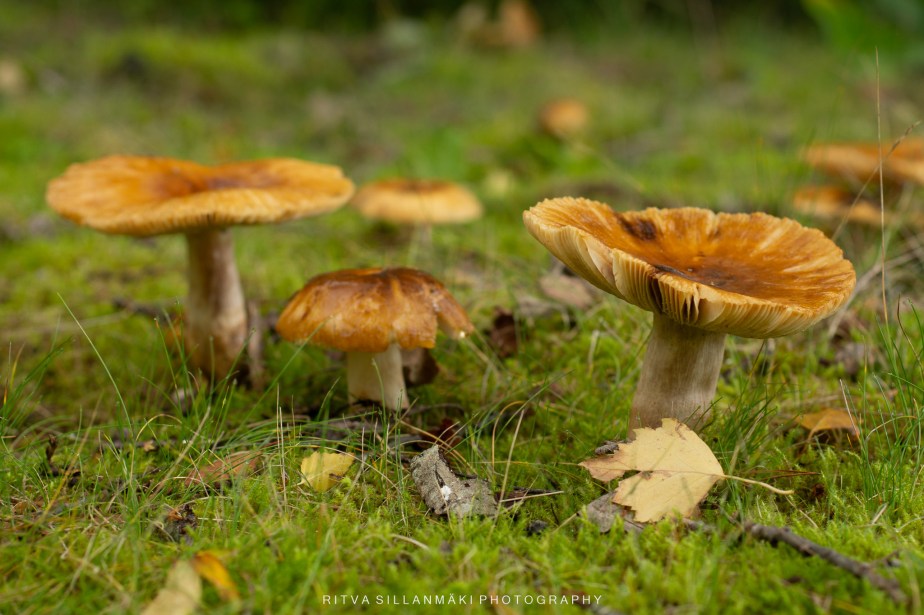
I did some search about these mushrooms, and was surprised that they are editable. The cap of the honeydew(Armillaria borealis) mushroom has clear scales, the ring is strong and effervescent. The scales of the tadpole mushroom, on the other hand, are insignificant, its leg is club-like and often dirty yellow. The ring of the species is thin and pendulous and often disappears completely.

The way the species grow is also different: the mushroom grows in dense clumps on the stump.

How to survive November 2021 Day 19

Well, I will be straight with this as this post contains ja small fib. I took these photos earlier this fall, not yesterday or today.

But, my excuse is, I did edit them yesterday, that a way they are new. Right?

day and night

Our favorite month, November! This year we’ll get rid of gray by painting the month in green. Lepis from Parallel lines has hosted this challenge for years, I have been part of it for several years too, feel free to join us 🙂

Open your world to a green November and enjoy your creativity. How you do it is free as long as it’s green!

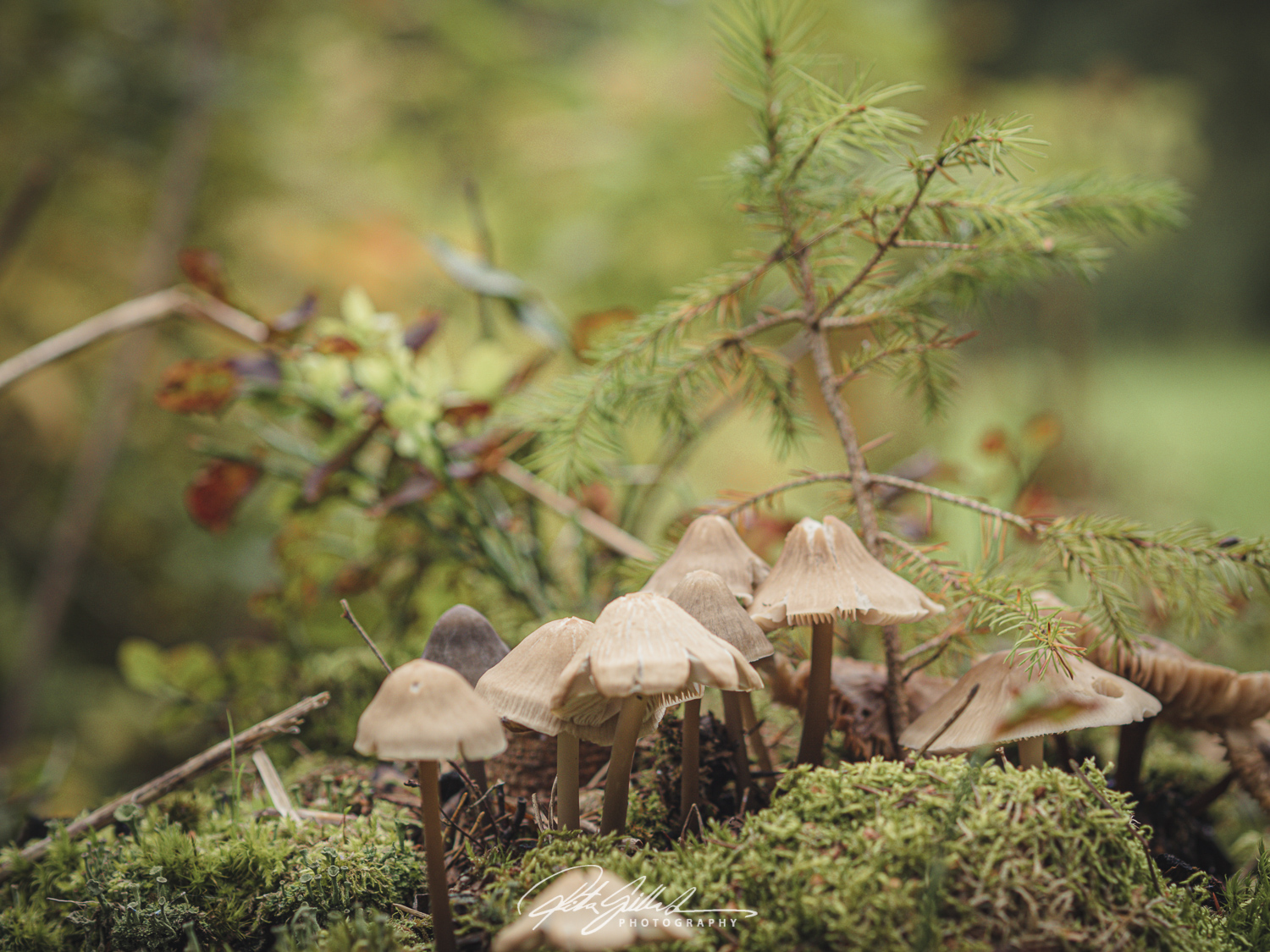
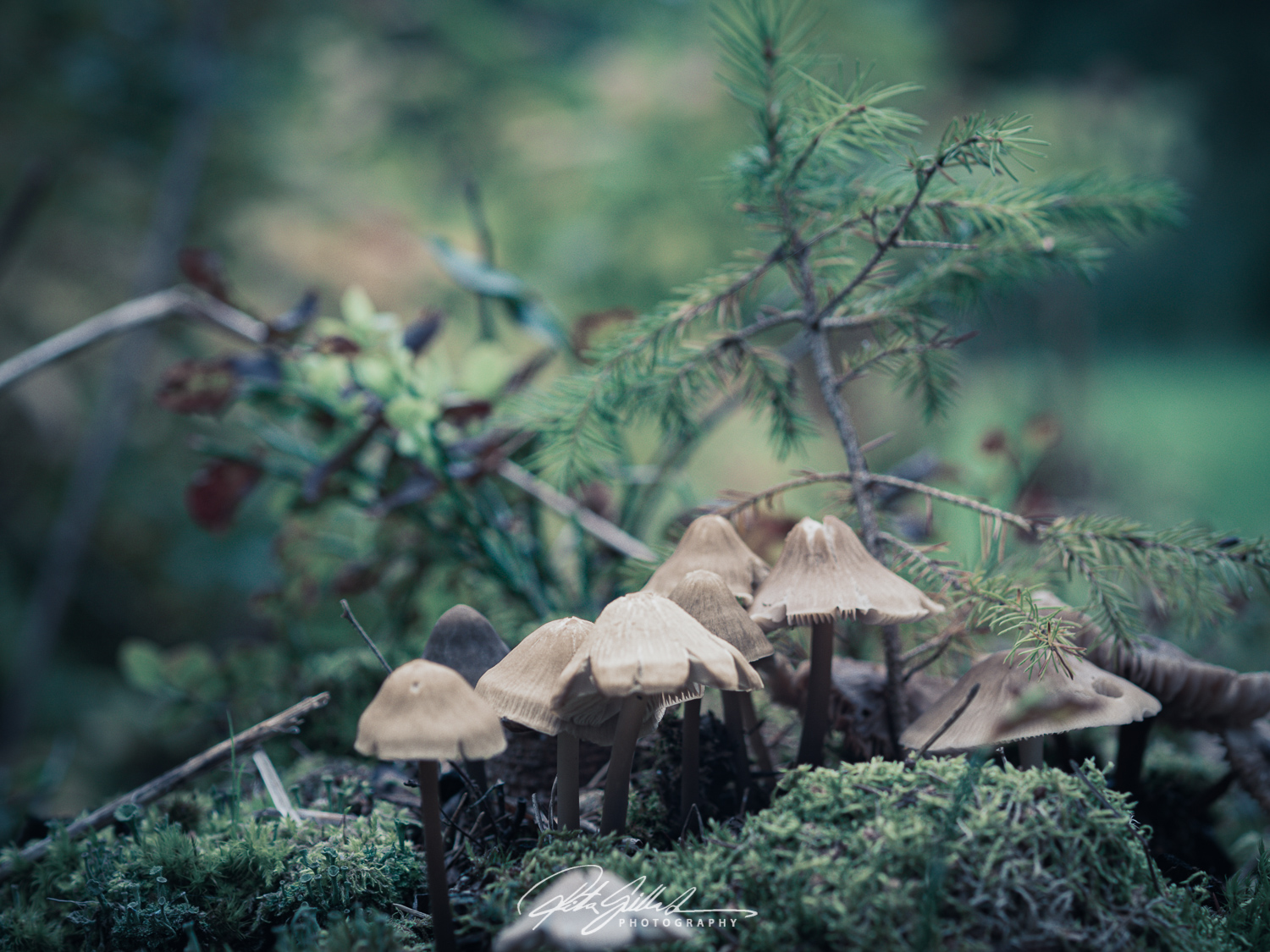
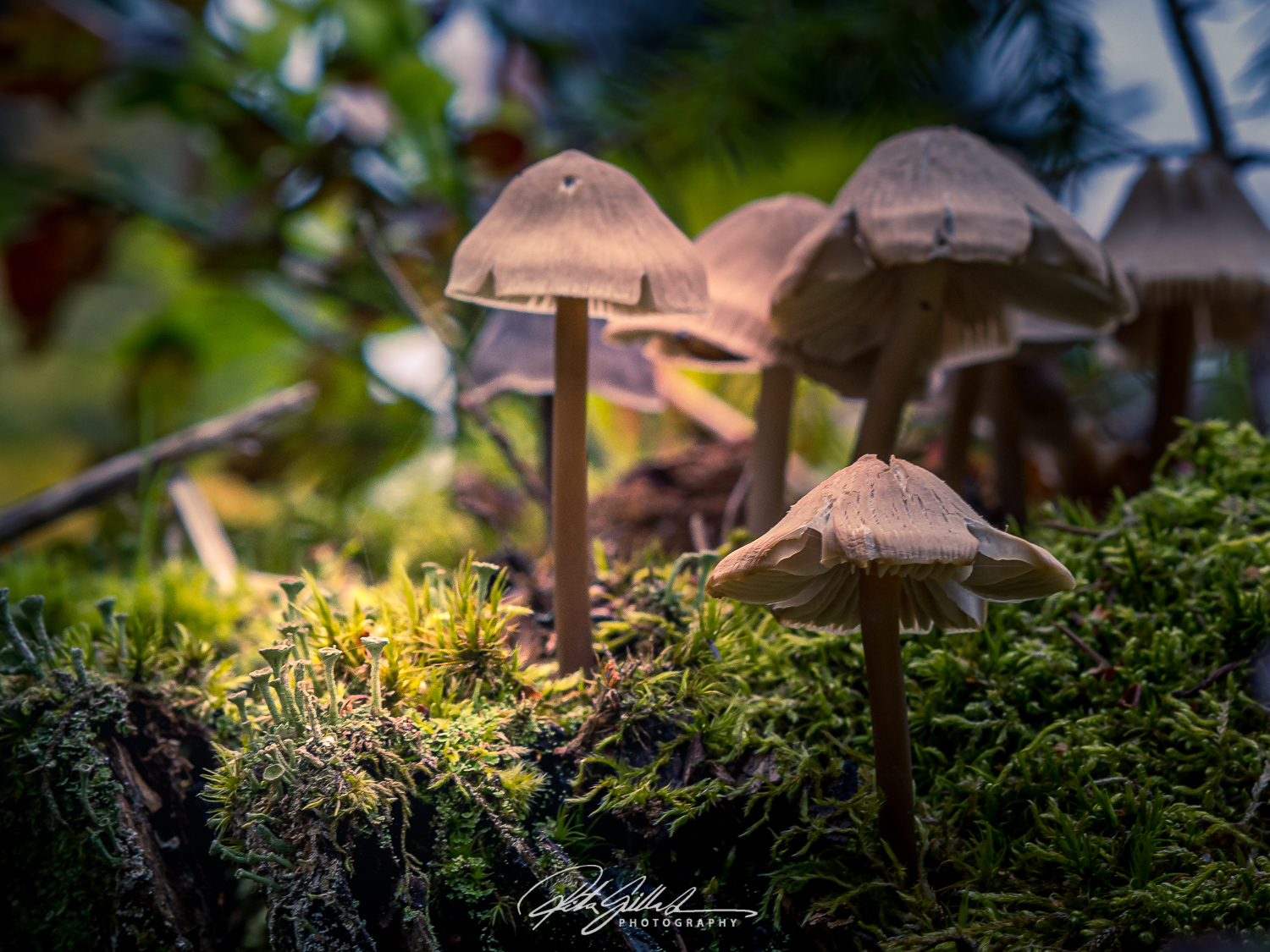
Fungi village

Rainy day -fungi village-14

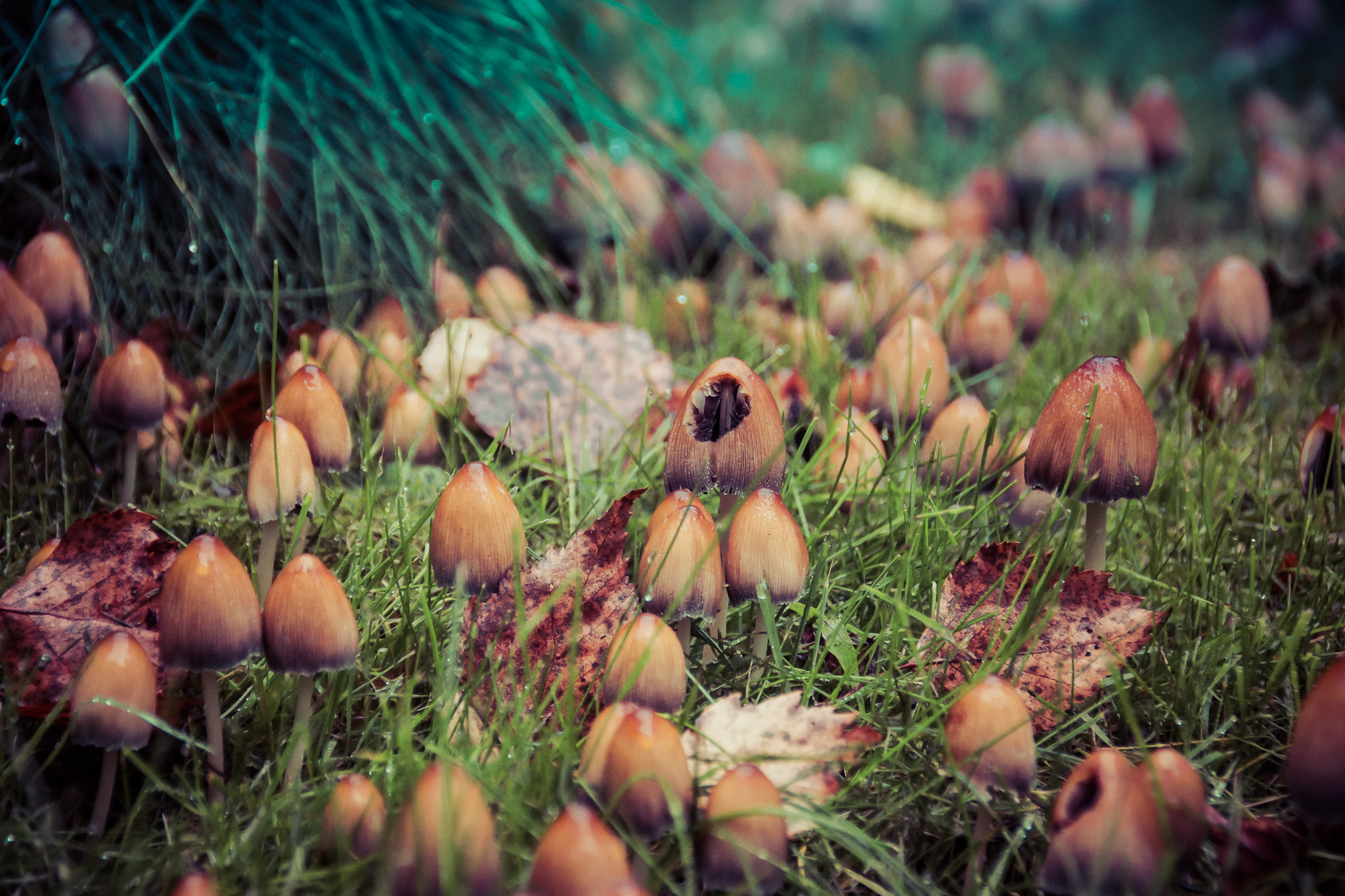
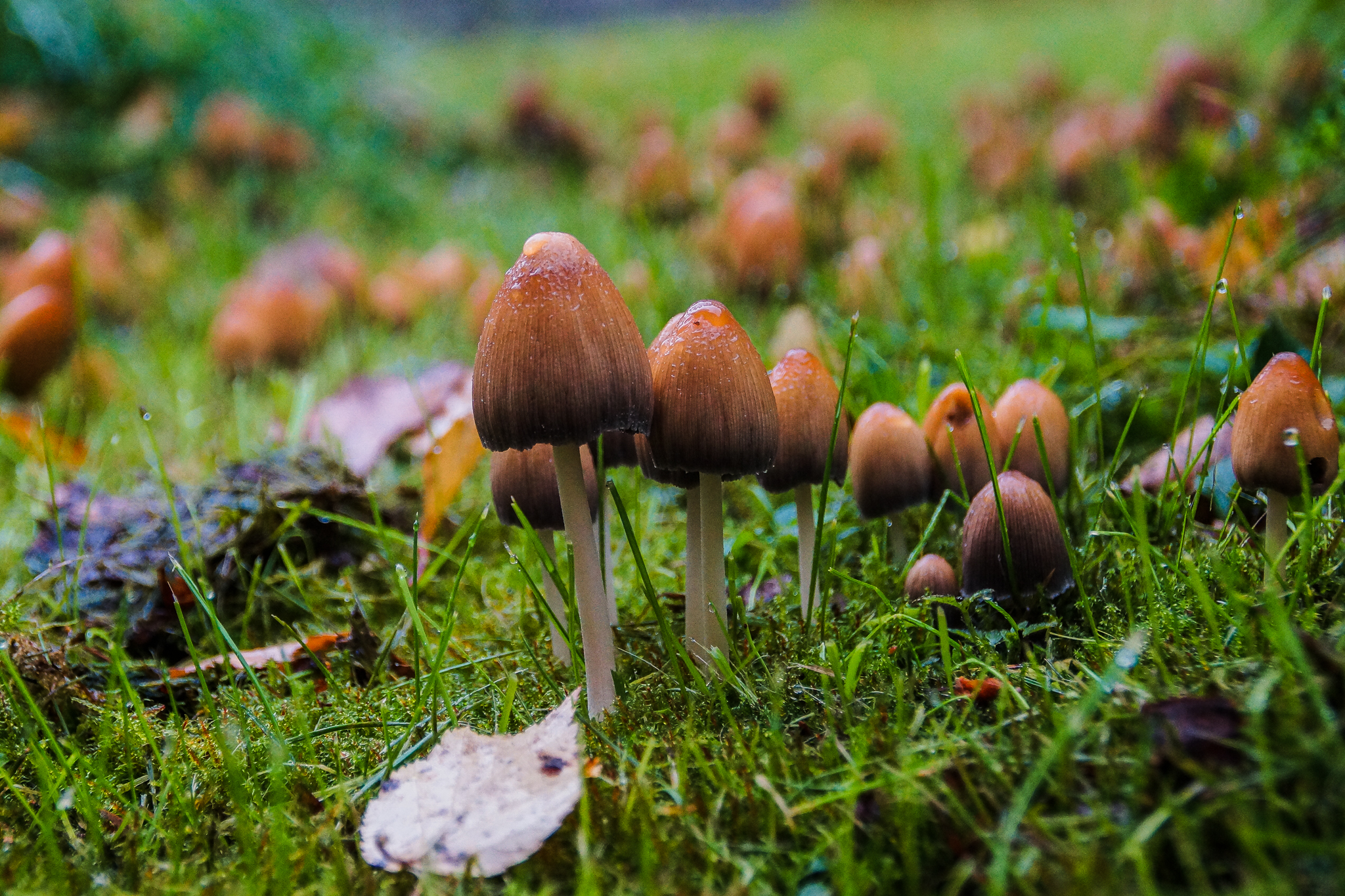
Early Sunday morning I am trying to photograph rain, but we only have misty rain. I am trying to look for signs of rain when I find this Fungi village 🙂  It shows signs of rain as I find rain on the grass the fungi hats.

Rainy day -fungi village-7

fly agaric

A poisonous mushroom, Amanita muscaria, with a large crimson cap, fading to yellow, scattered with white flecks.