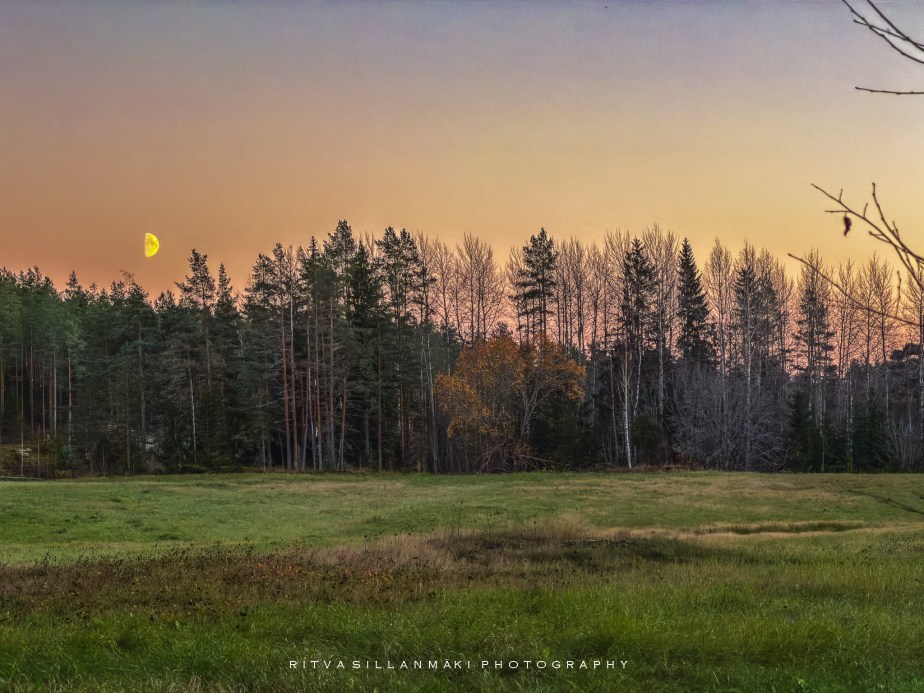
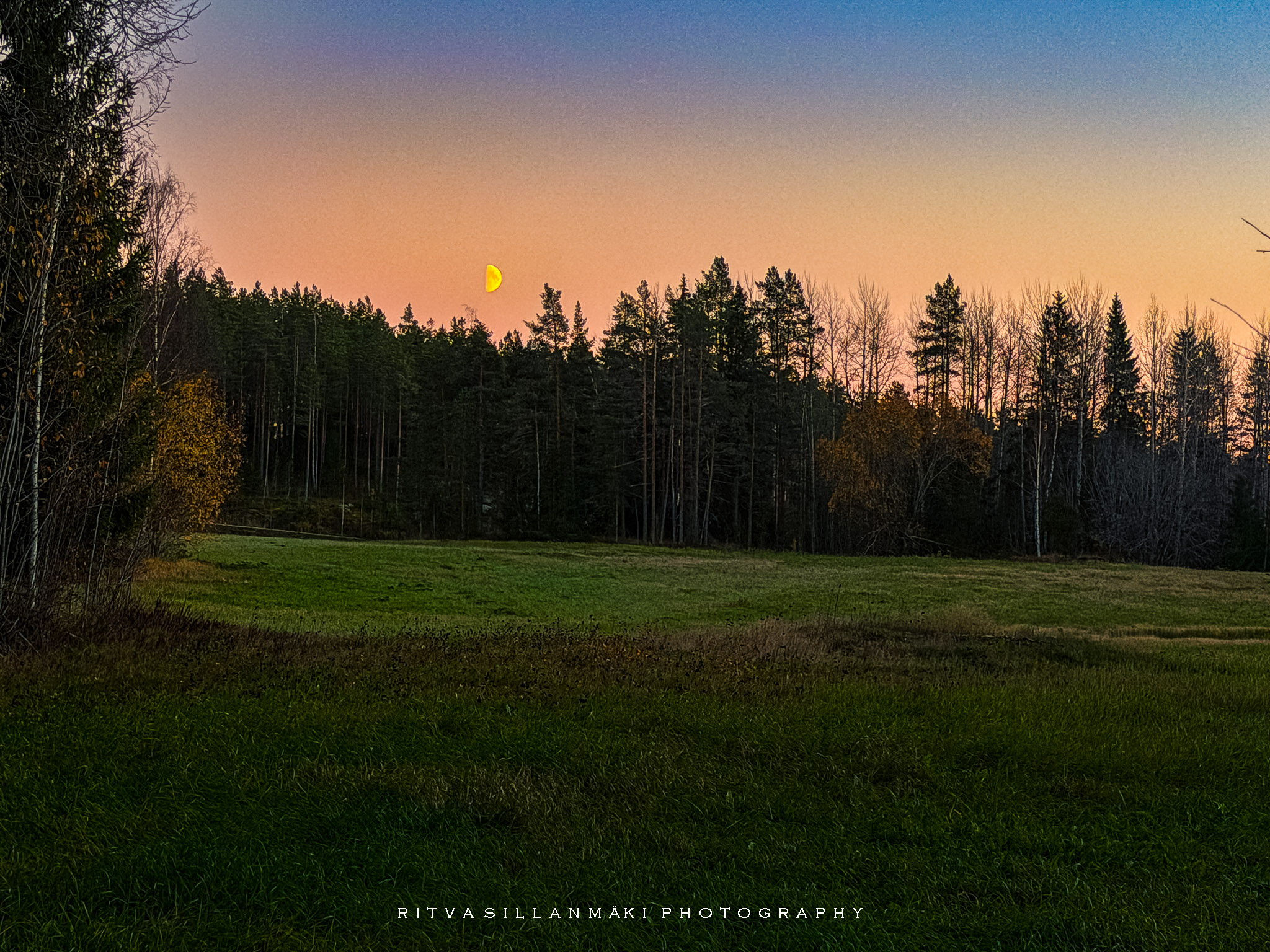
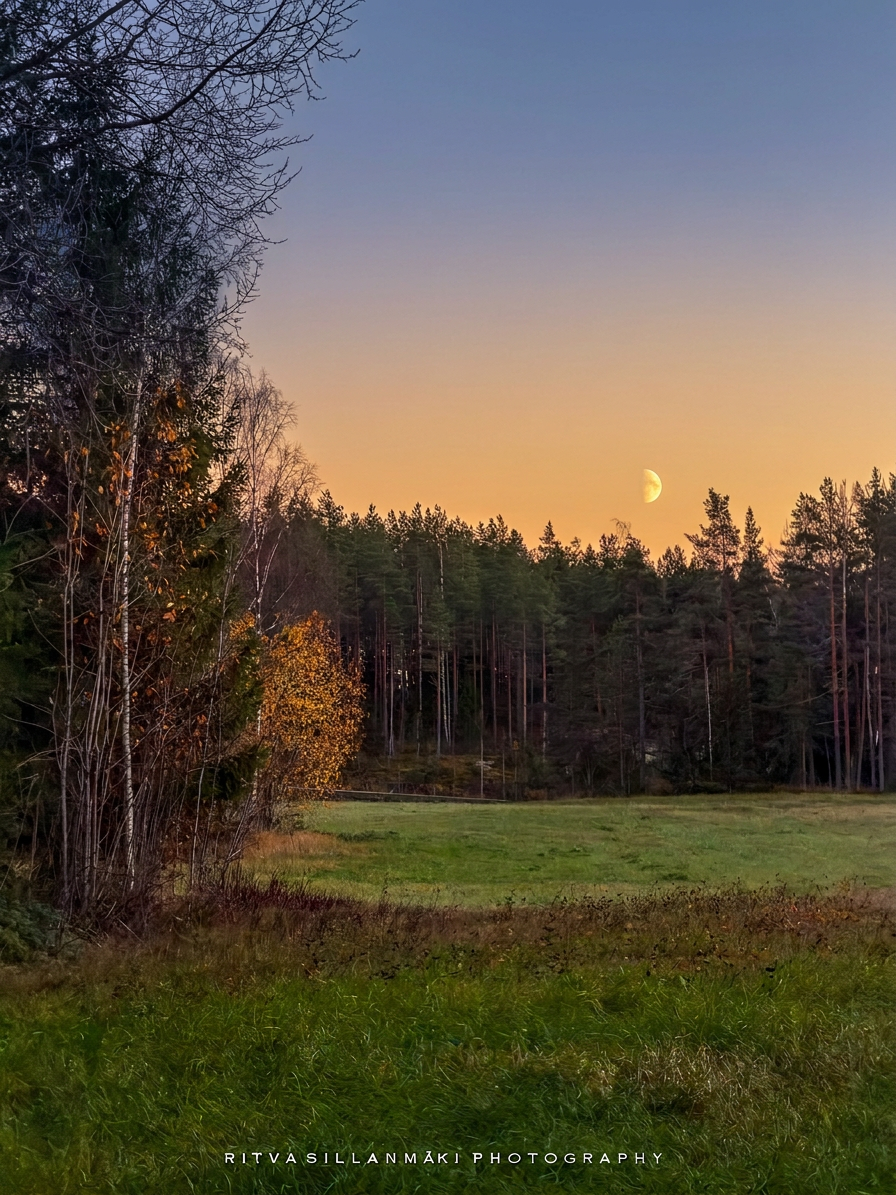
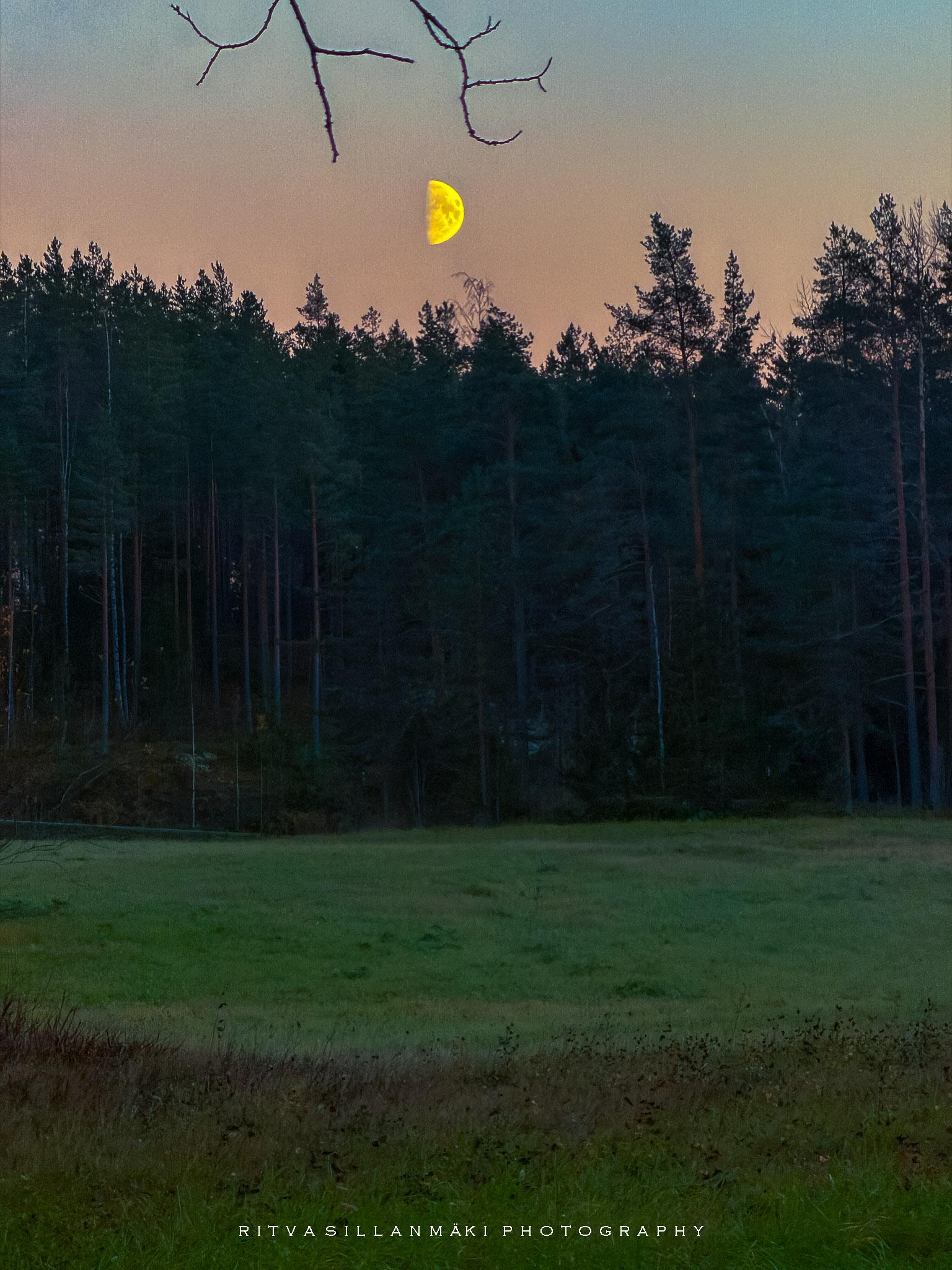
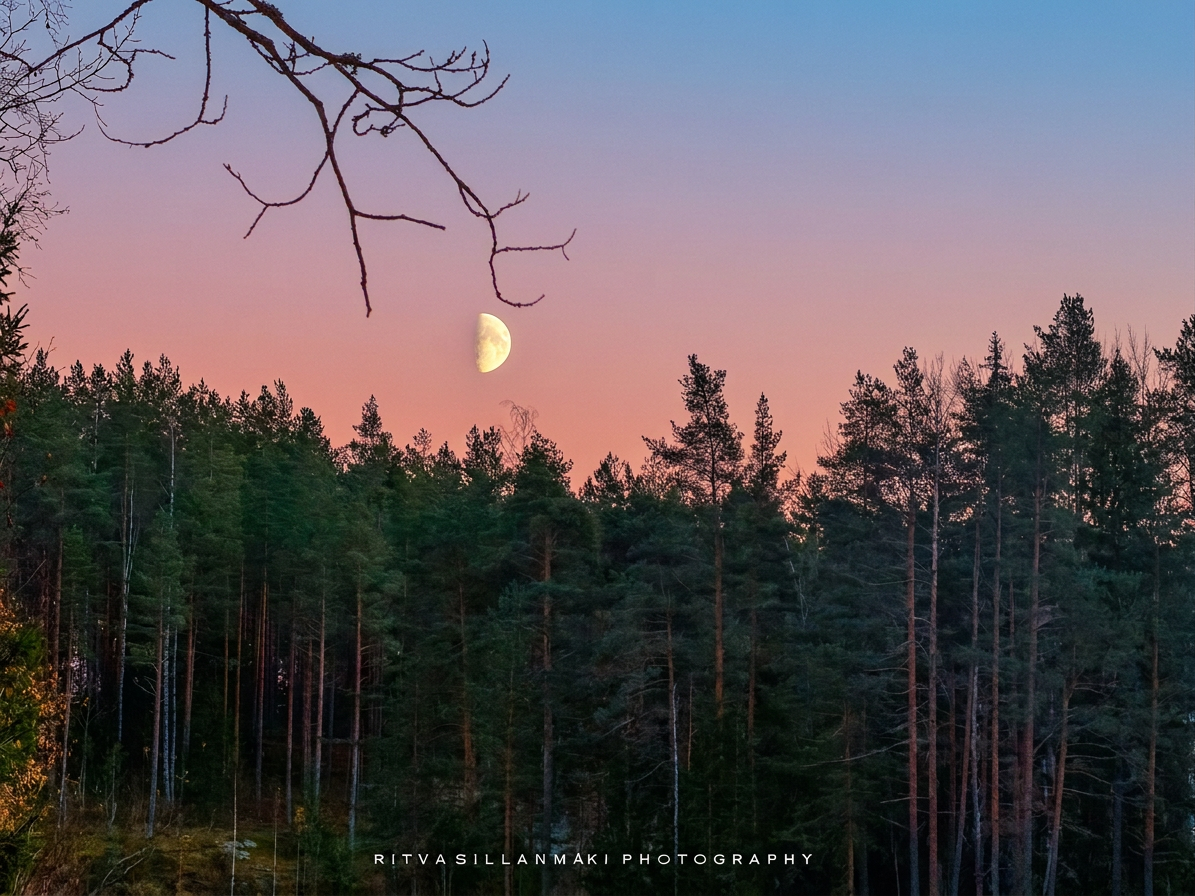
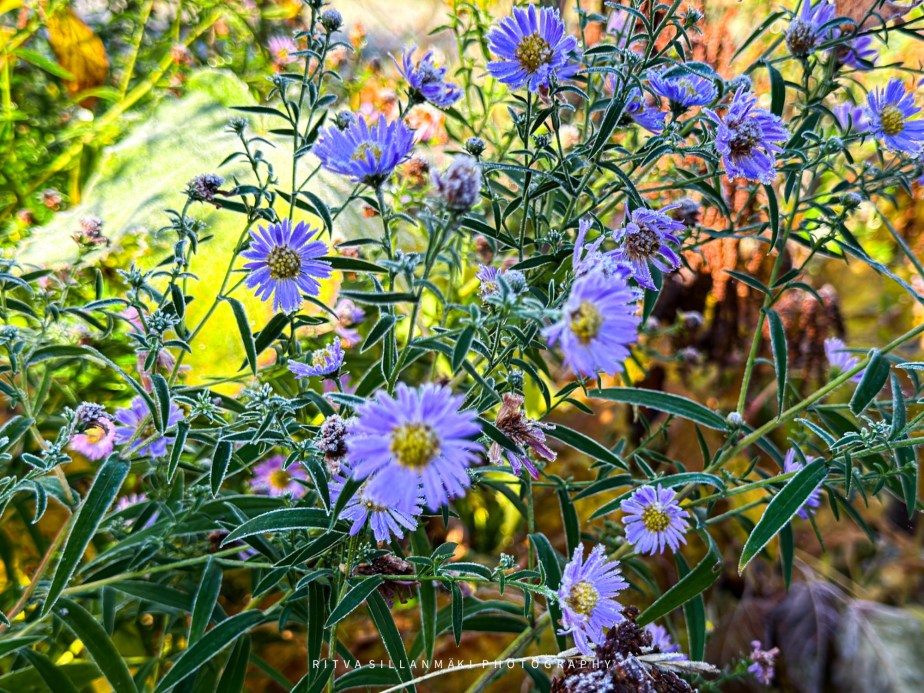
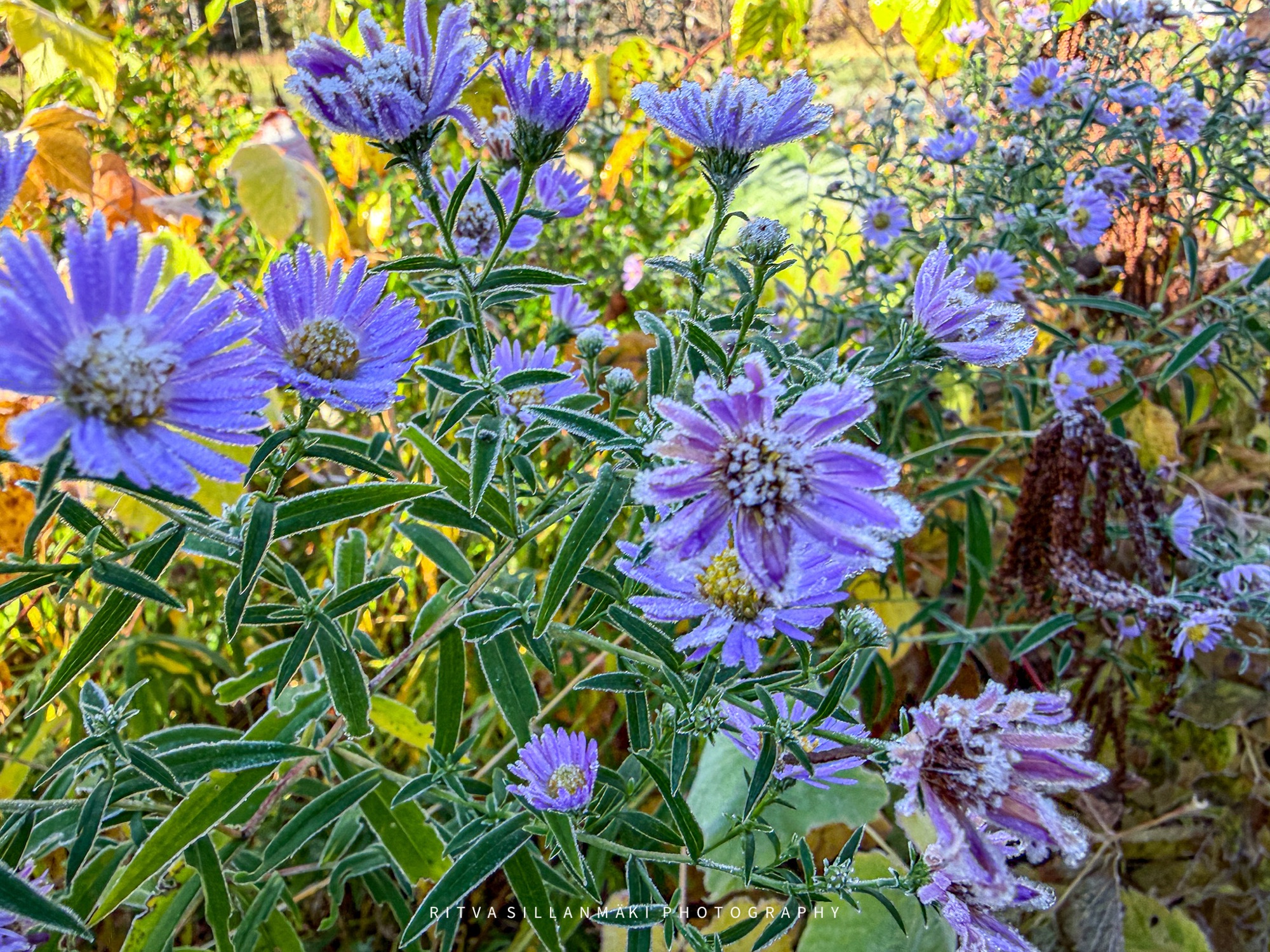
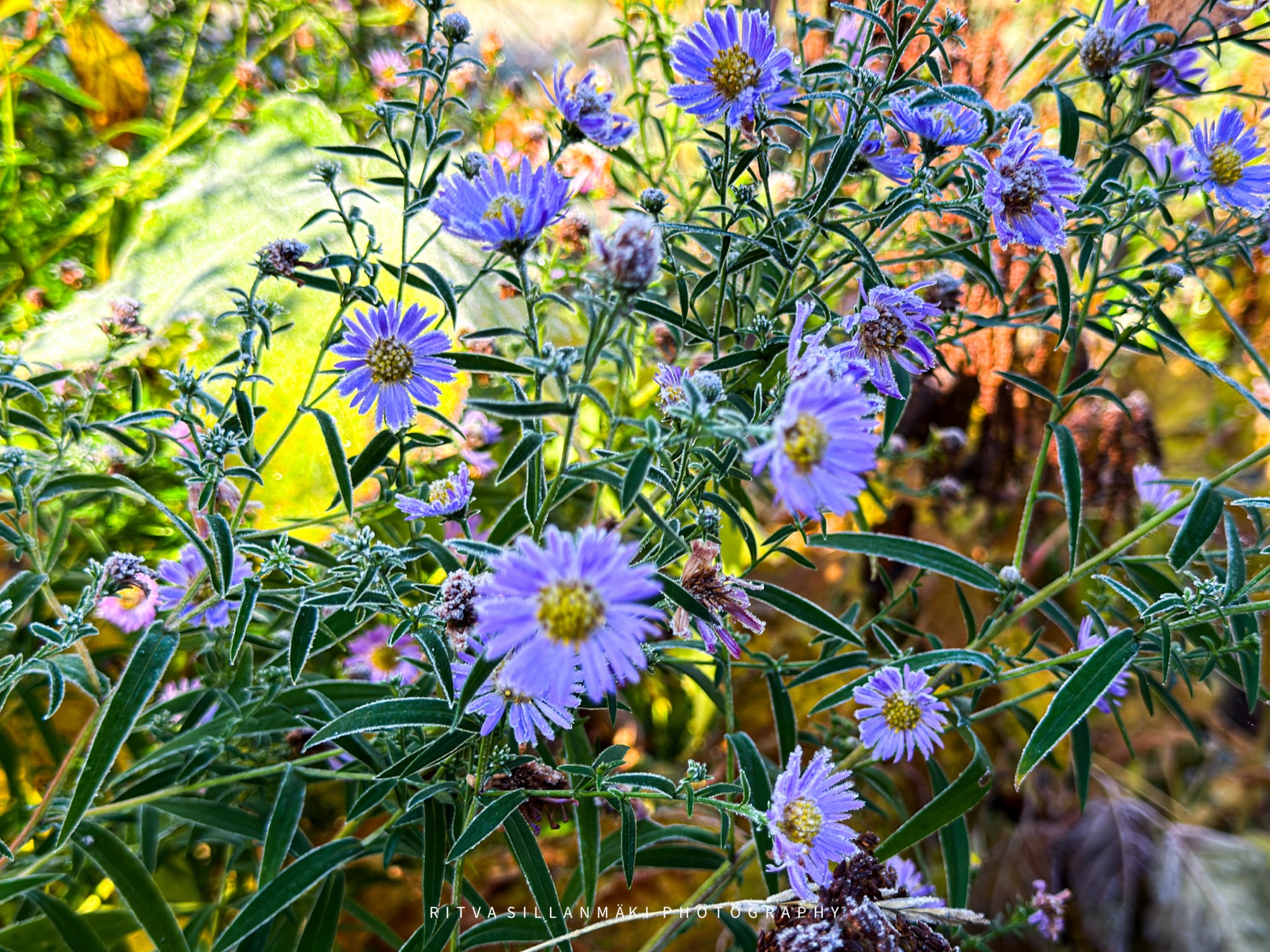
I took these half-moon shots when I stepped out behind our house. The moon was nice and low, so I was able to capture these images of the October half-moon just before sunset. A golden half-moon rises above a quiet forest and meadow beneath a glowing twilight sky. I adjusted them slightly by changing the lighting point and framing, and the closer I framed, the more the story changed—the locations shifted within the narrative of the image.
A golden half moon rises above a quiet forest and meadow beneath a glowing twilight sky.
A serene forest meadow glows beneath a warm evening sky, with the half moon rising above the pine trees.
A glowing half moon rises above a shadowy pine forest and quiet meadow at dusk.
A golden half moon rises above a dark pine forest beneath a softly glowing pink evening sky. How framing can change the narrative of the image.
Poem By Christina Rossetti
The Half Moon
The half moon shows a face of plaintive sweetness Ready and poised to wax or wane; A fire of pale desire in incompleteness, Tending to pleasure or to pain:– Lo, while we gaze she rolleth on in fleetness To perfect loss or perfect gain.
Half bitterness we know, we know half sweetness; This world is all on wax, on wane: When shall completeness round time’s incompleteness, Fulfilling joy, fulfilling pain?– Lo, while we ask, life rolleth on in fleetness To finished loss or finished gain.
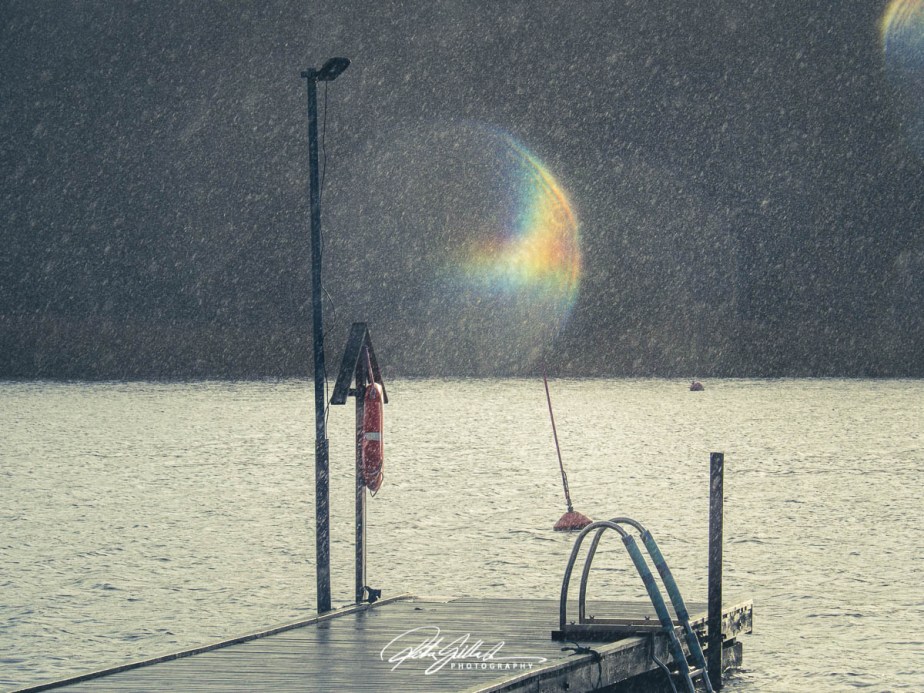
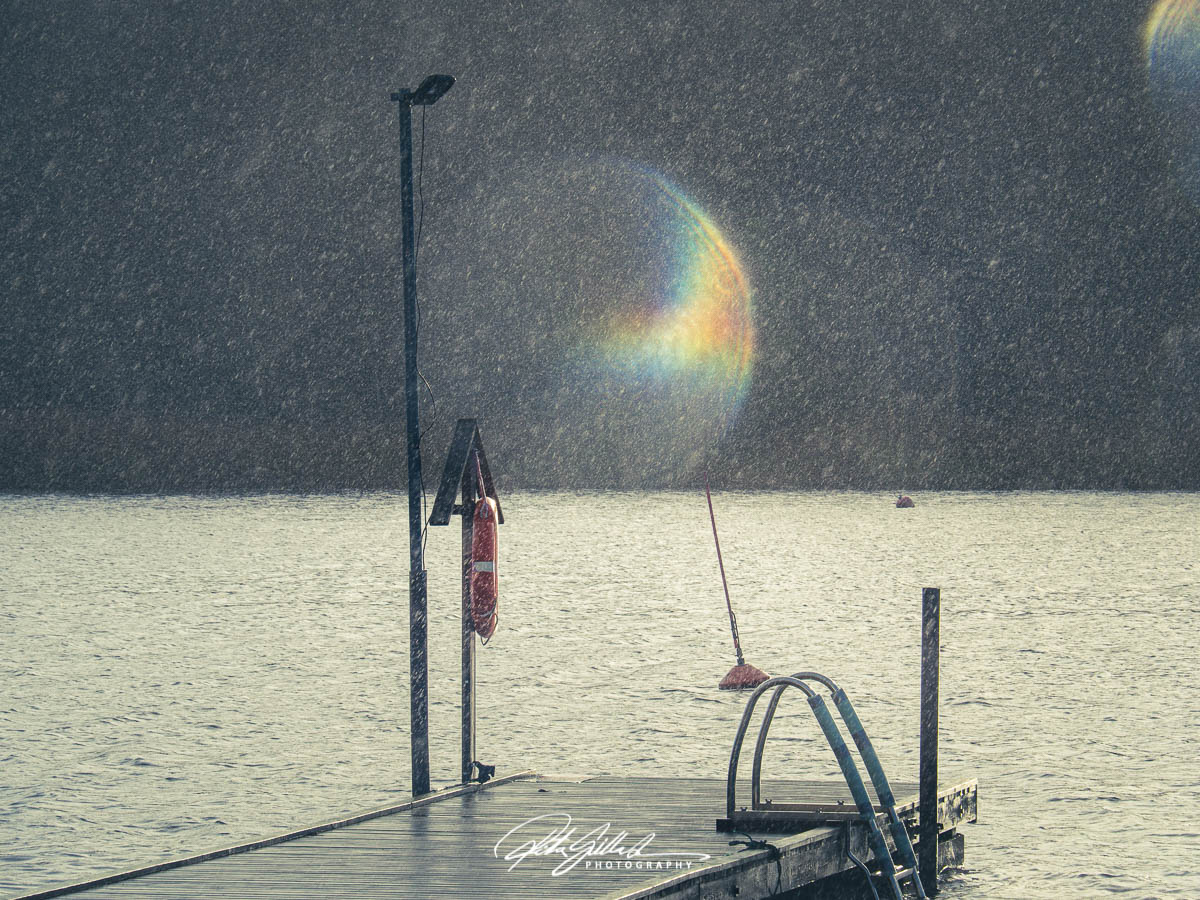
I remember standing by the lakeside, watching this quiet scene unfold: a weathered wooden dock stretching gently across rippling pale-blue water, beneath a dark, textured sky that seemed to invite a moment of stillness. Along the dock, I noticed a tall lamp post, a red life preserver, mooring poles, a coiled metal ladder, and even a small broom-like object near the edge—subtle signs that people had recently passed through, though the place felt utterly calm. Then my eyes were drawn to a vivid, rainbow-like arc of refracted light glowing above the water near the center, an ethereal focal point that brought a soft sense of hope into the muted, vintage-toned scene, with the dock quietly grounding everything in reality.
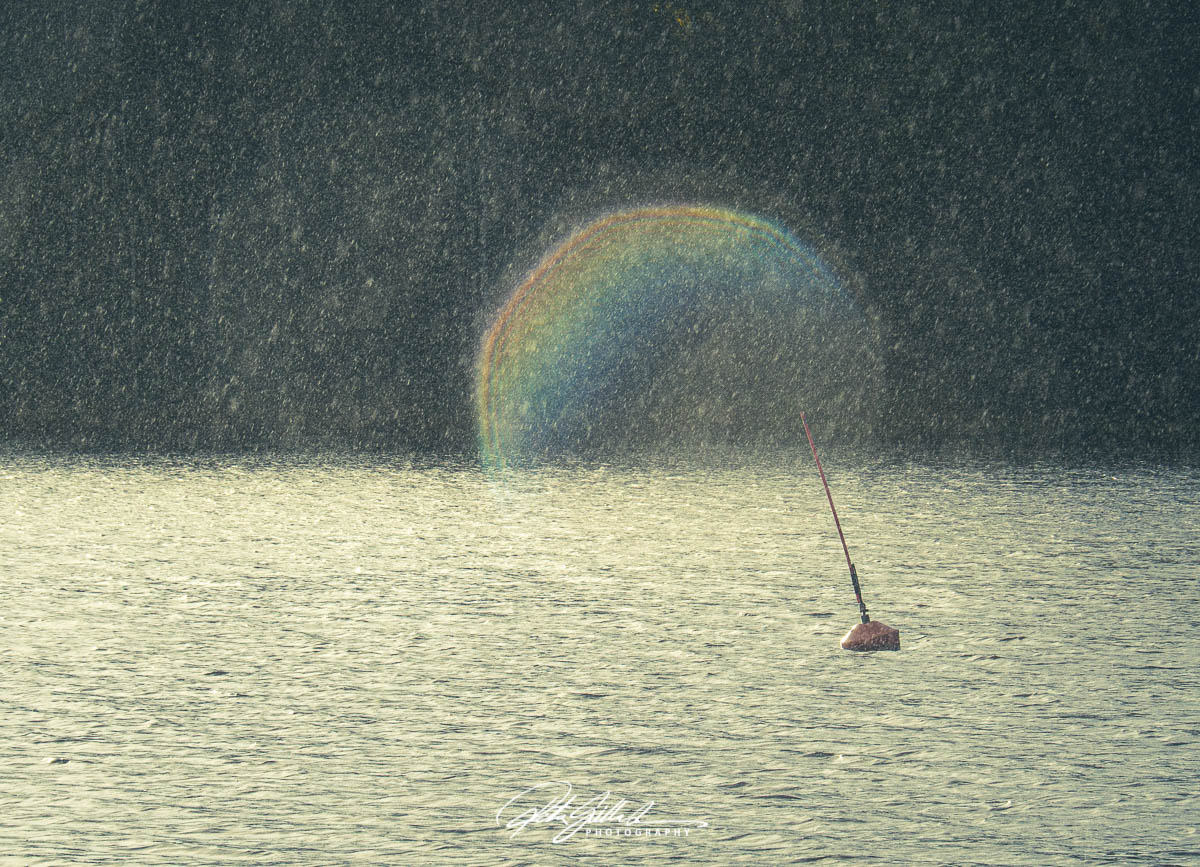
I was so happy to capture these round rainbows, never before or after seen similar
The image shows a full-circle rainbow, captured over a pier and a lakeside landscape during rainfall, something I had never seen before and have never seen again, a rare view that many people never get to witness. Rainbows are, by their optical nature, always perfect circles, a quiet reminder to me that even when we only see a part of something, there is often more wholeness than meets the eye. From the ground, we usually don’t see this phenomenon in its entirety, because the ground and the horizon hide the lower part, making the rainbow appear only as an arc. In this moment, however, a full circle formed thanks to raindrops that were exceptionally close to where I was standing, allowing me a more complete glimpse of this gentle natural wonder.
The image shows a full-circle rainbow, captured over a pier and a lakeside landscape during rainfall.
Why I saw this was the low October sunlight shines directly from behind me and there is a very dense rainfall right between me and the pier, the light has time to refract and reflect back also from the raindrops lower in the air before they hit the ground or the water. In this case, the entire 360-degree circle becomes visible in front of the photographer.
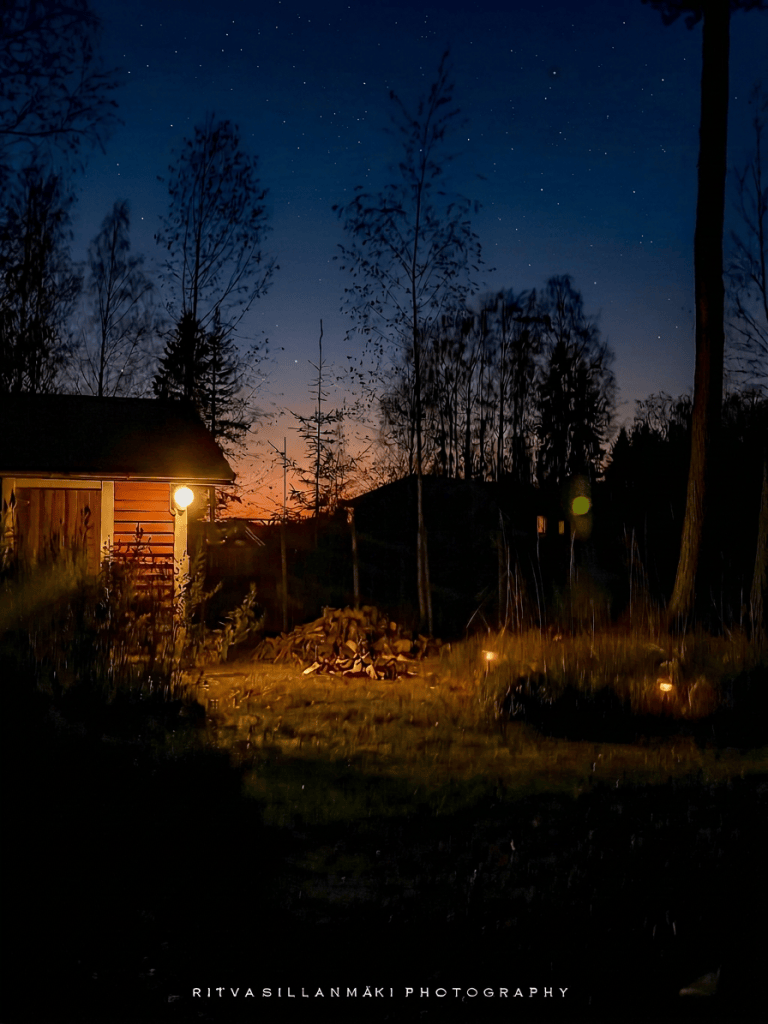
I thought I would share this photo. These dark October nights have had me looking at the stars everytime I go to the outhouse.if it’s not raining. The stars are not really visible in my shot, but I started do some research for this and what stars are showing at the moment in our sky. I do hope the facts are mostly correct. If not just take it as a tale of stars.
A view from the shed corner to an early-evening night sky in early October,
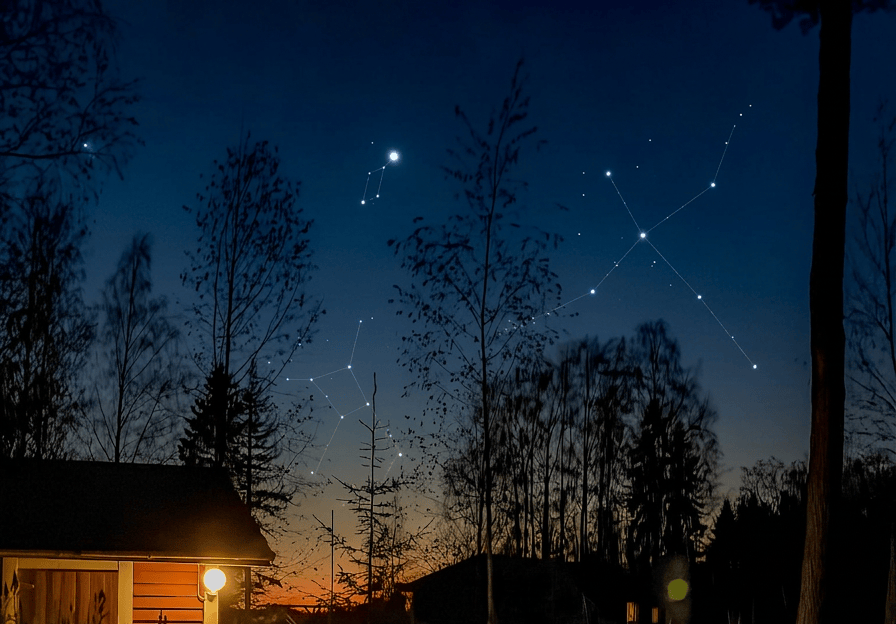
• The Summer Triangle: The triangle, which shone high in the early evening, has clearly shifted toward the west and northwest. Of its stars, Vega in Lyra and Deneb in Cygnus appear bright on the western and northwestern horizon. The third star of the triangle, Altair in Aquila, is already lower in the southwest. • Cygnus (The Swan): This large “Northern Cross” spreads out spectacularly across the western sky before sinking lower. • Hercules: Below Cygnus and Lyra, closer to the northwestern horizon, the constellation of Hercules is visible.
Enhanced with AI : The Summer Triangle:Cygnus (The Swan), Hercules:
Otava has always fascinated me. I first learned that it is a ladle-shaped asterism formed by the seven most visible stars of the Ursa Major constellation, and I remember trying to trace that shape in the sky with my own eyes. As I read more, I began to understand why, for northern peoples, Otava was one of the most important, if not the most important, constellations in the sky. When I came across the fact that ancient Greek astronomy later became the basis for an international, advanced astronomical standard, it made sense that Otava eventually came to be regarded merely as an asterism that is part of Ursa Major. Still, I was struck by how many peoples have held on to the special status of Otava in their language and culture. I was especially drawn to what this star pattern means to Finns. They named it after an open fish weir called “otava,” and I started to see how deeply it is woven into Finnish tradition. Otava (“otavainen”) is also mentioned in Kalevala and Kanteletar. In the Kalevala, a wife is urged to go out into the yard to “learn from Otava” so that she would better understand the passage of time. That image stayed with me, as if the sky itself were a kind of slow, patient teacher. I learned that other names for the stars include the Seven-Starred and the Stars of Hope, and I loved the idea that Lemminkäinen sent bees between the stars to fetch a remedy for his healing salve.
As I kept digging, I realized that this same familiar pattern appears under many different names around the world, each revealing how people have related to the night sky. Names used by other peoples for the Big Dipper include: people of northern England: Butcher’s Cleaver; the Irish: Starry Plough; the British and Irish: Plough, Charles’ Wain (an older form: Carlswæn); the Scandinavians: Karlavagnen, Karlsvogna or Karlsvognen (Charles’s Wain; Karl = churl = man); the Germans: Großer Wagen (the Great Wagon); the Slavs: Great Wagon; the Russians: Ladle; the Americans: Big Dipper (the great ladle); the French: Chariot (the chariot), Casserole (the cooking pot). The more I learned these names, the more I felt that, by following Otava across the sky, I was quietly tracing a shared human story written in stars.
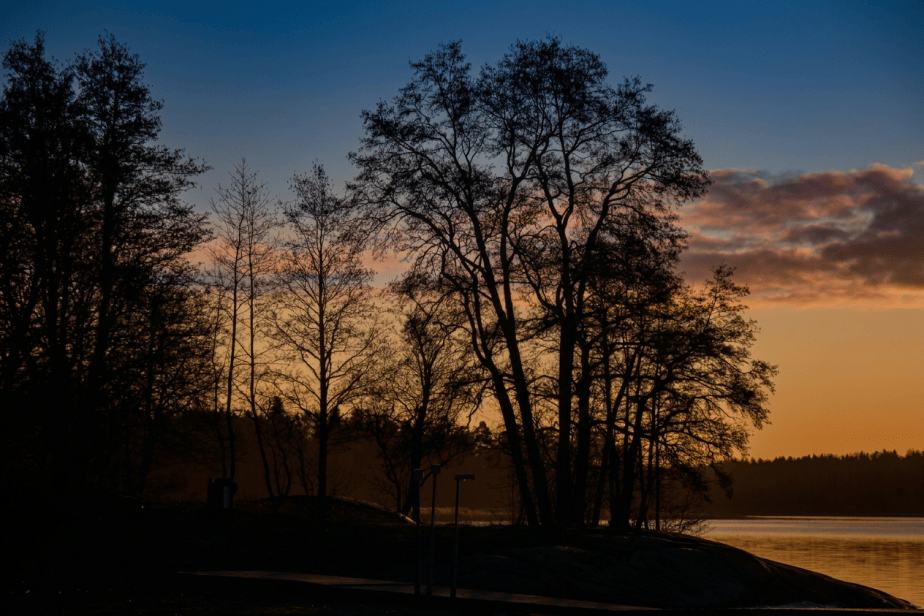
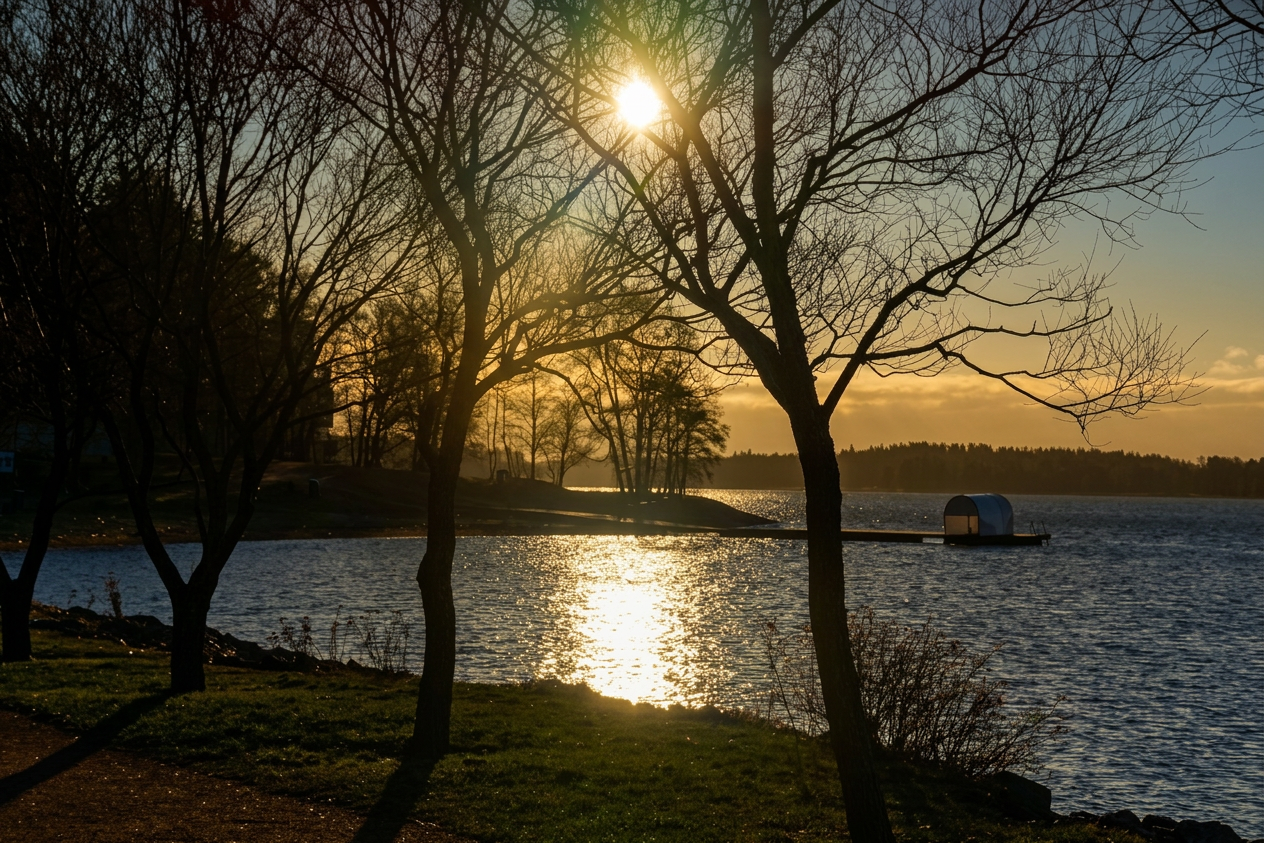
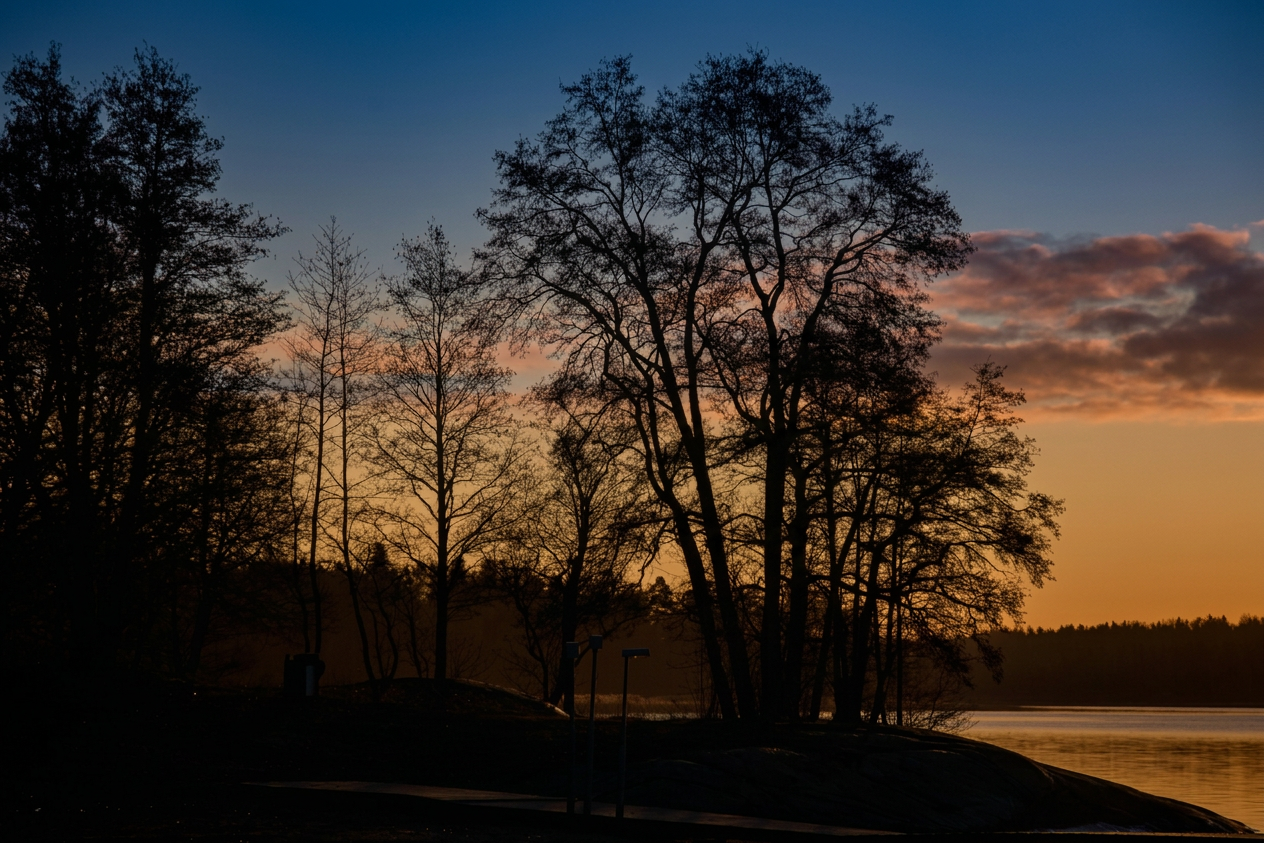
Dusk comes early now, and October is finally showing its real mood. A low golden light shines through the bare trees by the quiet sea, and the water reflects a thin path of light on its small waves. A small floating winter swimming hut rocks gently in place, waiting for the first thin ice to form and for the brave swimmers who will arrive with their steaming breath and quick, sharp laughter. The air is cool and smells faintly of salt and wet wood, and I can feel the early darkness settling in as everything prepares for the slow change of season. The bare trees stand out dark against the sky, perfect for silhouette photos, and when I am lucky enough to catch a soft Nordic sunset behind them, it feels as if the whole shoreline pauses for a moment while I take the shot.
Golden sunlight filters through bare trees beside a tranquil sea illuminating the rippling water and a small floating winter swimming hole hut waiting for the ice and swimmer’s Bare trees stand in silhouette against a glowing sunset over a calm sea
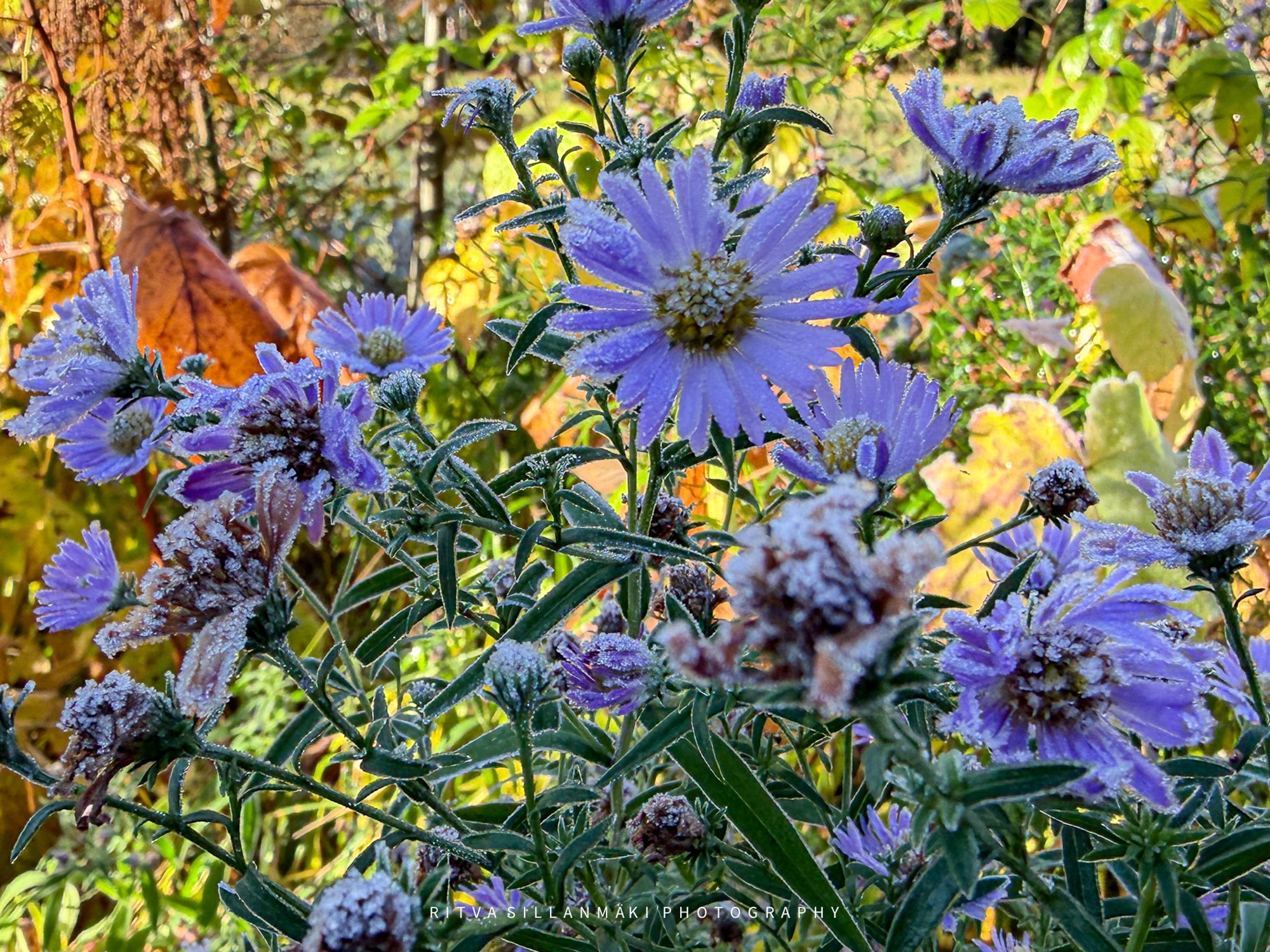
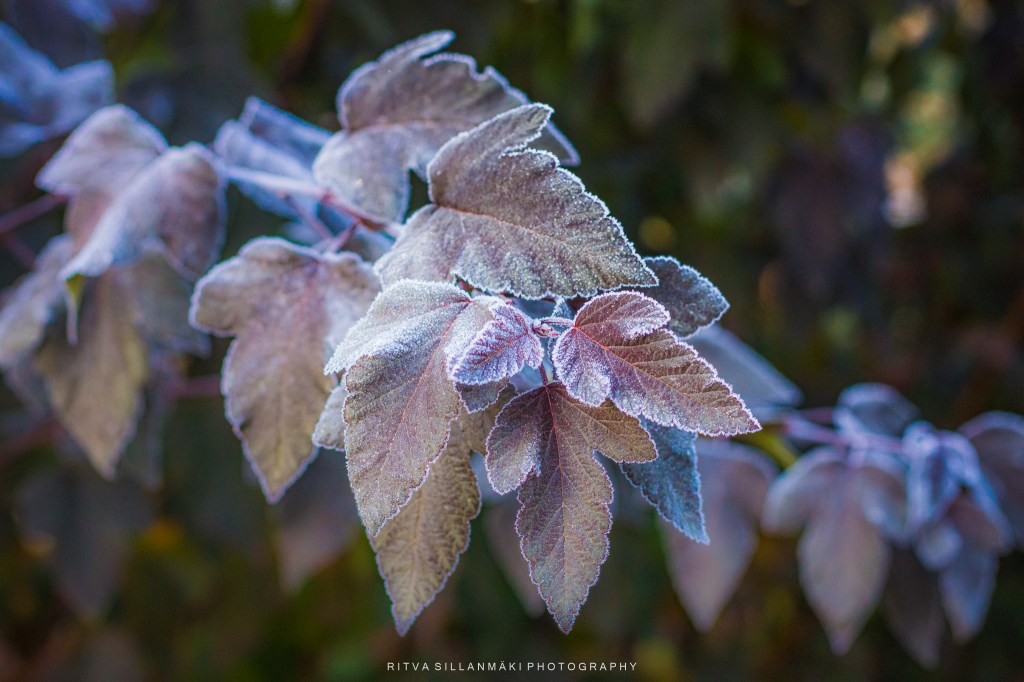
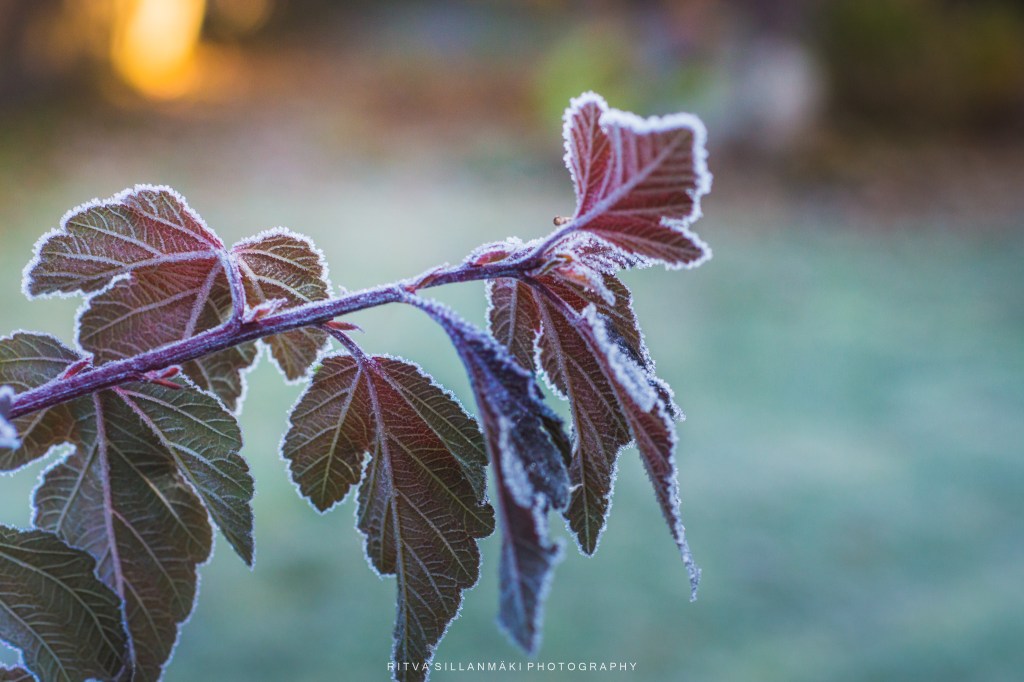
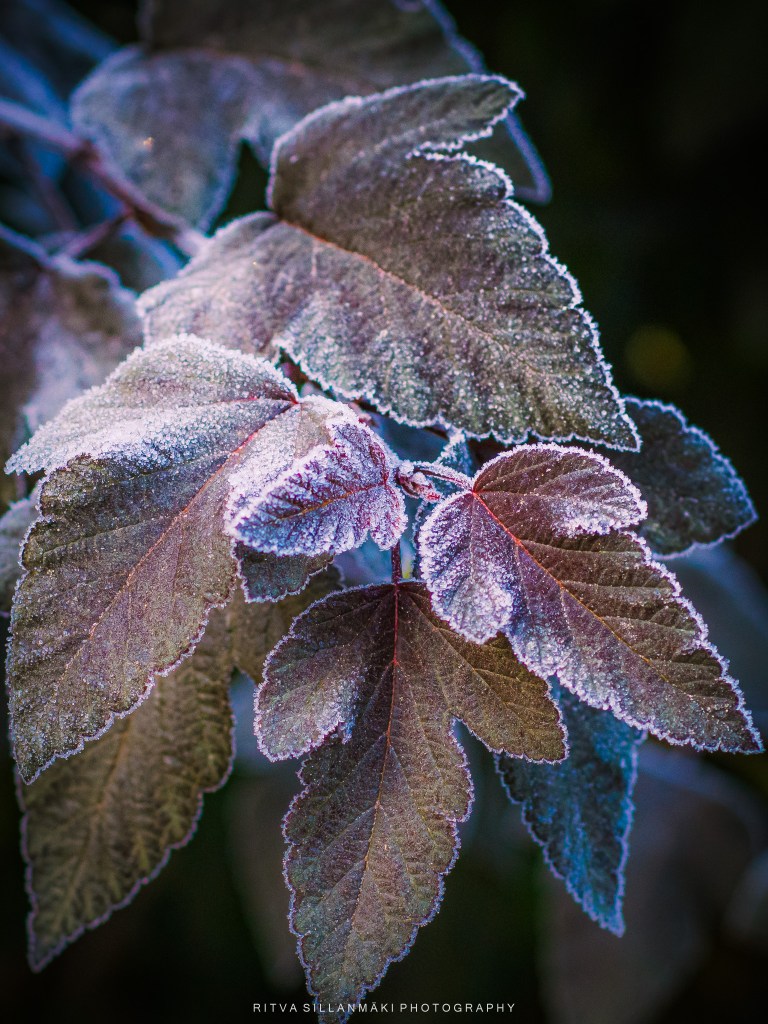
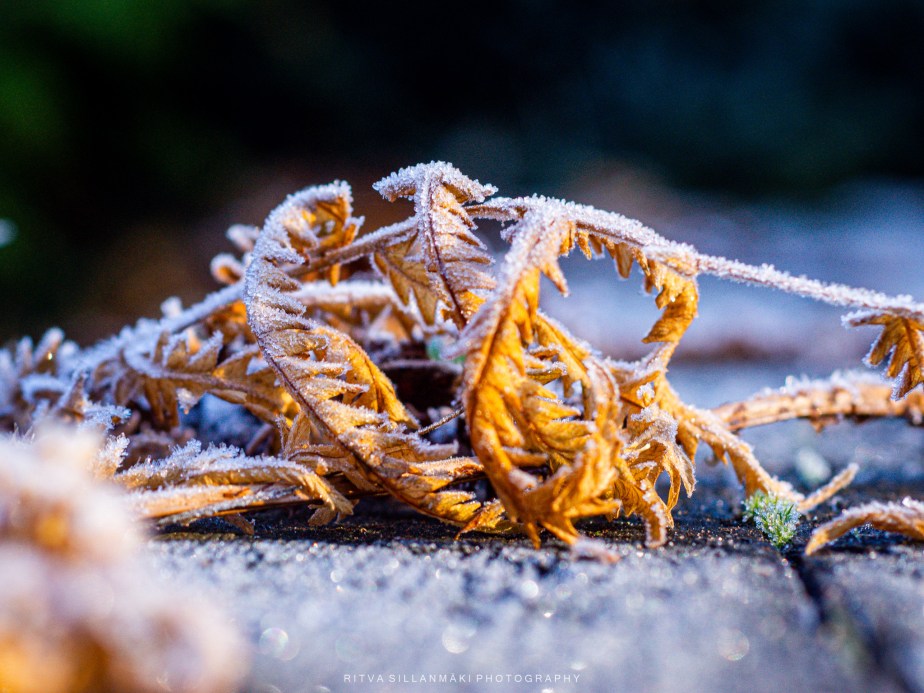
Here are three distinct photographs: a rain-soaked road scene captured with an iPhone showcasing obscured visibility, a decorative ball surrounded by autumn leaves taken with a SONY a7, and frost-covered flora photographed with a SONY SLT-A65V macro lens. The final images in October 2025.
Rain-soaked road scene with traffic visibility obscured by droplets on the windshield. This was my last one my IPhone.
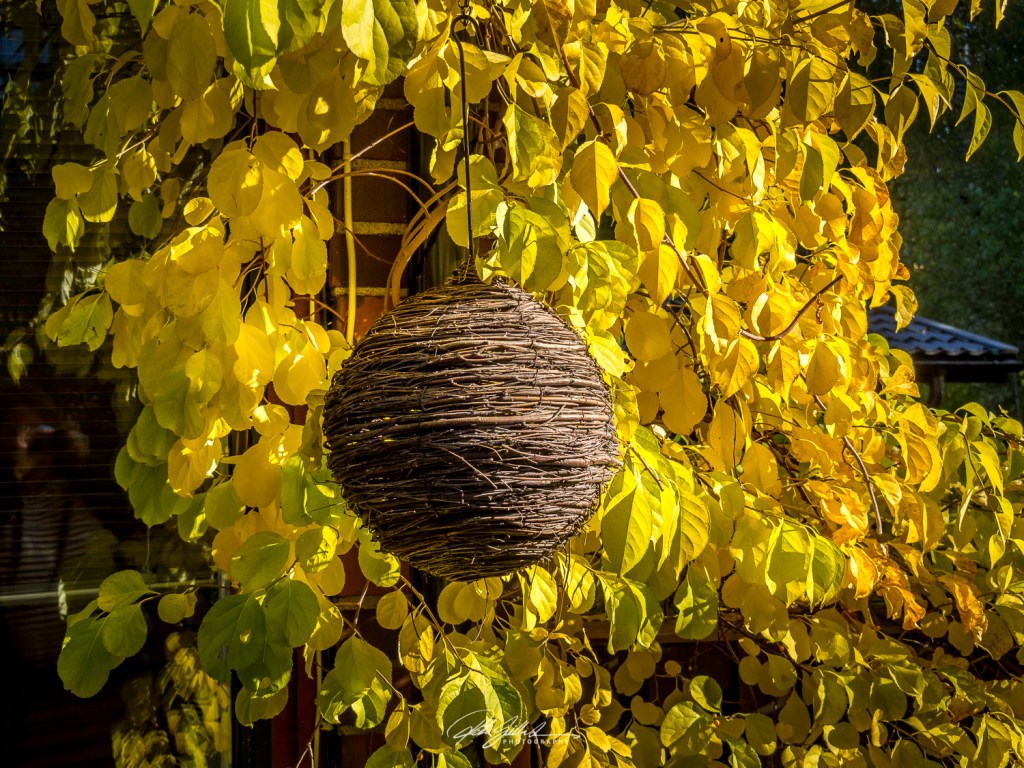
A beautifully woven decorational ball surrounded by vibrant autumn leave and couple birds all slightly blurred. Taken with My SONY a7 through a window.Frost-covered flora with my old SONY SLT-A65V with a macro lens
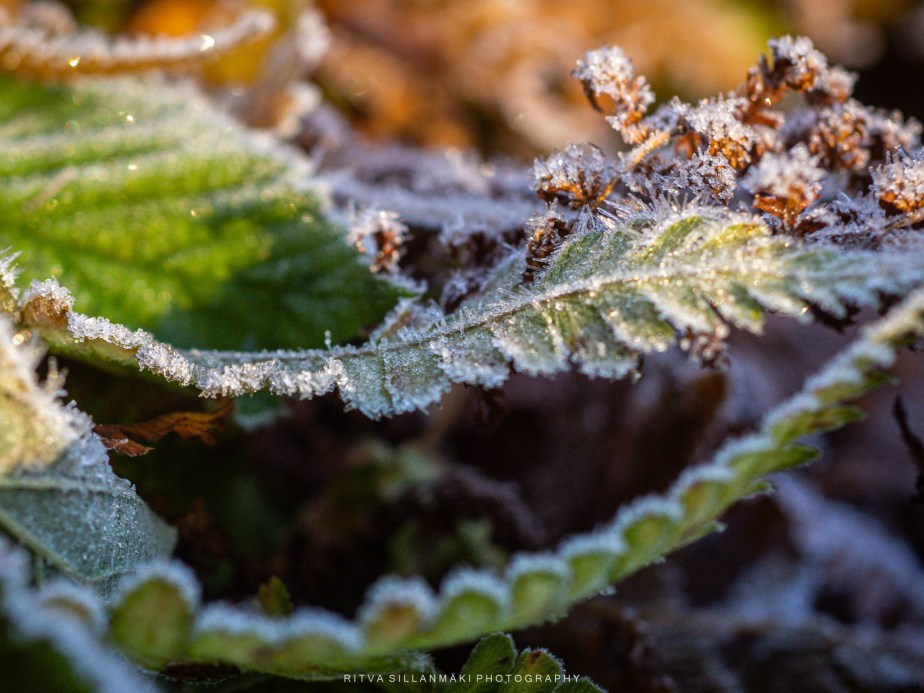
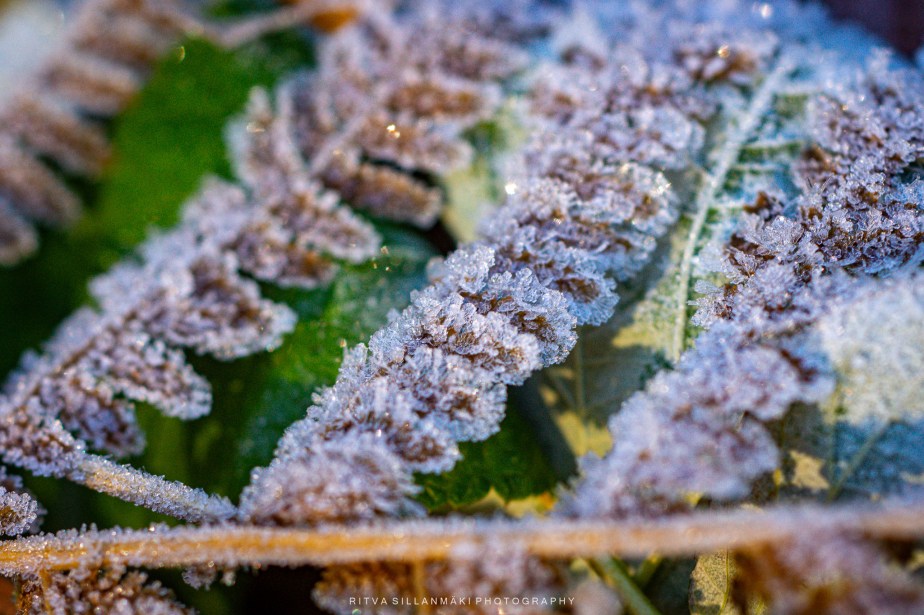
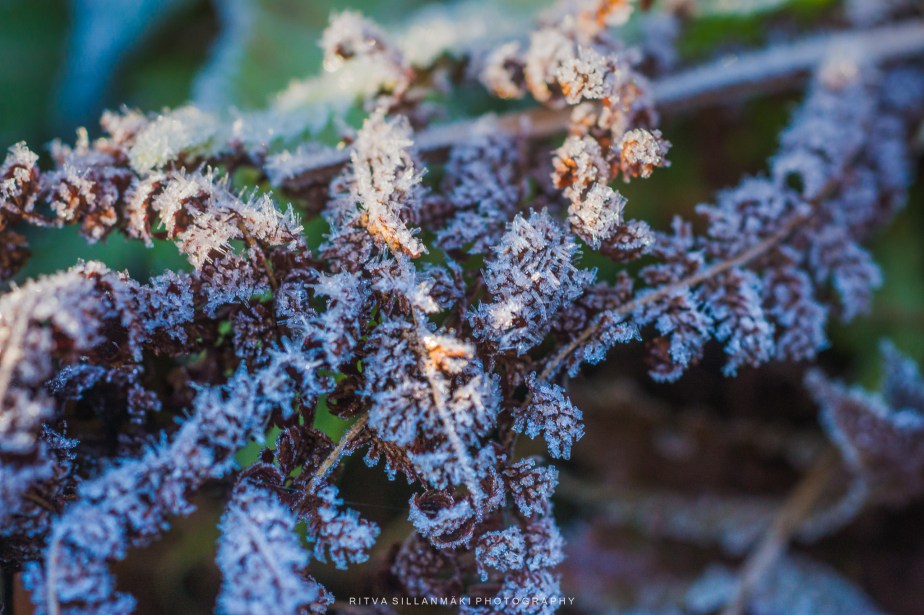
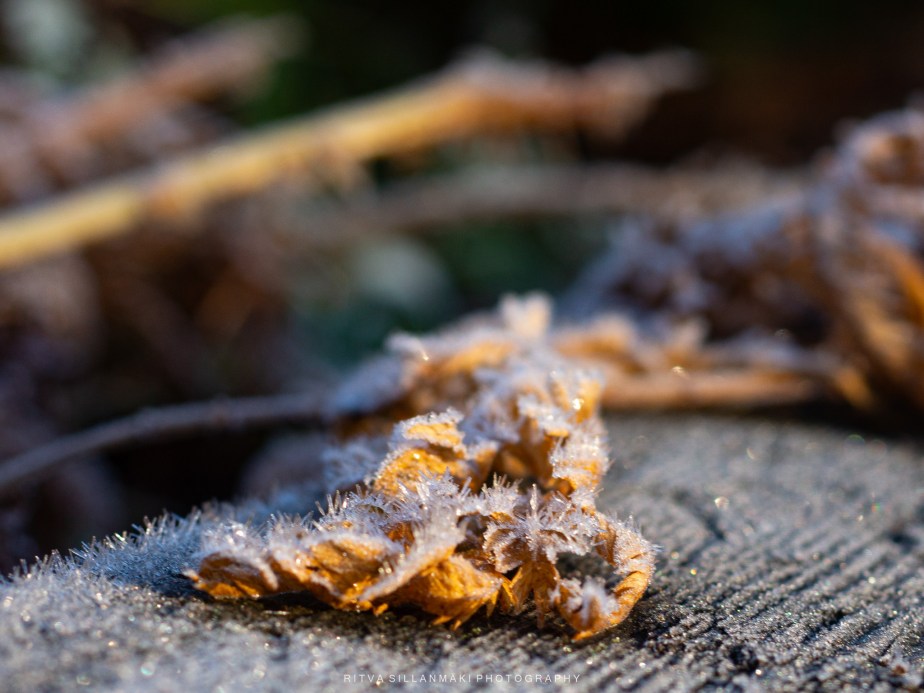
Still showing the beauty of frosty mornings, where nature unveils its delicate artistry. This time, the details of frost on ferns create a mesmerizing sight, transforming the ordinary into the extraordinary with intricate patterns that glisten under the soft light. I even did a small poem to enhance the post. The crystalline frost, like nature’s jewelry, adorns each leaf, reminding us of the beauty that often goes unnoticed in the chilly embrace of dawn.
Close-up of frosty leaves glistening in sunlight.
Ferns donning deep brown tones, Glistening under the gentle morning glow, An intricate display of fall colors, Their fragile fronds, a transient charm, Echoing the waning heat of the season, Frost veiled, sparkling in the sun, Nature’s shift, a serene moment of elegance.
Fern covered with frost
Frosty fern adorned with glistening ice crystals in sunlight.
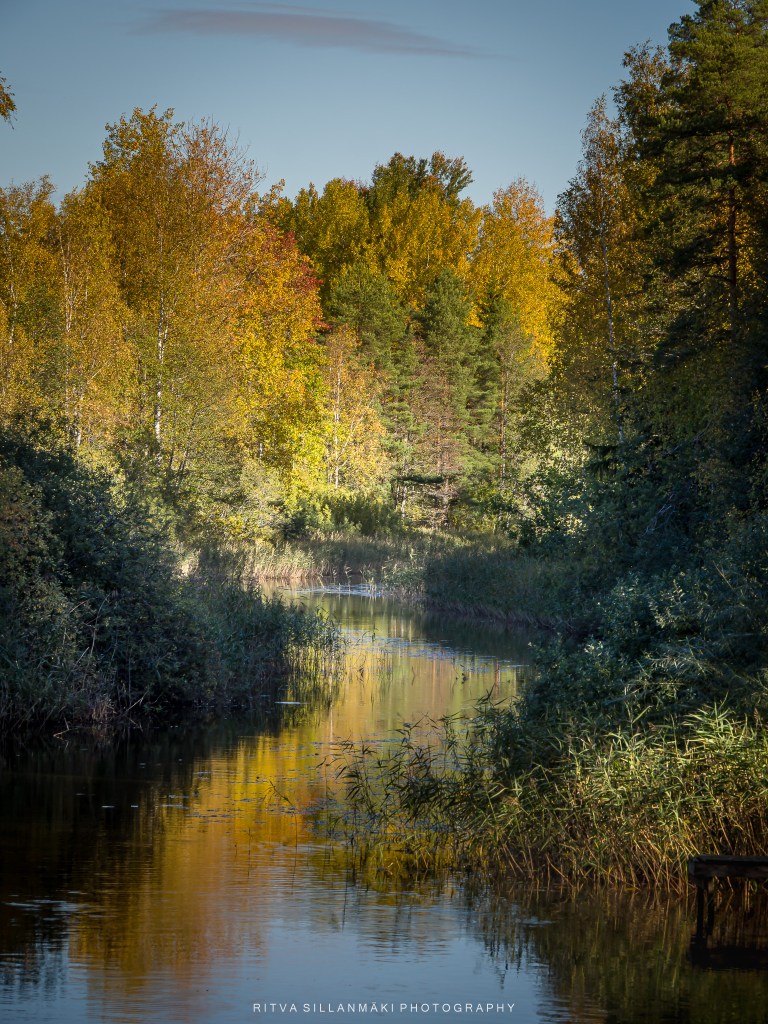
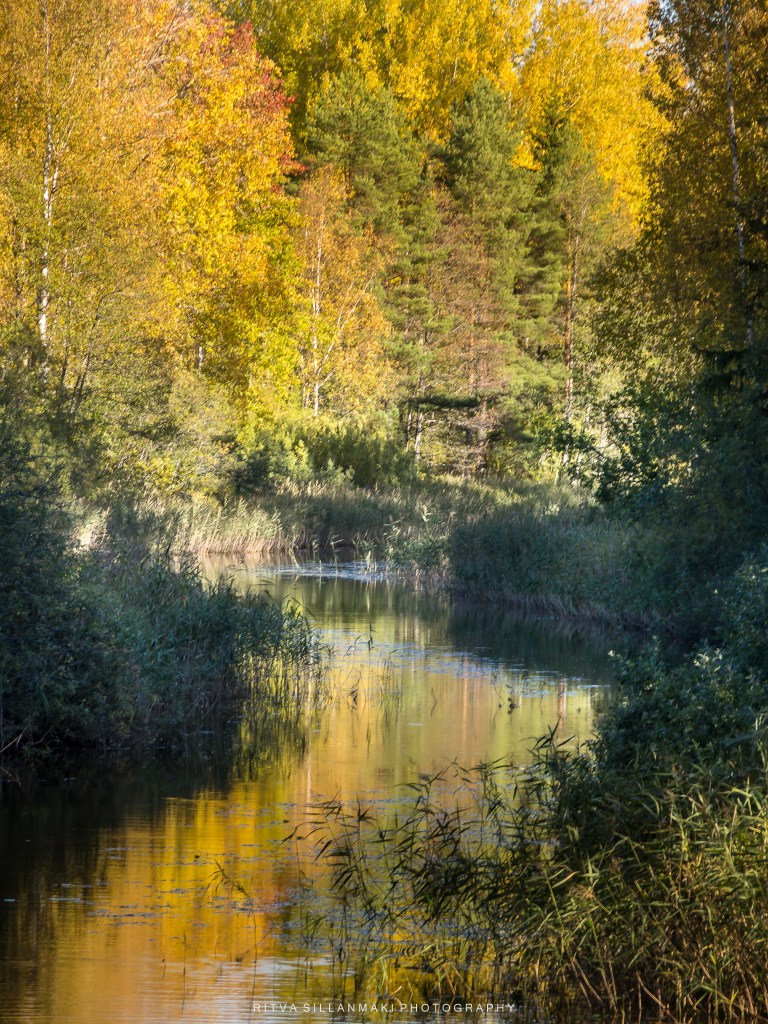
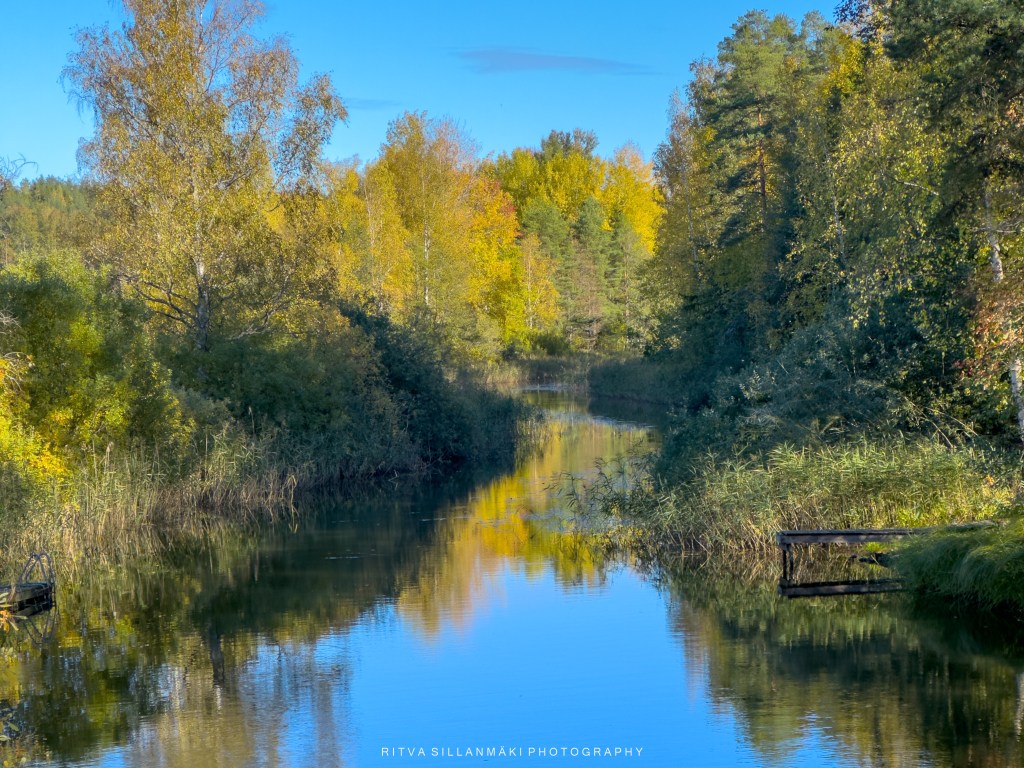
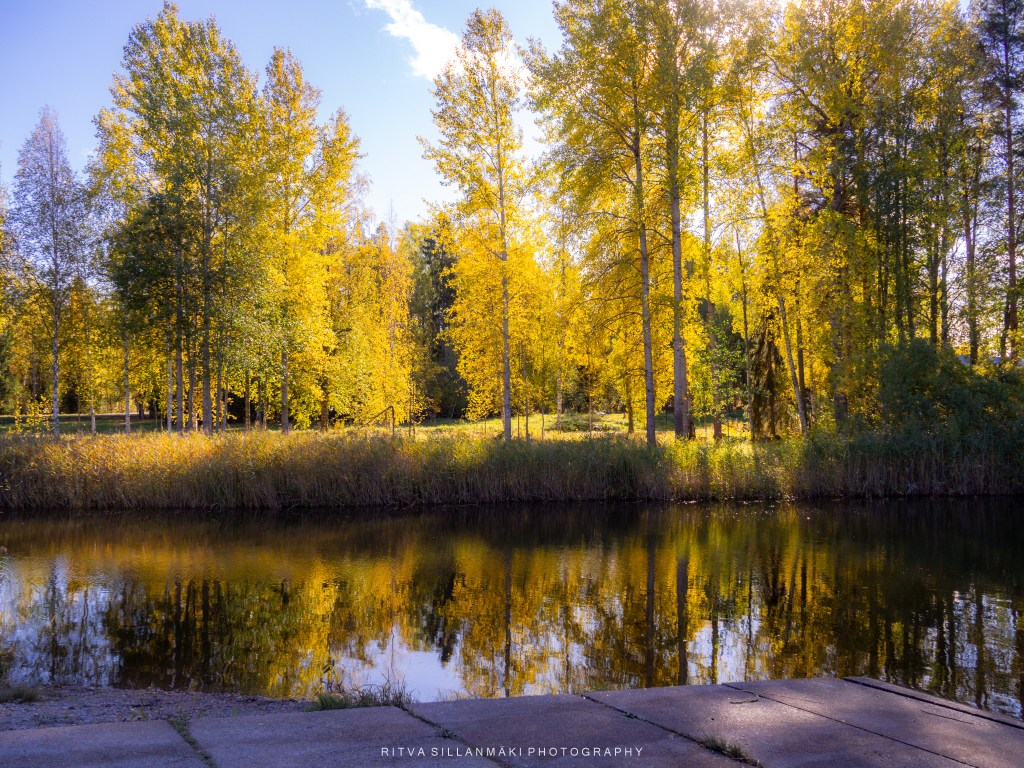
This is ruska. (n the Finnish language, this stunning phenomenon that paints northern landscapes in deep and soft tones is called ‘ruska’.
What is ruska?
Ruska comes from the Sami word “ruškat”, and close to the Finnish word ruskea which means brown. This refers to the time of the year when the spectacular natural phenomena of the autumn foliage happen, or when leaves change colors and the trees get ready for winter.
Puuruska
There are two different types of ruska; puuruska and maaruska. In Finnish language, puu means tree, therefore puuruska refers to the leaves of the trees changing to different colors. Maa means land, ground, or soil; so maaruska, when translated to English, means bushes and plants of the ground changing their colors. The maaruska is especially beautiful to see in blueberry bushes at the forest. The colors are very bright and intense, creating the perfect spot for that perfect shot, or most of the time, simply an immeasurable and breathtaking view that a photo can’t even justify.
river Salajoki
Typically, ruska starts in the north of Finland in early September and gradually moves southward. By late September to early October, the southern parts of the country, including Helsinki, will be in the full throes of this colorful season.
Lapland, the northernmost region of Finland, offers some of the most stunning ruska views. The fells and vast wilderness areas, interspersed with crystal-clear lakes and rivers, provide a perfect backdrop for the red and gold leaves.
Reflections
I took these last weekend, and since then, this week the colors have intensified spectacularly. Hopefully, the rain and winds of the autumn storm pass swiftly, allowing the beauty of nature to remain mainly undisturbed. I hope for a chance to photograph the stunning fall leaves again in the coming days, capturing the fleeting beauty of the season.
During the past weekend I have been trying to do presentable graphic art, monotype. I have to admit that I did not actually manage to do that. They fall in the category of not good not bad.
Saturday was bleak and grey, No inspiration coming from the weather then, but Sunny Sunday was cold but bright. I took these photos with my cellphone, mobile phone as I would say.
it is really hard to be inspired by October today, really, today being a good sample of weather i don’t enjoy. The colors are lovely, but this is the beginning of the time of year that I do not like at all, shorter day, less light, It is what it is.
Time to start cleaning the summer house for winter.
The positive thoughts about it 🙂
October, with its crisp air and vibrant hues, signifies the arrival of autumn in all its splendor. This bewitching month holds a special place in the hearts of many, casting a spell of warmth and nostalgia.
As the days grow shorter and the leaves turn from green to shades of gold, he gentle rustling of fallen leaves underfoot.
Nature, at its finest, paints breathtaking landscapes during this time of year. The forests transform into a picturesque mosaic of fiery reds, burnt oranges, and golden yellows. T
October serves as a transition from the vibrancy of summer to the serenity of winter. It beckons us to embrace change, to welcome the cozy comforts that colder days bring. It reminds us to pause, take a deep breath, and appreciate the fleeting beauty that surrounds us.
So, as October unfolds its enchanting charm, let us immerse ourselves in its wonders. Let us revel in the simple joys it bestows and find solace in the gentle embrace of autumn’s embrace.
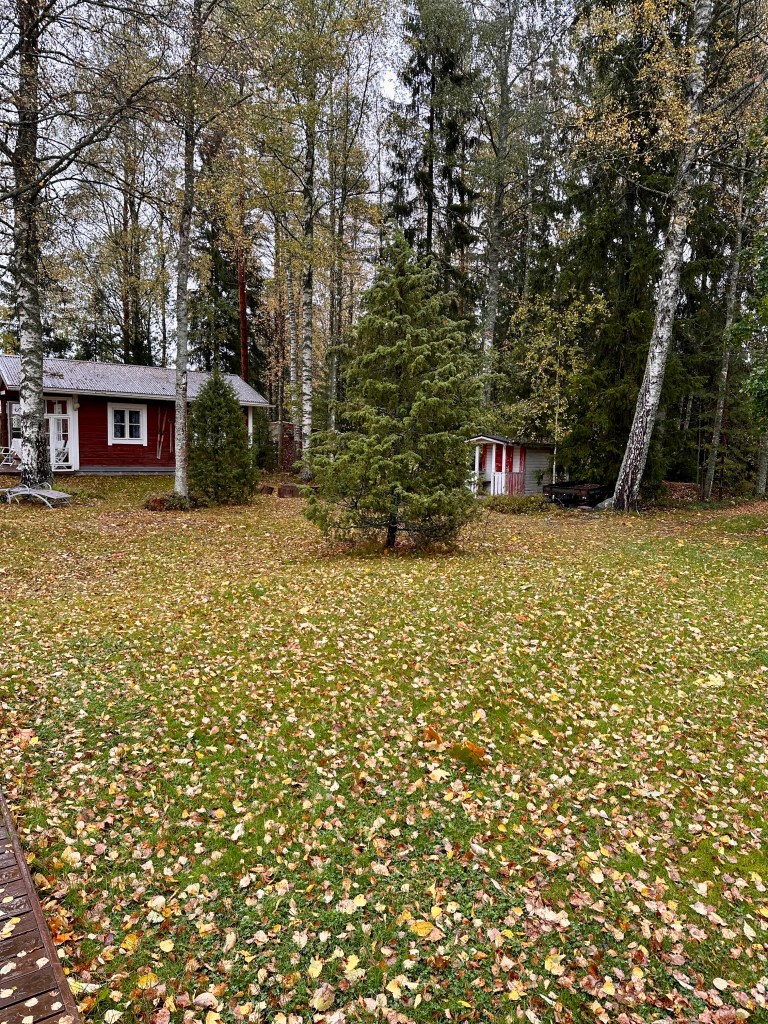
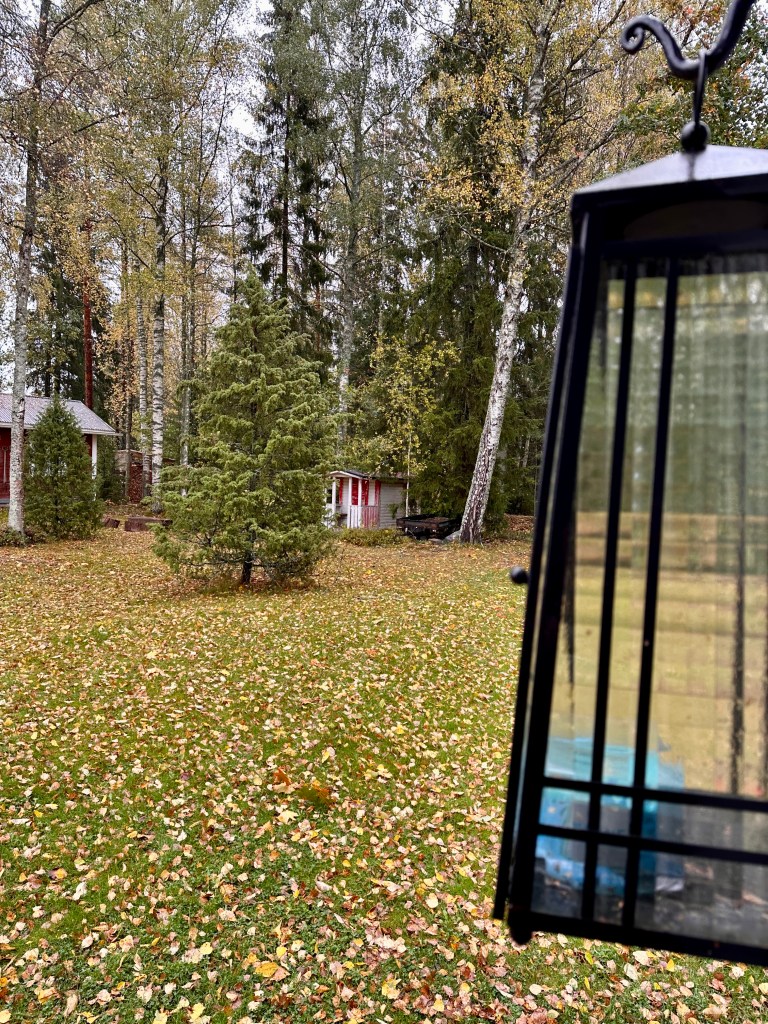
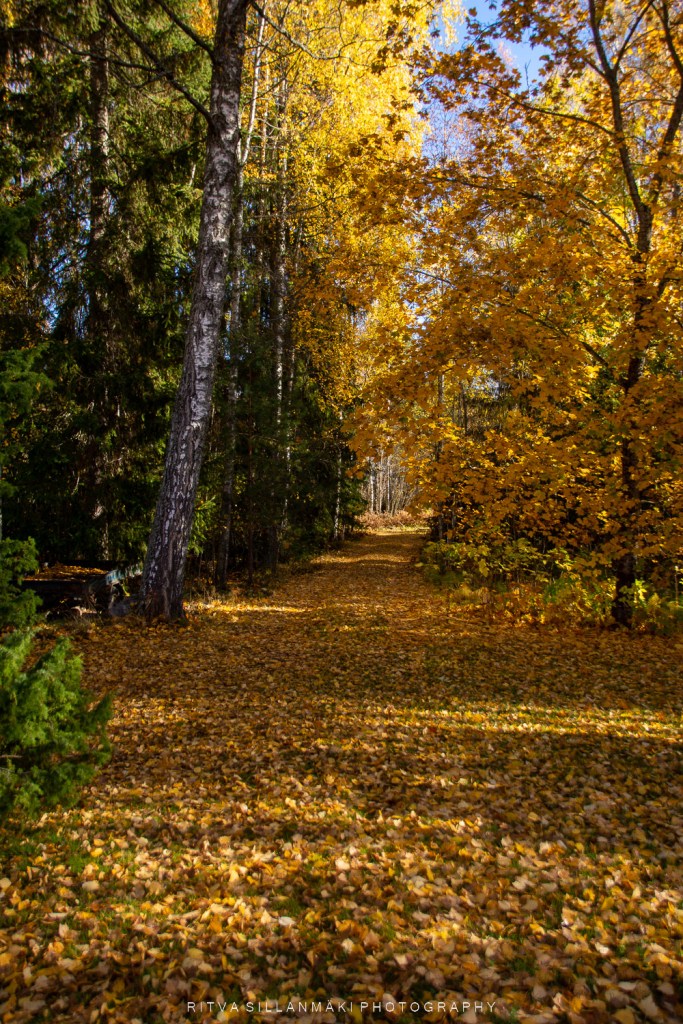
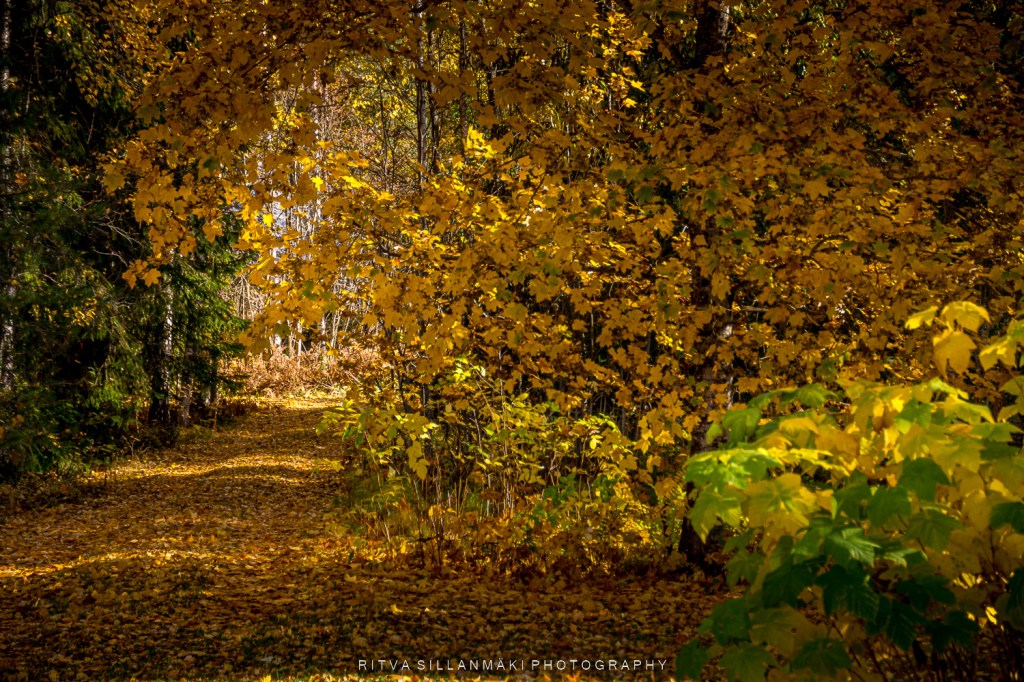
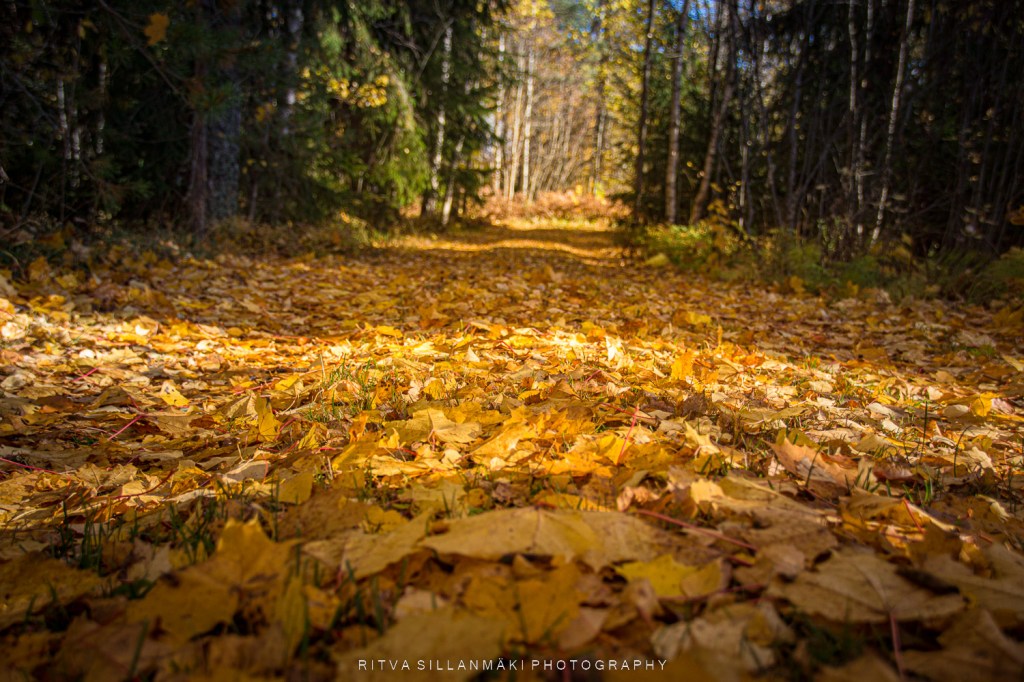
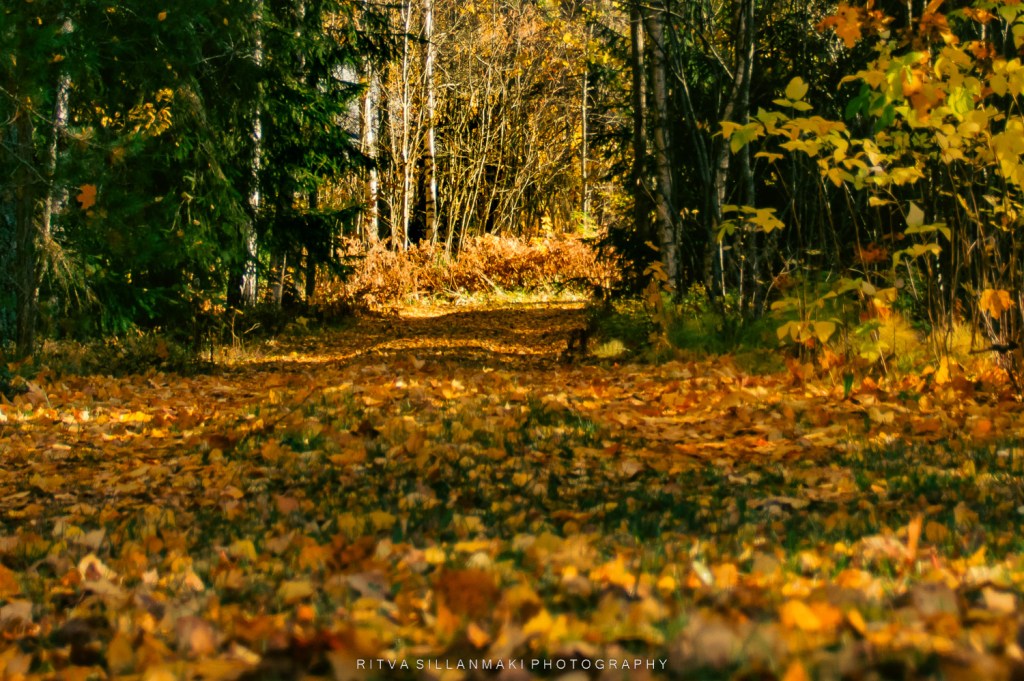
Since I do post editing on my art, and my photos, I also do several variations of them, so this is great challenge for me to participate in LAPC #220 One Subject Three Ways. These are very similar, but slightly different –by zooming in on the details or stepping back for a wider view. Sorry, there is four images and a header. 🙂
End of the path
Summer season ended, we closed our summer house for winter on this beautiful October day. The autumn colors are so lovely.
Lower view of the path
and lower you go still keep the focus in the front
Place the focus to the end of the path, and you get a different mood.
I took a drive on this grey and misty day to barn shop about 40 km away from our house, just to buy some clothes I wanted, not needed. I don’t need anything, that is for sure, but sometimes, something new , warm and soft to lift my spirits is needed. That is what I try to convince myself. I tend to be cold very easily I often have woolen sock on in the summer, well not during a heat wave, but on those normal days.
Update on my purchase, I bought a BIG light beige cardigan and woolen top which was a mixture of a poncho and sweater in light brown. Poncho with sleeves, that what is is. No photos of them, but instead I offer you some road views from the drive.
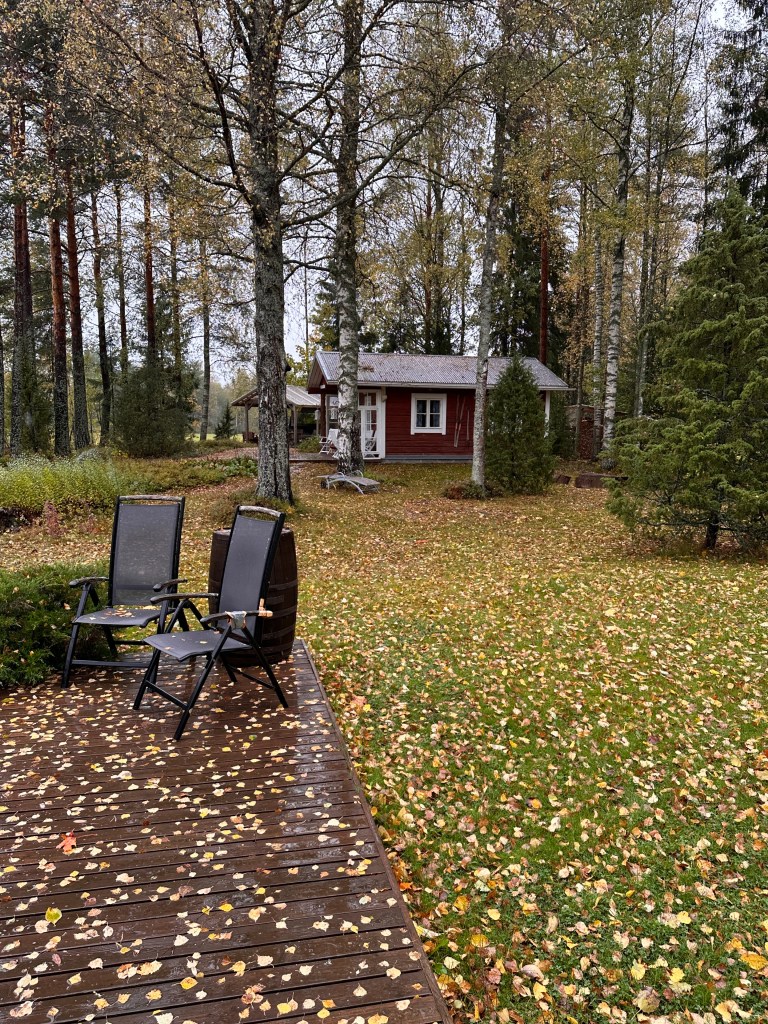
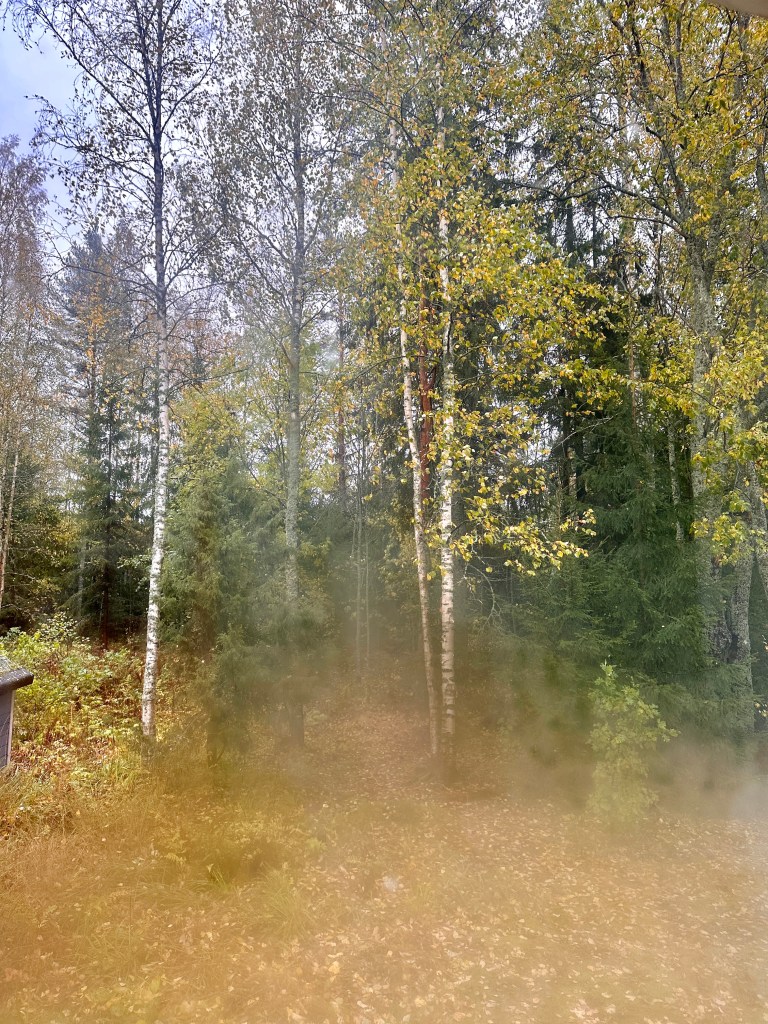
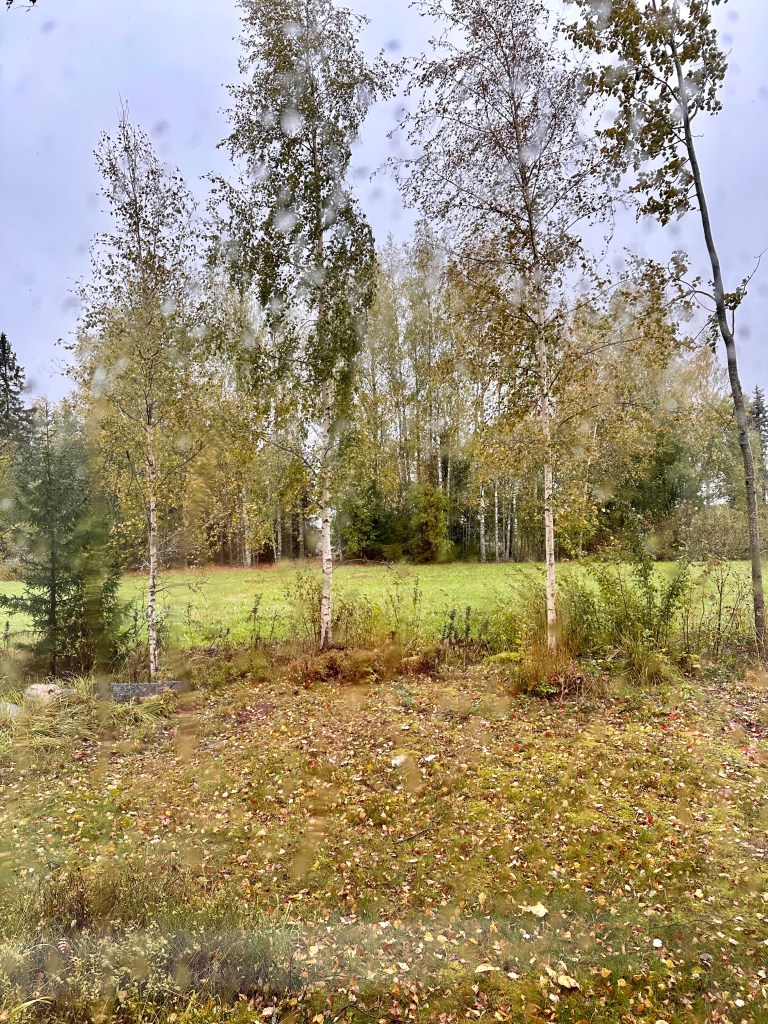
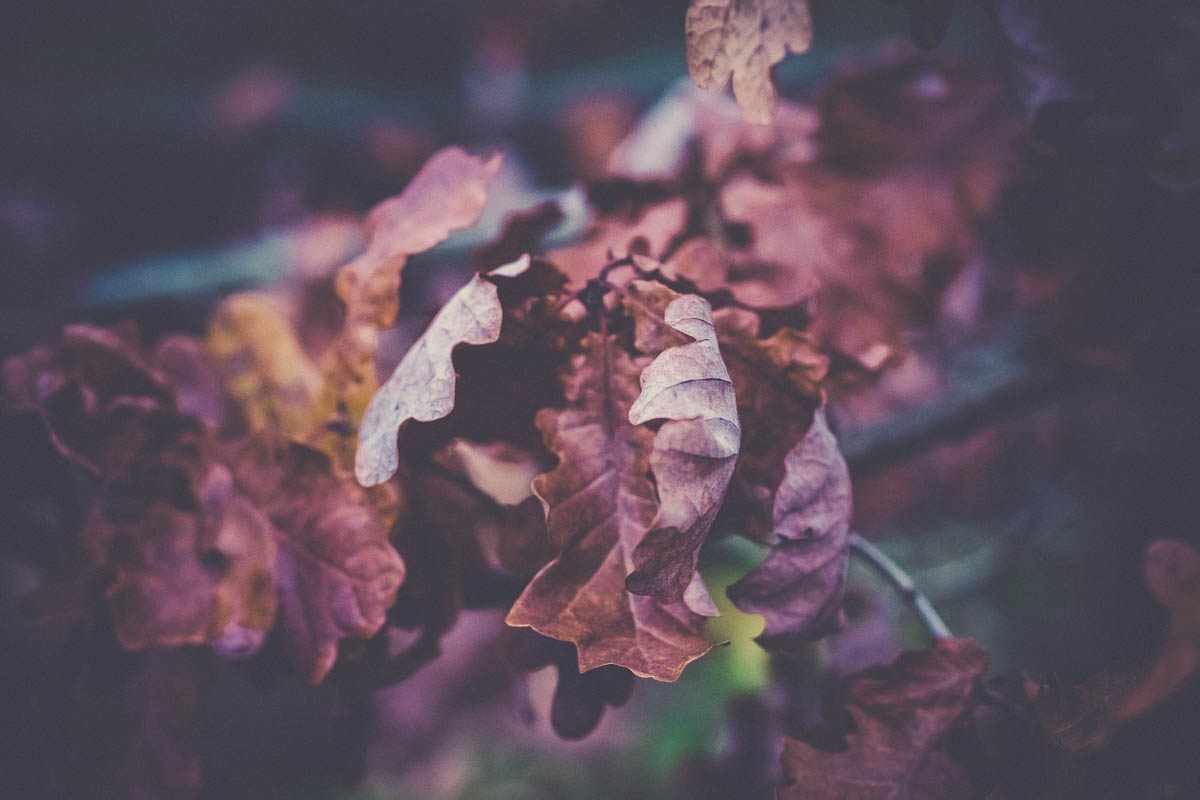
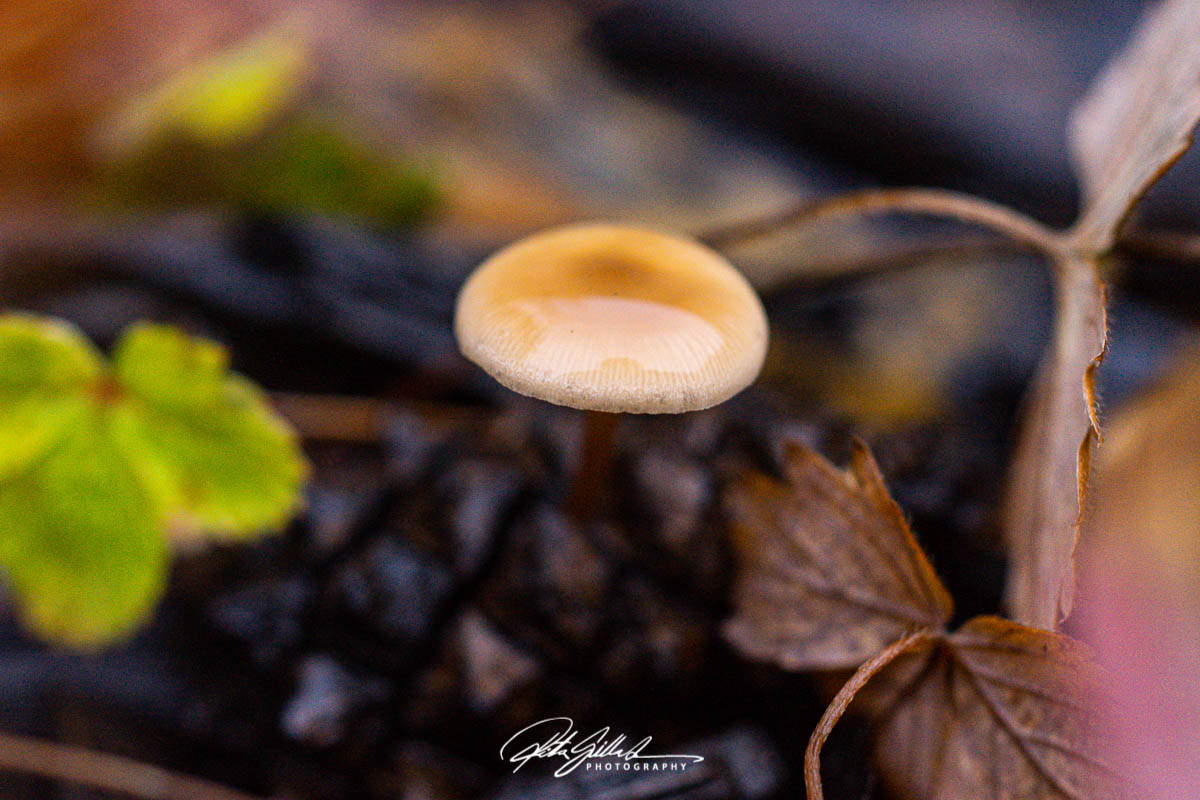
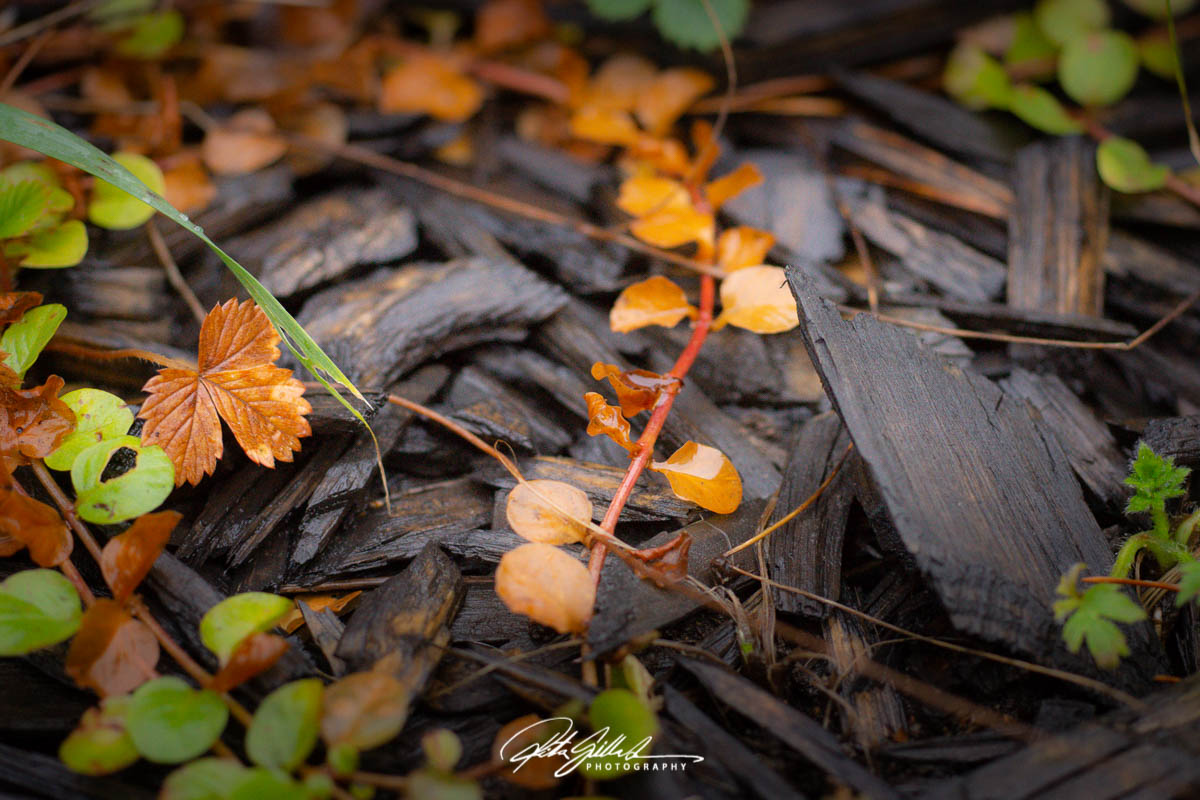
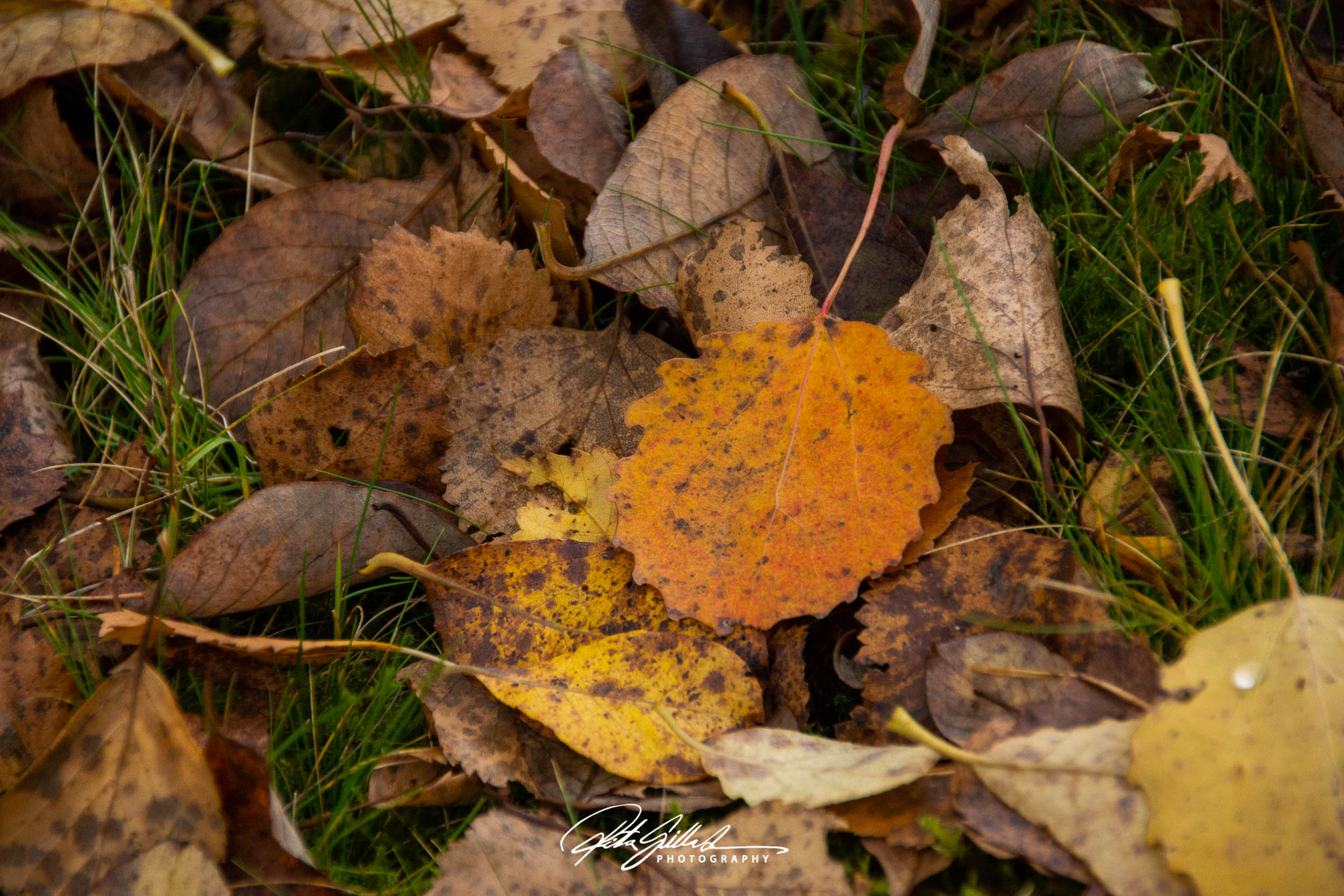
Time flies and older you get, the quicker it goes in my growing experience. Just now it was September and well month has passed. The days are getting shorter, darkness is slowly beginning to unfold around us ( is that correct way to say it? ) Well anyways, these are the colors of early October at my backyard.
I am going to post these post about two edits so I can try to find out what people like, I might go over the top with some, but as I am trying to learn a new artsy take on some photographs by giving your opinion you are greatly helping me learn a new skill. Please comment I truly appreciate it. I am going to post the favorite one on my FB account.
I went slightly overboard with this one. SORRY!! there are two sets of choices. I could not make up my mind which two to pick 🙂
This is an old country road in Kirkkonummi, I love this old oak tree next to the road. The entryway to the property next door is also inviting. I always admire this view which ever season maybe.
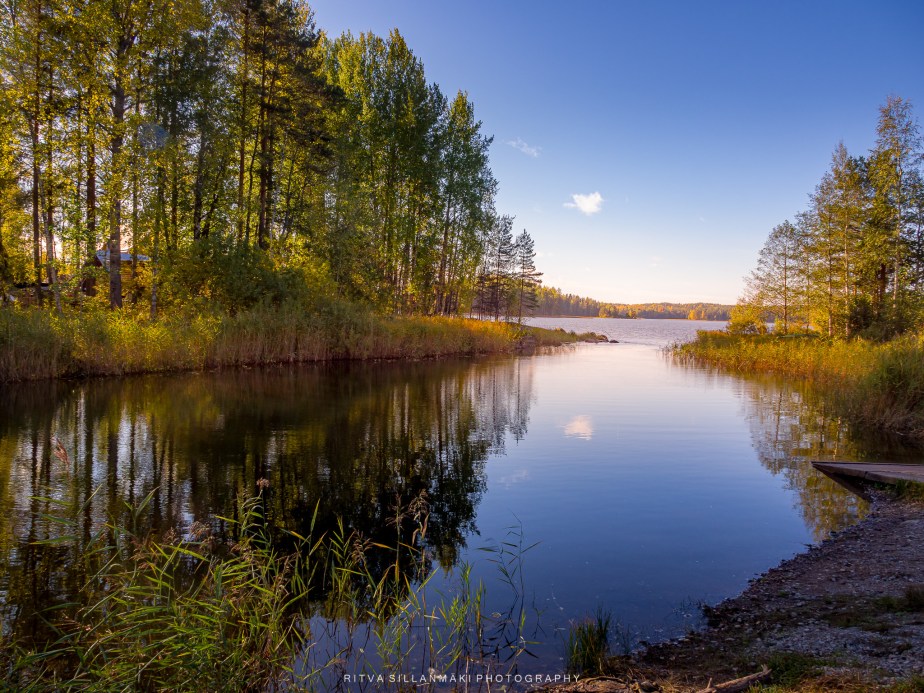
Lake Pilvijärvi is near where I live, thought I just found it as I was searching for the last signs of Autumn colors. It is a tiny lake with many small dock surrounding it. As I was there I saw one person jogging by so very peaceful. The end of October is so low and soft. Here is my photos of this picturesque place.
I had to get out of the house, it felt like the walls are falling on top of me. Covid has so messed up our lives, so many restrictions to what, where and when you can do it. So I have mainly stayed at home as the weather has not been the greatest the past weeks. Now as it is already dark a 5 PM well … need I say more.
Well anyways I got out of the house and we even got few moments of sunshine today and it was warm at this time of the year 14C. I took the car and went for a drive. My first stop was at lake Syväjärvi as I noticed a nice rainbow. What I saw on the front of the rainbow you can see in the next post, stay tuned 🙂
November’s sky is chill and drear, / November’s leaf is red and sear.
~Sir Walter Scott
it is few days a way from November, the dreariest month of all, dark, wet and cold. So Even the quote is about November and we are still in October, I will take an exception on posting it as is goes with the photos.
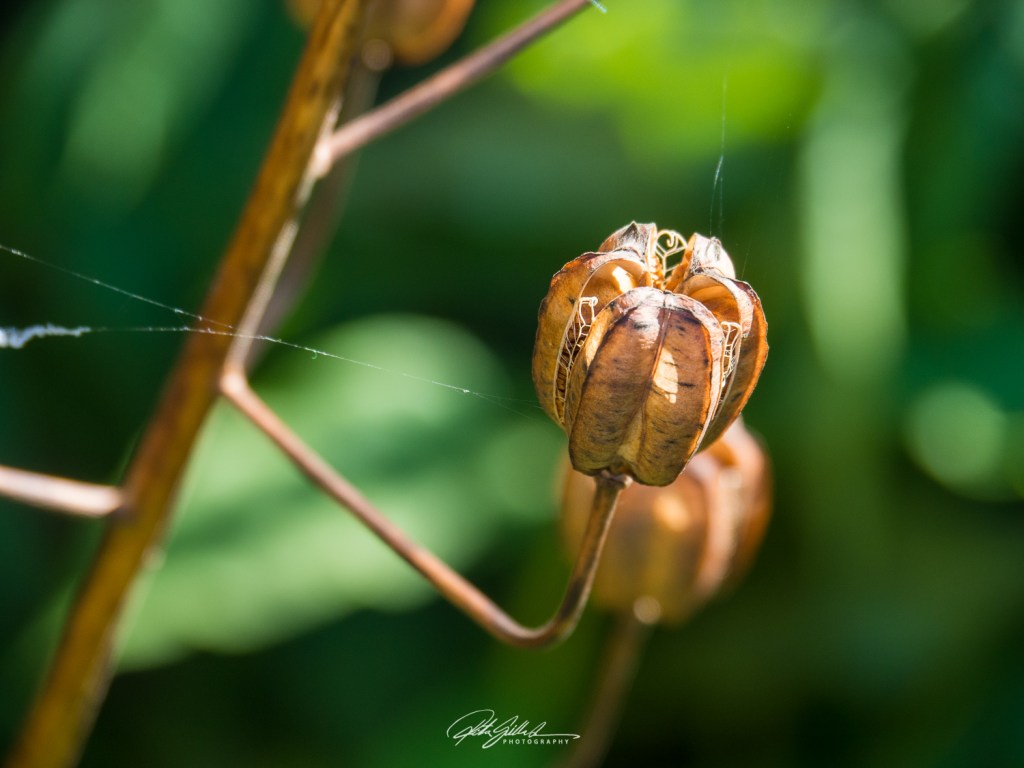
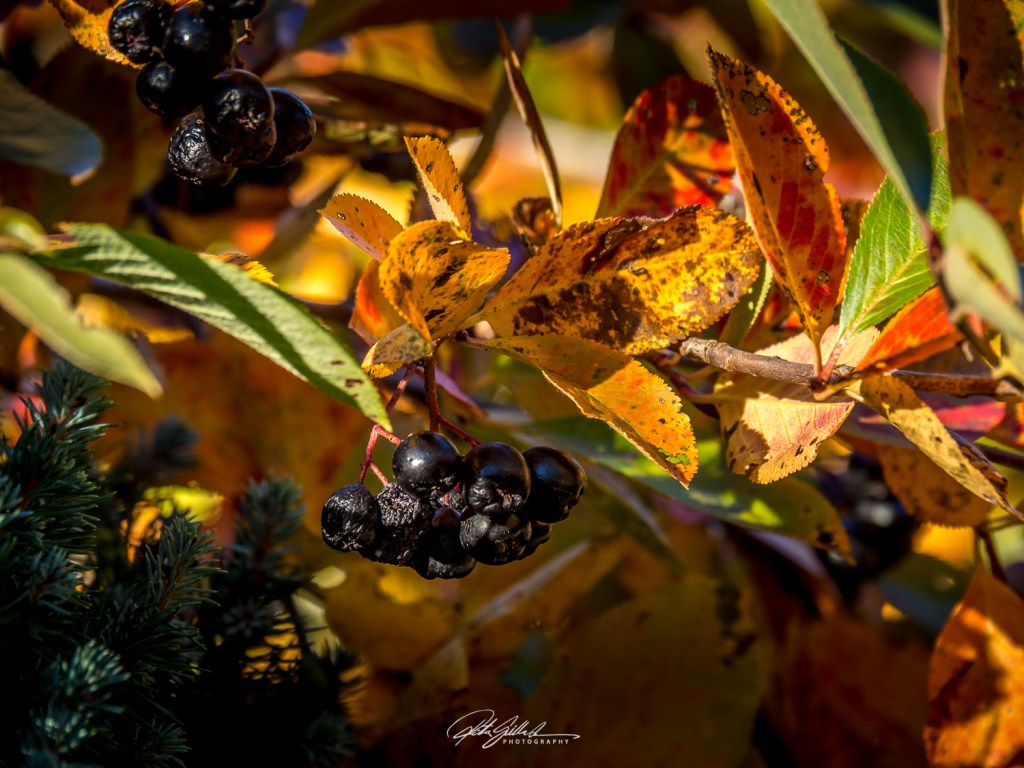
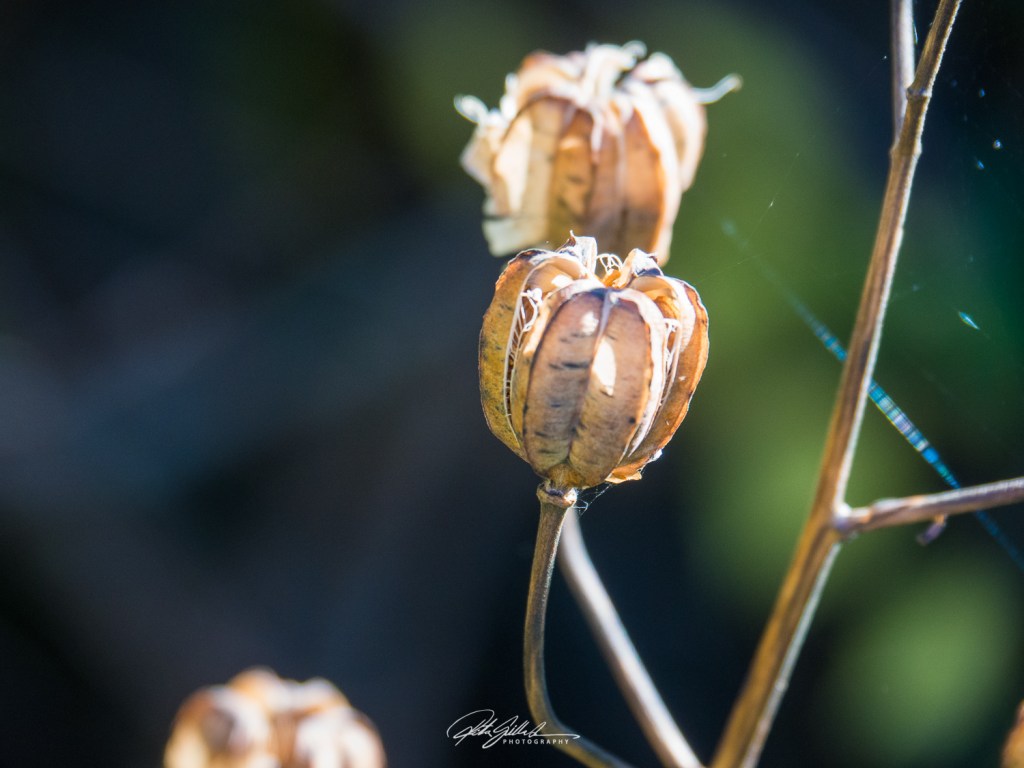
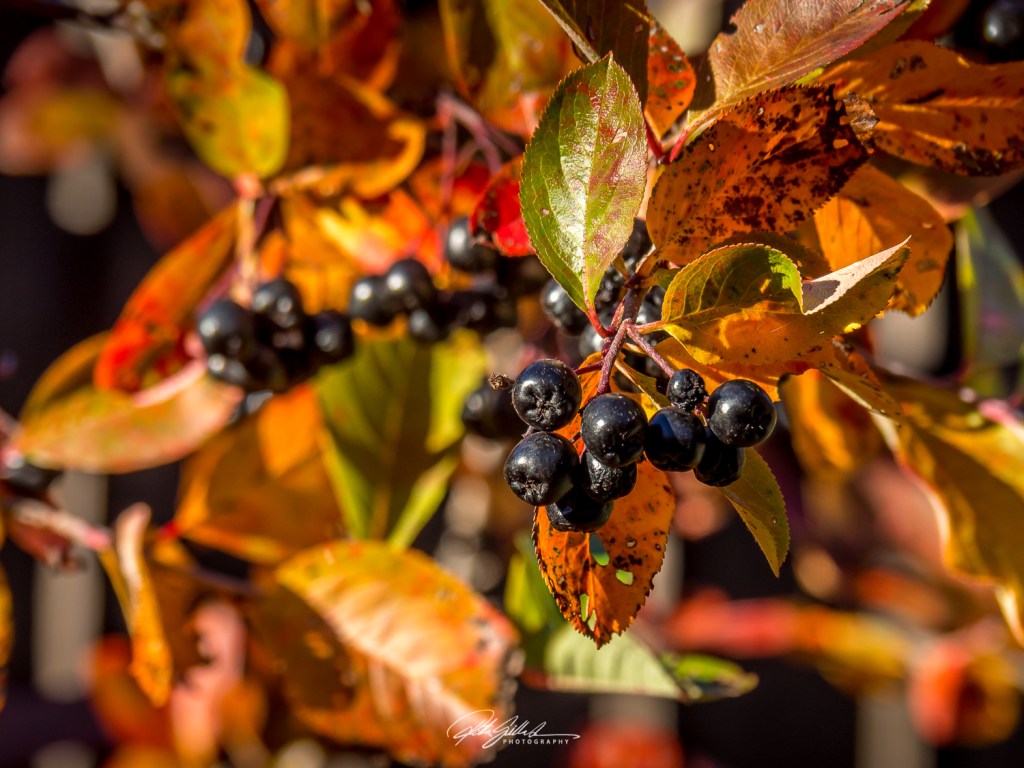
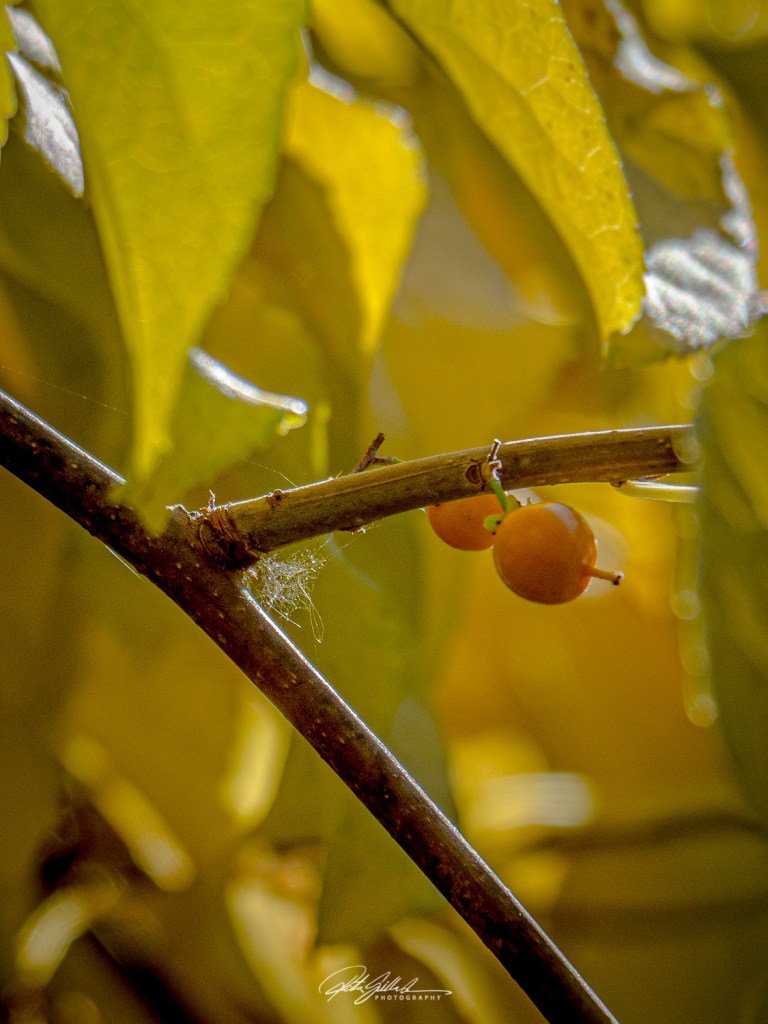
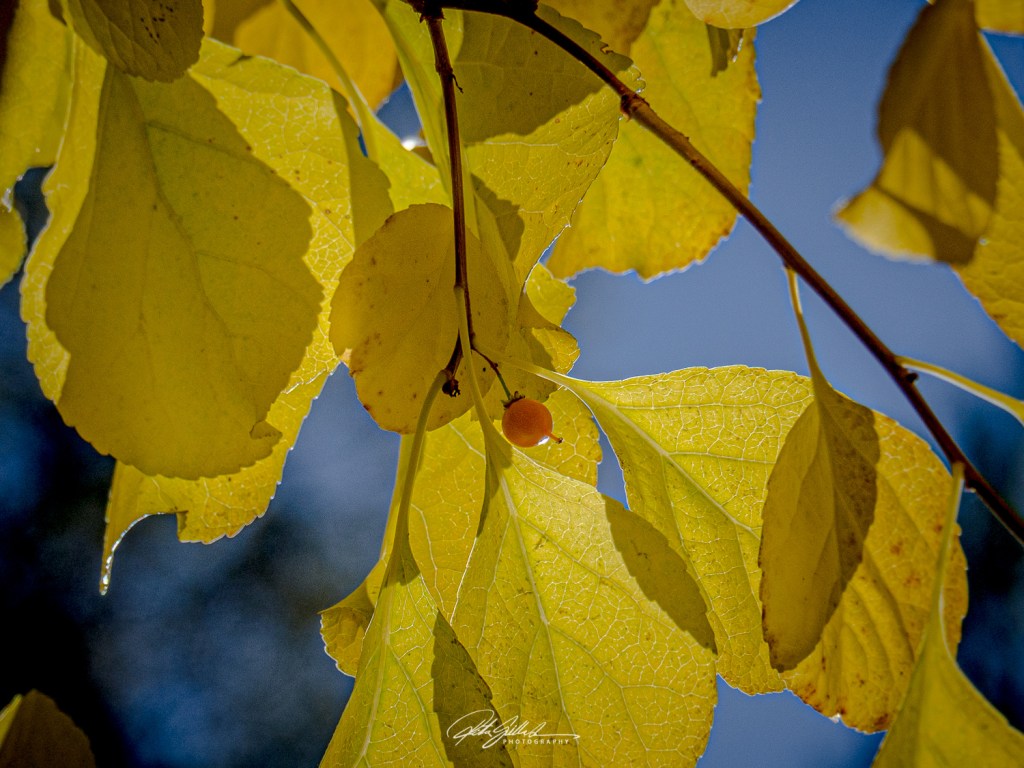
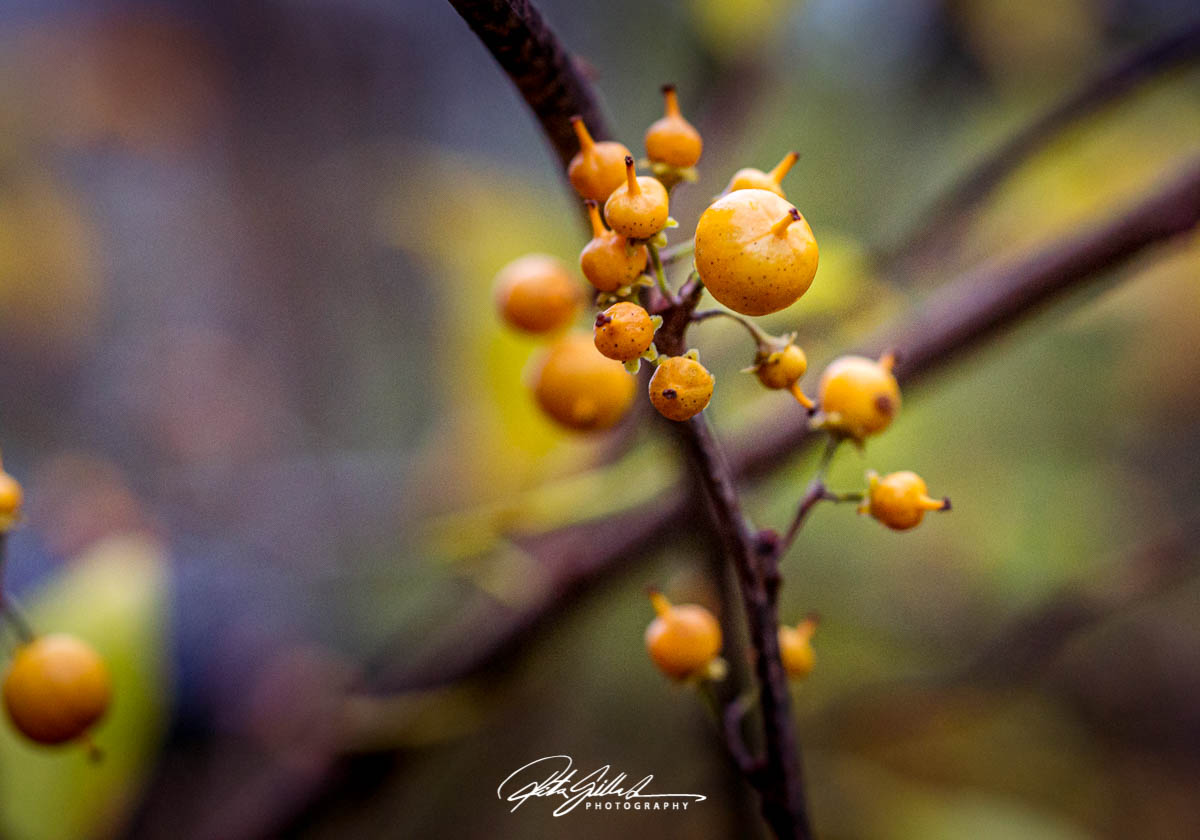
These are some of the colors we still have in our backyard at home, orange, yellow, brown and green. In this post it is about Oriental Bittersweet that grows on our fence. What is left on it at the moment is orange color in the form of berries. Earlier in the autumn it was vivid yellow with yellow berries that now at the end of October have turned orange.