
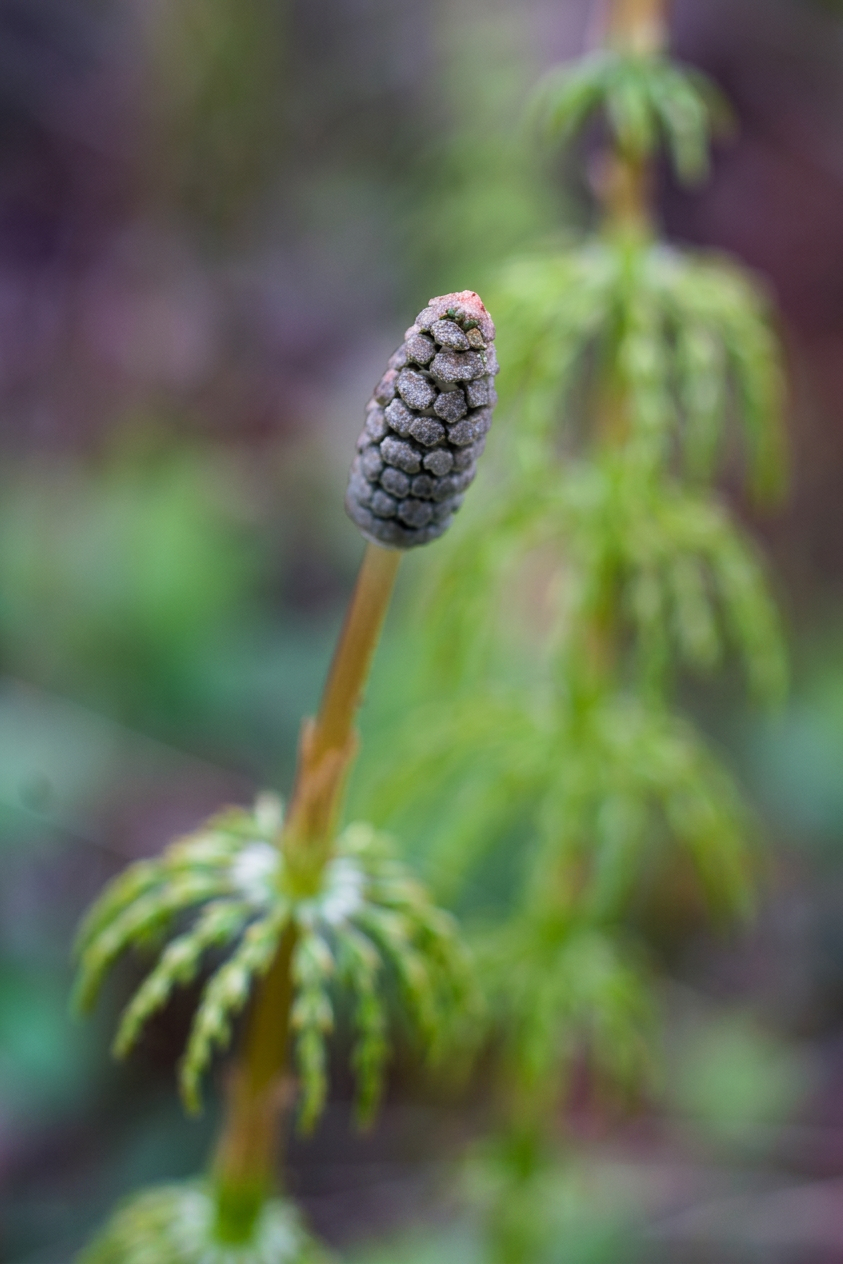
Every year, I notice the same things in my yard: how different plants pop up, showcasing vibrant colors and unique textures. I end up taking photos, even though I have so many already in my archive. It’s a delightful ritual, as I love capturing the changing seasons and the various stages of growth; each snapshot reflects nature’s resilience and beauty. But that’s how it usually works: every bloom is a fleeting moment that deserves to be immortalized. Now, I have edited some of my old images to highlight the intricate details that my eyes may have overlooked previously, breathing new life into them and allowing me to appreciate the wild plants in my yard in a fresh light.
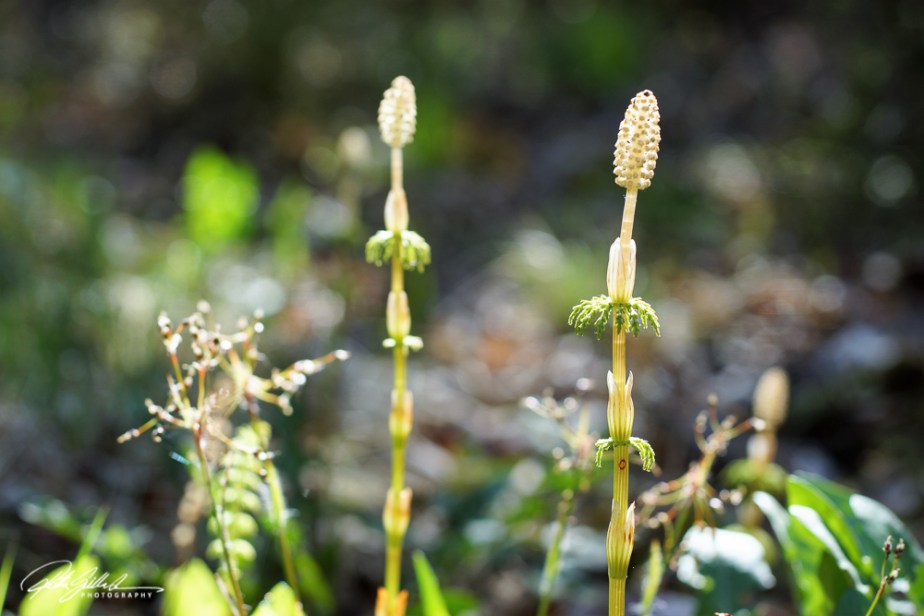
The picture shows a cool shoot of Wood Horsetail (Equisetum sylvaticum), which people in Finland call metsäkorte.
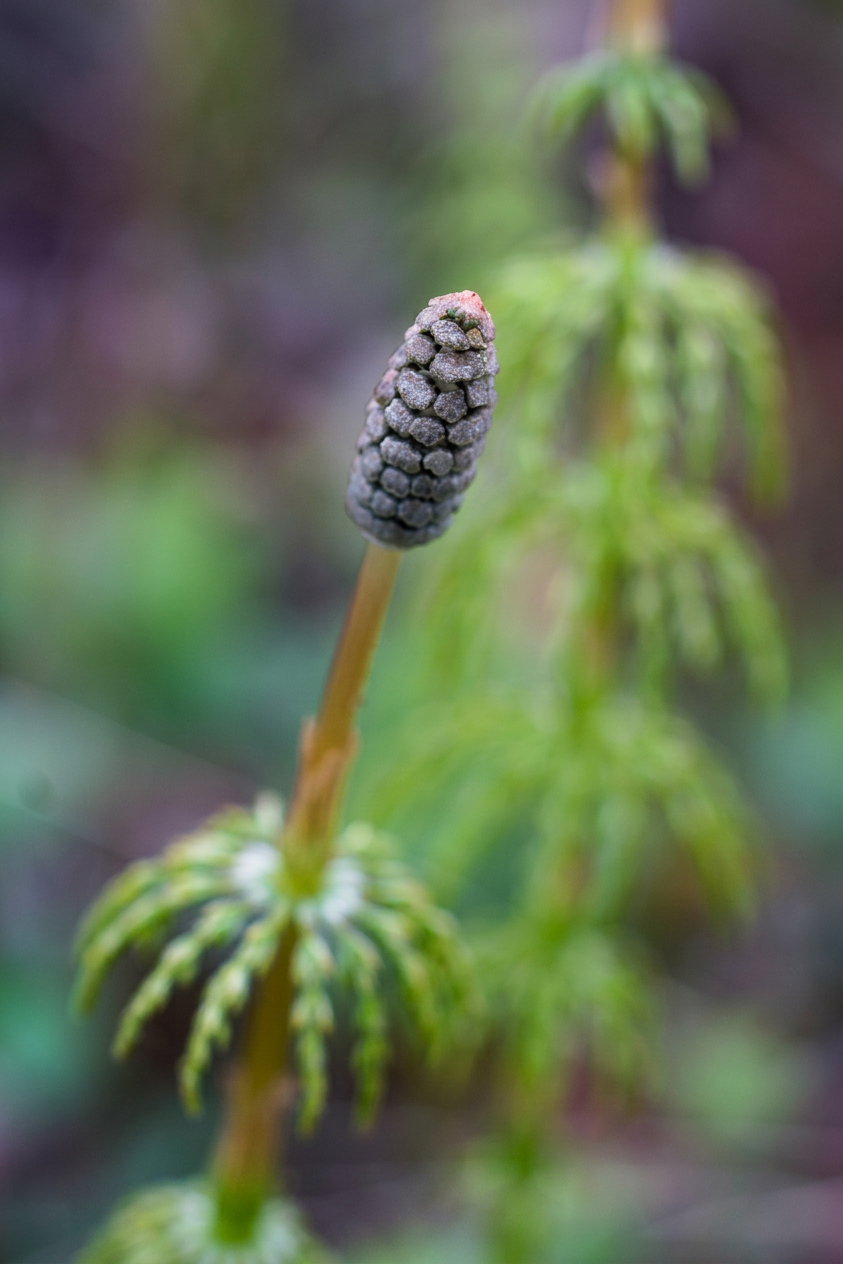
A close-up of a horsetail plant featuring its segmented, cone-like spore-producing structure against a soft green background.
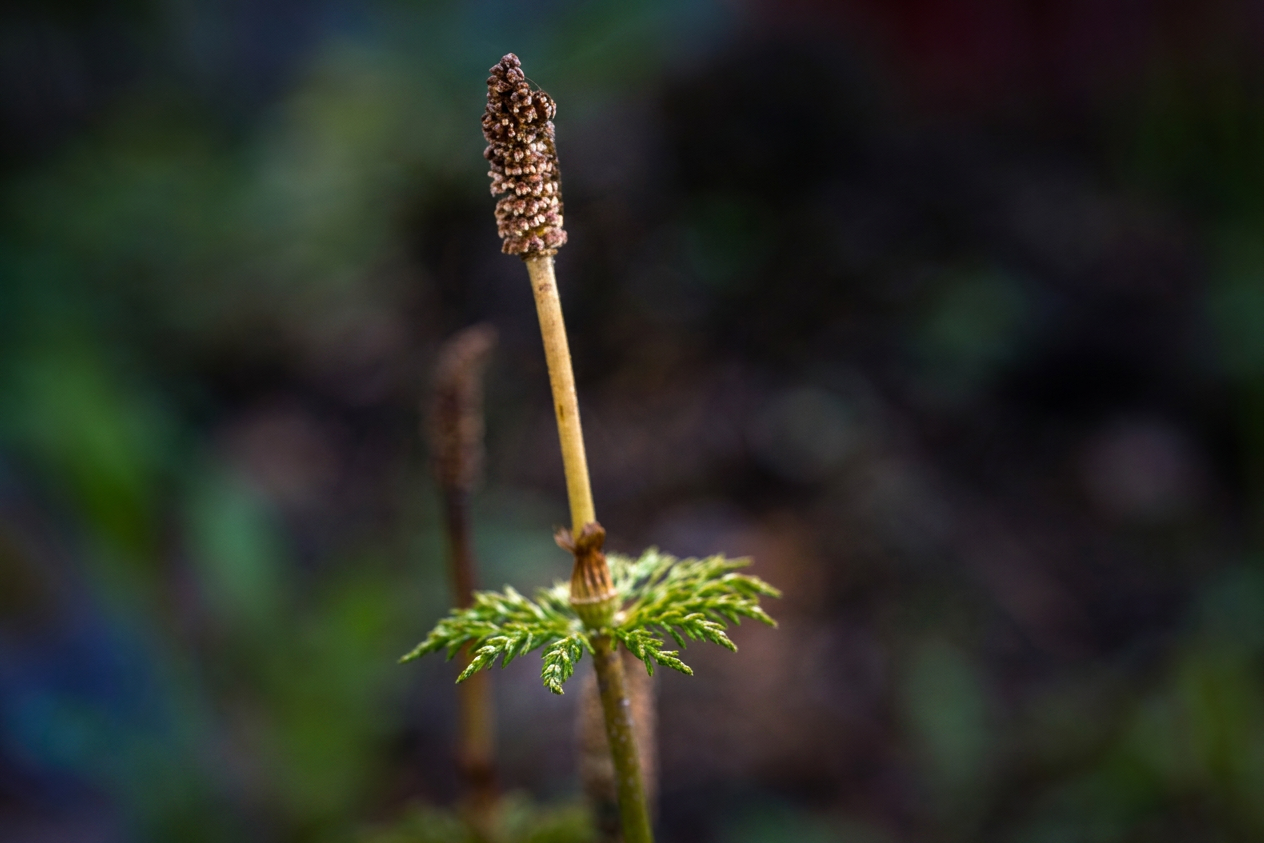
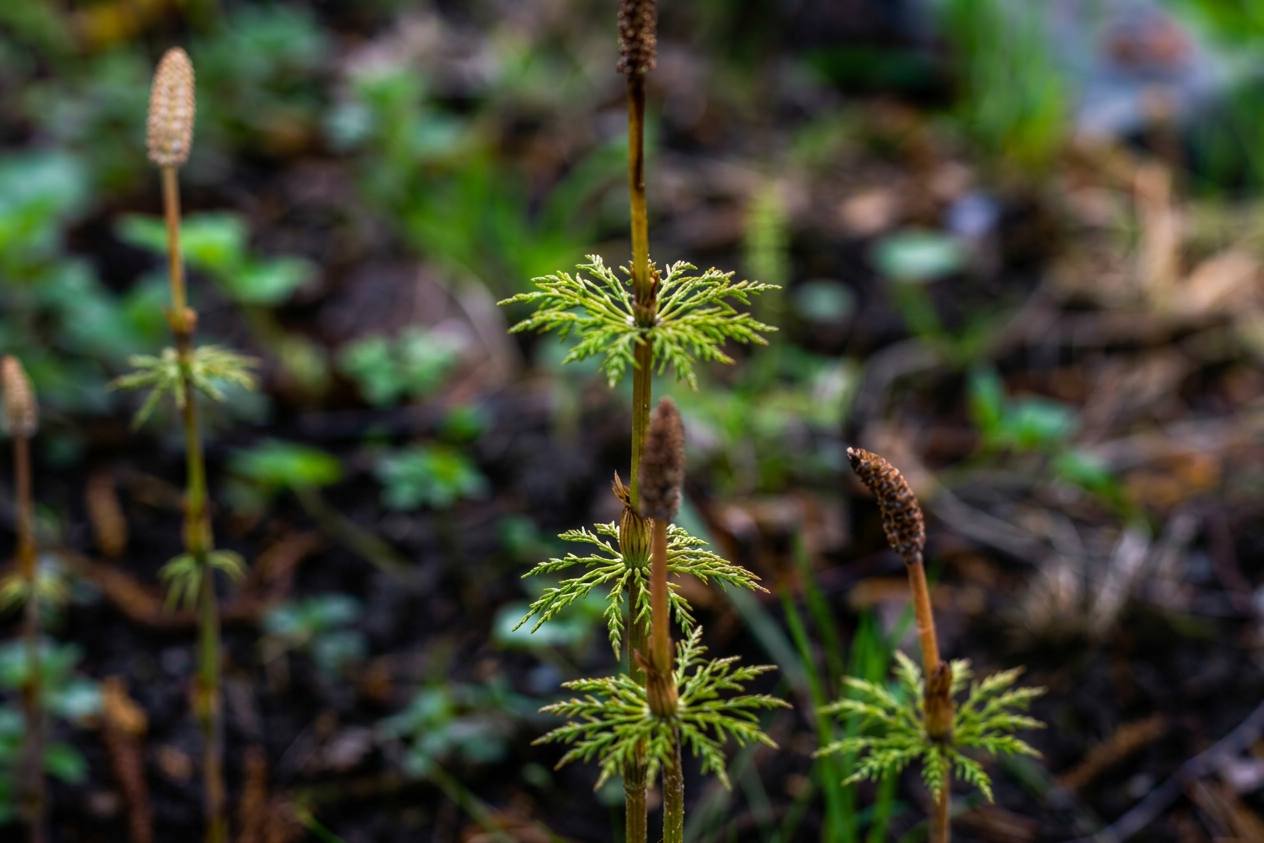
This plant is like a “living fossil” since it spreads by spores rather than seeds. You can spot Wood Horsetail by a few notable features: Branching: It has delicate green branches that form a whorl, unlike the upright Field Horsetail (Equisetum arvense). Cone (Strobilus): At the top, there’s a structure resembling a pinecone, which holds the spore sacs. Growth Habit: It starts off tan and without leaves, but the shoots eventually turn green and sprout feathery branches. Sheaths: The stem is adorned with reddish-brown leaf sheaths that are fused into lobes. You’ll often find Wood Horsetail in moist areas such as peaty soils, damp woods, and marshes.
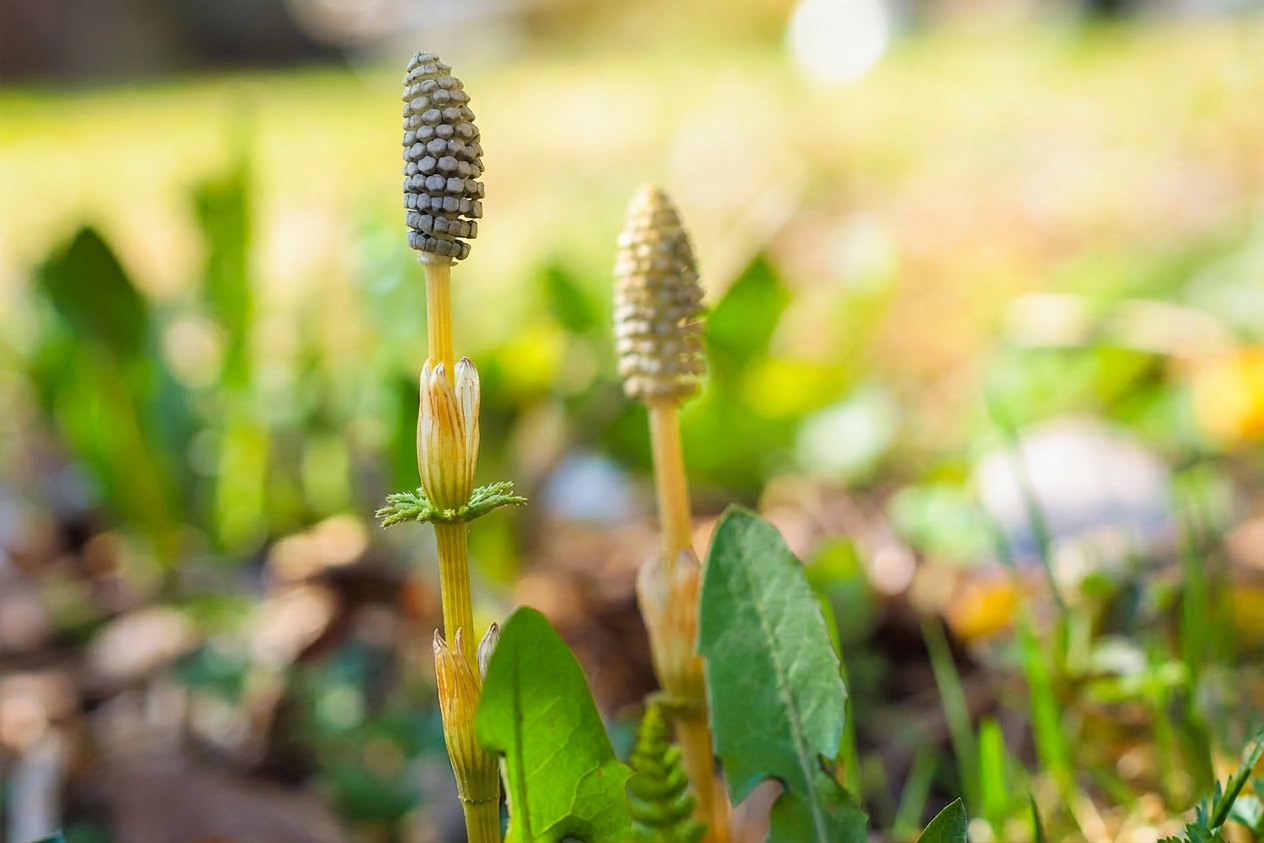
A close-up of a horsetail plants
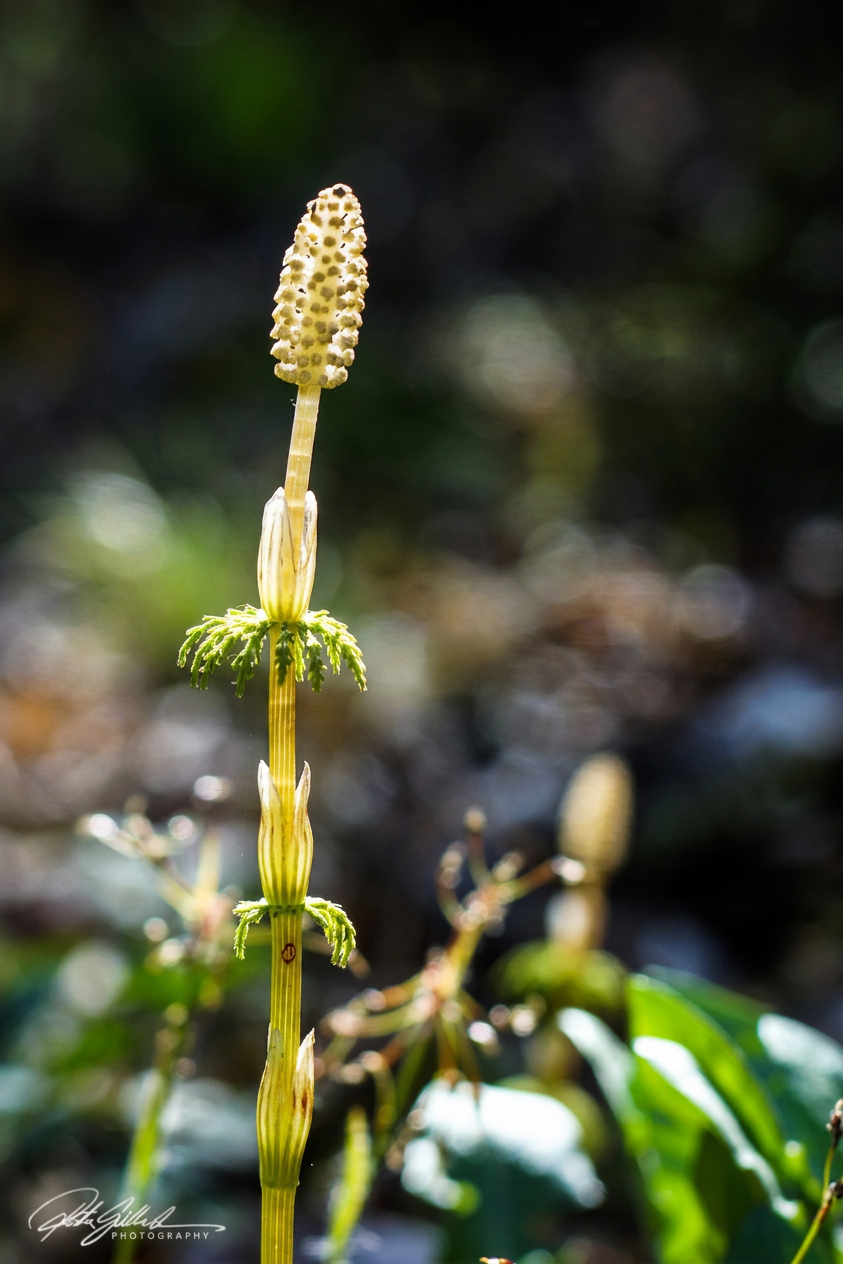
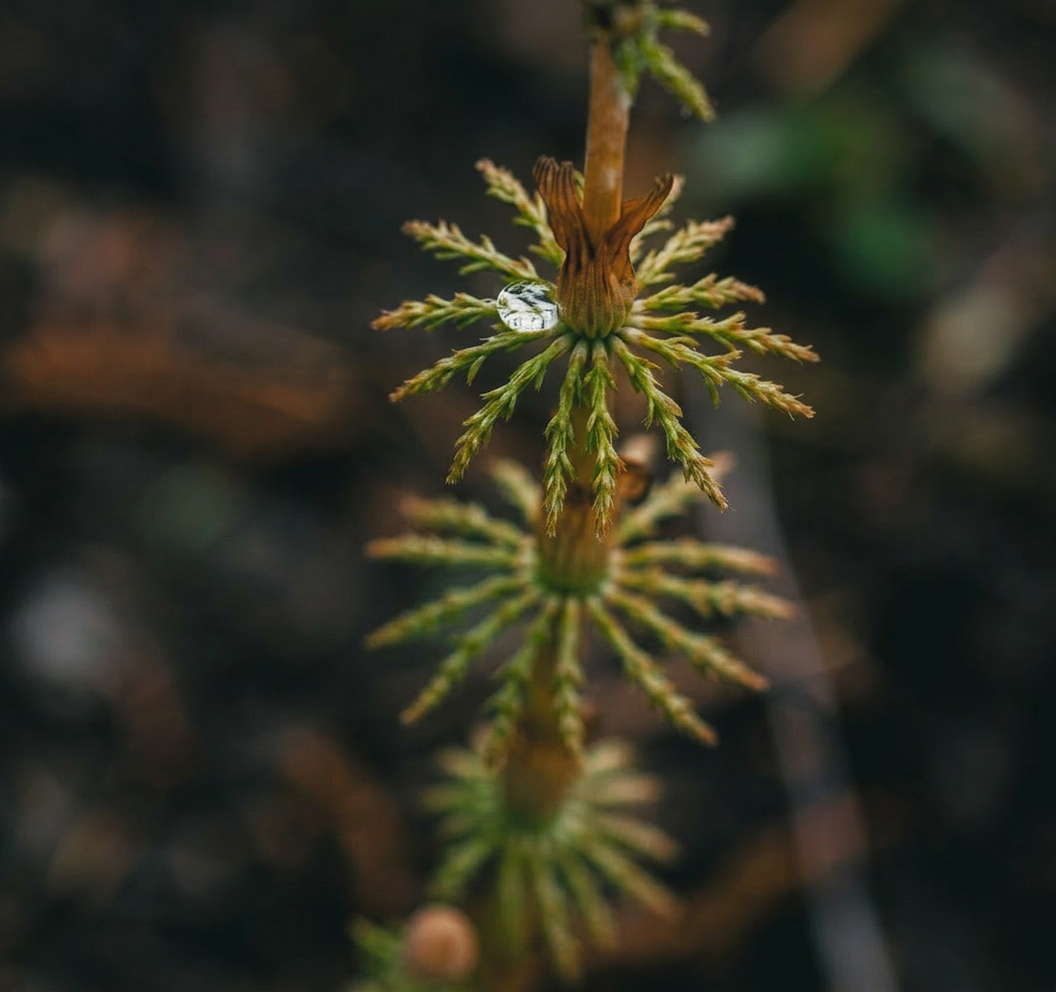
A close-up of horsetail plant with a single water droplet resting on its leaves against a blurred natural background.
I have no last words for this post, other than have a great weekend, and I truly hope it is a sunny one. Embrace the little things constantly changing weather and the surprises it brings.


