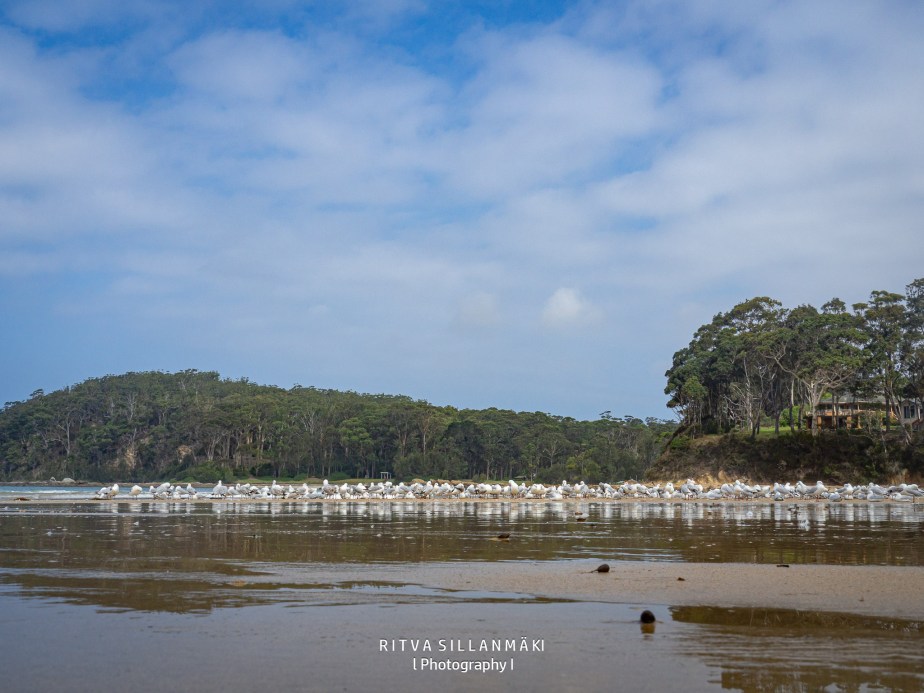
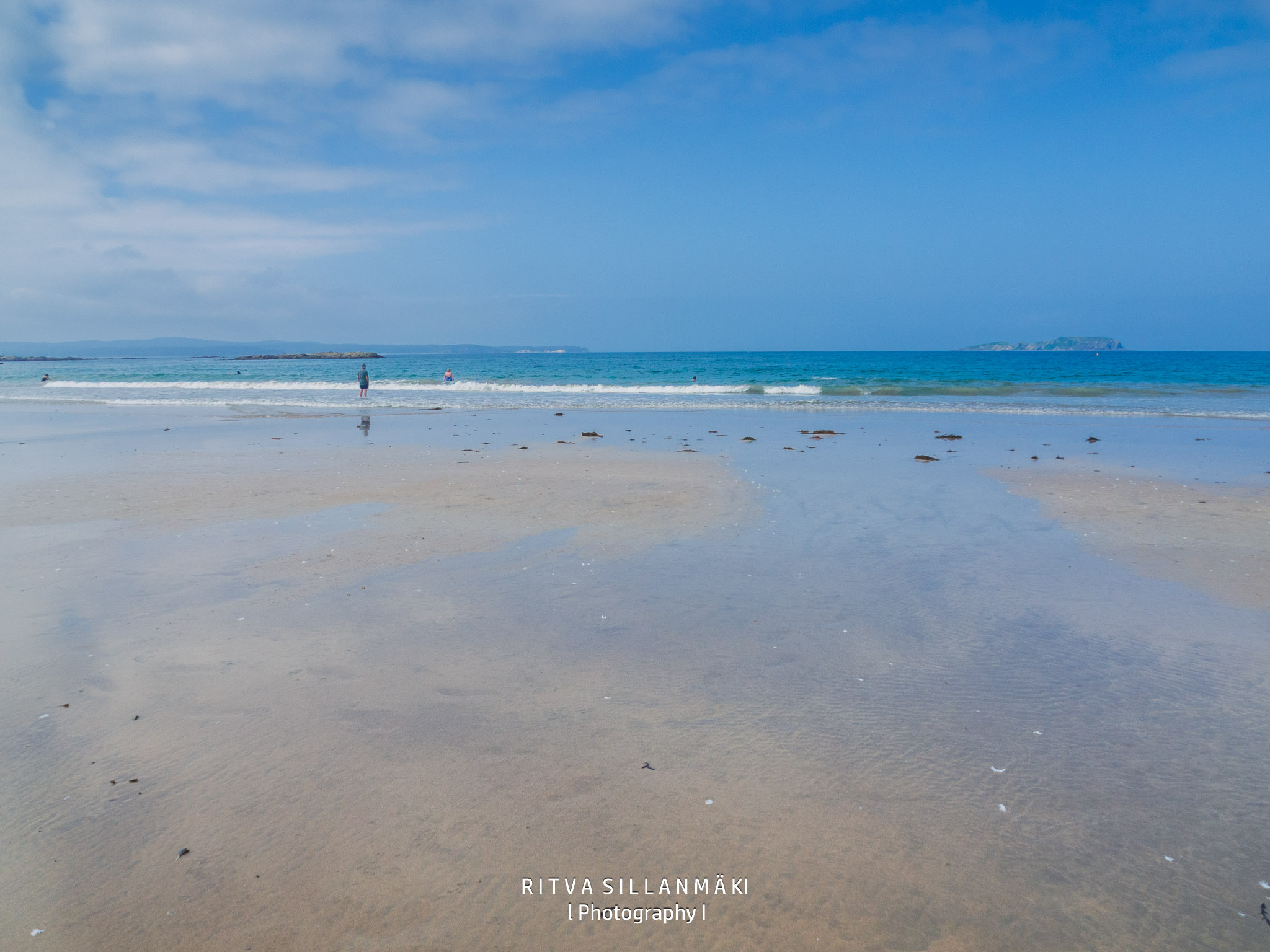
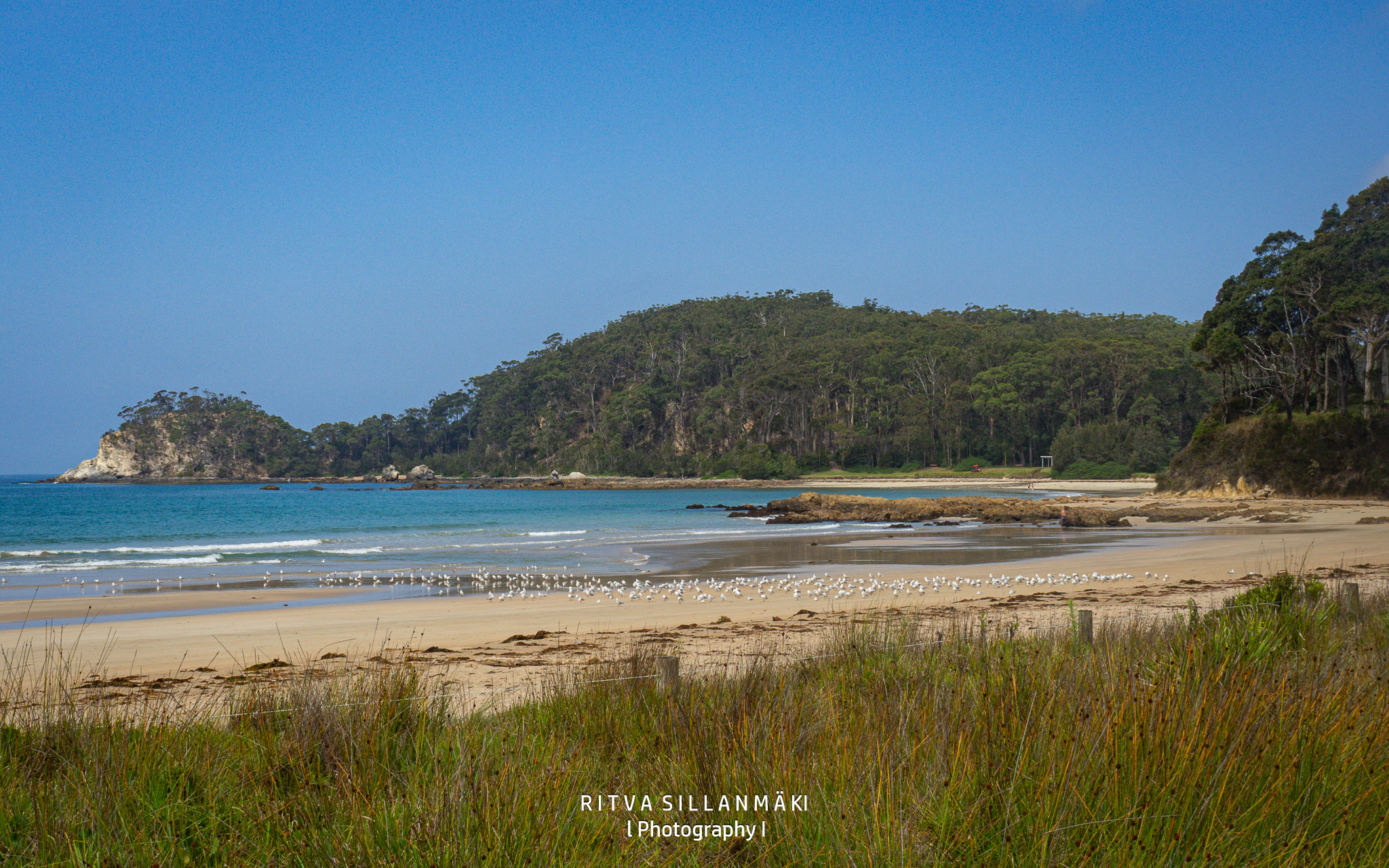
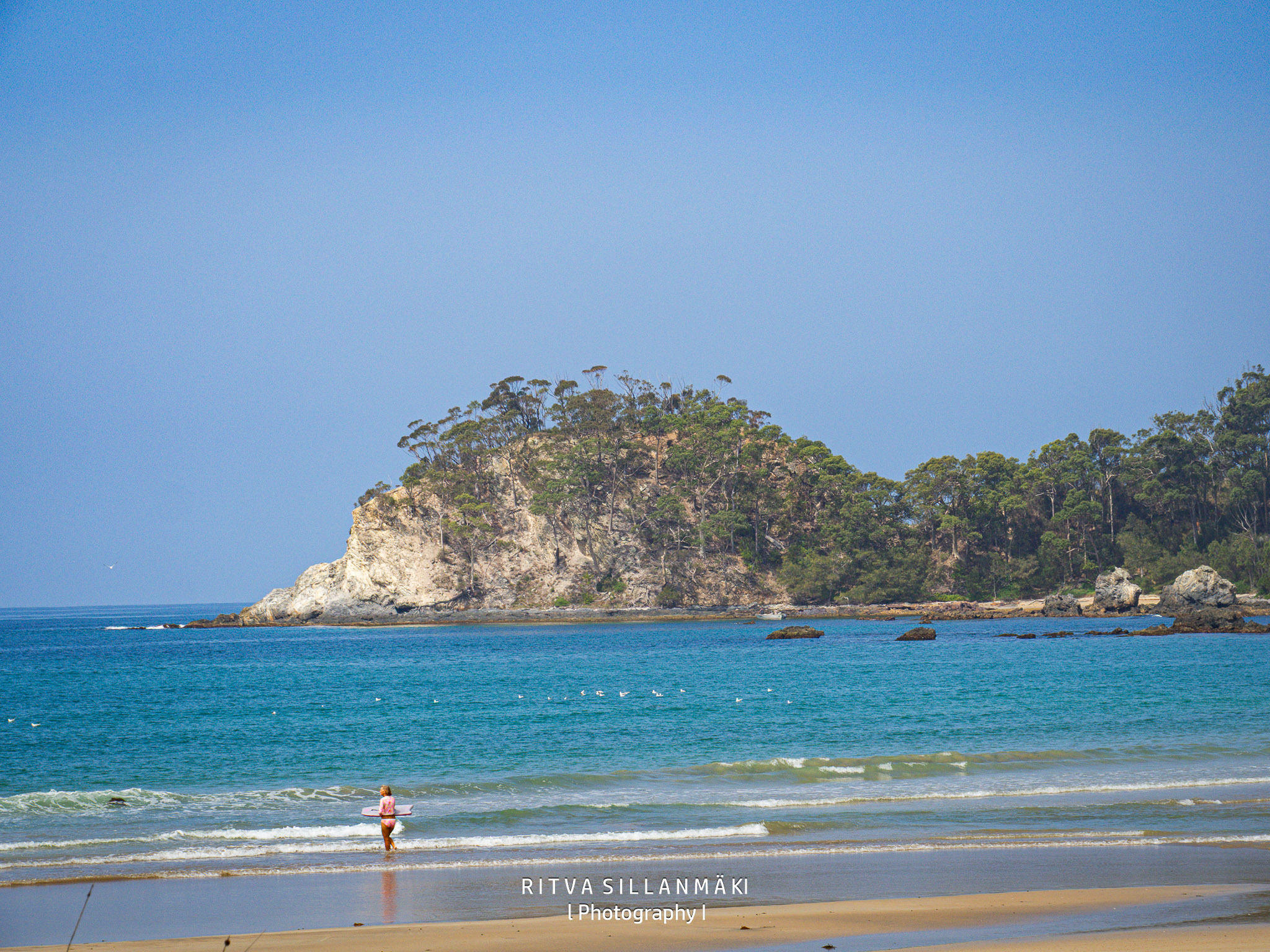
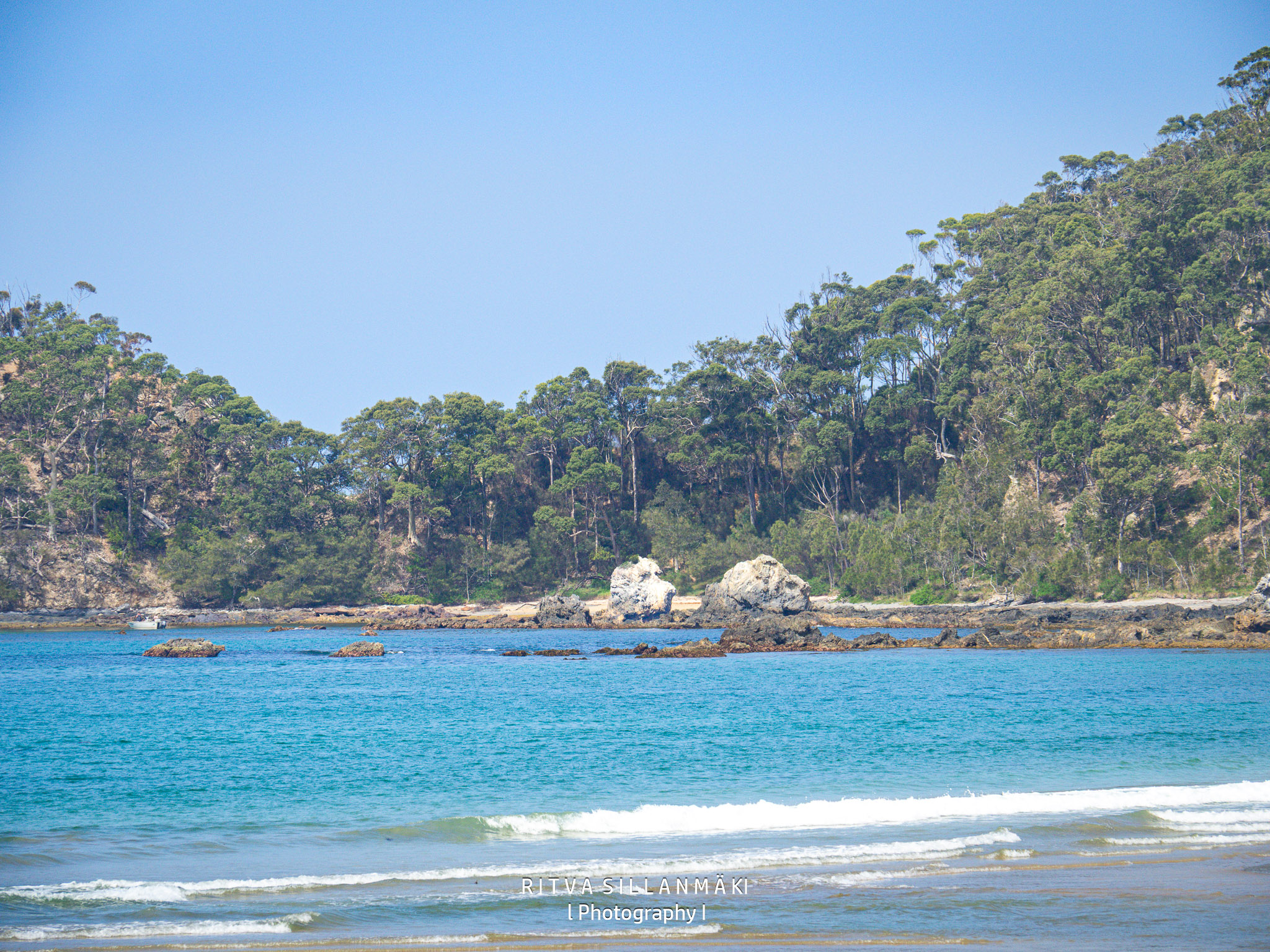
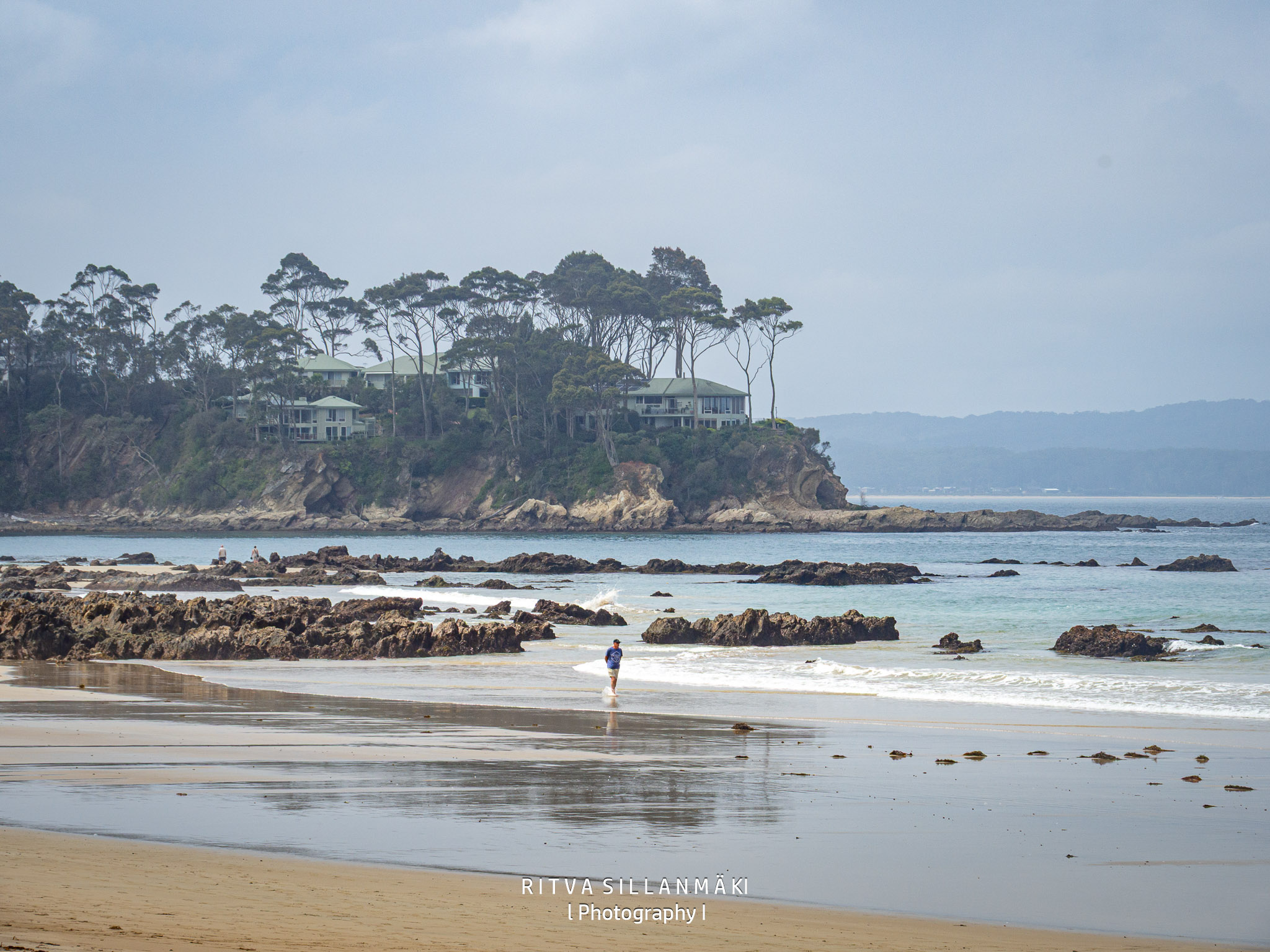
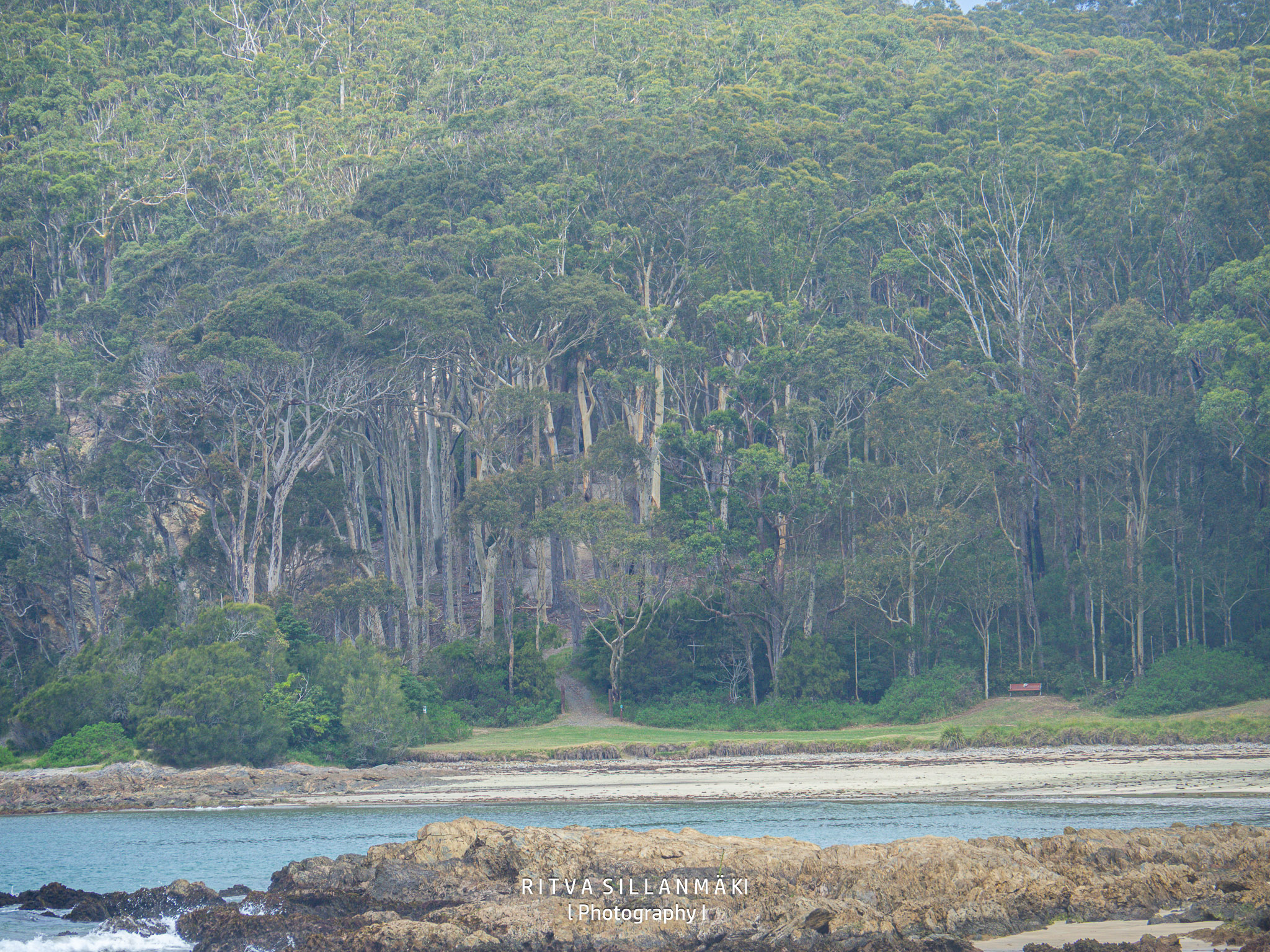
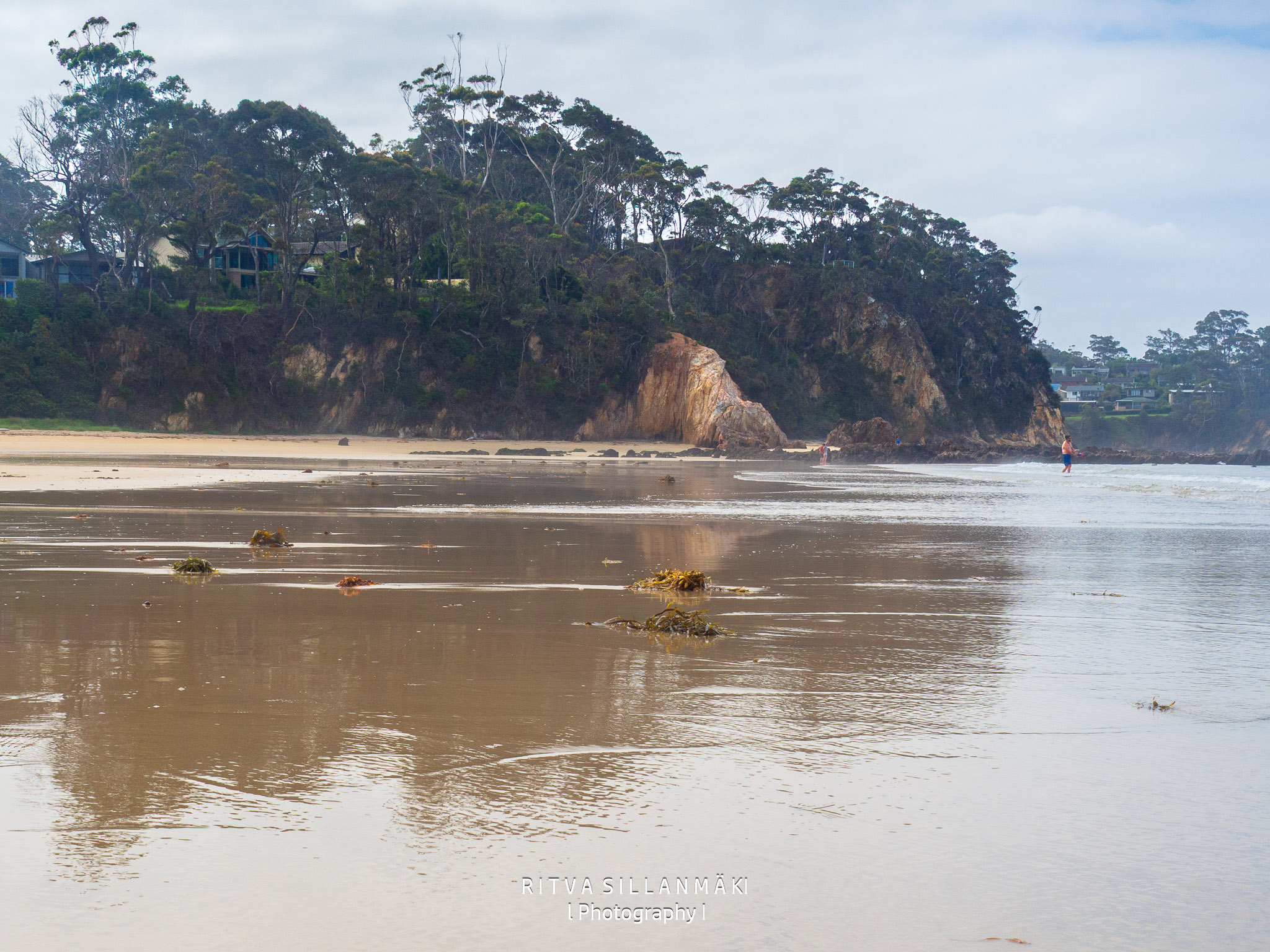
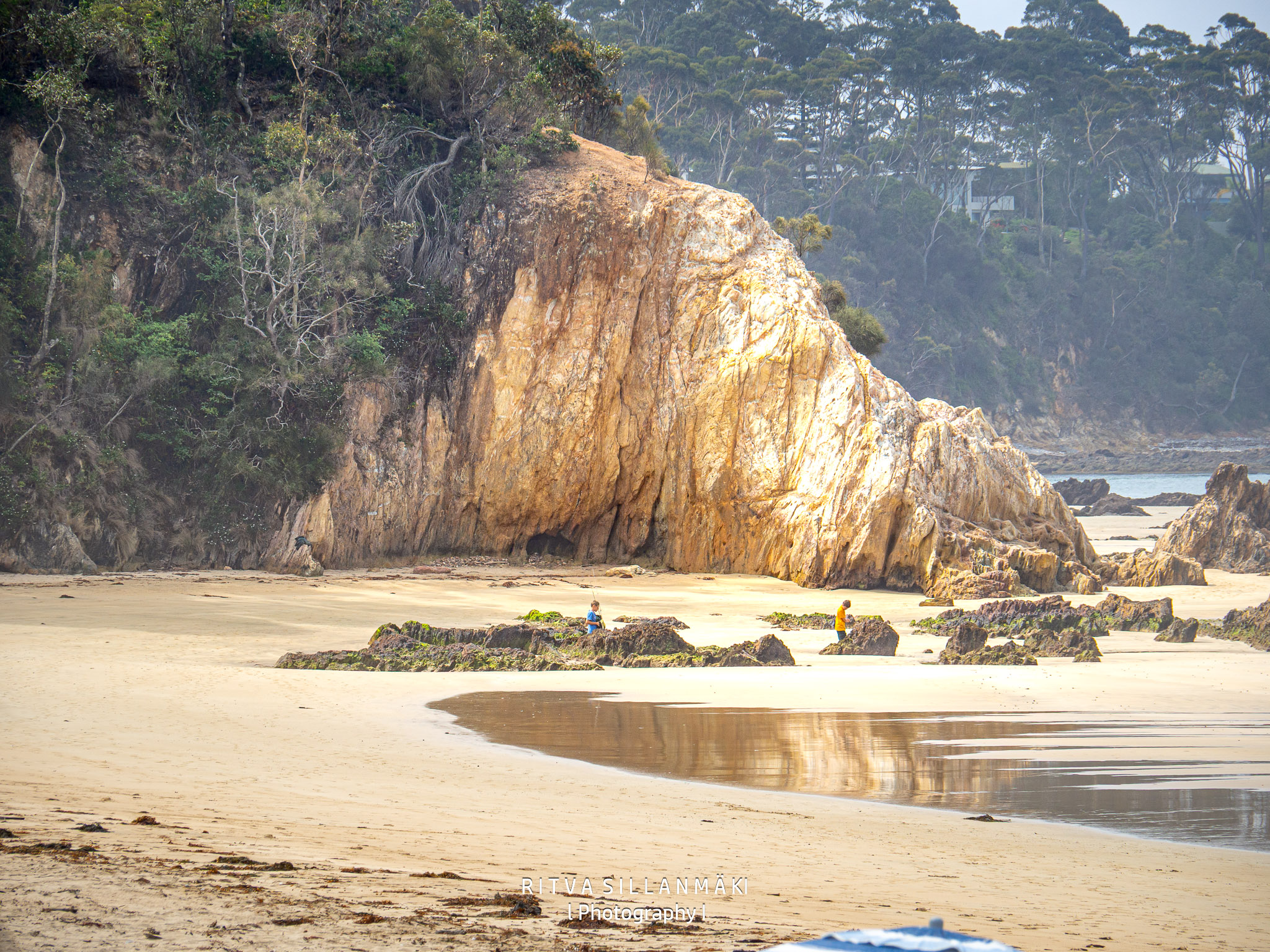
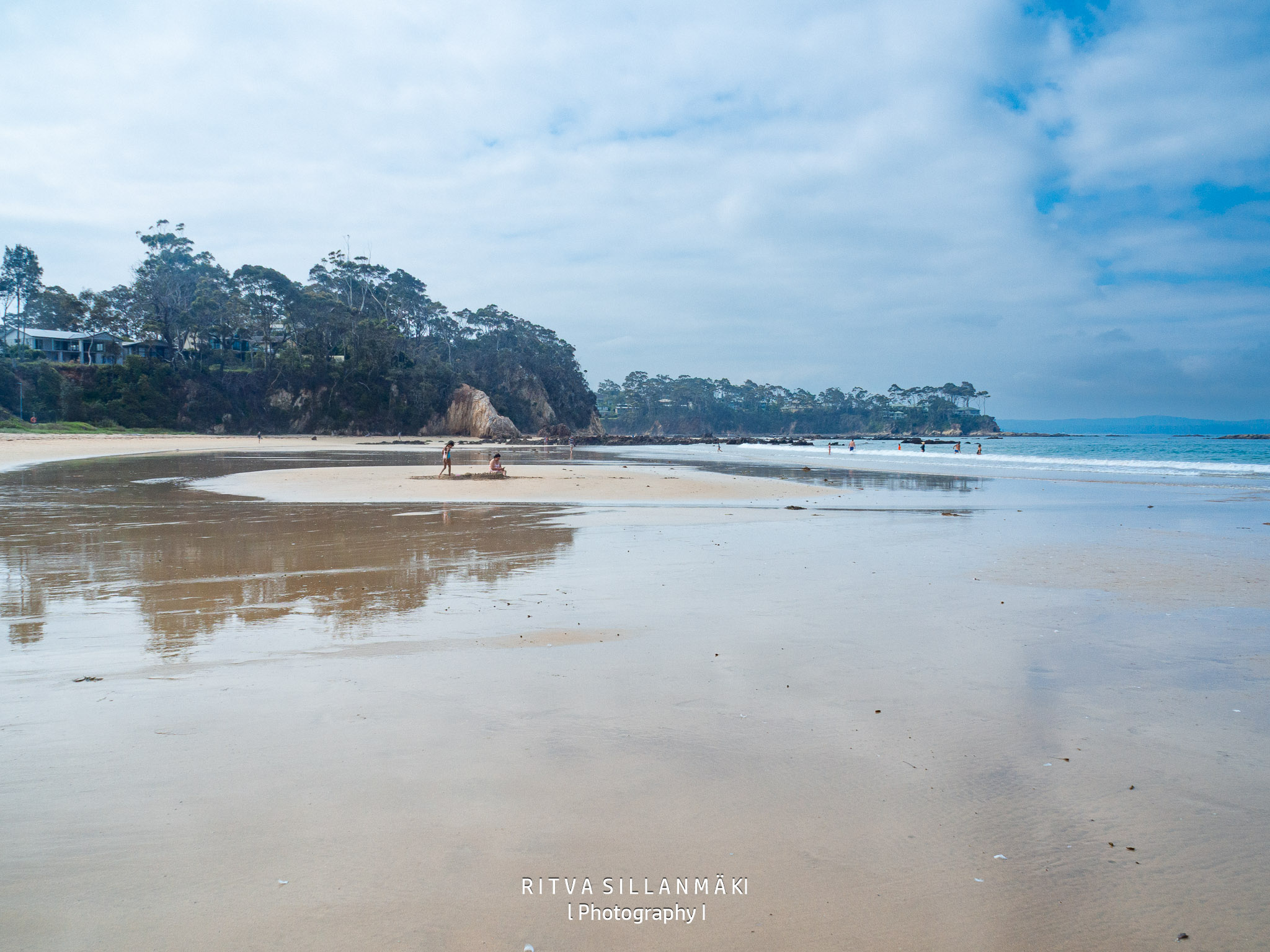
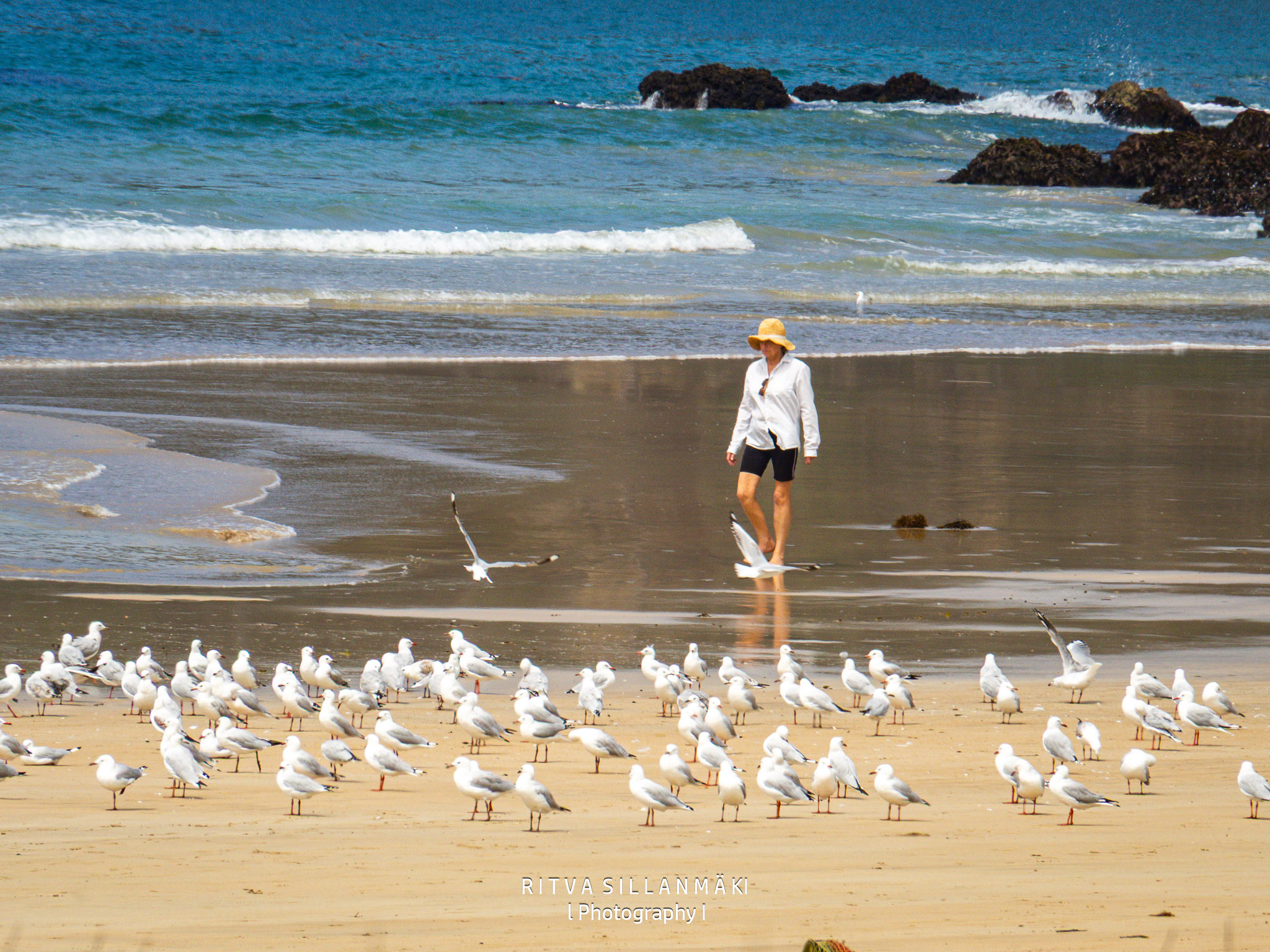
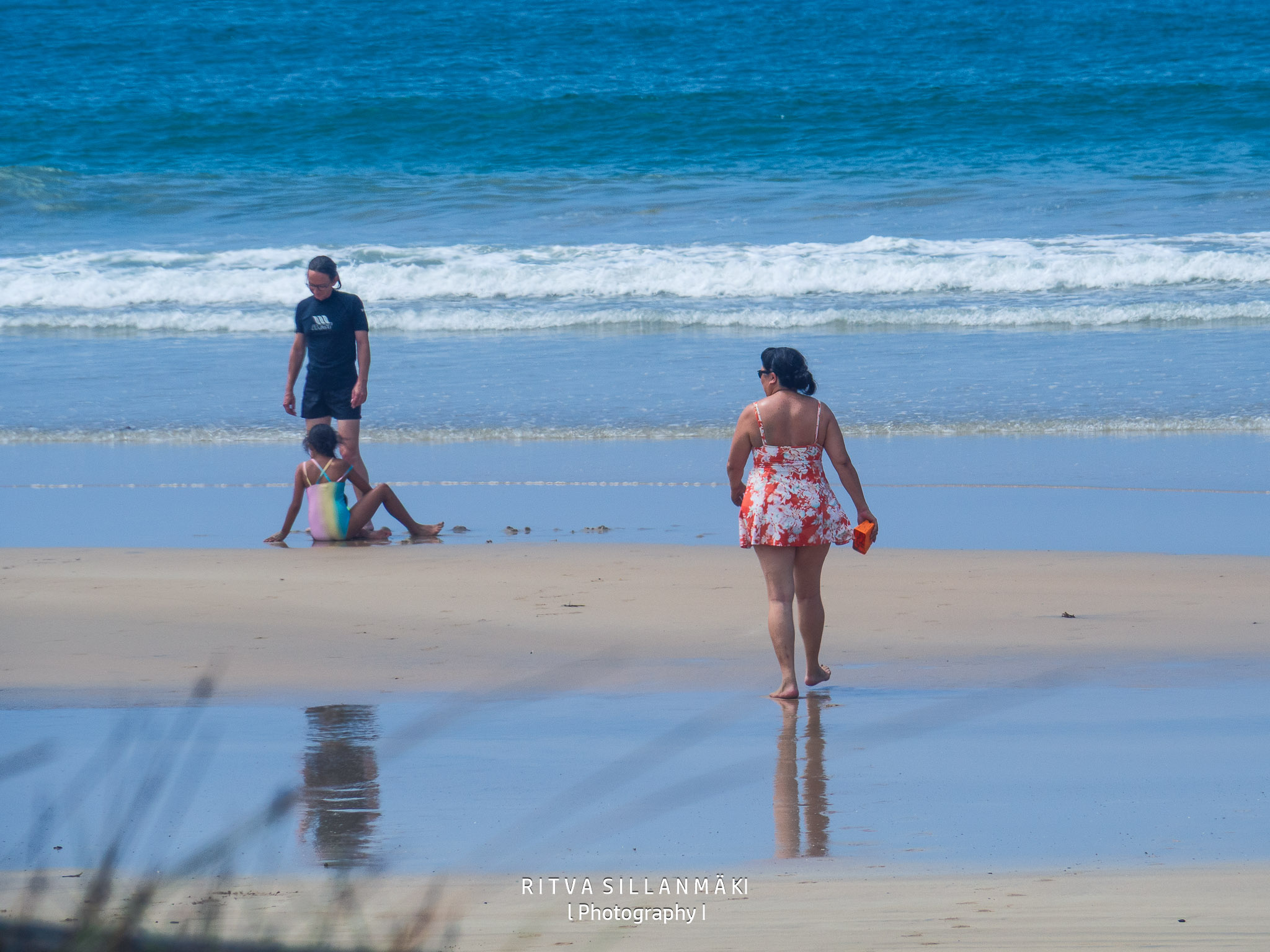
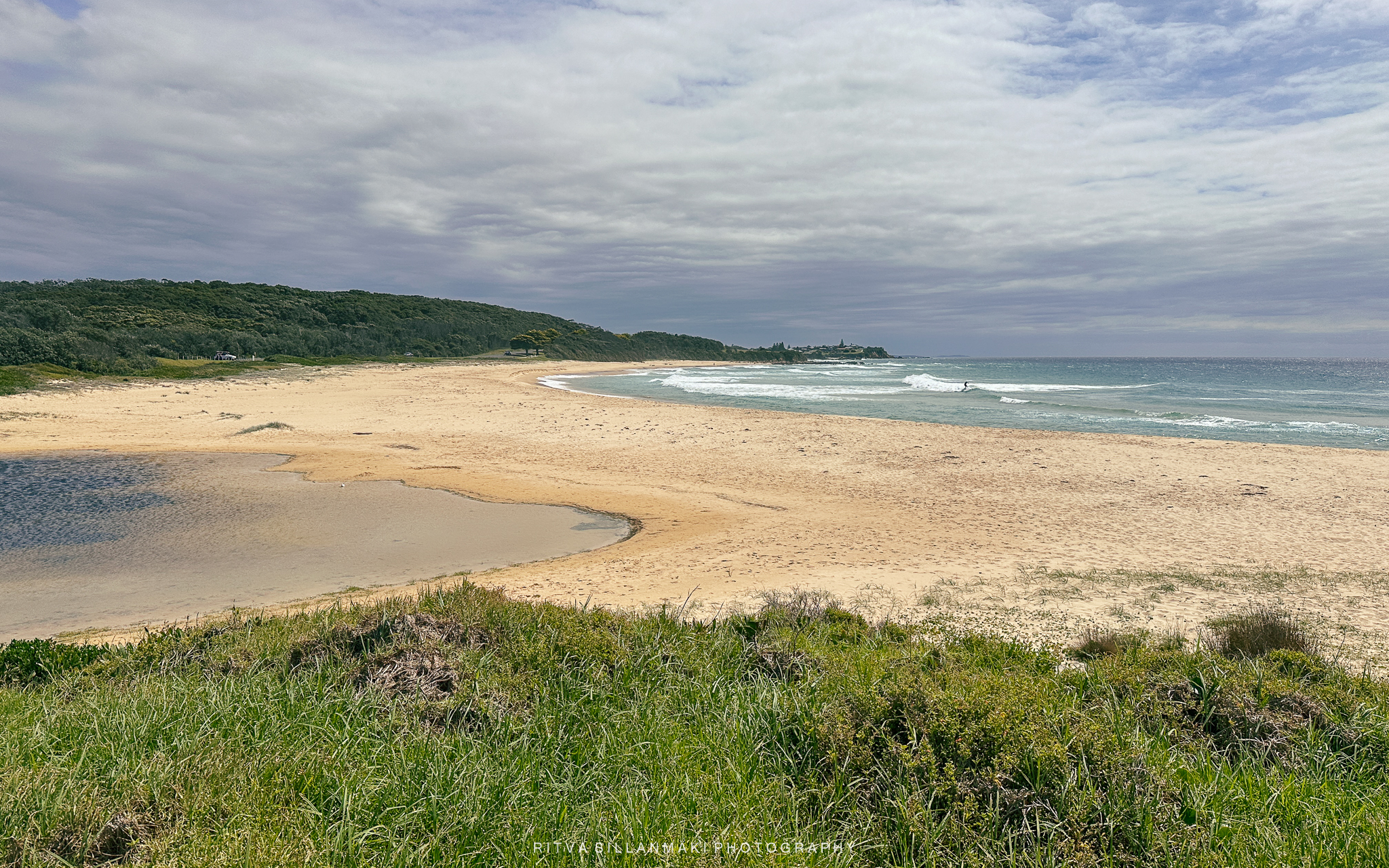
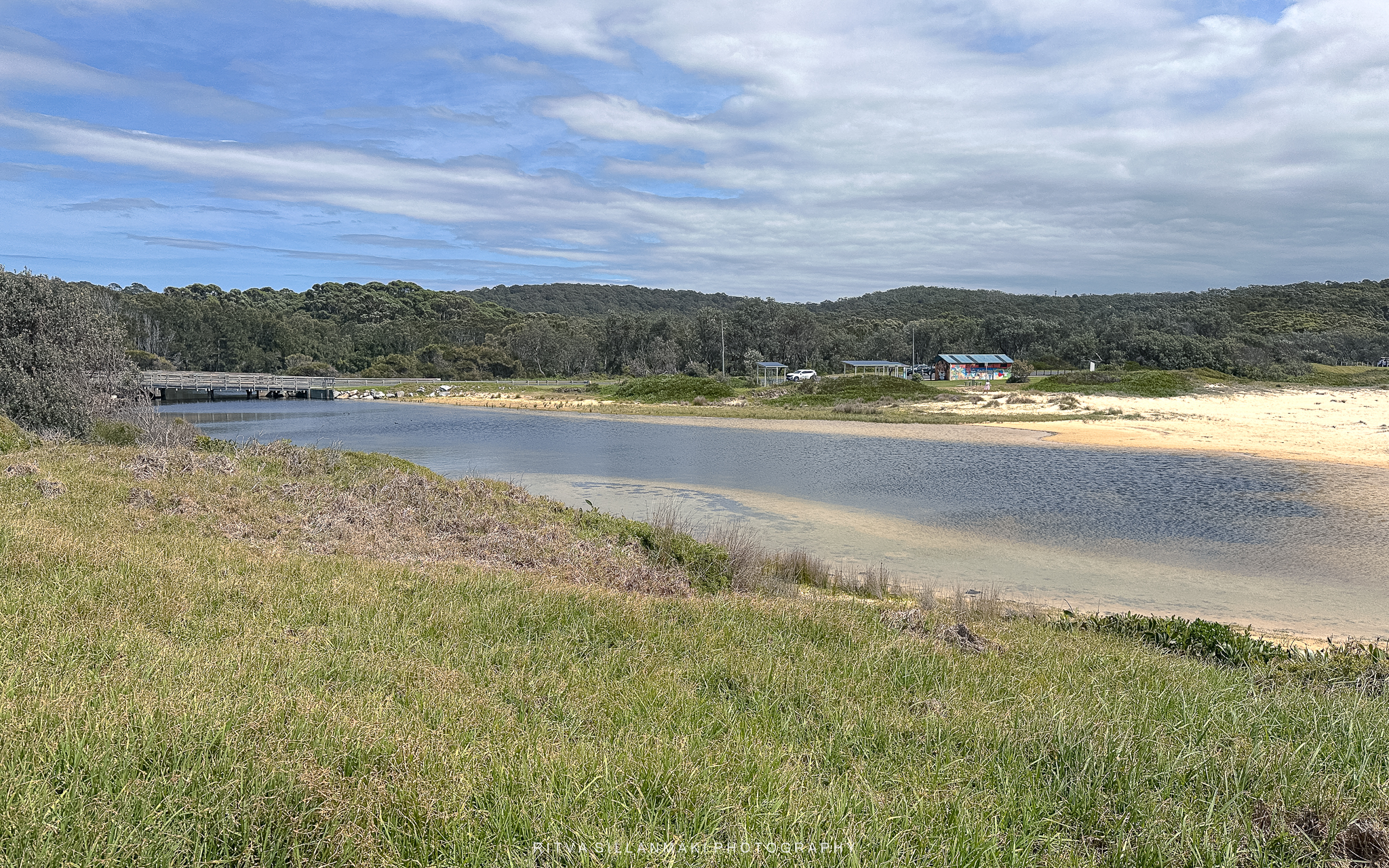
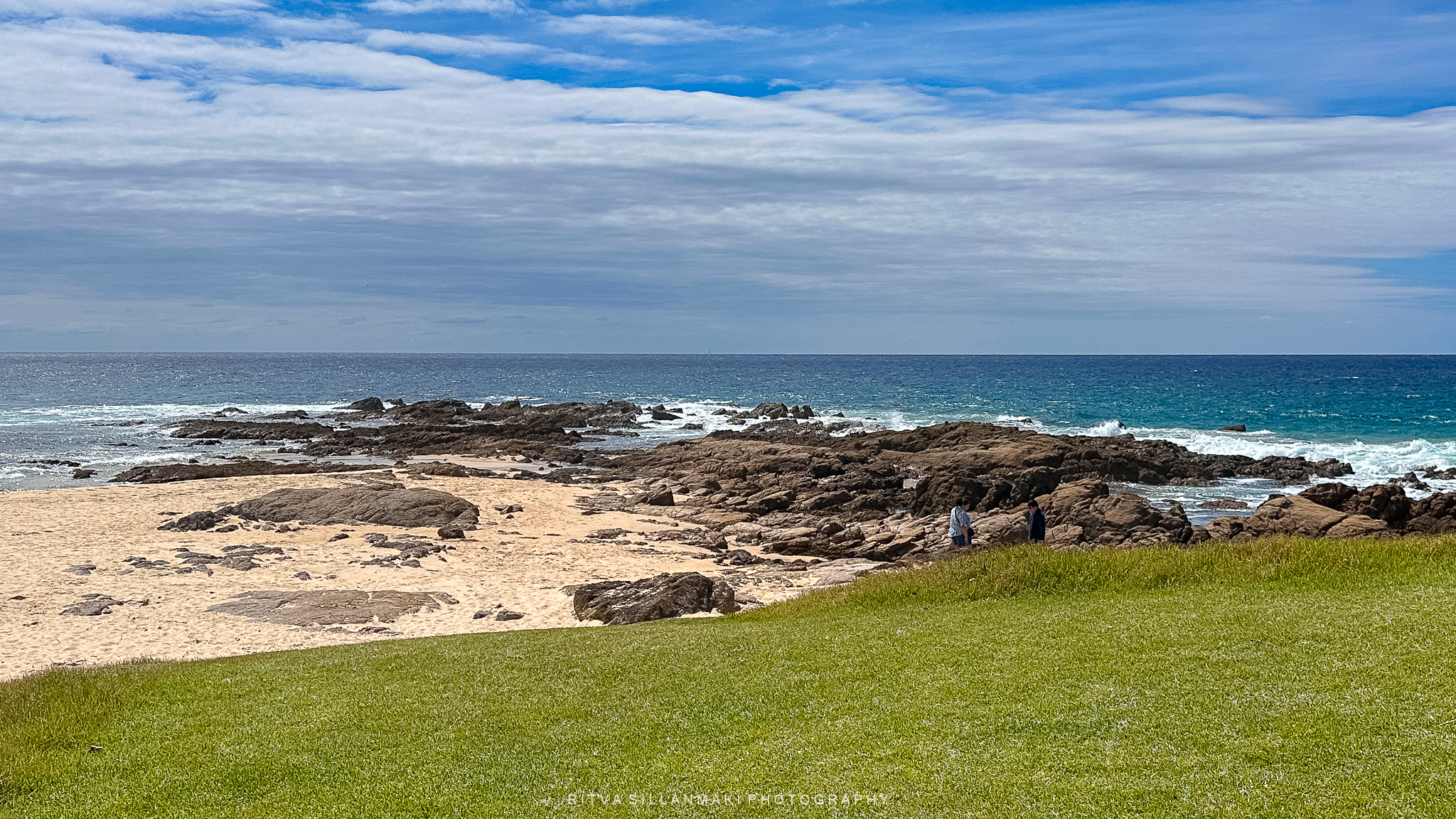
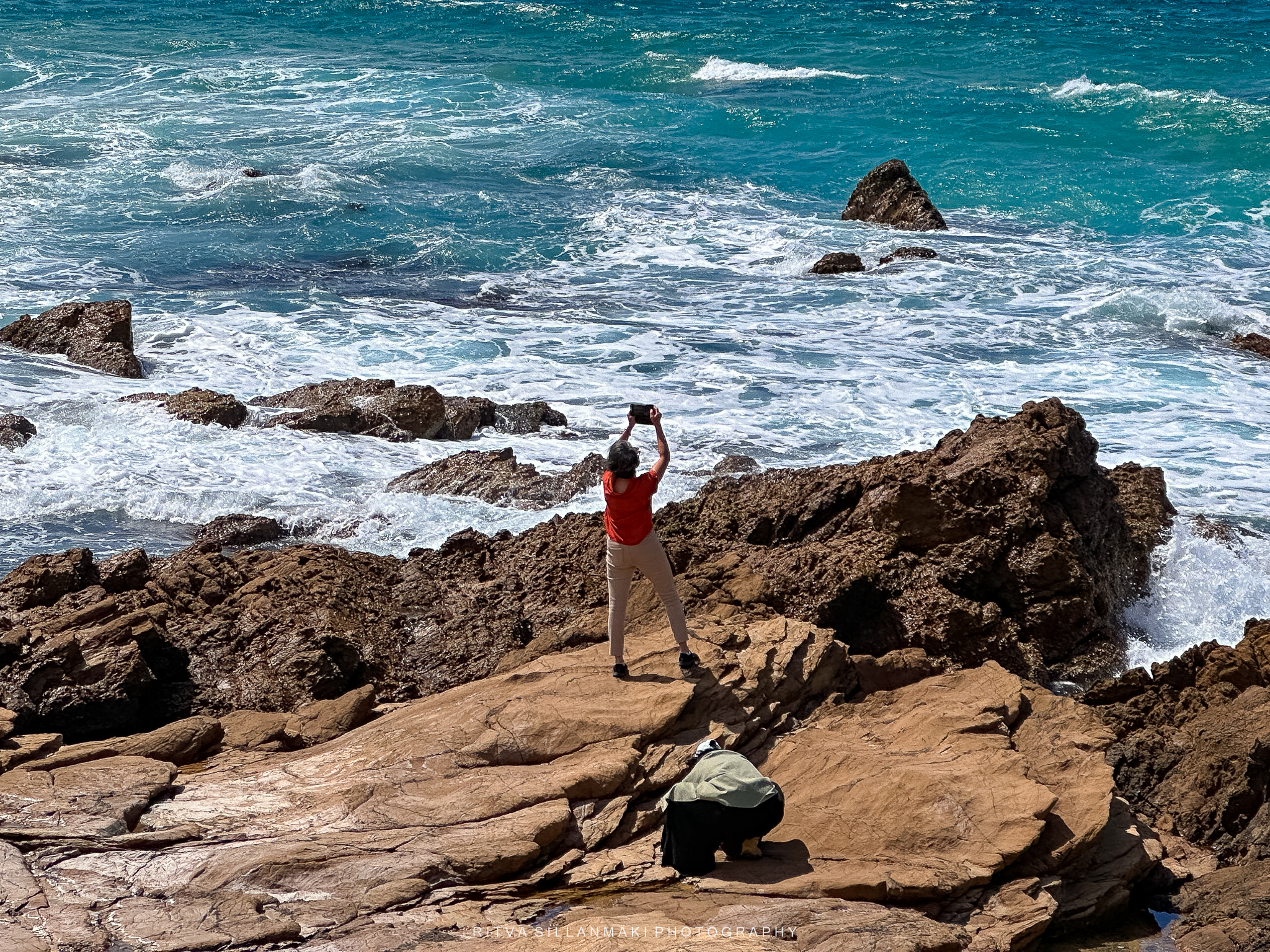
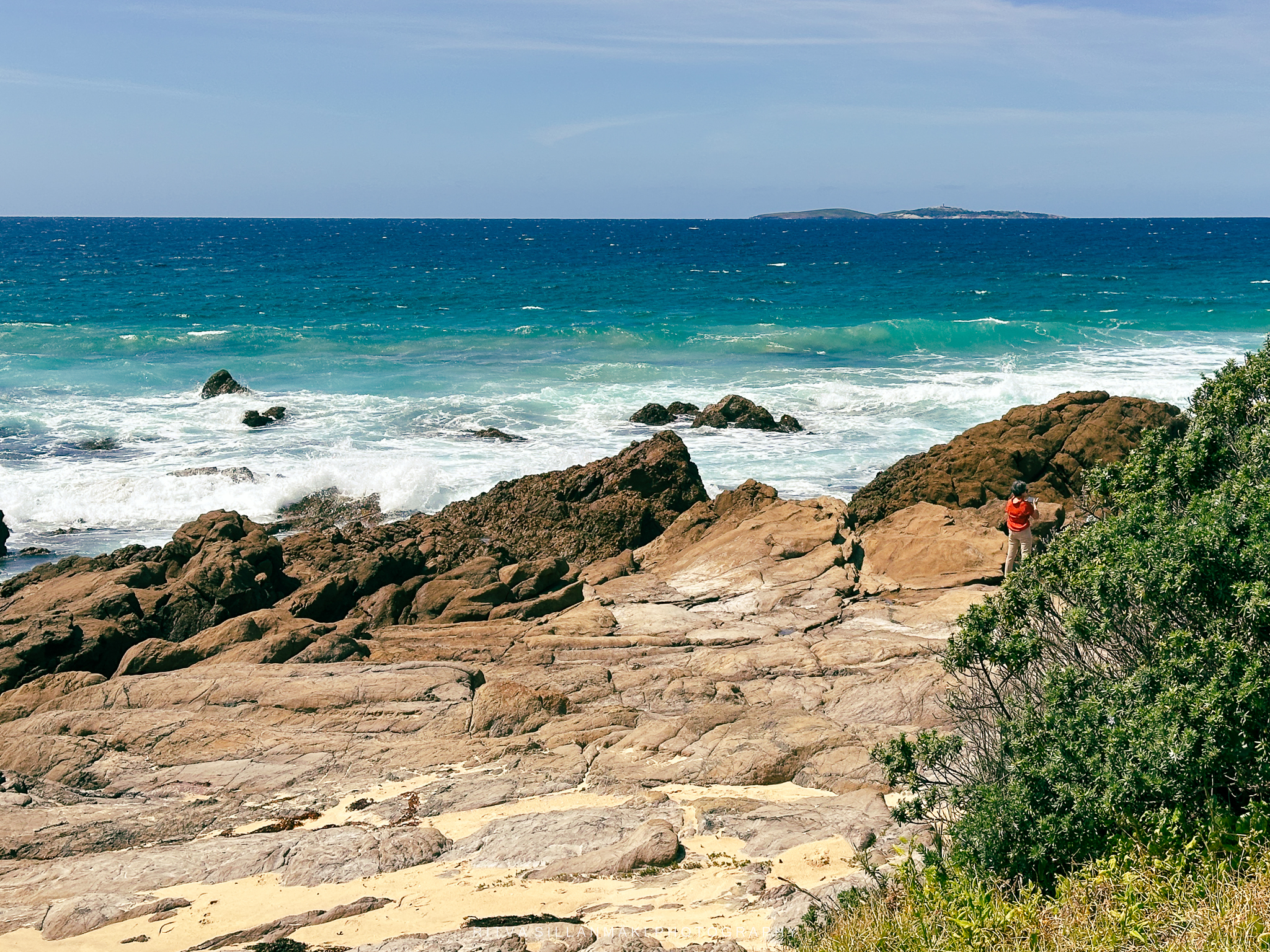
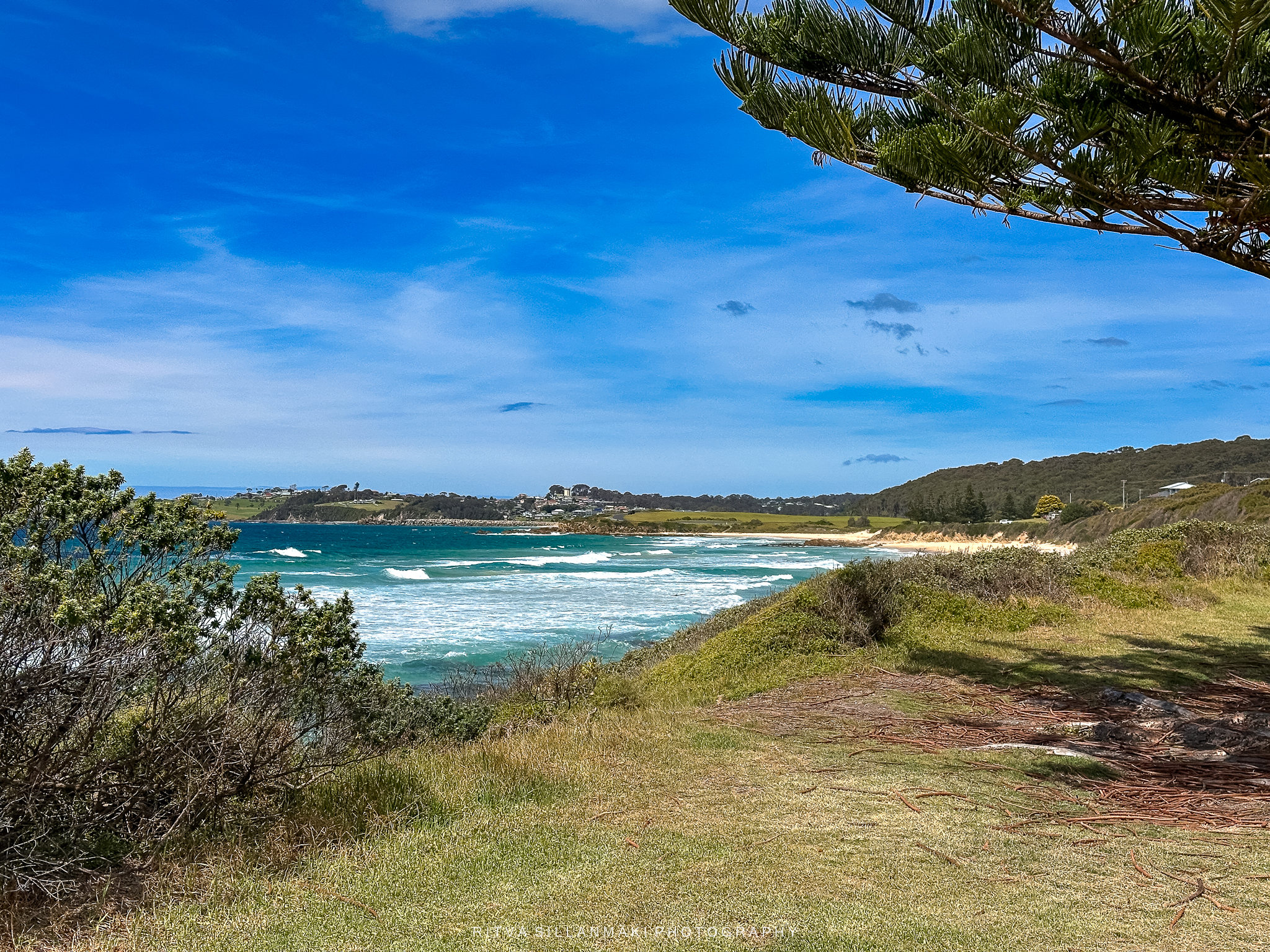
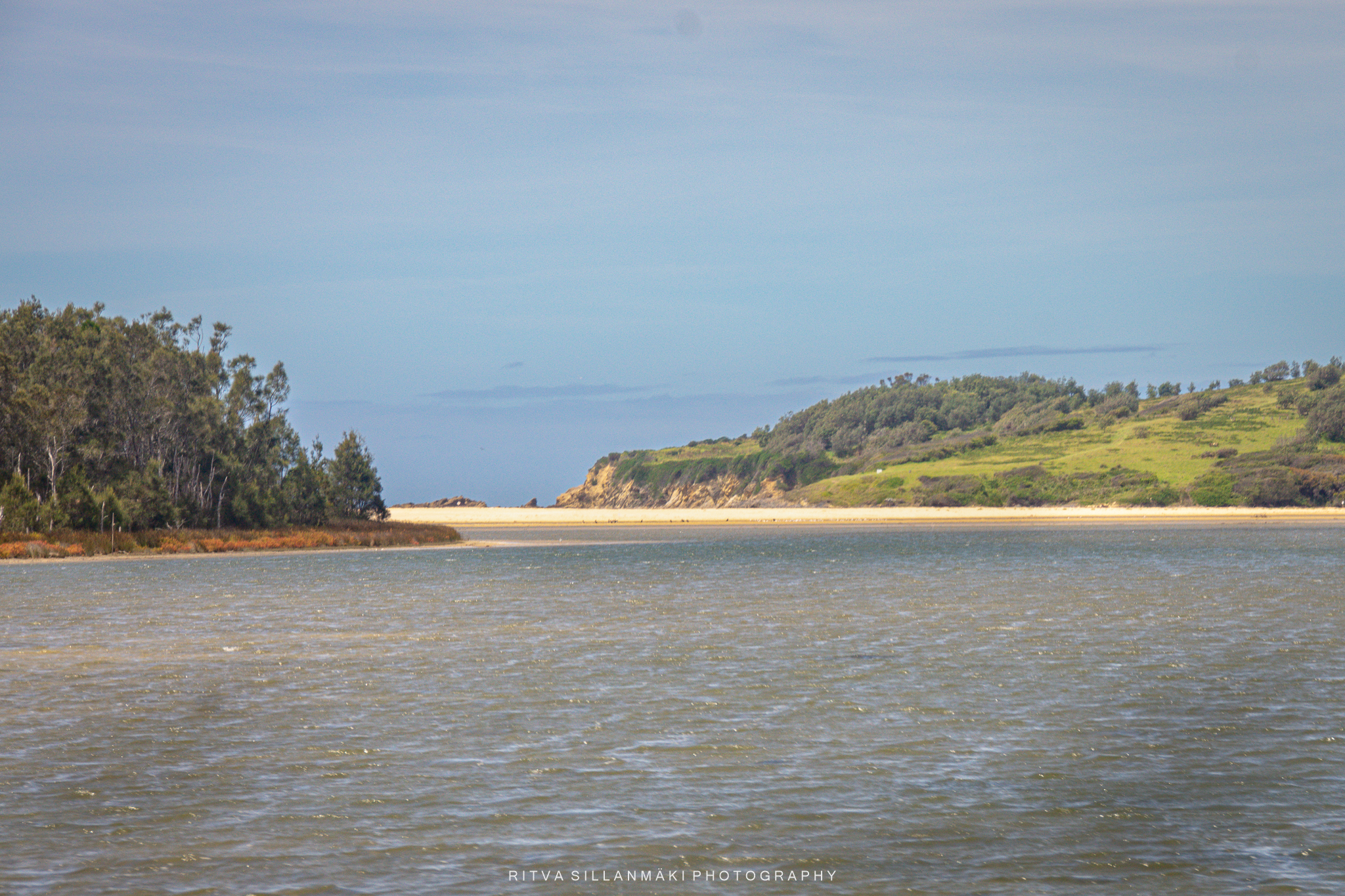
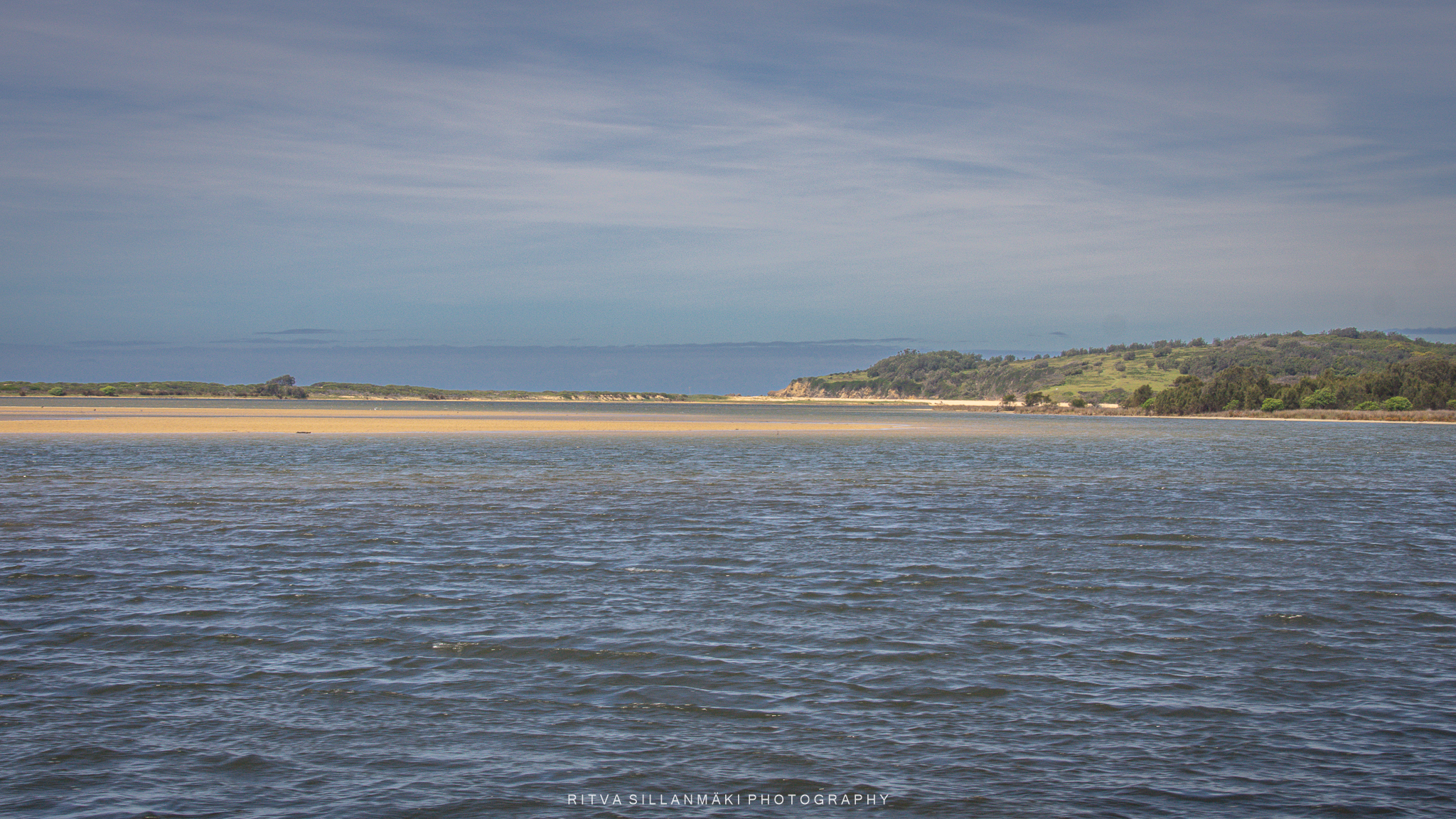
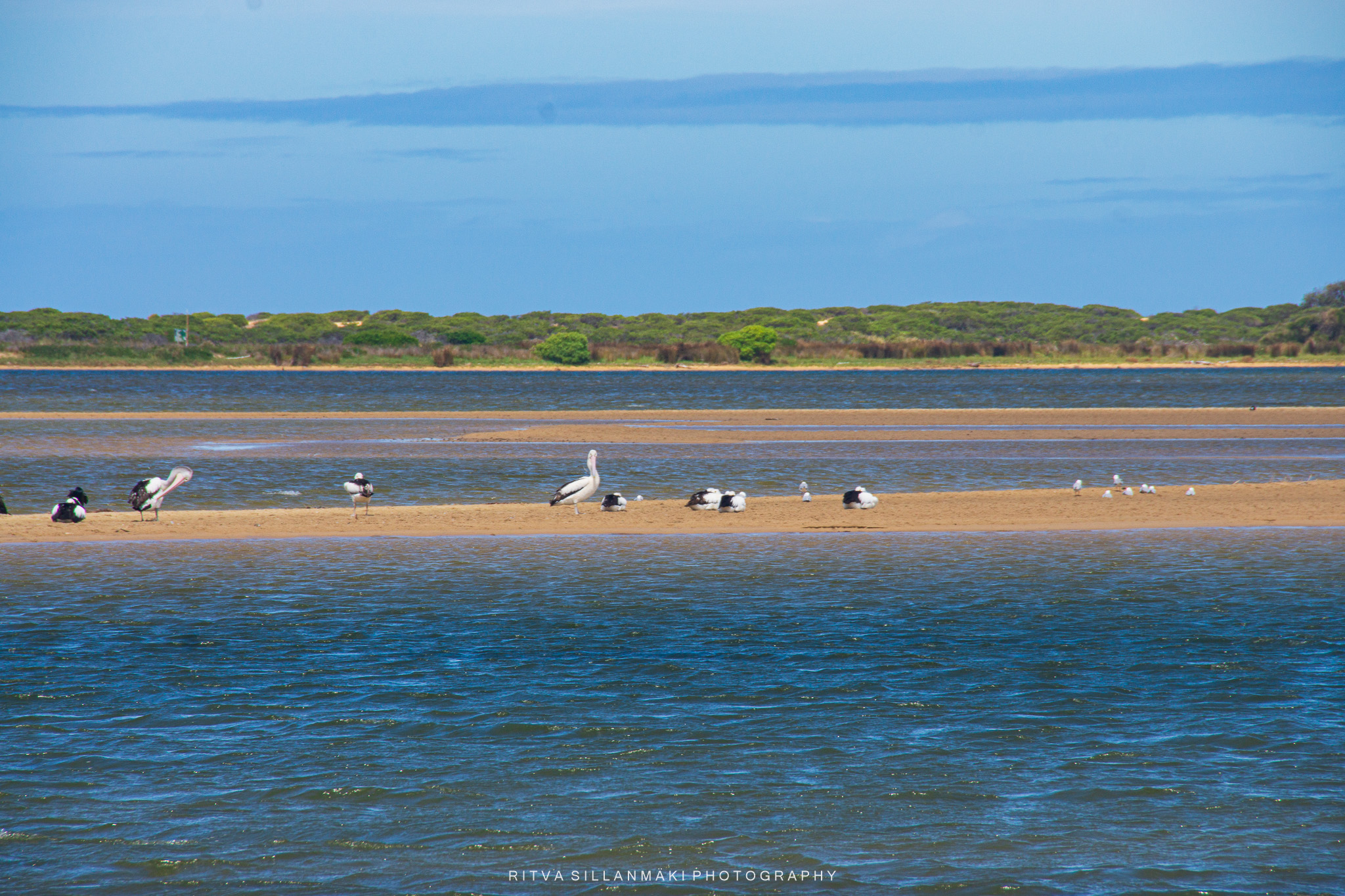
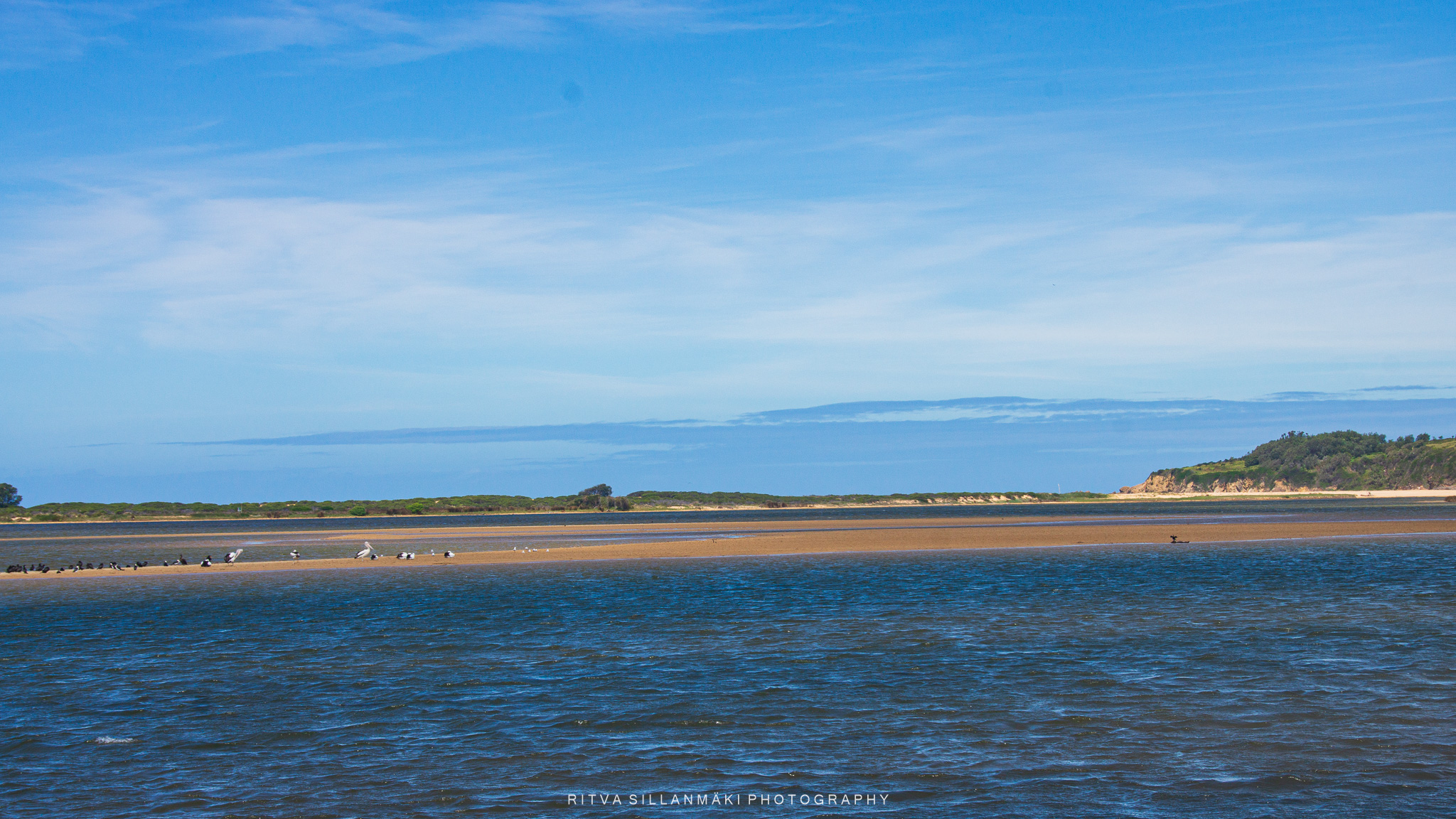
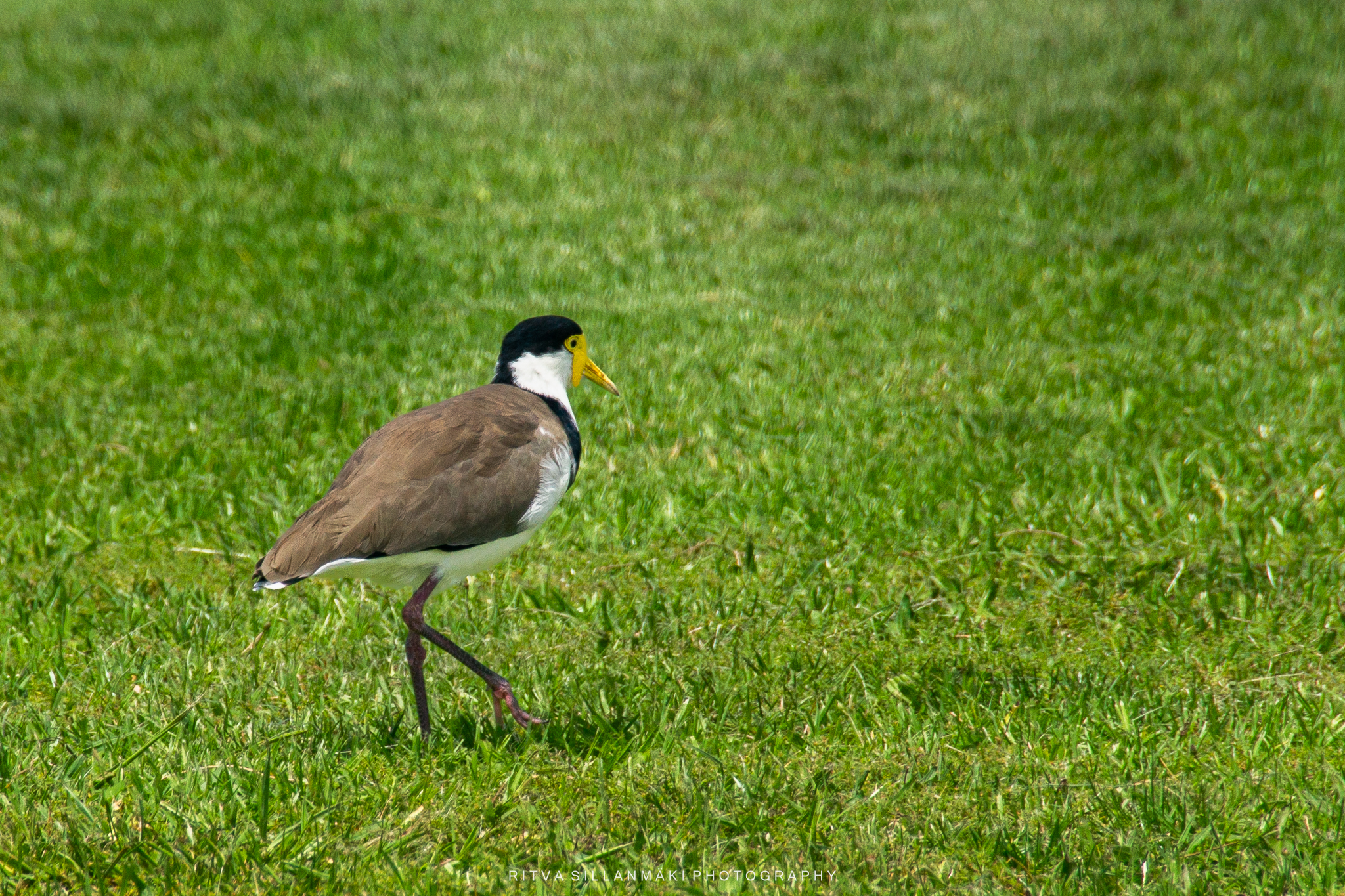
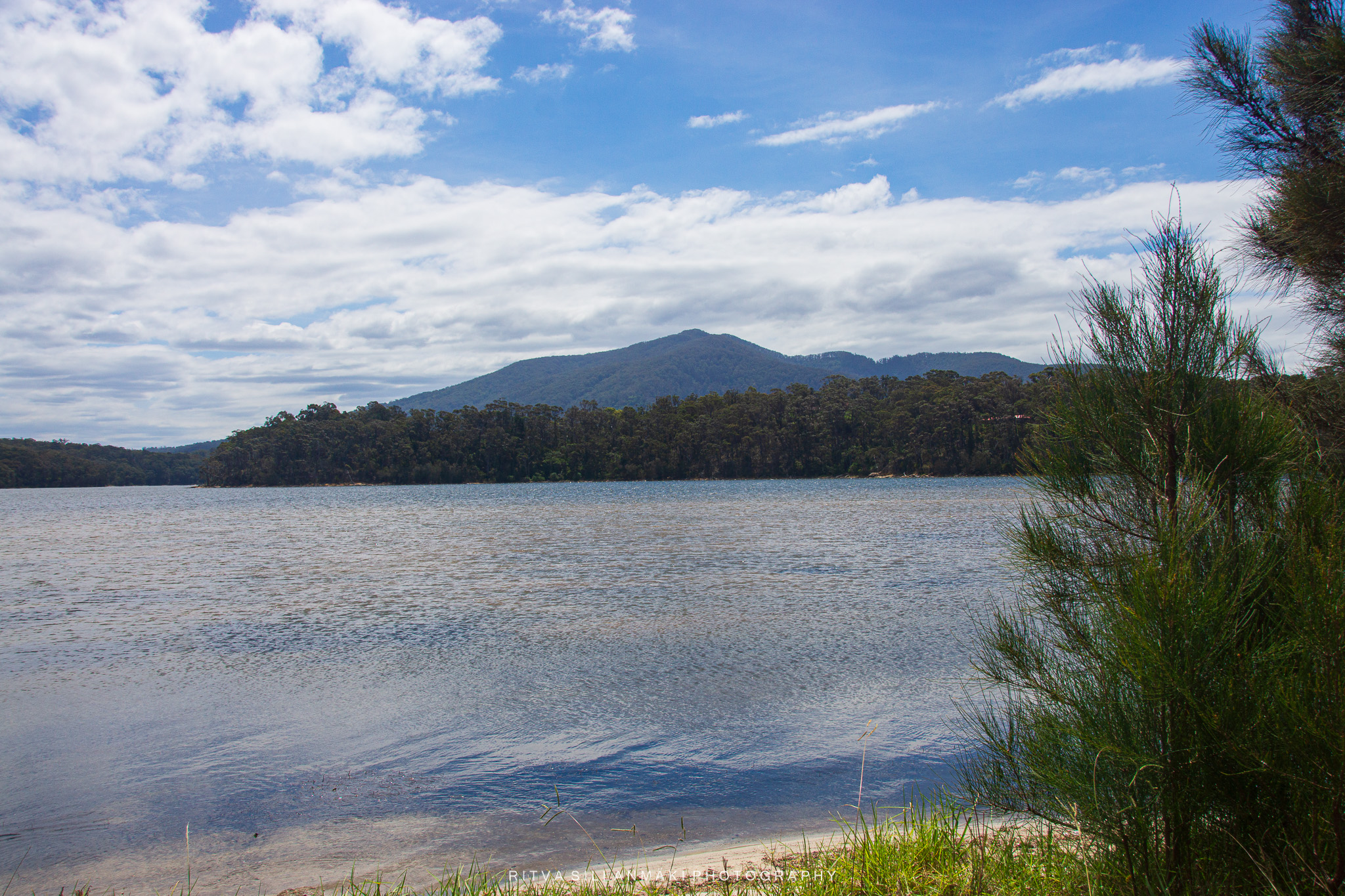
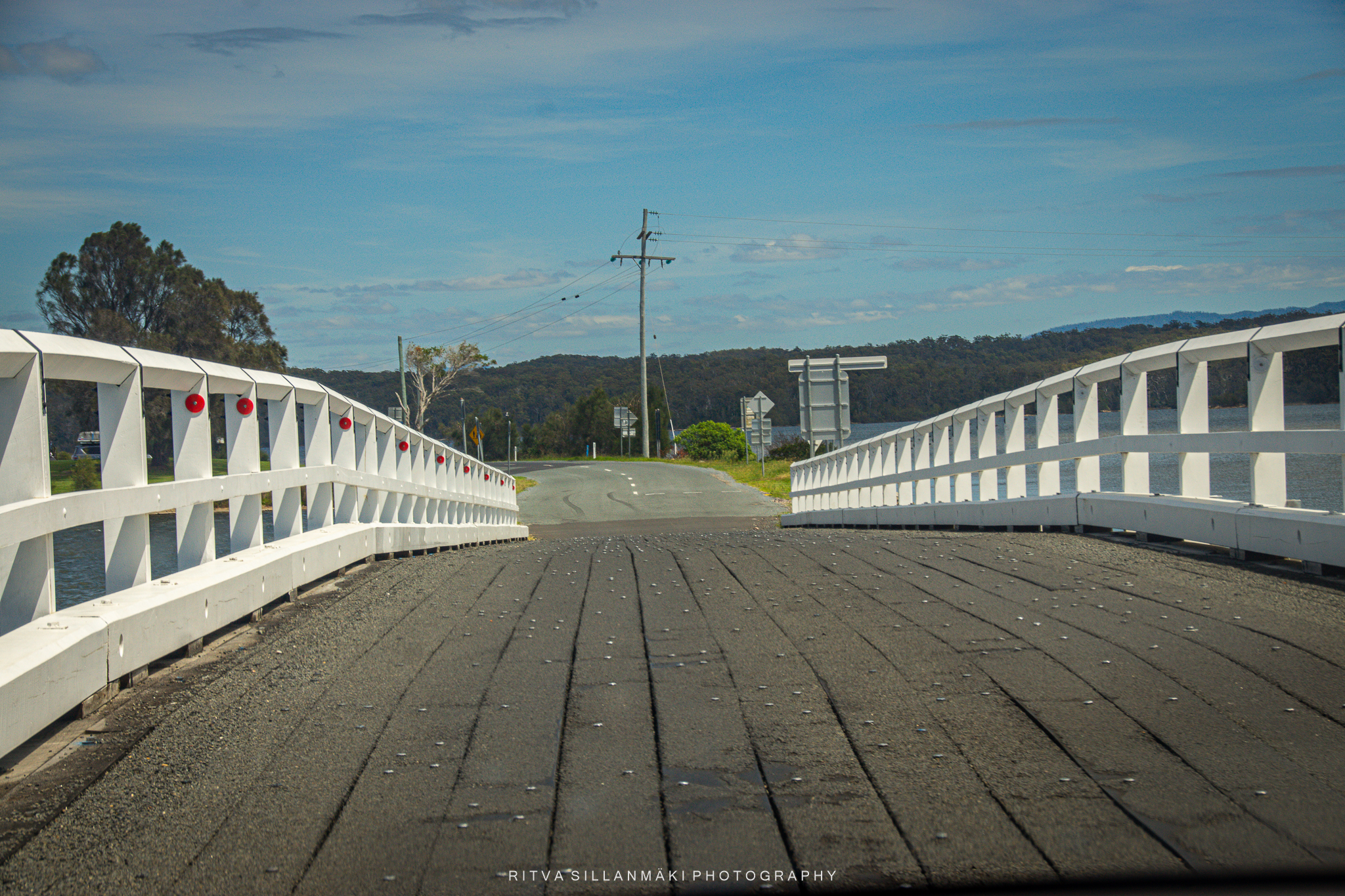
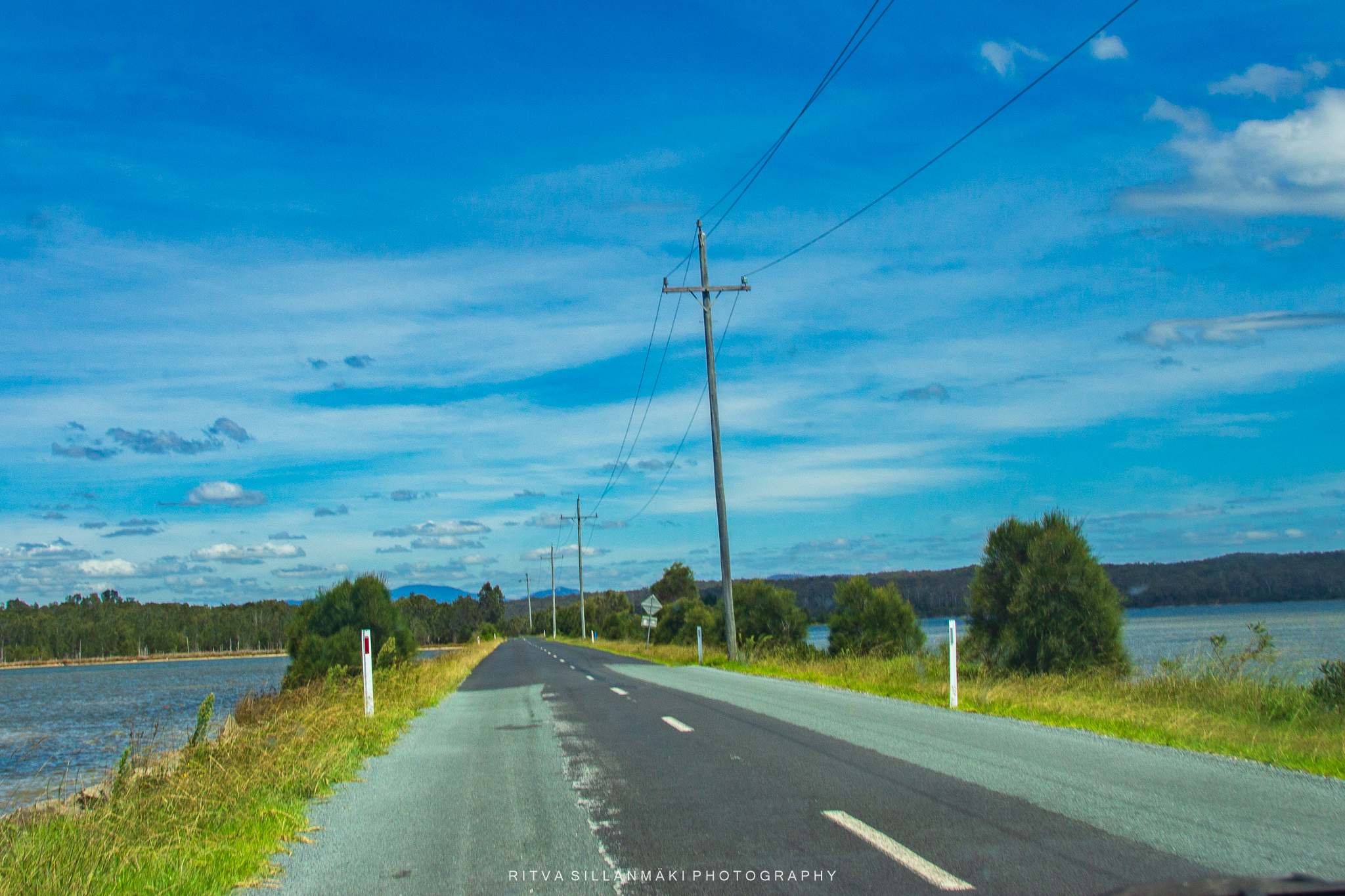
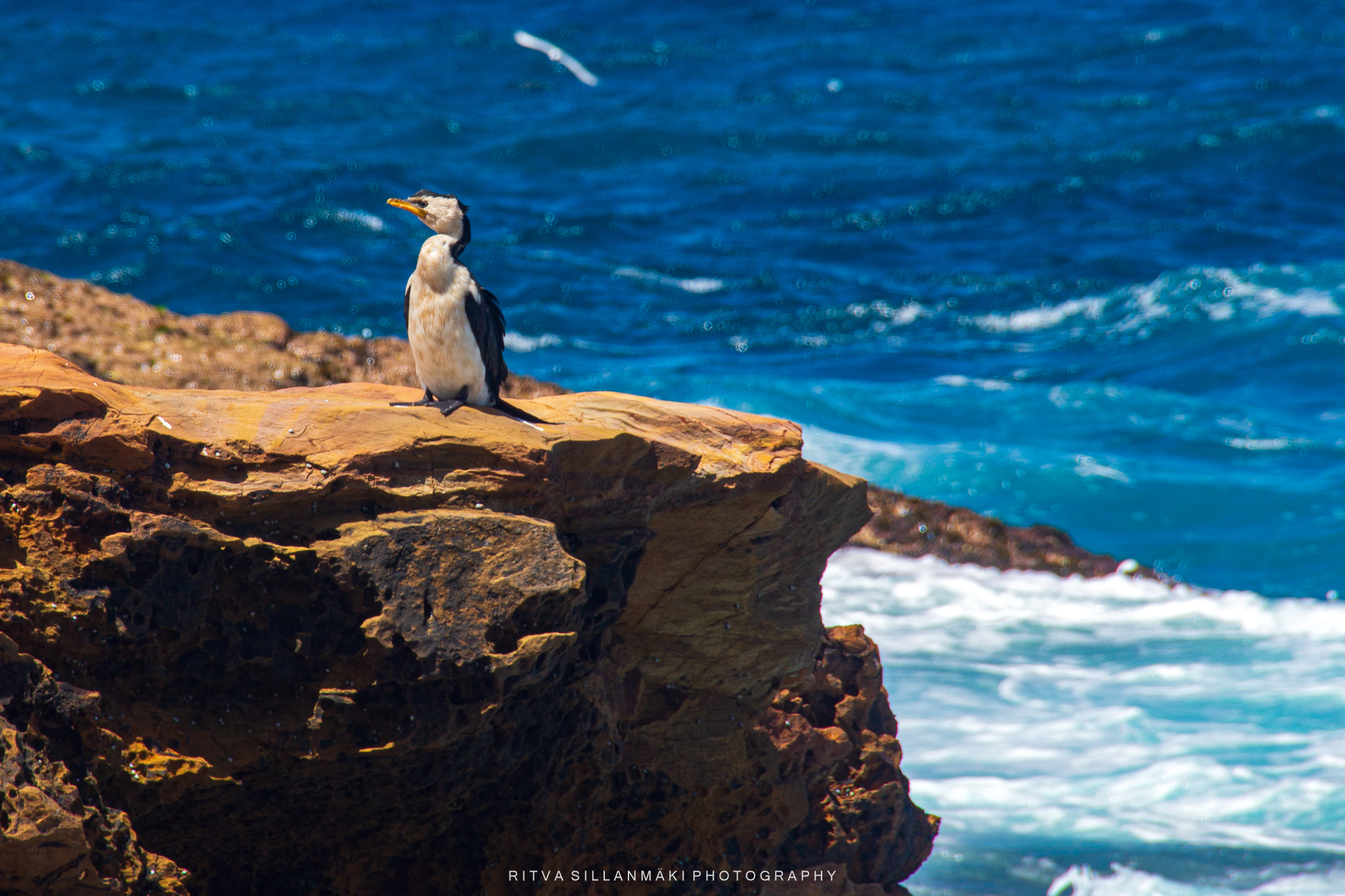
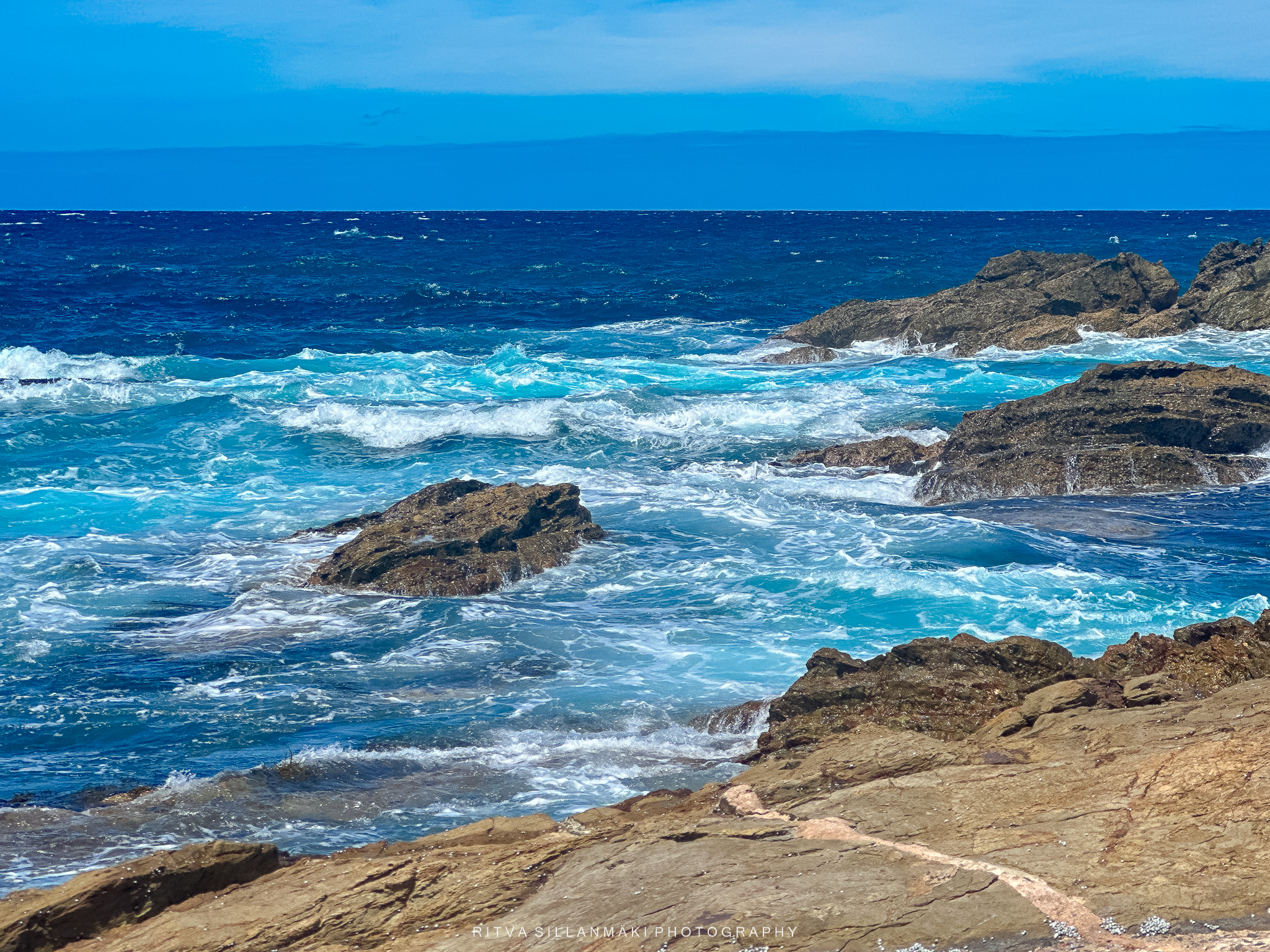
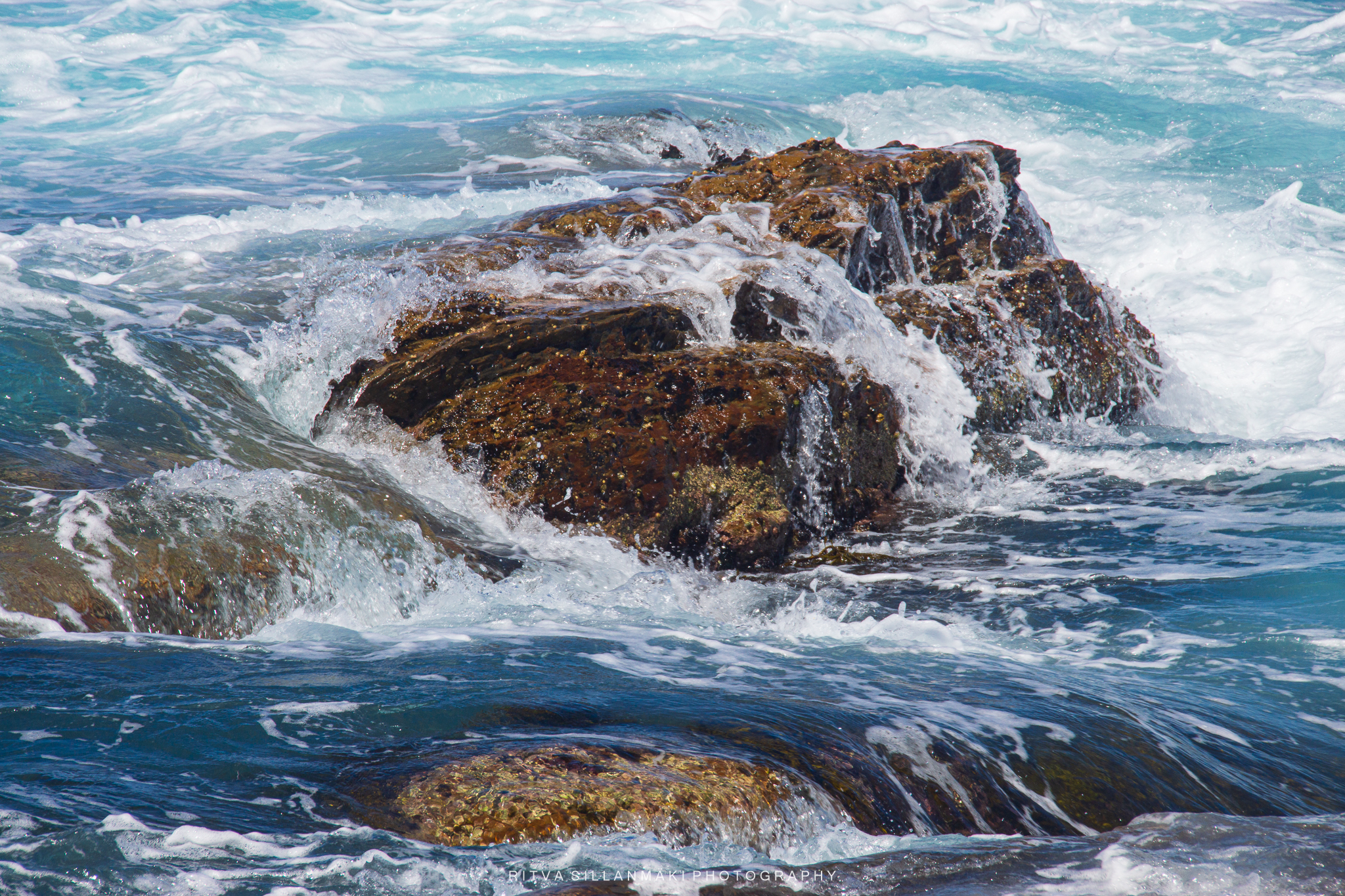
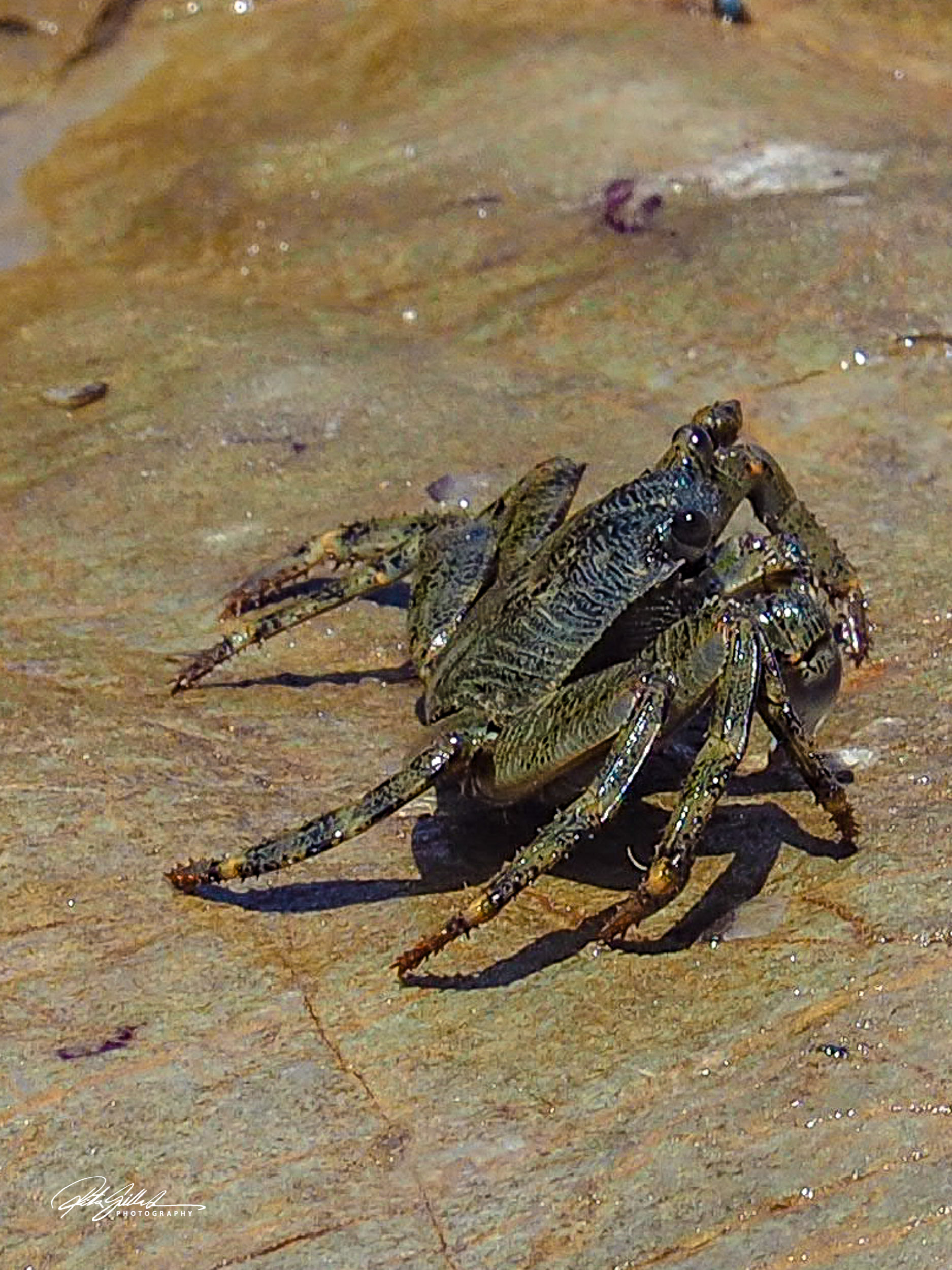
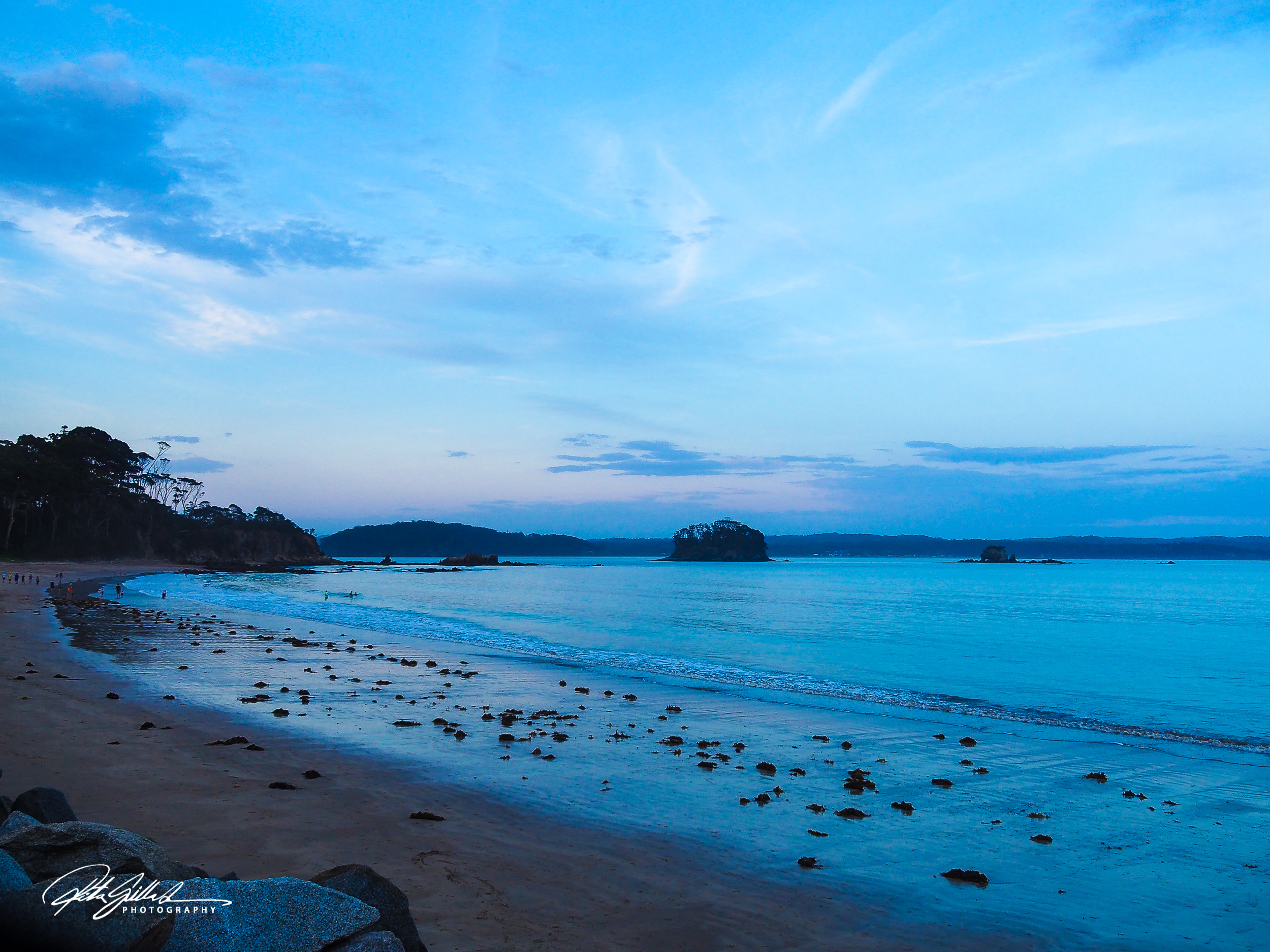
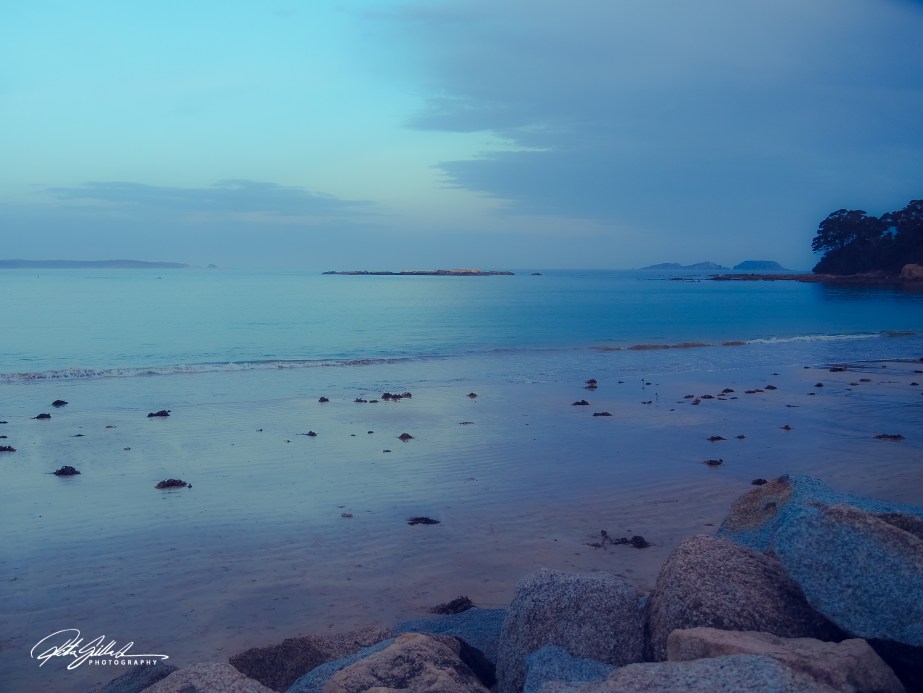
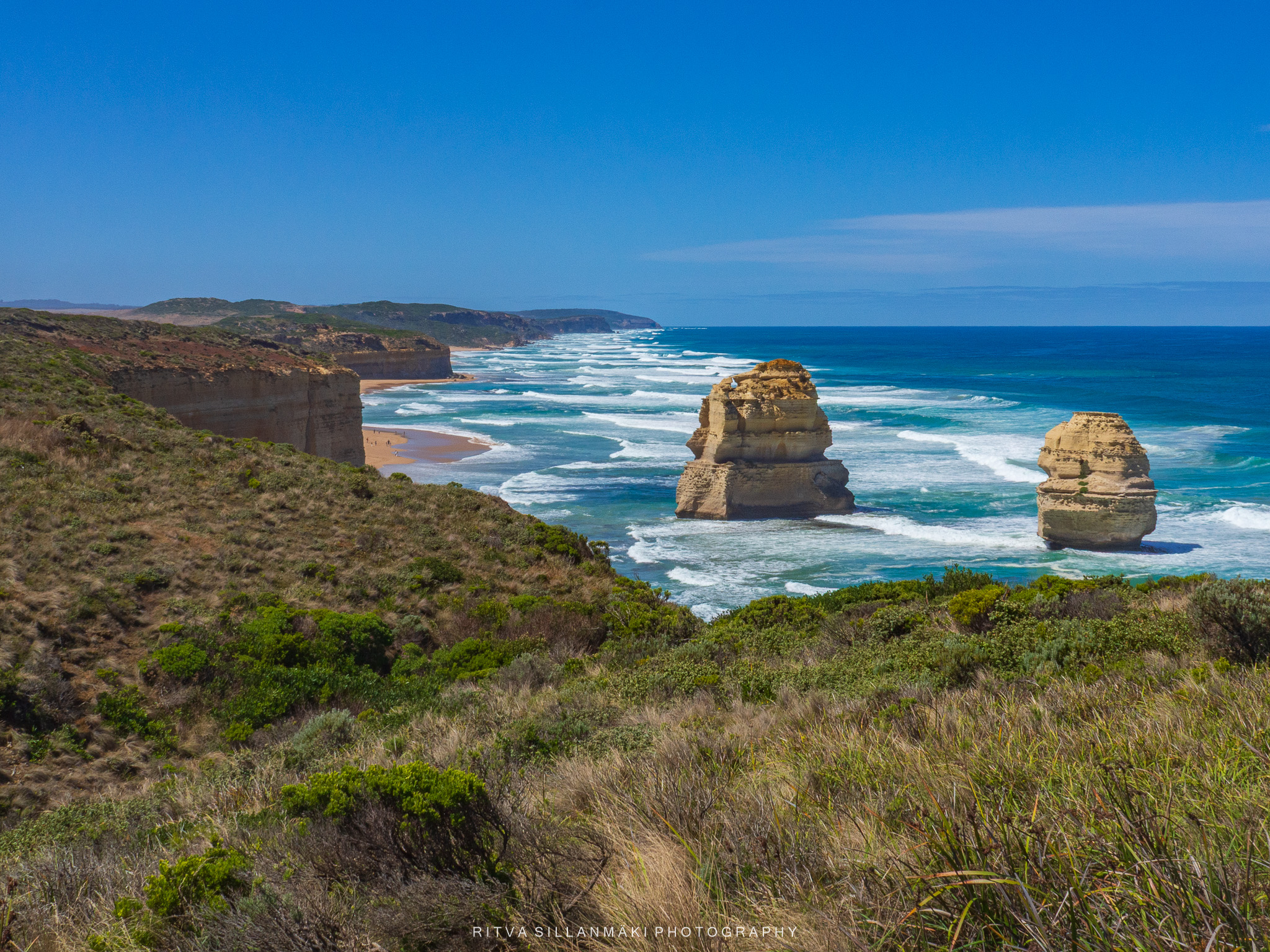
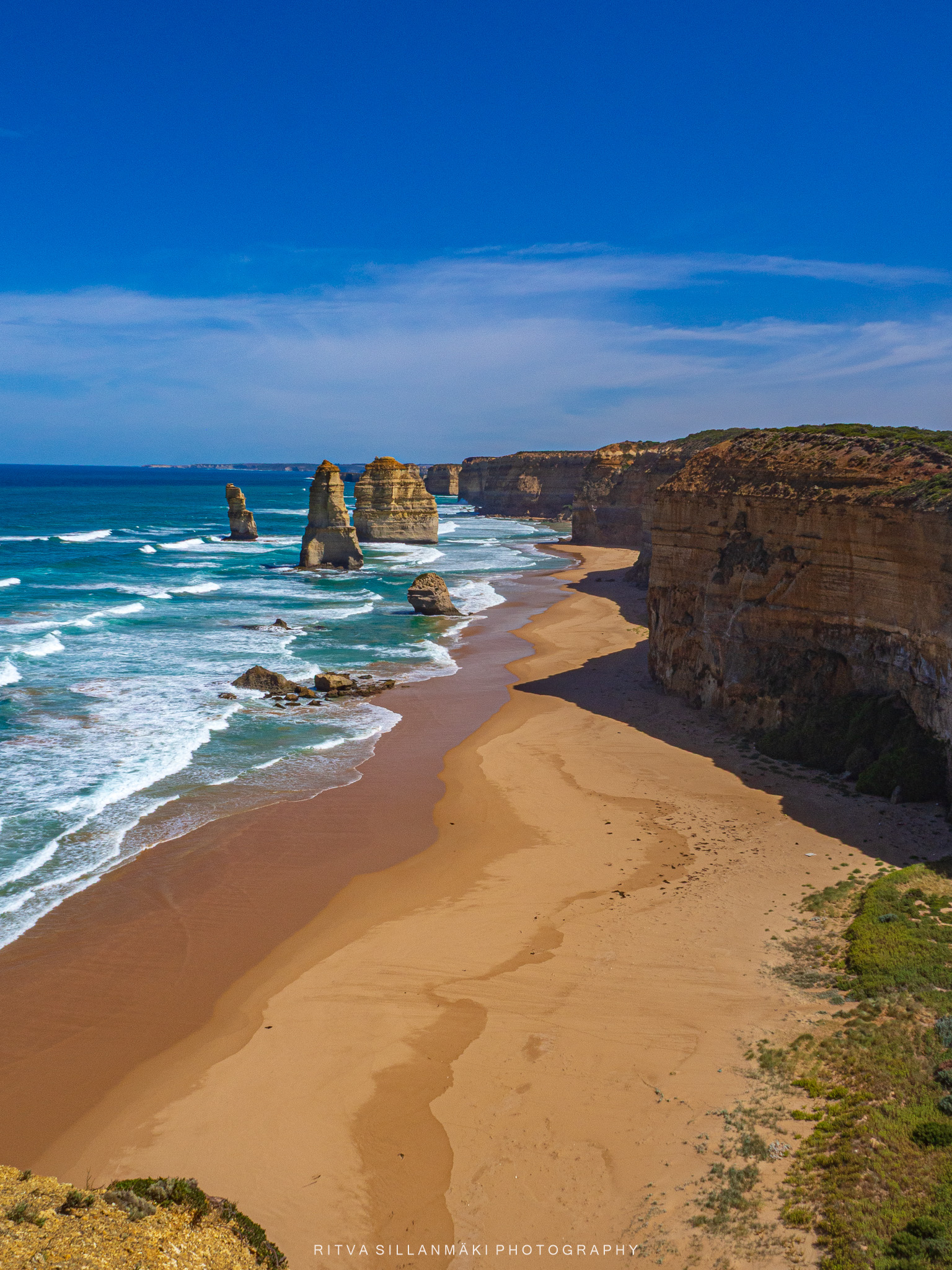
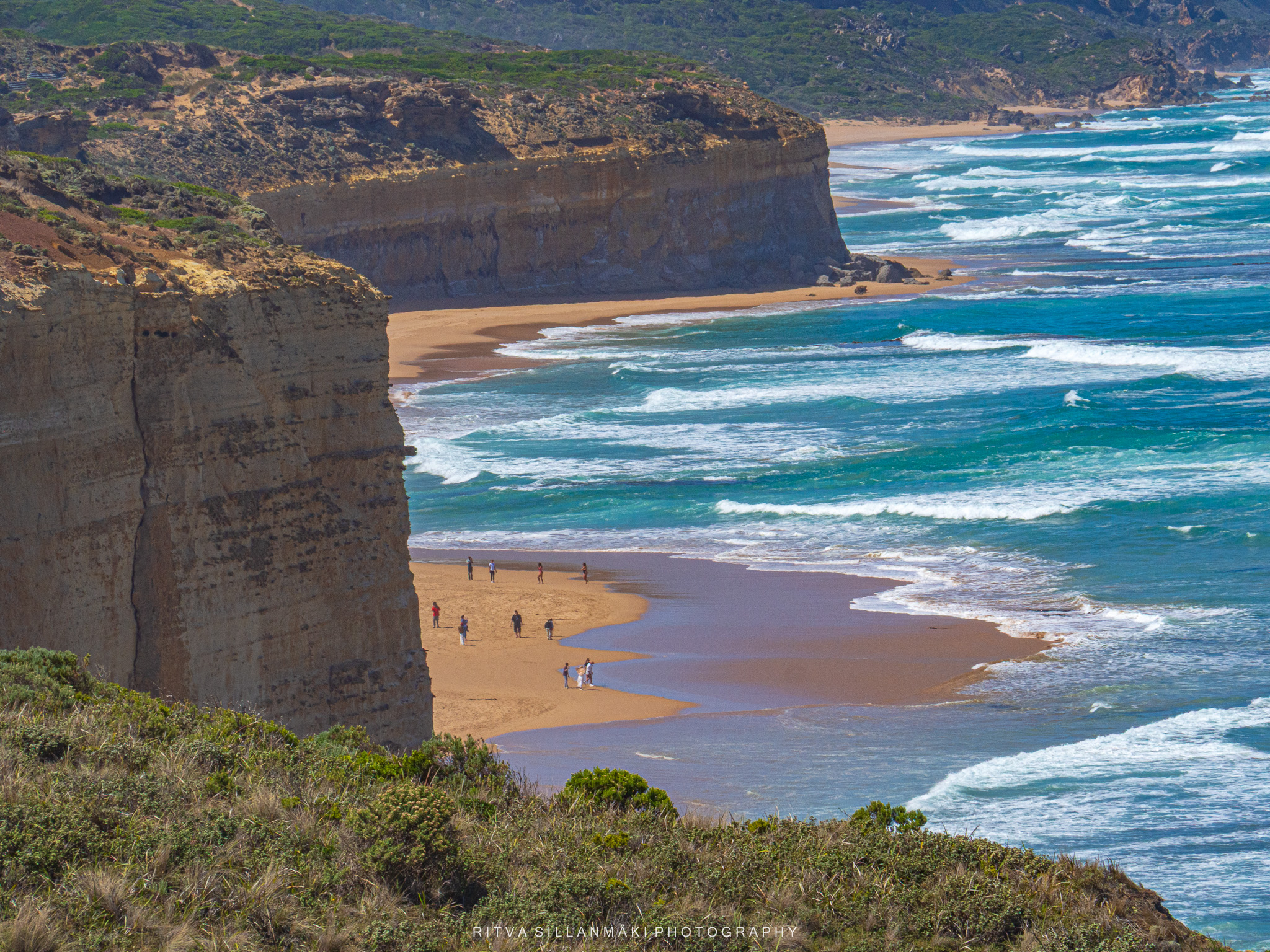
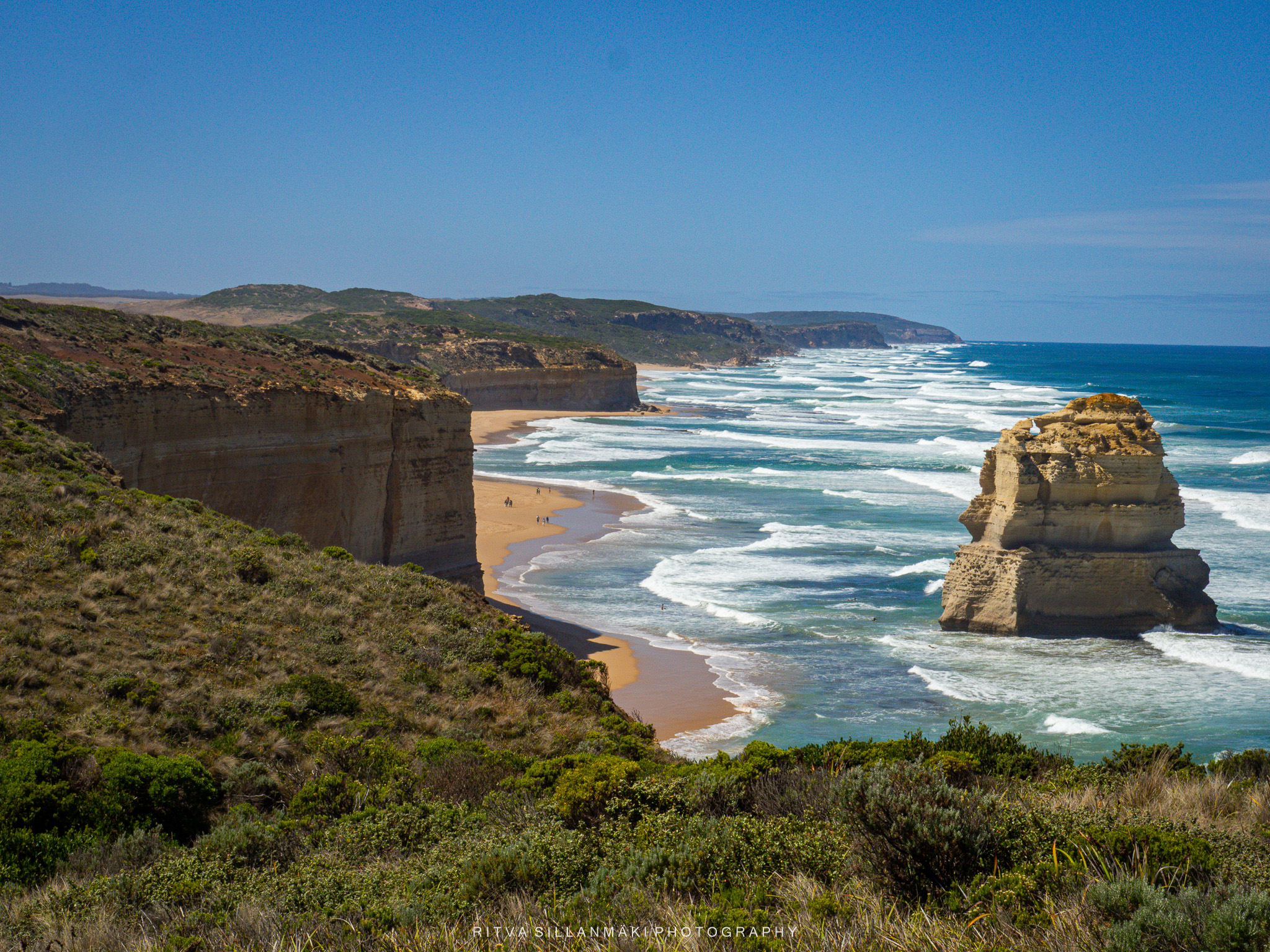
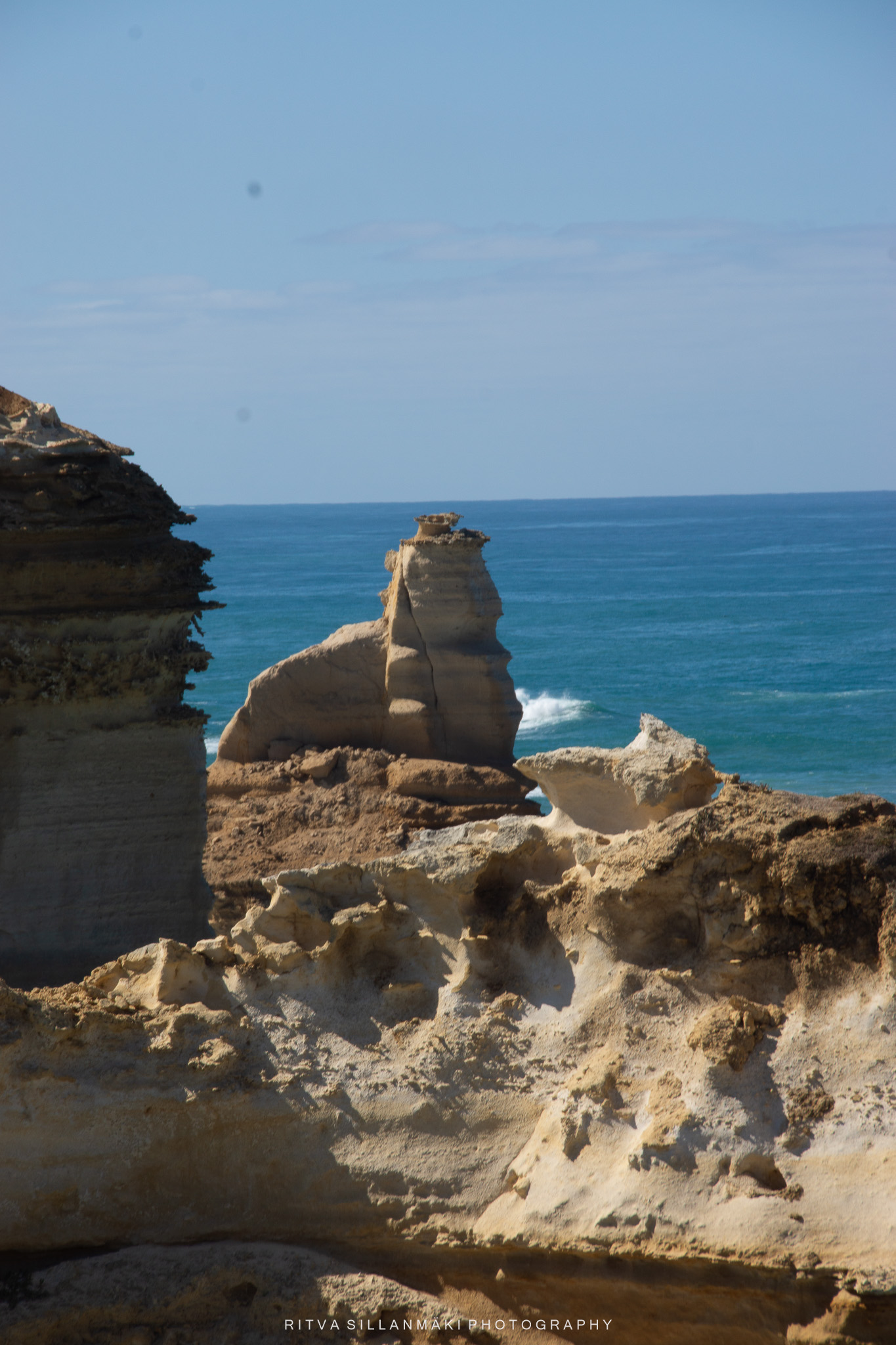
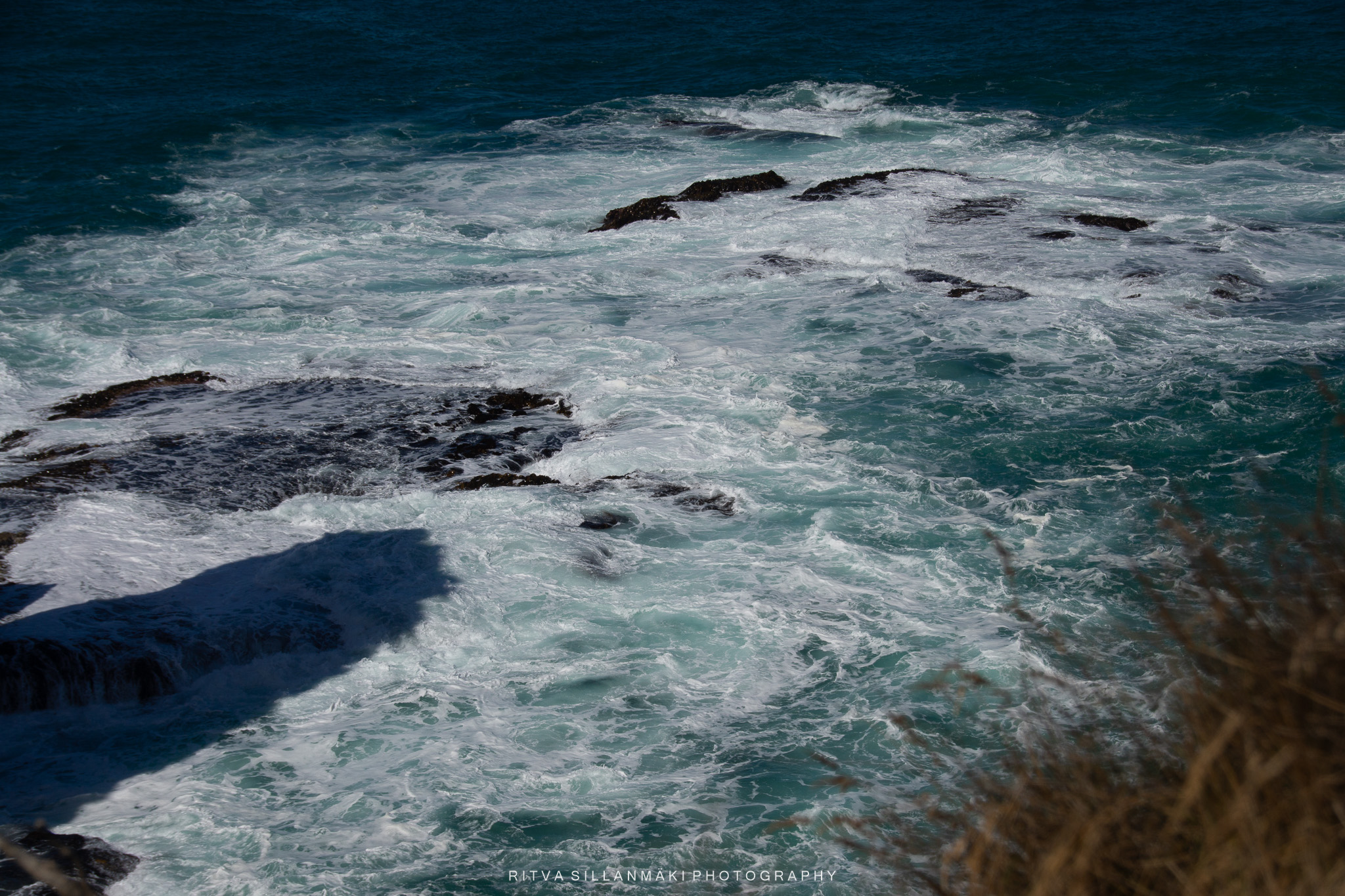
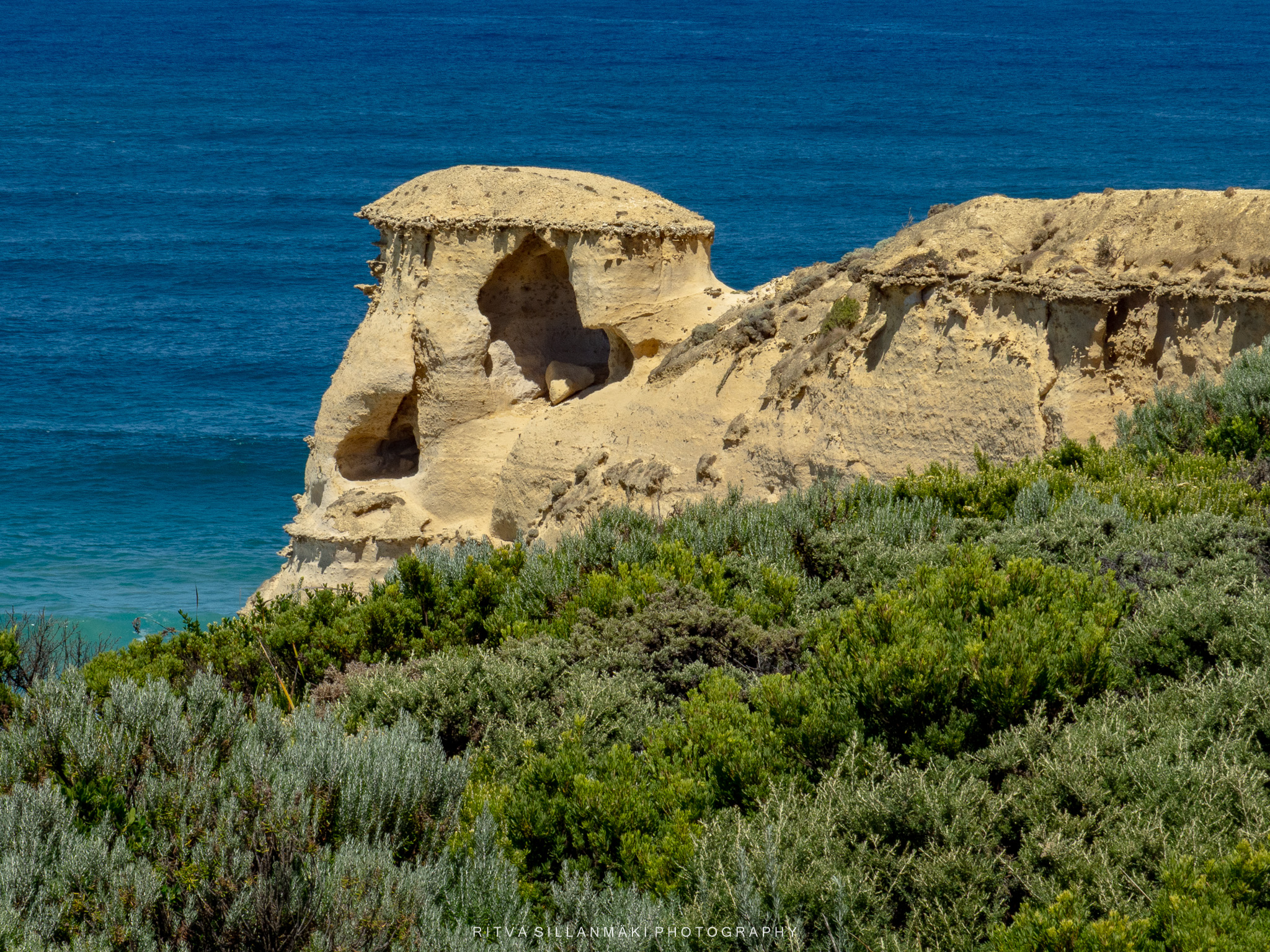
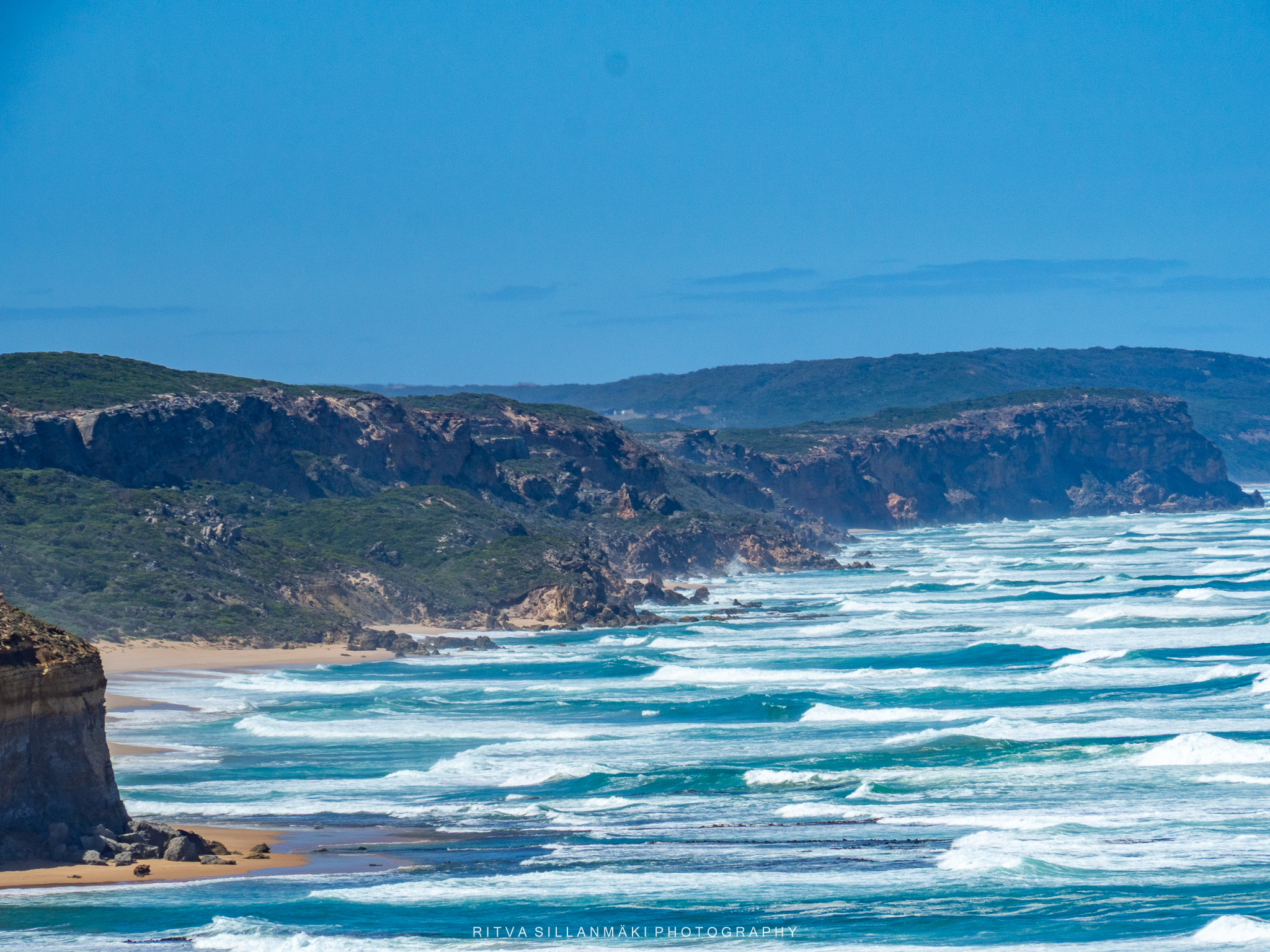
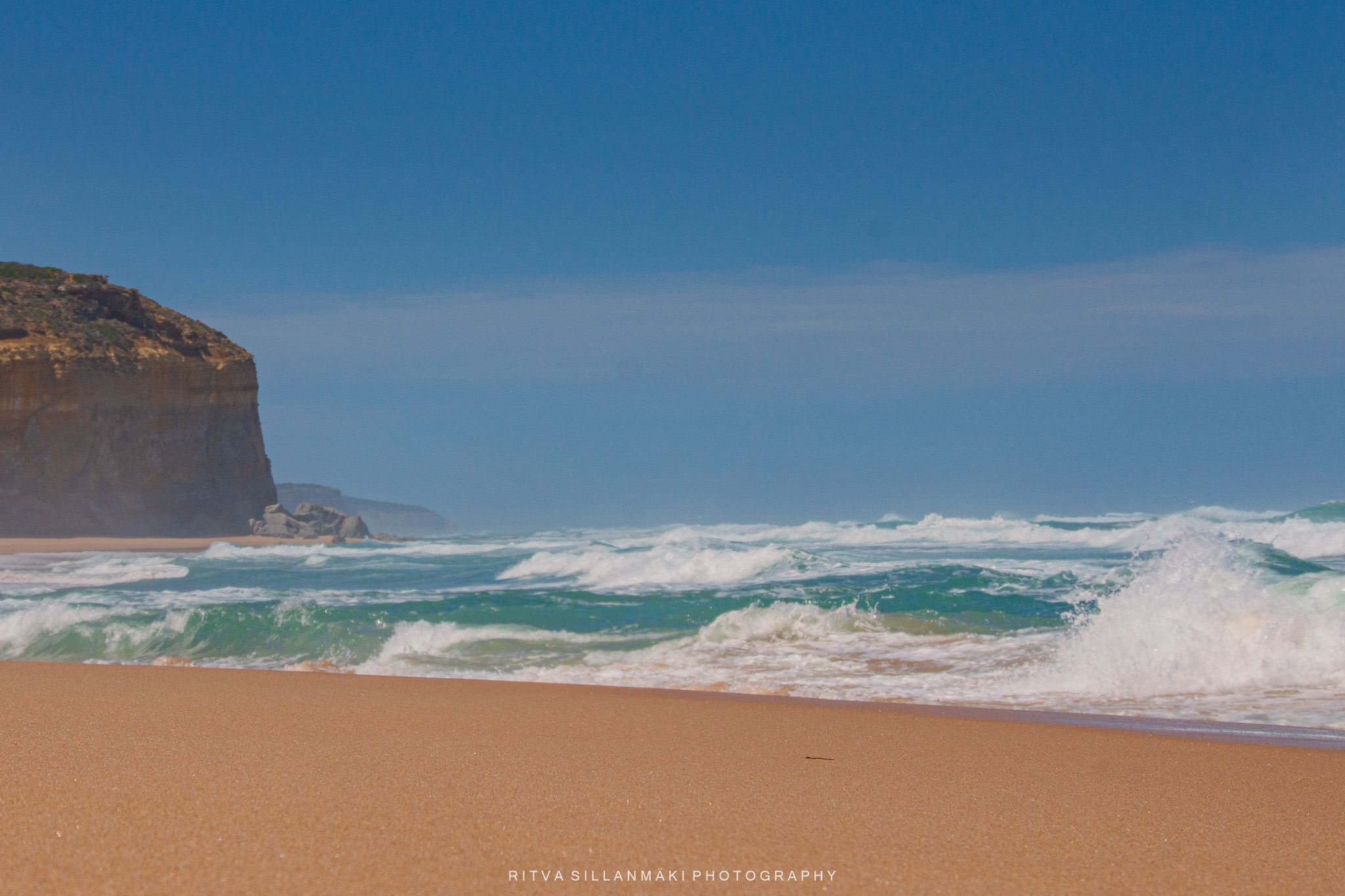
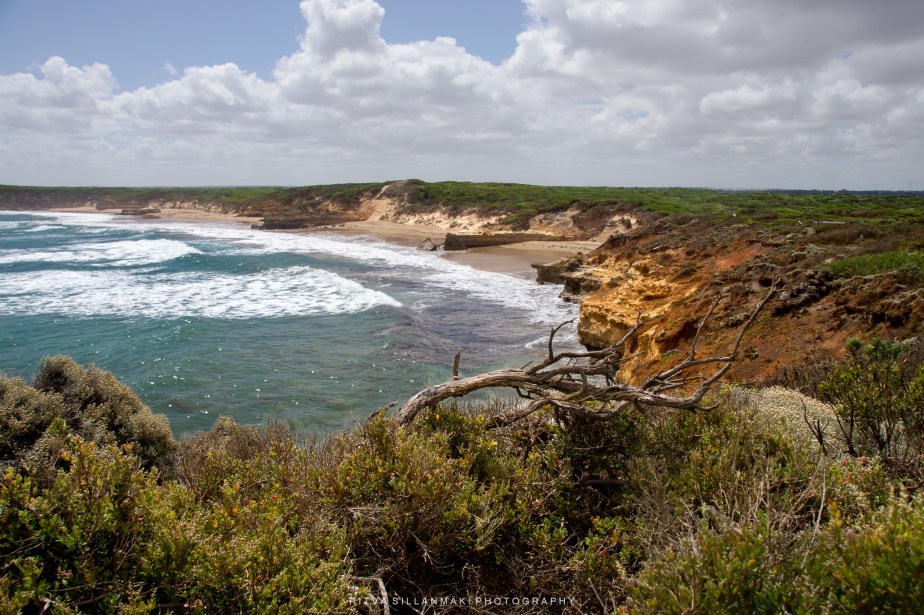
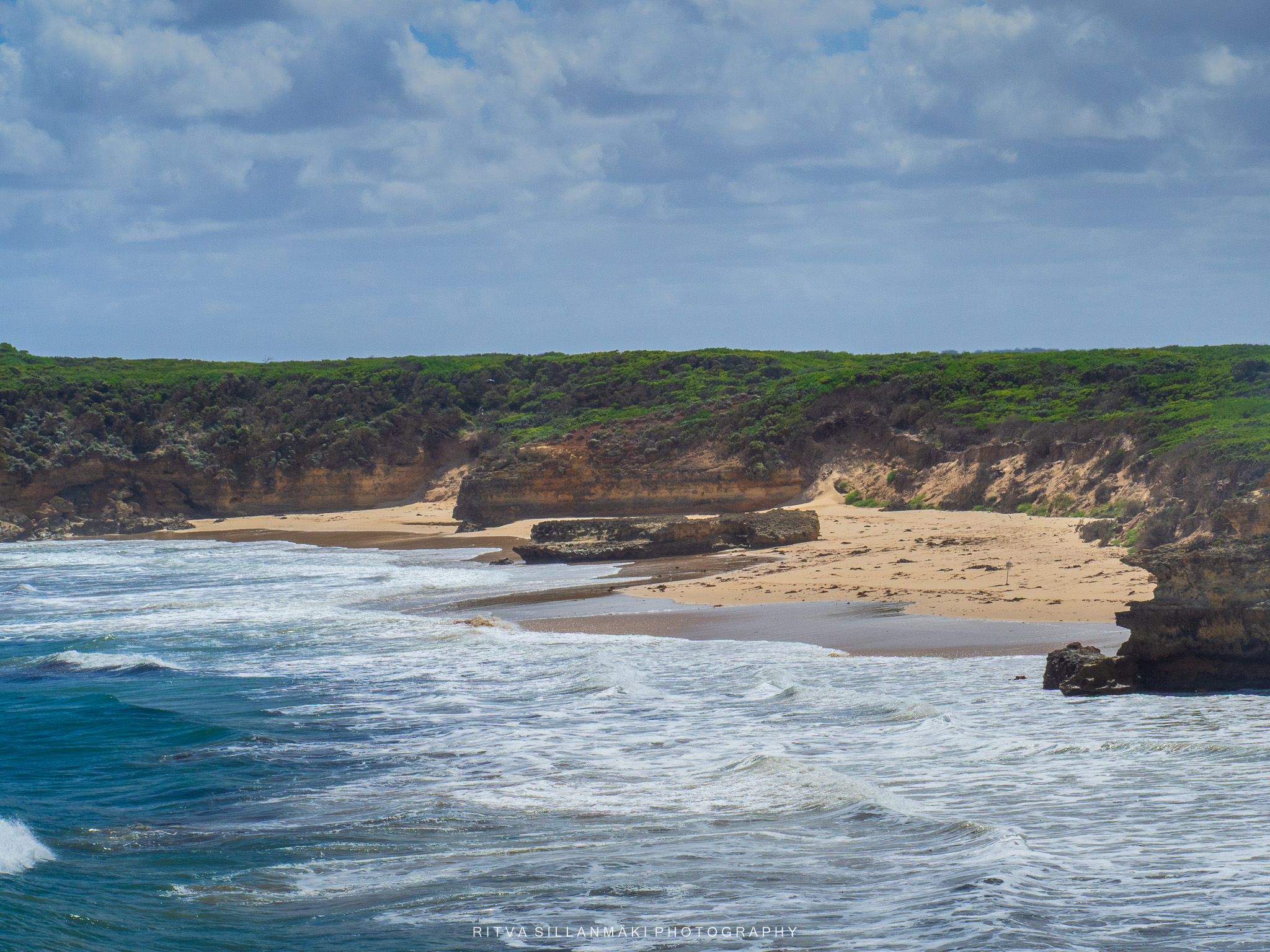
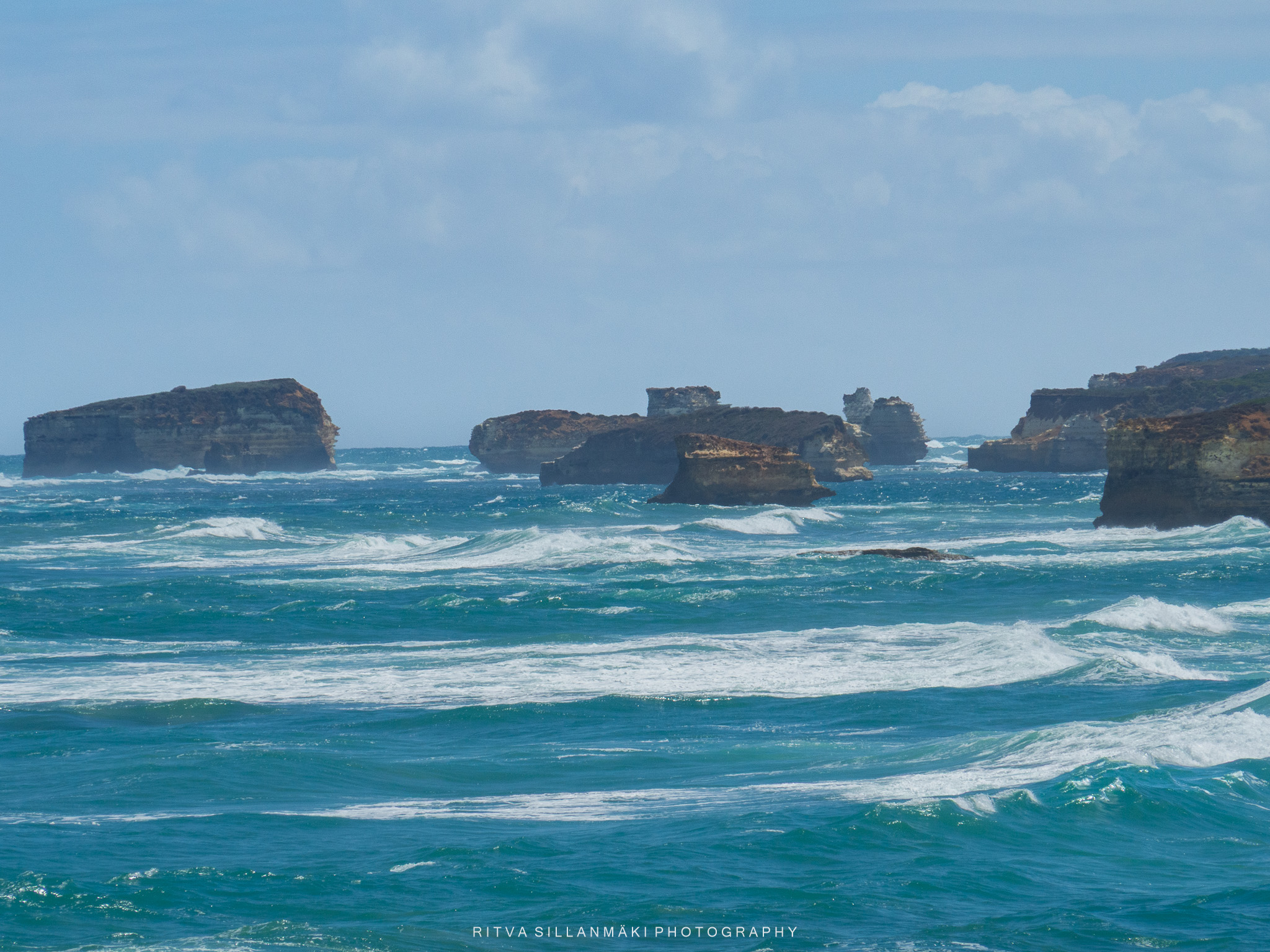
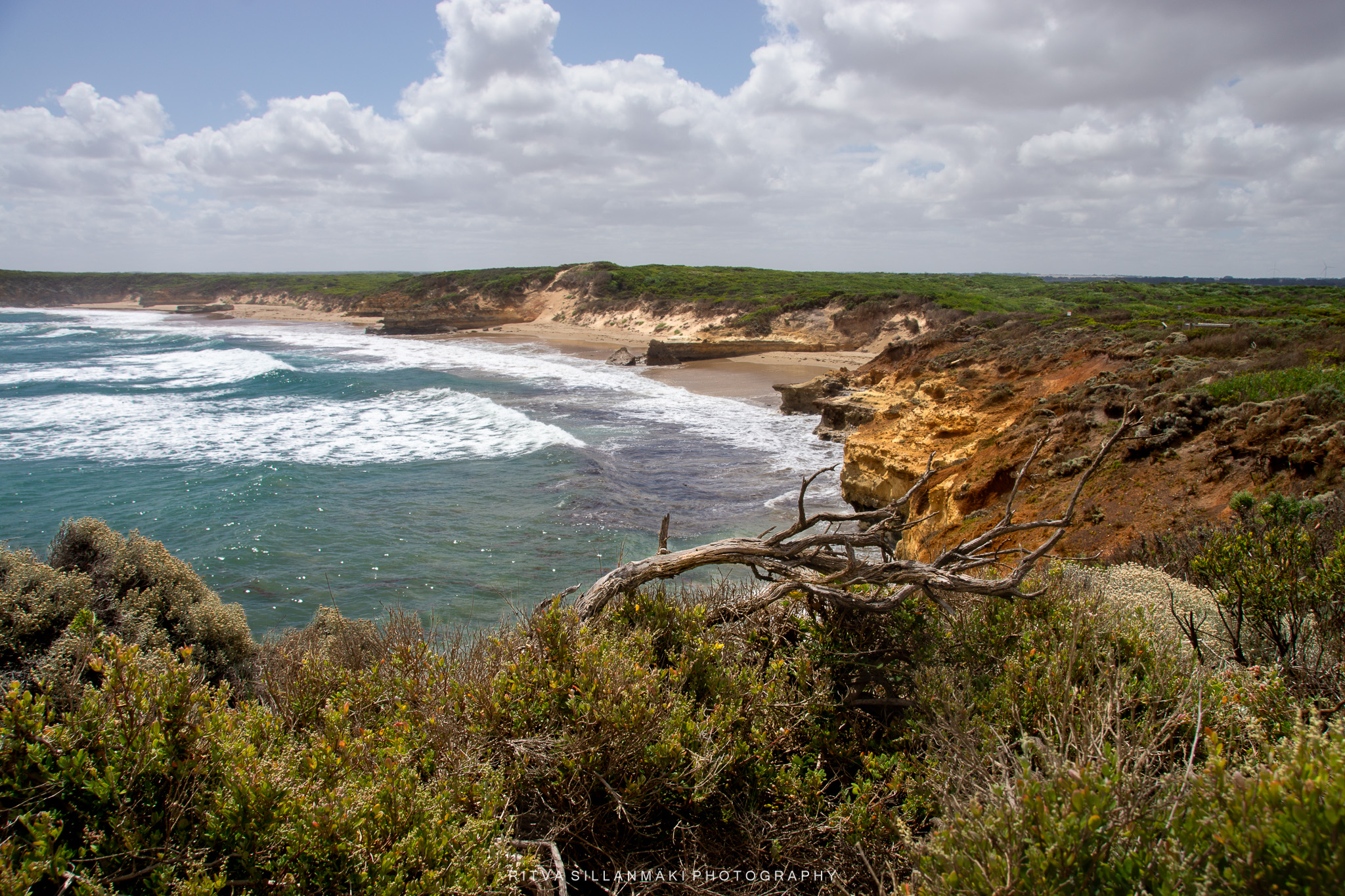
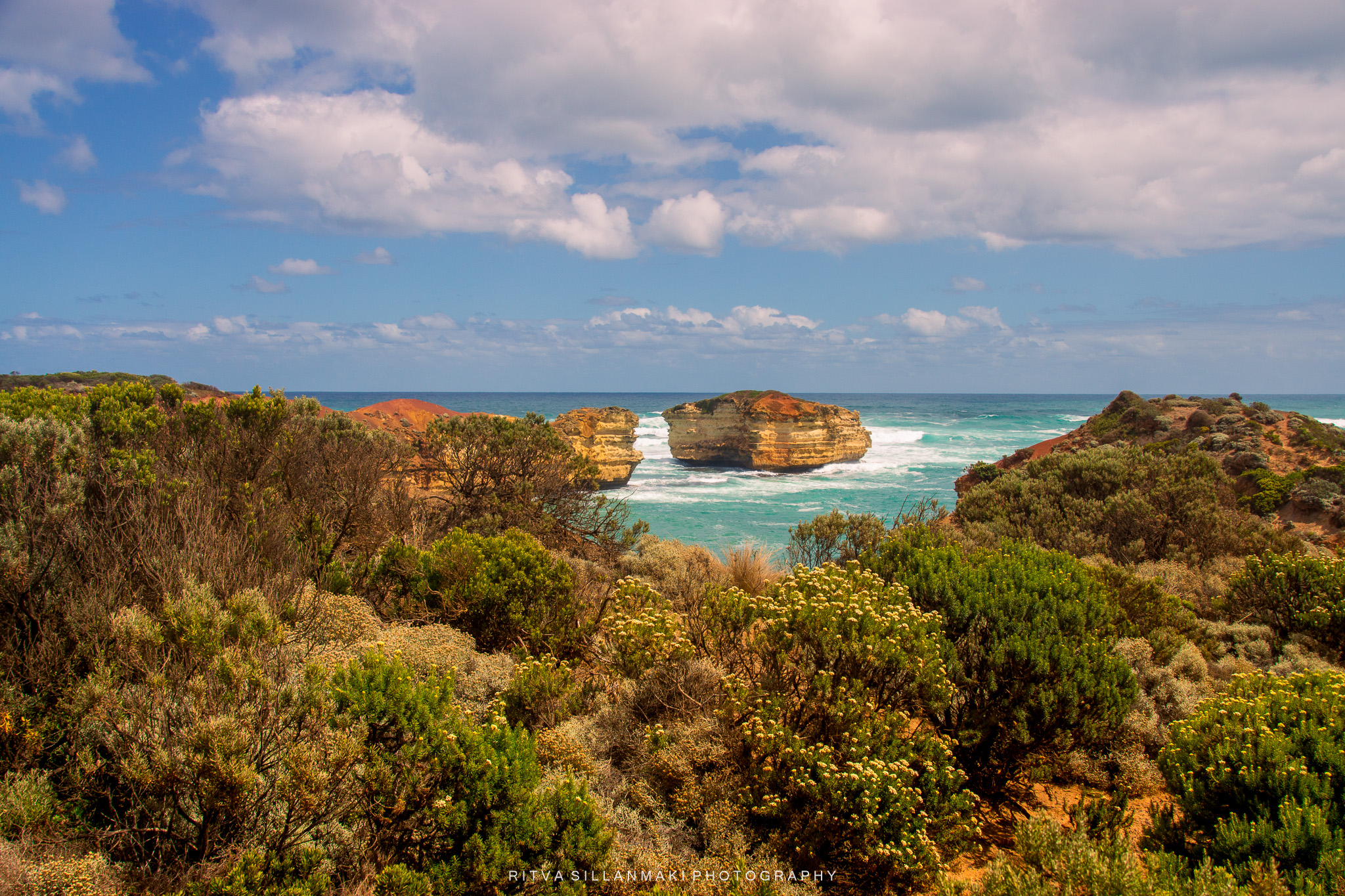
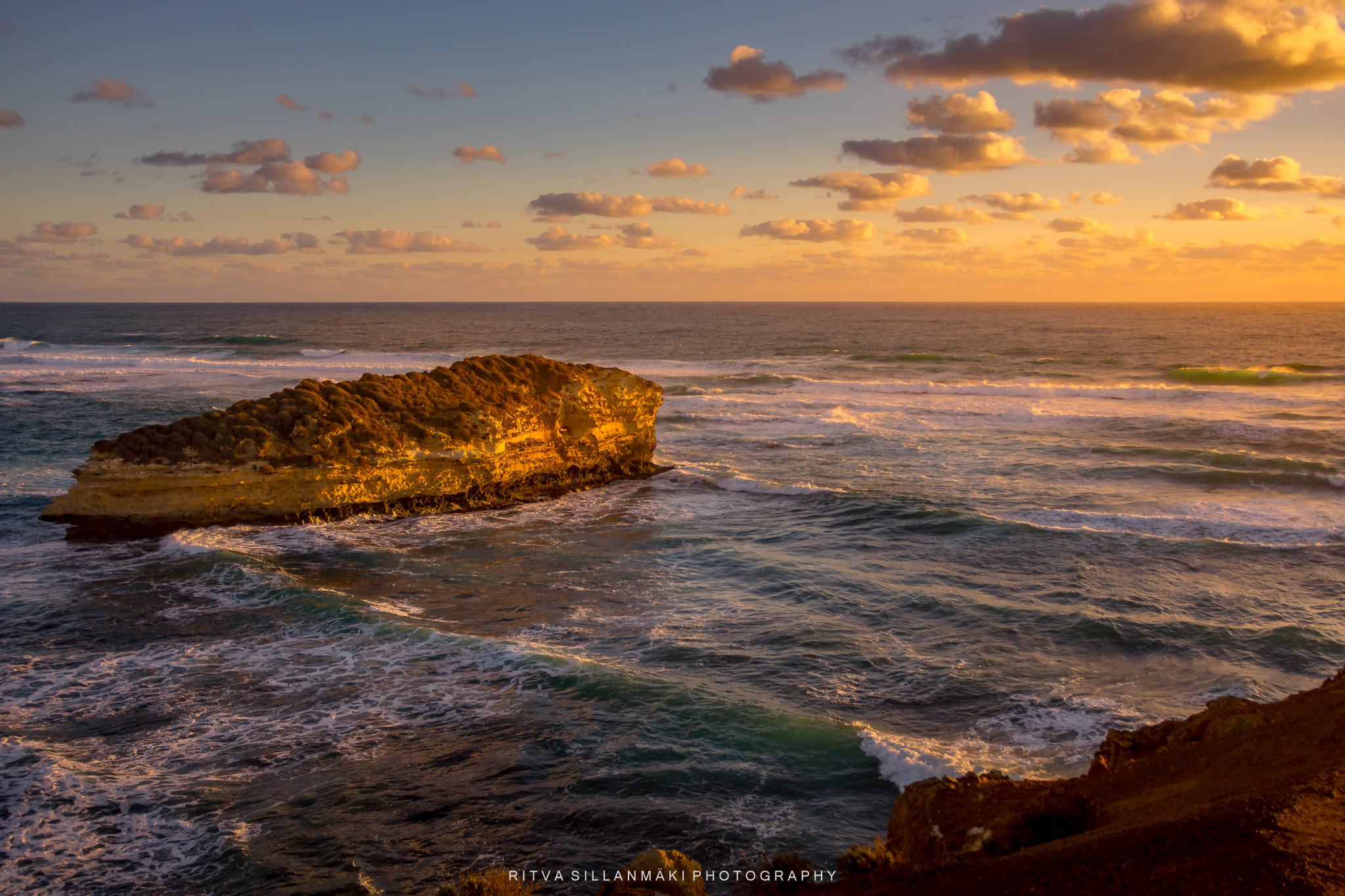
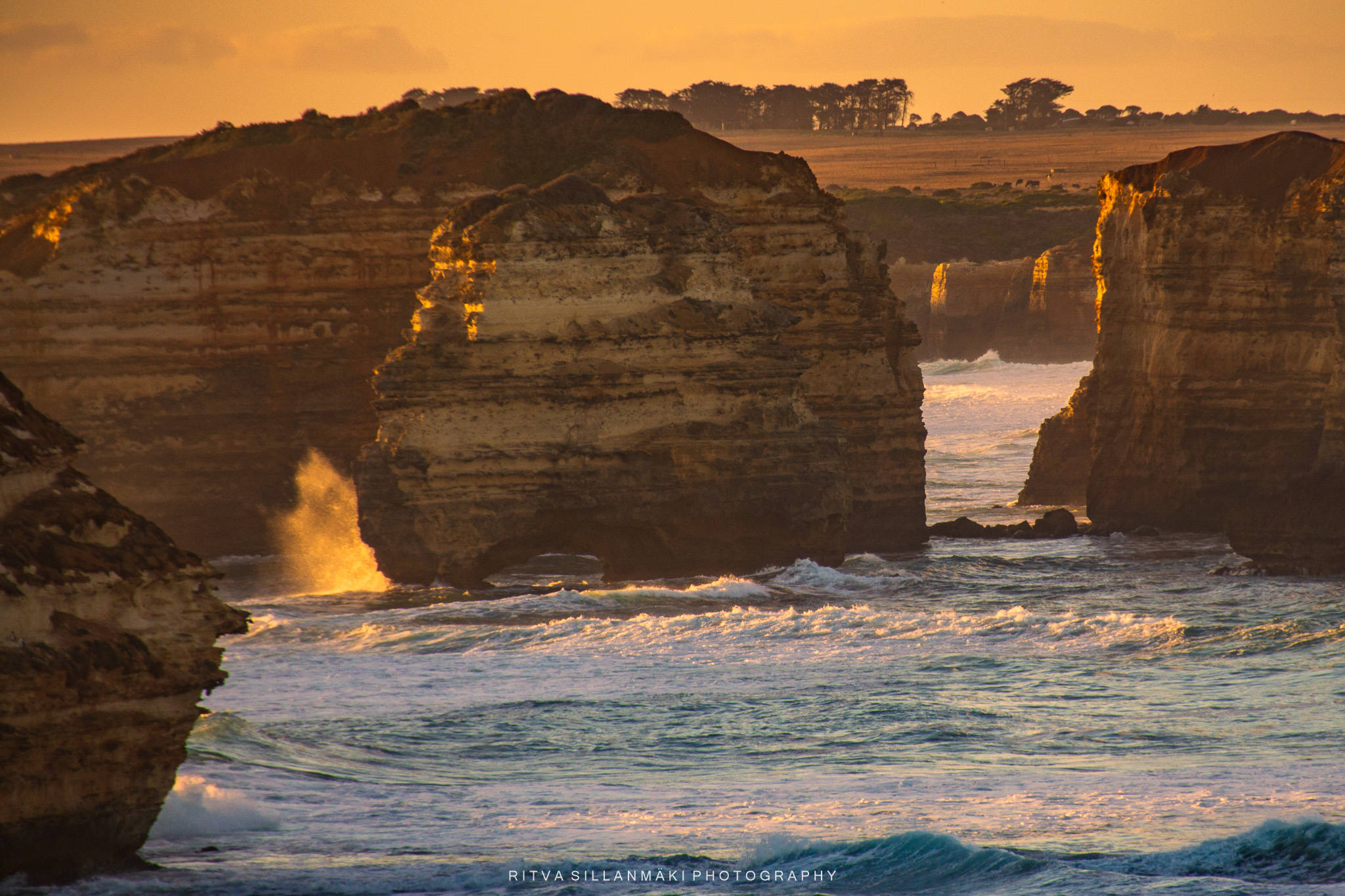
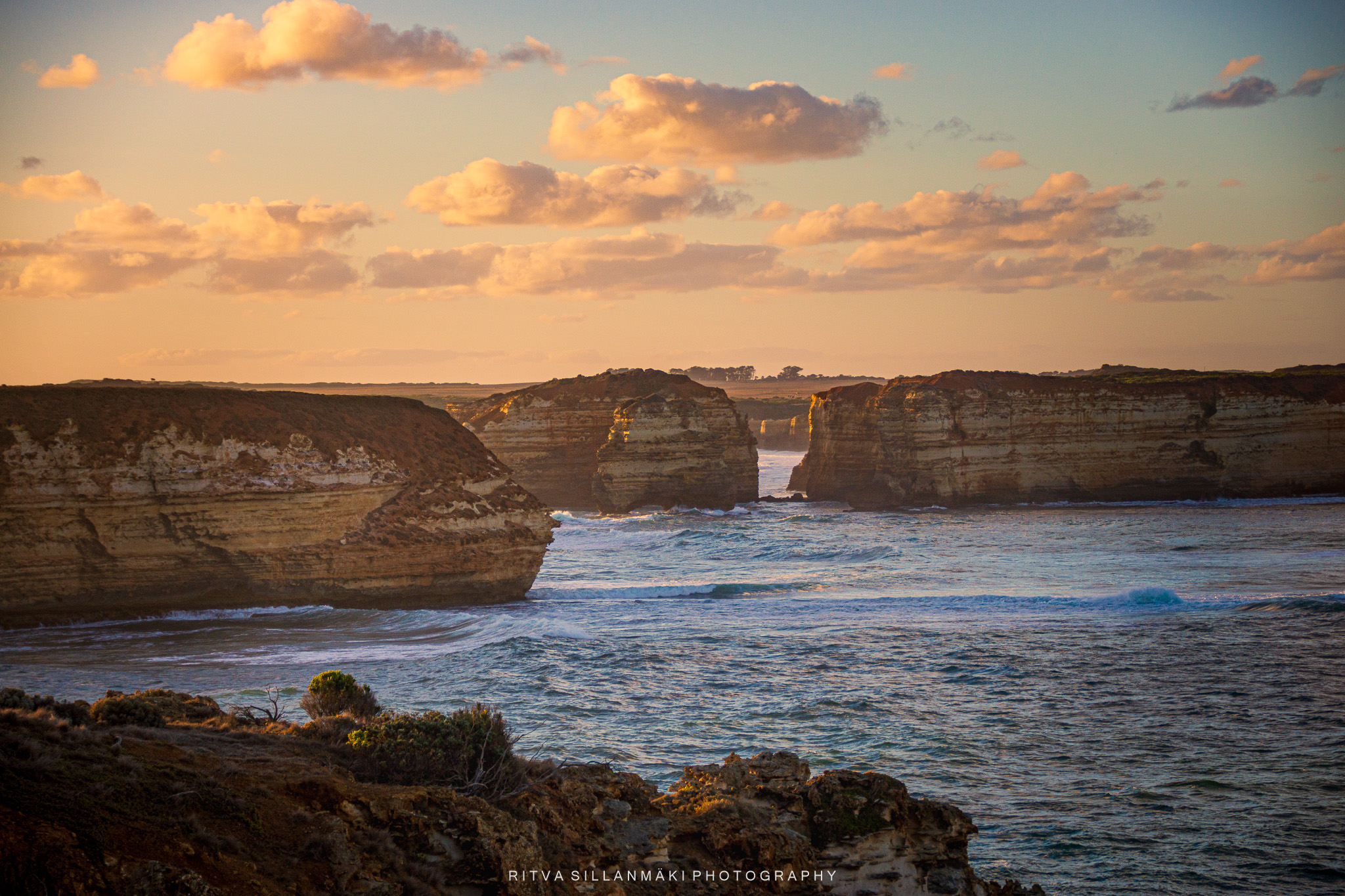
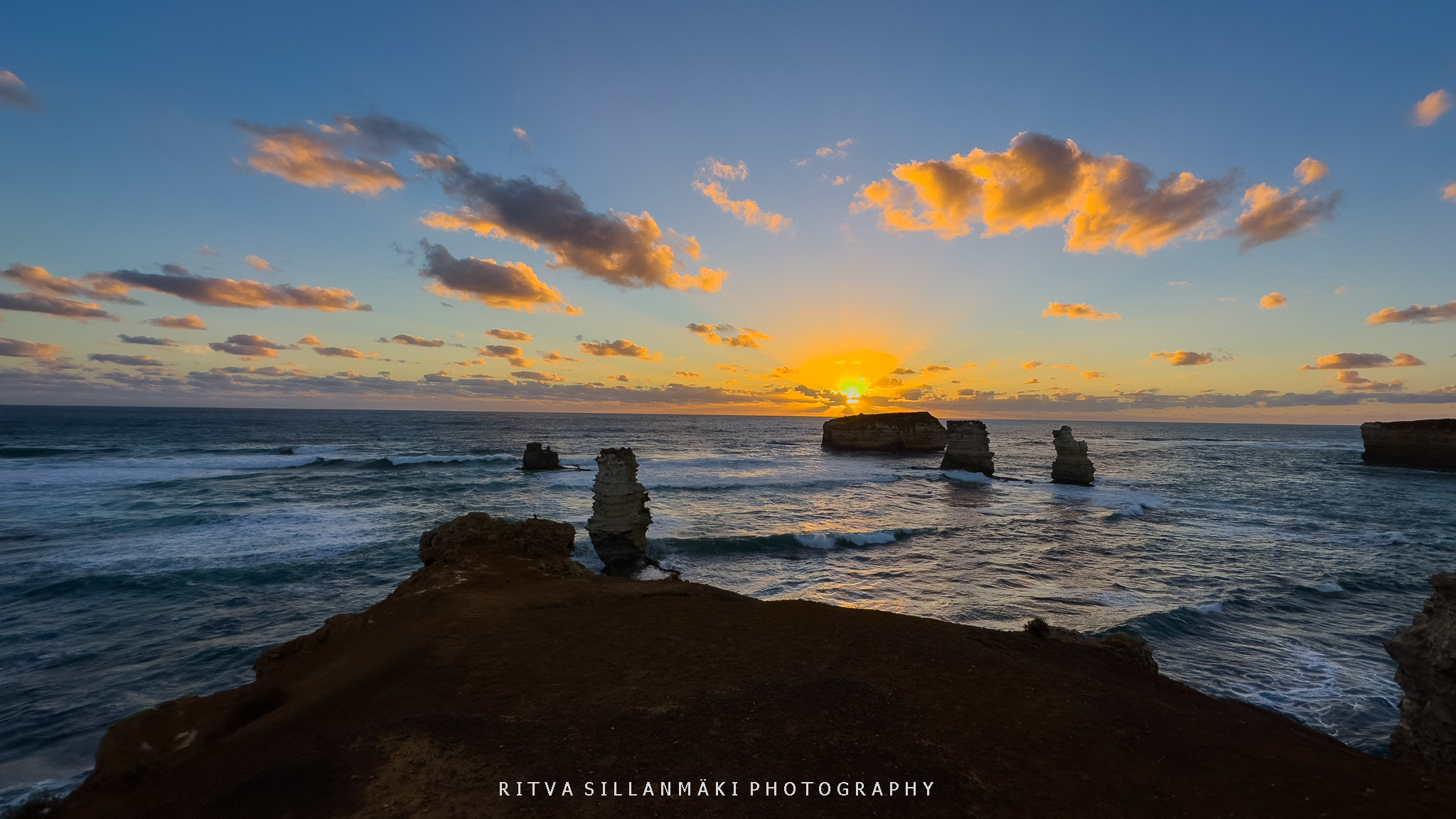
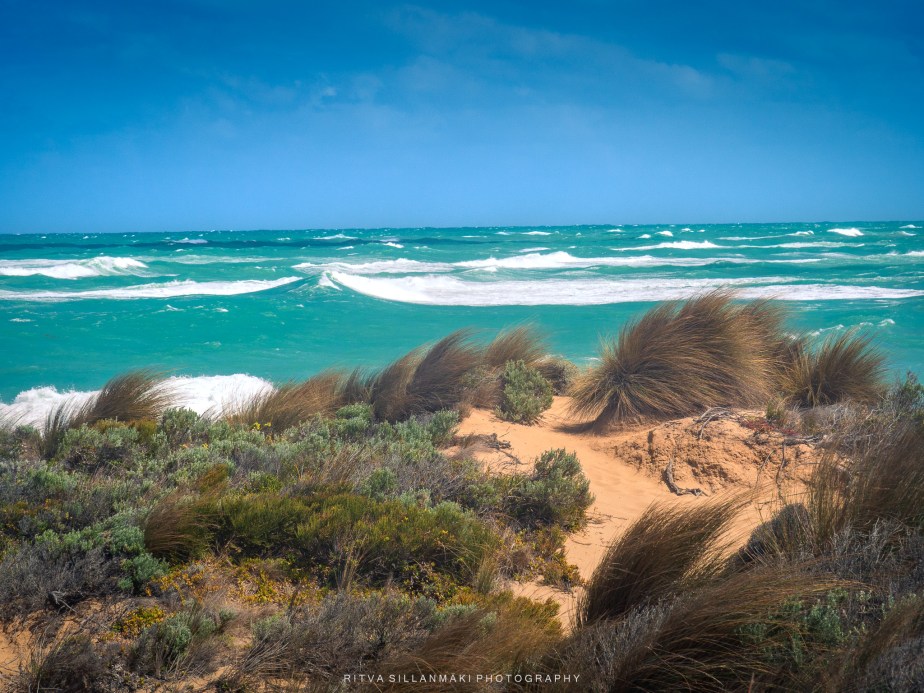
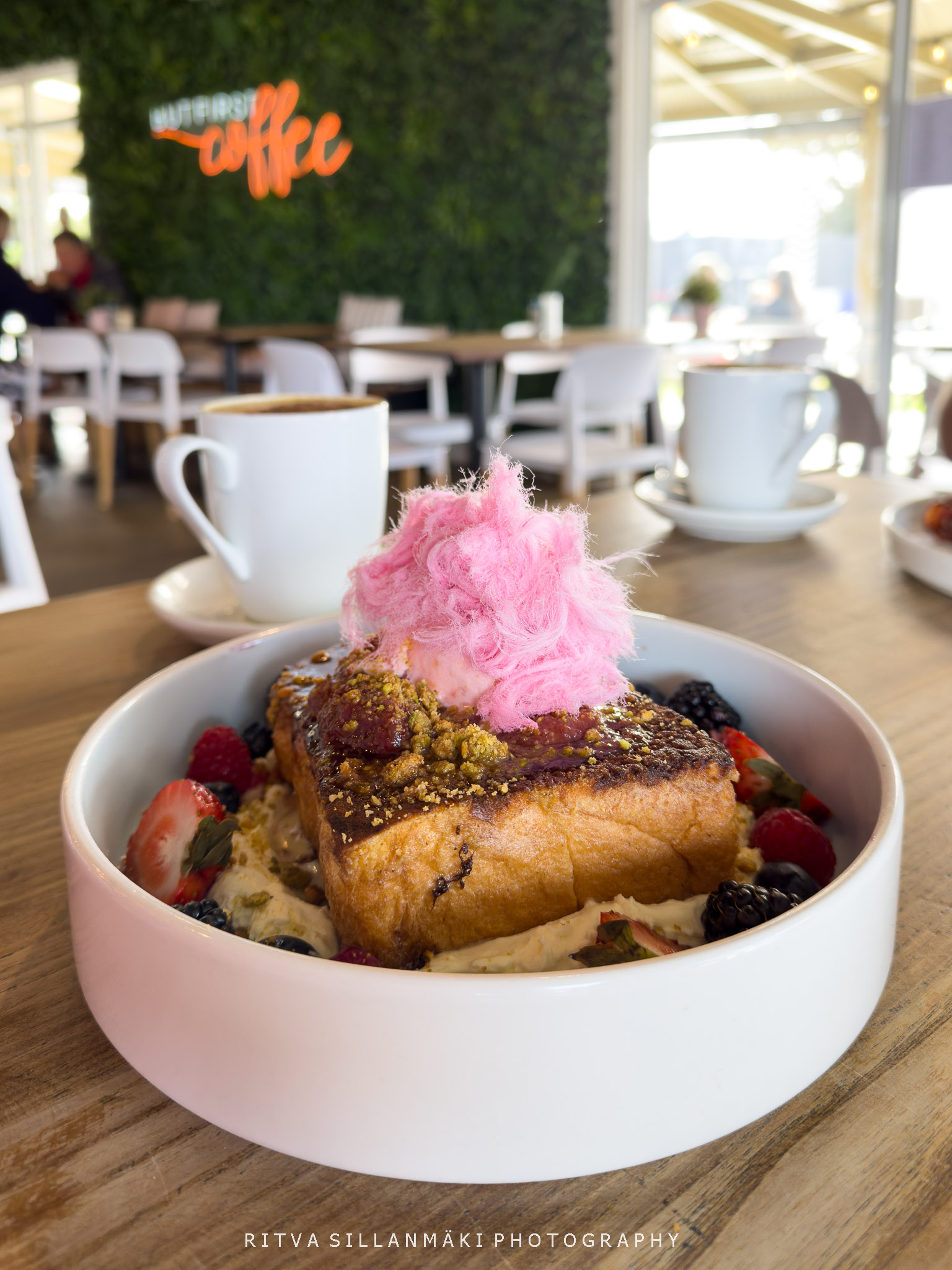
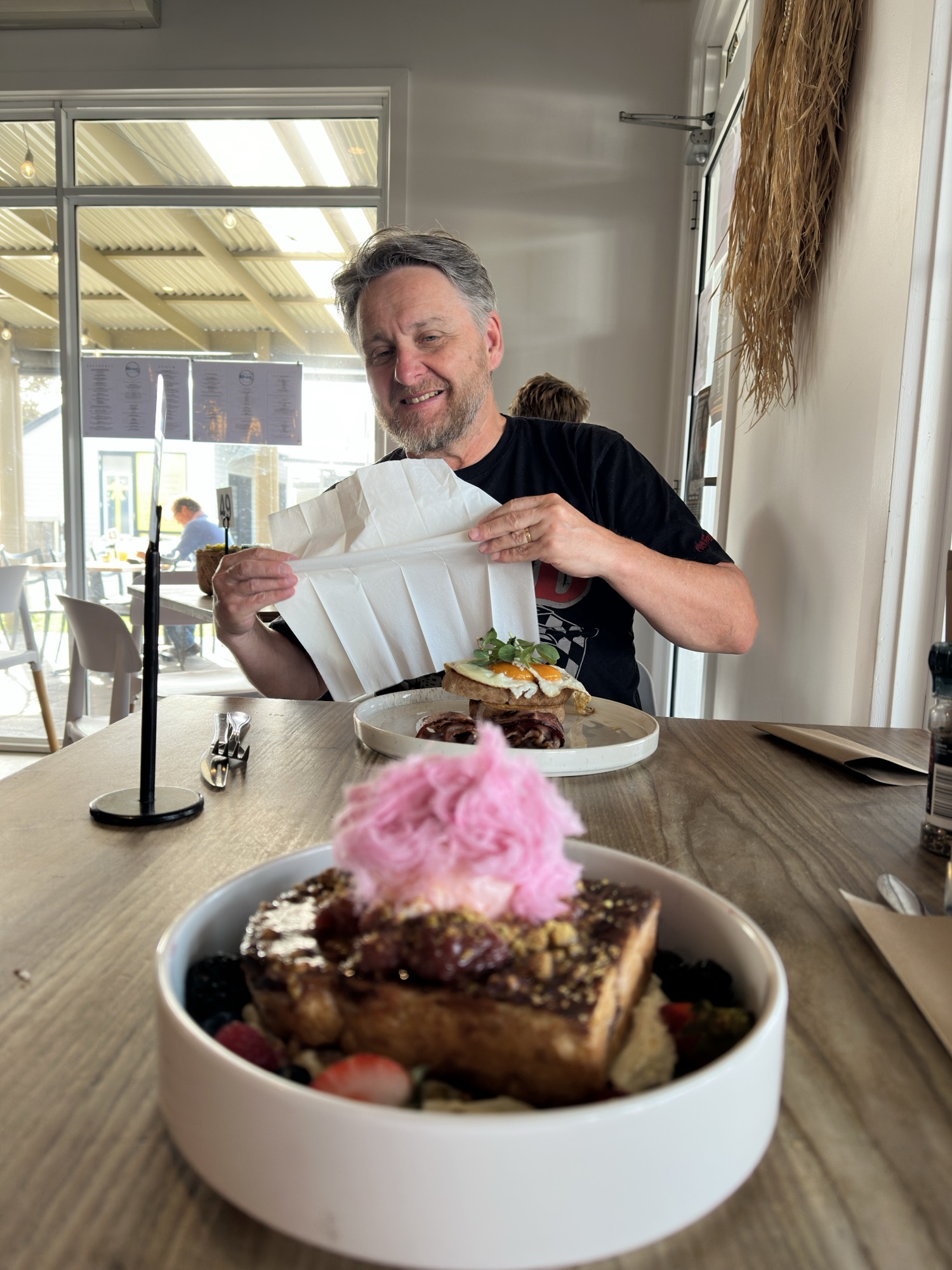
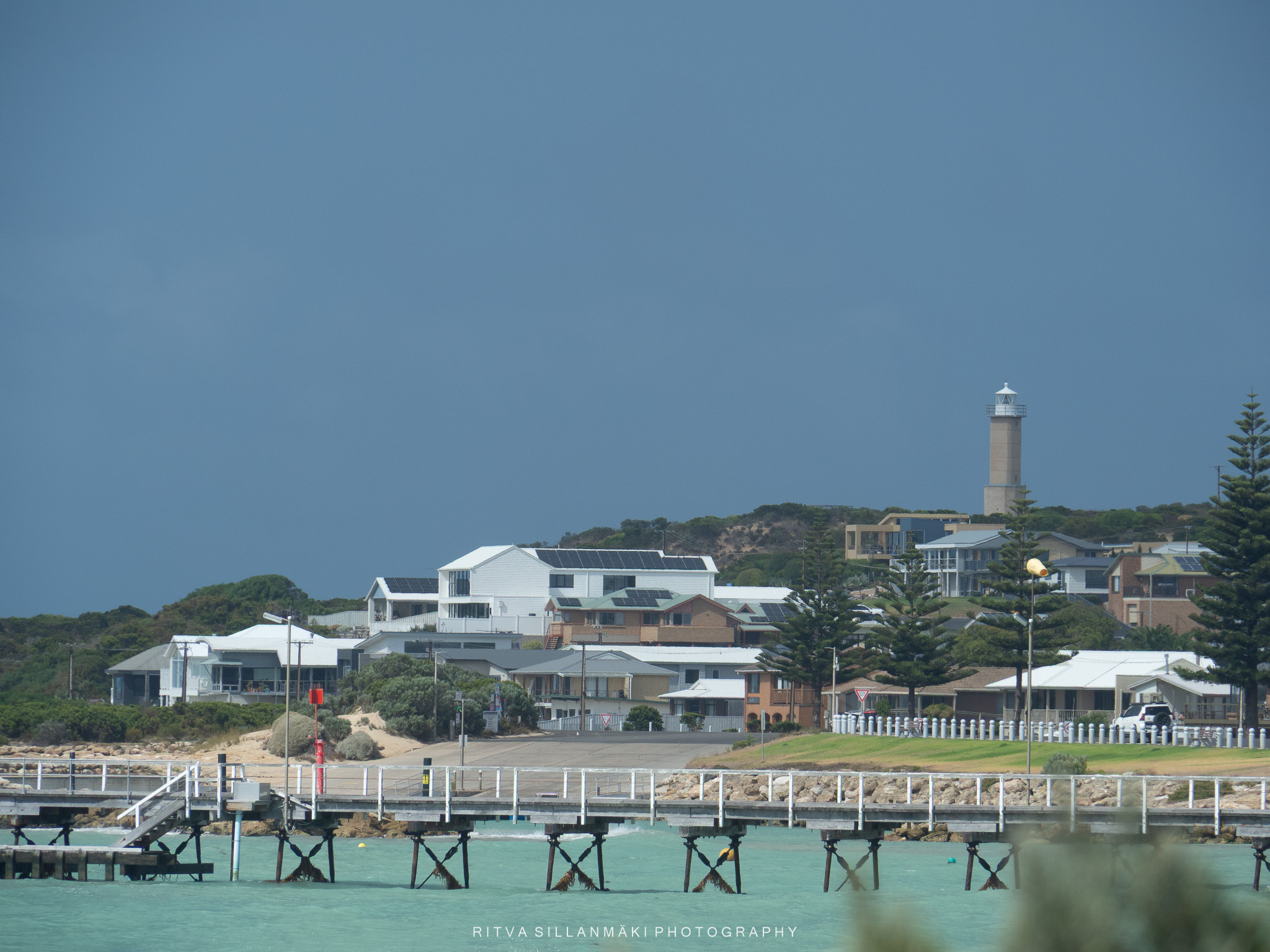
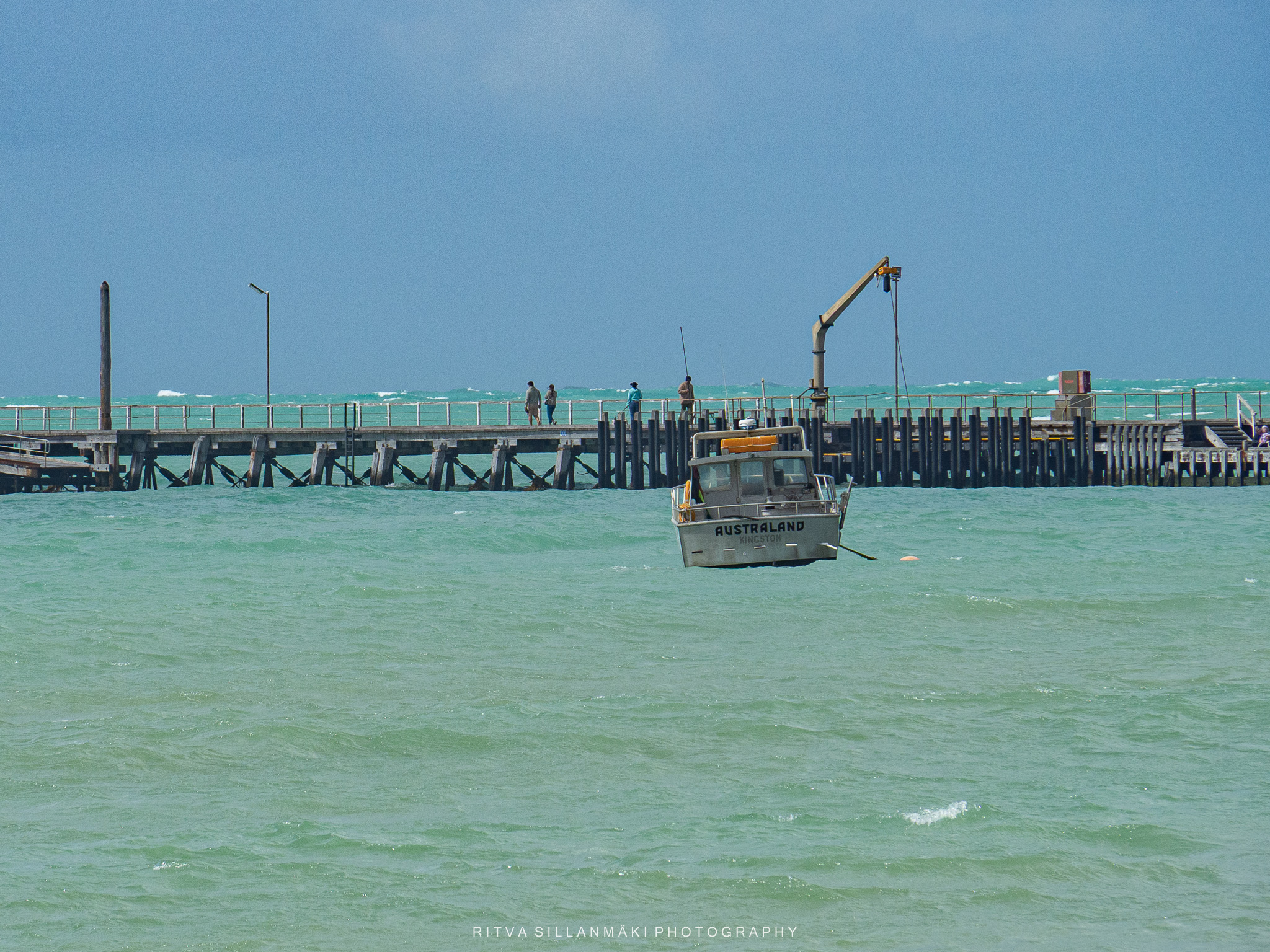
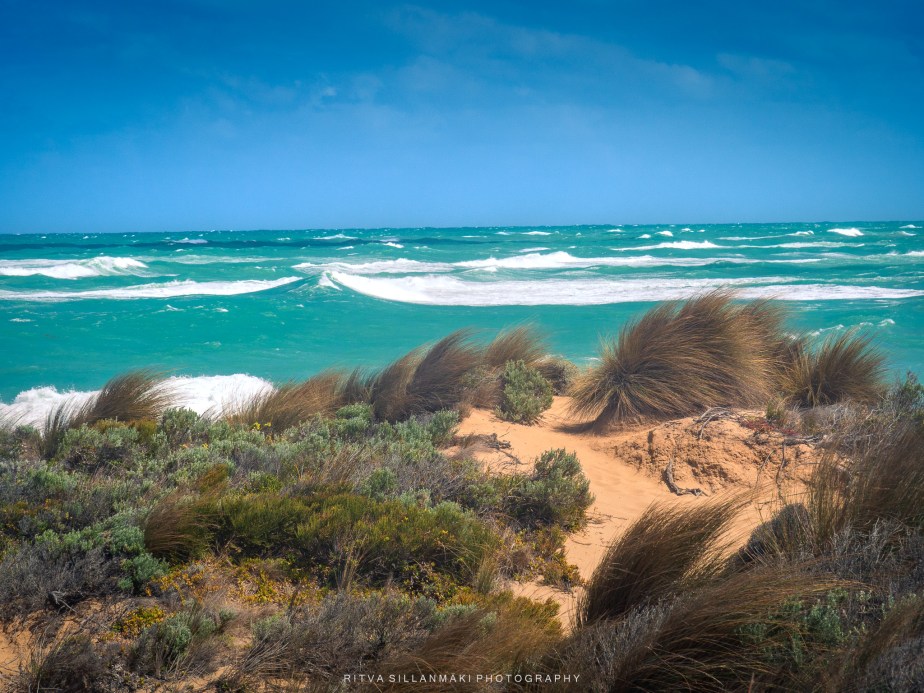
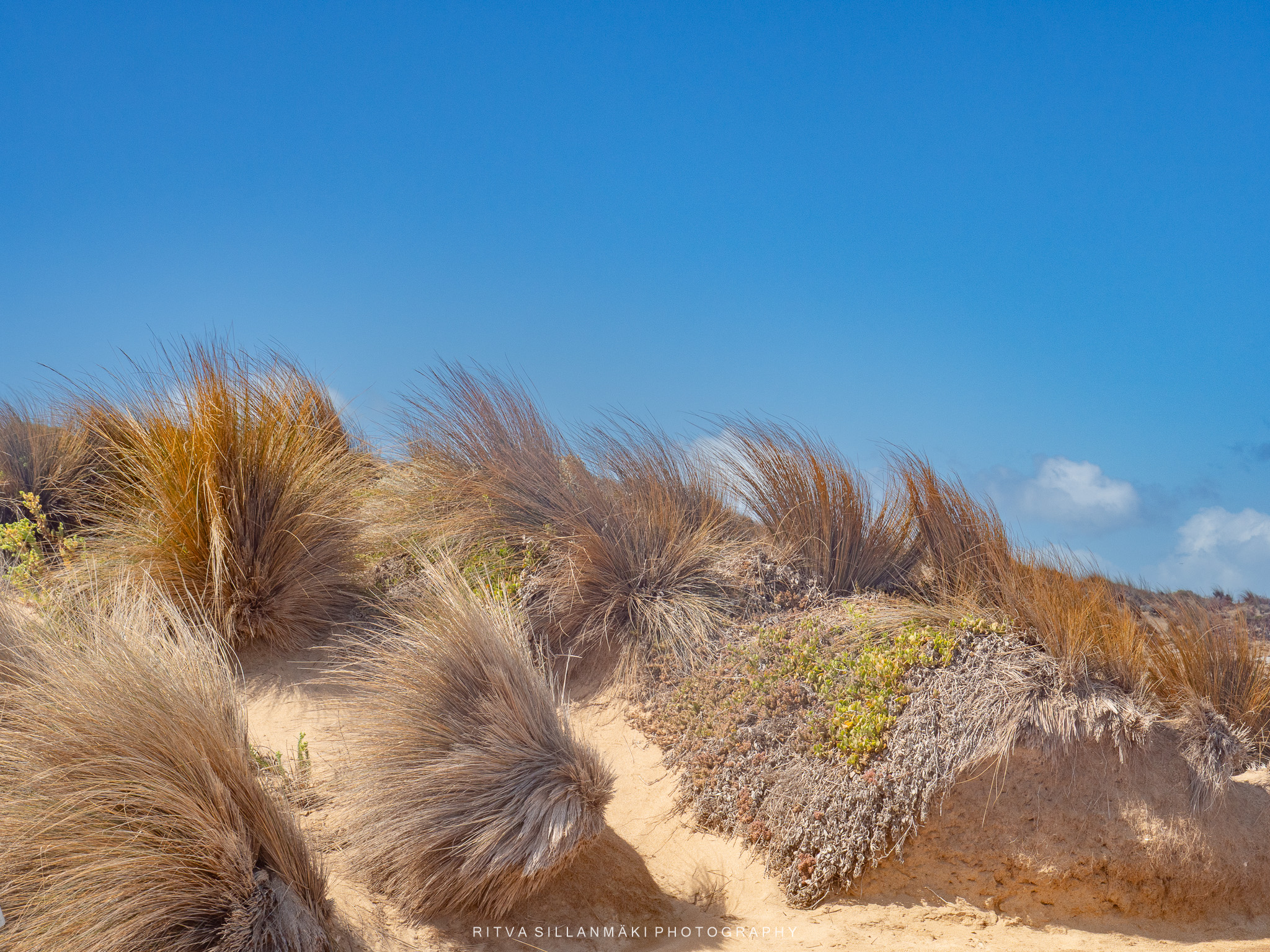
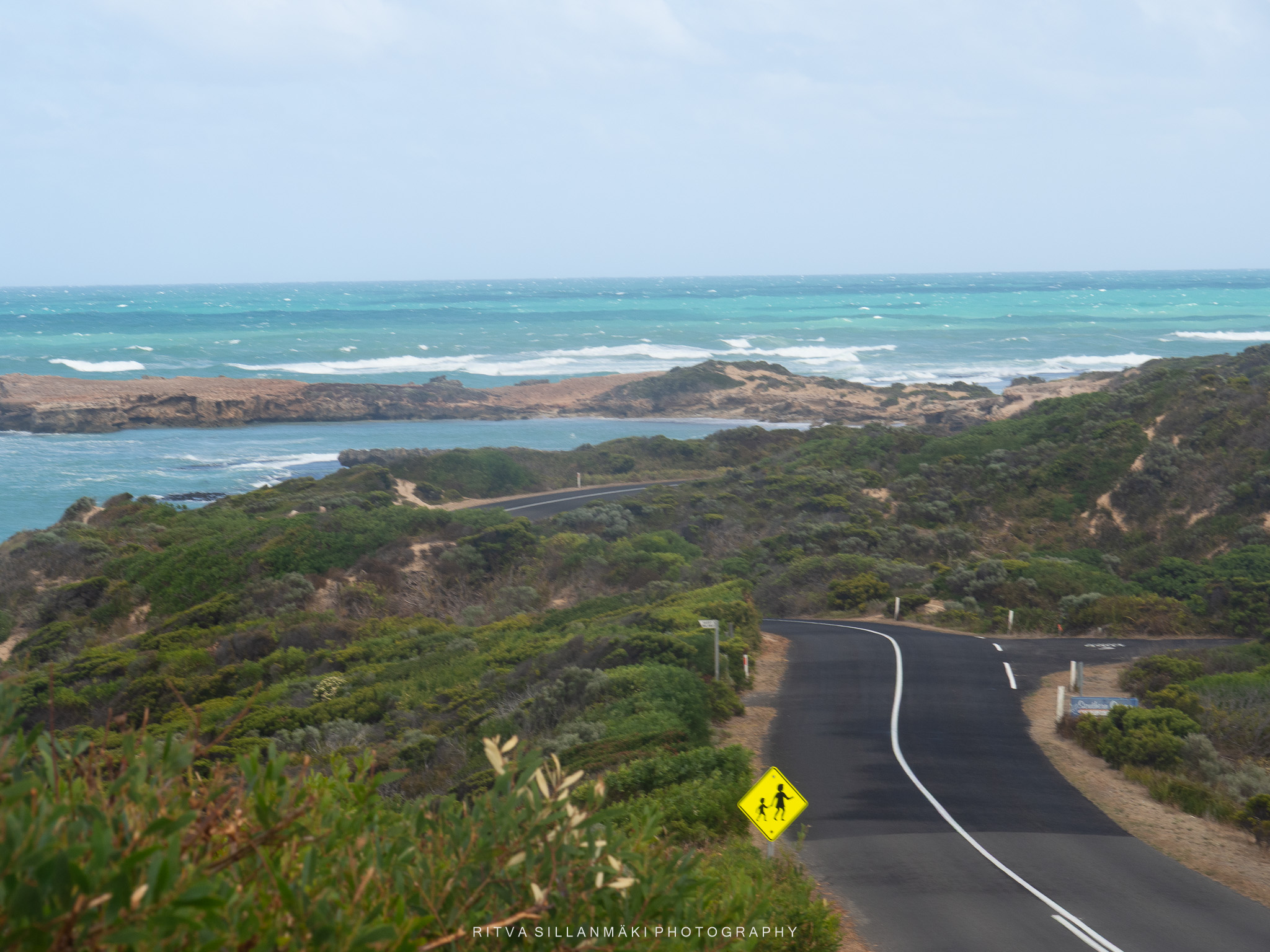
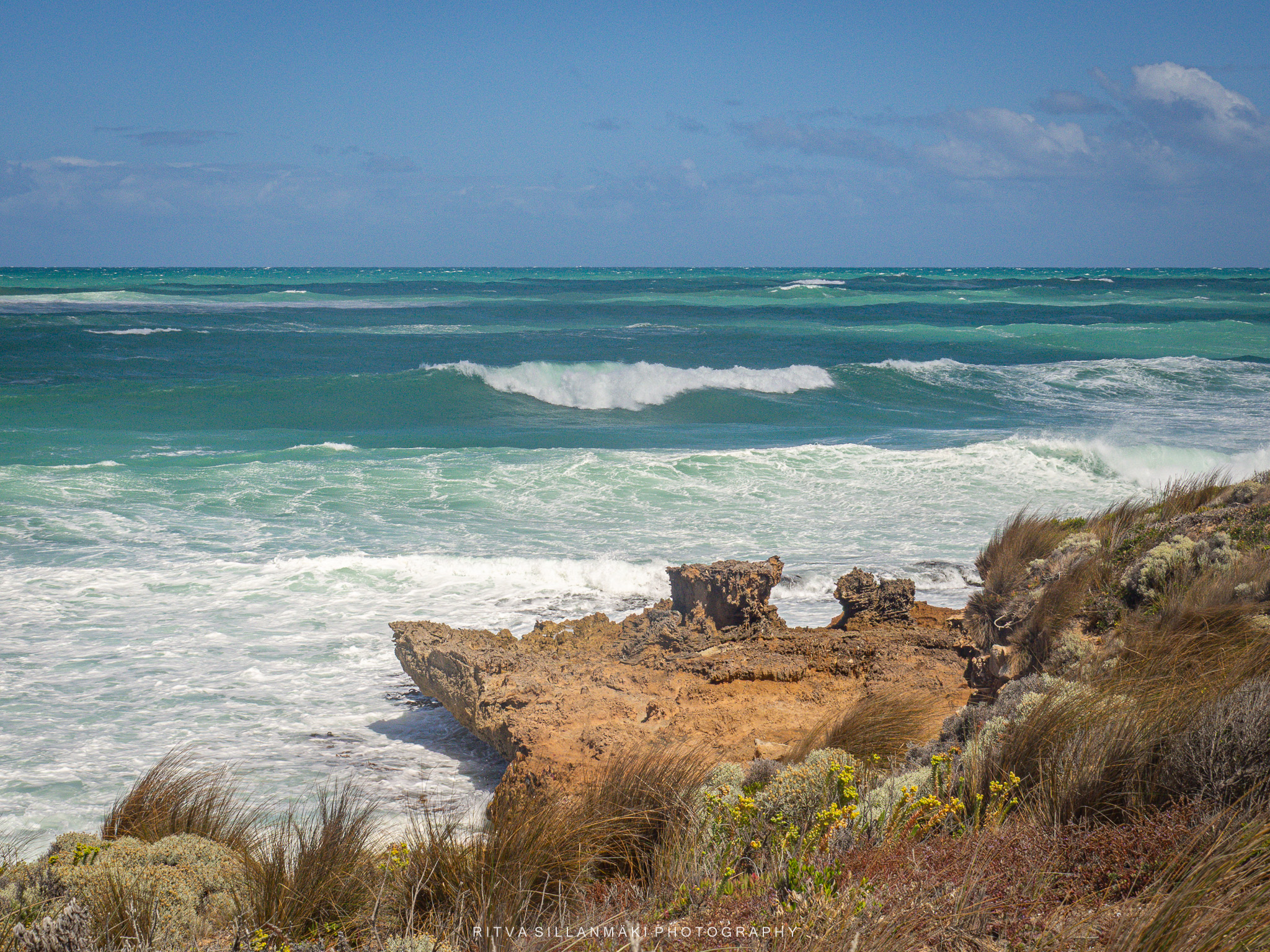
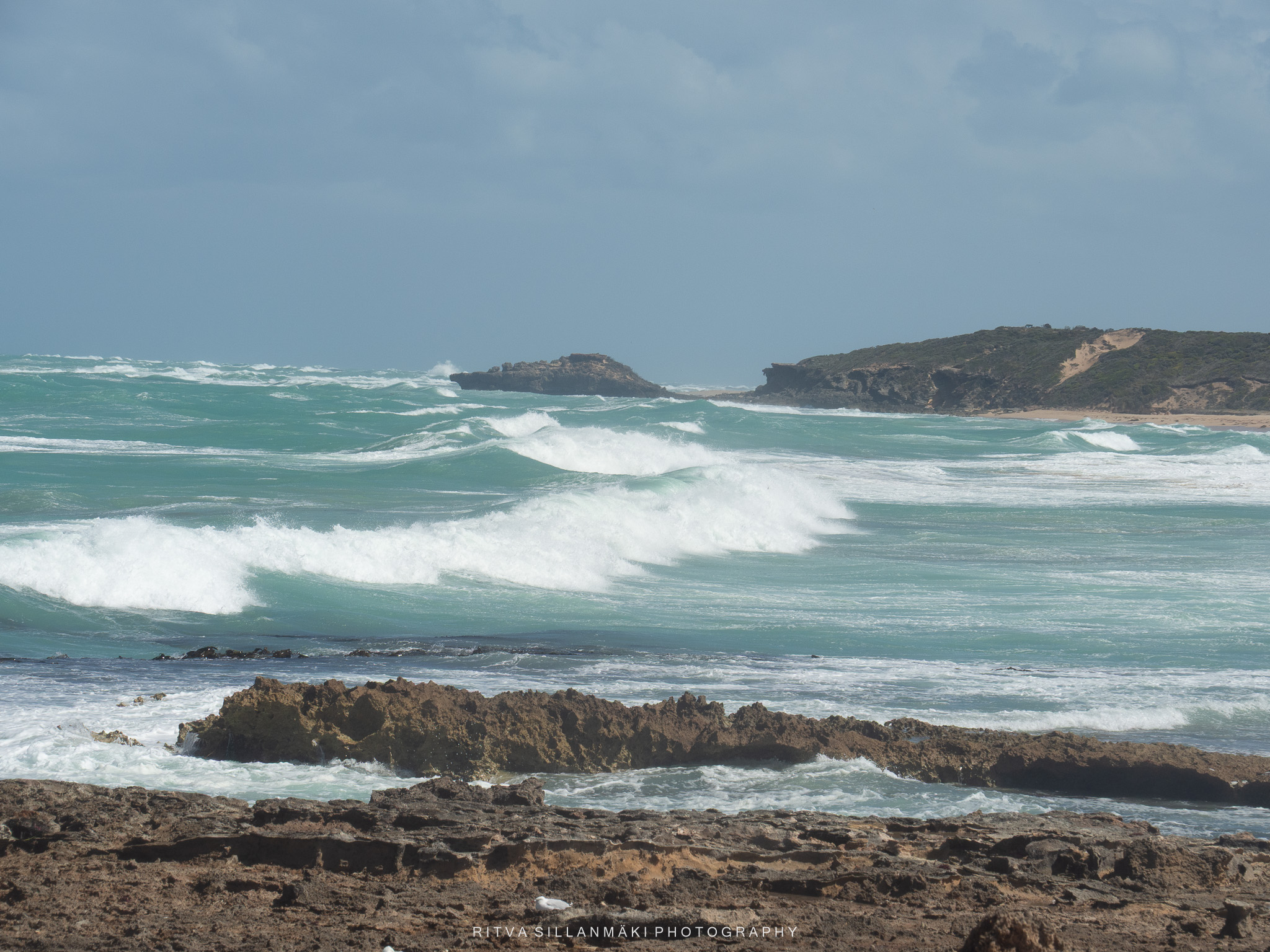
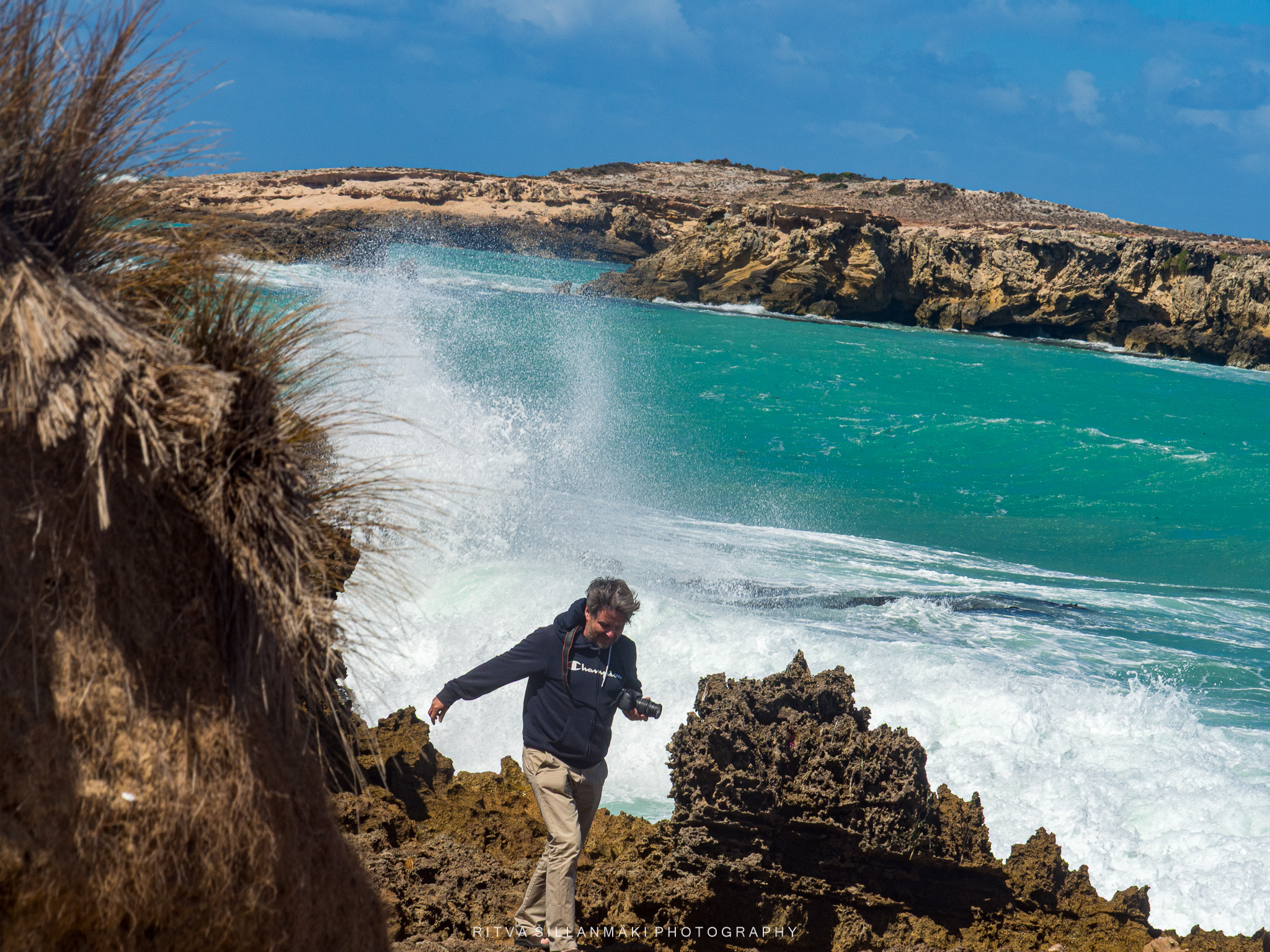
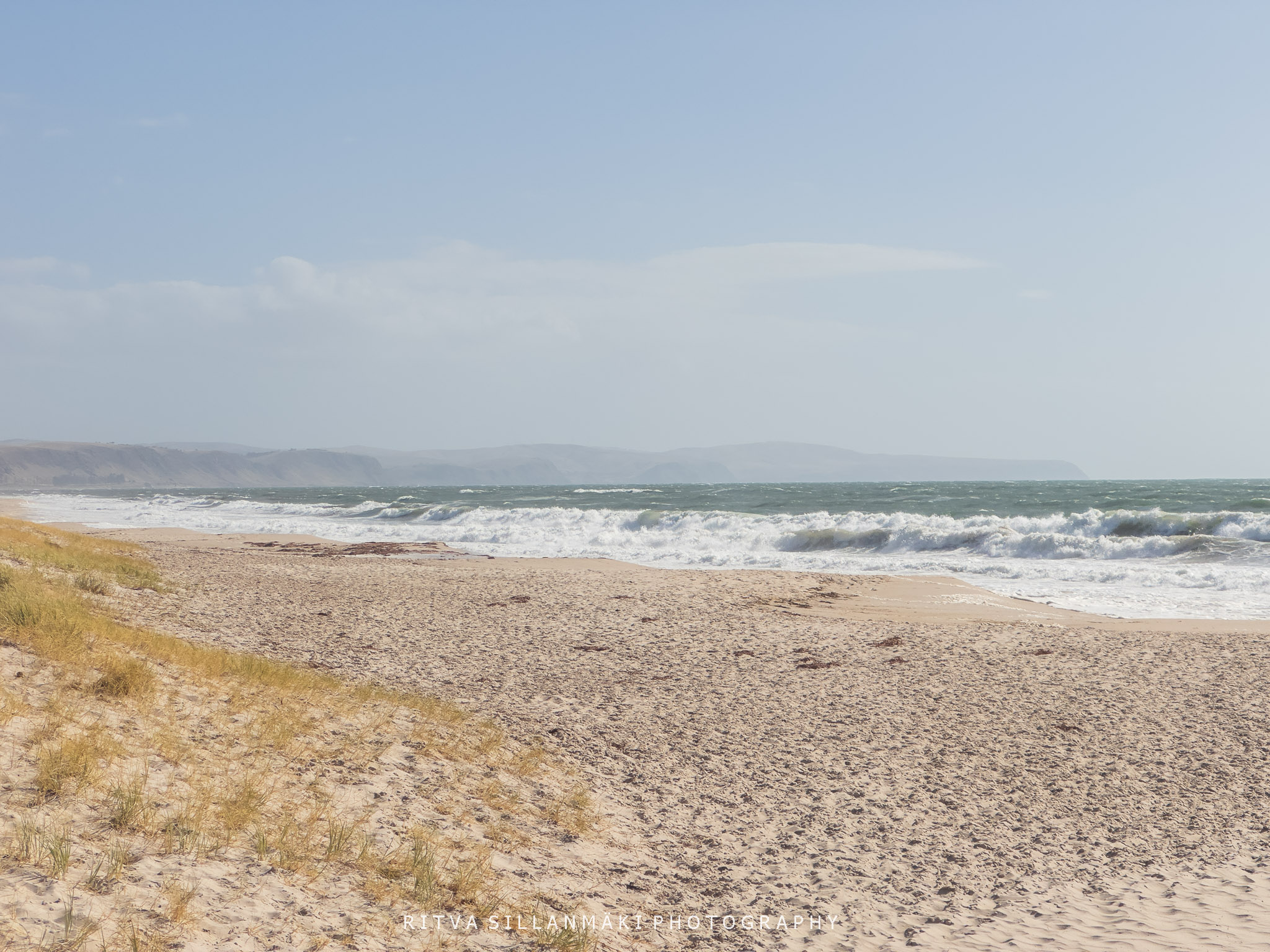
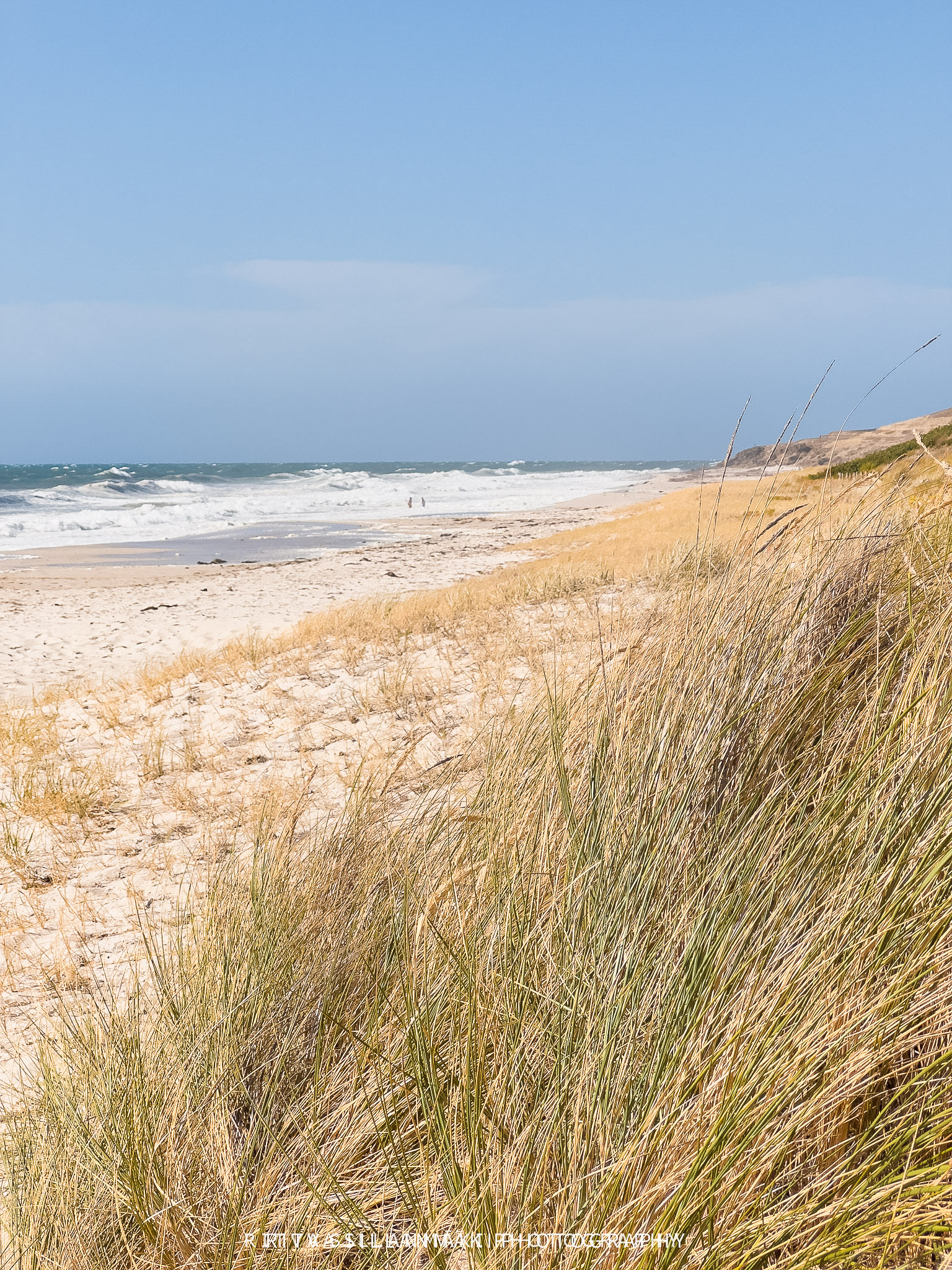
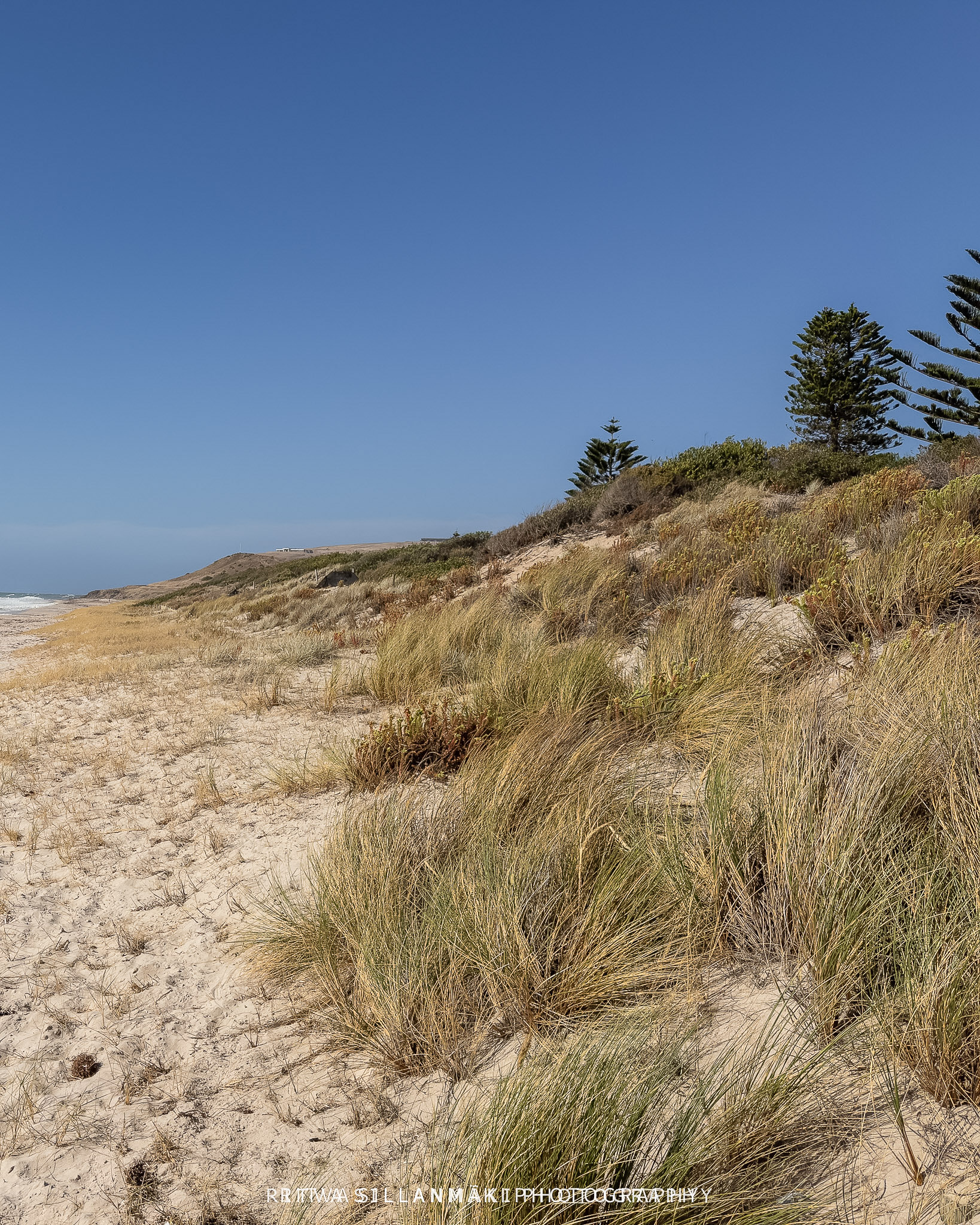
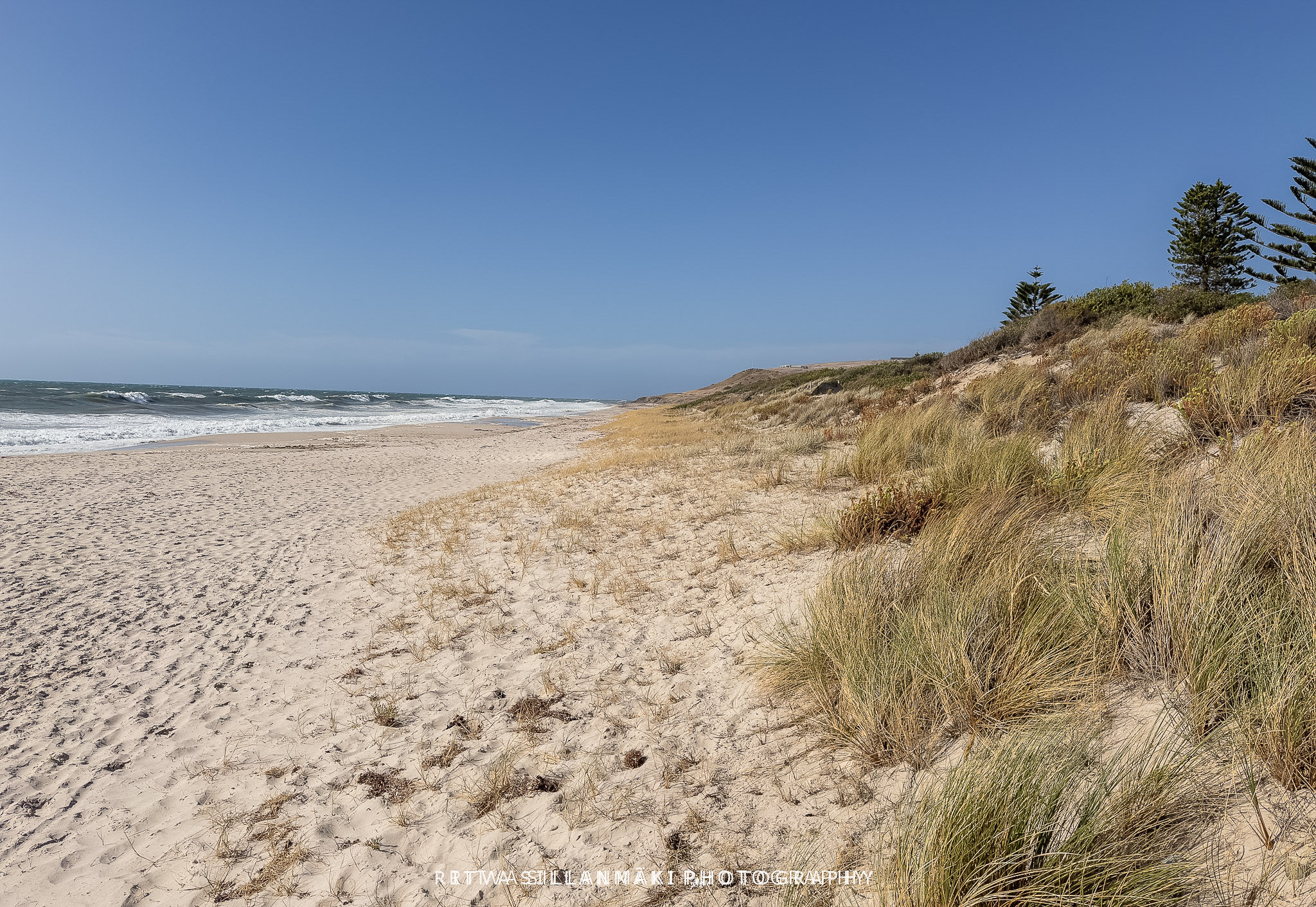
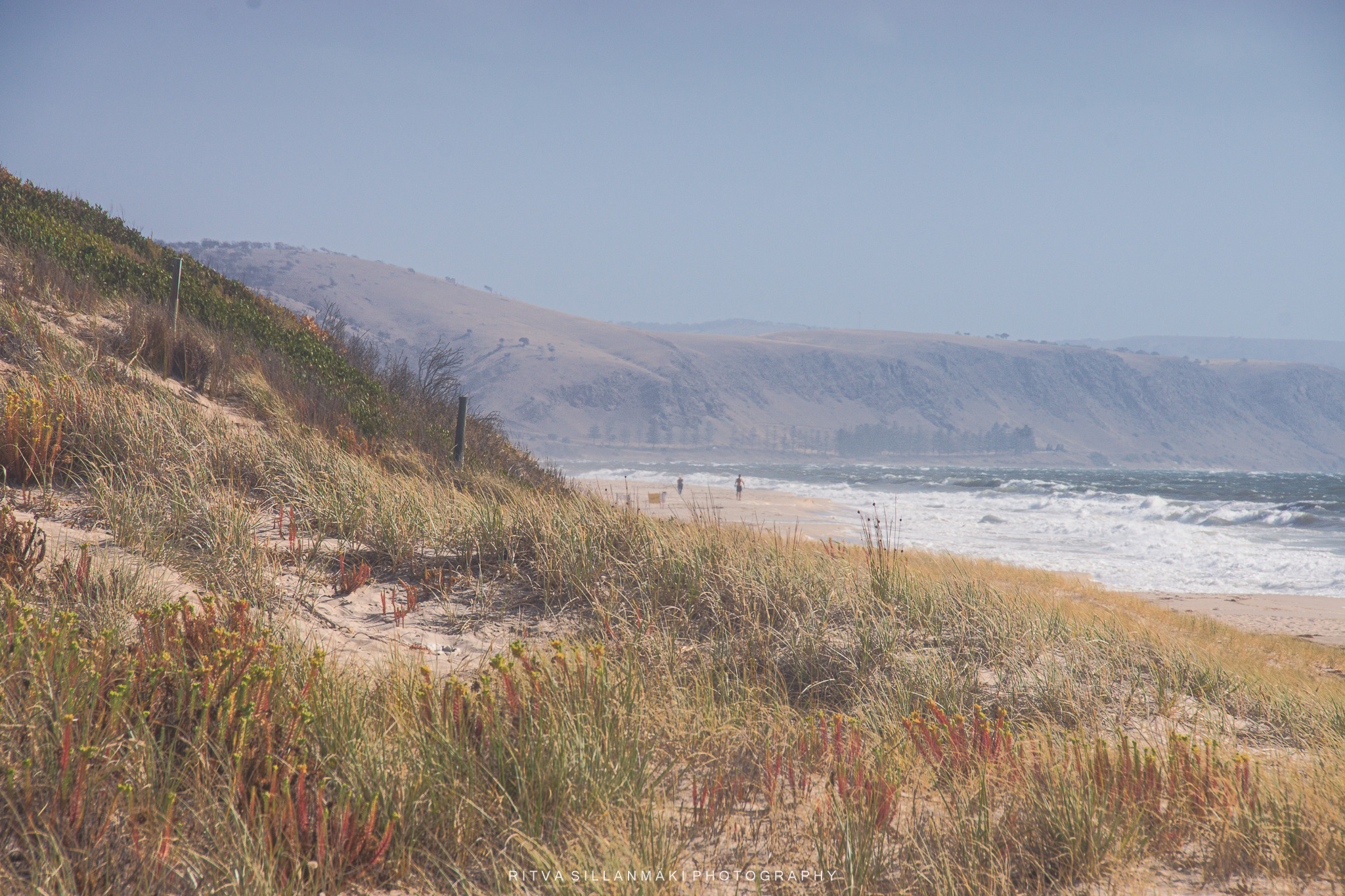
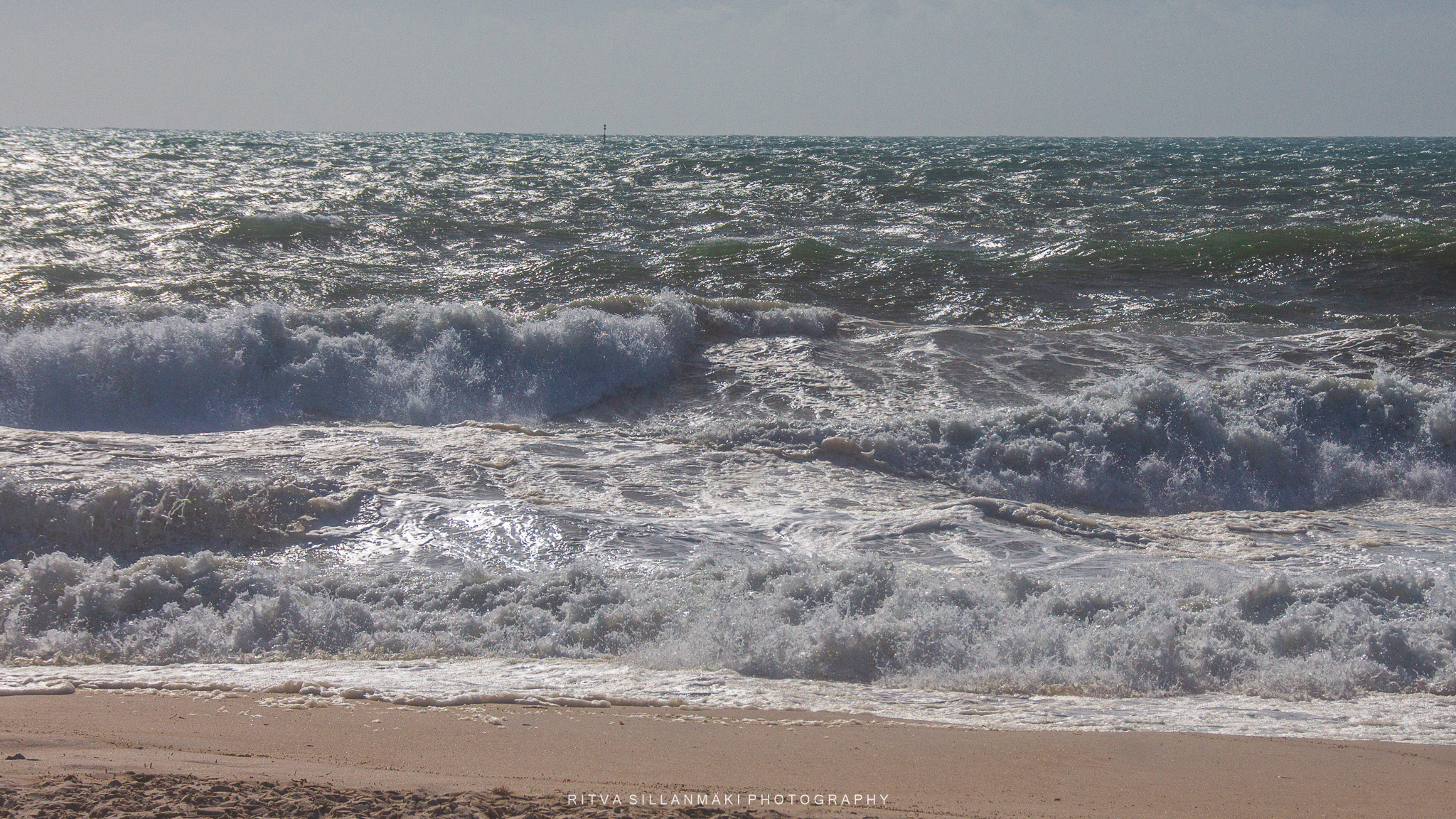
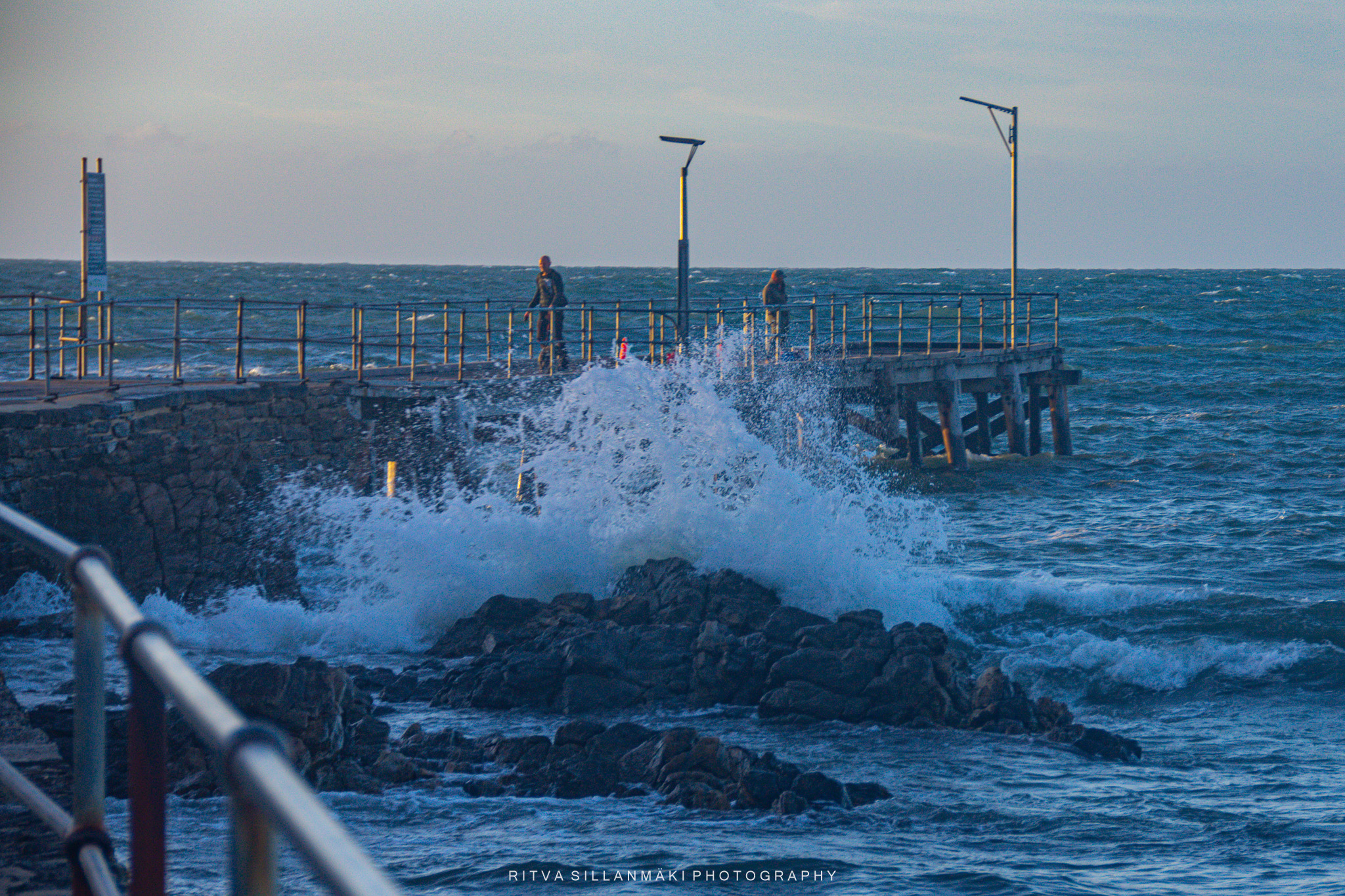
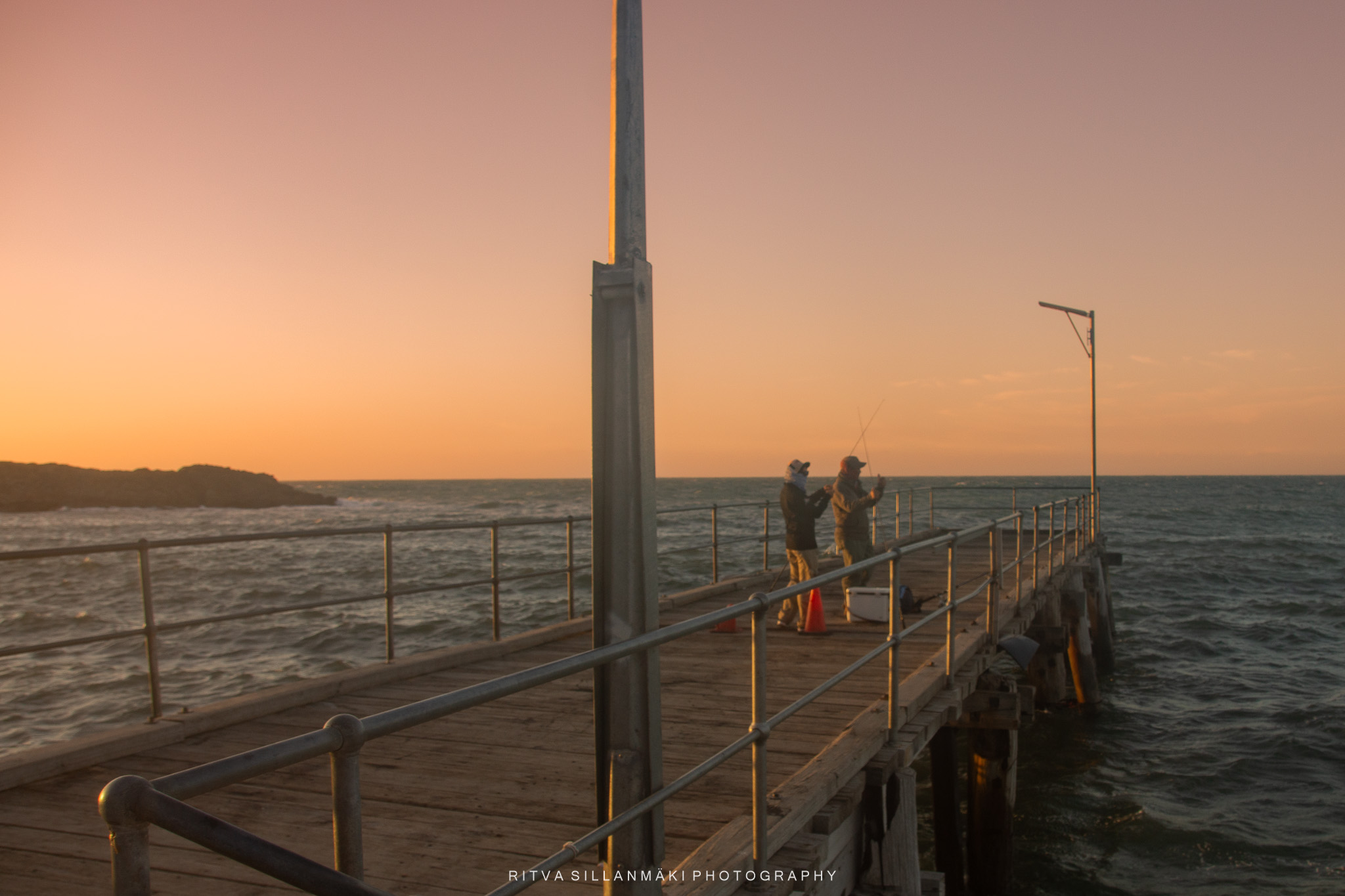
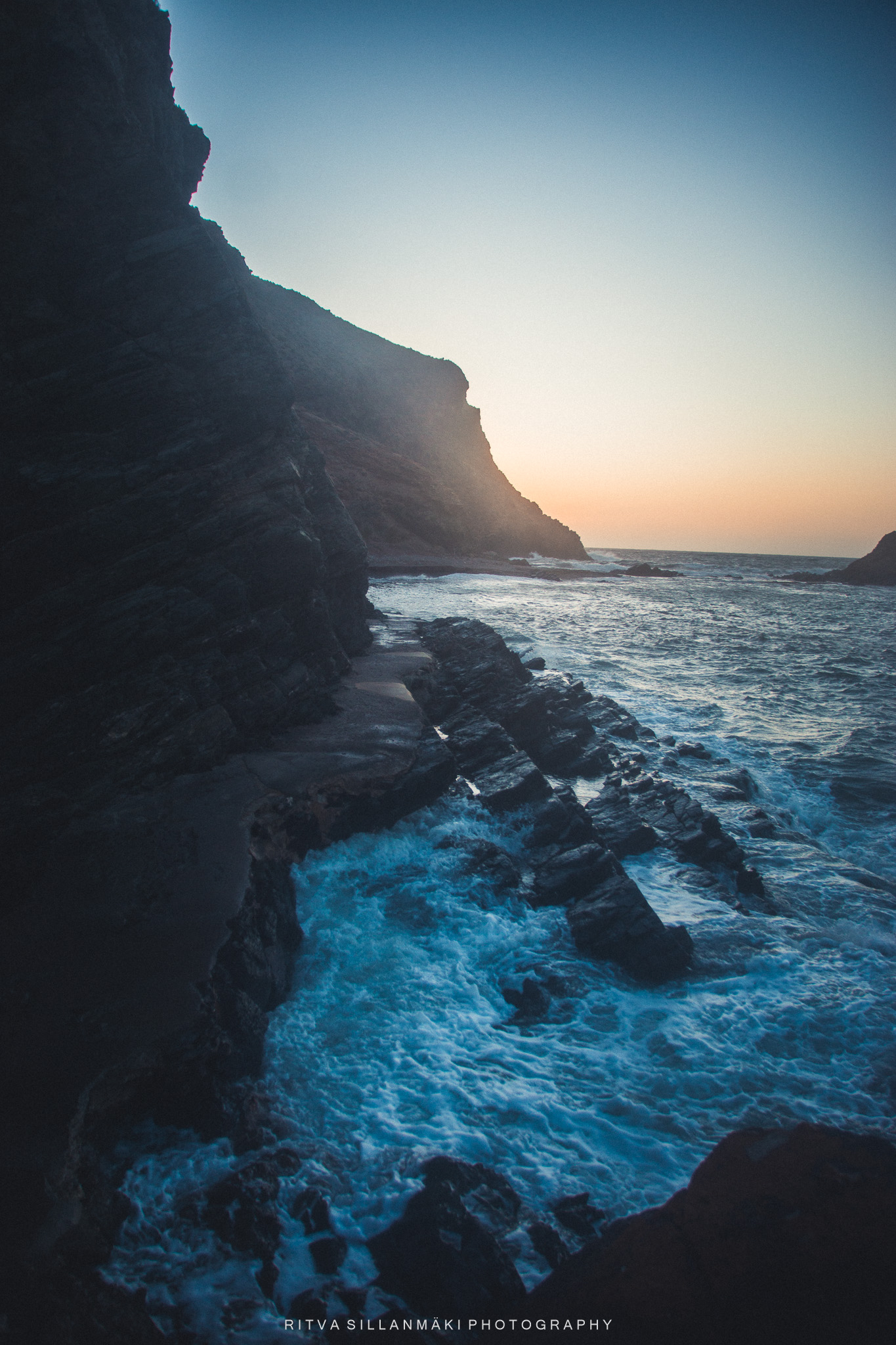
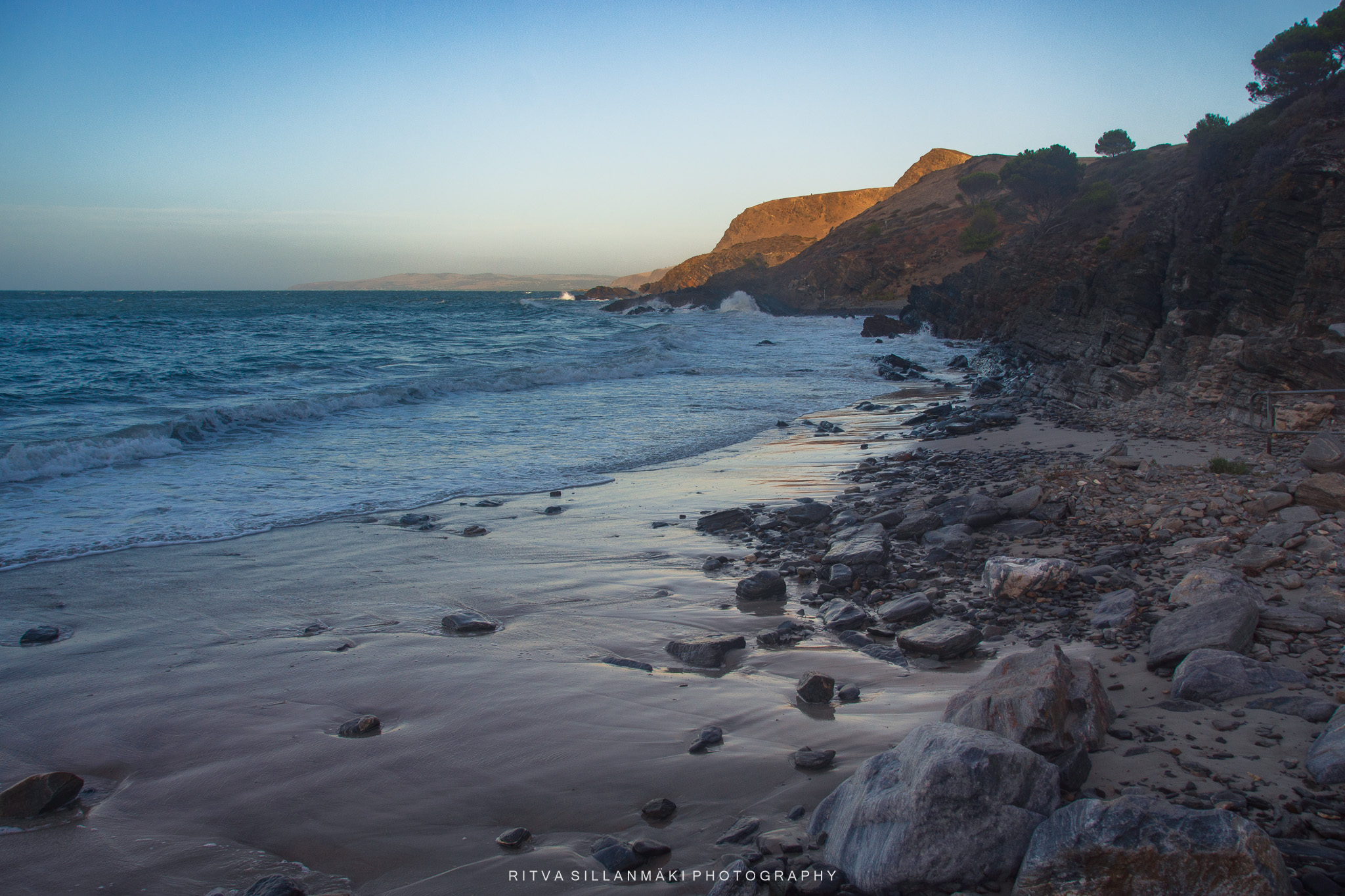
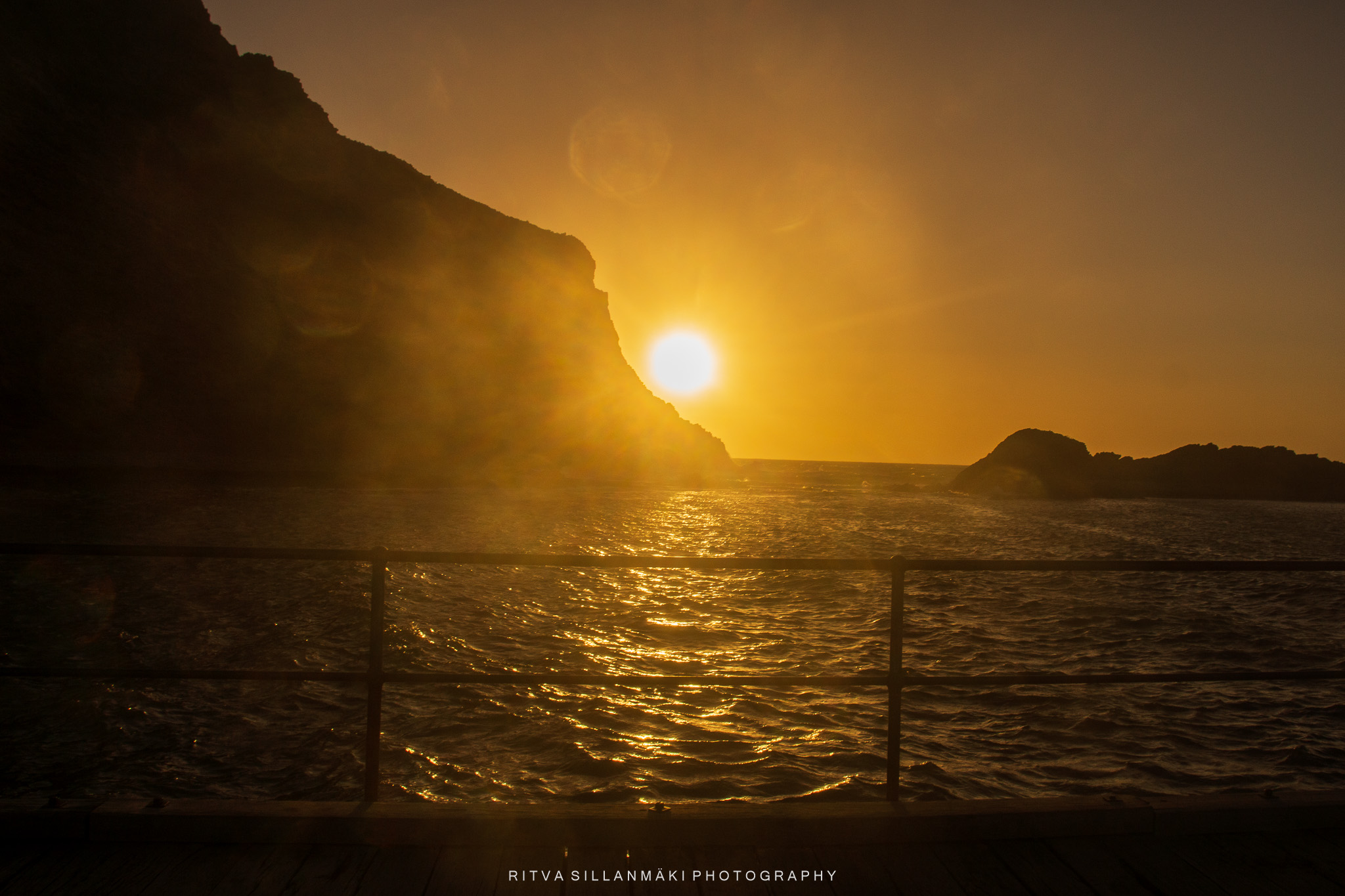
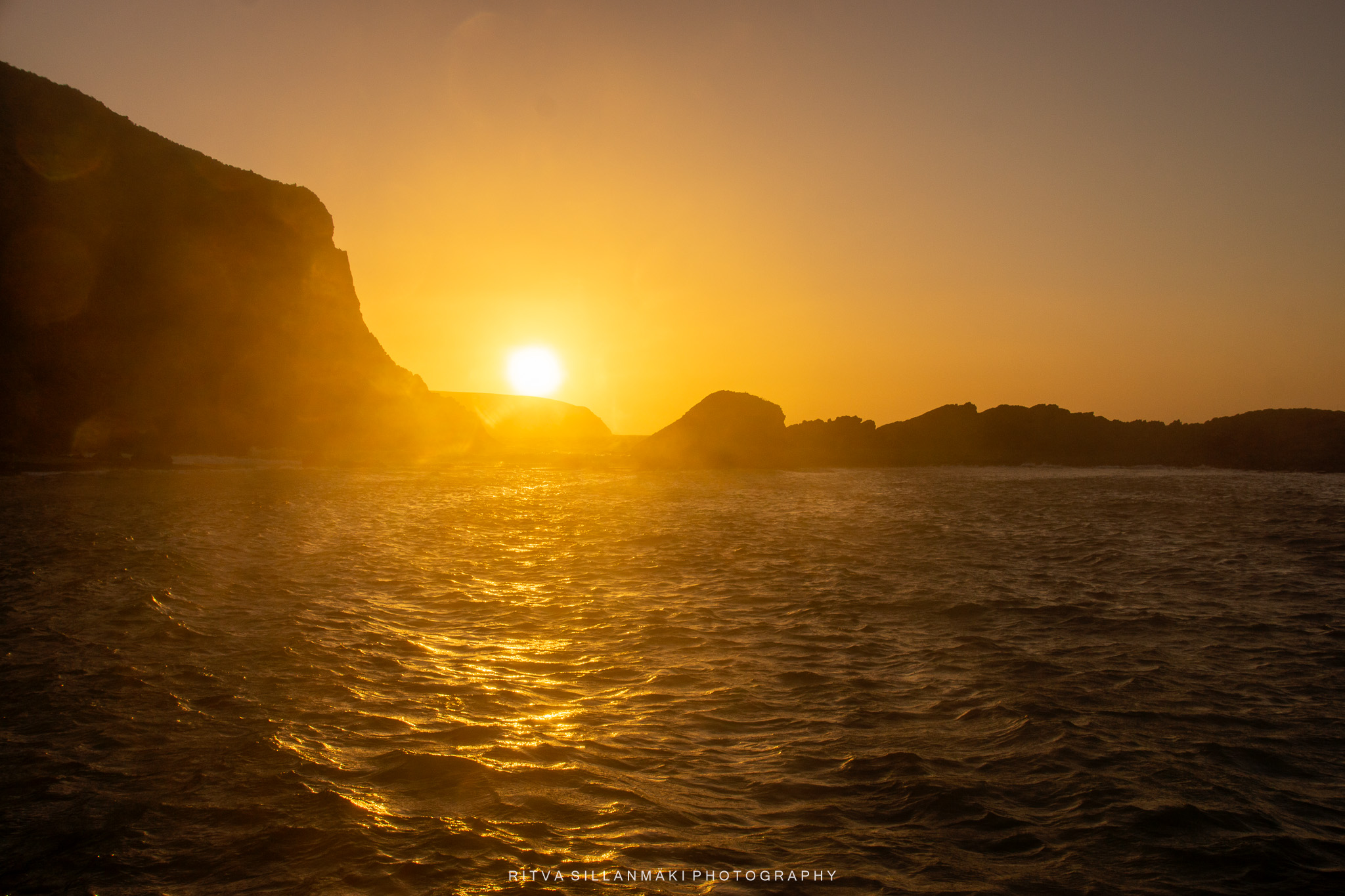
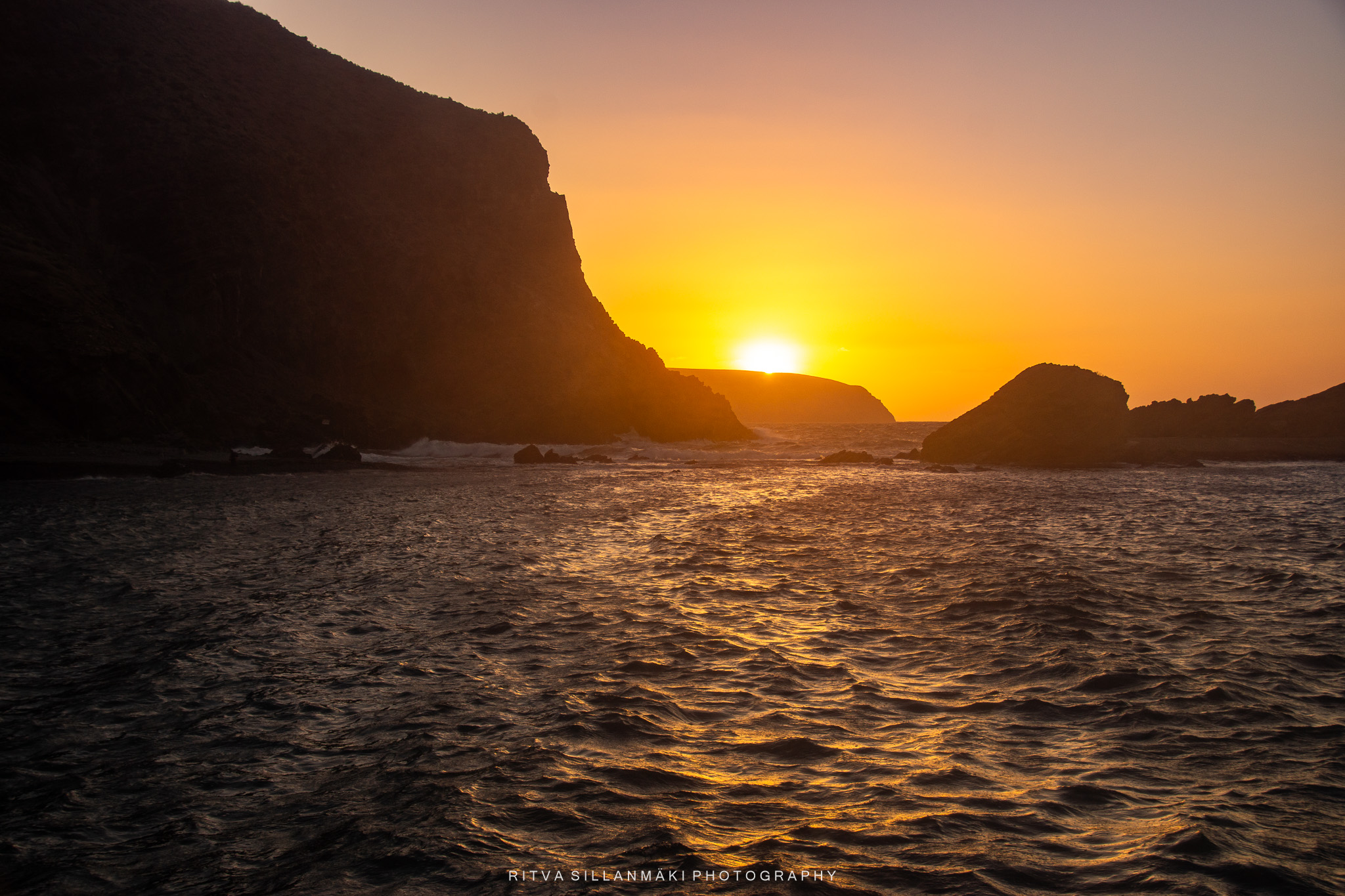
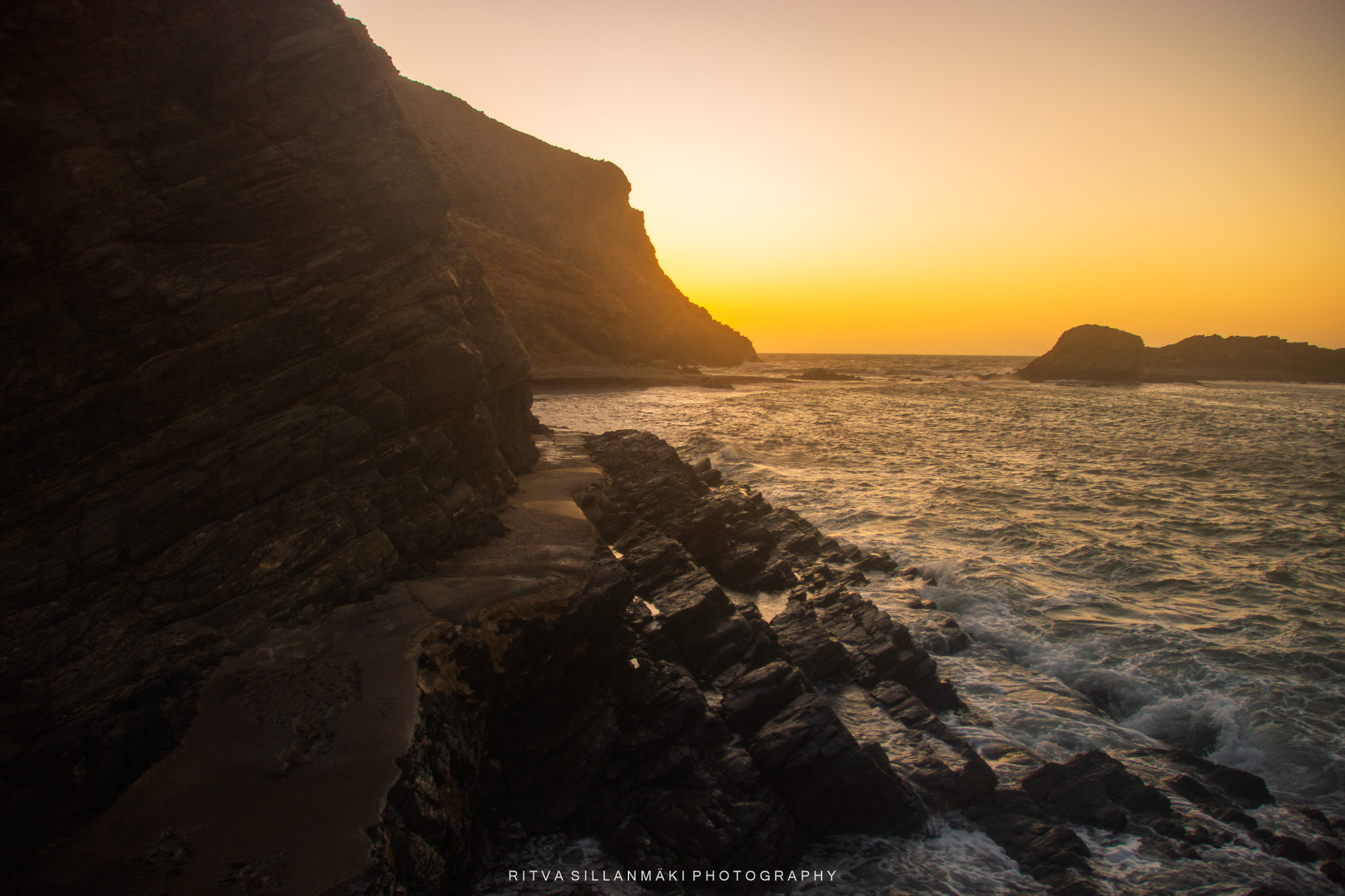
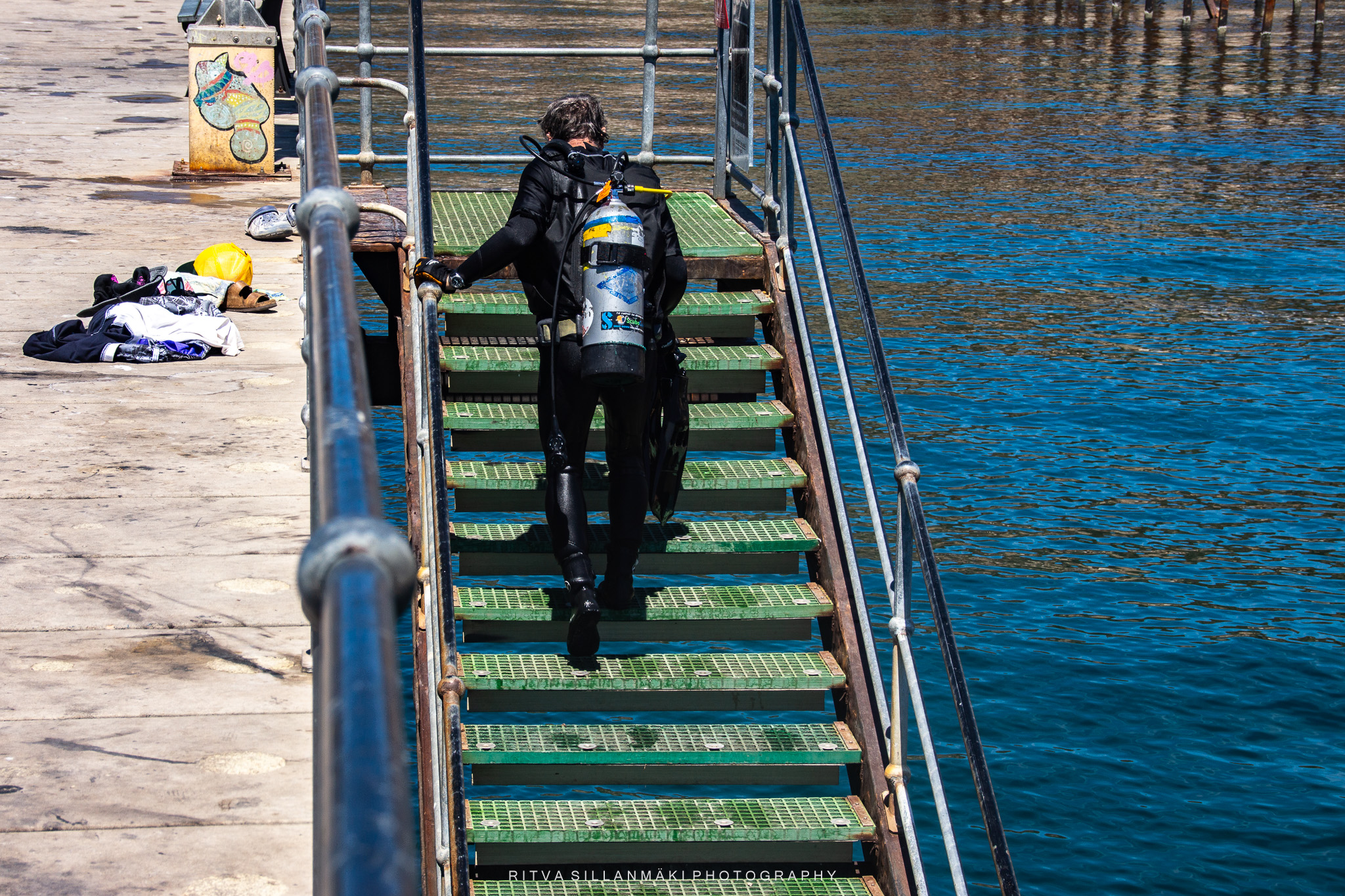
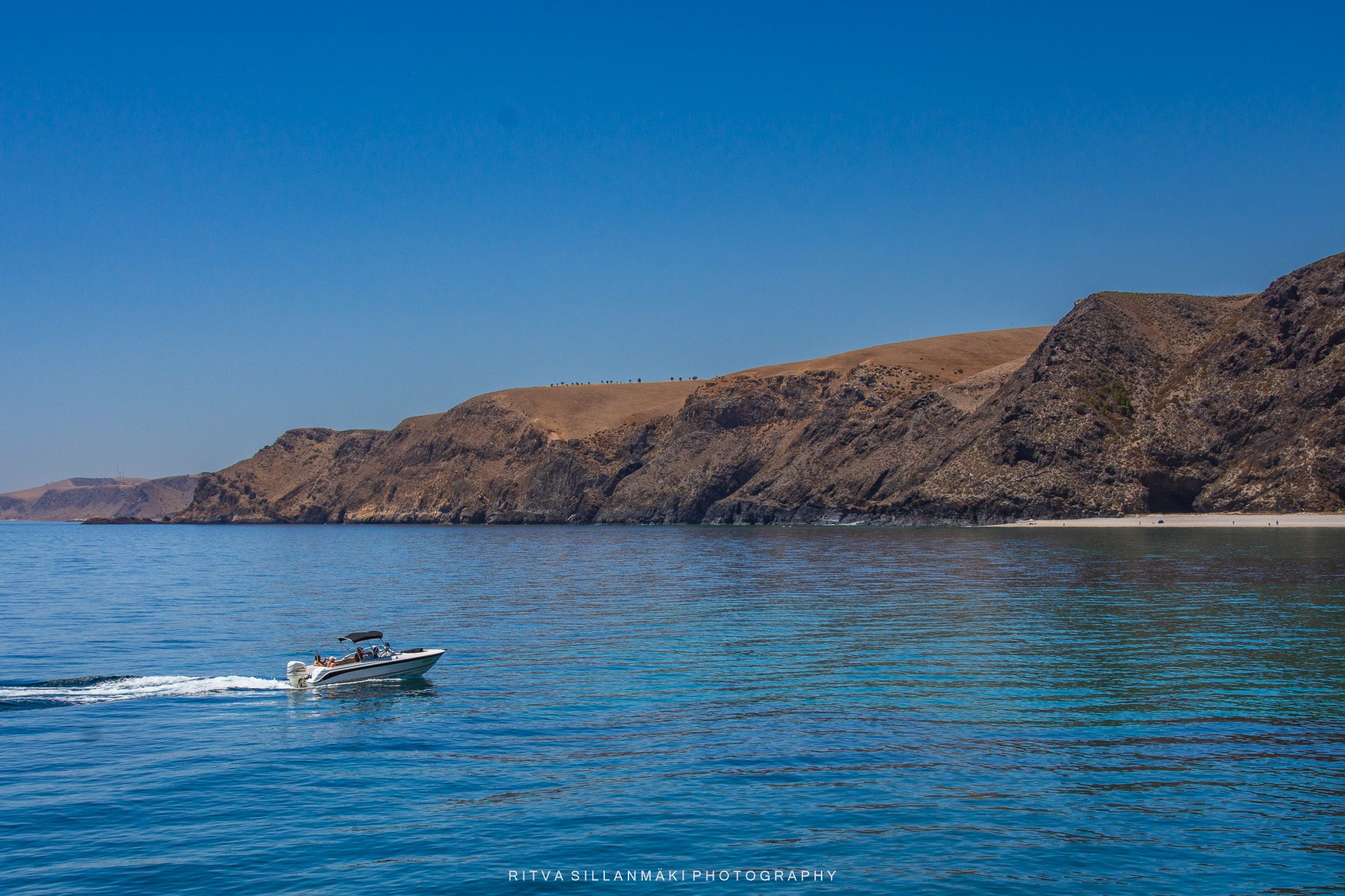
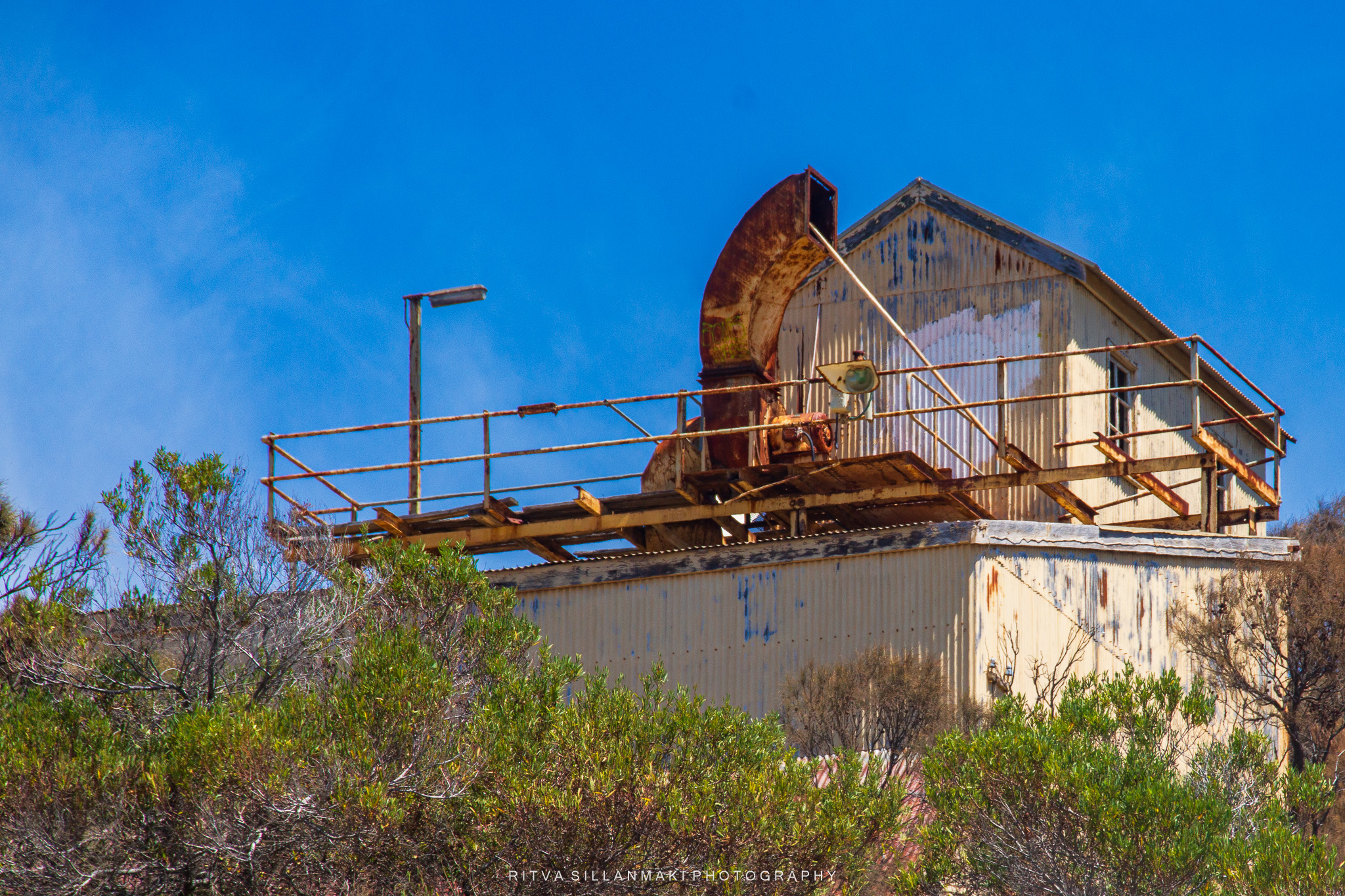
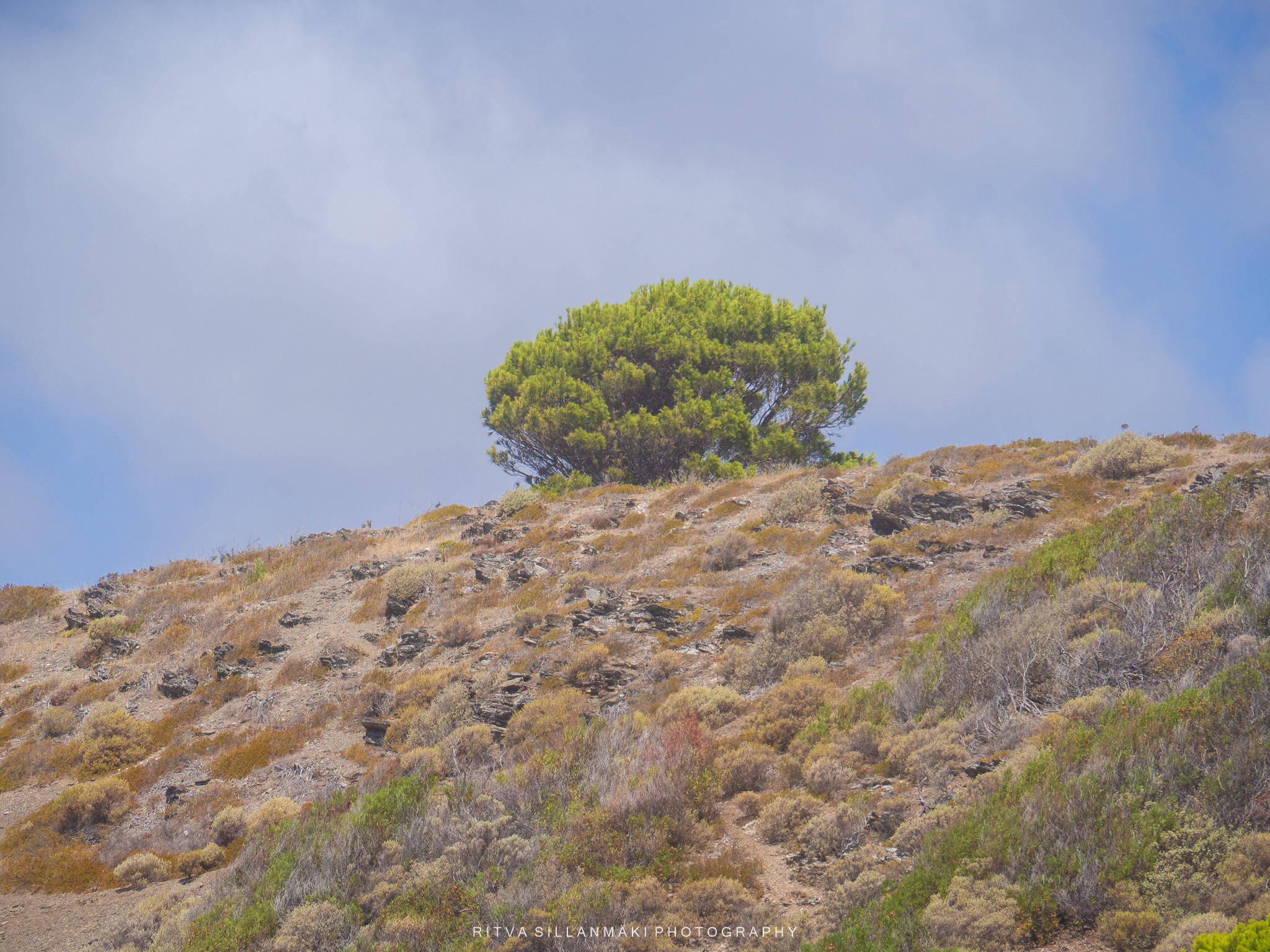
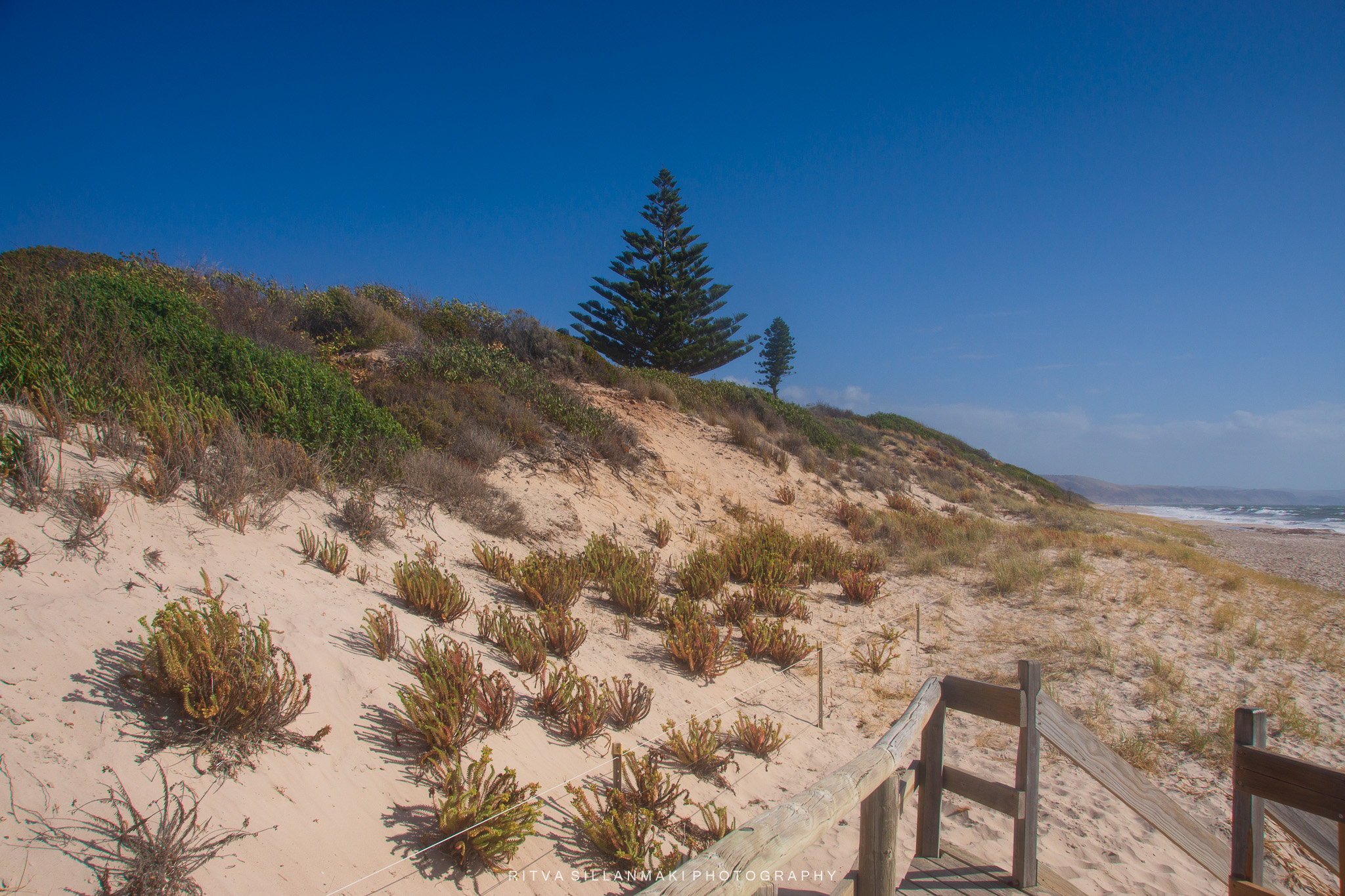
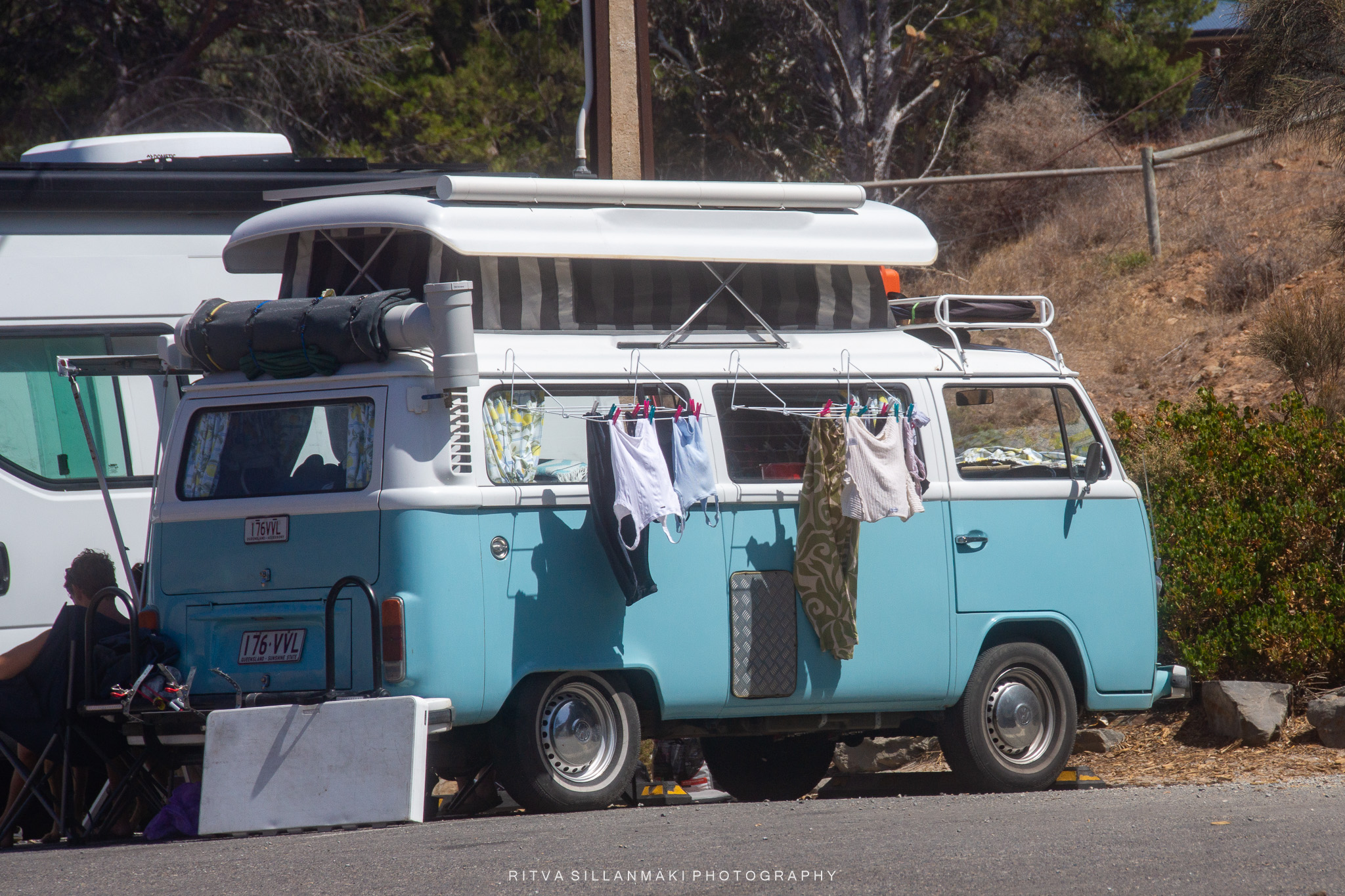
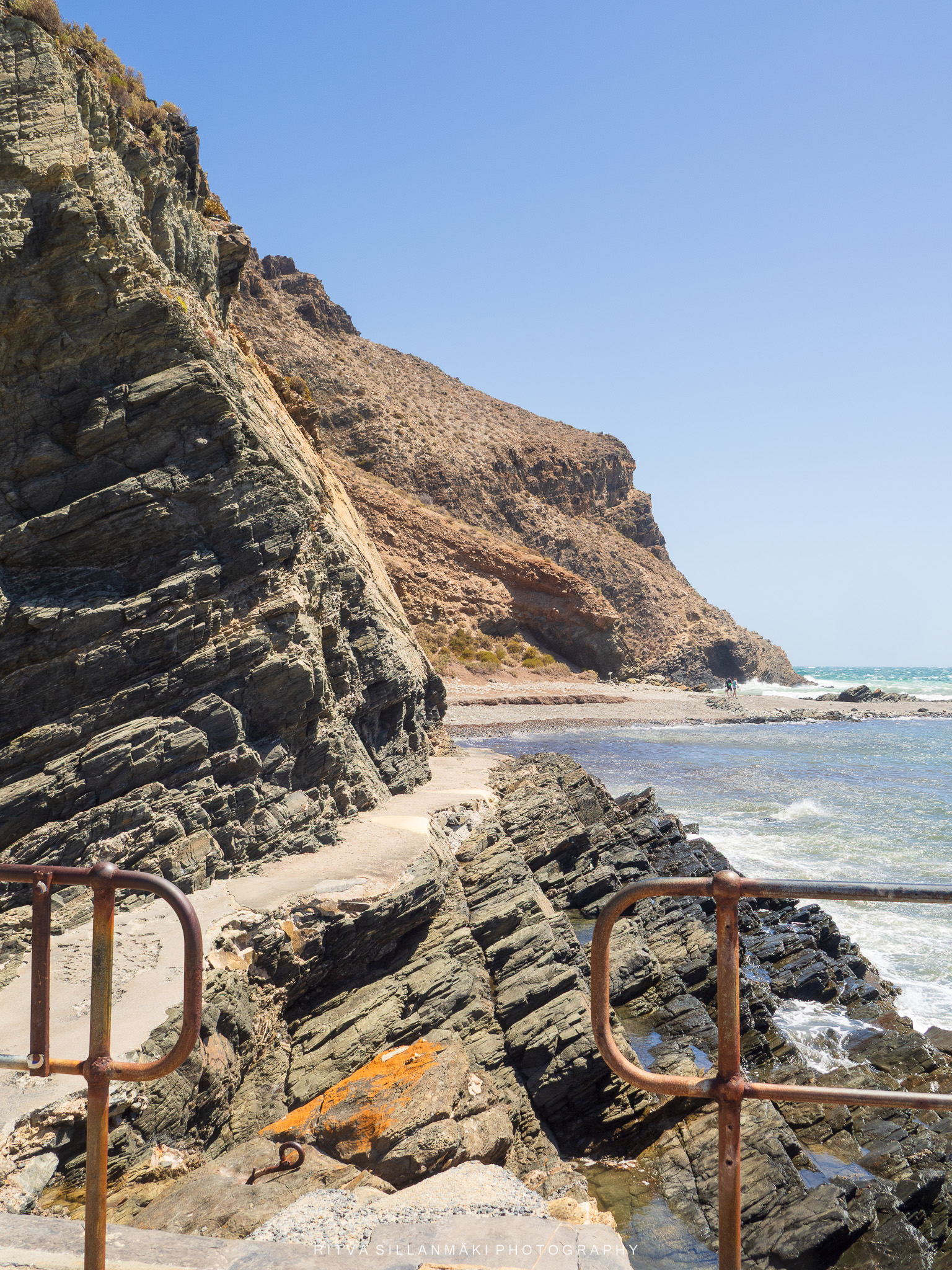
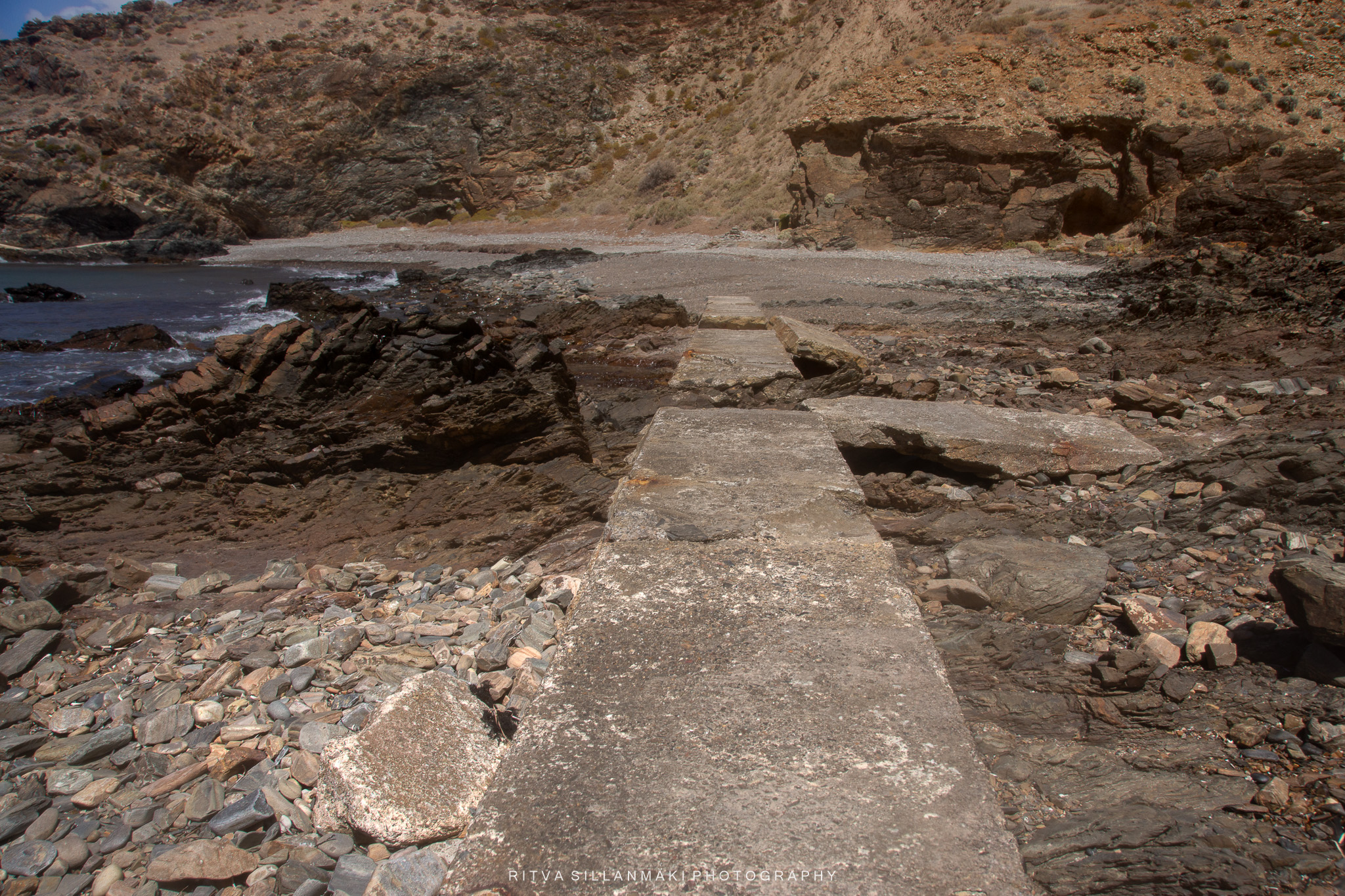
A tranquil sandy Surf beach stretches toward turquoise waves, distant islands, and a bright blue sky.
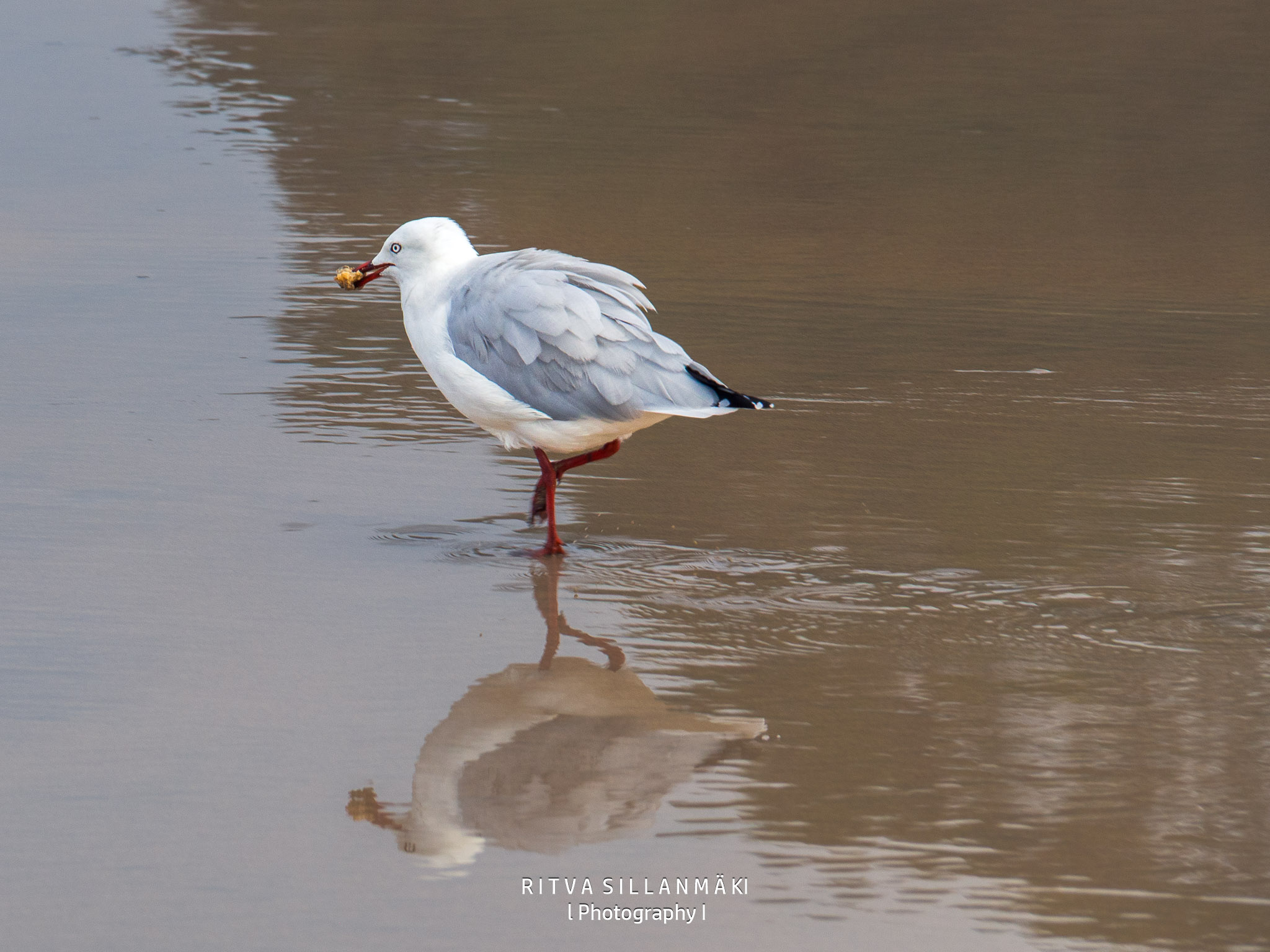
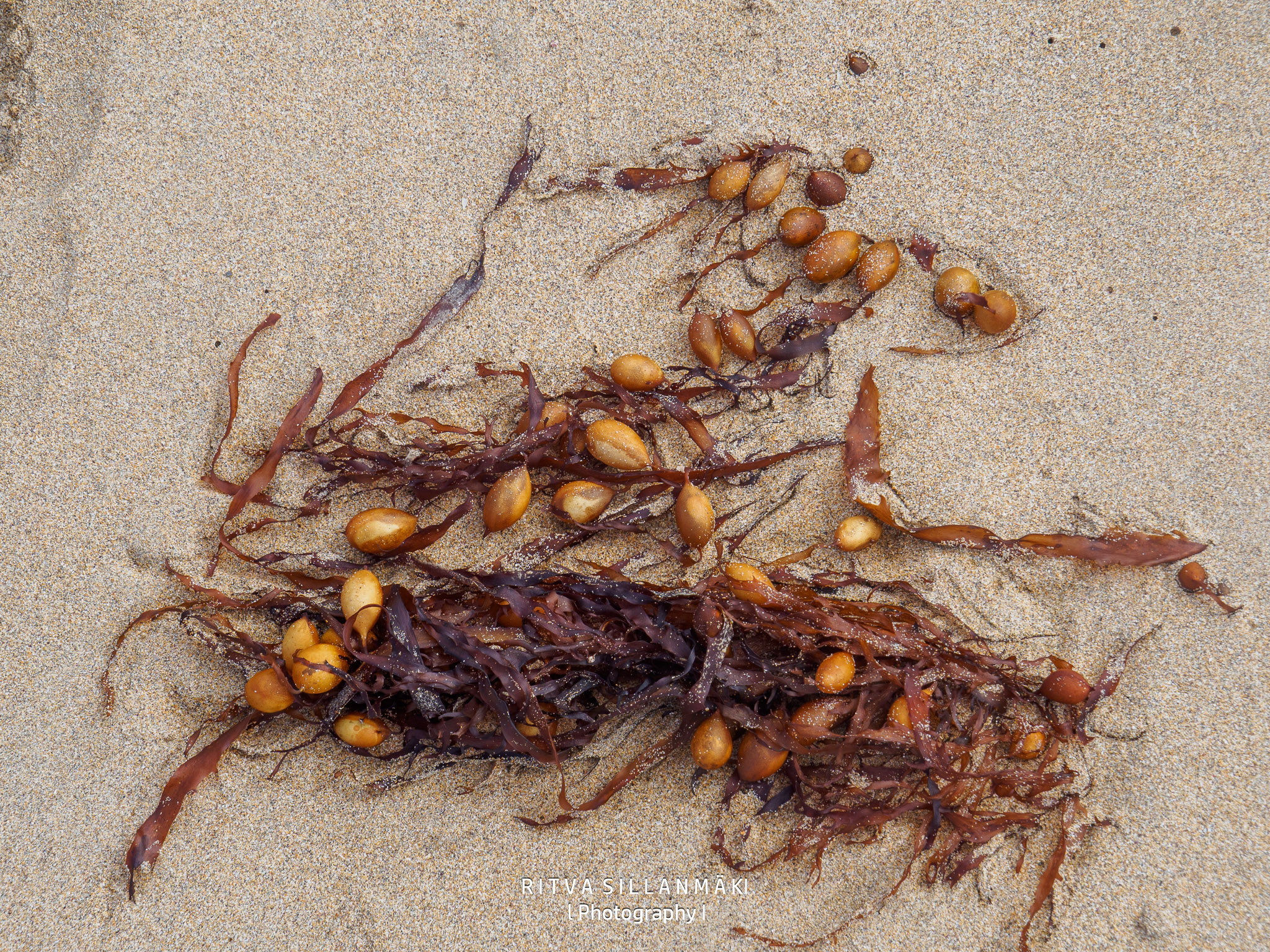
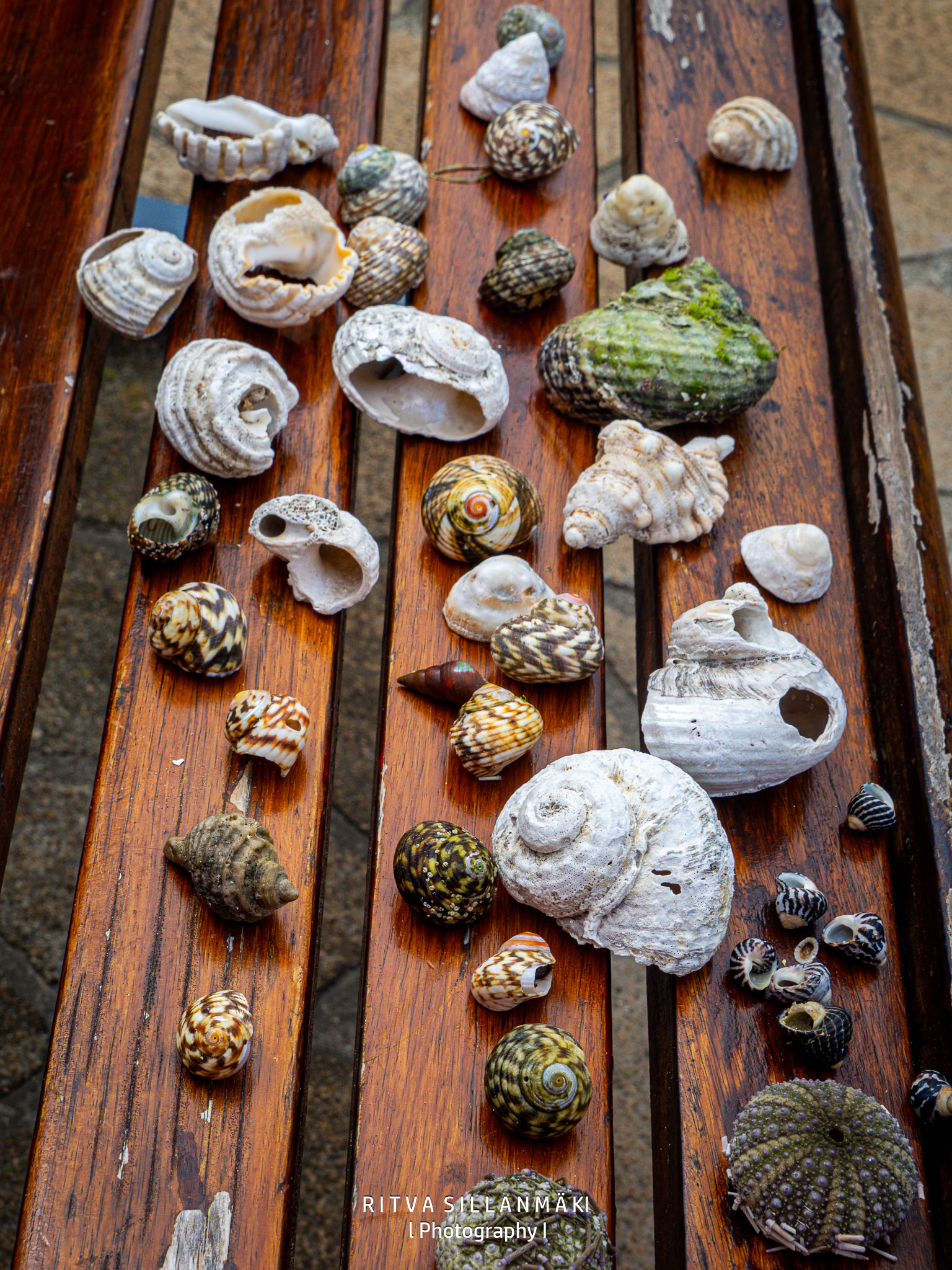
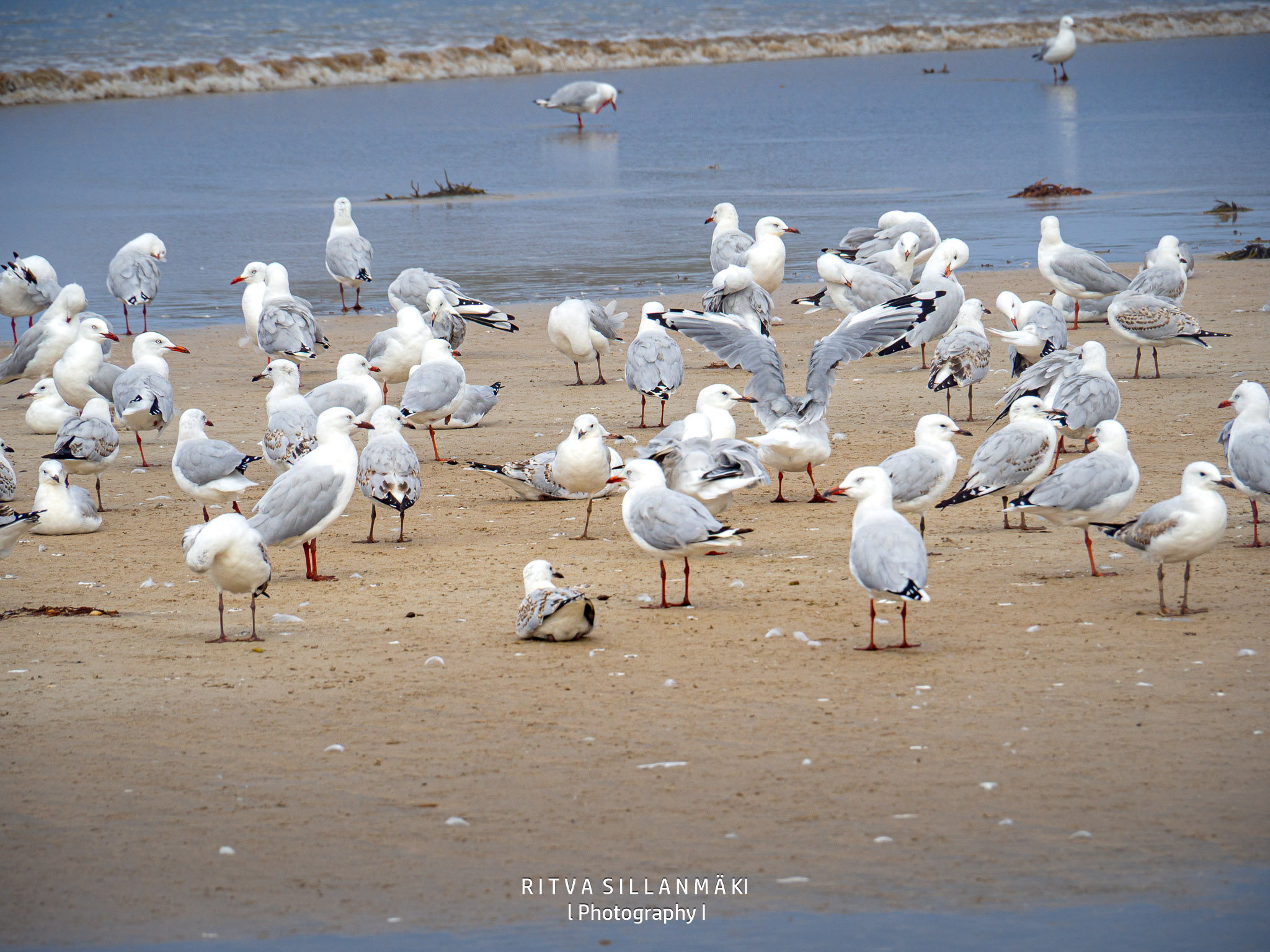
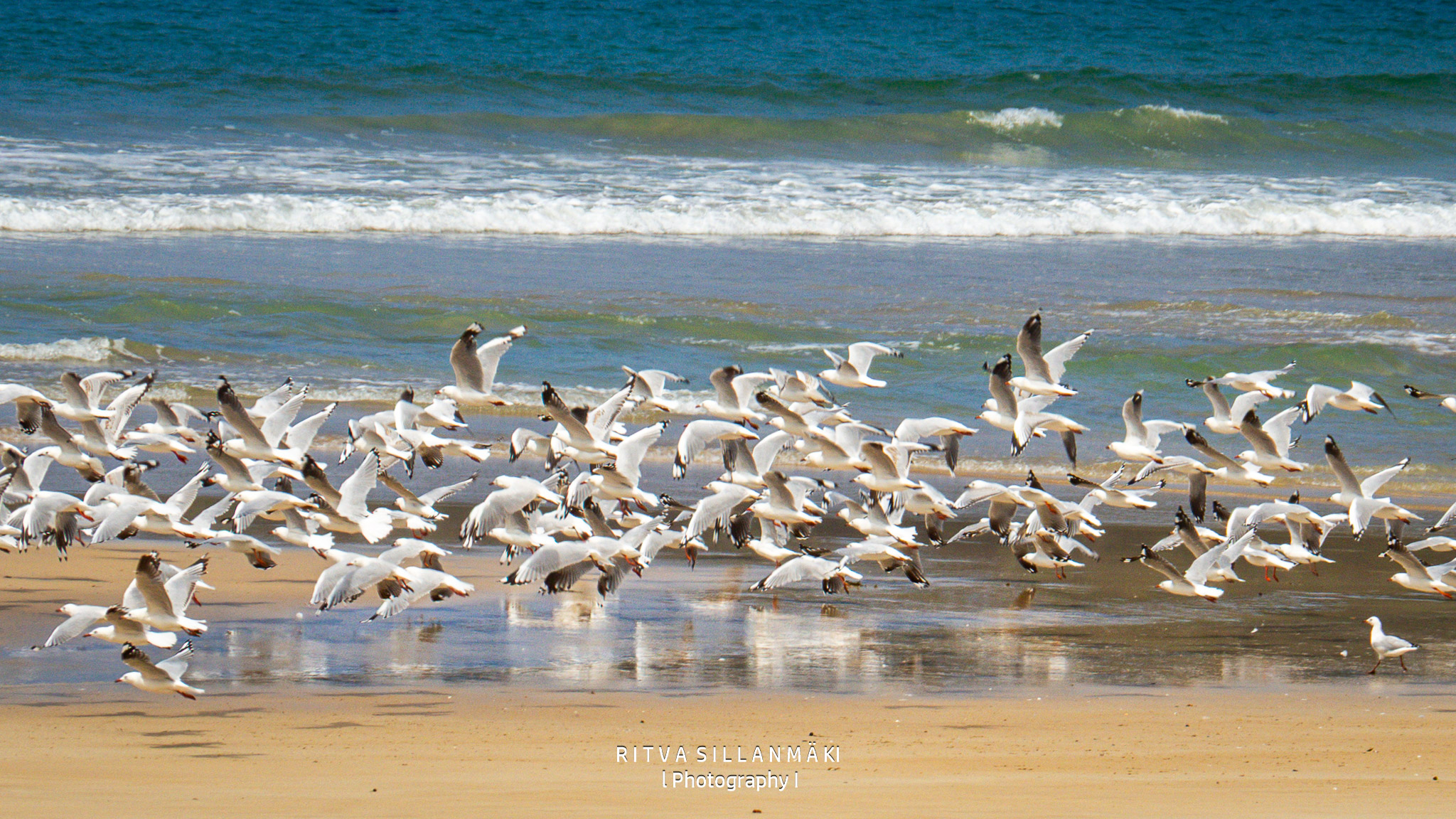
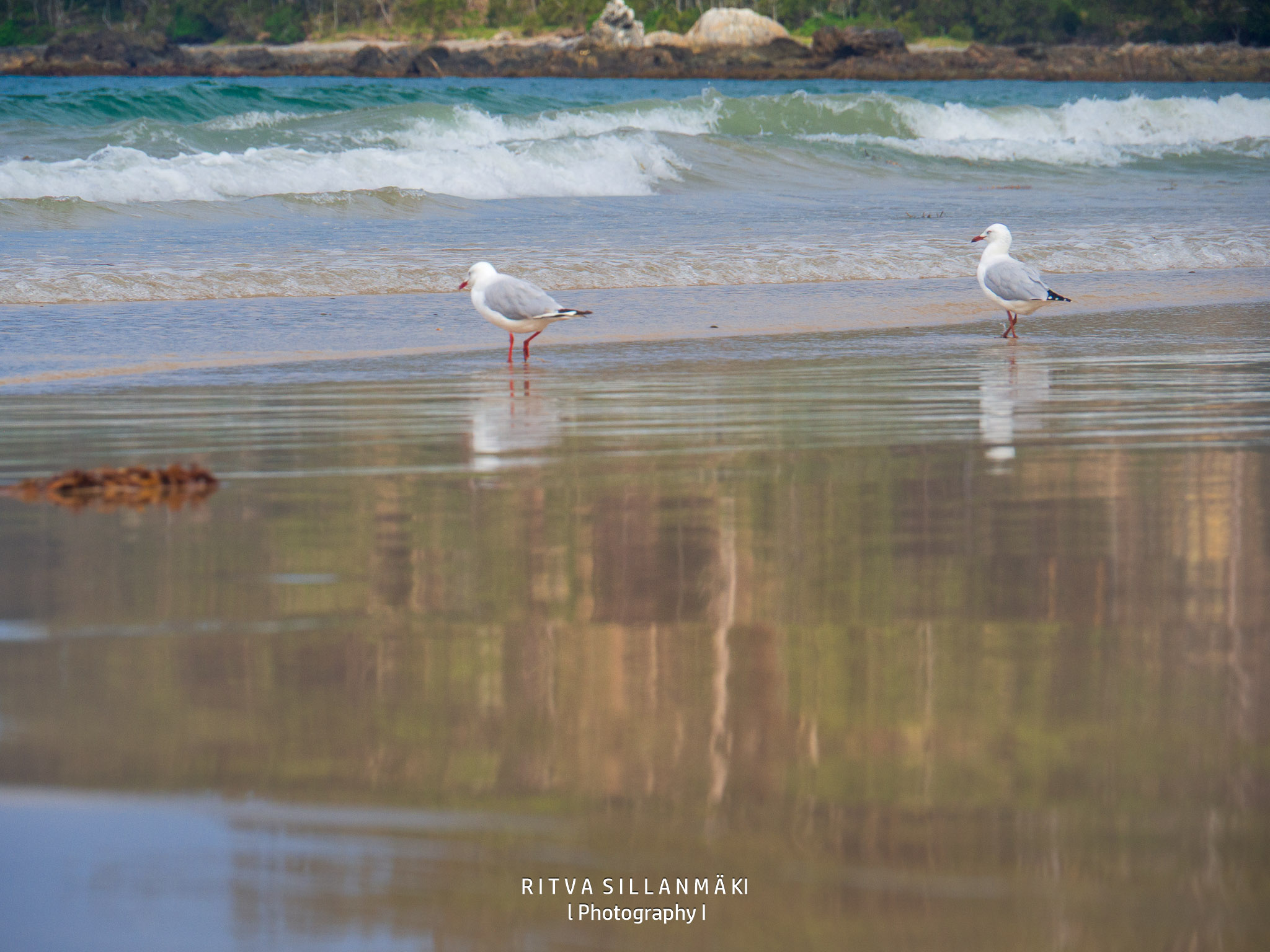
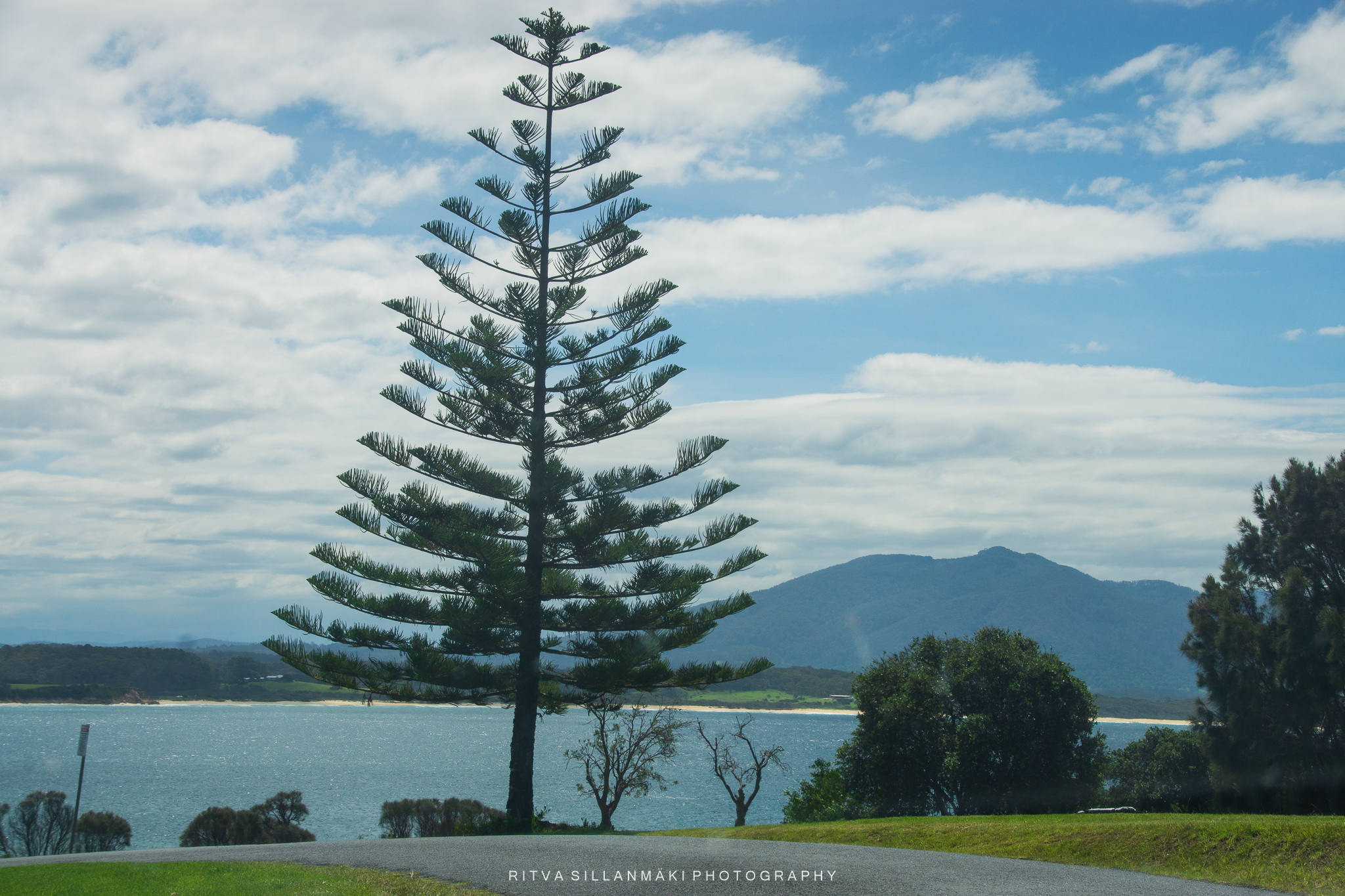
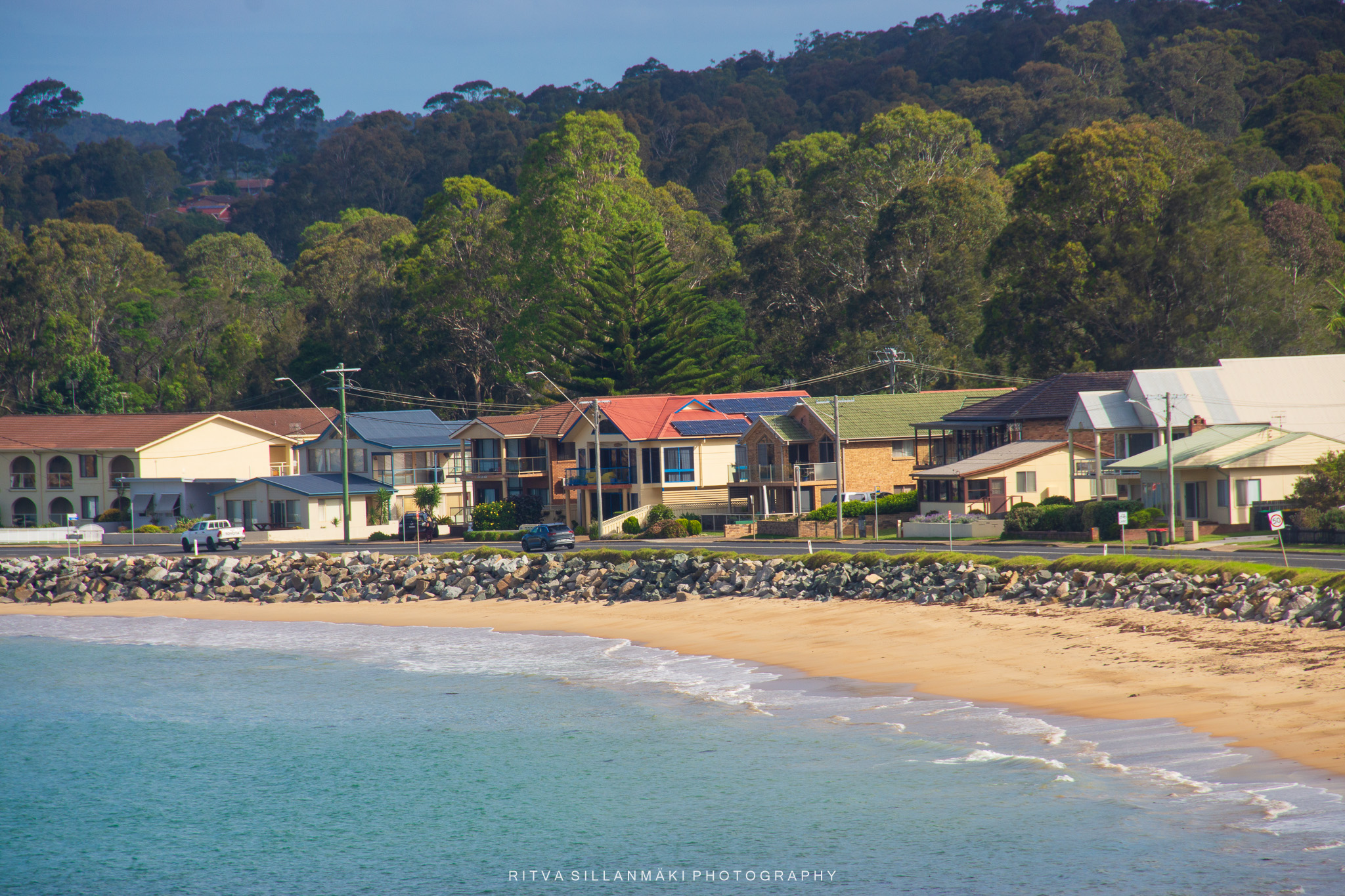
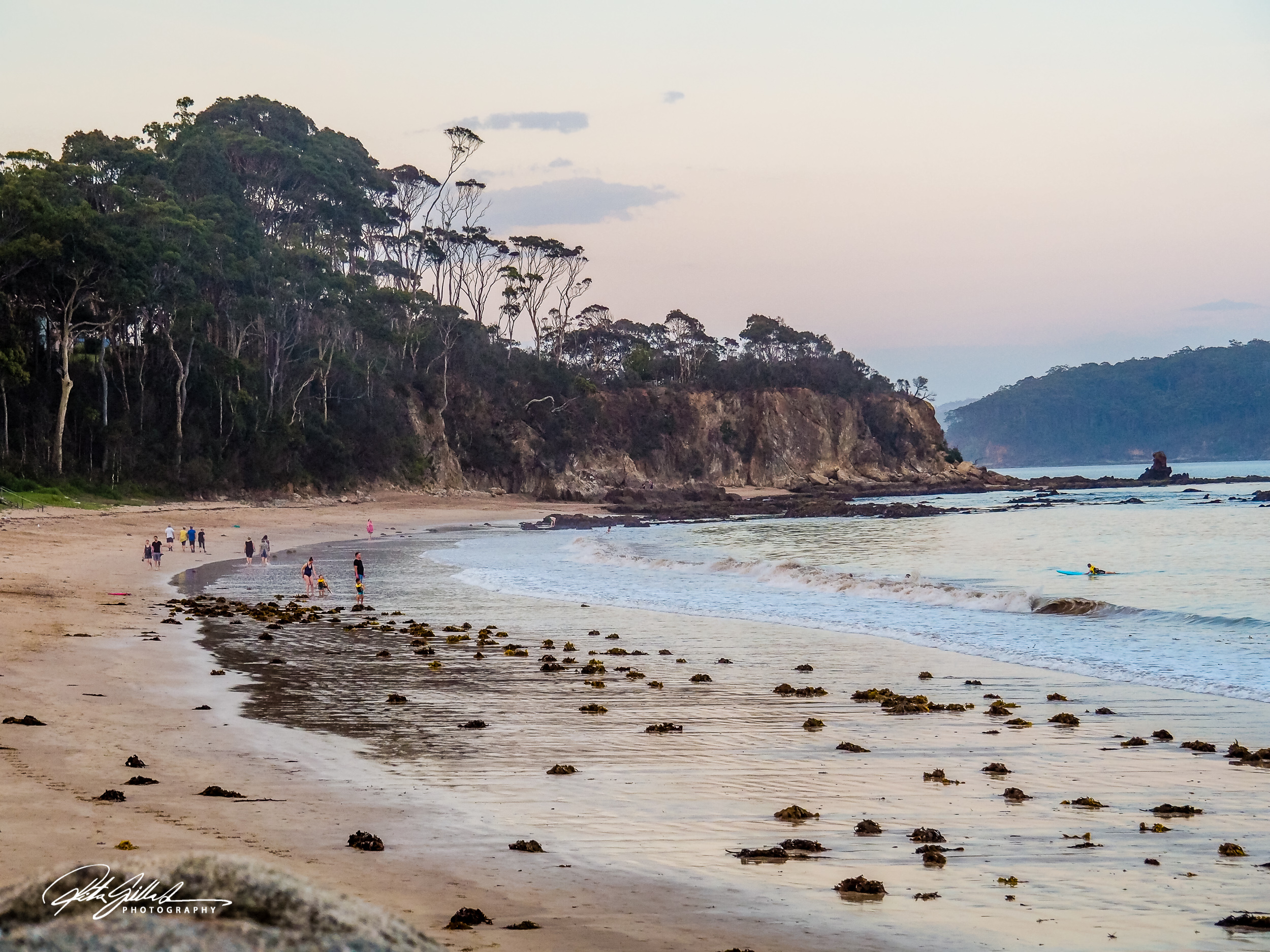
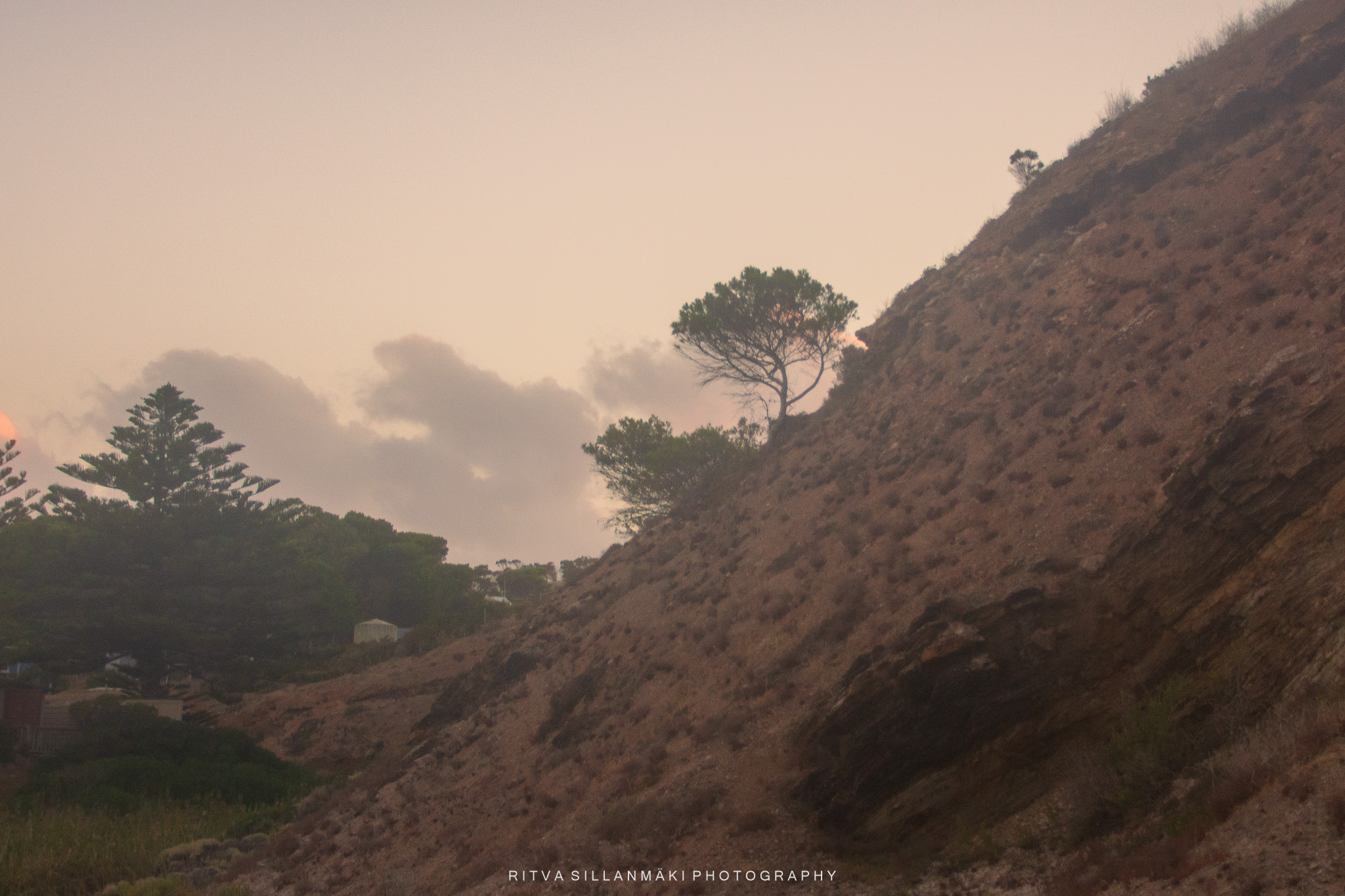
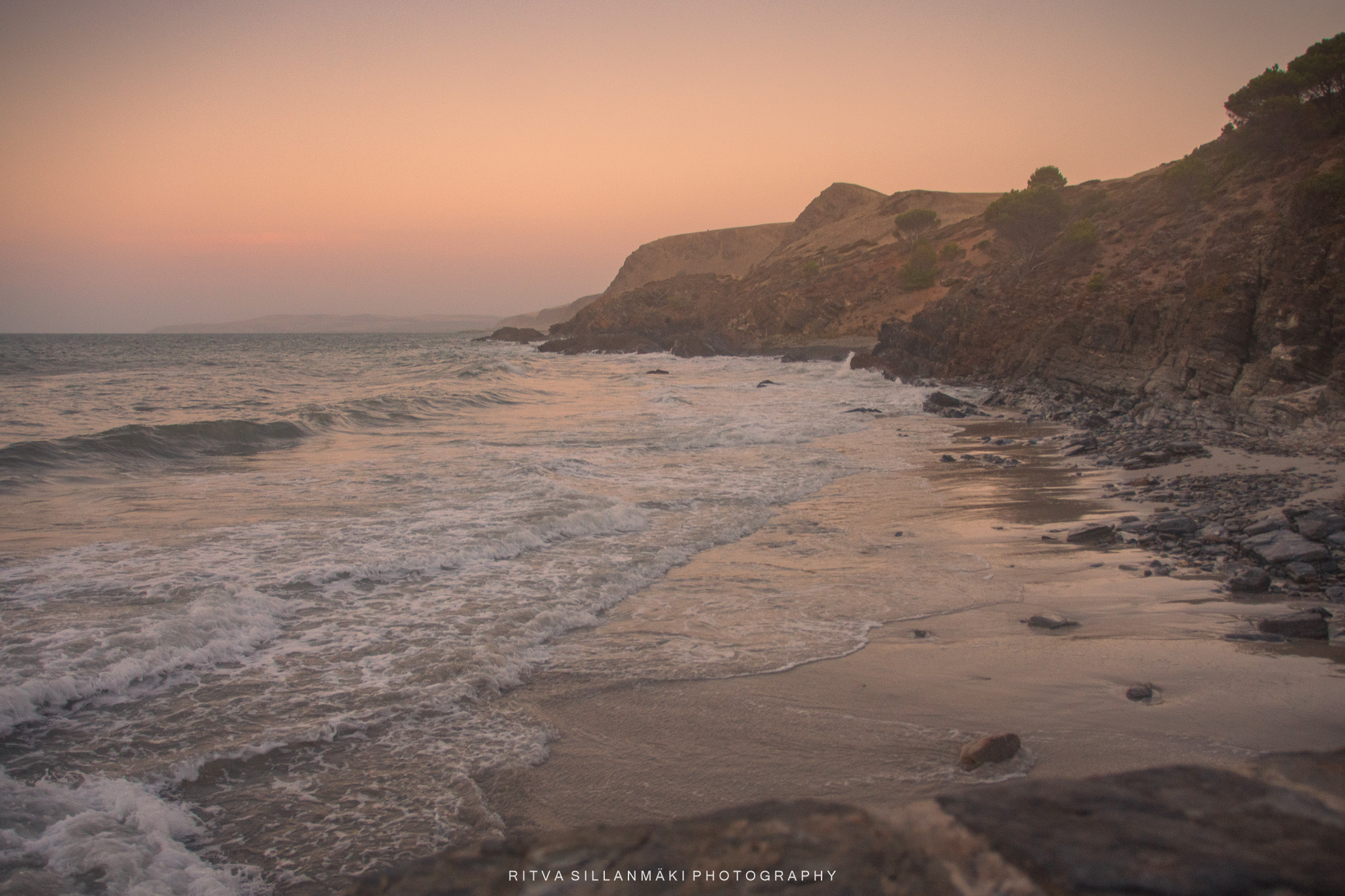
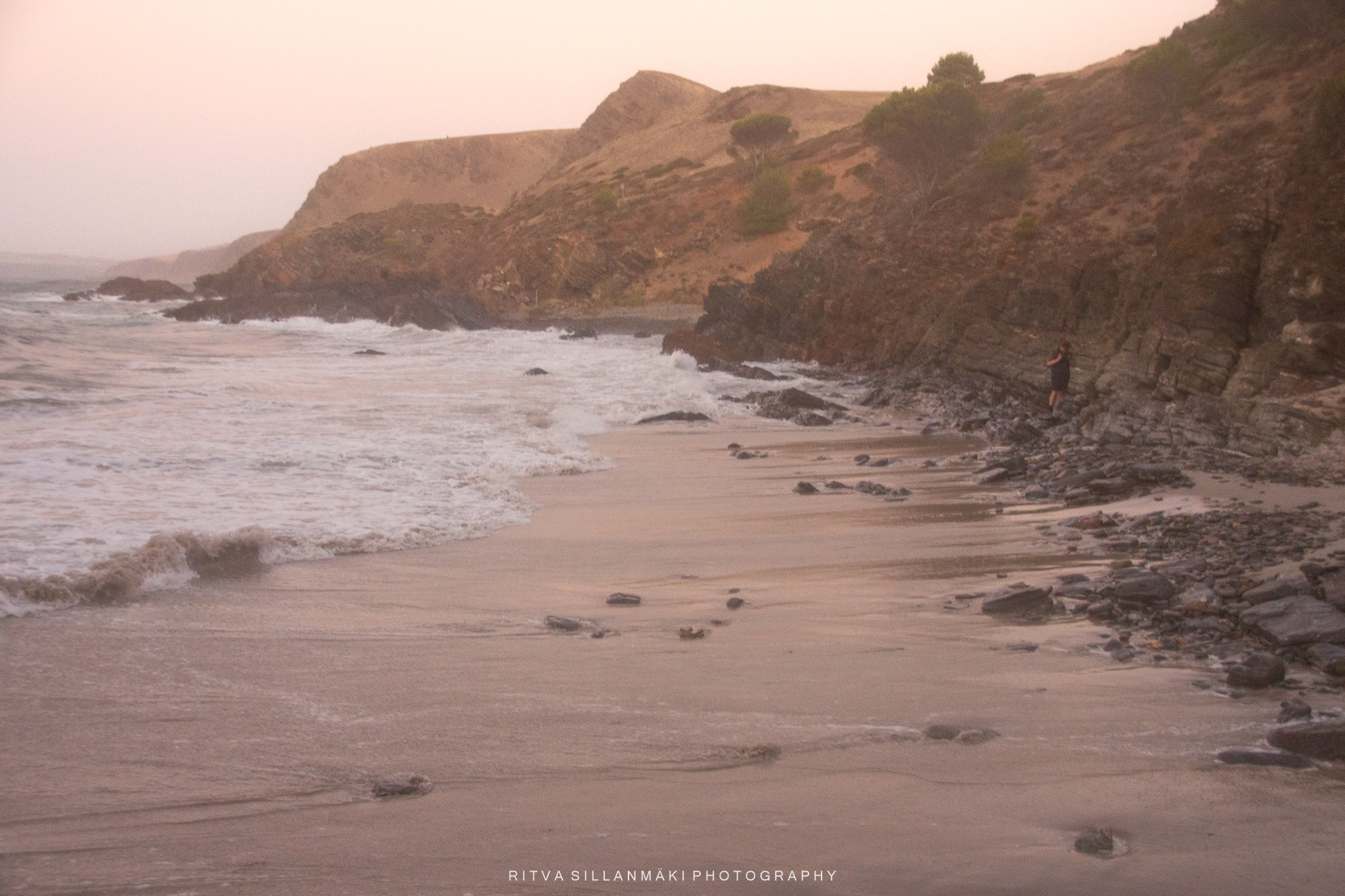
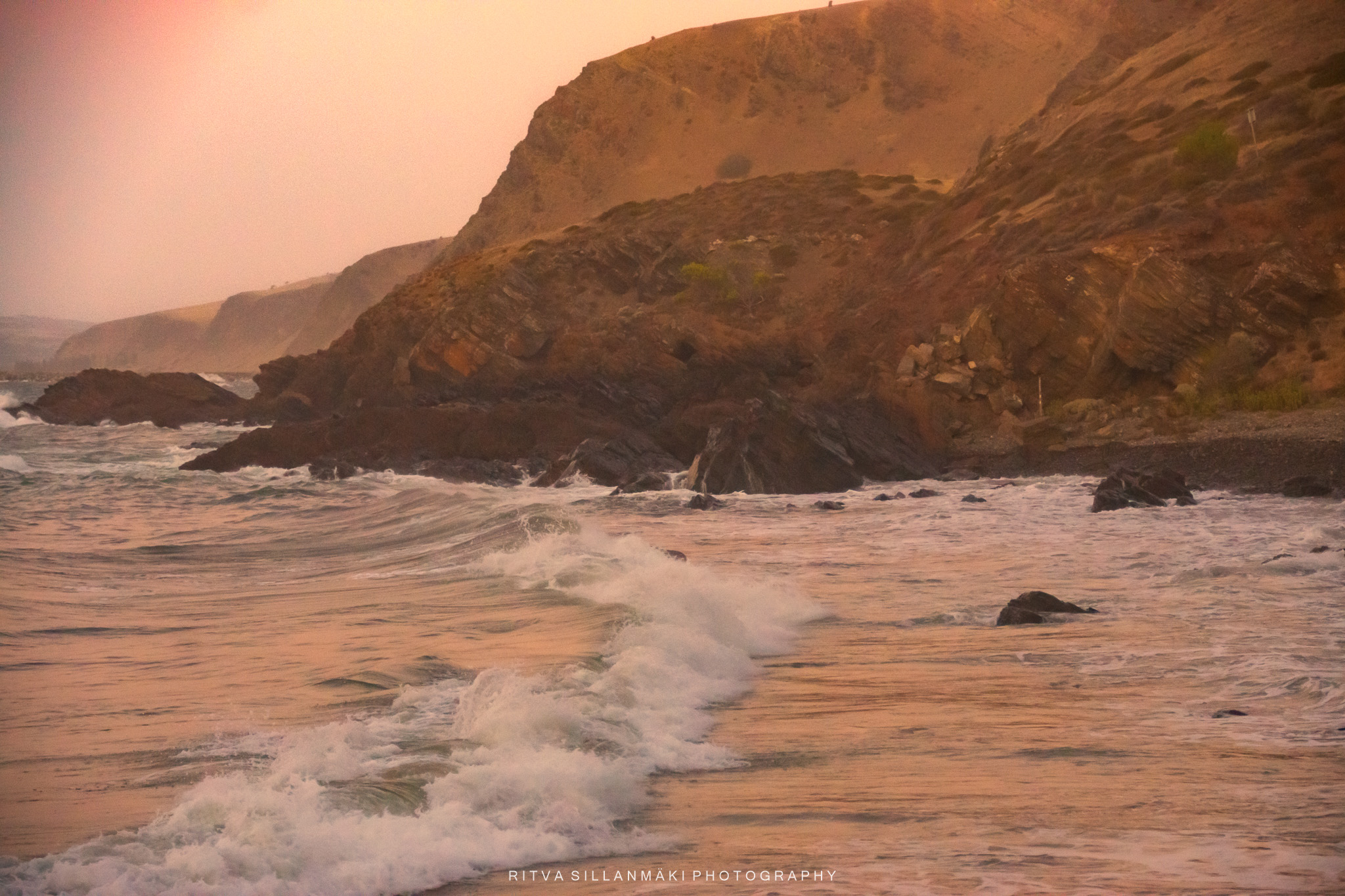
After visiting the mountains, it was time to check out some beaches nearby and soak up some rays. We basically had a lazy afternoon at Surf Beach. What’s not to like: lovely views and the relaxing sound of the waves. There were not many people around, as it was not the locals’ vacation time. Ritva sat on the beach taking photographs of seagulls and the waves, while I took a leisurely stroll along the seashore. I couldn’t help myself and collected seashells again. Sea urchin shells are so delicate, but I still managed to transport them to Finland intact. The waves on the beach were quite heavy for my liking, but I managed to swim anyway. The water of the Pacific Ocean felt cool at first, but after getting used to it, it was easy to stay in for a long time.
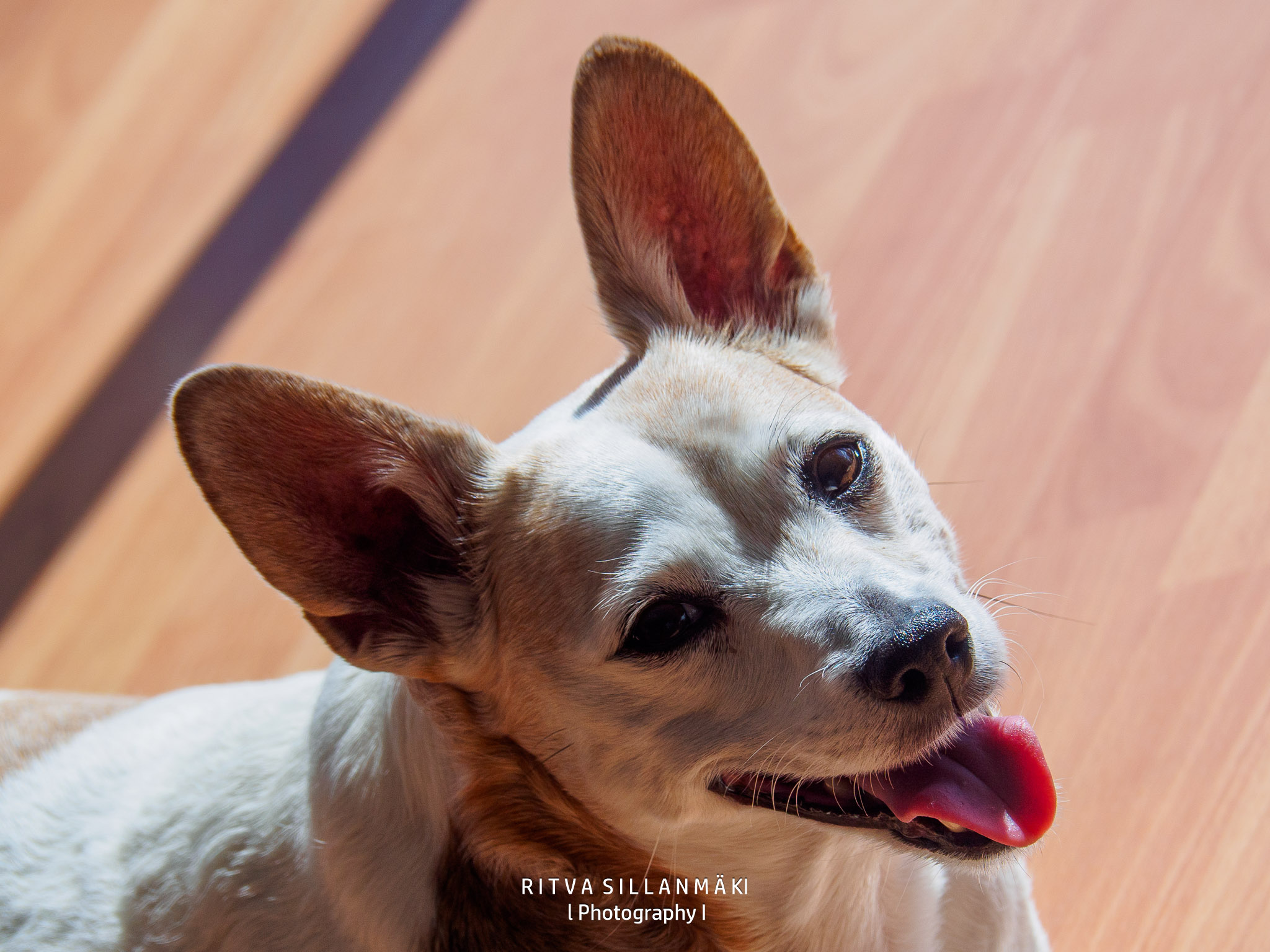
The following morning Ritva took portraits of Heli, Rod and Baxter the dog (I think they came out rather nice). After the photoshoot the destination was Ulladulla and Mollymook Beach, where we had lunch with Denise and Tracy, who live just before Ulladulla. Denise and Tracy are Heli’s friends whom we had met a couple of times before; they are so much fun—once in Finland and the other time at Caseys Beach. We can highly recommend Mollymook Beach for the scenery and most likely for swimming and surfing as well, although we didn’t try those last two. By the way, if you haven’t driven through places like Lillipilli, Ulladulla, Tumbarumba and Tilba Tilba, at least once in a lifetime, you haven’t really lived.
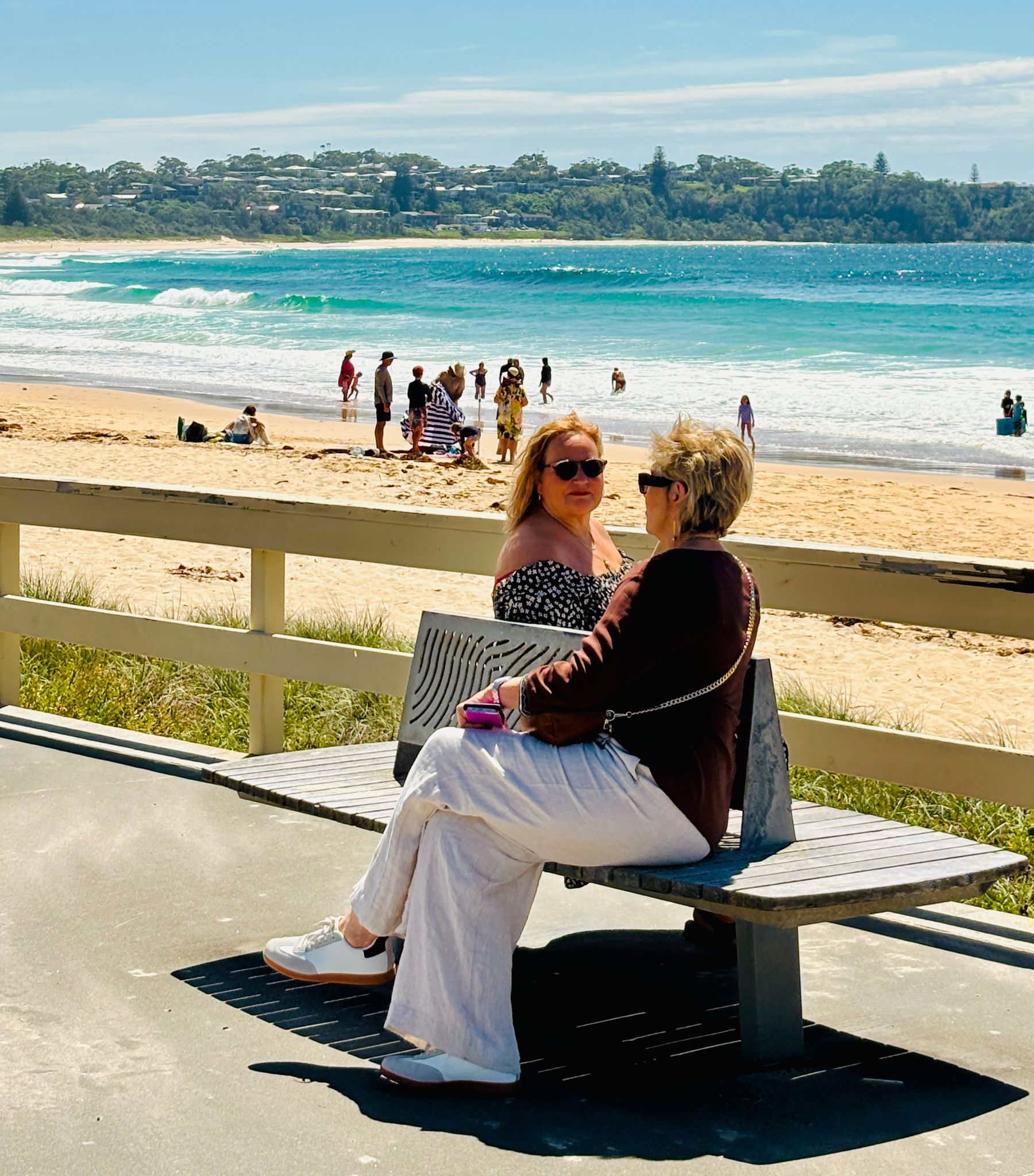
Heli and I relax at a seaside bench overlooking a sunny beach, rolling turquoise waves at Mollymook Beach and a tree-lined coastal neighborhood .
Heli and Rod are wonderful hosts and letting us stay there all that time is something we’re very appreciative of.
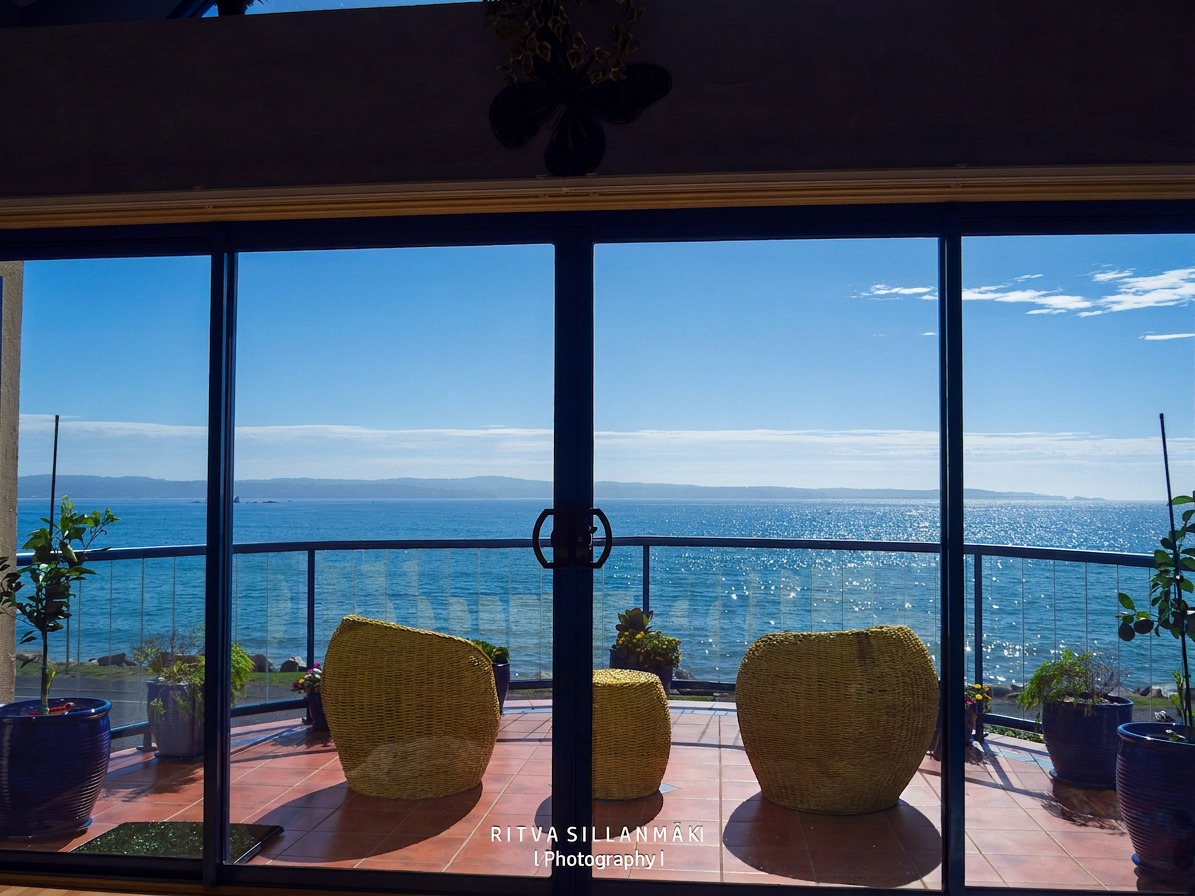
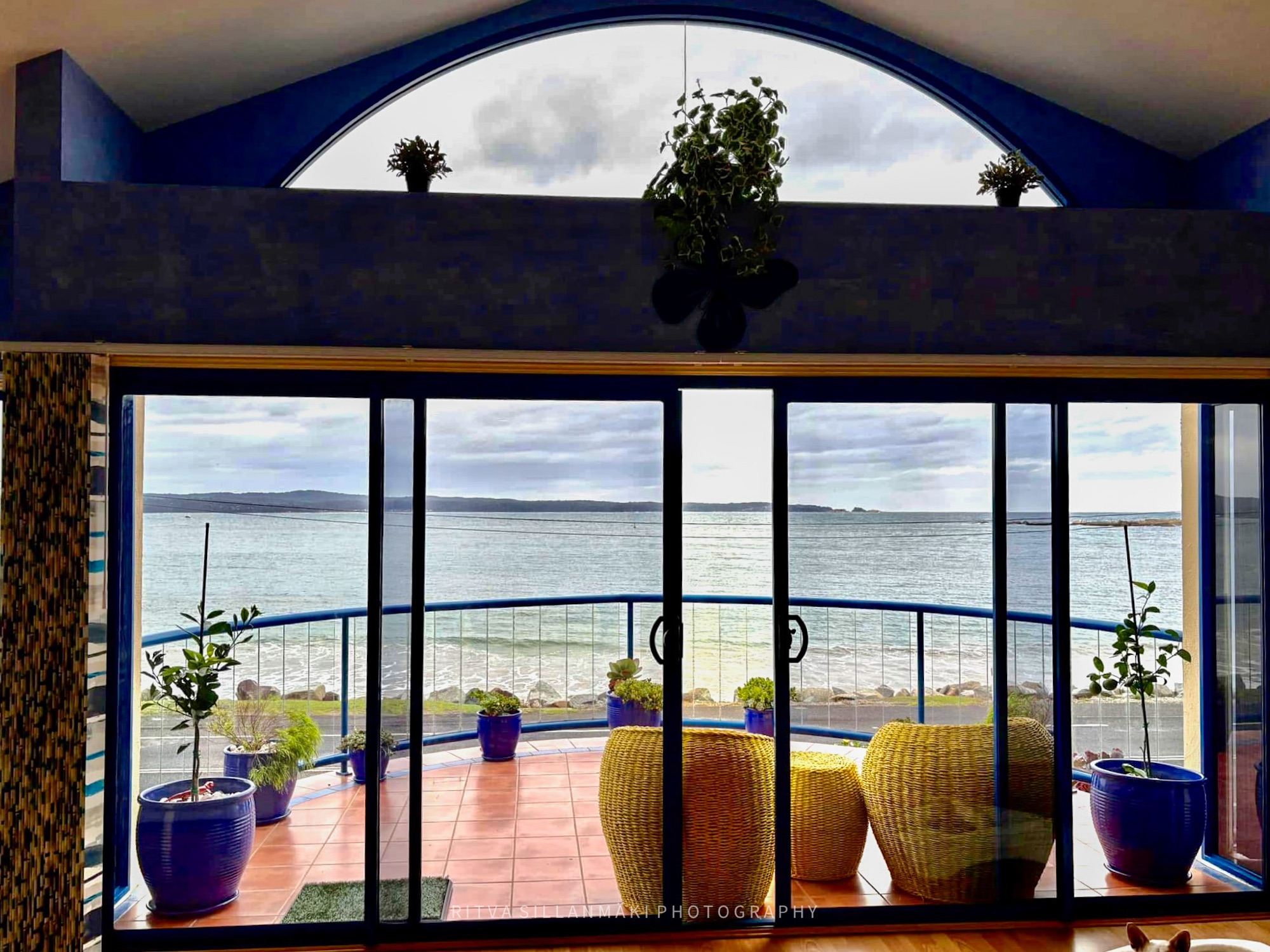
It was so nice to have morning coffee with this view.
It’s easy to talk to Rod, for example, about politics. He is a timid and quiet ex-civil servant with hardly any opinions of his own. NOT! He’s a very loud person joking, laughing and swearing all the time. And he’s not afraid to speak his mind. However, we didn’t get into arguments or fistfights about anything. We basically agreed on most things political, at least. Rod is from a small community in Victoria, where his parents scraped by farming the land. It’s easy to understand he talked quite a bit for the rural communities and that way of living. On top of that Rod spent part of his career fighting for health services for the remote areas. Great bloke! I didn’t talk to Heli that much. Us guys had our own discussions, and the girls talked about soap operas and crocheting, I think. (I will let you keep thinking that) Actually, Heli was constantly giving us ideas about what to see and where to go. We talked a lot about families, of course. And she kept us fed with beautiful meals from morning till dinnertime. After dinner the old fogies retired to their room and went to sleep. Caseys Beach was beautiful. Our hosts’ home is only about 30 meters from the sea, and you could see dolphin just about every other day. And waves hitting the shore was so relaxing. It was easy falling to sleep listening their hypnotic rhythm our bedroom window open.
Text Mara Sillanmäki
I have posted several posts about the first half of our trip, I will add the links to them if you wish to have a look, they are in the order I posted them Sydney – Adelaide – South Australia – Victoria -NSW
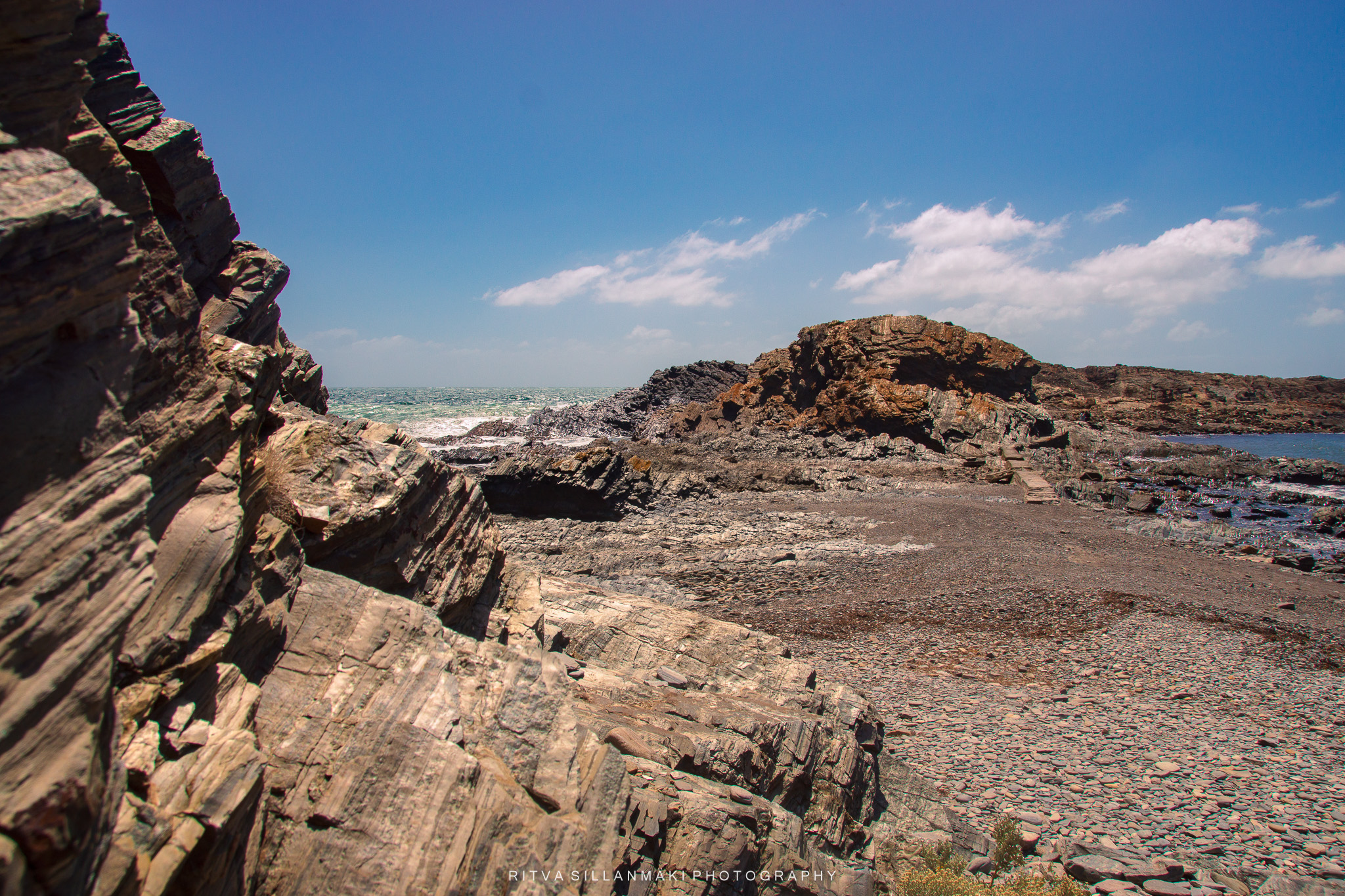
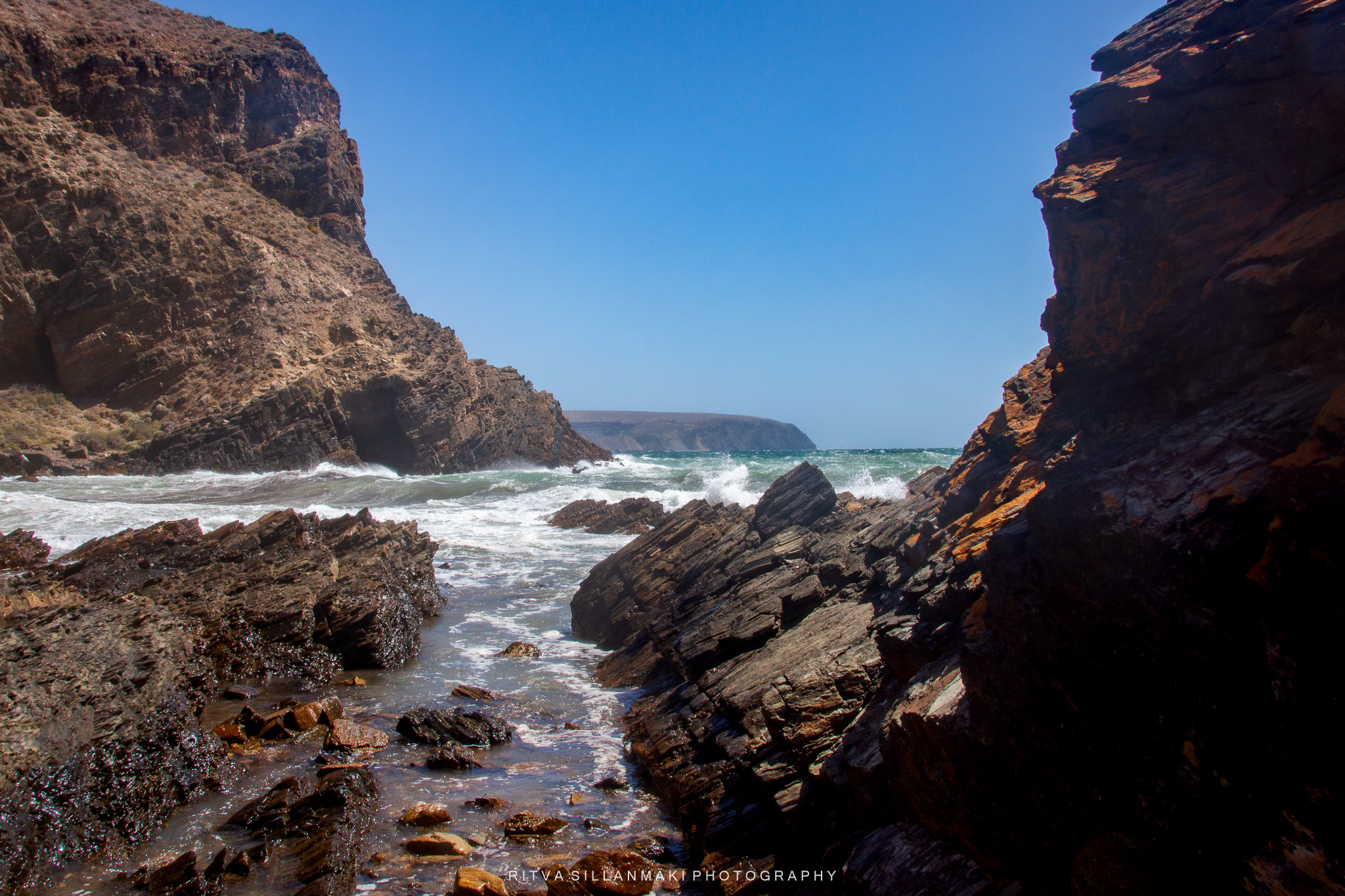
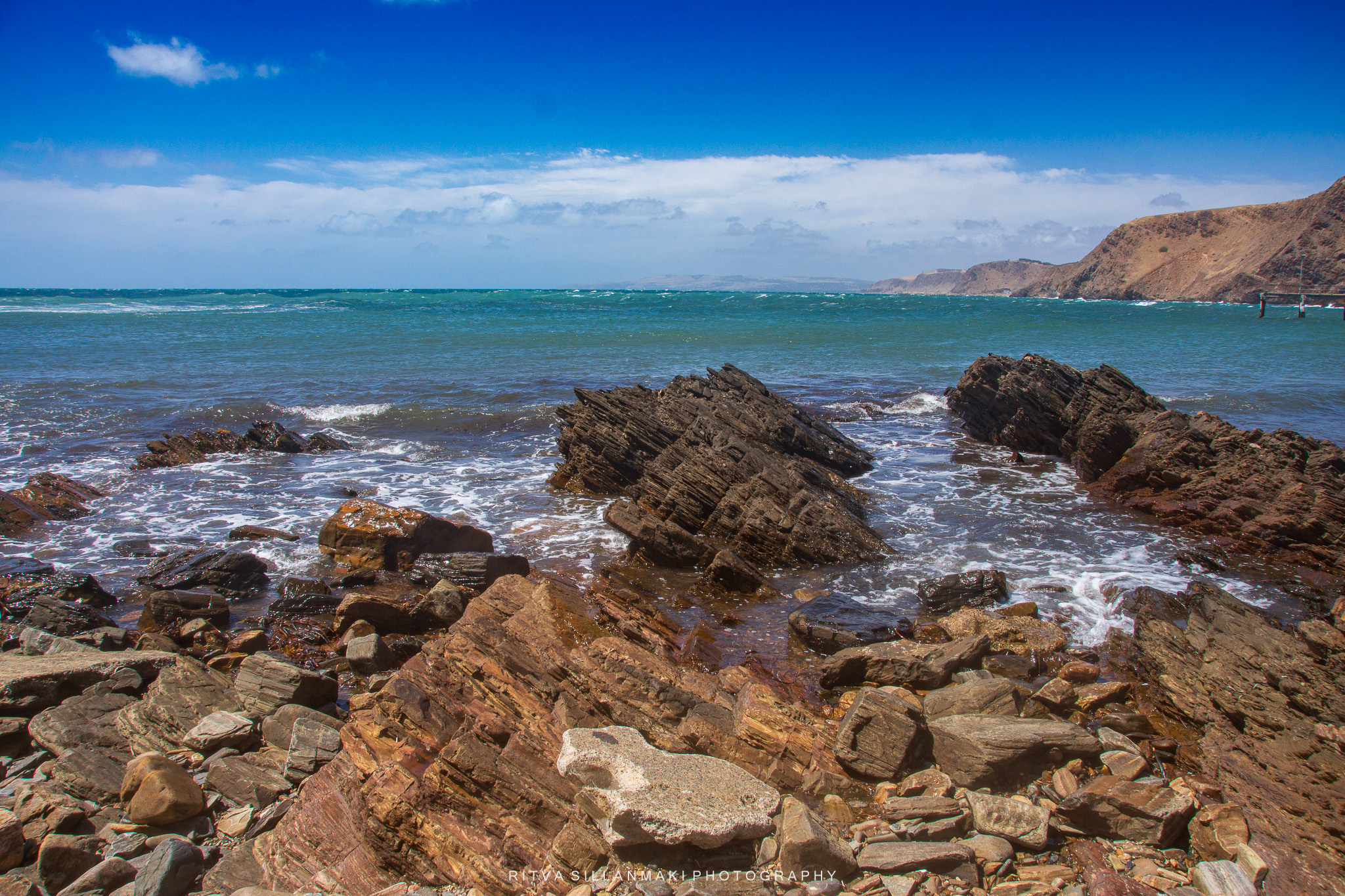
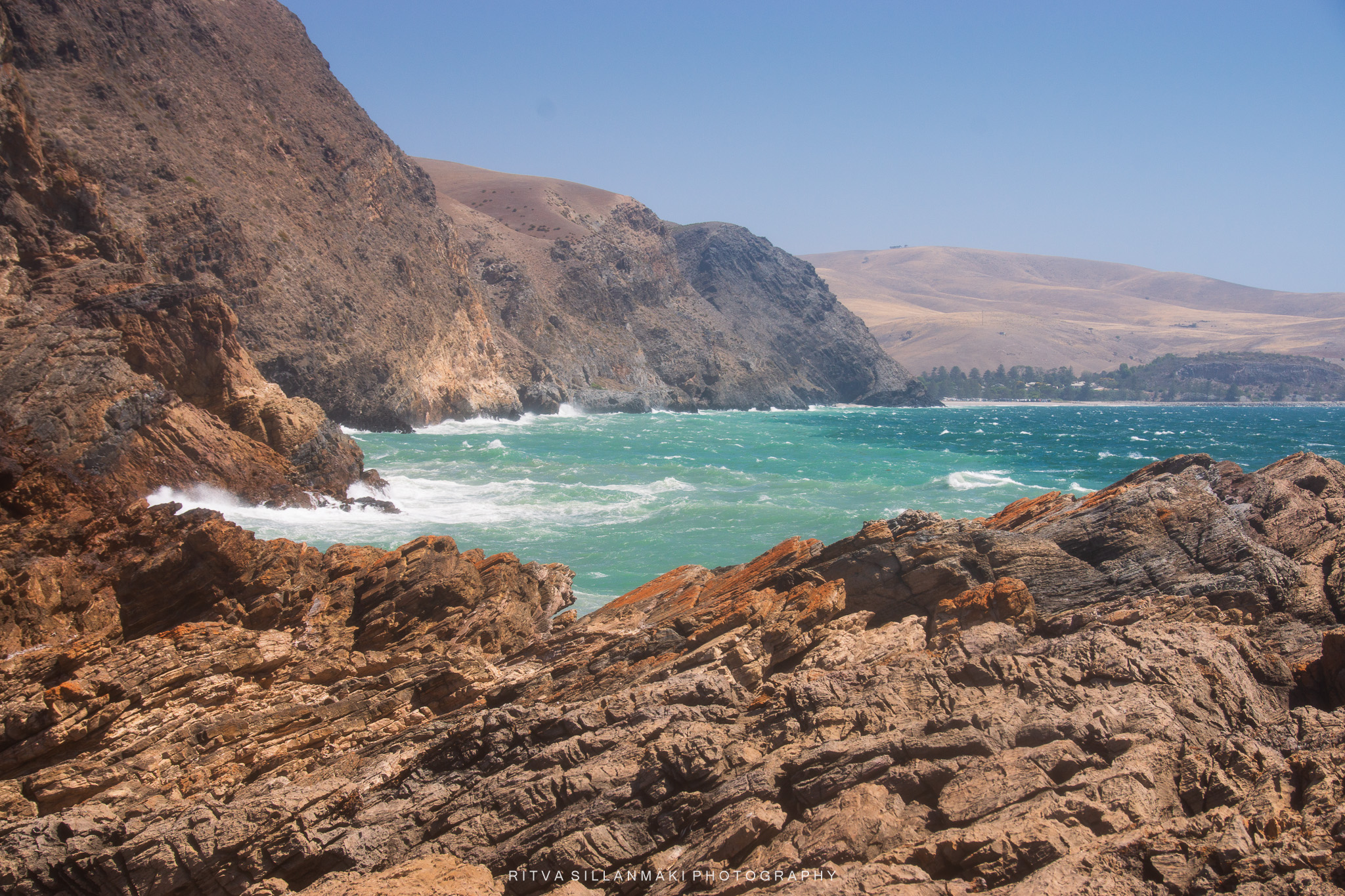
Got a peaceful start to the day, after a long weekend, by walking along the beach and on the rocks. It was a good workout, climbing and balancing on the rocky beach and picking up seashells. We took it easy for the rest of the day, but in the evening we got the call that it would be okay after all to go and visit Ritva’s cousin, Kari, and his wife, Susan, in Talbingo. Talbingo is a small town in the mountainous area of Kosciuszko National Park and only 370 km, or about a 4-hour drive, from where we were staying in Batehaven, NSW. 😊
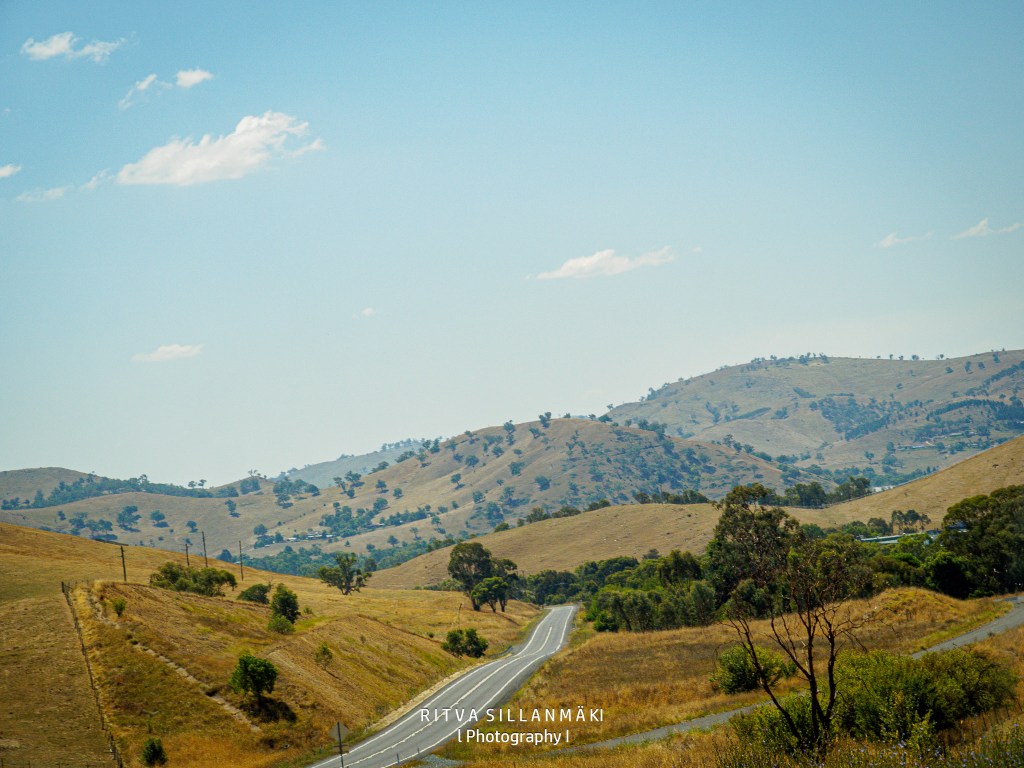
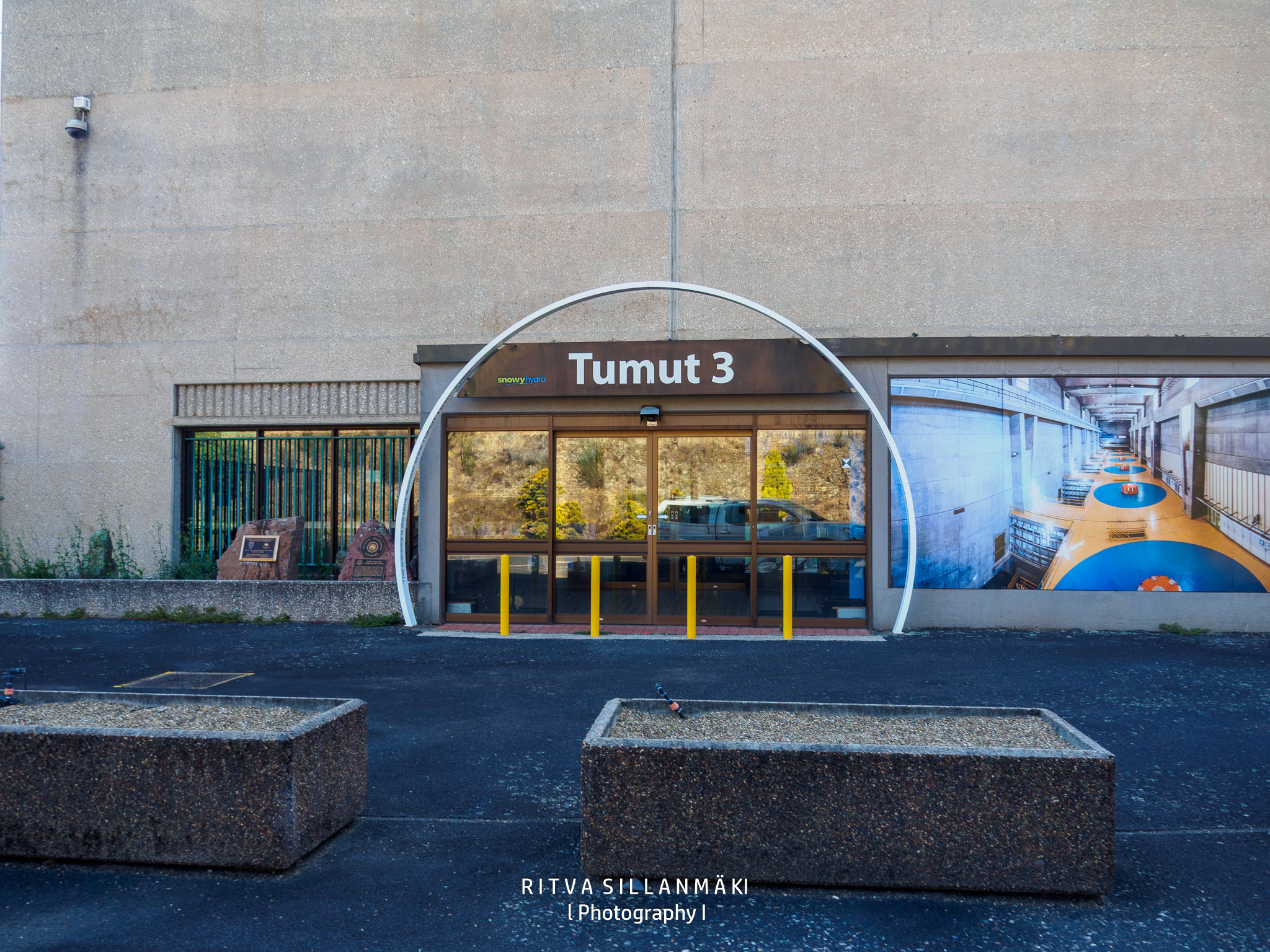
Up the Clyde Mountain again and around Canberra. We drove 3,5 hours until we stopped in town of Gundogai in a restaurant called Oliver’s. We had to stop there because one of our grandsons is called Oliver. Once again, we saw towns with cute names: Tumbarumba, Wagga Wagga and Tumut. Tumut is a town closest to Talbingo that has grocery stores. The distance is 40 km.
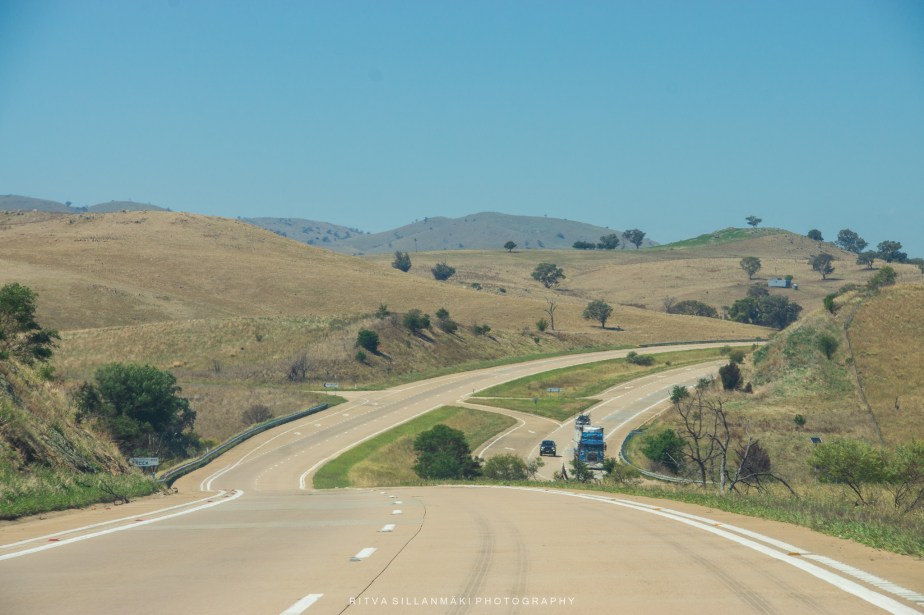
Some were in on the road
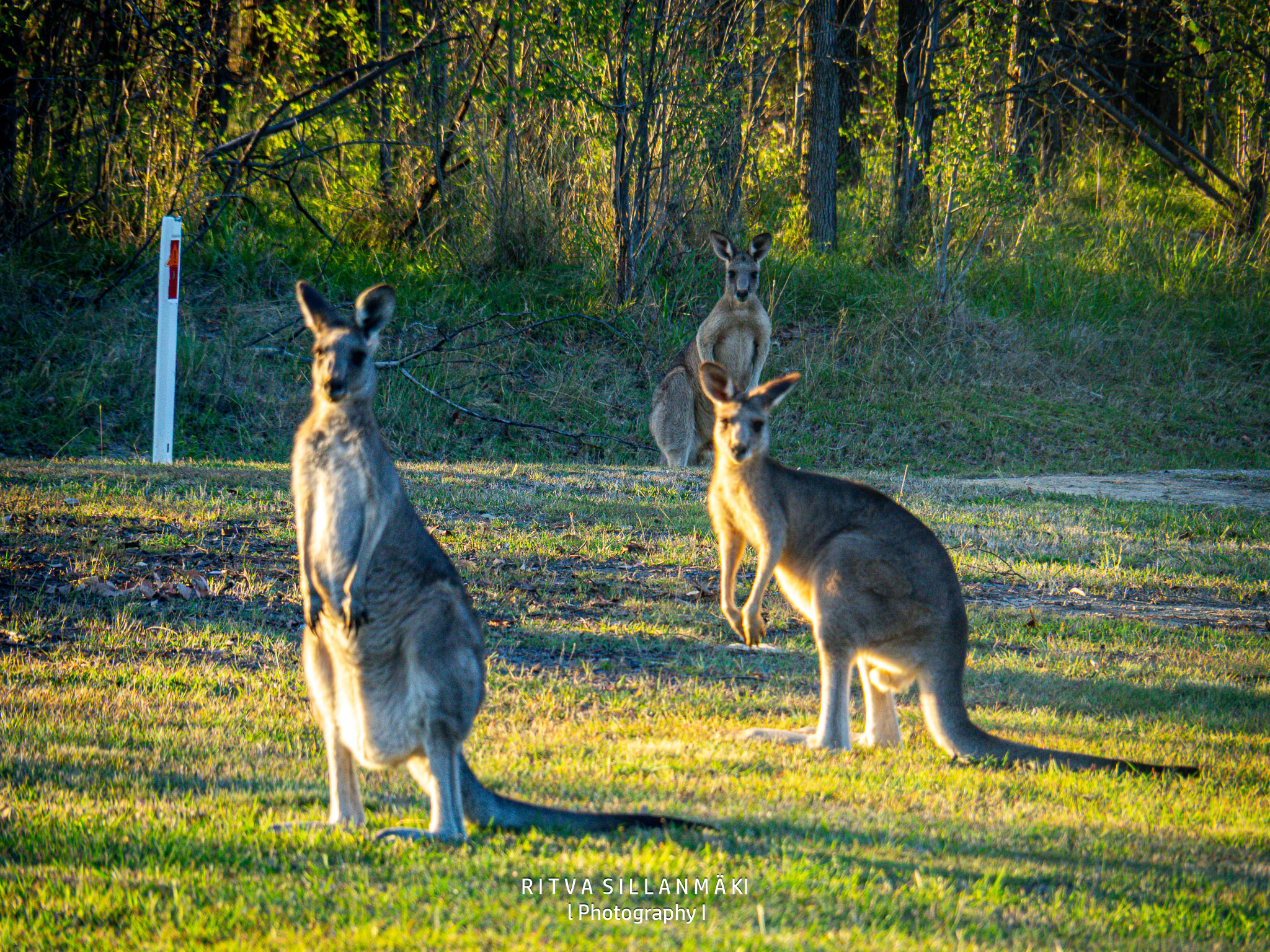
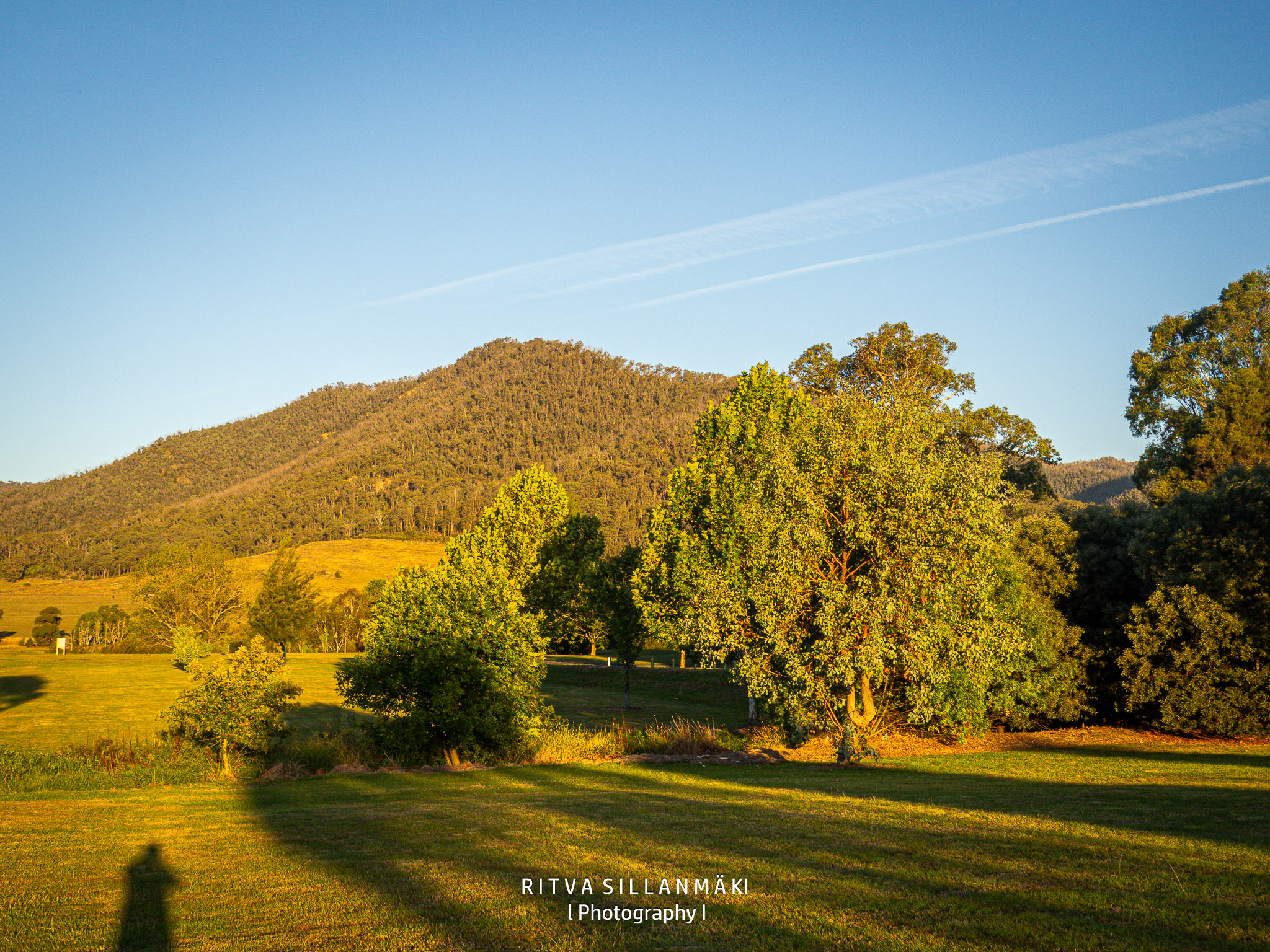
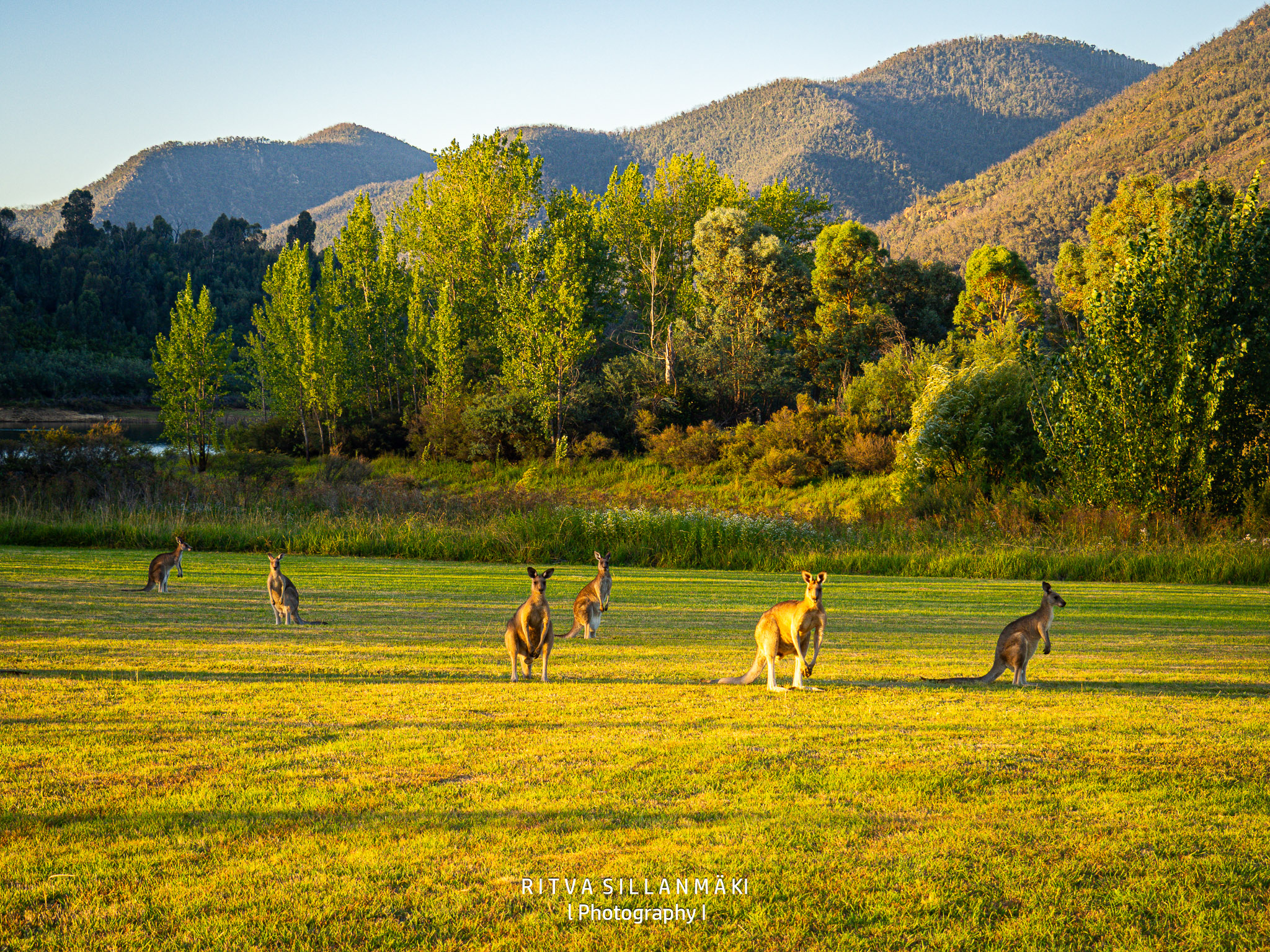
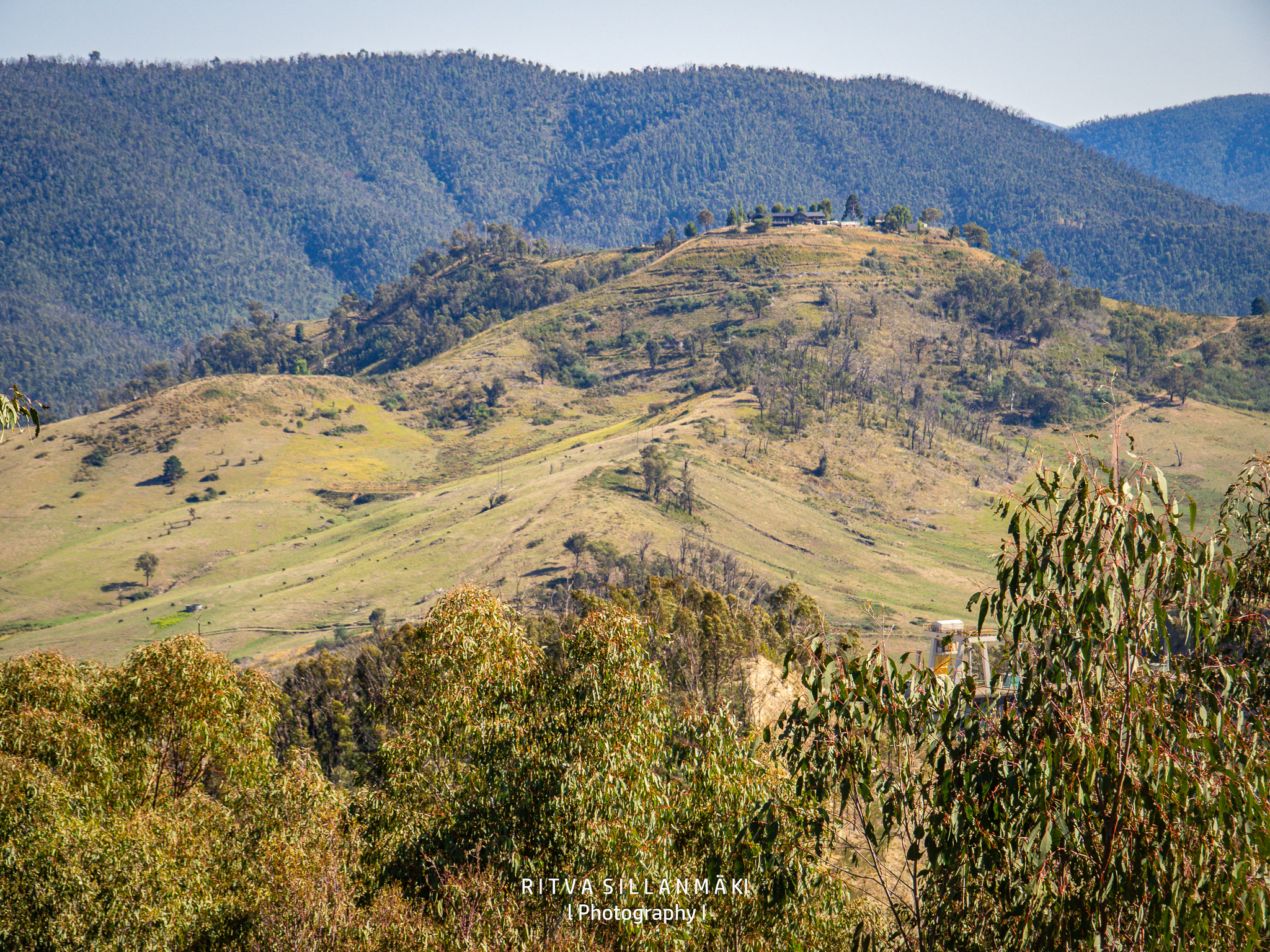
Afternoon and evening were spent catching up with Susan and Kari. However, I took a little walk because I knew from the previous visit that the kangaroos would appear in the close by park. Got some pictures of the ‘roos even though they didn’t allow me to get close by. And I must not forget to mention the mountains that surround the town. Lakes, mountains, quiet, what more can you ask for your retirement home. Well maybe general store would be nice, but it closed few years ago.
Talbingo at dusk
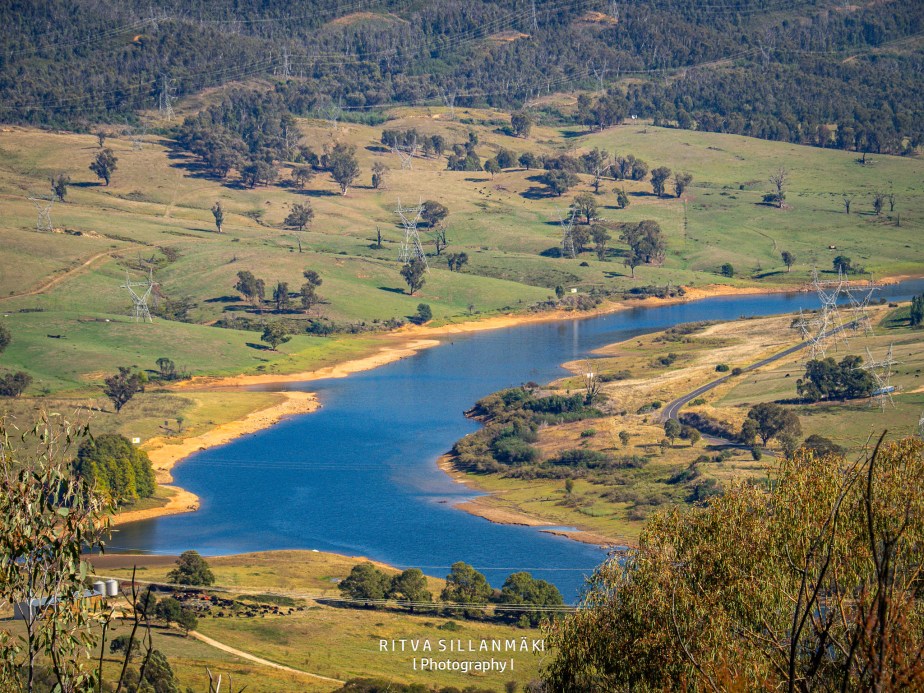
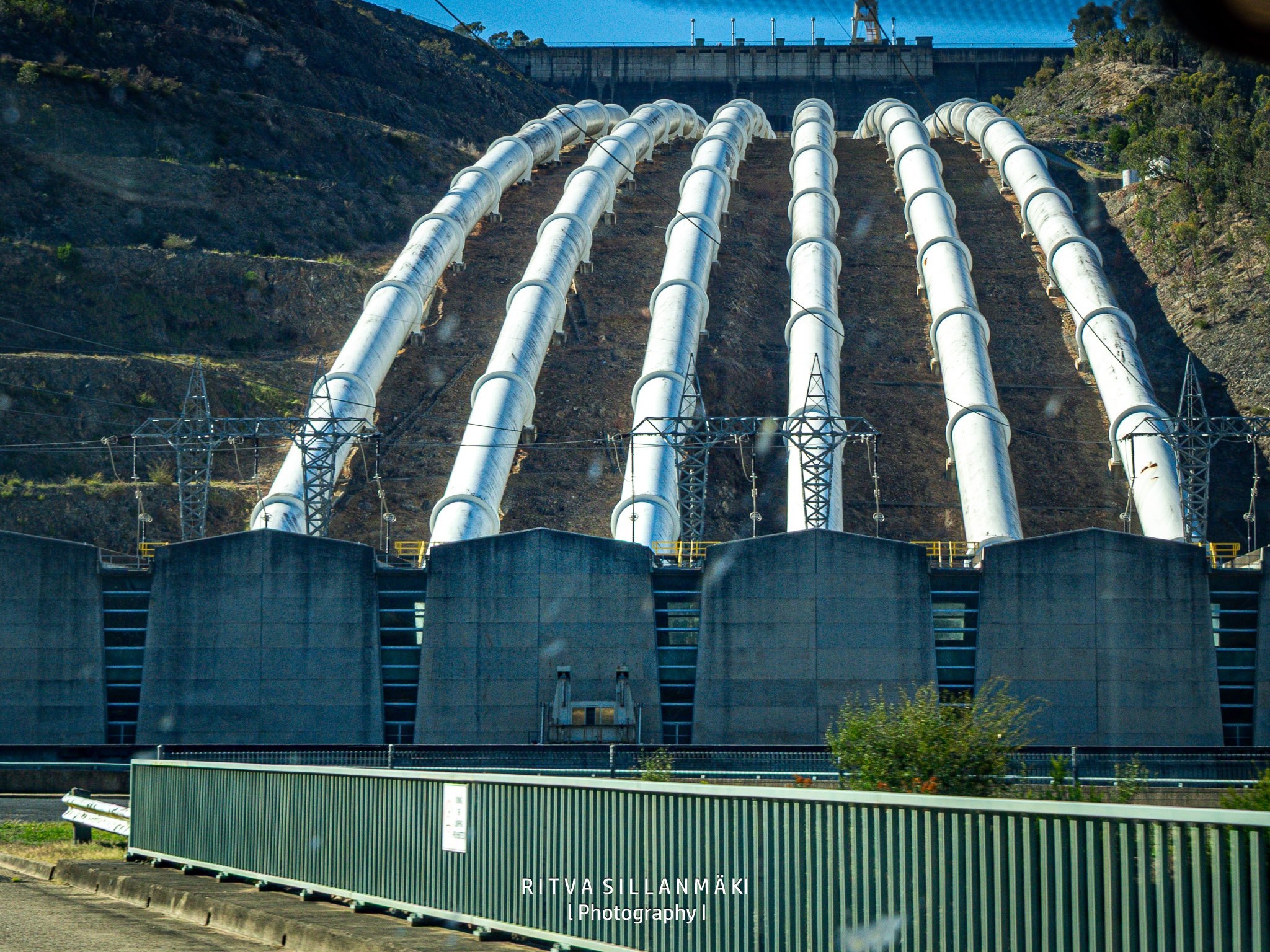
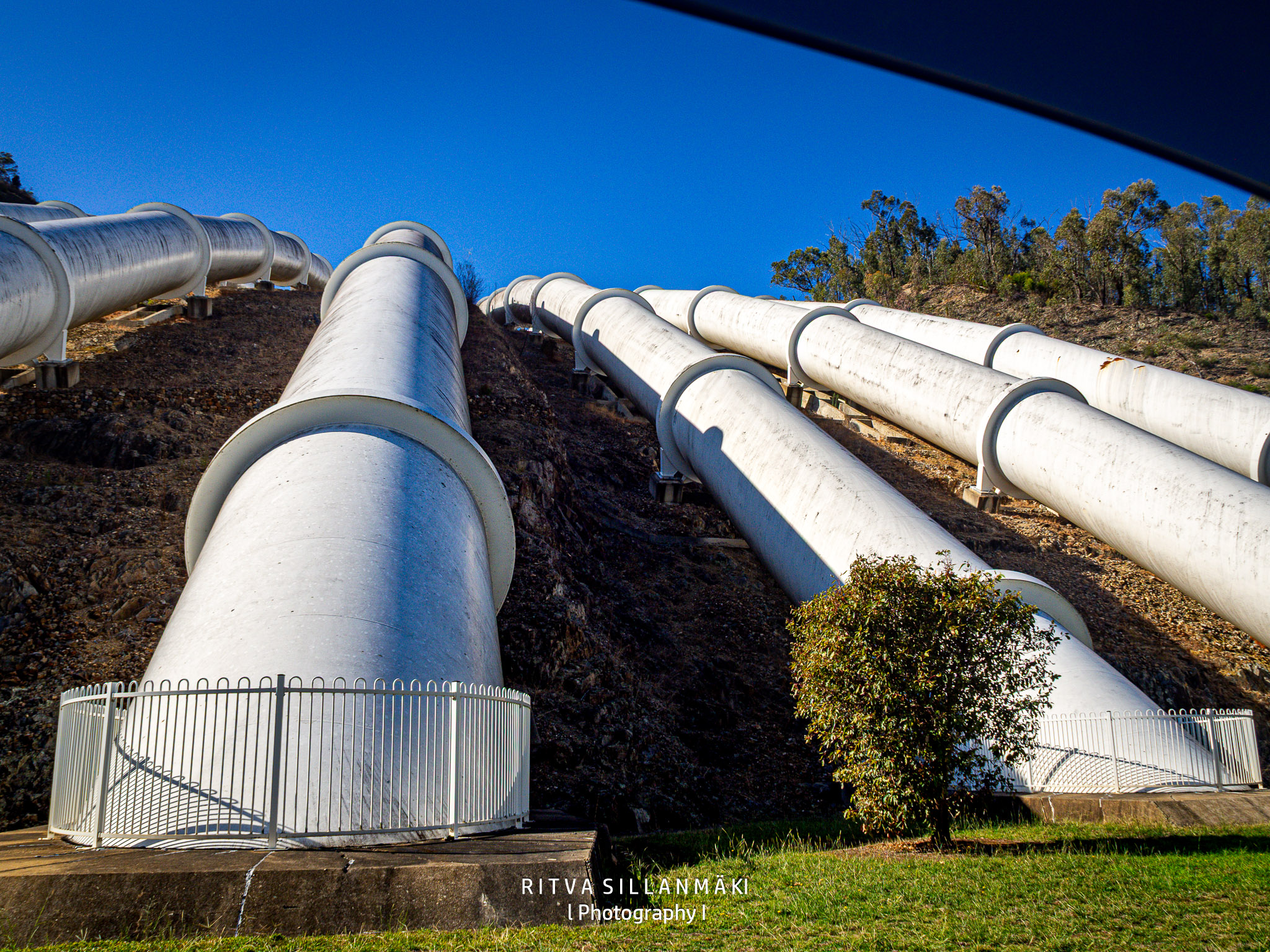
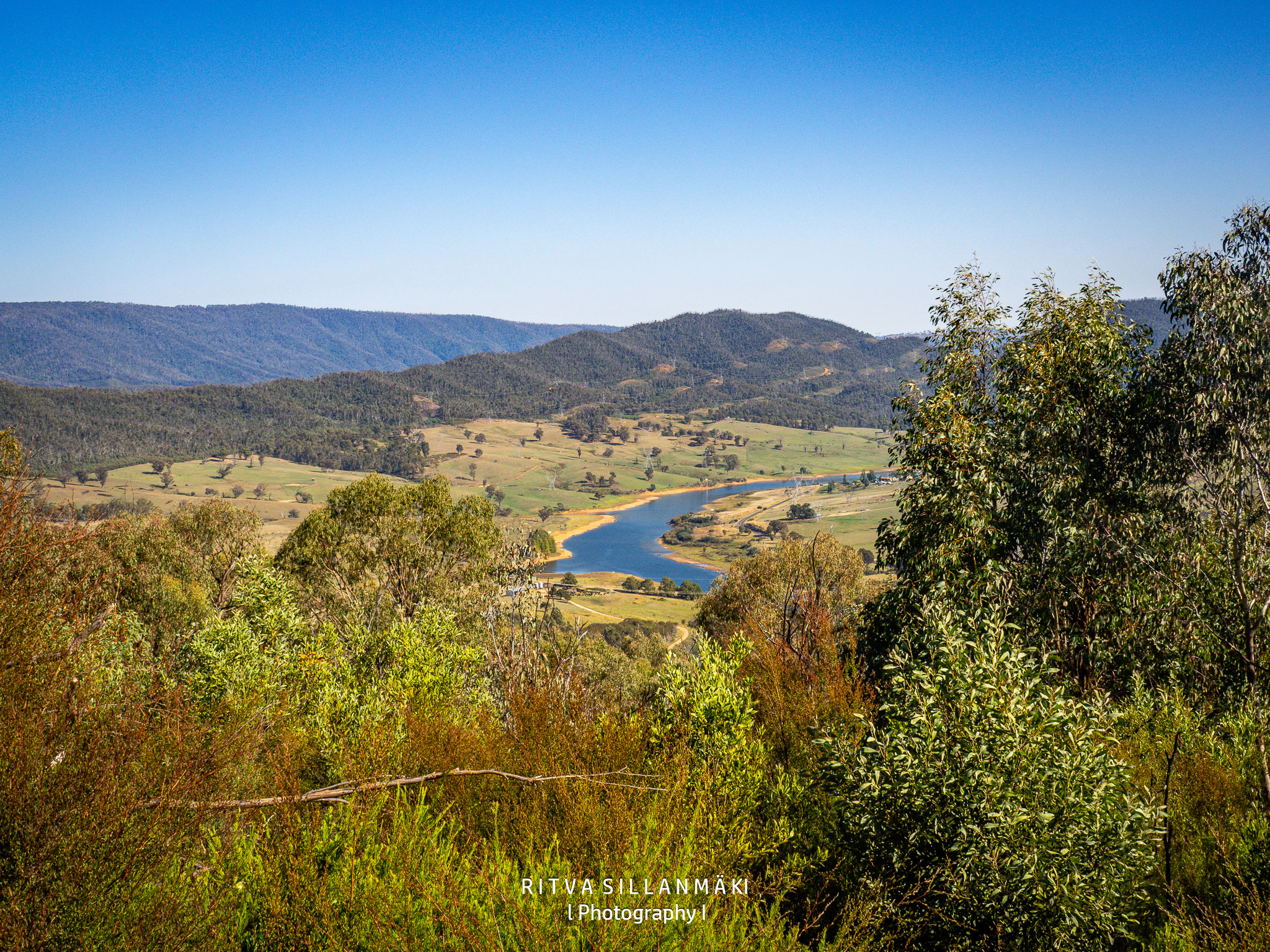
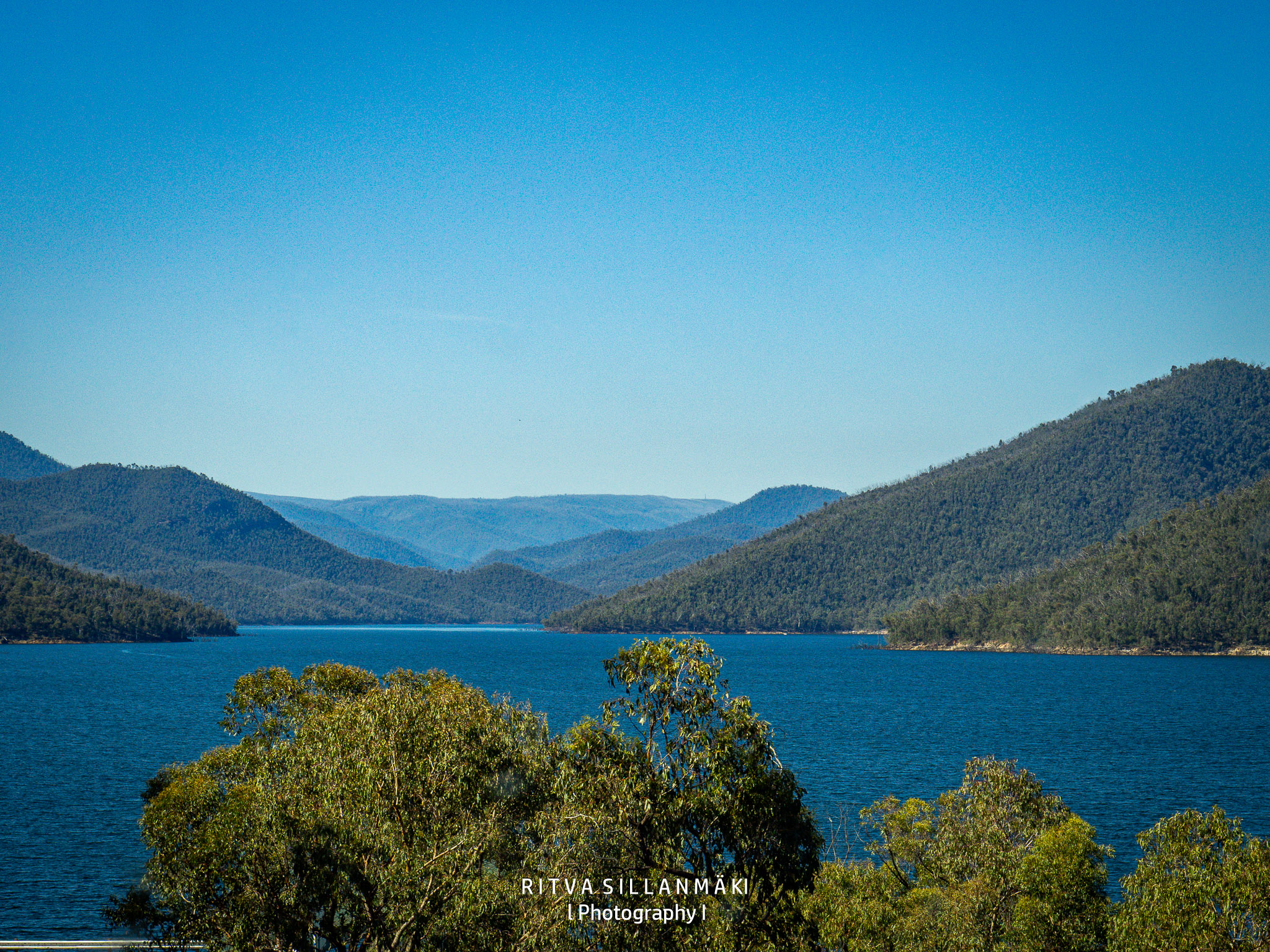
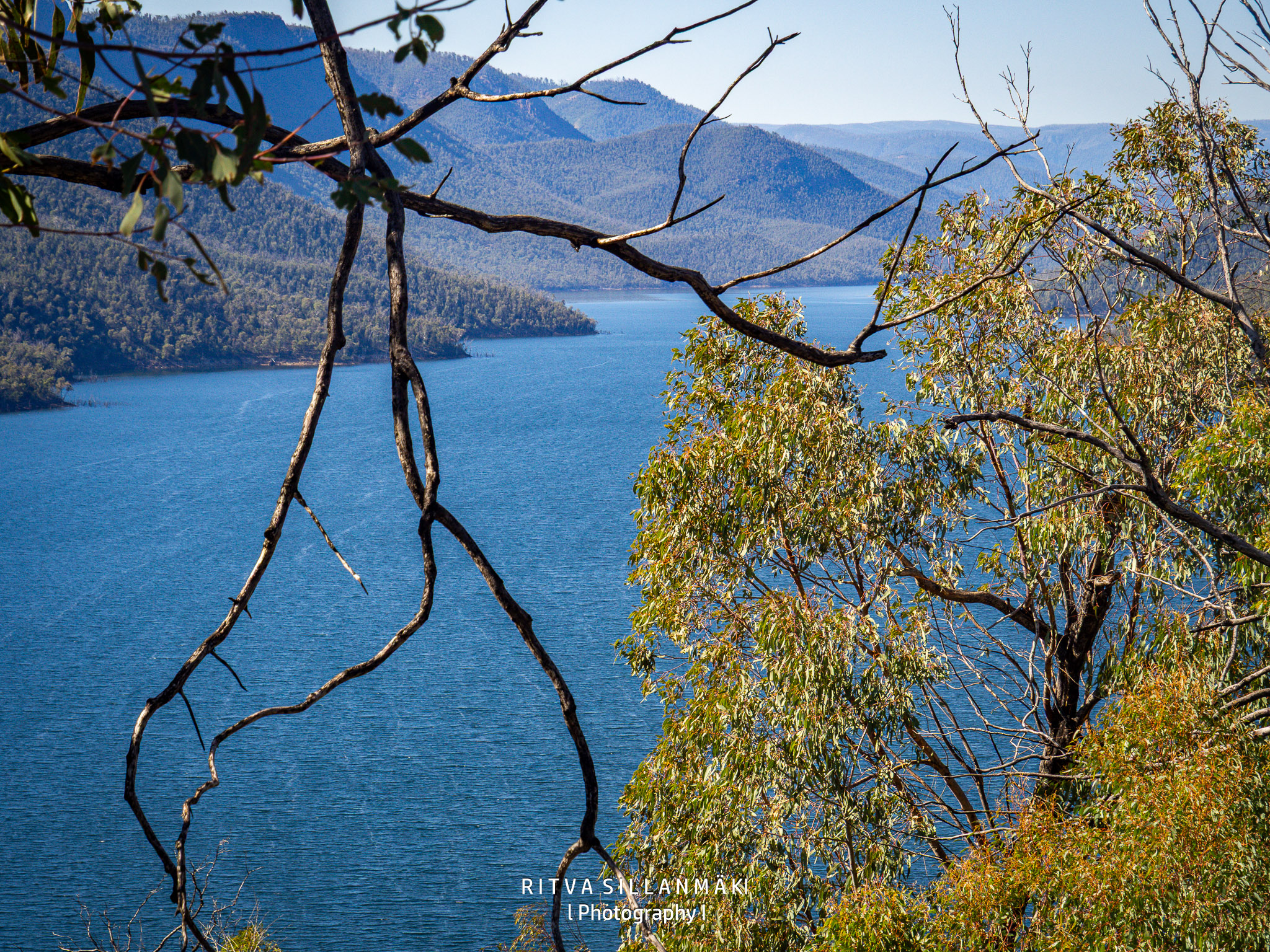
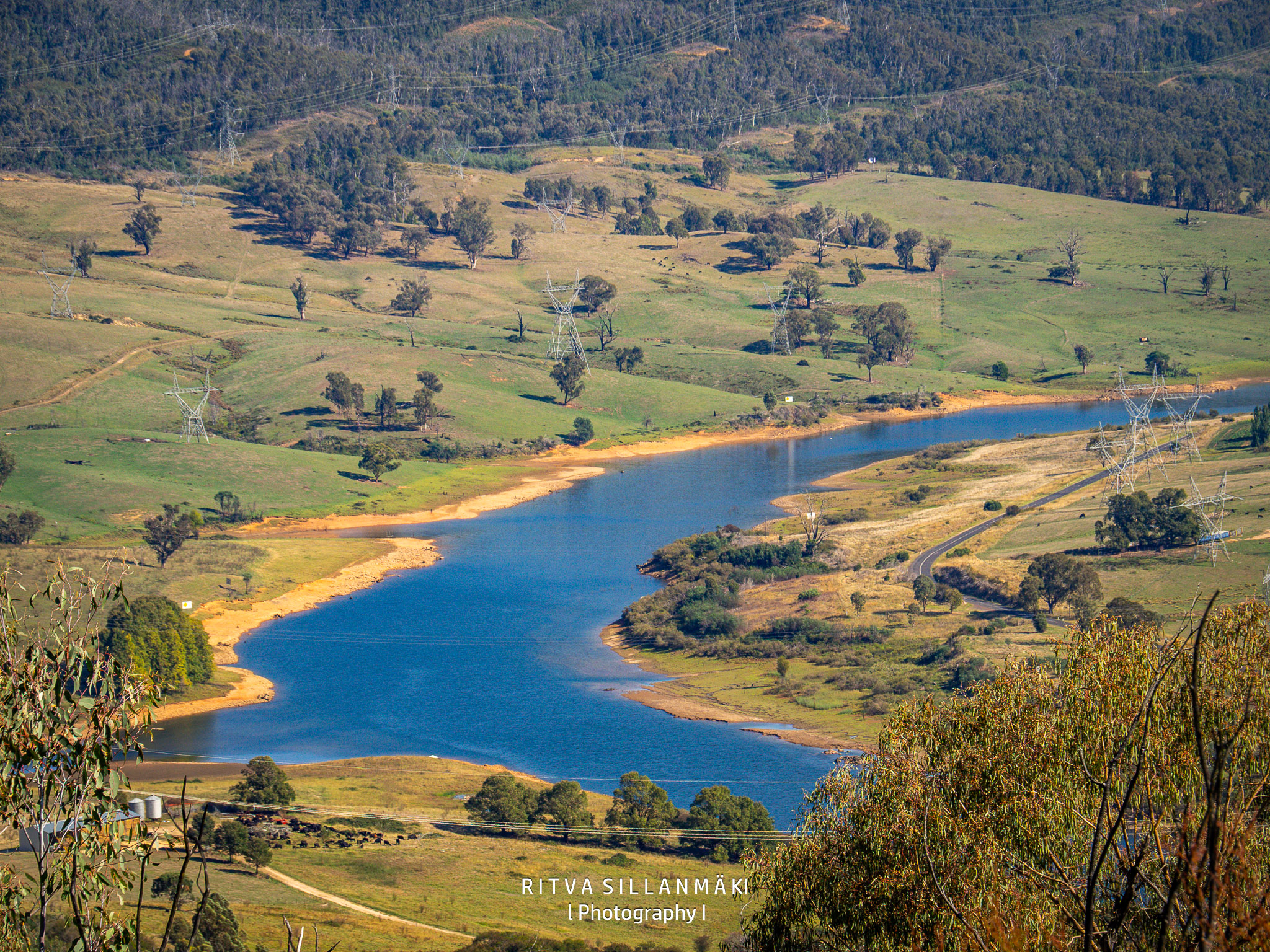
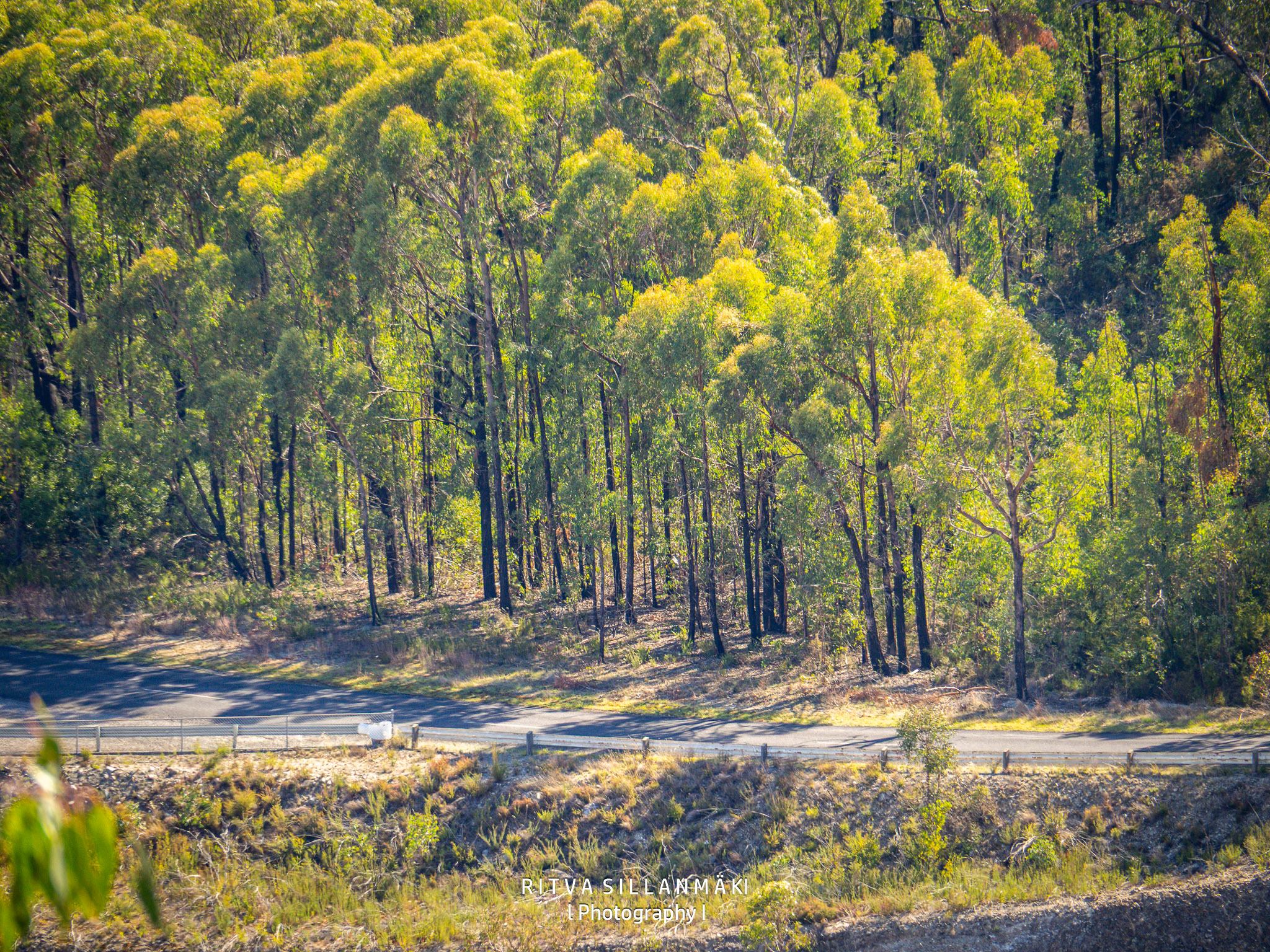
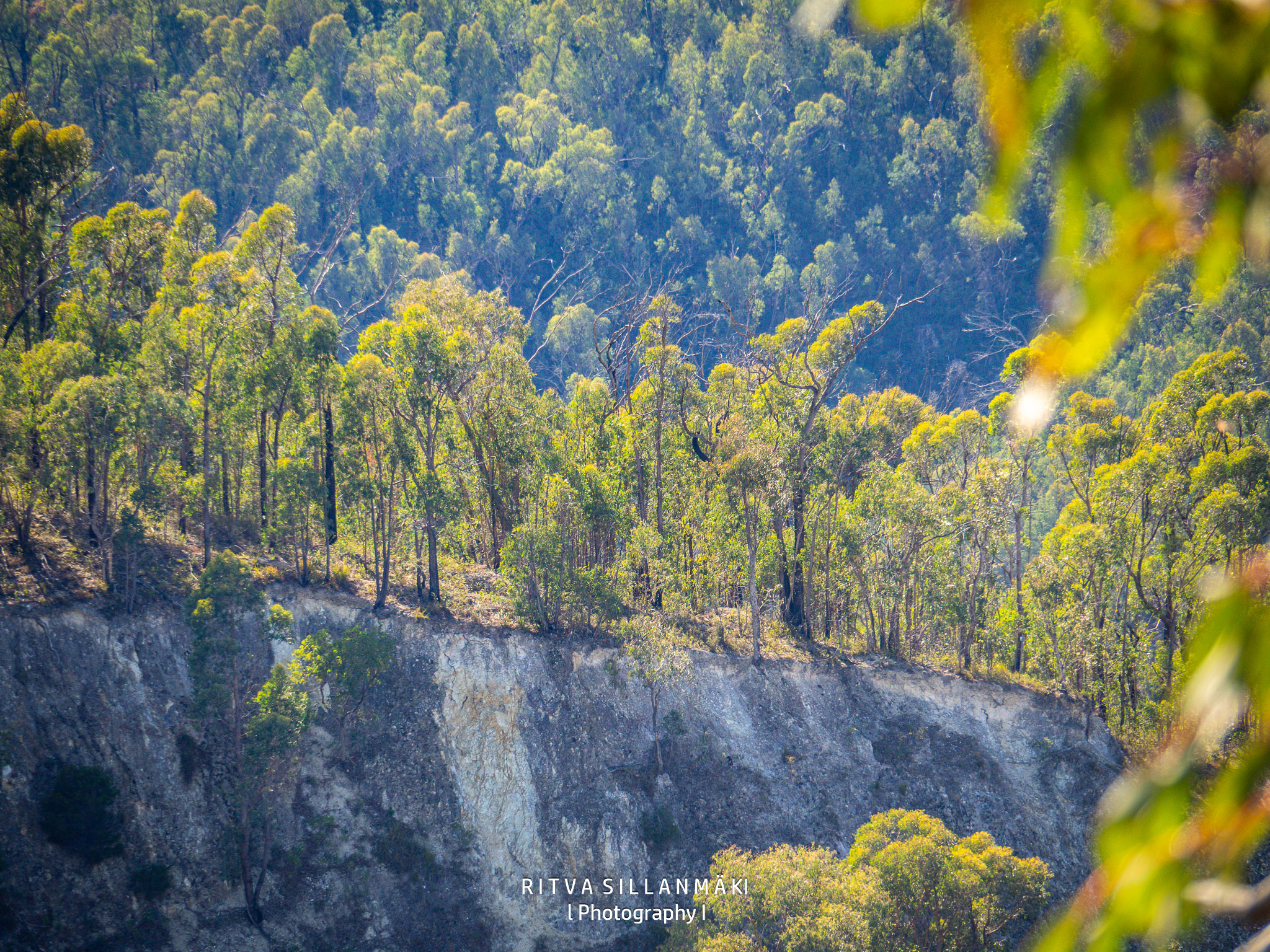
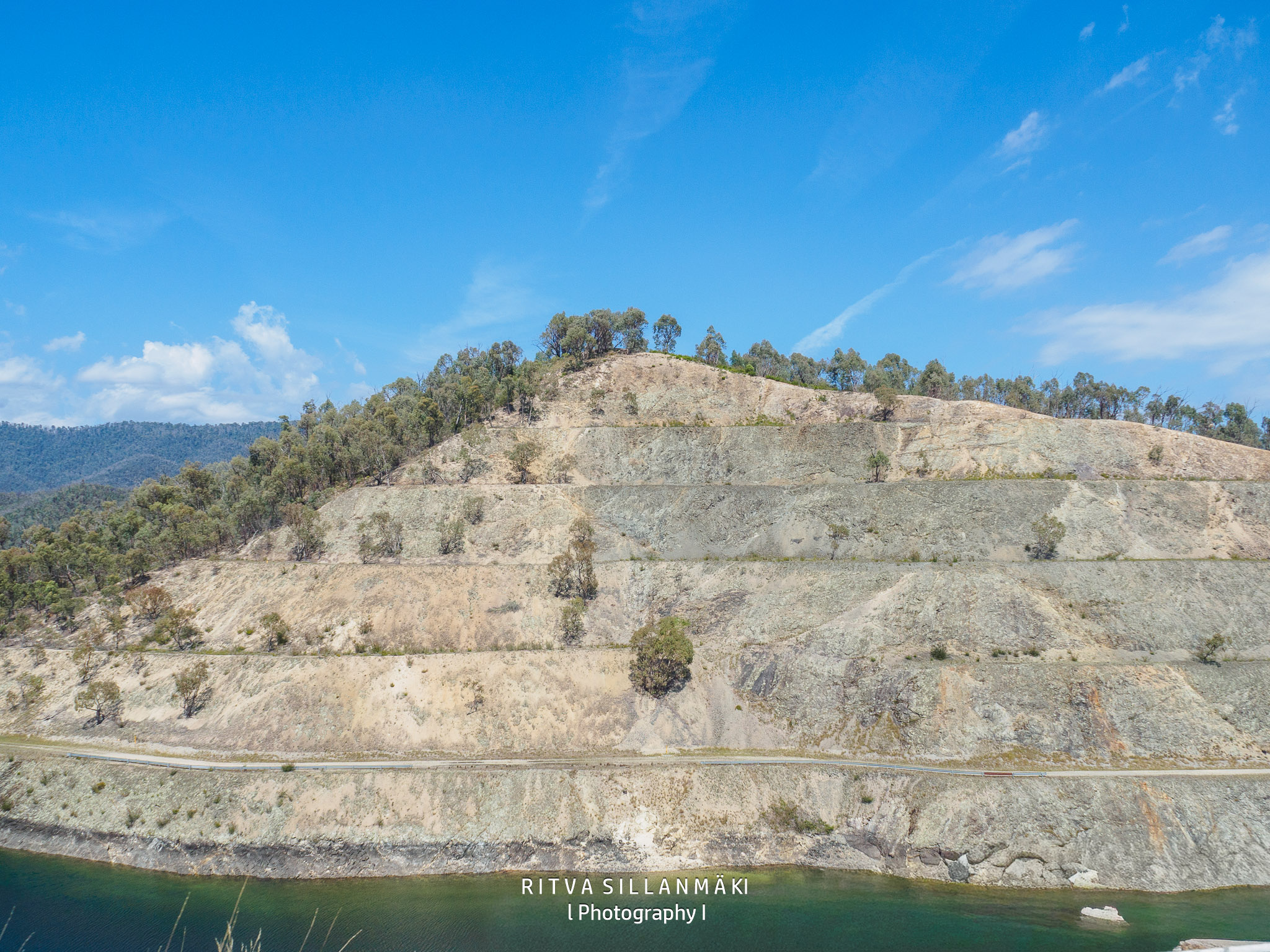
Talbingo area has couple of dams built along Tumut River and power plant that produces plenty of electricity to a wider region. Two reservoirs were formed because of the dams: Talbingo and Blowering Reservoirs. In the morning, we drove to the Talbingo Reservoir that the locals call Top Lake. On the way we drove by the power plant. The pipes that we running to it from the reservoir didn’t look like much but actually you could drive a double-decker bus inside of them.
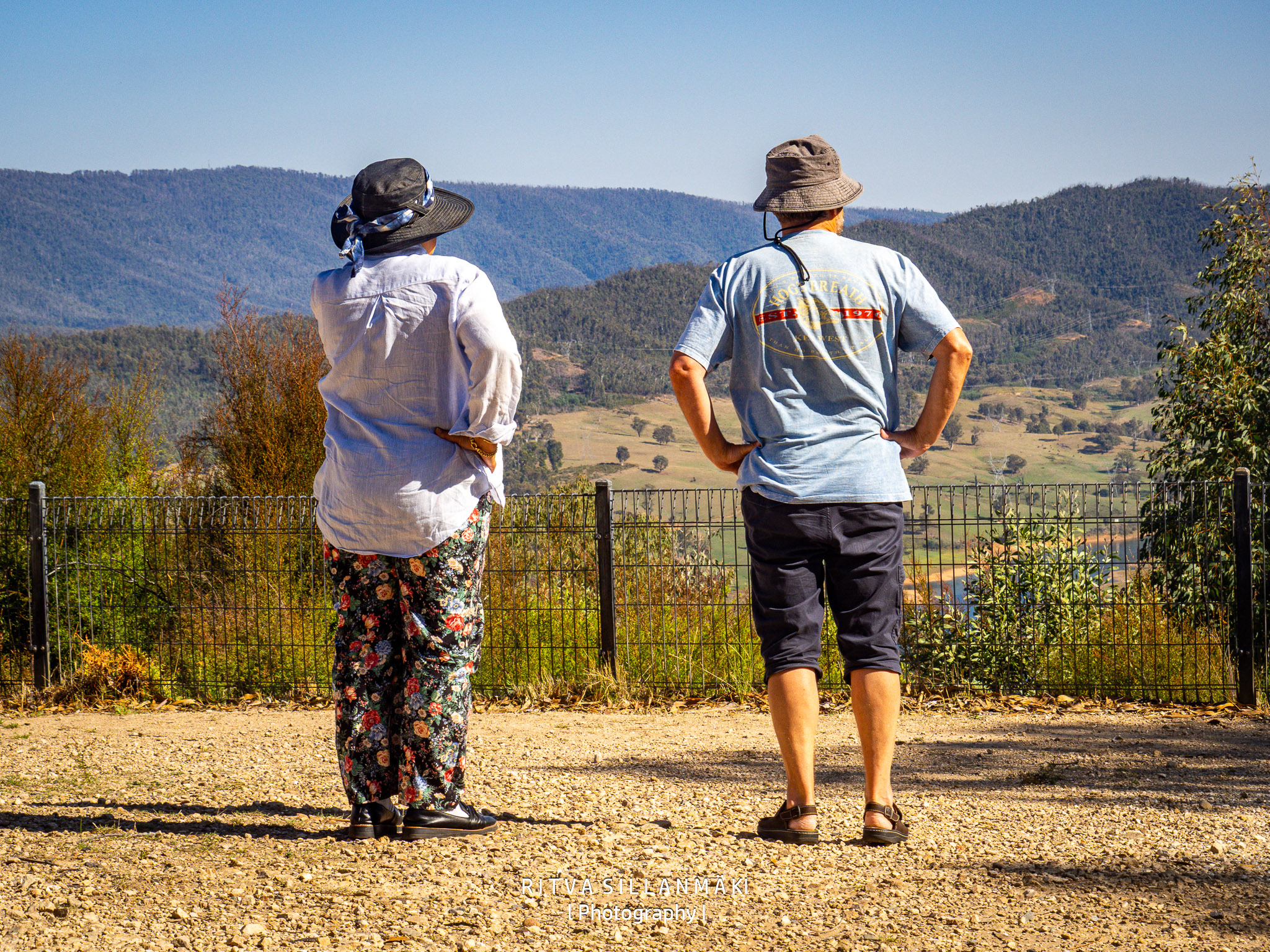
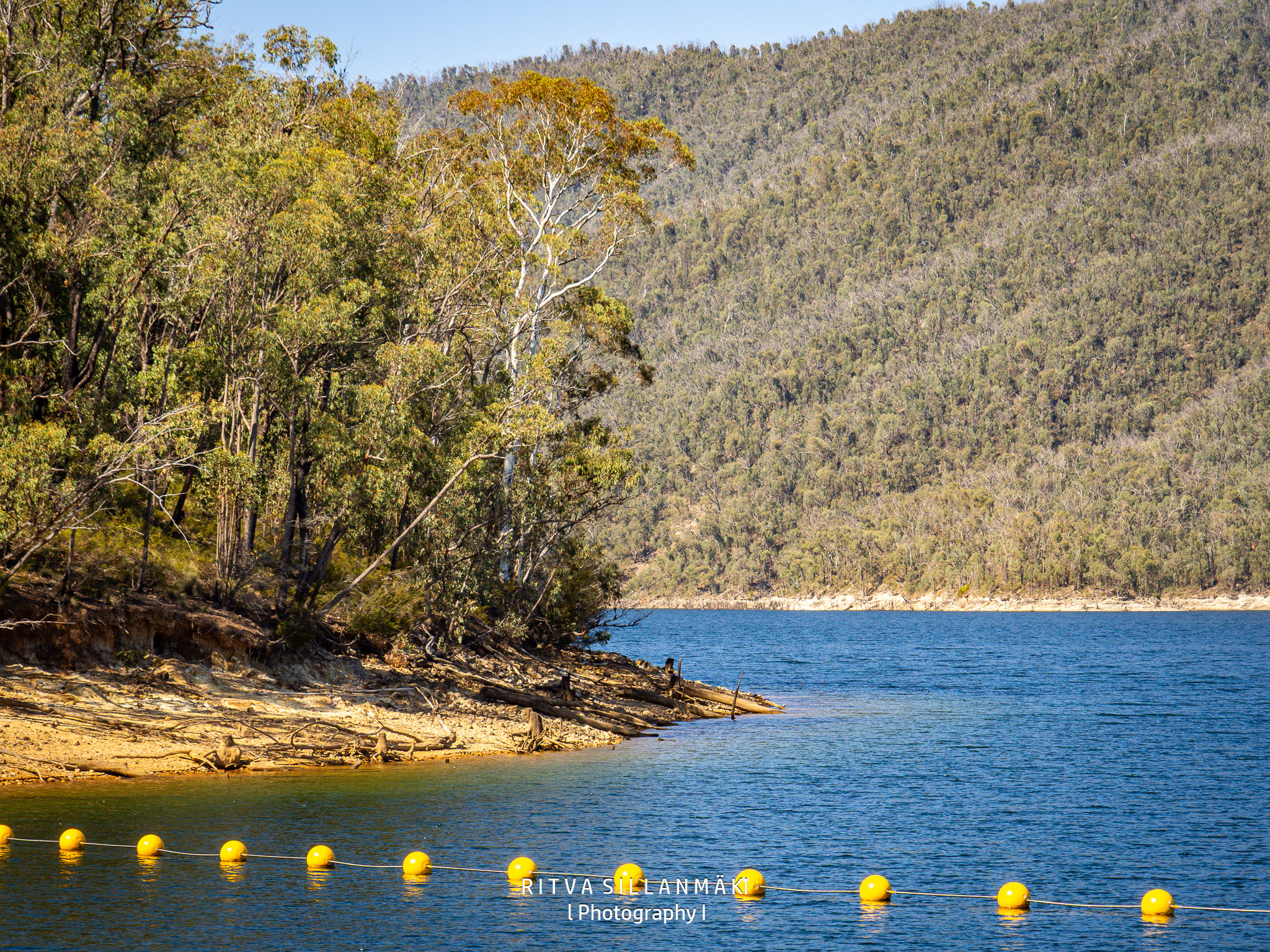
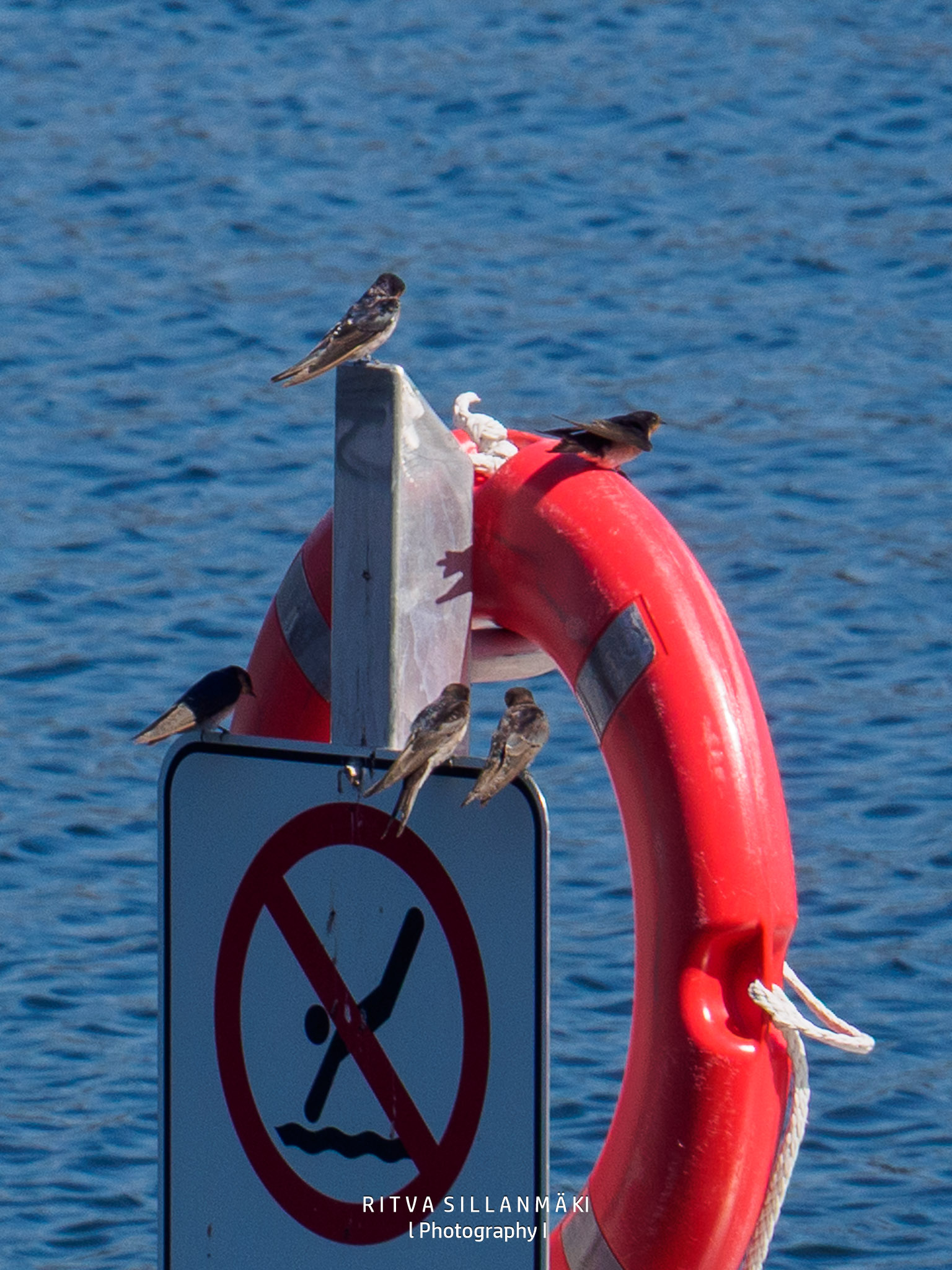
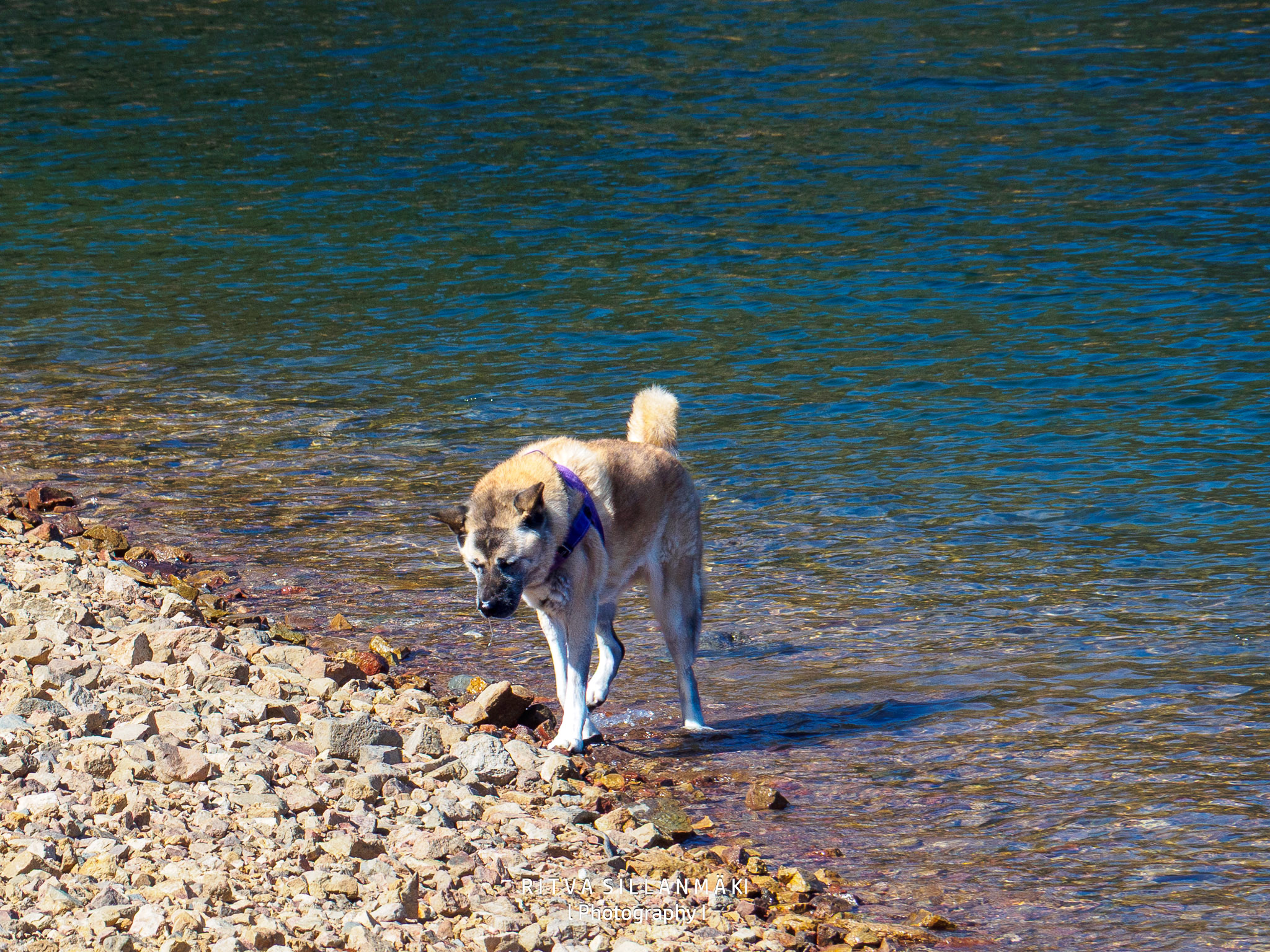
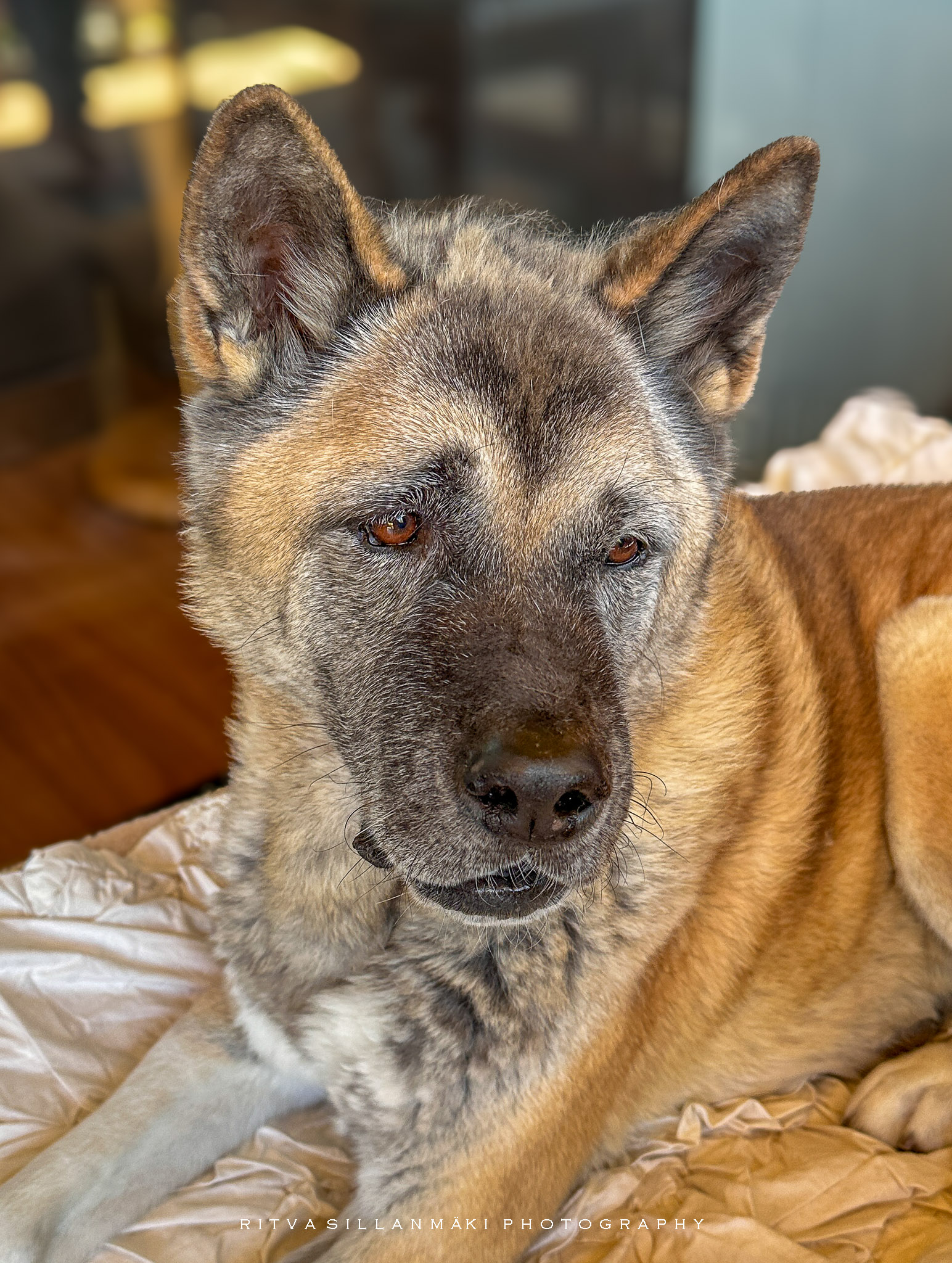
Being off-season Top Lake was really quiet. There were only two teenager and us four. Or I should say five because Susan and Kari have a beautiful Akita dog named Nischka. She is big but so peaceful. I’m digressing. Last time our host couple’s friends, Chris and Maggie, took us for a boat ride and waterskiing on Top Lake. Unfortunately, they don’t live there anymore, and we ended up just enjoying the scenery. Susan found a beautiful piece of driftwood on the beach, and she was gracious enough to give it to us. Now it has a special place on our dresser. I can only imagine how long it had been in the water to be so smooth.
As I mentioned before, Kari and his father and maybe one or two more of the brothers were laying the groundwork for the new Parliament House. I say maybe because I heard so many stories from all Ritva’s relatives it is hard to keep up with them.
Later in the afternood we headed back to Caseys Beach we didn’t want to bother our hosts. They were both under the weather. We only stopped at Braidwood, after a three-hour drive. Heli had recommended Braidwood Bakery. We got there too late, just before closing time, and there was hardly anything left to buy and eat. However, we got to Caseys Beach just in time to one of Heli’s scrumptious dinners.
It’s been over a year since we visited Australia( Feb 2025). I had all my photos edited and my husband Mara had written the narrative of our trip. Then what I call a disaster happened: my computer and Lightroom had some hiccup and all the edits were lost. I hadn’t saved them. It had been a tremendous job to get them done, and I just couldn’t get myself to redo them again. But now I thought I would do the Canberra post. It has been fun reading the text again; it brought back memories of our trip, little details I had forgotten. Let’ get started.
Going for the new world record, or at least my personal record, with time spend driving within three weeks, so off to Canberra we went on Friday morning. So little time and so much to see. The plan was to see relatives and friends and to see the sights. Driving up the Misty Mountain and Clyde Mountain was nearly as much fun as coming down. I hadn’t done my research about Canberra properly and we had to go the Tourist Information by the Lake Burley Griffin. We got the info and bought a wombat toy for one of our grandsons. It was time to find a place to eat and it proved to be challenging as it often does. There was a lot of road work going on and GPS was not up to speed. In the end we ended up eating pizza slices at a place called BJ’s in Acton, I think. But BJ’s was clean and cheap and that is sometimes all you need. Pizza was good too and they had some fun posters on the walls and beer was great.
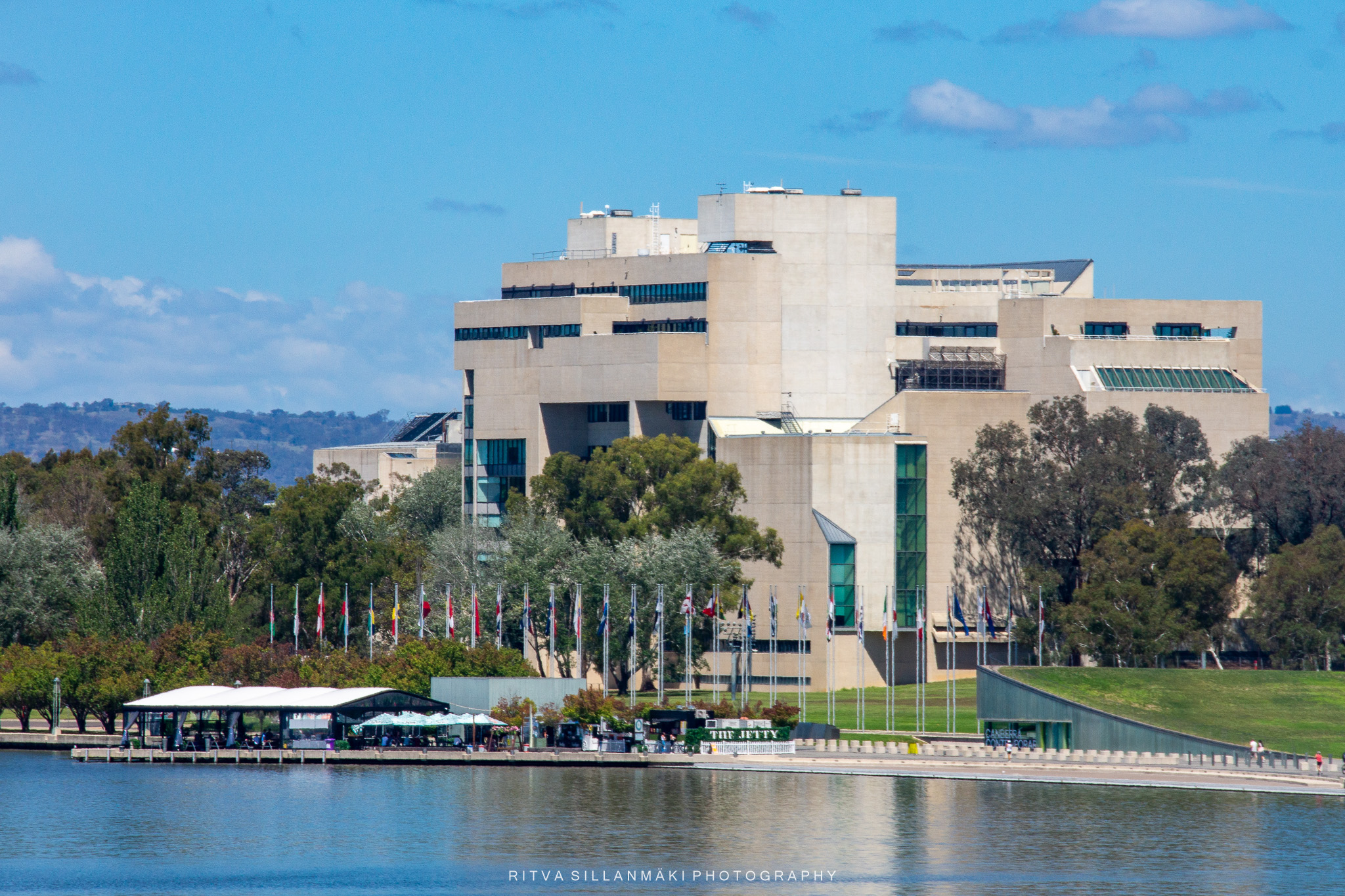
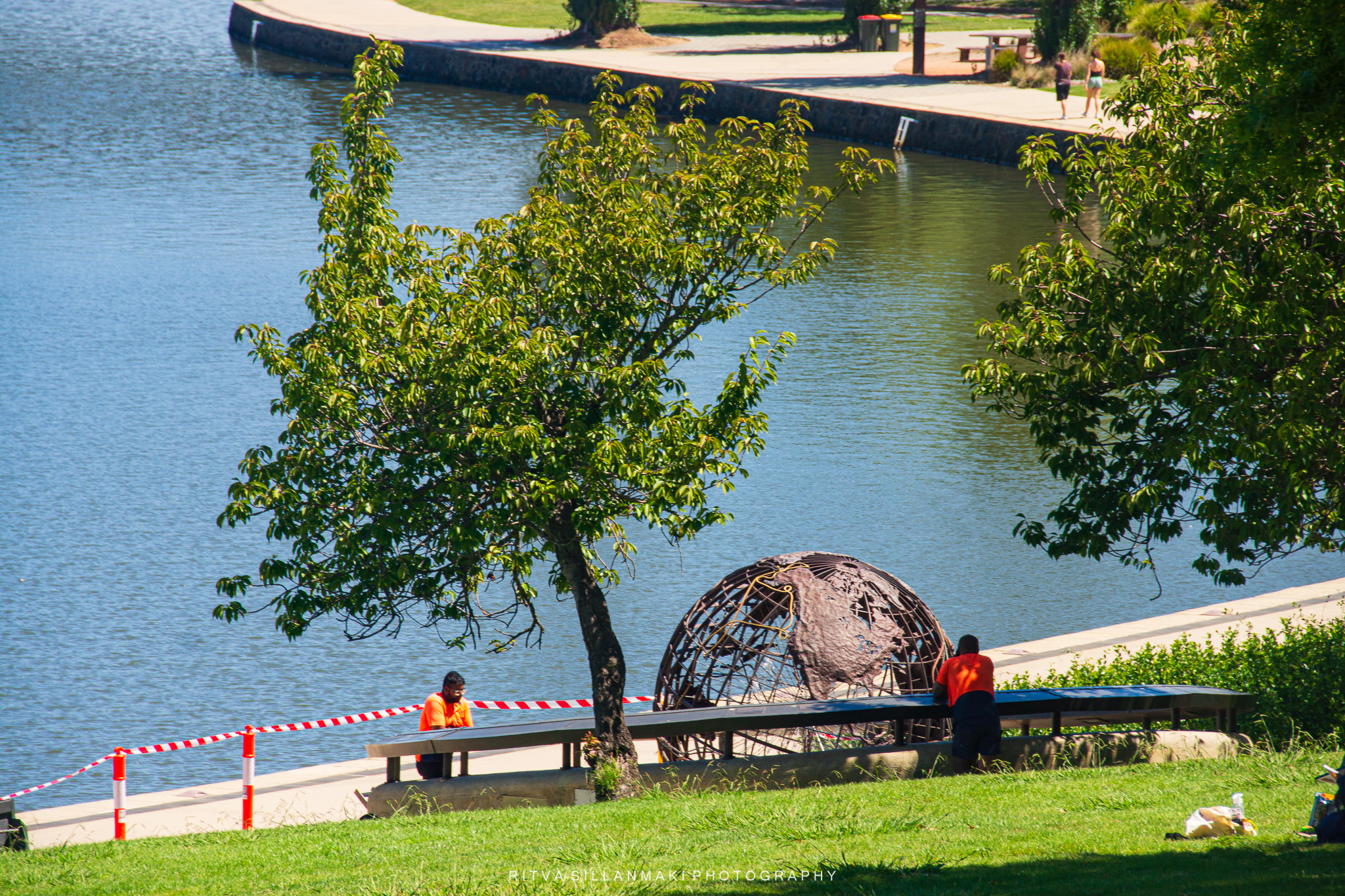
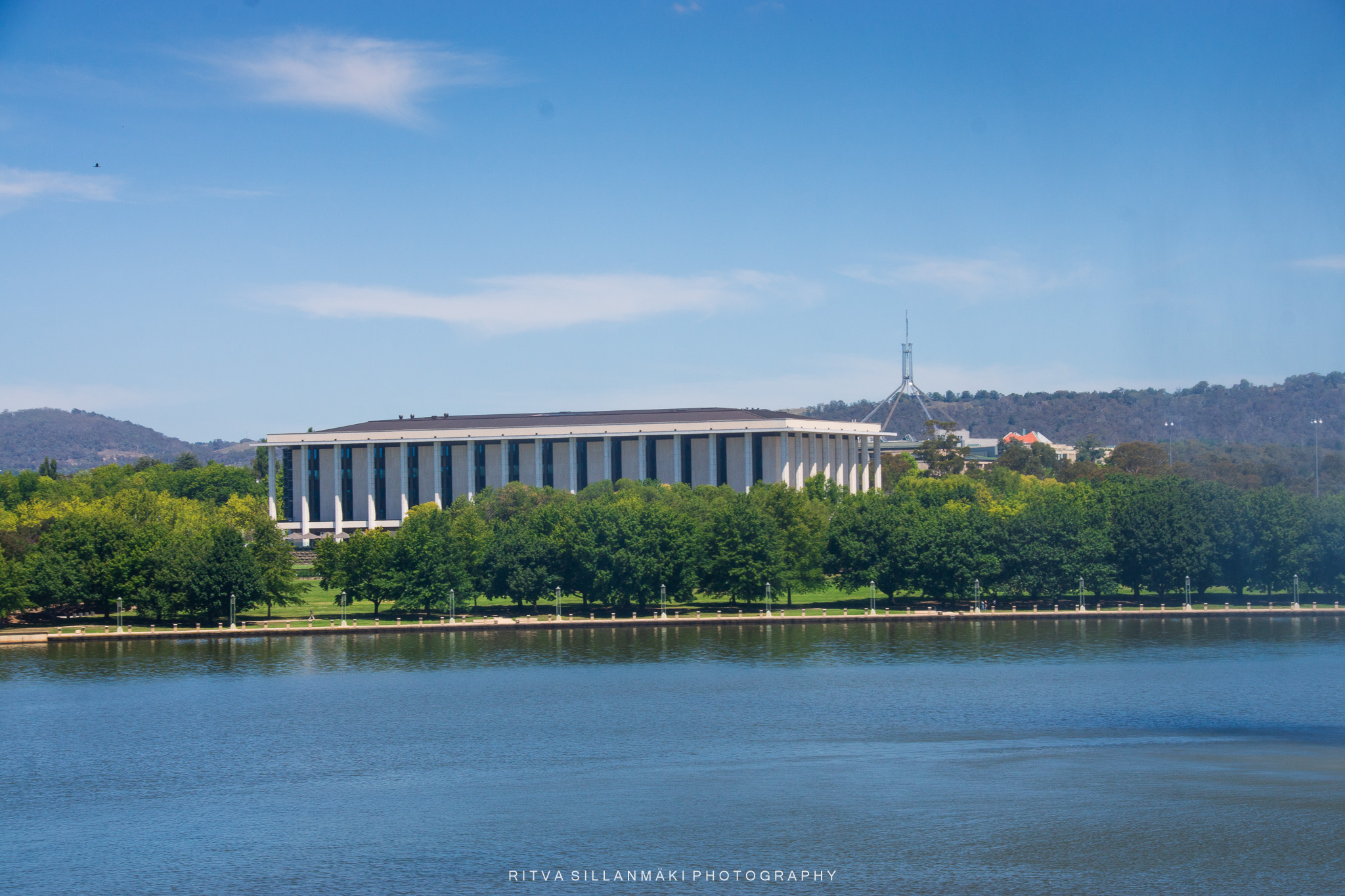
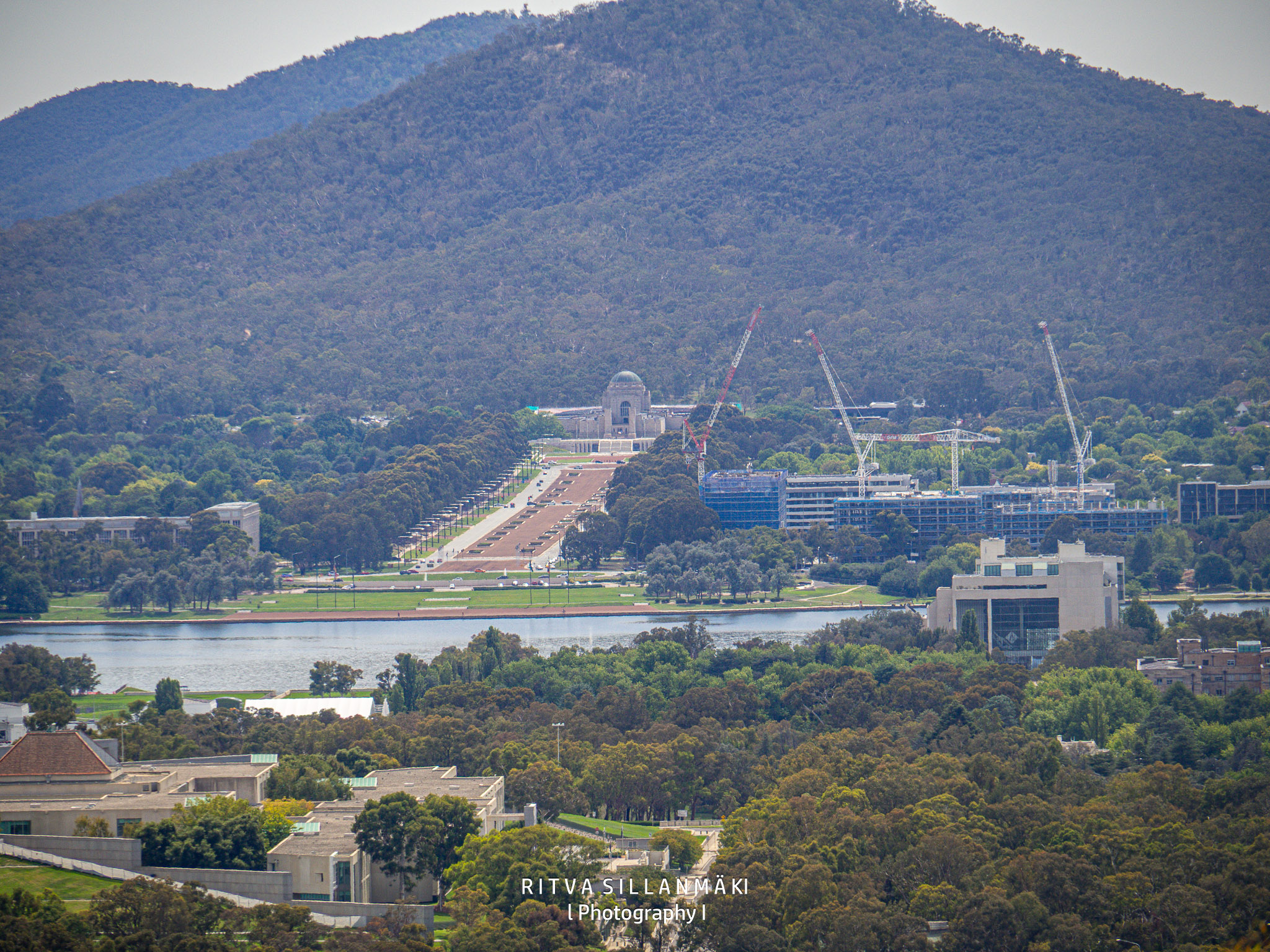
The higher building is High Court of Australia and the other is National Library of Australia
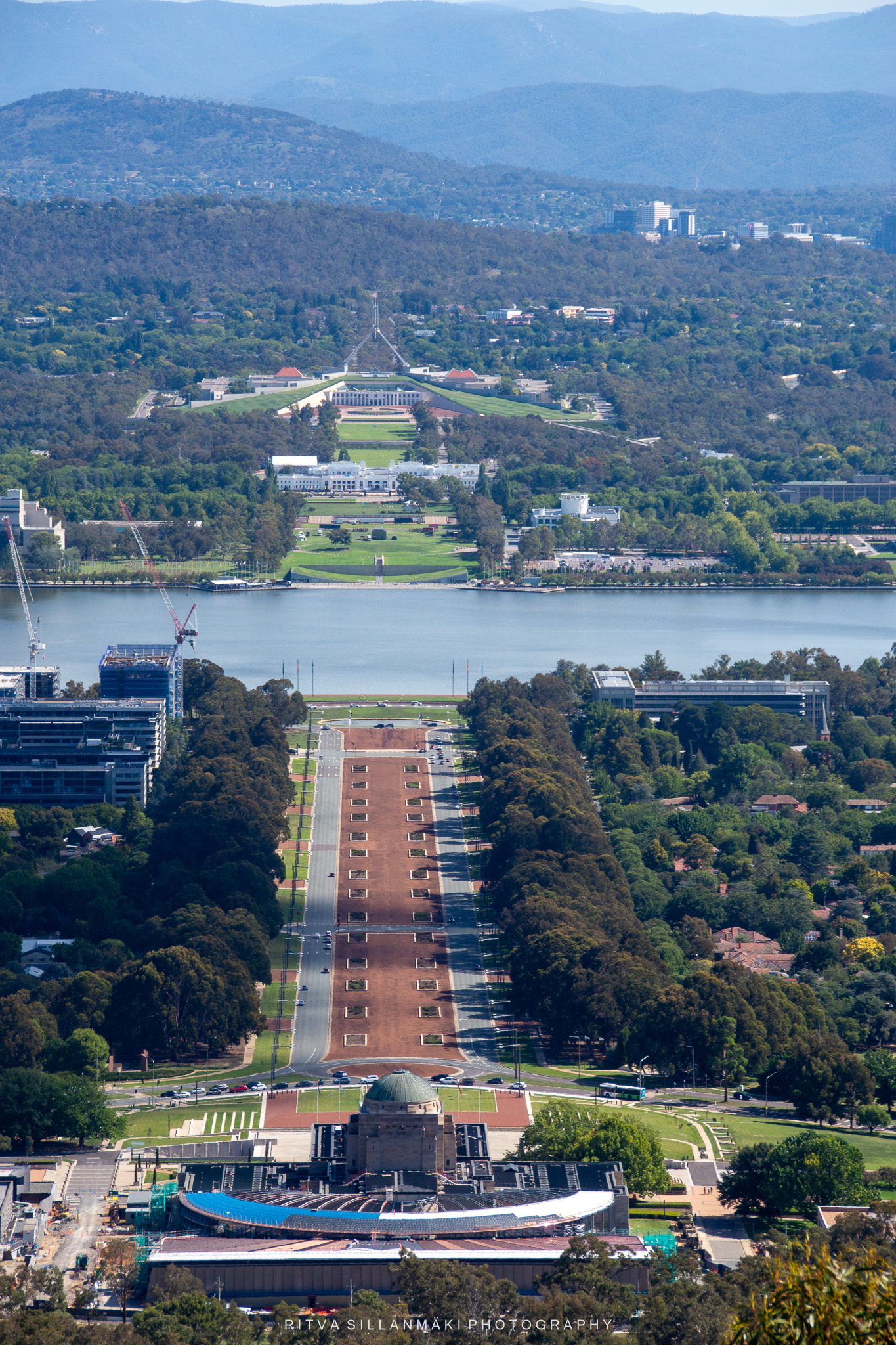
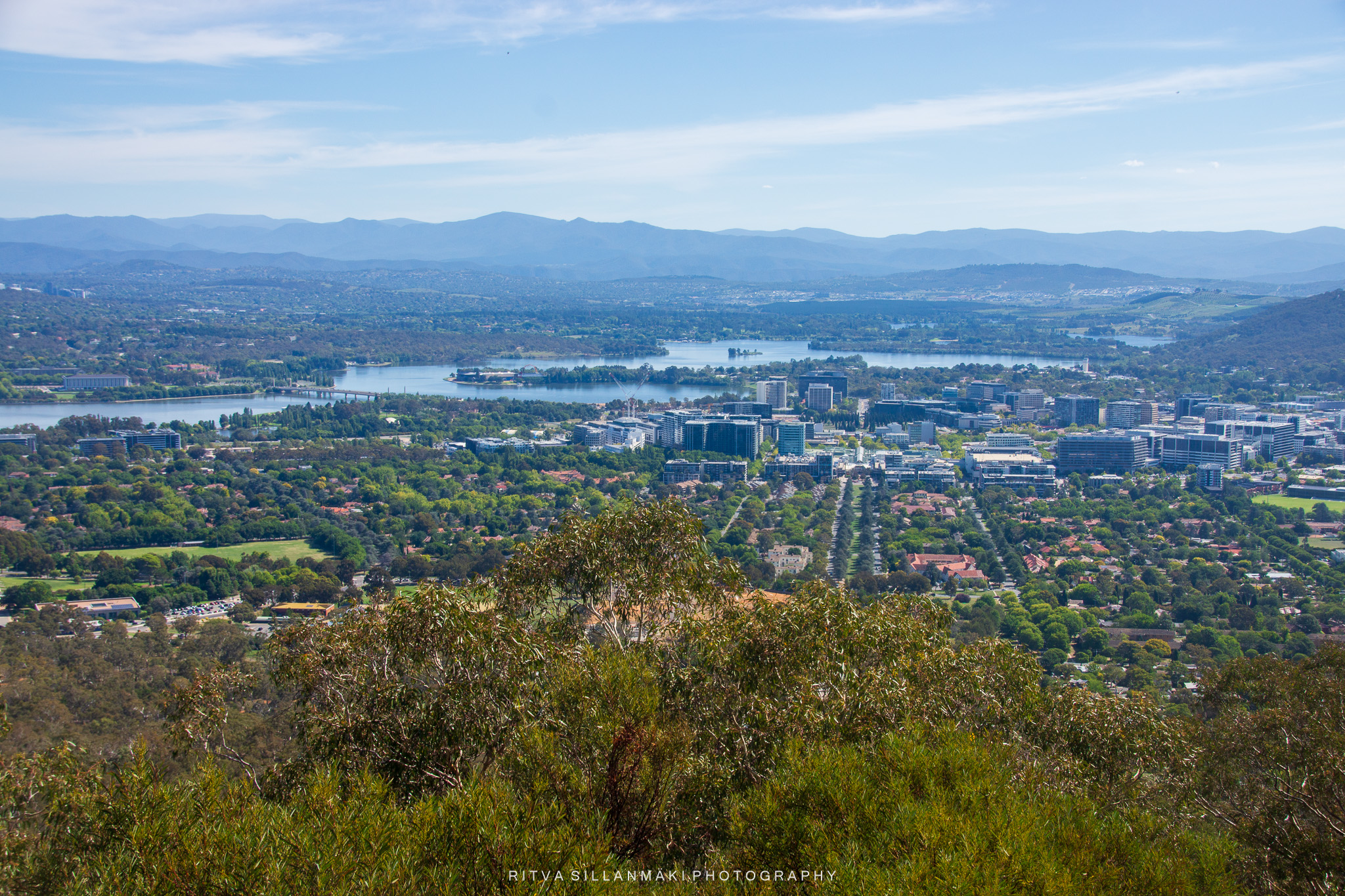
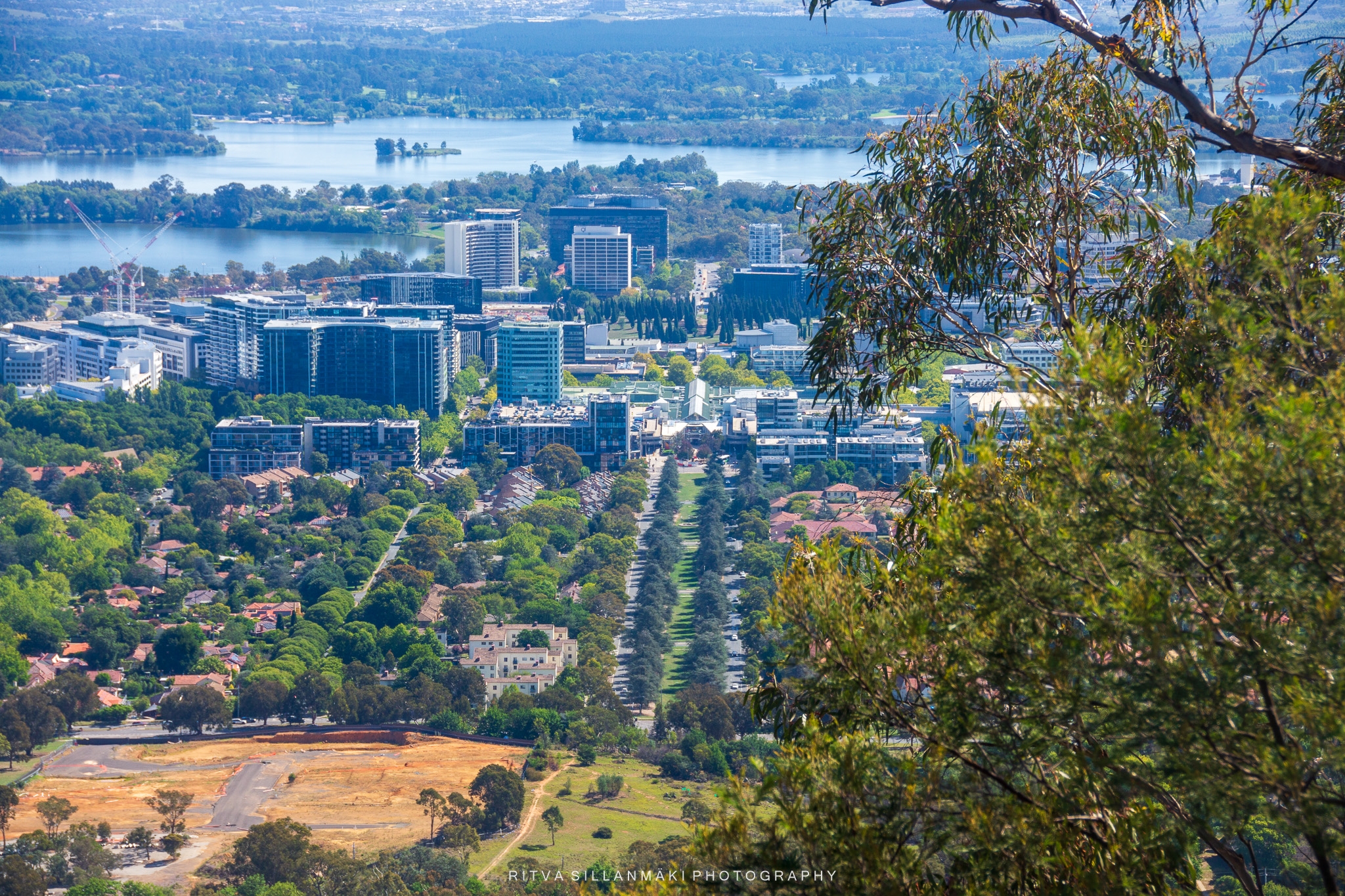
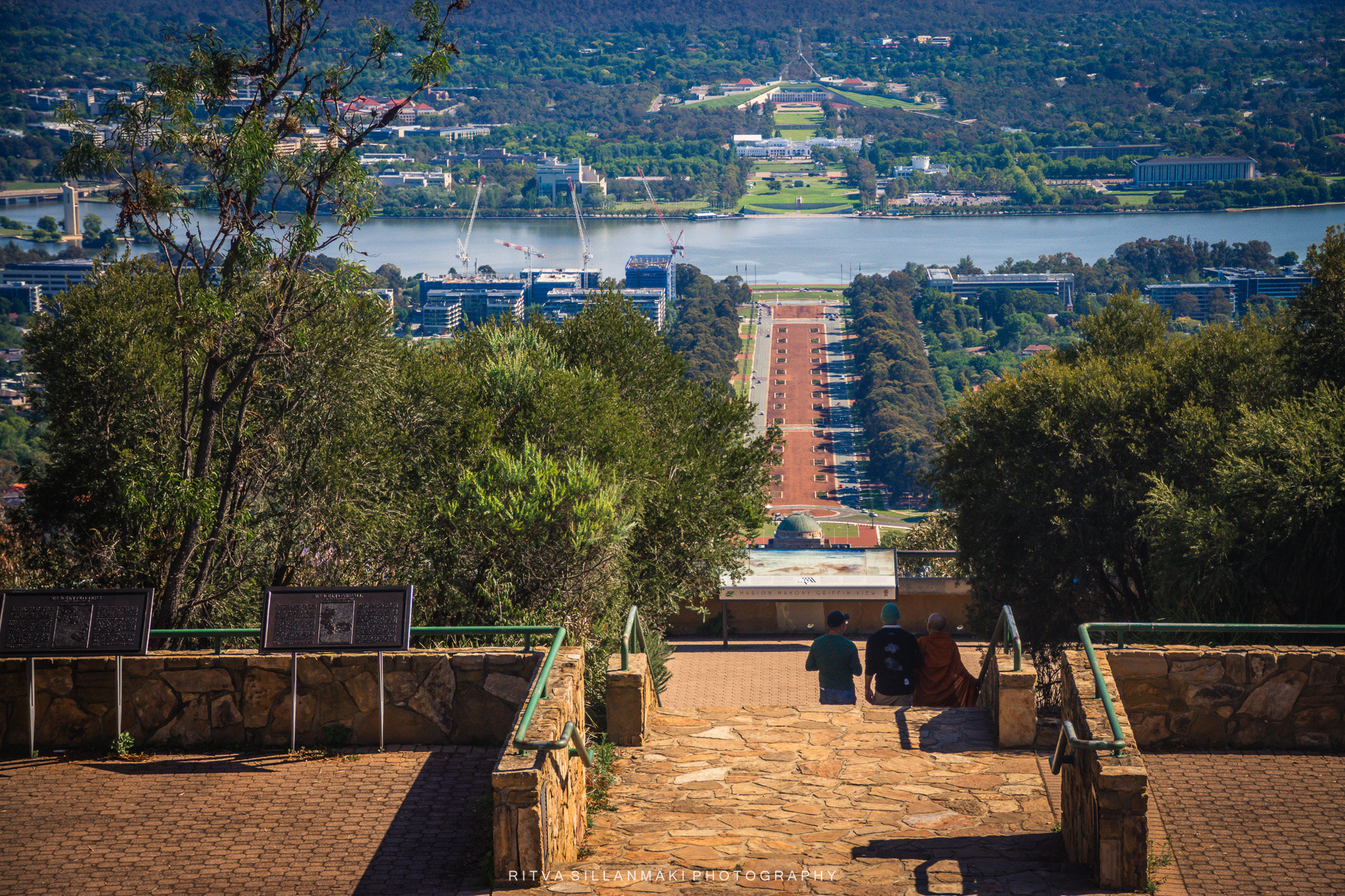
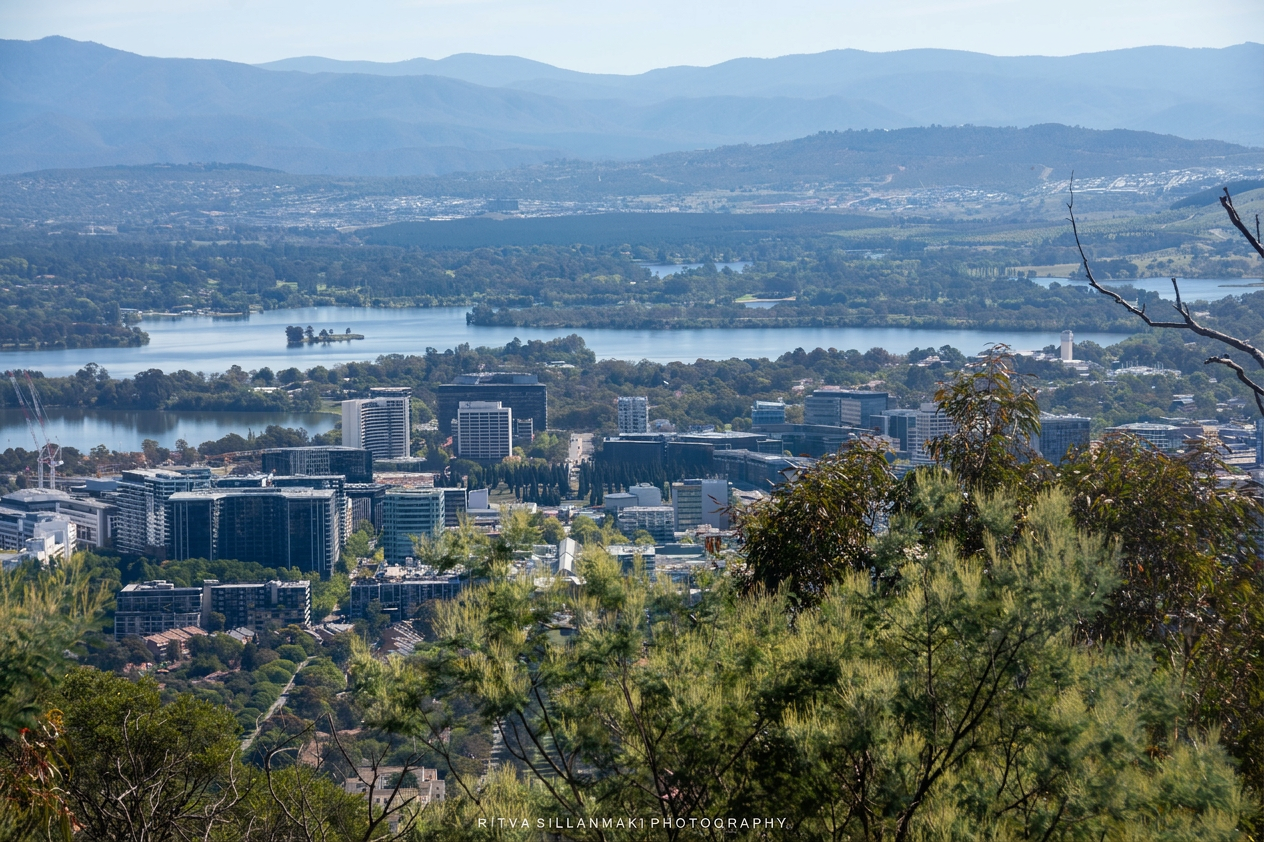
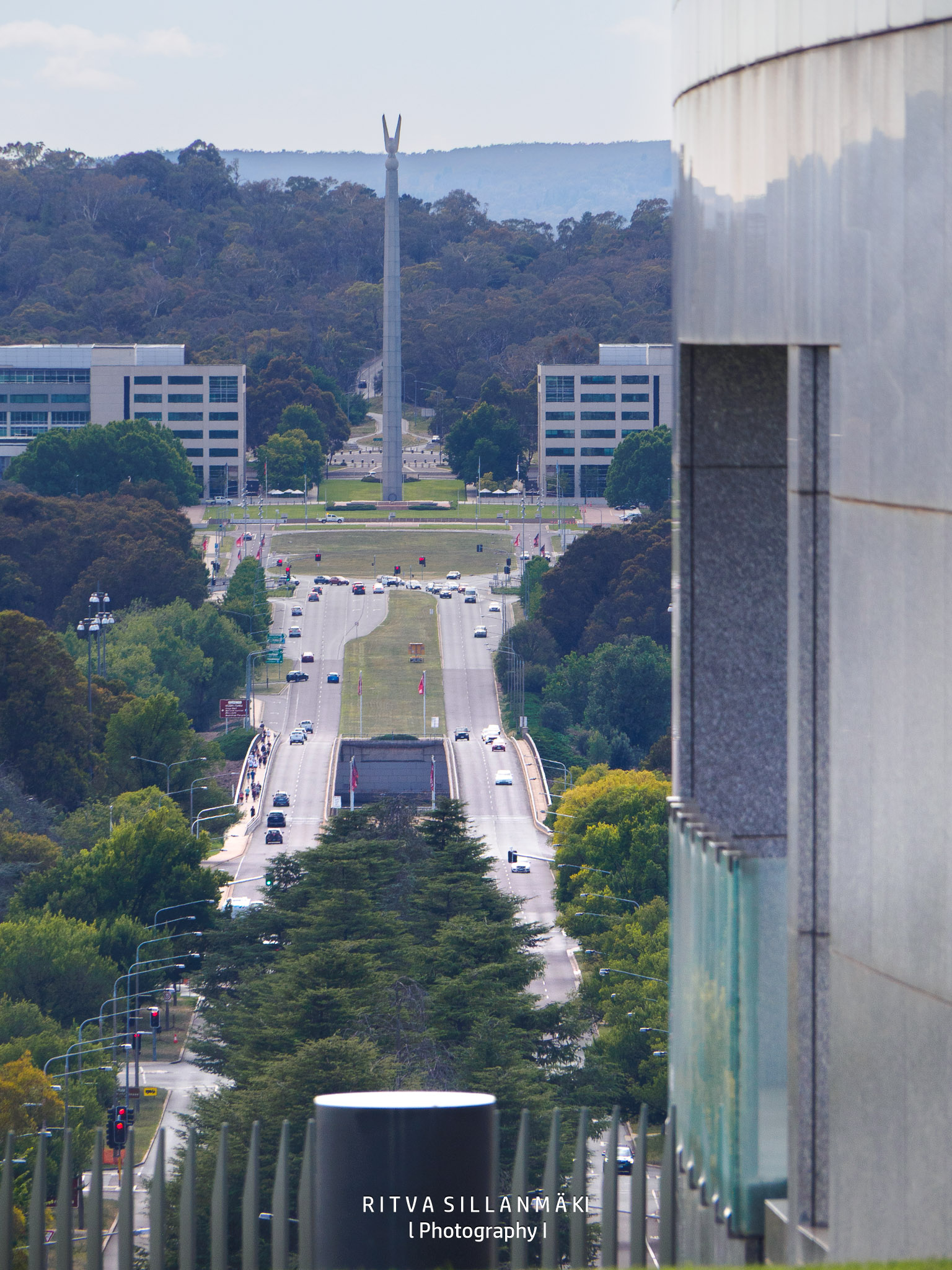
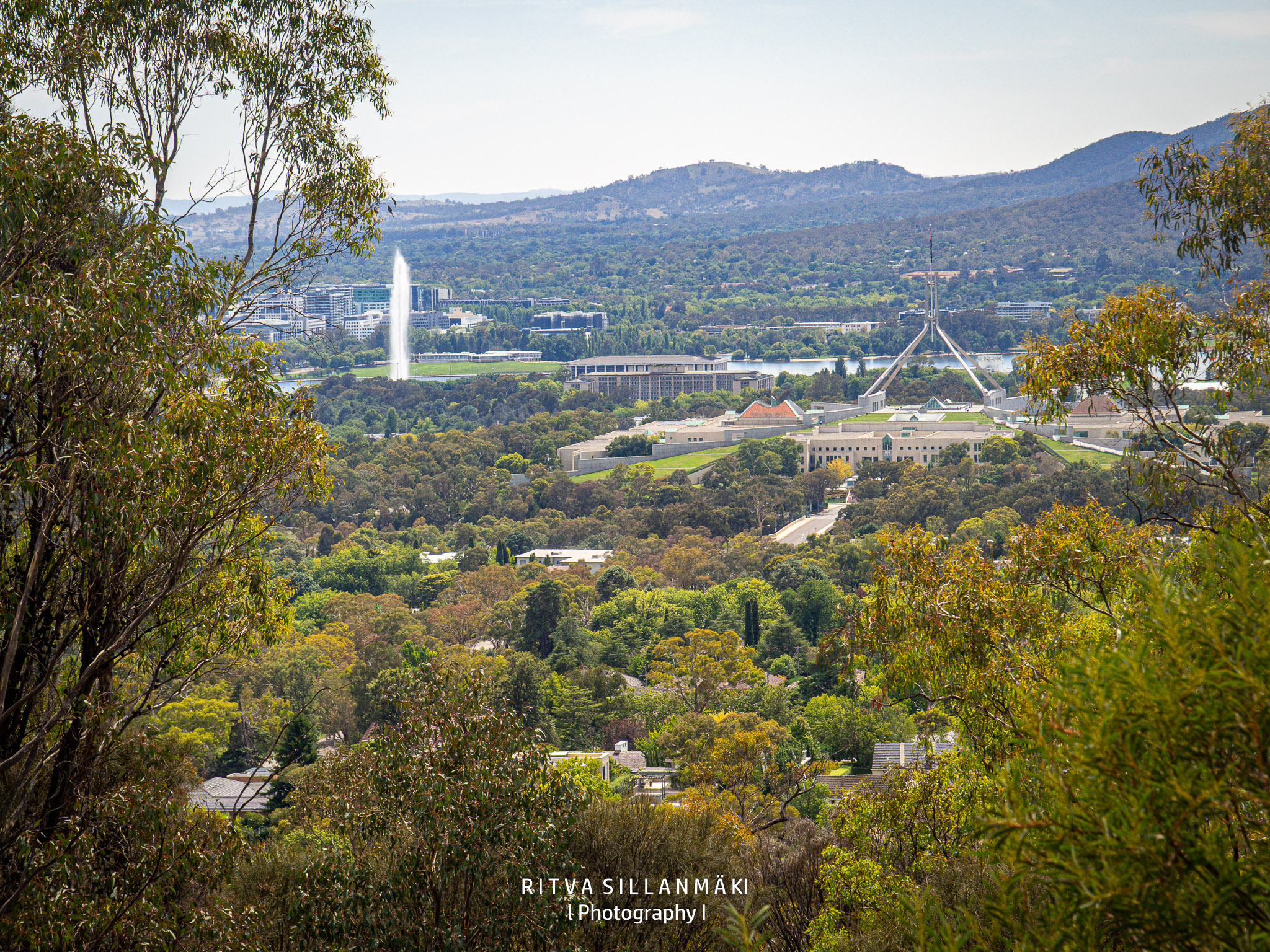
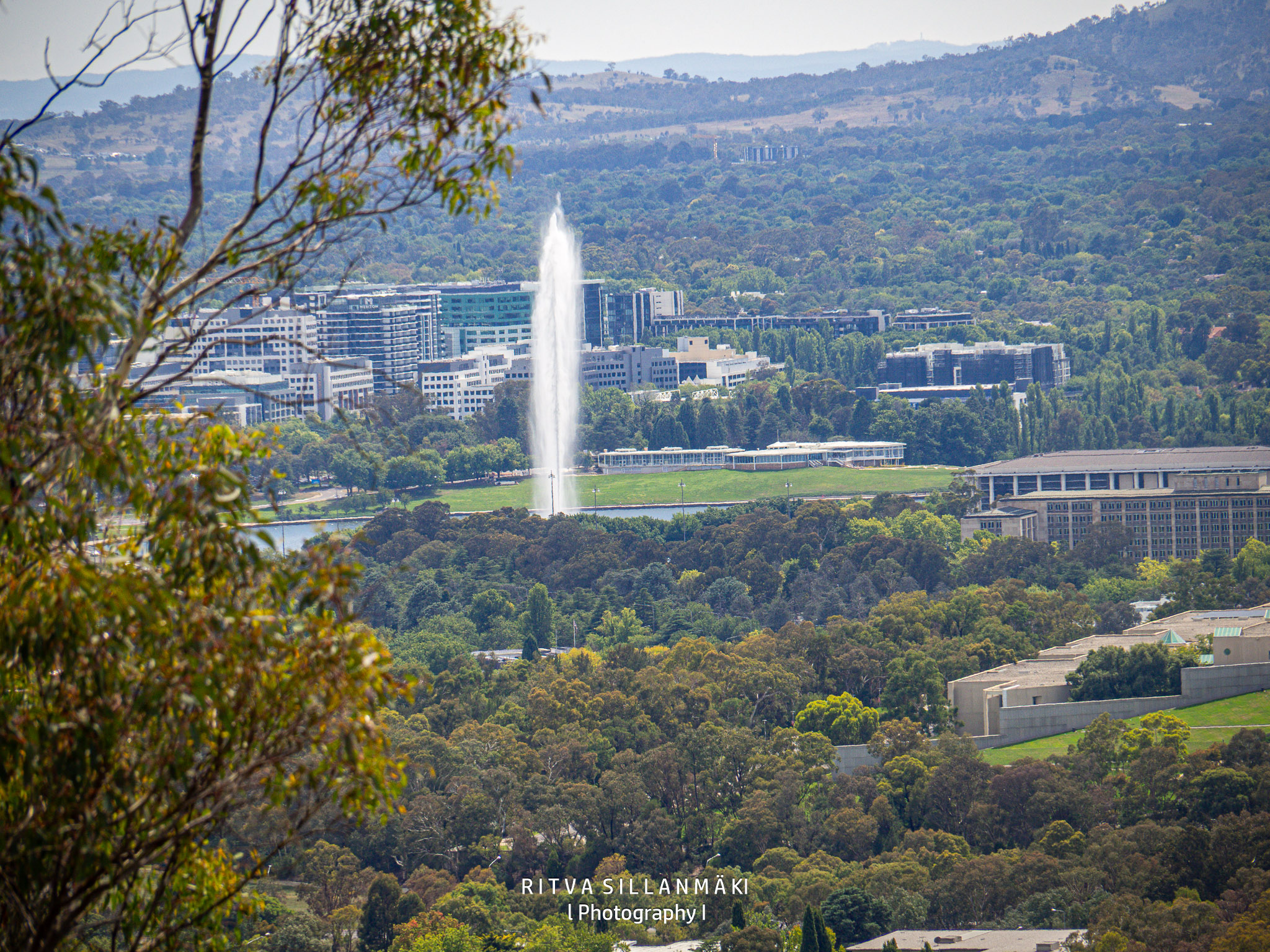
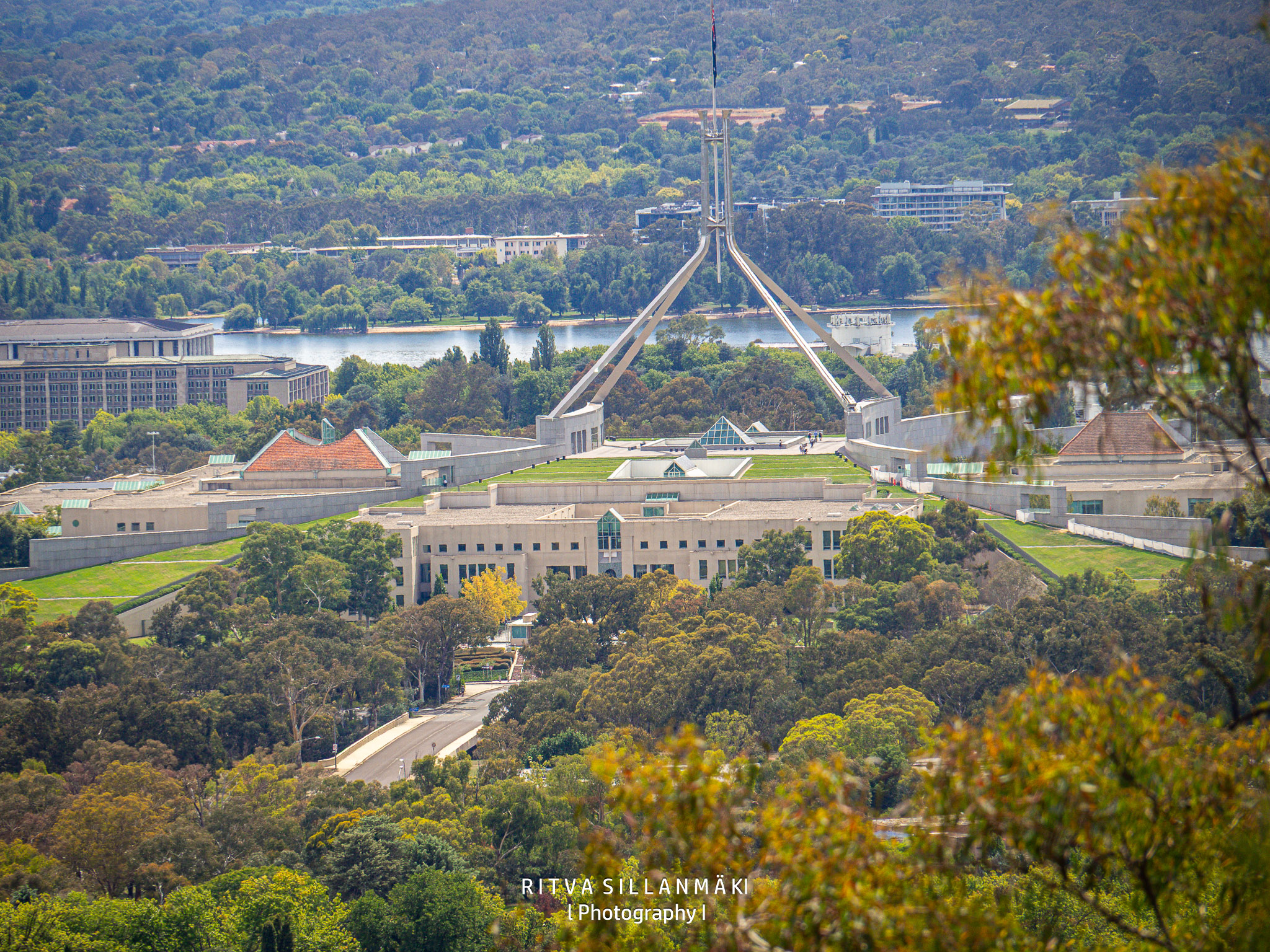
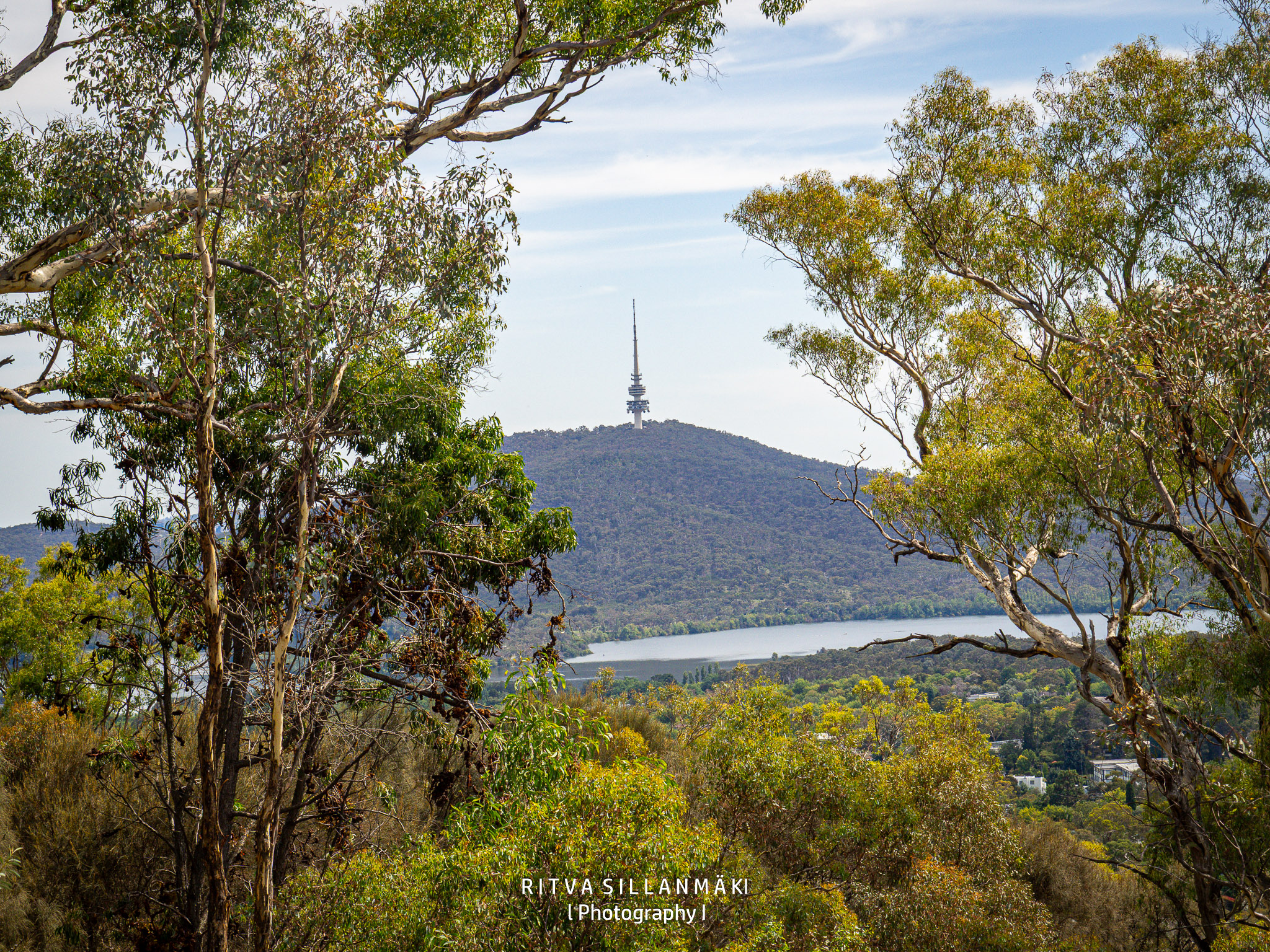
Anyhow, it was time to have a good general idea of the city. We drove up to Mount Ainslie Lookout. View was great and you could see the city plan well. Capital Hill, the lake, War Memorial, Anzac Parade, National Museum, etc.
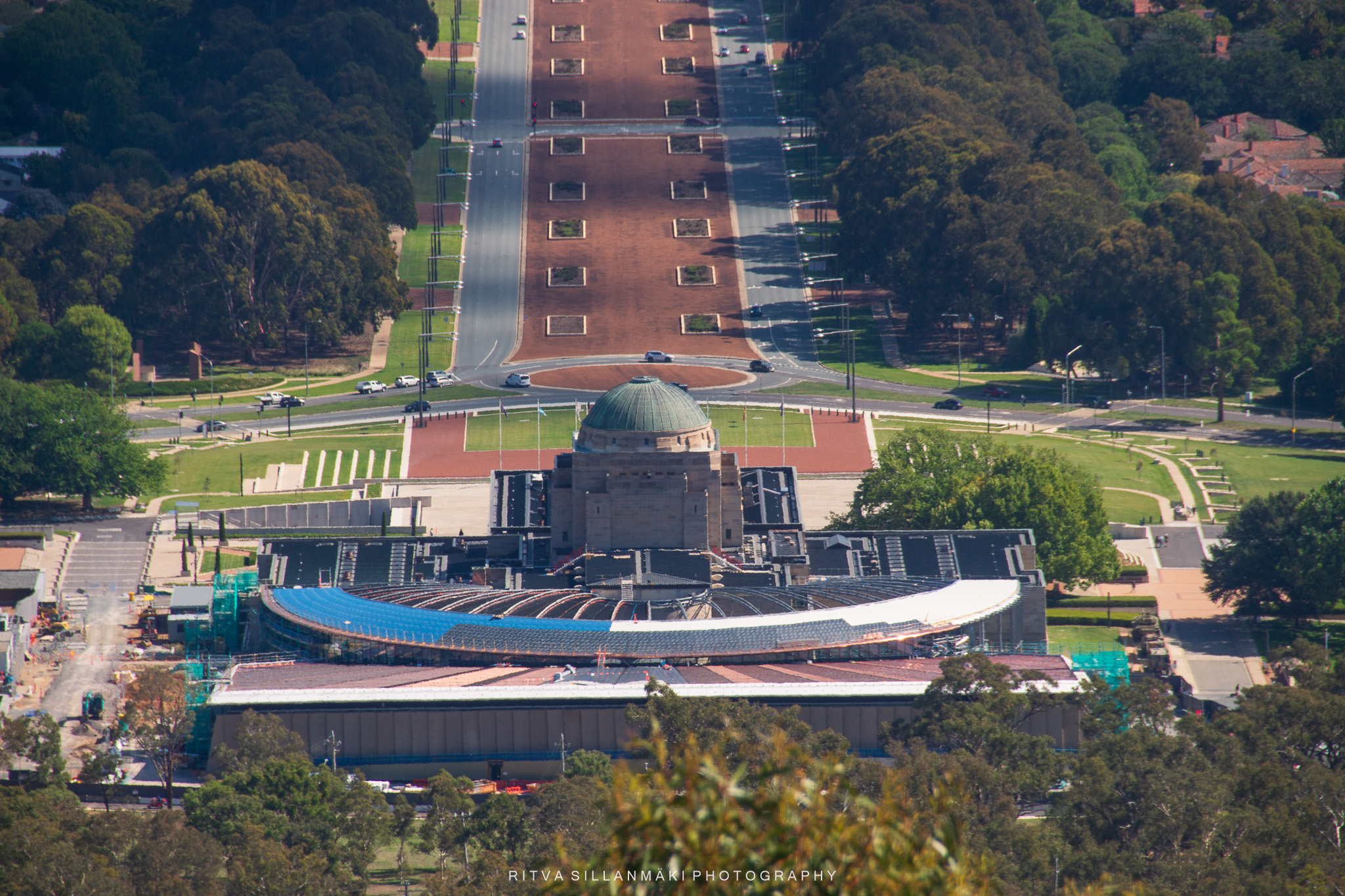
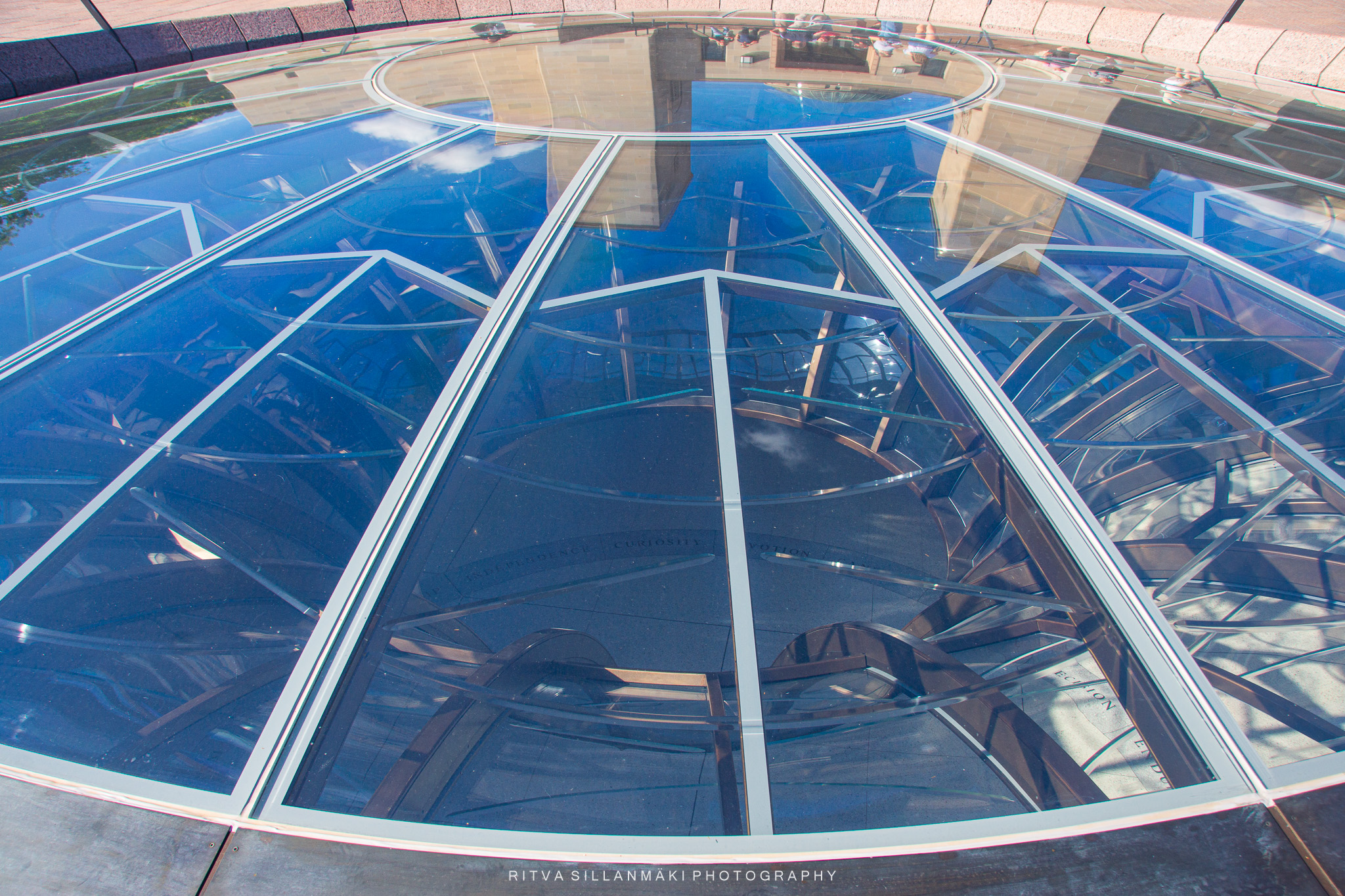
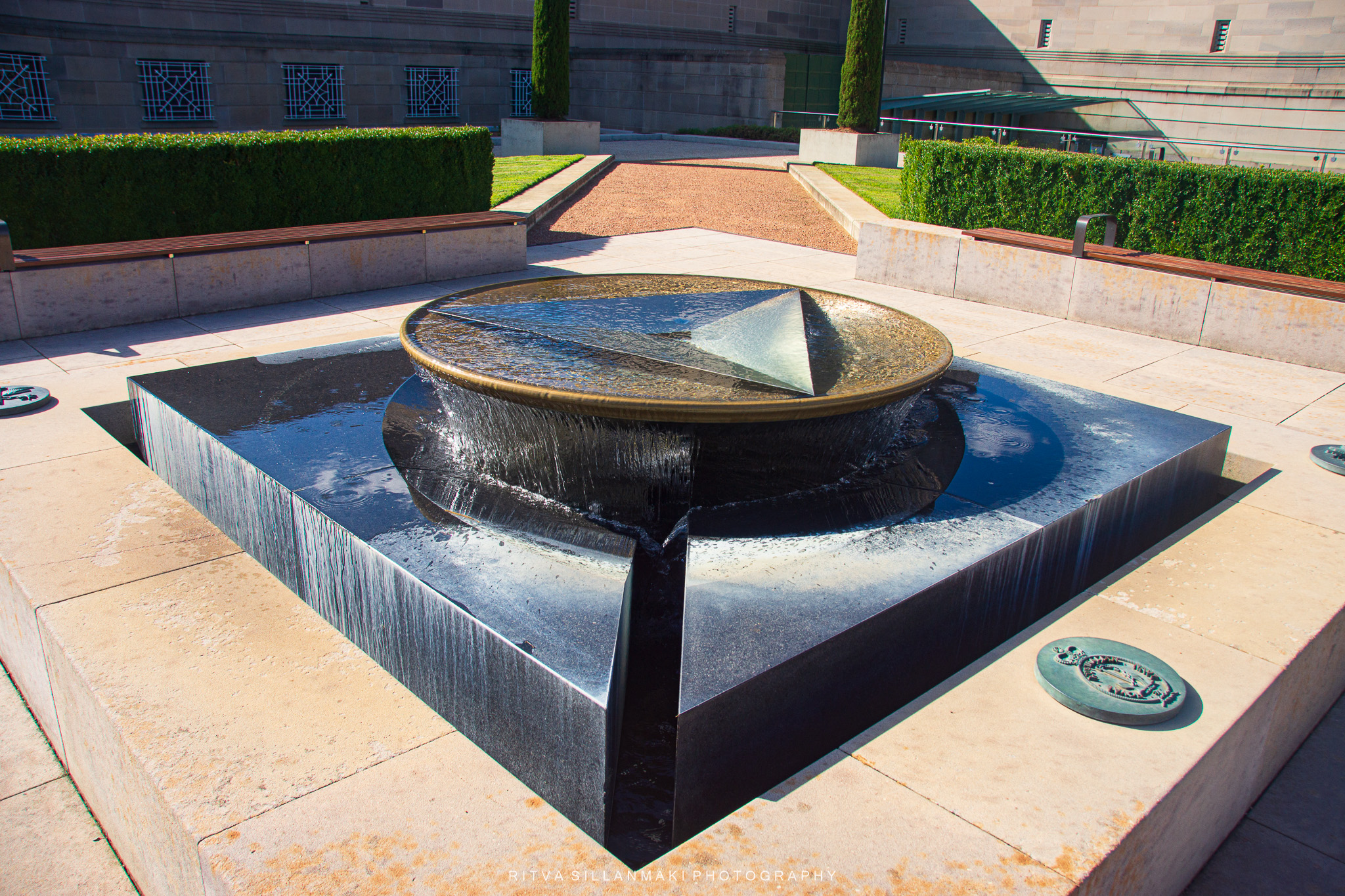
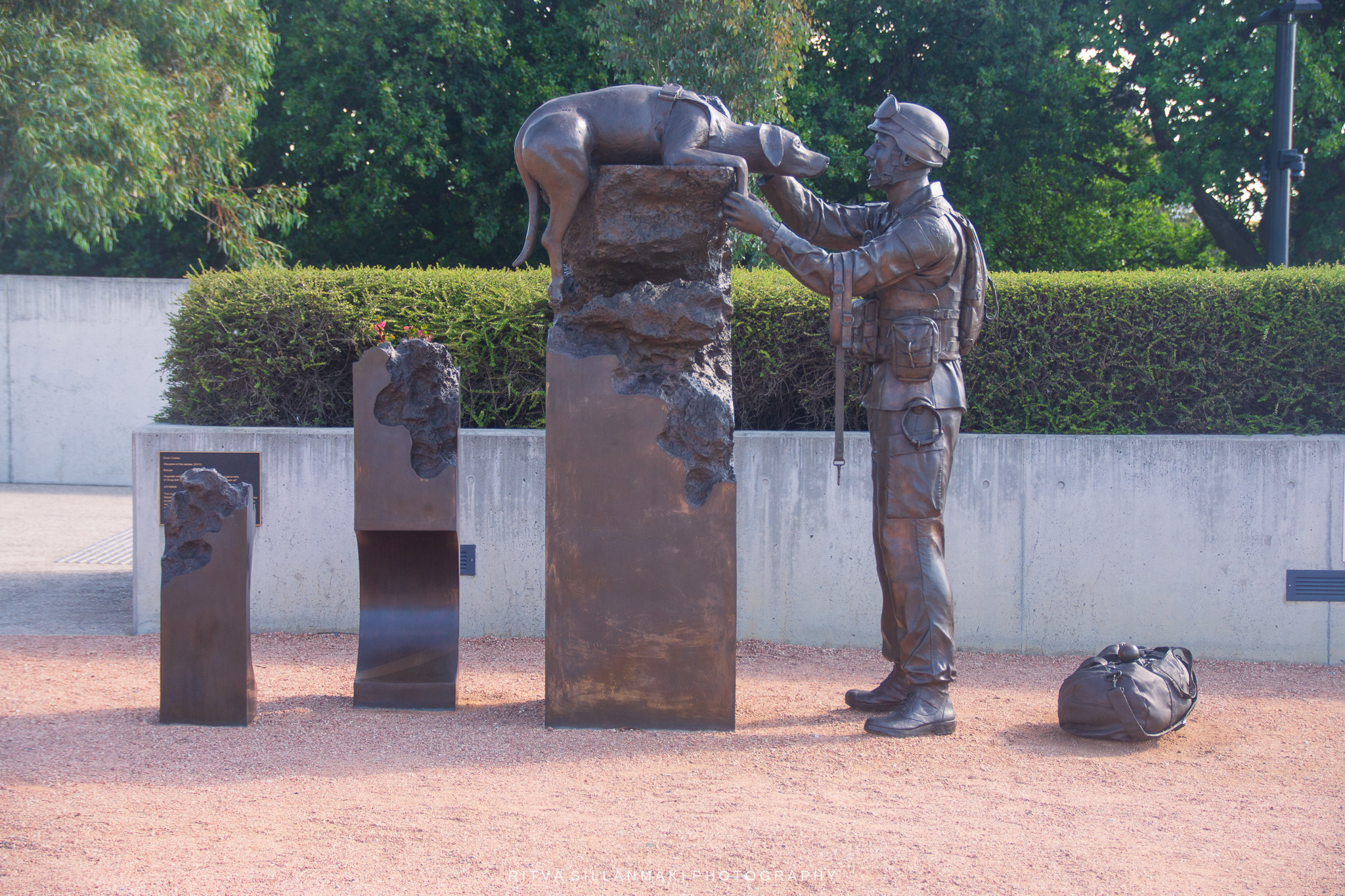
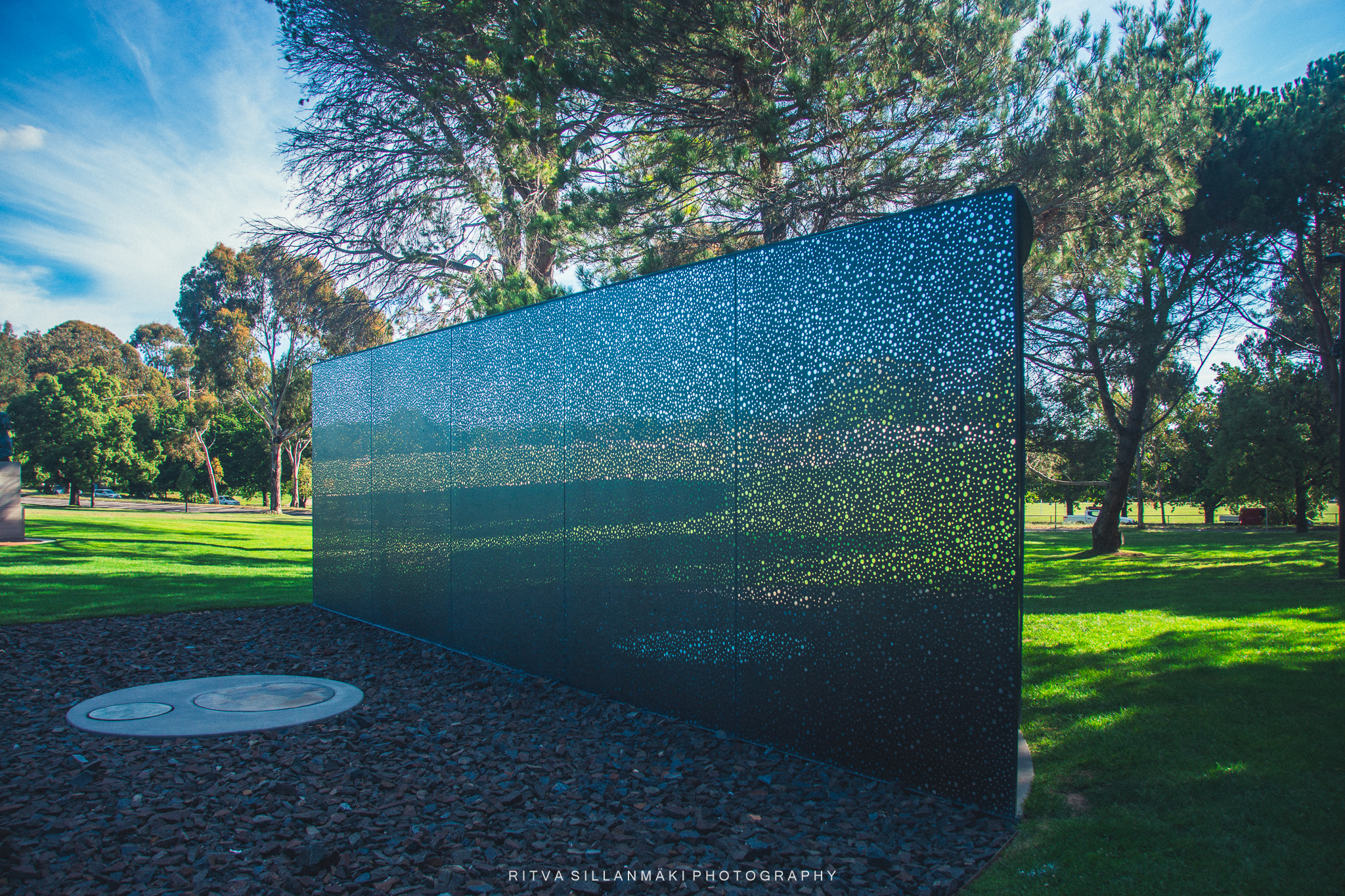
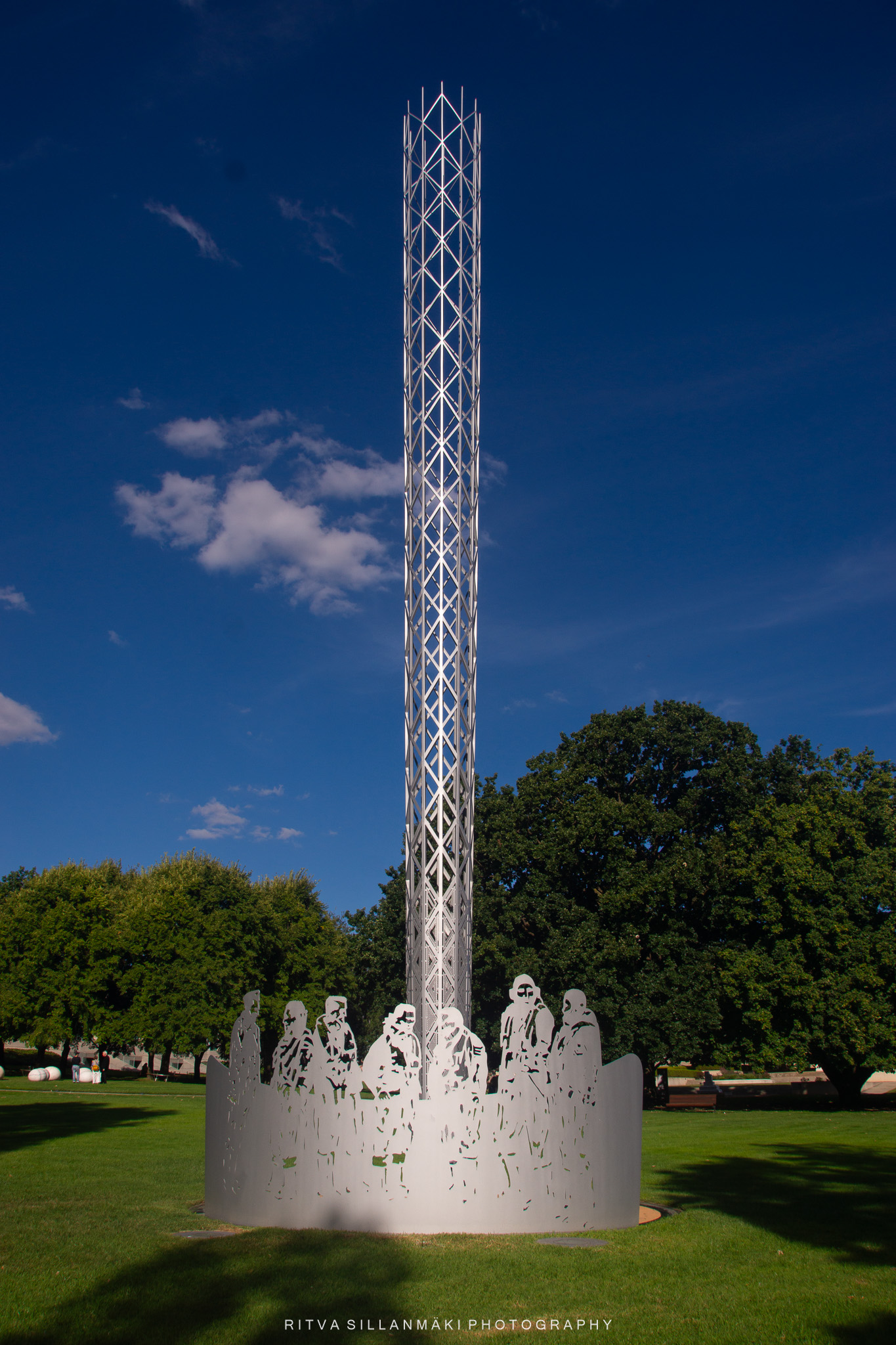
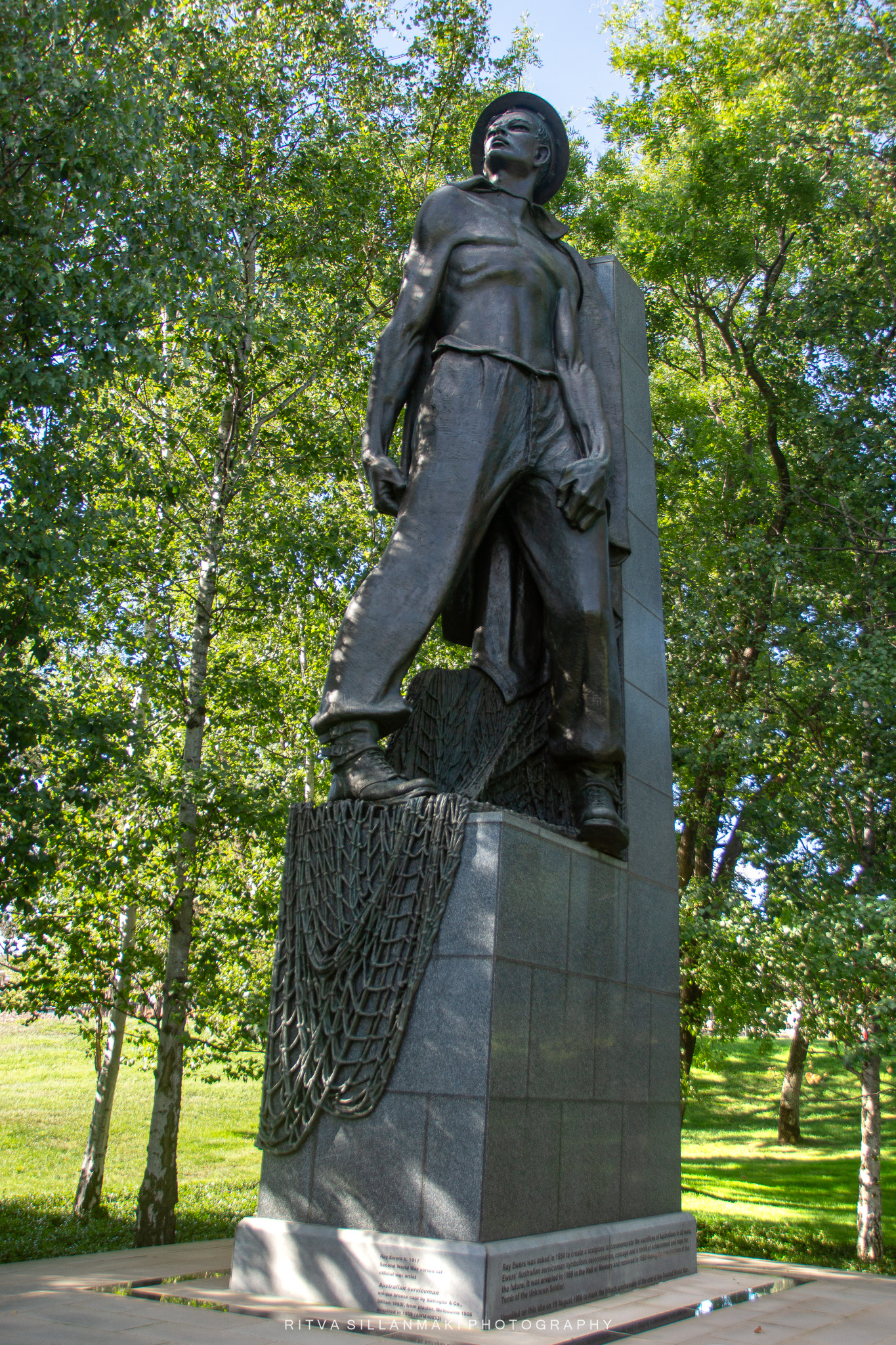
From Mount Ainslie we came down to look at the Australian War Memorial. Unfortunately, Memorial was closing for the day, and we couldn’t get in. But there is always another day. But we got plenty of pictures of statues and memorial gardens.
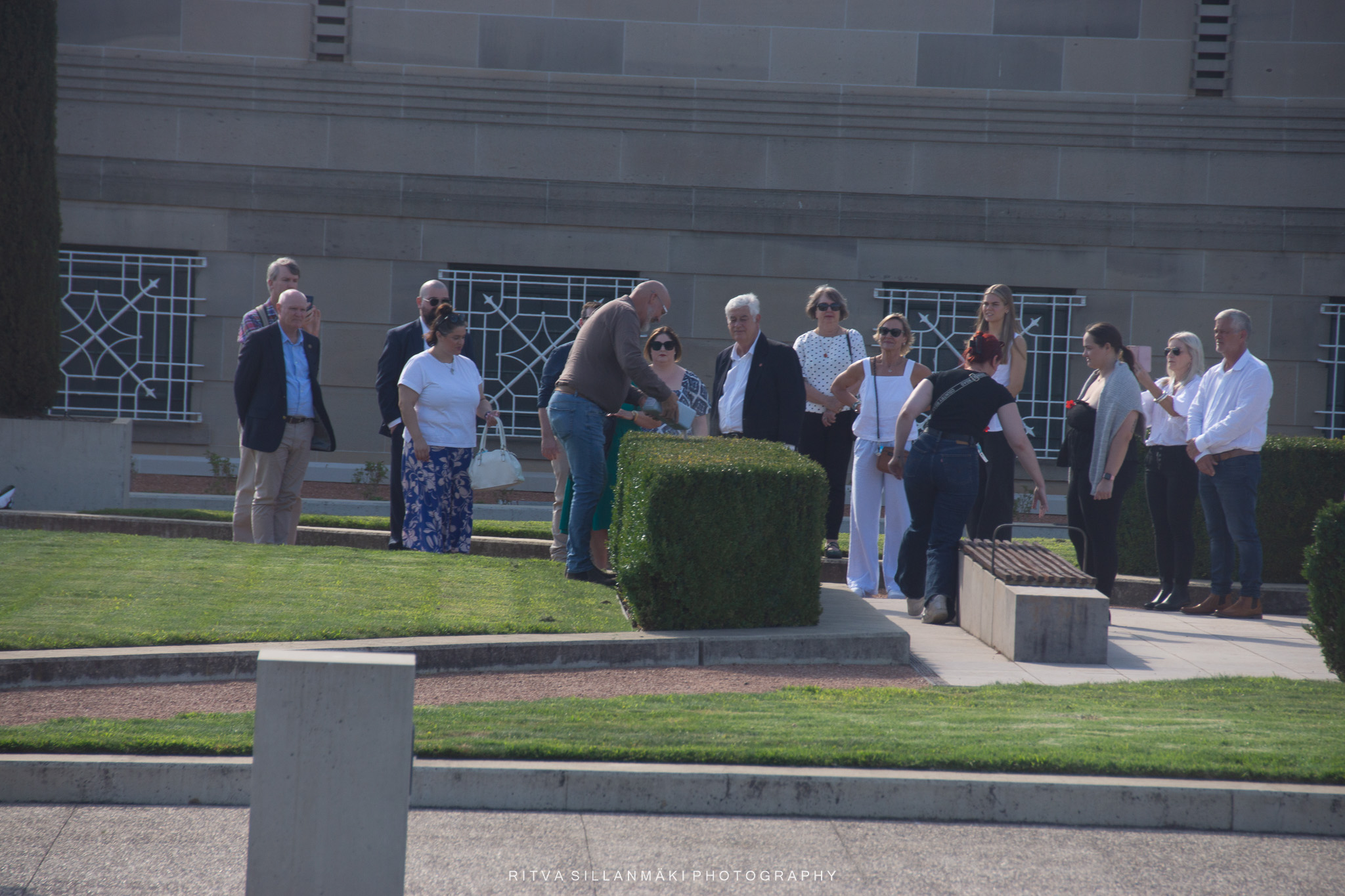
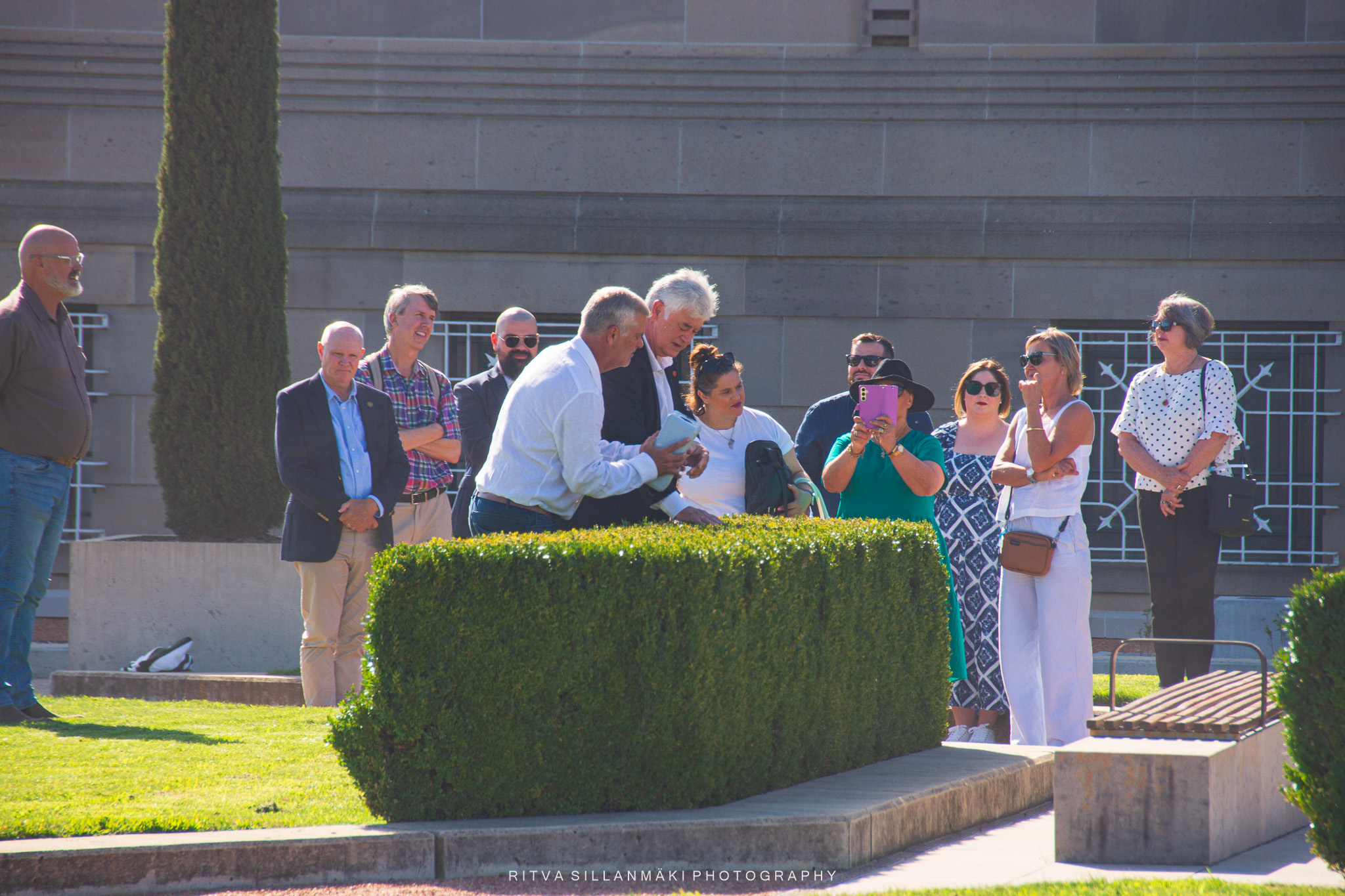
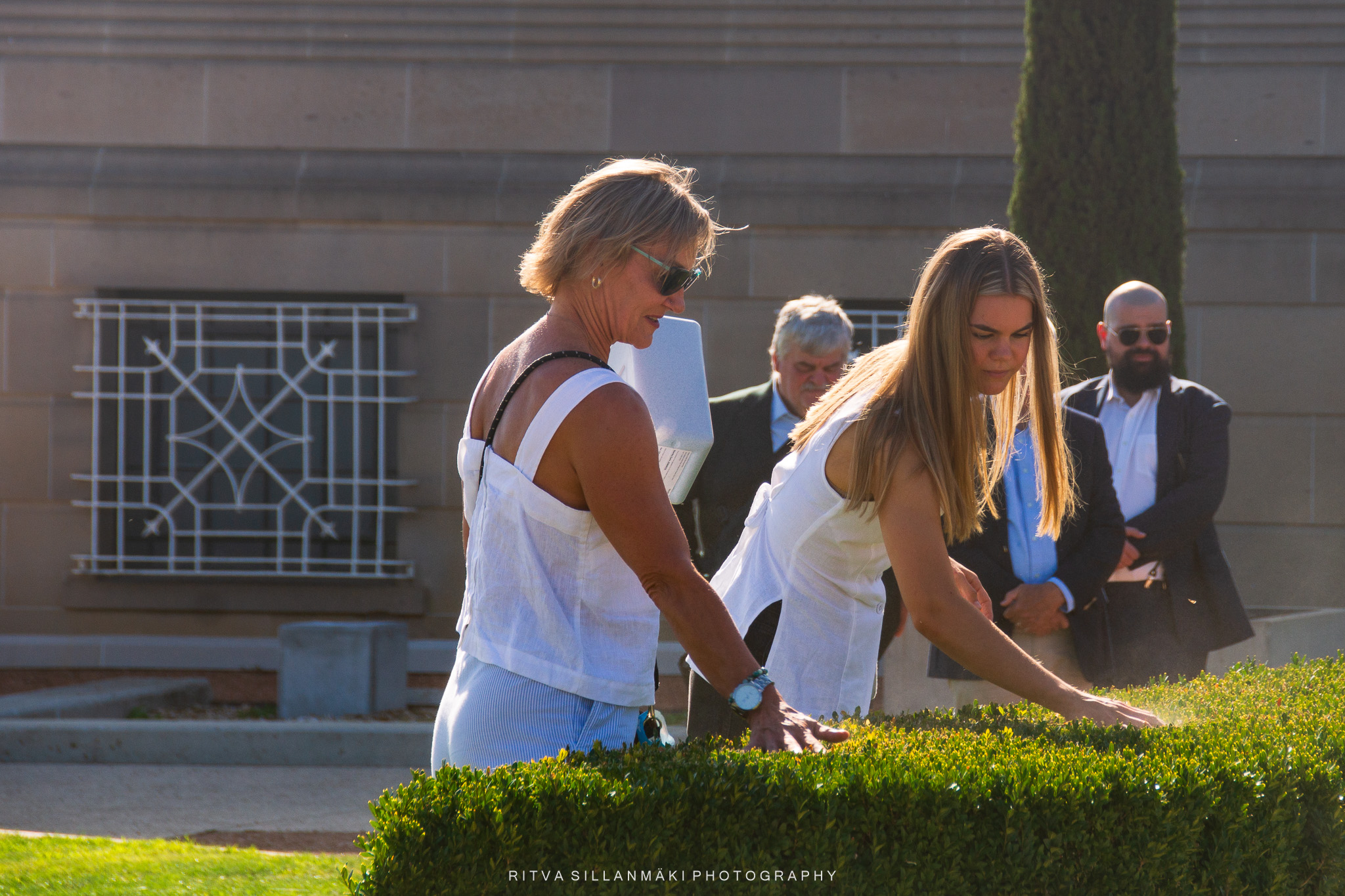
By sheer luck I ended up witnessing a memorial service of a major. I was taking pictures, and I saw a man with an urn in his hands. I approached him to say I’m sorry I didn’t mean to take photos of such personal moment. And he approached me to say that he was sorry if he ruined my photos. He told me that they were going to scatter his father’s ashes to the memorial site. His father had passed in 2023 but only now they had found the time to do the ceremony with family and friends. He also said that I was more than welcome to take pictures. After the brief chat I saw the rest of the mourners coming closer. The major had been active in the matters of War Memorial, so his ashes were allowed to scatter in the grounds.
After the Memorial, we drove along the Anzar Parade, which is filled with statues, but we were not able to stop and take photographs. It was late afternoon and time to check in. However, our room wasn’t ready. The front desk manager was apologetic and offered us drinks at the bar and breakfast at no charge. Thirty minutes later, the room was ready. Even with the help of the internet, it was, once again, hard to find a place to eat. First, we chose a tavern, but that was a mistake. We made a U-turn in the parking lot because the tavern looked like a dive from the outside. Later, we were told that “tavern” usually means it is not a classy place. We ended up in a restaurant called Ostani in the Realm Hotel. It looked promising based on the number of people. It was packed, but we managed to get a table. After waiting for a few minutes, I asked a server, who was passing our table, if somebody would be coming to our table soon. He said that I would be better off going to the counter to order, which meant this place was a self-service establishment. We ran into this phenomenon constantly, and we found out that the restaurants are not able to get enough staff anymore, especially after Covid. In many places they have QR codes at the tables that say: check out the menu, order, and pay with an app. I went to one counter and ordered and paid for our food. Then I went to the bar and ordered and paid for our drinks. After carrying the drinks to our table, I had to go and get water from the tap into a jug and get glasses as well. The food was okay, but the atmosphere was lively and fun.
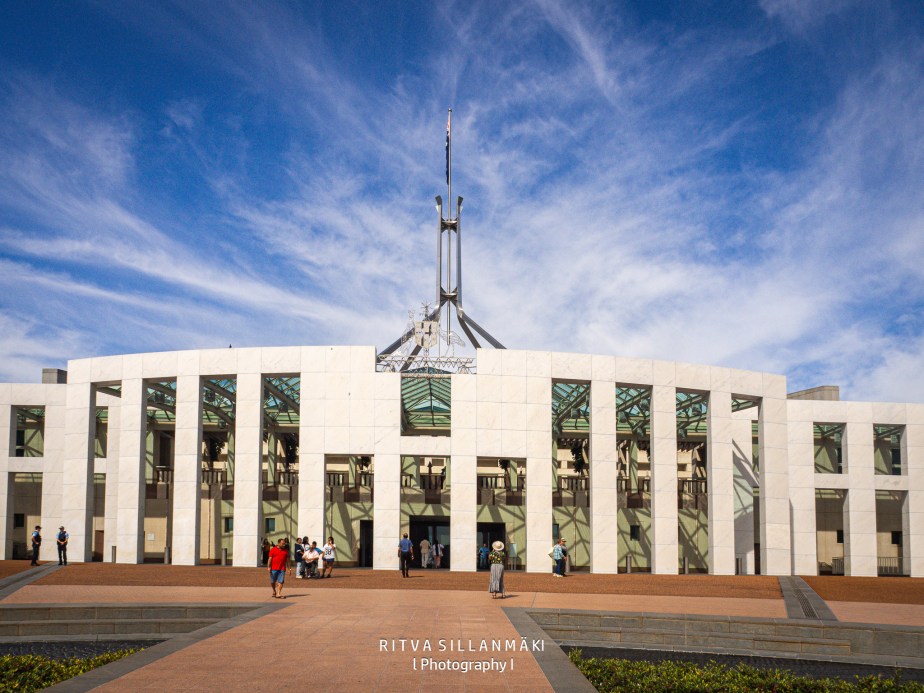
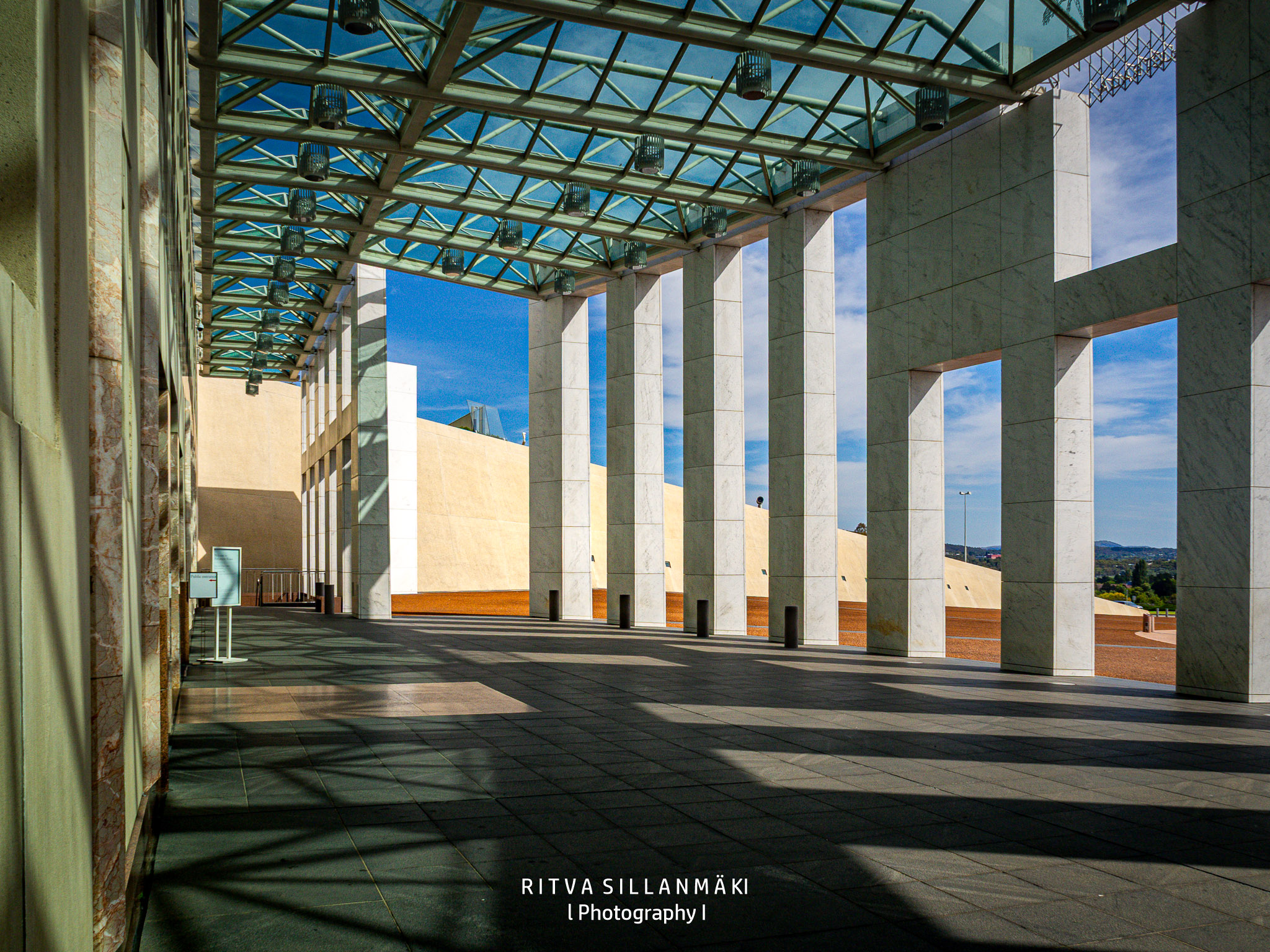
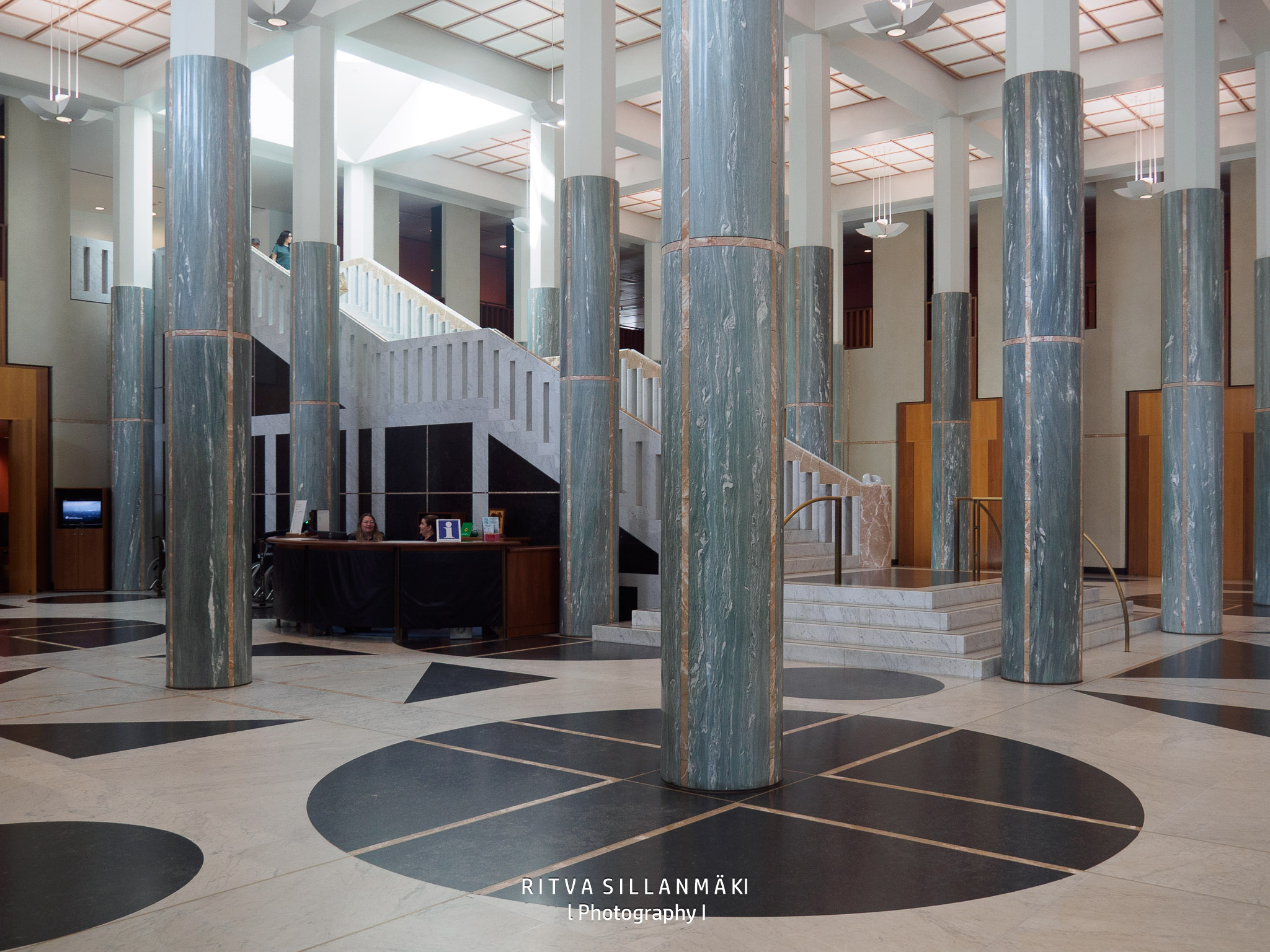
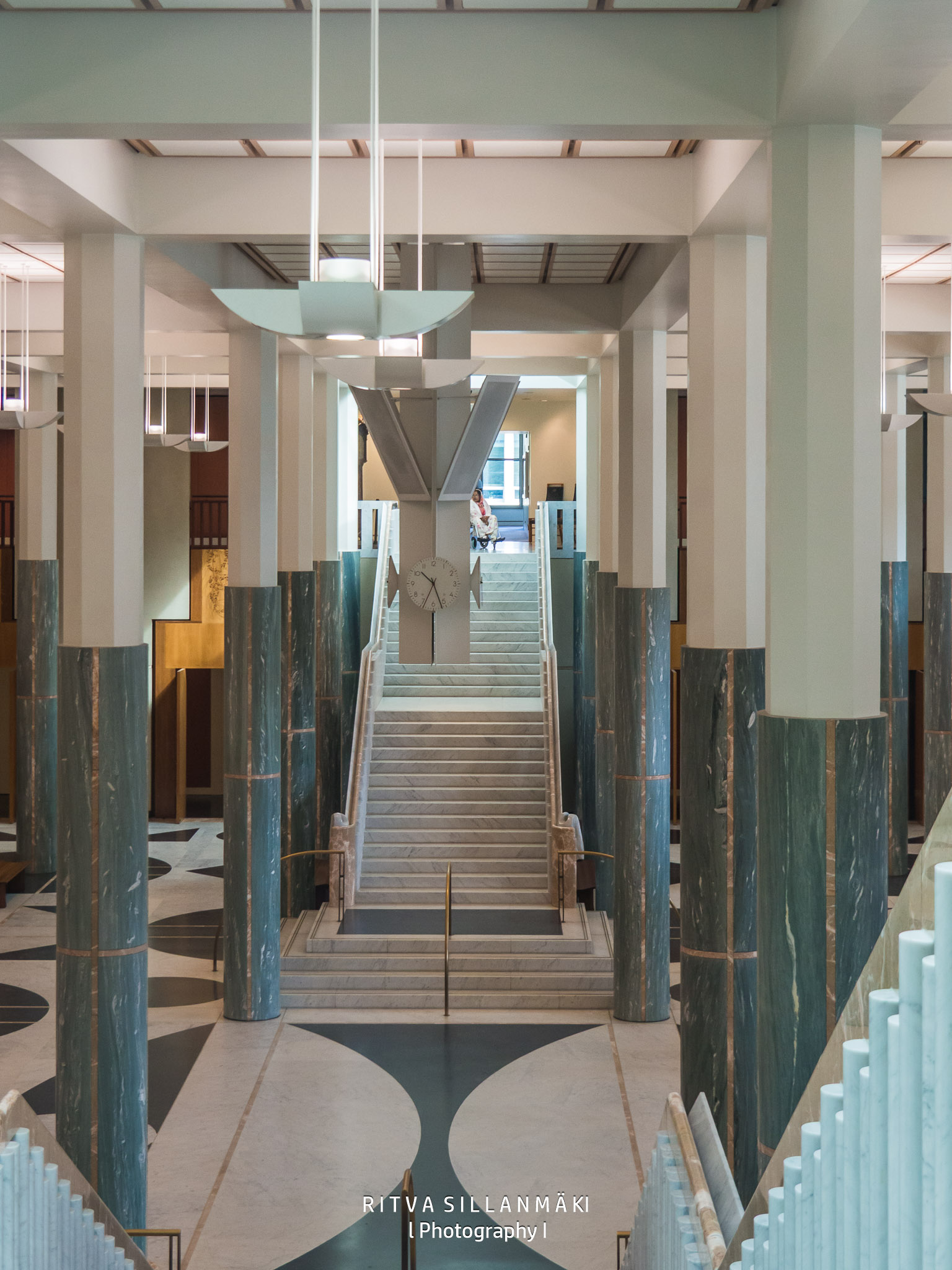
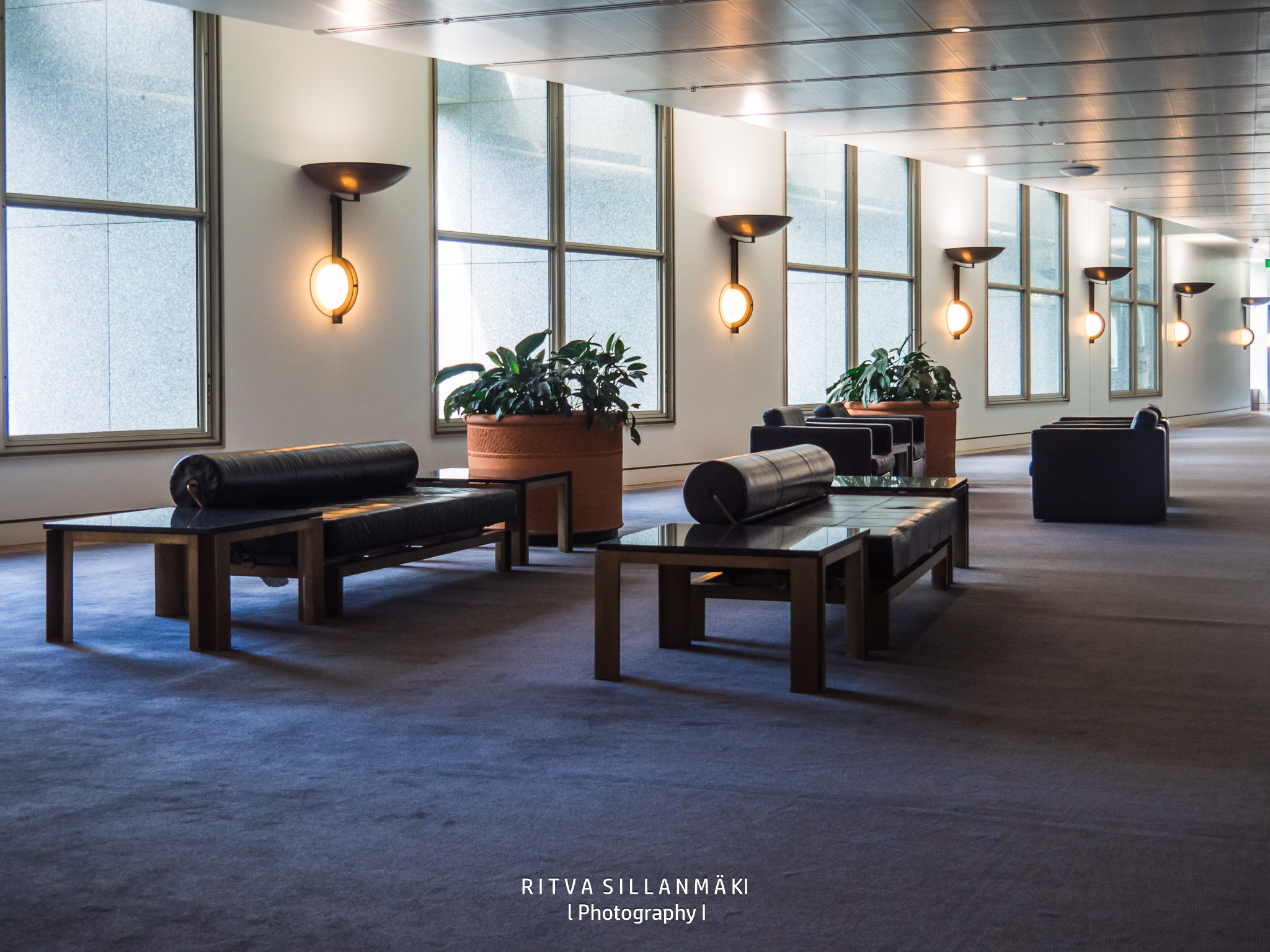
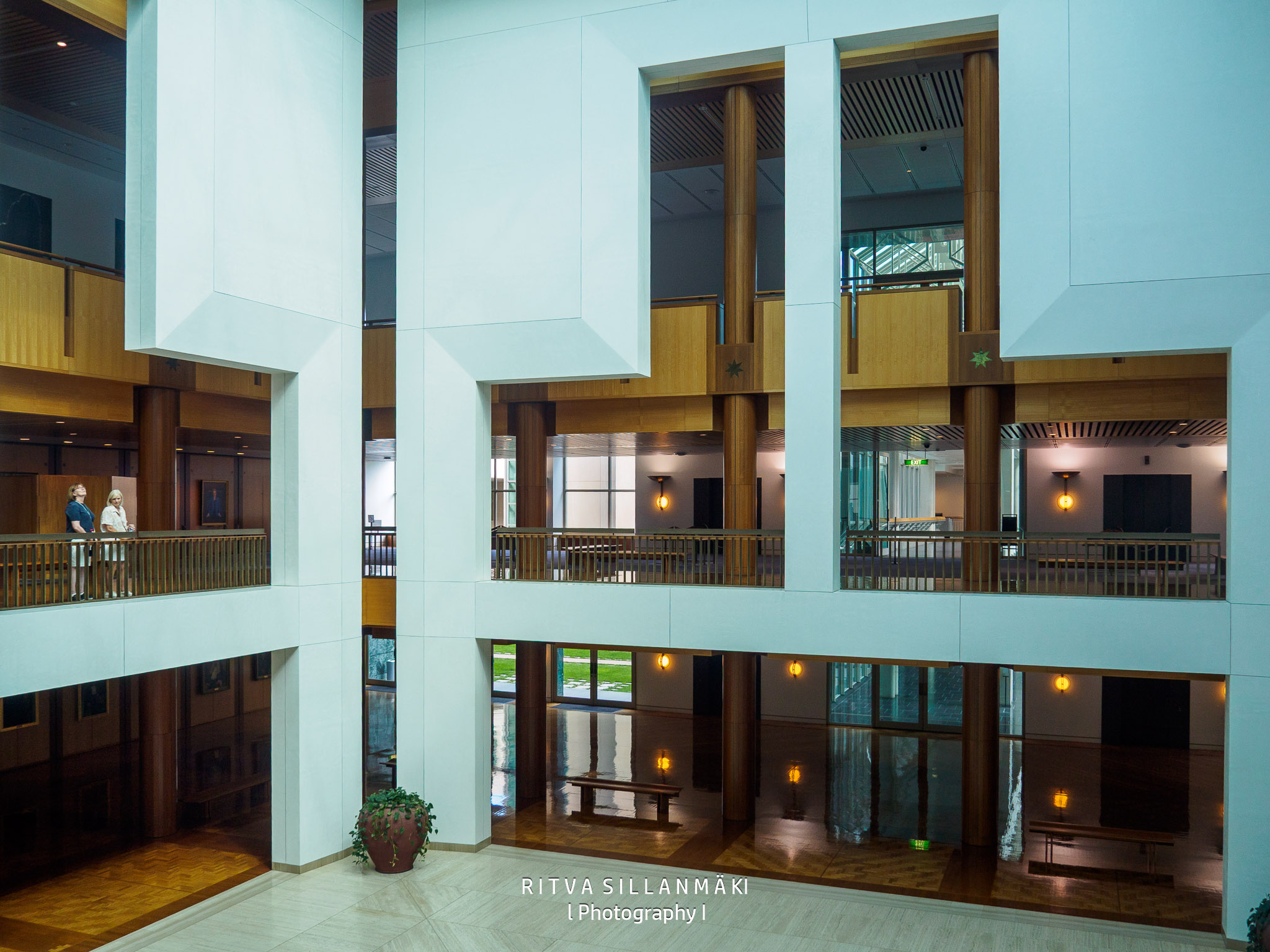
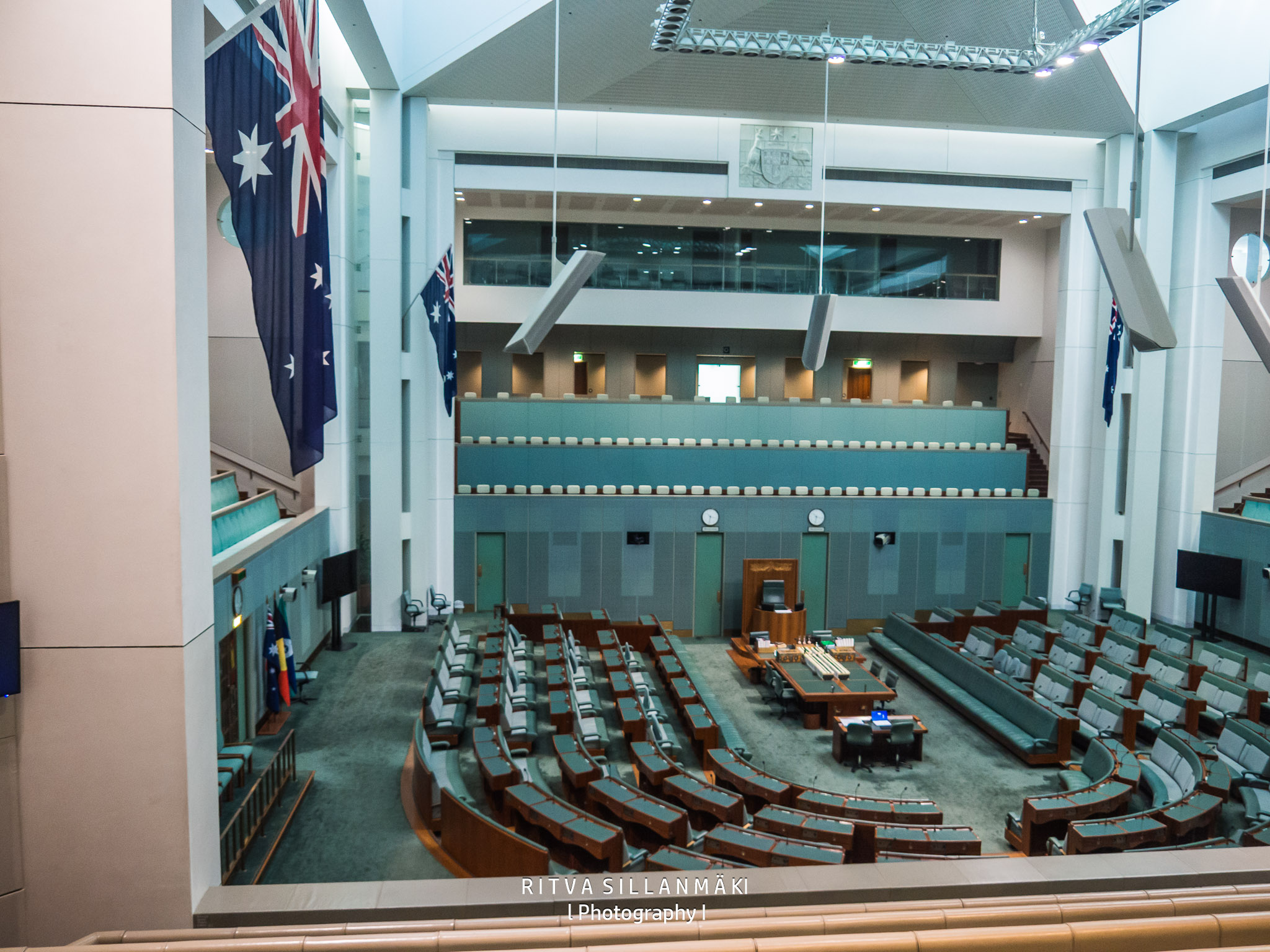
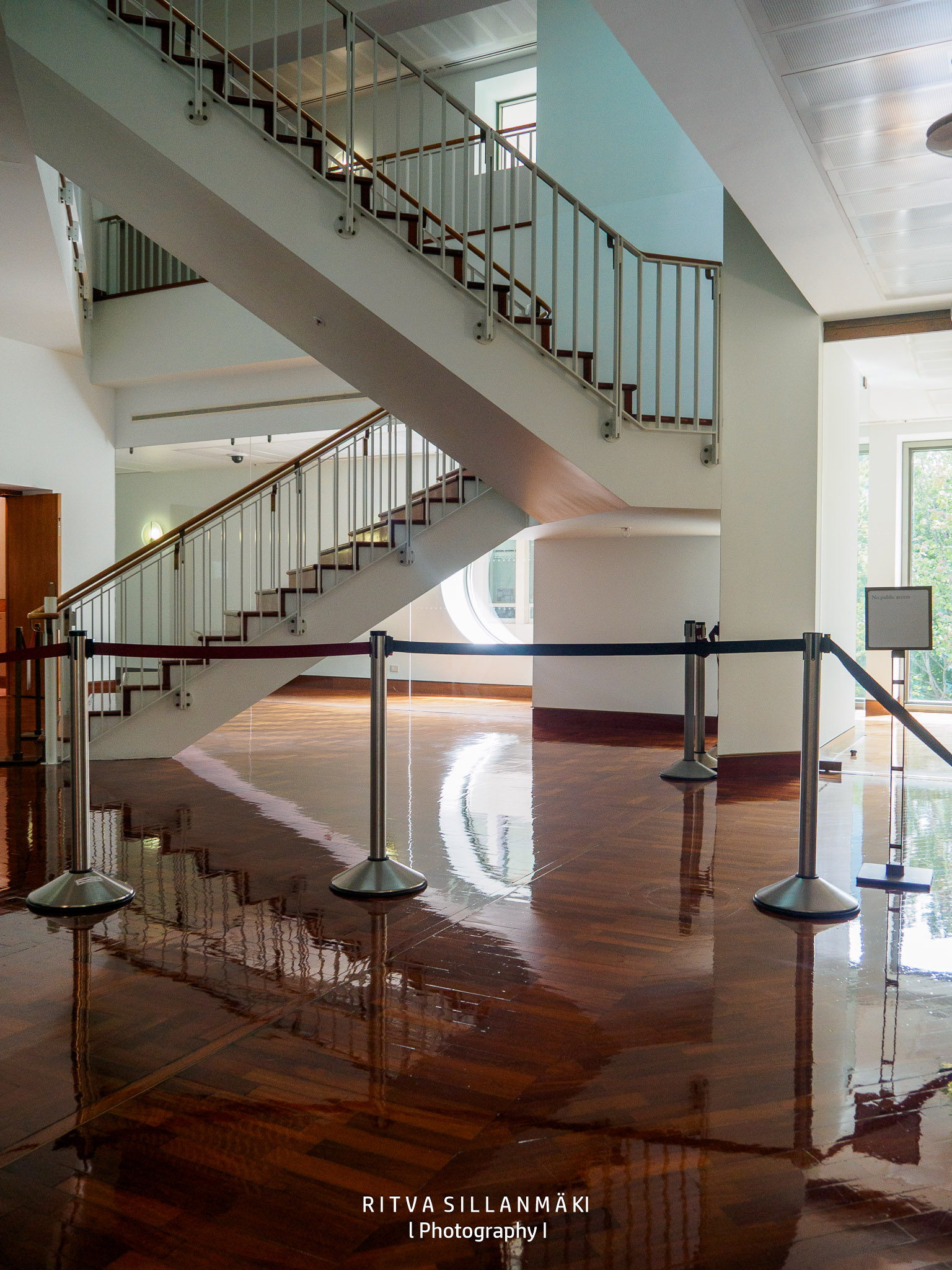
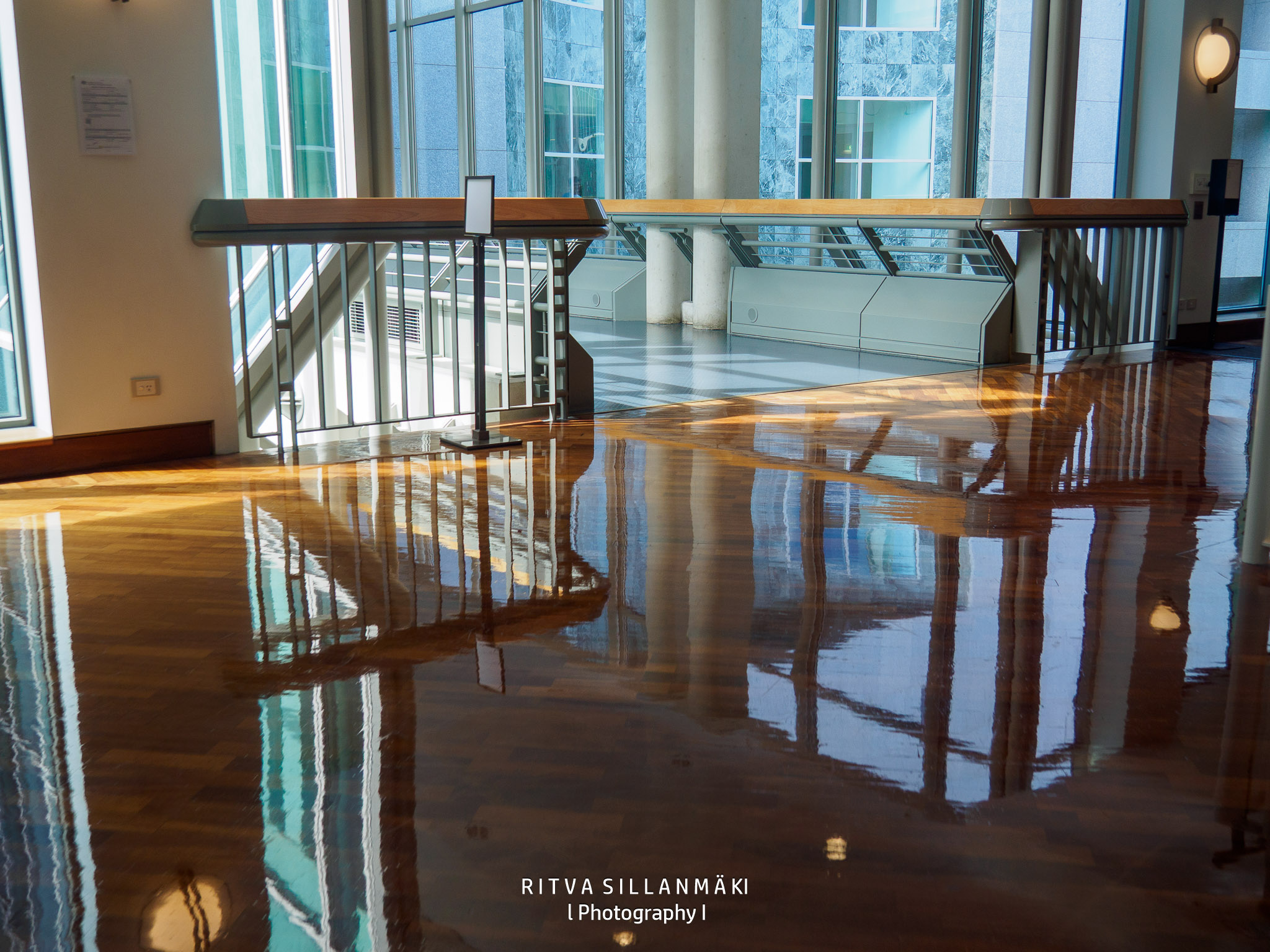
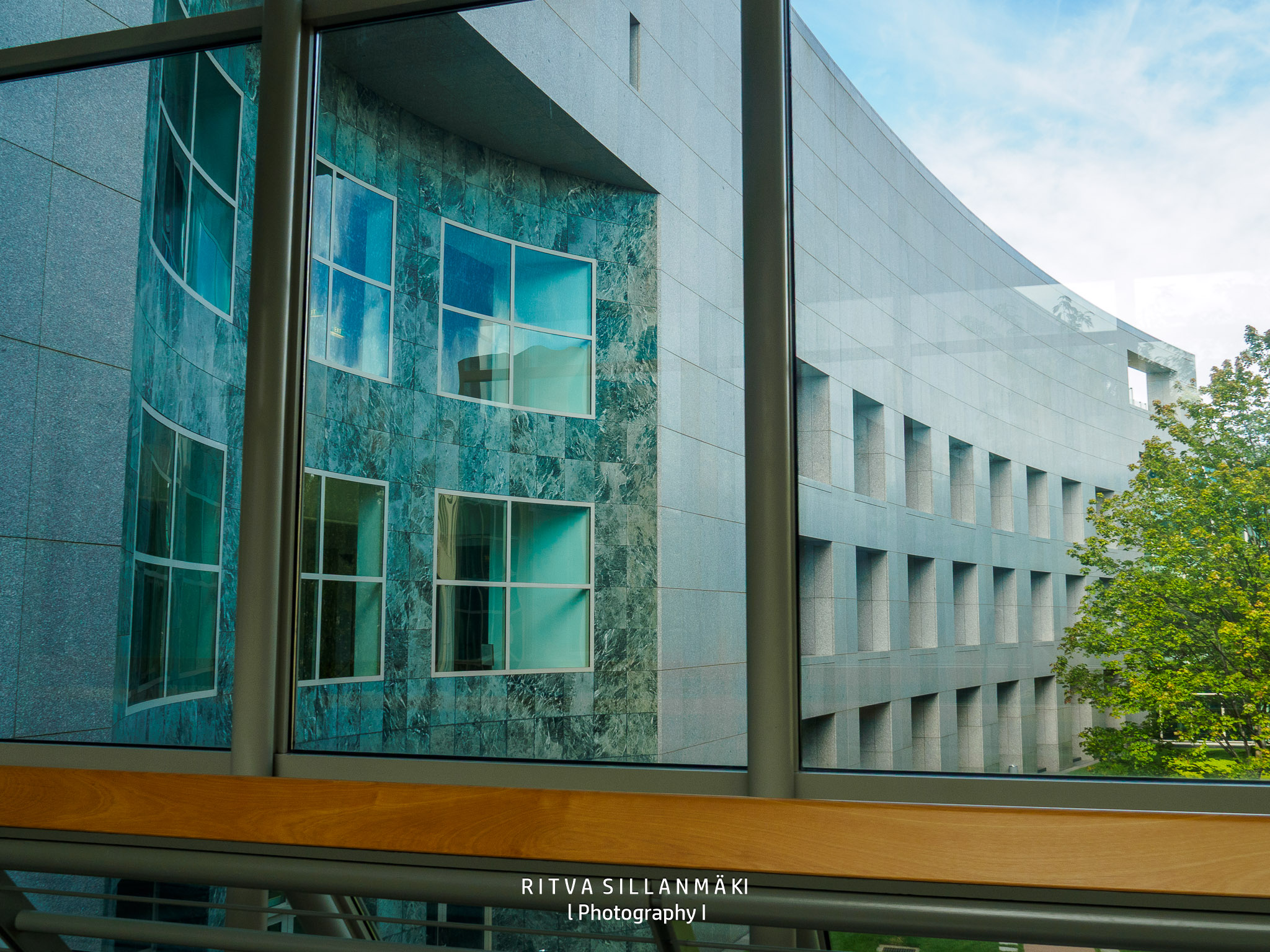
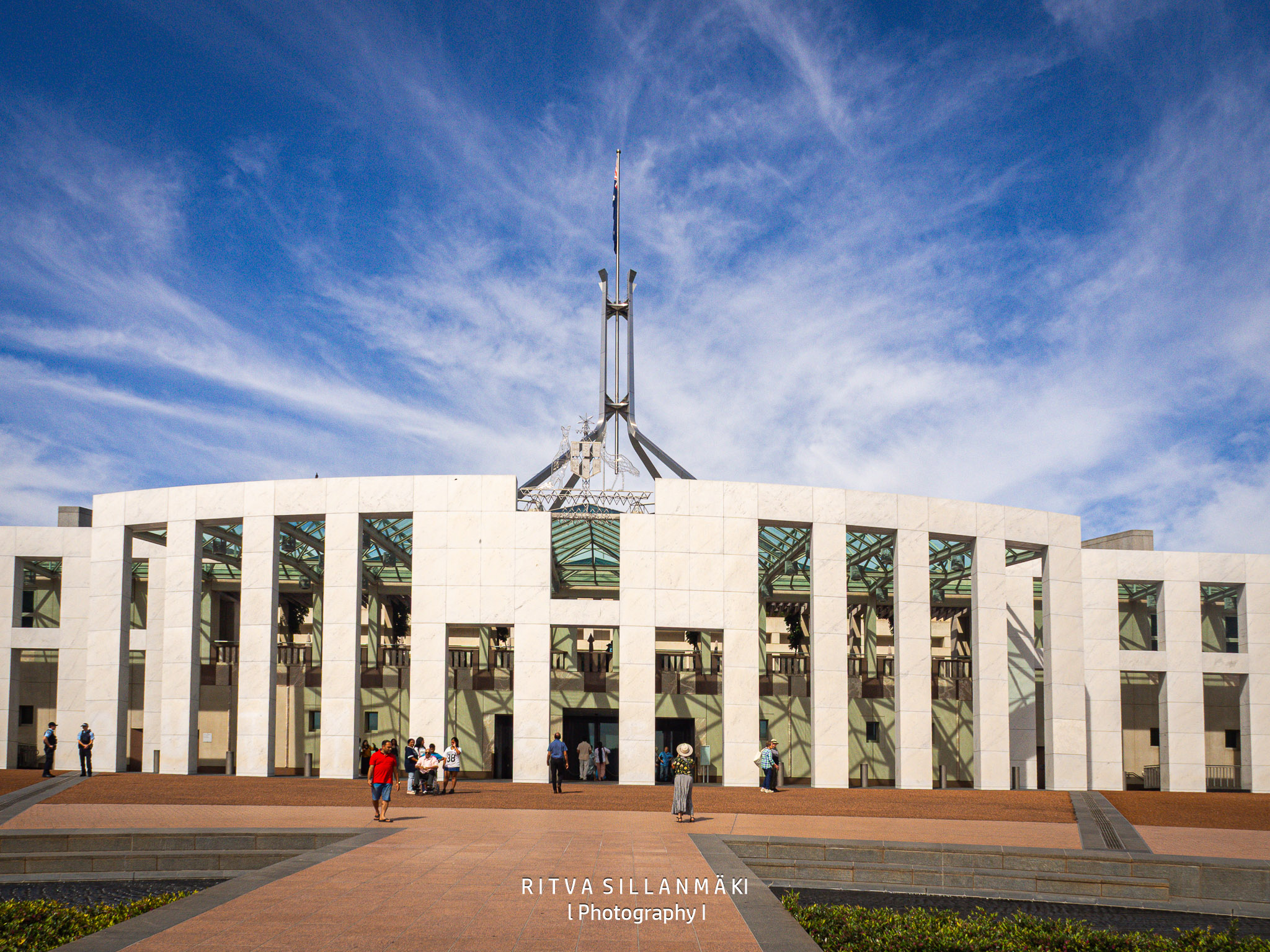
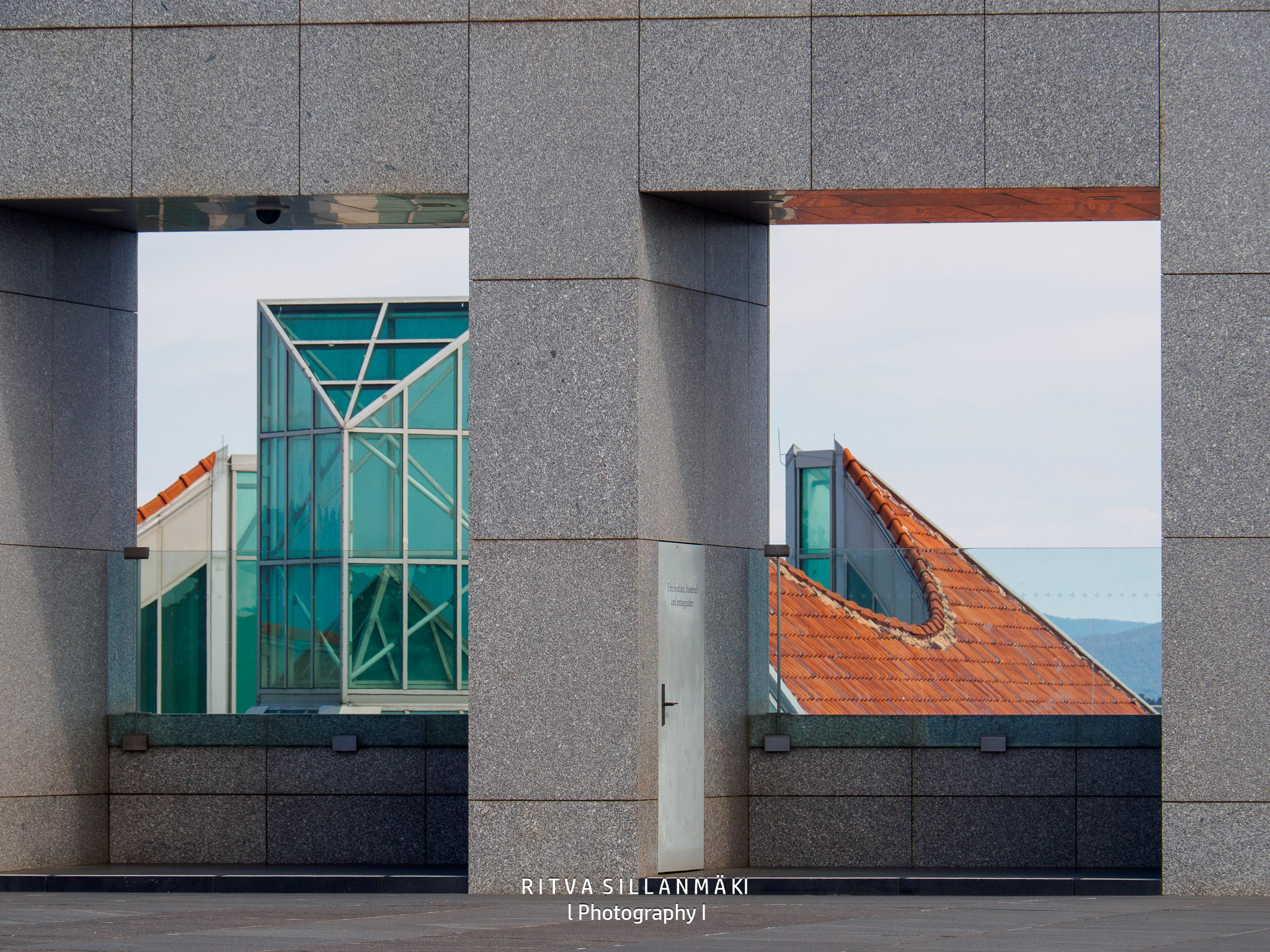
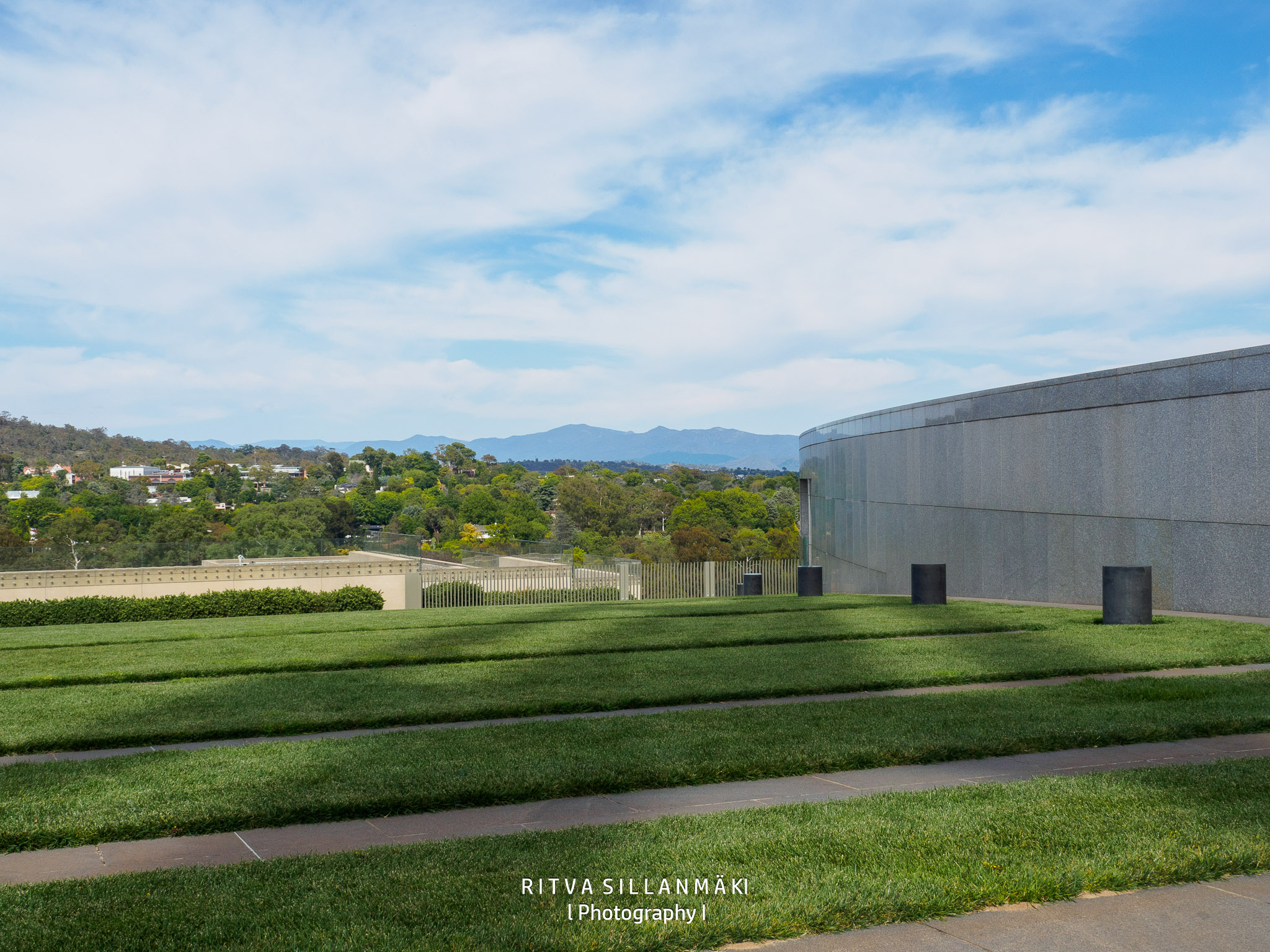
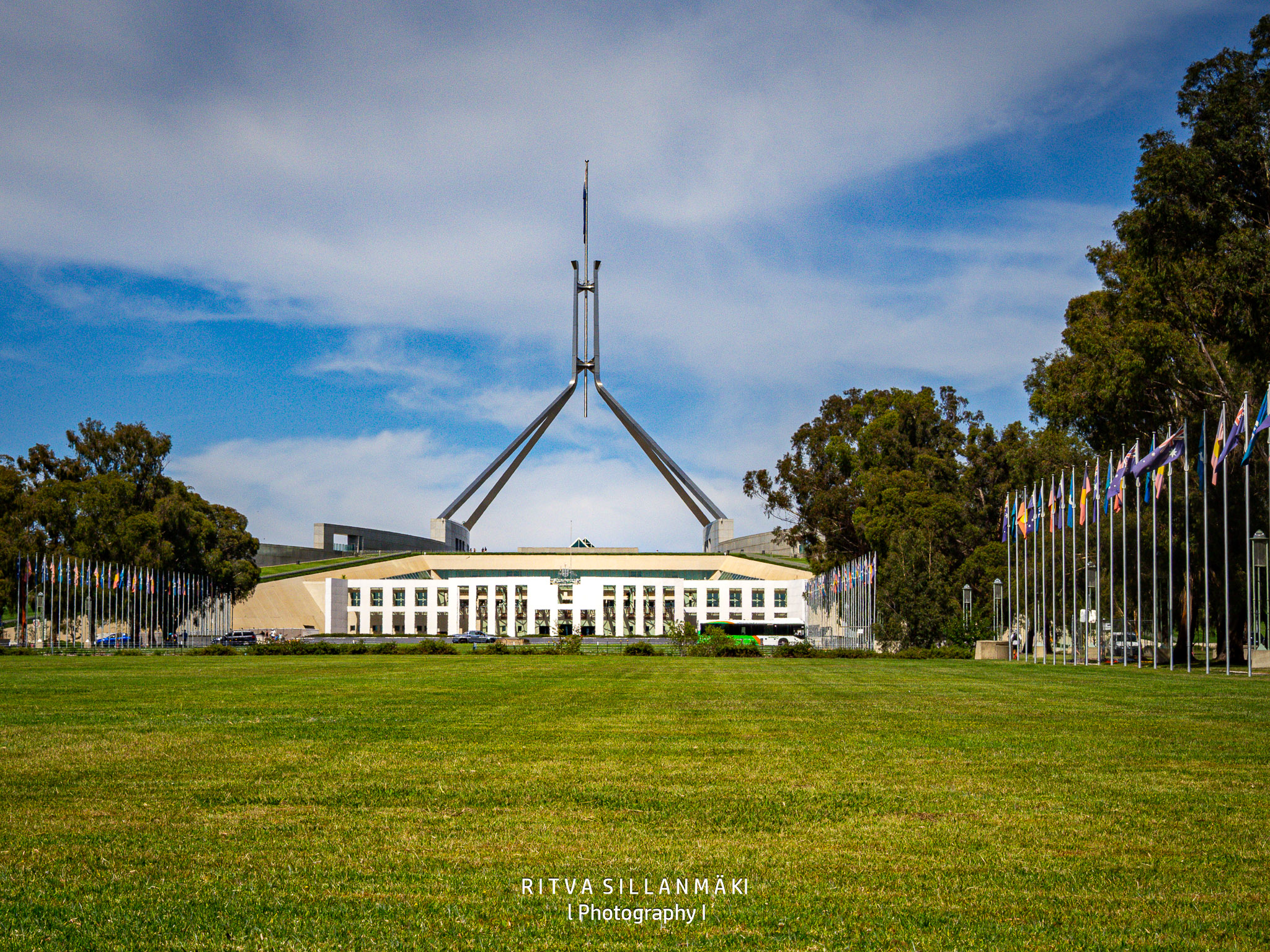
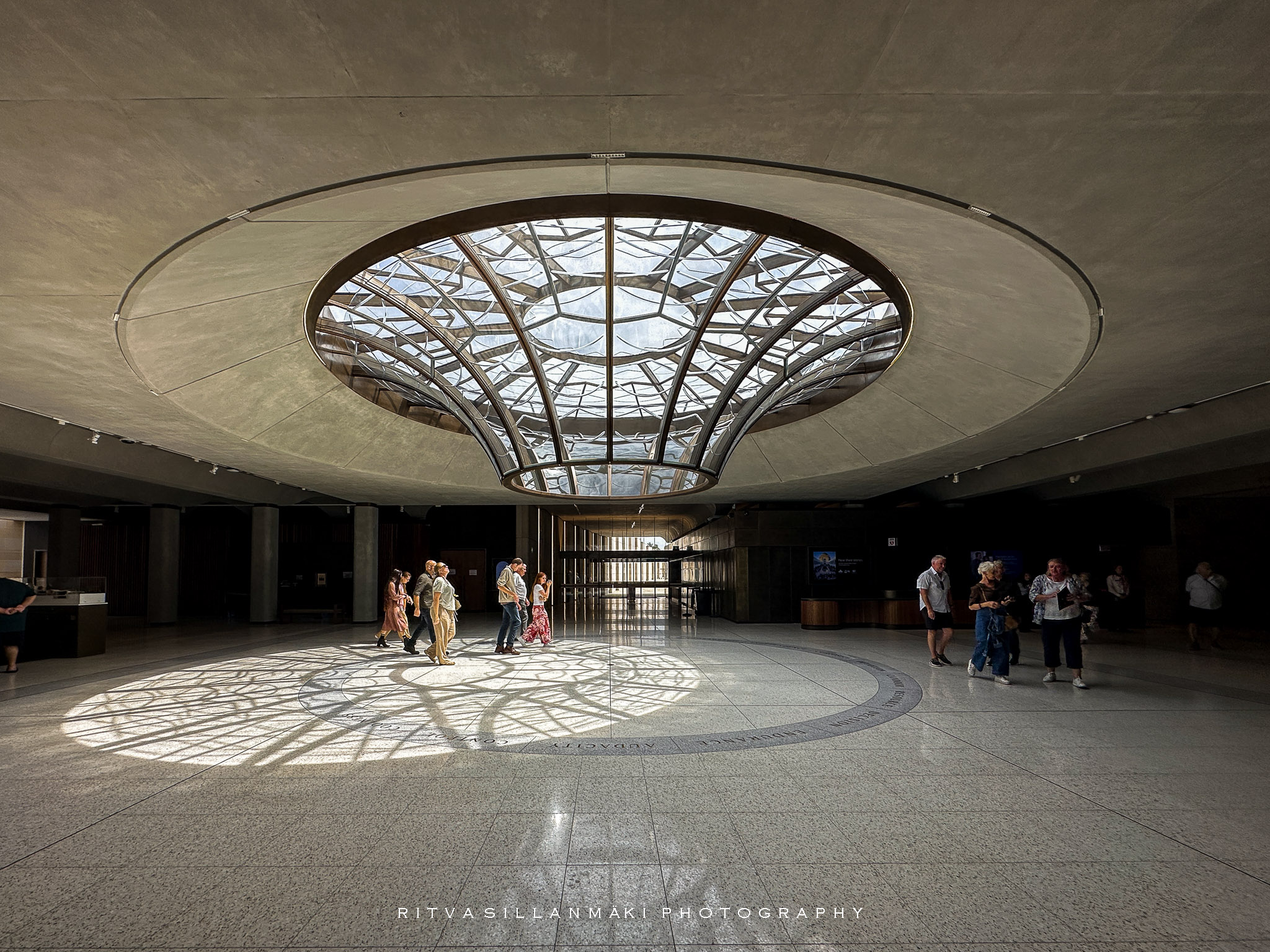
Saturday morning was spent visiting Parliament House and Old Parliament House. The new Parliament was stunning with its marble and different kind of stones and architecture in general. Also, it’s a huge building and I had to push Ritva in a wheelchair to different chambers. Some folks might remember the British comedy show Little Britain. I felt like one of the characters, Lou, pushing his friend Andy around. If you are not familiar with the character, you can find them on YouTube.
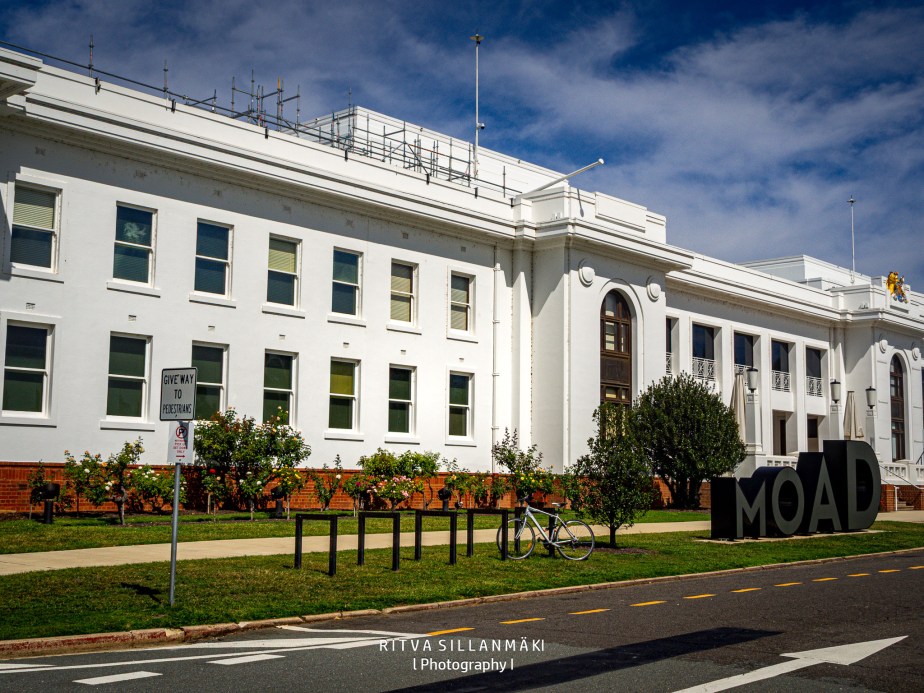
Old Parliament House, formerly known as the Provisional Parliament House, was the seat of the Parliament of Australia from 1927 to 1988. Now it is the Museum of Australian Democracy at Old Parliament House (MoAD)
Canberra’s permanent Parliament House was formally opened on 9 May 1988 by Queen Elizabeth II, taking the place of the provisional Old Parliament House. This event represented the culmination of many decades of planning for a purpose-built seat of the Australian Parliament on Capital Hill. The date of 9 May was selected to reflect earlier key moments in Australia’s parliamentary history that occurred on the same day, underscoring continuity in the nation’s democratic tradition.
Then we went to Red Hill Lookout for another broader view of Canberra.
Afternoon was reserved for family and friends. We drove to suburb of Charnwood to visit Ritva’s cousin’s daughter Ashlee, her husband Inny and their two young children, Marley and Rex, and their two dogs and five chickens. As you can imagine, it meant a lot of running around, screaming, barking, clucking, licking, throwing balls and toys, drawing colorful pictures and even some discussions. All around chaos and fun. Little Rex cried when we left because he had so much fun playing ball. The dogs were big but friendly from the get-go. Chickens not so much, but they were colorful and beautiful.
After few hours we had to leave for our evening dinner date with Lauren, Matt, Christina, John and Daphne at Walt and Burley Restaurant in Kingston area. Lauren and Christina are Ritva’s late brother-in-law’s nieces and Matt is Lauren’s husband and John and Daphne are their kids. Matt works for the Ministry of Defense in procurement department. He showed me a picture of a huge ship he had just bought, or was it the government that bought if? We had a great time and finally some good food. I had Prawn Tacos and Ritva had 300 g Scotch Stake.
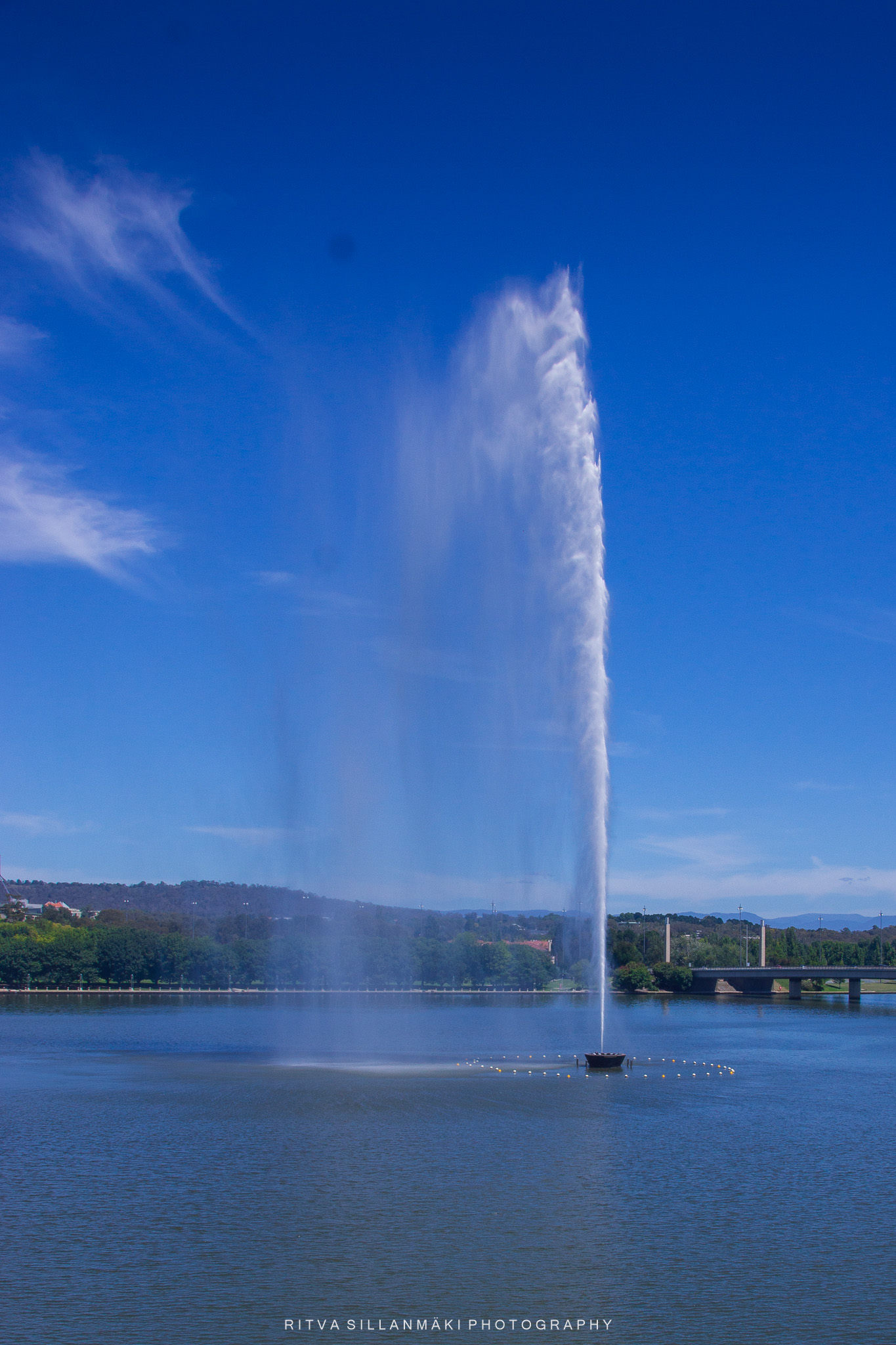
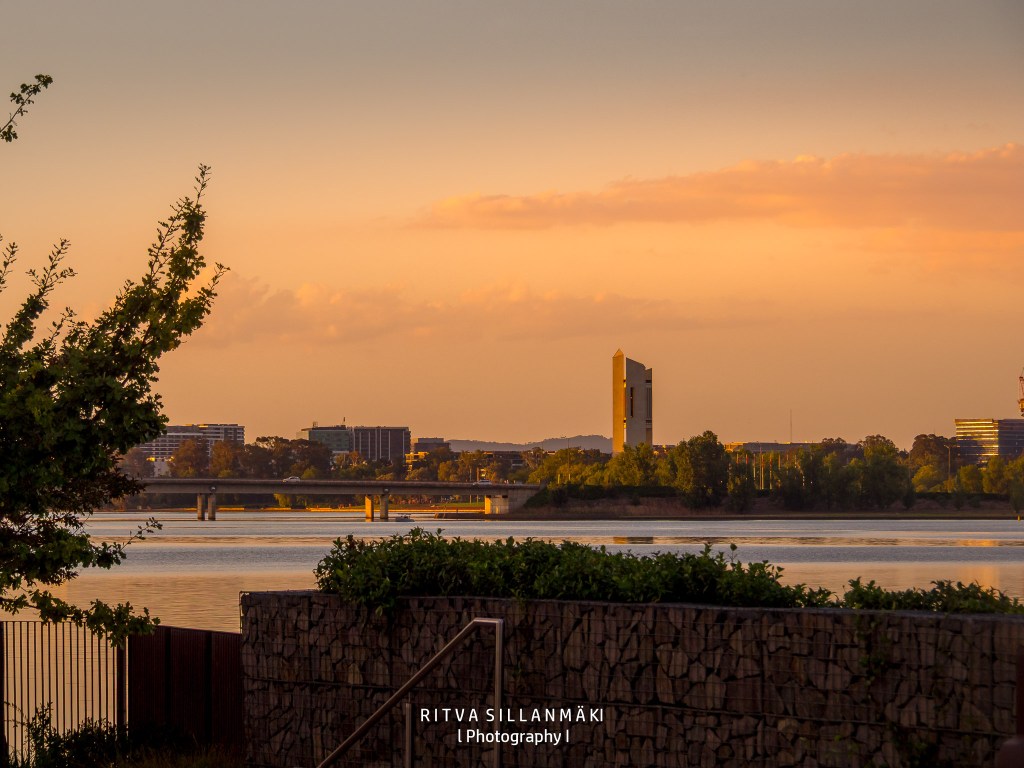
The Lake Burley Griffin, an artificial lake located in the heart of Australia’s capital city, Canberra. The light-colored tower rising in the center is the famous National Carillon, located on Queen Elizabeth II Island. The bridge visible in the photo is the Kings Avenue Bridge.
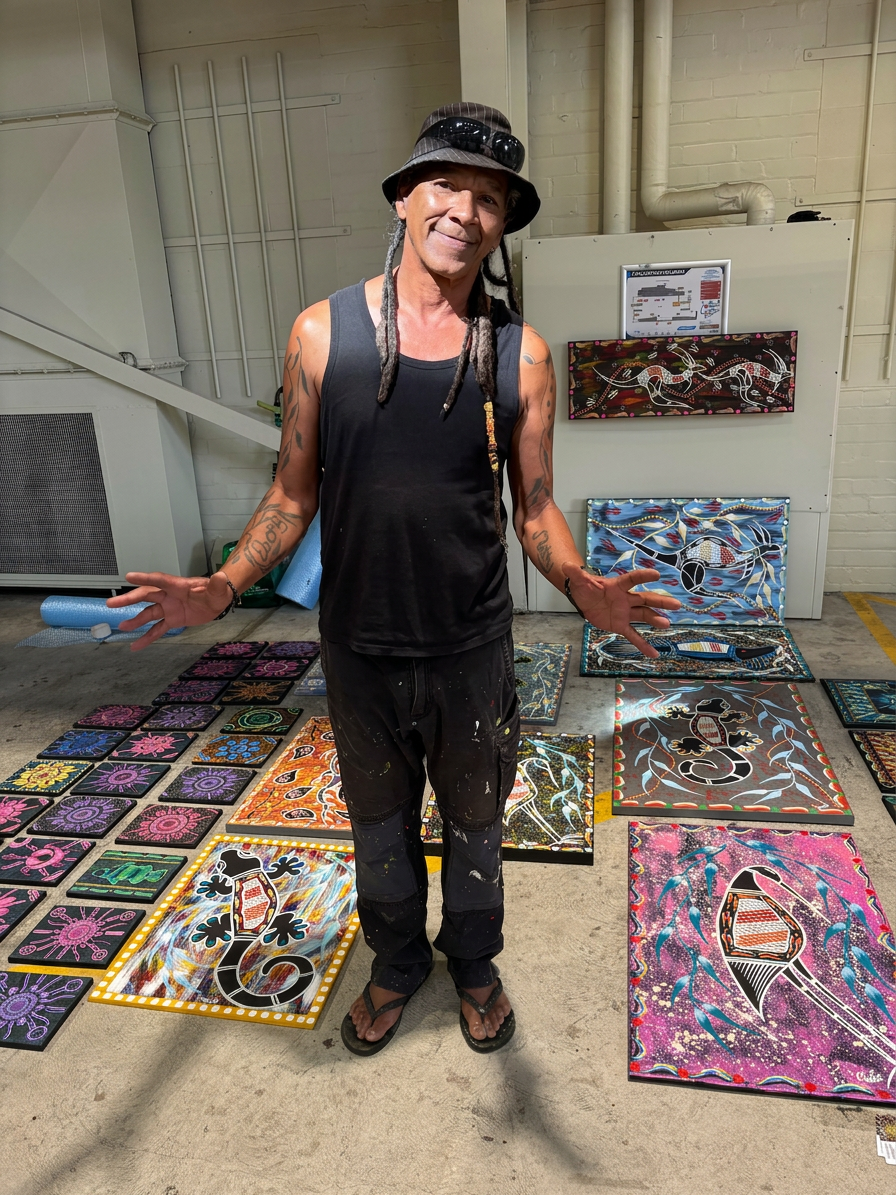
Sunday morning’s plan was to have an early start and drive back to the coast soon after. Change of plans! Heli called to say that her brother Matti and his wife Jenny had just got back into town and would love to meet us. The meeting was set up for the afternoon, and we had some time to go sightseeing. After some googling we decided on the Old Bus Depot Market to start the day. Right after entering the market, we saw a piece of Finnish history at an antiques stall: a milk jug from a famous factory called Arabia. We already had a similar jug at home, but this was a smaller one. And it was only 45 AUD (25 €), so we ended up rescuing it back to Finland. Then we had cannolis for breakfast. Yum! After the treat we checked out the rest of the stalls. One stall had beautiful paintings, but they were too big and expensive for us, but just before the exit we found indigenous paintings from Yidinji artist Greg Joseph. We really liked his style—and his prices—and ended up buying one piece with a lizard on it. He was a good salesman. He said that the lizard was a totem animal for his children’s mother’s family, and that the kids inherited the totem animal from their mother. Nice story. He said he was from the area around Cairns. We also thought that the painting was small enough to fit into our luggage, but we were mistaken. I had to take out the staples, roll up the painting and store it in a cardboard tube. And I was able to save the frame as well and put it all back together easily at home.
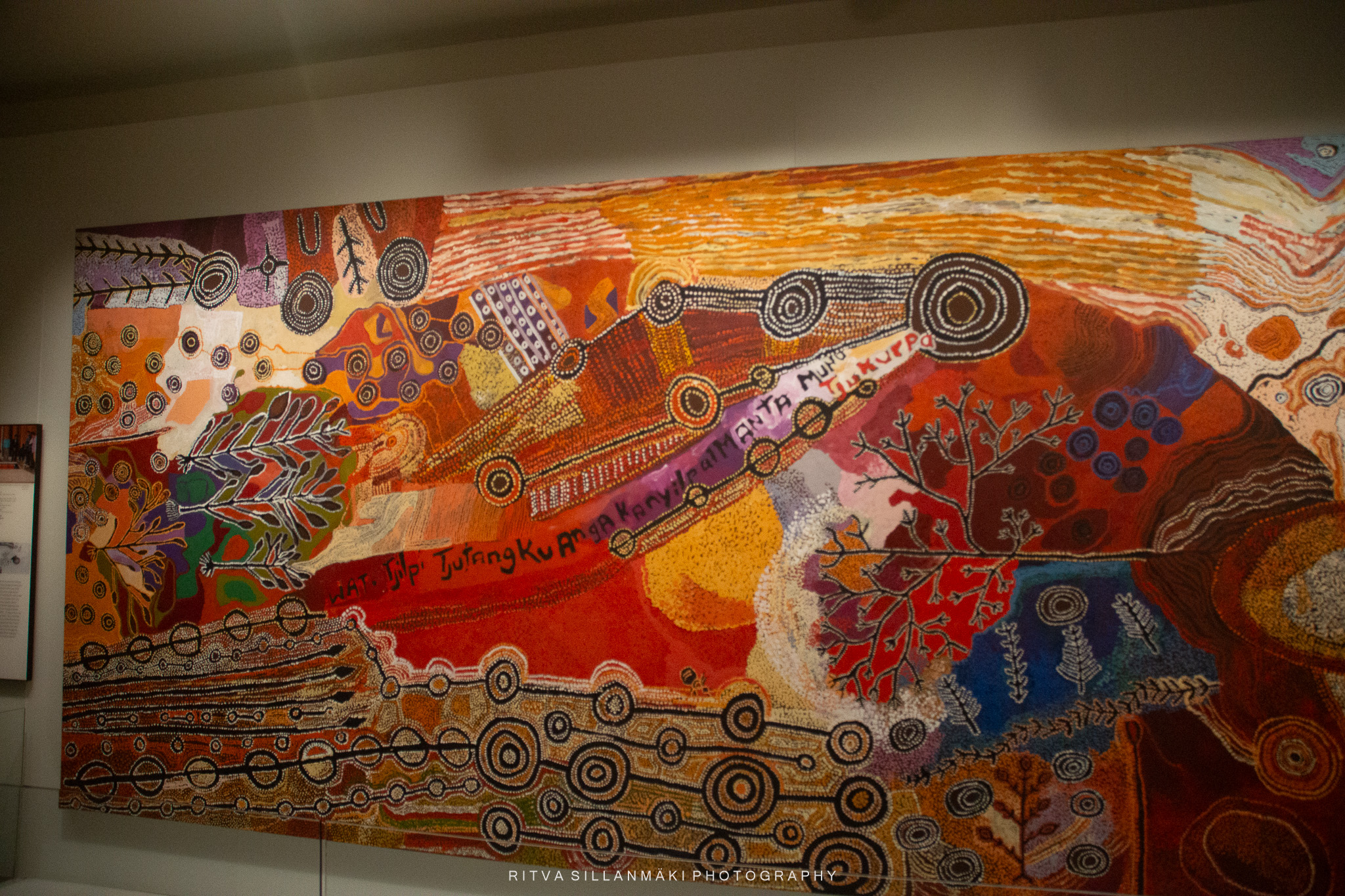
Artist Showcases Vibrant Indigenous-Artwork Collection
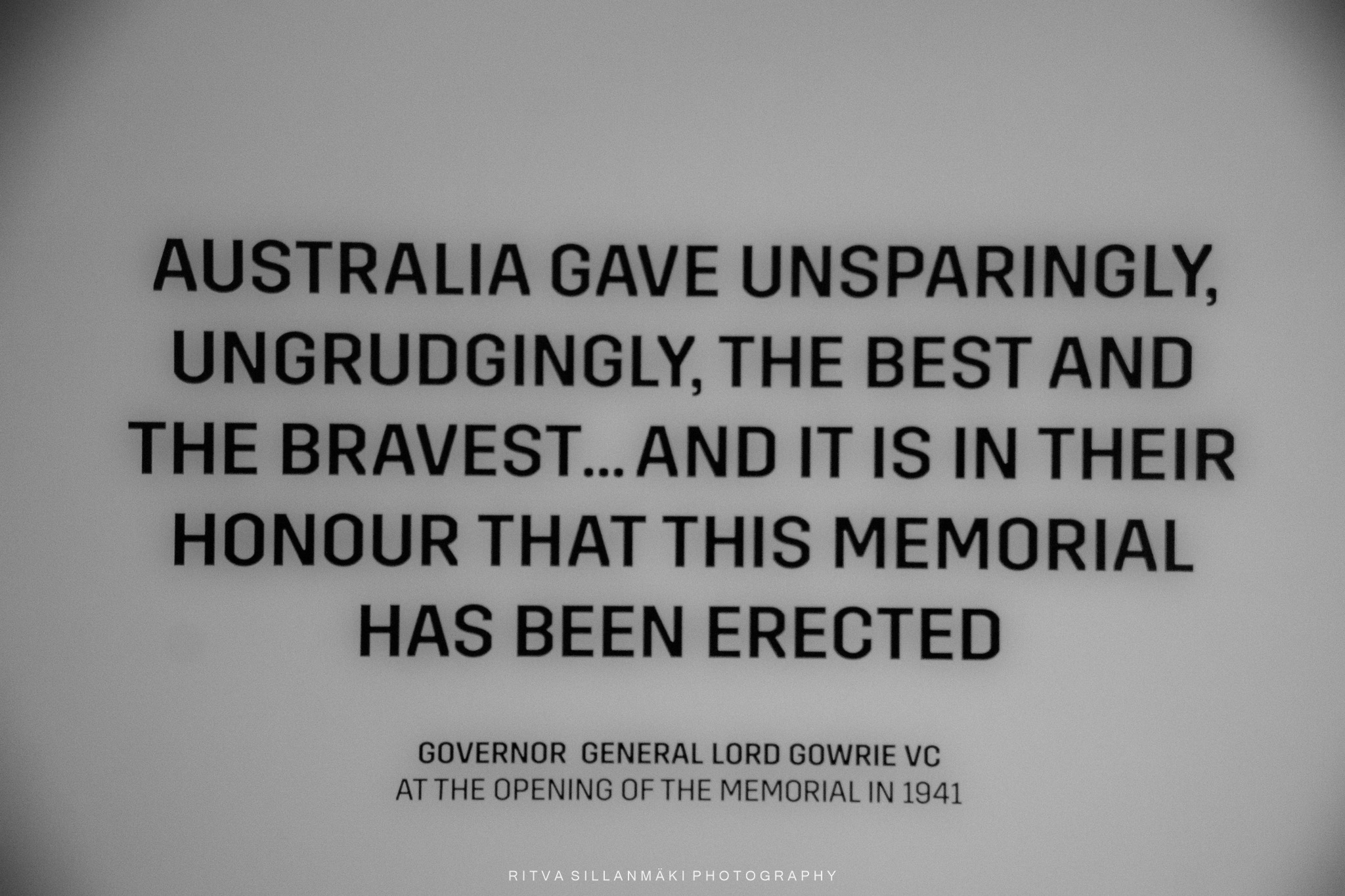
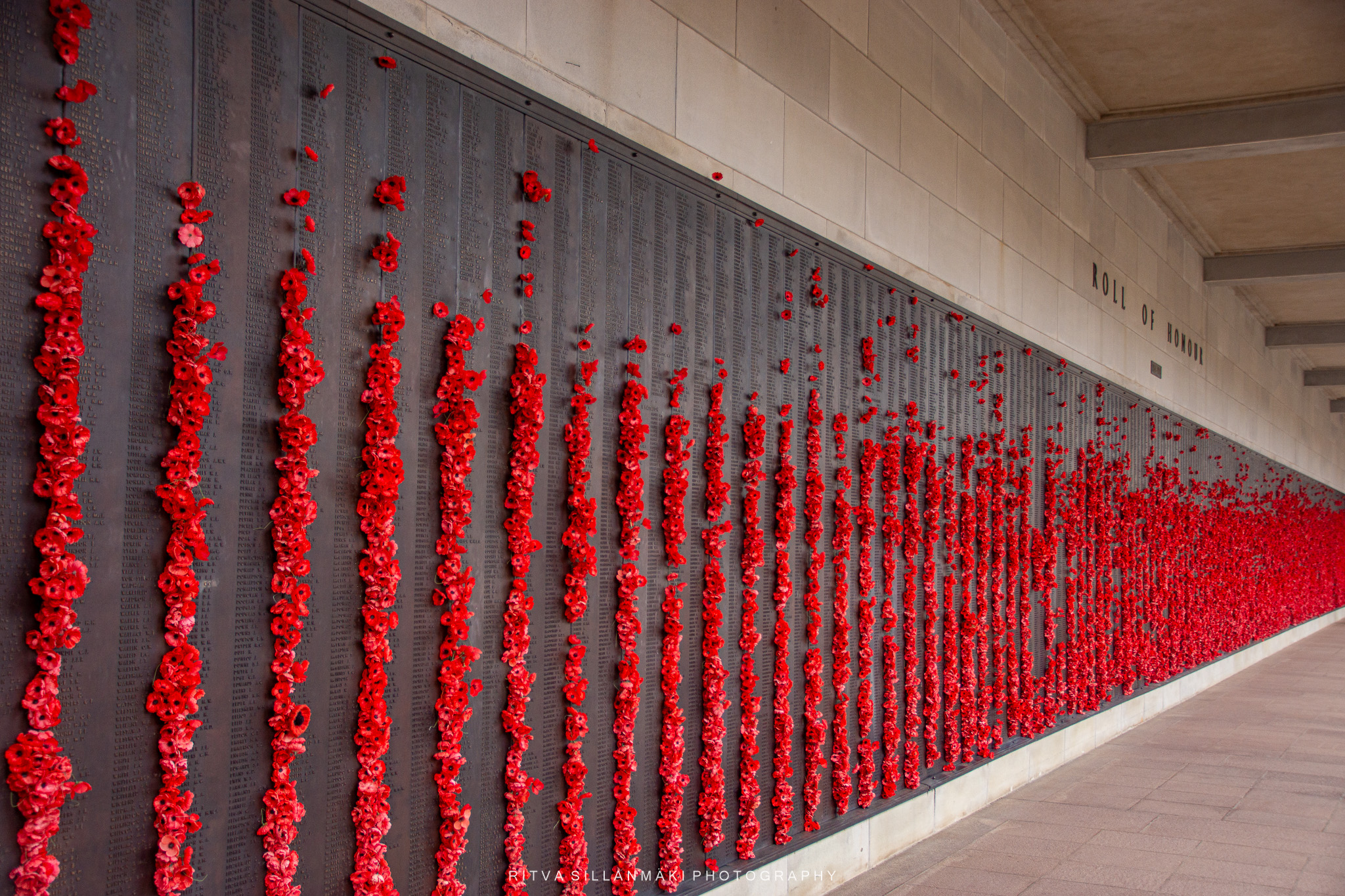
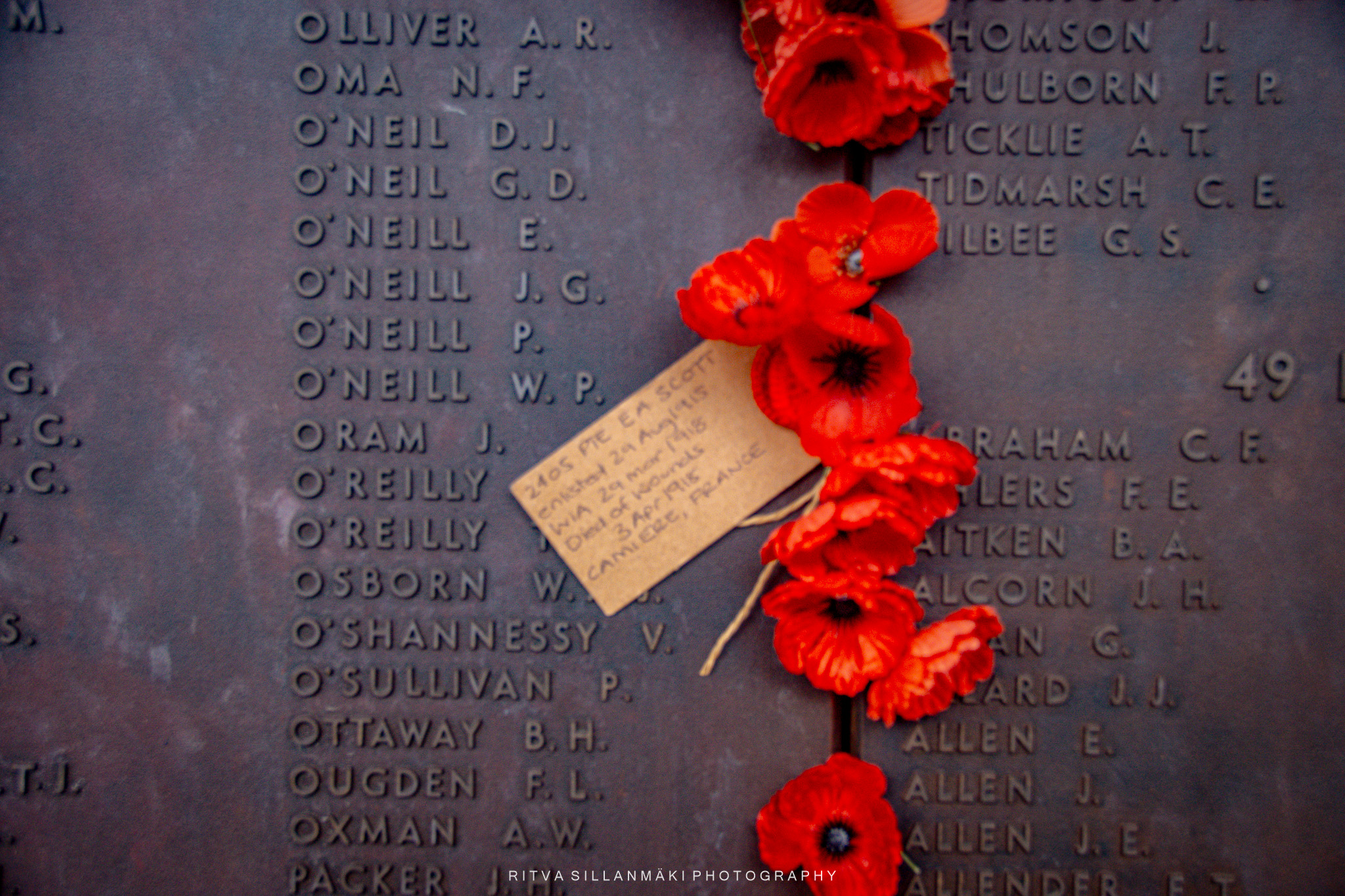
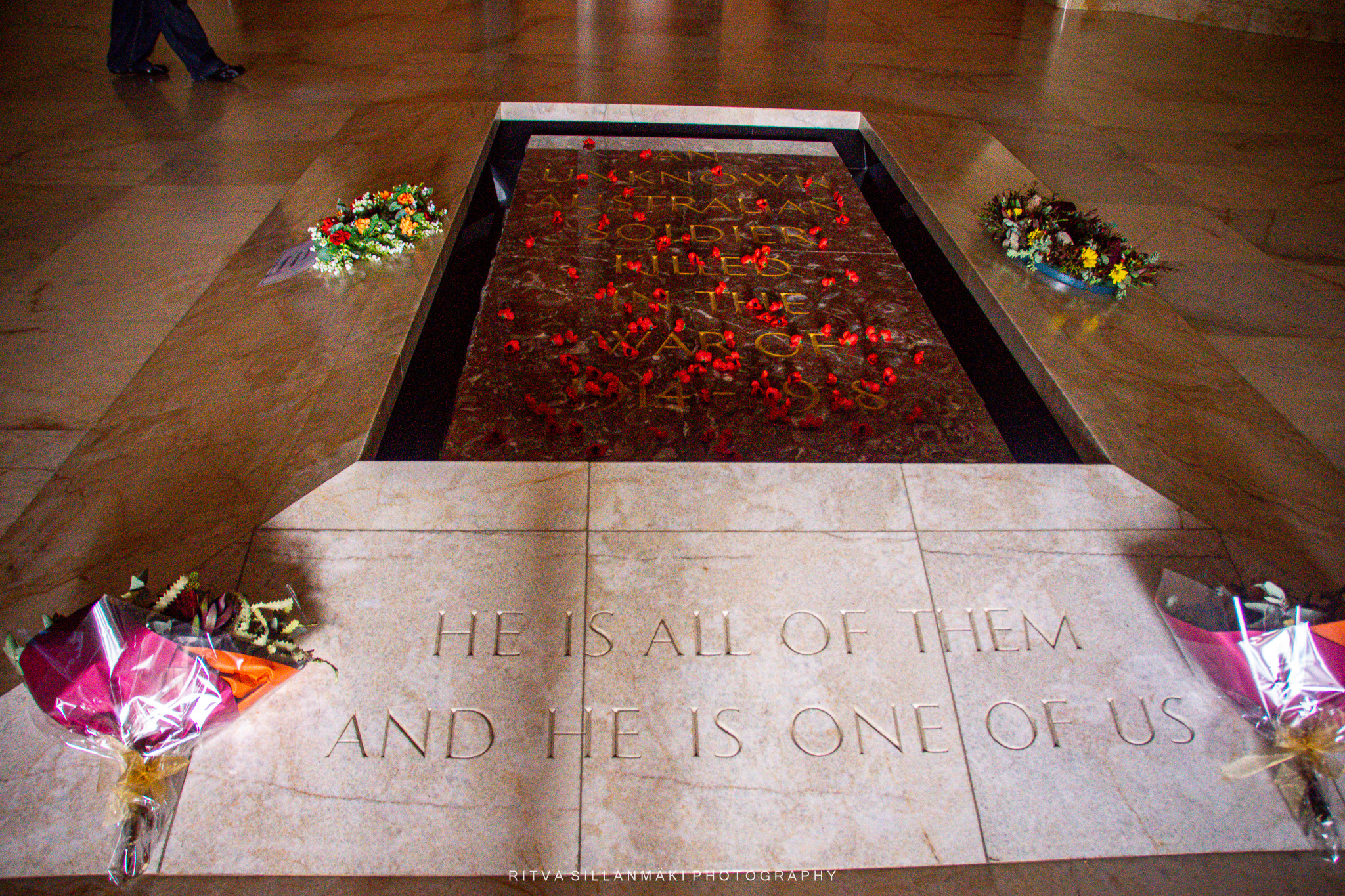
Then it was time for a new visit to Australian War Memorial, and we even got in this time. You could spend days there. It is huge and there are so many details in all the displays. And once again we were reminded how little we know about countries and their history, especially those that are not close to us. Having been a member of the Commonwealth, it is understandable that Australia has been involved in many wars and conflicts involving Great Britain. But that is not even close to covering all wars. There are too many to mention. Wall of Honour for those killed in action, with its poppies, was sad and truly memorable.
Not being too lucky with our restaurant choices we ended up in the same restaurant, Walt and Burley, as previous night. Beef burgers really hit the spot. Time to meet cousin Matti and Jenny. They live in the suburb of Coomes, that was not far at all. We had nice time getting to know each other and talking about family. Matti and Jenny nearly bought a holiday house in Finland because Matti loves cross country skiing. They were planning on spending half a year in each country. But then came Covid that spoiled the plan. At least for now. Matti had spent his working career in military and then in some type of special forces in police. He told some hair-raising stories about his career, but I would have to kill you if I revealed them . At one point he spent 6 months protecting someone 12 hours a day, 7 days a week, without ever being able to visit home. And had to sleep with shotgun on his night table. The person protected was a witness in drug trafficking case. She survived and testified.
I think this is the full account of our visit. I hope you made it to the end. I apologize for the number of photographs; you can expect to see some more, as I have now edited them.
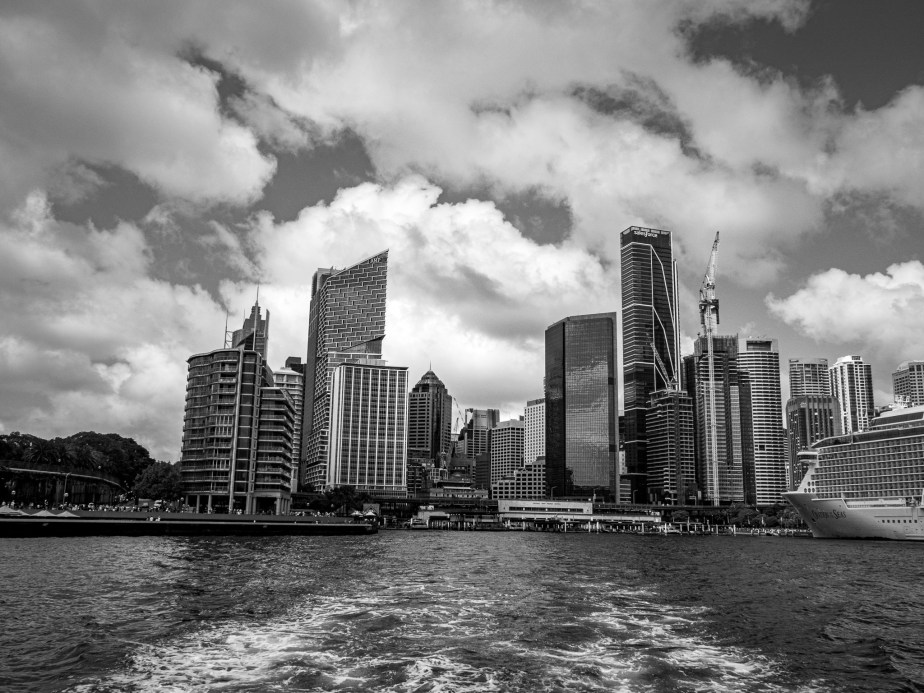
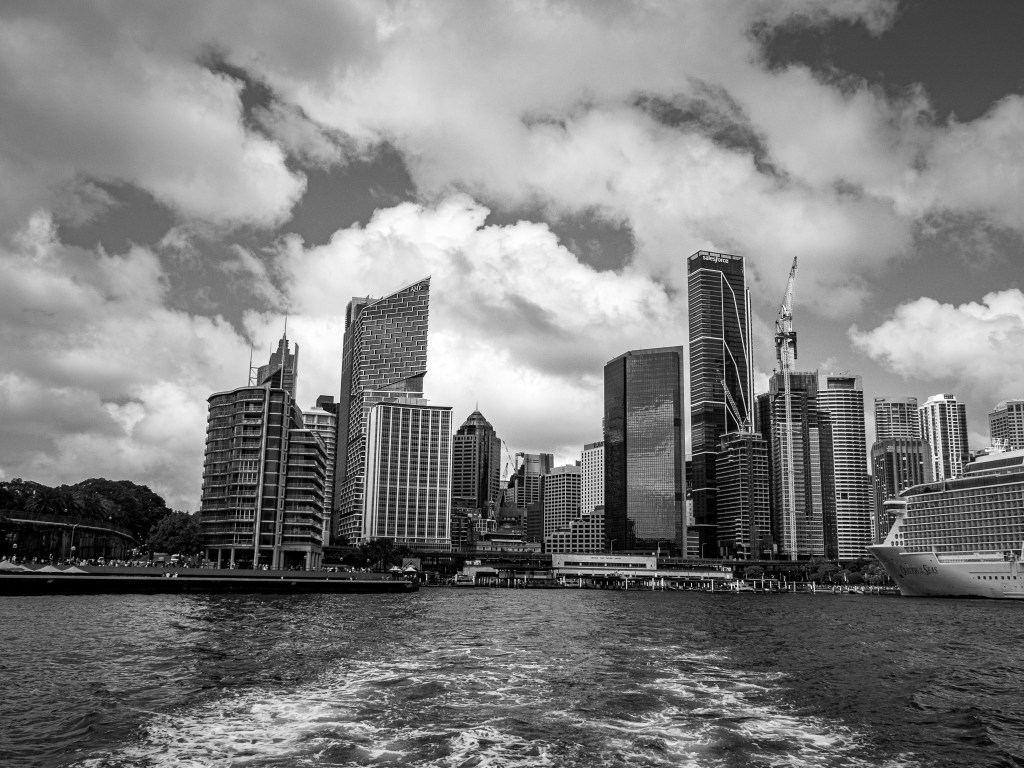
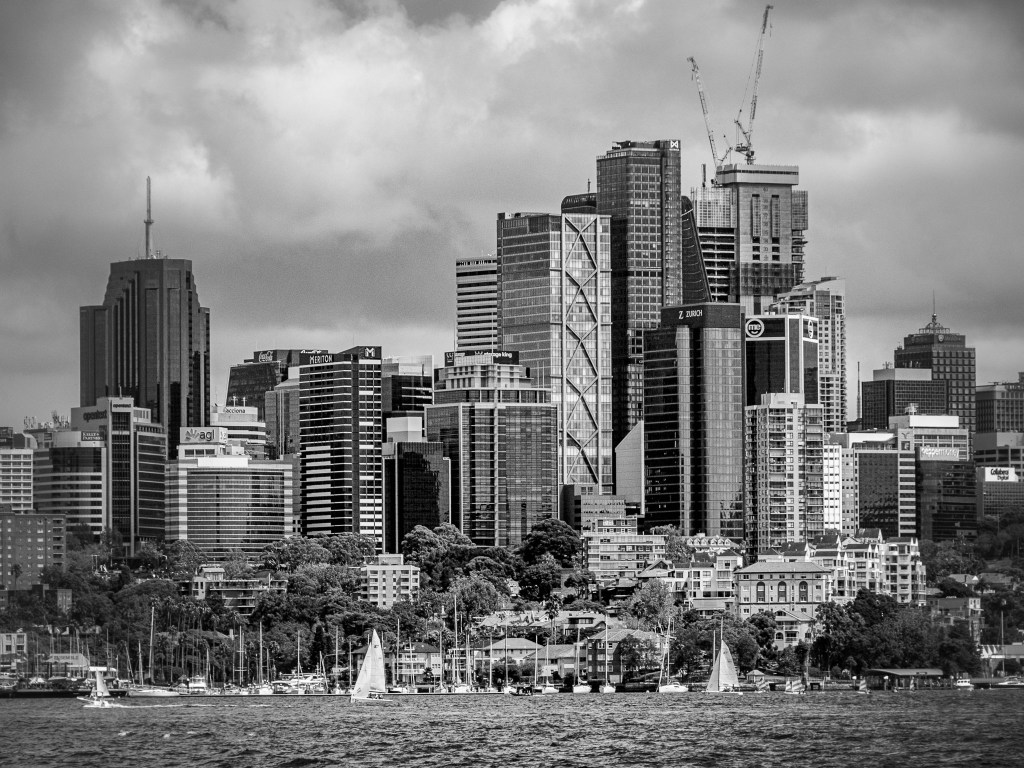
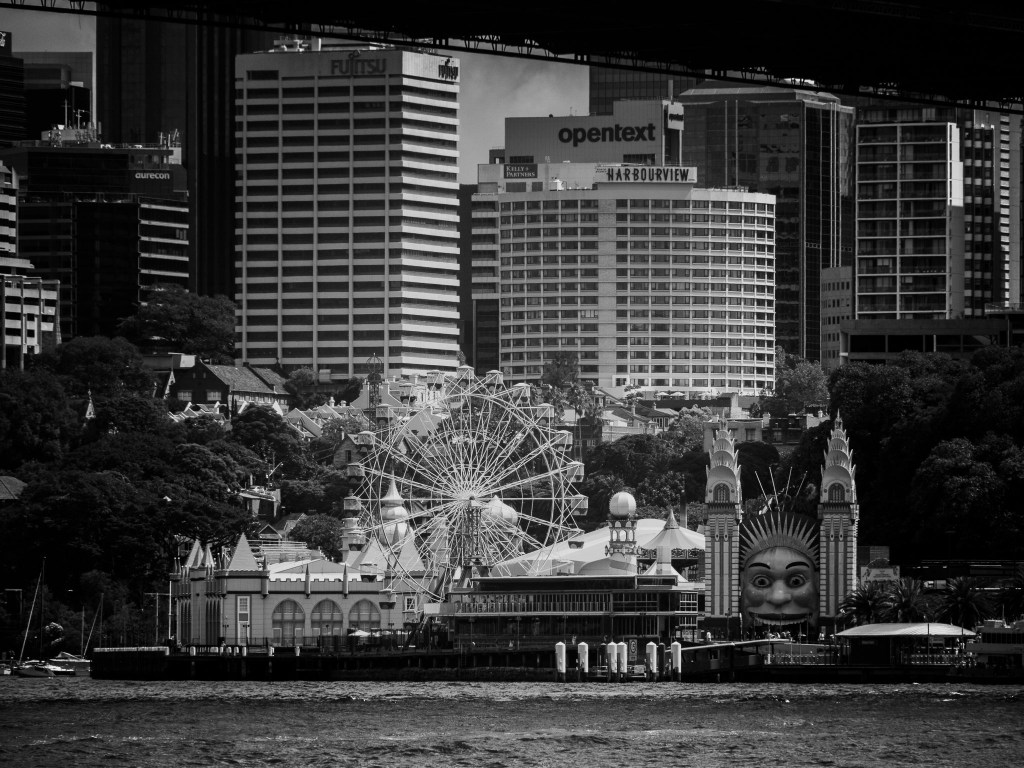
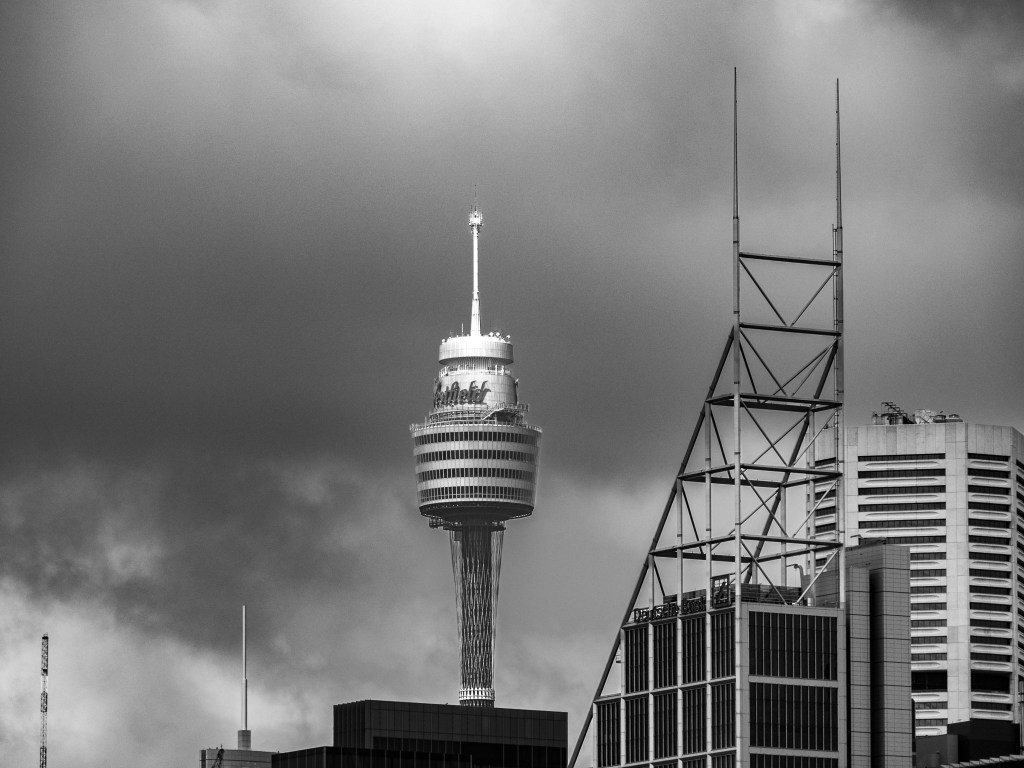
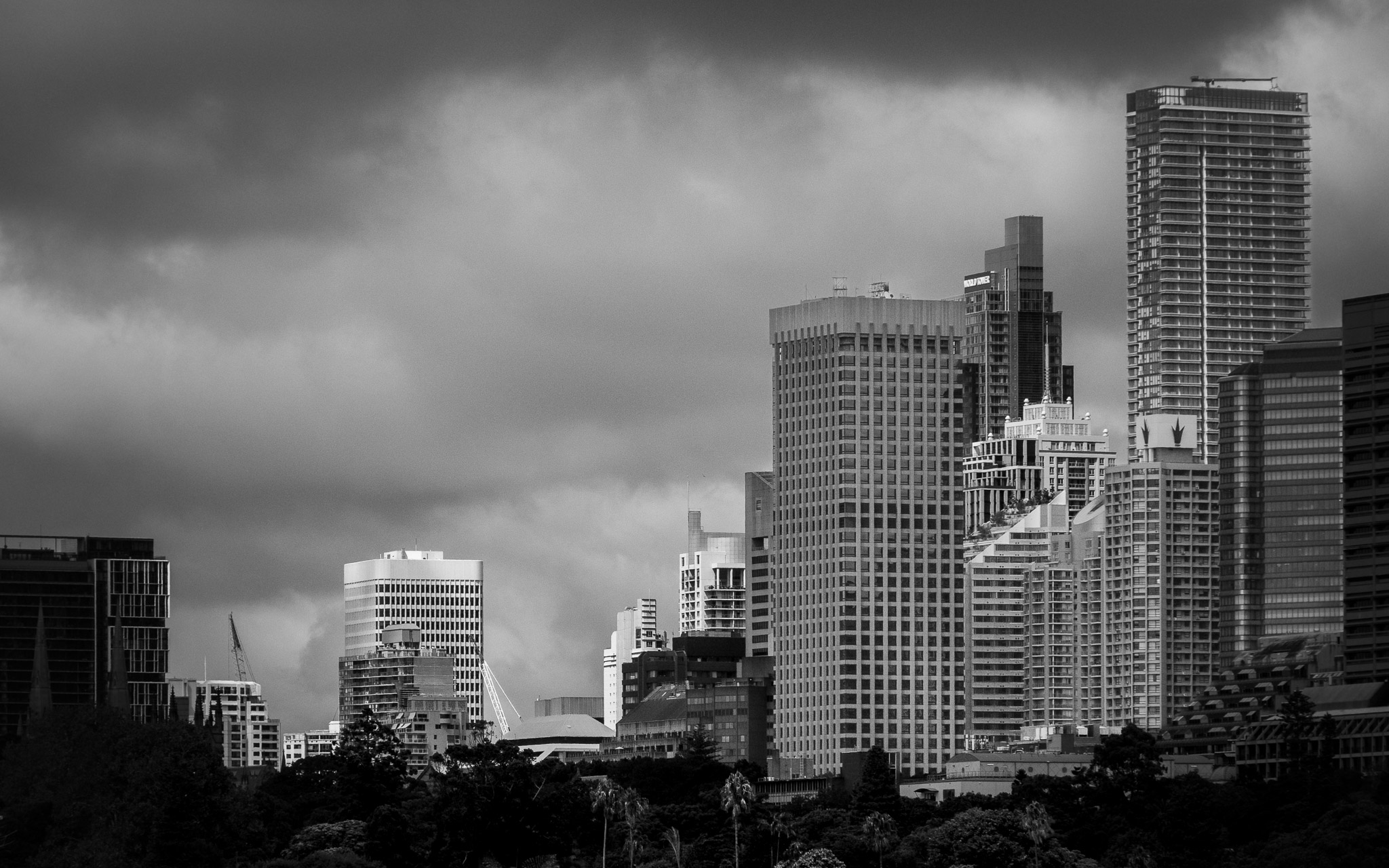
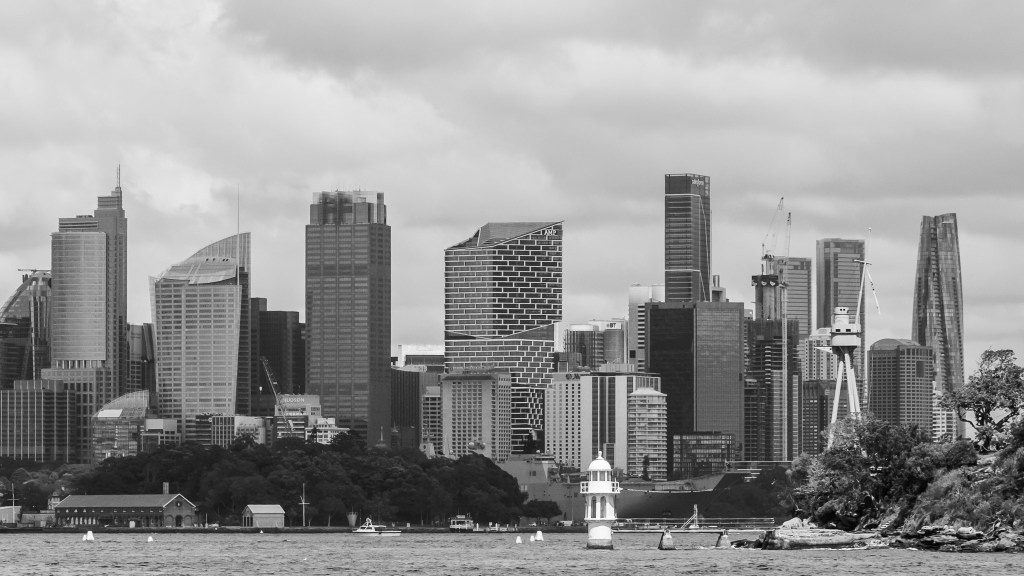
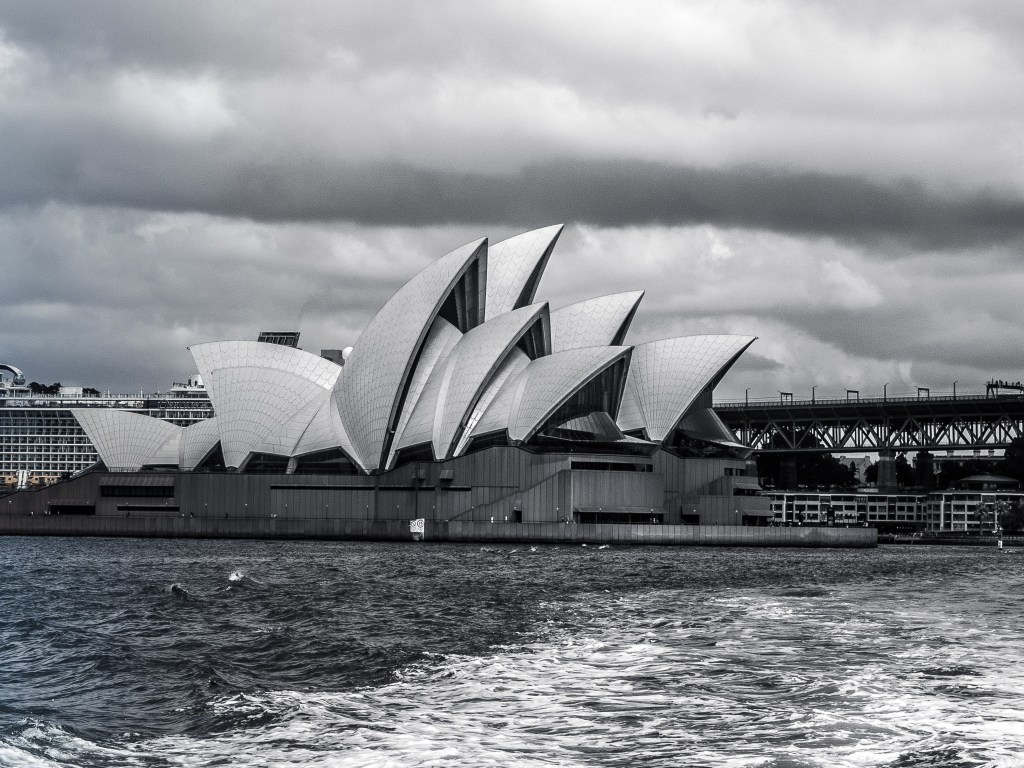
For Leanne’s Monochrome Madness, I am returning to Sydney, Australia, to capture the essence of this vibrant city from a unique perspective. These photographs were taken from the sea, which gives them a slightly different approach than what I would typically do, such as shooting from within the bustling streets of the city. Leanne noted, “Urban is defined as being near or in a city or town. I guess it probably means lots of buildings or something like that.” While this definition holds true, my images reveal a different narrative, with few buildings standing tall against the expansive backdrop of the Sydney Central Business District (CBD) skyline and the mesmerizing harbor view. The interplay of light and shadow creates a striking contrast, and the monochromatic tones highlight the architectural forms against the gentle ripples of the sea. By stepping back and viewing Sydney from this vantage point, I aim to evoke a sense of tranquility amidst the urban landscape, inviting viewers to appreciate both the natural beauty and the urban environment harmoniously intertwined.
A dramatic black-and-white view of Sydney’s waterfront skyline, featuring the Salesforce Tower and a cruise ship beneath billowing clouds.
the Sydney Central Business District (CBD) skyline and harbor view in Australia.
the Sydney Central Business District (CBD) skyline and harbor view in Australia.
Luna Park
The Sydney Tower Eye or Centrepoint It rises to a height of 309 meters and is the tallest structure in Sydney.
This photograph features a black-and-white look at the Sydney CDB skyline as viewed from the eastern side, adjacent to the Royal Botanic Garden.
The Sydney skyline likely taken from Sydney Harbour towards Elliot Bay or rather from the direction of Port Jackson.
The Sydney Opera House
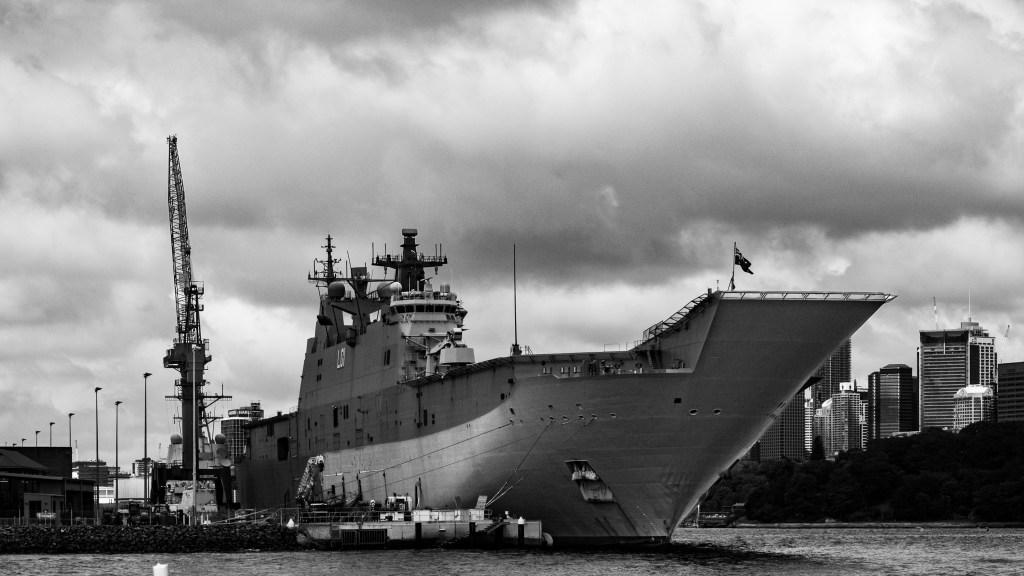
Canberra-class landing helicopter dock (LHD) belonging to the Royal Australian Navy. HMAS Adelaide (L01), pictured docked at Fleet Base East in Sydney Harbour, with the city skyline visible in the background
I am also participating in Dans Thursday Doors with this post.
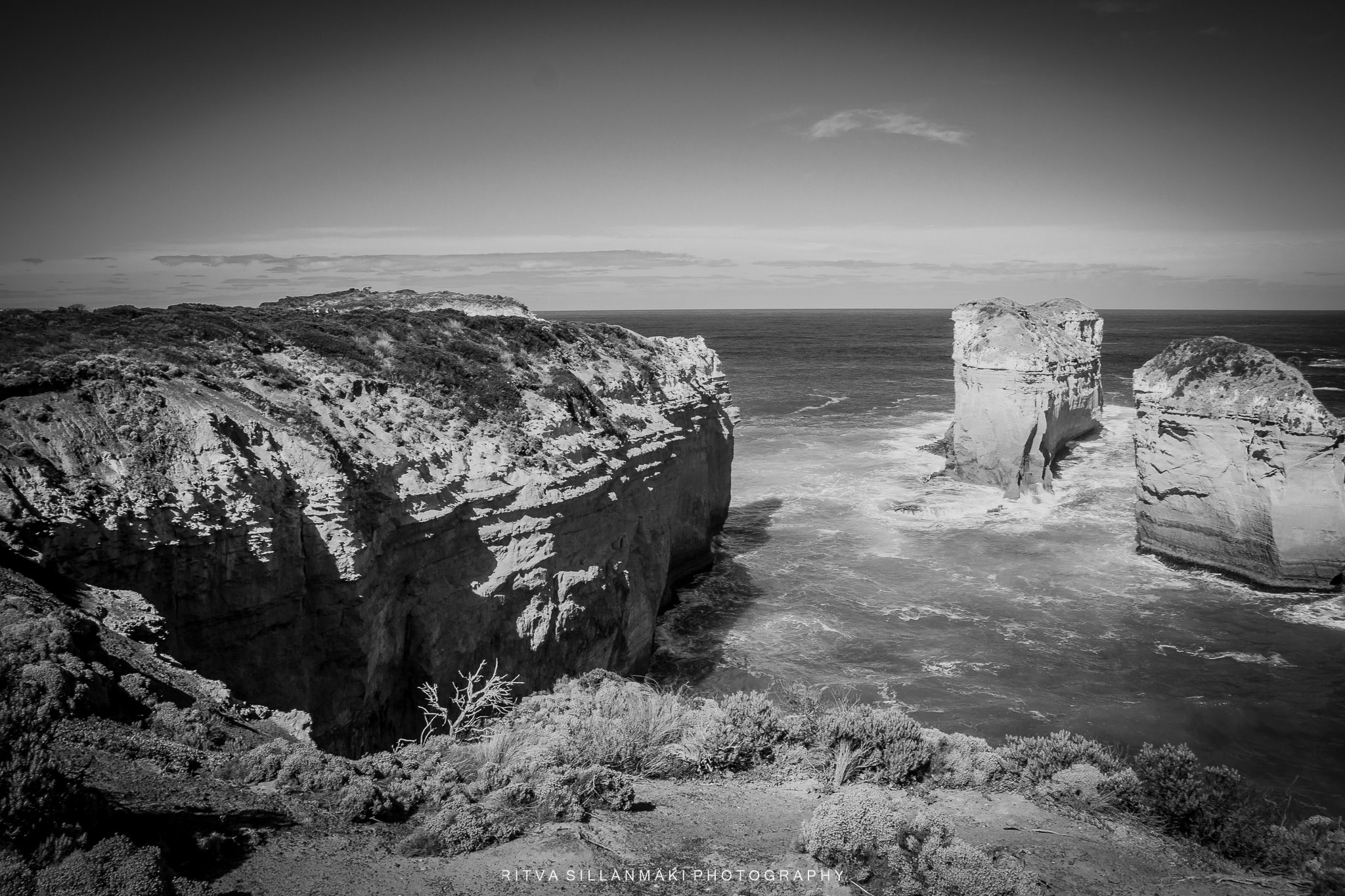
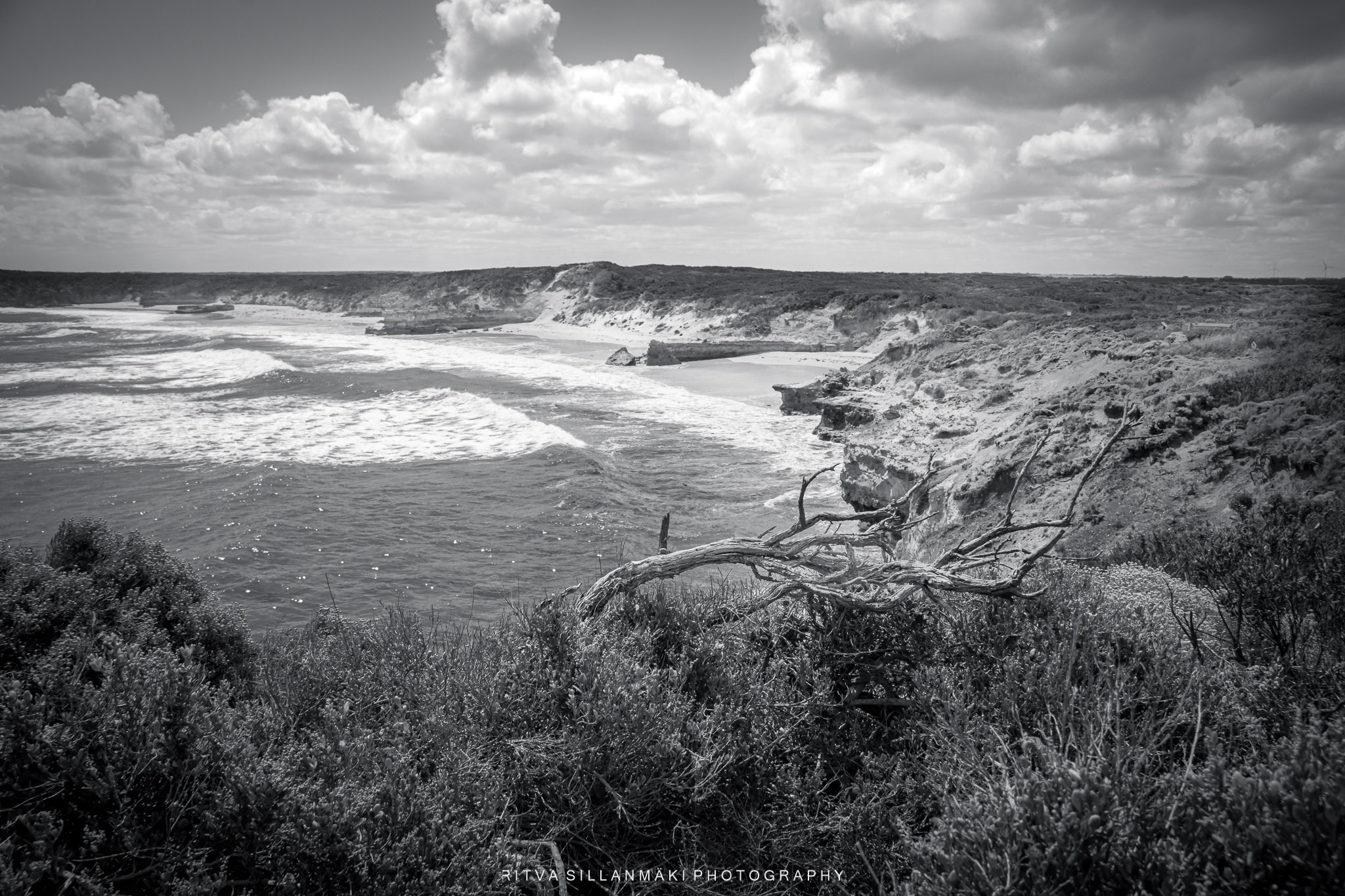
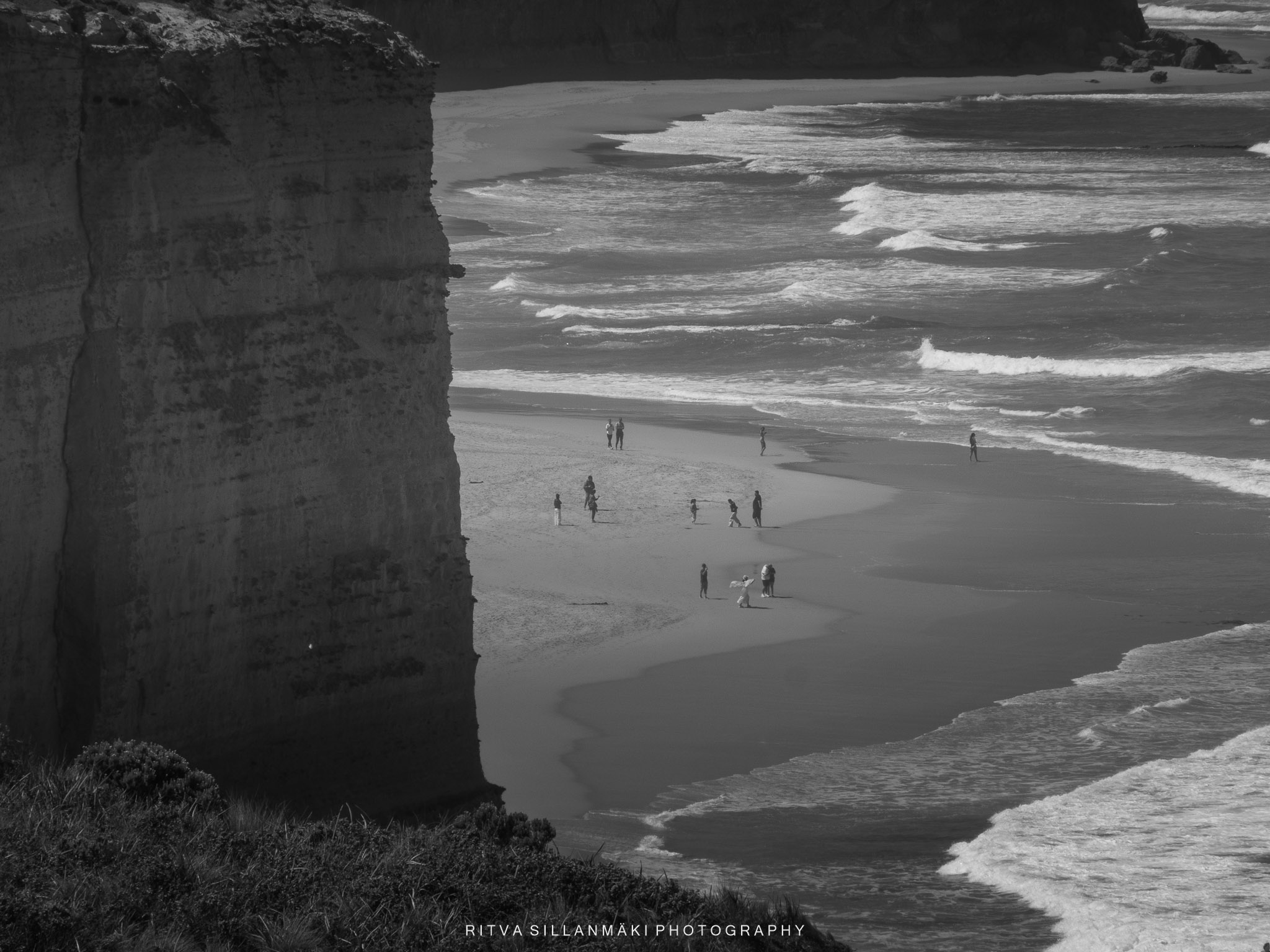
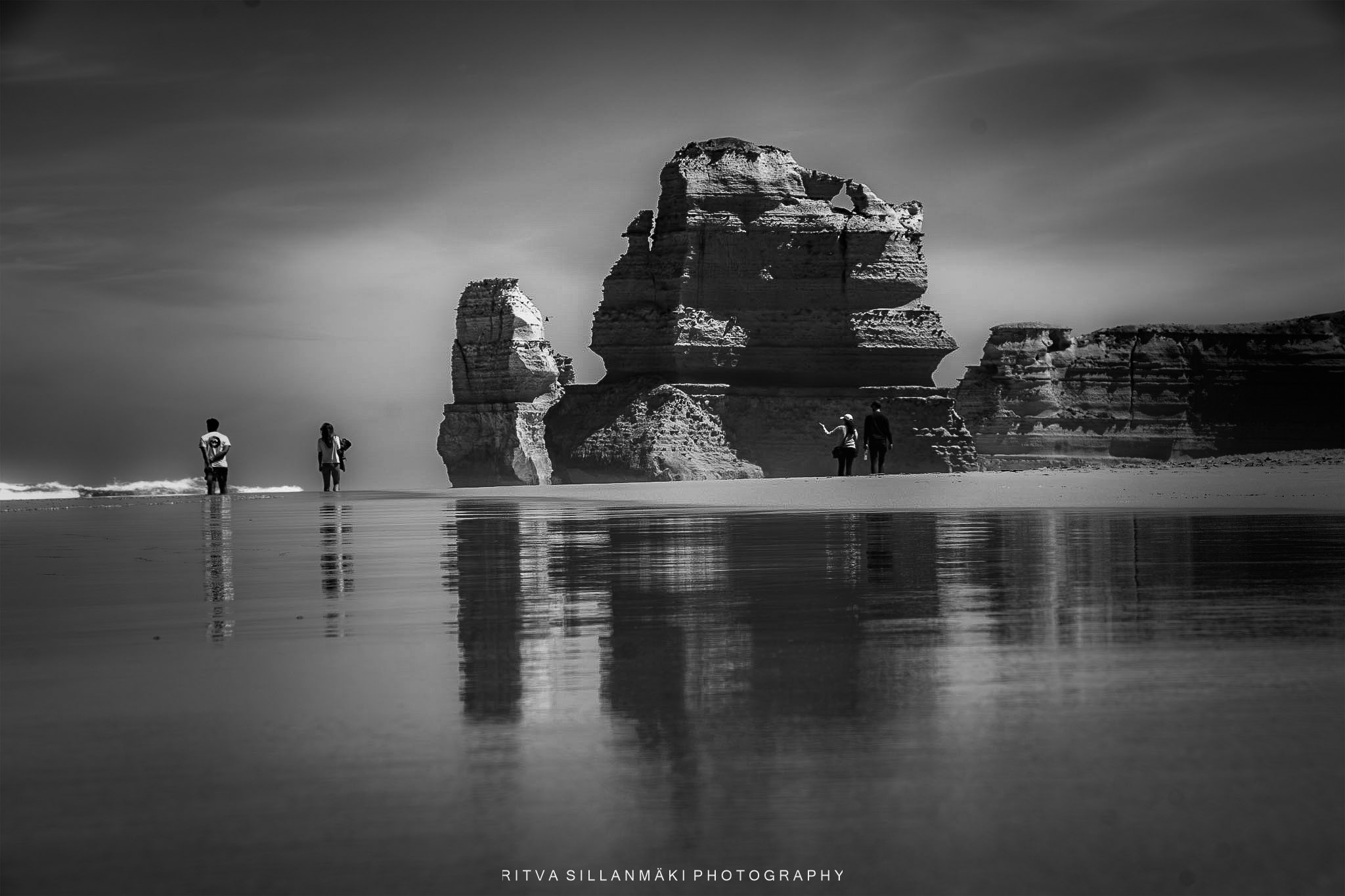
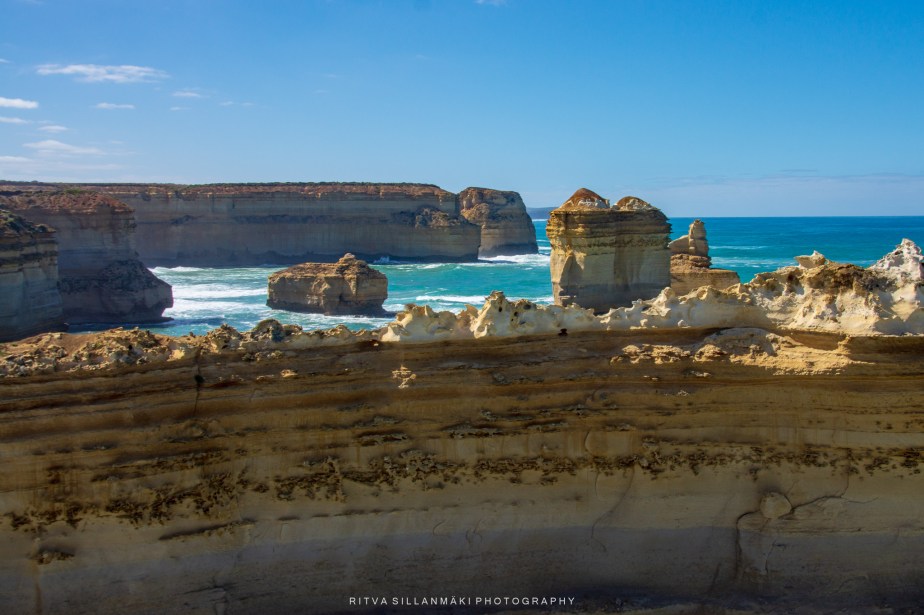
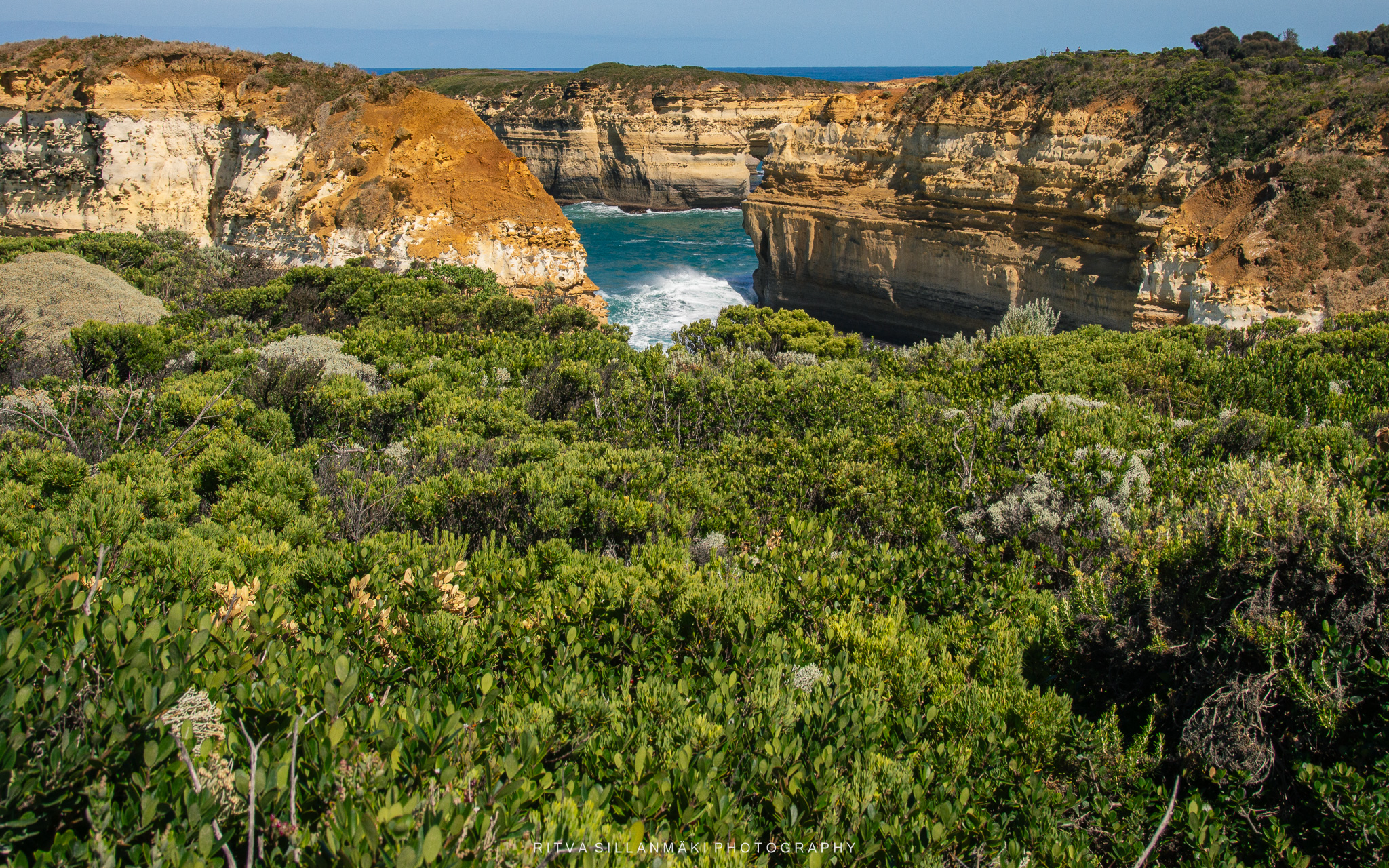
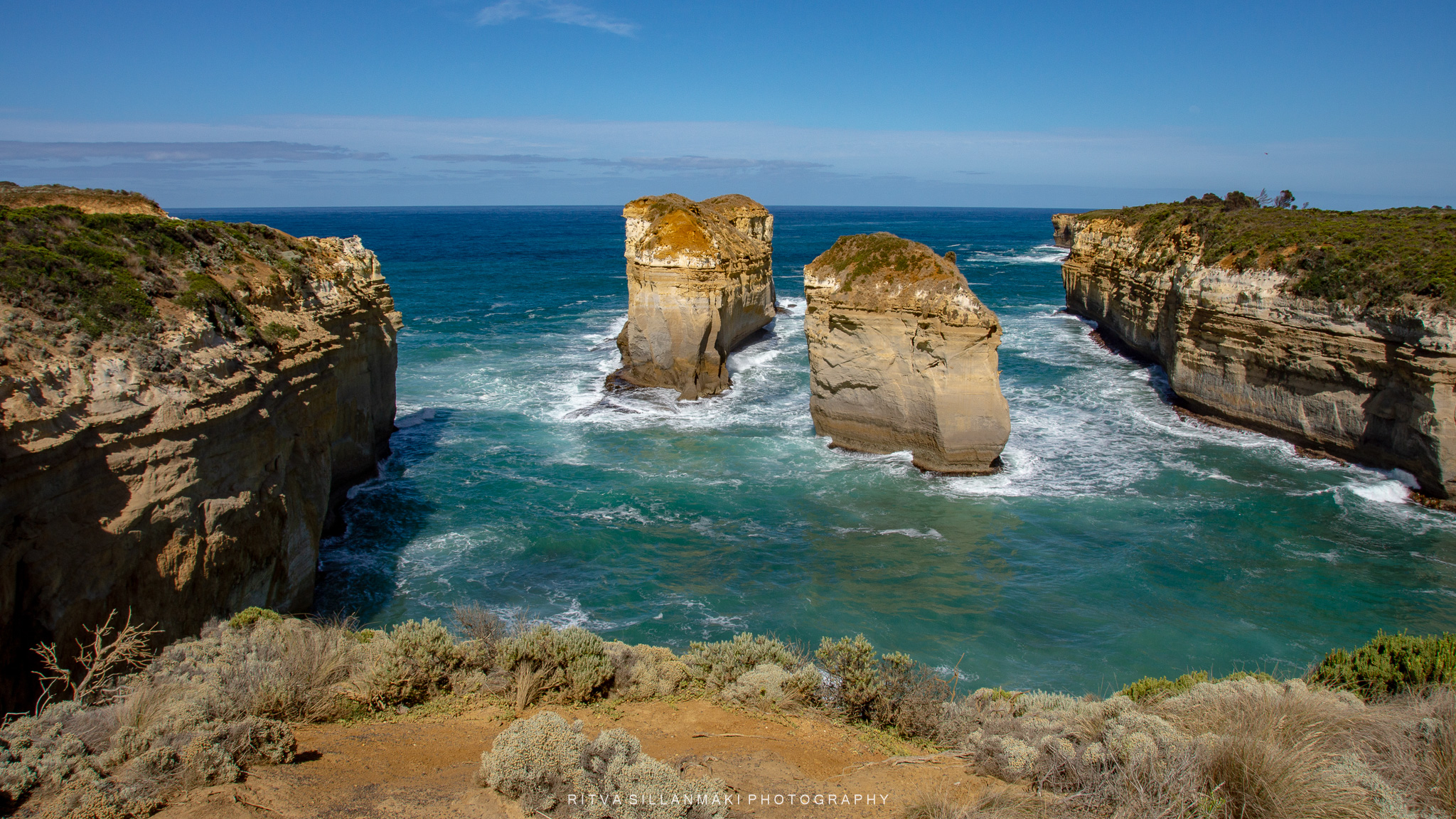
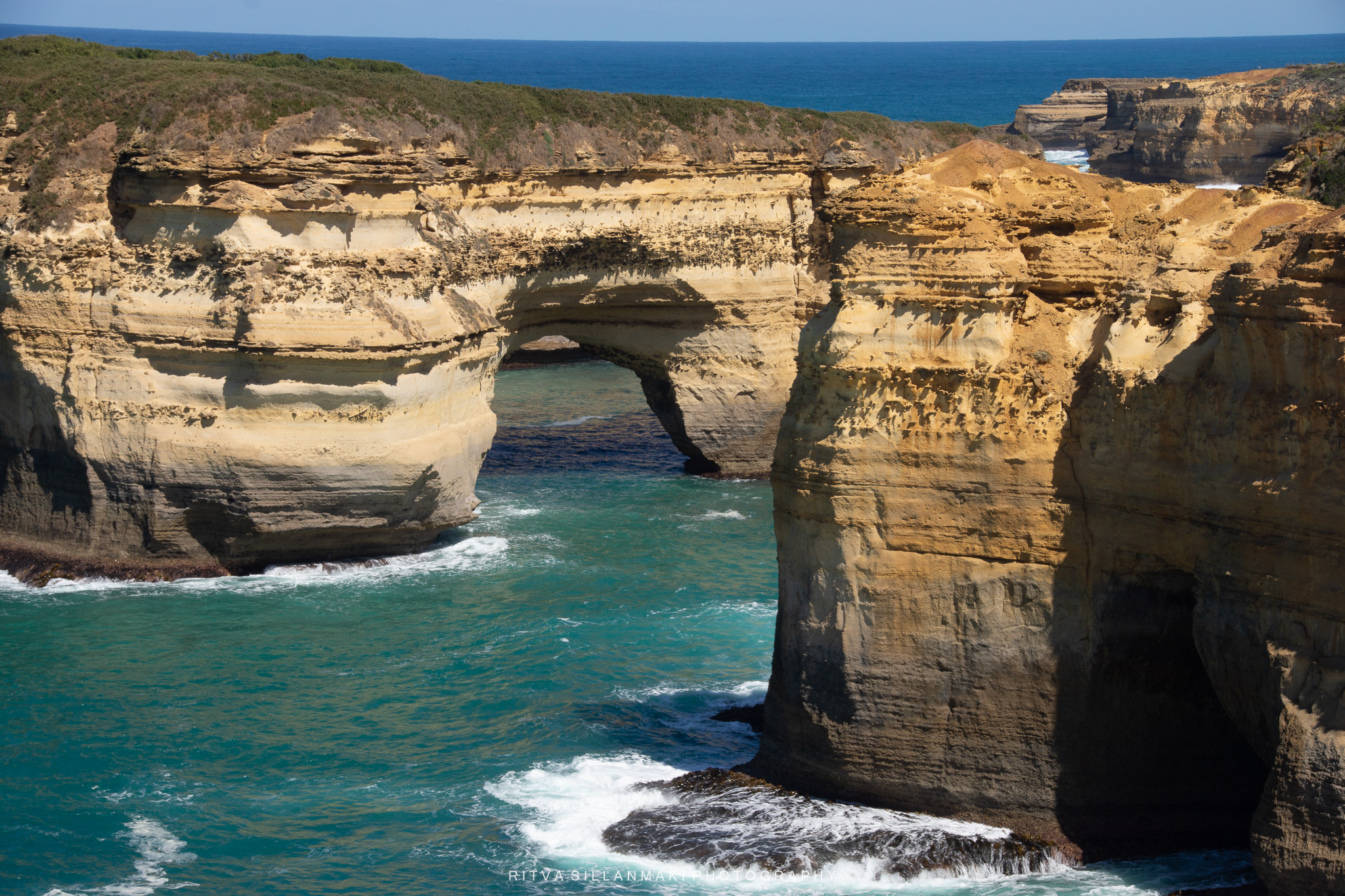
Browsing through Leanne’s photos of the Twelve Apostles inspired me to unearth my own memories and images, which I don’t believe I’ve shared previously, especially not in Black and White, a format I find particularly striking for capturing the essence of such dramatic landscapes. The drive along the coastline of Port Campbell National Park is truly spectacular, offering breathtaking views that change with every twist and turn of the road. The rugged cliffs, the sound of crashing waves, and the salty scent of the ocean air create an unforgettable experience for anyone. Sadly, there are no longer twelve of those towering limestone formations, which once reached heights of 45 meters, due to the relentless erosion and the powerful waves of the Southern Ocean. I have visited them twice each time I am reminded of nature’s beauty and its impermanence, as these monumental pieces of history gradually succumb to the forces of nature.
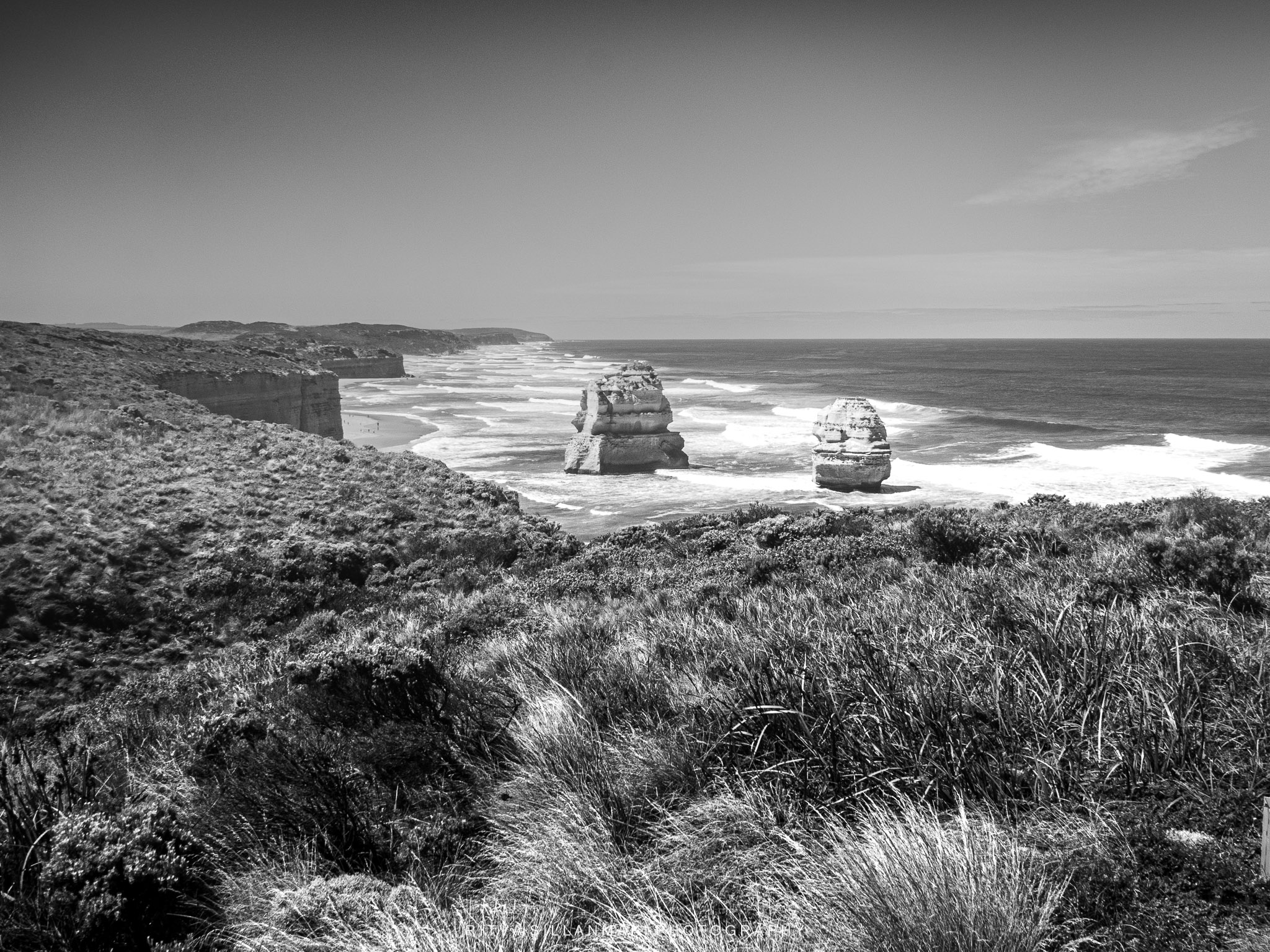
A dramatic black-and-white coastal view shows rugged cliffs, windswept grasses, crashing surf, and towering limestone sea stacks.
Twelve Apostles; the towering sea stacks, rugged cliffs, and waves along a windswept coastline
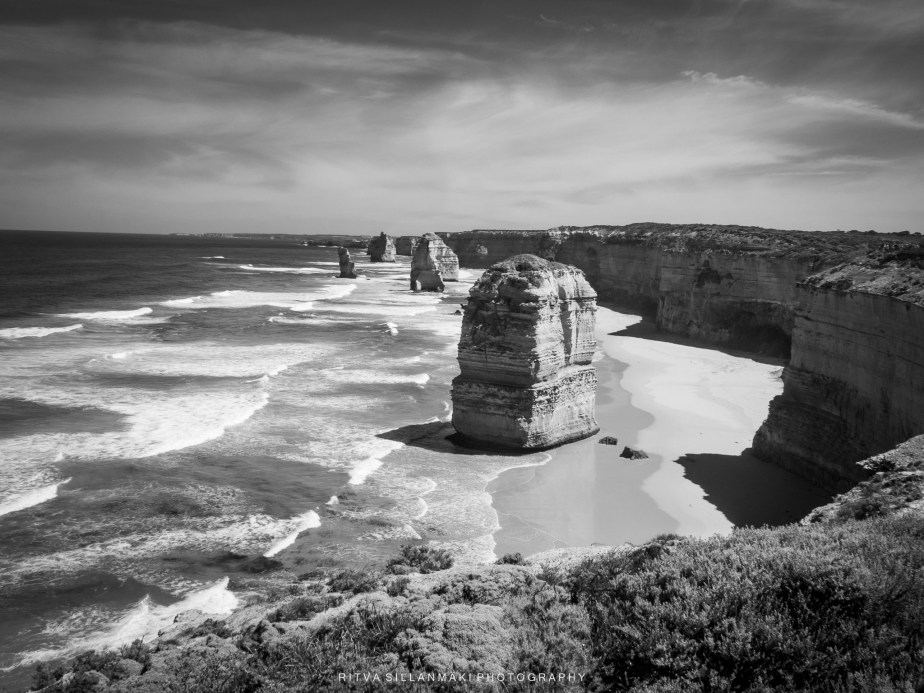
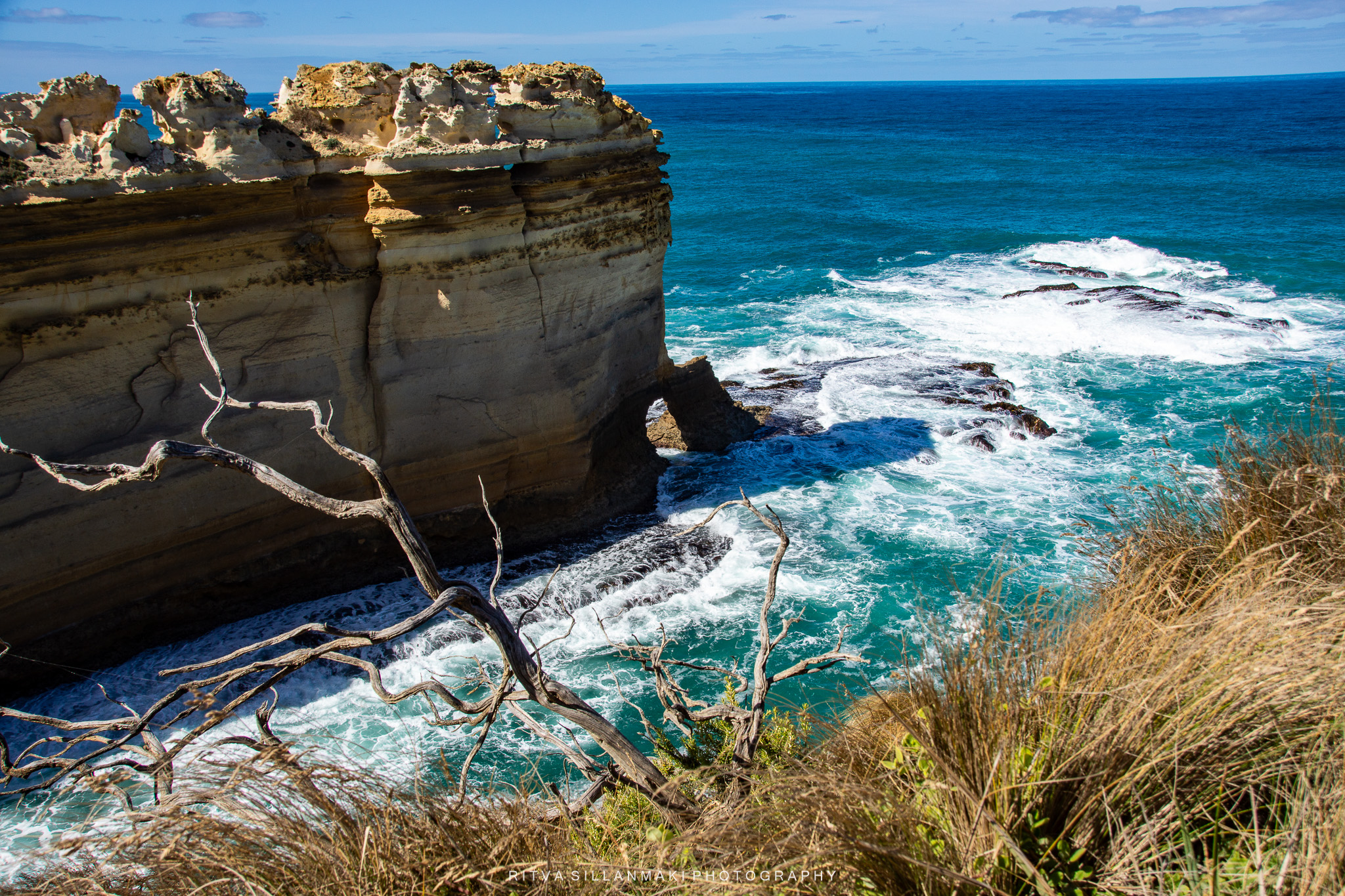
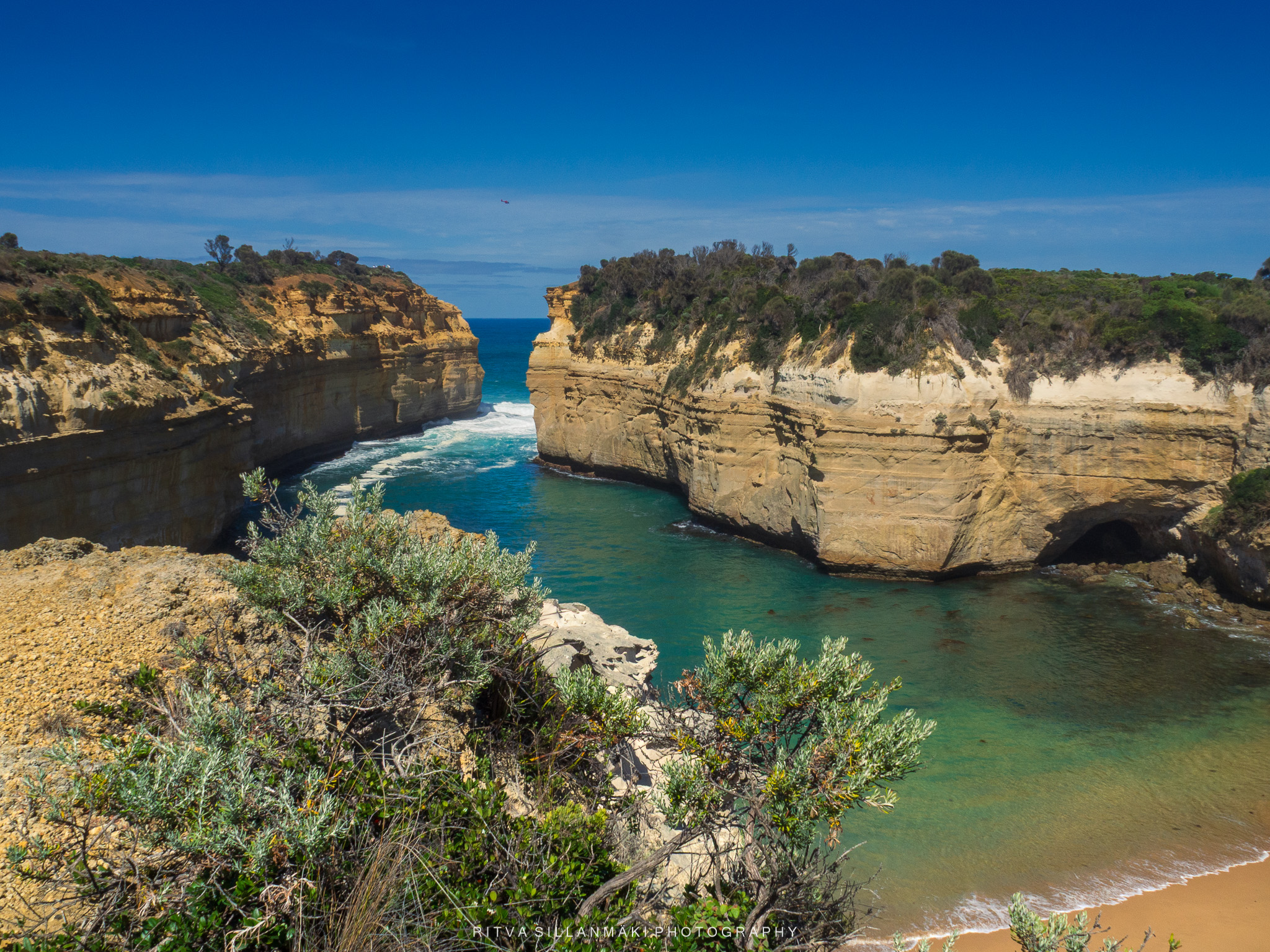
A rugged, layered limestone cliffs framing a narrow ocean inlet, with a tall eroded sea stack and additional rock formations rising from the surf on the right. Low scrub vegetation covers the foreground and cliff tops, while foamy waves churn below. Strong contrasts, textured rock surfaces, and the expansive composition create a stark, windswept atmosphere.
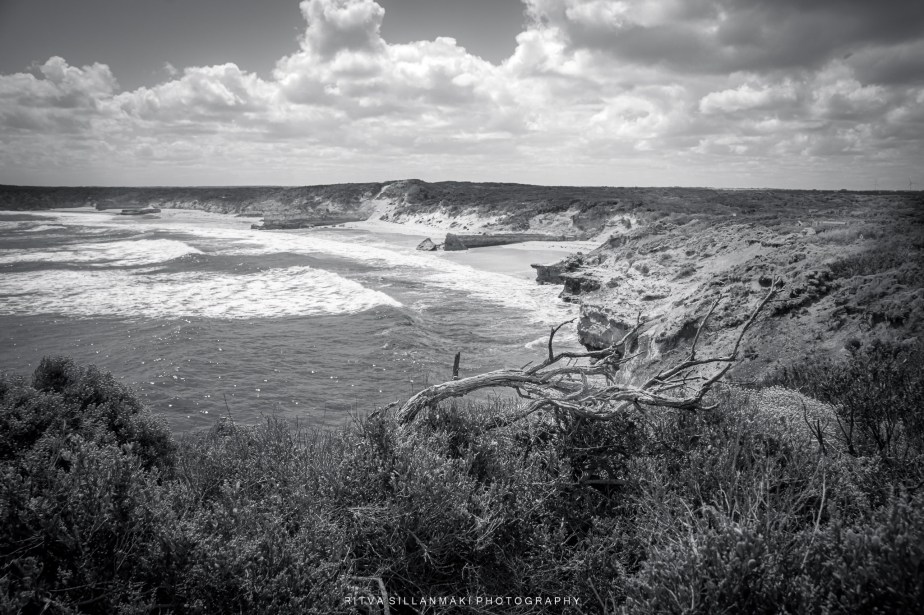
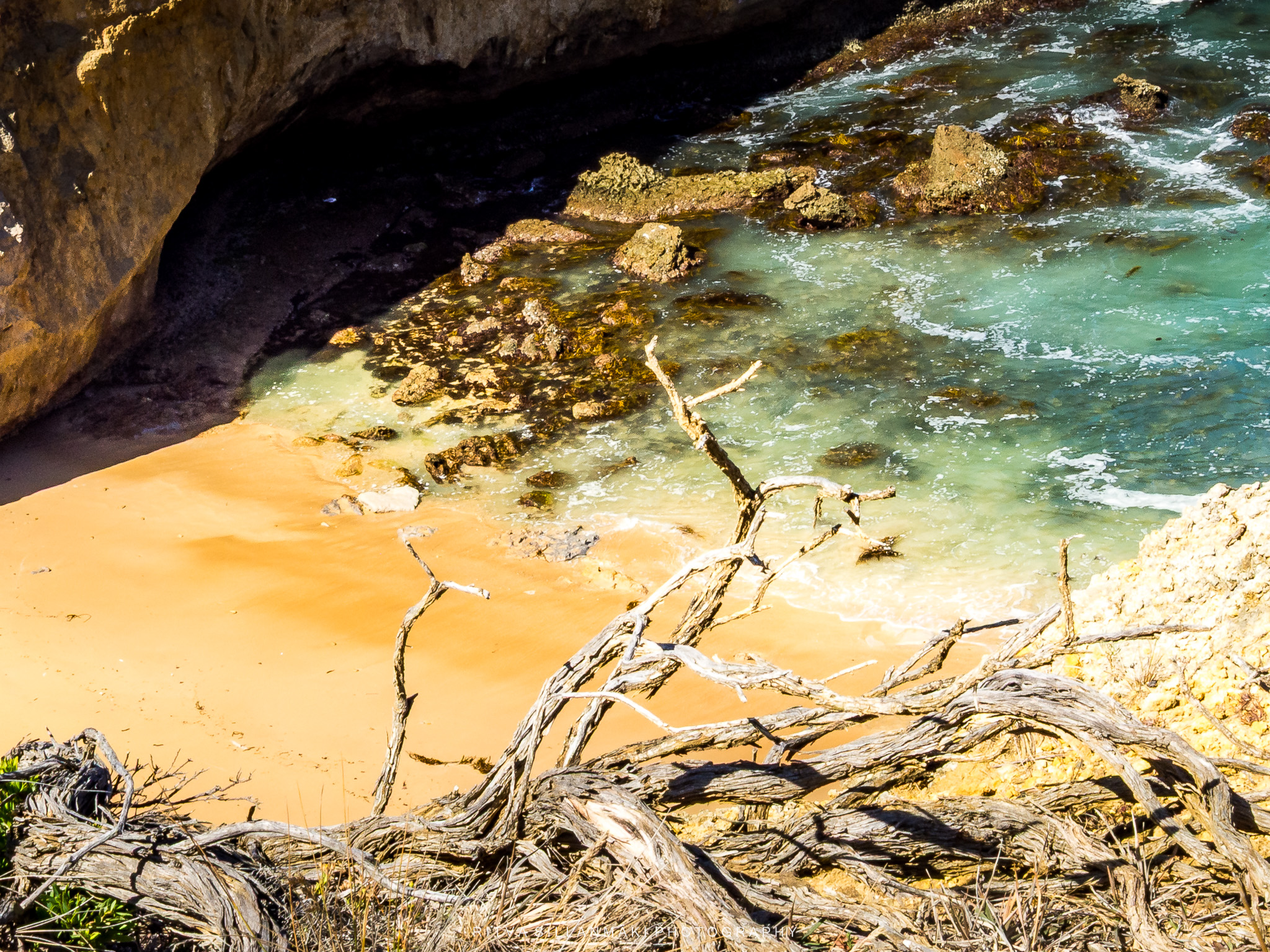
A coastal landscape viewed from a rugged, shrub-covered cliff. Waves roll into a broad sandy cove bordered by pale eroded cliffs, rocky outcrops, and windswept vegetation, while a large weathered tree branch stretches across the foreground. The wide composition emphasizes the expansive ocean, low horizon, and towering textured clouds, creating a stark, atmospheric sense of wilderness and solitude.
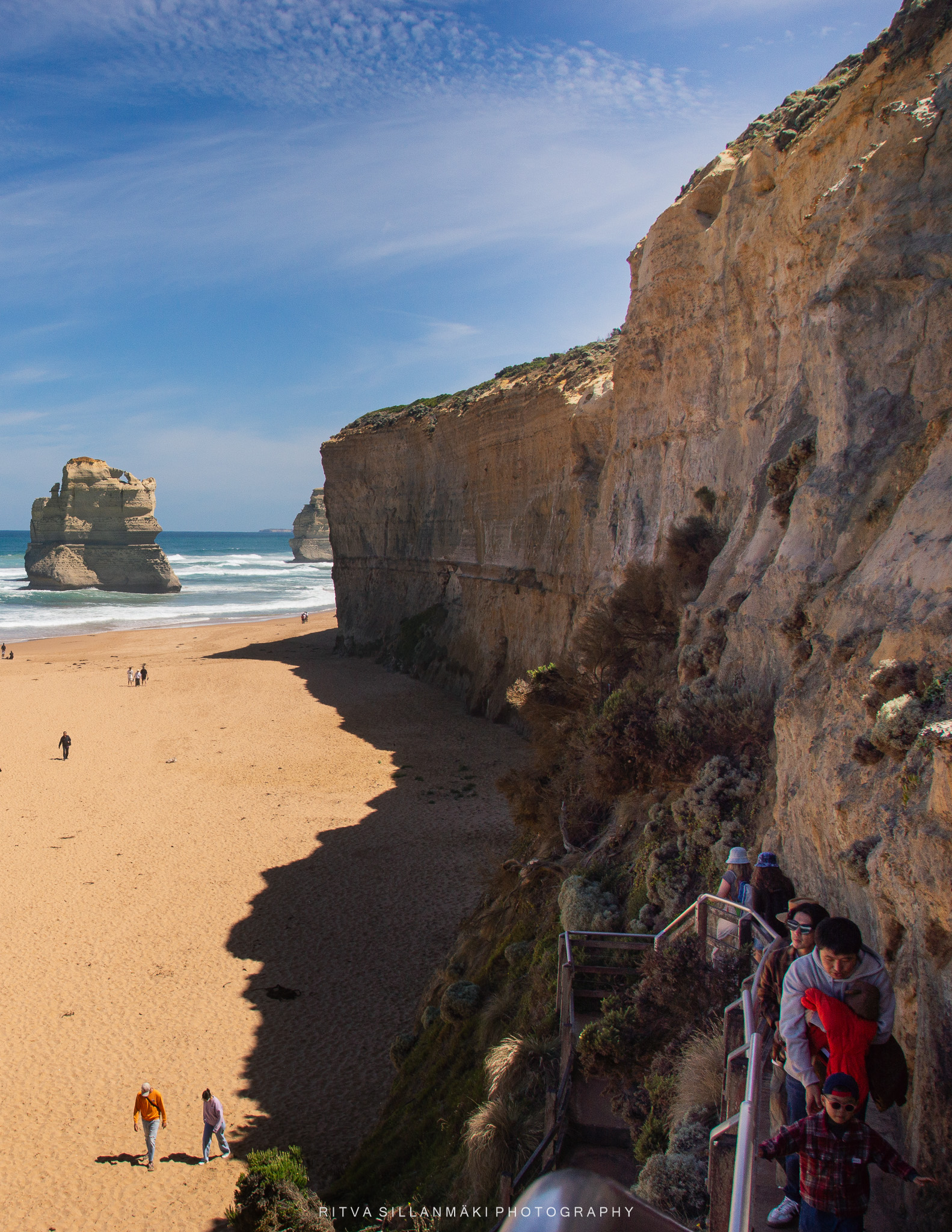
A towering, textured sandstone cliff dominating the left foreground, with low vegetation along its base. Beyond it, a broad sandy beach curves beside a restless ocean, where layered waves and white foam roll toward shore. Small groups of beachgoers are scattered across the sand, emphasizing the immense scale of the cliffs and sea, while the high-contrast composition creates a contemplative, timeless mood.
A seascape shows towering, weathered limestone rock formations rising from a sandy beach .Four people stand near the shoreline, appearing small against the monumental cliffs, while calm shallow water in the foreground creates elongated reflections of the rocks and figures. The high-contrast composition and subdued monochrome palette evoke a quiet, atmospheric sense of scale and solitude.
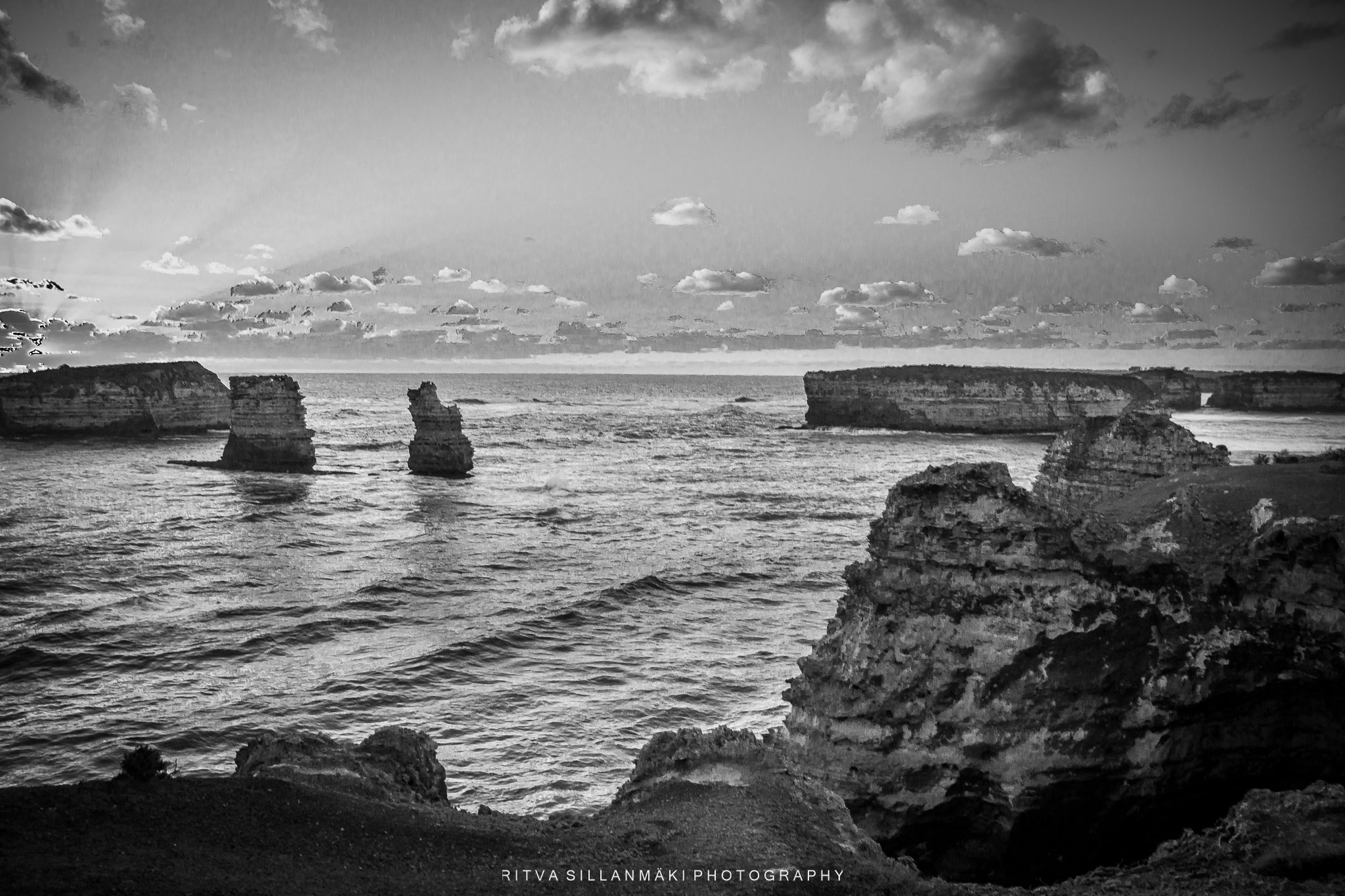
Black-and-white coastal cliffs and sea stacks rise from the choppy ocean beneath a dramatic sunset cloud-filled sky.
As I said in one of my previous posts, I have lots of doors to share. Each door holds a unique story and character. Here are some of them, inviting you to step into their narratives and explore the beauty and intricacies of design that they embody, whether it’s a rustic wooden door that opens to a quaint cottage, a shop, a restaurant, or a butcher. I am resharing these images, the first post is Escaping the heat of Adelaide, and it had more photos to offer. Here I am sharing some thoughts why I took the shot.
Hahndorf was an absolutely charming town in Australia, nestled in the beautiful Adelaide Hills region of South Australia, and it was undeniably known for its rich German heritage, stunning landscapes, and picturesque settings. Established in 1839, it had a unique blend of history and culture that was enchanting, with quaint streets lined with artisan shops, cozy cafes, and traditional German architecture that took your breath away. This town was a popular destination for tourists like us, yearning to savor a slice of European charm right in the heart of Australia.
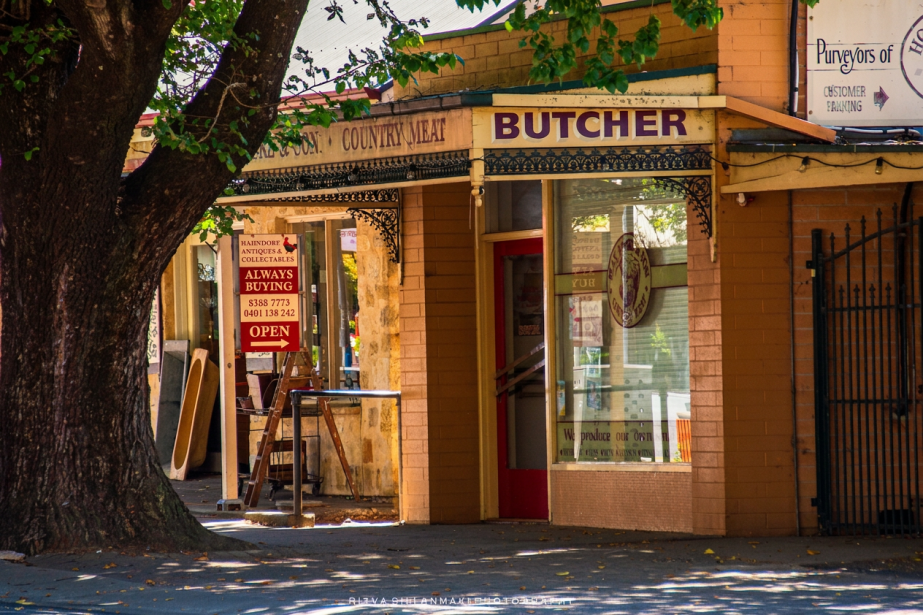
A charming vintage-style butcher shop nestled under the shade of a large tree with an inviting red door.
The delightful butcher shop, lovingly nestled beside an antiques and collectibles store. The butcher shop’s vintage-style sign, with the word “BUTCHER” in bold purple letters against a gentle light yellow background, invites passersby to have look. Its large window and charming red door, framed by intricate wrought iron accents,is appealing. A majestic tree in the foreground gently casts dappled shadows on the sidewalk, enriching the quaint, nostalgic ambiance of this quint place. Soft rays of sunlight filter through the leaves, illuminating the warm earthy tones of the buildings with a small-town feel that feels like home.
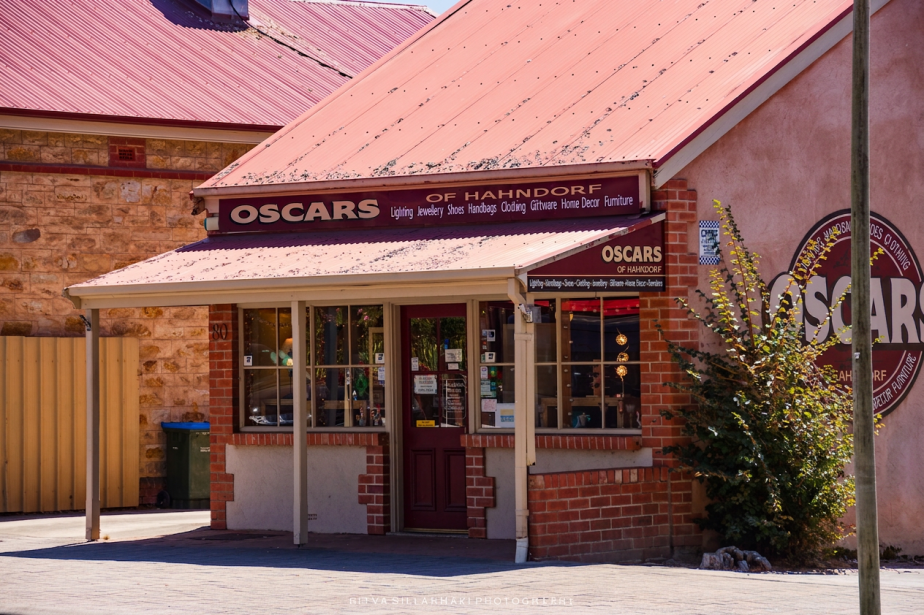
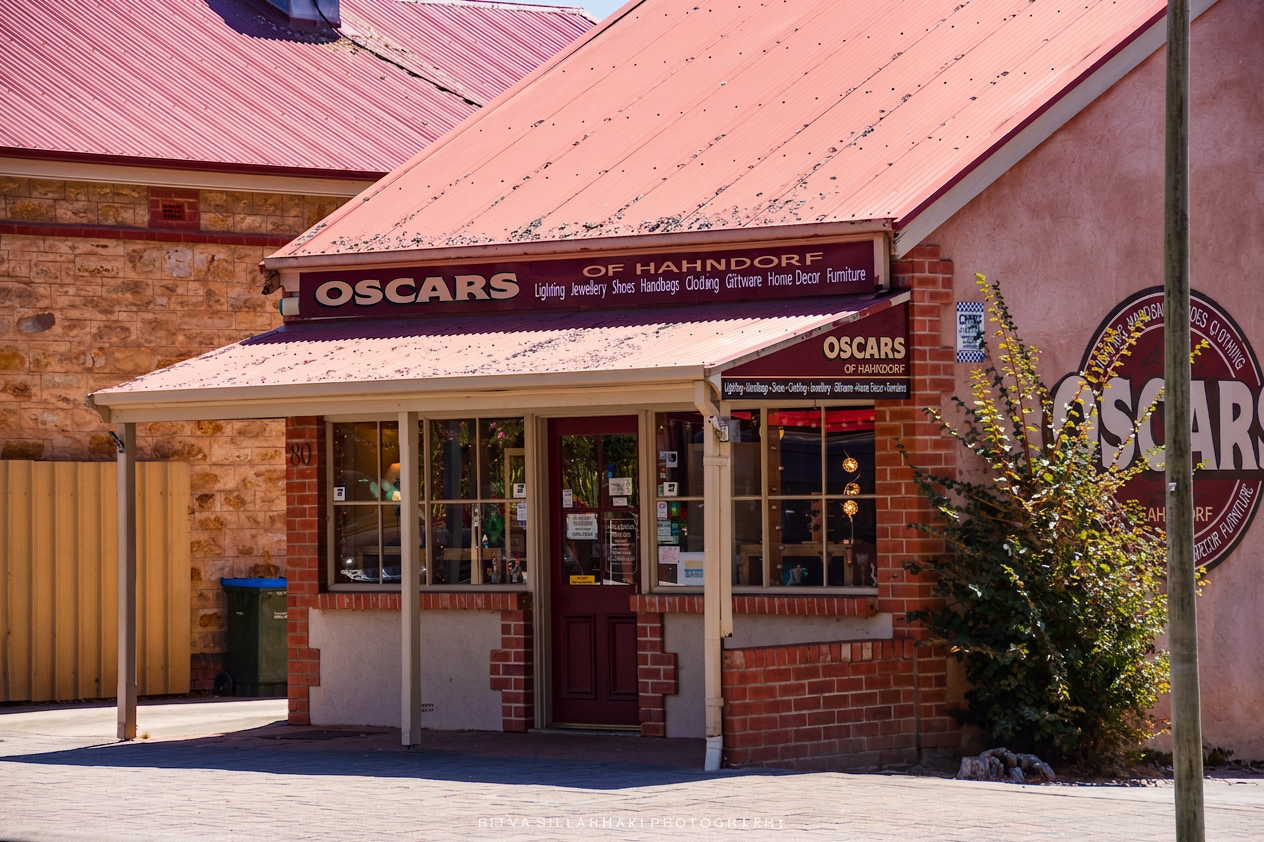
The charming storefront of Oscars of Hahndorf, featuring a rustic pink corrugated metal roof and inviting display windows.
The charming exterior of a small retail store lovingly named ‘Oscars of Hahndorf’ truly warms the heart. This delightful building, with its red corrugated metal roof showcasing some endearing weathering, invites you to step inside and feel at home. The harmonious blend of brick and stucco walls creates a welcoming feel it’s like a warm embrace. Large glass windows and a maroon door draw you in, and the signage proudly showcases an array of treasures—lighting, jewelry, shoes, handbags, clothing, giftware, home decor, and furniture—each item waiting to bring joy to a visitor’s day. A bush grows beside the right wall, cradling a large circular sign bearing the store’s name. Bathed in bright light, the rustic charm of the building shines, making it a cozy retreat for all who pass by, inviting them to pause and explore.
A charming historic street lined with leafy trees and old stone buildings featuring ornate iron balconies on a sunny day
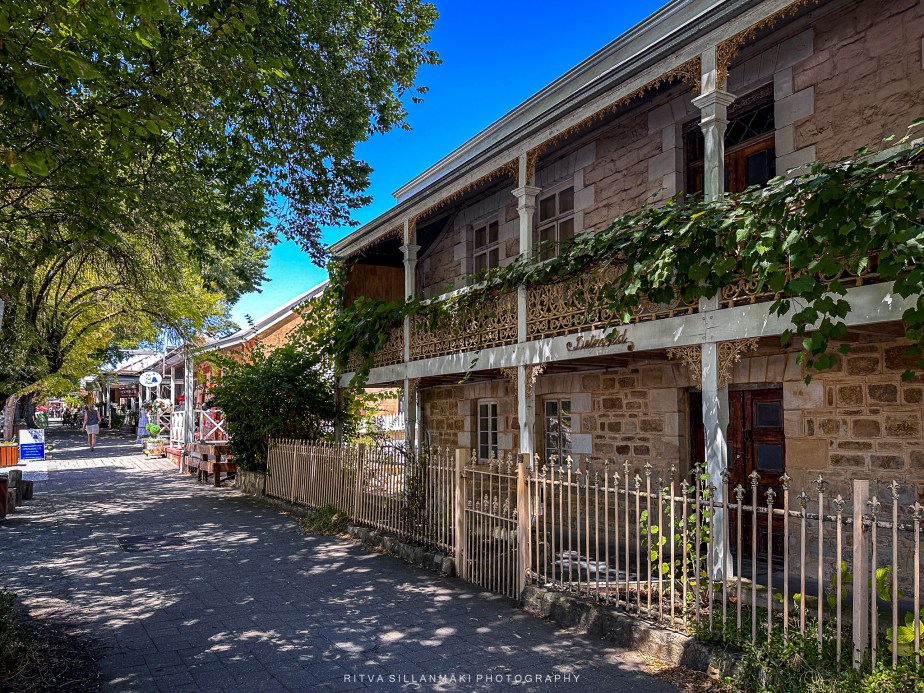
The heartwarming street scene, warmed by sunlight beneath a brilliant blue sky. To the right, an old stone building stands proudly with a charming iron balcony embraced by flourishing green vines. Its weathered wooden door tells stories of time gone by, while an ornate iron fence gently outlines its presence. On the left, a tree-lined sidewalk meanders into the horizon, where people stroll leisurely, and storefronts proudly display their unique signs and decorations, a delightful and serene spirit of small-town life.
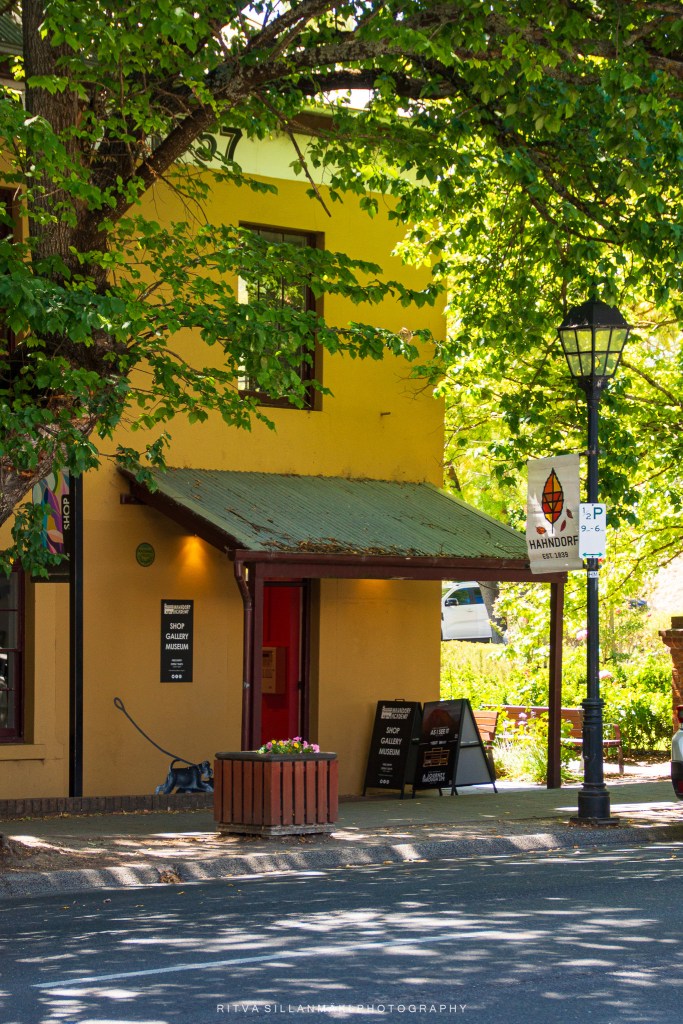
A charming yellow building partially hidden by lush green trees on a sunny day in Hahndorf.
A delightful corner of a street where a warm yellow building peeks through the gentle embrace of lush green tree branches. This inviting structure is graced with a corrugated iron awning above its entrance, proudly displaying signs that announce its role as the Hahndorf Academy, a hub for a charming shop, gallery, and museum. Nearby, a vintage-style black lamppost stands as a silent witness to the stories that unfold here, accompanied by a white sign offering parking information which is an eyesore in this photo, and a flag banner that showcases the Hahndorf logo along with the establishment year 1839. As the scene basks in the soft, natural sunlight filtering through the leaves, it casts dappled shadows on the street, fostering a tranquil atmosphere.
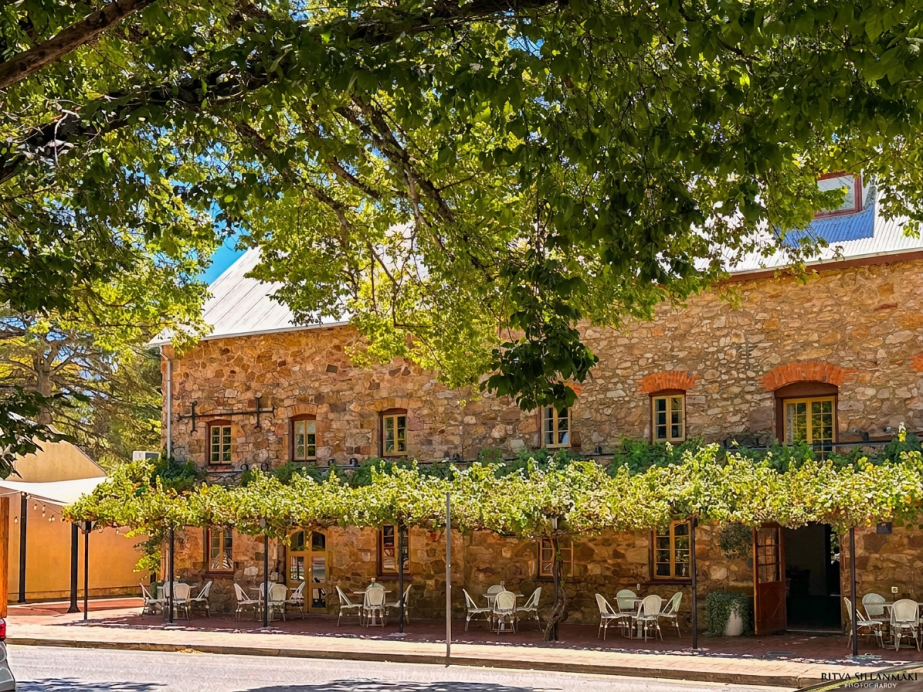
A charming stone building with a vine-covered pergola and outdoor seating, shaded by lush green trees on a sunny day.
This image beautifully captures a warm and inviting outdoor seating area nestled in front of a charming stone building with a metal roof. The small wooden-framed windows add a touch of character, while the rustic stone walls evoke a sense warmth. Above, lush green grapevines gracefully provide shade for the tables and chairs, inviting you to relax or enjoy a meal. Surrounding tree branches gently frame this peaceful scene, and the soft, warm colors paired with bright natural light create a truly serene atmosphere that beckons you to linger a little longer.
Thank you, Dan, for this wonderful challenge that allows us to share the beauty of doors and buildings together. My contribution to Thursday Doors this week
As I have said, I have tons of images from our trip; now here is an overload that captures the essence of our incredible experiences. This is the addition to the LAPC /Your Journey 5-10 images, where you will find a small selection that highlights the beauty and adventure we encountered along the way.
Each gallery can be enlarged by a click, allowing you to immerse yourself in the vibrant details and stunning scenery; I might even be bold enough to recommend it as a visual diary that tells our story, evoking the memories tied to each moment.
Our first stop was to look at the views at Kianga Beach on the southern coast of New South Wales, a tranquil 700-meter-long destination known, according to the South Coast Travel Guide, for its stunning views of the Tasman Sea and Montague Island. It is located near the town of Narooma.
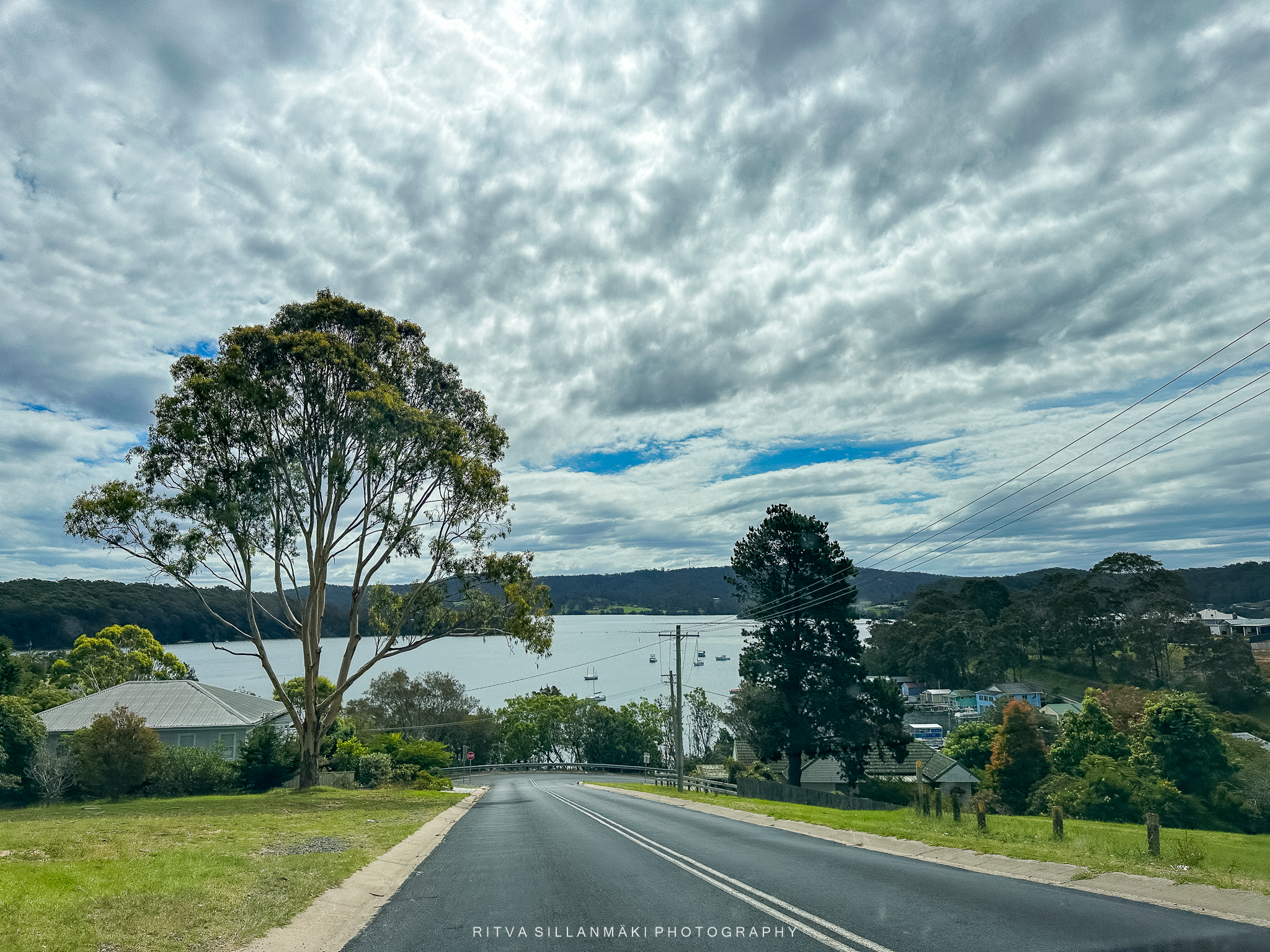
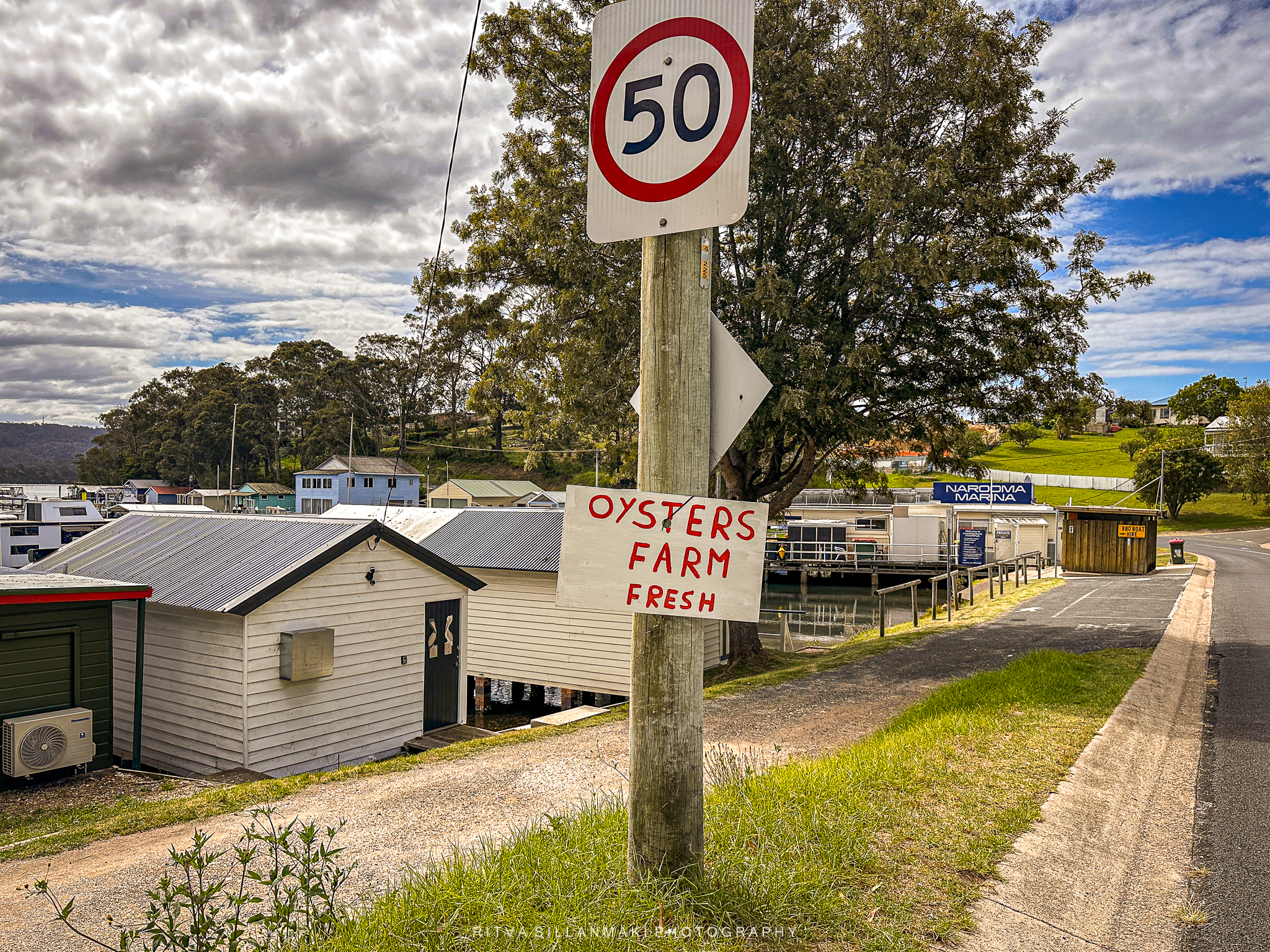
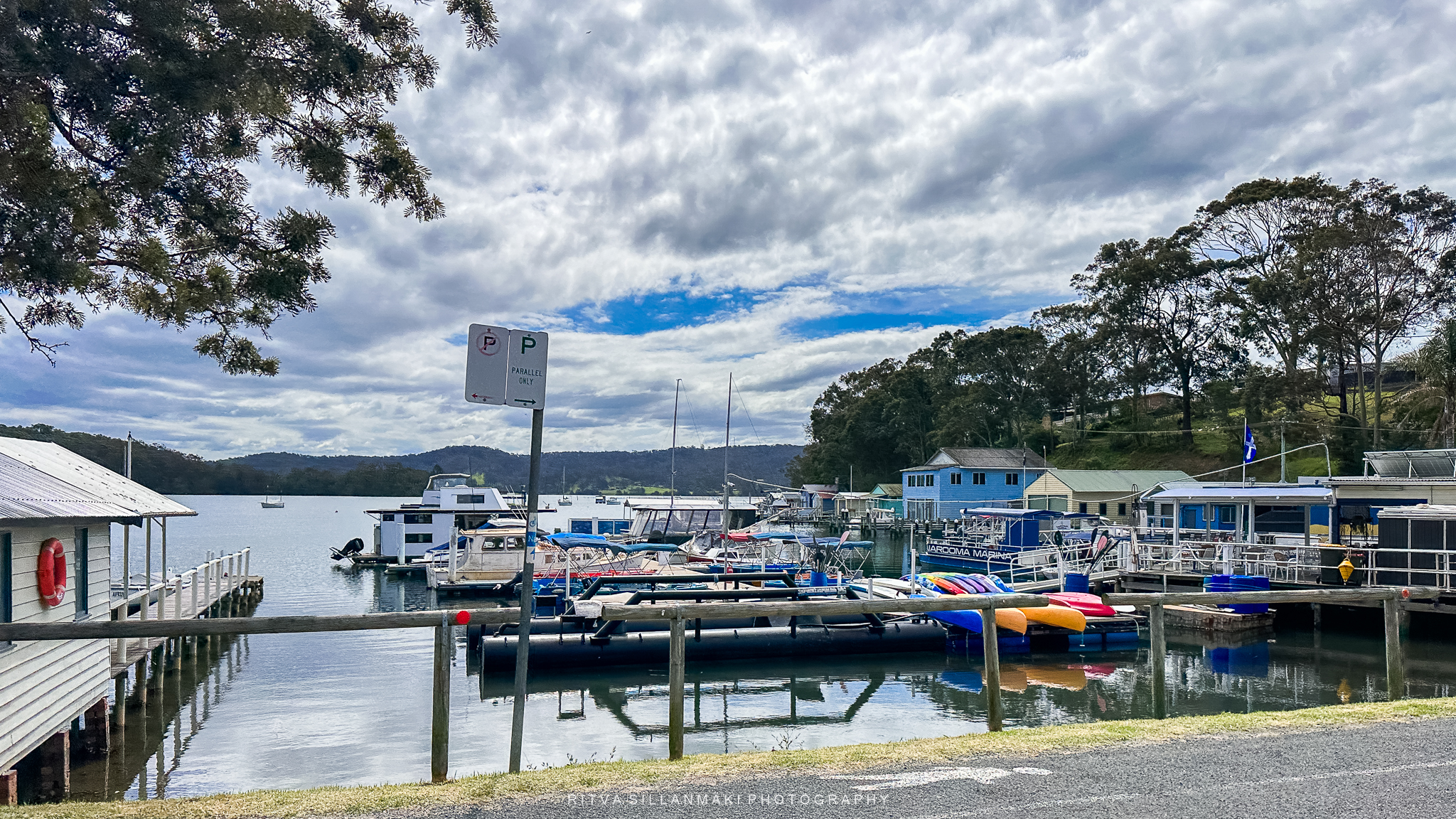
Narooma (/nəruːmə/) is a town in the NSW on the far south coast. The town is on the Princes Highway, which crosses the Wagonga Inlet to North Narooma. We just drove through it. The name Narooma is said to be derived from a word in the local Aboriginal language (one of the Yuin dialects) meaning “clear blue waters”.We didn’t end up stopping at Narooma at all, even though it had a nice little port with oyster shops.
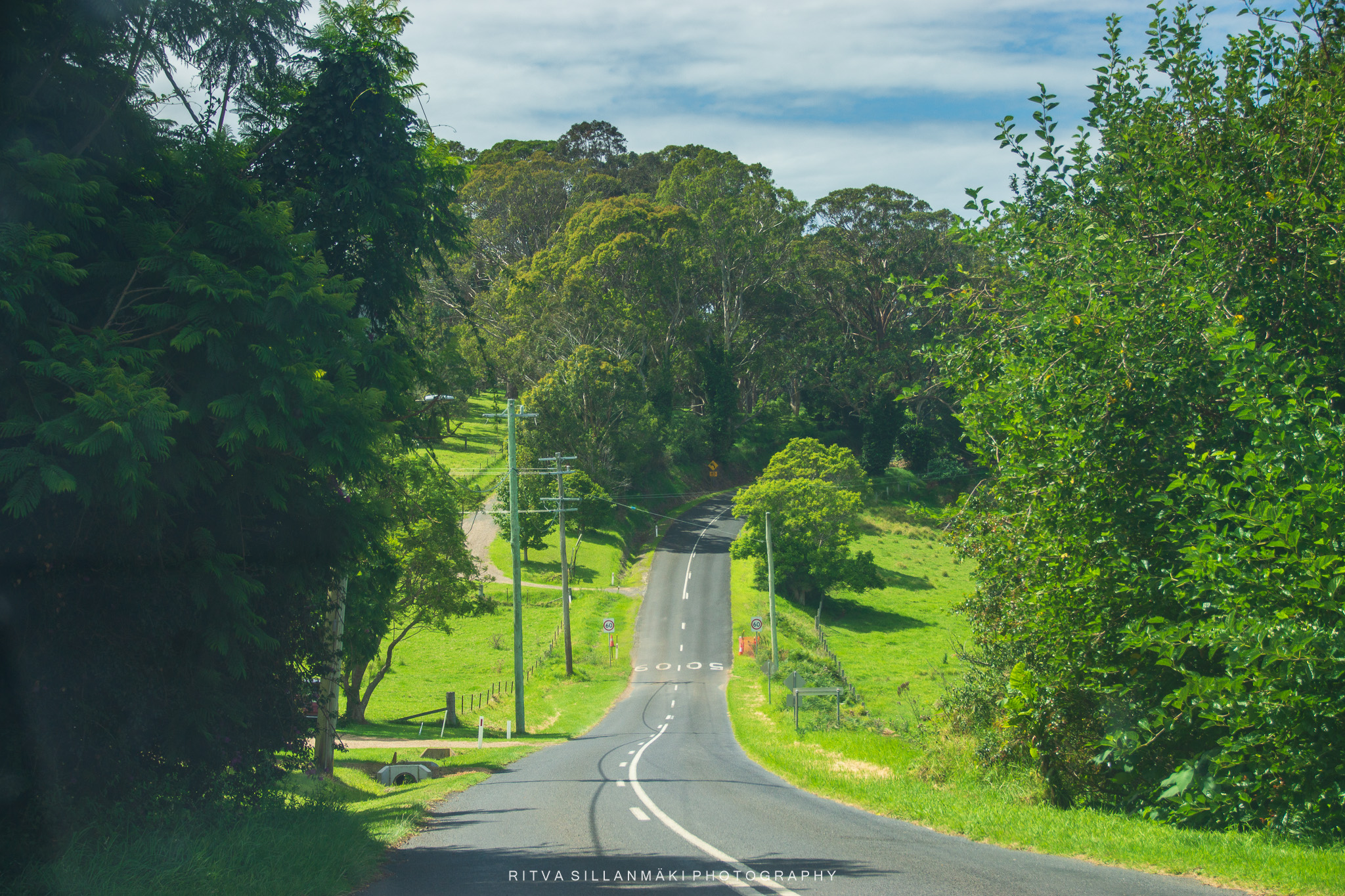
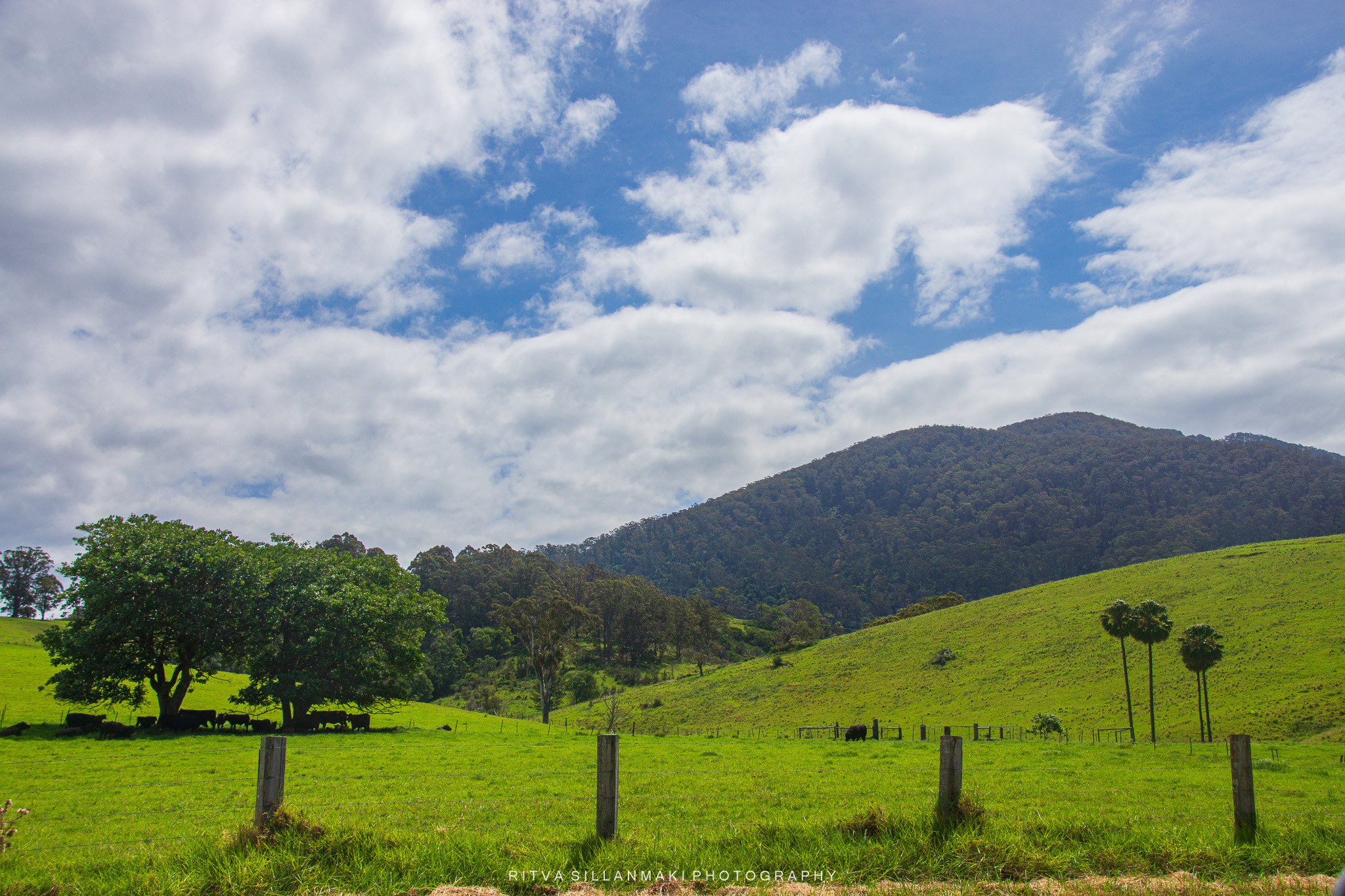
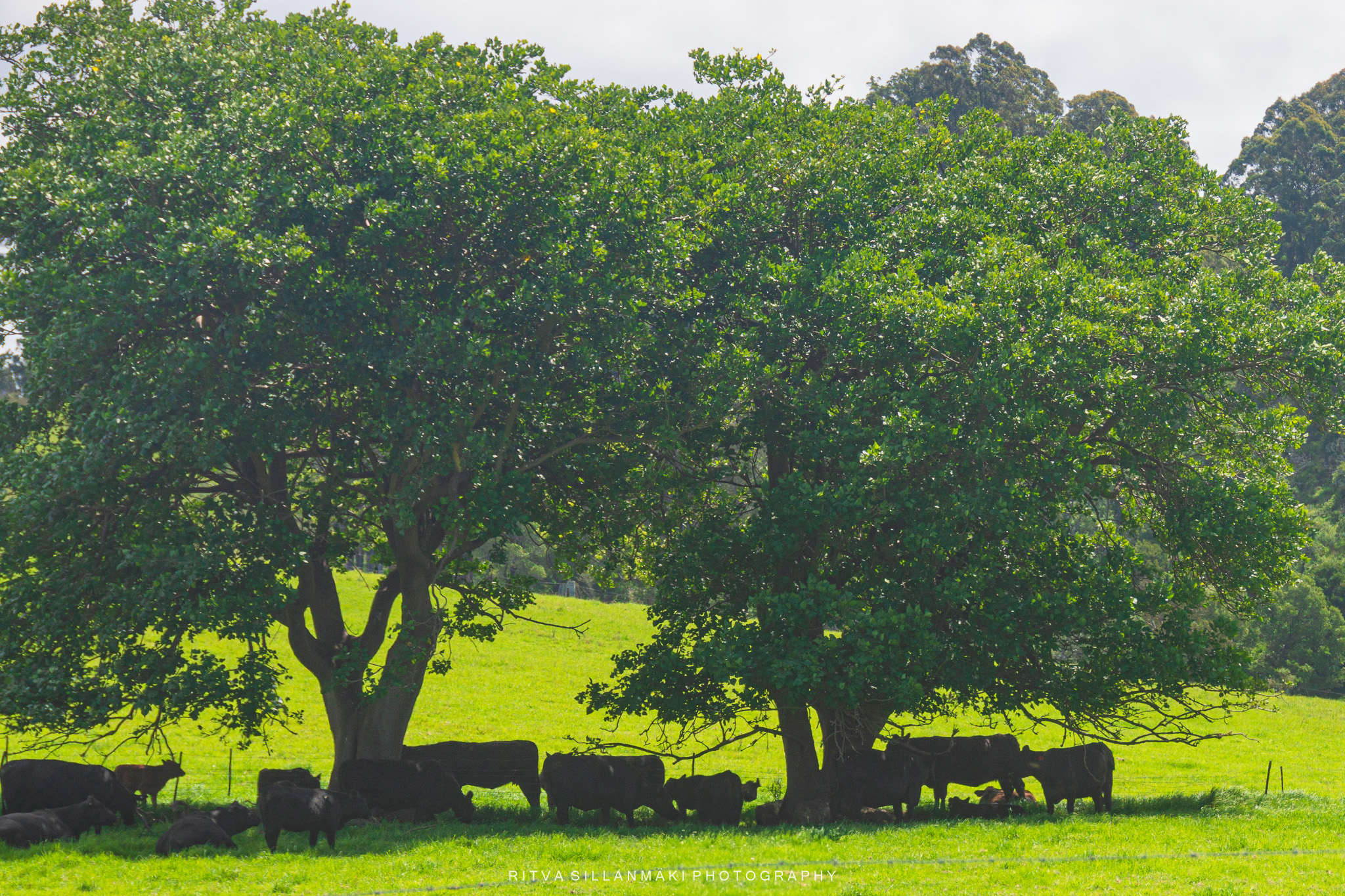
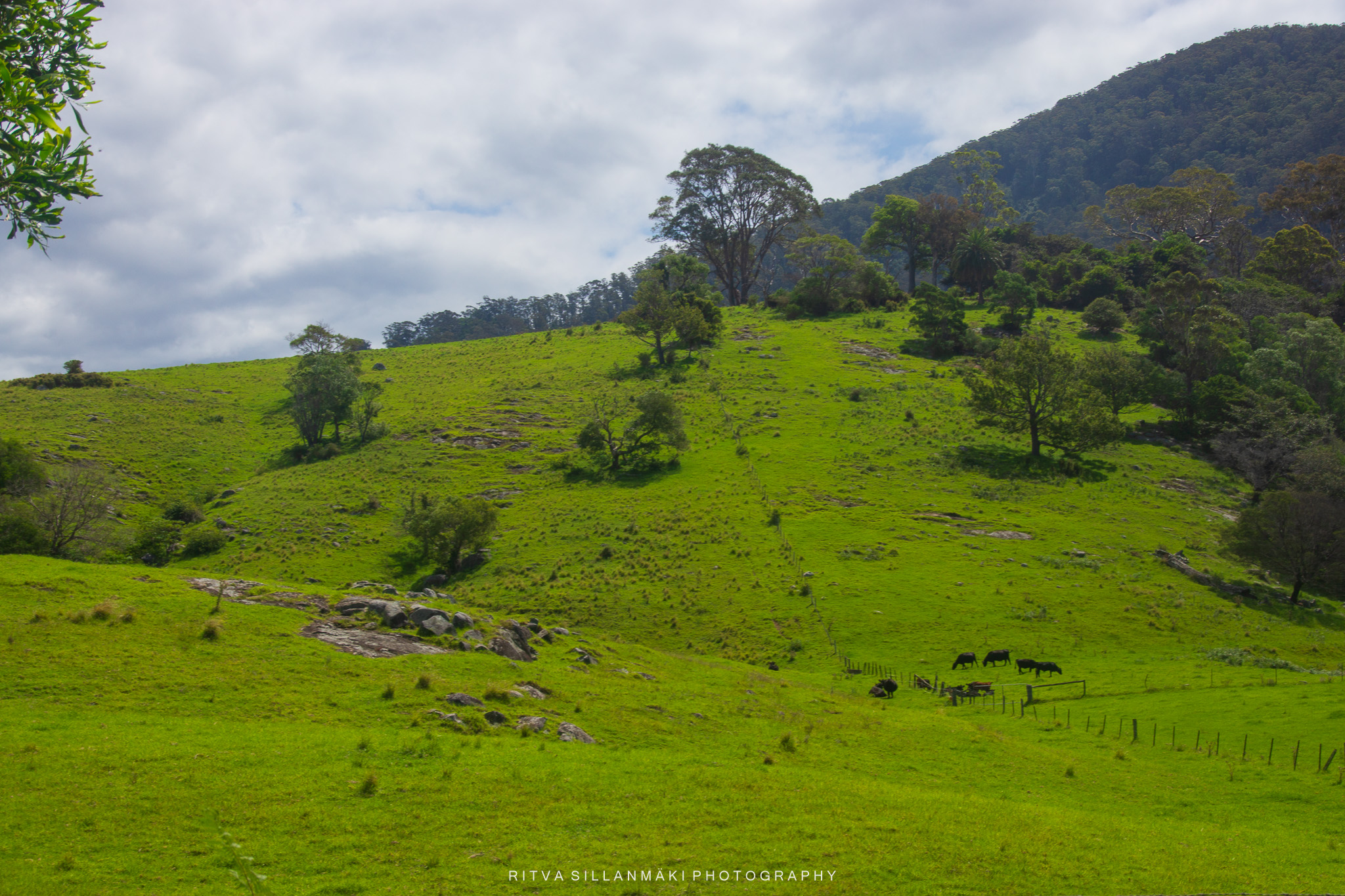
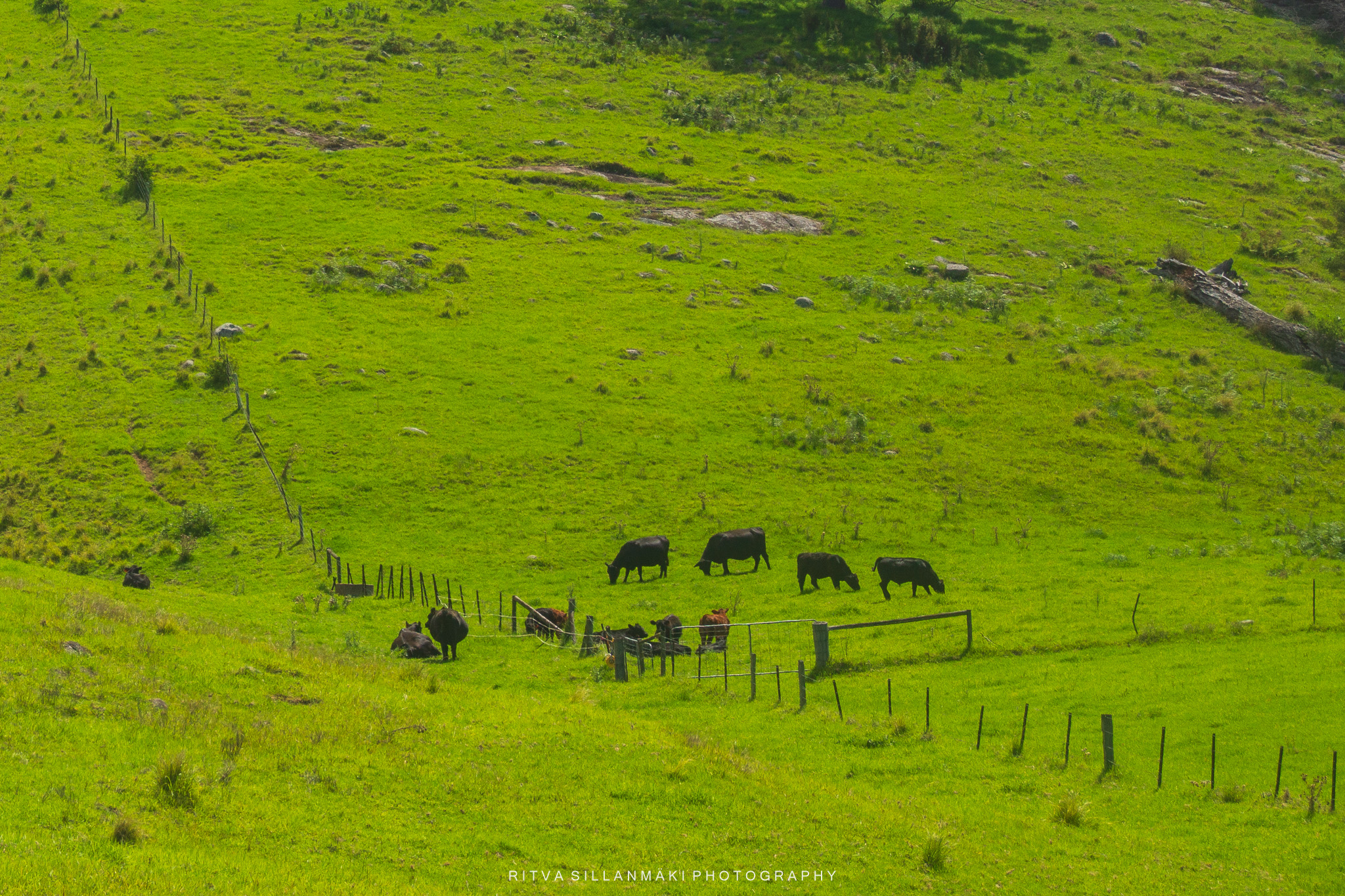
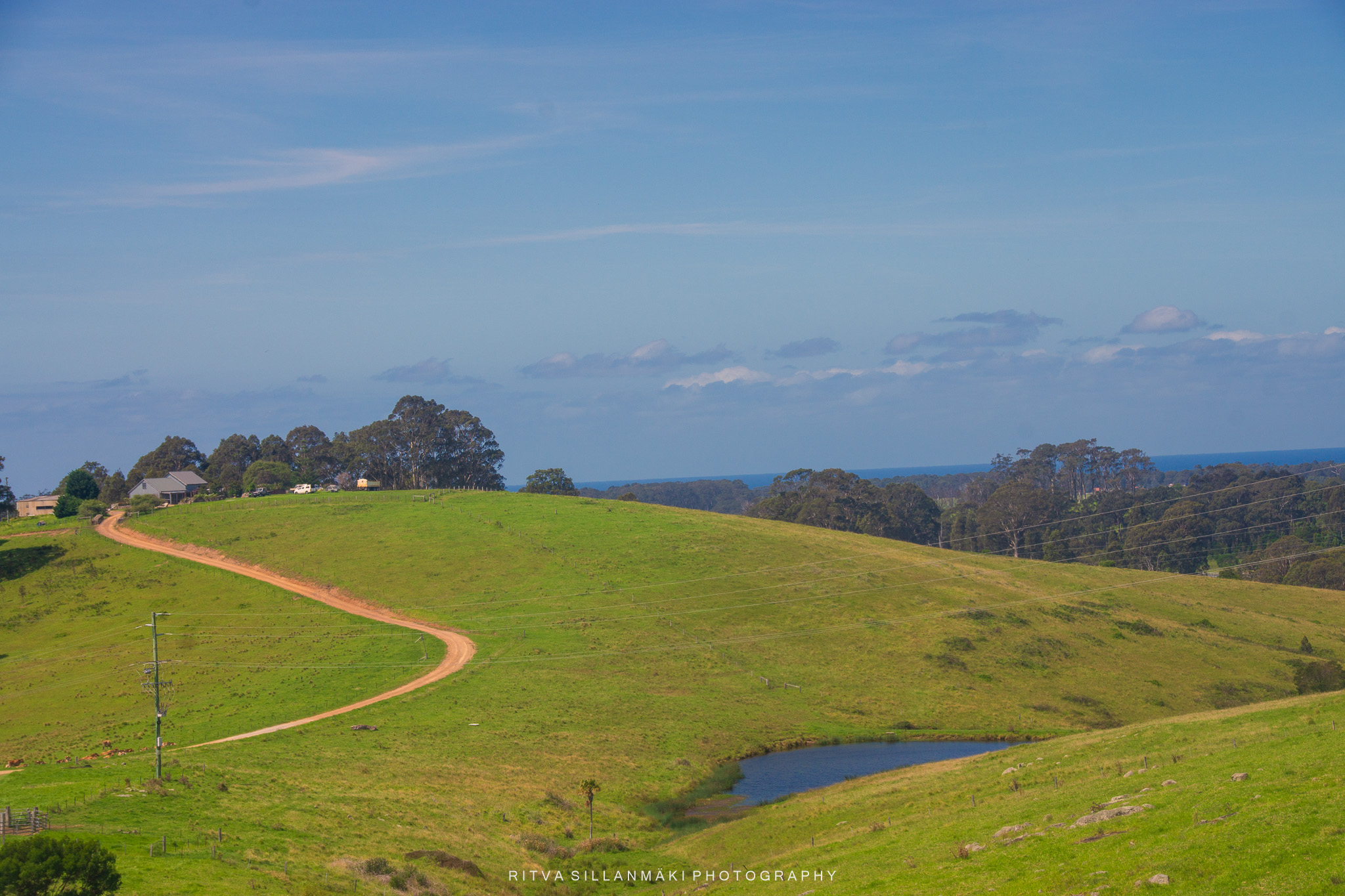
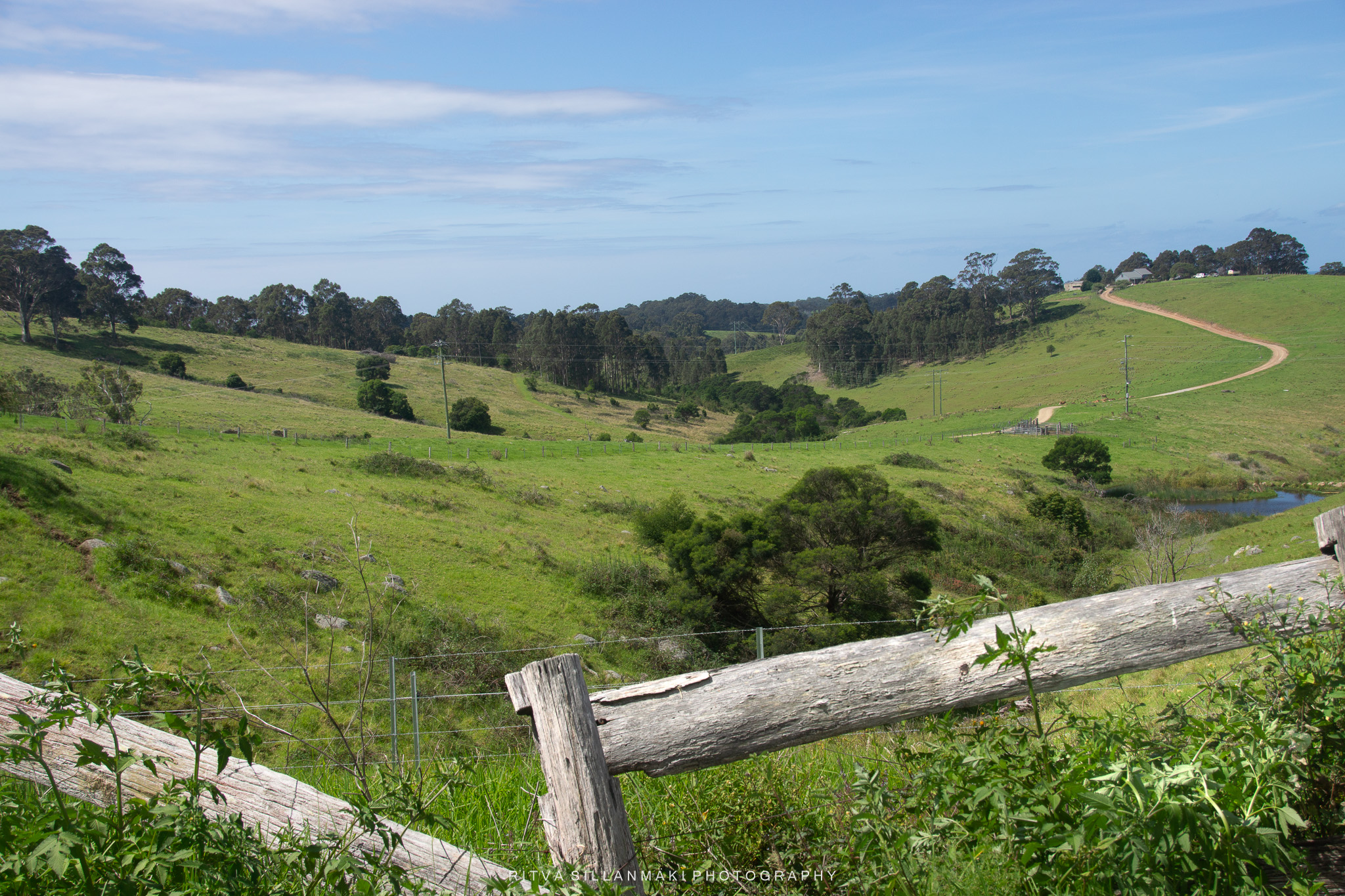
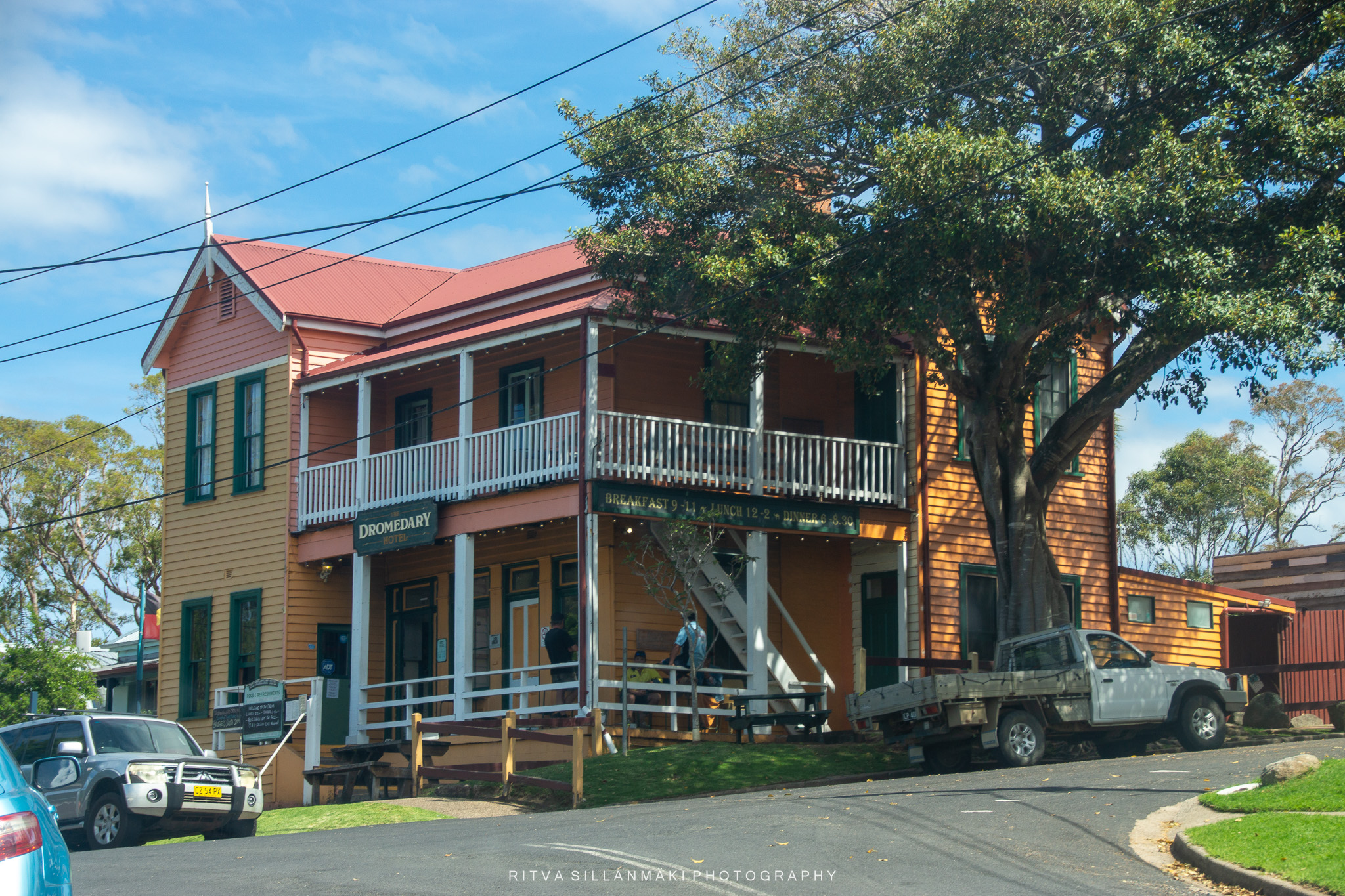
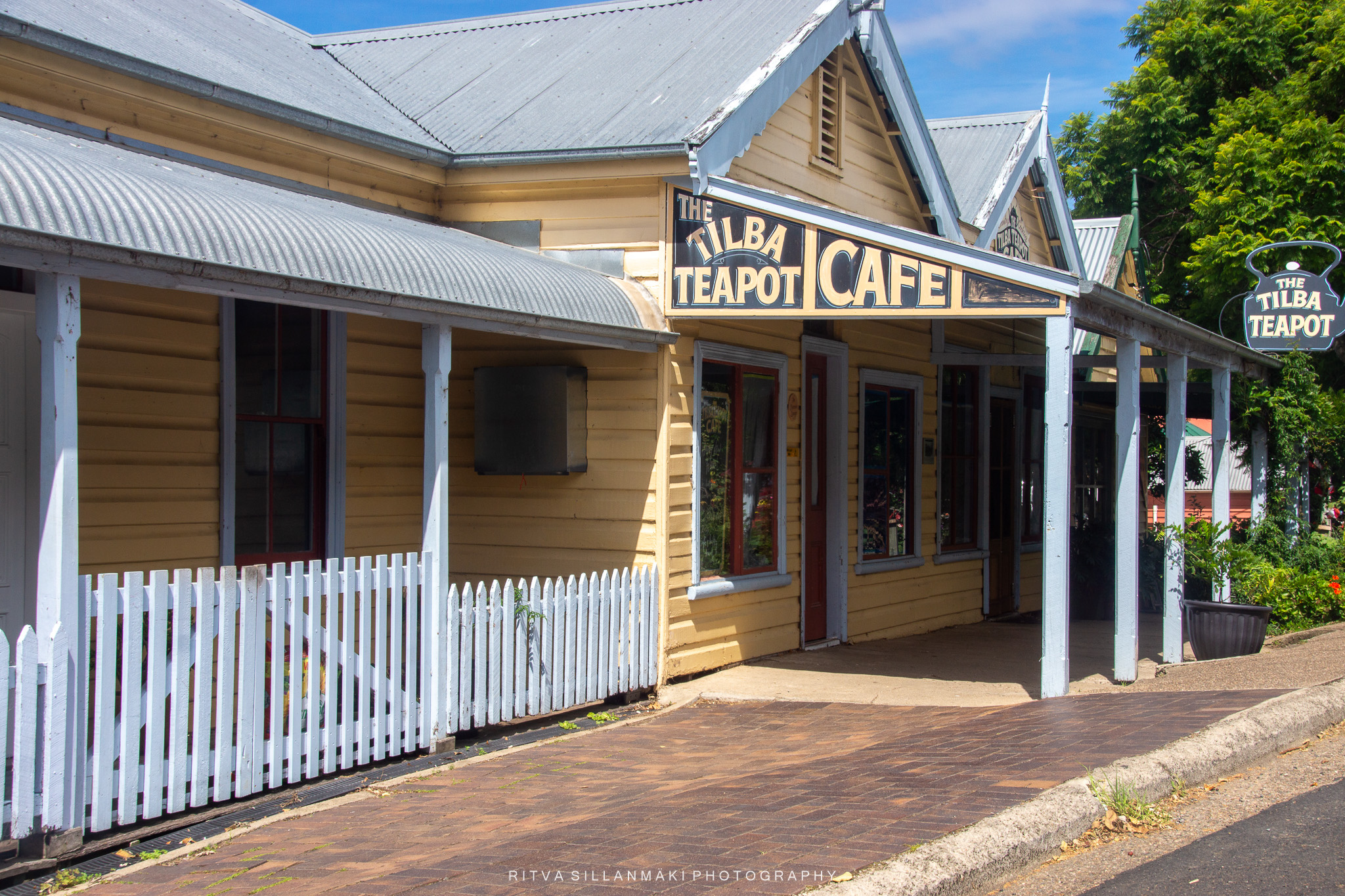
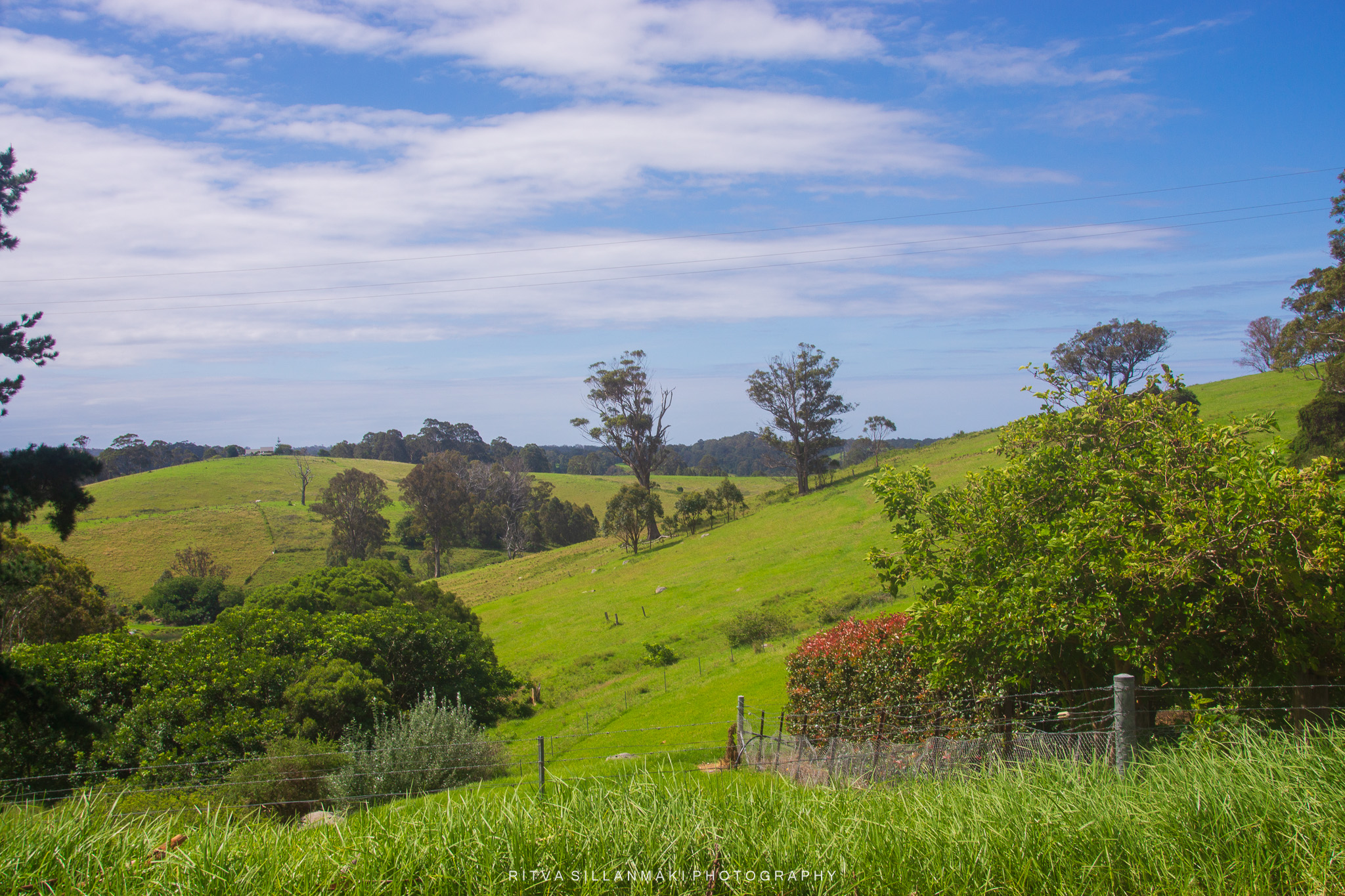
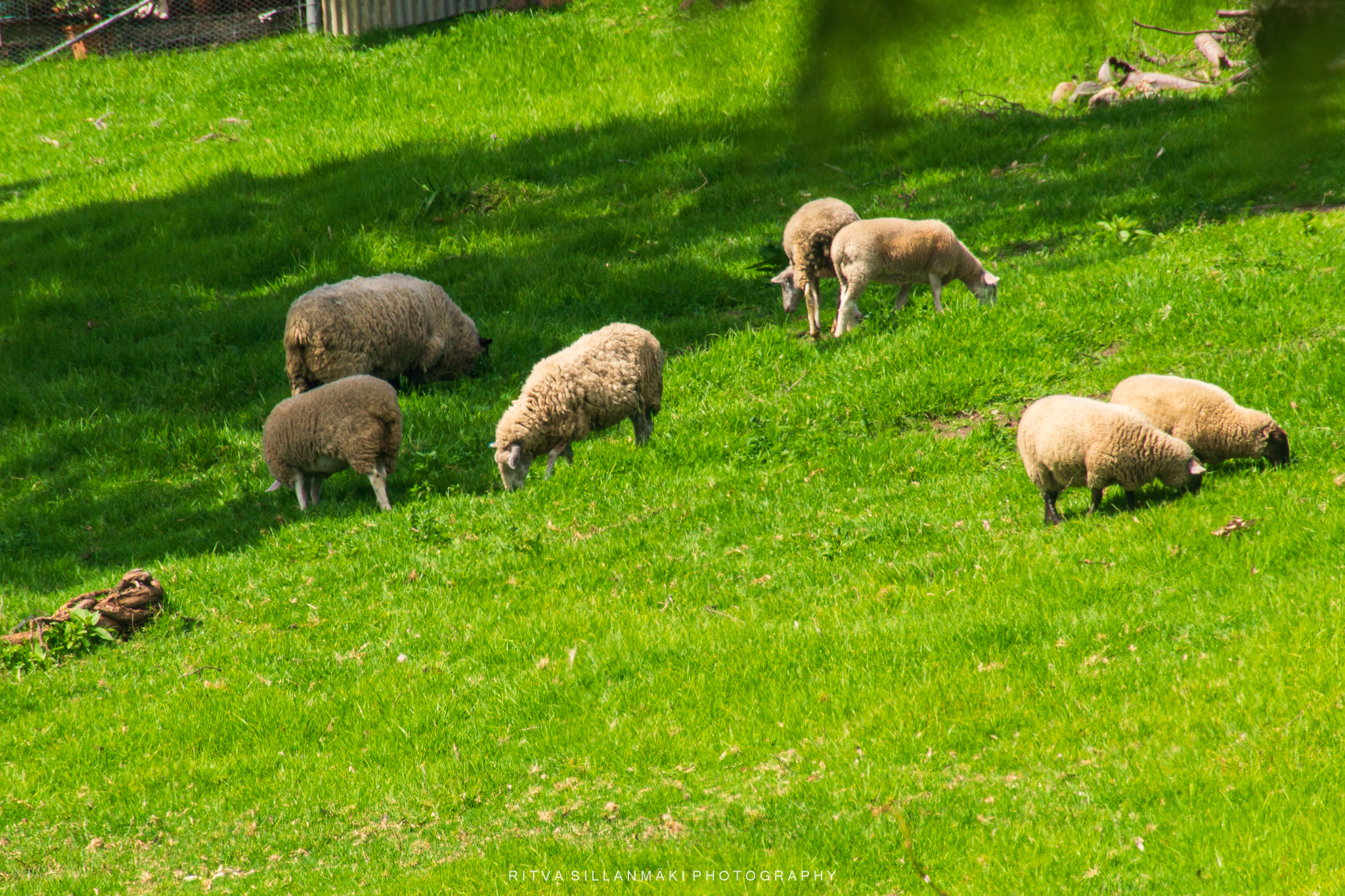
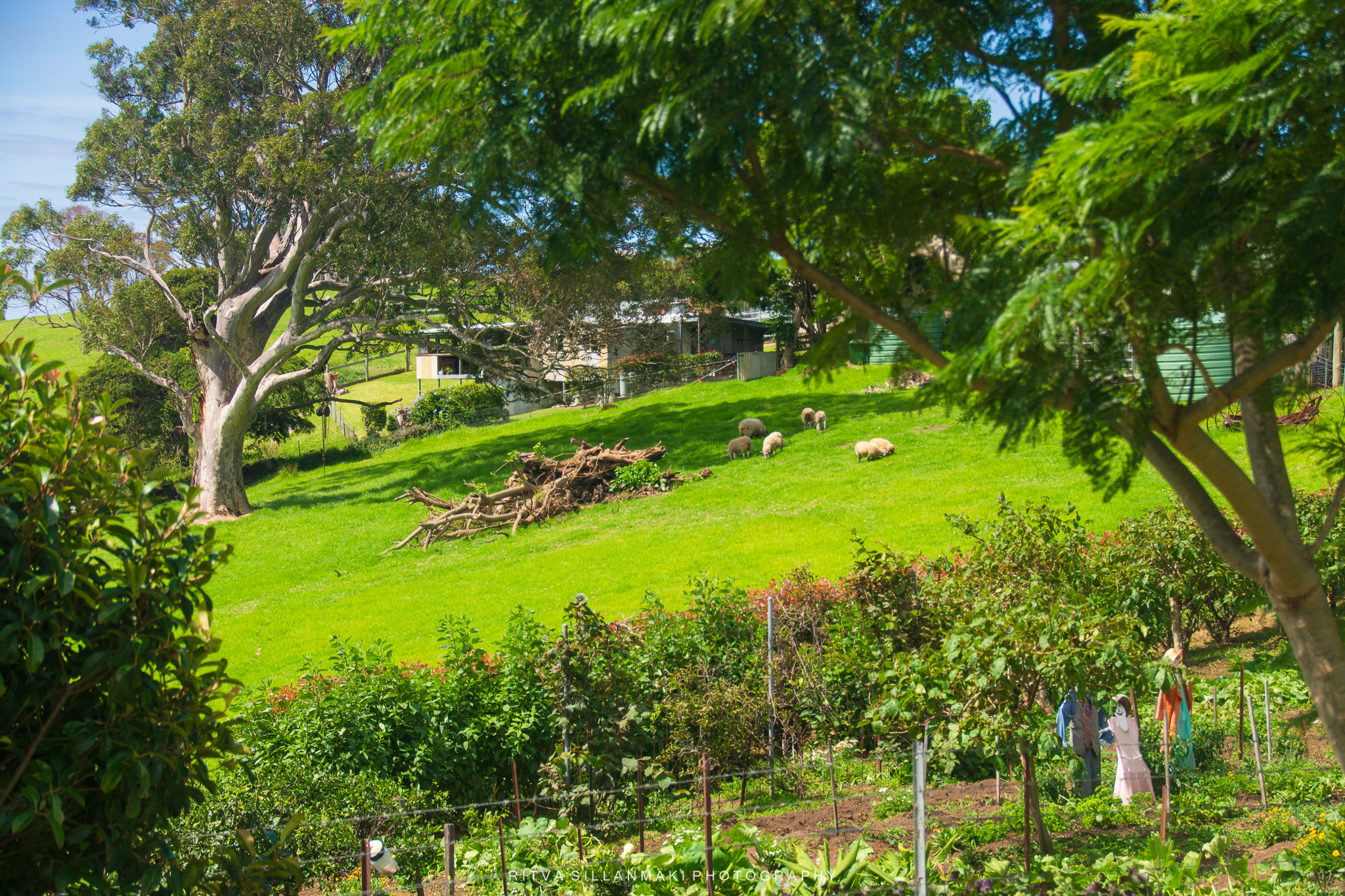
We were going to stop for a break in the charming town of Tilba Tilba, a hidden gem protected by National Heritage listing! I read that this delightful spot came alive during the gold rush back in the 1890s and 1900s, and you can still wander among its beautiful Victorian timber buildings. Nestled right at the foot of the majestic Gulaga (Mt Dromedary), it’s the perfect launchpad for exploring this spiritually rich land of the Yuin people. And to me, I loved spotting the cows and the sheep on the hills.
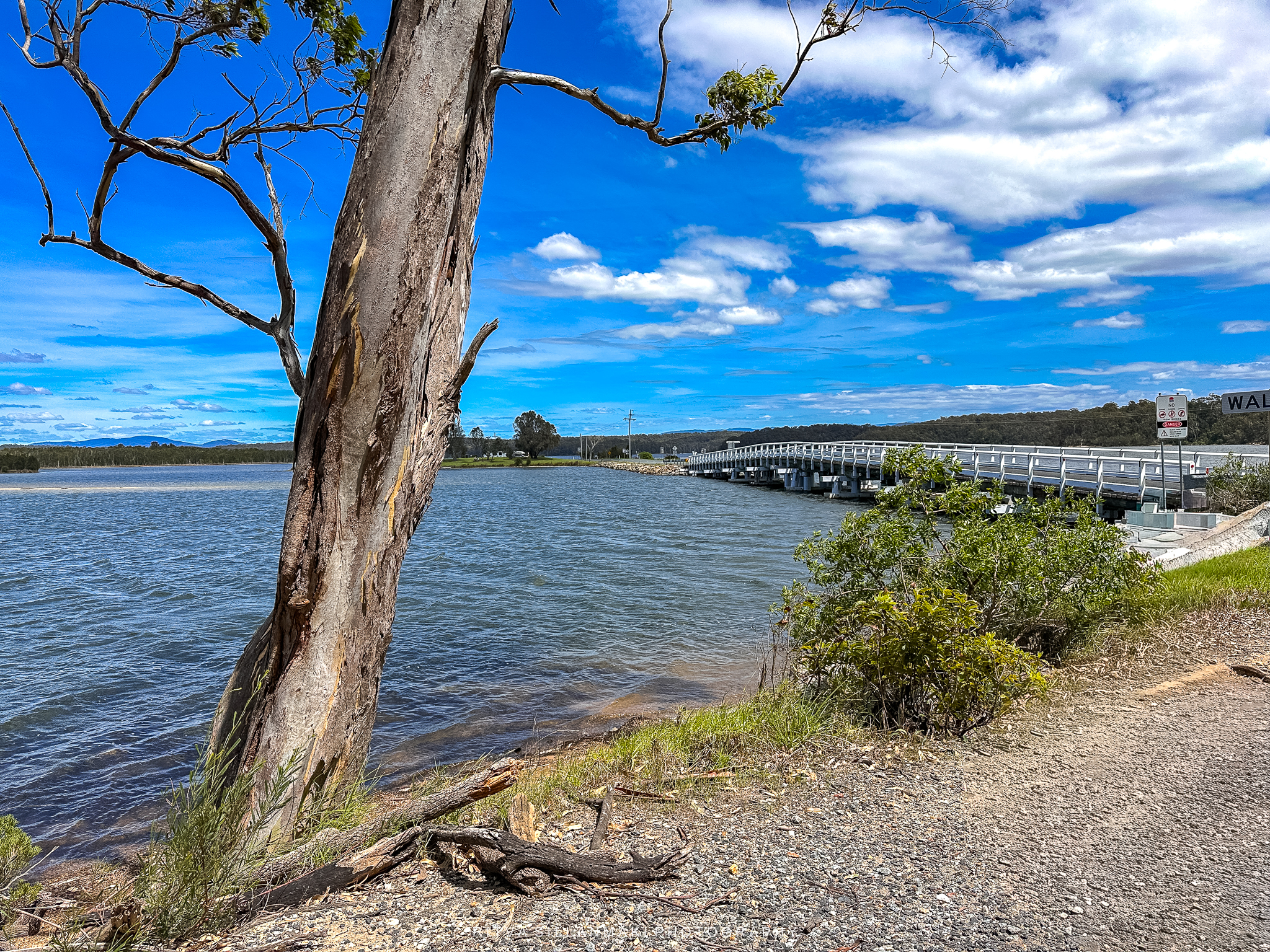
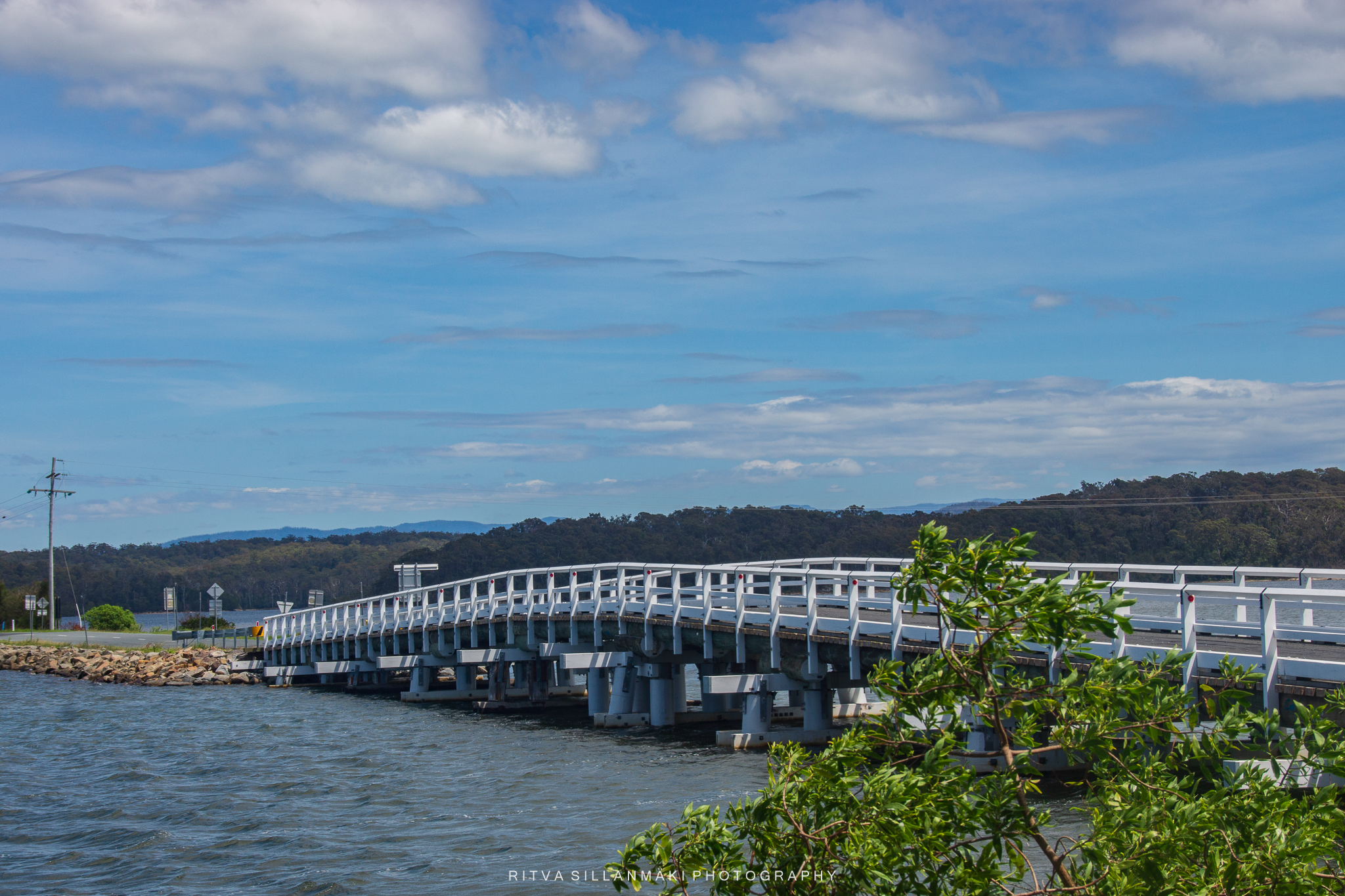
Have you ever heard of Wallaga Lake? It’s the largest lake in southern NSW, nestled beneath the stunning Gulaga Mountain. I was amazed by the peaceful atmosphere— The sunsets there? Absolutely breathtaking I heard, I wish I could have captured the magic around Beauty Point and Wallaga Lake Heights, we had time just to drive through it. Plus, I learned that this area is culturally significant for the Yuin-Monaro people, with Merriman’s Island being an Aboriginal Place where access is limited.
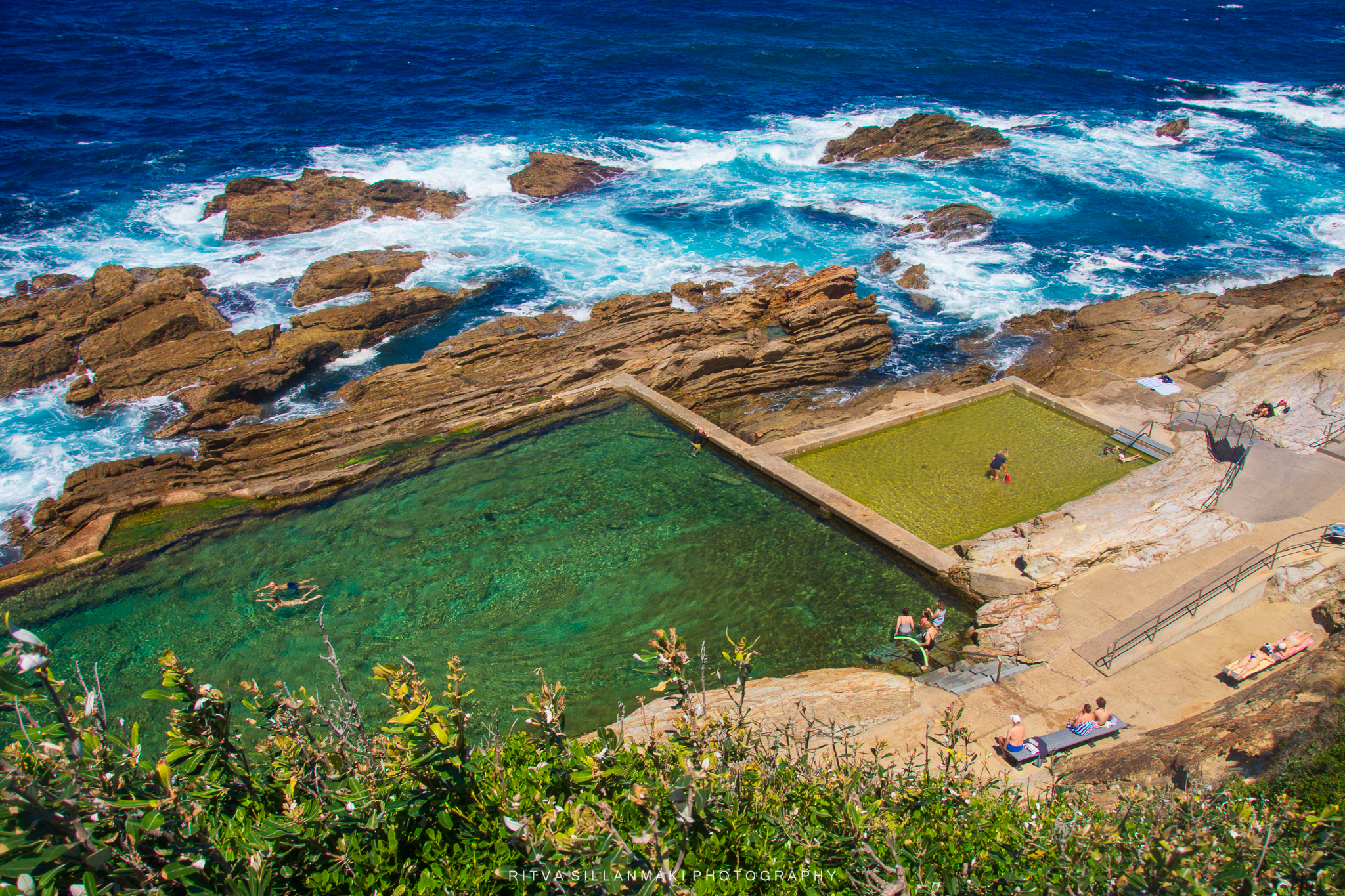
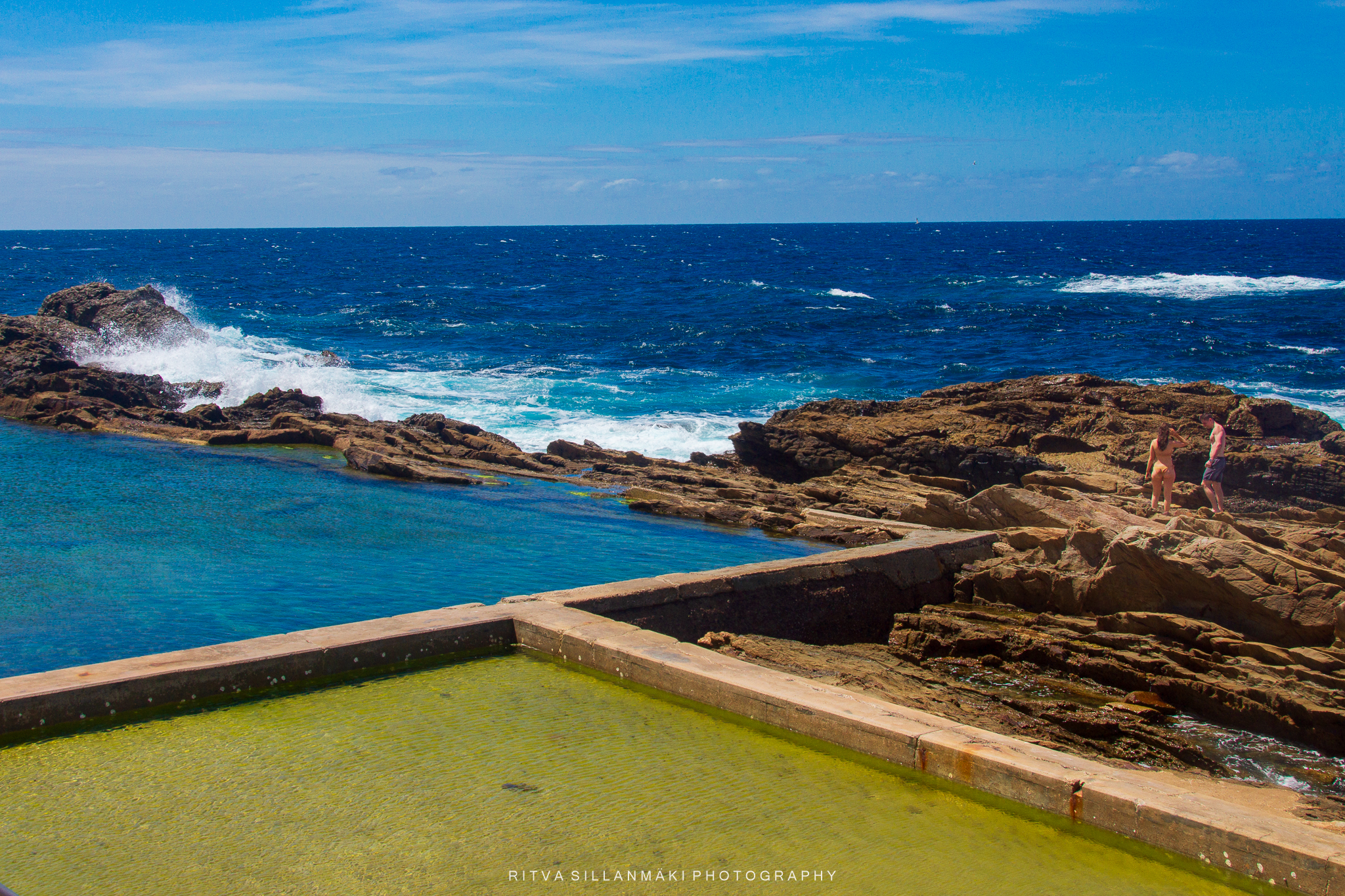
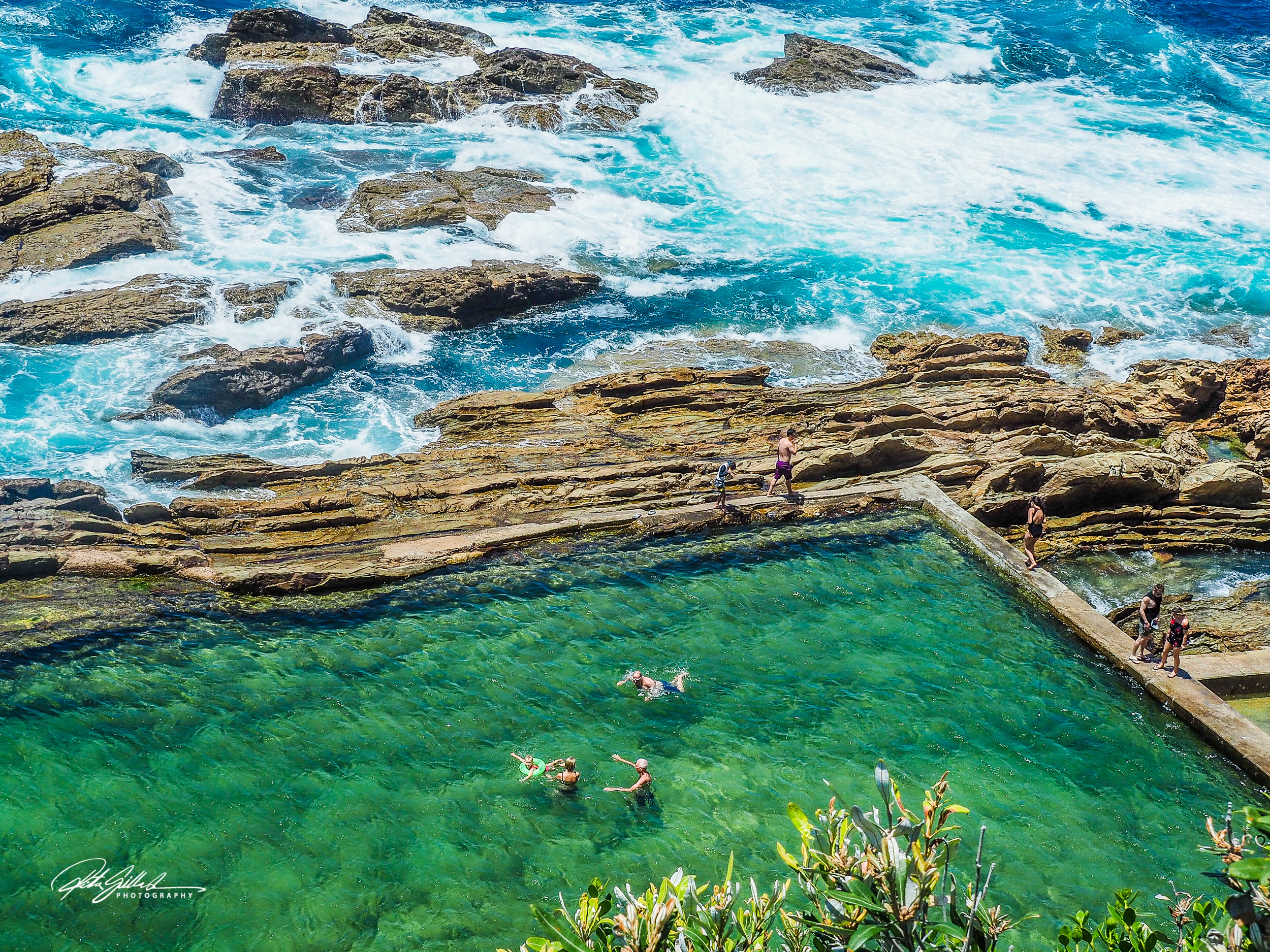
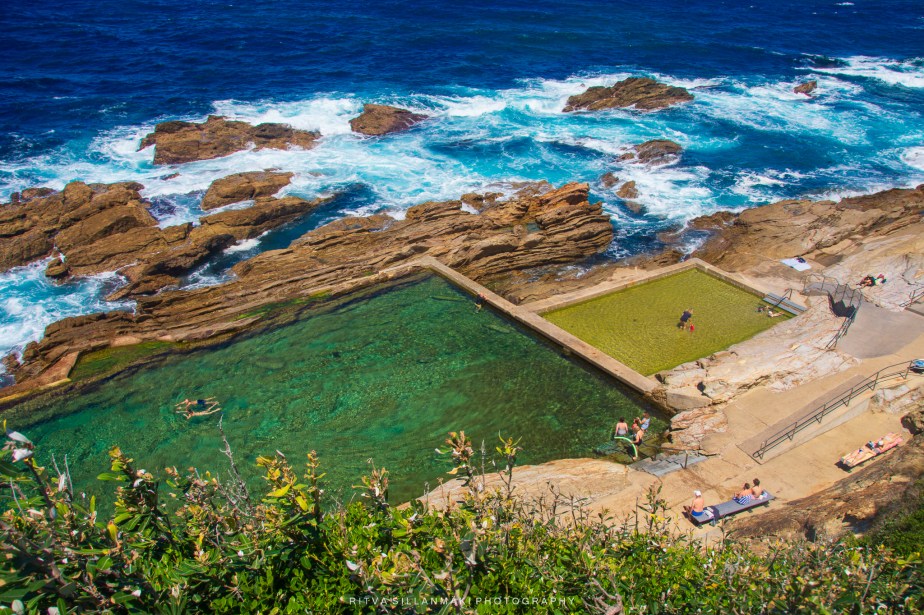
Bermagui, with its inviting Blue Pool, from our previous visit had stayed in our minds, so we decided to head there for a relaxing day. It’s truly a hidden gem along the Sapphire Coast, showcasing stunning opaline hues that blend from azure to turquoise, then blush, and finally to a cheerful canary yellow. After carefully making my way down the cliff, I arrived at the stunning 50-meter seawater swimming hole—interesting fact: it was enlarged to its present dimensions in 1937 by local philanthropist Bill Dickinson.
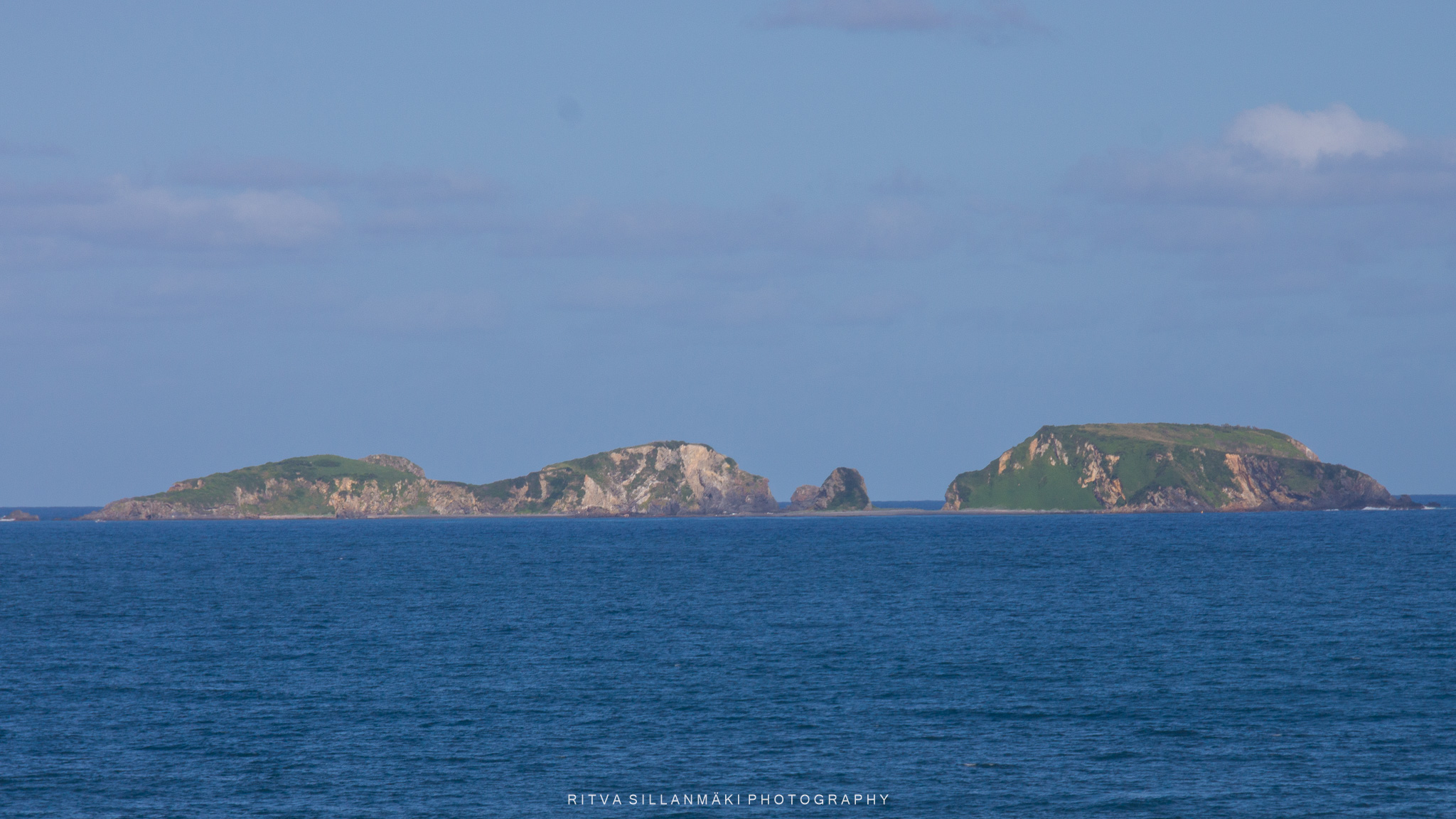
During our visit in February 2025, we stayed two weeks with my cousin at Casey’s Beach. Casey’s Beach is a sheltered, 800-meter-long sandy beach located in Batehaven, near Batemans Bay on the NSW South Coast, ideal for swimming, fishing, and snorkeling. It extends south from Observation Point, a lookout point offering panoramic ocean views of the Tasman Sea and Snapper Island, often used for whale watching.
It was our base for the second part of our Australia trip. We are so grateful for the warm hospitality of my cousin and his husband for allowing us to stay there, as their generosity made us so welcome. Each evening, it was nice to go to sleep listening to the soothing sounds of the waves hit the shore, providing a calming soundtrack to our nights. In the morning, we would awaken to the beautiful, panoramic view that greeted us, a breathtaking sight to marvel at. I have always dreamt of living by the coast, now I got the taste of it. Enjoying freshly made coffee crafted by our thoughtful host while enjoying breakfast on the balcony became a cherished routine. The gentle breeze carried the scent of saltwater. We appreciated the warmth of family and the wonders of Australia even more.
Here are some photos taken in the morning, day, dusk and sunset and blue hour after it. Night shots are missing 😂 Click on the gallery to enlarge the images.
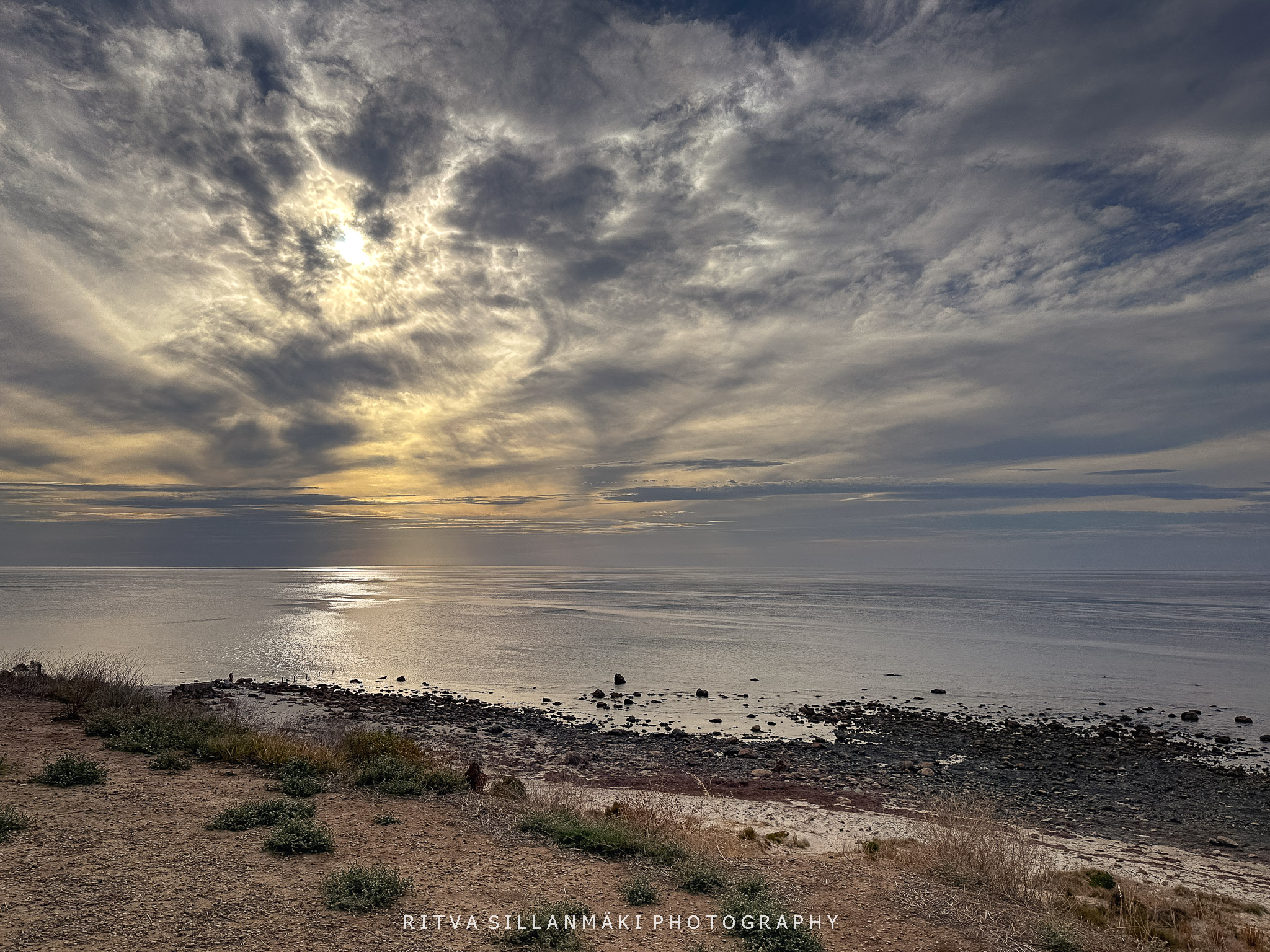
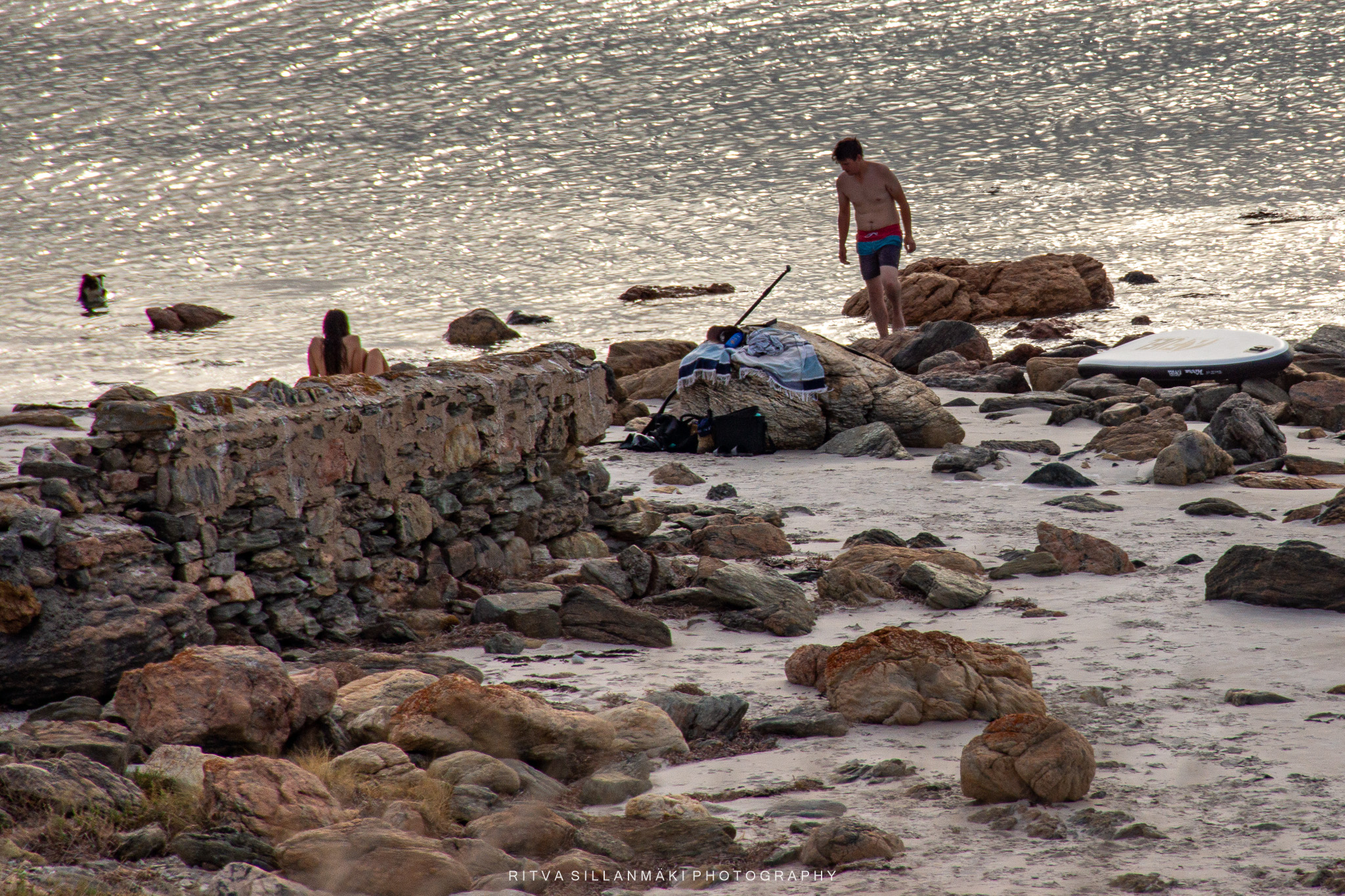
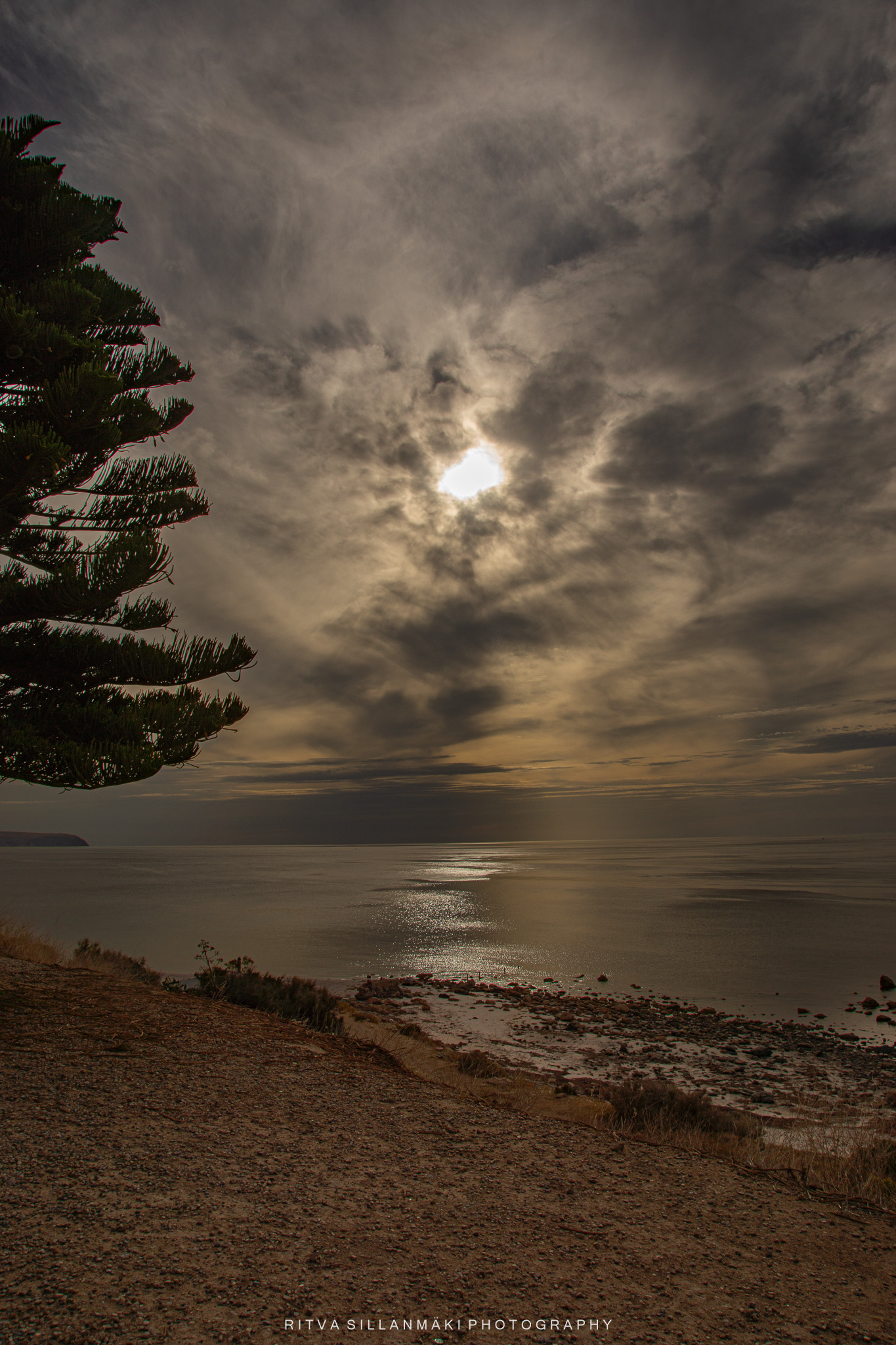
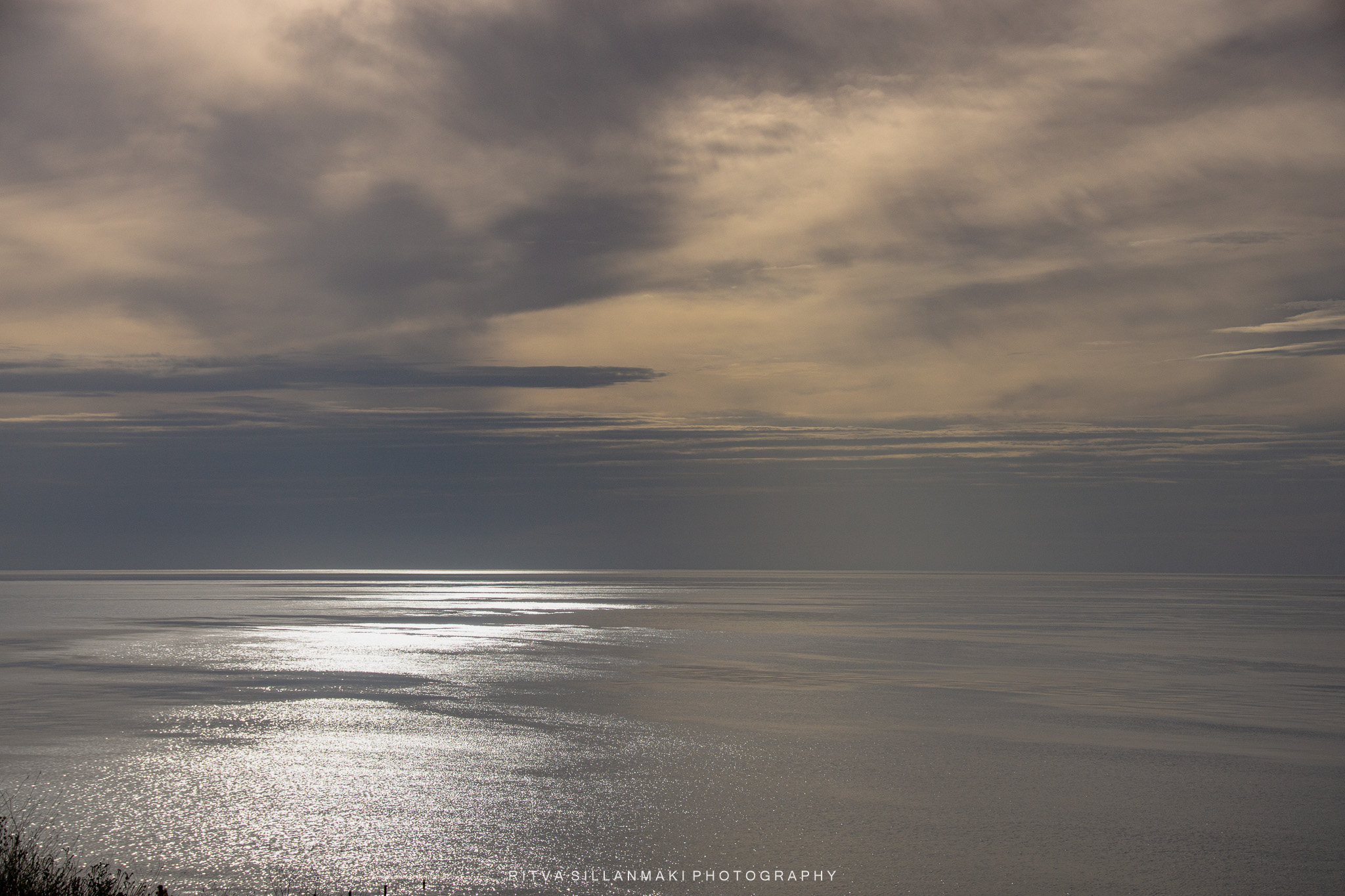
A tranquil view of the beach Casey’s Beach at dusk, showcasing calm waters and smooth stones along the shore.
I have posted several posts about the first half of our trip, I will add the links to them if you wish to have a look, they are in the order I posted them Sydney – Adelaide – South Australia – Victoria
Describing and illustrating trips packed with activities can feel like a monumental task—at least for me. It often seems like too much, and while I usually tend to overshare for the sake of my friends and readers, I’m now hit with a real challenge: Anne-Christine wants us to pull it off with just 5-10 pictures! Lens-Artists Challenge # – Your Journey in 5-10 images
My husband and I recently ( a year ago 😁, that is recently) took a trip to Australia, and let me tell you, editing all the photos has been quite the challenge! I didn’t write the texts; that was all him, but I’m having a hard time putting everything together, especially with the annoying hiccups from my hard drive issues. I had edited everything before but lost it all, so now I’m facing the daunting task of redoing it. Anyway, I just wanted to share a quick summary of part of our adventure. I definitely plan to post more pictures from our stops, because there was so much to see and experience at each location! Let’s get started, thanks for the text Mara!
This was going to be a day with nothing to do besides drive. The GPS said 750 km and 8 h 6 min from Bendigo to Caseys Beach in Bateman Bay. Start of the journey was full of twists and turns on narrow roads again, which actually made the drive more enjoyable than just staying on highways. The directions seemed to be always wrong, I felt like we going to Melbourne instead of the direction of Sydney. We managed to see plenty of small towns again with funny names. Seriously, there is nothing wrong with the names, but if you are not used indigenous names and languages, they seem humorous sometimes. Even though I don’t even know if these following names are indigenous: Colbinabbin, Wanalta, Moora, Waranga. Anyway, they were next to impossible to remember afterwards. I had to look them up from a map. I remember driving through Murchinson and Violet Town, though. From Violet Town we turned to Hume Highway, and I could just turn the cruise control on and coast – boooring!
We spend 450 km on Hume Highway, and even though the drive was boring, the scenery never was. Just before turning from the highway, we stopped at Yass for lunch. Yass, finally something to eat! After Yass we were directed again to smaller roads to bypass Canberra. We passed Little Billabong, Tumblong, Gundagai, Jugiong, Molonglo, Murrumbateman and Durran Durra (weren’t they a famous band in the 80’s?), before hitting and passing historical Braidwood. Soon after Braidwood we began descending from Clyde Mountain towards the coast,
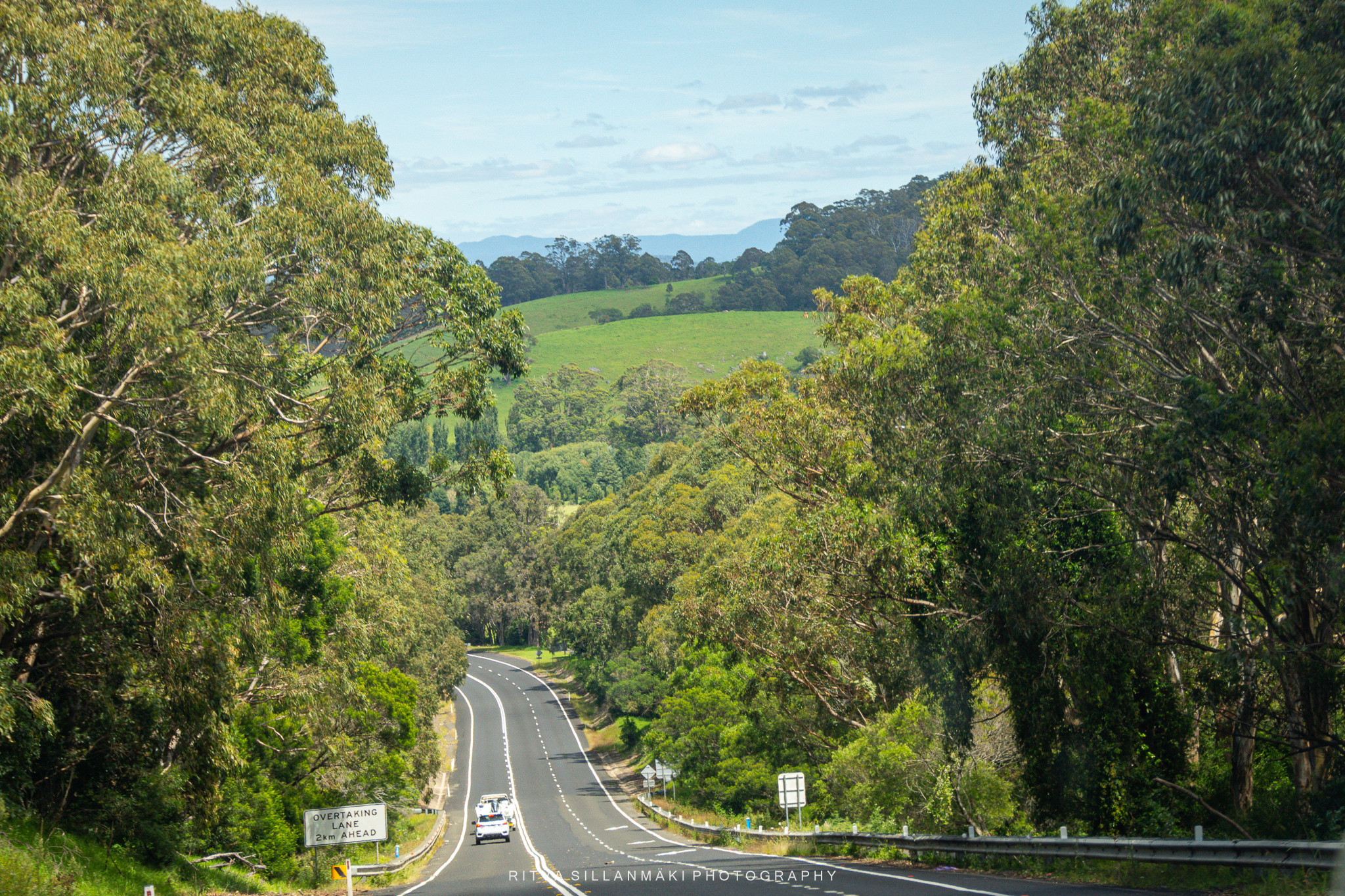
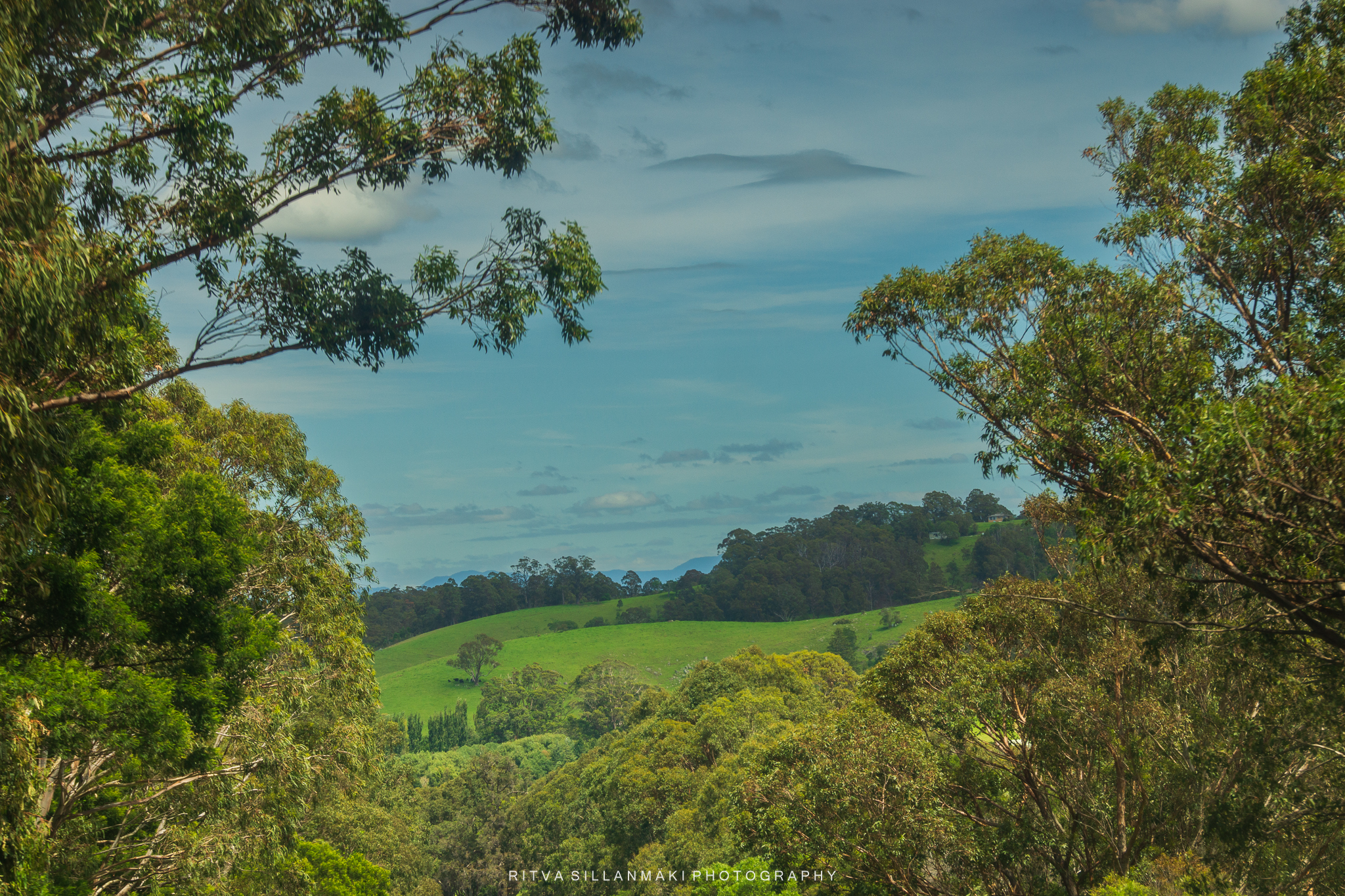
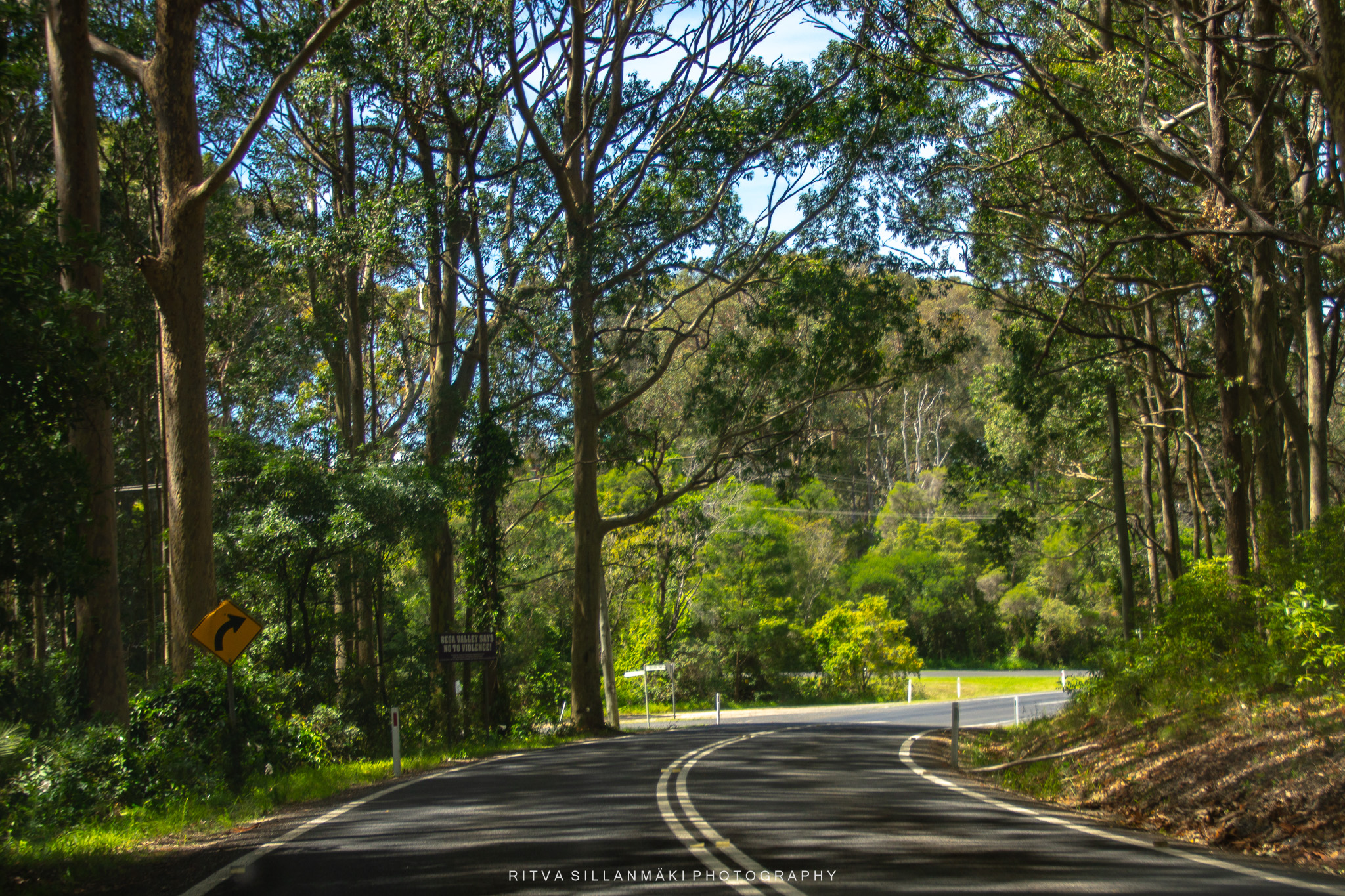
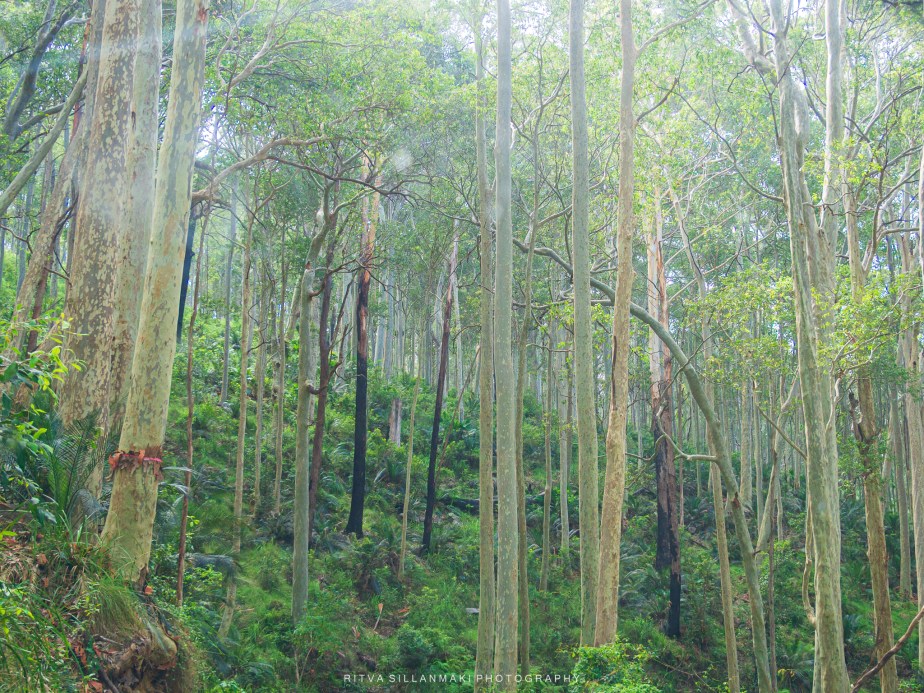
The descend was exciting. For a while, very steep and winding road surrounded by lush flora, eucalyptus trees and mist. Unfortunately, there is no way of stopping to take pictures, but the going was sometimes so slow, that Ritva was able to take some photos from the car.
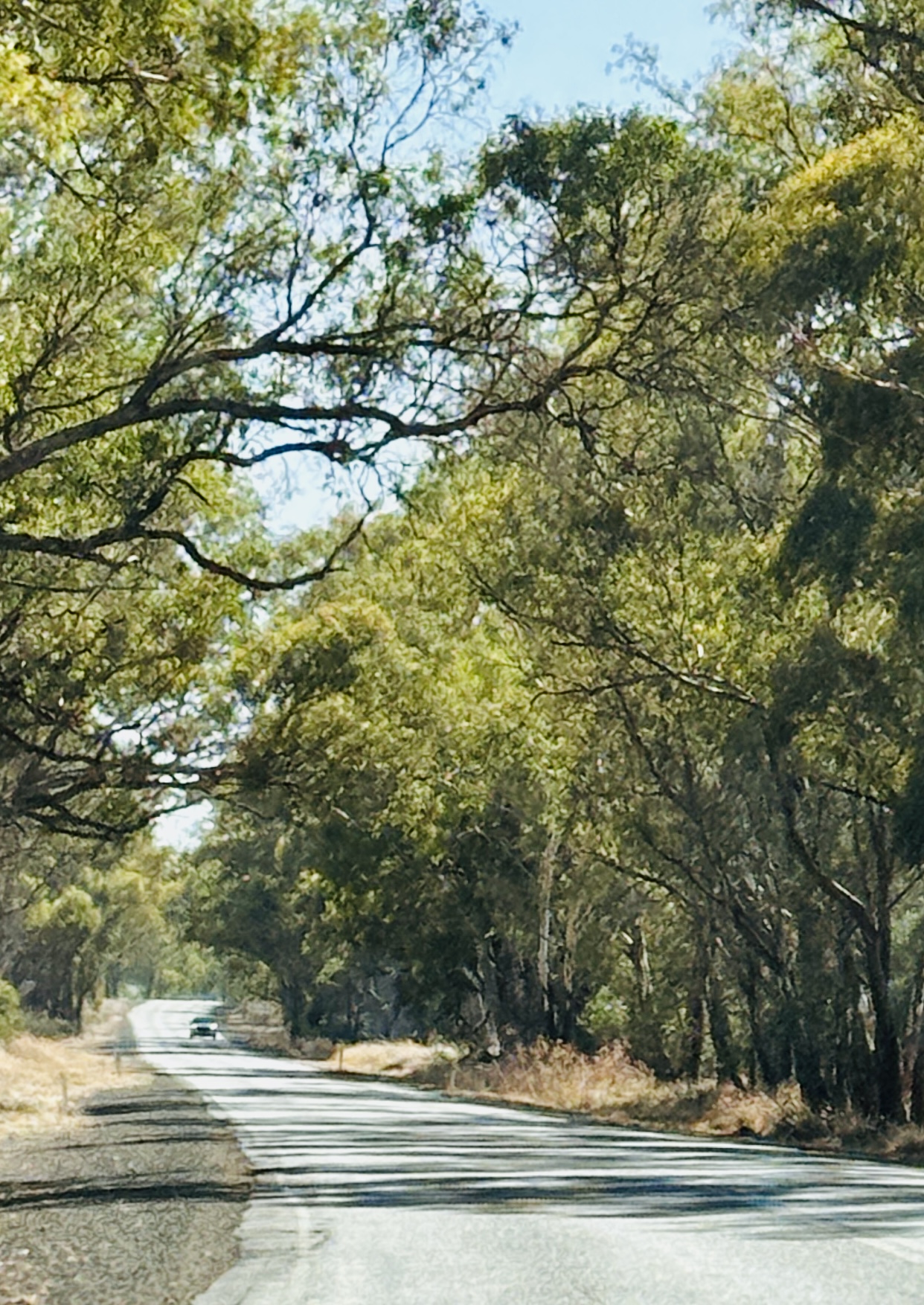
Lush eucalyptus forest in Australia, showcasing vibrant greenery and tall trees.
We finally arrived at Ritva’s cousins Heli’s and her husband house in Caseys Beach just before 7 pm. Heli is one of nine children of Family Saarikko that emigrated to Australia in 1969. Can you imagine immigrating to any country with nine children? Most of us can’t even imagine having nine children. And Finland is also pretty far from Australia. And none of them spoke hardly any English. But Australia was very inviting during that era, because the country needed more people. And 11 people at the same time must have been a jackpot to Australia. The father and quite a few of the seven boys ended up in lumber and building industries because they had some previous experience. Few of them ended up building the Parliament House in Canberra. But that is another story and I’m not the right person to tell it. Ritva’s family, with only three girls, emigrated at the same time but didn’t end up staying. The evening after a long day was spent correcting everything that is wrong with the world.
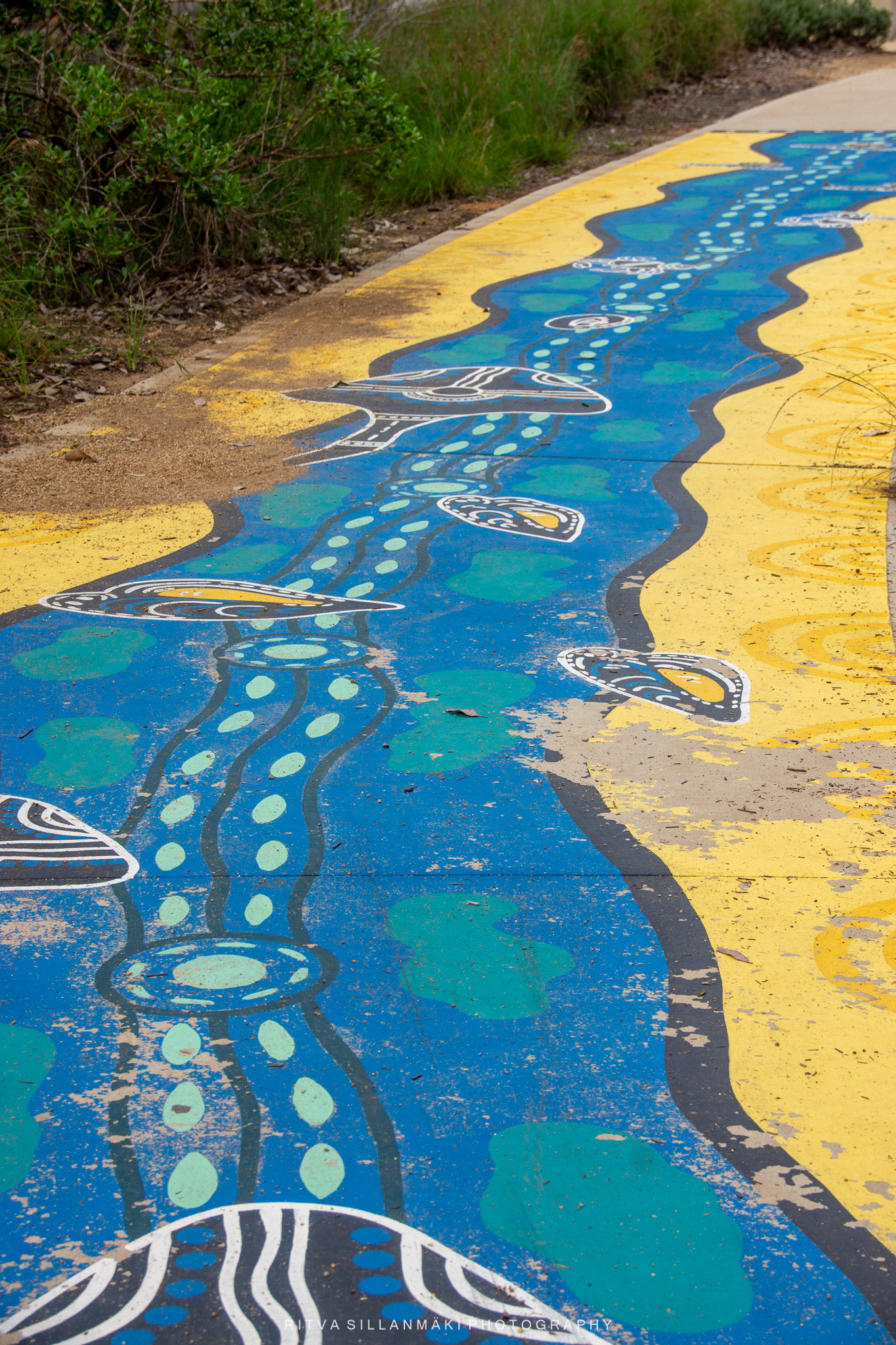
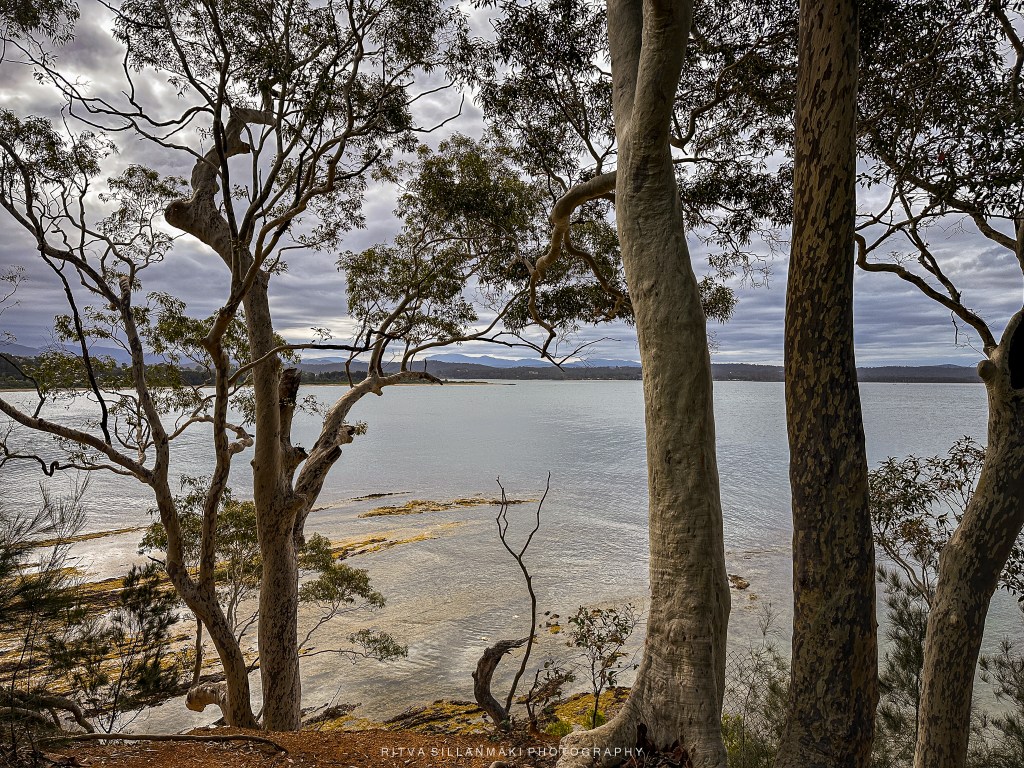
Day after we had it easy. I took a 1,5 h walk from Caseys Beach to town center, to Corrigan’s Beach, to observation point and back to the house. The observation point had been renovated since 2019. Now it had walkways, signs, murals on sidewalk and lookout decks. Nice! After the walk I had to do some shopping for necessities. First, I drove to drive-through bottle shop for beer and white wine, then to petrol station and finally to electronic store to buy an adapter for SD-card, so Ritva could transfer the photos to laptop. Also, some time was spent playing with Baxter the Dog. He is a Jack Russell.
A view from the observation point framed by eucalyptus trees, capturing the tranquil beauty of Australia’s coastline.
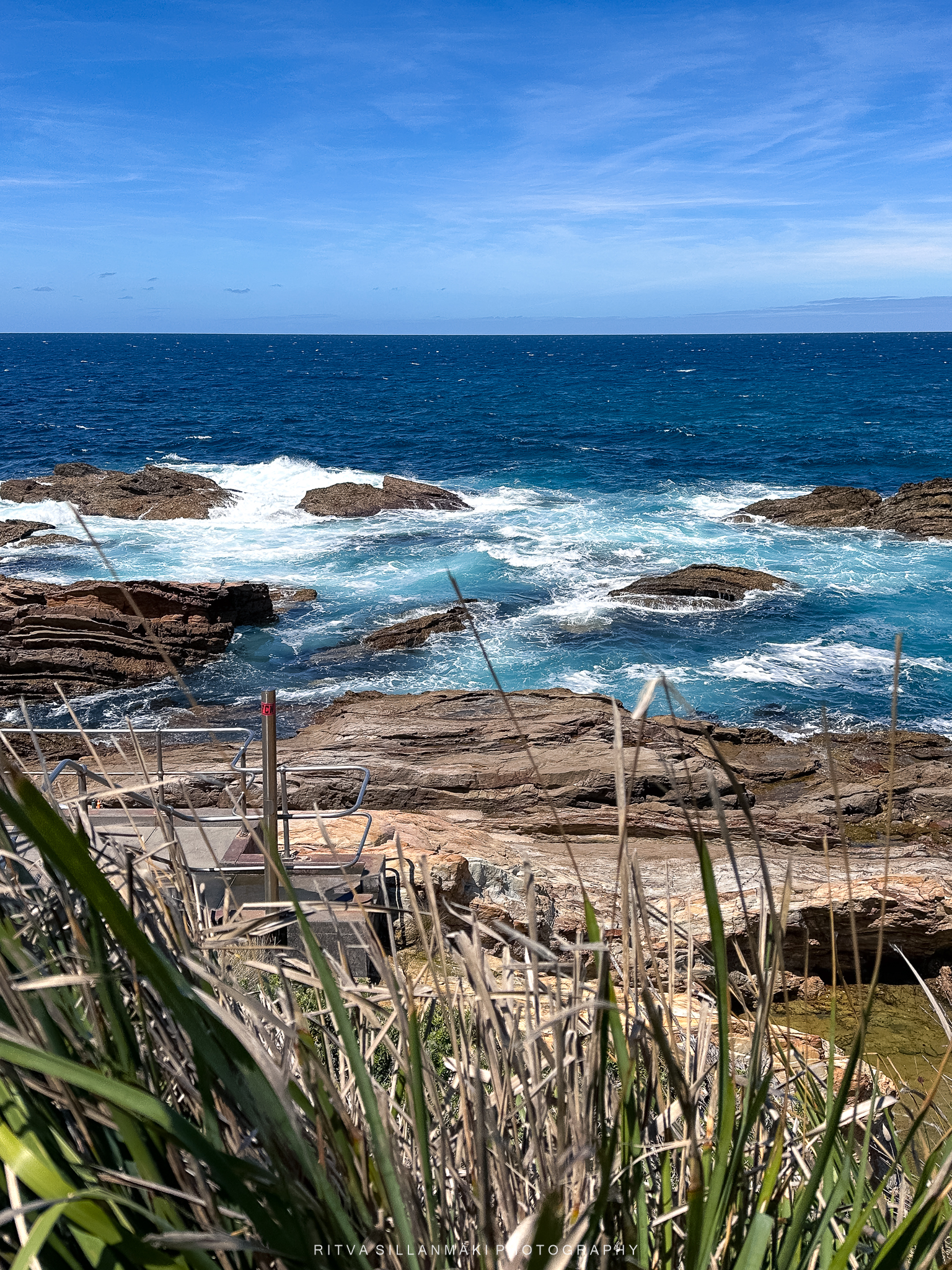
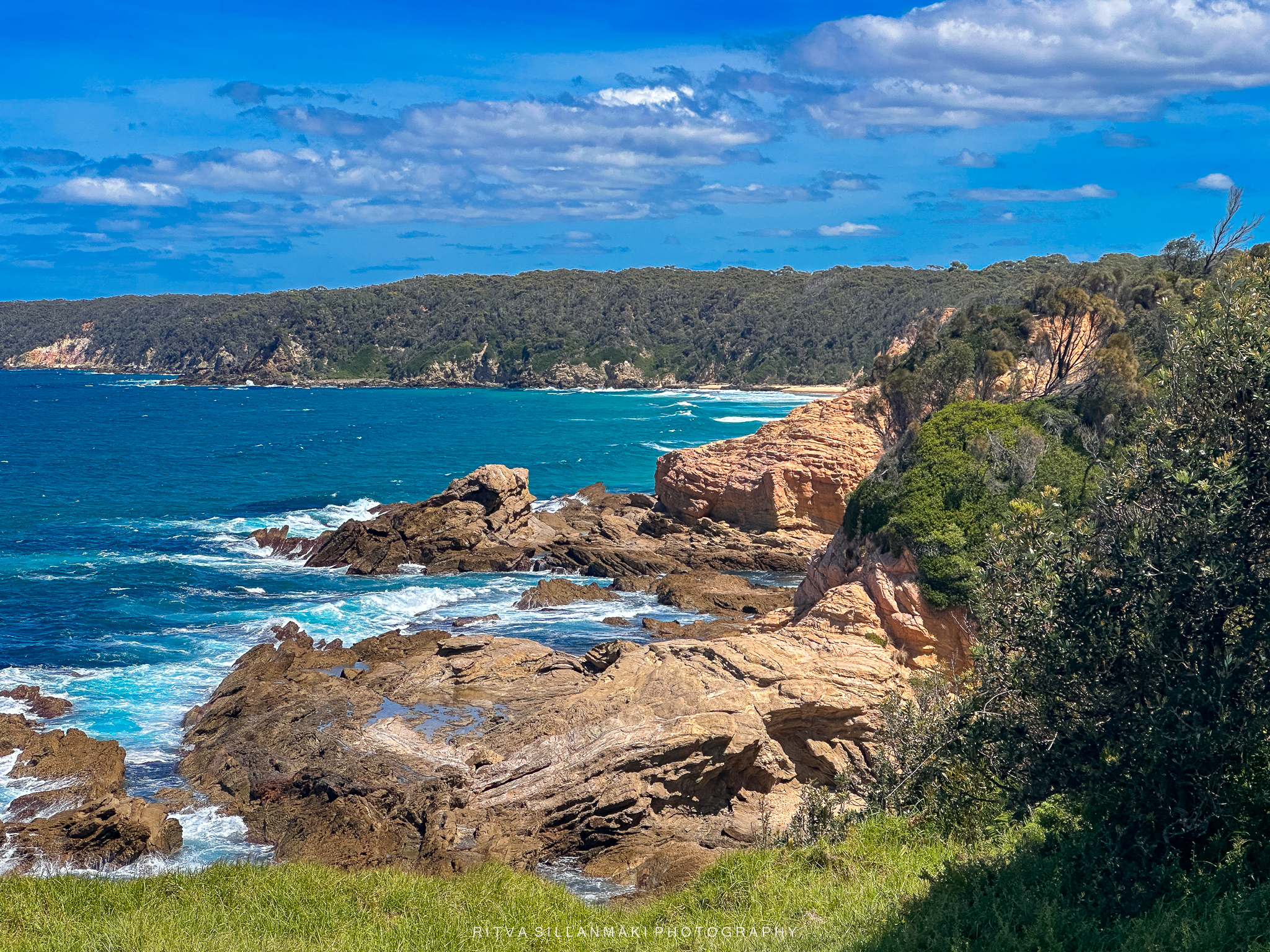
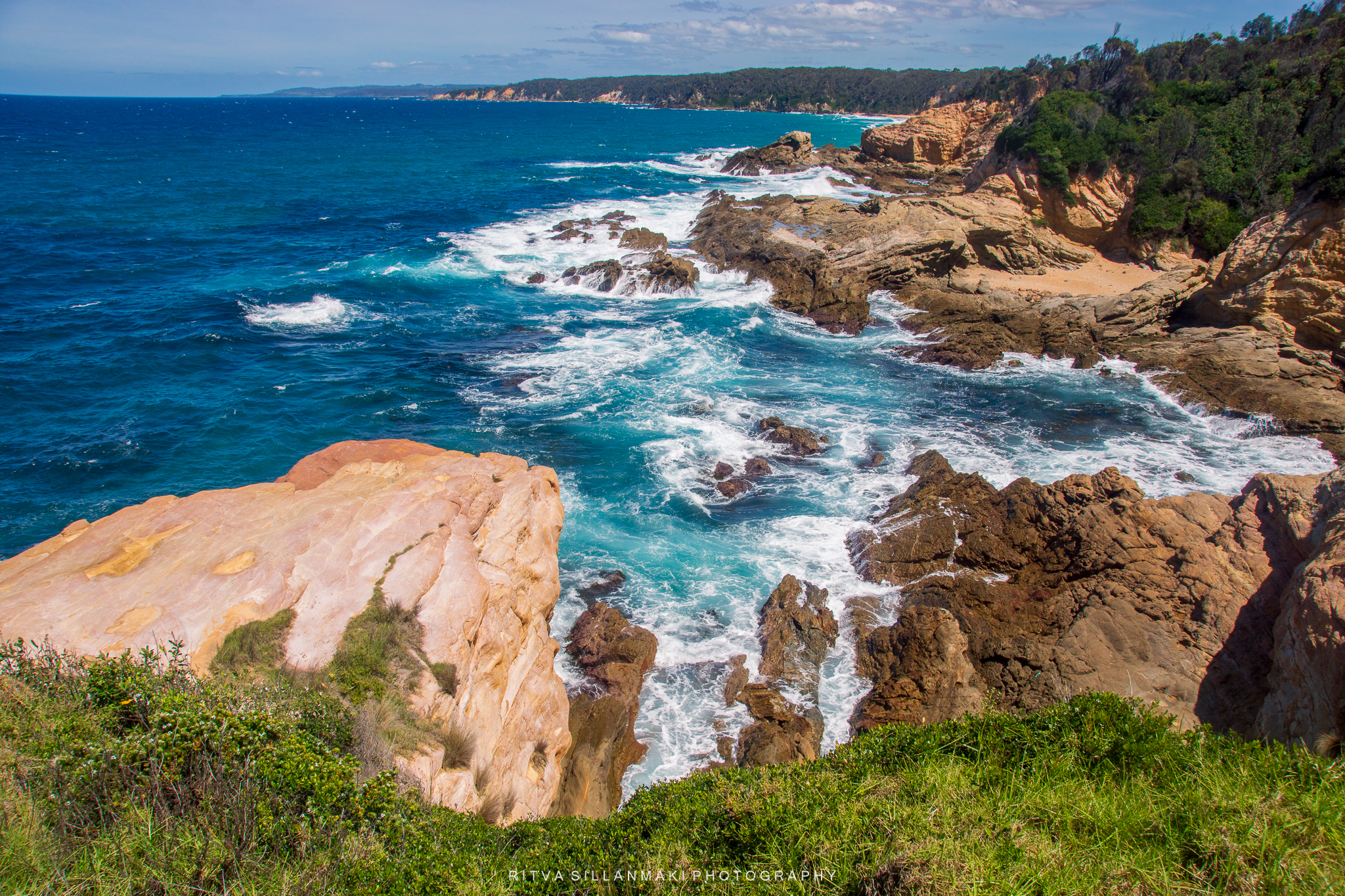
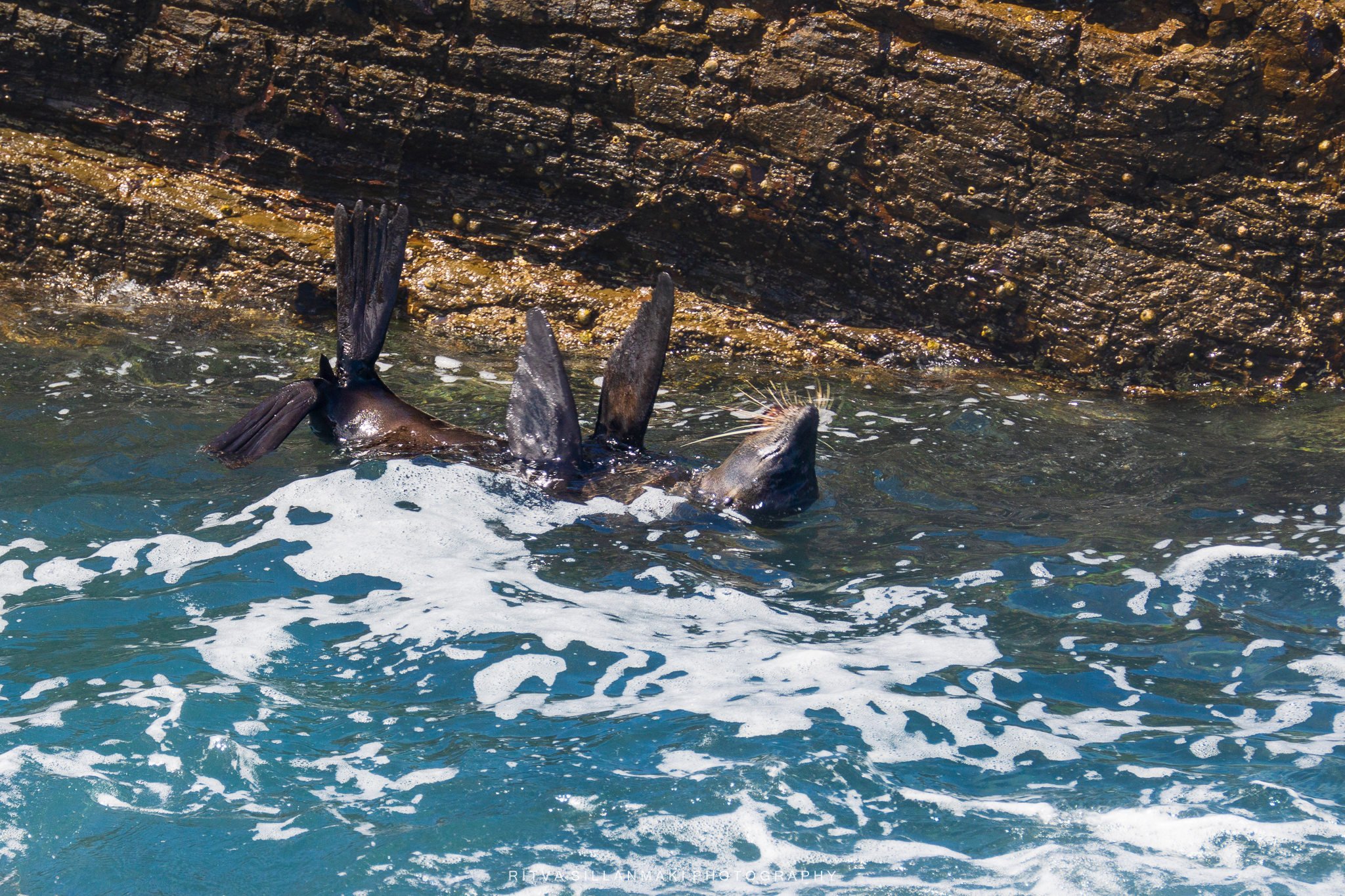
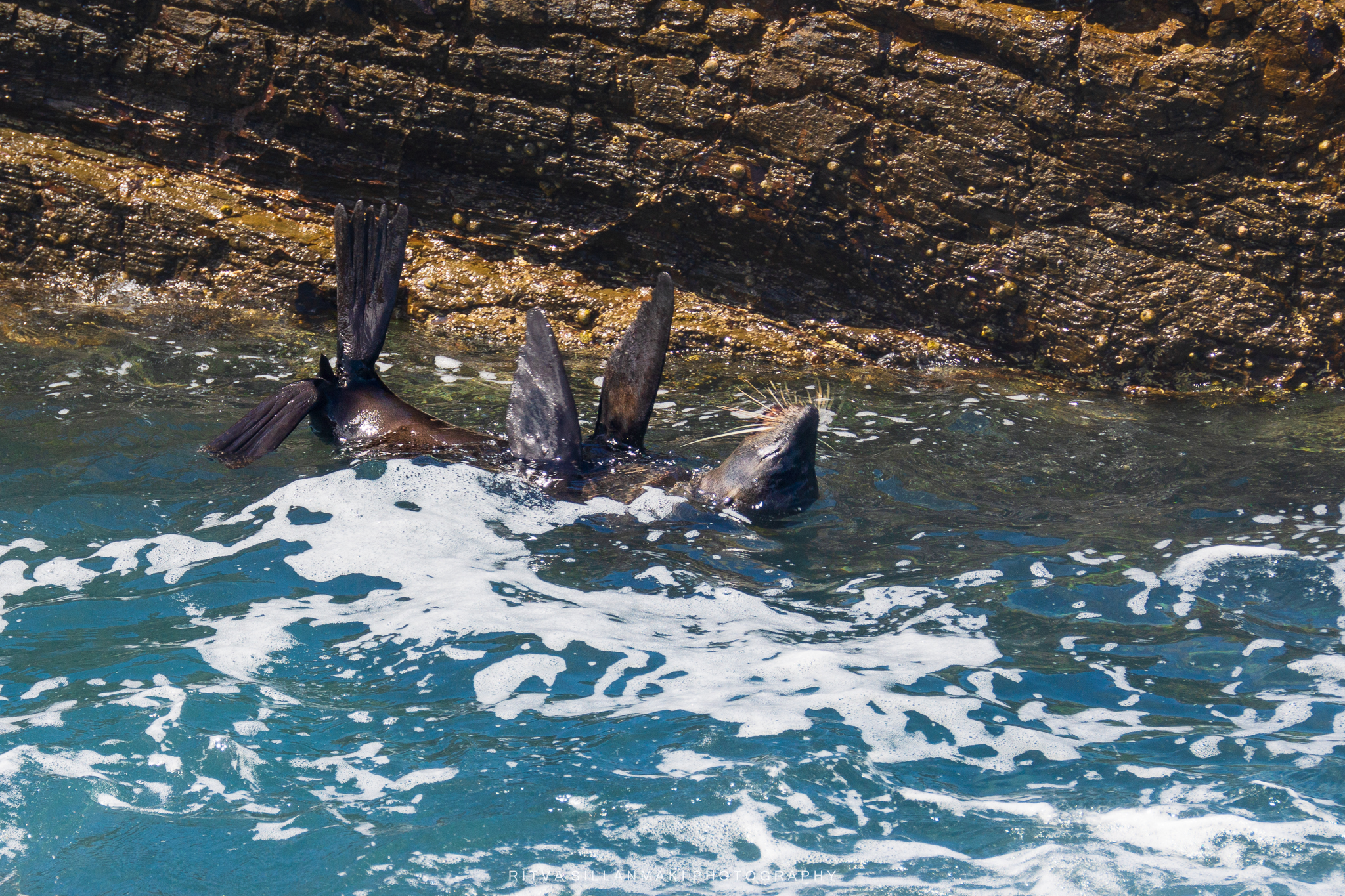
On Thursday we took a little drive. Bermagui with its Blue Pool seemed tempting, so off we went. On the way we saw Narooma and Tilba Tilba but we decided to stop on the way back. The Blue Pool was still amazing with its combination of natural and man-made swimming pools. You get the picture, if you look at the pictures. I was lucky enough to video a sea lion cleaning itself between the rocks. Our lunch was grapes, chips and water at the Blue Pool. Catching some rays and taking it easy and people watching, of course. ( Click the gallery to see enlarged images)
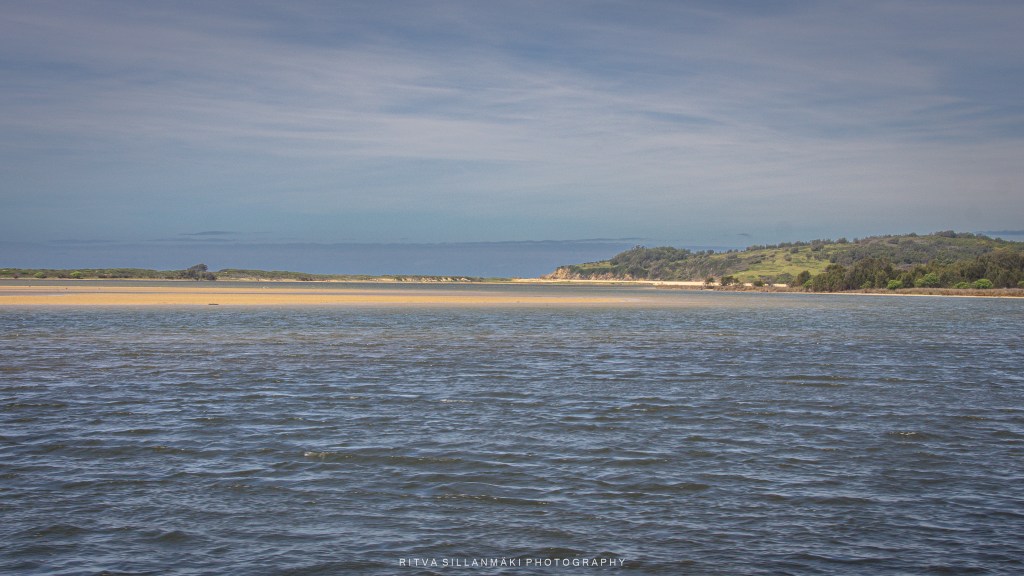
Wallaga Lake was also on the way there, with white sands and birds
A tranquil view of Wallaga Lake, showcasing its serene waters and lush greenery on the horizon.Scenic views of the lush green landscape near Tilba Tilba, showcasing rolling hills and a winding road.
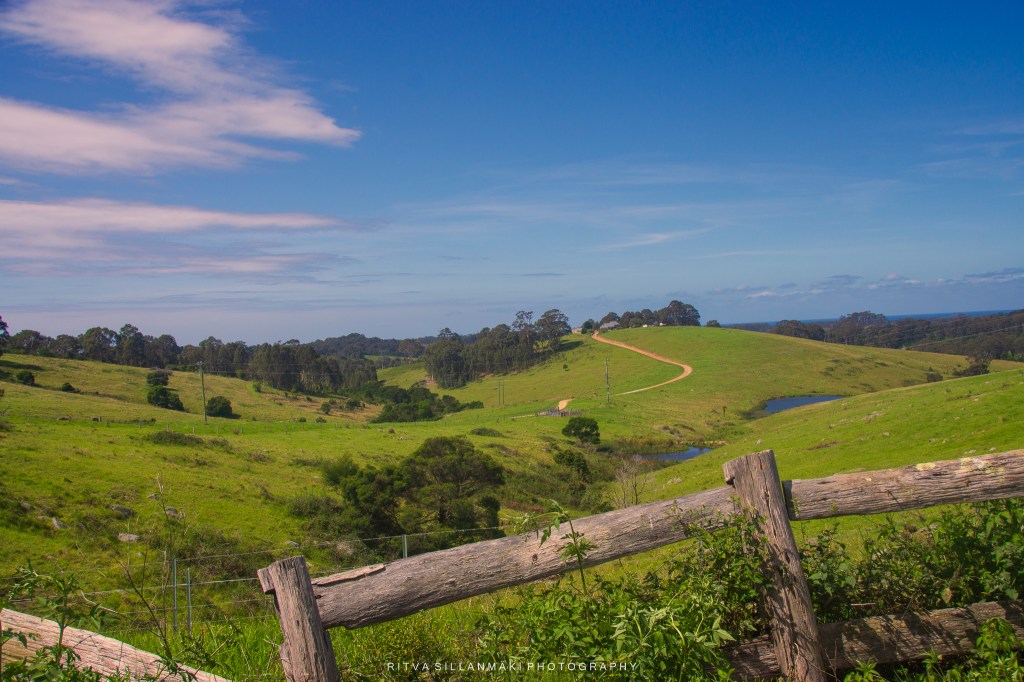
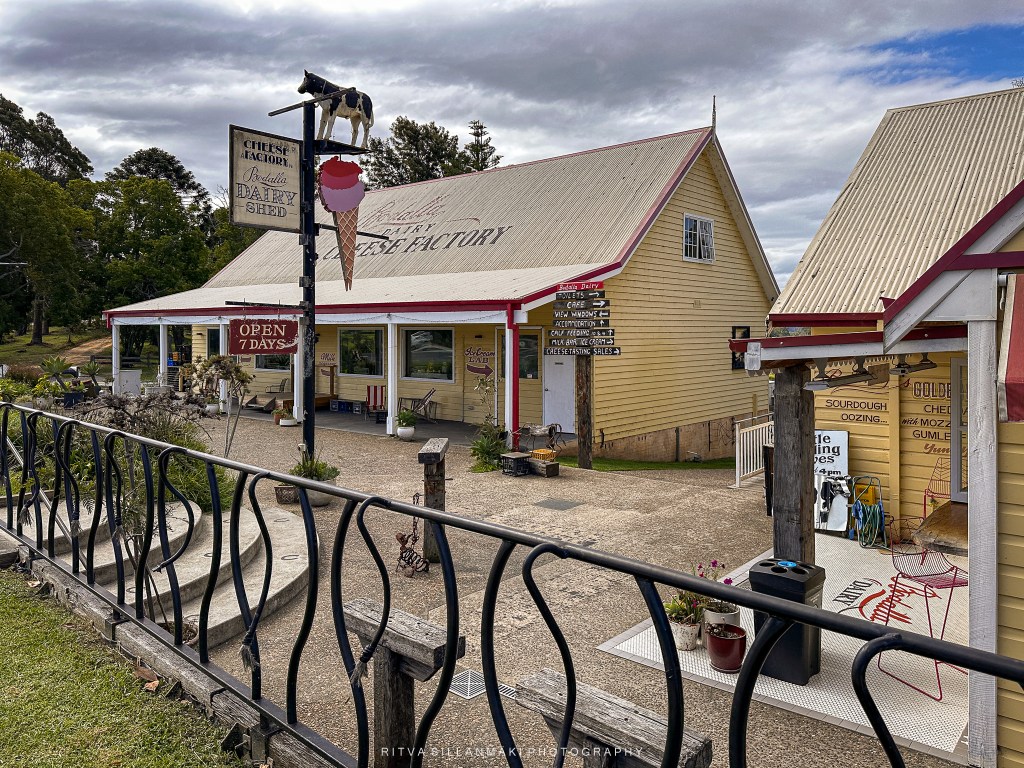
We didn’t end up stopping at Narooma at all, even though it had a nice little port with oyster shops. Tilba Tilba is a pretty old village that at present is meant for tourists. It has quaint little shops and cafes worth the visit, if you like that sort of thing. On the way over to Bermagui I had spotted the Bodalla Cheese Factory and I had a craving for ice cream. When we stepped in to the Factory, they told us that they just lost the power and naturally none of their machines was working and we couldn’t have ice cream. Bummer.
Bodalla Cheese Factory, a charming stop featuring local dairy products and ice cream, located on the journey to Bermagui, Australia.
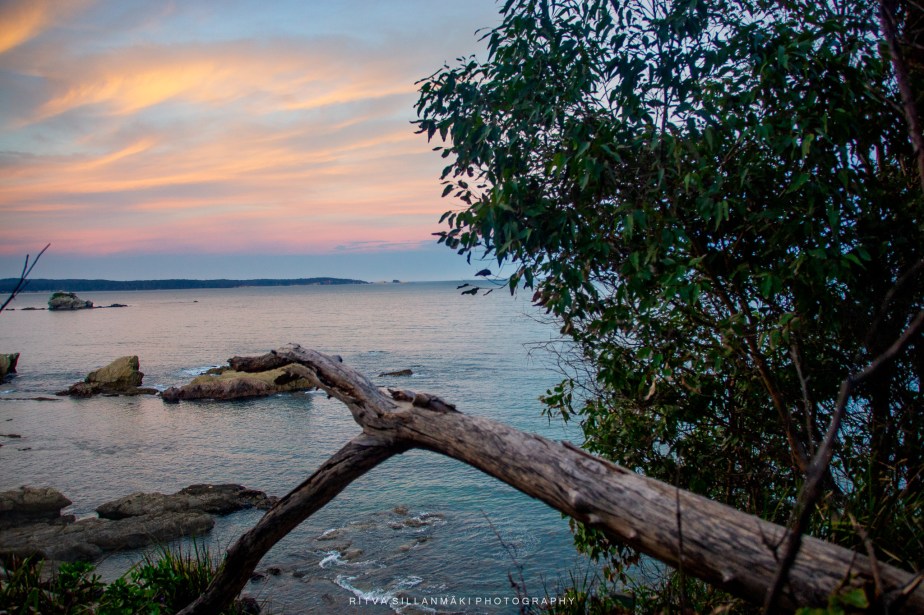
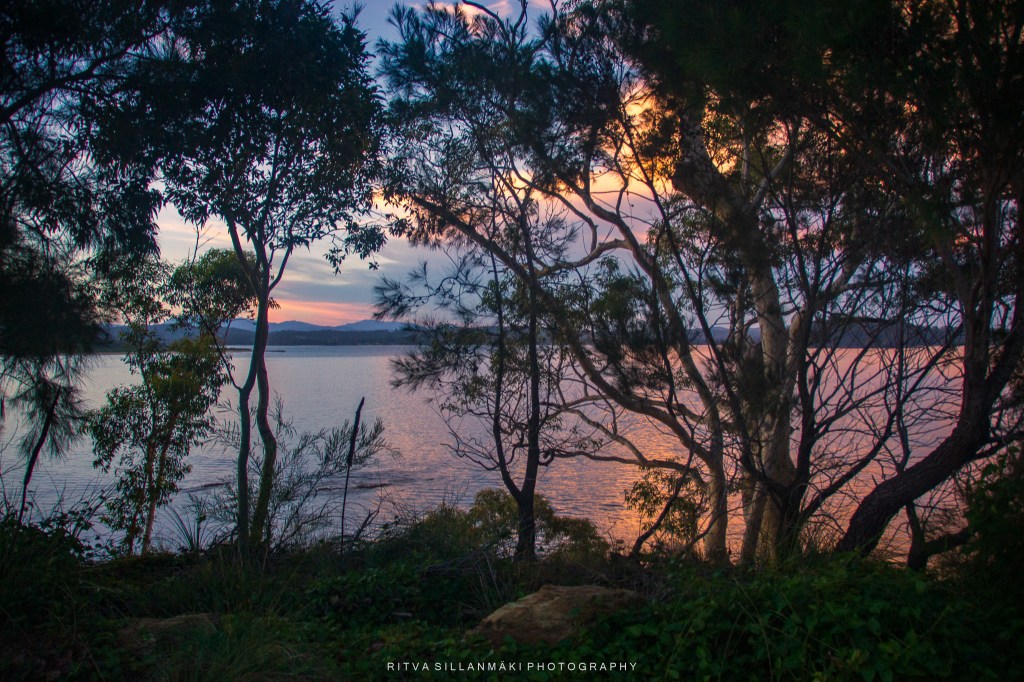
Last town before Batemans Bay was Mogo and no ice cream there either because everything was closed or closing. Mogo is a small touristy town. We didn’t want to disrupt our host’s normal schedule, so we ended up in observation point to see the sunset.
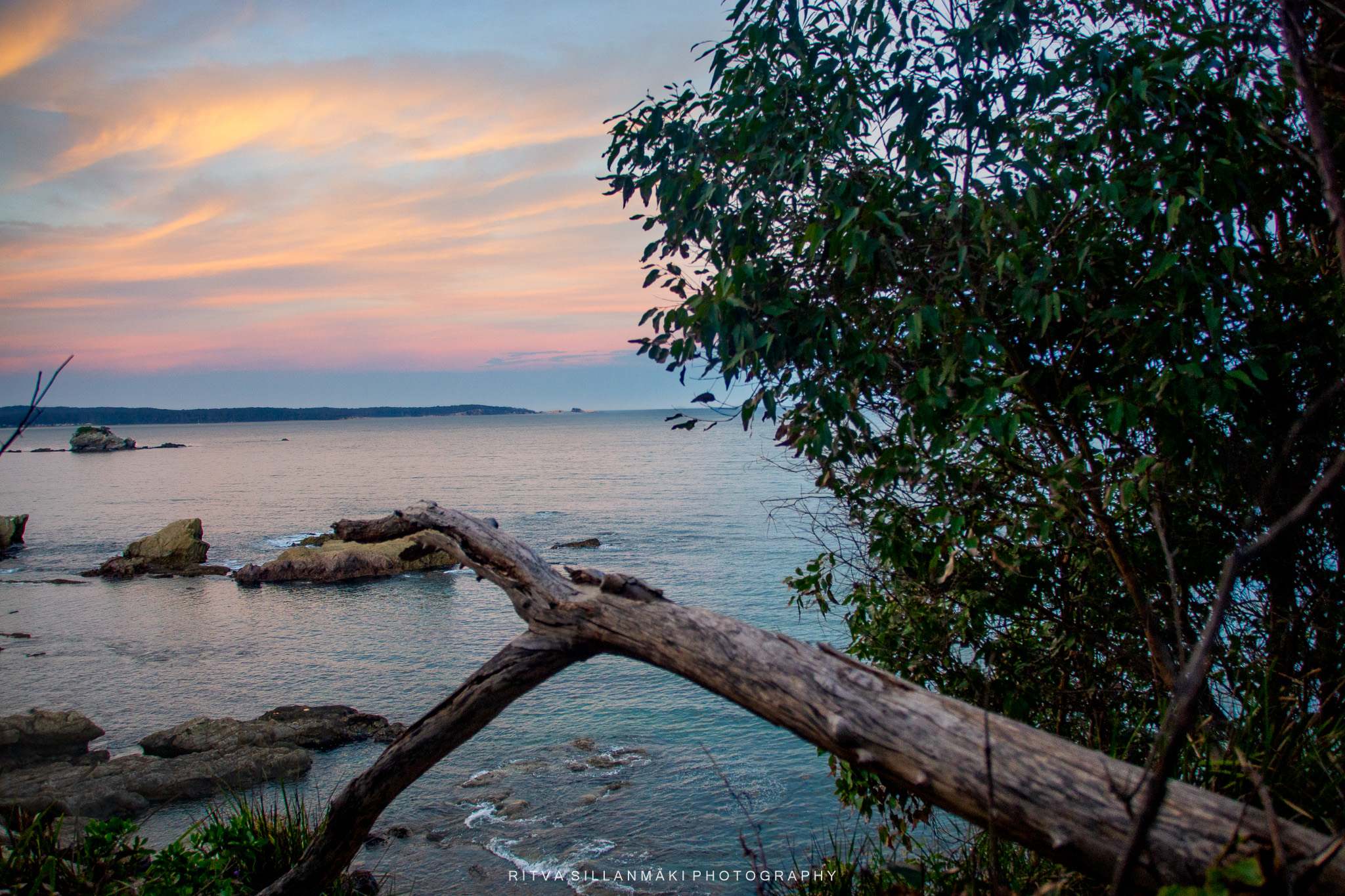
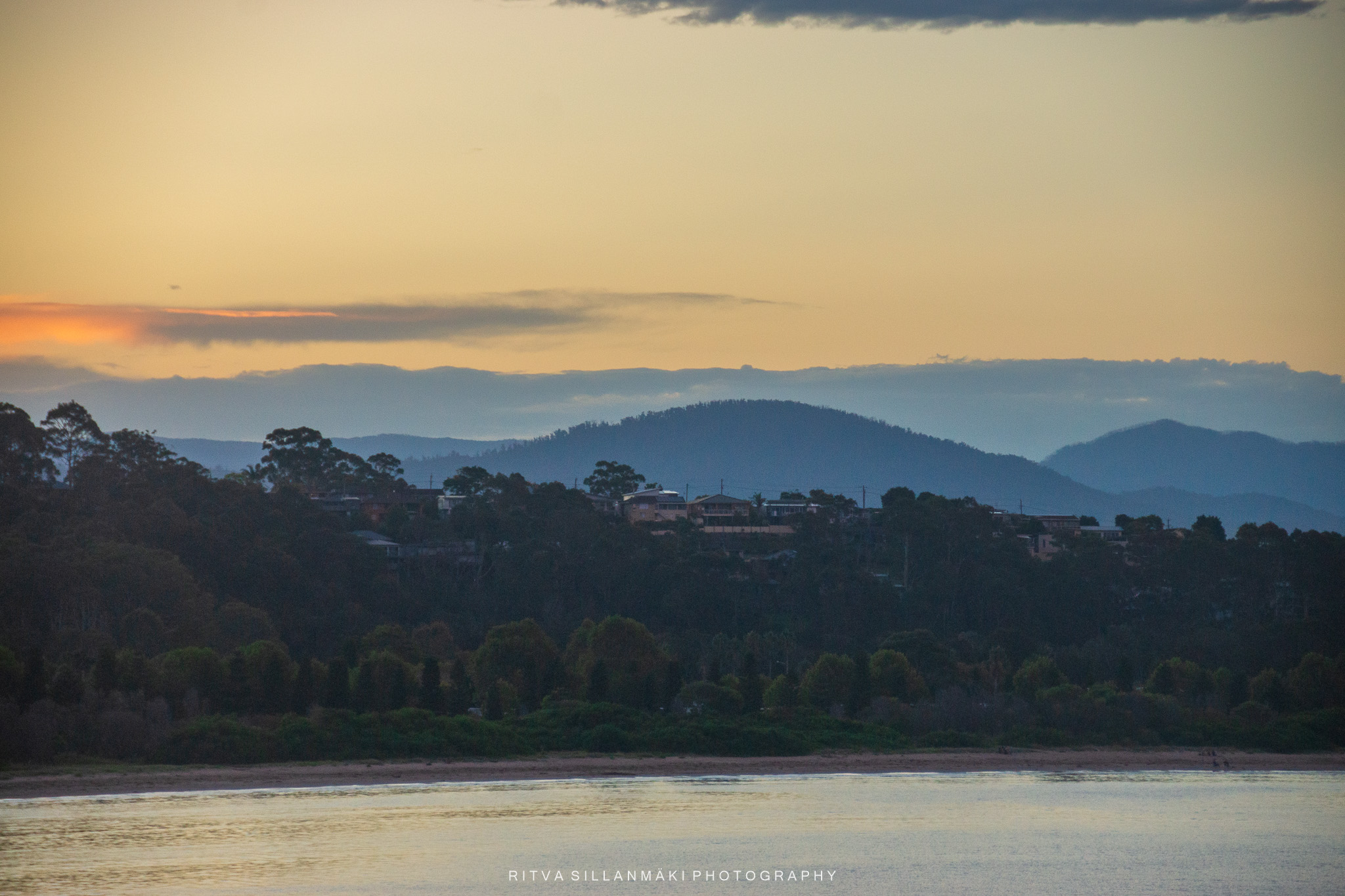
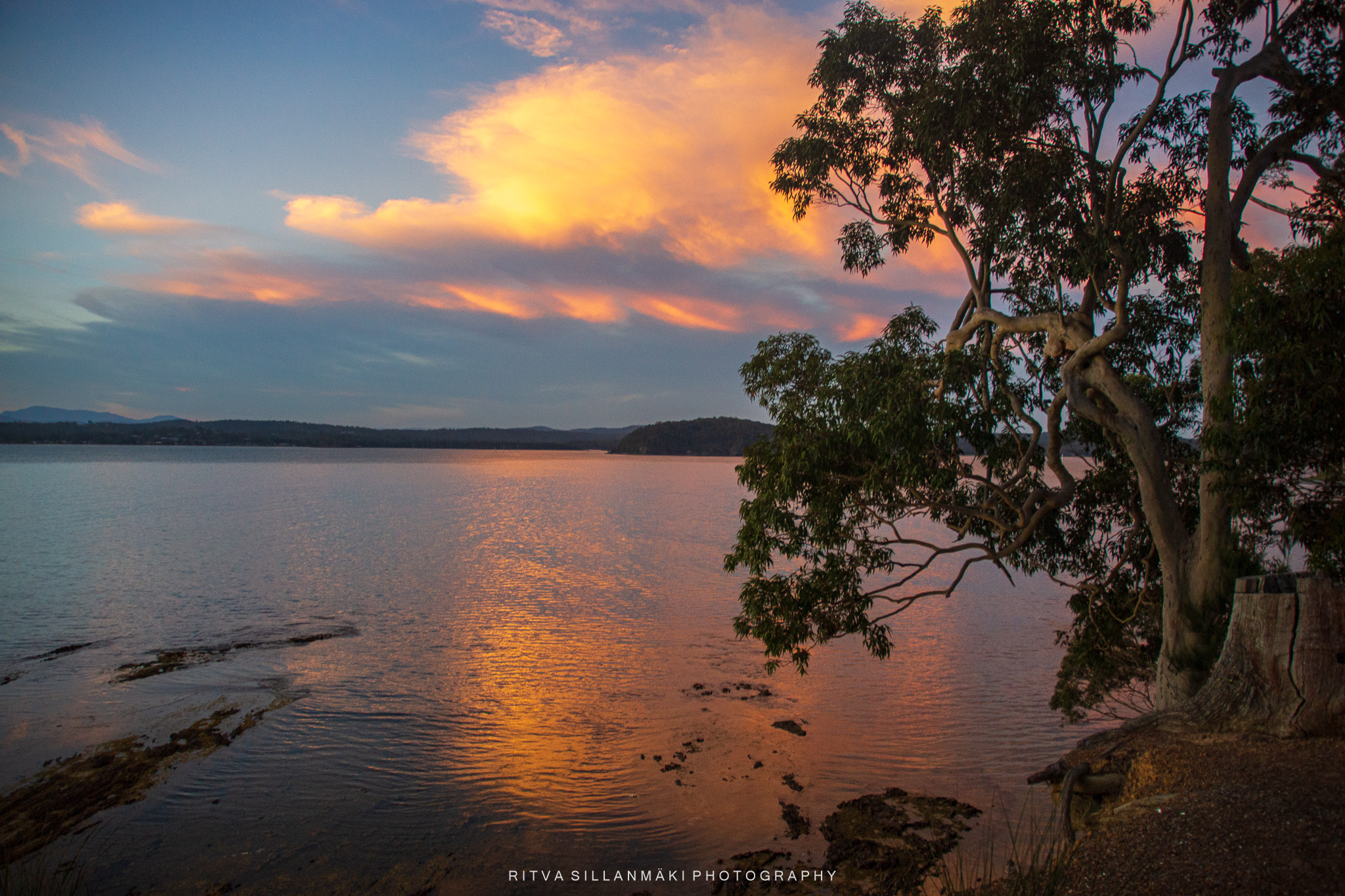
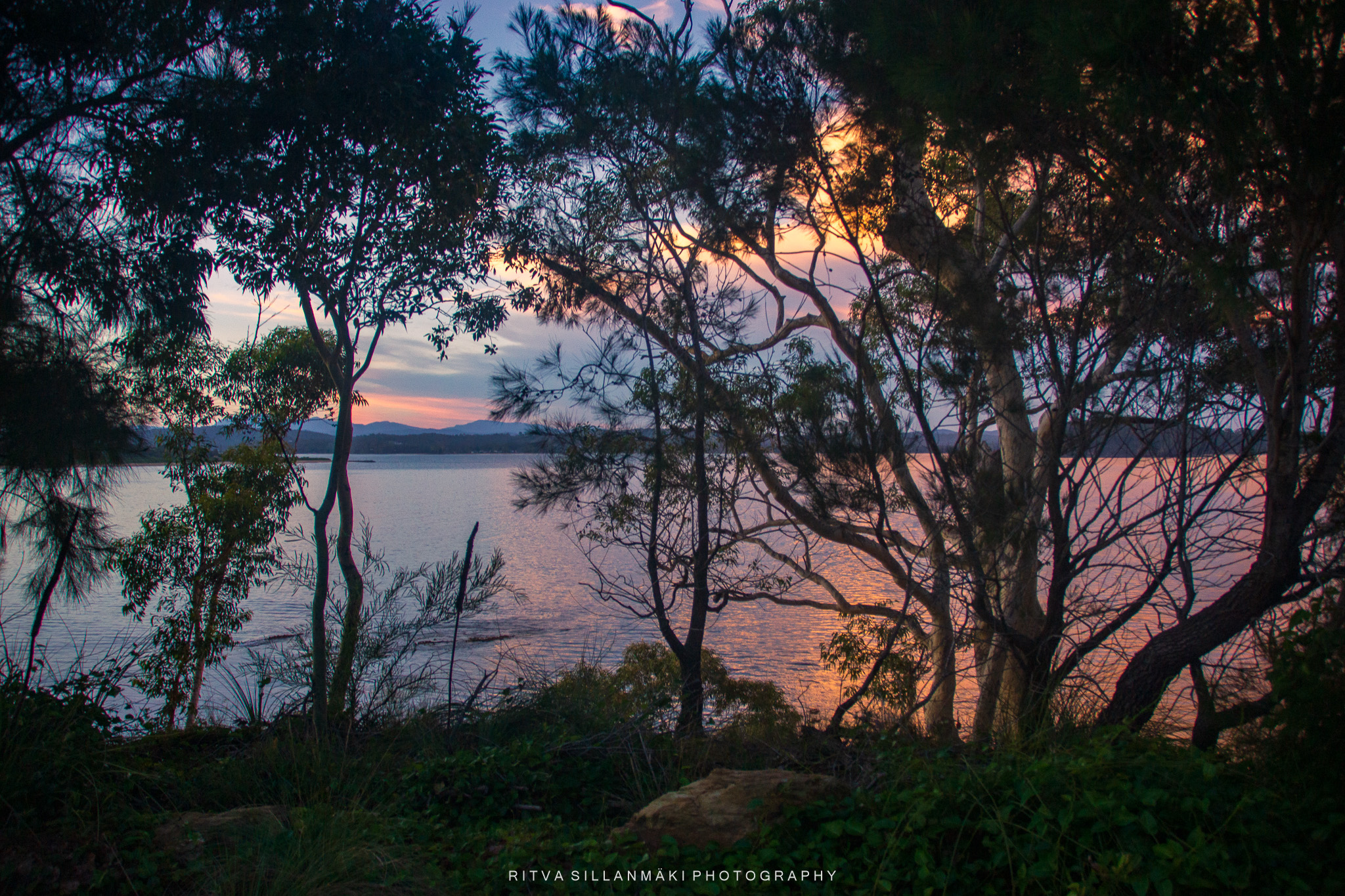
Sunset view through the trees at Caseys Beach, capturing the serene beauty of the Australian coast.
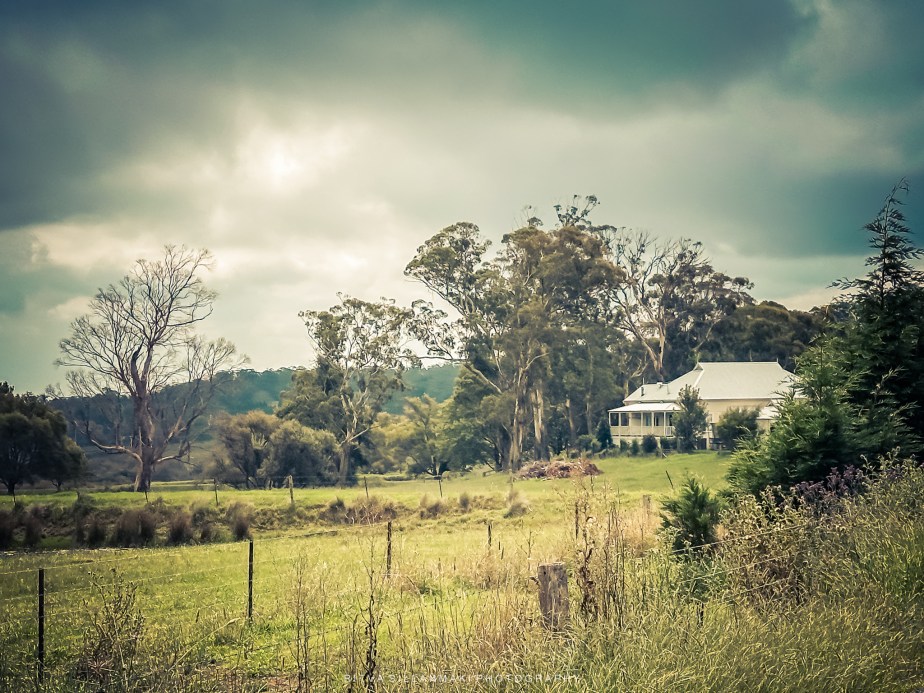
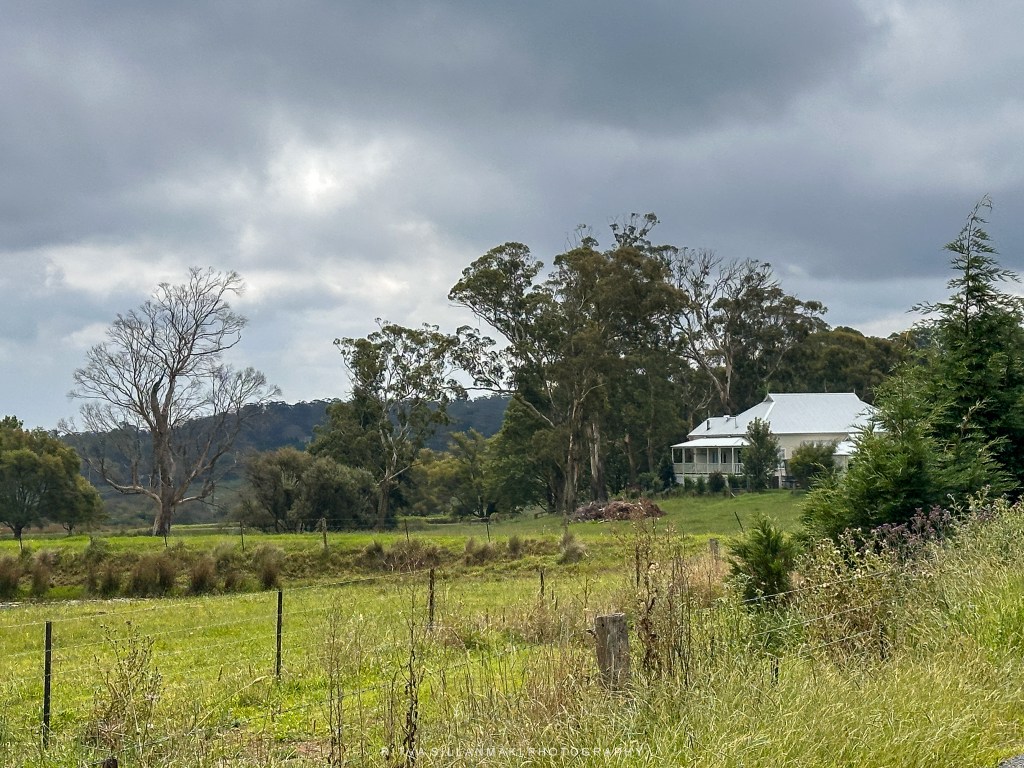
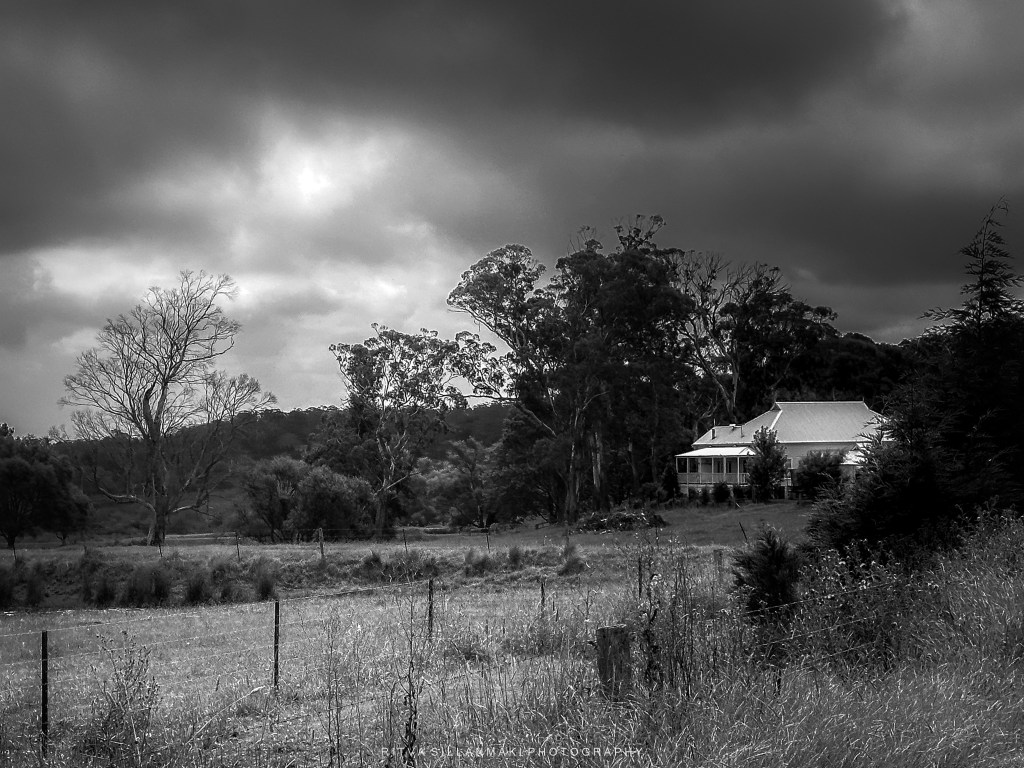
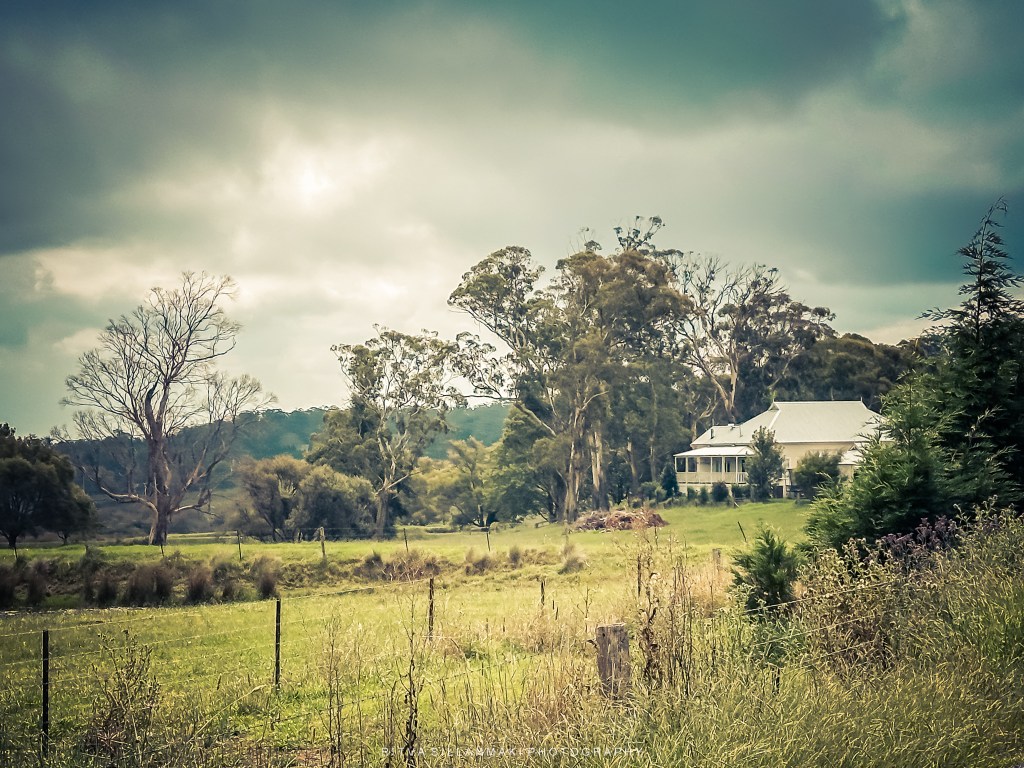
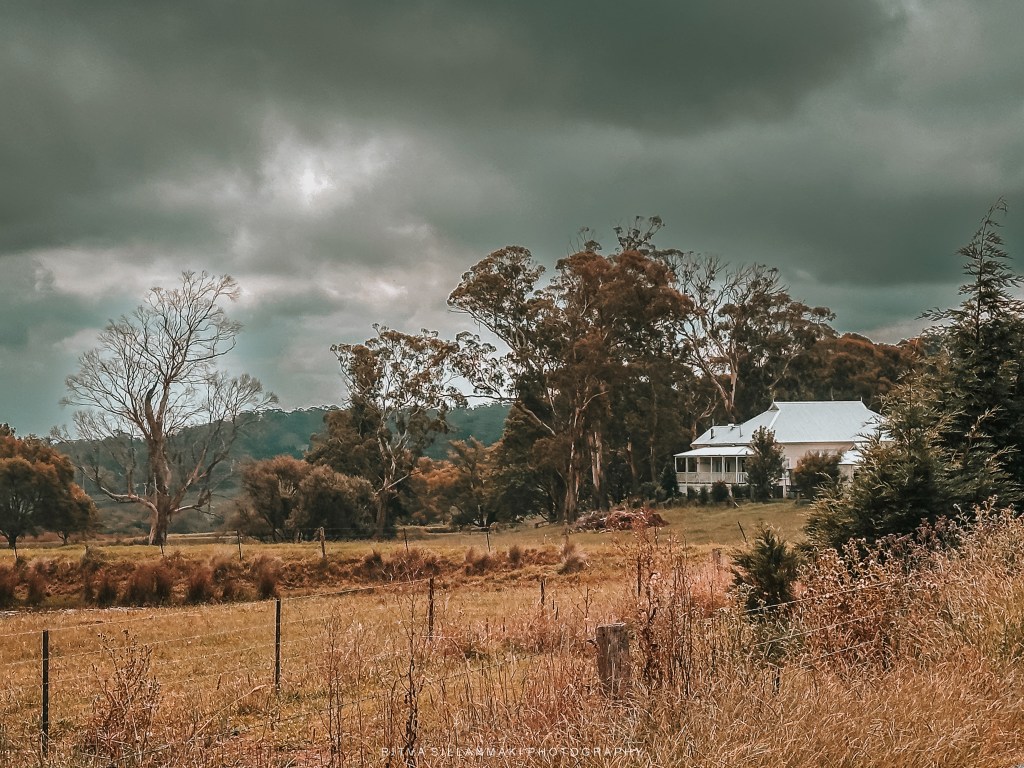
This was taken about a year ago, a rural landscape and farmhouse amidst lush greenery and distant hills in Mittagong, NSW, Australia. The scene was idyllic, under the cloudy sky. I did three edits and let the AI capture them; it was fun how it changed with each edit.This was fun, allowing me to explore various artistic interpretations and styles that breathed new life into the original image. Each version revealed a different aspect of the scenery, from subtle alterations in light and shadow to more pronounced changes in color saturation that transformed the overall mood of the photograph.
A scenic view of a rural landscape, farmhouse amidst lush greenery and distant hills in Mittagong, NSW, under a cloudy sky. Original image
A black and white landscape featuring a house amidst a moody sky and surrounding trees.
A tranquil rural landscape featuring a house surrounded by trees and open fields under a moody sky.( my additional text; A more Nostalgic and painterly effect.
A serene rural landscape featuring a charming house surrounded by tall trees and rolling hills under a moody sky. My additional text, Changing colors to more fall colors.
Our end-of-the-year challenge is this week. There is no specific Lens-Artist host for this challenge, as the team is acting as joint hosts for the week you can link any team member’s post in your response. You can also link to your post in any team member’s comment section.
The “rule” is that your chosen photographs must have been taken in 2025, and must not have been included in response to any of our 2025 challenges.
We embarked on a delightful journey to Australia early last year, traversing thousands of kilometers primarily along its scenic backroads. The diverse landscapes we encountered stood in stark contrast to those familiar to us in Finland, showcasing nature’s breathtaking variety. As we drove, a serene silence enveloped us, occasionally broken by our reflections on the stunning scenery that unfolded before our eyes. Each vista offered a new canvas, rich with color and texture, inviting us to pause and appreciate the beauty of the moment. It was during this trip that I captured the majority of my photography for the year. The memories and experiences of our Australian adventure remain etched in my mind, a reminder of the wonder found in exploration.
My pursuit for photos, was nonexistent, didn’t yield the abundance of stunning shots this year other than the ones I got during our trip. I did get some, but this time for this post, I have decided to focus my shots on that visit.
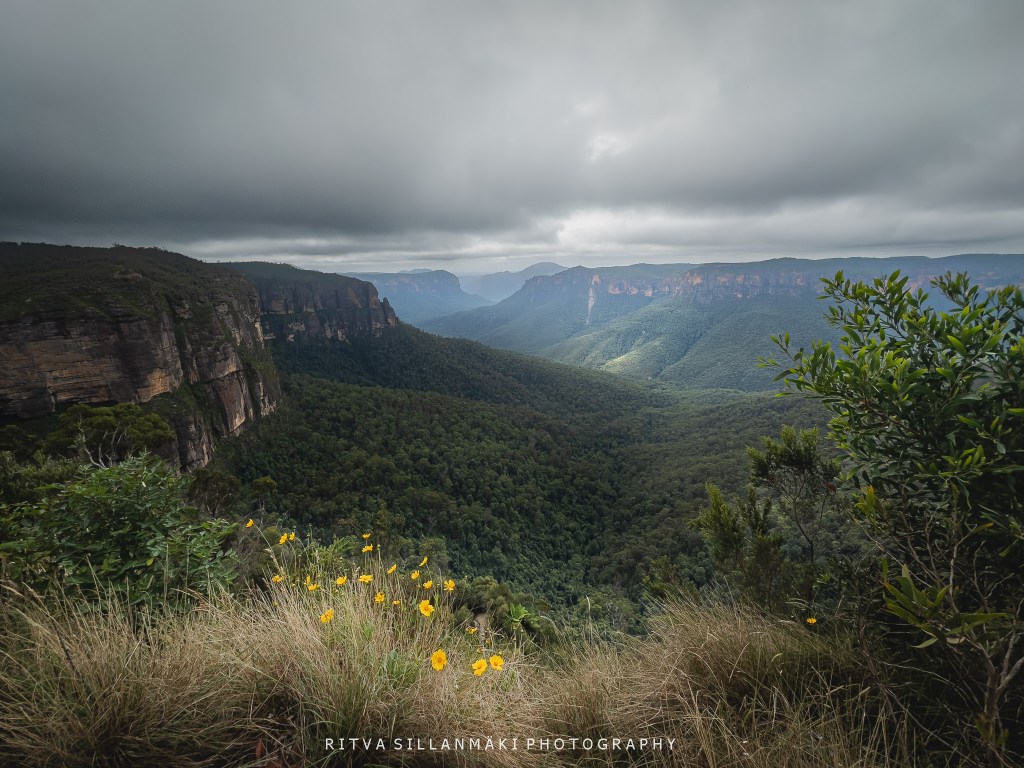
A panoramic view of lush green valleys and dramatic cliffs under a moody sky, capturing the beauty of the natural landscape at Blue Mountains.
The stunning Blue Mountains, with their breathtaking peaks and lush valleys, left me utterly captivated. The rich tapestry of the forest below, filled with towering eucalyptus trees and vibrant wildlife, created a picturesque landscape that was impossible to forget. The combination of crisp mountain air and the distant sound of cascading waterfalls added to the location’s charm, making it one of the most unforgettable destinations we had the pleasure of exploring. The unique blue haze that envelops the mountains, formed by the oils released from the trees, only intensified their mystique and beauty, drawing visitors into a serene world of natural wonder.
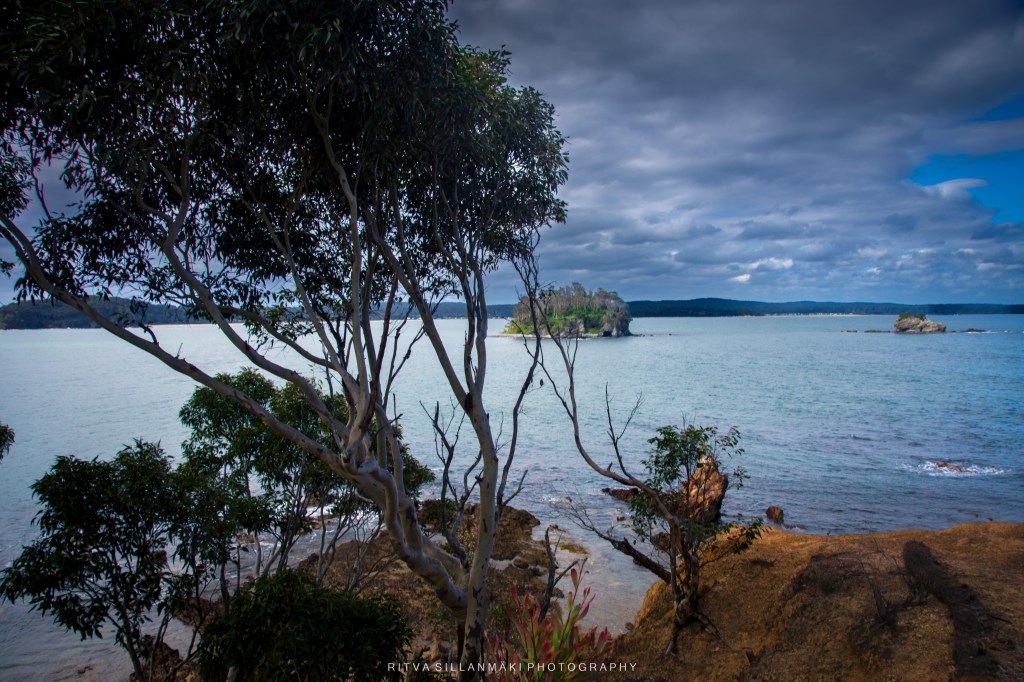
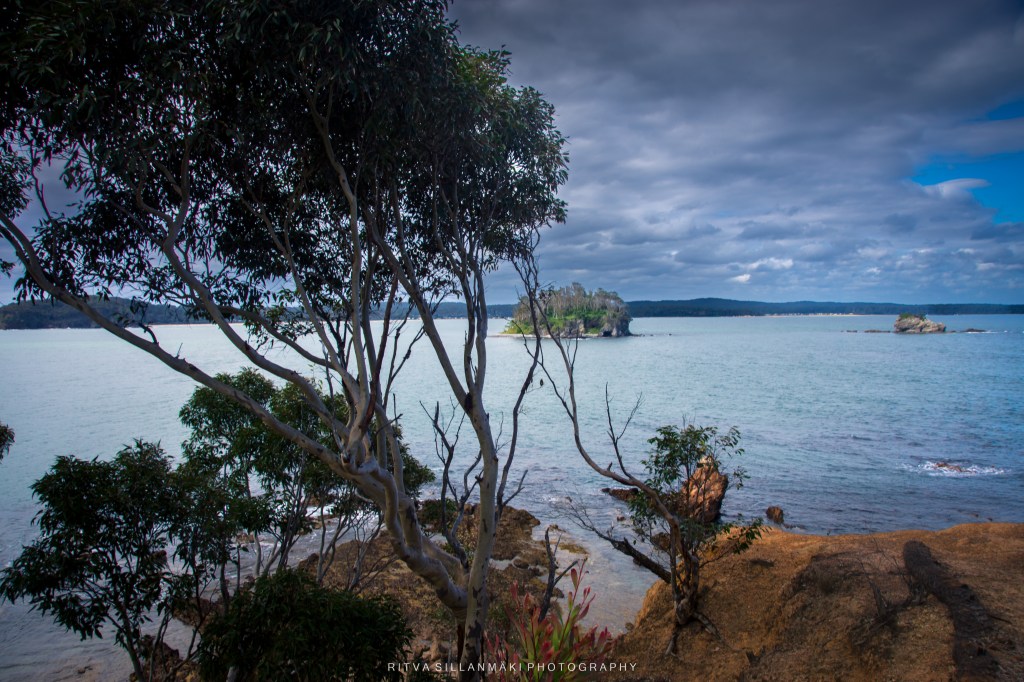
View to Snapper Island in front of Caseys beach with lush trees and rocky outcrops under a cloudy sky.
We enjoyed a two-week stay at my cousin’s place in Caseys Beach, and I absolutely adored gazing at the sea; at night, I listened to the waves as we fell asleep. I must admit, she resides in my dream location, and while I realize I will never have that, it’s certainly a beautiful spot to visit.
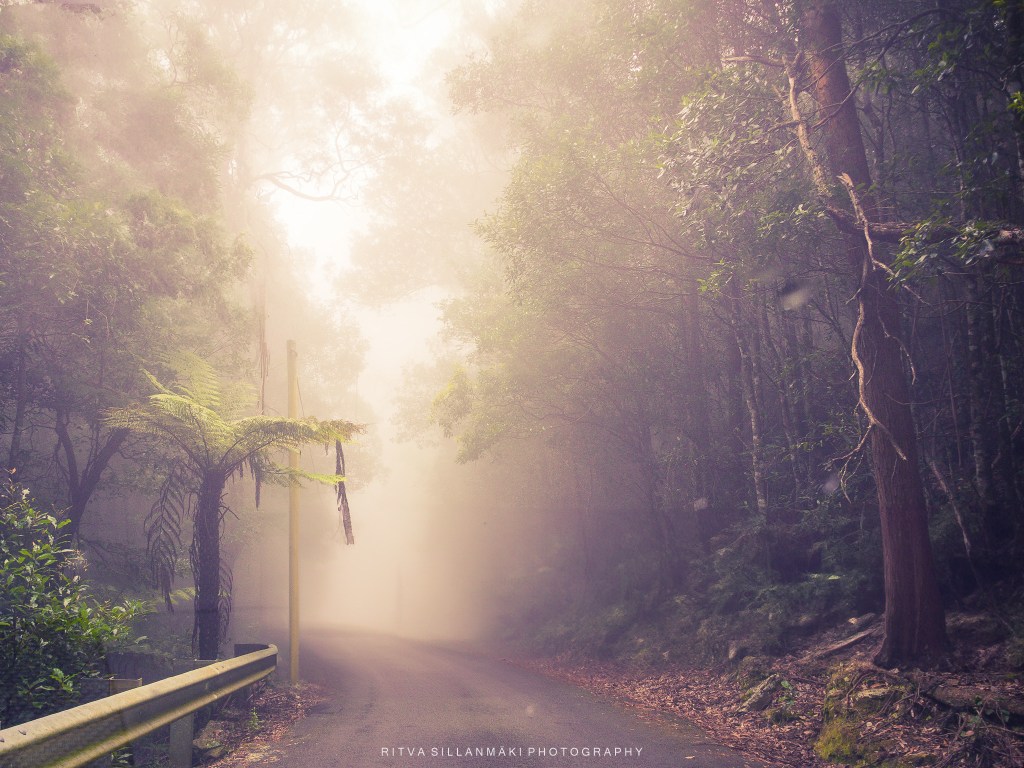
A serene, foggy road surrounded by lush greenery on our way to Blue Mountains inviting exploration and adventure.
Those who know me are aware of my love for misty imagery; fog and mist continually inspire my photography. On the morning we drove up the mountain, the fog was so dense that visibility was minimal, yet a light shimmered in the distance, gradually revealing itself as the mist began to lift. I have taken a bit of artistic liberty with the edit – adding a touch more sunlight into the image. But I like the end result.
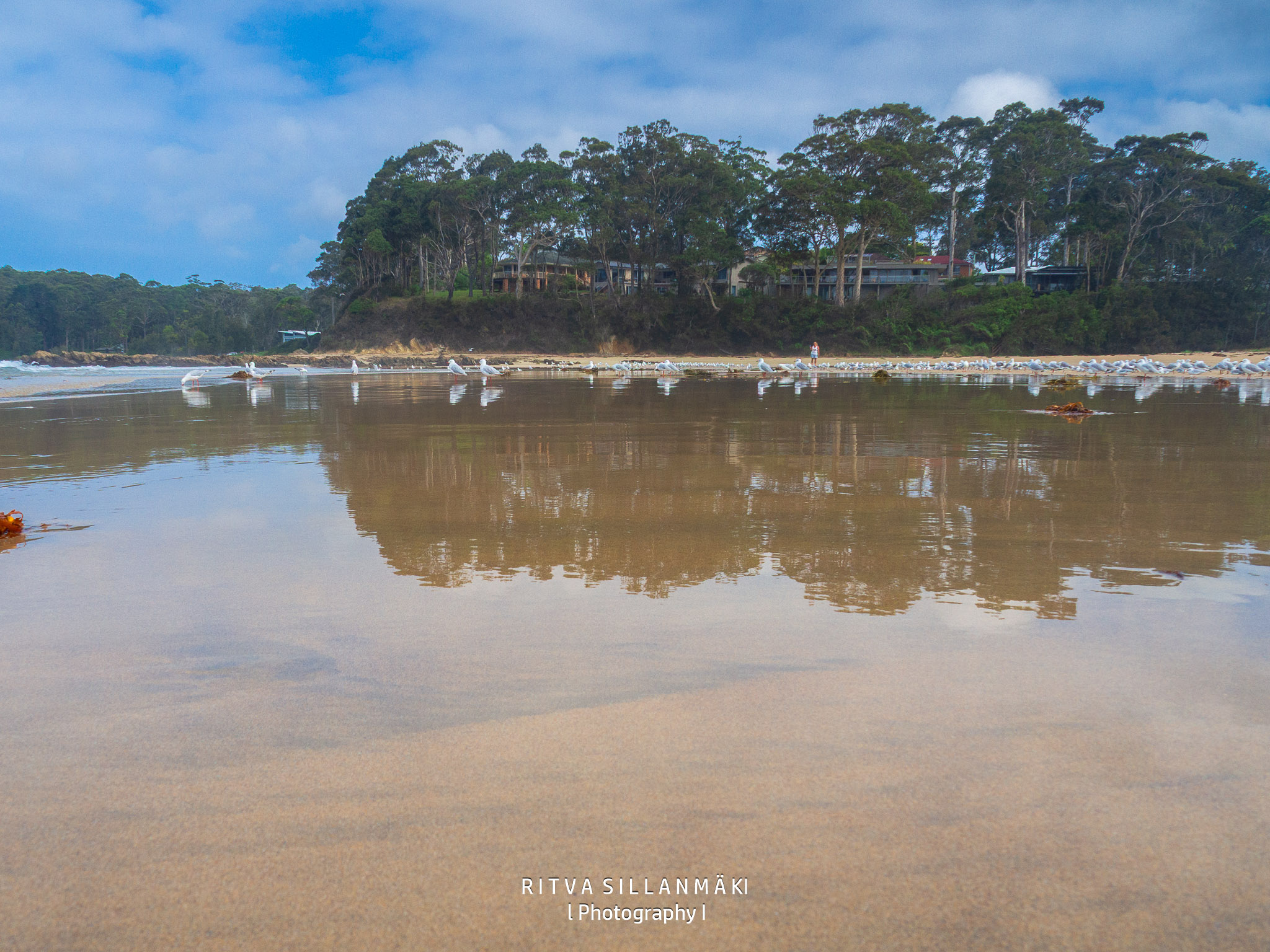
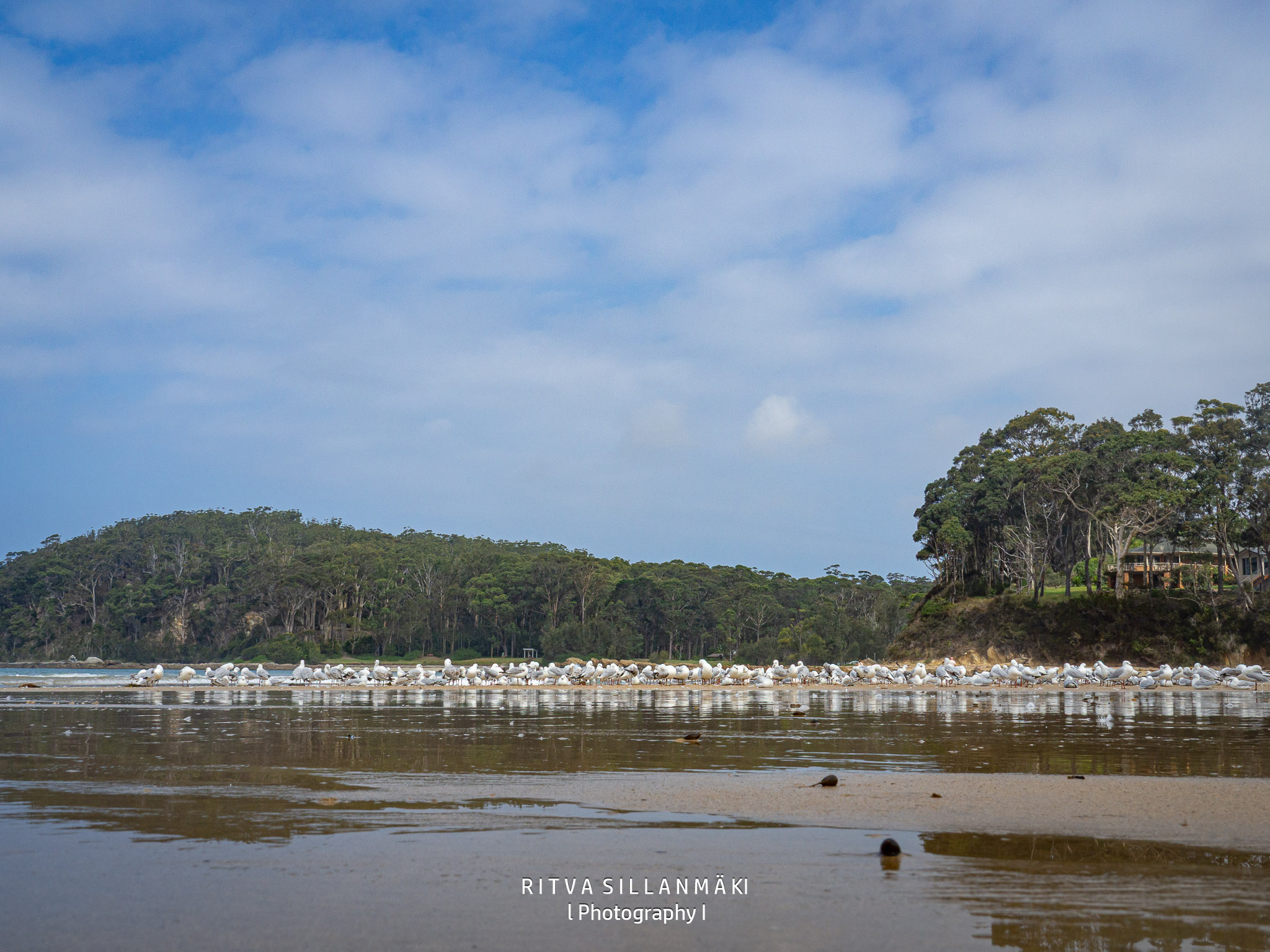
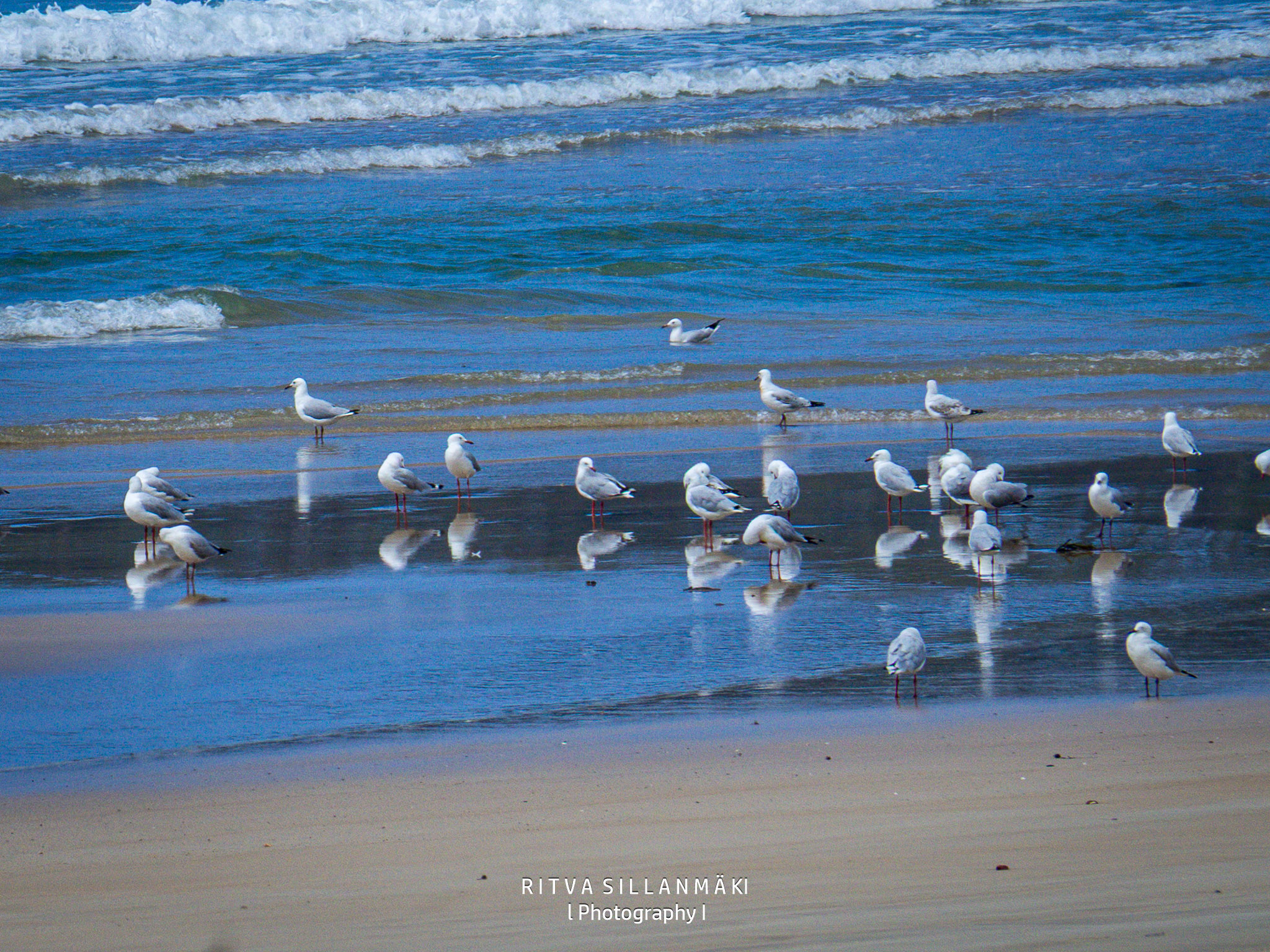
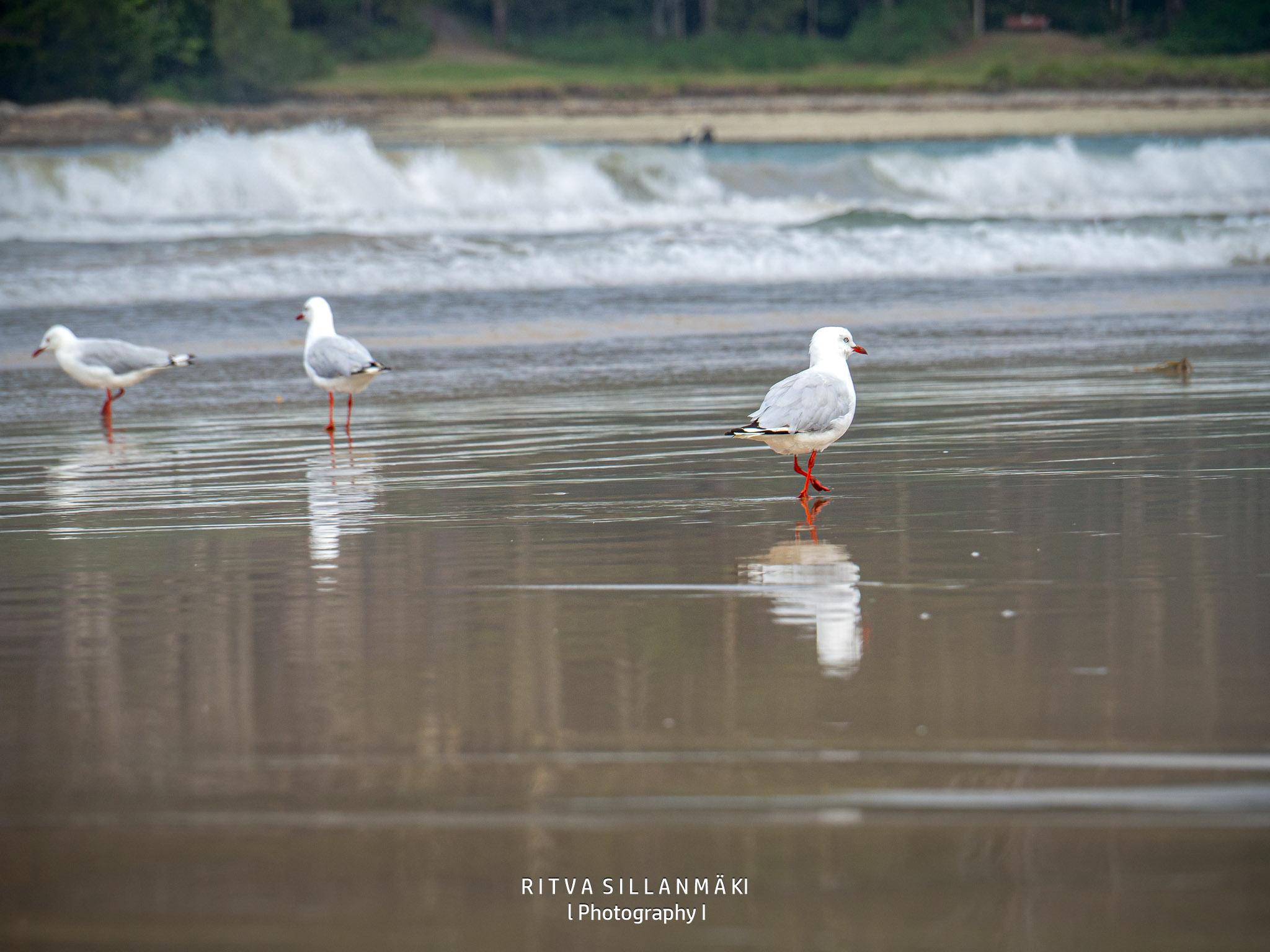
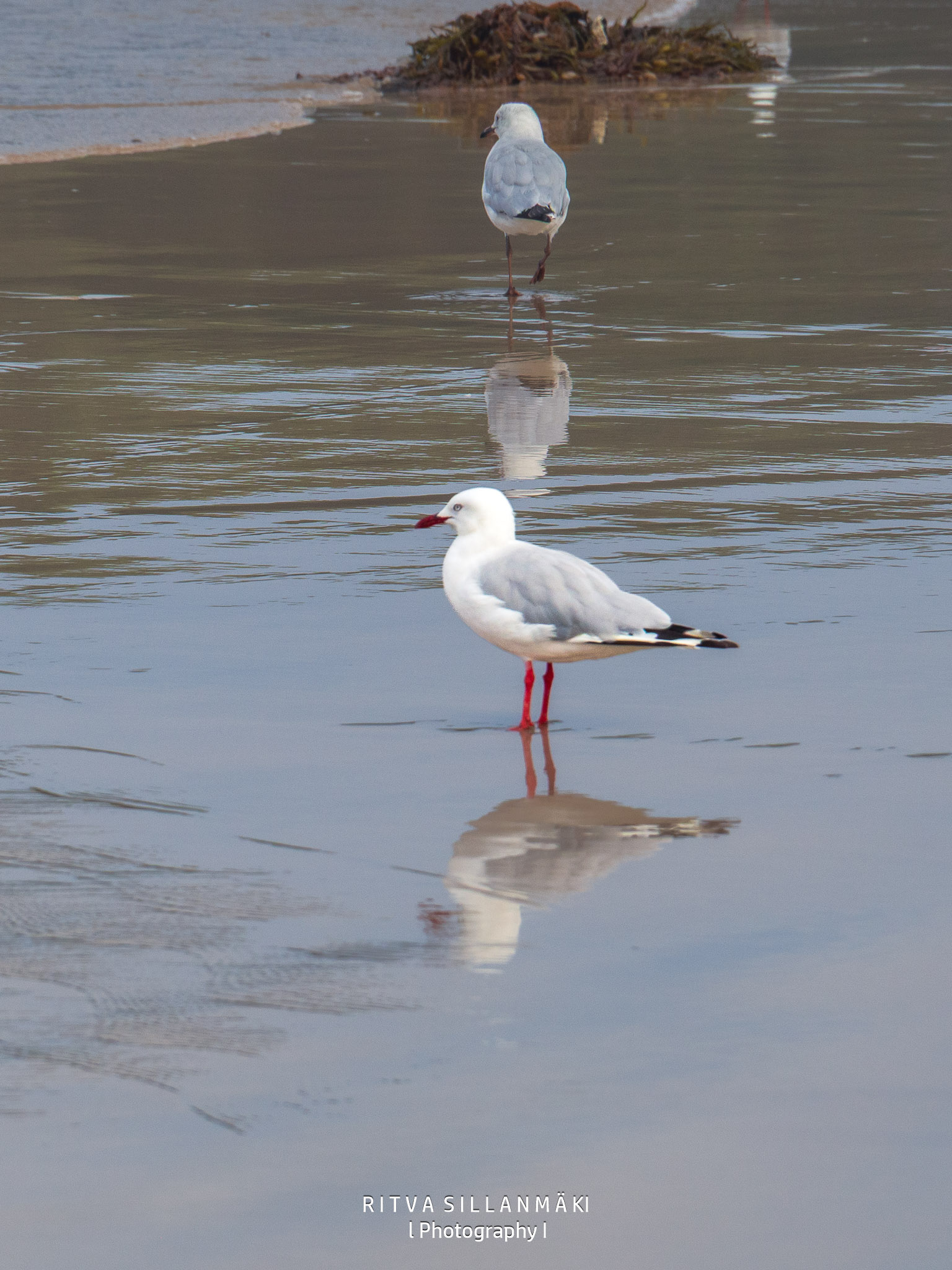
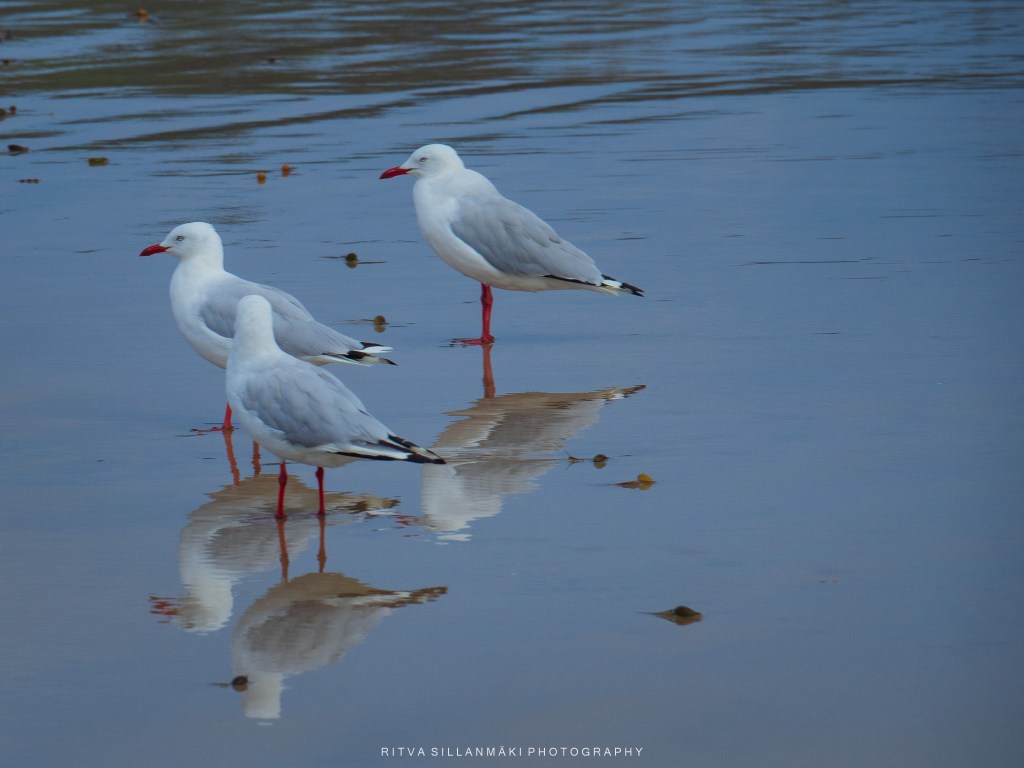
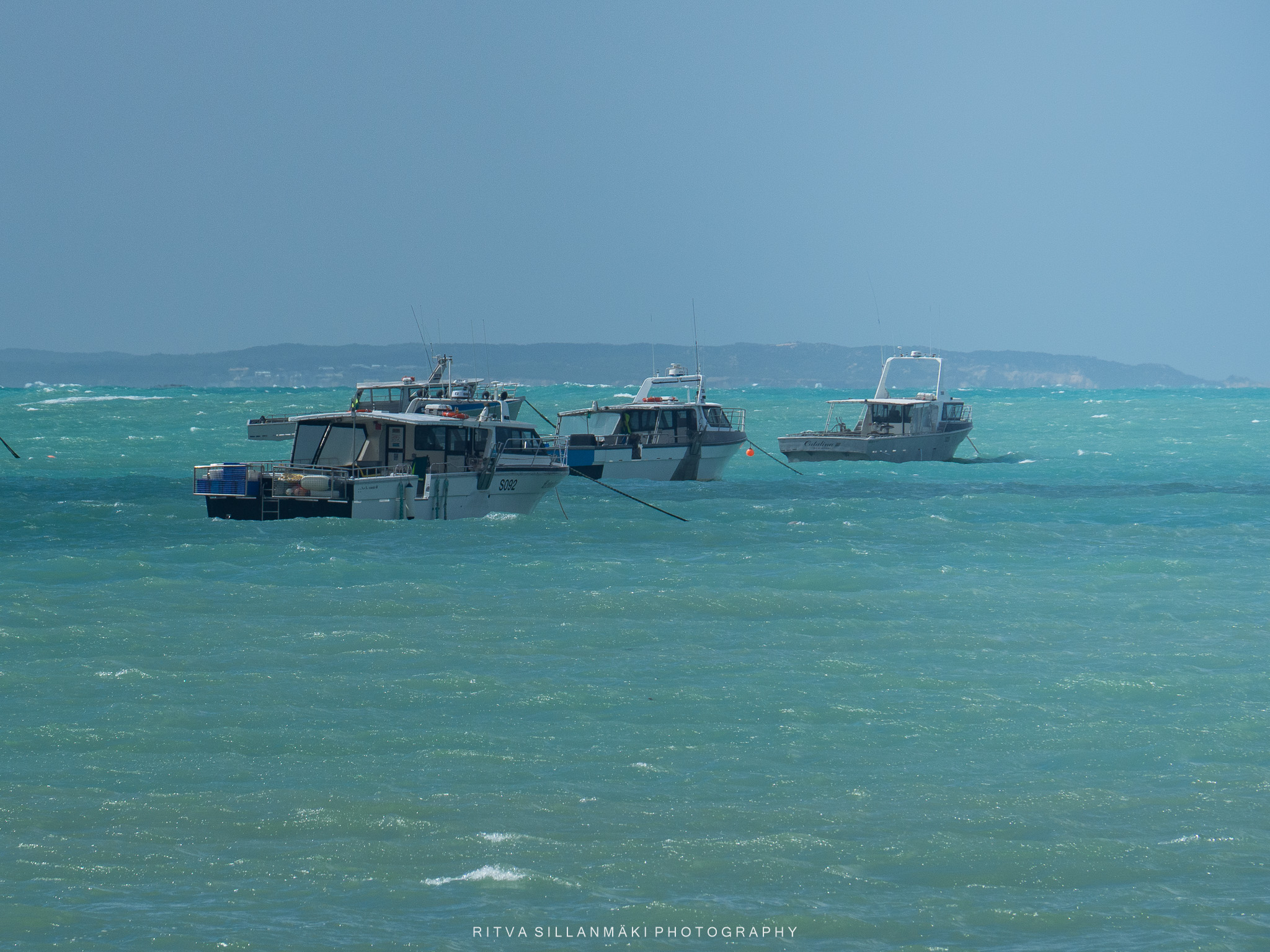
Three seagulls standing on a reflective shoreline with calm water at Surf Beach in NSW.
The beaches in Australia are breathtaking, characterized by their pristine white sands and crystal-clear waters, making them perfect for beachgoers eager to soak up the sun and surf. I absolutely love watching the waves gently roll in. During my visit to Surf Beach, I encountered a flock of seagulls; compelled by sight of them, I approached for a closer look. This led to one of my favorite photographs, showcasing the stunning reflections they cast on the glistening wet surface.
There are more than 100 ocean-fed rock pools along the NSW coast and the Blue Pool in Bermagui is regularly ranked among the prettiest. This gem along the Sapphire Coast is all opaline hues, think azure fading to turquoise to blush and then canary yellow. Clamber down the cliff and you’re greeted by the 50 metre-long seawater swimming hole and stunning sea views.
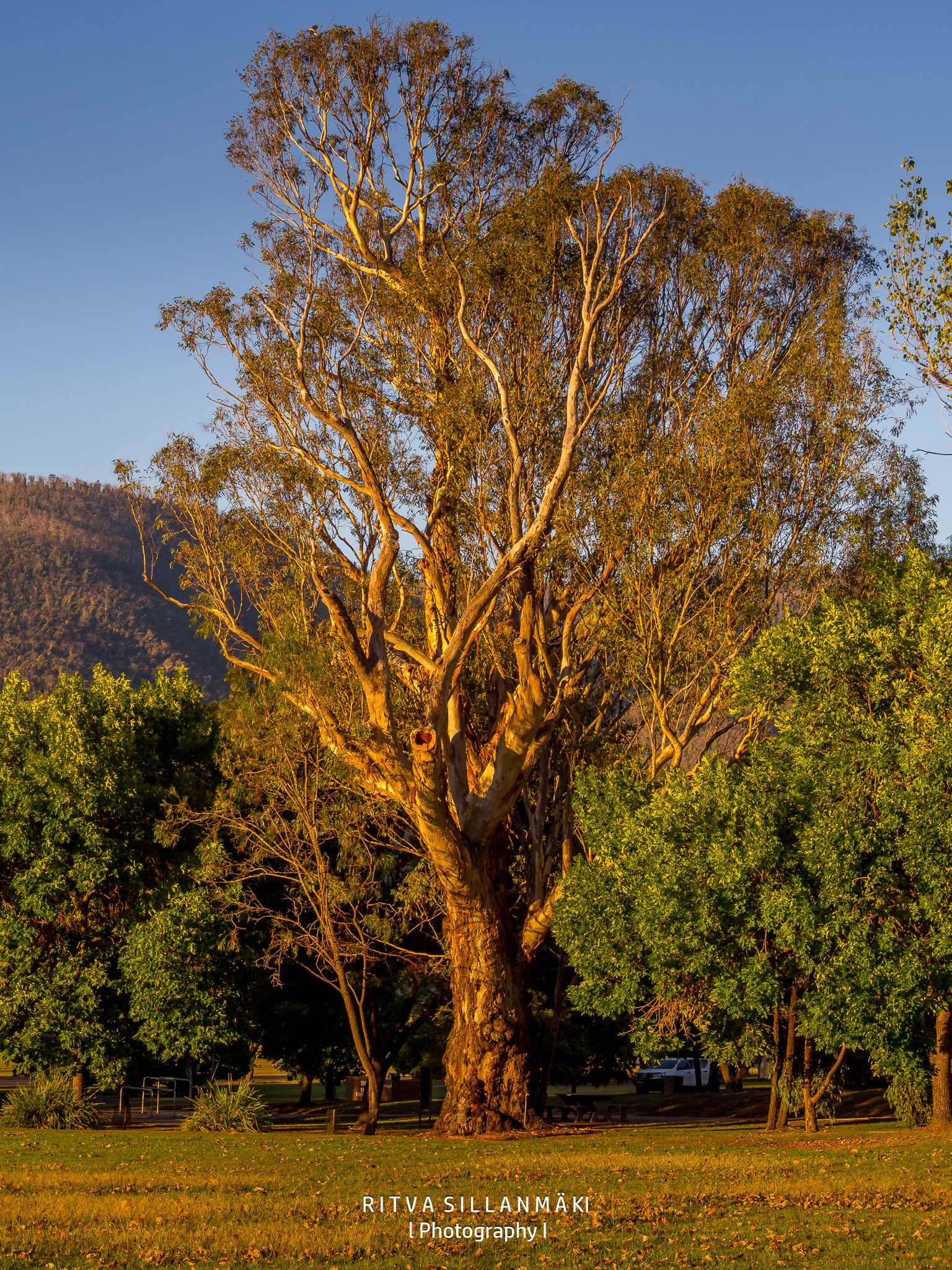
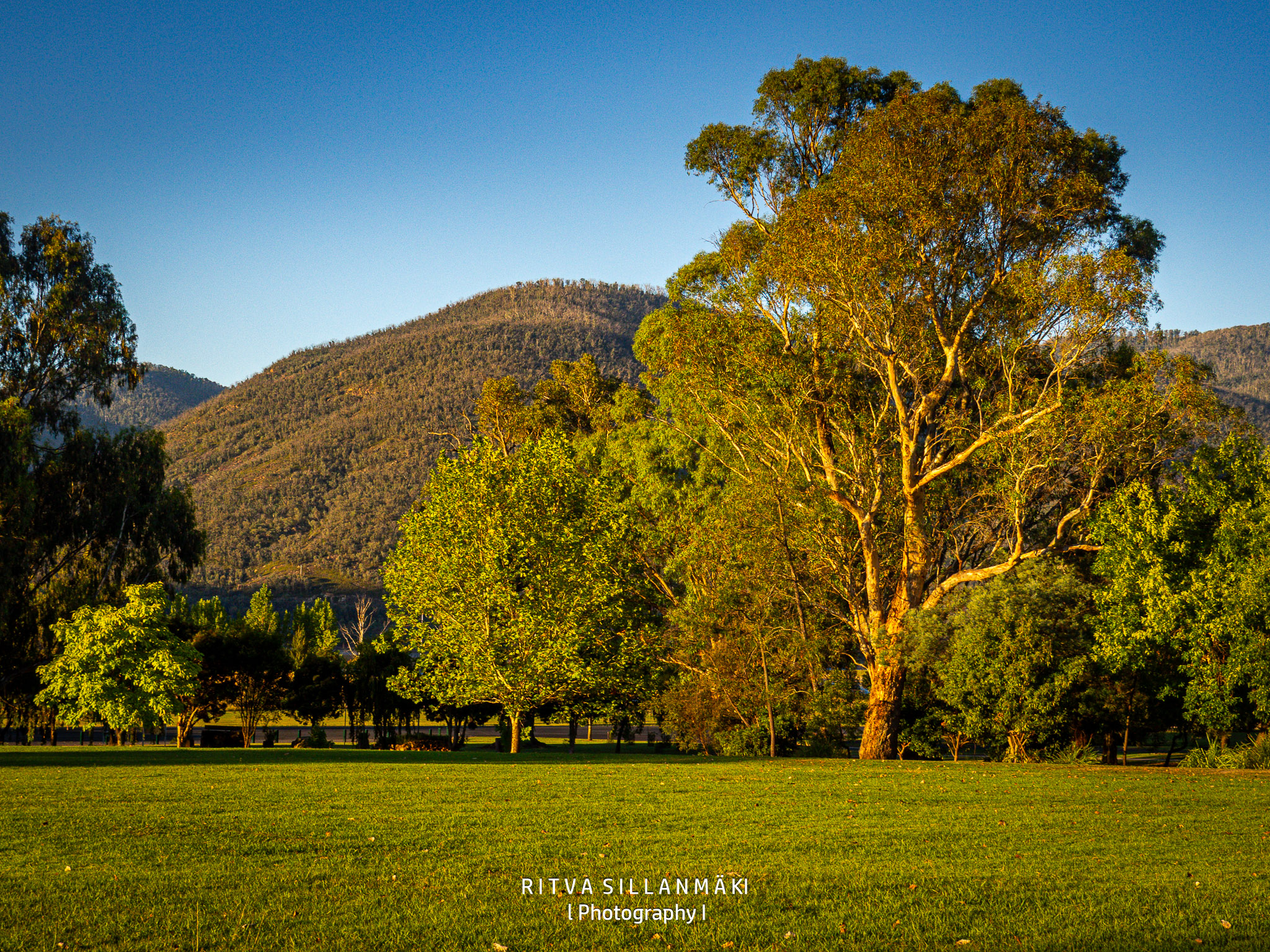
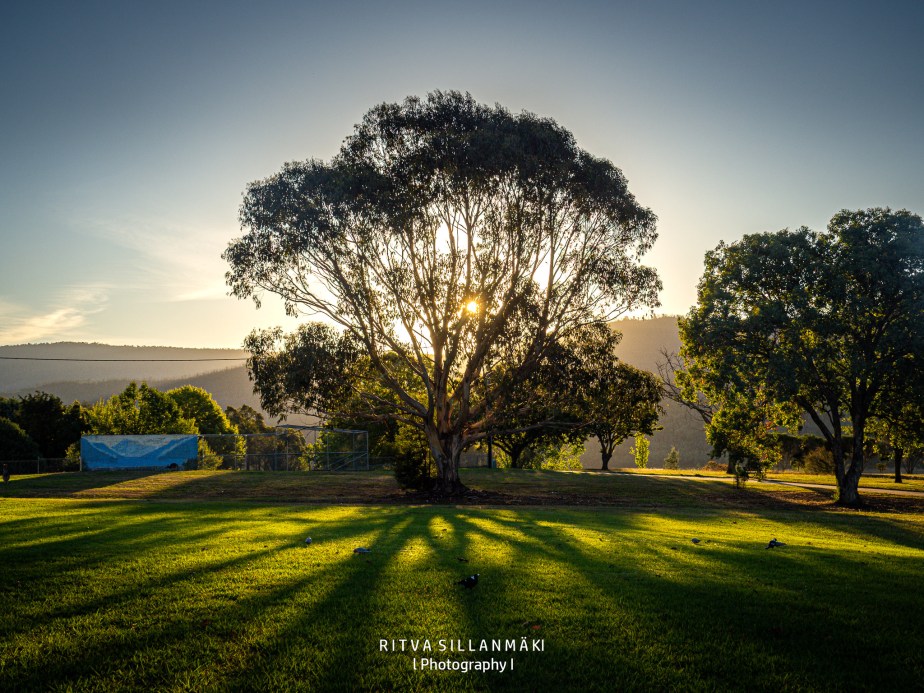
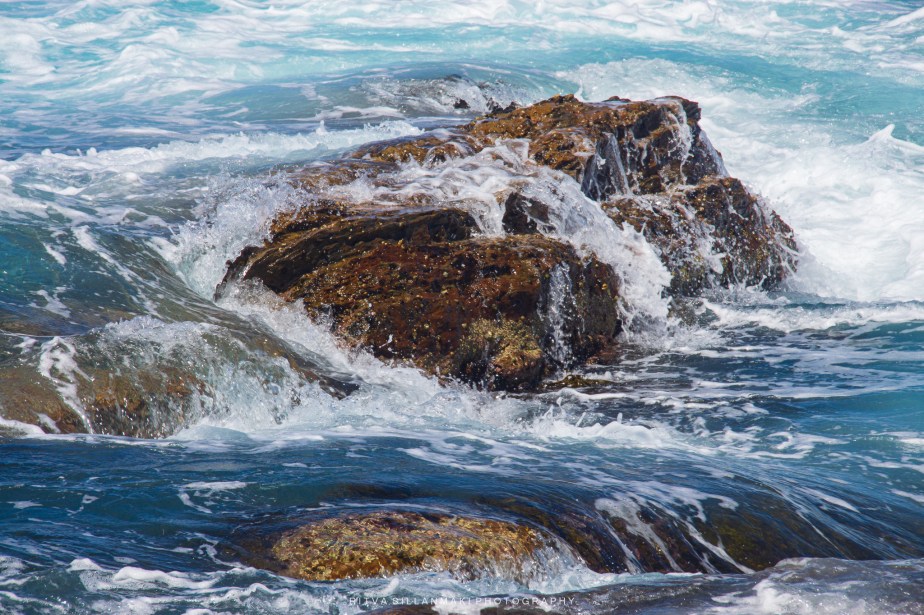
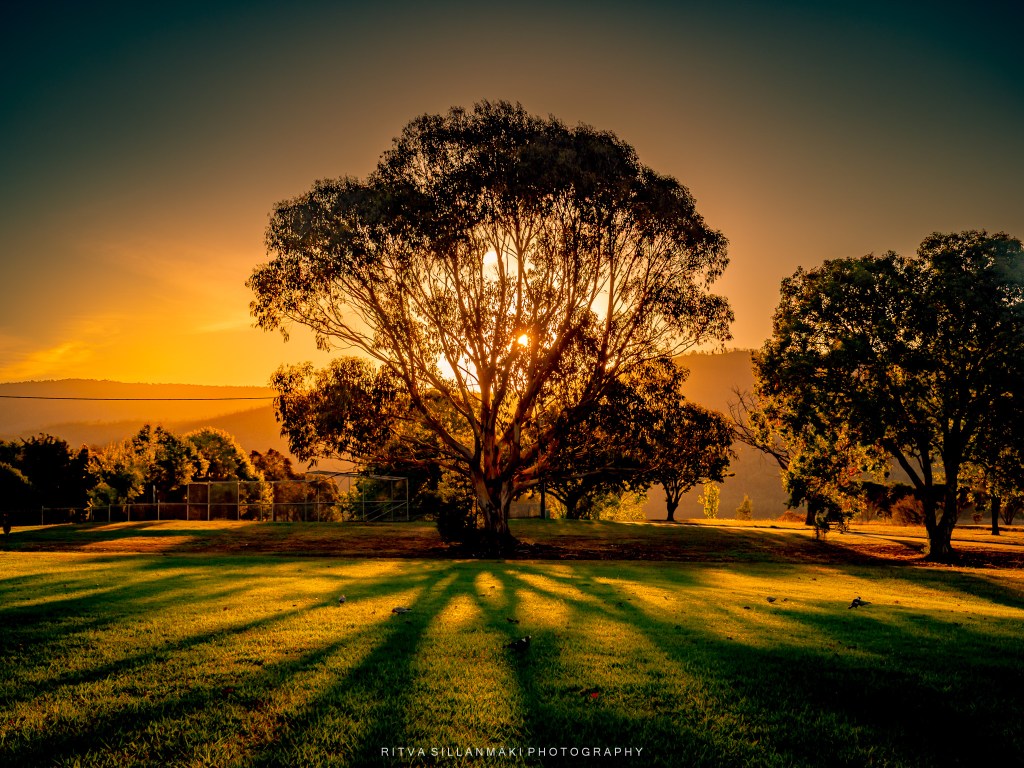
Vibrant ocean waves crash against rocky shores, showcasing Australia’s stunning coastal beauty ar Bermagui beachA stunning sunset behind a large tree, casting dynamic shadows on the green lawn in Talbingo NSW
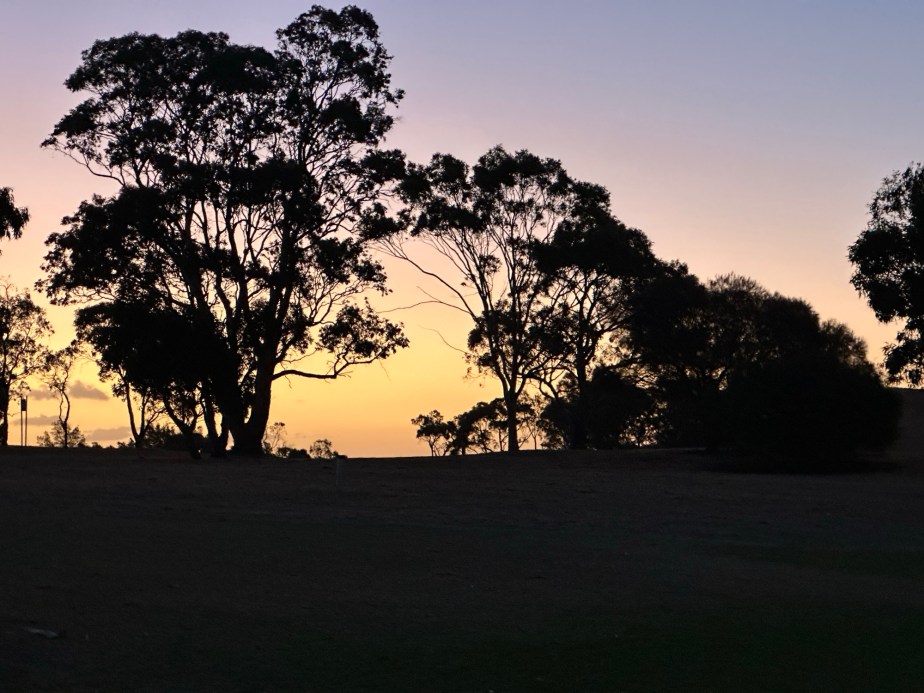
Talbingo is a charming small town nestled in a breathtaking mountain setting, which I’ve had the pleasure of visiting twice due to my cousin residing there. Known for its stunning landscapes, it’s a picturesque spot. During my visit, I was captivated by a beautiful sunset behind this tree. During our visit to Australia, we saw so many gorgeous sunsets, and this was one of them.
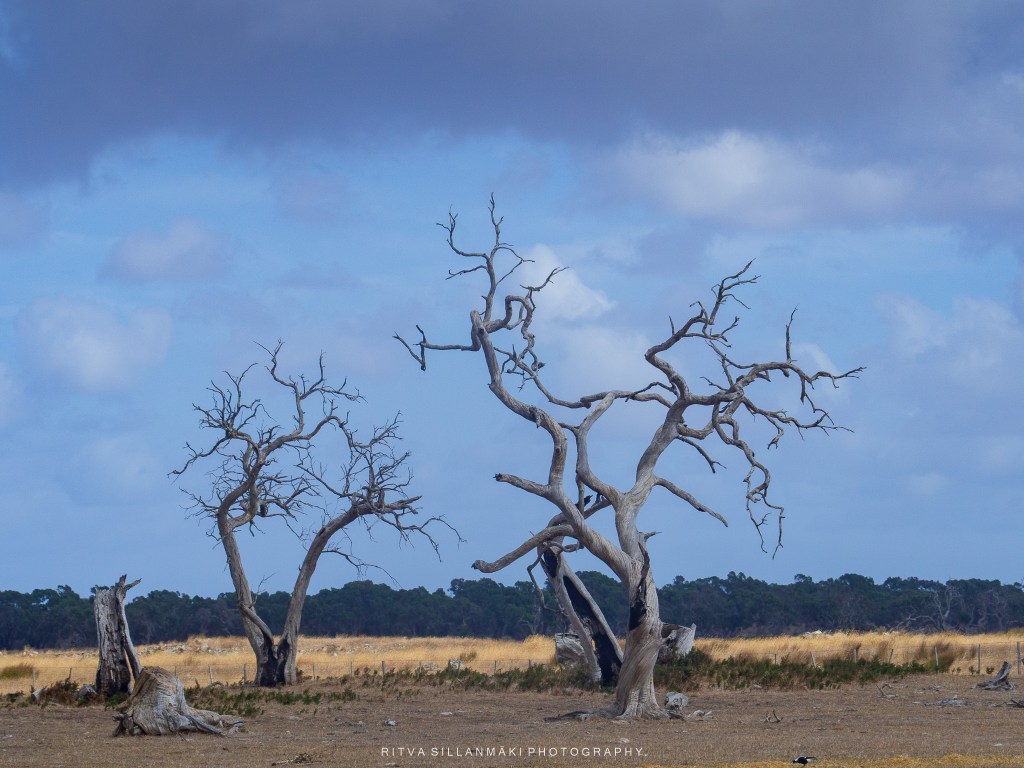
A striking view of dry trees against a blue sky, highlighting the contrast of nature’s resilience somewhere on the road in Australia.
The aftermath of wildfires reveals strikingly expressive tree trunks, each bearing a unique story etched into their bark. These charred remnants stand as testament to nature’s resilience, captivating our attention and inviting us to capture their haunting beauty through photography. The textures and patterns formed by the flames create artful contrasts, making each trunk a powerful symbol of both destruction and renewal, begging to be immortalized in stunning images.
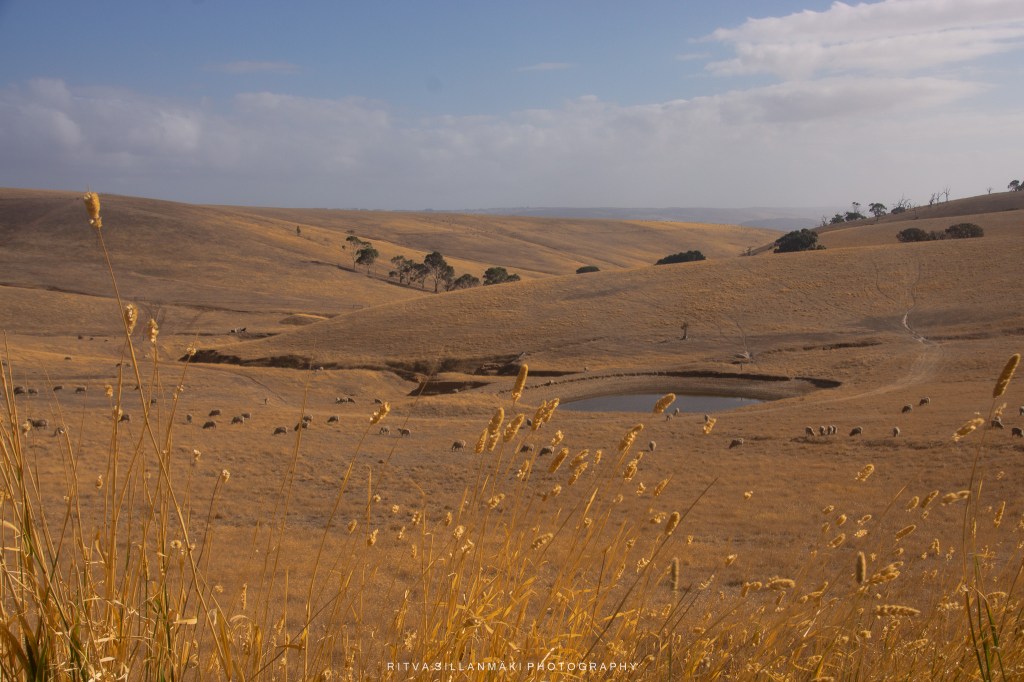
Rolling golden hills and grazing sheep in the Australian countryside.
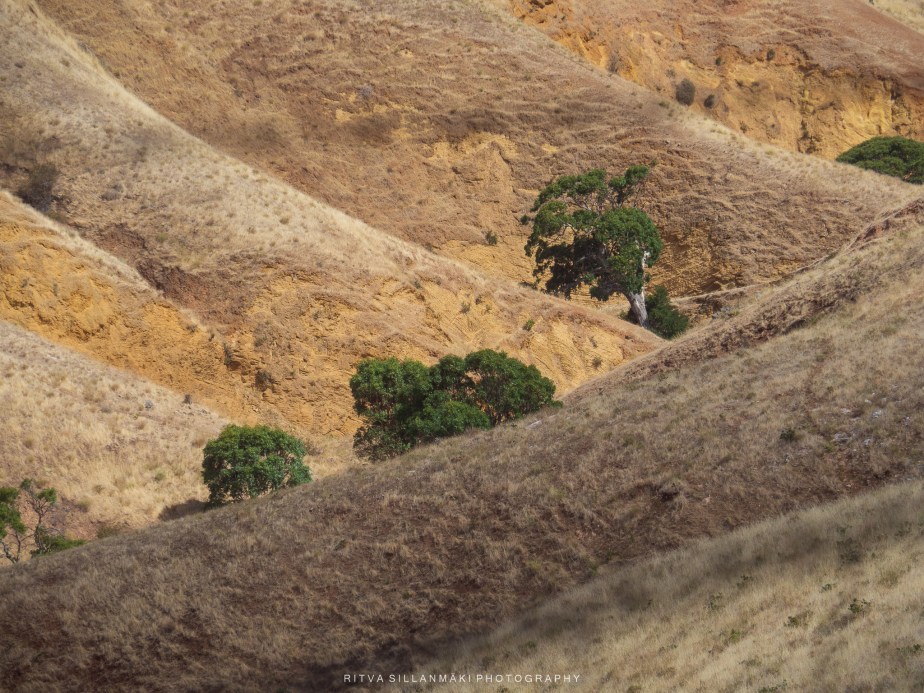
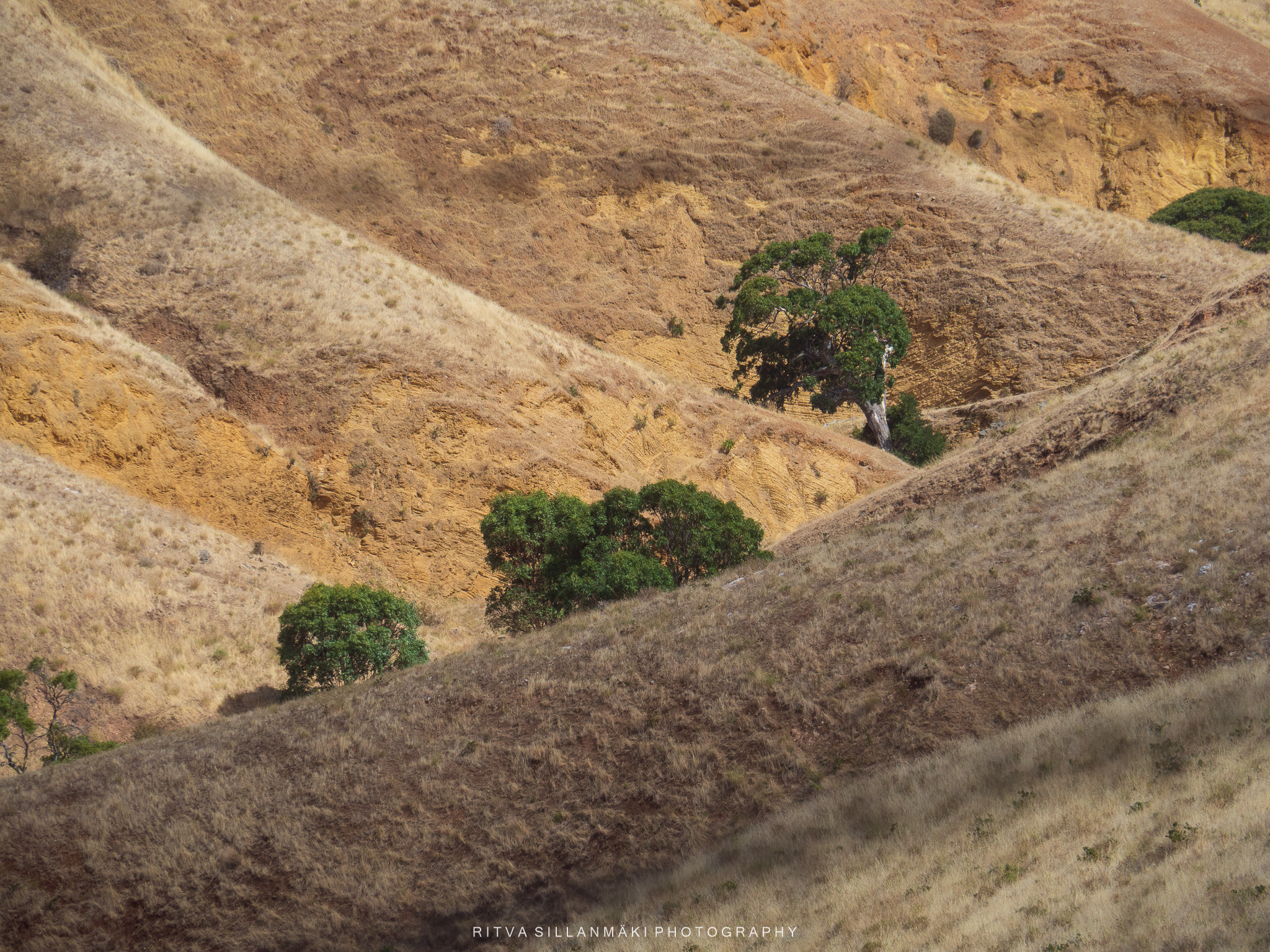
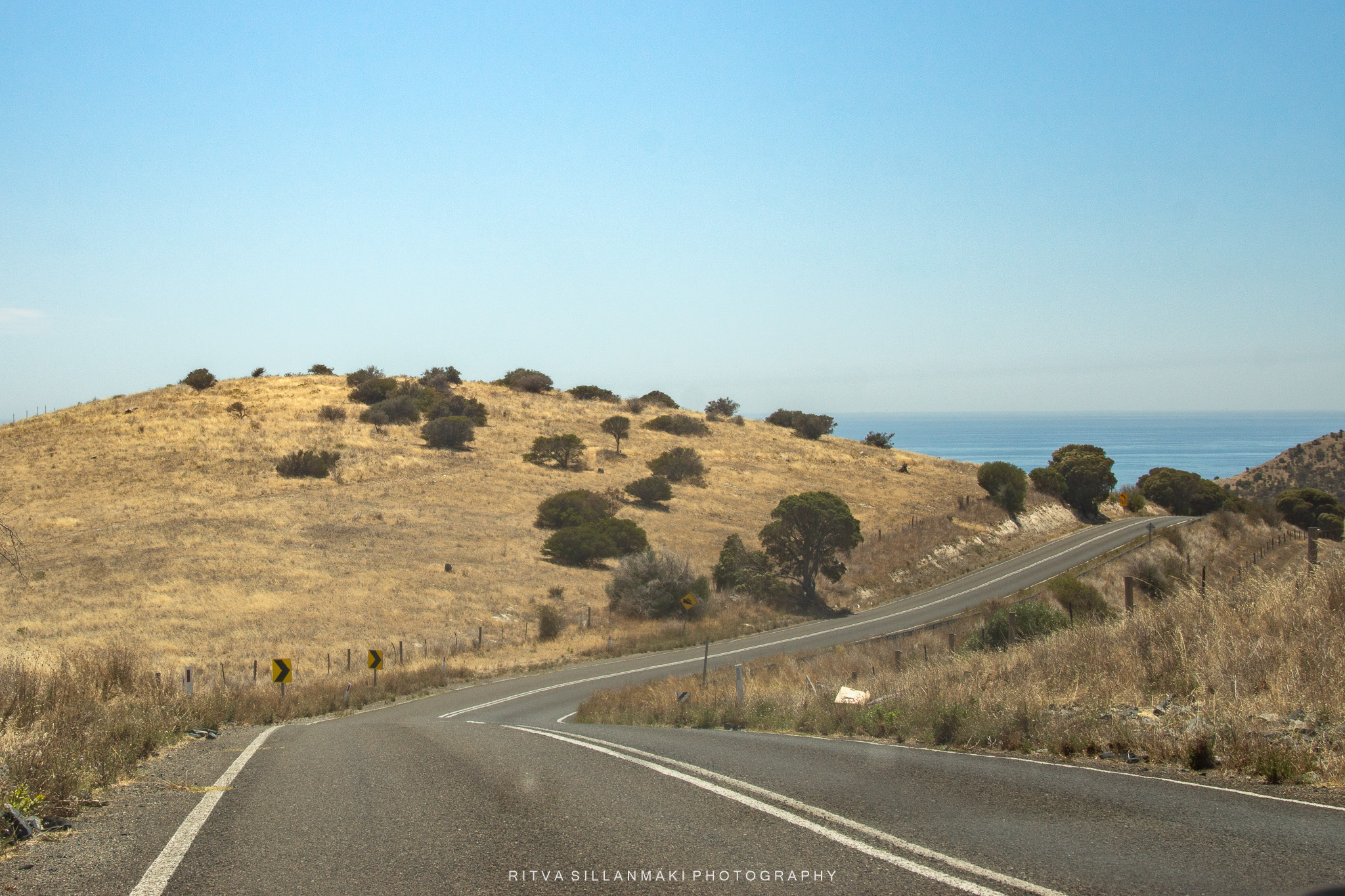
The rolling hills of South Australia were breathtaking, adorned with a palette of lovely, muted earth tones that painted the landscape with a serene beauty. Amidst this picturesque scenery, flocks of sheep grazed peacefully, their woolly coats blending seamlessly with the gentle slopes, while clusters of cows wandered nearby, adding to the idyllic charm of this rural paradise.
As we step into the New Year, new challenges await us starting next week, offering fresh opportunities for creativity and expression. I an happy to share that Anne from Slow Shutter Speed will once again grace us with her photographic journey, inspiring us with a new theme Saturday, January 11, at noon EST. Expect to see lovely photos that showcase her unique perspective but also inspiring words that will accompany them, encouraging us all to join in. Let’s embrace this new adventure together with open hearts and imaginations!
Please remember to link your post here, or to any or all of the other Lens-Artists team members. Also, remember to use the Lens-Artists Tag to help us find you.
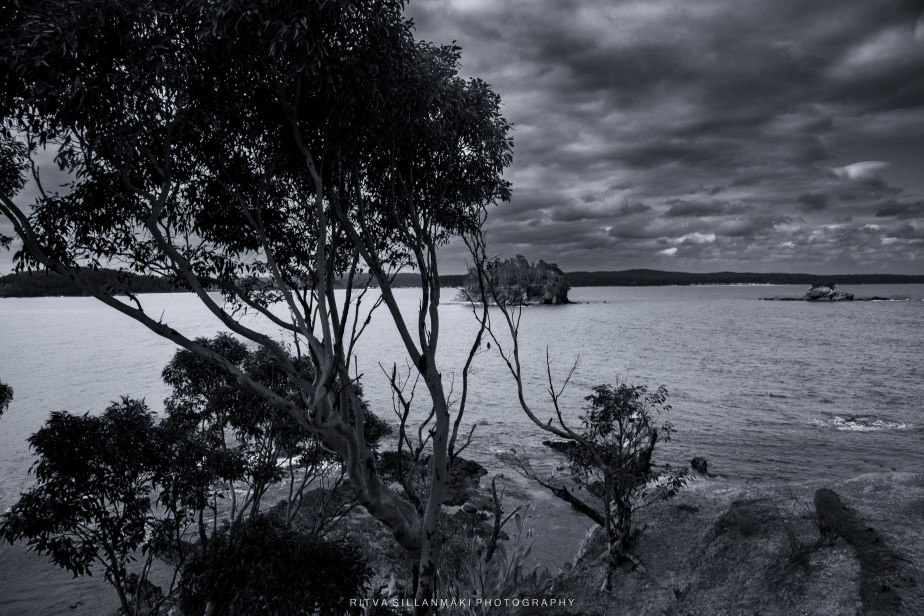
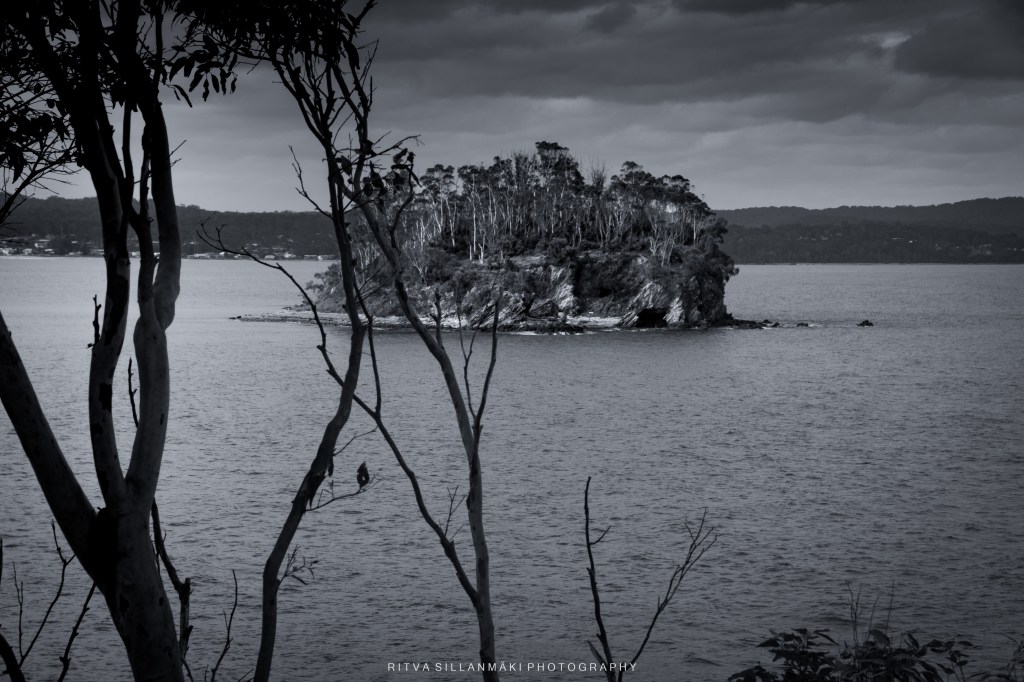
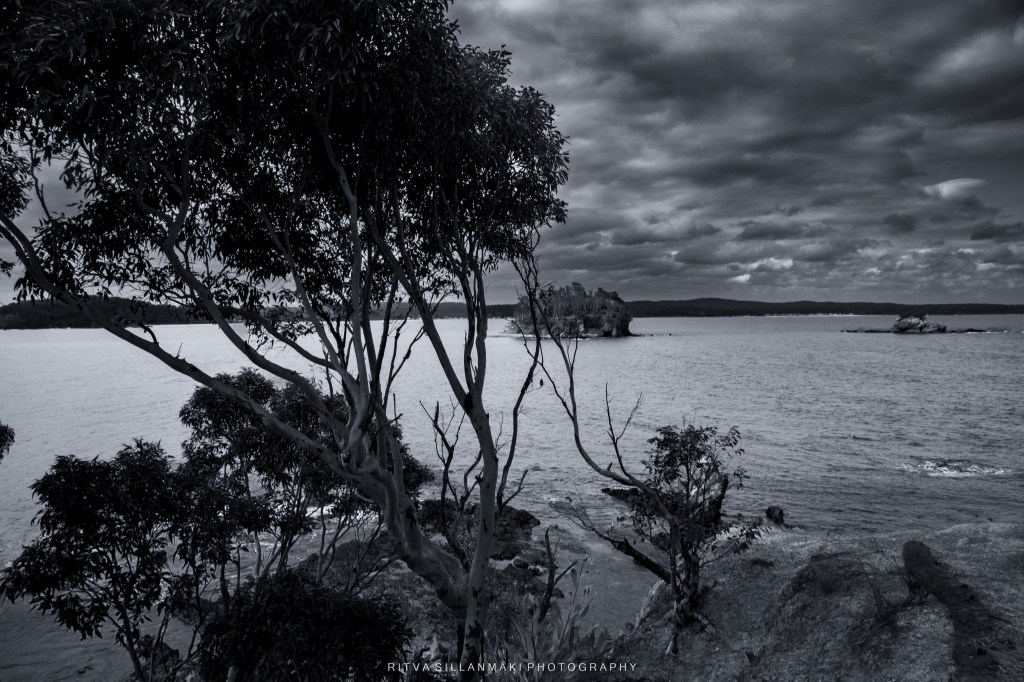
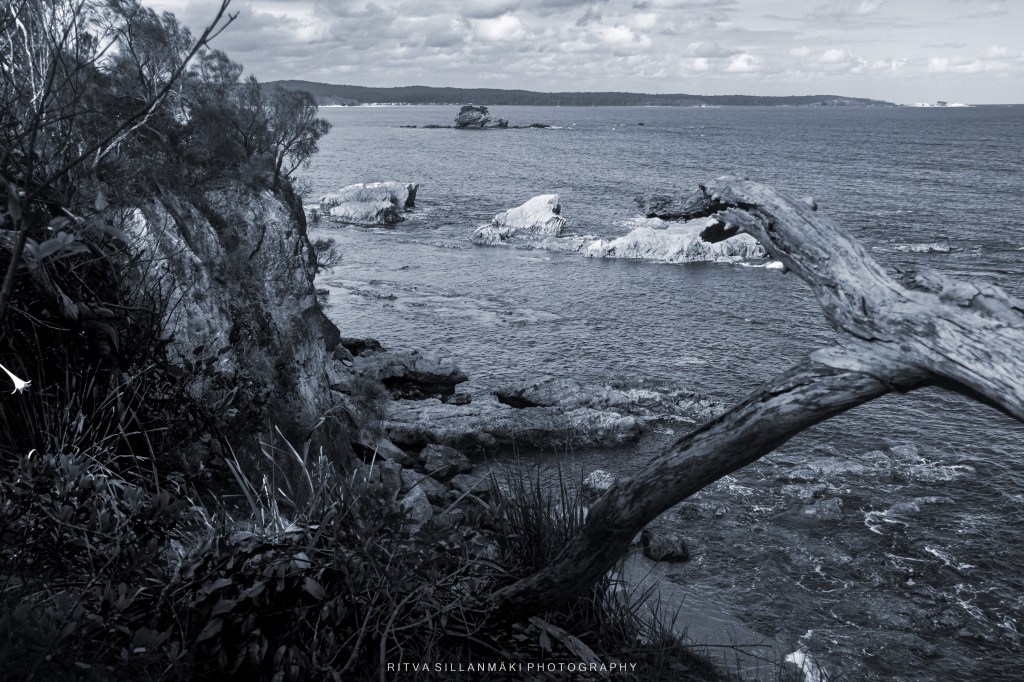
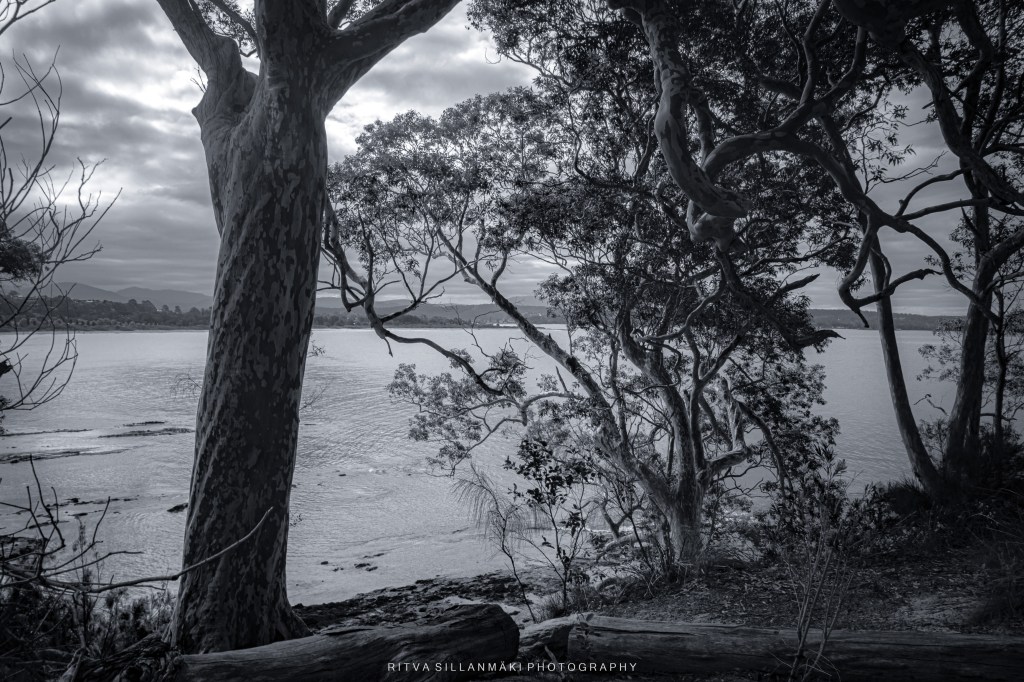
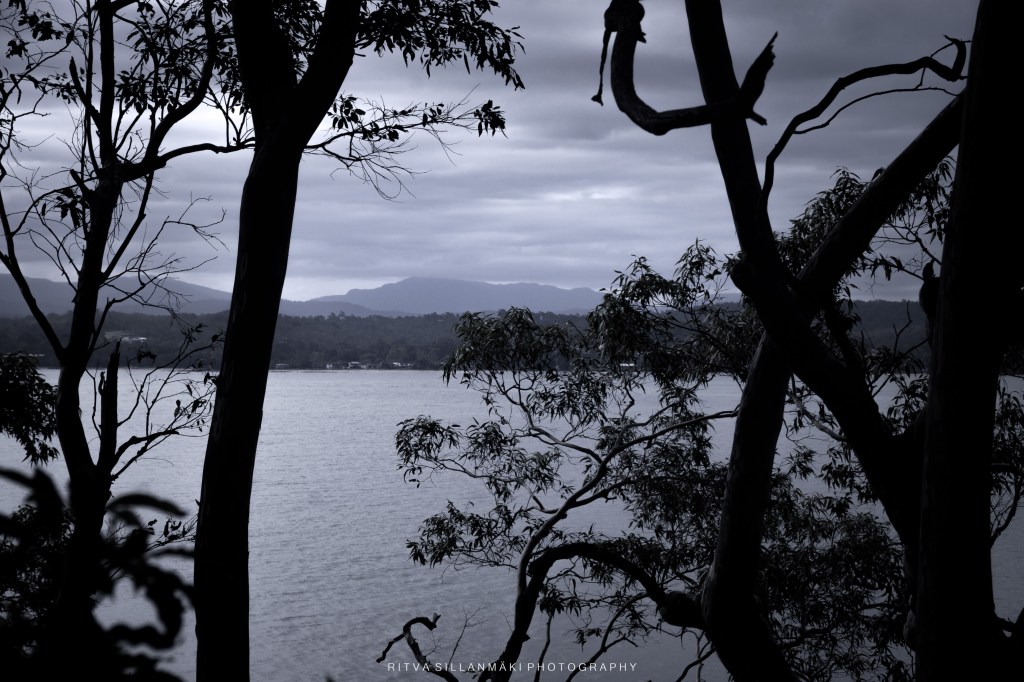
I took my lead from Leanne Monochrome Madness; I am showing photos from the Australian coastline, which are truly breathtaking and capture the essence of this stunning region. I stayed with my cousin at Casey’s Beach in NSW last February. Thanks to her hospitality we were able to stay in this beautiful place for a couple of weeks.
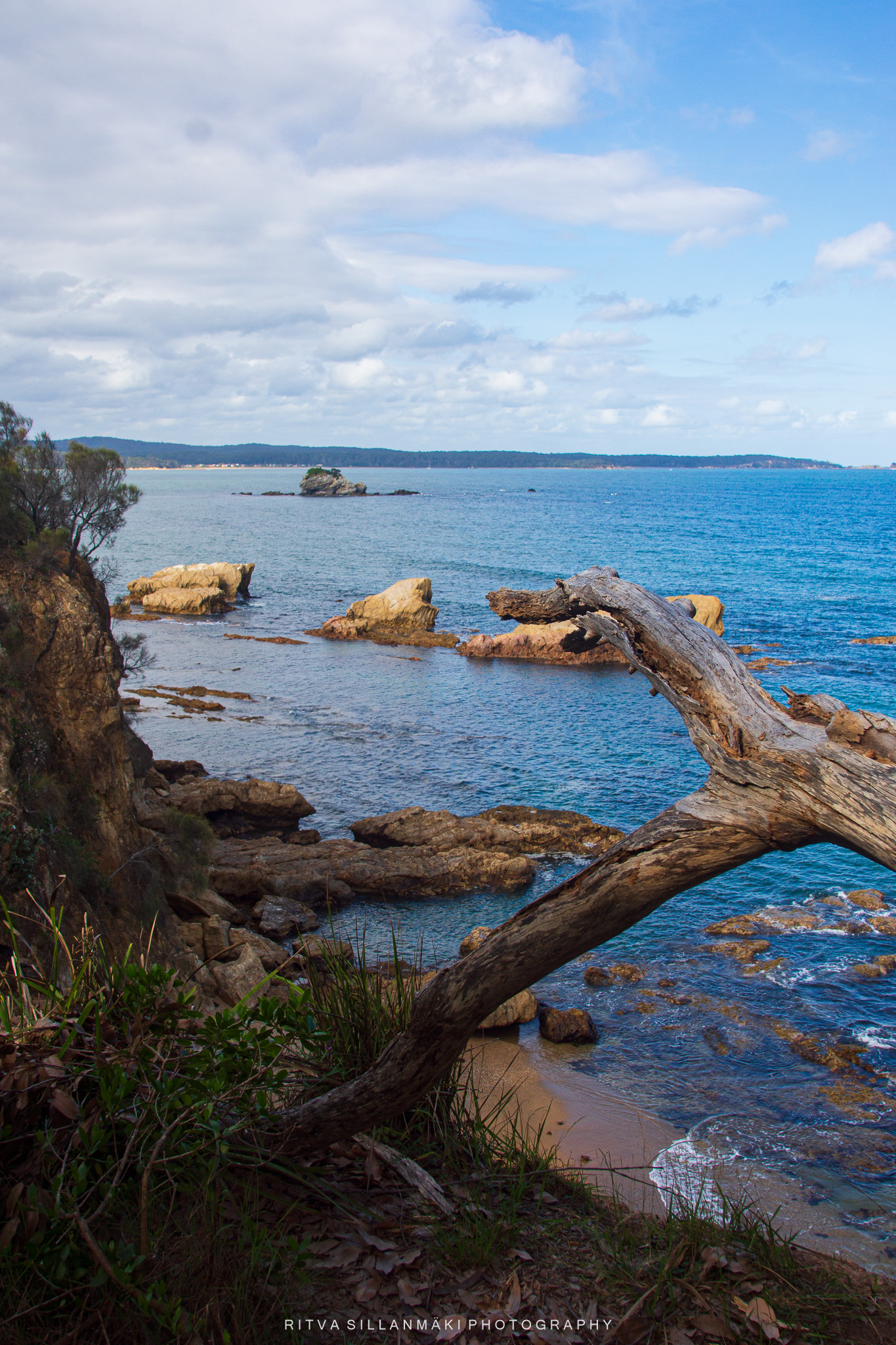
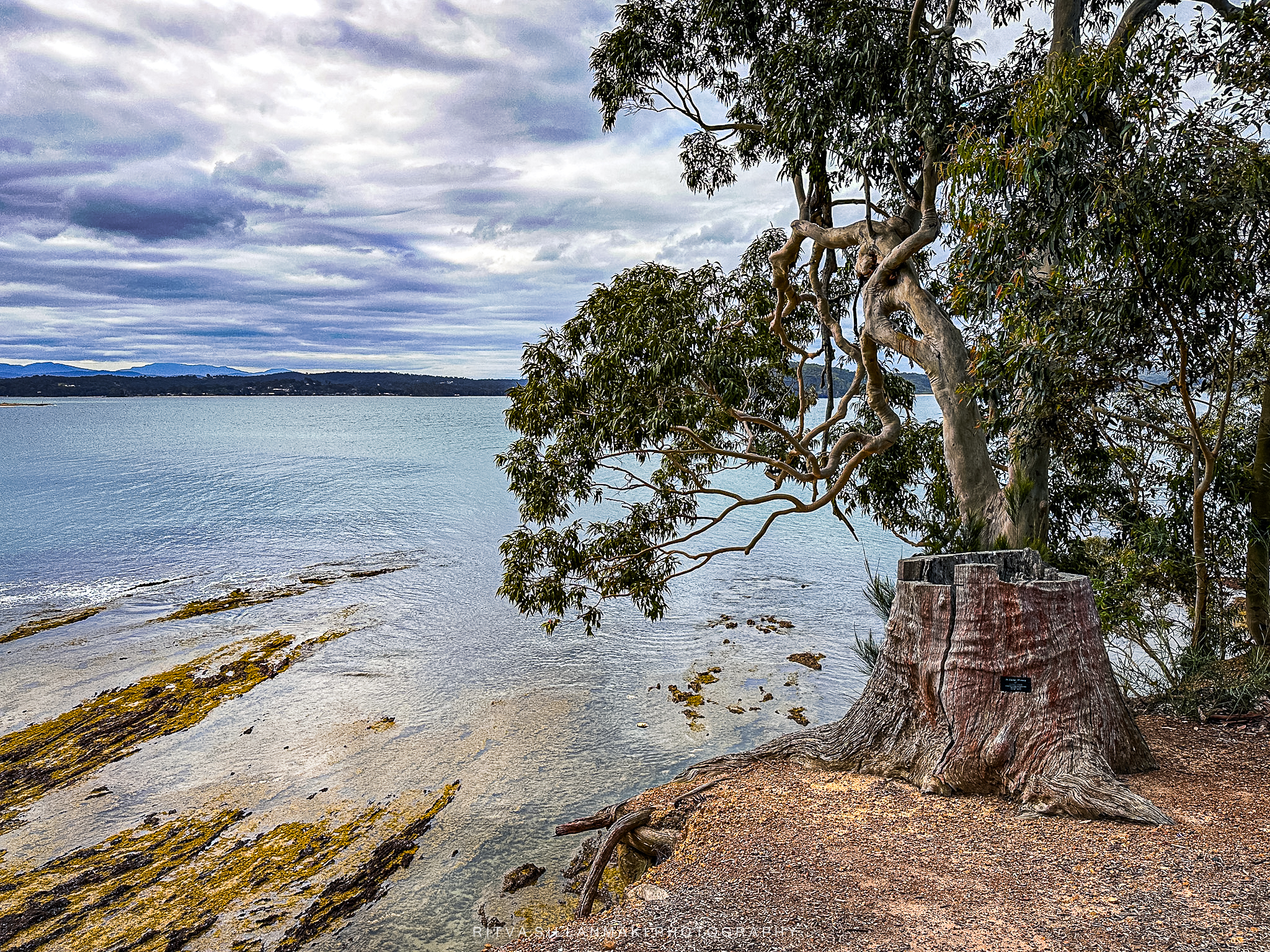
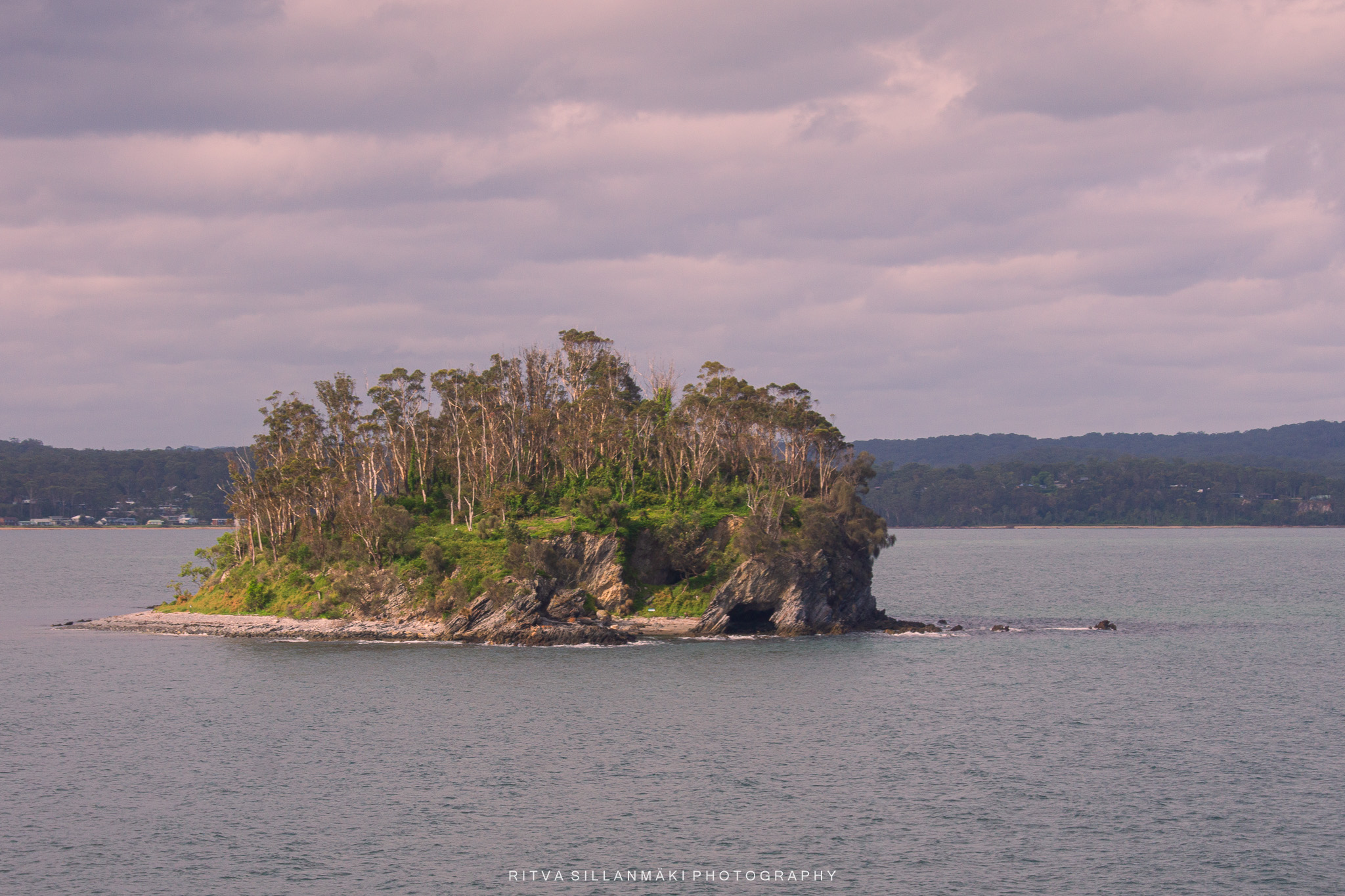
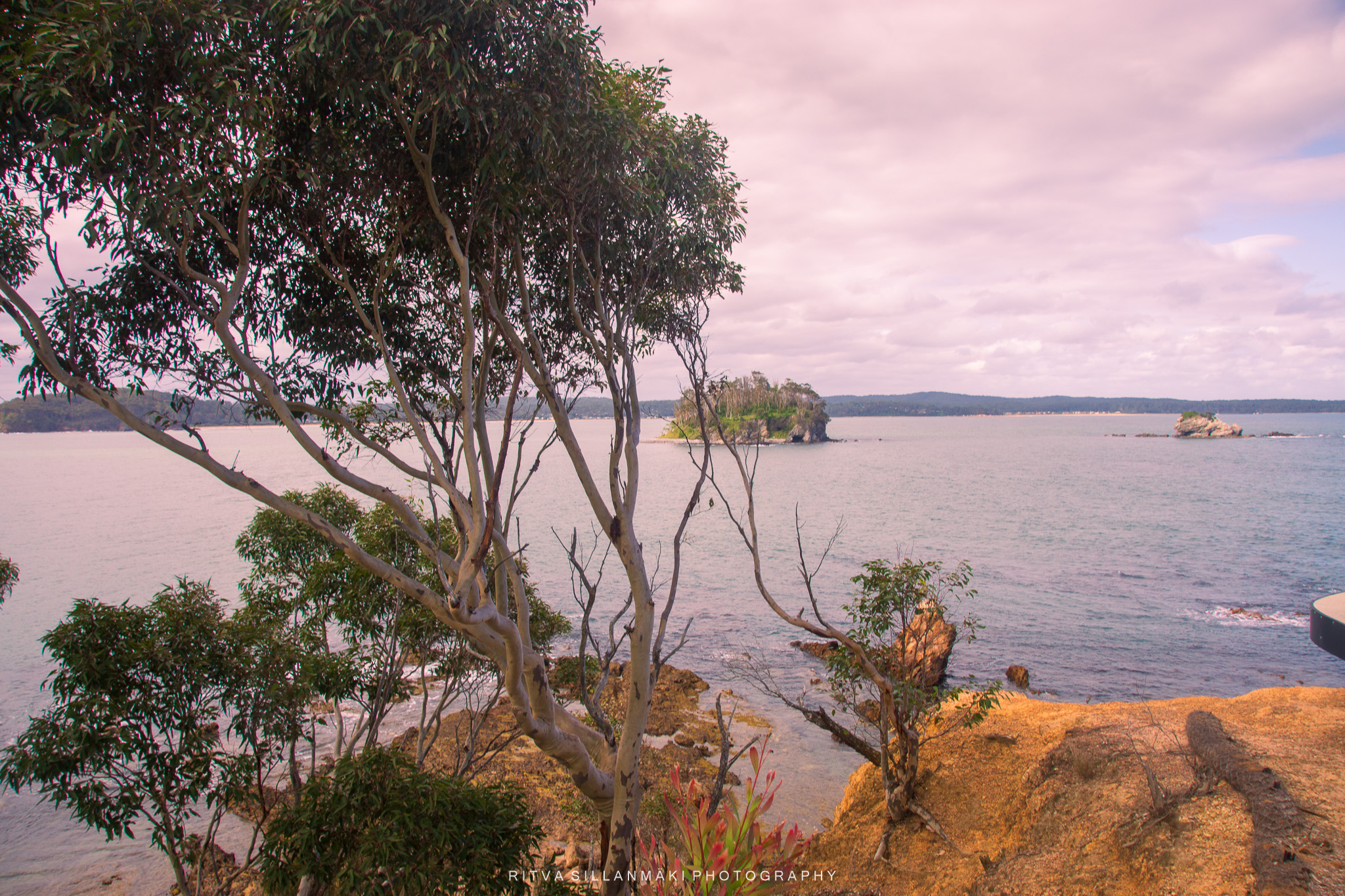
Casey’s Beach is a calm and east-facing beach located in Batehaven. Snapper Island can be seen from her house from a slightly different angle than these shots, adding a unique charm to the picturesque view. We drove to the Observation Point, located at the northern end of Casey’s Beach , this lookout provides elevated views over the 1 km stretch of beach, perfect for a great vantage point in both directions, allowing us to soak in the beauty of the coastline as the waves gently lapped at the shore. I have even painted it at one point, and it now hangs in her house, So I have been inspired by it before, and I hope to return again to experience its magic all over.
A monochrome view of Snapper Island from Batehaven, Australian coastline.
A dramatic black and white view of the Australian coastline featuring trees and rocky outcrops under moody skies.
A tranquil monochrome view of the Australian coastline, featuring rugged rocks and the calm sea lined with lush vegetation.
A serene black and white view of the coastline framed by trees, capturing the natural beauty of Batehaven, NSW.
A monochrome view of the Australian coastline framed by silhouetted trees, capturing the serene beauty of nature.
Our host this week is Dawn from The Day After, and her theme this week is SYMMETRY
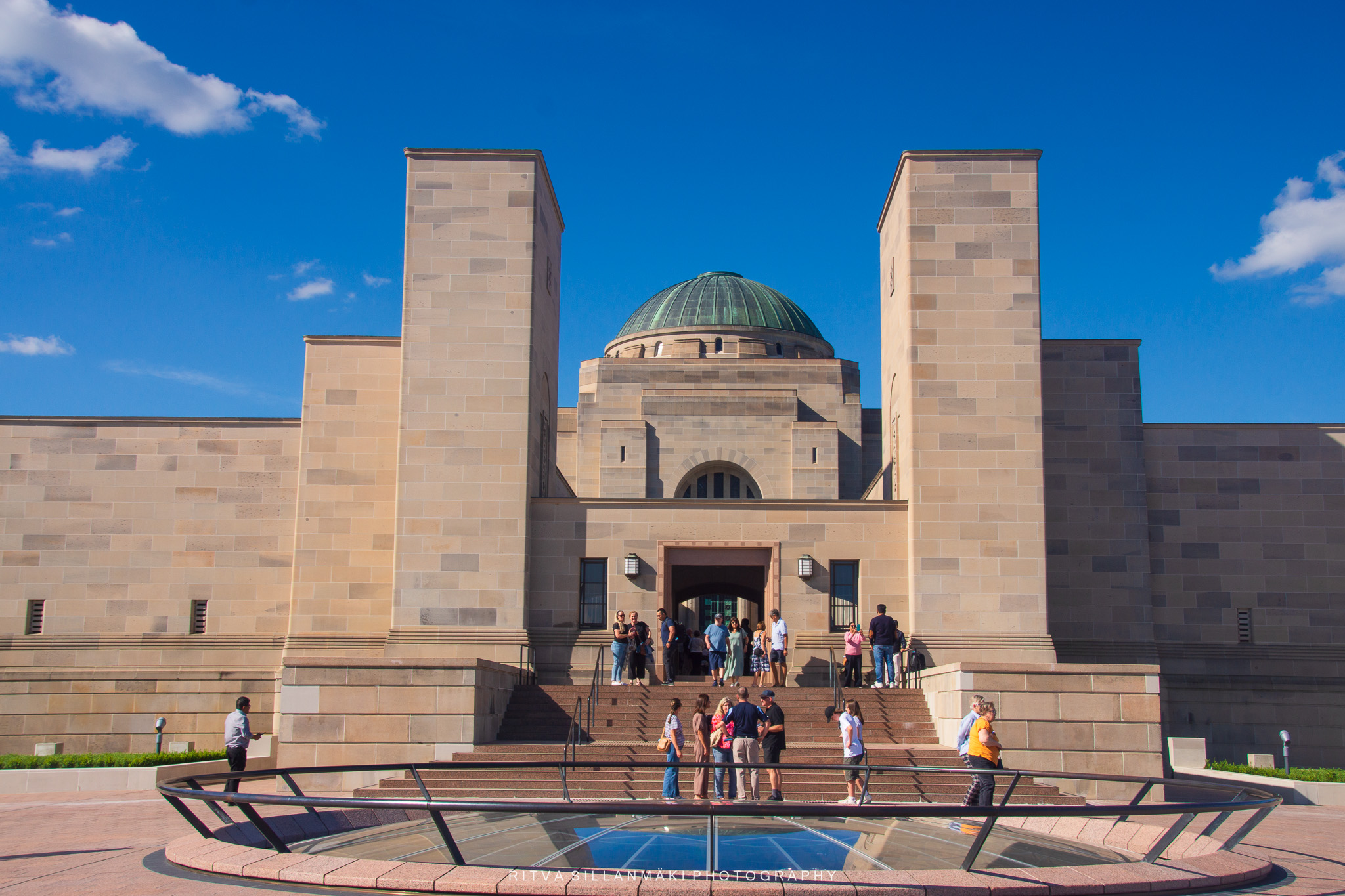
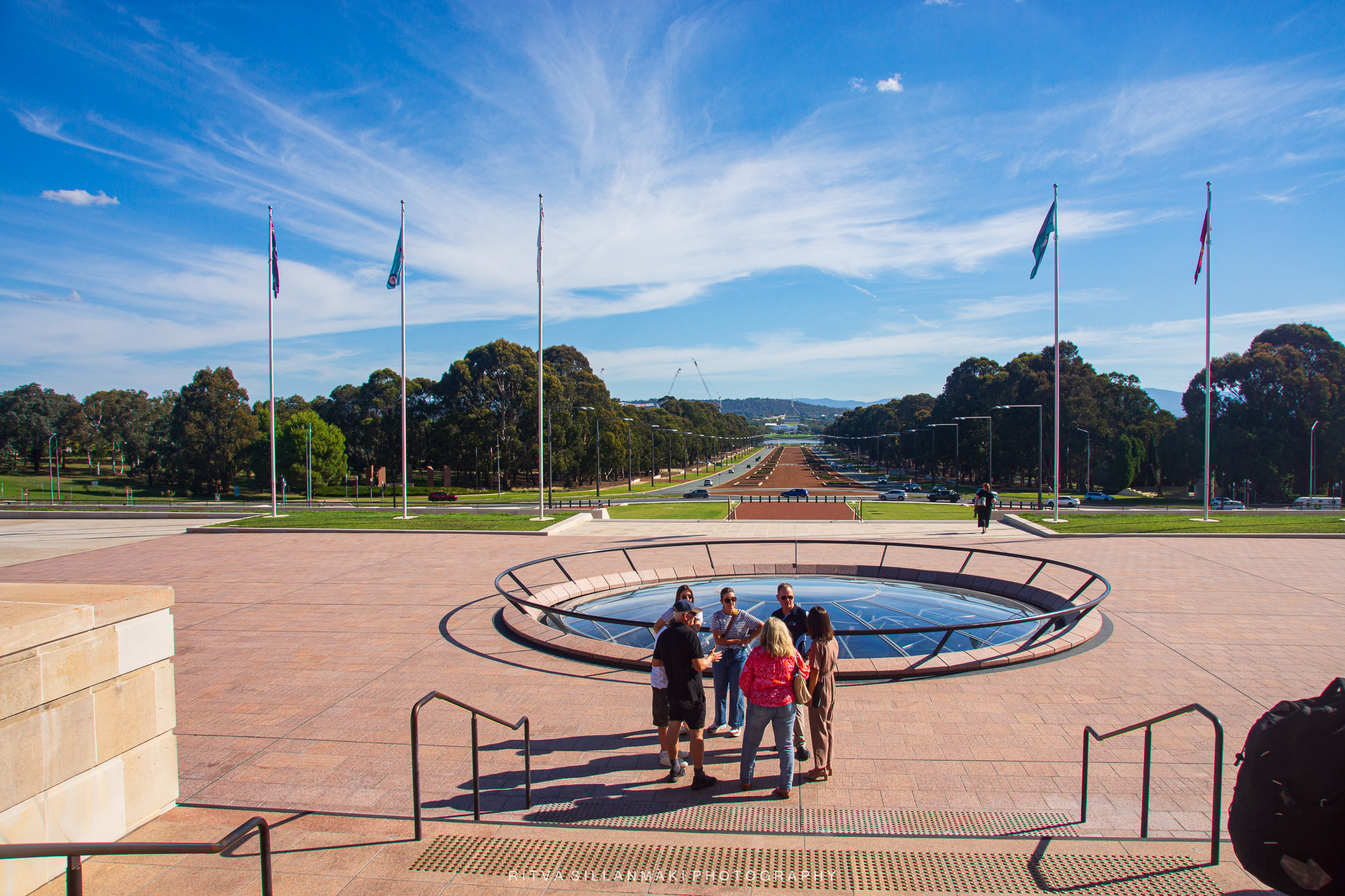
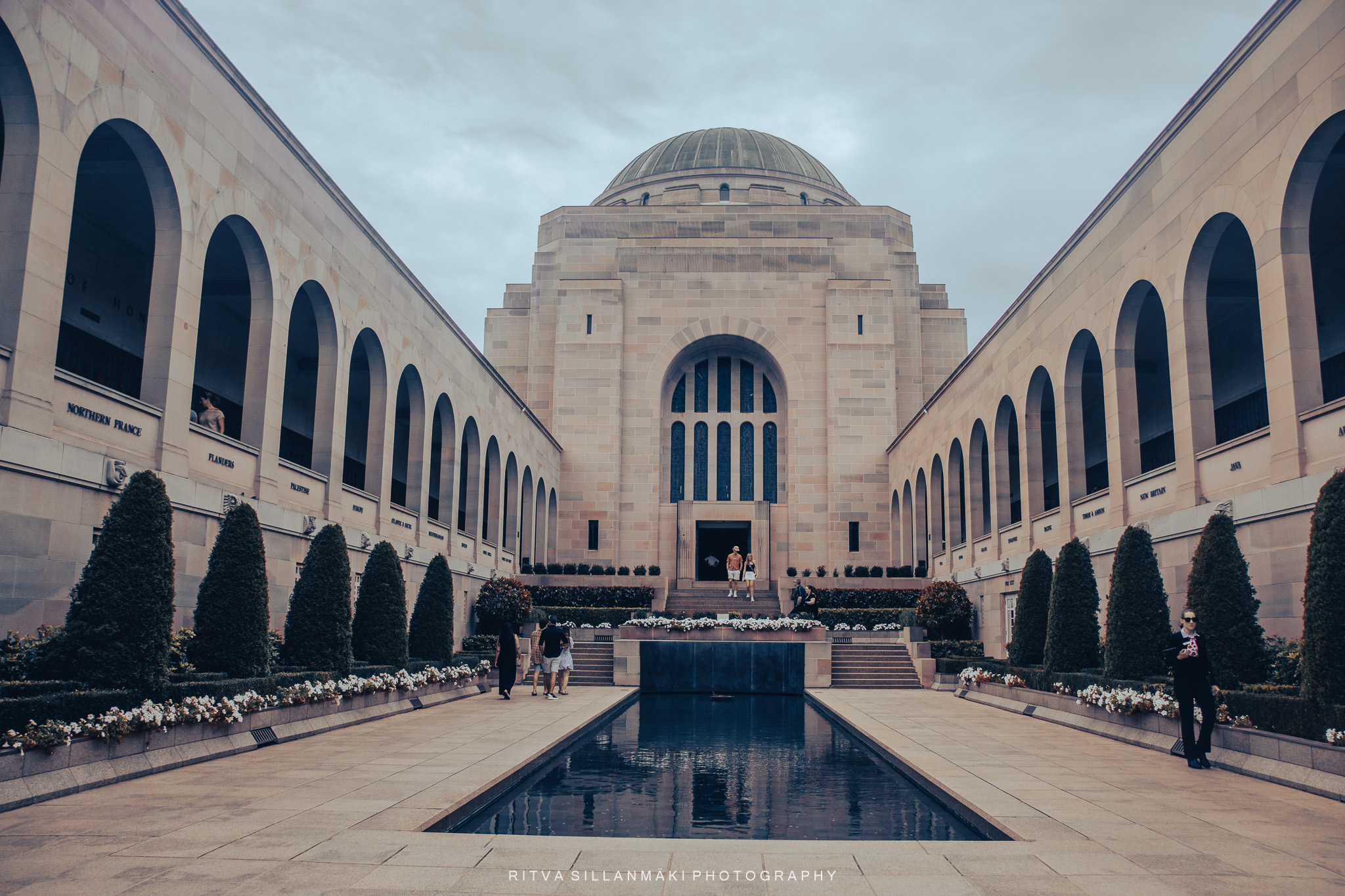
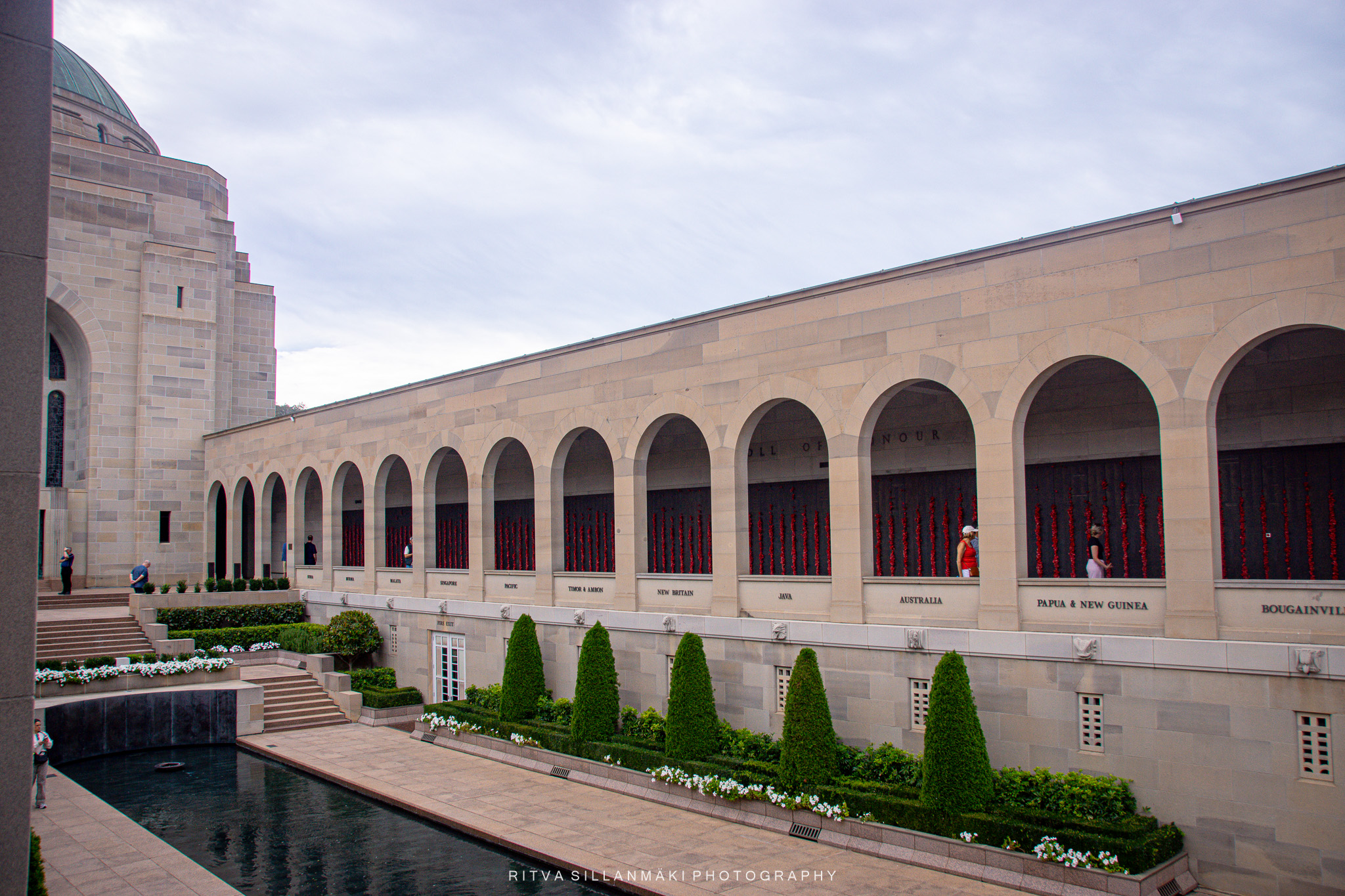
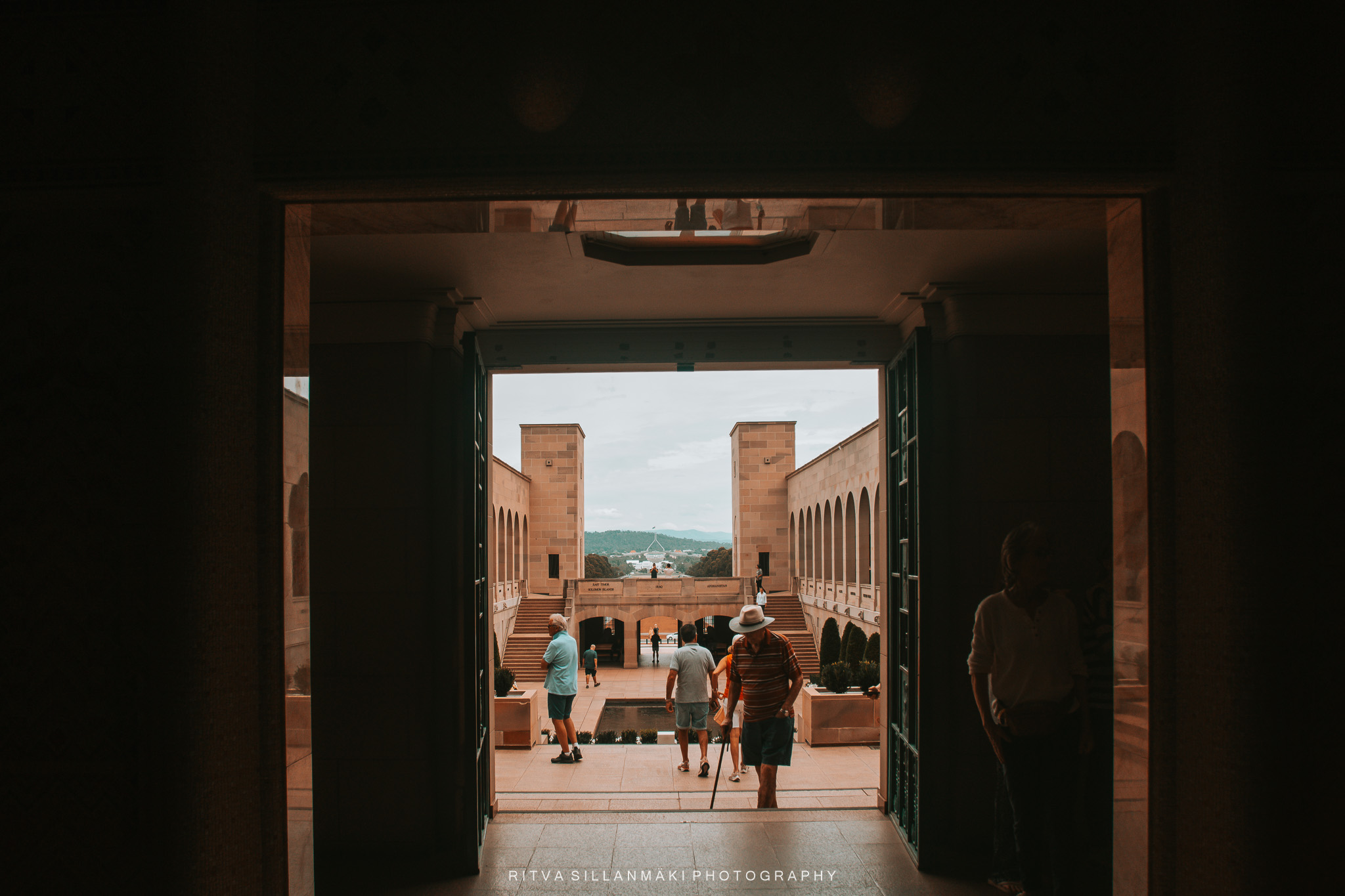
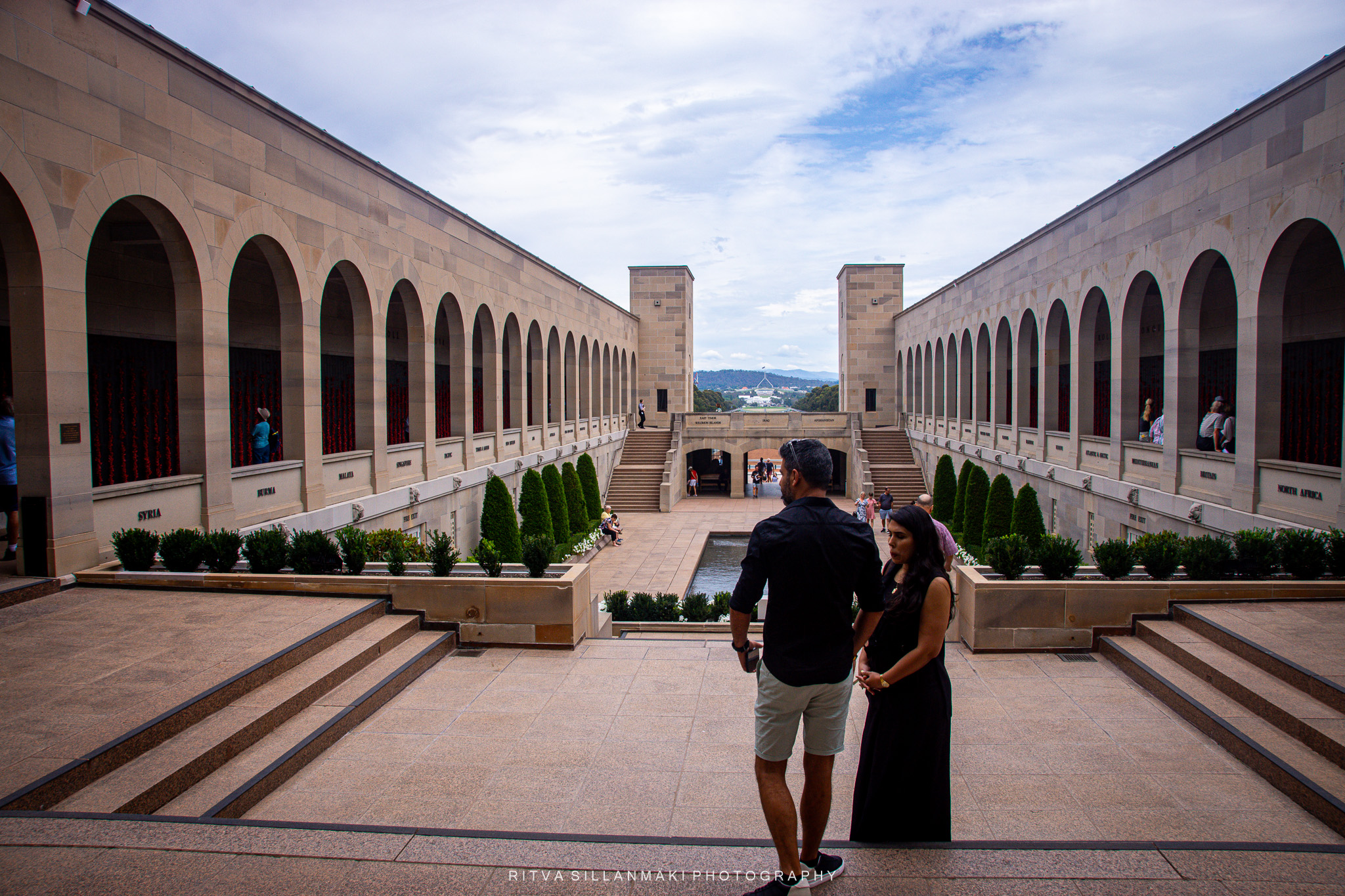
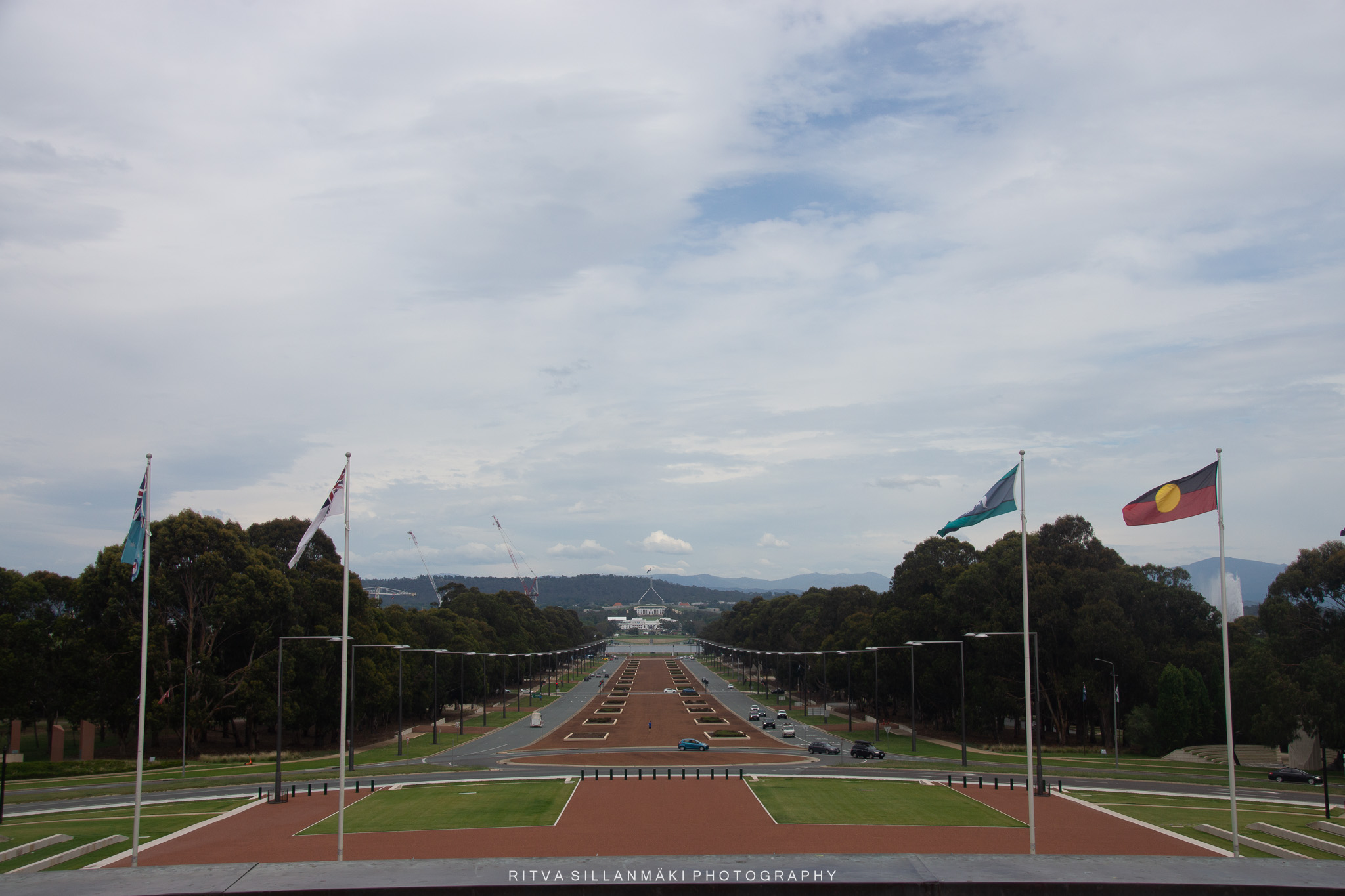
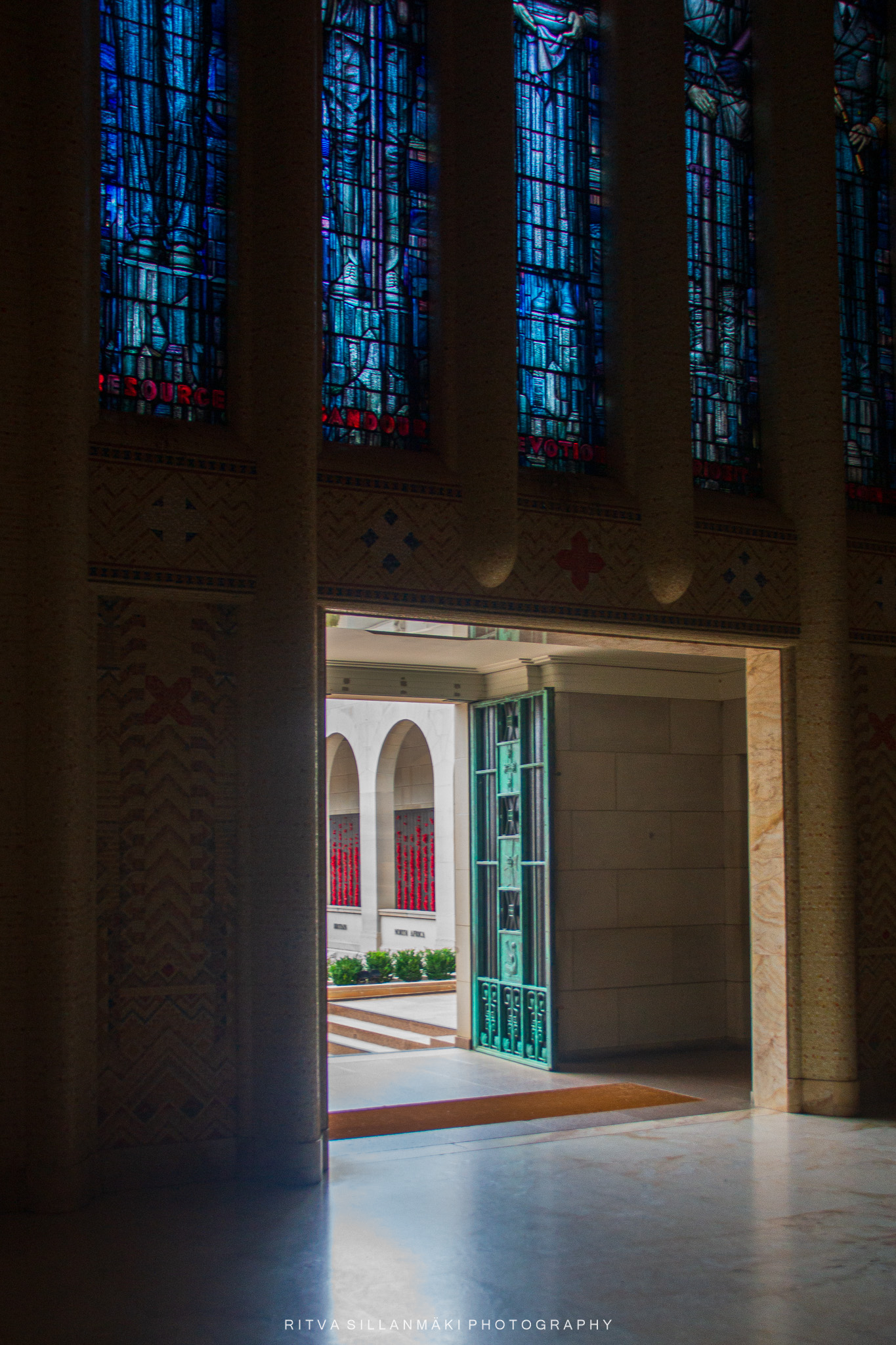
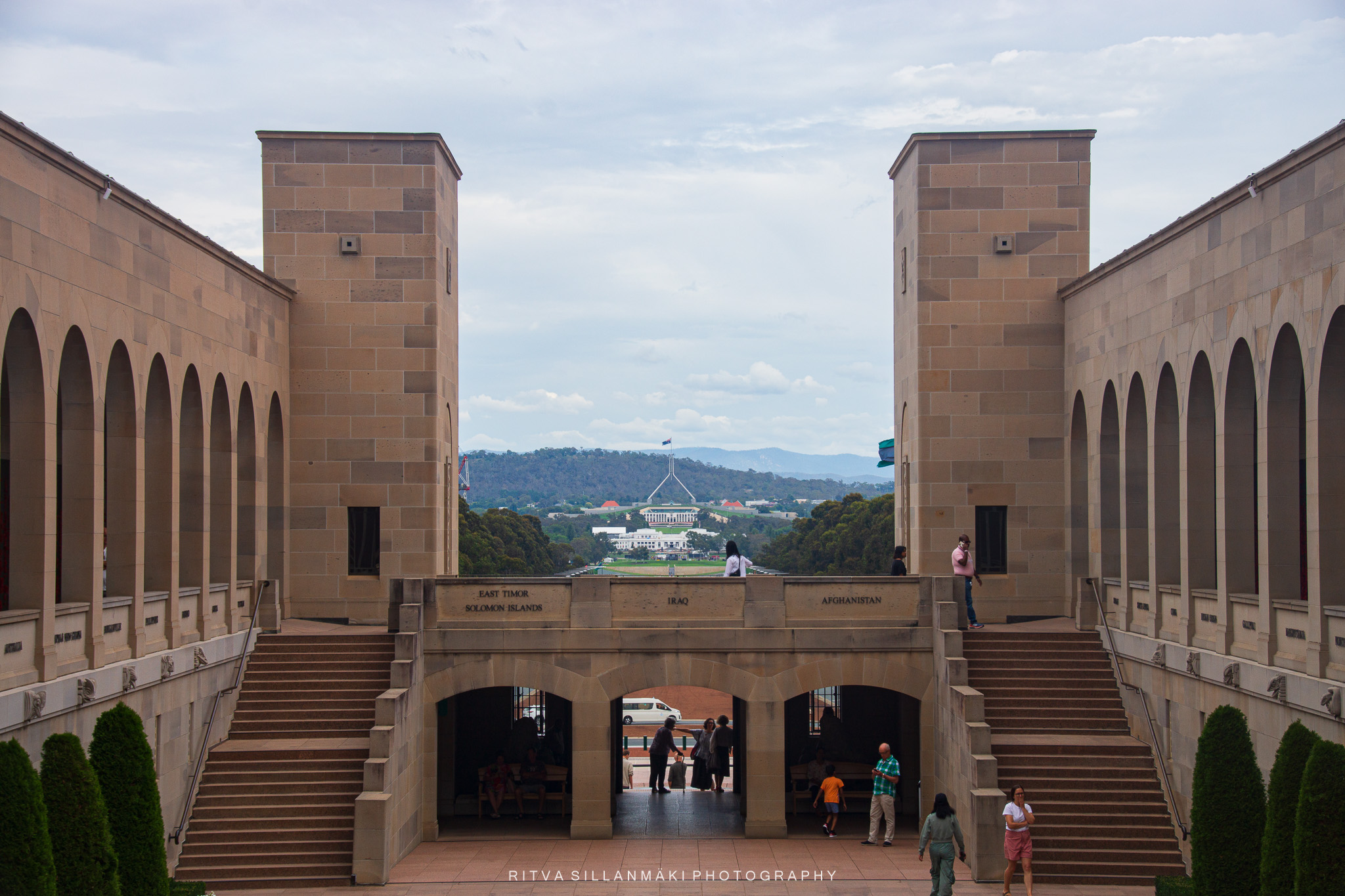
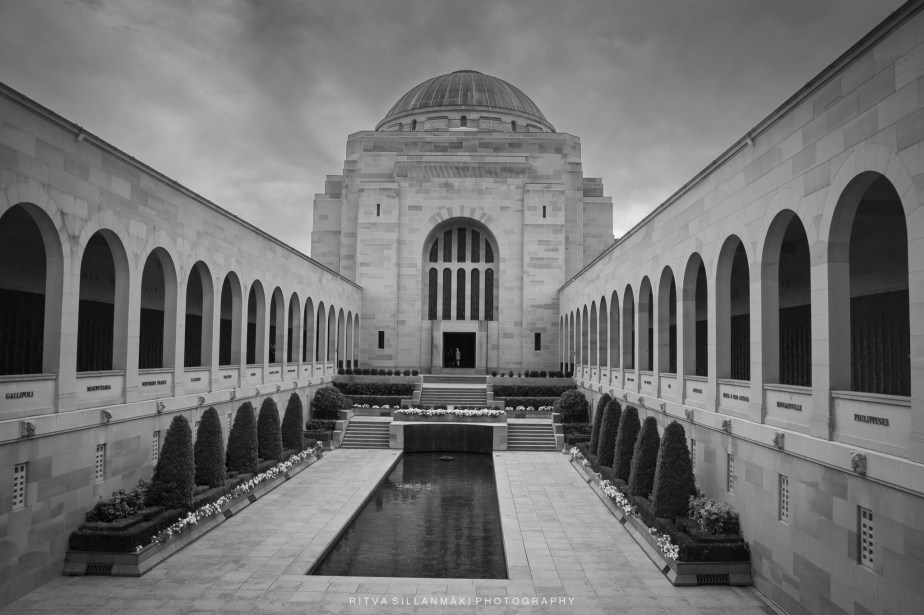
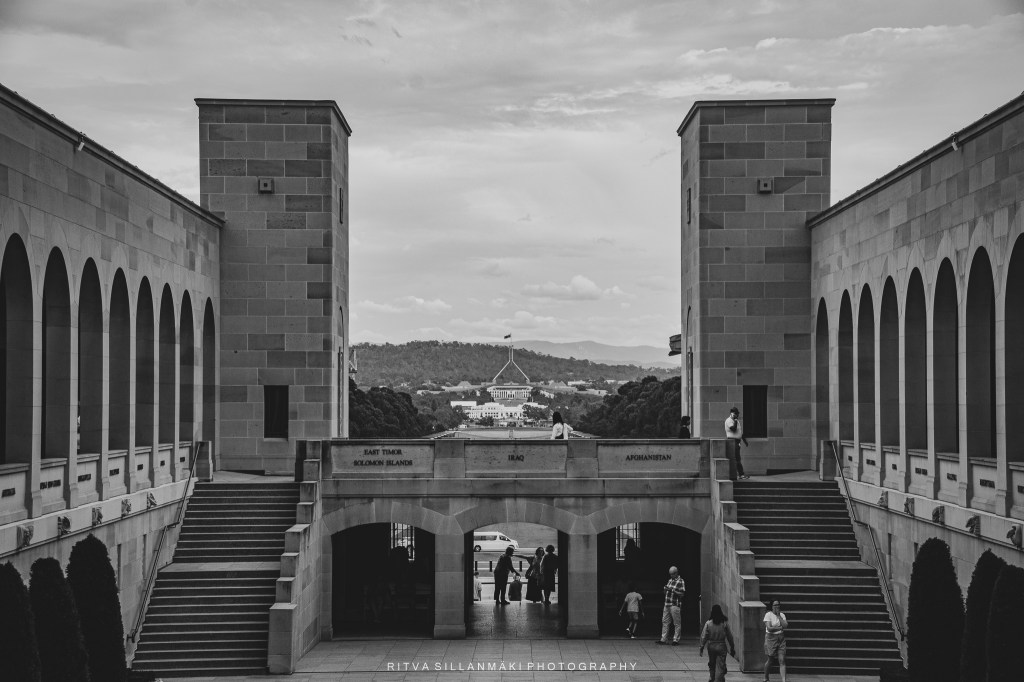
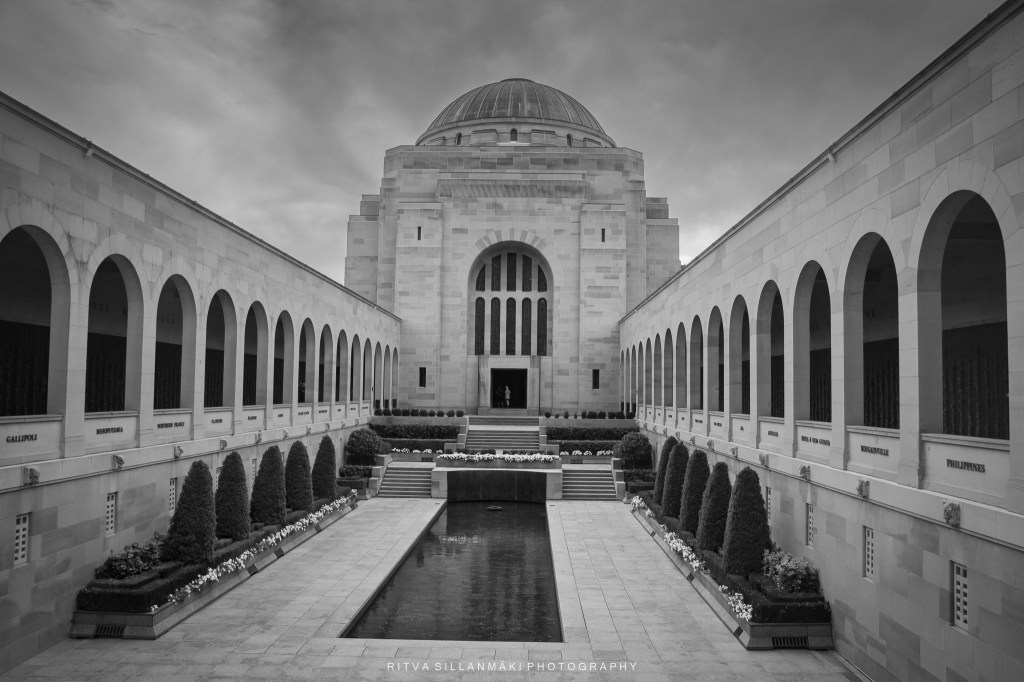
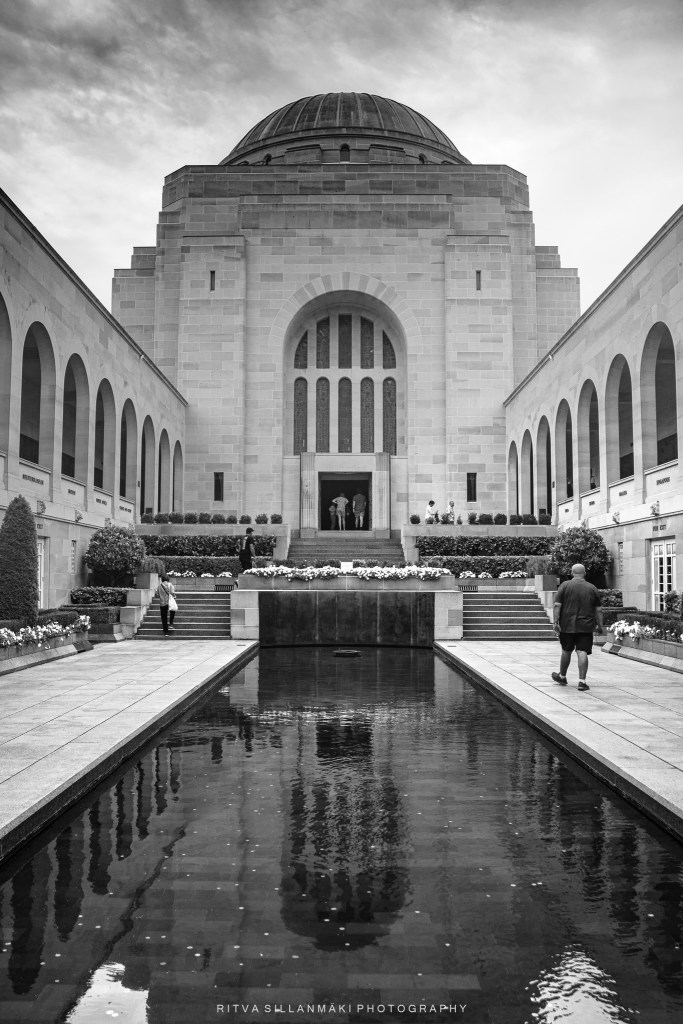
Instead of finding symmetry in many places I am taking you back to our trip to Australia. These I took from the war memorial in Canberra. Architecture does often provide us with symmetry and I think it is captured here without no doubt.
Visitors exploring Australian War Memorial in Canberra.
The architecture of the Australian War Memorial in Canberra is both striking and symbolic, designed to reflect the solemnity and significance of its purpose. The memorial features a grand sandstone façade and an iconic dome, which is inspired by the design of traditional war memorials around the world.
The symmetrical architecture , capturing its grandeur and solemnity.
The architectural symmetry of the Australian War Memorial in Canberra, showcasing its grand design and serene atmosphere.
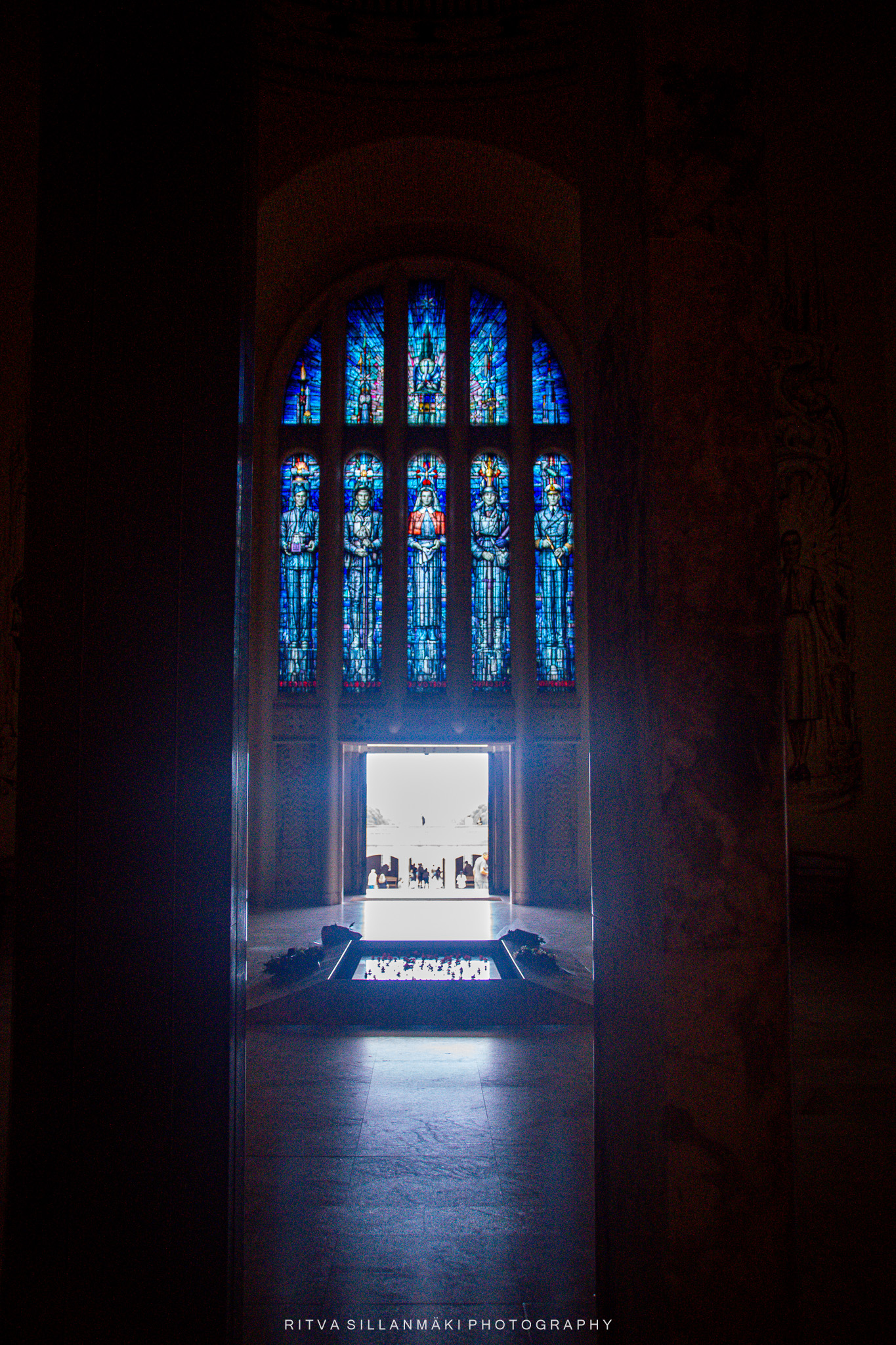
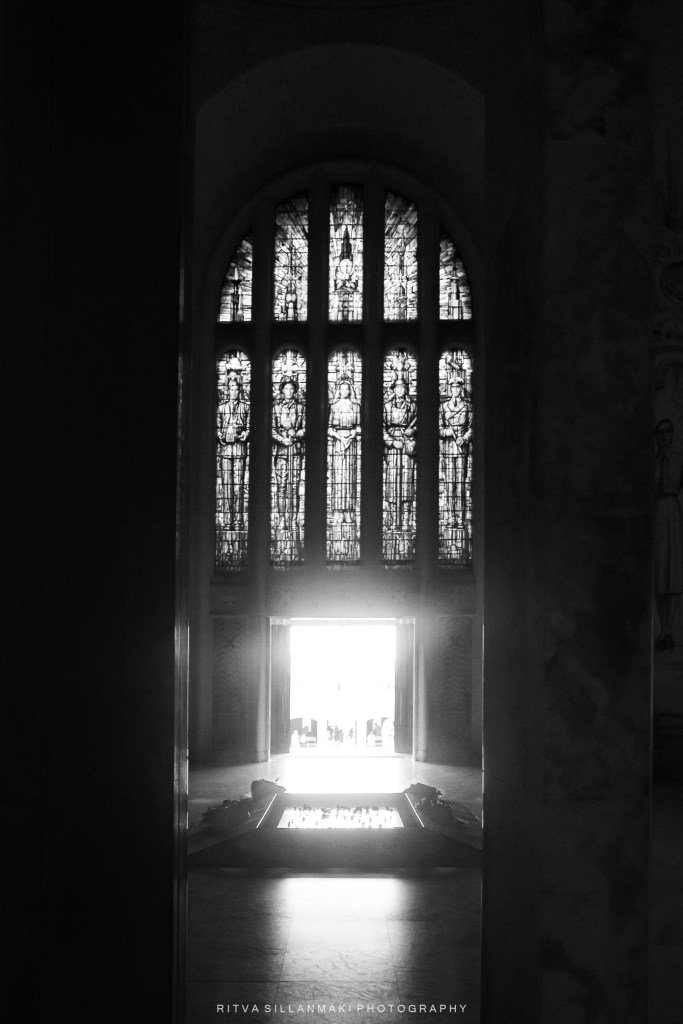
Stunning stained glass windows
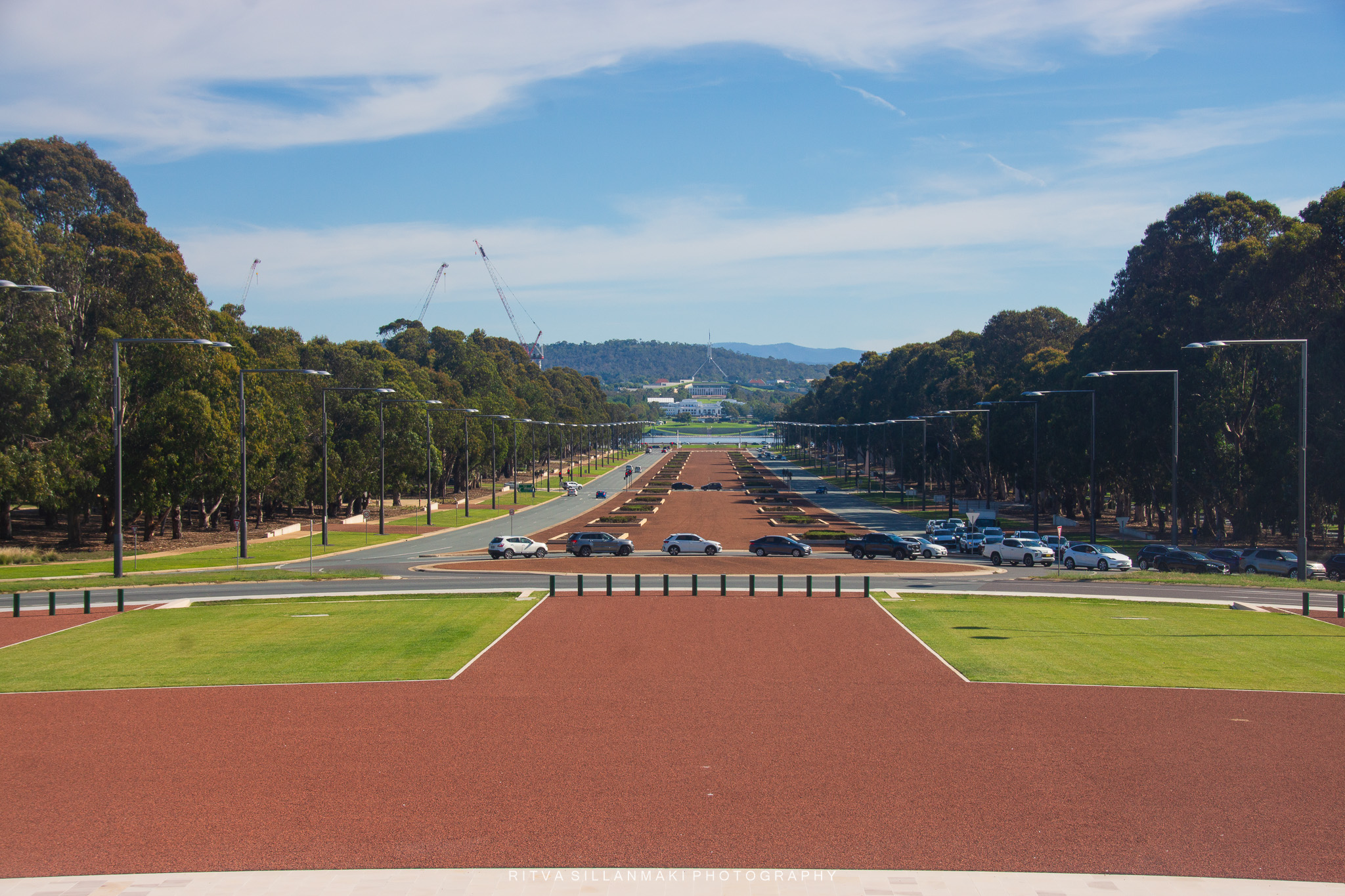
ANZAC Parade is a street in Canberra, Australia. Along the street, there are memorials dedicated to the soldiers from Australia and New Zealand who fell in battles. Eucalyptus trees grow along the edges of the street. The red central median of the area is made of crushed brick.
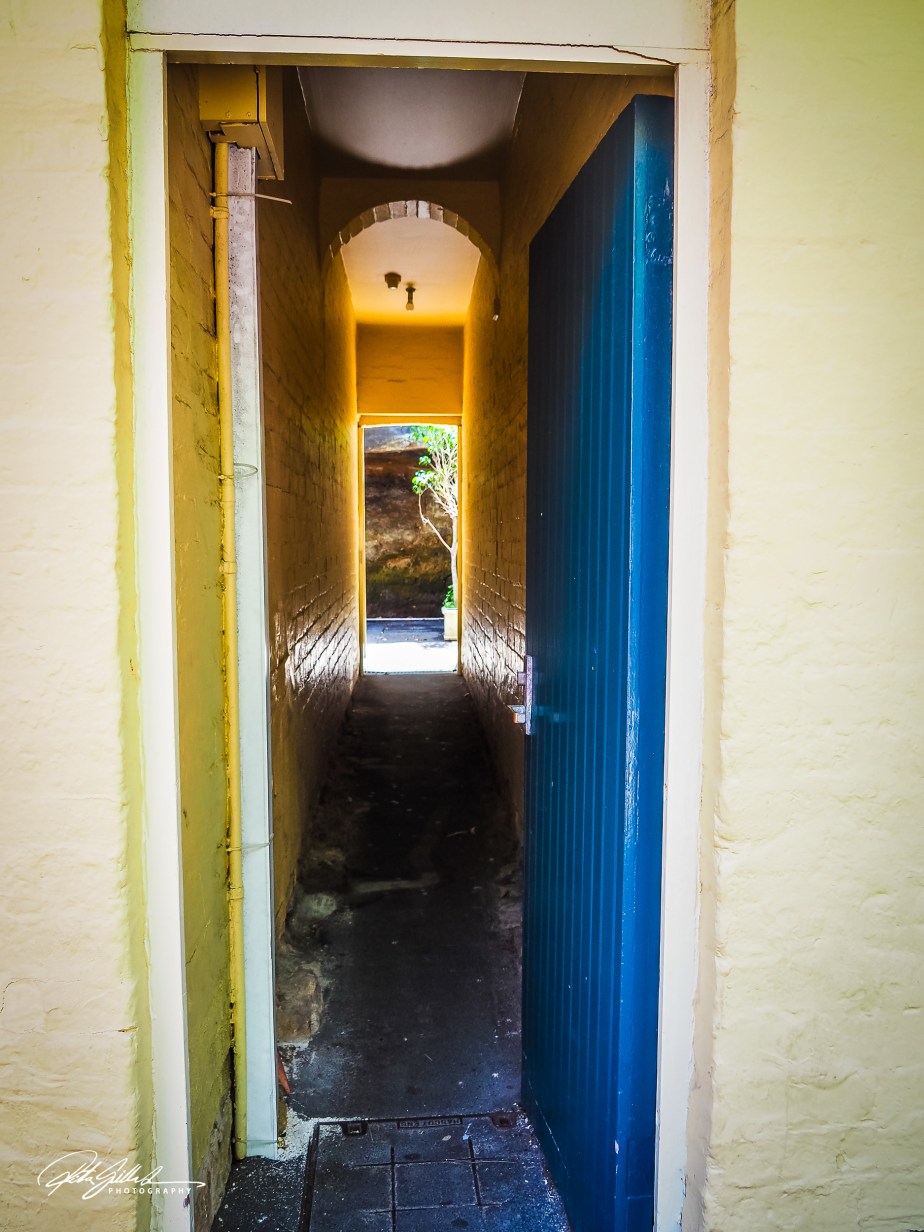
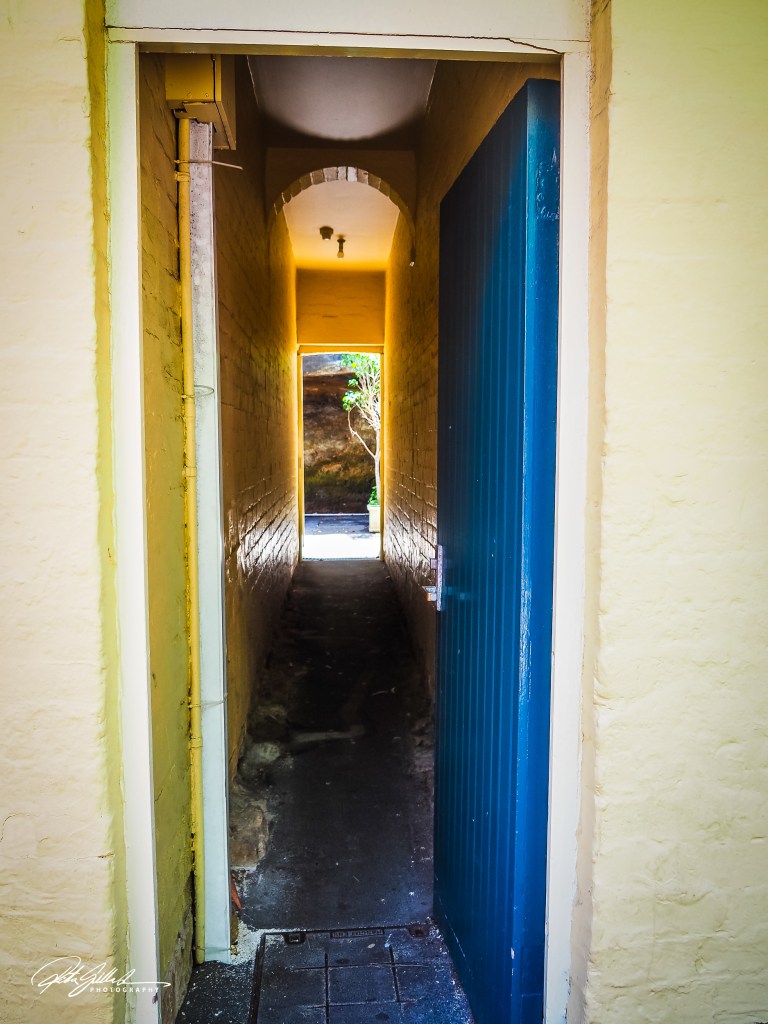
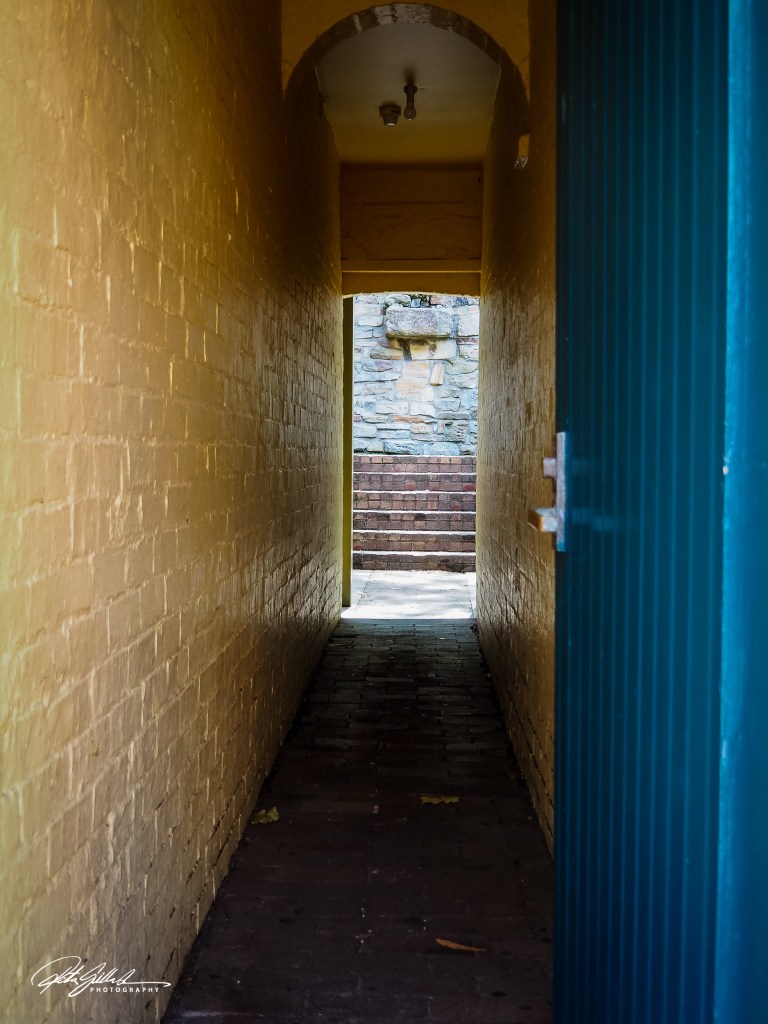
These two almost same shots are from our trip to Australia, the doors are from the area known as The Rocks in Sydney. This historic neighborhood, with its cobblestone streets and charming colonial buildings.
A vibrant alleyway featuring a blue door and yellow walls, leading to a glimpse of greenery at the end.A narrow passageway leading to a bright exit.
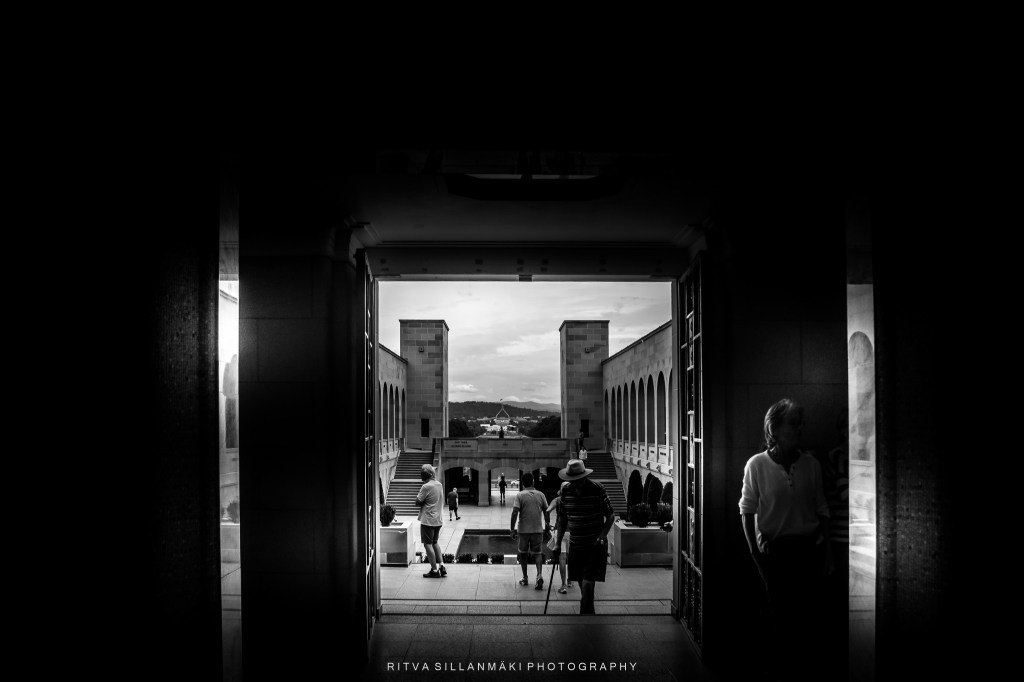
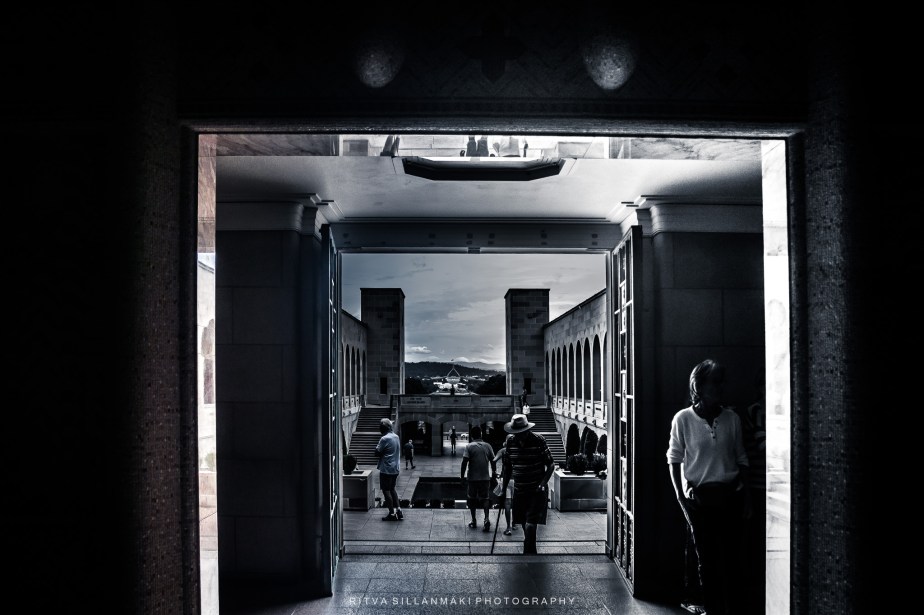
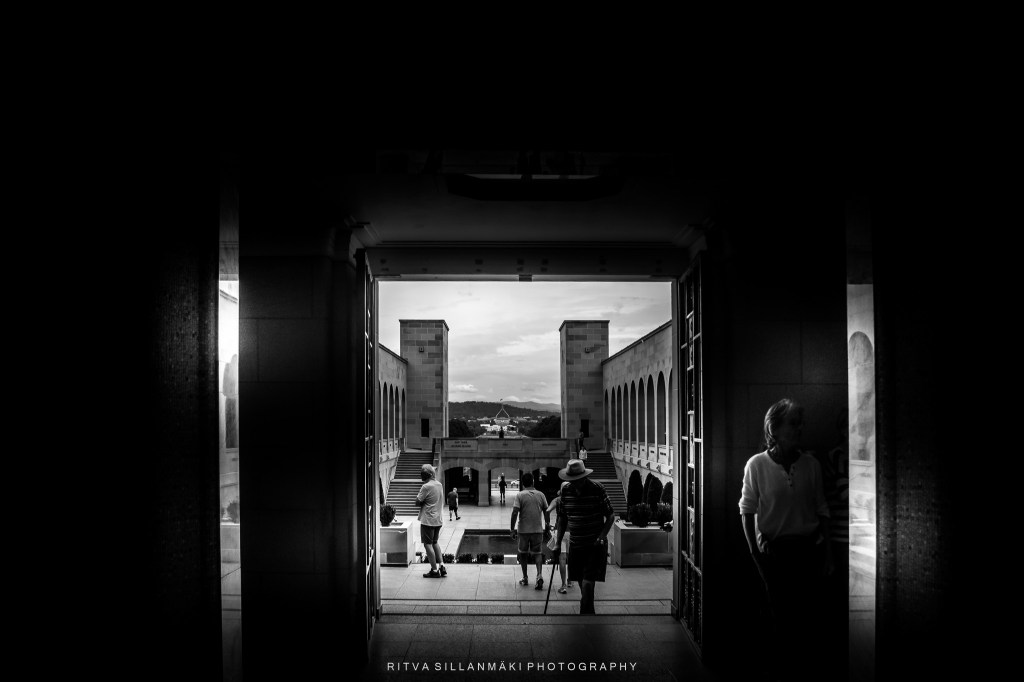
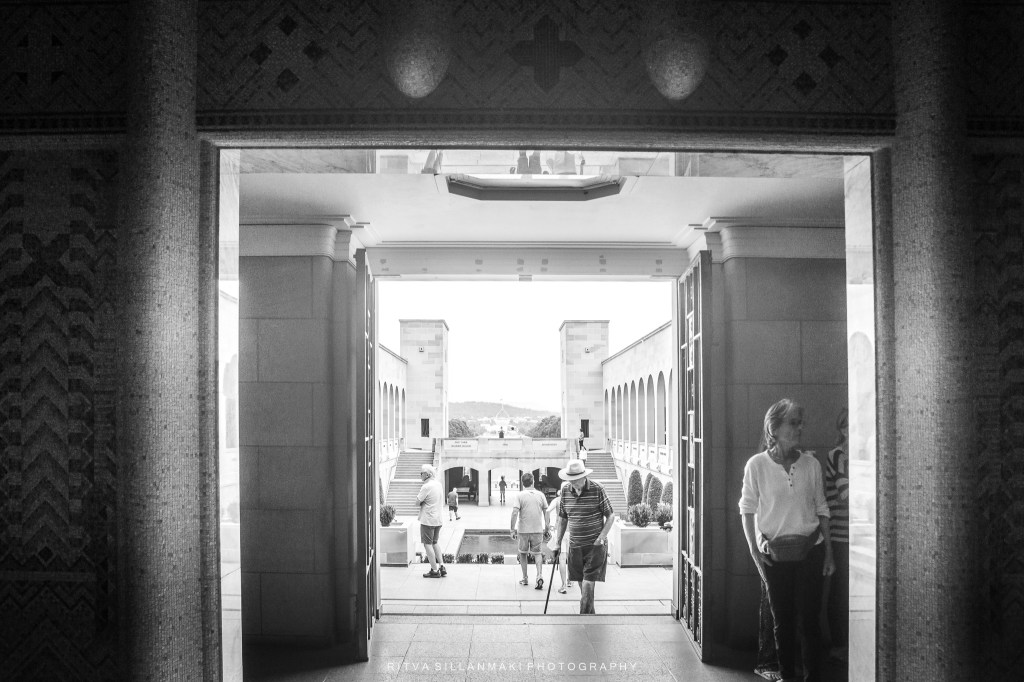
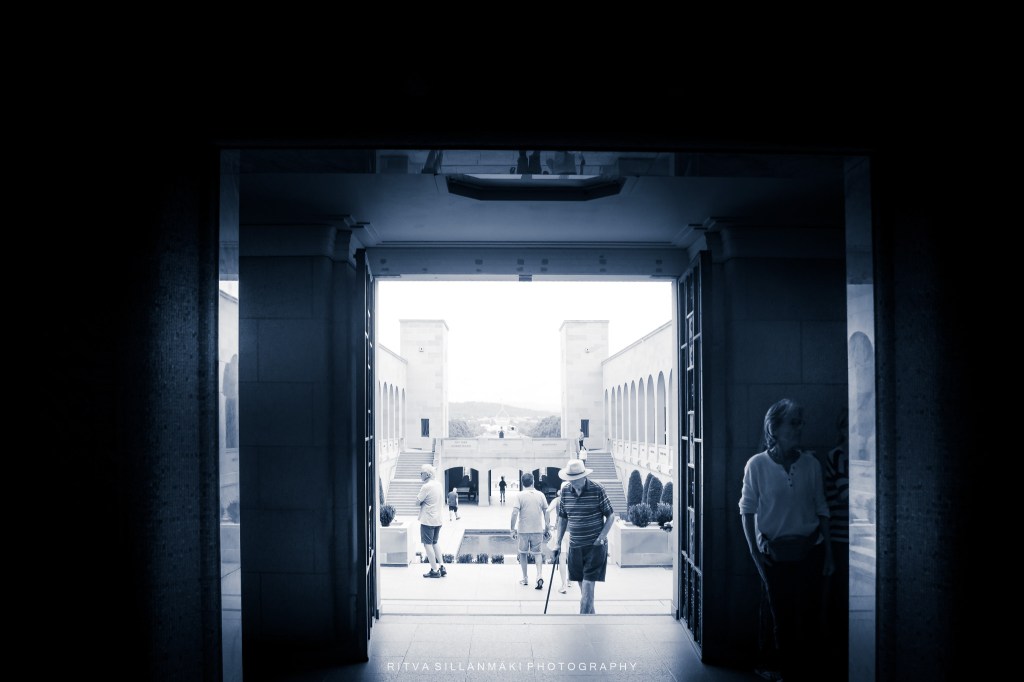
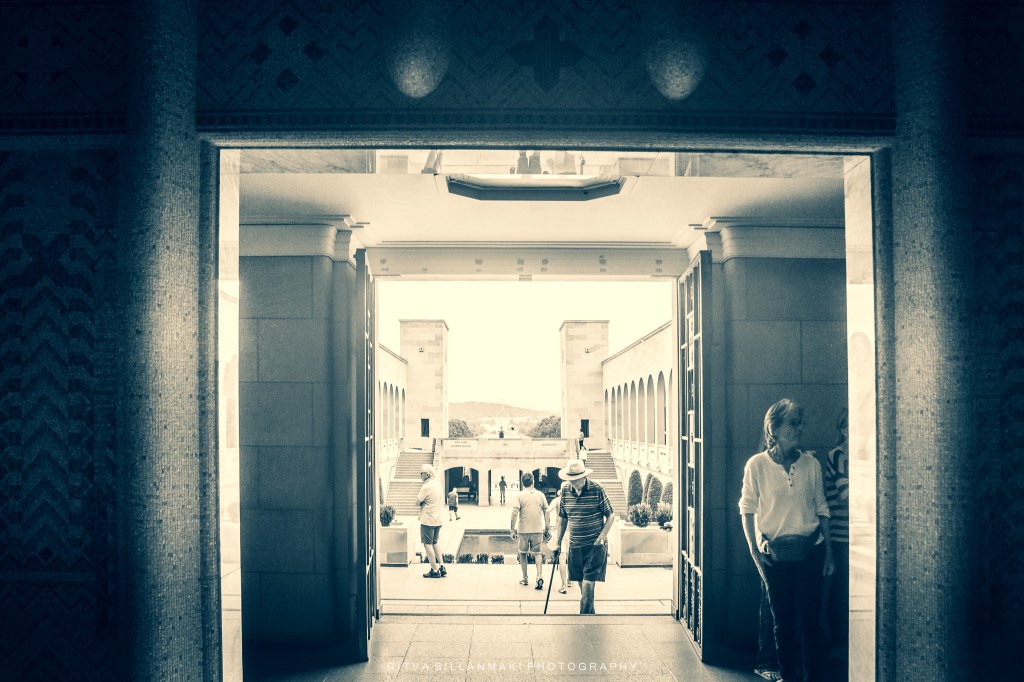
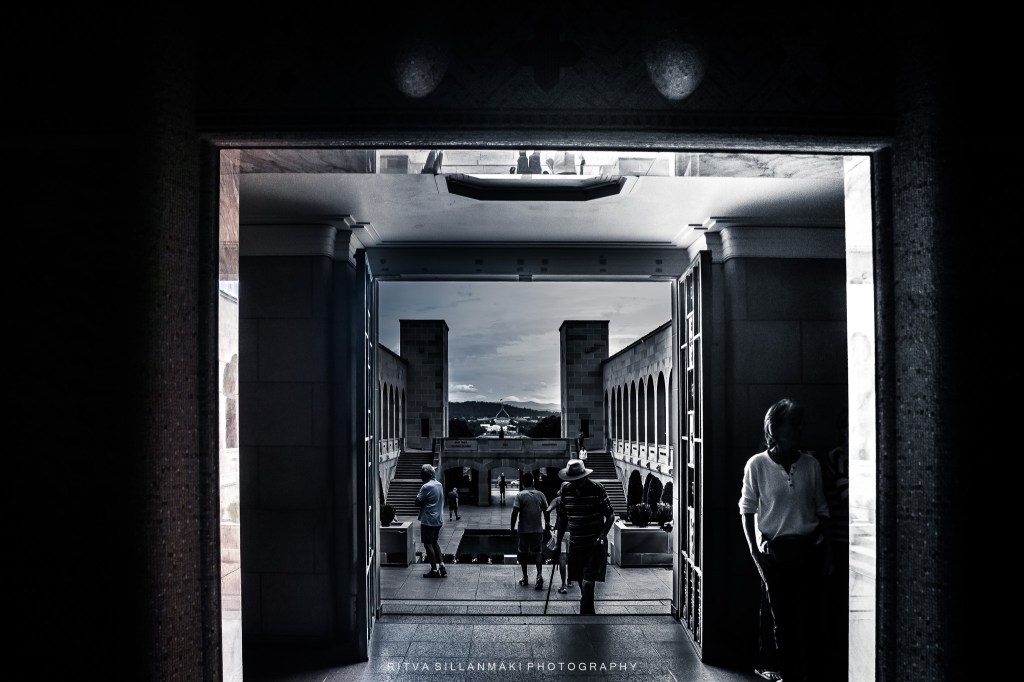
This is a topic free week for Leanne’s Monochrome Madness and I am at the moment experimenting with editing, playing with light and contrast to see how subtle adjustments can dramatically affect the overall impact of an image. As you change the elements, such as brightness, shadows, and highlights, how does it change how you perceive the image? Each adjustment can convey different emotions, stirring distinct feelings or memories within the viewer. Not all the changes are big, yet they can significantly shift the mood of the photo, influencing where your attention is drawn and what stories are told through the visual. The interplay between light and shadow can create depth, drawing you deeper into the scene, while contrast can emphasize particular features, guiding your gaze in a more intentional way. What do you think, was it worth my time to do these edits?
A monochrome photograph capturing the interplay of light and shadow as visitors walk through a stylized architectural space.
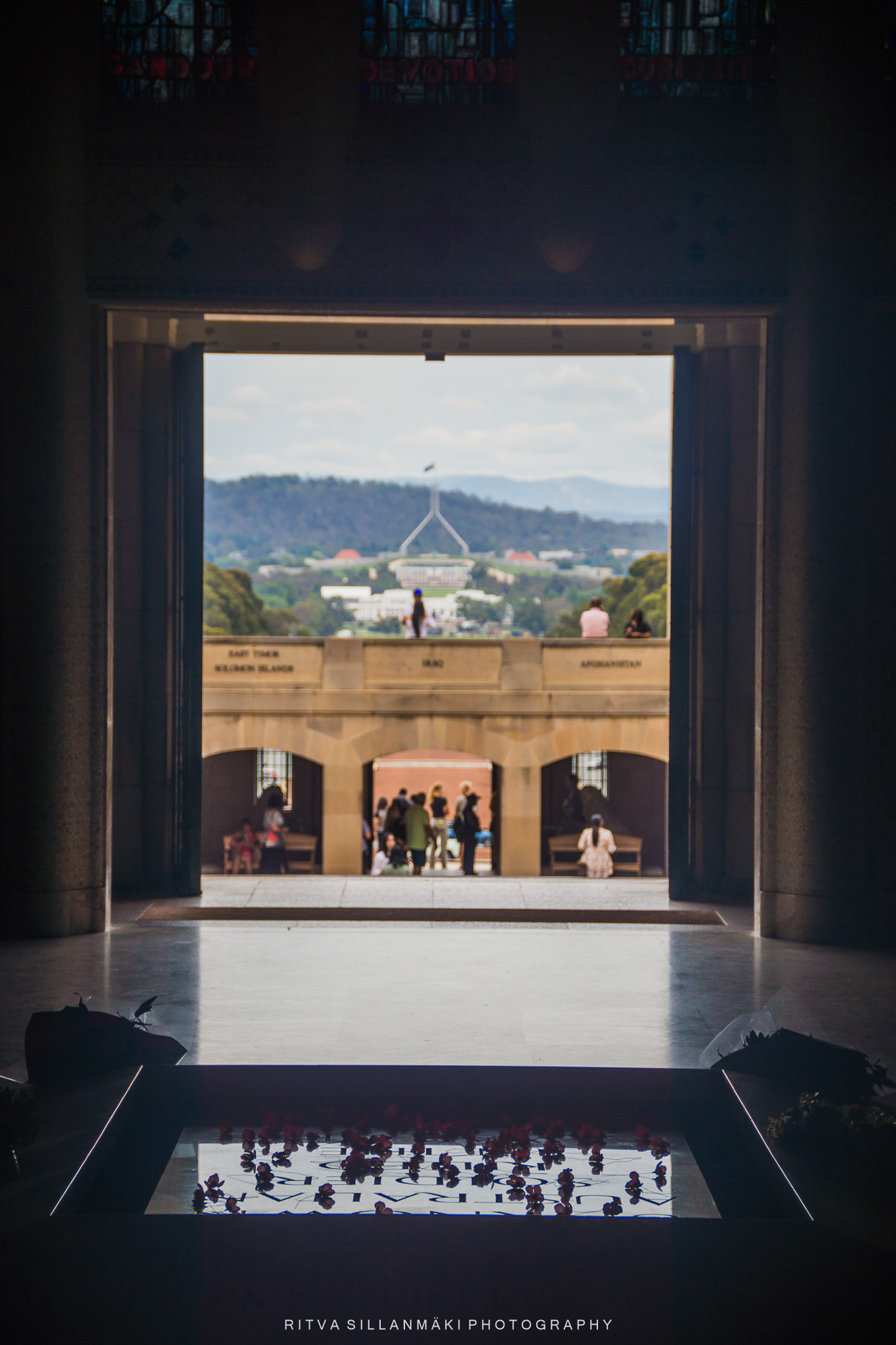
A doorway at the War Memorial in Canberra, Australia. This architectural feature not only embodies the solemnity of the site but also symbolizes the passage between the past and present, wherein the sacrifices of countless individuals who served their country are honored. As one approaches the doorway, the intricate details and sturdy materials evoke a sense of reverence, signifying the importance of the history encapsulated within the memorial.
the interplay of light and shadow at a historical site, inviting viewers to reflect on their own memories.A view through an archway, showcasing visitors at a historic siteExploring the interplay of light and shadow at an architectural site, inviting viewers to consider how subtle edits influence perception.A monochrome image capturing a doorway leading to a scenic view, accentuating the interplay of light and shadow.
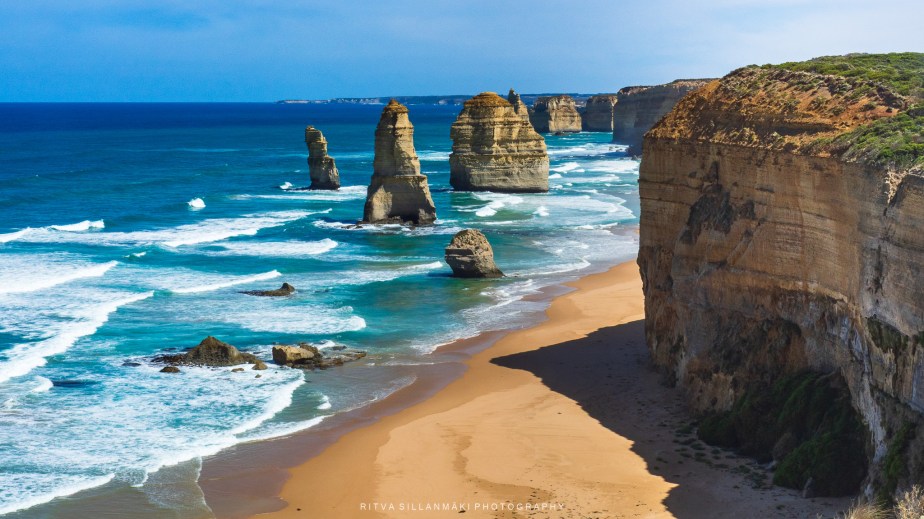
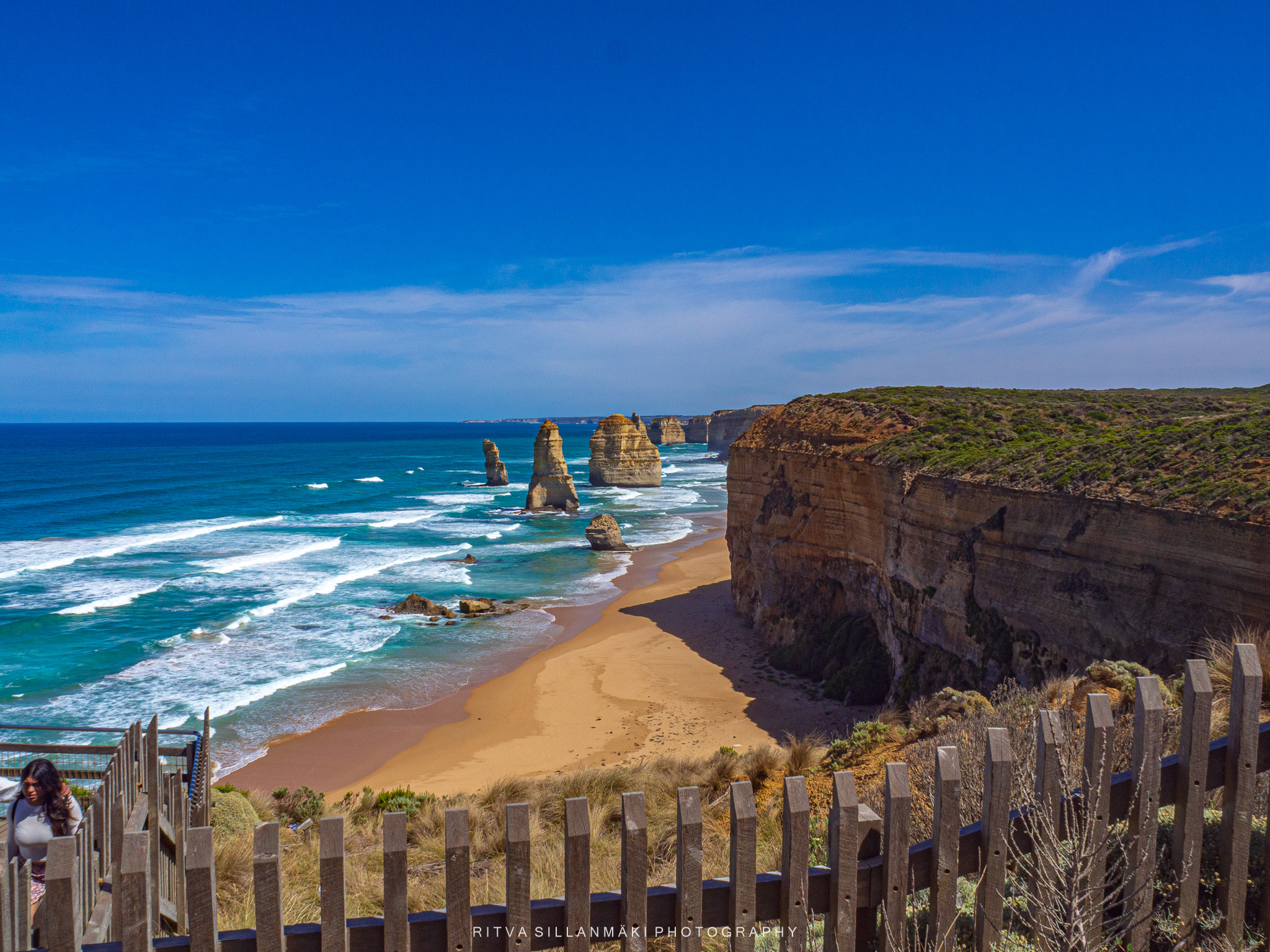
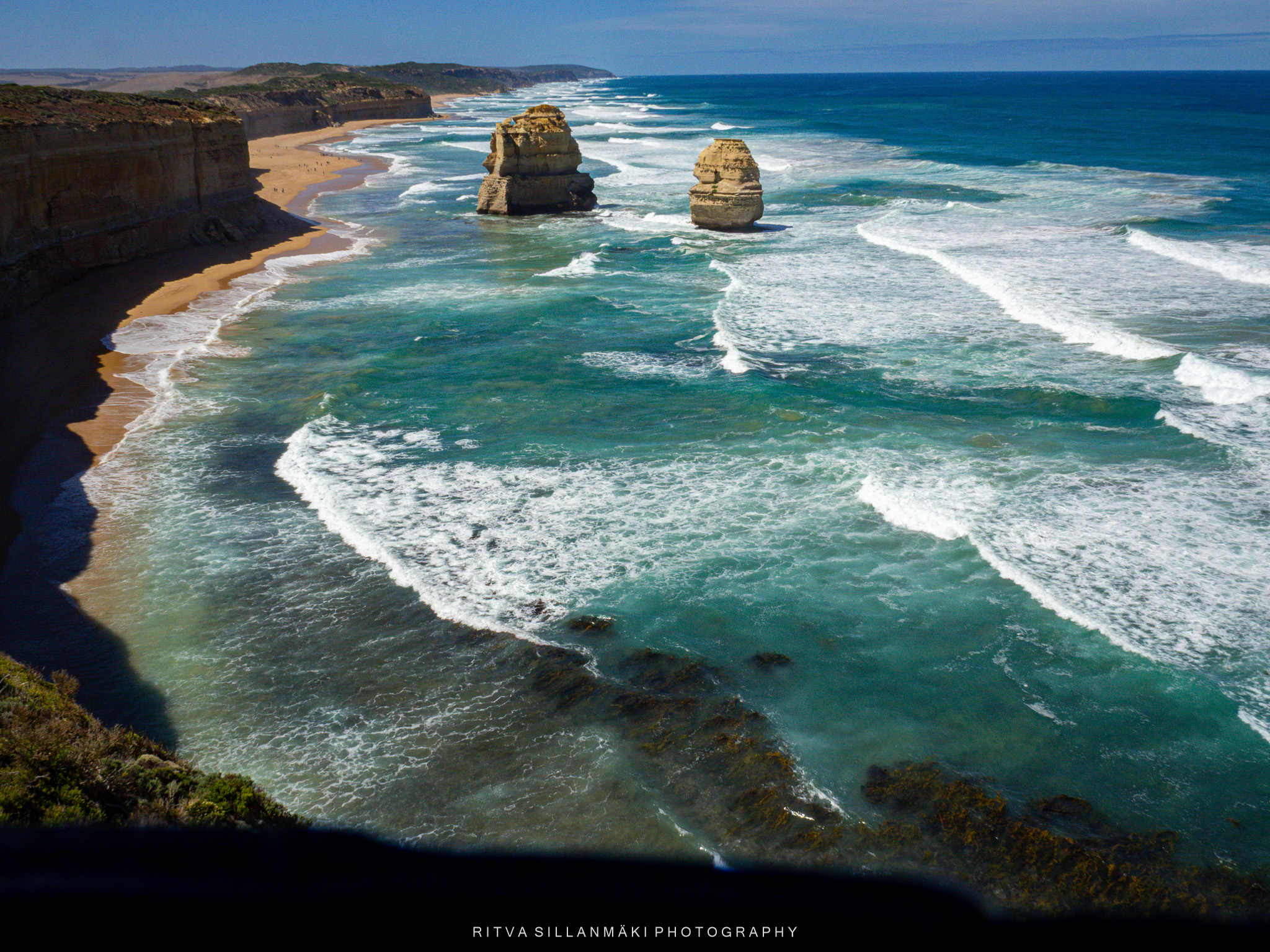
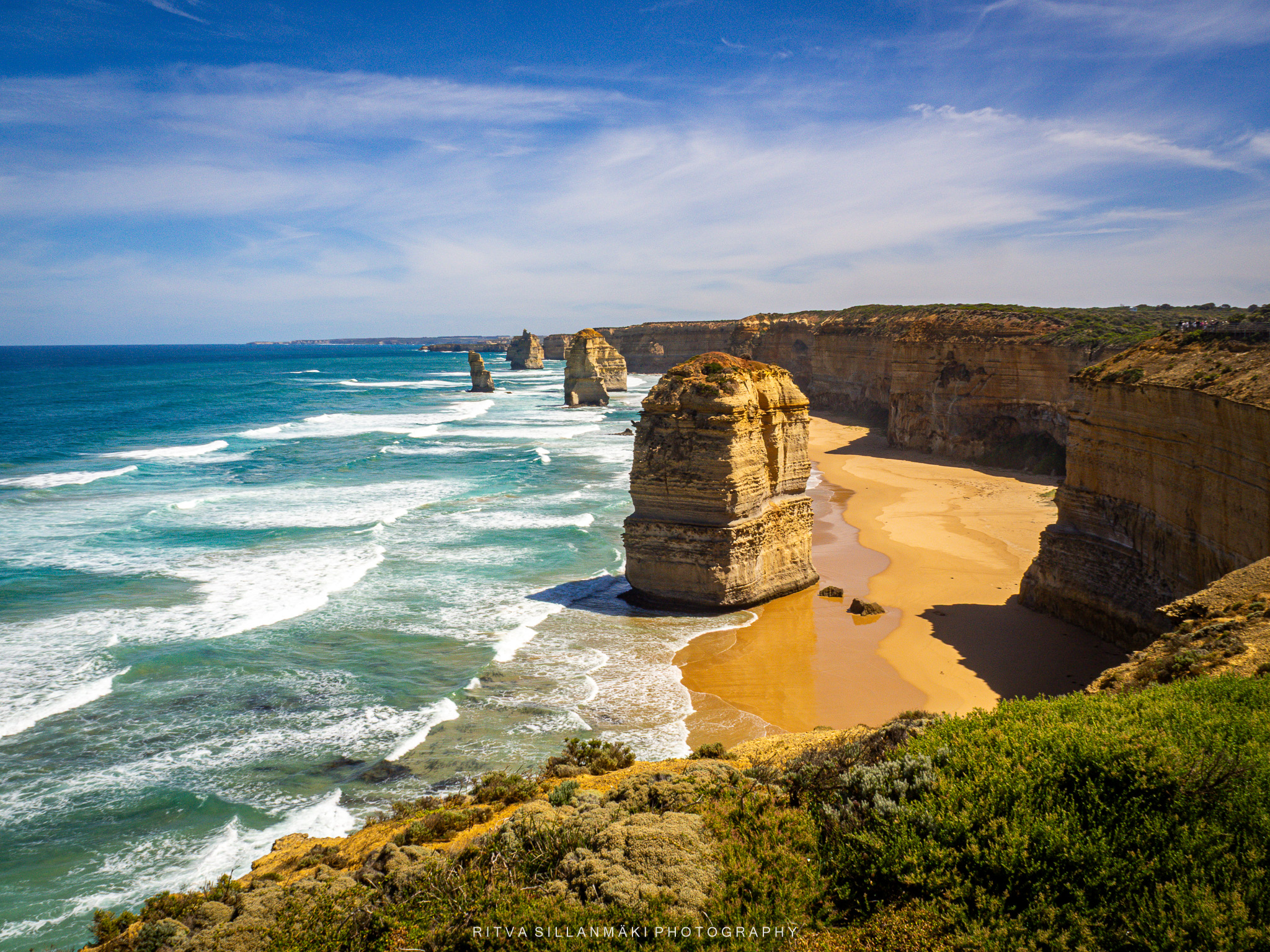
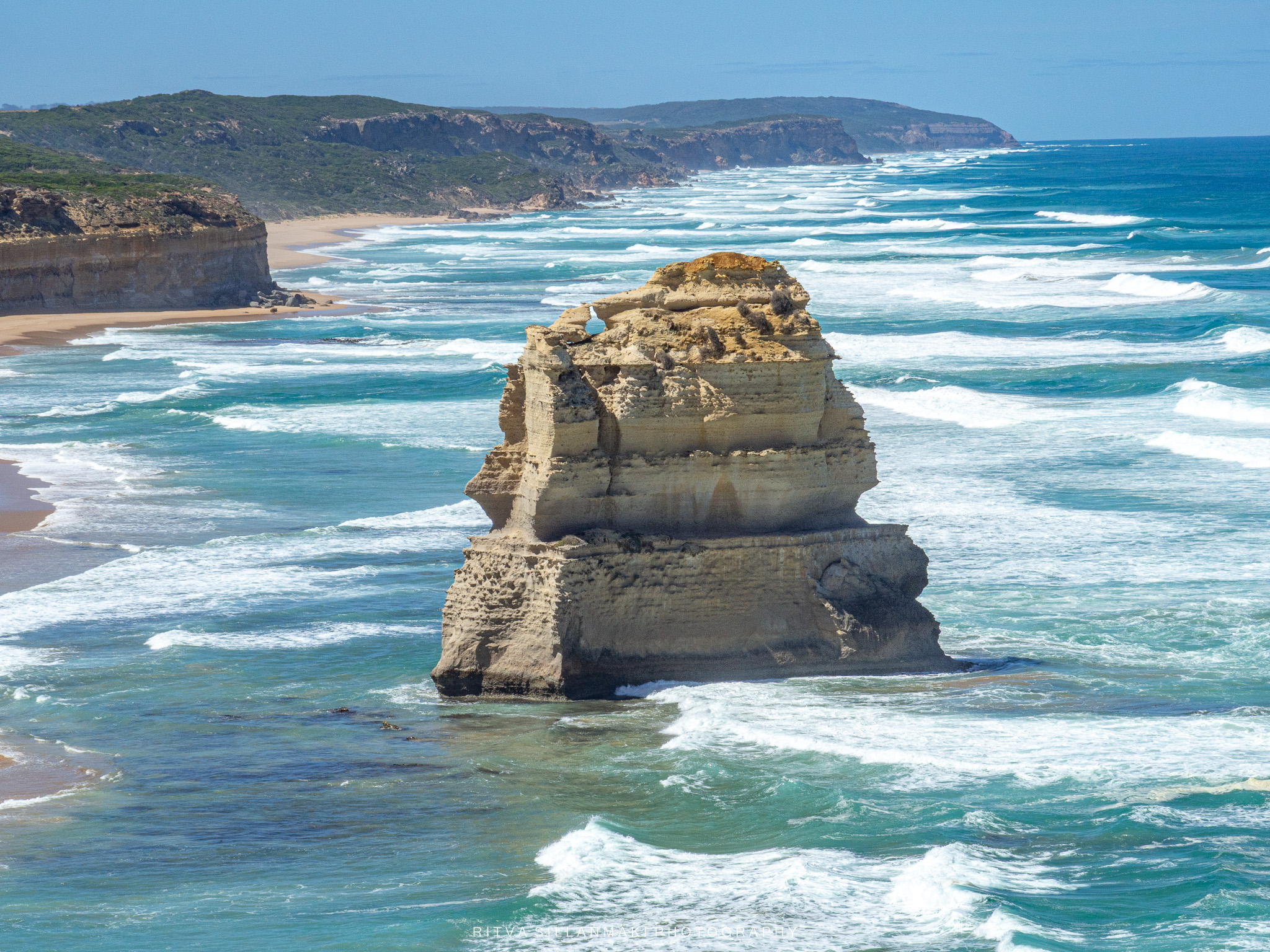
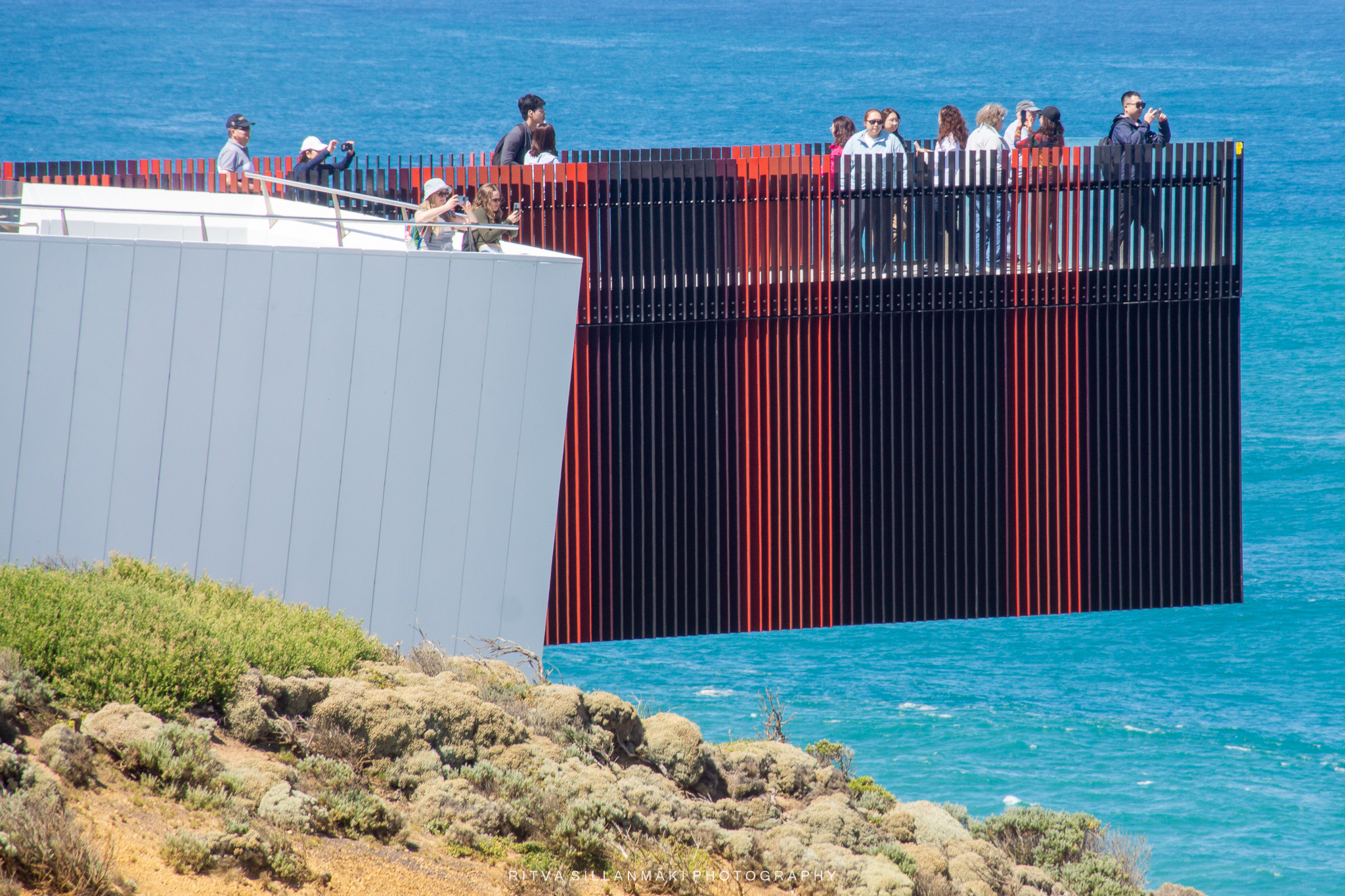
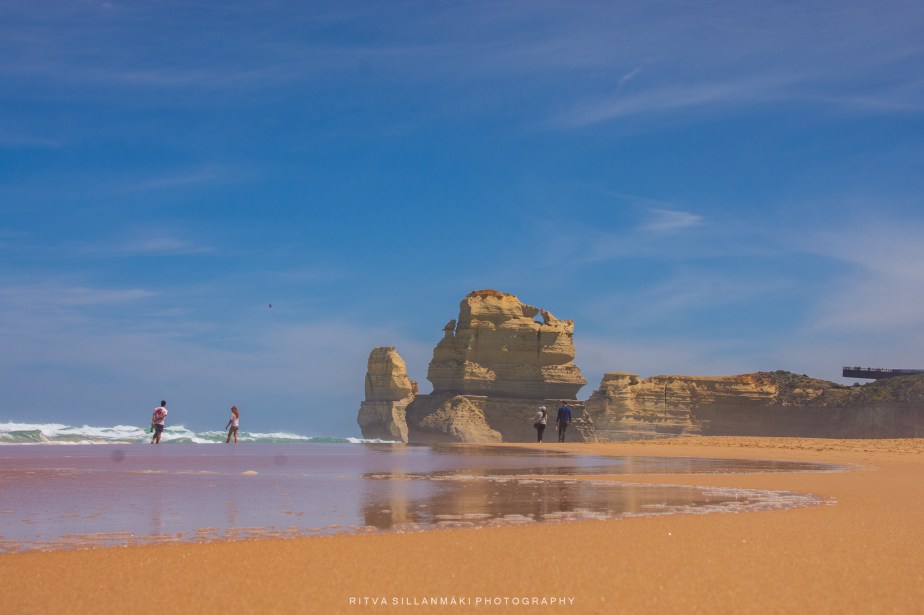
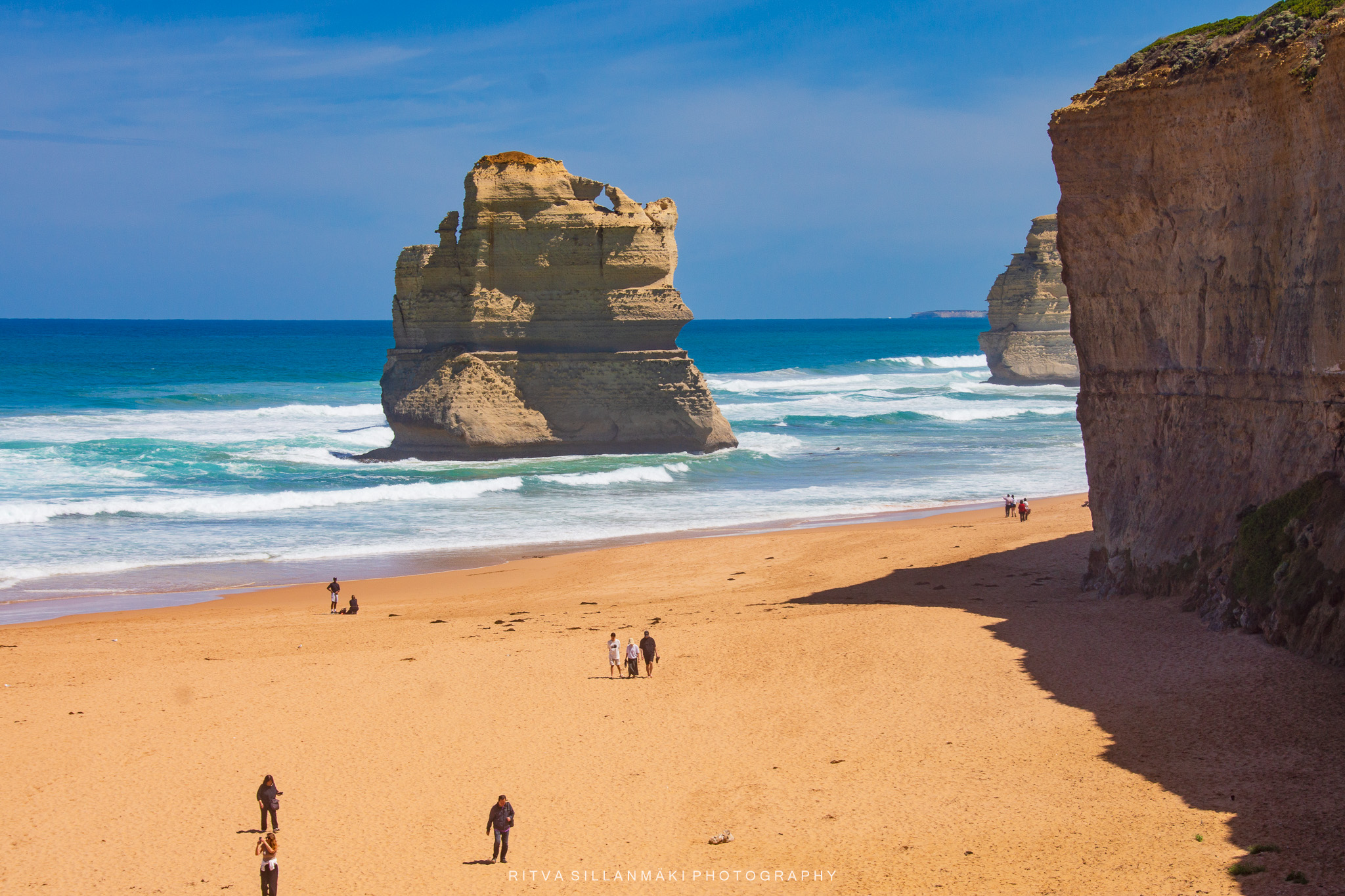
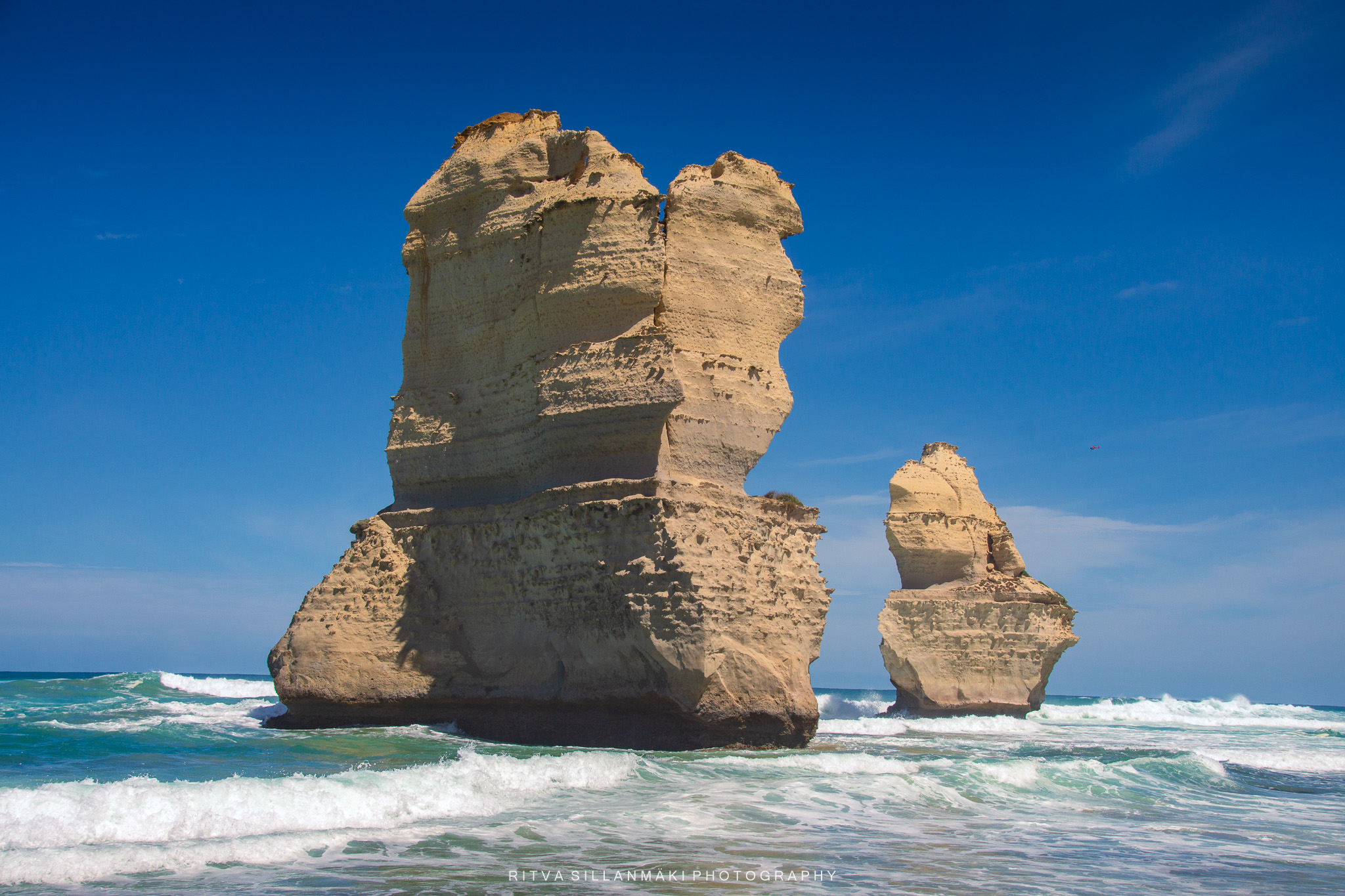
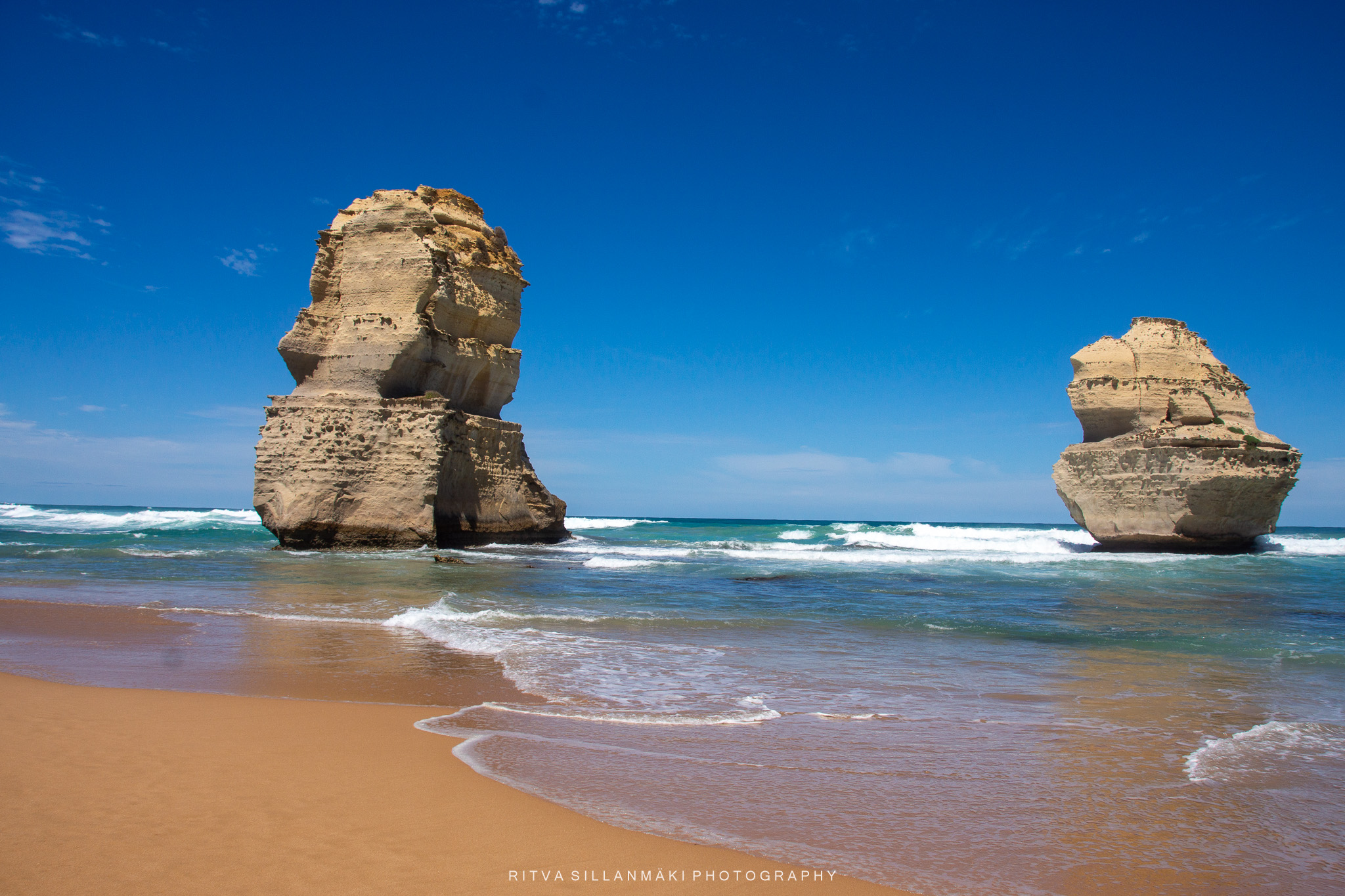
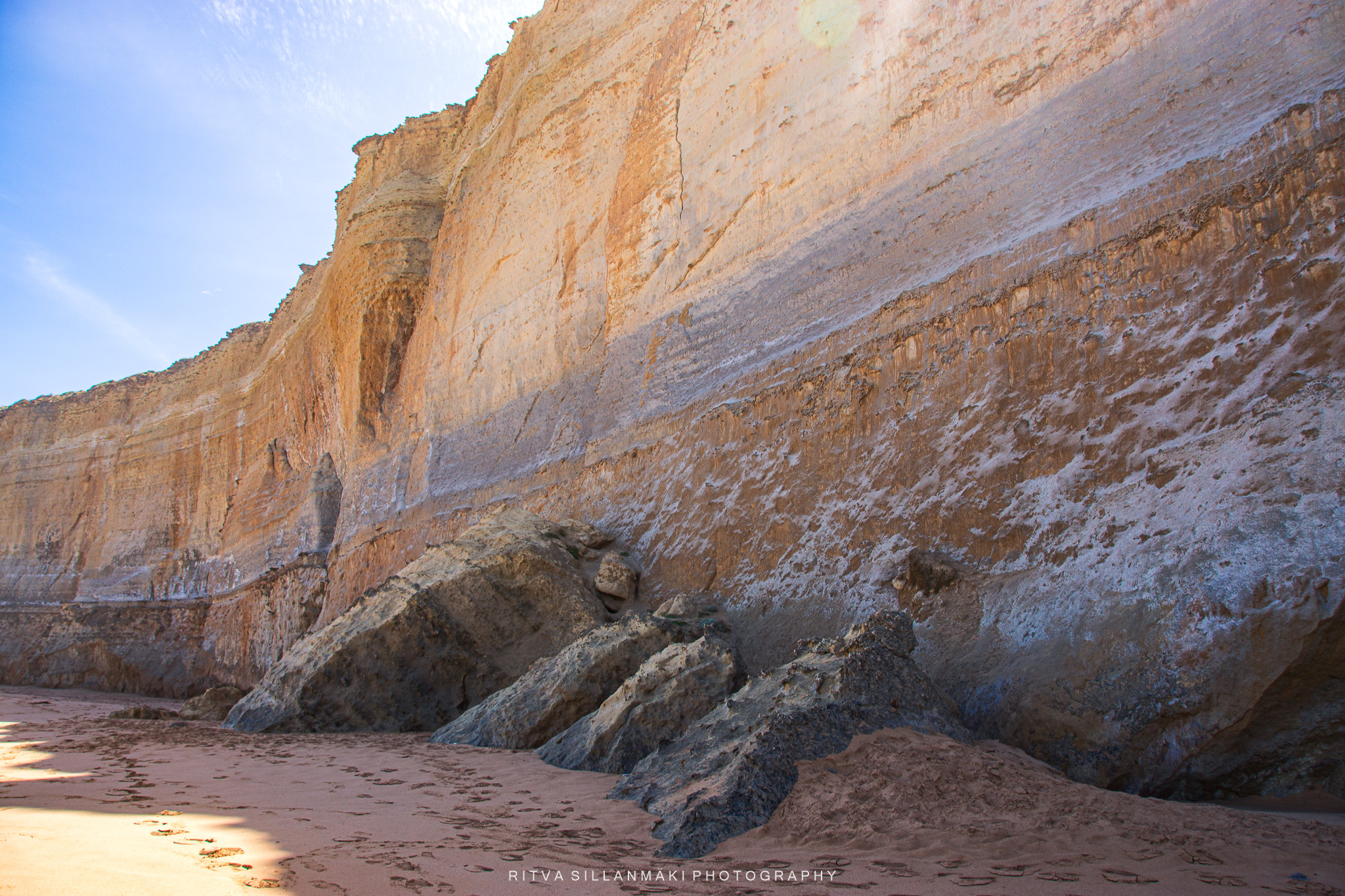
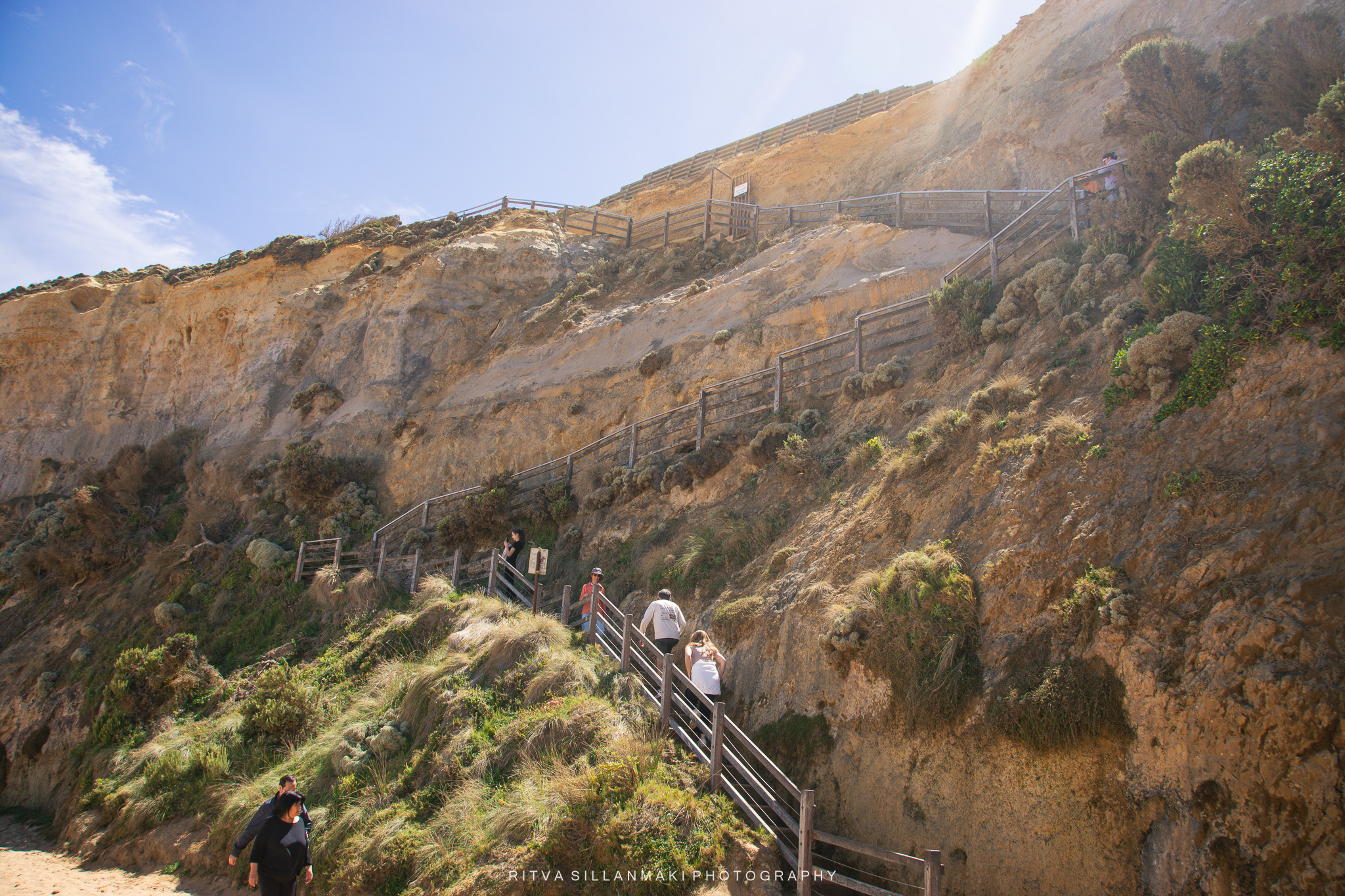
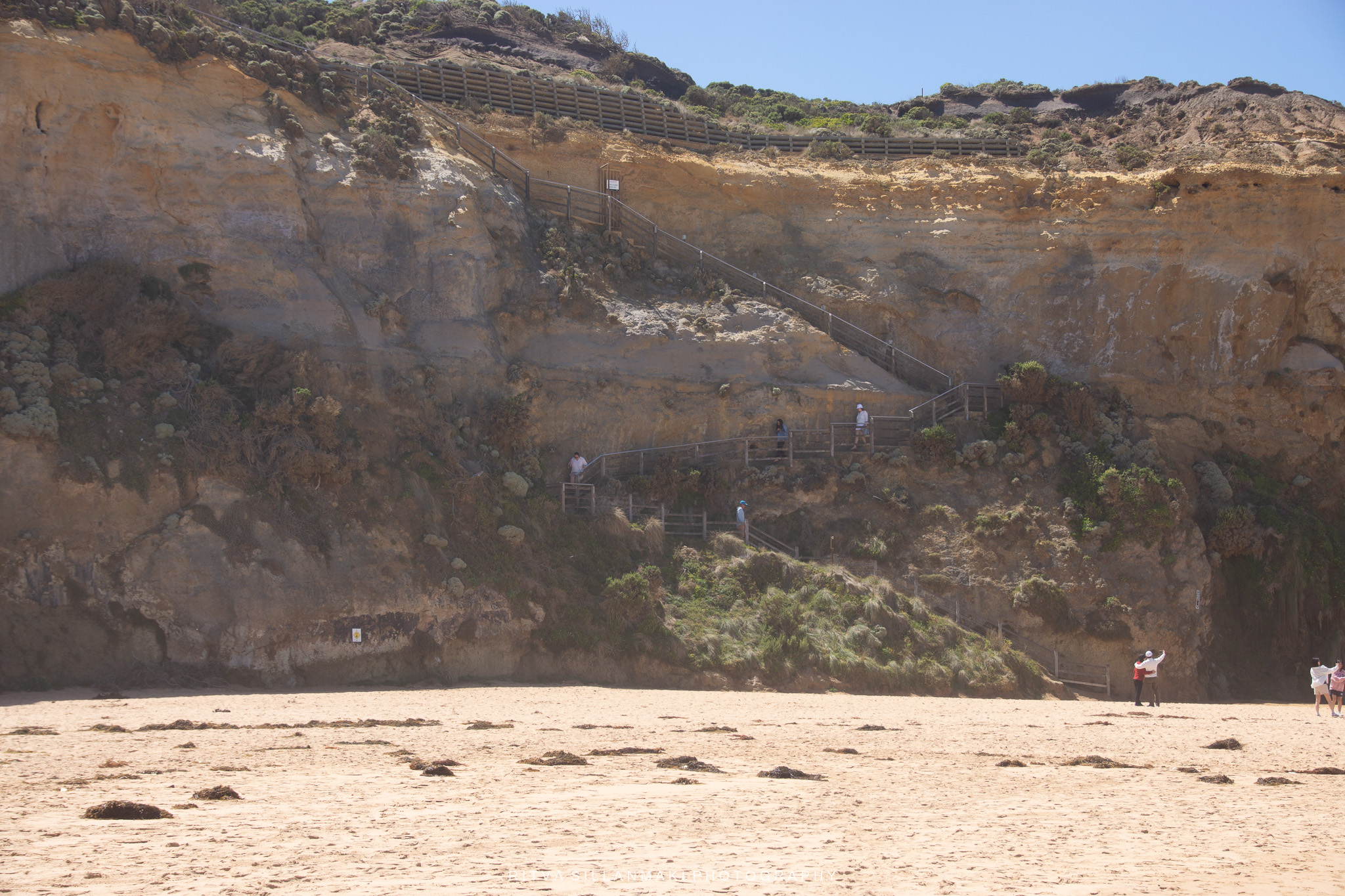
Since the last visit in 2018, 12 Apostles had a new observation deck jutting out of the coastal cliffs. It made it easier to take photographs of those marvels. Not doing my scouting work properly I decided to follow the sign from tourist info and walk to Gibson’s Steps and the beach. It only one kilometer but it was hot, and we could have driven there as well. But the beach was worth the visit. I was able to get some pics of the Apostles reflecting from the wet sand.
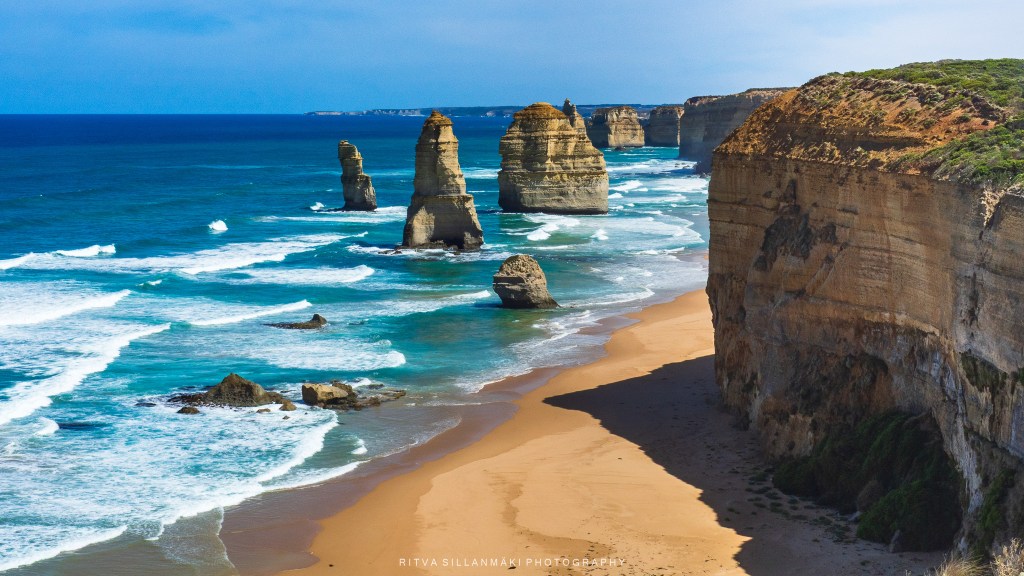
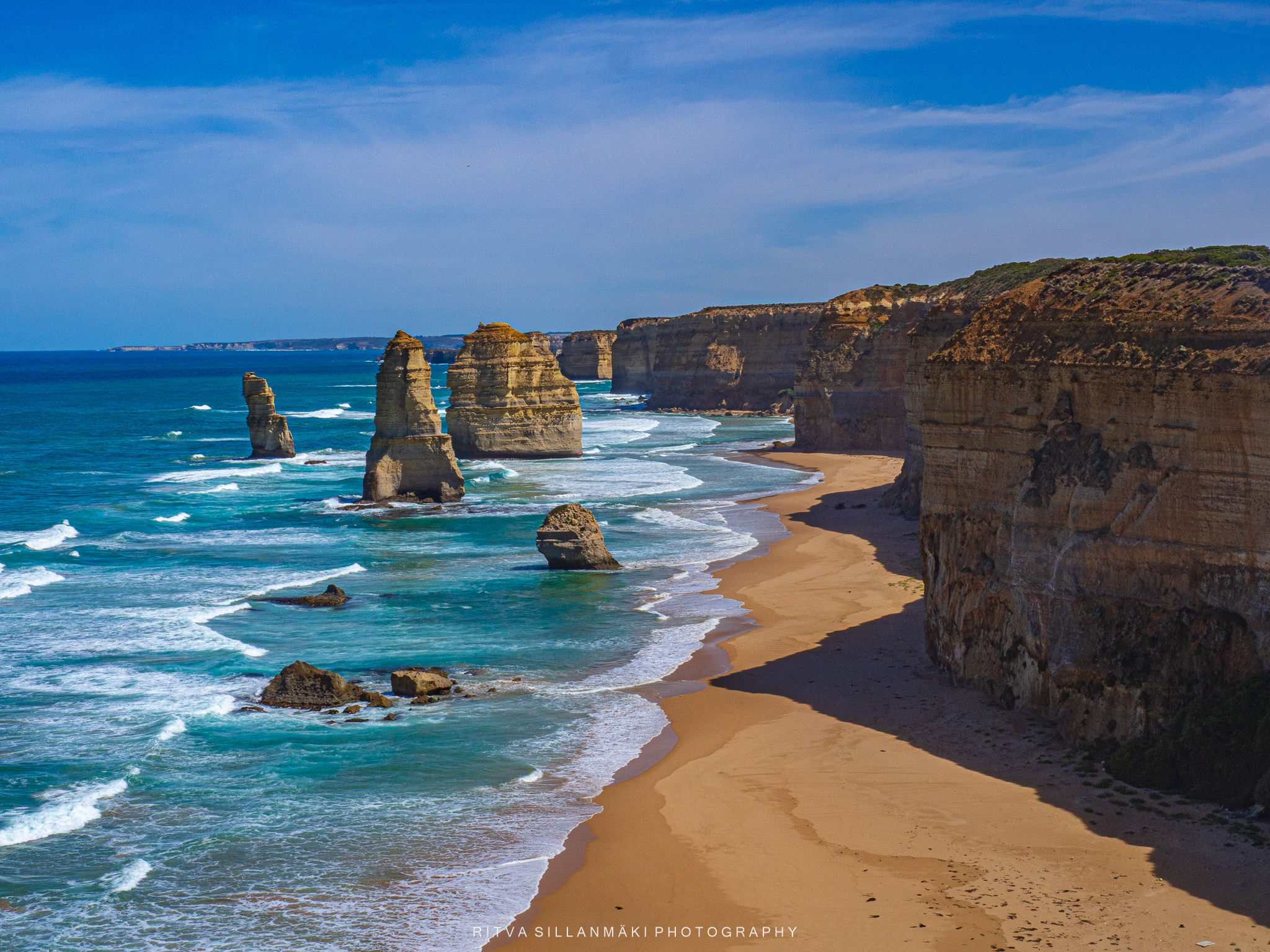
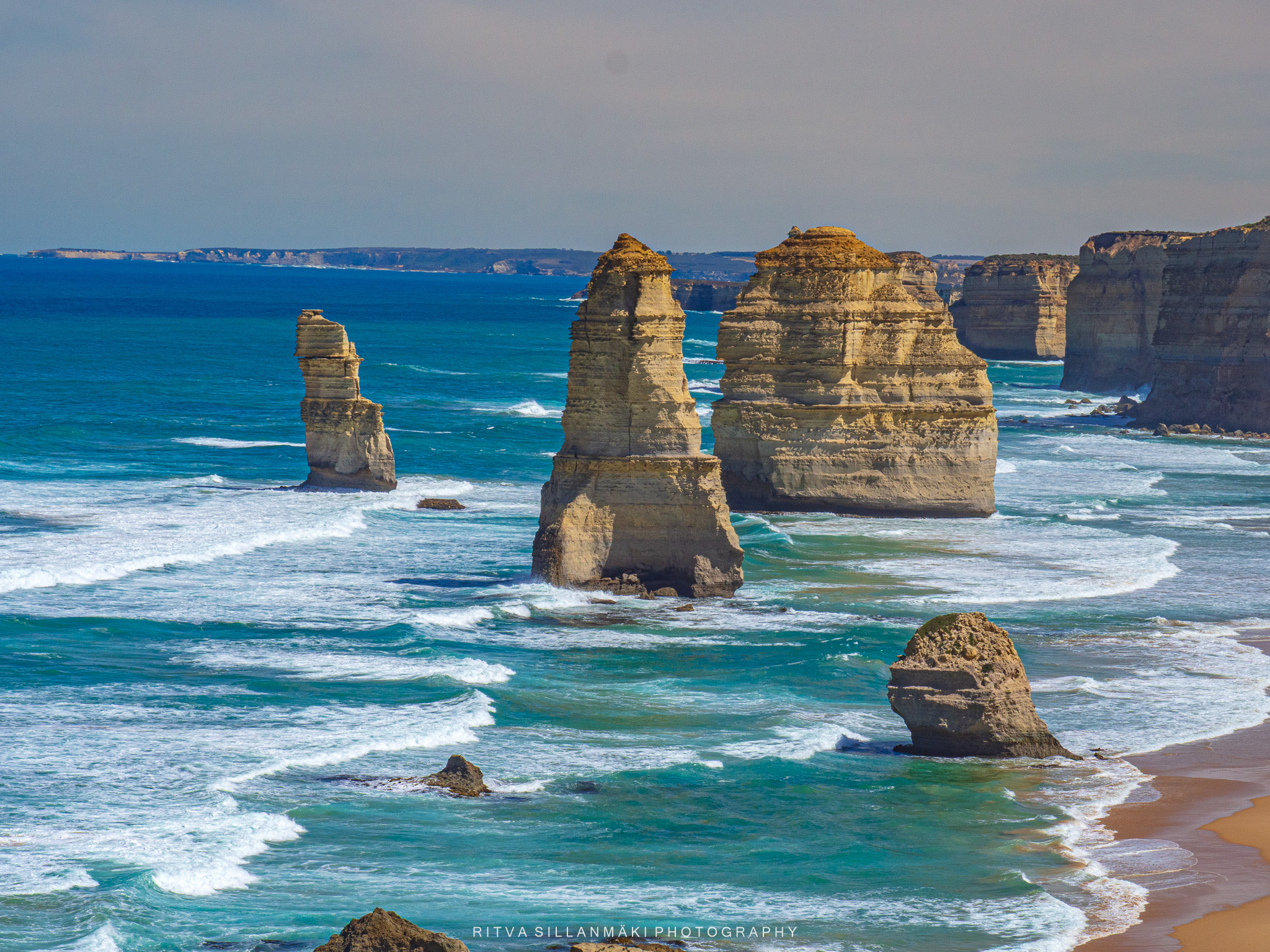
The iconic Twelve Apostles along the Great Ocean Road, the stunning rock formations and vibrant blue waters.
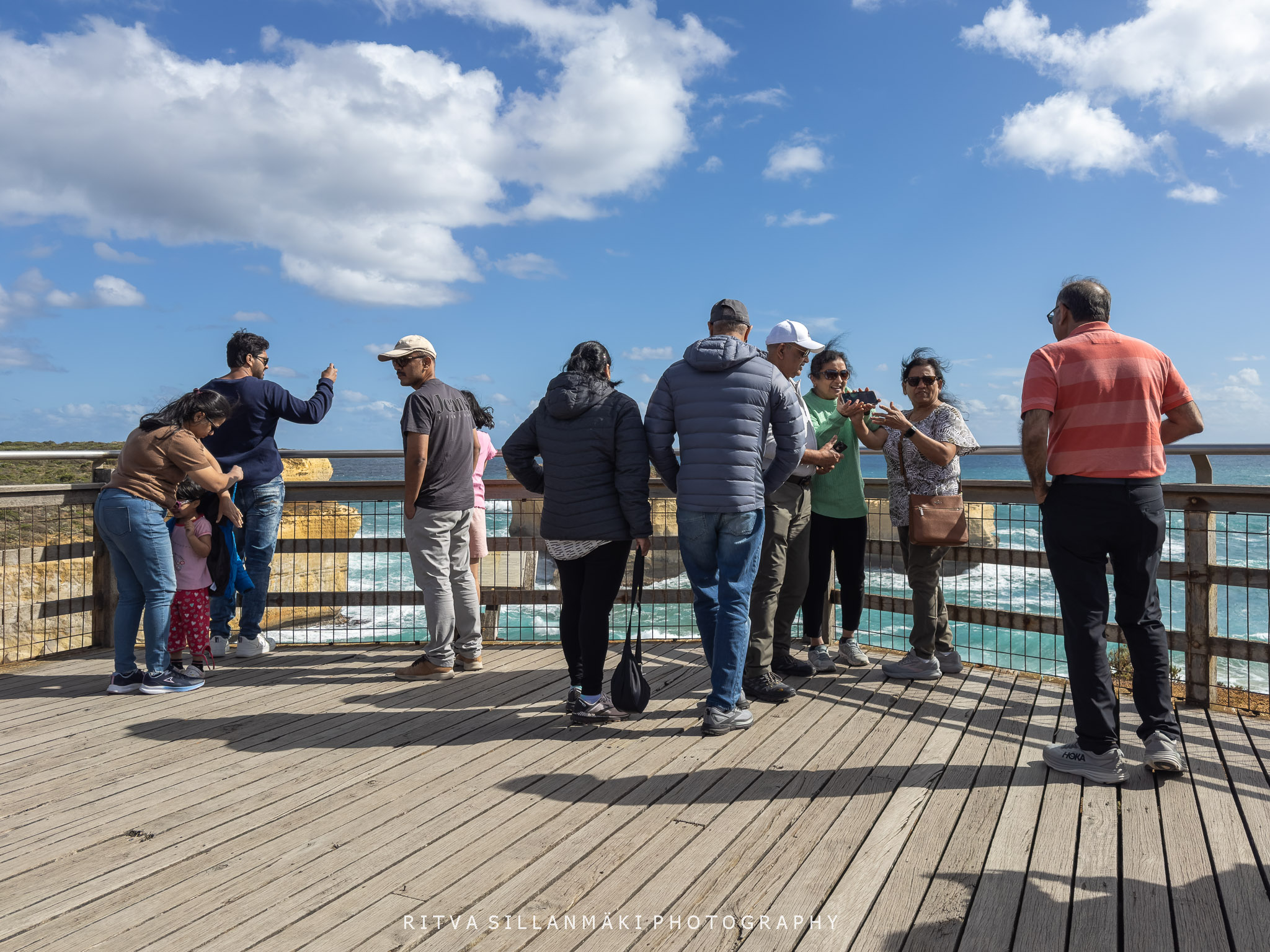
Circling back to the cultural phenomenon of Asian tourists taking pictures. Or at least I think it is culture thing, with all the different poses and selfies? I do take selfies sometimes, like the one with my gorgeous Billabong hat, but I don’t want to go through my holiday pictures and seeing my face in all of them. Imagine showing the pictures to your friends: this is me in front of the Grotto x 5, this is me in front of London Bridge x 10, this is me with victory sign or thumbs up in front of 12 Apostles, etc. But you get the picture. But getting the picture was often hard when there was a bus load of people in front of you. Eventually, there was nothing else to do but to photobomb their pictures.
Twelve Apostles along the Great Ocean Road, the breathtaking coastal cliffs and turquoise waters.
Twelve Apostles from the beach, with reflections on the wet sand.
We had lunch in Port Campbell and in the next table there was an American couple once again. They were from Tampa Bay, Florida. As it happened his grandparents were from North Finland, and he had visited our country when he was a boy. We had a pleasant conversation about their travels. They had visited New Zealand first, then Tasmania, then toured Australia and they were planning on continuing to Great Barrier Reef. The discussion turned to politics, and we got out of there fast. . Enough said.
The day wasn’t over yet; we still had to drive to Bendigo. We decided on Bendigo because it was less than 4 hours from Port Campbell and five hours from Talbingo, where we originally planned to go. Talbingo was a no go, but it was too late to cancel Bendigo. I also picked Bendigo because I once knew a professional poker player Keith “Bendigo” Sloan. He was from Bendigo but that is another story.
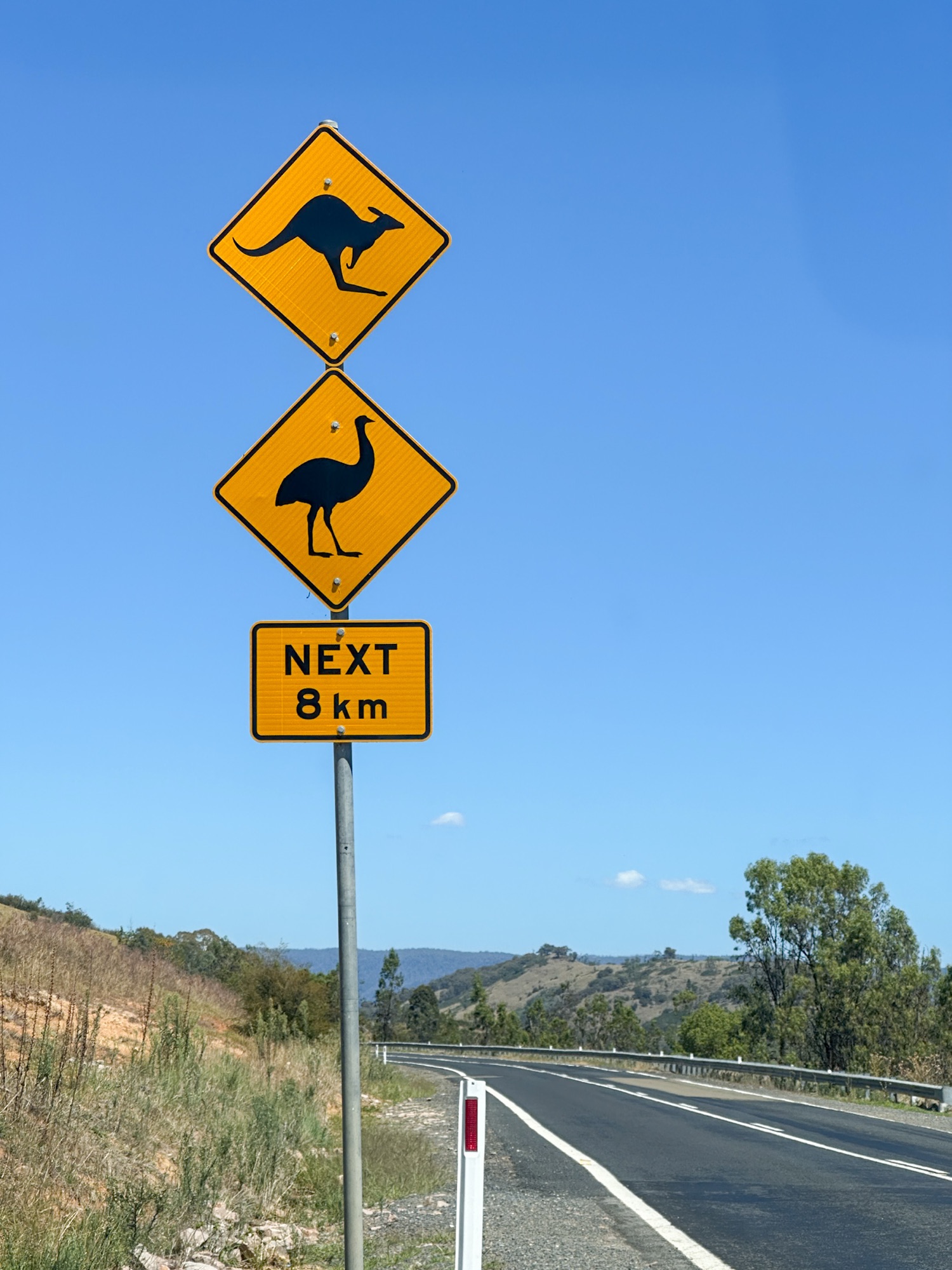
Now comes the part where I lost my faith in Google Maps many times. The Great Ocean Road is not situated in, let’s say, densely populated area. Next to it there is basically farmland, and the beginning of our drive was a combination of narrow asphalt roads, gravel roads, cattle, sheep, gum trees and warning signs for kangaroos. Turn right to stay on Cobden-Port Campbell Rd/C164 and drive 1,6 km, turn right to Cobden-Terang Rd/C156/C164 and drive 210 m, continue Neylon St and drive 1,3 km, continue from the roundabout to Camperdown-Cobden Rd/C164 and drive 12,5 km, turn right to Manifold St/Princes Hwy/A1/C164 and drive 60 m, turn left to Cressy St/C164 continue C164 for8,8 km and so on. Seemed it was forever until we got on any highway. That’s what you ask for the fastest and most fuel-efficient route from Google Maps.
But it was so much fun! The roads were in good shape and there was hardly anybody on the road. The speed limit was most of the time 100 km but like I said – no traffic. And no traffic means that somebody next to me is screaming – STOP – every few minutes to, you guessed it, take a picture or hundreds of them. Eventually we got to Bendigo just in time to collect the keys to the room and visit Woolworths or Woolies to the locals.
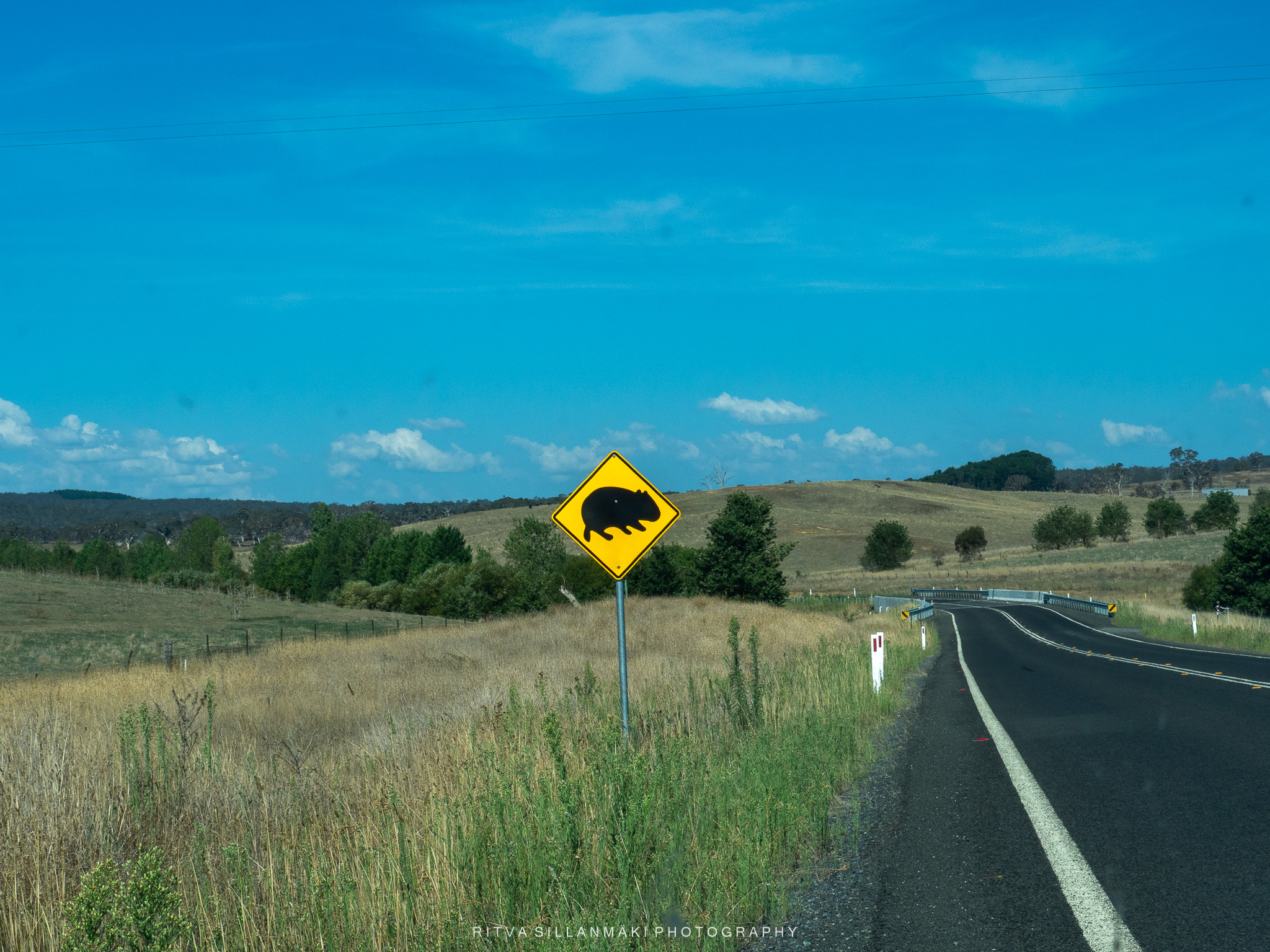
I always picked our drive to happen during the daylight. The reason being kangaroos and wombats. They move mostly from dusk till dawn. Most cars have the kangaroo bumpers for a good reason. The name says it all. Our high-end Corolla didn’t include kangaroo bumpers. It was sad to see so many road kills. We drove over 4700 km but still the number of dead kangaroos was staggering, and we saw couple of wombats, too, and one dead deer. I’m sure to local people kangaroos are mainly pests but to us they just seemed so cuddly and funny. If I understood correctly kangaroos are not very smart when it comes to traffic. They freeze in the headlights or something.
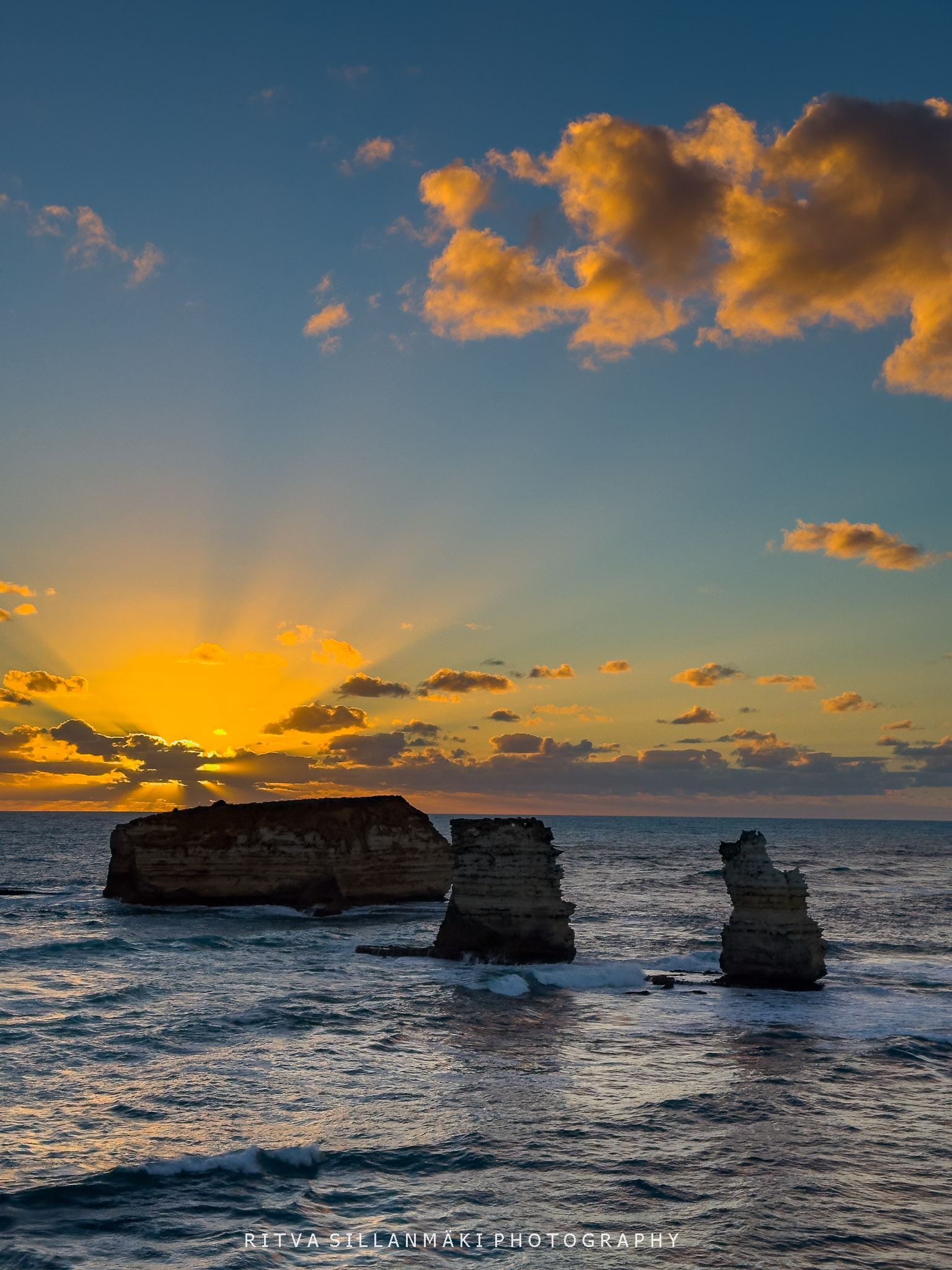
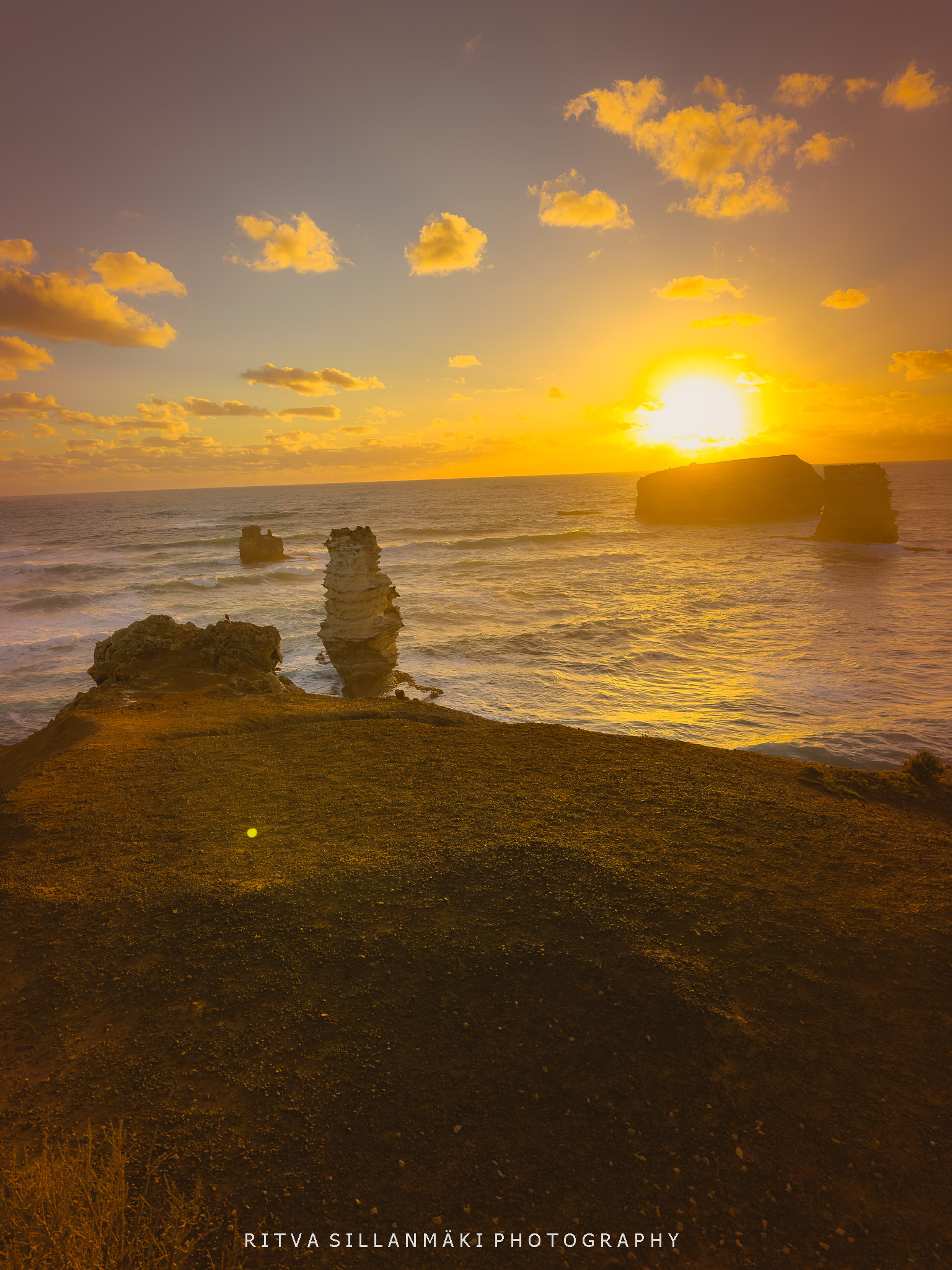
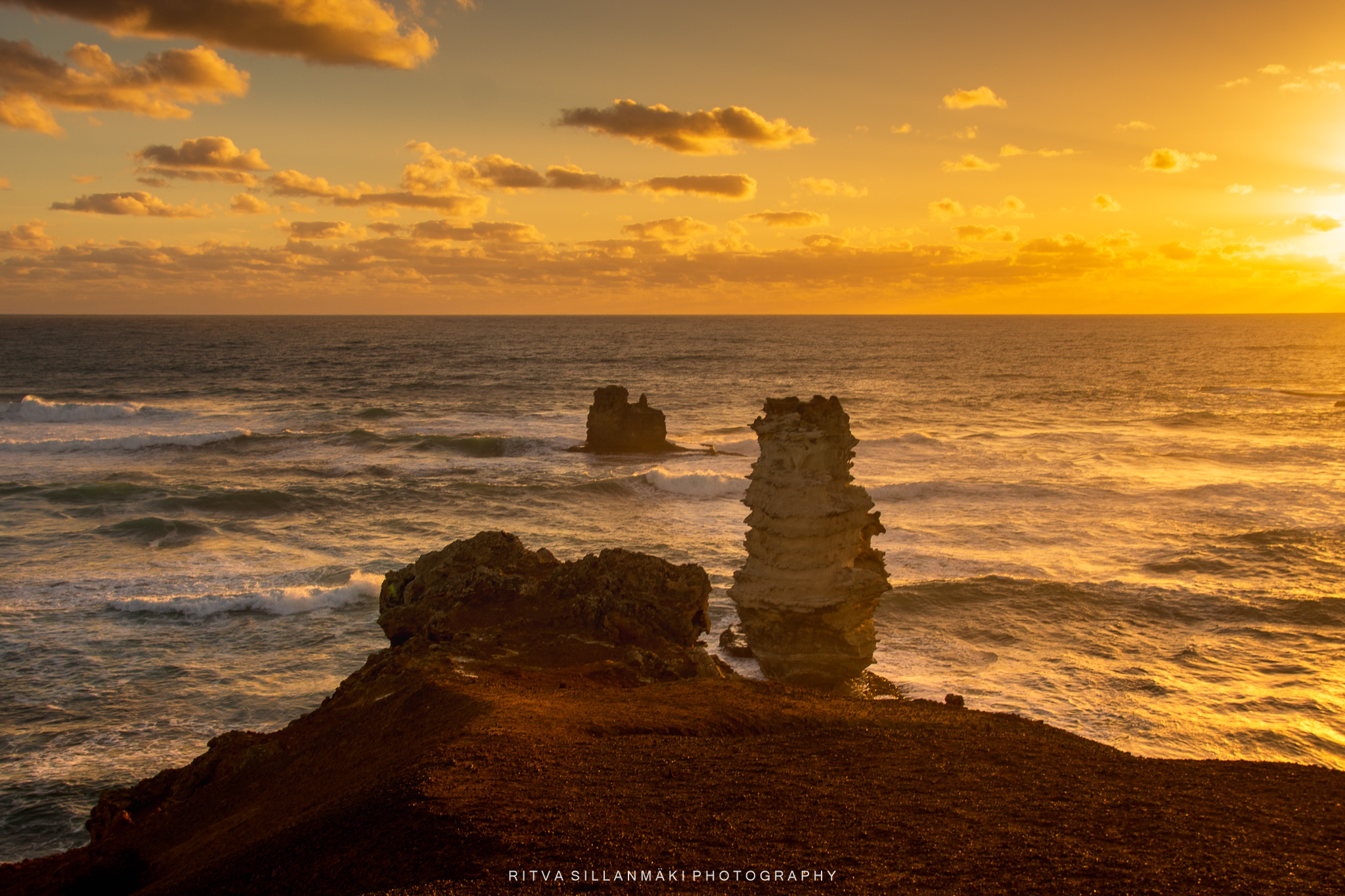
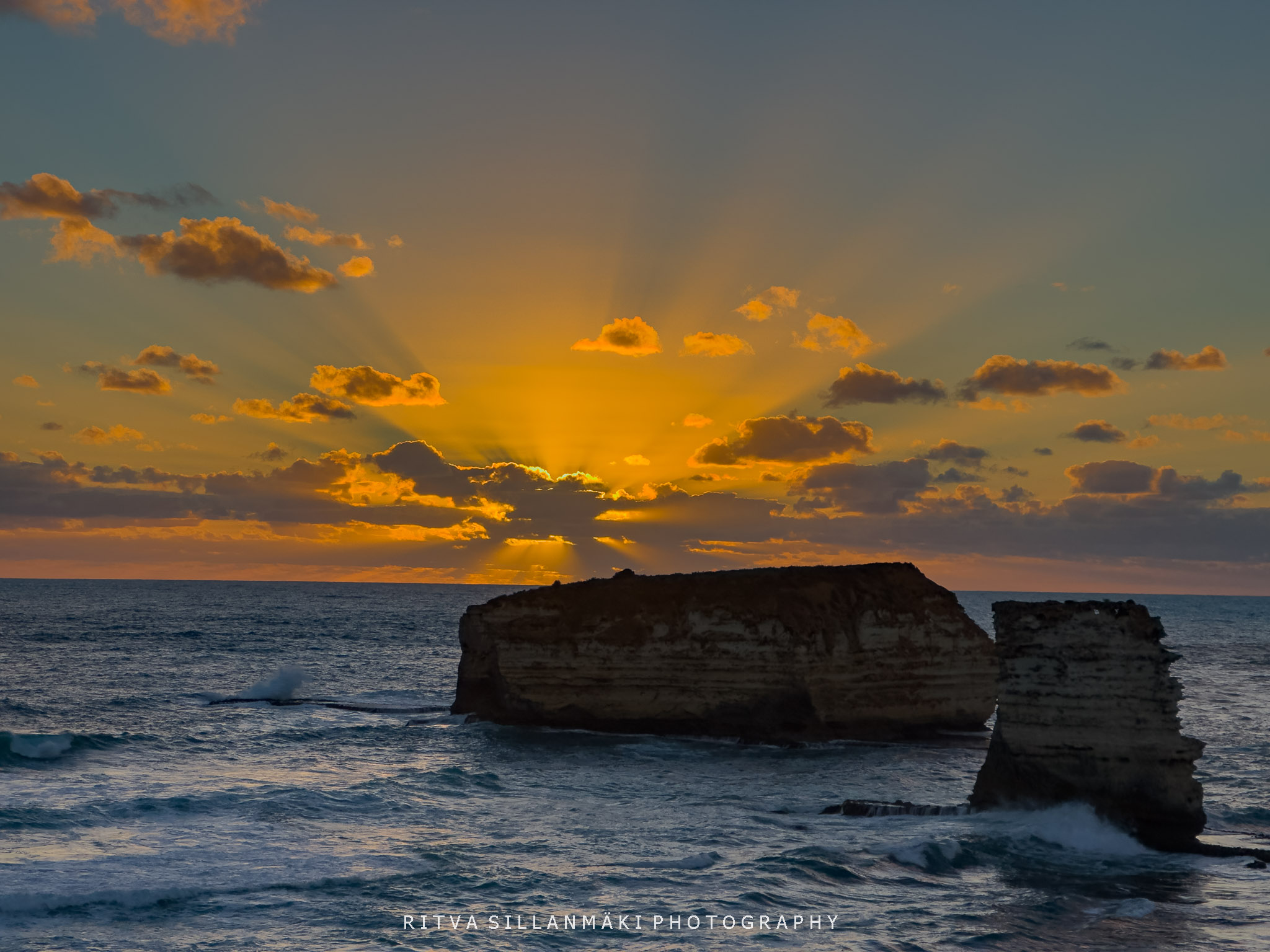
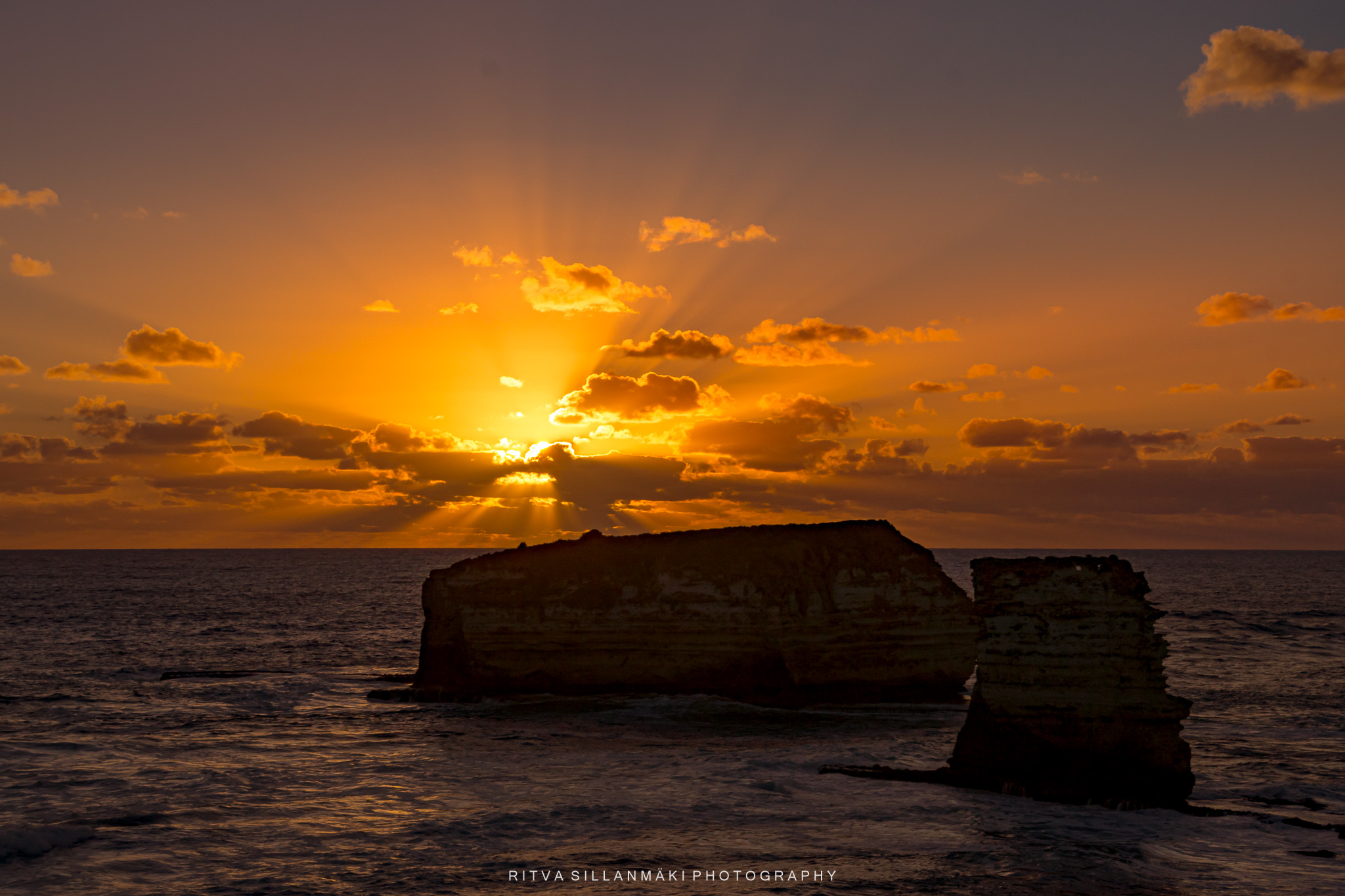
We arrived at Peterborough around 2 and our accommodations were ready. To my surprise we stayed in a house owned by elderly gentleman named Jim. Somehow, I was expecting motel again. His house was split in half and this pleasant fellow lived in the other half of the house. After arriving fairly early we had plenty of time start exploring the area. We managed to visit Bay of Islands, Bay of Martyrs and The Grotto.
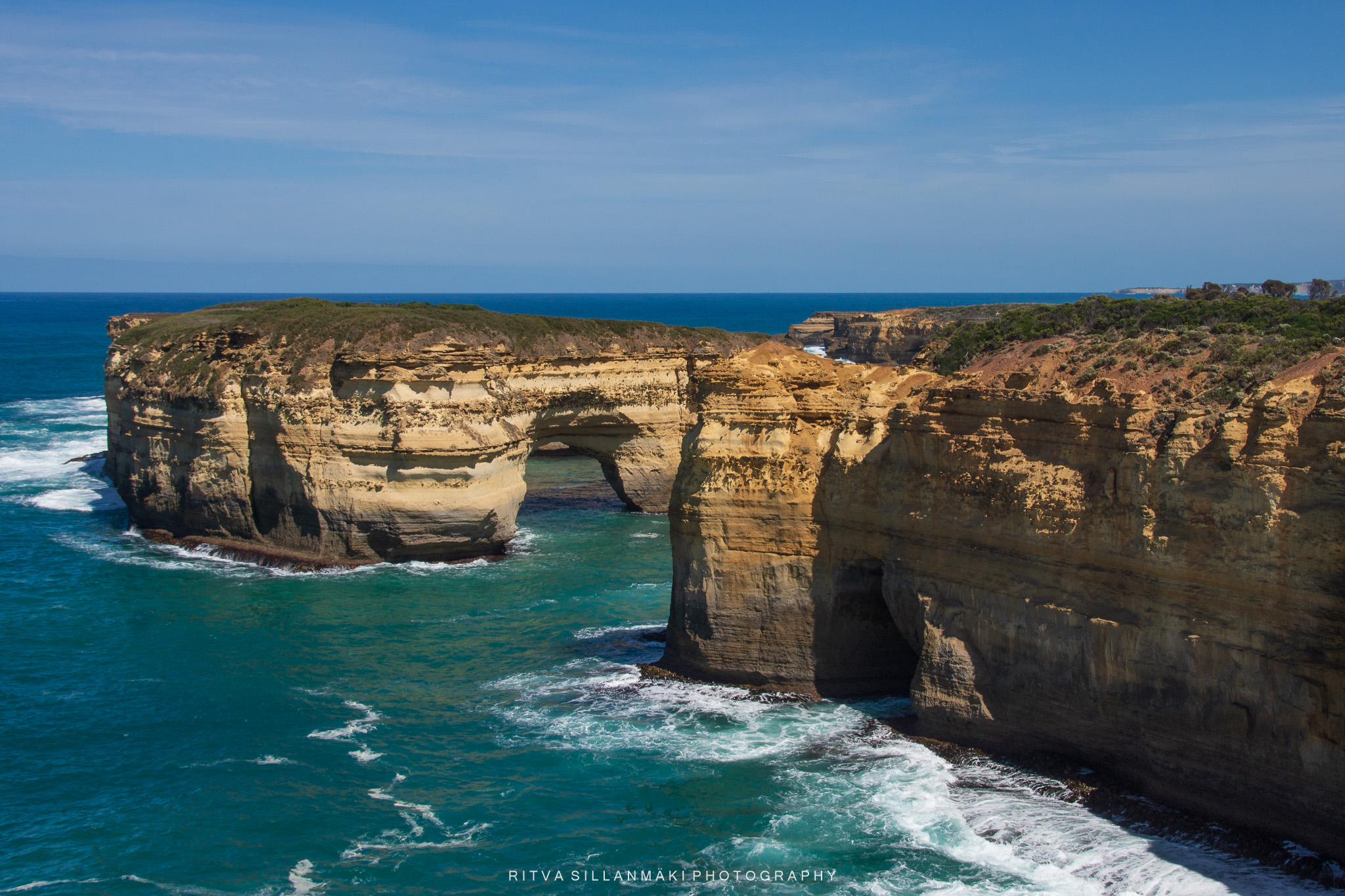
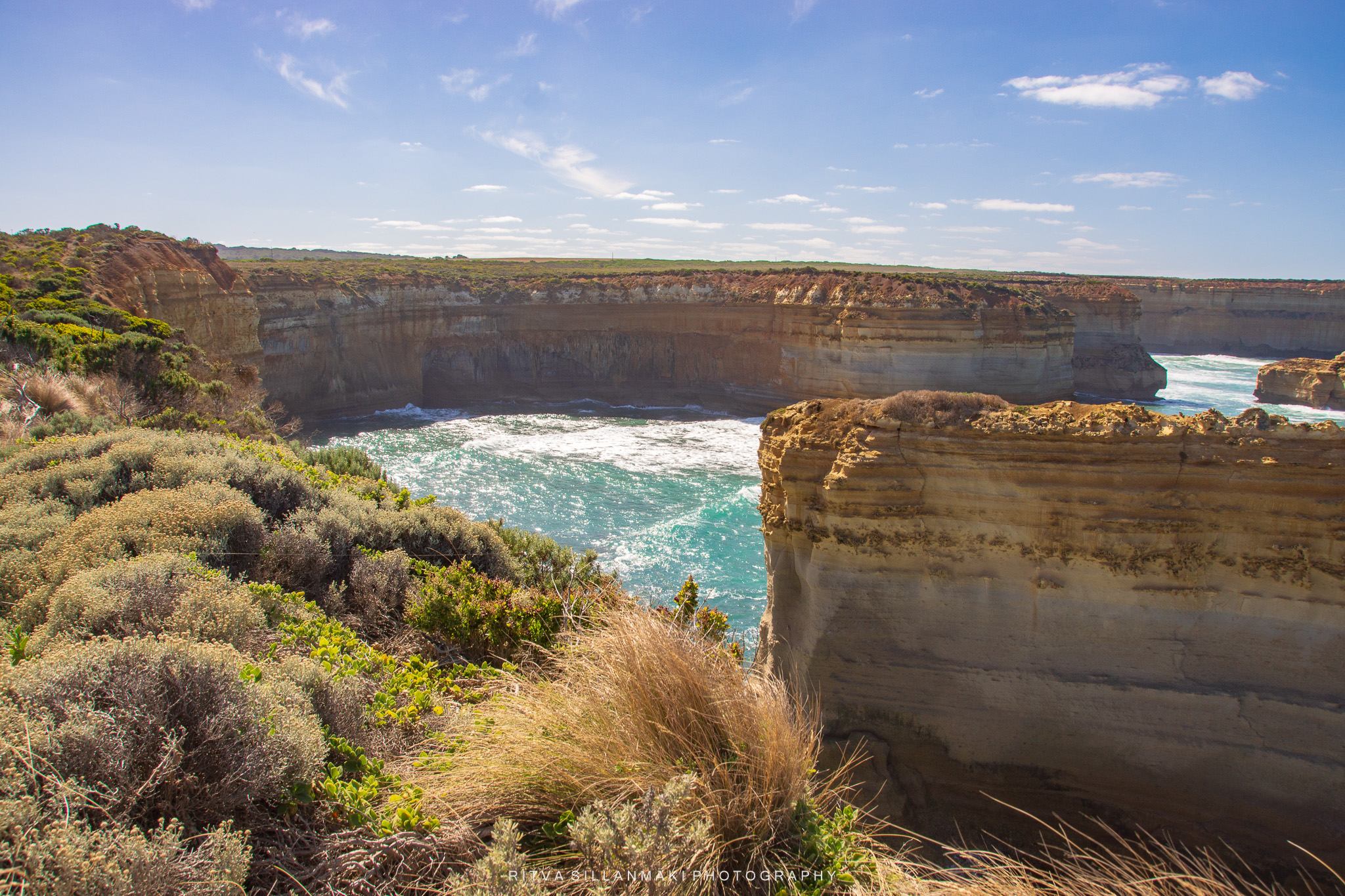
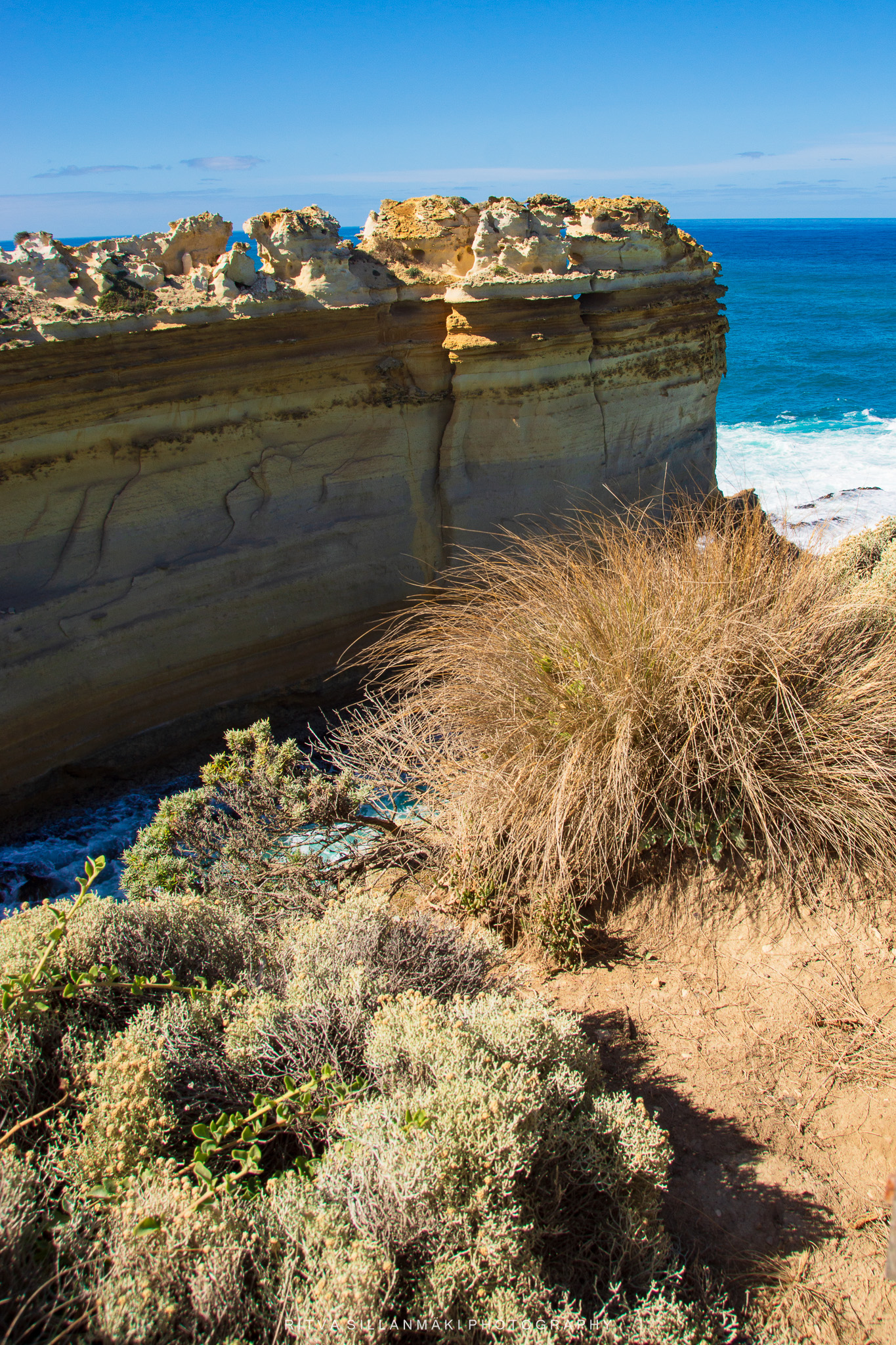
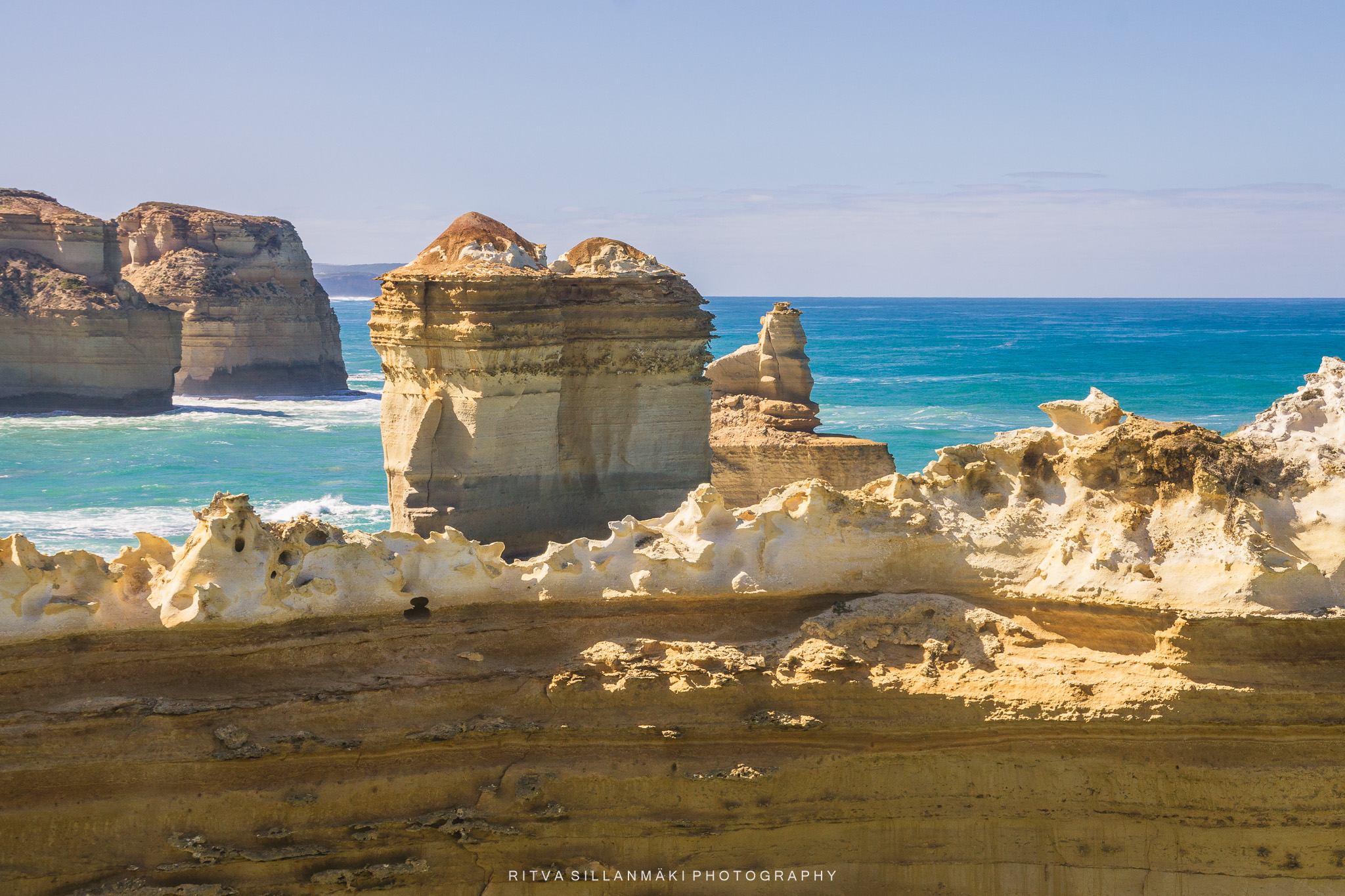
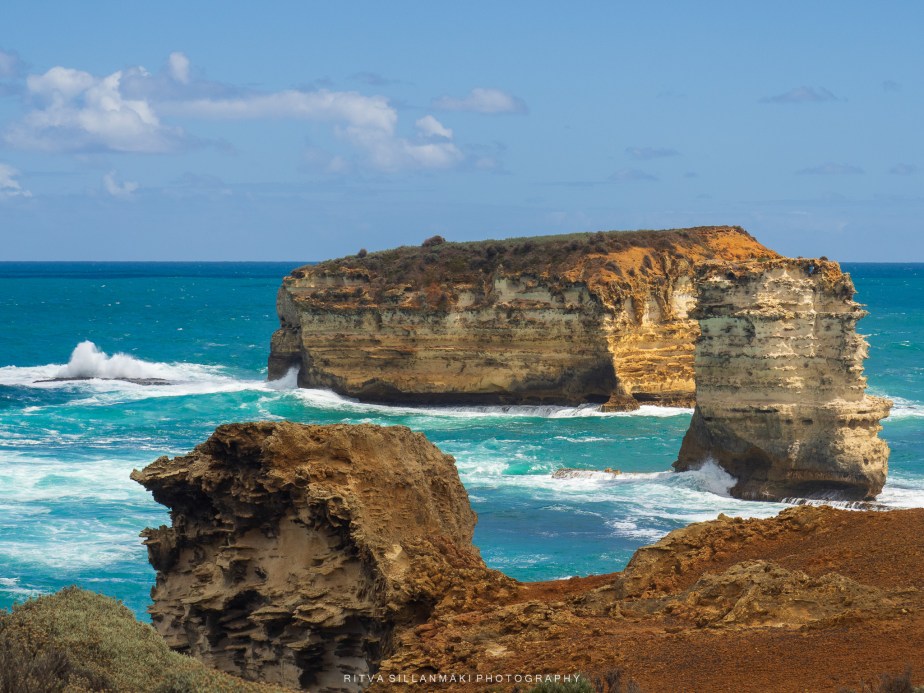
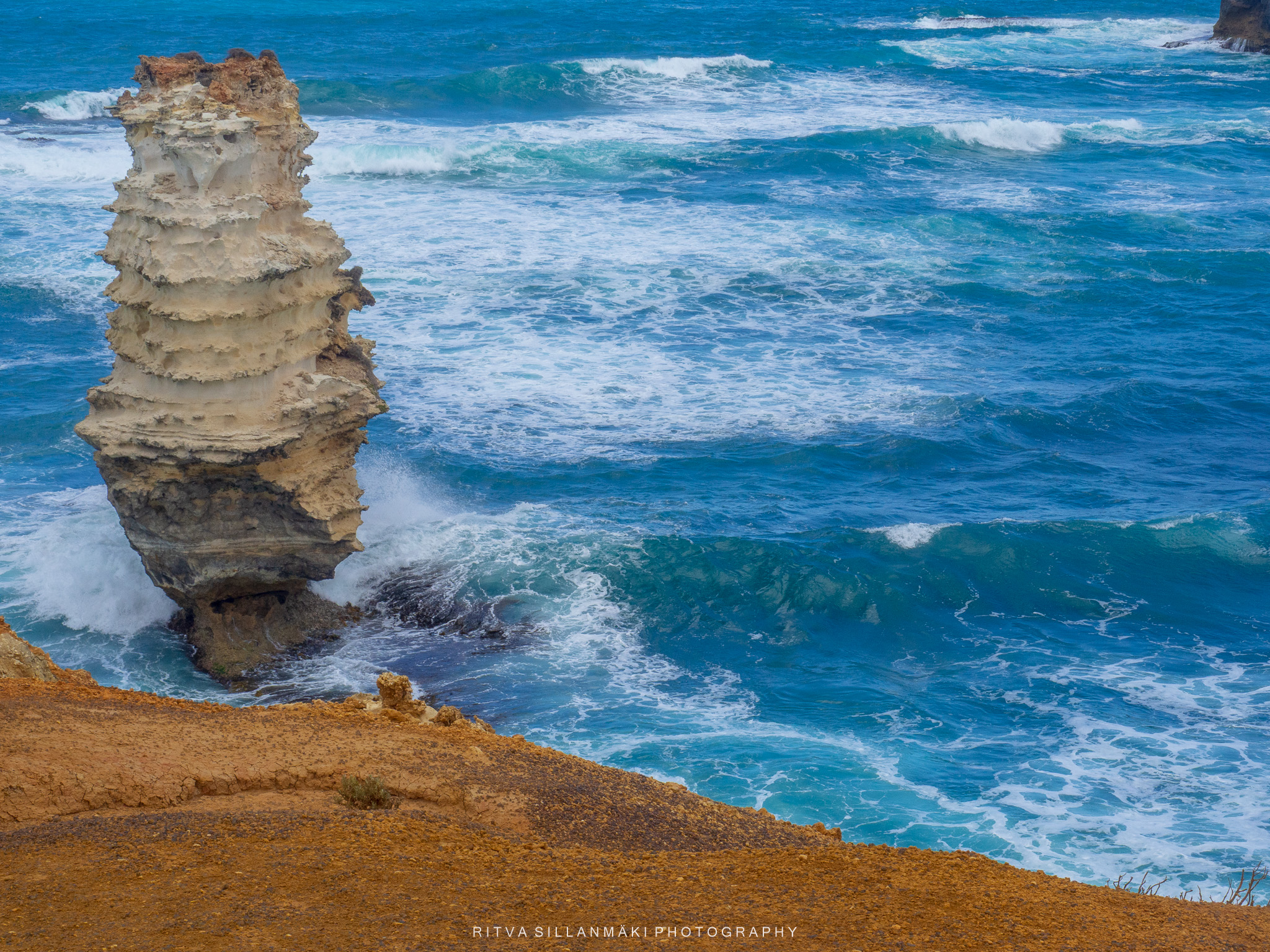
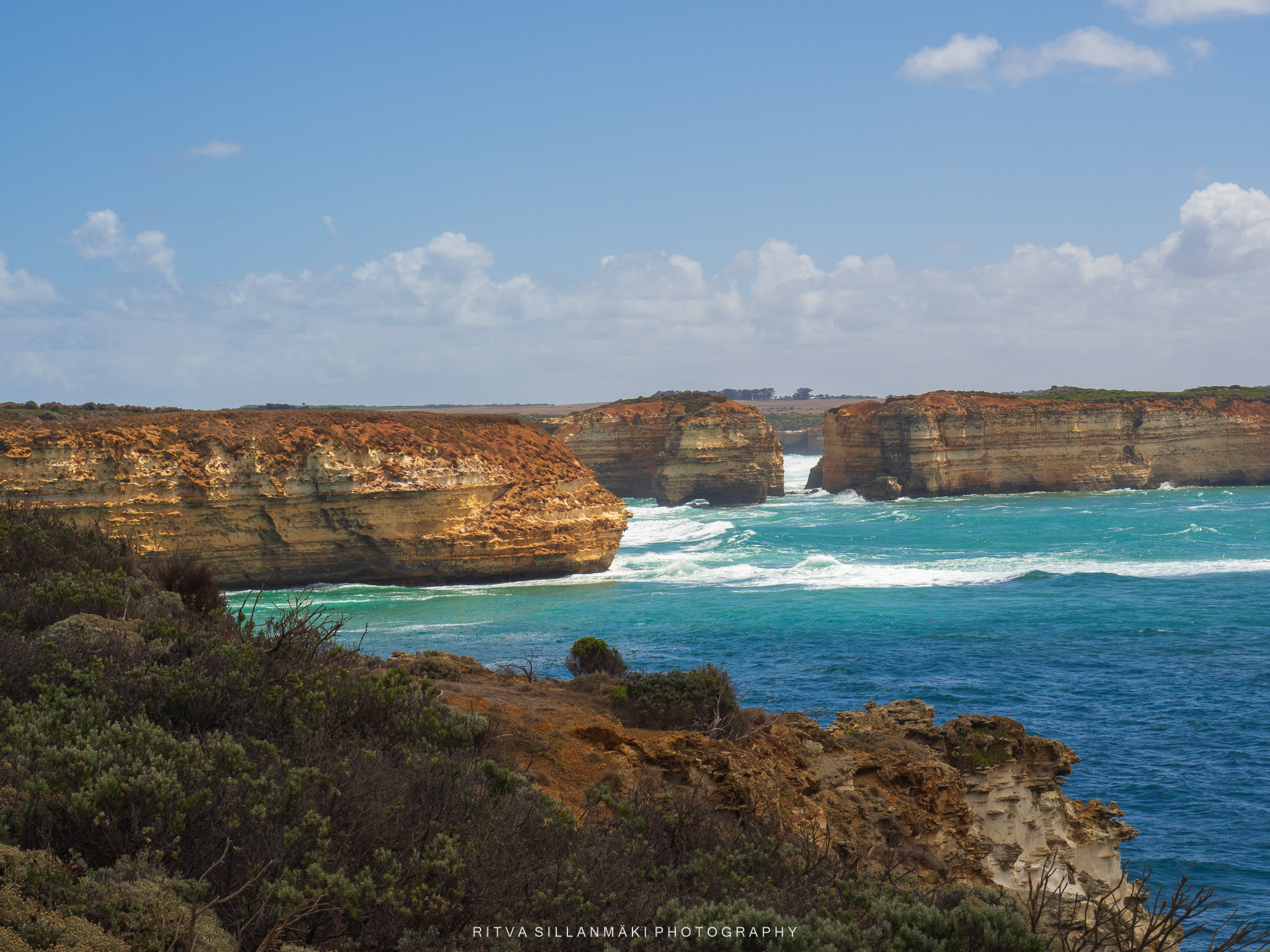
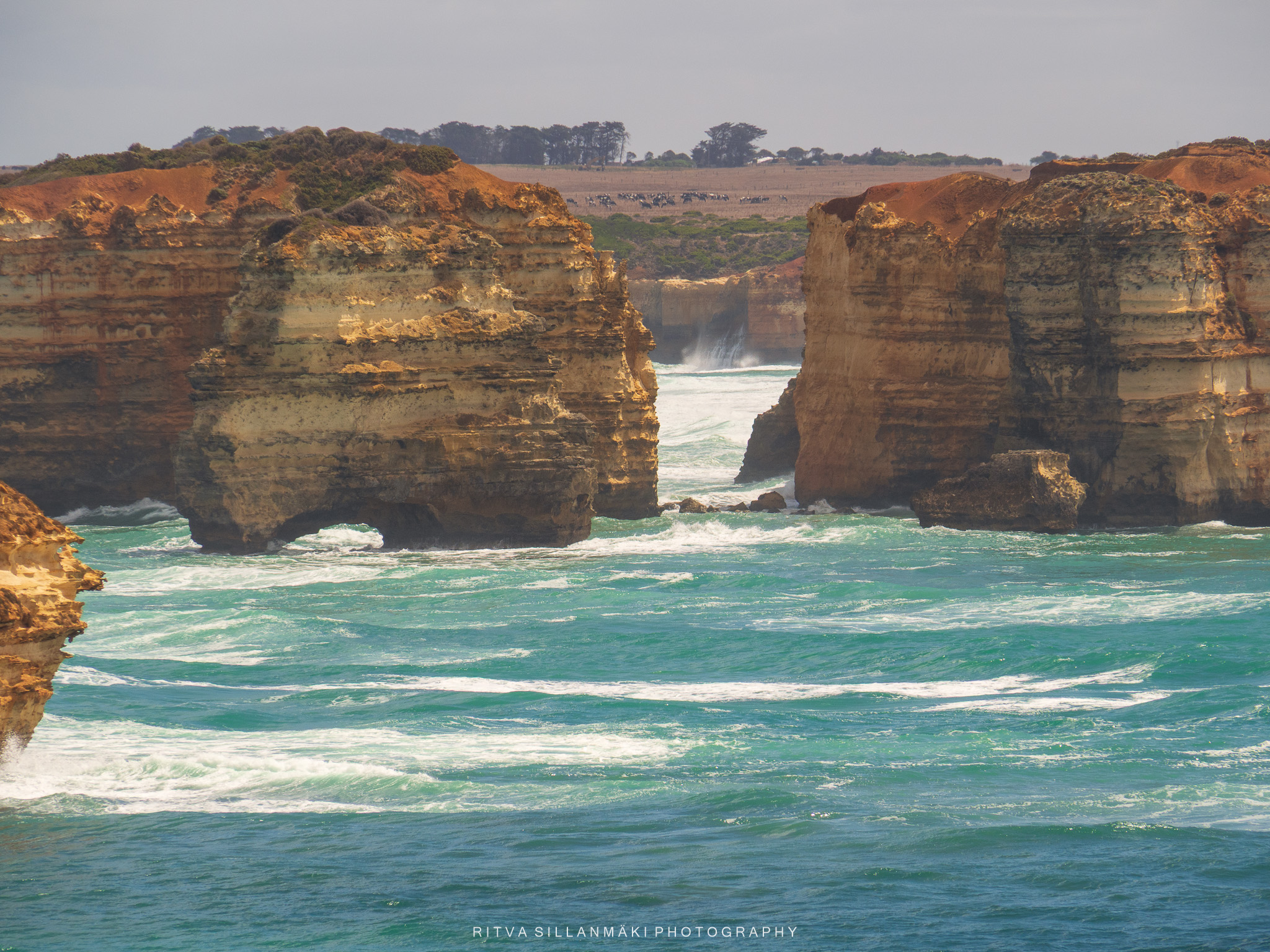
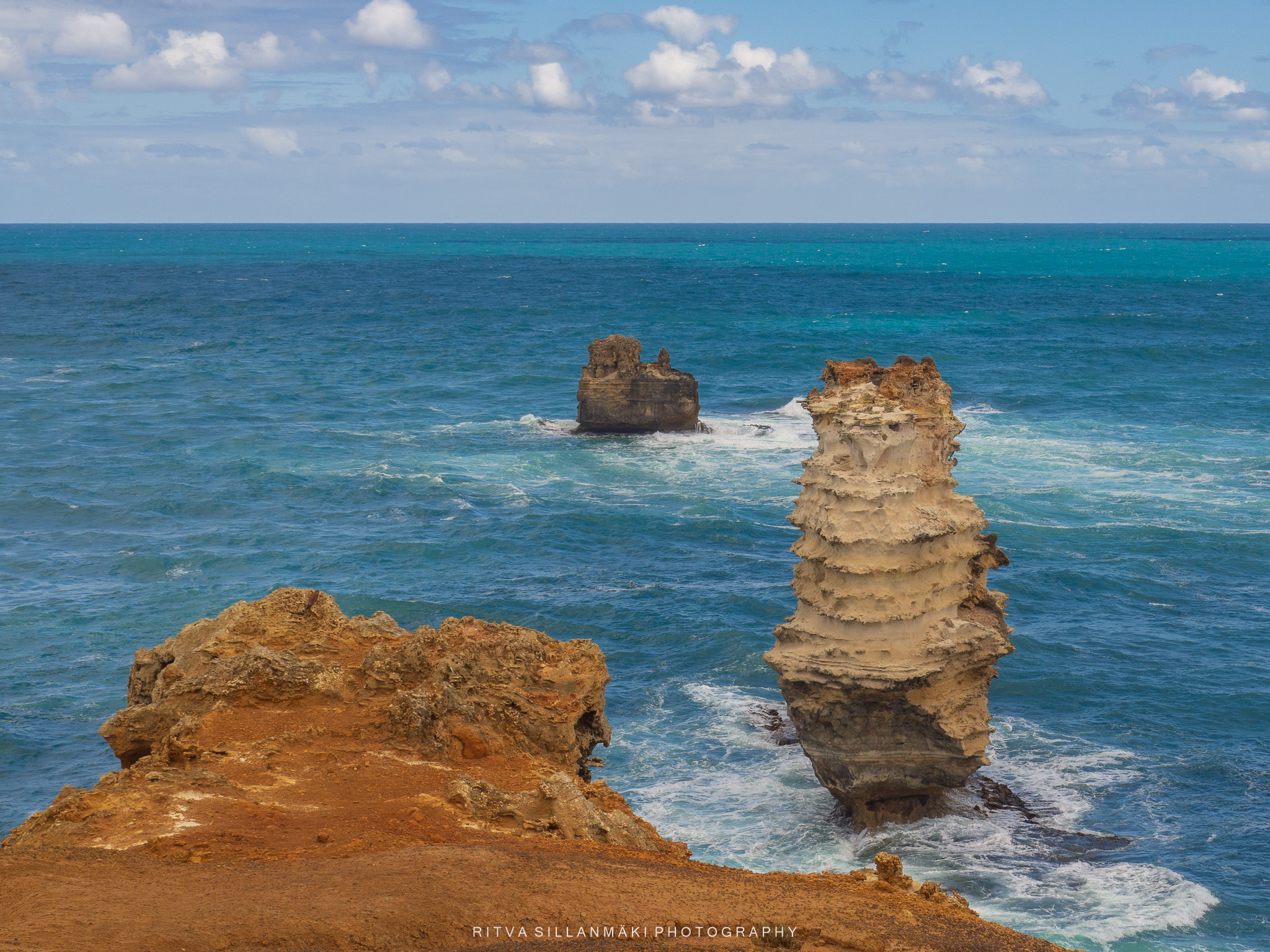
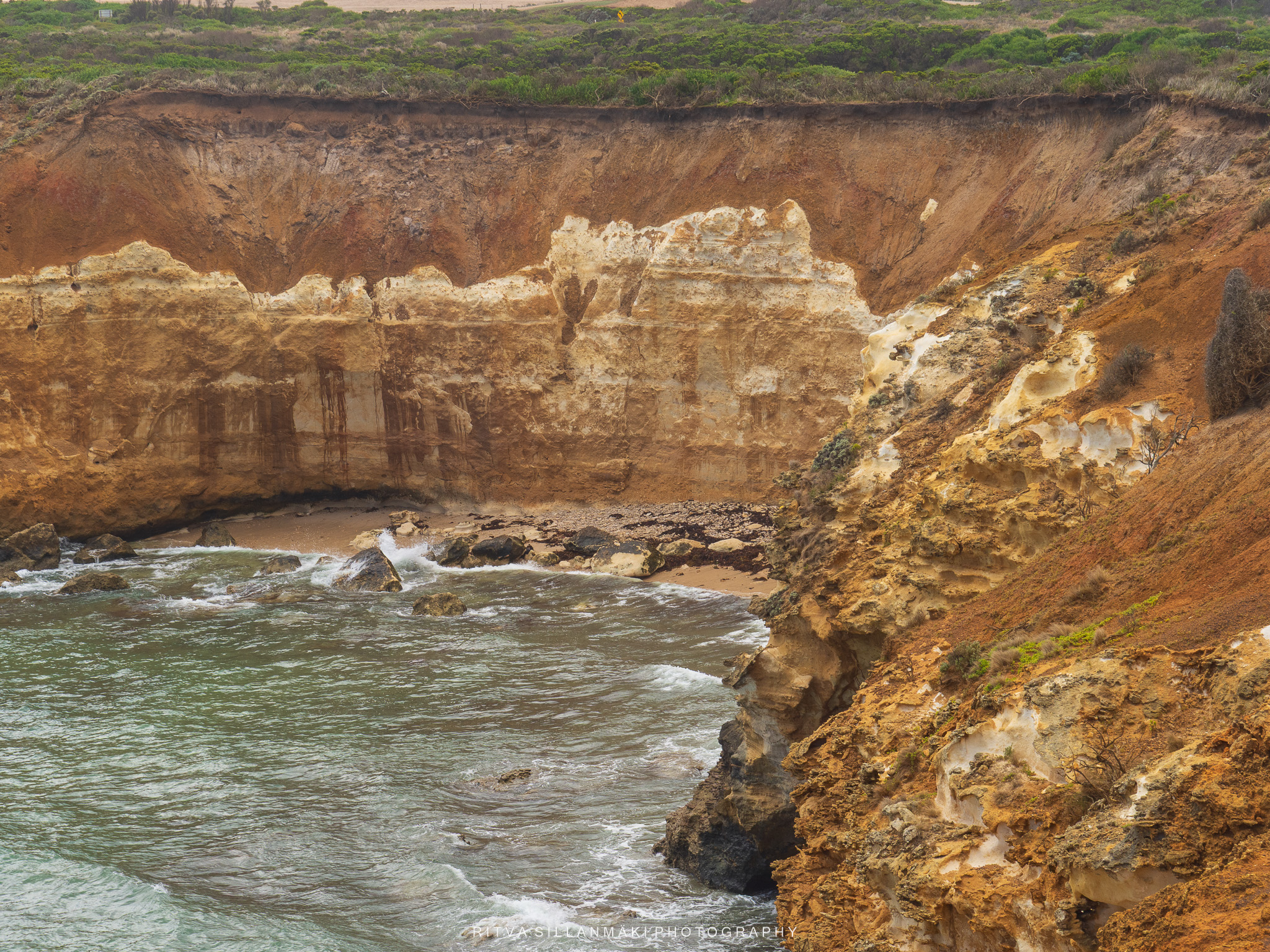
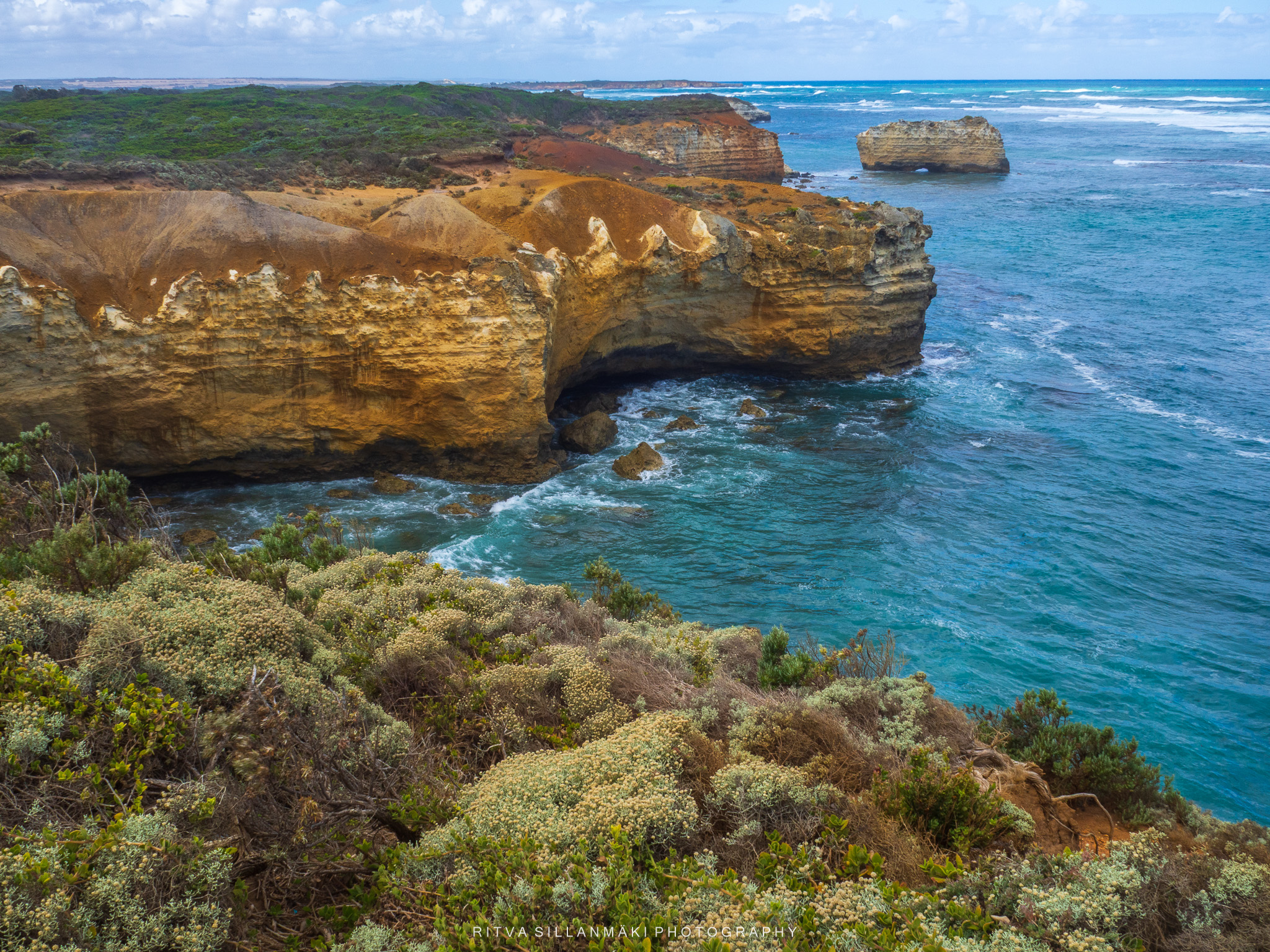
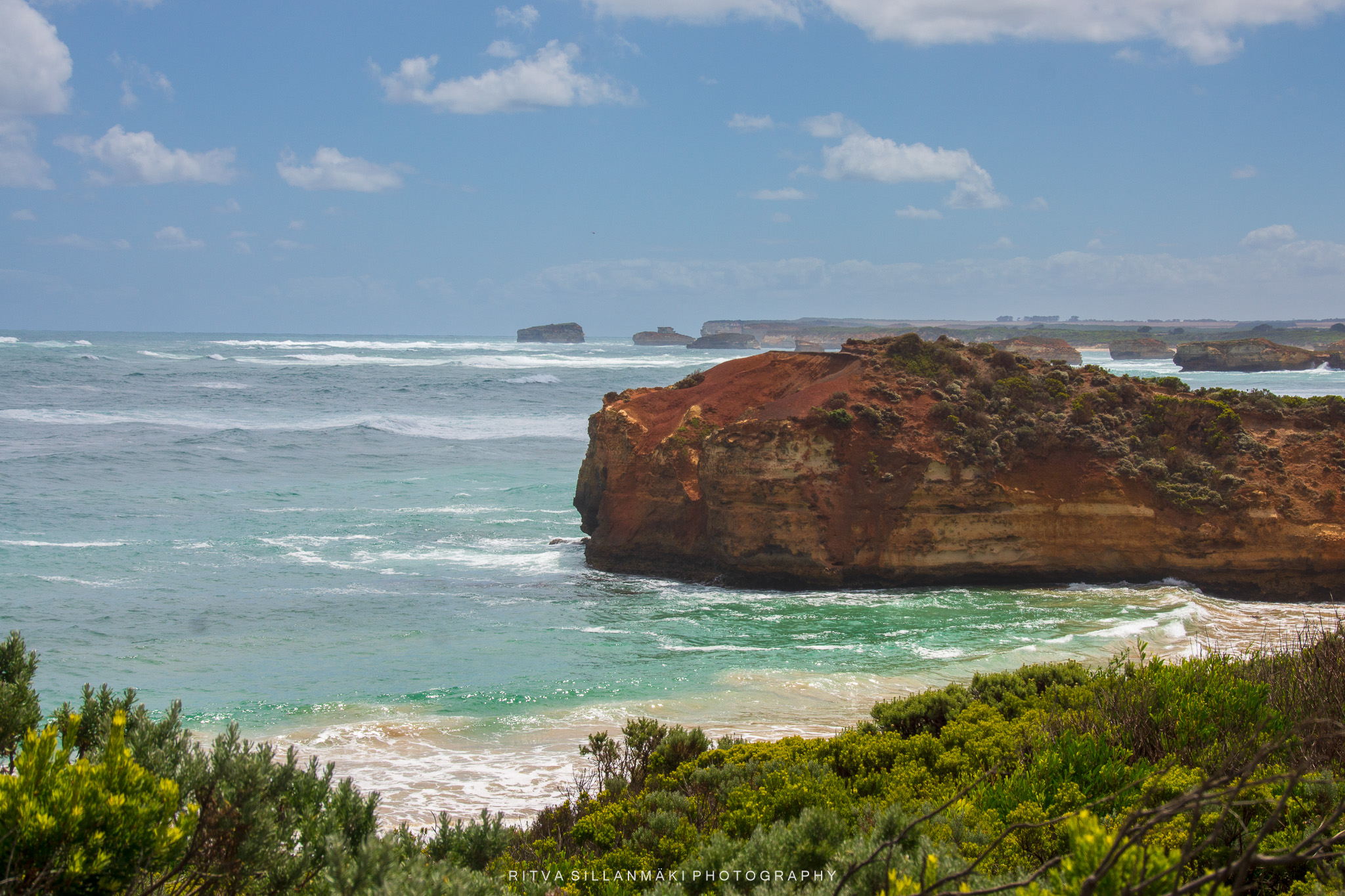
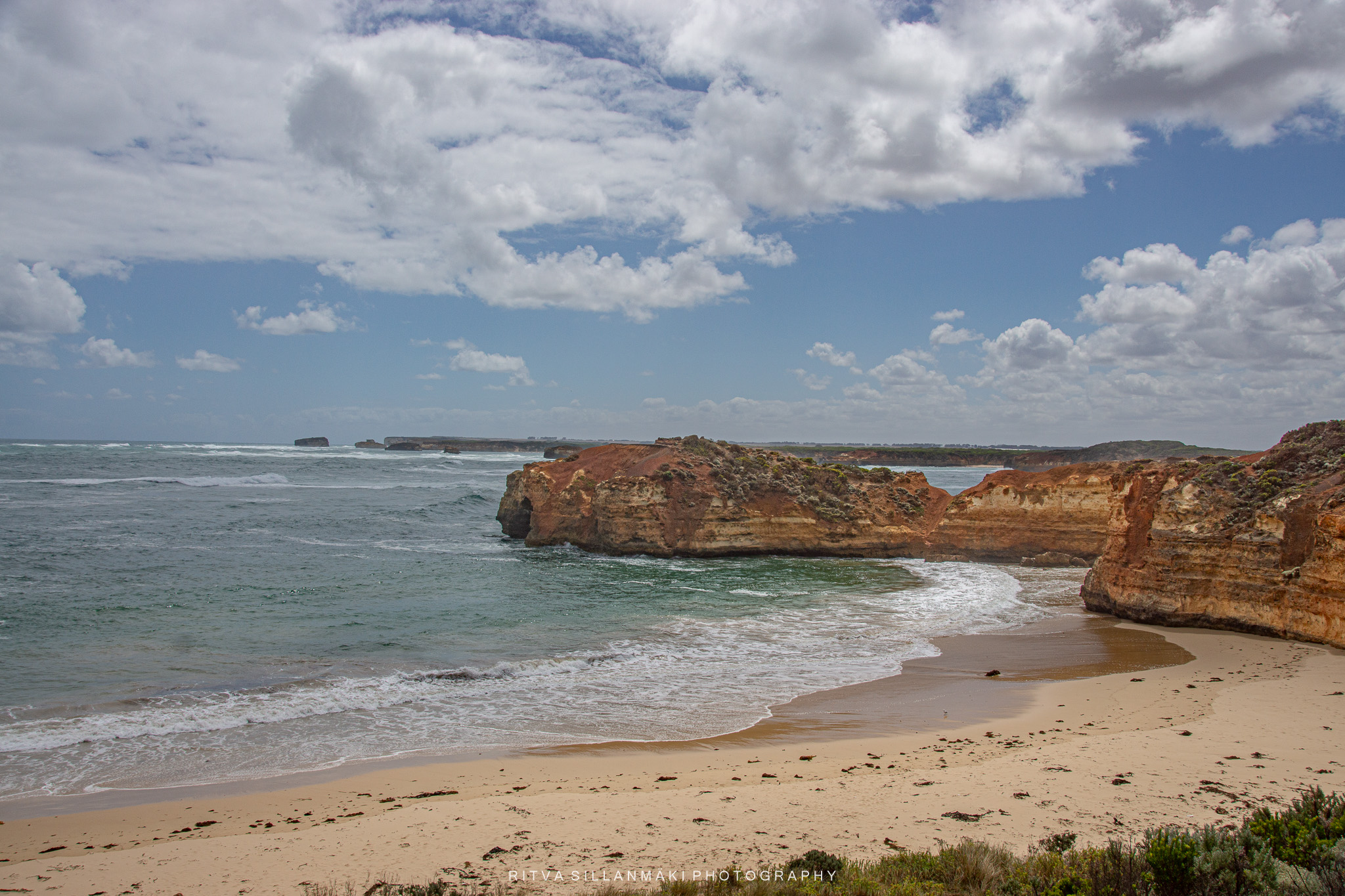
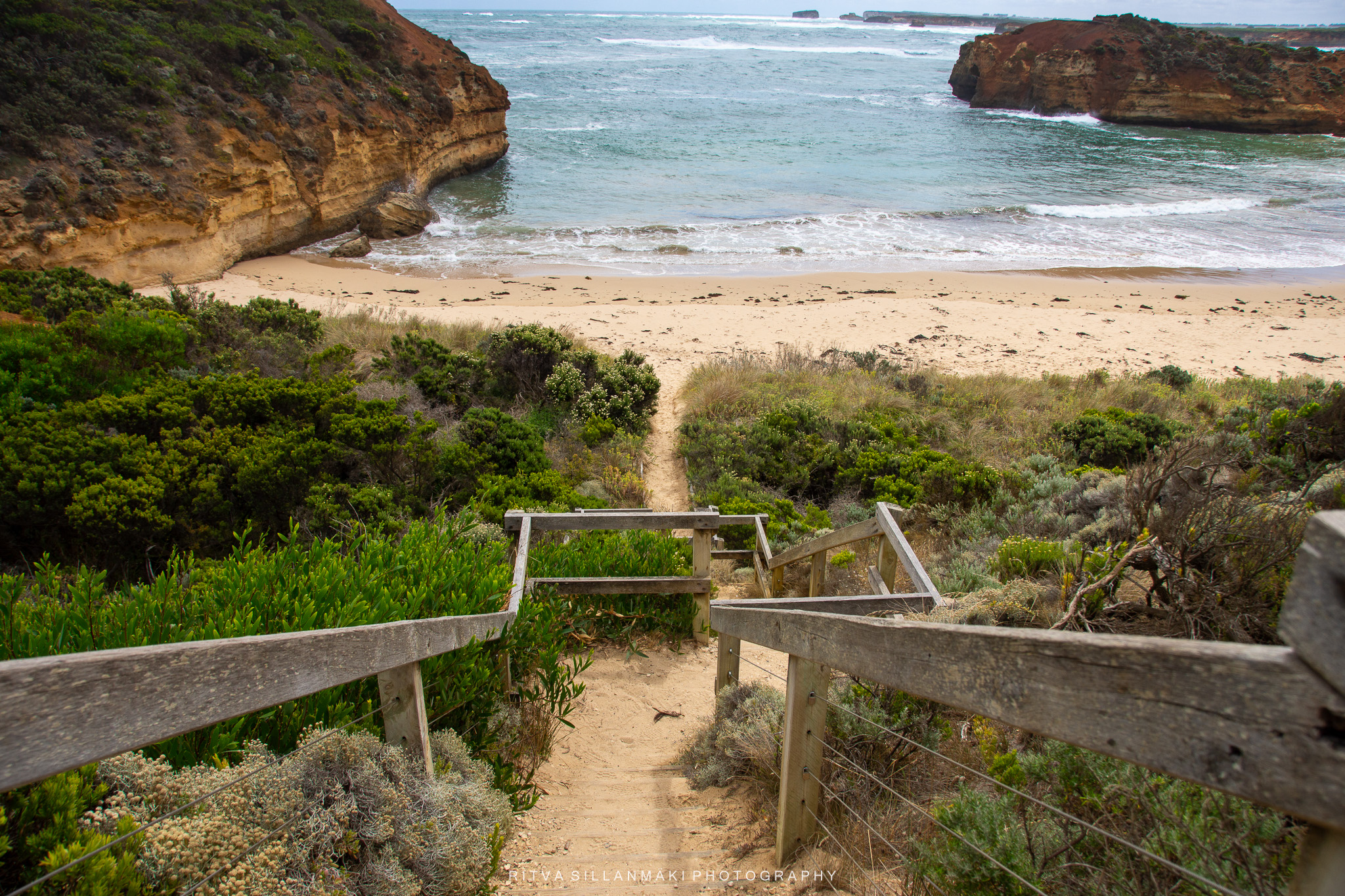
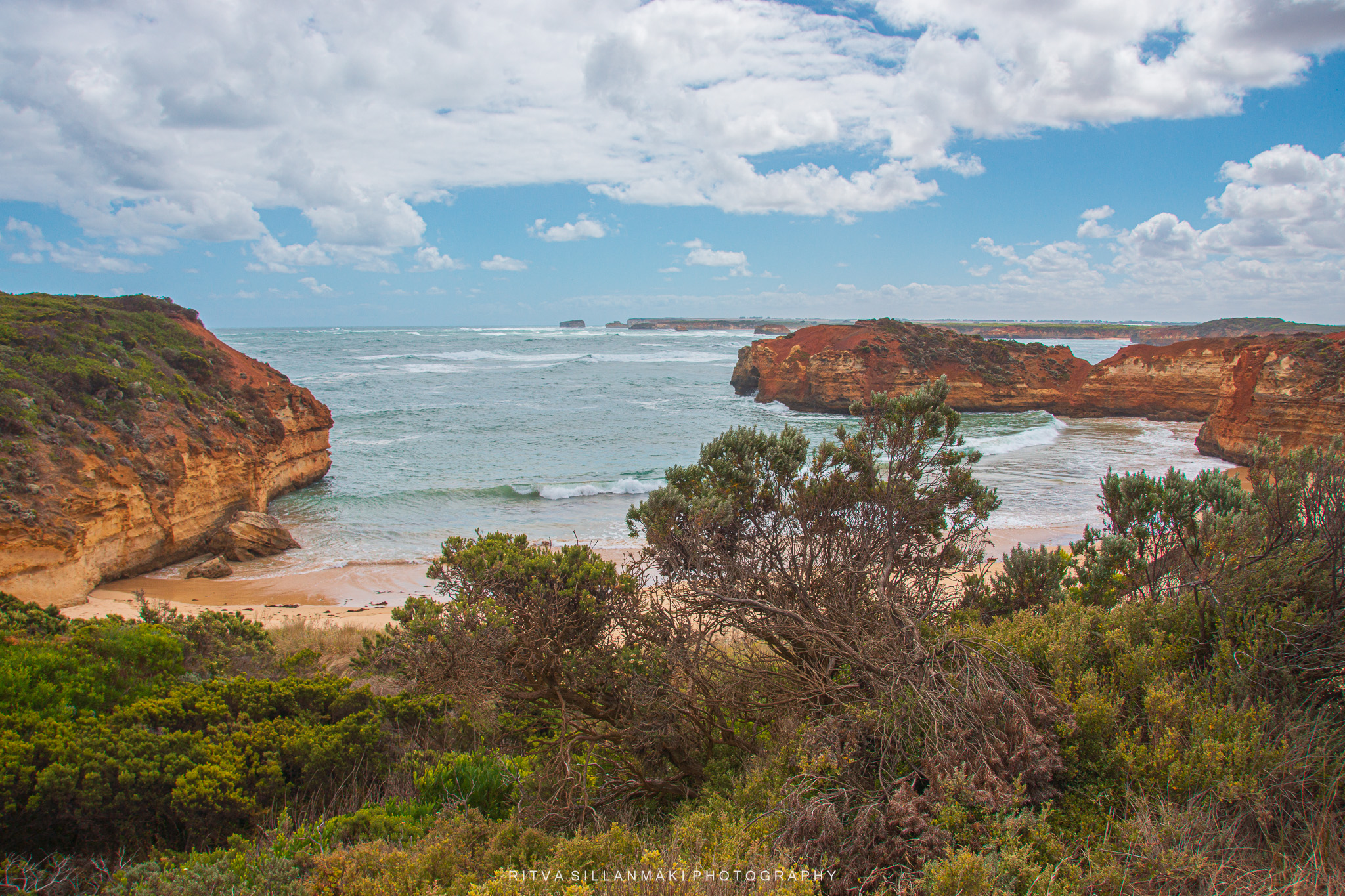
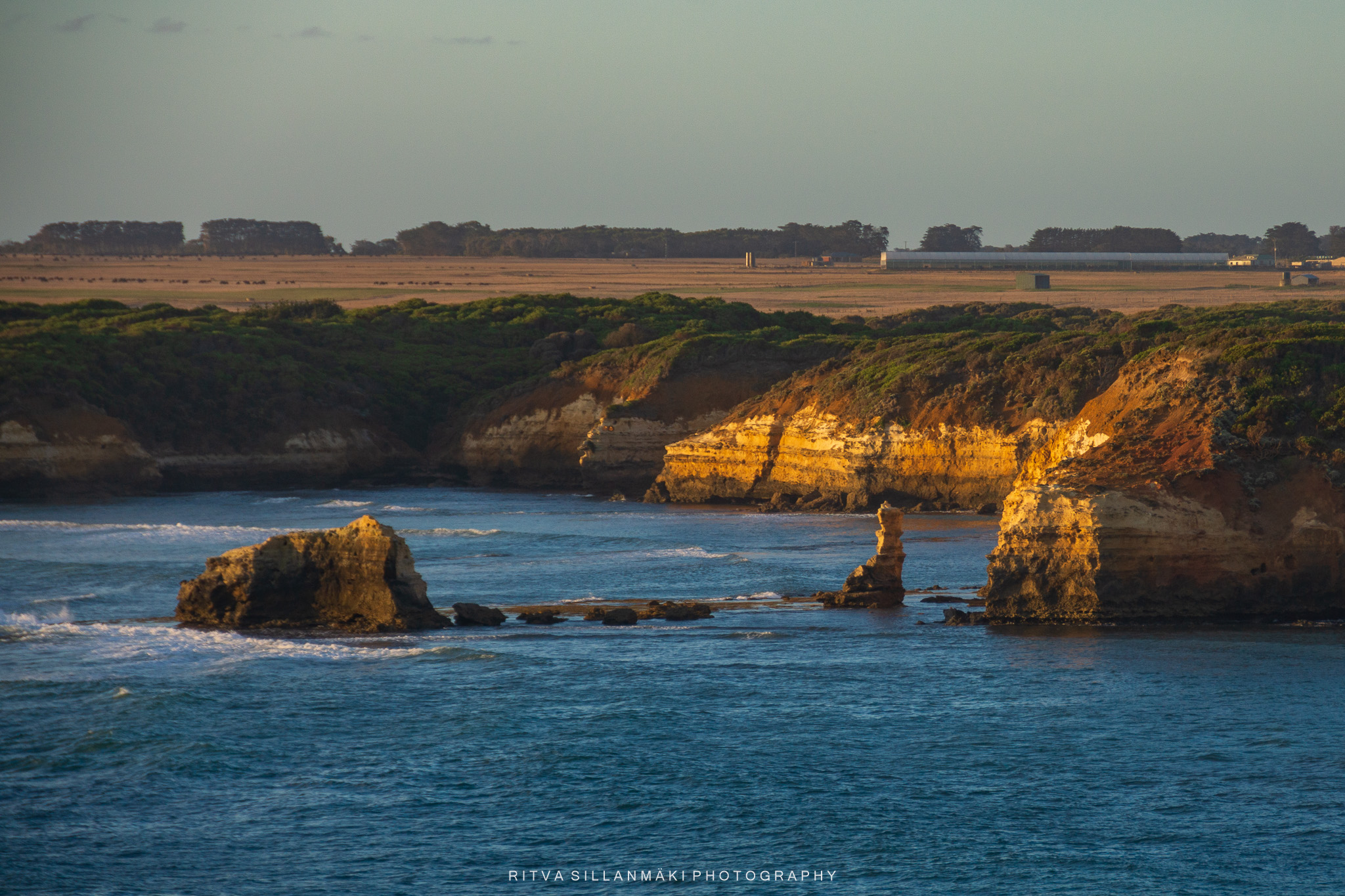
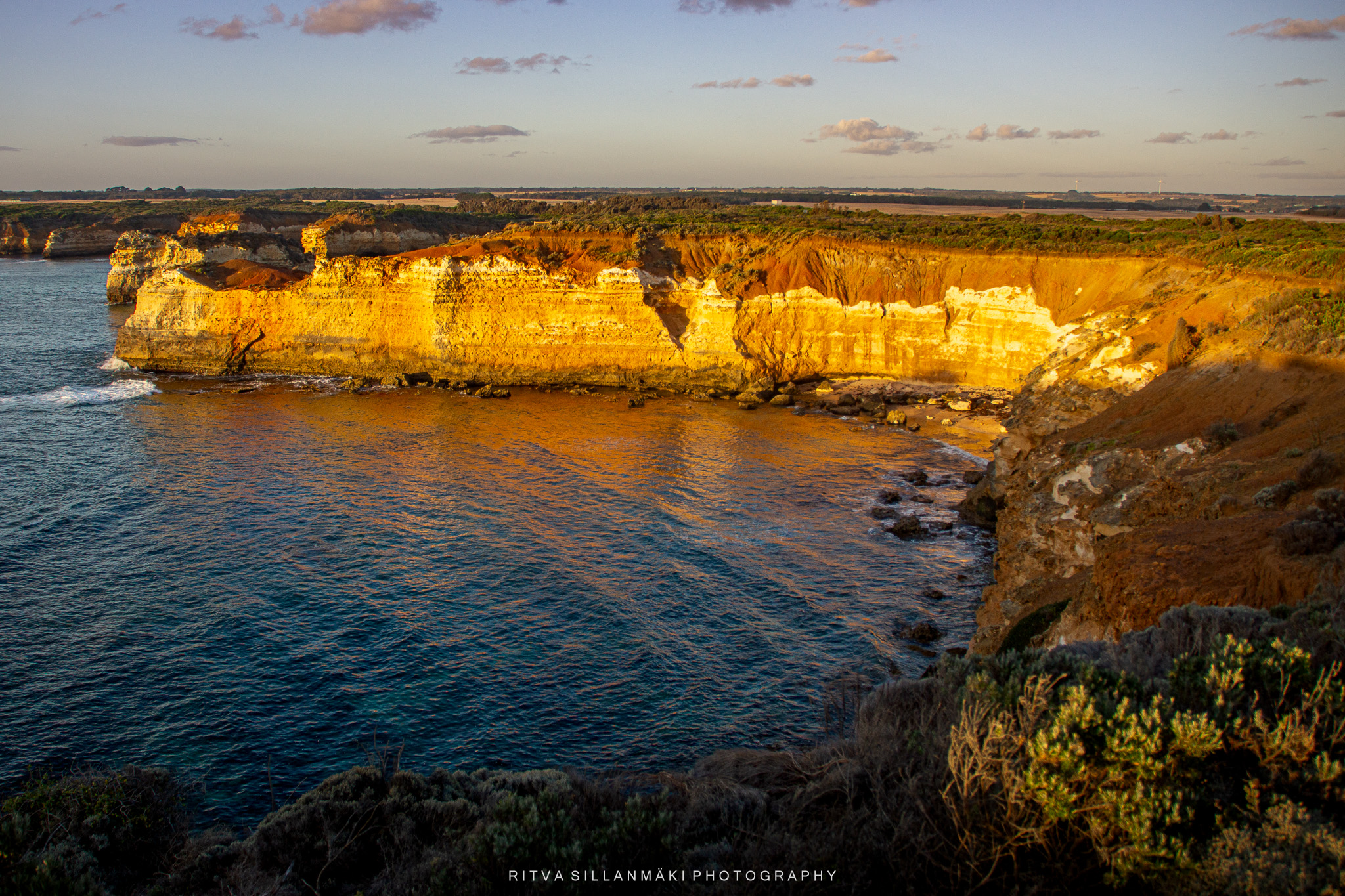
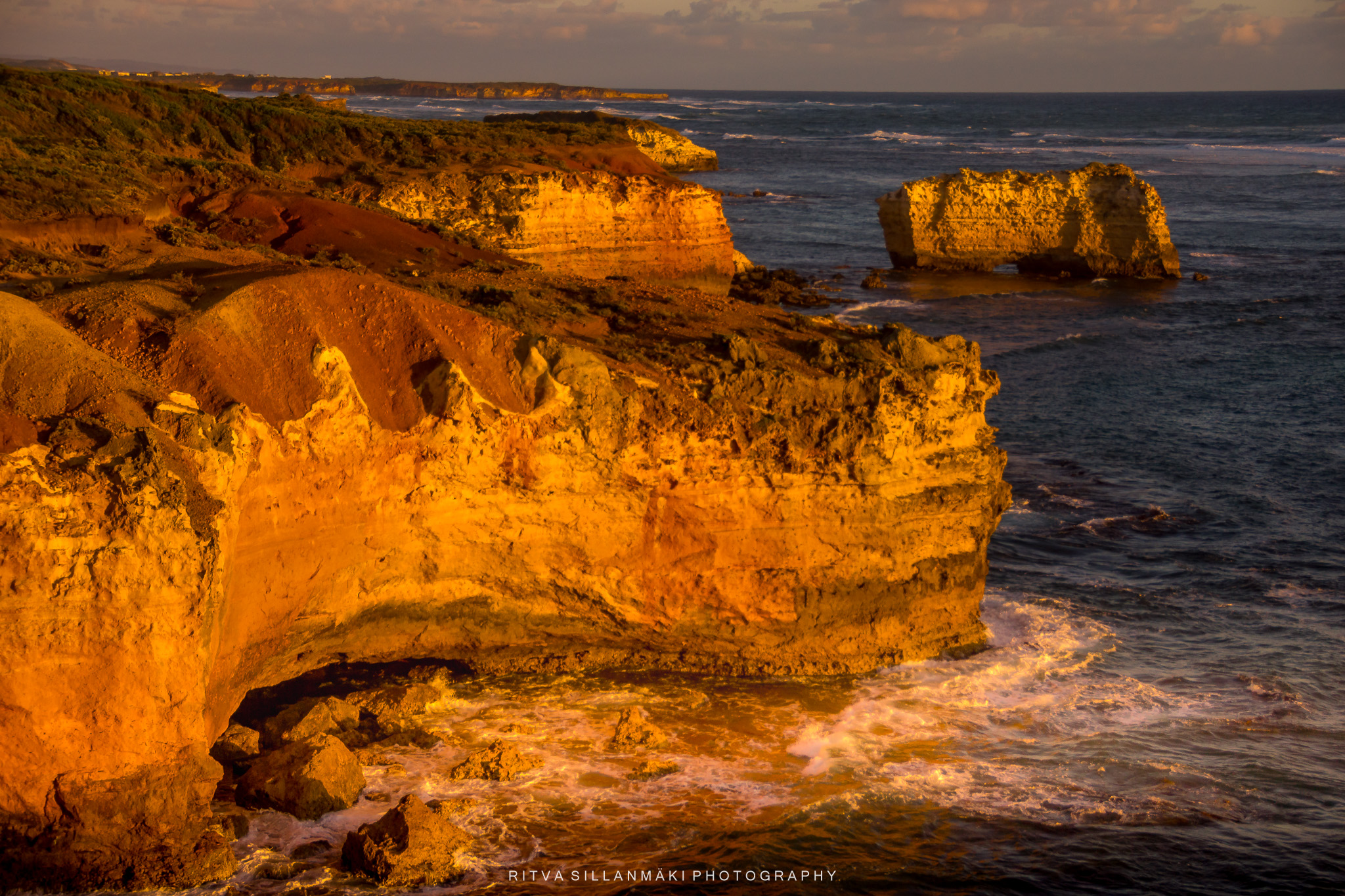
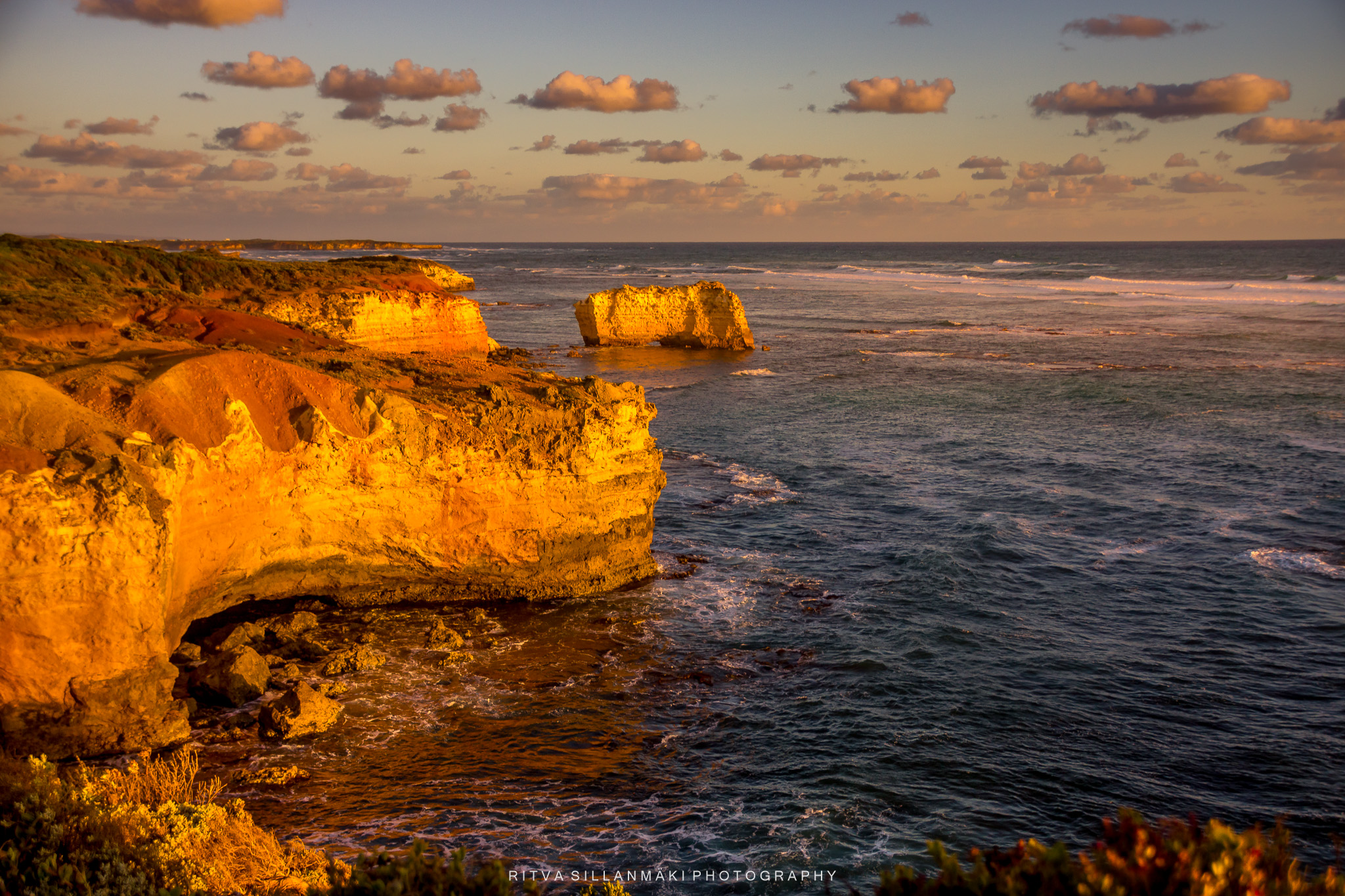
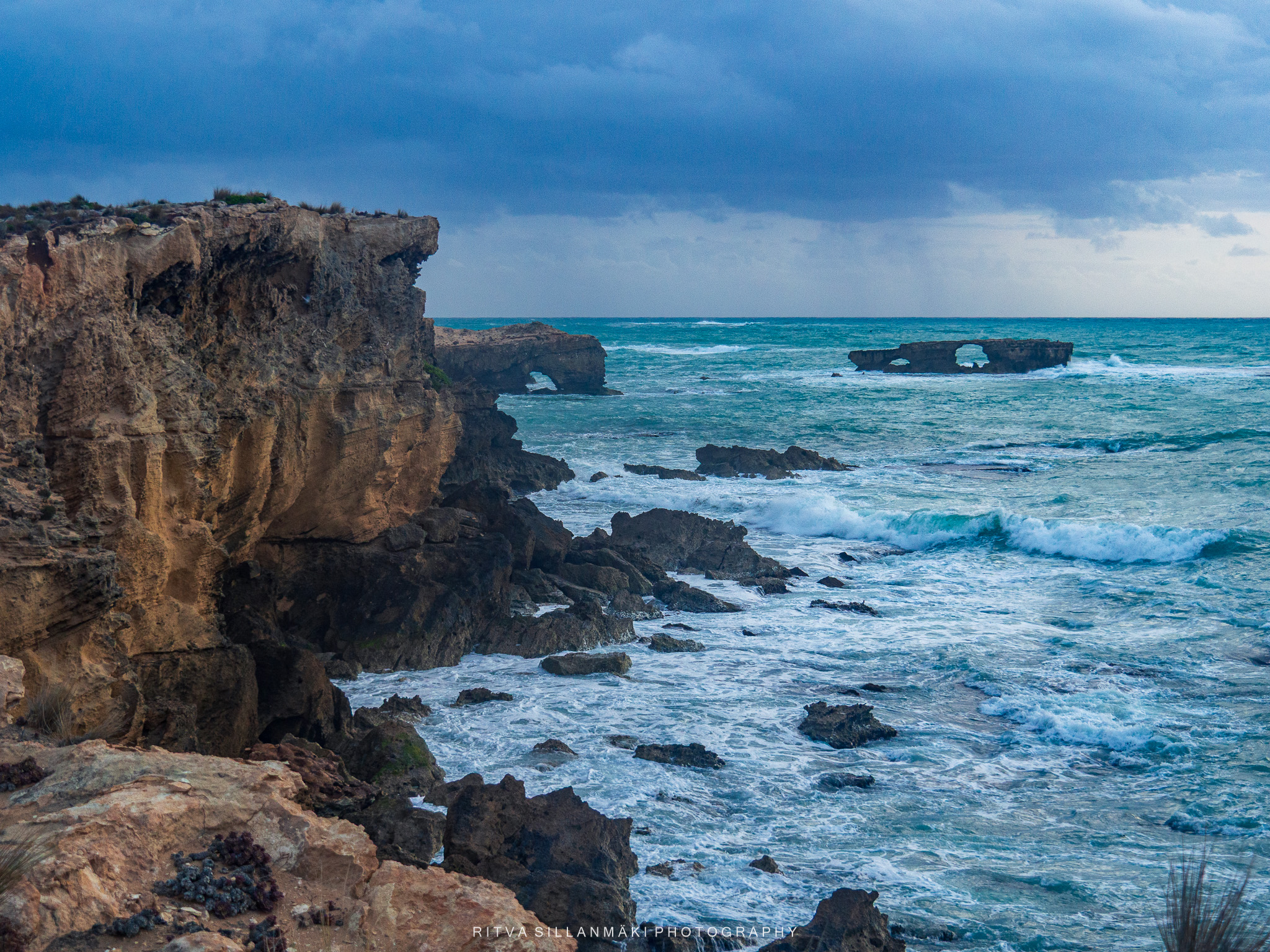
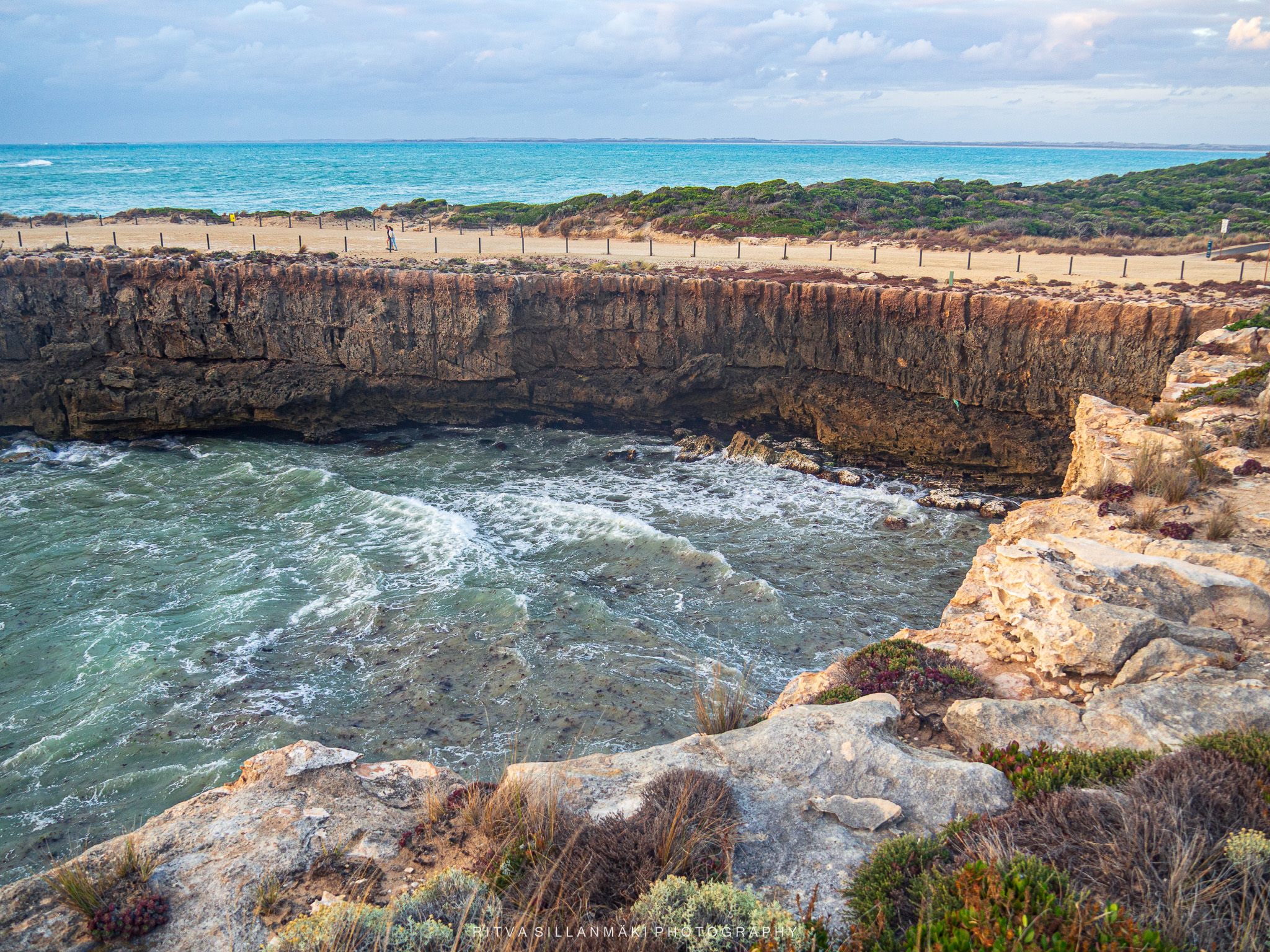
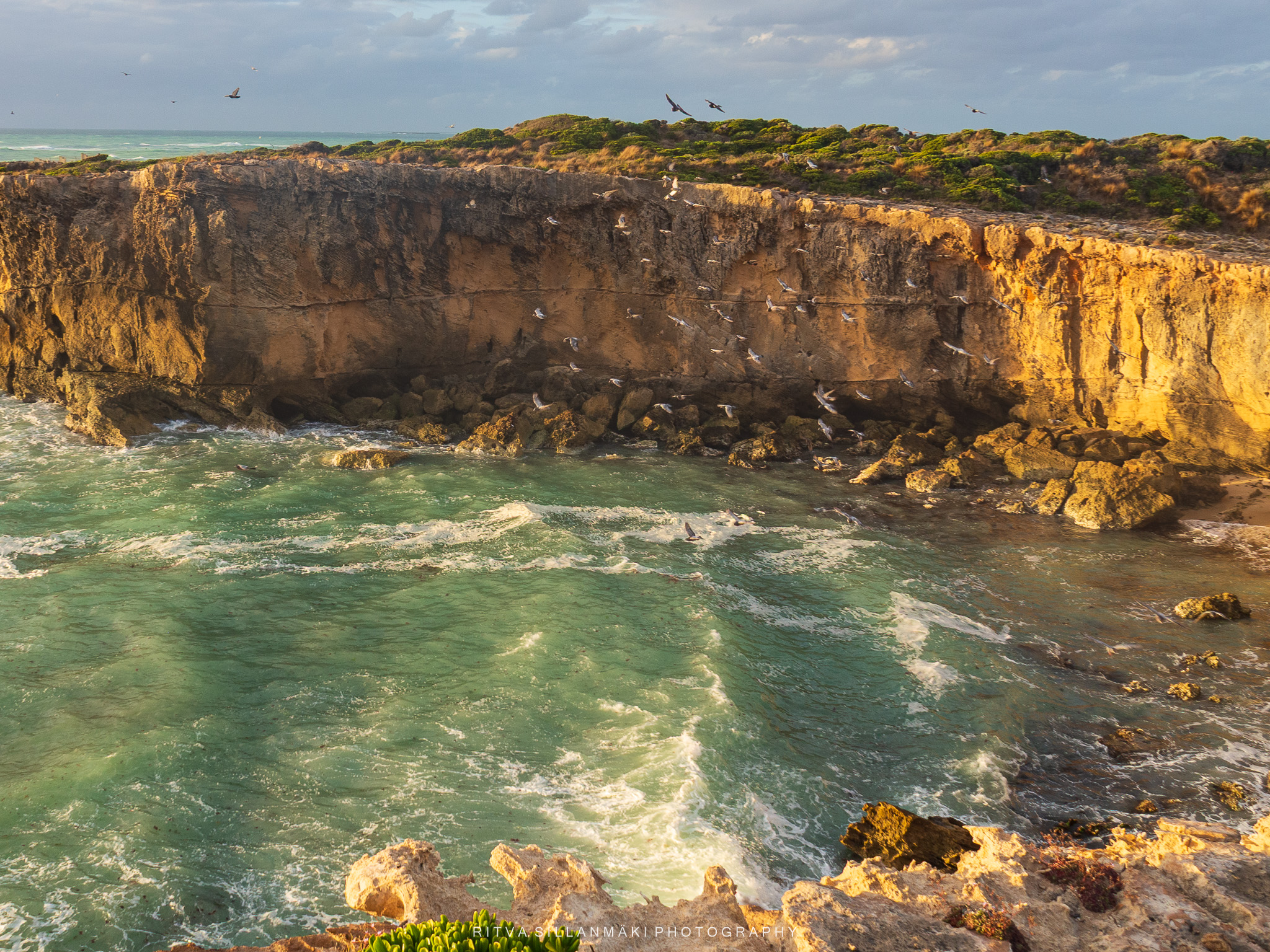
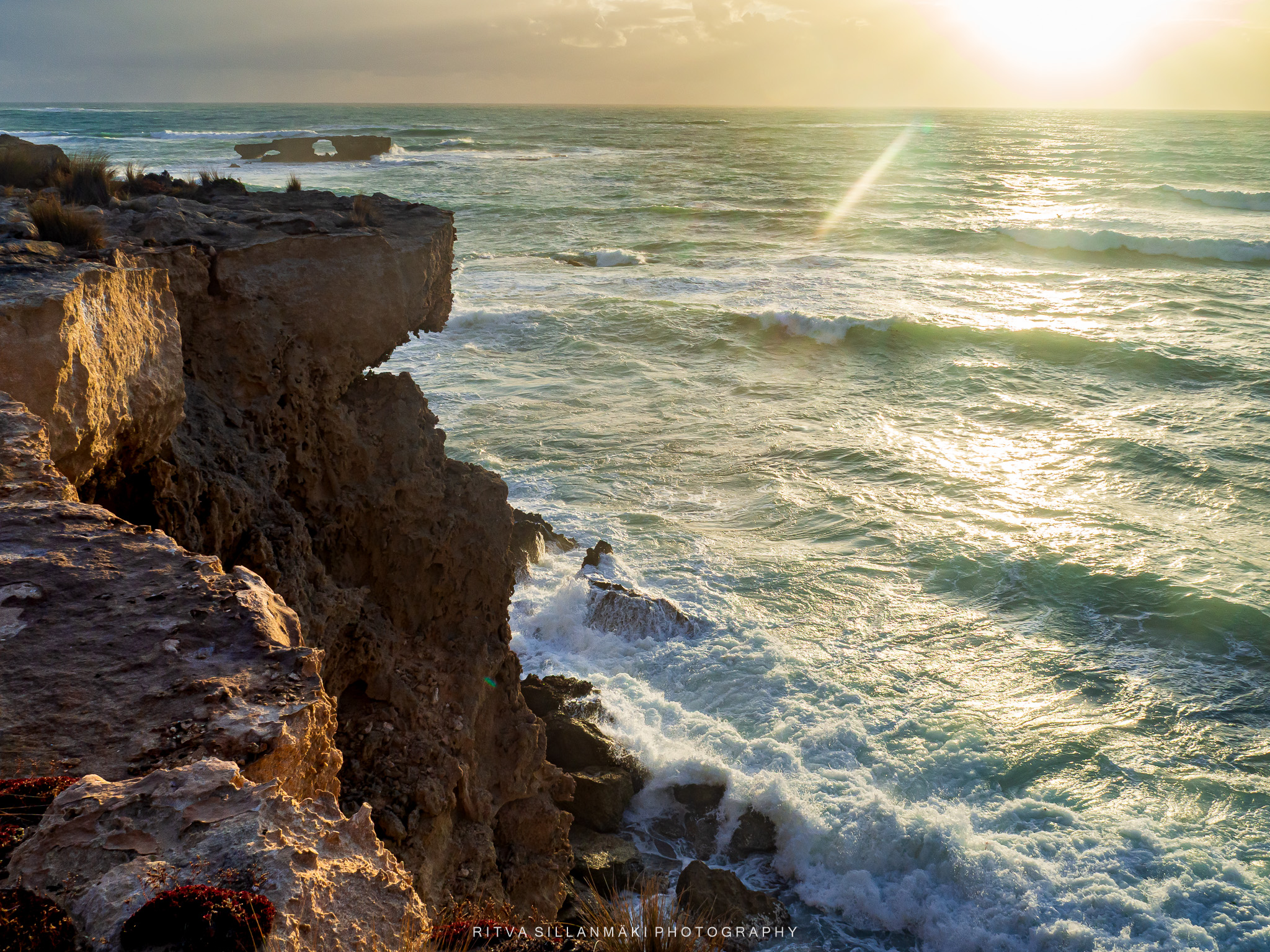
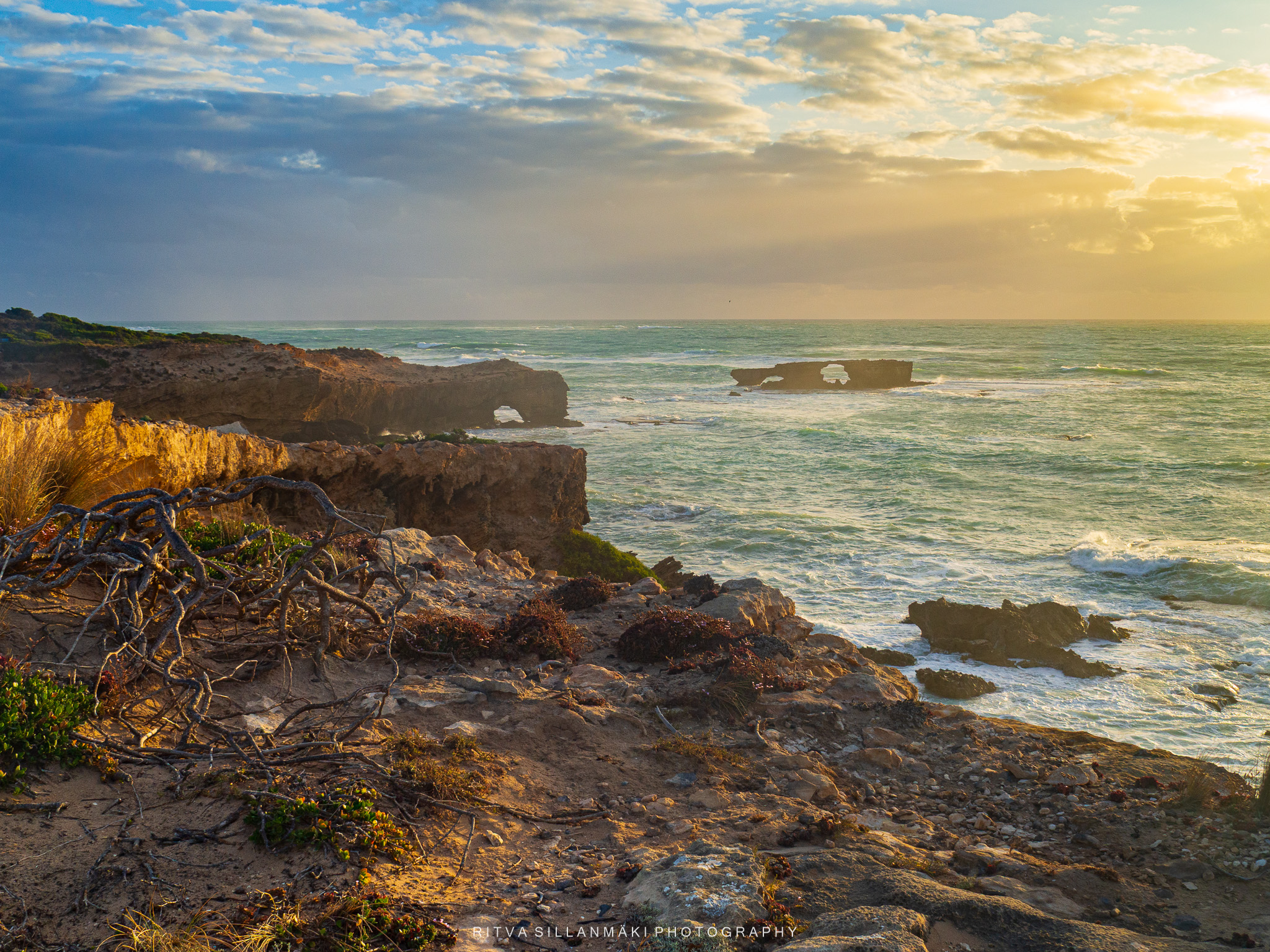
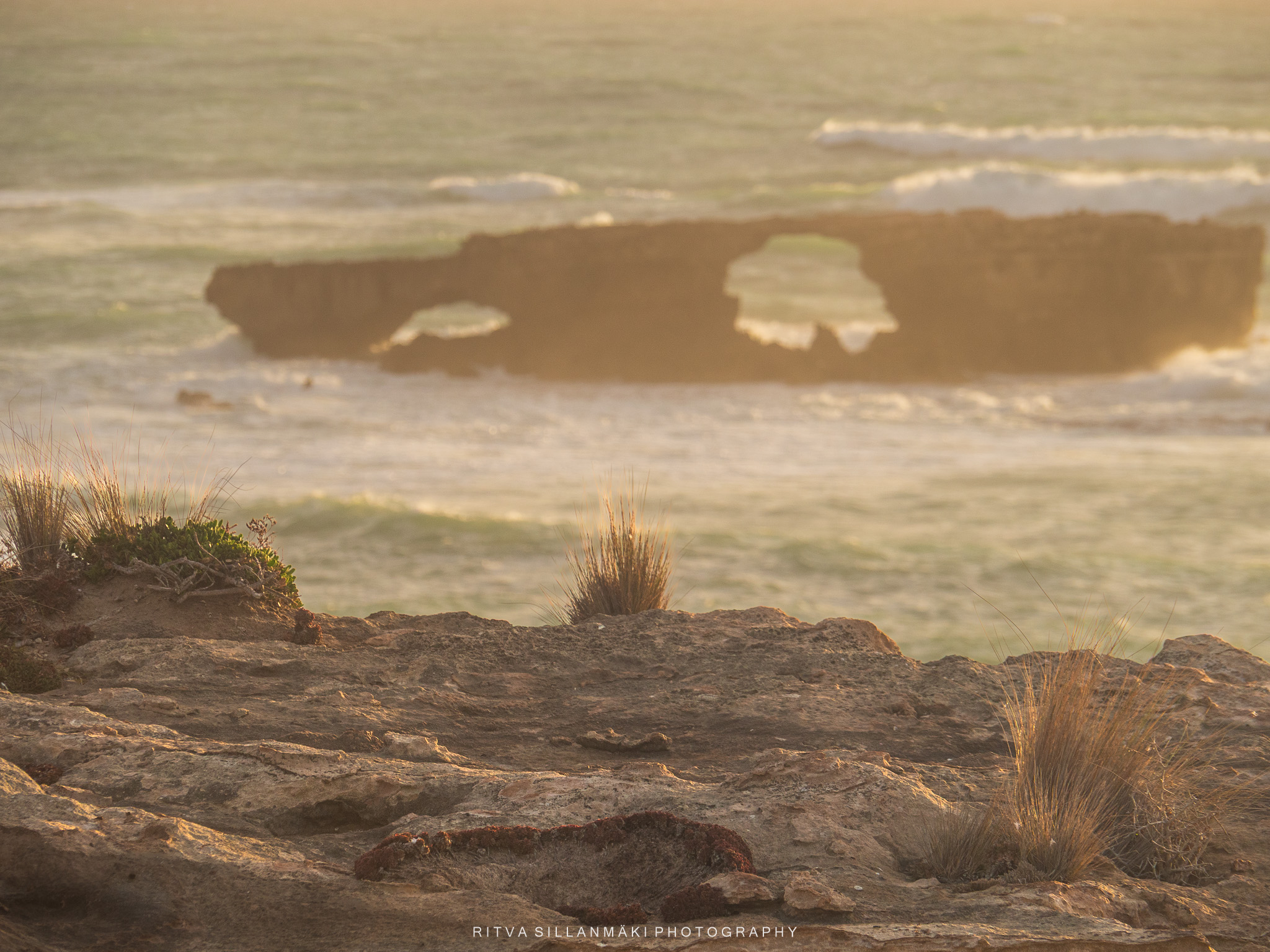
Bay of Islands Coastal Park is part of an Aboriginal cultural landscape. The Southern Ocean has carved a stunning collection of rock stacks and sheltered bays with and small beach coves near Peterborough. This one was nearest to us and our first stop.
A stunning view of the Bay of Islands showcasing rugged coastal cliffs and vibrant turquoise waters.
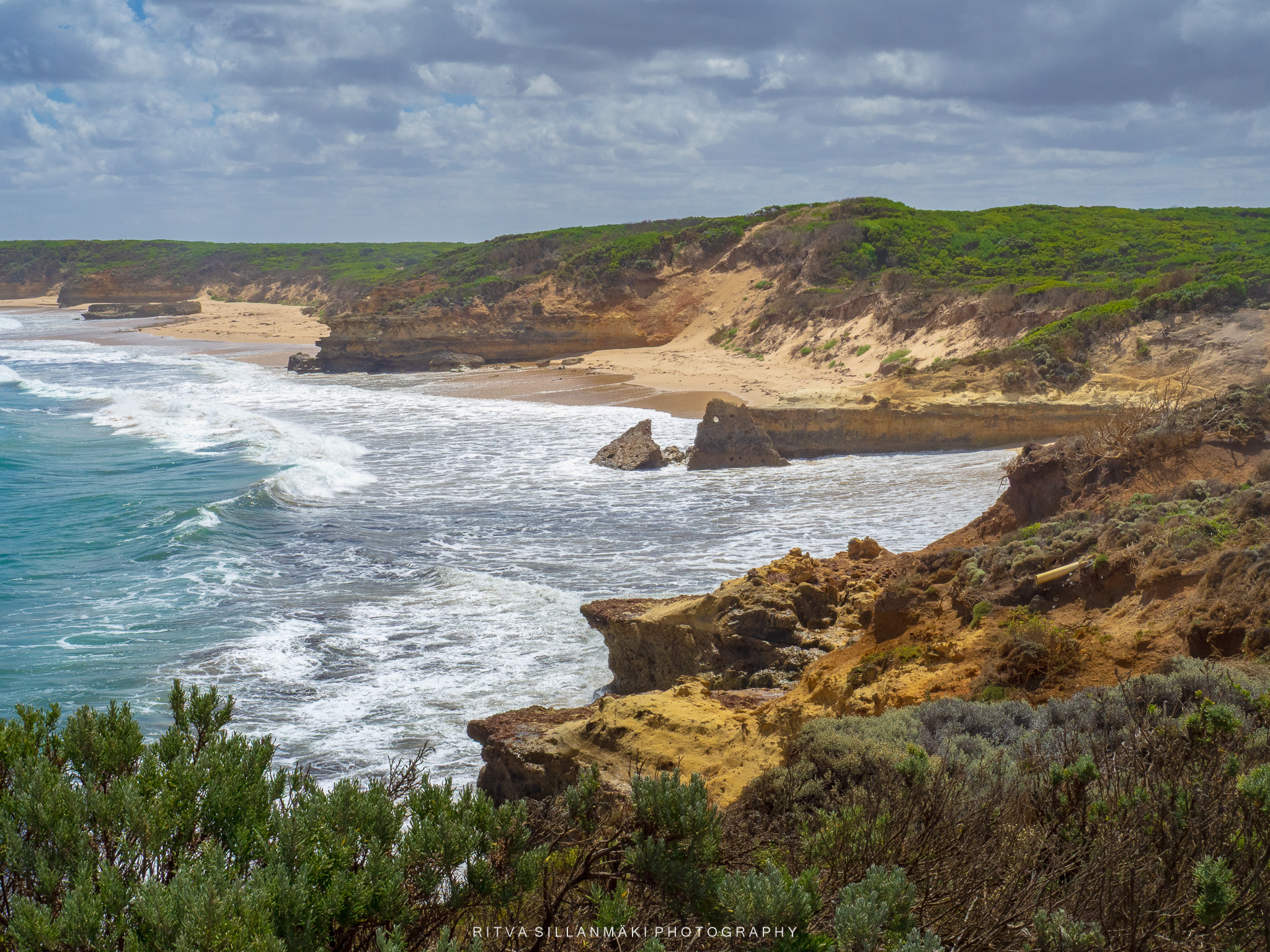
Bay of Martyrs. According to local legends, it got its name from a pretty brutal showdown between the Kirrae-Wurrong people and the early European settlers. This clash, which some folks call the “Bay of Martyrs,” resulted in the tragic loss of many Indigenous lives and is crucial in understanding the area’s colonial past. The cliffs surrounding the bay are a reminder of that tough time, showing the lasting impact of colonization on the land and its original peoples.
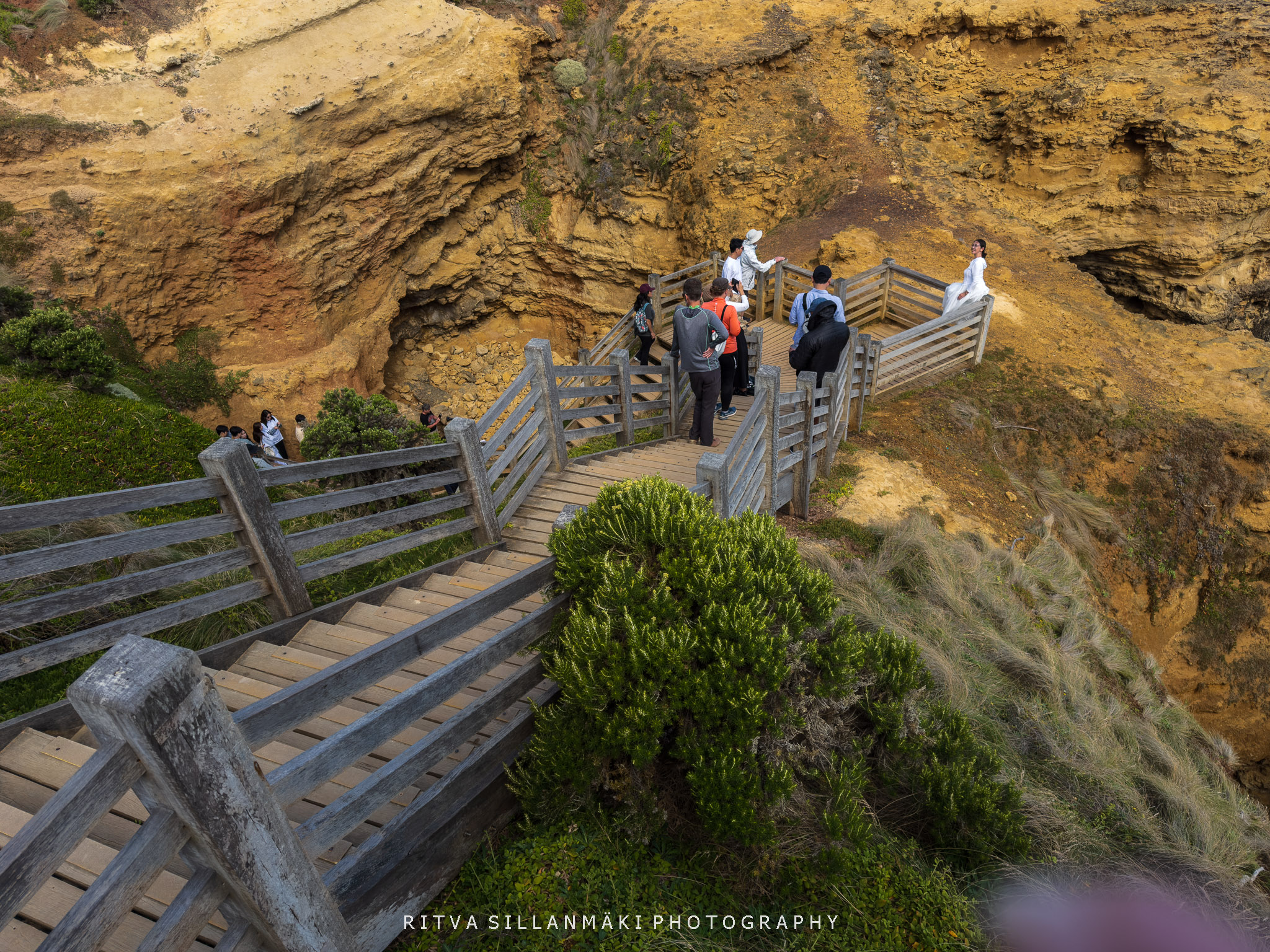
The Grotto was fun because we arrived just after a bus load of Asian tourists. When I saw the steps and long line of people leading down to the Grotto I thought I would never be able to see it. Then I realized that they were all patiently standing in line waiting for their turn to take selfies or have friends take pictures against the Grotto. I wasn’t having any of is, so passed everybody in the line, because there was plenty of room on the deck to take pictures. Luckily, there was a lady standing there who called “next” every 30 seconds to get the line moving. I thought she was the guide for the group but later I saw her with her husband, who had been standing in line that I passed. Anyway, I got some decent pictures but not right in front of the Grotto.
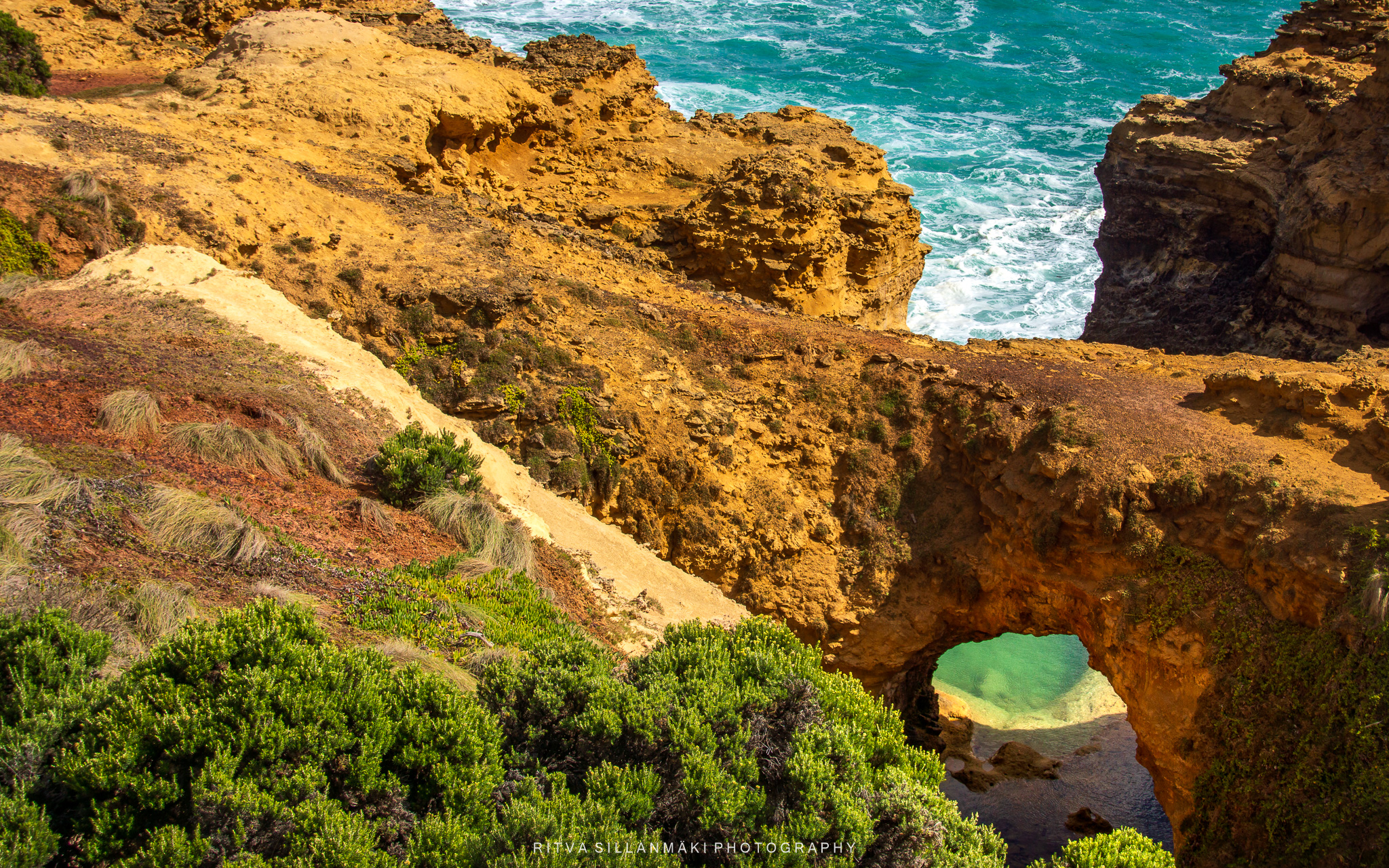
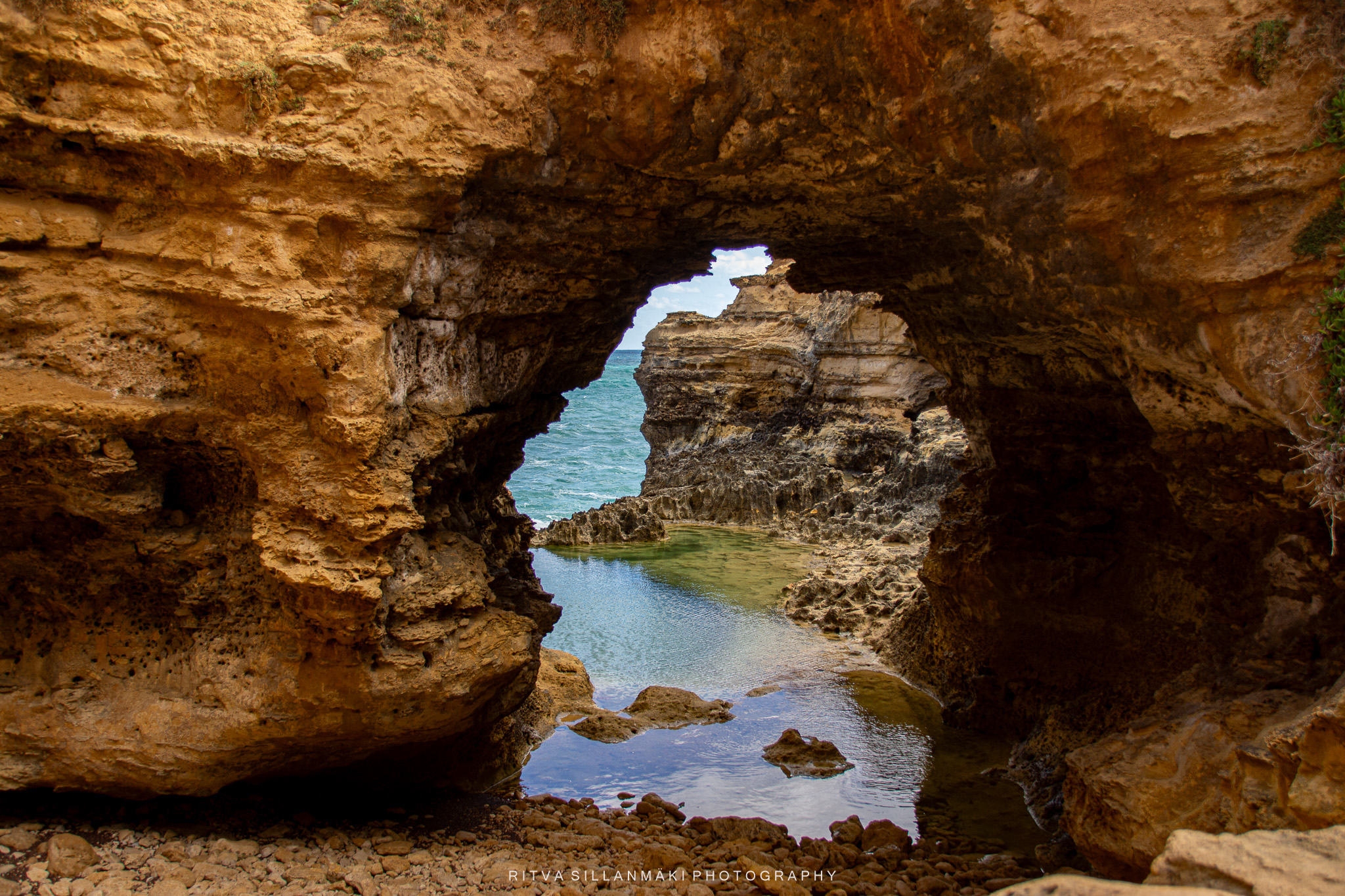
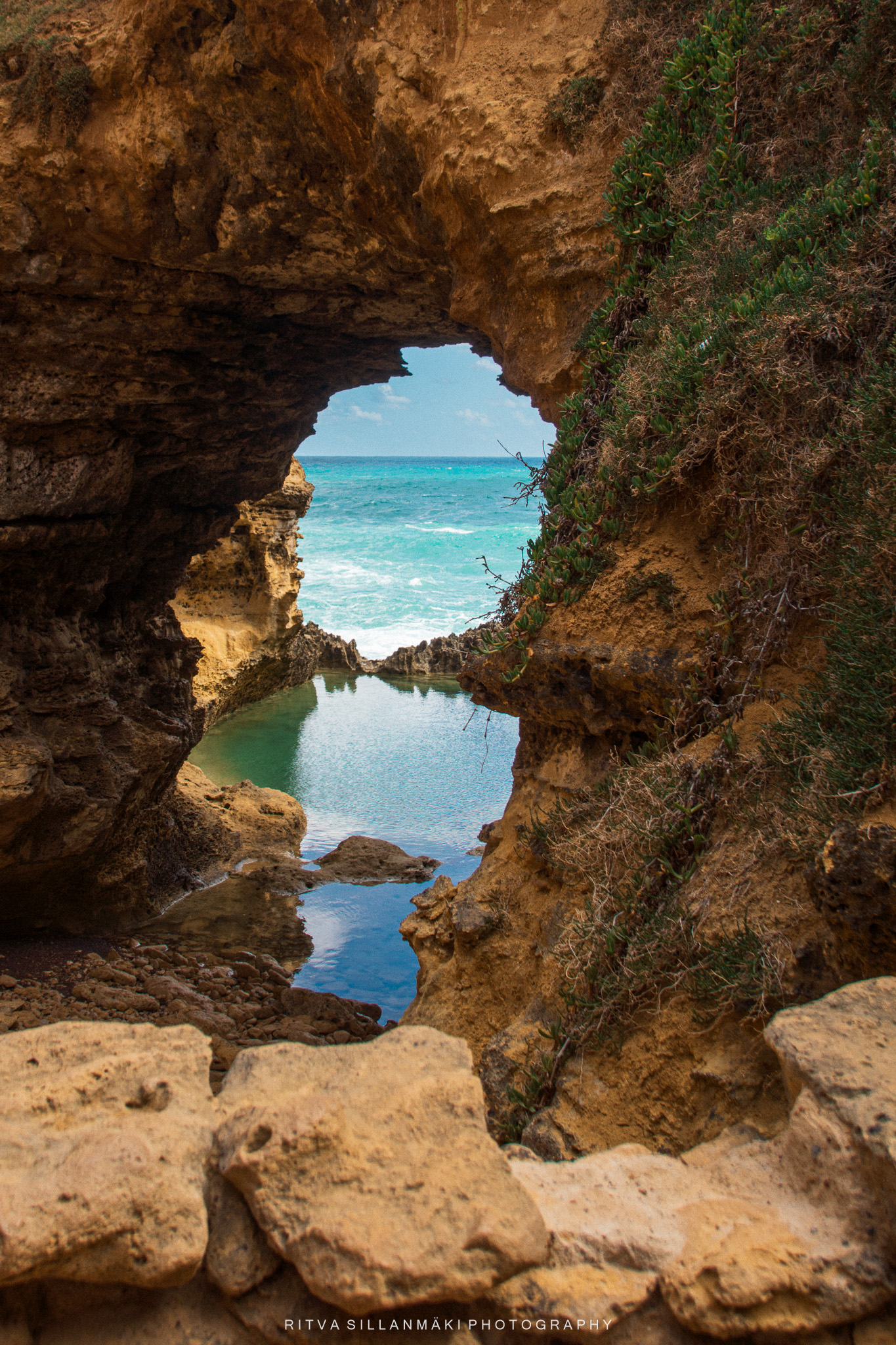
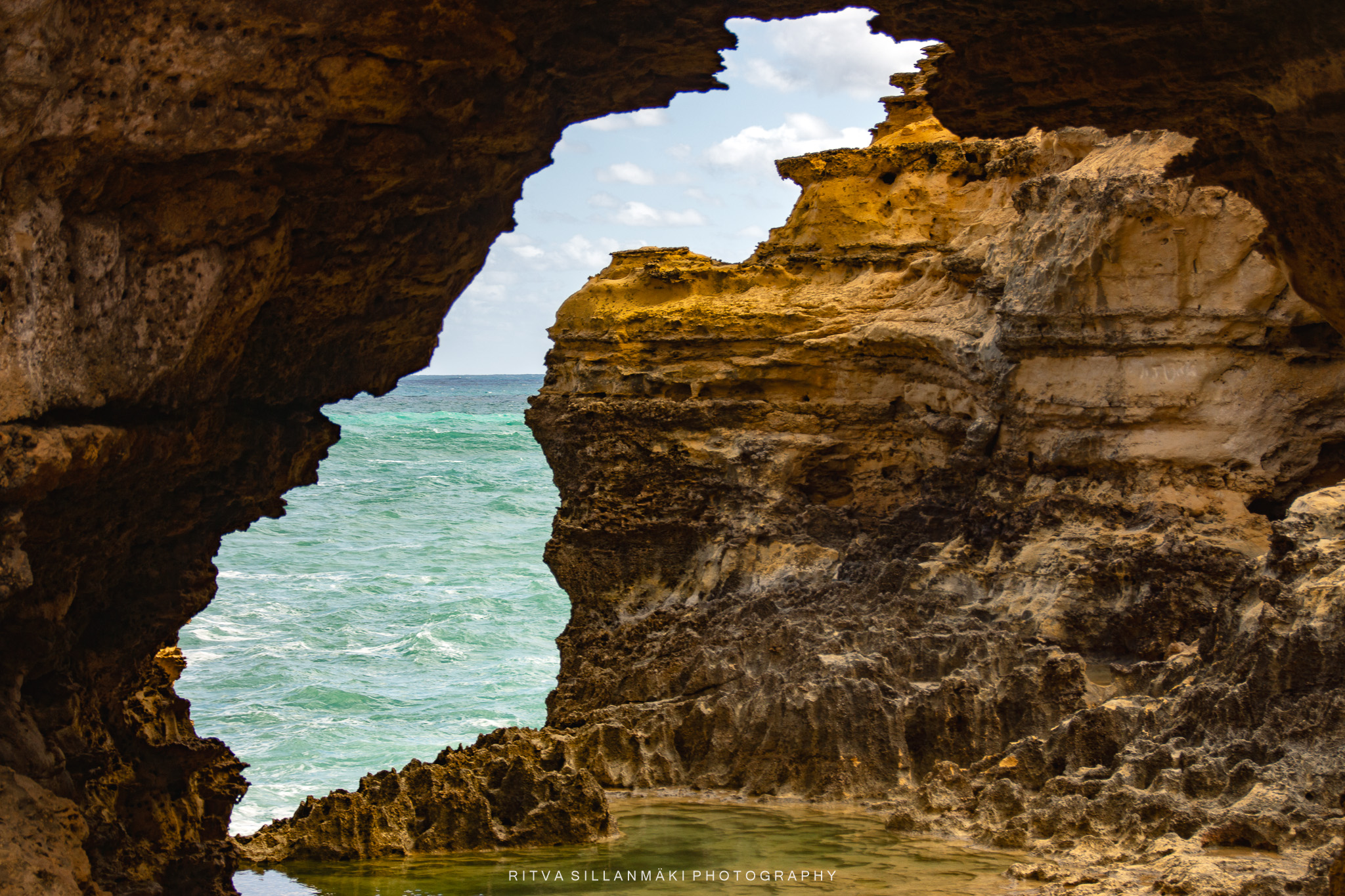
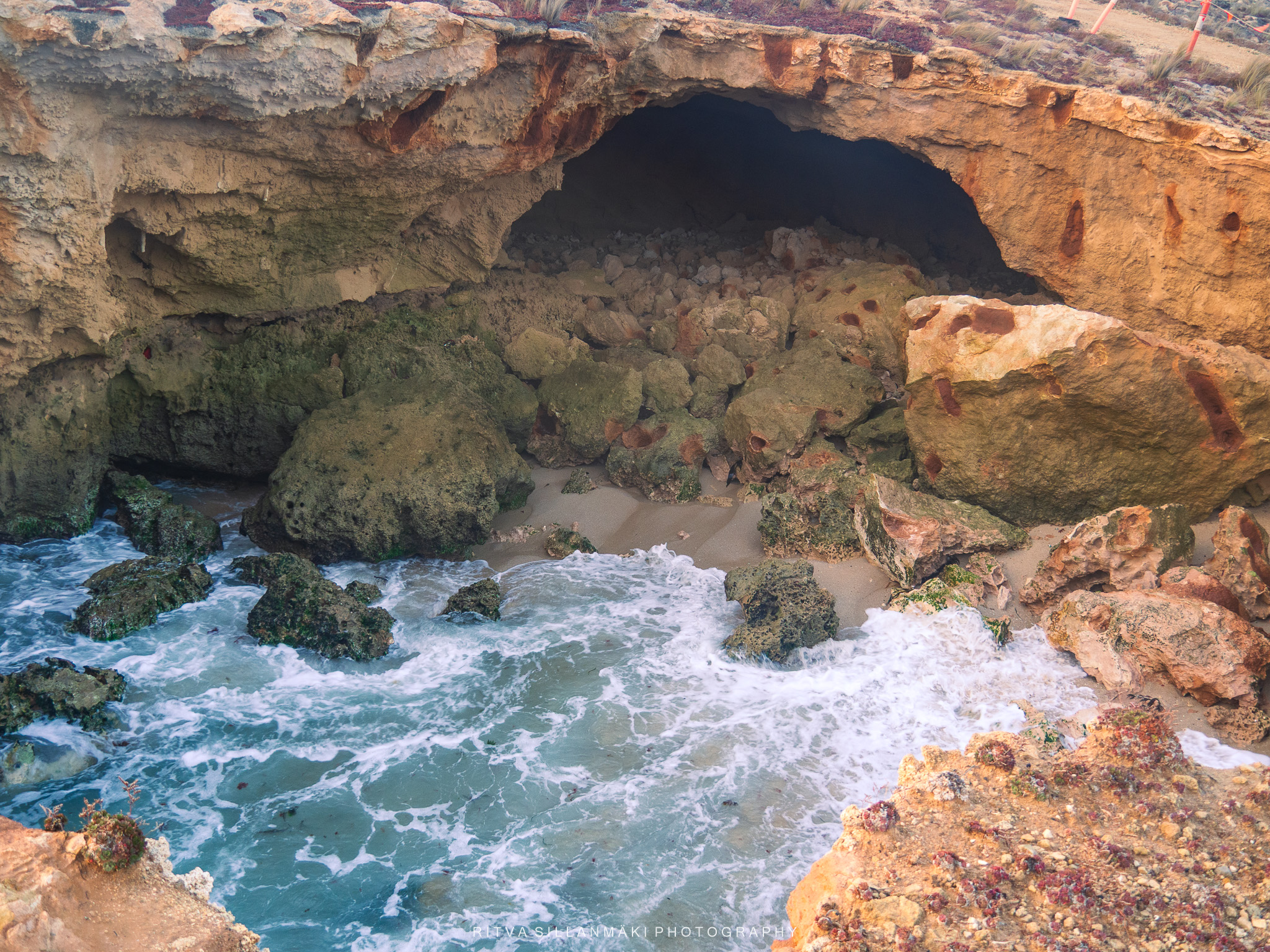
The Grotto is perhaps the most enchanting of all the rock formations in this part of Australia. Part-blowhole, part-archway, part-cave.
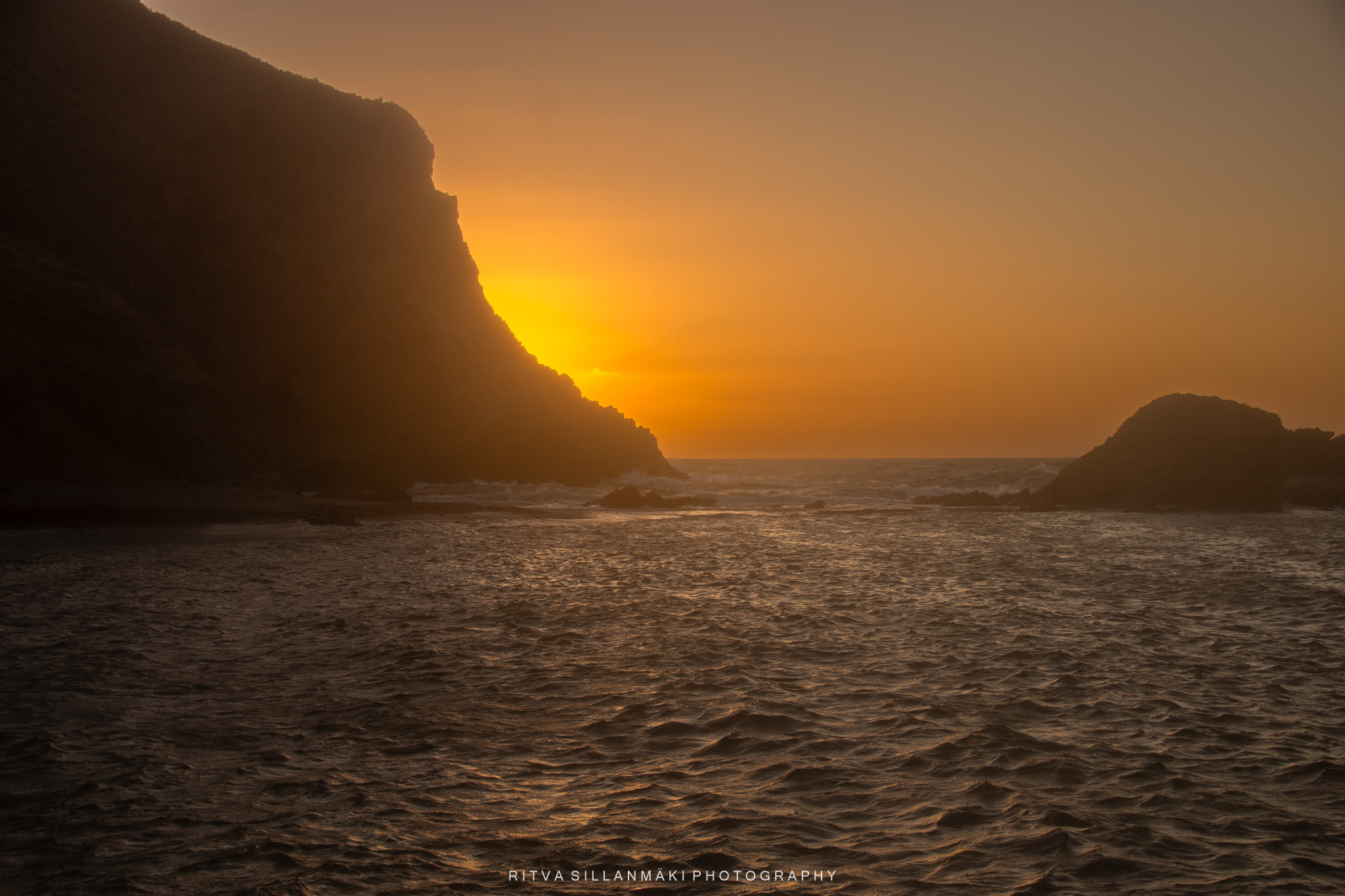
After having only the disappointing breakfast/brunch in Port Fairy we had to go grocery shopping in Port Campbell. Got some disappointing sandwiches , we were having so much bad luck with our food choices and finished them with tea in our beautiful half-house, but not halfway house. Then it was time for another beautiful sunset. This time we welcomed at Bay of Islands.
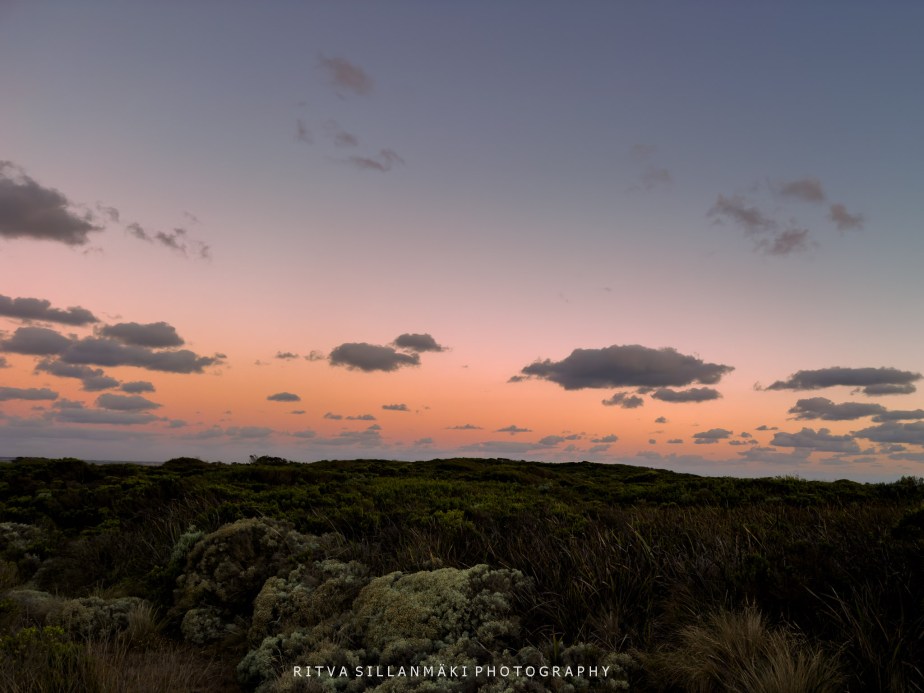
The afterglow of the sunset.
After we settled in that evening we got a very disturbing phone call from Ritva’s cousin Heli. She informed us that we wouldn’t be able to visit Ritva’s other cousin, Kari, in the mountain city of Talbingo. Kari’s wife, Susan. had just gotten bad health news and she was not, understandably, in a state to welcome guests. Such sad news to receive. We had planned on staying for few nights with them and we were slightly panicking. However, Heli graciously welcomed us to stay as long as we wanted in their home. Phew, problem solved, for now. So grateful.
We had a nice tranquil moment at the Union Café in morning in Robe. I need to mention this, because we didn’t have many tranquil moments during the whole trip, even though we had promised to ourselves to take it easy this time. I drove 4750 kilometres in three weeks with the “high end Toyota” but I still managed to leave the car occasionally. Back to Union Café. It was packed and full of locals. We managed to get a table close to the window and enjoy the people in and outside. Ritva had French Toast that was a sight and tasty too.
After relaxing breakfast we started driving towards Beachport and Bowman Scenic Drive.
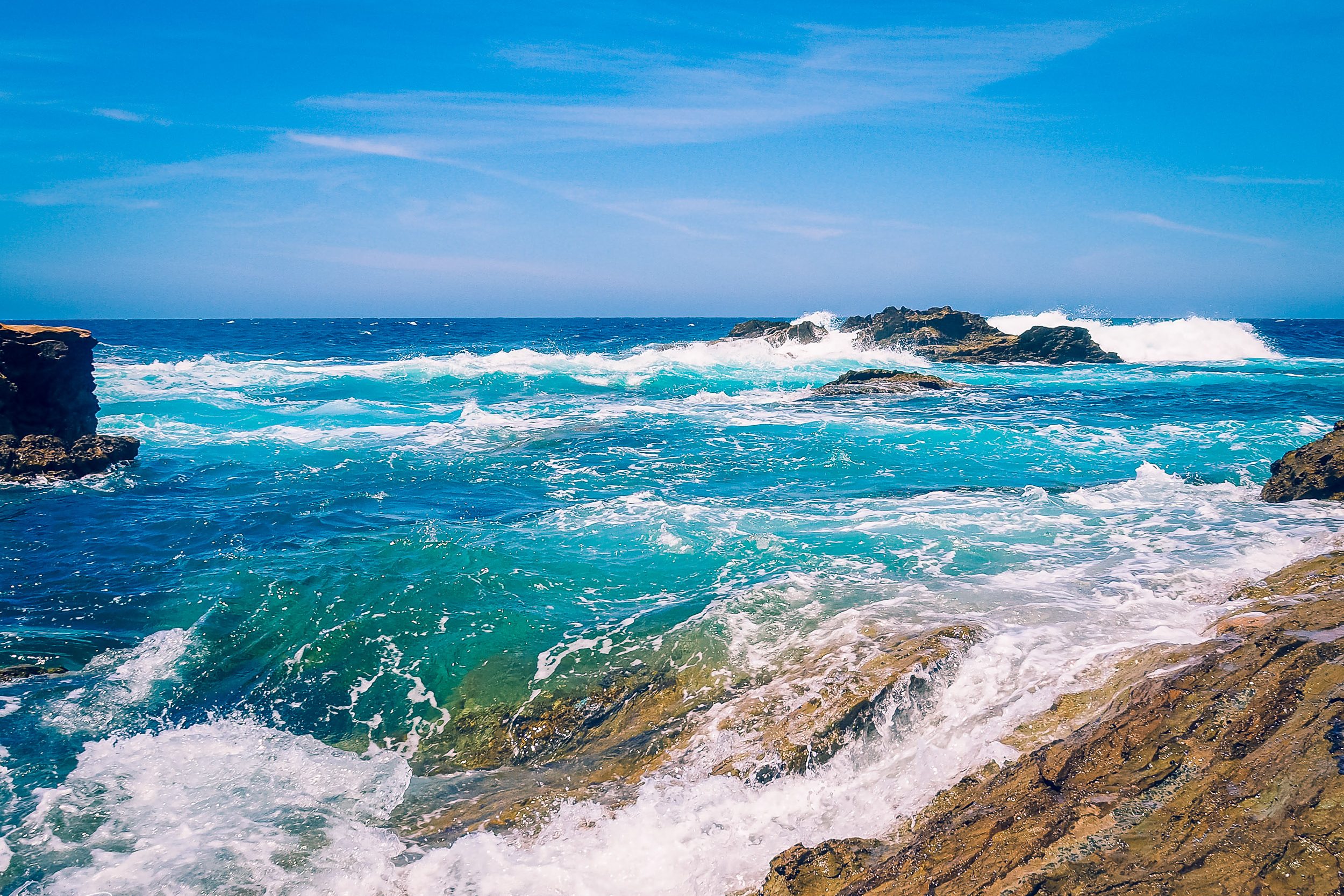
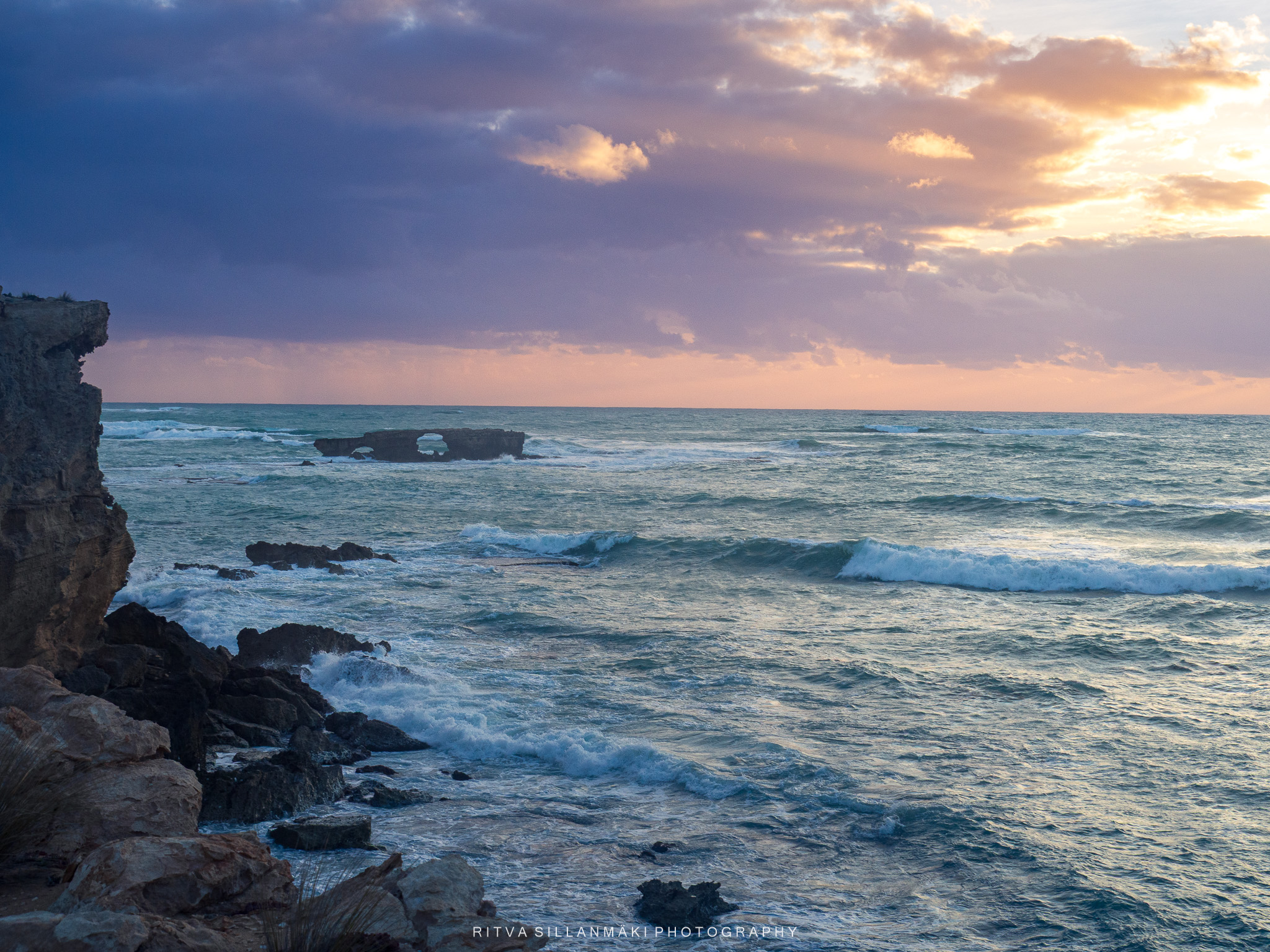
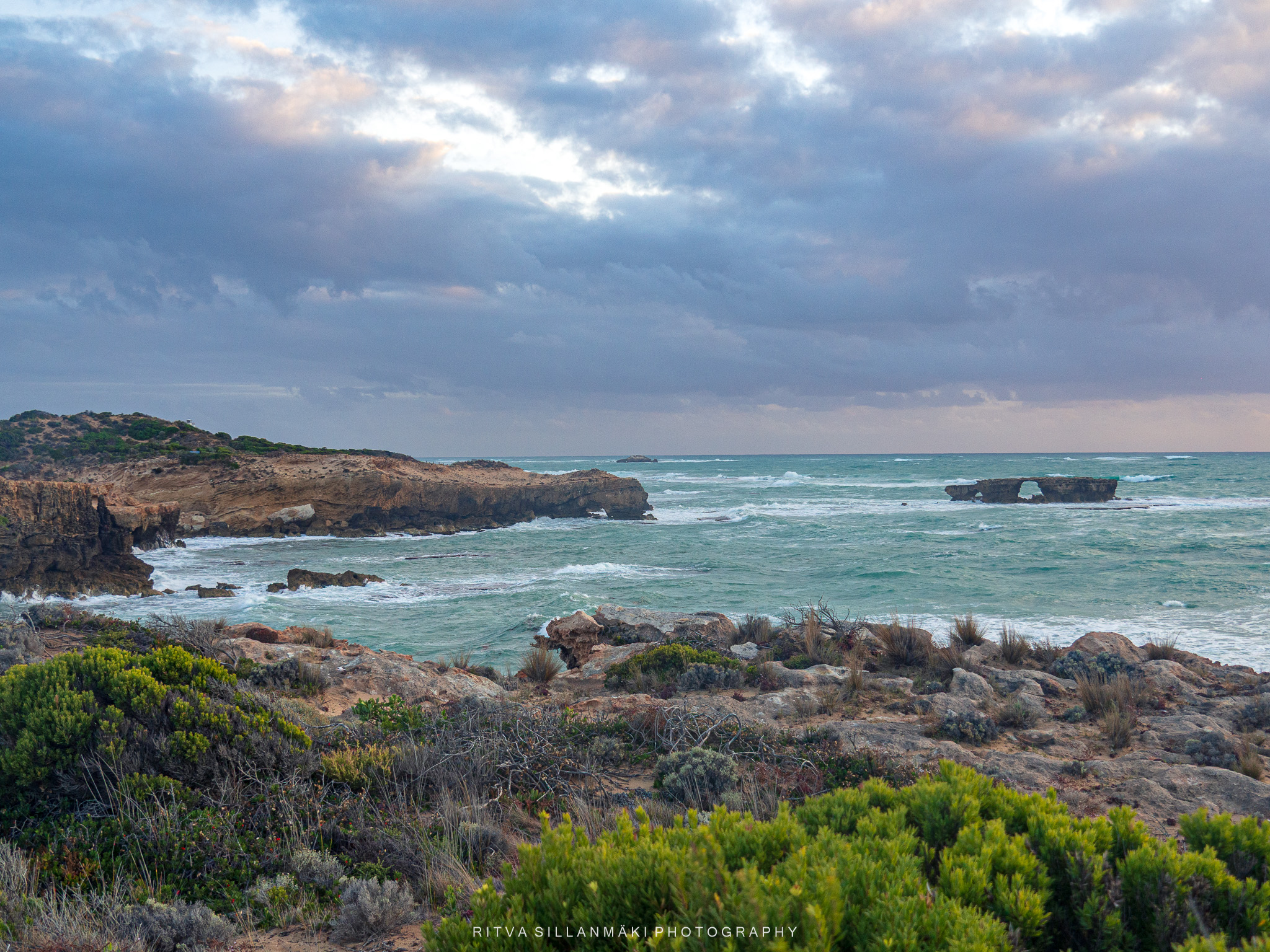
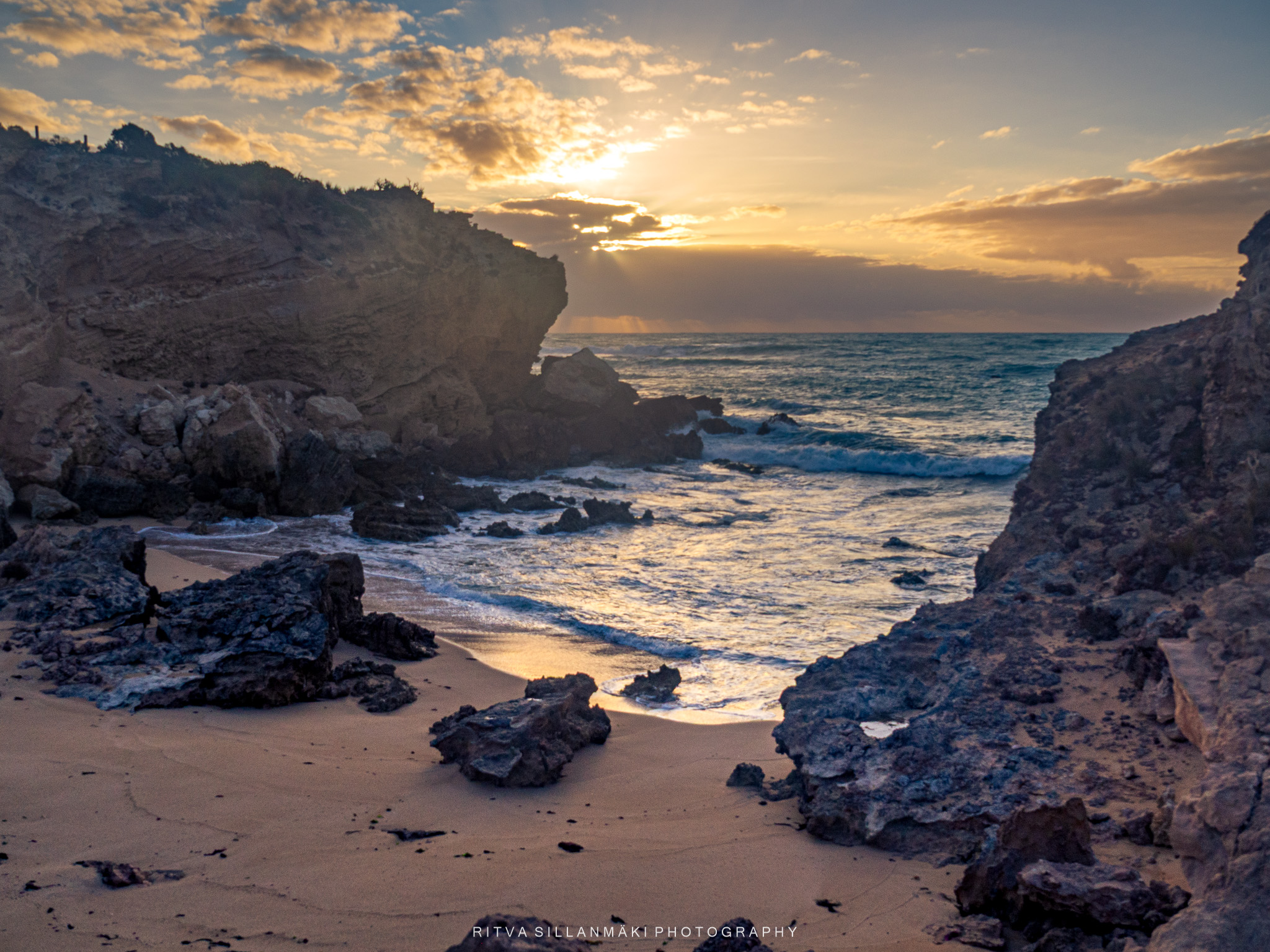
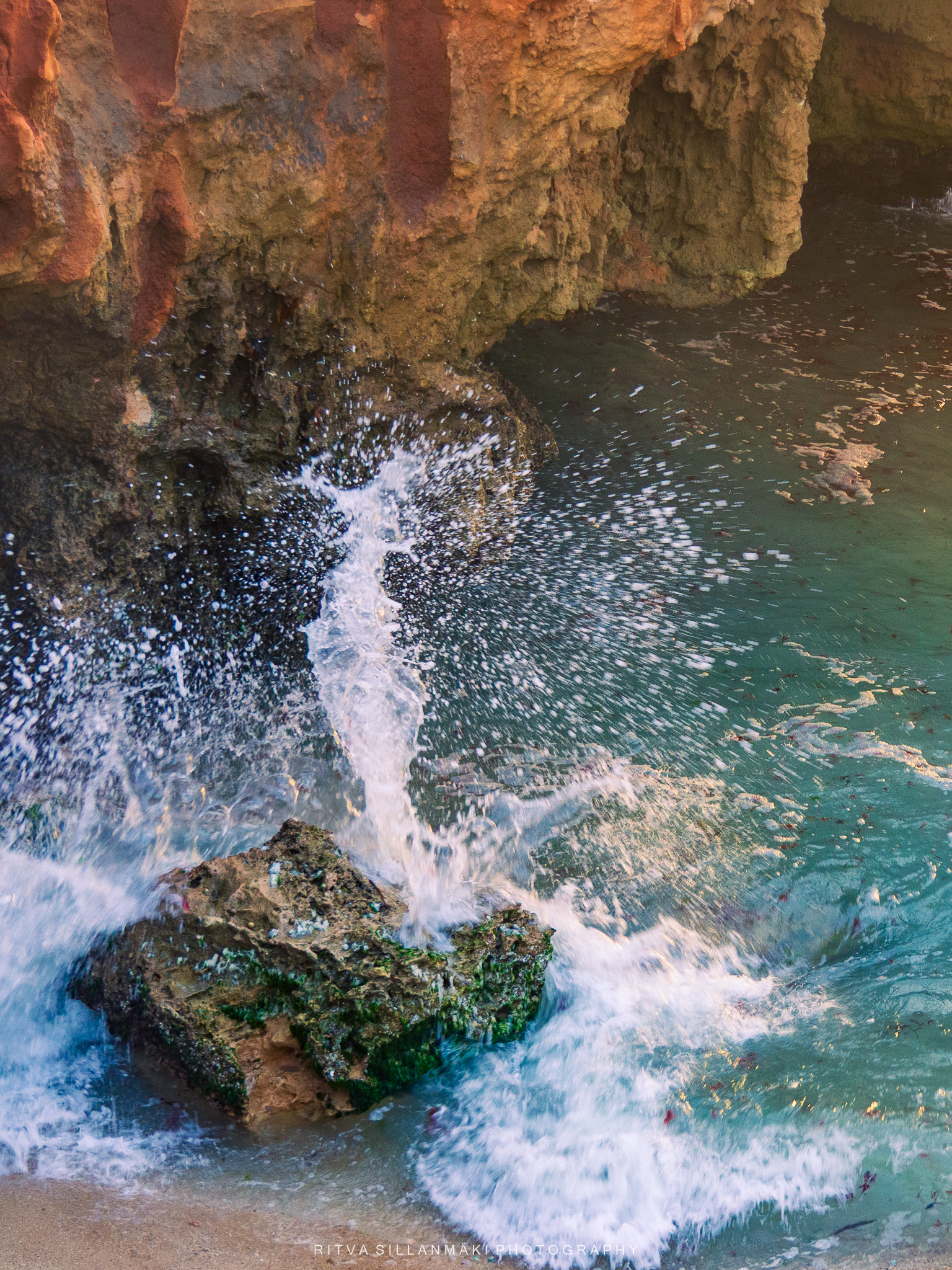
Highly recommend. Huge waves and beautiful scenery, once again. Look at the pictures if you don’t believe me. I’m running out of words.
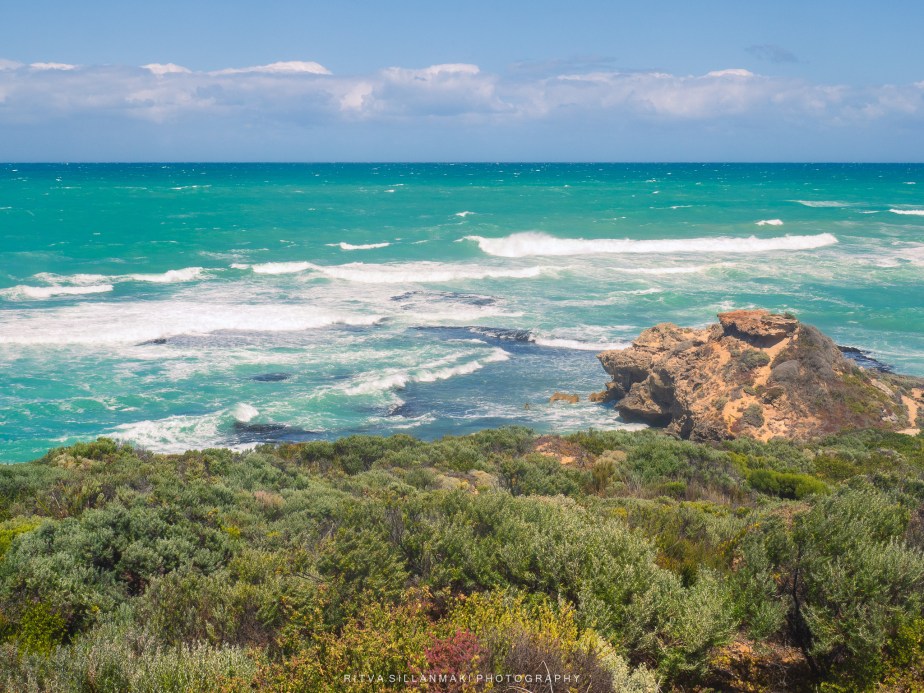
Stunning coastal view showcasing turquoise waters and dramatic waves, framed by coastal vegetation.
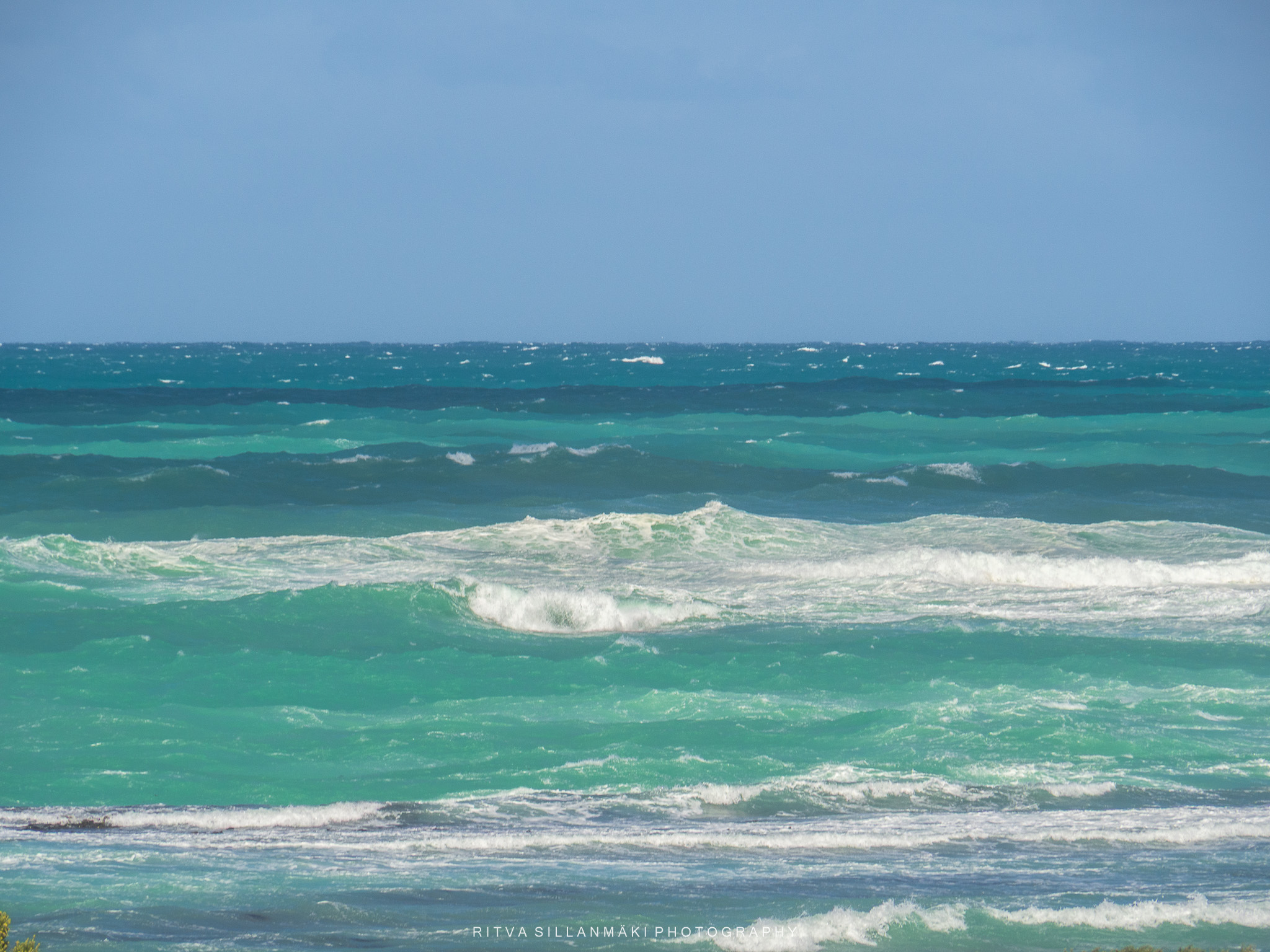
The sea’s color was absolutely breathtaking, a rich turquoise that sparkled brilliantly under the blazing sunlight, forming a vivid contrast with the frothy white waves crashing against the shore. The waves were the largest we encountered throughout our journey, rising majestically, due to the wind. With the sun positioned directly overhead, the intense light created challenges in capturing the true magnitude and strength of the waves. I did my very best, with enthusiasm and determination to tackle this task, hoping to preserve a snapshot of that mesmerizing moment, but the interplay of bright light and color made it remarkably difficult—if not entirely futile—to truly express the stunning beauty of what I was experiencing. With nothing but admiration for nature’s spectacle, I realized that some moments are best cherished in our memories.(RS)
Lovely turquoise waters and crashing waves against rocky formations , it is a joy to enjoy these moments.
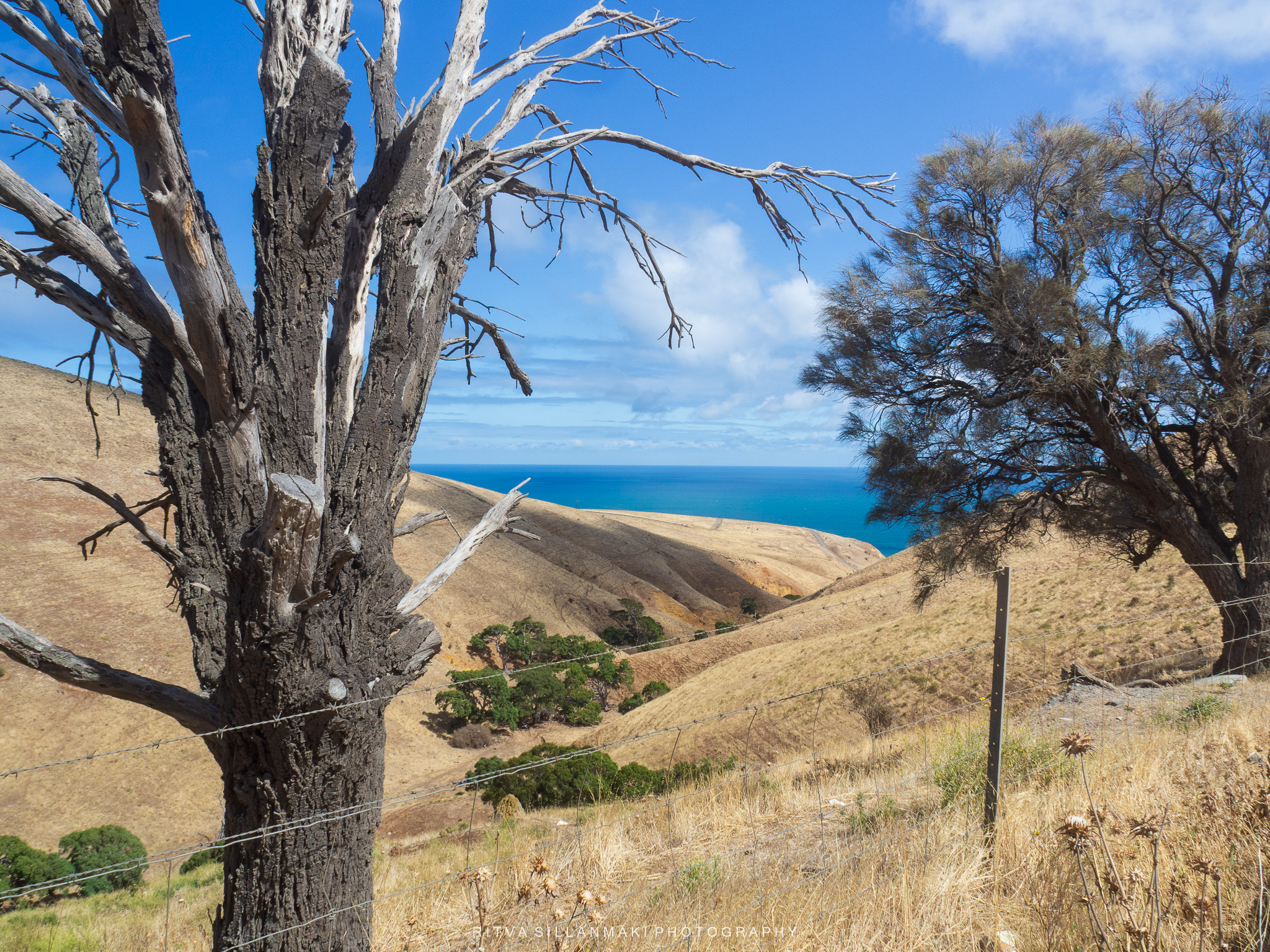
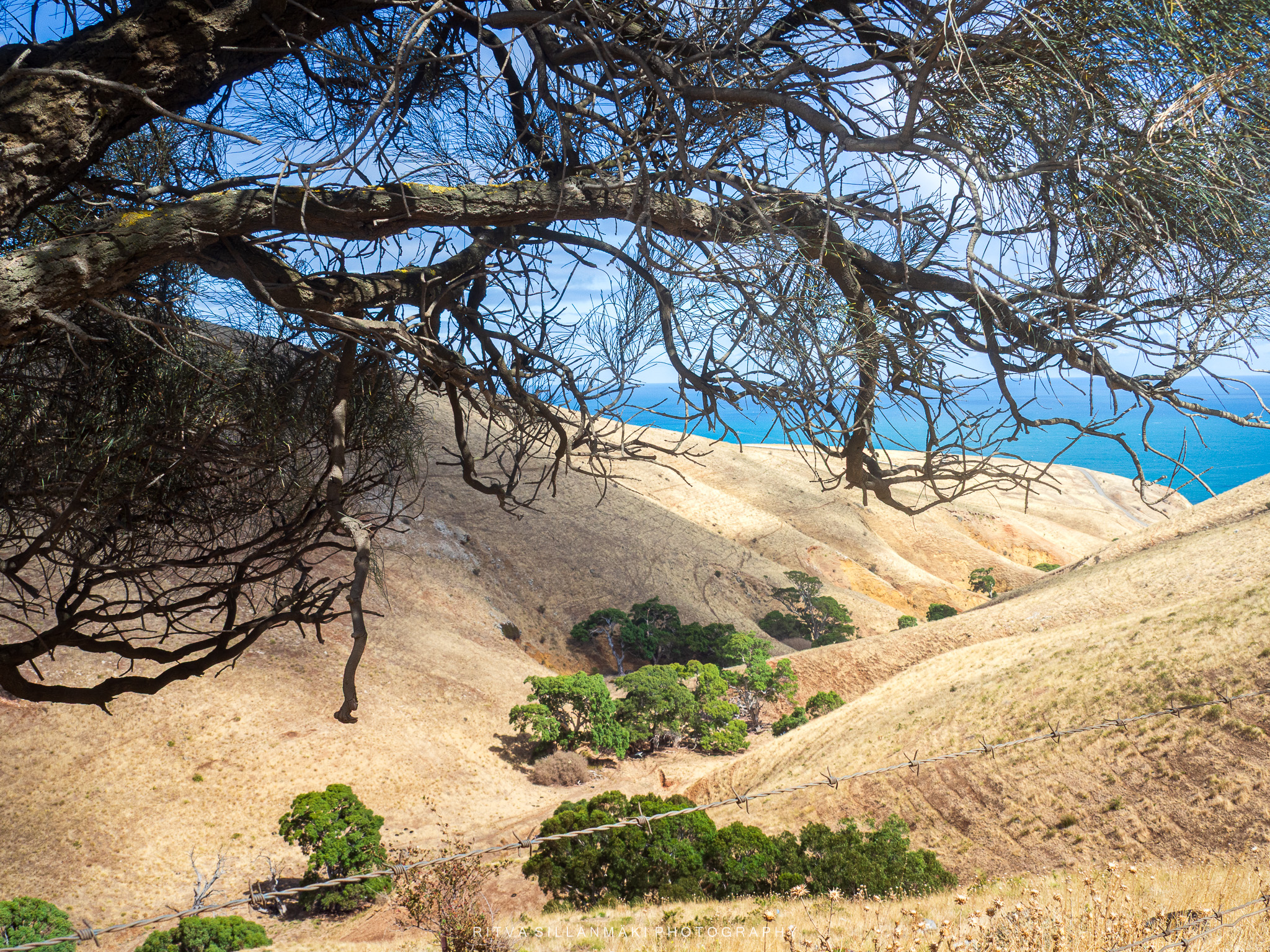
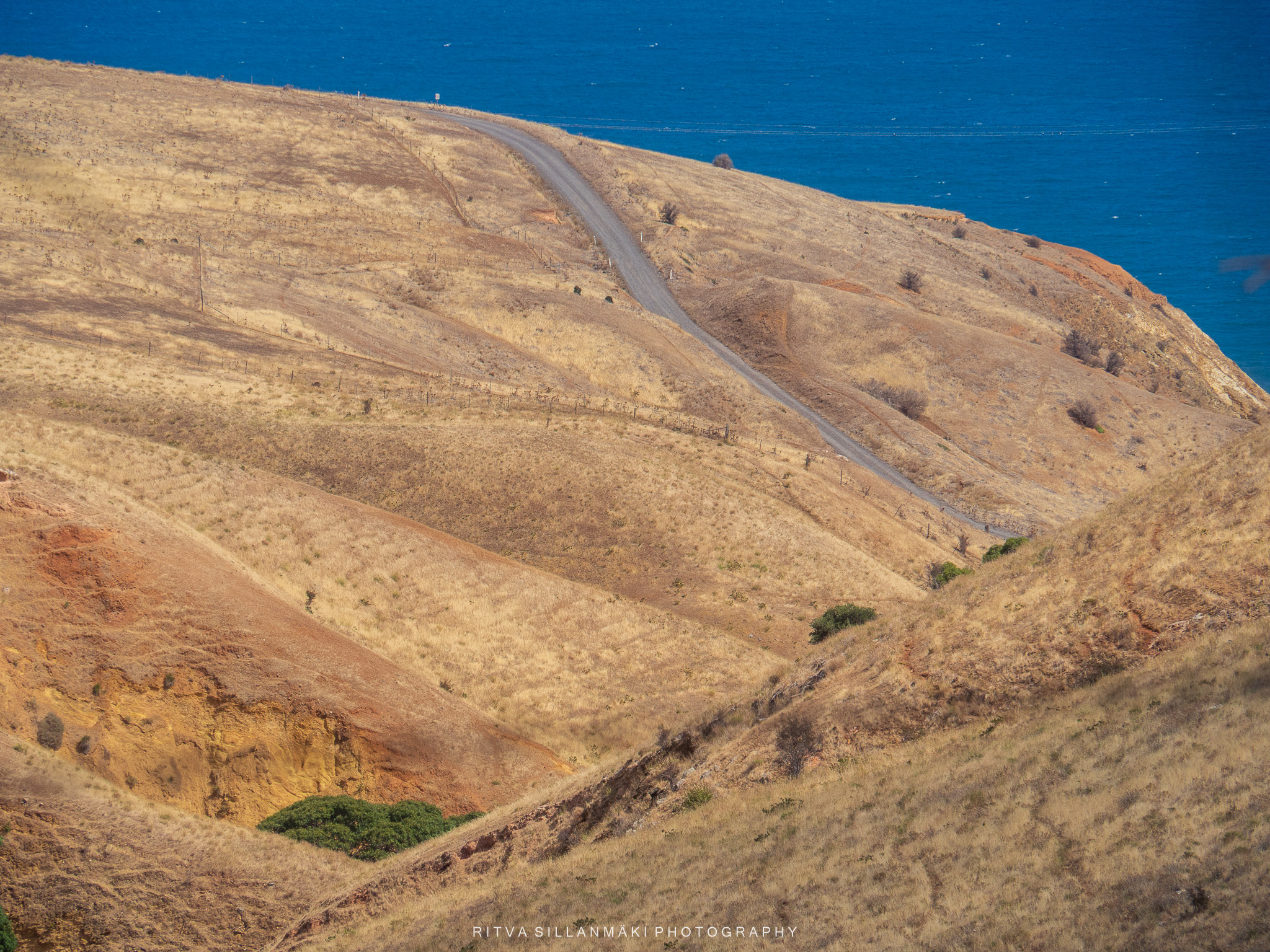
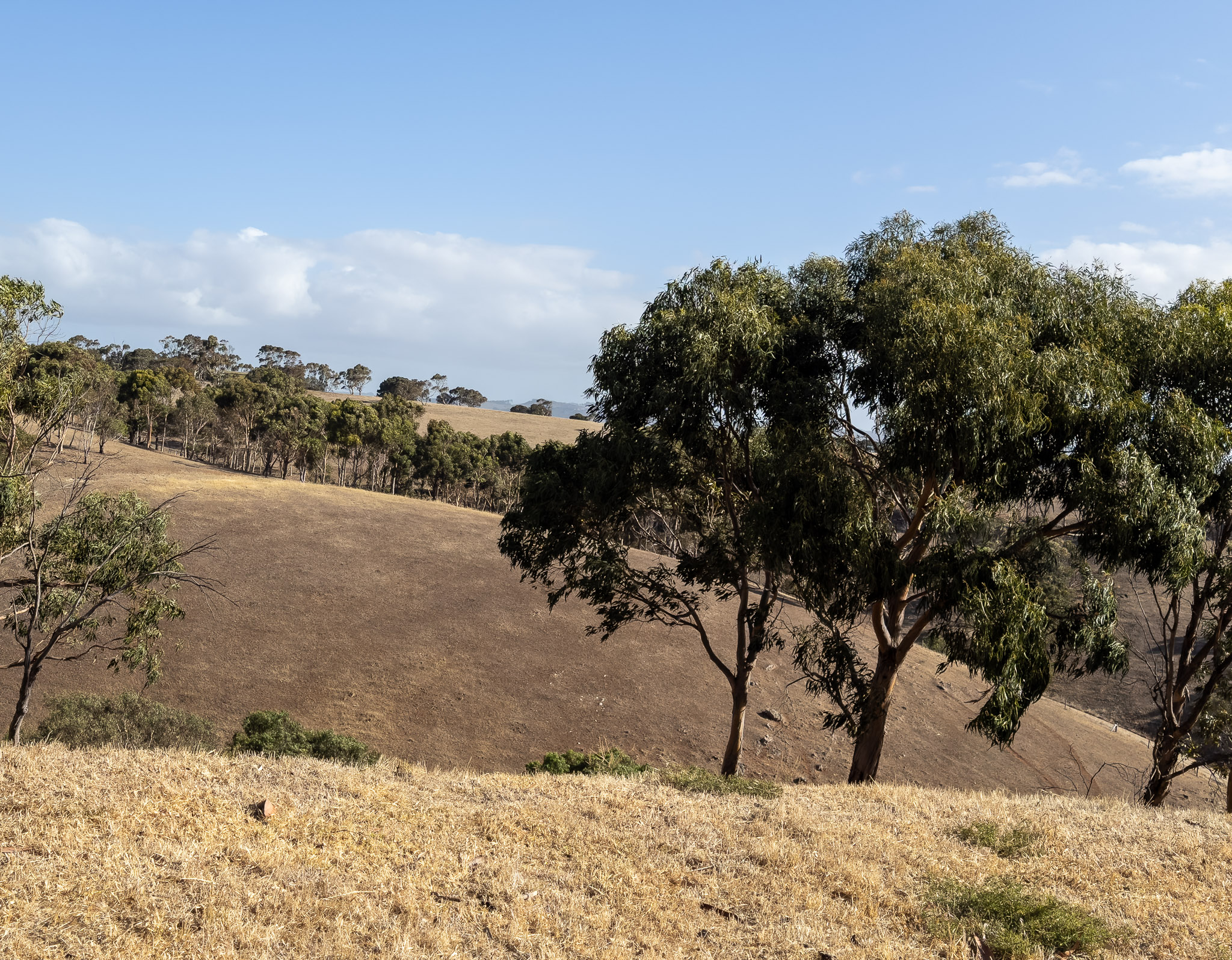
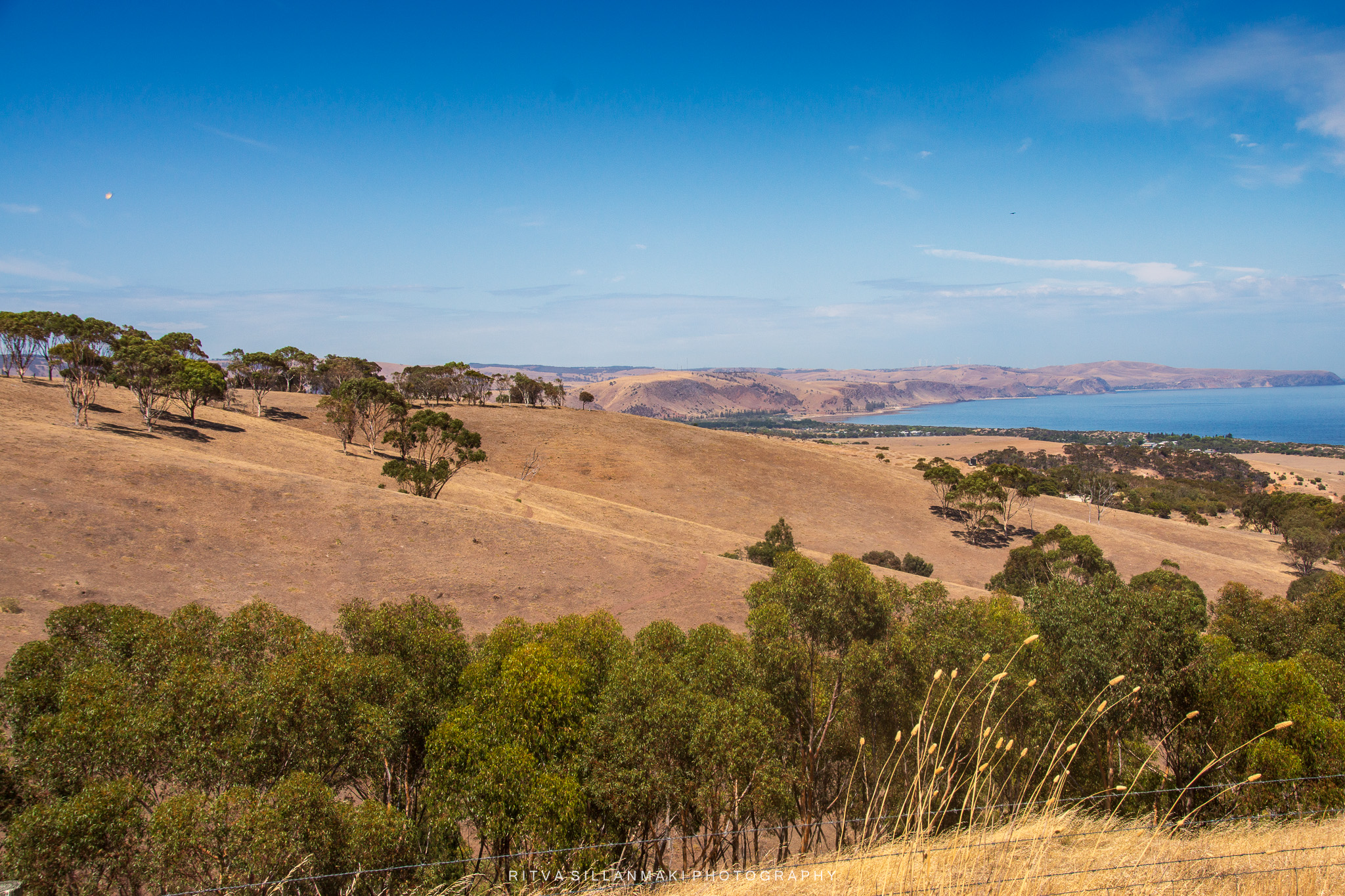
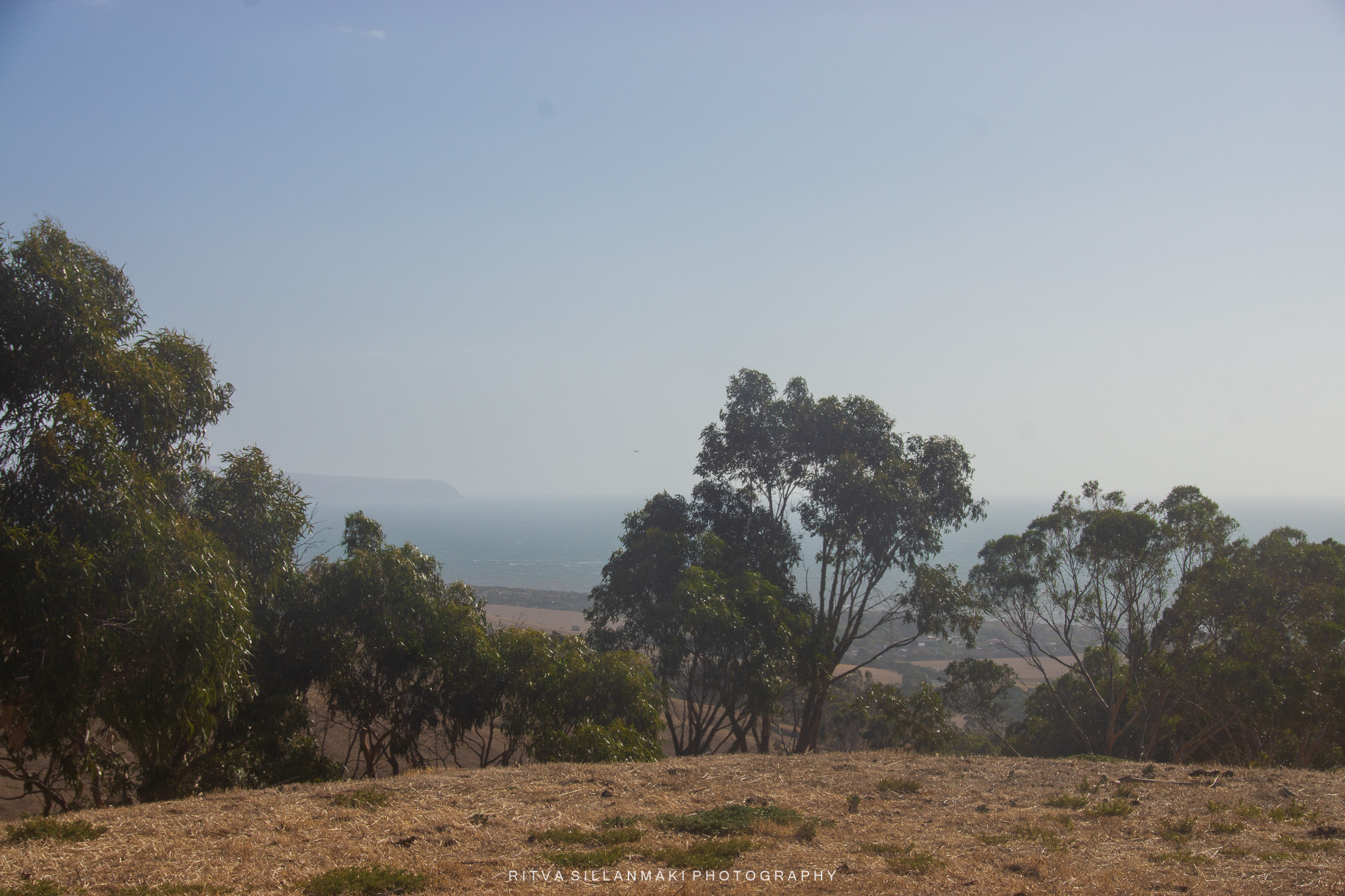
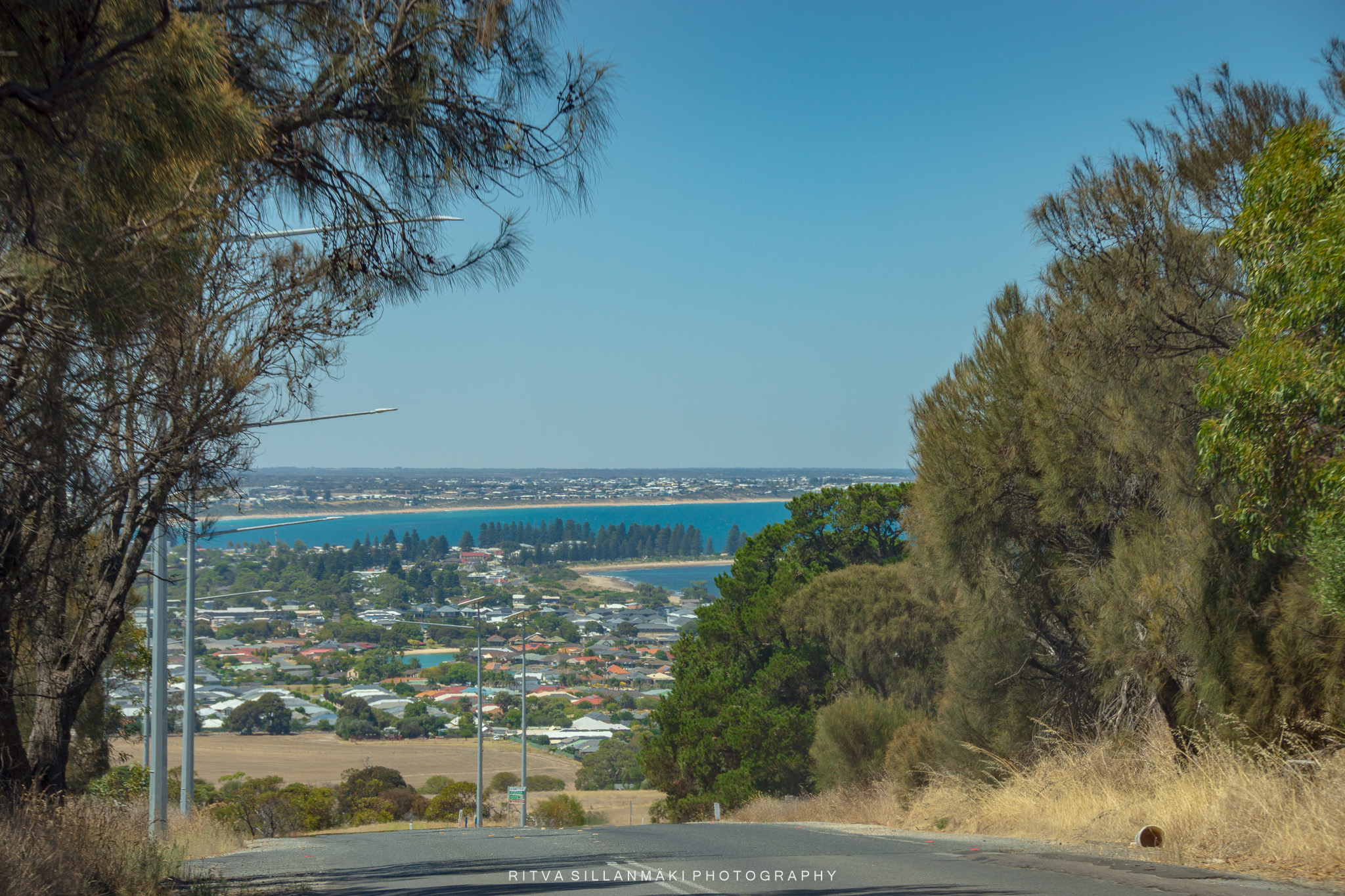
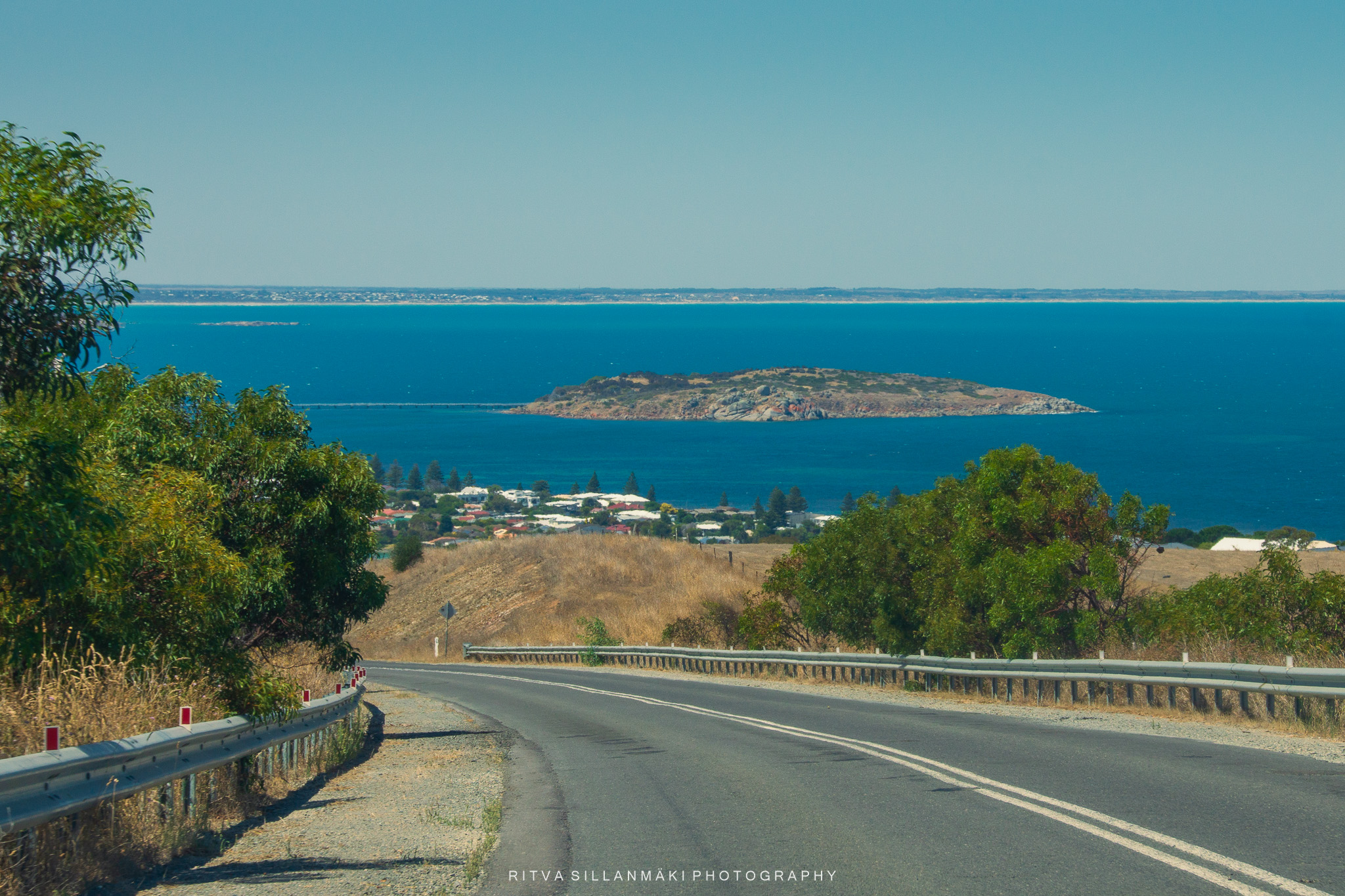
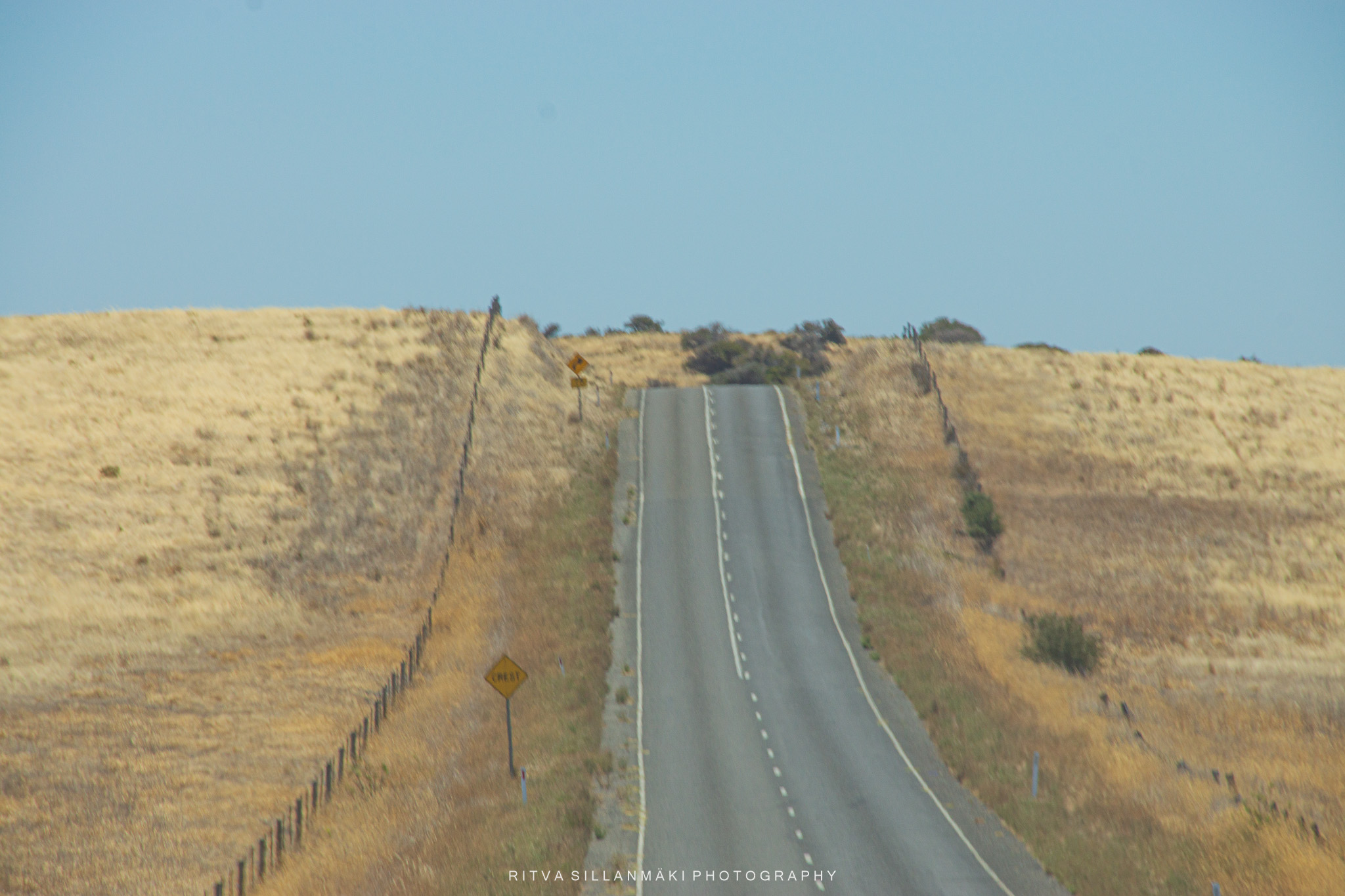
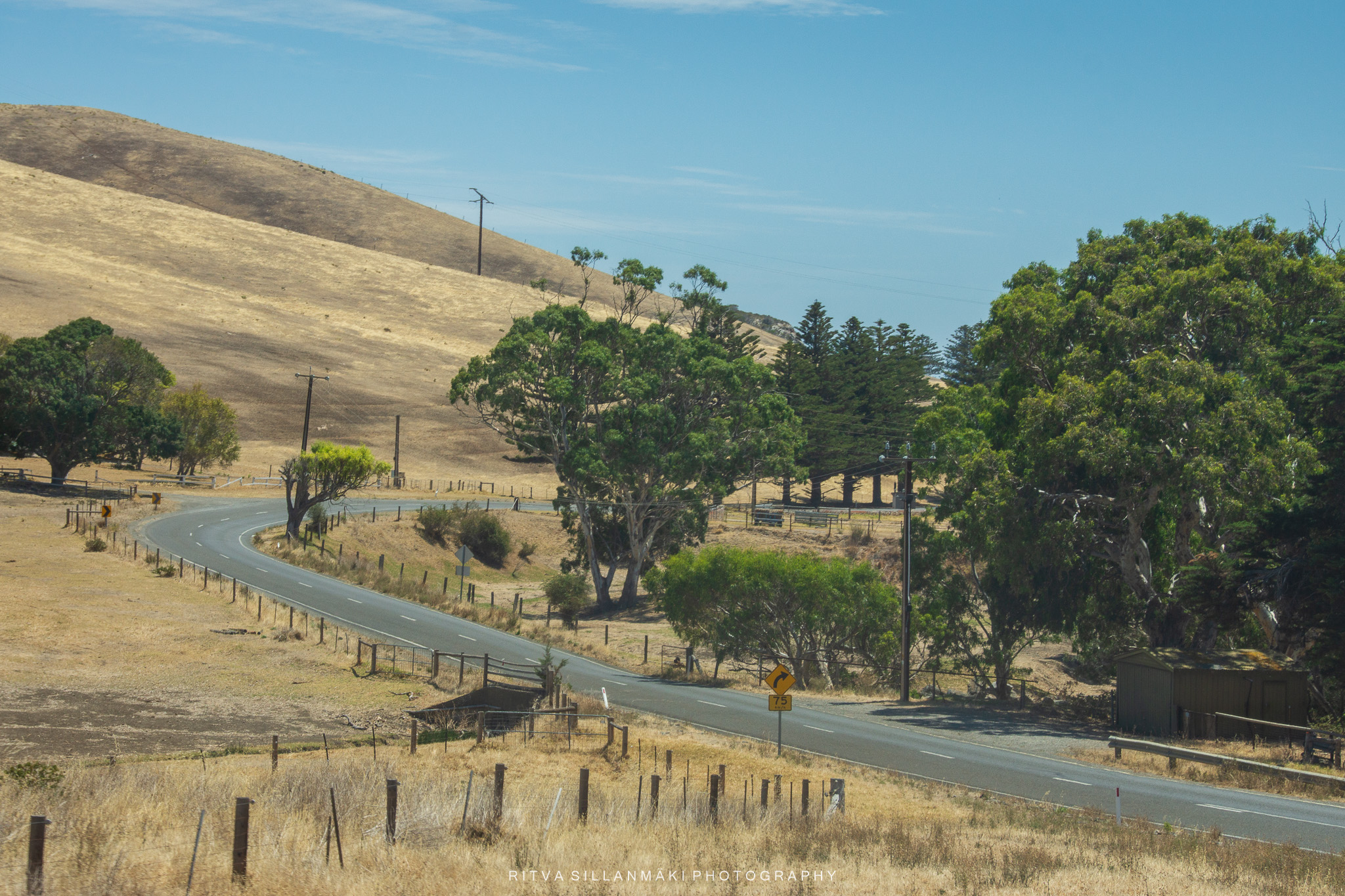
The drive through Fleurieu Peninsula revealed several picturesque lookouts that left us in awe – I loved the rolling hills and their crests, whatever you wish to call them. The scenery was beautiful, with gentle slopes that seemed to dance across the landscape and trees with splashes of green. We tried to figure out what the difference is between the hills and the crests – perhaps it’s merely a matter of terminology – yet, all the same, they looked so lovely.
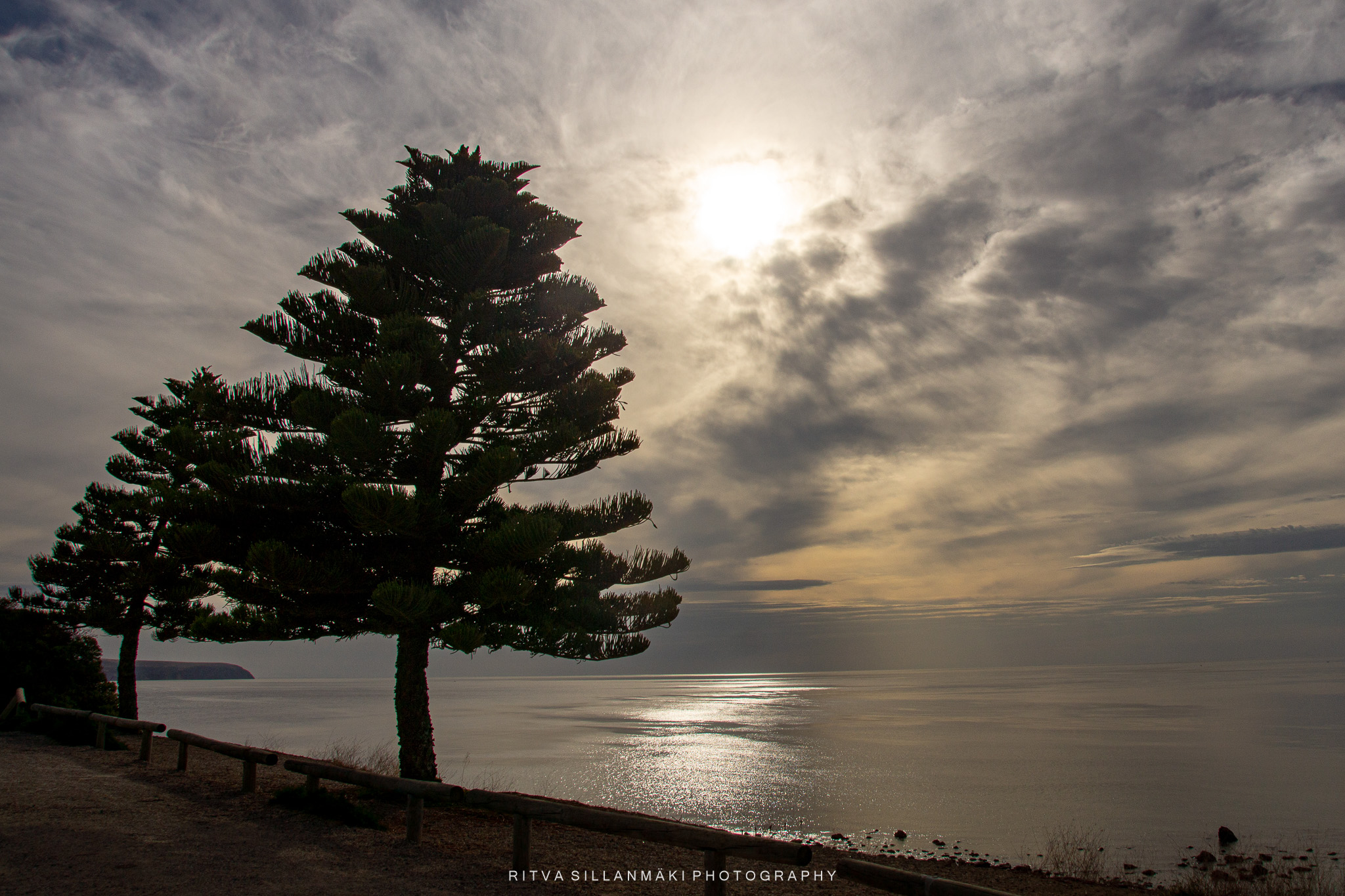
We actually drove past the HMAS Hobart Memorial Lookout few times and stopped twice, which provided differing moods between day and evening. The evening shots had so much more mood in them. It was worth the second stop.
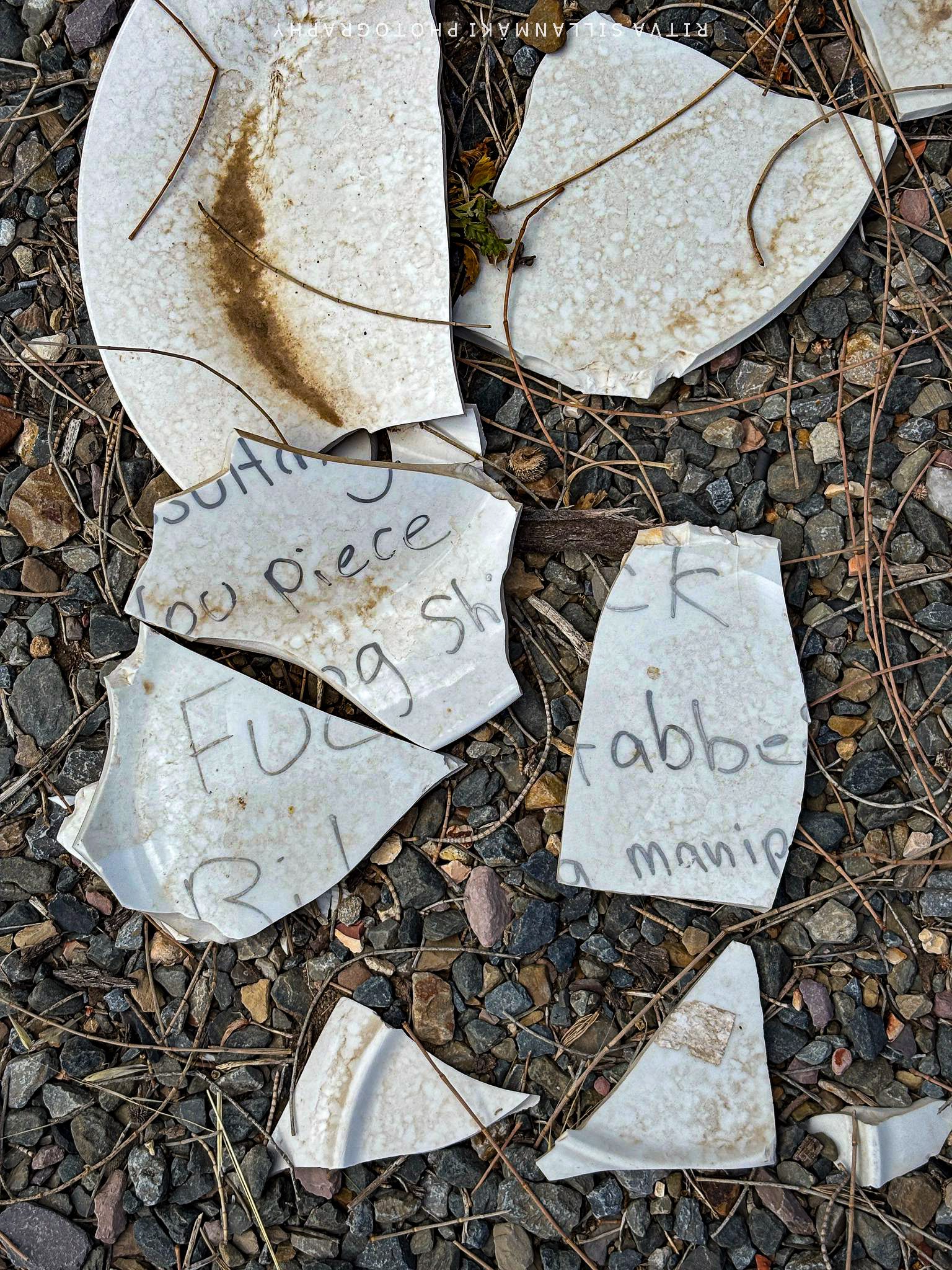
A nearby lookout showcased stunning scenery. We saw remnants of broken china on the ground. It must have been the end of a beautiful relationship, maybe sweet parting words. At the bottom of plates, you could see beginnings or endings of words: you piece…, manip…, fuc …ng sh… But you get the idea.
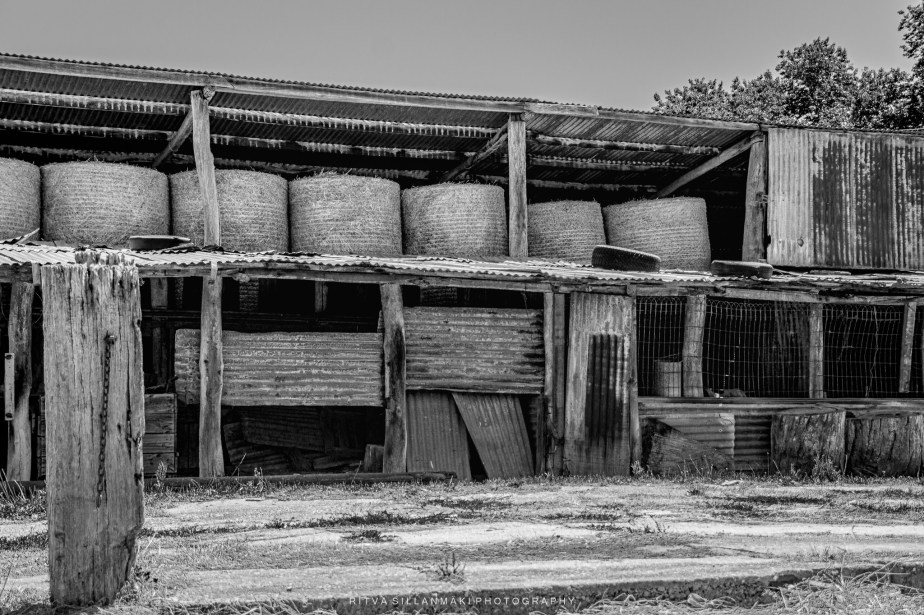
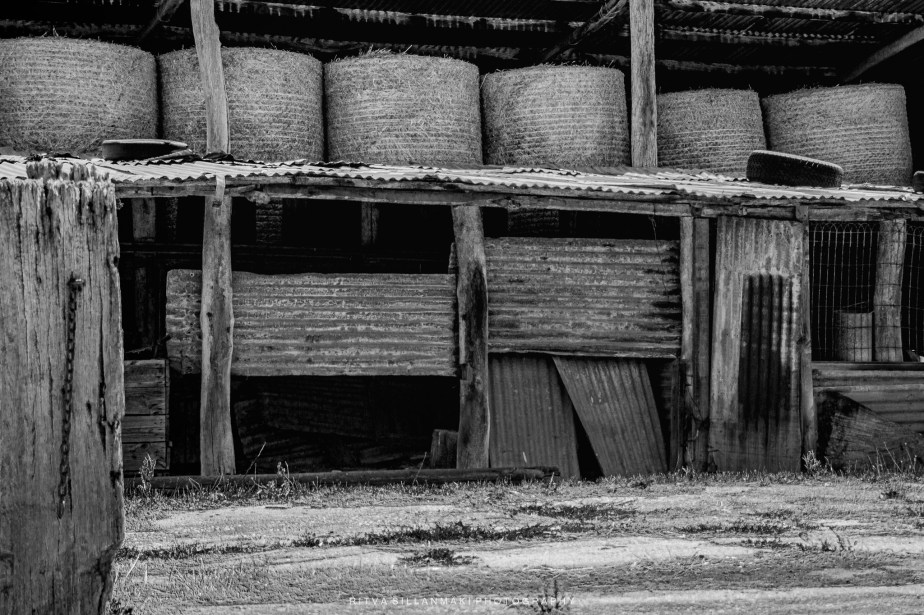
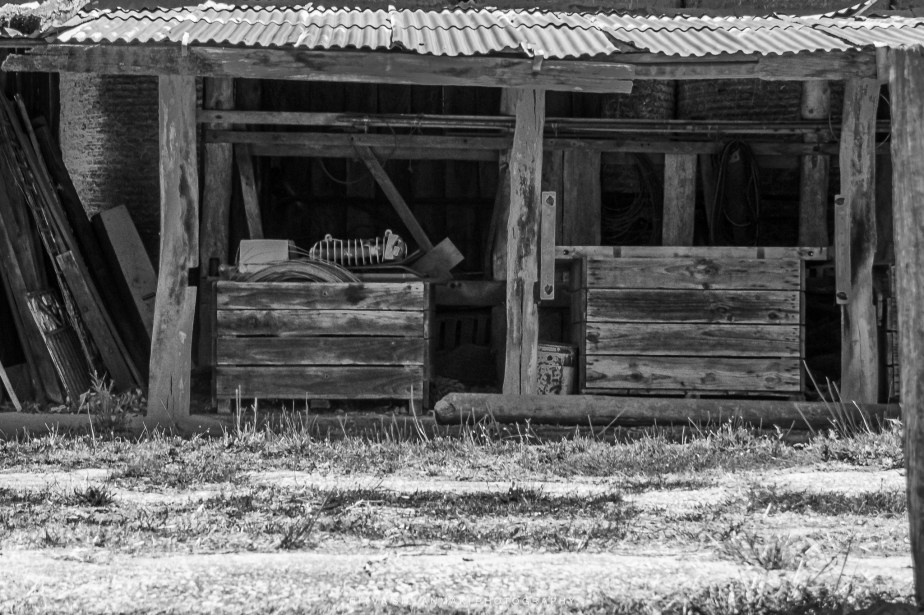
I had some difficulty with what to post, as there are so many subjects to choose from, each with its own charm and allure. After much deliberation, I finally decided to showcase this full hay barn located somewhere in Southern Australia, nestled among sprawling fields that seem to go on forever. It ended up being my choice for this week’s Monochrome Madness, as the rustic looks and textures of the barn beautifully captured the essence of monochrome photography, making it stand out against the vast expanse of the landscape. Its weathered wooden beams and create a fascinating contrast that invites the viewer to appreciate the art found in simplicity.
Additionally, I’m also sure there is a door hidden somewhere within the structure, which makes this fitting as it also qualifies for Thursday Doors. The sight of the barn evokes a sense of nostalgia, even though it is life in the present, and I can only assume there are some animals, most likely cows or sheep, given the sheer number we have seen while driving the rural roads, in need of the hay stored inside, which contributes to the cycle of life on the farm. The barn stands as a testament to the hard work and dedication of those who have tend to the land, reminding us of the vital role these structures play in agricultural life.
Tucked away on South Australia’s rugged Limestone Coast, is the stunning Robe coastline. Tons of travelers have pulled up here and ended up totally enchanted by its charm, and the word got out, that is how we found it.
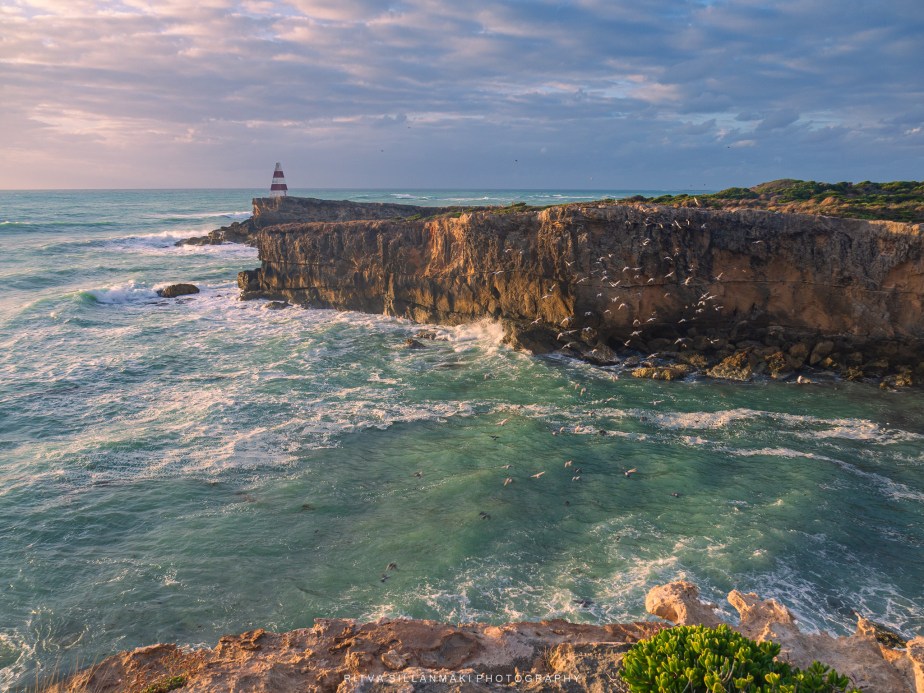
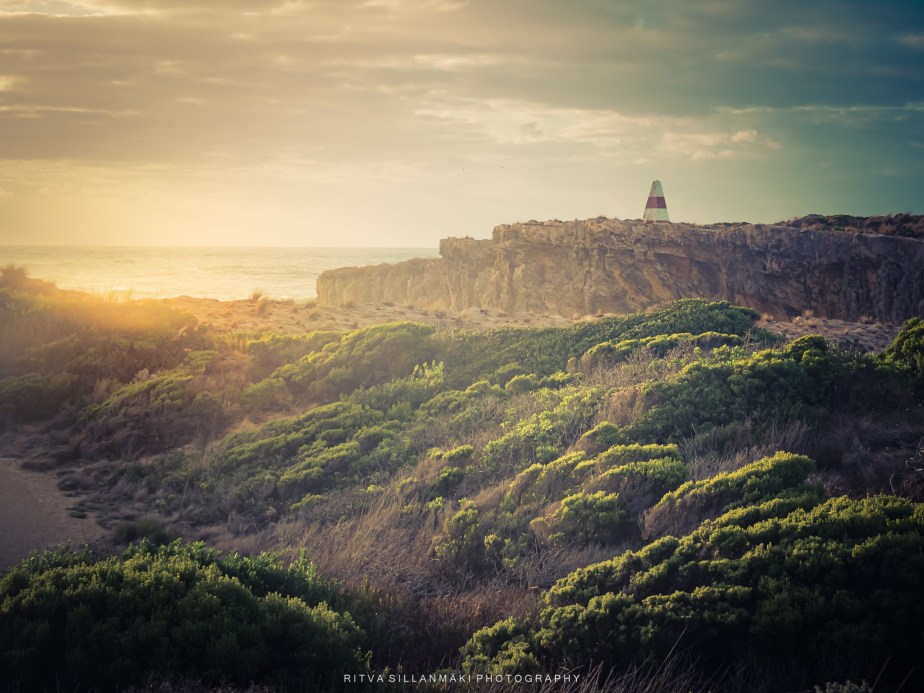
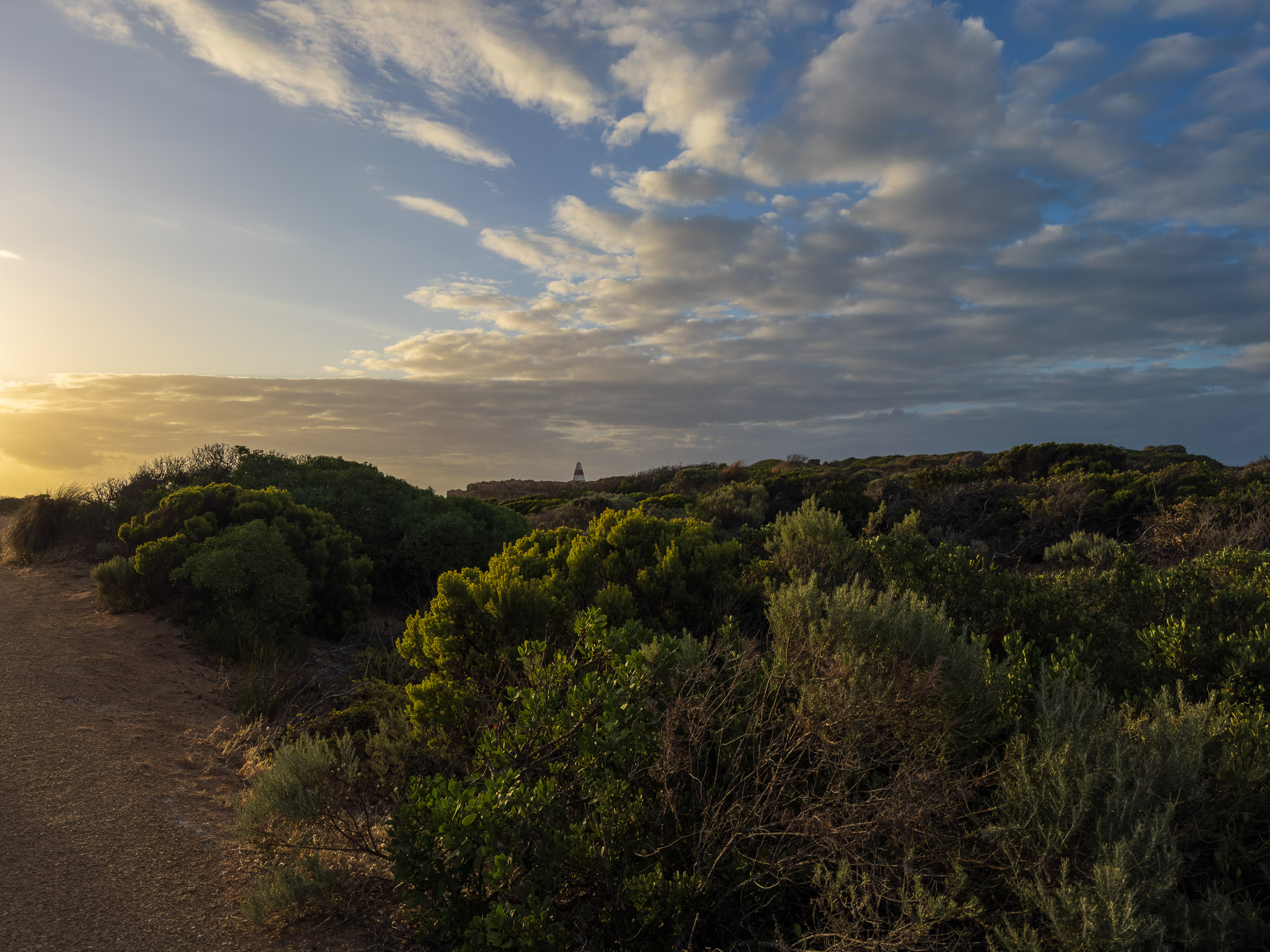
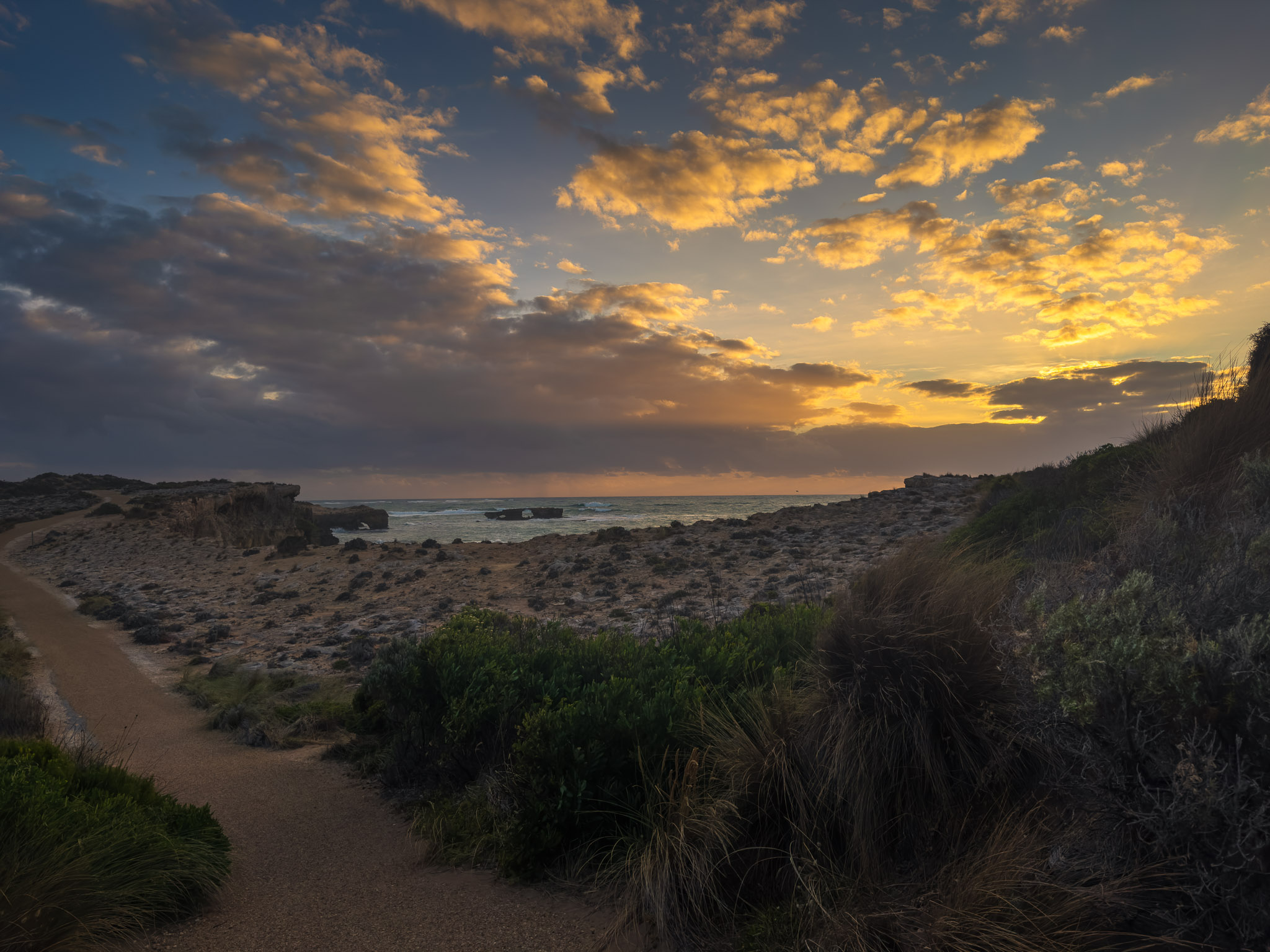
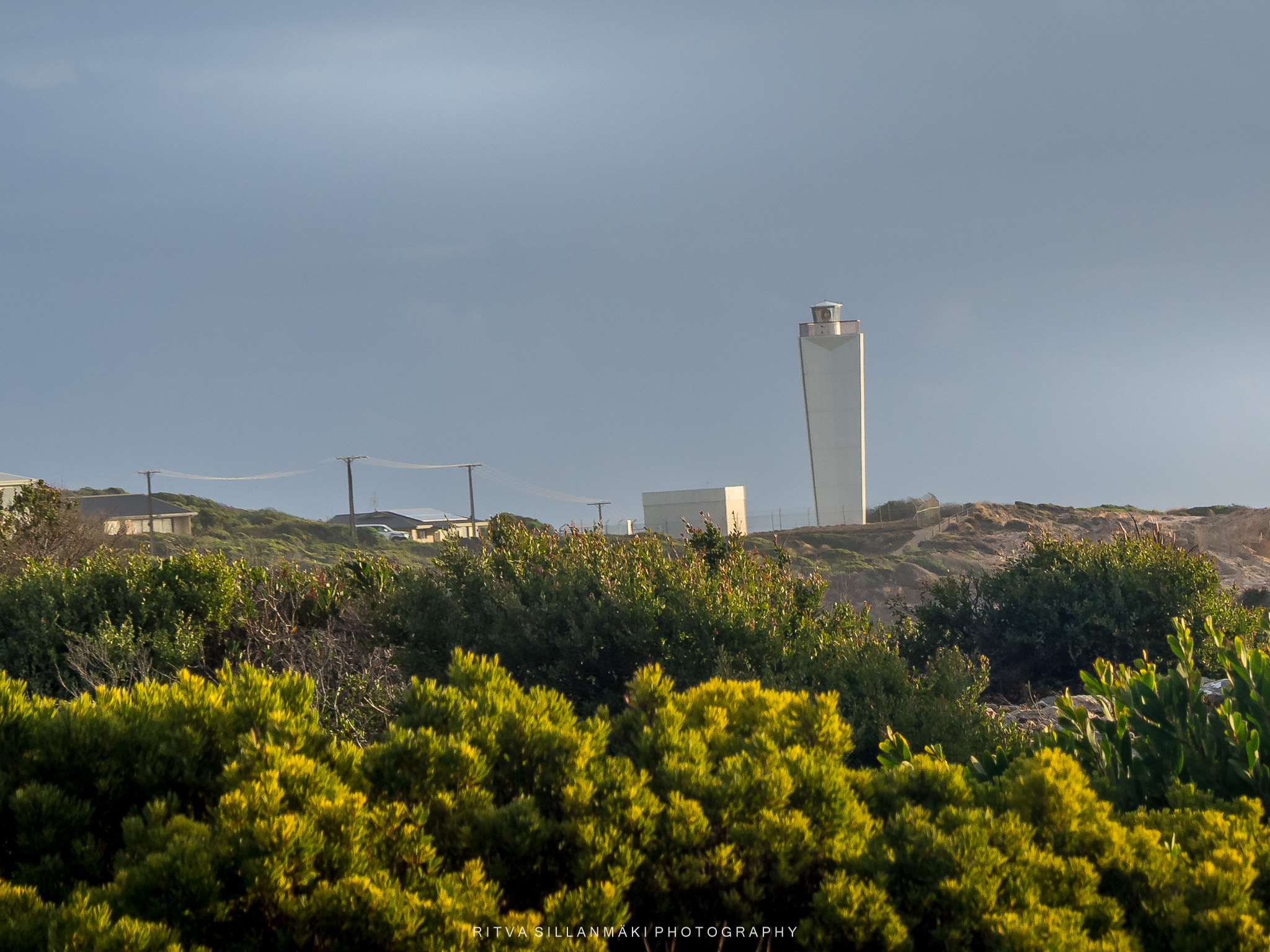
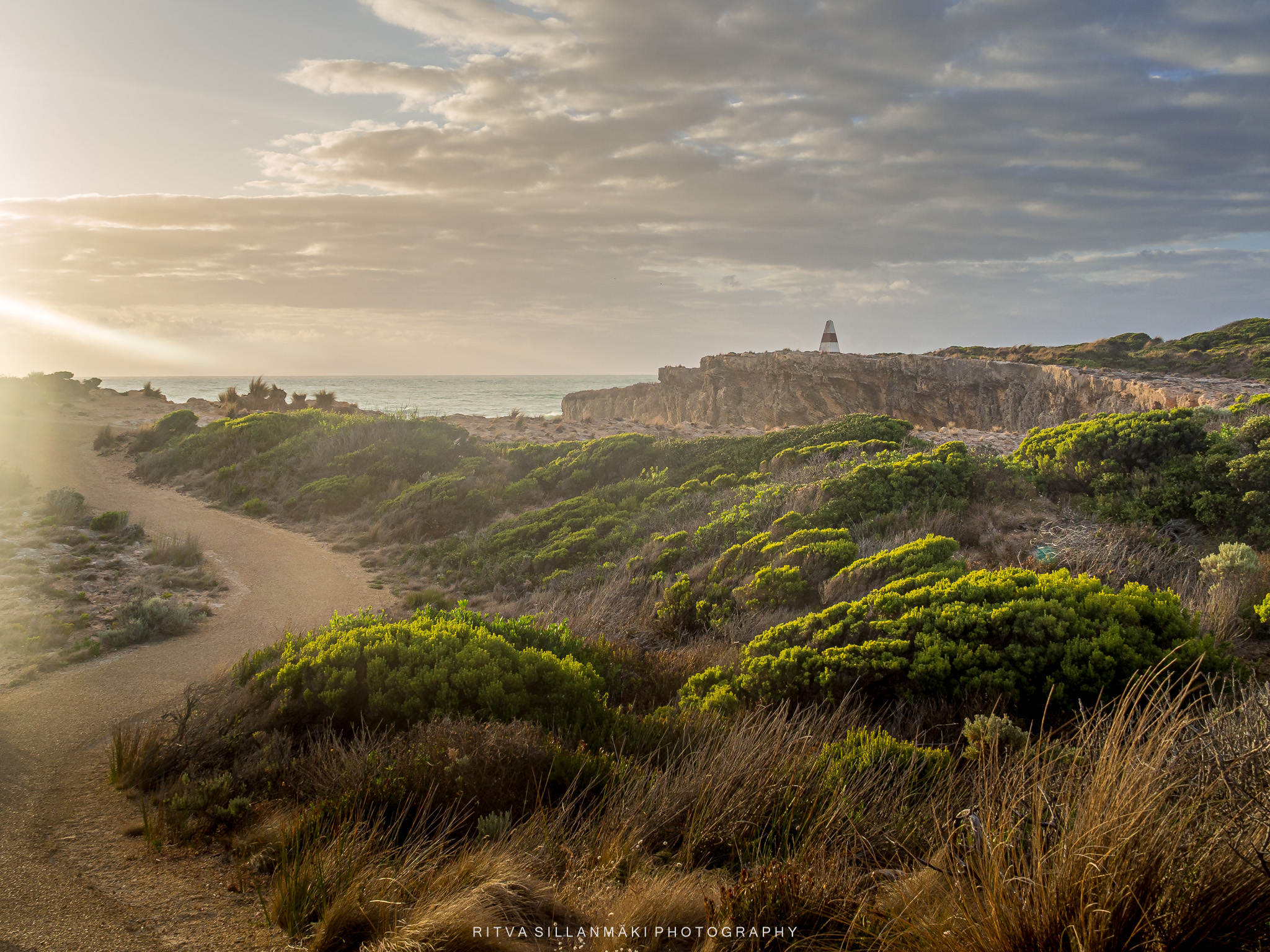
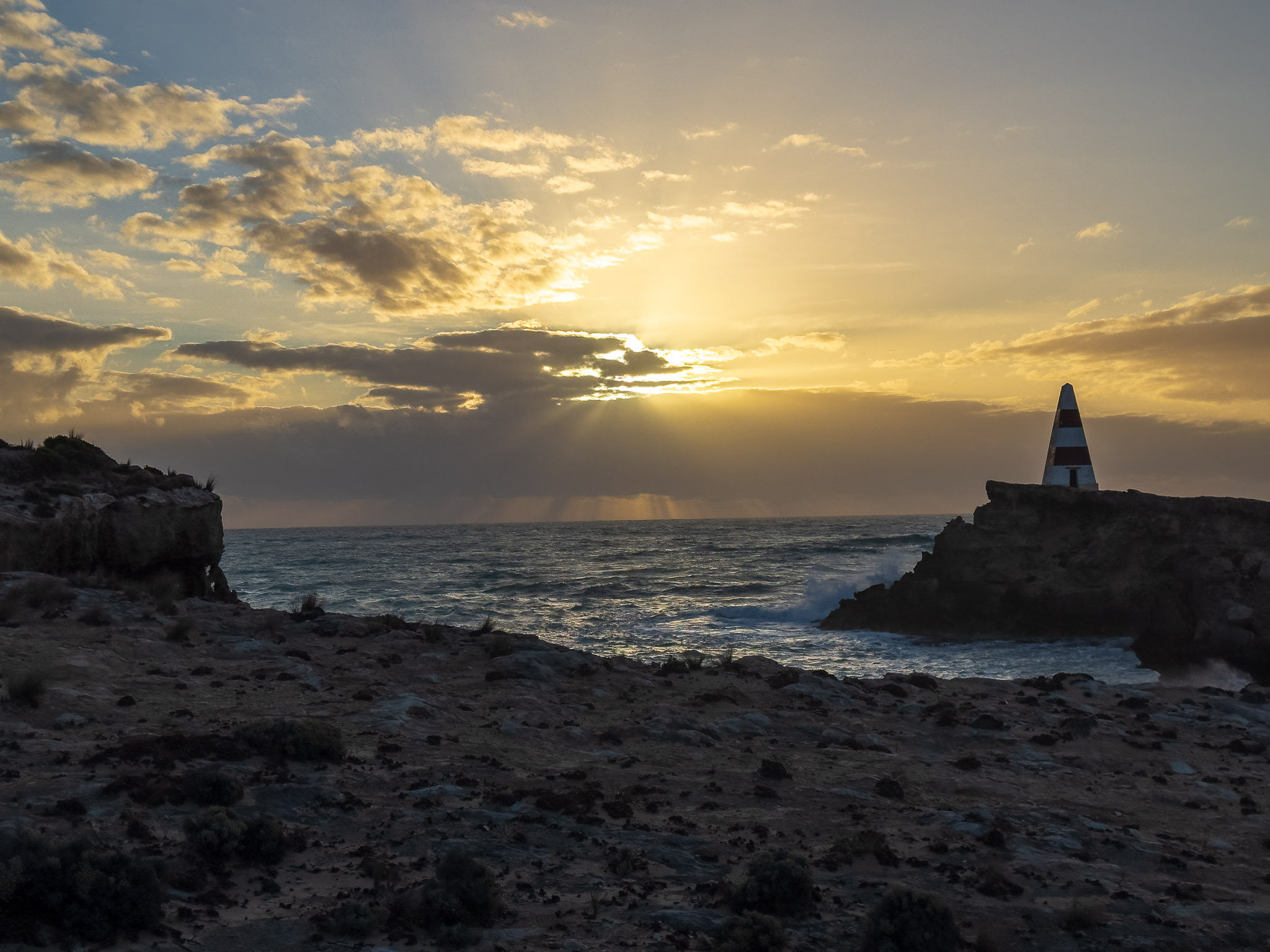
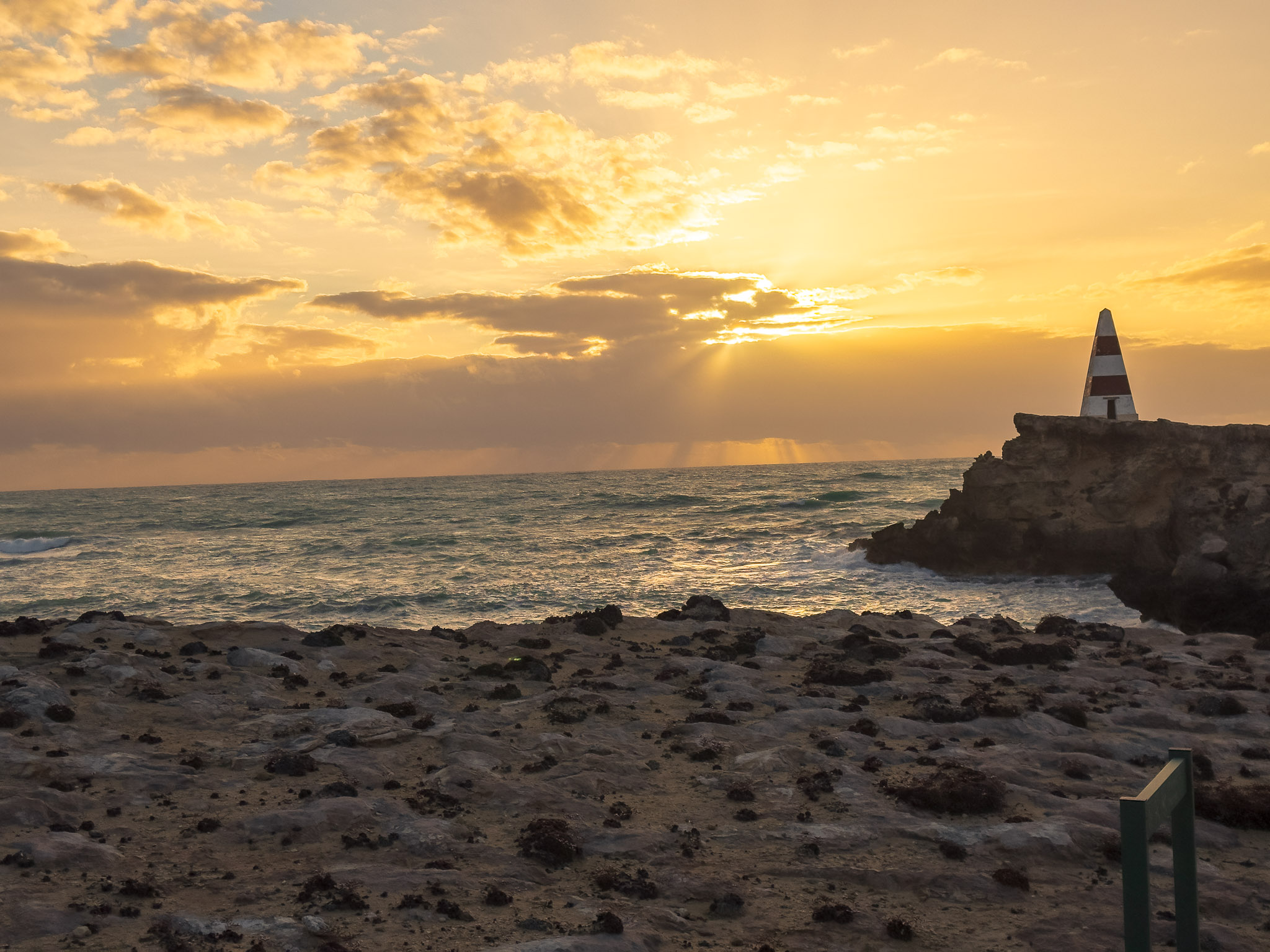
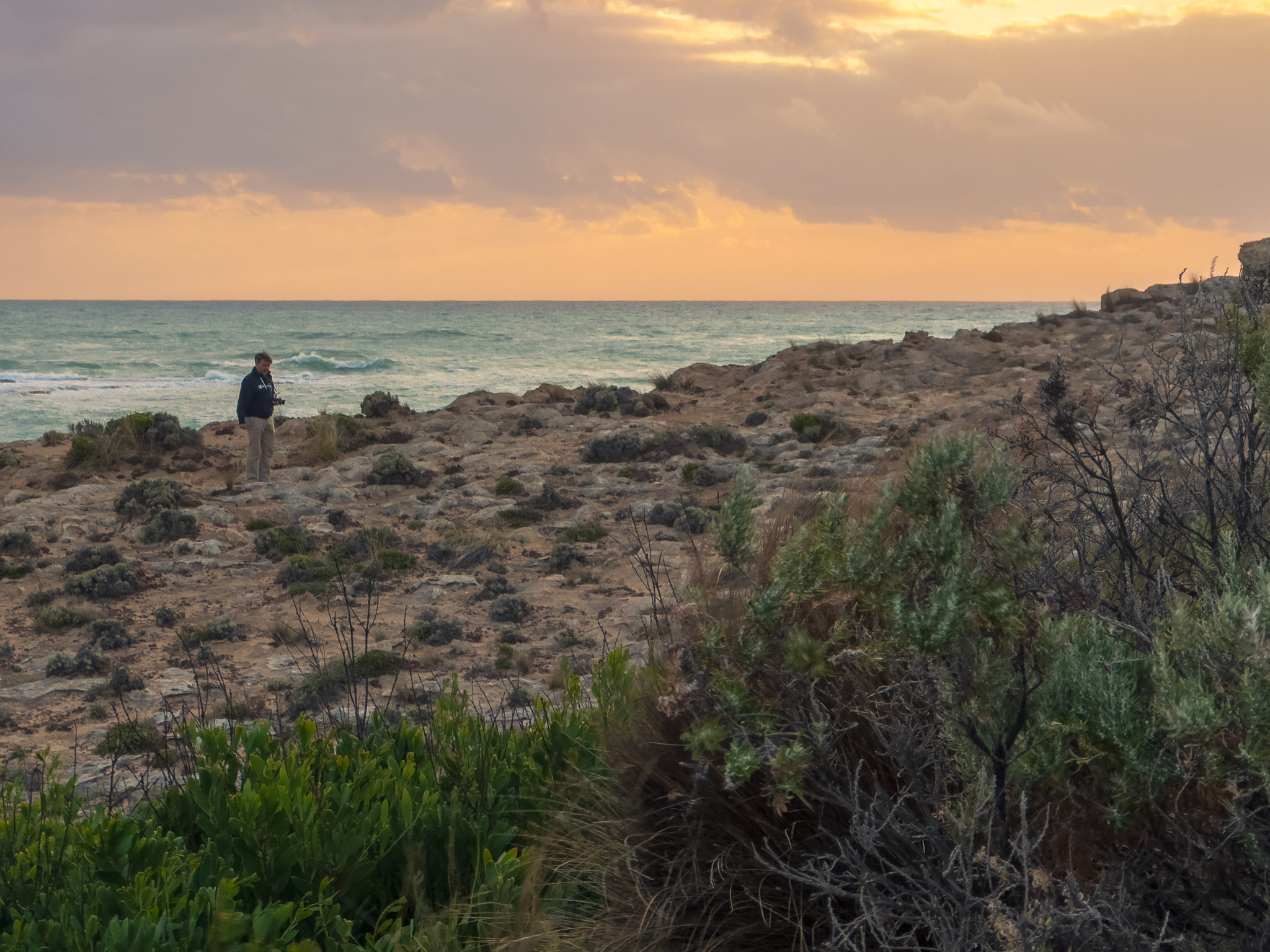
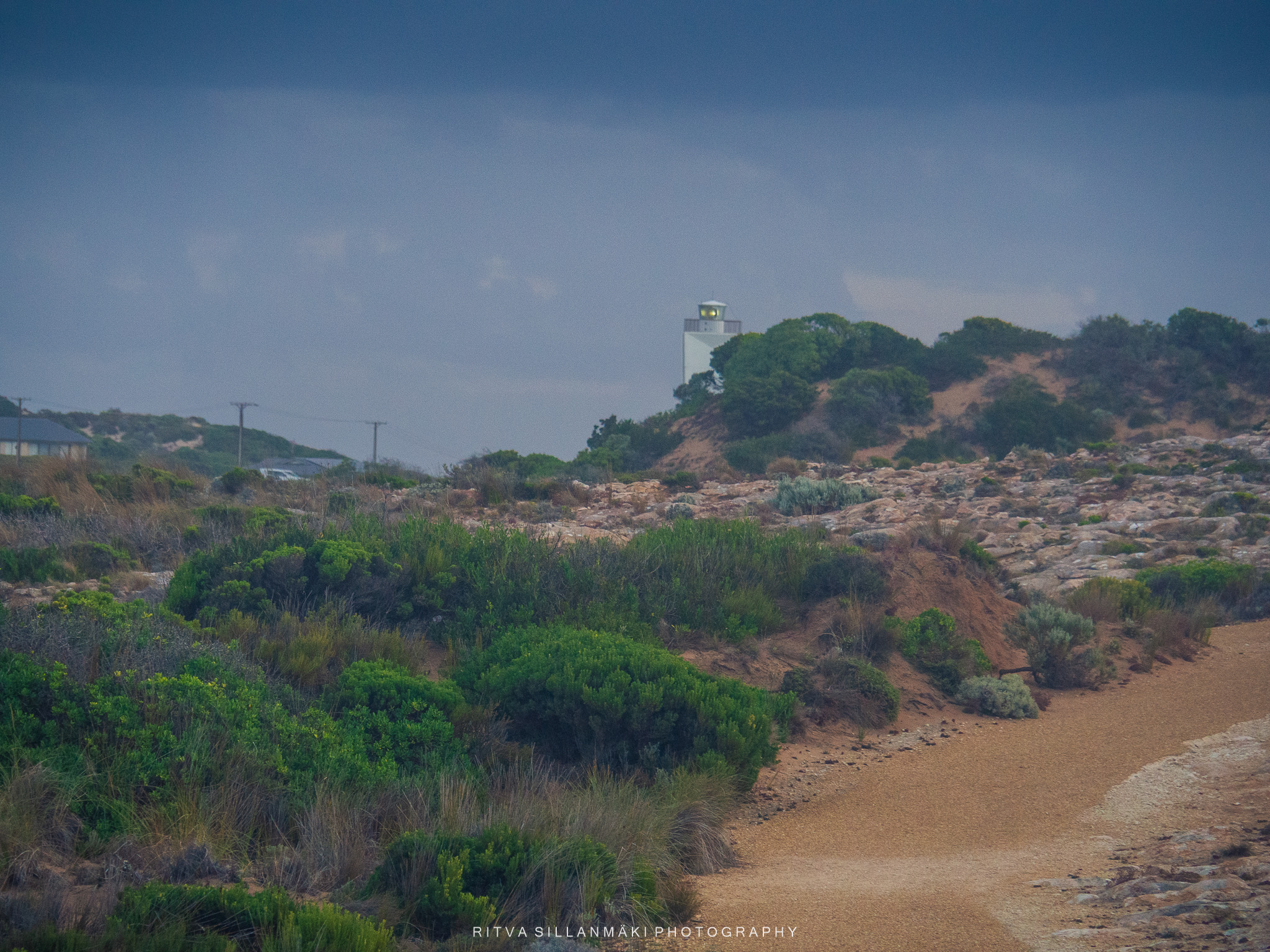
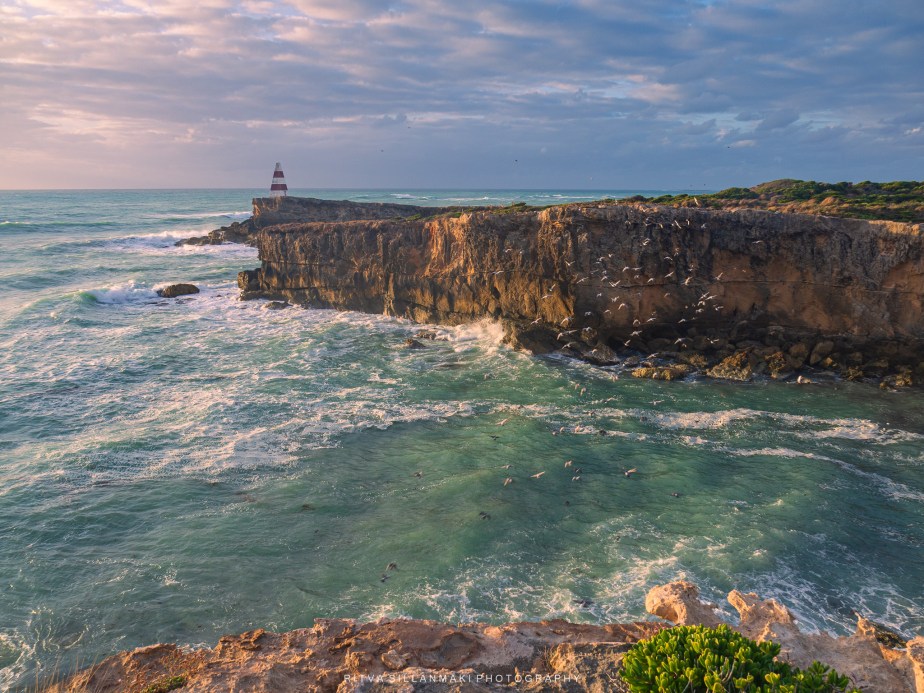
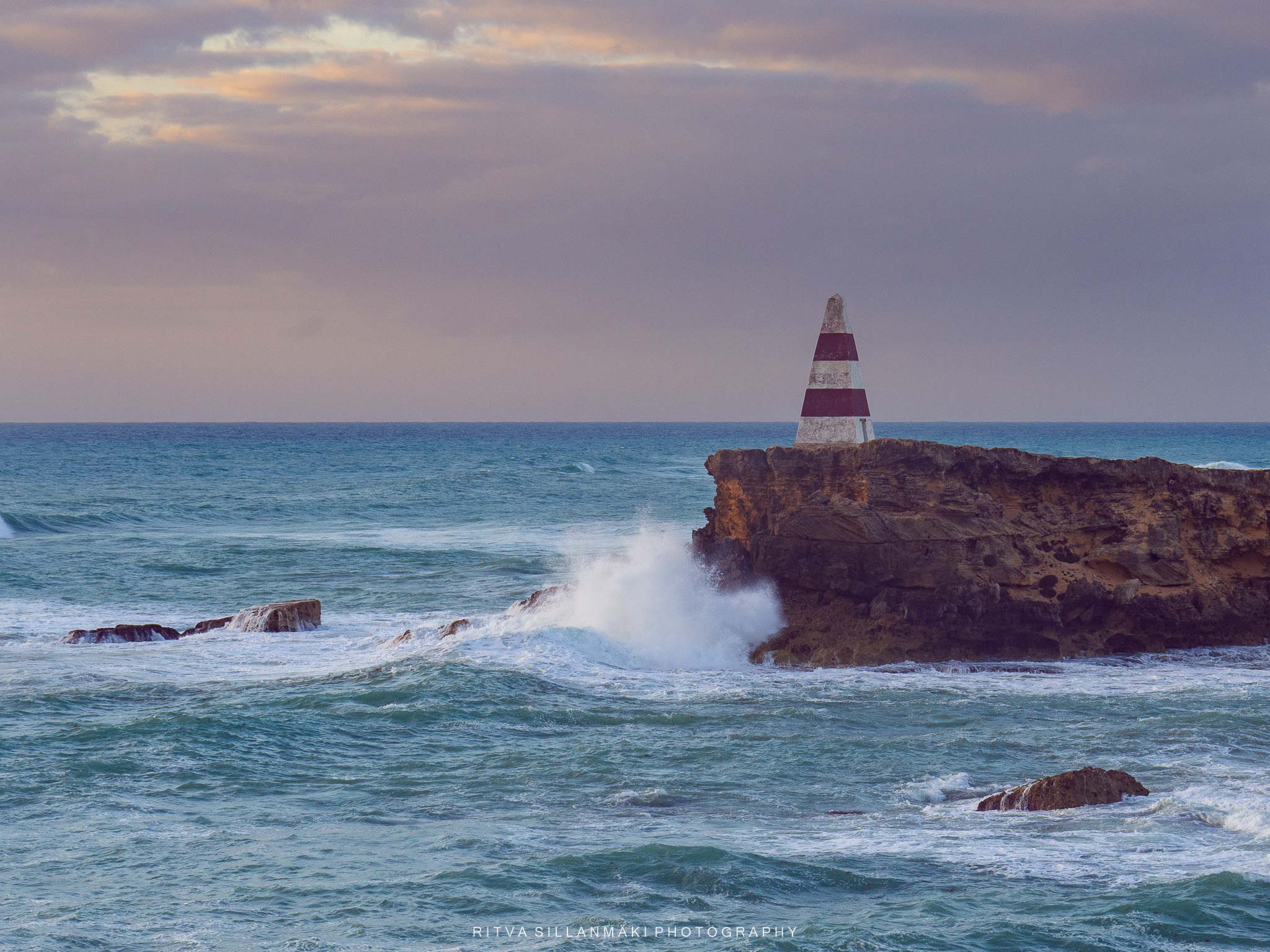
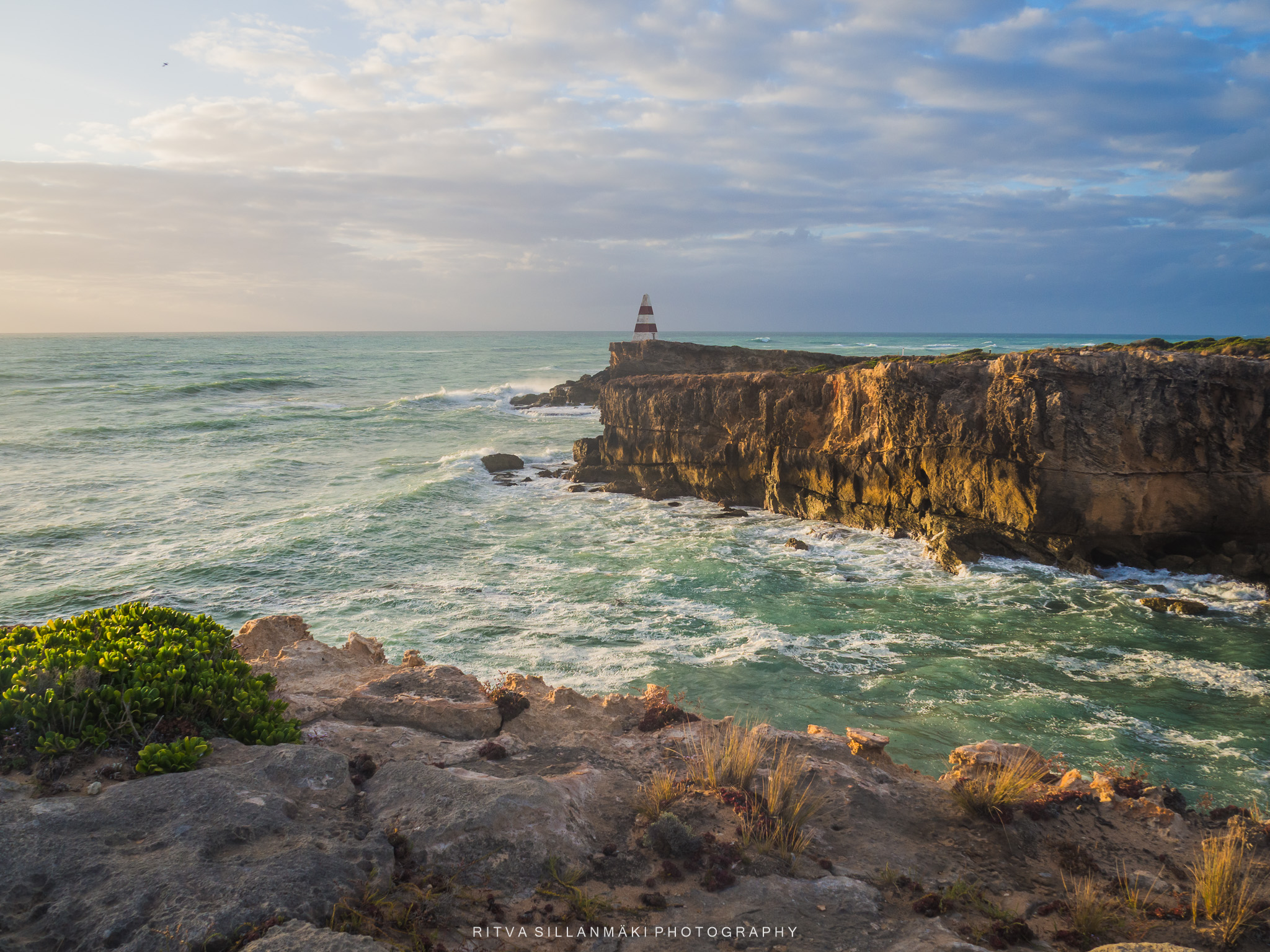
After arriving we took a quick drive around the area and went to find our sunset spot. It’s hard to miss the brightly painted, 12,2 meters tall Cape Dombey Obelisk. The path to the Obelisk was closed as it sits on an eroding promontory and is unsafe to access. Pounding waves on the rocks around the obelisk could lead to it collapsing into the sea at any time, but there was also a chance it could remain there for another 100 years. You can also see the Robe Lighthouse in some of the photos, we only saw it from the distance.
I hope I’m not wrong saying that that photos tell the story better than my words could. Click the images to enlarge them, I recommend it.
The first sighting of the Robe Obelisk
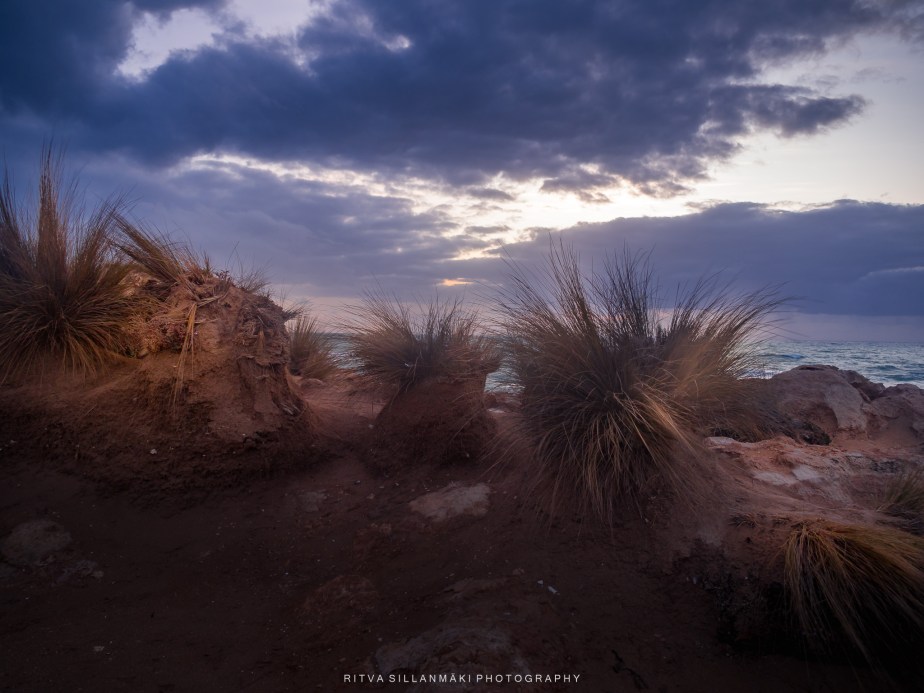
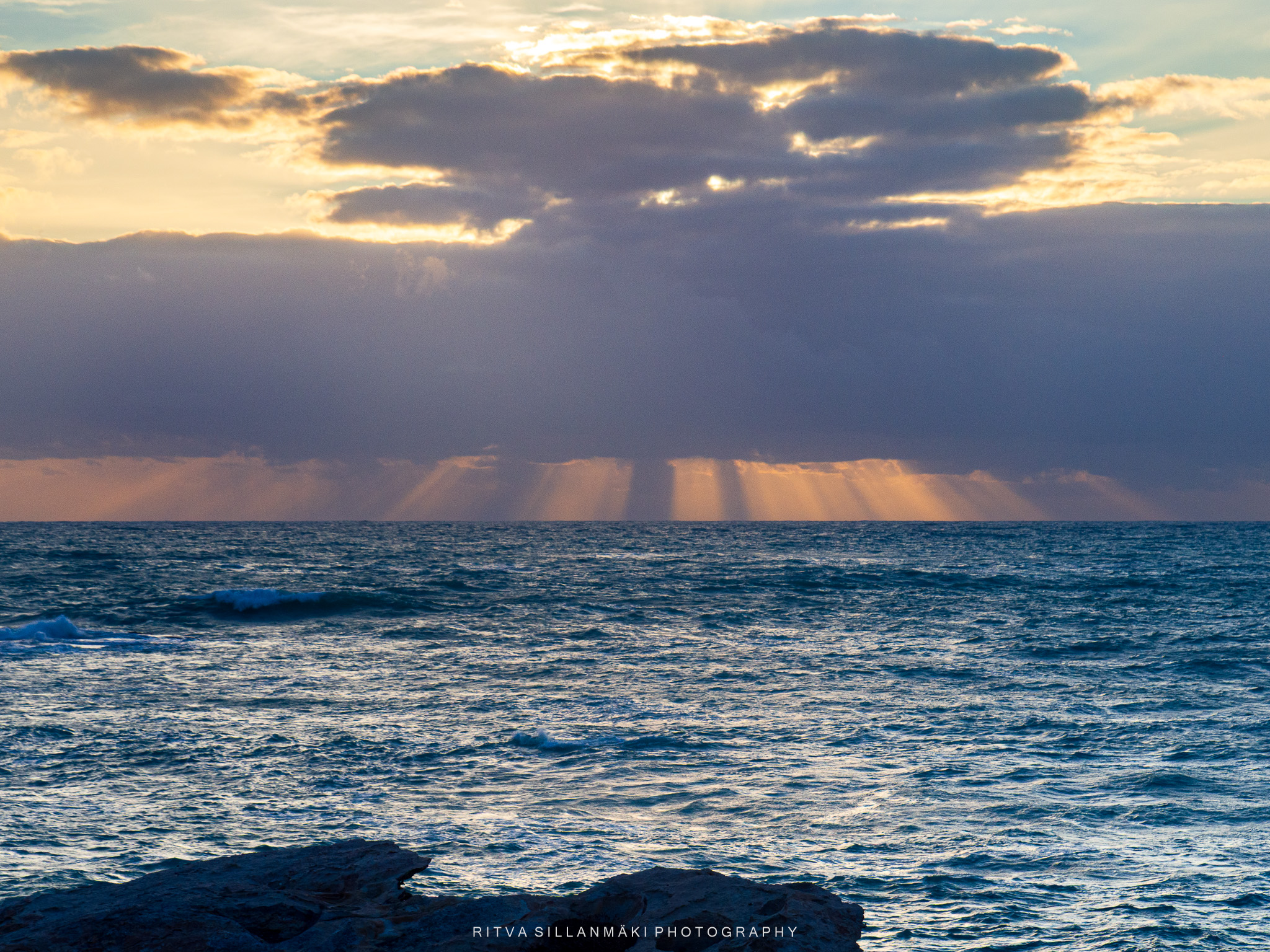
Grass at the coastlineThe turquoise sea, seagulls and a sunset, just how lovely is it.
When leaving Fleurieu Peninsula it was time to visit McLaren Vale. We stopped at Tourist Info to get some tips which wineries to see.
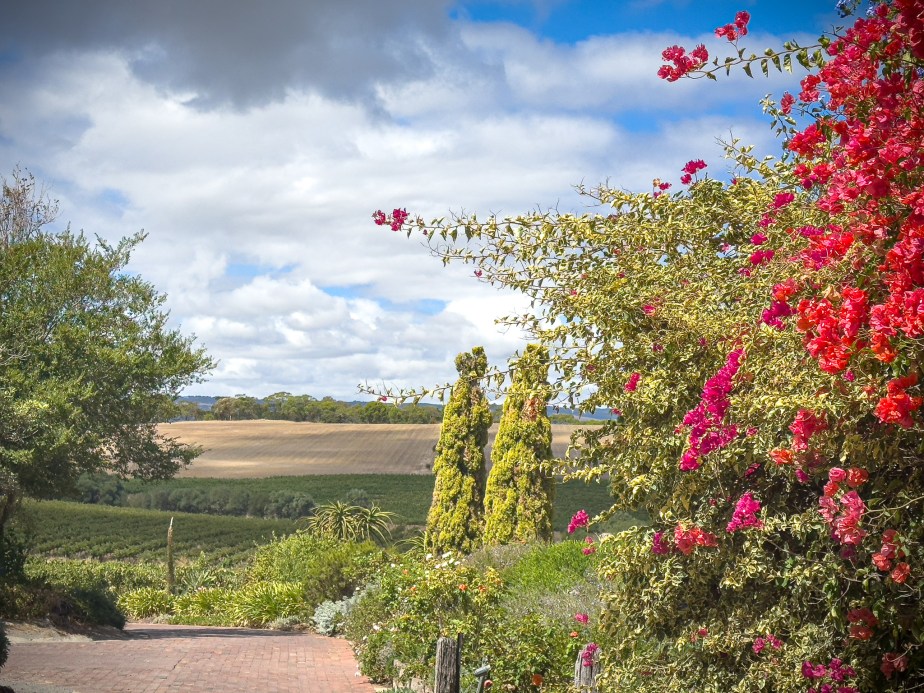
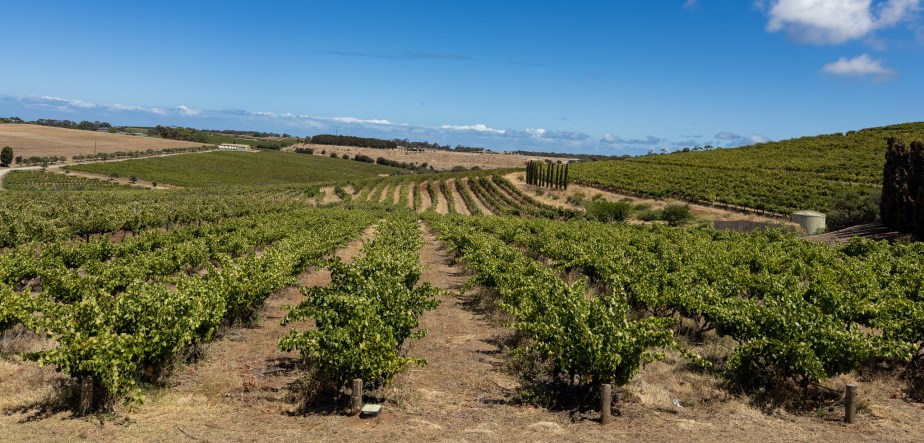
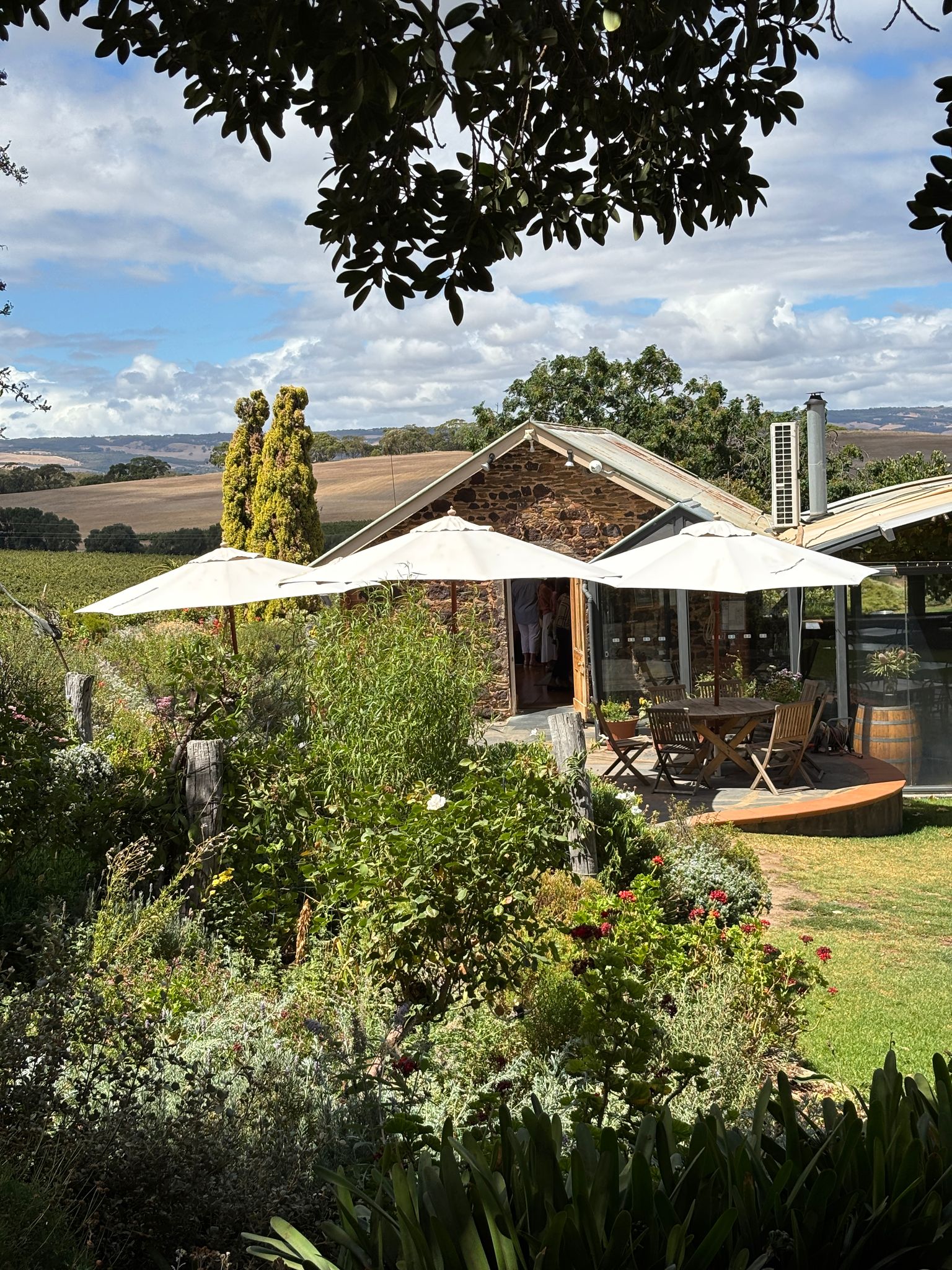
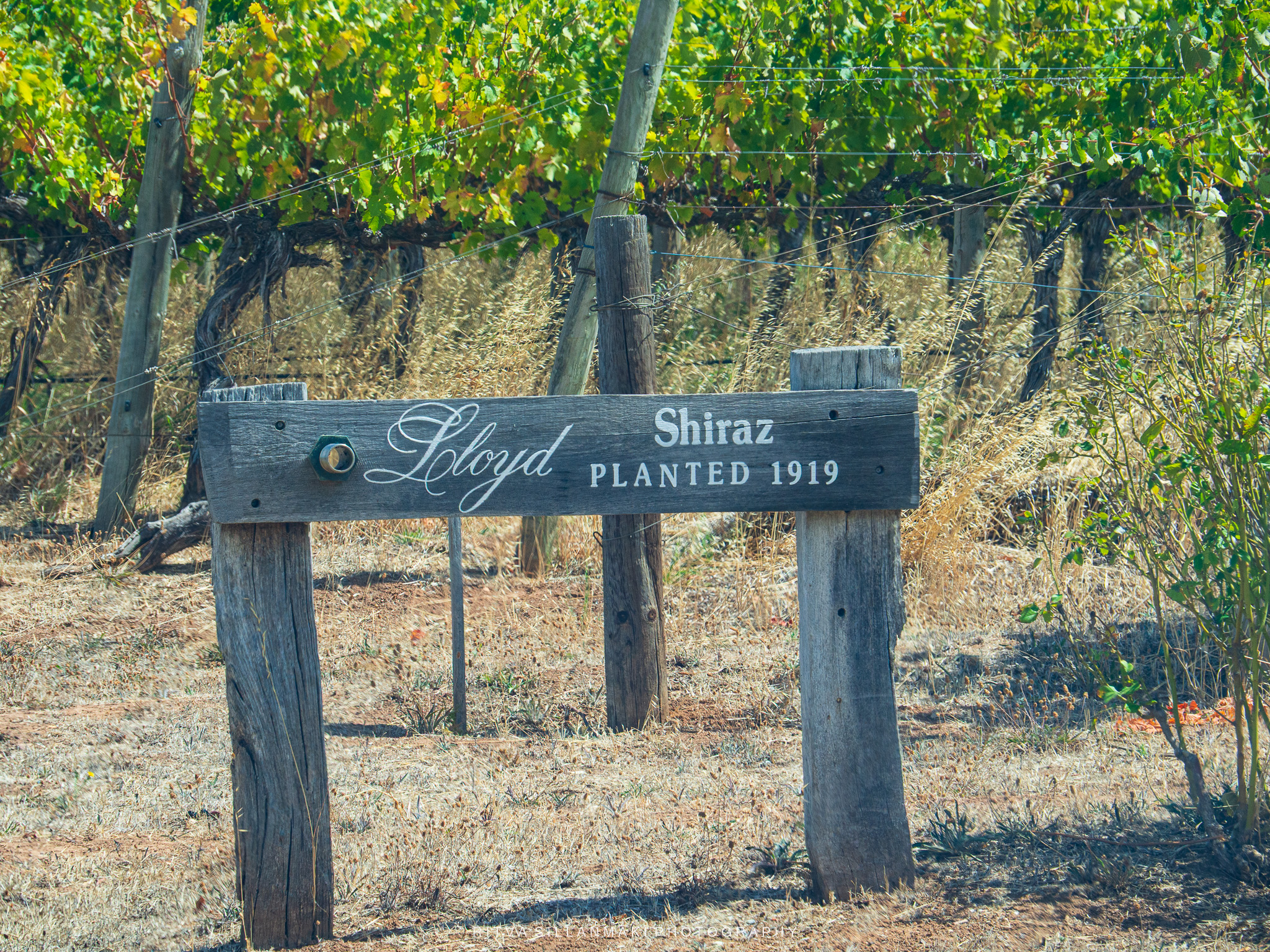
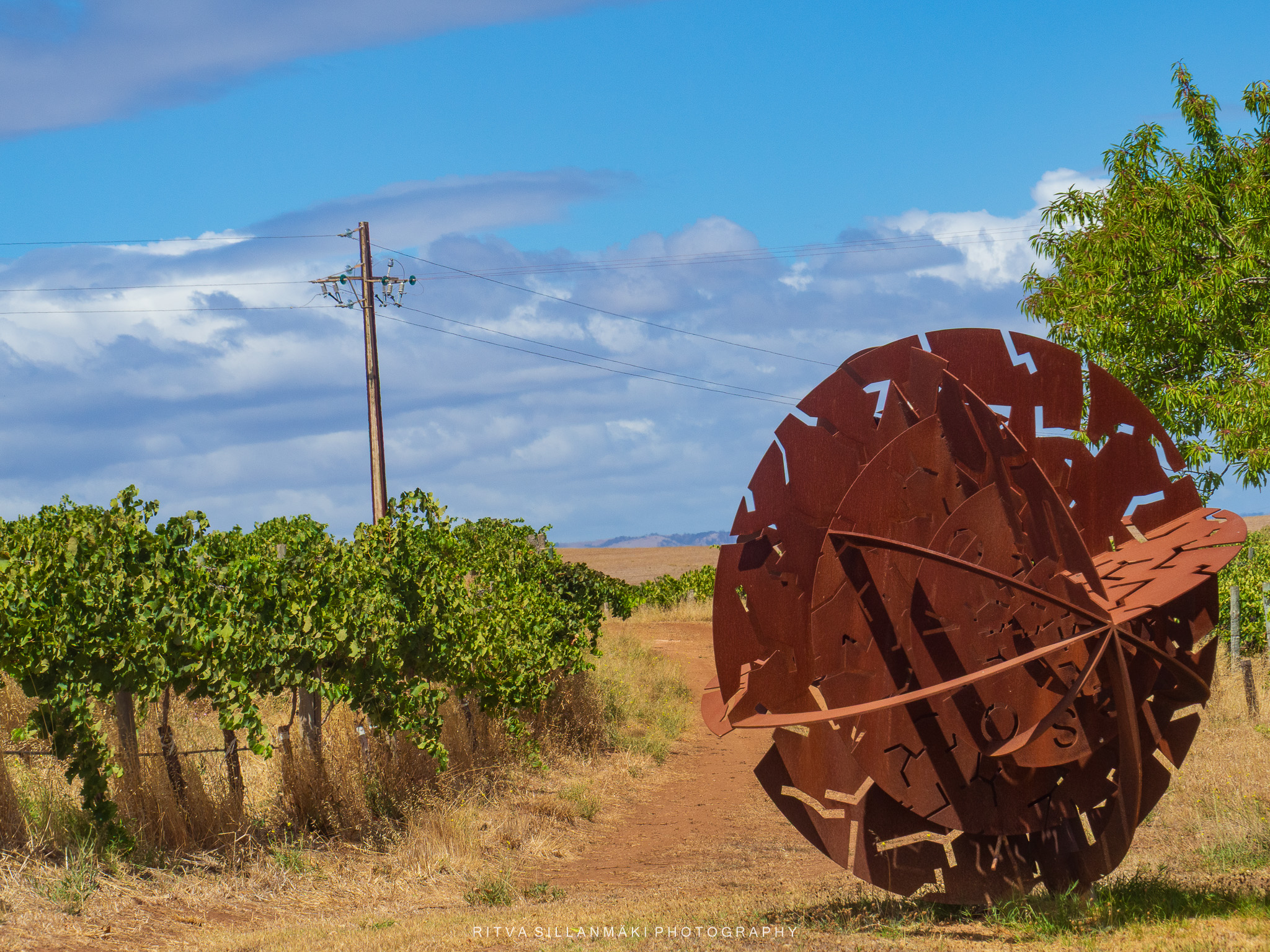
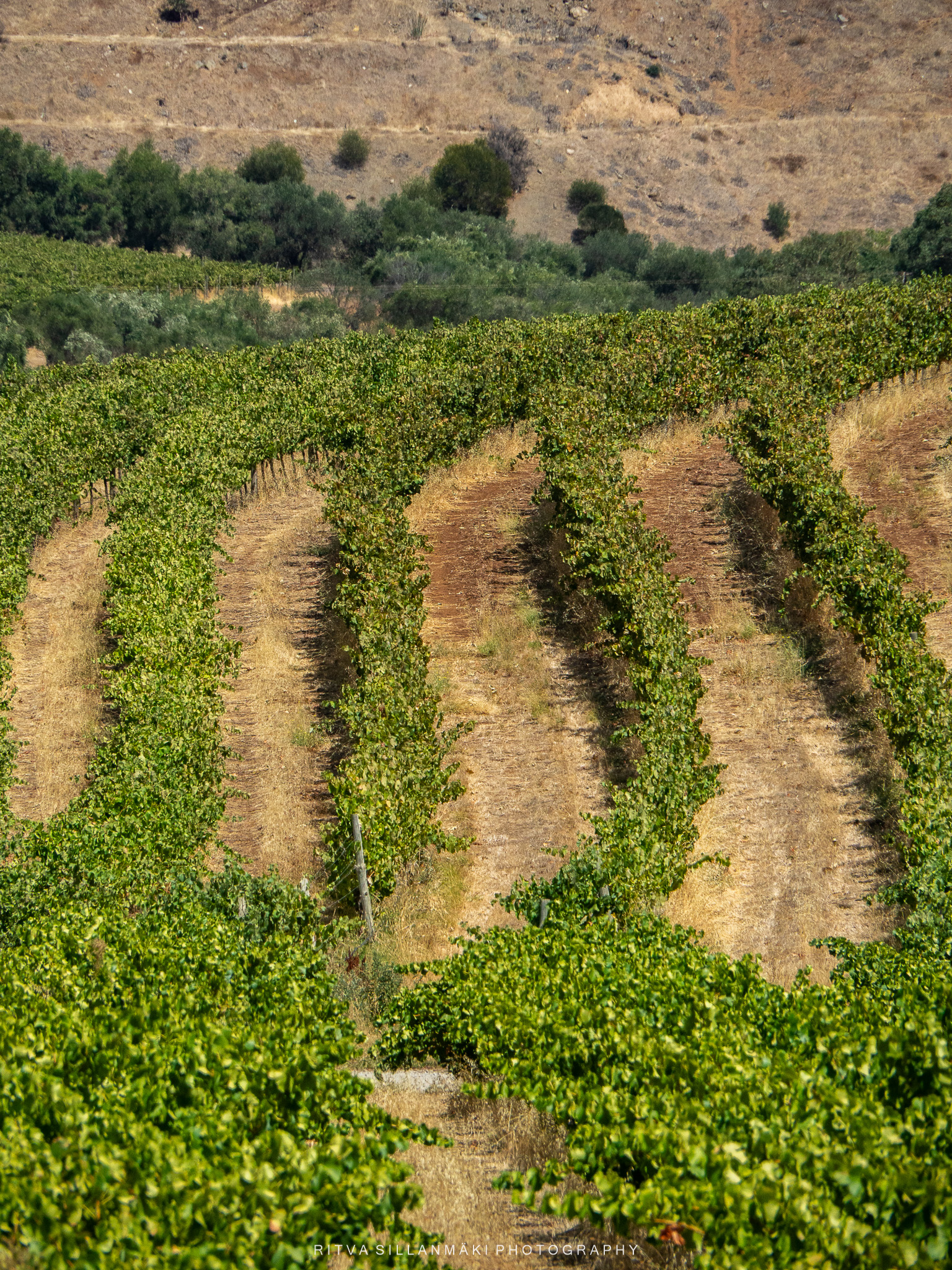
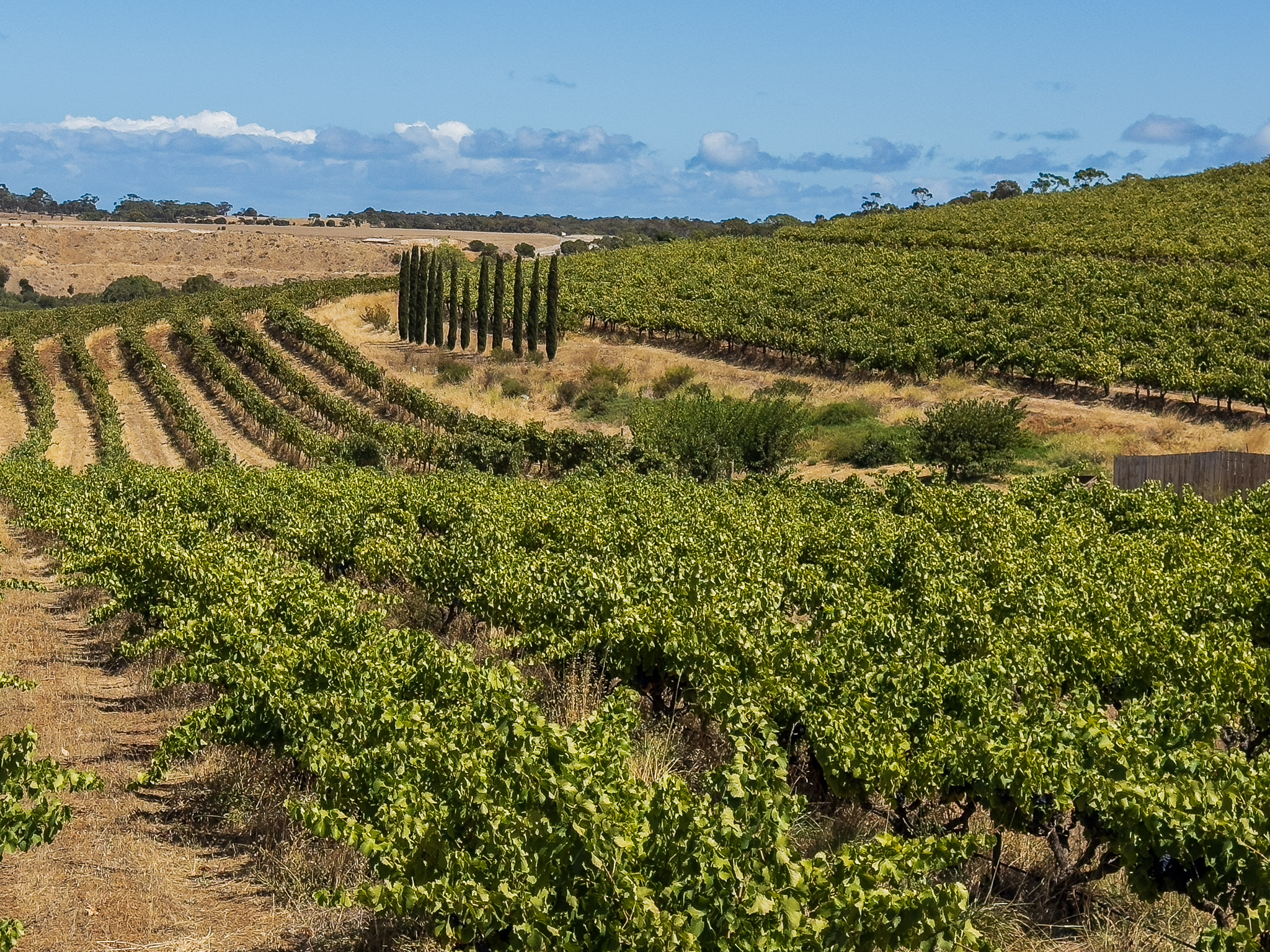
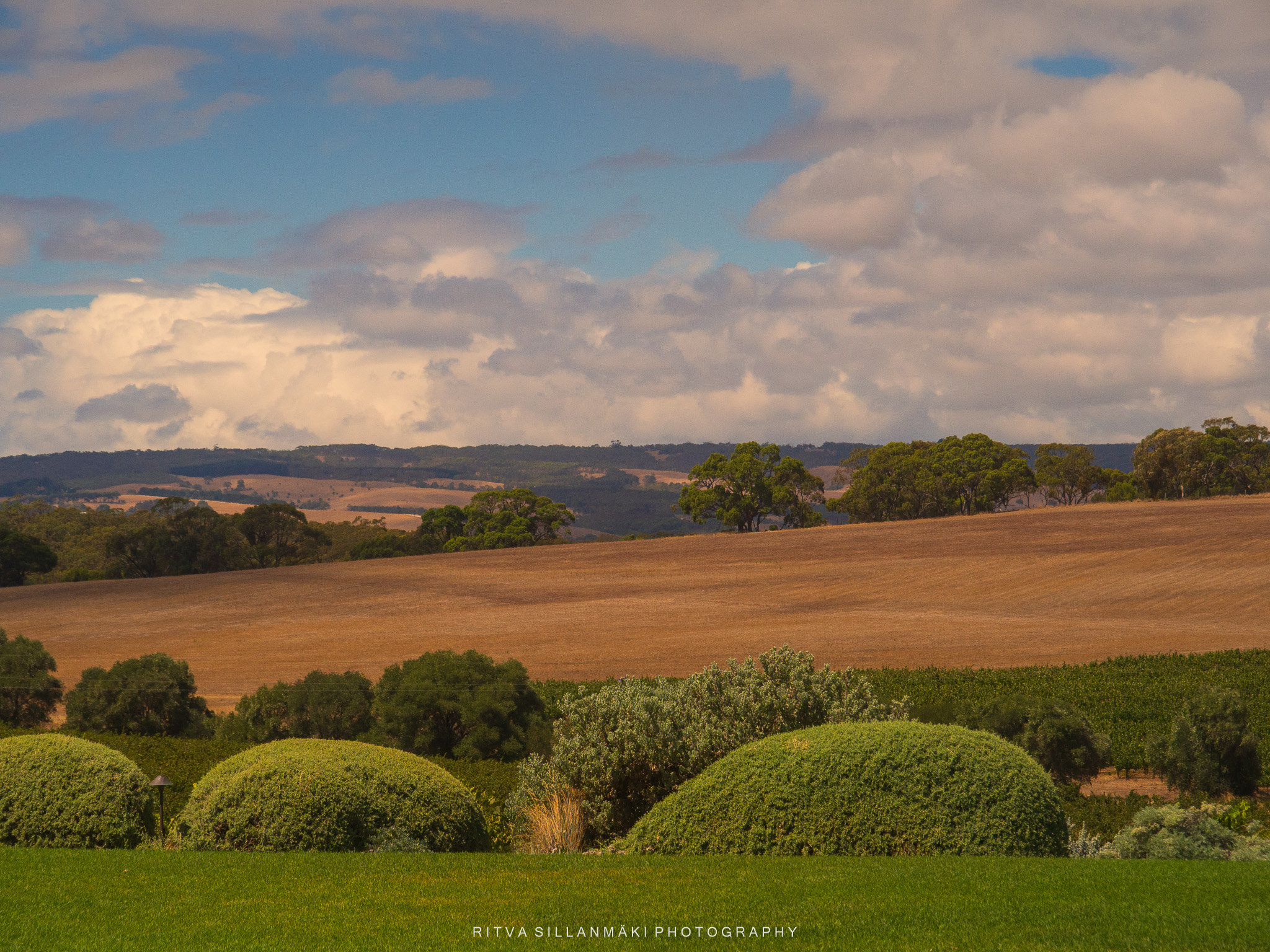
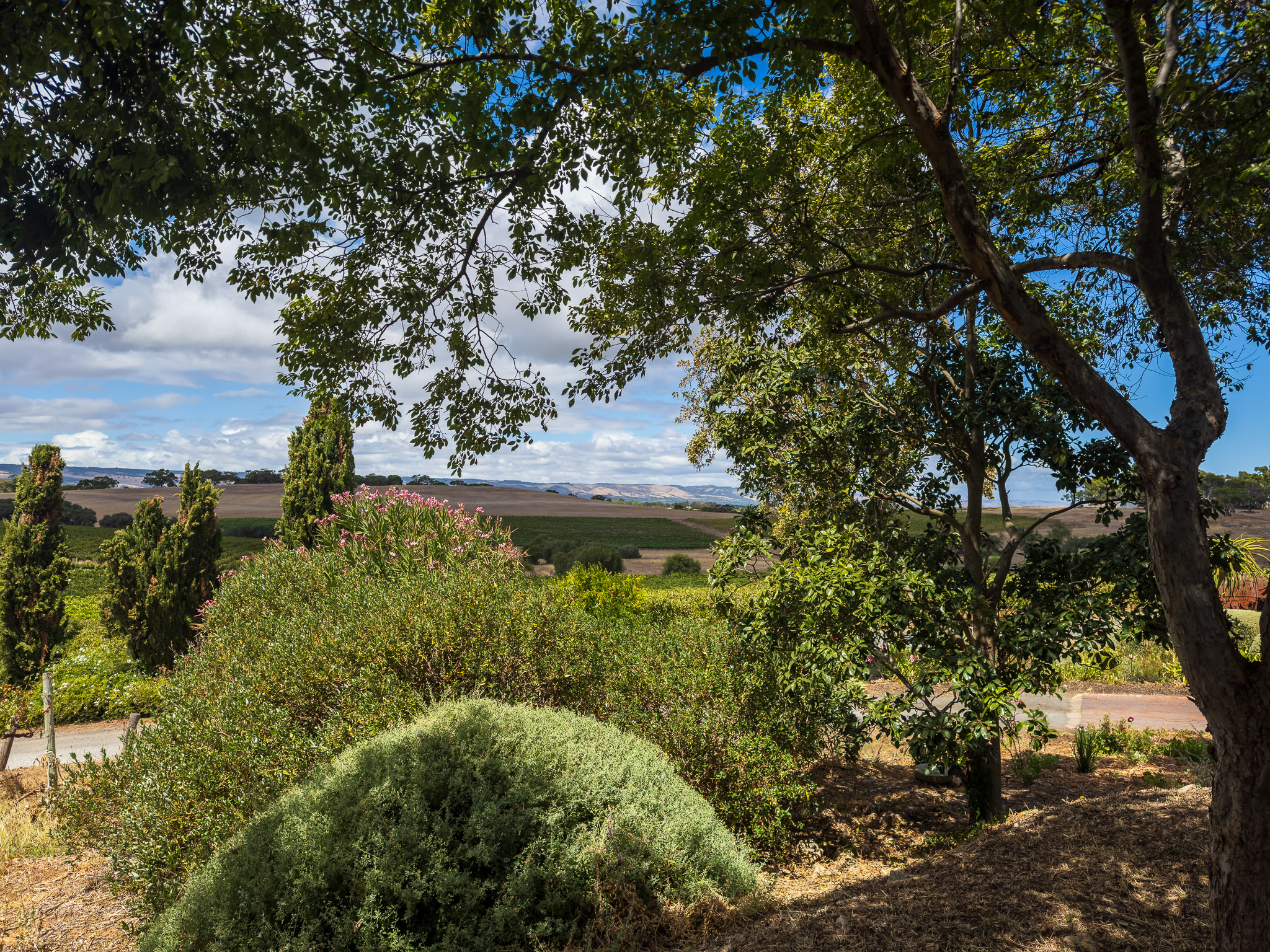
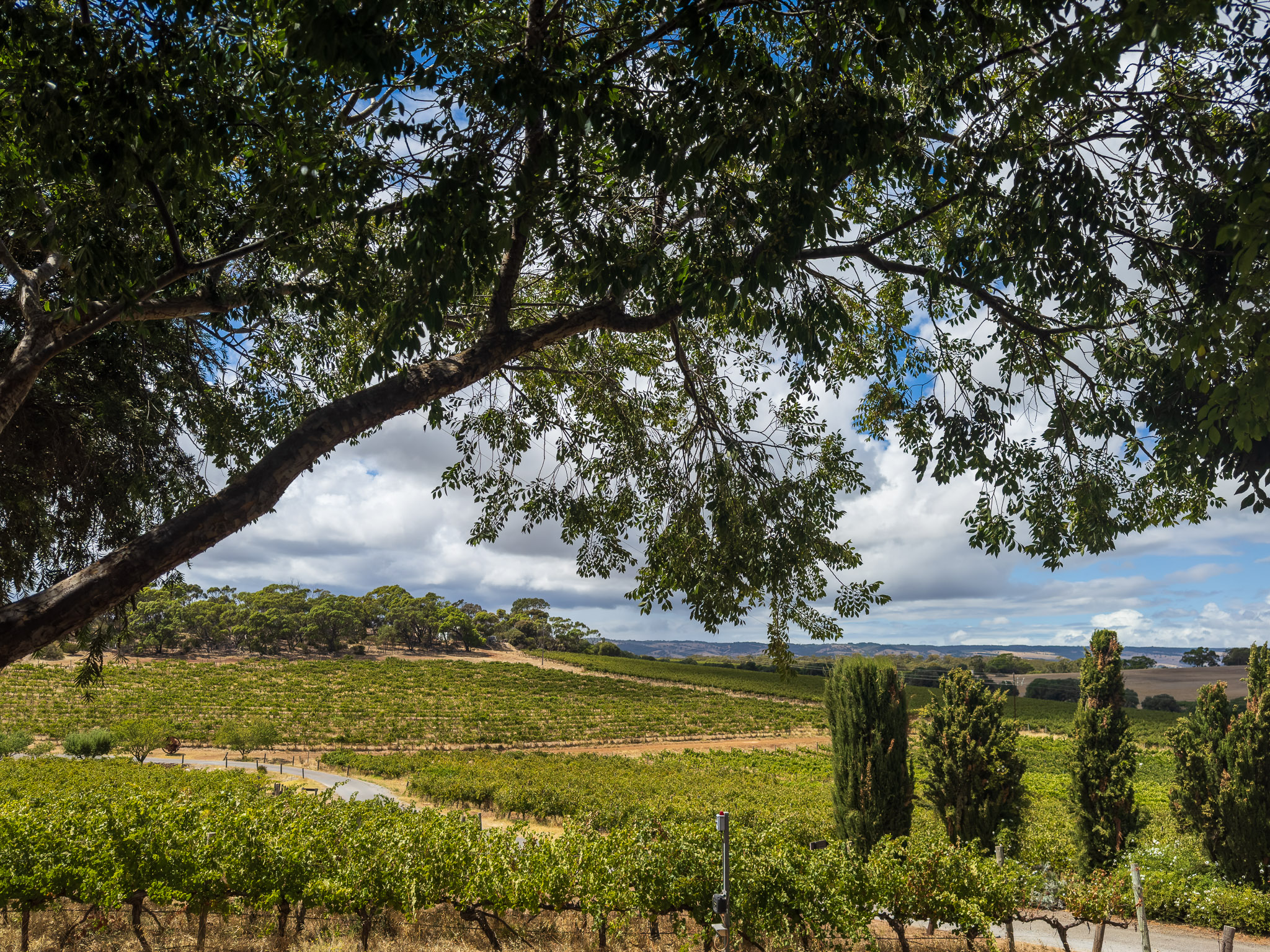
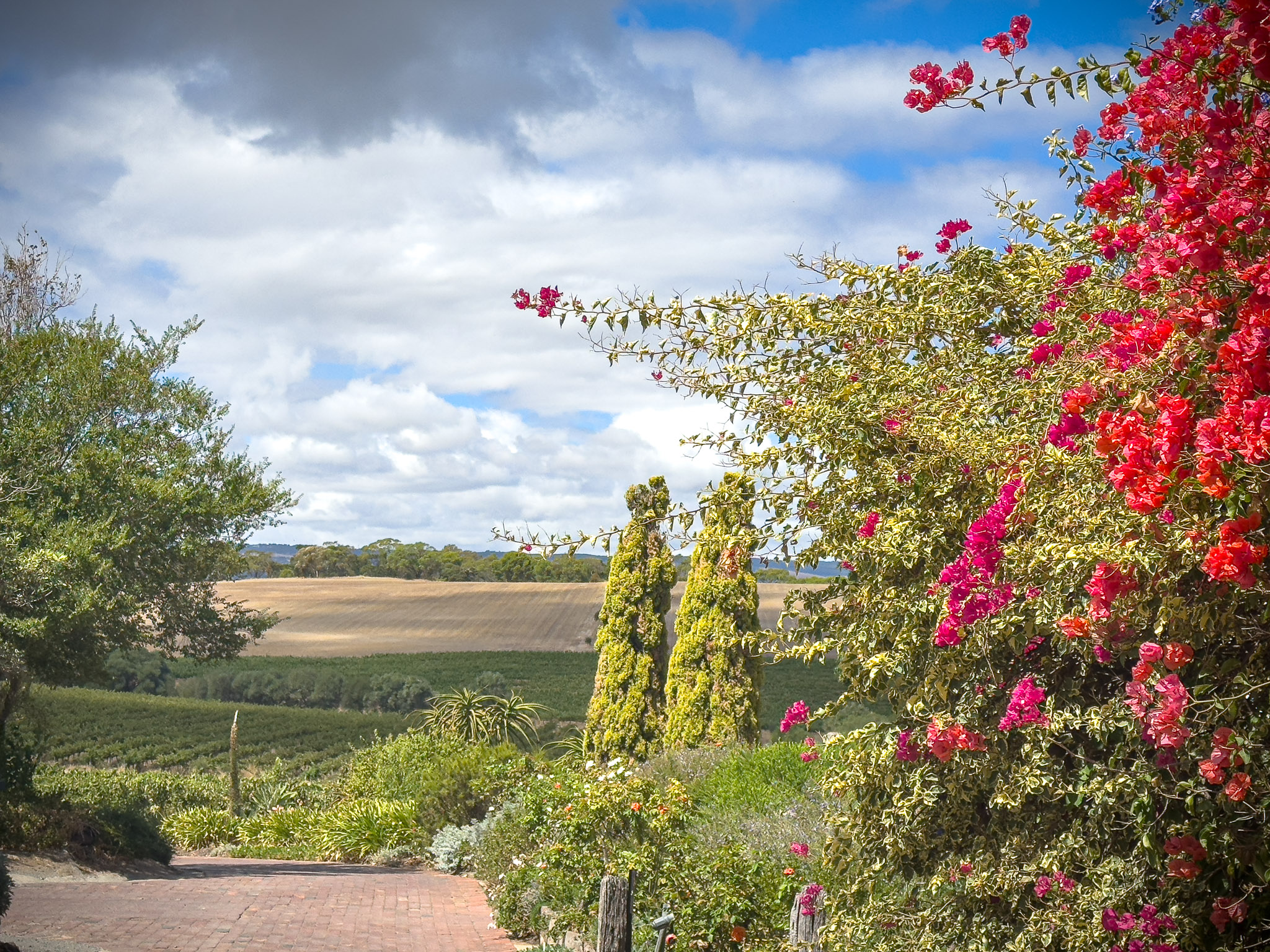
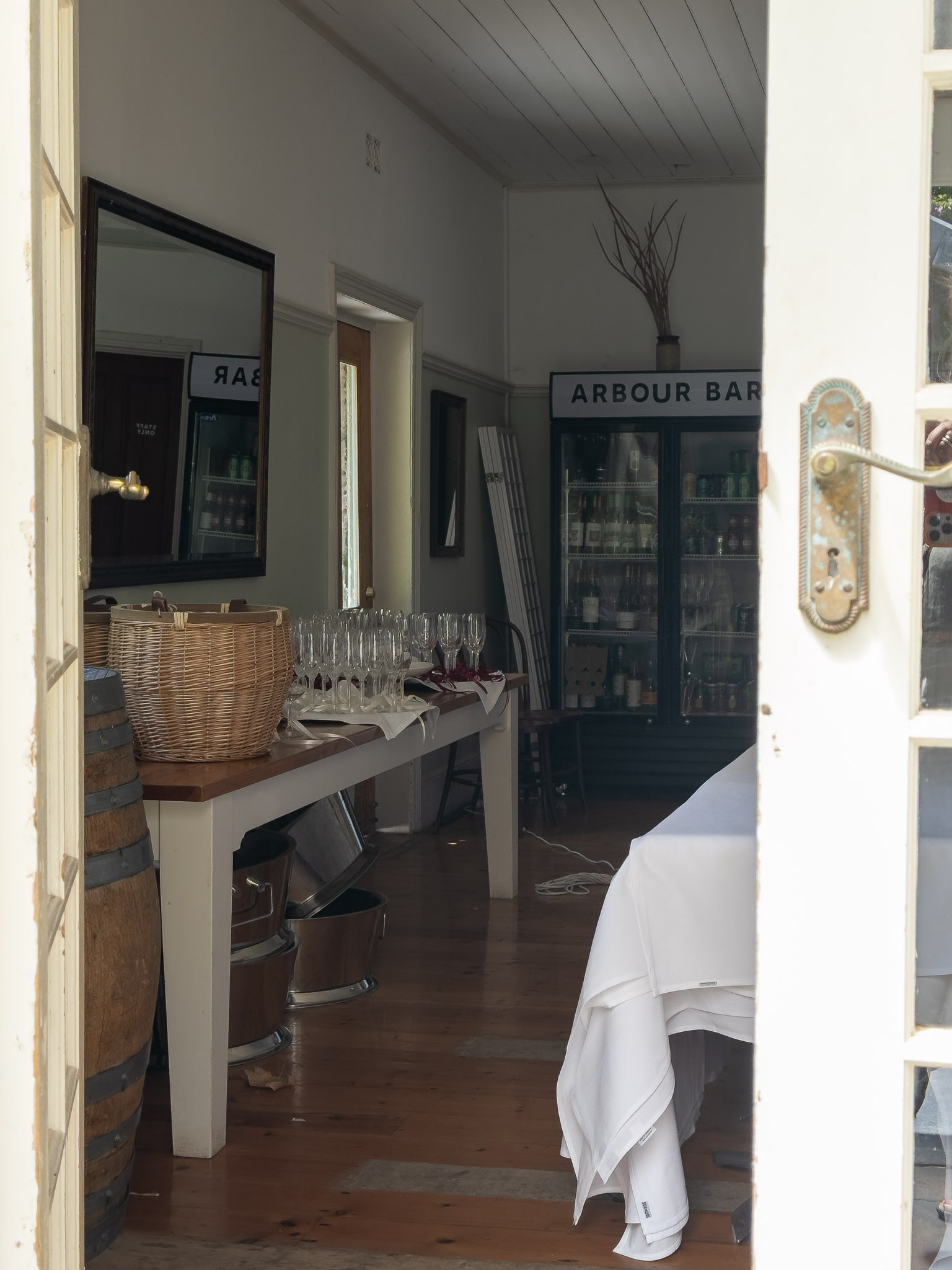
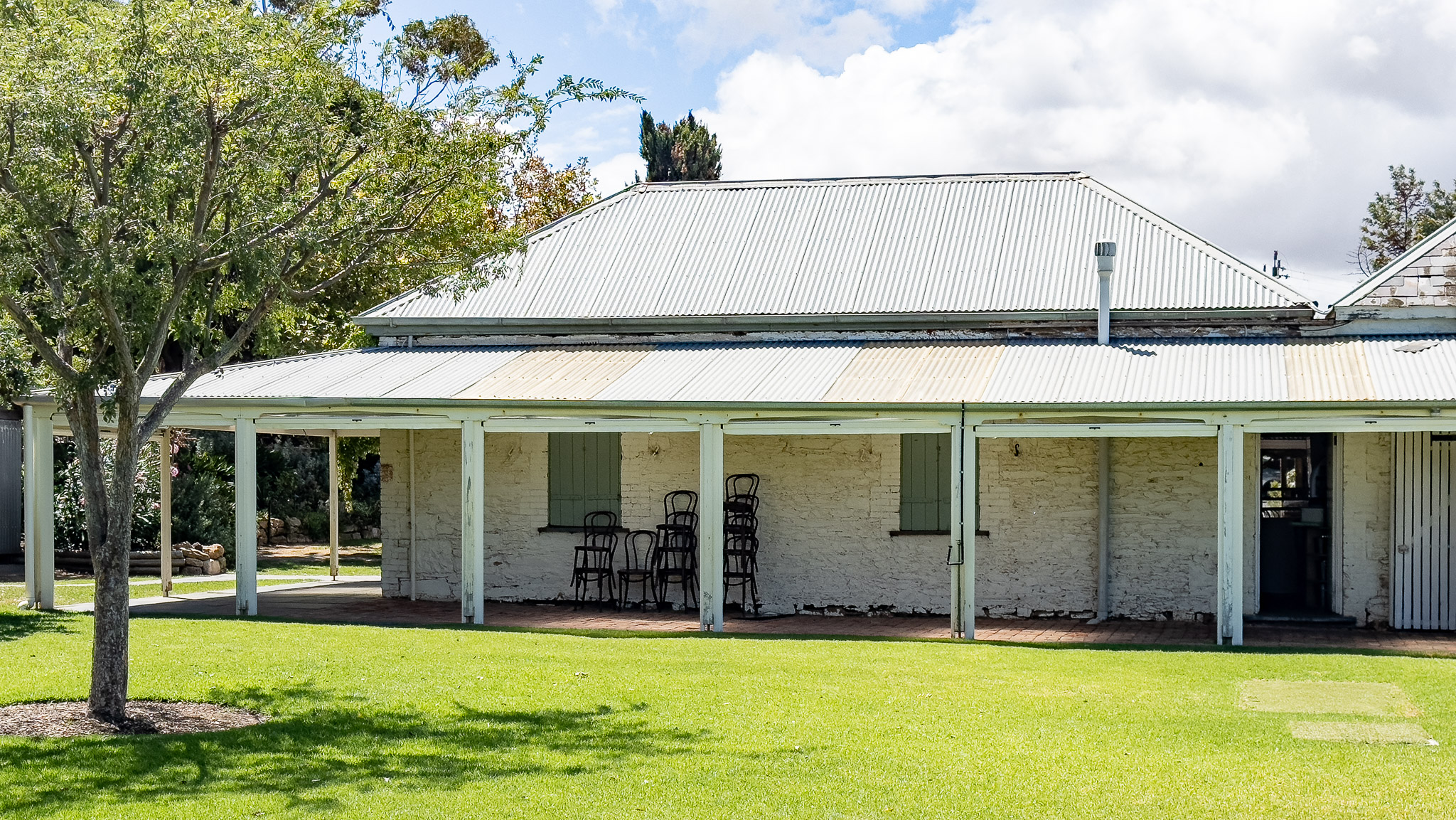
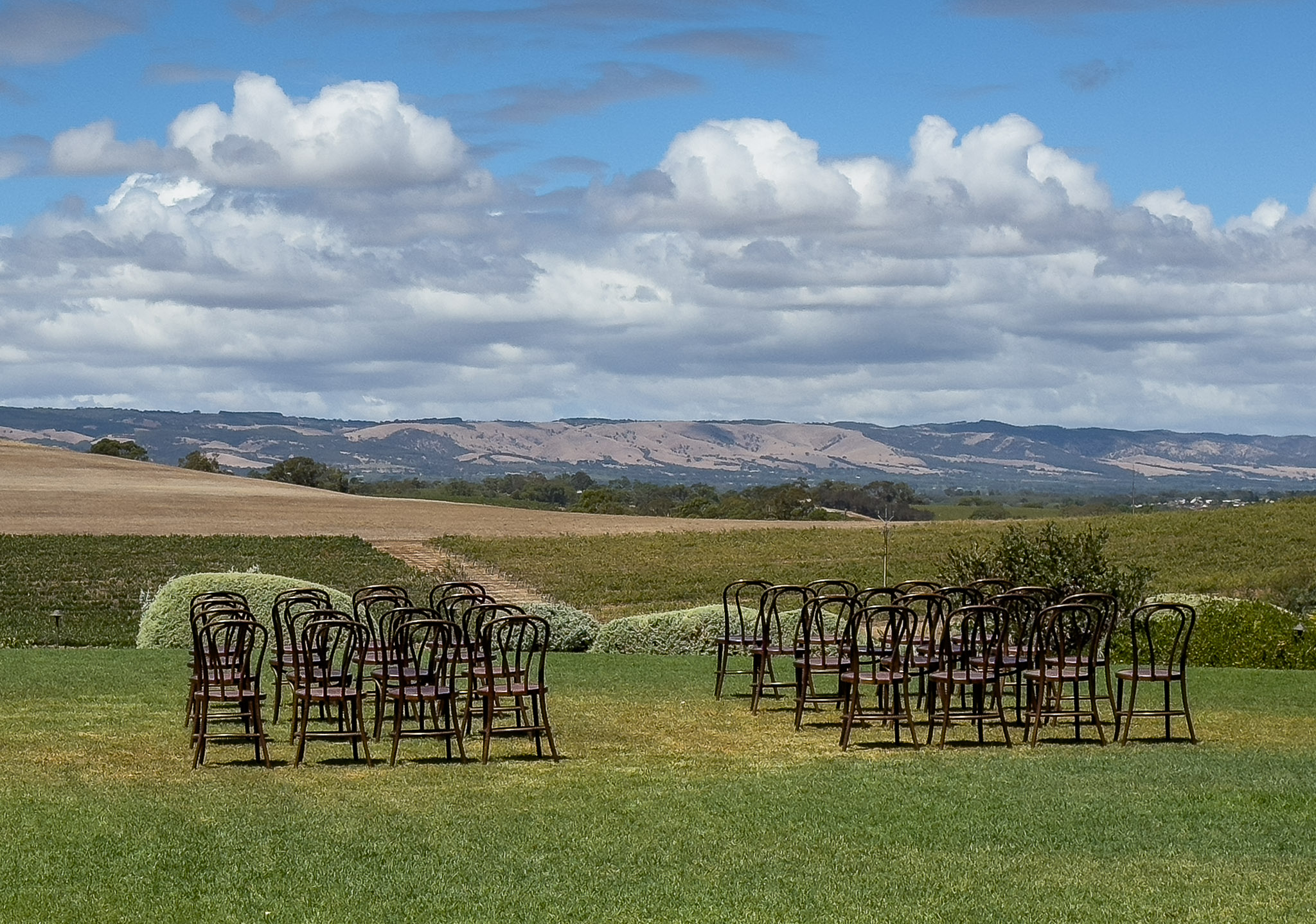
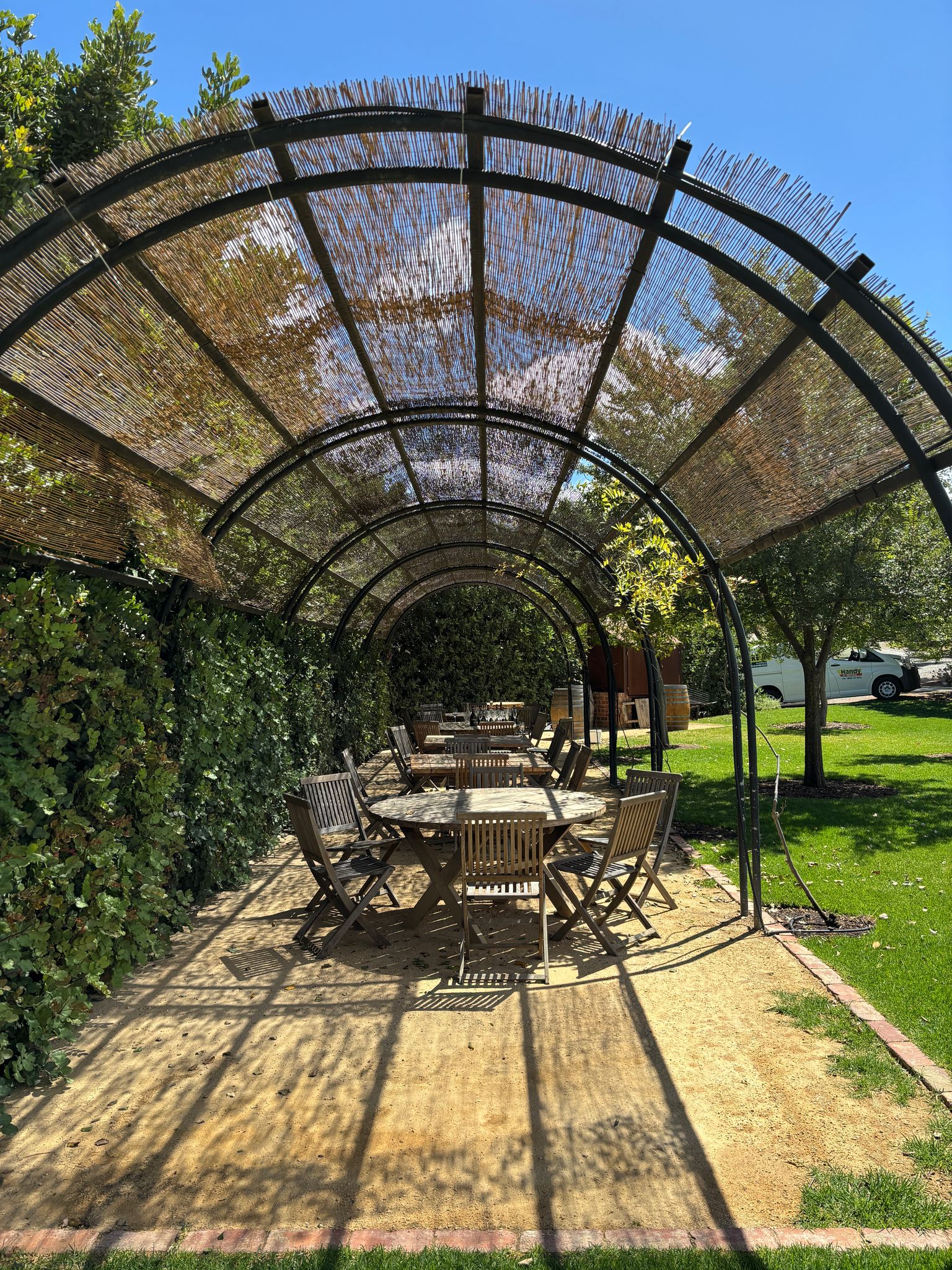
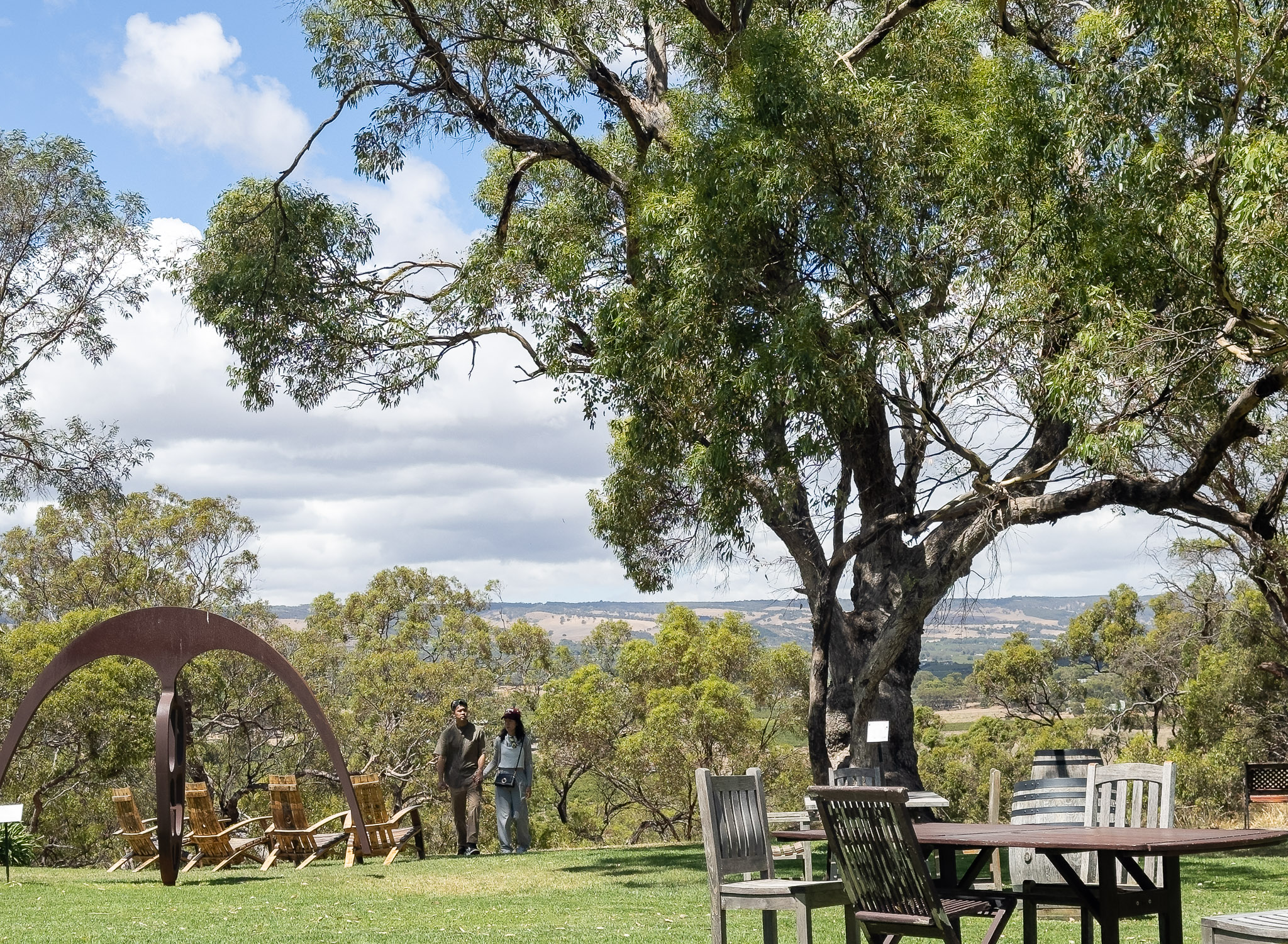
They recommended three different types of places and luckily enough we took their advice. First stop, and the one we liked the most, was Coriole Vineyards. It was small and cozy and the scenery to the area was great. Coriole was getting ready for a wedding later during the day. Bridesmaids hanging signs and the restaurant setting tables and chairs. It was also the most photogenic place.
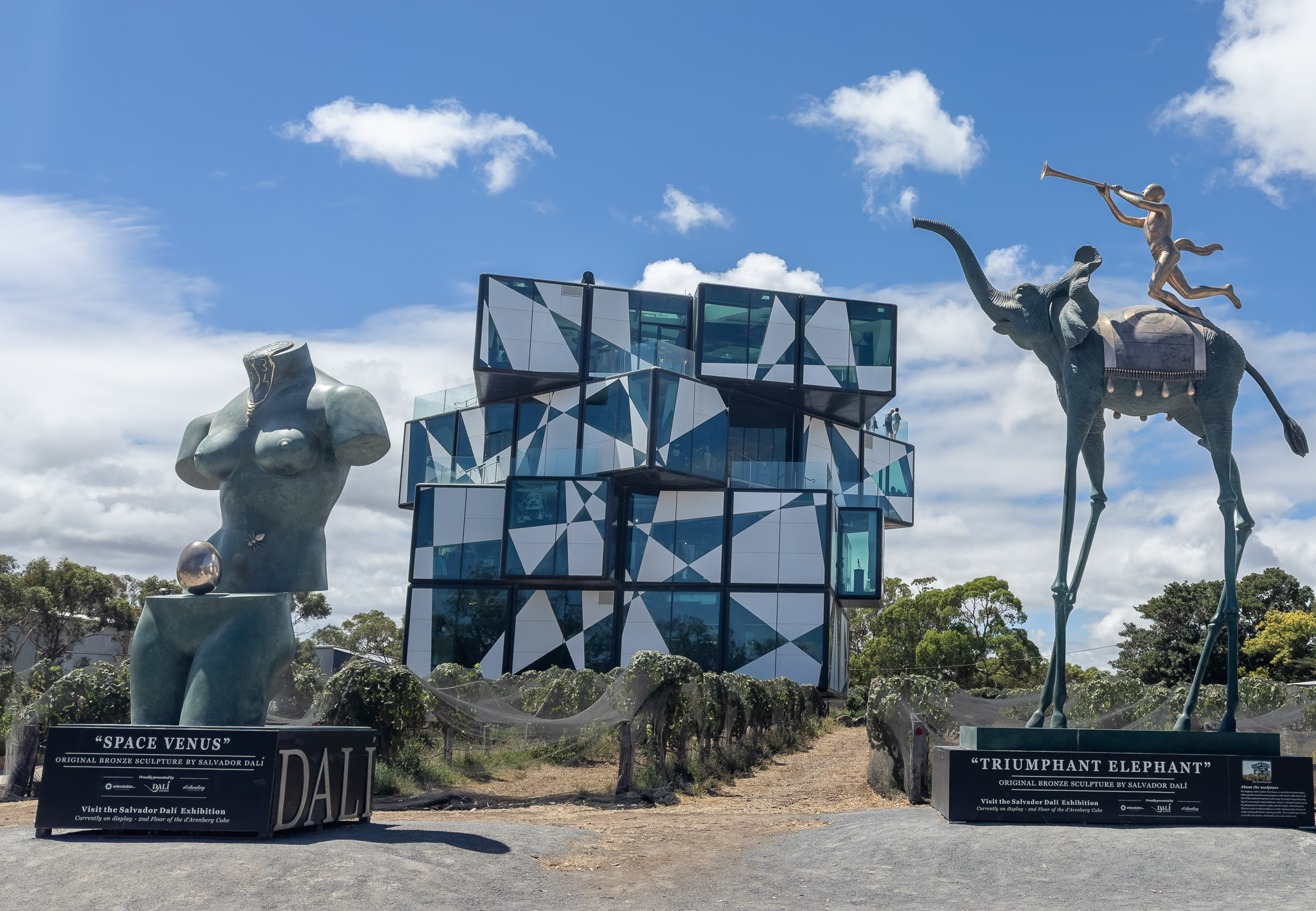
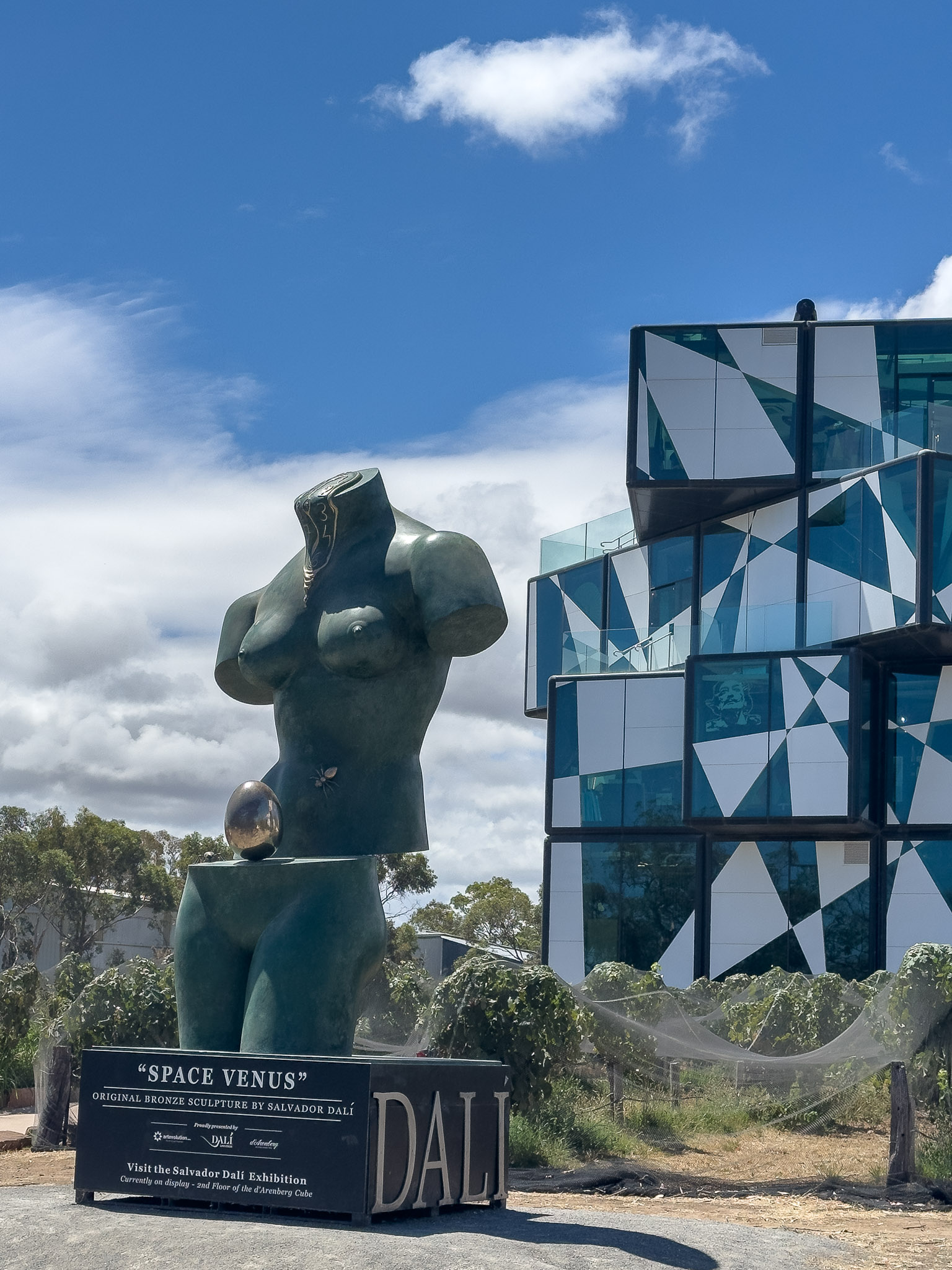
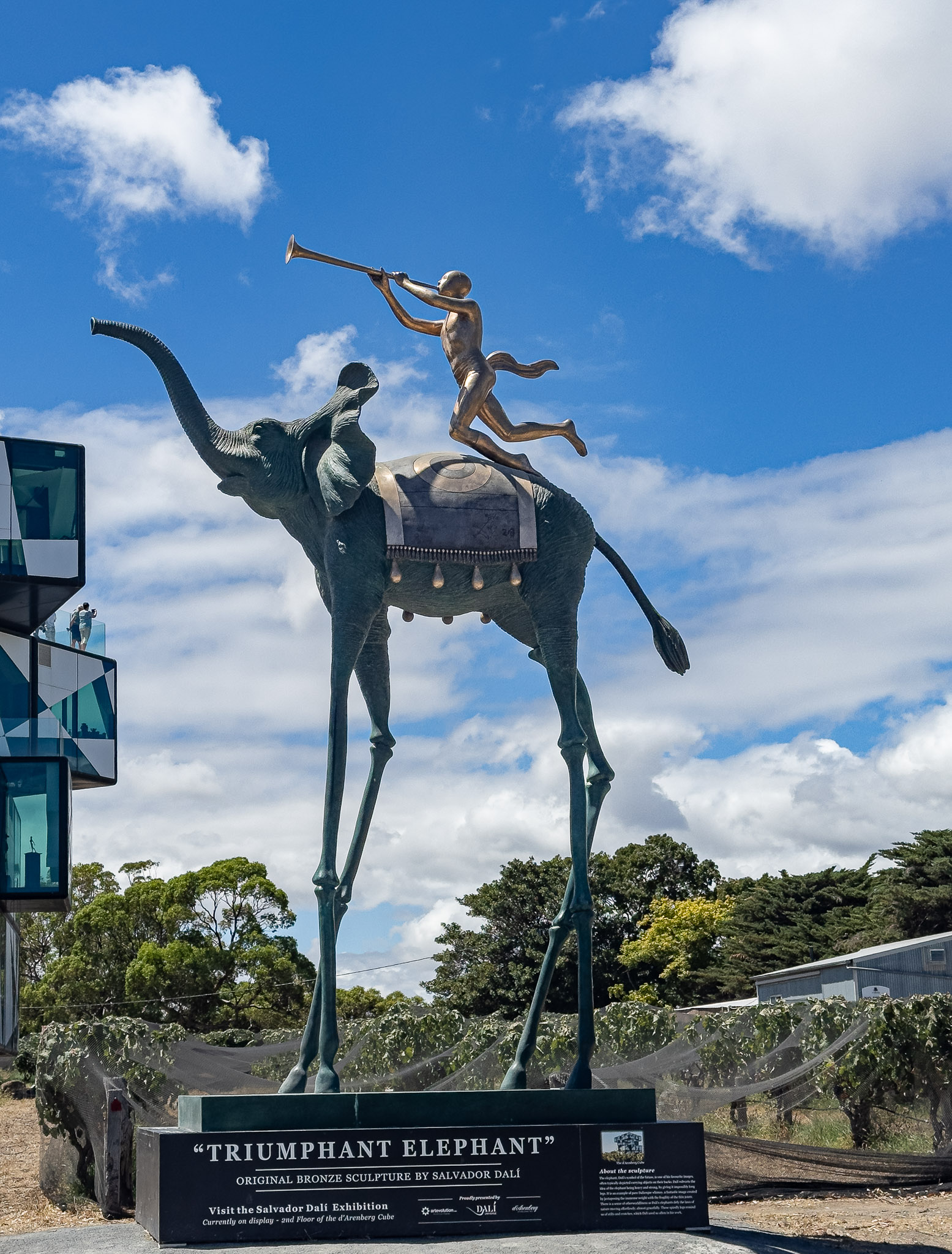
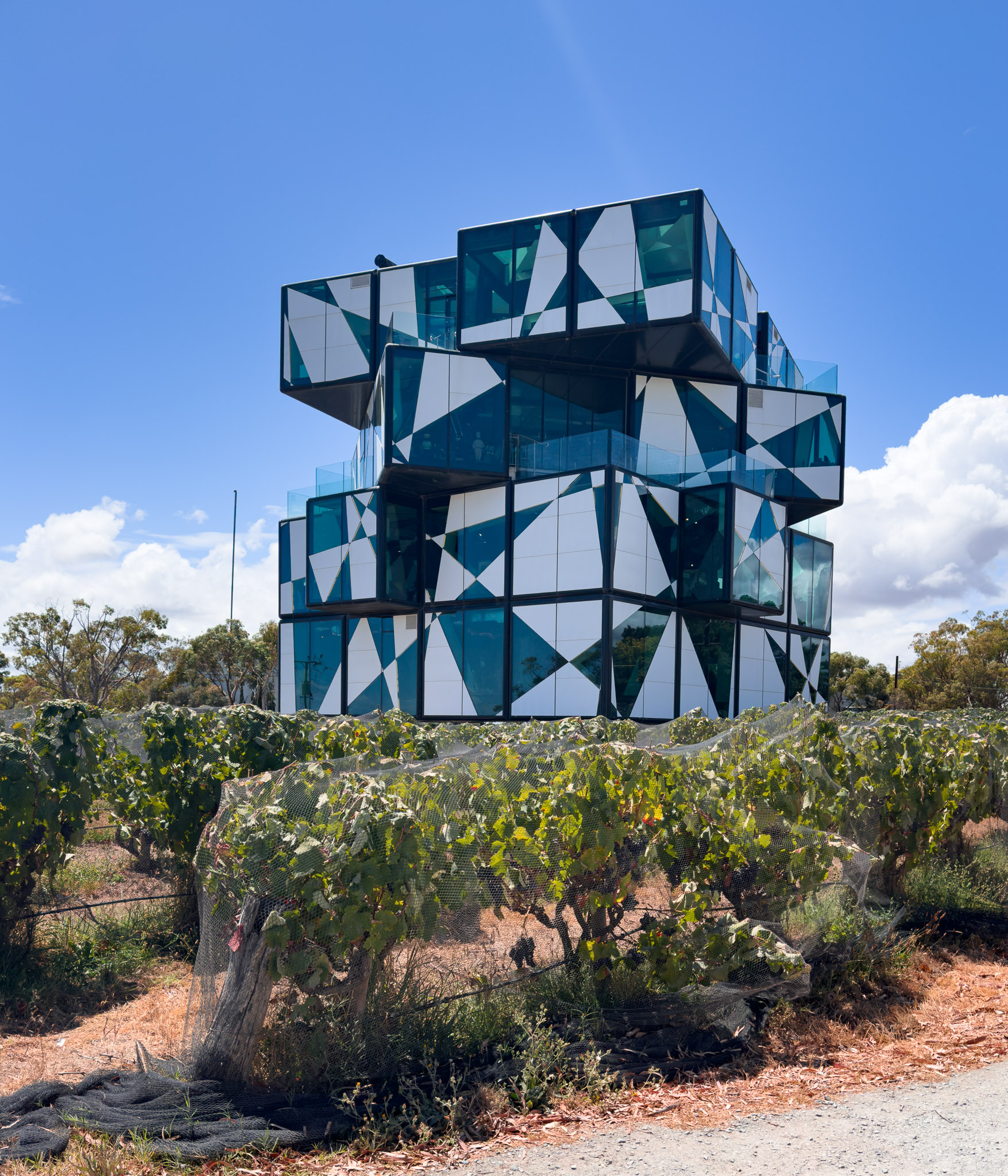
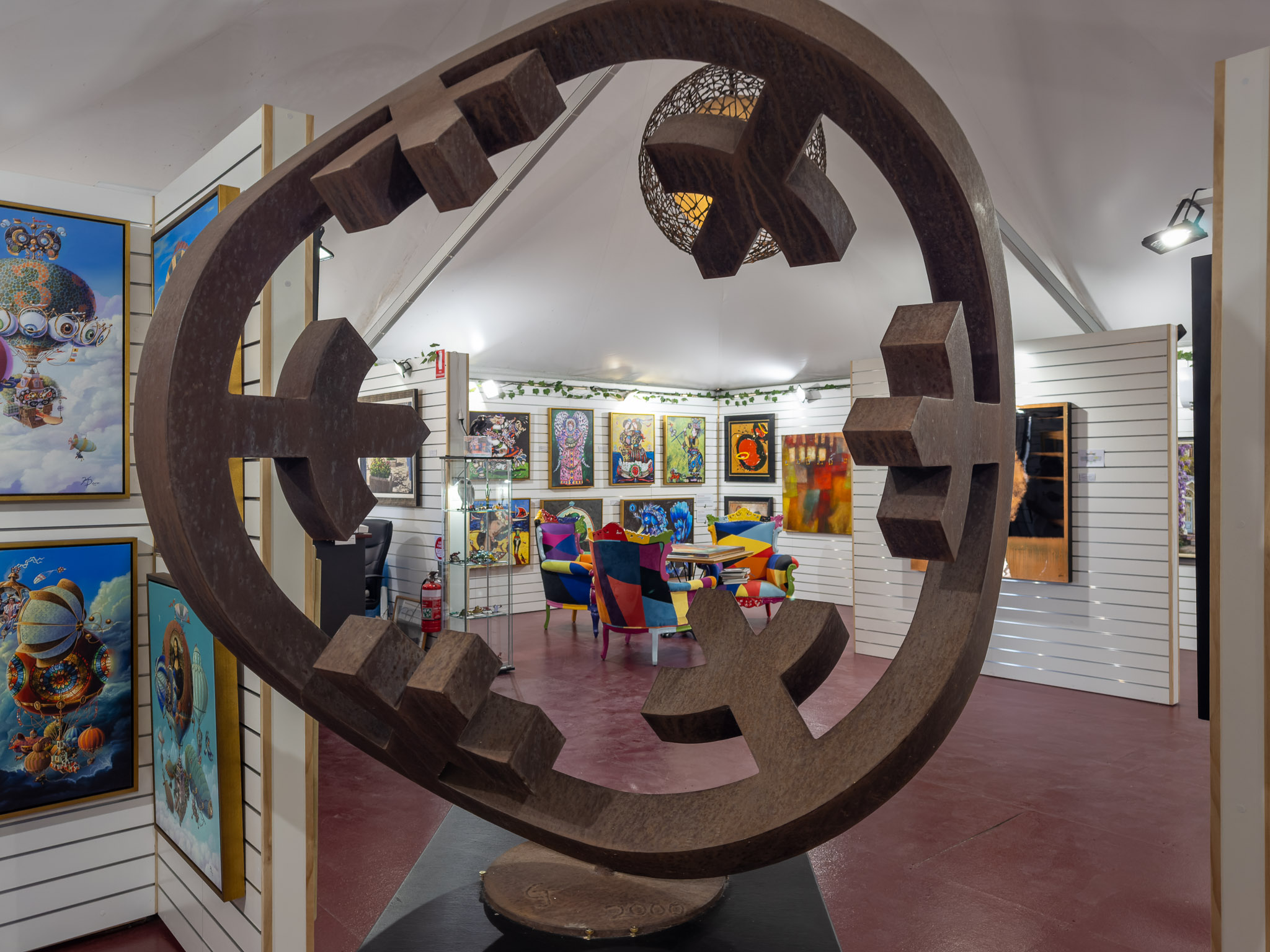
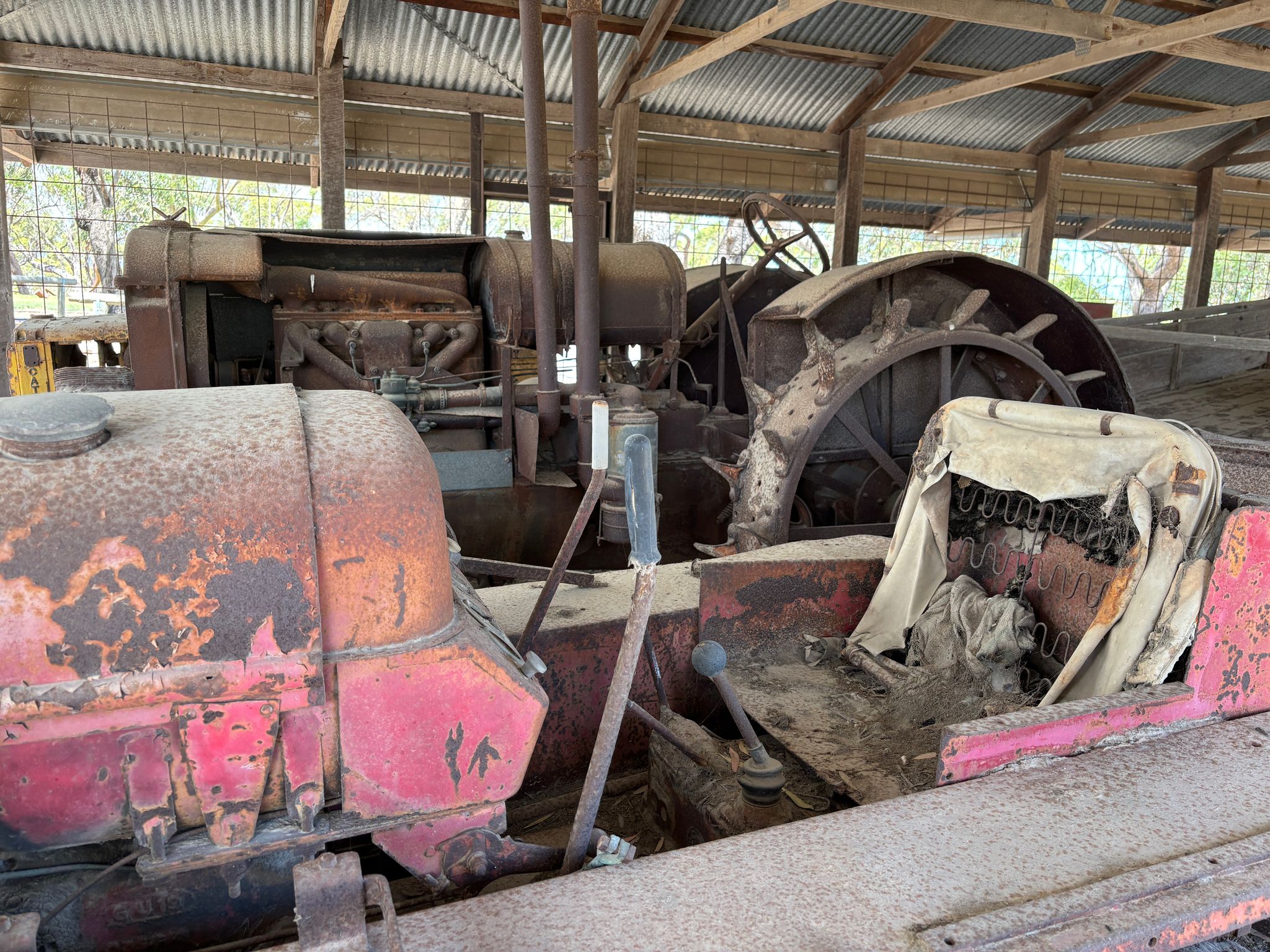
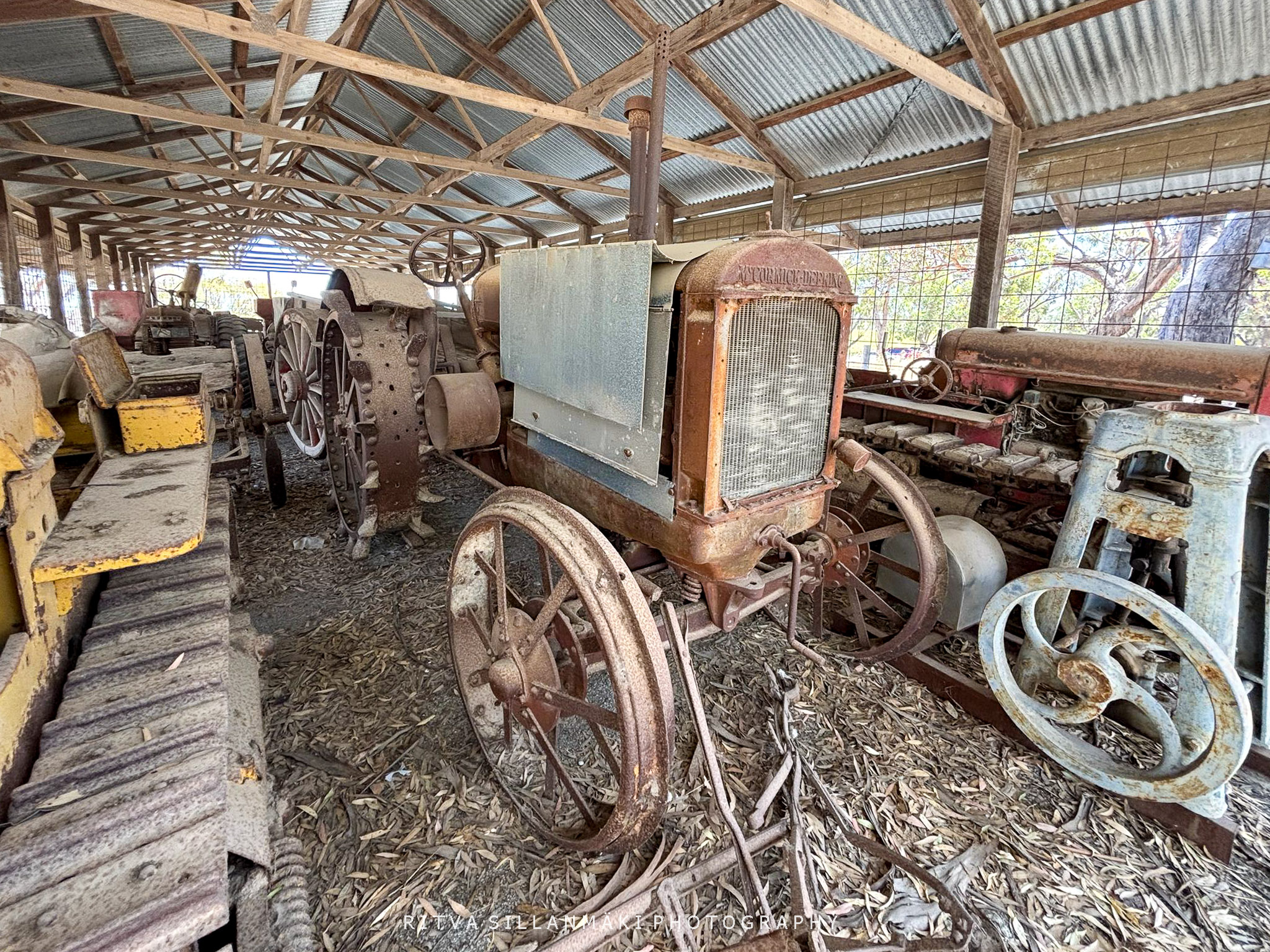
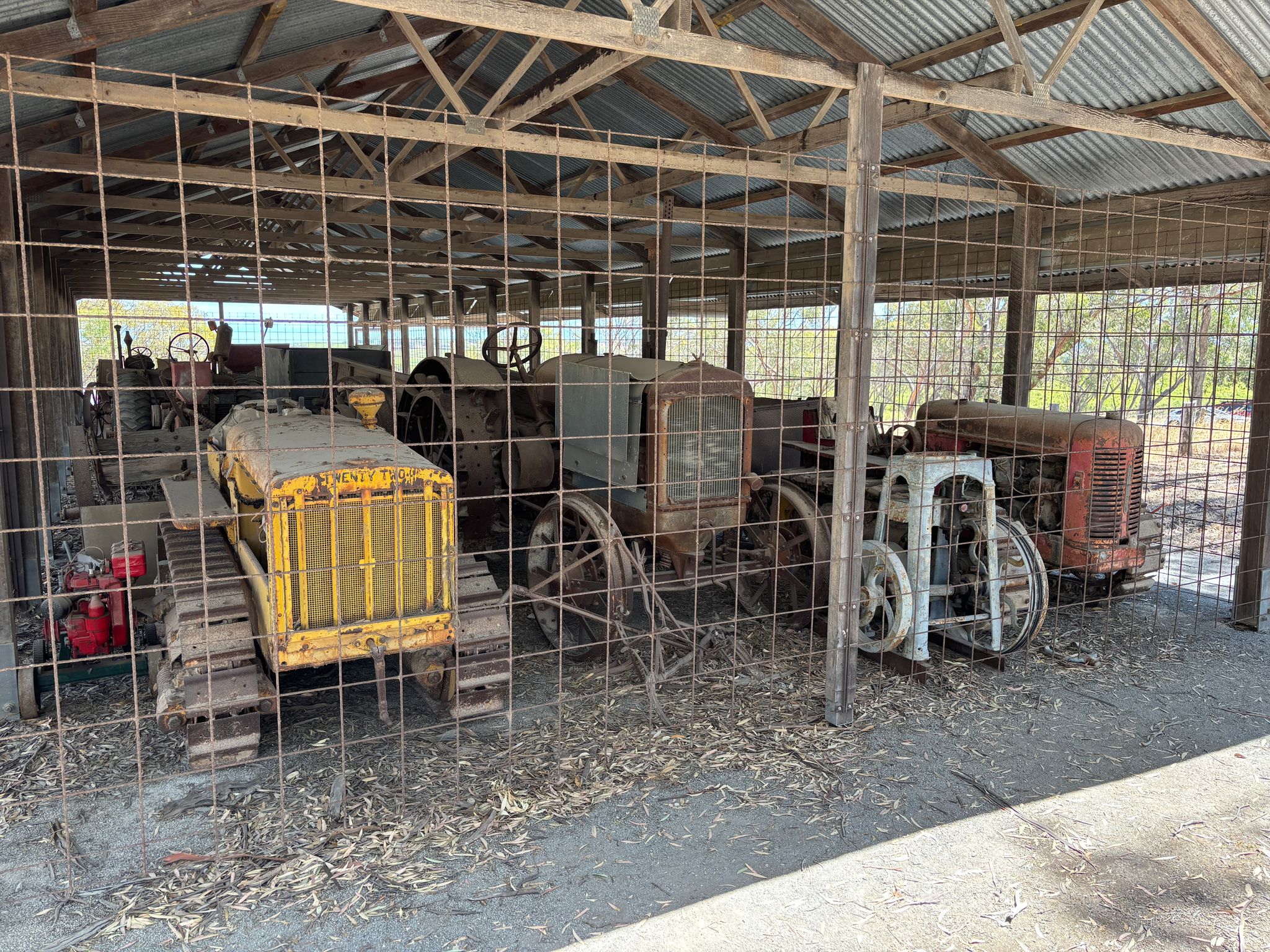
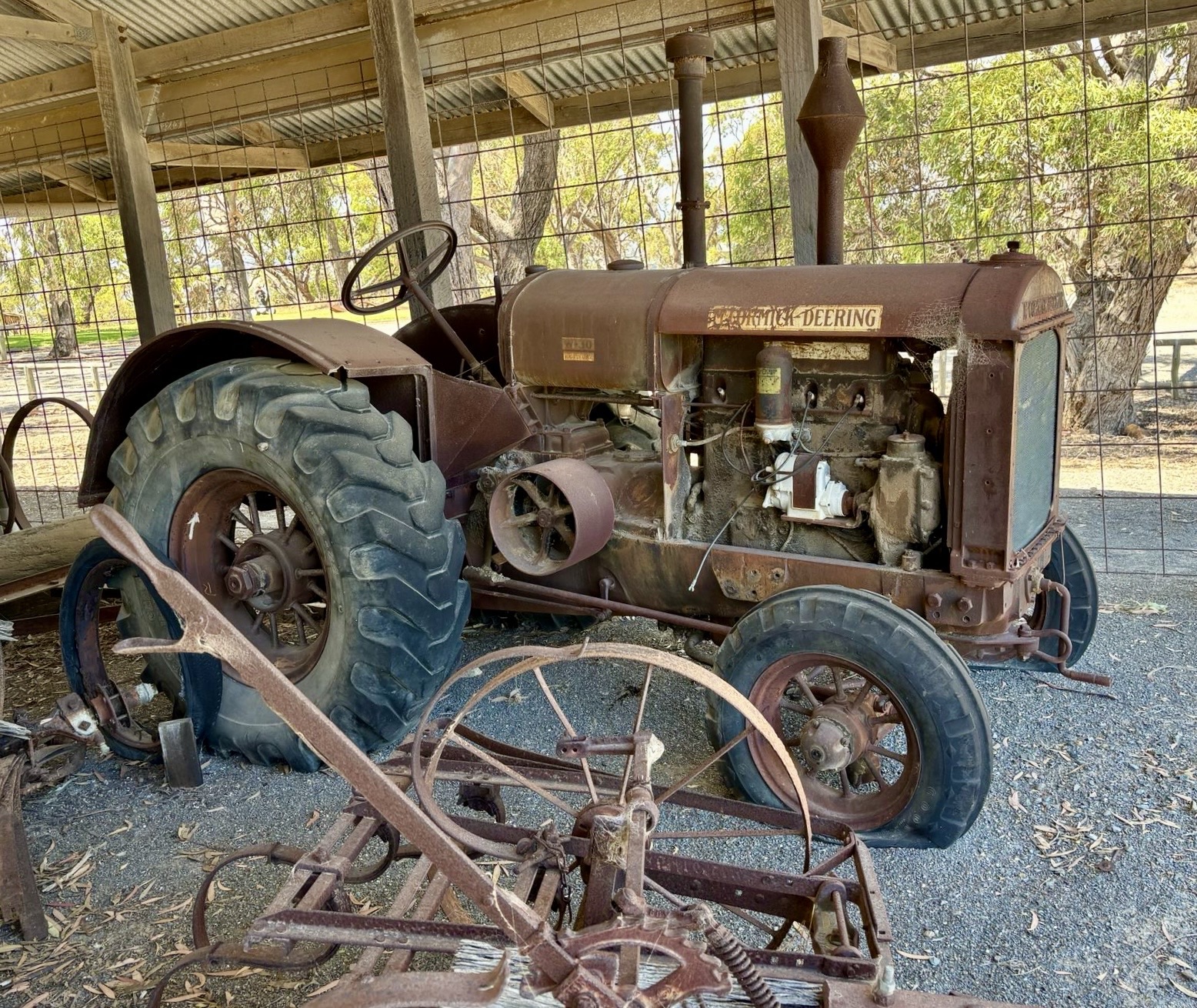
Second stop was to the most famous cellar door in the area, D’Arenberg. D’Arenberg is famous for its cube that you can see online every time you make a search for the area. You can see the building from far away and it really stands out. In a good way? I really can’t say. To me it doesn’t fit in. They hold wine tasting in the cube, but we passed. They also had Salvador Dali’s sculptures inside but the tree huge sculptures outside were enough for us. I was more interested in the old machinery that they had for display
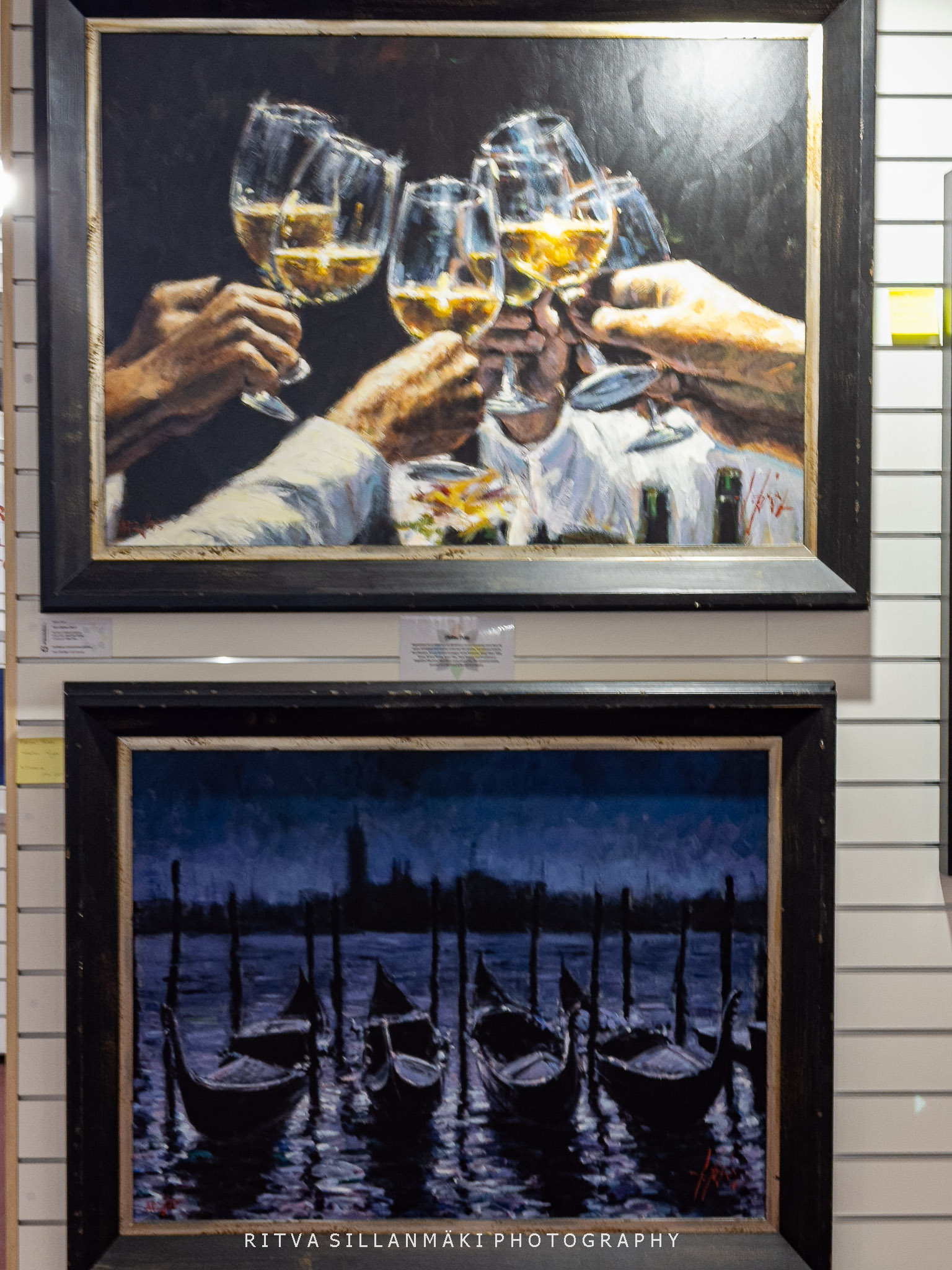
We also went to the The Art Evolution Marquée. Currently exhibiting certified limited edition graphics and artworks by Picasso, Marc Chagall, Salvador Dali, Charles Billich and Toller Cranston, all of which are heavily collected internationally and shown in major exhibitions worldwide. We saw them , but we surprisingly ended up not buying anything
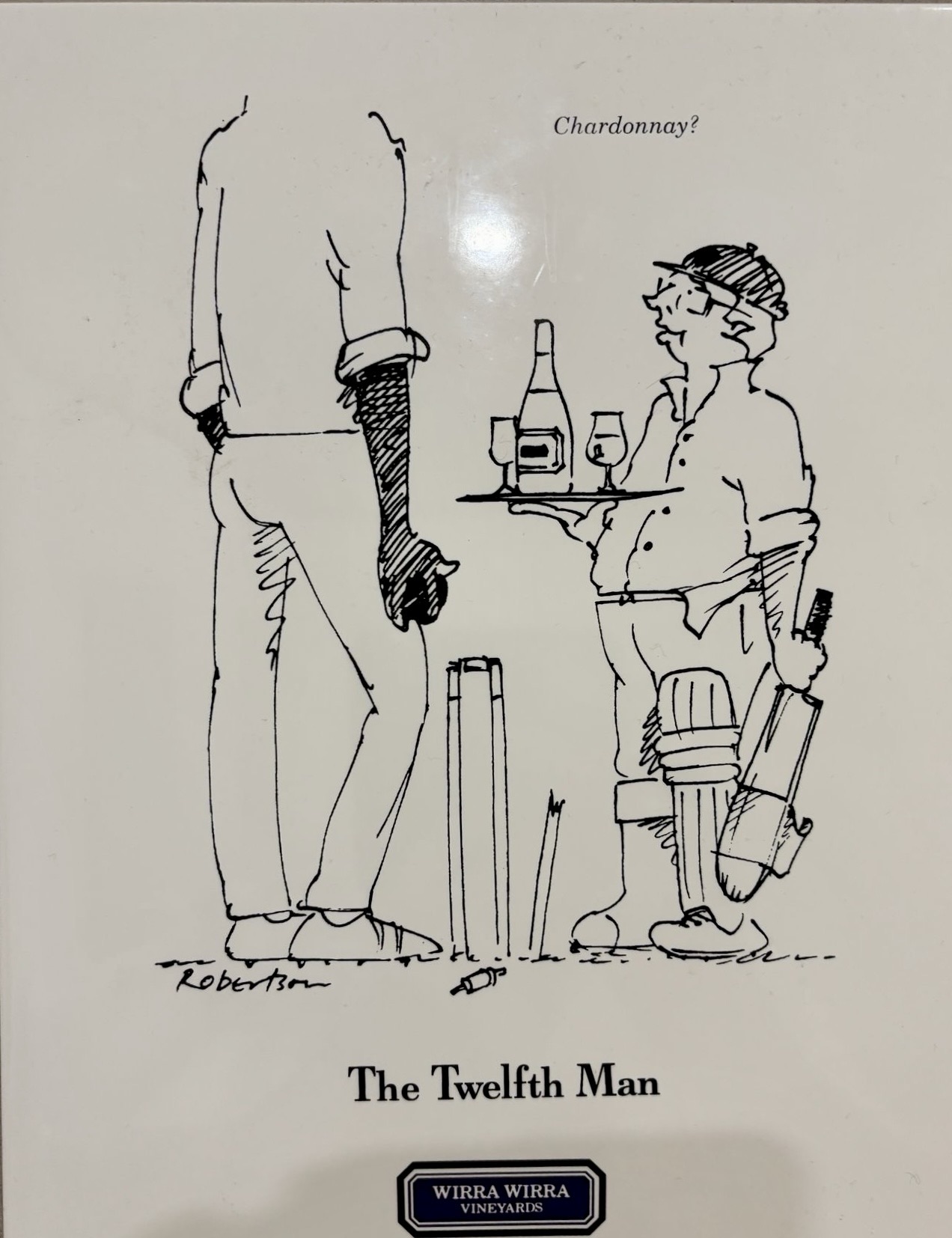
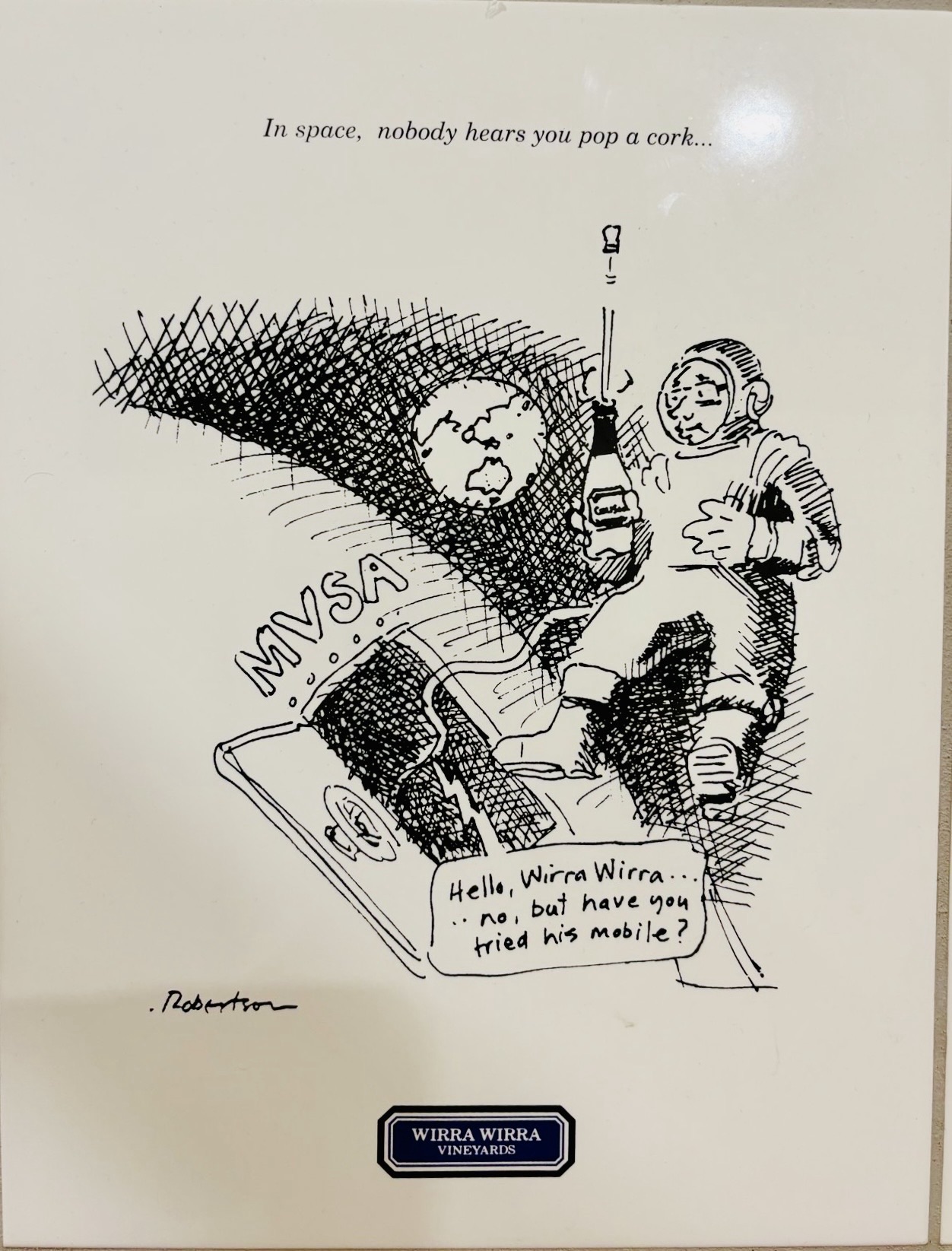
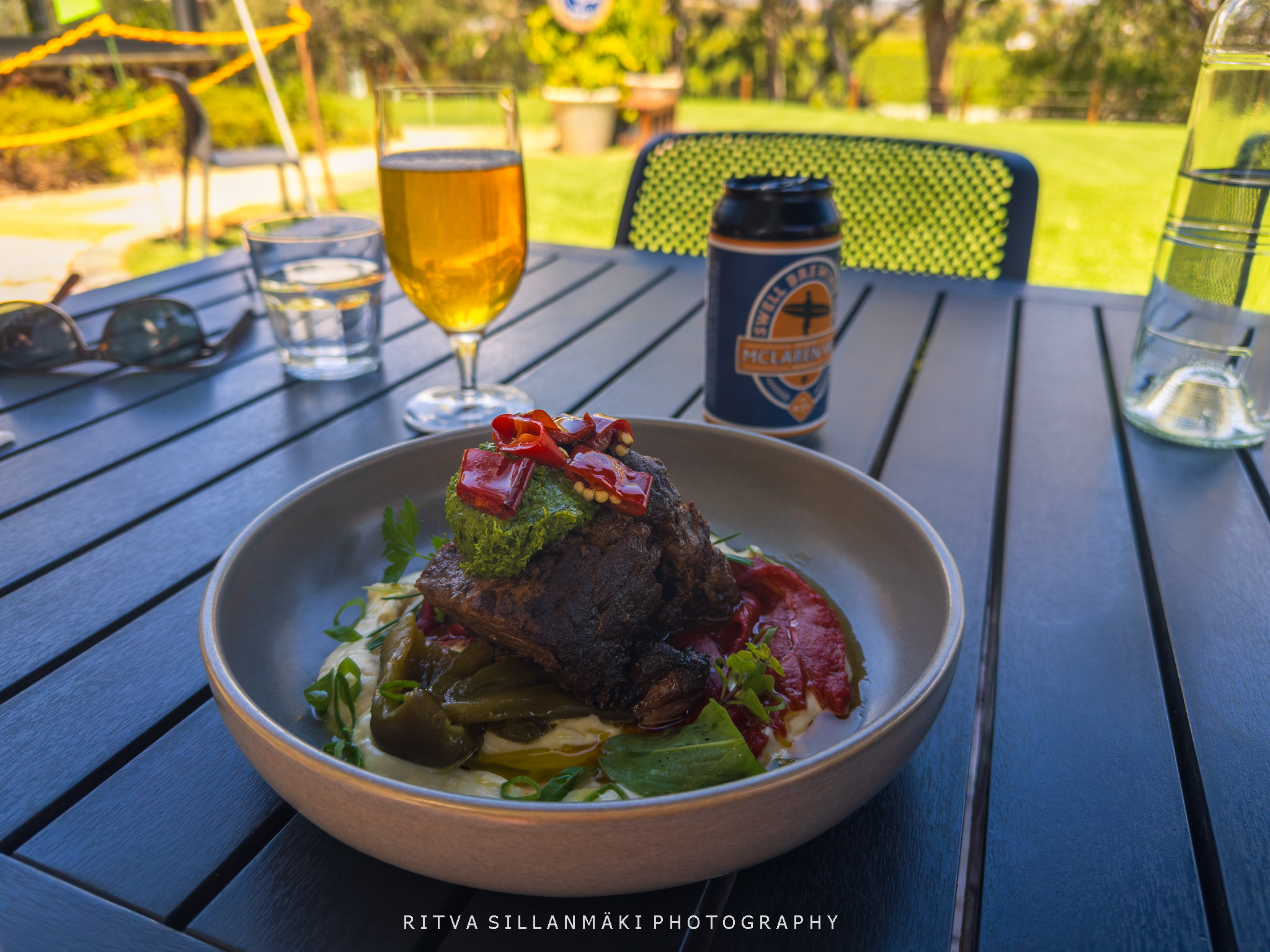
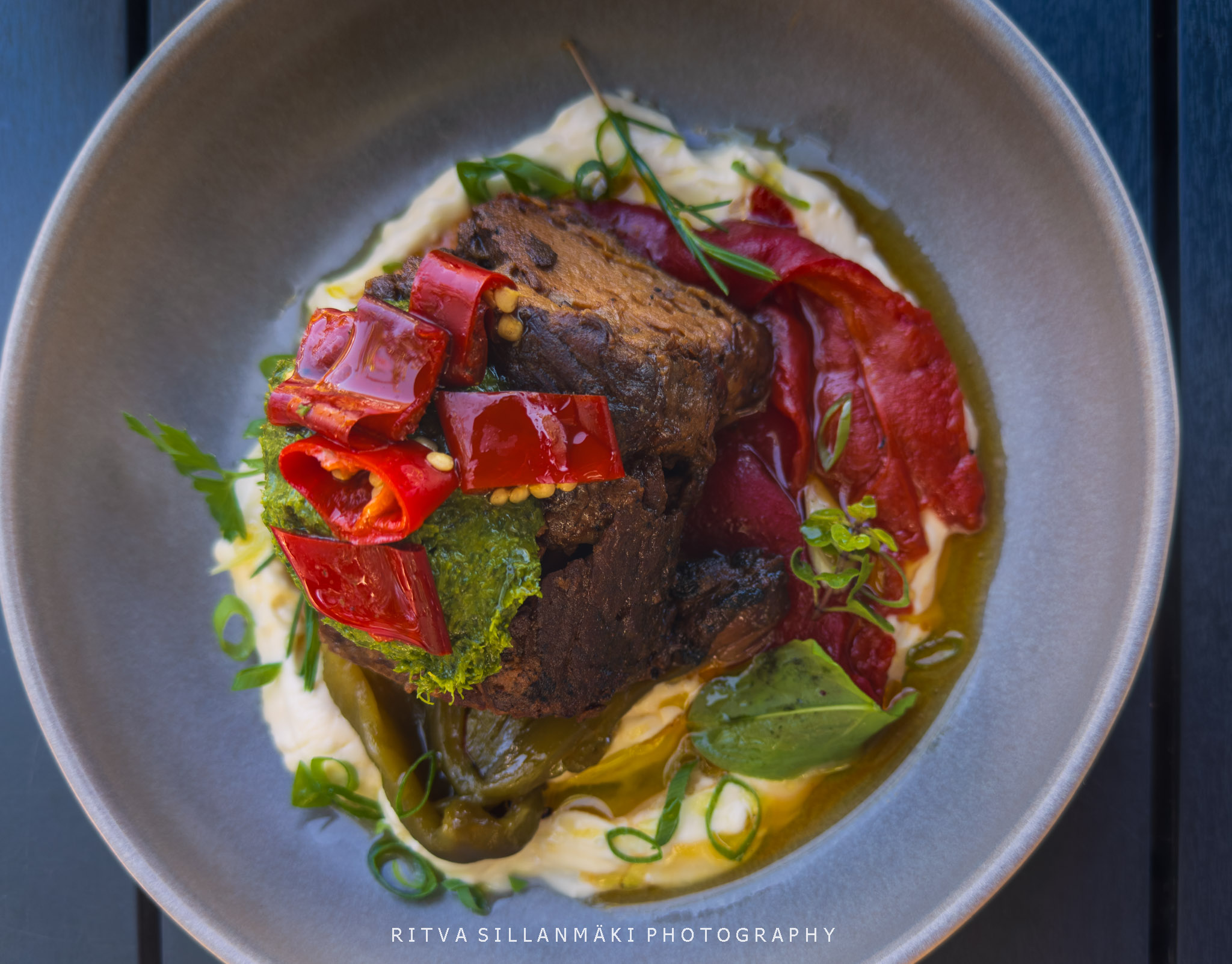
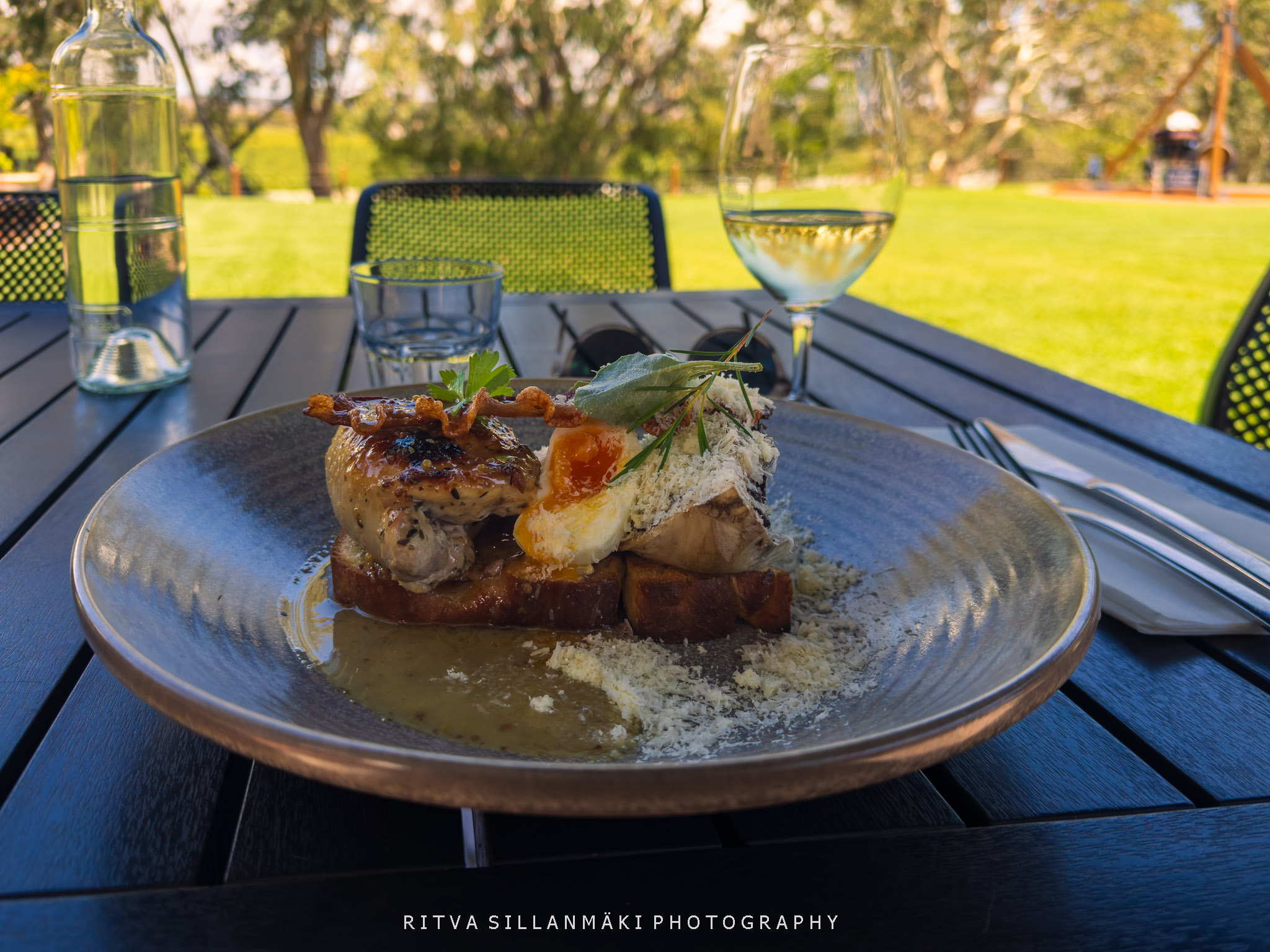
Third stop was Wirra Wirra Vineyards, where we had lunch also. The restaurant was trying too hard to be fine dining. My Slow and Low Brisket was okay, but Ritva’s Chicken Caesar Salad was just weird. A piece of chicken and a clump of salad on top of it. I was new in the menu and I’m sure they had had some feedback already because two people asked her, how was the salad. Nice place though and they had some funny tiles in the toilet. Oddly we didn’t take photos from this vineyard
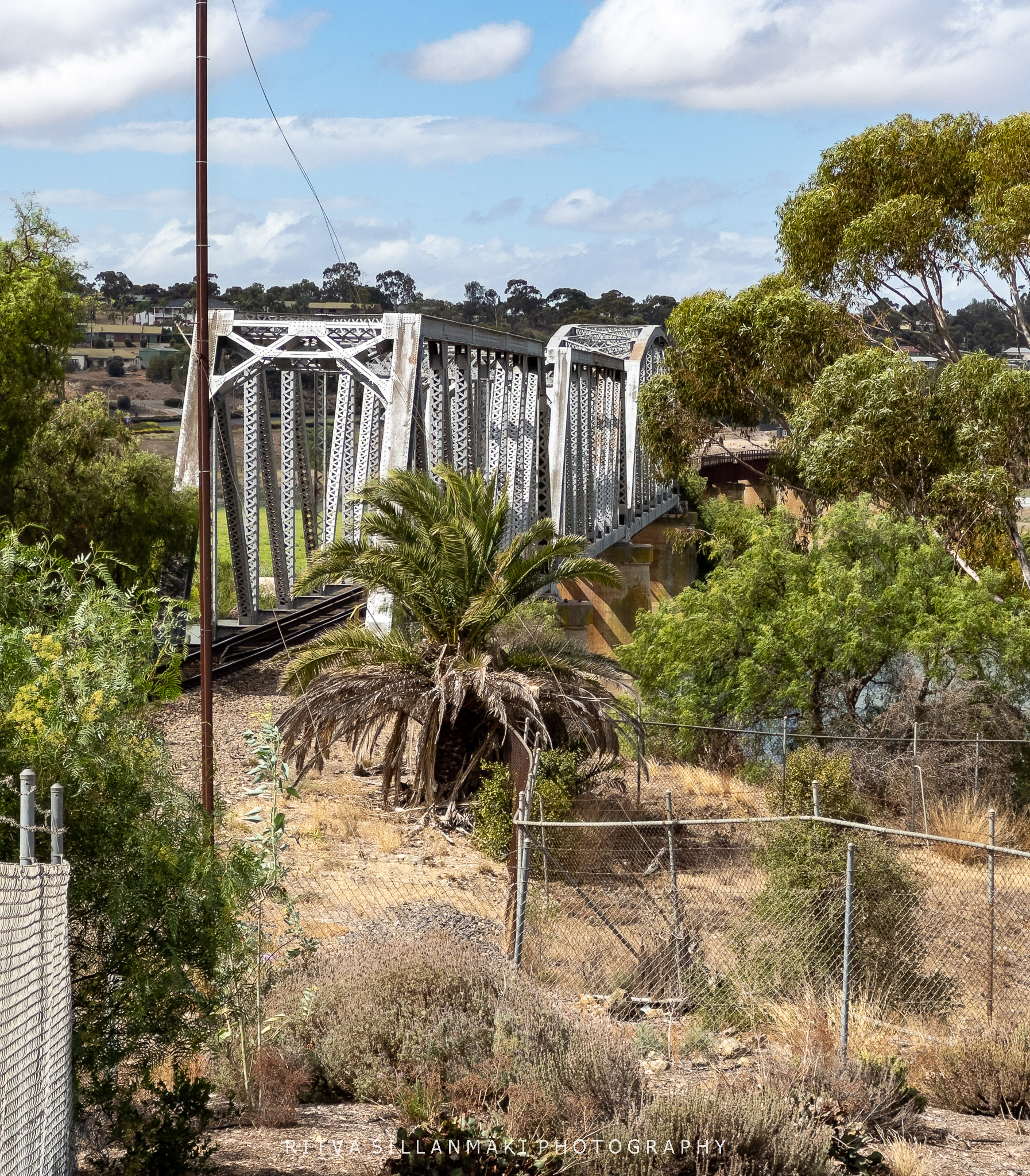
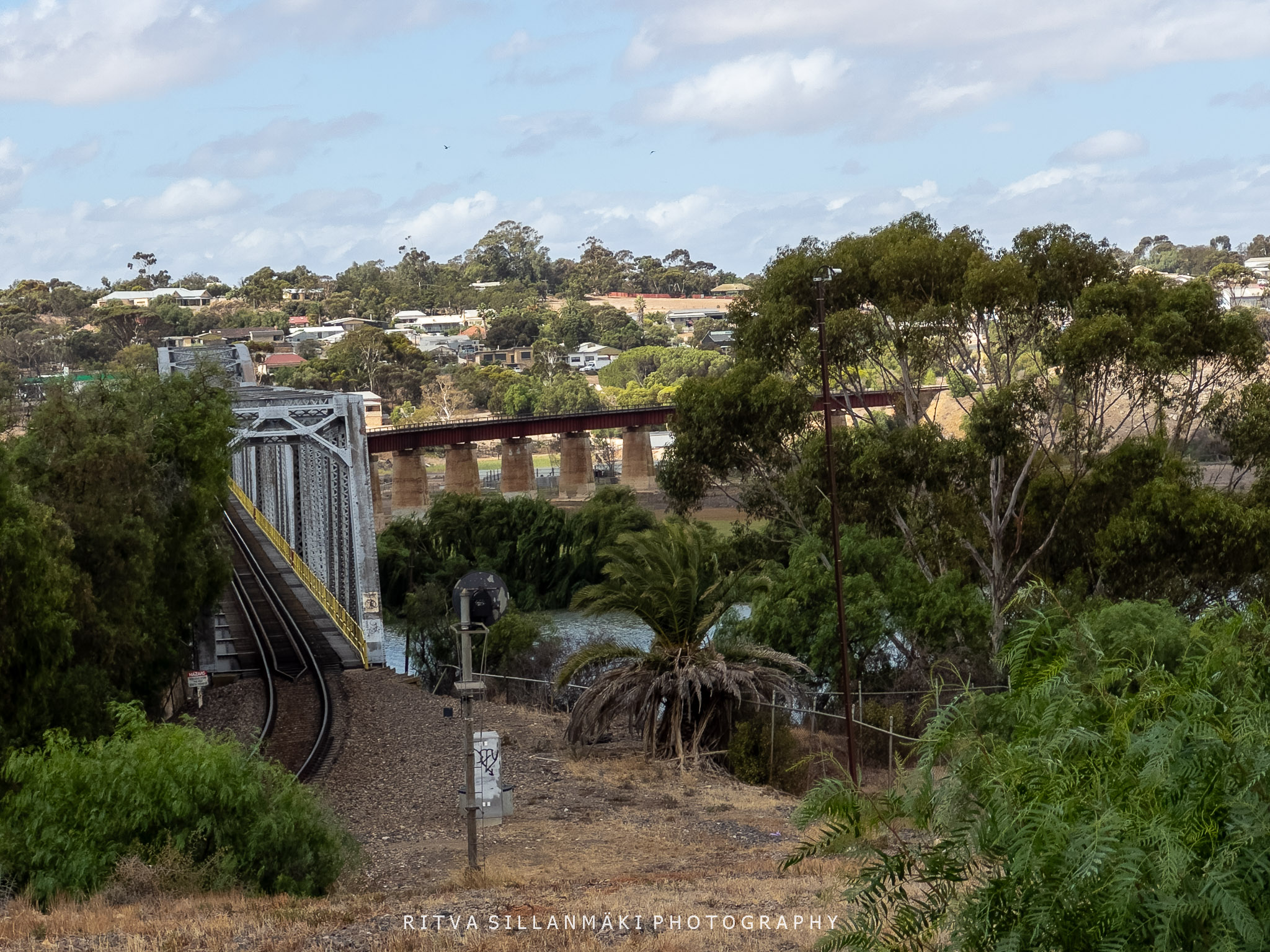
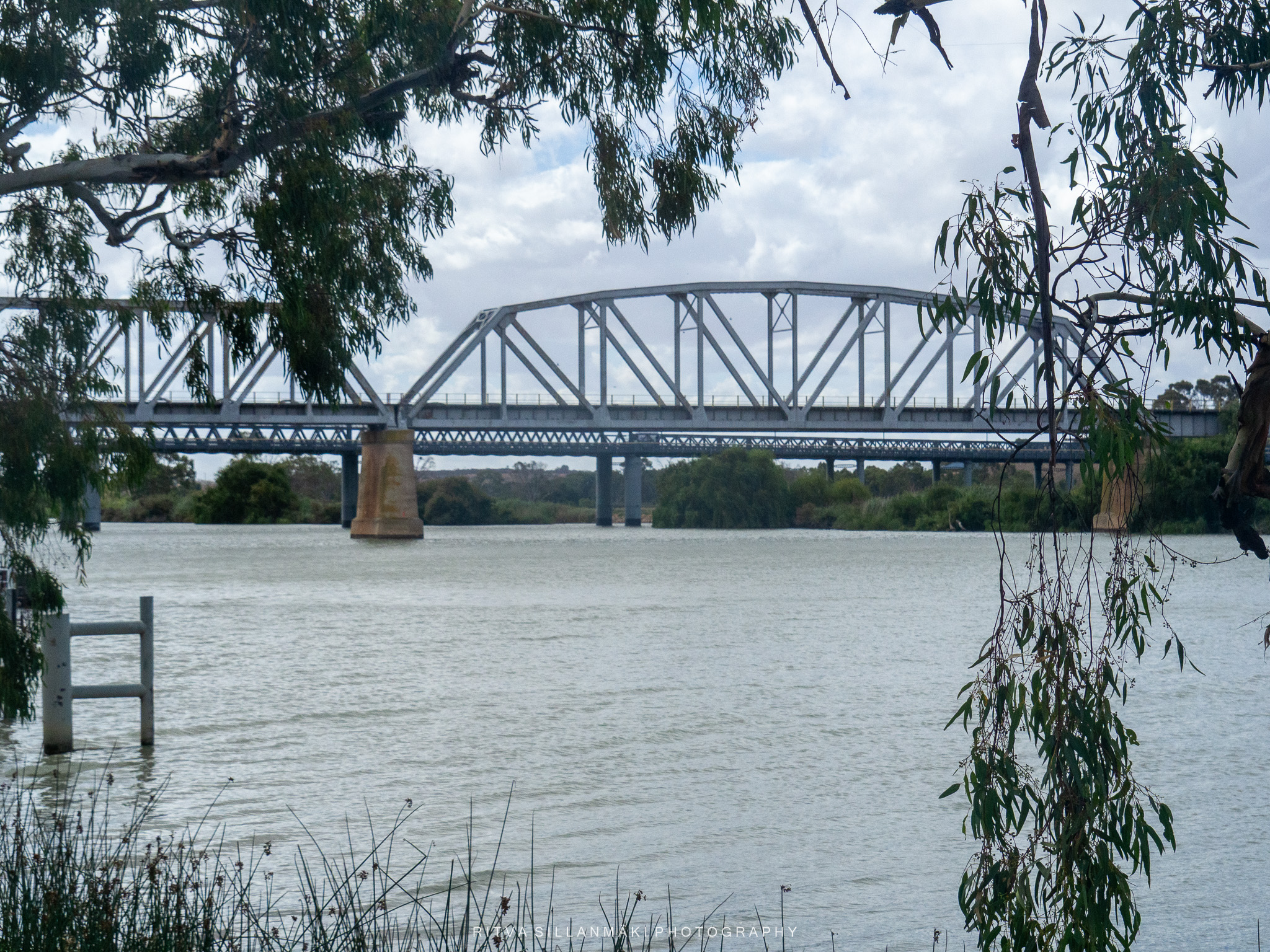
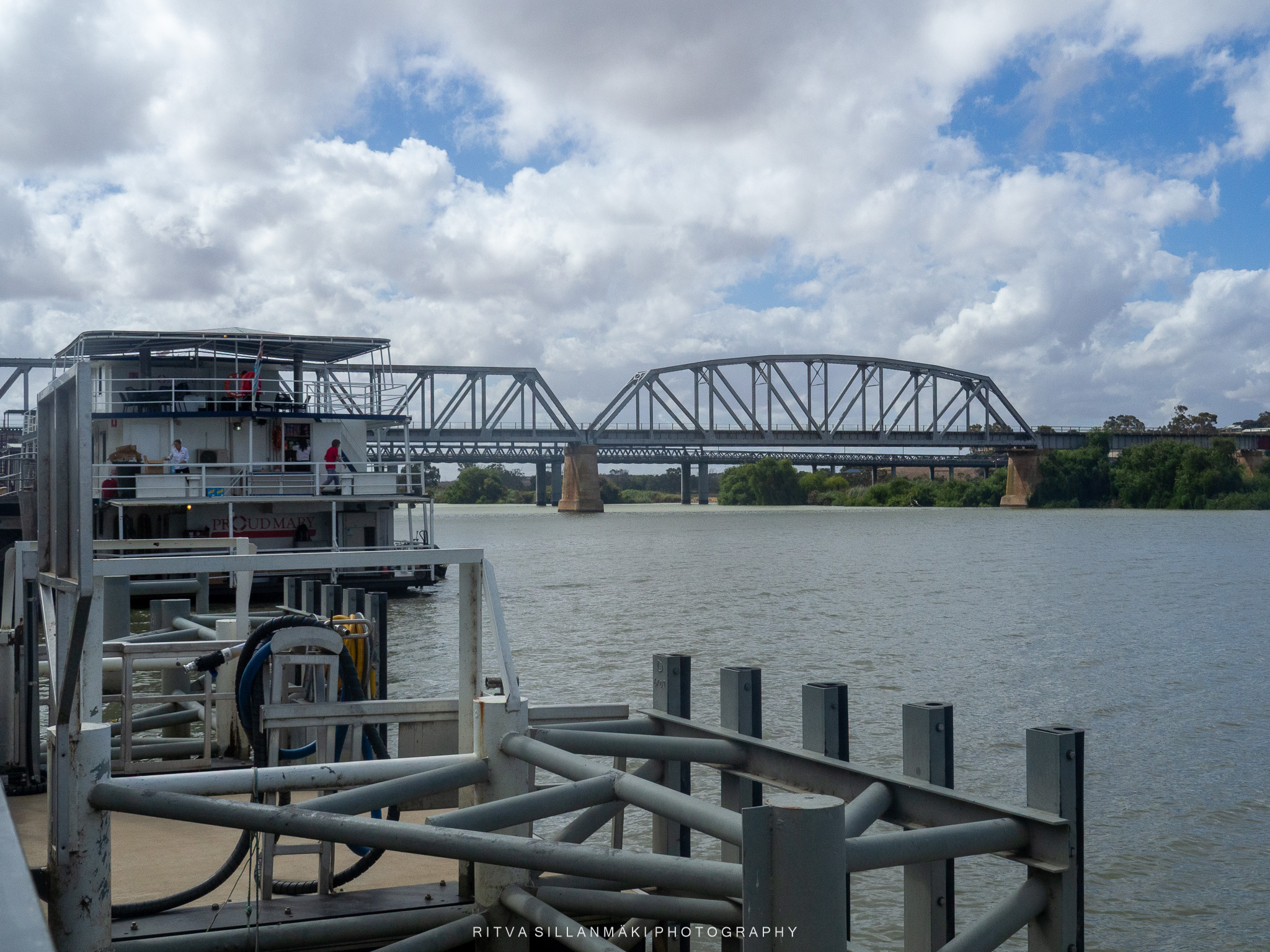
From McLaren Vale we headed to Murray Bridge. For some reason I thought it was big and something to see. Granted, it is the first bridge across the magnificent Murray River and historic, but it was really nothing to see. Also, it was hard to find a good spot for photos. From Murray we drove towards city of Robe, where we were going to spend the next night. We drove through Coorung National Park, which seemed to last forever. We got to Robe before the sunset, and we saw the coastal limestone area and Robe Obelisk. Nice little town and a good place to rest.
One night would have been enough at BreakFree Hotel but we had already paid for two nights. In the morning, we spent couple hours at the empty pool area, and I managed to burn myself a little bit. I wasn’t cautious enough while spreading the suntan lotion. I must mention that the temperature had dropped from 38 to 24 degrees overnight.
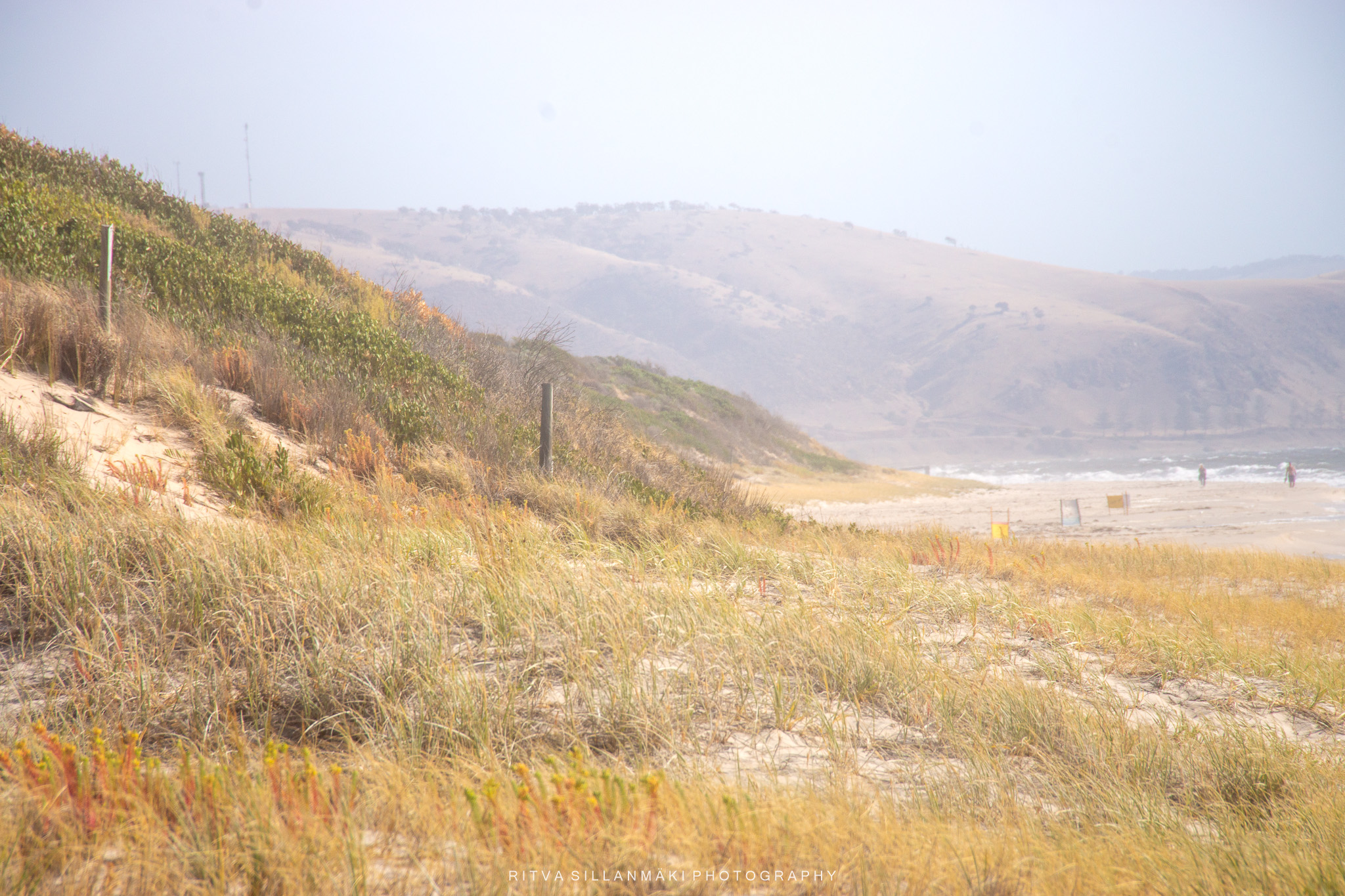
Rest of the day was spent in Normanville and Carralinga. The haze made the coastline look super soft, giving it this dreamy vibe that kind of mixes the sky and sea together. Plus, the light shifts when you look around in different directions along the beach, casting a warm golden glow that really brings out the shapes of the land. It’s one of those spots where you can just chill and soak in the laid-back surroundings and the gorgeous views that are all around you.
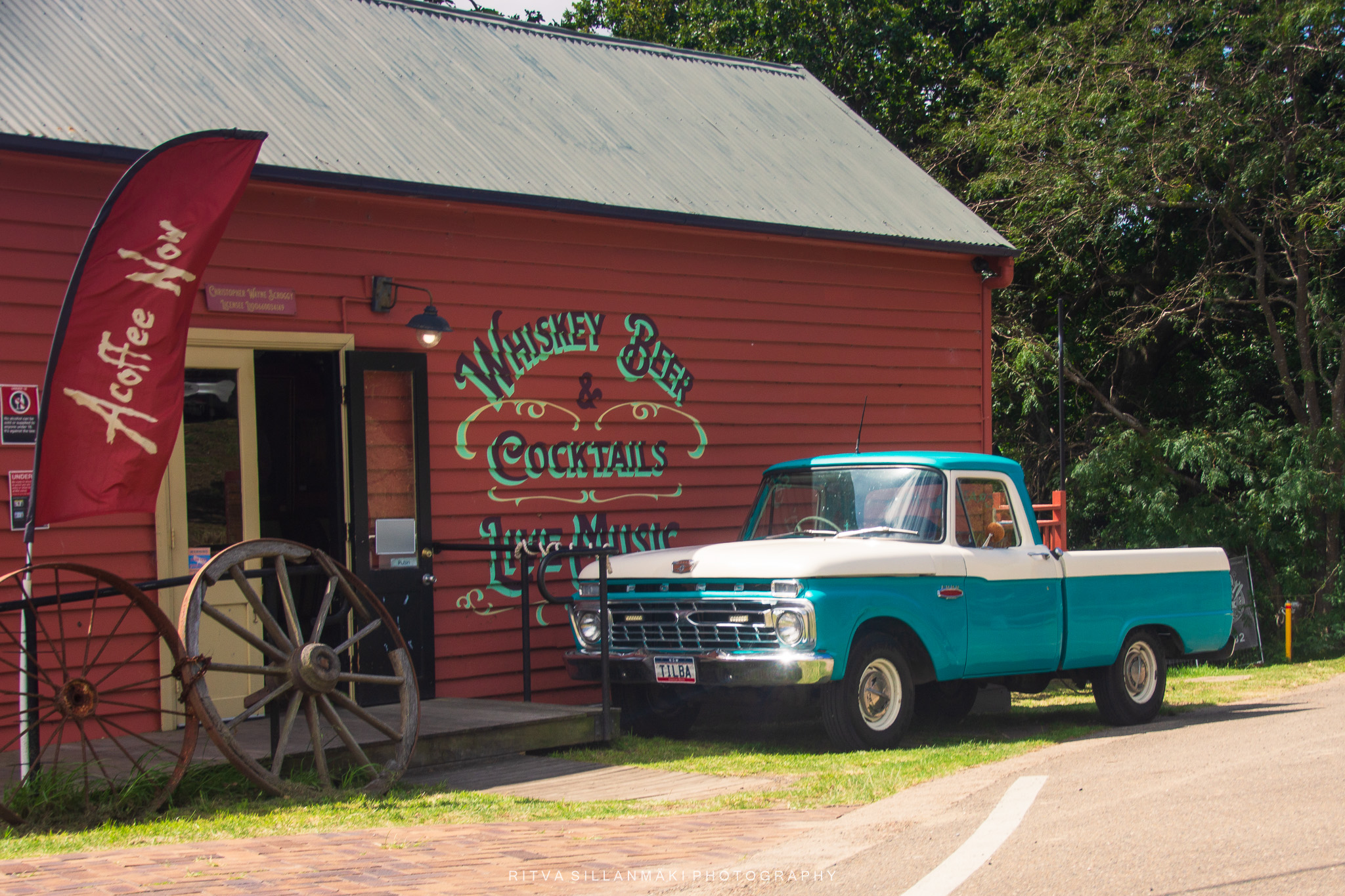
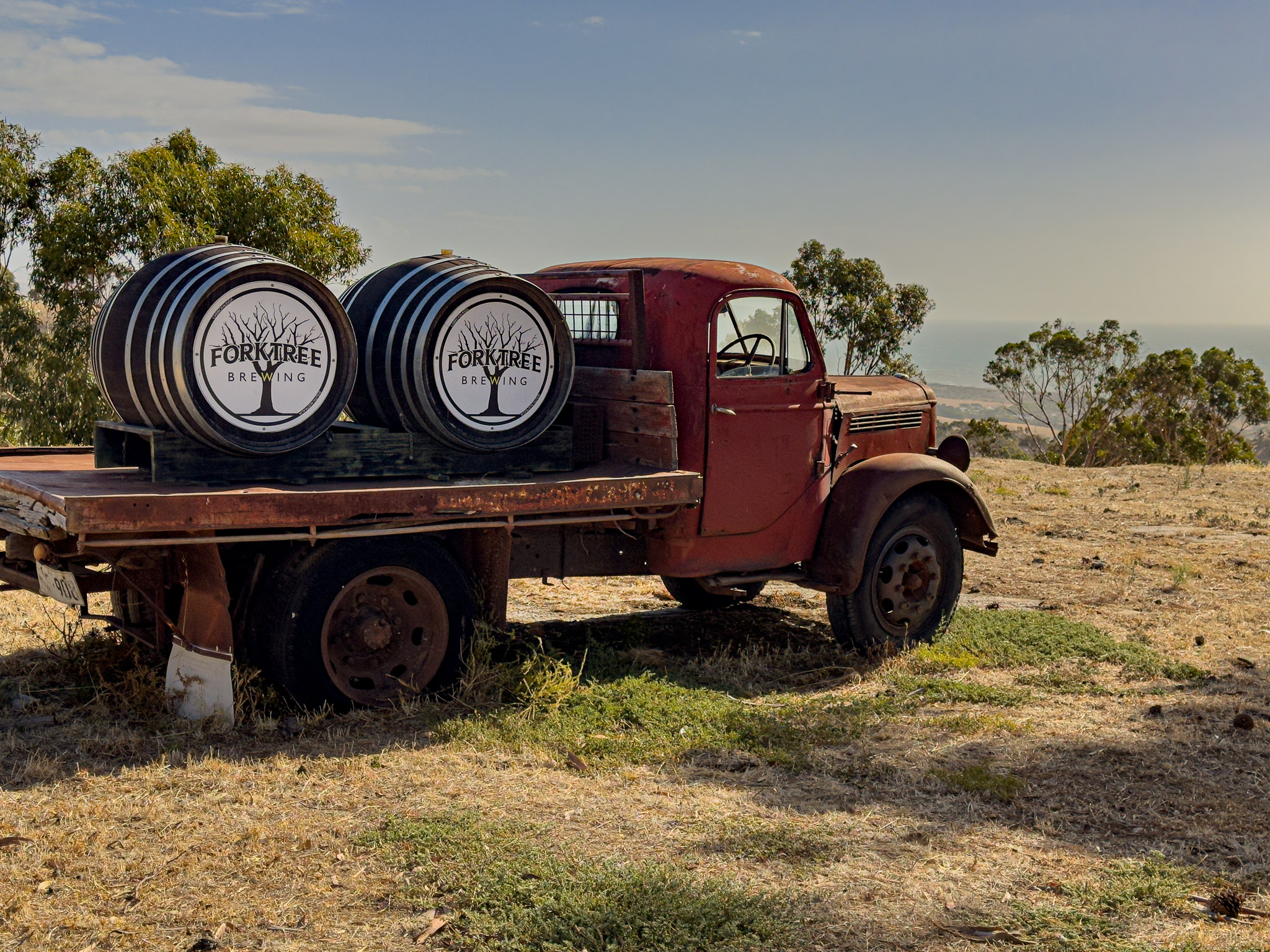
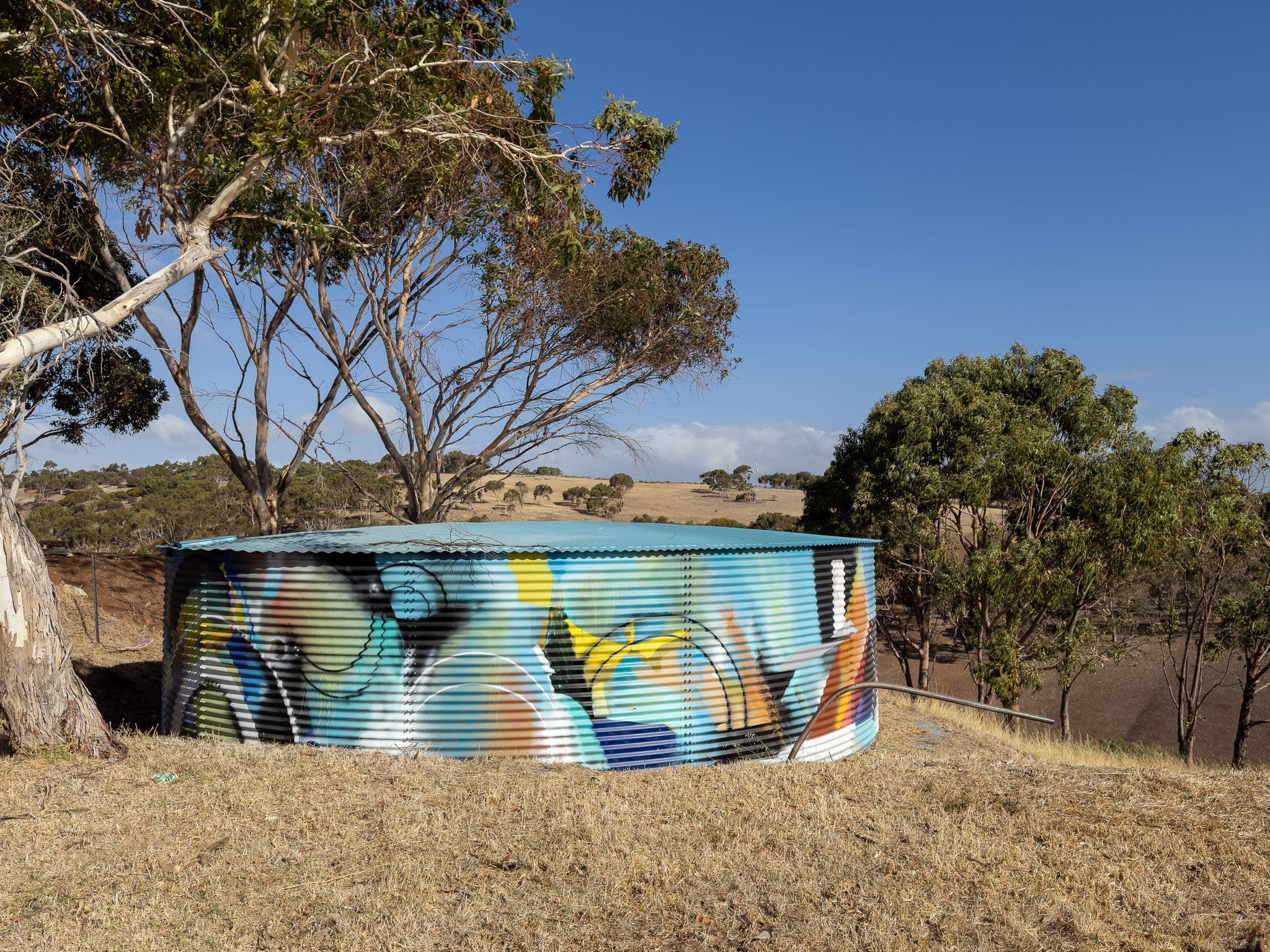
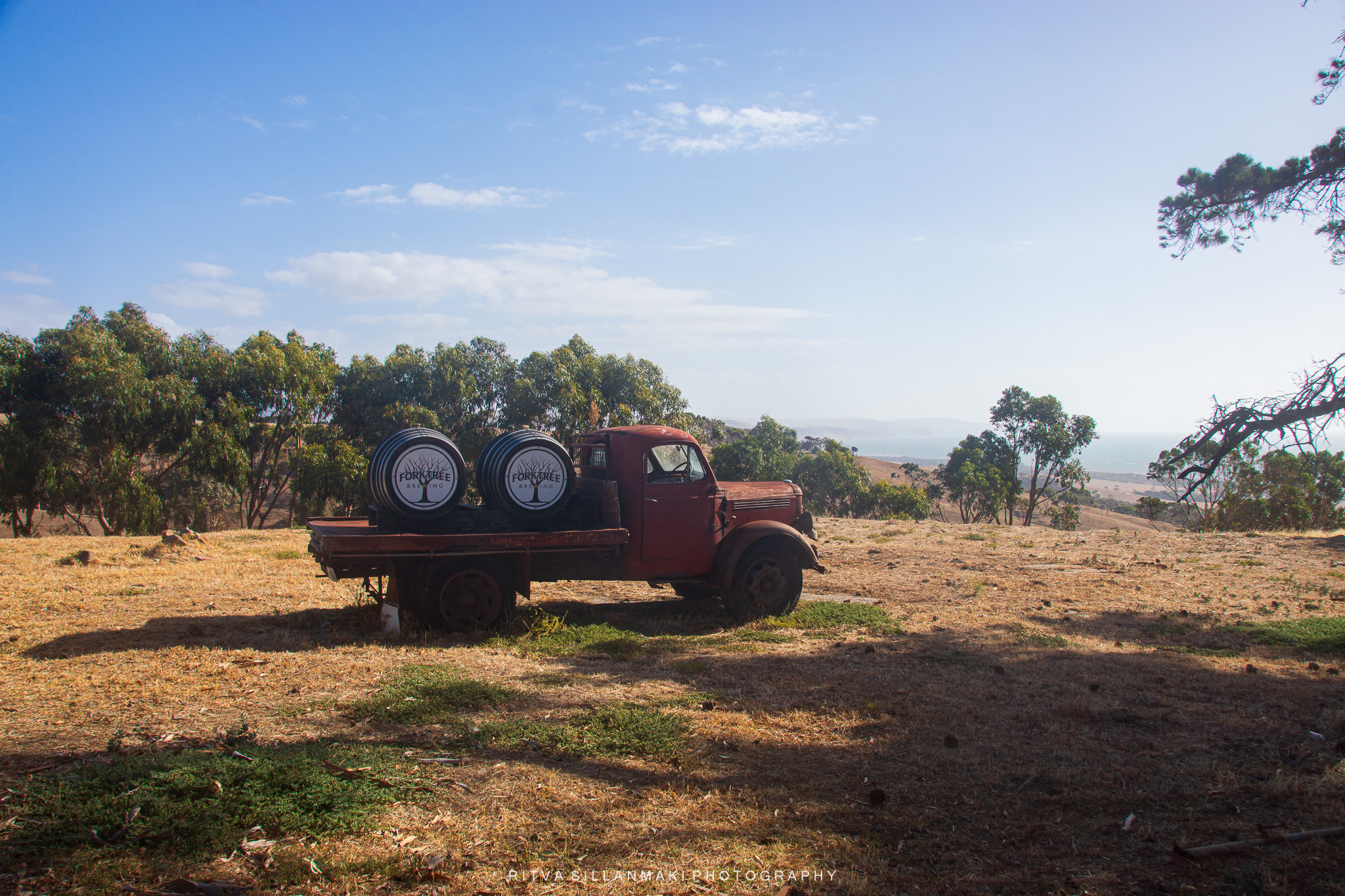
Fortree Lookout had an old truck as attraction, we noticed several old trucks during our trip. Also the colorful water tank was interesting.
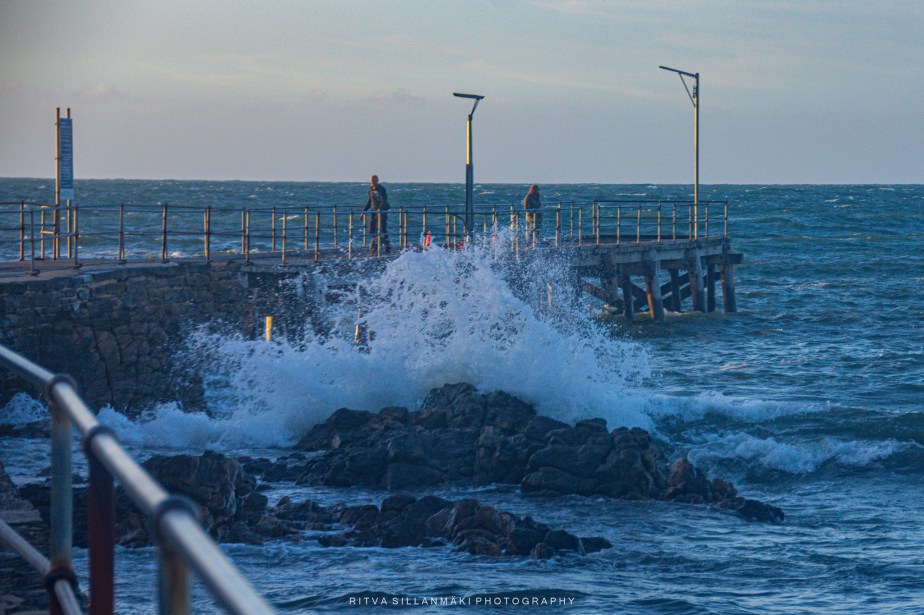
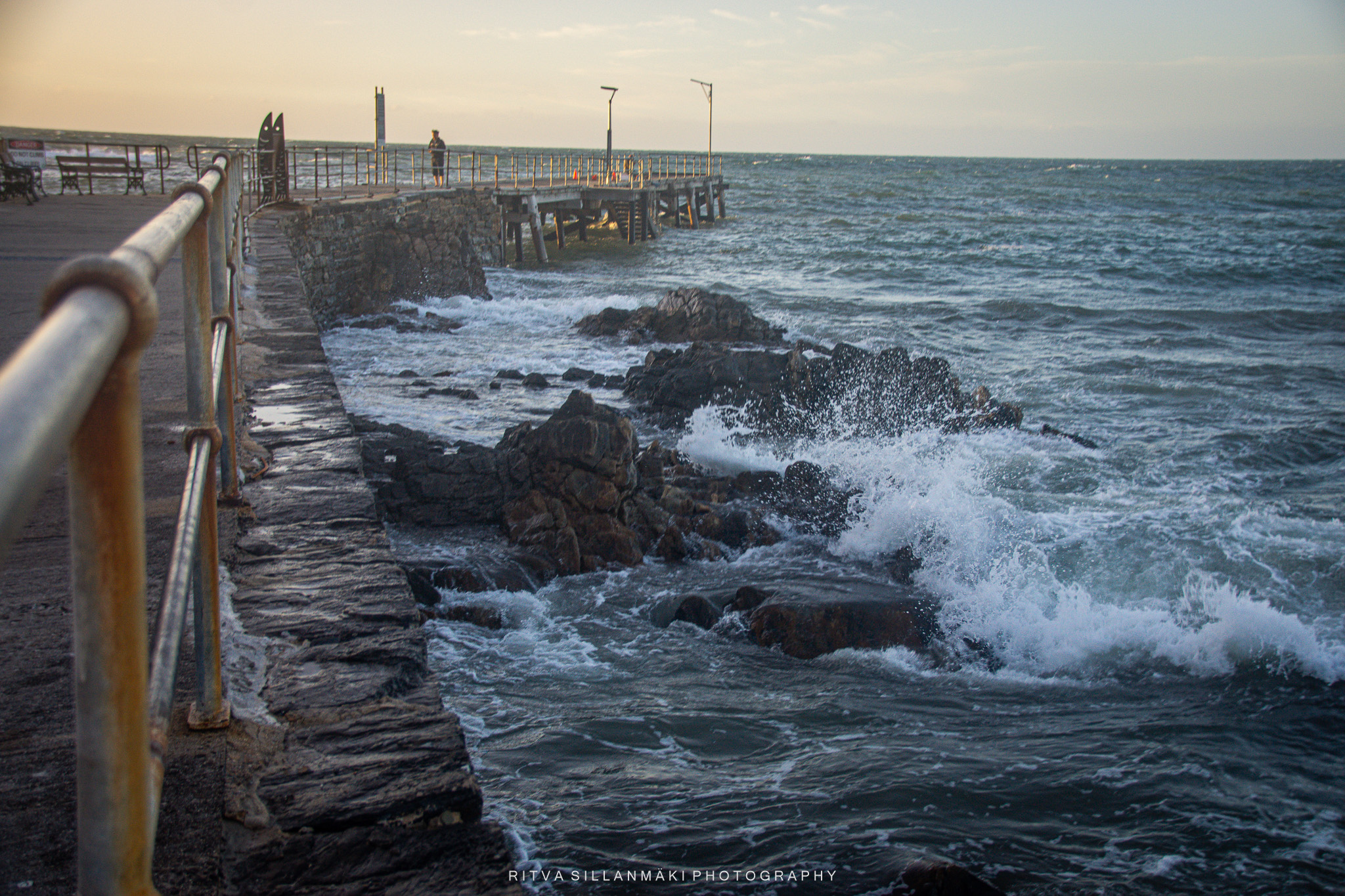
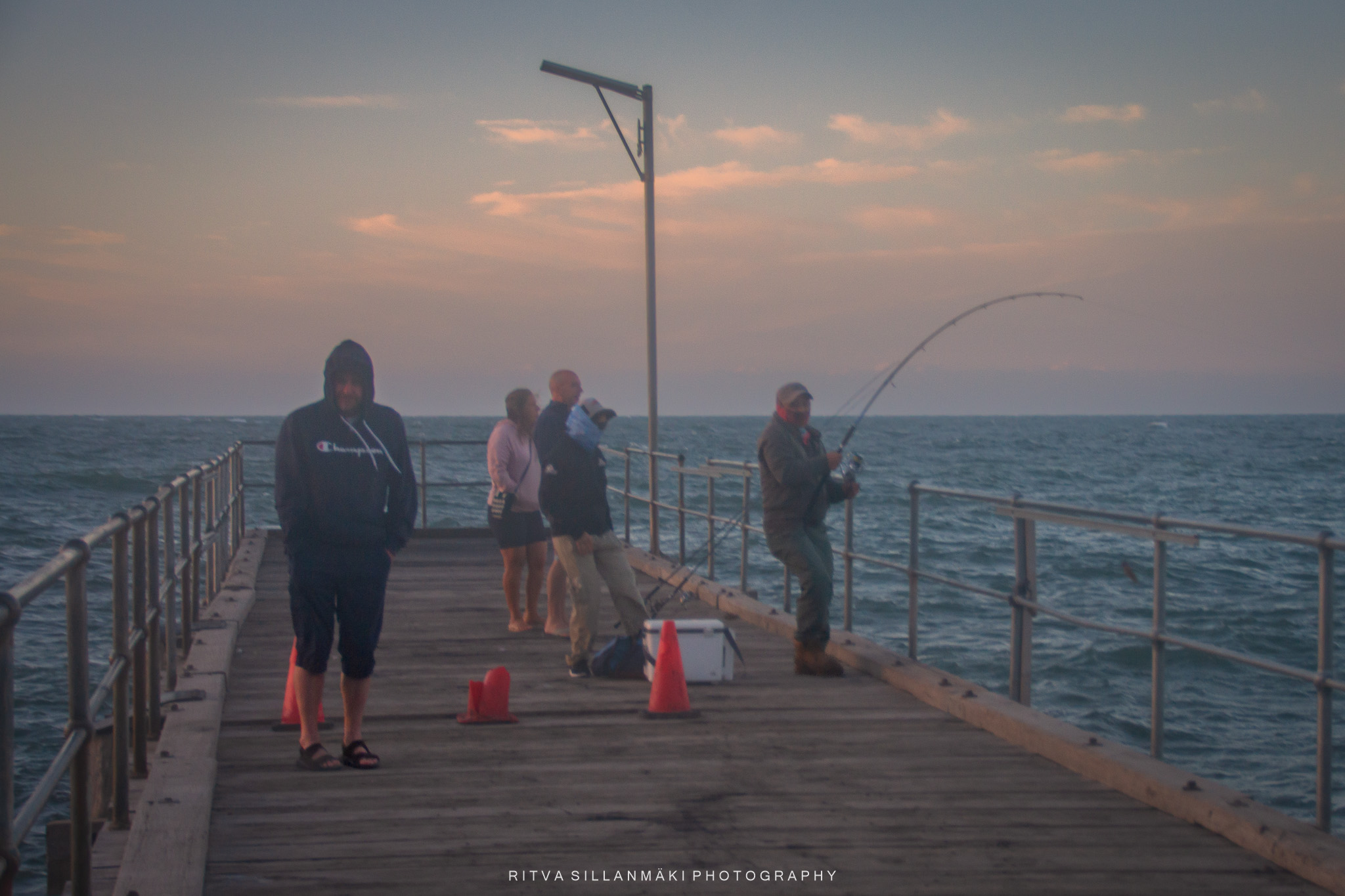
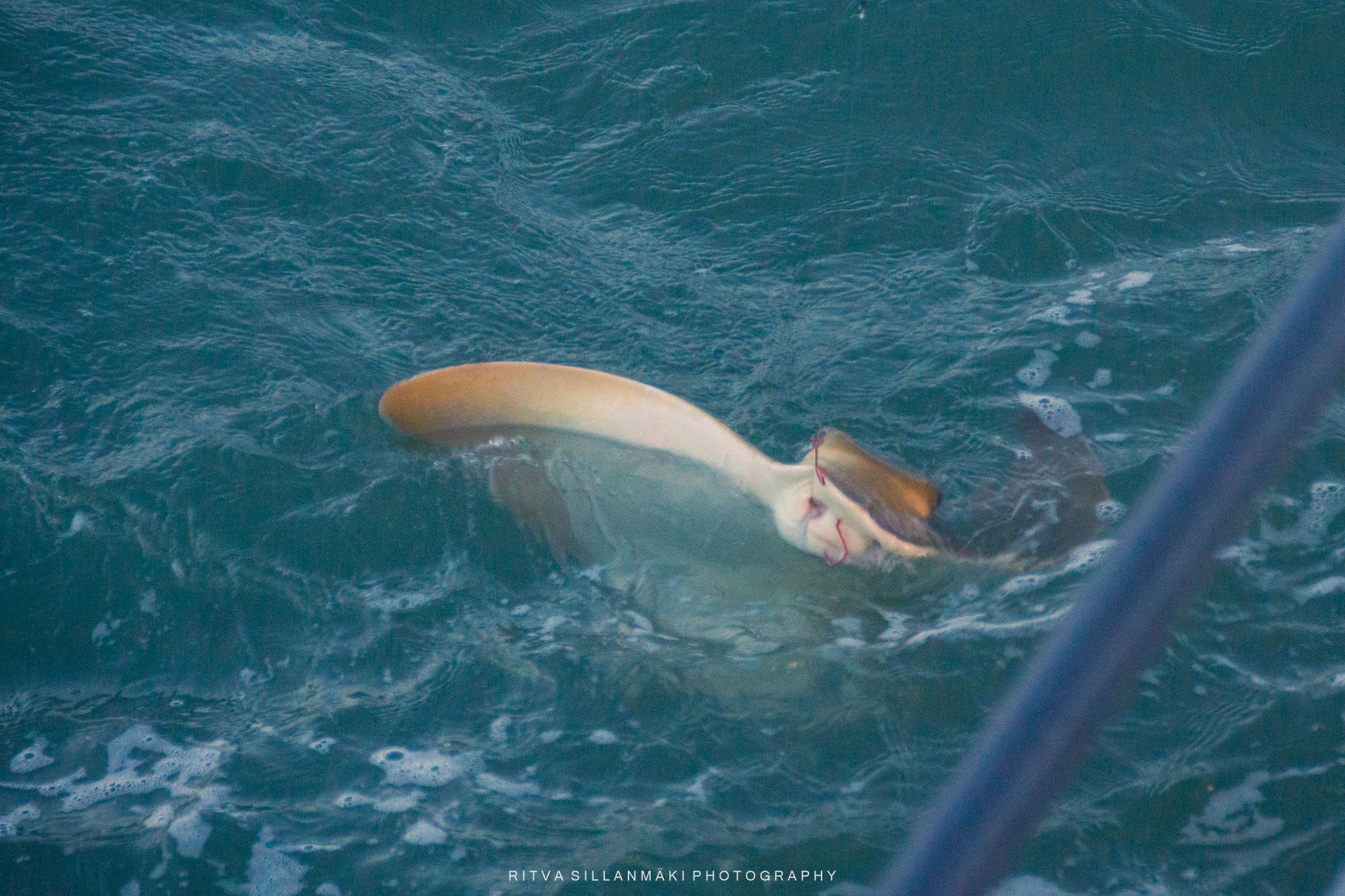
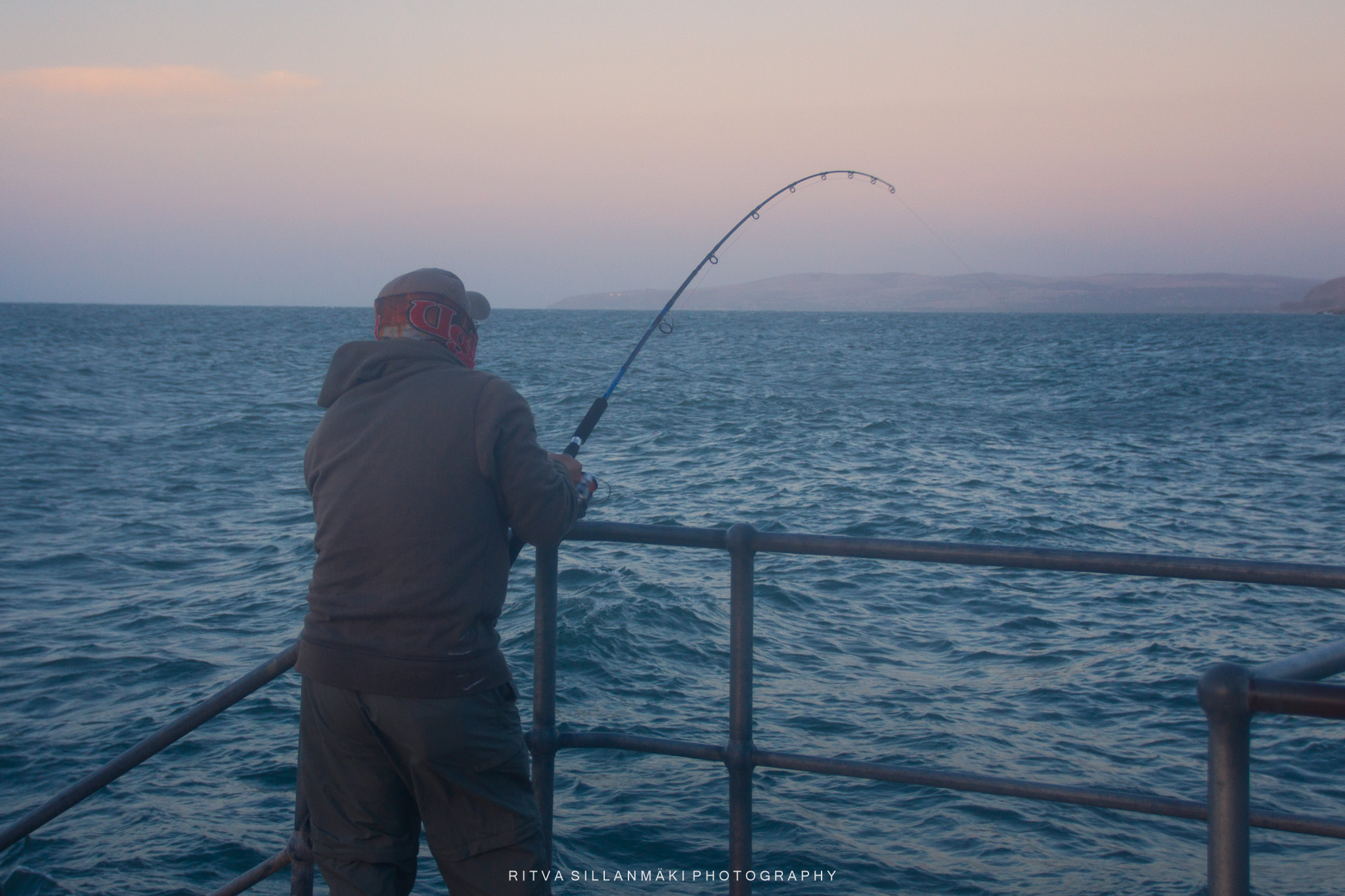
The sunset at Second Valley takes the cake for the day. First of all, I helped Asian male free a stingray from his fishing hook. I held the pole, and he cut the line. I asked him about the hook still in stingray’s jaw. He said that in salt water it can get rid of hook quite fast. Does it rust fast of something, I don’t know. Second Valley had all you needed for taking beautiful pictures. A dock, rocks and limestone coast.
It was time to move on. Next two nights we would spend in Wirrana Cove in Fleurieu Peninsula. Once again, the traffic was not bad at all in Adelaide. I’m sure it can be bad, like in any big city, but we didn’t manage to find any traffic jams. We drove close by another famous wine region, McLaren Vale, but we decided to come back on our way out. The views in Flerieu were gorgeous, stunning, beautiful, magnificent, awesome, splendid, superb, amazing, astounding, astonishing, marvellous, impressive, wonderful. Pick any word you like… Rolling hills, costal areas, forest, you name it. It had it all.
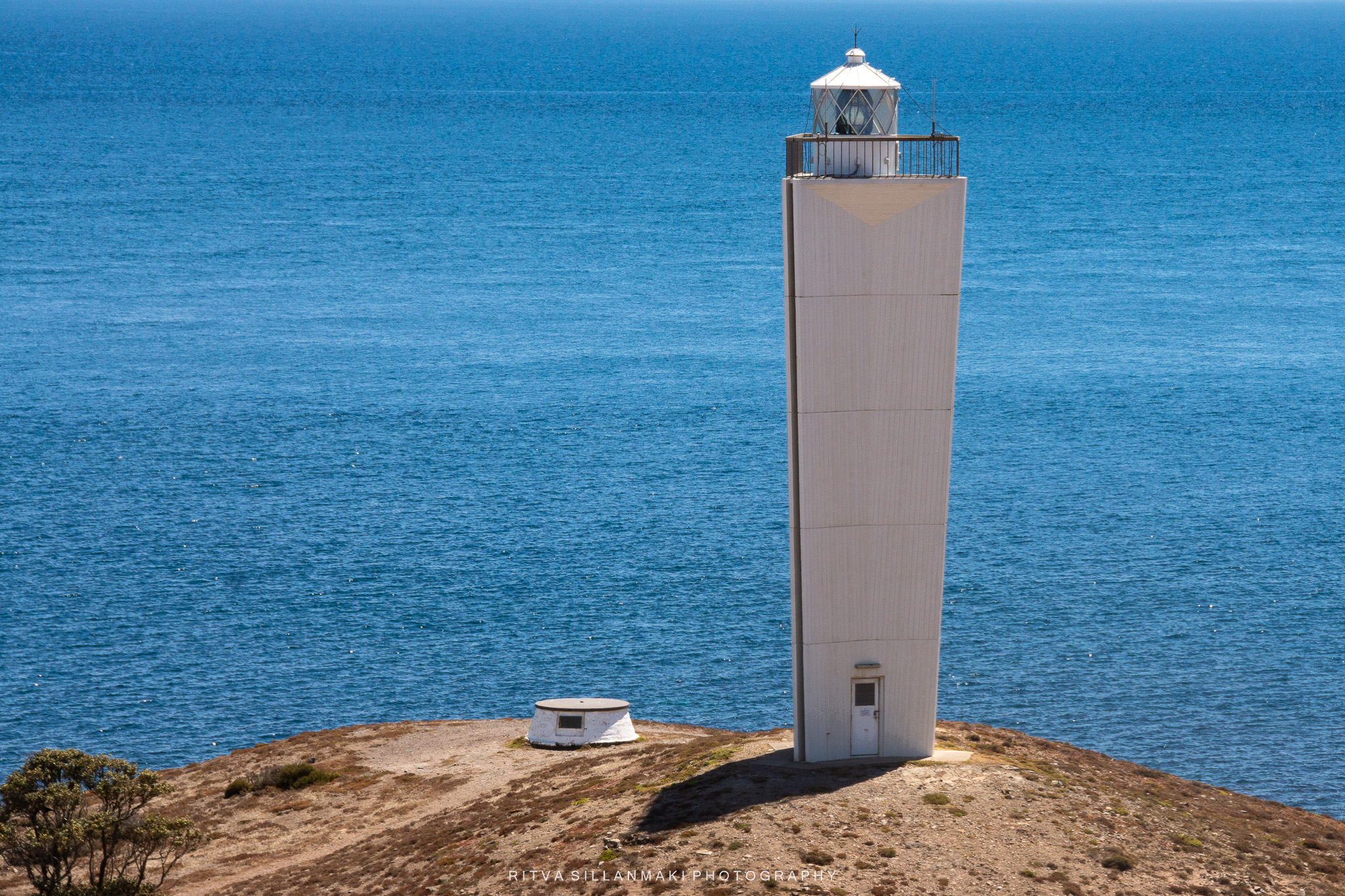
We got to BreakFree Wirrina Cove Hotel before, but we were able to check-in instantly. Probably, because there was hardly anybody staying there. It was off-season but the hotel was in a bad way too. We can’t recommend it if they don’t renovate fast. No rest for the wicked, so after carrying the luggage to the room we headed towards Jervis Bay. Jervis Bay is port from where you catch the ferry to Kangaroo Island. We were forewarned that there is nothing to see in Jervis Bay besides the lighthouse, maybe. That proved to be true, but we stopped at every beach on the way; Wirrina Cove, Second Valley and Rapid Bay.
Jervis Bay, not much to see.
Especially Second Valley was beautiful, and we ended up going back there the next evening for the sunset. Unfortunately, we didn’t have the time or money to go to Kangaroo Island. Instead, we headed to Victor Harbour. On the way we nearly hit a deer jumping across the road. Also, stopped at Delamere General Store for ice cream and Crunchies candy bars, that Ritva remembered from her childhood. Guess you had to be there, as the saying goes, because I don’t care for them, even though I like just about anything sweet.
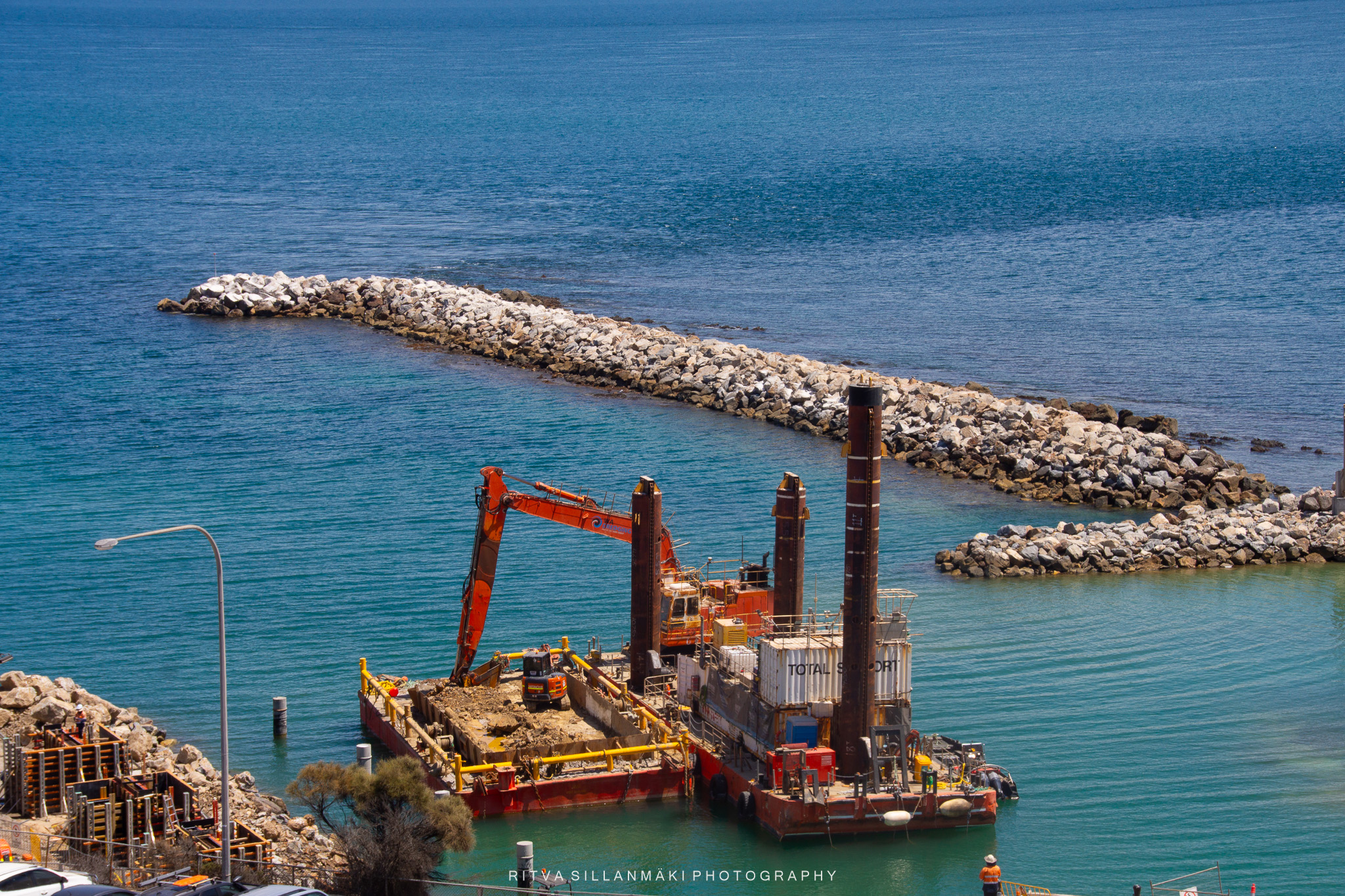
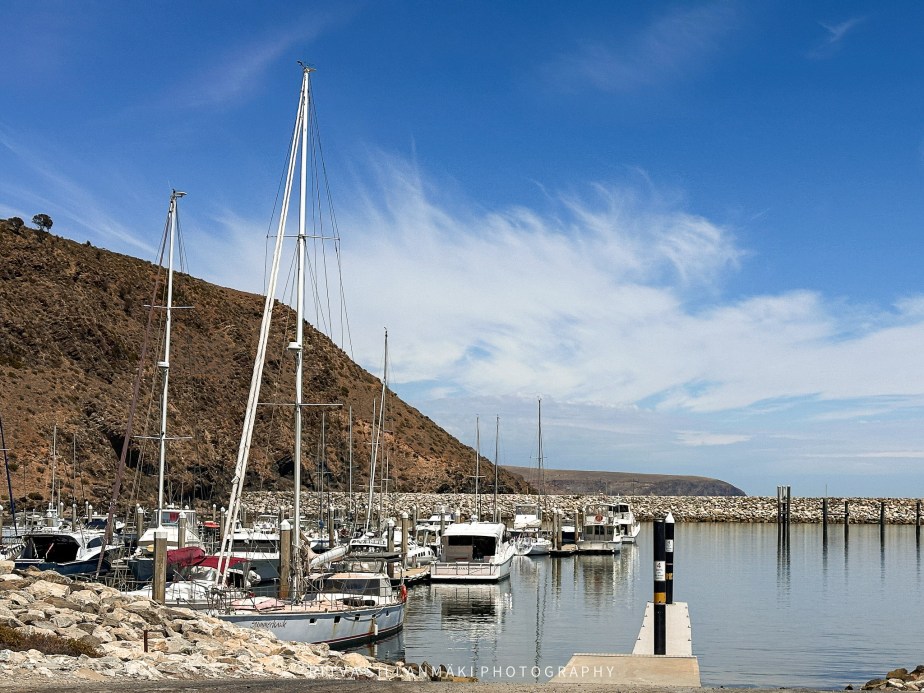
Marina St Vincent was the first stop in Wirrina Bay – we thought about getting boat to see sights but it was not due to off season available the days we were there, nothing to see here except for few boats.
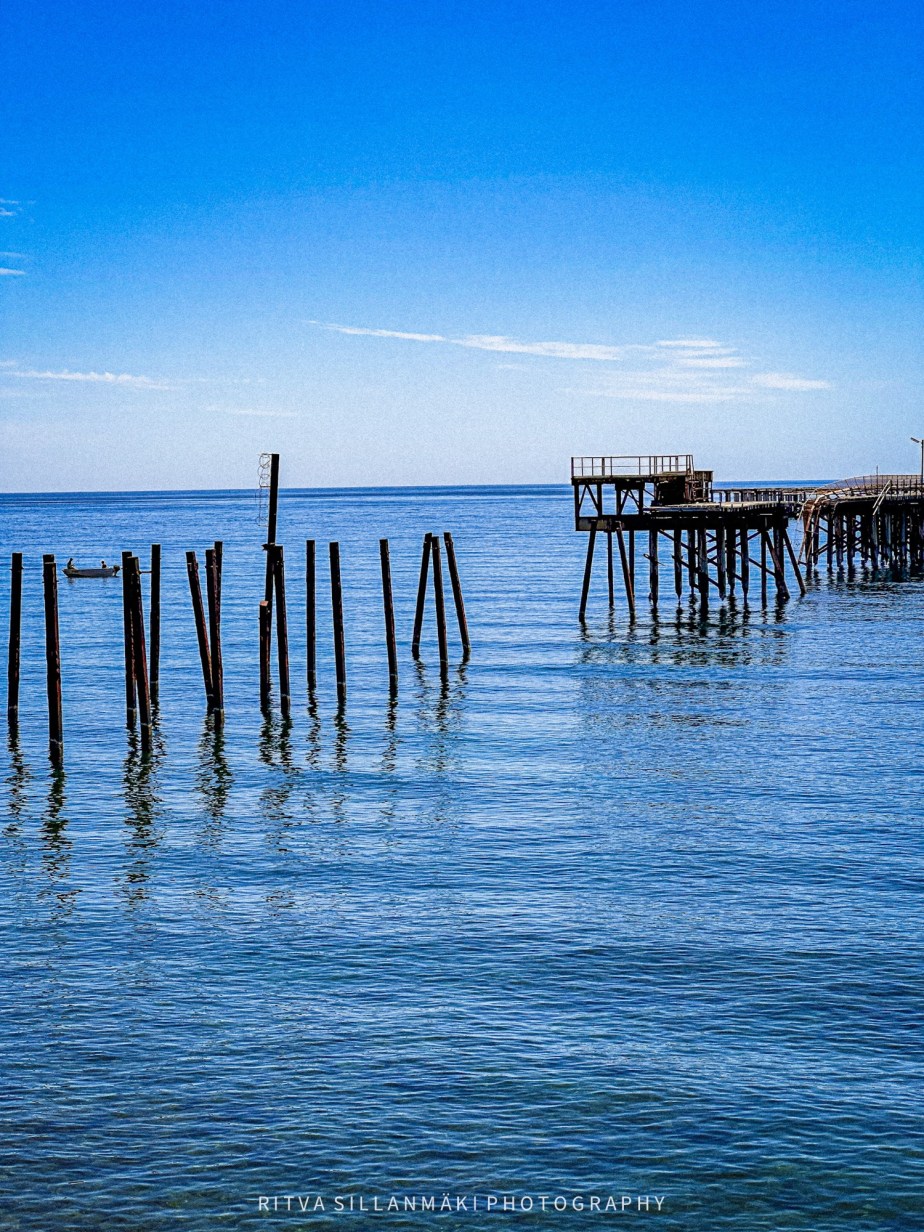
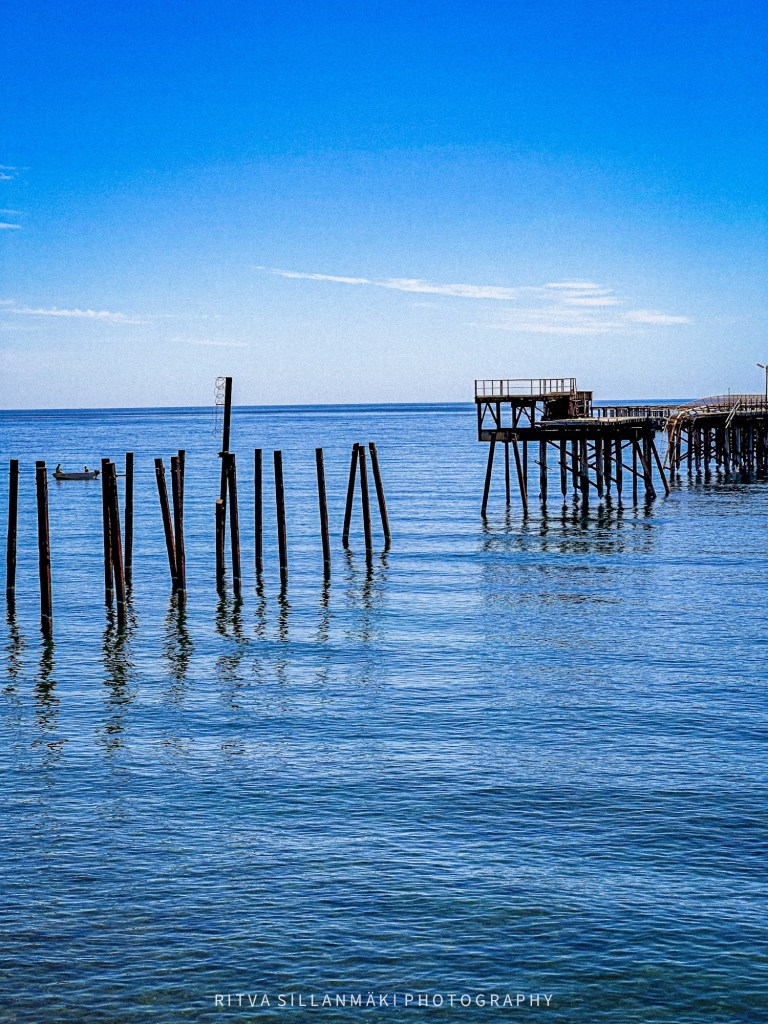
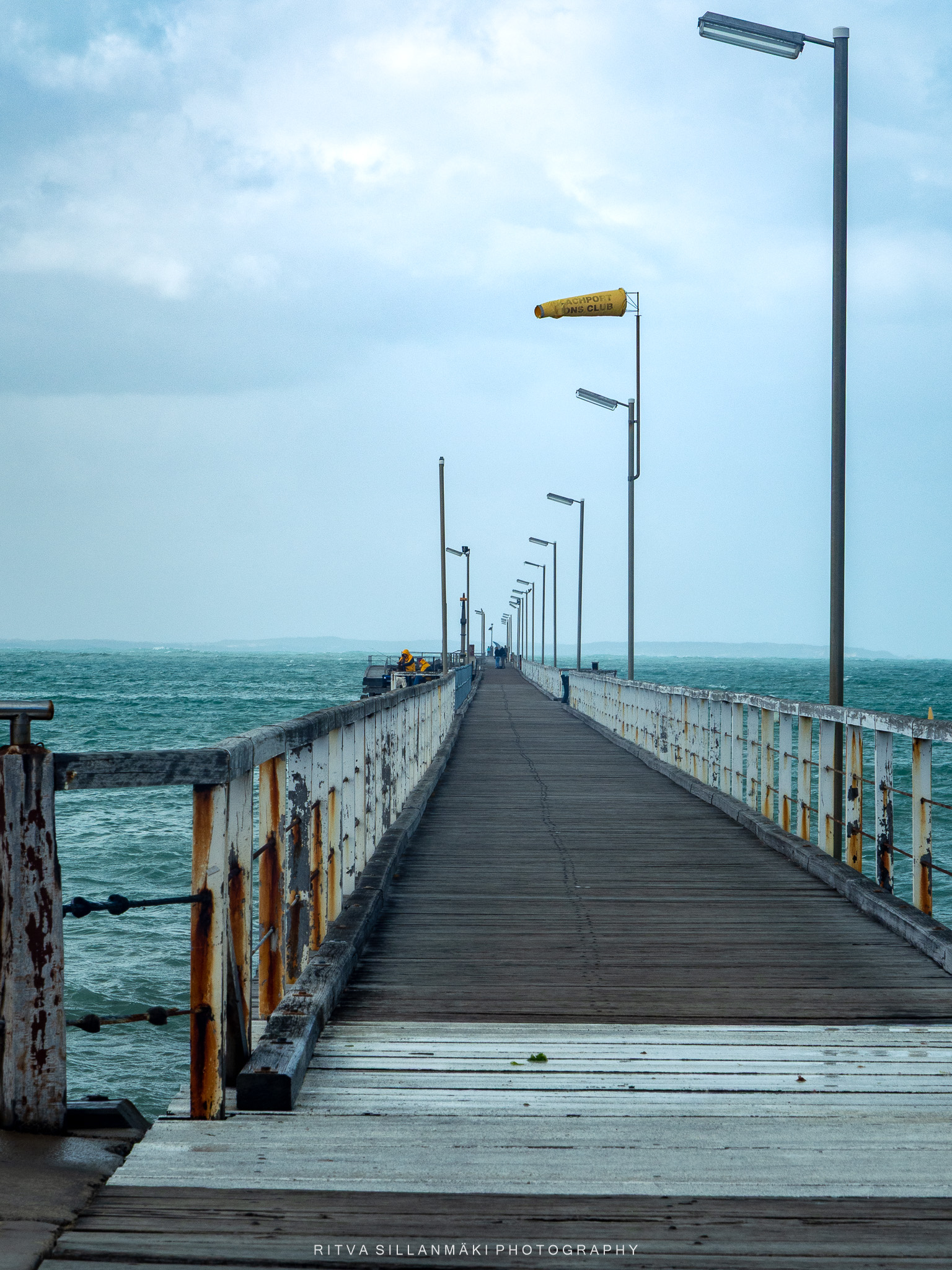
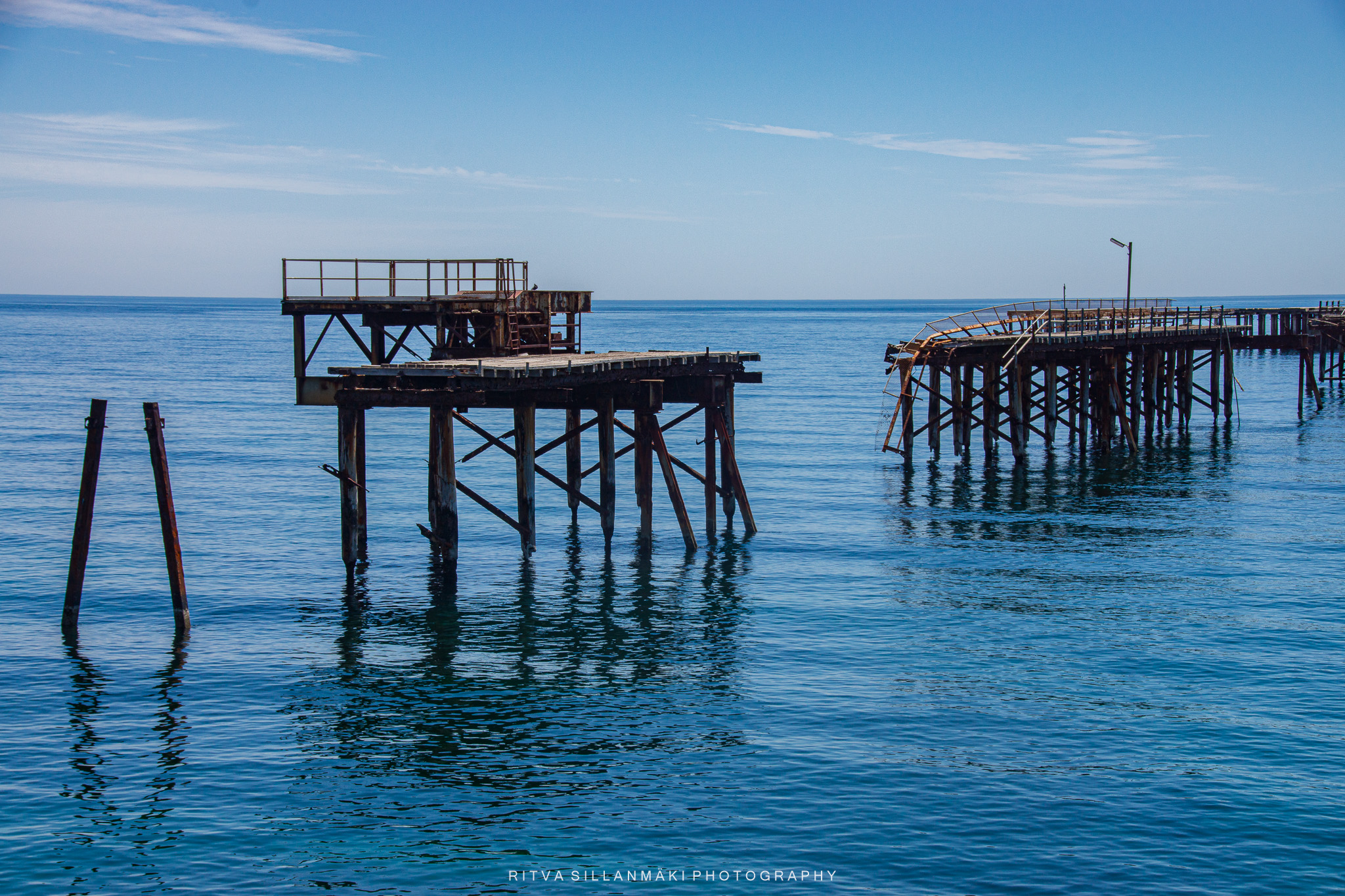
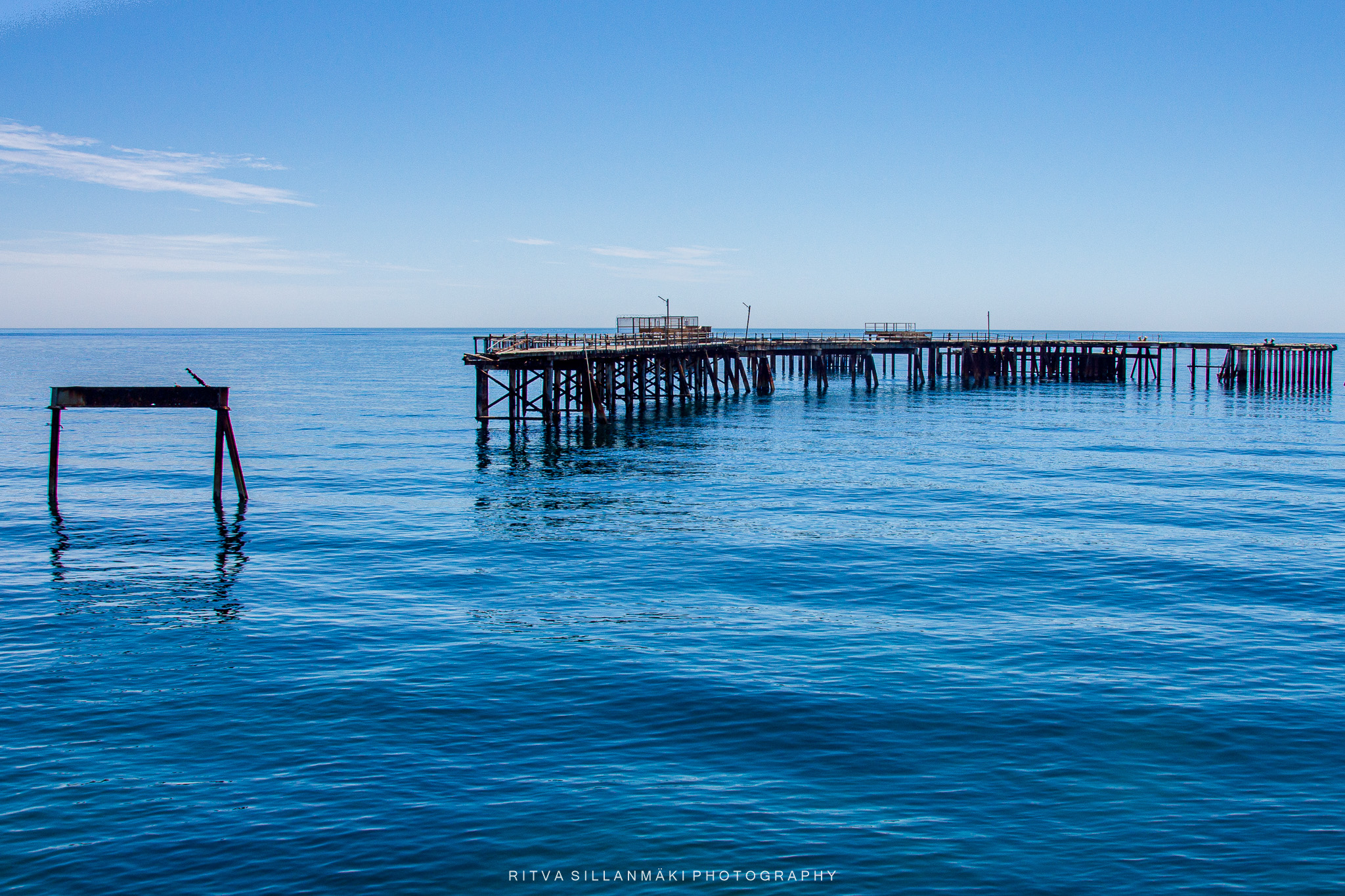
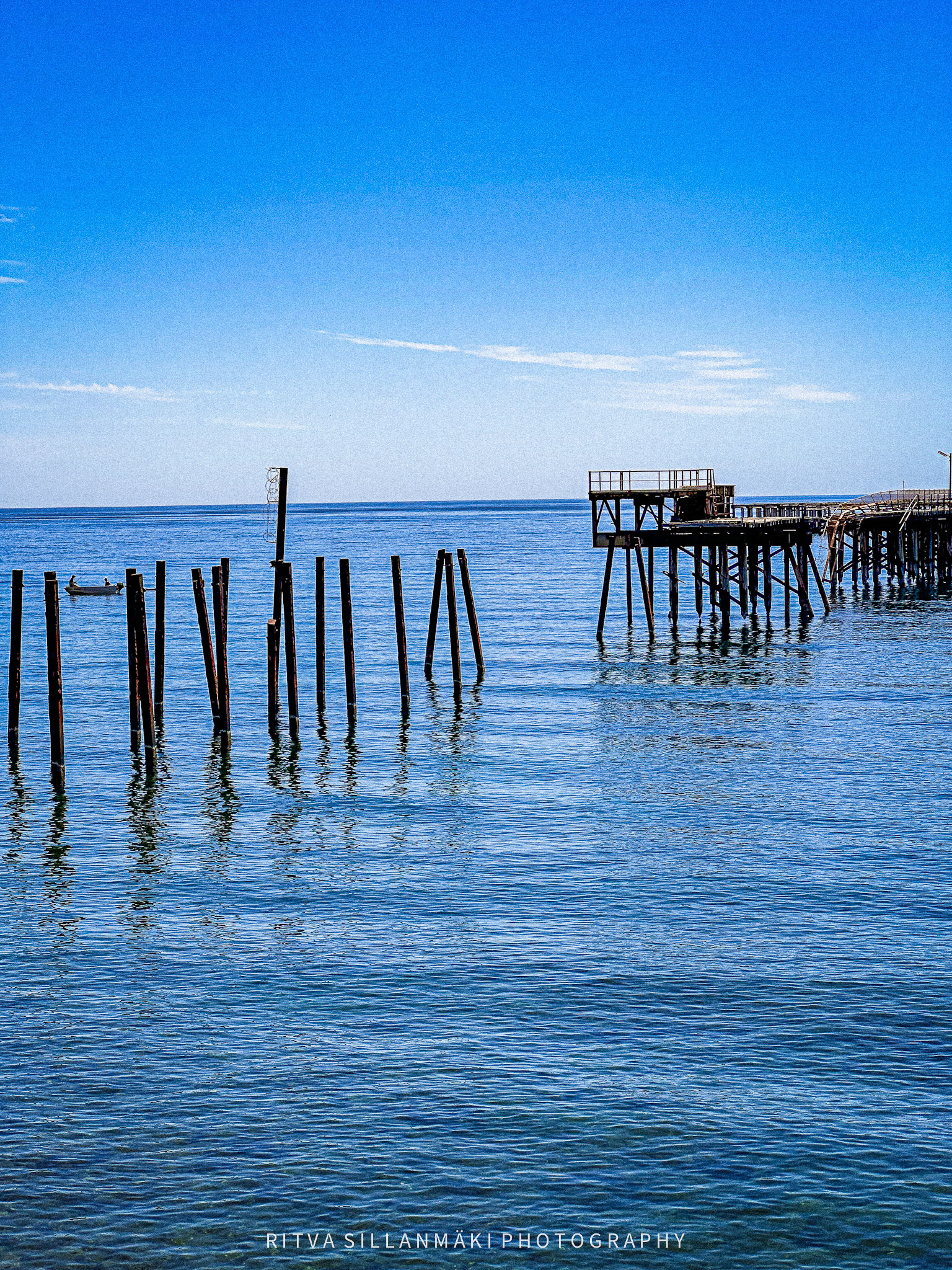
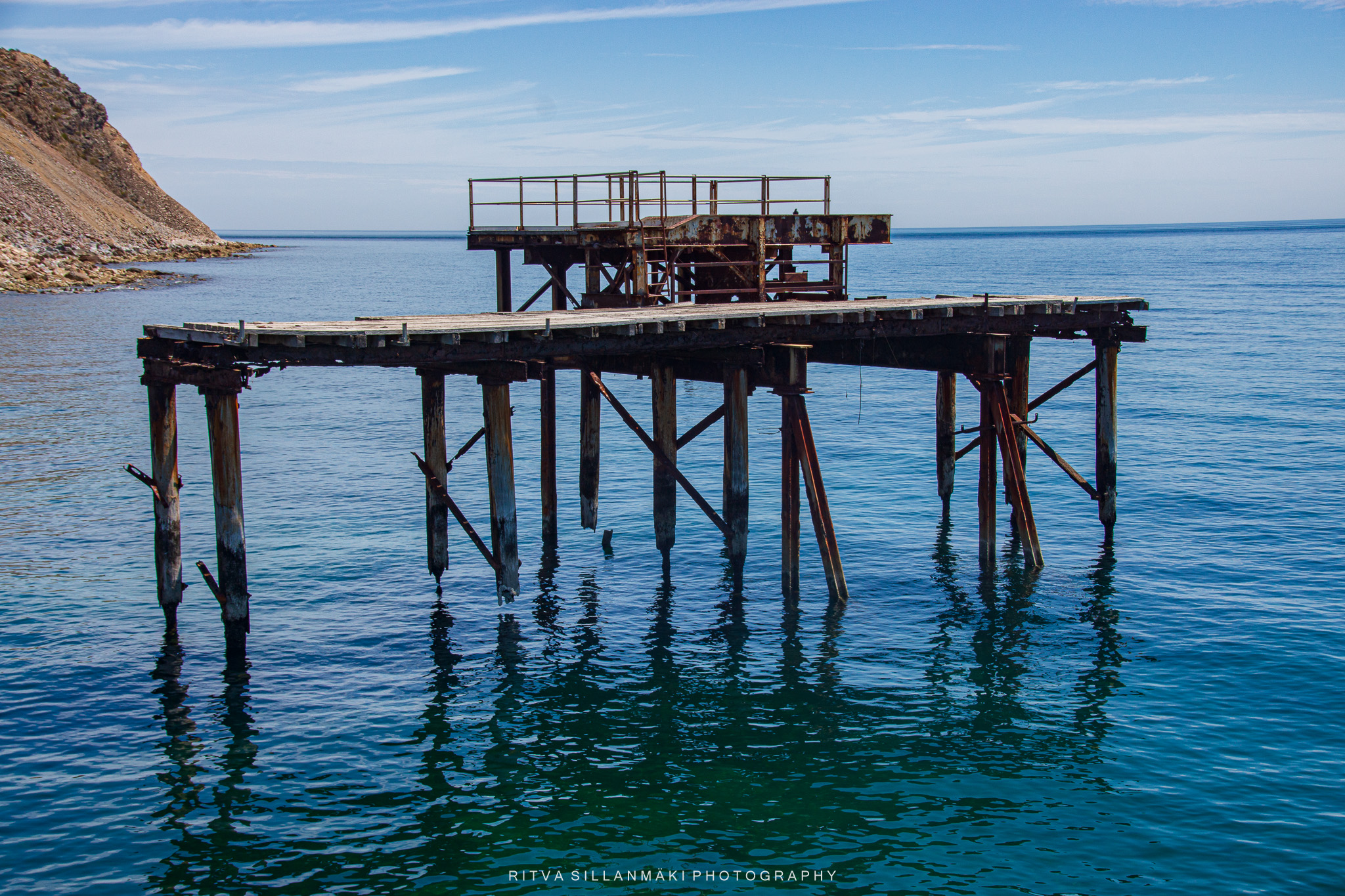
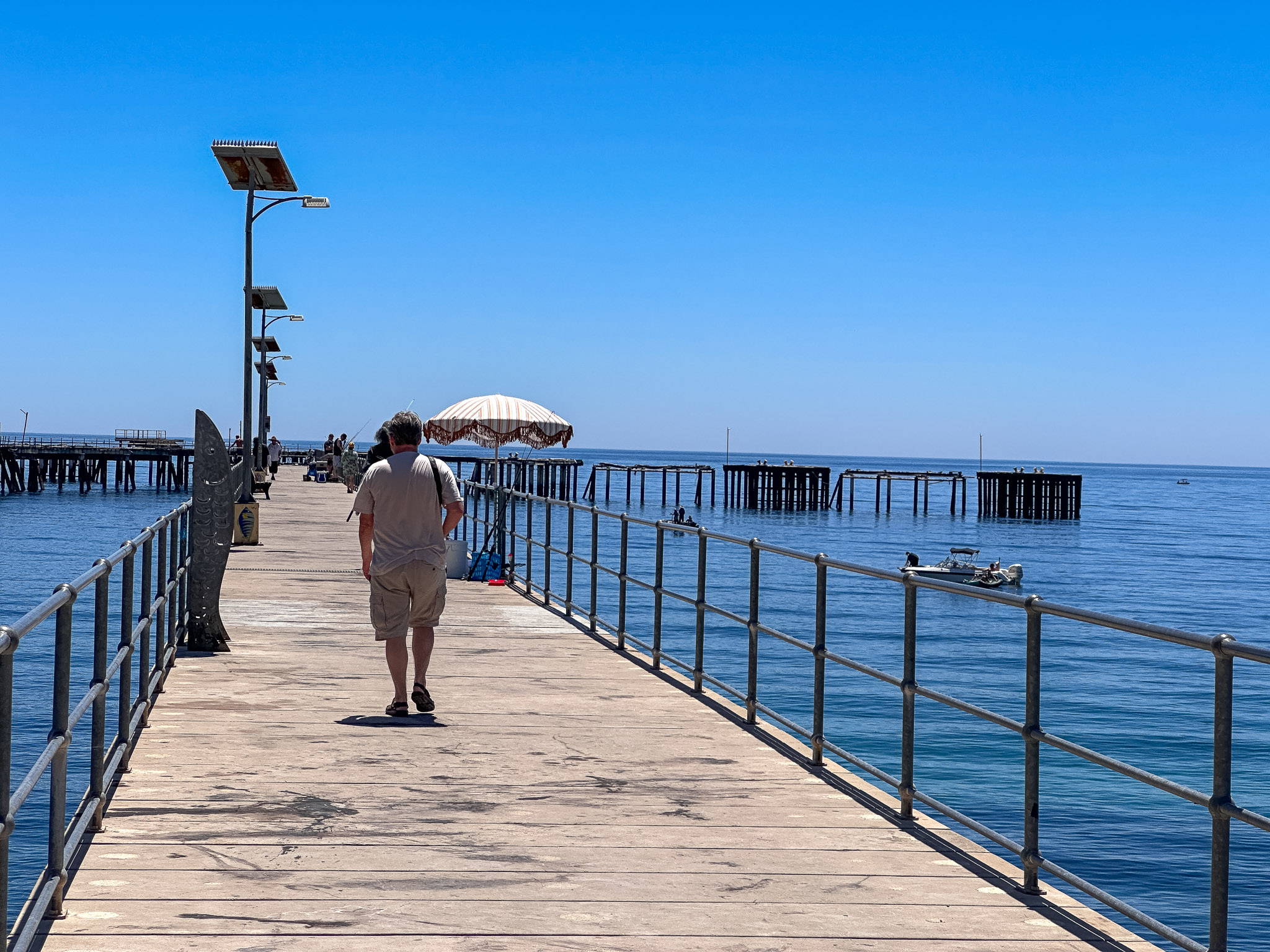
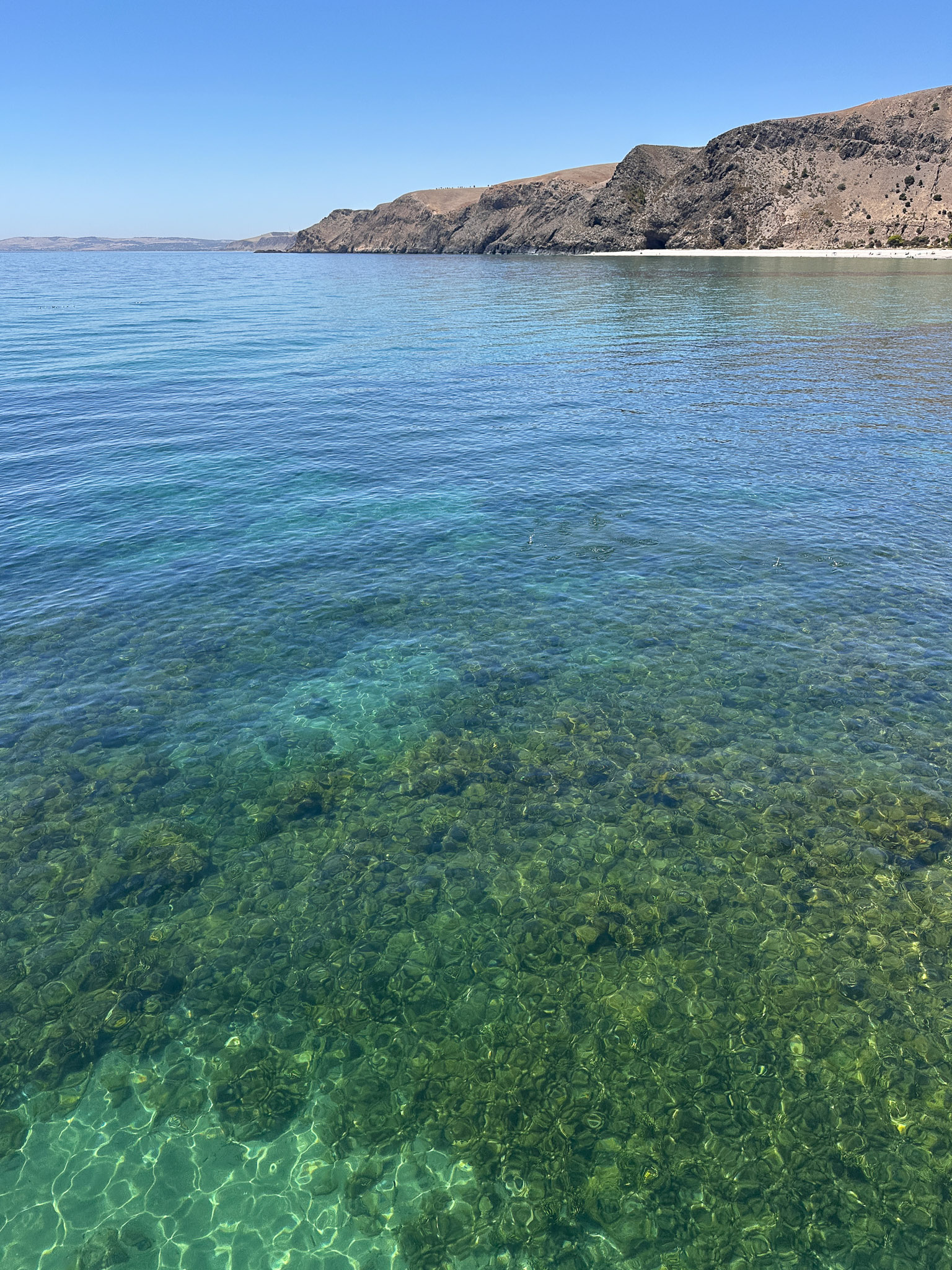
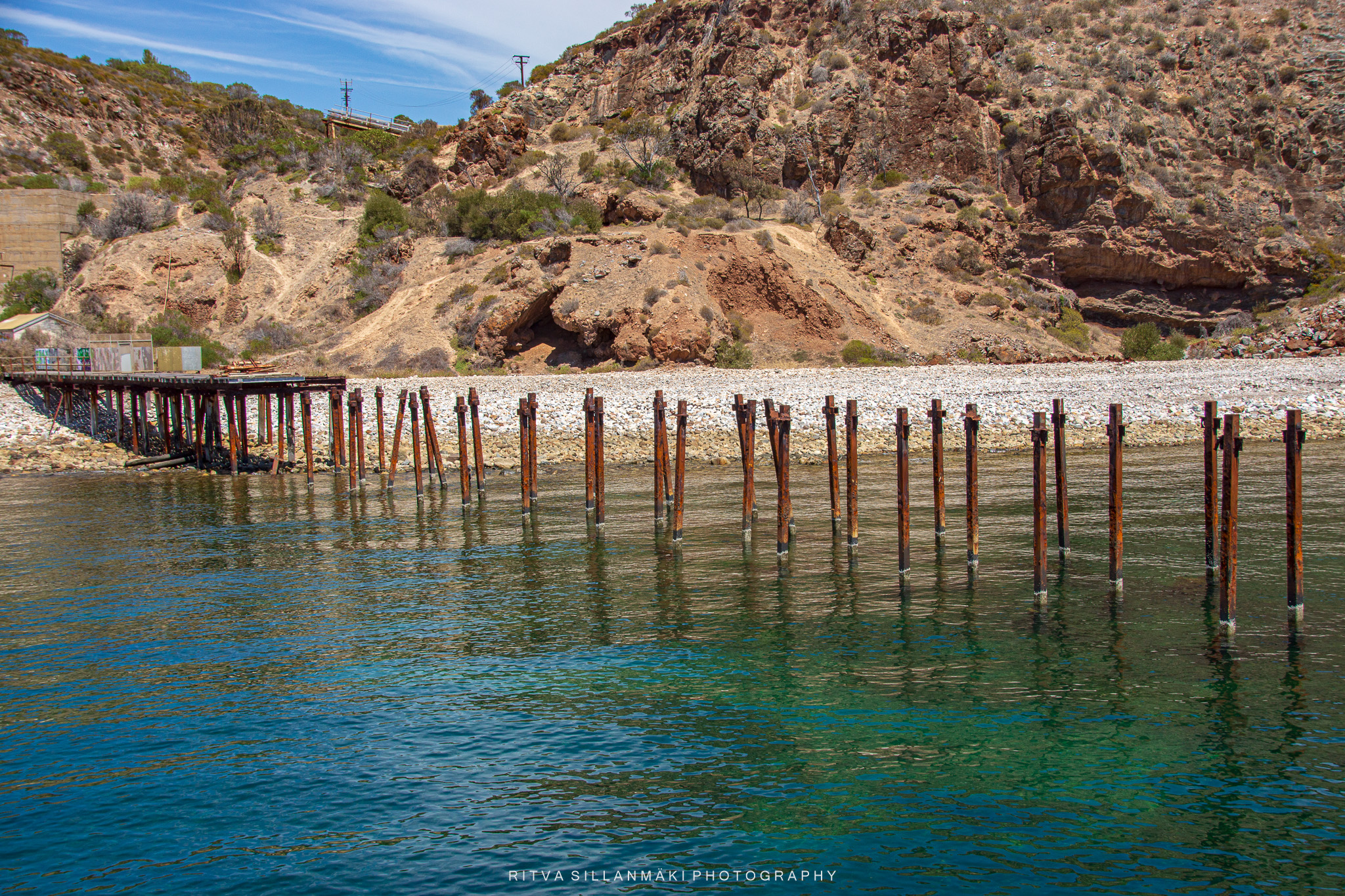
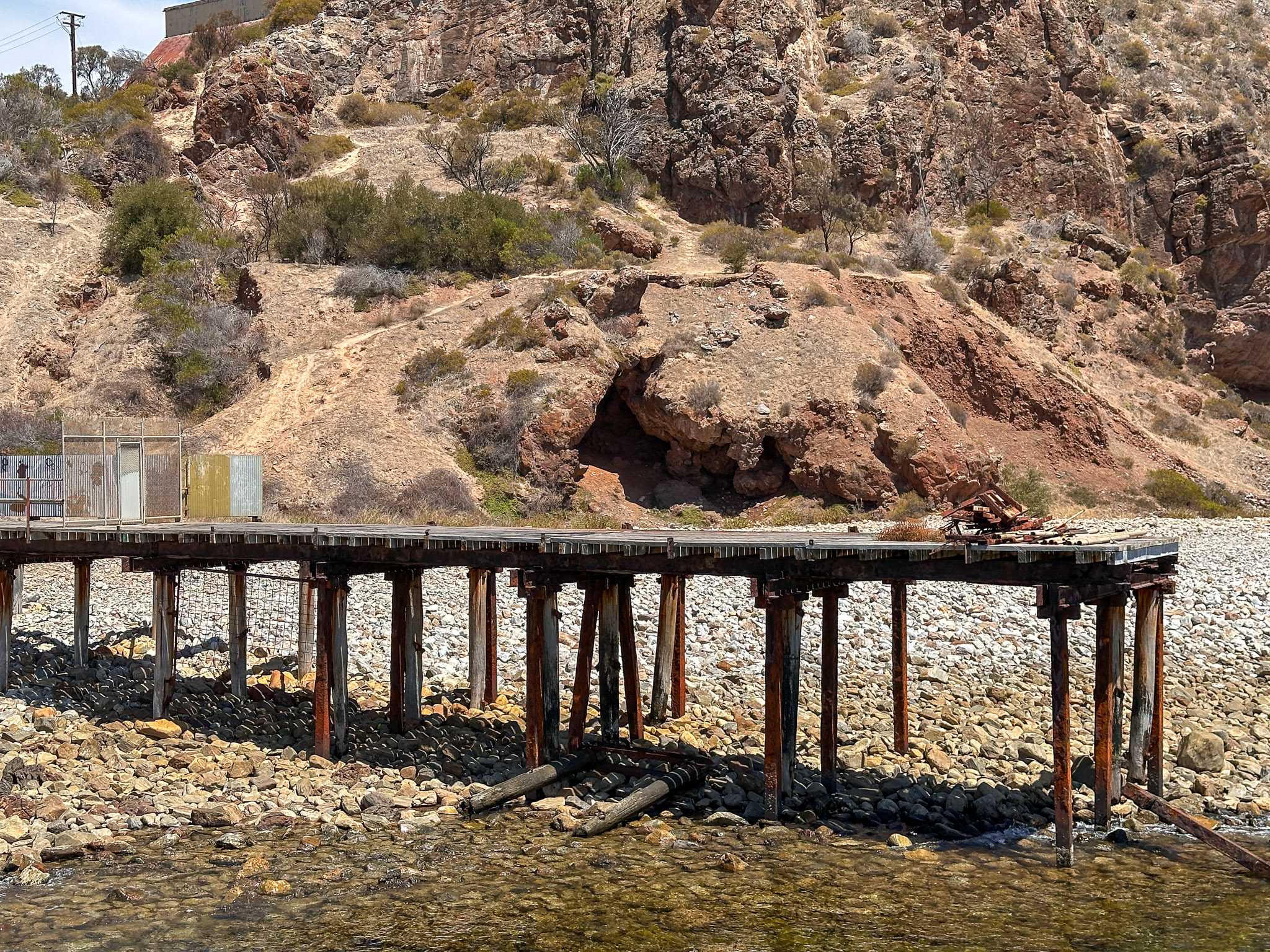
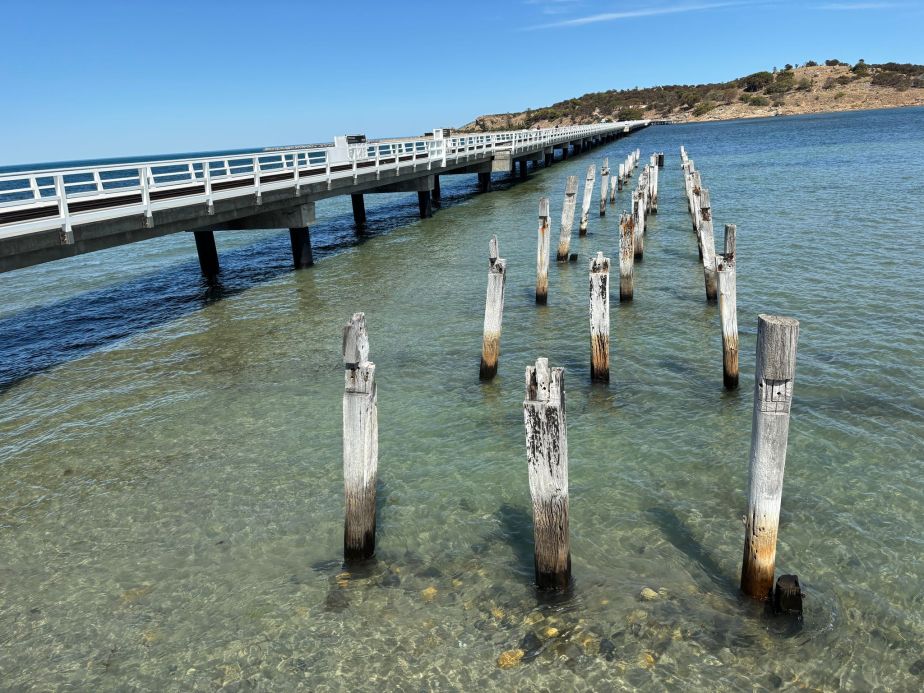
Rapid Bay is well known for its very long jetty. While the original jetty built in 1940 is closed to the public, a new jetty (opened in early 2009) is now available for use. The color of the water aah
We didn’t really get inspired by Victor Harbor, even though I went to check out the railway to Granite Island. Granite Island might have been interesting, but it was too far to walk and railway wasn’t running. However, we managed to do some shopping for clothes. I bought a fabulous Billabong bucket hat and Ritva bought few summer clothes. While I was waiting for Ritva, I managed to buy 6-pack of Coopers Pale Ale and some McLaren white wine from the bottle shop.
Victor Harbor really did not inspire us as we had hardly any photos from there.
Second Valley at day time
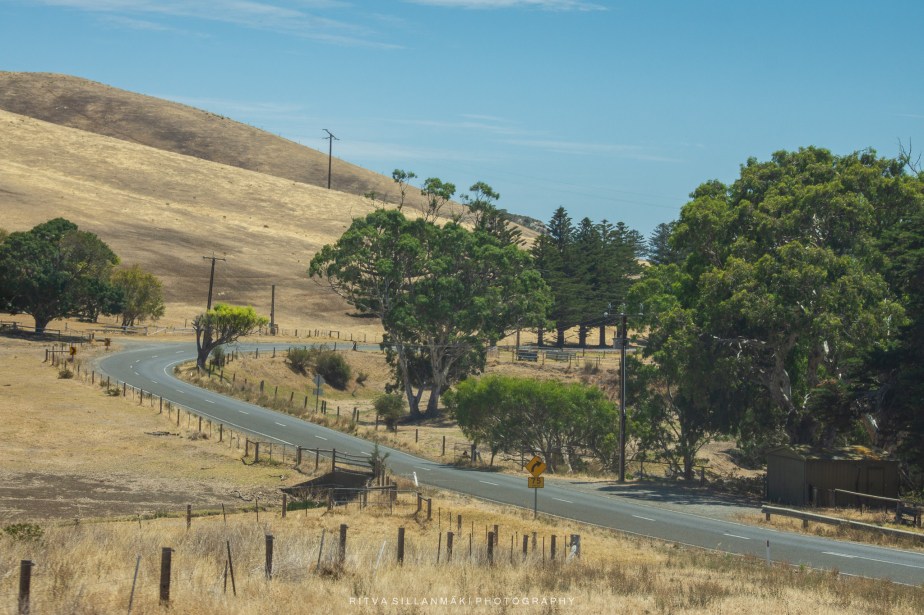
On the road again.
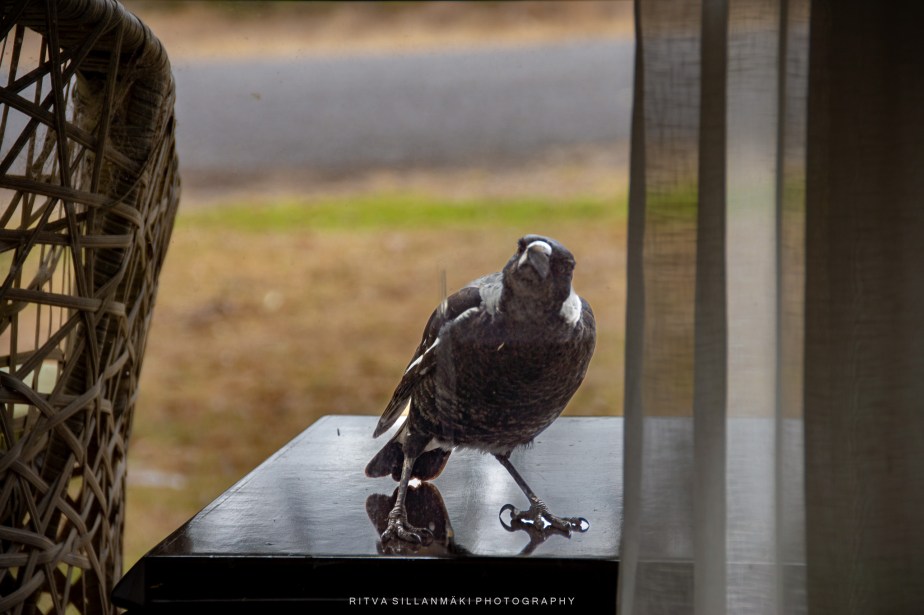
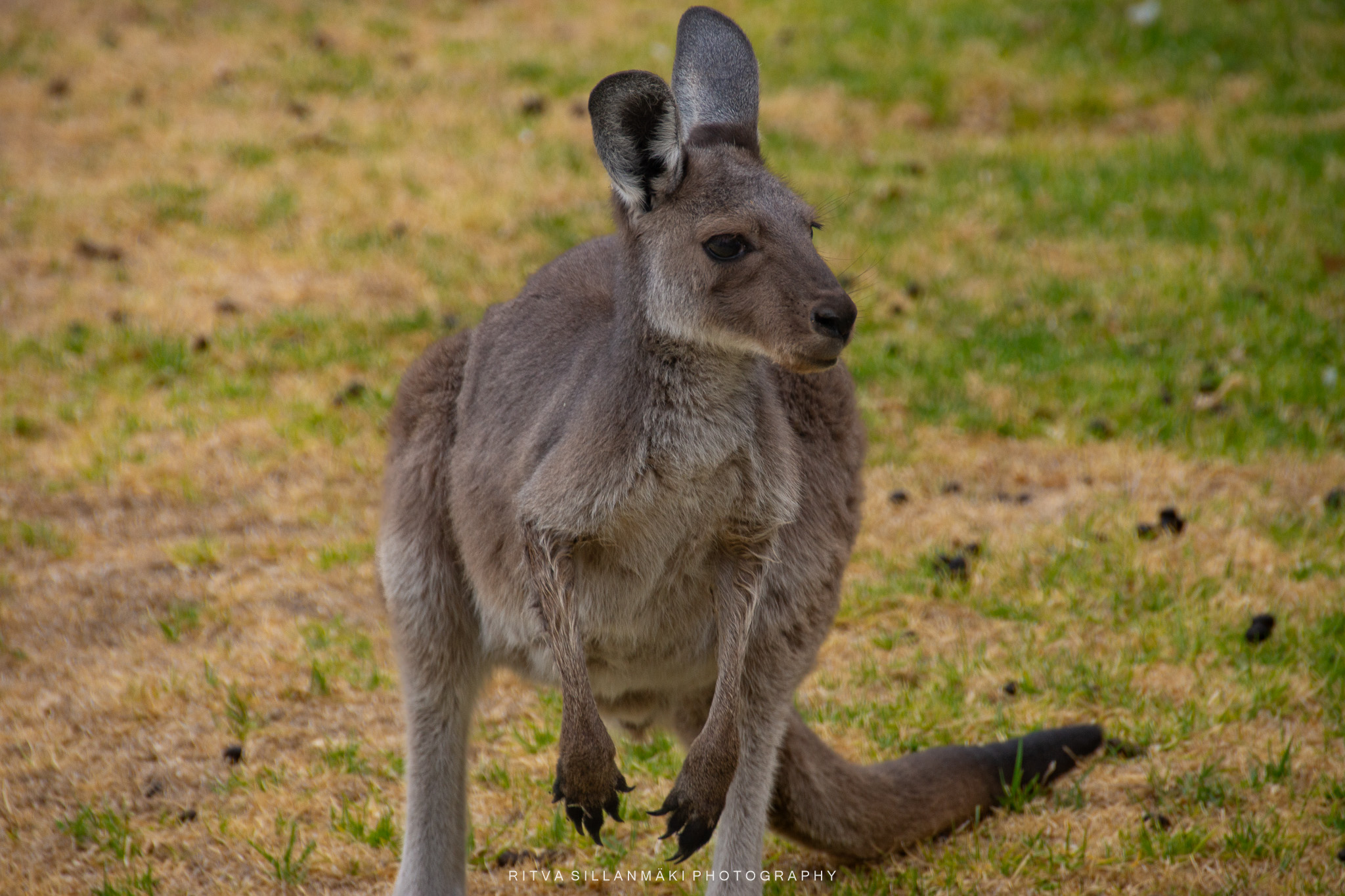
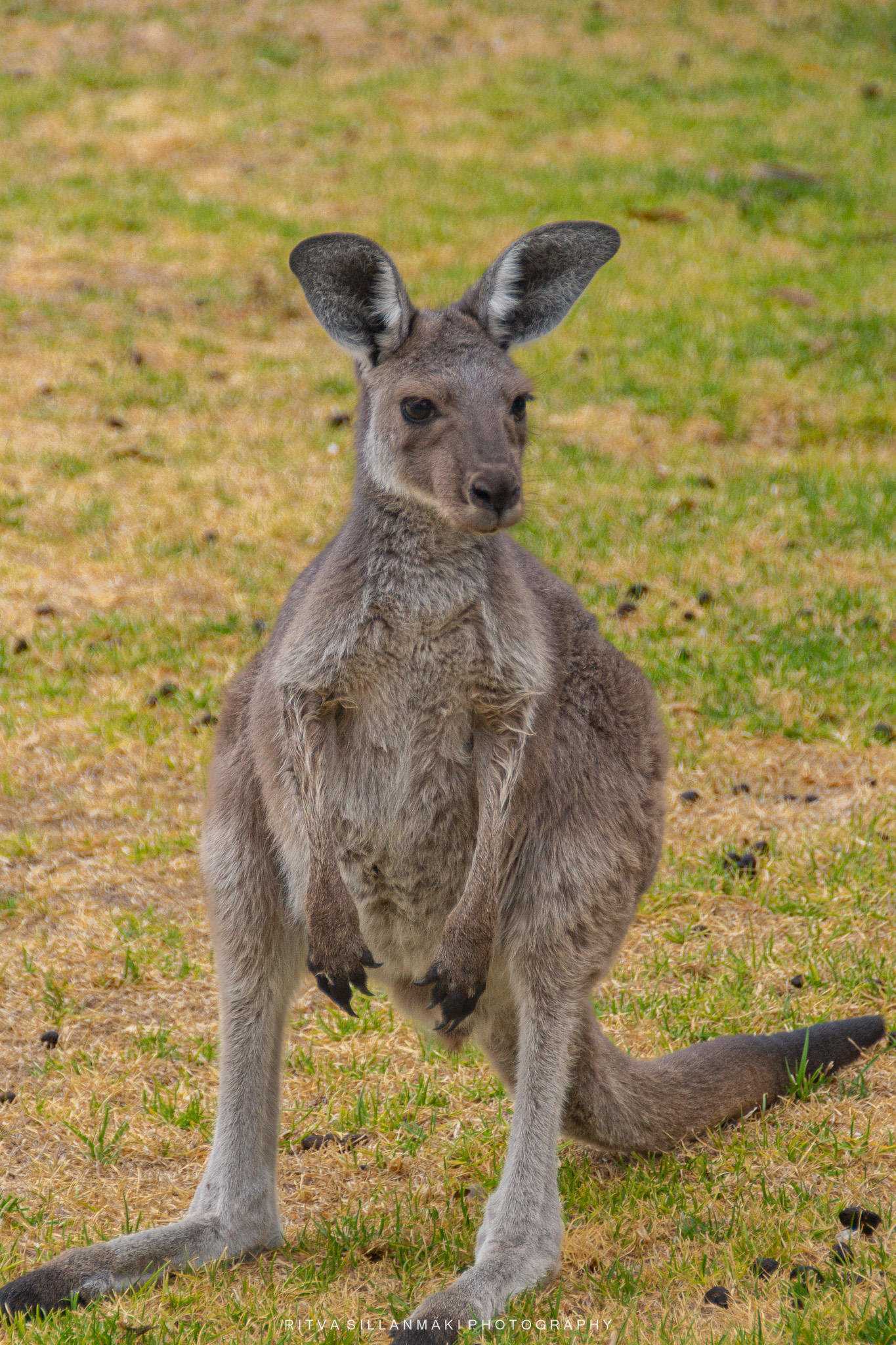
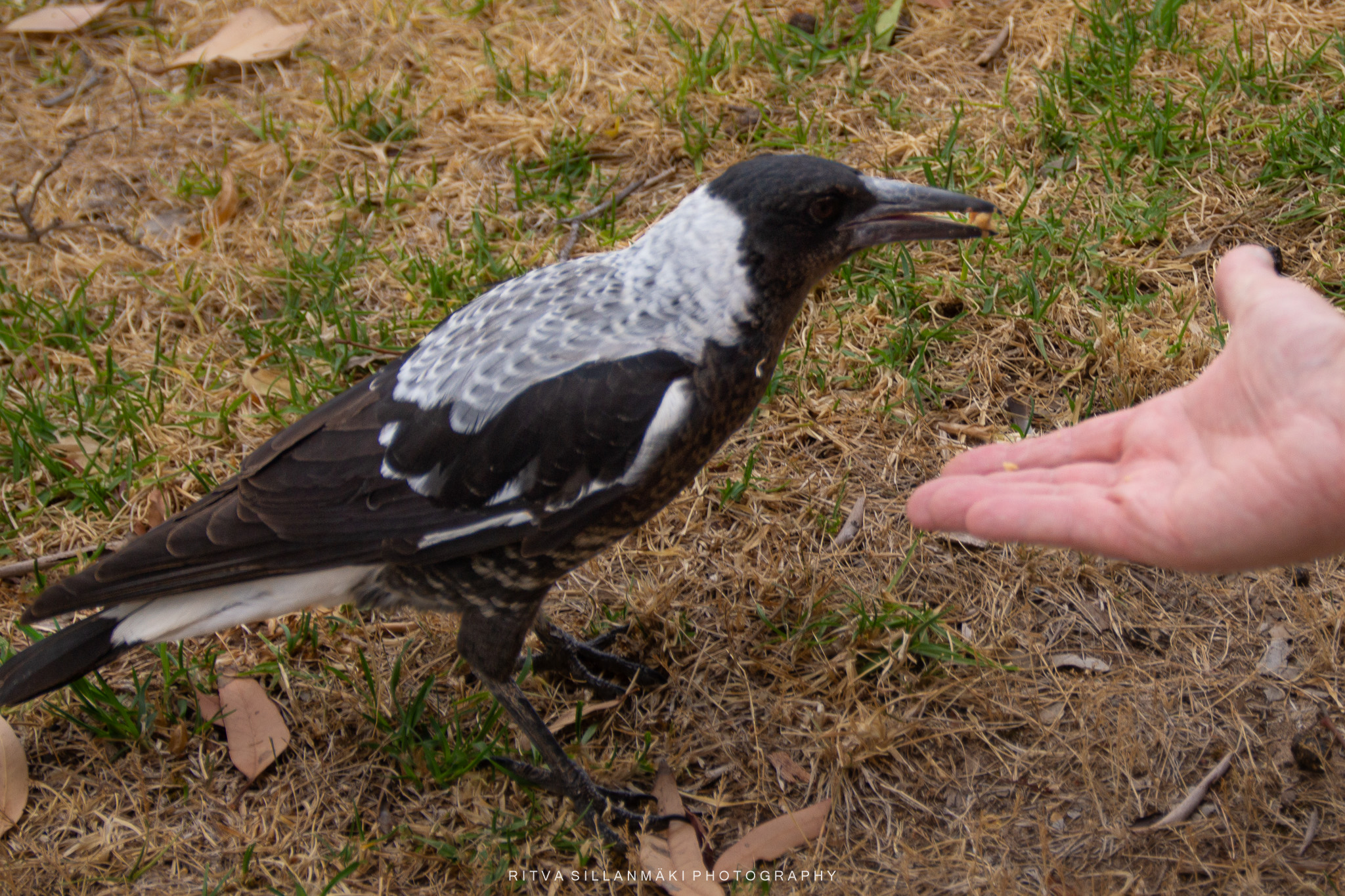
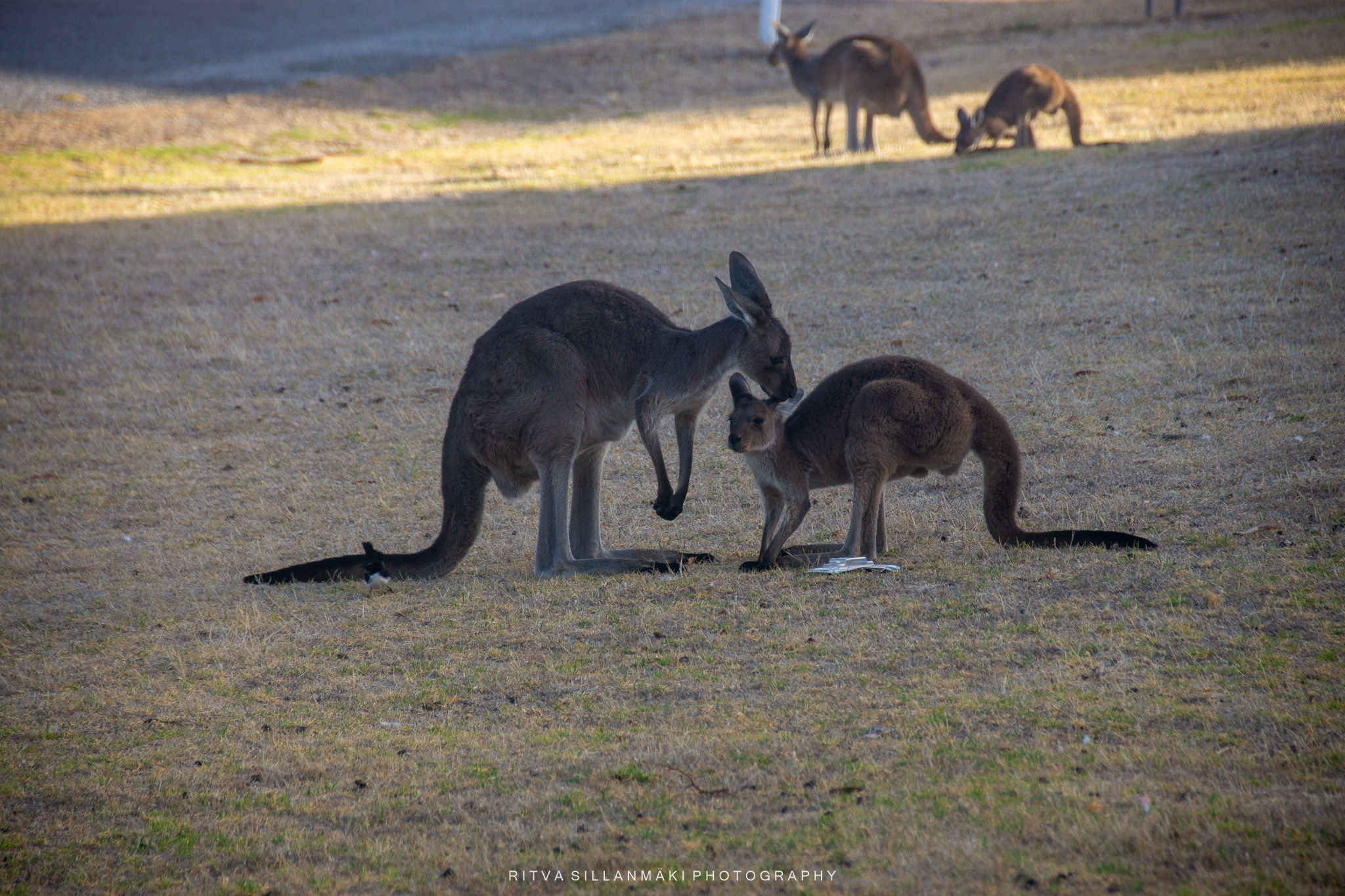
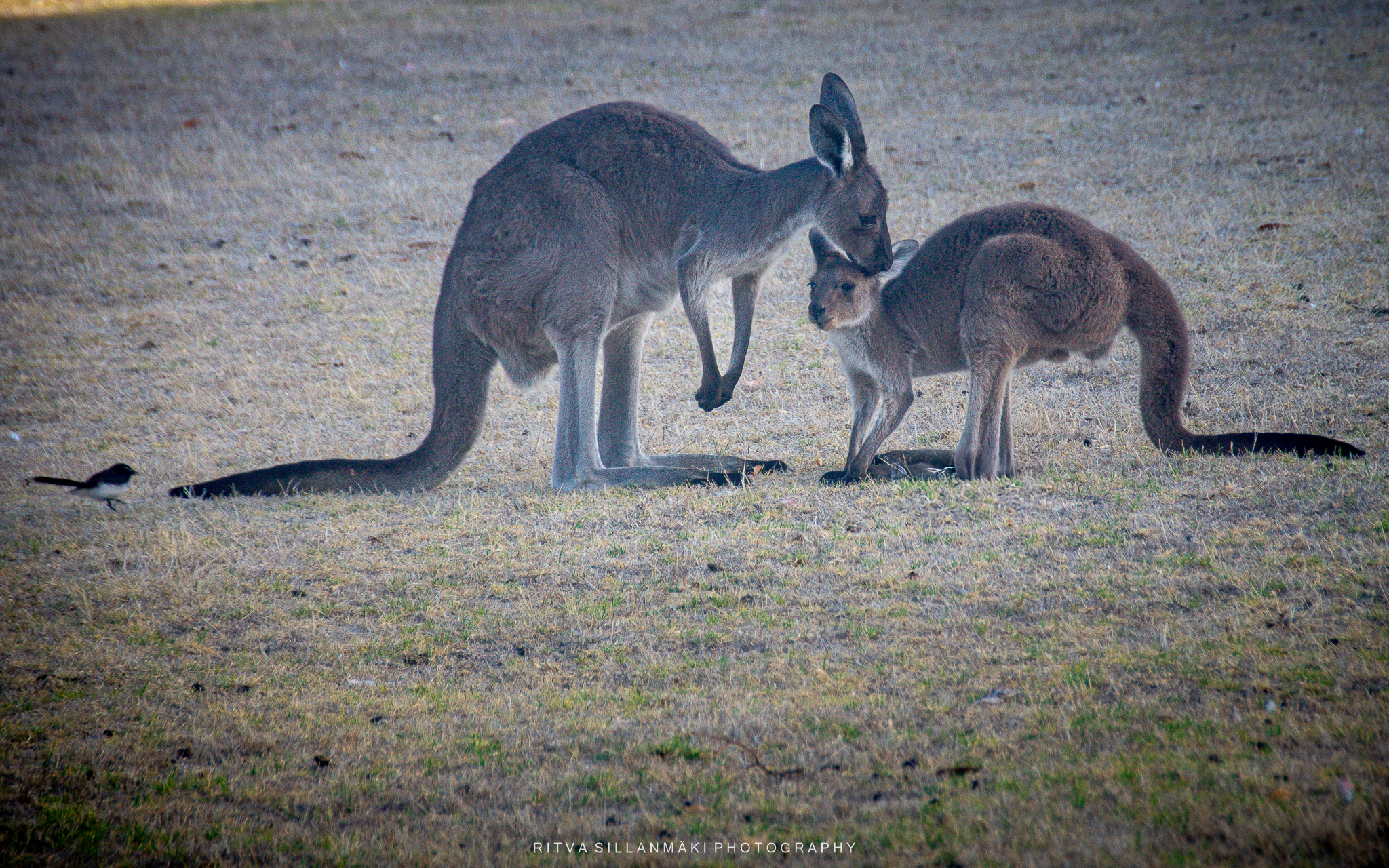
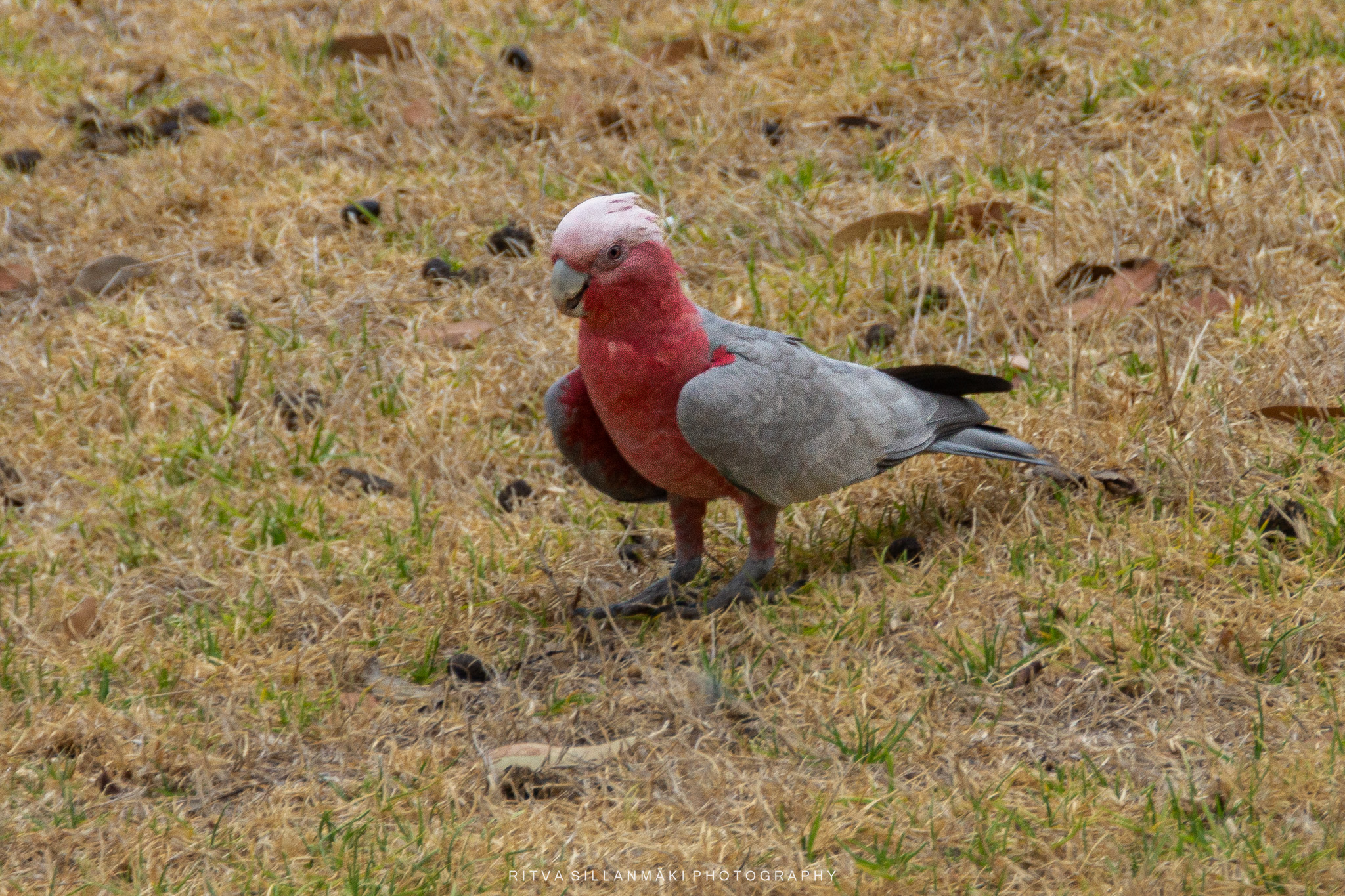
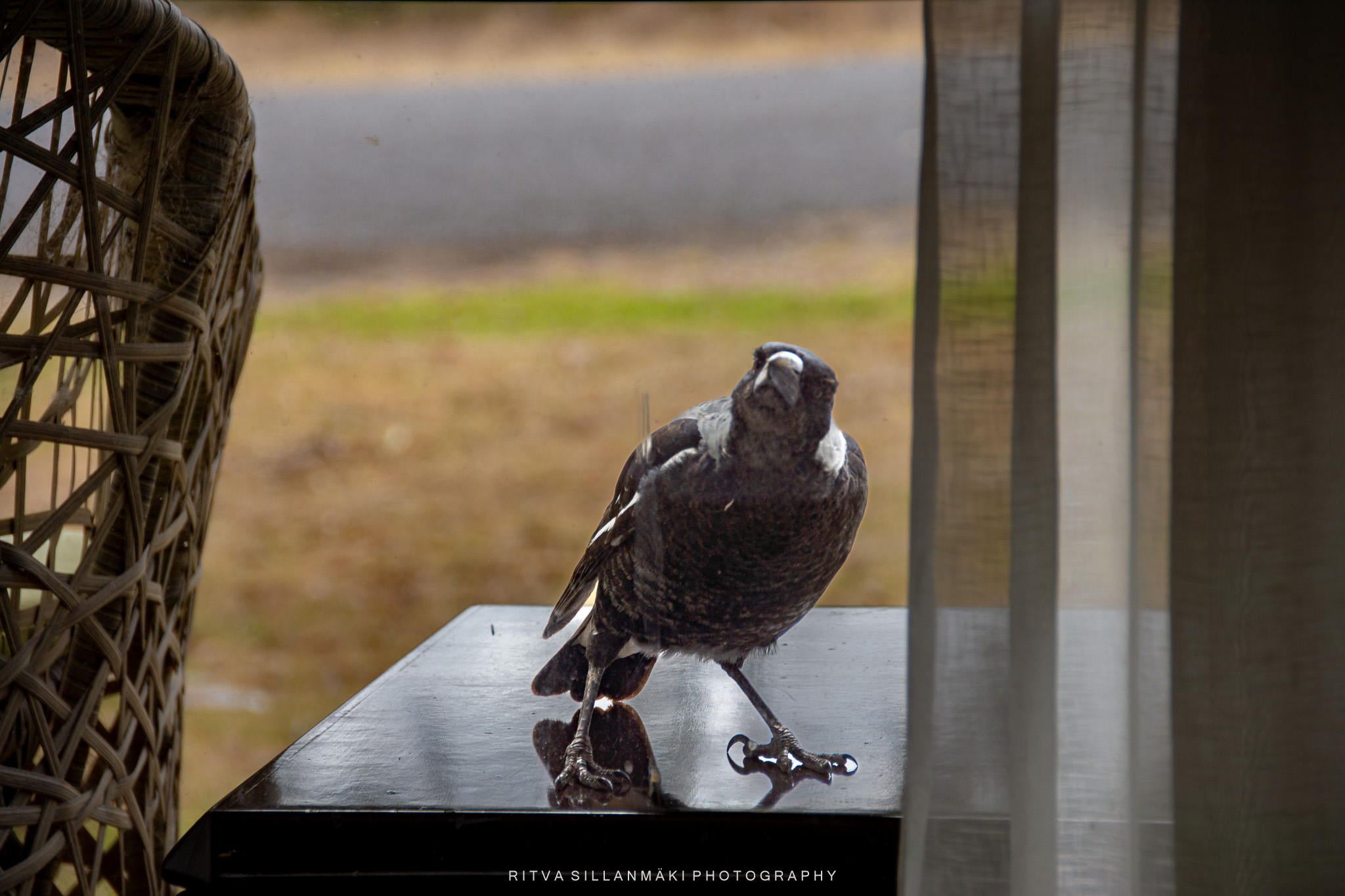
In the evening, we had drinks outside our room and the animals came out. First the magpies. One of them was eating from my hand. Then the kangaroos came. First couple and then a whole horde on them. Even though they were used to people they didn’t let you closer than 5-10 meters. I know the locals don’t care for them that much but for us tourists they are so cute. The rest of the evening was spent washing laundry. I pushed wrong buttons, and the dyer just wouldn’t stop for some reason, and I ended up spending a big portion of the evening in the laundry room.
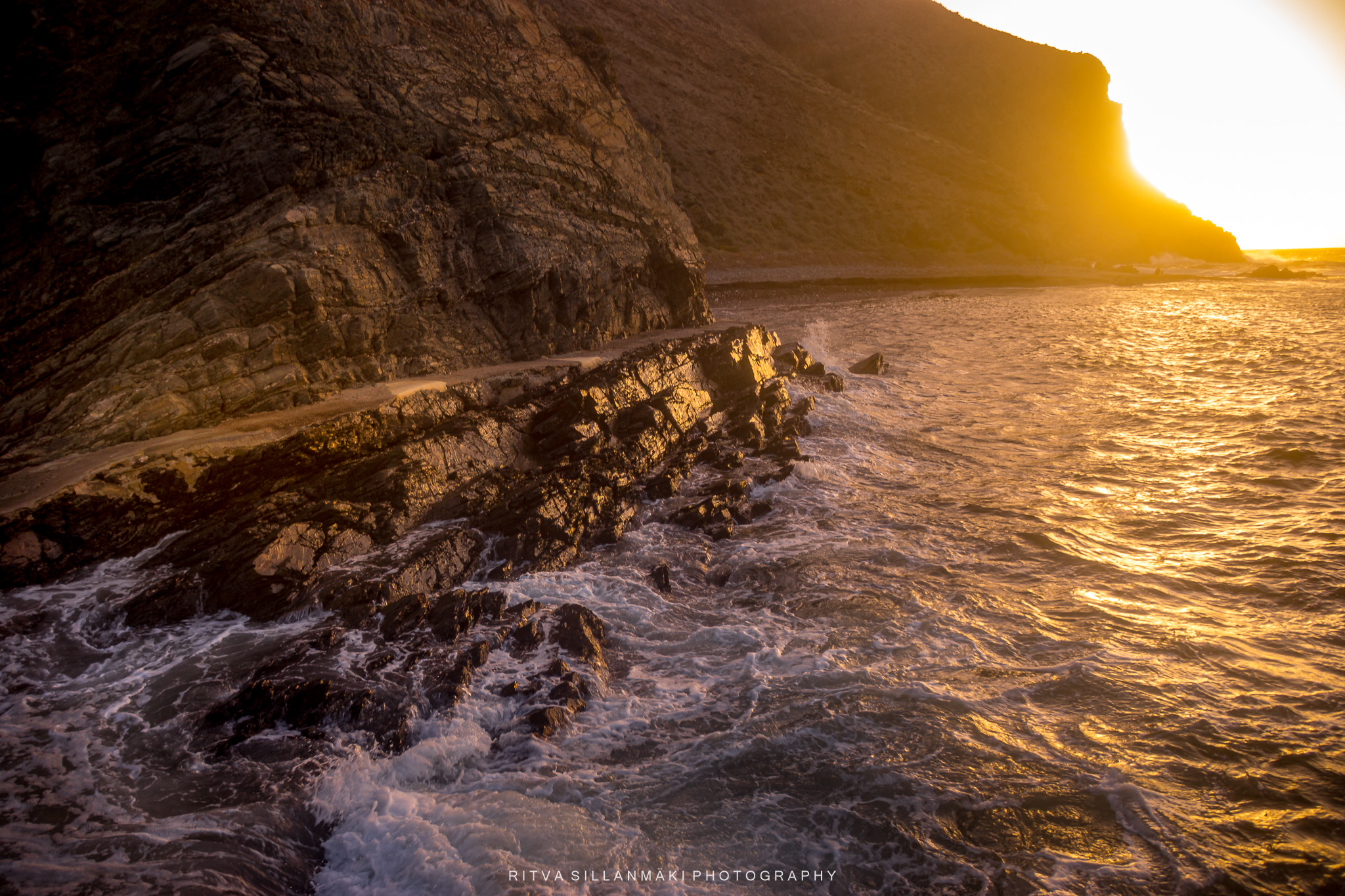
The day will continue on another post as there are so many photos to share, but this was the last of sunset when we got back to the at the hotel.