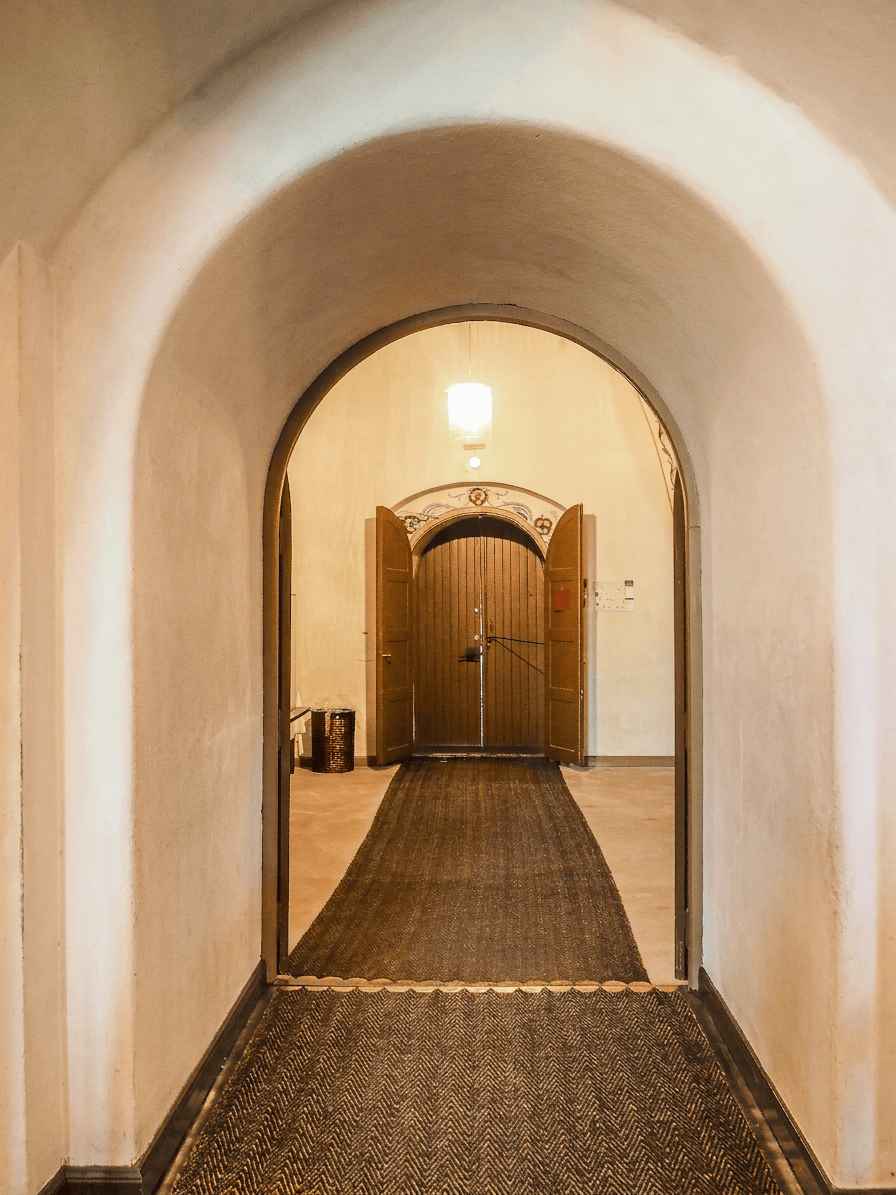
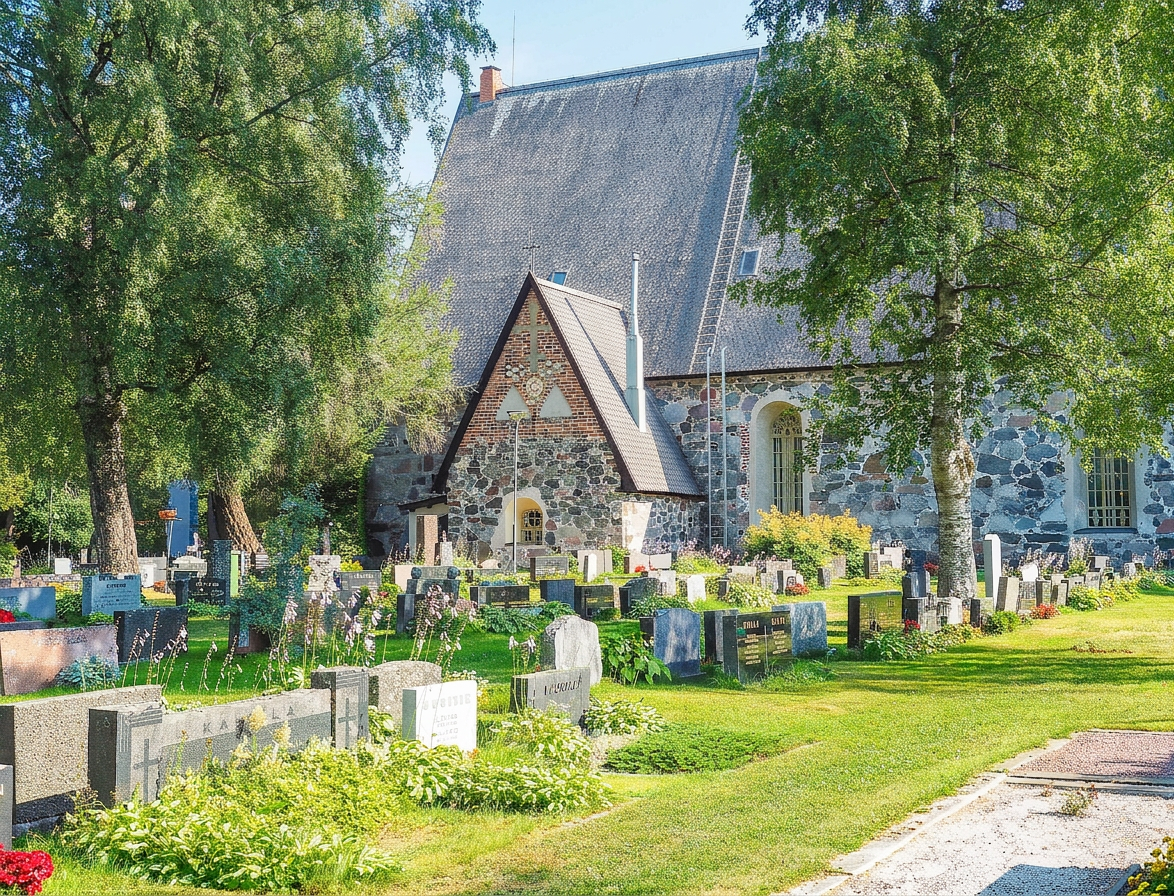
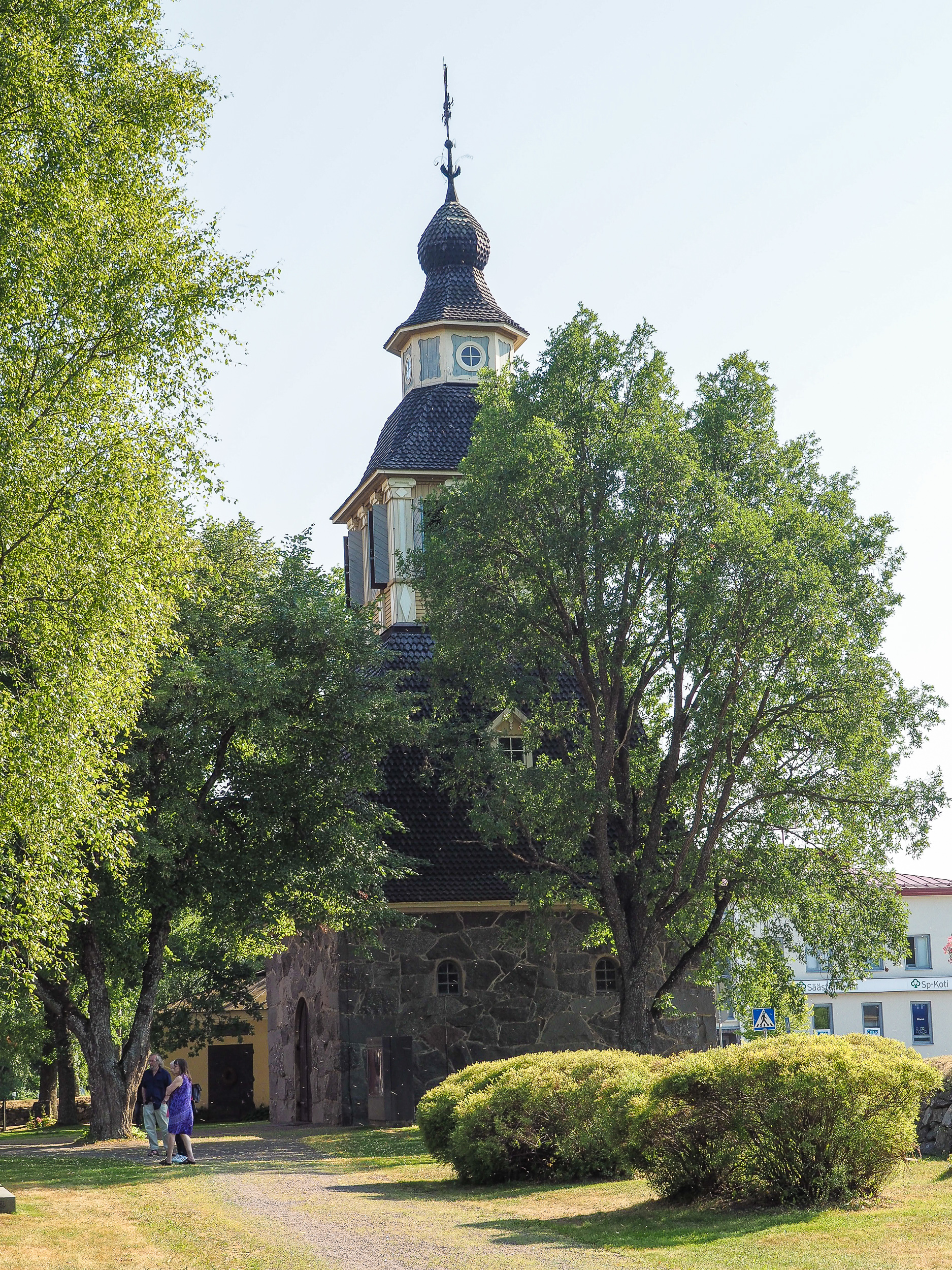
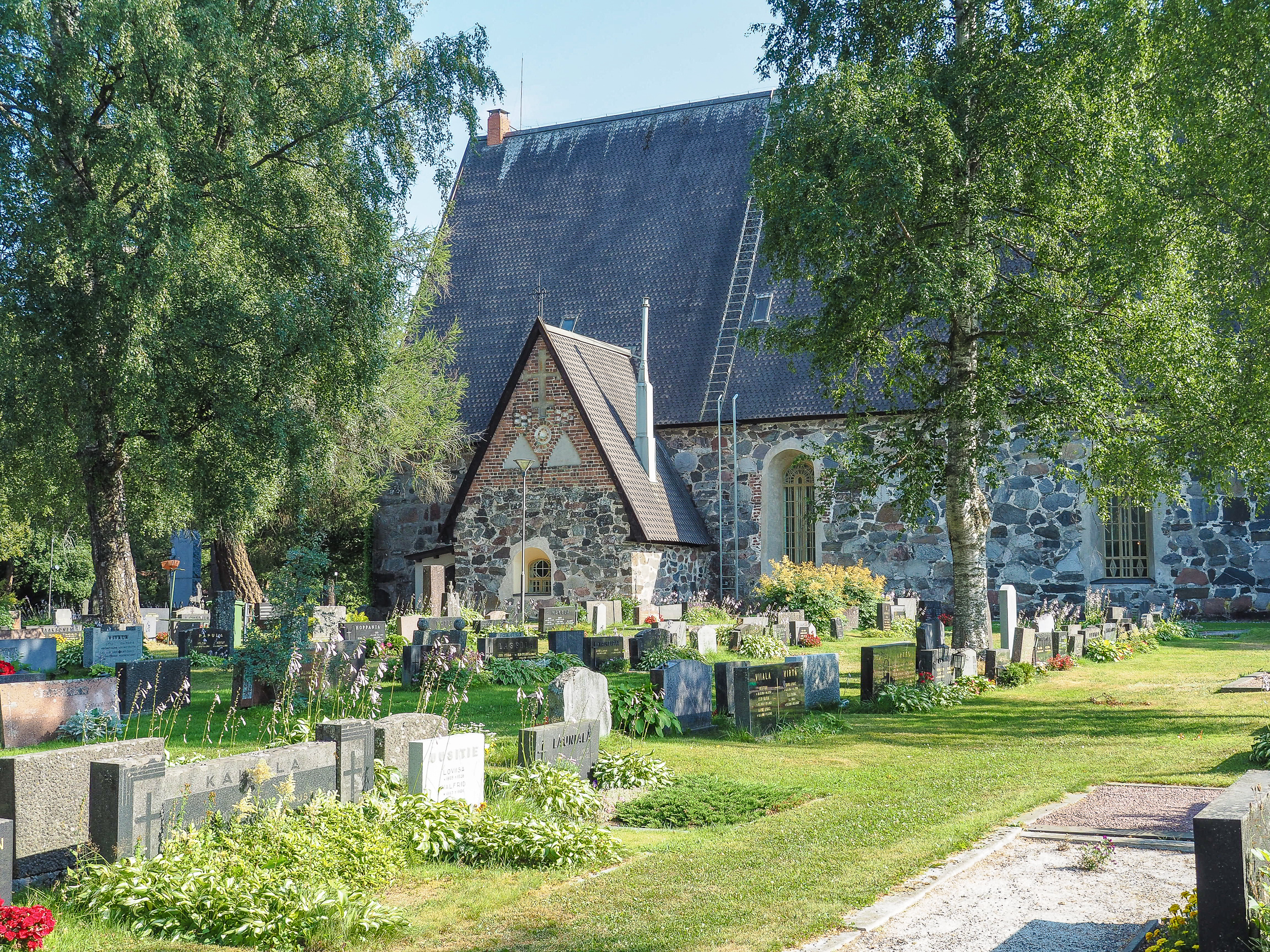
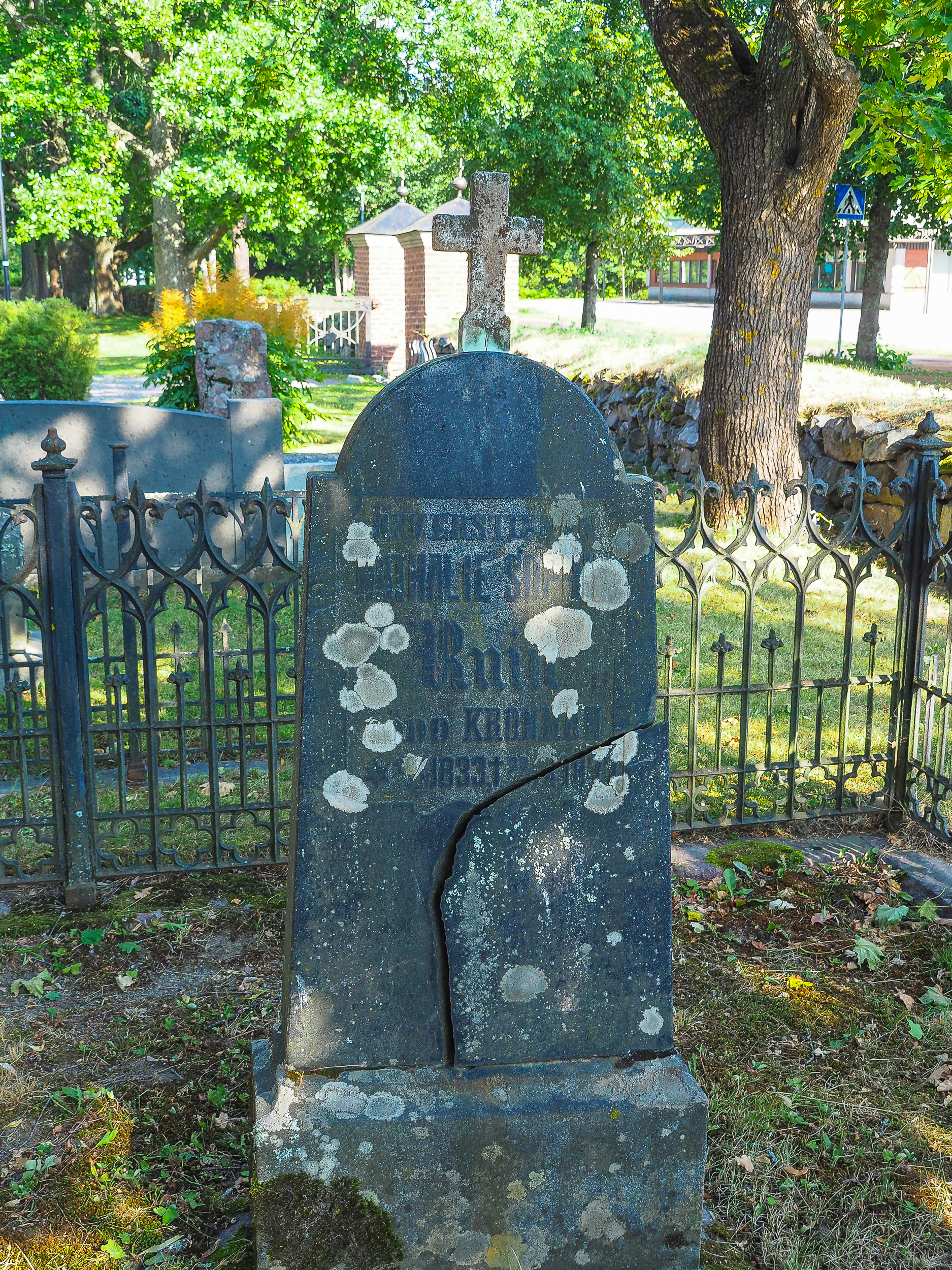
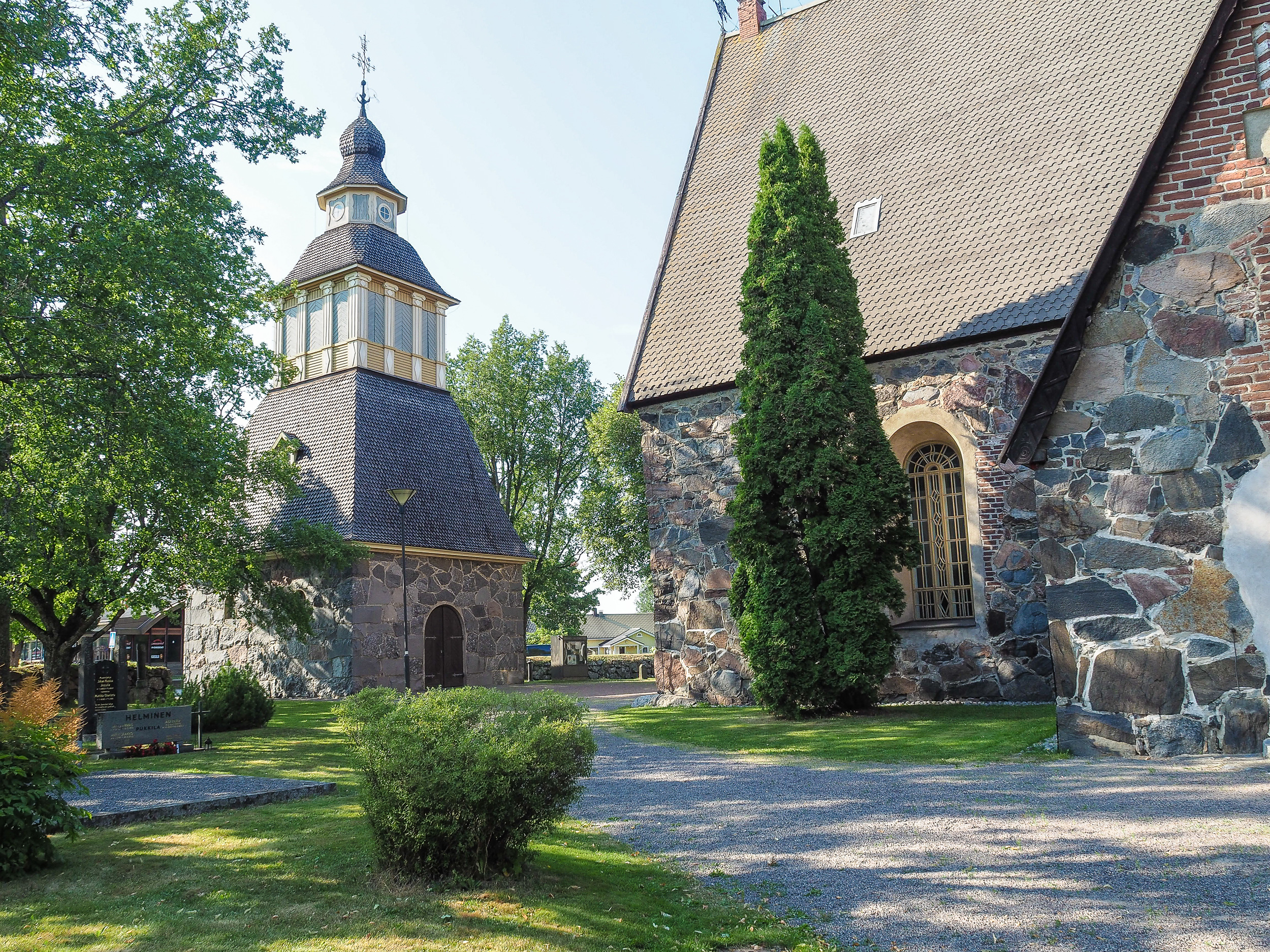
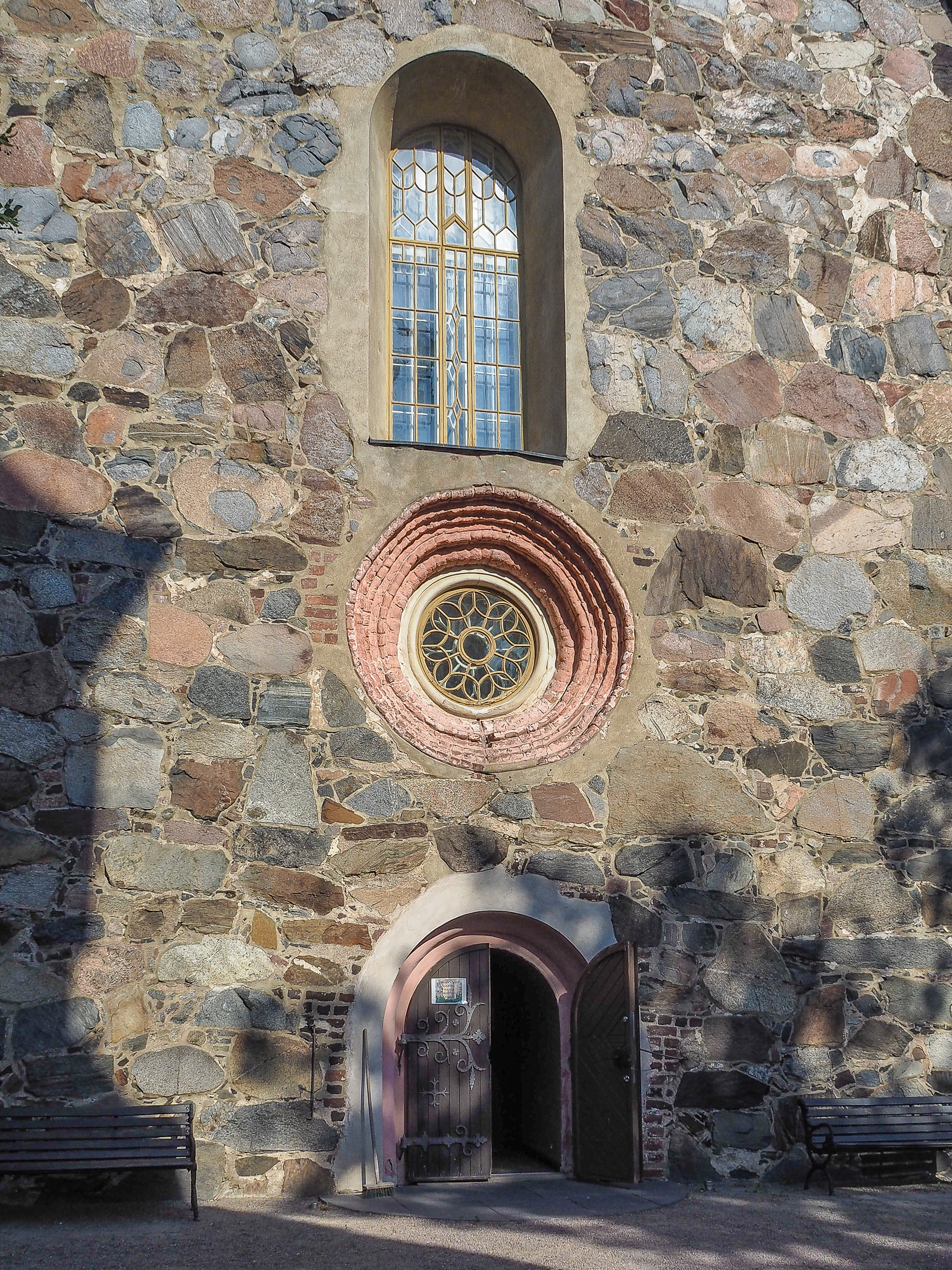
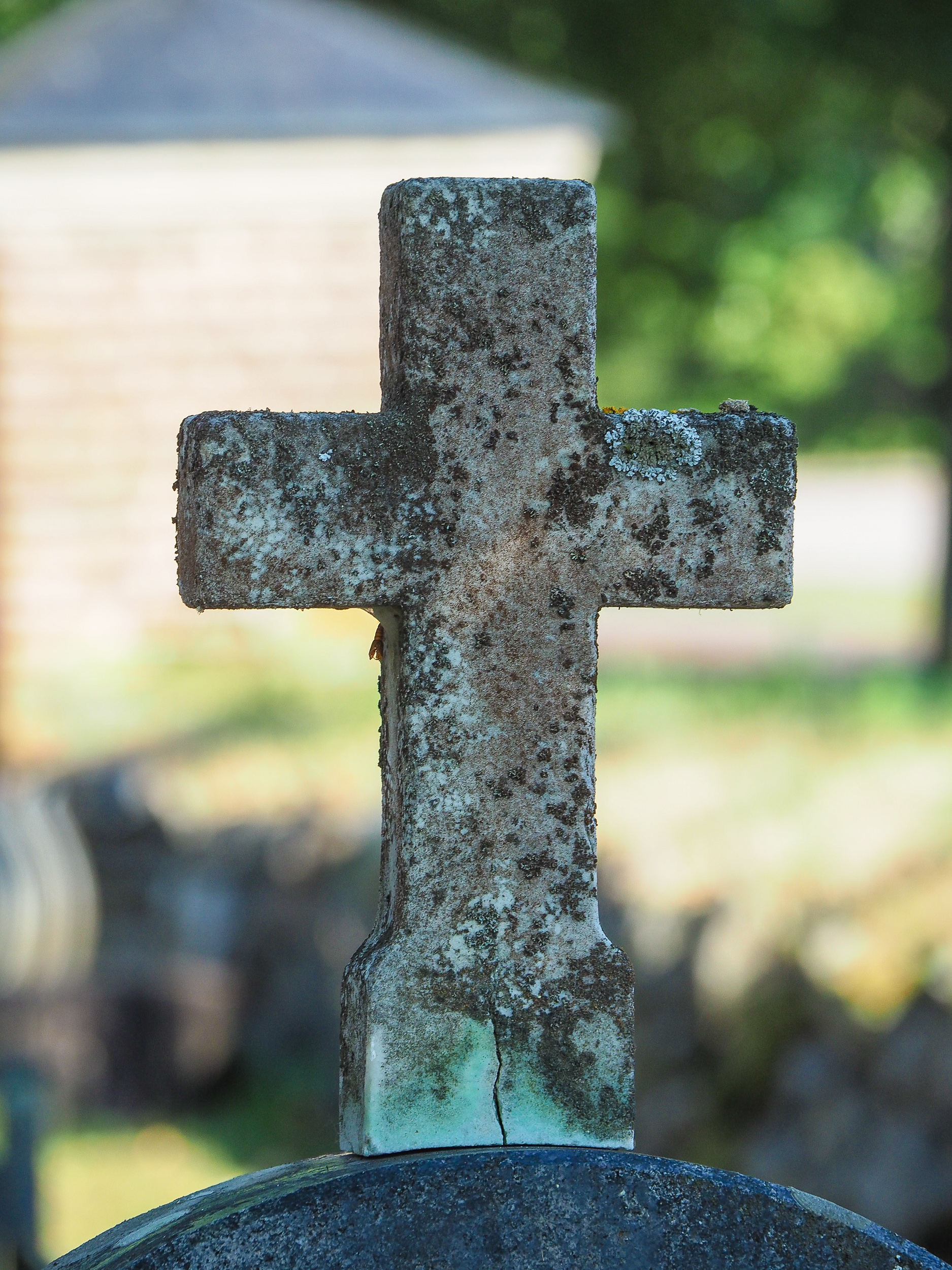
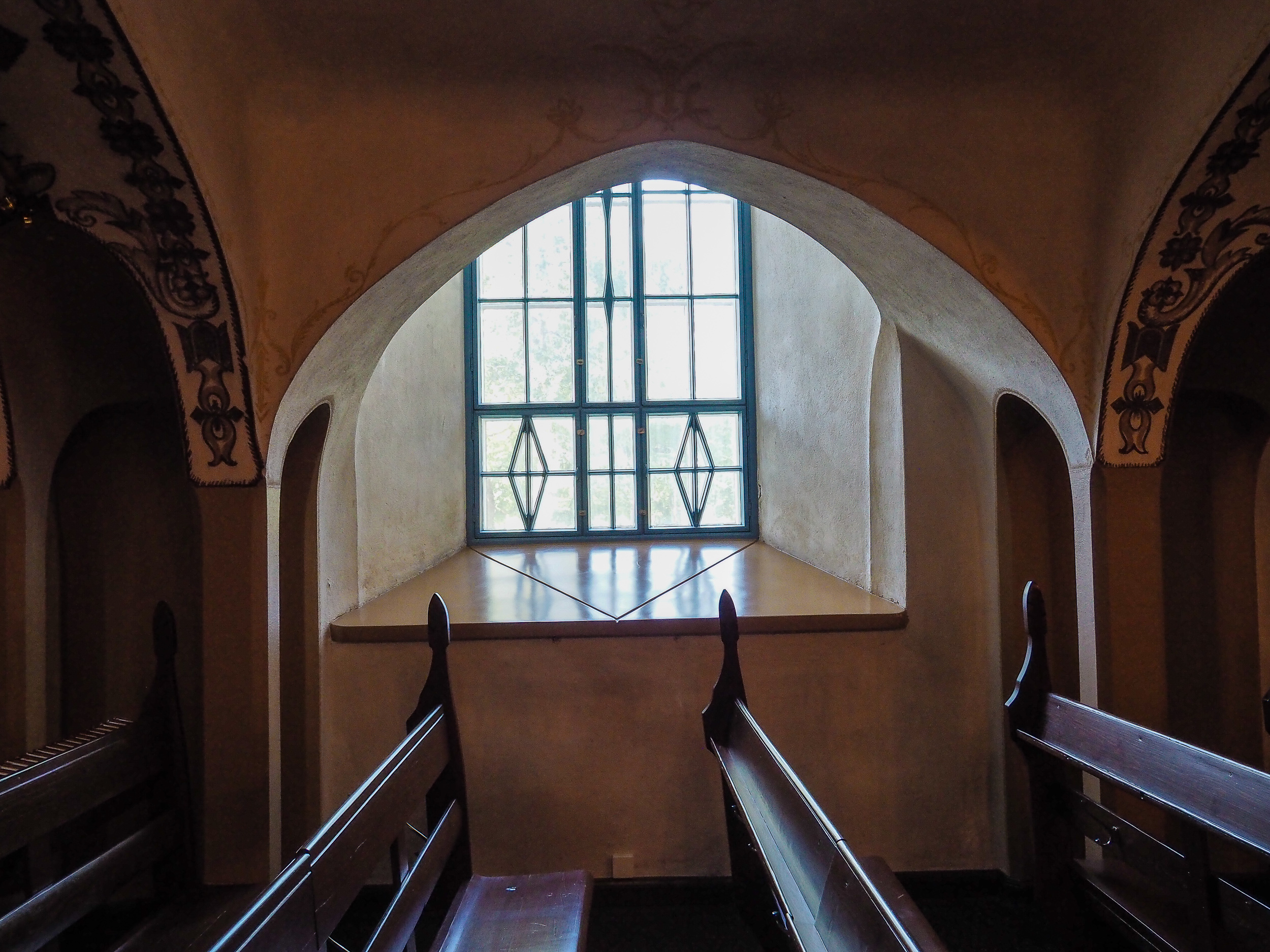
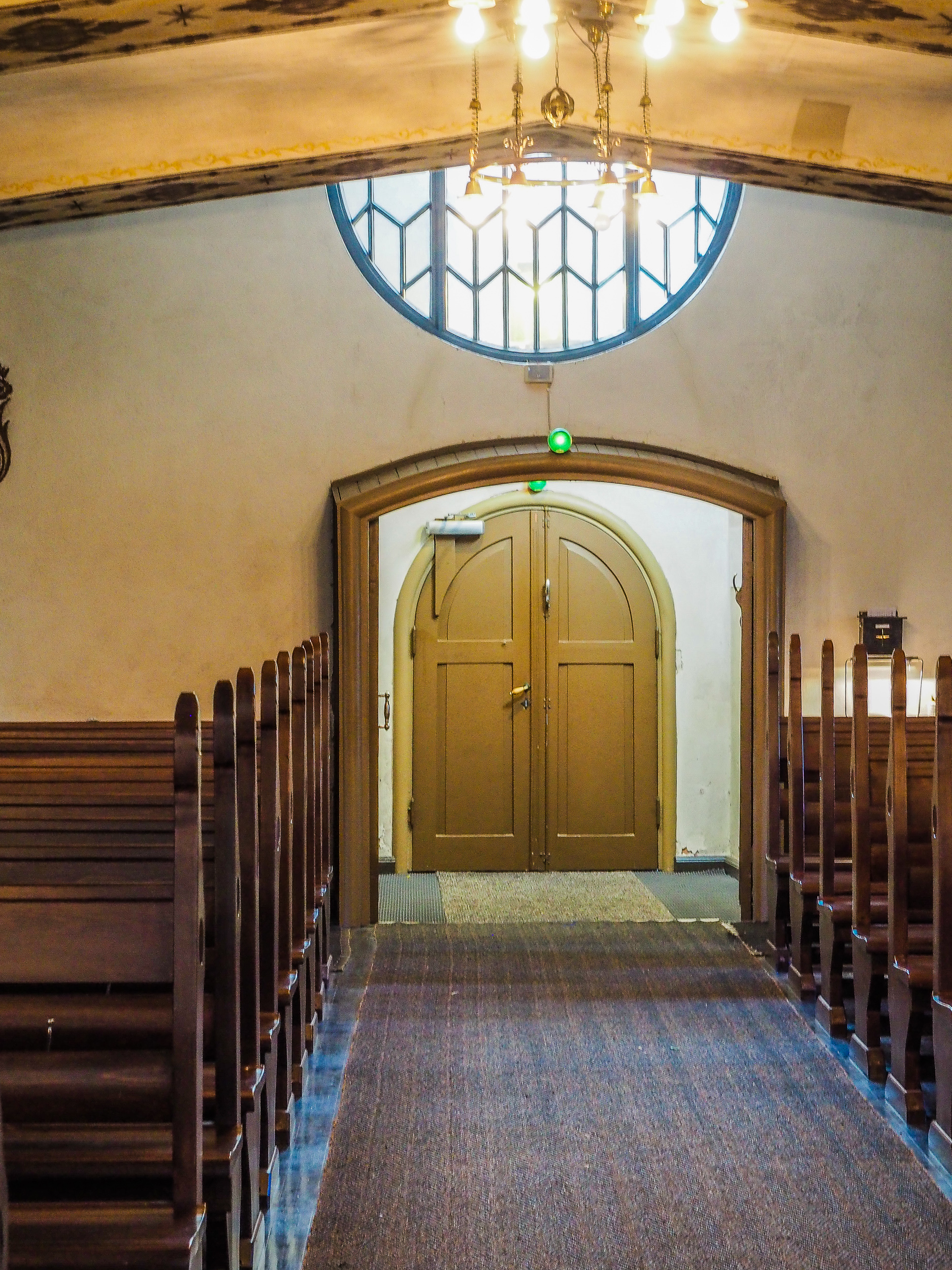
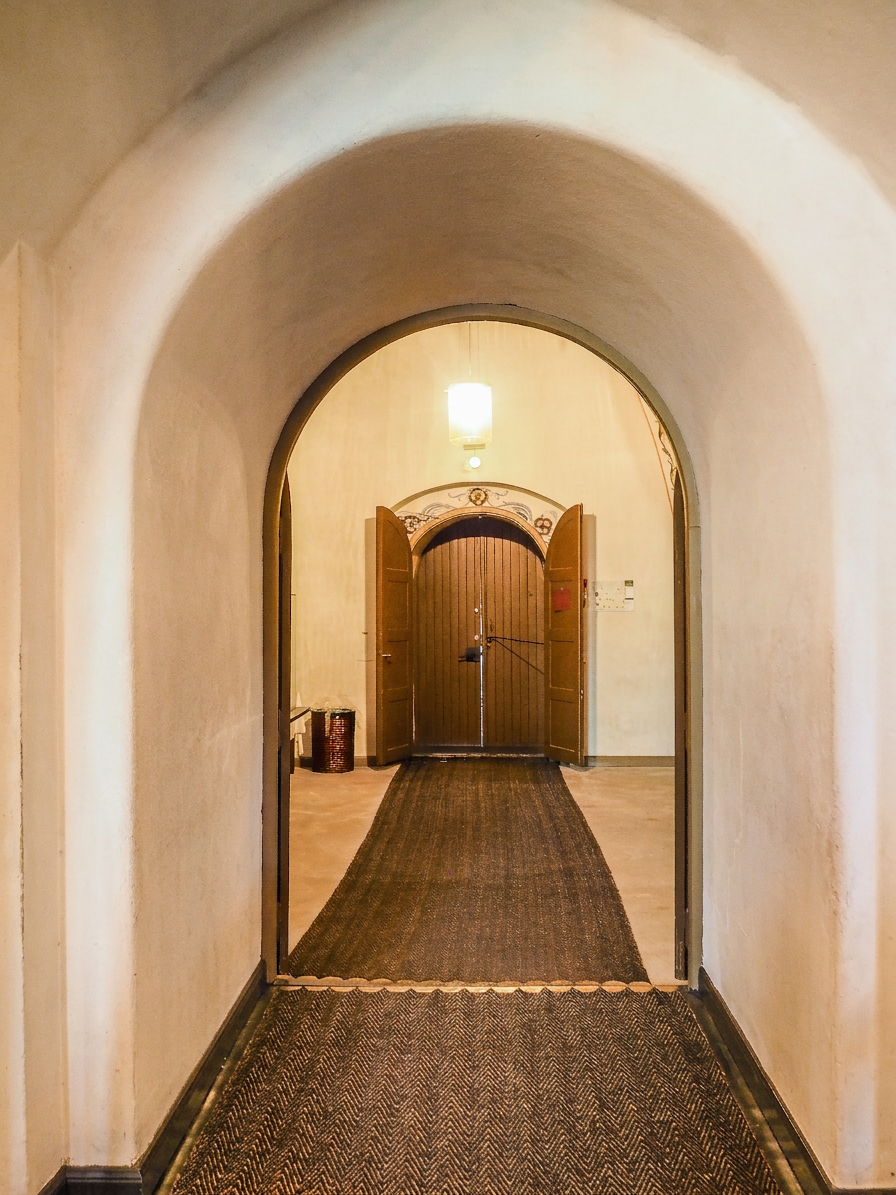
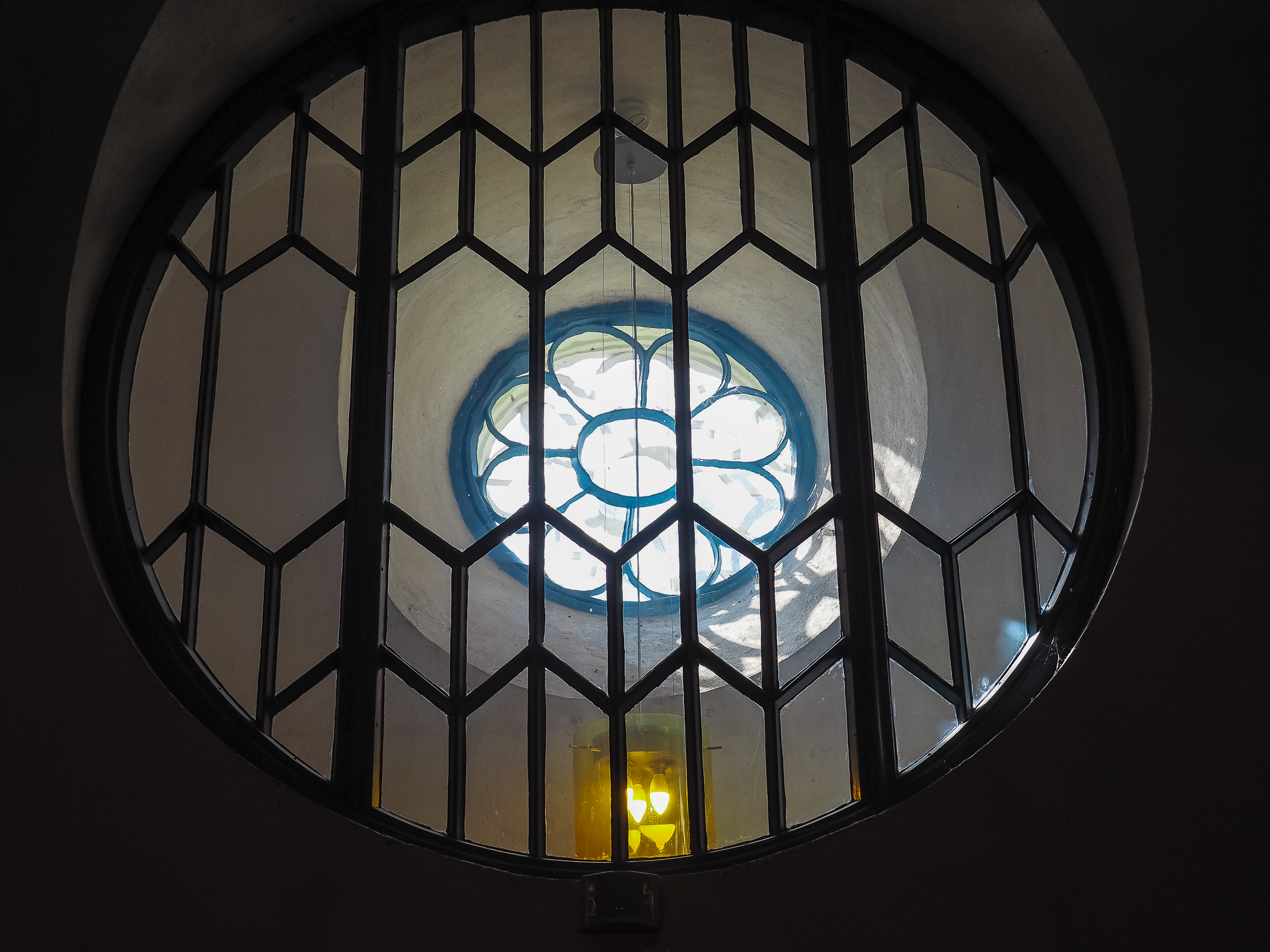
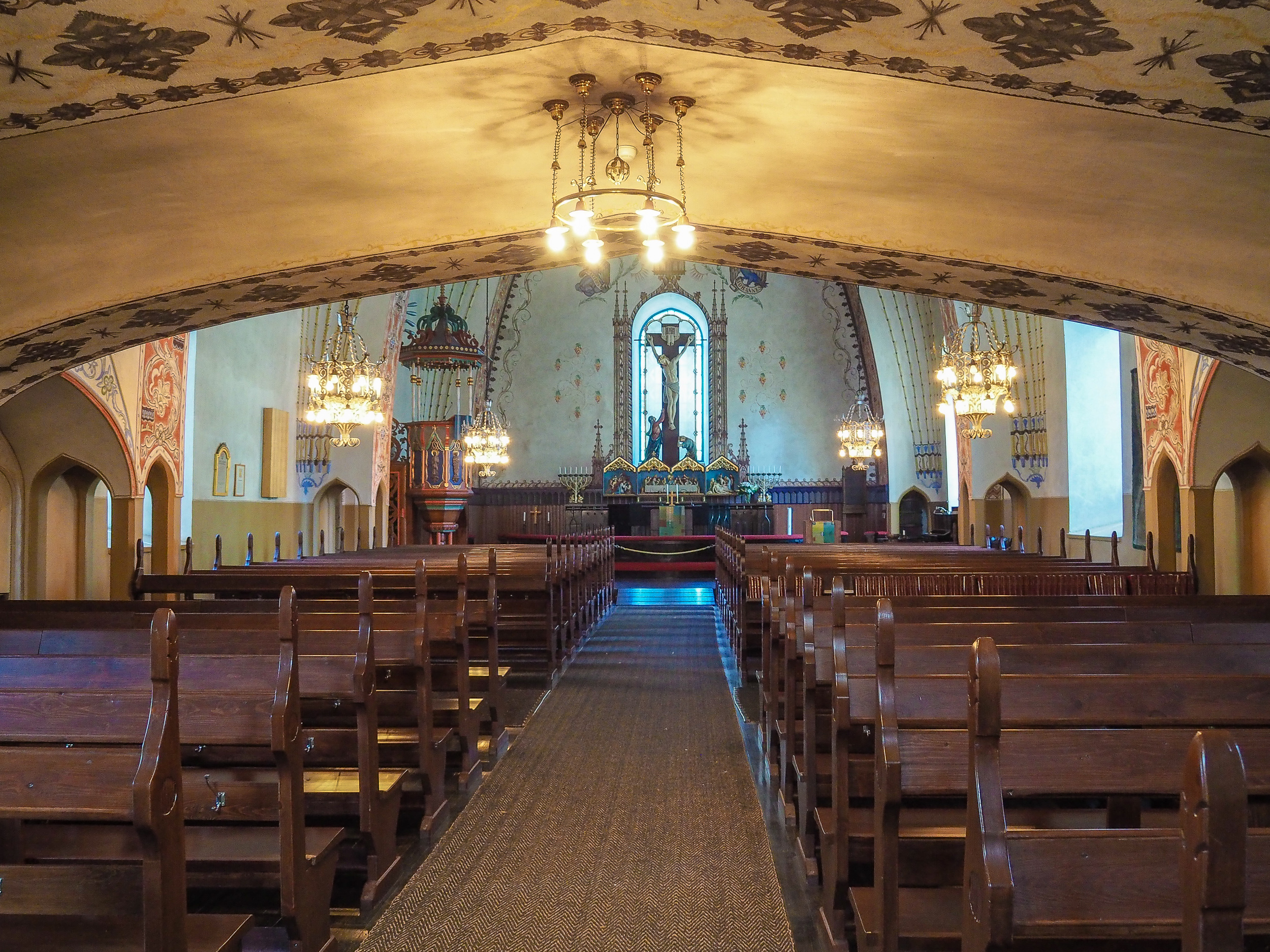
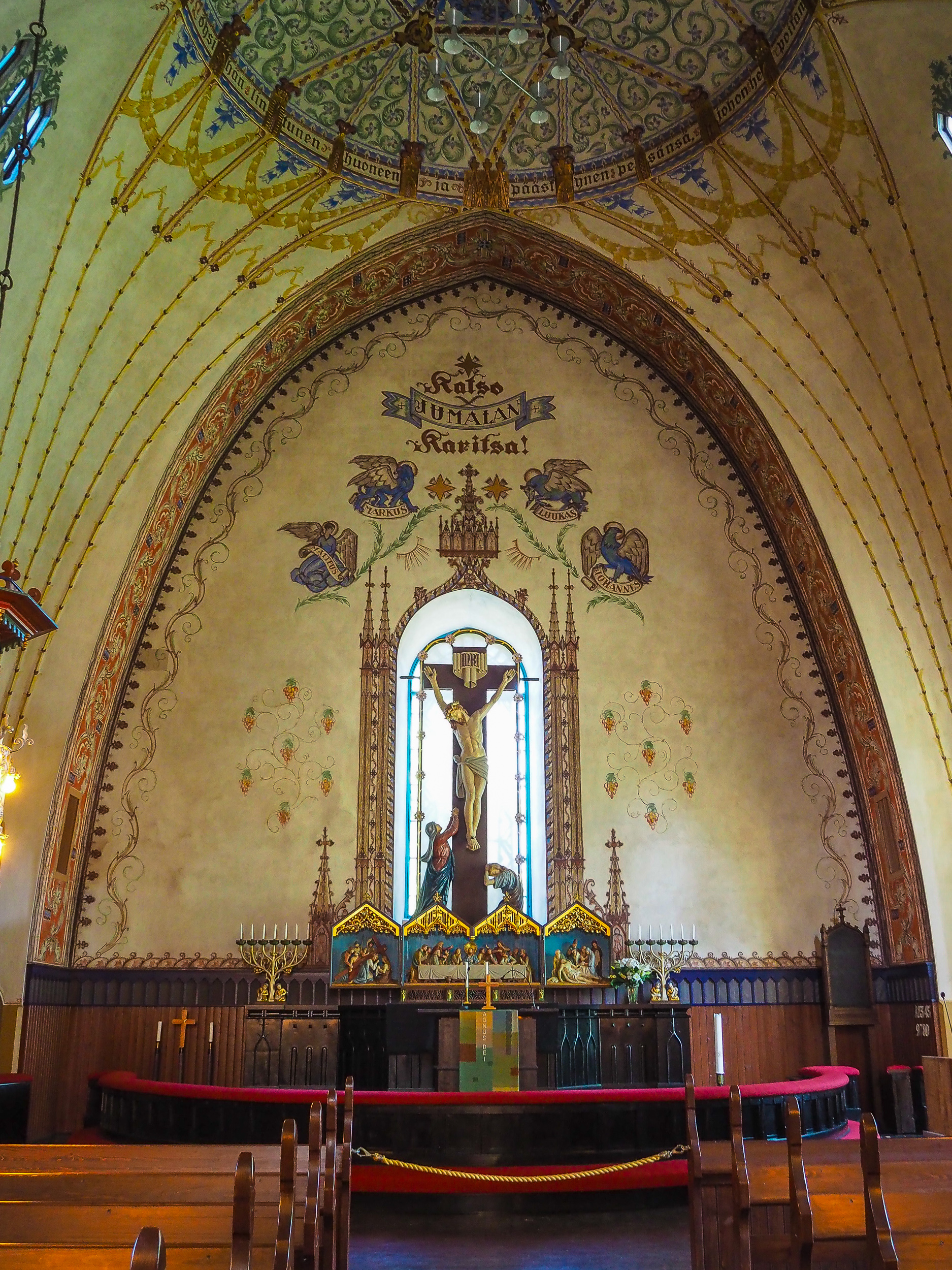
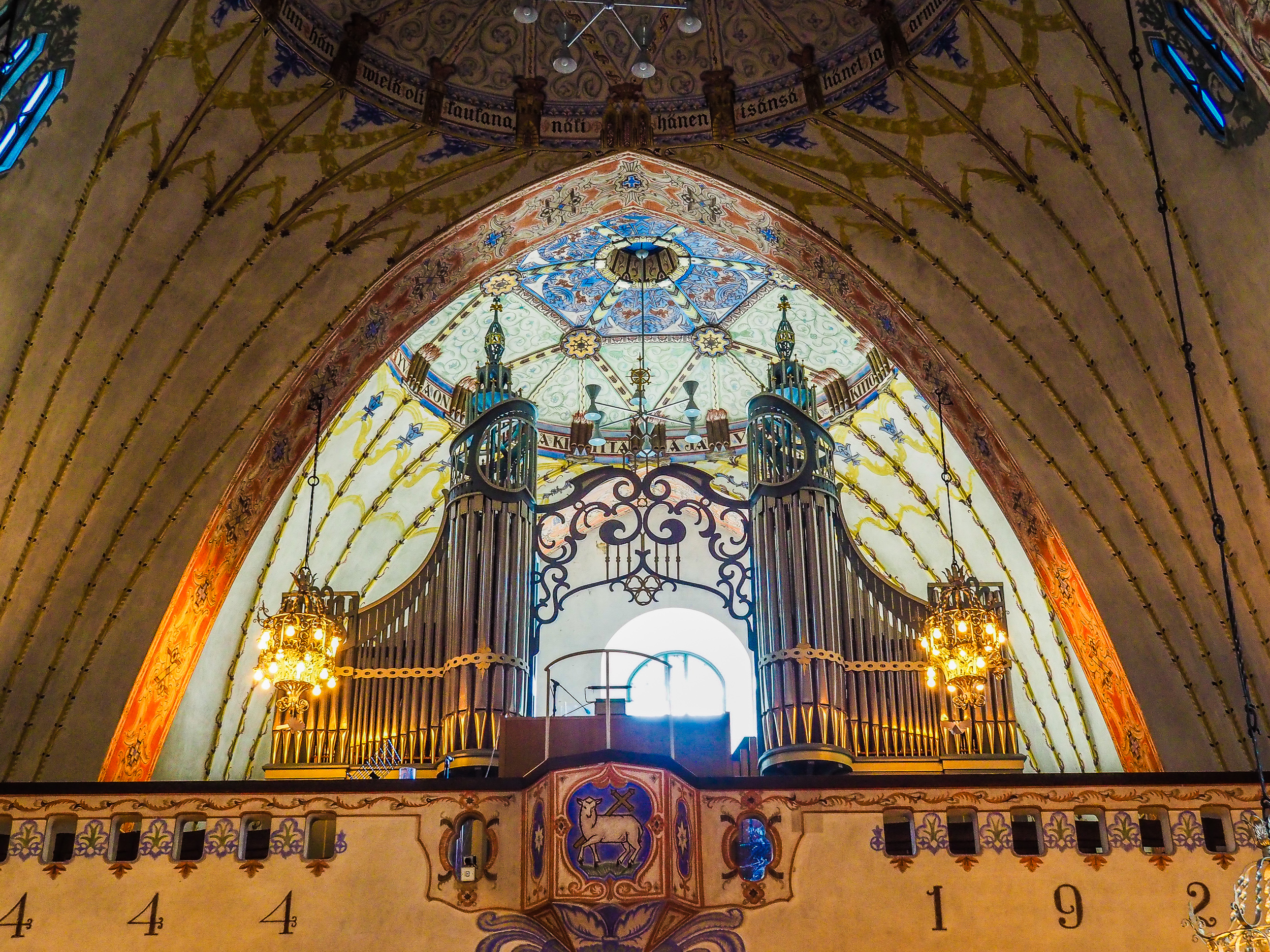
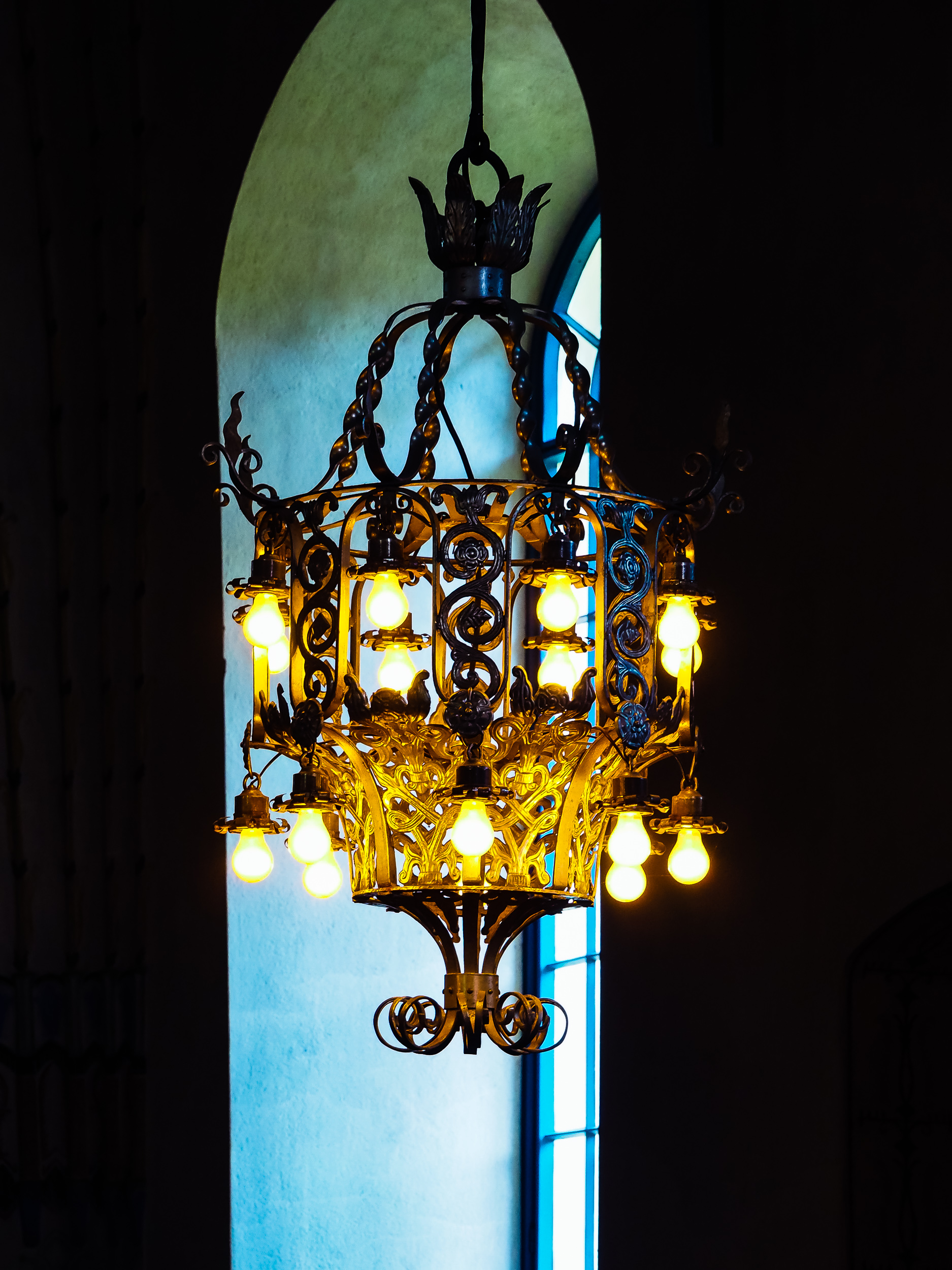
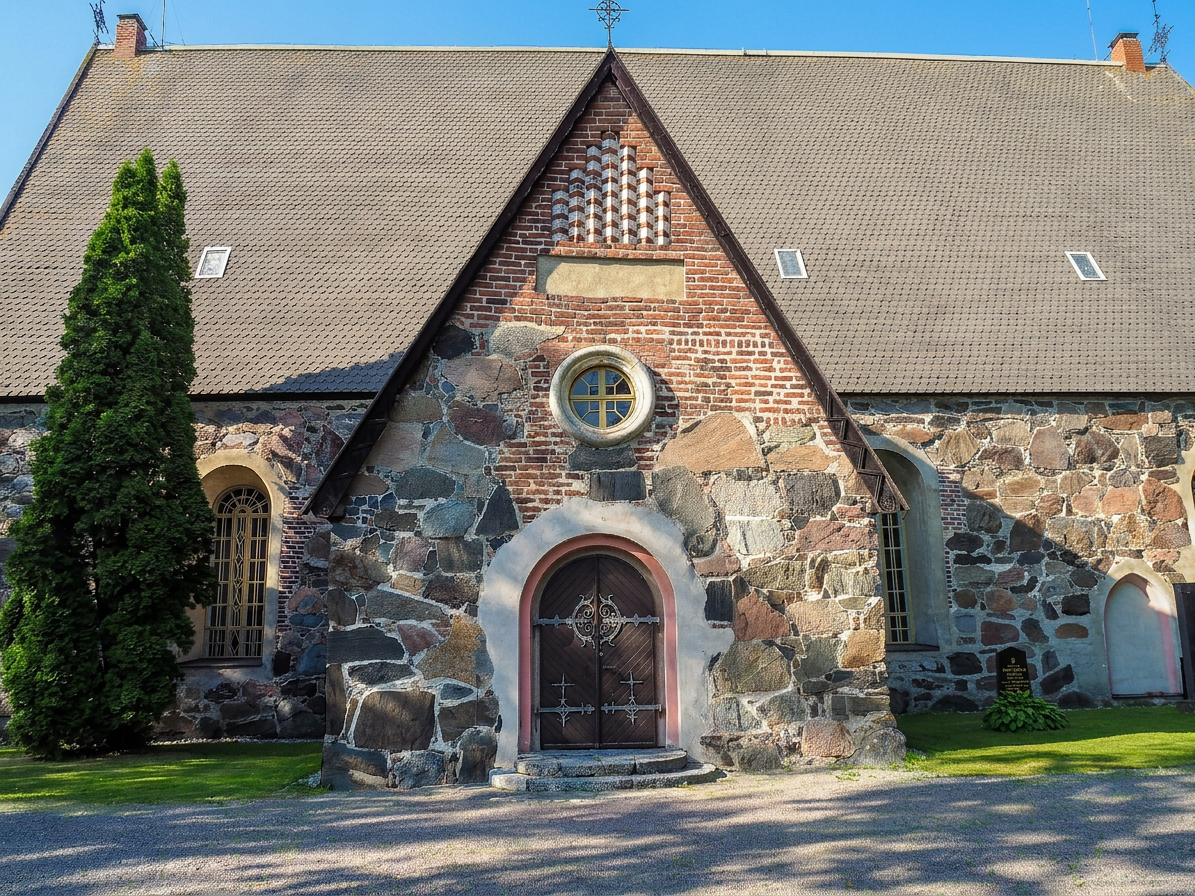
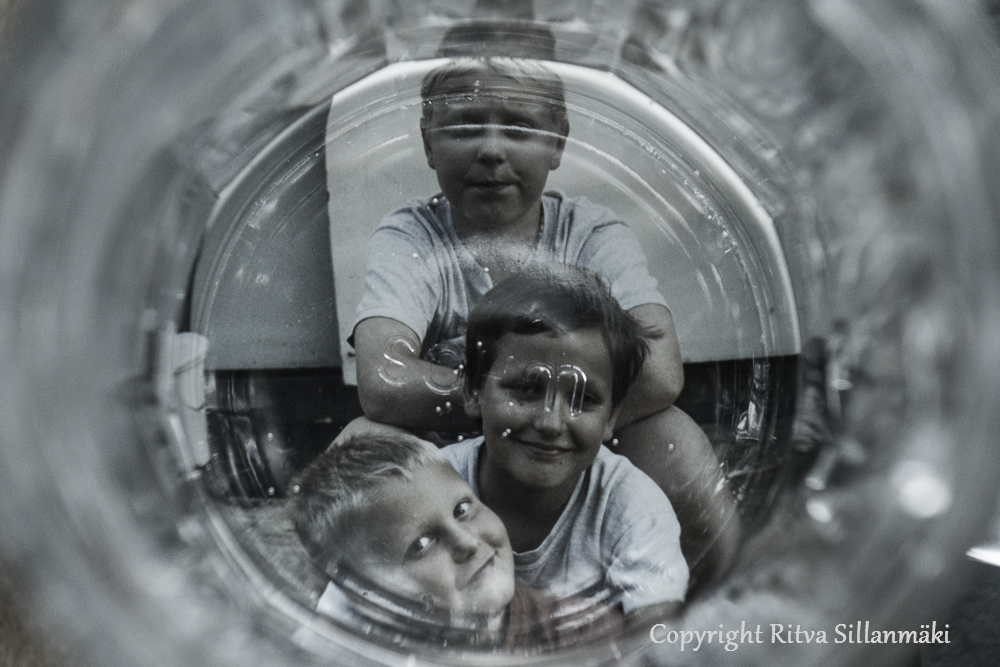
Churches are always a treat to photograph – old ones are more interesting to me. This is the medieval church of Lammi was built between 1490 and 1510.
the medieval church of Lammi was built between 1490 and 1510.
A historic the medieval church of Lammi : a stone-and-brick church with an ornate arched entrance, round window, and steep tiled roof under a clear blue sky.
Here is so information to those who are interested.
According to current research, the medieval church of Lammi was built between 1490 and 1510. The church is dedicated to Saint Catherine of Alexandria, a learned virgin martyr who died in the year 307. Before this church, there were two older churches in Lammi, possibly built of wood.
Christianity has probably been known in Lammi already since the 11th century. This view is based on a burial find from the Honkaliini cemetery in Lammi. The first records of the church of Lammi date from the 1420s, and the Lammi administrative parish is mentioned as early as 1374. According to the history of the parish of Lammi, both of these references are based on the research of Väinö Voionmaa. It is likely that the ecclesiastical parish is just as old as Lammi as an administrative parish. The area of the ecclesiastical parish of Lammi was roughly the same as that of the administrative parish, and the parish boundaries have remained almost unchanged since the Middle Ages. The only change has been that Koski HL (now Hämeenkoski), which from the Middle Ages onwards belonged to the parish of Lammi as a chapel congregation, became independent in 1870.
Until 1918 the church had a wooden interior, which was largely destroyed by fire during the Finnish Civil War on 29 April 1918, leaving only the grey stone walls and destroying the 1692 pulpit, part of the archives, the belfry and its medieval bell. The subsequent reconstruction of the church and belfry was designed by architect Usko Nyström, the wall and ceiling paintings were created by artist Bruno Tuukkanen with assistants B. Liukko and J. Grönvall, and the altar crucifix, pulpit sculptures of the evangelists, seven-branched candlesticks and triptych were carved by Austrian-born Ateneum sculpture teacher Johan Friedl.
The large altar table, the altar rail and the pulpit were made in Lammi at Nyberg’s carpentry workshop. The pews were also carved in Lammi. The blue wooden ornamental decoration at the east end of the altar and the hymn board in the chancel were carved by the Lammi artist Taimi Nyberg. The originally wooden belfry was rebuilt so that its lower part is now built of stone. The new bells were obtained from the military church in Papula, Viipuri. The post-fire restoration of the church was completed by Midsummer 1920.
I’m happy to still have photos of doors and windows from Grete, as they allow me to take part in both Thursday Doors and Monday Windows; for me, these themes are closely linked. I also have some images from our trip to Norway I will be sharing. Currently, we find ourselves making frequent trips between our home and summer place due to the renovations at our summerhouse, and with all the preparations needed before construction began—especially the extensive tree removal—we now need to chop and stack what’s been cut, which is quite time-consuming as my husband is mainly doing it by himself due to my health issues. The rainy weather isn’t making this task any easier, meaning there’s little opportunity to travel in search of new doors and windows. Hence, I’ve been leaning on my archives.
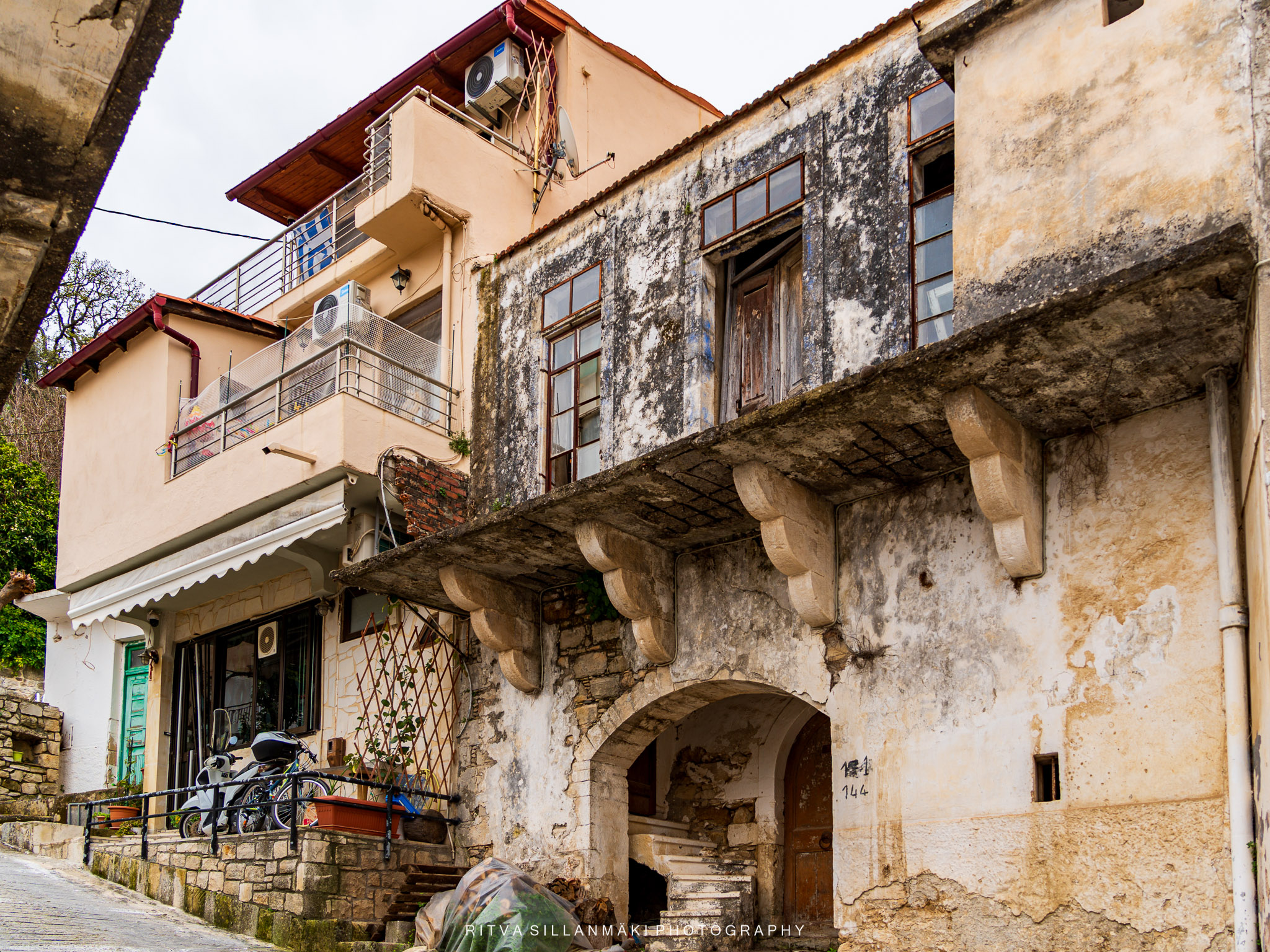
Walking down a narrow, sloping residential street in Argyroupoli, that is framed by a weathered historic stone building and a newer peach-colored apartment house. I noticed the aged structure has mottled plaster, exposed masonry, wooden doors and windows, a deep stone balcony supported by carved brackets, and an arched ground-floor entrance, this I notice first, while the neighboring home has metal-railed balconies, red roof trim, awnings, satellite dishes, and multiple air-conditioning units. Bicycles, a scooter, potted plants, and a green door add signs of everyday life, contrasting with the crumbling textures and muted beige, gray, and terracotta palette. The low-angle composition emphasizes the close, layered architecture and conveys the character of an old, lived-in Grete neighborhood.
A weathered historic stone building stands beside a modern home on a narrow, sloping street.
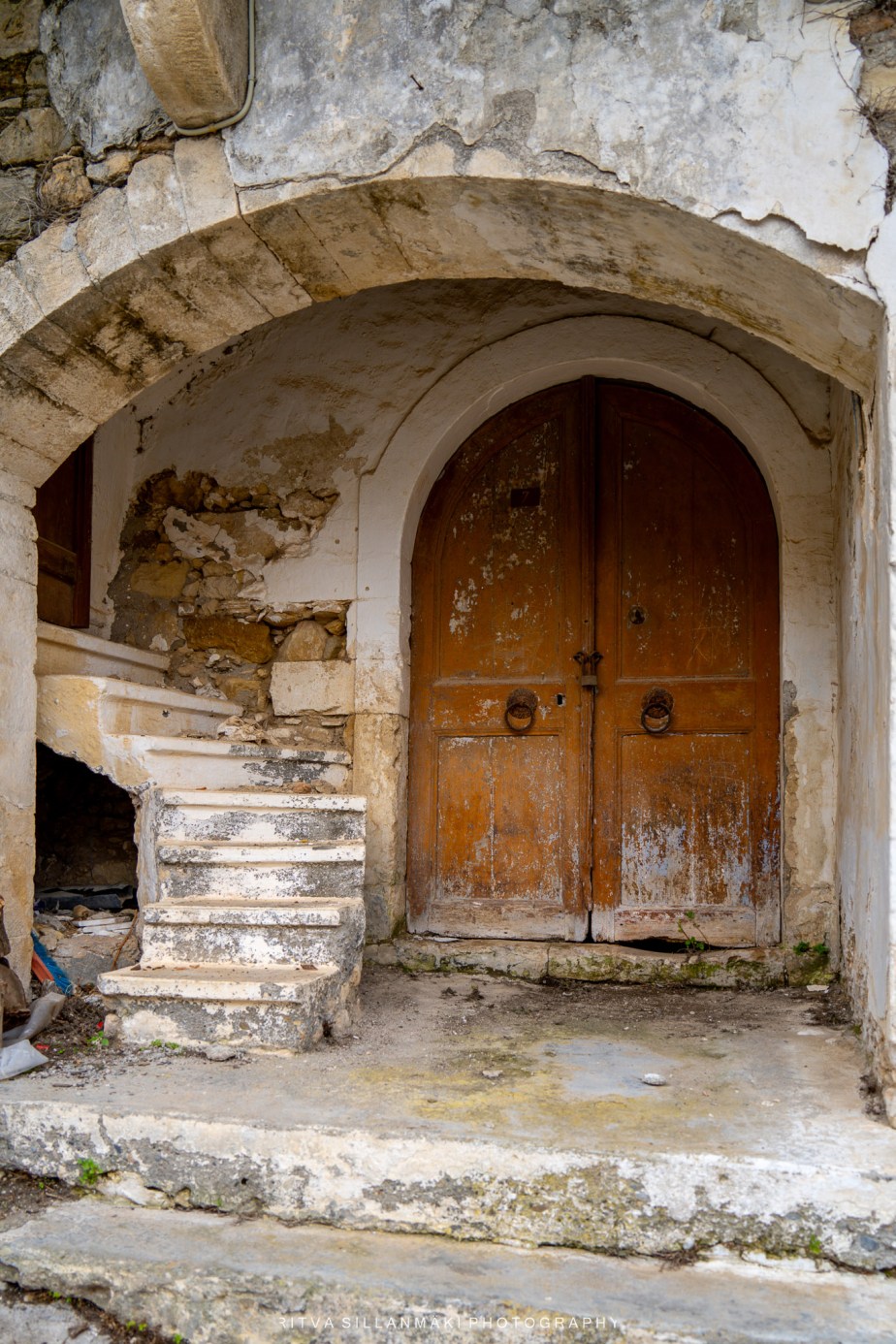
A weathered wooden door set beneath a rustic stone arch, revealing the character of an old building.
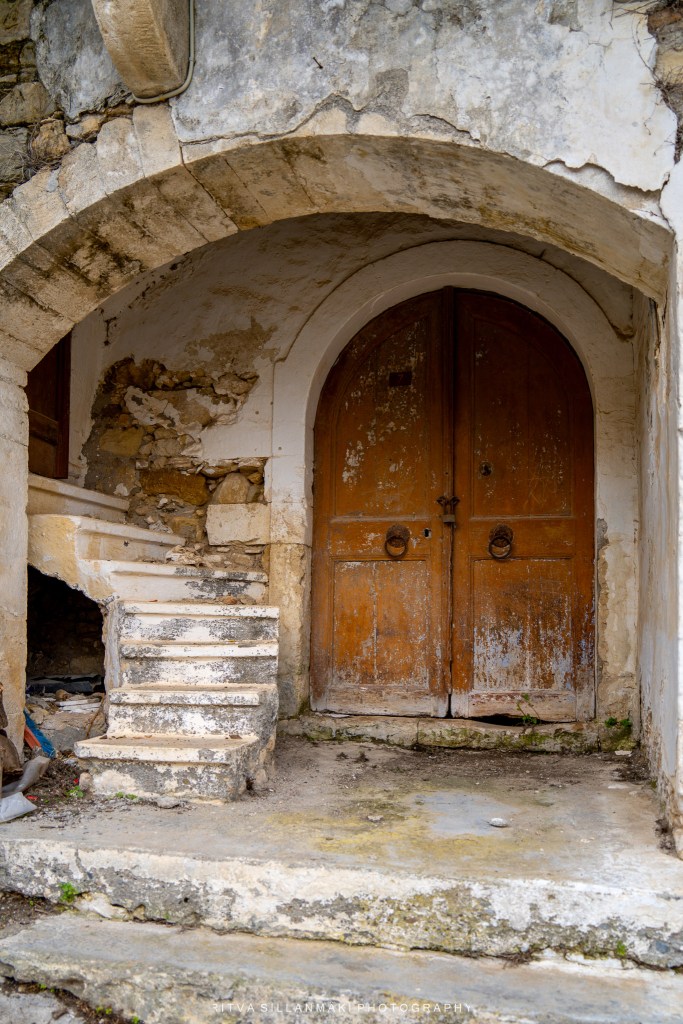
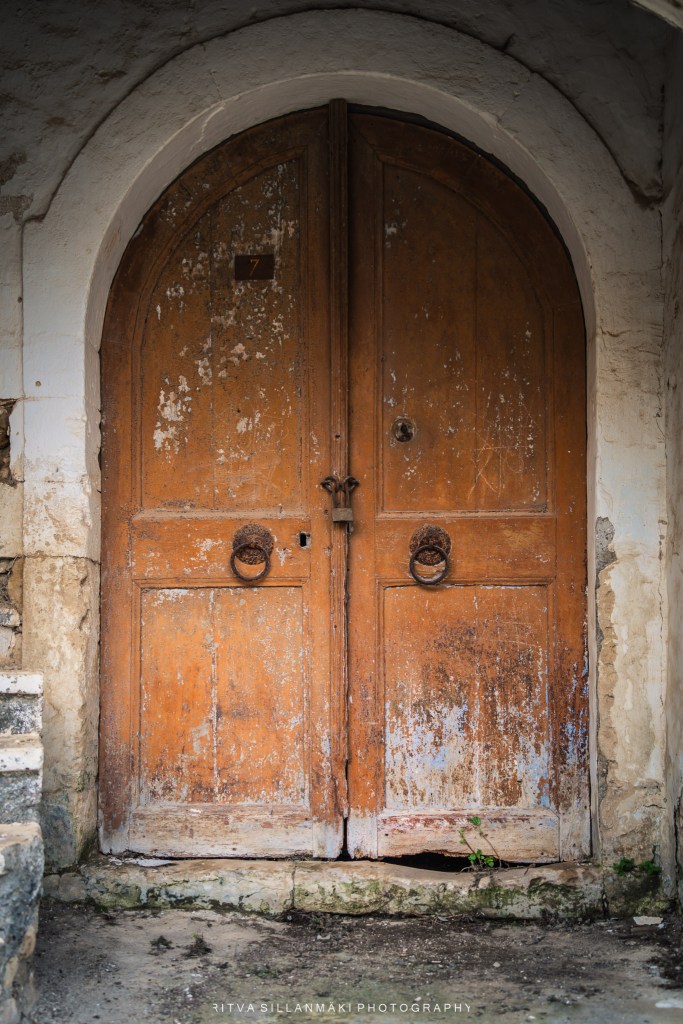
A weathered arched wooden door with iron ring handles and the number 7, set in an aged stone wall.
This week, it’s Beth’s turn to host, and she picked the fascinating topic of Bridges, which beautifully ties in with John’s topic from last week. When I think about bridges, I see them as more than just physical structures that connect two places; they symbolize the connections we share between people and ideas. I did a bit of digging into different types of bridges and their historical stories. The first image I found means a lot to Beth because it’s from her neighborhood, showcasing a stunning local bridge that captures the charm of her hometown and perfectly mirrors our shared theme. This journey into the world of bridges has really deepened my appreciation for the artistry and engineering behind these amazing structures.
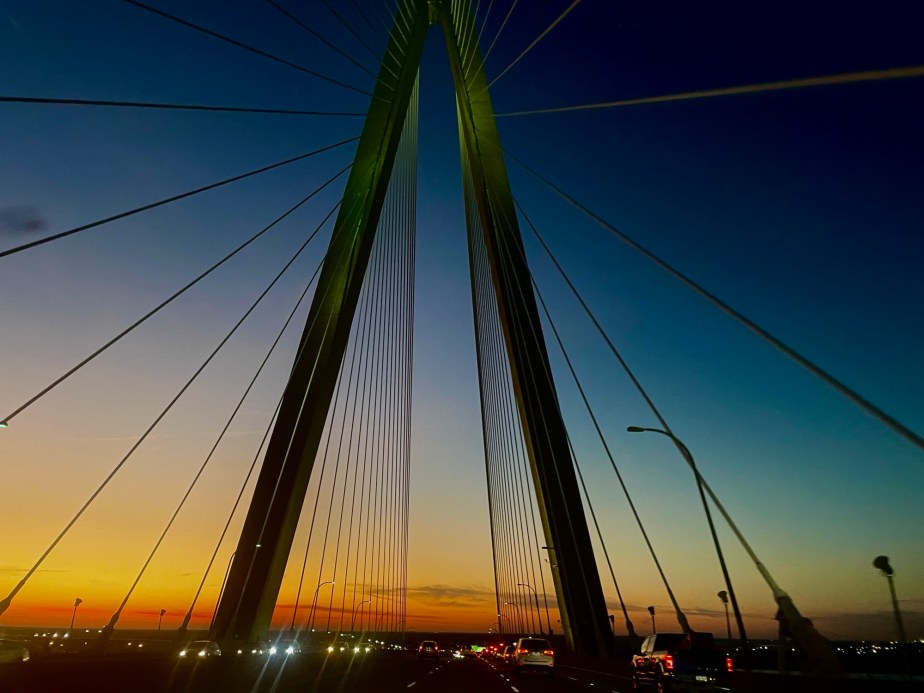
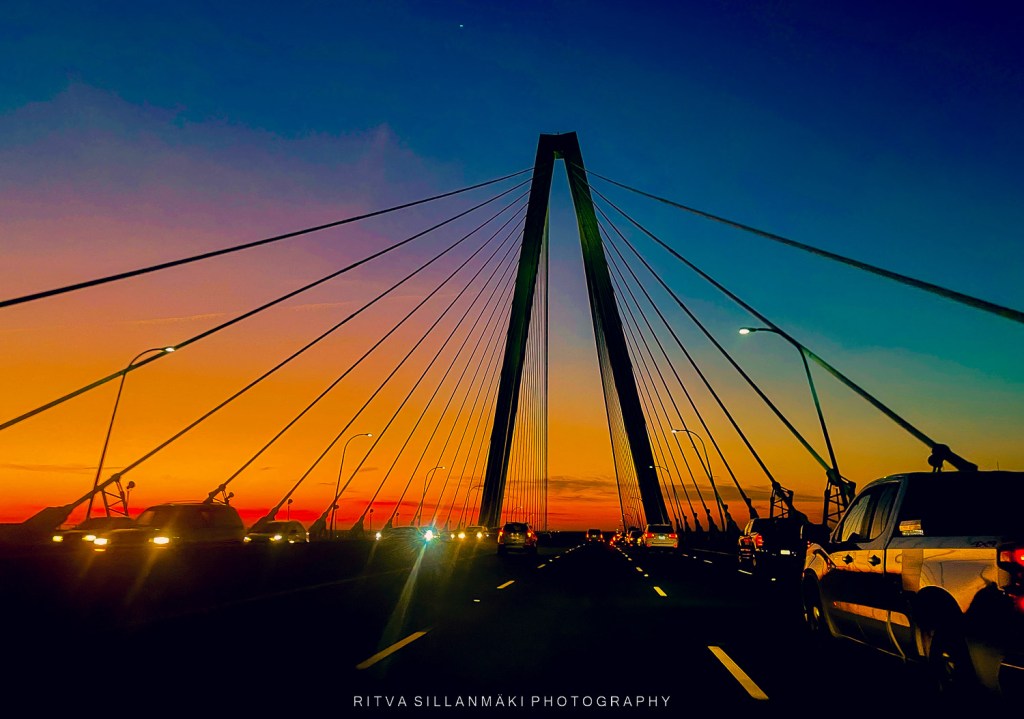
I caught this dramatic sunset view from the Arthur Ravenel Jr. Bridge (or the Ravenel Bridge for short), which crosses the Cooper River in South Carolina. It was built in 2005 and stretches 4.5 kilometers, serving as a busy roadway on a cable-stayed bridge. You can see the tall central pylon and the sleek suspension cables forming these neat lines towards the horizon. Cars and taxis zip by in both directions, their headlights and taillights lighting up the dark pavement, while curved streetlights glow along the bridge. Above, the sky shifts from deep blue to teal and purple, with a splash of vivid orange and red near the horizon, giving it all a really striking, cinematic vibe.
Arthur Ravenel Jr. Bridge
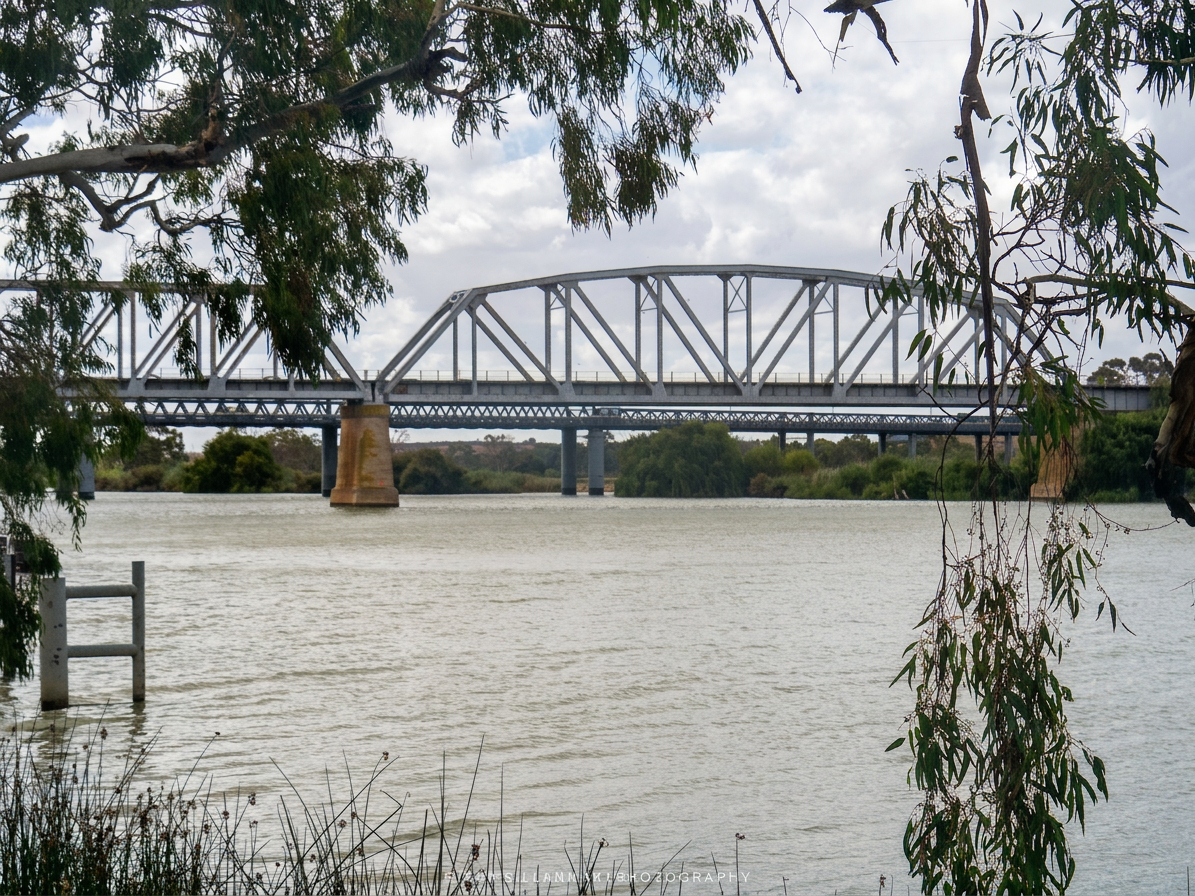
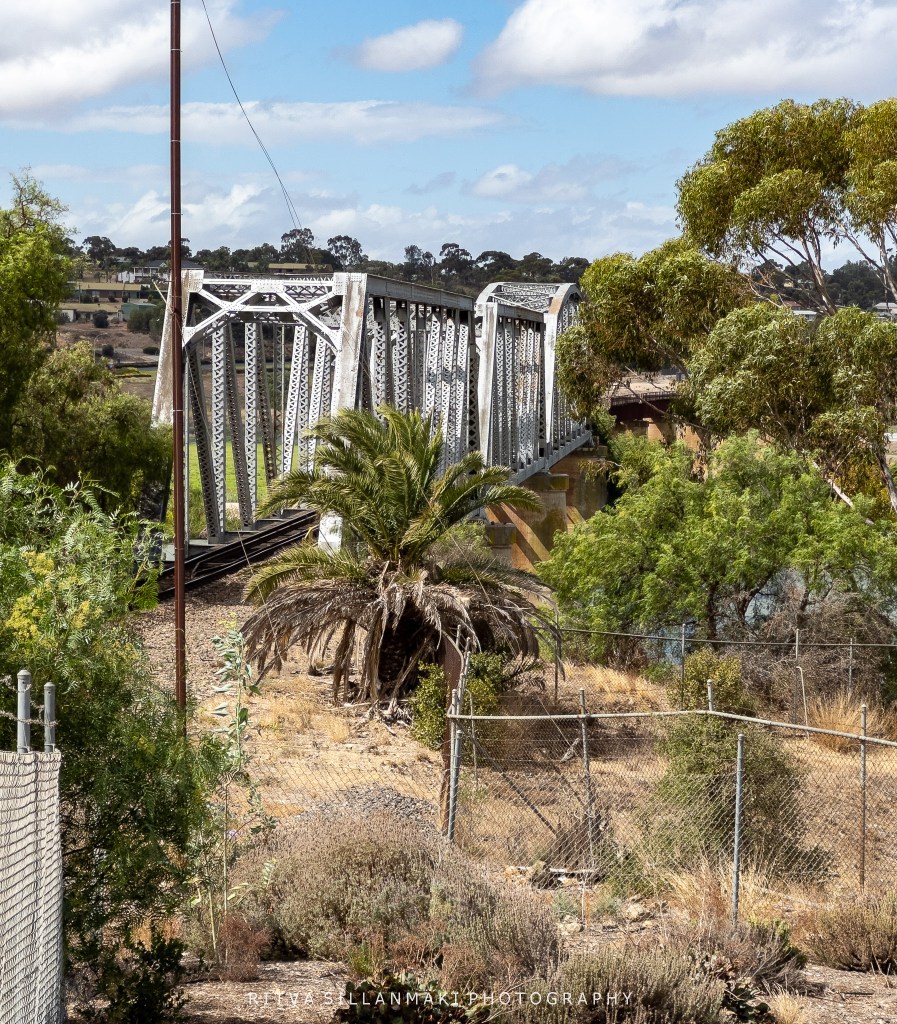
The image showcases the renowned Murray Bridge Road Bridge next to the nearby railway bridge, crossing the Murray River in Murray Bridge, South Australia. Finished in 1879, this iron Warren girder bridge represents the first permanent structure built over the lower Murray River in the region. A broad steel truss bridge extends over the tranquil, gray-green water, captured from the shaded riverbank amid overhanging eucalyptus branches and foliage. The bridge’s light gray framework, supporting pillars, and lower parallel elements contrast beautifully with a cloud-strewn blue sky, while wooded hills and dense riverbank flora create a picturesque backdrop. In the foreground, reeds and a slender railing contribute to a serene, natural composition characterized by soft colors and a documentary-style landscape photography aesthetic.
Murray Bridge from other viewpoint
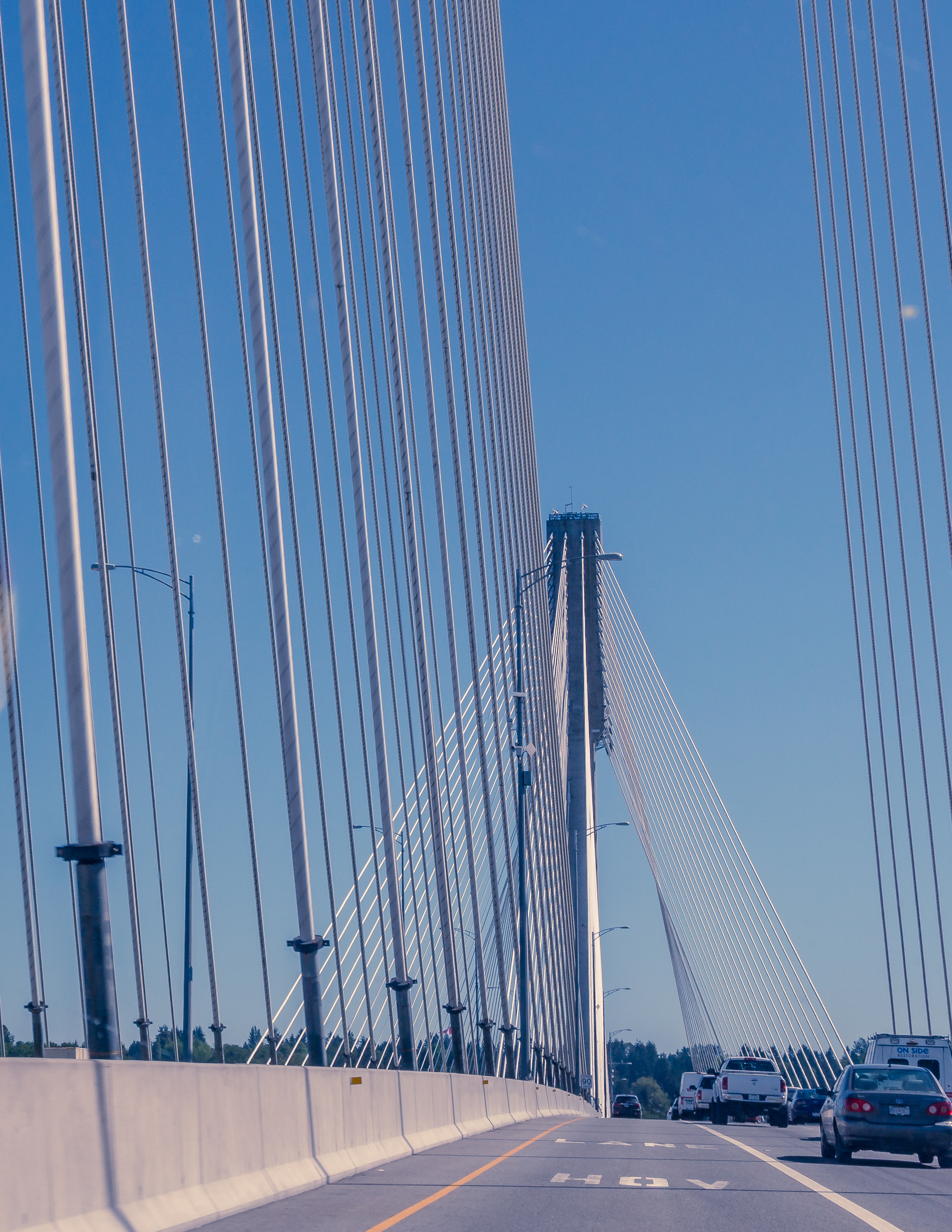
The Port Mann Bridge, situated near Vancouver in British Columbia, Canada, serves as a vital connection to the Pacific Northwest, adjacent to the U.S. border. Spanning the Fraser River, it carries Highway 1 and links Coquitlam and Surrey. The scene is dominated by a large cable-stayed structure observed from a low, frontal viewpoint beneath a clear blue sky. A multitude of vertical suspension and angled support cables create intricate geometric patterns around the central tower, while the lower part of the image is filled with concrete barriers, streetlights, lane markings, and various vehicles. The bright daylight and cool blue hues evoke a sense of modernity, highlighting the bridge’s impressive scale and engineering prowess.
The Port Mann Bridge, situated near Vancouver in British Columbia
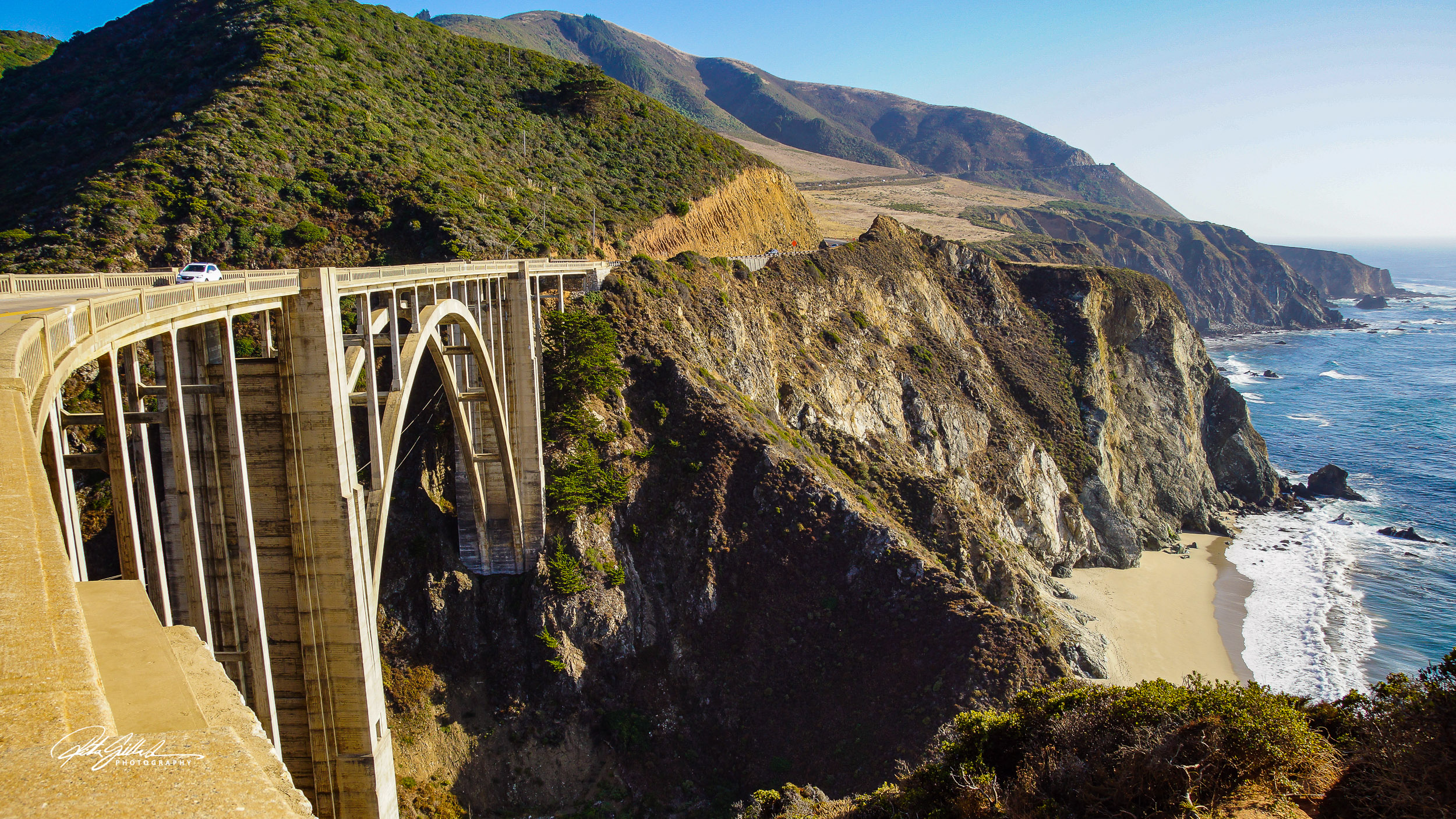
Check out this stunning photo of Bixby Creek Bridge in California! It’s right on the Big Sur coastline along California State Route 1, also known as the Pacific Coast Highway. Built in: 1932. It soars about 80–100 meters up, looking down at the ocean and the valley. It’s seriously one of the most photographed bridges in the U.S. and a total must-see landmark! And we saw it 😉
Bixby Creek Bridge in California! I
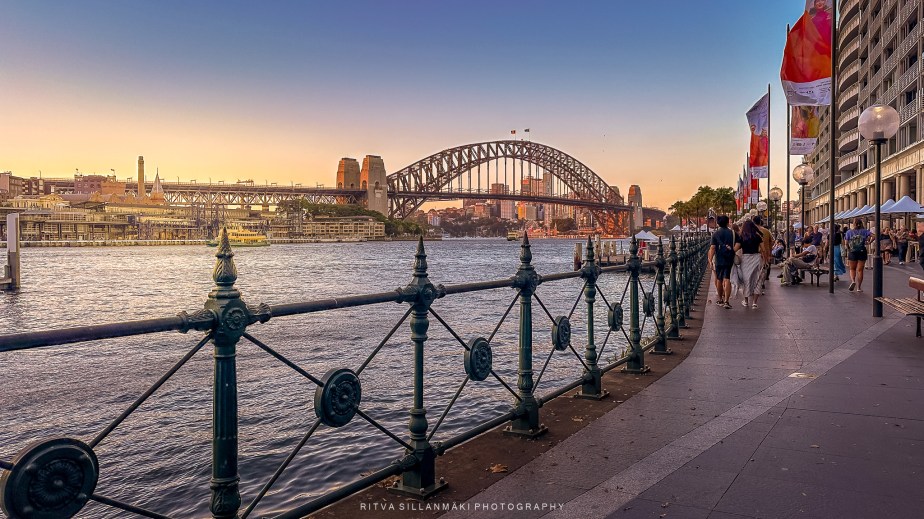
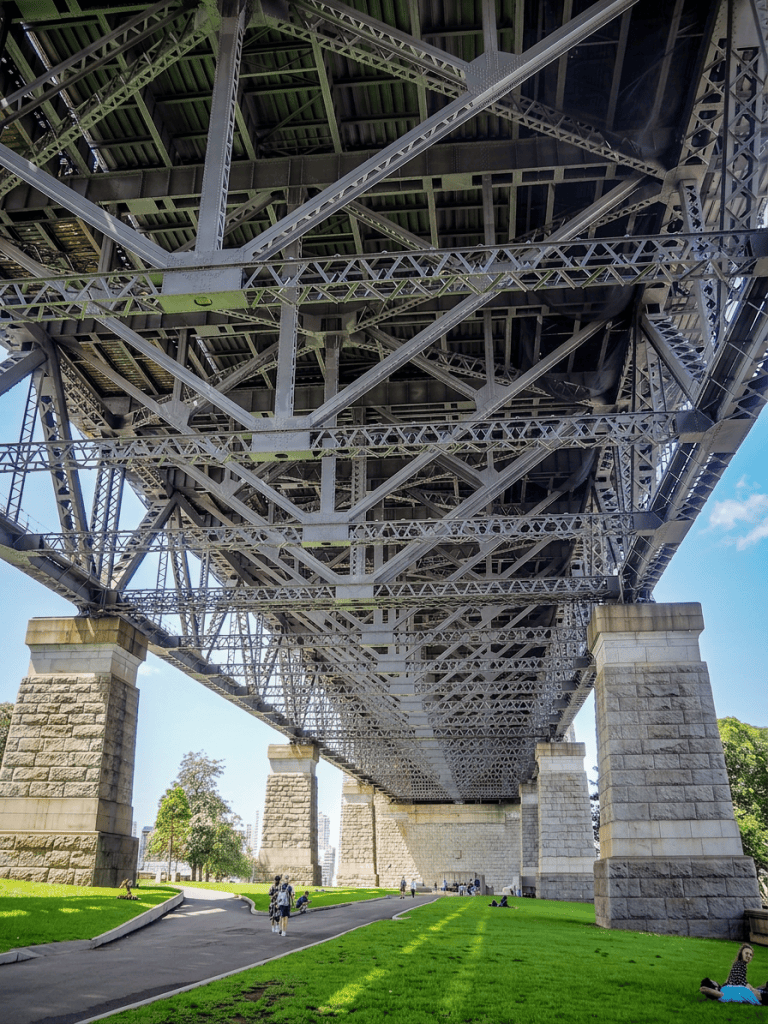
The image showcases the iconic Sydney Harbour Bridge, a stunning steel arch bridge situated in Sydney, Australia. This impressive structure, which opened to traffic on March 19, 1932, measures 1,149 meters long and 49 meters wide, making it the world’s widest long-span bridge! It boasts a longest span of 503 meters and stands tall at 139 meters.
A view to this landmark bridge
A dramatic upward view beneath a large steel truss Sydney bridge shows an intricate network of riveted gray and pale green beams receding into the distance. Massive stone piers support the bridge above a sunny park, where paved paths, vivid green lawns, trees, and scattered visitors create a lively outdoor setting. The strong geometric composition and bright daylight emphasize the bridge’s monumental industrial architecture
Sydney Bridge from Underneath
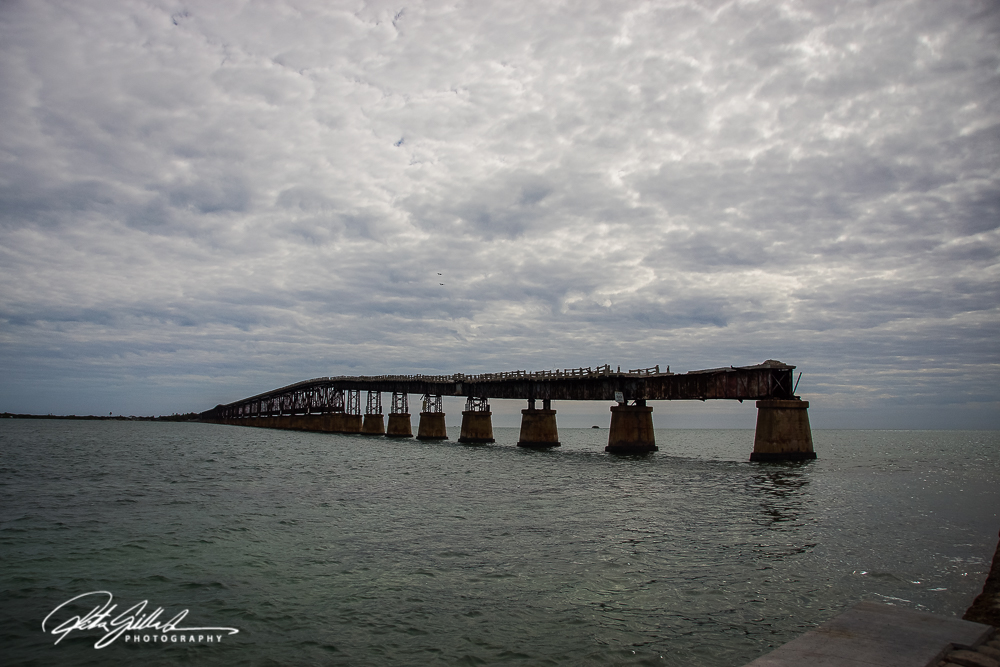
Had to Photograph this, a long, weather-beaten steel bridge stretching over calm, gray-green waters, all beneath a moody, overcast sky. This old guy, the Bahia Honda Rail Bridge, sits on sturdy concrete piers, but you can see the years of wear and tear—rusted beams, broken railings, and a bumpy deck that really give it a character. It stands out against the horizon, creating this striking industrial vibe. The cool, blue-gray tones and soft light around it really bring out a sense of quiet solitude. You’ll notice a bit of a waterfront structure peeking in from the lower right This bridge was part of Henry Flagler’s ambitious Florida Overseas Railroad project, built between 1905 and 1912. Nowadays, it’s no longer used for trains or roads—just resting there, partially dismantled, as a historical landmark over the sea at Bahia Honda State Park in the beautiful Florida Keys.
the Bahia Honda Rail Bridge
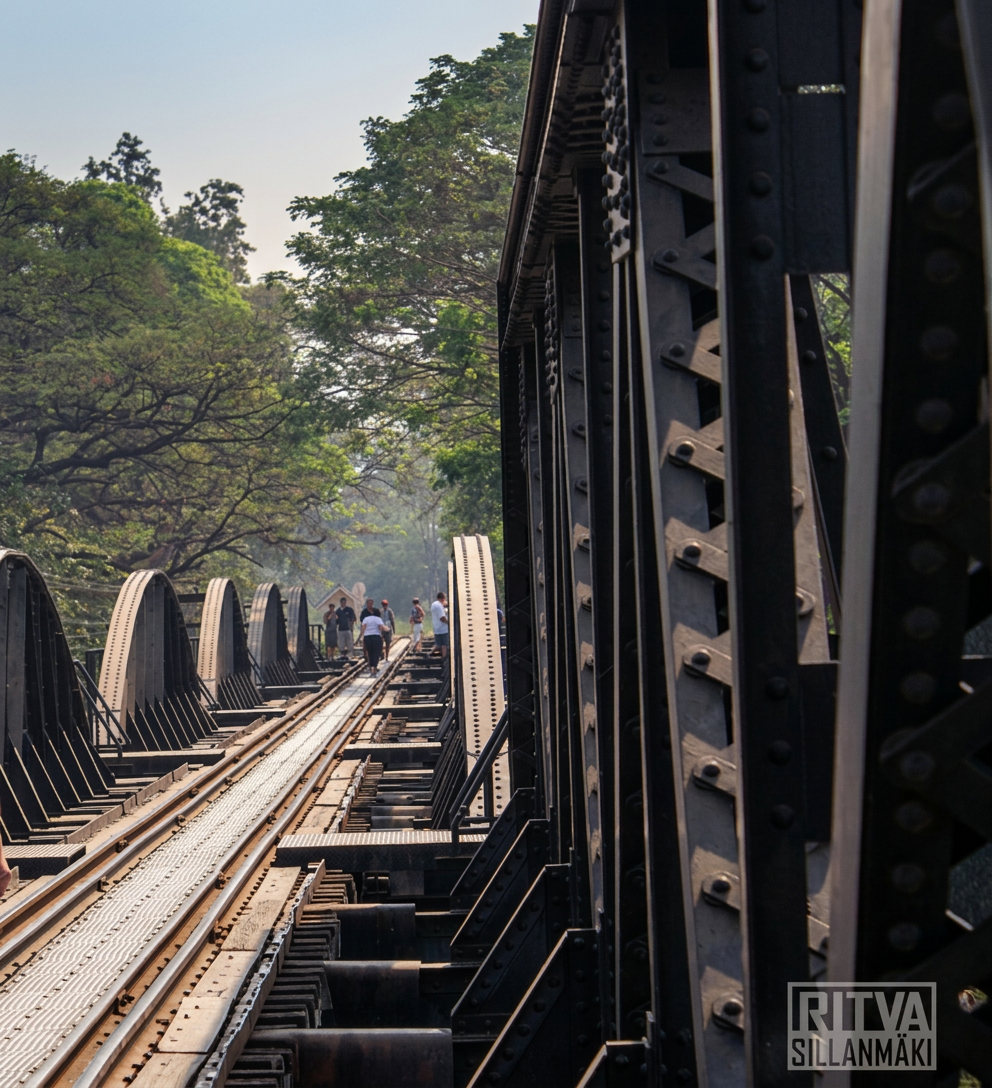
I took this photo of this famous bridge over the River Kwai in Kanchanaburi, Thailand, part of the notorious Death Railway. The bridge and railway were built during World War II back in 1943. The Japanese army brought in Allied prisoners of war and forced laborers, and sadly, many lost their lives due to terrible conditions. Today, it’s a pretty popular spot for tourists, where you can walk across the bridge or even hop on a train. From a vertical angle, you can see this old, dark steel bridge with its riveted girders and arches leading off into the distance. A few folks are strolling along the tracks, surrounded by lush green trees under a light blue sky. The warm sunlight really makes the weathered metal and greenery pop, creating a cool vibe where industrial meets nature.
famous bridge over the River Kwai
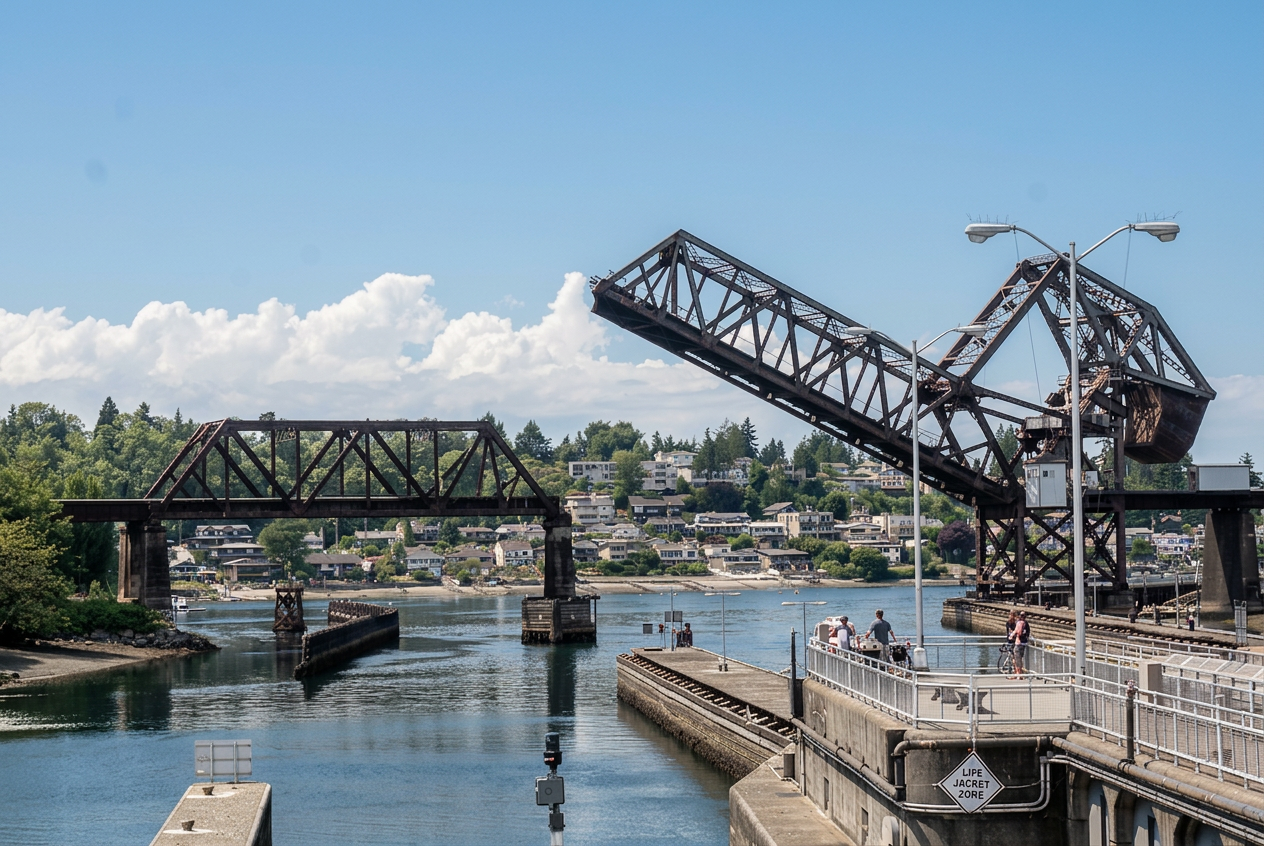
I snapped this shot in Seattle on a bright day. You can see the Salmon Bay Bridge (or the Salmon Bay Rail Bridge if you want to get formal) in the picture. It’s right by the Ballard Locks and was built way back in 1914, making it a key railway link in the area. It’s that classic steel drawbridge raising over the calm water. The dark truss sections angle up, and there’s an older bridge span stretching across to the left. Up front, you can spot some concrete lock stuff like railings, signal gear, streetlights, and this sign that says “PIPE JACRET ZONE.” A couple of people are hanging out on the walkway. In the background, there’s this hilly area packed with homes and trees against a bright blue sky filled with fluffy white clouds. It really gives off a cool maritime vibe, even with all the industry around!
Salmon Bay Bridge
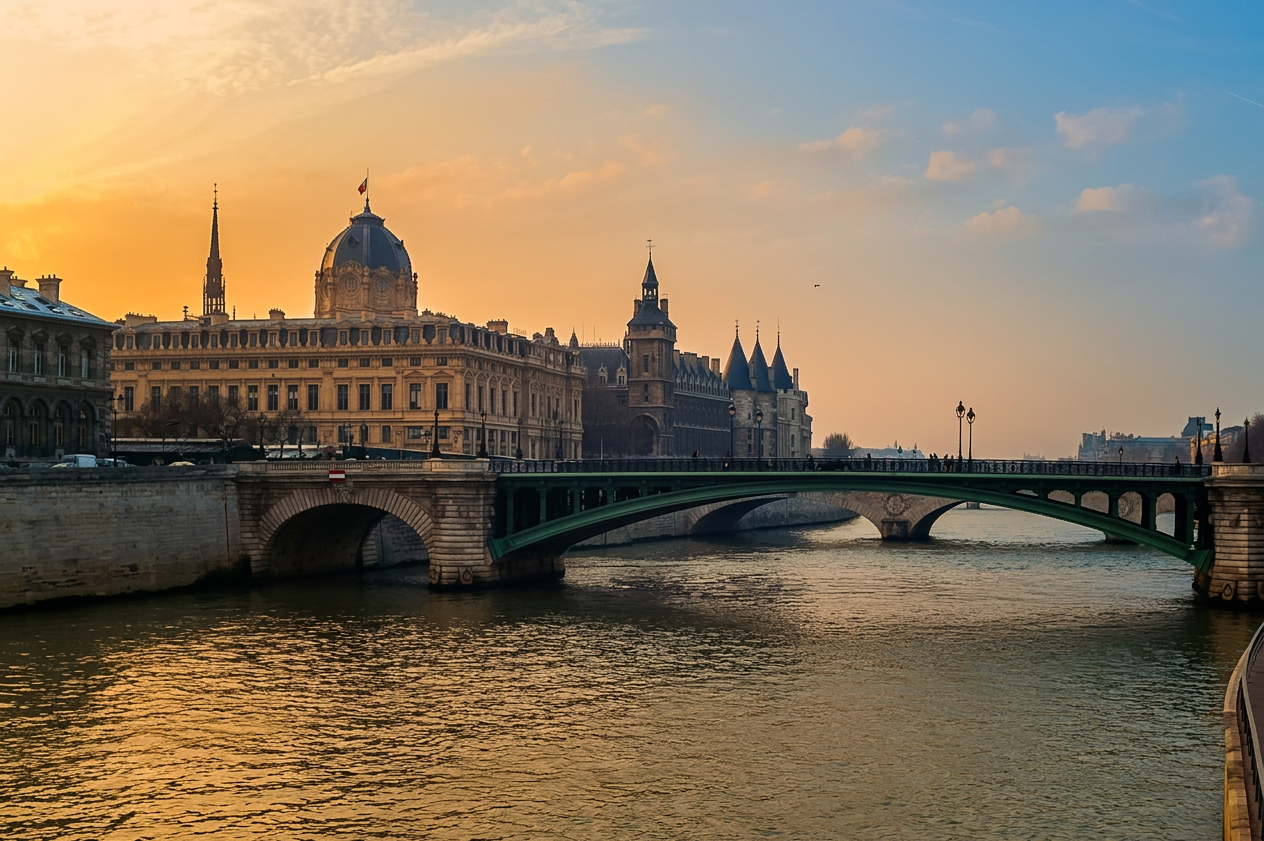
How about the amazing Conciergerie! This former palace and prison is right on the Île de la Cité. The place is a stunning example of Gothic architecture and once housed royal figures. It got pretty famous during the French Revolution for holding political prisoners. Right next to it is the Pont Notre-Dame bridge, which spans the River Seine and connects all the lively streets of the city. The views from the bridge are just breathtaking! It’s a perfect spot to take in the beauty of Paris and soak up all the historic vibes, whether you’re a local or a tourist.
the Pont Notre-Dame bridge, which spans the River Seine
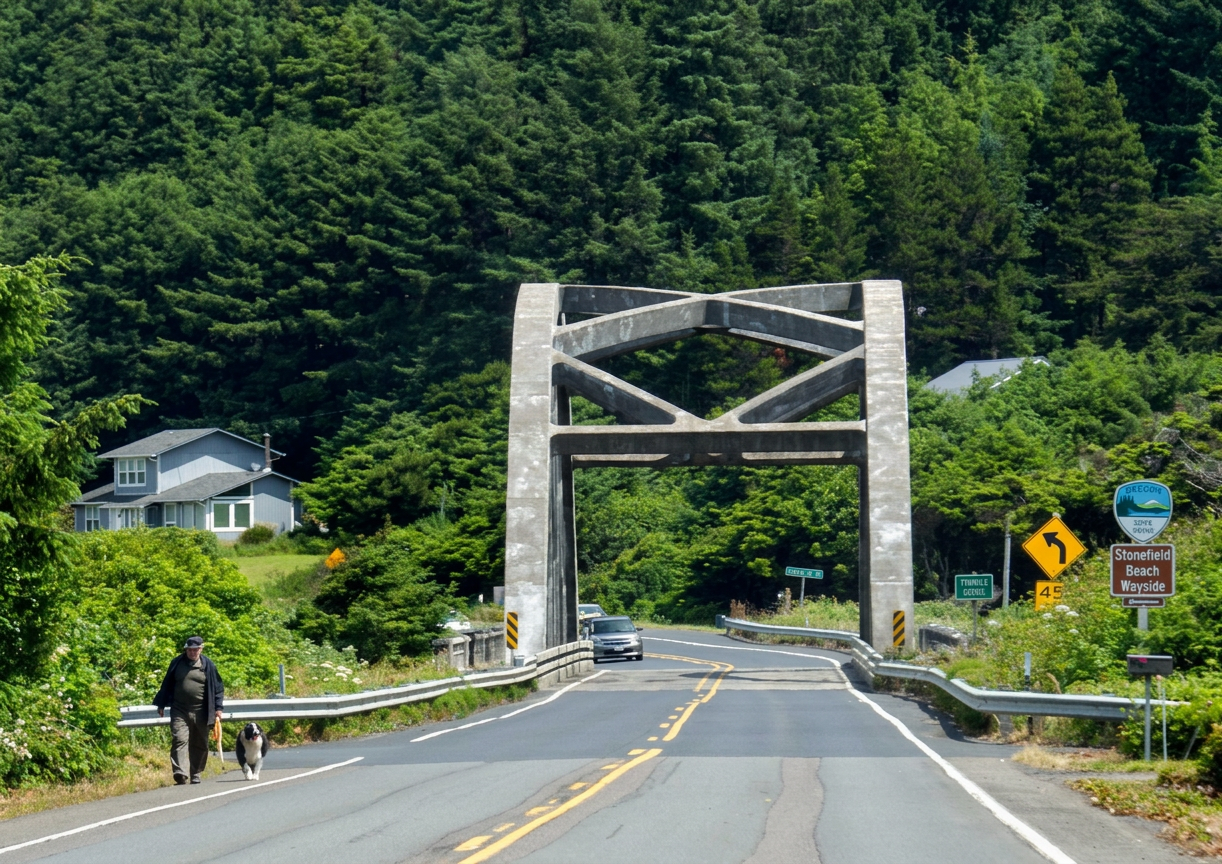
There’s this beautiful two-lane road that goes over this old concrete bridge with unique geometric cross-bracing, and it’s surrounded by lush green forests and quaint homes on the hills. I saw a person walking their black-and-white dog by the roadside while a car was making its way toward the bridge. The scene was framed by guardrails, double yellow lines in the center, and a sign warning about the winding road ahead. There were also signs pointing to Stonefield Beach Wayside and other local roads, giving it that sunny, coastal vibe. The bridge in the image is the Ten Mile Creek Bridge, which is just south of Yachats along U.S. Route 101, close to the Stonefield Beach State Recreation Site. Conde B. McCullough designed it back in 1931. It’s a reinforced concrete tied-arch bridge, about 55 meters long, and guess what? It’s listed on the National Register of Historic Places!
Ten Mile Creek Bridge, which is just south of Yachats along U.S. Route 101,
A heartfelt thank you to John for his “Shaped by Water” challenge! I also want to extend my thanks to you, Beth, for this wonderful challenge this week. I encourage you to take part and remember to link back to her original post and use the Lens-Artists Tag so we can easily locate your contributions in the WP Reader.
Ann-Christine will be back next week, bringing a new challenge for us to tackle at noon EST in the USA. Make sure to join us to learn more about the challenge at that time.
Until then, let’s keep exploring, broadening our horizons, and maintaining a positive mindset
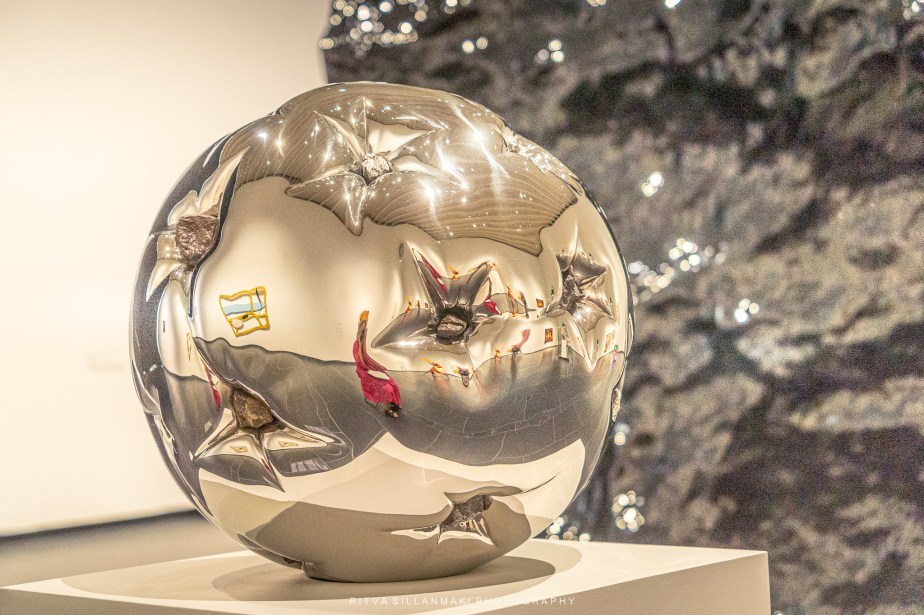
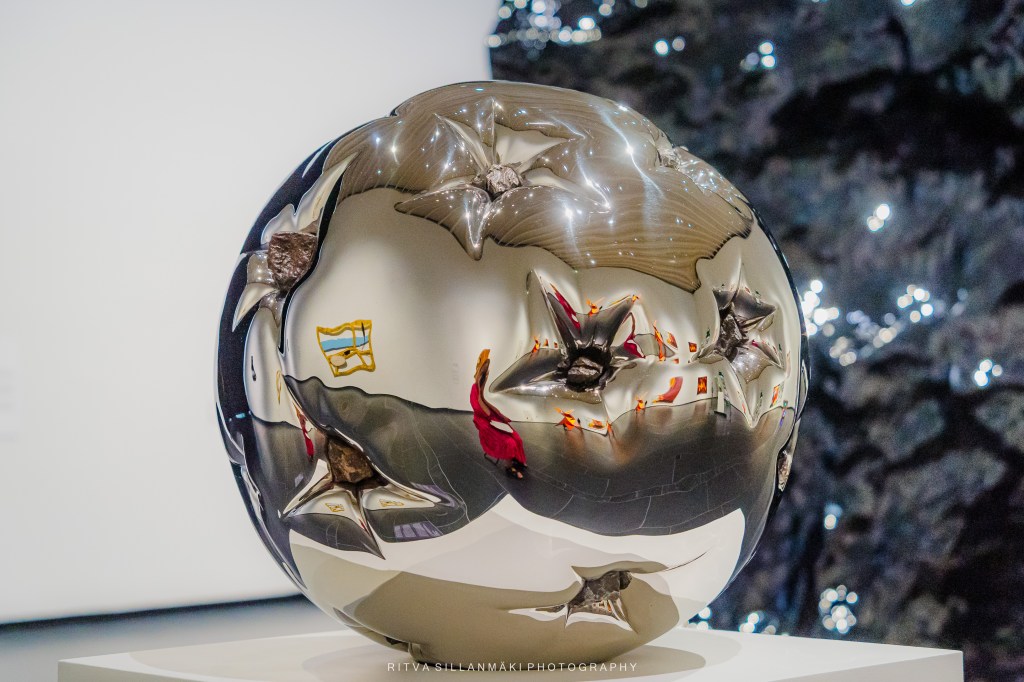
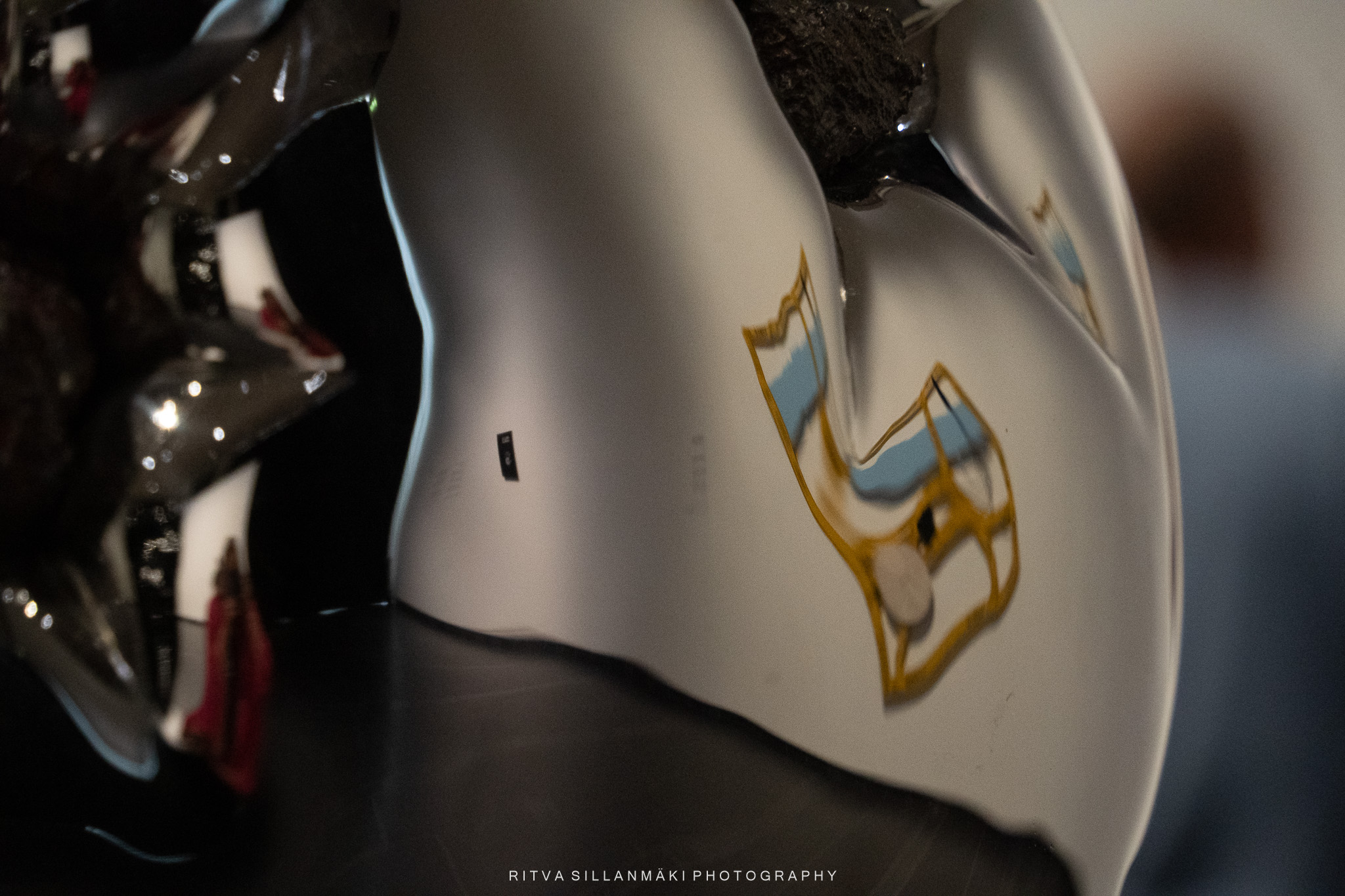
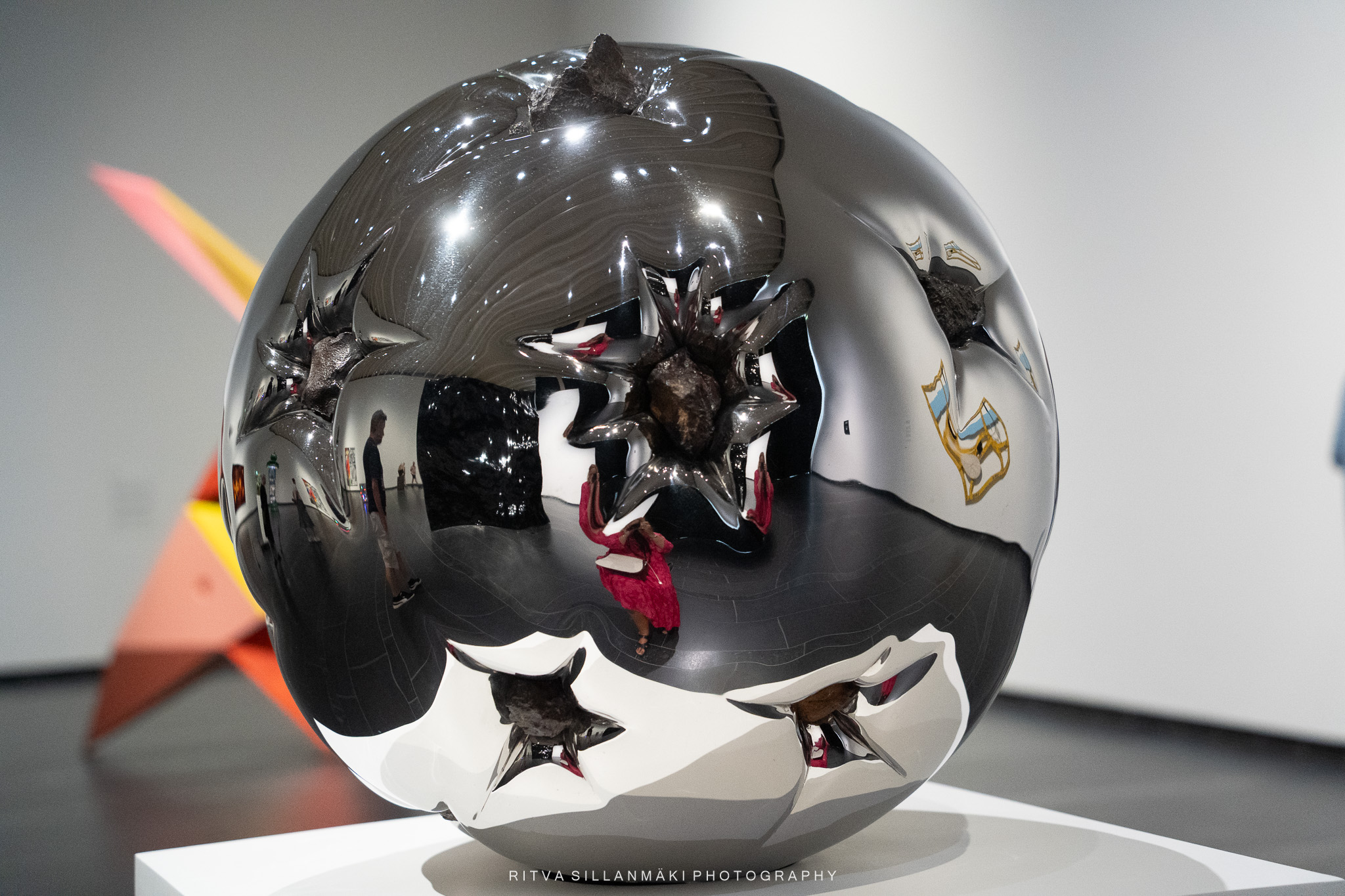
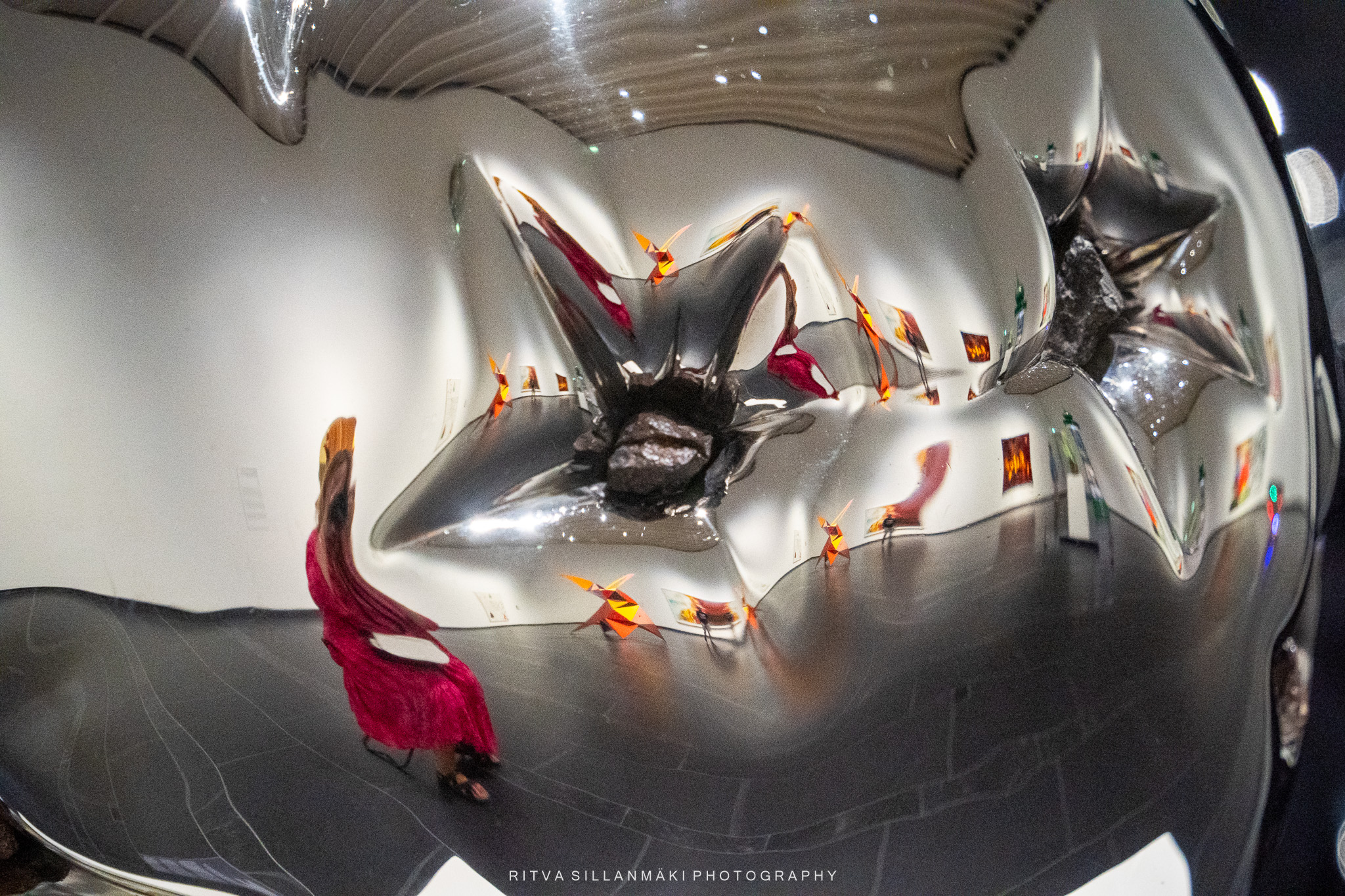
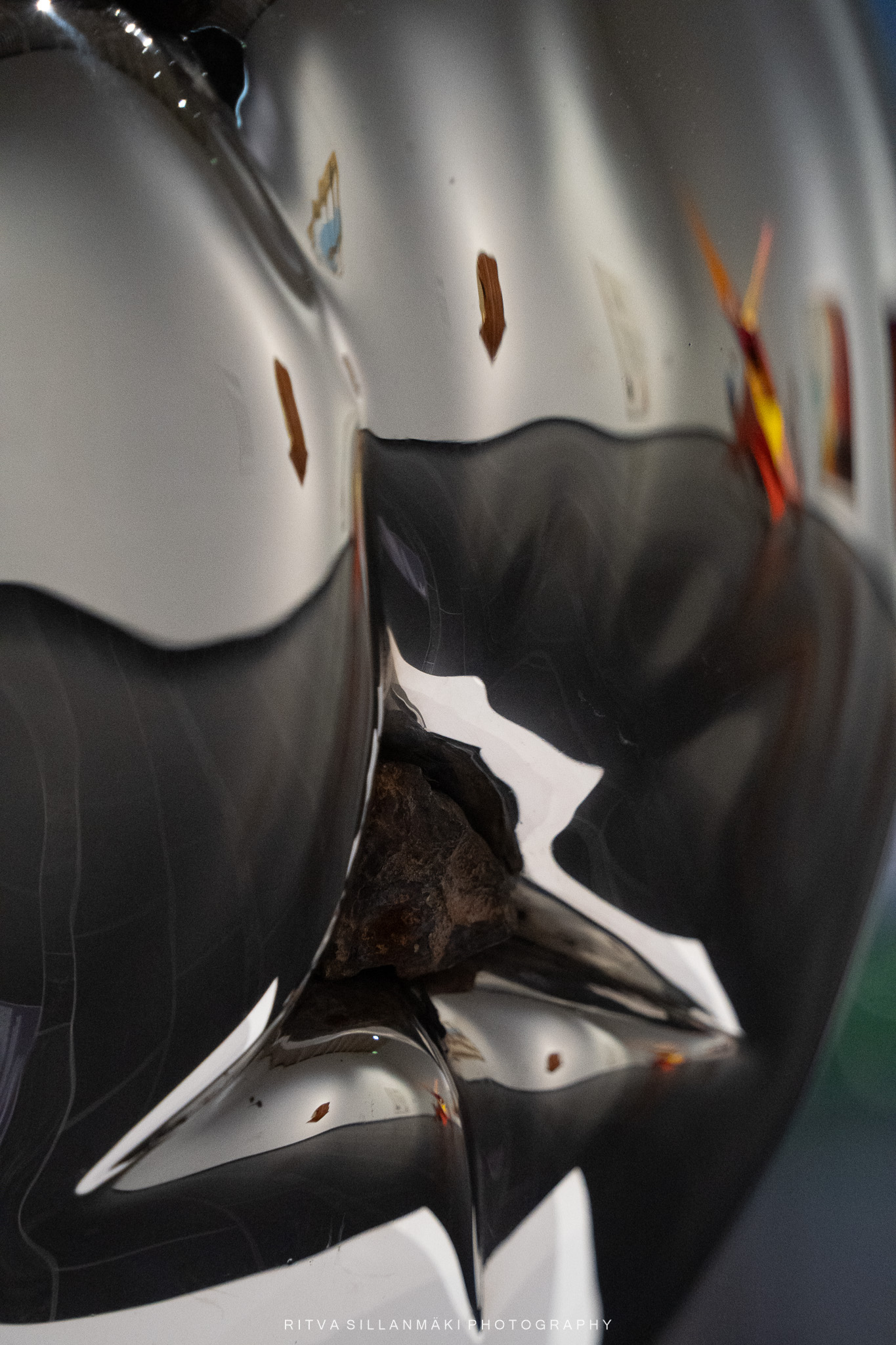
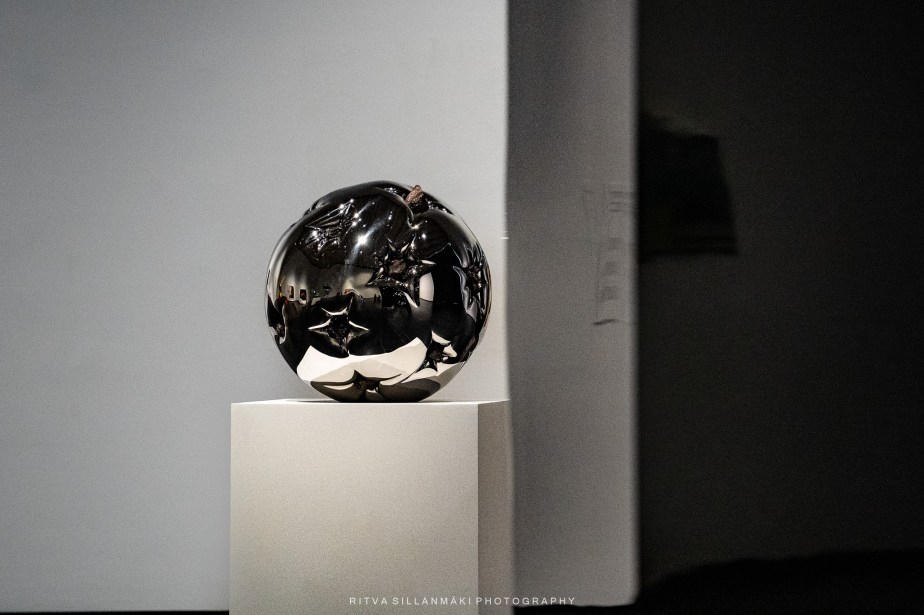
Art inspiring photography has a unique ability to captivate and draw us into a world of creativity and imagination. I saw this remarkable artwork and can genuinely say I spent more than a few moments lost in its beauty, taking multiple photos of the mesmerizing reflections it created.
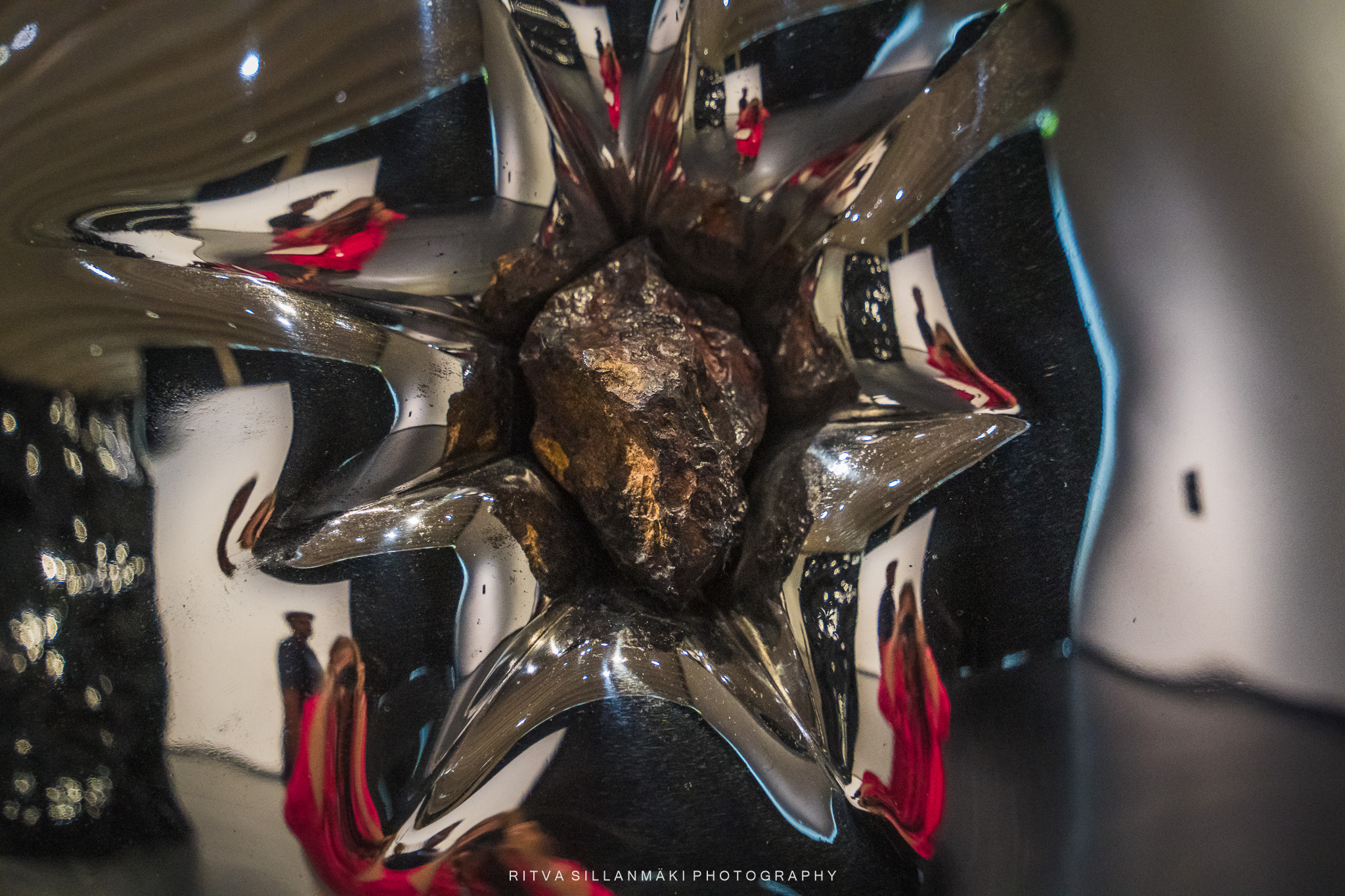
The artist Keith Tyson has embedded fragments of meteorites collected from Antarctica into a polished steel sphere in his work titled “Field of Heaven.” The concept is to unite materials that have originated as far apart from each other as possible.
A polished steel sphere titled ‘Field of Heaven’ by Keith Tyson, reflecting intriguing details and surroundings.
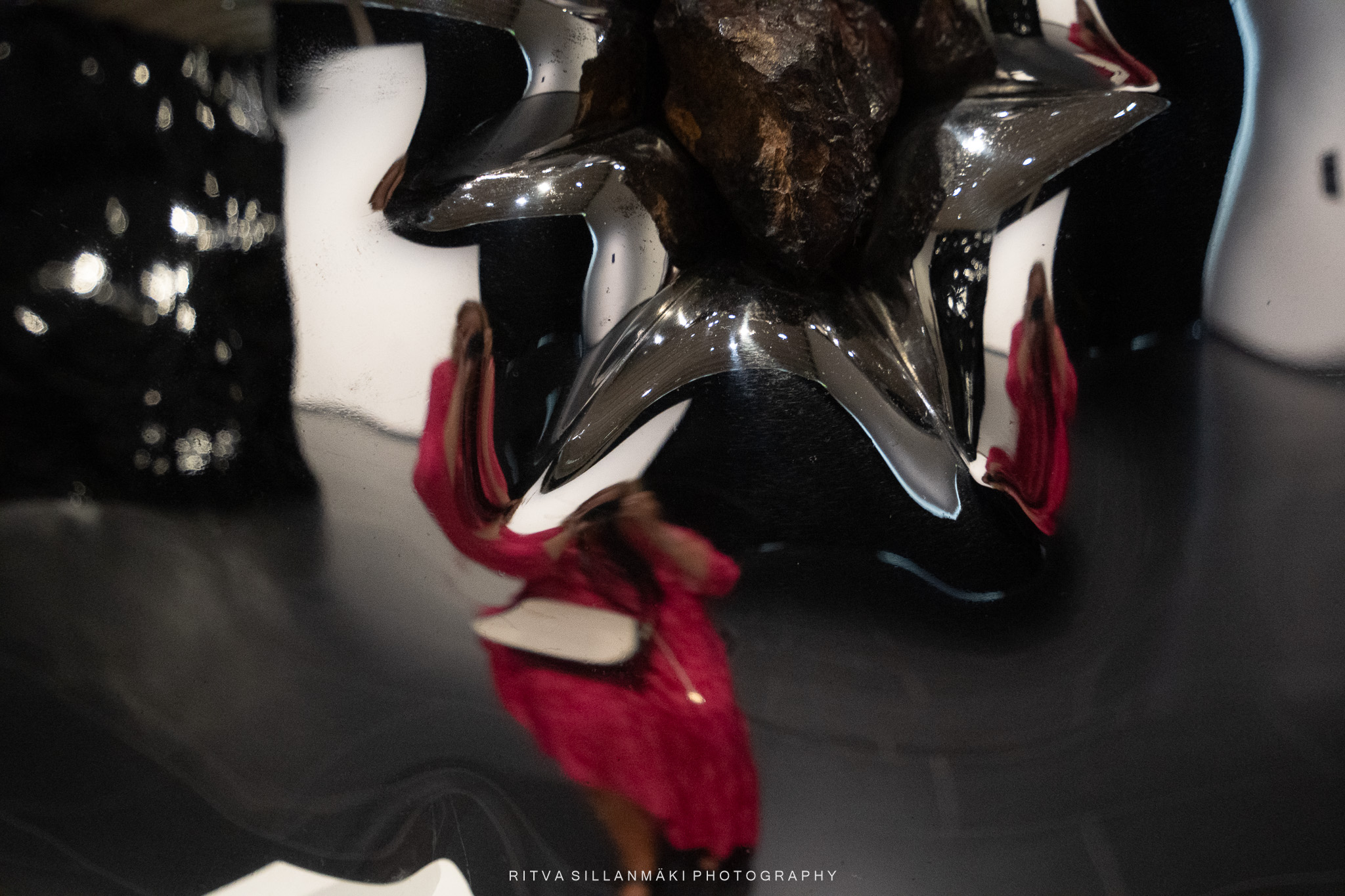
Each angle revealed something new, and I found myself striving to capture that one inspiring shot that would encapsulate the essence of the piece. One of the photographs I took appears to show a crow peeking out from the depths of the artwork, its silhouette forming a mysterious figure that invites curiosity. Another image conveys a sense of wonder, resembling a stone or a meteor hurtling forth from a brilliant star, as if it were a fragment of the universe capturing a fleeting moment in time.
Through these reflections, I felt a profound connection to the art, showcasing the hidden narratives and emotions that art often evokes in those who are open to its interpretation. What is your interpretation?
A striking sculpture featuring a spherical design with star motifs, displayed elegantly on a pedestal in a gallery.
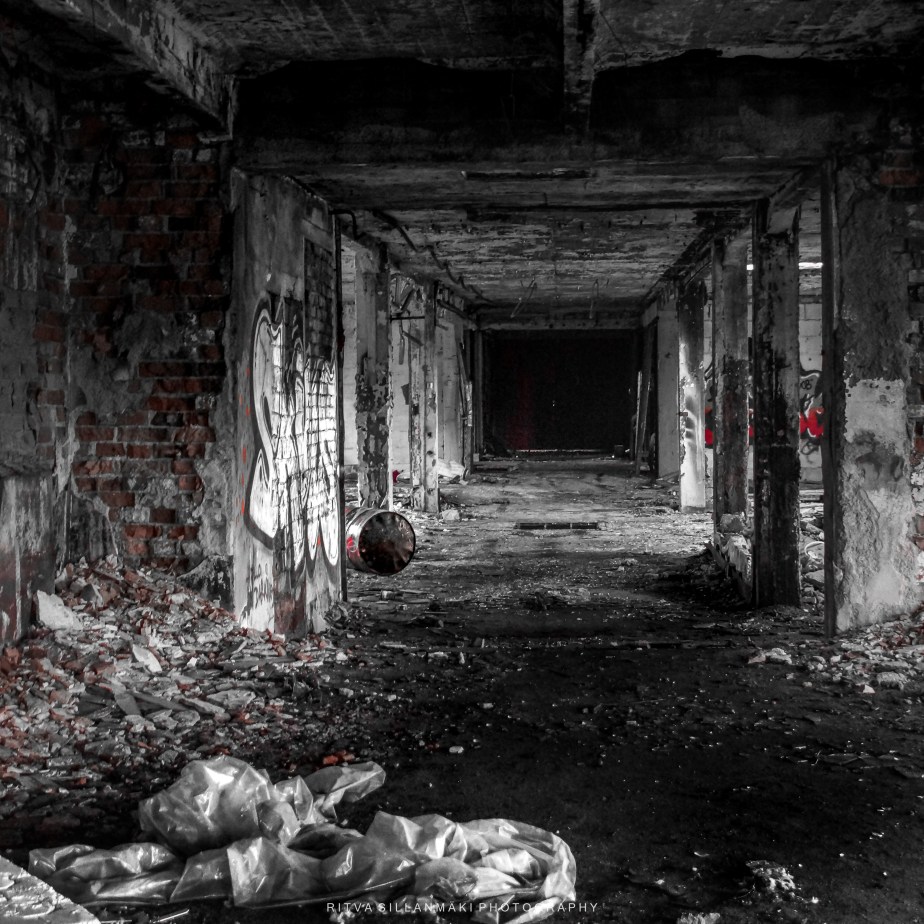
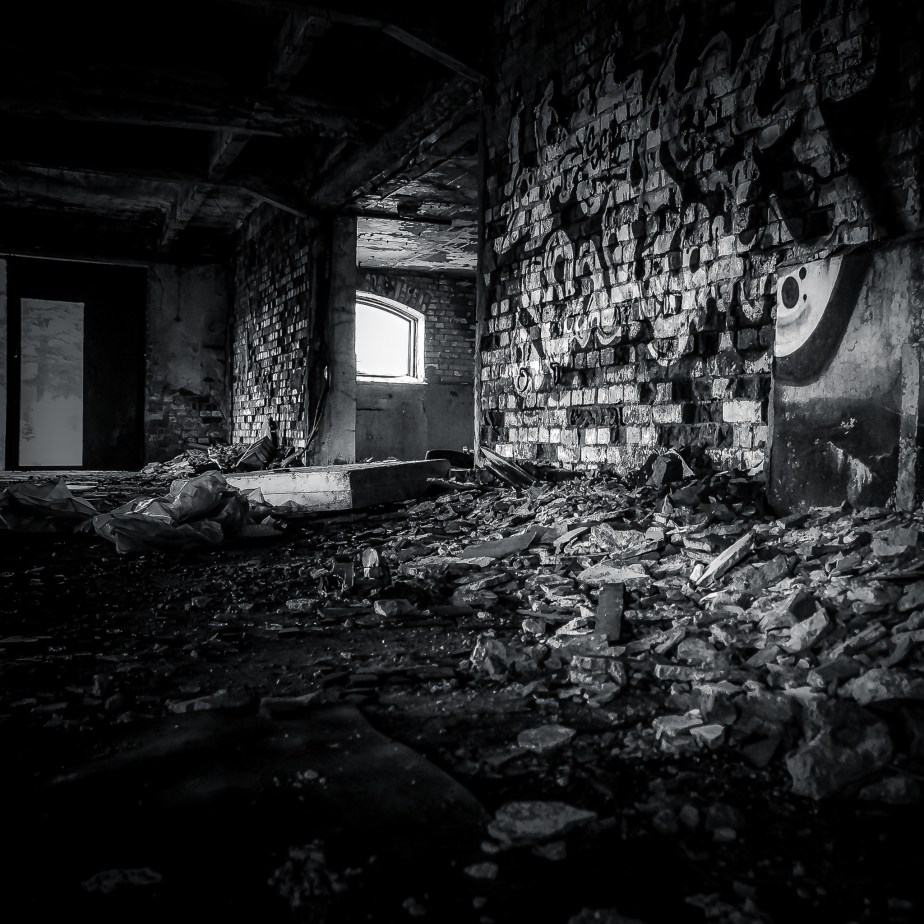
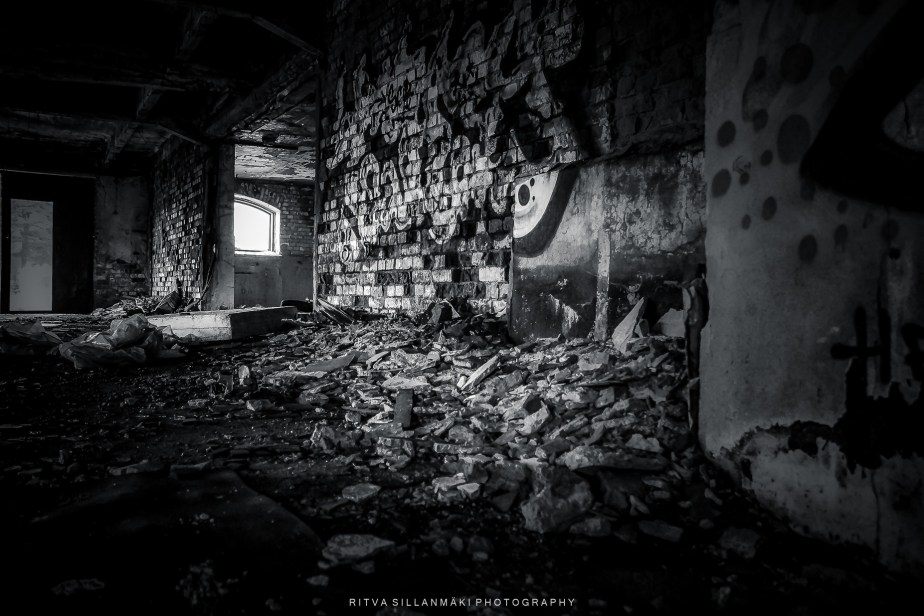
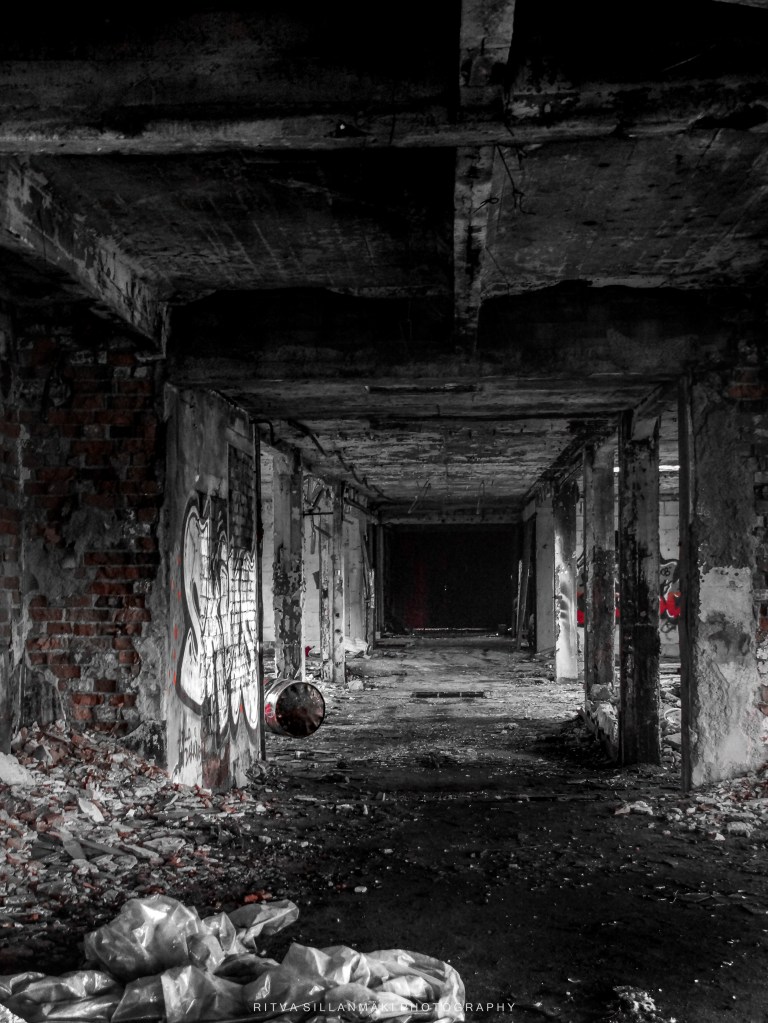
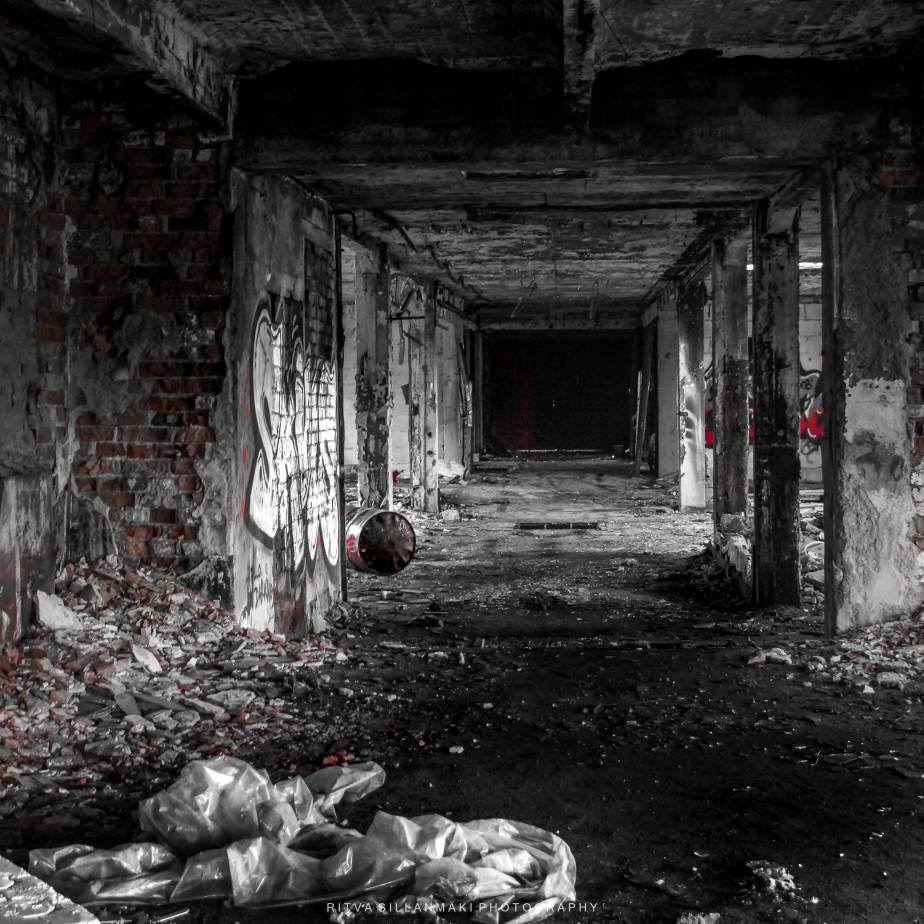
This is one of my favorite challenges as I love black and white photography; it captures the essence of the topic in many cases, allowing viewers to focus on shape, texture, and emotion without the distraction of color. The interplay of light and shadow transforms ordinary scenes into dramatic compositions that tell a story. I am still returning to the burned down barn for this week’s Monochrome Madness and NovemberShadows, as it evokes images in my mind that nurtures my creative vision. Each revisit to the photos reveals new angles and perspectives as how to edit and capture its haunting presence, inviting me to experiment and refine my technique while deeply connecting with the subject matter.
An abandoned interior showcasing a stark contrast between light and shadow, emphasizing the textures of decaying walls and debris.
Here in these two sets of images and different frames, I’m checking out how the crop’s aspect ratio changes these images. It’s pretty interesting to think about whether cropping a photo to a square actually adds something to the mood compared to keeping it in its original rectangular shape weather it is landscape or portrait. This change can really shift the focus, often guiding the viewer’s eye to specific details more easily. But you’ve also got to wonder if this tighter framing means losing some important context or details, which could totally alter the story the photo tells. Cropping can either amp up the emotional punch or totally take it down a notch, so it’s definitely a key choice in the editing process that we need to think about.
I have to admit these are more black and white photographs than monochrome, but the rules are not too tight in these challenges.
An abandoned room filled with debris, showcasing the contrasts of light and shadow in black and white photography.
An abandoned corridor with stark black and white contrasts, showcasing the interplay of light and shadow in decay.
A haunting black and white photograph of an abandoned interior space, showcasing dramatic contrasts and urban decay.
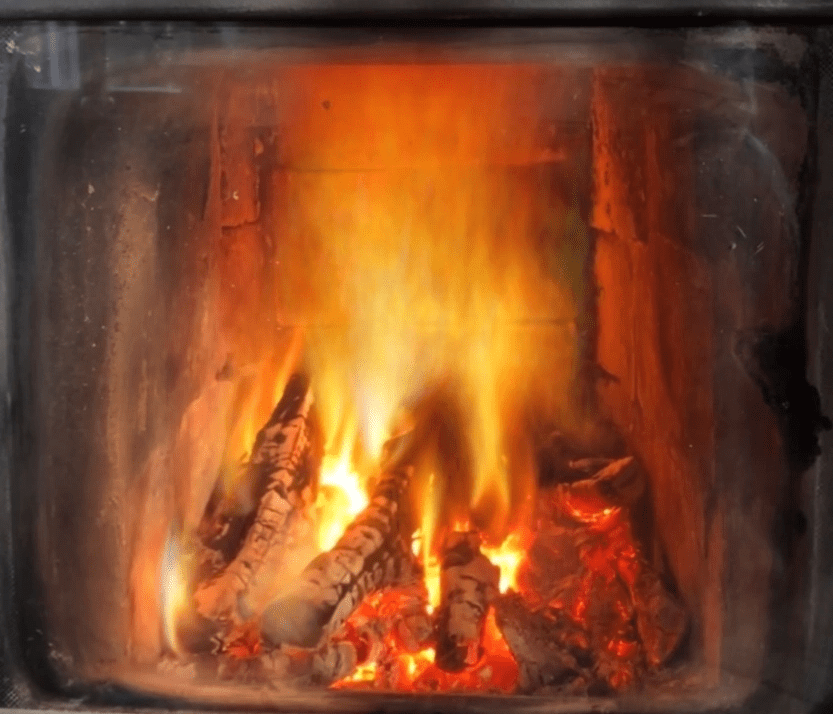
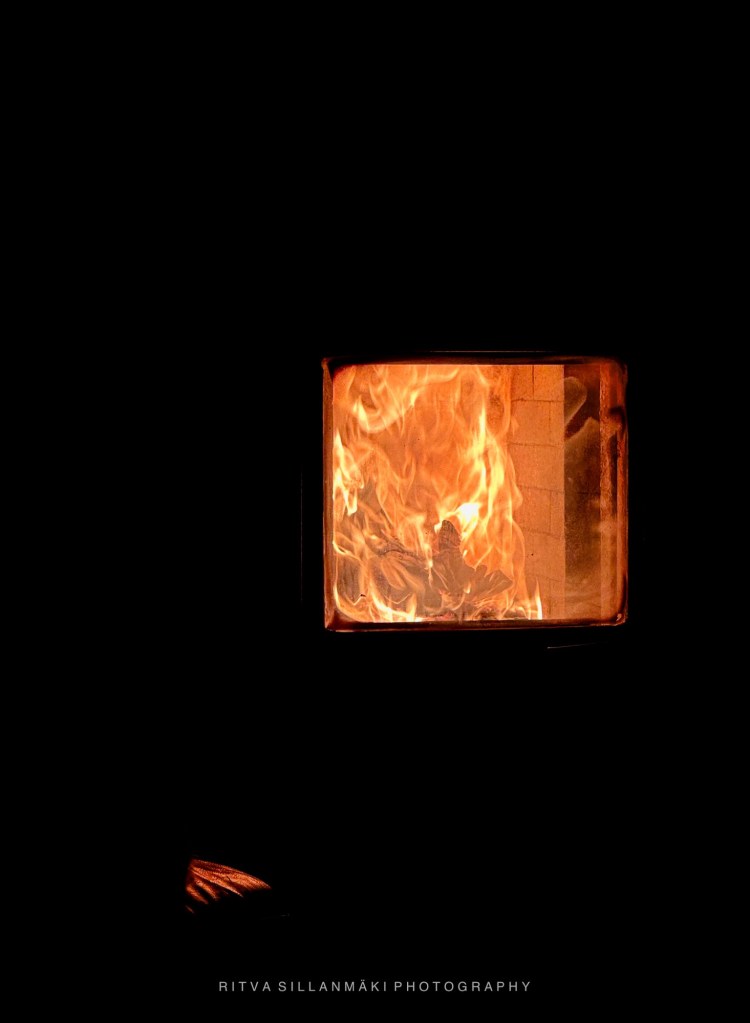
T – TULI – Fire , flame . It also means came, arrived
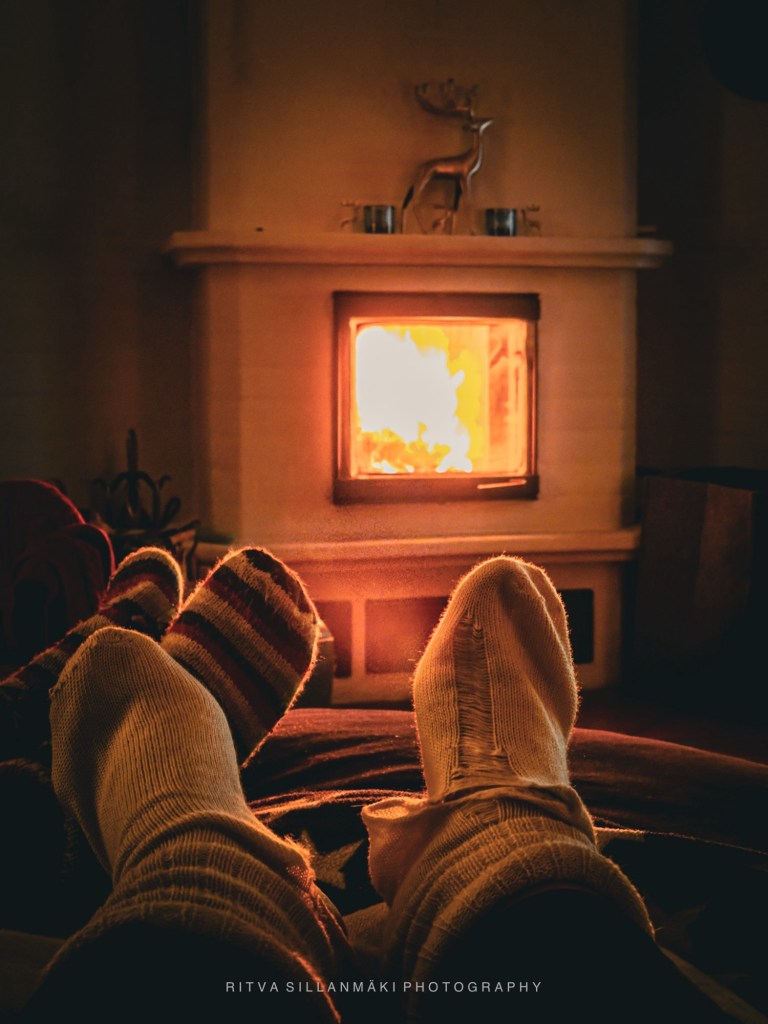
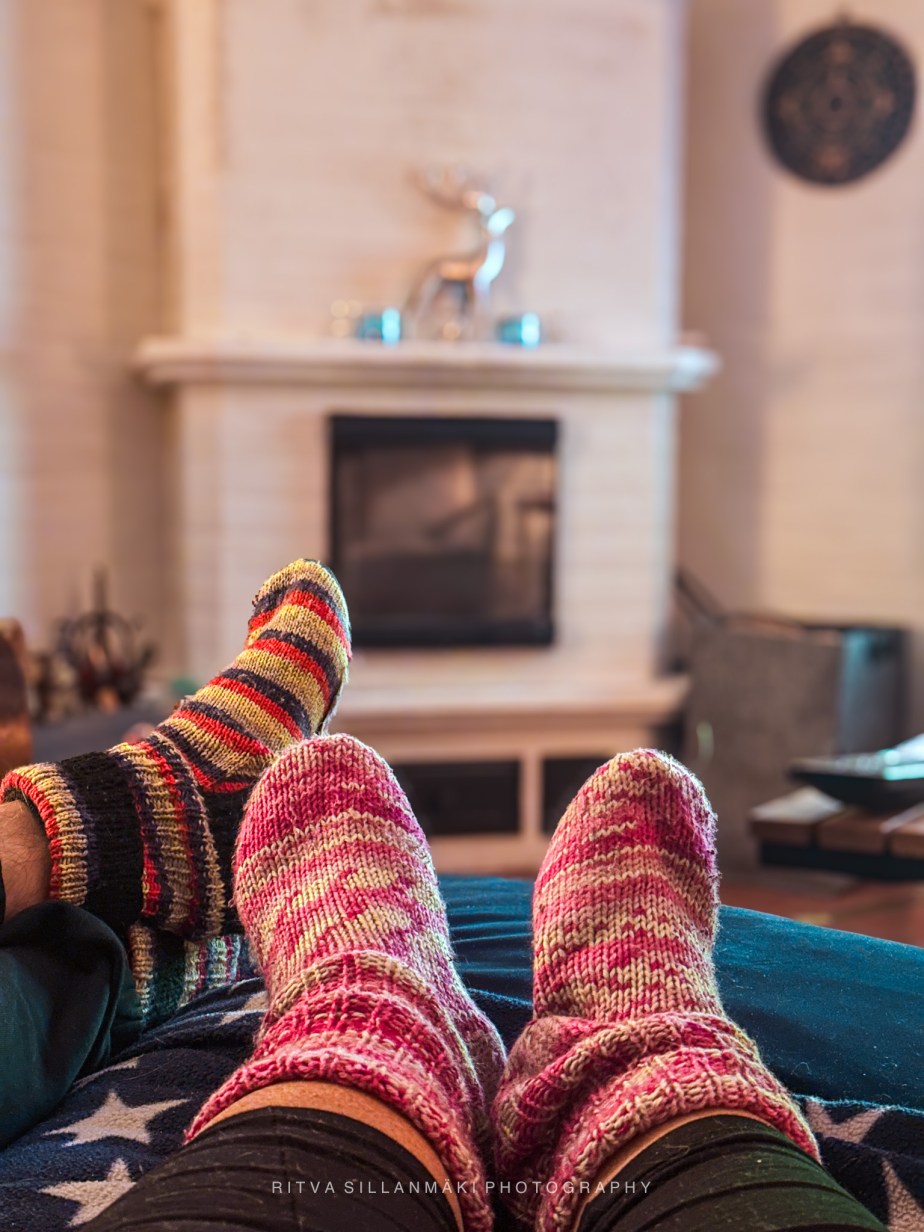
It’s obvious that November has beaten me; I don’t seem to get anything done, and I just want to be, to do nothing—I’m not excited about anything. This is one of the reasons Surviving November is important—to take at least one or two photos a day, one thing at least accomplished. But as you can see from my photos, I am happy to disappear into my couch/sofa, wrapped in a cozy blanket, where time seems to blur.
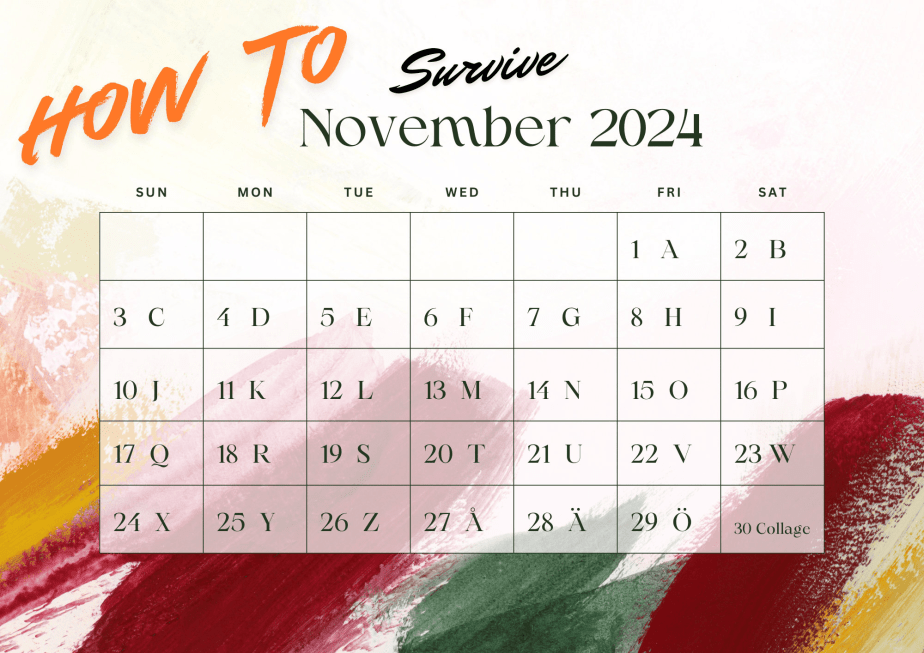
Lepis is hosting once again How to Survive November, and this year’s theme: Let’s follow alphabets! Every day the subject of the photo, drawing, painting, collage or whatever, is that day’s alphabet. First day the subject is something that starts with A, second day with B and so on. In Finnish there are few more alphabets than in English language: Å, Ä, Ö. The last day we’ll make a collage out of all the other photos. You can make a link from your page with InLinkz-page which is found on the right column of her page.
it is that time of the year. (my imagination is not very creative at the moment.
Lepis is hosting once again How to Survive November, and this year’s theme: Let’s follow alphabets! Every day the subject of the photo, drawing, painting, collage or whatever, is that day’s alphabet. First day the subject is something that starts with A, second day with B and so on. In Finnish there are few more alphabets than in English language: Å, Ä, Ö. The last day we’ll make a collage out of all the other photos. You can make a link from your page with InLinkz-page which is found on the right column of her page.
I got caught behind and now I am trying to catch up with the days and letters. I looked around my office and found something to photograph, not my best shots, but I am putting in the the effort – I am taking the shots not using the the archive. That would be so much easier to do and the photos would be better, but that’s not the point here.
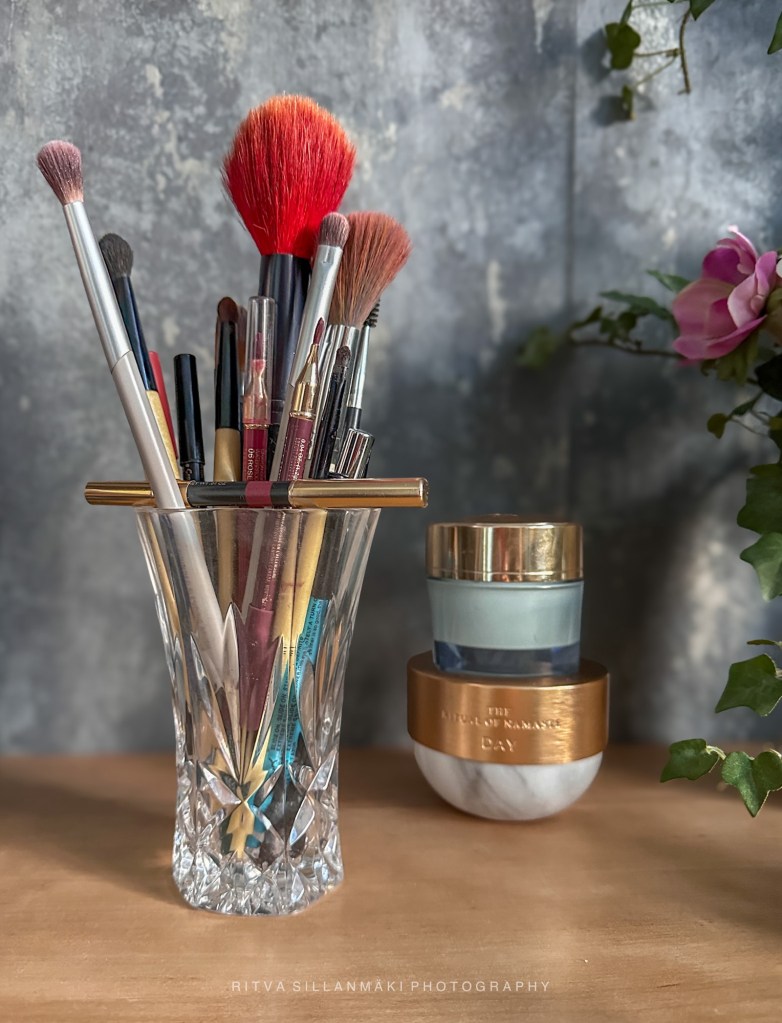
P – pensseli – brush
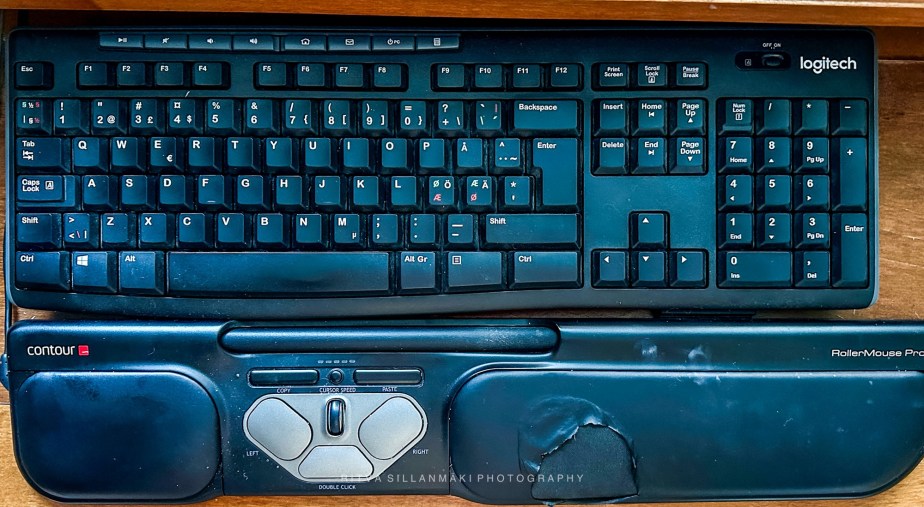
Q – QWERTY – same in both languages – a keyboard used in Finland
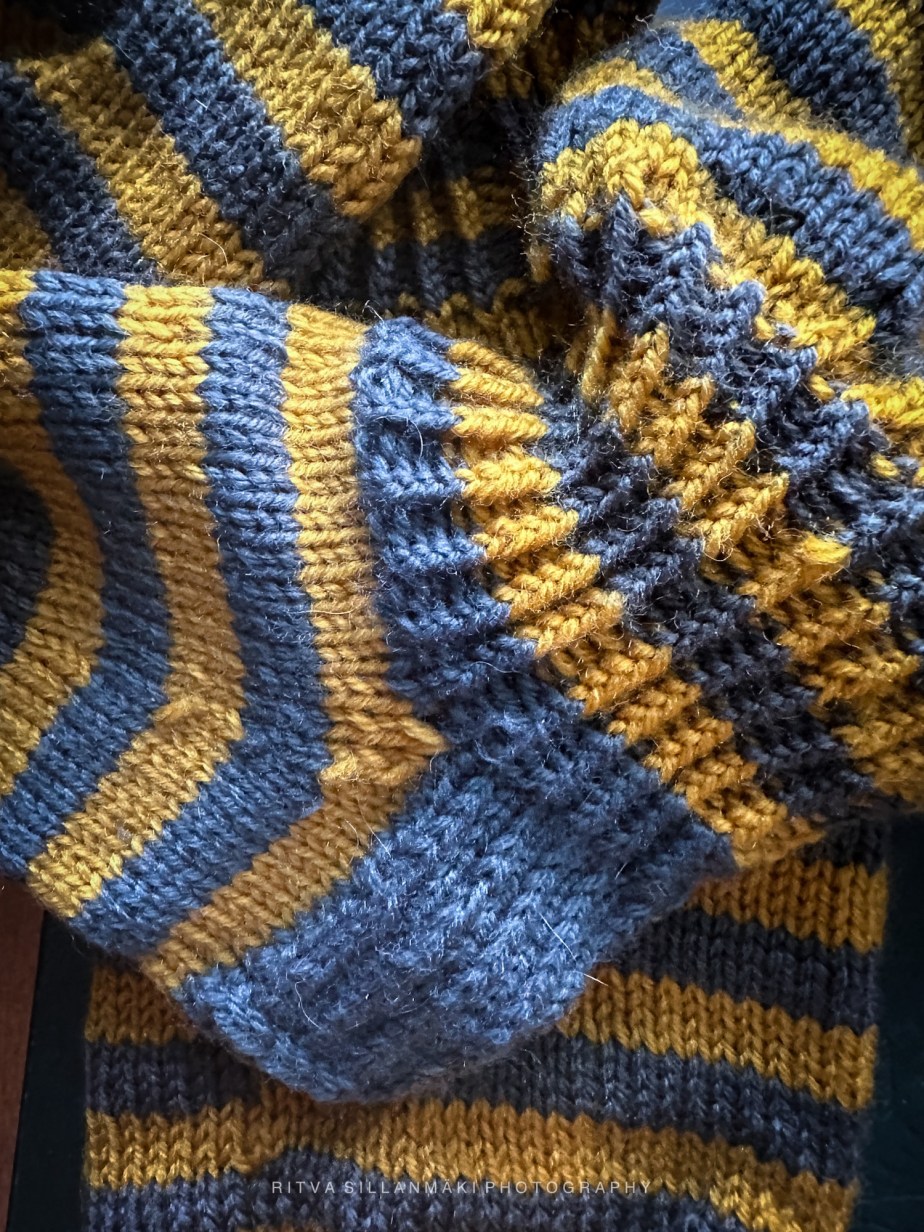
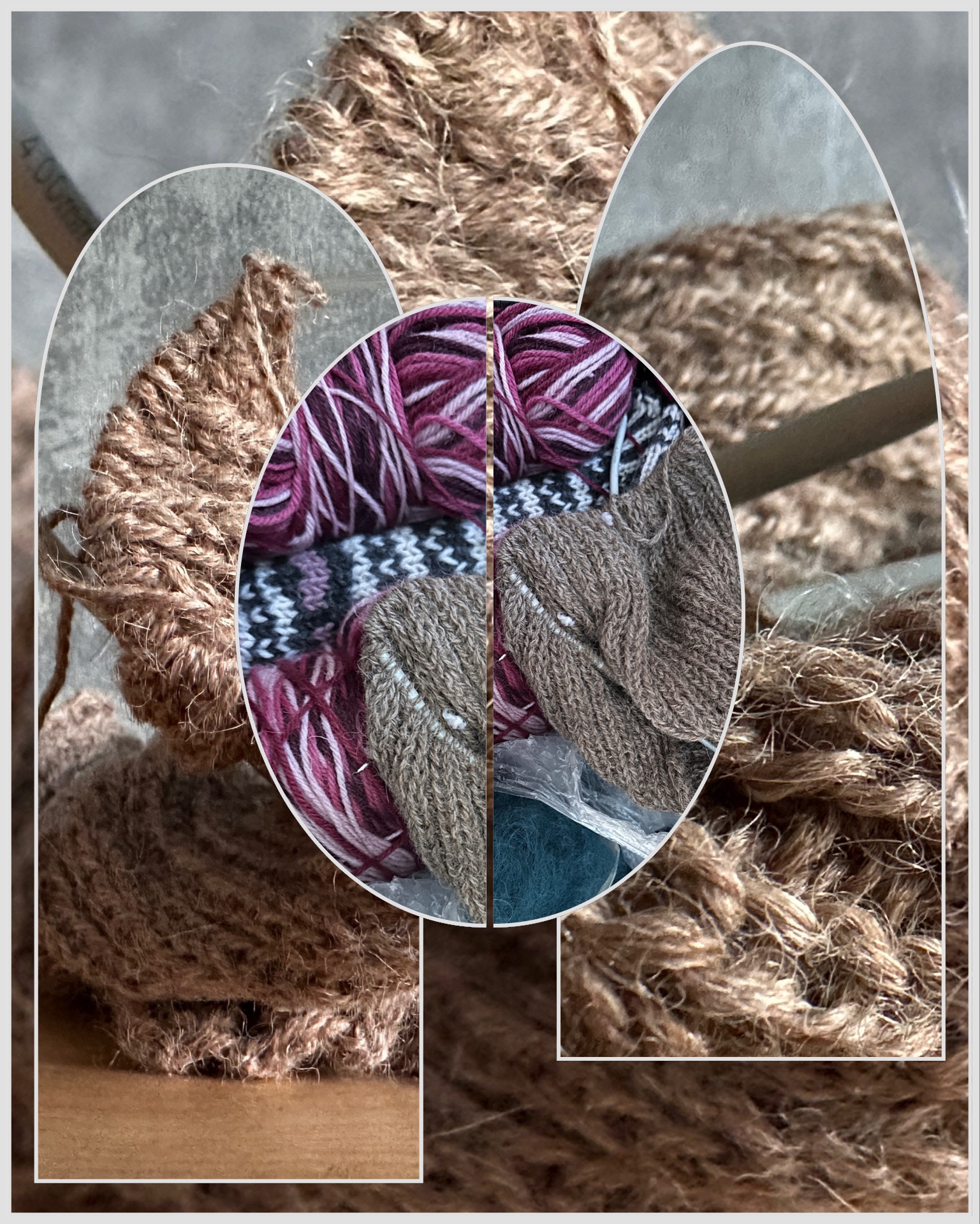
R – raidat – stripes
Lepis is hosting once again How to Survive November, and this year’s theme: Let’s follow alphabets! Every day the subject of the photo, drawing, painting, collage or whatever, is that day’s alphabet. First day the subject is something that starts with A, second day with B and so on. In Finnish there are few more alphabets than in English language: Å, Ä, Ö. The last day we’ll make a collage out of all the other photos. You can make a link from your page with InLinkz-page which is found on the right column of her page.
Lepis is hosting once again How to Survive November, and this year’s theme: Let’s follow alphabets! Every day the subject of the photo, drawing, painting, collage or whatever, is that day’s alphabet. First day the subject is something that starts with A, second day with B and so on. In Finnish there are few more alphabets than in English language: Å, Ä, Ö. The last day we’ll make a collage out of all the other photos. You can make a link from your page with InLinkz-page which is found on the right column of her page.
Well, this is one of the things you can do in November.
Lepis is hosting once again How to Survive November, and this year’s theme: Let’s follow alphabets! Every day the subject of the photo, drawing, painting, collage or whatever, is that day’s alphabet. First day the subject is something that starts with A, second day with B and so on. In Finnish there are few more alphabets than in English language: Å, Ä, Ö. The last day we’ll make a collage out of all the other photos. You can make a link from your page with InLinkz-page which is found on the right column of her page.
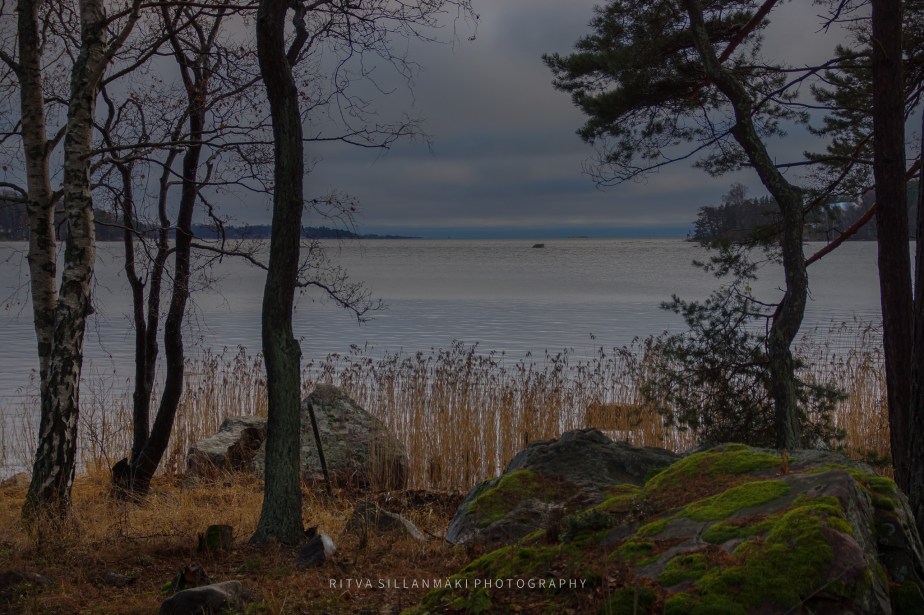
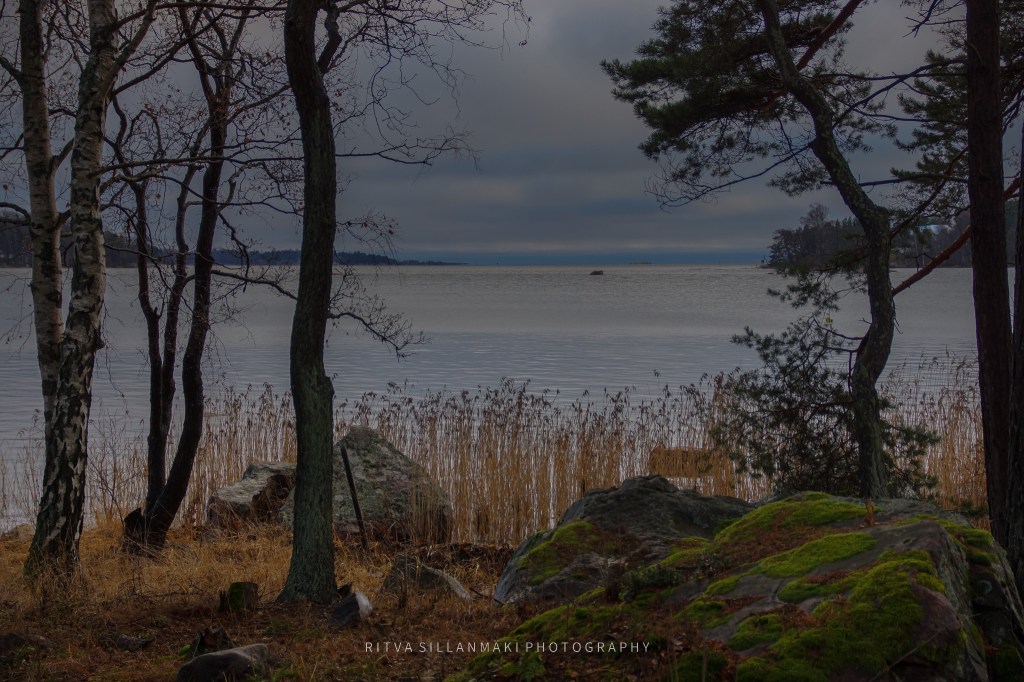
November 13th – M – Maisema / Landscape / scene / view
Meri – Sea
Landscape – this is taking the easy way out of this one.
Lepis is hosting once again How to Survive November, and this year’s theme: Let’s follow alphabets! Every day the subject of the photo, drawing, painting, collage or whatever, is that day’s alphabet. First day the subject is something that starts with A, second day with B and so on. In Finnish there are few more alphabets than in English language: Å, Ä, Ö. The last day we’ll make a collage out of all the other photos. You can make a link from your page with InLinkz-page which is found on the right column of her page.
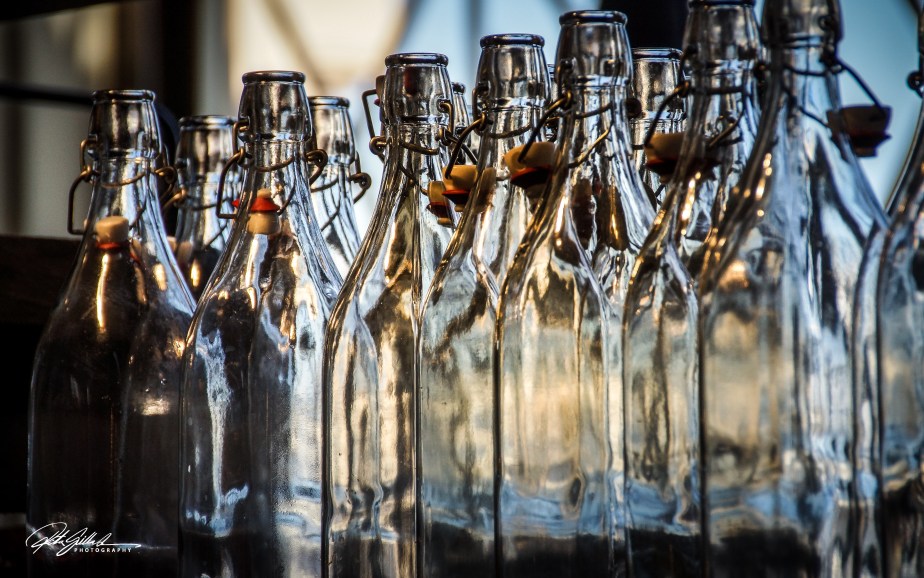
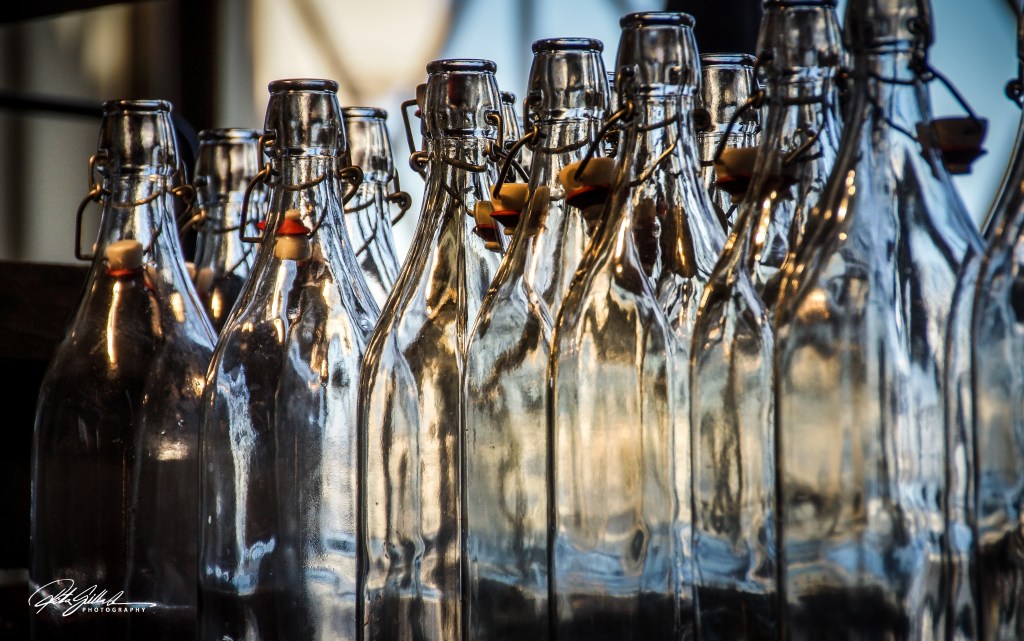
November 11 th -L is for – Lasipullo / Lasipullot – Glass bottle / Glass Bottles
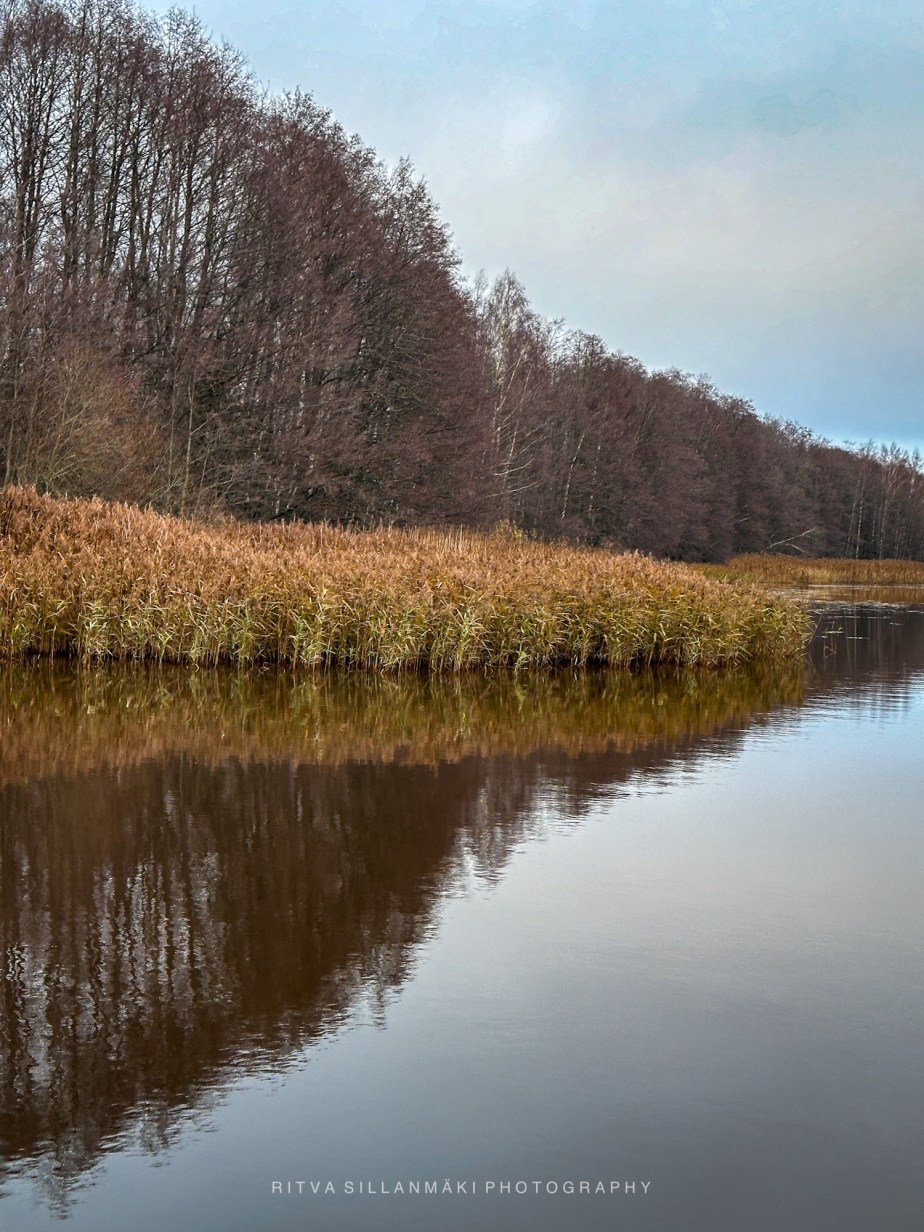
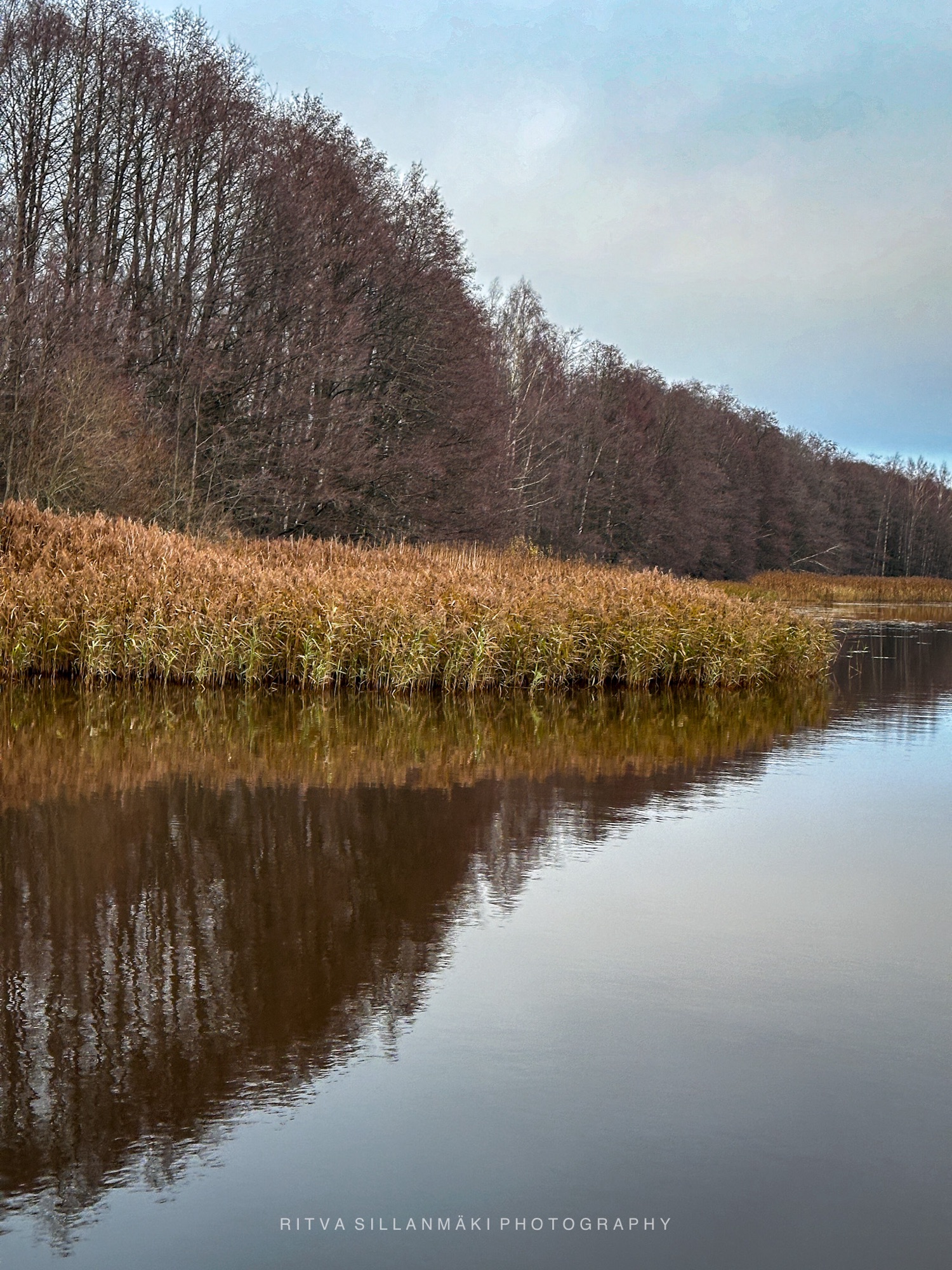
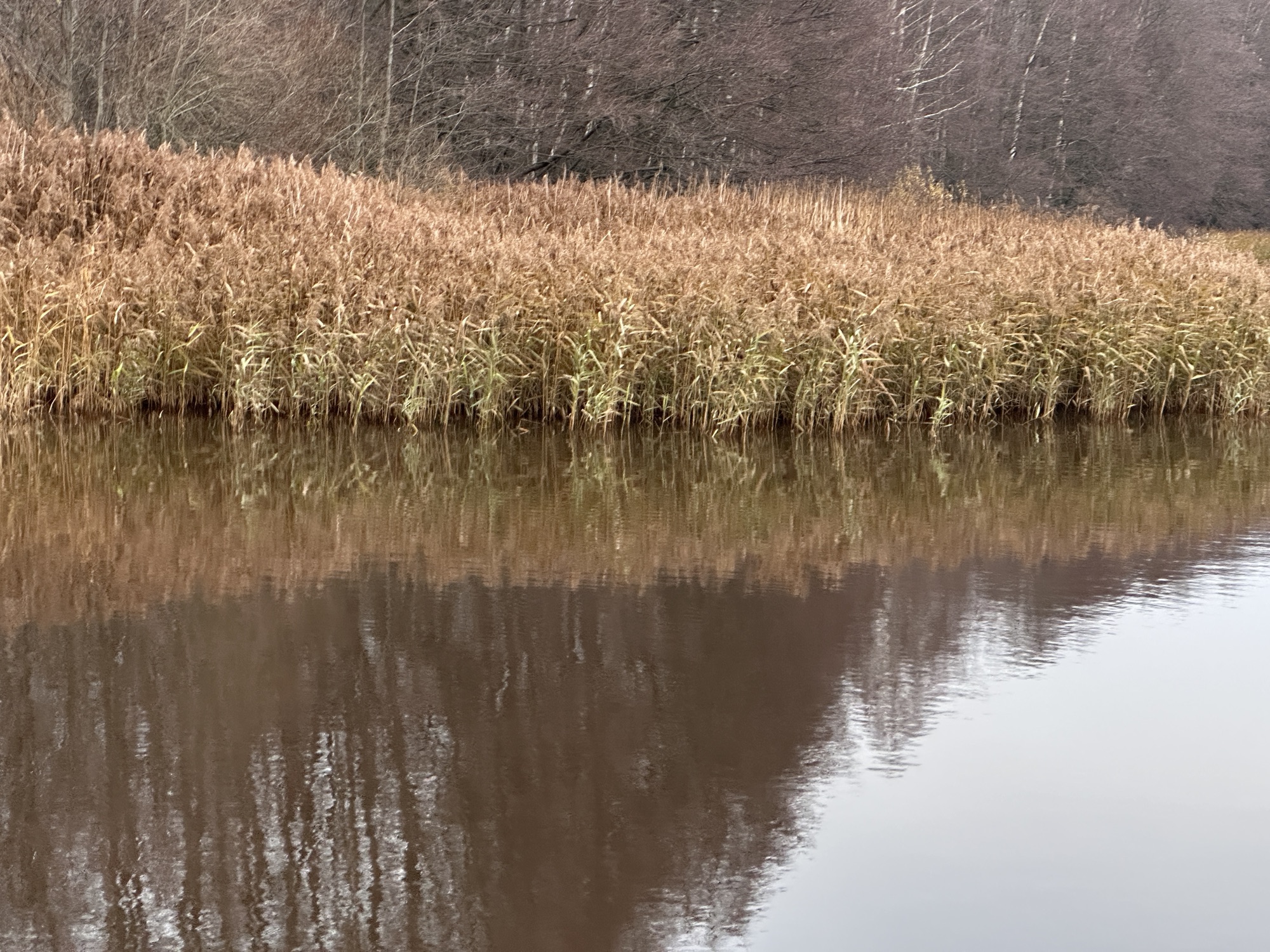
This is a lake reed, most common reed in Finland, photo of Lake Syväjärvi in Kirkkonummi. I am also posting this to John’s Cellpic Sunday
Lepis is hosting once again How to Survive November, and this year’s theme: Let’s follow alphabets! Every day the subject of the photo, drawing, painting, collage or whatever, is that day’s alphabet. First day the subject is something that starts with A, second day with B and so on. In Finnish there are few more alphabets than in English language: Å, Ä, Ö. The last day we’ll make a collage out of all the other photos. You can make a link from your page with InLinkz-page which is found on the right column of her page.
This is a lake reed, most common reed in Finland, photo of Lake Syväjärvi in Kirkkonummi. I am also posting this to John’s Cellpic Sunday
Lepis is hosting once again How to Survive November, and this year’s theme: Let’s follow alphabets! Every day the subject of the photo, drawing, painting, collage or whatever, is that day’s alphabet. First day the subject is something that starts with A, second day with B and so on. In Finnish there are few more alphabets than in English language: Å, Ä, Ö. The last day we’ll make a collage out of all the other photos. You can make a link from your page with InLinkz-page which is found on the right column of her page.
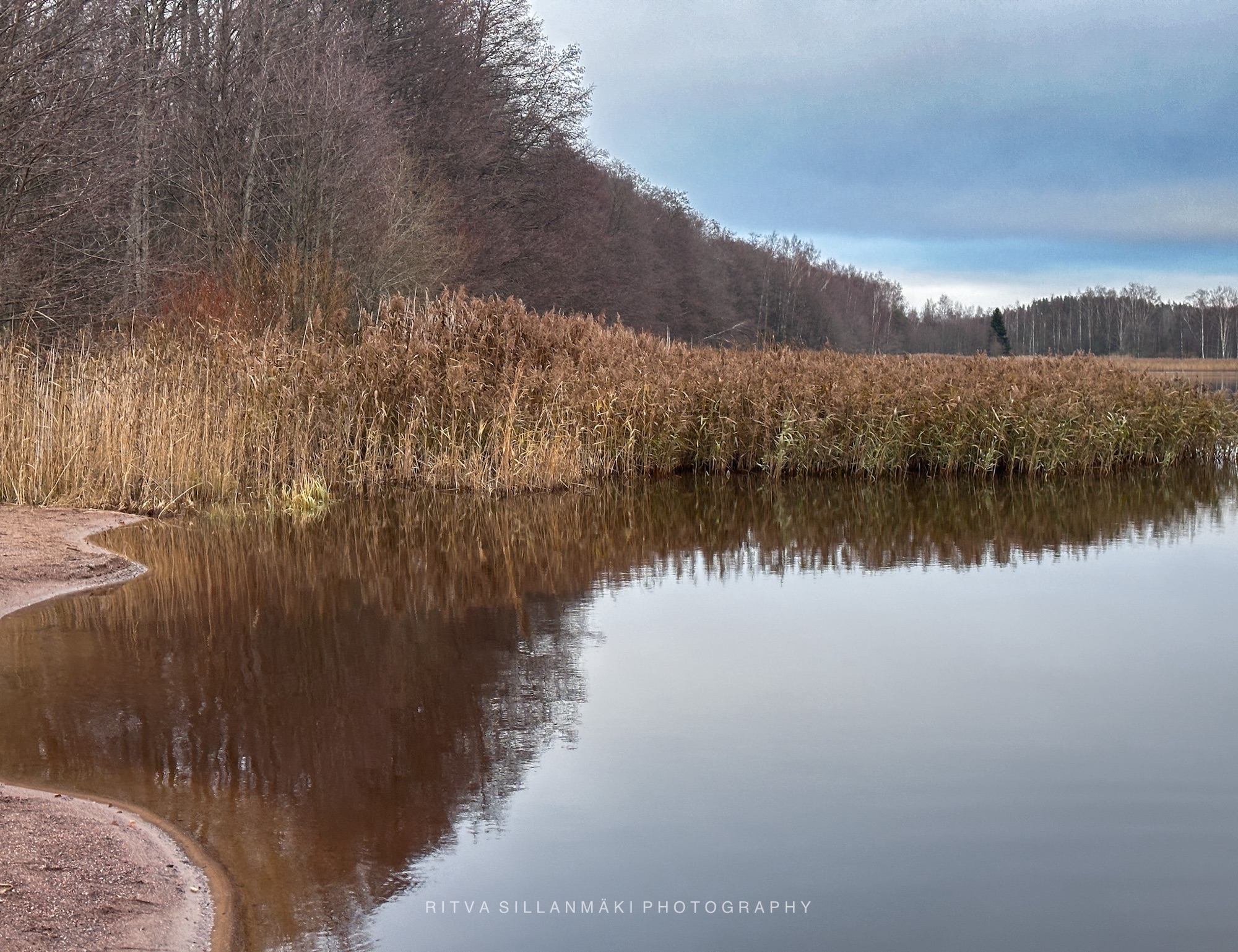
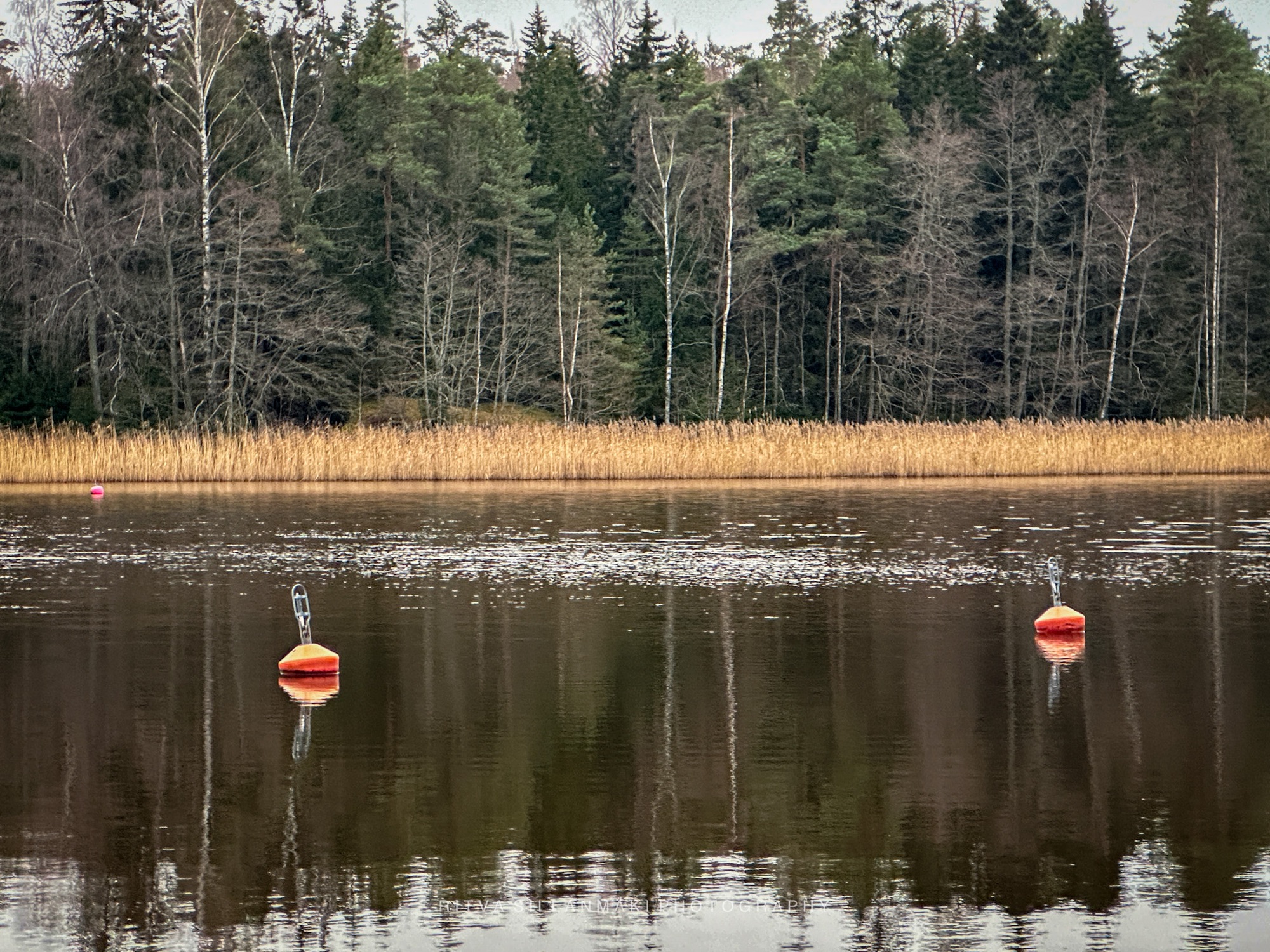
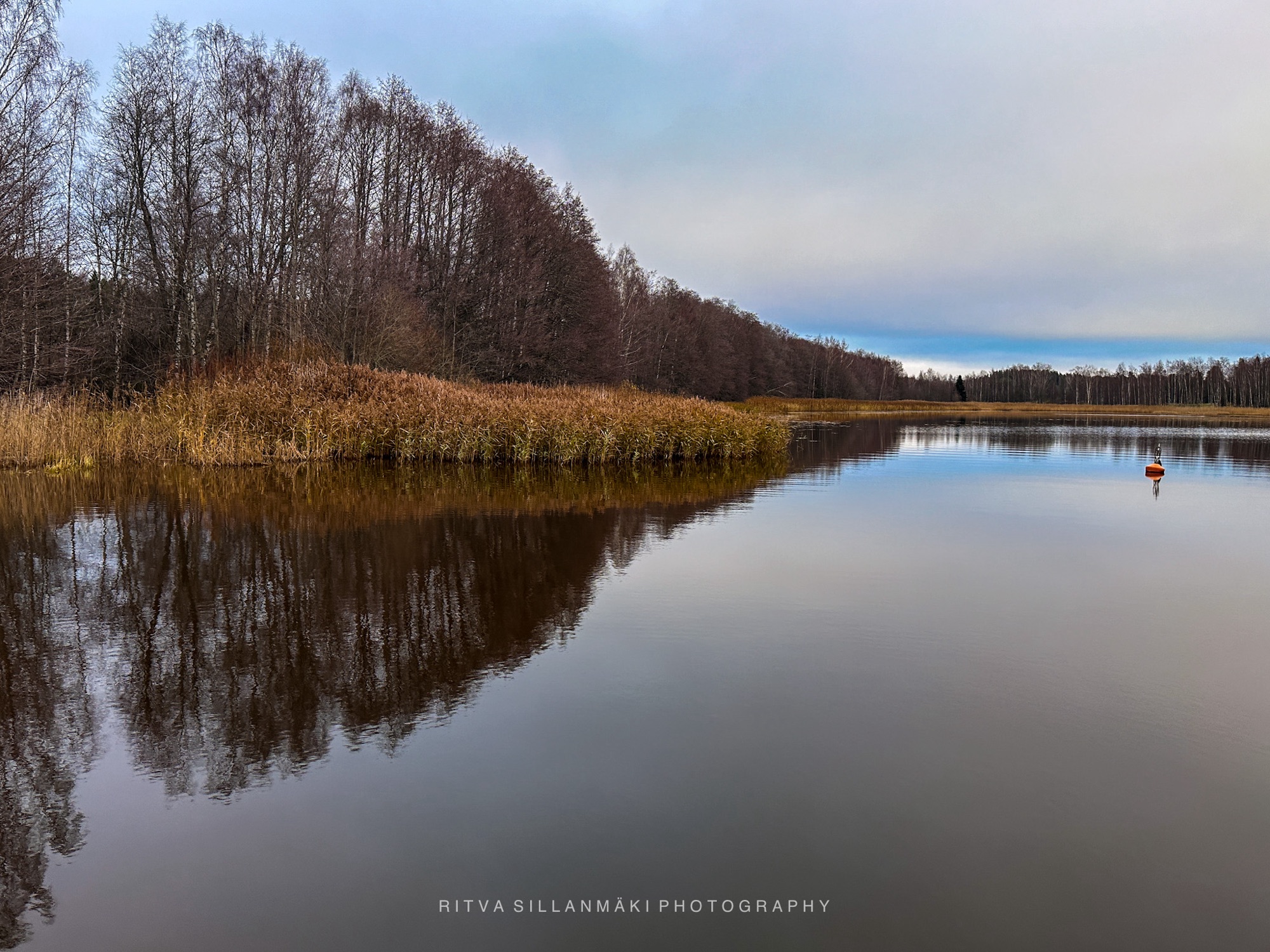
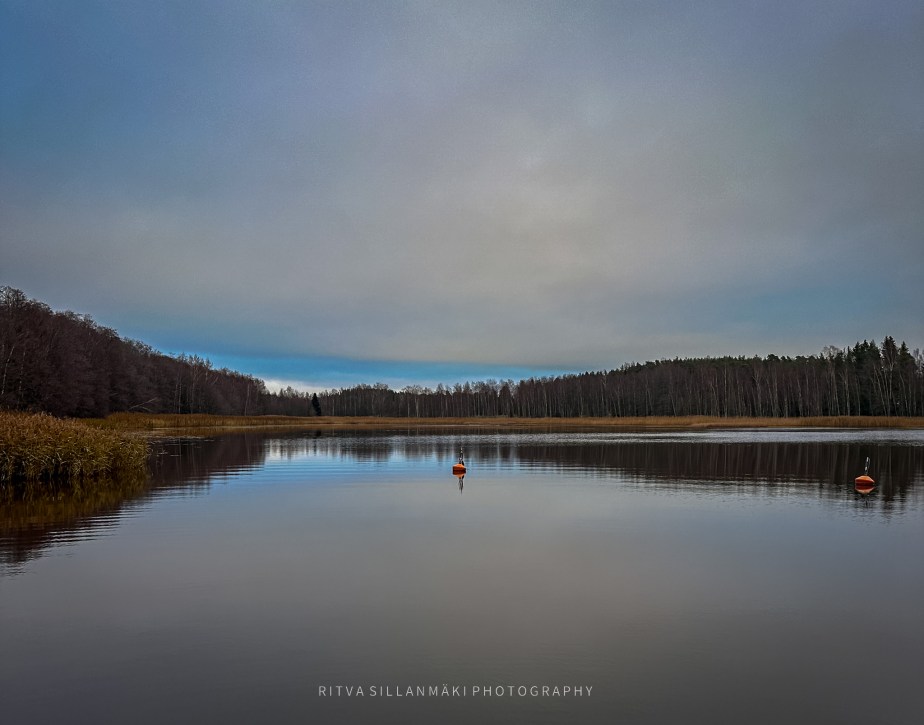
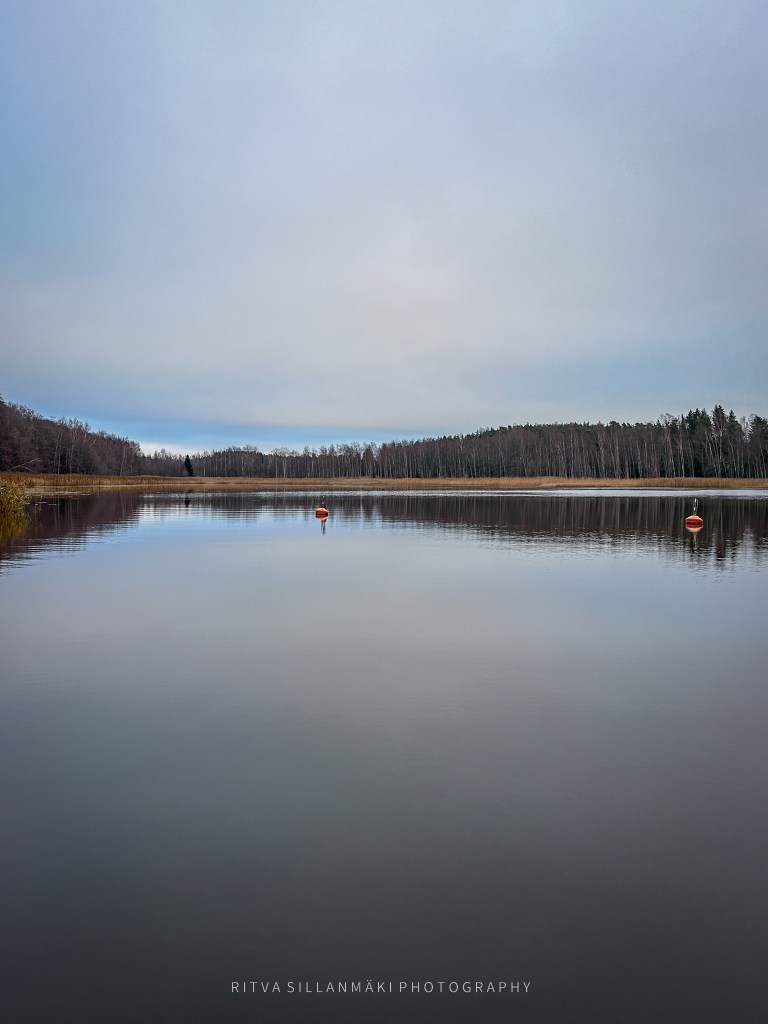
This is from Syväjärvi in Kirkkonummi – taken around after 3PM. It was already dusk. AS you may have seen from my yearly November posts, it is the grayest month of the year – and apparently the grayest city in Europe in November. That is what we are surviving at the moment. Yesterday I was able to catch a bit of blue in the horizon, even if it had been a dull day for the most part. the camera catches so many more hue’s than the eye can see.
Lepis is hosting once again How to Survive November, and this year’s theme: Let’s follow alphabets! Every day the subject of the photo, drawing, painting, collage or whatever, is that day’s alphabet. First day the subject is something that starts with A, second day with B and so on. In Finnish there are few more alphabets than in English language: Å, Ä, Ö. The last day we’ll make a collage out of all the other photos. You can make a link from your page with InLinkz-page which is found on the right column of her page.
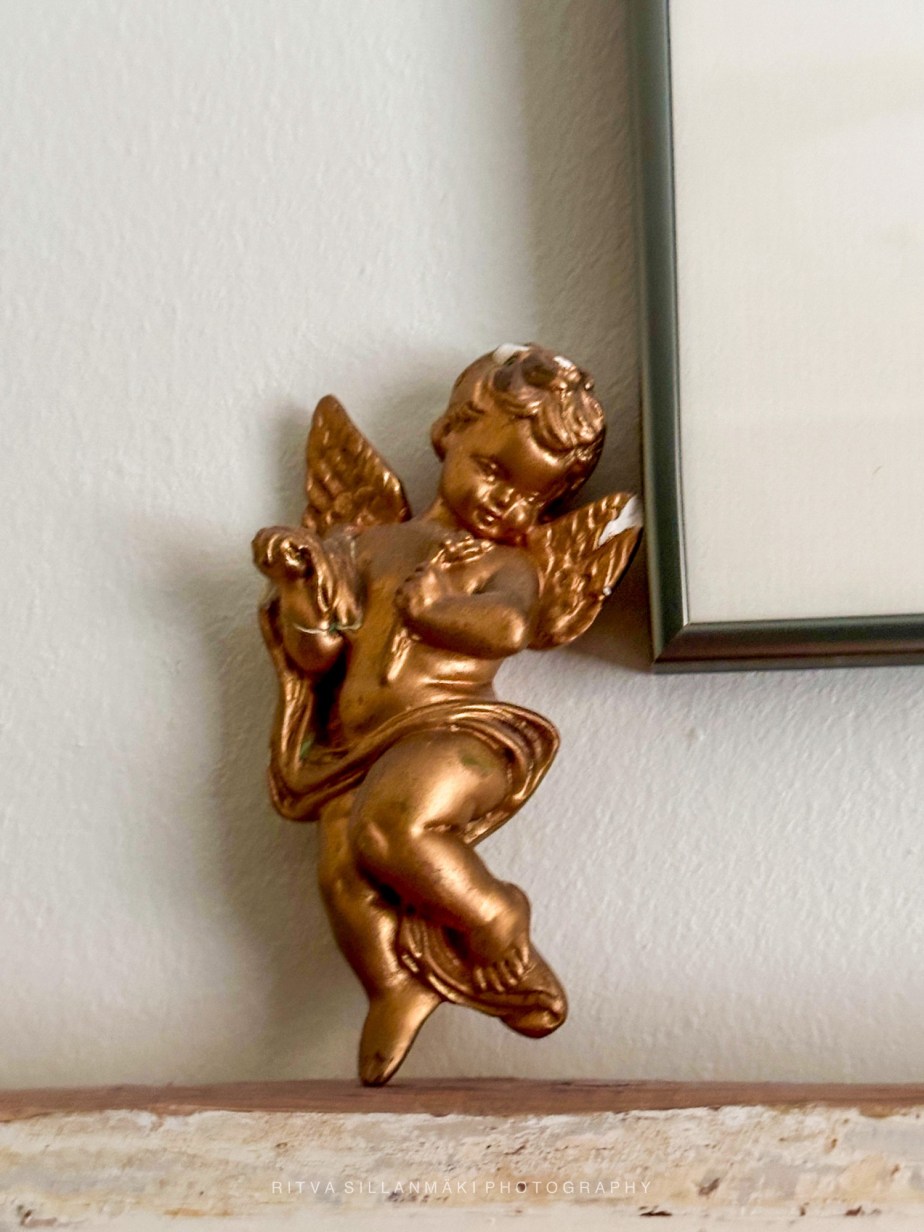
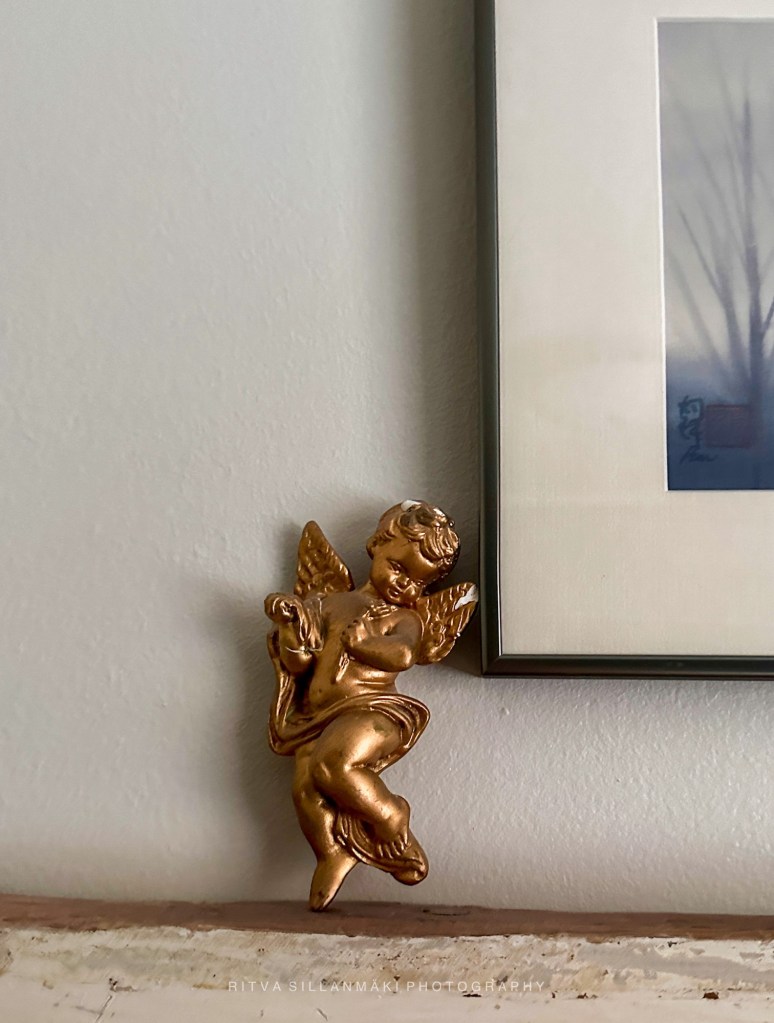
My aunt gave me this beautiful angel when I was a teenager about 45 years ago, and I still cherish it dearly. The piece itself may not be worth much , but its sentimental value is immeasurable. It now safely guards my bedroom, serving as a gentle reminder of the love my aunt bestowed upon me. Currently, it finds its home on top of a mirror, which leans gracefully against a silk painting that has also accompanied me for over thirty years.
Lepis is hosting once again How to Survive November, and this year’s theme: Let’s follow alphabets! Every day the subject of the photo, drawing, painting, collage or whatever, is that day’s alphabet. First day the subject is something that starts with A, second day with B and so on. In Finnish there are few more alphabets than in English language: Å, Ä, Ö. The last day we’ll make a collage out of all the other photos. You can make a link from your page with InLinkz-page which is found on the right column of her page.
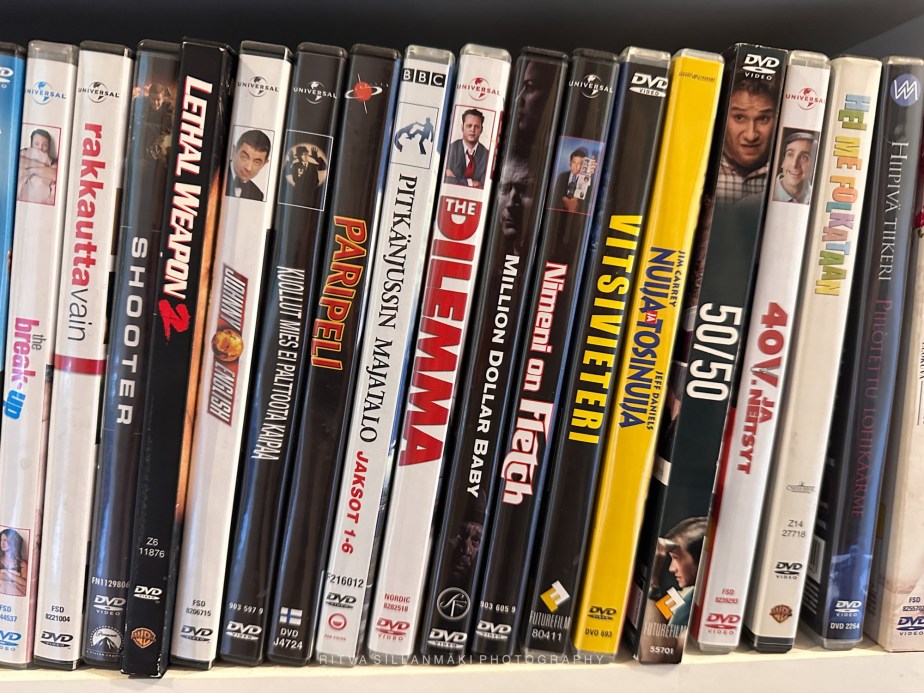
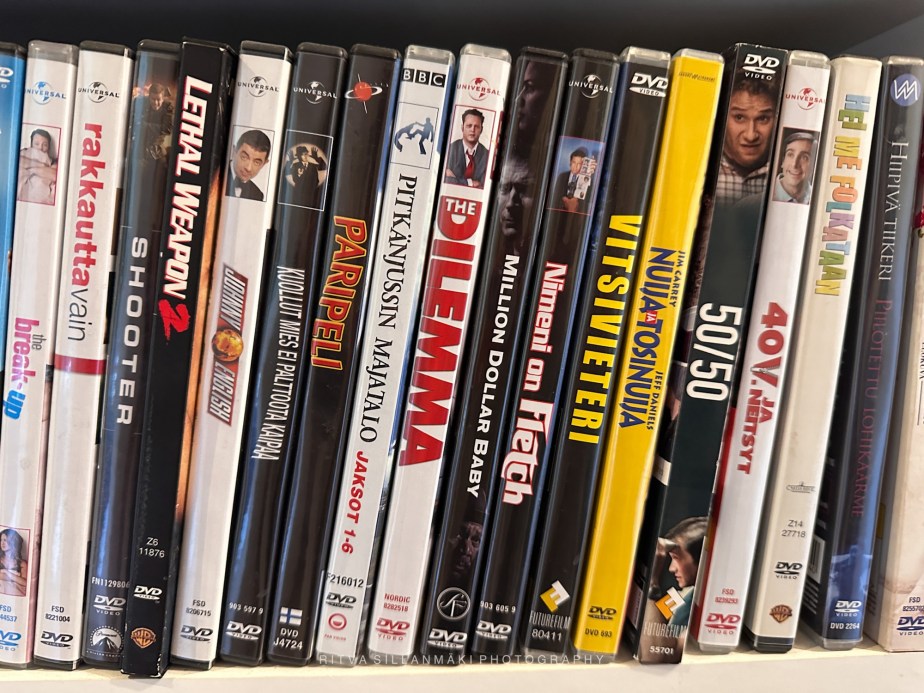
November 4th- D is for DVD-levy. D is not an all that often used letter in Finnish language, but there are still more options than C.
Luckily we have rows of DVD’s💿 all in random order, we still have a player but not really used. I am sorry for not using more imagination with this post. So this was not a Dilemma for me as this word is also used in Finnish language.
Lepis is hosting once again How to Survive November, and this year’s theme: Let’s follow alphabets! Every day the subject of the photo, drawing, painting, collage or whatever, is that day’s alphabet. First day the subject is something that starts with A, second day with B and so on. In Finnish there are few more alphabets than in English language: Å, Ä, Ö. The last day we’ll make a collage out of all the other photos. You can make a link from your page with InLinkz-page which is found on the right column of her page.
What makes me hopeful? That is Patti‘s question. I’m glad she asked!
Here are a few thoughts and images.
The spring season is truly a time of hope and renewal, as nature comes alive with vibrant colors and fresh energy. There’s something truly magical about witnessing the world bloom after the quiet slumber of winter. The emergence of new, fresh greenery brings a sense of vitality and optimism, symbolizing new beginnings and growth. I really love this time of the year, a season full of hope.
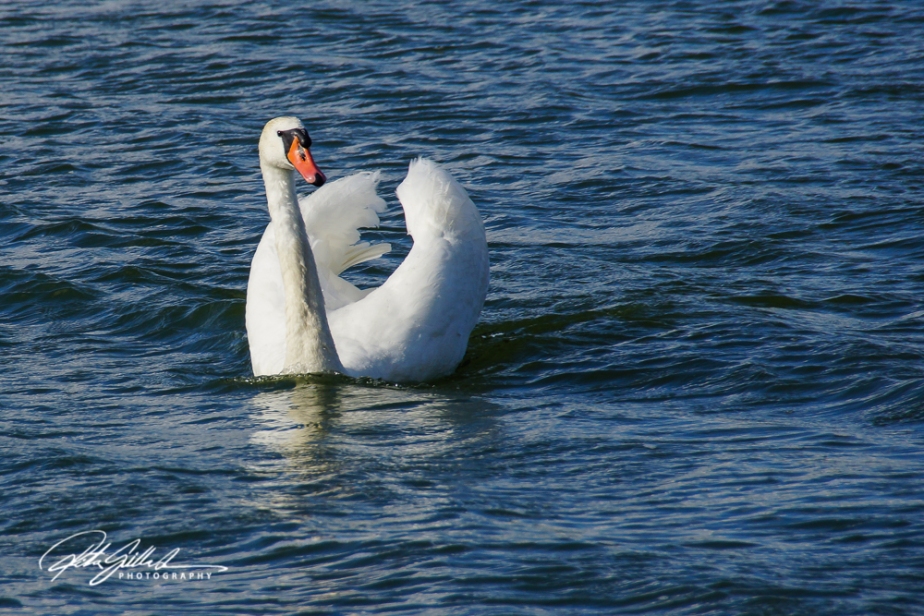
One of the most delightful aspects of spring is the return of migratory birds, signaling the changing seasons and reconnecting us with the rhythms of the natural world. Their cheerful songs and graceful flights add an extra layer of beauty to the landscape. I am hopeless in recognizing different species, but past weekend there where so many geese and swans flying in flocks over our summer place – they are rather noisy and you can easily hear when they are approaching.
As the days grow longer and the temperatures rise, there’s a palpable sense of anticipation and excitement for the warmer days ahead and to feel the embrace of spring, filling our hearts with a renewed sense of adventure and possibility. This year the late arrival has been bit upsetting, but now I am hopeful.
And the light! Oh, the light in spring is truly a marvel to behold. The extended daylight hours bring so much joy, allowing us to bask in the golden glow of sunsets that linger well into the evening. The longer days also mean early sunrises, painting the sky with hues of pink and orange as the world awakens to a new day.
In fact, the sunsets around in the middle of May at 21:40 and the sunrise at 4:46 create a symphony of light and color that can only be experienced during this magical time of year. It’s a reminder of the beauty and majesty of the natural world, inspiring us to pause, reflect, and appreciate the fleeting yet wondrous moments that define the spring season.
When observing the vibrant energy and open-mindedness of children and young people, it instills a sense of hope for the future. My kids and grandkids keep me hopeful, their unwavering optimism and fresh outlook on life inspire a renewed belief in the potential for positive change and progress. Witnessing their curiosity, creativity, and resilience serves as a powerful reminder of the boundless possibilities that lie ahead. This hopeful perspective encourages an emphasis on nurturing and supporting the next generation, as they hold the key to shaping a brighter tomorrow.
On a more personal note, I have started a full time job and it is bound to take toll, and in a way already has the time and energy will mostly forward to learning the new job, but I will do my best to keep up with this challenge. I am hopeful that I will learn it 🙂
Tinka was so hopeful that she would get some food 🙂
Last week was full of memories and images of young ones, it was lovely to see the images full of candid and open expressions. no one really yearned to be young again, something to be said to required life experience. Thanks so much for this lovely challenge.
Next week is Ann- Christine’s turn to host. Please visit her site Saturday 18th May for more information on the challenge, I am sure she will once agains surprise us with something inspirational and truly beautiful images.
Until then, keep smiling ☺
To participate in this challenge, you should link to or leave a comment on the week’s host’s original challenge post and please use the #Lens-Artists tag in your own post, so the post is easily found in the Reader.
And if you want even more information on the Lens-Artists Challenge, please click here.
It is cold and did not feel like going out, so what did I do instead, I took photos of my dress jewelry that is hanging conveniently on my lamp next to my desk.
This image was the only more abstract version, as the focus is on a lamp detail. I am sharing with you the original and three processing versions of it. Is this abstract photo art or not and what do you feel is the best version ?
Jewelry – enhanced blues and reds
Jewelry -Blues and aqua enhanced
Jewelry -Black and white with touch of red and blue
Las but not least the original one. The header is an added plus 🙂
Jewelry -Original
XingfuMamas One-to-Three Photo Processing Challenge: December 2023
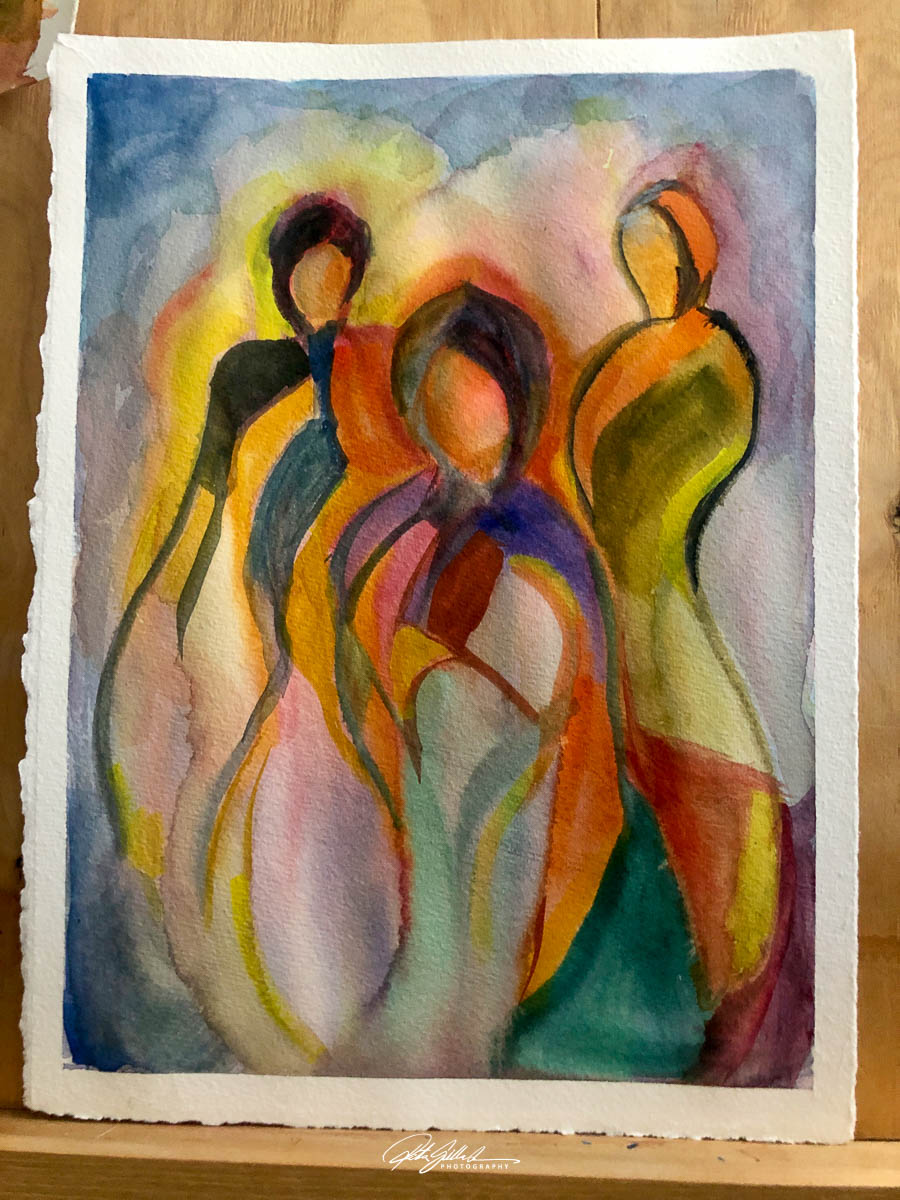
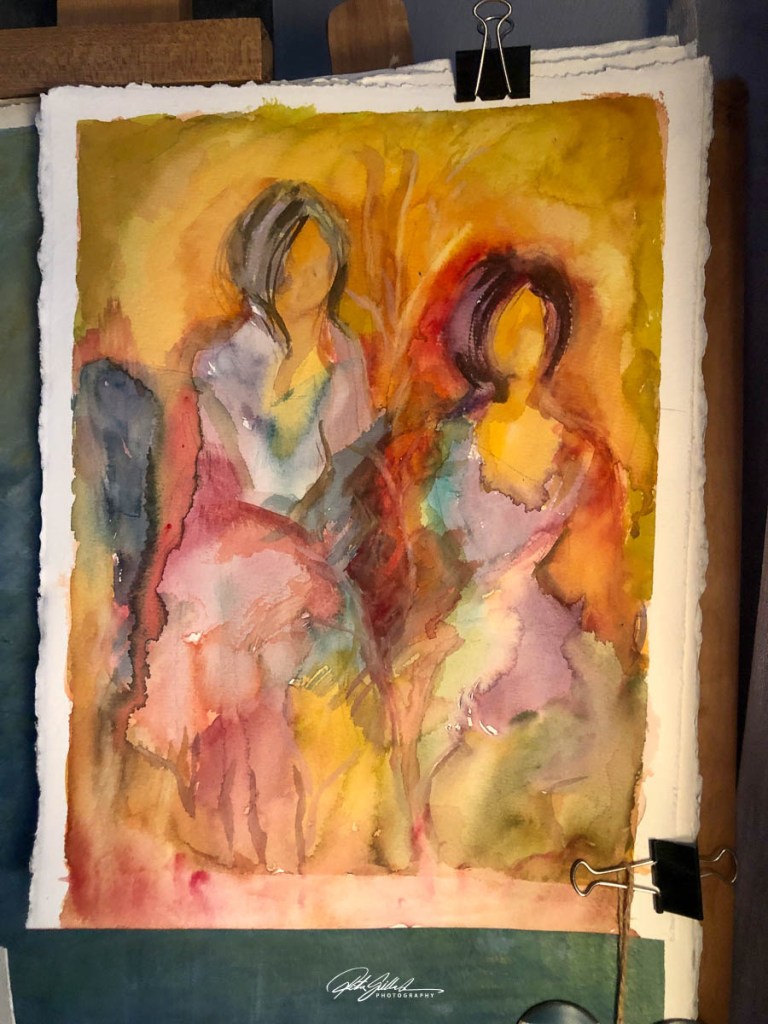
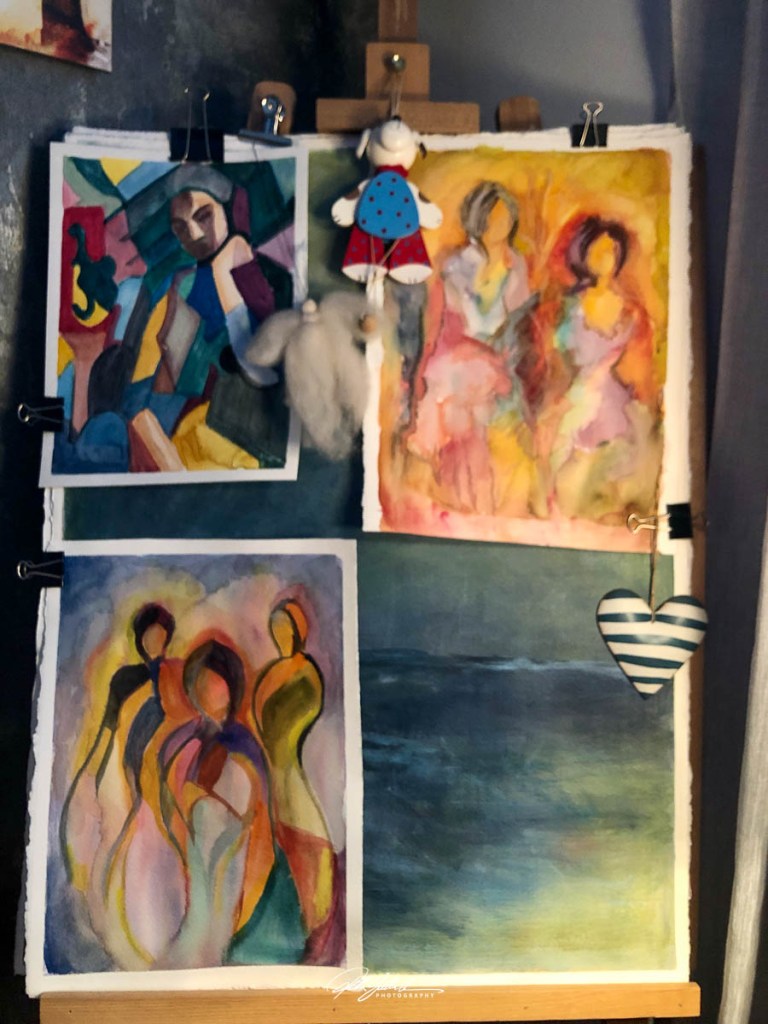
As all my art studies are on a break due to Covid, well I have been lazy. I have had an idea, intention to do something, but when the push came to shove, nothing happened. Today I made an effort. I am looking for inspiration as it exists if it finds you working. I am rather proud of that fact that I got this far, not so much of the outcome, but they are not so bad, that I would not show them. Feel free to comment 🙂
So today I took my aquarelle colors out, took time to clear the easel from the other works I store one it. Then I started to play with colors, with the warm palette.