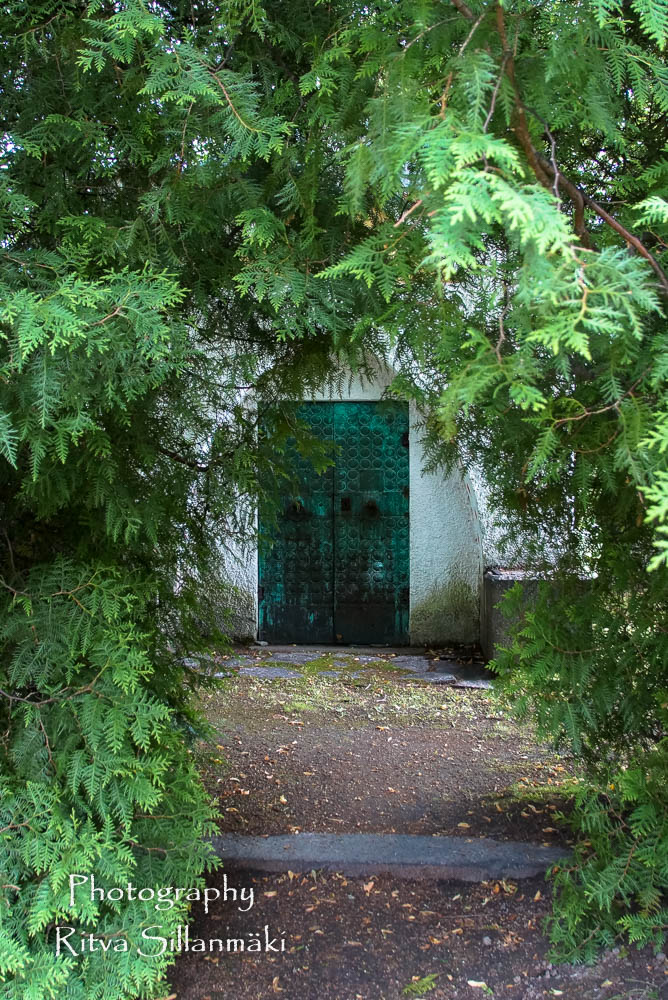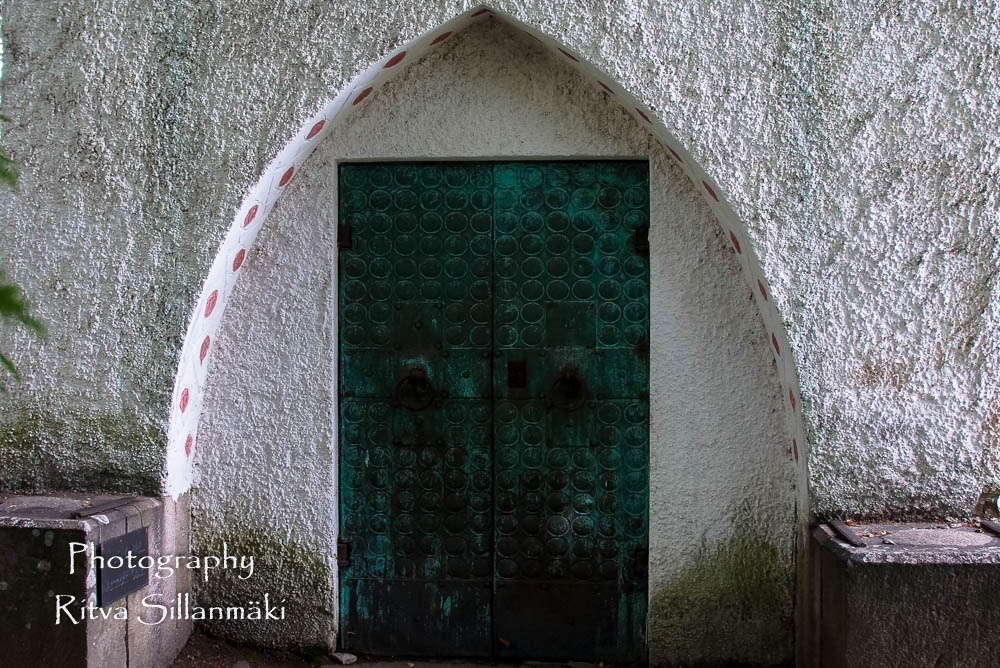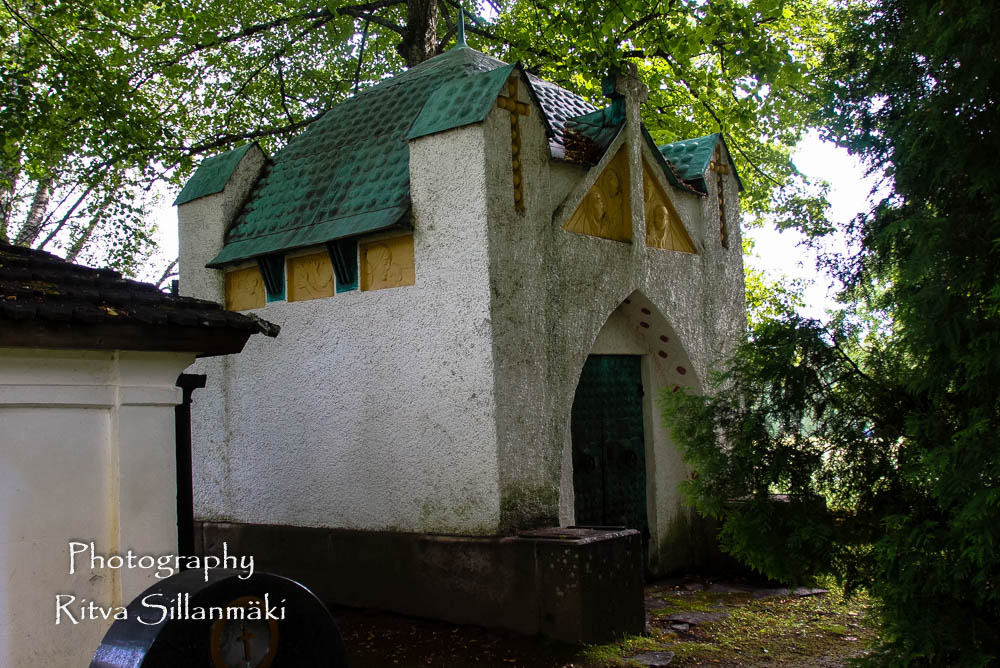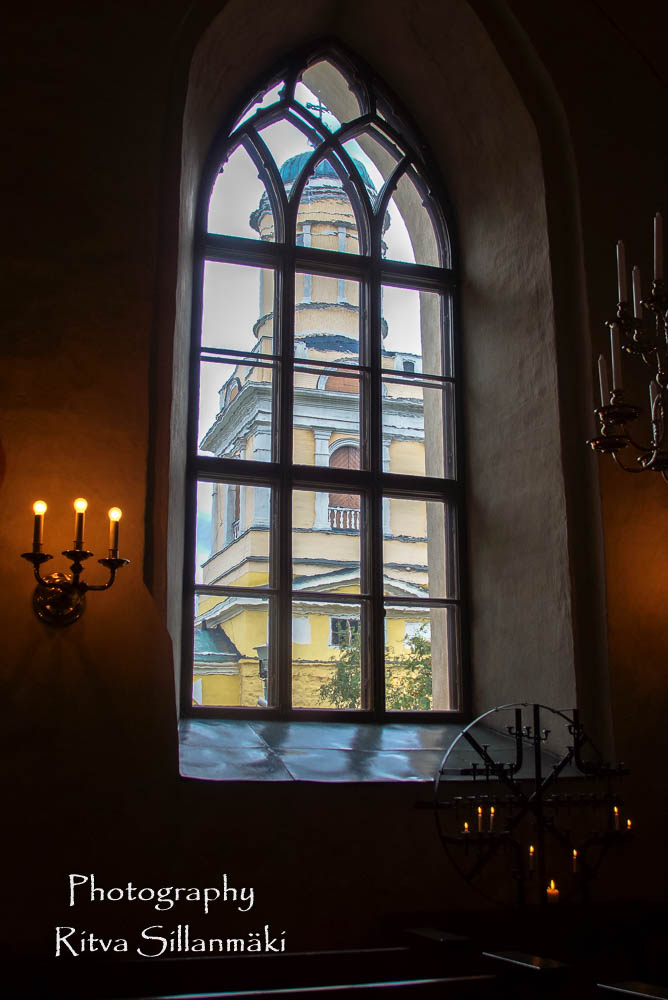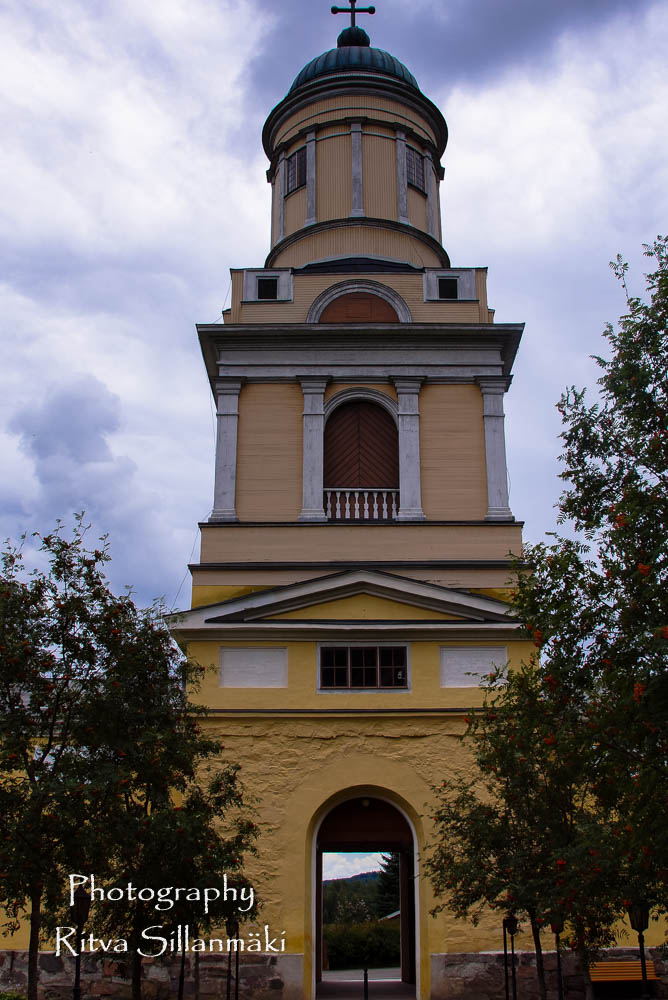
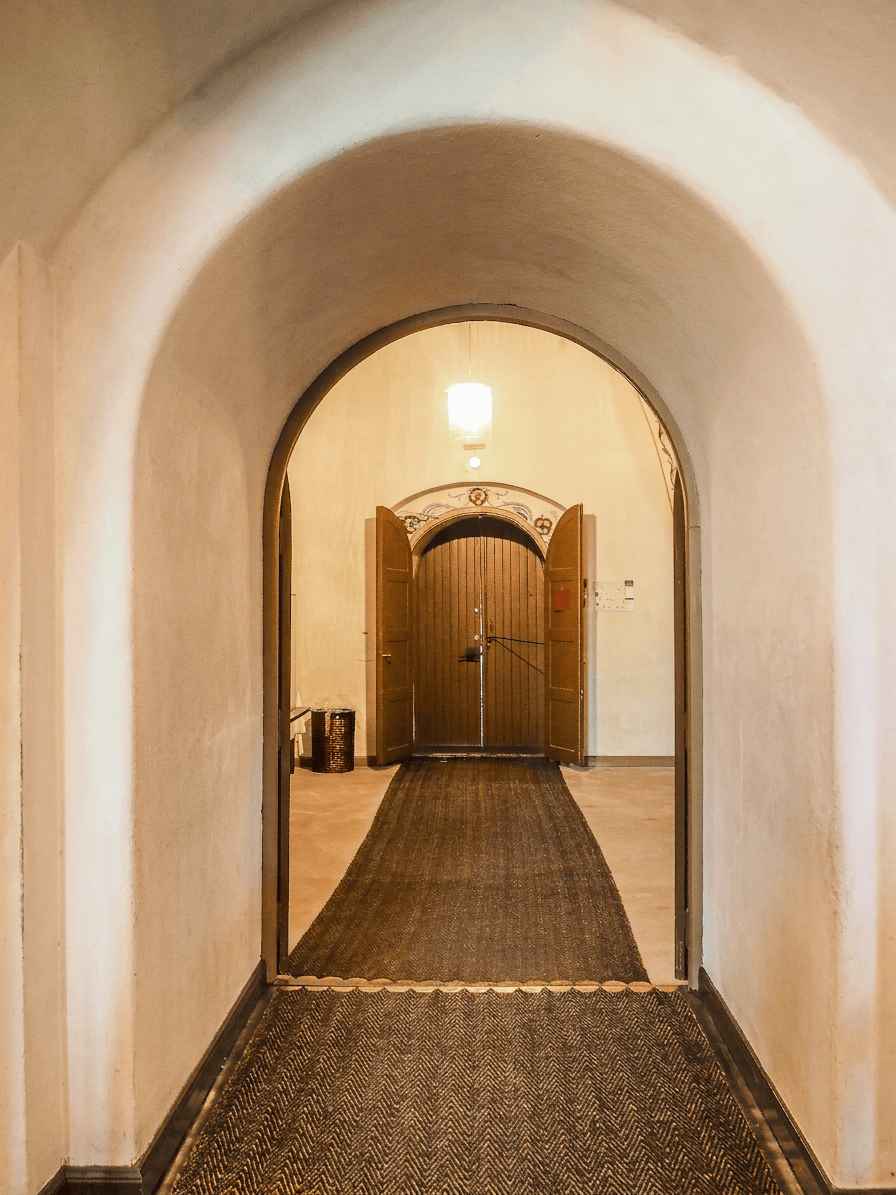
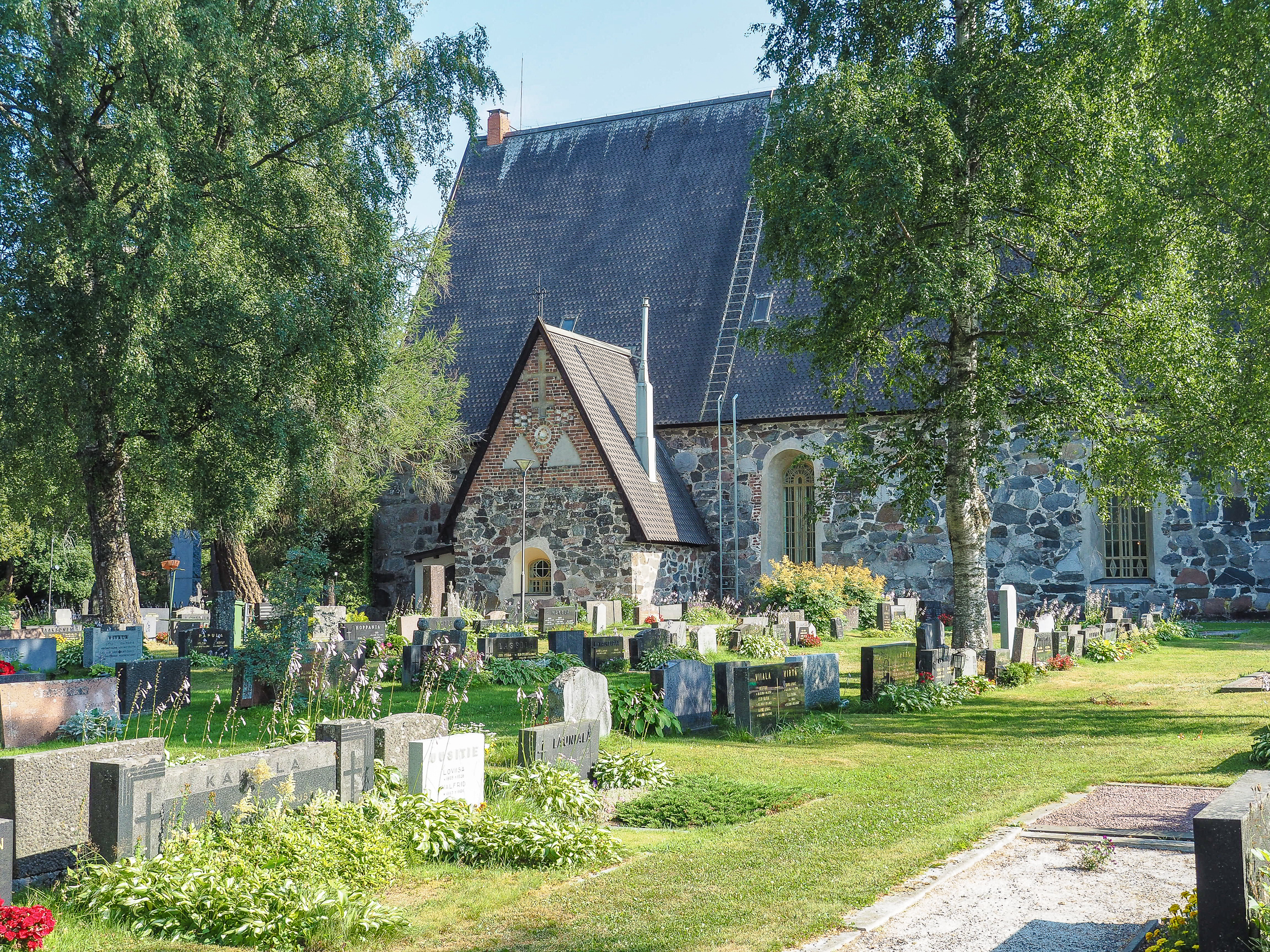
Churches are always a treat to photograph – old ones are more interesting to me. This is the medieval church of Lammi was built between 1490 and 1510.
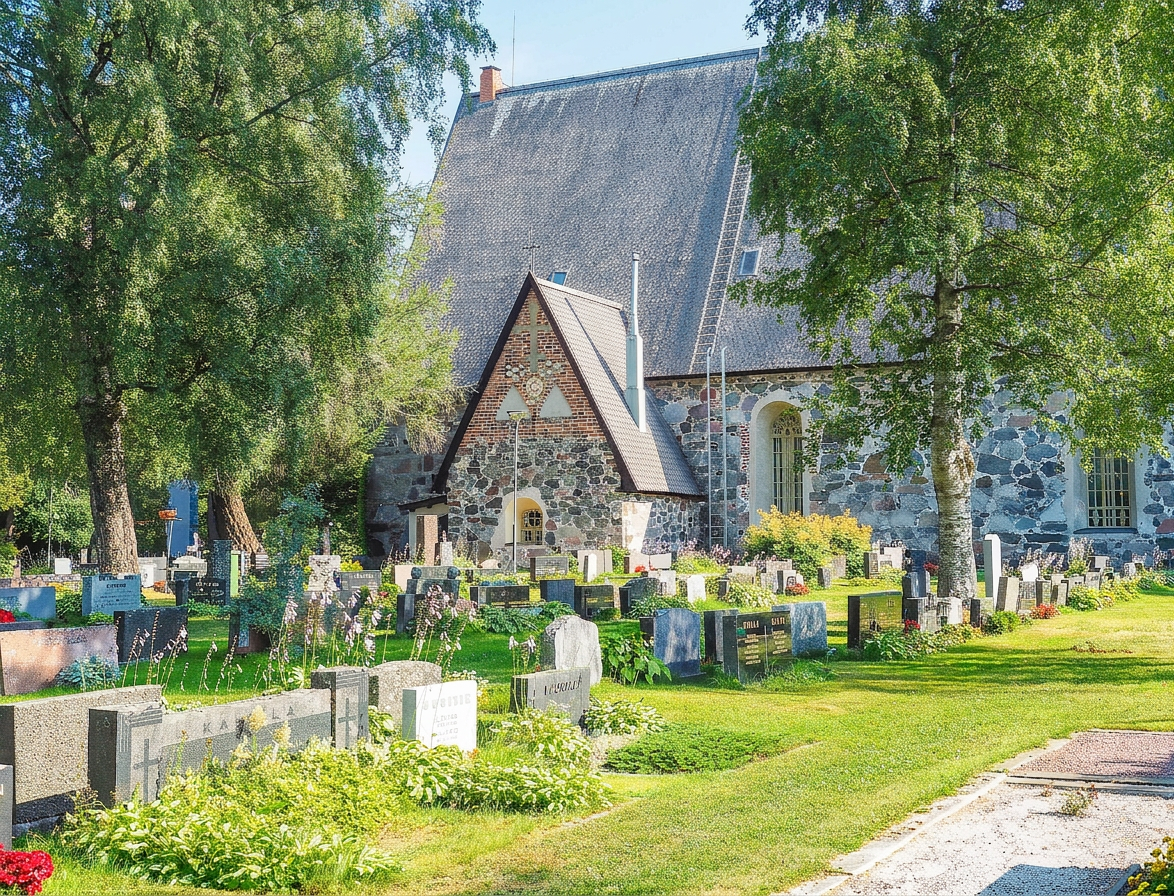
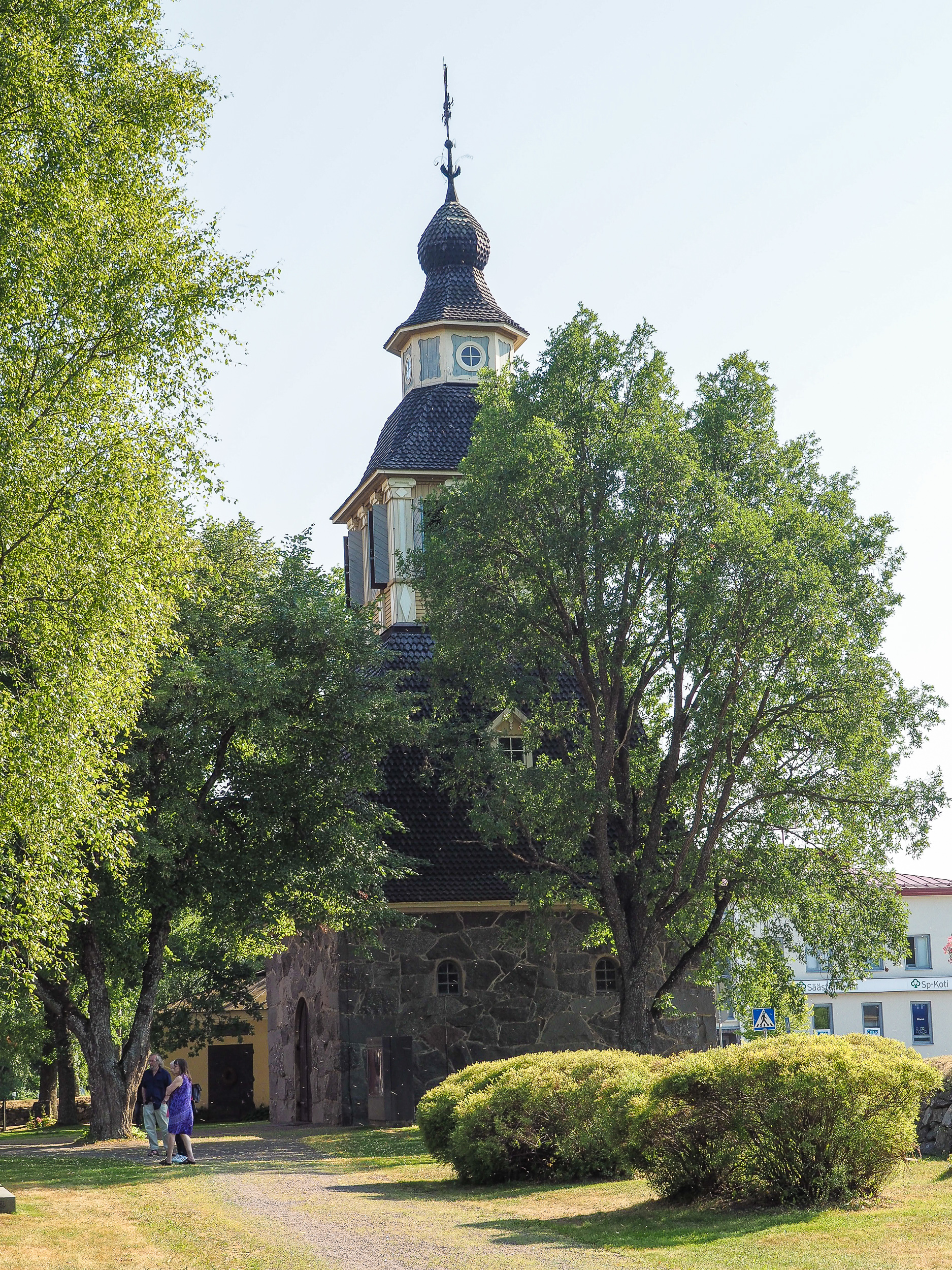
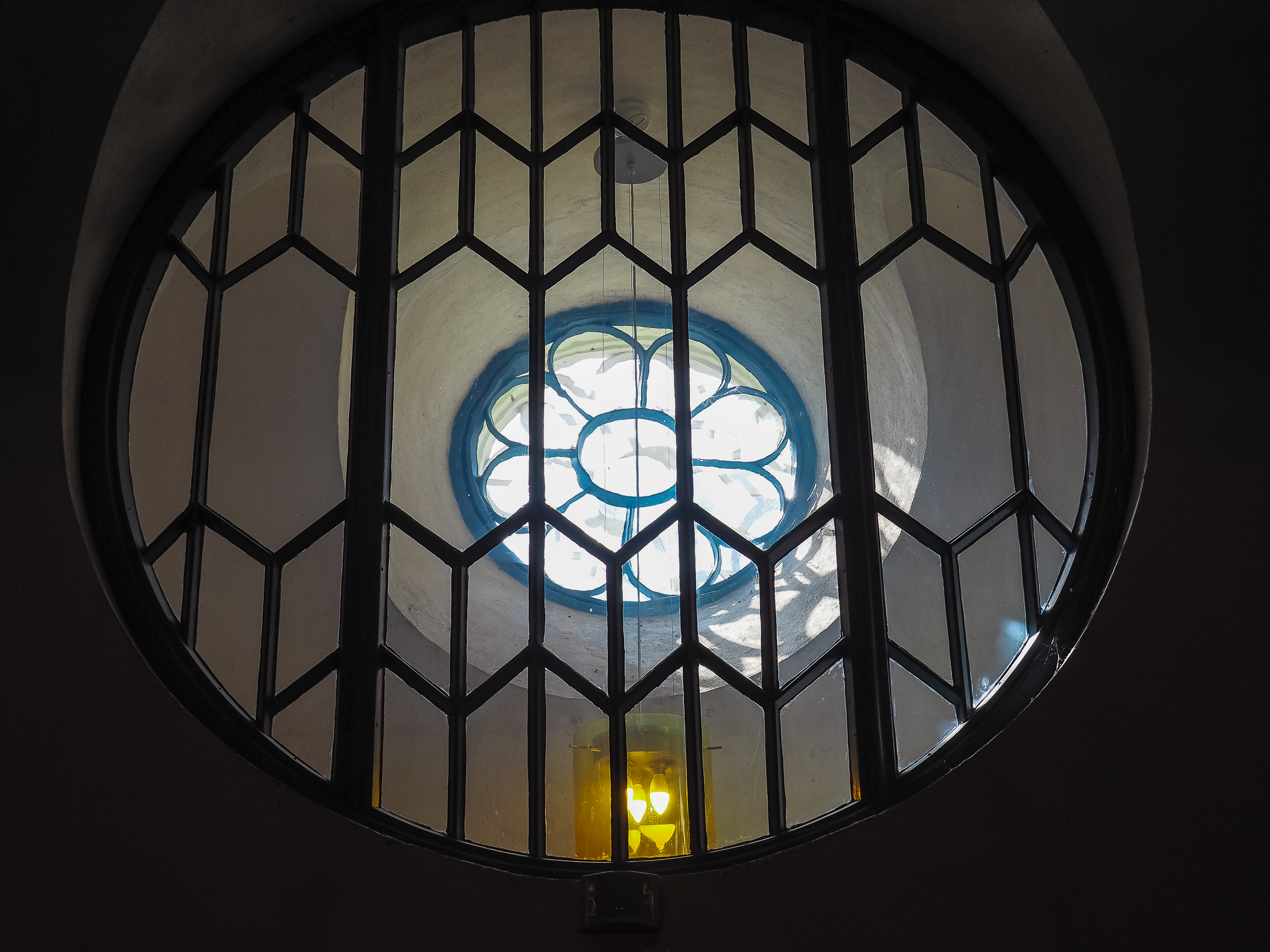
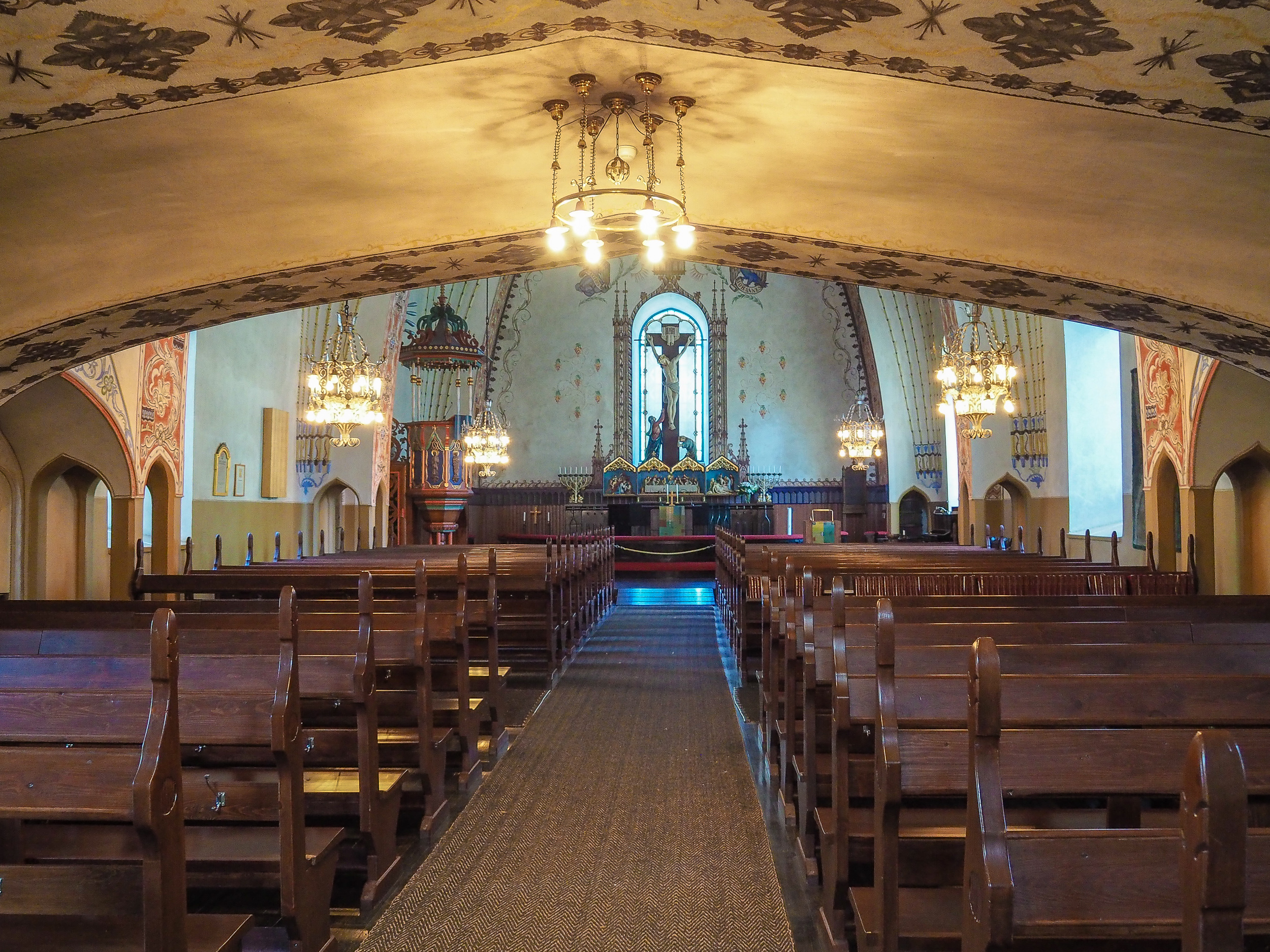
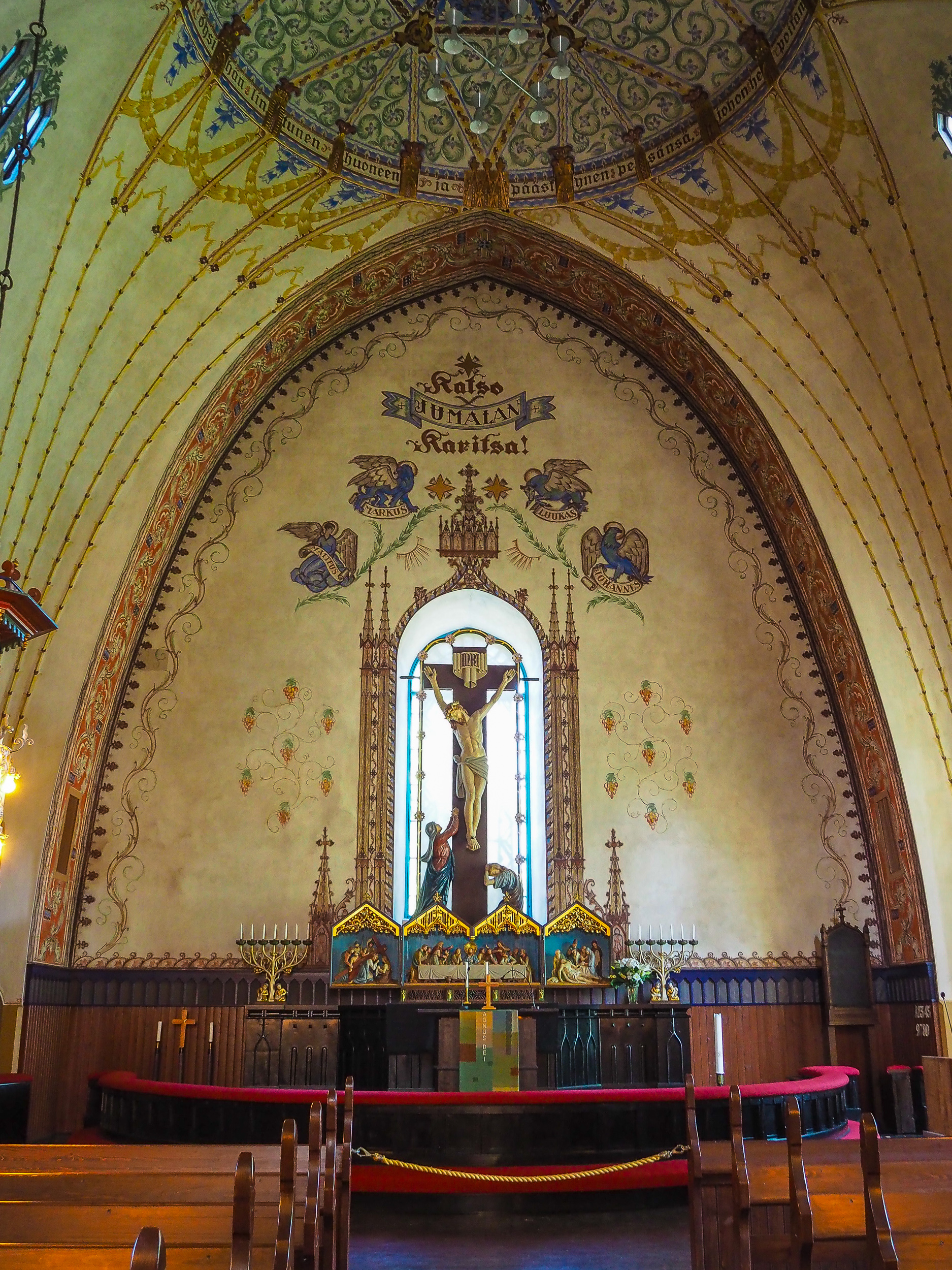
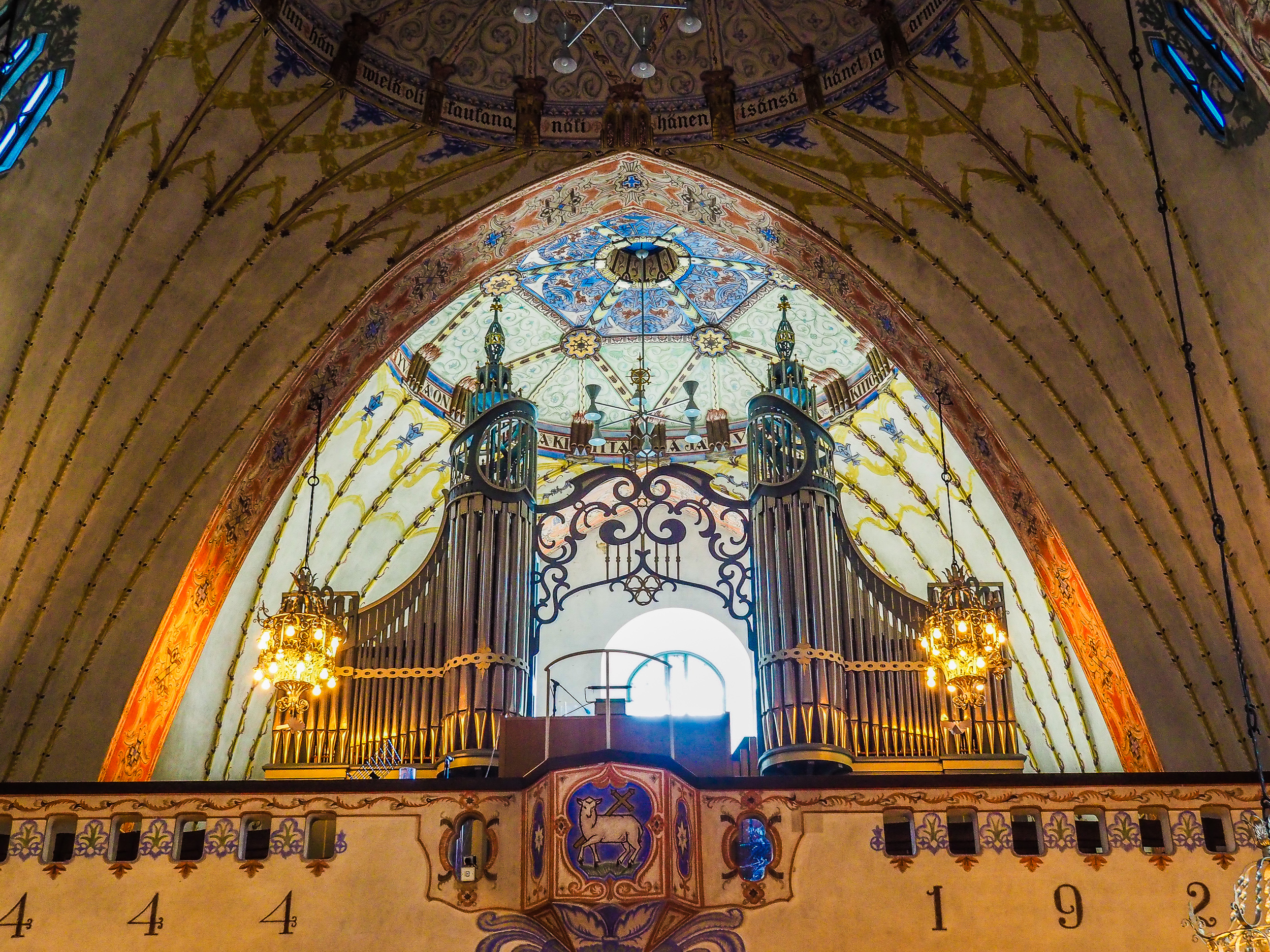
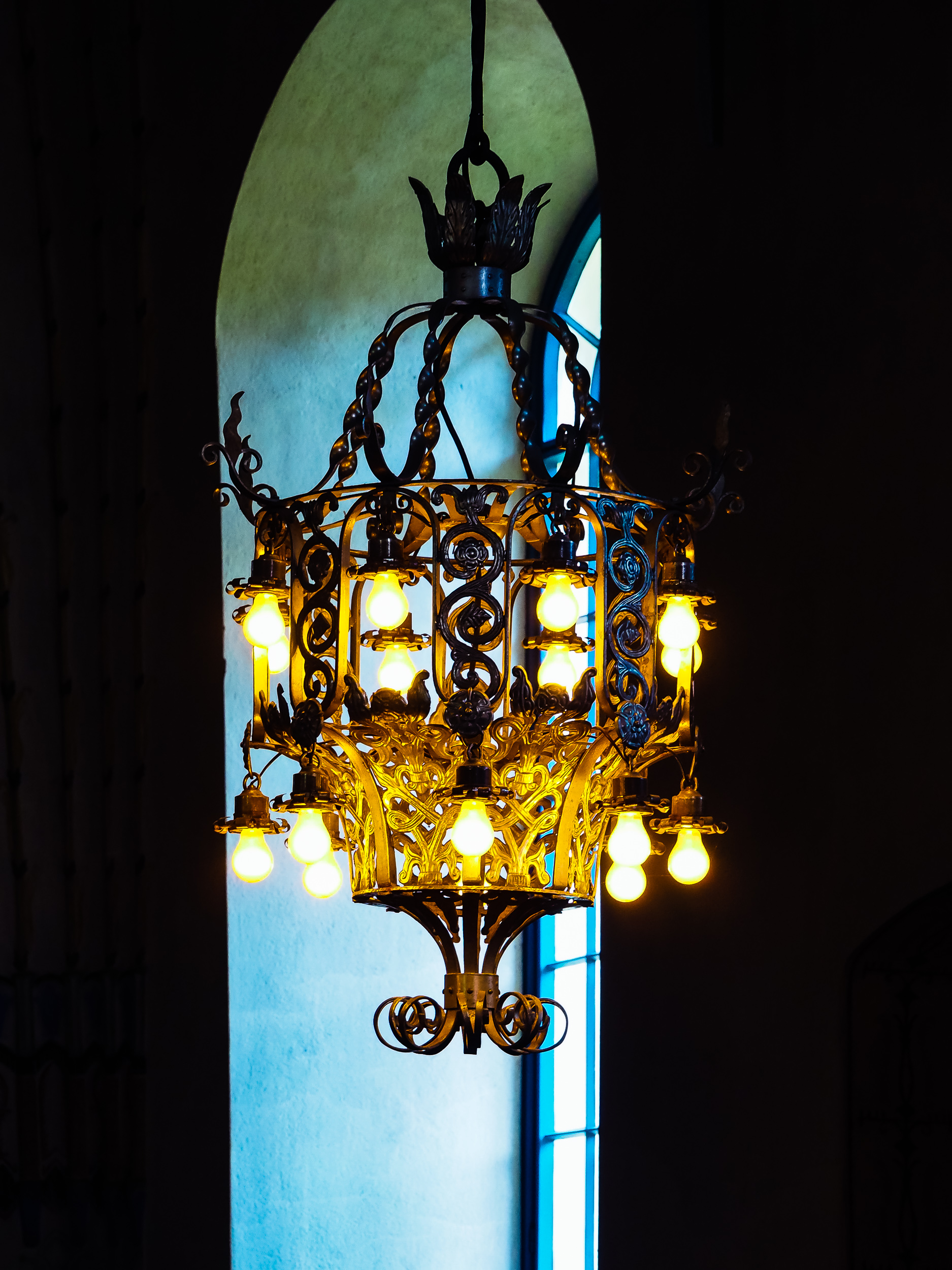
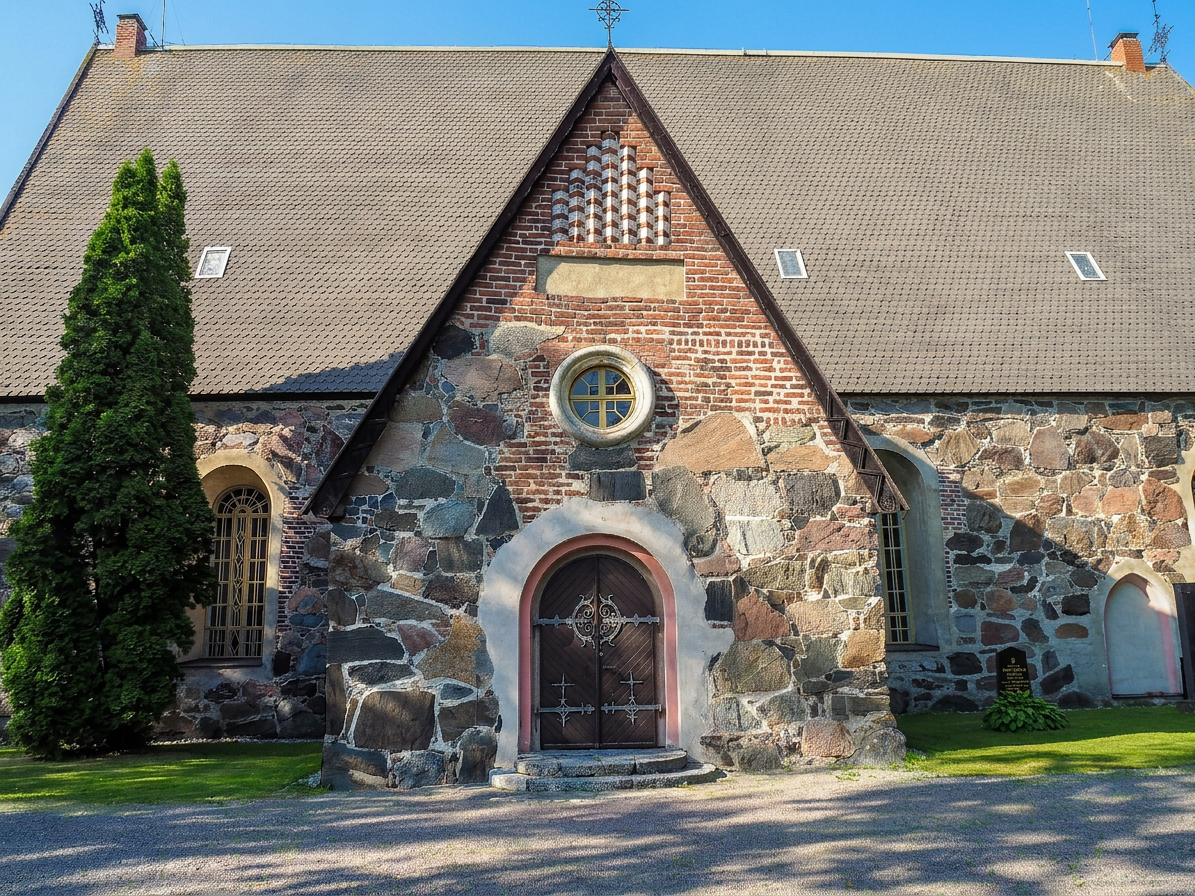
Here is so information to those who are interested.
According to current research, the medieval church of Lammi was built between 1490 and 1510. The church is dedicated to Saint Catherine of Alexandria, a learned virgin martyr who died in the year 307. Before this church, there were two older churches in Lammi, possibly built of wood.
Christianity has probably been known in Lammi already since the 11th century. This view is based on a burial find from the Honkaliini cemetery in Lammi. The first records of the church of Lammi date from the 1420s, and the Lammi administrative parish is mentioned as early as 1374. According to the history of the parish of Lammi, both of these references are based on the research of Väinö Voionmaa. It is likely that the ecclesiastical parish is just as old as Lammi as an administrative parish. The area of the ecclesiastical parish of Lammi was roughly the same as that of the administrative parish, and the parish boundaries have remained almost unchanged since the Middle Ages. The only change has been that Koski HL (now Hämeenkoski), which from the Middle Ages onwards belonged to the parish of Lammi as a chapel congregation, became independent in 1870.
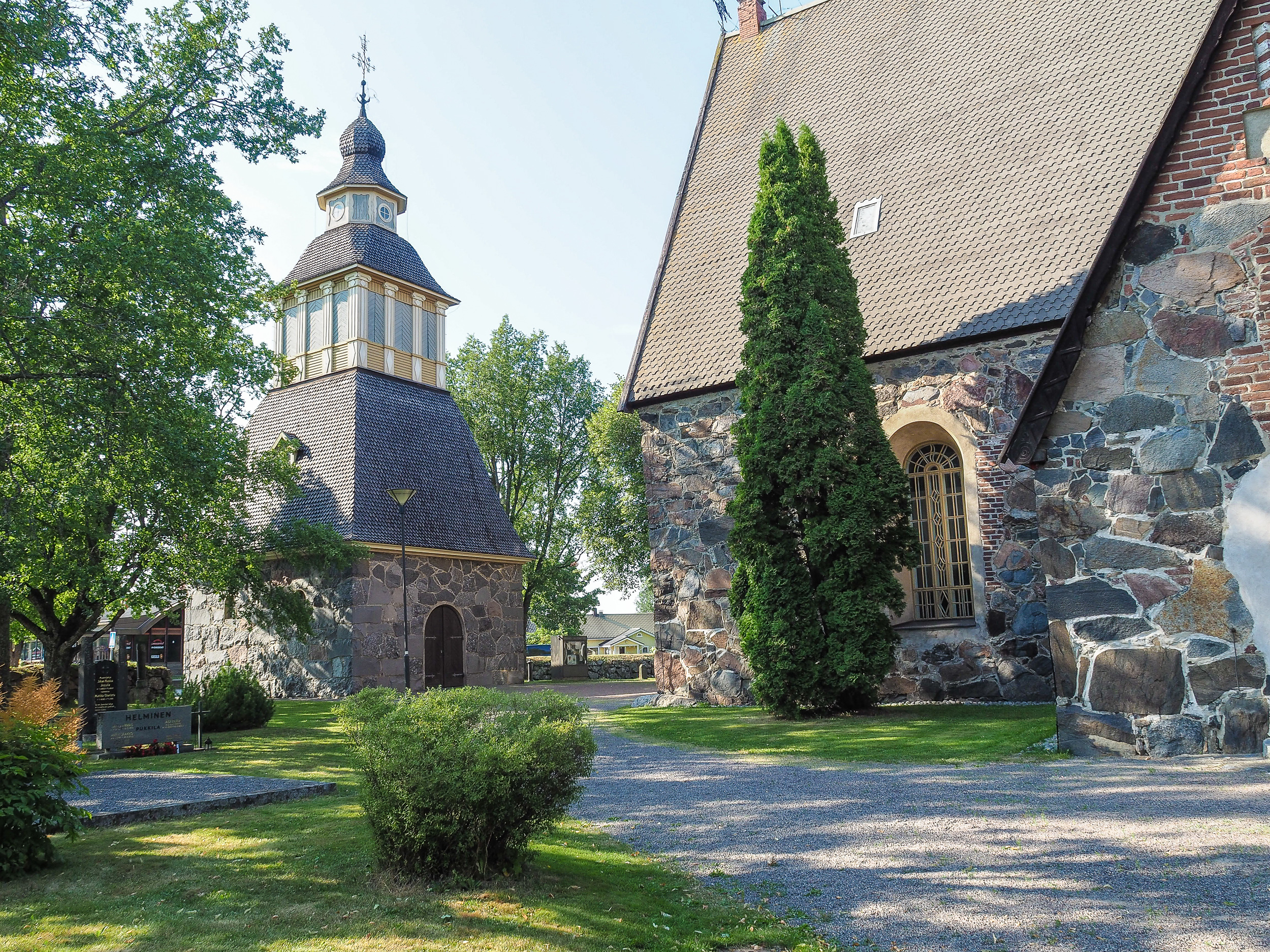
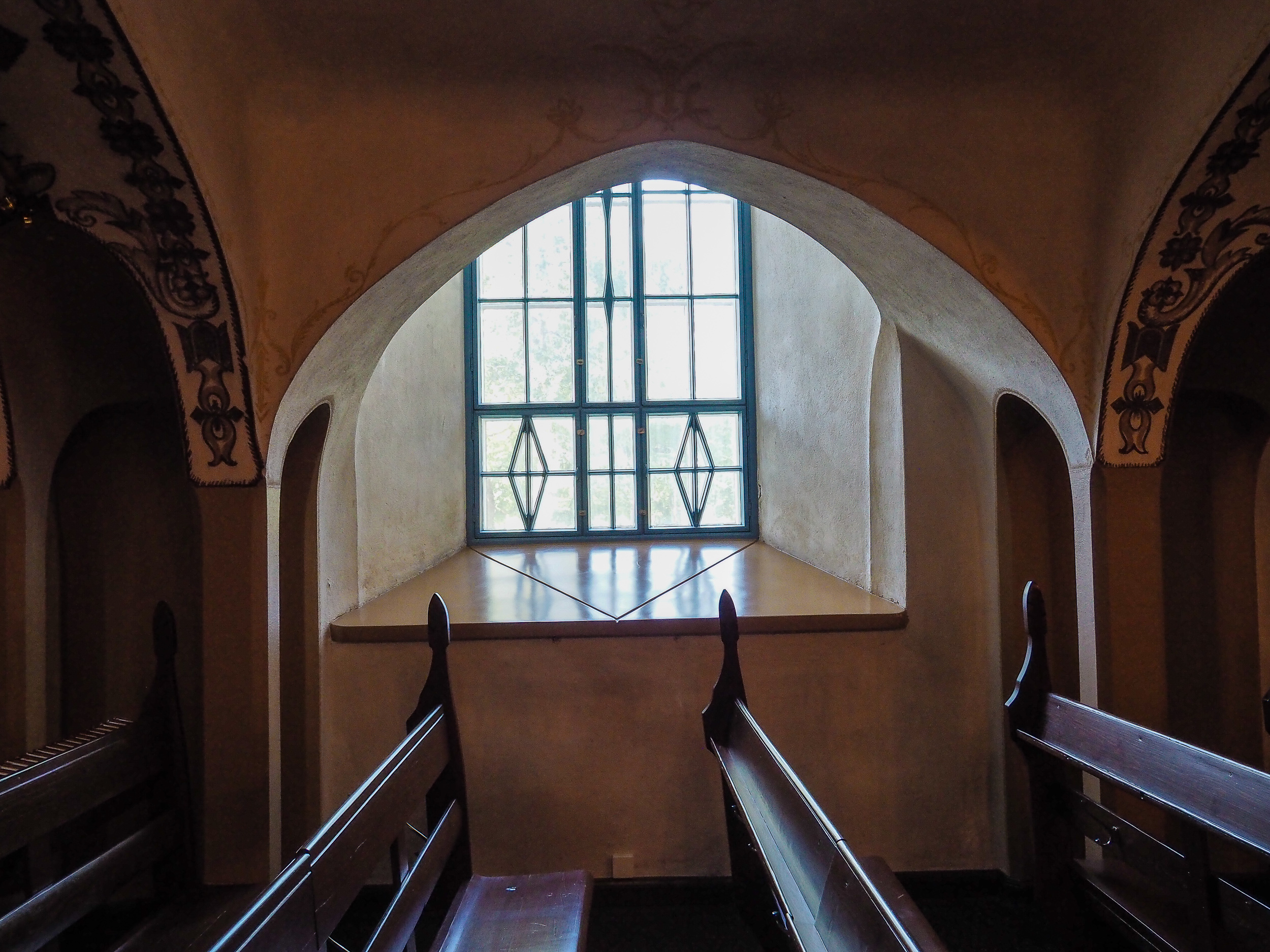
Until 1918 the church had a wooden interior, which was largely destroyed by fire during the Finnish Civil War on 29 April 1918, leaving only the grey stone walls and destroying the 1692 pulpit, part of the archives, the belfry and its medieval bell. The subsequent reconstruction of the church and belfry was designed by architect Usko Nyström, the wall and ceiling paintings were created by artist Bruno Tuukkanen with assistants B. Liukko and J. Grönvall, and the altar crucifix, pulpit sculptures of the evangelists, seven-branched candlesticks and triptych were carved by Austrian-born Ateneum sculpture teacher Johan Friedl.
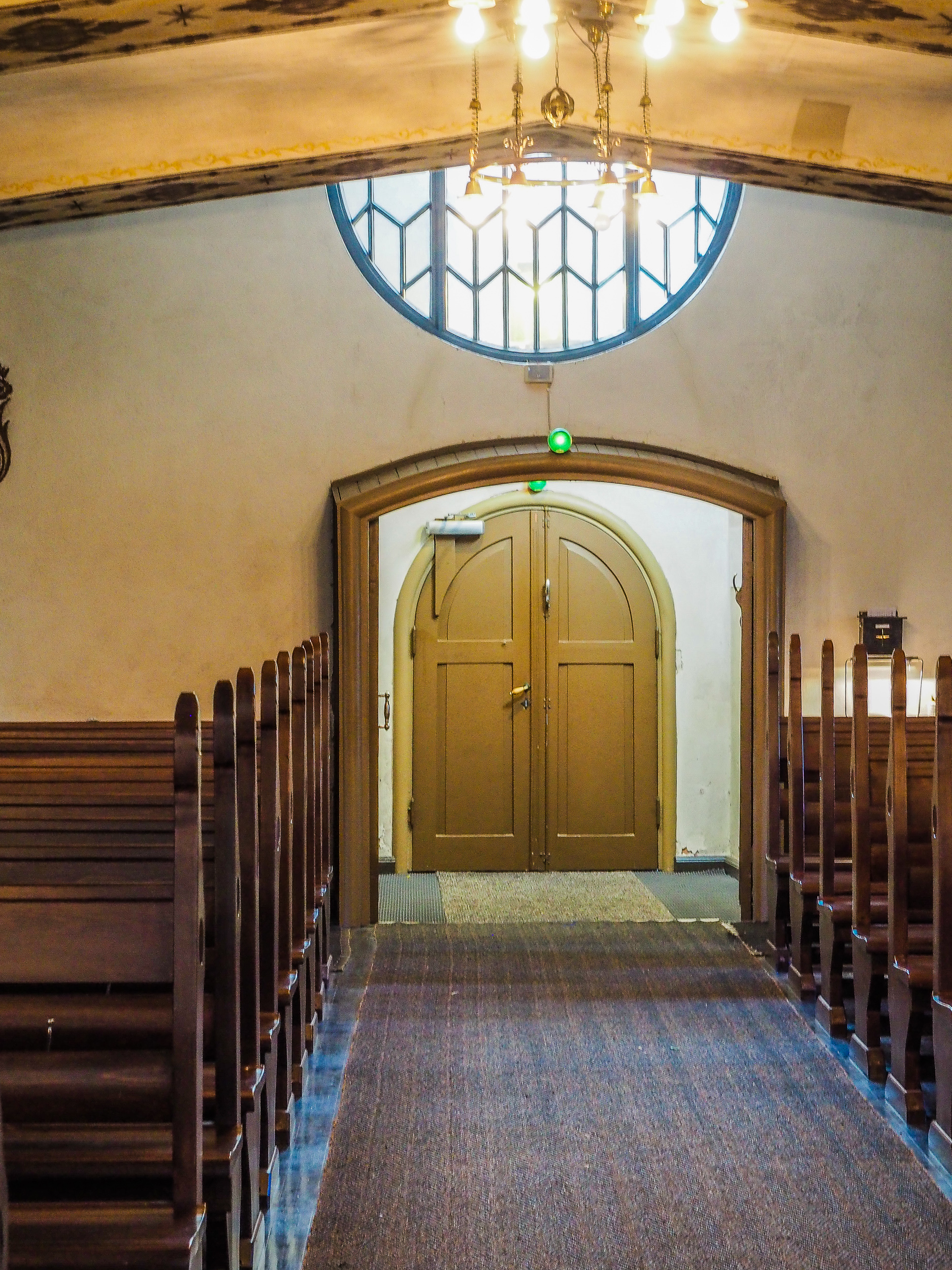
The large altar table, the altar rail and the pulpit were made in Lammi at Nyberg’s carpentry workshop. The pews were also carved in Lammi. The blue wooden ornamental decoration at the east end of the altar and the hymn board in the chancel were carved by the Lammi artist Taimi Nyberg. The originally wooden belfry was rebuilt so that its lower part is now built of stone. The new bells were obtained from the military church in Papula, Viipuri. The post-fire restoration of the church was completed by Midsummer 1920.
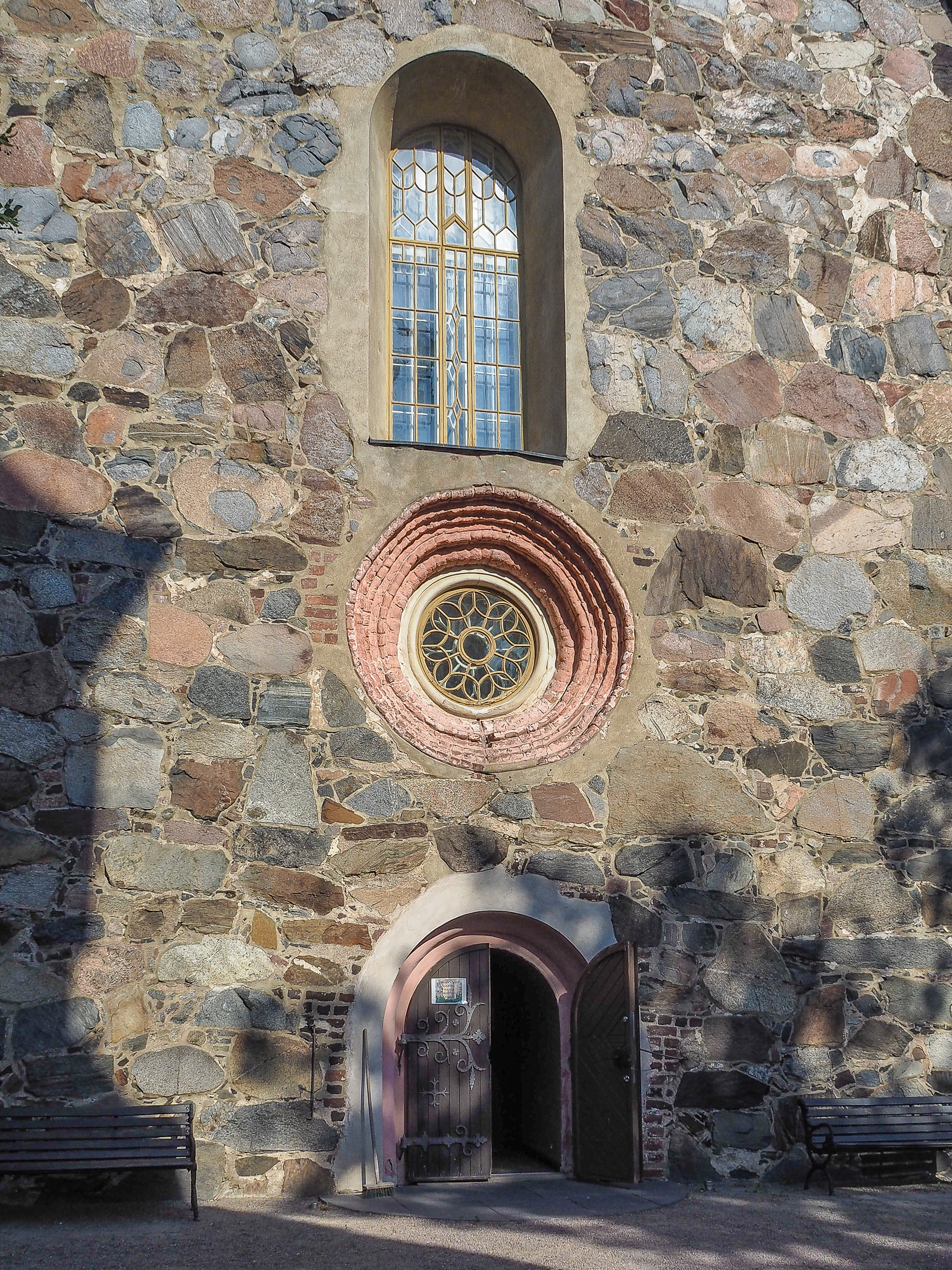
Sharing this post with Thursday Doors