Debbies Six Word Saturday
Debbies Six Word Saturday
If you’re not in the mood for self pity, skip the text and enjoy the photo 😌
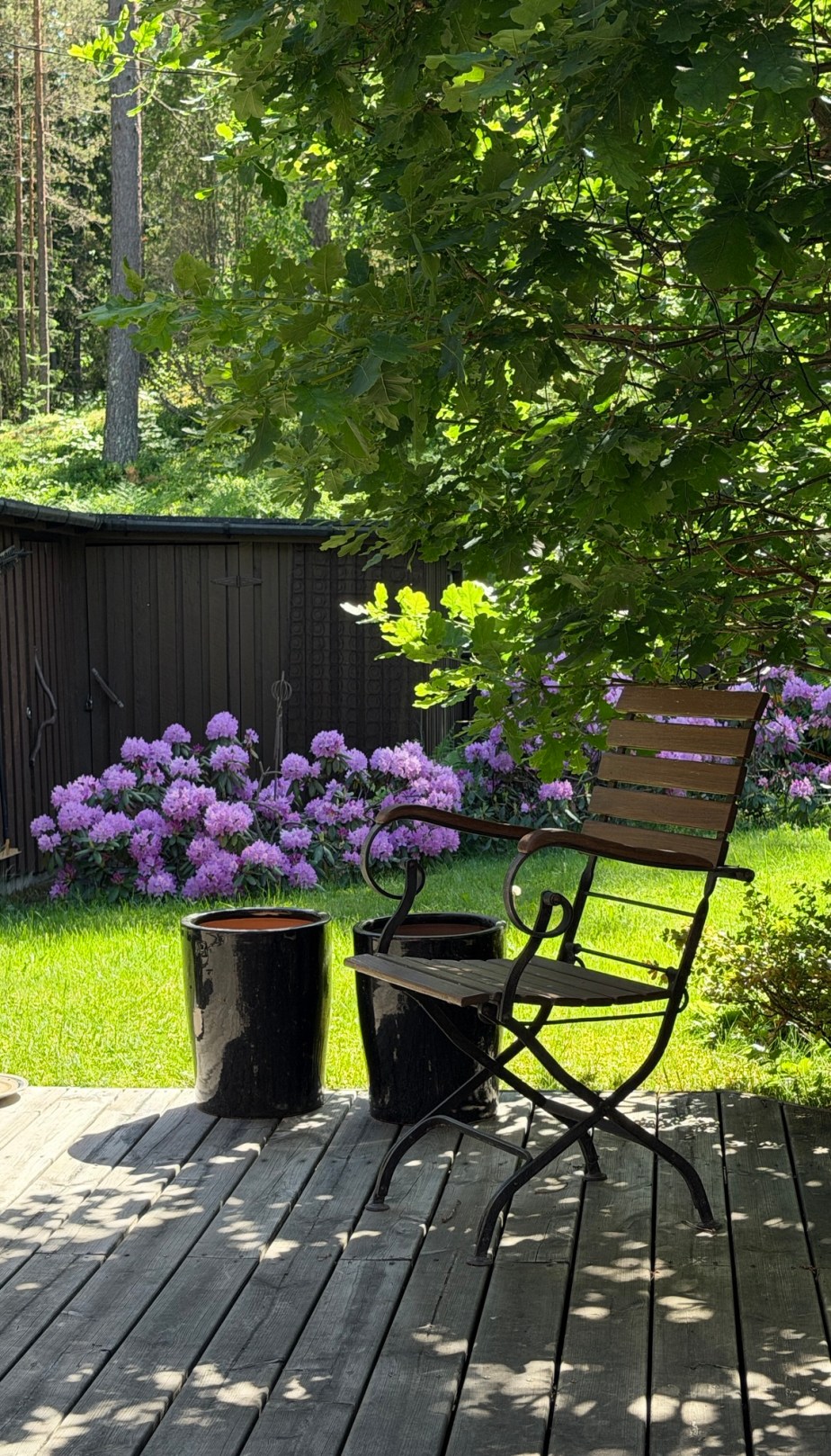
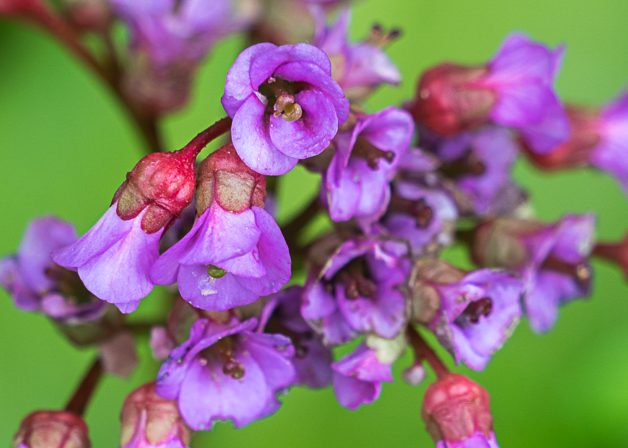
I had one of the worst nights in a long time. My sleep was in shambles, I couldn’t get a comfortable position in my bed, my feet were cold… from within, I was in and out of sleep. Yes I am whining about it… sorry for that. But on a a positive note, I am doing my best so I don’t fall asleep by sitting in my garden/ backyard enjoying the sunshine and beauty of the rhododendrons.
Continue reading “Tired”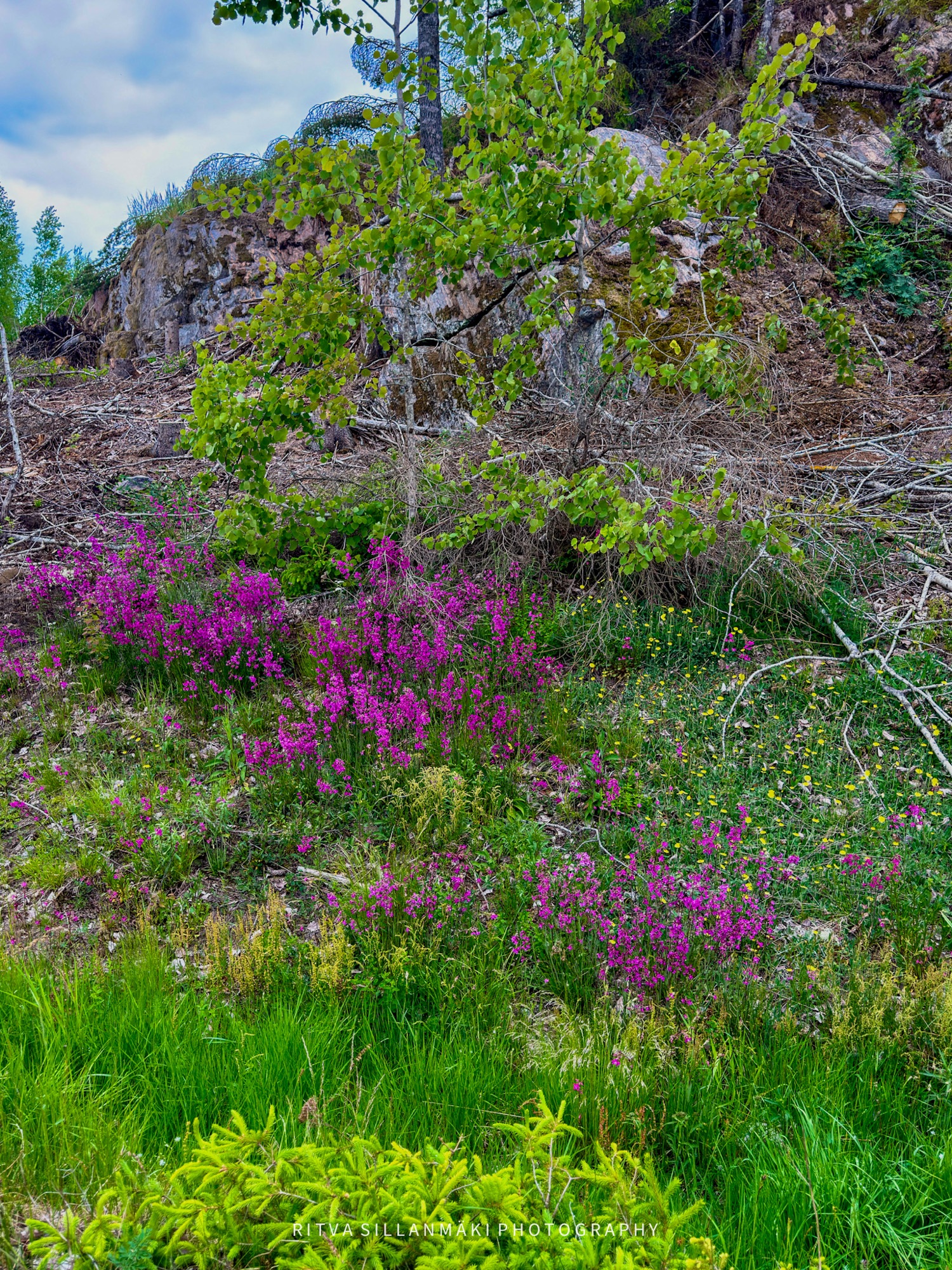
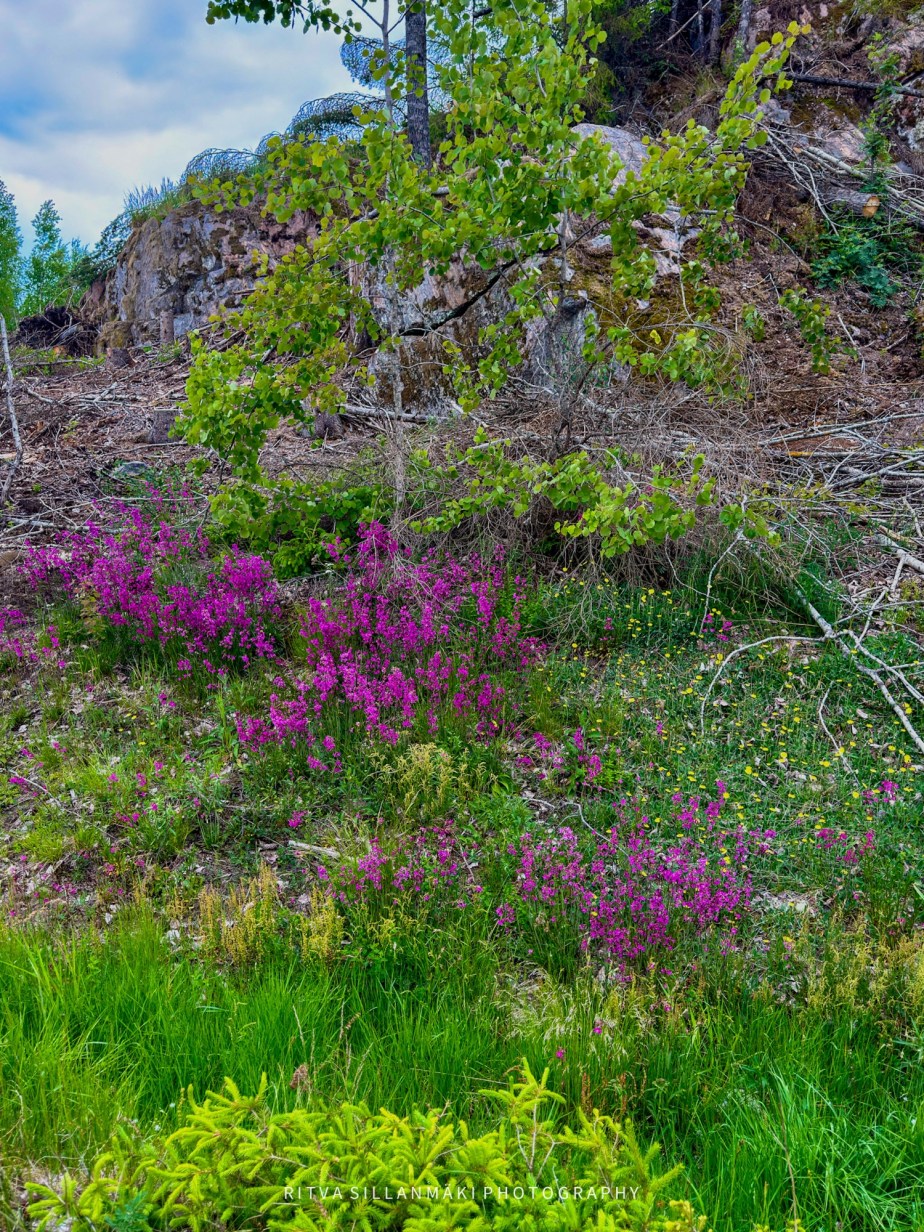
Name also Clammy campion (usa), Red german catchfly
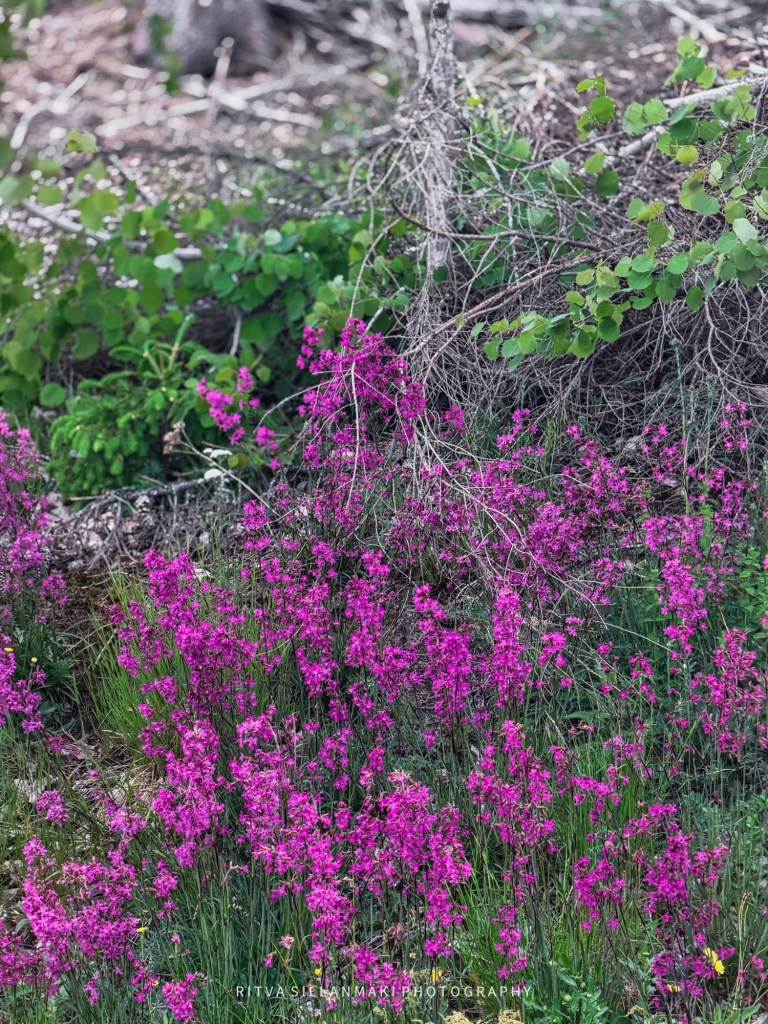
Sticky catchfly is a plant that originally grew on rocky areas, dry hills, and sandy meadows. It has adapted to human environments, spreading to pastures and sunny roadsides. The plant can survive long droughts thanks to its deep taproot. Its distinctive reddish-brown sticky substance, which covers the upper stem, helps deter predators like ants. You can often see insects stuck to the stem. When picked, the sticky tar gets on your hands. Sometimes, a pink-flowered version can be found that doesn’t secrete any liquid. Its smaller relative, alpine catchfly (V. alpina), secretes very little or no tar at all.
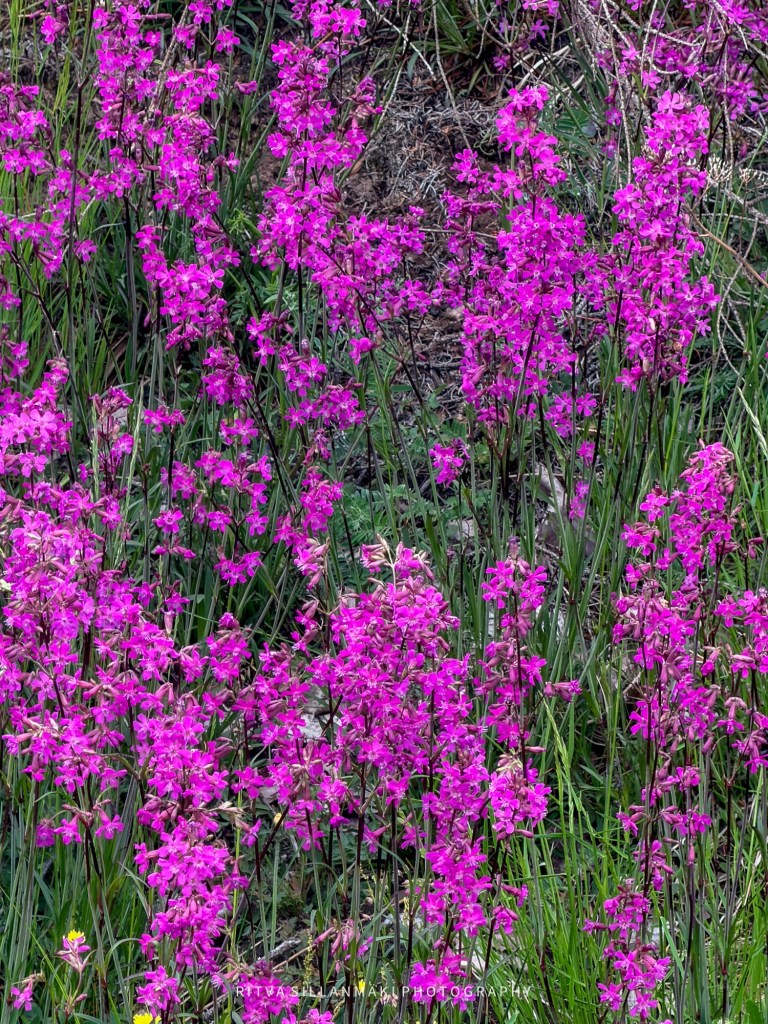
At the start of summer, the red flowers of sticky catchfly attract queen bees, which are busy creating new colonies and pollinating. When the queen is in the hive caring for her young, the smaller worker bees are less effective at pollination. The flowers also draw in various insects, like butterflies, flower flies, and small beetles. Additionally, pollinators can spread diseases, such as spores from parasitic ustilaginales fungi, and even the sticky substance on the stem doesn’t protect catchfly from these harmful pests.
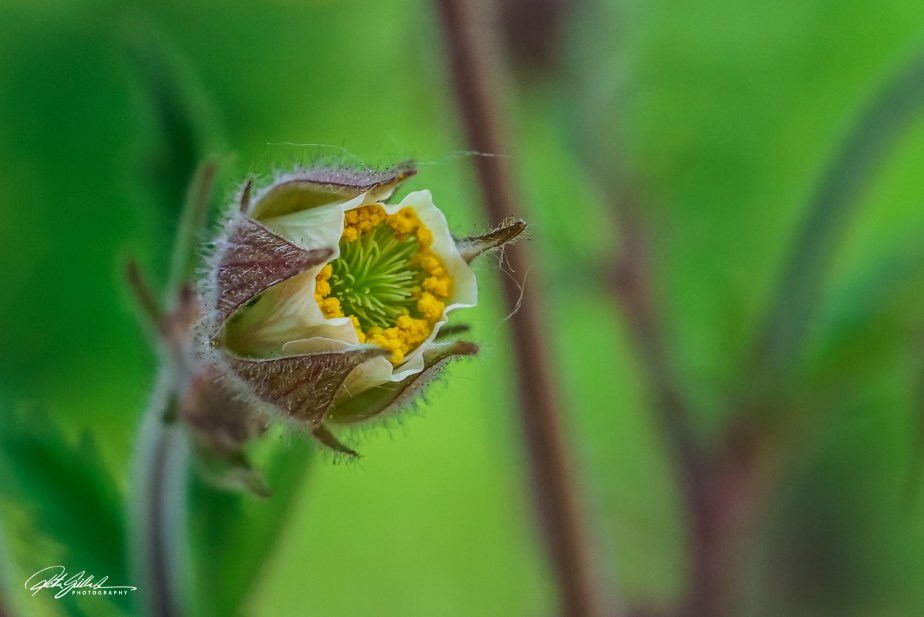
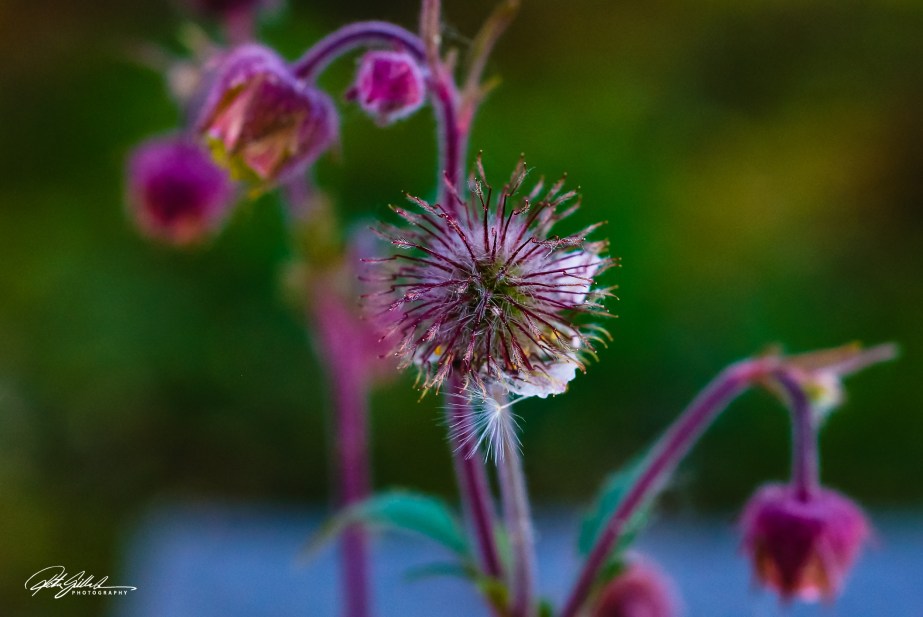
Summer flowers that keep up showing every year, this is so pretty and useful too. Water avens has these big, drooping reddish-brown flowers that really catch your eye and make it easy to recognize. It’s got a bunch of local Finnish names, showing how long it’s been part of Finnish life. If you’ve ever noticed honey bees and bumblebees buzzing around it, that’s where its name comes from! Interestingly, wasps also come by, but they don’t help with pollination.
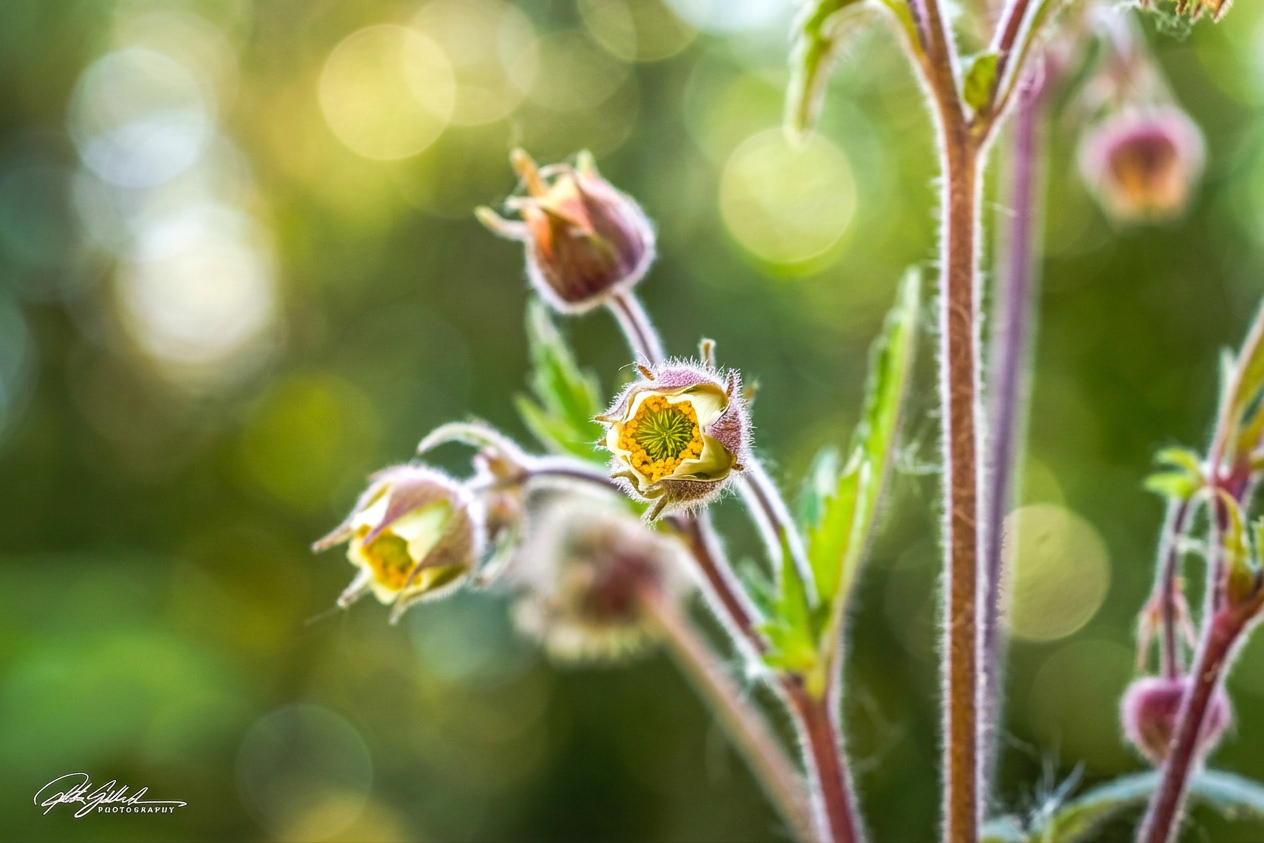
If you are looking at these on a computer, click the gallery to have a better look.
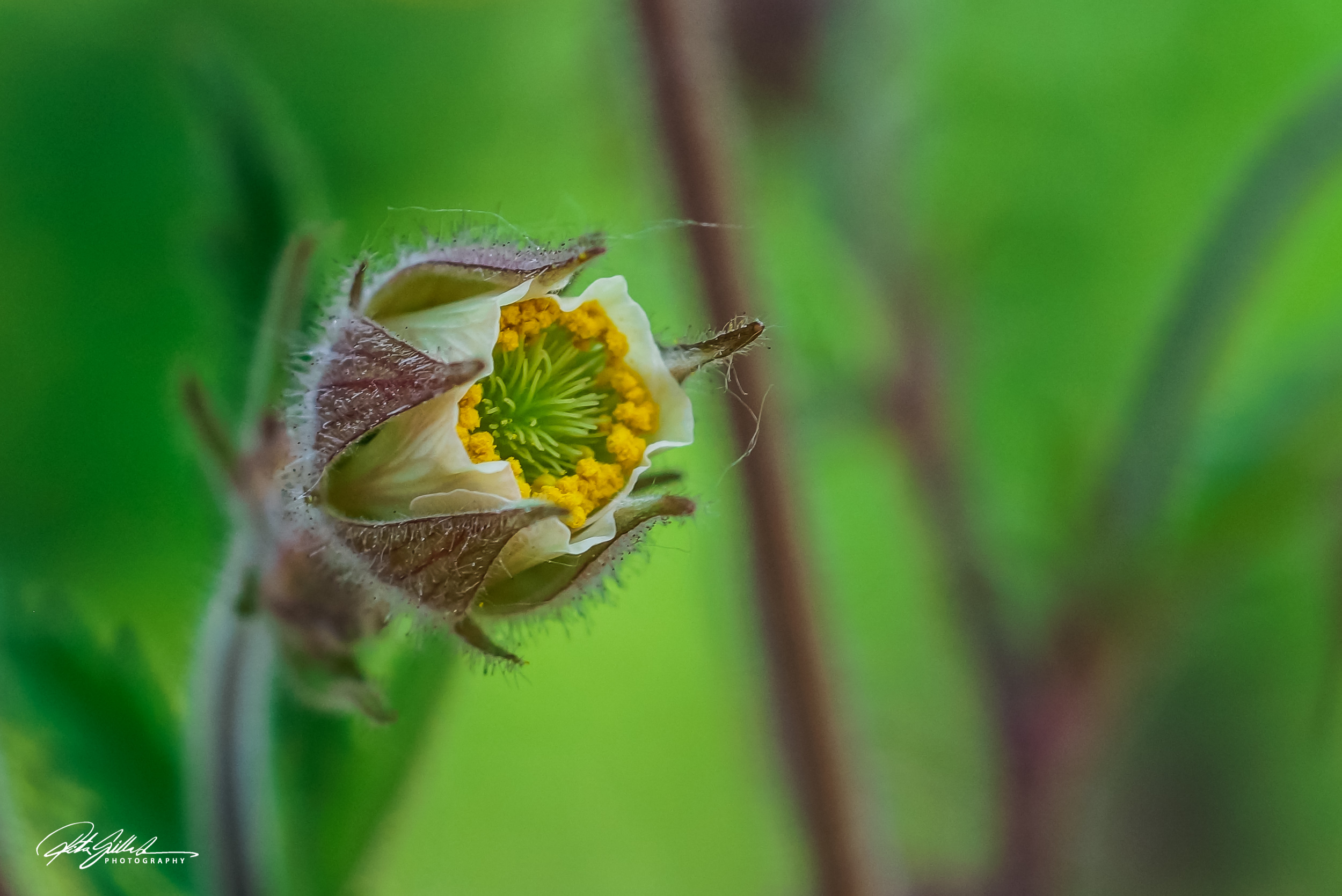
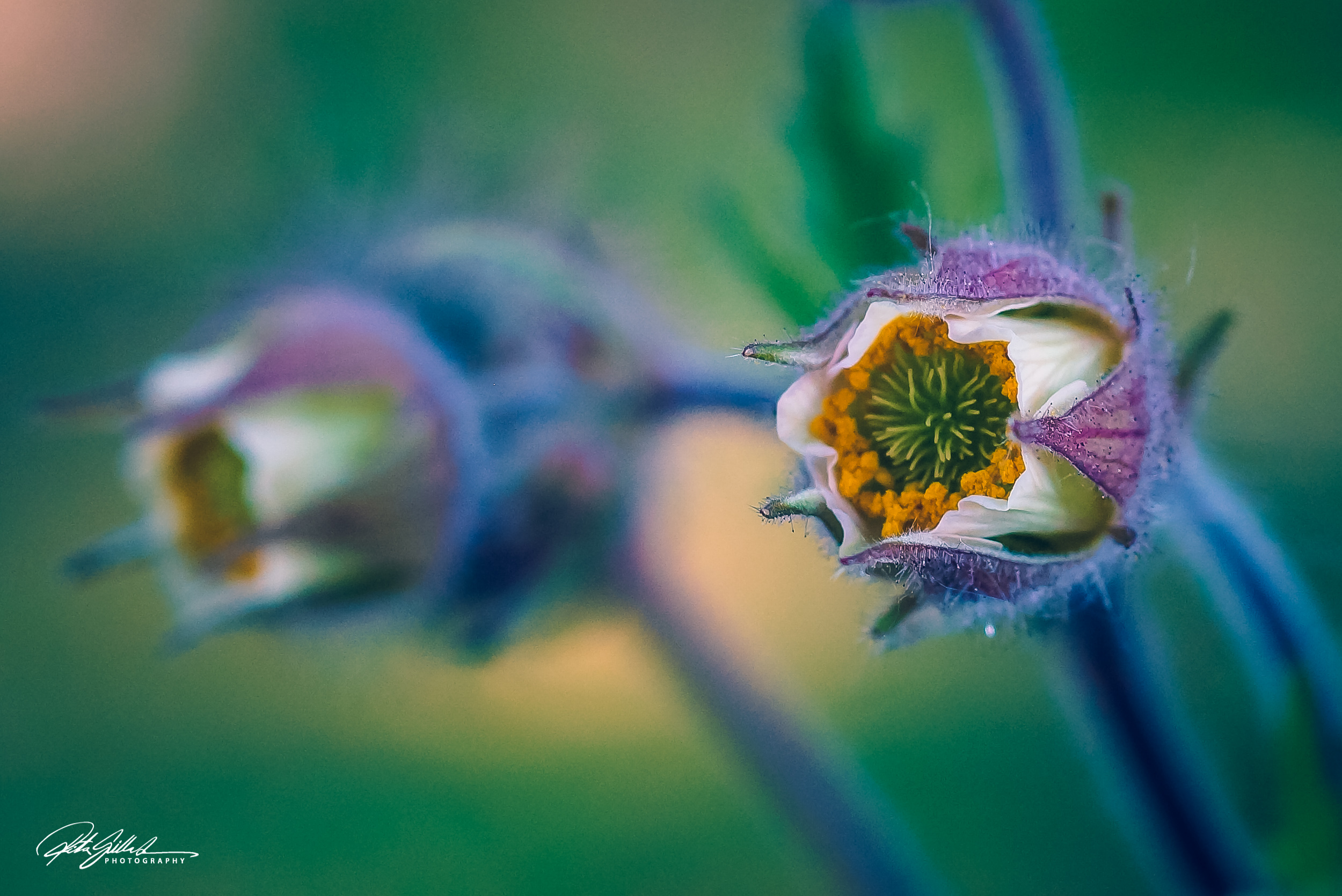
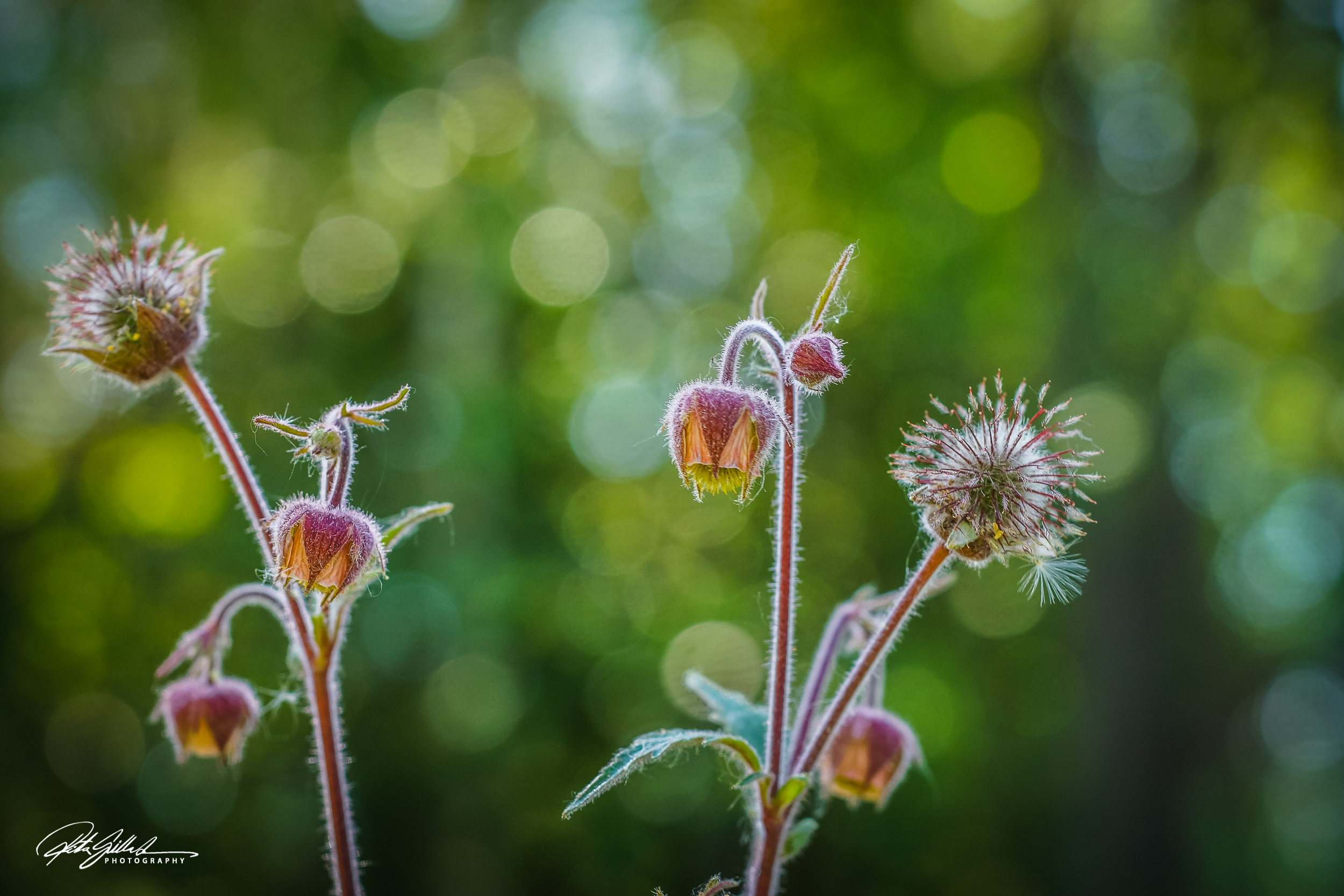
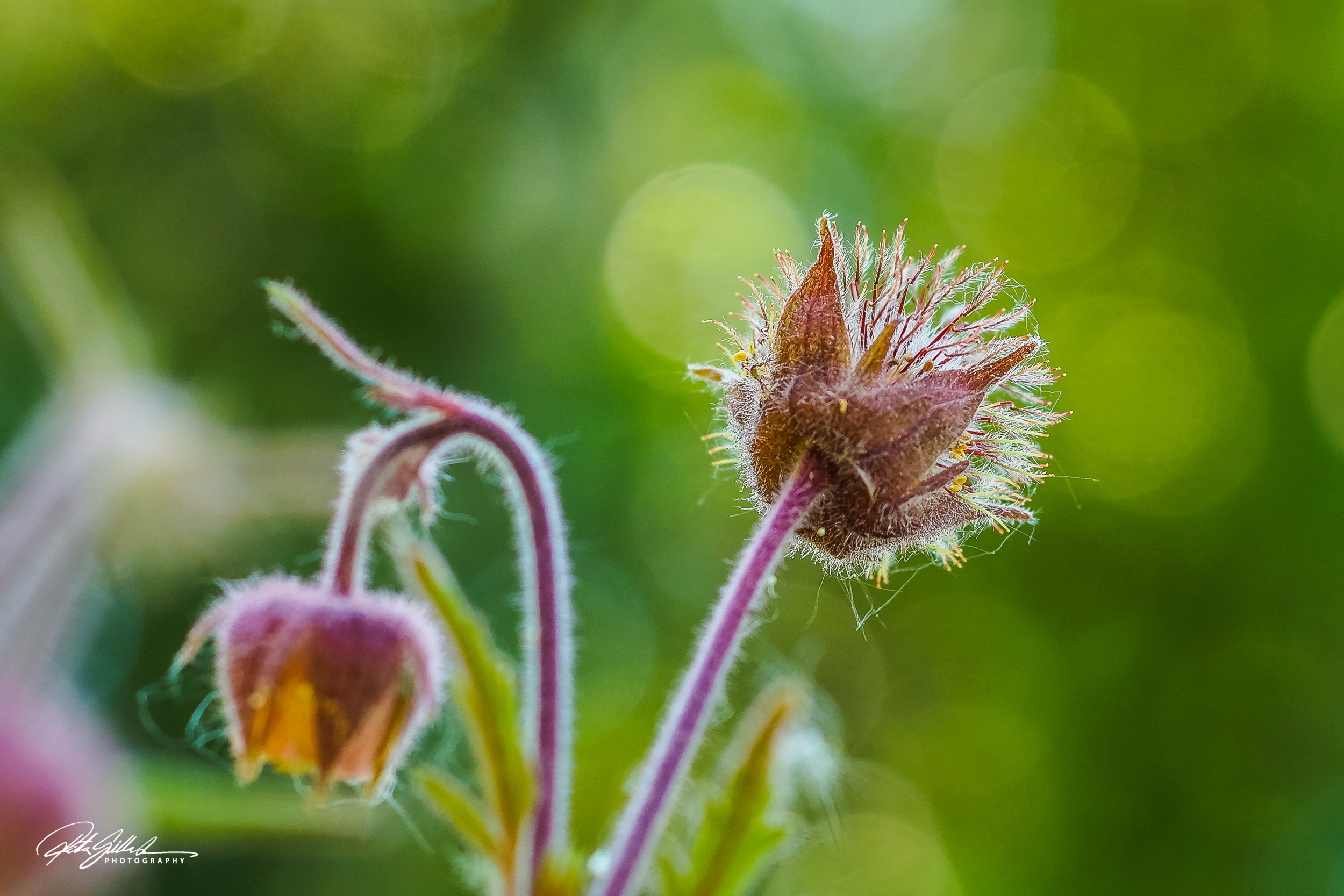
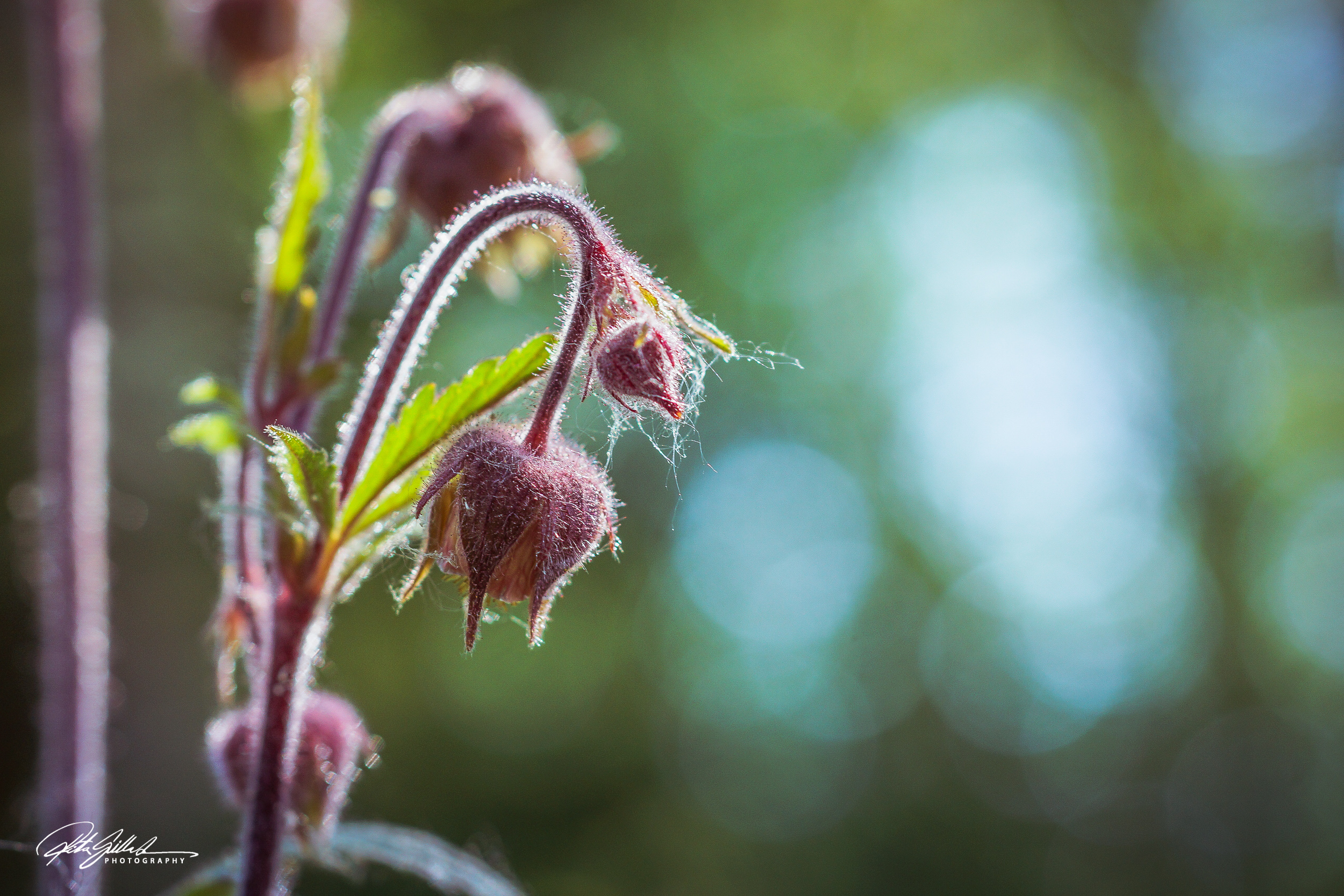
This plant is native to almost all of Finland, except for the fell Lapland areas, and you’ll mostly find it in the southern parts of the country, from the Bay of Bothnia all the way south. In the wild, water avens thrives in all sorts of damp and rich spots like hedgerows by the shore, streambanks, springs, and particularly in the lush swamps of the north. It’s also quite happy in human-made areas, often seen thriving along the sides of ditches. One fun fact is that its achenes have these hooked tips and stiff hairs that let them latch onto people and animals, helping it spread even more!
When the weather is fine you can enjoy the sunshine and…
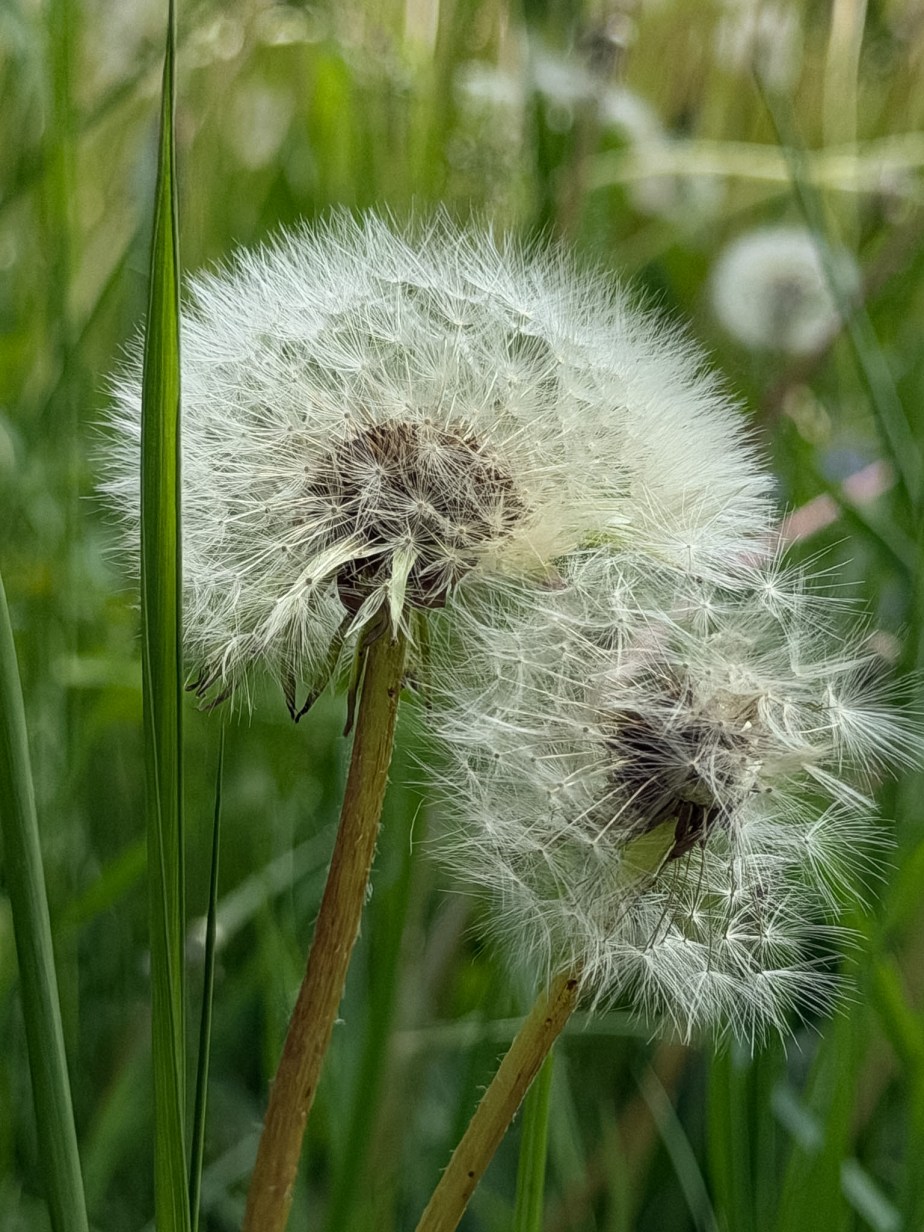
The yellow dandelion fields they have turned white since our last visit, I reckon it looks pretty nice like this too.
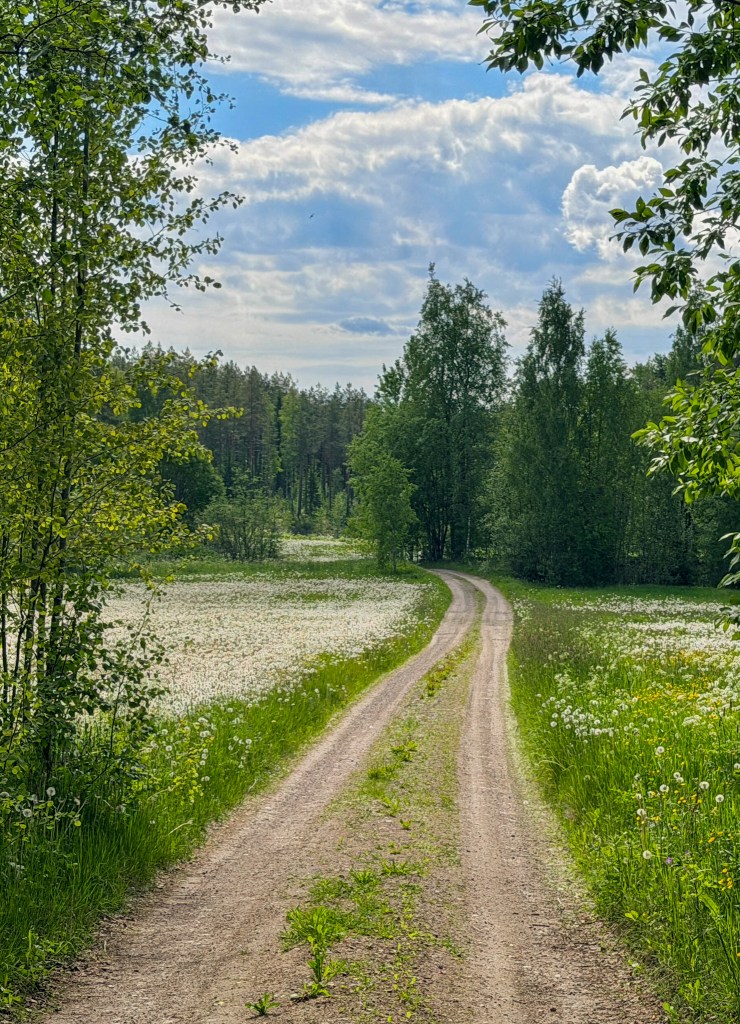
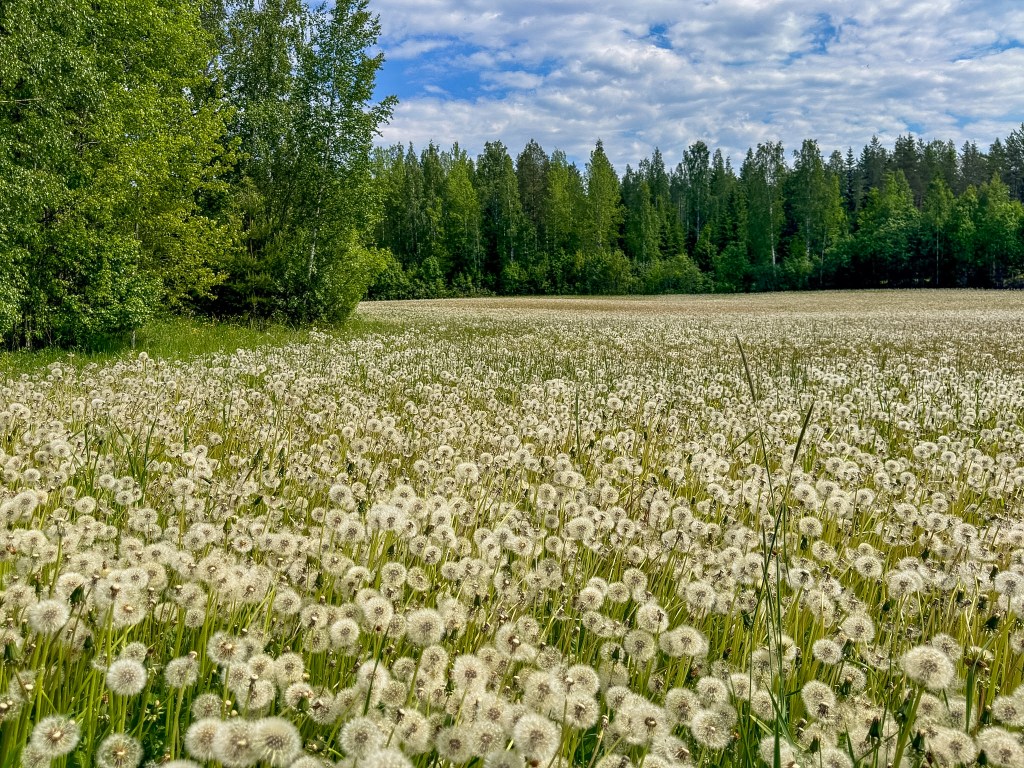
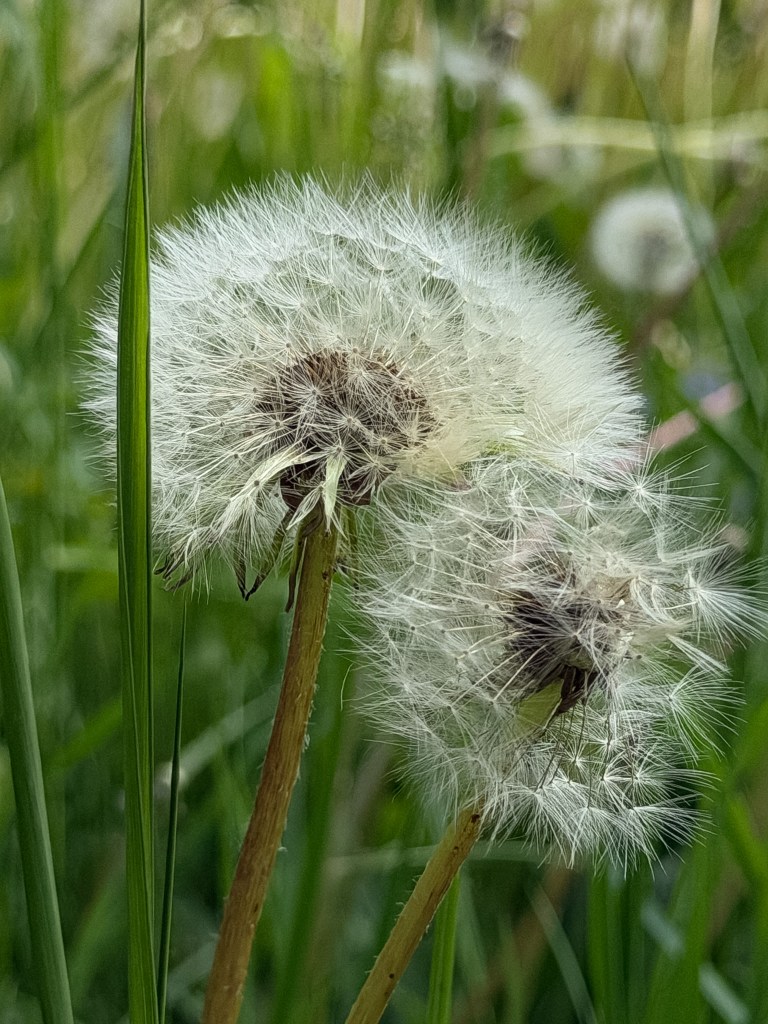
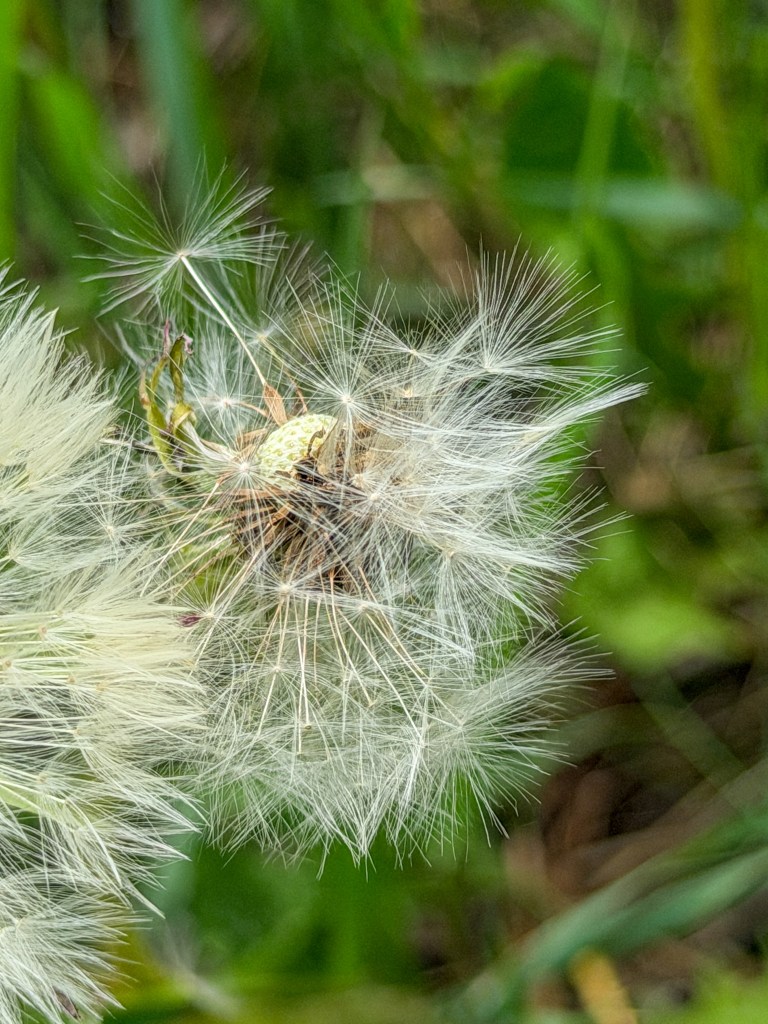
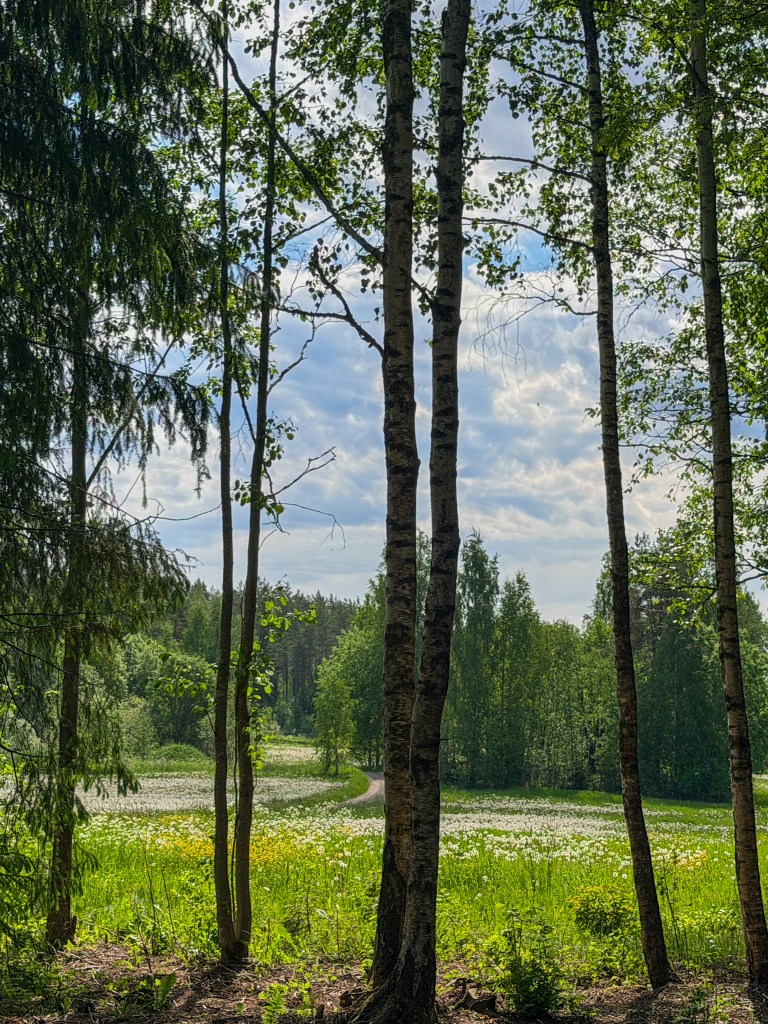
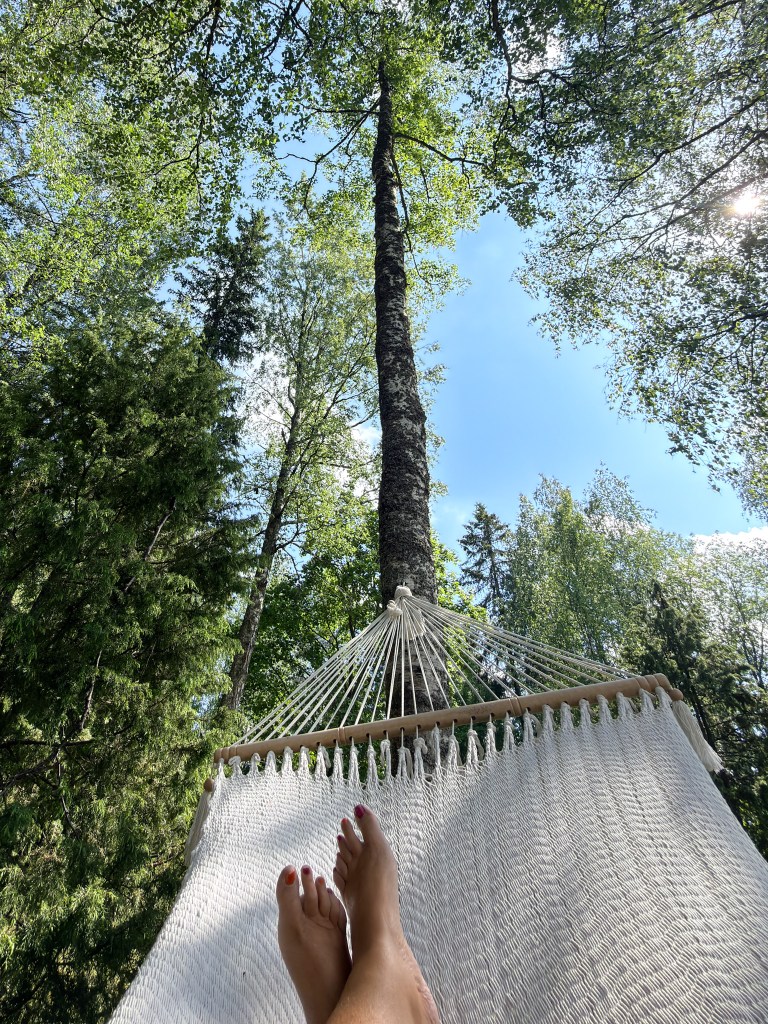
Have a happy Thursday🙂 I am enjoying it in the hammock
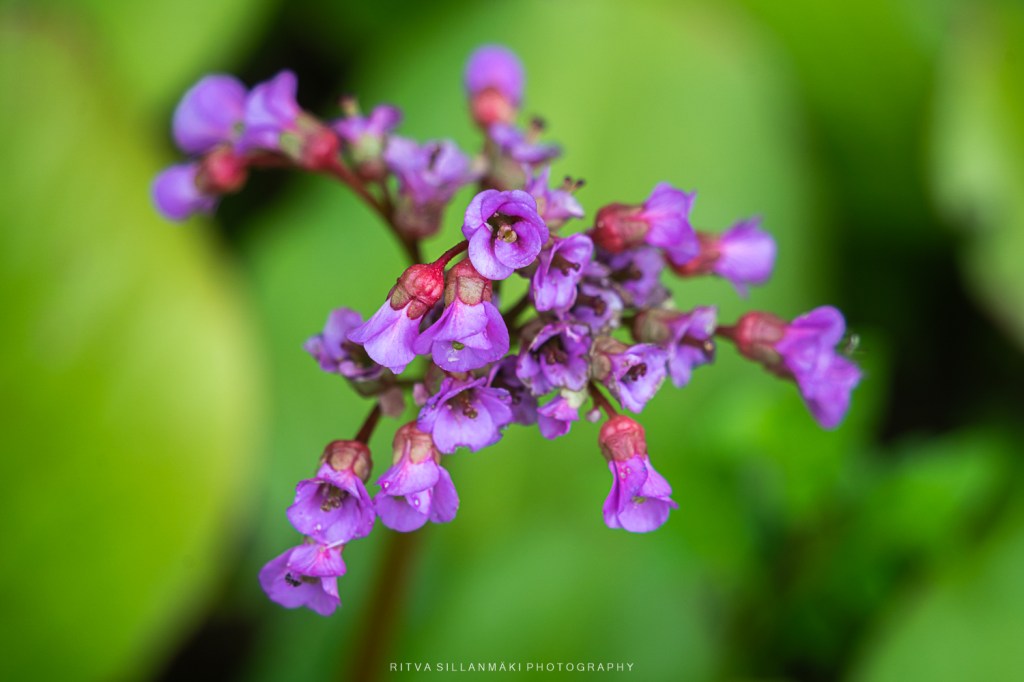
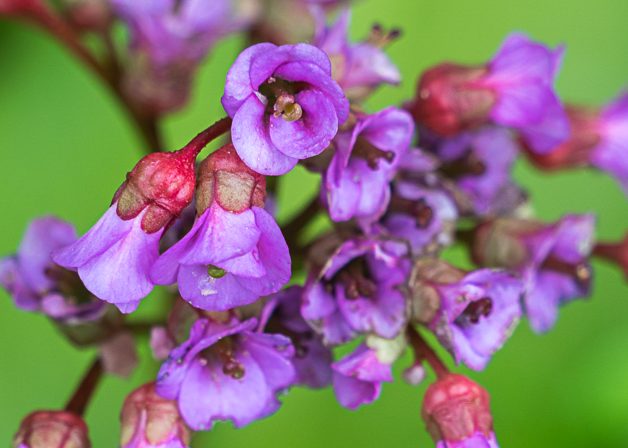
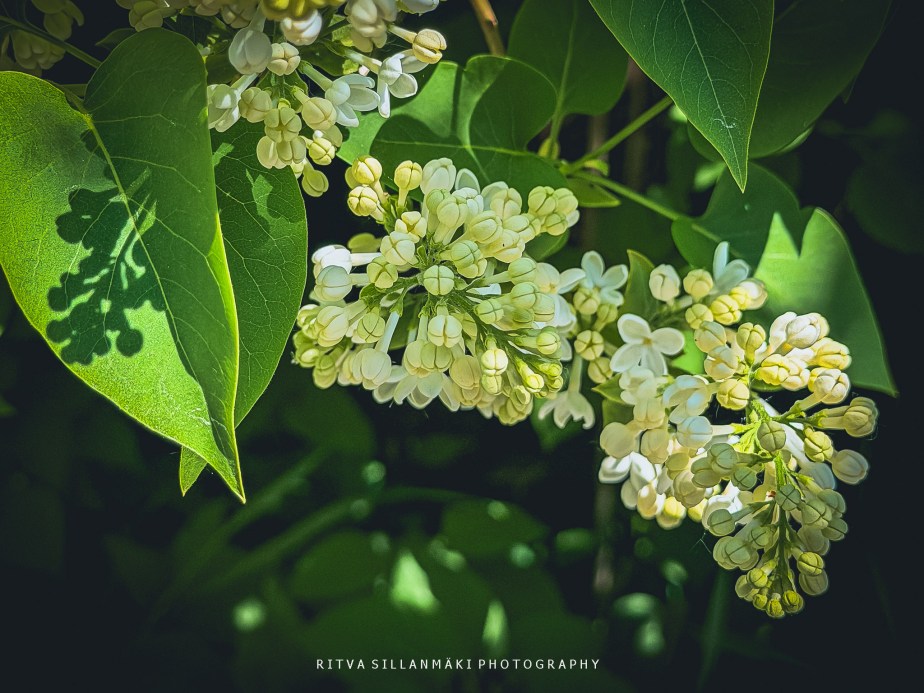
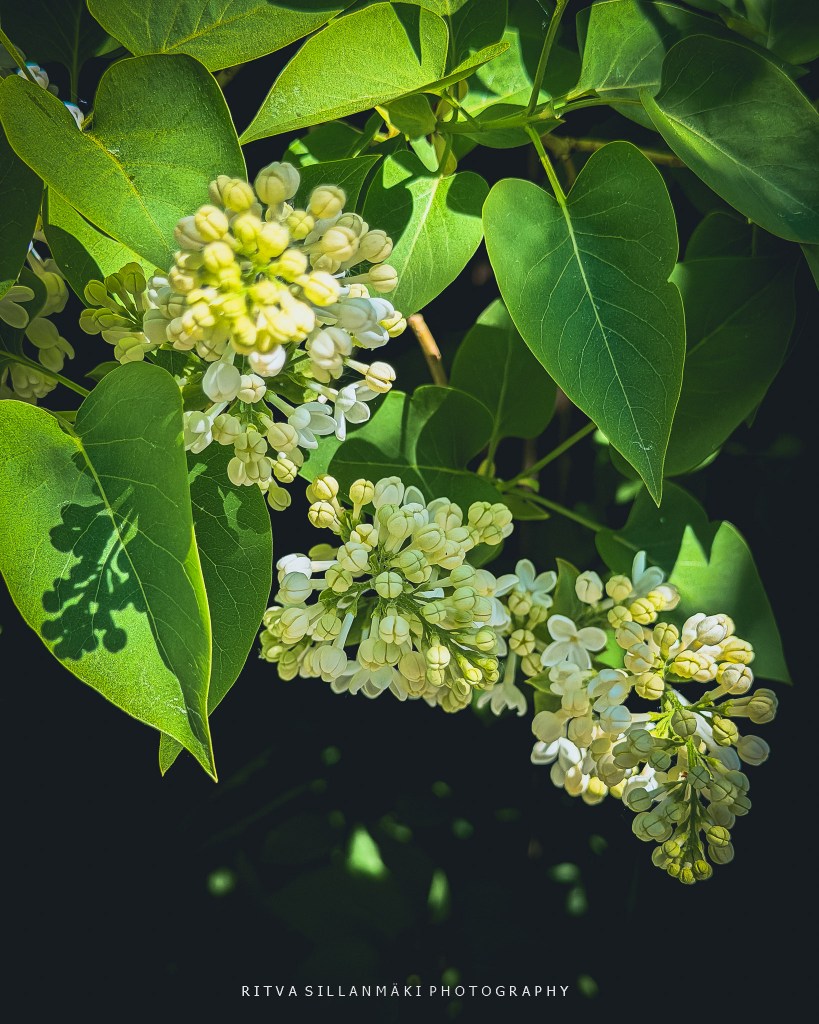
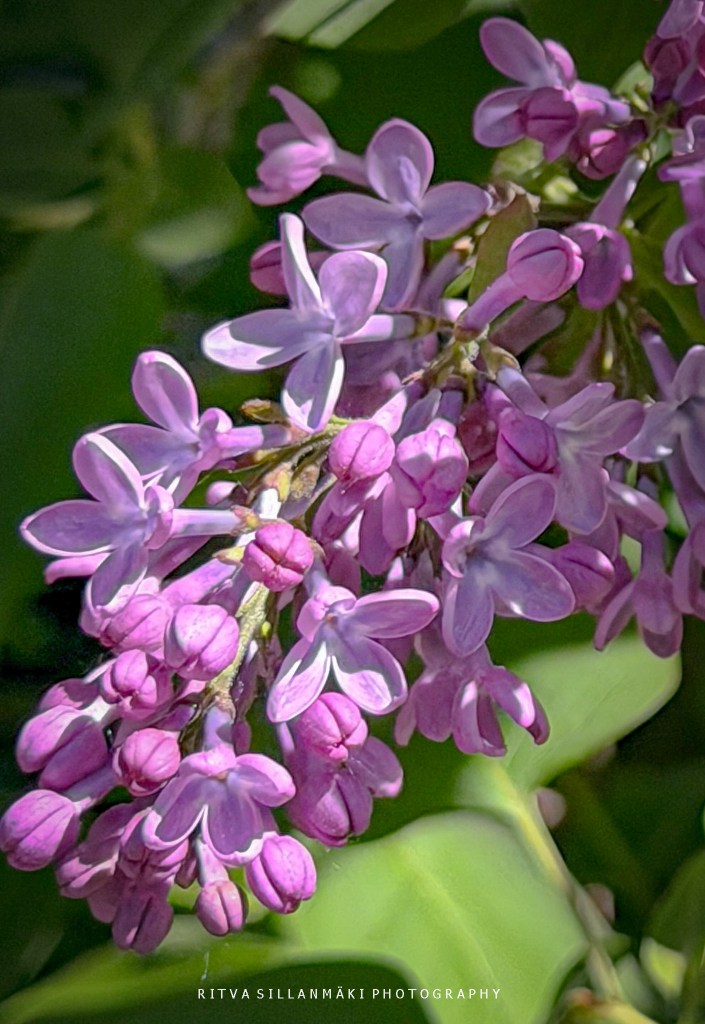
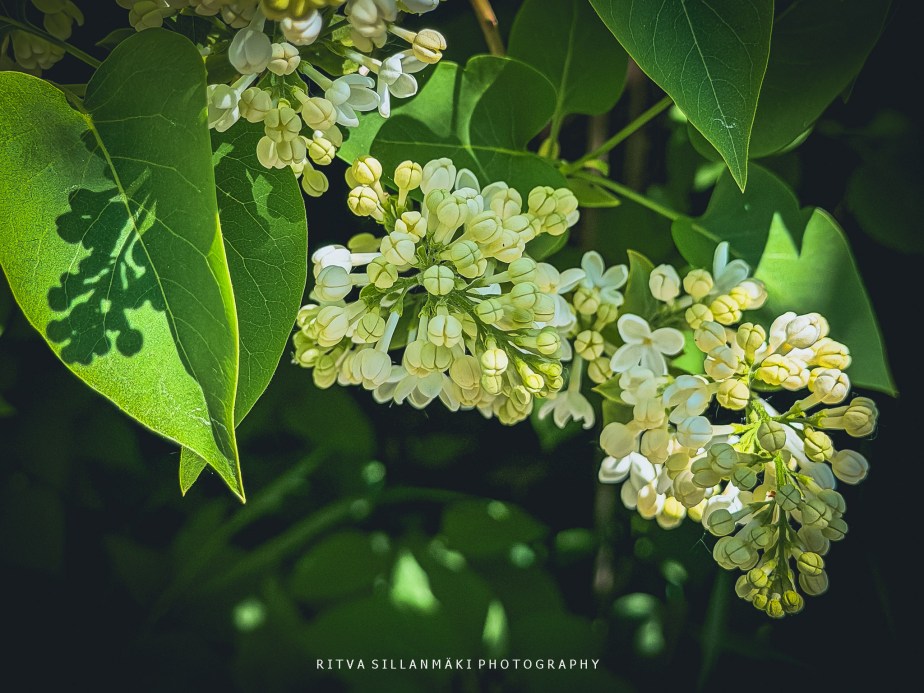
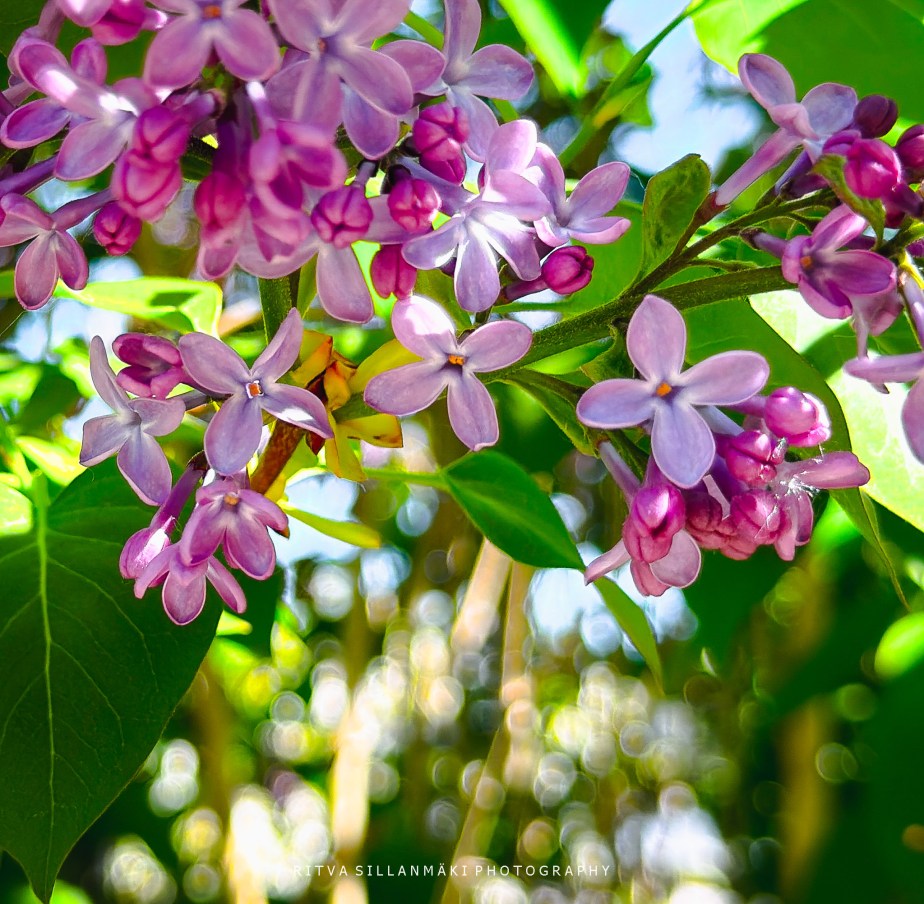
On a request, here are my lilac photos on color, showcasing this flower that insists on flaunting its beauty in every possible lighting condition—it’s like the diva of the garden and the scent of her, aah!! Whether it’s posing against a clear blue sky, showing off its gorgeous self amidst lush greenery, or just casually lounging in the softness of a pastel backdrop, the lilac’s knack for stealing the spotlight, proving once and for all that flowers can outshine even the best of us in the color department!
Debbies Six Word Saturday
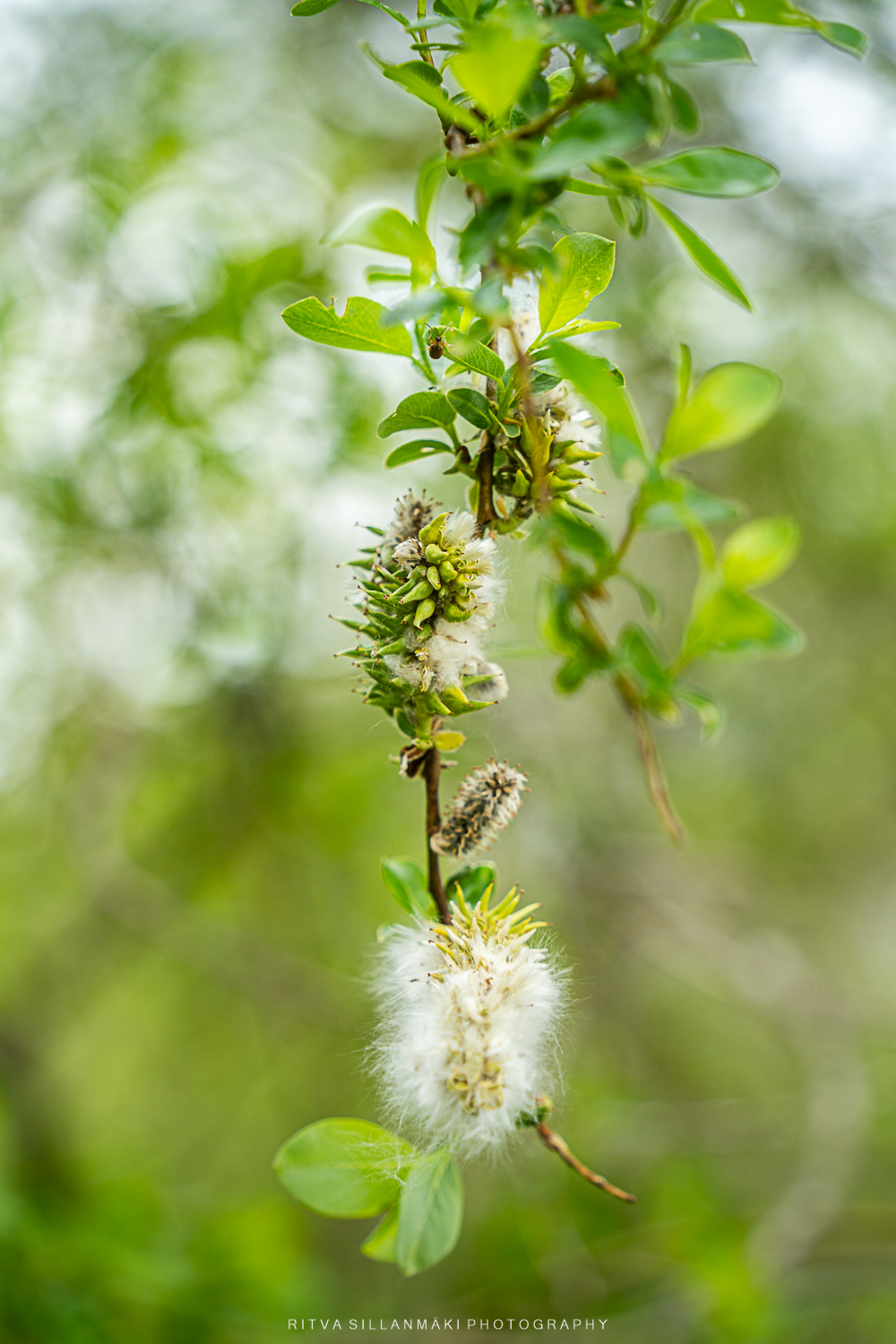
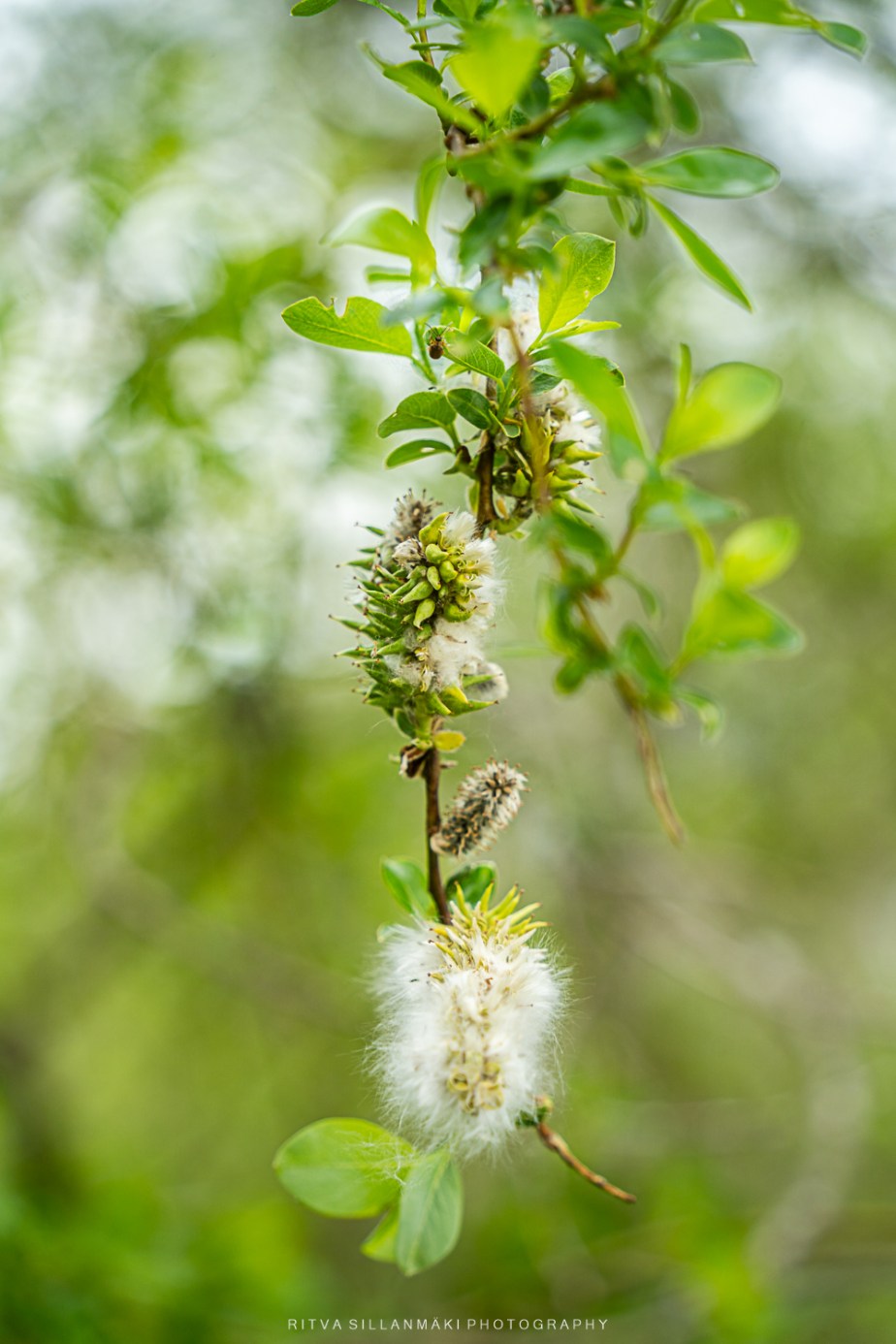
The Dark-leaved willow (Salix myrsinifolia) is a willow species native to Europe and Western Siberia, known for its fuzzy, cylindrical catkins that appear alongside or just before new leaves in spring.
A close-up photograph of a slender willow branch adorned with fluffy white and green seed pods or flowers, set against a soft-focused green background. The vibrant green leaves surrounding the pods create a lively contrast with the delicate, almost feathery textures of the blooms. The fresh spring growth and natural beauty, with a gentle bokeh effect that highlights the details of the plant while softly blurring the surrounding foliage. and the green is refreshing, I am celebrating the intricate beauty of nature’s small details.
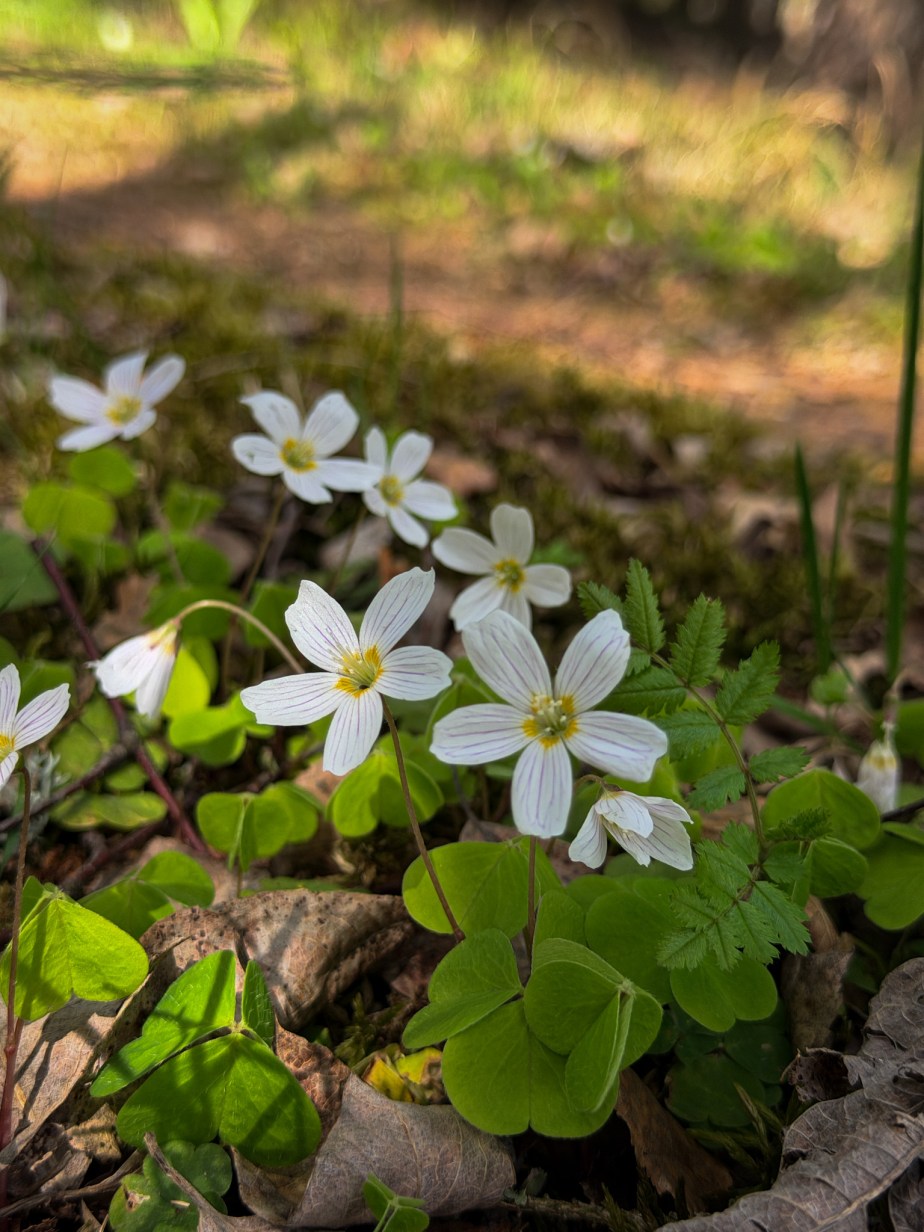
Spring flowers in nature bloom and fade so quickly, their beauty often lasting only a fleeting moment. Last weekend, I took these shots of wood sorrels, capturing their delicate petals and delicate flowers while they were still alive in the warm sunlight. However, this week, there is only the green leaves left, as nature effortlessly transitions to palette of greens.
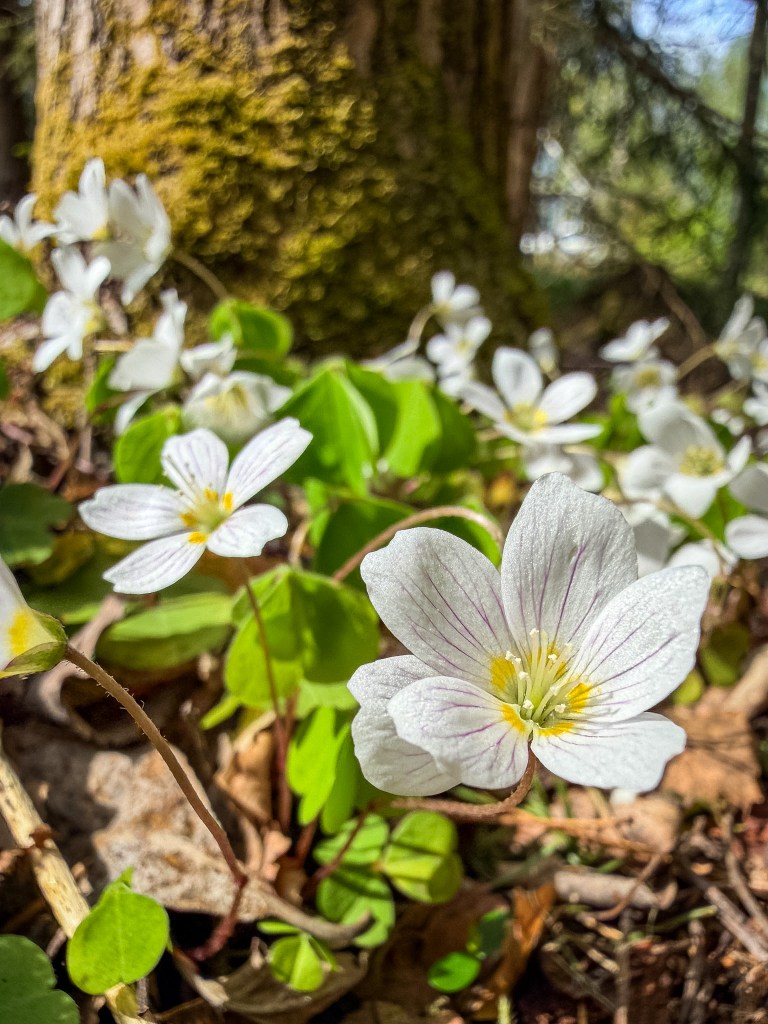
The taste of the wood sorrel is familiar to many from childhood summers, used to pick them up while playing with friends in the woods. The flavor is refreshingly sour, now I know it is due to the oxalic acid it contains just like rhubarb. We never used it in fresh in salads, soups, and various sauces, where it adds a lemony tartness as fas as I remember.
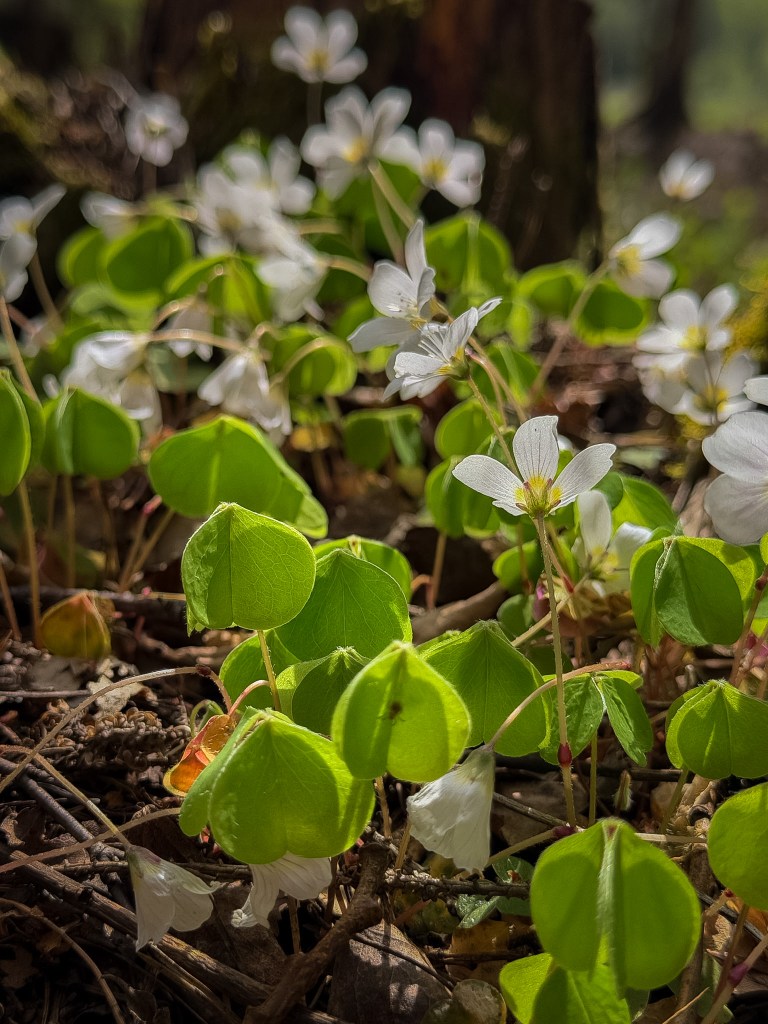
The beauty I came across during my walk in the woods was what I was searching for, I spotted these delicate wood sorrels, these white flowers, their thin purple veins and yellow centers really stood out. They were nestled among vibrant green clover-like leaves, surrounded by all sorts of other foliage. I took the photo so that the background was softly blurred, filled with warm earthy tones—think soil, dried leaves, and moss—creating a serene woodland atmosphere. Sunlight was gently illuminating the flowers and leaves, bringing out their textures and colors beautifully. Overall, it was just this quiet moment of wildflower beauty in the forest on a bright day.
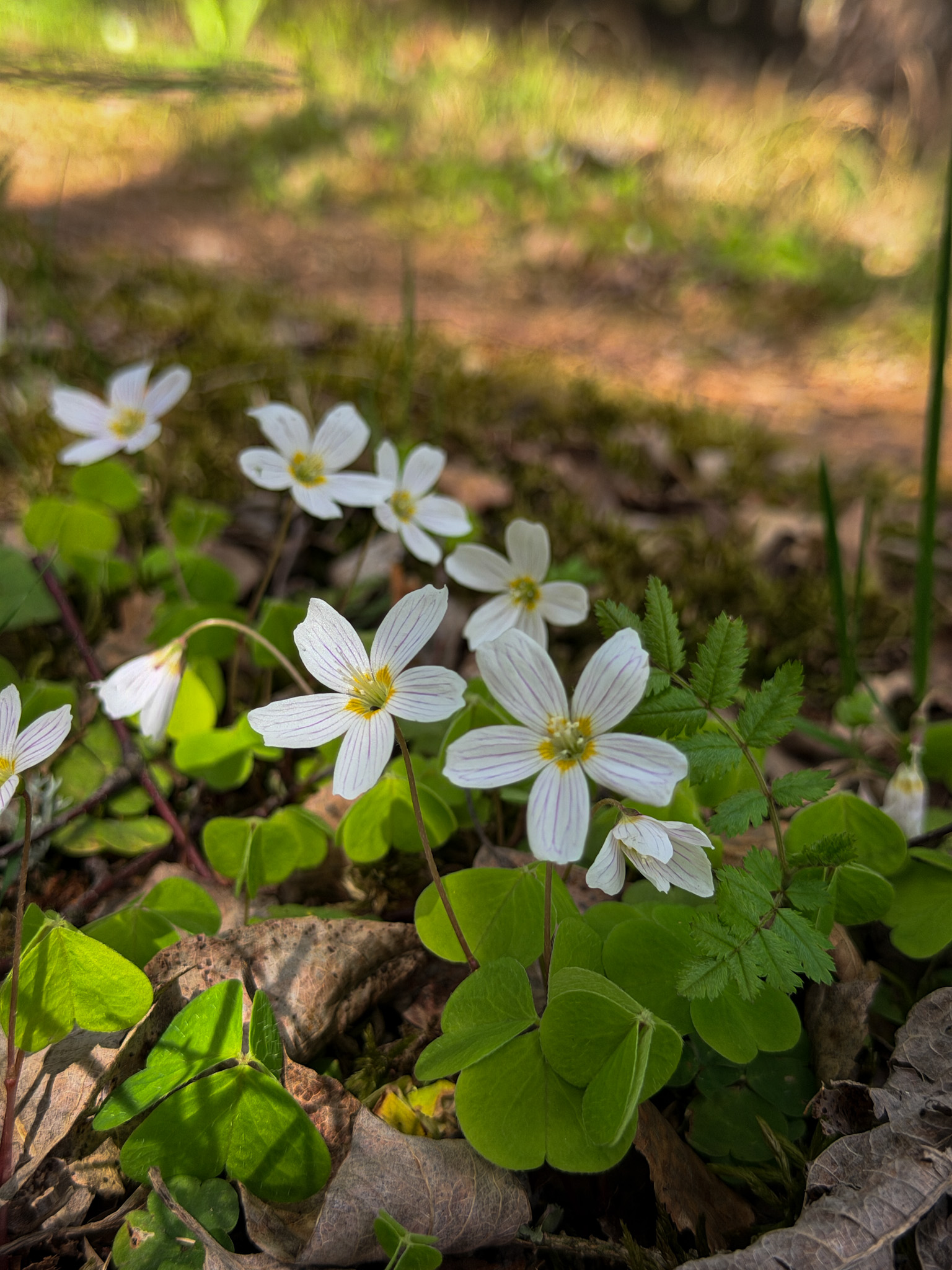
Participating in Terri’s The Flower Hour #31
I’ve been blogging on WordPress for 14 years now, and what learning curve it’s been! Today, I’m happy to share that I’ve hit a cool milestone—my posts have received views from over 150 different countries! That is pretty awesome is that? It’s odd, slightly unreal to think about how my little blog has reached such a diverse mix of people. The United Nations has nothing on me 😂, that’s what the achievement notice on my site; and honestly, that’s a pretty cool thing to be proud off. Every comment feels like a personal connection with someone out there, and it what keeps doing what I love—blogging and sharing my photographs and thoughts. This achievement notice really shows me how amazing digital platforms can be for bringing folks together.
So HUGE thanks for all the comments and likes. I really appreciate you! It means the world to me and motivates me to keep sharing my photography with you. It’s inspiring to see how our conversations grow and how your feedback helps shape what I do. Every like and comment not only boosts my confidence but also fosters a sense of community among us.
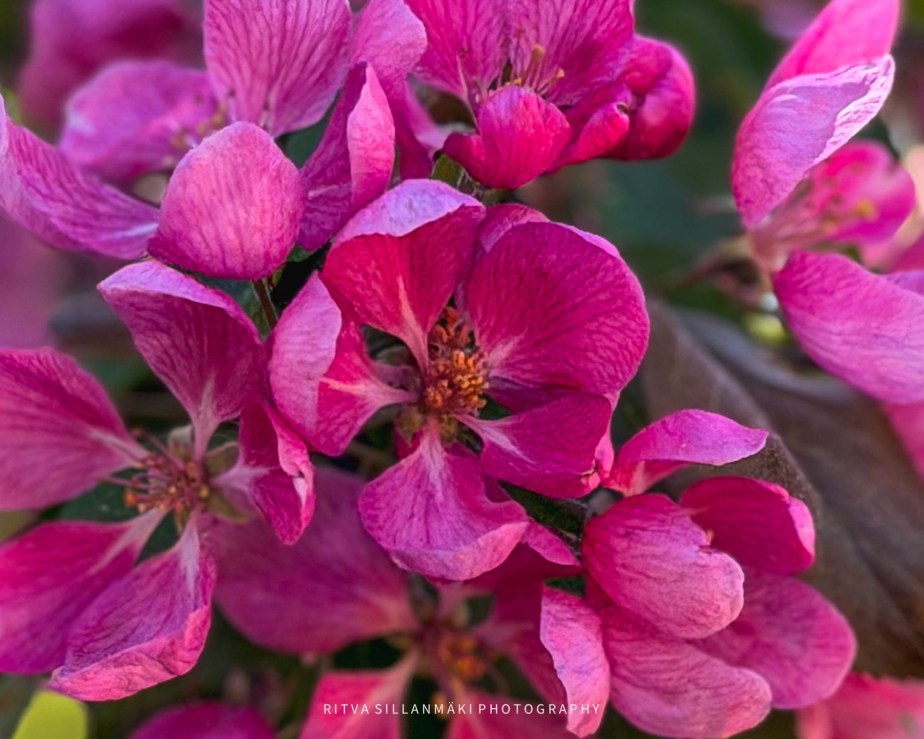
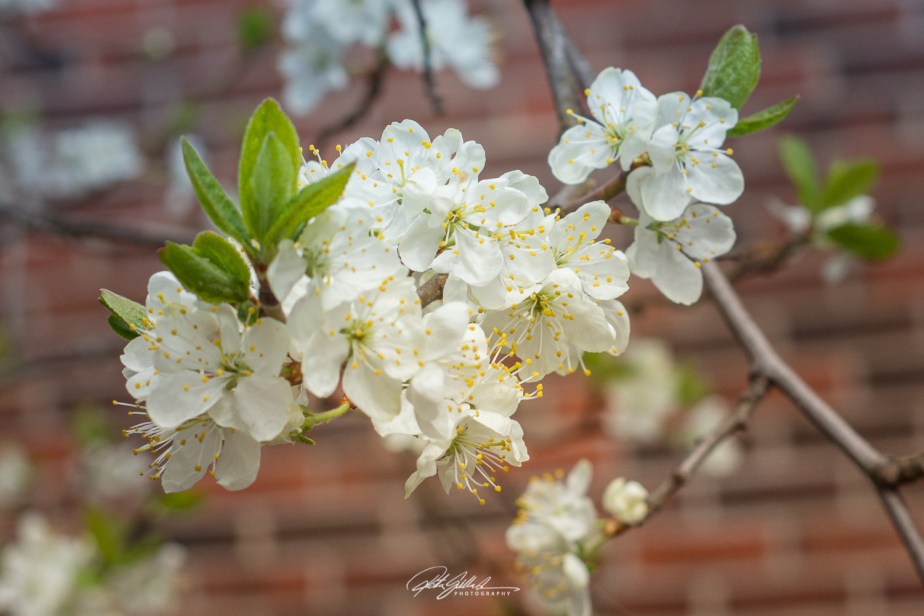
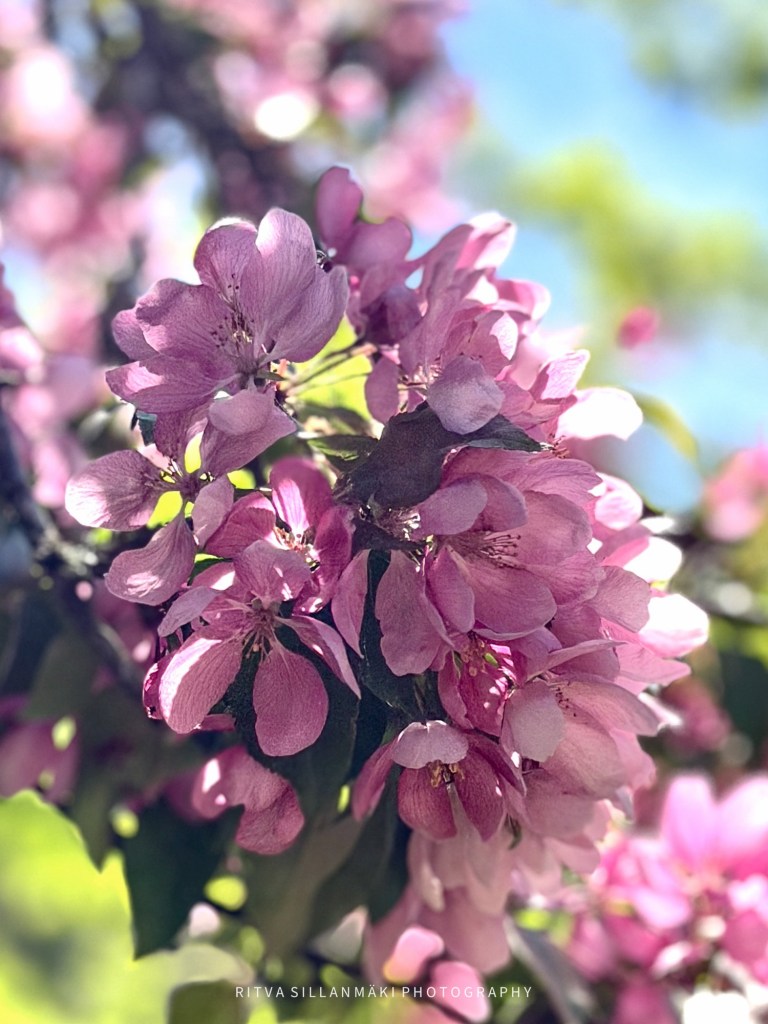
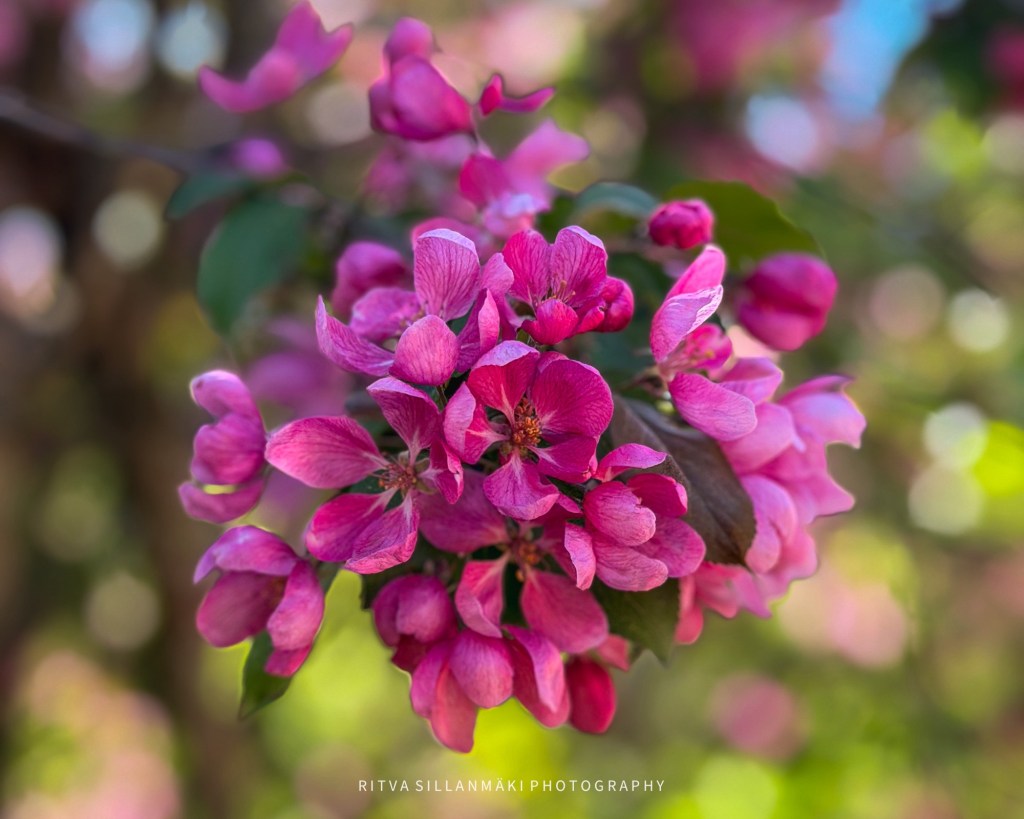
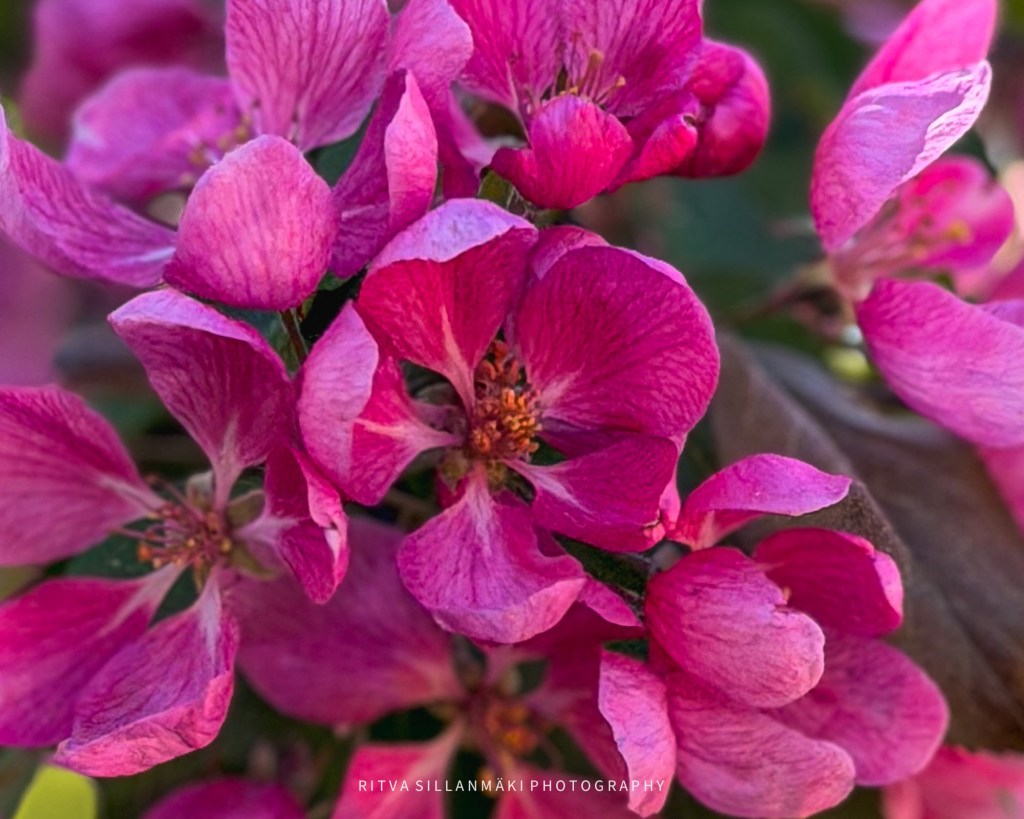
In Finland, spring brings the blossoming of apple trees. The fragrant white and pink flowers signal the arrival of spring. So this what I am happy to share with you this time.
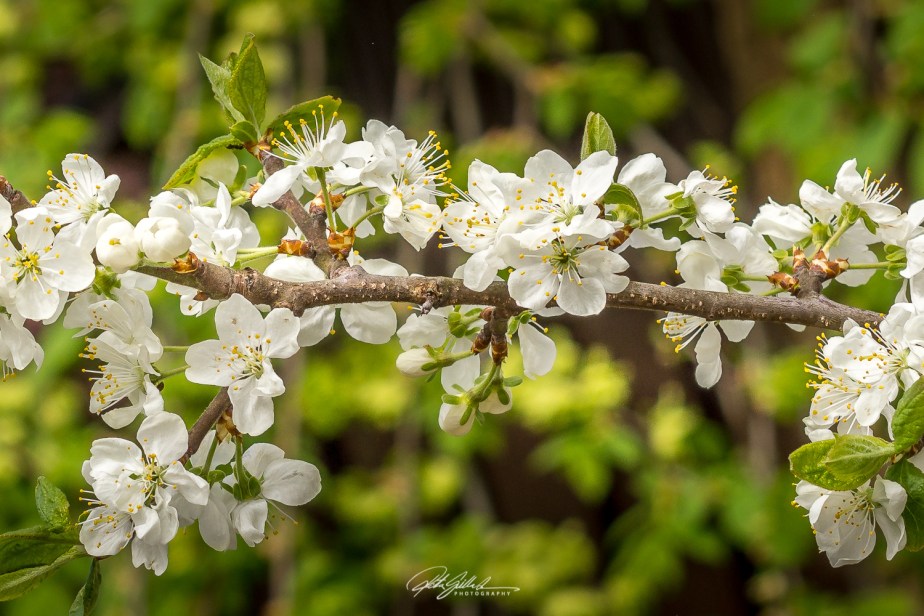
In spring’s gentle embrace, the apple trees whisper,
Their blossoms, like delicate clouds, bring forth pure joy.
Soft white petals blush, swaying gently in the warm morning light,
Rustling like a soothing lullaby to greet the day.
Bees flit about, wrapped in a sweet, buzzing haze,
As they blossom together in the soft warmth of sunlit rays.
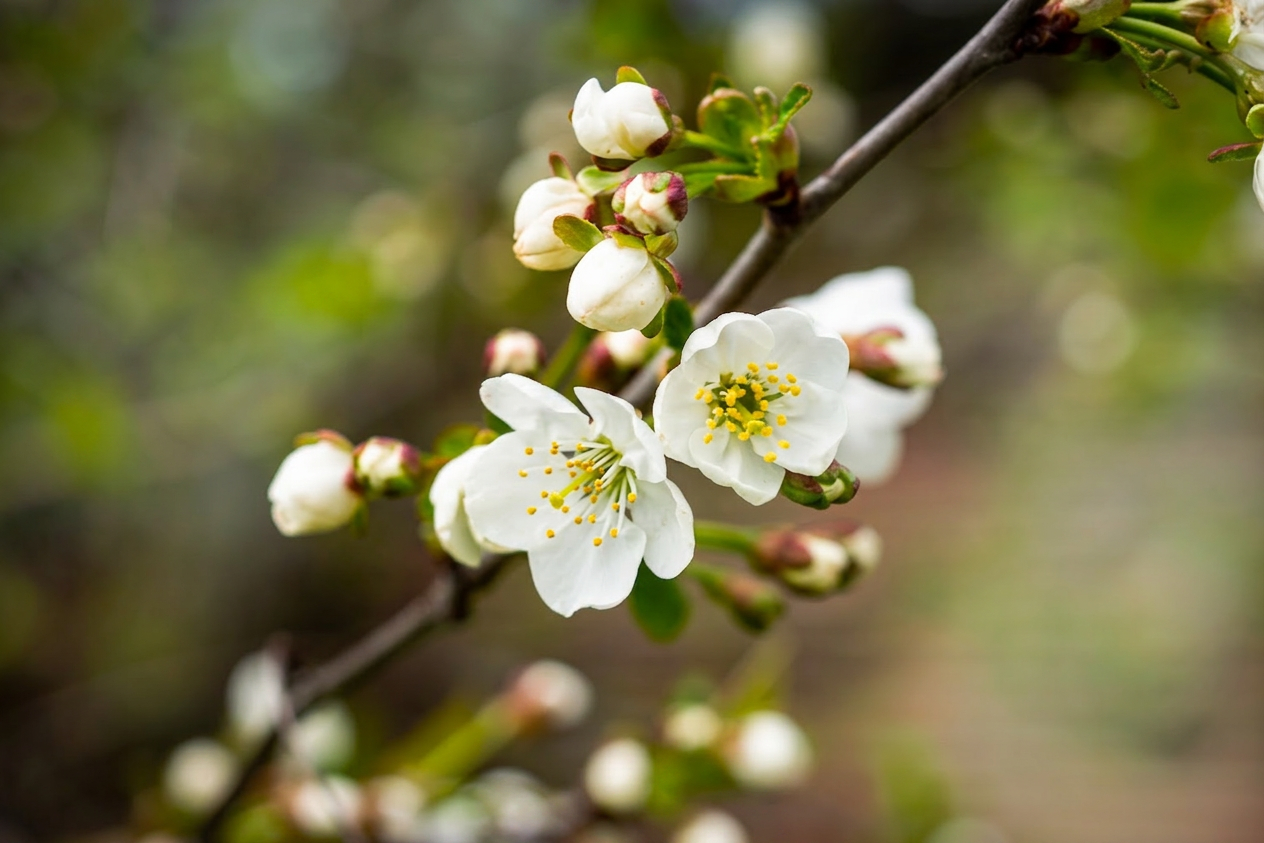

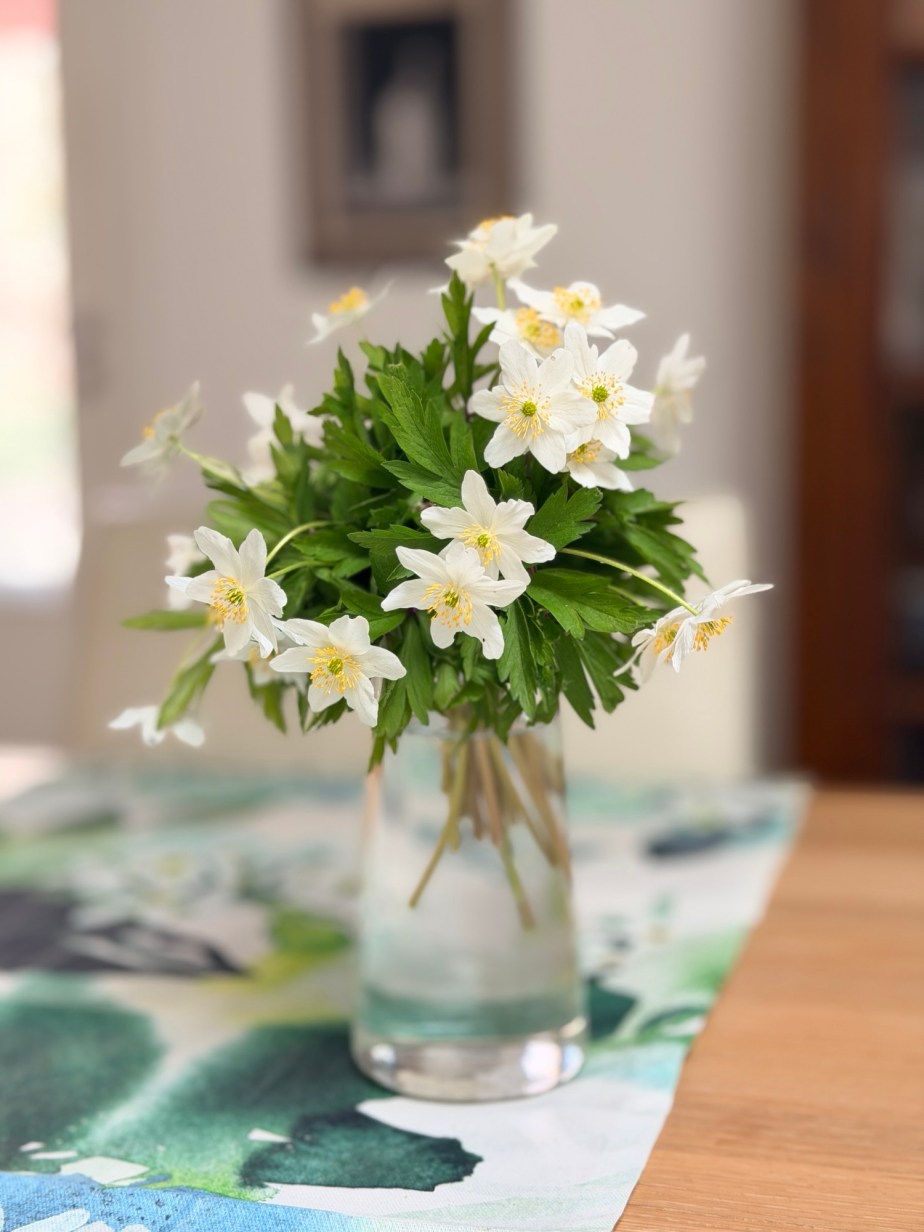
I got these this Mother’s Day traditional flowers that usually bloom for this occasion. I posting this for Johns Cellpic Sunday.
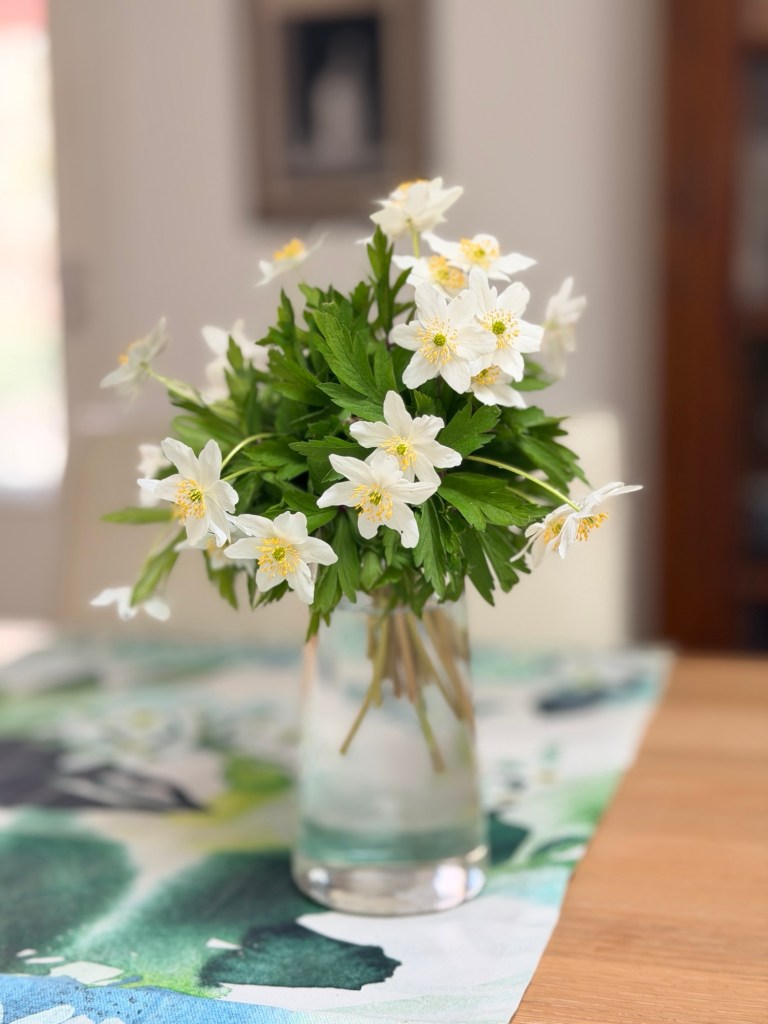
In Finland, white anemone is associated with Mother's Day and the progress of flowering, along with the common anemone and the blue anemone, as one of the first flowering wildflowers of spring.
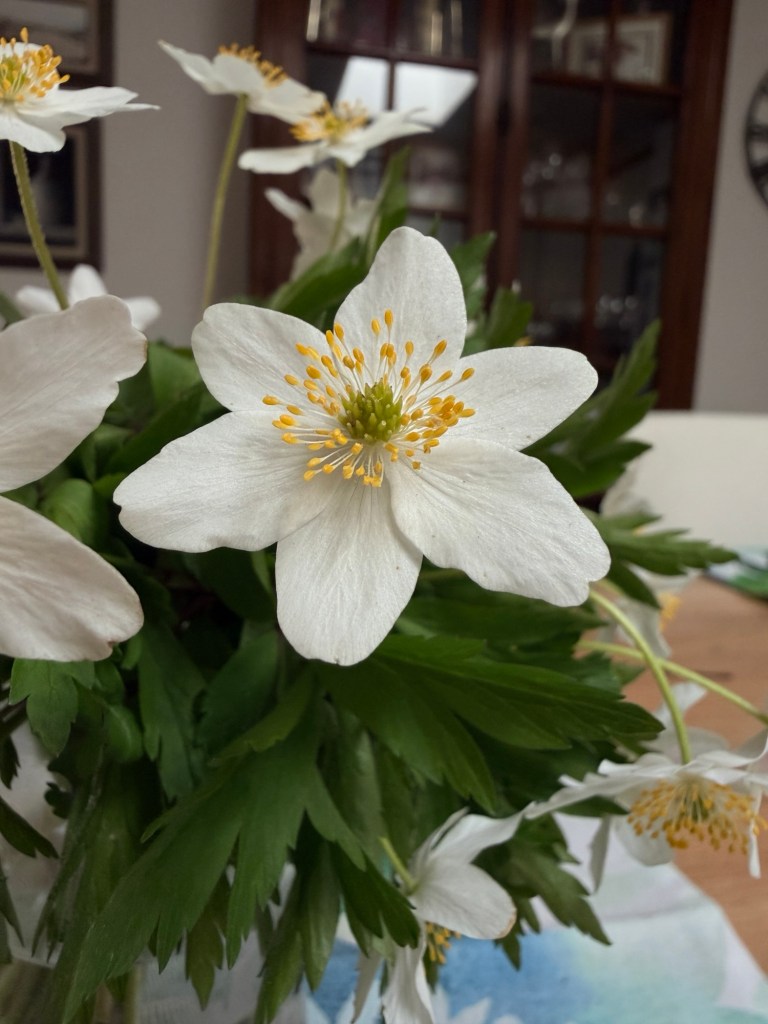
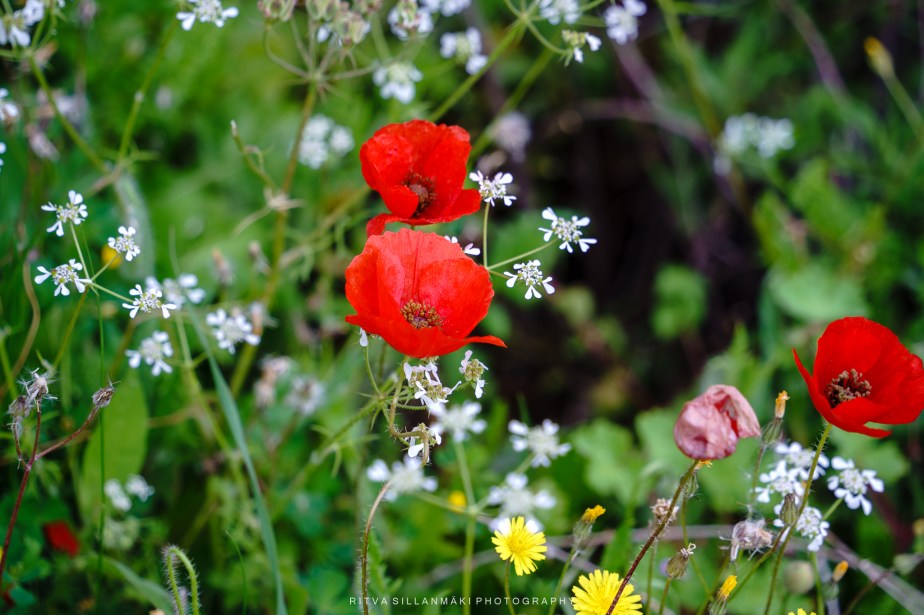
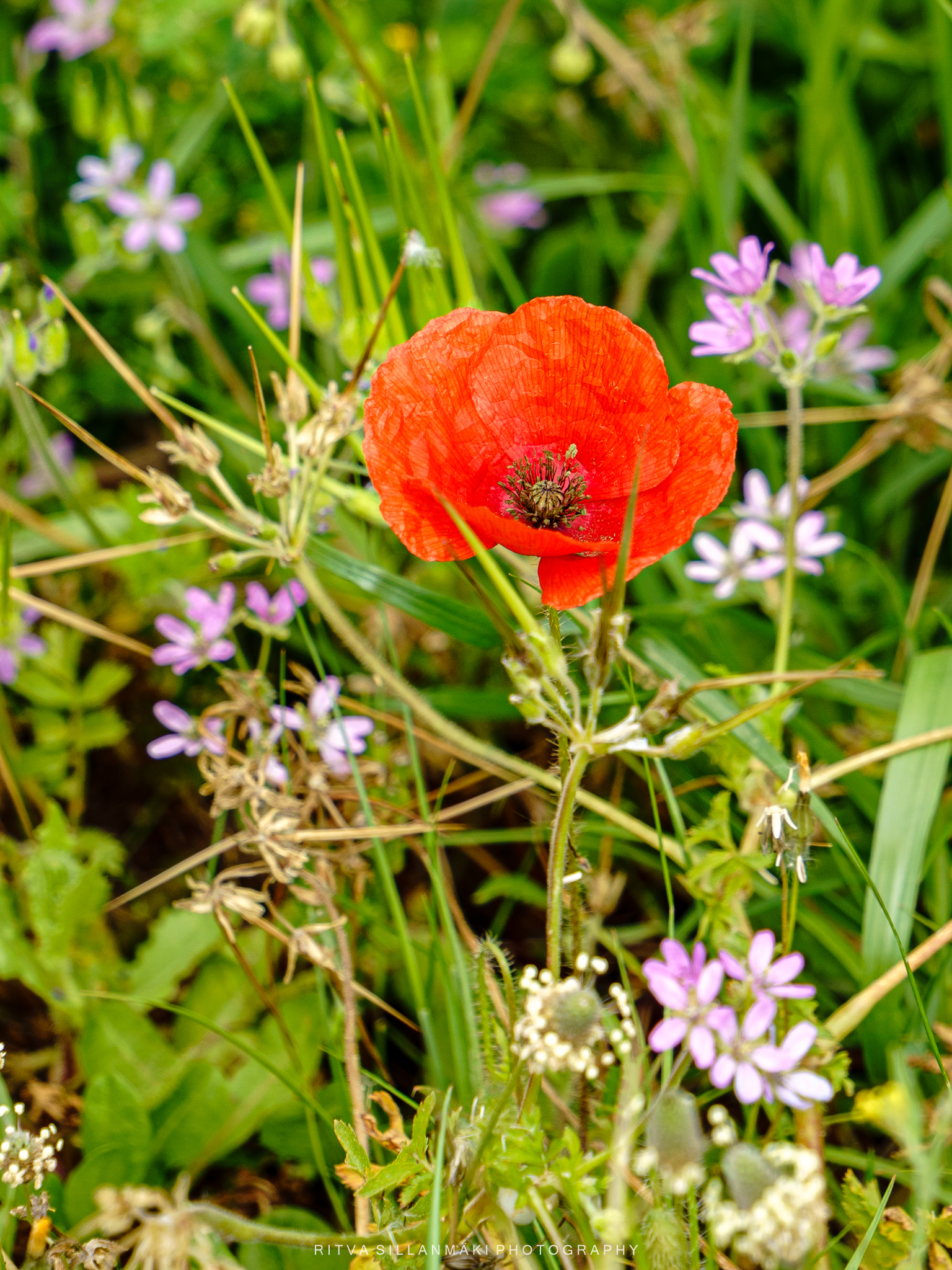
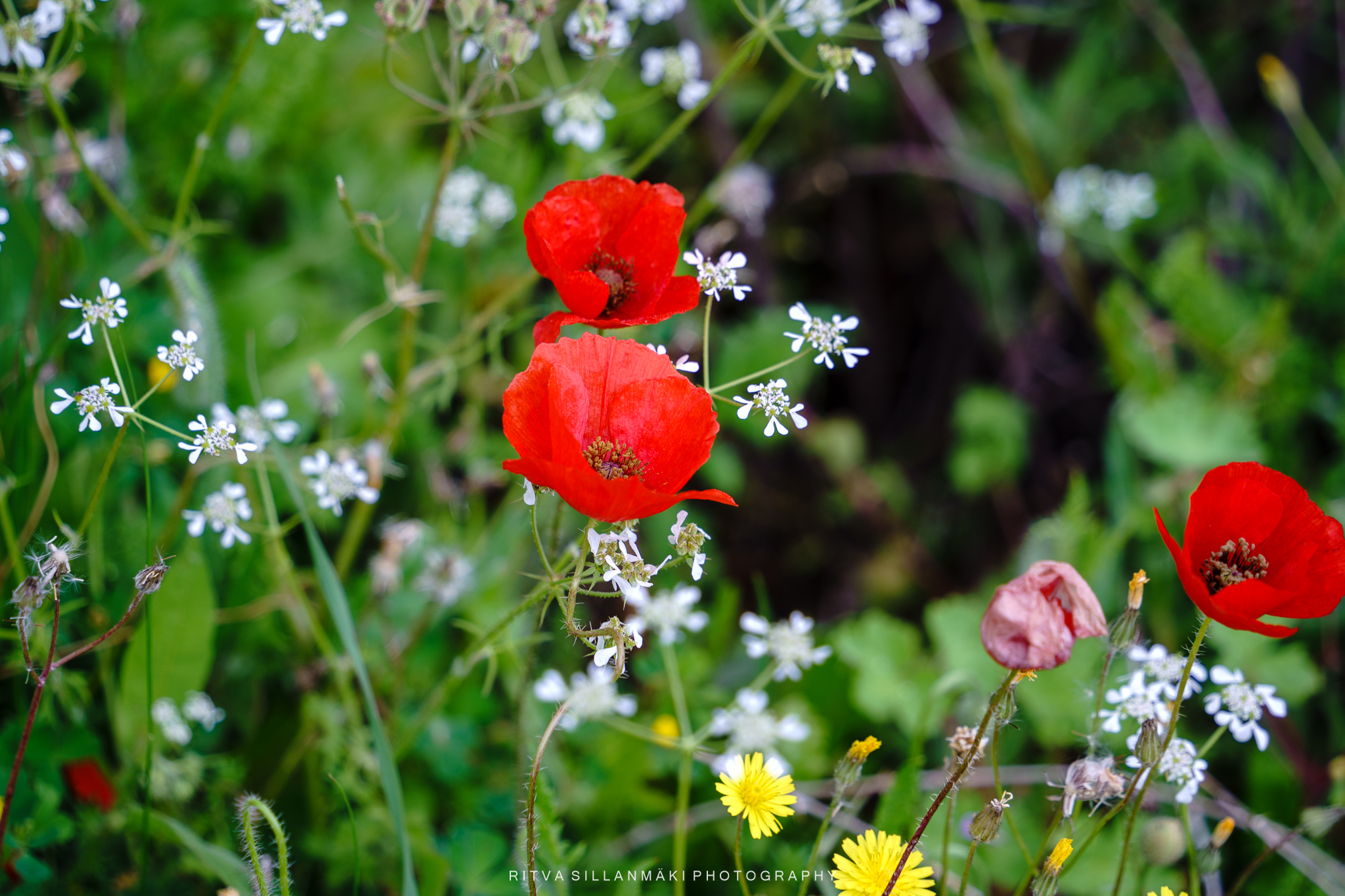
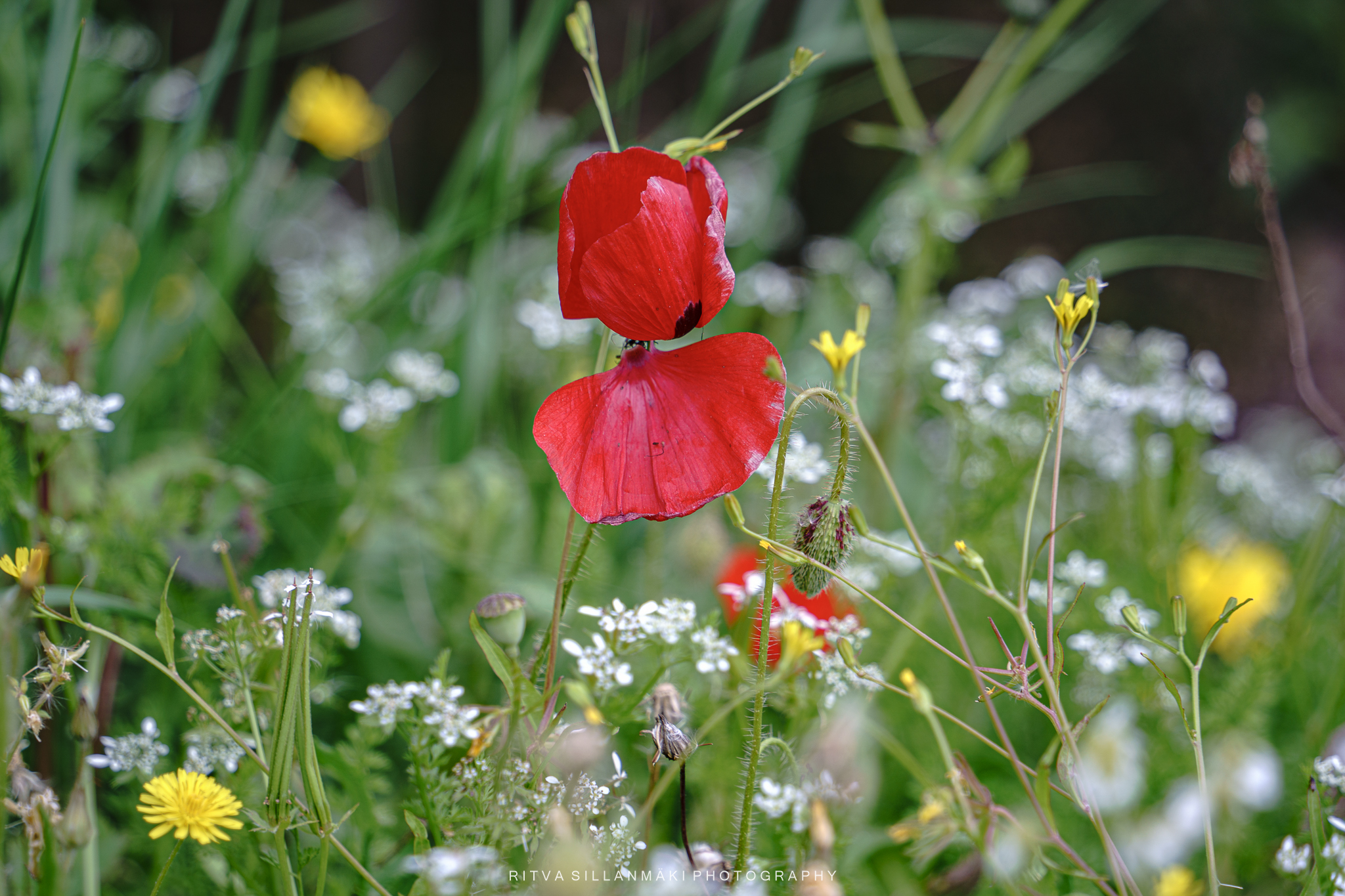
For The Flower Hour on May 6th, I want to share these striking poppies I noticed by the roadside; they truly stood out in their vibrant brightness.
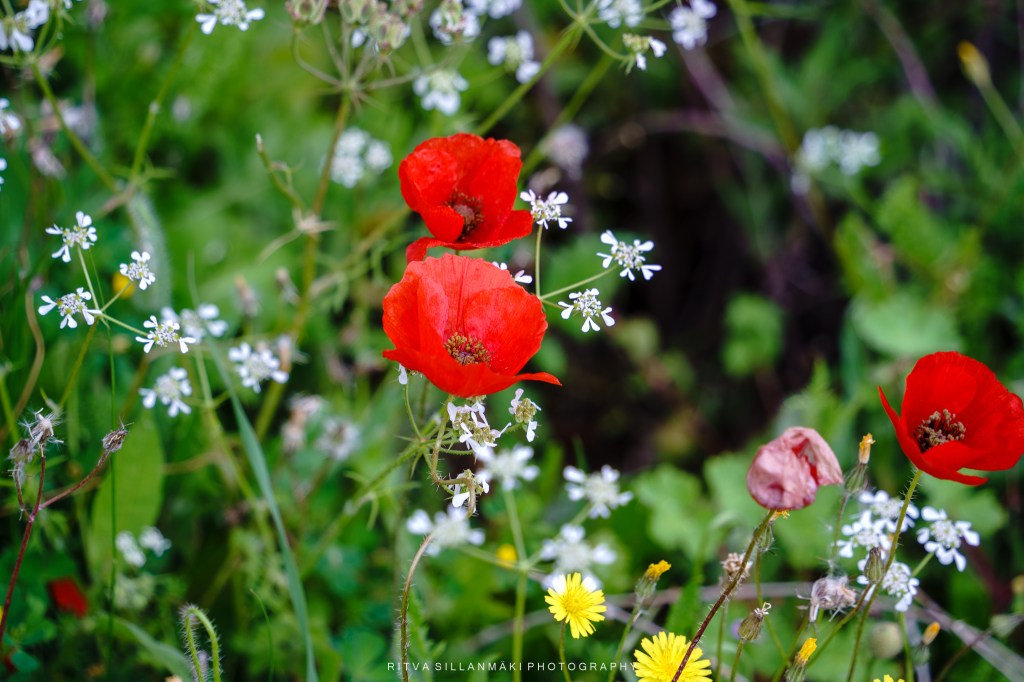
…or with out perspective. Change your focus.
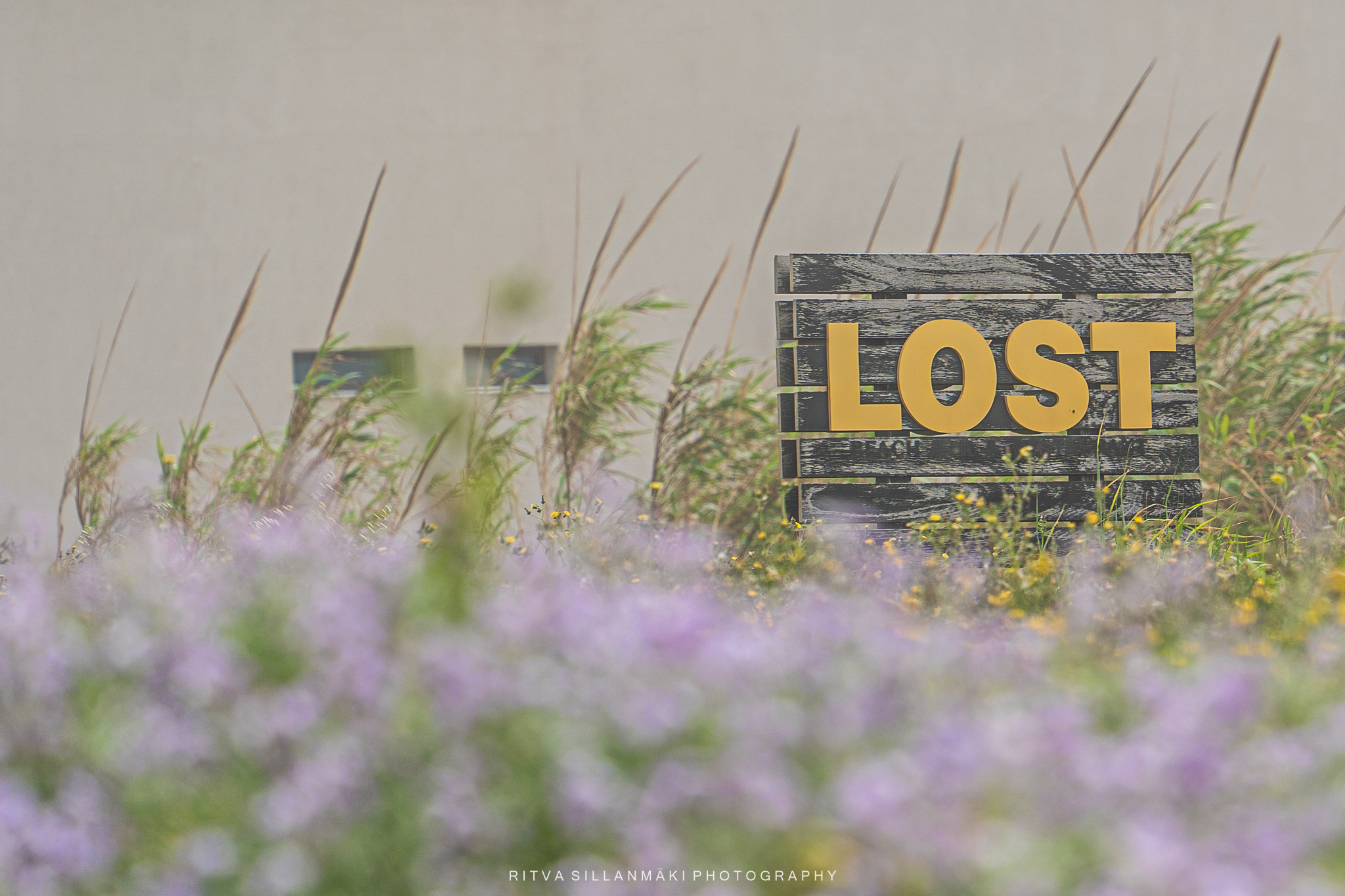
Participating in SixWordSaturday.
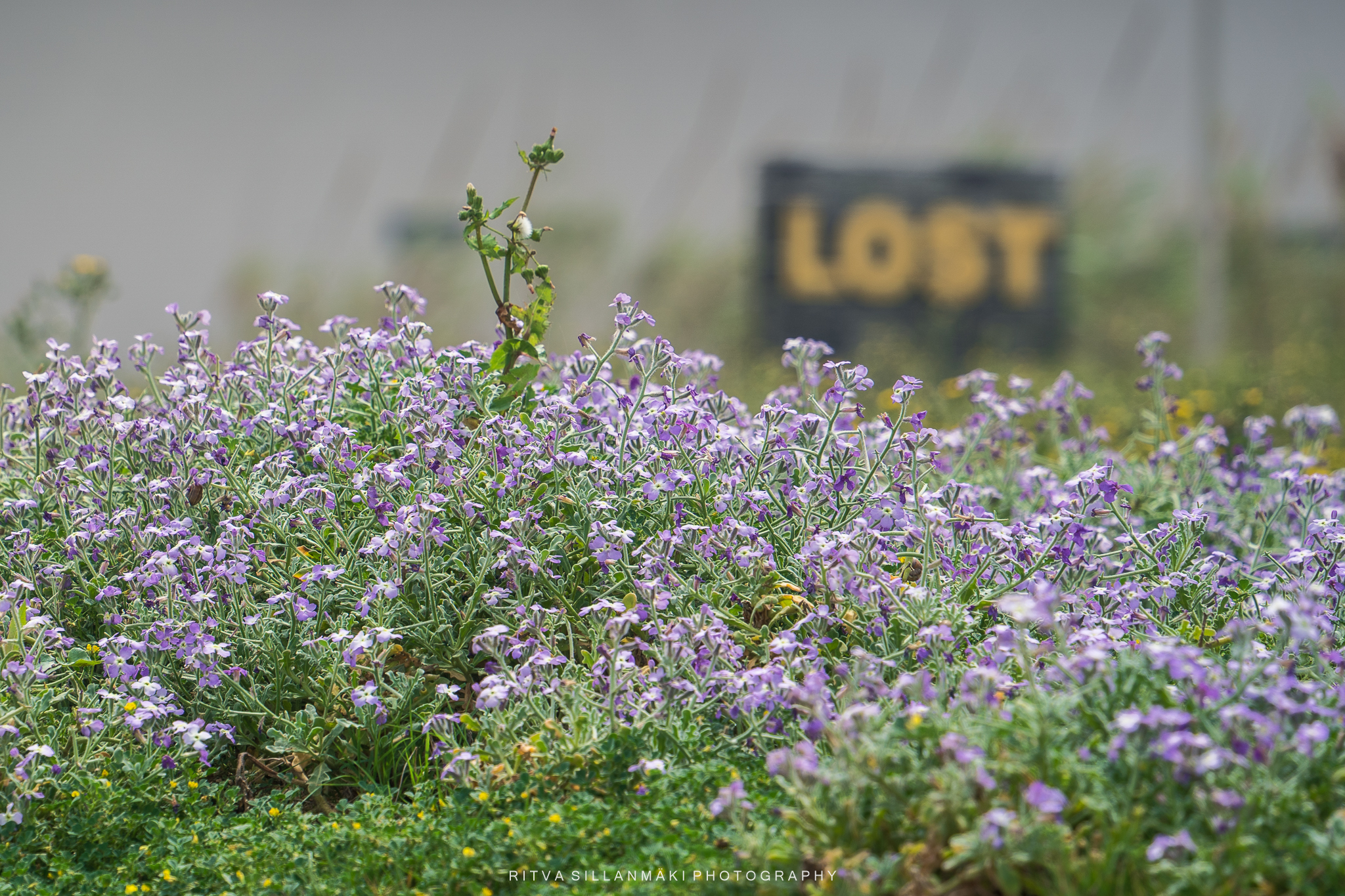
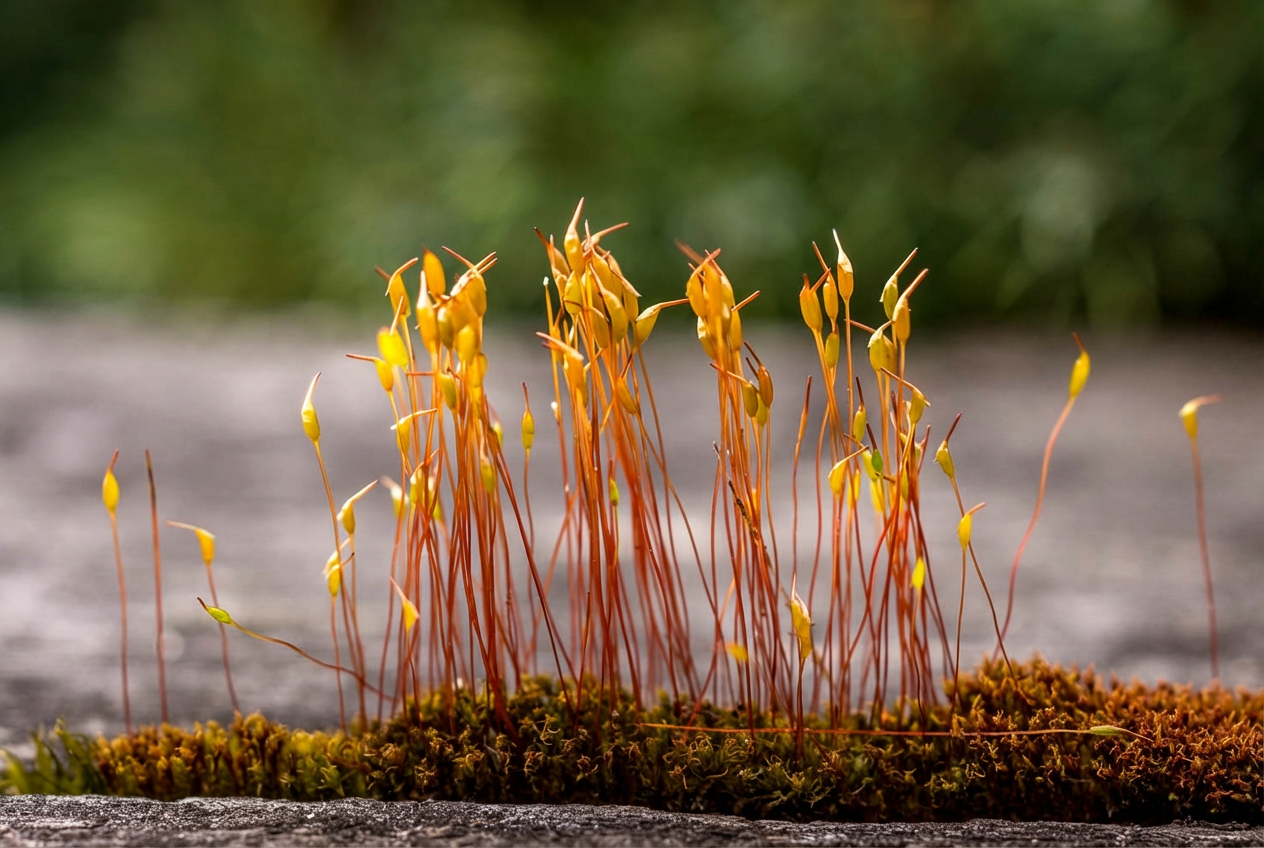
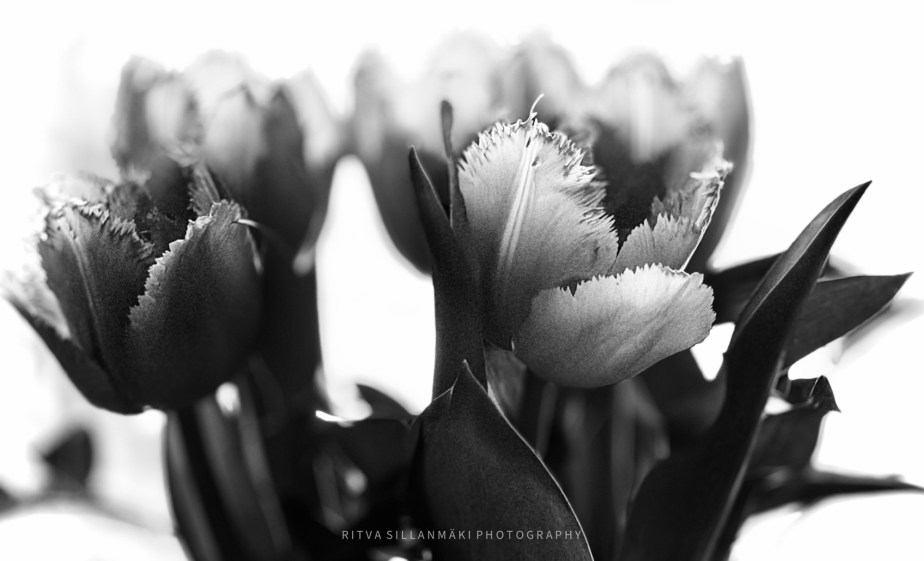
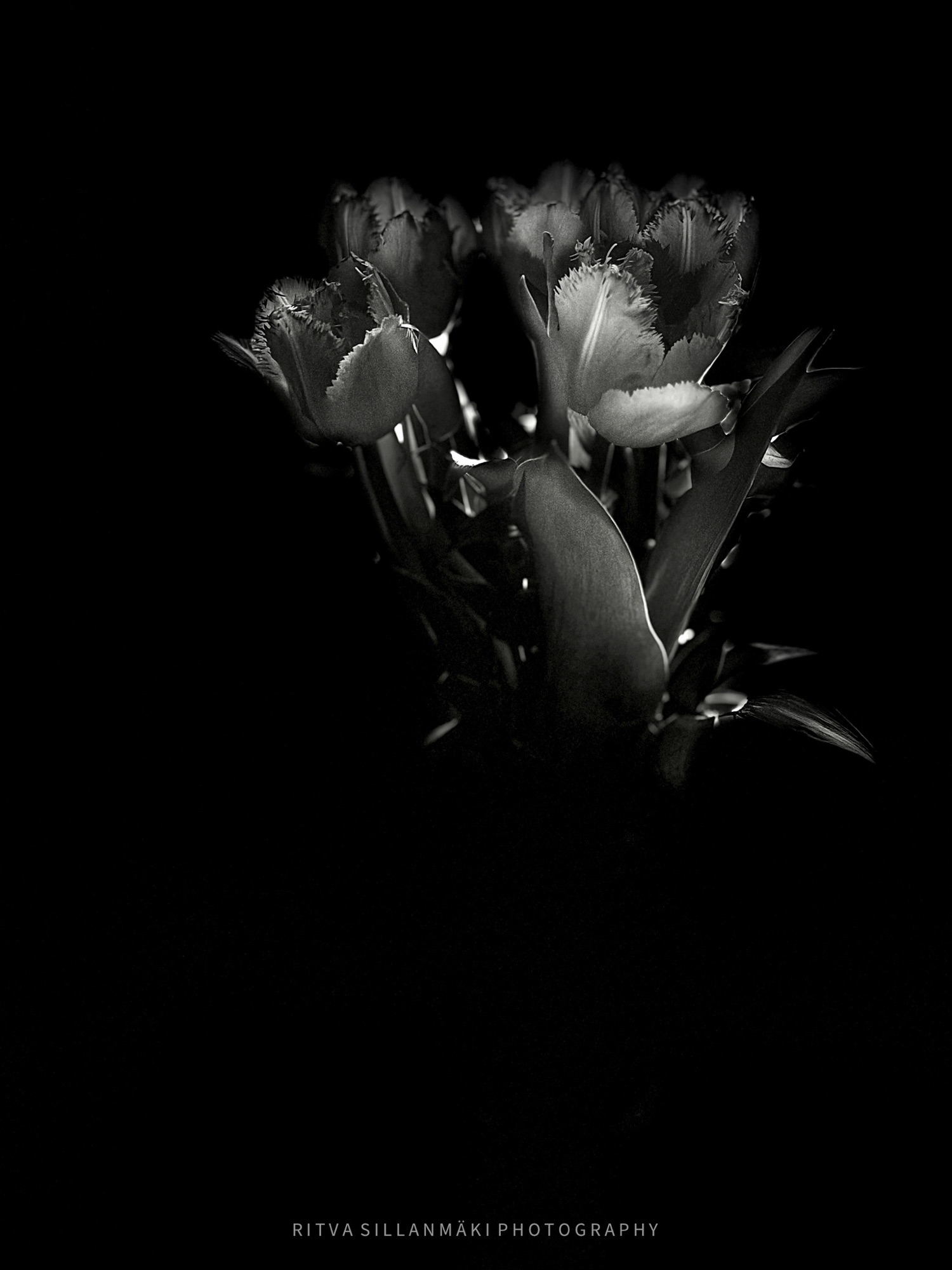
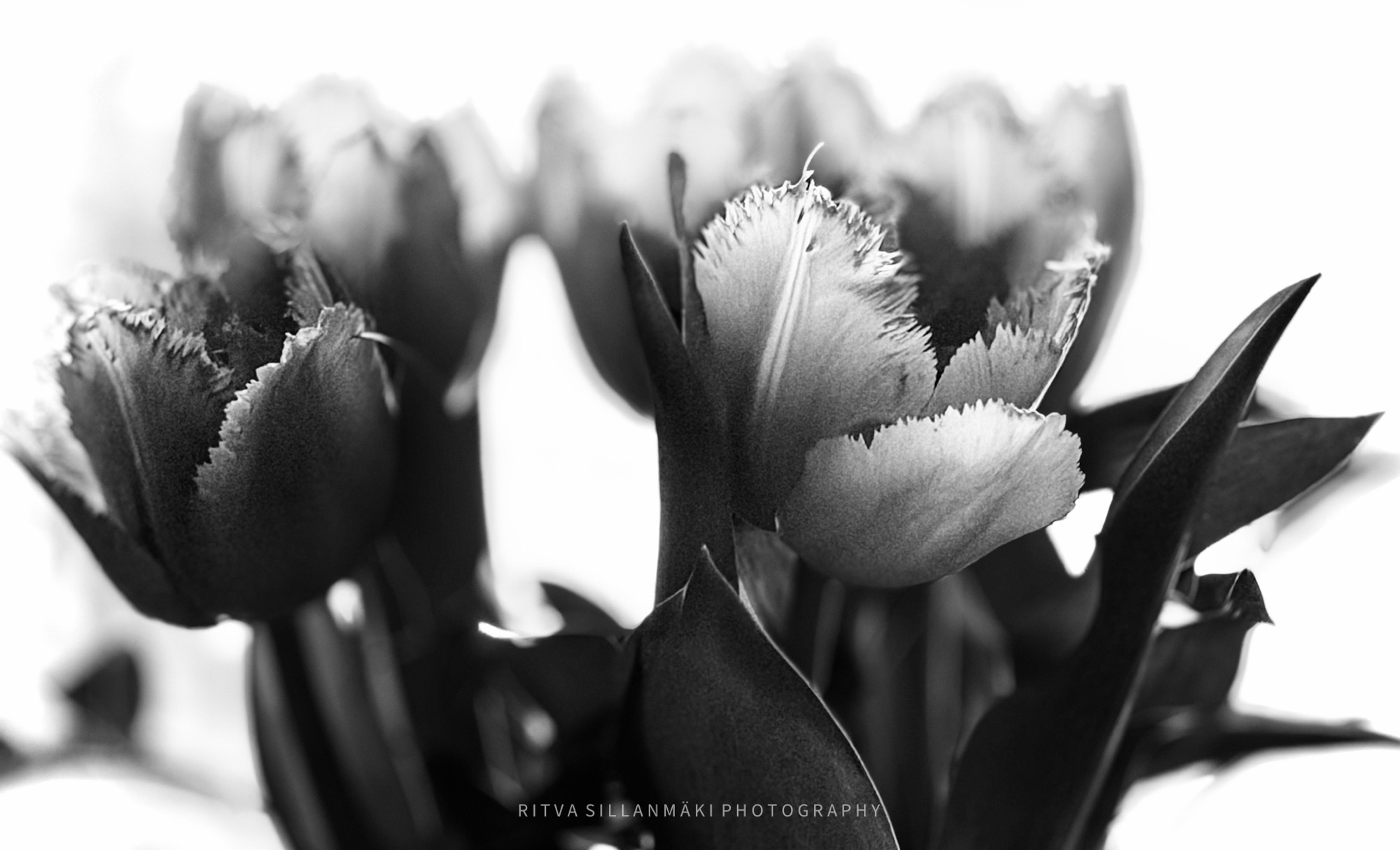
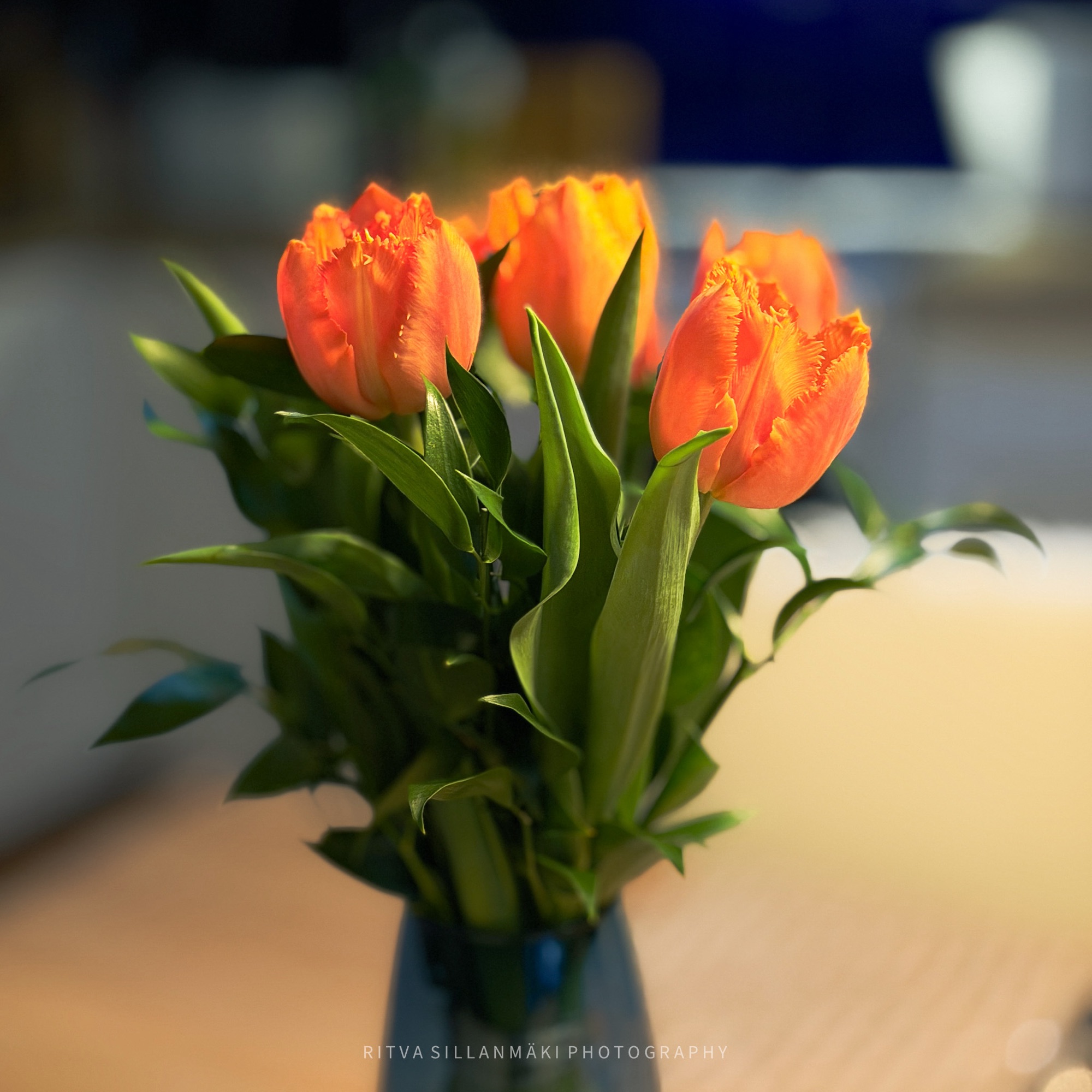
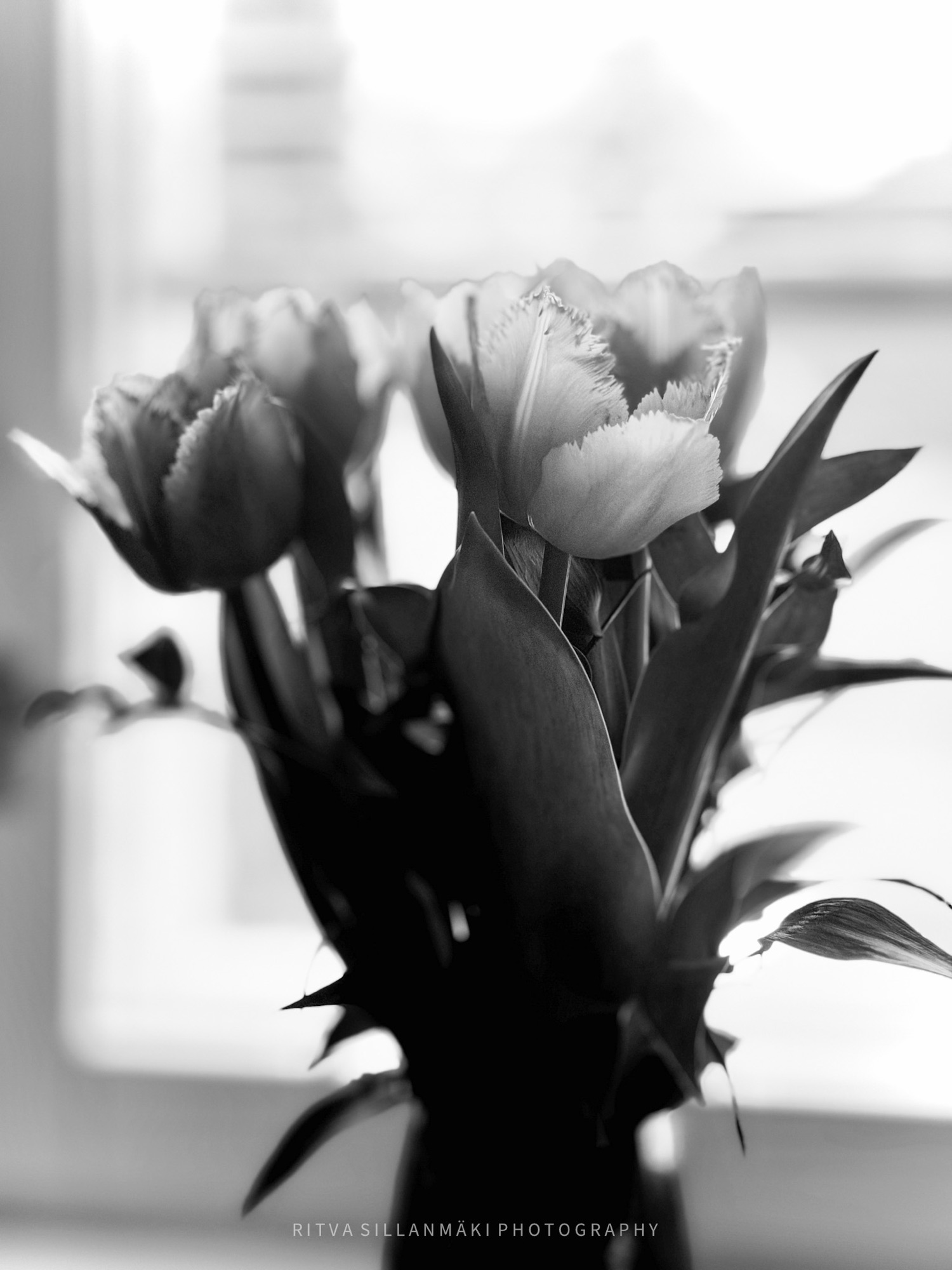
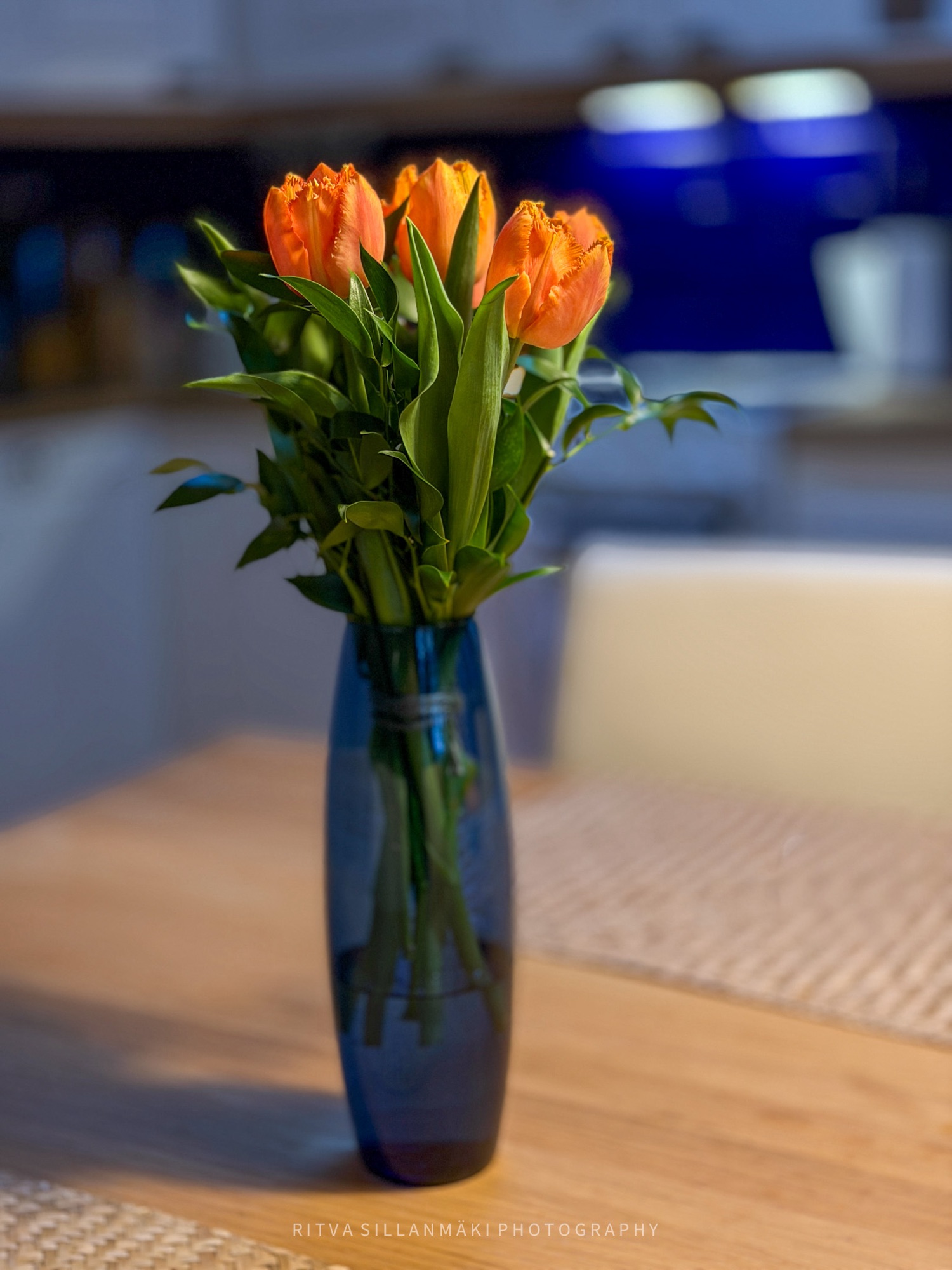
Monochrome Madness is giving us a free week, which means no specific prompt this time around—so much easier to choose the topic. I thought it would be lovely to post flowers, so this week I’m excited to share some gorgeous tulips that a dear friend gave me. I snapped these beauties against the window, using backlight to really capture the details of the petals in the monochrome images. Plus, since I’m also sharing this with TheFlowerHour, I’ve included some colorful images too, taken in light coming mostly from the side above. Just wait until you see the lovely orange shade!
A striking contrast of black and white captures a bouquet of tulips, with the dark background emphasizing their delicate petals and complex textures in the first image in the gallery. The other two monochrome portrayals showcases the arrangement of tulips in a vase, featuring intricate details set against a gently blurred backdrop. Complementing and contrasting this is the radiant bouquet of orange tulips, artfully positioned in a cobalt blue vase atop a wooden table, exuding vibrancy and charm.
Click the gallery images to enlarge them
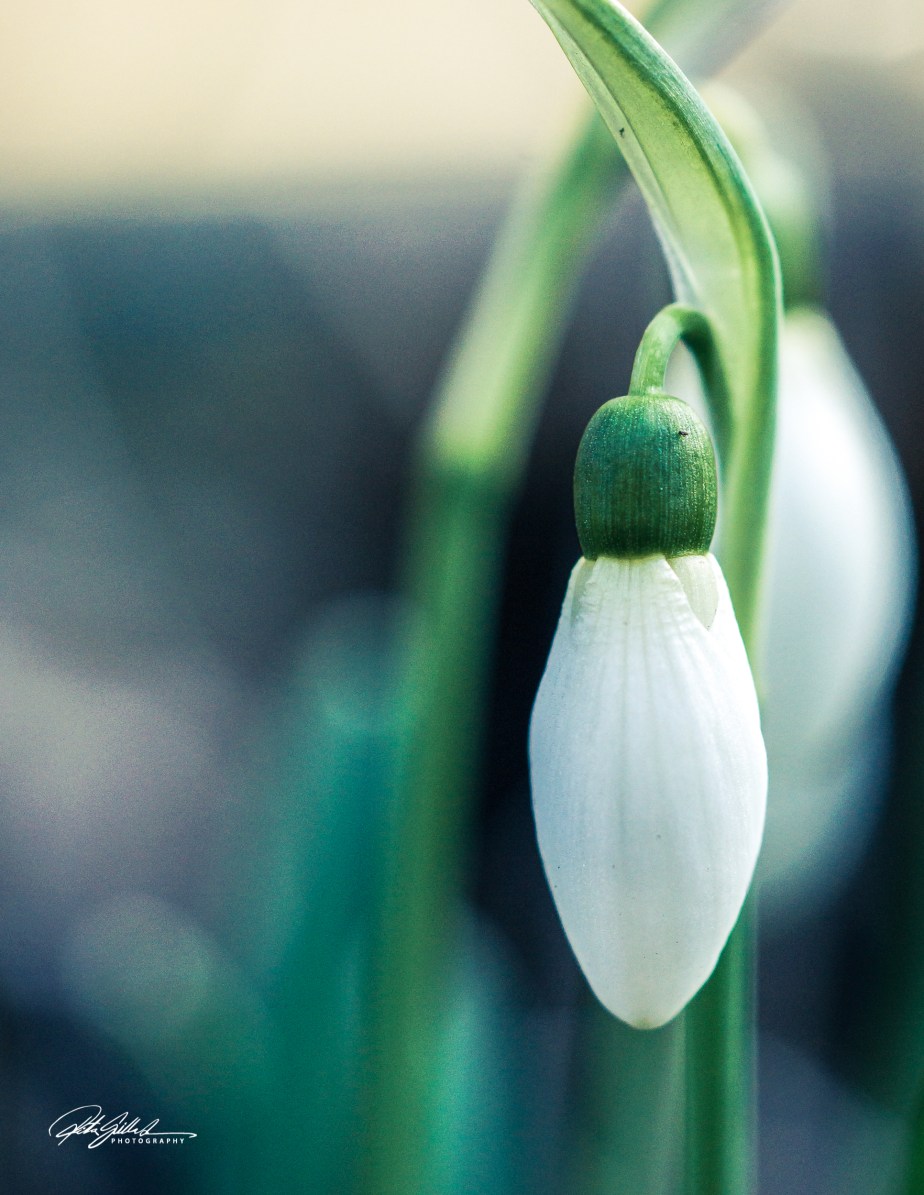
The snow is melting so fast at the moment, you almost feel the spring. One of the first signs of spring in my backyard is the rise of the snowdrops. So near, but not yet there.
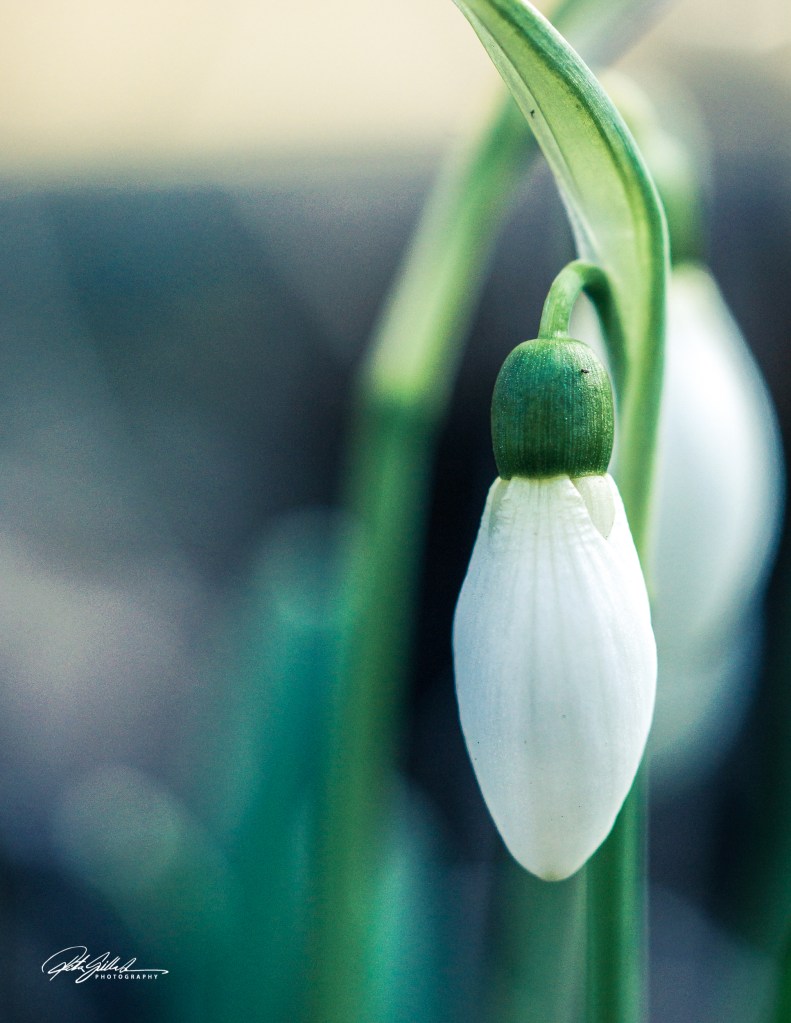
Soon…and from the ground, a gentle hum
as vibrant snowdrops reach for the sky
in just a week, a wave of change will come
and white blooms where life begins to thrive
with people arriving, pursuing bold dreams
they say the seasons can’t dictate our path
but one glance at a snowdrop, and optimism awakens.
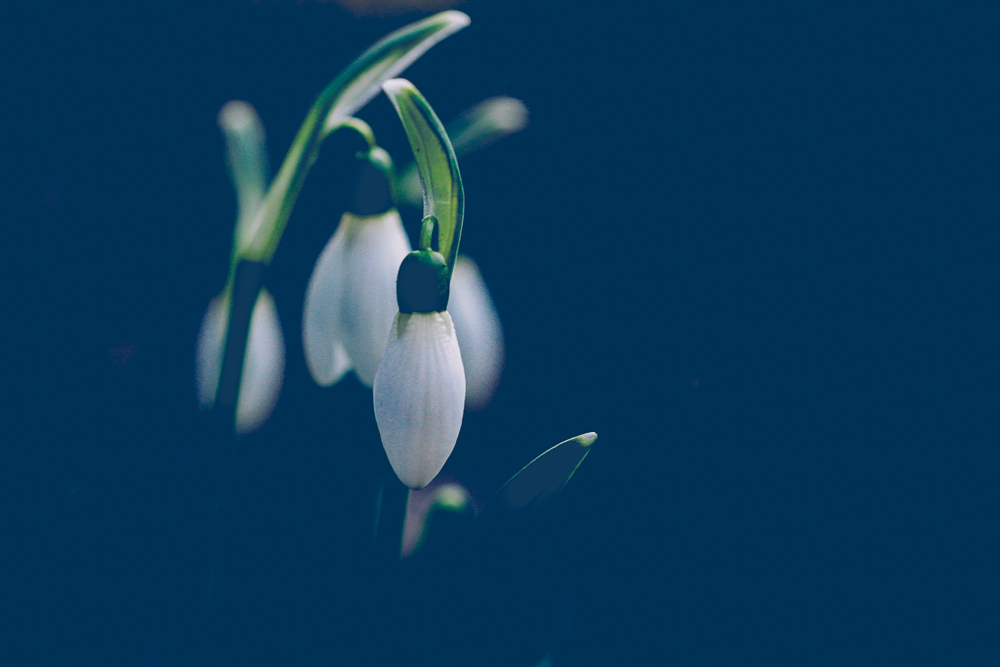
Participating in SixWordSaturday

It has several common names in English, including:
Kaffir Lily, Clivia Lily, St. John’s Lily
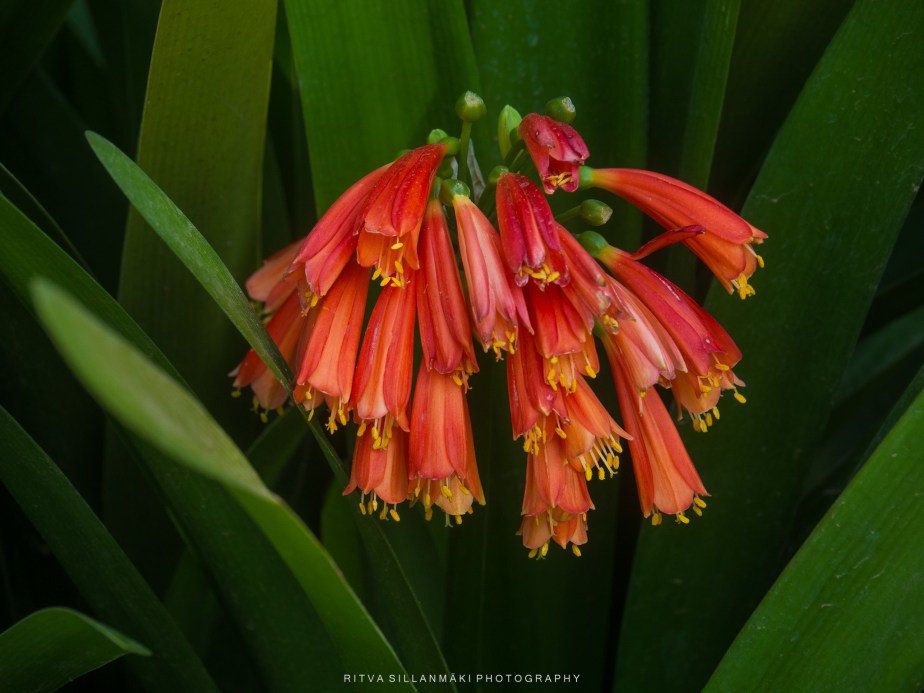
The plant shown in the image is known by the scientific name Clivia miniata.
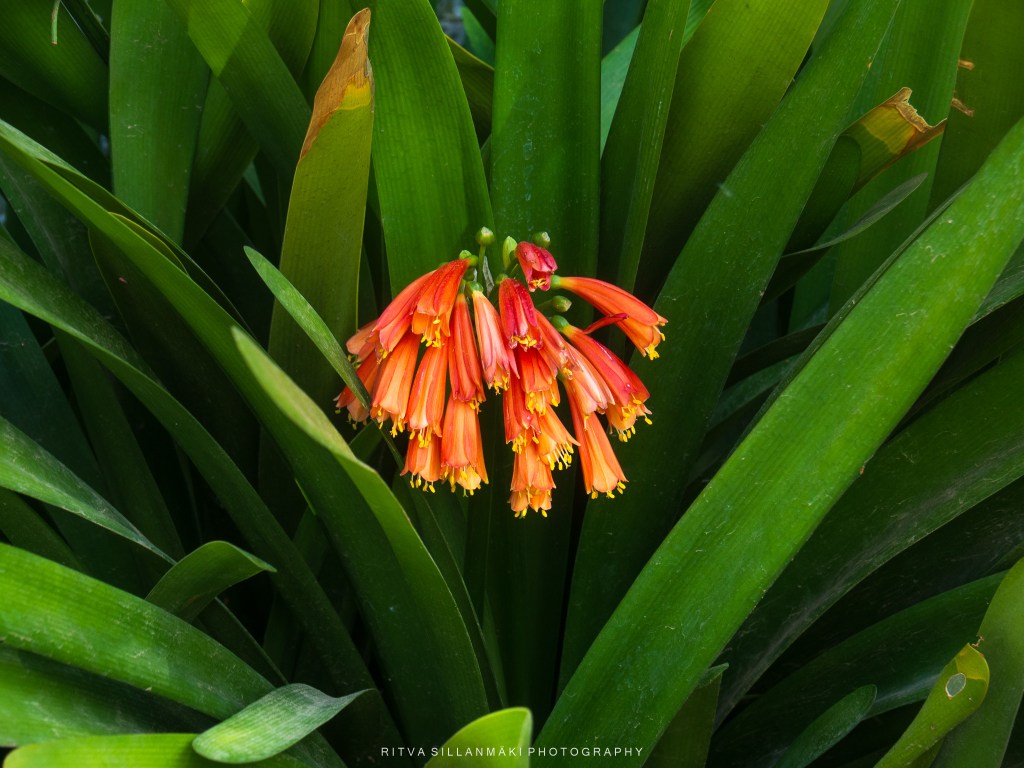
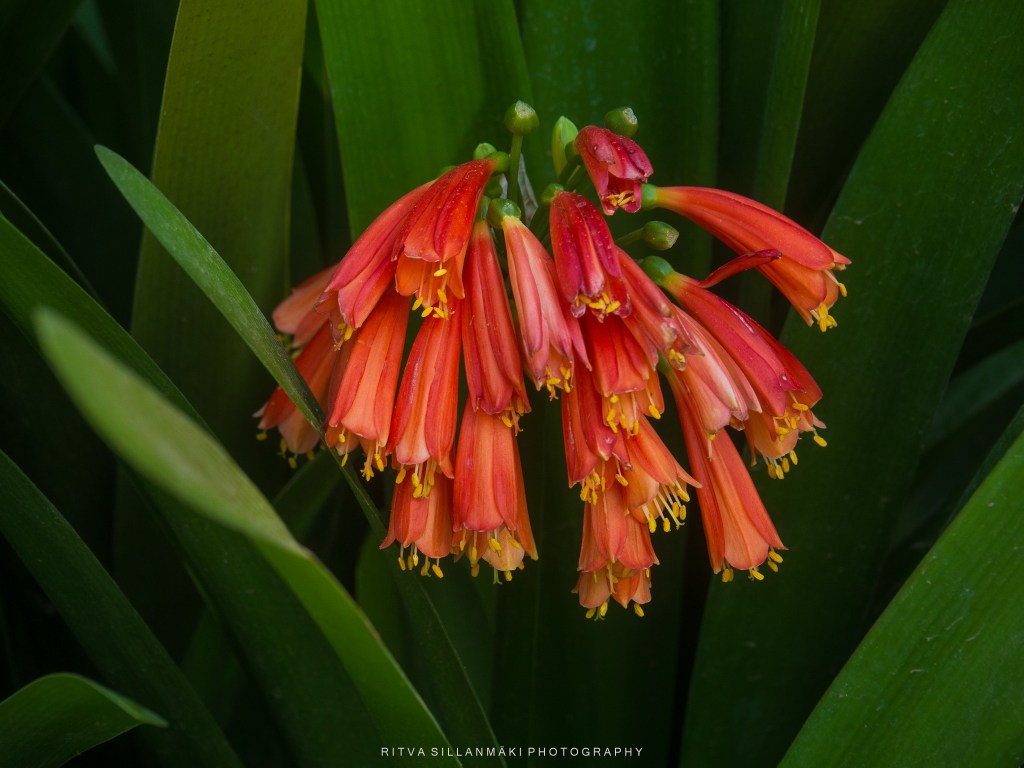
This plant is a perennial flowering plant native to Southern Africa and is a popular, long-lived houseplant known for its bright orange, trumpet-shaped blooms. I photographed it in southern Australia
Participating in Six Word Saturday
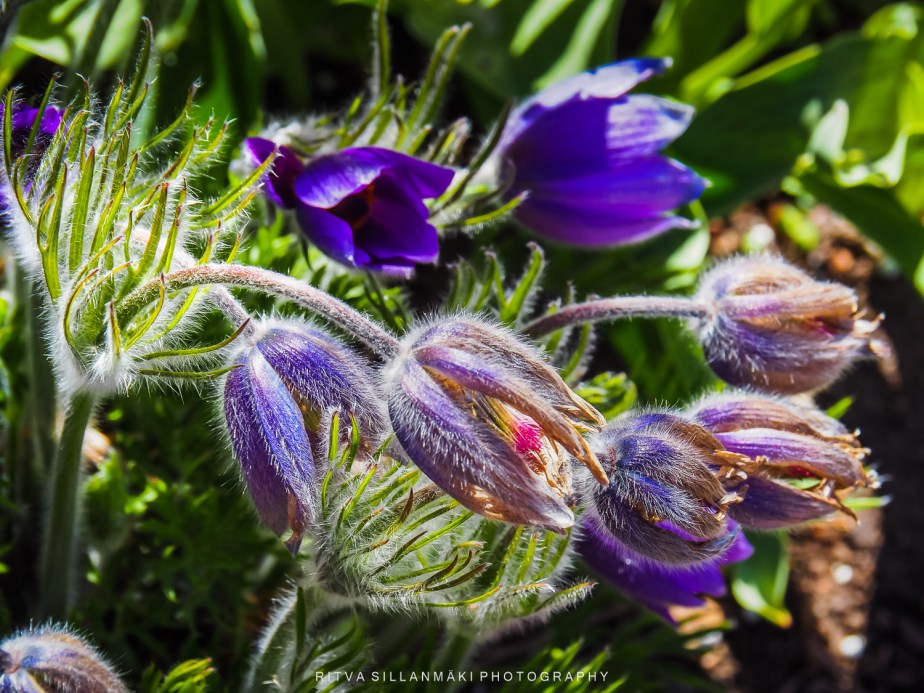
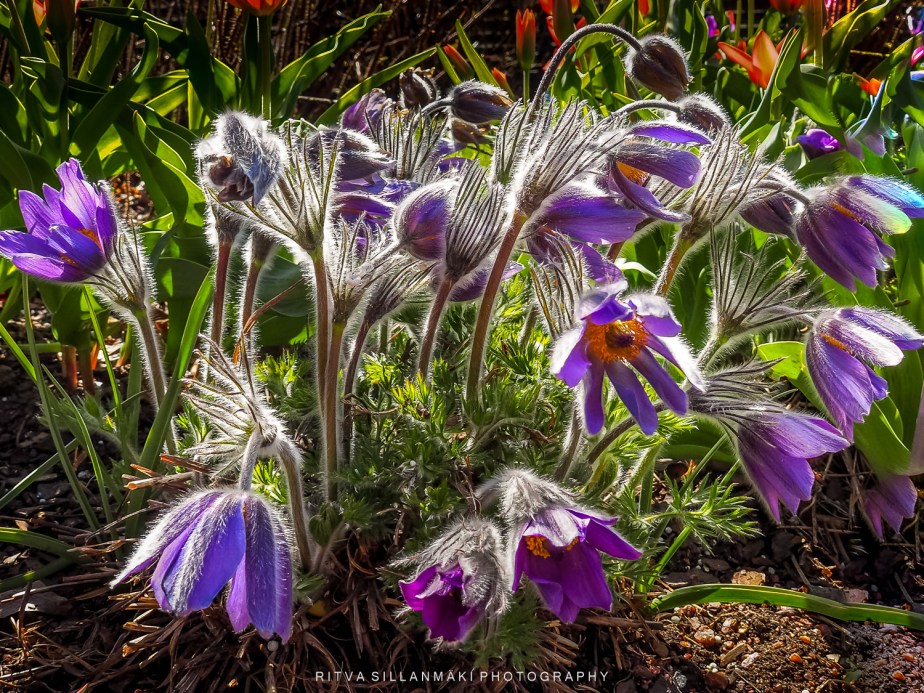
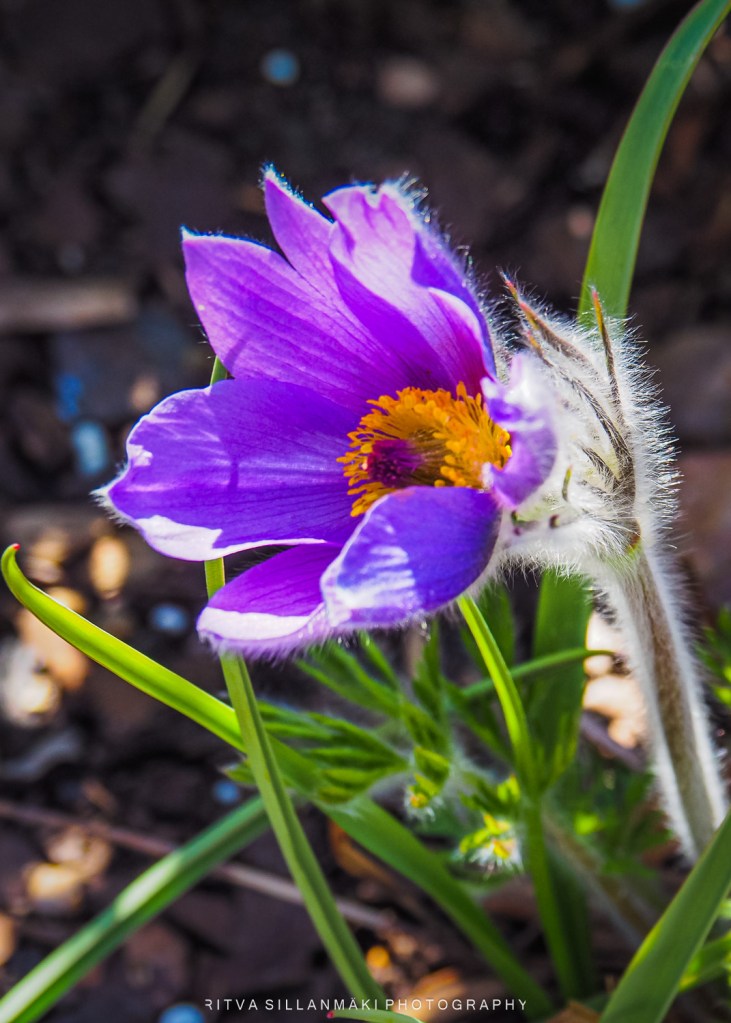
I do not know my plants, if they are pretty that is mostly enough information for me. I googled this flower and flower enthusiasts may appreciate this.
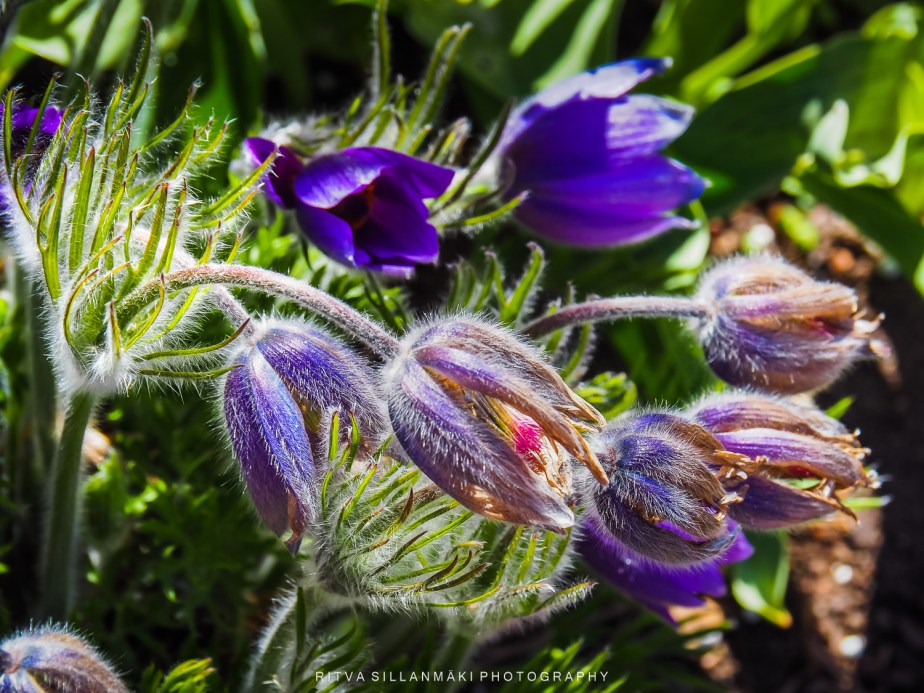
The image displays the plant known as the common pasque flower (Pulsatilla vulgaris), also referred to as the Eastern pasque flower (Pulsatilla patens) in some contexts.
Key characteristics of the plant: Form: It is a perennial herb with a short, upright rootstock.
Height: The plant typically grows 5 to 25 cm tall.Flower: The flowers are radial to bell-shaped, purplish-blue, and 5.5–8.5 cm wide. They bloom early in spring, often in April or May, as one of the first perennials to flower.
Leaves: Basal leaves are stalked and develop after flowering. The stem leaves form a whorl below the flower.
Habitat: It grows in dry heathlands and is also a popular ornamental garden plant.
Status: In Finland, the species had disappeared from the wild but has reappeared in some locations. The Eastern pasque flower is a protect in Finland
These were photographed at the Botanical garden last spring.
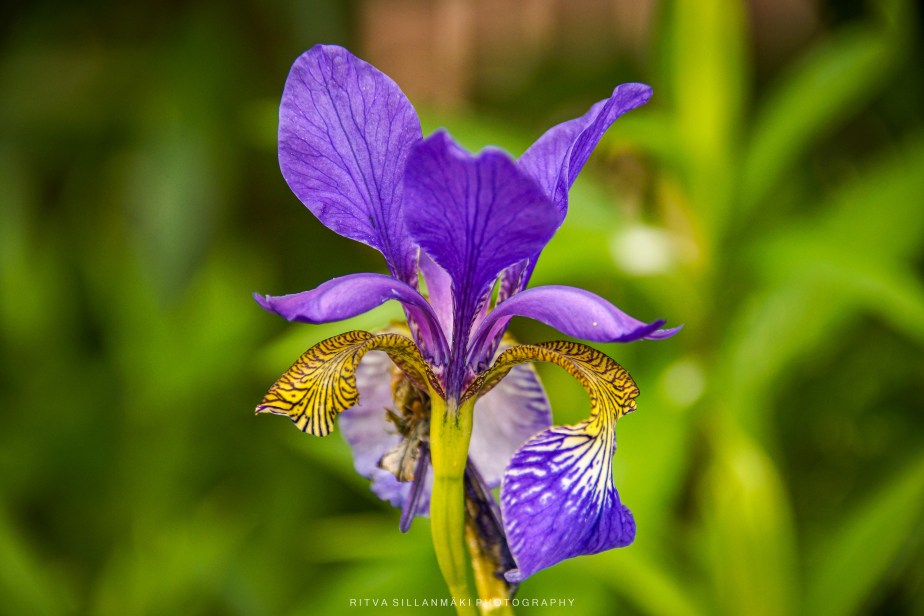
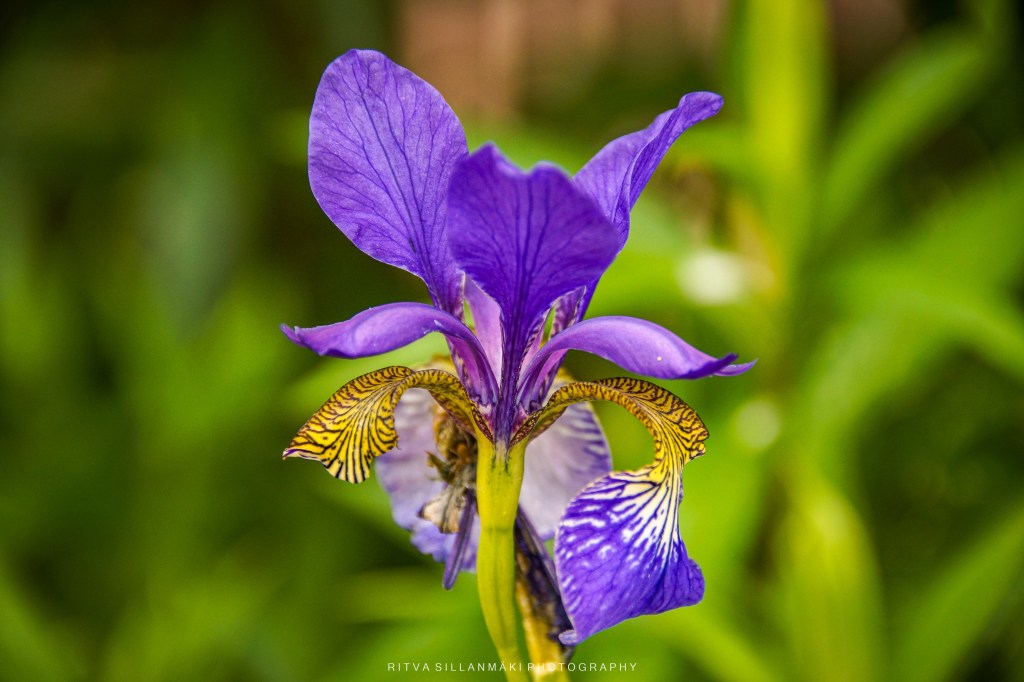
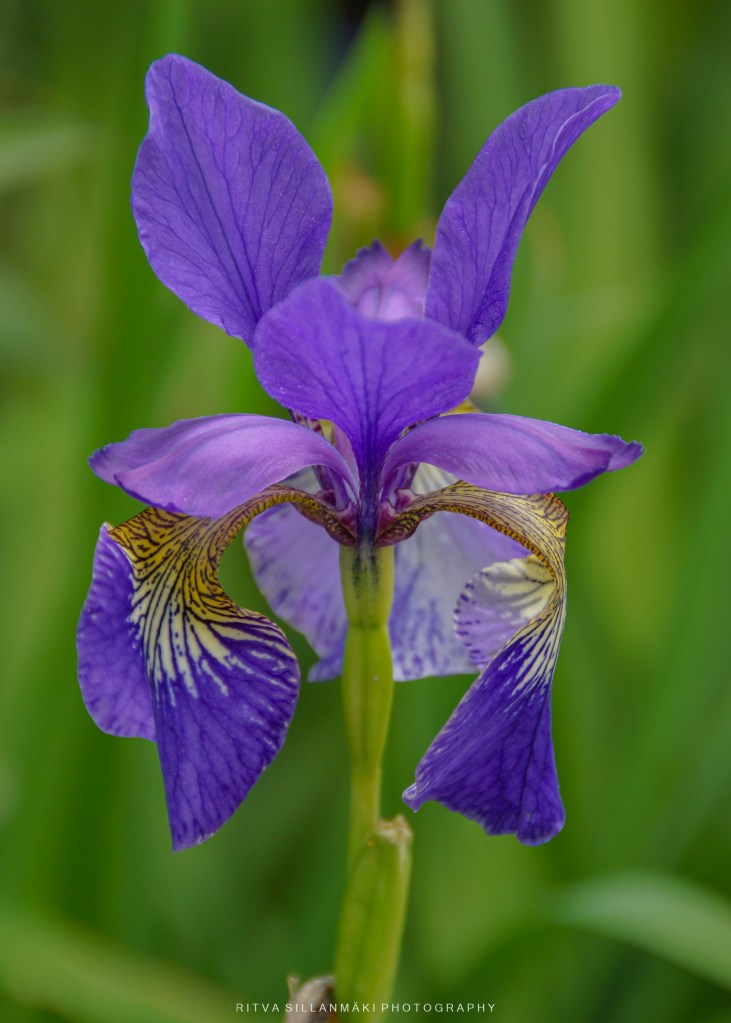
I’m participating in The Flower Hour by sharing these images of Siberian Iris, showcasing the classic hue of a deep, vibrant purple.
Värikollaasi #485 Color Collage
Color of light is an interesting idea for a color.
Light itself contains all colors, appearing white when combined, yet it consists of a spectrum of colors—red, orange, yellow, green, blue, and violet—each with a unique wavelength.
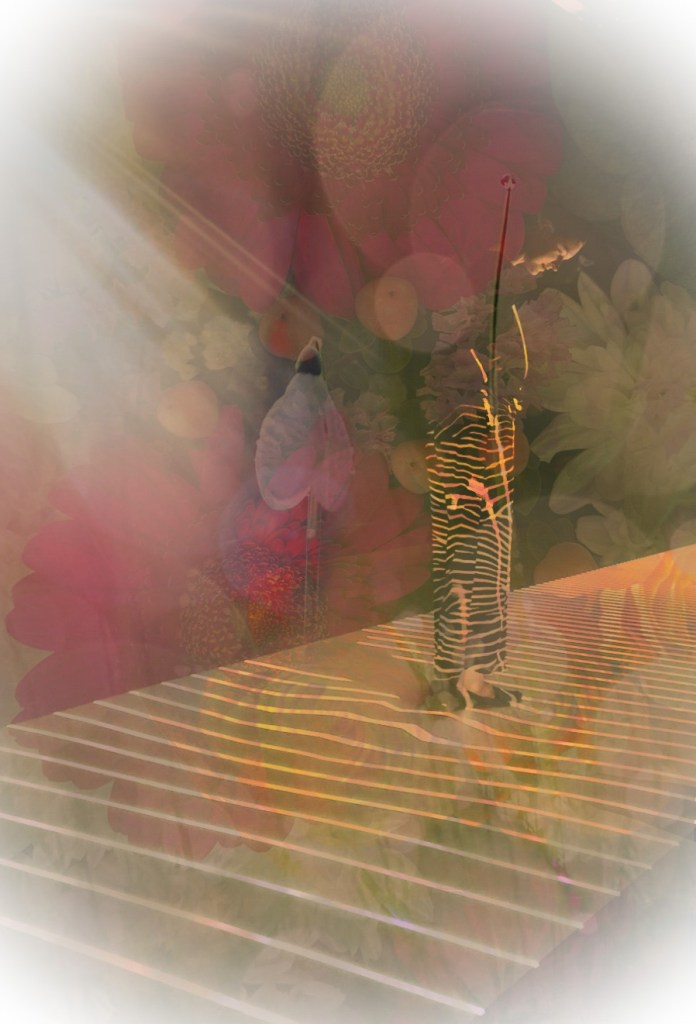
For this week’s edition of Flower Hour Weekly for Terri, I’ve rummaged through my archives in search of inspiration and beauty. I haven’t purchased any new flowers for the vase, and nature currently offers only evergreens and snow, so my choices are quite restricted, leaving me to reflect on the stunning blooms I’ve captured in the past. These flowers are nature’s artistry in my mind; they delight me even when we are surrounded by the stillness of winter.
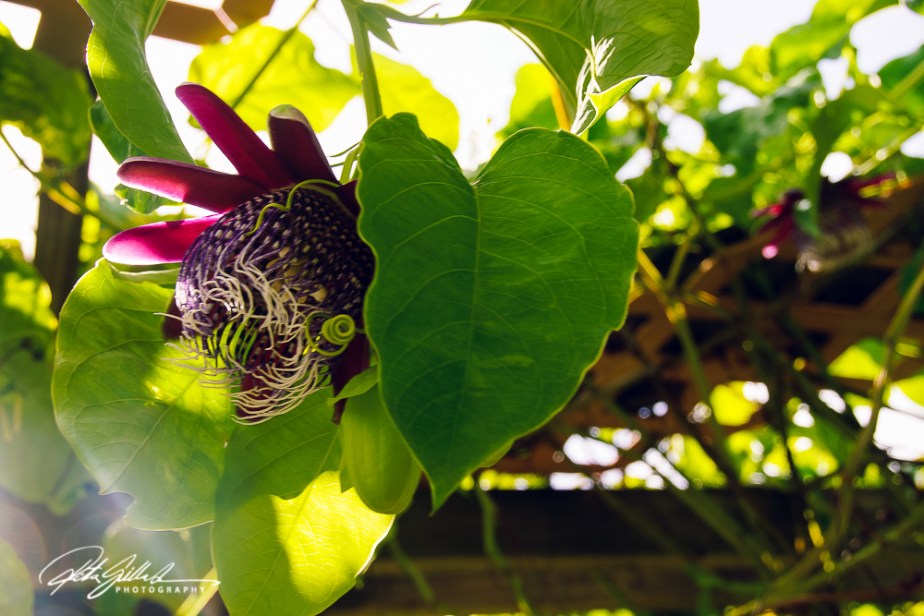
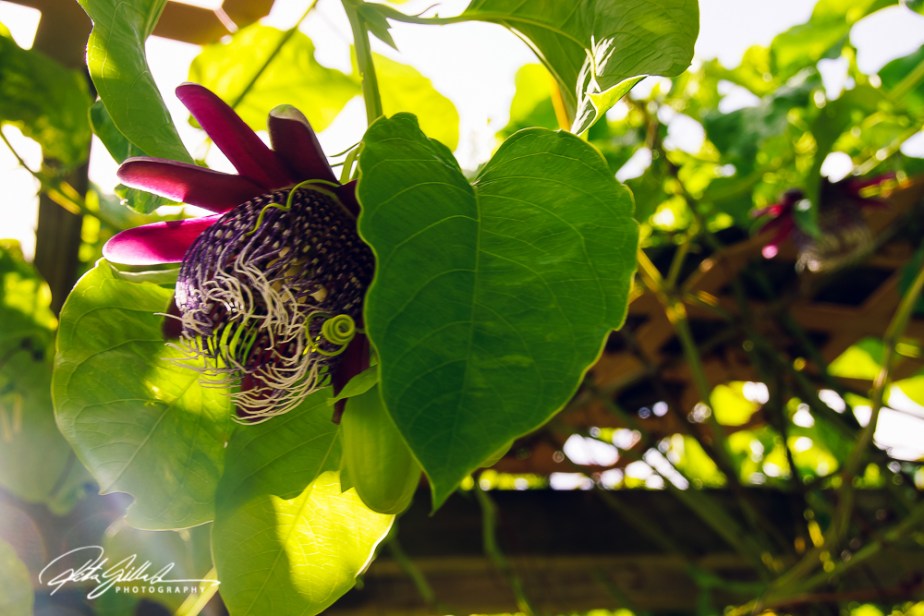
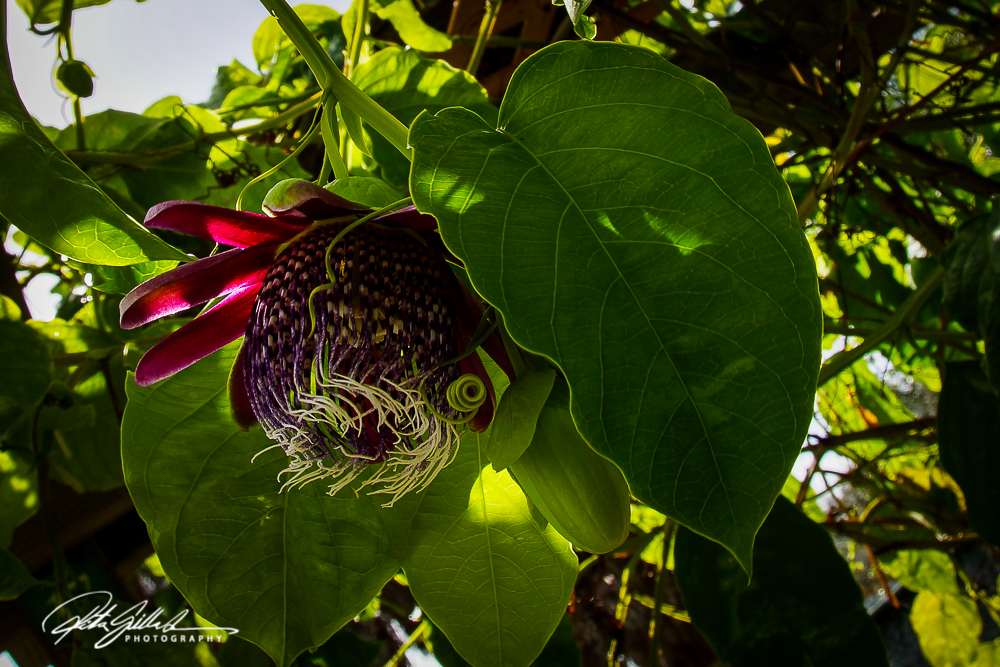
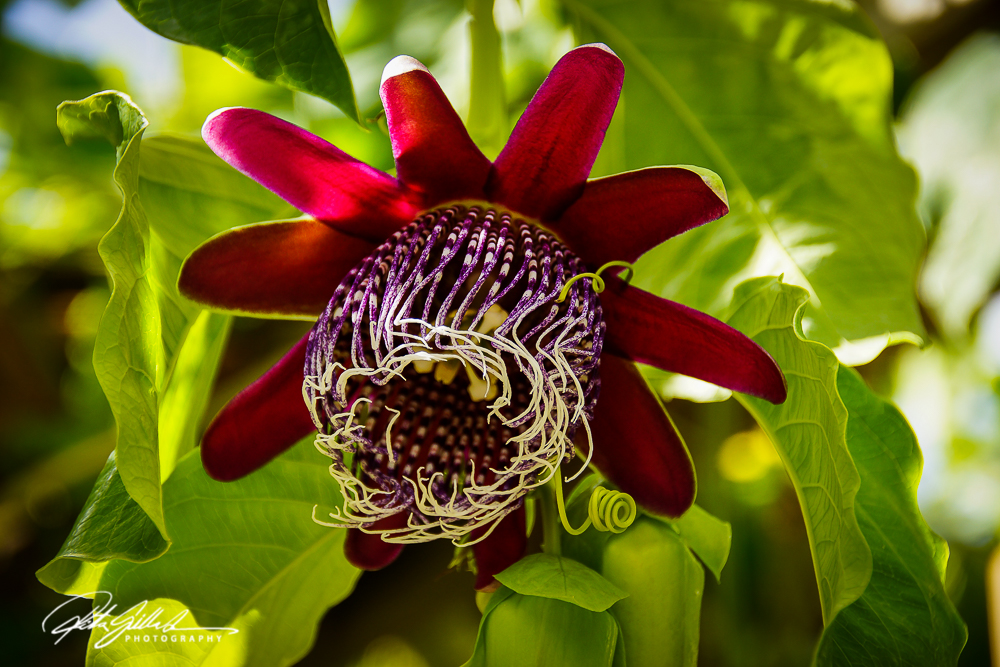
Blooming flower of giant granadilla or giant passion fruit (Passiflora quadrangularis)


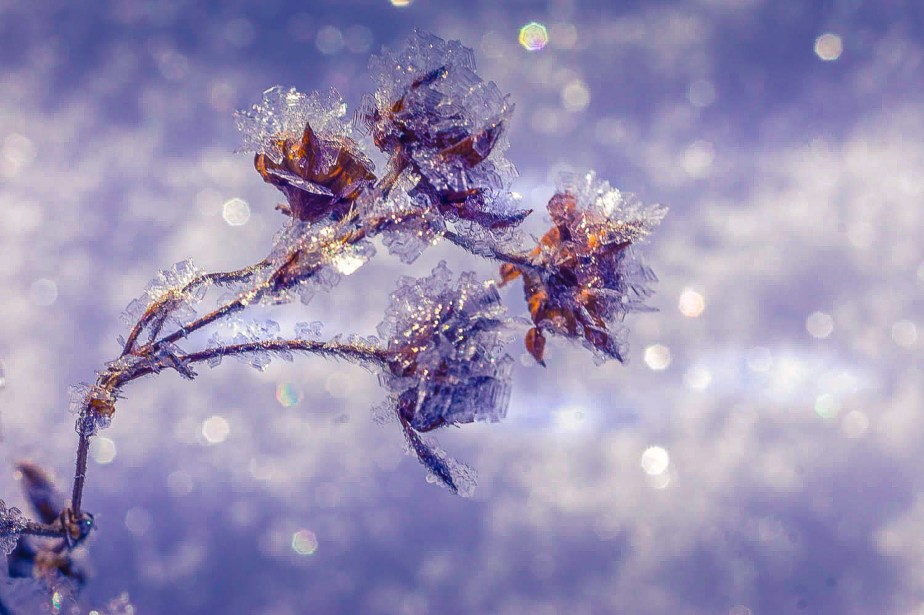
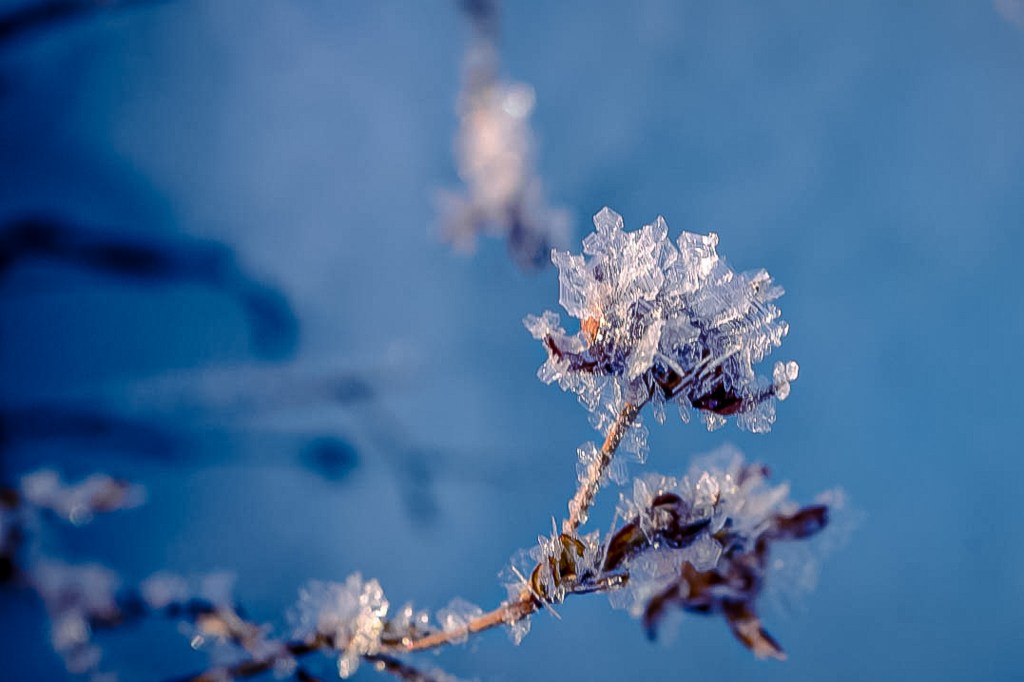
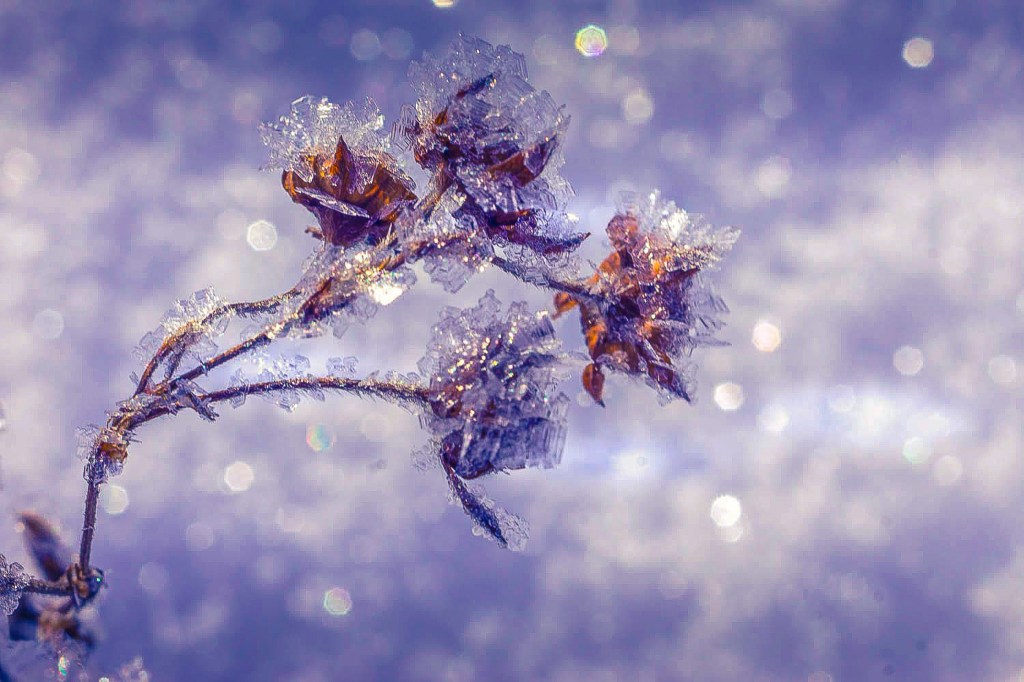
I had the fortune of capturing the intricate and fragile beauty of winter in a close-up of frost-laden branches and frozen blossoms. The branches display the frost’s elaborate designs, while the flowers shine with crystalline ice, producing a striking visual contrast against a gently blurred backdrop. A slight alteration in light and composition enhances the sparkle of one image, while the version with the blue background reveals more detail. These visuals underscore the tranquil and enchanting qualities of the winter season, showcasing nature’s craftsmanship in its chilliest state.
For FOTD