
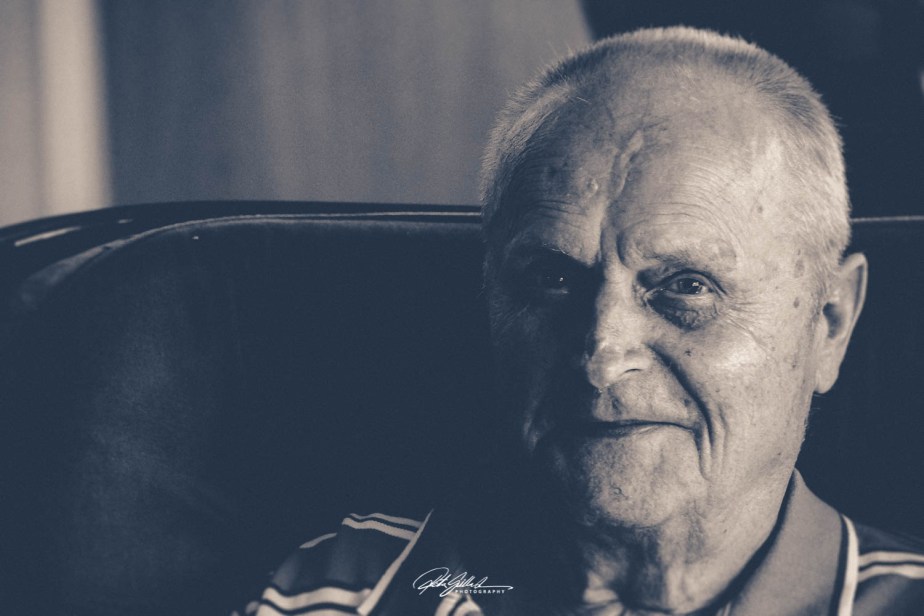
This week, you have the opportunity to capture the essence and personality of your subjects. Whether you choose to ask a stranger, do a self-portrait, take the portrait of a friend, family member, or acquaintance, or photograph animals and birds, the goal is to connect with another person or subject and tell their story through your image.
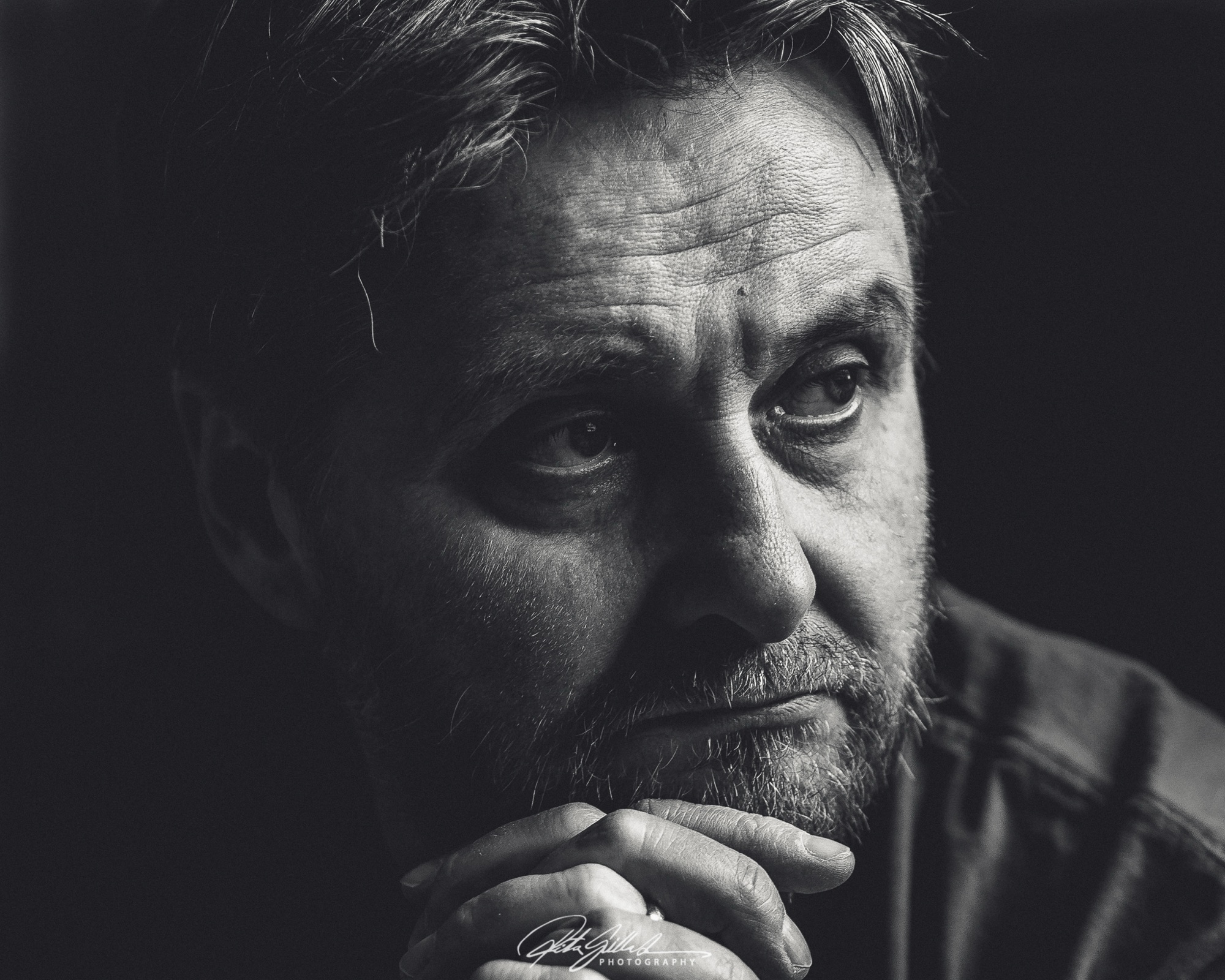
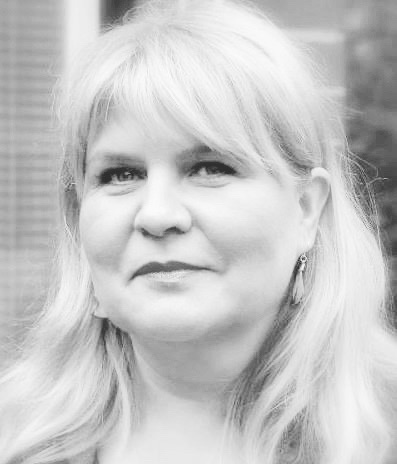
I thought I would start with a black and white image—a self-portrait to get things started. I was on vacation, and for some reason, I received a few comments on how I gave a positive and happy vibe. Such a nice compliment; I hope it comes across in this image.
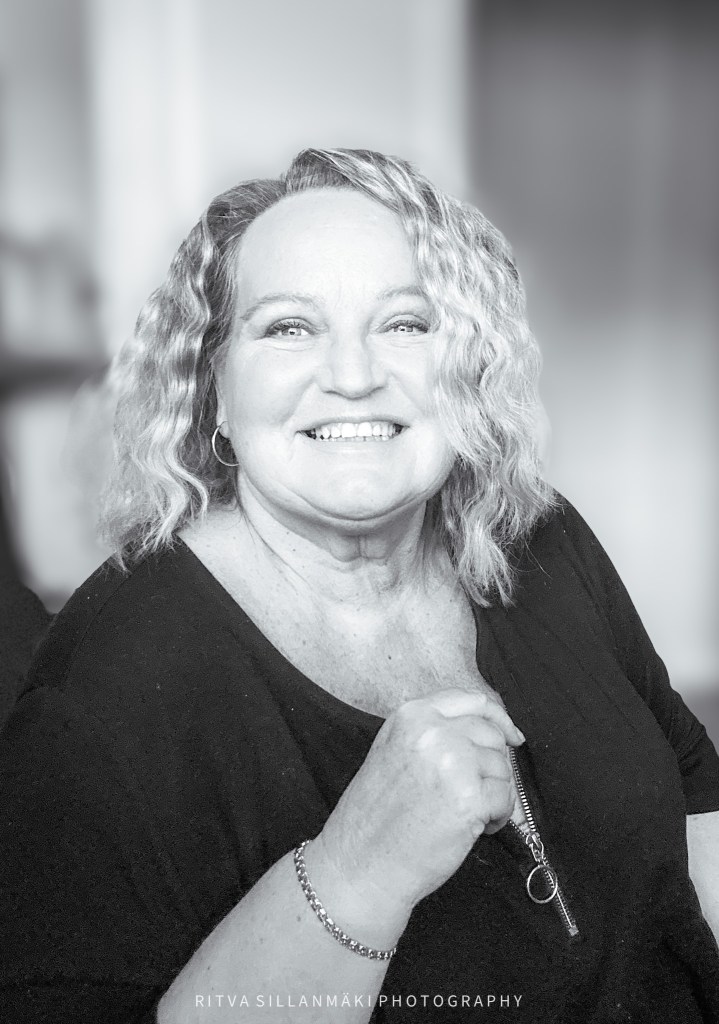
I know I am asking a lot; many shy away from portraits, but we all take photos of people, so why not take a moment to think about how to get more out of them? Just a little consideration on how to show your subject in a more favorable light. I encourage you to join; I’m not looking for professional results, but I hope you have fun trying to get the portrait to tell a story. Hopefully, you will take a new photo or use an old one, maybe edit with some of the tips I have gathered here.
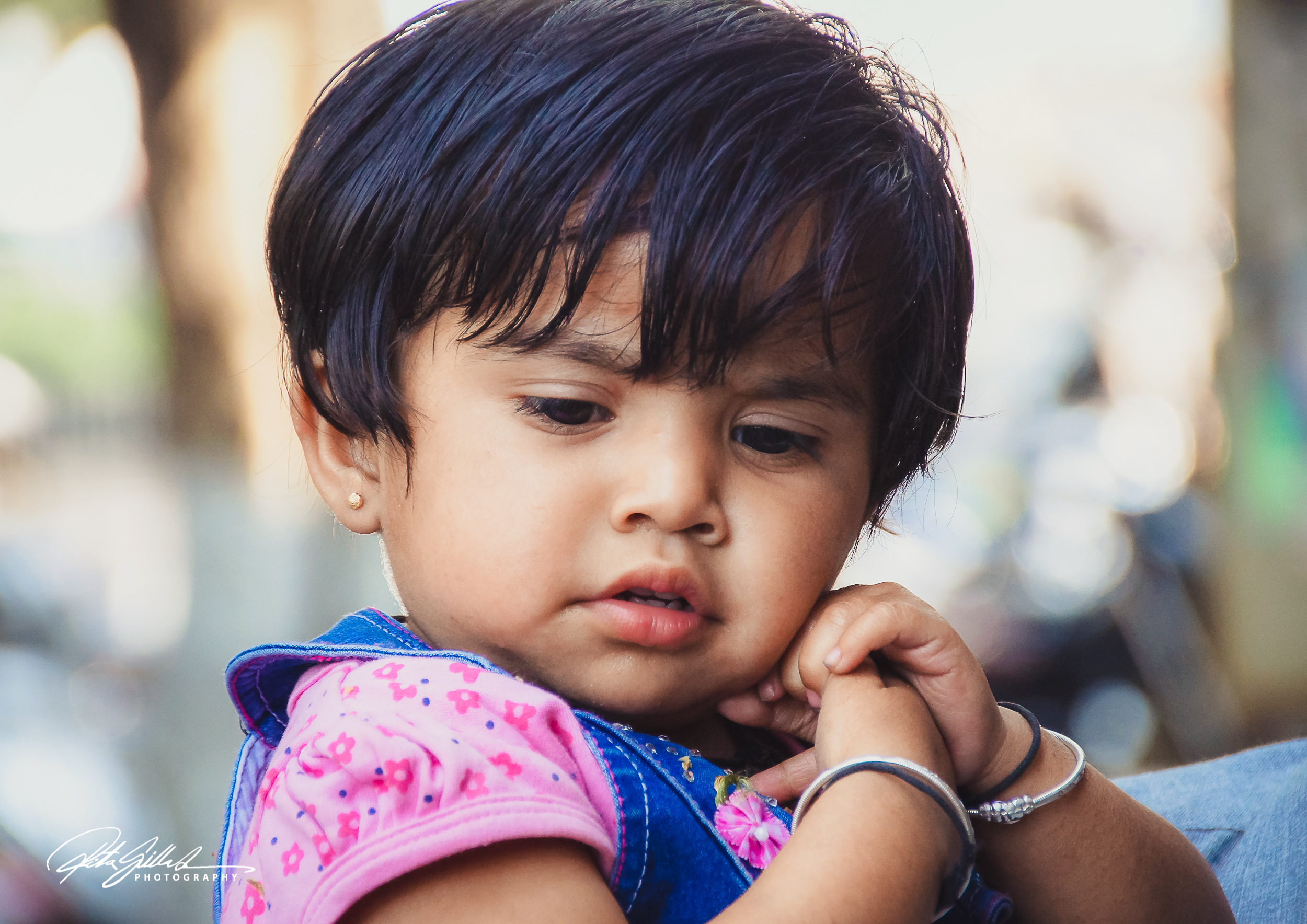
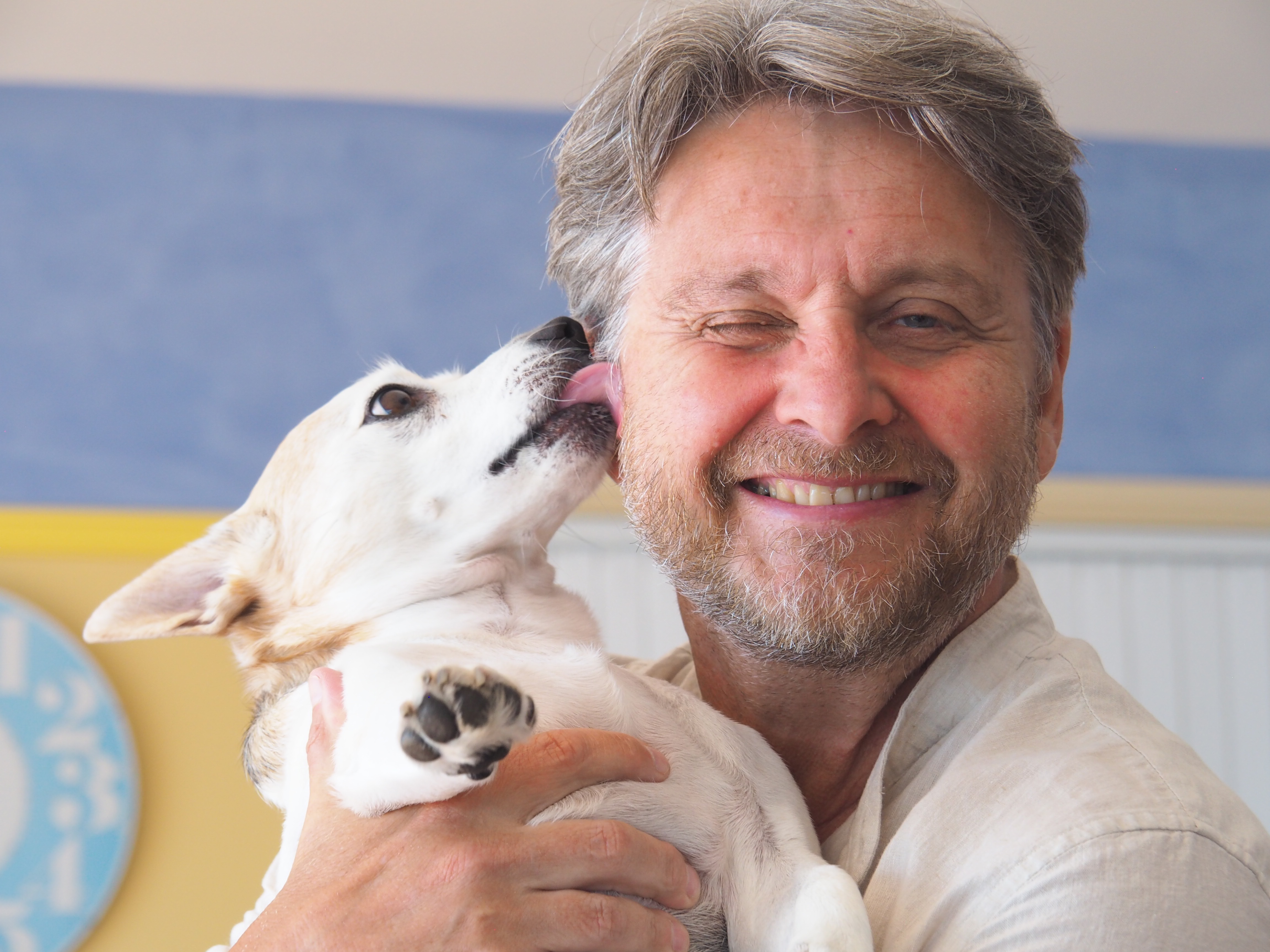
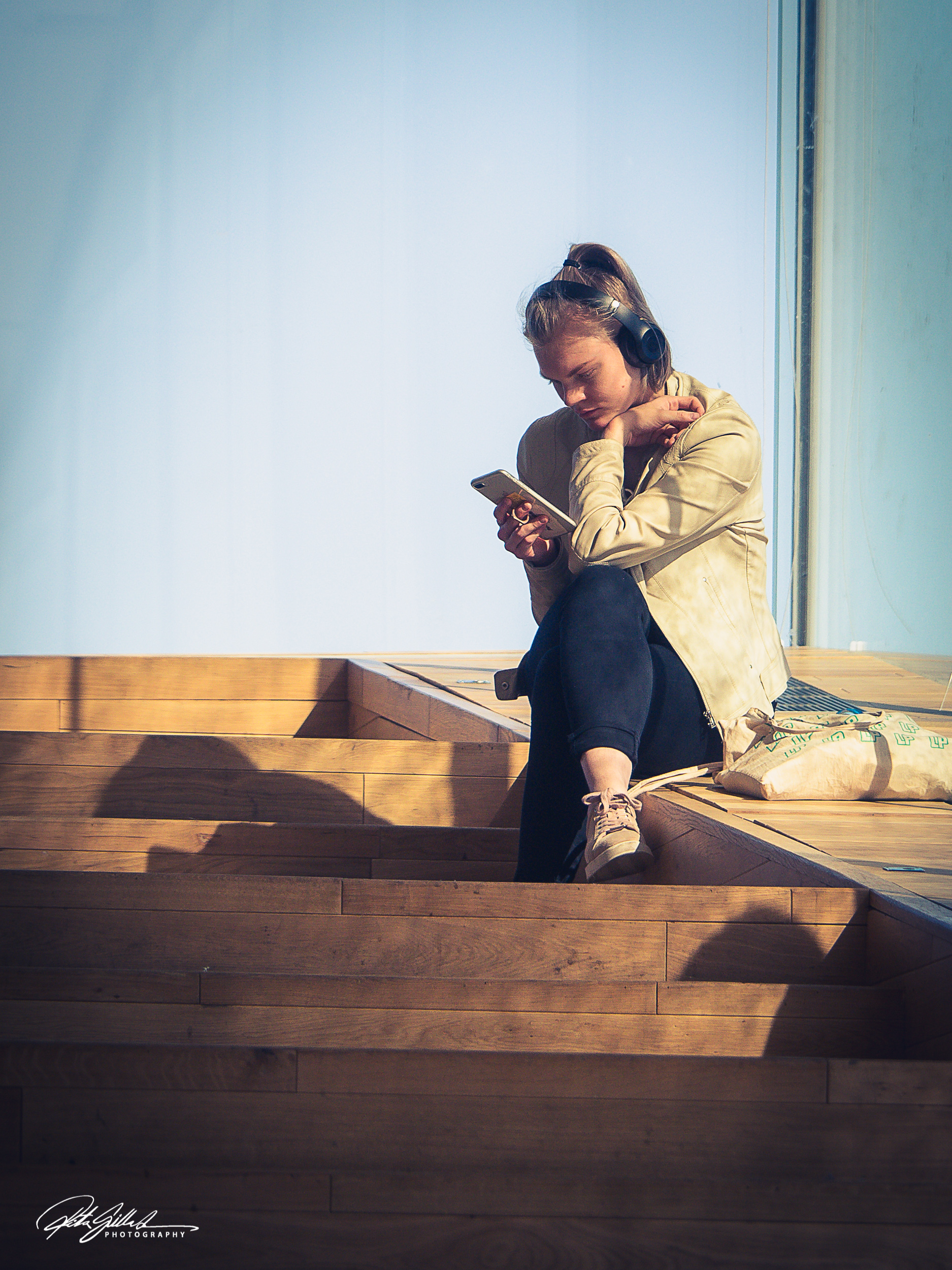
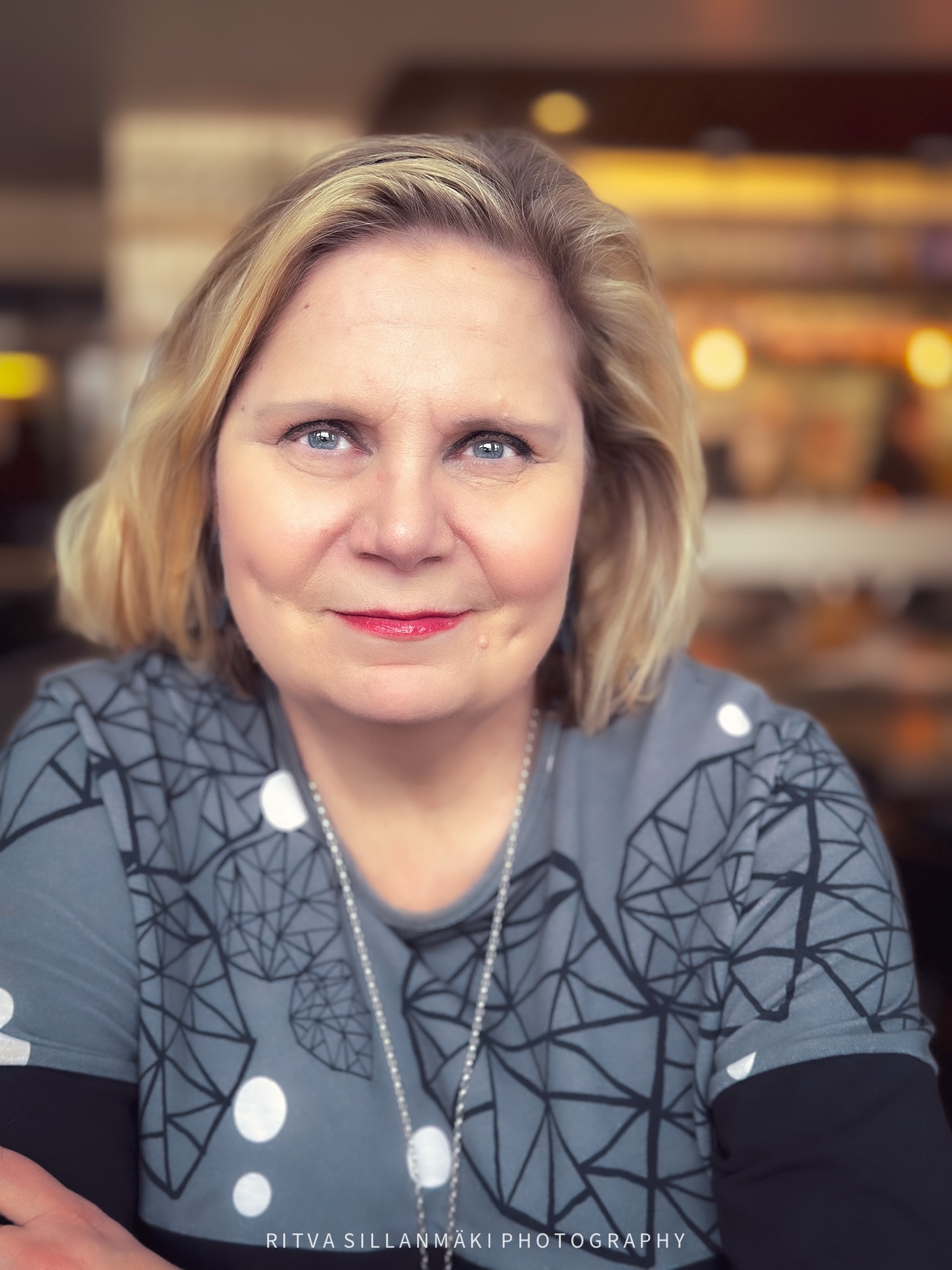
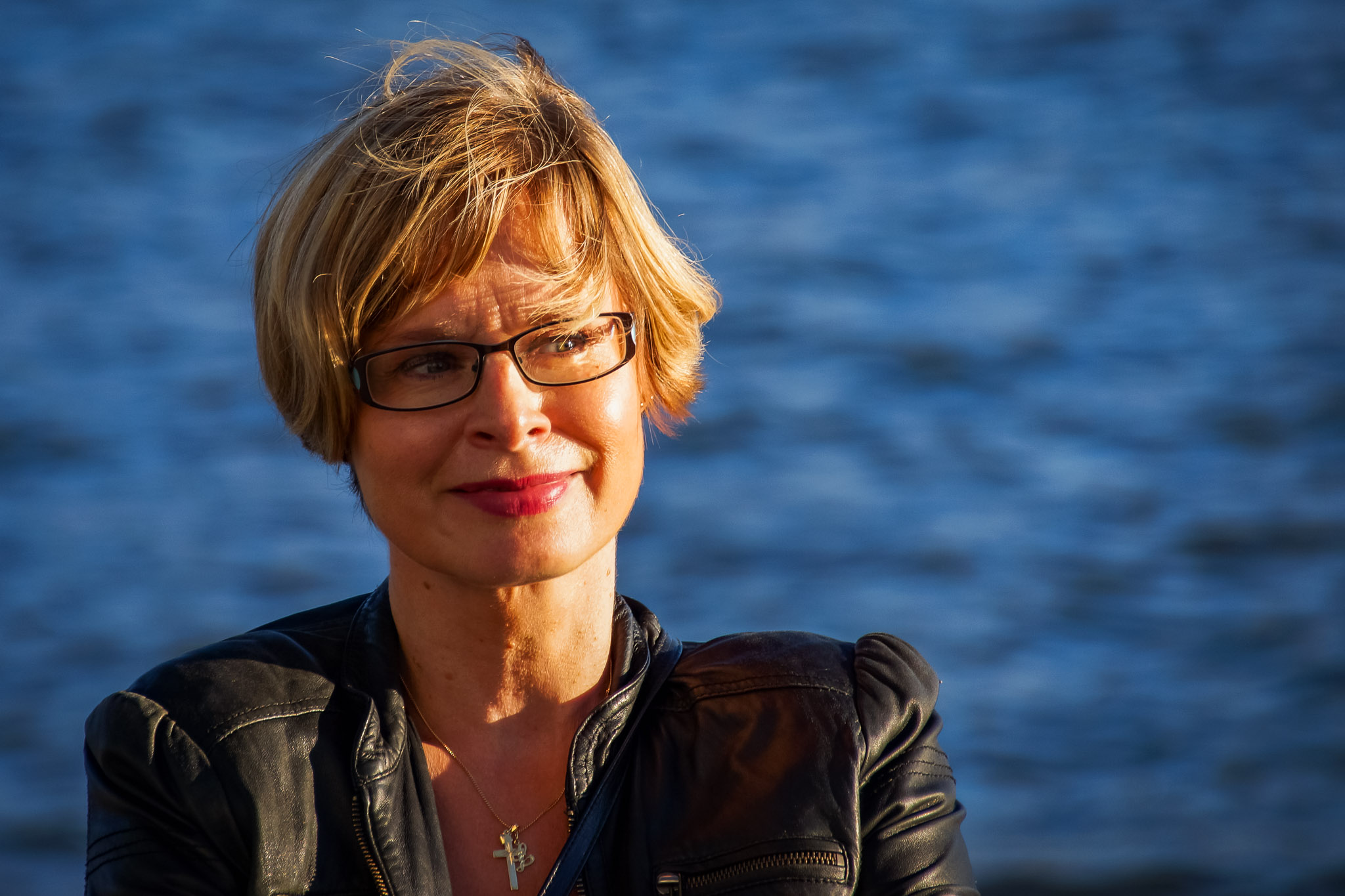
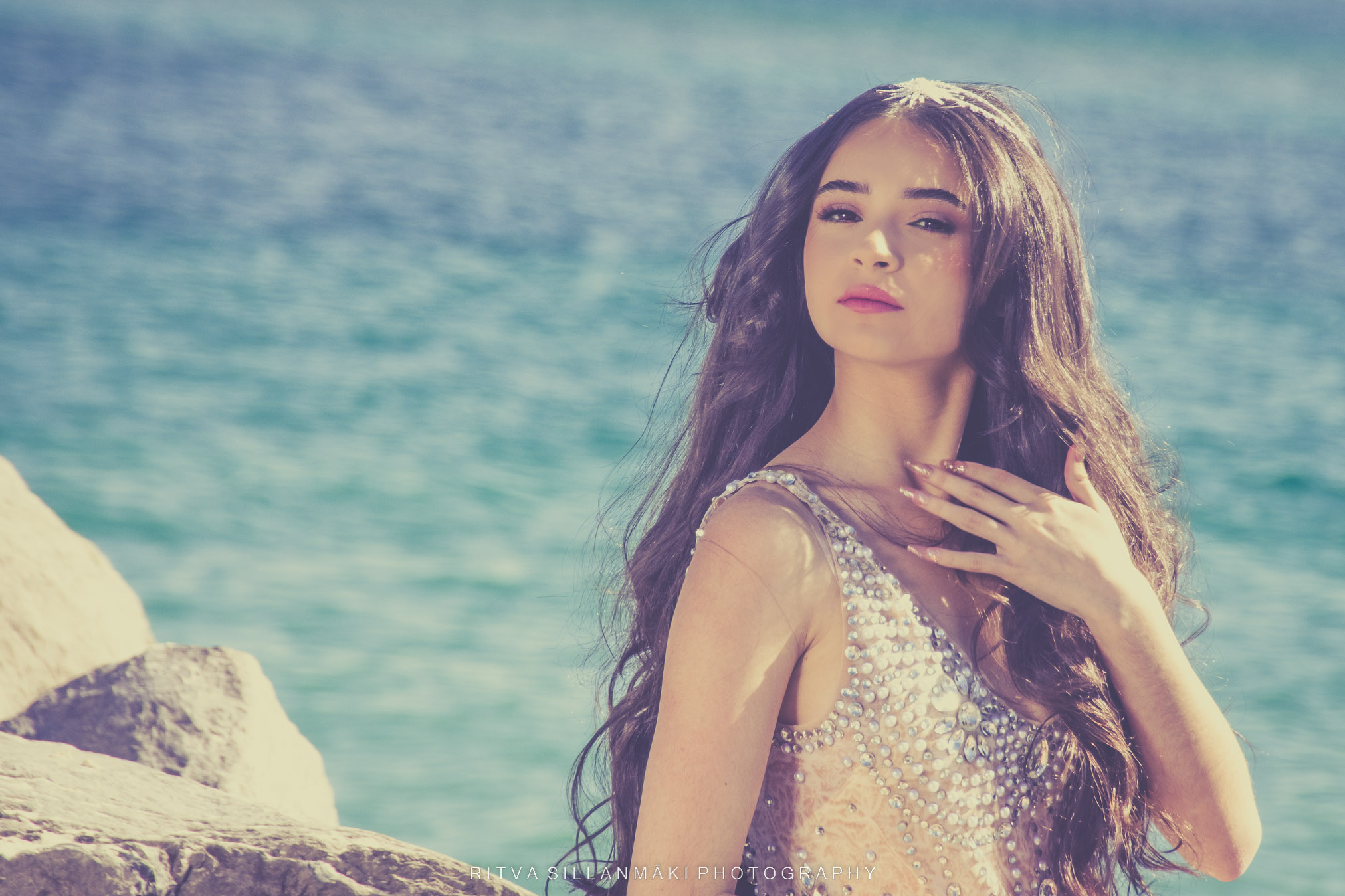
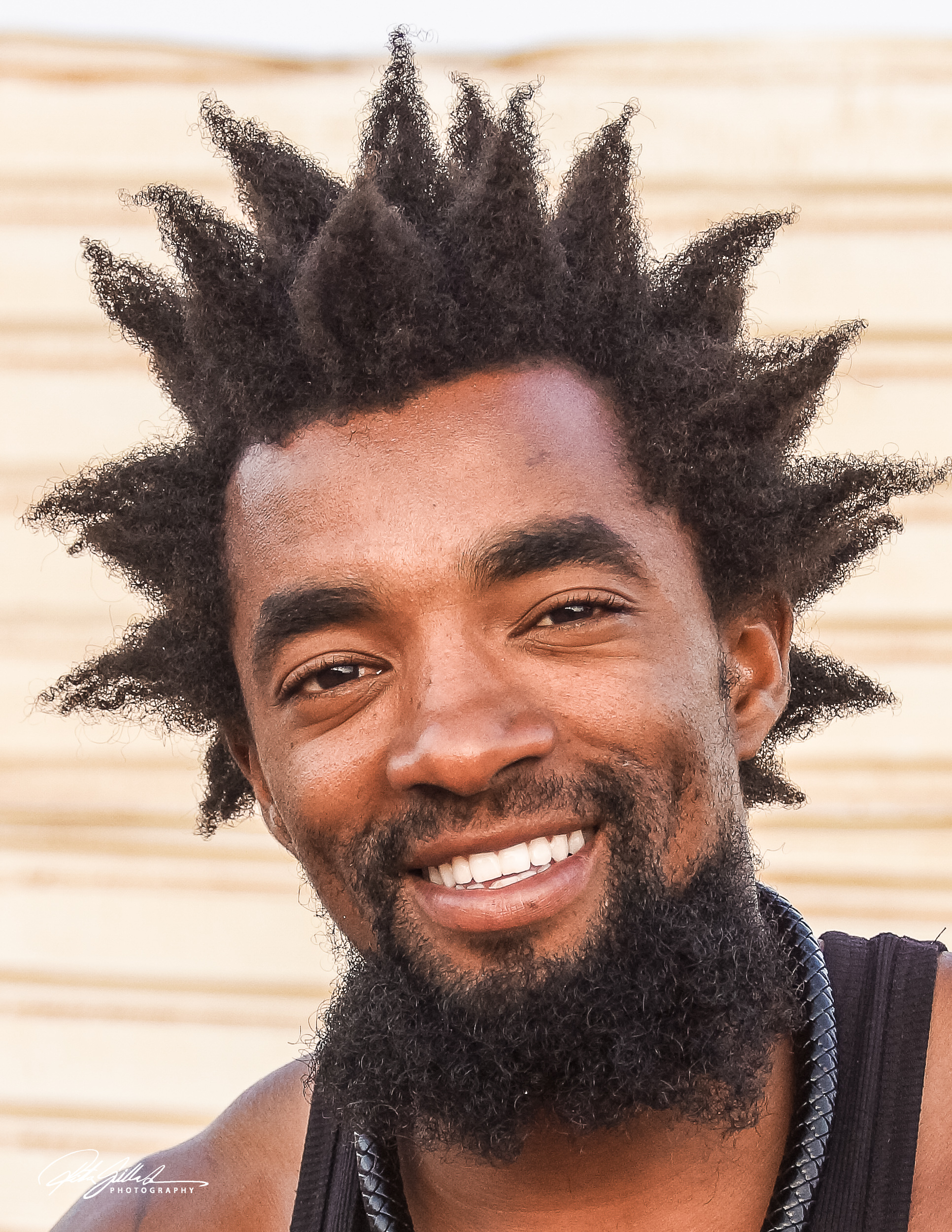
I had a bunch of detailed info on getting a great portrait, like cool tips on lighting, composition, and how important it is for your subject to express themselves, but in the end, I decided to keep it simple and just summarize everything since it got way too long and messy. I thought it’d be better to give some quick, easy-to-follow insights without drowning you in too much info, so you can really pick up the main points of portrait photography without any hassle.
portrait photography
When it comes to portrait photography, one of the most crucial elements is focusing on the eyes. They truly serve as the focal point in any portrait, so it’s important to ensure they are sharp and expressive. Capturing a clear and vibrant eye can create a powerful connection between the viewer and the subject. I have issues with this one – but practice makes it better.
Natural light is another aspect that can significantly enhance your portraits. Shooting during the golden hour, shortly after sunrise or before sunset, can give your images a warm and soft quality. This type of lighting not only reduces harsh shadows but also ensures your subject’s features are beautifully highlighted. I use this always natural light is the best.
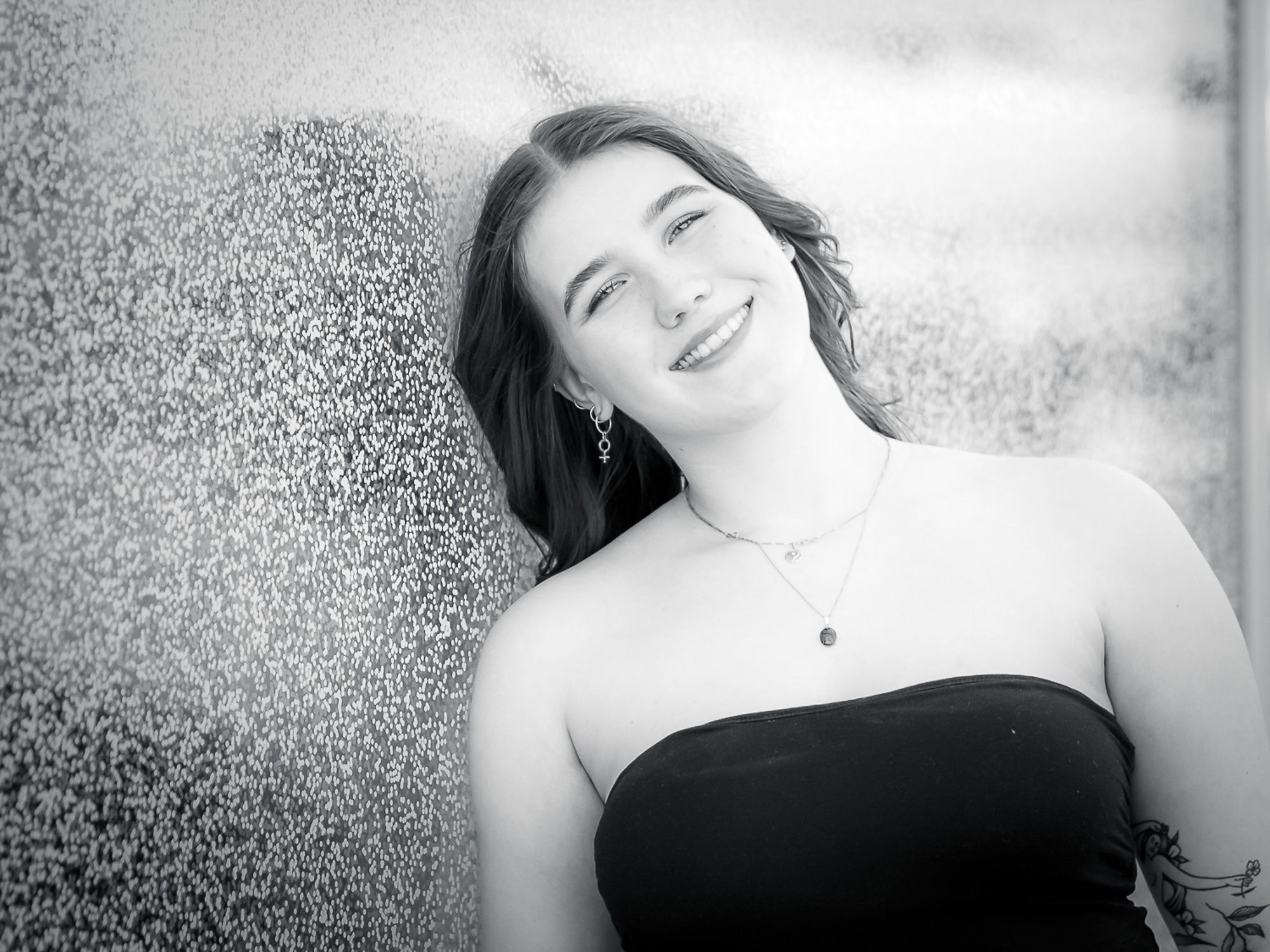
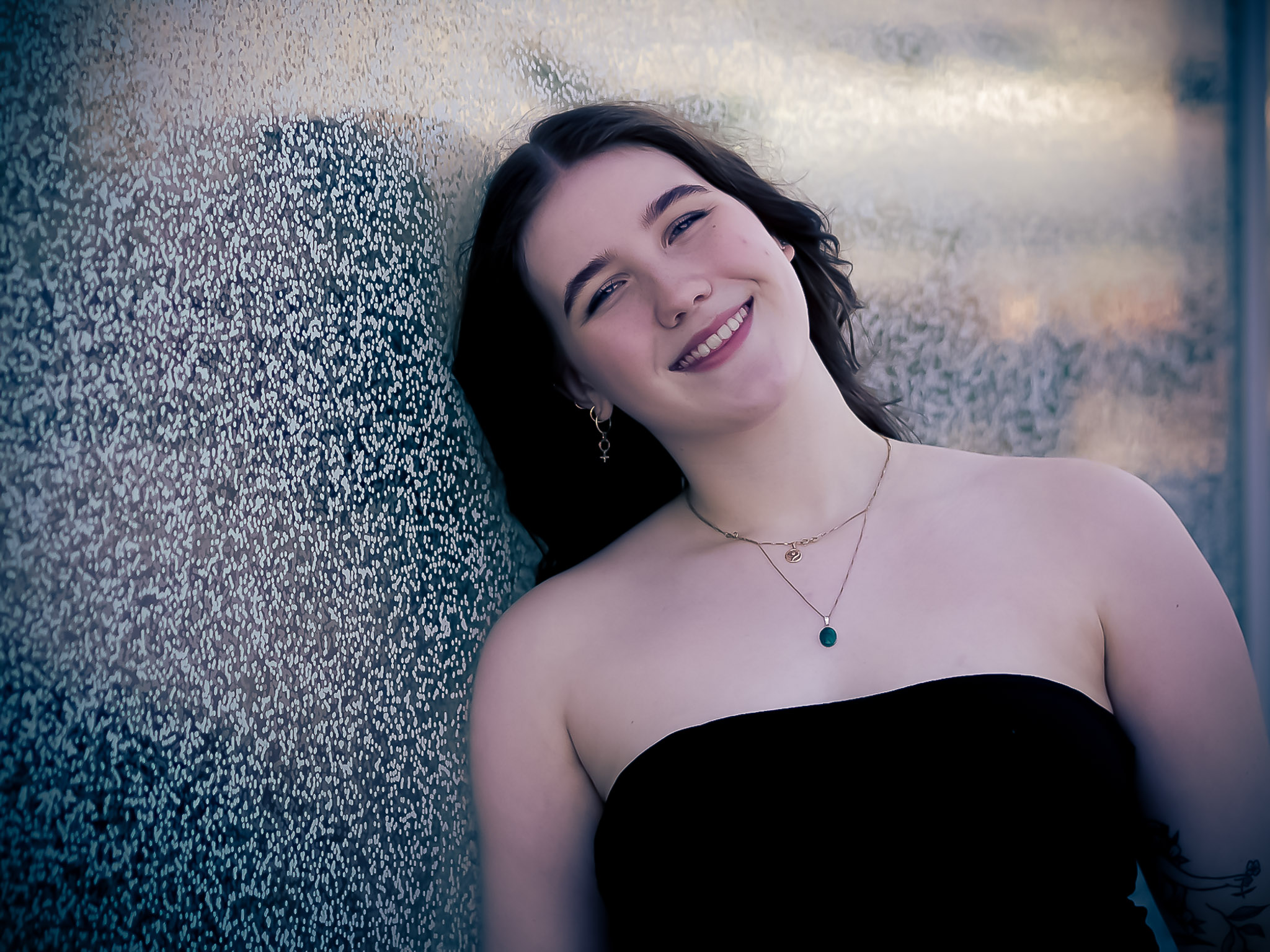
Emotions are at the heart of great portraits. Rather than just photographing faces, try to capture genuine emotions that tell a story. Encourage your subjects to relax and be themselves so you can capture those candid moments that truly reflect their personality. Now this is a tricky one, but spending time and chatting at the same time helps.
It’s also essential to be mindful of the background in your portraits. A cluttered or distracting background can steal focus from your subject. By using a wide aperture, you can blur the background, allowing your subject to stand out more prominently. Choose backgrounds that complement your subject without overwhelming the composition. This is when taking photos in a controlled setting, but even in spontaneous shot you can if you are into editing change the background .
Directing your subject is key to achieving the desired expressions or poses. Give them clear directions and encourage them to experiment with different looks. The more comfortable they feel, the more authentic and confident their poses will appear. Many times you get the best shots just by observing with patience and catching the moment.
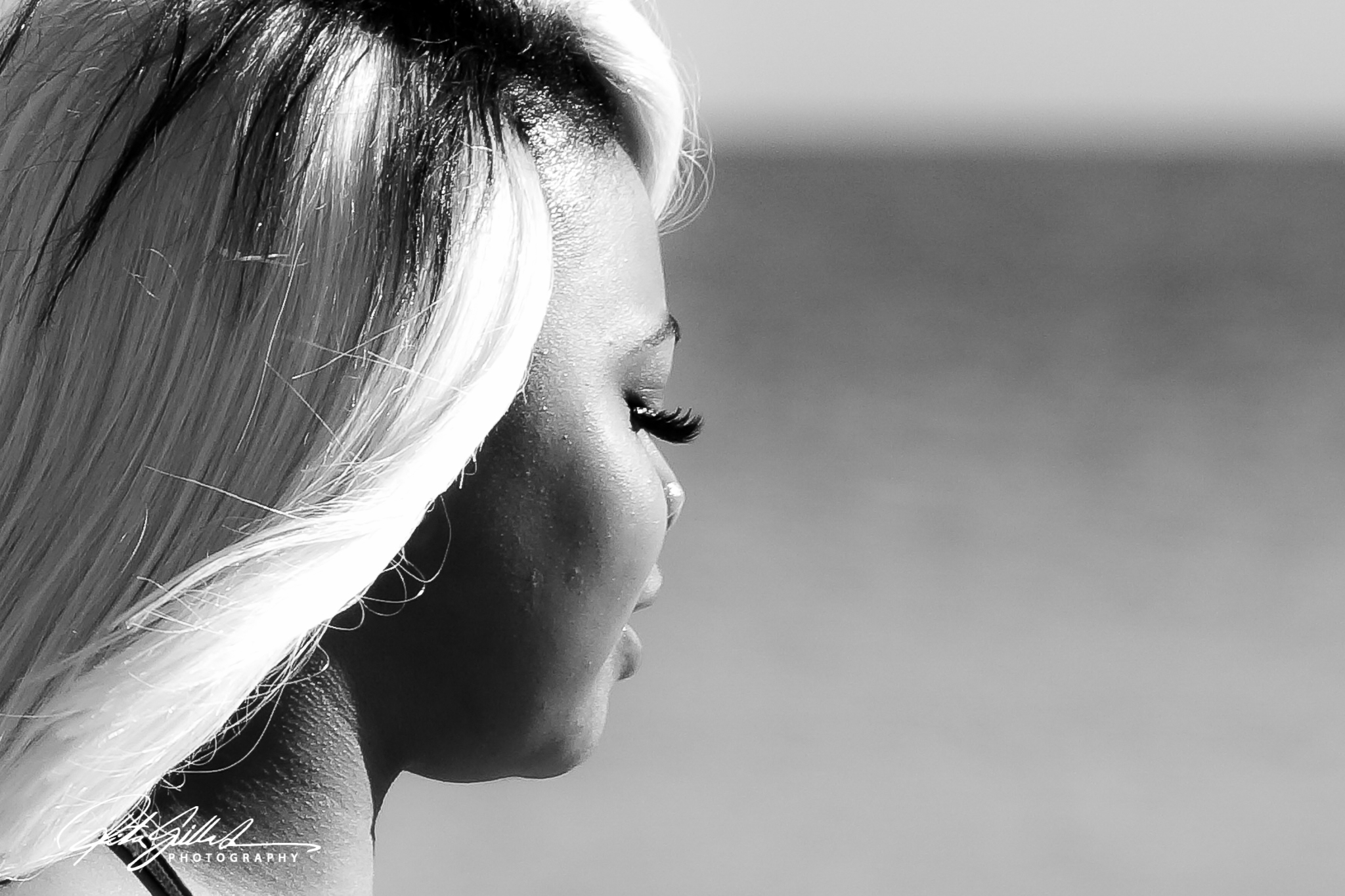
Lastly, consider the power of black and white photography. This style adds a timeless and dramatic feel to your images, emphasizing shapes, contrasts, and textures while removing the distraction of color. Black and white can beautifully accentuate the emotions and moods in your portraits, making them even more impactful. I just love this style, I use it a lot. Even a not so good image can be saved as a black and white conversion.
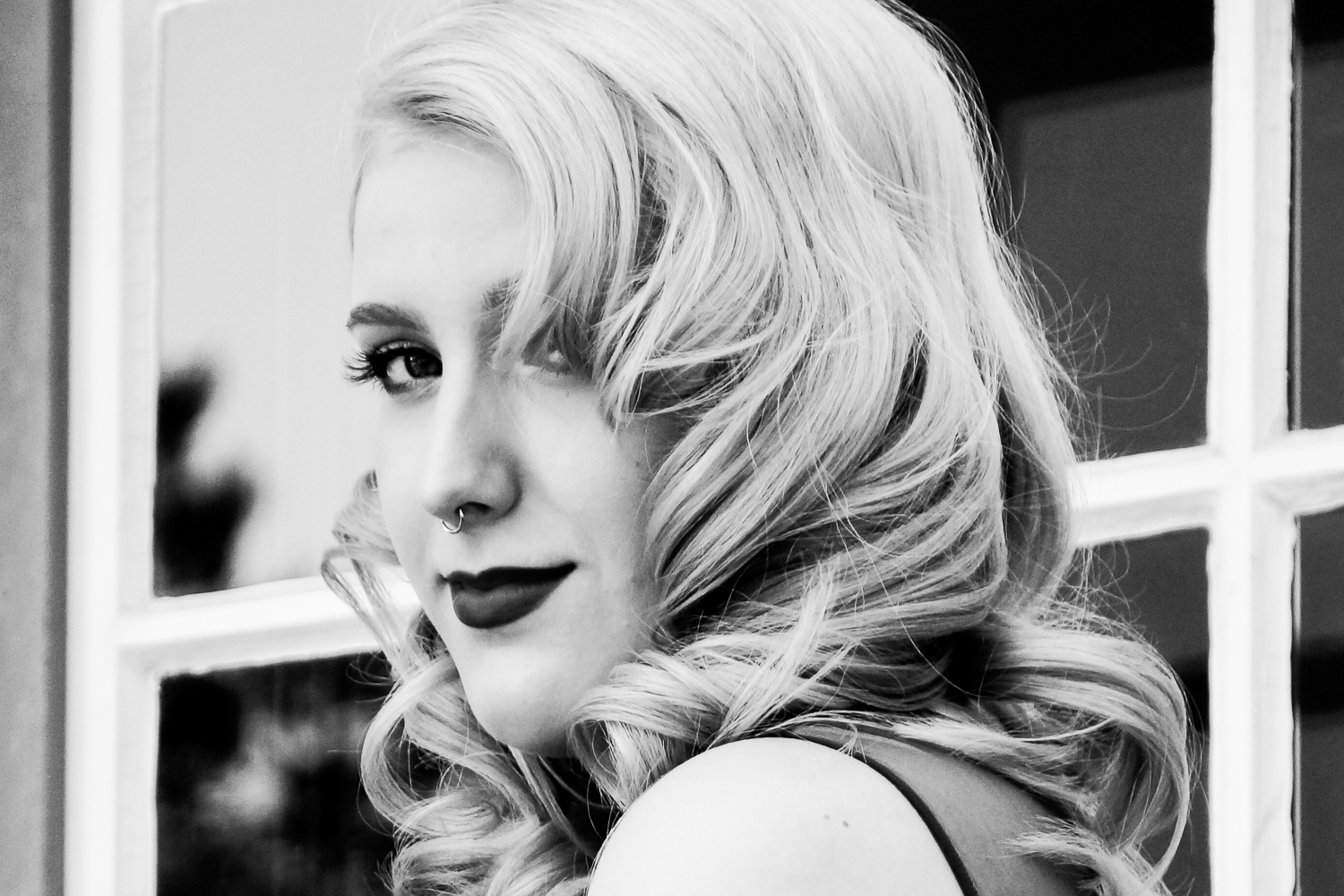

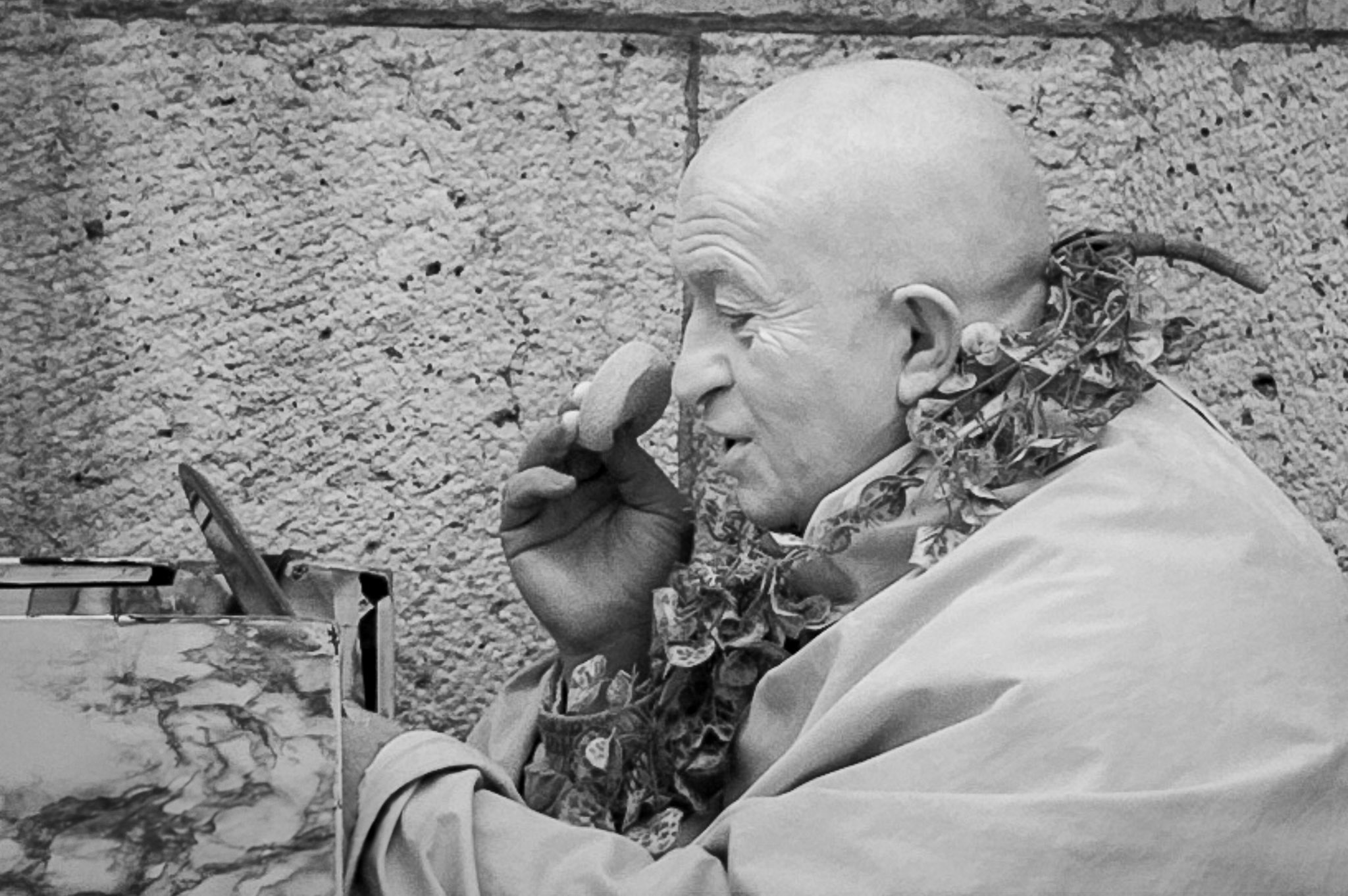
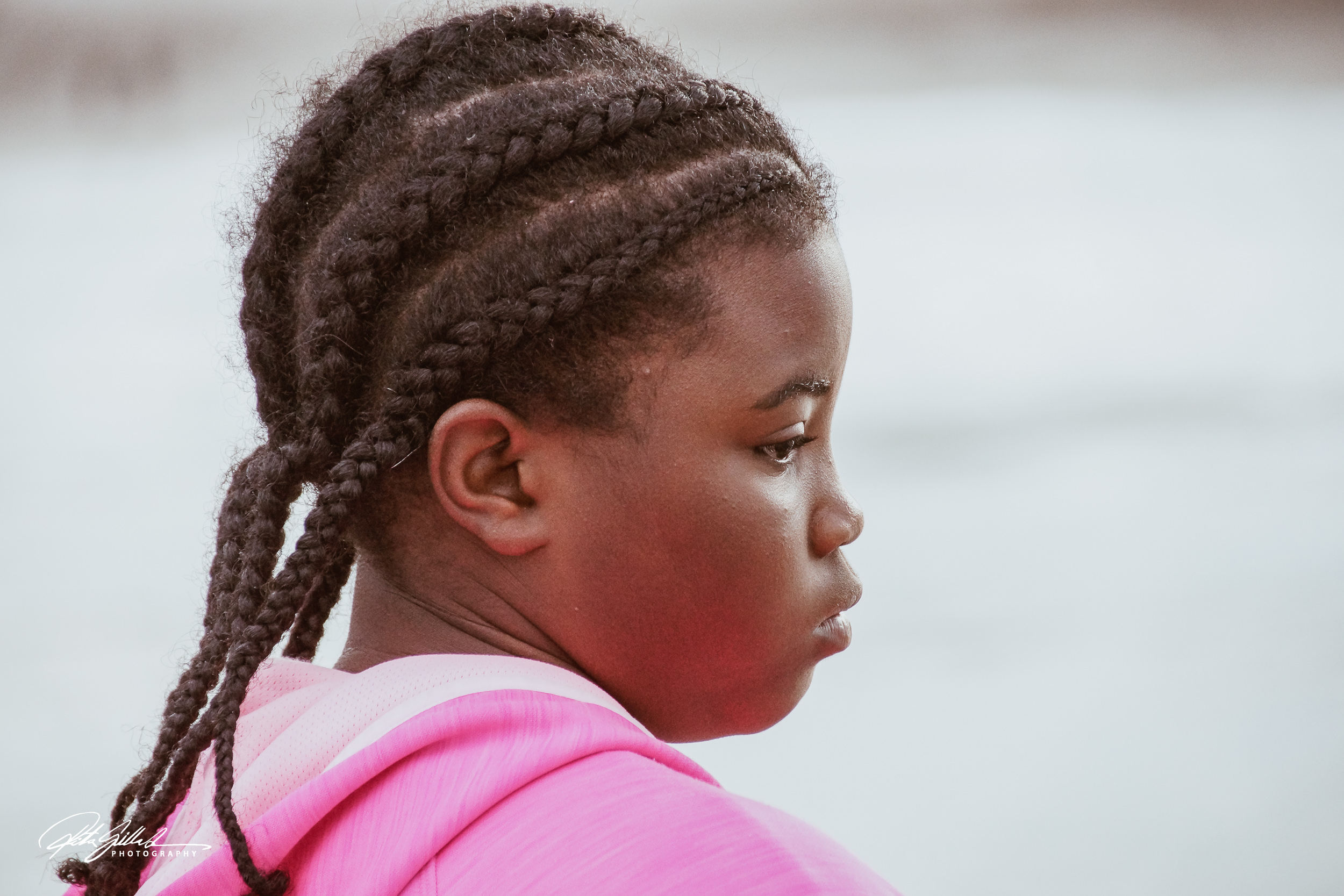
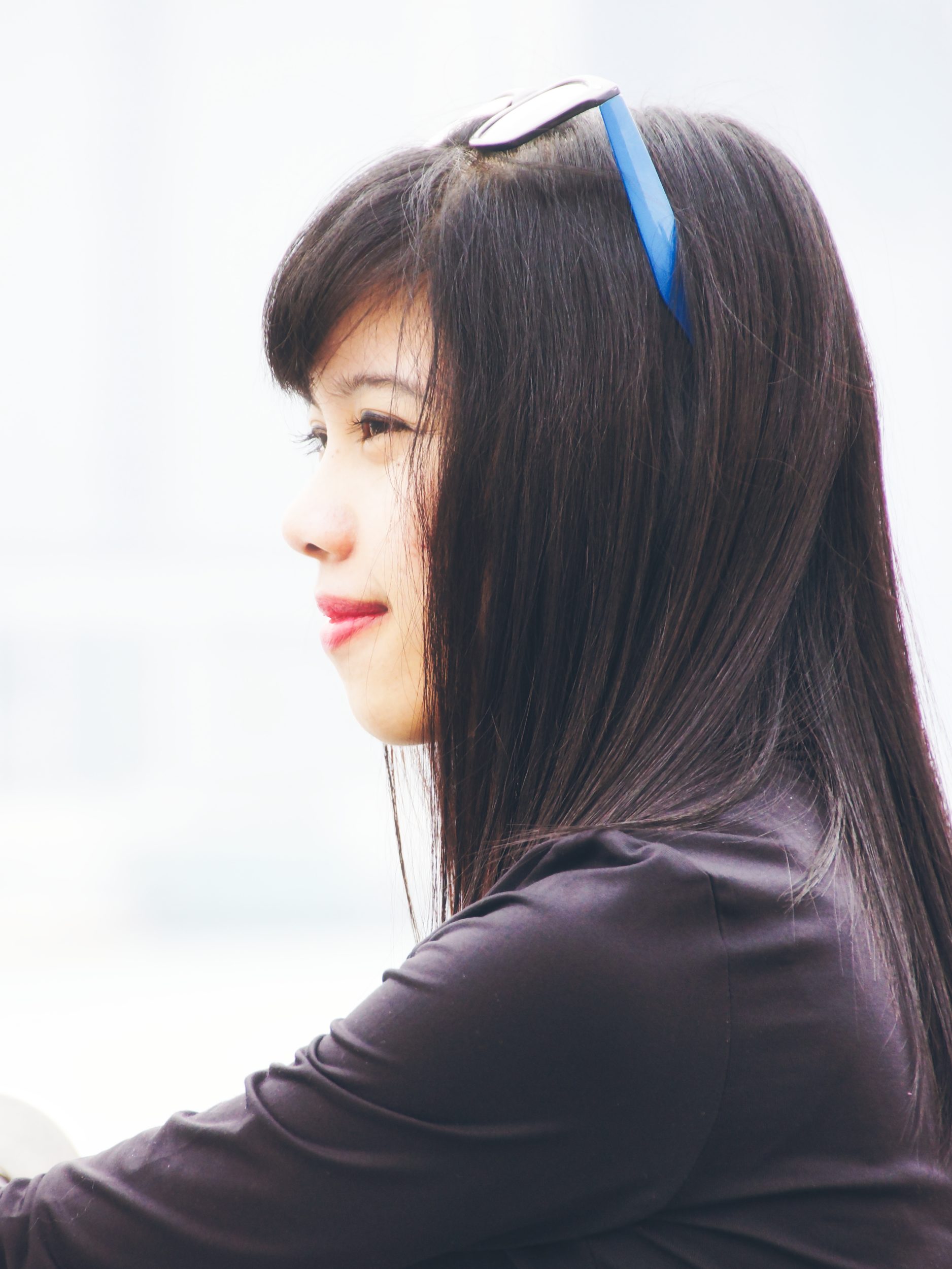
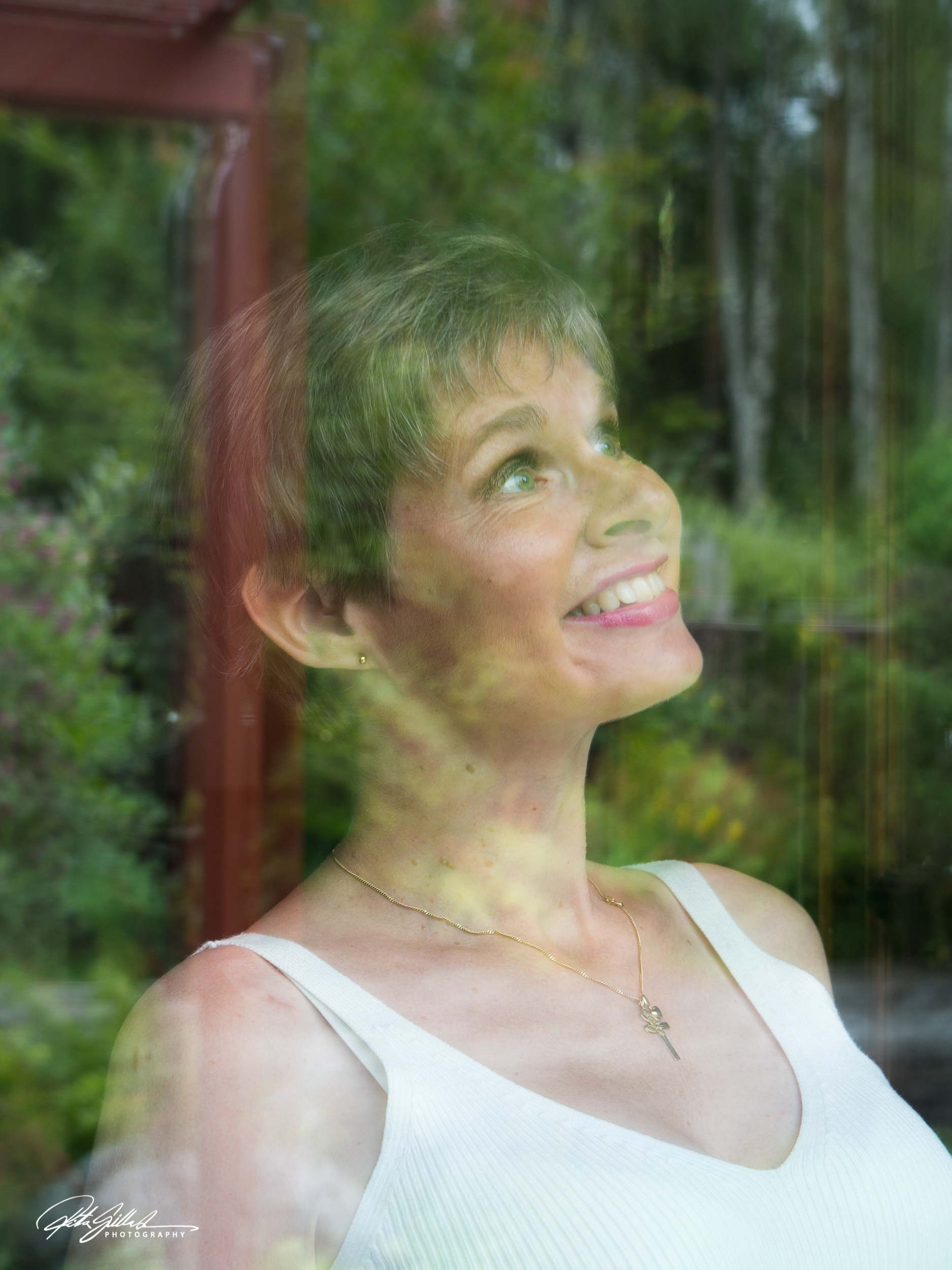
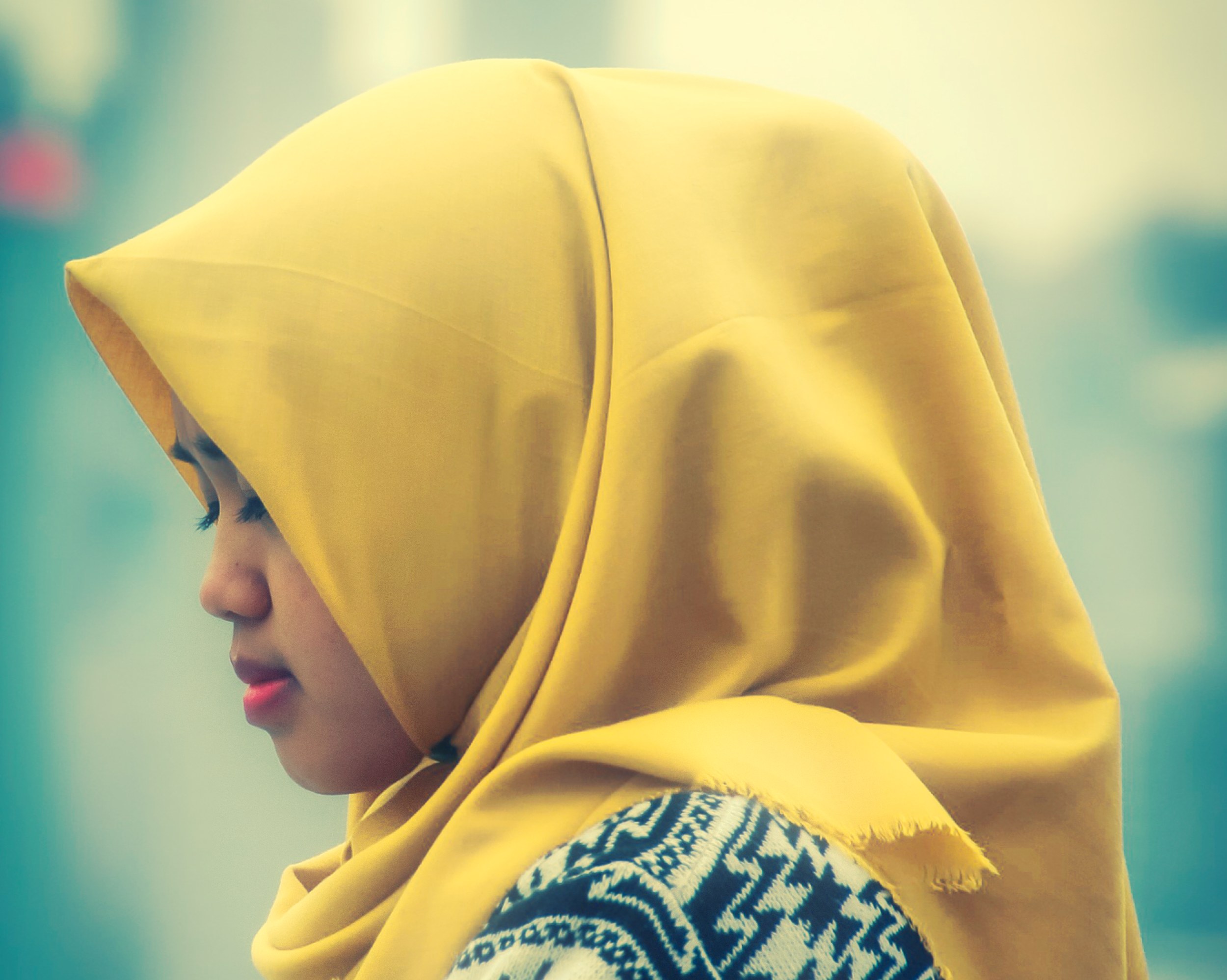
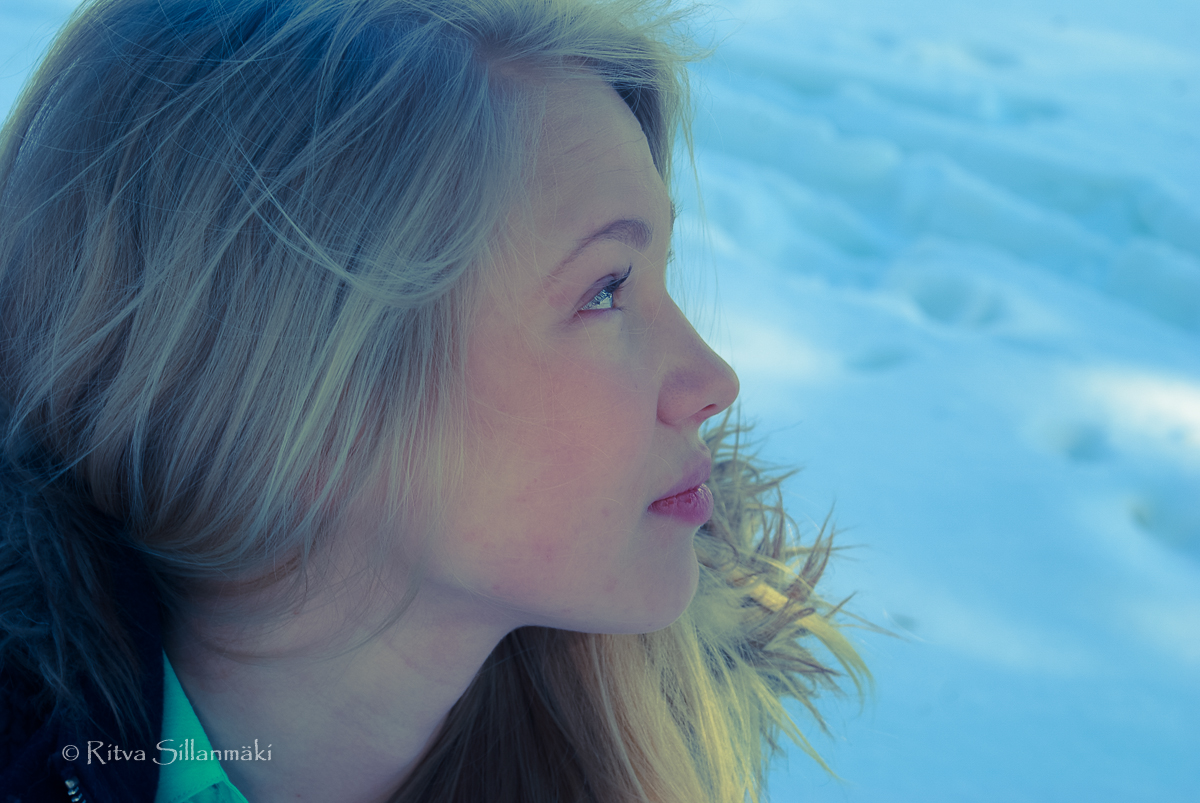
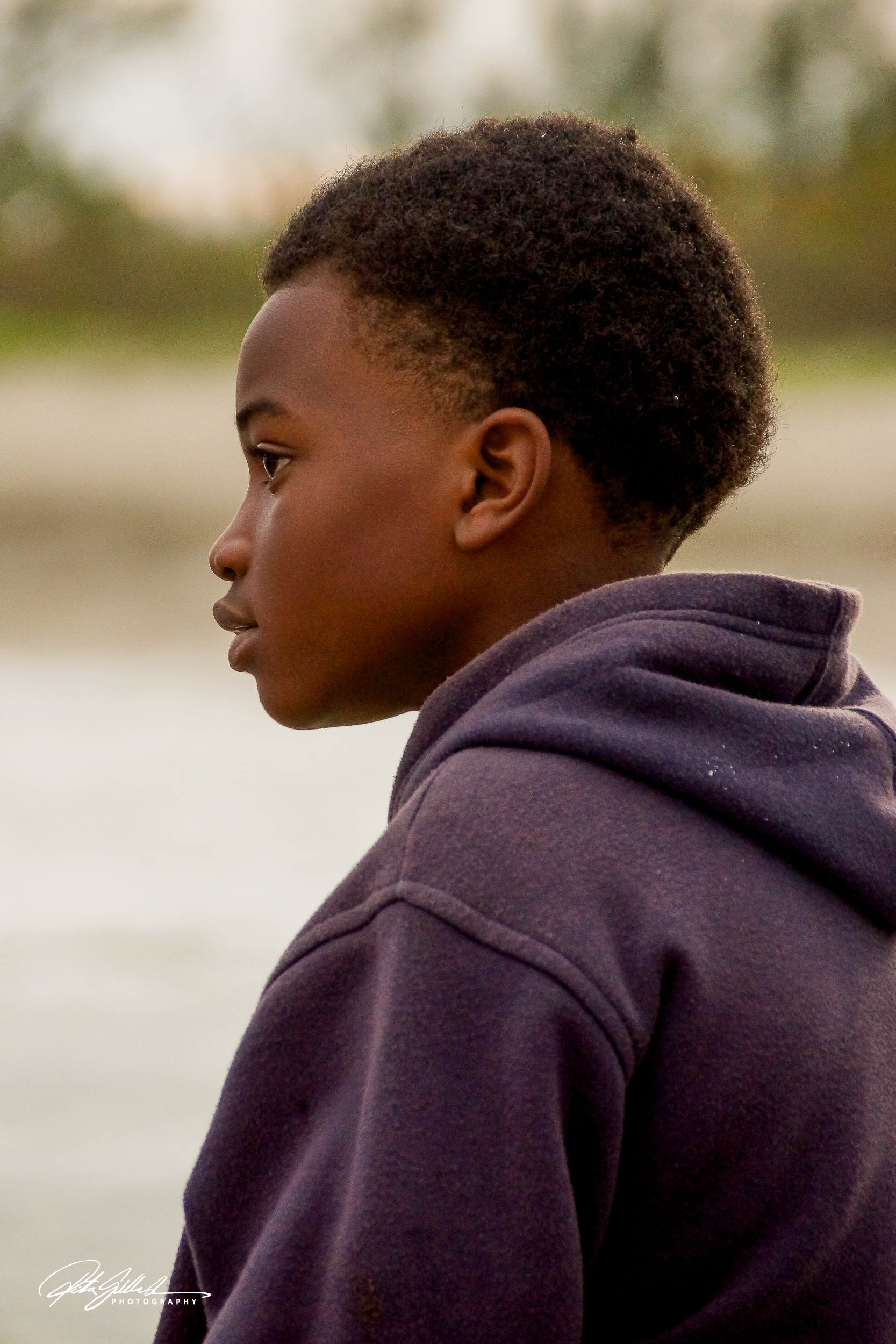
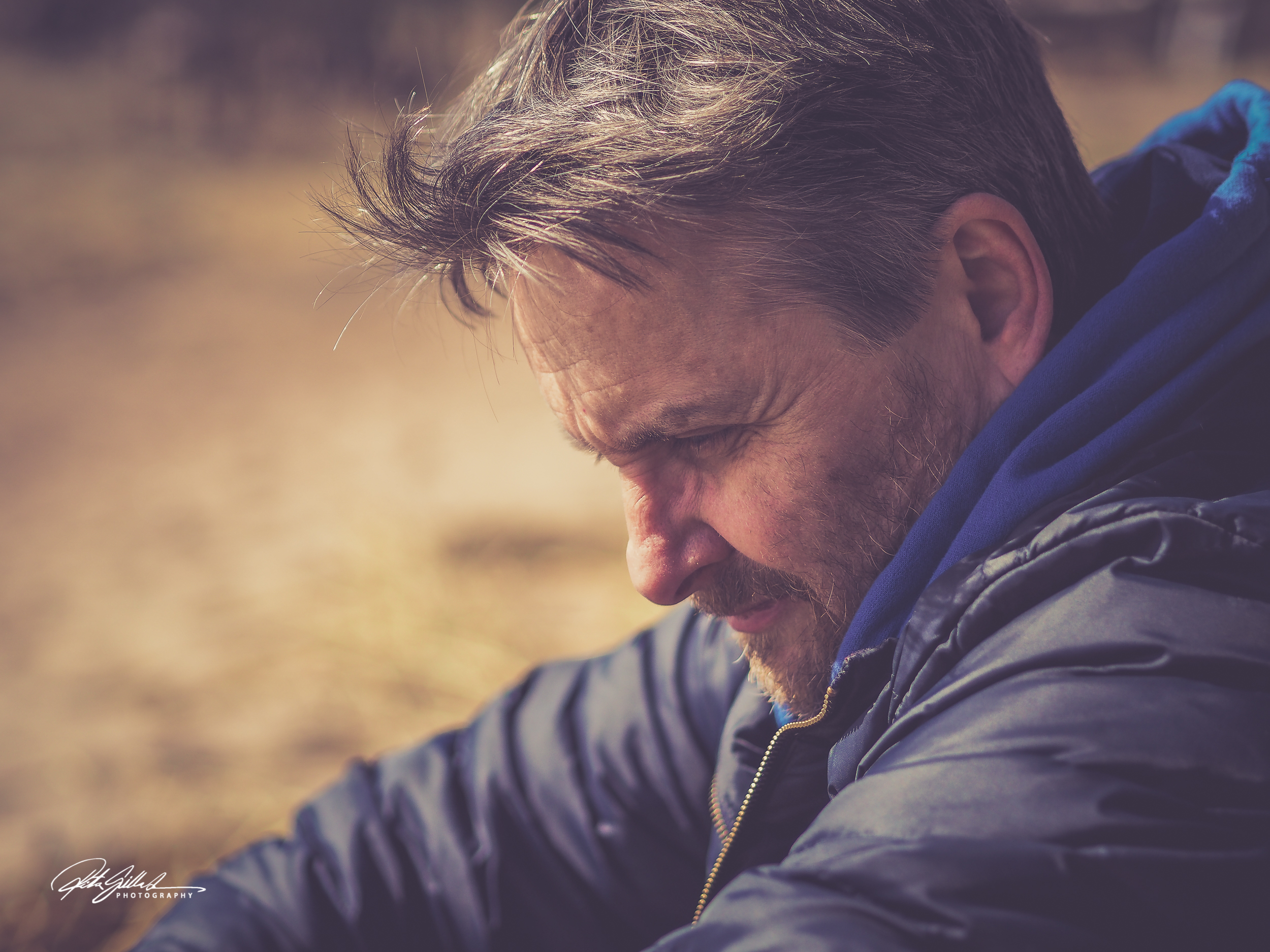
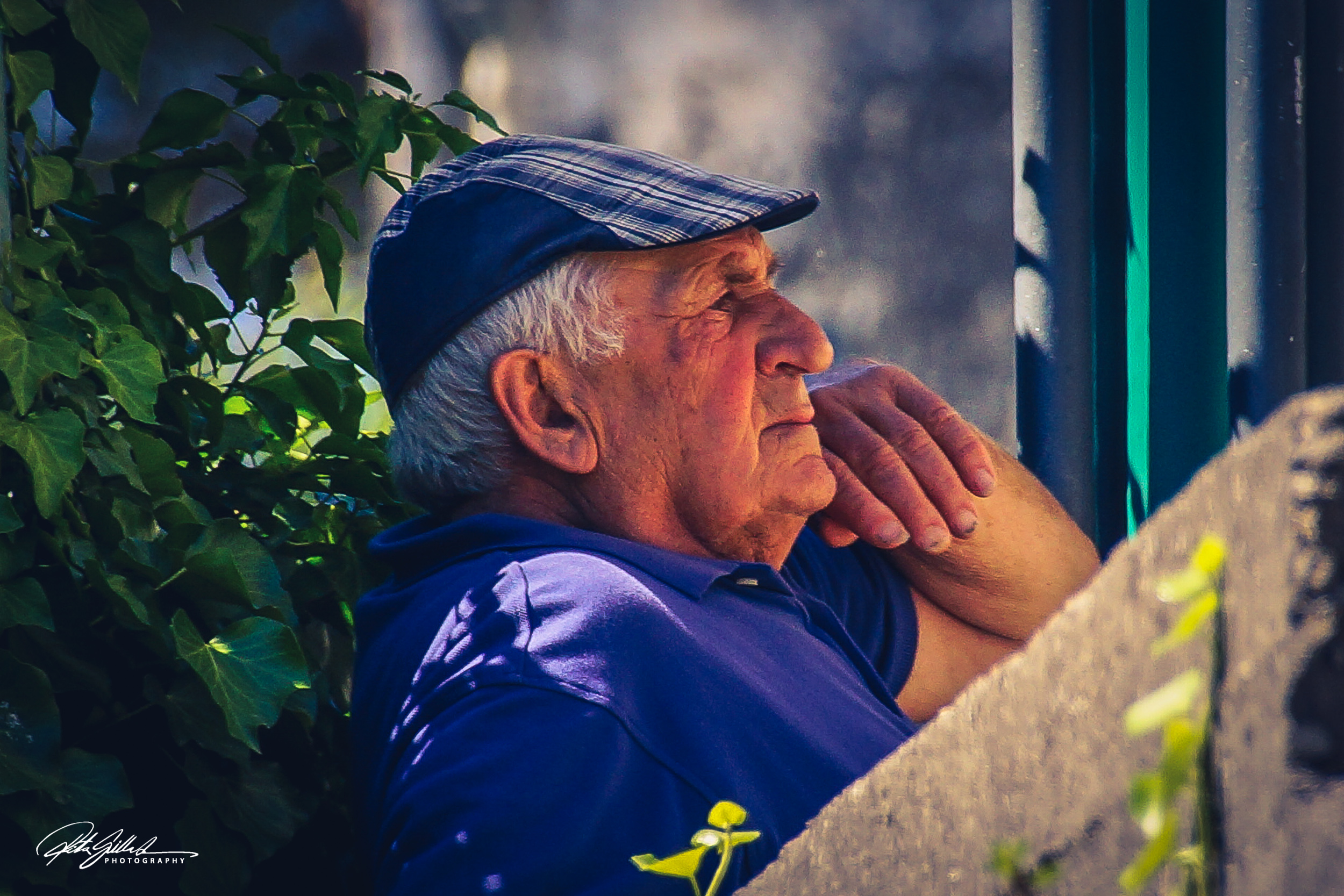
What’s a side portrait all about?
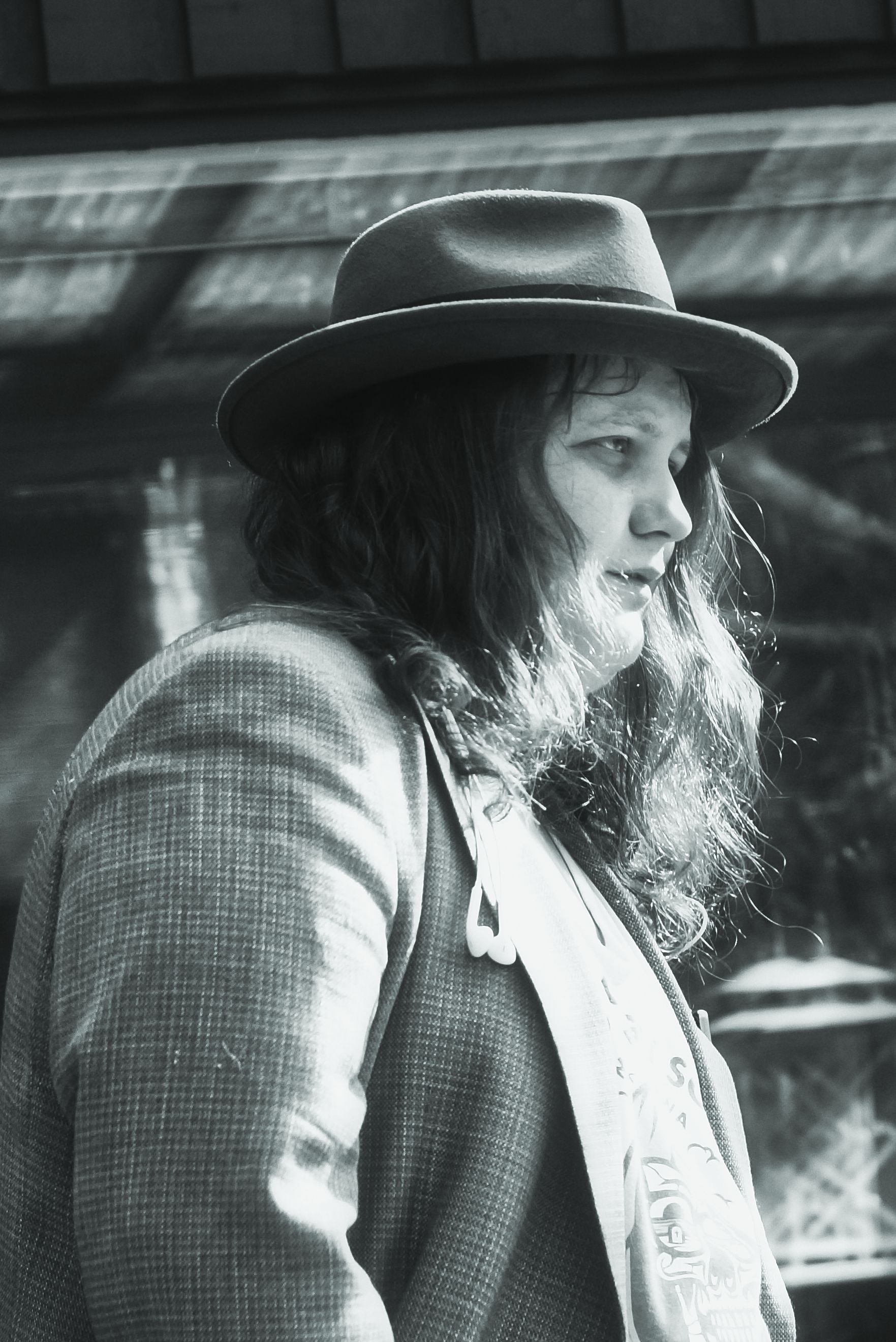
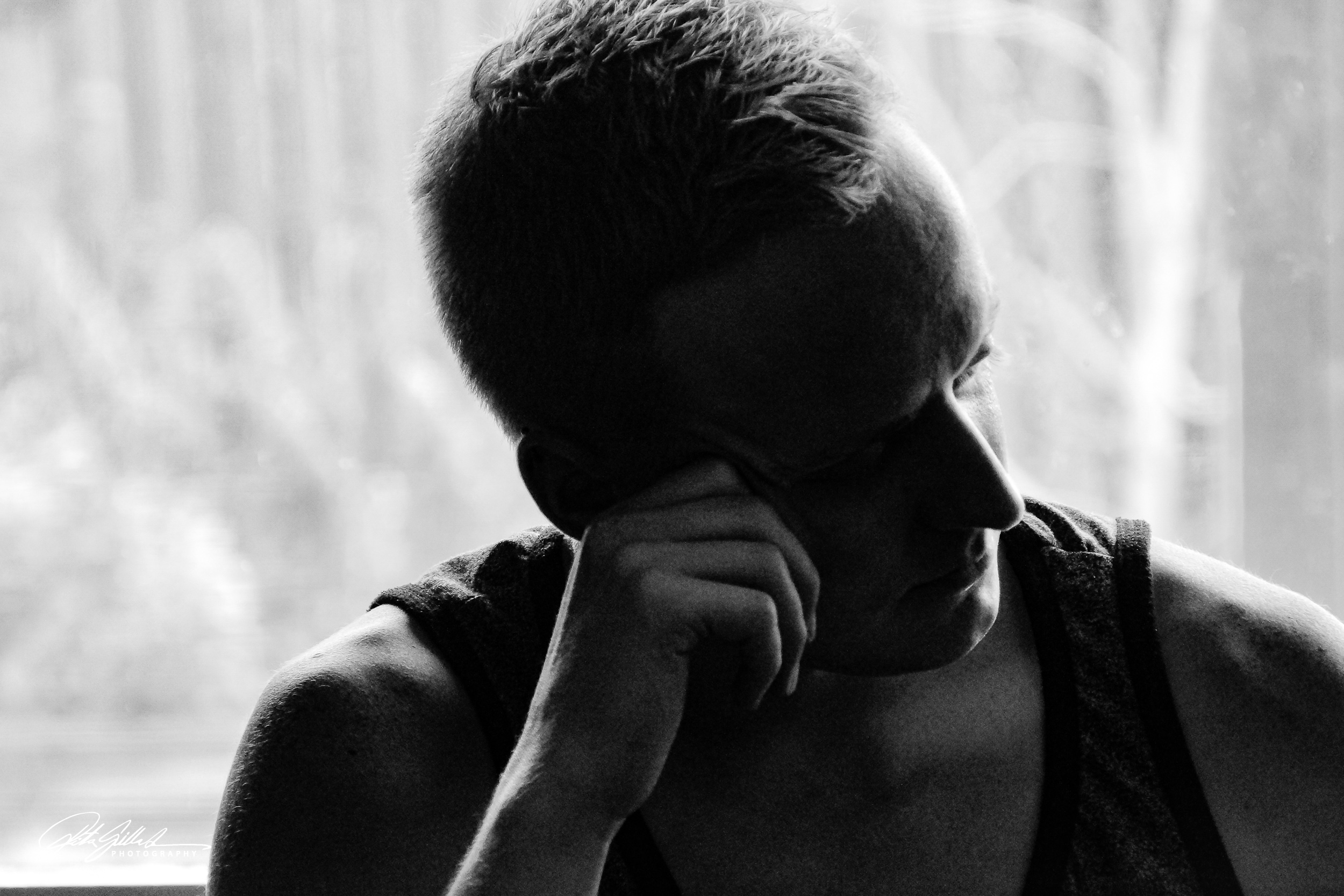
People make excellent photography subjects due to their diverse expressions and postures. Side portraits, taken from a profile view, showcase facial features and convey strength, adding an element of mystery. To capture compelling side portraits, it’s important to find the subject’s “good side,” choose a relevant theme, and use supportive backgrounds. Techniques include directing gaze, subtle facial expressions, and dynamic body language, while camera angles and lighting play a crucial role in enhancing visual impact.
This photographic style invites viewers into the subject’s thoughts, utilizing the rule of thirds for depth. Side portraits create a sense of movement and drama, revealing flattering profiles and allowing for various poses, thus heightening the appeal of mystery in the images.
Last week, the topic was Life’s changes; the question was: What has enriched and/or changed yours? Thanks Anne for this meaningful challenge.
Next week, Tina returns to host with a new inspiration. Tune in to find out another exciting challenge. It will go live at noon EST in the USA.
Don’t forget to use the “lens-artists” hashtag when creating your post so we can easily find it in the Reader and linking it to original post. Please see this page to learn more about the Lens-Artists Challenge and its history
 Ritva Sillanmäki Photography