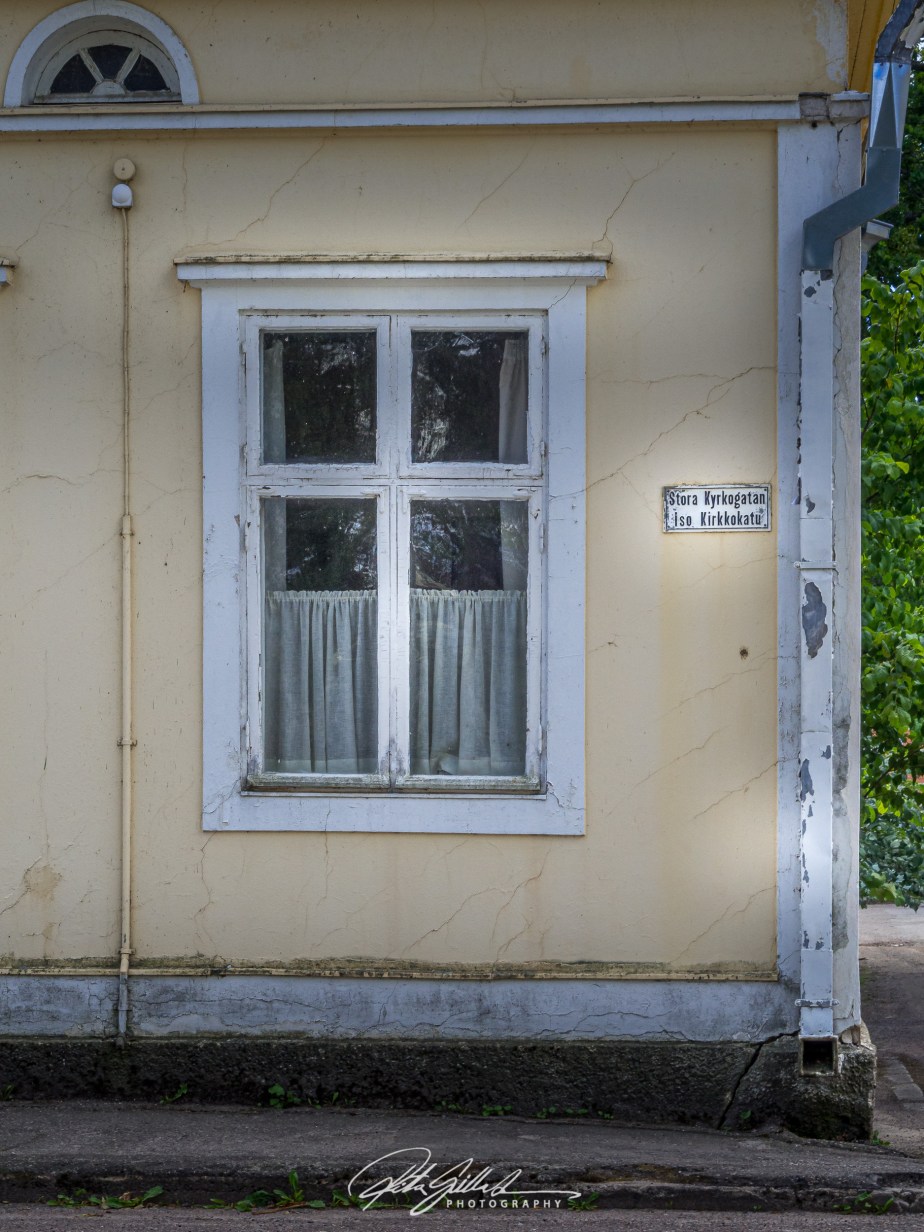
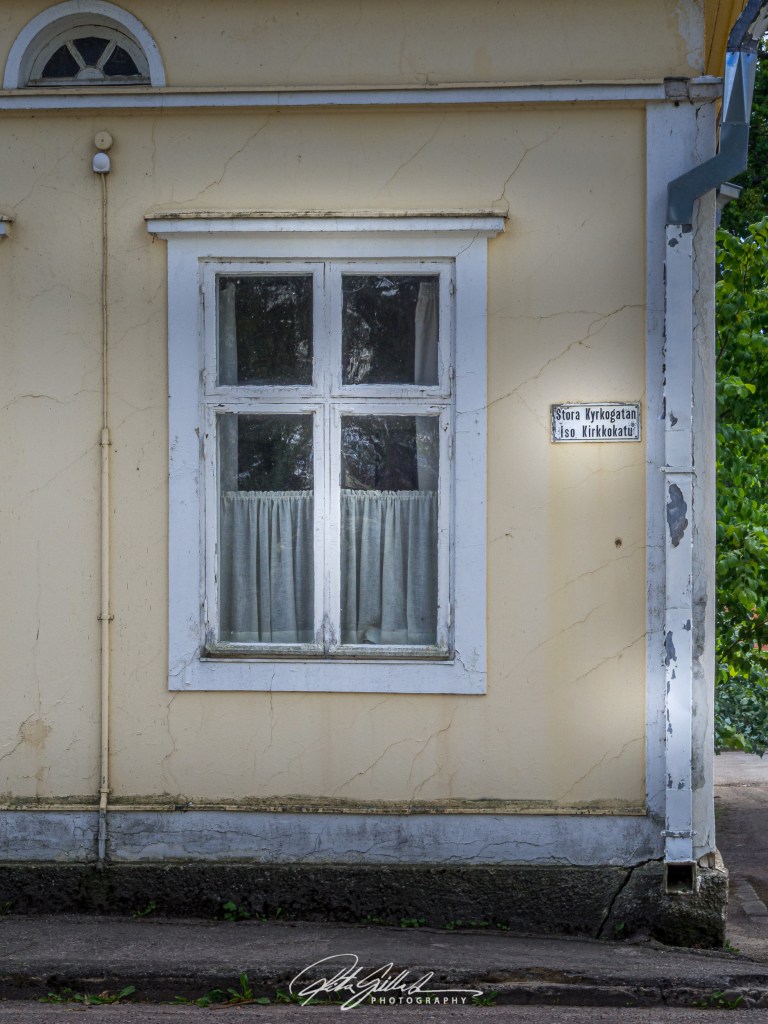
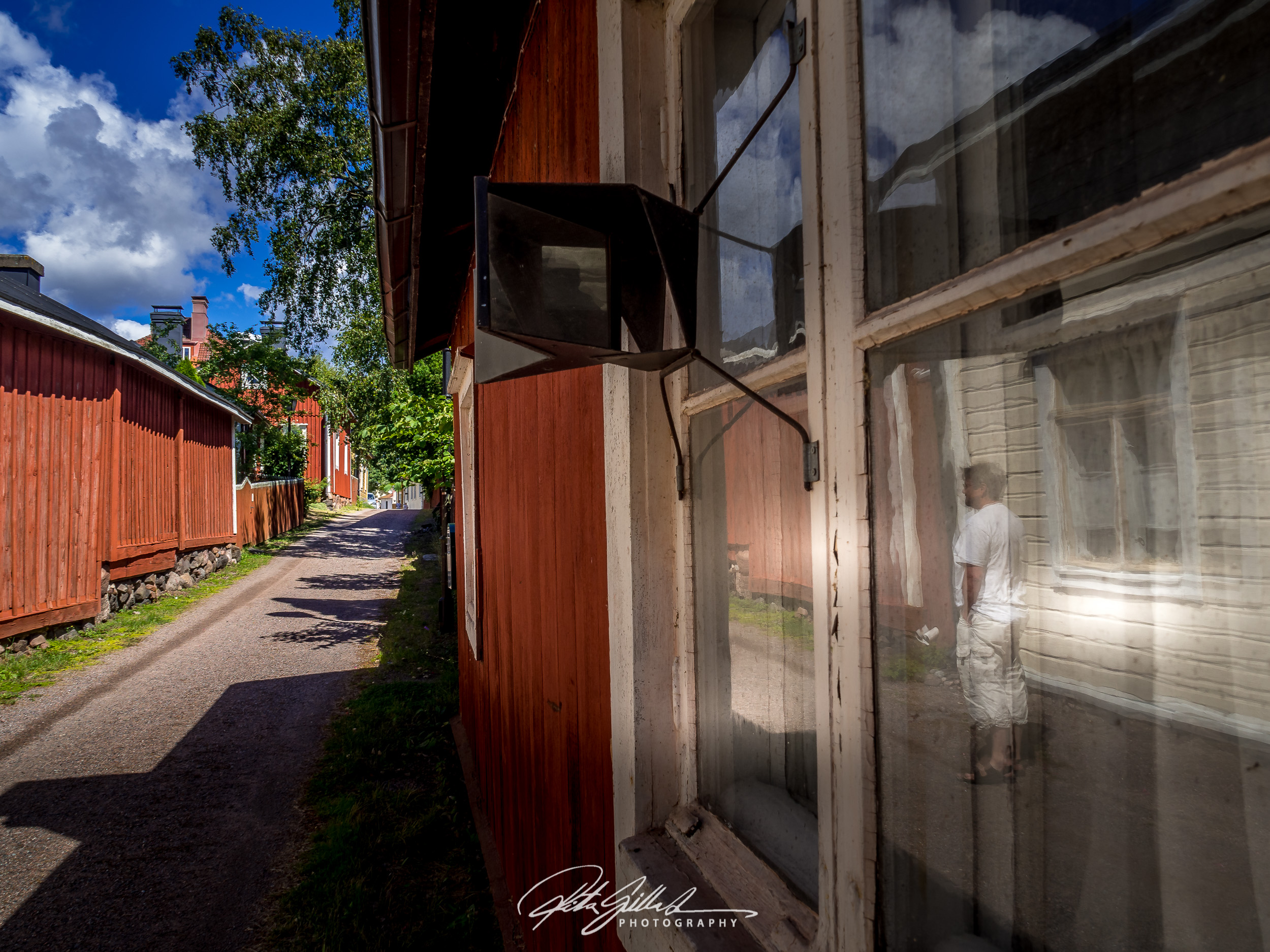
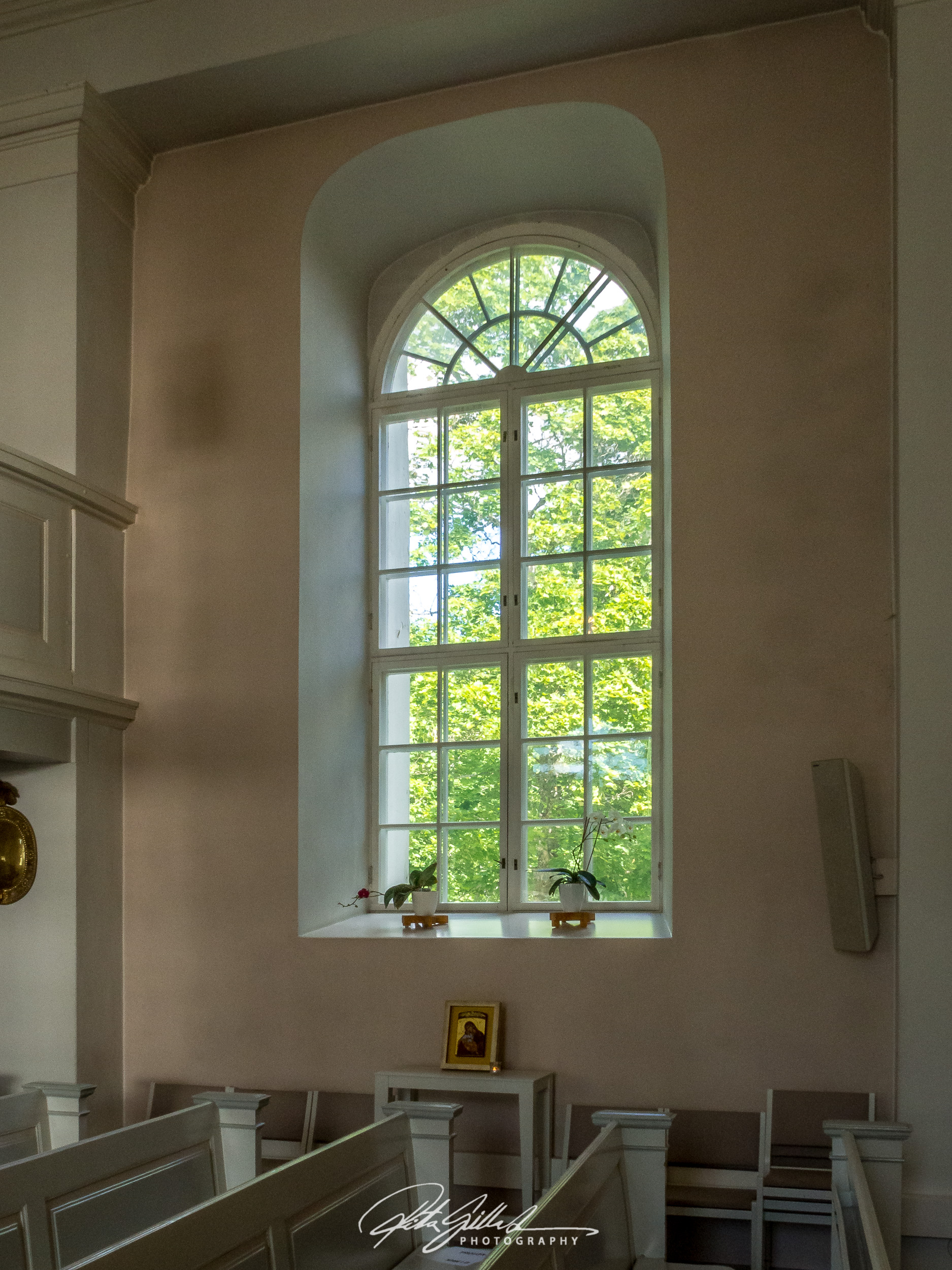
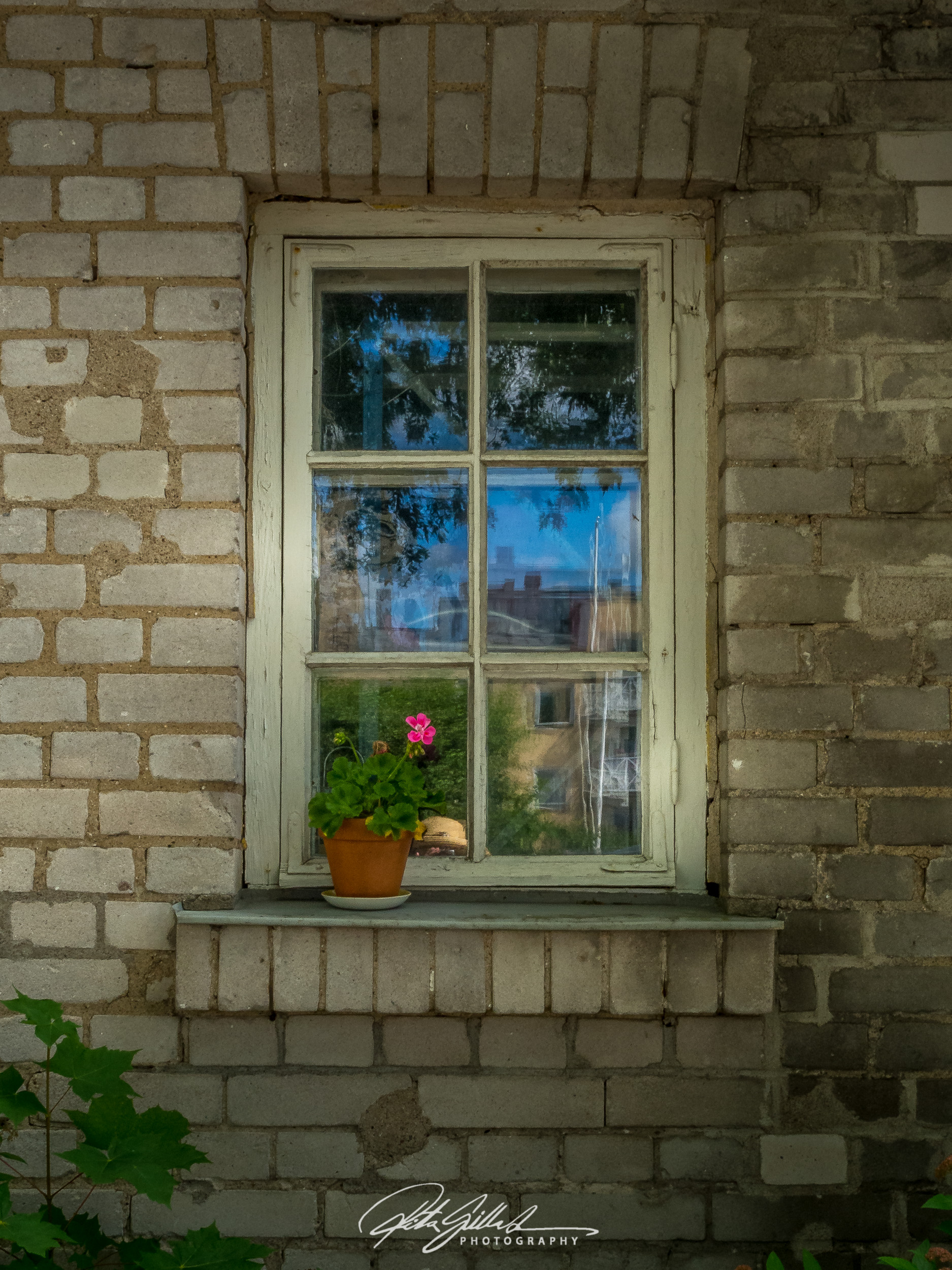
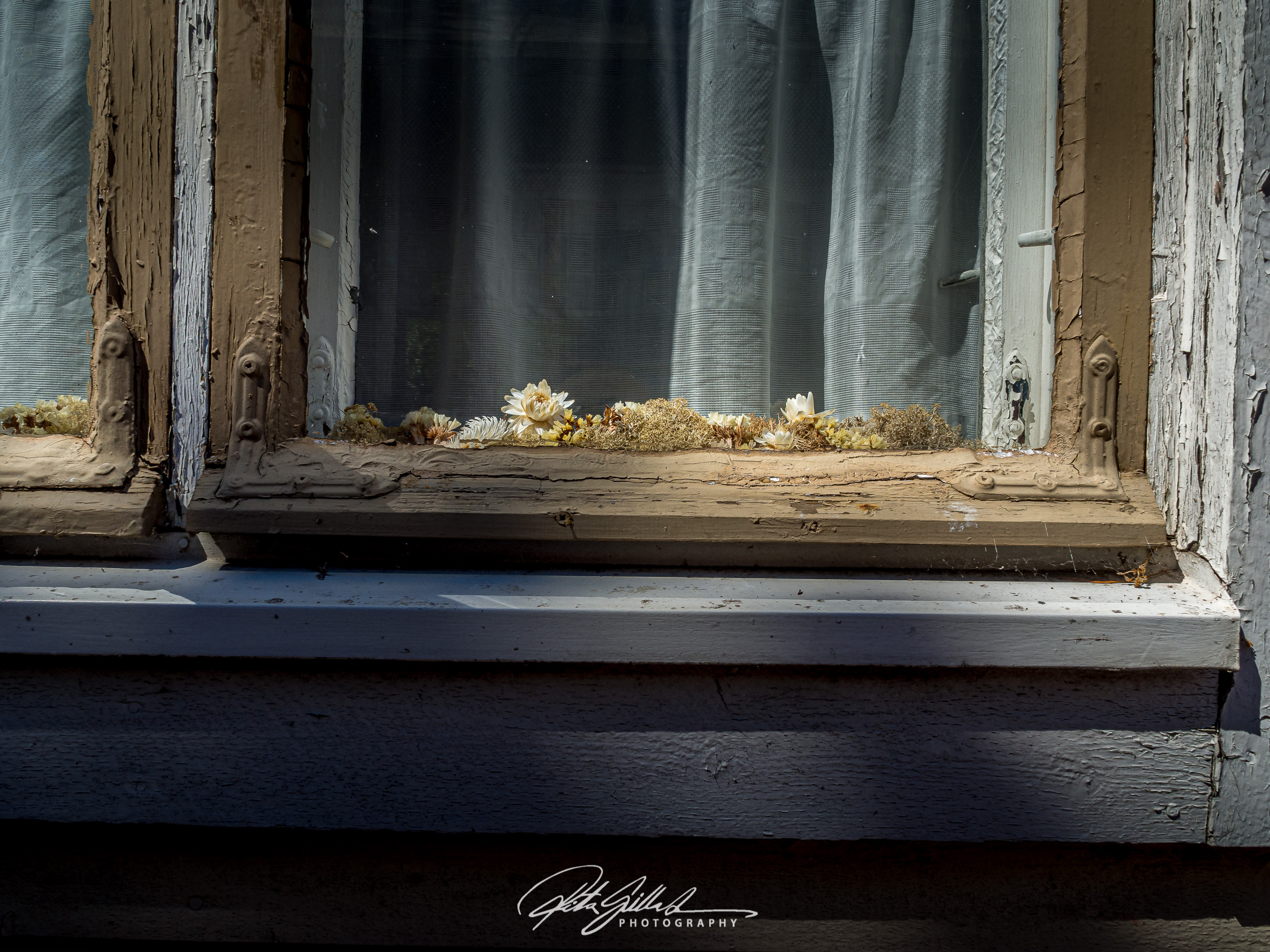
Here is a photo of a window from Iso Kirkkokatu for Monday Window. The building at this point in time could have used some much-needed tlc, as its facade showed signs of wear and aging. Despite this, the window itself stands out beautifully. The light reflection casts enchanting shadows, one more addition to the shot.
A weathered window on Iso Kirkkokatu, showcasing light reflections and enchanting shadows.
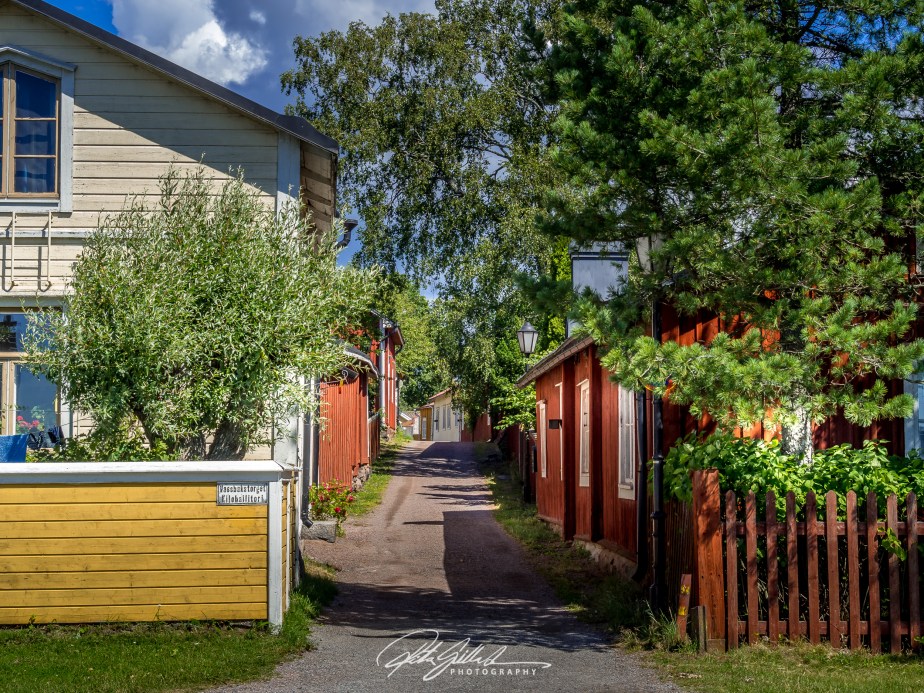
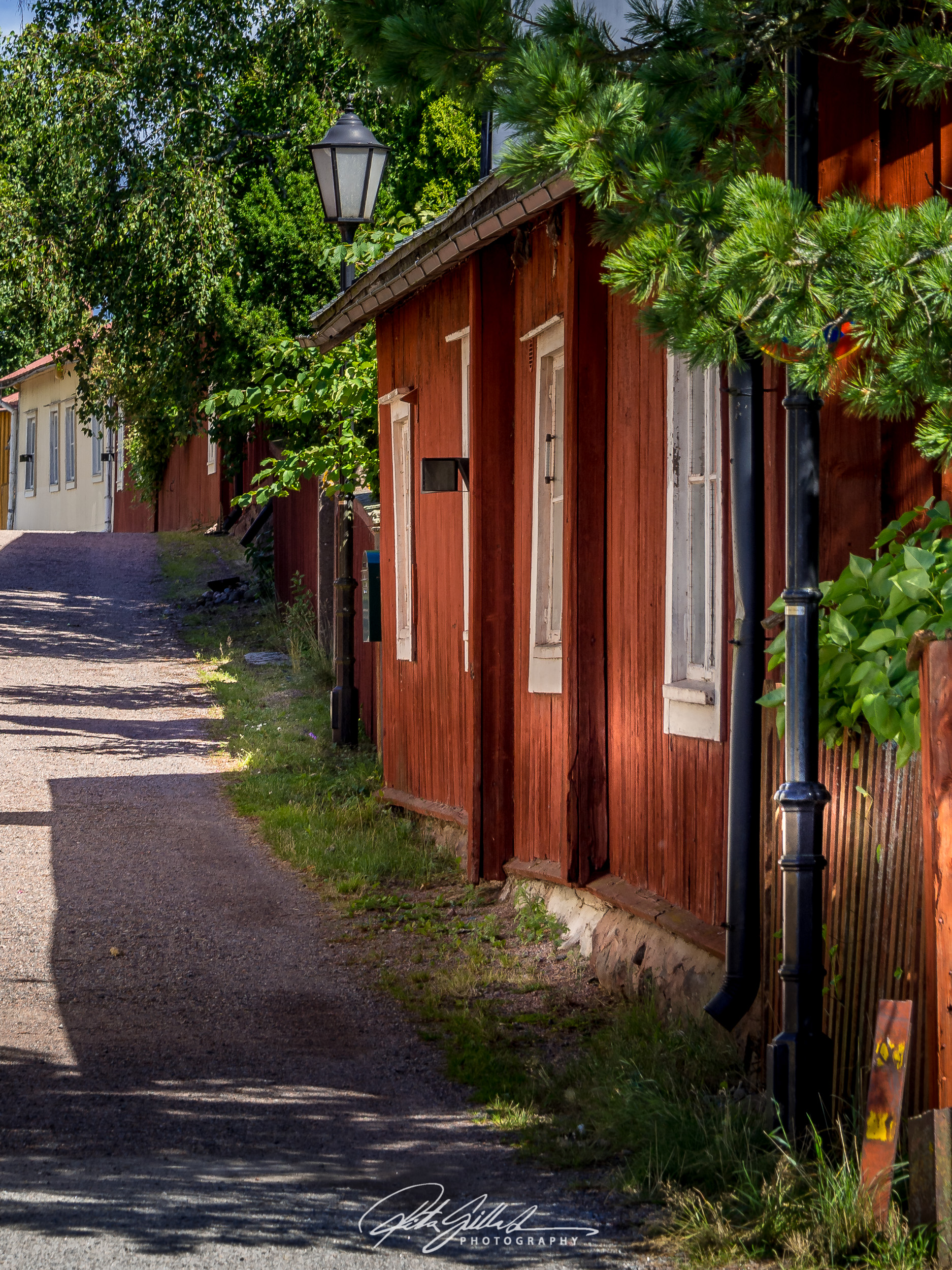
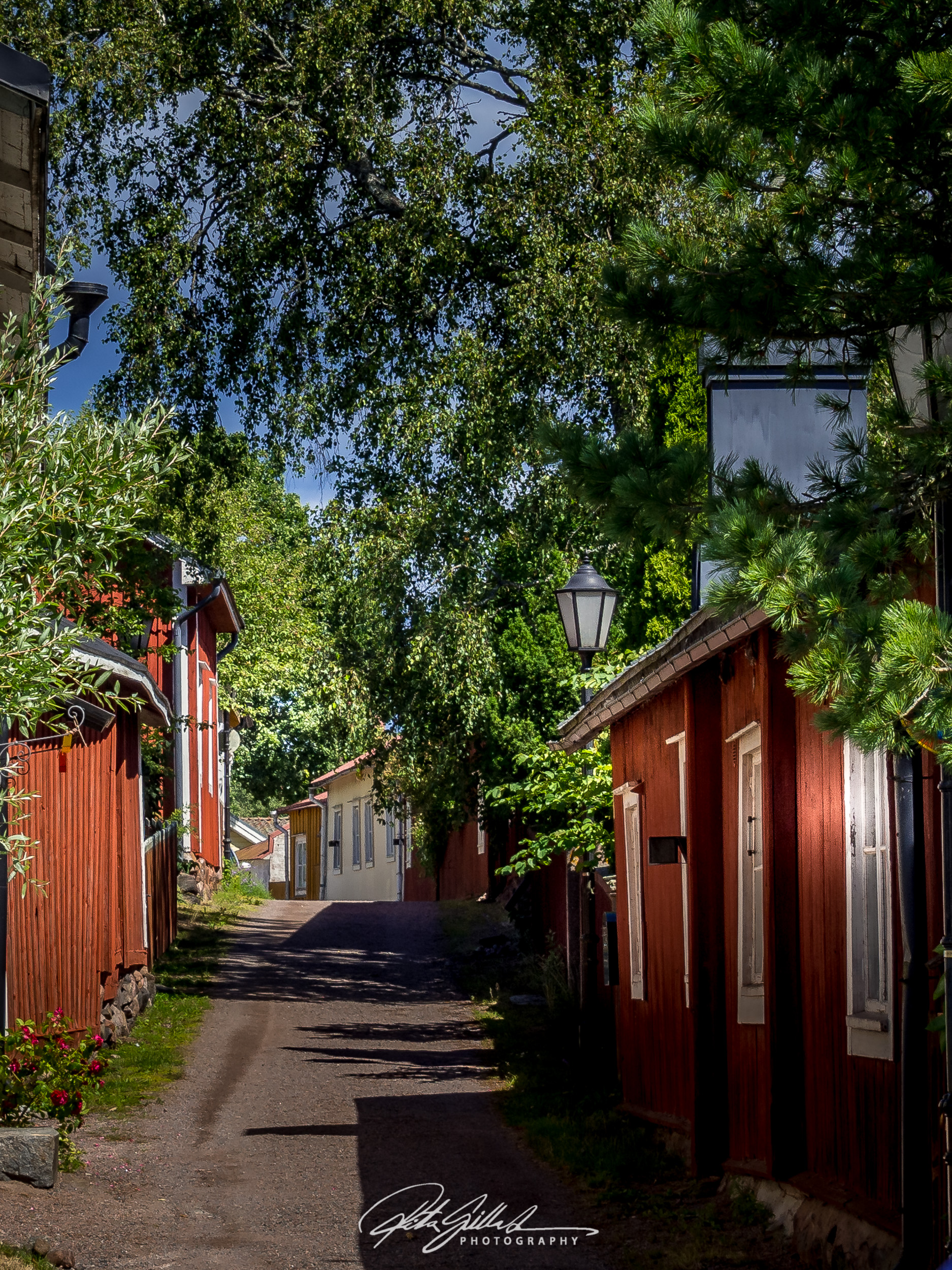
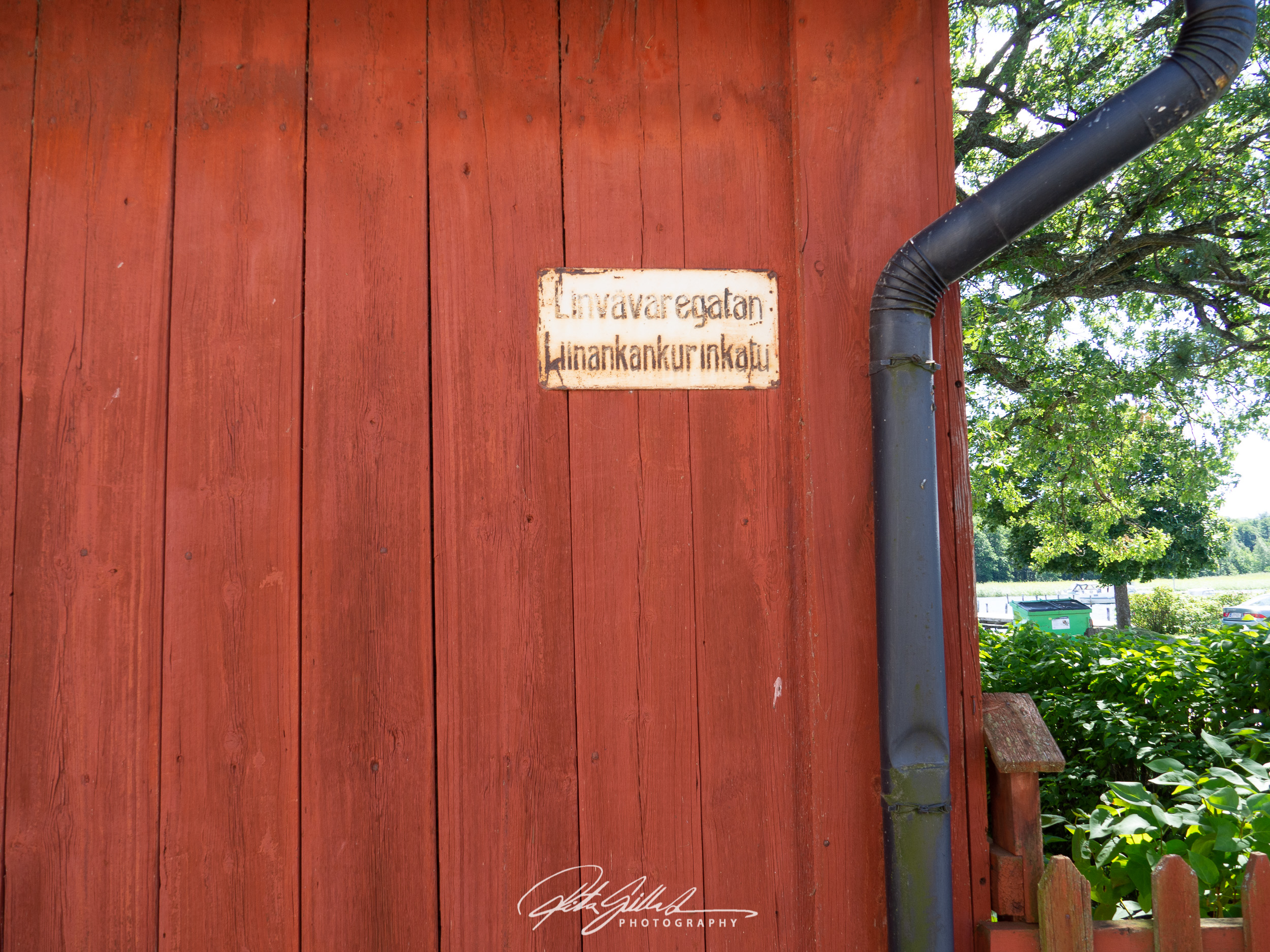
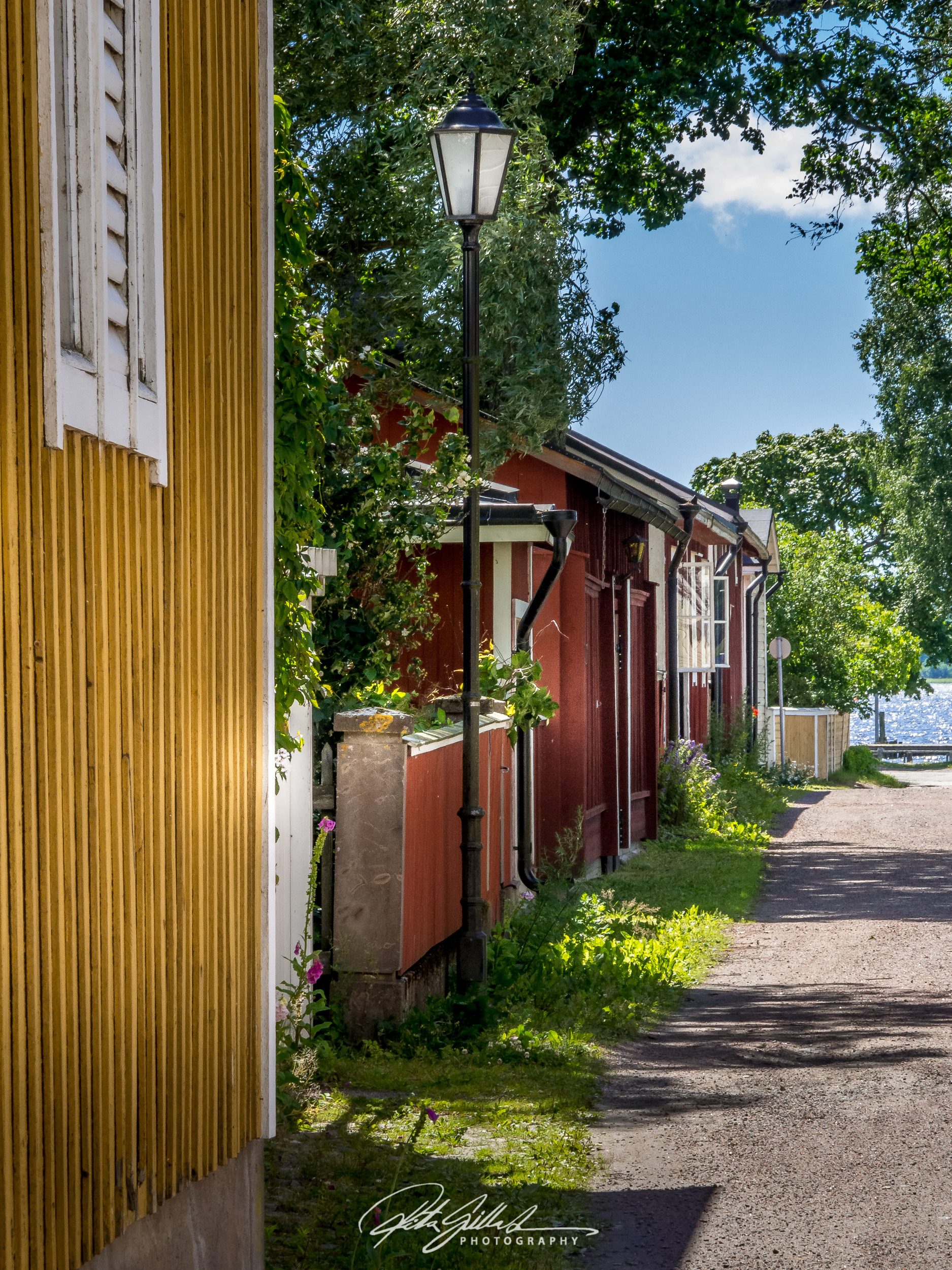
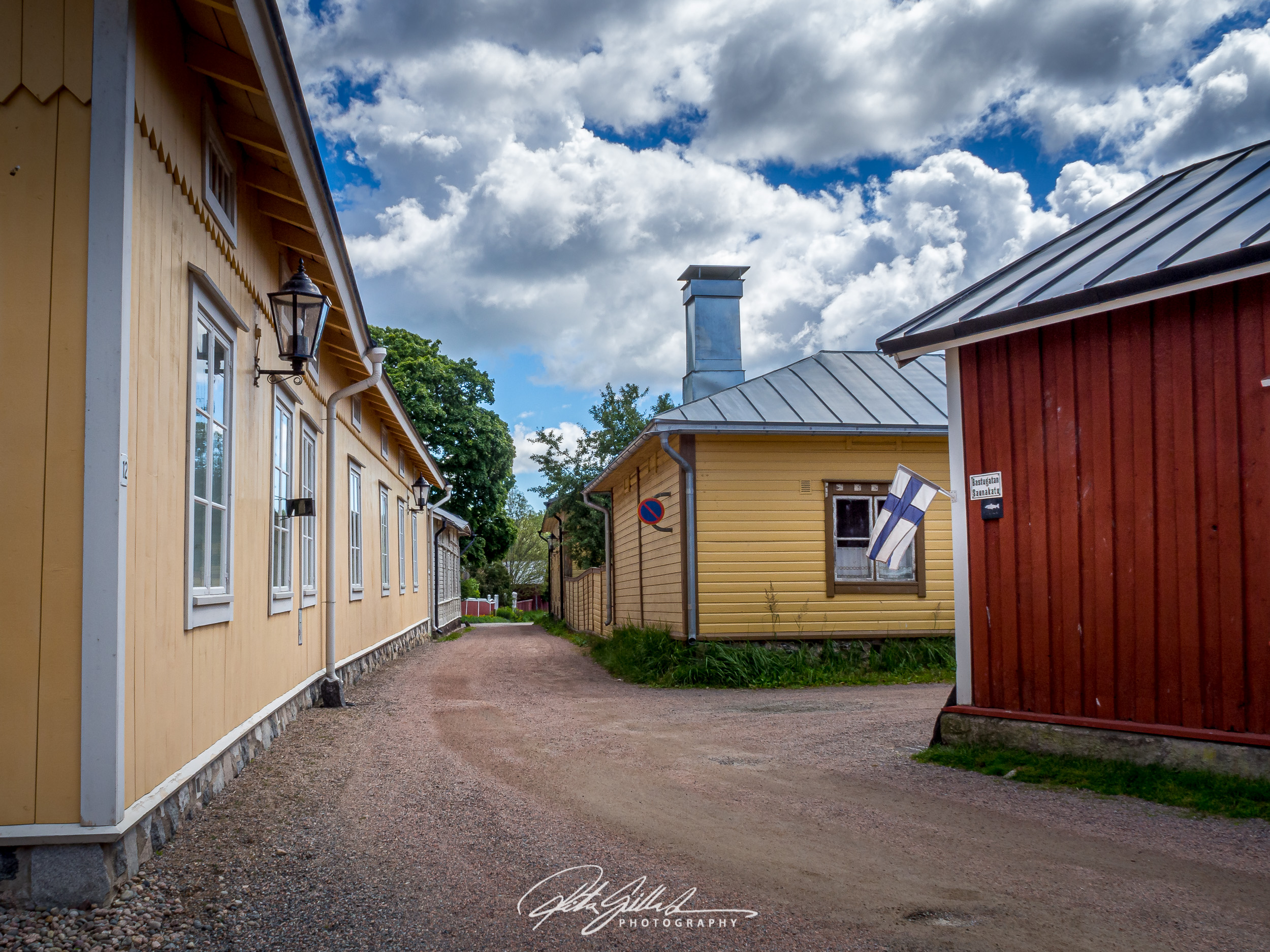
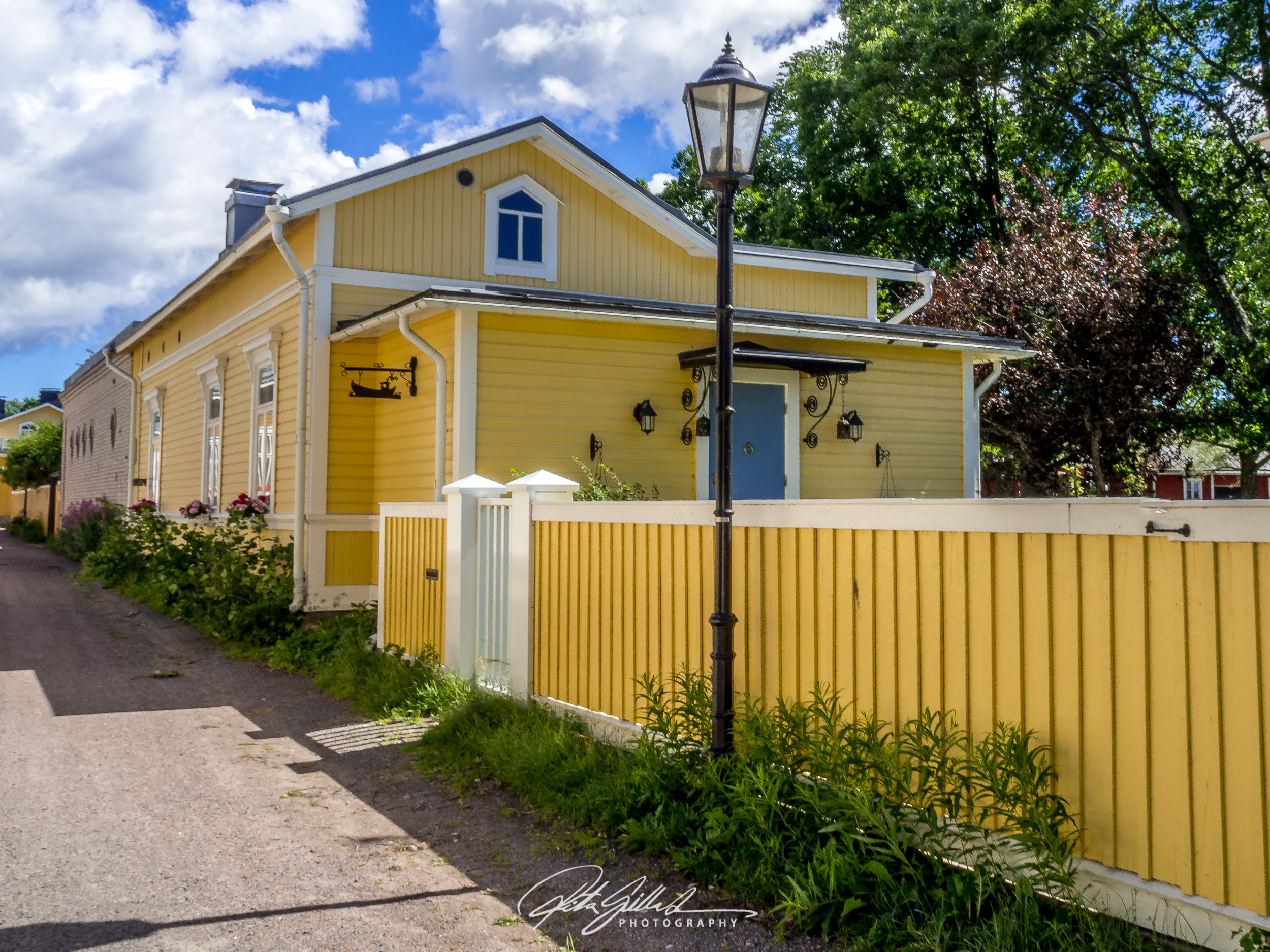
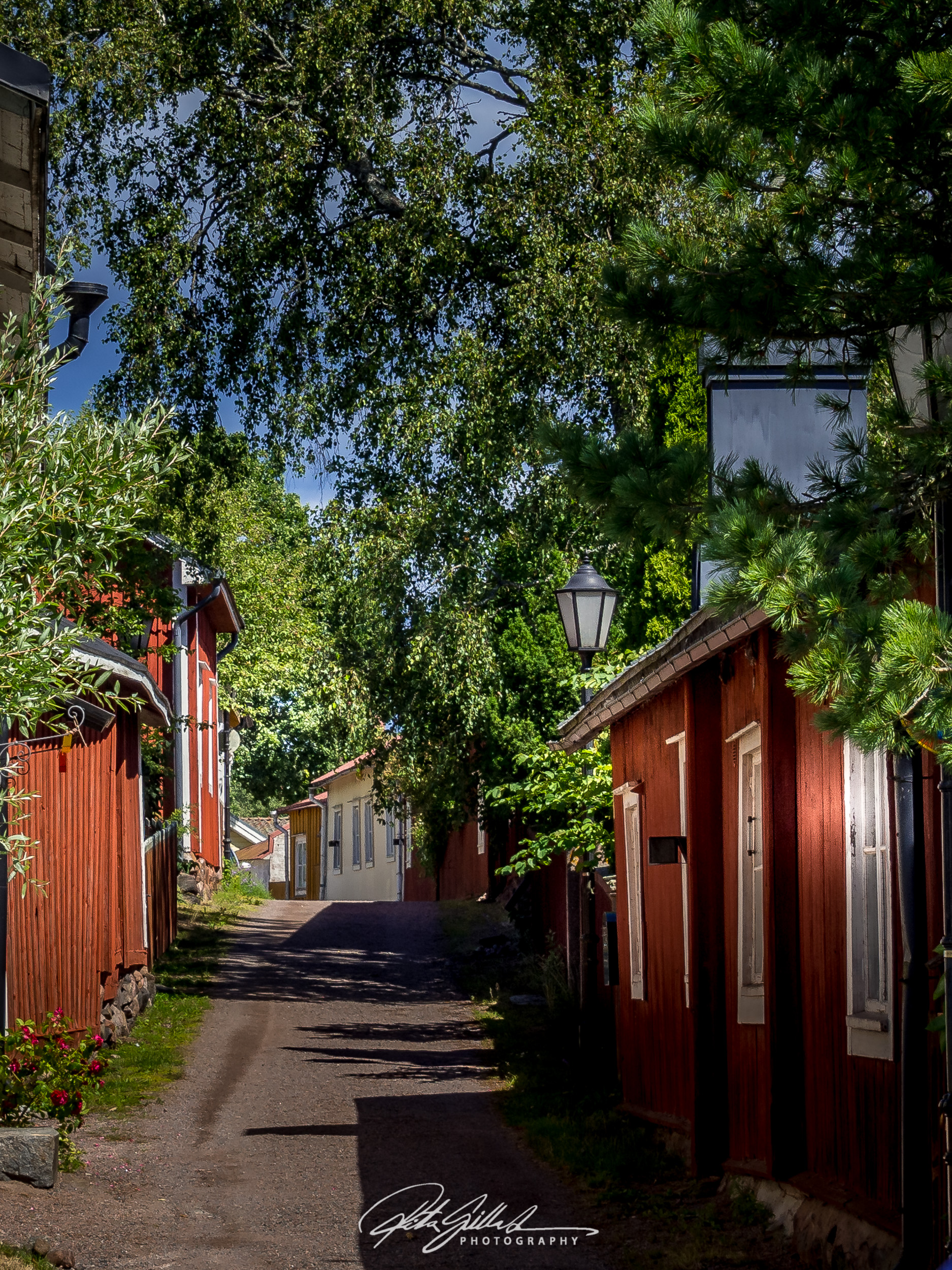
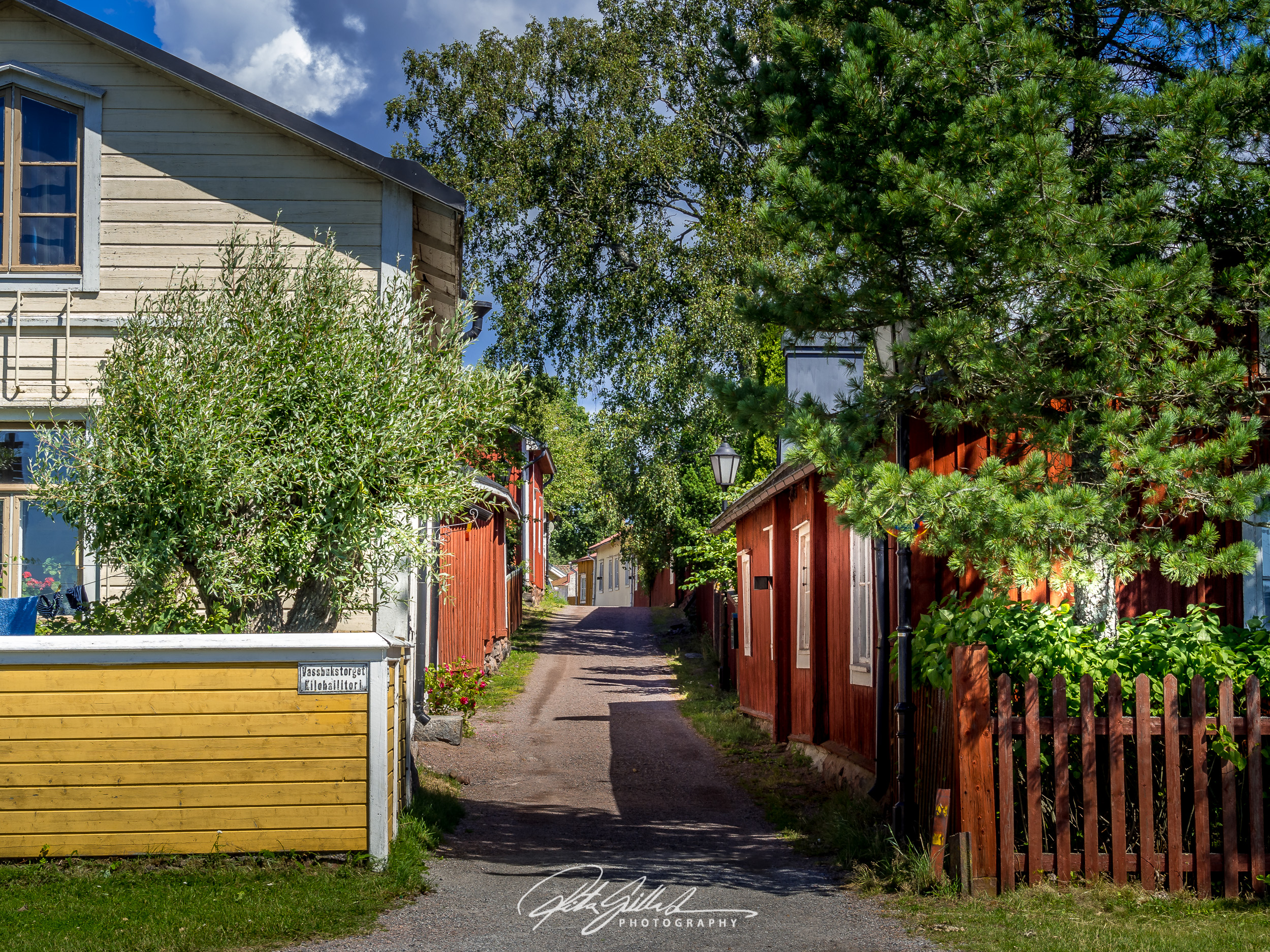
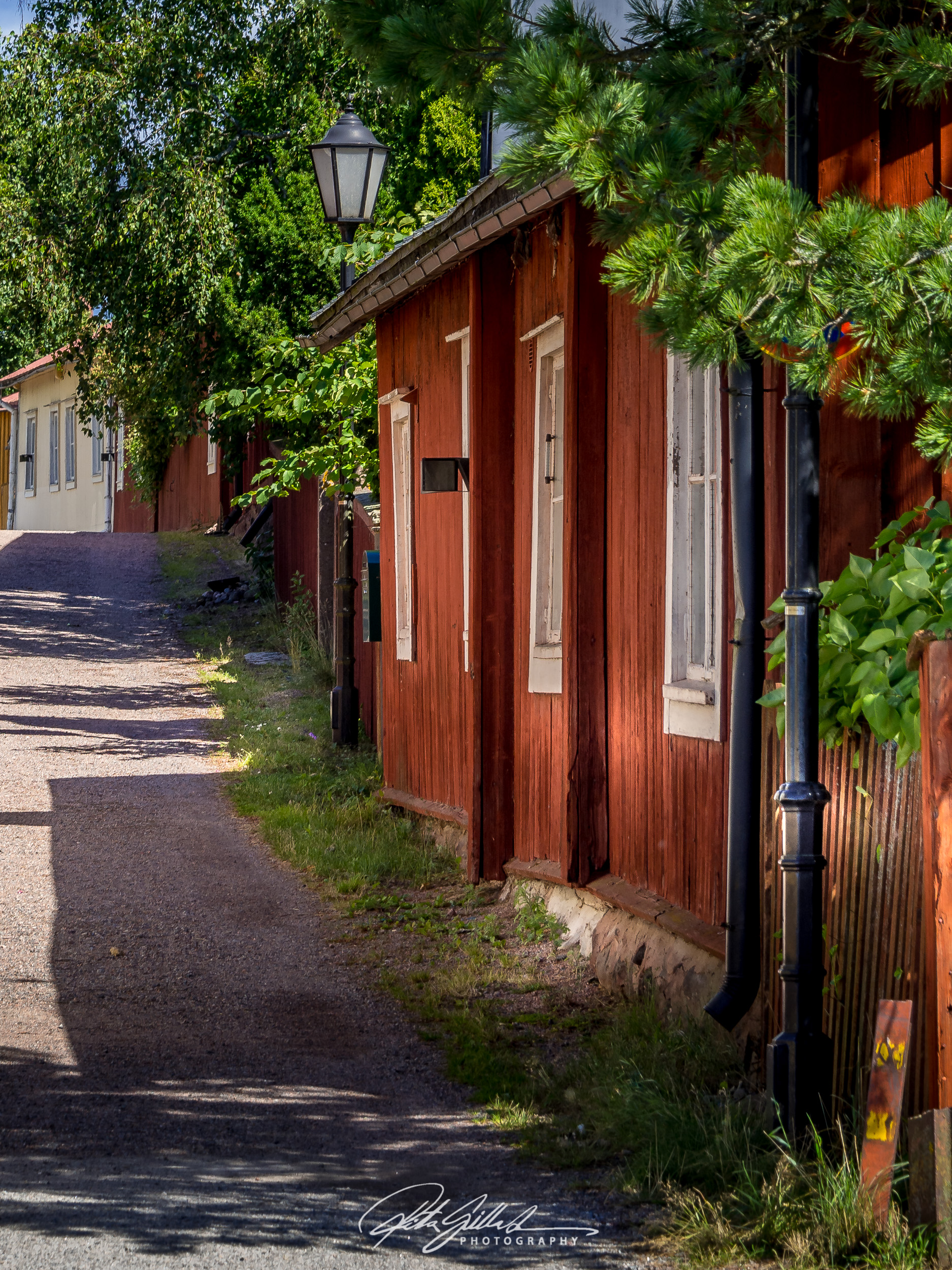
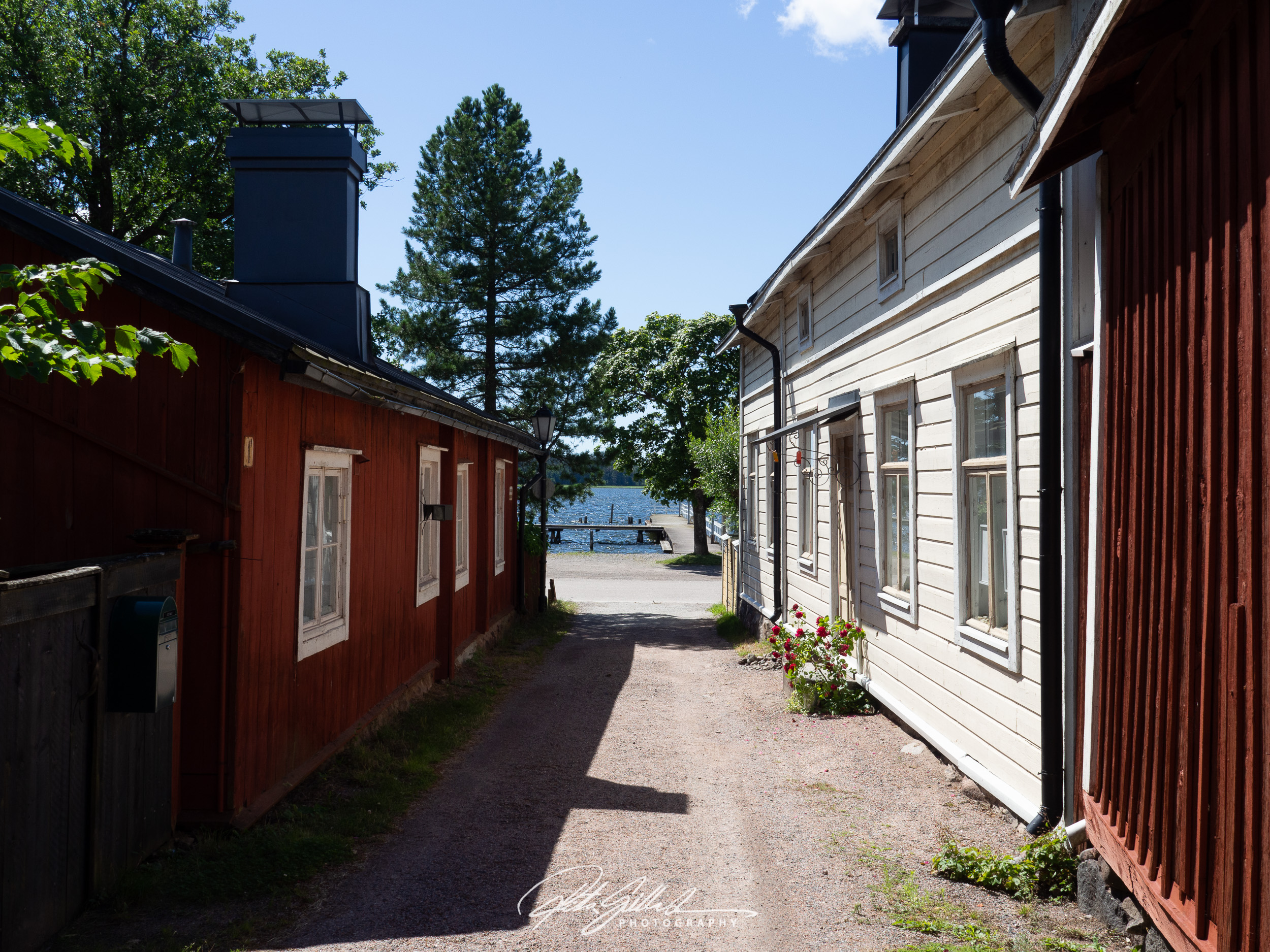
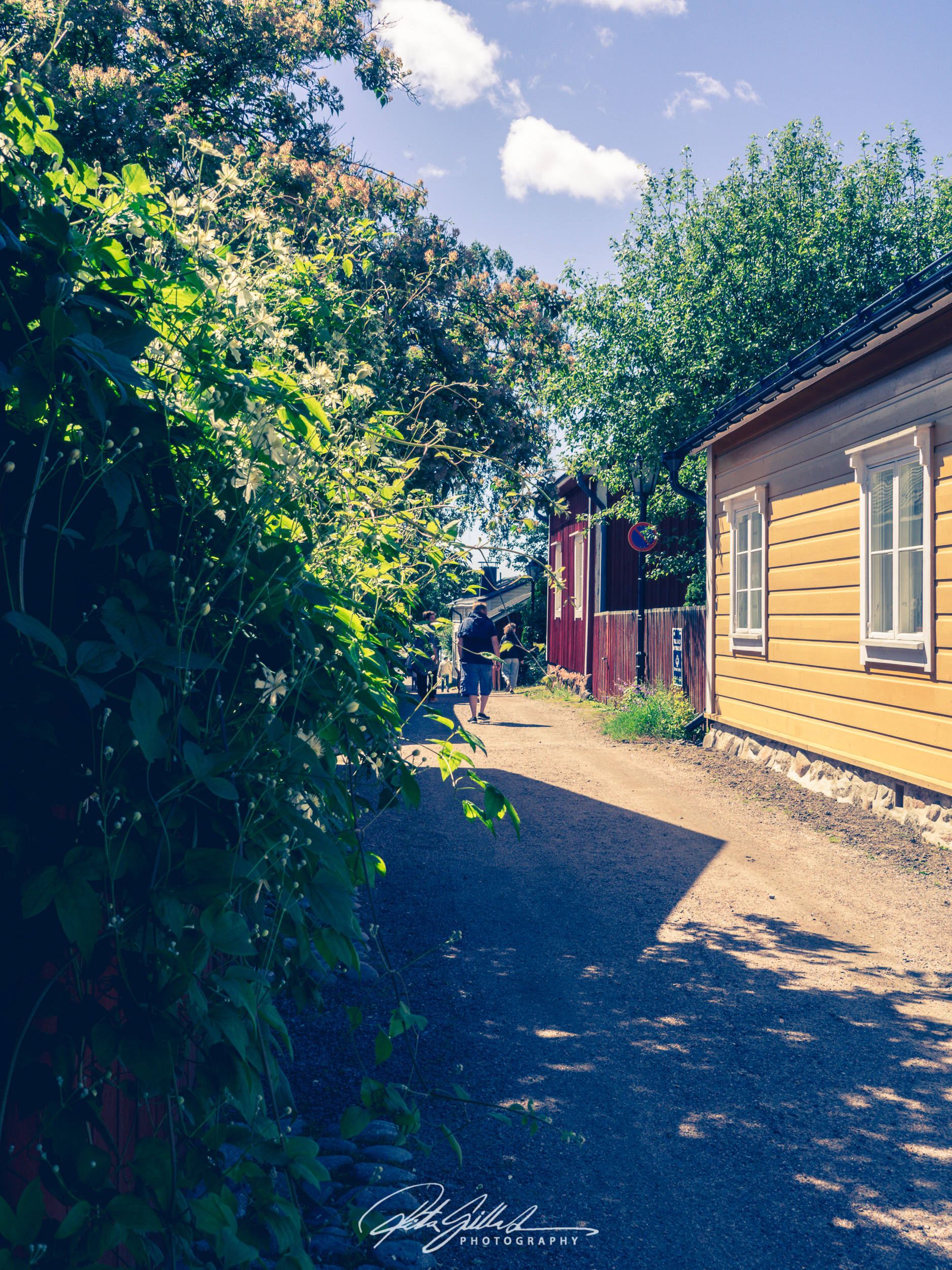
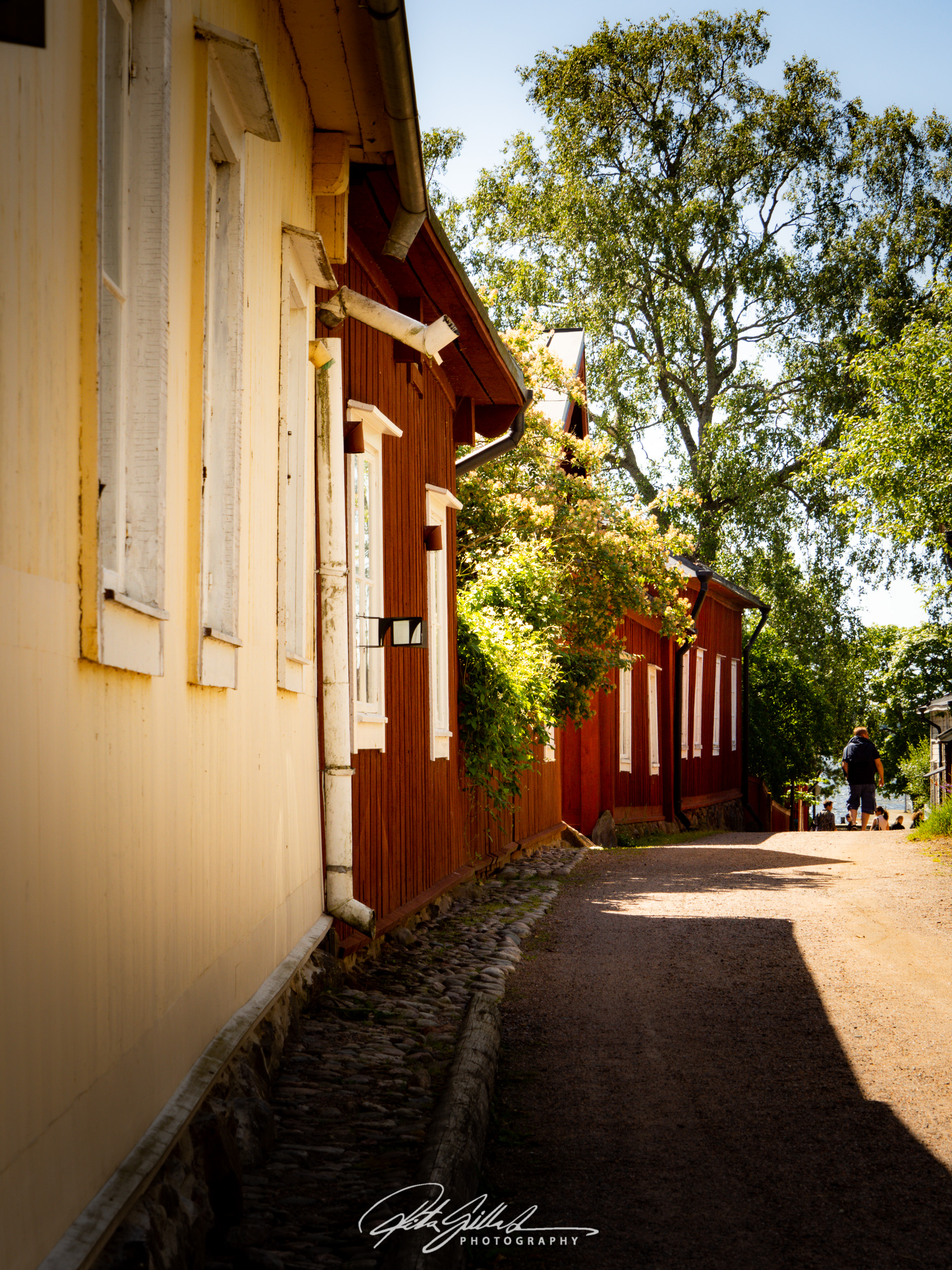
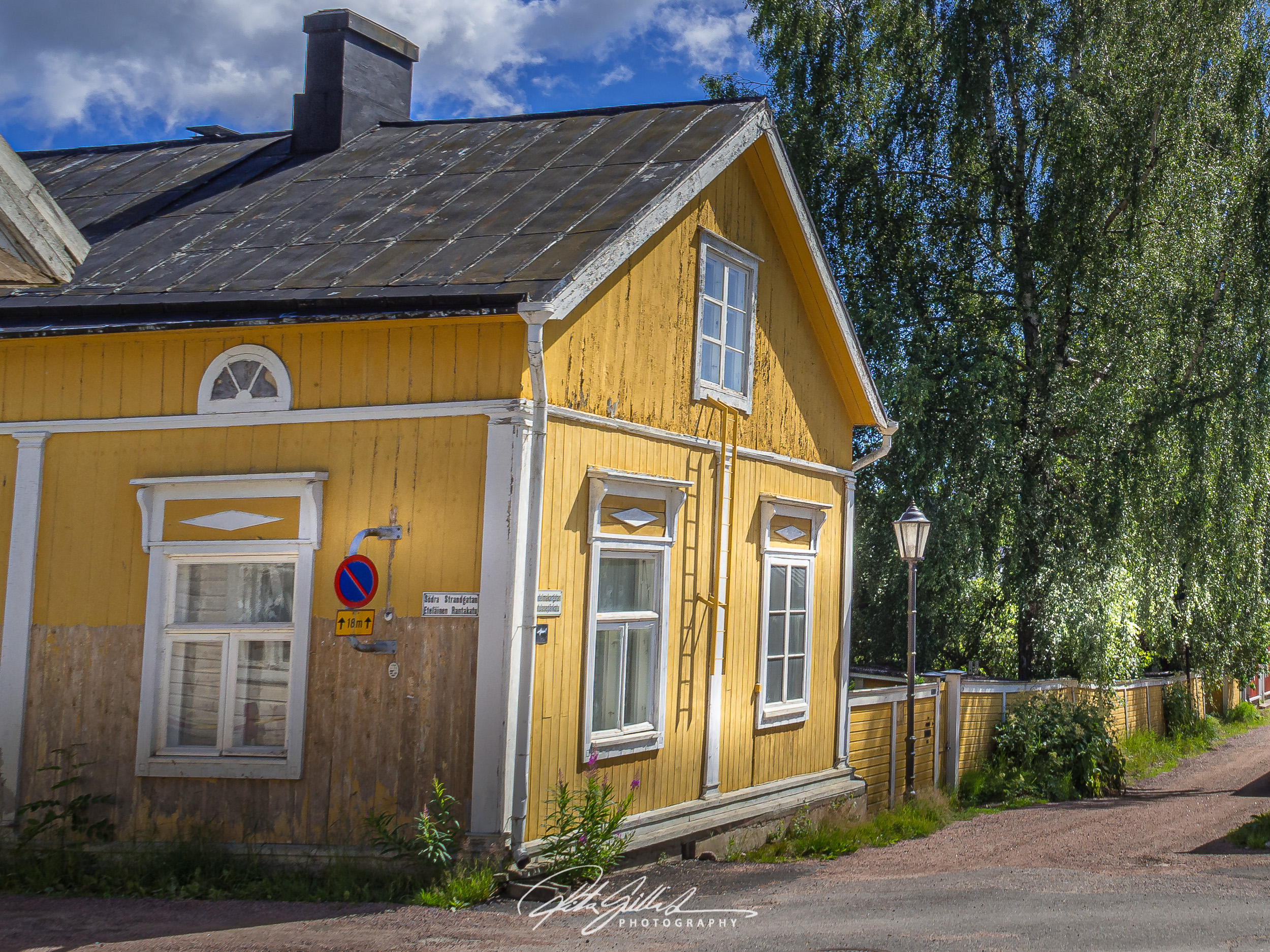
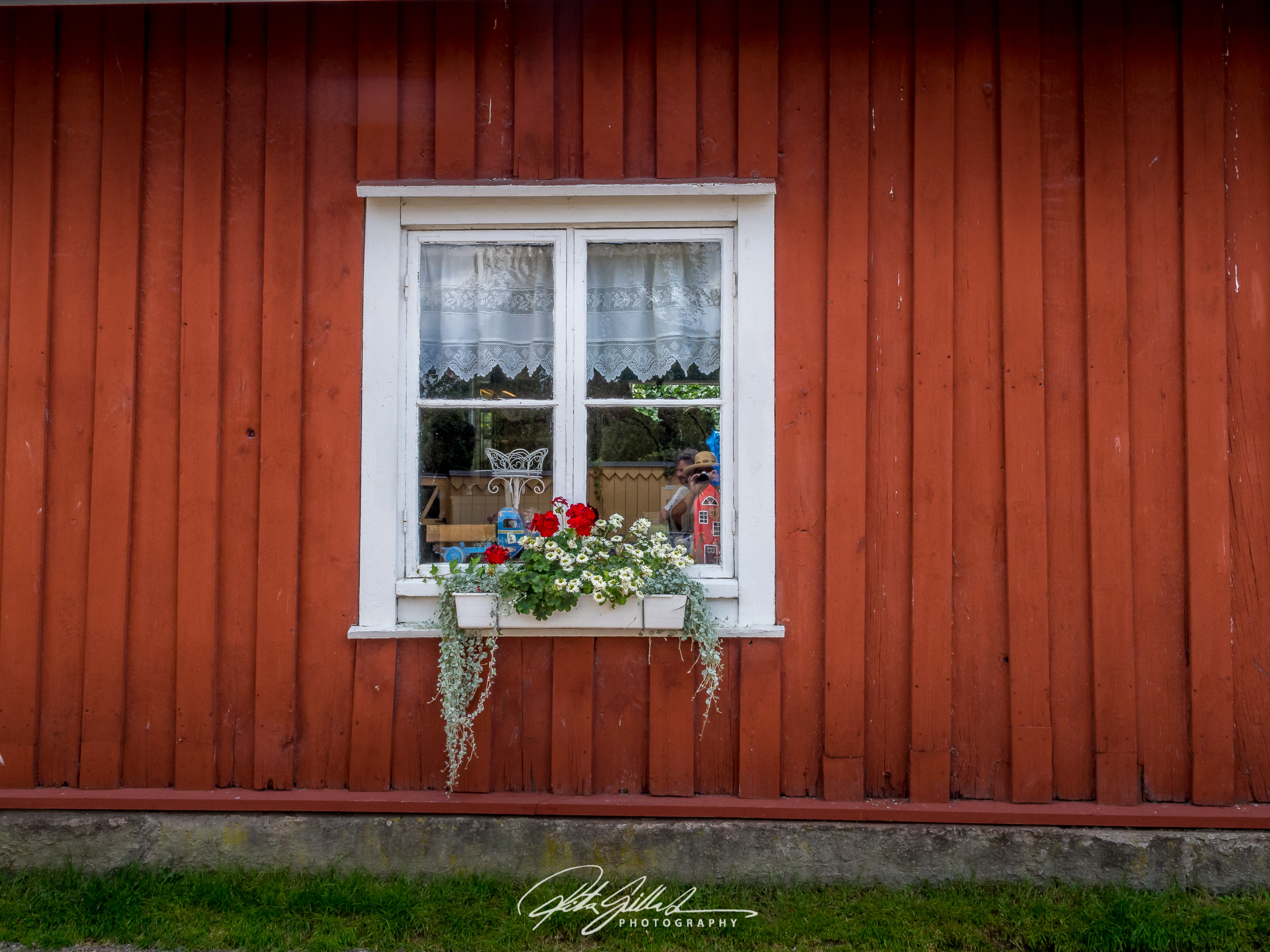
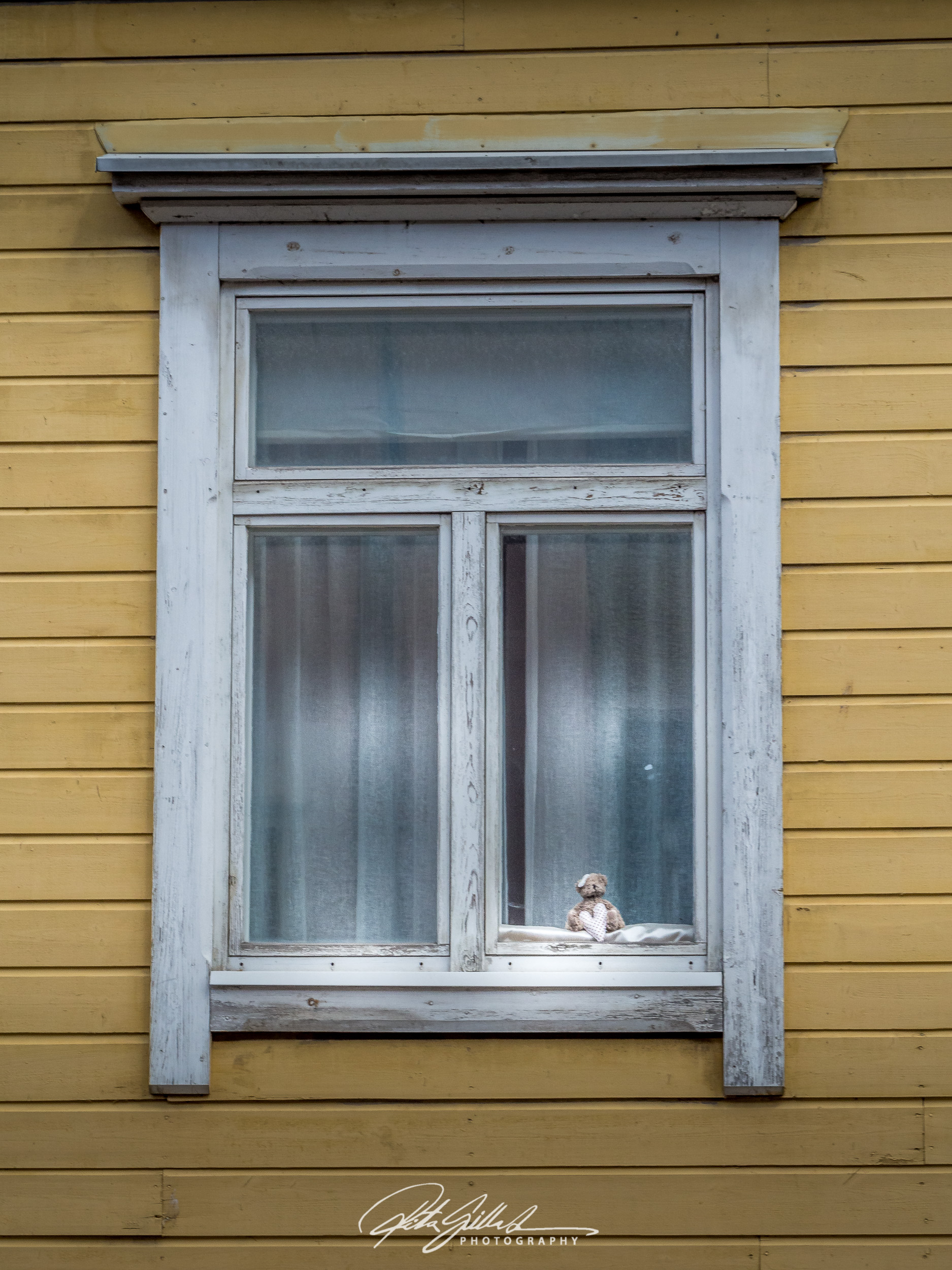
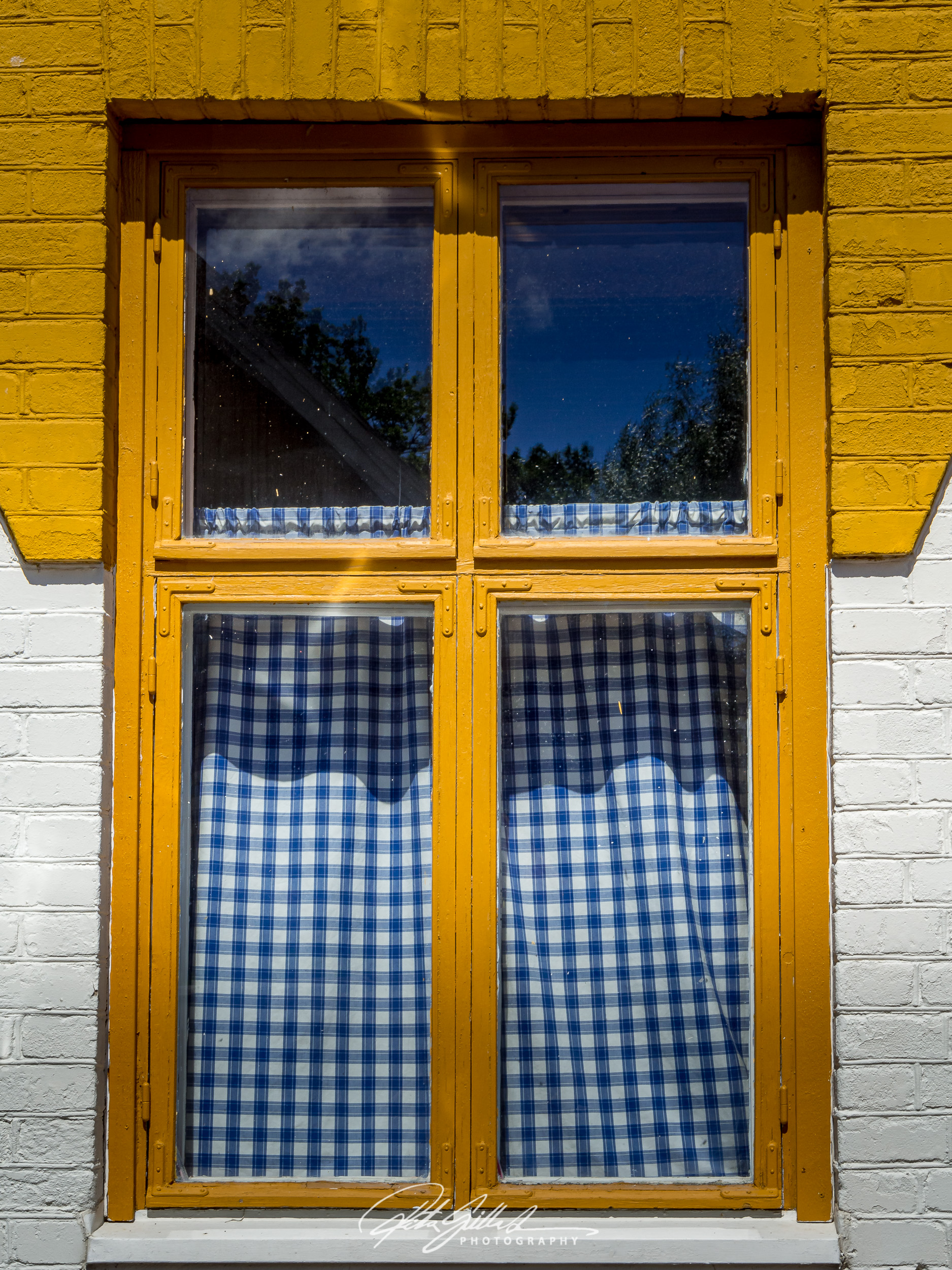
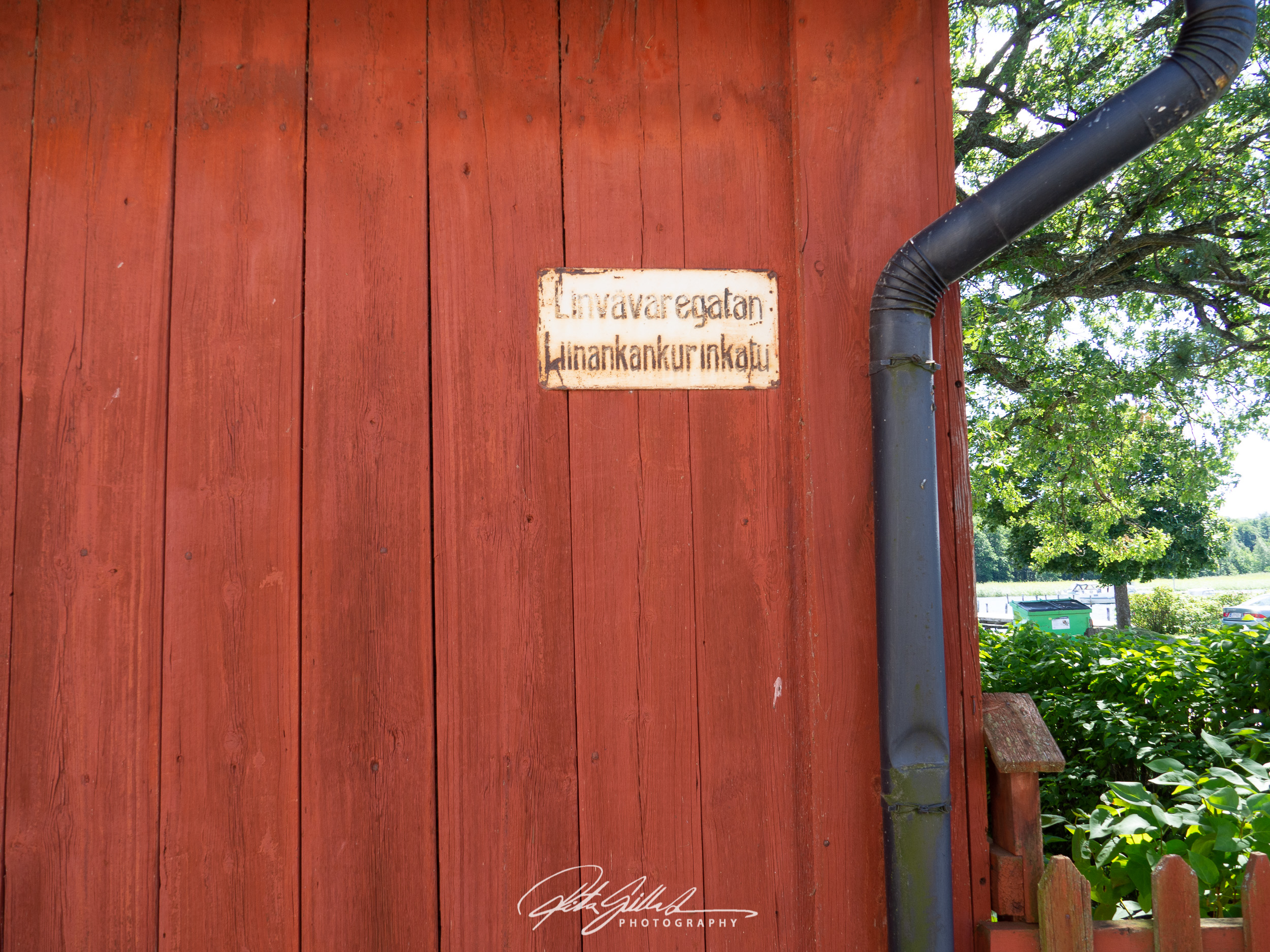
These are from Tammisaari, it is an idyllic old coastal town . In the old town, the streets have been in the same places since the 16th century, and from the names you can tell what kind of professionals lived on which street, such as Liinakankurinkatu, (Weaver st.) I have photo of that one below. Hatuntekijänkatu ( Milliner street), Nahkurinkatu ( Tanner street), etc.
Liinakankurinkatu
In the windows of old houses in coastal cities, you can notice a stand with two mirrors attached to it. It is a street mirror whose name has become a gossip mirror in the mouth of the people. Gossip mirrors have mirrors curved in both directions that open outwards. Looking from the inside, you can see the events of the entire street through the mirrors. Old times security cameras ? 😂
I have been lazy and on holiday, we have done few trips to town near us.
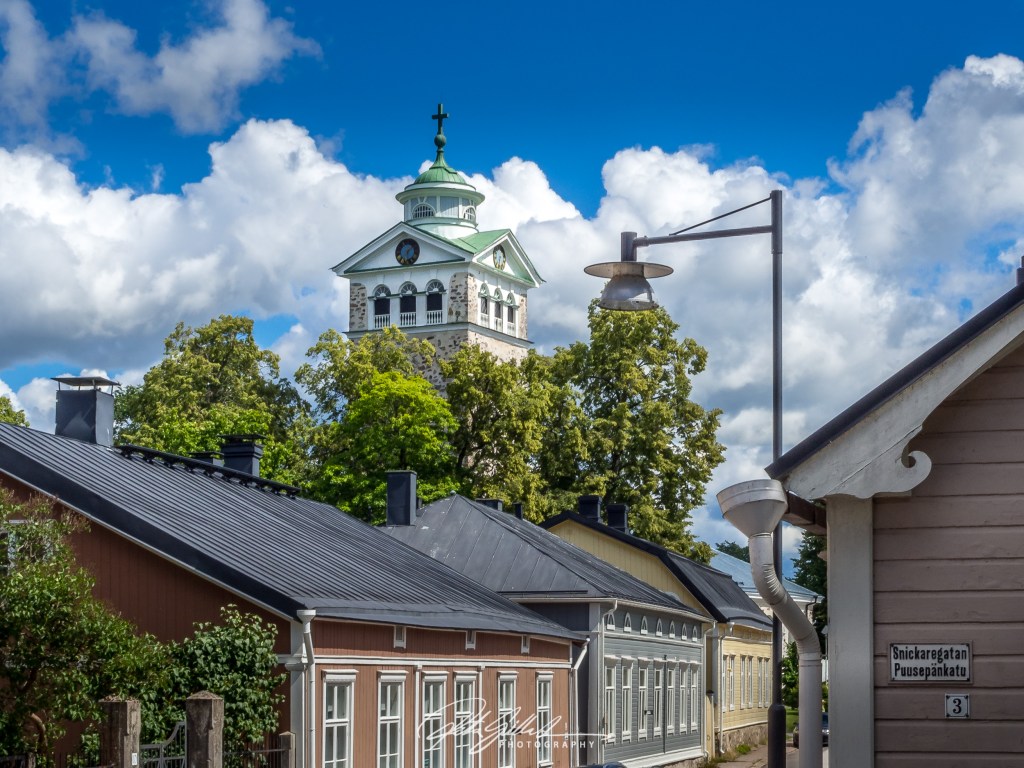
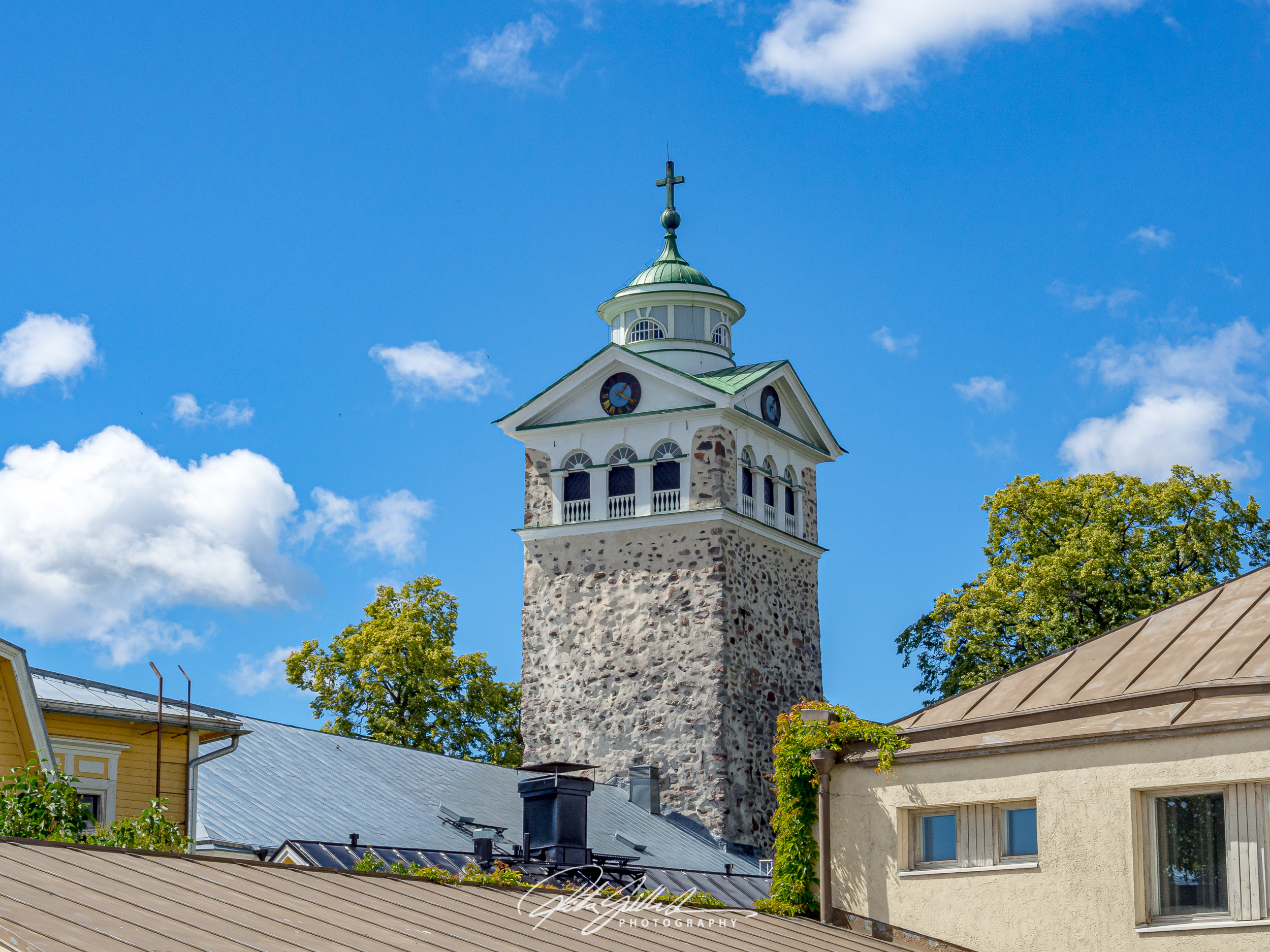
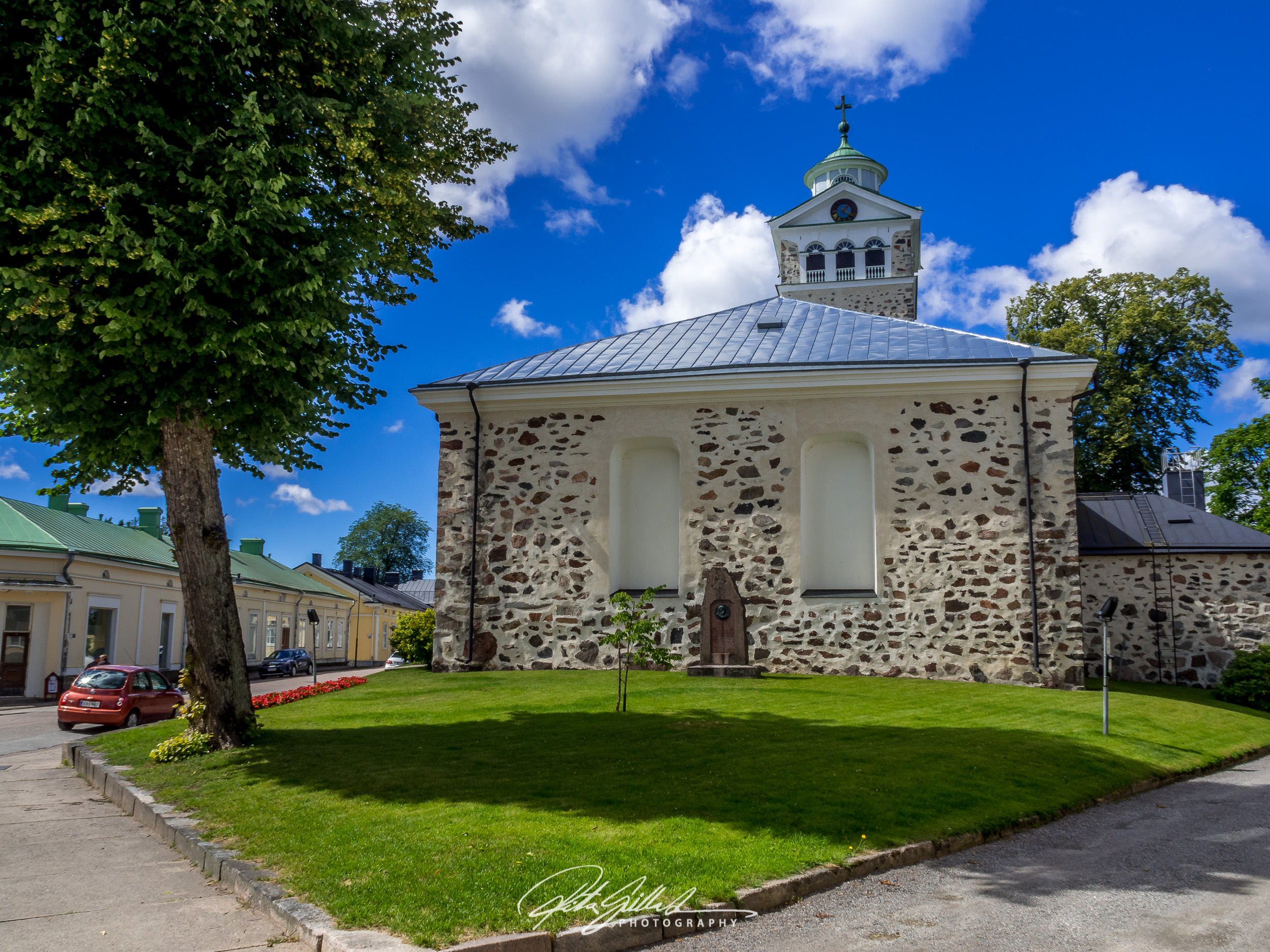
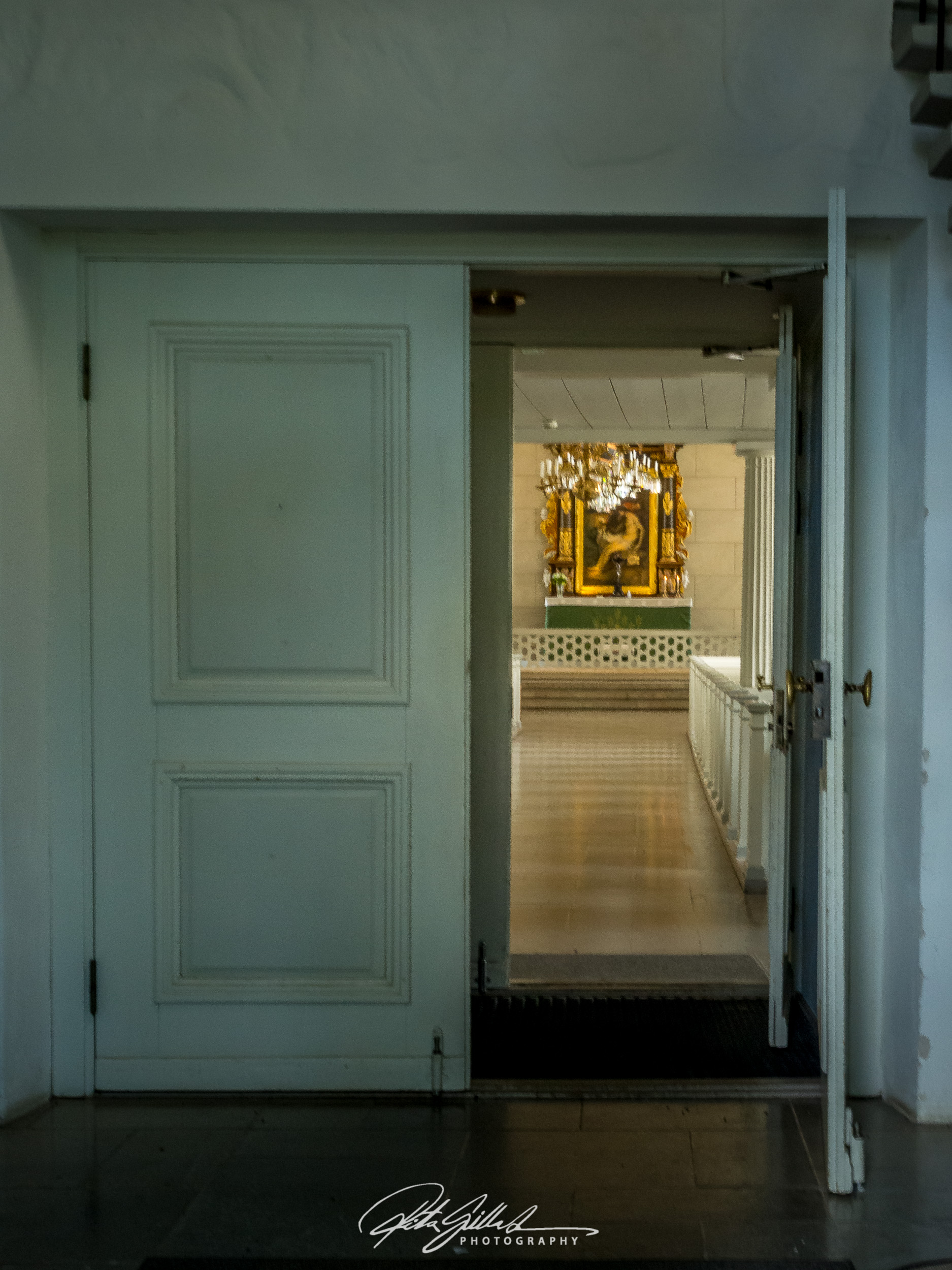
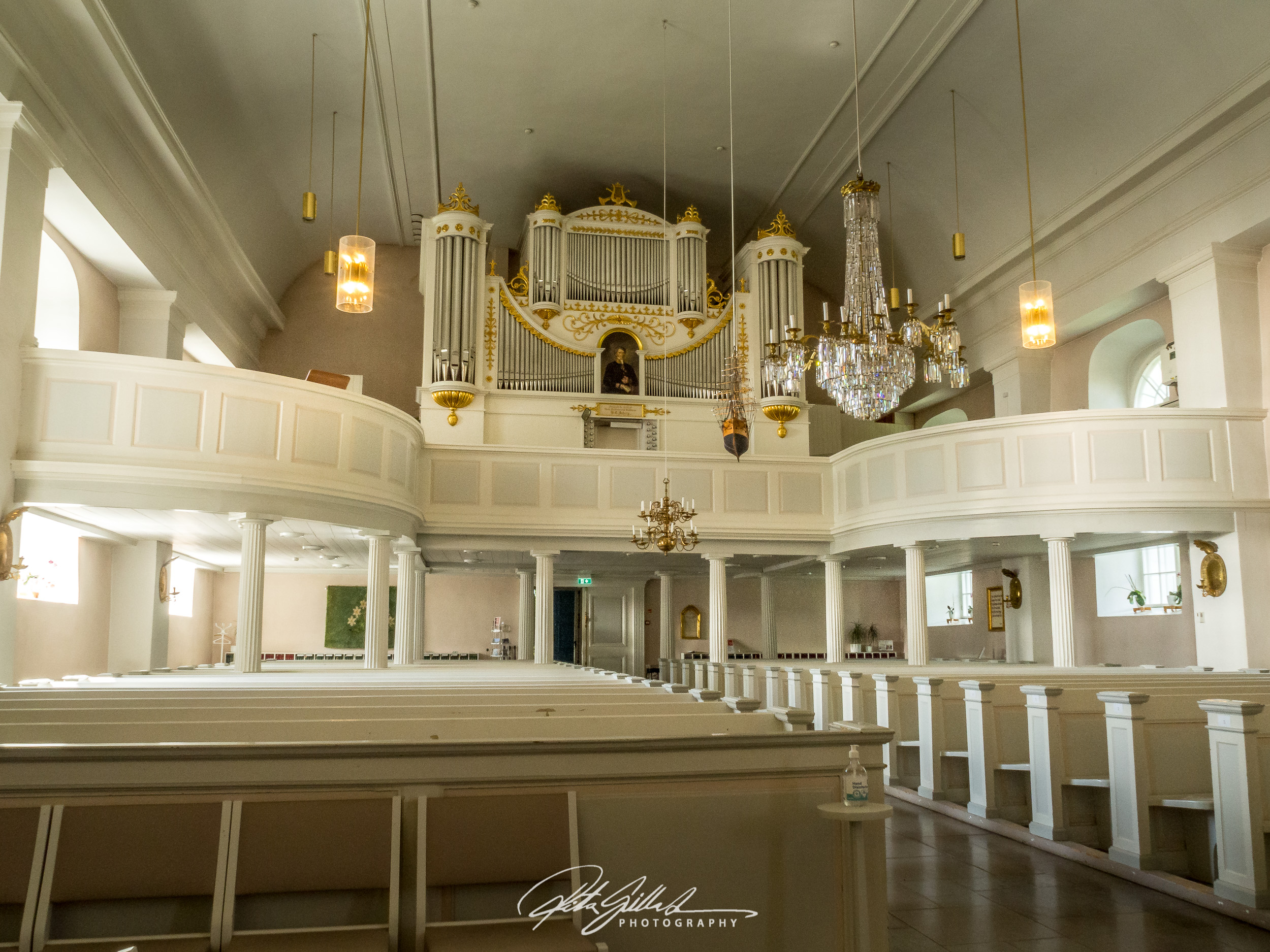
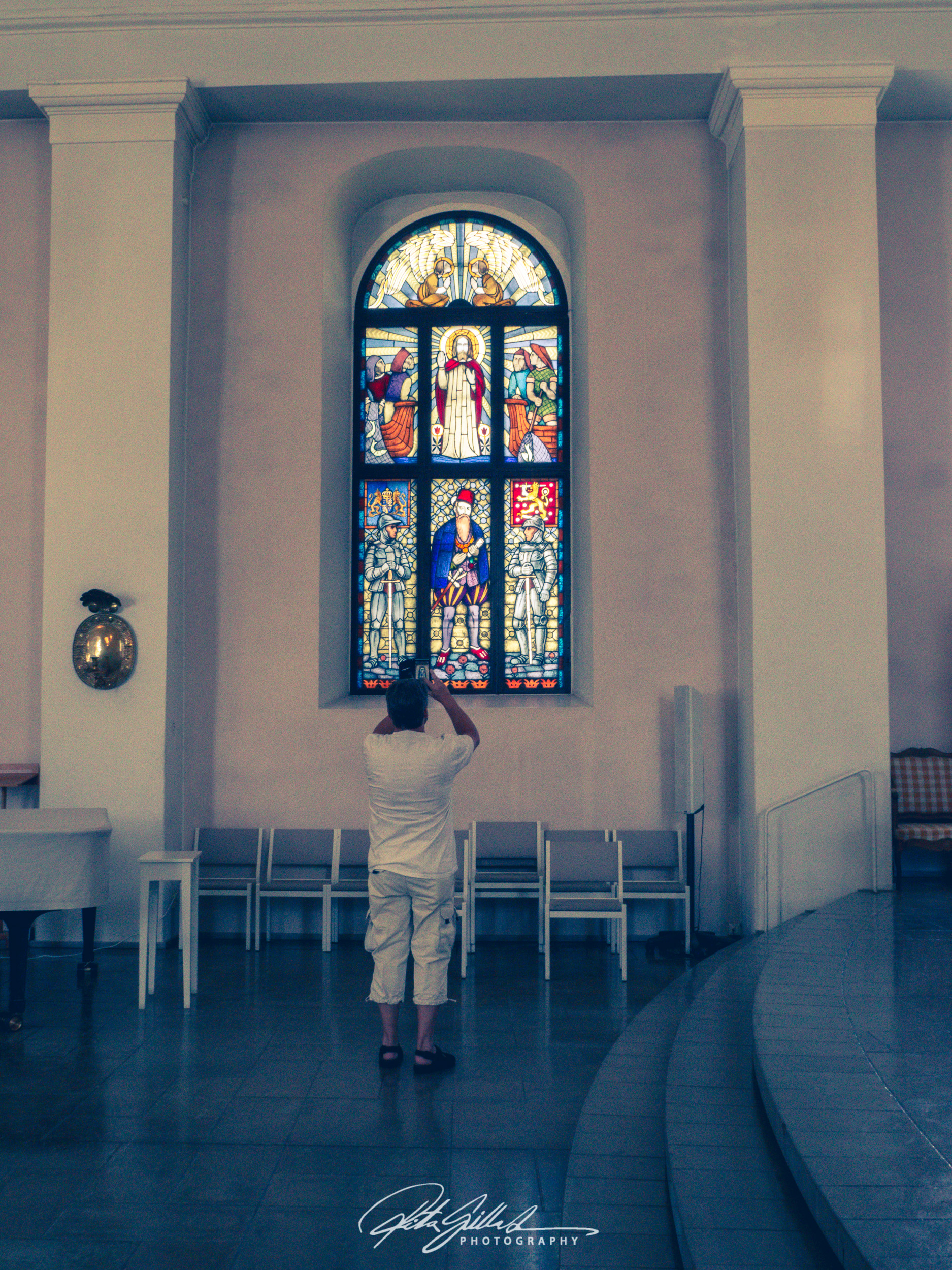
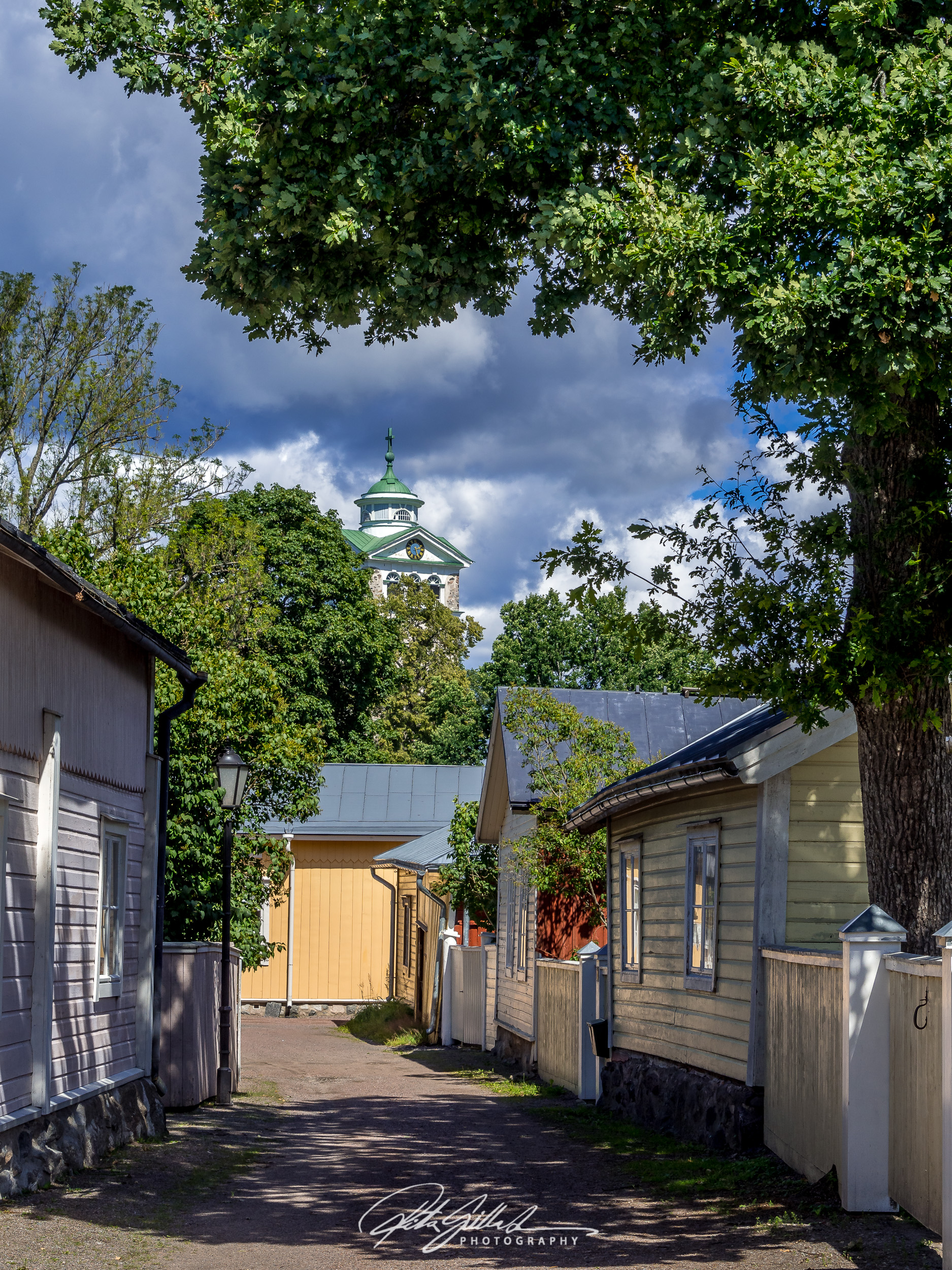
The grey stone church was built in the 1680s
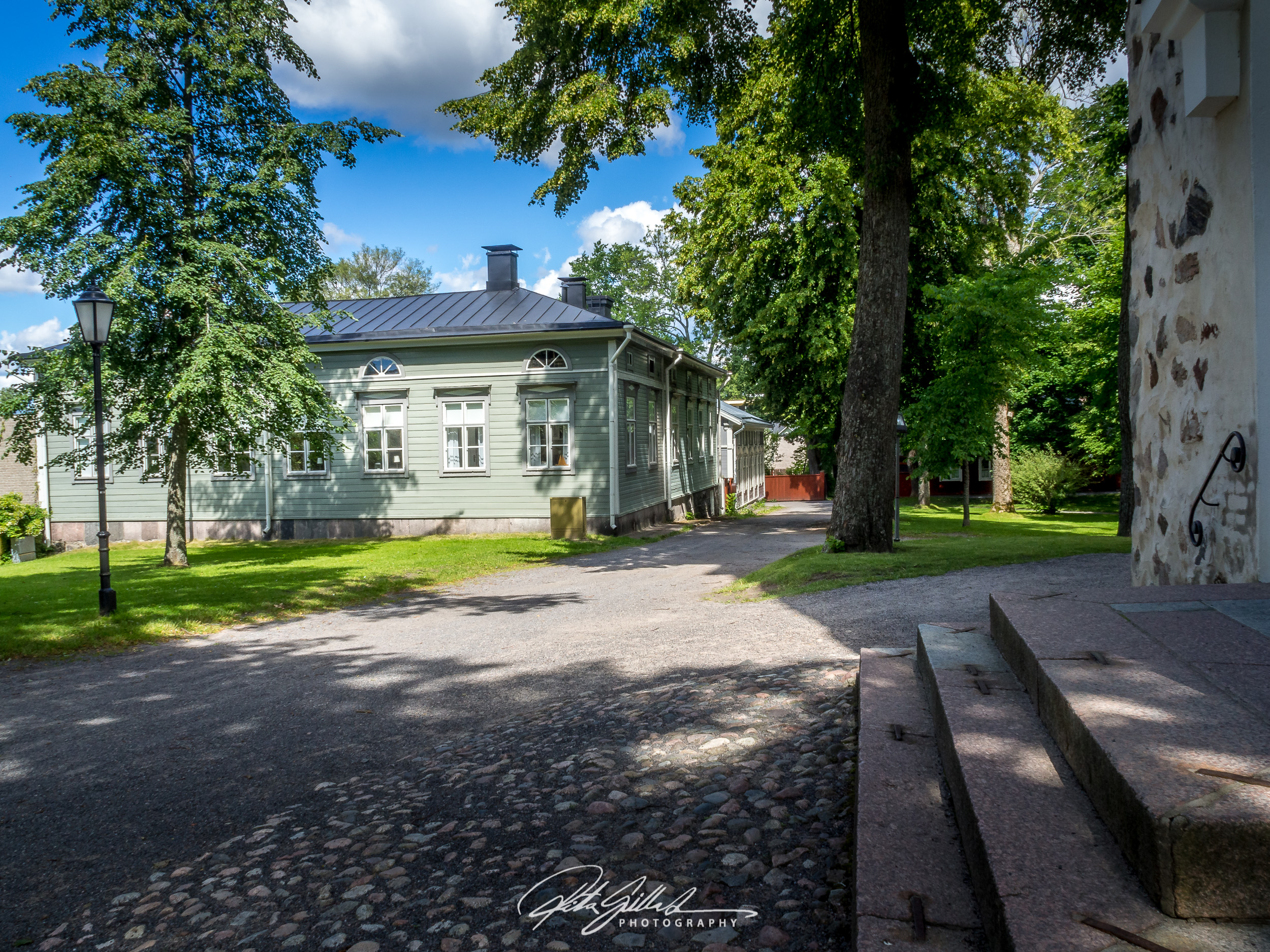
Ekenäs Old Town with its wooden houses spreads out to the seashore. The street names tell the story of the life of the townspeople and how they got along hundreds of years ago. Here, the streets have stayed the same since the 16th century. Street names such as the Hatter’s Street , Linen Weaver’s Street , Cloth Weaver’s Street , Smith’s Street and Tanner’s Street reveal that Barcken’s peninsula in Ekenäs once was populated by skillful craftsmen.
The grey stone church was built in the 1680s on the initiative of Count Gustaf Adolf Leijonhufvud. The church was badly damaged in a fire and owes its present appearance to the reconstruction in the mid-1800s. The latest restoration was made in 1989-1990. There are several valuable items in the church, including a pulpit from the 1600s.
Most of the buildings in the Old Town date from the late 18th and the 19th century, but the area grew out of a 16th century fishing village that the Swedish king Gustav Vasa granted a town charter in 1546 – a few years before Helsinki.
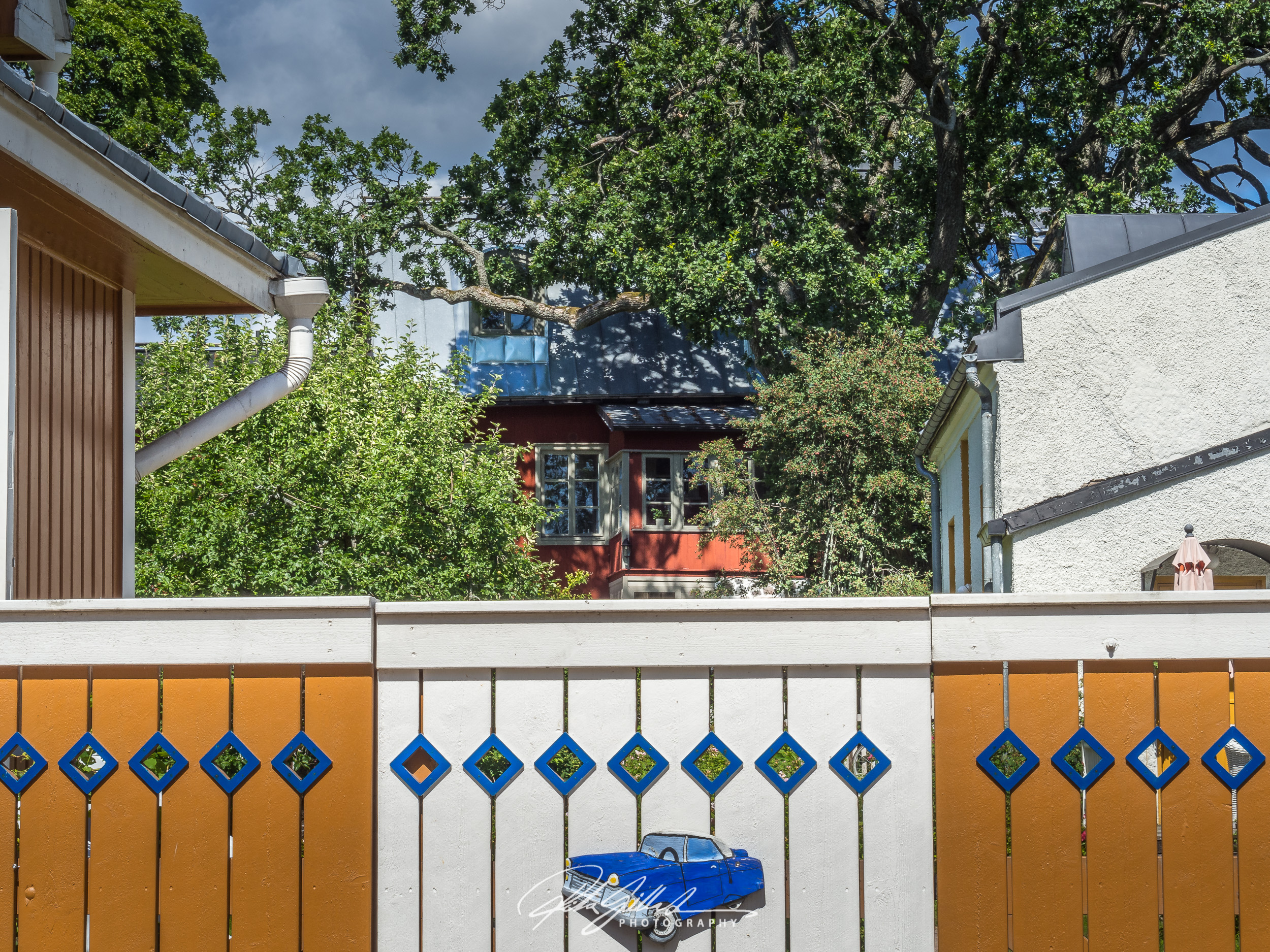
In the summer, you can peep over the fences to the enclosed courtyards. The small signs with names of fish, as given to the blocks in the 19th century, and the cast-iron lamp posts give the face of the Old Town that little extra. The small street mirrors or “gossip mirrors” in the windows, elegantly crafted garden gates and the intricately decorated window frames are all details worth spending time looking at.




 Ritva Sillanmäki Photography