
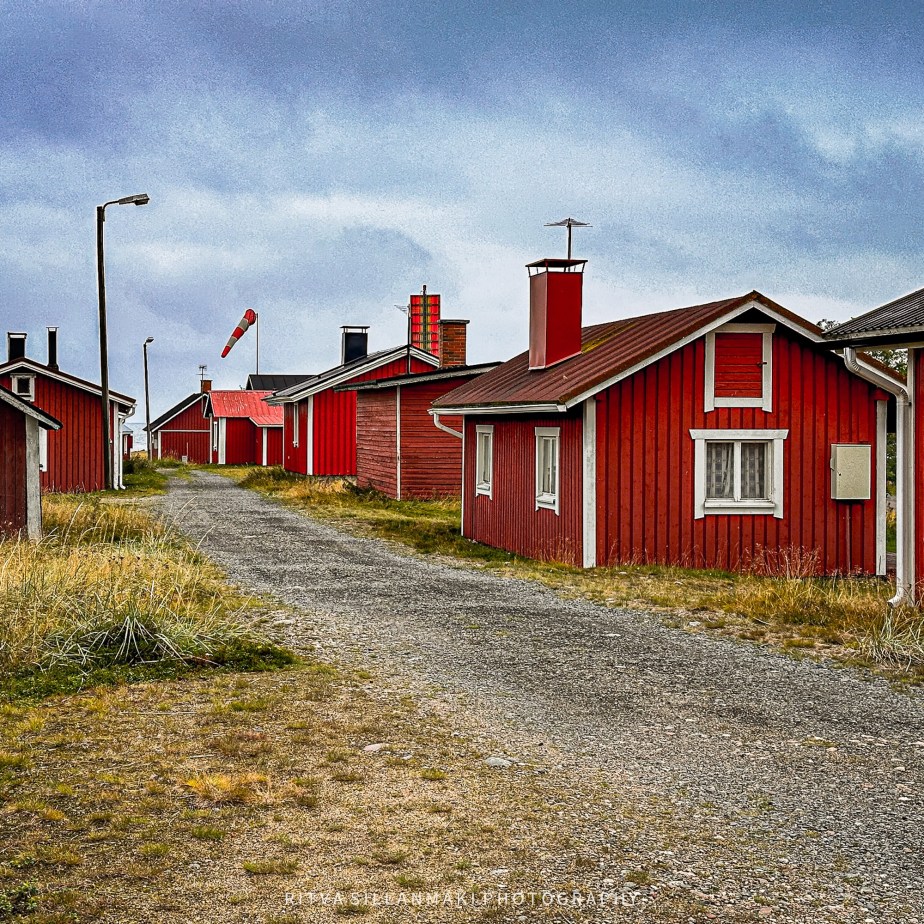
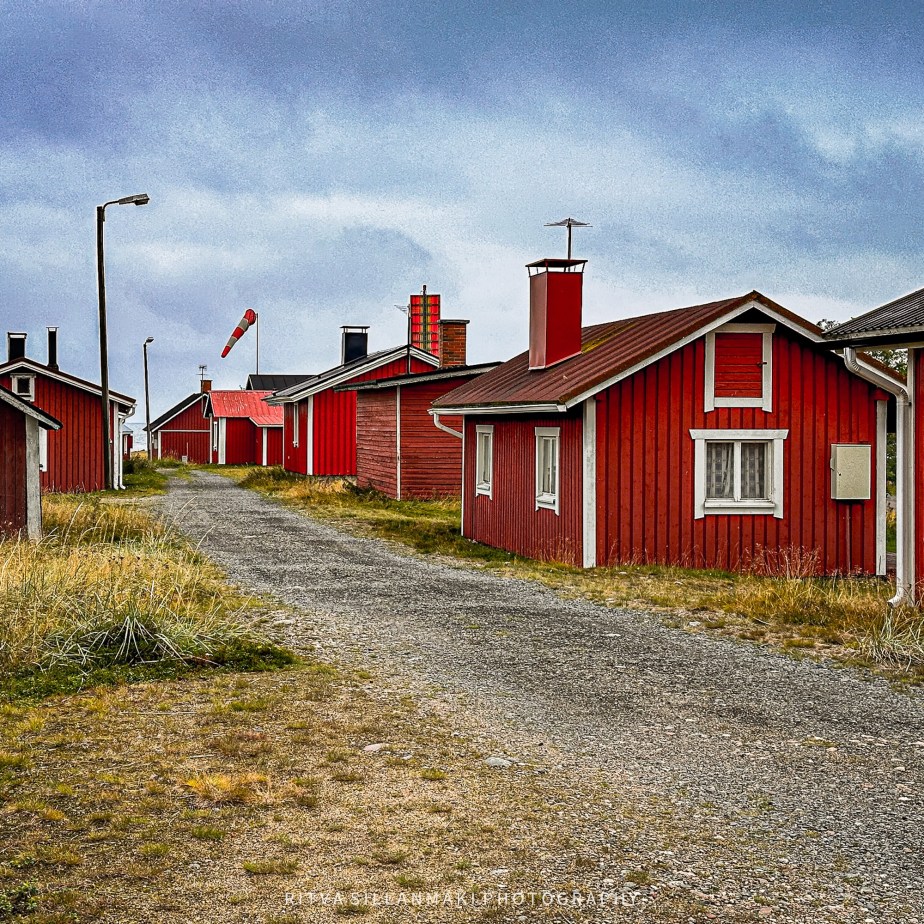
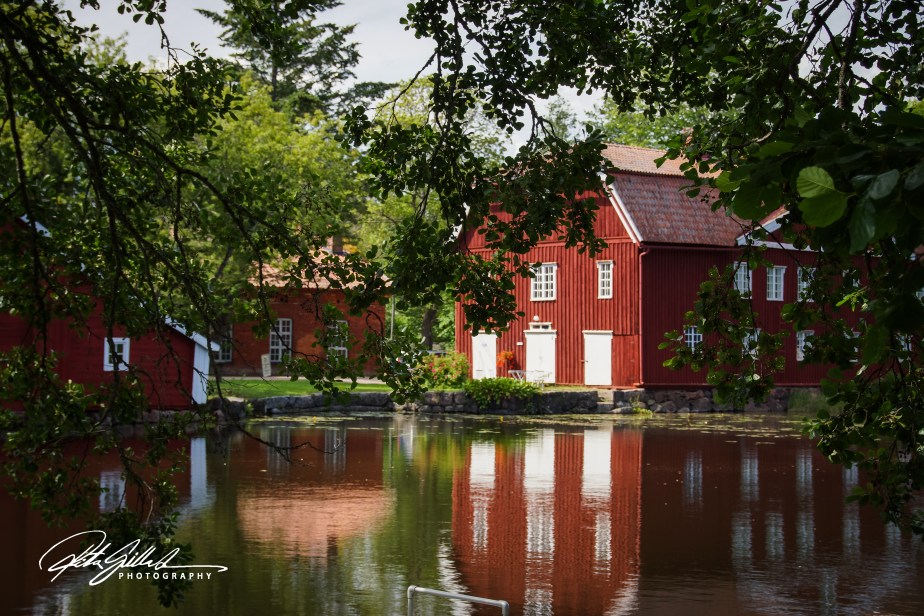
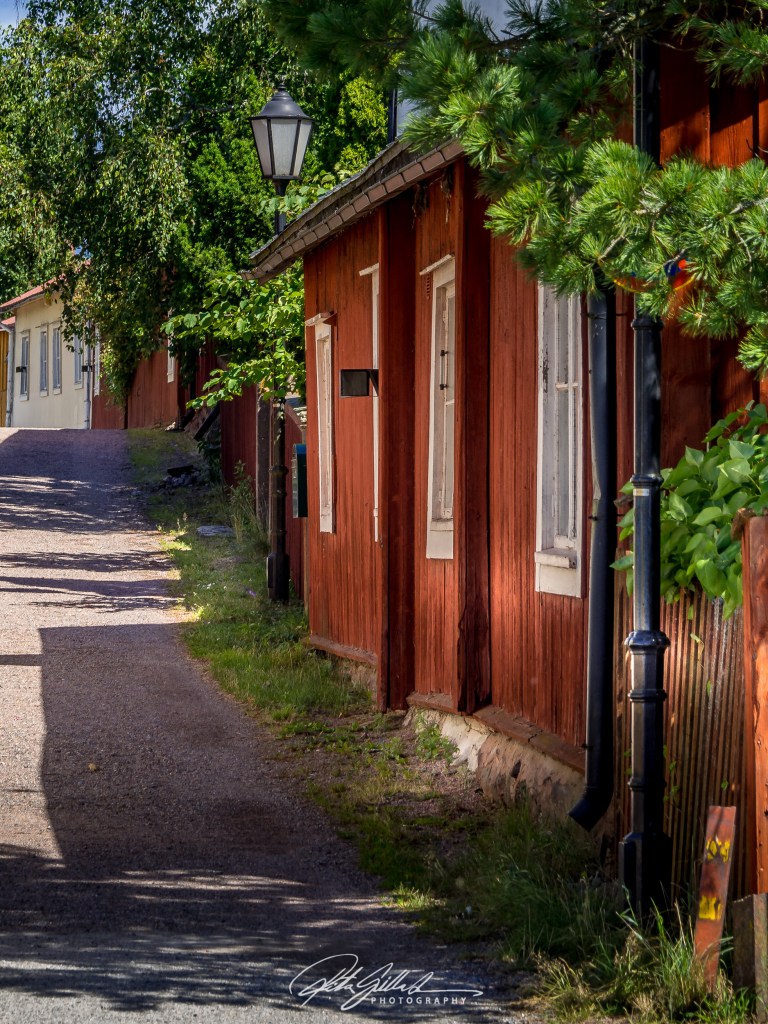
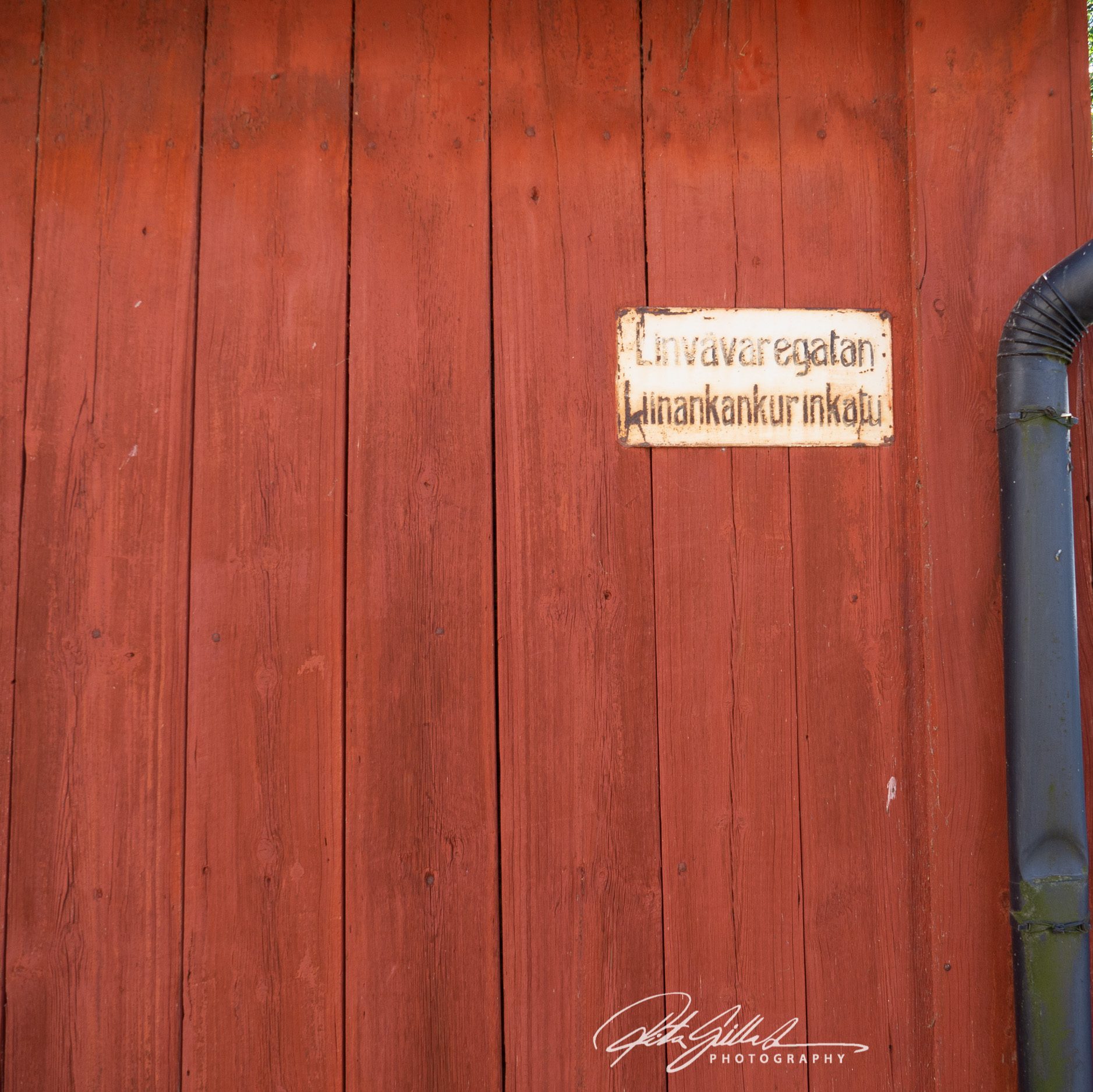
Buildings painted in traditional red ochre paint that is popular in the Nordics effectively embody the warmth and character of a community deeply rooted in its cultural heritage and appreciation for nature. This distinguished color, prominently displayed on structures in picturesque villages and tranquil landscapes, not only enhances the visual appeal but also evokes a profound sense of home for the residents. The historical significance of red ochre paint reflects the pride that Nordic individuals take in their craftsmanship and the narratives intertwined with their dwellings.
Linked to SimplyRed at Becky’s here
 Ritva Sillanmäki Photography
I love these red ochre buildings!
Wonderful colour to have for the buildings
I absolutely love this post with its red ochre buildings!
This red ochre colour is lovely and so deeply associated with the Nordic countries for me!
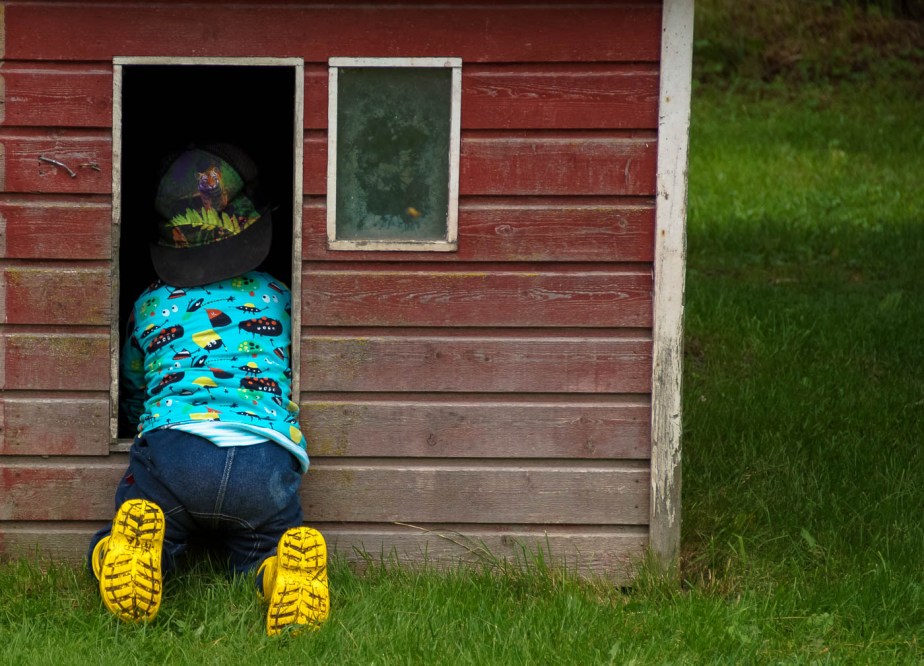
Fun photos. I expected to see red pants on the boy!
Beautiful photos. Thanks for the historic background, too.
That red color looks a lot like the red paint seen on most old wooden barns and farm buildings in the US. But what most people outside the farming community don’t know is. There is a reason that color is used so traditionally. And, that reason has as much to do with the protective qualities of the paint as the color itself.
Below are some interesting facts on how that red color became so traditional.
And it appears to be the same for the Nordic structures as it is for the red barns in the US.
AI Overview
Ochre red paint on Nordic structures: A timeless tradition
The ochre red color, particularly the renowned Falu Red (or Falun Red), is deeply intertwined with the architectural landscape and cultural heritage of Nordic countries, especially Sweden, Finland, and Norway.
Here’s why:
Historical Origins: The red ochre pigment used in this paint originates from the Falun copper mine in Sweden, a UNESCO World Heritage Site. A byproduct of copper mining, rich in iron oxide, was found to create a durable and protective paint when mixed with linseed oil, water, and rye flour.
Practicality and Protection: This unique paint formula, including silicates and zinc, creates a weather-resistant layer that protects wood from weathering, rot, and mold, making it particularly suitable for the cold and damp Nordic climate. Its porous nature allows the wood to breathe, preventing moisture buildup and extending the lifespan of the structures.
Economic Advantage: Historically, red ochre was a relatively inexpensive and readily available pigment, making it accessible even to rural communities and farmers who needed to protect their wooden structures. In contrast, other colors like yellow and white were more expensive, originally signifying higher social status.
Cultural Significance: Falu Red is not just a practical choice, it has evolved into a cultural symbol representing the idyllic Swedish countryside and its traditional cottages and barns. This connection is highlighted by the Finnish expression “punainen tupa ja perunamaa” (“a red cottage and a potato patch”), representing a simple and happy life.
Aesthetic Appeal: The deep, earthy red hue of Falu Red creates a striking contrast with the surrounding natural environment, especially the vibrant green landscapes of summer and the snowy winters. This classic color continues to be popular for its nostalgic charm and its ability to add warmth and cheer to the Nordic landscape.
In conclusion, the ochre red paint found on many Nordic structures is a testament to both its practical advantages as a wood preservative and its deep cultural significance, embodying the history, traditions, and aesthetic preferences of the region
I know our own buildings at our summer place are painted with it. But thanks for all the info. Lots of nordic people May have brought the knowledge with them when they immigrated there.
A Canadian squarer was only asking about this a few days ago – she was also sharing wonderful red ochre buildings
I love the beautiful reflection and the child!!
oh aren’t these wonderful – so glad I didn’t miss them