
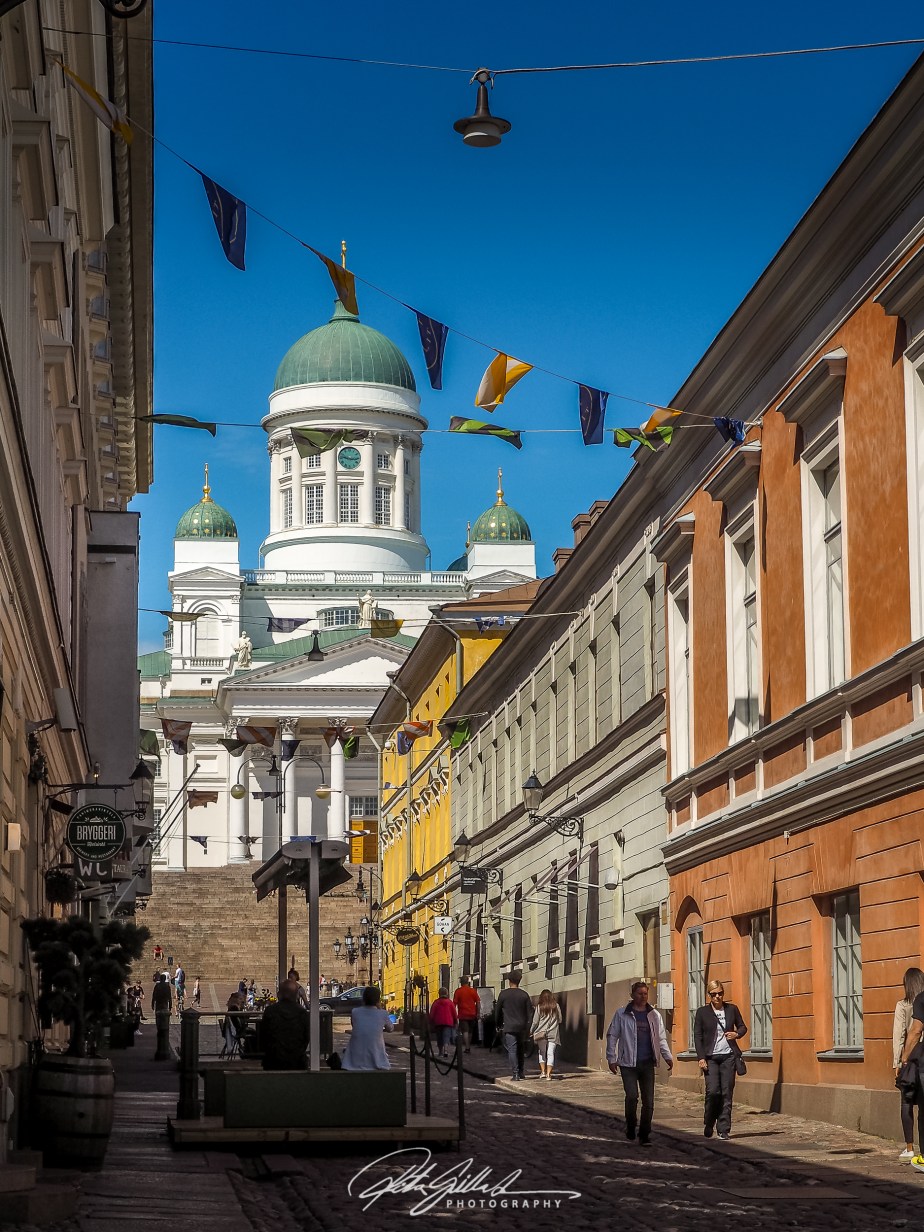
Framing Your Shots: Exploring the Foreground, Middle Ground, and Background Photography essential; Framing and composing your shots is, in my book, one of the most important parts of photography, if not the most important. The way in which elements are arranged within the frame can dramatically alter the mood and storytelling of an image. Patti shows and explains this concept beautifully, illustrating how the interplay of the foreground, middle ground, and background can create depth and dimension, drawing the viewer’s eye to the focal points in a more engaging way. By carefully considering the placement of subjects and elements within each layer, photographers can enhance their visual narratives. Visit her post for more information, as it offers valuable insights into mastering these techniques that can elevate your photography to new heights.
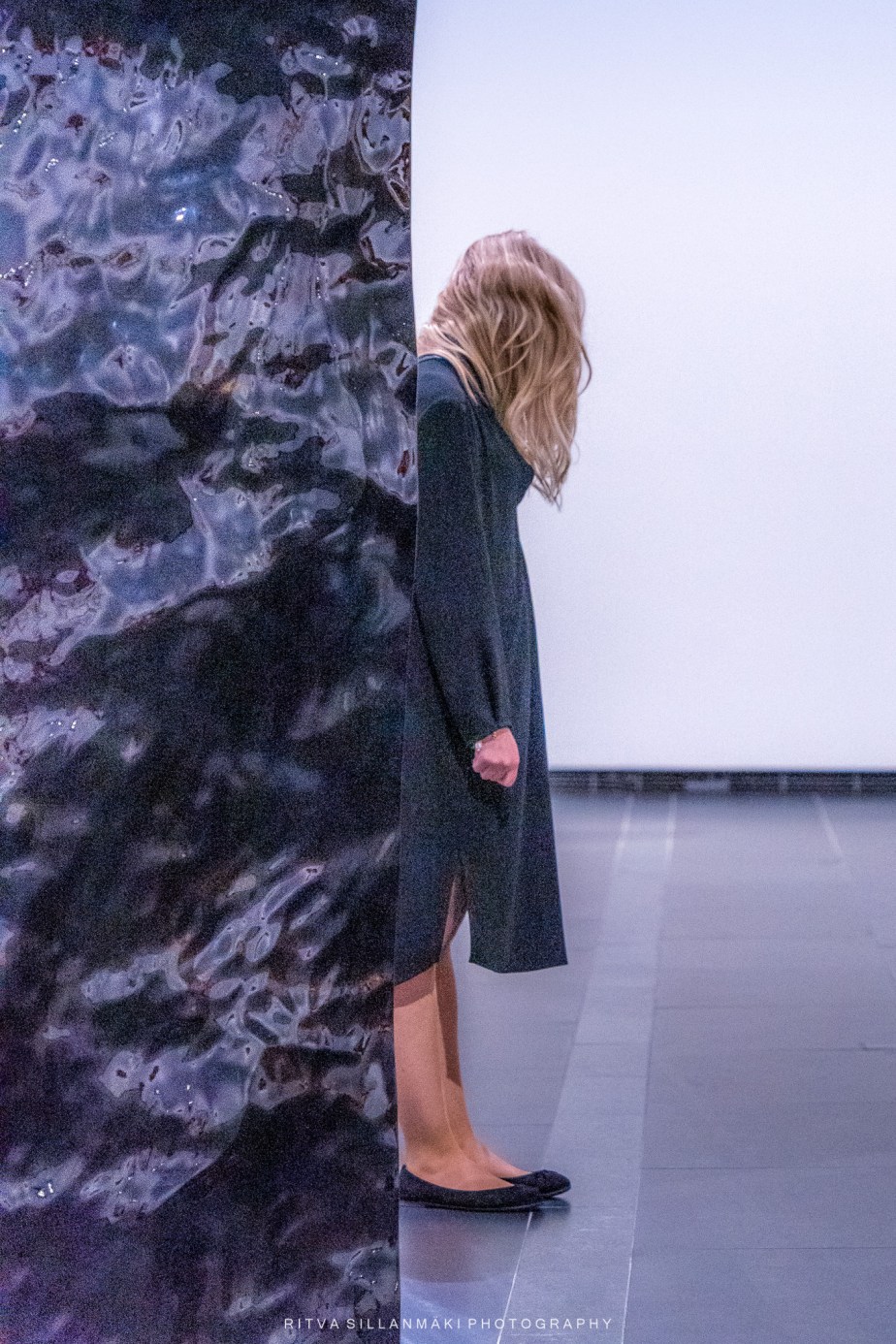
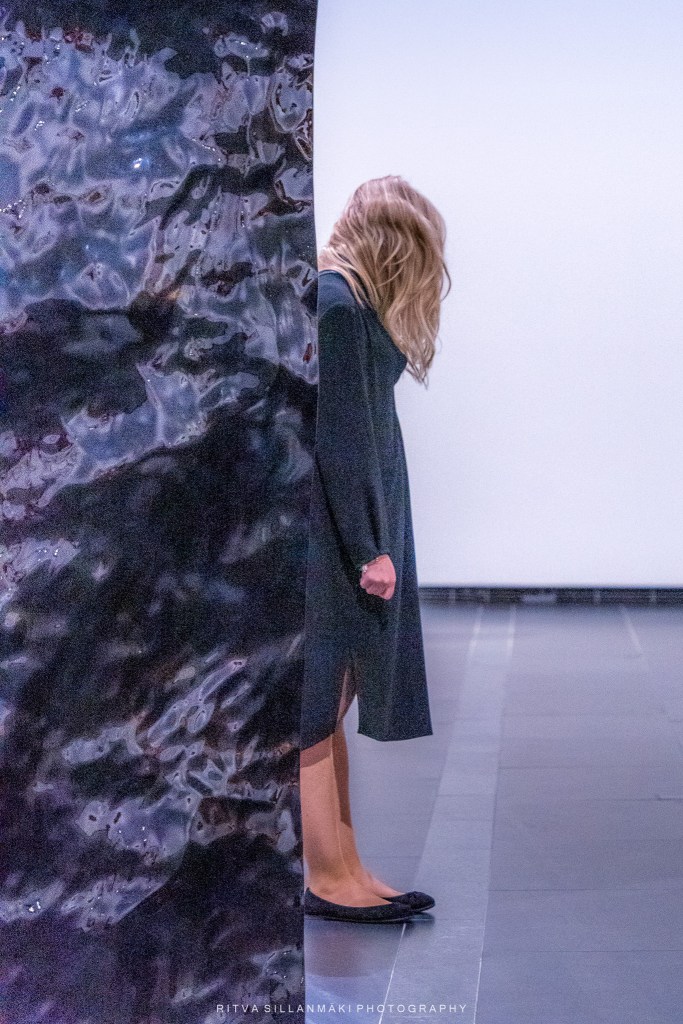
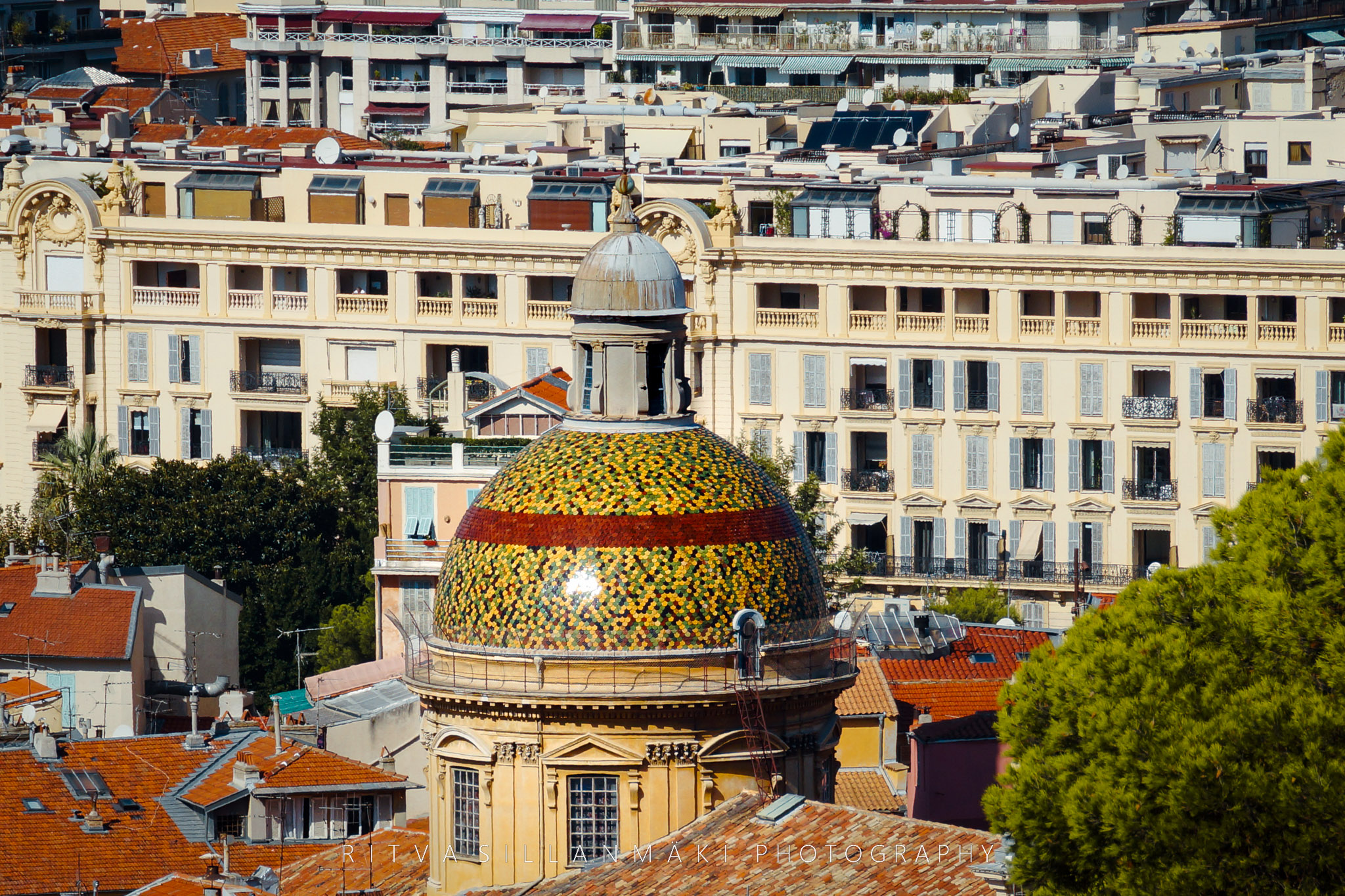
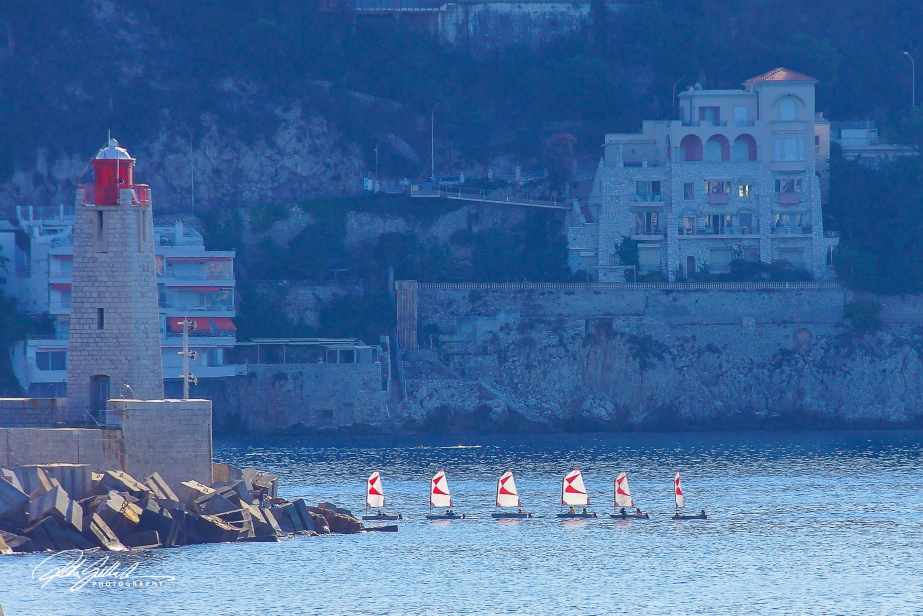
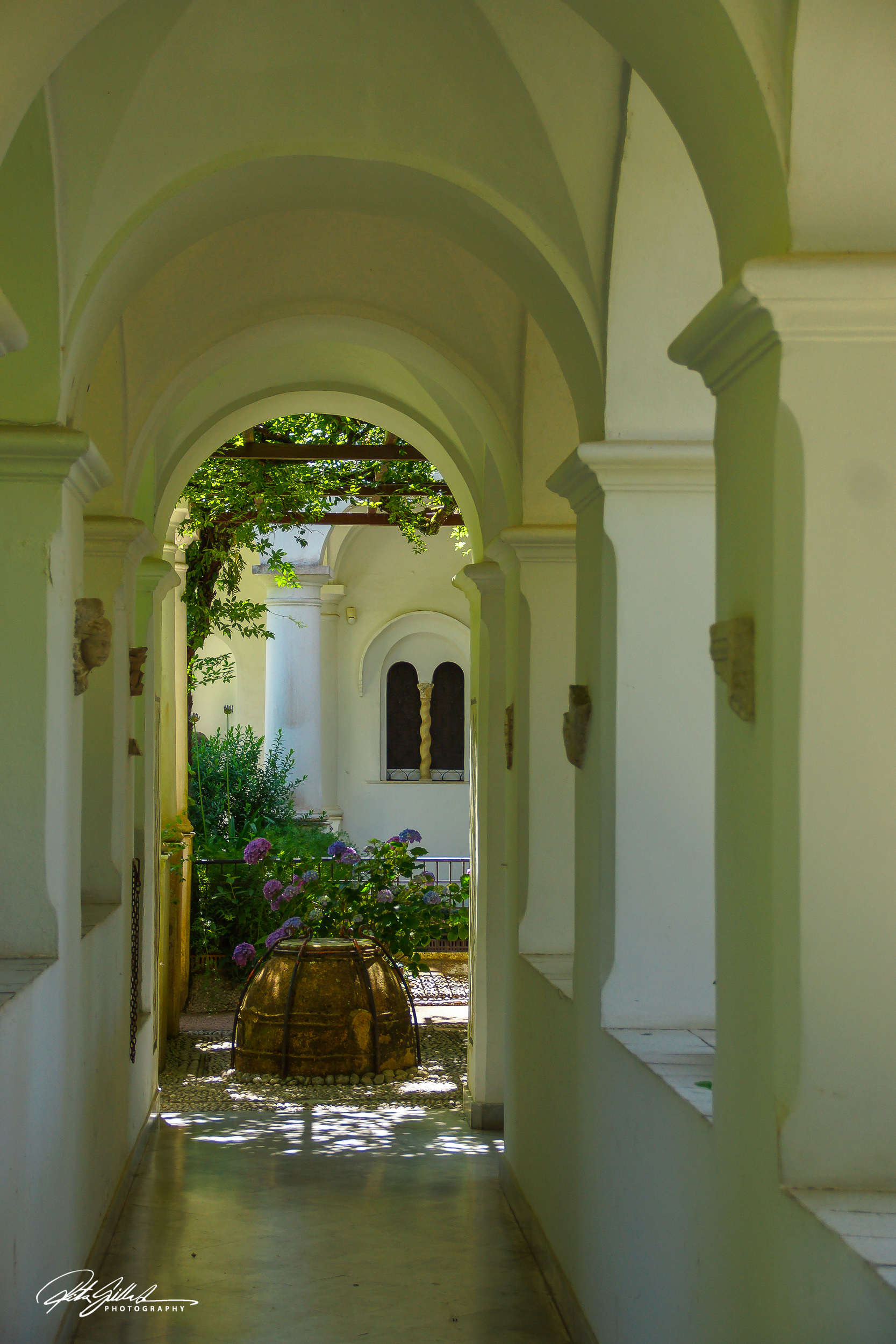
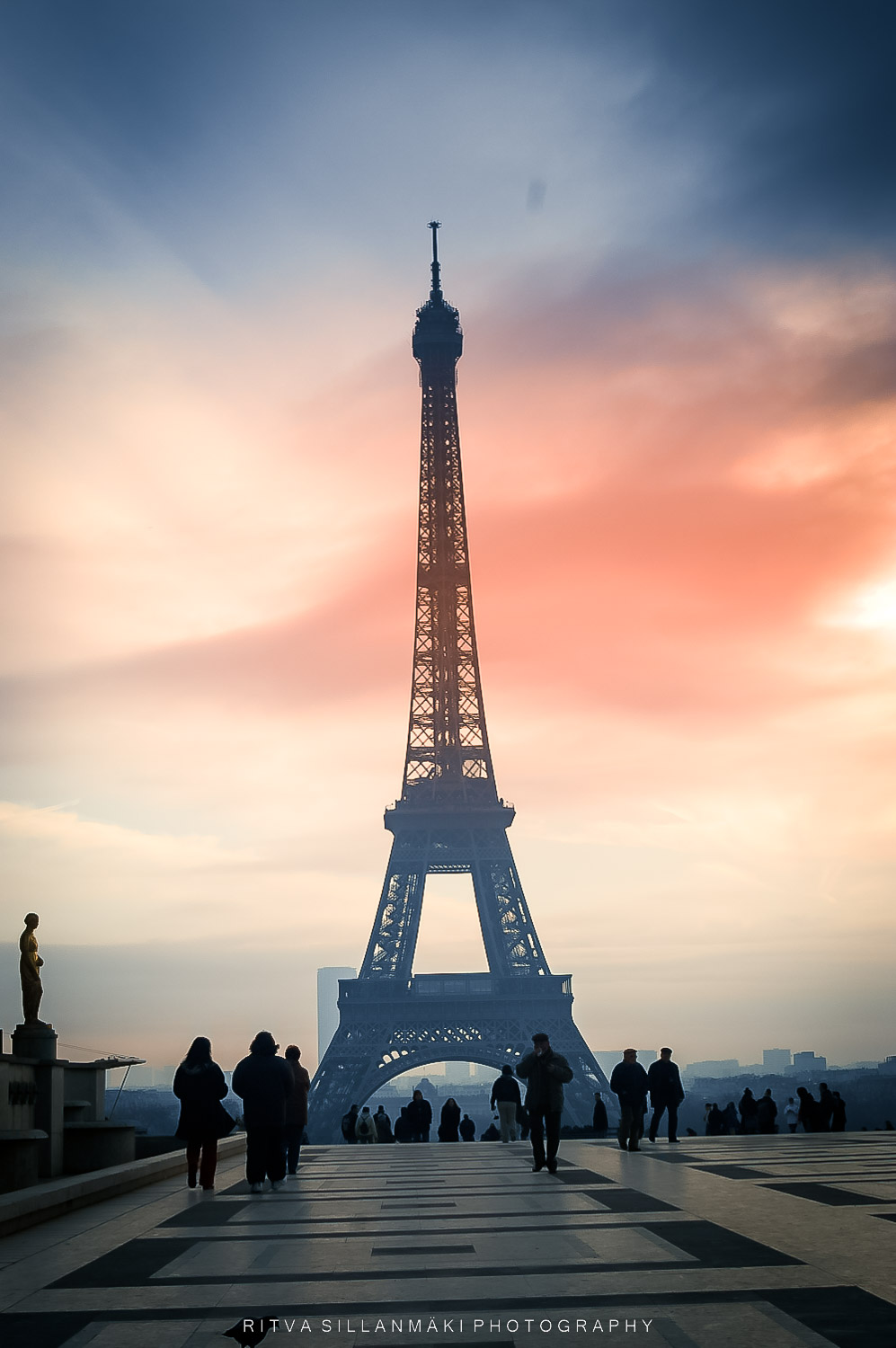
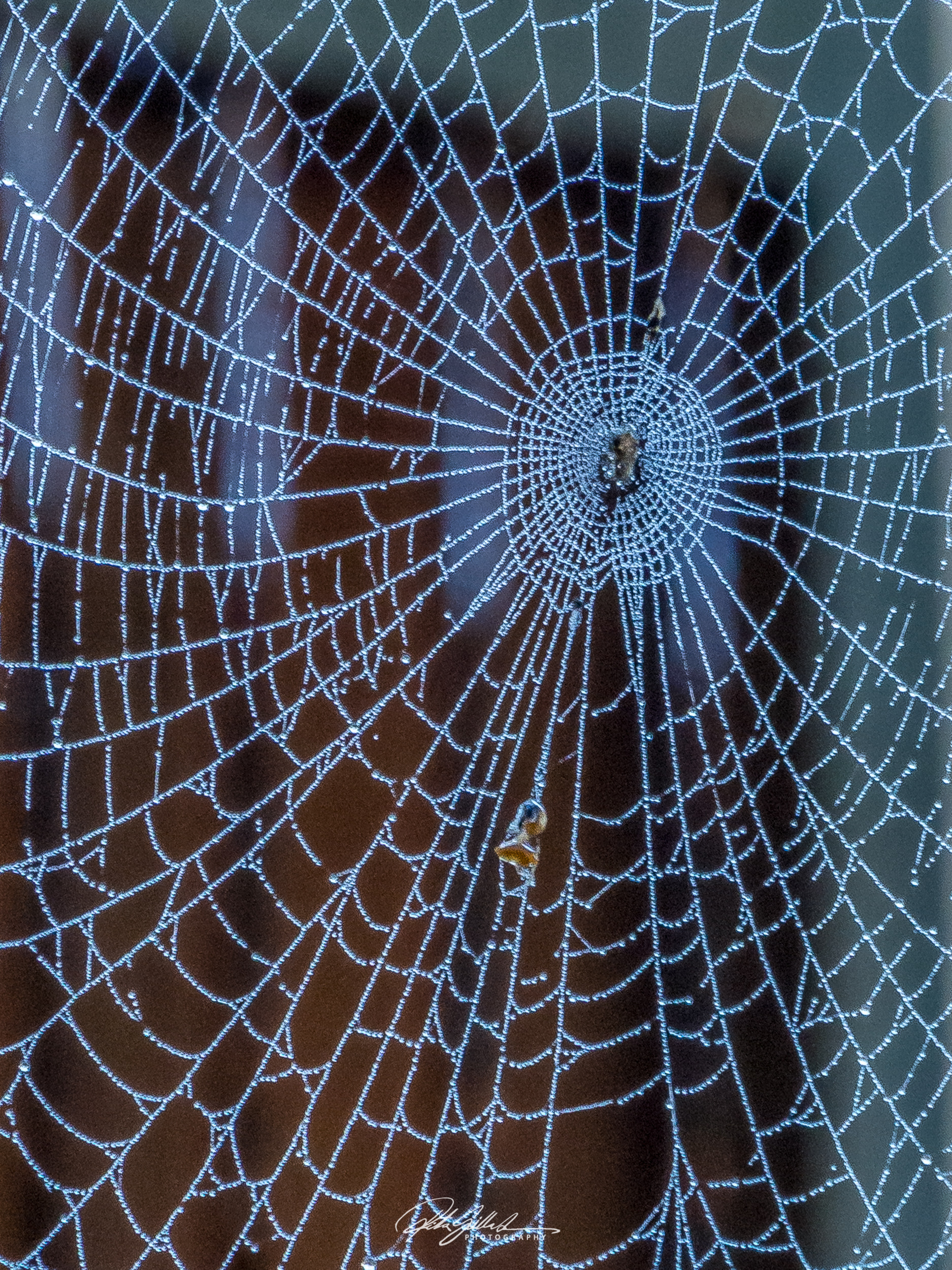
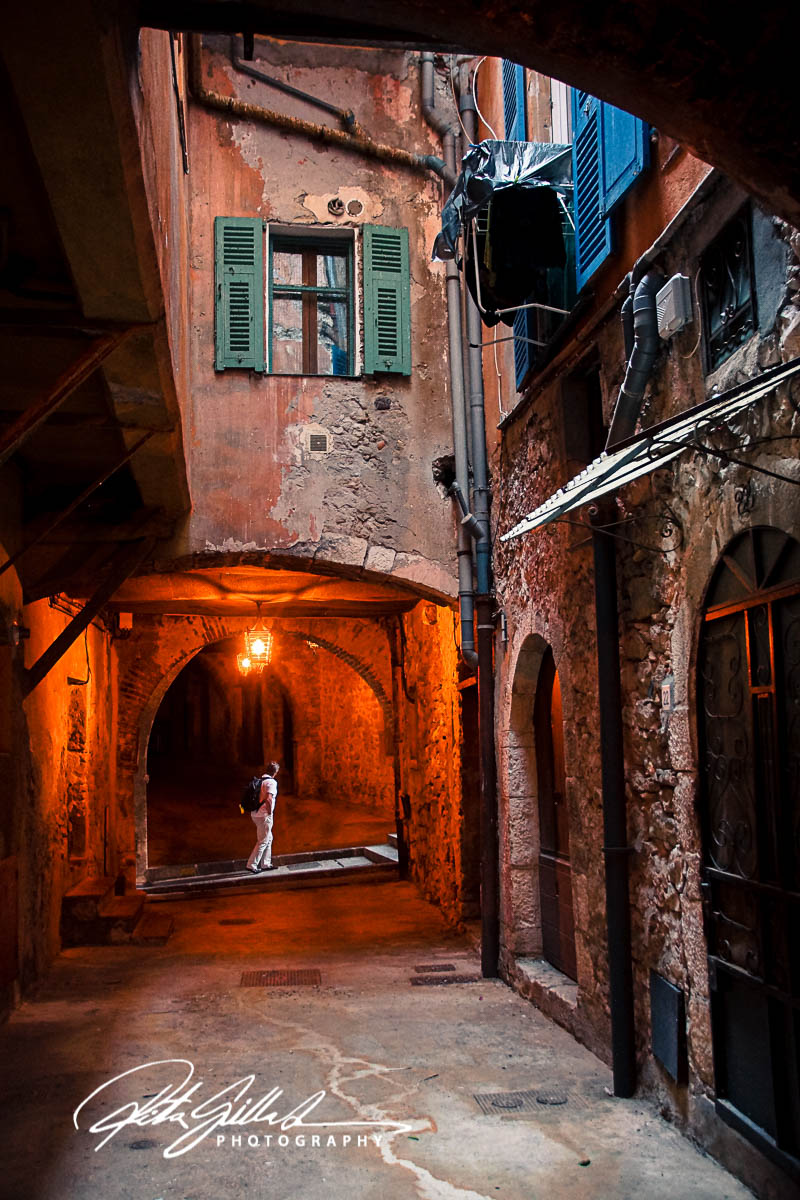
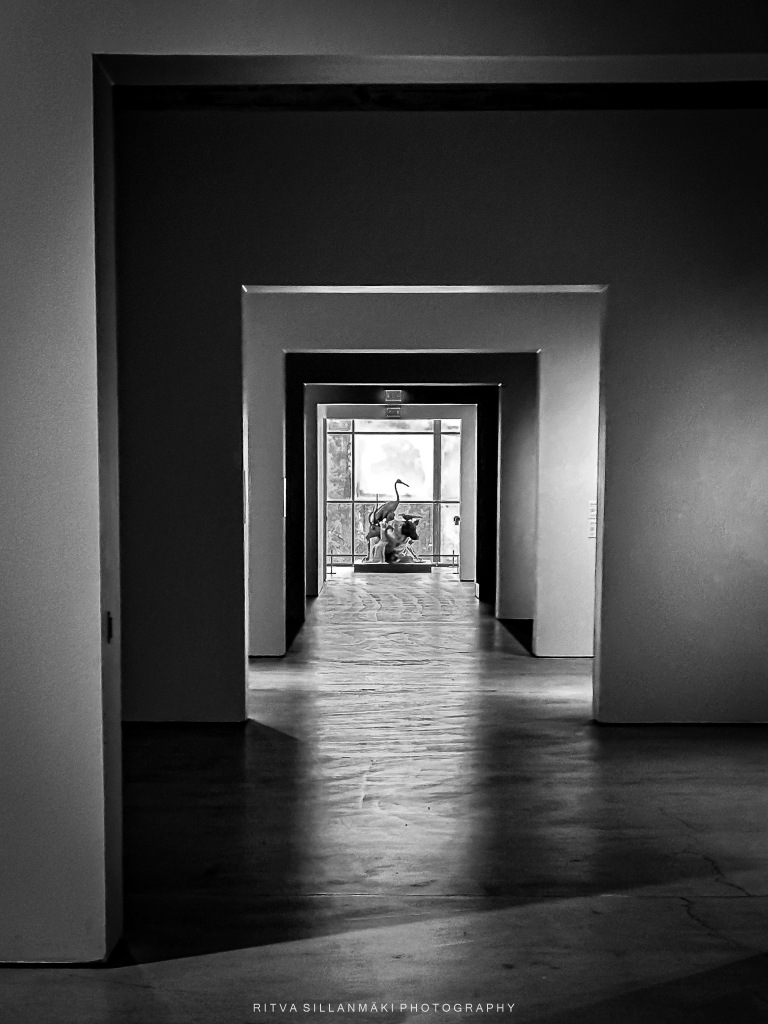
The request was three images; here are mine and the header as a plus one.
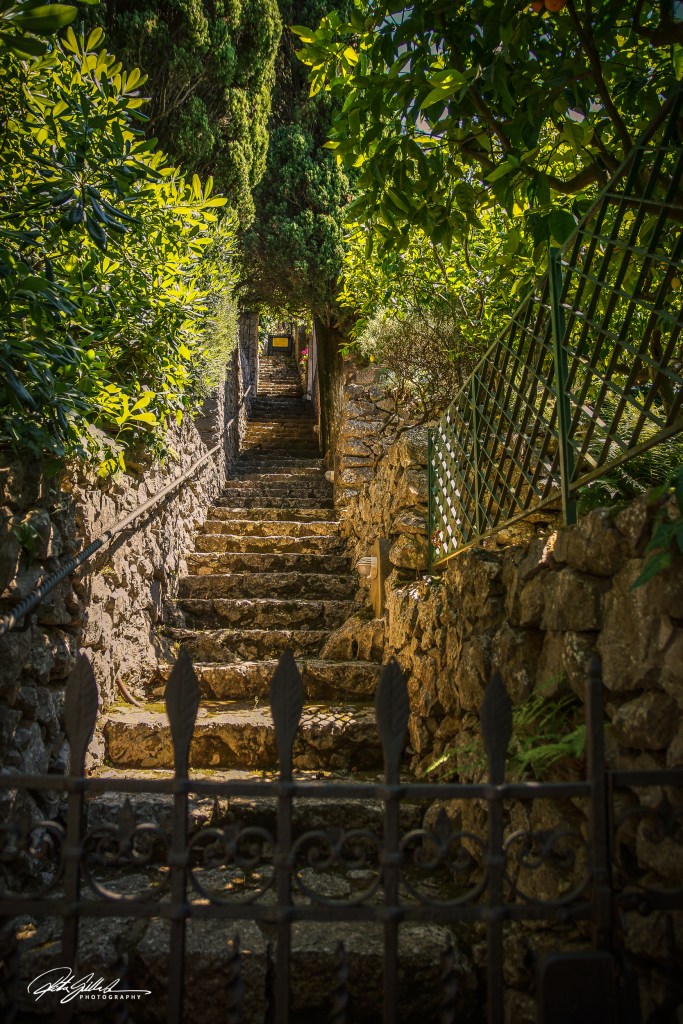
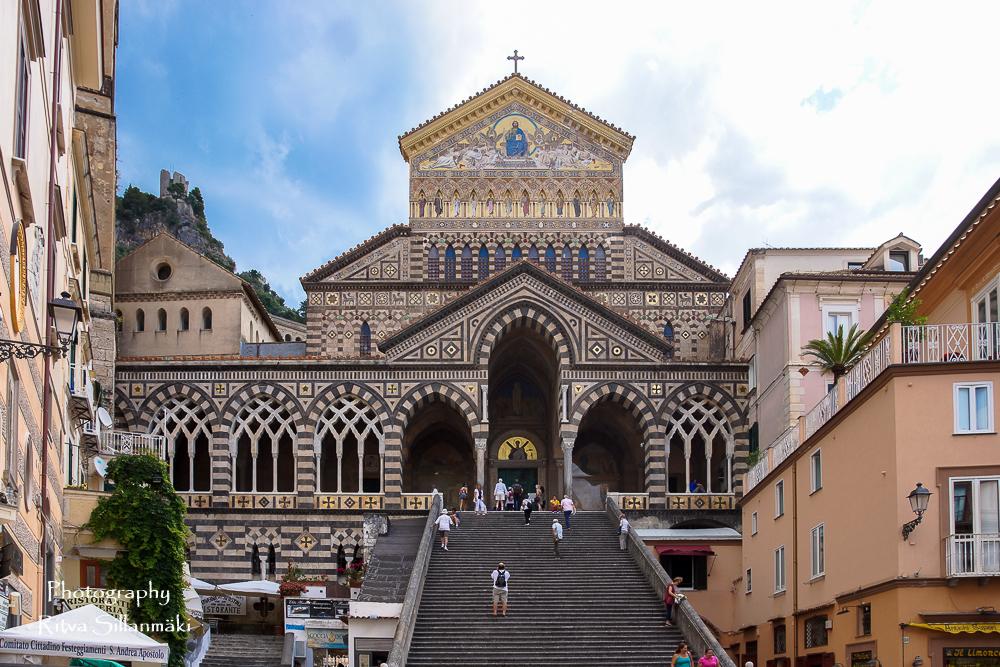
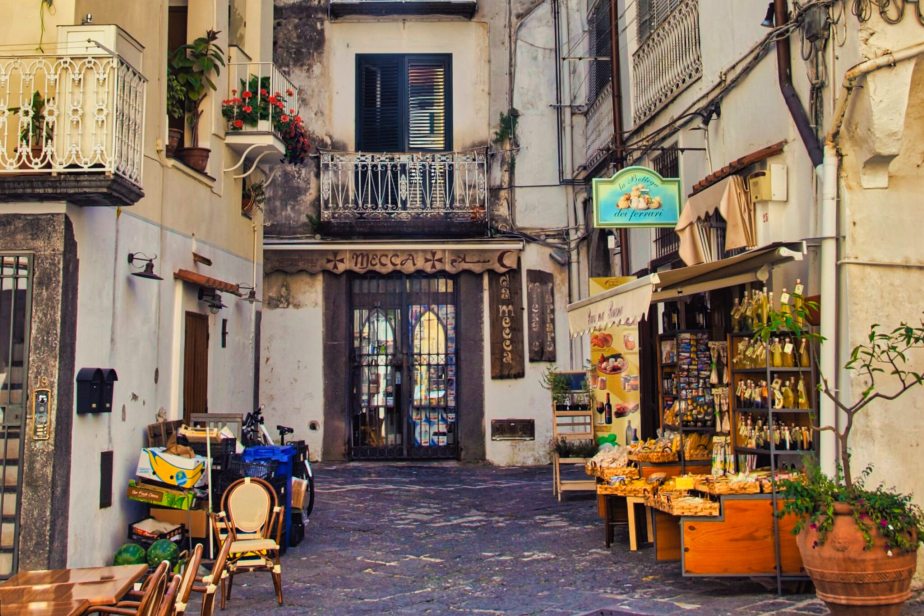
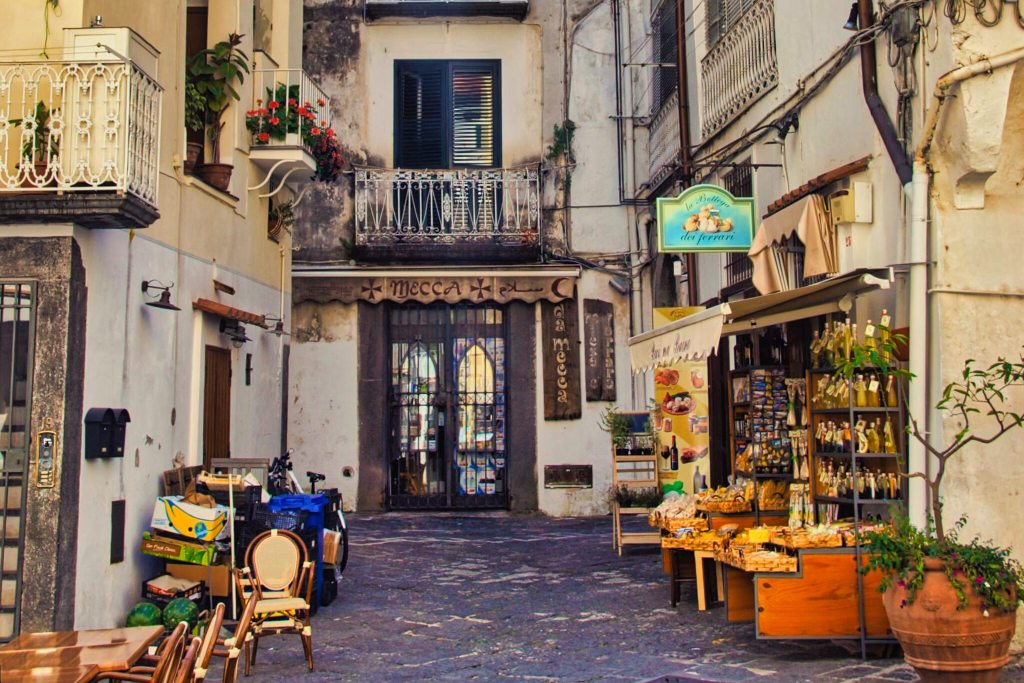
Italy is famous for its stunning landscapes and fascinating history, and right at the front, there’s a charming gate that looks like it’s inviting everyone in. If you take a moment to look up, you’ll spot a beautiful set of stairs in the middle, guiding your eyes deeper into that amazing scenery and sparking a sense of adventure. The lush greenery in the background just adds to the charm, with its vibrant shades of green making this place feel like a dream as you stroll through this lovely setting.
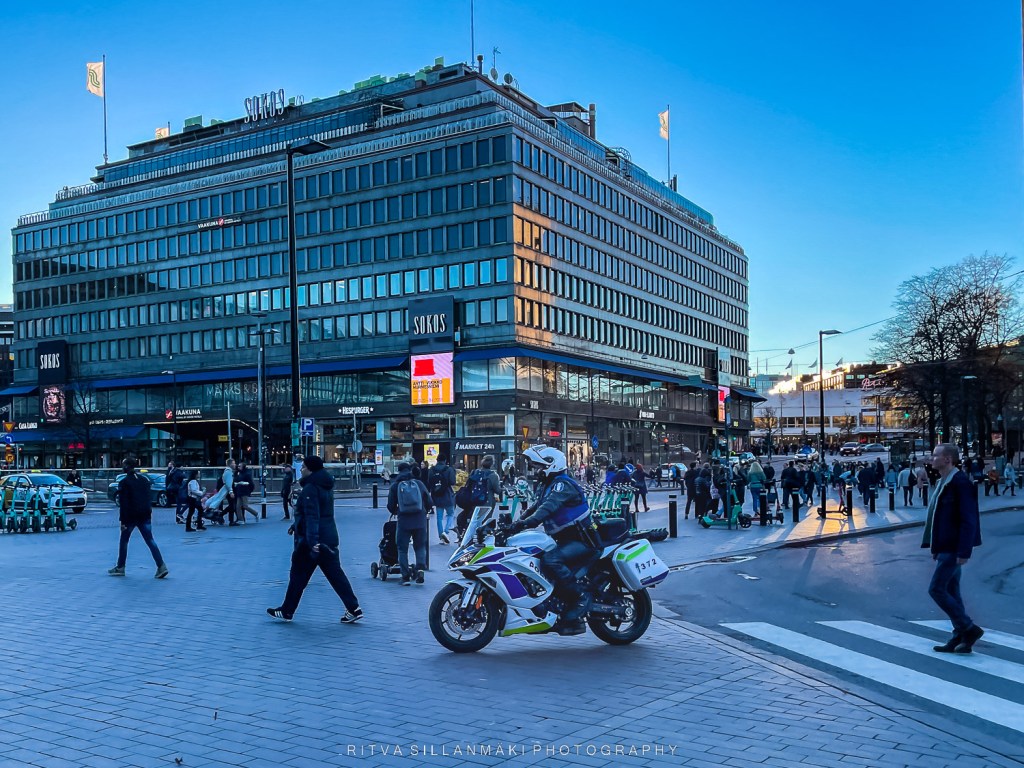
In the scene set in Helsinki, the police are right in the spotlight, viewing with those around them. Up front, people are on the move, while in the background, the impressive SOKOS building towers over everything, giving the urban landscape some real character. The way the officer interacts with the locals really shows a moment of busy city , where the cool architecture meets everyday life.
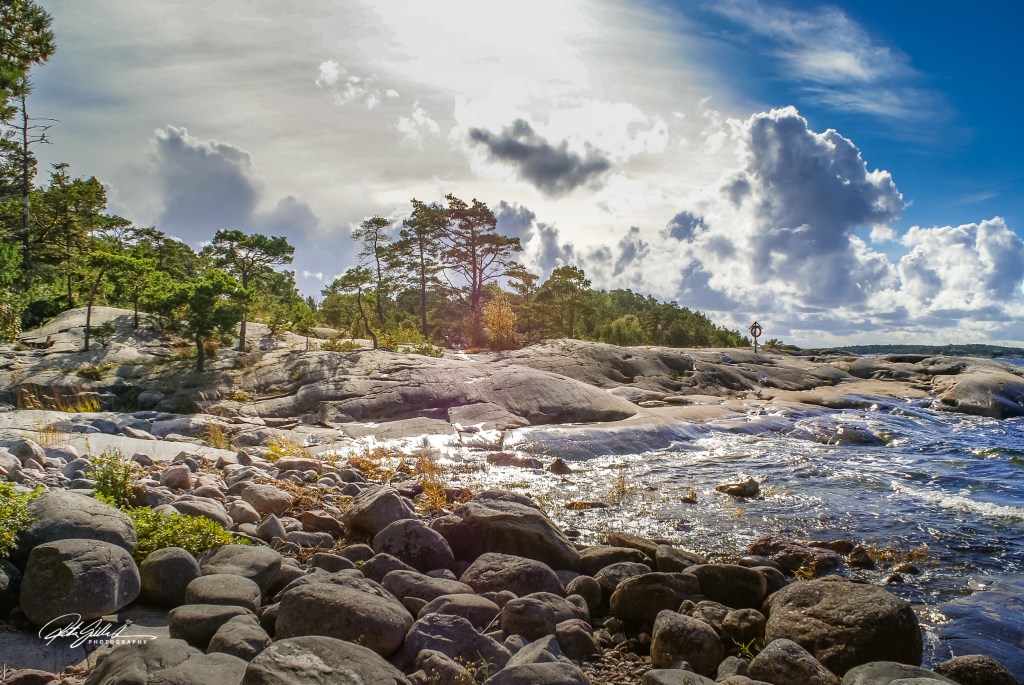
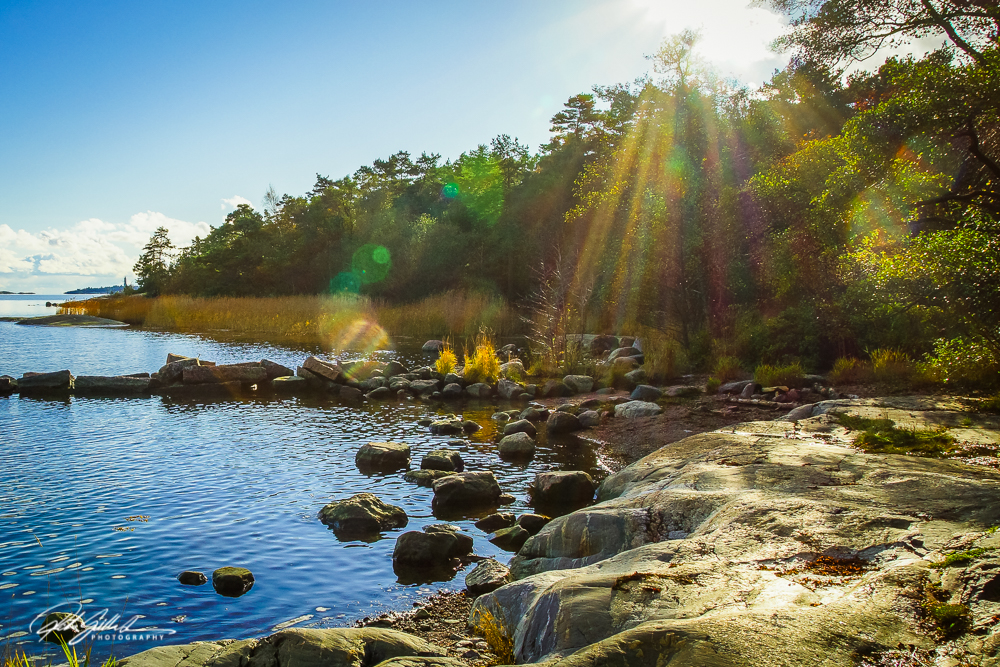
This from Kirkkonummi, the shoreline in Porkkala, offers a captivating view where the rugged rocks in the foreground create a striking contrast against the shimmering waters. As the eye travels to the middle ground, the point juts out, inviting exploration and intrigue. The sky serves as a breathtaking backdrop, with clouds dancing overhead, casting shadows that play upon the landscape. This picturesque setting is not just a feast for the eyes; it also evokes a sense of tranquility and connection to nature, making it a perfect spot for reflection and inspiration.
Hope you join us and show us how you interpret this challenge. Please link to Patti’s post and use the “lens-artists” tag so we can find your post in the Reader. But mostly, enjoy exploring this technique!
Huge thanks to Tina for last week’s phone photography challenge; it really showed how much the cameras have improved over the years and what great shots we can get with them. What’s up for next week? Sofia returns with our next challenge on Saturday, April 11th at noon EST. Until then, let’s keep exploring, broadening our horizons, and maintaining a positive mindset.
Please see this page for more information about the Lens-Artists Challenge and its history. If you don’t want to miss any future challenges, please consider subscribing to the team members’ websites.
Here we are The Lens-Artists: Tina, Patti, Ann-Christine, John, Sofia, Anne, Egidio, Beth, and myself Ritva.





















 Ritva Sillanmäki Photography