
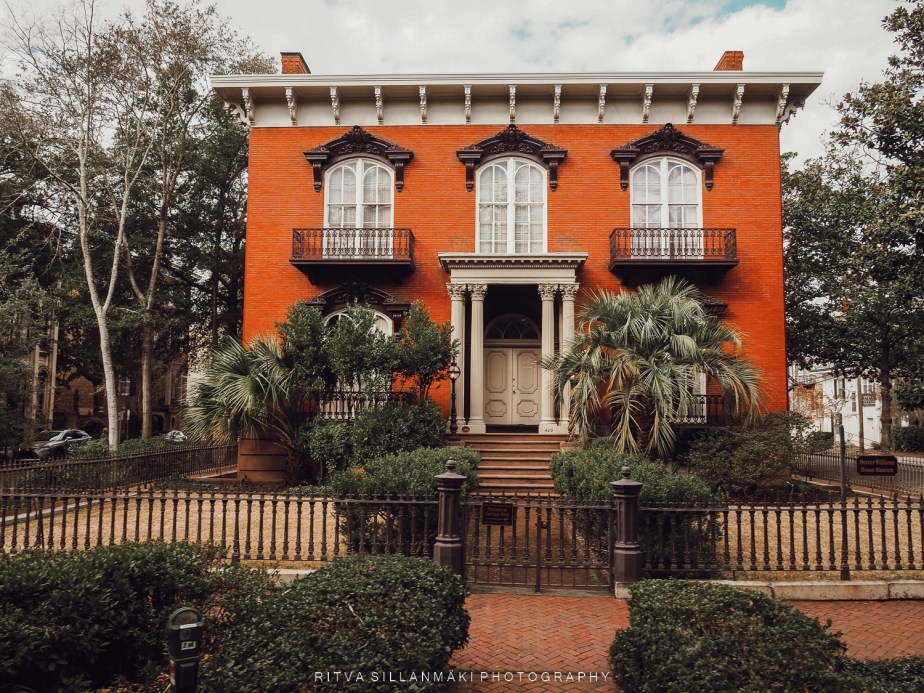
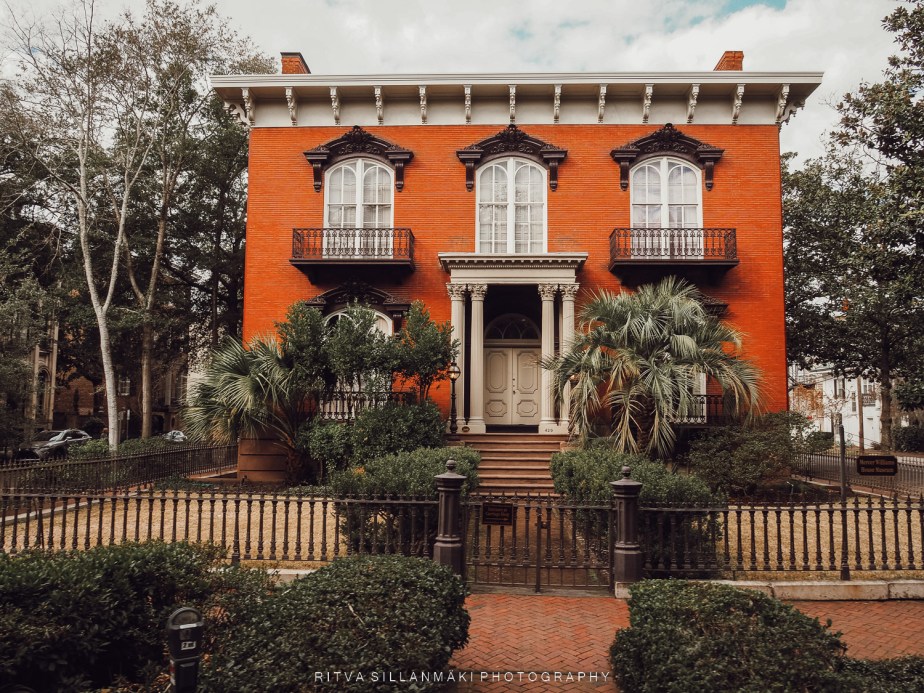
The Mercer-Williams House was meticulously designed for General Hugh W. Mercer, who was the great-grandfather of celebrated songwriter Johnny Mercer, adding a unique layer of cultural significance to the residence. The ambitious construction began in 1860, showcasing architectural aspirations of the time, but it was subsequently interrupted by the tumultuous events of the Civil War, which not only halted progress but also left its imprint on the history of the structure. After several years of delay and considerable upheaval, the house was eventually completed in 1868, following General Mercer’s decision to sell the unfinished structure to John R. Wilder, an influential local businessman. Thus, in a twist of fate, no Mercer ever actually lived in the house that bears their name, creating a fascinating narrative about legacy and ownership. In Savannah, the majority of historic homes echo this tradition, often using the name of the home’s original family alongside that of the most prominent family, establishing a rich tapestry of historical narratives that delight visitors and residents alike, inviting them to explore the stories that shaped the city. This is what I found out about his house when I googled it.
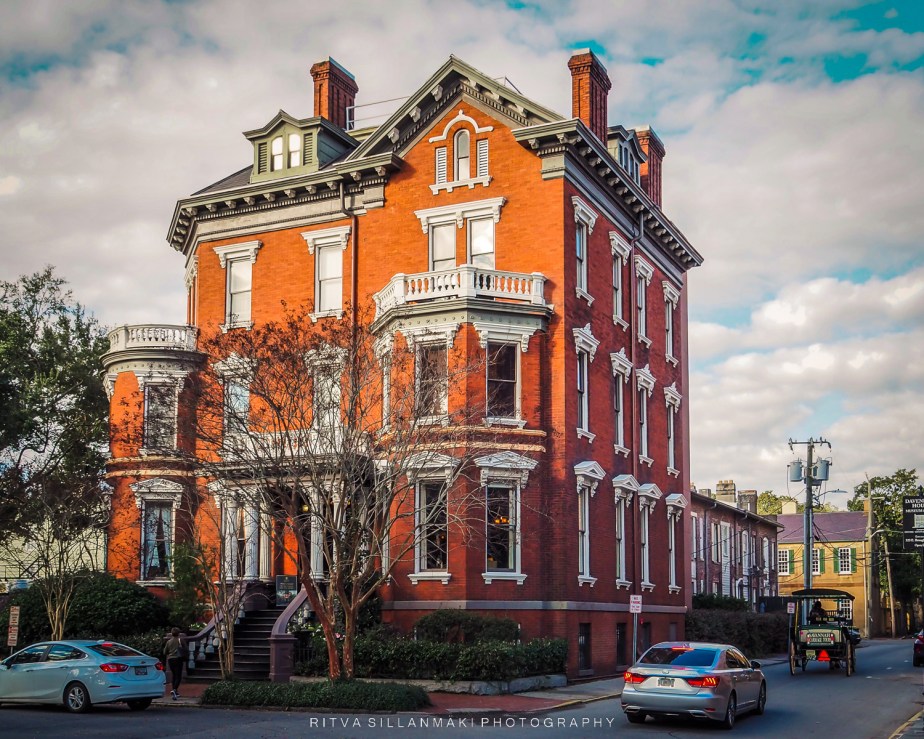
The Kehoe House is an exquisitely restored 1892 Renaissance Revival mansion in Savannah’s Historic District. The Kehoe House was built in 1892 by William Kehoe, a successful iron foundry owner. The home’s architectural style is Queen Anne Revival. Its exterior stairway, balustrades, window treatments, fluted columns and capitals, fences and gates are all cast iron, a tribute to the iron foundry’s excellence in pattern making and casting.
These are for Thursday Doors, as I was revisiting my images from Savannah. Surprisingly I have so many doors and buildings to share from that visit. I will start with these two houses. I have previously posted them, but there is a good chance you have missed those posts.
 Ritva Sillanmäki Photography