
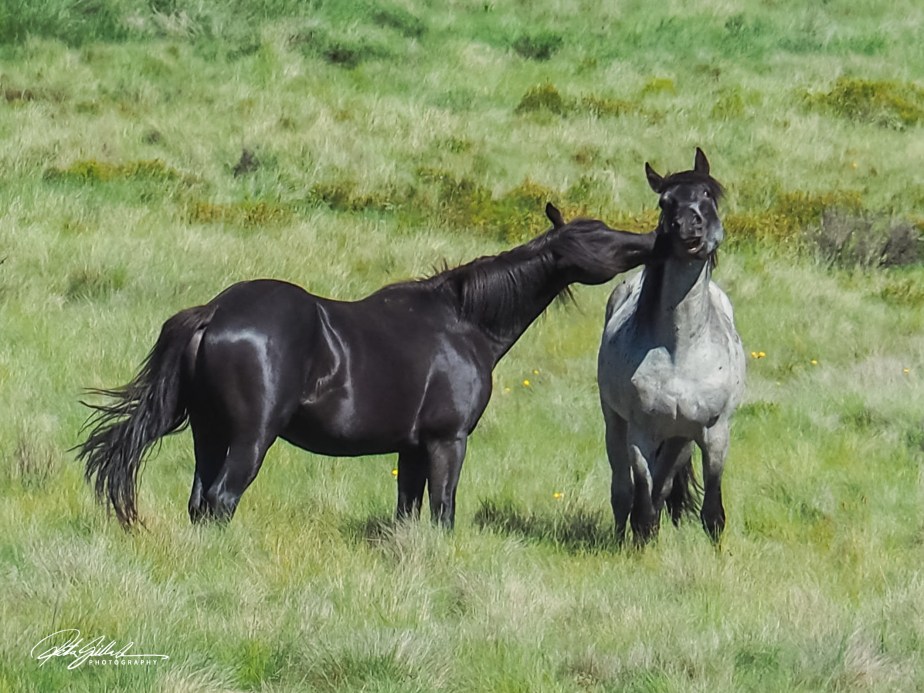
Black is a color that lacks hue and brightness and absorbs light without reflecting any of the rays composing it. It is characterized by the absence of light, enveloped in darkness
I found these as I went through my archive for Denzil’s Nature Photo Challenge #20 BLACK
He is looking for photographs of Black in nature. Guidance: The only criterion is that I would like you to photograph things in nature that are totally or mostly (so let’s say more than two-thirds) black.
Soil is the first thing I thought of, but at the moment everything is mostly green. I was not going to dig for it. Lets start with this pretty bird with a white beak. There is an another one too with a white beak 🙂 and one more. These are few things in nature that I have photographs of that are black.
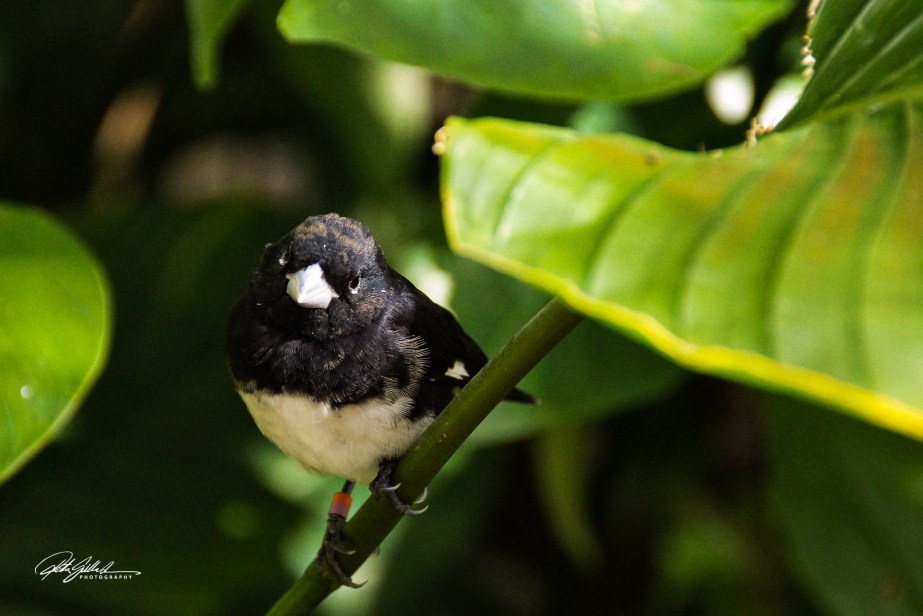
The Black Phoebe is a dapper flycatcher of the western U.S. with a sooty black body and crisp white belly.
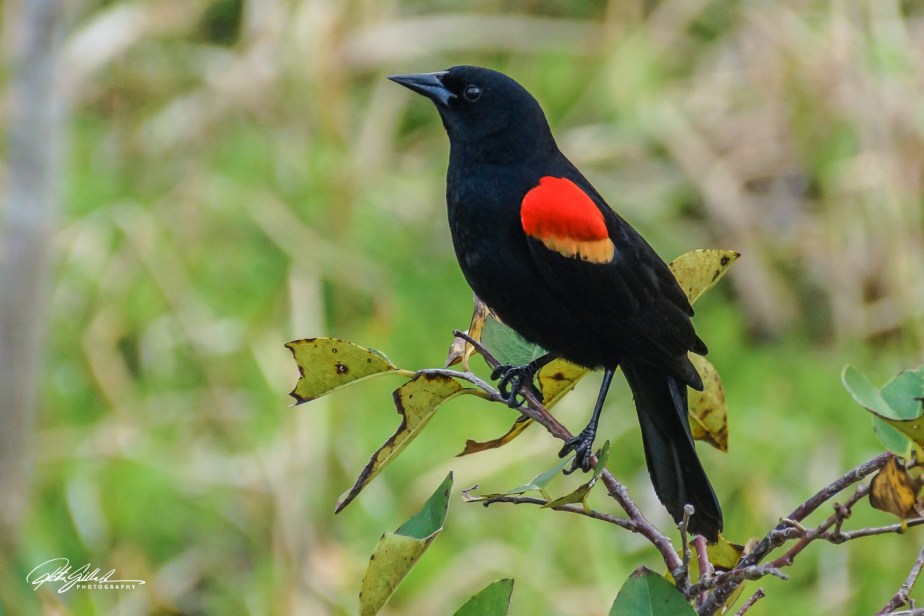
One of the most abundant birds across North America, and one of the most boldly colored, the Red-winged Blackbird is a familiar sight atop cattails, along soggy roadsides, and on telephone wires. Glossy-black males have scarlet-and-yellow shoulder patches they can puff up or hide depending on how confident they feel.
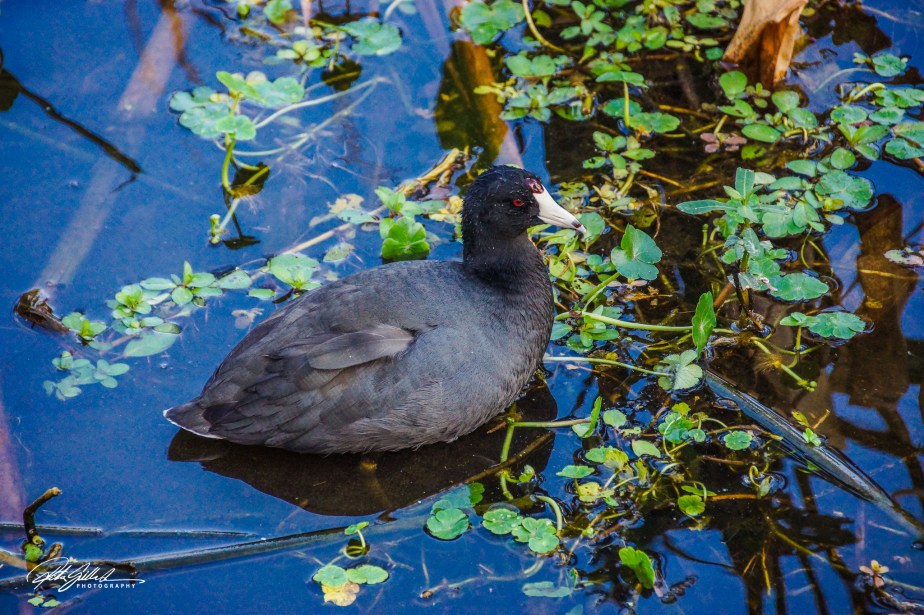
European Male Coot
Always seen on or near water, this wetland bird is a great example of a black bird with a white beak. As seen in the picture above it has a white beak with a white patch on its forehead, also known as a frontal shield, they also have red eyes. The males and females are very similar, however in breeding season the male’s frontal shield will be noticeably wider than the female’s.
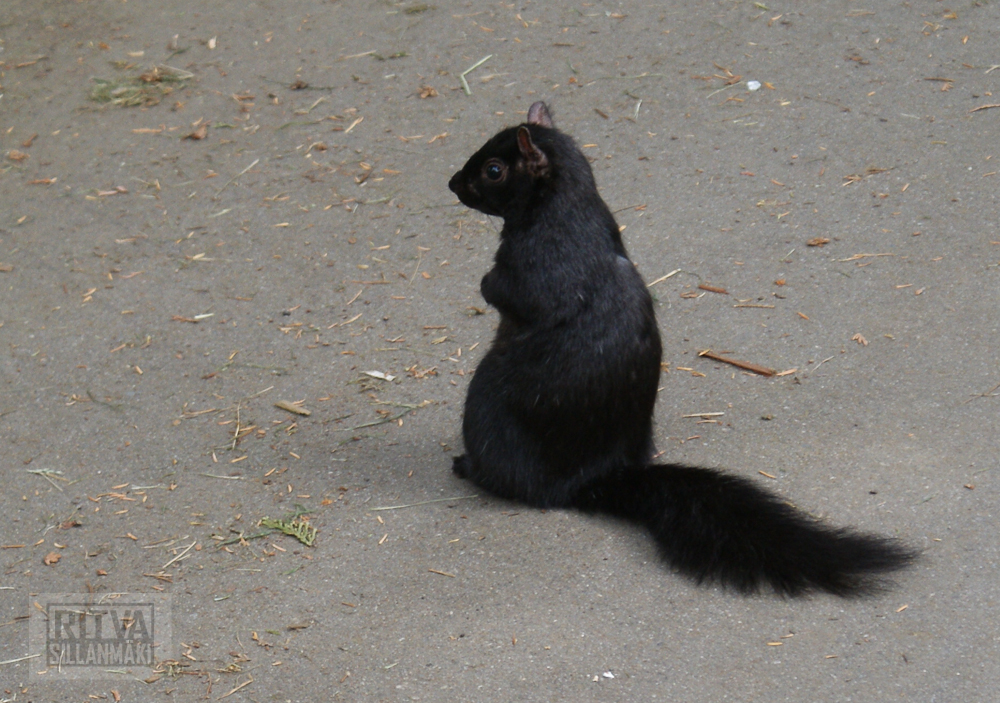
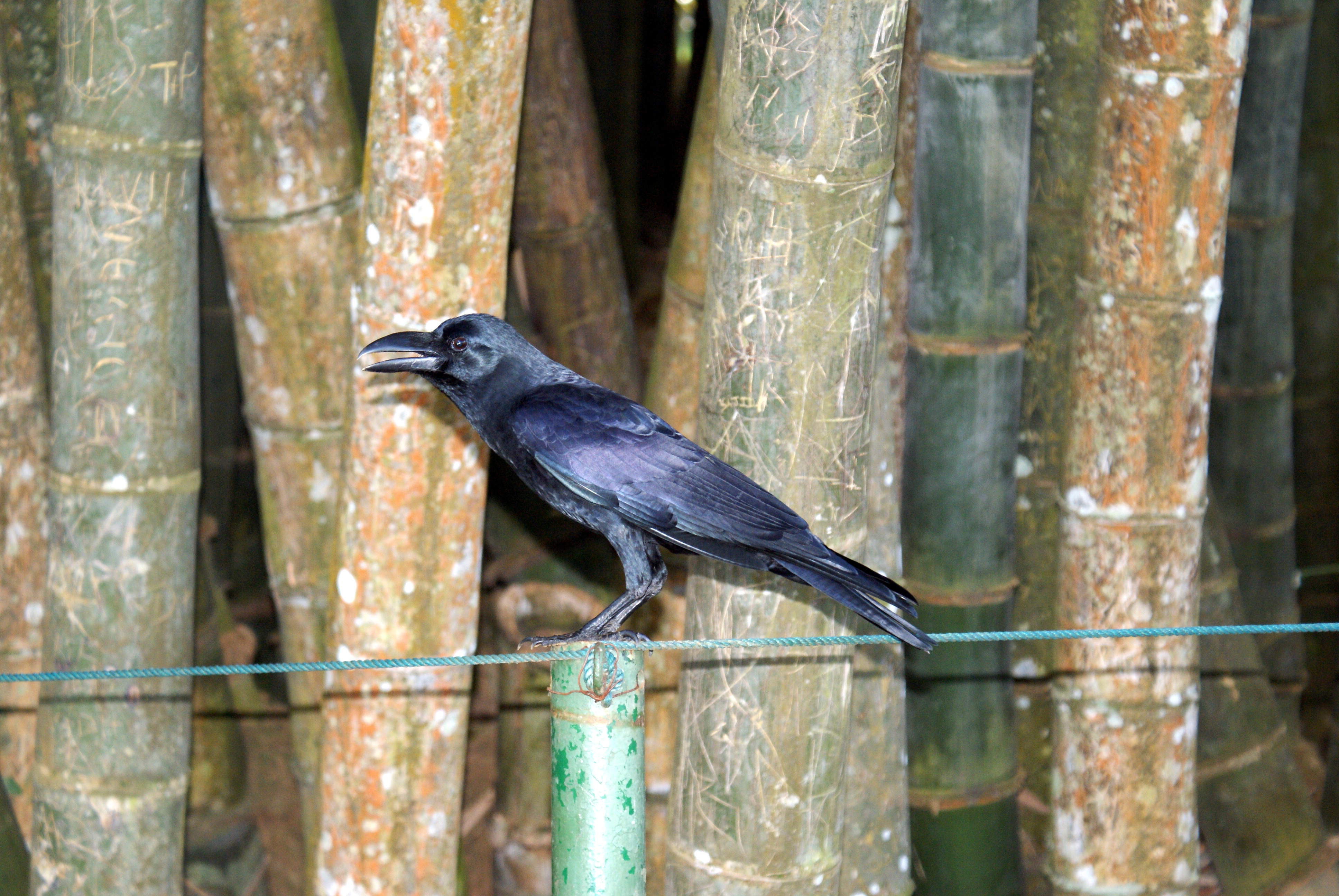
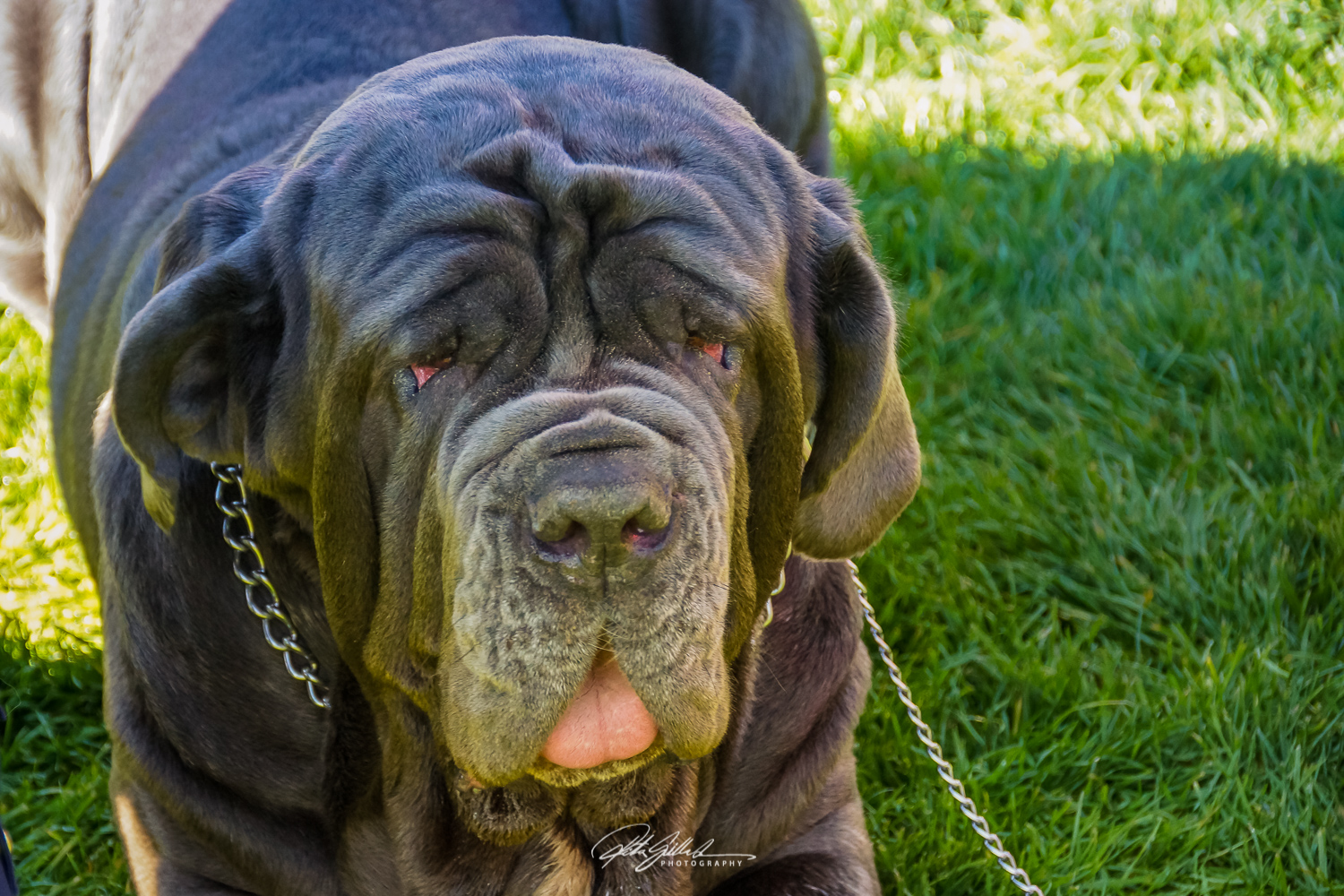
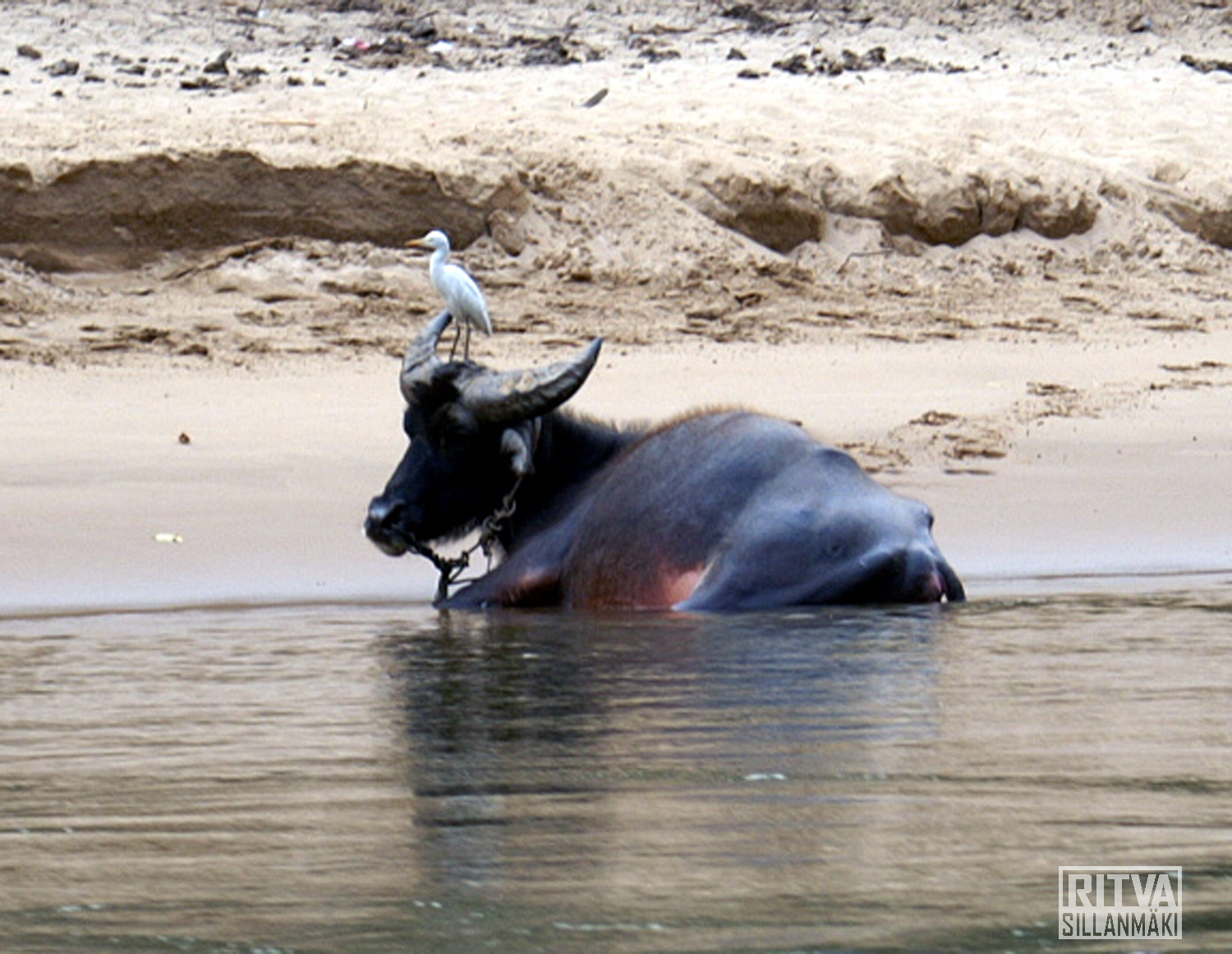
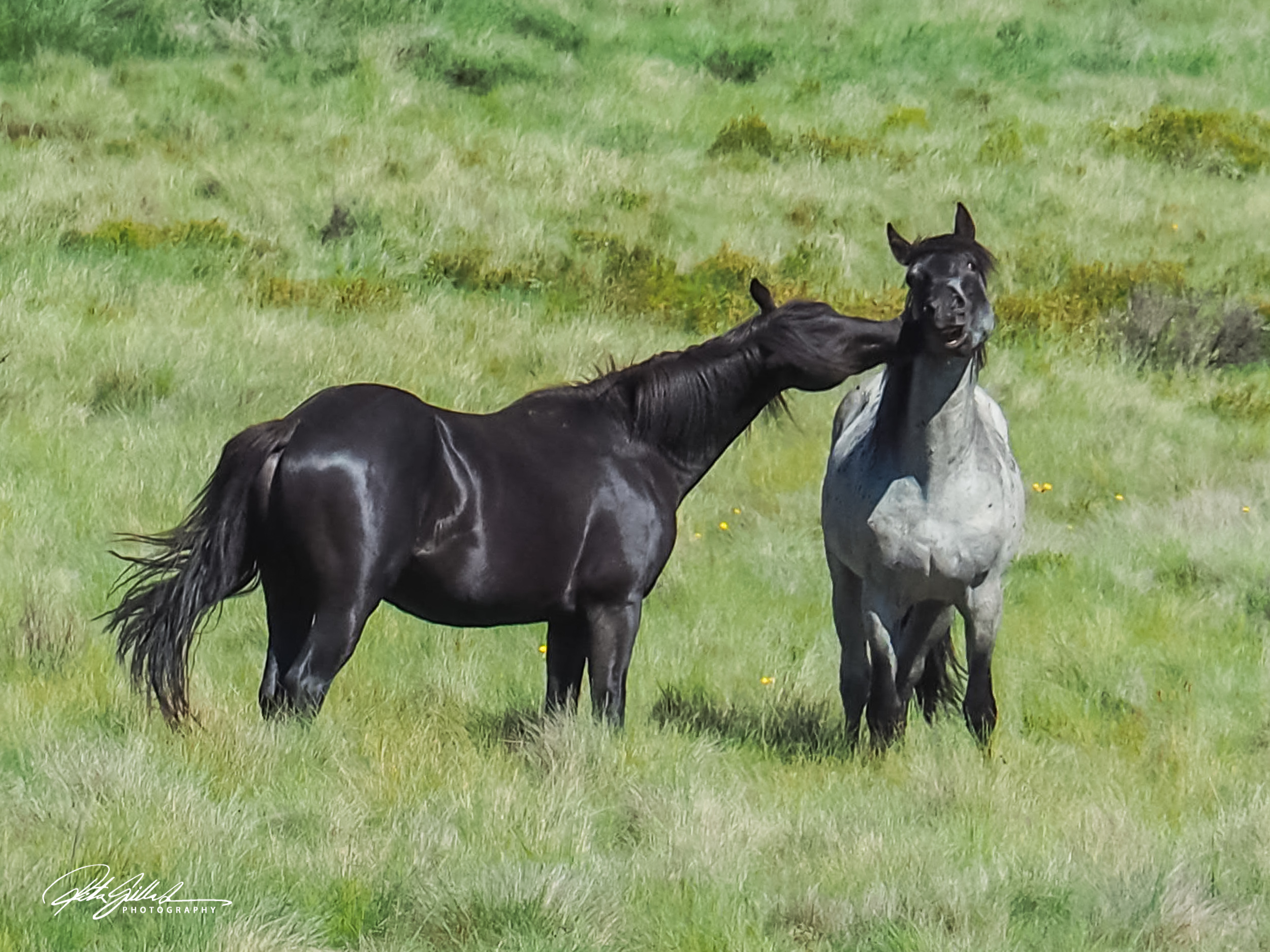
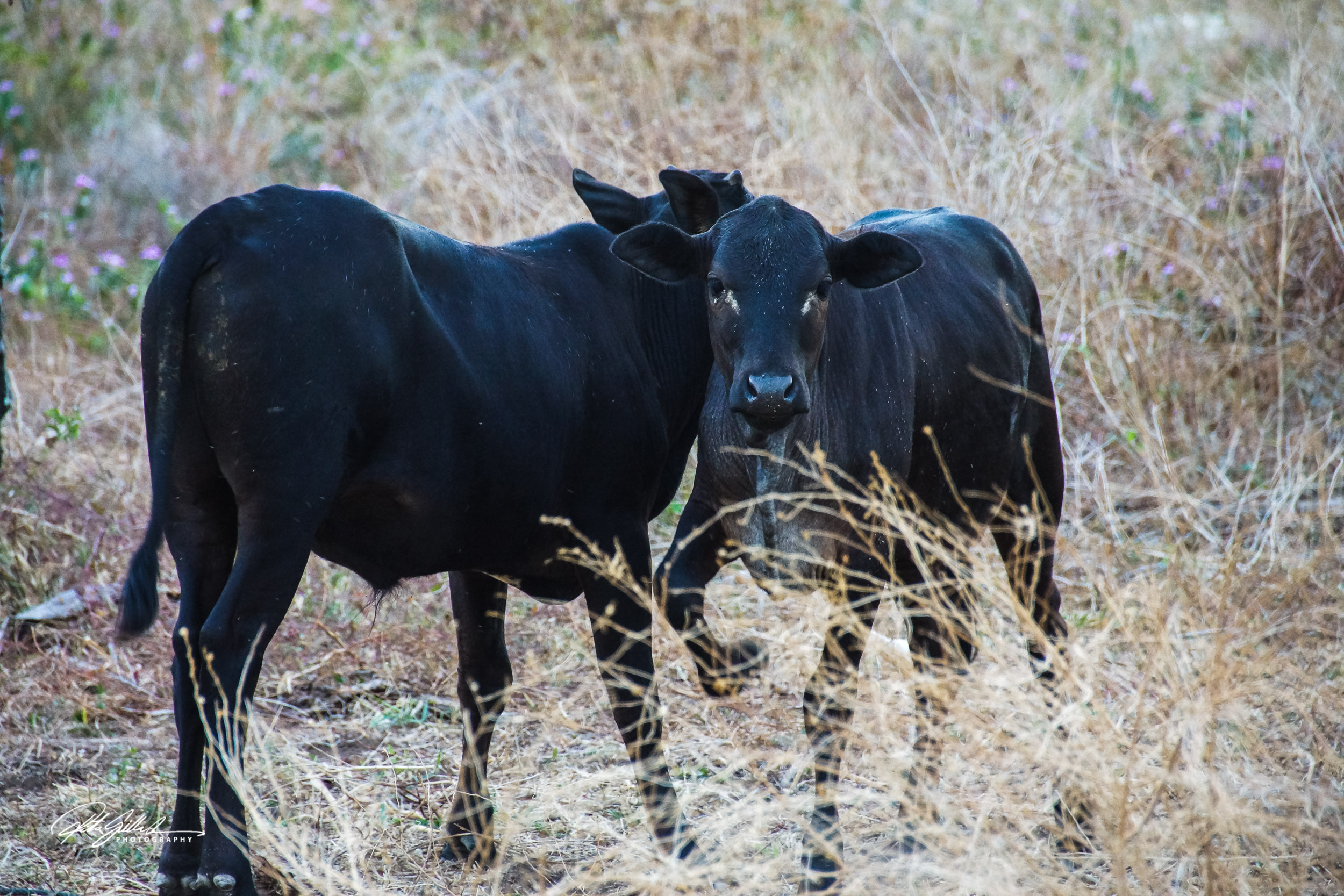
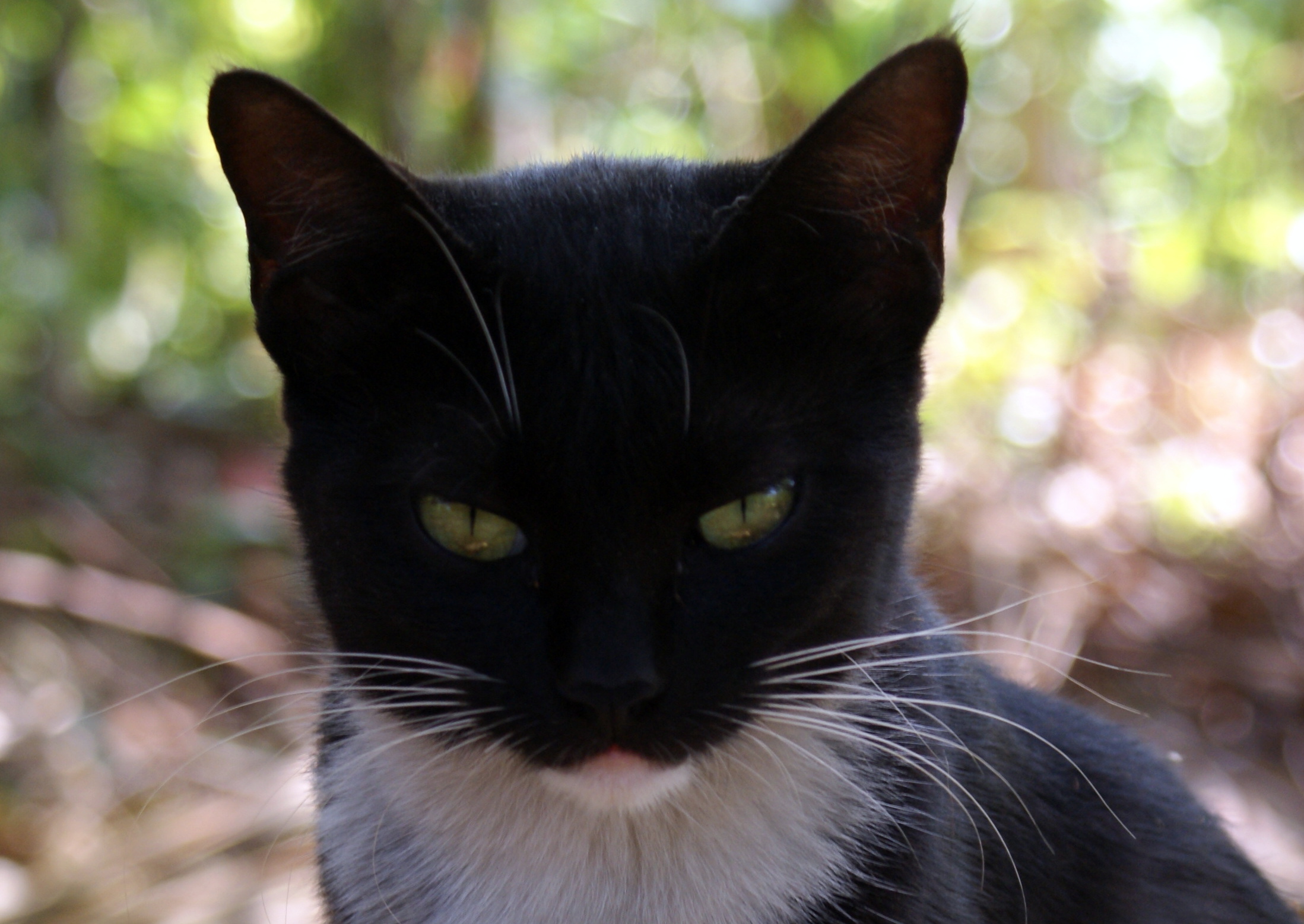
Black squirrel, black cows and a dog. Alligator – Black?
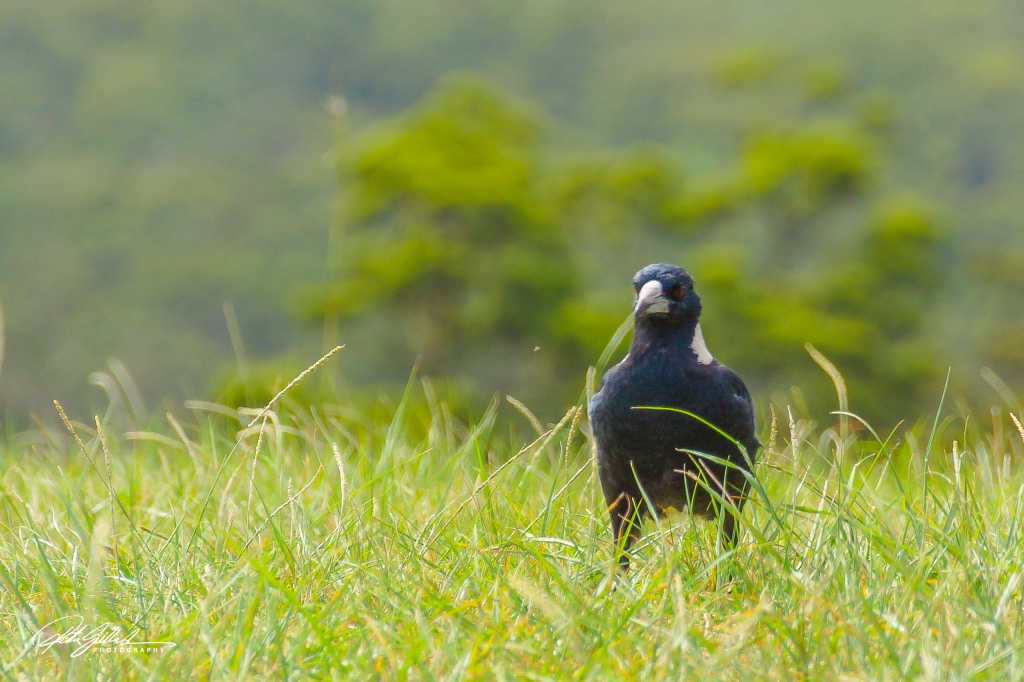
Australian magpie below
 Ritva Sillanmäki Photography
I especially like your header photo, Ritva. All good ‘blacks’ though!
Some brilliant examples, Ritva!
Thanks Sue
Love your examples, Ritva.
Thanks Janet
Awesome animal photos!
Thanks Lisa
Love the Red-winged Blackbird. I kept to blacks in my neighbourhood, but having seen your post I have remembered that I do have a black squirrel from Canada, an Australian magpie and a black swan and even a black bear!
My black Squirrel was from Canada also… it took so time to think and find good samples for this
Challenge
Beautiful !!
Thanks Nora
Beautiful photos Ritva. The Red-winged Blackbird is pretty and the horses too (the movie “Black Beauty” will always remain a favourite).
Beautiful collection Ritva..That red-winged blackbird is fabulous!
These are great! Loved the red-winged blackbird. They are abundant where I live but I have yet to capture a photo of one. Some day…..