

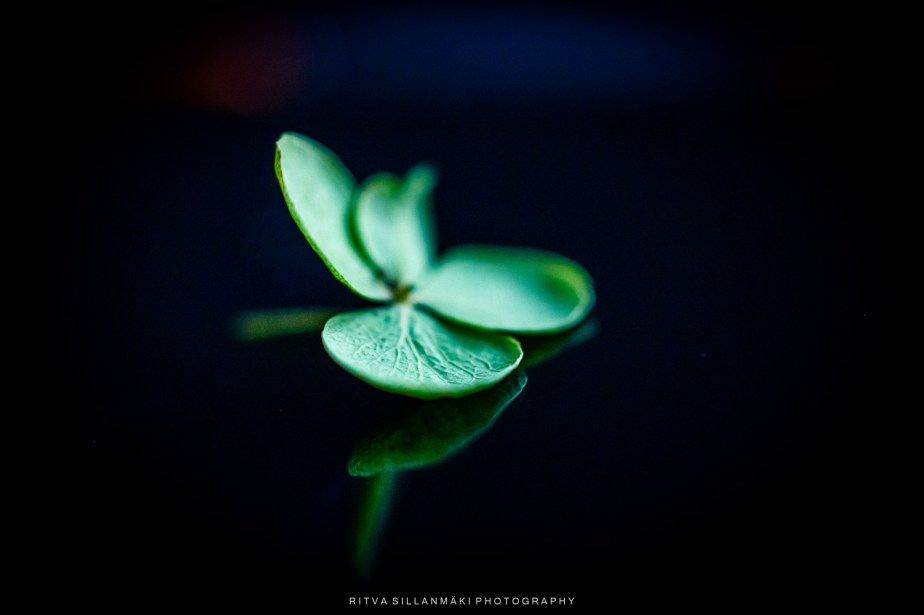
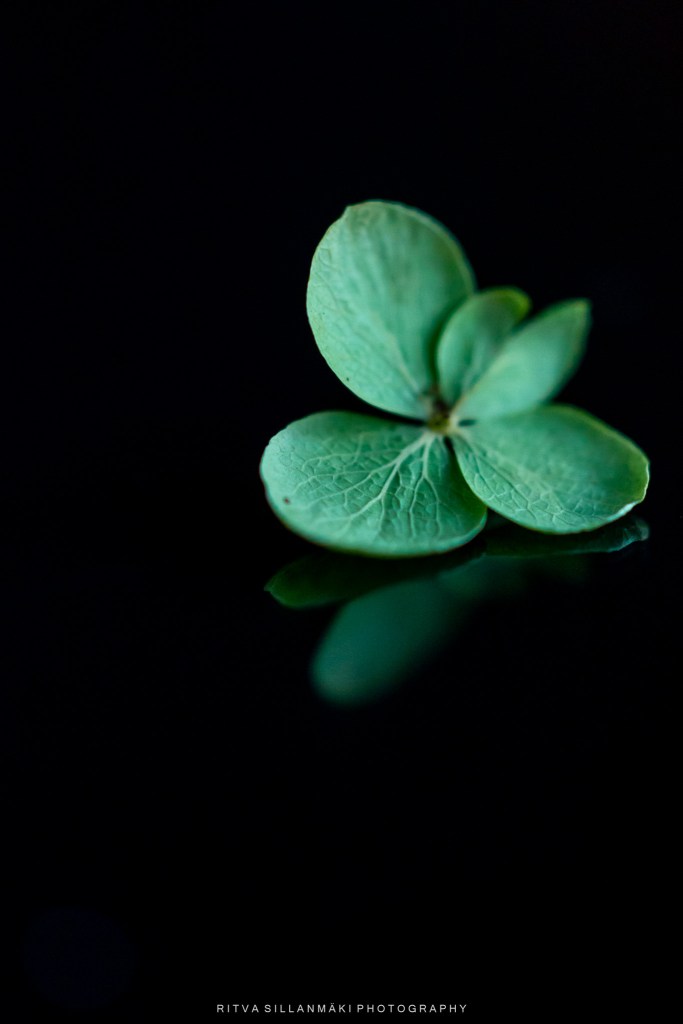
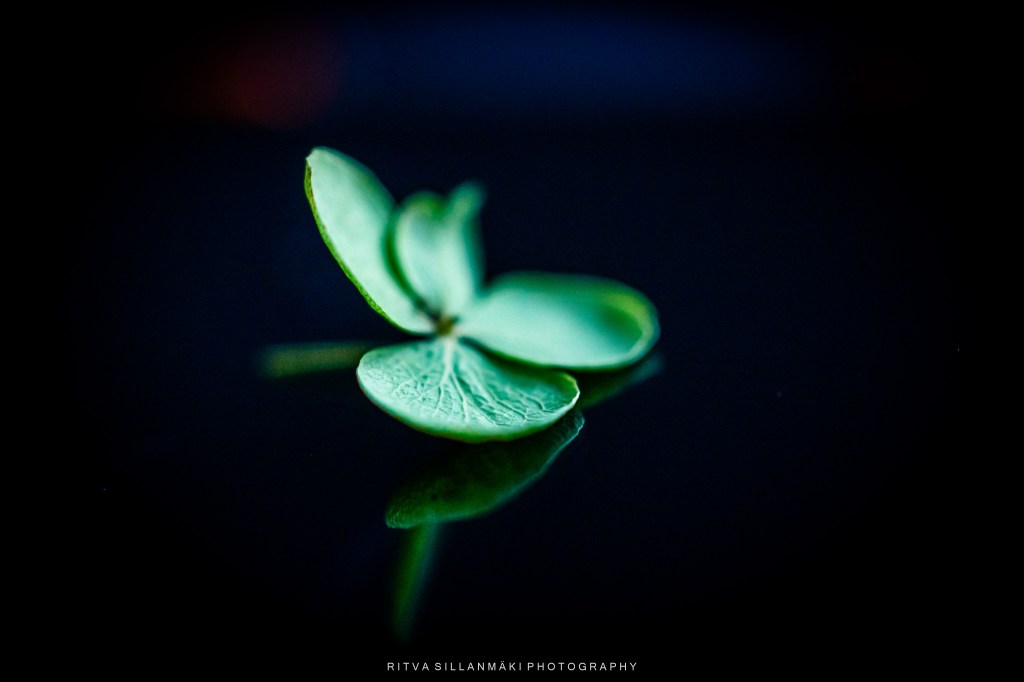
The header is the same flower,( I don’t know what it is, but it is pretty) but the lighting was different in the shots. Do you prefer warm or cool tones?

Posted for Cee’s Flower of the Day
The header is the same flower,( I don’t know what it is, but it is pretty) but the lighting was different in the shots. Do you prefer warm or cool tones?
Posted for Cee’s Flower of the Day
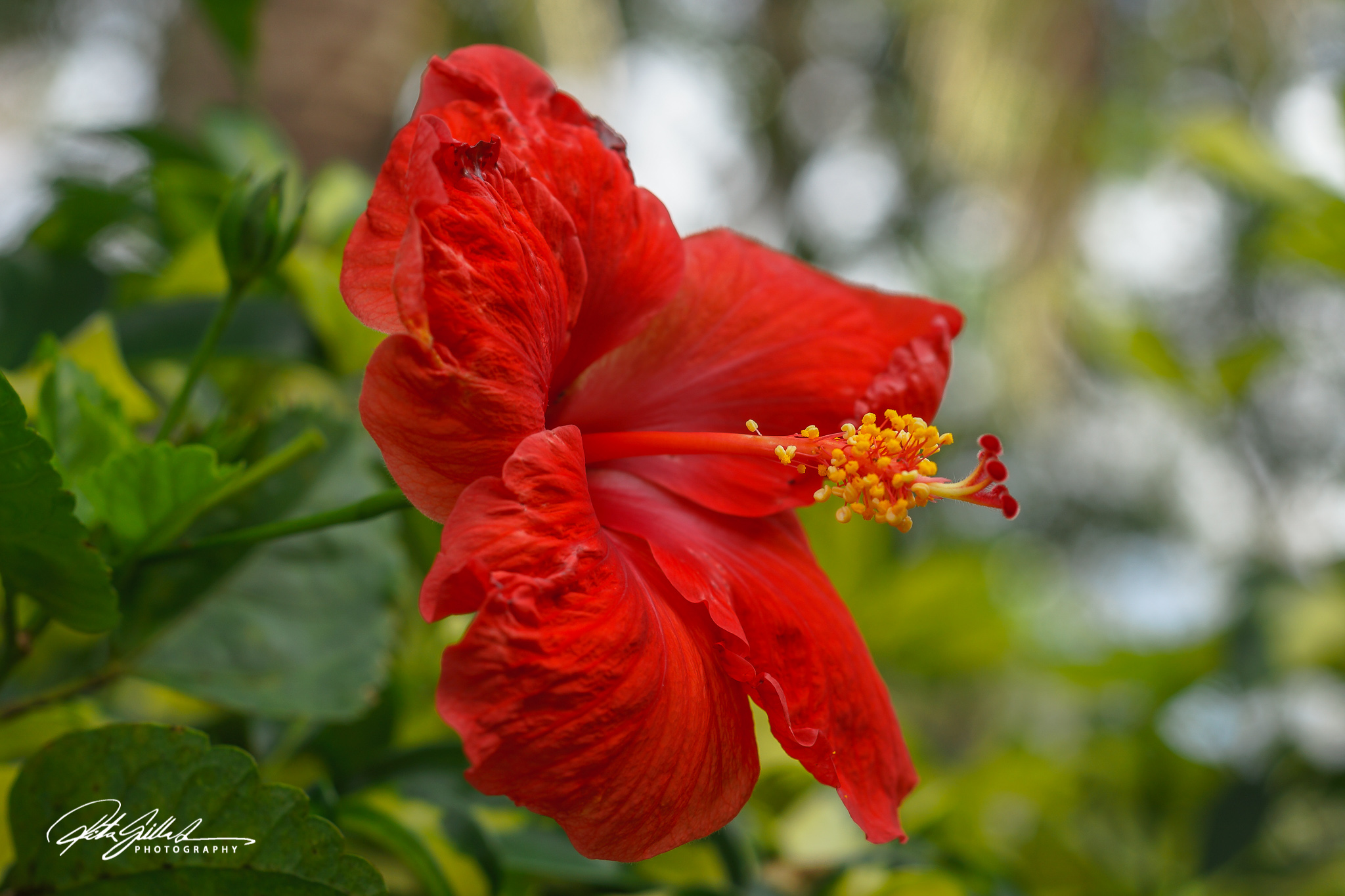
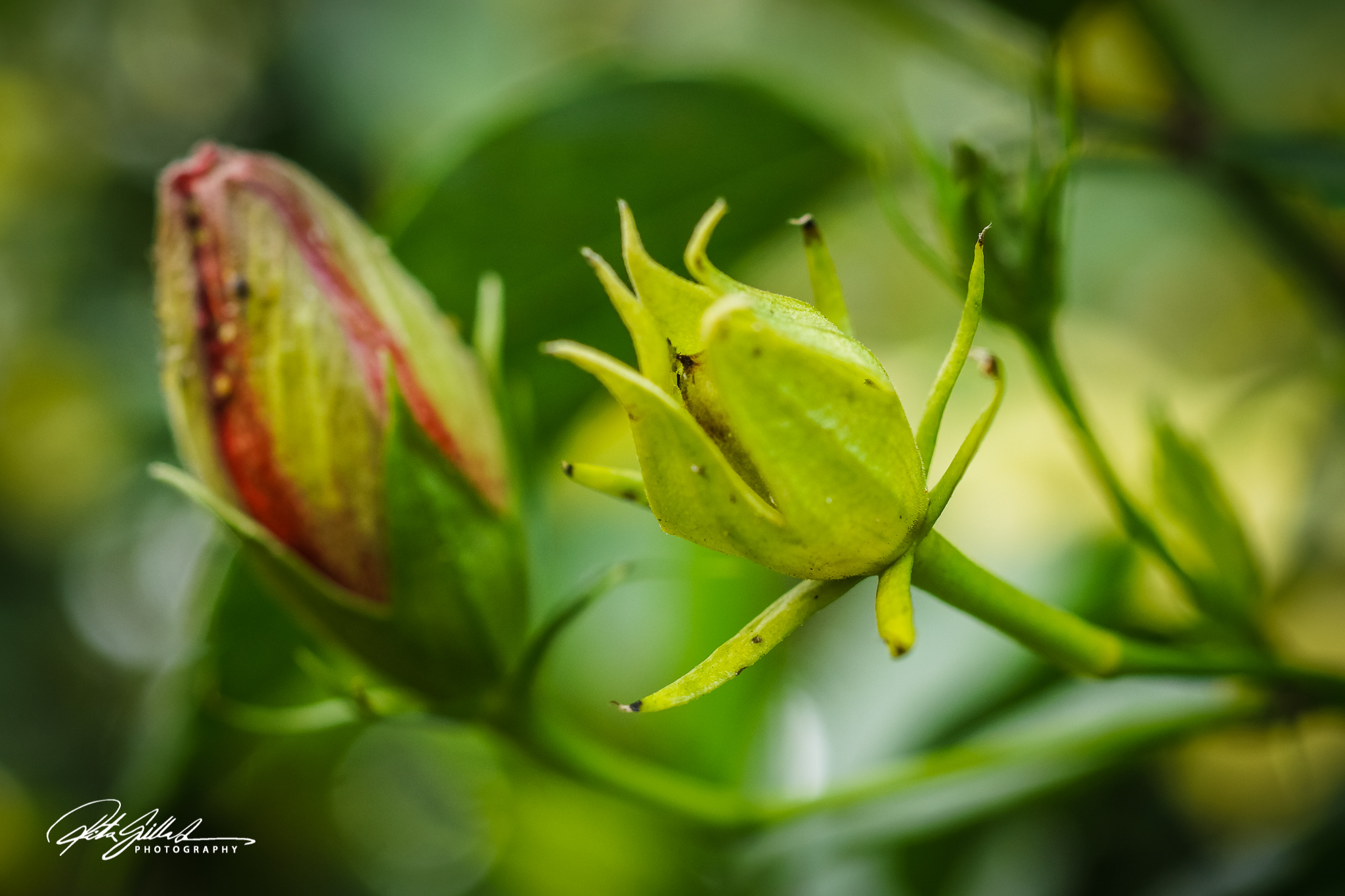
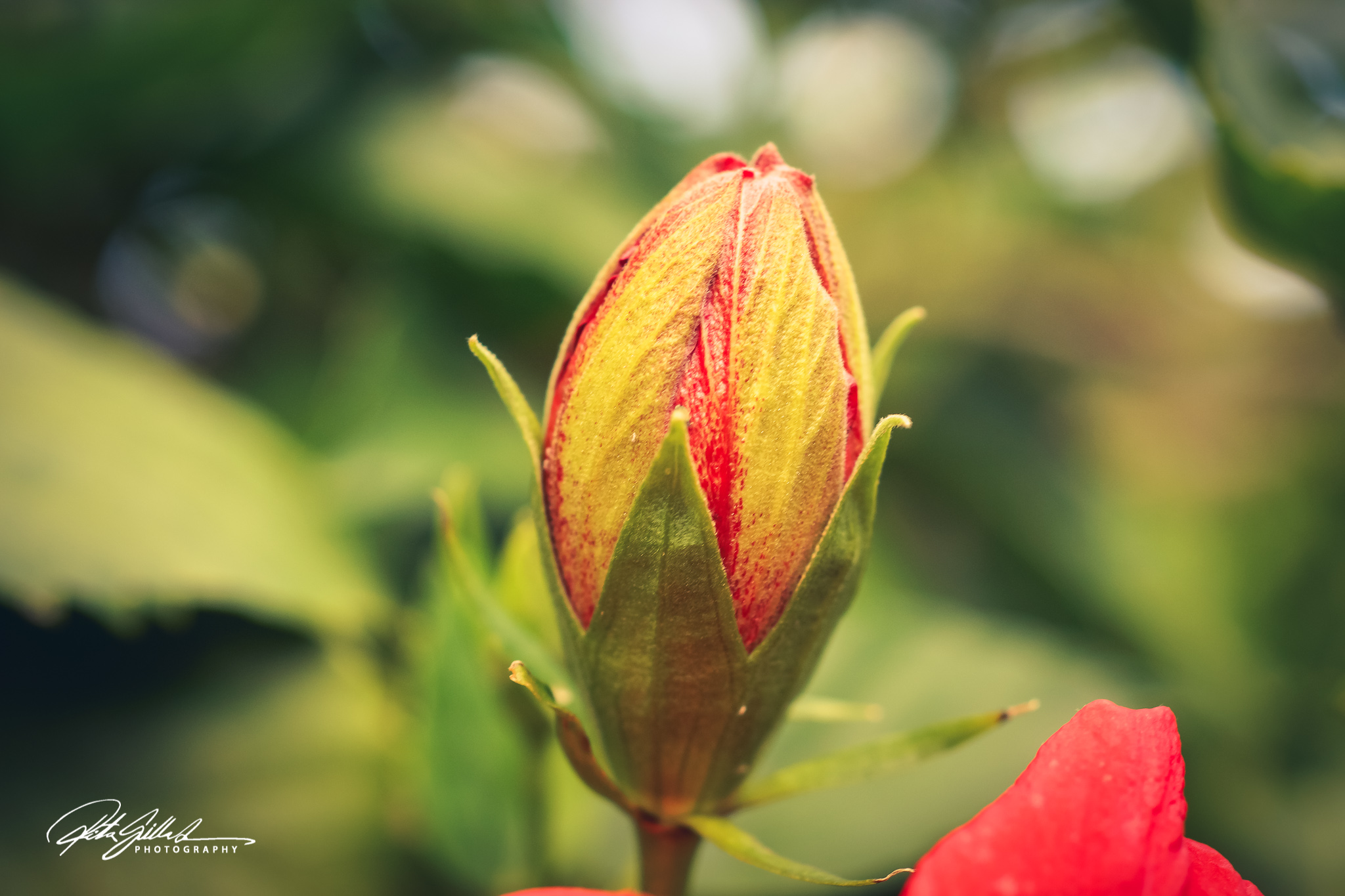
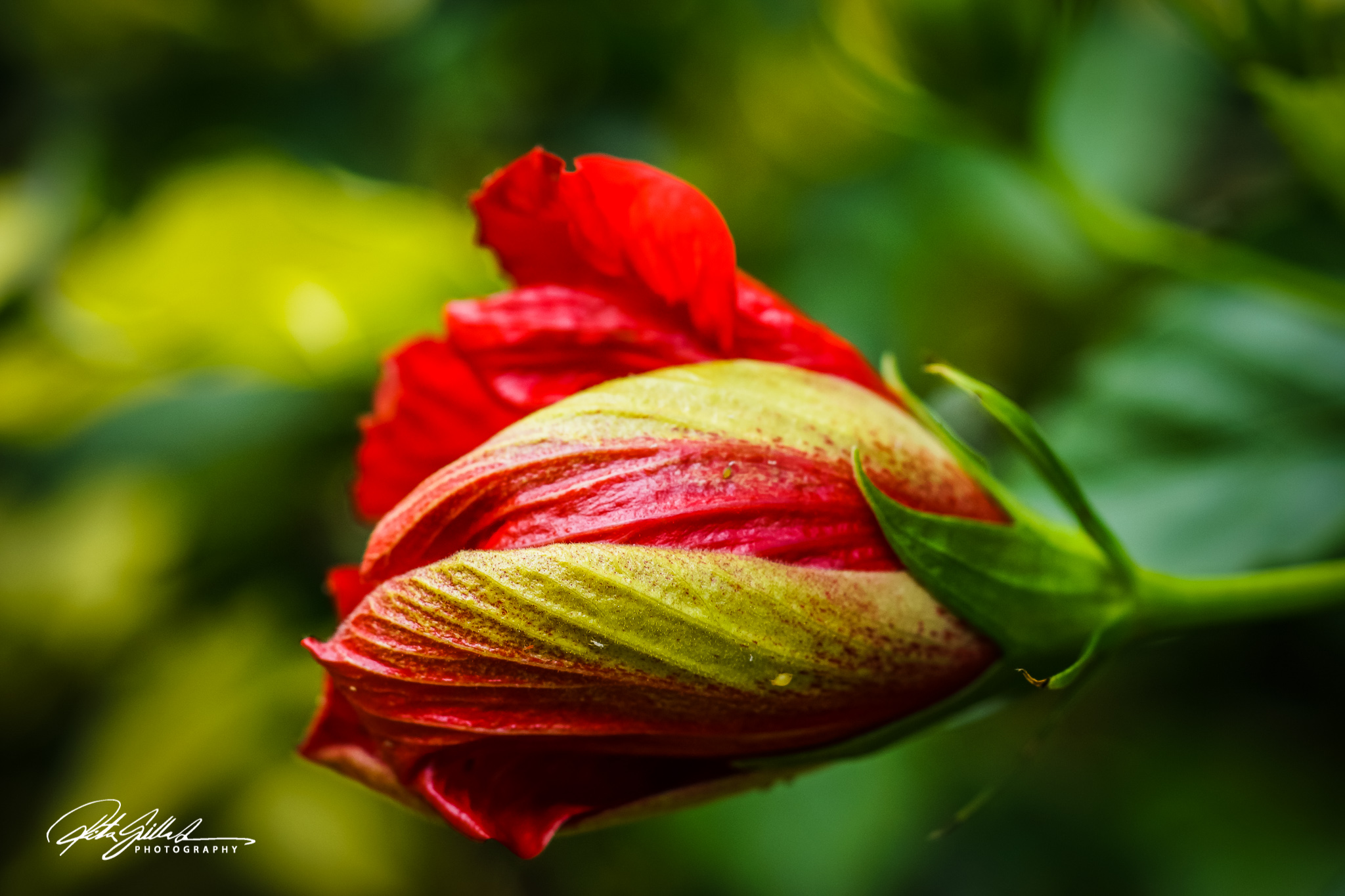
Hibiscus rosa-sinensis, commonly referred to as Chinese hibiscus or China rose, is the name by which I have always known this beautiful flower. When I was a child, China rose, my father’s favorite flower would bloom in our living room.
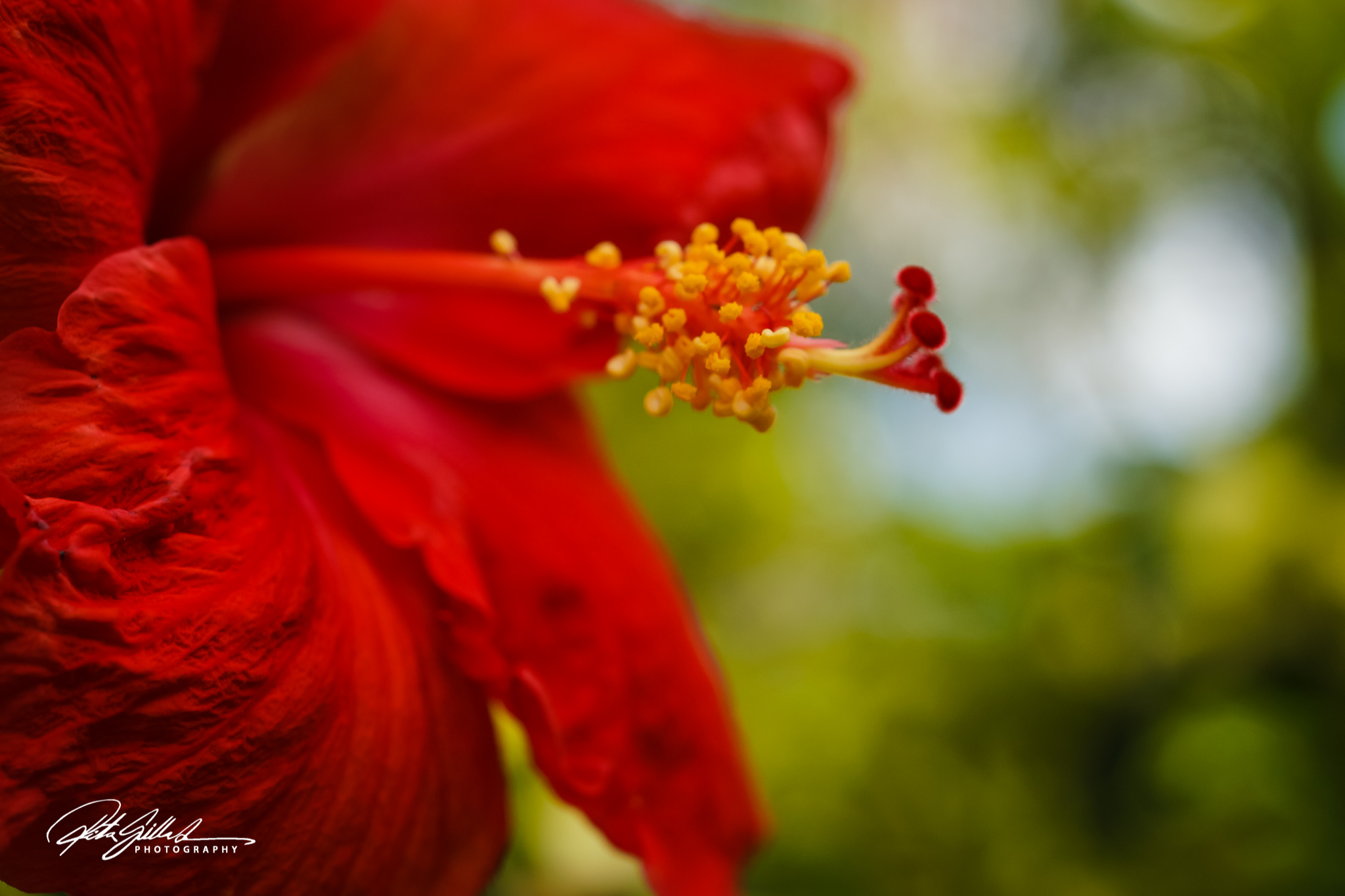
For Cee´s Flower of the Day.
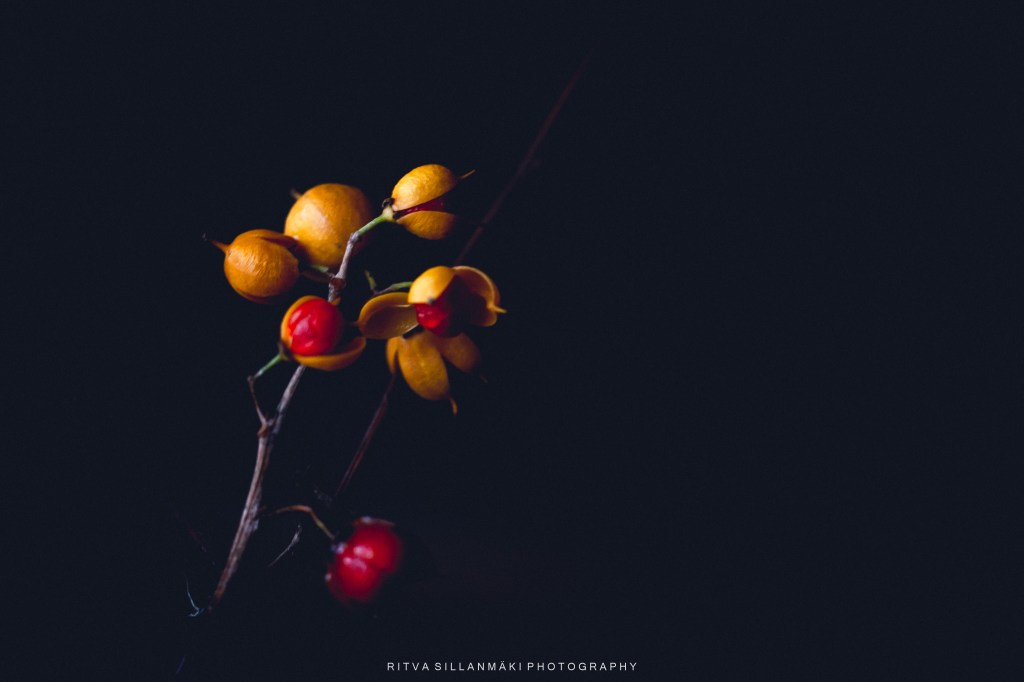
For Cee´s Flower of the Day.
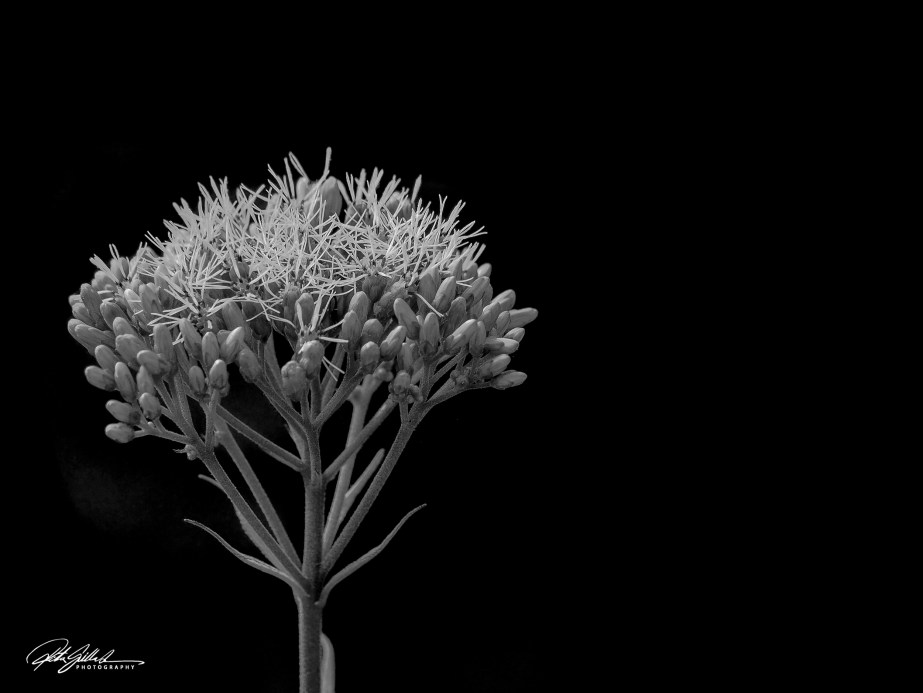
I was looking for doors, but mainly found windows… and flowers. I found this one taken few years back. And, I thought to myself, this is rather good. It also worked well as monochrome. I’ll post it for next flower of the day.
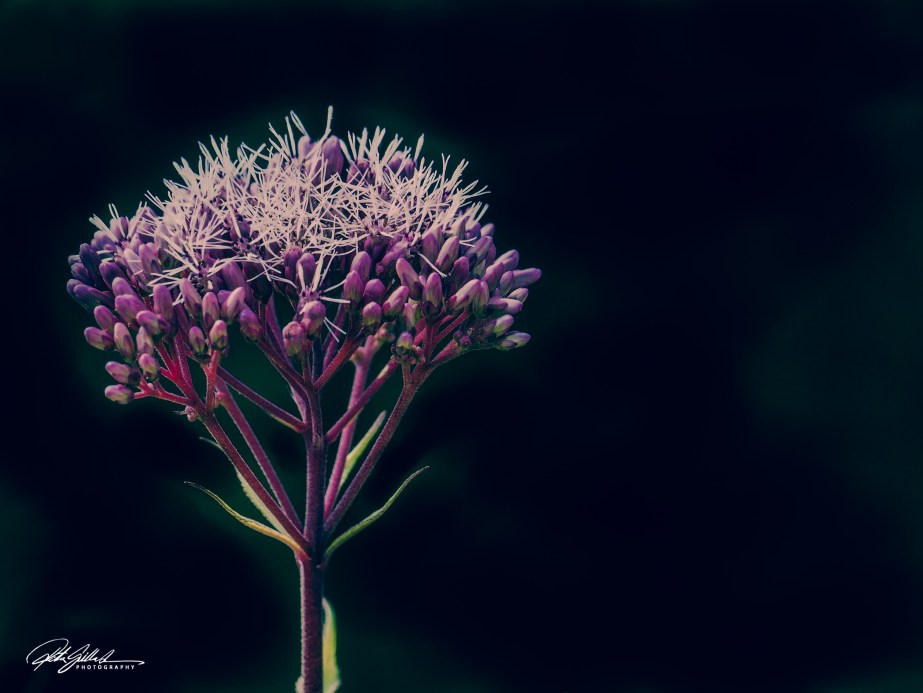
For Cee´s Flower of the Day.
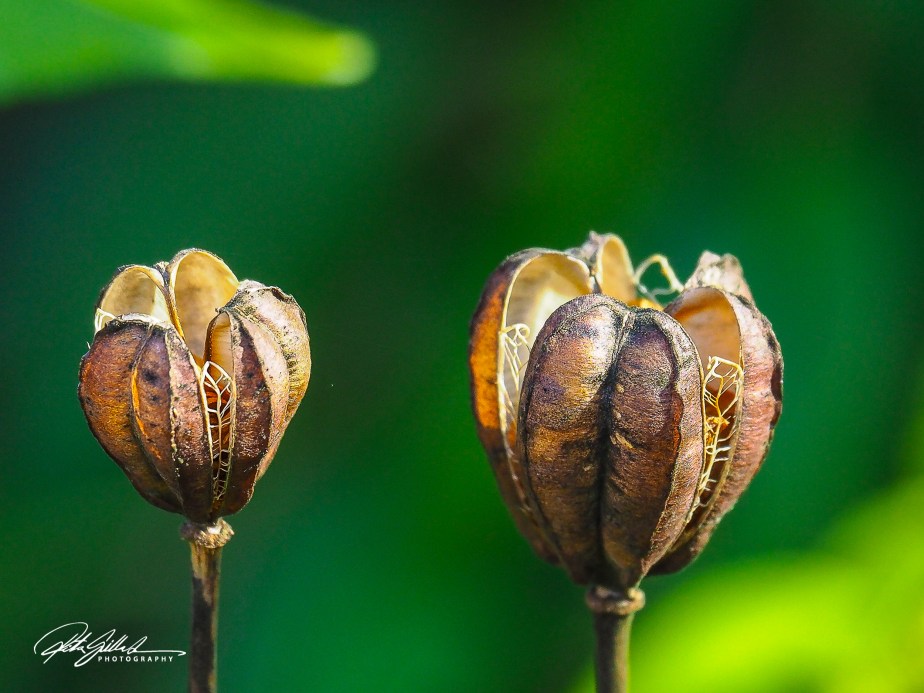
Today my choice is not actually a flower, but an empty core of Turk’s cap lily or Martagon lily.
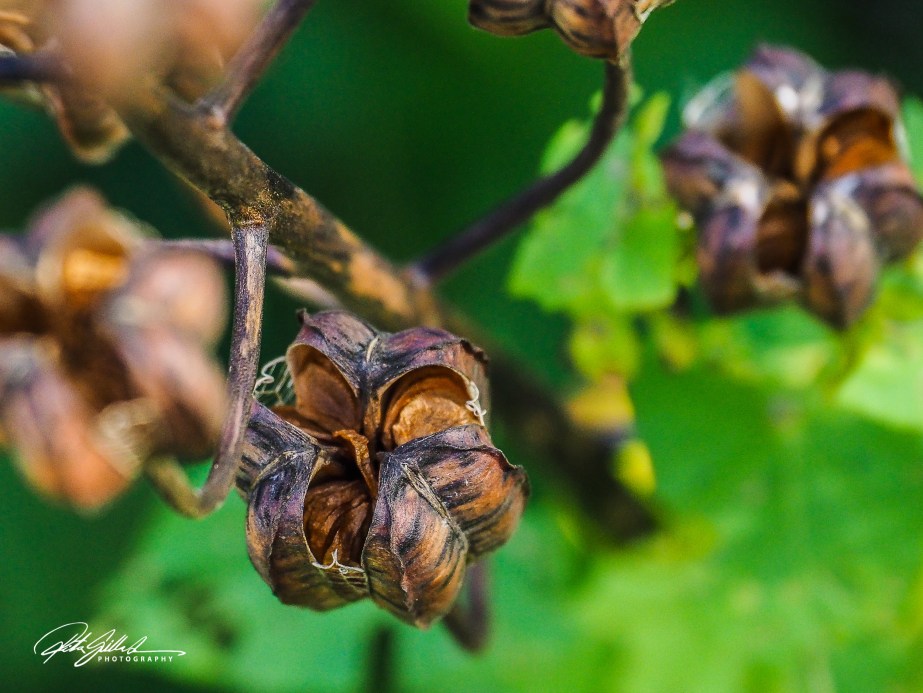
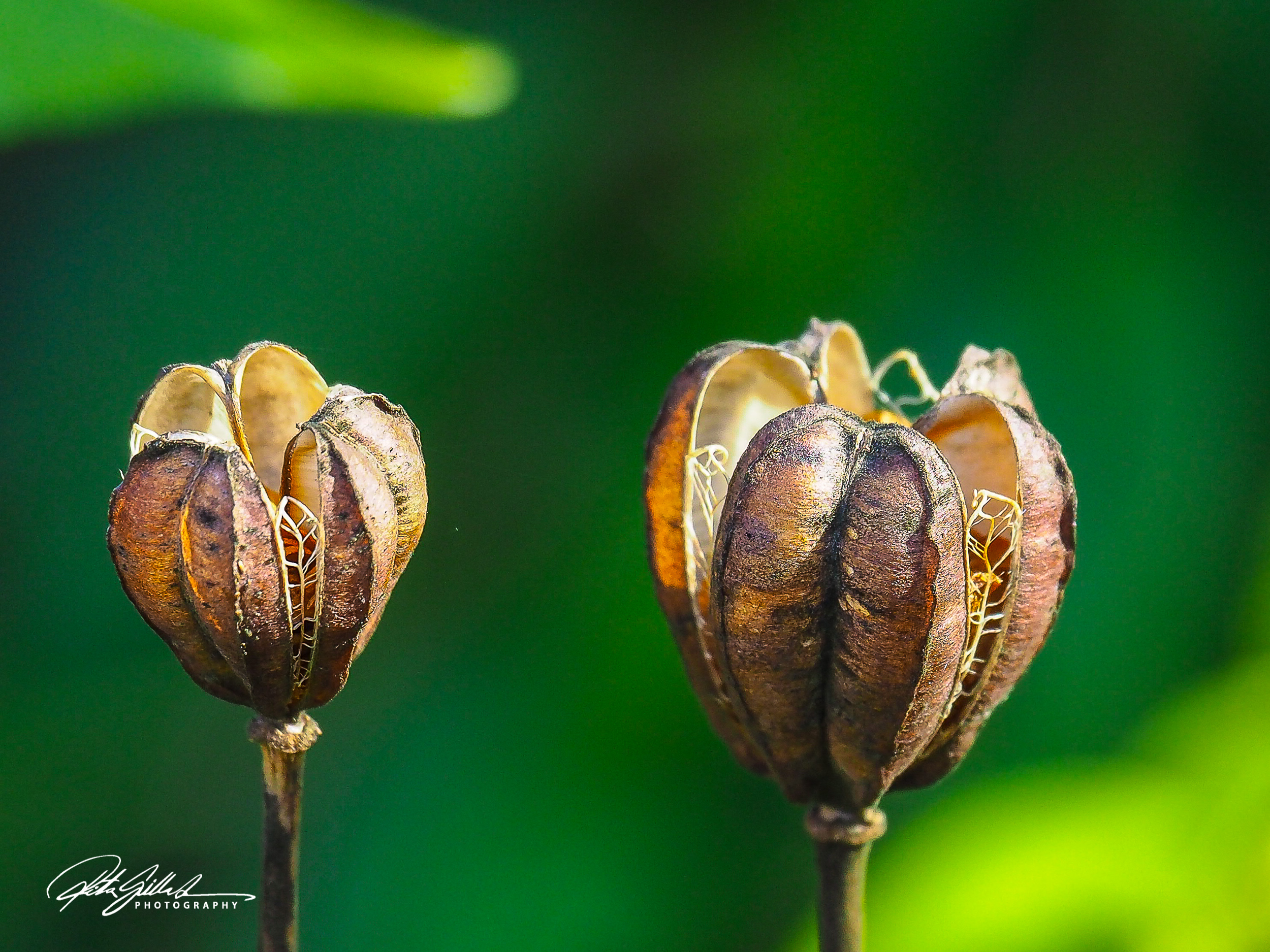

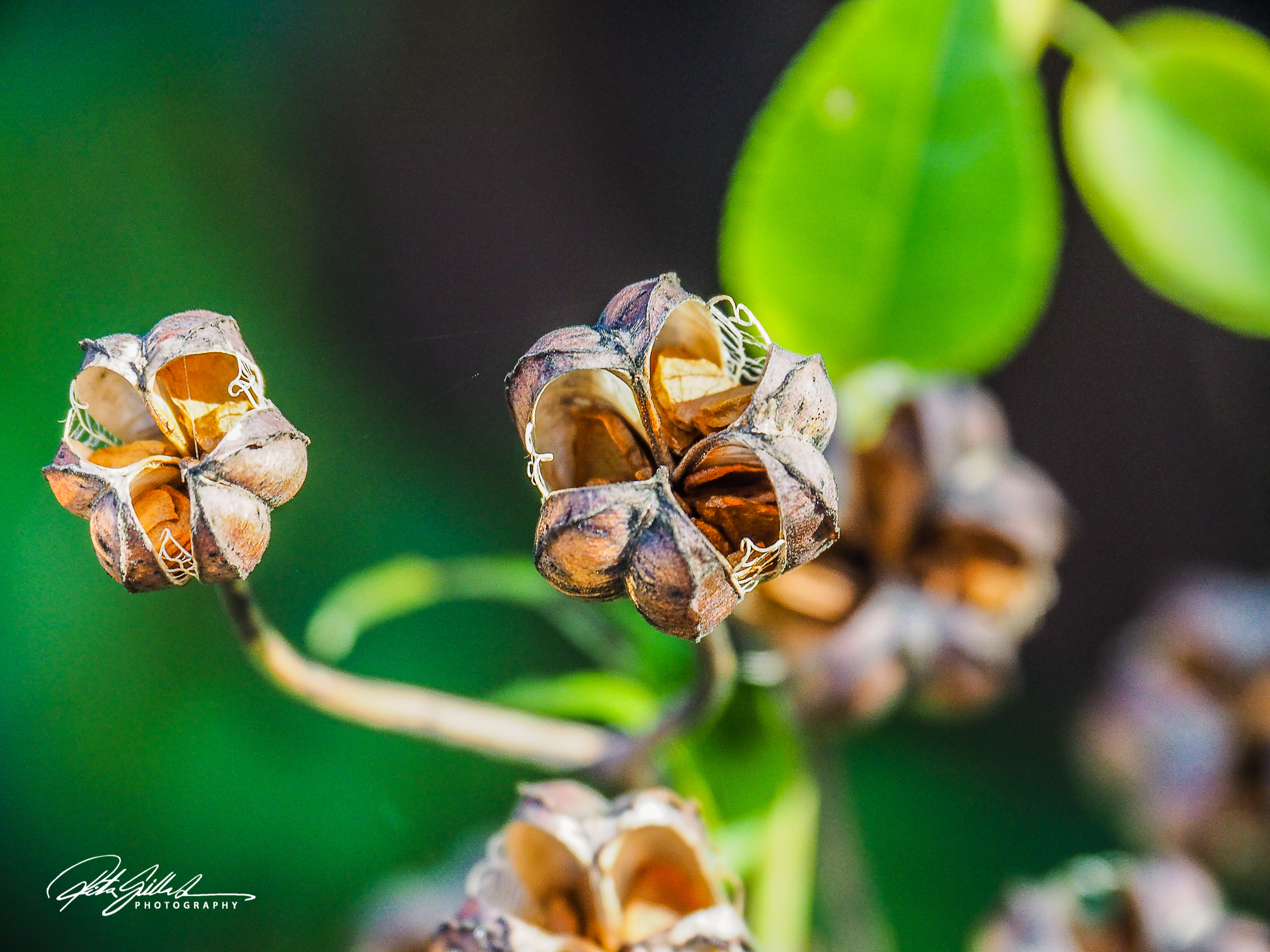
Martagon lilyhas a long history as a garden plant: it has possibly been known in Sweden since the Middle Ages and in Finland since the 19th century.
After flowering the downward curve of the flower-stalks is reversed and the capsules end up in an erect position. After withering the rigid stem supports the fruits under the snow – martagon lily sticks out during the winter. As the wind blows the seeds rattle against the dry walls of the capsule until they fall out in a hard enough snowstorm.
Posted for Cee’s Flower of the Day

For Cee’s Flower of the Day.
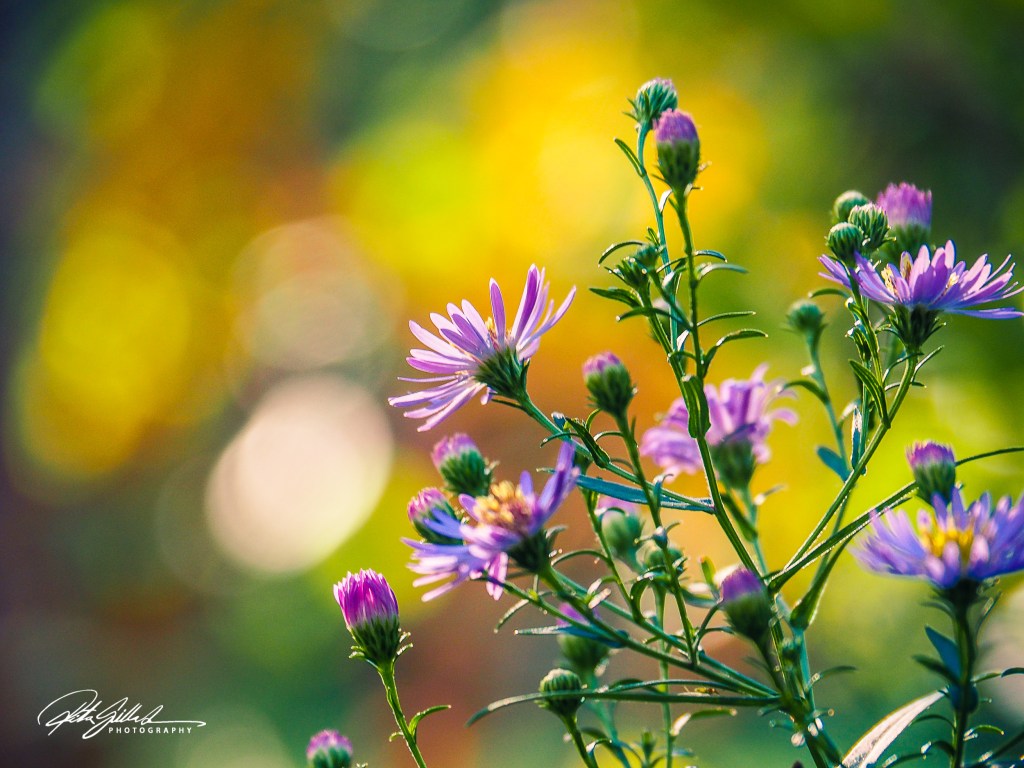
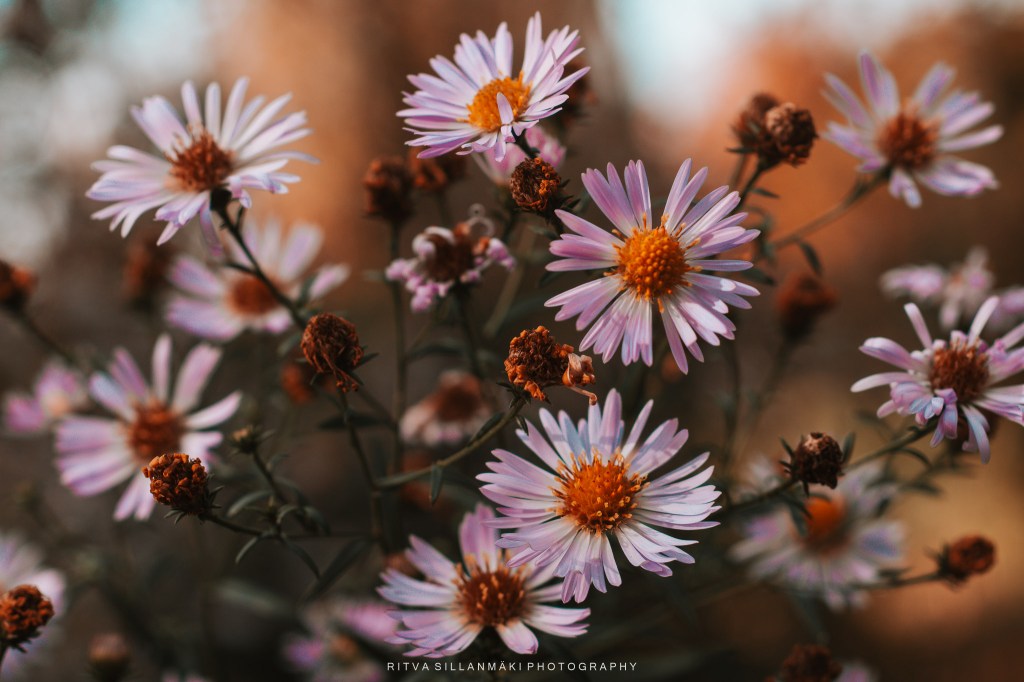
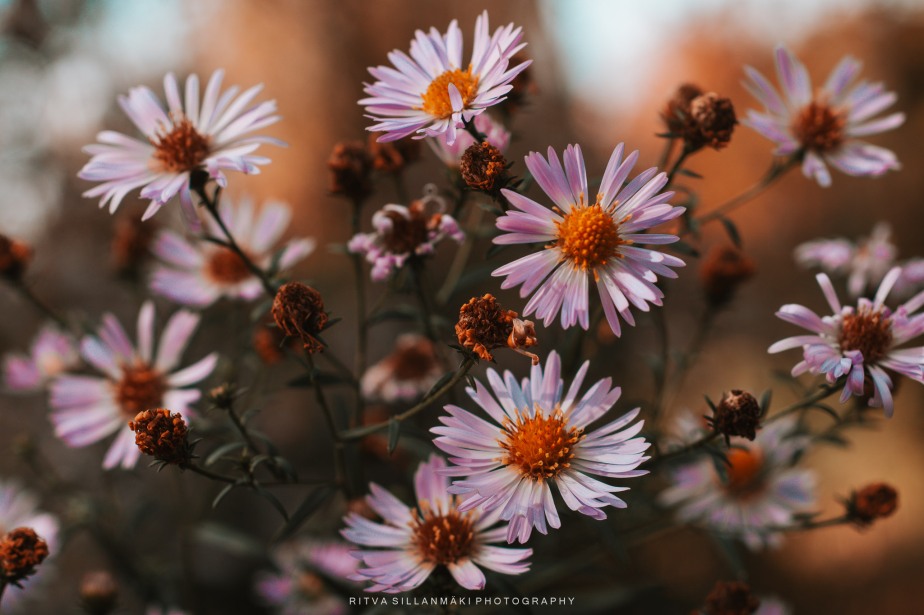
This is my last photo of this New York Aster this year. Autumn brown have really set in.
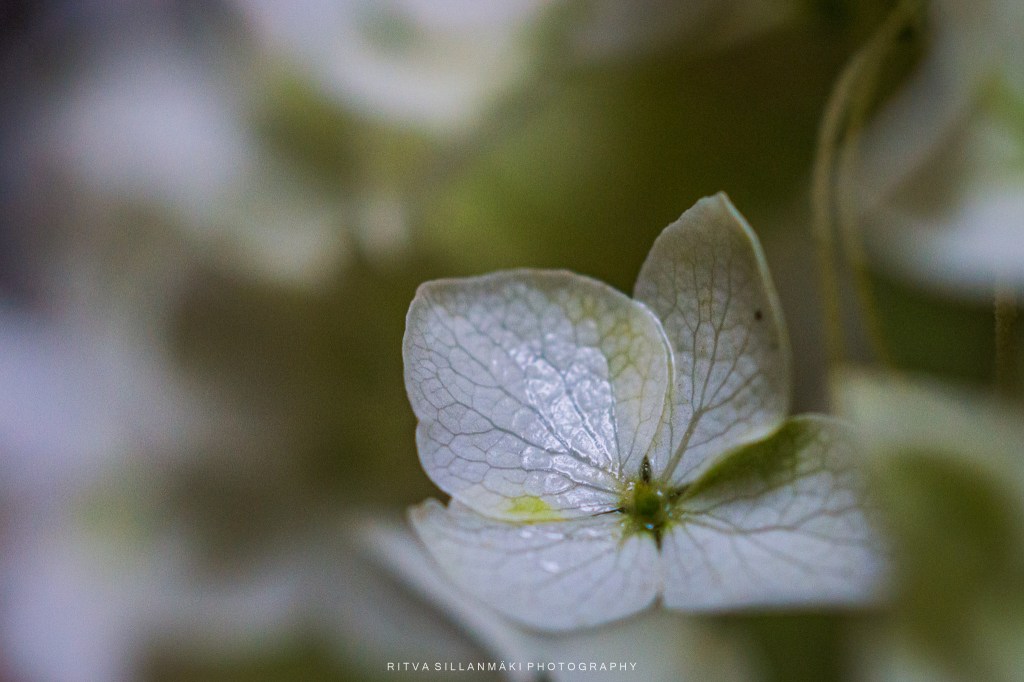
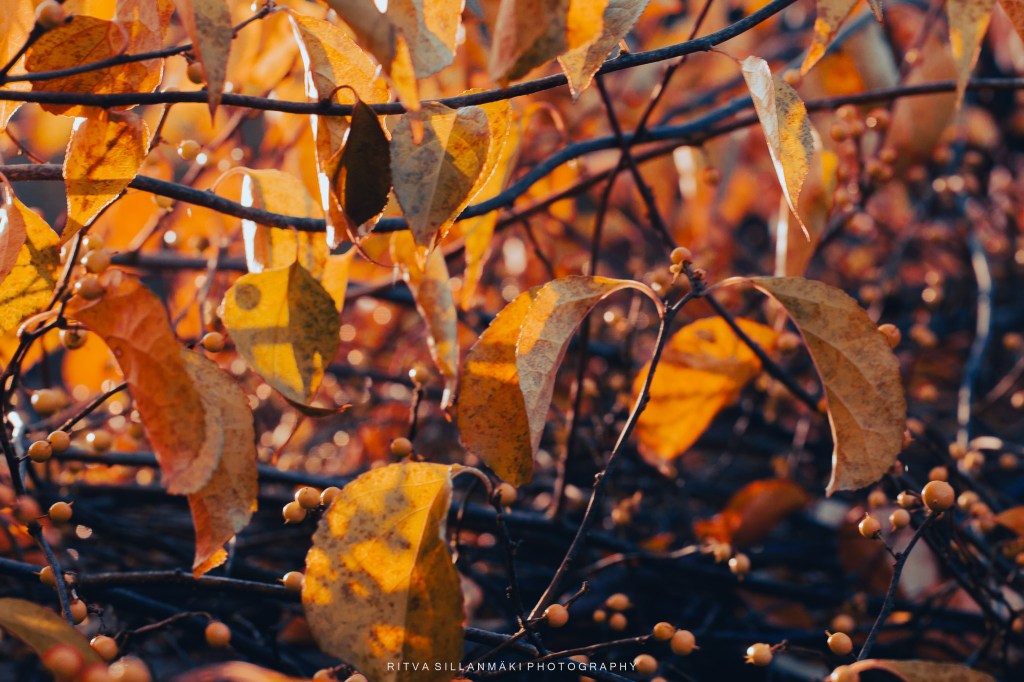
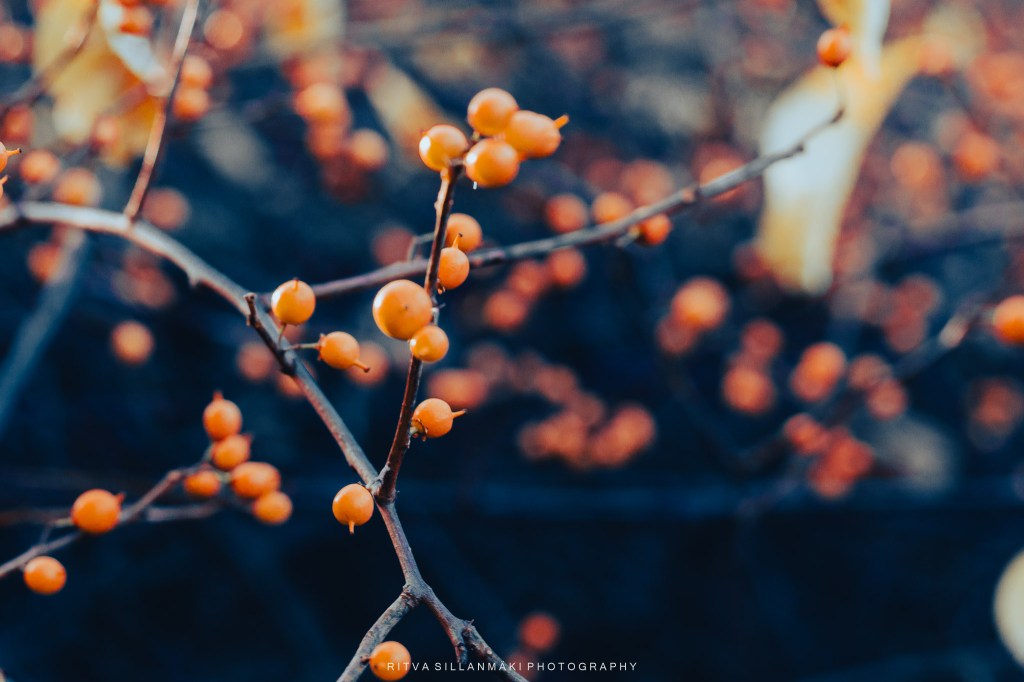
October colors from this morning. It was once again a bit nippy as the temperatures had gone down to minus side last night.

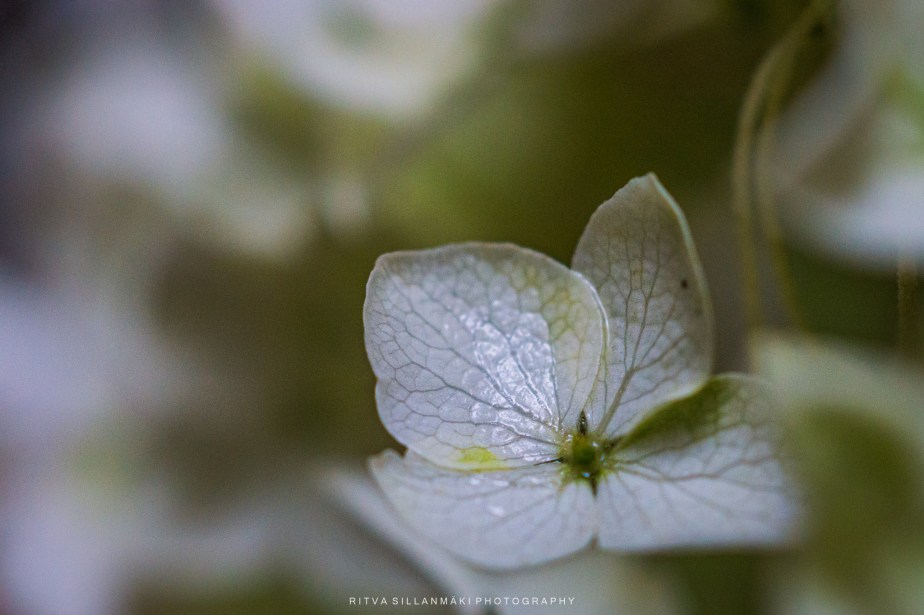
Here are Hydrangea arborescens, commonly known as smooth hydrangea, wild hydrangea, sevenbark, or in some cases, sheep flower, after the frost had melted and left the pedals moist and shining in the cool but sunny morning air. Most of the pedals are now brown , but few are left white and green.
Posted for Cee’s Flower of the Day
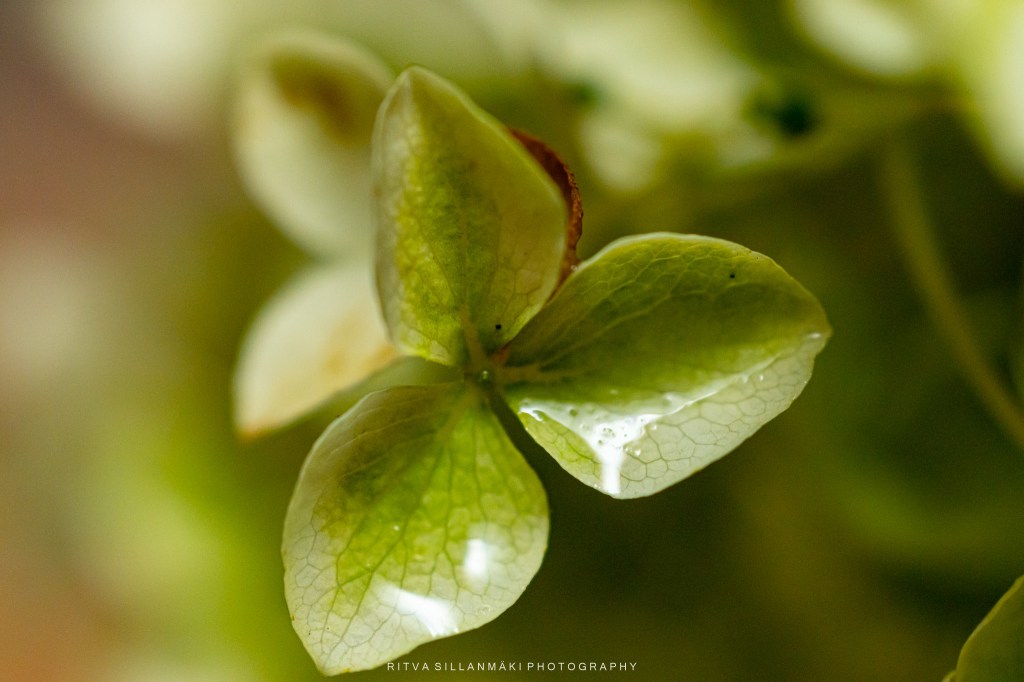
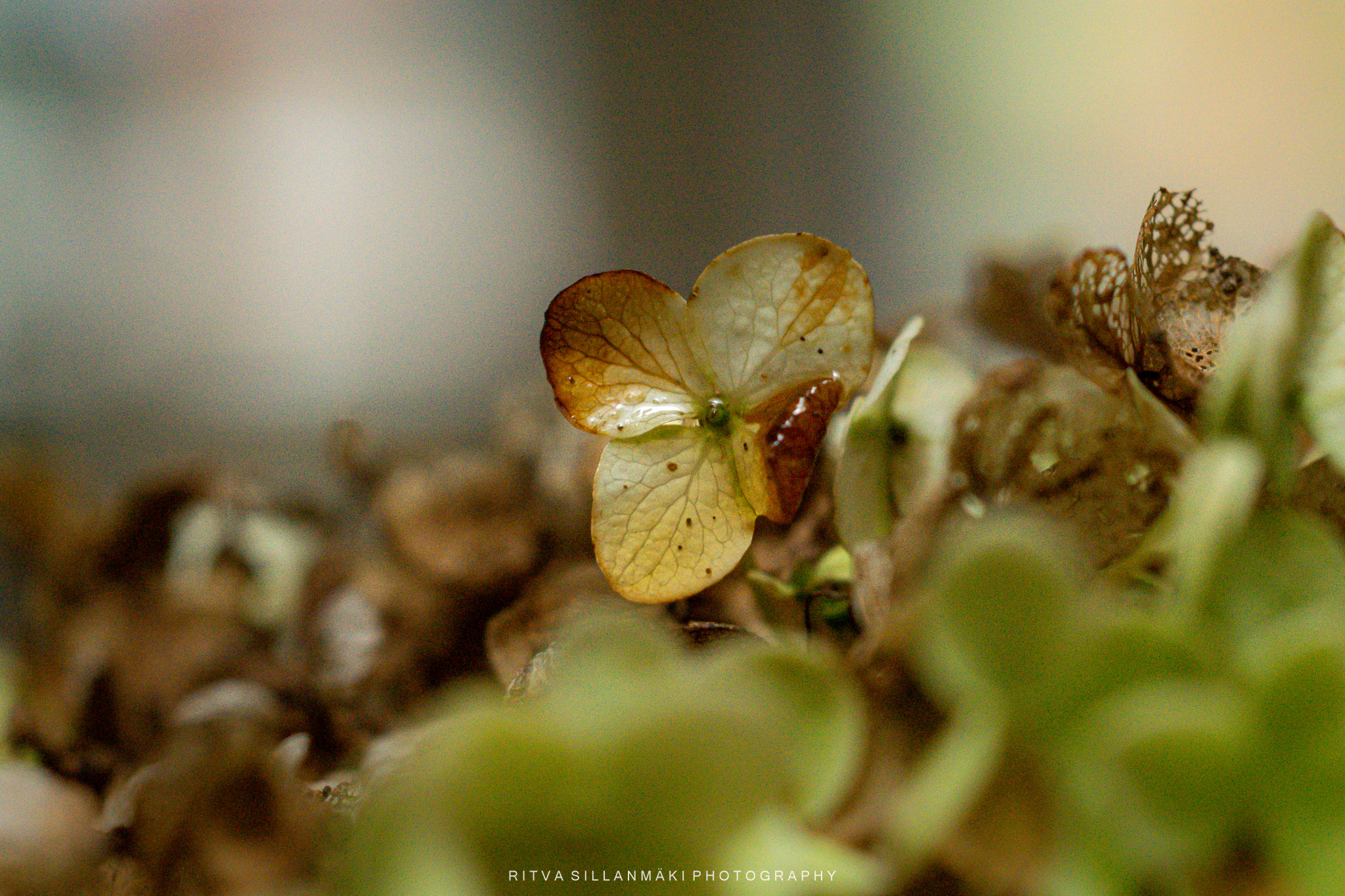
October colors from this morning. It was a bit nippy as the temperatures had gone down to minus side last night. Here are chokeberry leaves with beautiful colors from my backyard.

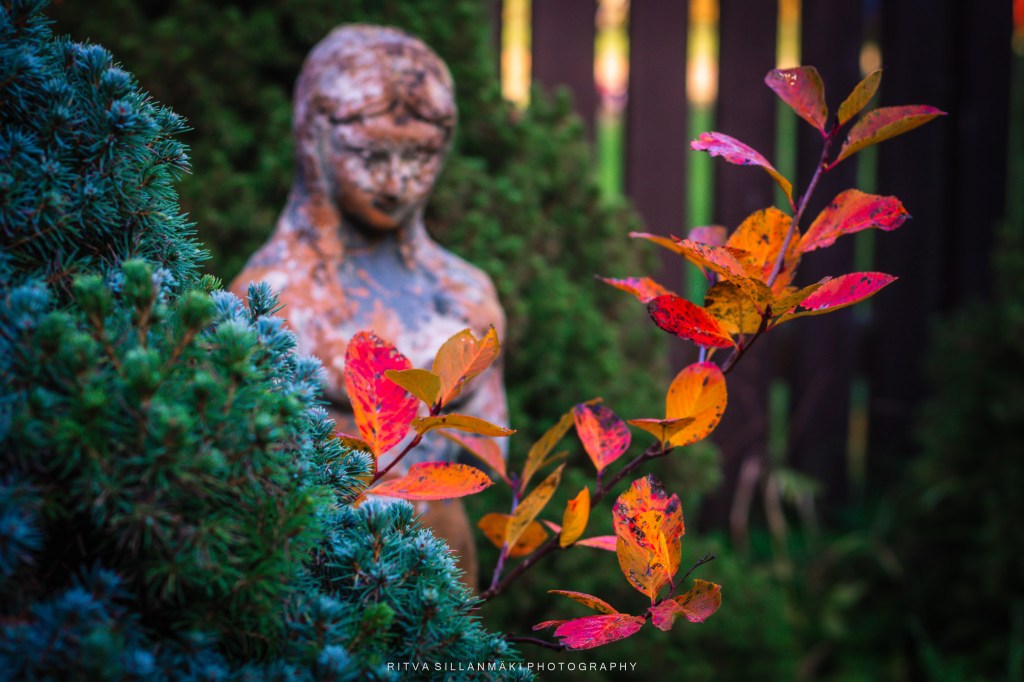
Posted for Cee’s Flower of the Day

First of all, I do not know the name of this plant. It is one that blooms later in the summer…early fall.
We had frost first time this year on the ground this morning, temperature was down to 1 C ( 33F) a bit cold. The say is sunny which is nice. Tomorrow is supposed to rain all day long.

Yellow flowers of fall with a bit of frostbite

The close-up shot


Posted for Cee’s Flower of the Day
Flax – I have a flax wreath on my door. So here are some close ups of it.

In addition to their visual appeal, red berries have symbolic meanings in different cultures. They are often associated with love, romance, and renewal. In ancient folklore, red berries were believed to bring good luck and ward off evil spirits.

The close-up shots reveal their intricate details and the play of light on their smooth surfaces. It’s fascinating to observe the variations in size, shape, and texture among different types of red berries.

Posted for Cee’s Midweek Madness Challenge
Red berries are a vibrant and eye-catching sight in nature. Their deep red color is often associated with passion, energy, and vitality.
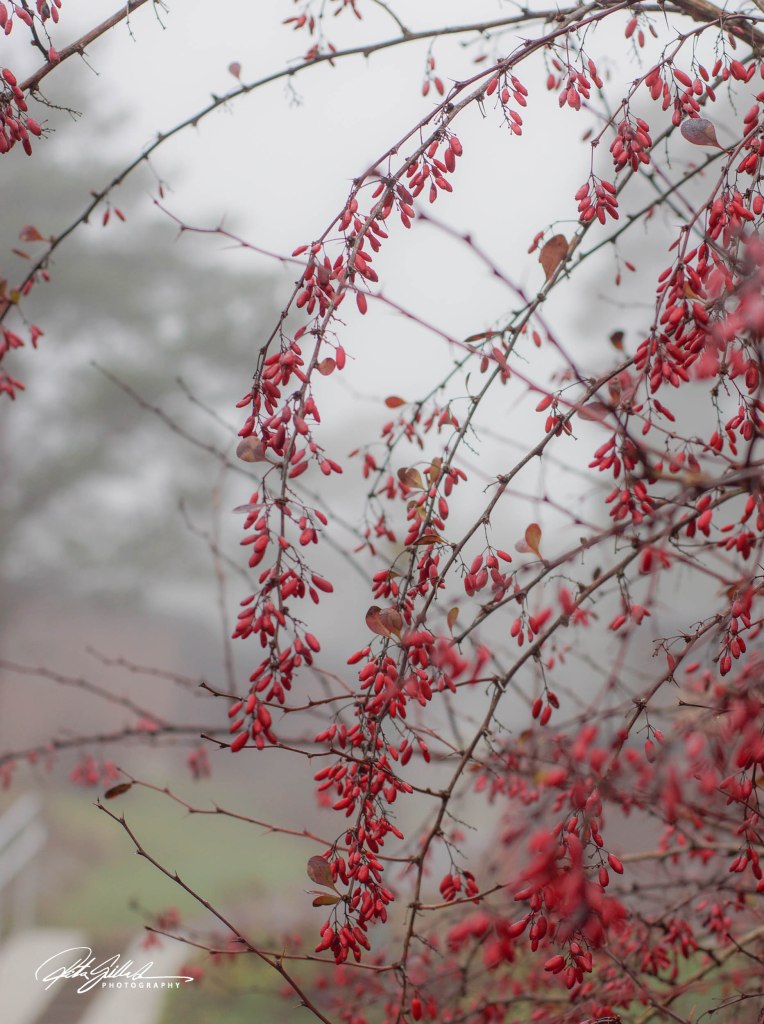
In addition to their visual appeal, red berries have symbolic meanings in different cultures. They are often associated with love, romance, and renewal. In ancient folklore, red berries were believed to bring good luck and ward off evil spirits.
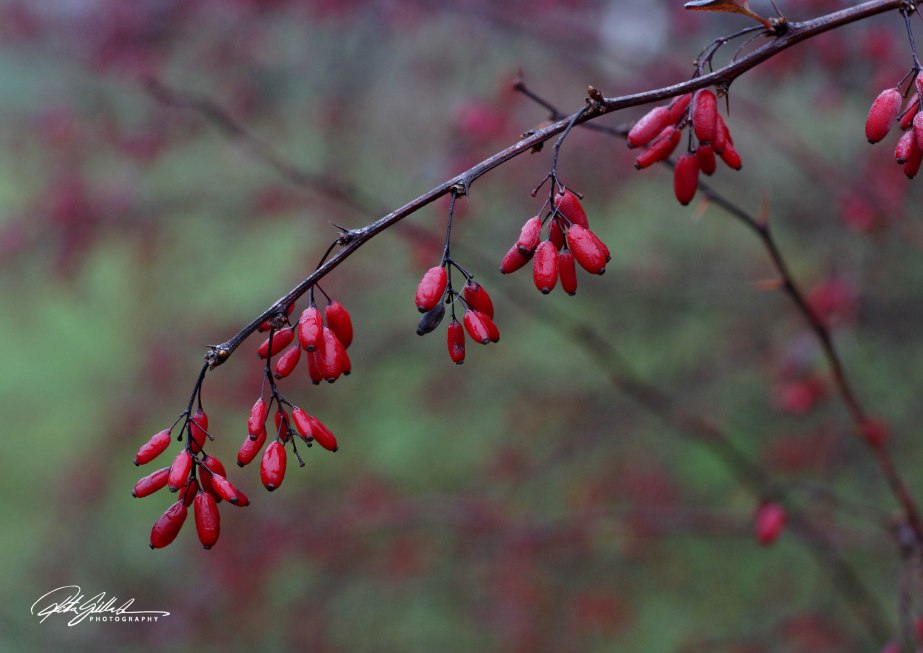
The close-up shots reveal their intricate details and the play of light on their smooth surfaces. It’s fascinating to observe the variations in size, shape, and texture among different types of red berries.

Posted for Cee’s Flower of the Day
Laura Bush petunias offer vibrant, fragrant, magenta/purple flowers that contrast against dark green foliage in a spectacular fashion. This old-fashioned variety of petunia was specifically bred to achieve excellent heat tolerance and disease resistance, and that’s exactly what it has


Posted for Cee’s Flower of the Day
The Cockspur Coral Tree (Erythrina crista-galli) is a large-flowered South American tree that is cultivated as an ornamental plant in parks. It is the national flower of Argentina and Uruguay.
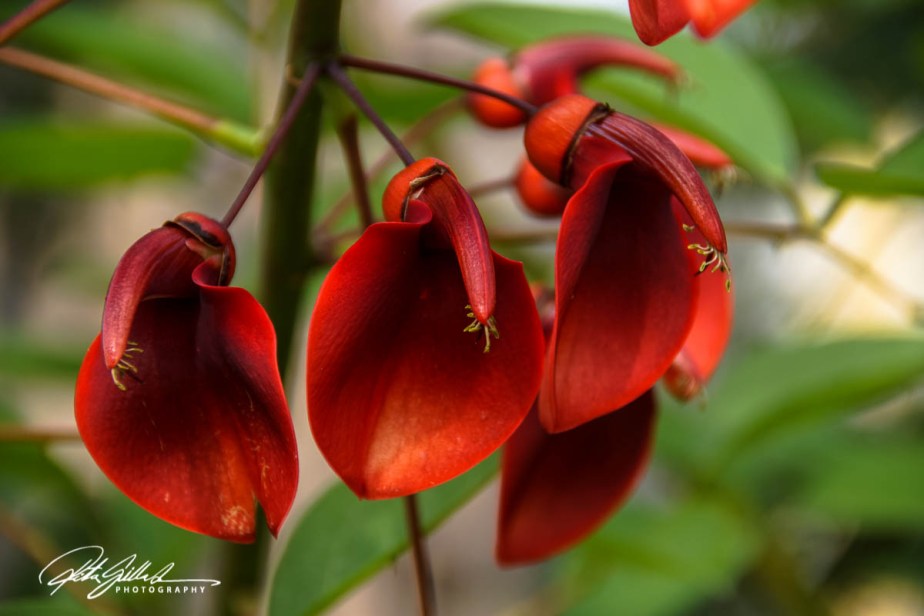
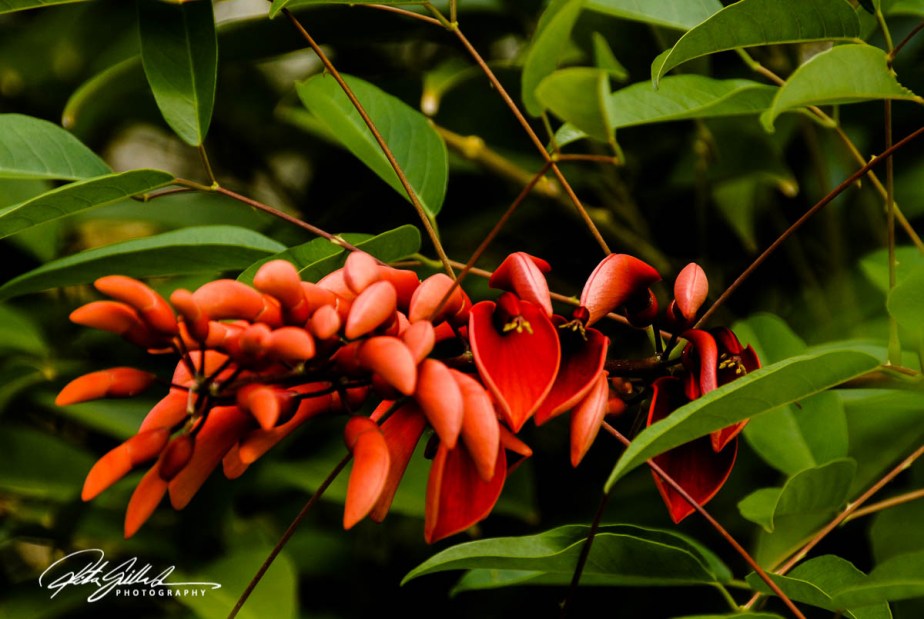
For Cee´s Flower of the Day.
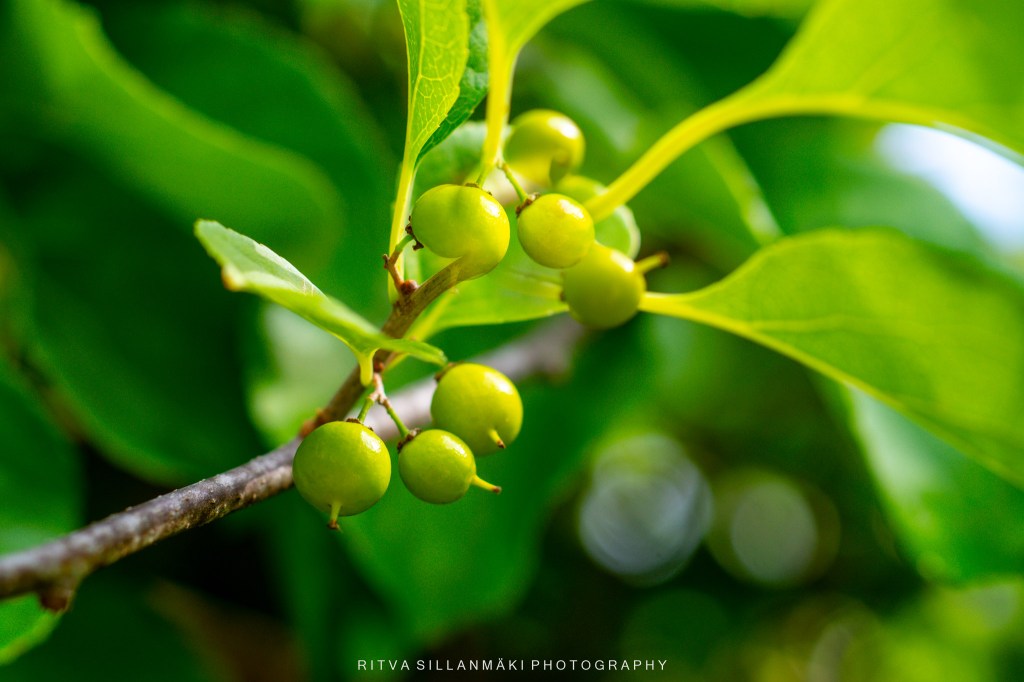
Oriental bittersweet is not flowering at the moment , but we are at the stage when the berries are yellow and leaves still green. Soon to turn orange and the leaves to turn yellow.
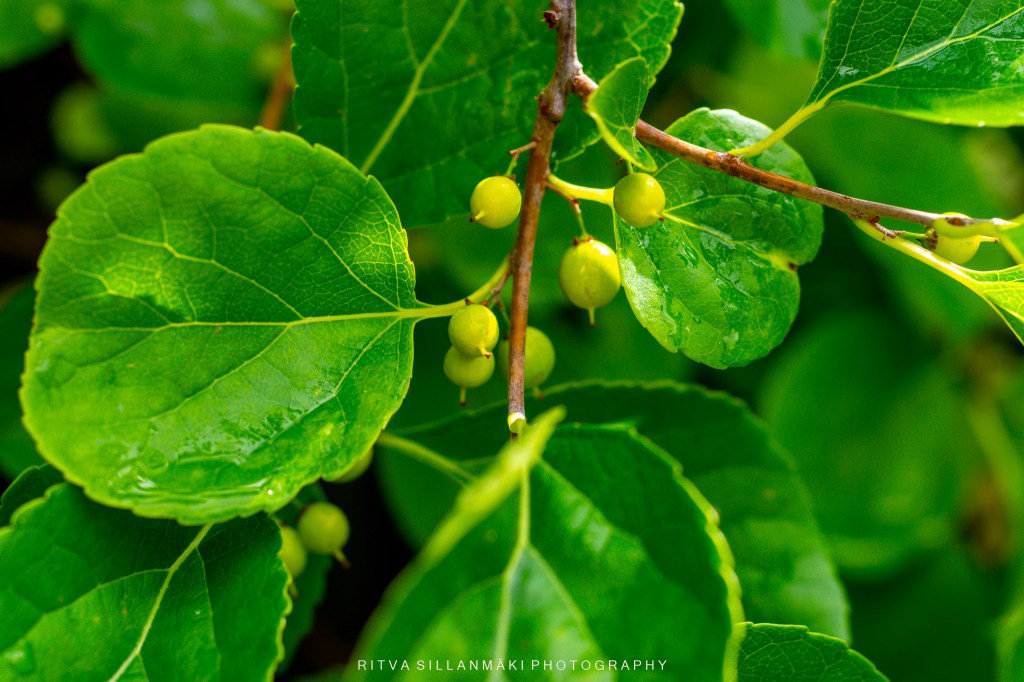
I like to see the leaves to entwine around each other

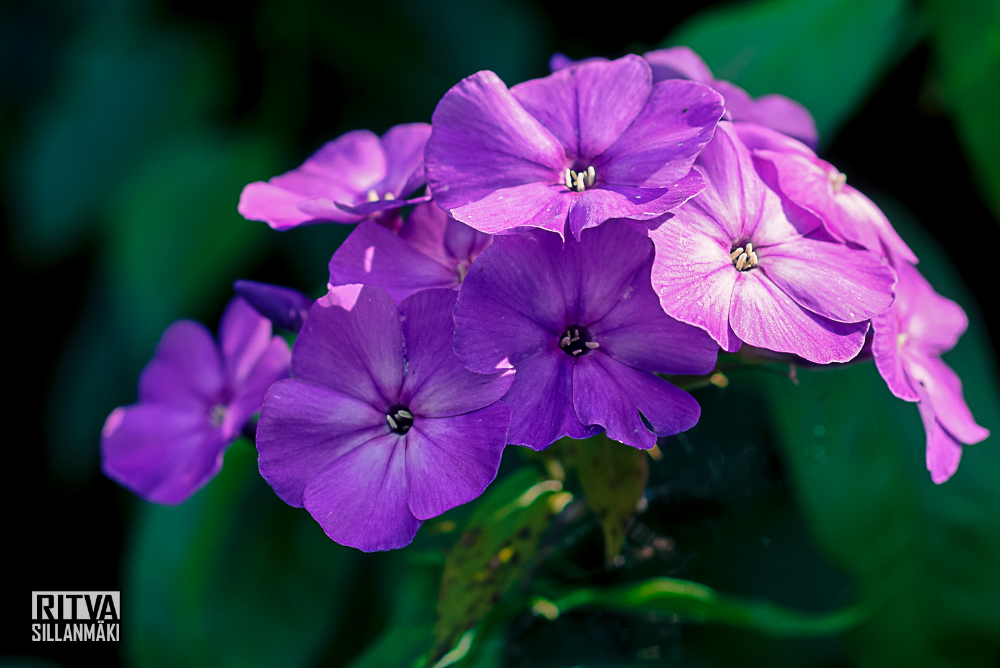
Last chance this year to take photos of fall phloxes or other commonly used names are, garden phlox, perennial phlox, summer phlox, and panicled phlox.



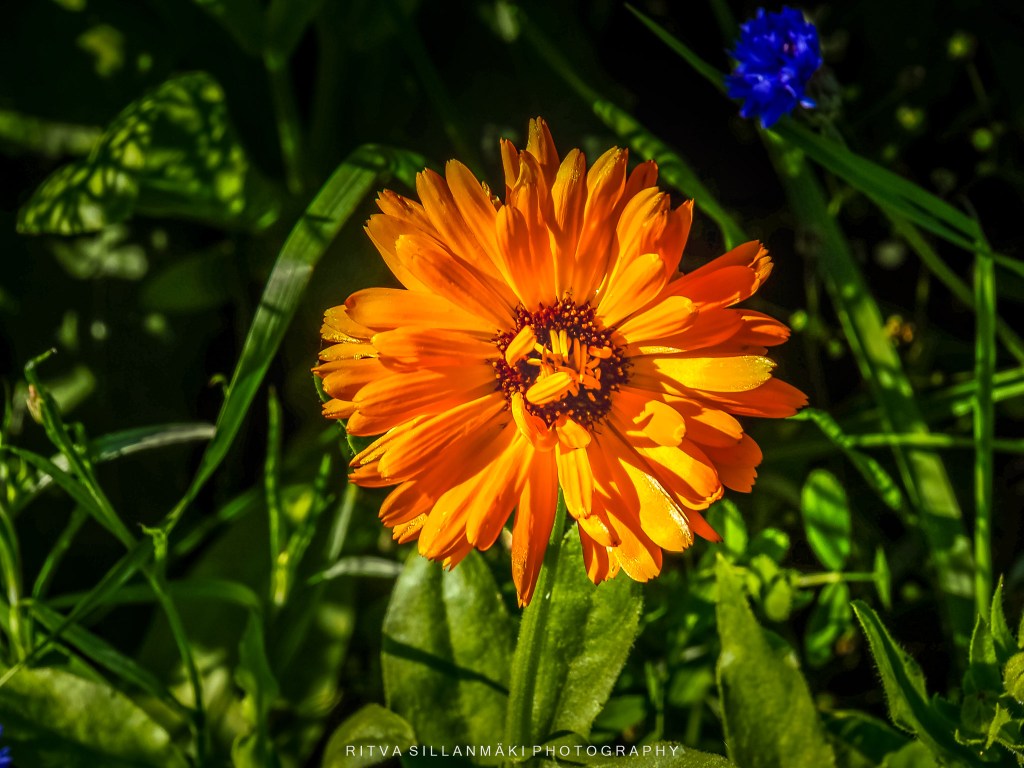
A field full of flowers, and the farmer had posted a sign with a permission to pick them up for free.

I on took pictures of them. Calendula flowers shine bright

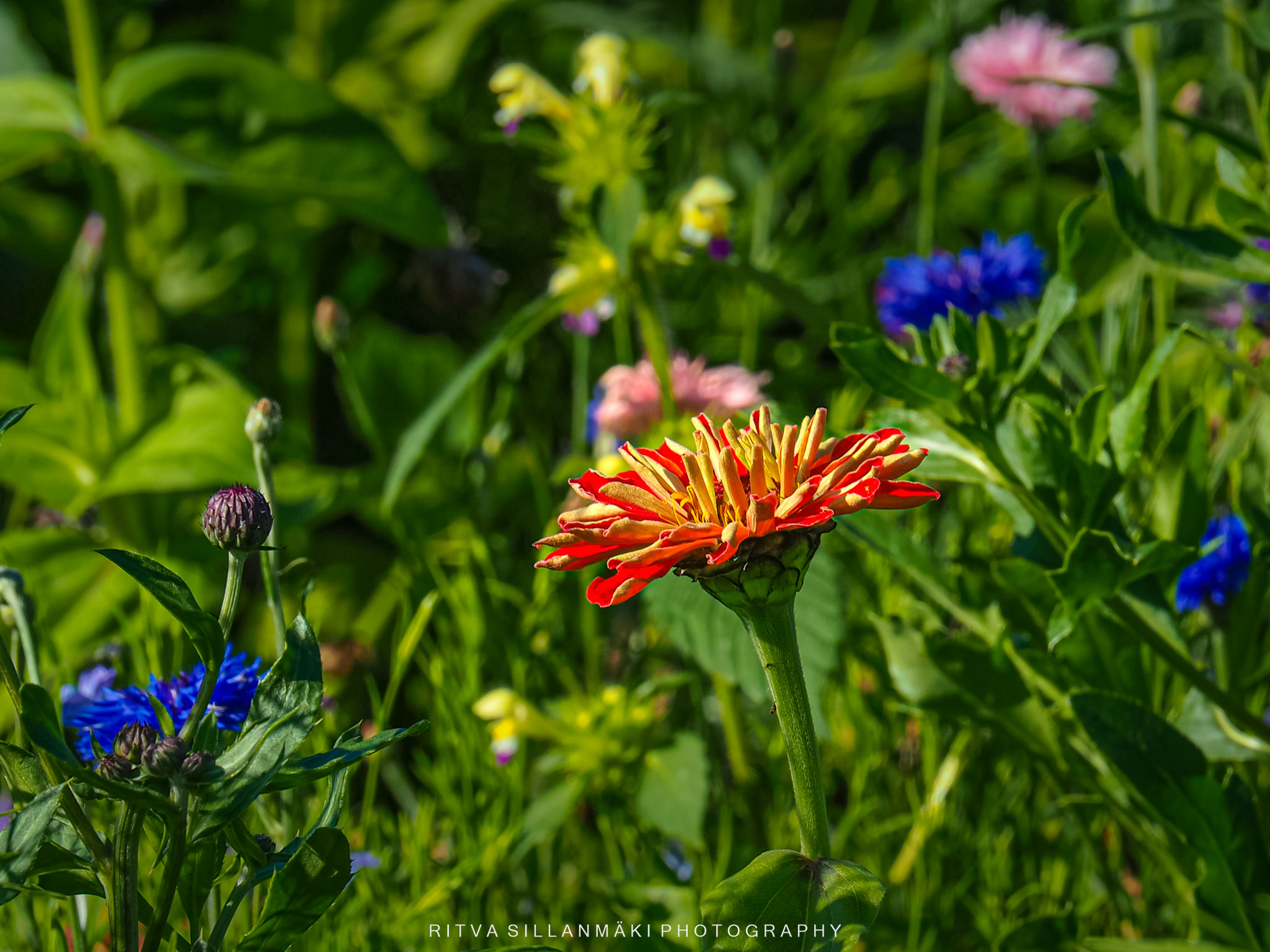
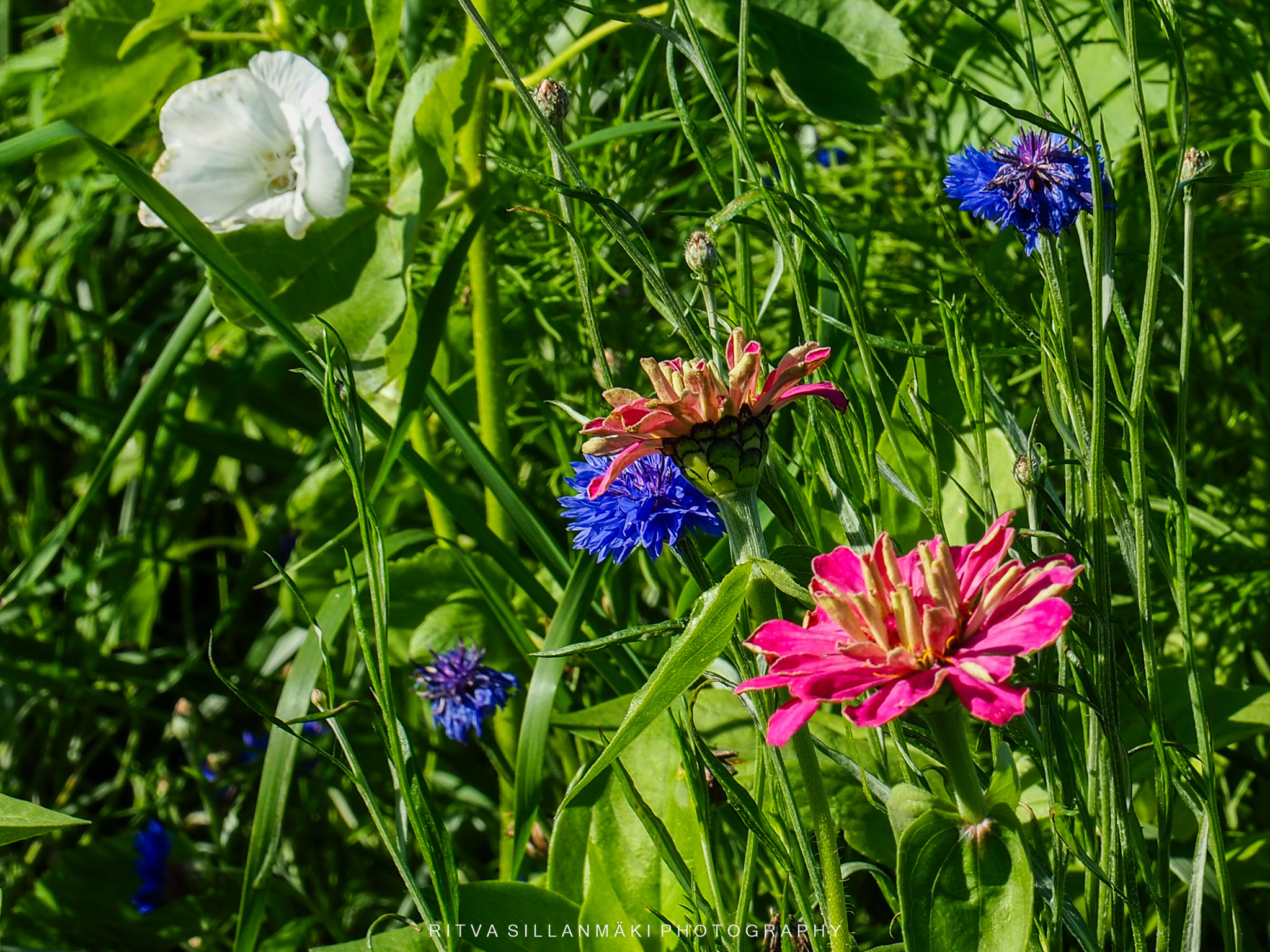


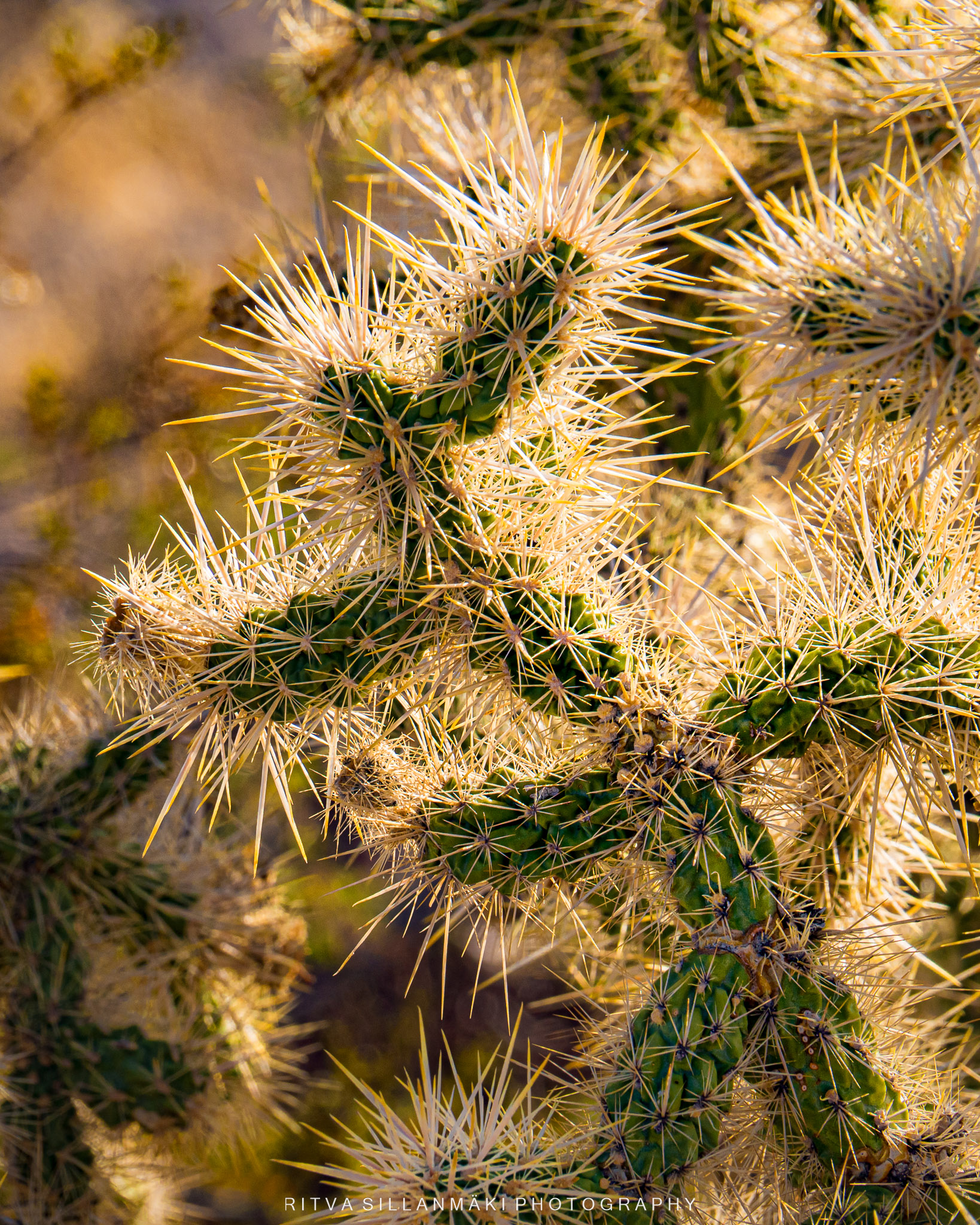
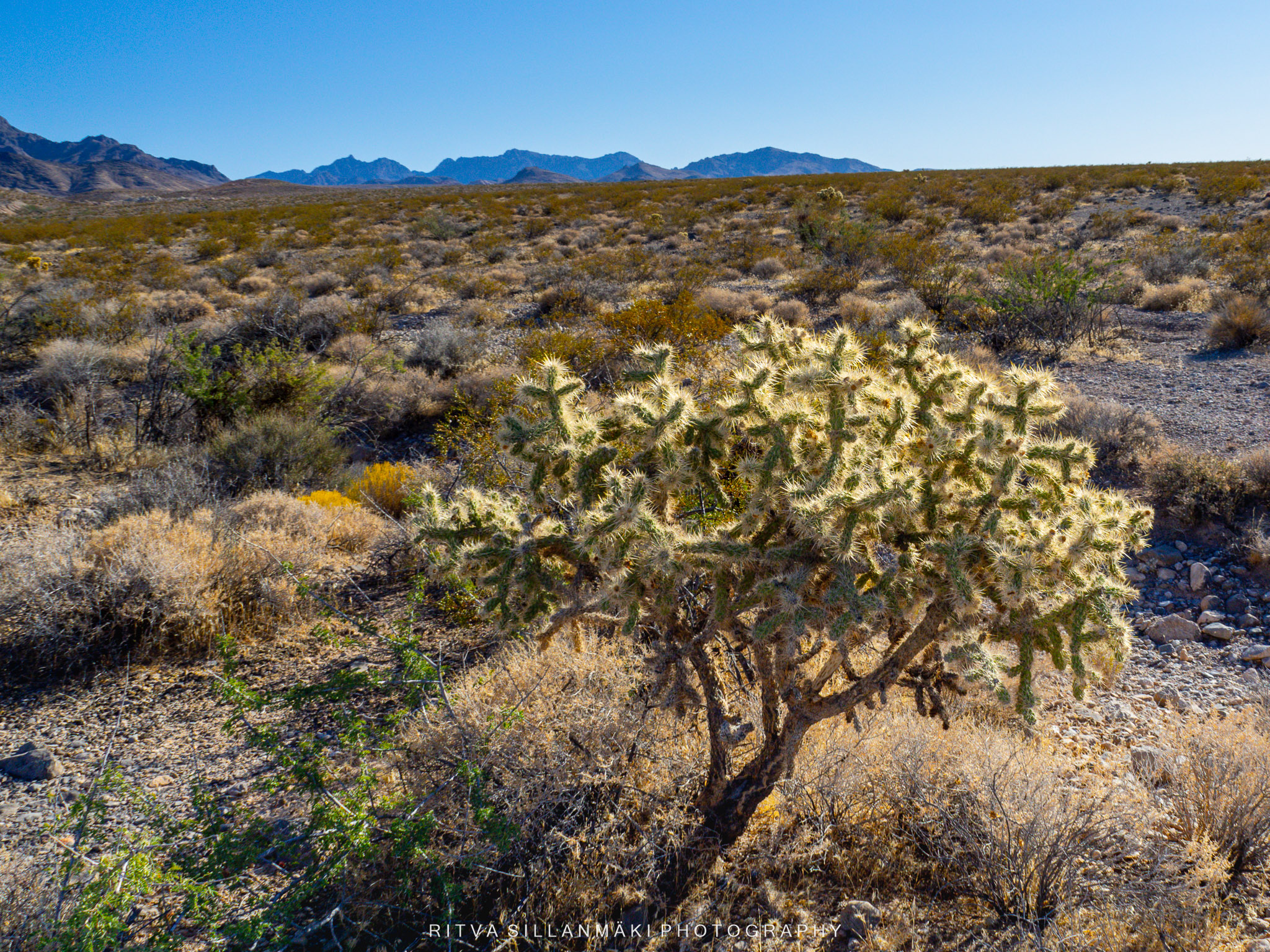
This one I know – I think, my guess is Cholla 🌵cactus
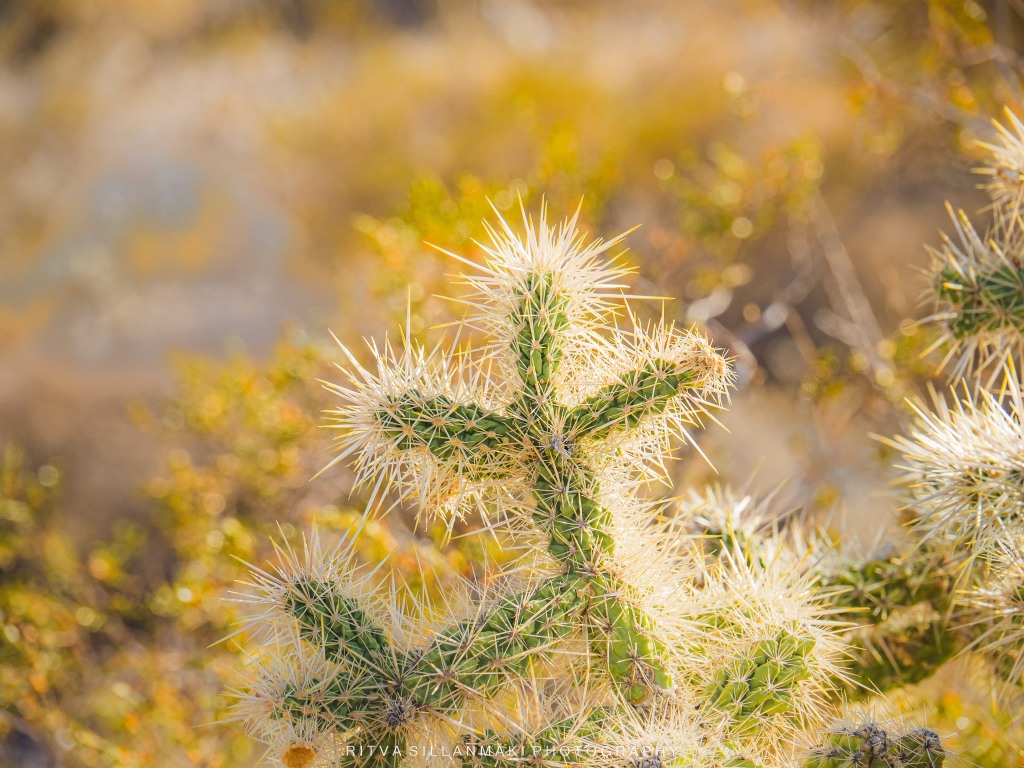
The various species of Devil Cholla are all Club Cholla, so-called because they have club-shaped joints with well-defined tubercles. Devil Cholla have no sheaths on spines. All are low-growing, often forming thick mats that can be impenetrable. Spines come in all colors, but can be sharp as daggers.
Mojave Desert of southern Nevada is where I took these photos
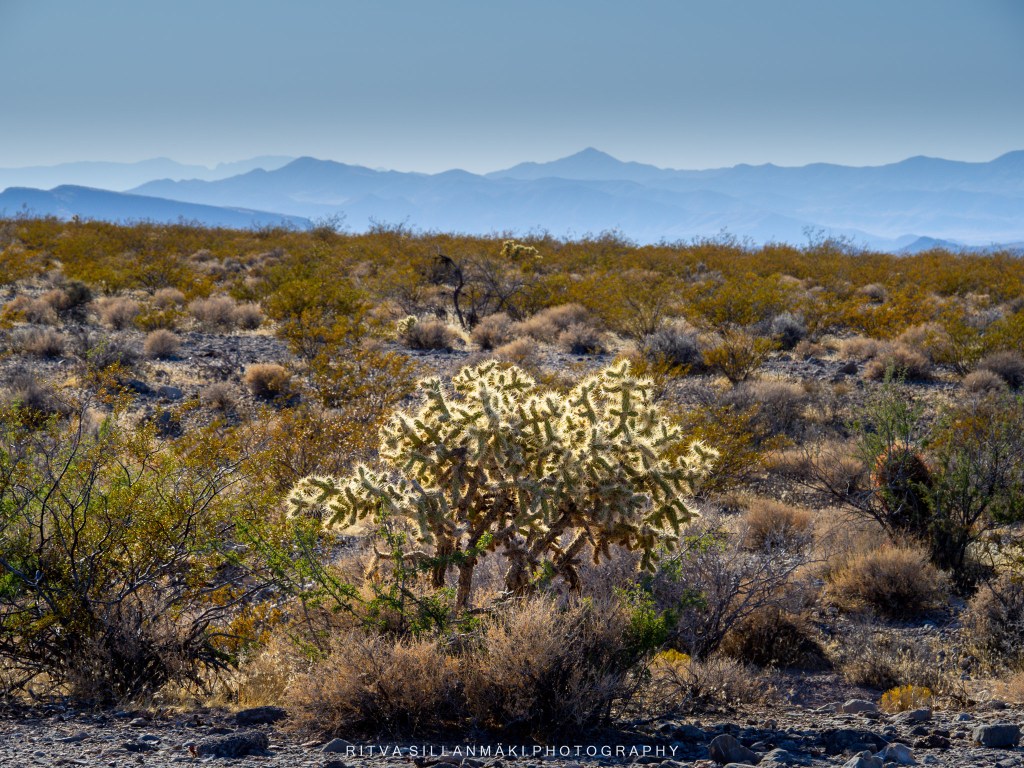
Opuntia parishii
Desert: Mojave Desert of eastern California, southern Nevada and eastern Arizona
Height: Up to 4 inches
Joints: Obovoid segments up to an inch in diameter
Flowers: Lemon-yellow with greenish centers
Fruit: Fleshy, smooth, yellow, to 3 inches long
Elevation: 6,000-8,000 feet



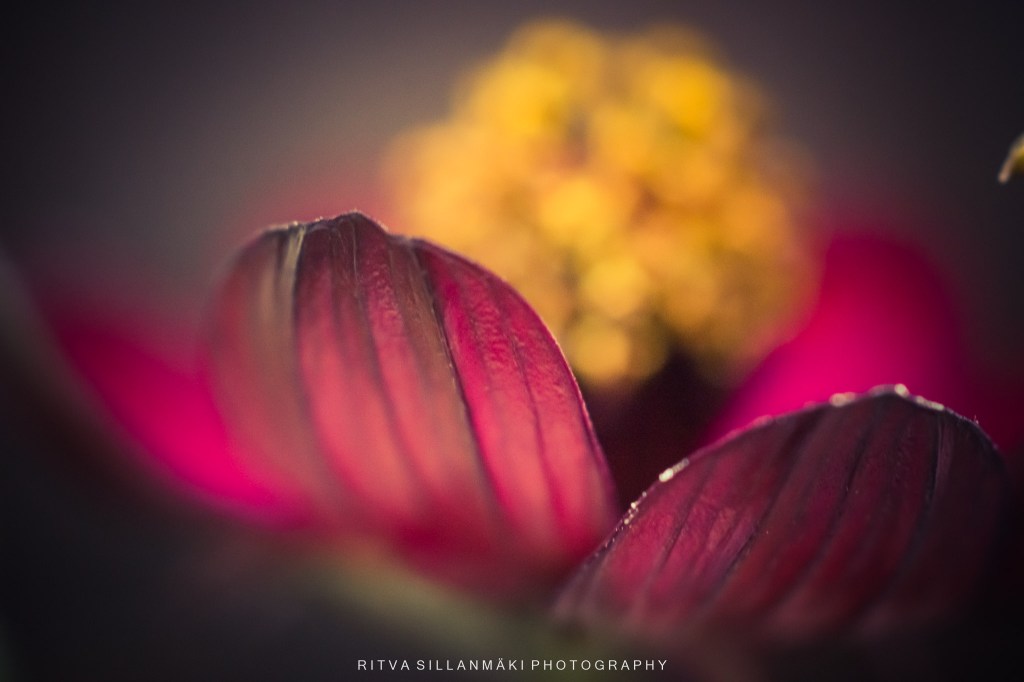
I got a lovely bouquet from my husband and it had so many flowers in it, and I could name few, but some were just pretty flowers without a name tag to me, and well, that’s my approach to flowers anyways, if they are pretty it is good enough for me.
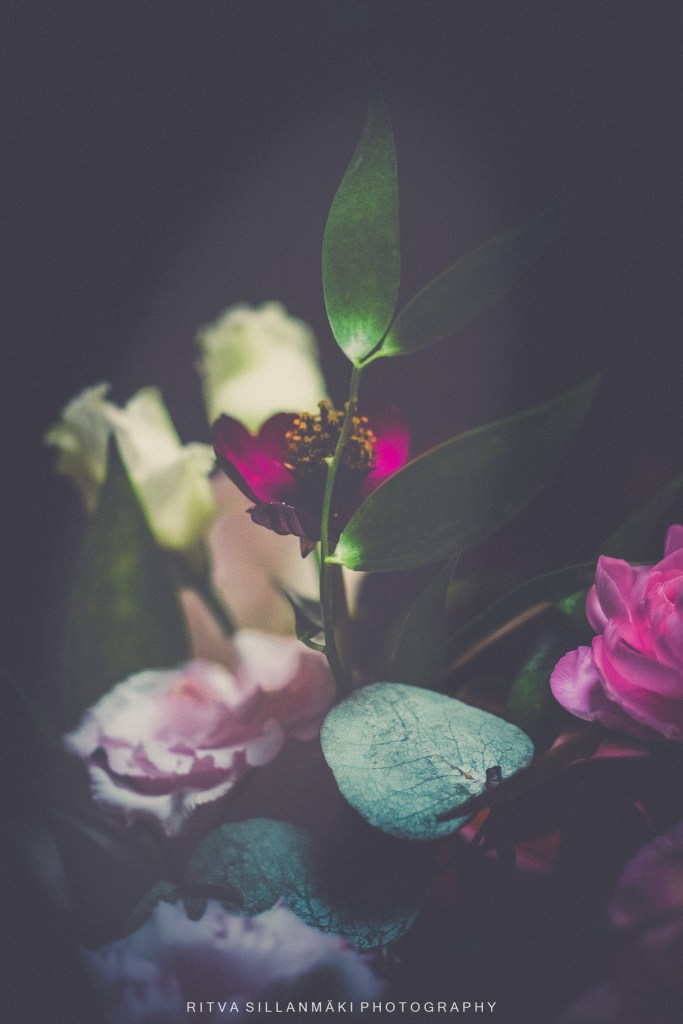
No facts this time either

Posted for Cee’s Flower of the Day
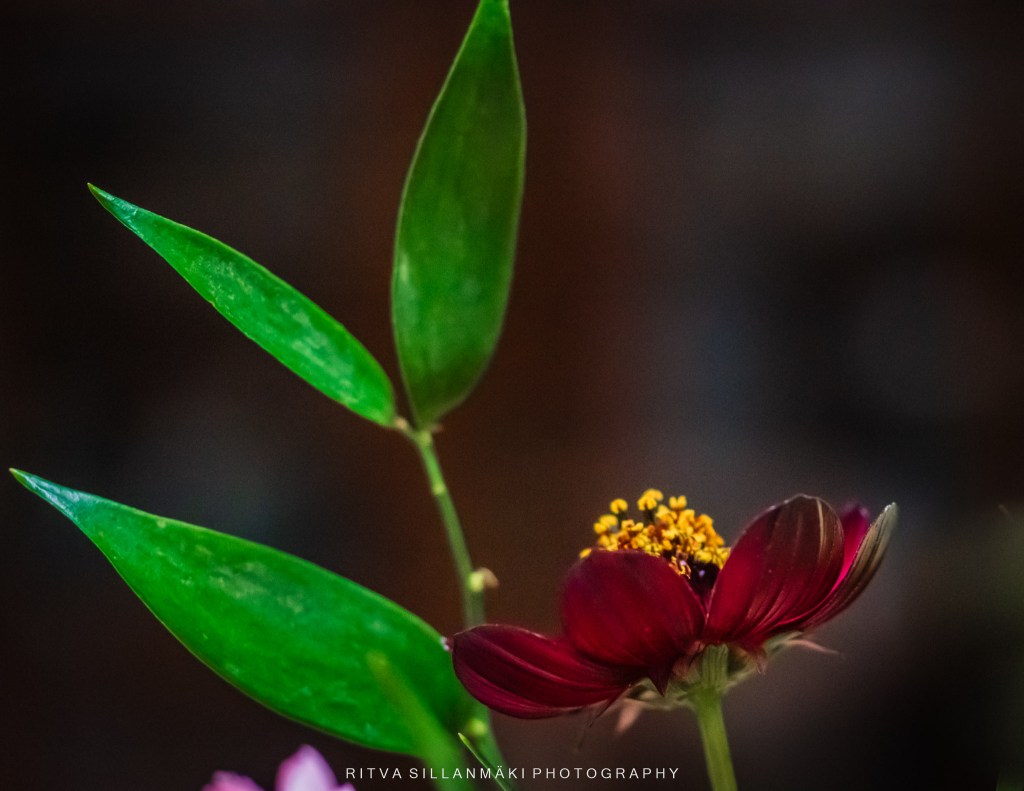
I think this is a pink carnation, I am not all that good with flower names.

I got a lovely bouquet from my husband and it had so many flowers in it, and I could name few, but some were just pretty flowers without a name tag to me, and well, that’s my approach to flowers anyways, if they are pretty it is good enough for me.
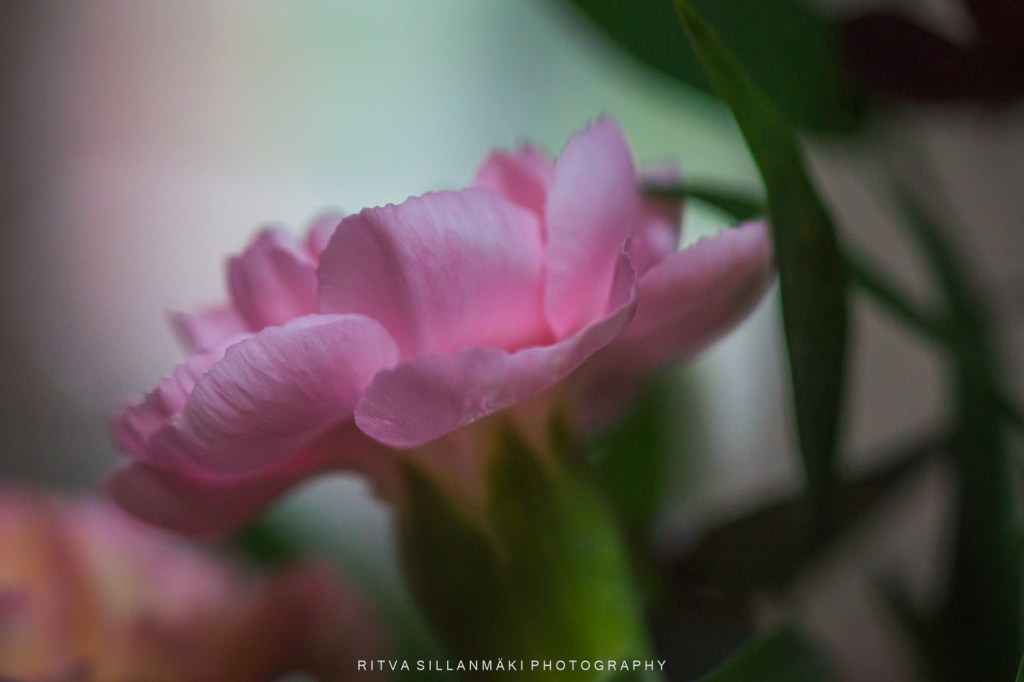
No facts this time
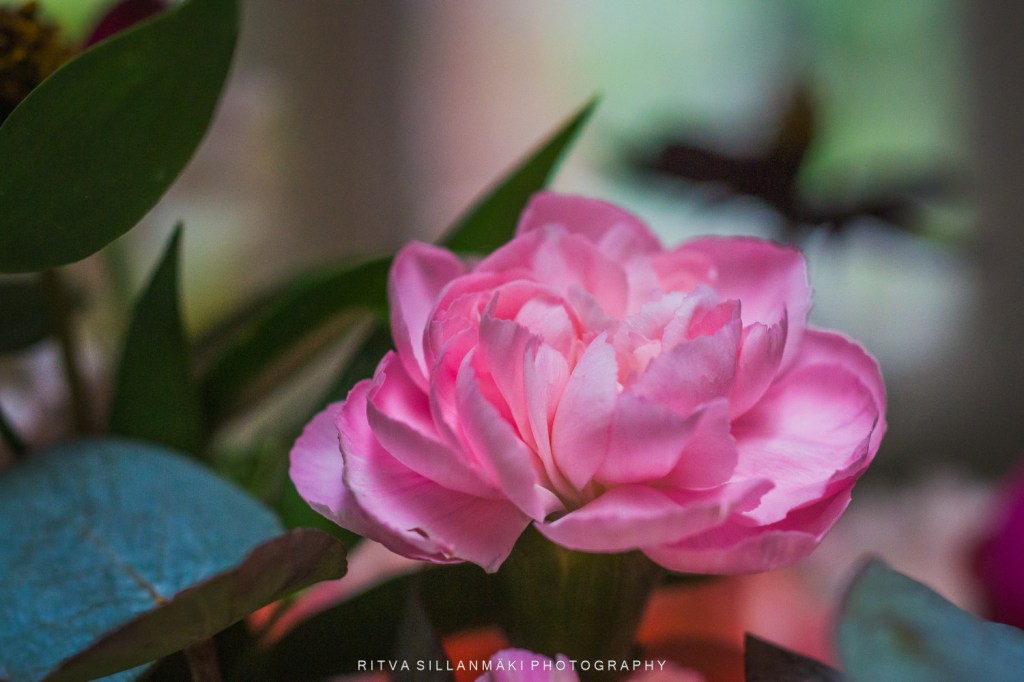
Posted for Cee’s Flower of the Day

The Japanese are famous for their mesmerizing gardens and revolving stories around their flowers. The hydrangea is no exception: legend has it that a Japanese emperor gifted blue hydrangeas to the family of a girl he loved to make up for neglecting her.
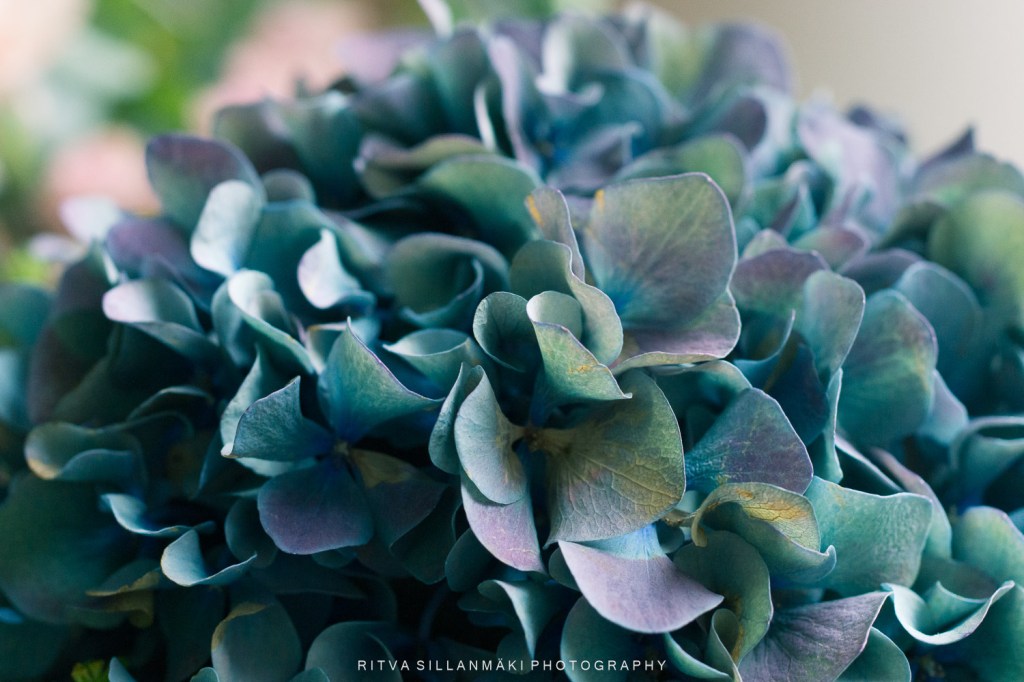
I got a lovely bouquet from a friend and the main flowers was this colorful hydrangea. Loved the details and colors of the pedals. It’s said that including hydrangeas in flower arrangements invites good fortune into one’s home. Purple hydrangeas are said to be particularly lucky as they symbolize abundance and prosperity.
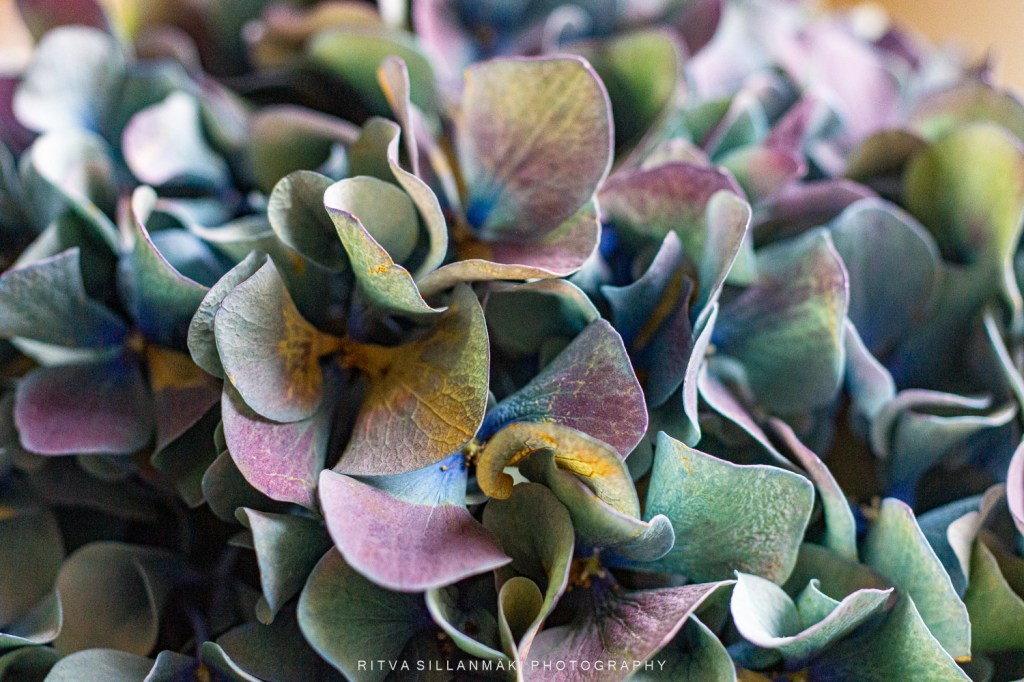
Some facts
For one type known as bigleaf hydrangea (Hydrangea macrophylla), you can change the color of their flowers by adjusting the soil pH with soil amendments. The more acidic the soil, the bluer your hydrangeas will turn out. The more alkaline, the pinker your hydrangeas will be.
The hydrangea represents gratitude, grace and beauty. It also radiates abundance because of the lavish number of flowers and the generous round shape. Its colors symbolize love, harmony and peace..

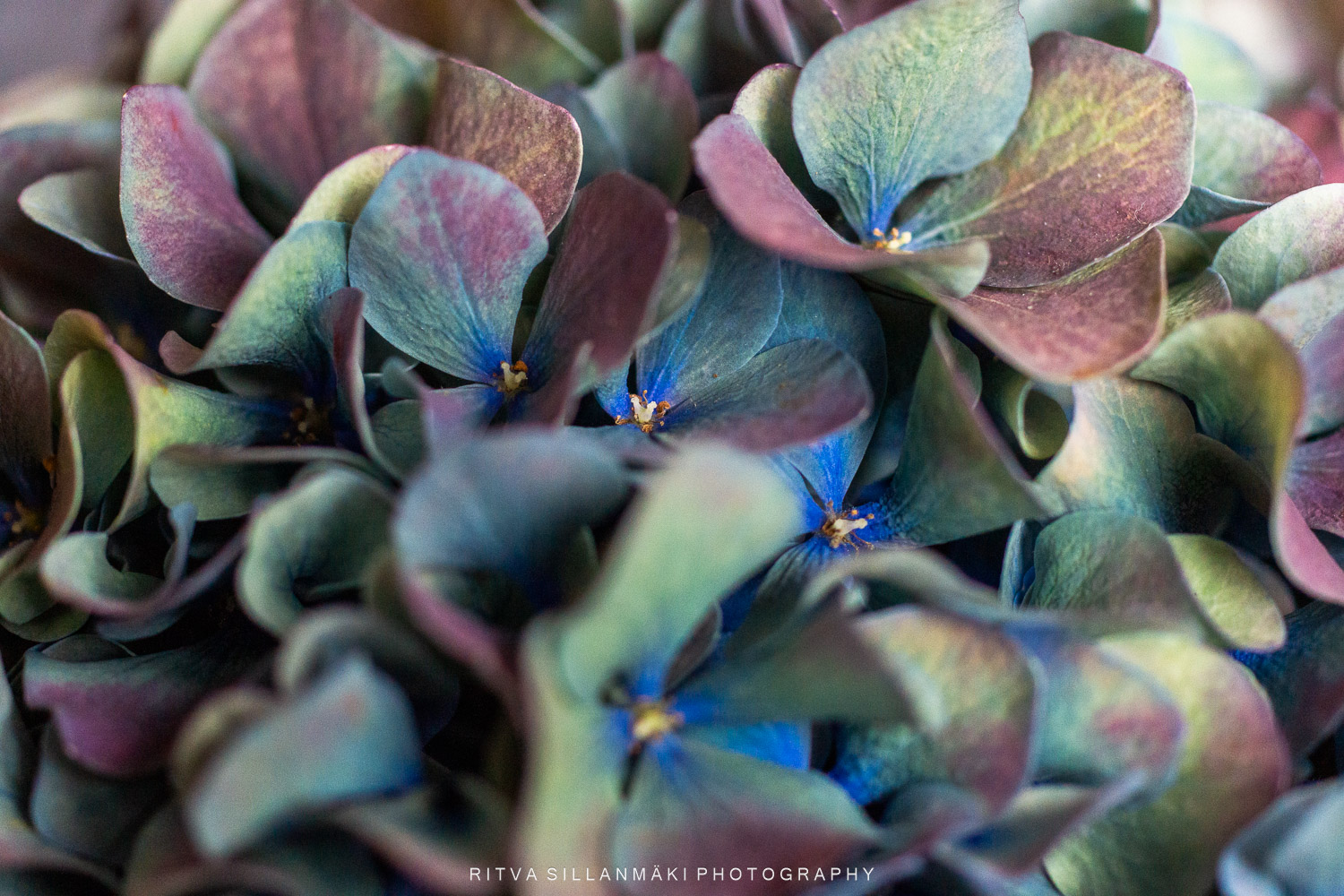

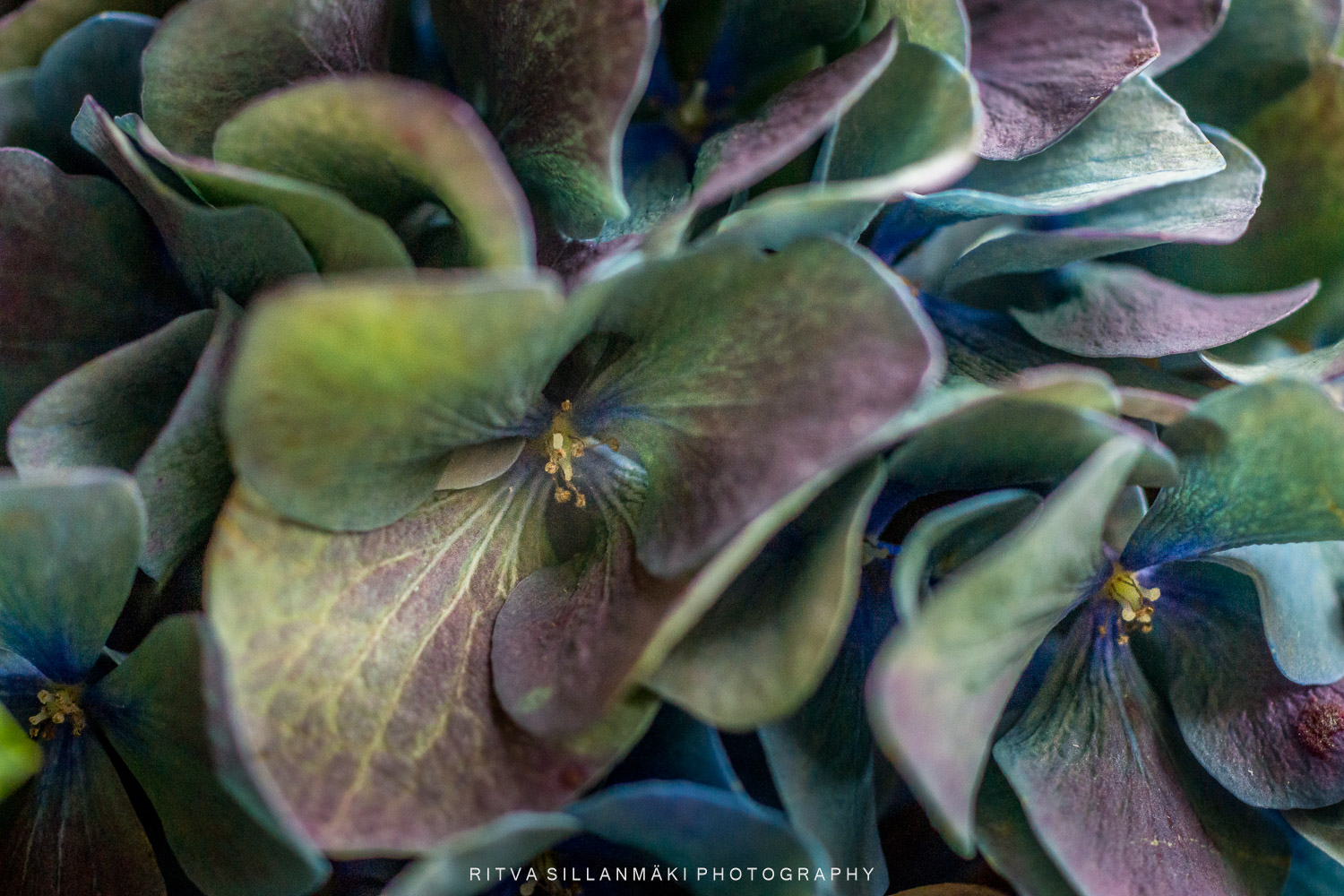
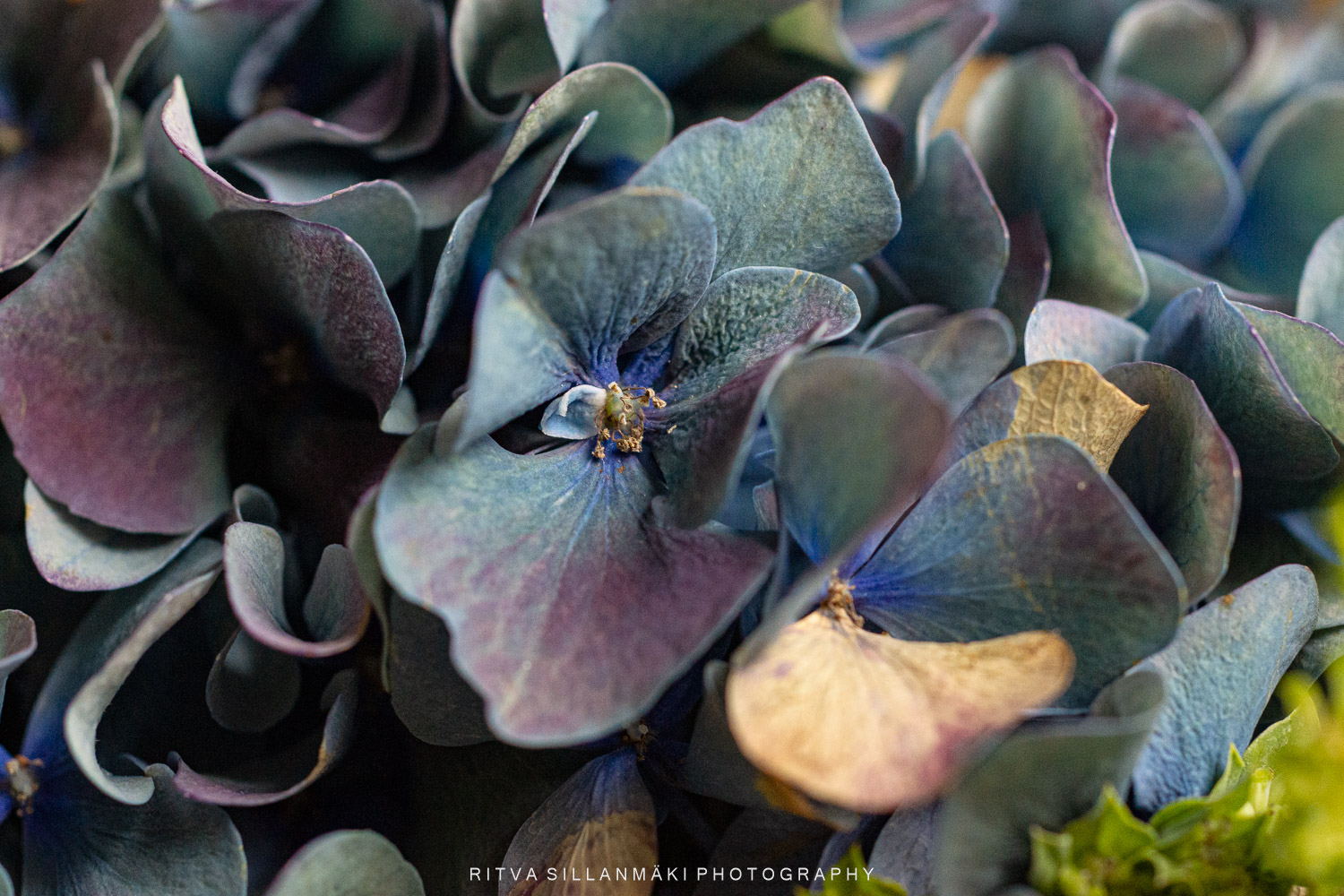
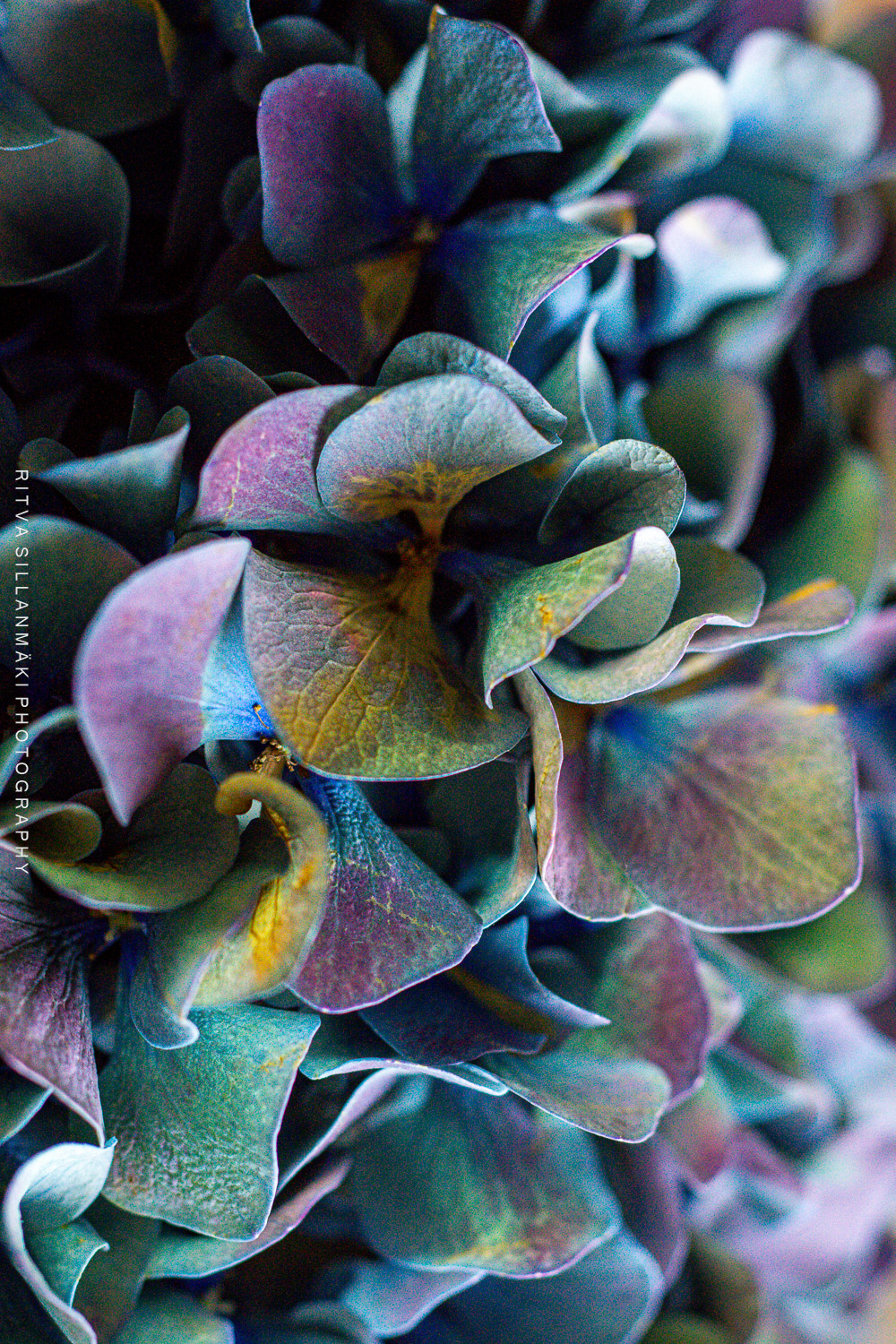
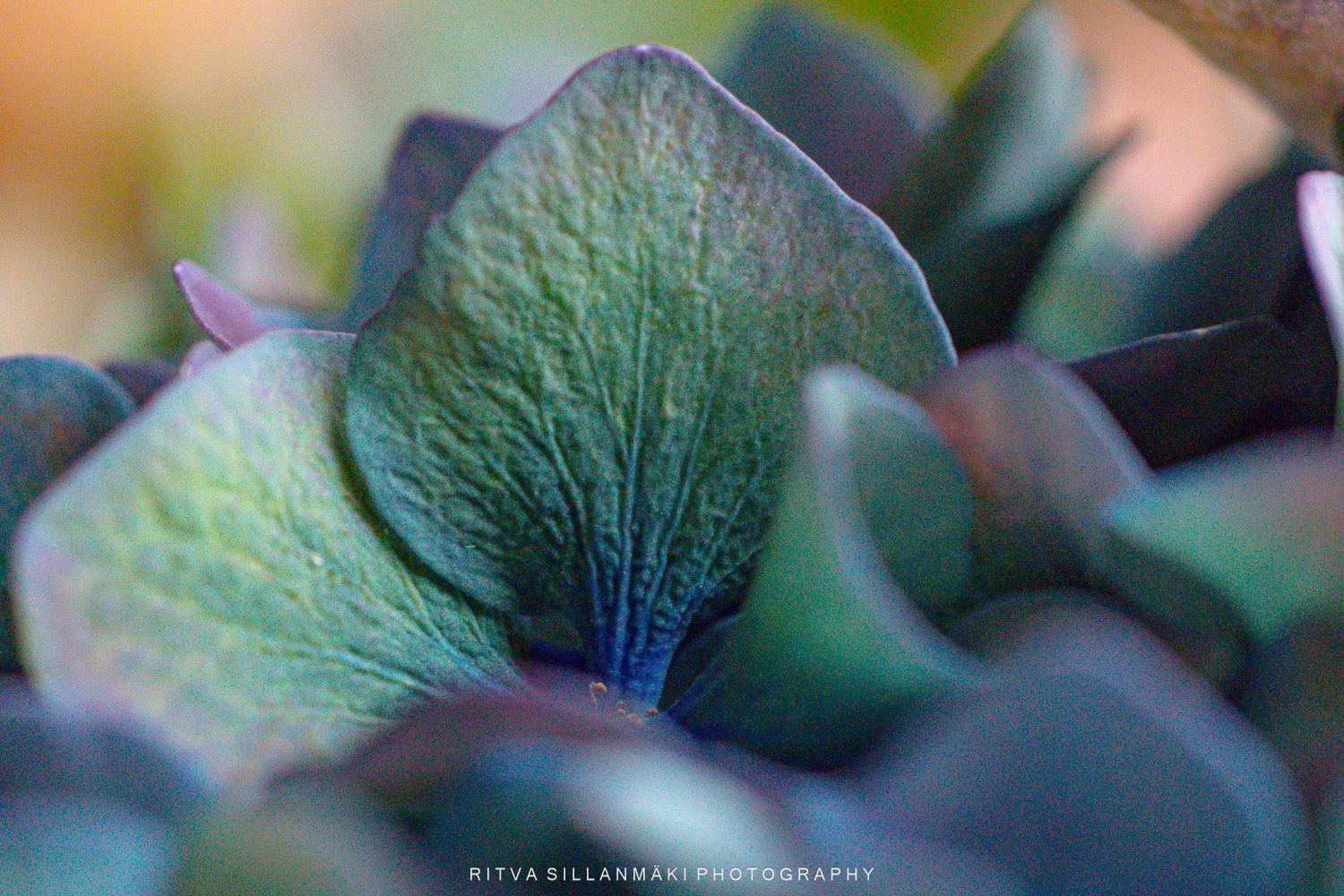
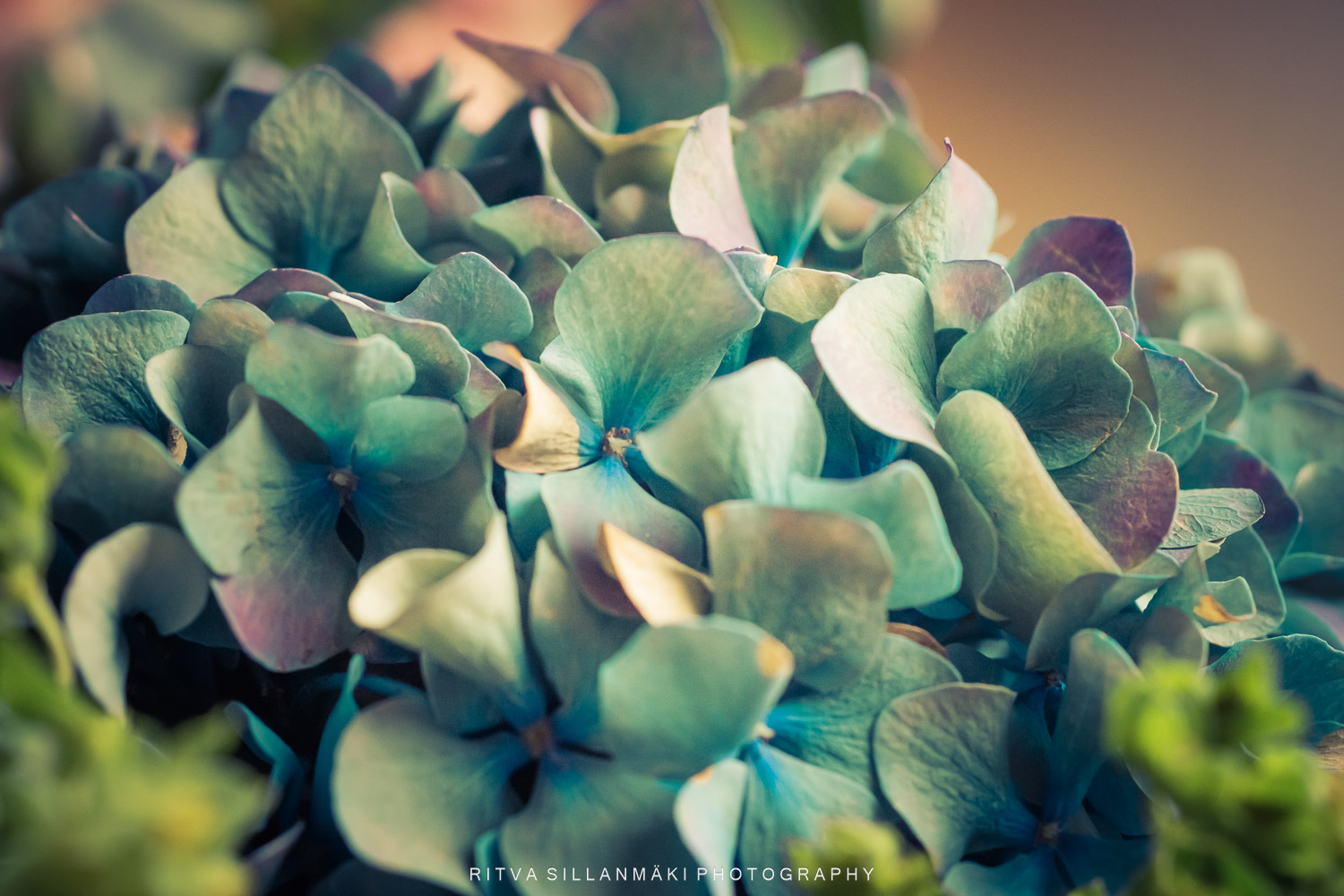
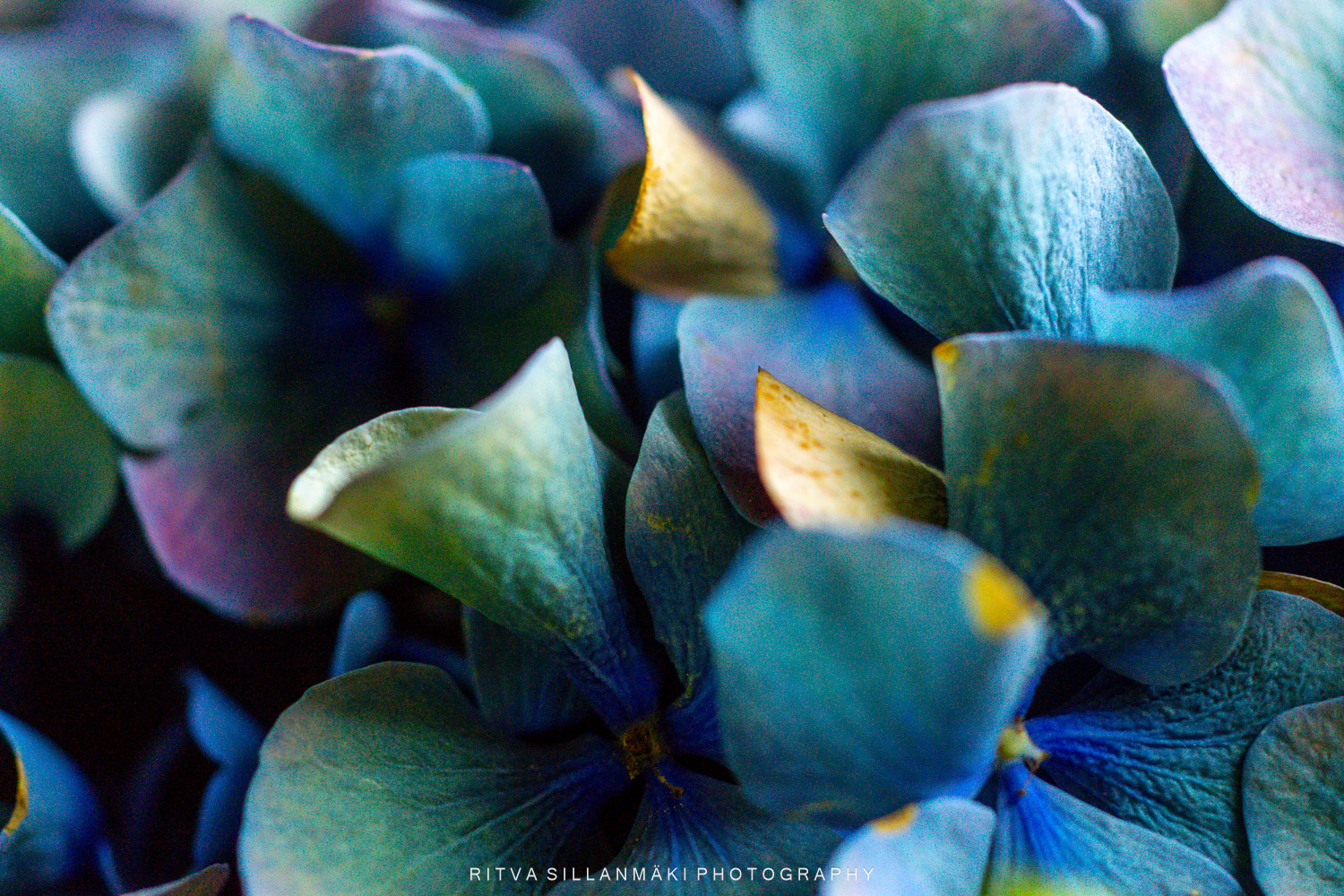

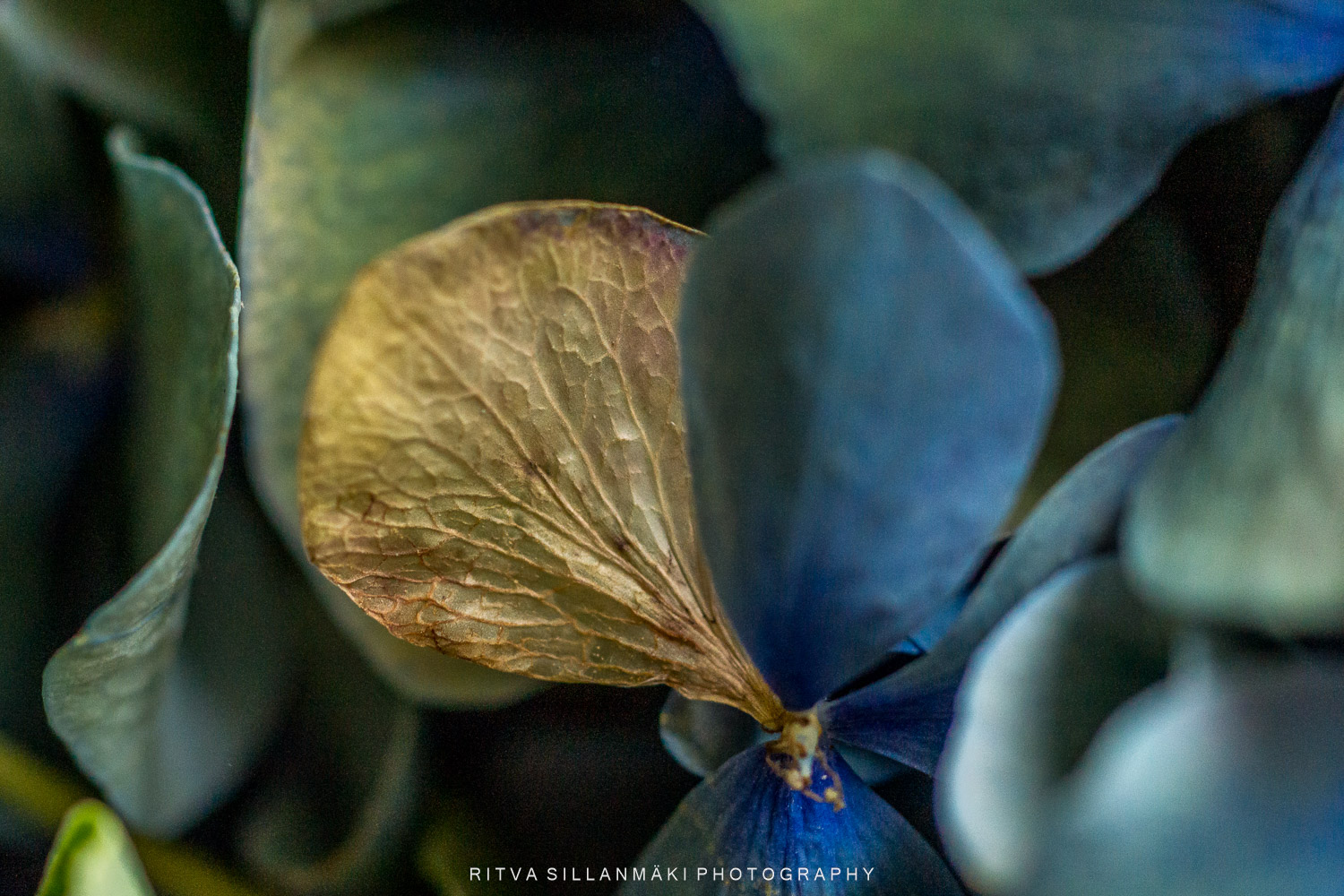

Hydrangeas don’t have petals.
Those beautiful petals aren’t petals at all. They are sepals, which are leaves that protect the flower bud. Only after they age do they turn from green to the pigmented colors you see.

Posted for Cee’s Flower of the Day.
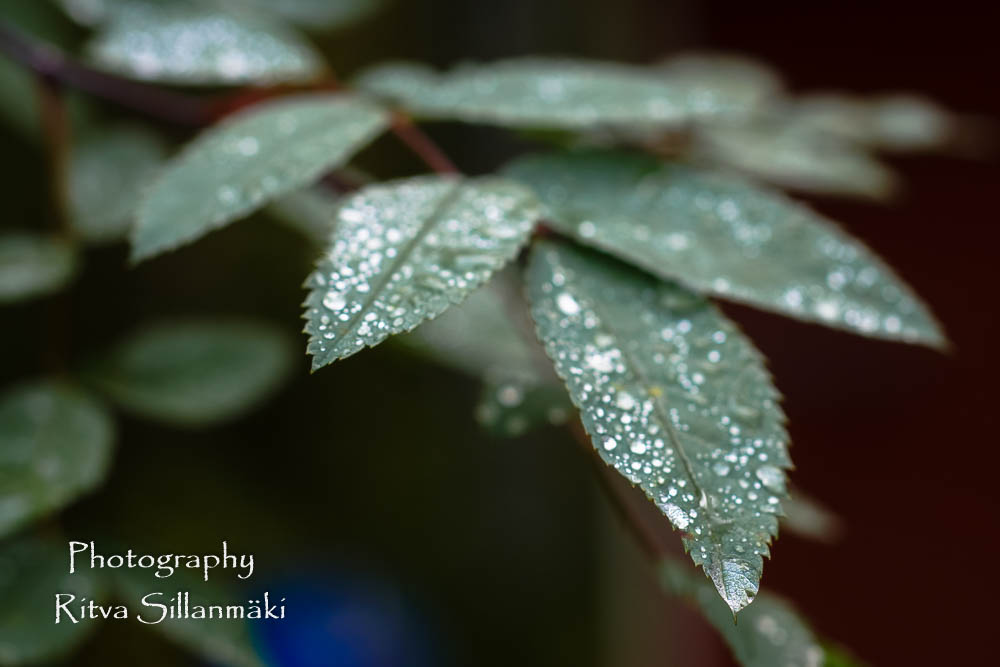
Rosa glauca
also known as Read-leaved rose, Redleaf rose ( punalehtiruusu)
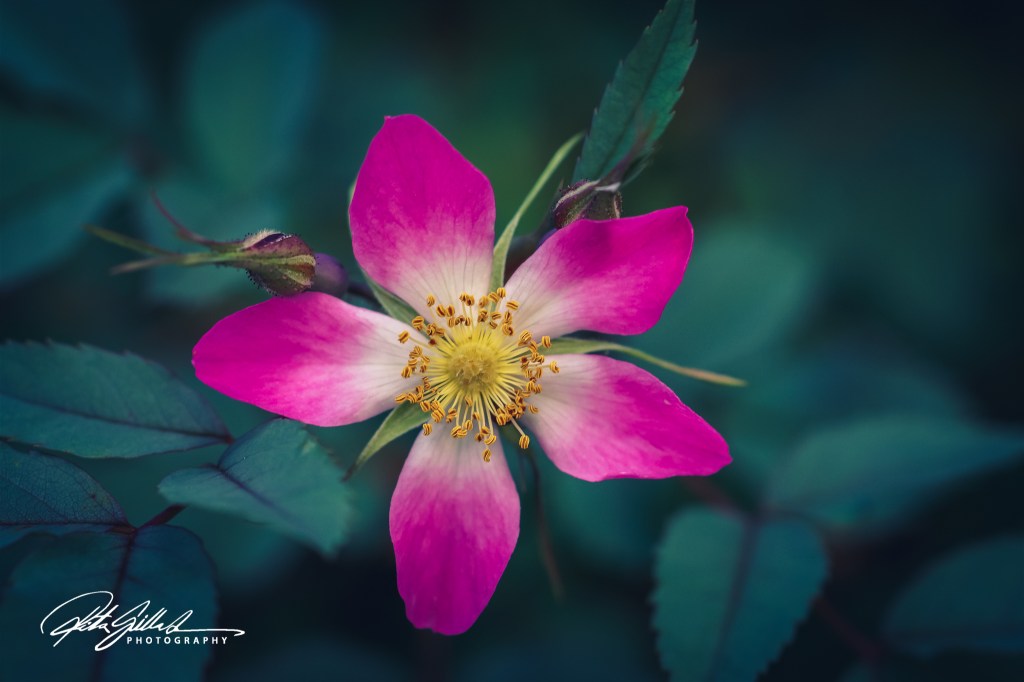
Roses and briars (Rosa spp.) are large-flowered, prickly shrubs. Their leaves are imparipinnate. Fruits are achenes which, however, are not visible, but enclosed by the enlarged receptacle, the whole being called a hip.
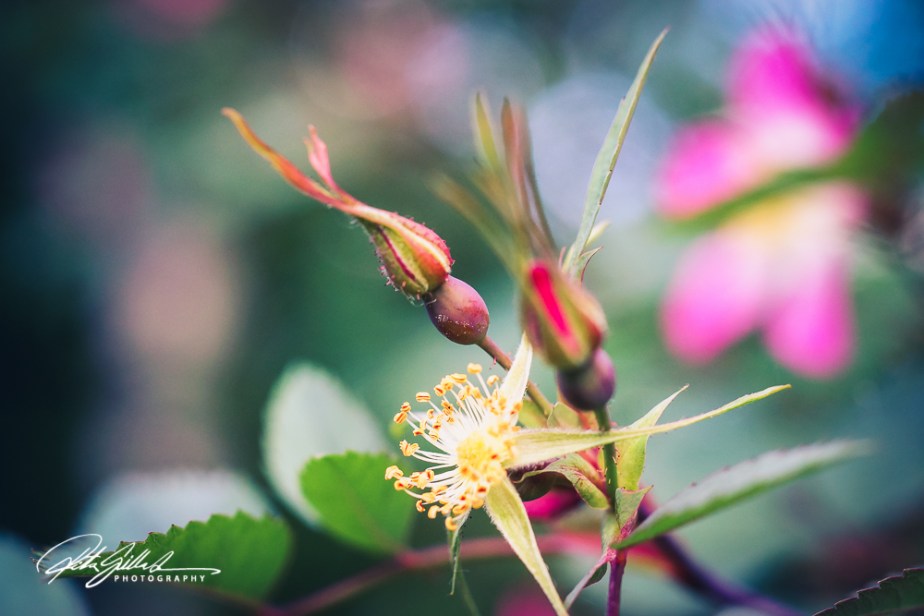
The genus comprises between 100 and 250 species, depending on the defining criteria. They are distributed over the temperate regions of the Northern hemisphere. Roses have been cultivated in China and the eastern Mediterranean at least for 4,000–5,000 years.
Red-leaf rose is native to the mountains of Central Europe. It has been a fairly common ornamental in Finland since the 19th century. This species does not produce suckers. Its stems are erect and fairly tall. The slender, spreading young branches are covered in a waxy bloom. Prickles are fairly sparse, and they are slender and straight or slightly curved.
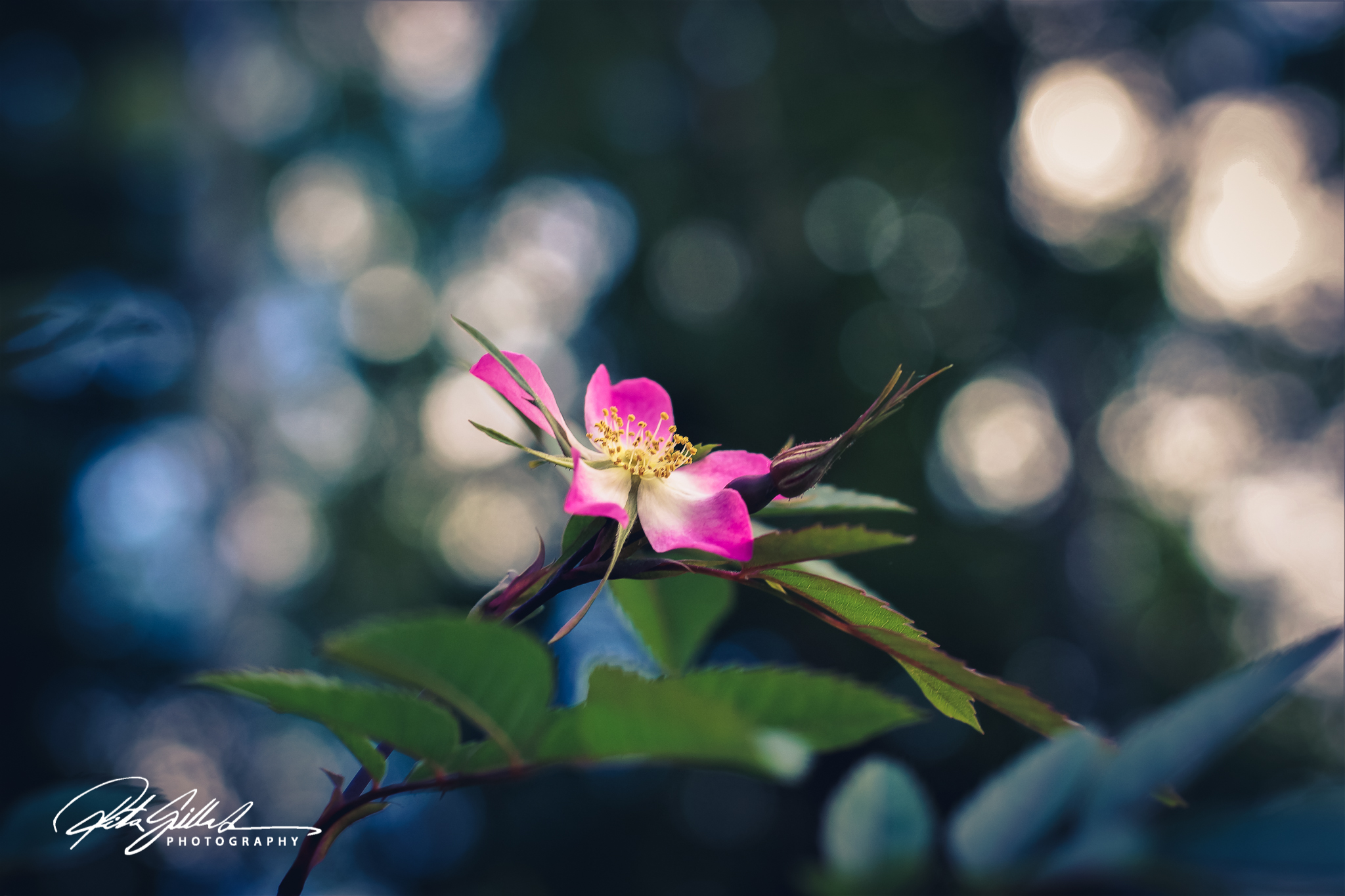

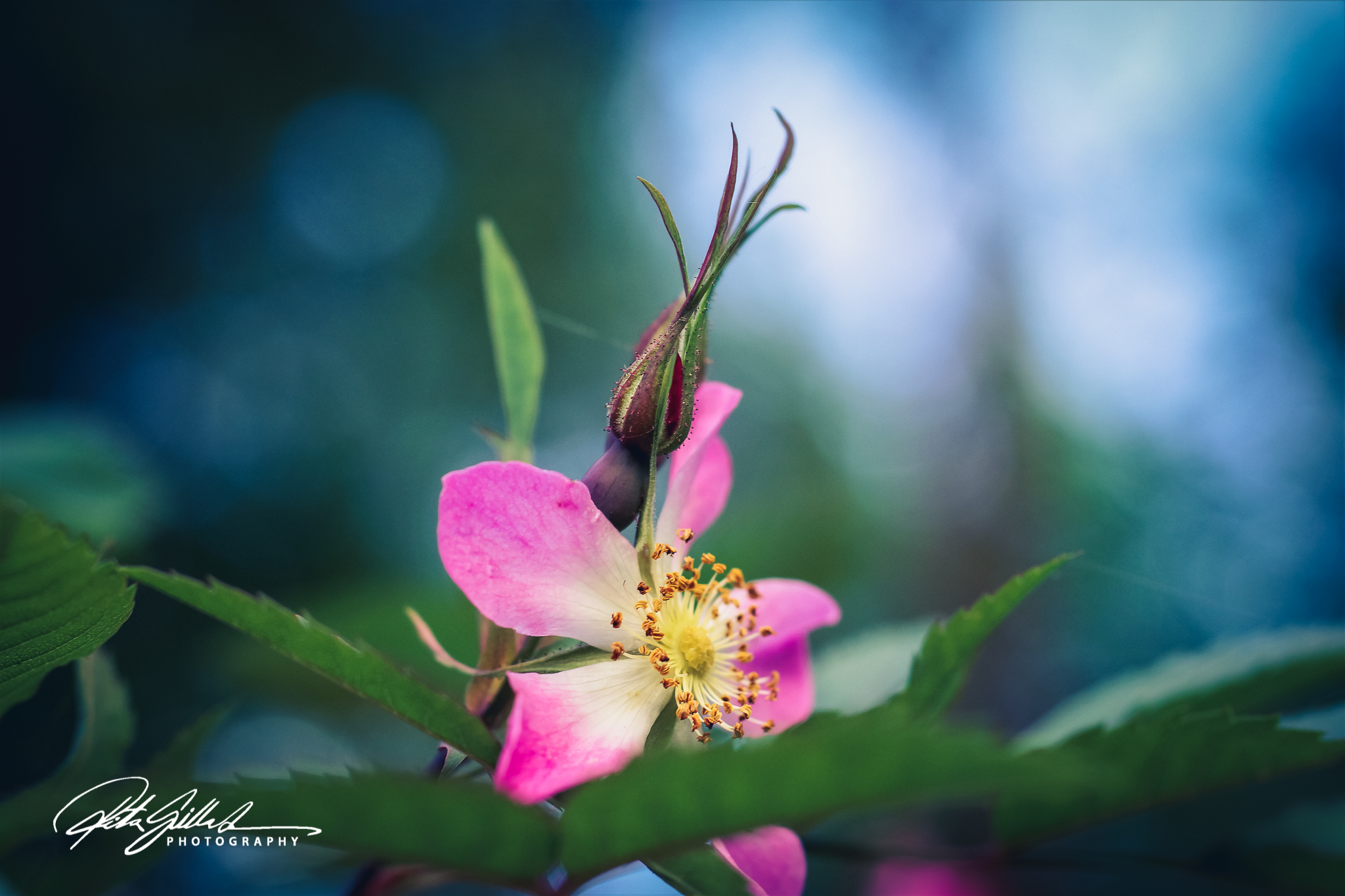

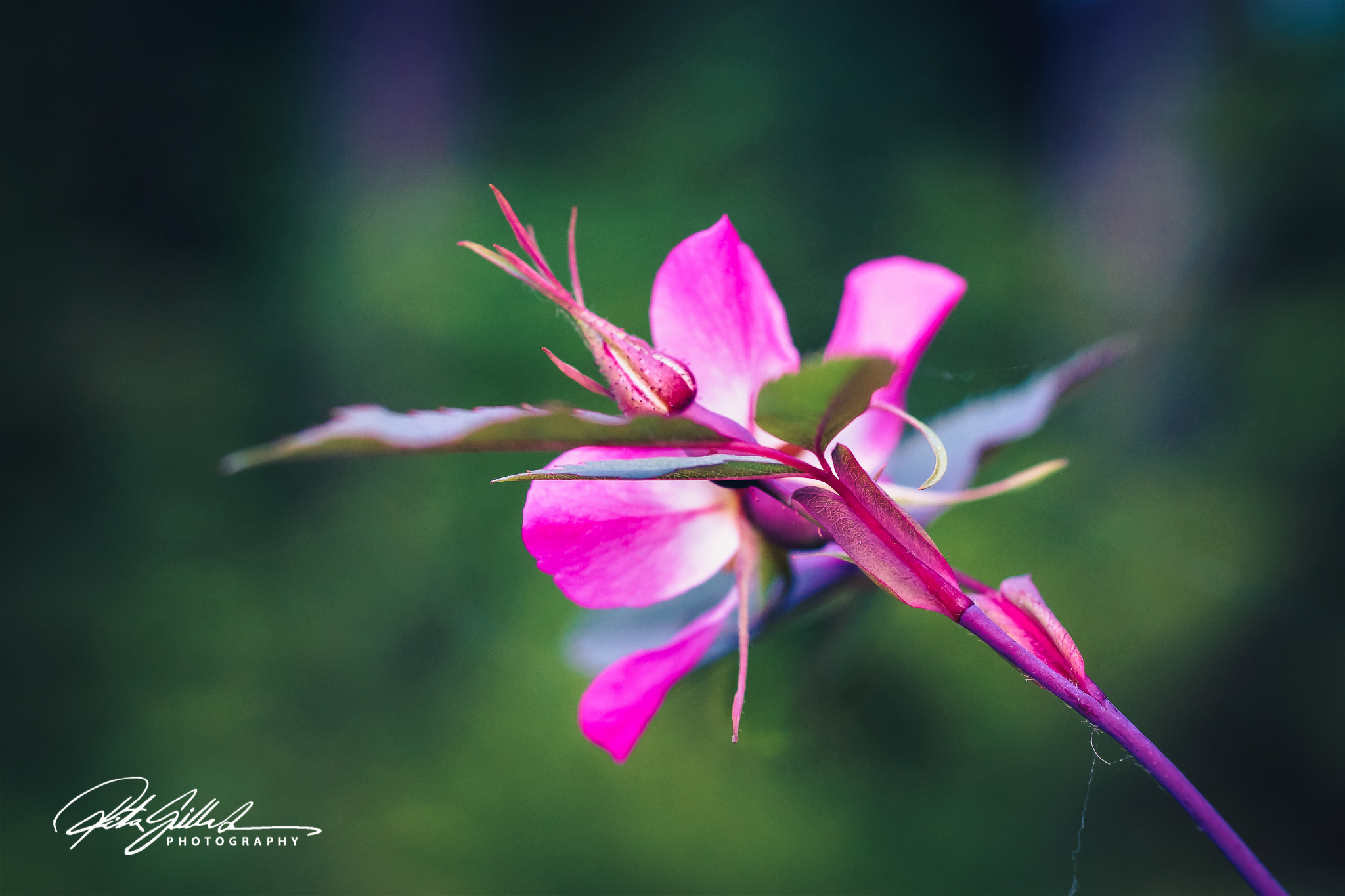
The little flowers are pink and made up of five petals. They are formed in small clusters and will have a light scent at best.

The orangish-red fruits are called hips. They can help add color during the winter since they can take a while to fall off. You can also cook with them and use them in alternative medicine.
Posted for Cee’s Flower of the Day
Lions Ear (Leijonankorva), Leonotis nepetifolia
also known as lion`s tail and wild dagga, Klip Dagga


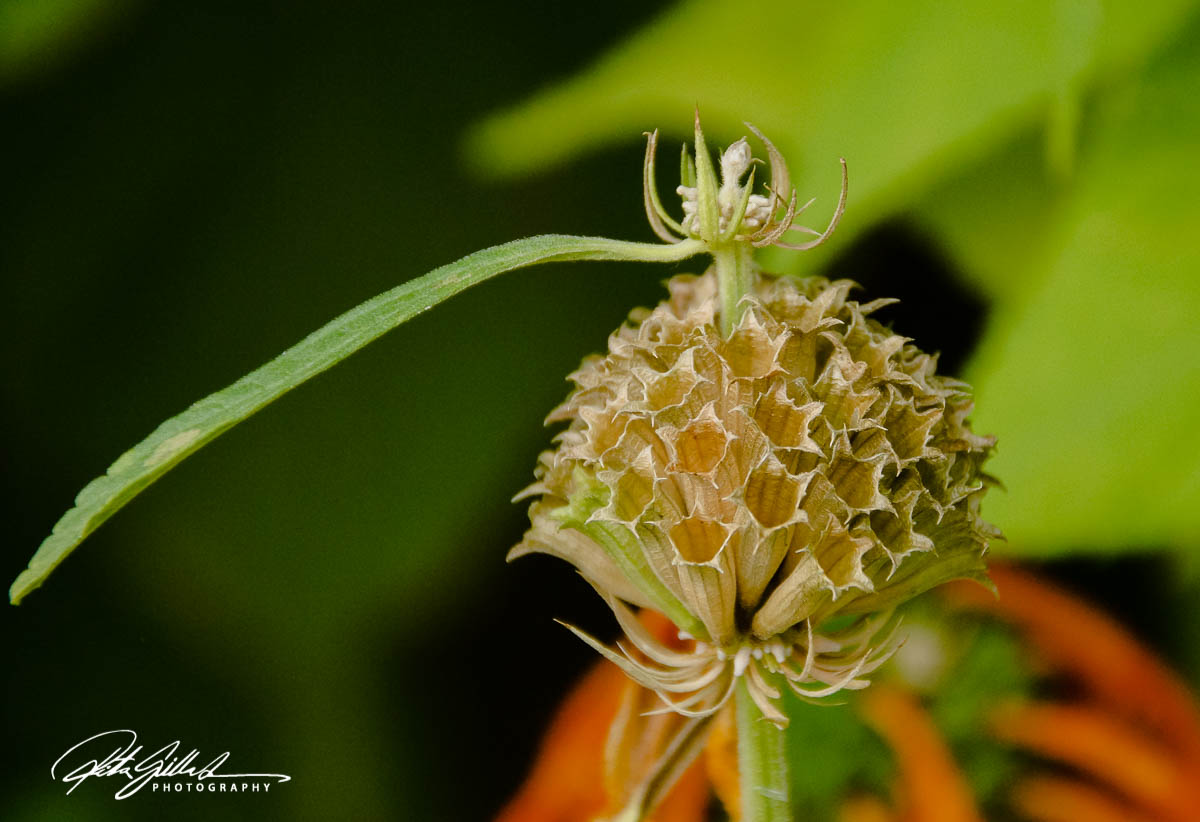
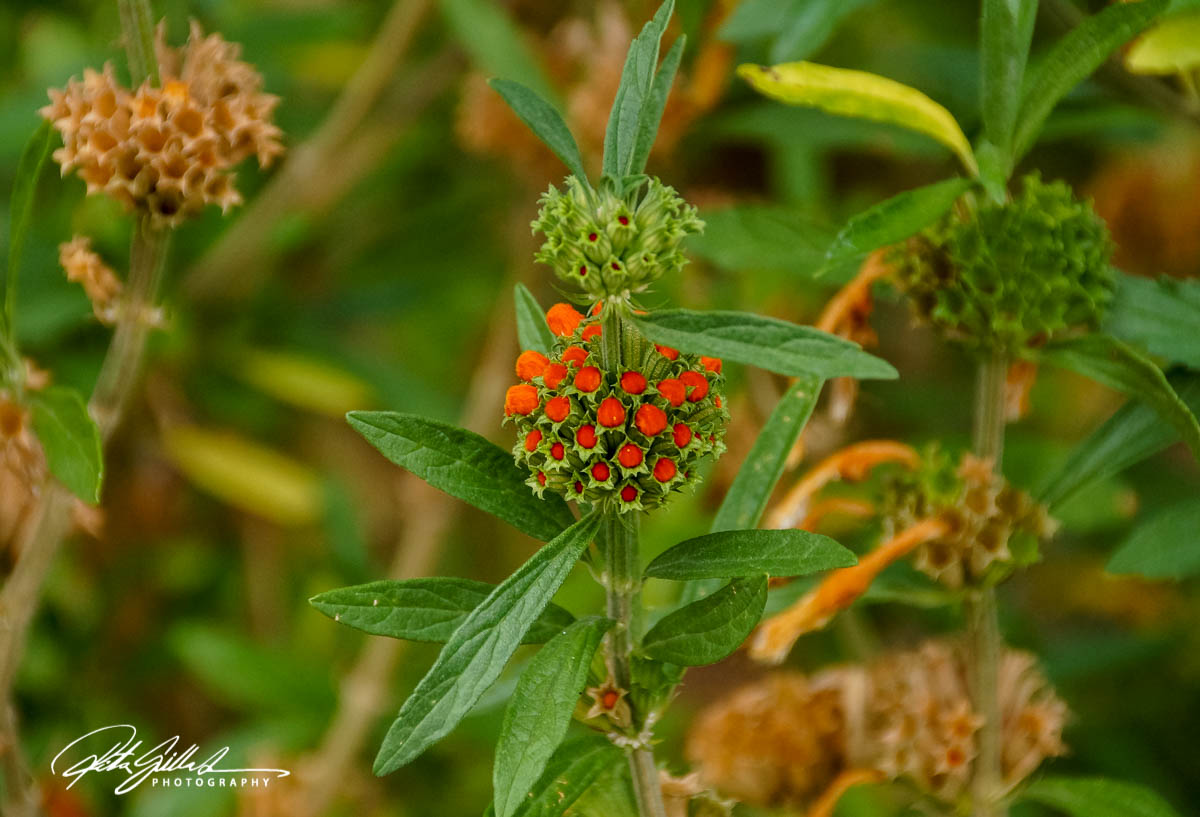
Klip Dagga has long been used in African traditional medicine as a treatment for fevers, headaches, malaria, dysentery and snakebite.
It has an effect on the uterus – depending on the dose it will stimulate- or suppress menstruation.
In Trinidad it is a common cold, fever and asthma remedy.
Studies suggest that teas or tinctures made with the leaf possesses anti-nociceptive properties, is anti-inflammatory and hypoglycemic and therefore lend pharmacological credence to the folkloric uses of this herb in the management and/or control of painful, arthritic, and other inflammatory conditions, as well as for adult-onset type-2 diabetes mellitus.
Both Klip Dagga Leonotis nepetifolia and Wild Dagga Leonotis leonurus are excellent heart tonics.
They are used for heart conditions associated with anxiety and tension and will calm palpitations, tachycardia and irregular heartbeats.
The dried foliage of Leonotis – both Wild Dagga and Klip Dagga – can be used as a legal substitute for marijuana (ganja, cannabis, hemp).
Smoking this dried herb gives an euphoric-like effect and exuberance.
The flowers are the most potent part and can be smoked or used as a calming tea.
For Cee´s Flower of the Day.
Yellow Toadflax( Keltakannusruoho )
Name also: Butter and eggs, Common toadflax
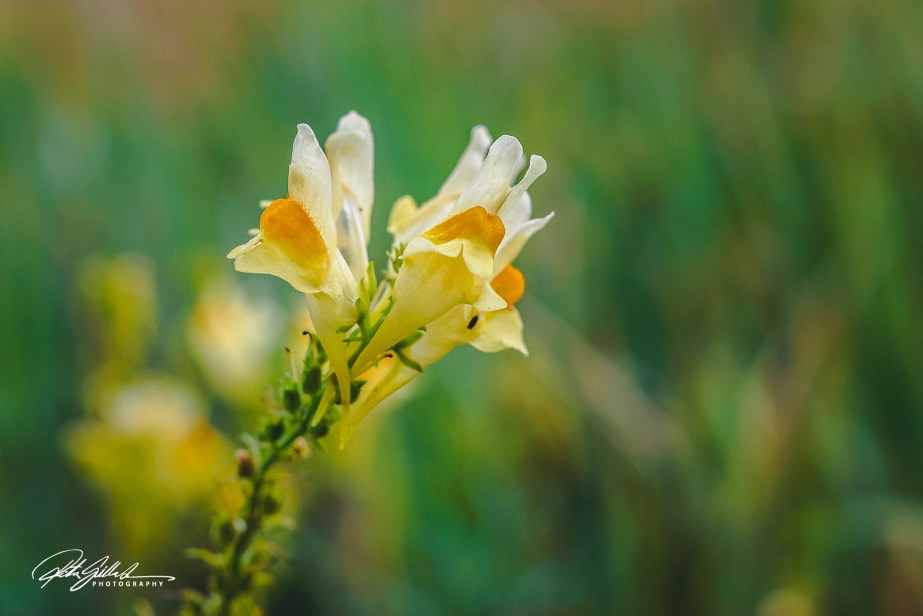
Look at its glowing yellow flowers.
Toadflaxes are abundant in western Asia and around the Mediterranean. Many of them favour culturally-influenced areas, at least to at least a certain extent.
Yellow toadflax is a perennial, strong-rooted herb which has root buds. It flowers on roadsides right up until late September. In Finland it is native to coastal rocky outcrops. Inland plants may be established aliens that arrived later. Yellow toadflax has a beautiful flower and has thus been transplanted into gardens as an ornamental and found new habitats in this way.
For Cee´s Flower of the Day.











 Ritva Sillanmäki Photography