Someone made the request to see what I created this weekend. You should be careful what you wish for 😂
A quick introduction to Monotype as a printmaking technique.Result: The resulting print is a “one-off” or “mono” type, as it is the only one of its kind that can be produced from that specific matrix. Process: Monotype is a form of printmaking where an artist creates a unique image on a non-absorbent surface, like glass or metal. We used metal. Image transfer: The image is then transferred to paper by pressing the two surfaces together, either by hand or using a printing press. We used a press.
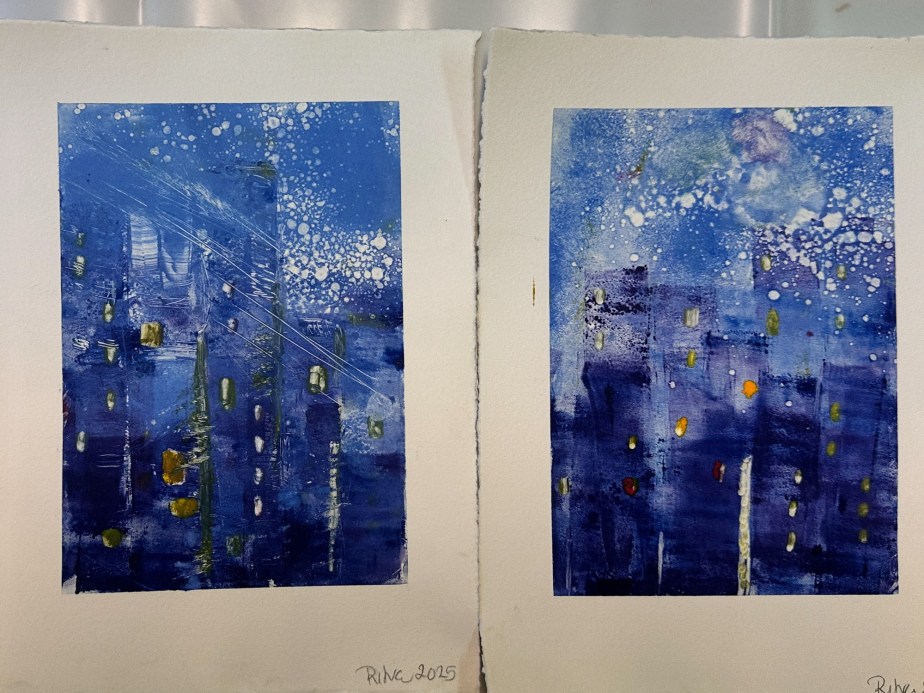
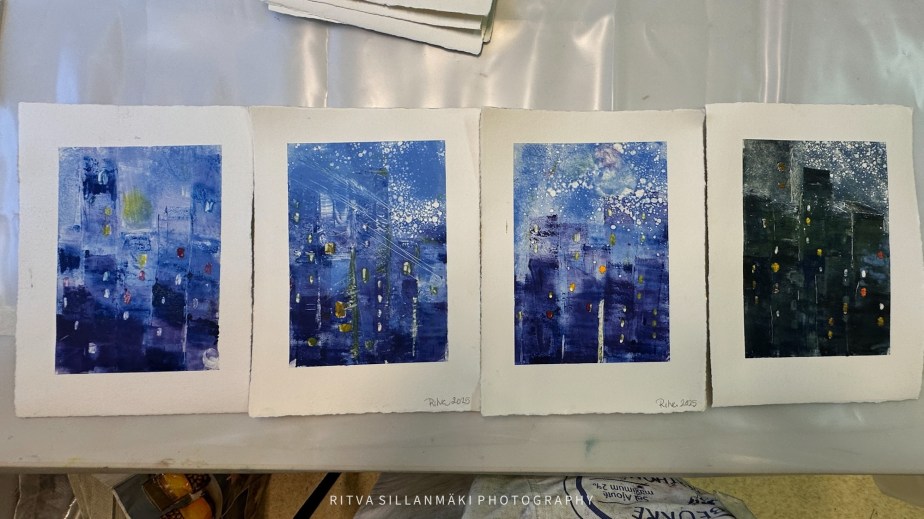
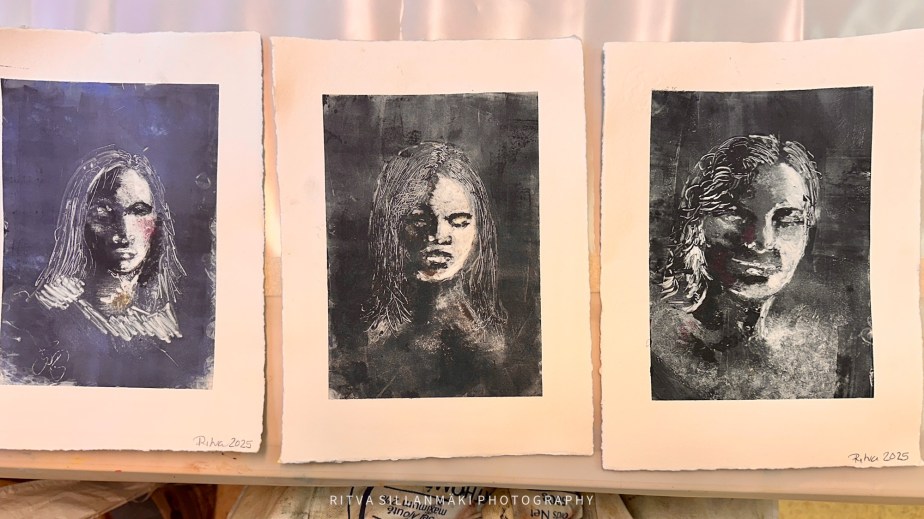
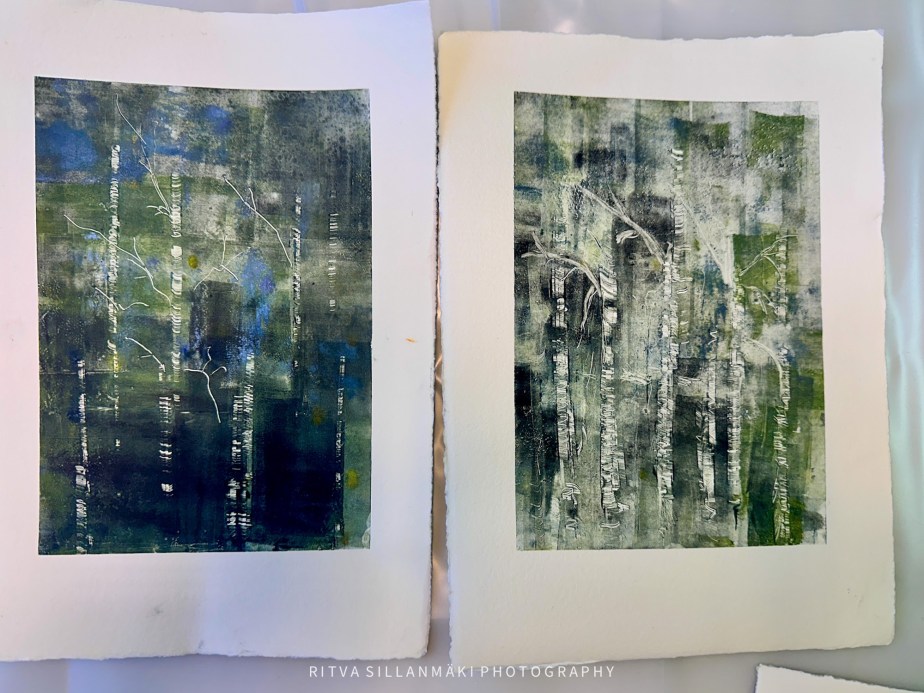
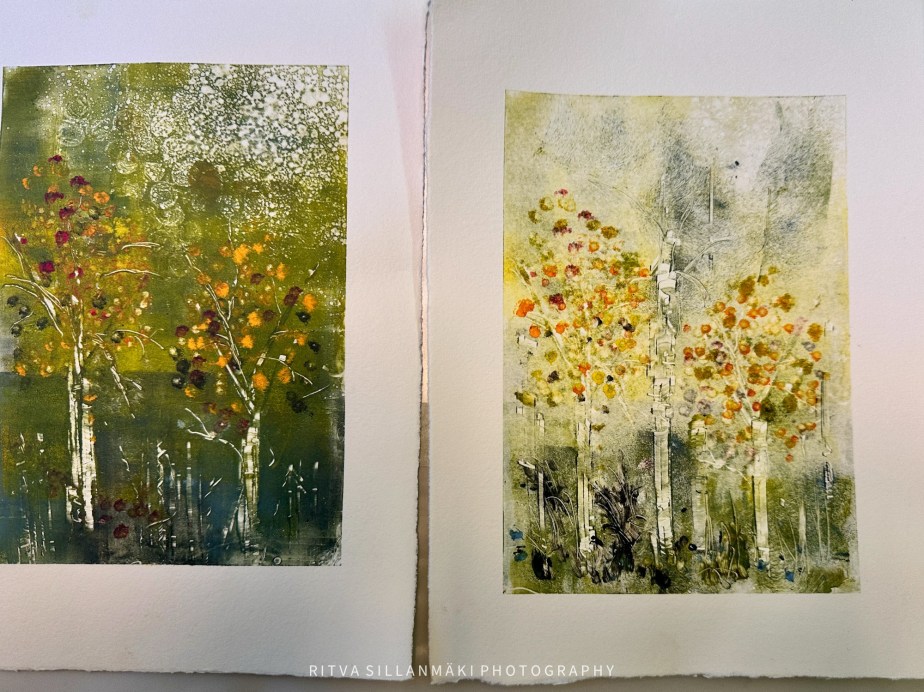
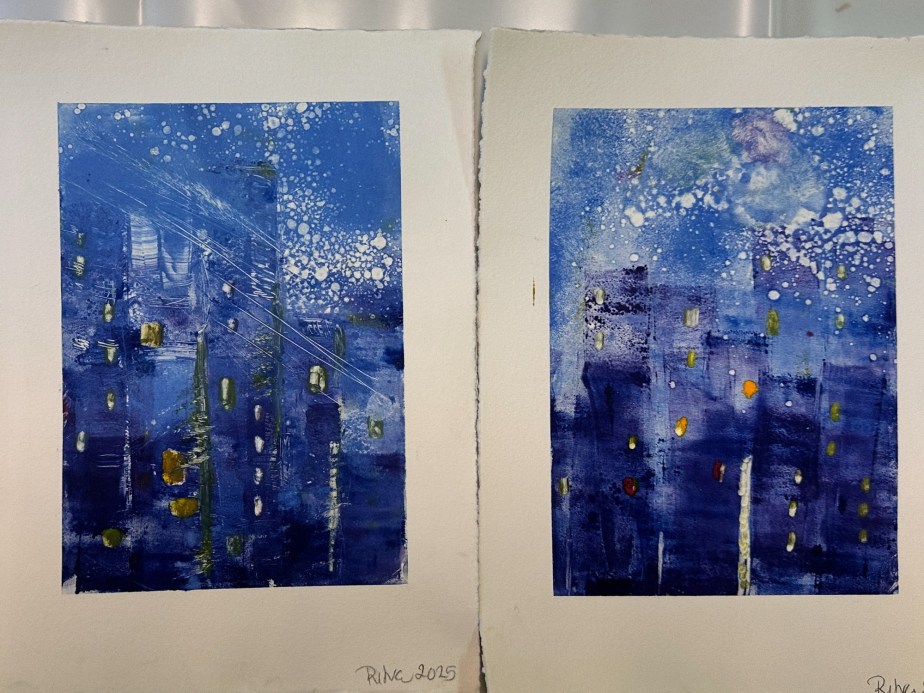
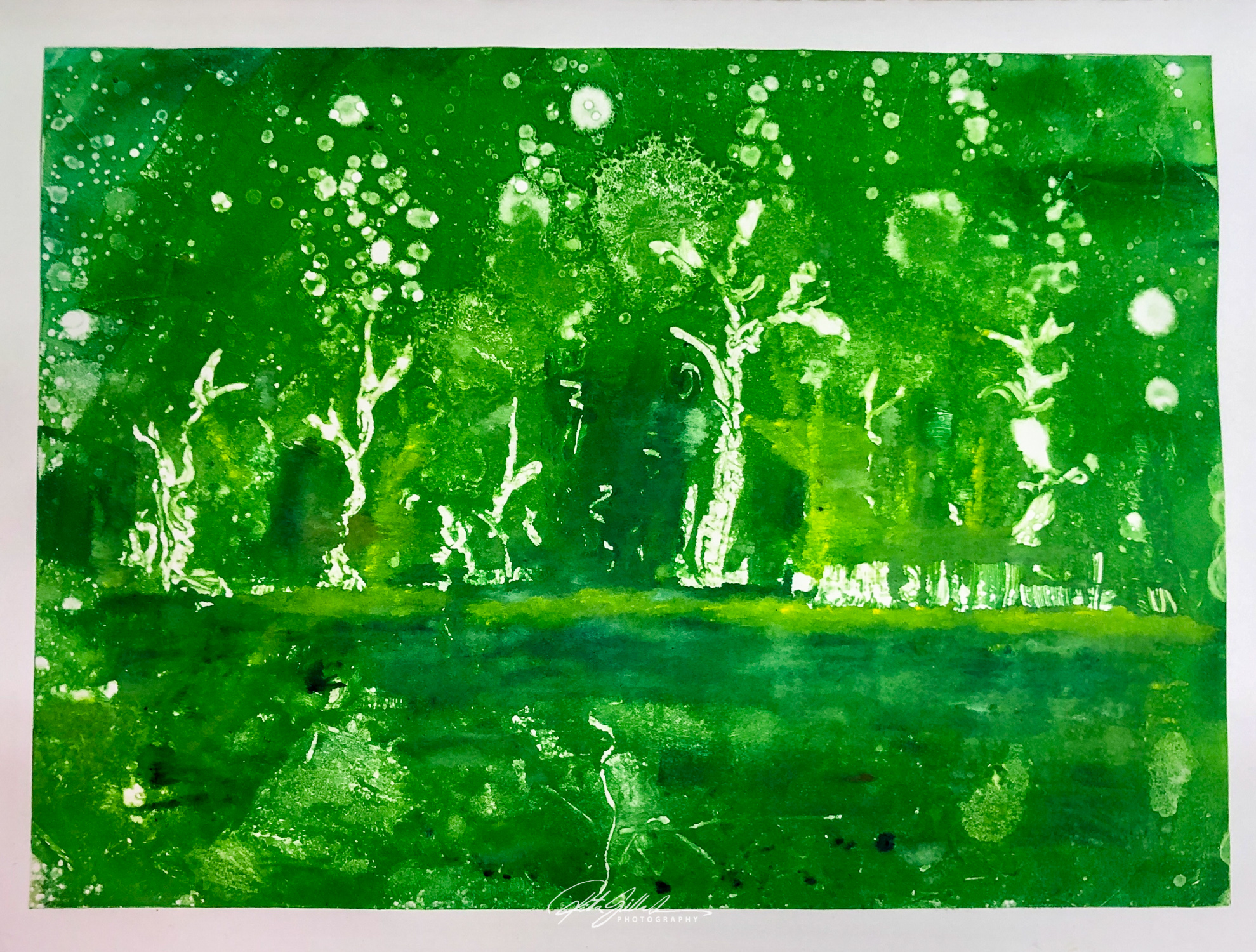
A series of monotype prints with vibrant blues and abstract cityscapes. These came out rather nice, I am rather happy with these.Three monotype prints g expressive portraits, highlighting the artist’s technique and creativity. These not so much, these were so hard to do, but it was good practise.monotype prints created using metal as a surface, showcasing intricate textures and layers these were inspired by birch tree trunk.Vibrant trees in autumn hues same plate, two prints.
As a last note, these were the ones I most liked.
Two monotype prints featuring abstract cityscapes in shades of blue, highlighting the unique texture and color application technique.
This weekend, I’m diving back into learning monotypia again, and man, it’s tough! The results are hardly ever what I’m going for. But honestly, I still find it pretty hard and rewarding the same time. There’s something really special about those unexpected outcomes that pop up with each try. Mostly disappointments. Each print tells a little story and gives me a peek into my struggling journey. I’m just hoping that through all this experimenting, I can pick up some techniques that boost my skills over time. I’m determined to figure this complex art form out, knowing that getting it right takes a whole lot of patience and practice.
Yes, more than six word. Happy weekend to all 😀
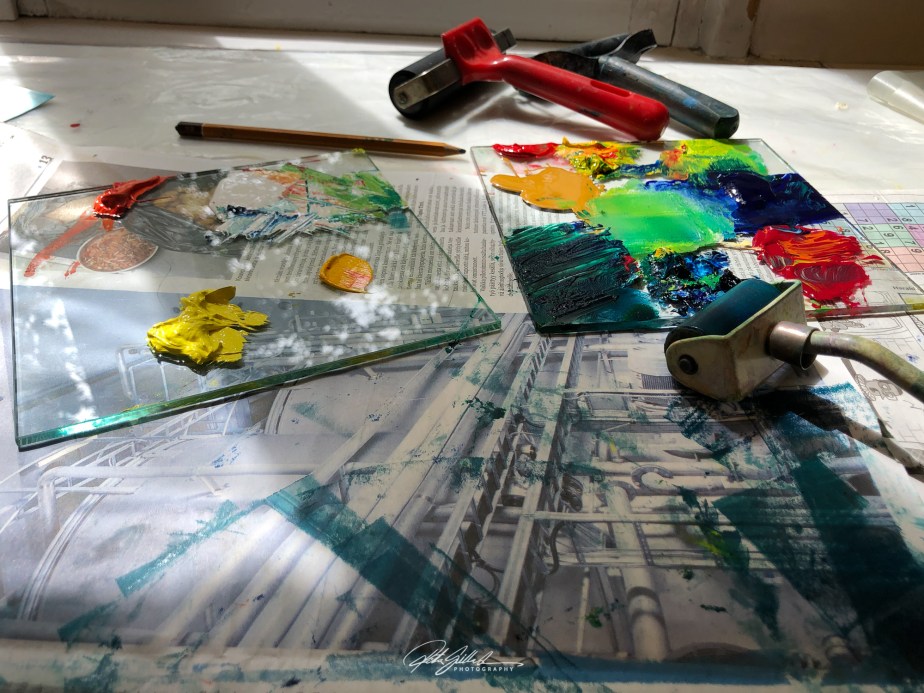
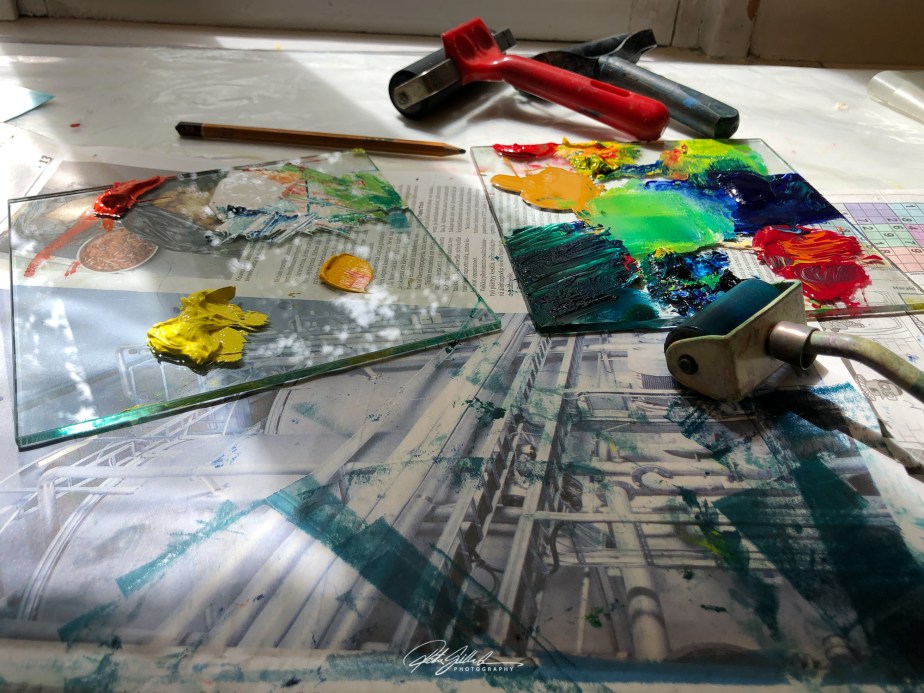
An array of colorful paints and tools arranged on a workspace, showcasing the creative process.
I spent last weekend practicing, learning to do monotype. Janet from THIS, THAT AND THE OTHER THING wanted to know a bit about the technique, so here is some explanation about it.
It is hard, nothing turns out the way you think, you have to be really careful about colors how you lay them on top of each other as they mix in the printing process. white is not recommended, and I leaned why as is blurs the colors. if you wish to have white you scrape it off with various plastic or soft tools so you so not scratch the metal plate or use turpentine.
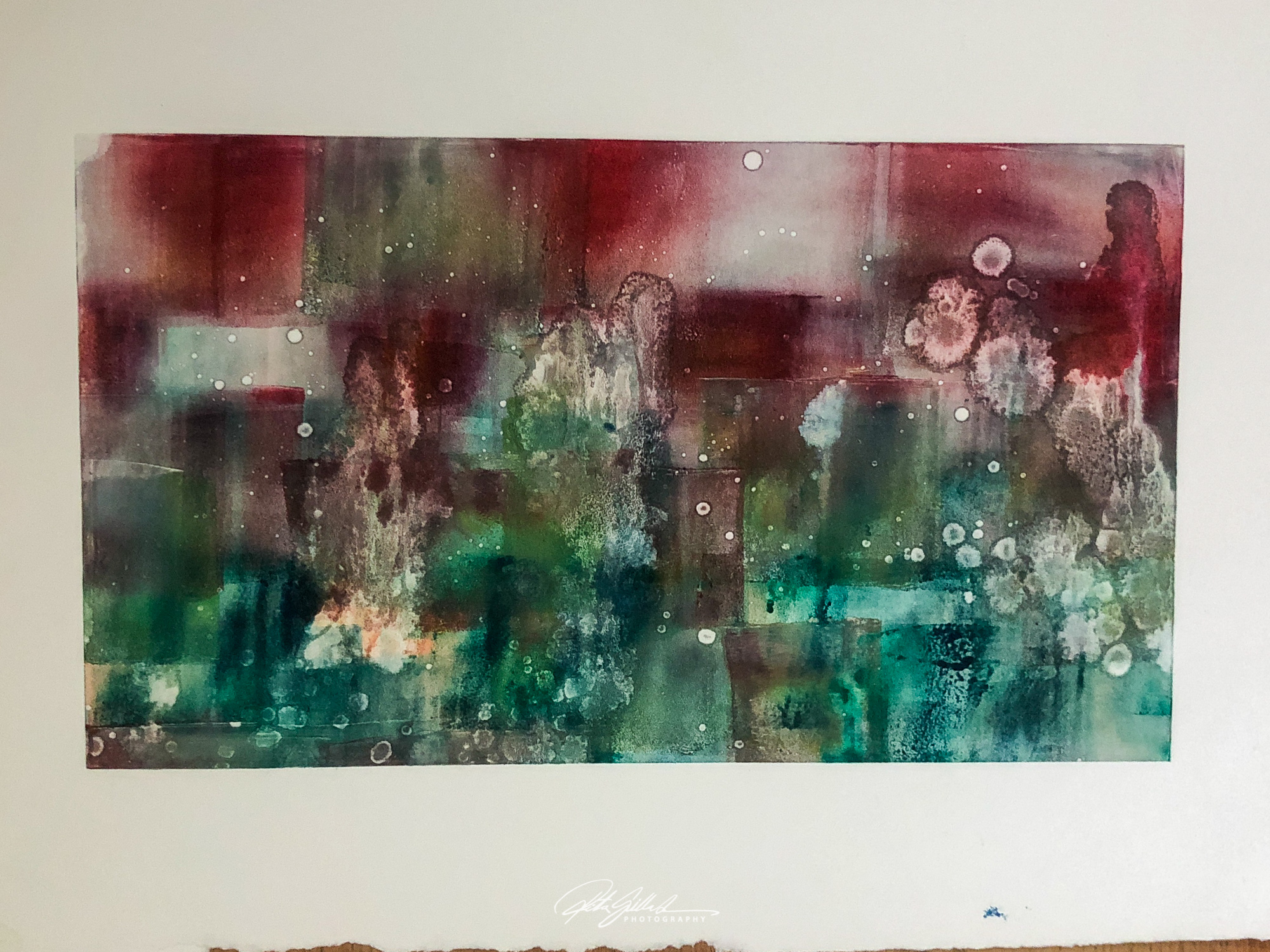
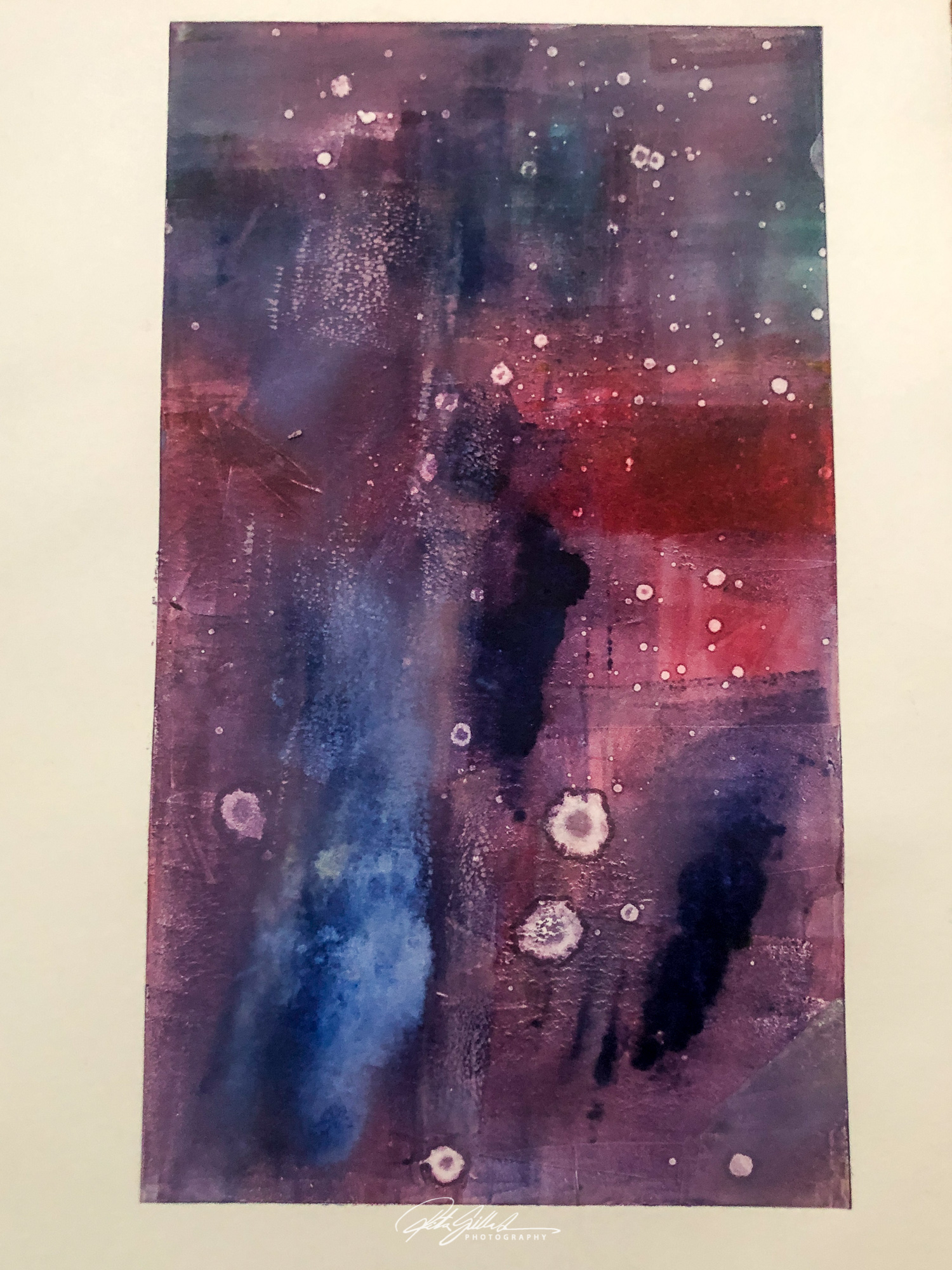
I was not really happy with any of the prints I got. I will try to silence myself critique and show some of my attempts. sorry about the photos, I just took them quickly with my mobile.
Abstract ( my husband likes this one)
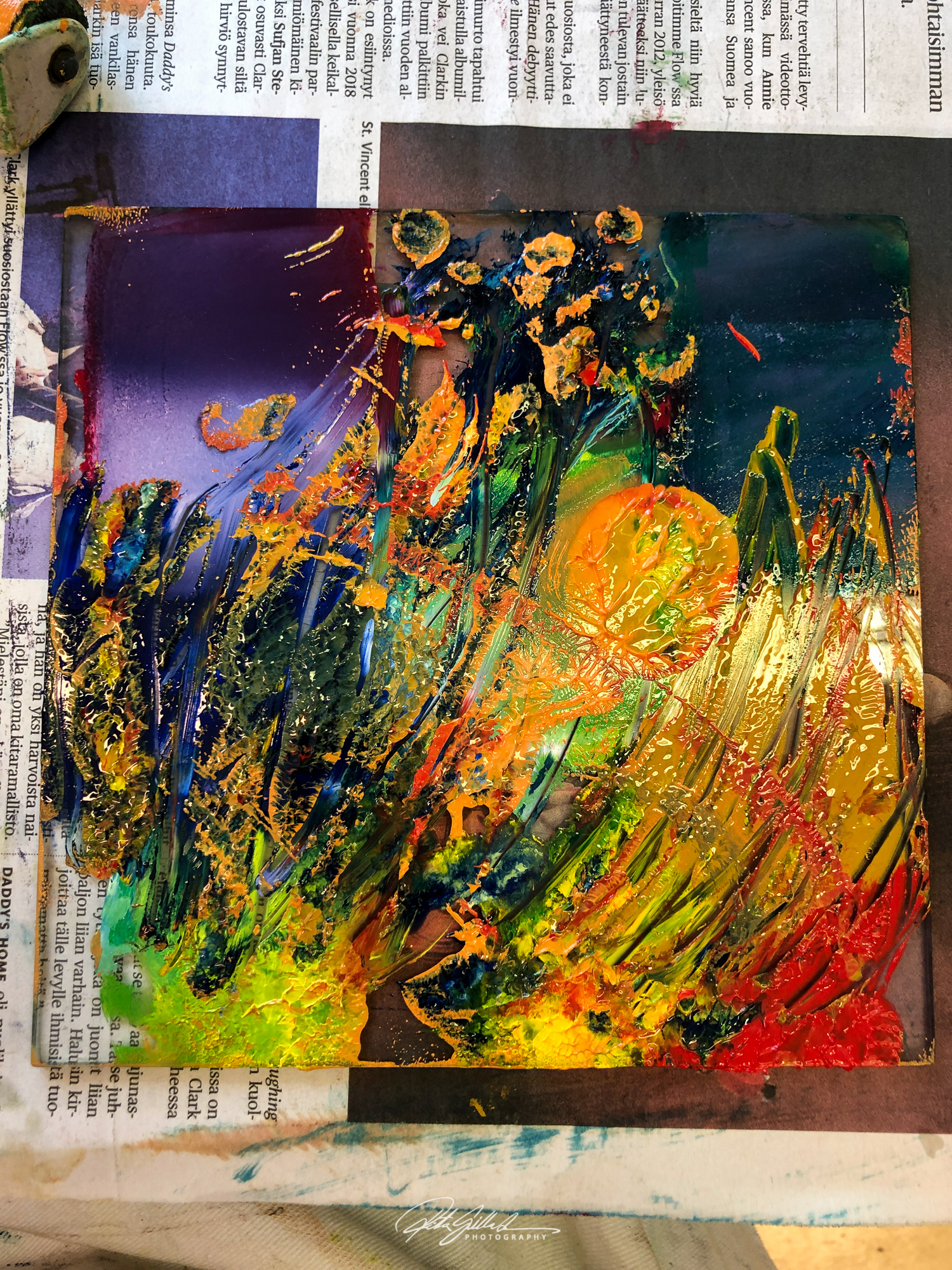
Monotype, , a technique that generally yields only one good impression from each prepared plate. Monotypes are prized because of their unique textural qualities. They are made by drawing on glass or a plate of smooth metal or stone with a greasy substance such as printer’s ink or oil paint. You can use a brush or more often a roller (cylindrical tool for applyingpaint or ink.)you can see them in the pictures below.
After the artwork you wet the paper for, it has its own kind paper, of course, several minutes. Then you dry the excess off by placing it between newspapers. This is an art form of its self you cannot have too wet paper or you too much paint or it spreads/leaks of the sides of the art work.
The instructor/ teacher likes this one.
You set the metal plate on the press printer , add the wet, paper on top. Next step is to add several layers of felt on top of the plate. However, the tradition of imprinting conveyed in the literature in the field is unambiguous here. When printed, the press has several blankets of different thicknesses and qualities. the basic practice is to stack the blankets so that the densest thin 1/16 remains lowest against the tile and the more porous come on top of 1/8 and 1/4. Combinations vary slightly depending on different techniques and printing papers.
You press it once or twice depending how much color you want to get on the paper.





 Ritva Sillanmäki Photography