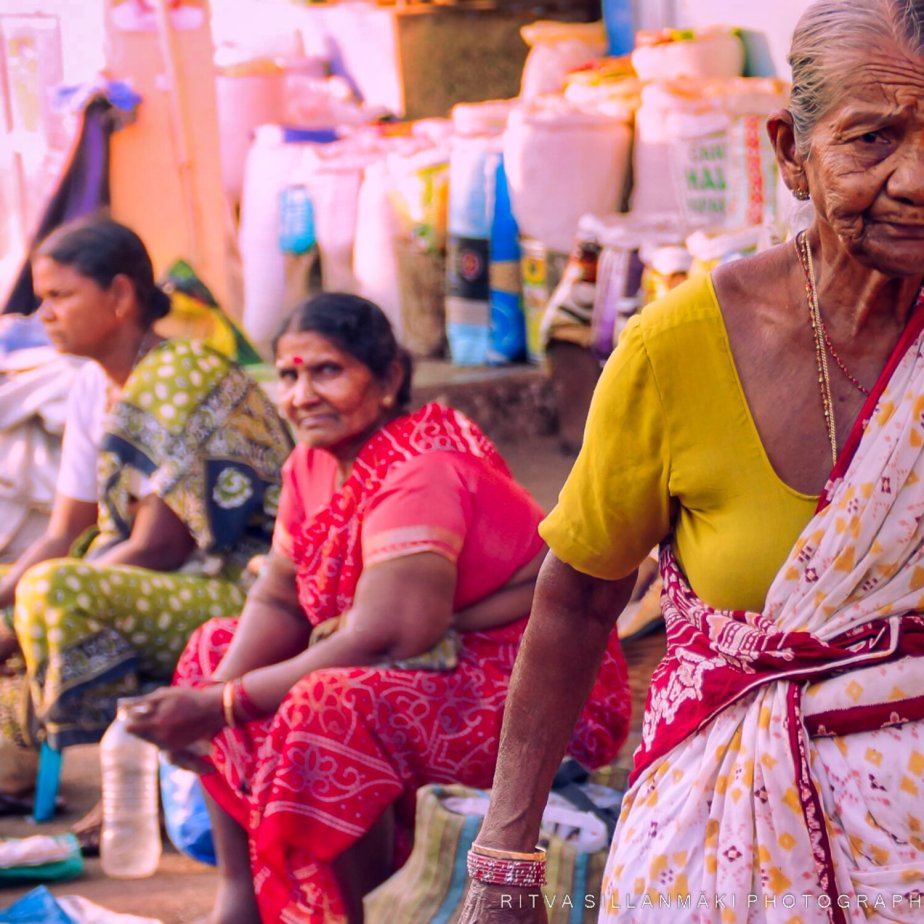
What an Unusual Crop! No, I cannot do this; it’s too hard. No, it’s not. Give it a try, be bold, be creative. You can do it. Exceed yourself, like they say in the Olympics.
Cropping stands as one of the most potent yet frequently underutilized compositional elements in photography. This week, we encourage you to deliberately defy traditional framing conventions. Consider slicing off parts of your subject or positioning it at the far edge of your shot. You might even depict only a hint of an object or an intriguing shadow or reflection. Unconventional crop photography often employs tight, asymmetrical framing techniques—like truncating limbs, using extreme close-ups, or positioning subjects right at the frame’s border—to evoke mystery, abstraction, and artistic tension. Approaches include using a 1:1 aspect ratio to hone in on specific details, employing diagonal lines in your compositions, or leveraging negative space to highlight elements such as the intricate surface of a leaf.
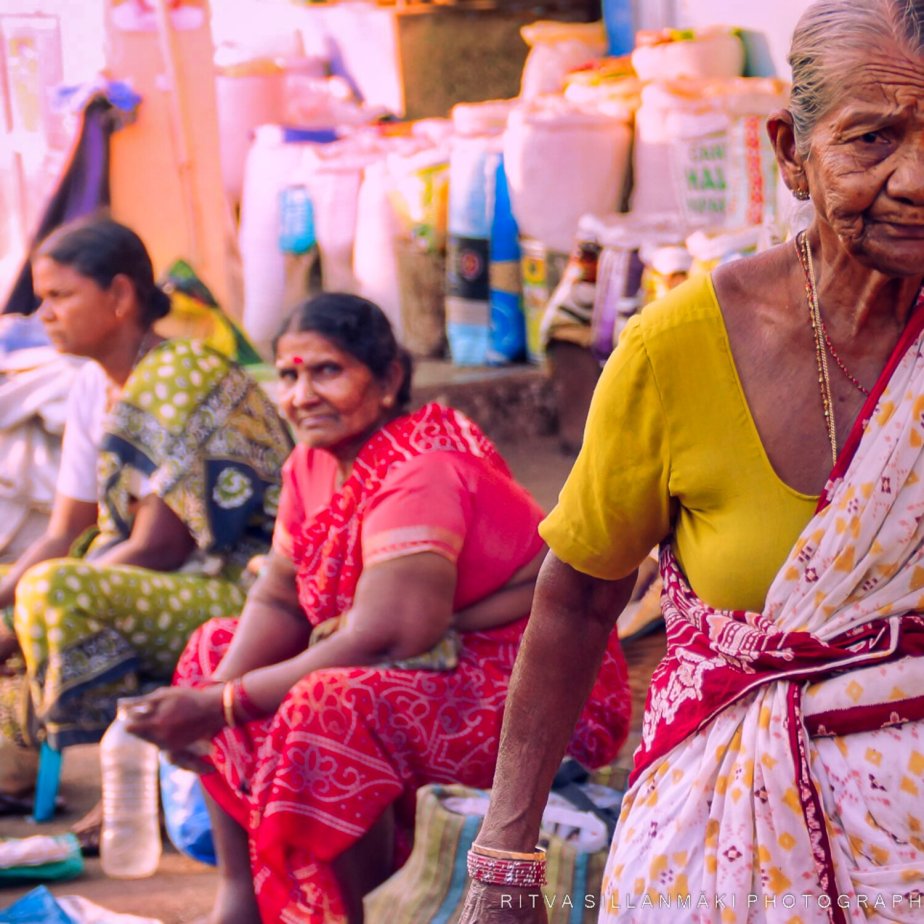
In-Camera Versus Editing: Although many unique crops are achieved through post-processing, capturing these moments in-camera encourages more intentional and artistically satisfying results. When deploying these techniques, be mindful to avoid cropping at joints, as this can give the impression of amputation. Instead, aim for narrower points like mid-thigh or forearm for a flattering yet bold appearance.
Experiment with framing as a narrative device by illustrating the story of what’s absent; consider capturing a hand reaching into the frame or a smiling mouth peeking from the corner, or even a bicycle wheel without the bike itself. Crop closely for an intimate feel or employ an off-center approach for added intrigue. Think like a graphic designer—make your images striking, graphic, and unexpected.
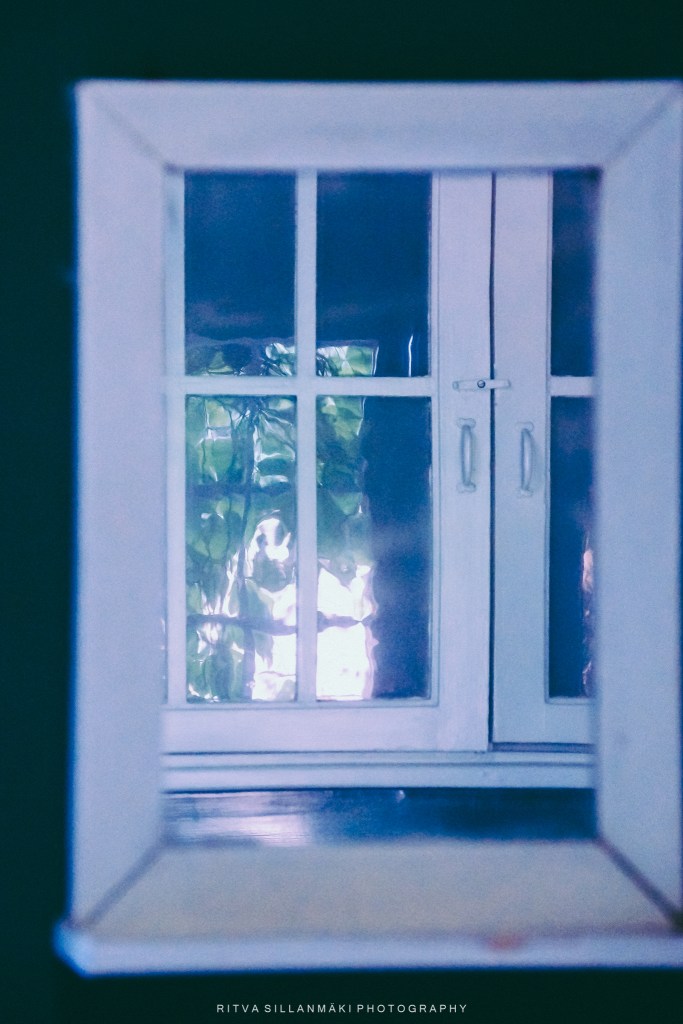
Notable techniques for unconventional cropping involve:
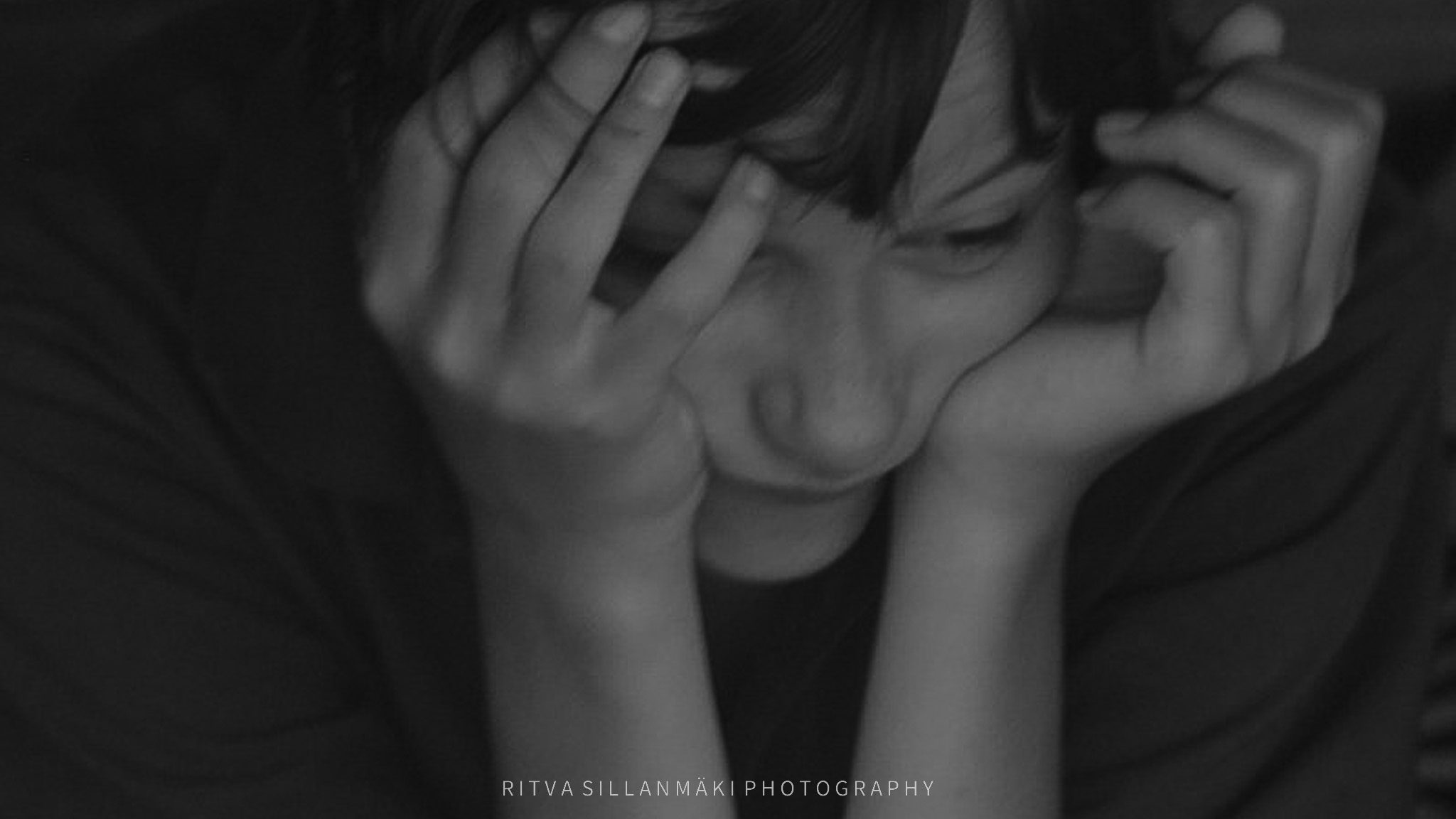
Disrupting the Subject: Intentionally cutting through heads, hands, or limbs in portraits creates a dynamic composition rather than a conventional one.
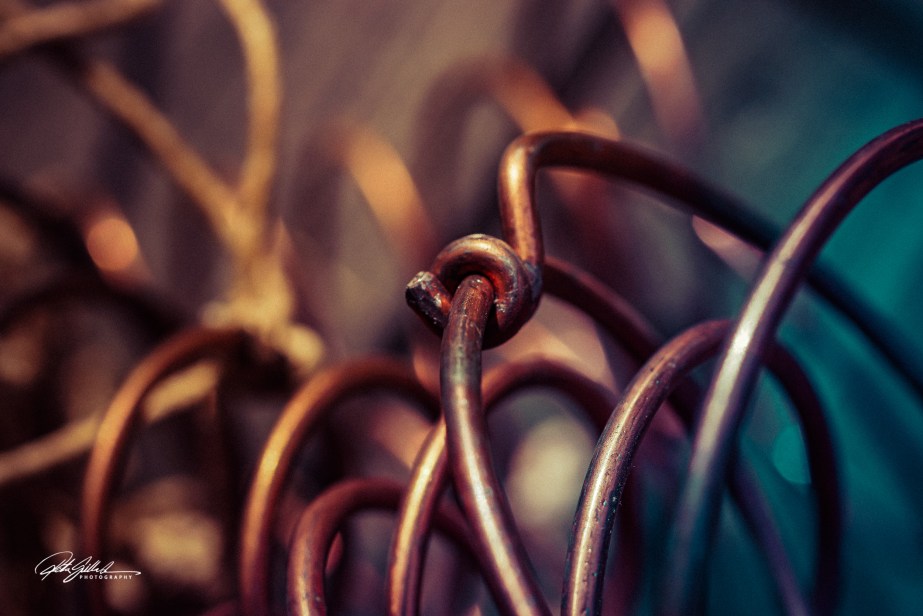
Detail-Oriented Macro Shots: Extreme cropping can accentuate textures, lines, and shapes, transforming everyday objects into pieces of abstract art.
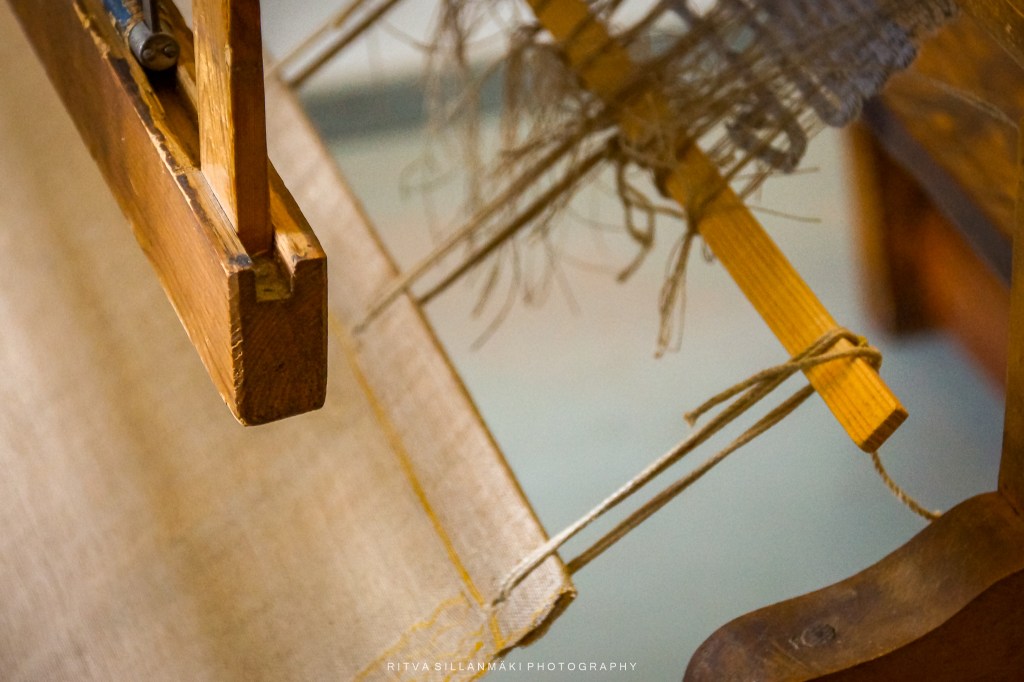
Overriding the “Rule of Thirds”: Position subjects at the frame’s extremes or allow them to extend beyond the edges entirely.
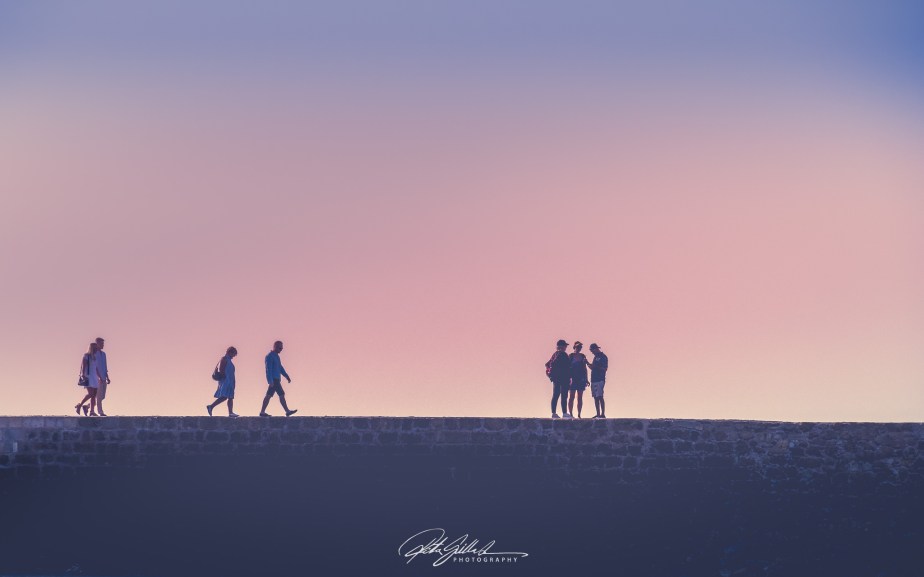
Utilizing Negative Space: Generating significant areas of emptiness can convey minimalism or create striking tension.
TIPS: Frame With Purpose: Make deliberate cuts through heads, hands, or objects; a bold crop can ignite curiosity. Strategic Use of Space: Marry tight framing with negative space to establish either tension or tranquility based on your subject matter.
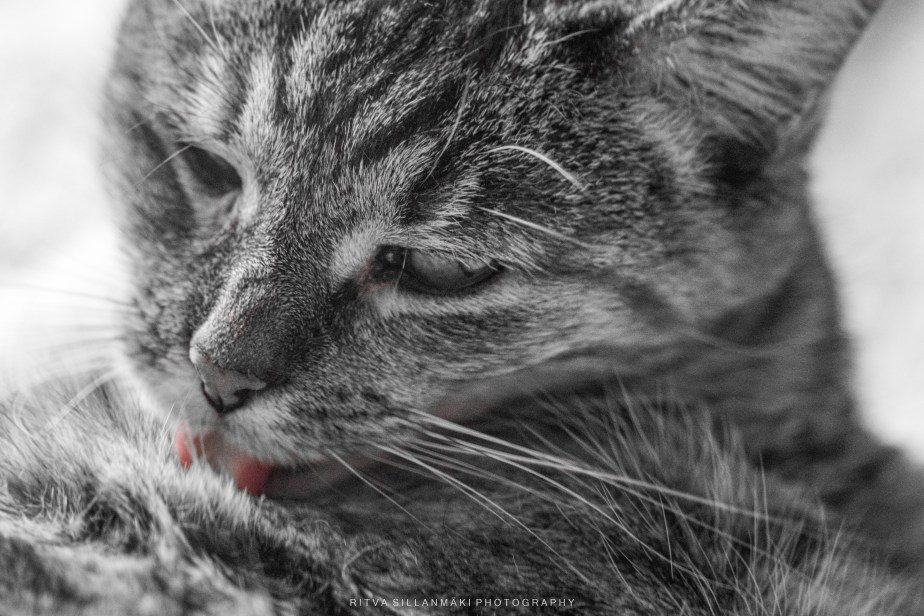
Instill Mystery: Leave out enough to provoke viewers’ imaginations about what lies beyond the visible.
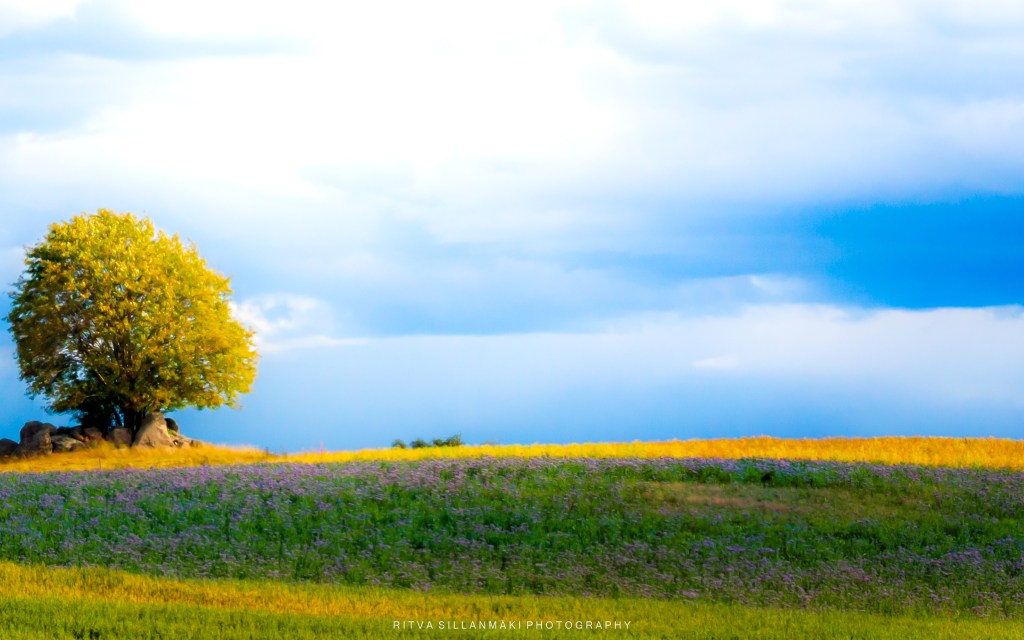
Emphasize Textures or Shapes: Get close to highlight features like contours, lines, or surfaces that might typically go unnoticed.
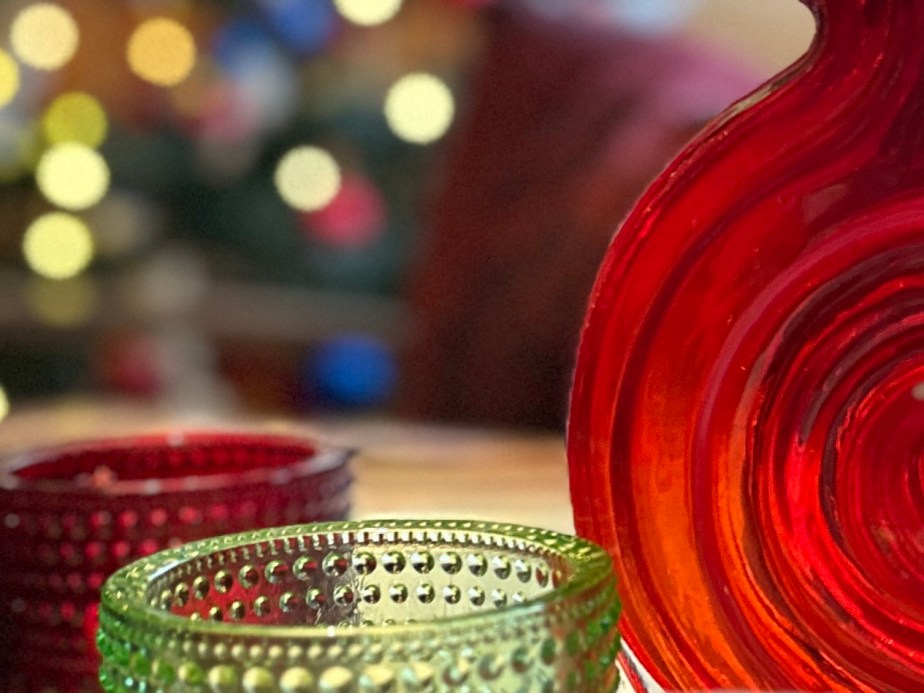
Imply Wholeness: Showcase just part of your subject, encouraging viewers to engage their imaginations.
Use the Frame Purposefully: Position your subject near the edge or let it extend beyond the frame to create dynamic imagery.
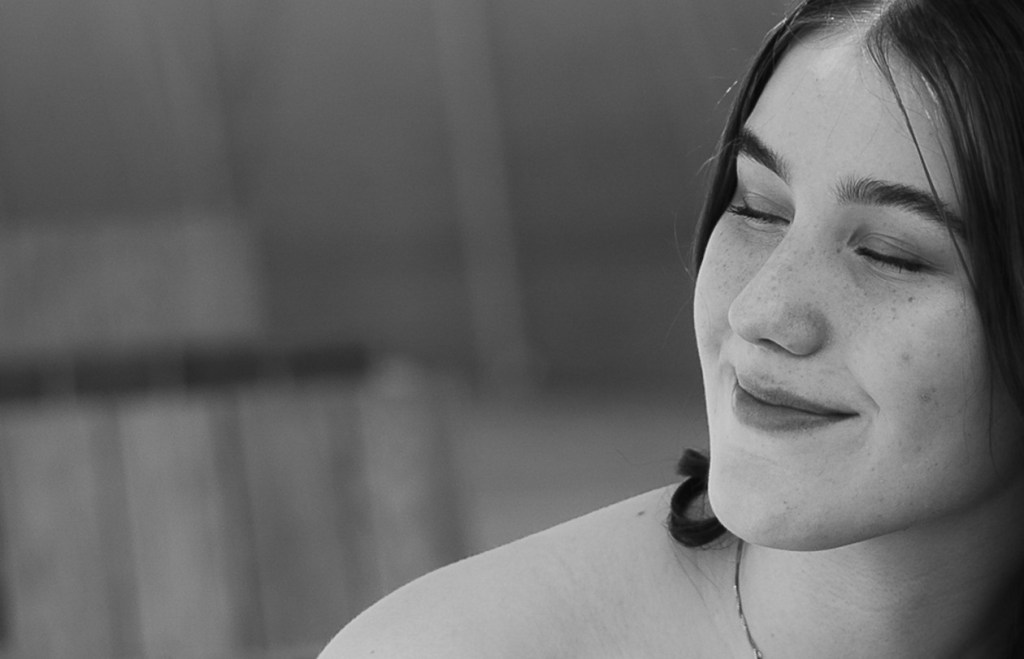
Disrupt Visual Norms: Surprise audiences by presenting familiar subjects in unusual manners—making them appear strange or abstract.
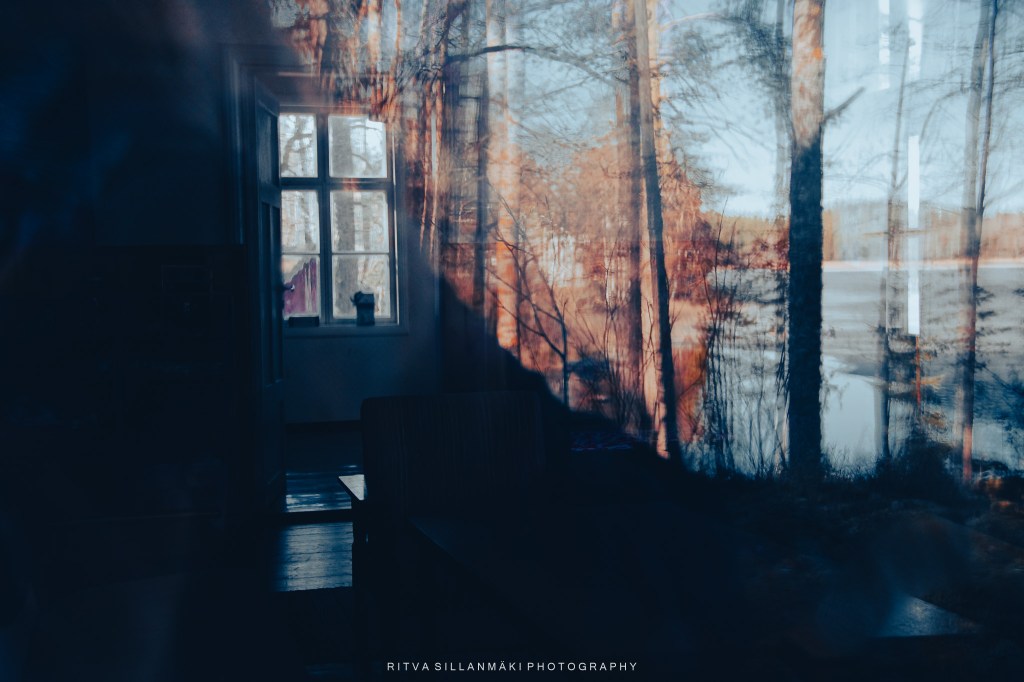
Consider the Crop During Shooting: Approach cropping not as an afterthought, but as an integral part of your initial composition strategy.
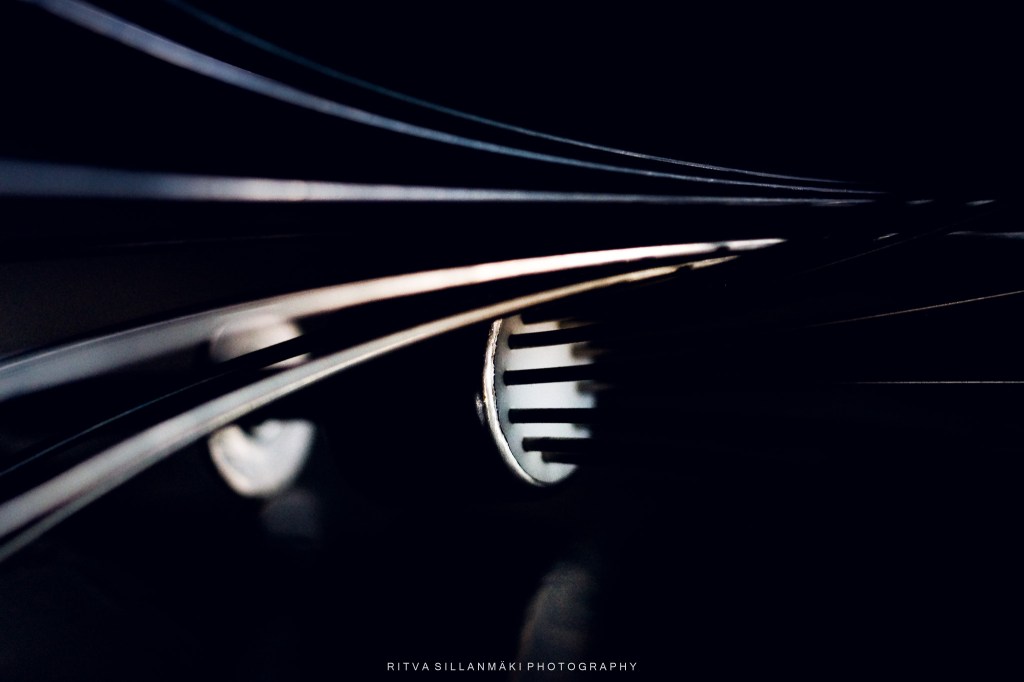
Last week, Beth introduced us to a theme that truly astonished us. The world brims with wonders, whether they’re grand or subtle, close by or distant, and this was vividly showcased in the photos we all shared.
I hope you will join in for this week’s challenge. Be sure to tag your post with Lens-Artists and include a link back to my post. And Happy Valentines day to you all! Hope you have a lovely day. ❤️💙💚💛🧡💜💞❣️
Make sure to return on Saturday, February 21, at noon Eastern Time for an exciting new challenge from Patti at Pilotfishblog. I hope you’ll be there to join us! In the meantime, let’s keep exploring, broadening our horizons, and maintaining a positive mindset ❤️
We are the Lens-Artists: Tina, Patti, Ann-Christine, John, Sofia, Anne, Egidio, Beth, and myself Ritva.
To learn more about the Lens-Artists Challenge, click here.
 Ritva Sillanmäki Photography
Gorgeous photos and interesting challenge Ritva.
Wow! These are great ideas to make our photos stand out, Ritva. Thanks for examples and beautiful photos. Now, let’s see if I get this right. Here are a few of my examples:
https://throughbrazilianeyes.com/seeing-differently/
You covered that very thoroughly, Ritva. Thank you for the many examples. You are very skilled at your art xx
You are obviously a master of this technique Ritva, which is a new one for me. It will be interesting to see what our followers come up with! My favorite of your set it is candleholders, and the kitten is marvelous! My response is here https://travelsandtrifles.wordpress.com/2026/02/14/lens-artists-challenge-385-unusual-cropping/
Wow! This challenge is very much to my liking – I love this technique, and I always try to apply it in camera (proximity to the subject, choice of lens). And your pictures bear testimony to the power of cropping. Kudos!
Not only stunning examples but excellent tutelage, Ritva.
Ooooh, thank you for this one, Ritva – you’re pushing me way out of my comfort zone. I loved the images you included and how you used the cropping. You truly ought to be a teacher! Thanks again! pp
Upea Ritva. Tykkään kuvista ja selityksesi ovat erinomaisia.
Tämä haaste tehtiin juuri minulle. 😀
Ritva, this is a great challenge with amazing images. You have given us several different techniques and ideas on how to approach the challenge. It will be a difficult one for me but I always enjoy trying new ideas in photography.
Thus is a fantastic challenge and one which I’d really like to have a go at. But it won’t be this week, for sure. Just two words explain everything. Grandchildren staying.