

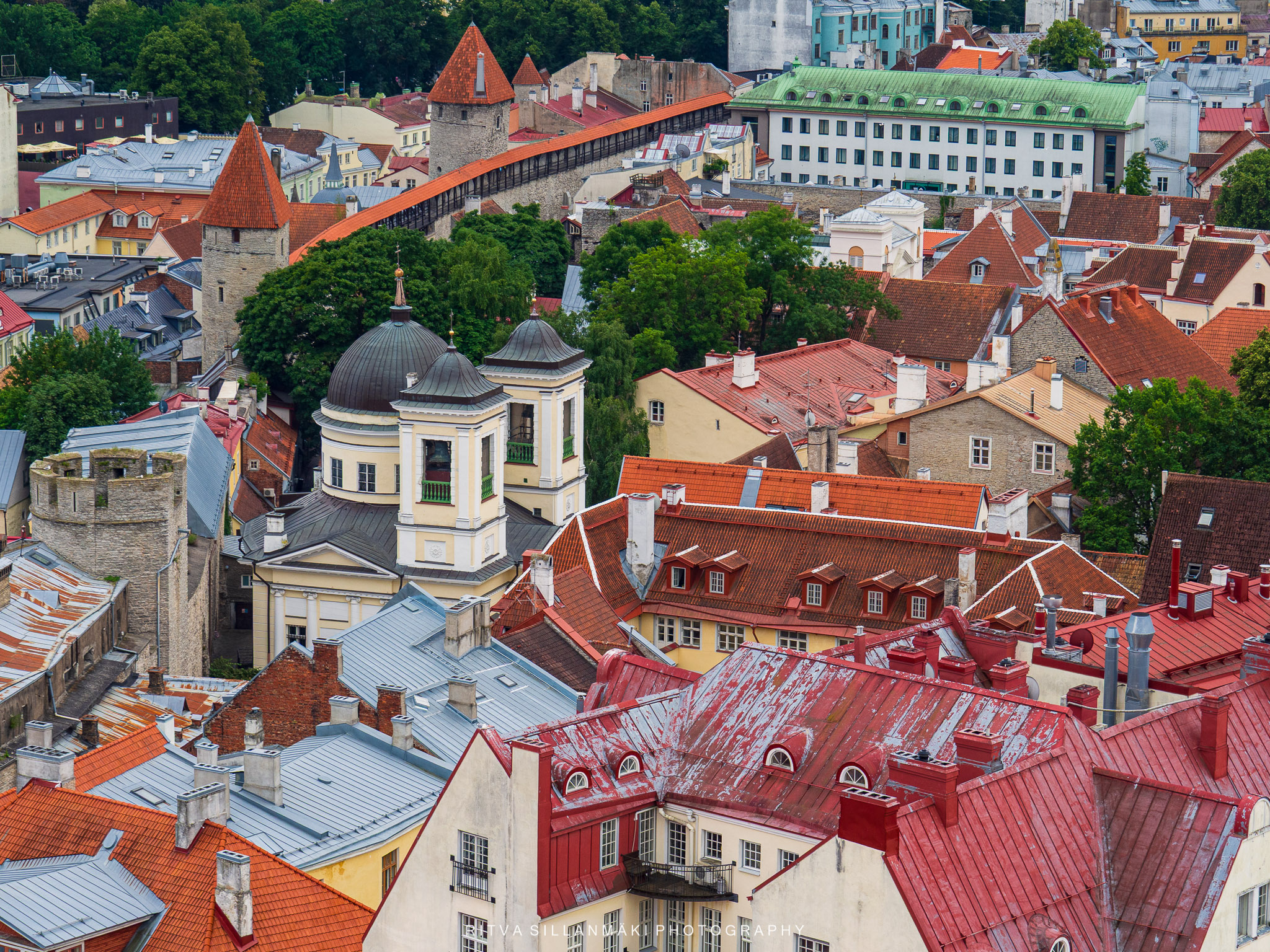
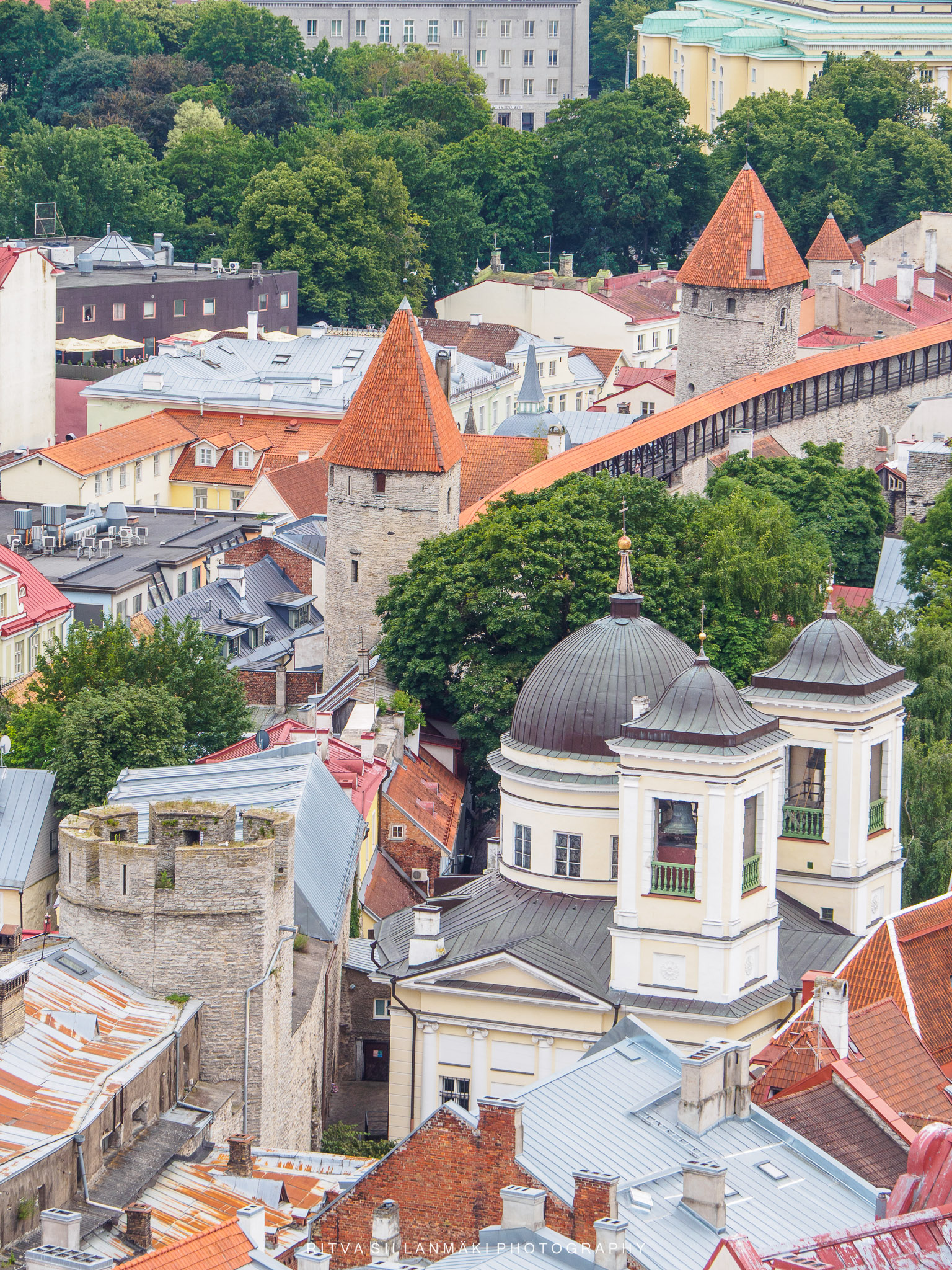
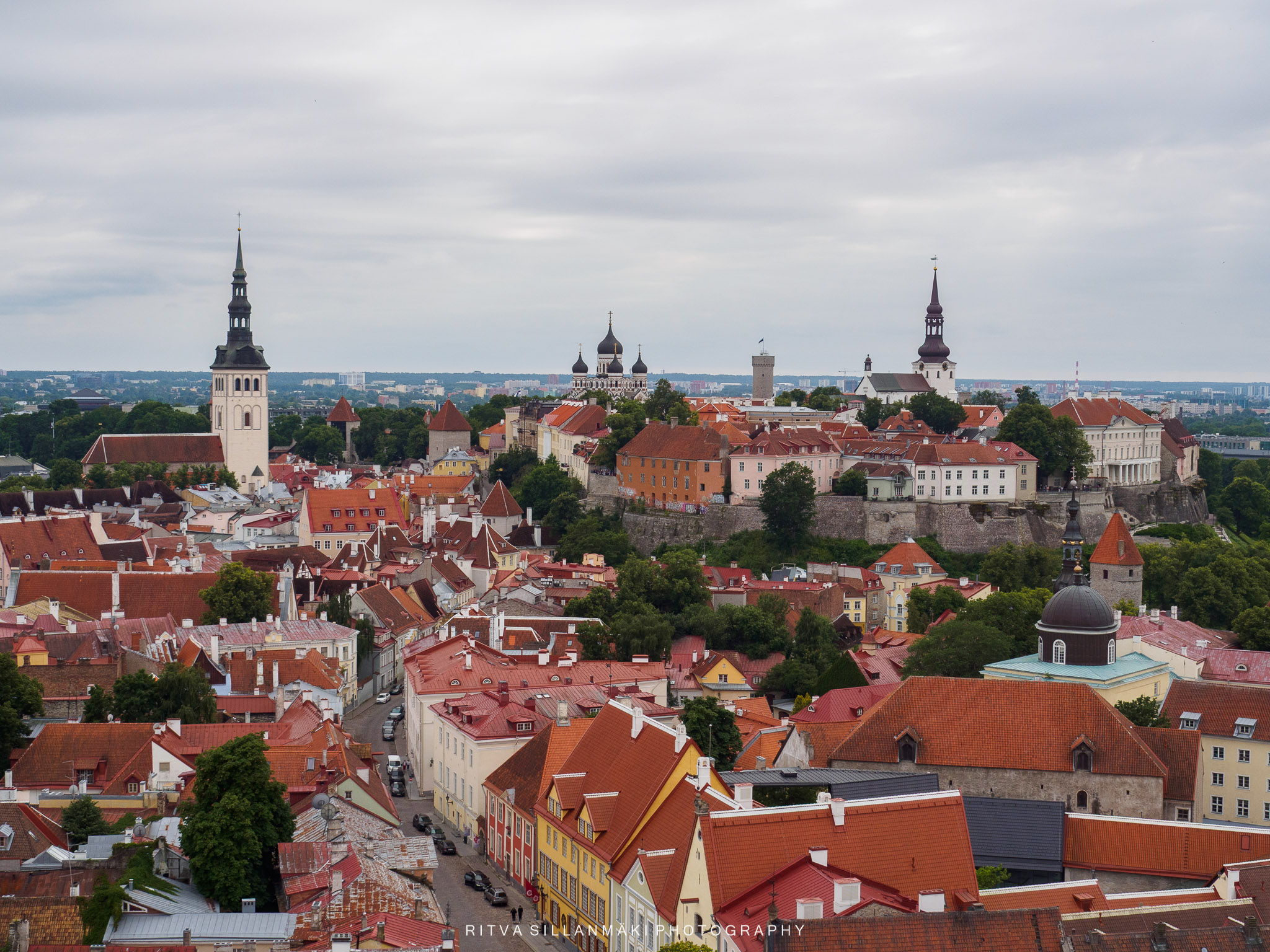
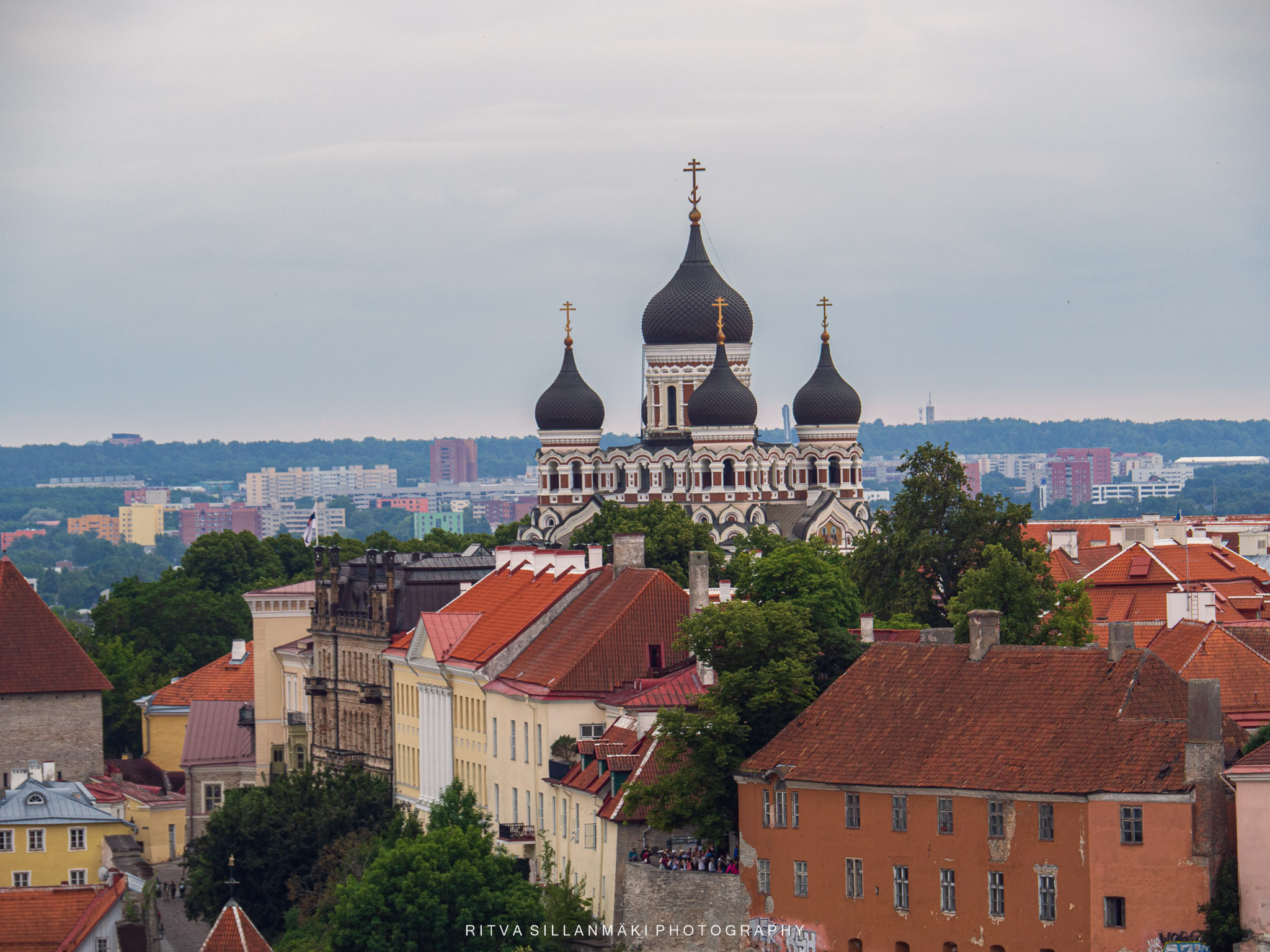
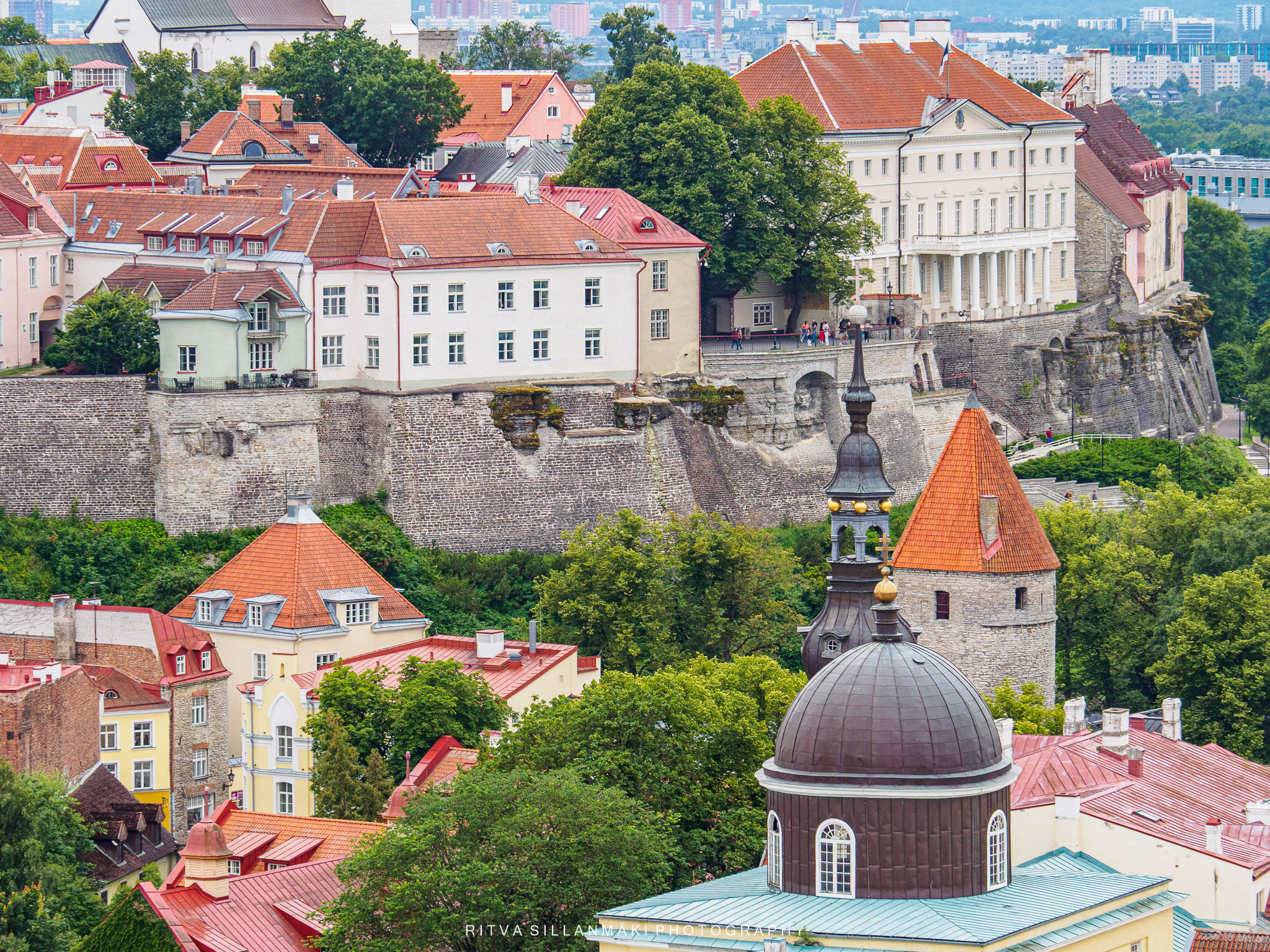
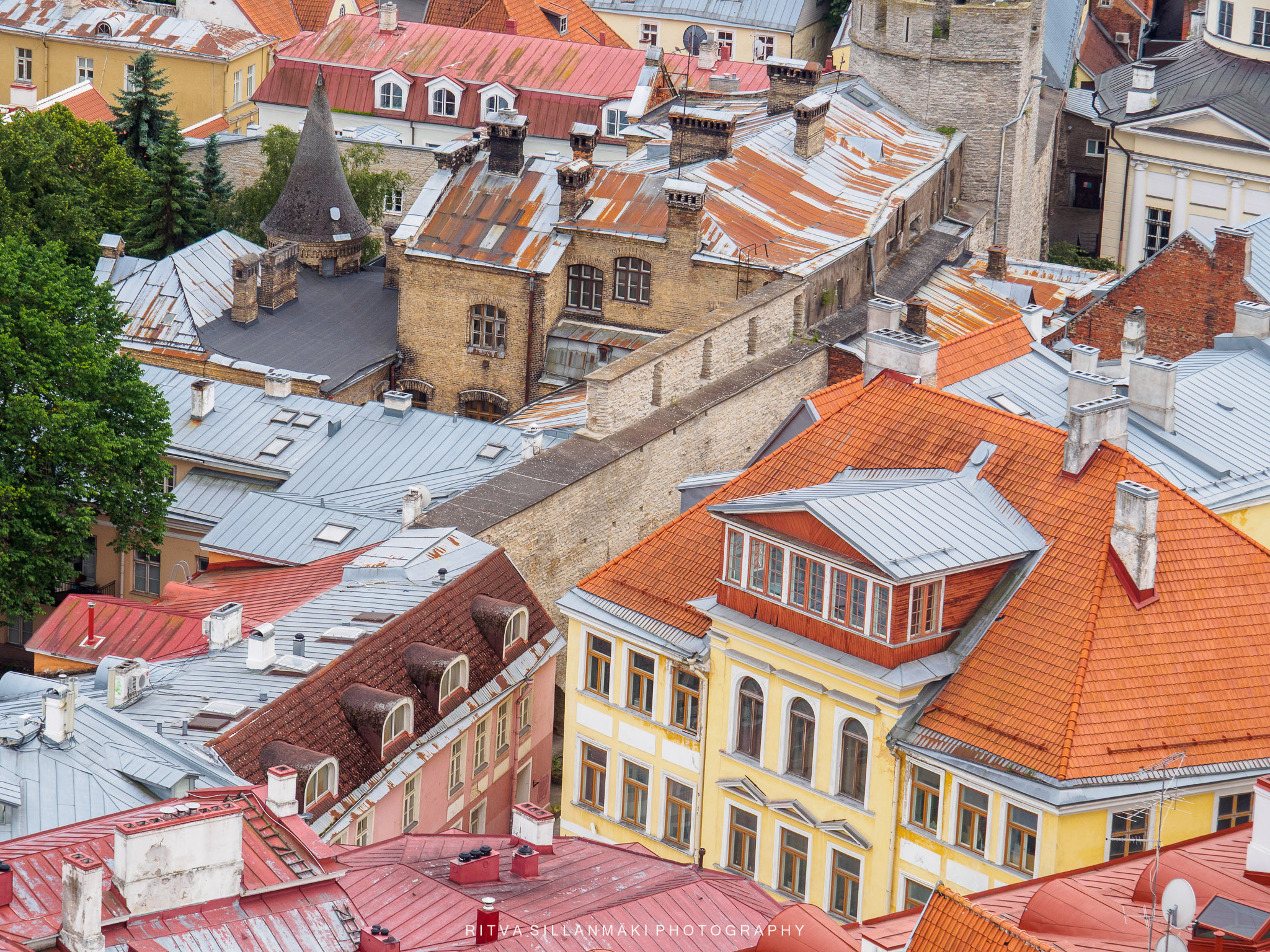
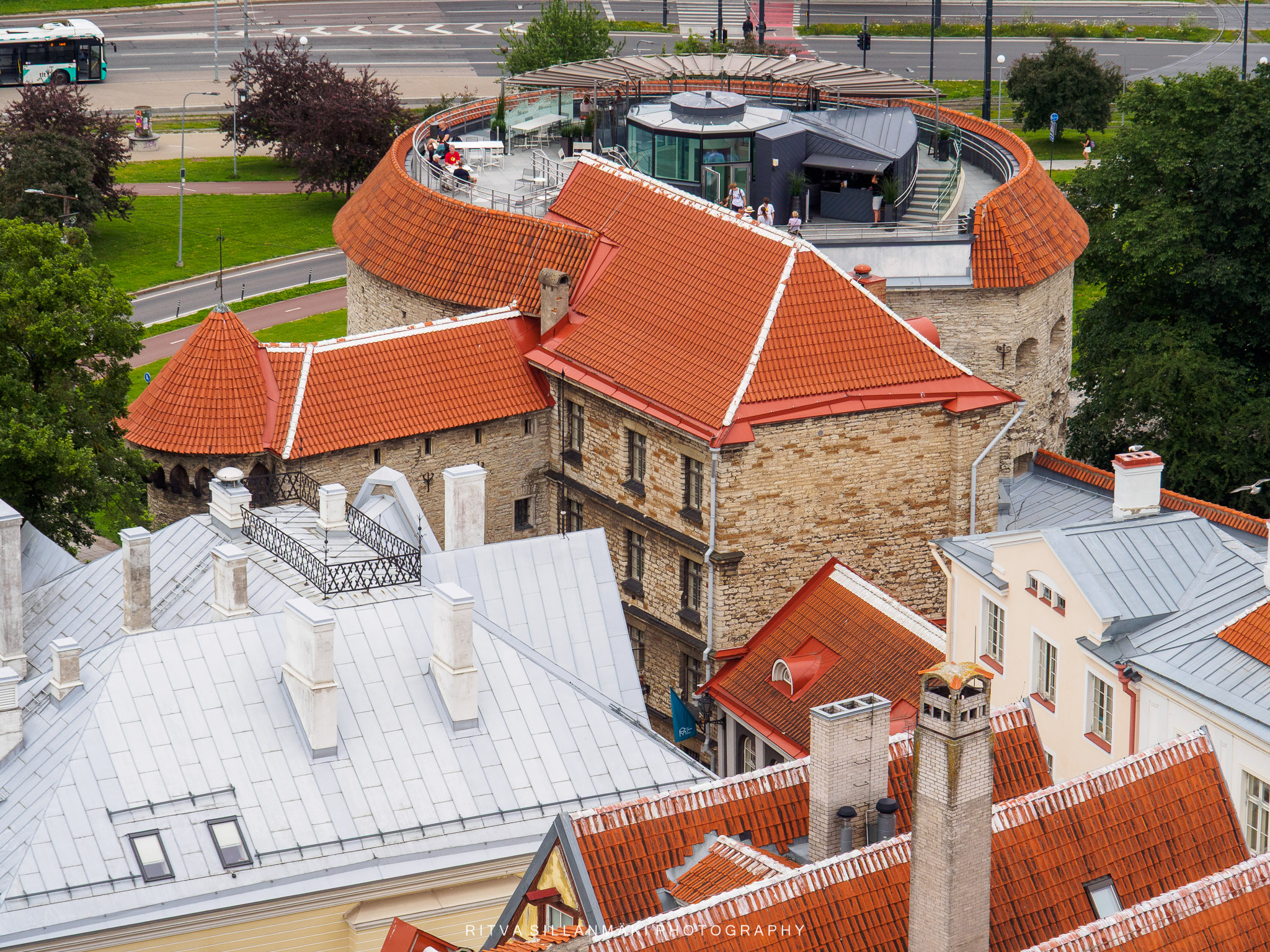
This was going to be a short post, but it just happened to expand to cover the view from the tower of the historical St. Olaf’s Church, which was truly breathtaking. From that vantage point, you could see the sprawling city below, with its vibrant colors and intricate patterns of houses juxtaposed against lush greenery. The rooftops created a tapestry of reds, browns, and yellows.
For Dan’s Thursday Doors. There always in my opinion also needs to have a the door, this one is from the historical St. Olaf’s Church in Tallinn.
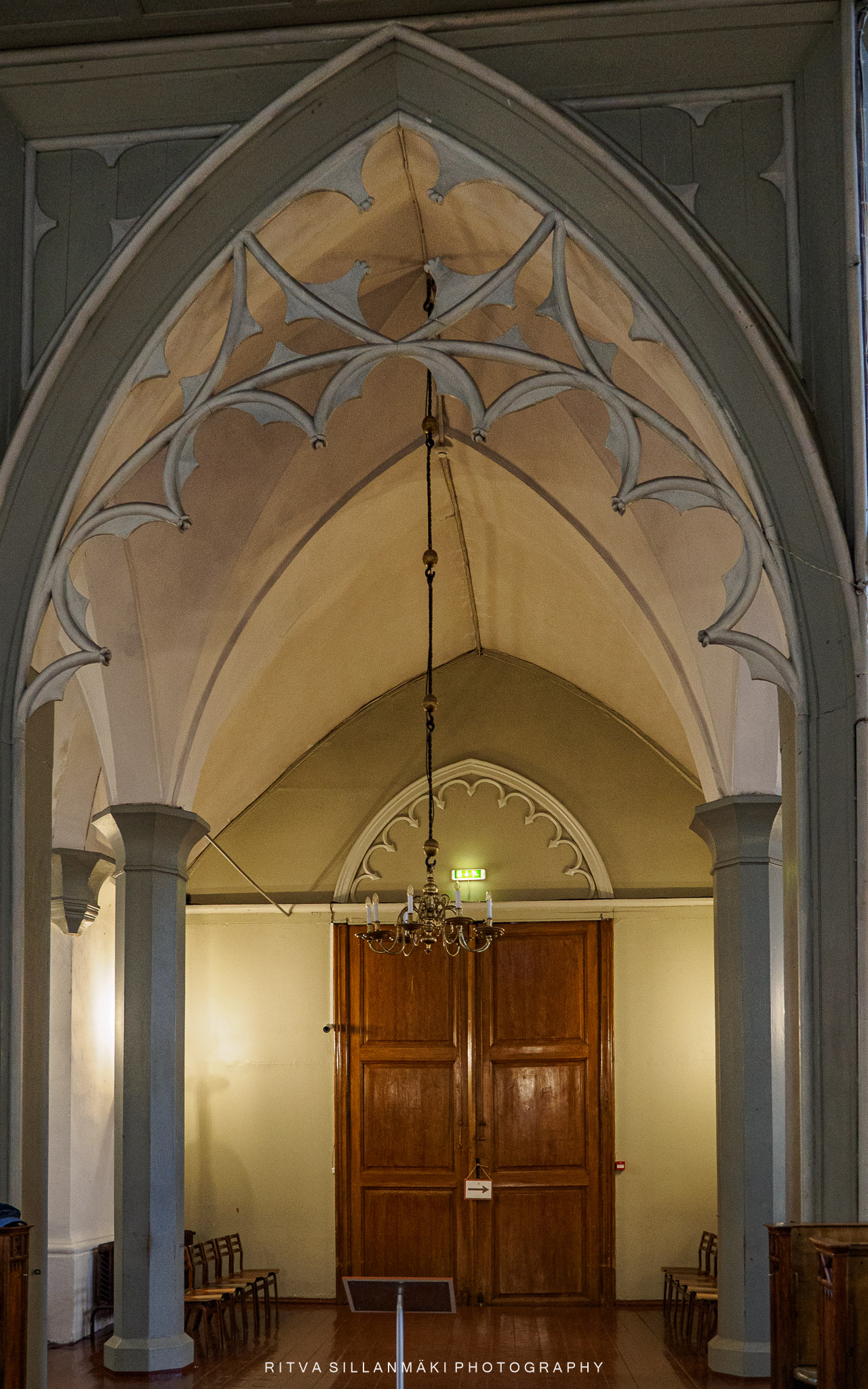
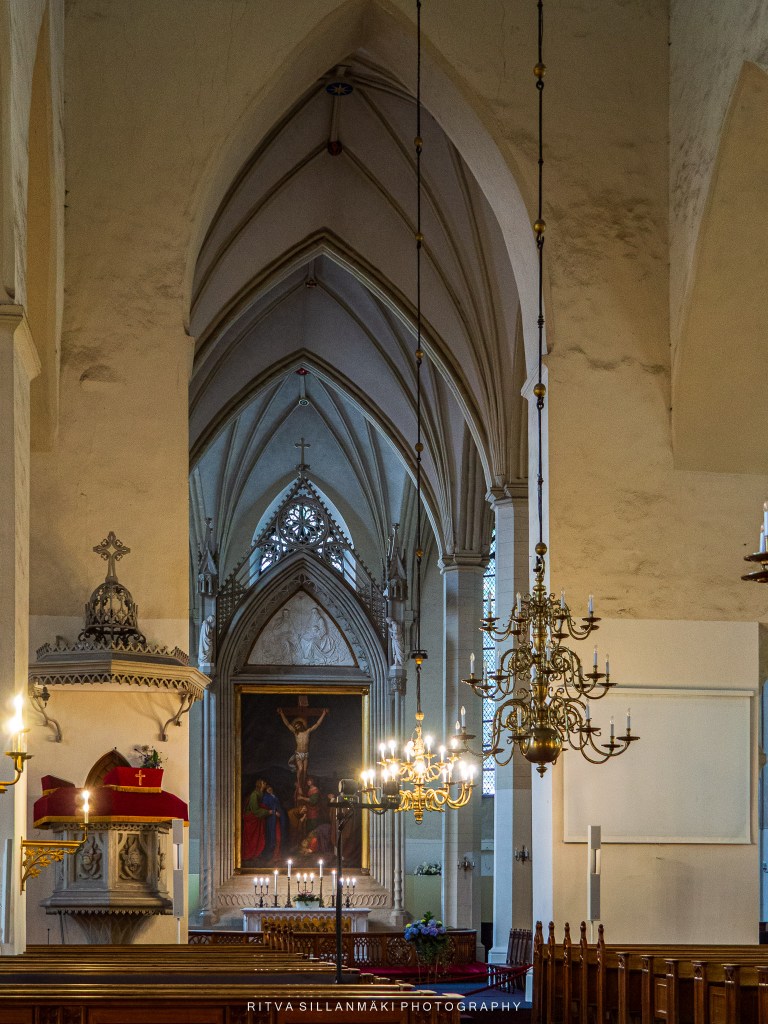
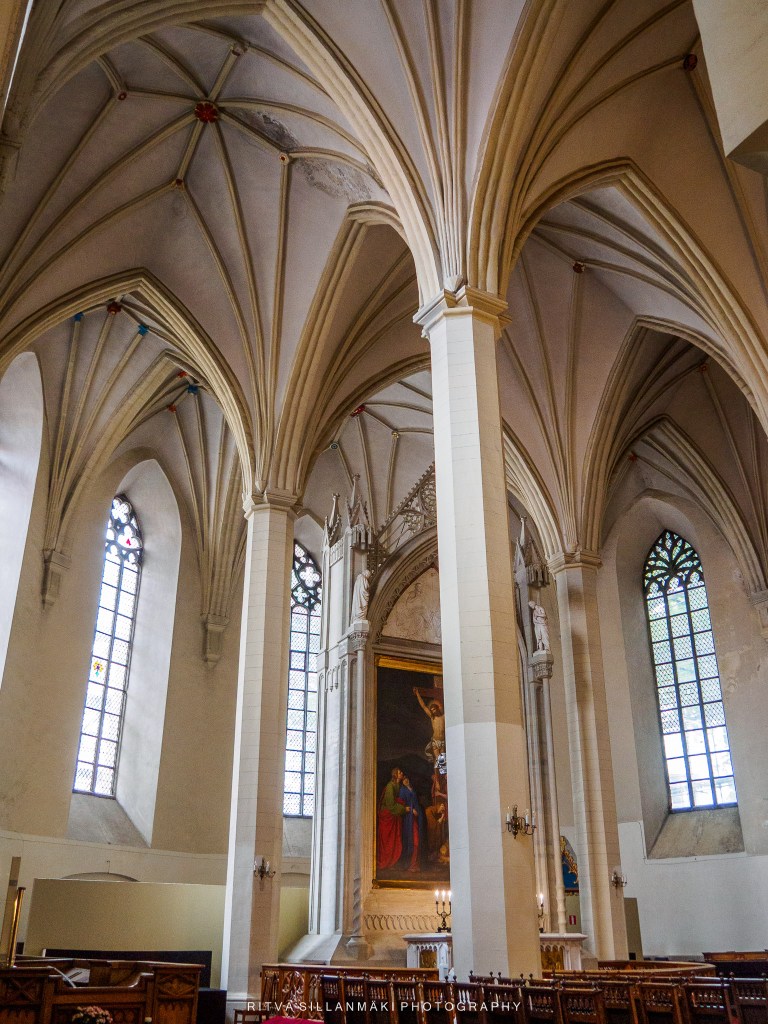
The historical St. Olaf’s Church (est. Oleviste kirik) situated in Tallinn, showcasing a Gothic interior and chancel area. The medieval church hall exemplifies remarkable Gothic architecture, characterized by its soaring pointed arches and columns.: The nave is embellished with substantial, traditional brass chandeliers and suspended lights from the vaulted ceiling. At the far end, a crucifix can be seen alongside a painting in the chancel area, adhering to a time-honored tradition.

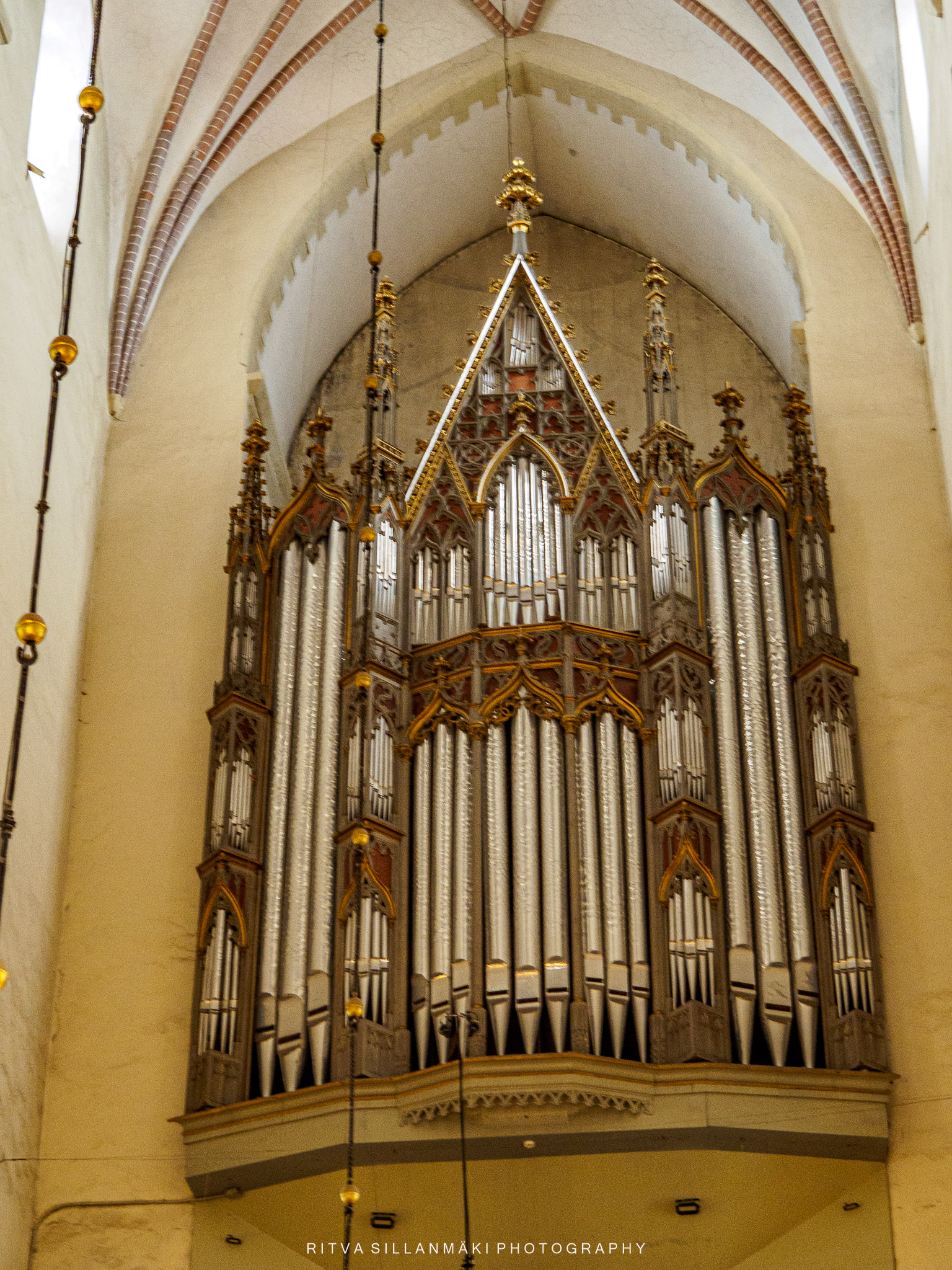
The organ located in Tallinn’s old town, which is one of Estonia’s most significant musical instruments, was built by Eberhard Friedrich Walcker, and it was completed in 1842. The original organ had 65 ranks and was the largest organ in Estonia until 1914. The organ underwent significant modernization in the early 20th century and was reintroduced for use at Christmas in 1926. Today, the instrument has about 76 registers, and its Neo-Gothic façade complements the church’s architecture.

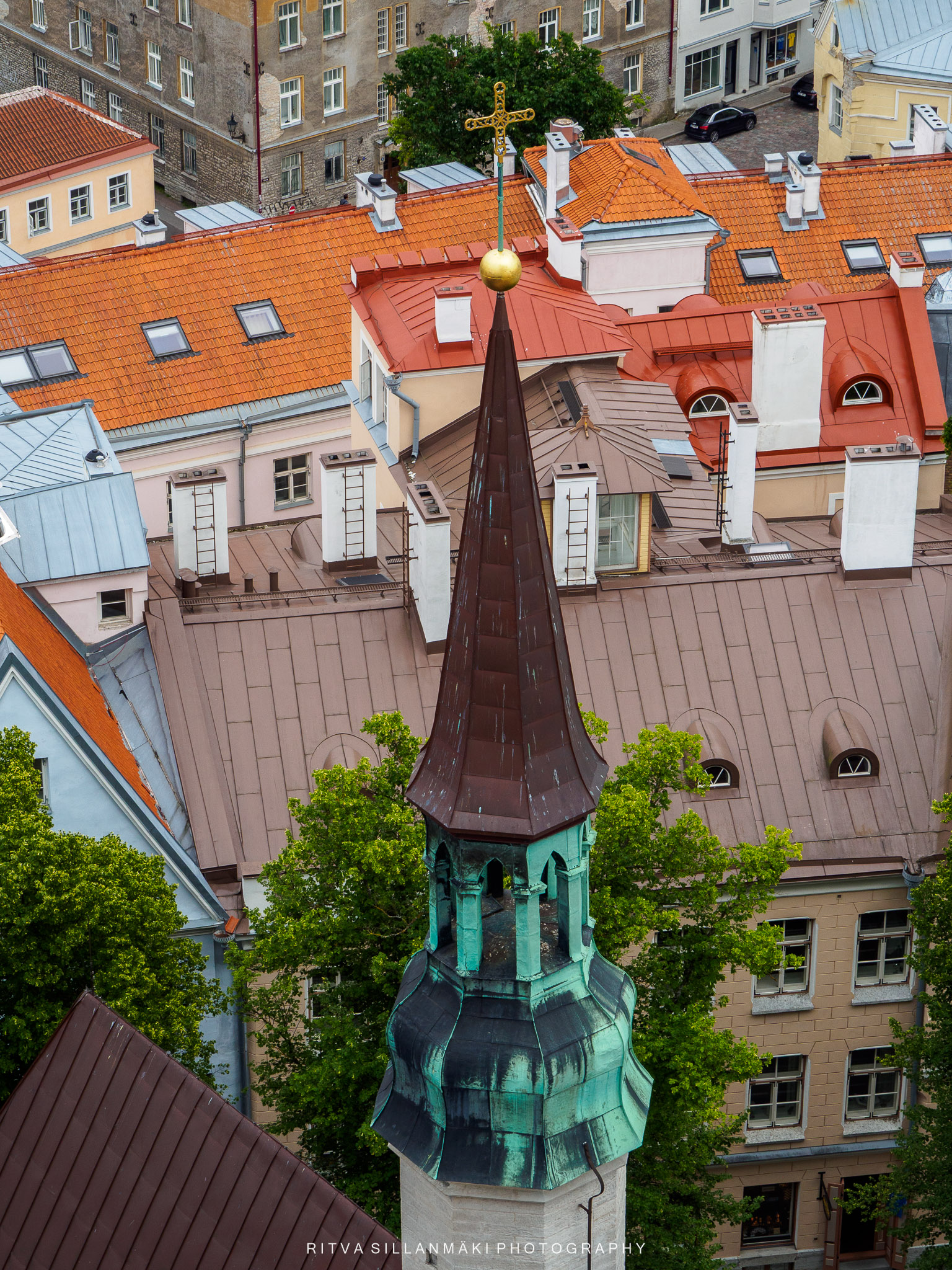
The spire of St. Olaf’s Church (Oleviste kirik) in Tallinn, made of green-patinated copper, adorned with a golden ball and cross. Today, the church’s tower rises to a height of 123.7 meters, making it one of Tallinn’s most visible landmarks. In the Middle Ages, the church’s tower was even taller (around 159 meters), and according to several historical sources, it might have been the tallest building in the world at one time. The tall tower served as a good landmark for sailors, but it also attracted lightning strikes, which is why the church burned down several times throughout its history.
Viewpoint: In the summer, visitors can climb to the viewing platform of the tower, which offers an unobstructed panoramic view over Tallinn’s Old Town and the Tallinn Bay. Click the images to enlarge them for a better view.



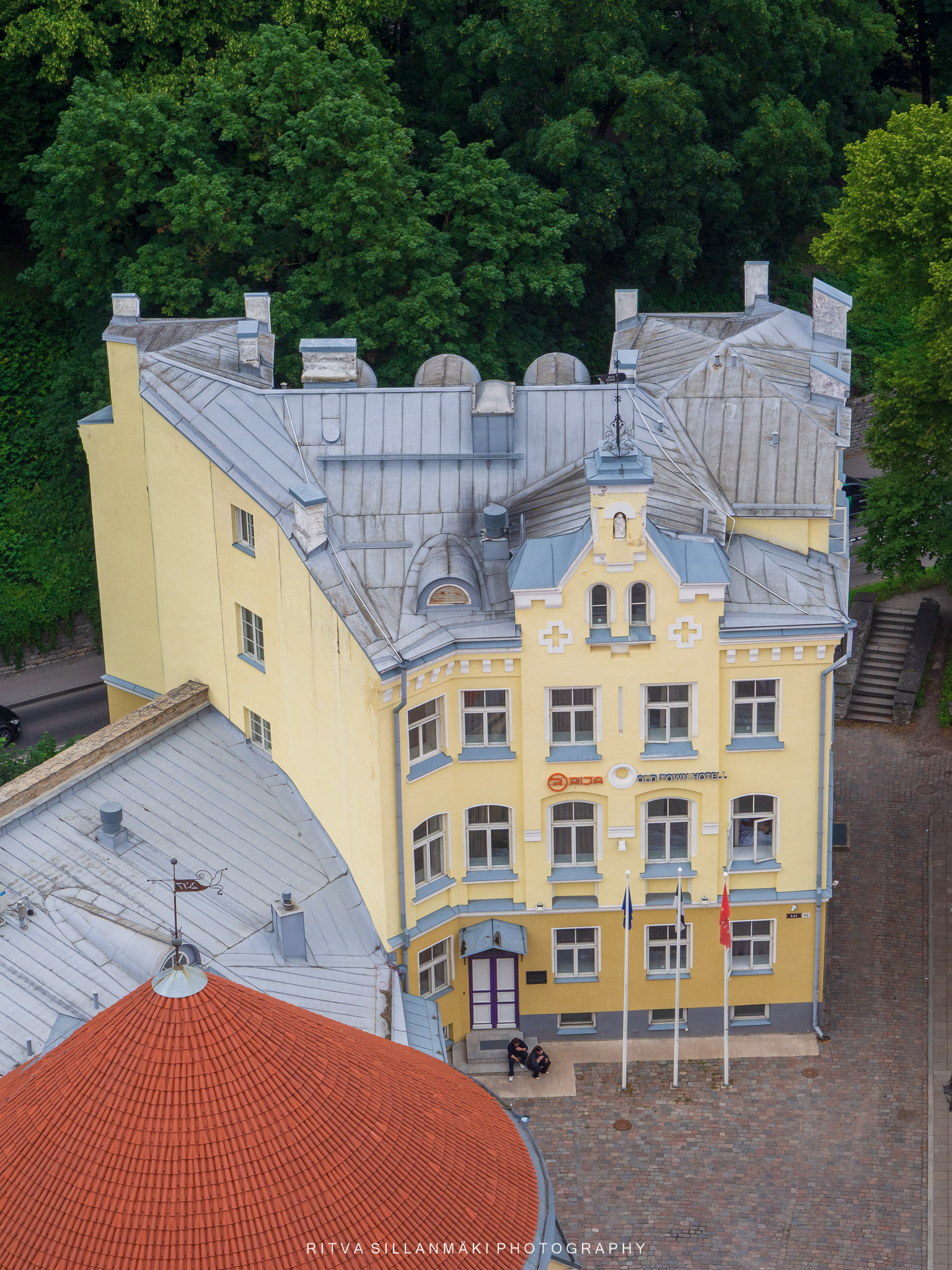

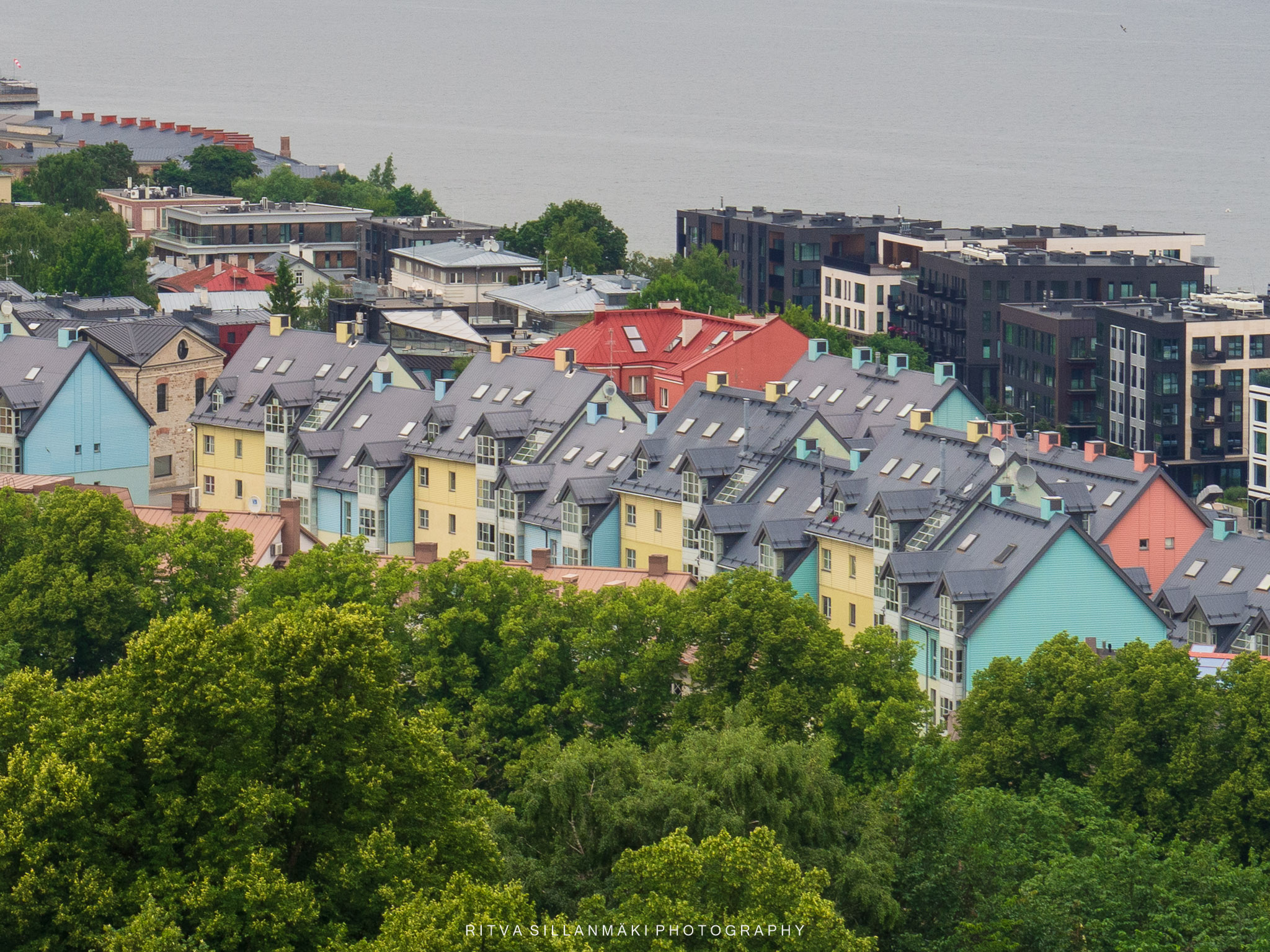
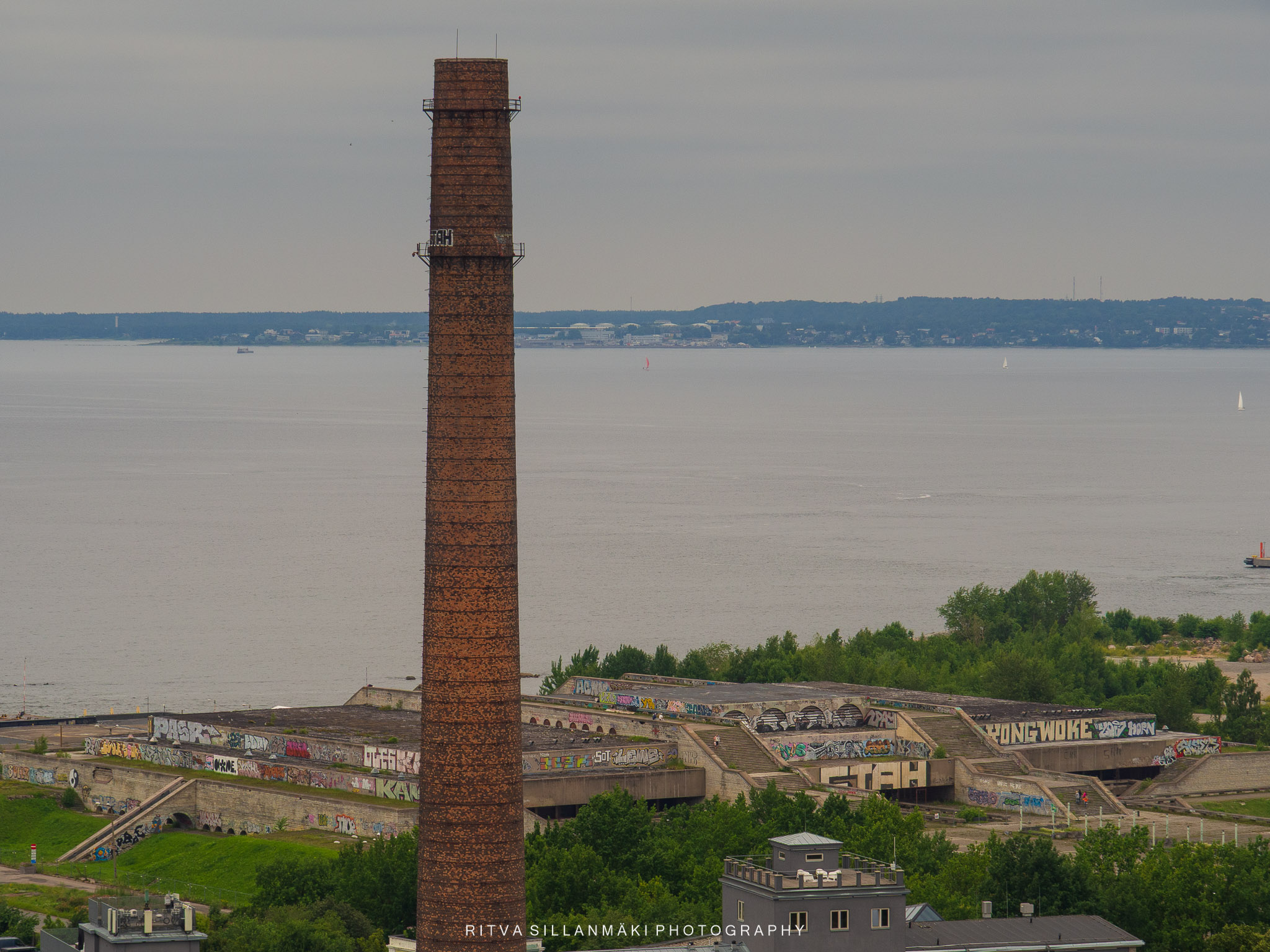
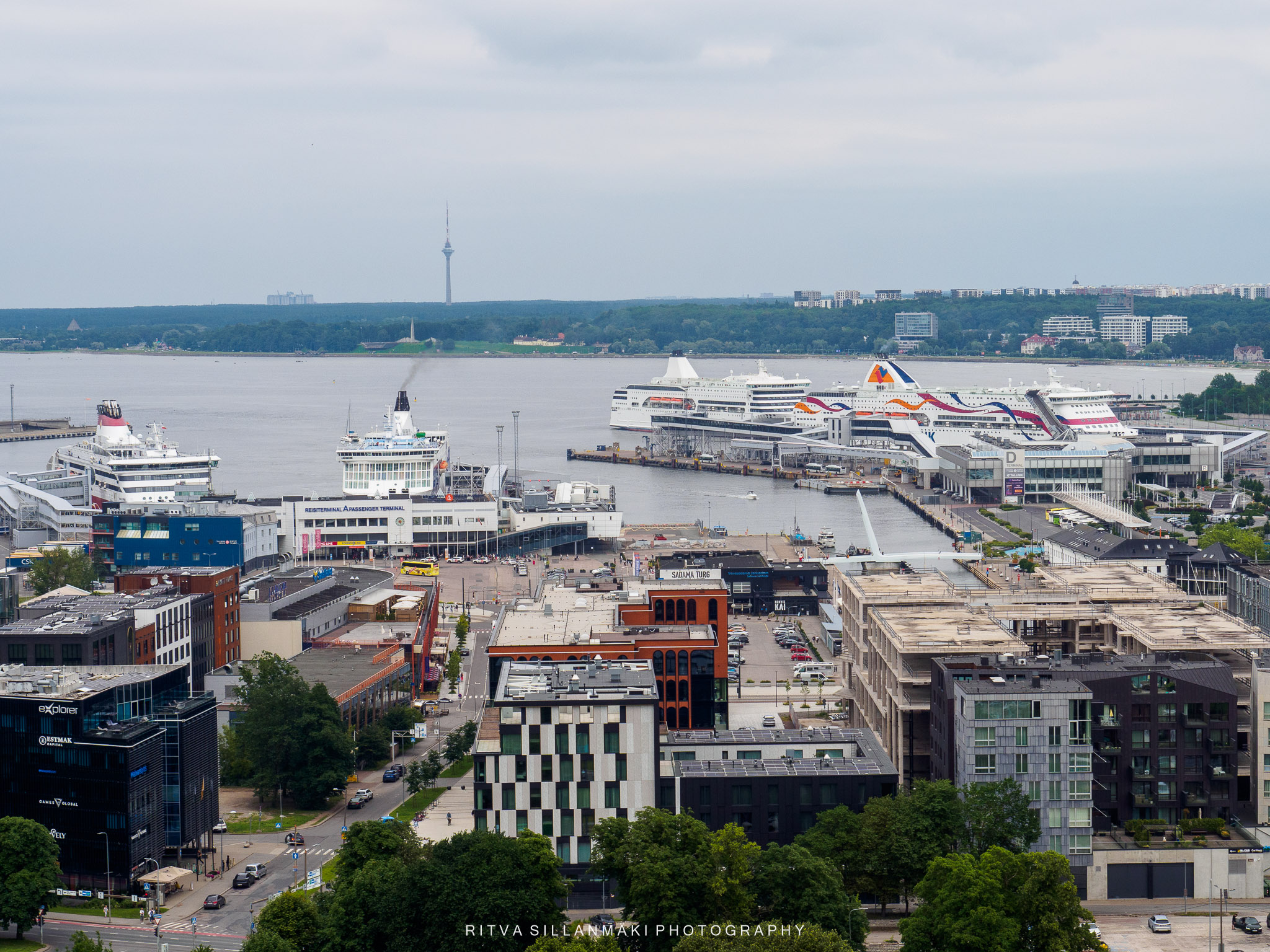
If you made it this far, thanks 💜😁! Your support truly means the world to me, and I appreciate every single moment you’ve spent reading / looking through my work. It’s always a joy to share my thoughts and photos, and knowing that you’re engaged and following along makes the effort worthwhile.

