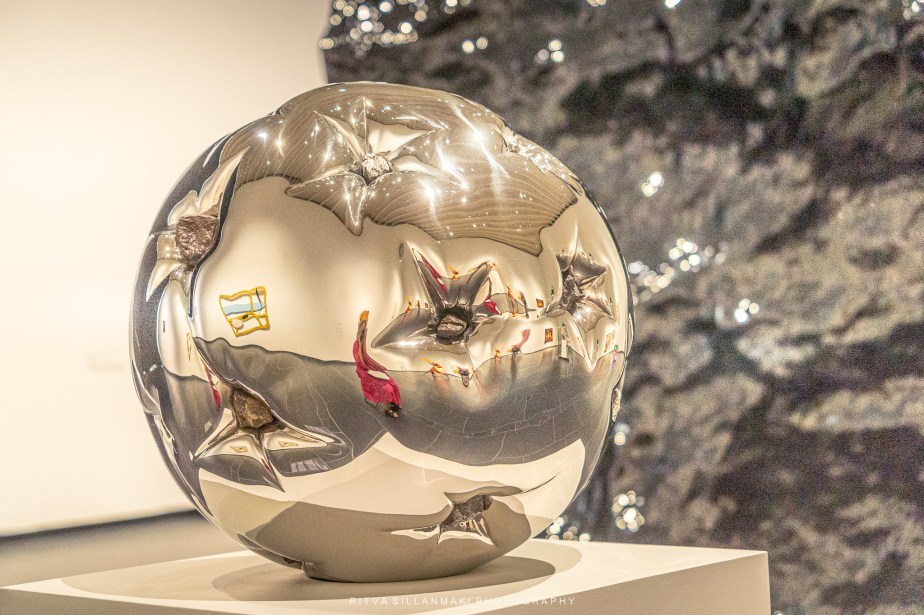
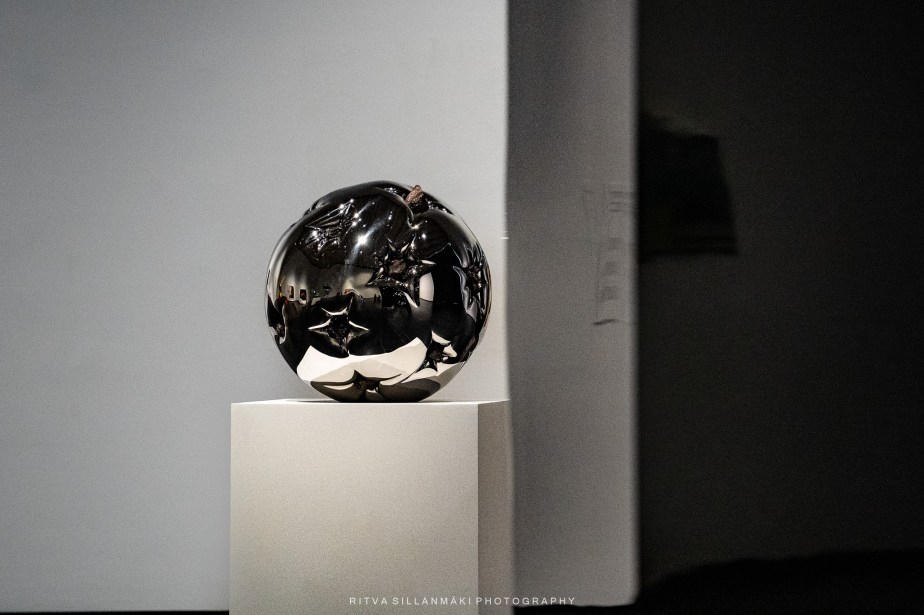
Art inspiring photography has a unique ability to captivate and draw us into a world of creativity and imagination. I saw this remarkable artwork and can genuinely say I spent more than a few moments lost in its beauty, taking multiple photos of the mesmerizing reflections it created.
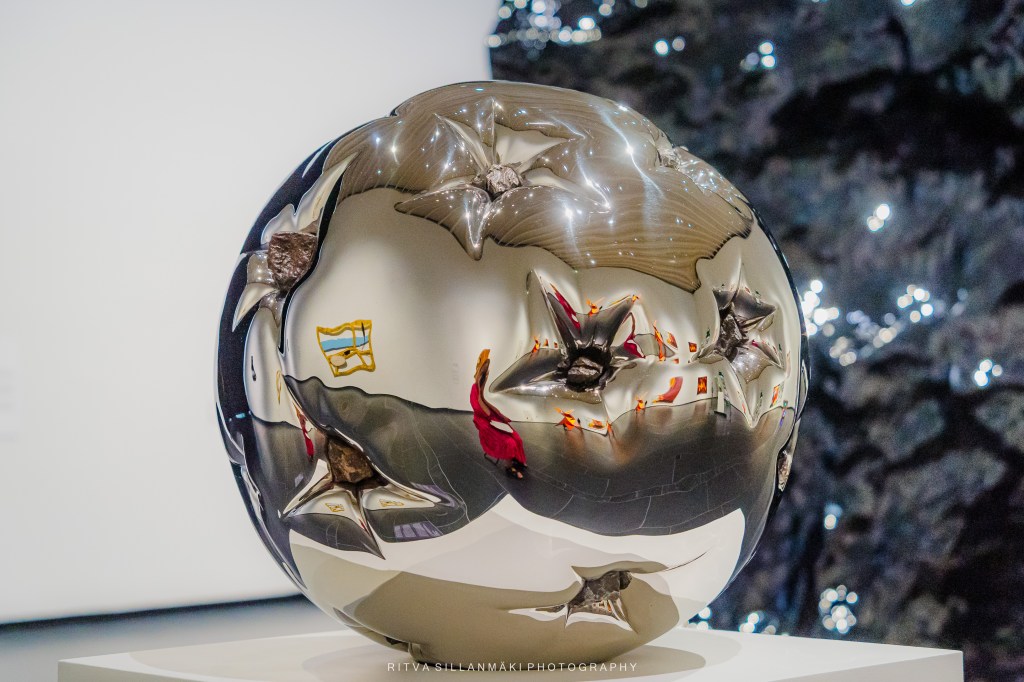
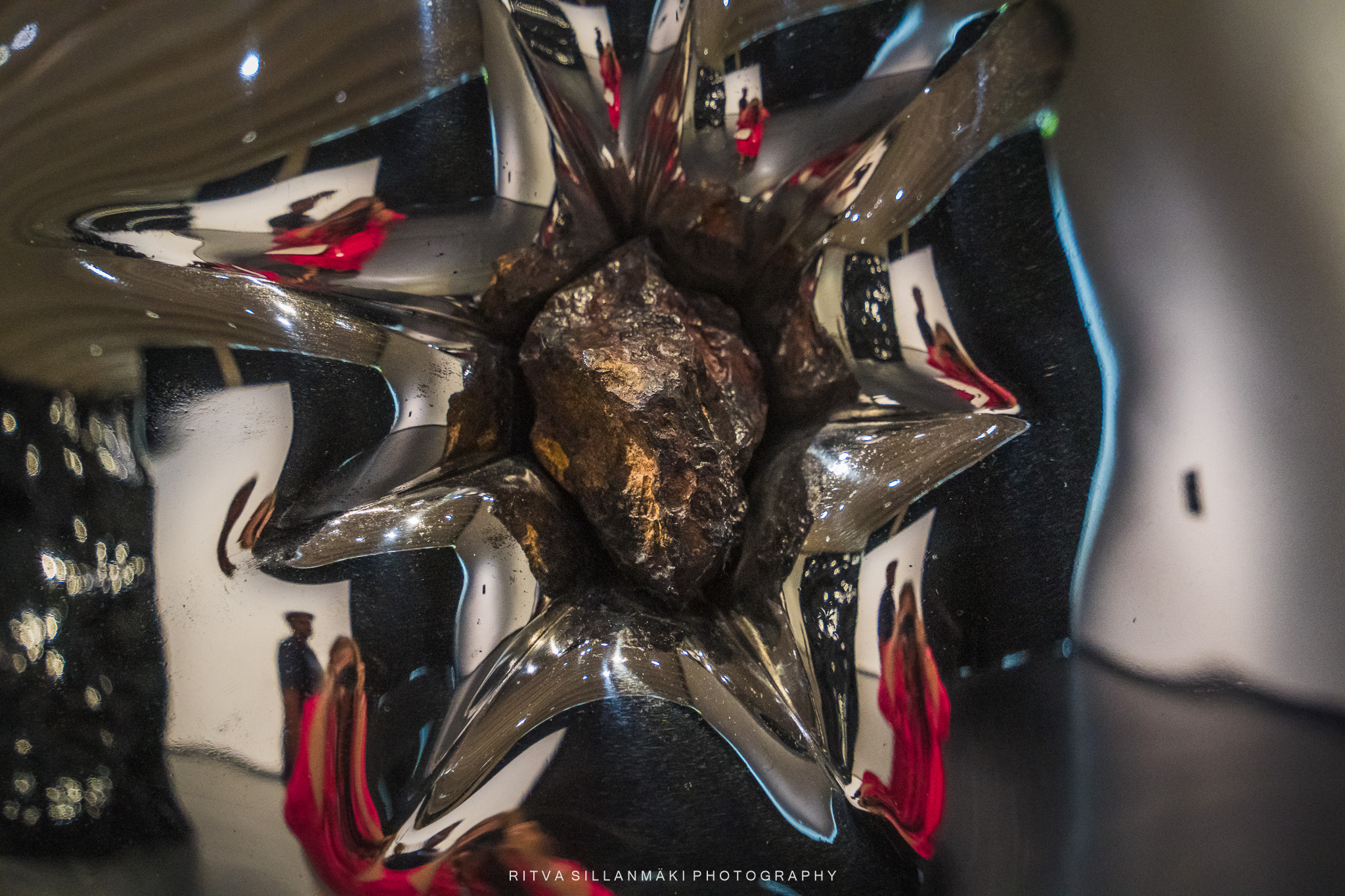
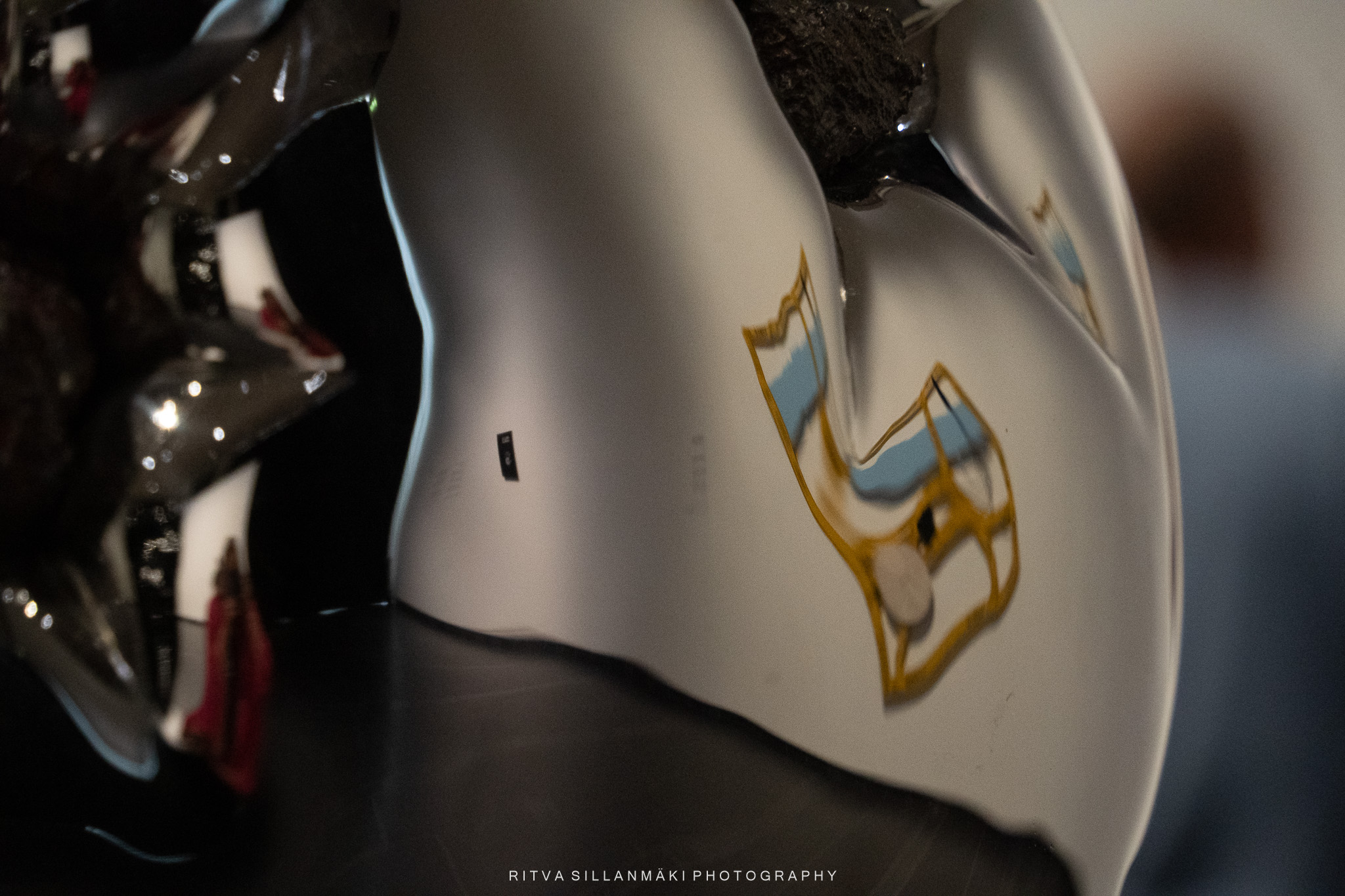
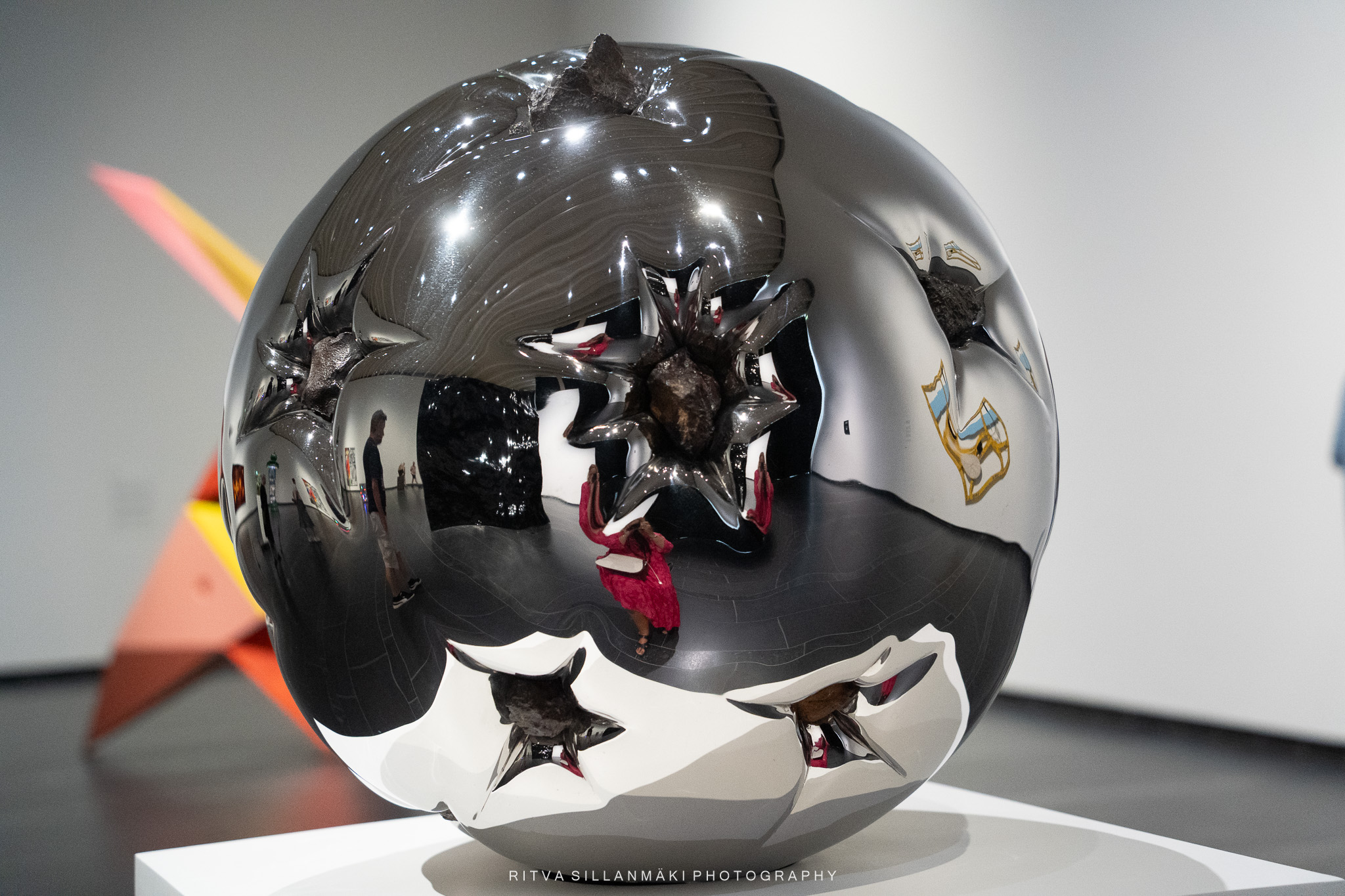
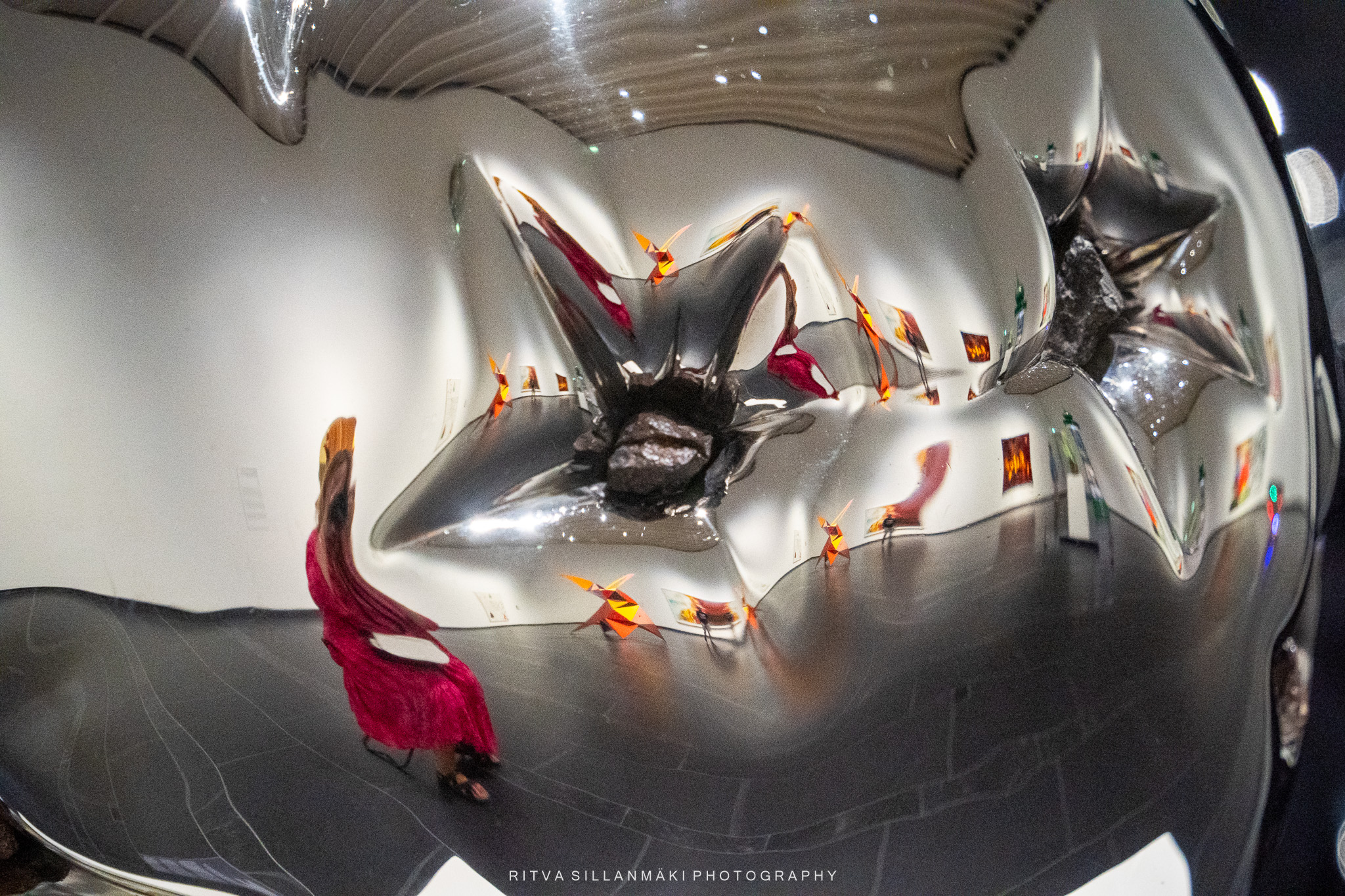
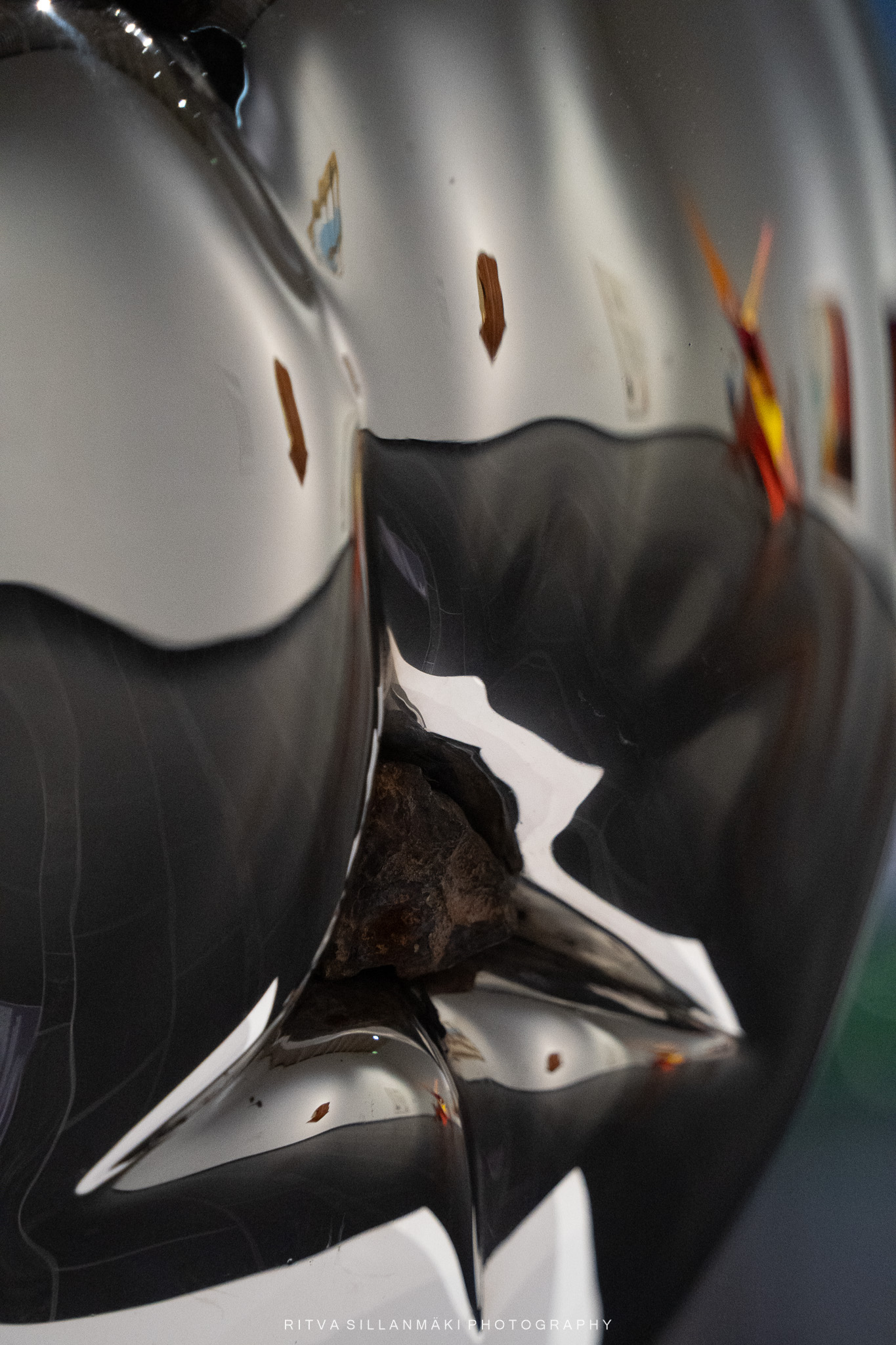
The artist Keith Tyson has embedded fragments of meteorites collected from Antarctica into a polished steel sphere in his work titled “Field of Heaven.” The concept is to unite materials that have originated as far apart from each other as possible.
A polished steel sphere titled ‘Field of Heaven’ by Keith Tyson, reflecting intriguing details and surroundings.
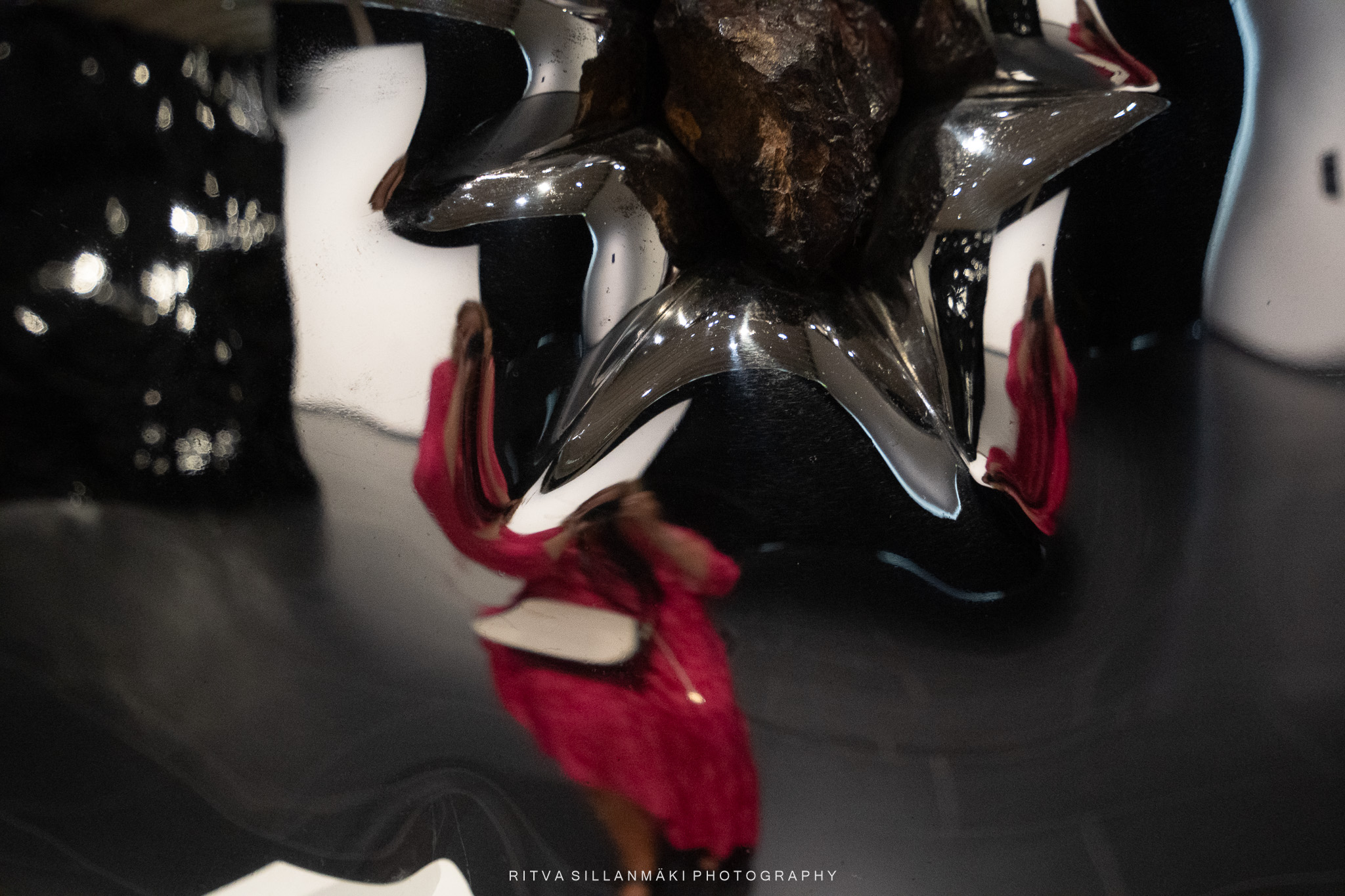
Each angle revealed something new, and I found myself striving to capture that one inspiring shot that would encapsulate the essence of the piece. One of the photographs I took appears to show a crow peeking out from the depths of the artwork, its silhouette forming a mysterious figure that invites curiosity. Another image conveys a sense of wonder, resembling a stone or a meteor hurtling forth from a brilliant star, as if it were a fragment of the universe capturing a fleeting moment in time.
Through these reflections, I felt a profound connection to the art, showcasing the hidden narratives and emotions that art often evokes in those who are open to its interpretation. What is your interpretation?
A striking sculpture featuring a spherical design with star motifs, displayed elegantly on a pedestal in a gallery.
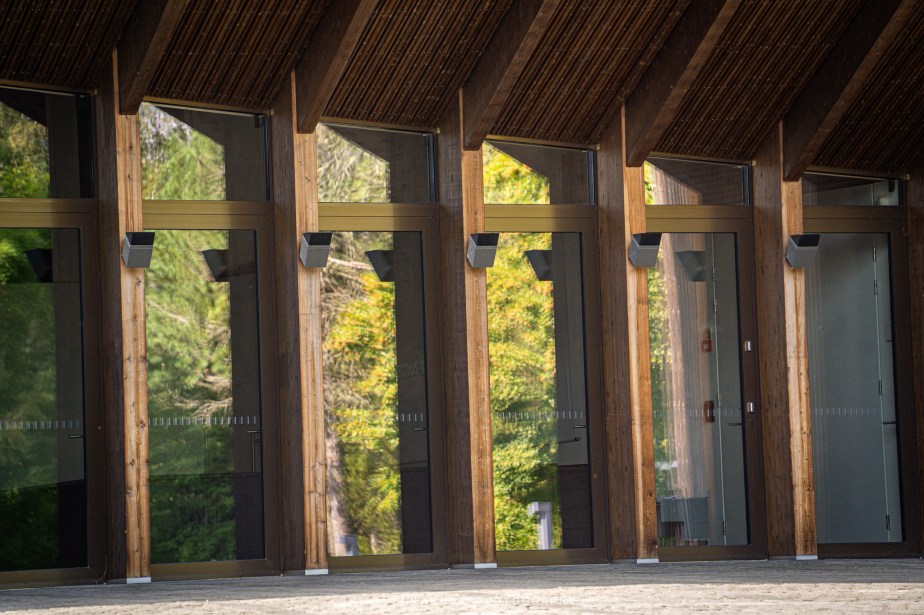
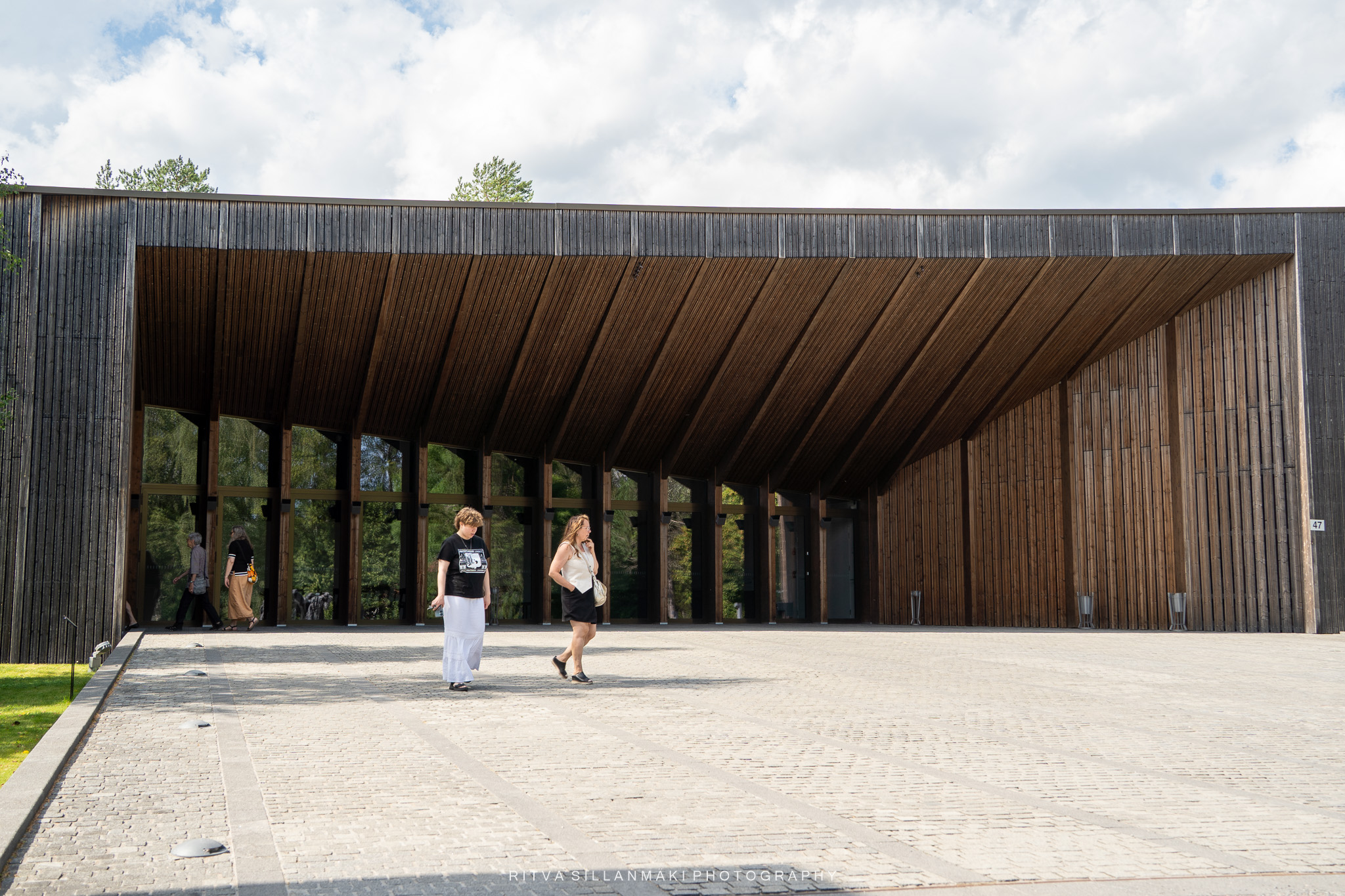
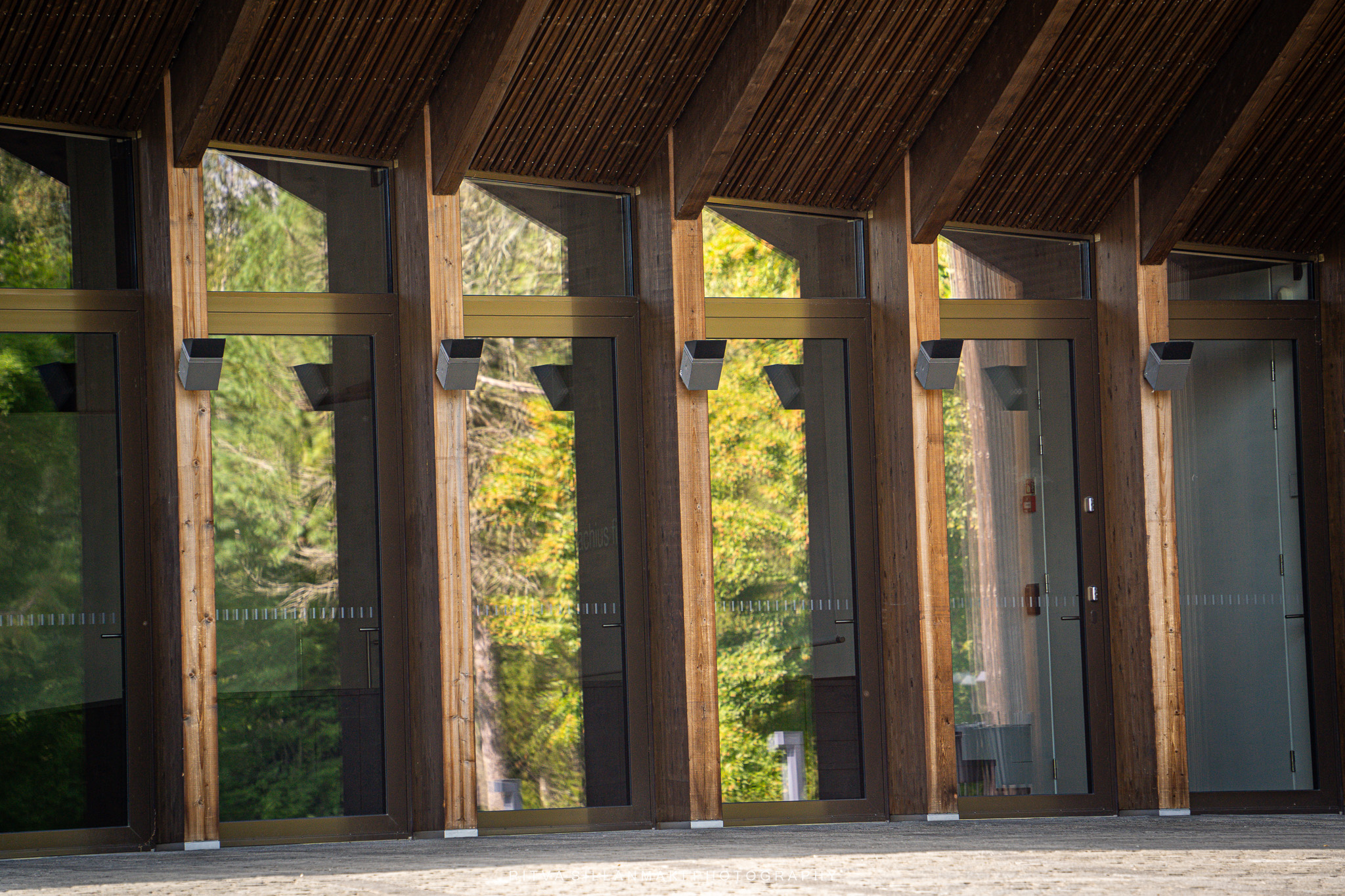
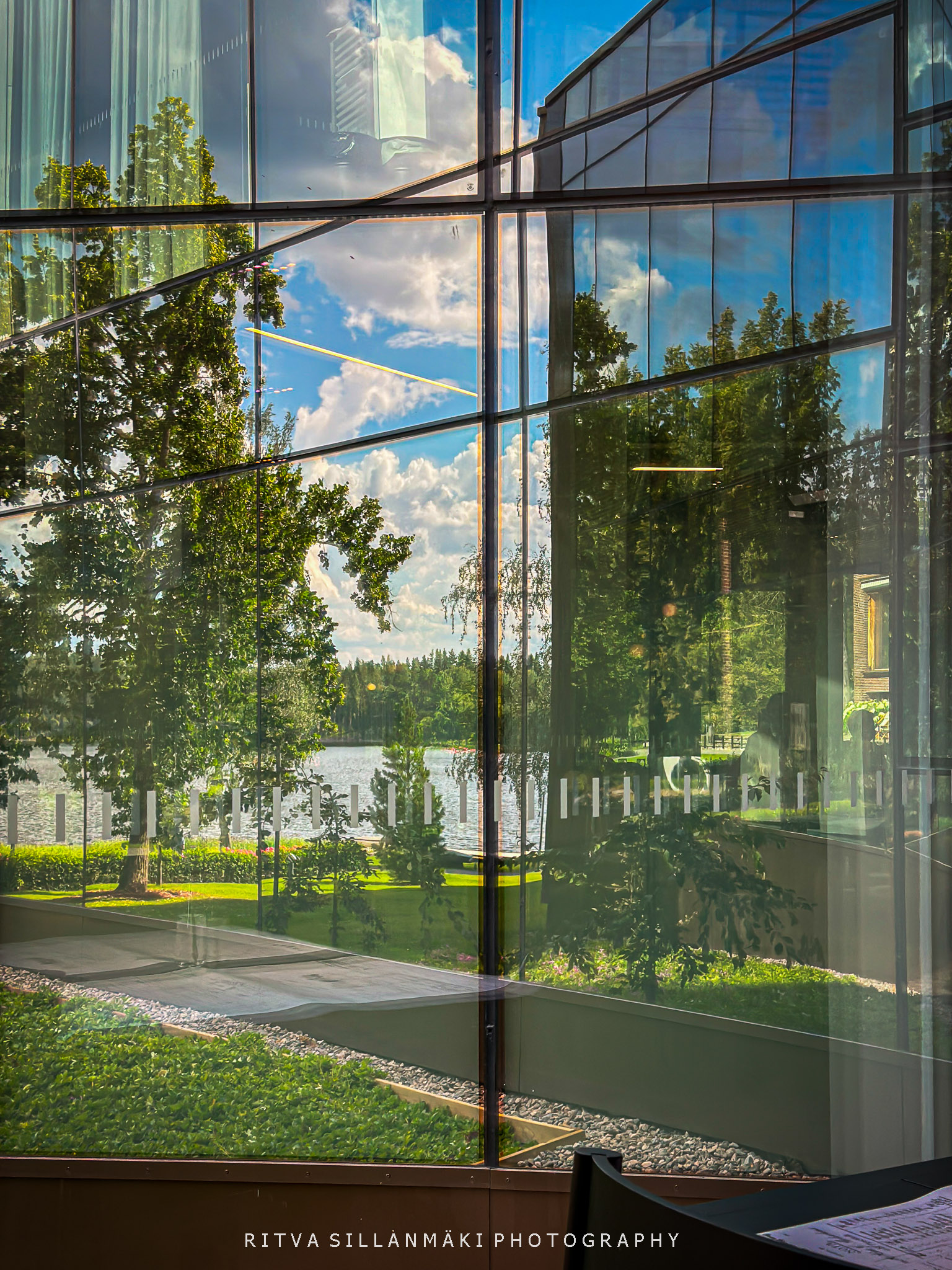
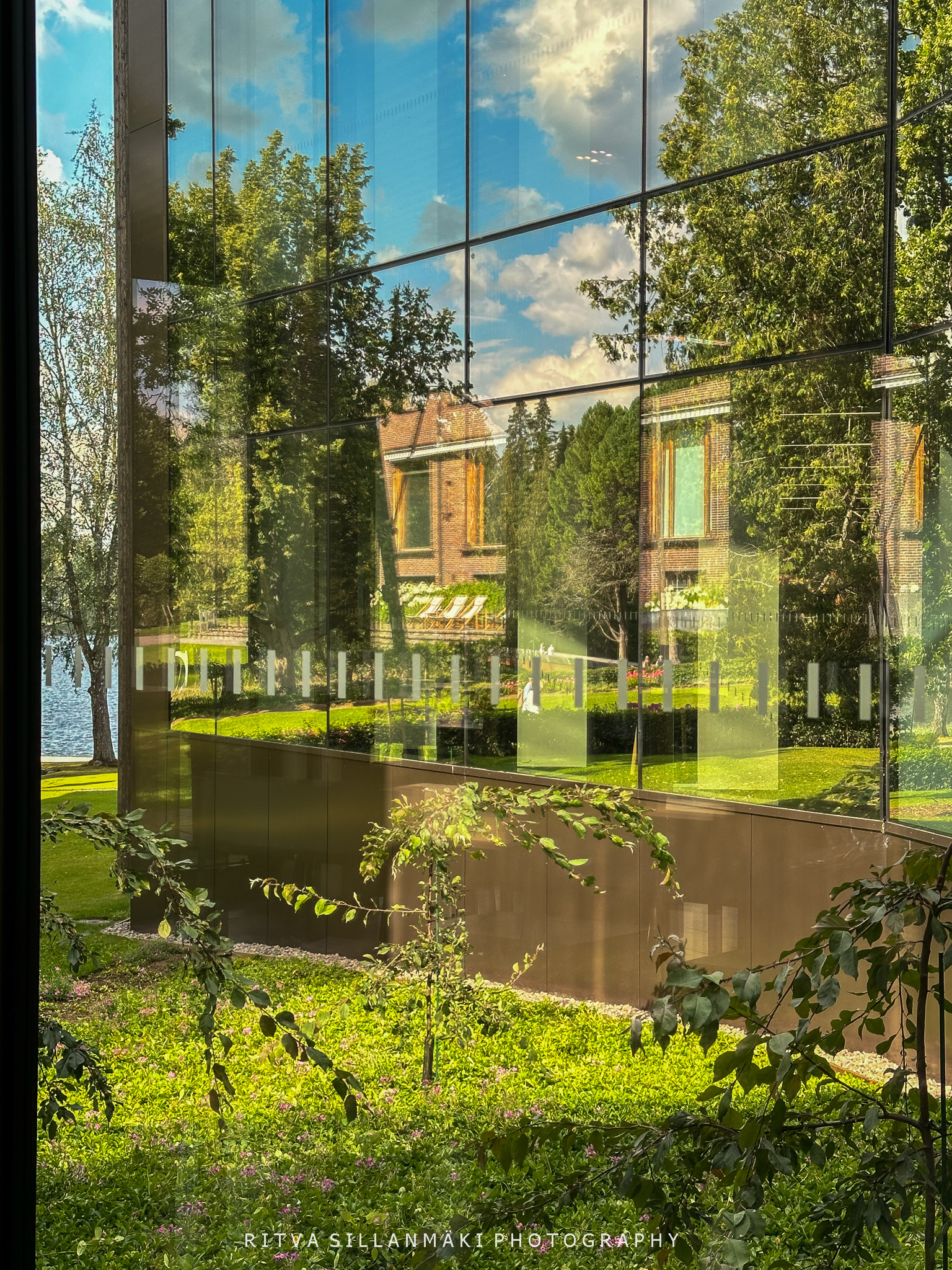
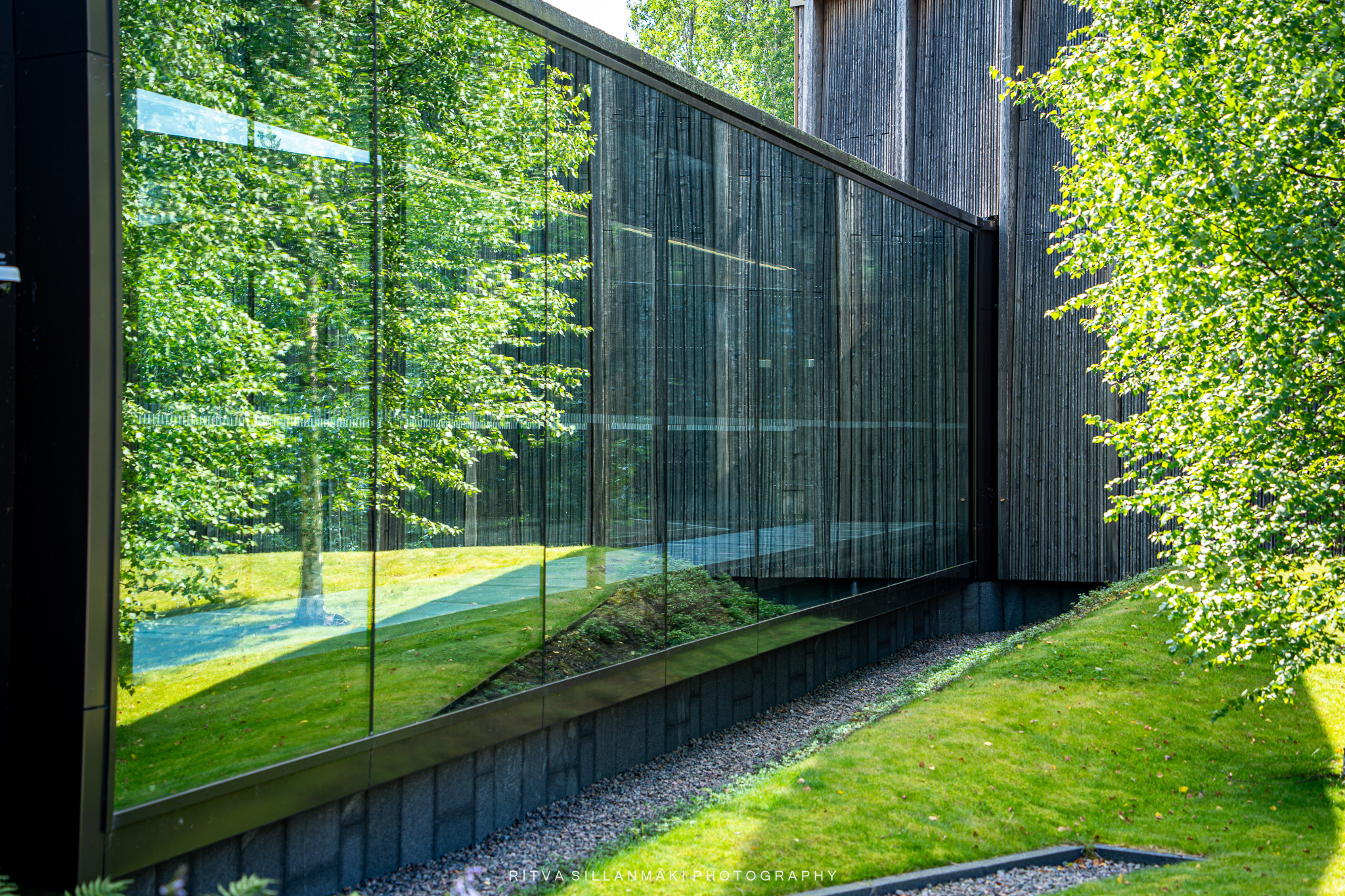
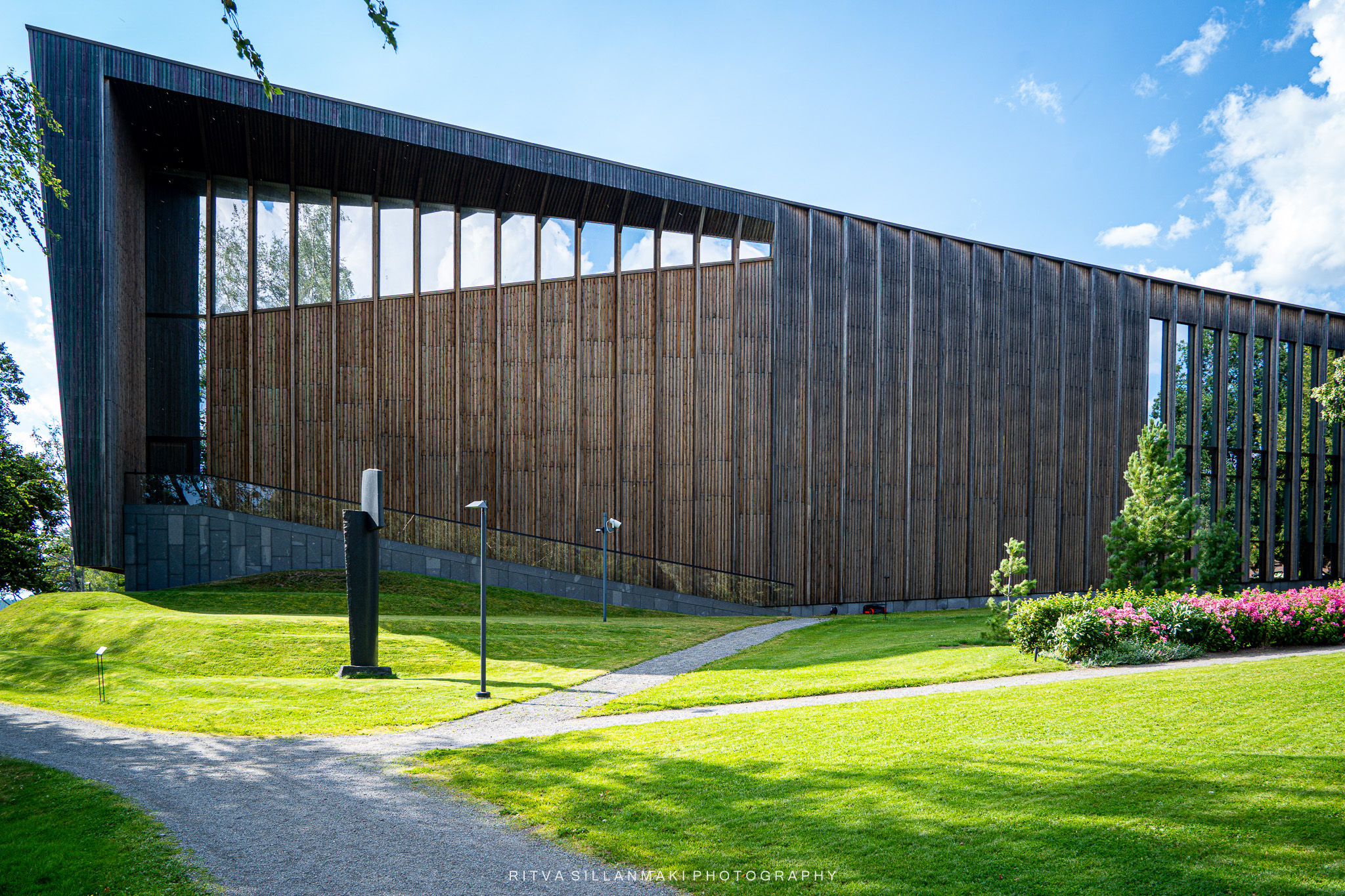
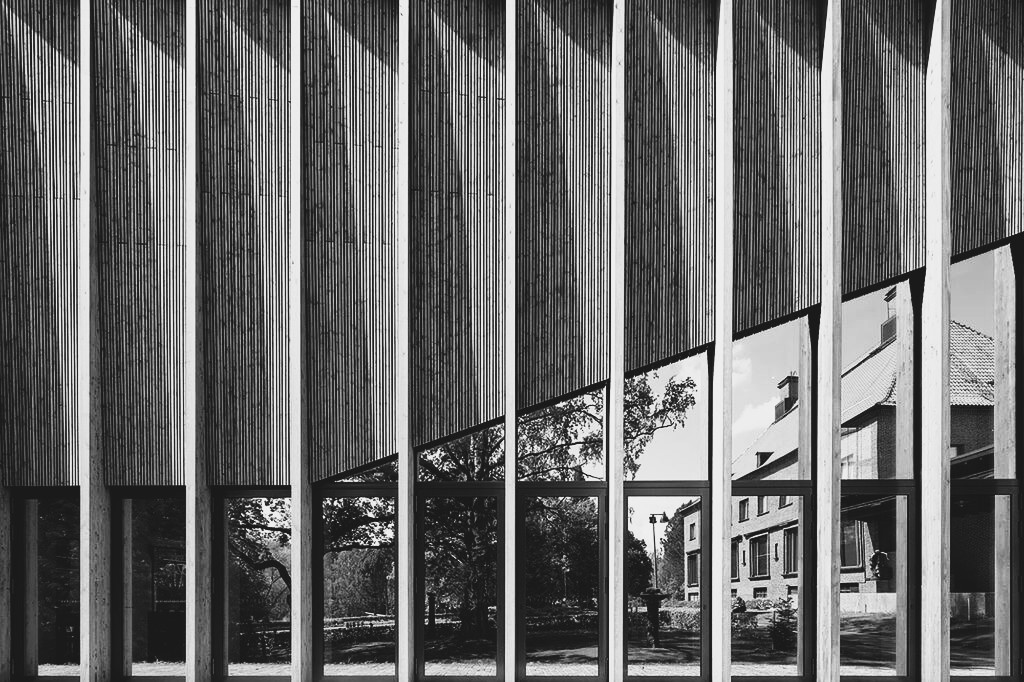
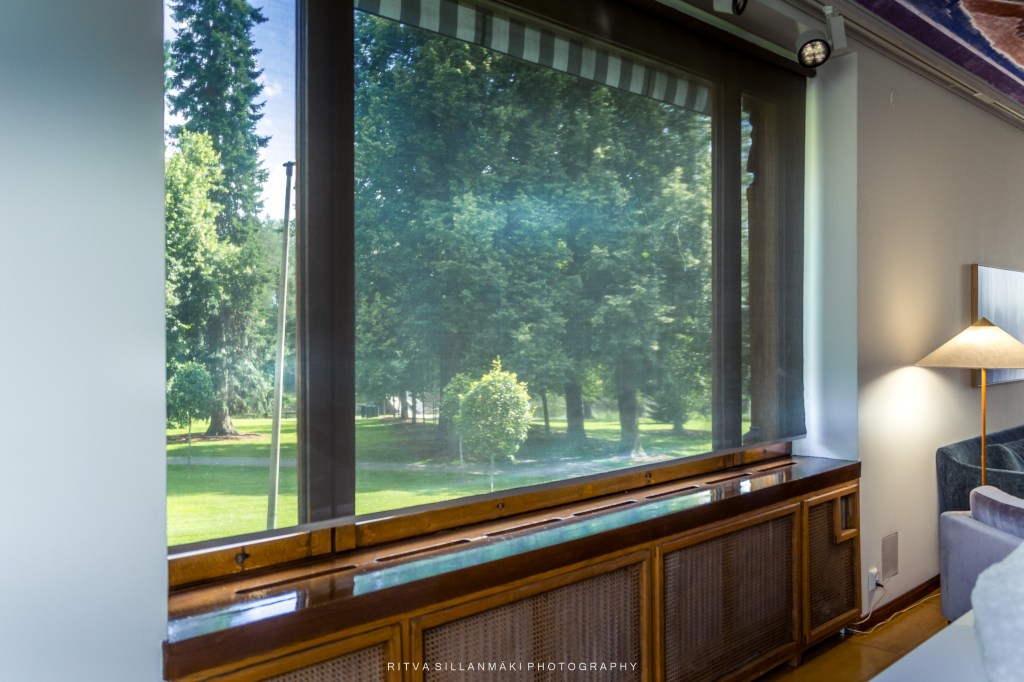
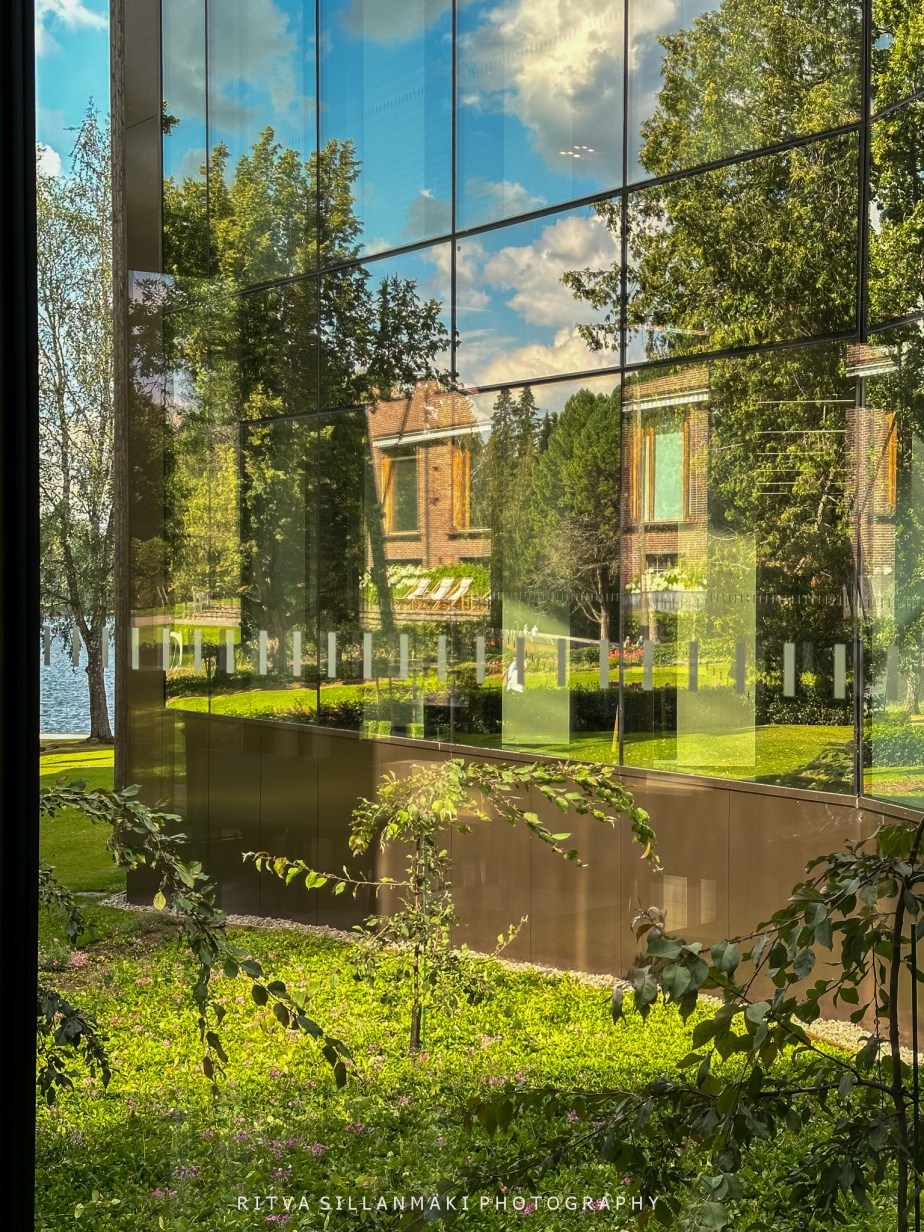
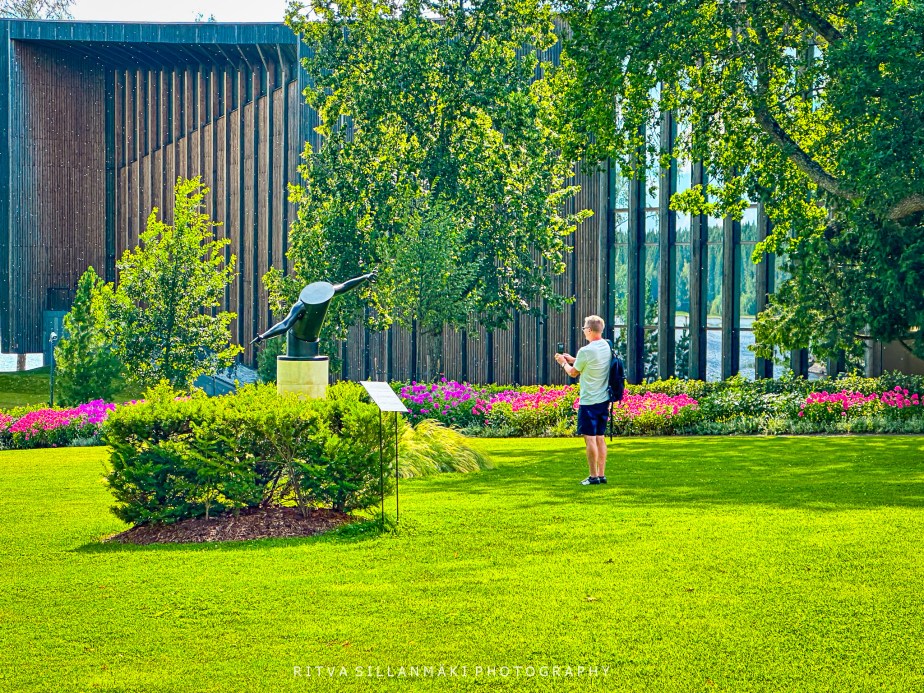
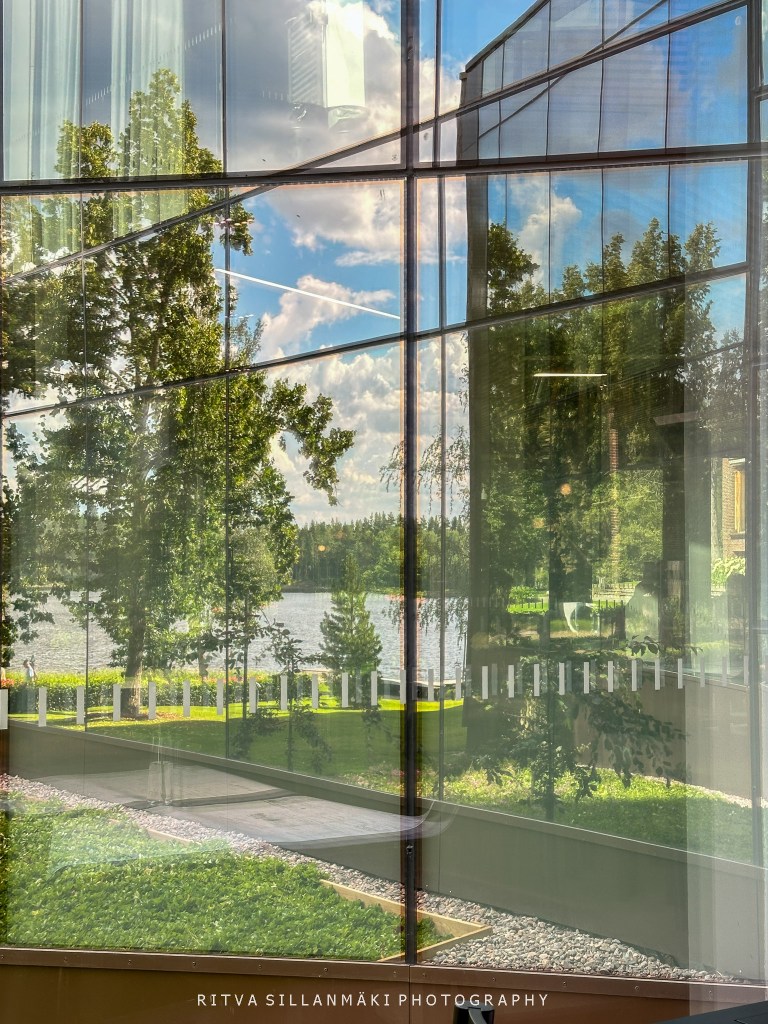
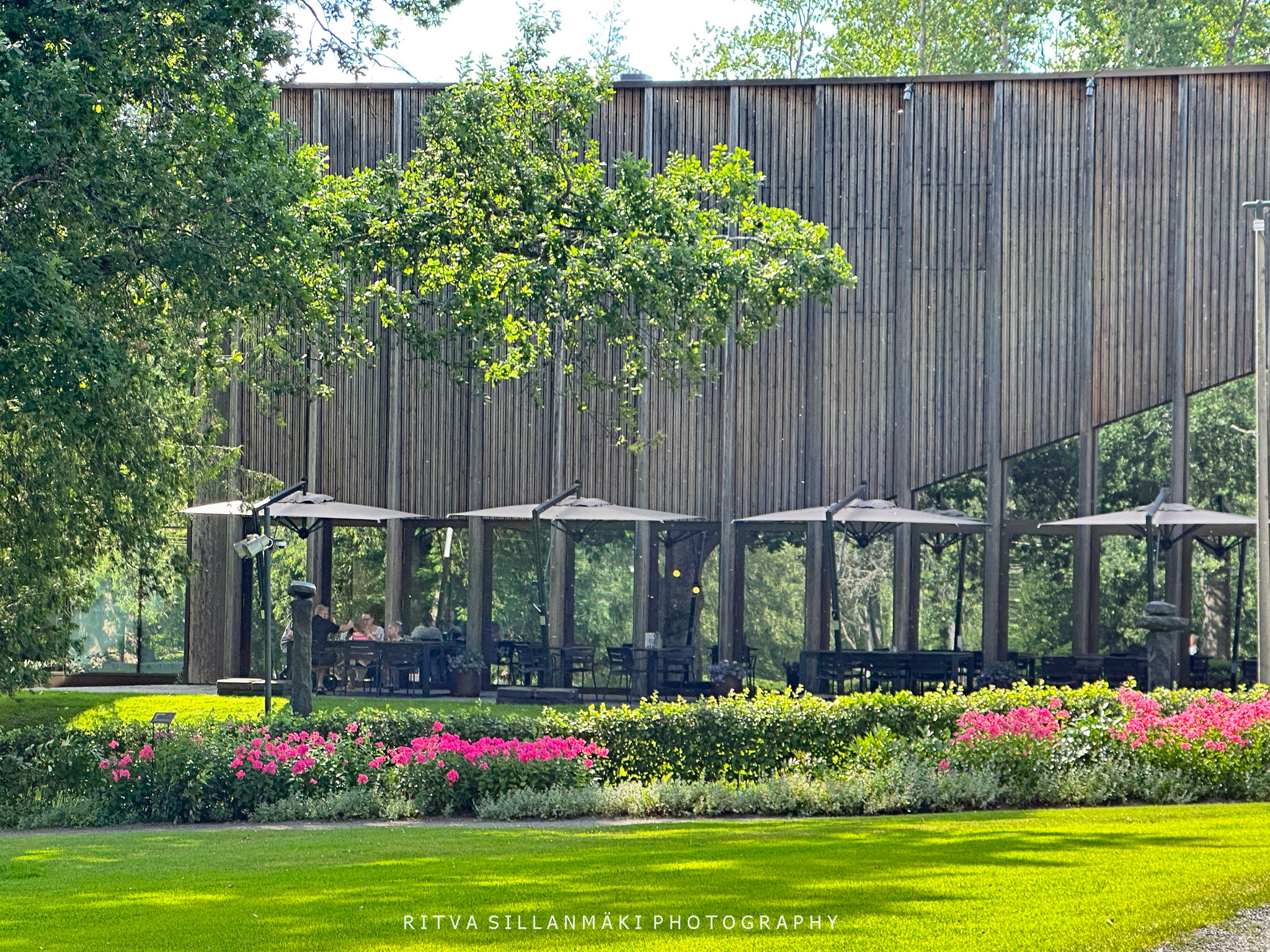
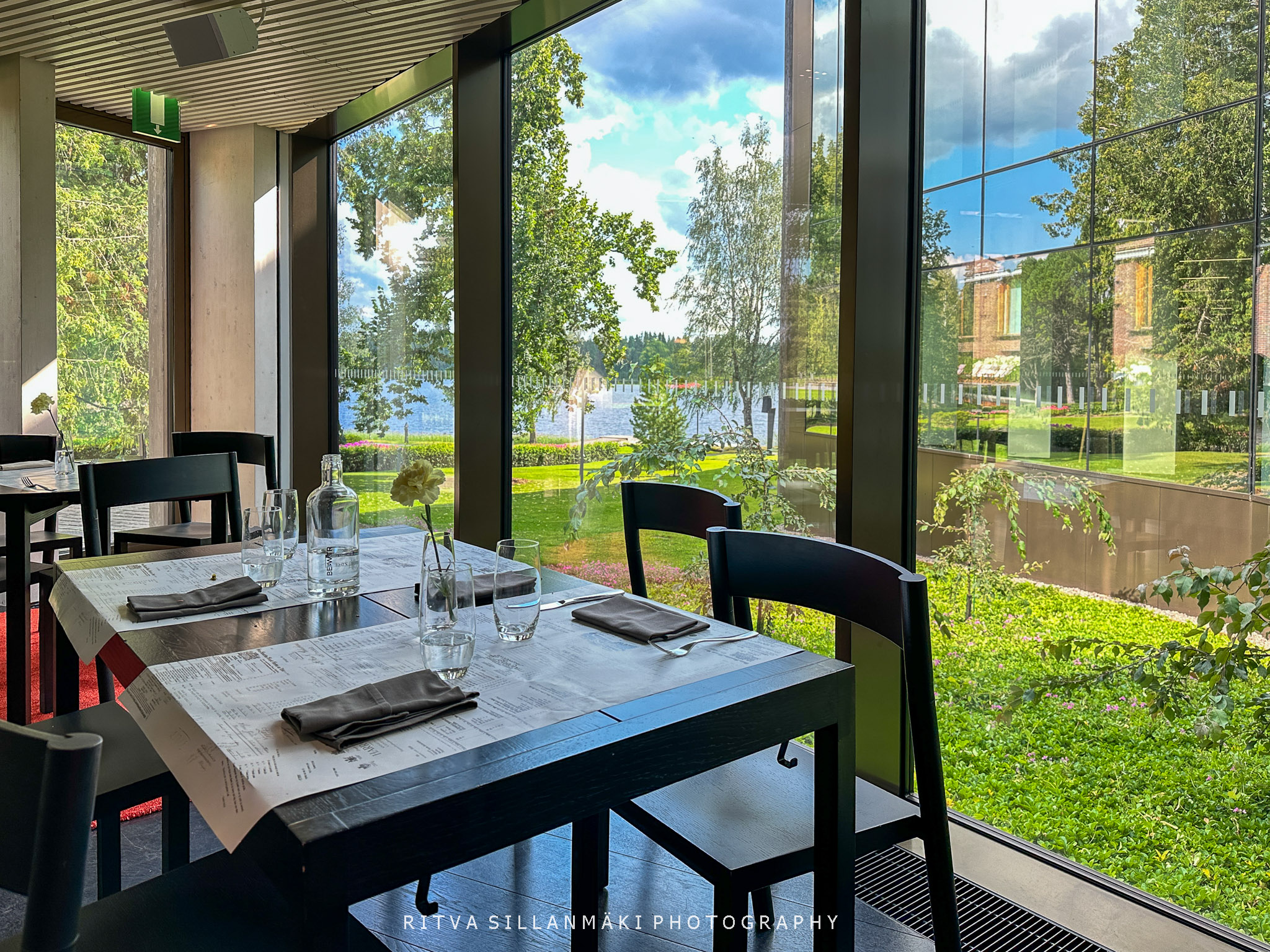
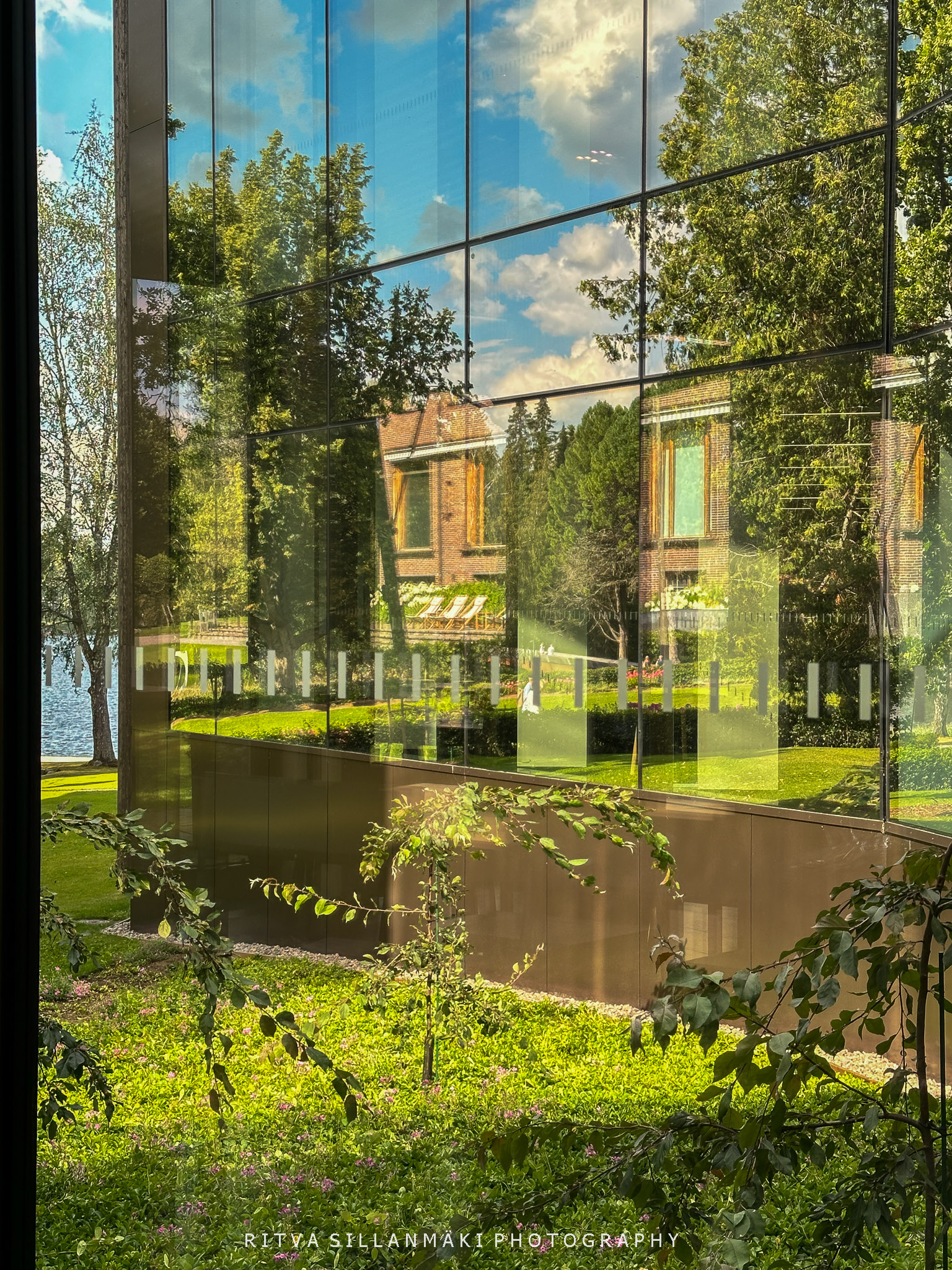
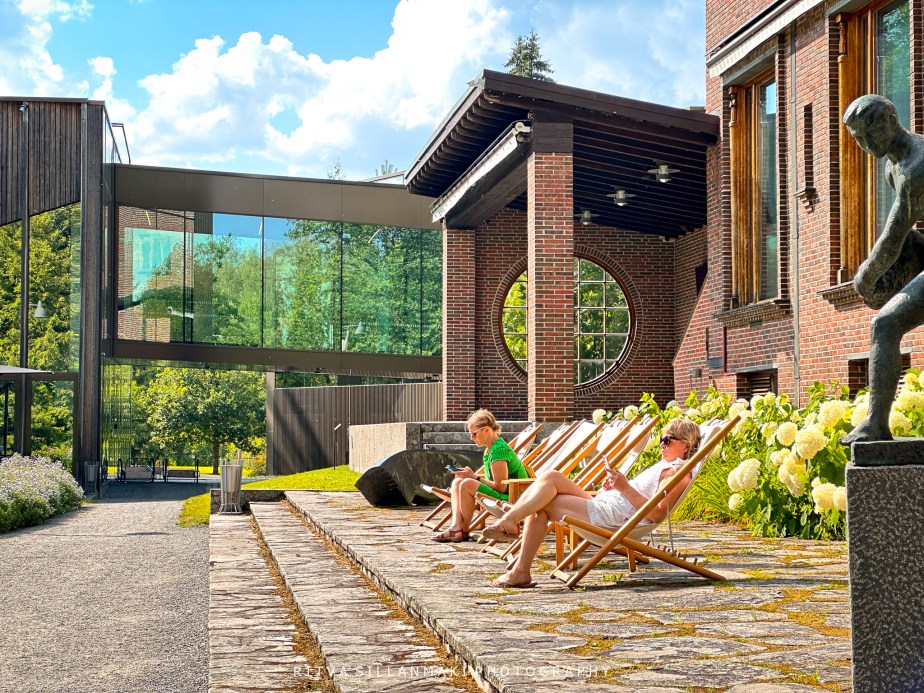
My last window and shots from Serlachius Museum. It had so many great big glass windows, so many photos had to to be taken. Sharing them with Monday Window: September 2025
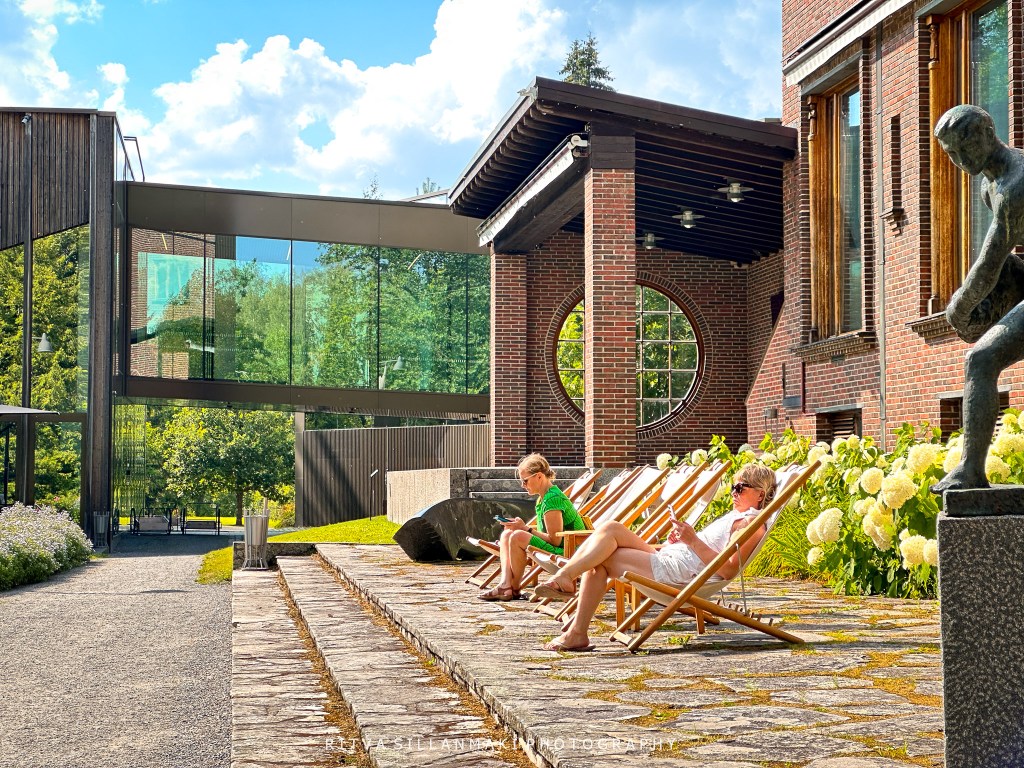
Visitors relaxing in deck chairs in front of the Serlachius Museum, surrounded by lush greenery and modern architecture.
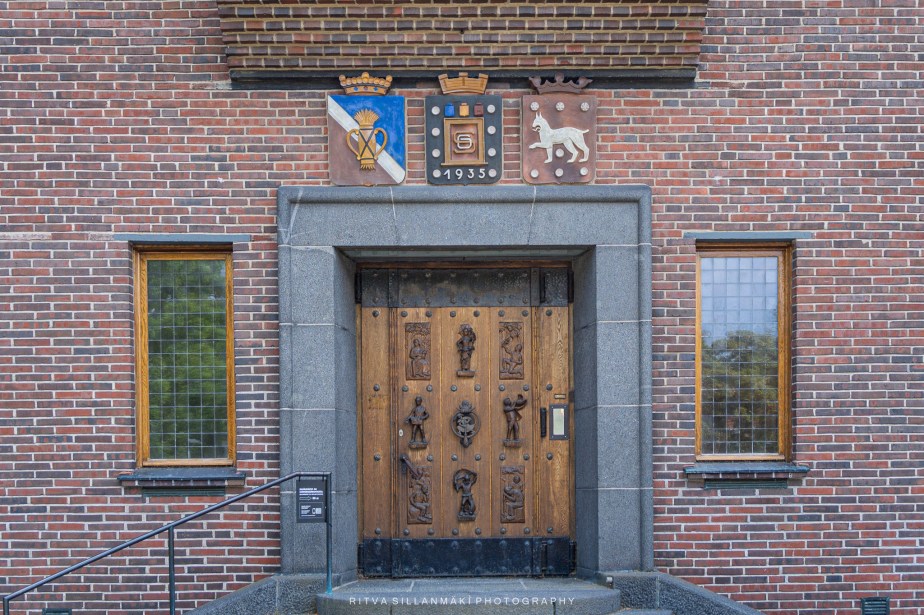
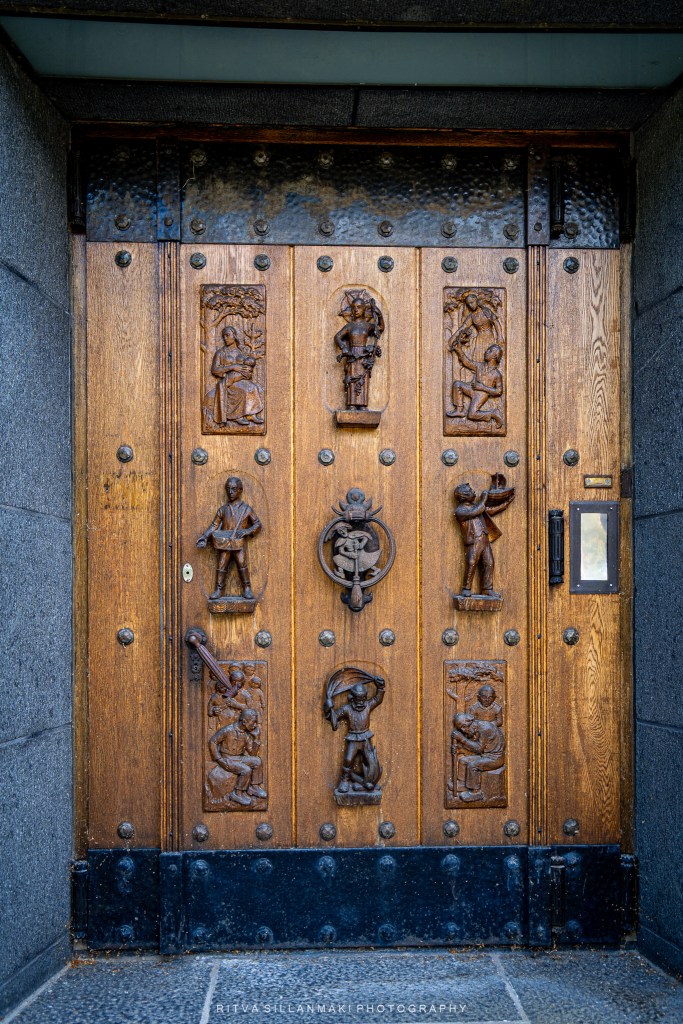
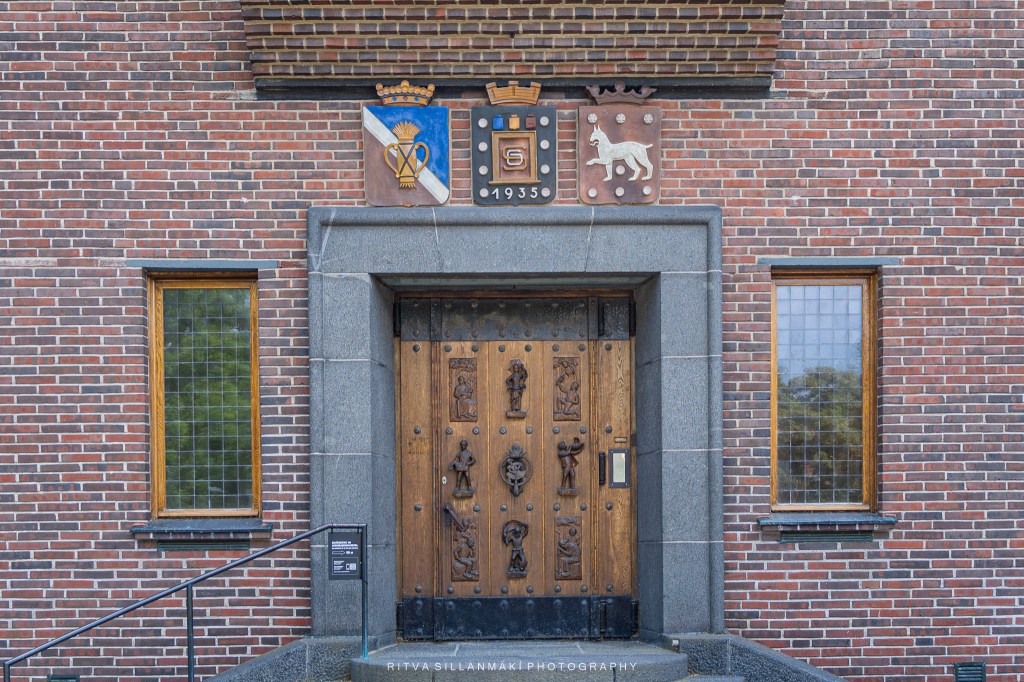
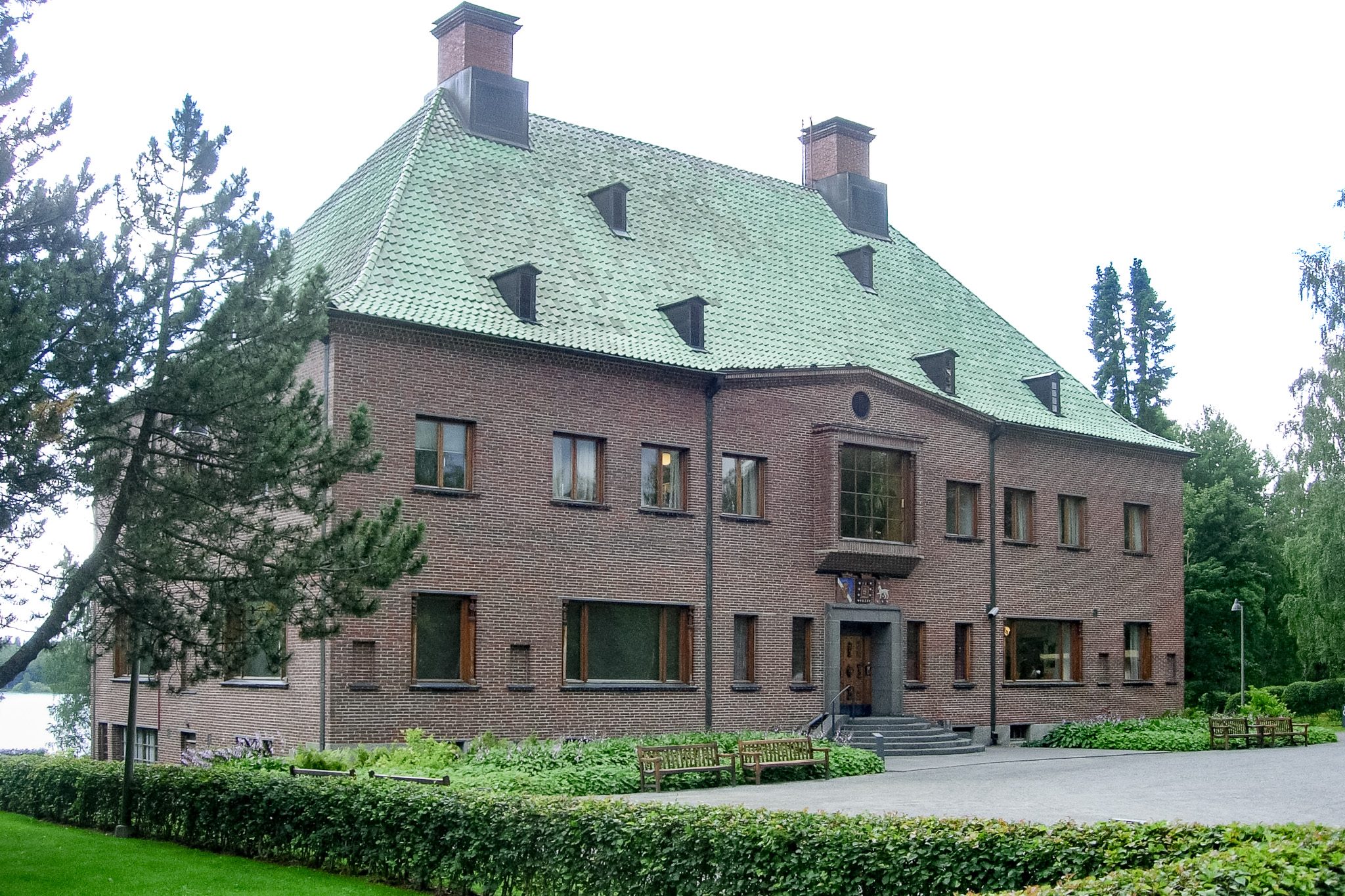
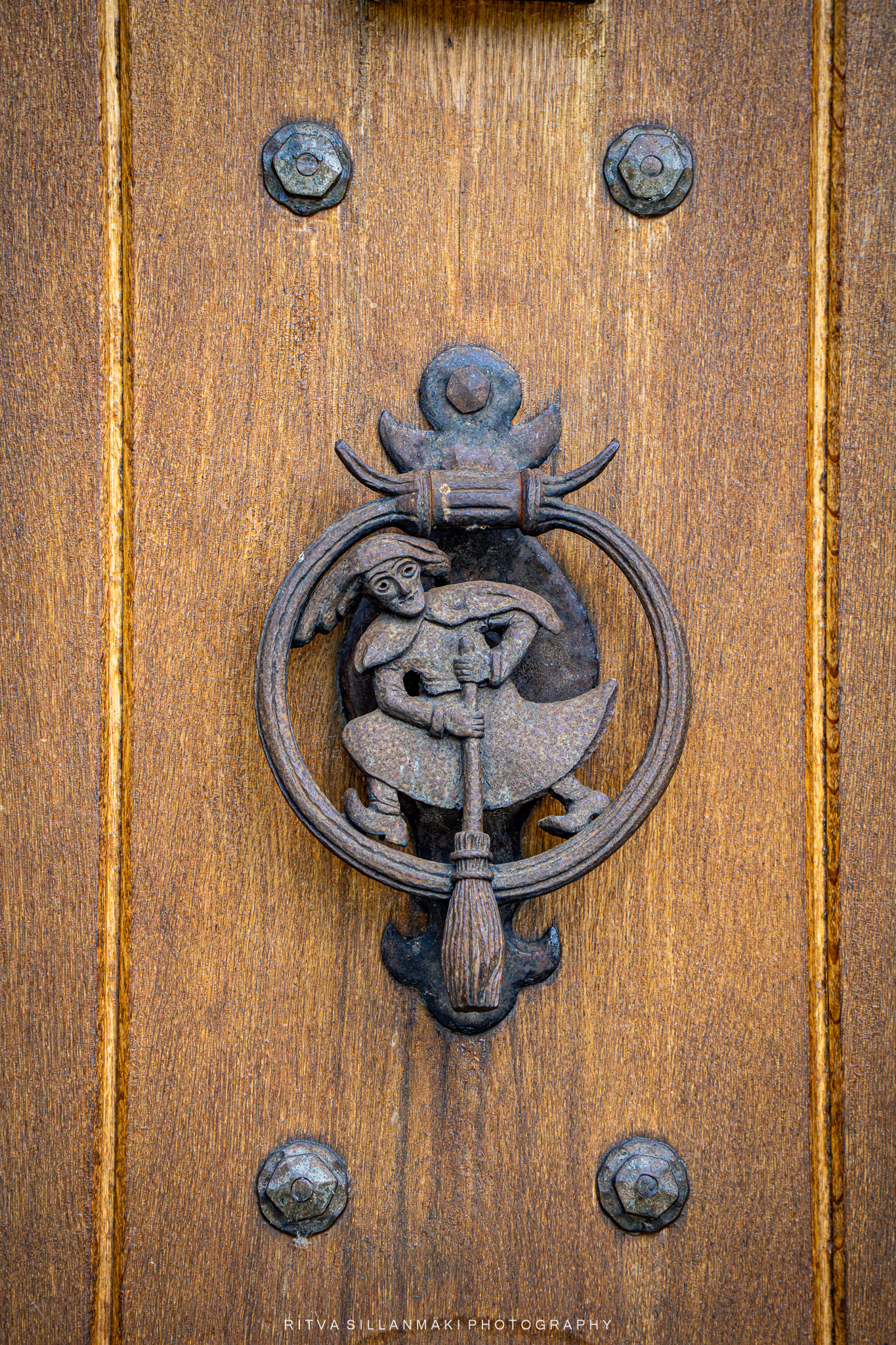
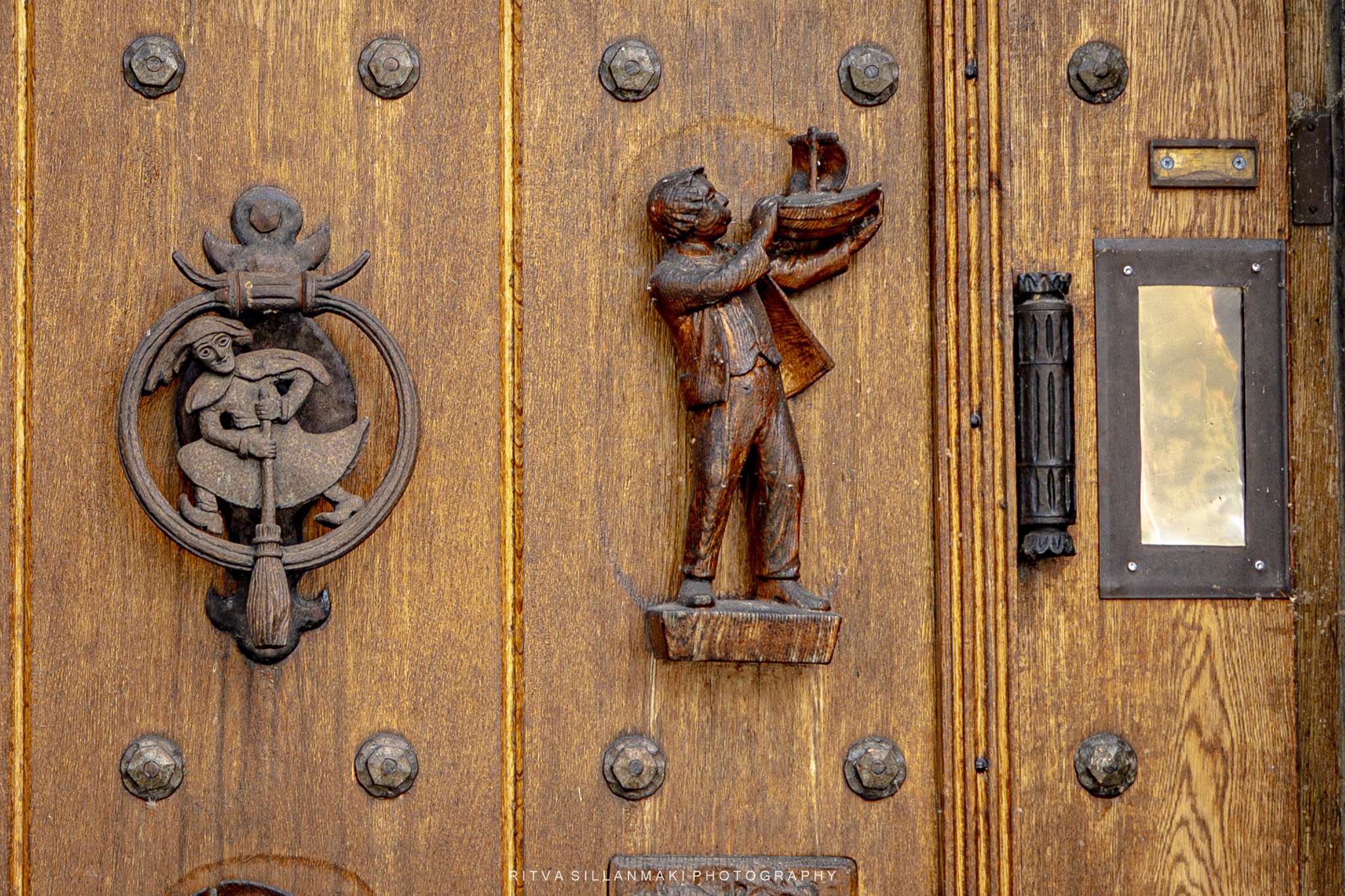
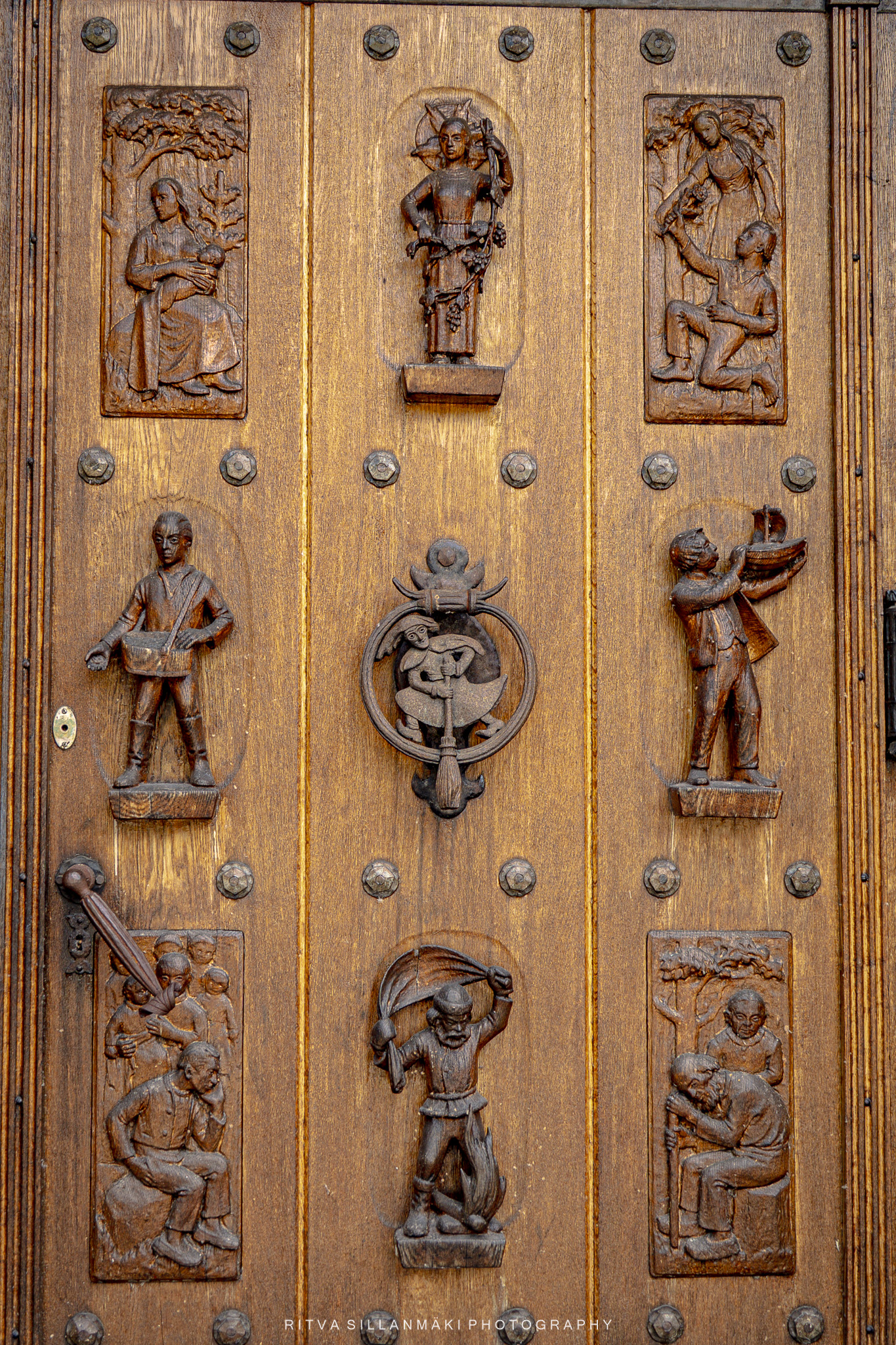
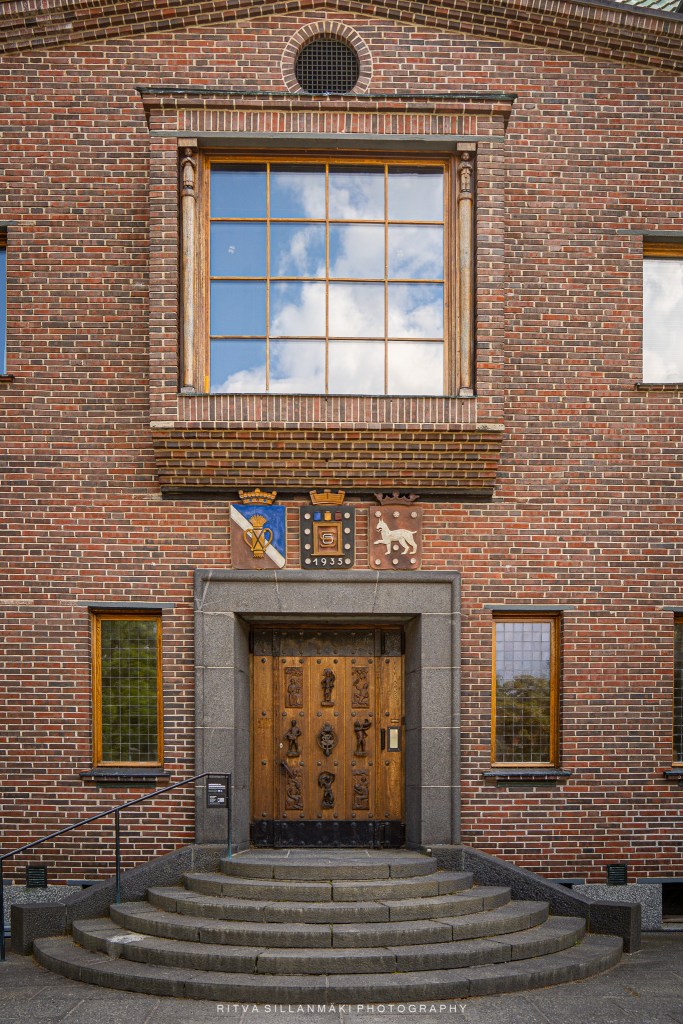
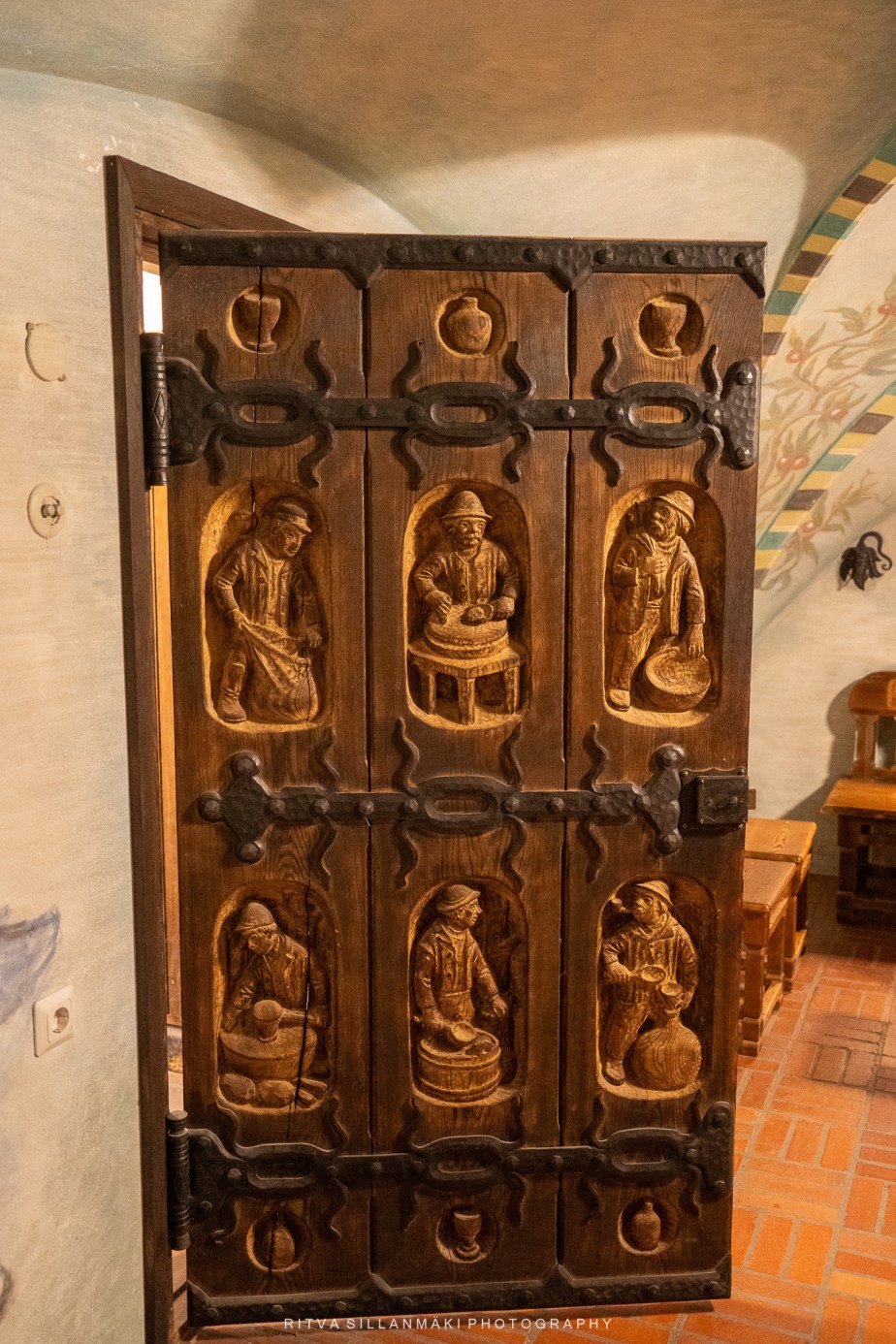
Joenniemen kartano (the Manor) designed by architect Jarl Eklund, was completed in 1935 as the representative home of Gösta and Ruth Serlachius on the shores of Lake Melasjärvi. The building represents Classicism and is influenced by English manor architecture. The interior features clean-lined functionalism from the 1930s. Sculptor Hannes Autere designed the wooden furniture of the wine house and carved the wooden reliefs that decorate the space, as I wrote in my previous post. Hannes Autere also made the wooden carvings that adorn the main door and window frames of the manor.
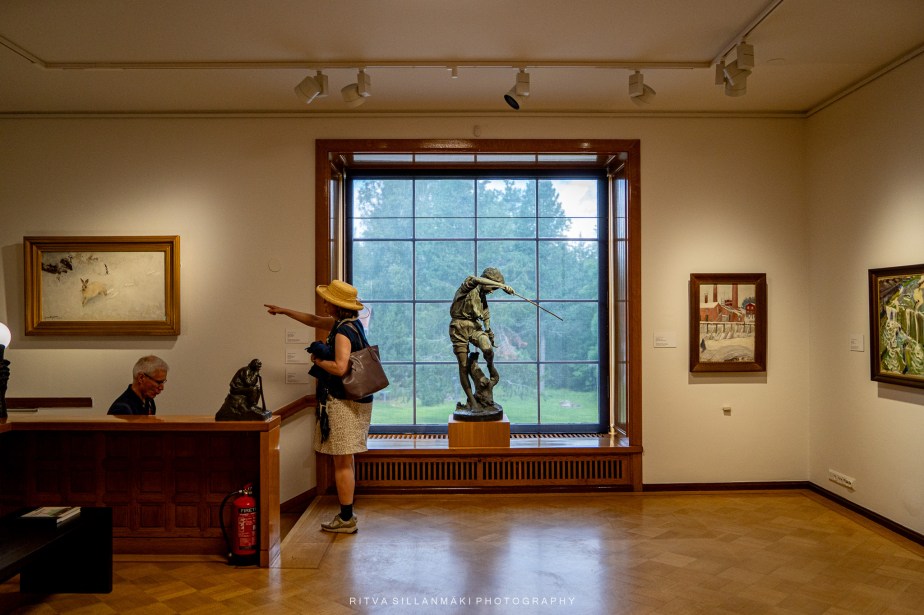
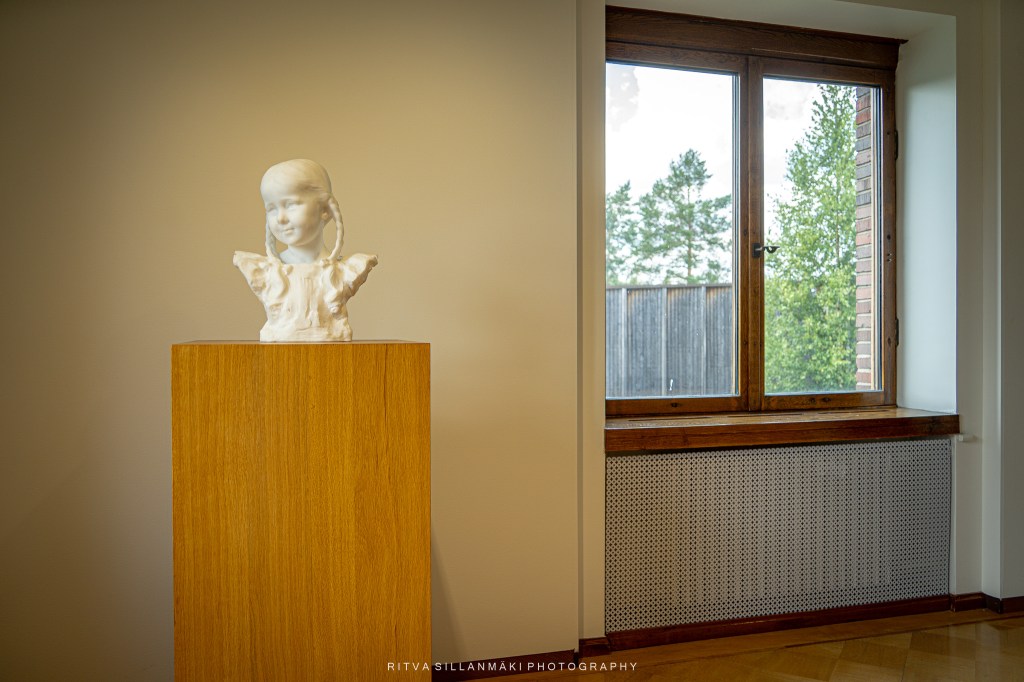
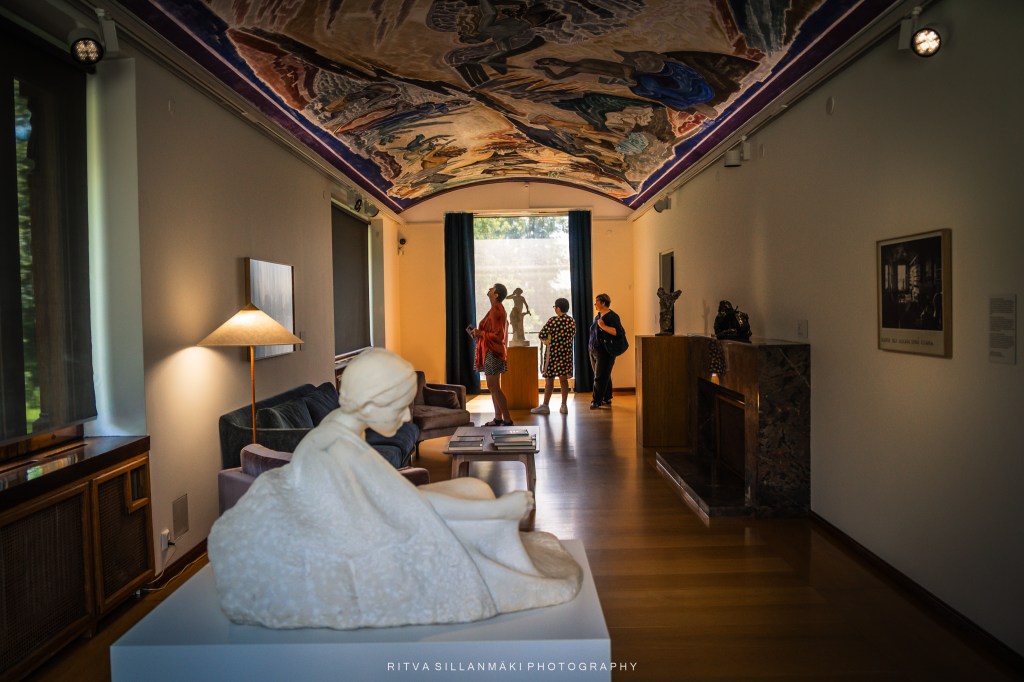
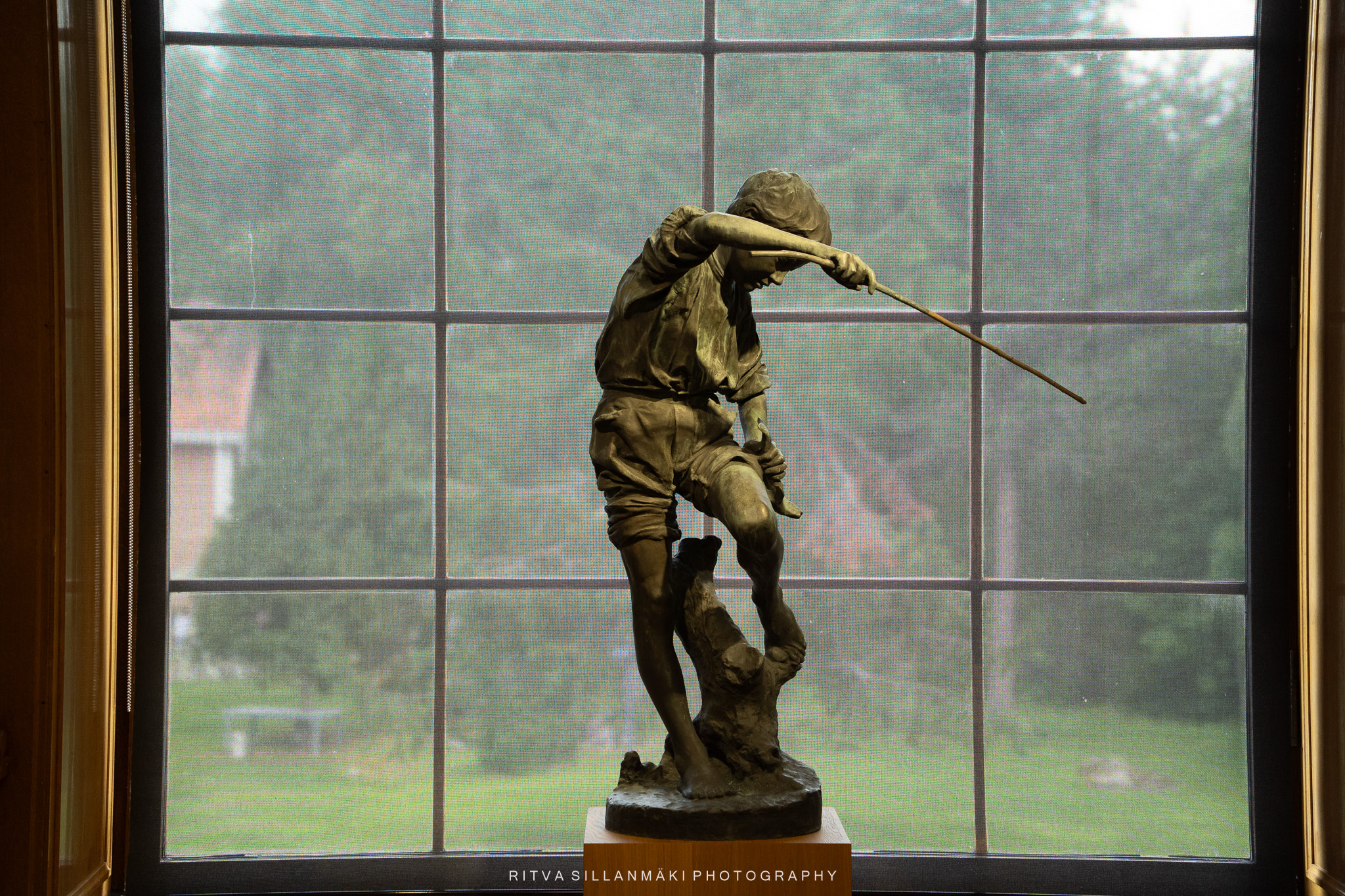
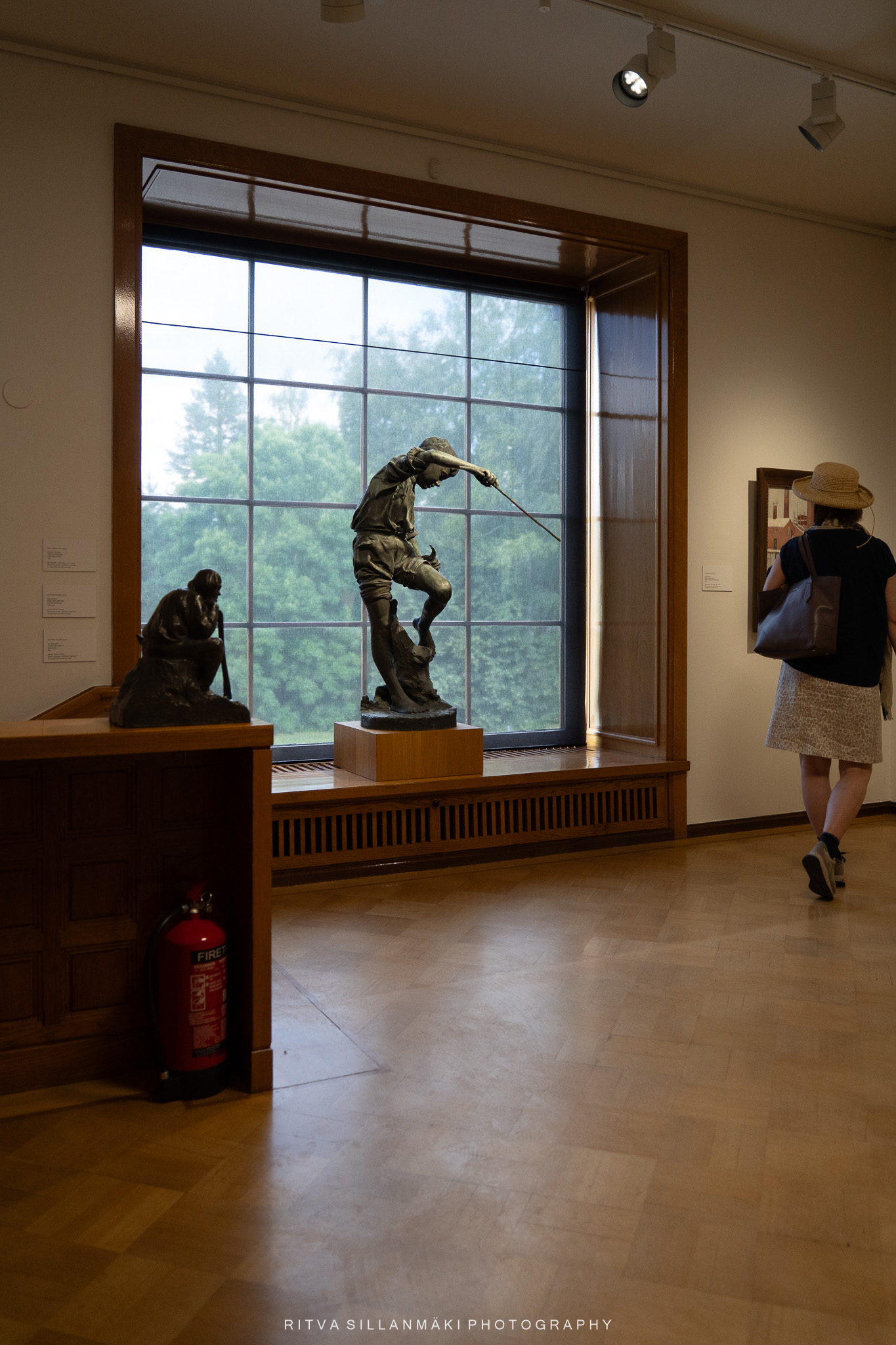
This week here is my take on Windows as the light the rooms with sculptures by Emil Wickström
Emil Wikström (1864–1942) is known especially as a sculptor of public monuments cast in bronze and worked in stone, and as the creator of Finnish national imagery, significantly contributing to the artistic identity of Finland during his era. His works often reflect a deep emotional resonance and connection to Finnish culture and history. Among his most notable pieces is the sculpture of Anna-Liisa from 1906, which is prominently displayed by the window at Serlachius Museum, inviting viewers to reflect on the themes of femininity and beauty. Below this evocative sculpture is another striking piece, named Kuoleva tyttö from 1914 (translated as “dying girl”), which poignantly portrays the fragility of life, adding layers of depth and meaning to his oeuvre while illustrating the artist’s ability to convey complex human emotions through his mastery of form and material.
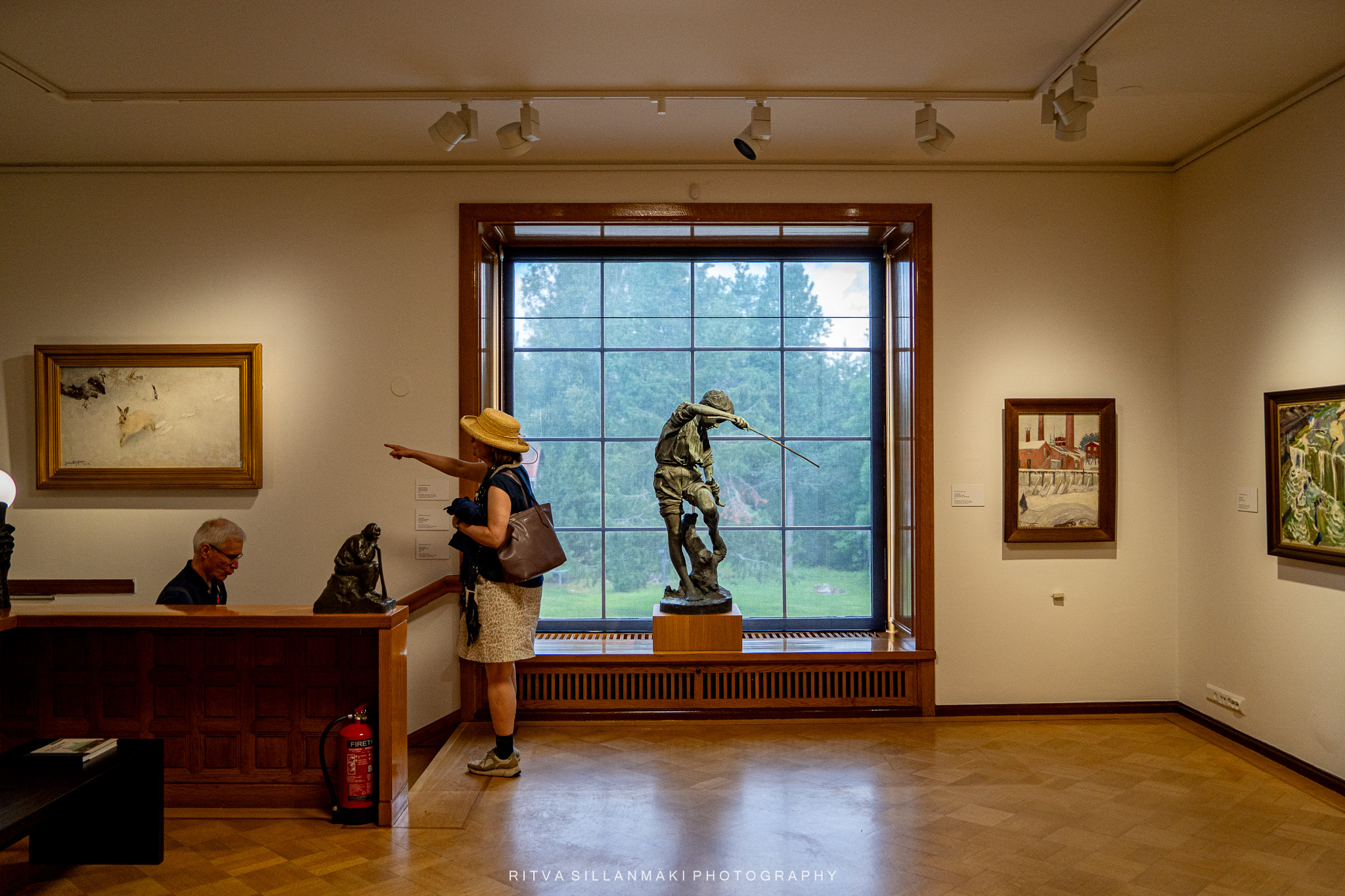
Kalapoika (Poika ja ahven), 1888, is a captivating work that beautifully captures the essence of childhood and the deep connection between young boys and nature. This piece, also by the talented Emil Wikström, showcases a fishing boy who is lost in his simple yet profound task of catching perch.
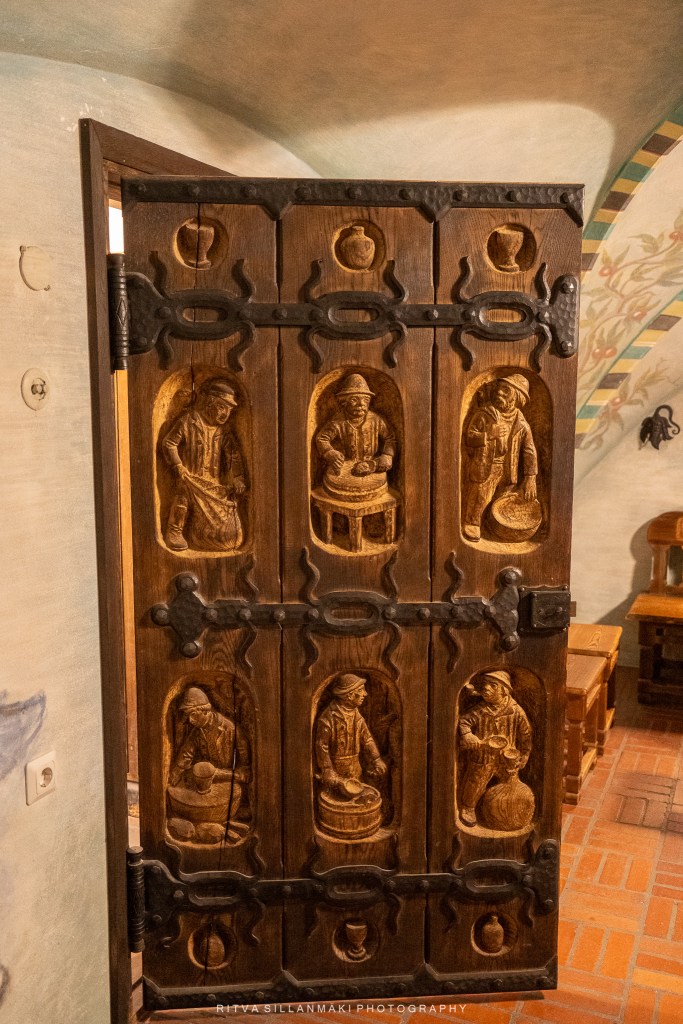
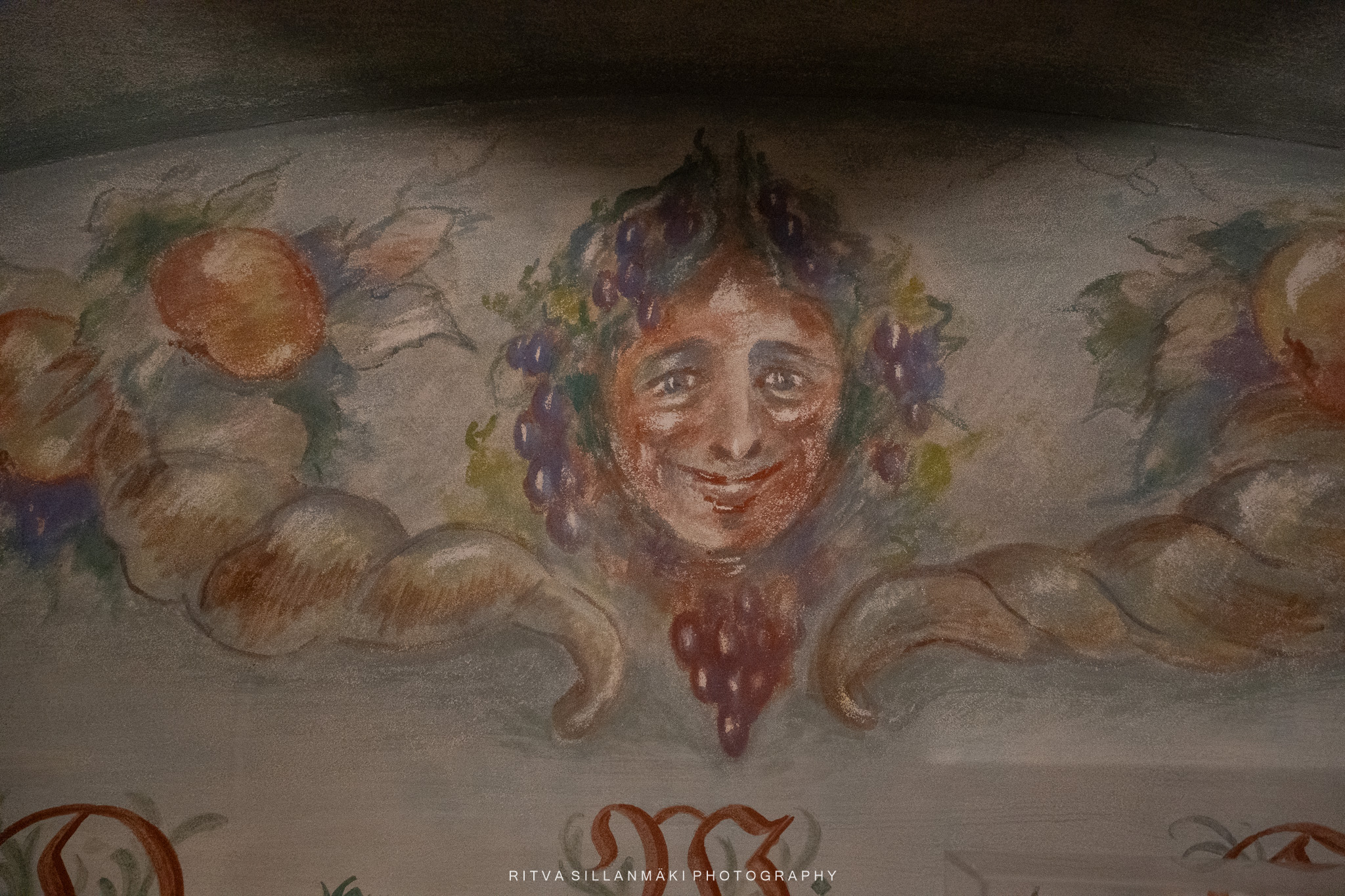
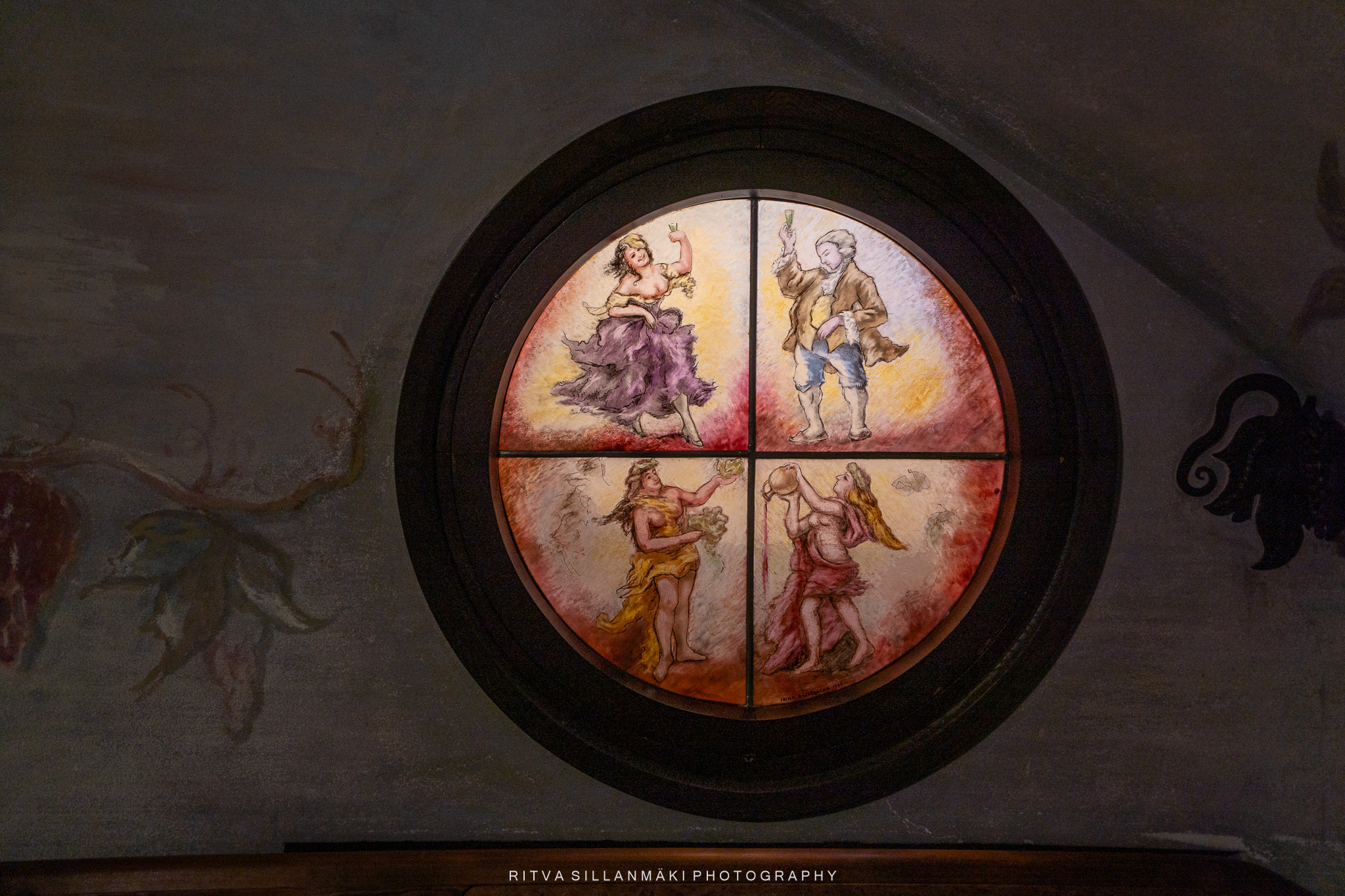
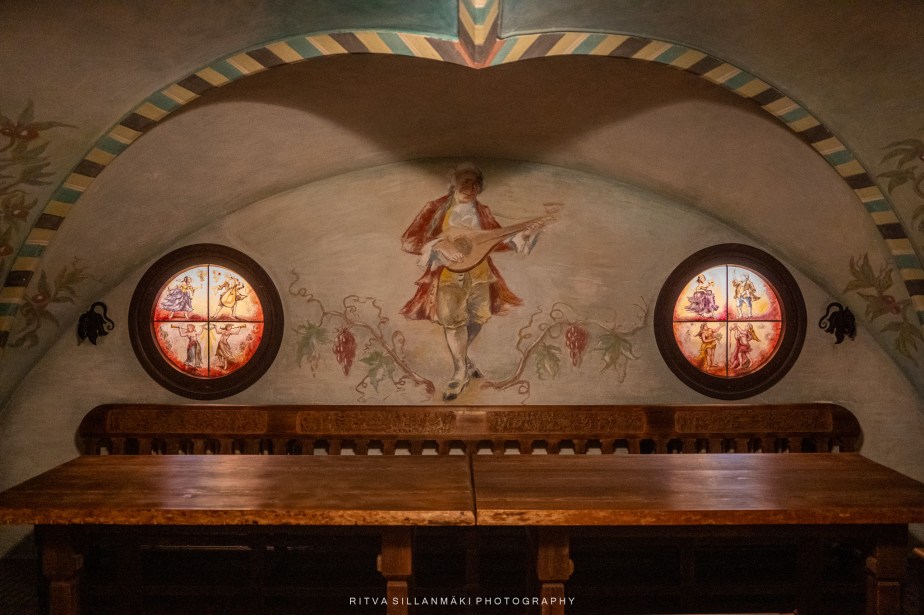
This week’s Thursday Doors features a beautifully carved wooden wine cellar door at Serlaclius Museum, showcasing intricate reliefs by Hannes Autere. The interior highlights a decorated room, complete with a musician mural and detailed windows that emphasize the artistic celebration of wine enjoyment. Thursday Doors
A beautifully carved wooden wine cellar door featuring intricate reliefs of Hannes Autere at Serlachius Museum
Details from the wine cellar at the cellar.
A beautifully decorated room with a musician mural and intricate windows, showcasing artistic details about the joys of enjoying wine.
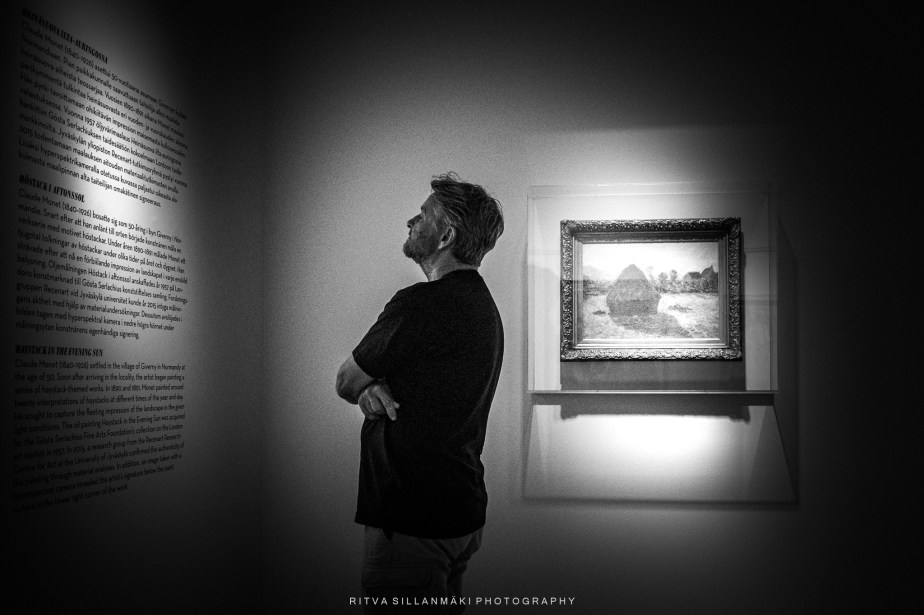
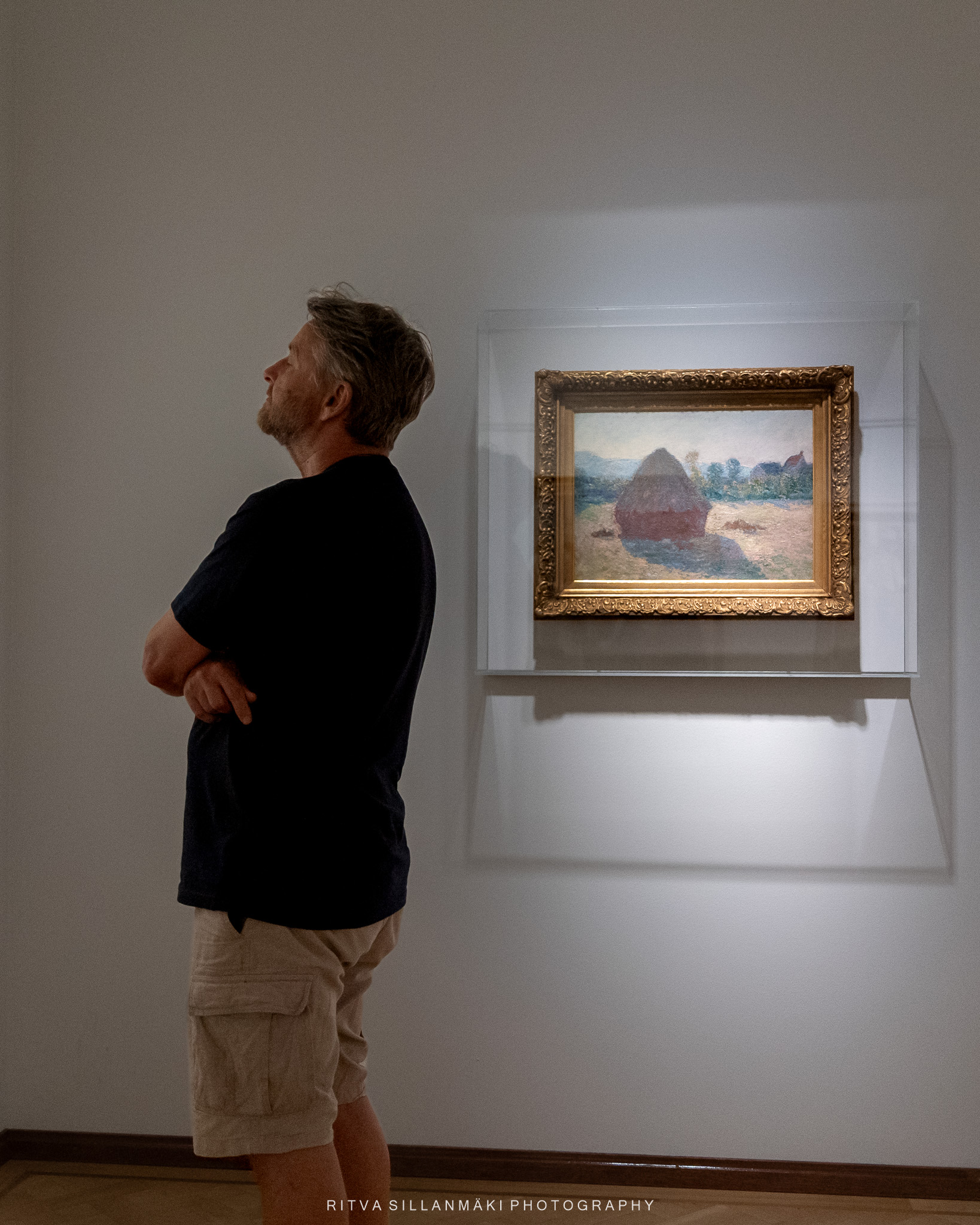
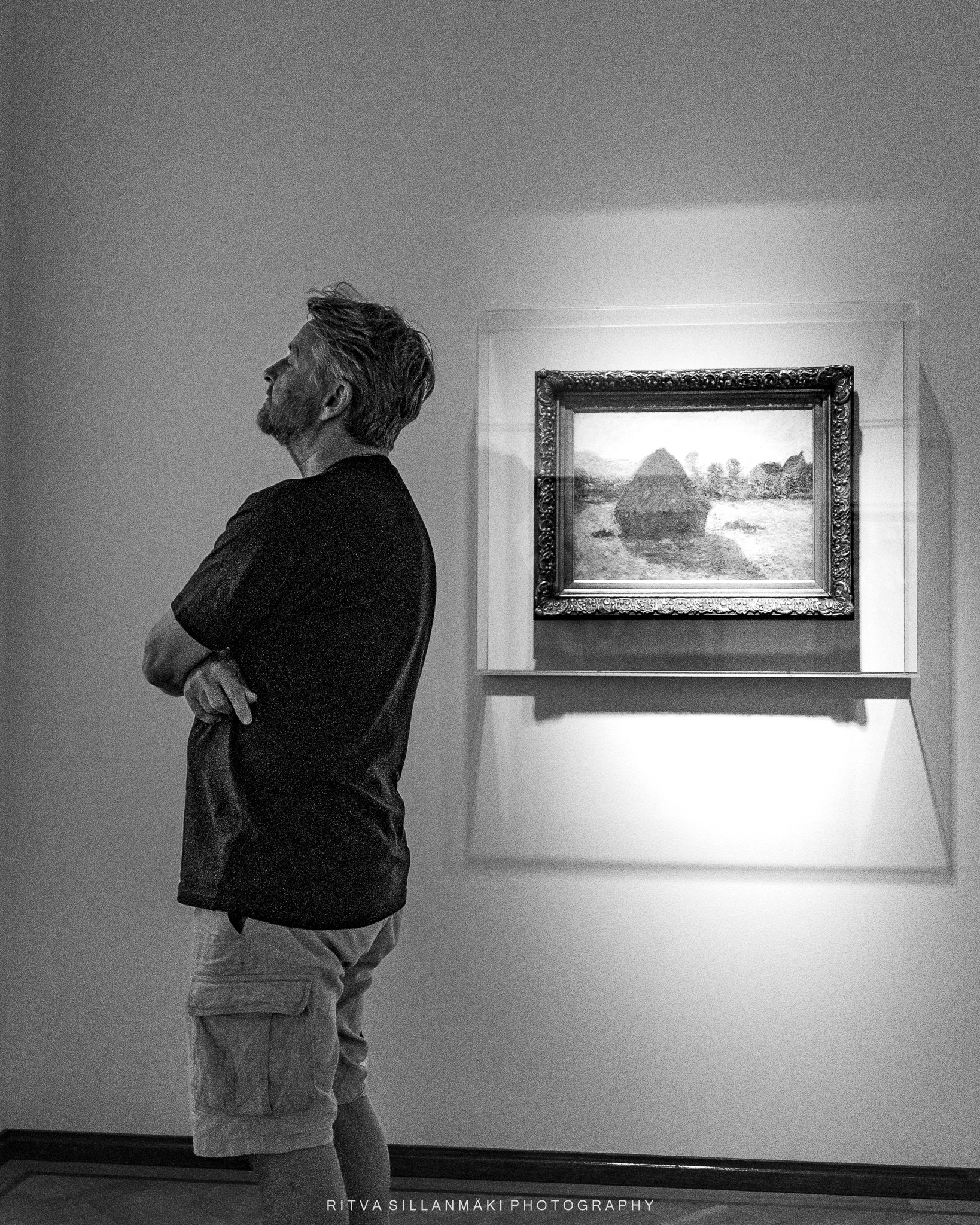
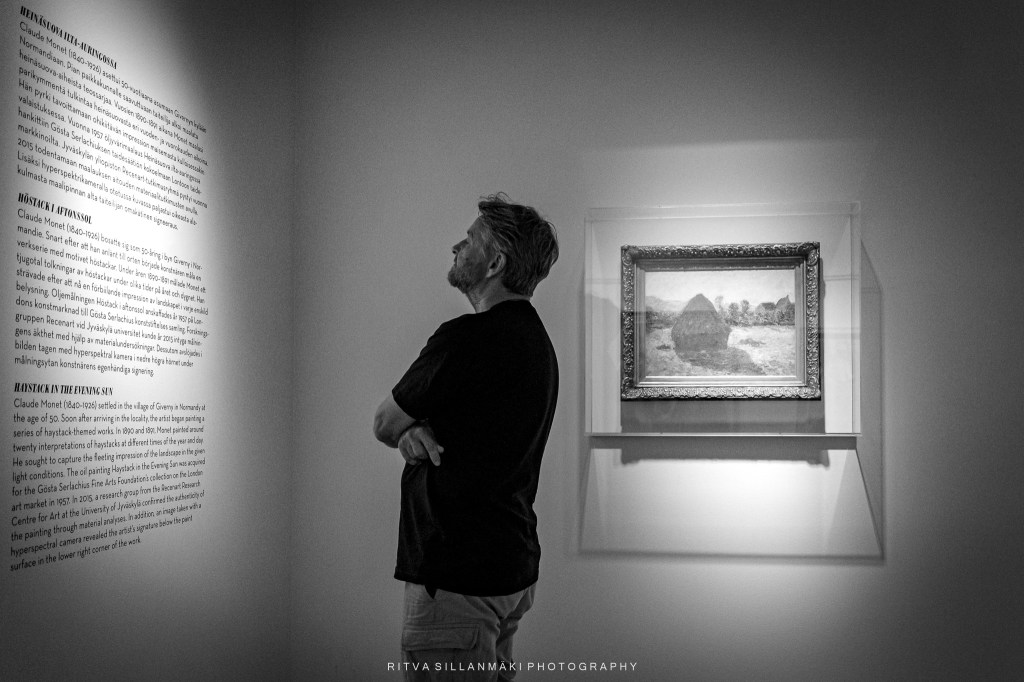
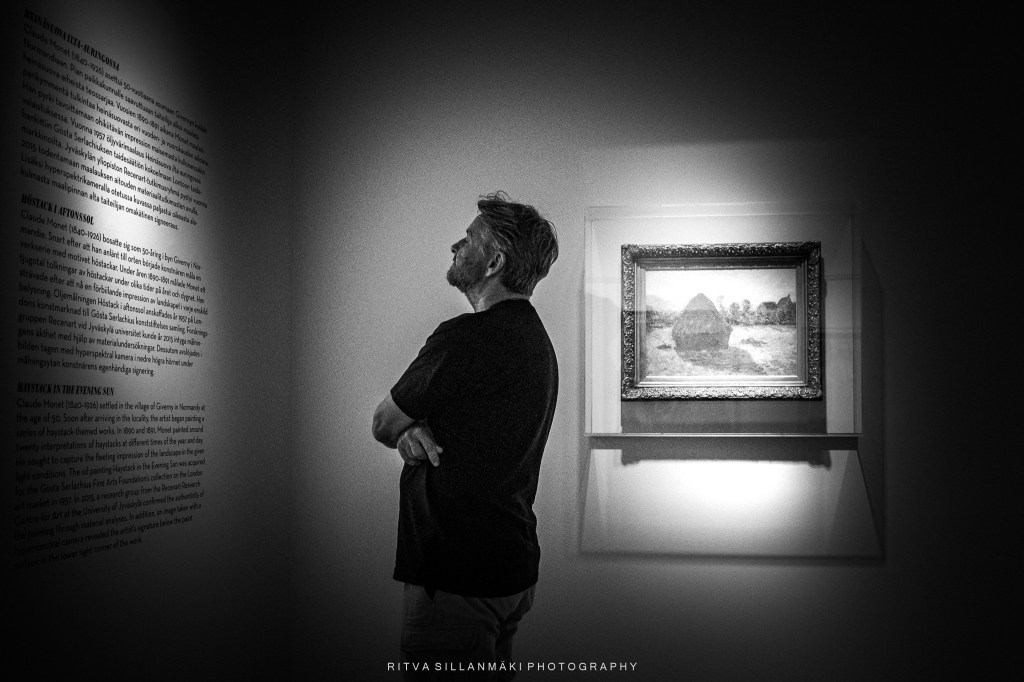
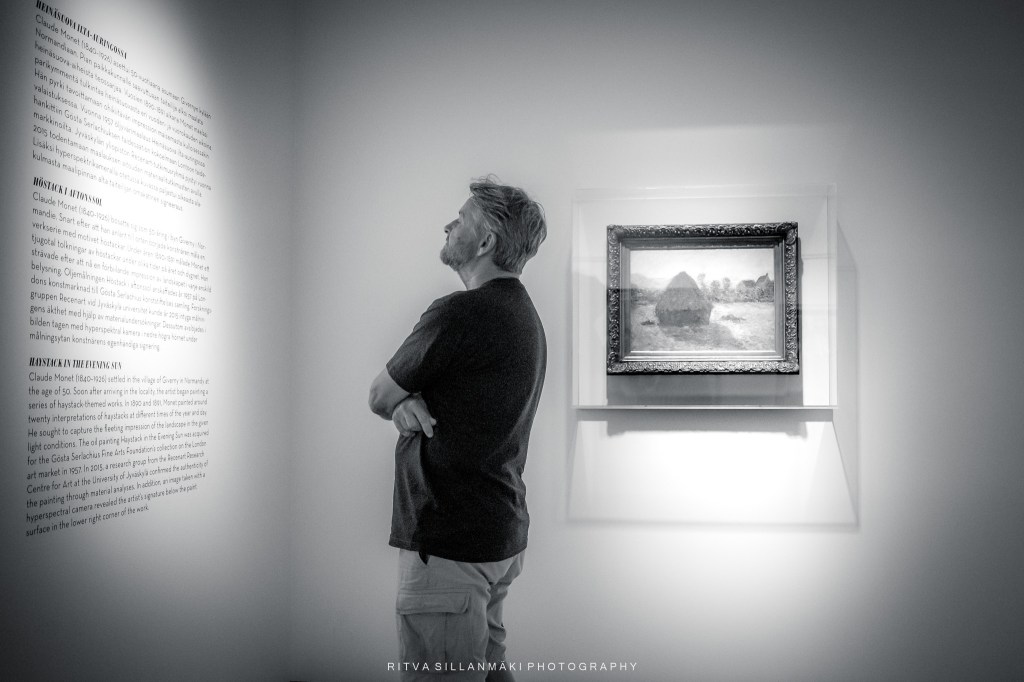
We visited this museum during our vacation, and I for some reason got inspired to do three monochrome / BW versions of a this photo of a man learning about this piece of art.
I will start with also a color version of the photo compared to the monochrome one if a portrait composition.
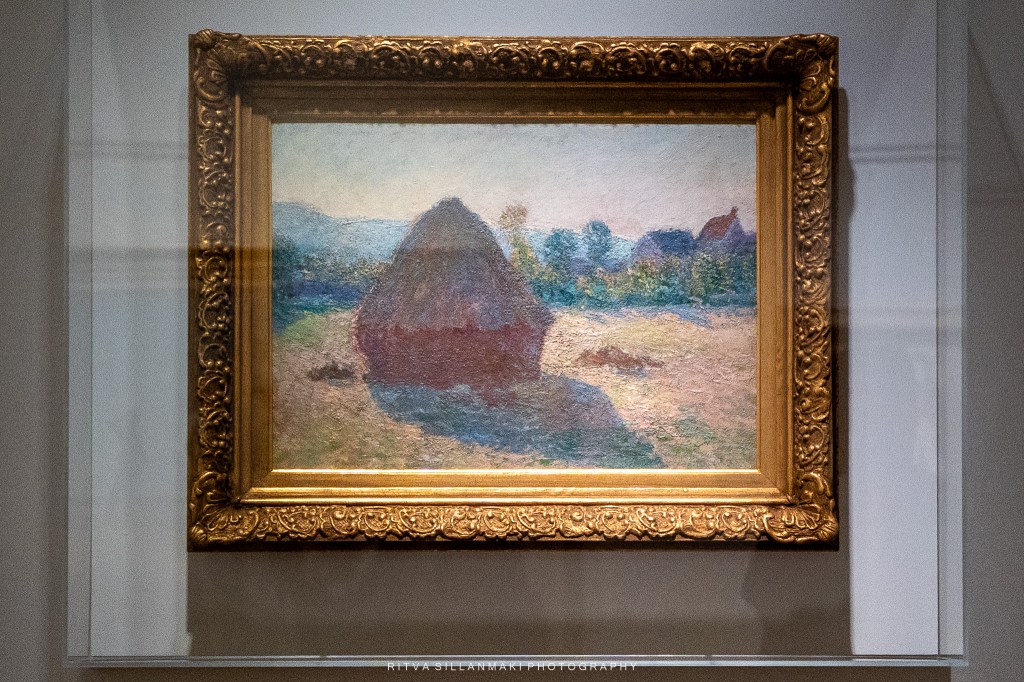
This small but immeasurably valuable oil painting is a study of the properties of light and shadow. Monet painted a whole series of haystack motifs in the changing weather conditions of the Normandy countryside.
Claude Monet’s ‘Heinäsuova ilta-auringossa’ (Meadow Meadow in the Evening Sun) displayed at the Serlachius Museum.
A significant art discovery has been made at the Serlachius Museum in Mänttä. The painting “Heinäsuova ilta-auringossa” (Meadow Meadow in the Evening Sun), which is part of the museum’s collection, has been revealed to be the work of Claude Monet (1840-1926), a key painter of the Impressionist art movement.
The painting lacks a visible signature, but the University of Jyväskylä’s hyperspectral camera detected Monet’s name and the year 1891 beneath the paint. Analyses of the pigment and fabric confirm it is by Claude Monet. The Serlachius Museum has had it since the 1950s, assuming it could be by Monet. Its authenticity was confirmed in 2015, thanks to advancements in technology. The work was purchased in London through an art dealer from Mänttä and is believed to have been shown at the Impressionist exhibition at the Grafton Gallery in London in 1905.
I put together these different versions for Leanne’s Monochrome Madness project as a fun way to dive into artistic expression. The whole idea was to check out how the mood and meaning of the photo shift with different edits. I found myself thinking about what the image is really about—is it the painting itself, the man who’s learning about it, or maybe even the overall space where both the art and the observer exist? My idea was to show just how complex art can be and how it hits people in different ways based on their own experiences and perspectives.
A visitor contemplates Claude Monet’s ‘Heinäsuova ilta-auringossa’ at the Serlachius Museum, surrounded by informative text about the artist and his works.A visitor reflects on a Claude Monet painting at the Serlachius Museum, highlighting the intersection of art and admiration.A visitor admires Claude Monet’s ‘Heinäsuova ilta-auringossa’ reflecting on the painting’s historical significance.
The captions were created with AI – all slightly different… because of the light and contrast?
We kicked back on Monday soaking up the culture at Serlachius Manor, where we checked out some amazing exhibits featuring everything from contemporary to classic art. The calm and elegance of the place really added to the exploration ofthe exhibits letting us dive into the creativity and history packed into those gorgeous galleries. We took our time wandering through the different installations, each one with its own unique story and offering cool insights into the artists’ journeys. It was a day full of inspiration and an awesome chance to connect with the rich cultural vibe that Serlachius Manor has to offer.
So this really is Monday windows – These I took with my IPhone. I haven’t uploaded my photos I took with my camera, If I would wait to do that this post would not happen.

 Ritva Sillanmäki Photography