This is what I have for you this week.
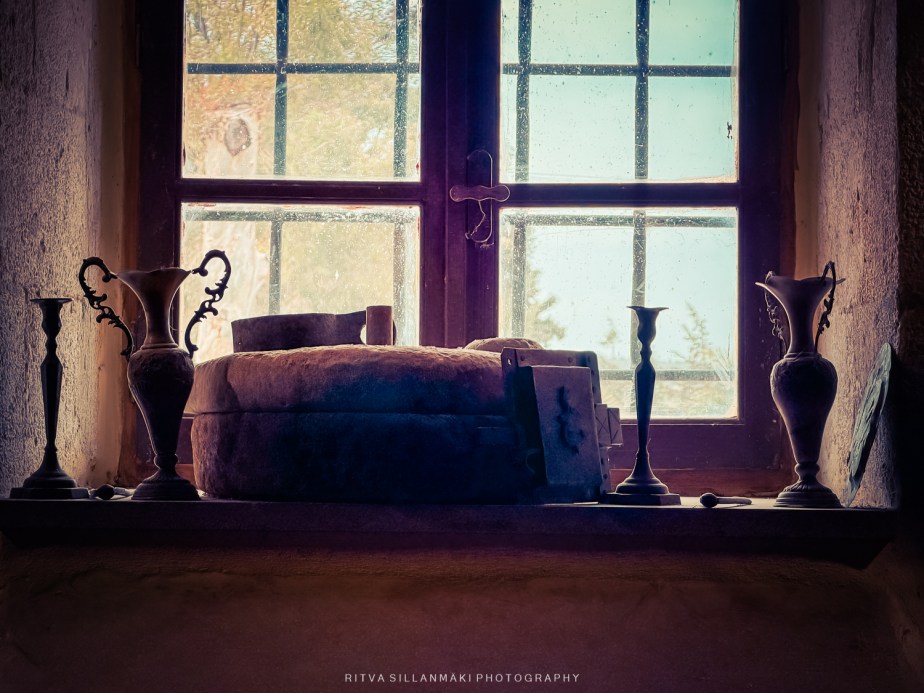
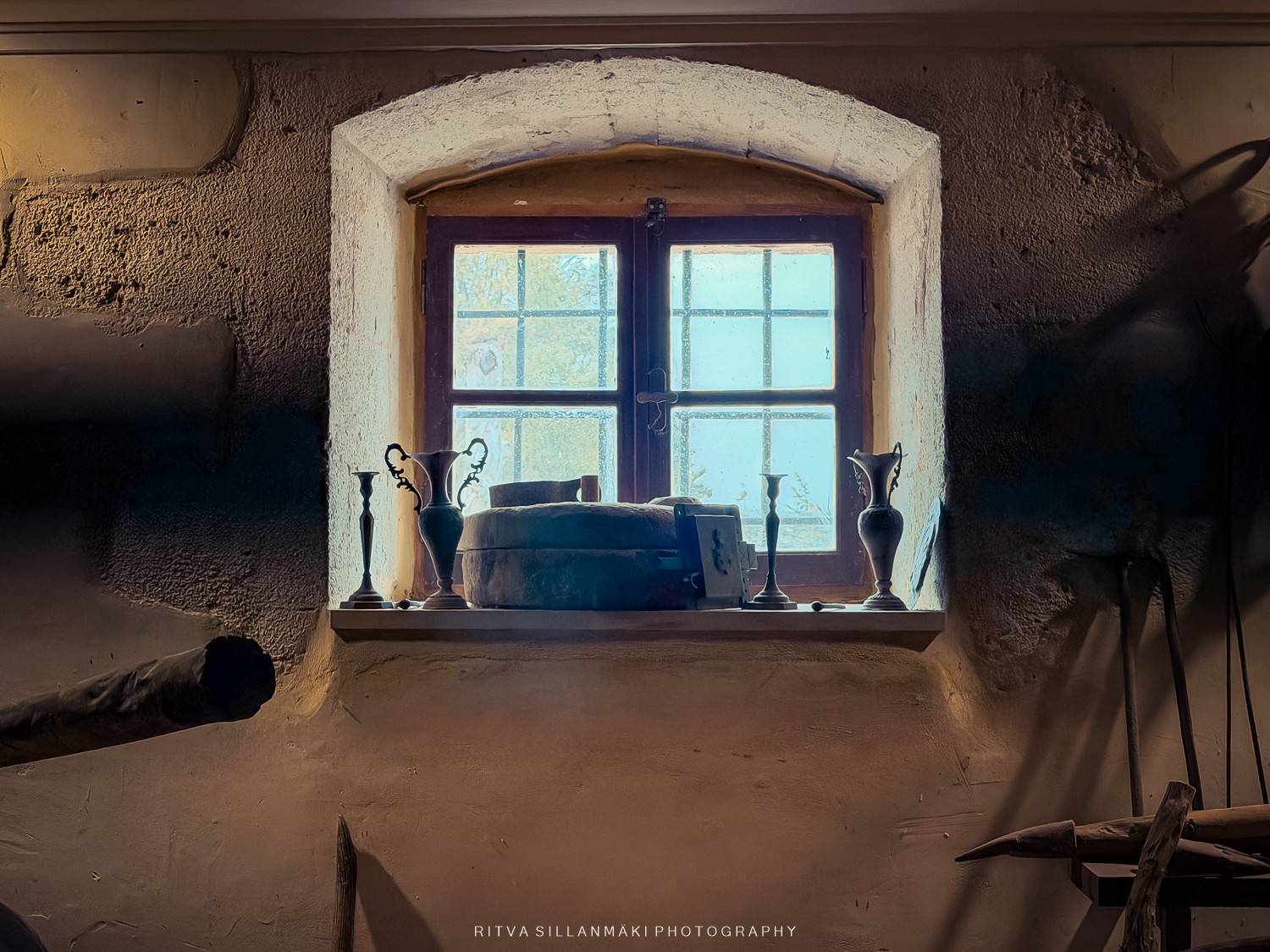
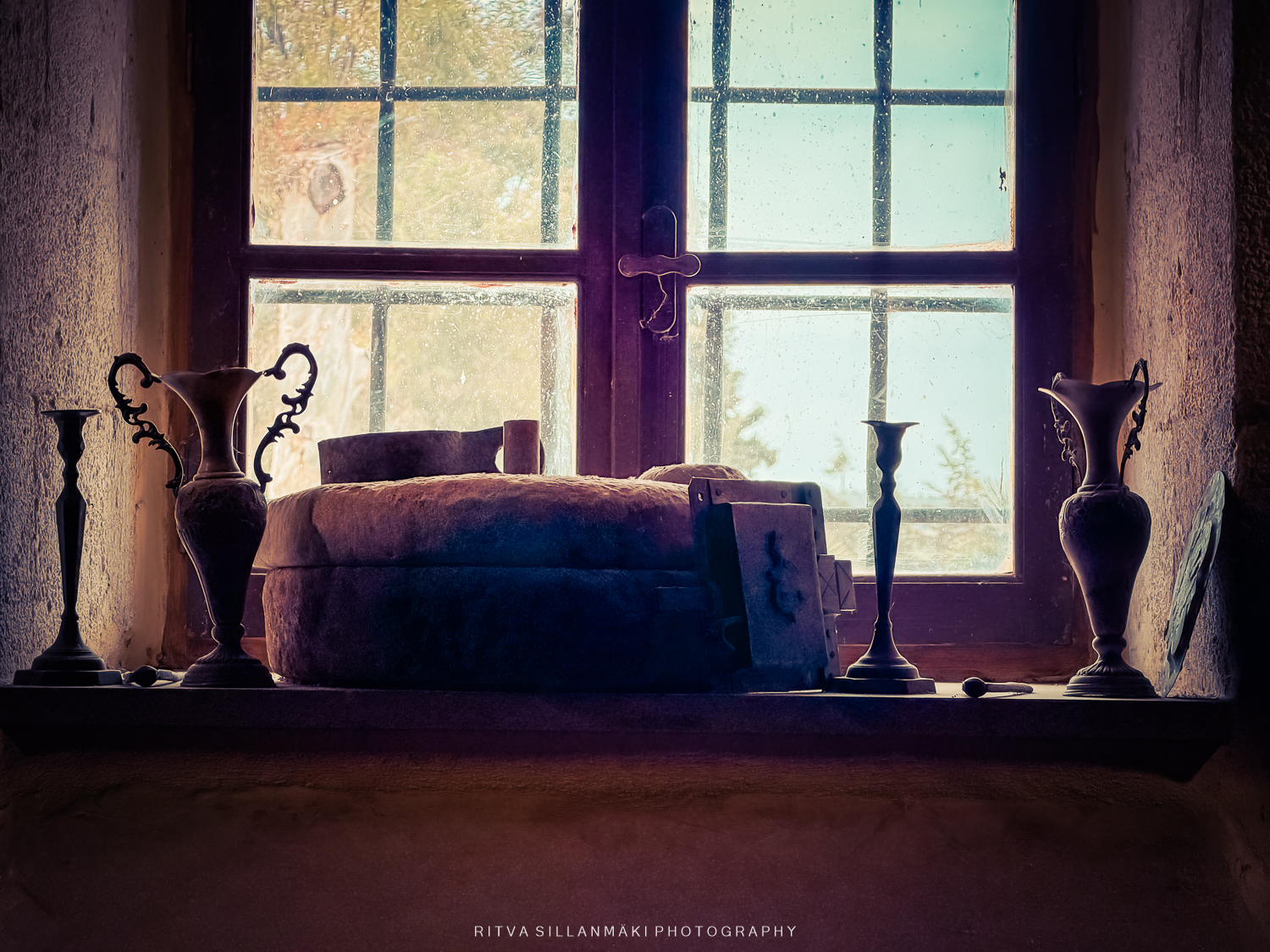
The Monastery of the Holy Trinity of Tsangarolon features a window that captures my attention, designed to do just that, with its gracefully arched wooden frame embellished with four-pane glass that gently diffuses the cool daylight streaming in. The rich, dark tones of the frame contrast beautifully with the subtle white plaster surrounding it, all set against the backdrop of weathered earthen walls. Perched on the sill is an assortment of antique metal pitchers and several candlesticks, each item contributing character to the display. The warm amber shadows dance across the surfaces, revealing traditional tools peeking out from the edges.
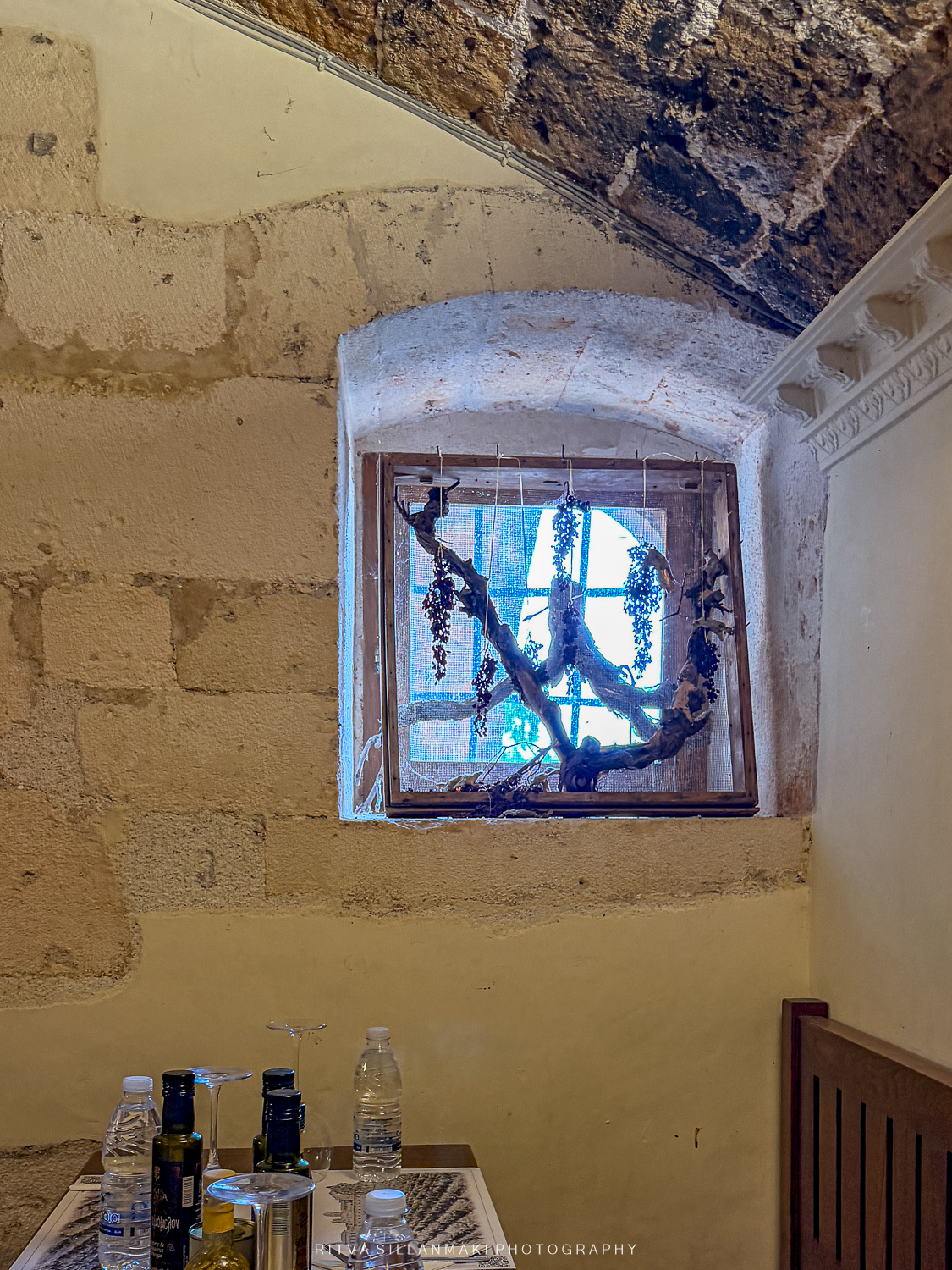
The monastery is still active, and the monks produce organic olive oil, wine, honey, and olive oil soap these windows are from the shop. There is also a museum in the area displaying old church icons which we did not see.
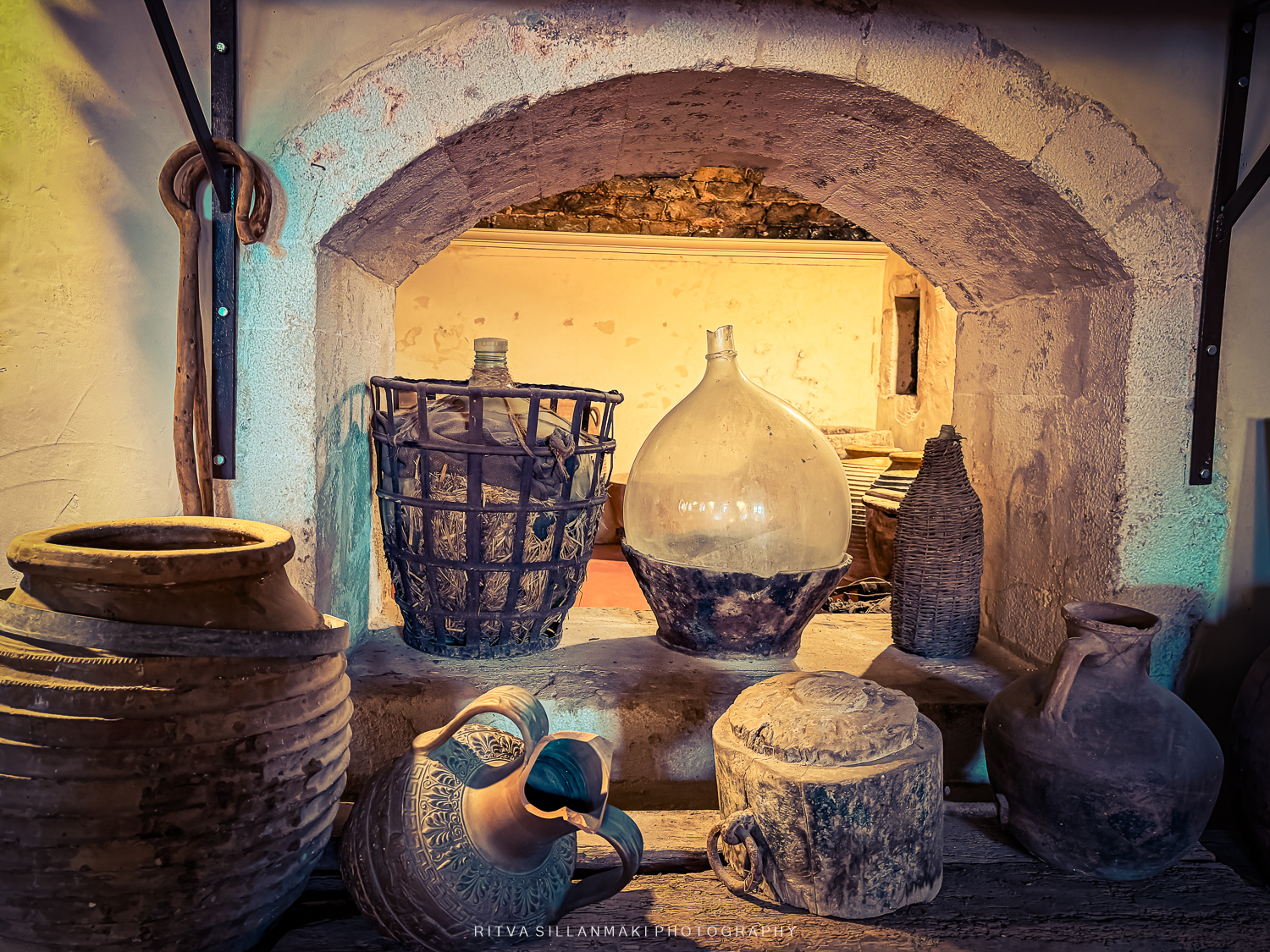
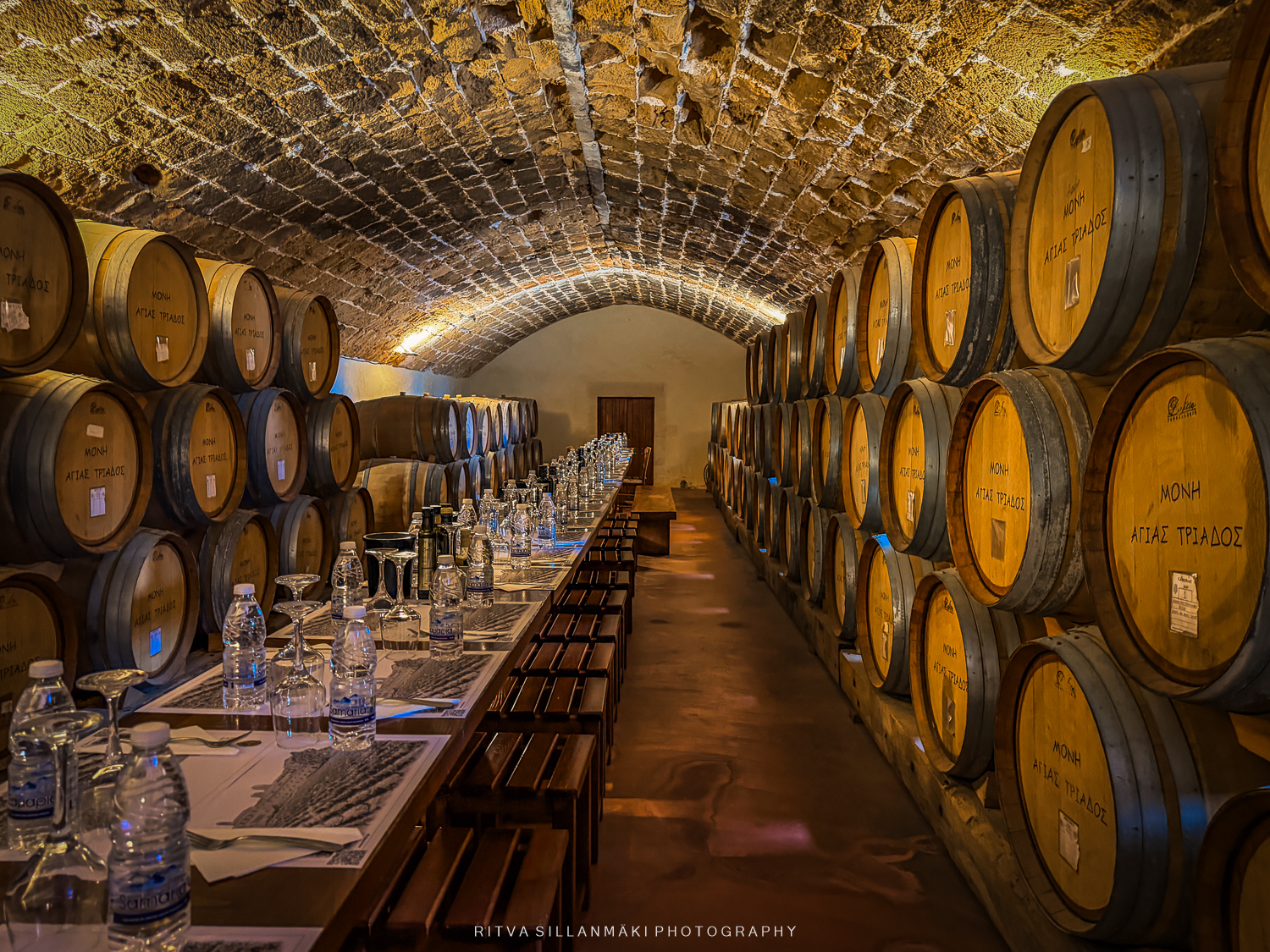
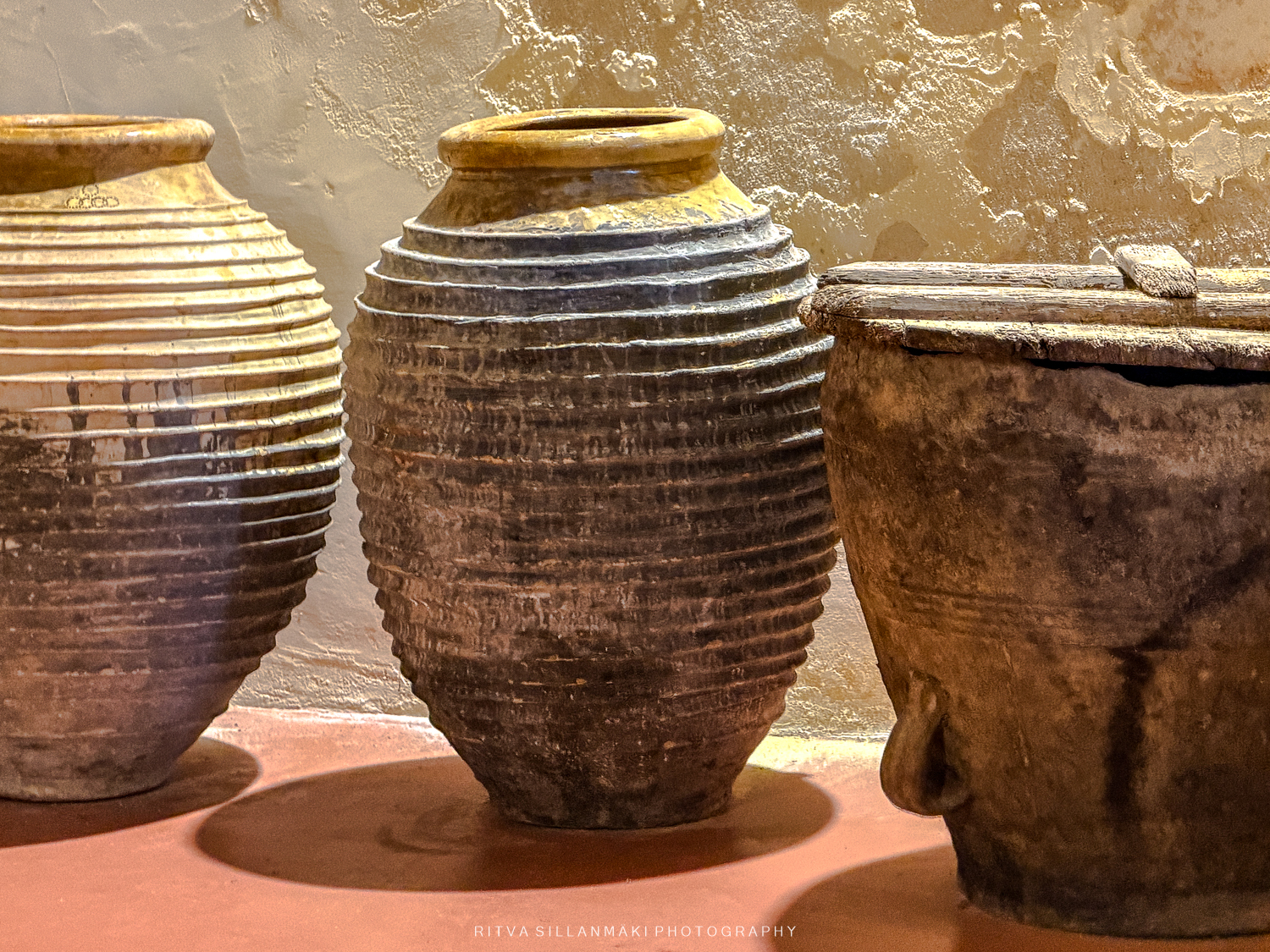
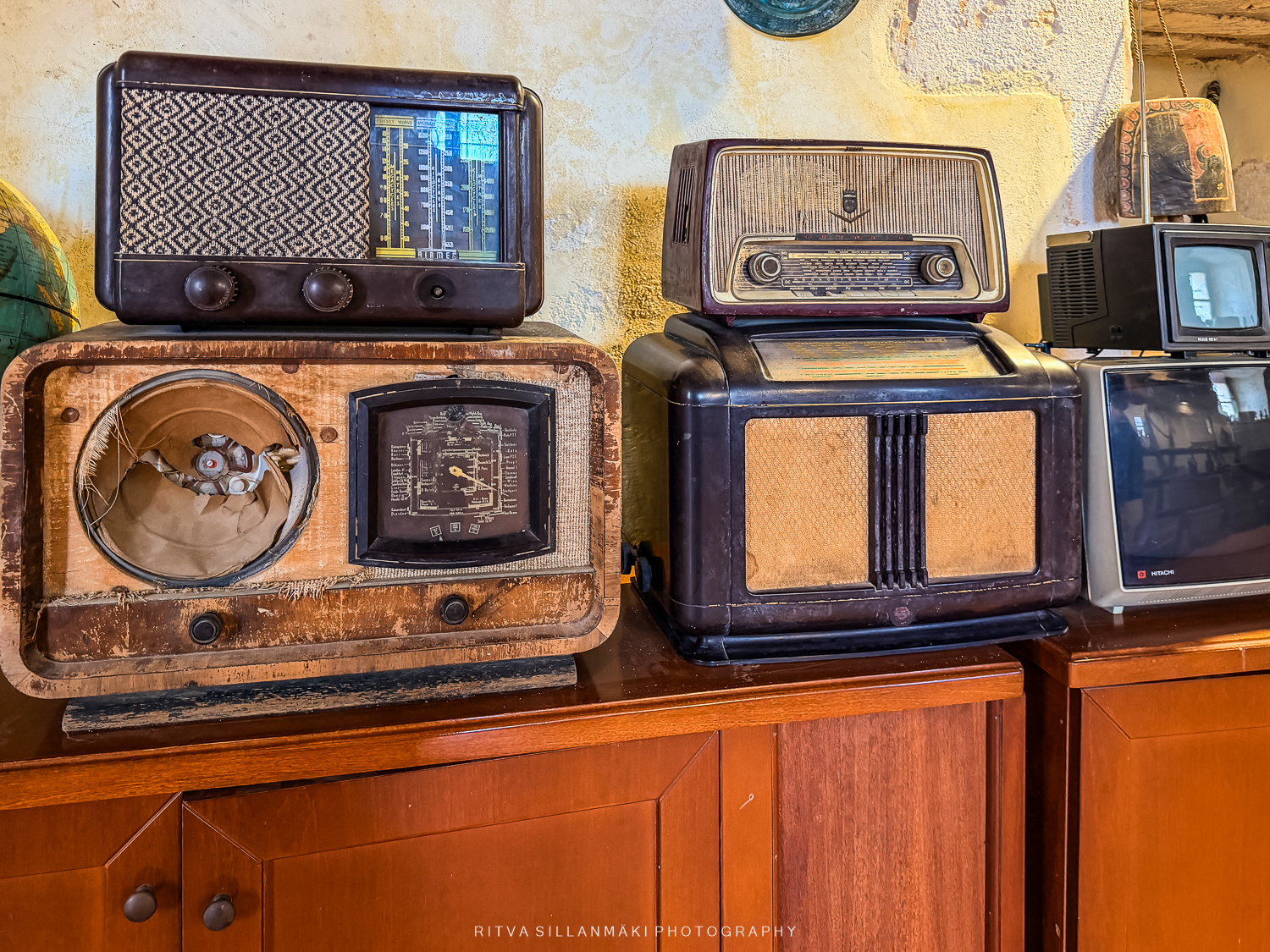
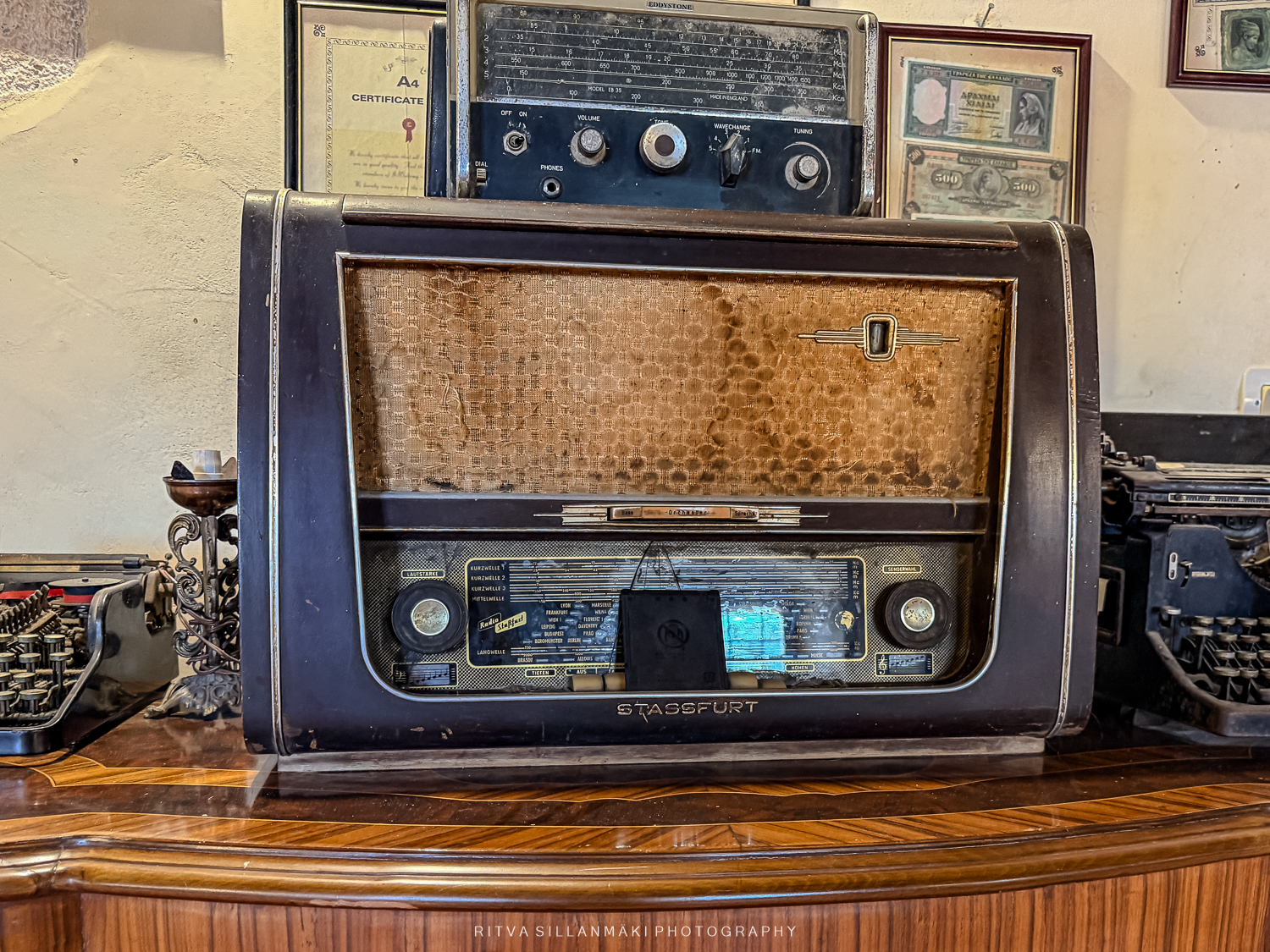
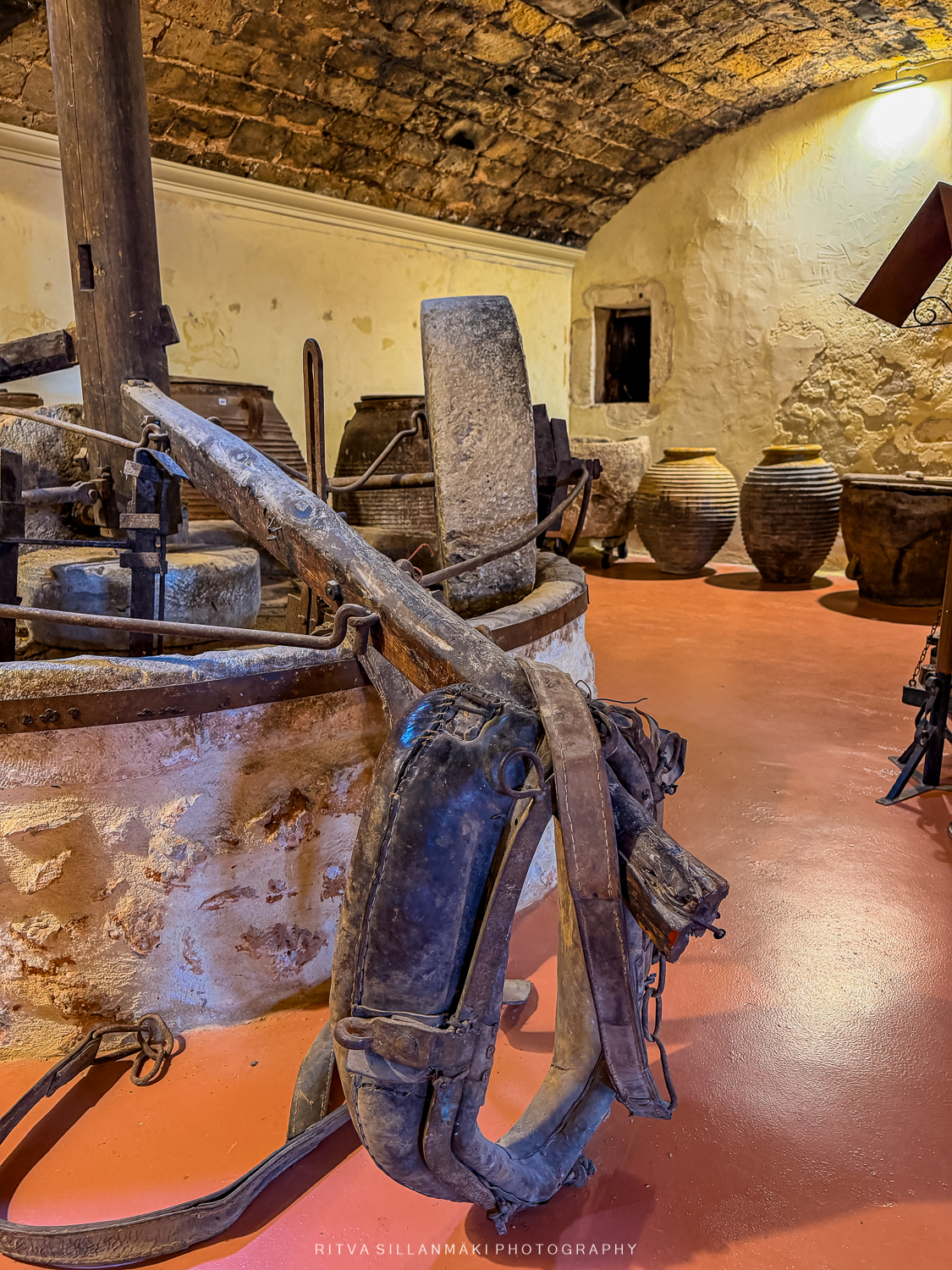
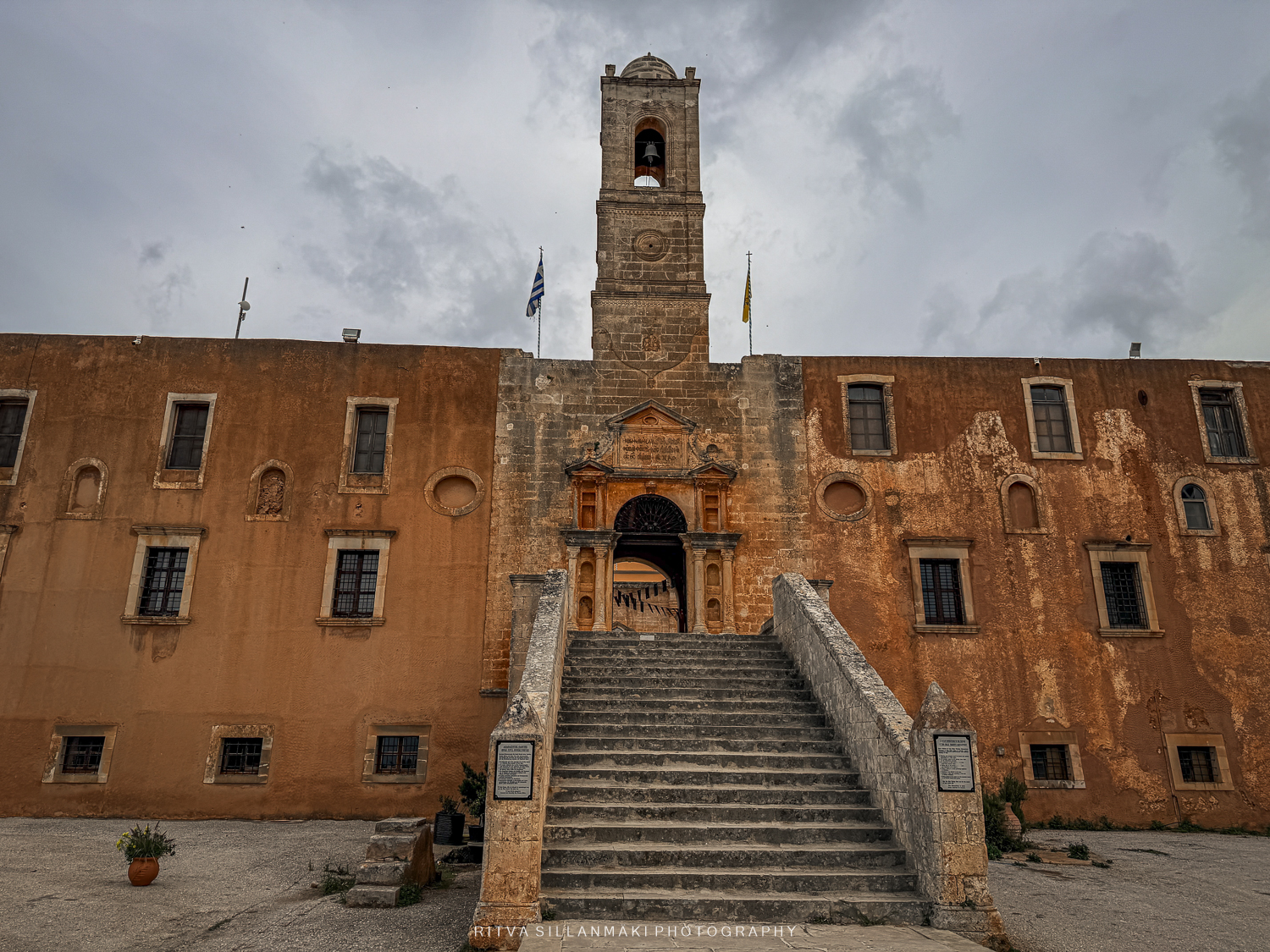
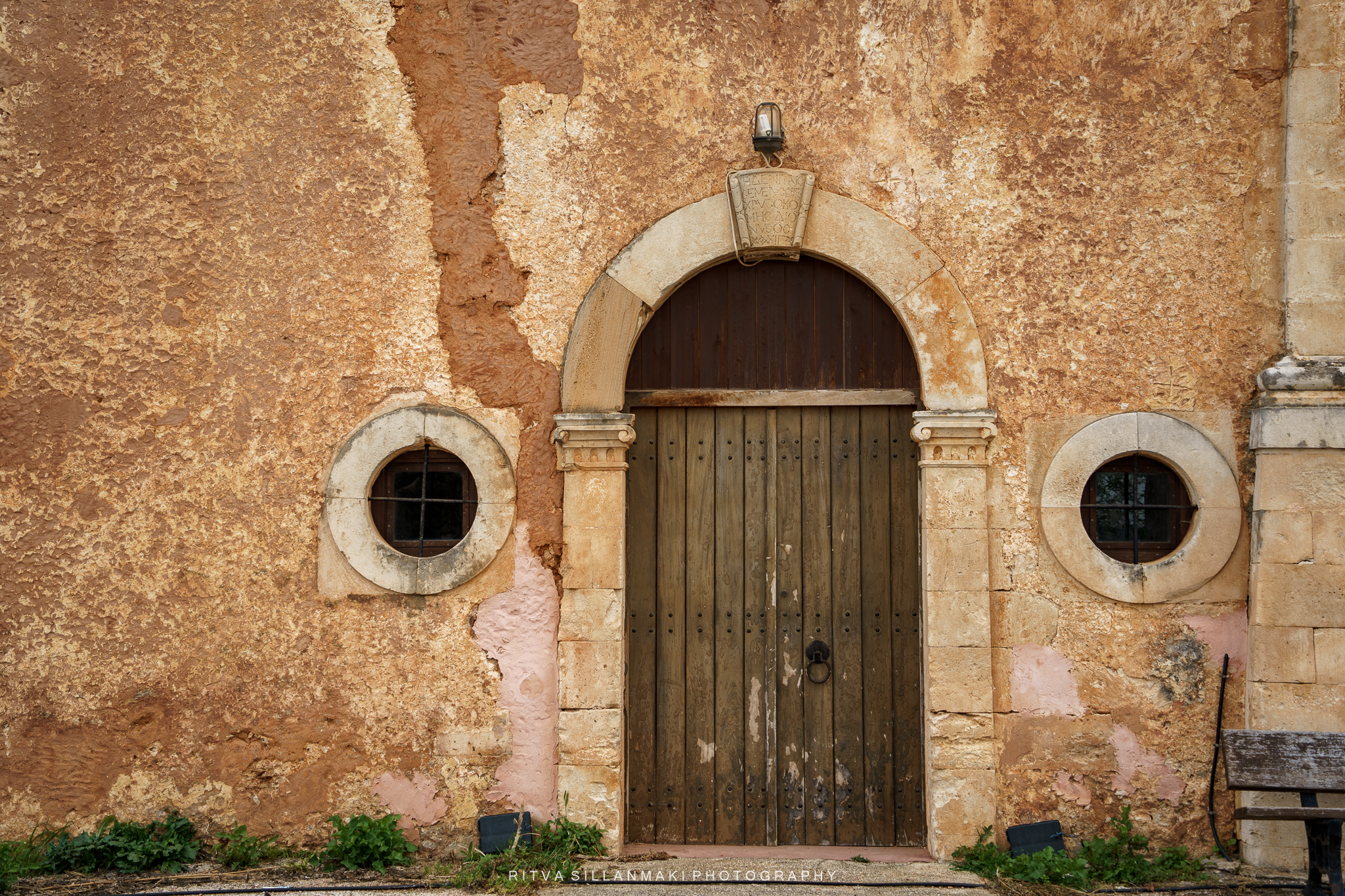
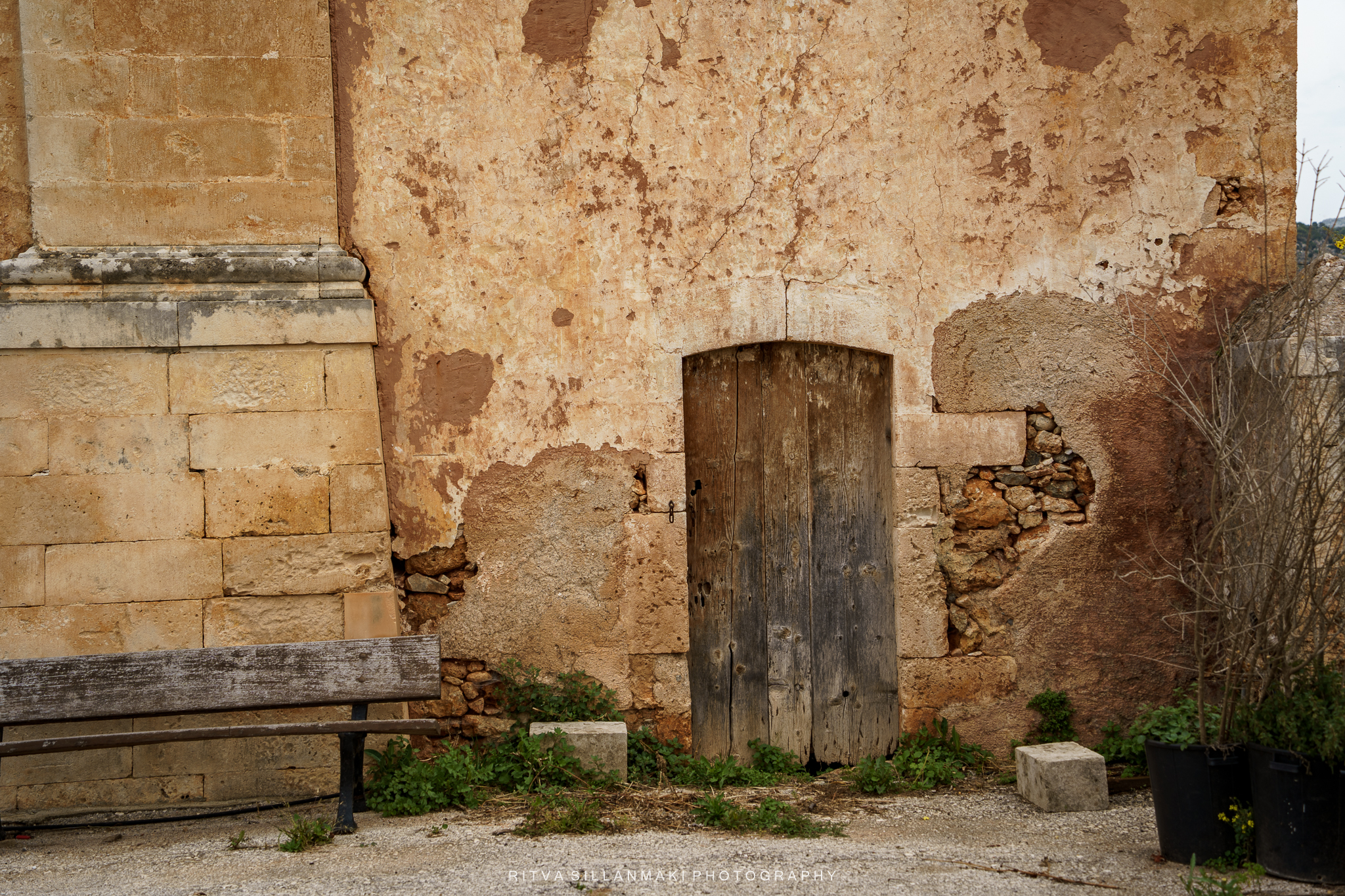
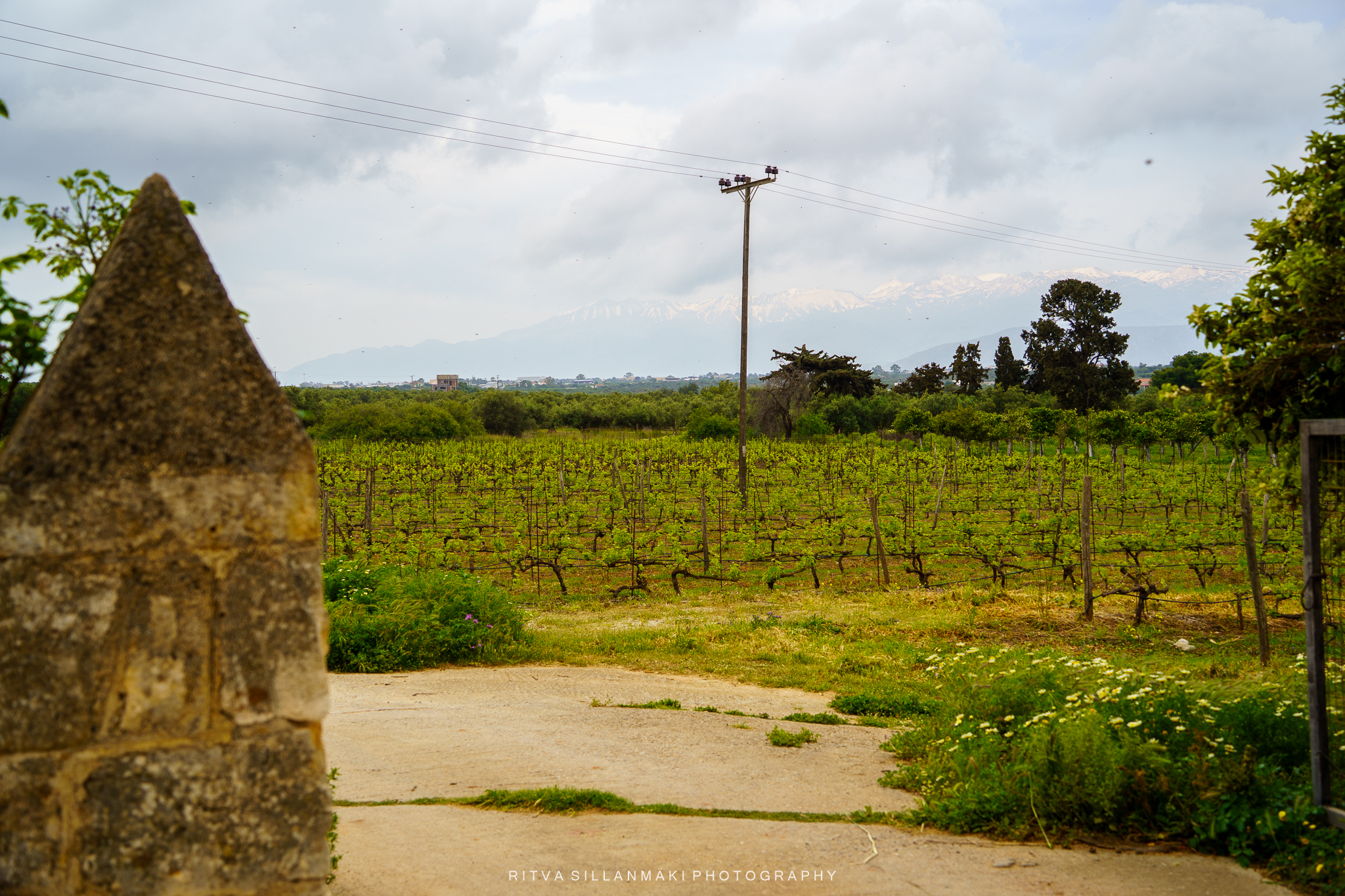
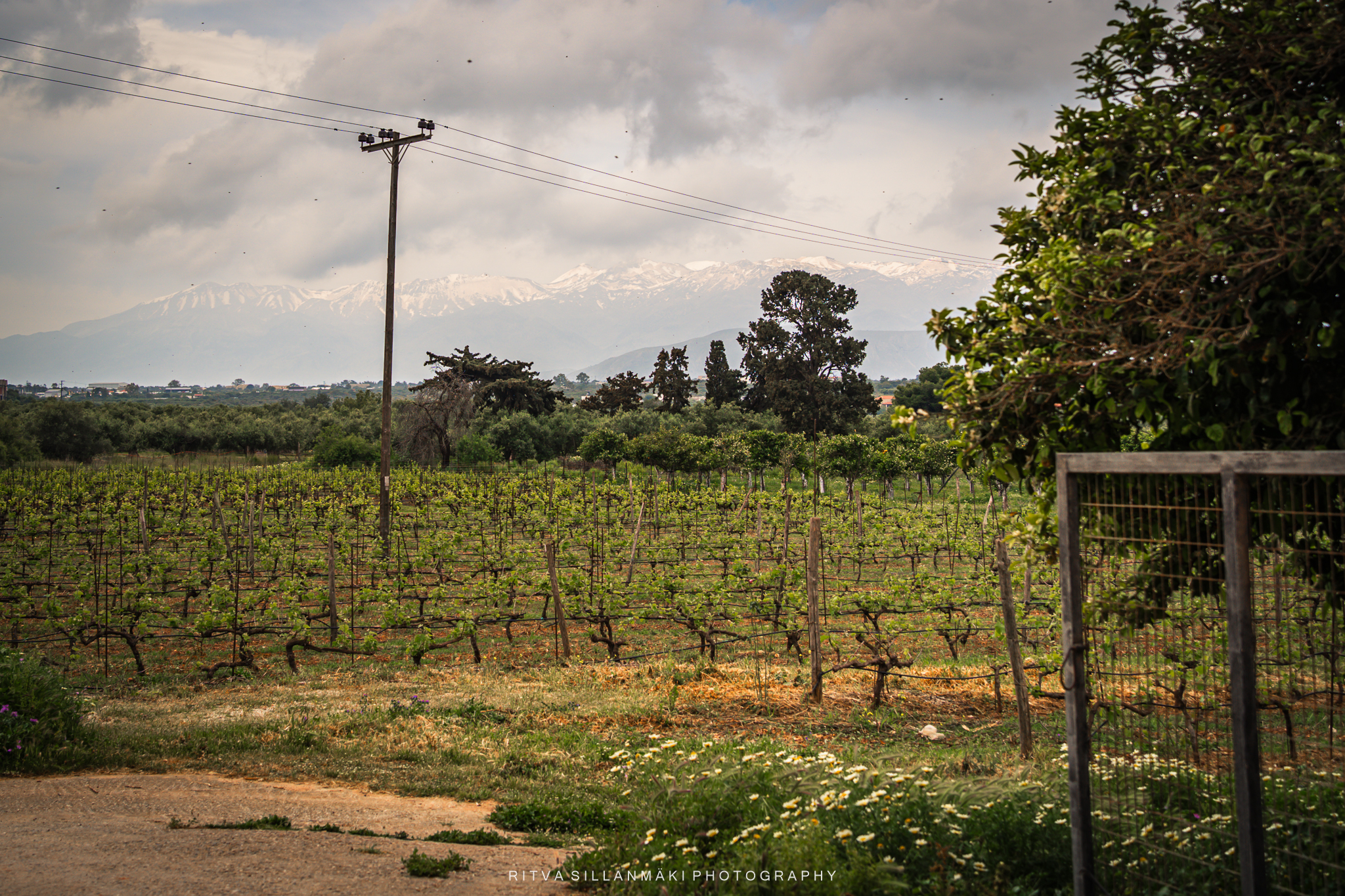
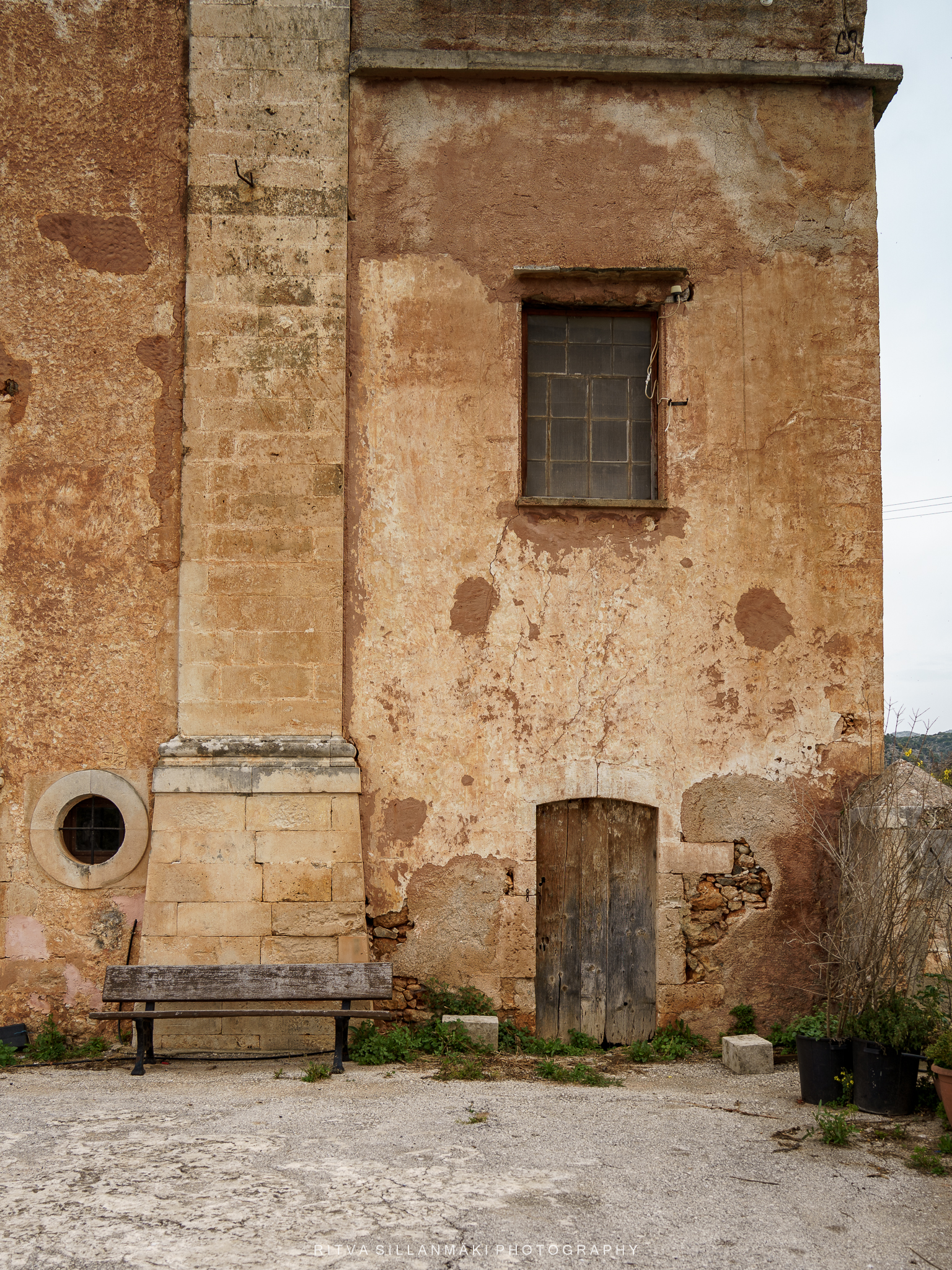
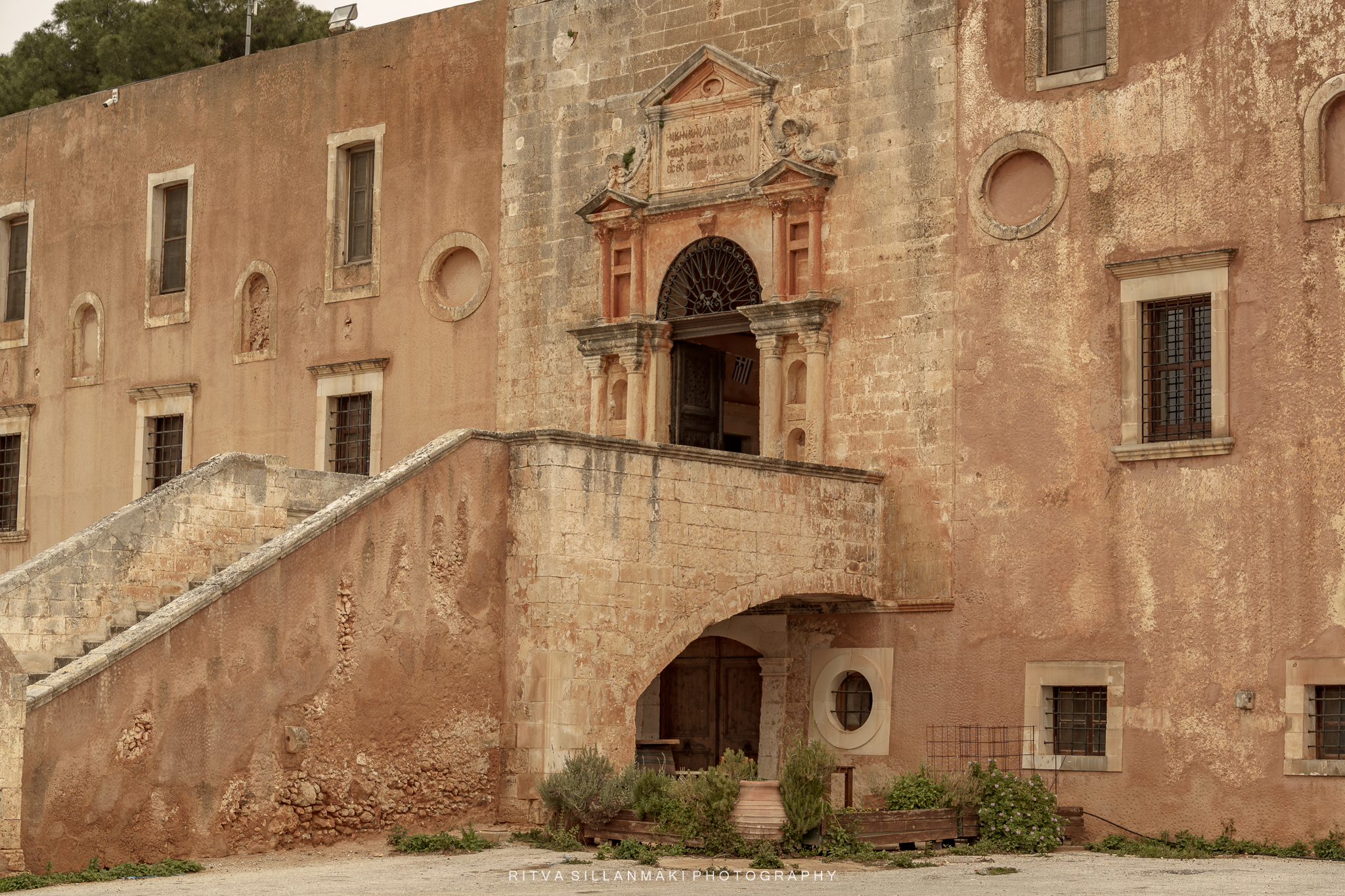
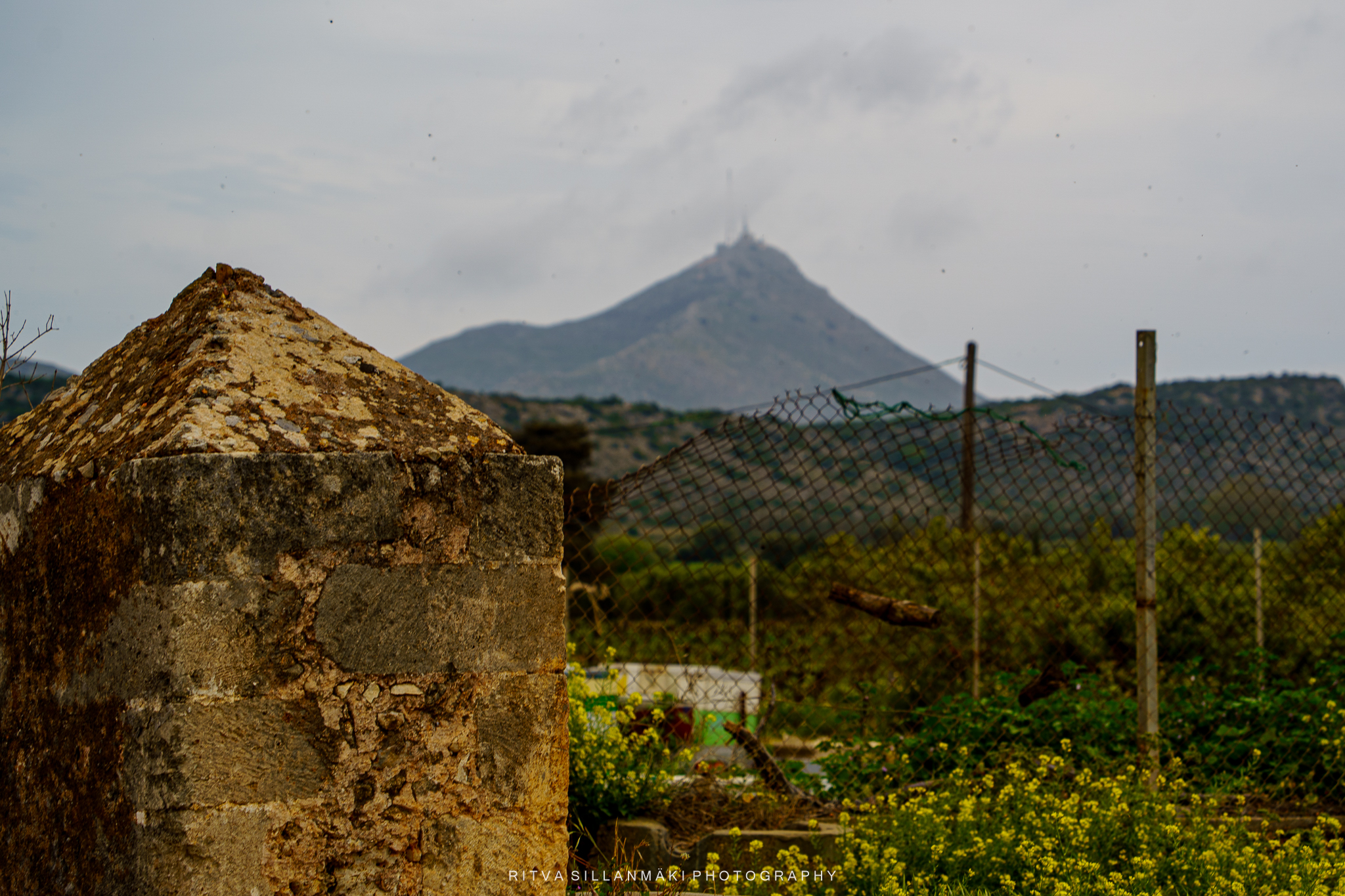
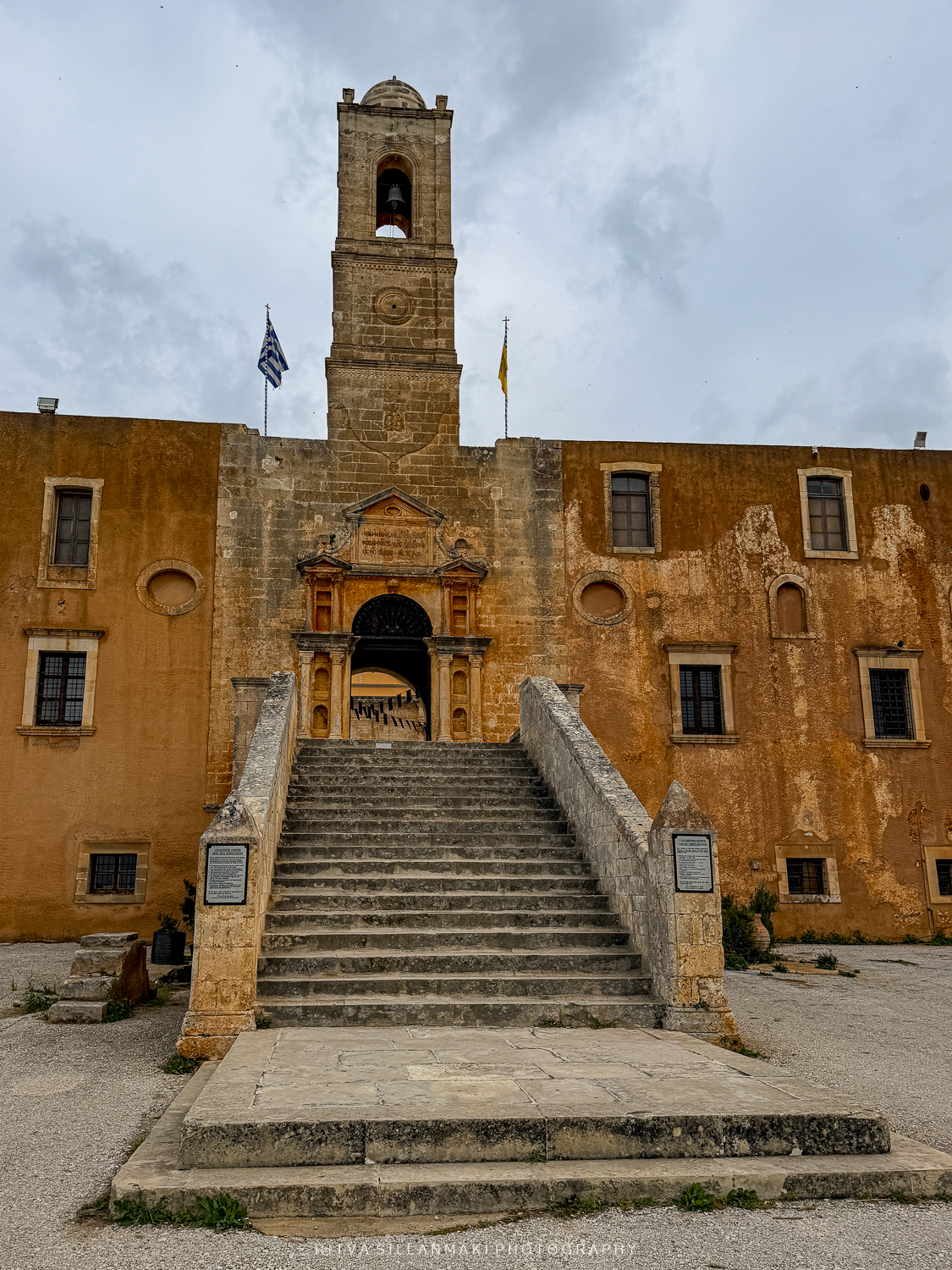
I read about the historic Monastery of the Holy Trinity of Tsangarolon (Agia Triada Tsangarolon), located on the beautiful Akrotiri peninsula in Crete, just 15 kilometers from Chania. It was established in the early 17th century by the Tzagarolon brothers during the Venetian era, and I love how it reflects a unique blend of Venetian Renaissance and traditional Orthodox architecture. The Patriarchal Monastery of Agia Triada Tsagarolon is not only one of the most significant monasteries built towards the end of the Venetian Empire in Crete, but it also has an important place in the region’s history and education. Nestled at the foot of the Stavros mountain range, you can find it in the serene “Tzompomilos” area of Meleha cape.
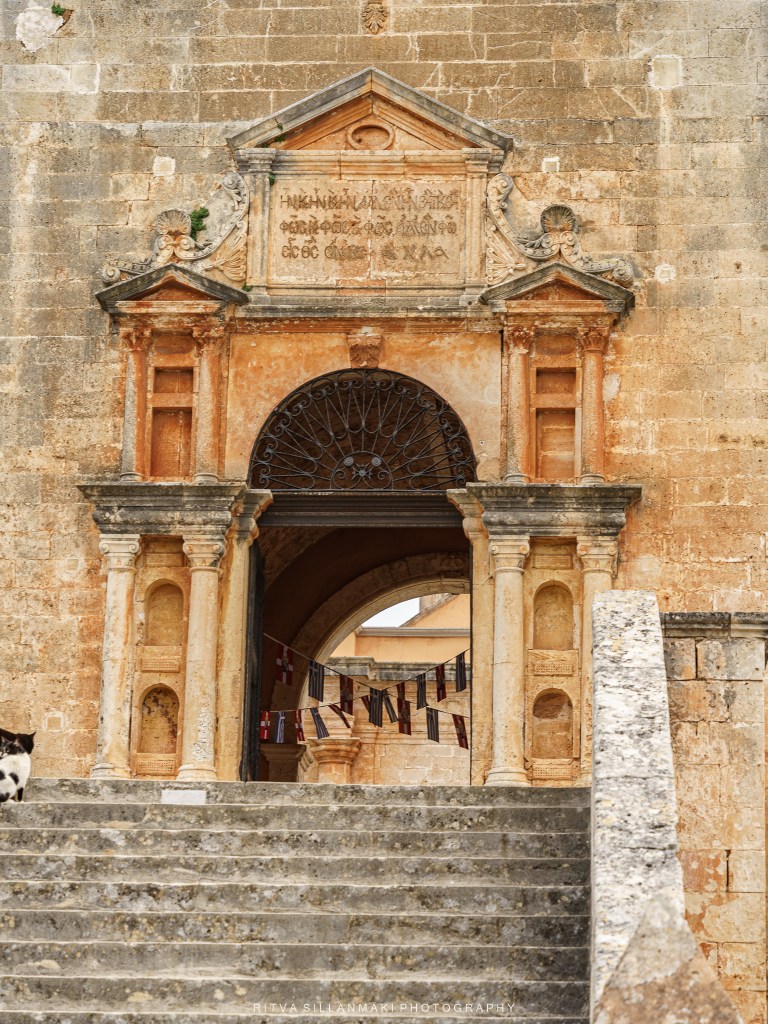
“There was and was and was, but there was only one, is one and shall in all future be one, light and light and light, but only one light, indeed one God, 1631.”
The text refers to the Holy Trinity by repeating the words three times, which directly applies to the name of the monastery.