Juveninkoski Waterfall A Hidden Gem

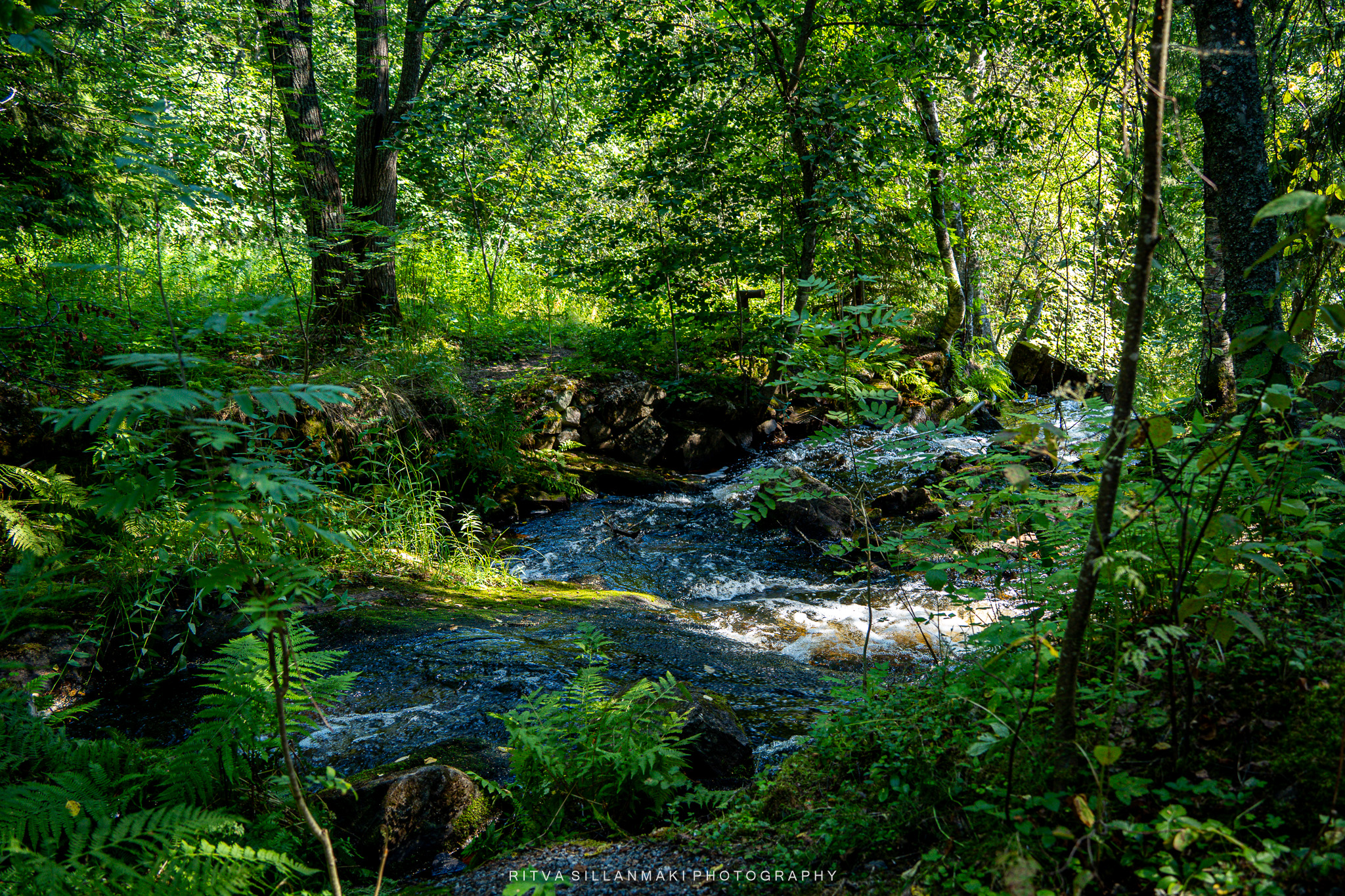
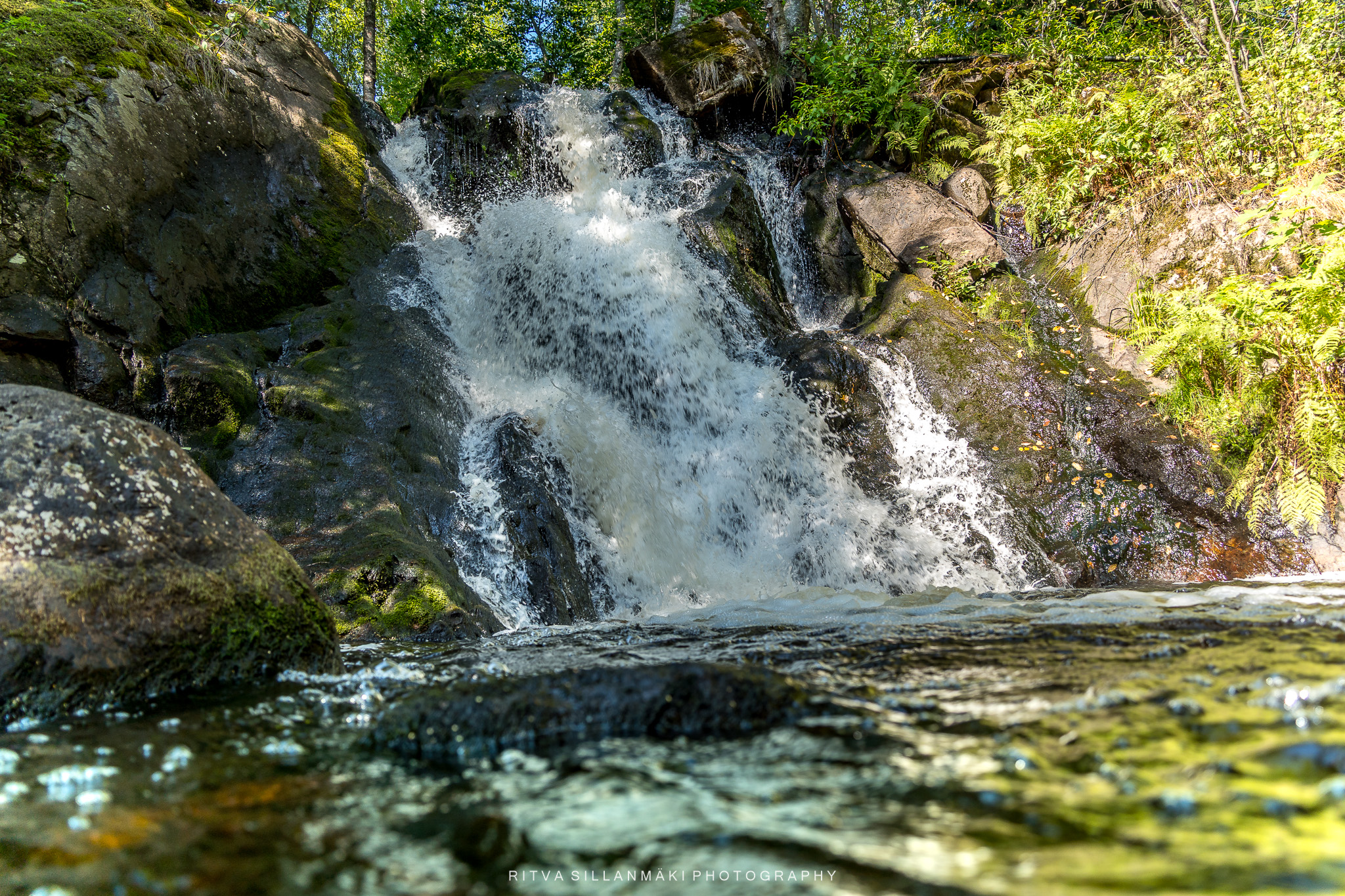
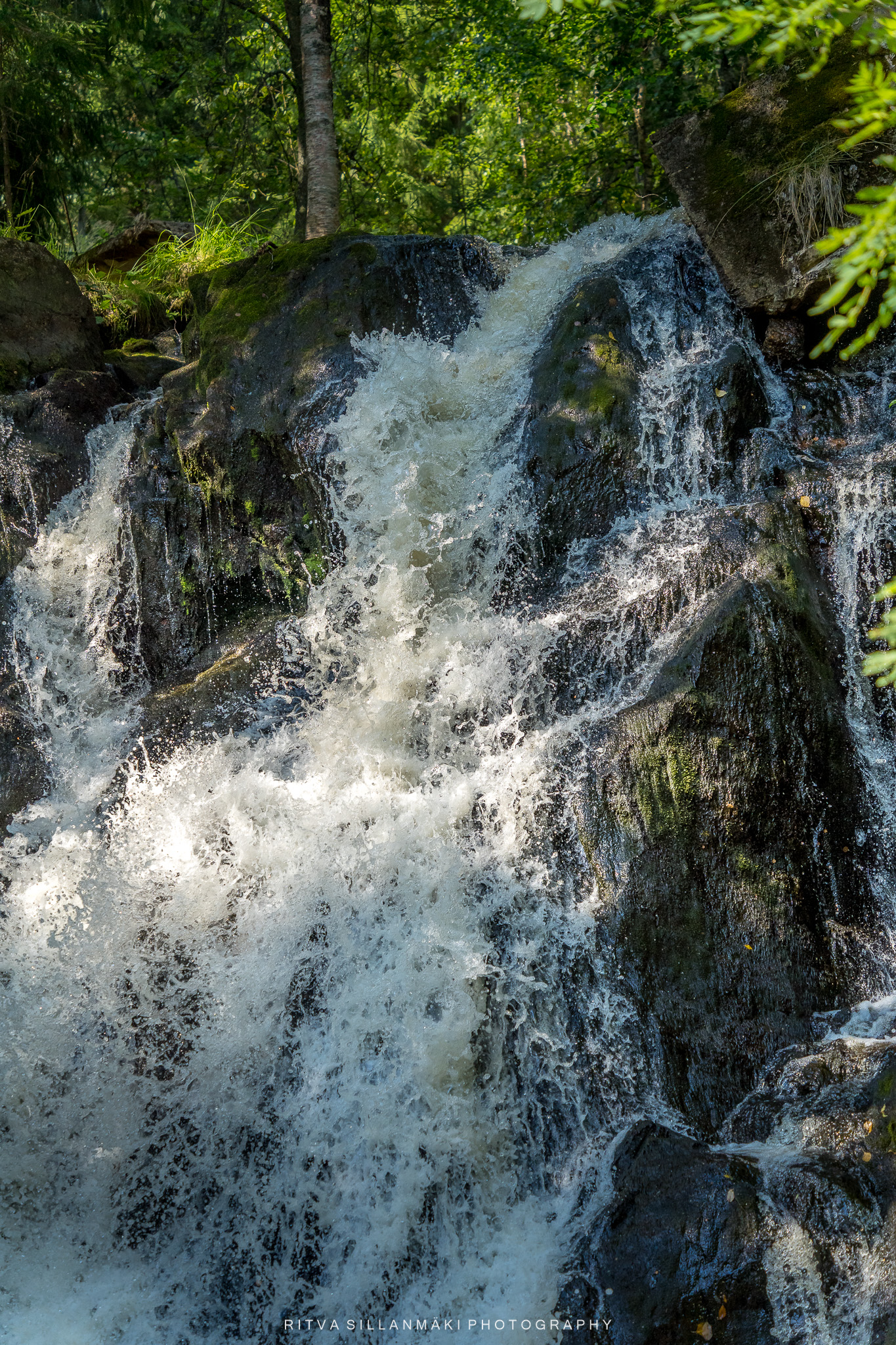
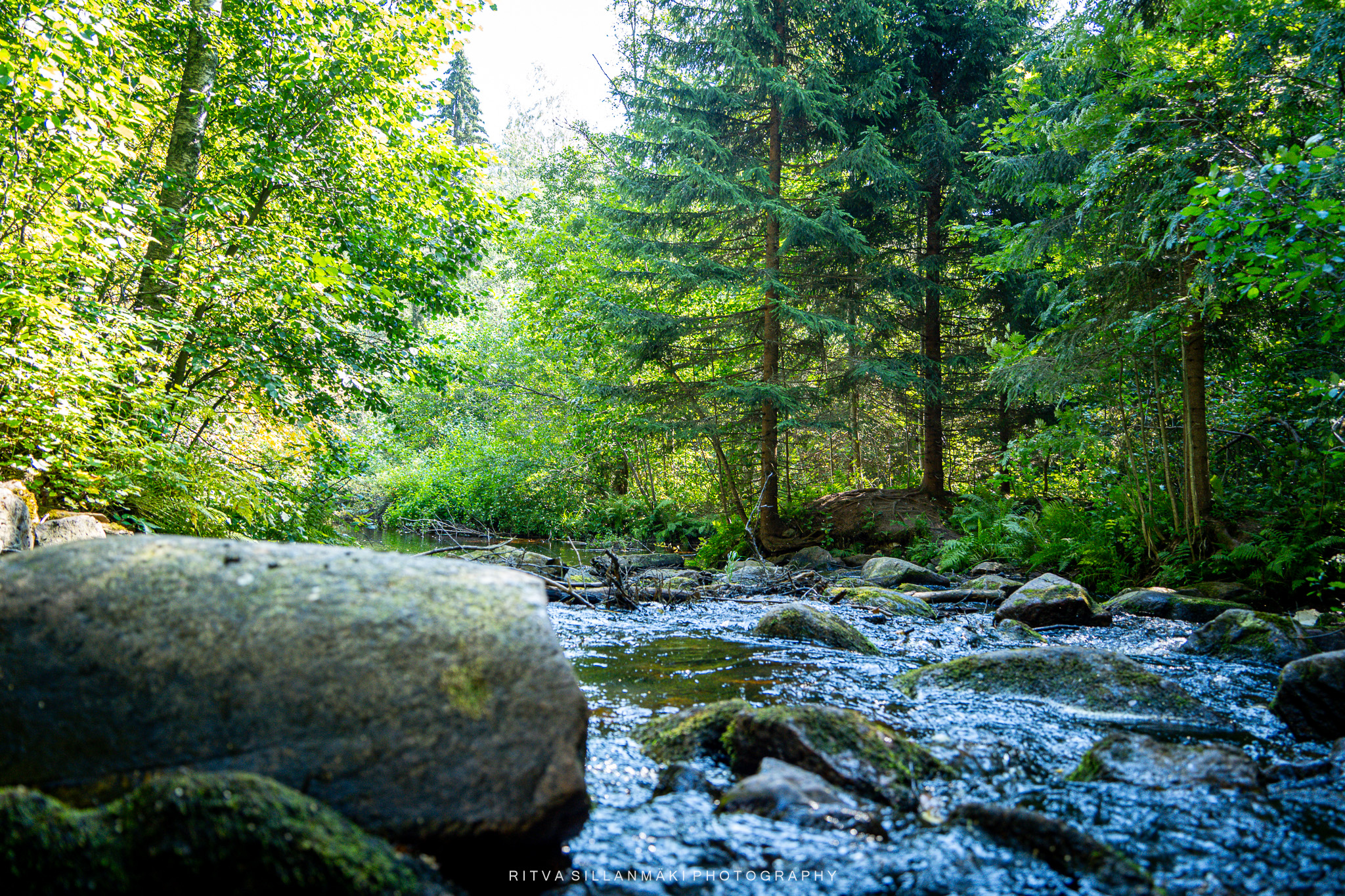
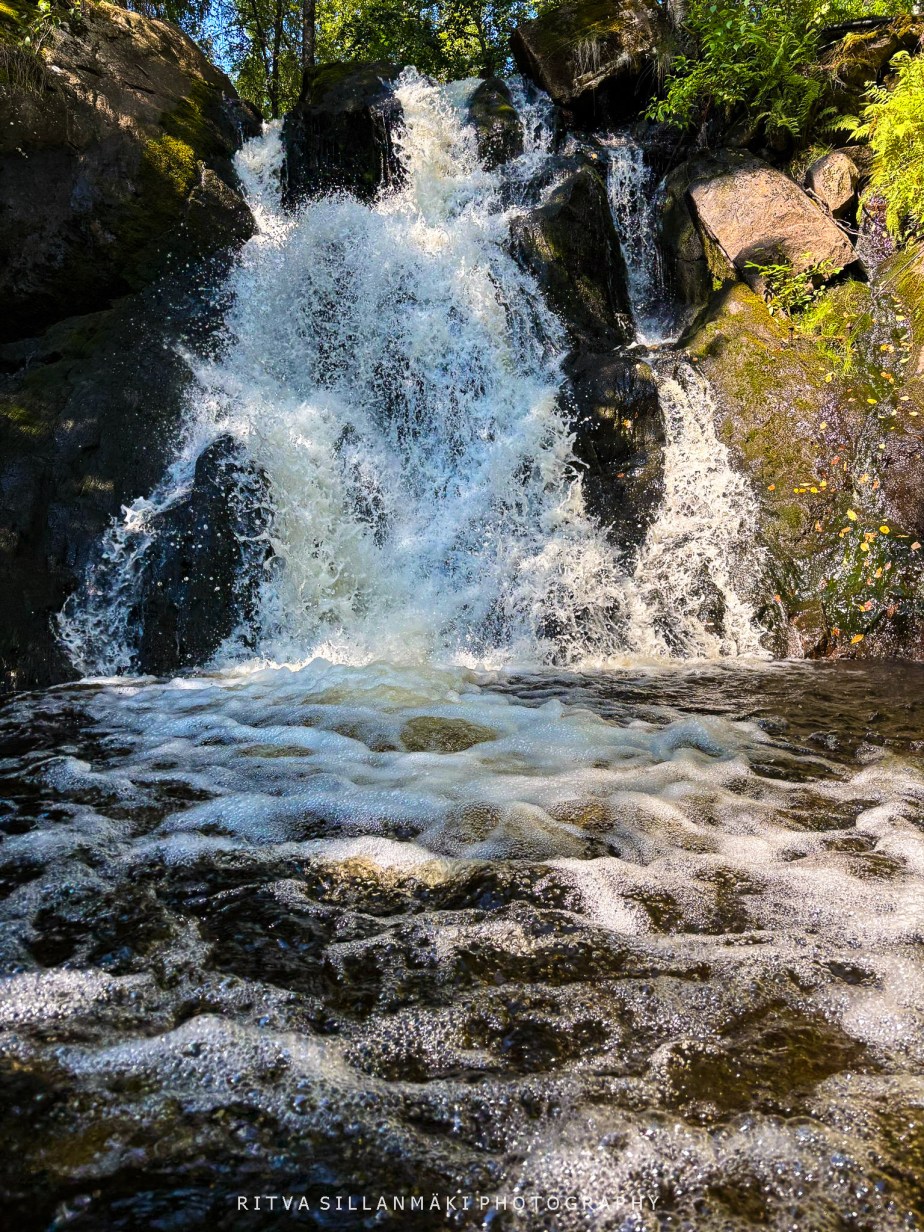
I am going to share these images from the summer in Juveninkoski, Finland for Sunday Stills: Fountains and Falls. The cascading water, while not enormous in size, offers a charm that captures the essence of nature’s beauty. There’s something incredibly soothing about the sound of flowing water as it dances over the rocks, that appeals to all our senses. This place, surrounded by lush greenery makes you appreciate the simple joys that nature provides.
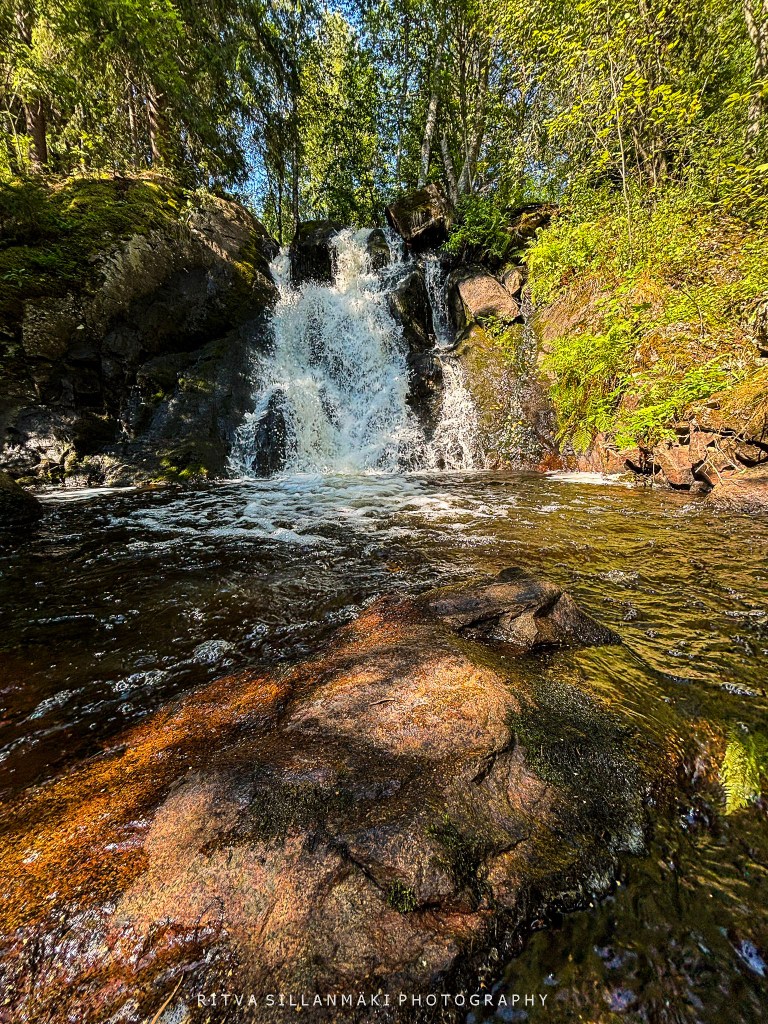
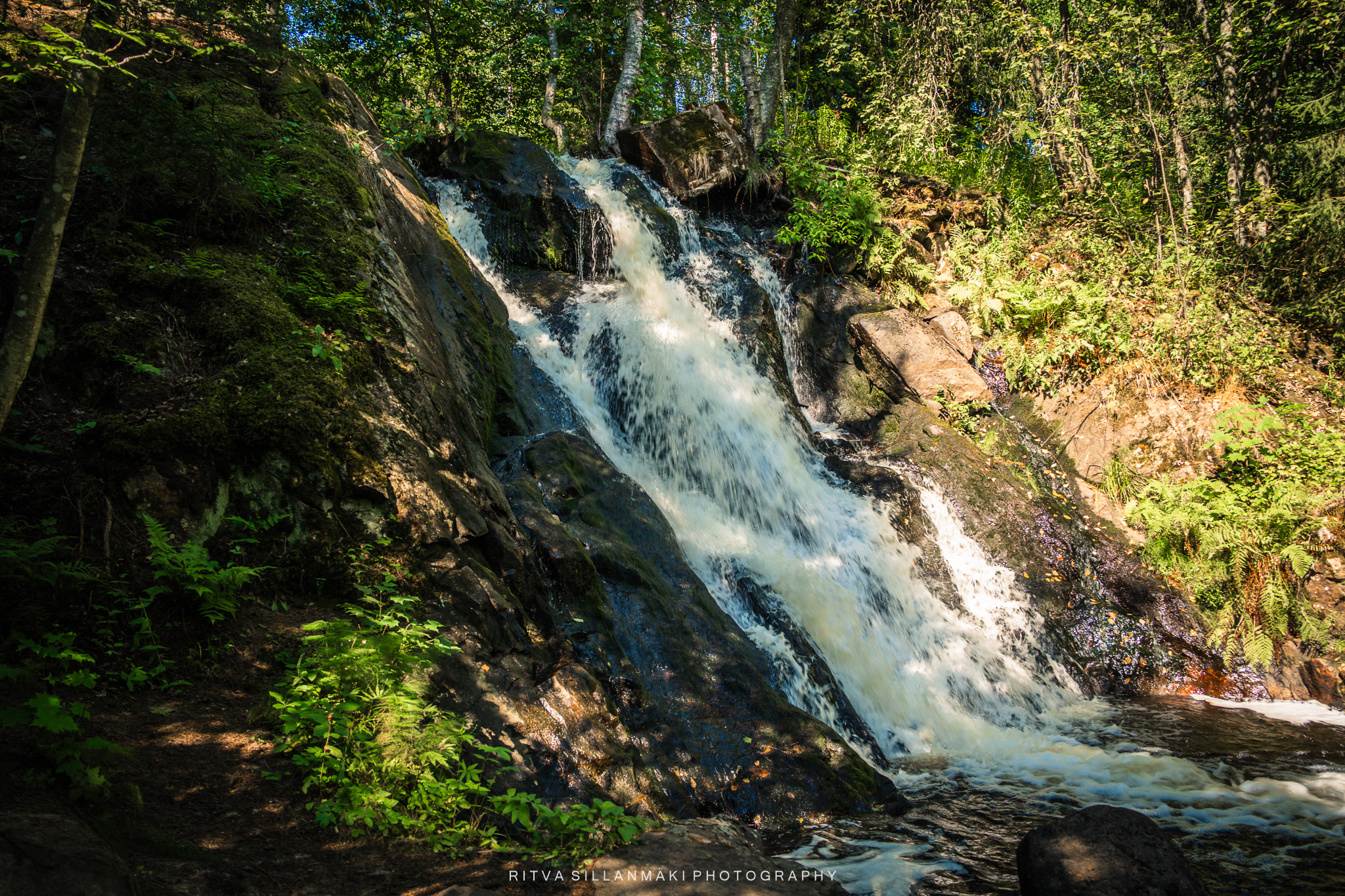
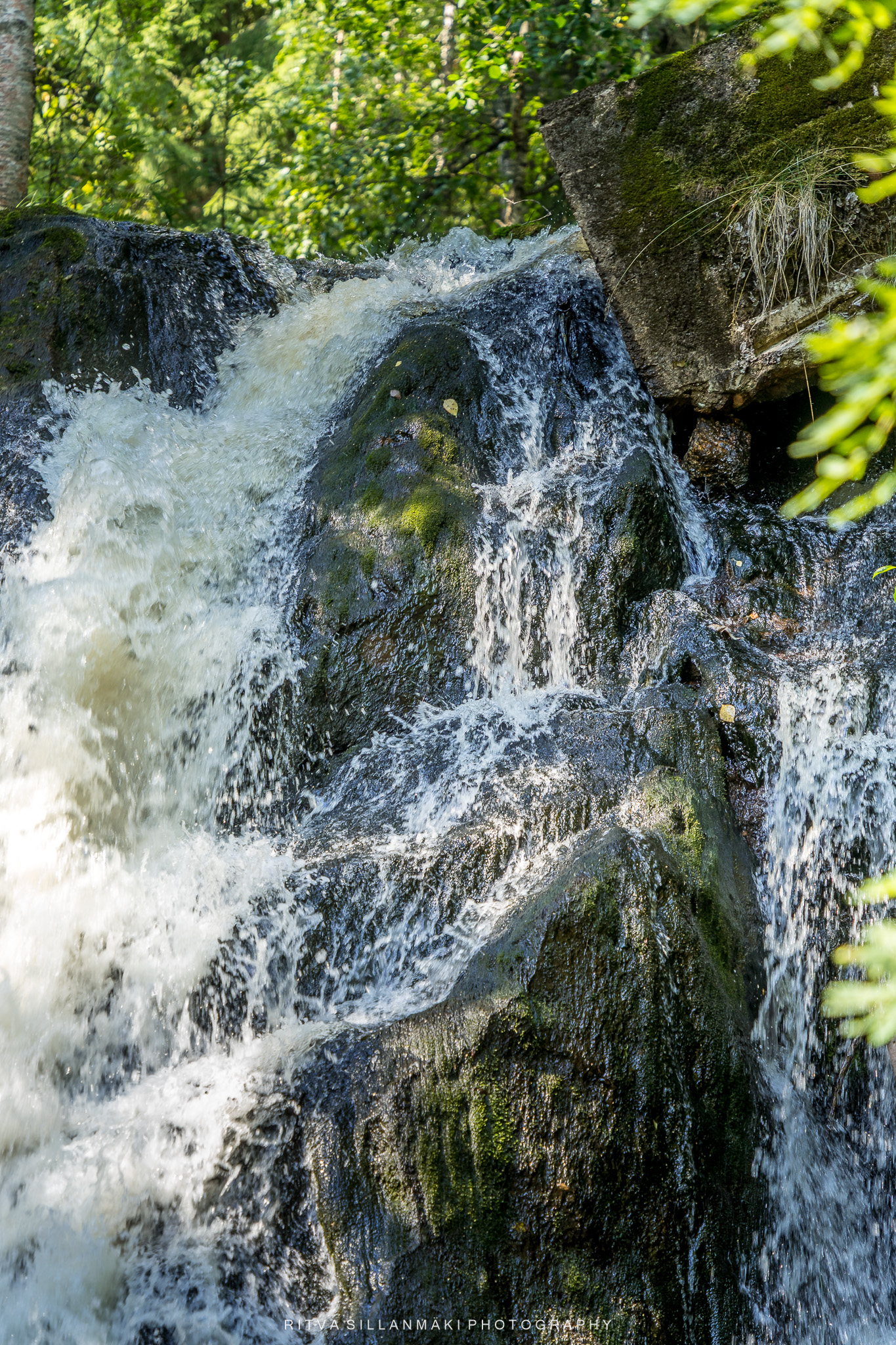
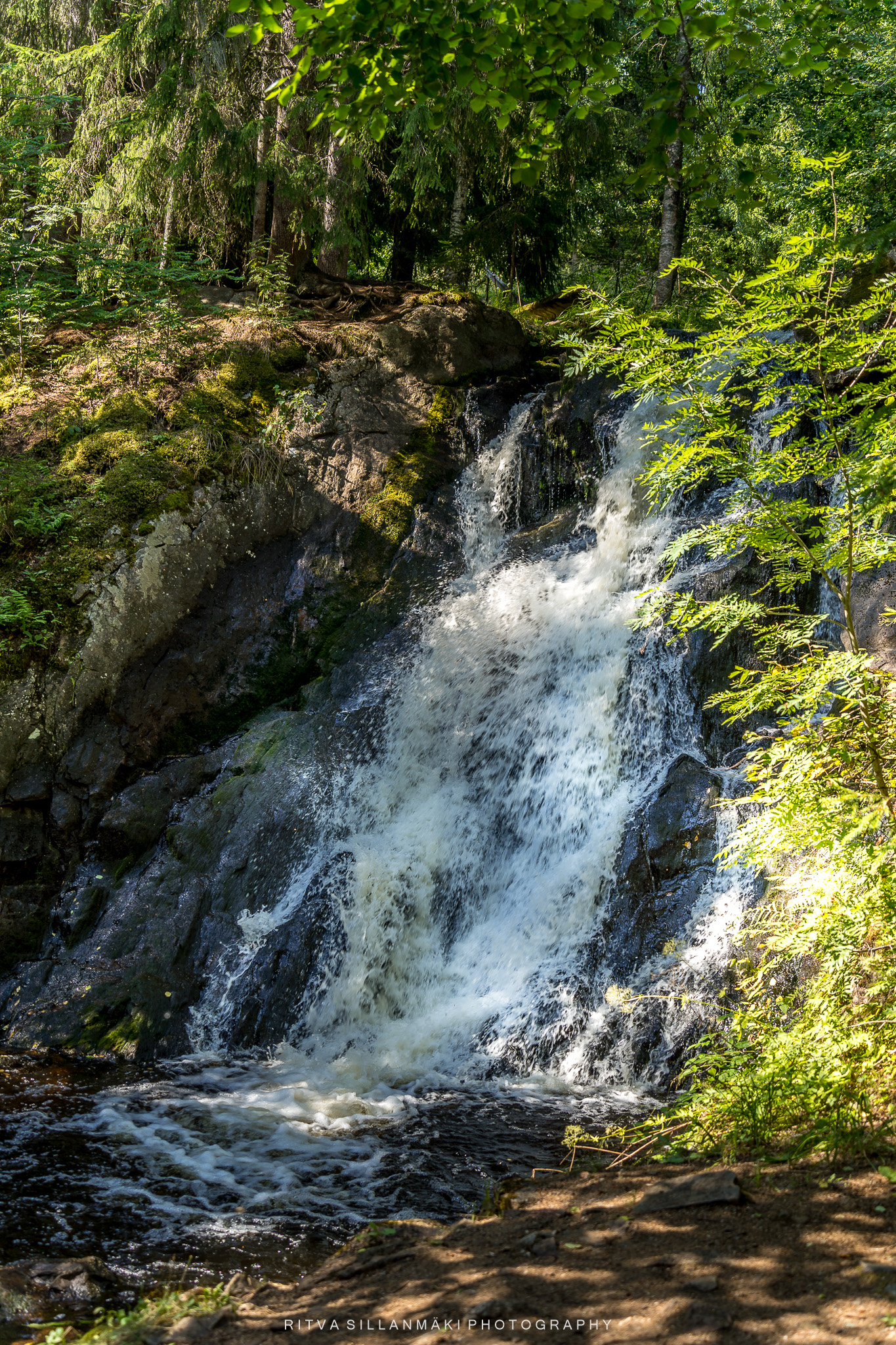
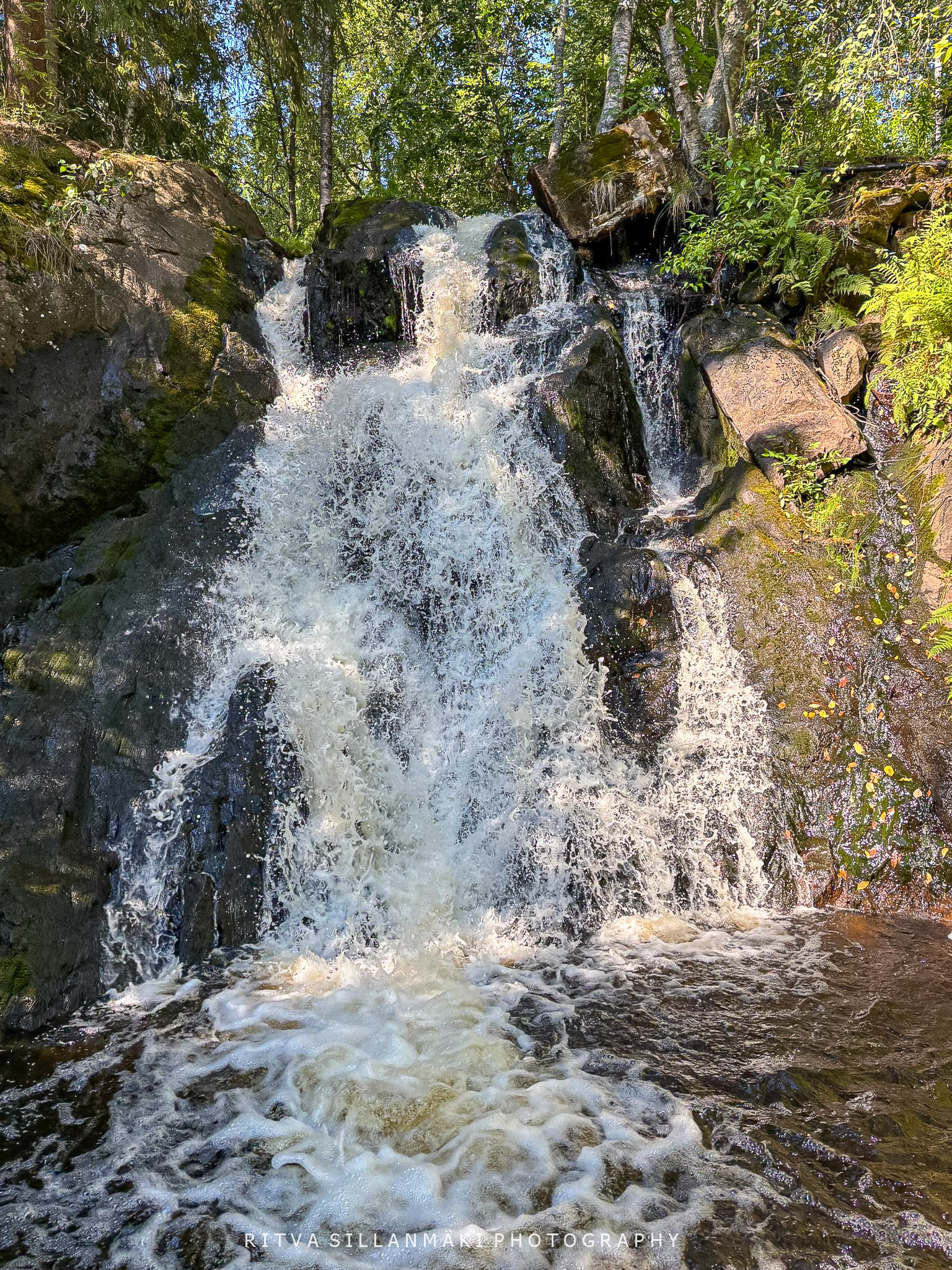
Juveninkoski waterfall in Finland showcasing its natural beauty and steep drop.

Juveninkoski is an almost vertical waterfall in the village of Partala, in the town of Jämsä. It gets its water from the small Nytkymenjoki river in the area. The water plunges down a rocky cliff for almost 7 metres, but the total drop height of the rapid is even more than that. After the fall, the flow of the river slows down.

Click to enlarge photos.
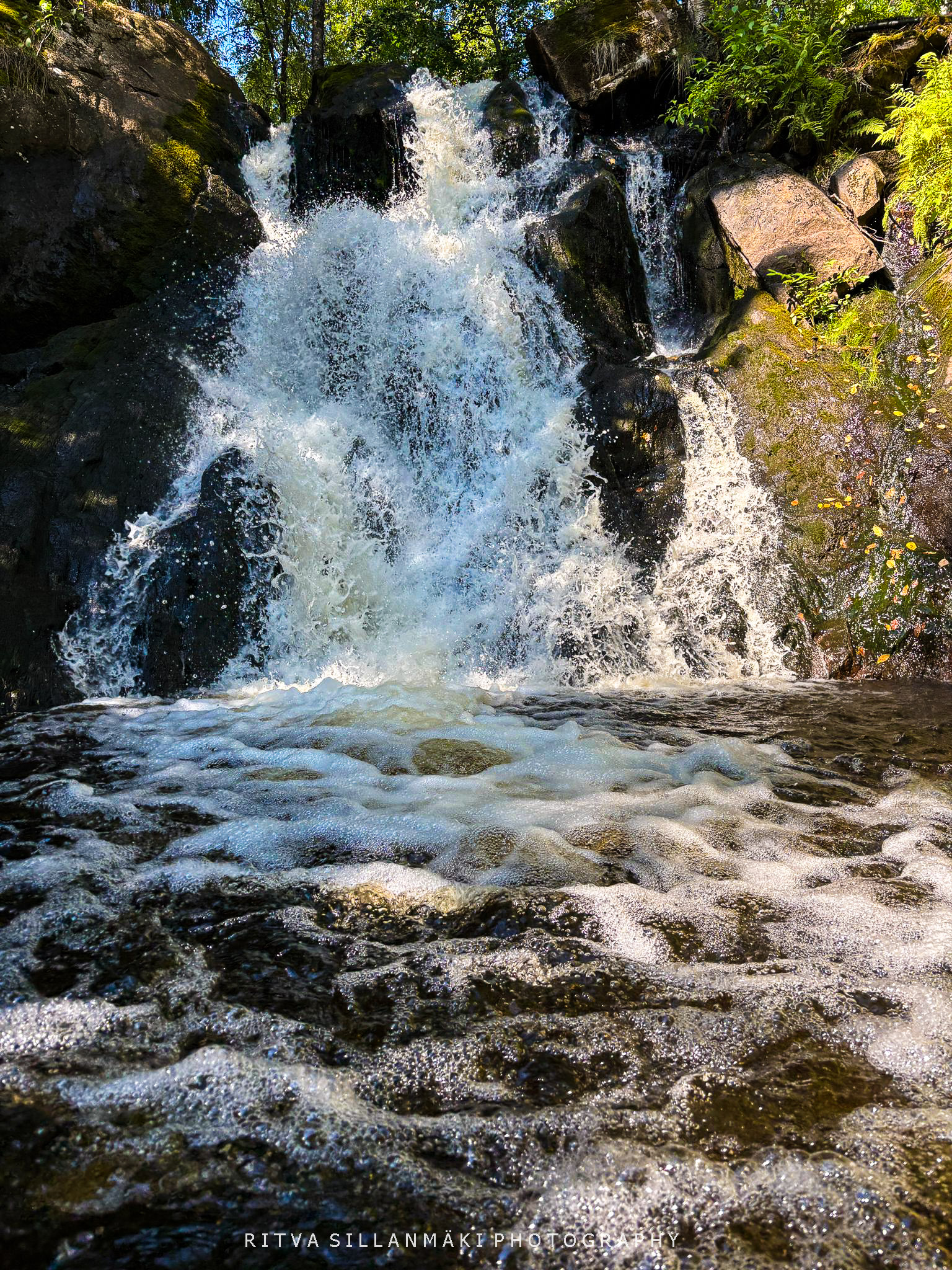
Juveninkoski is reportedly the highest and steepest free-flowing waterfall in Central Finland, which is why it is one of the most famous nature sights in Jämsä today. Especially during the spring. Later in the summer, too, the rapid is a pleasant attraction as one can see the rapid in the green embrace of the surrounding trees and bushes that is when we drove to see it in August.
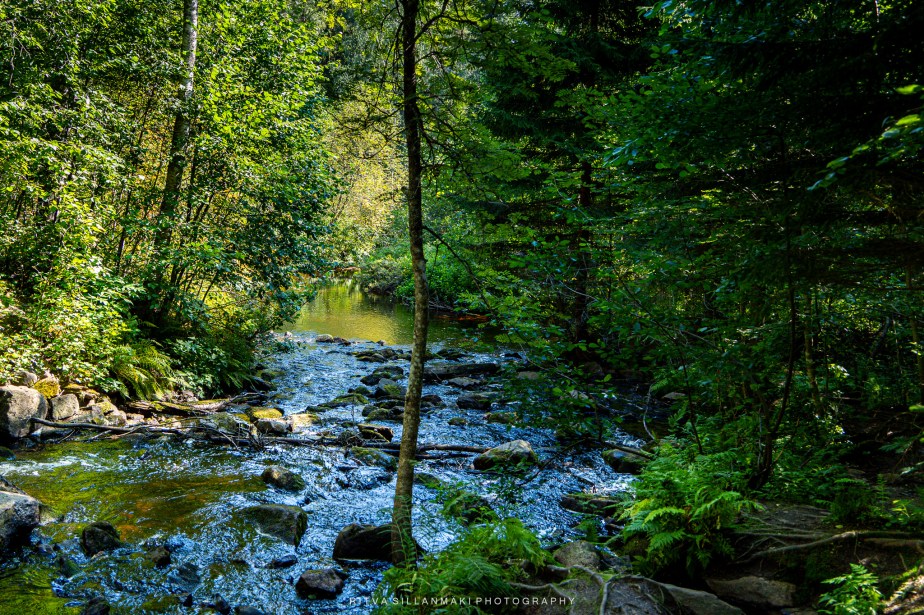
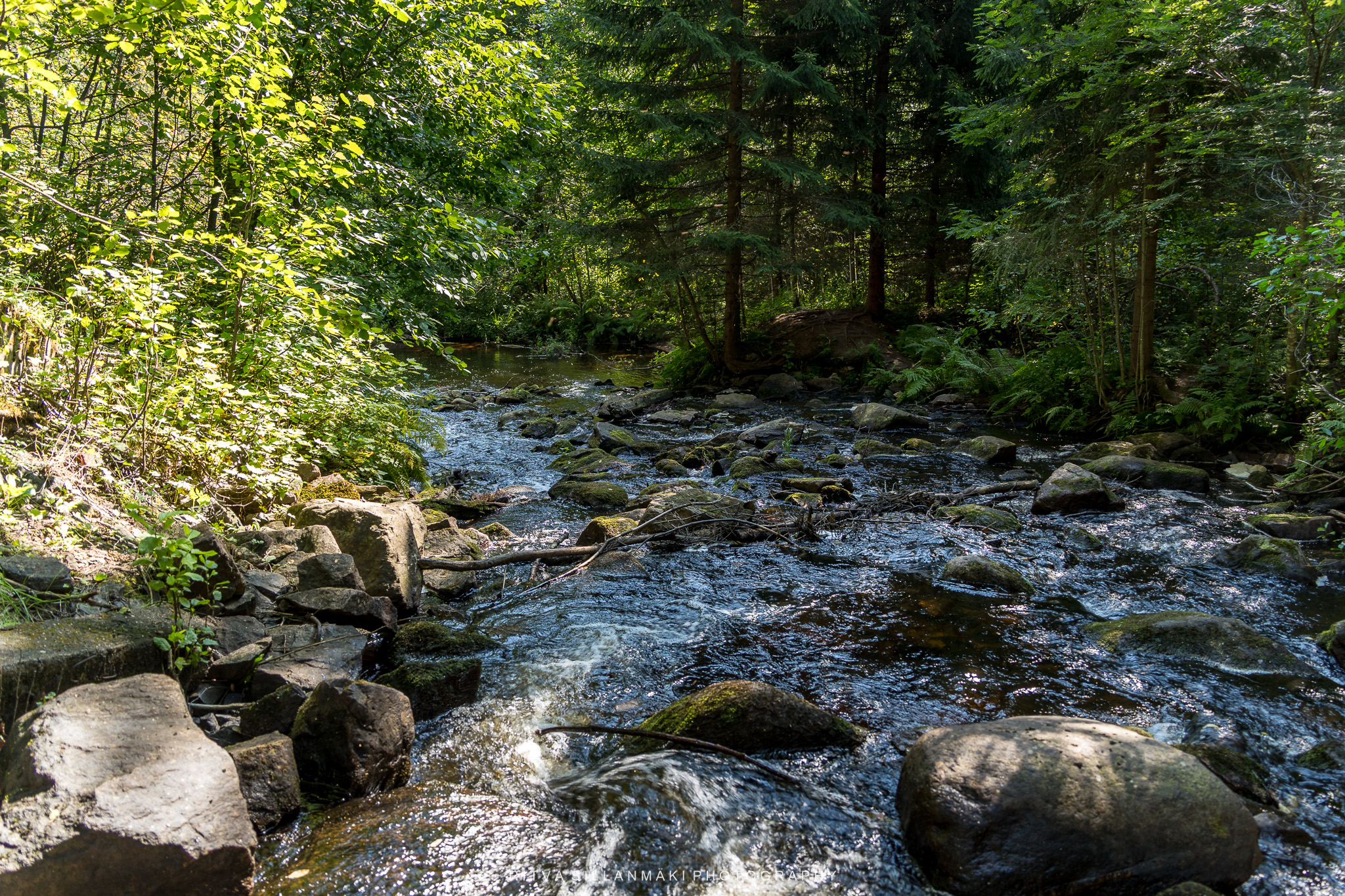
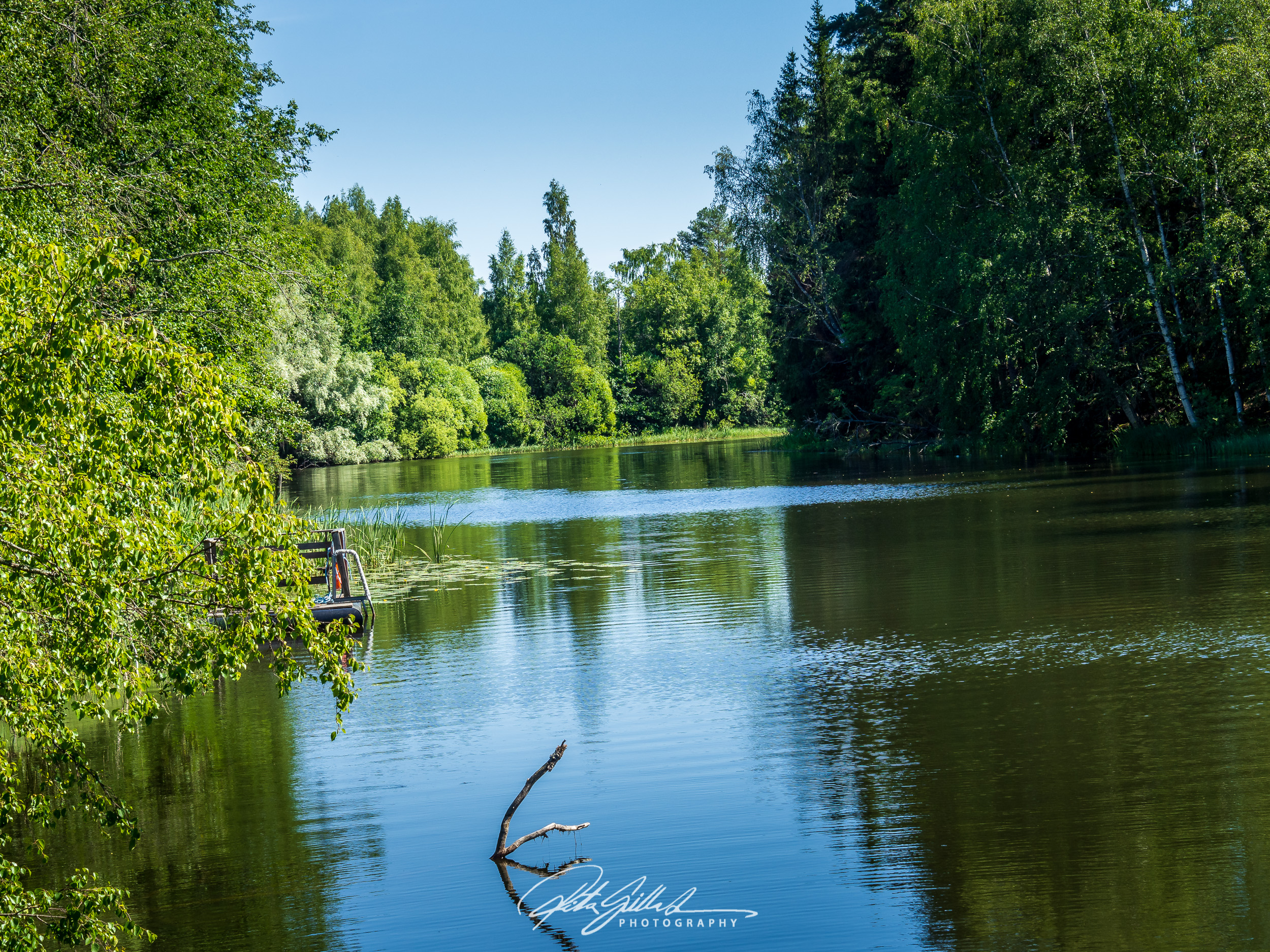
A view of the river leading to Juveninkoski waterfall, surrounded by lush green trees and rocky terrain.

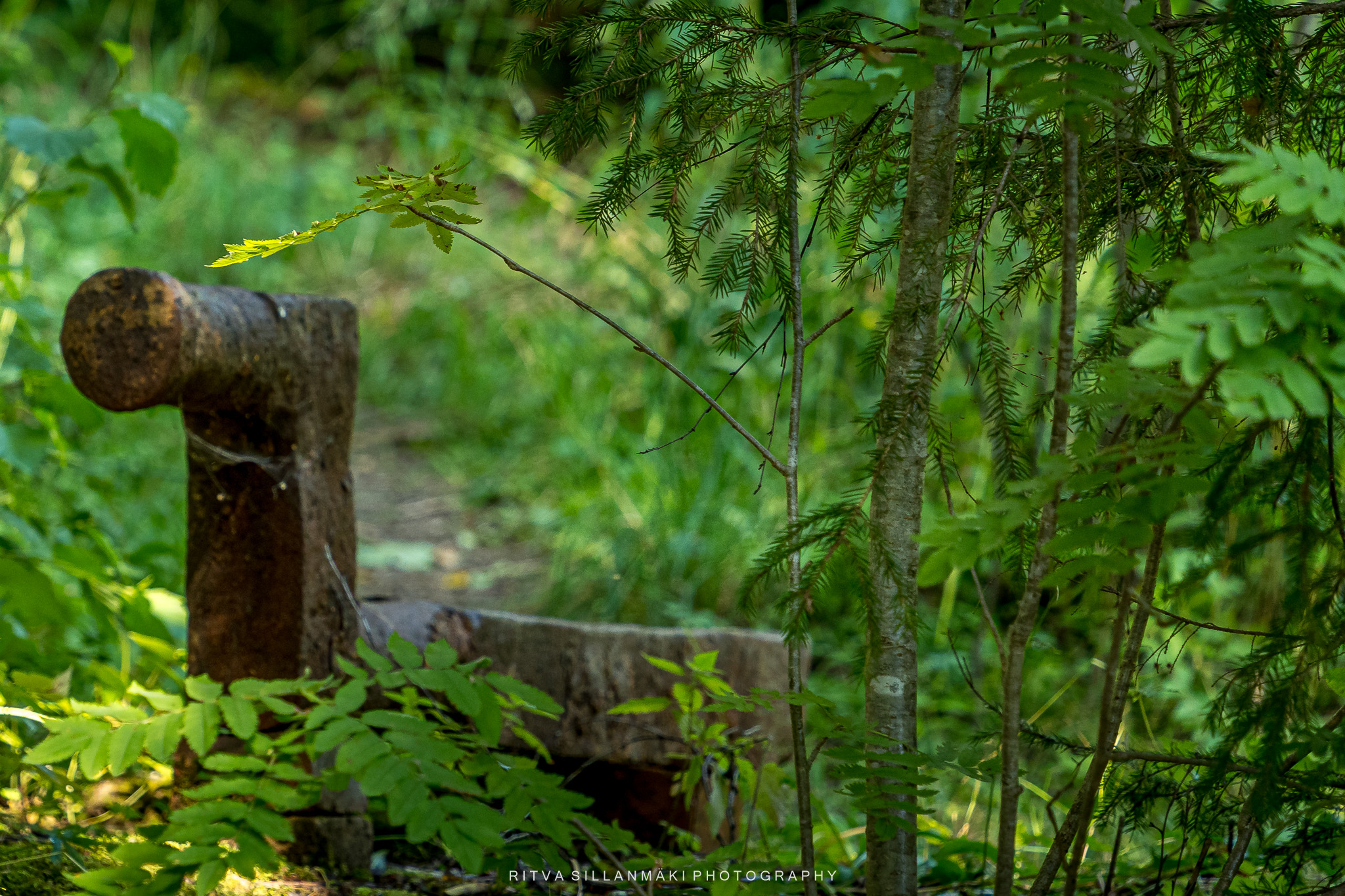
There used to be a mill and a ski factory at the river and, in addition, the river has been used for log floating. The fall has been named after Heikki Juvén, a ski factory owner born in Partala on January 10th 1907. Some remains from these past times, such as blocks of concrete, can still be seen in the rapid.

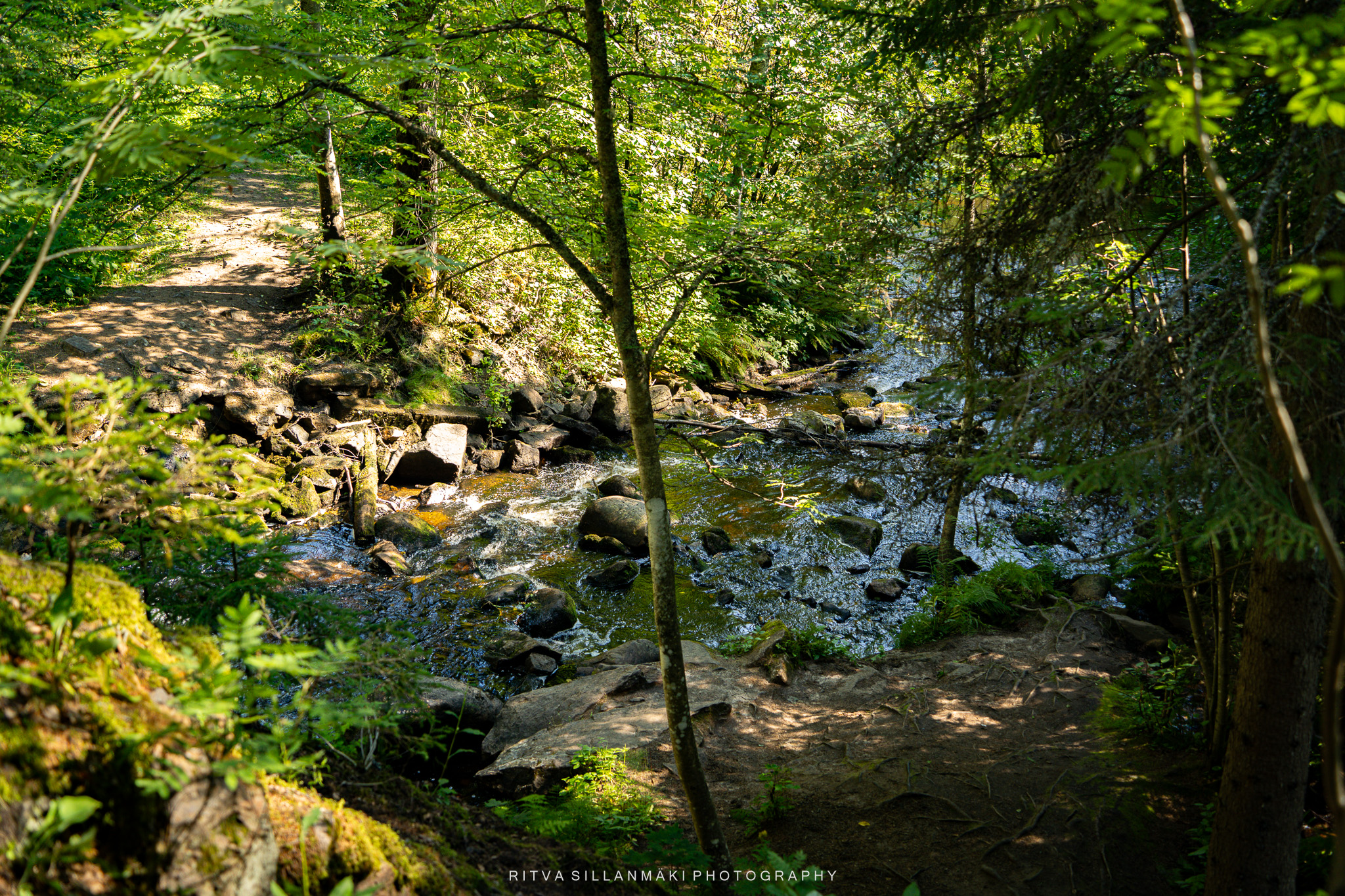
The descent is quite steep on one side, but on the opposite side of the rapid, there is a path that offers an easier way down.
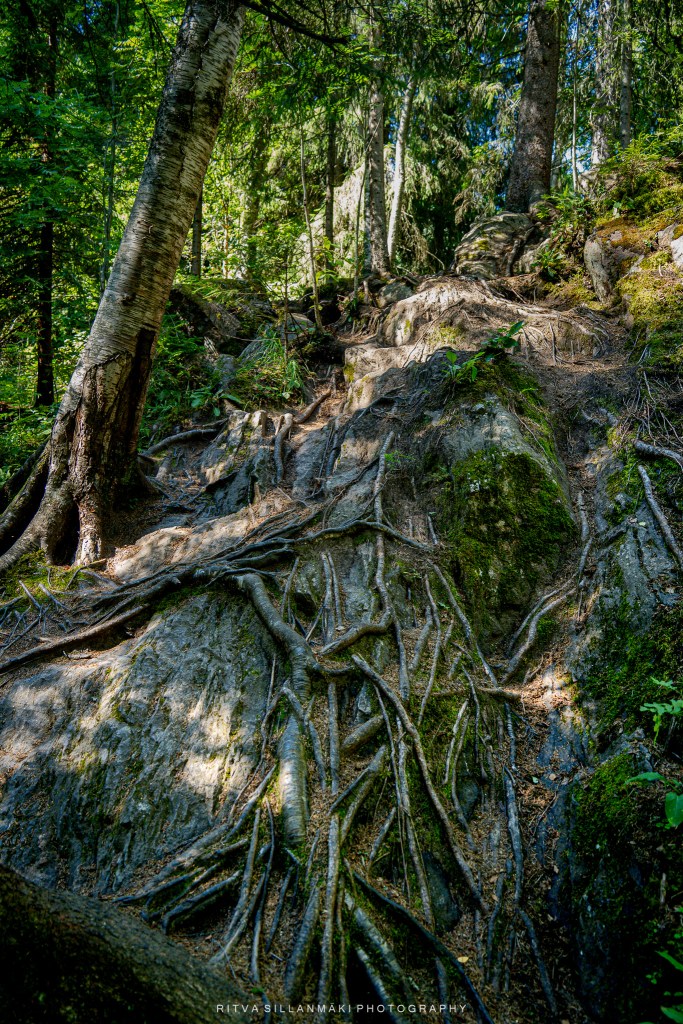
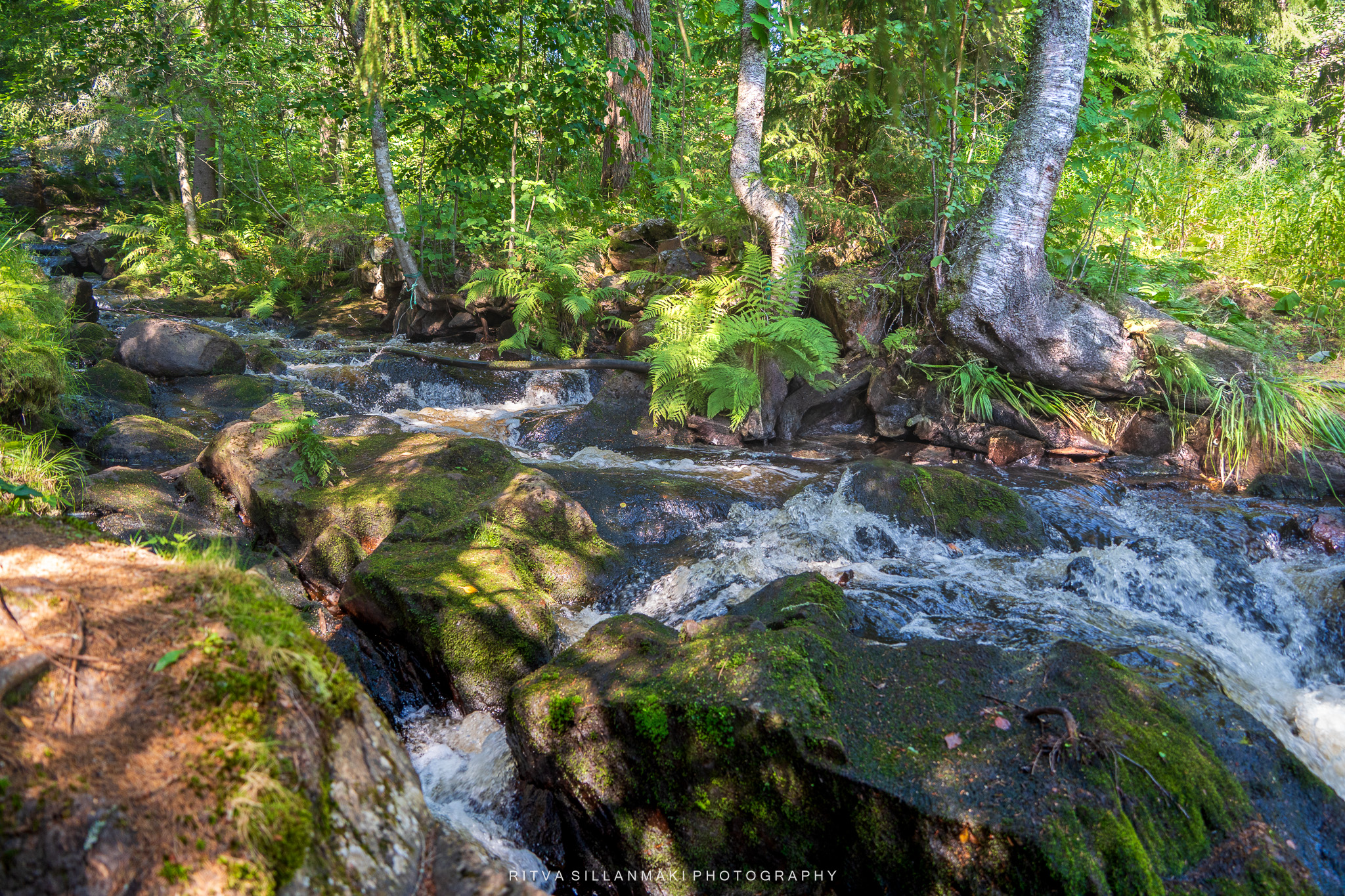
Intricate roots and rocky terrain in the lush surroundings of Juveninkoski waterfall.

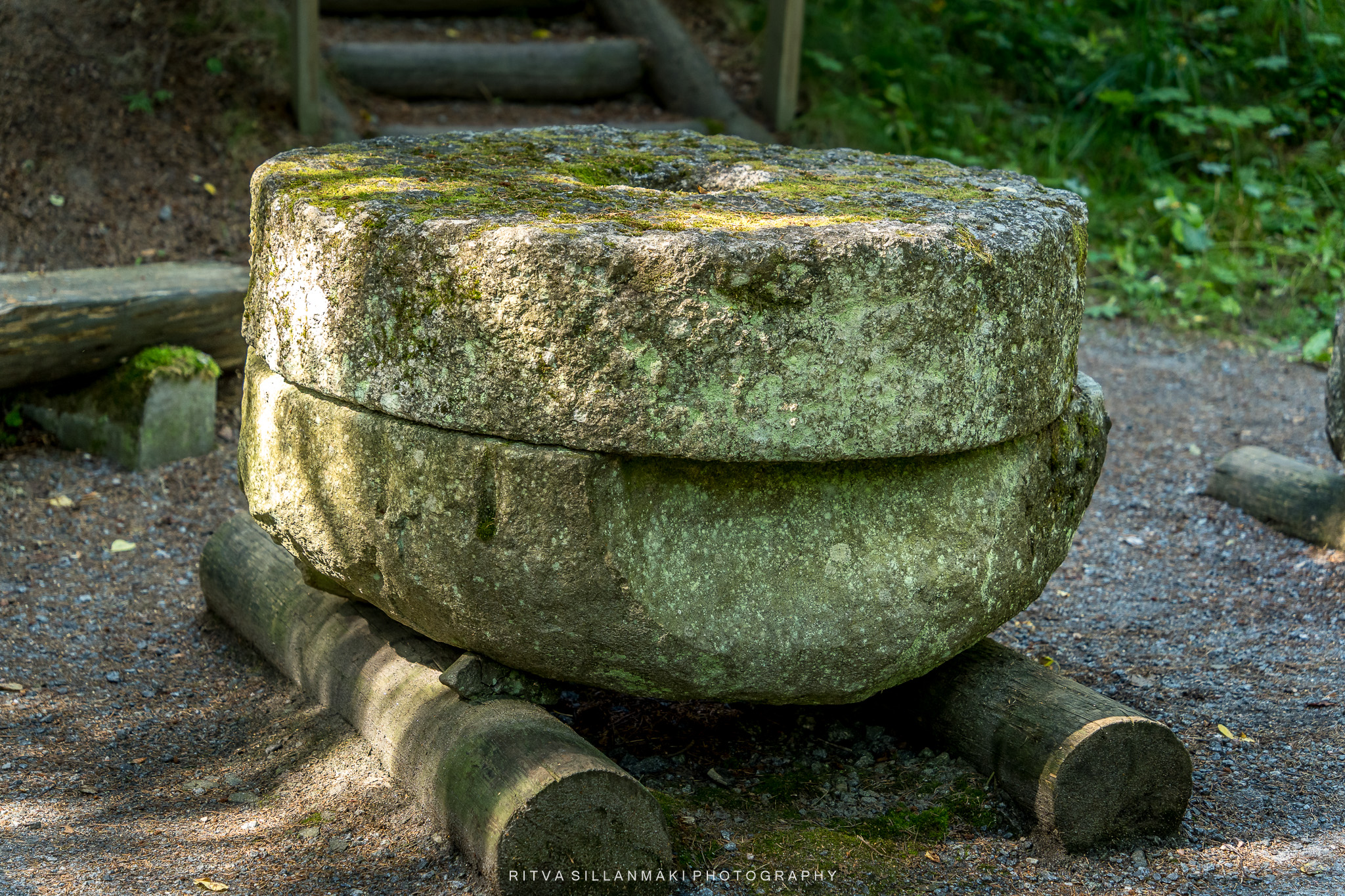
The village association in Partala has worked to refurbish the surroundings of the waterfall. They built an observation platform along with flower beds and a sign with information of the history of the rapid. There are also two millstones on the observation platform. Downstream of the fall there is also a small pond, where you can go to swim during summertime.
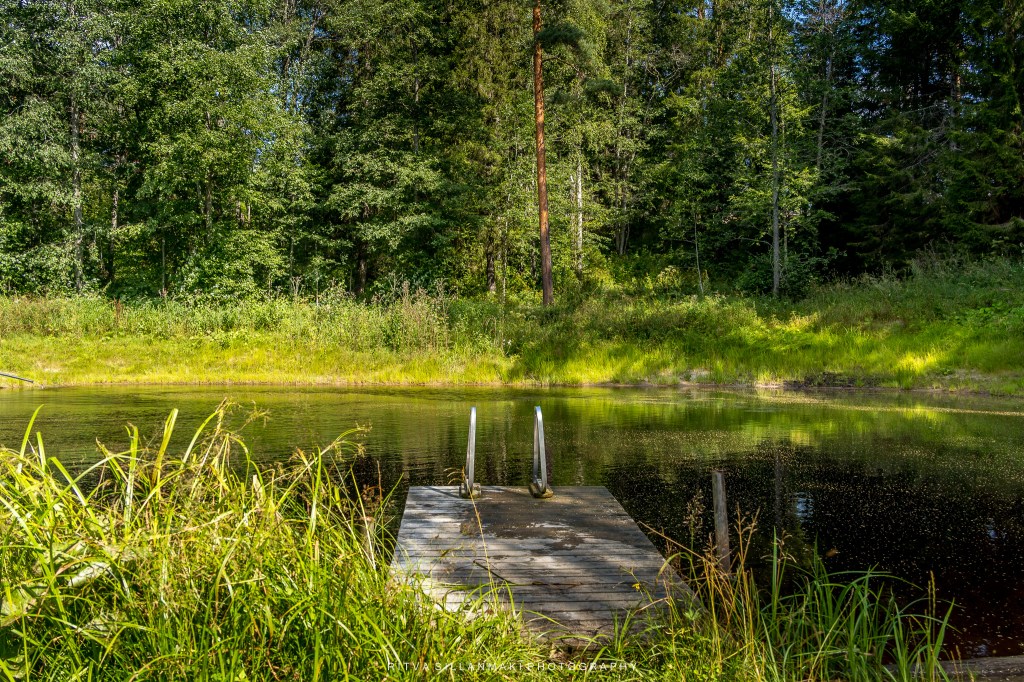
A serene swimming spot by the tranquil pond surrounded by lush greenery.

All in all, Juveninkoski is a beautiful waterfall, with perhaps one of its best qualities being its steepness: “traditional” waterfalls falling free like this are rare in Finland.
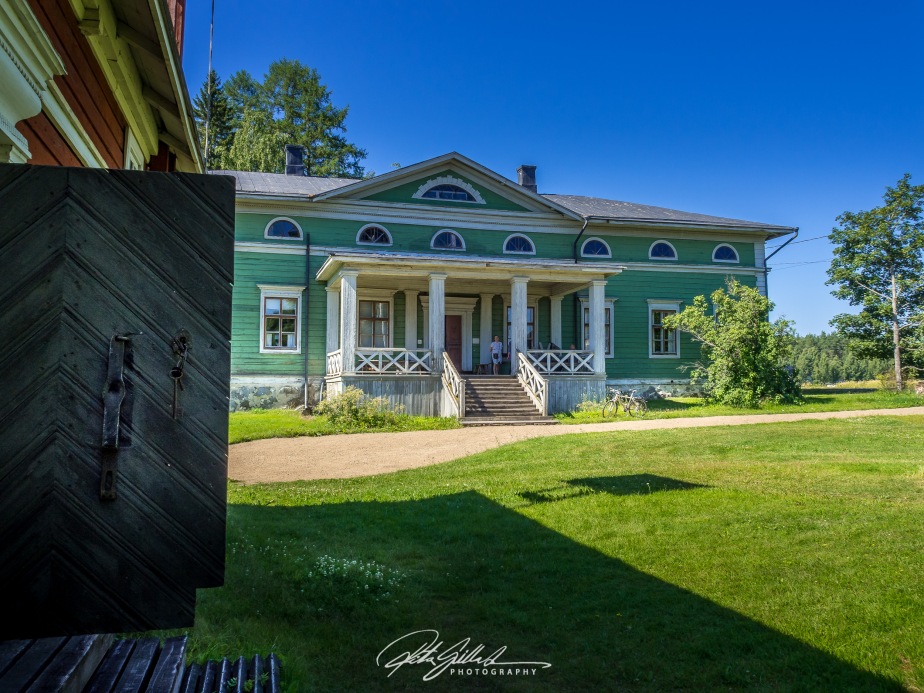
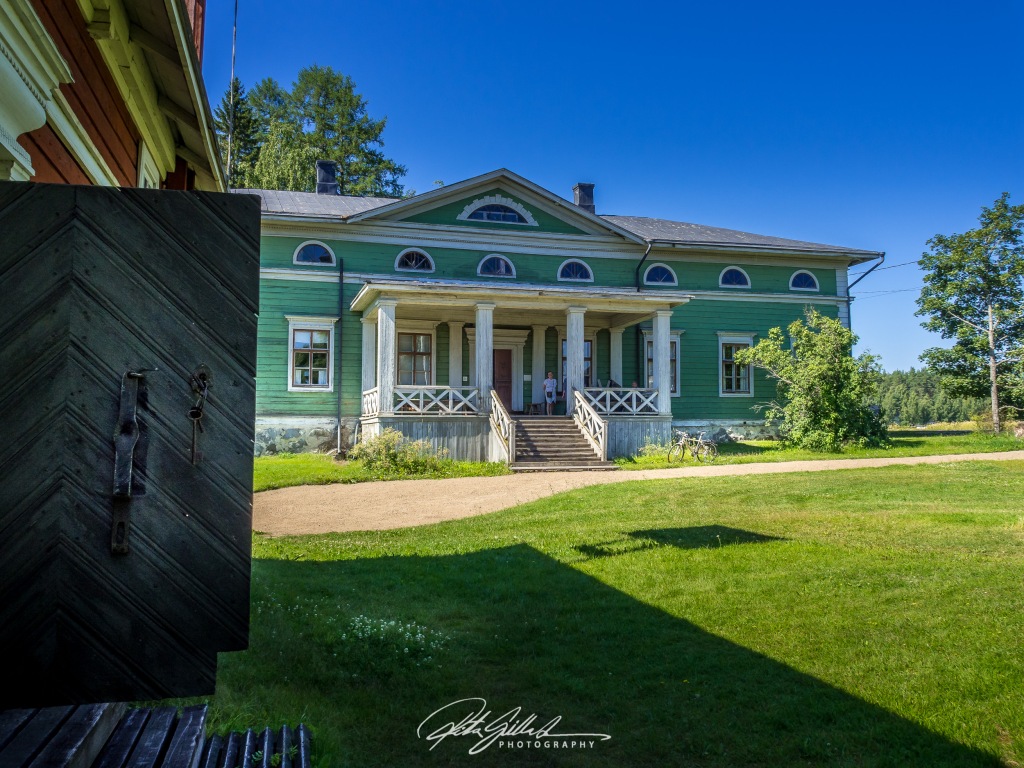
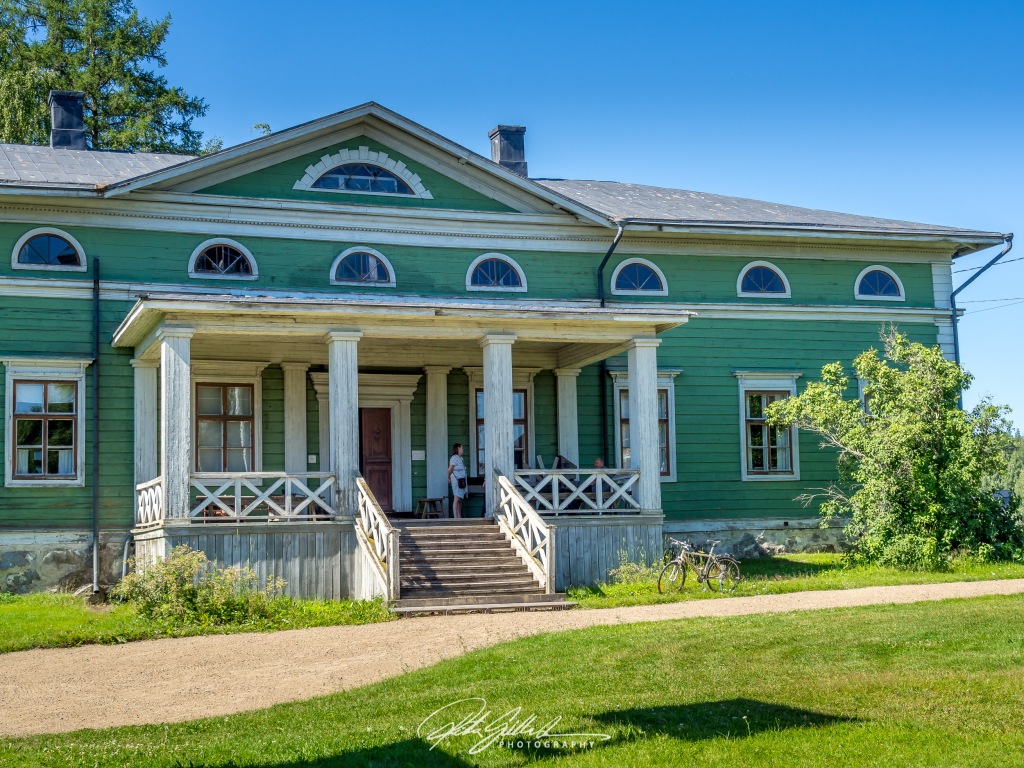
Hartola – Koskipää mansion

Visiting Hartola for the first time, there is not that much to see but we saw the main attractions I assume.
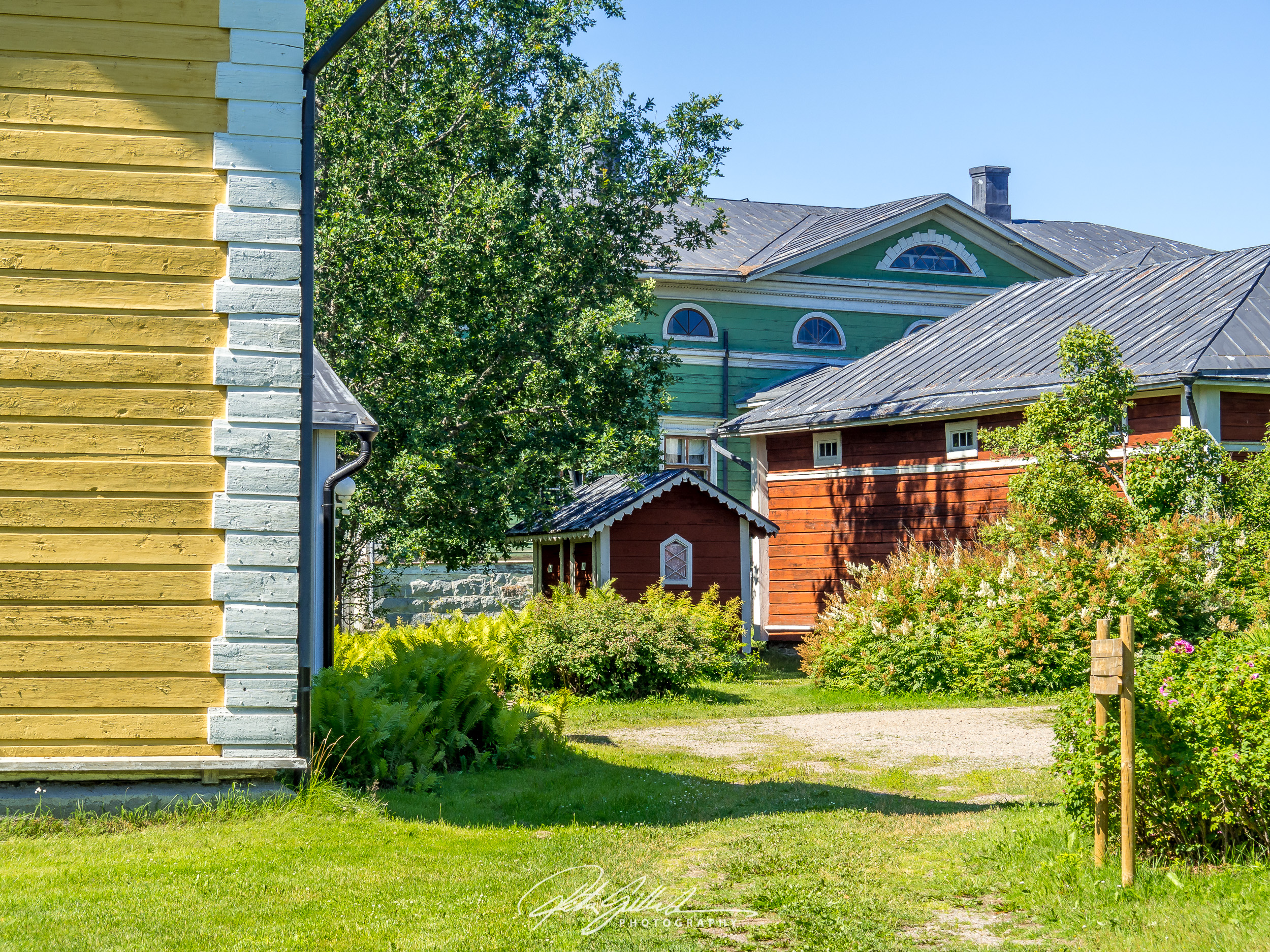
The main green building dates from the 1828. The larder is from the same period and has been built over cellars which date back to the 18th century.

Koskipää Mansion

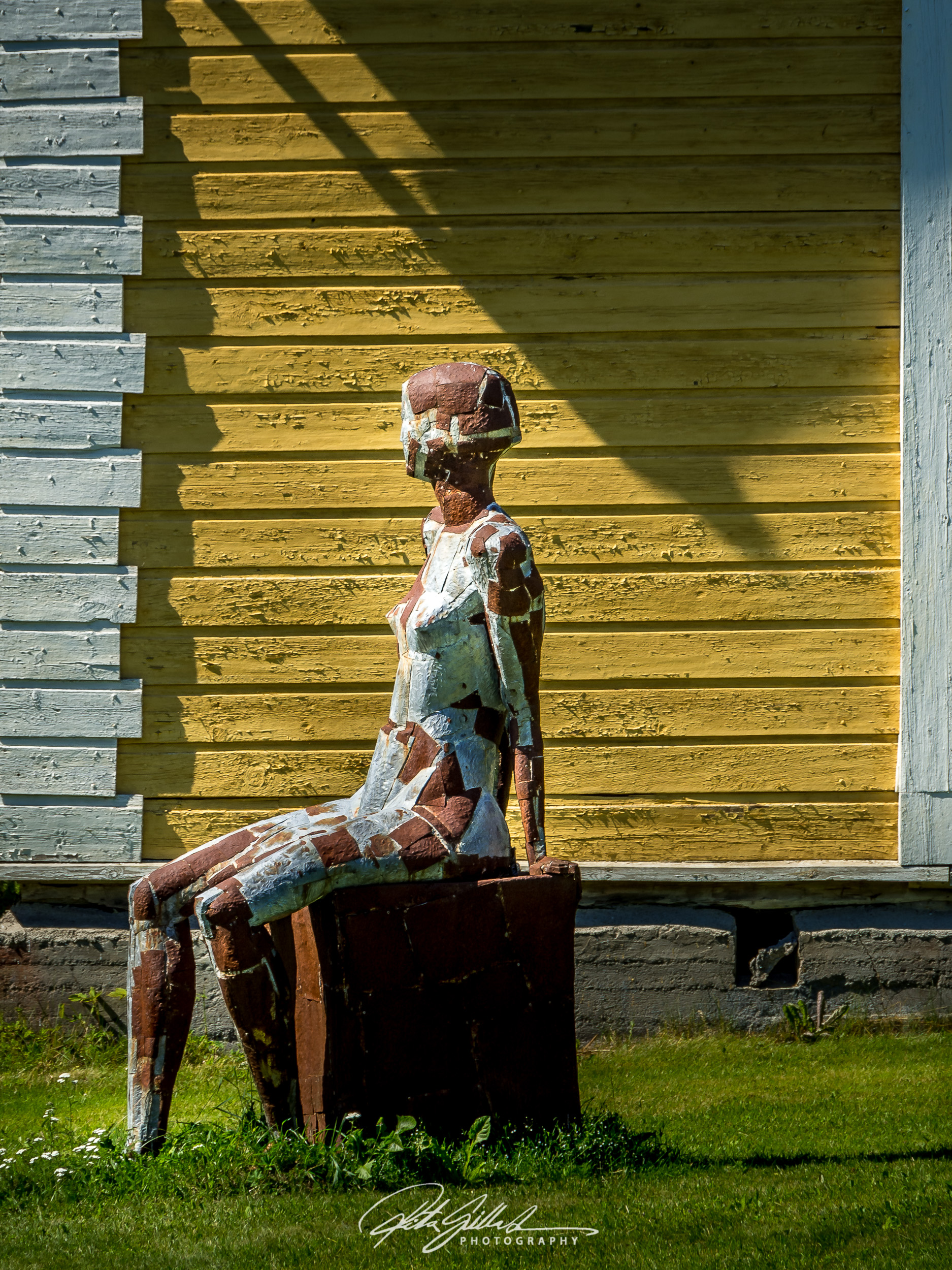
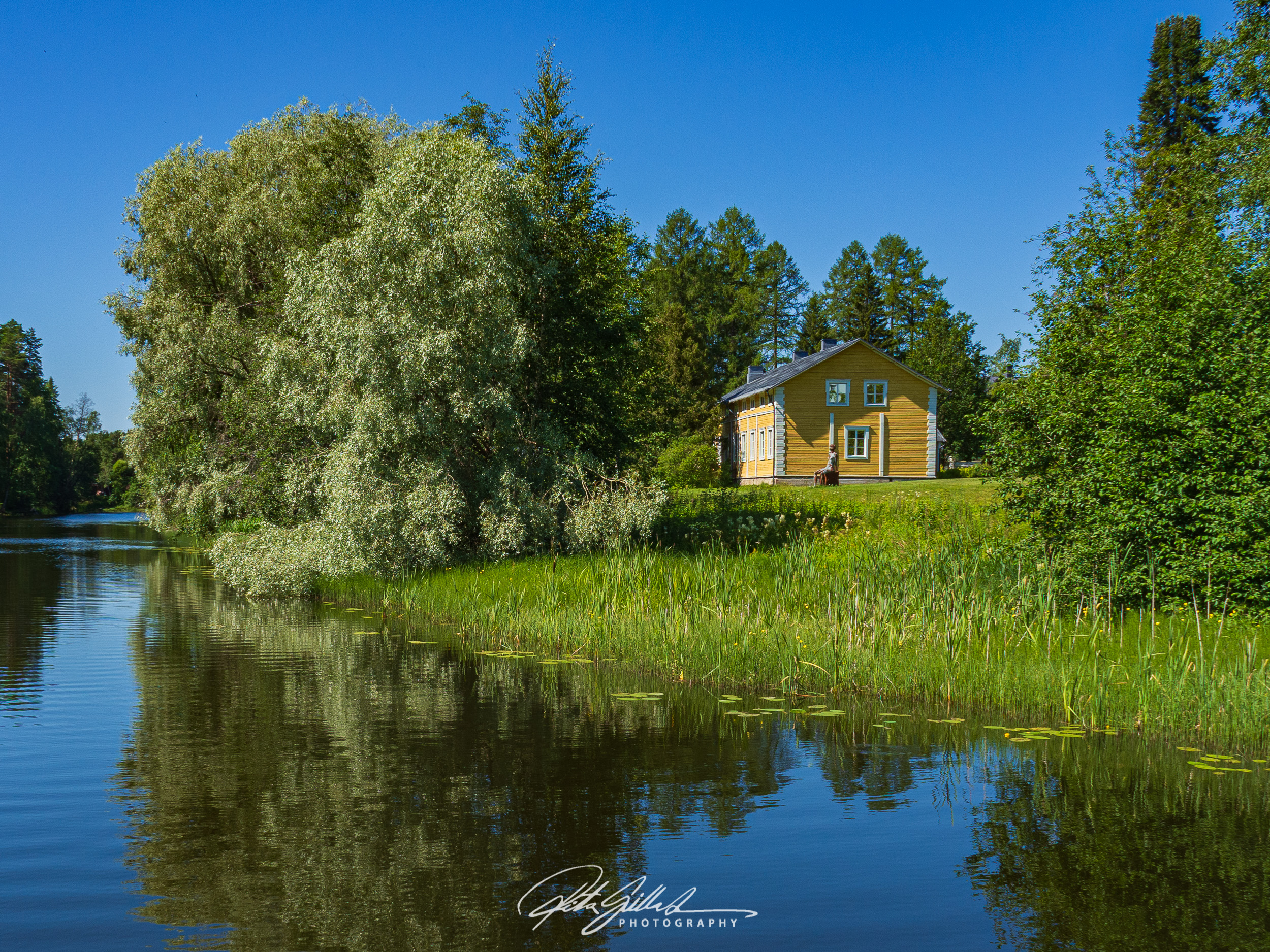
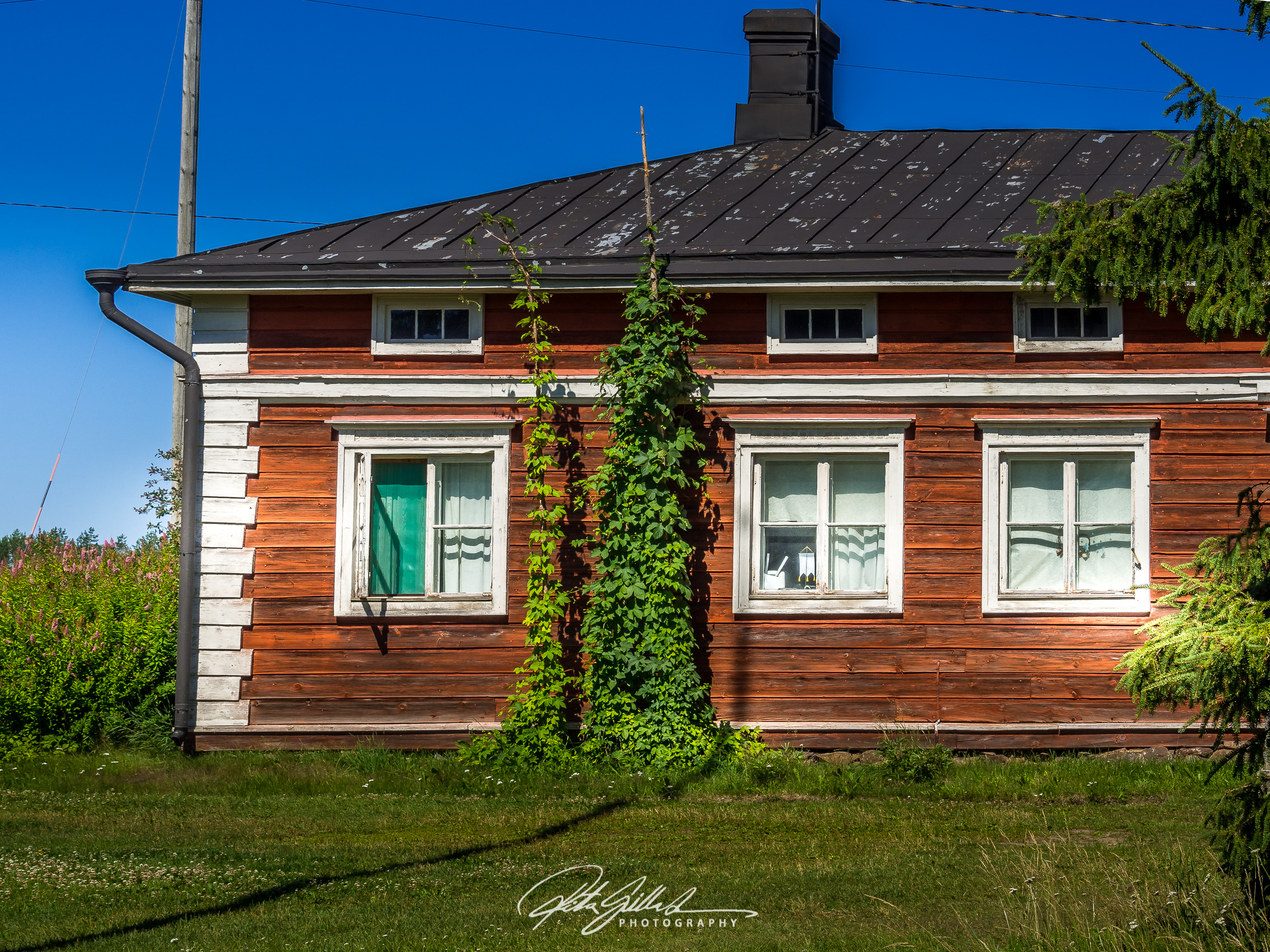
The red side building was constructed in two phases, first came the “savupirtti” (literally a smoke-hut in which there was no chimney) built in the 17th century. The work was finished in the 1850’s. The yellow building, which was the main one during the middle of the 17th century, is not used as a museum.

OLYMPUS DIGITAL CAMERA

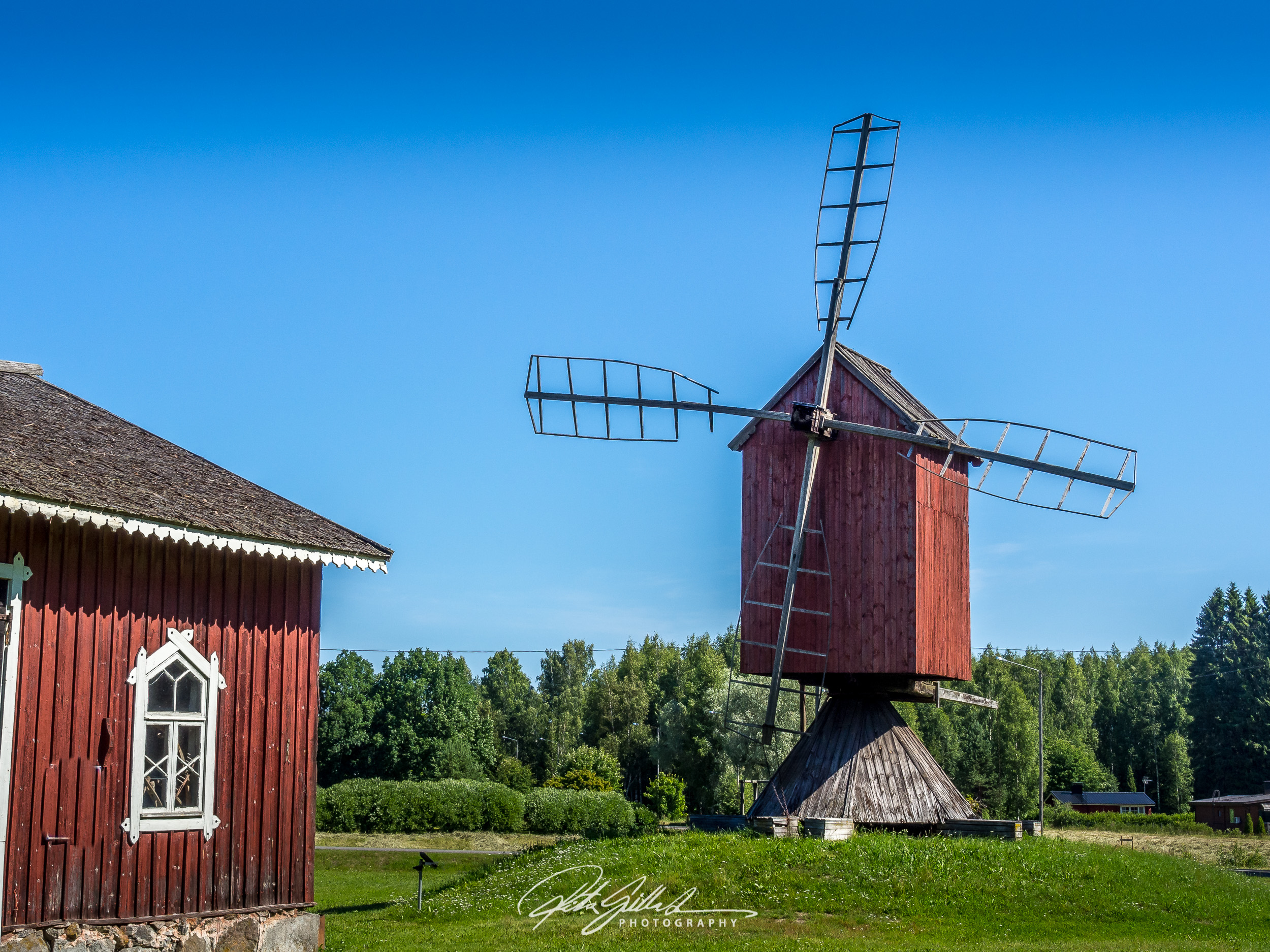
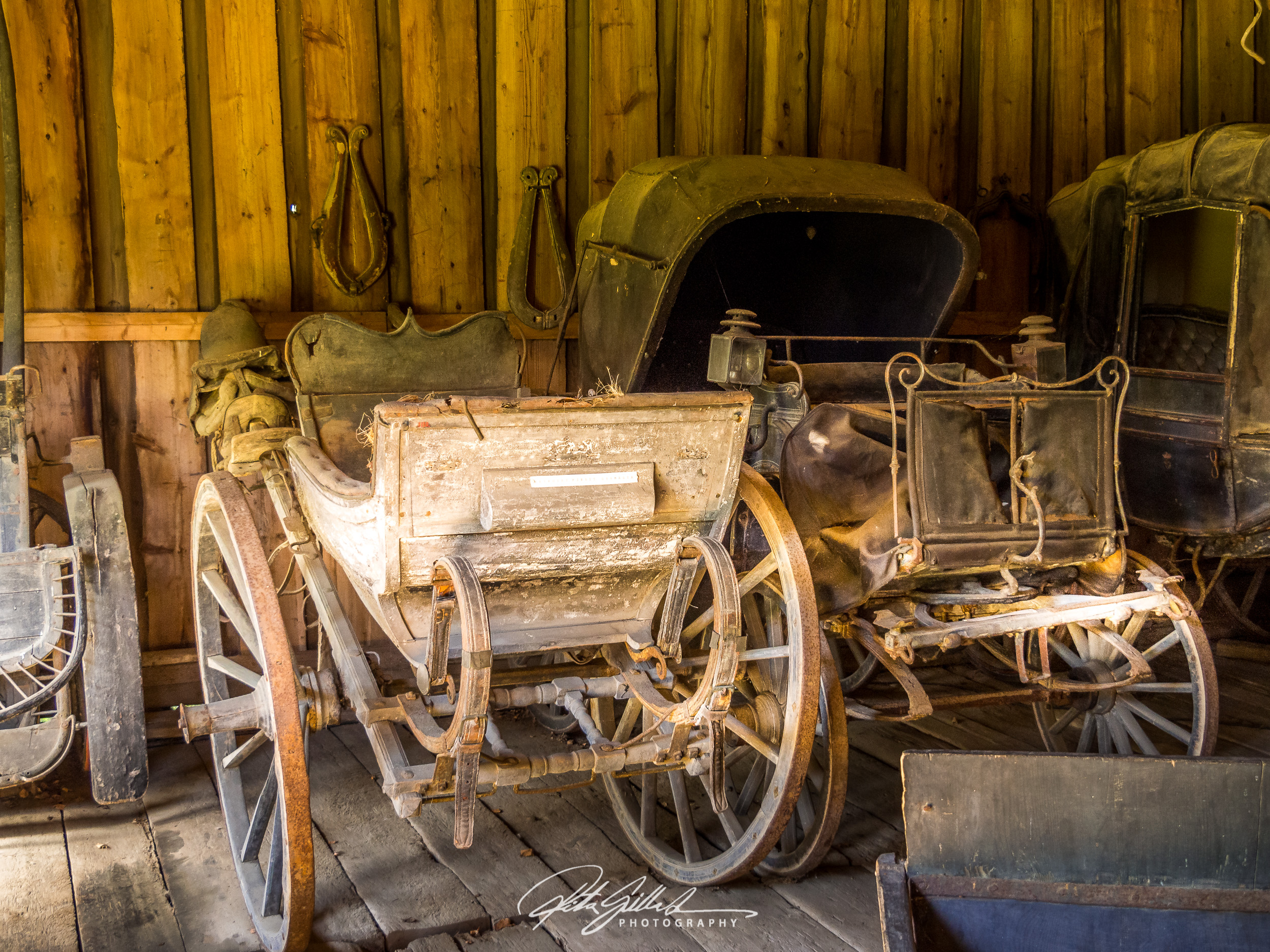
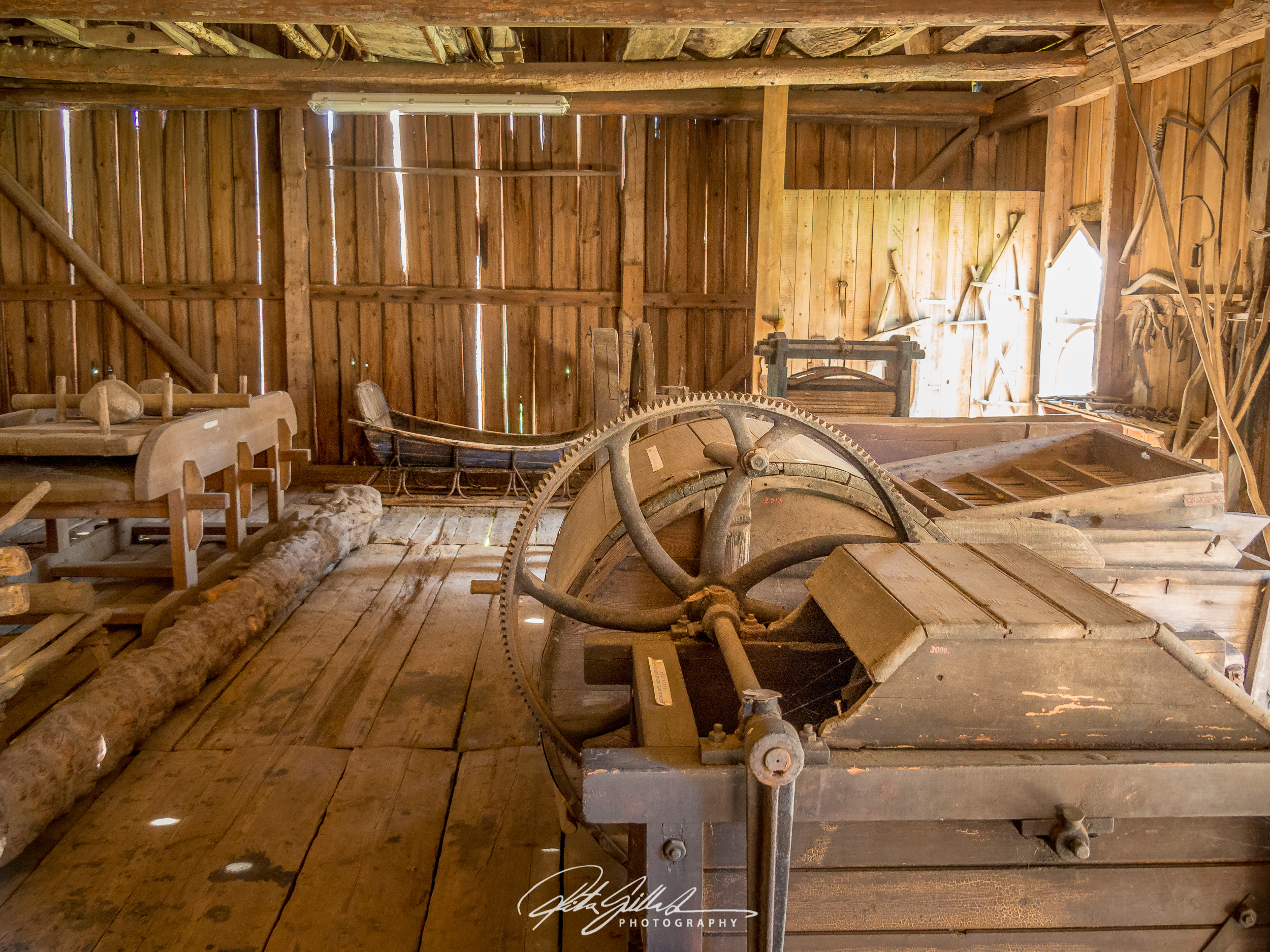
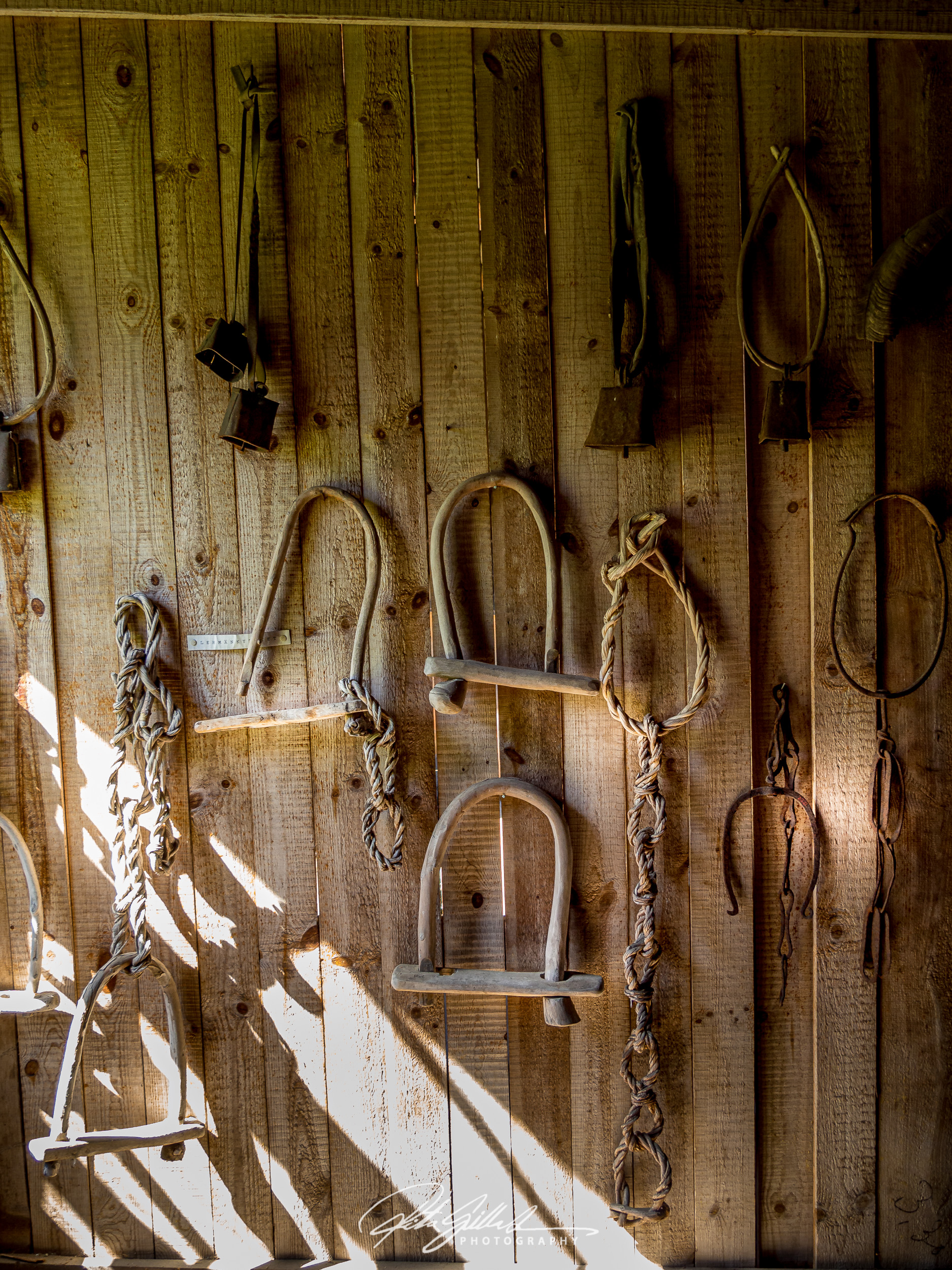
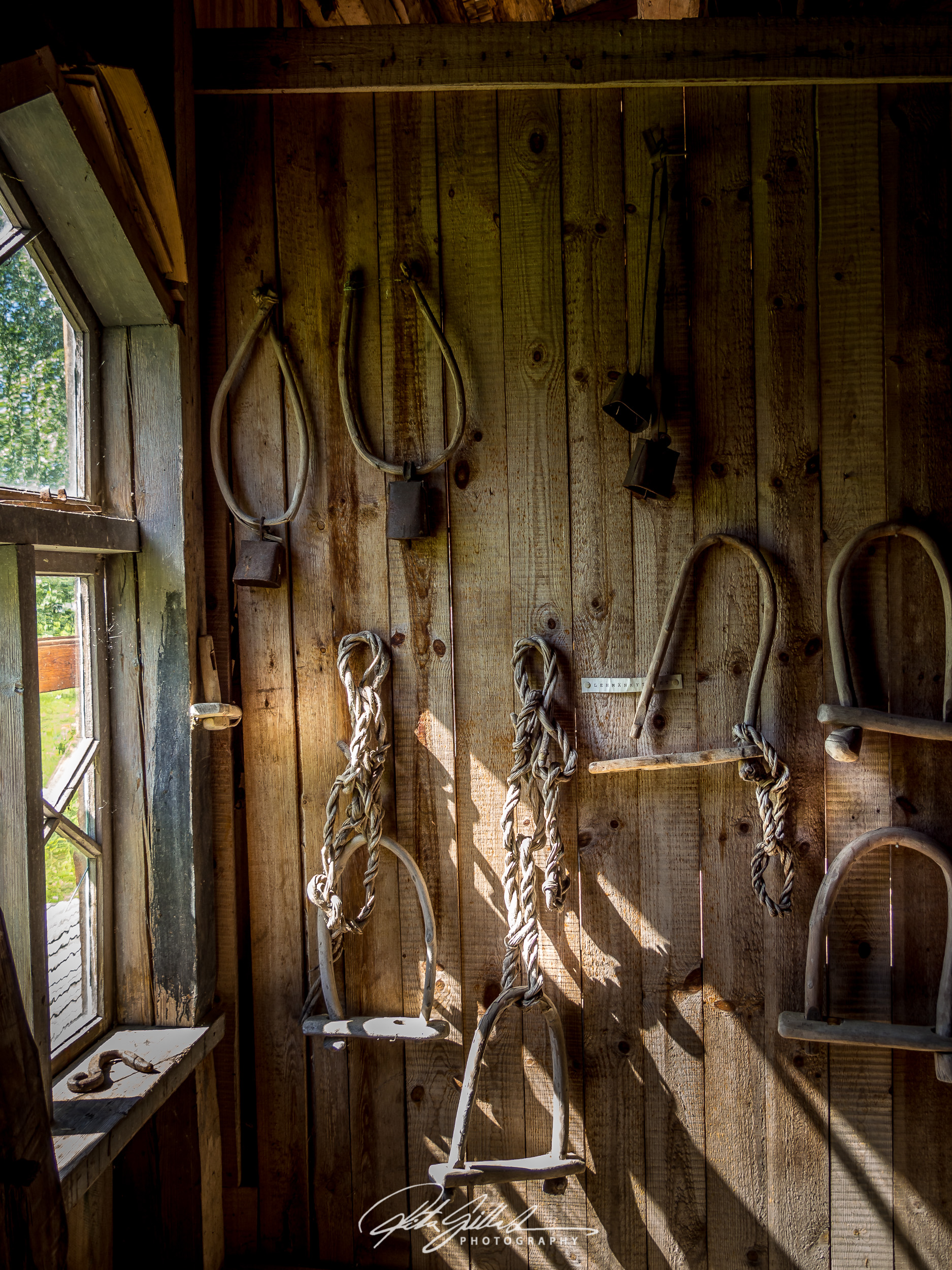
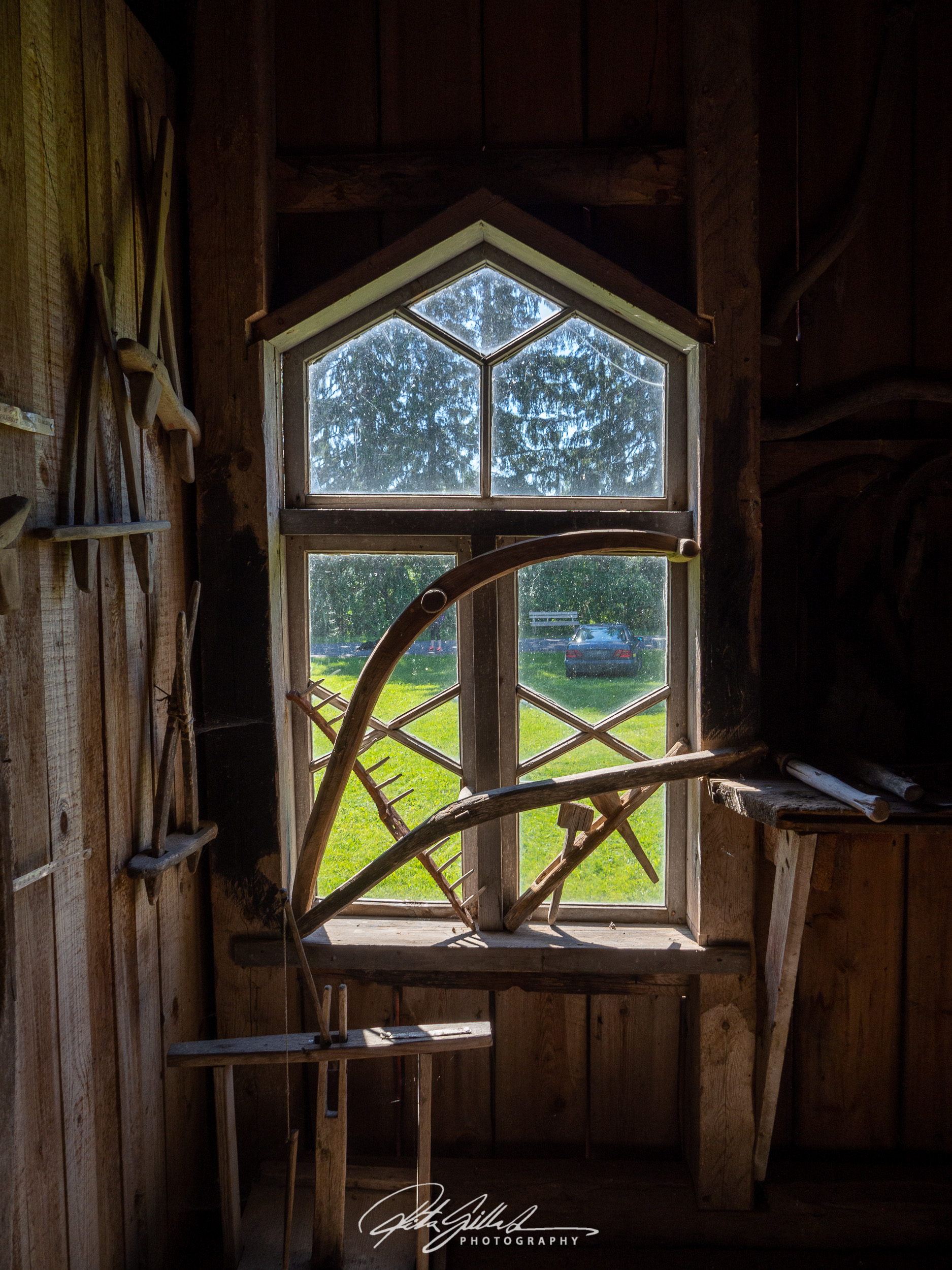
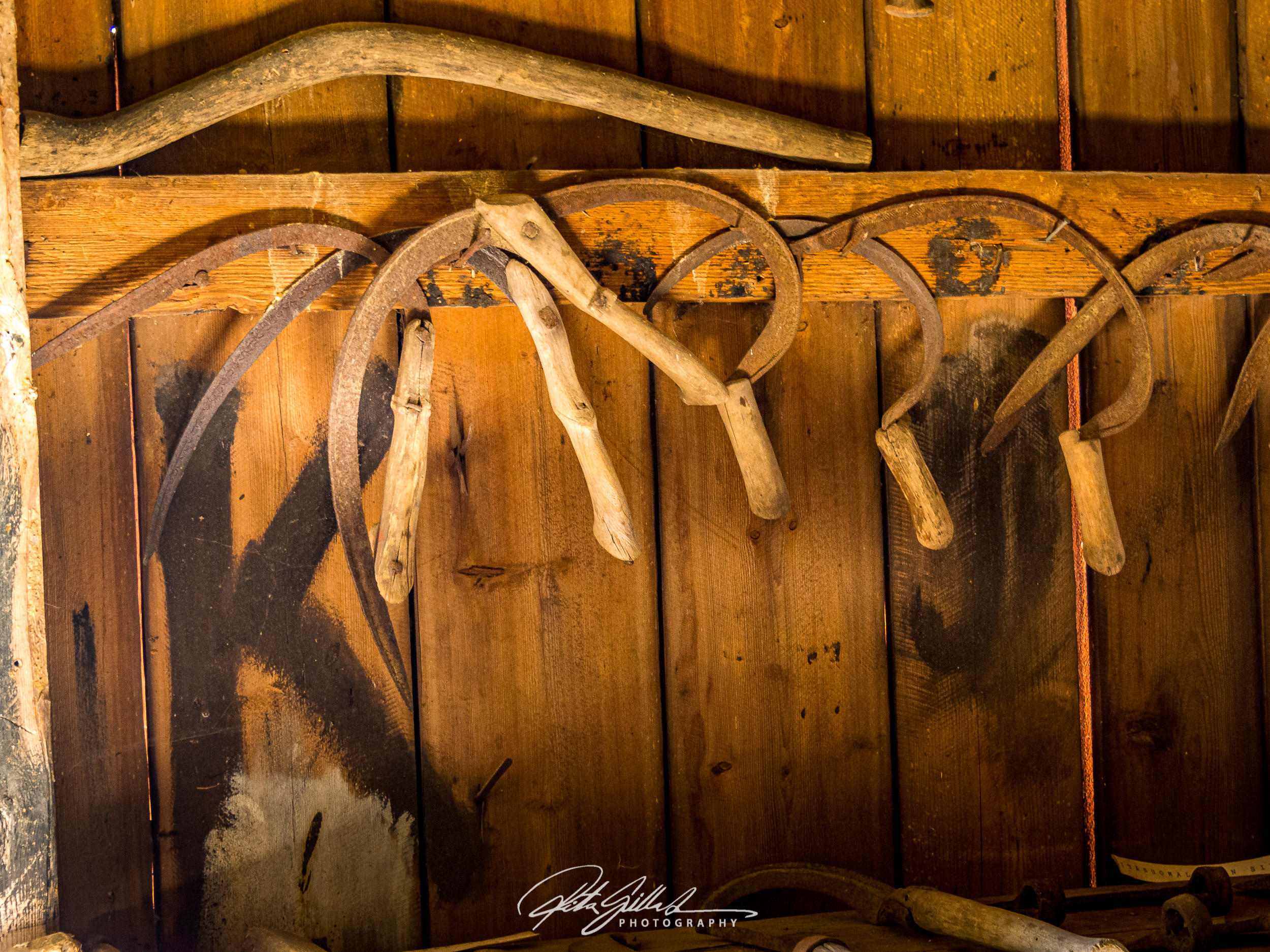
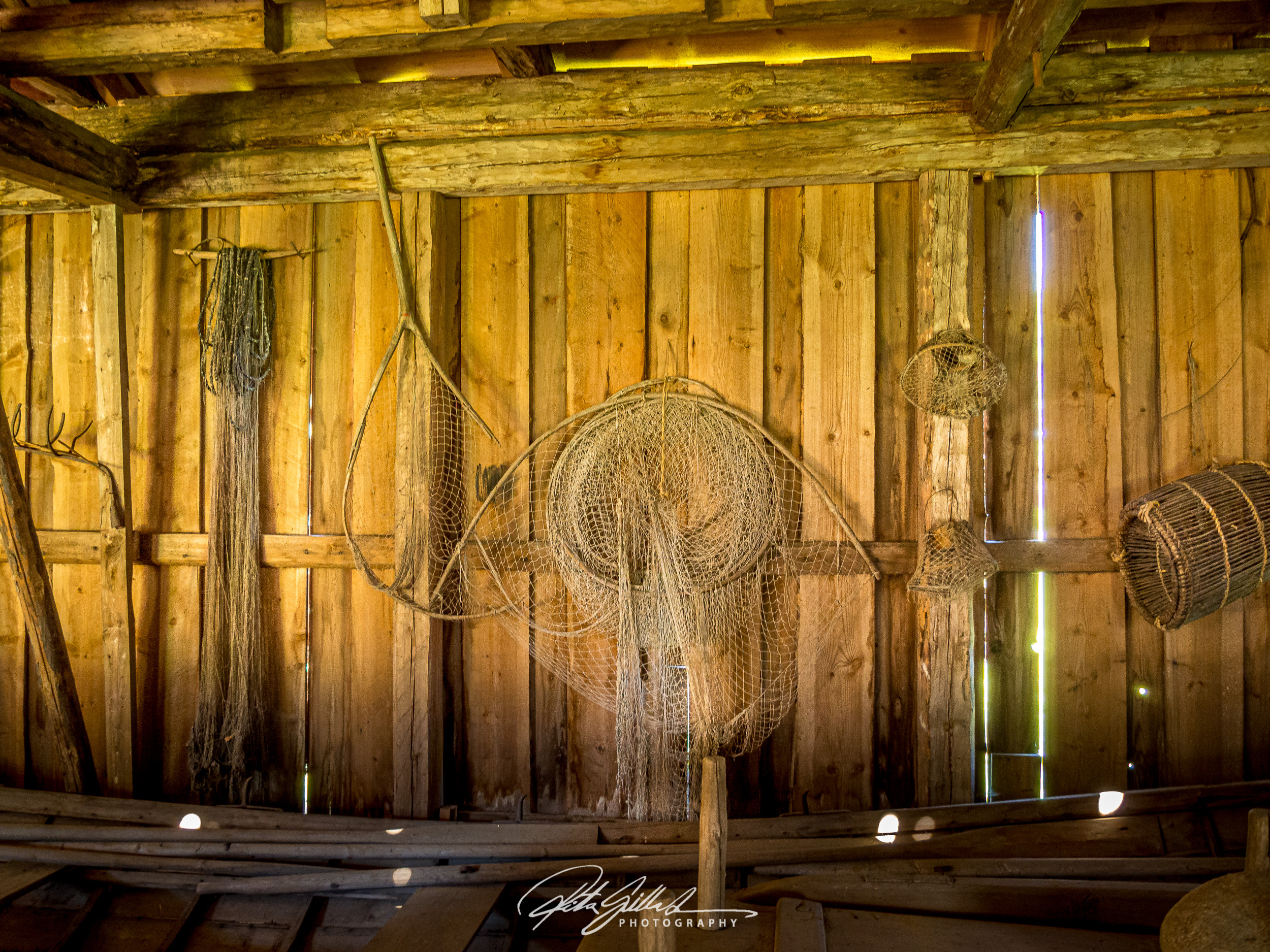
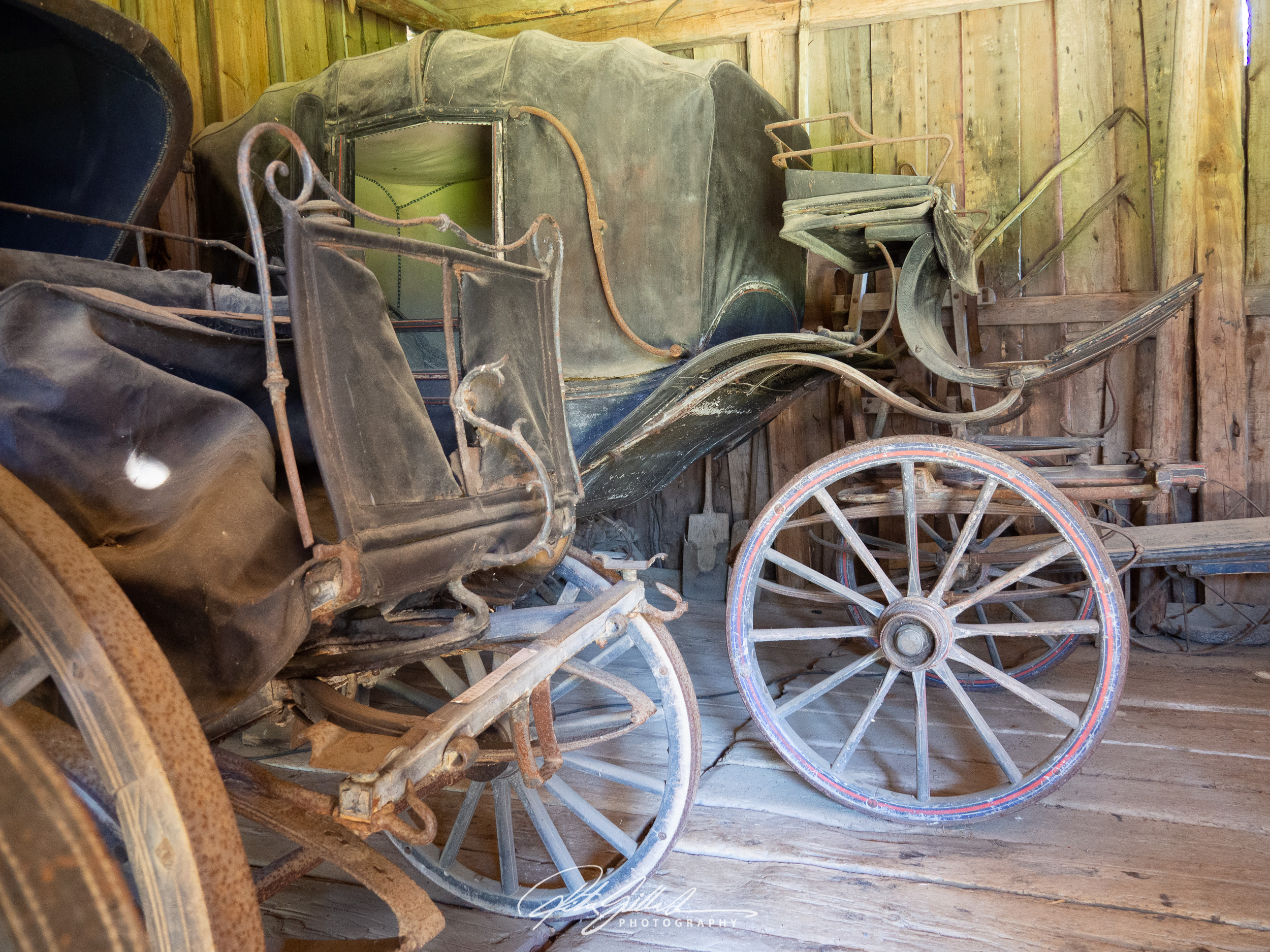
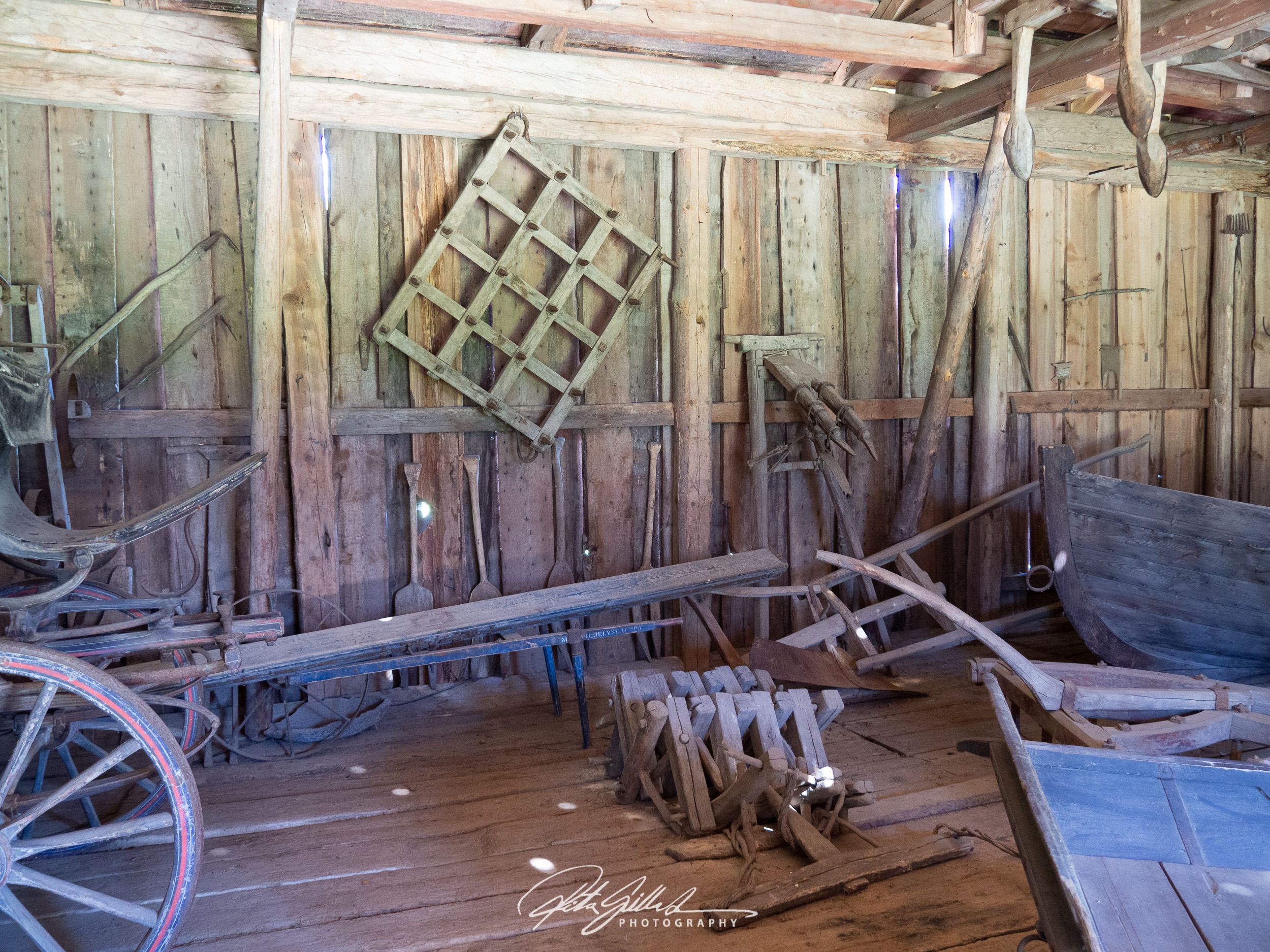
The shed in which the harnesses and carriages were formerly kept now houses the agricultural section of the museum, and dates from the 1880’s. The windmill was build in 1840. The buildings were all originally here except for the windmill, which was transported to the museum in 1965.

Haikon Kartano

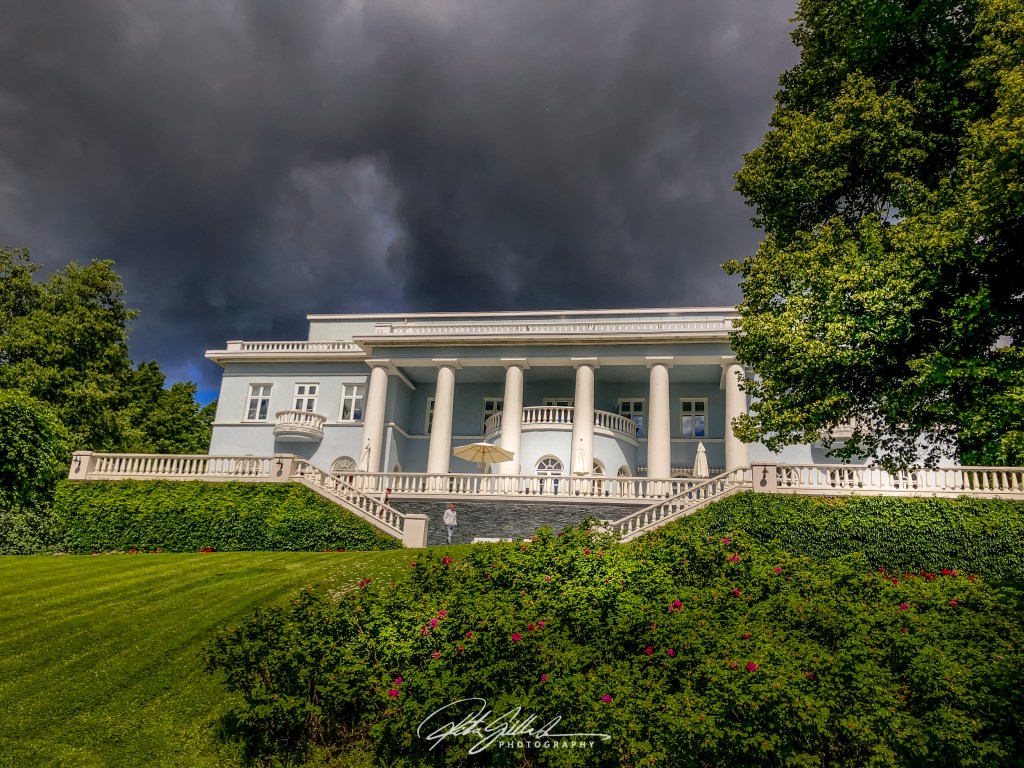
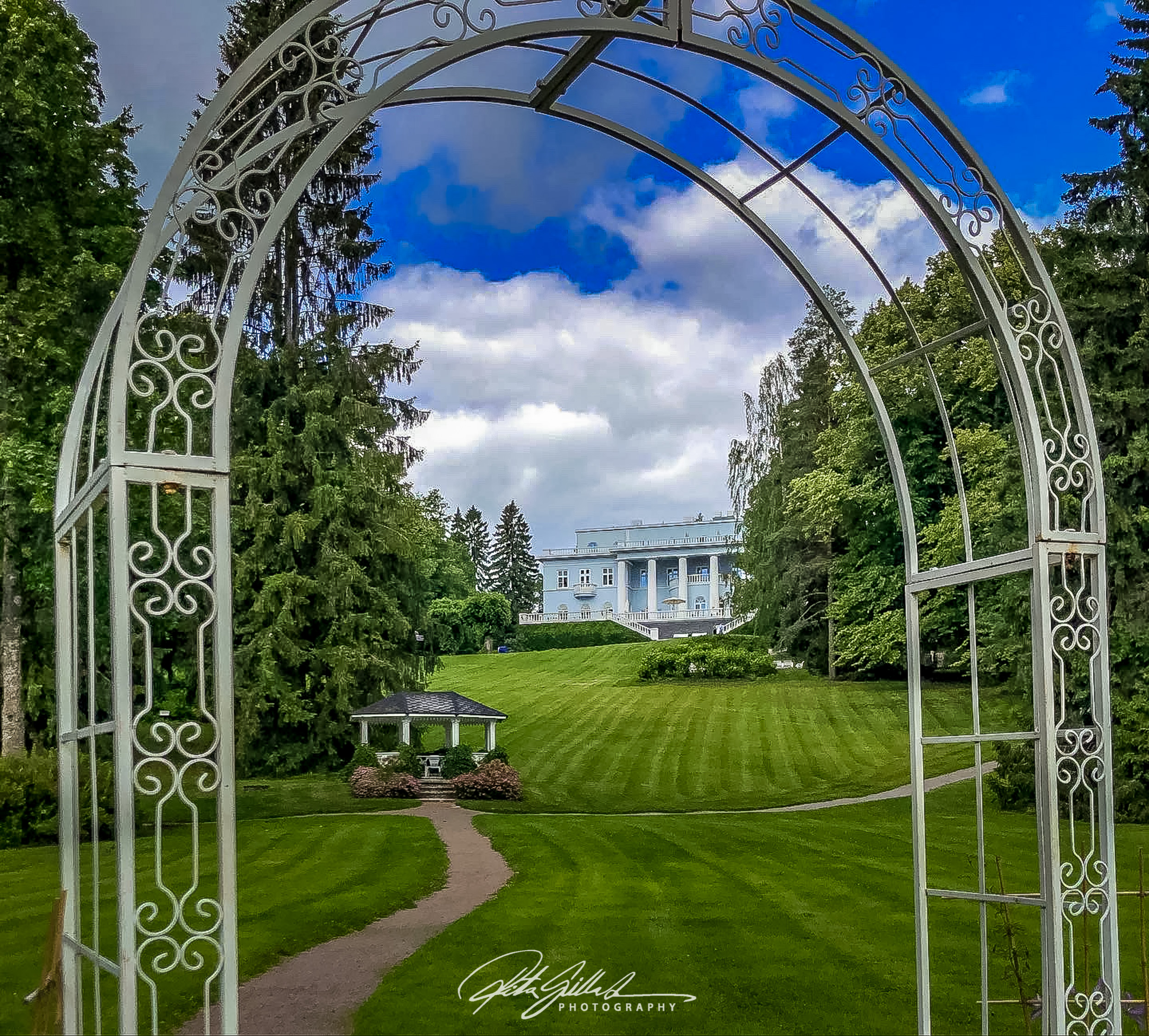
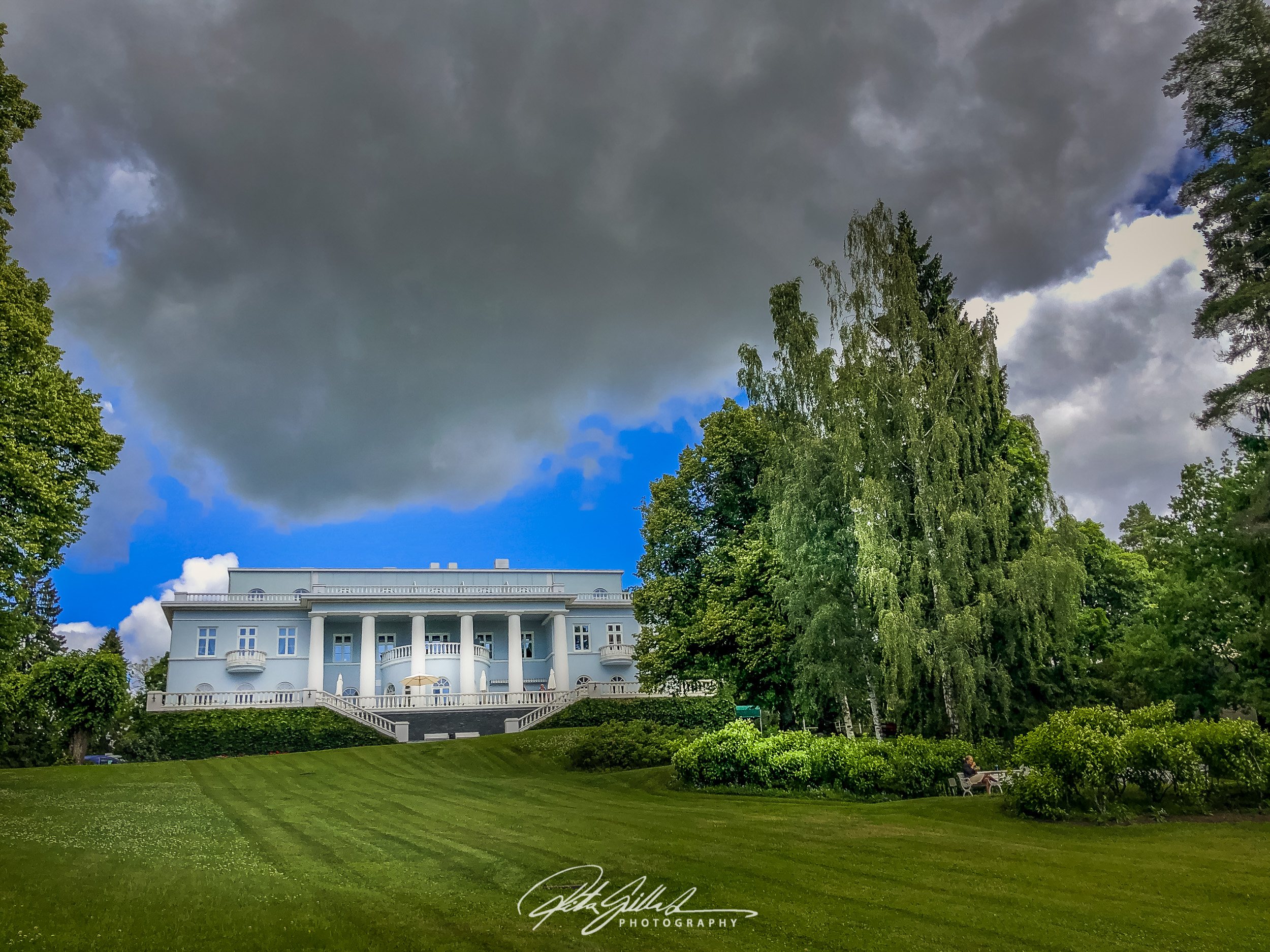
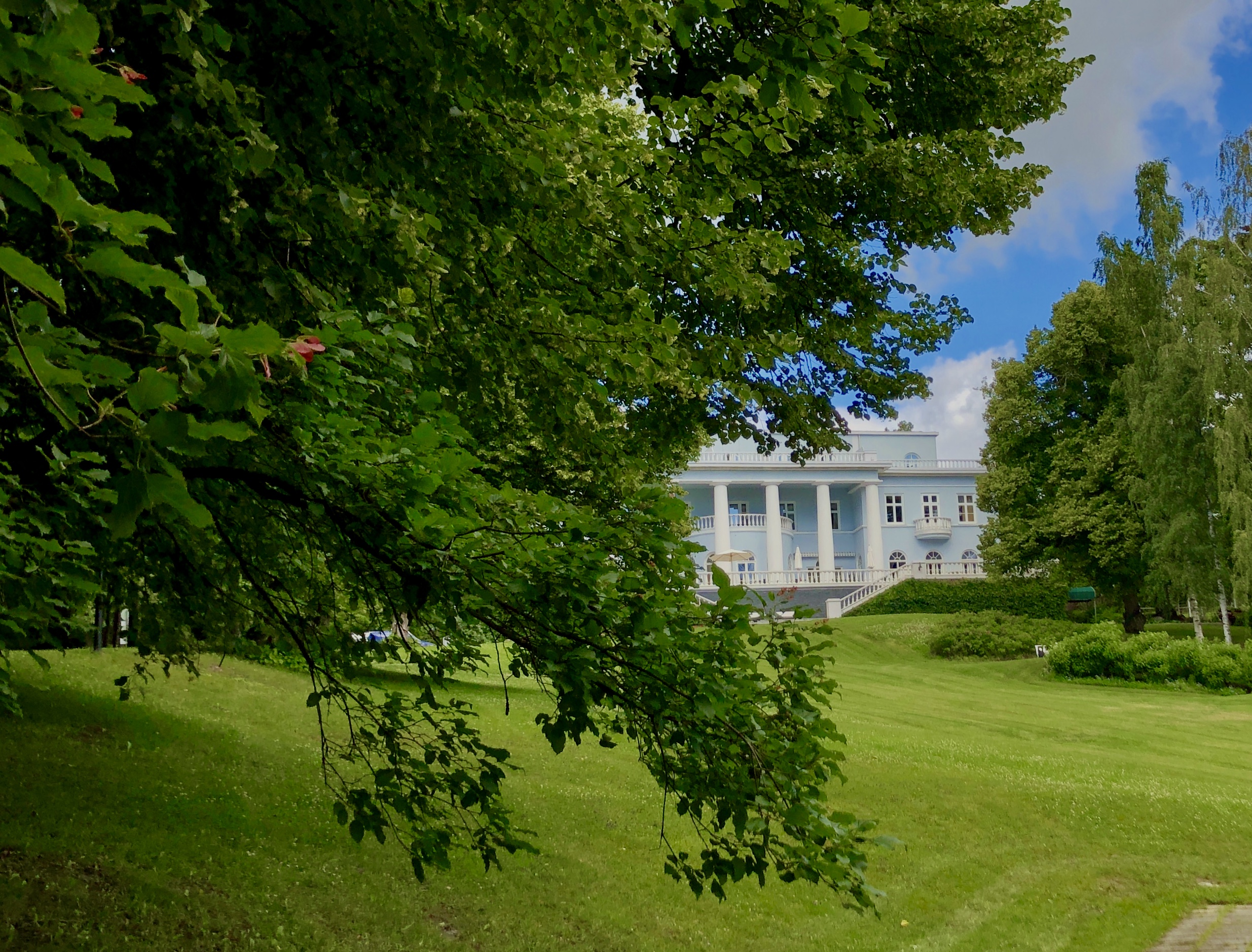
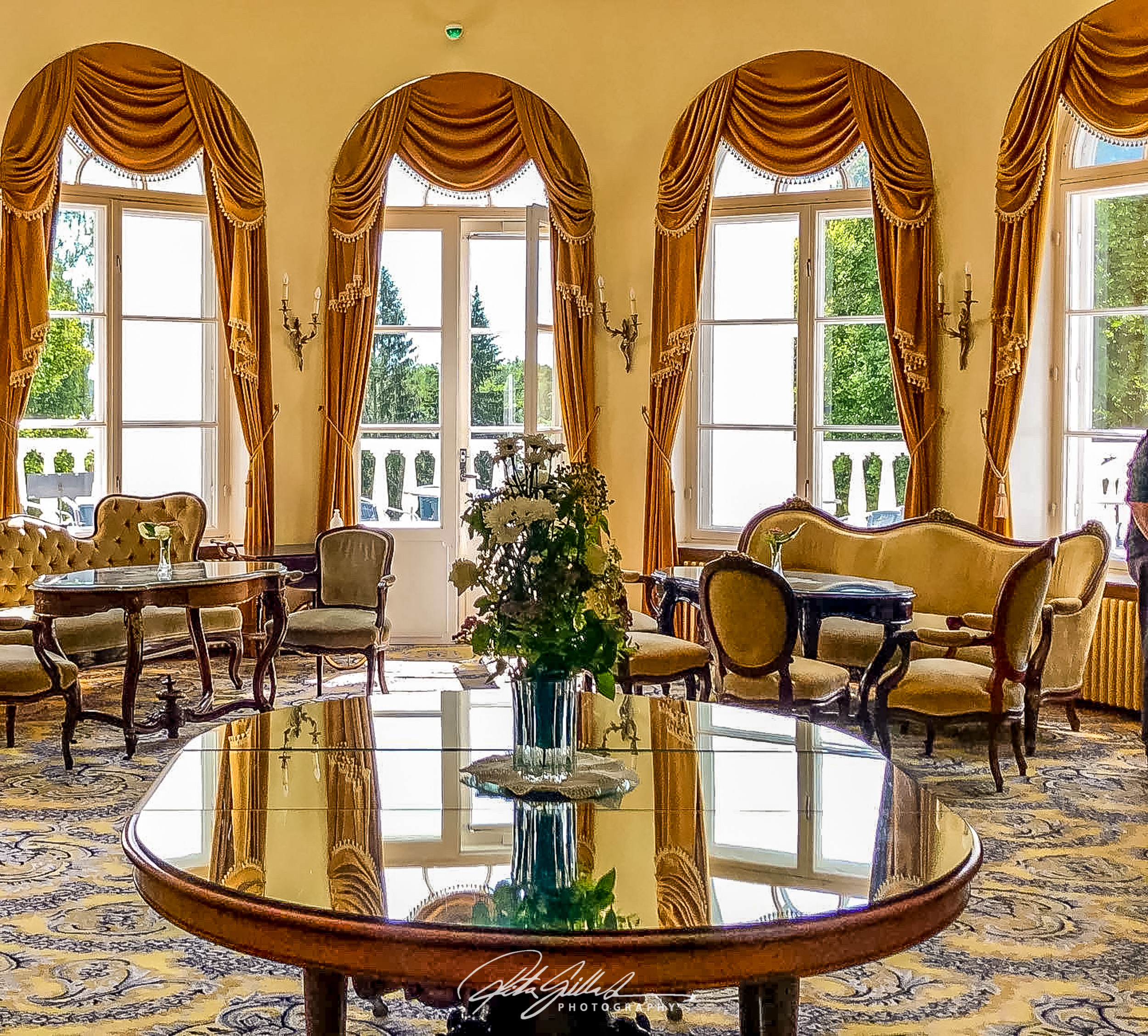
The first known reference to Haikko Manor dates back to the year 1362, but the present Manor House was built in 1913, it is located by the beautiful archipelago about 7 kilometres from Porvoo. Now days it is a Hotel Haikko Manor and Spa.

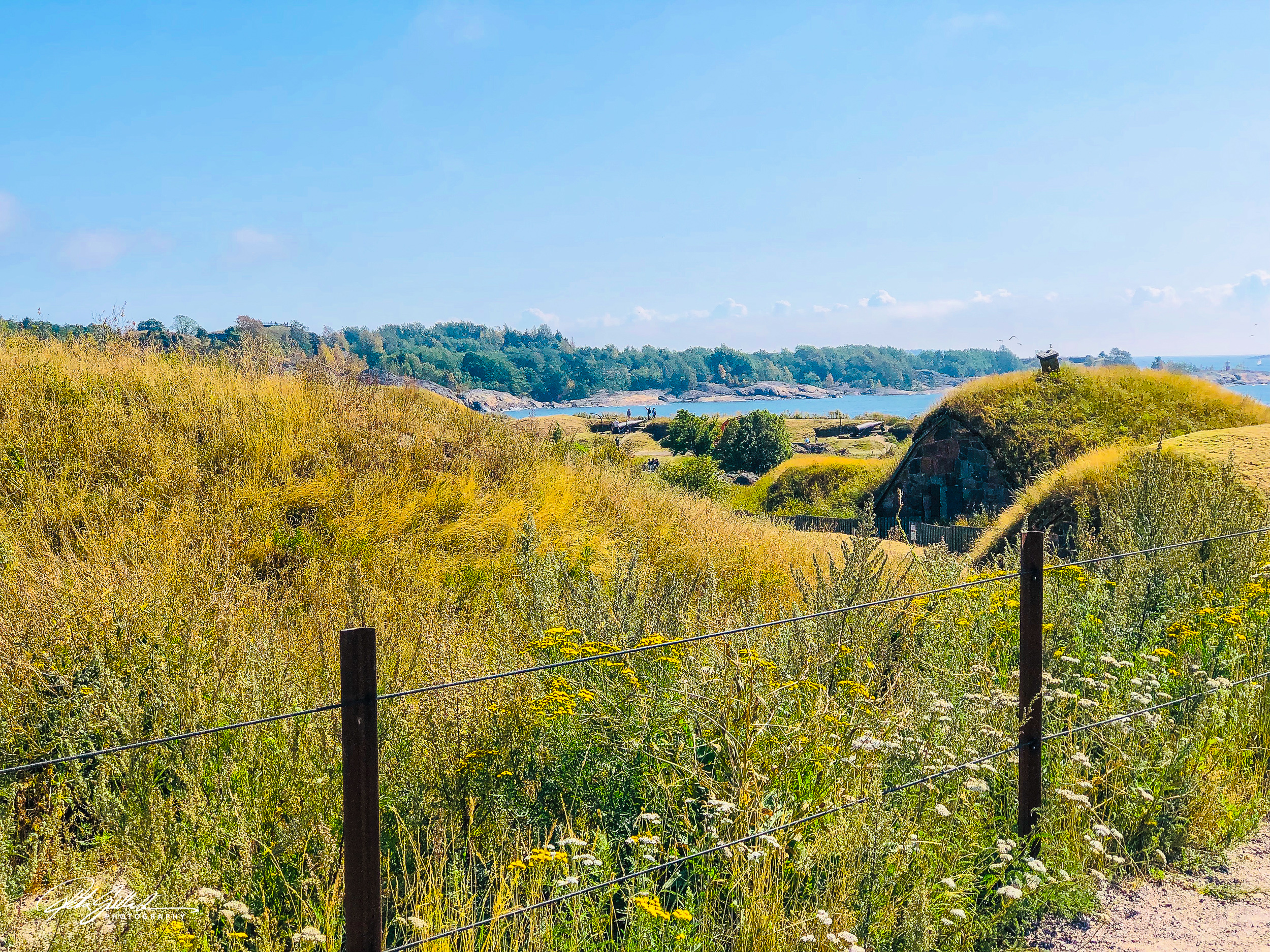
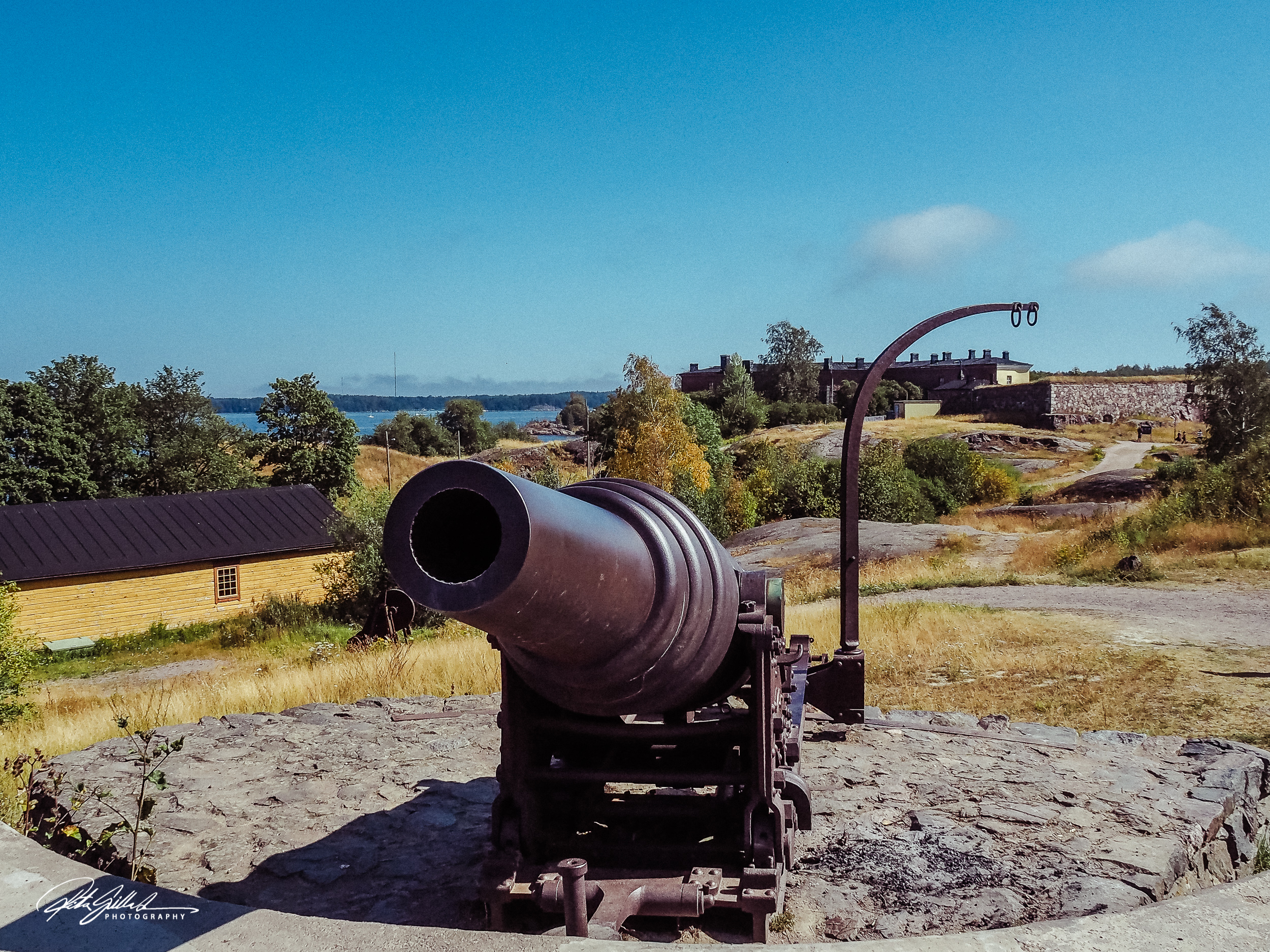
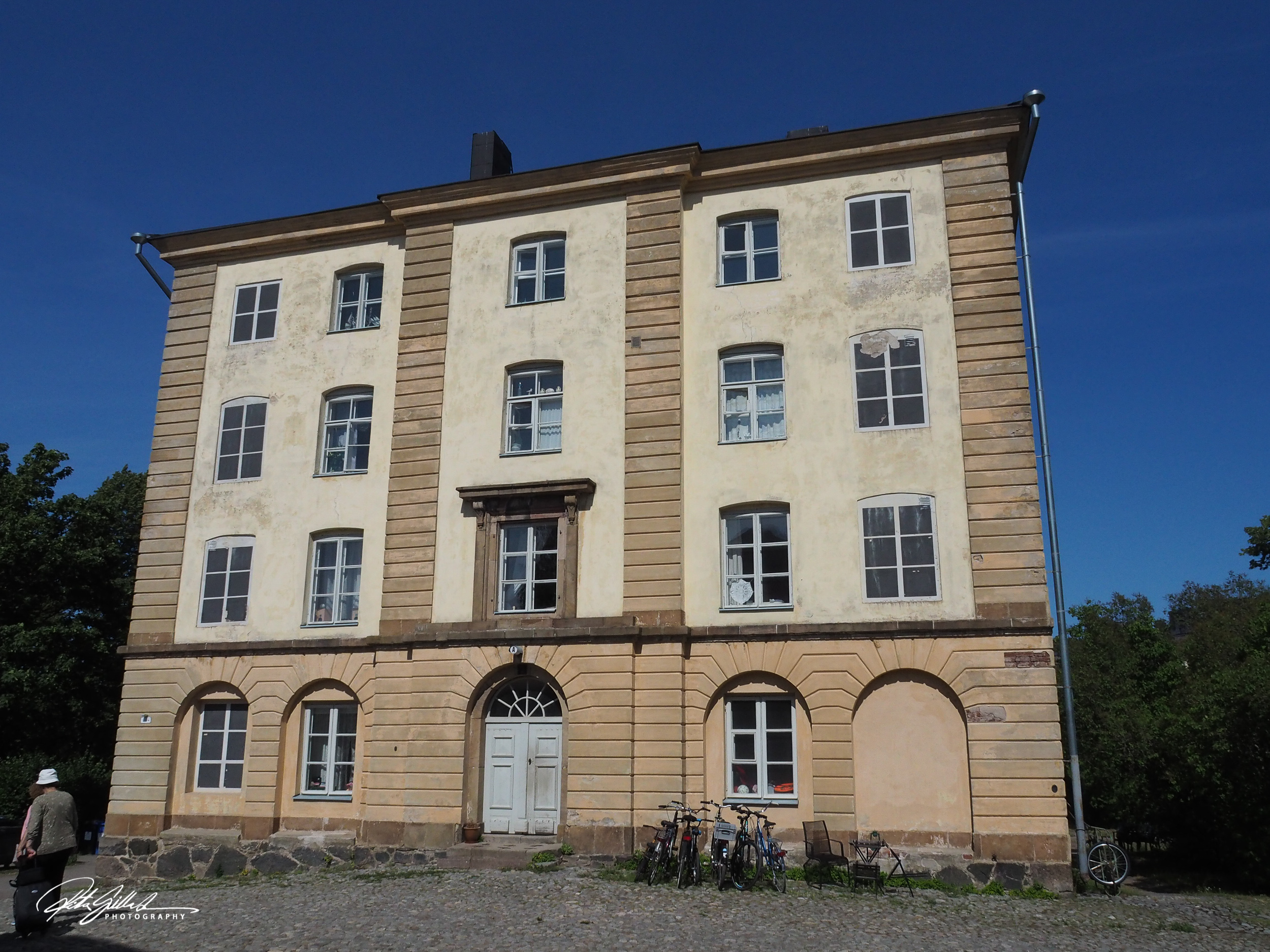
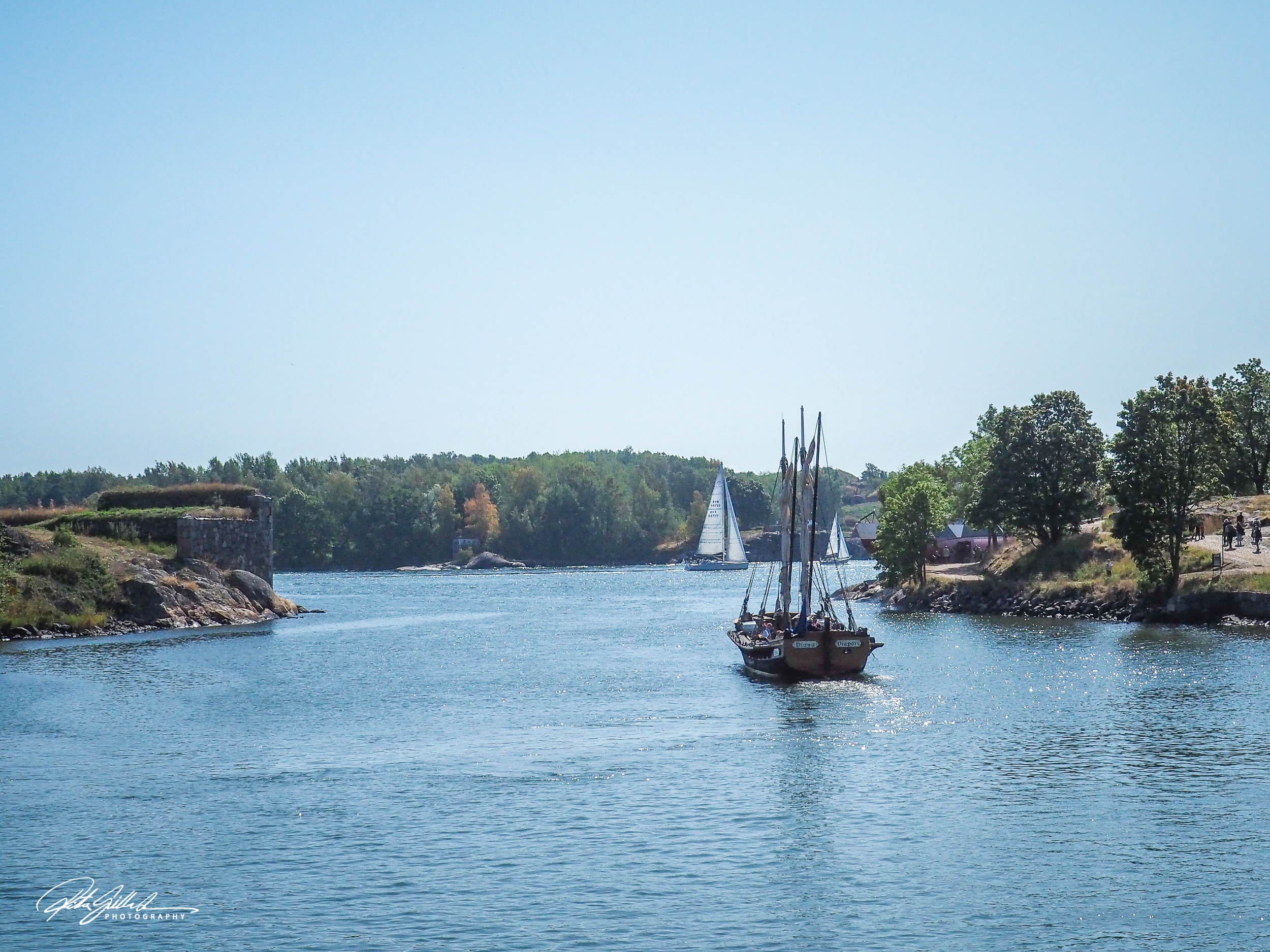
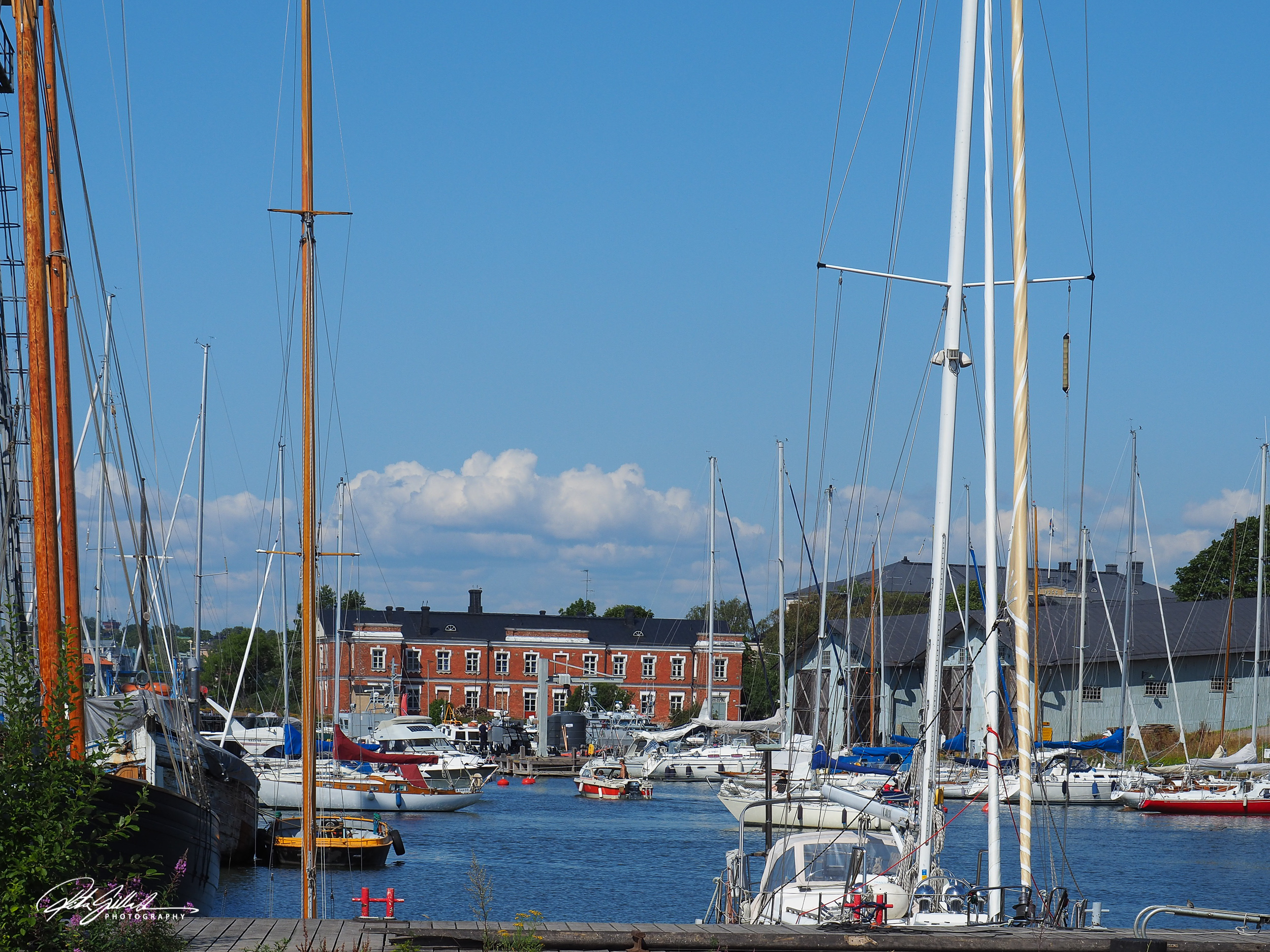
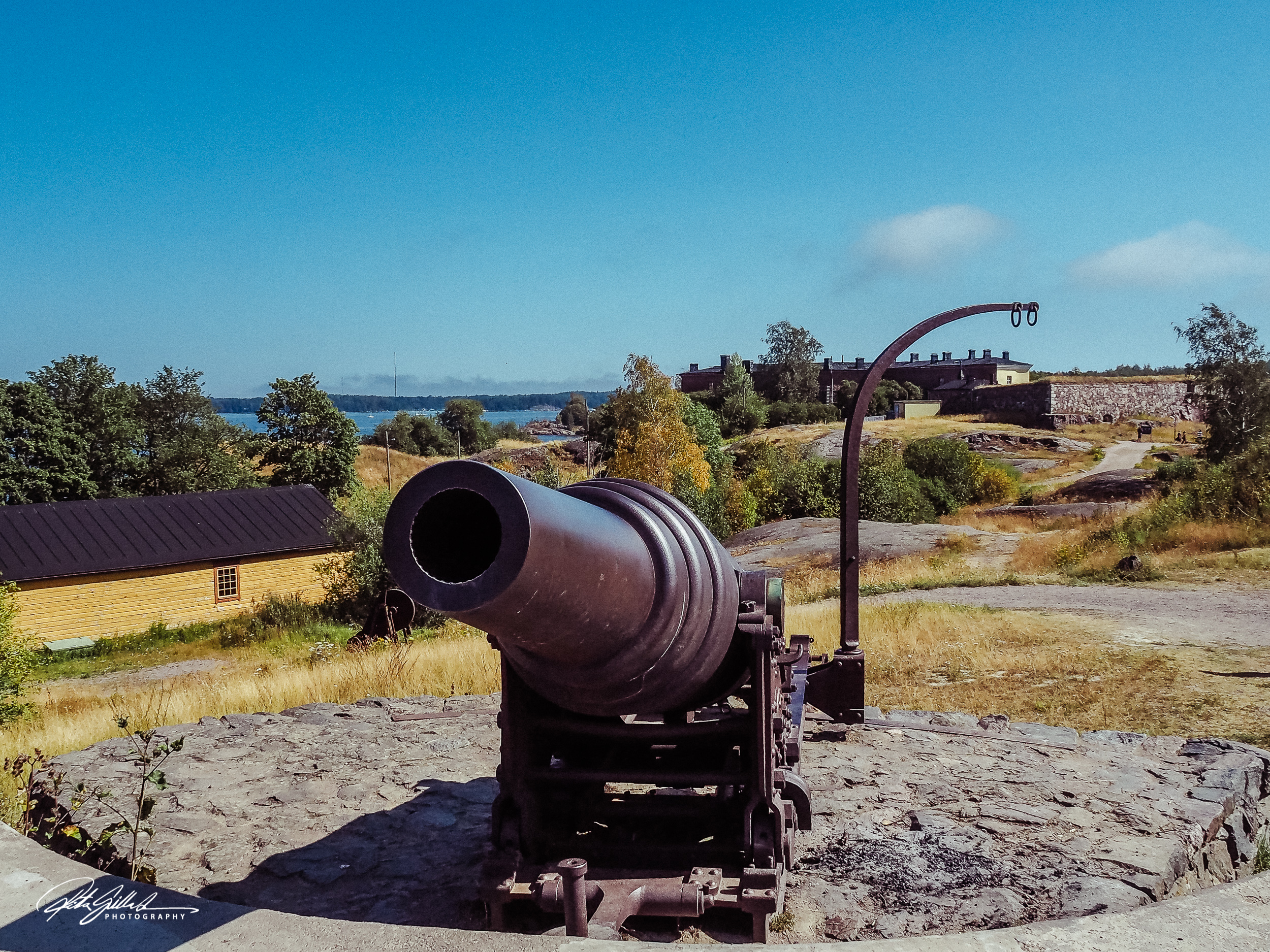
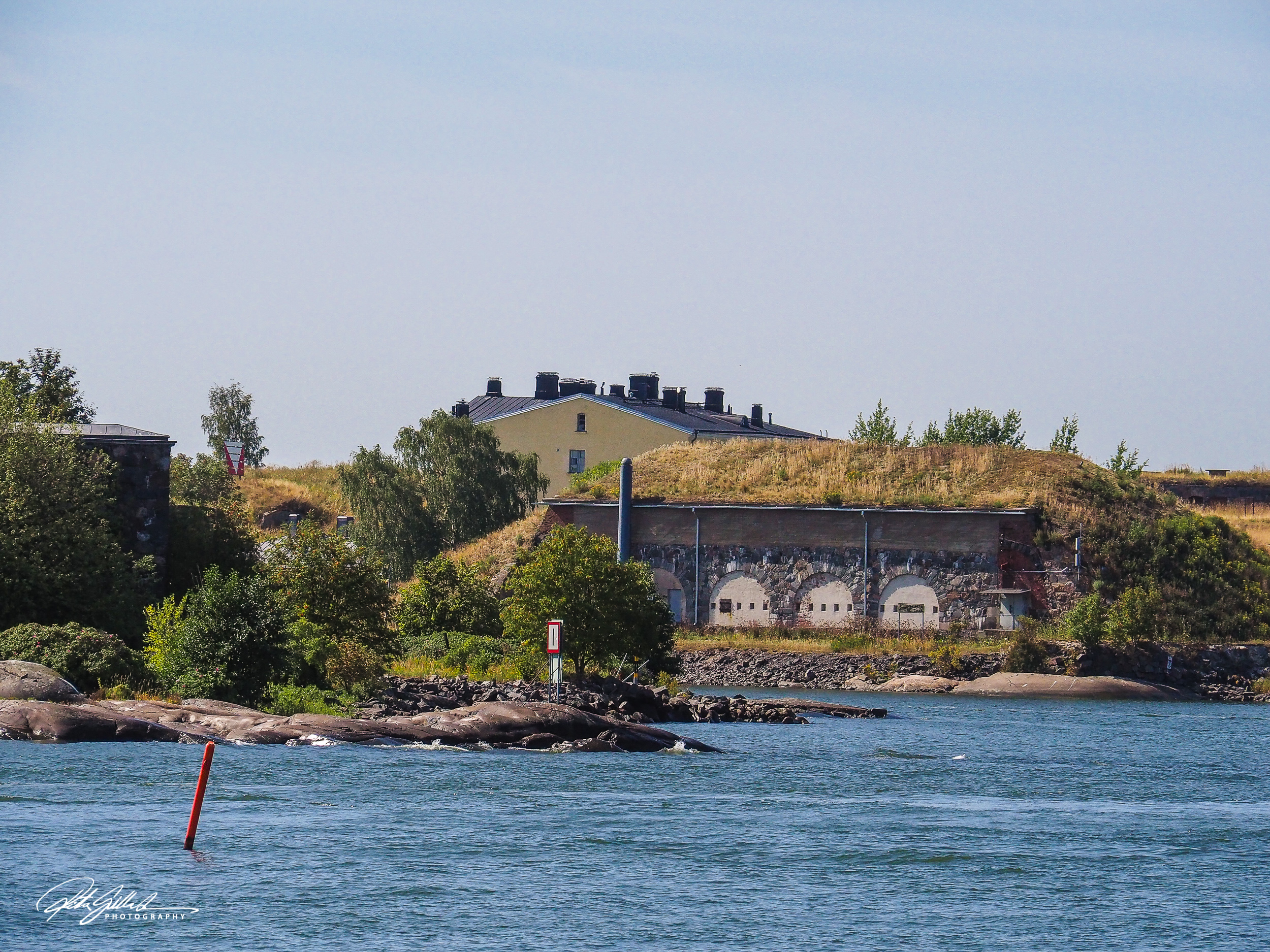
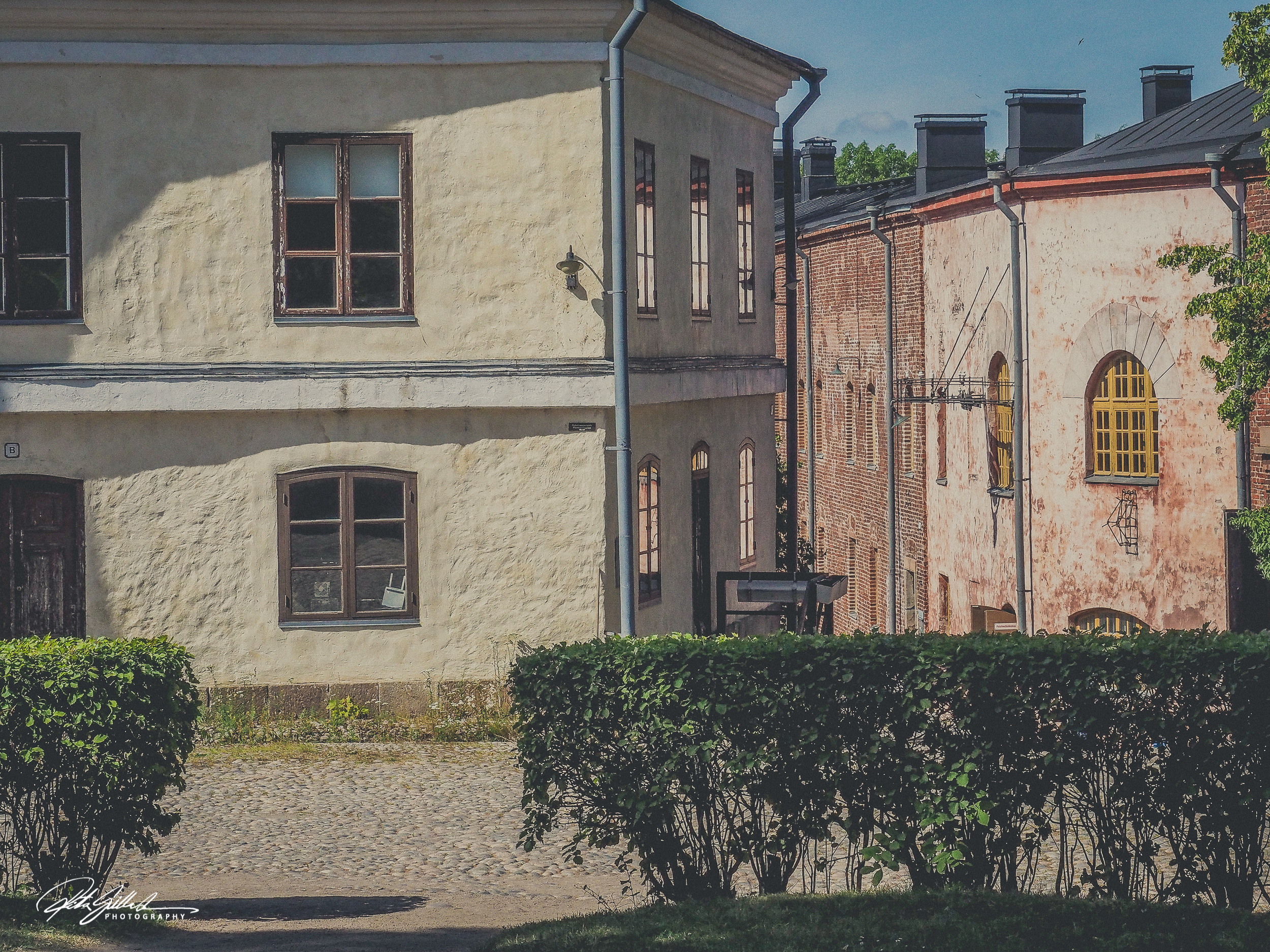
Sea fortress 2

I had so many problems with loading the photos into the last post at least 4 attempts to have them in a gallery of my choosing. So I got frustrated and I’ve stayed away for four days. Let’s hope this post is easier. Suomenlinna is a lovely place to visit so I decided to share the joy with you – again .

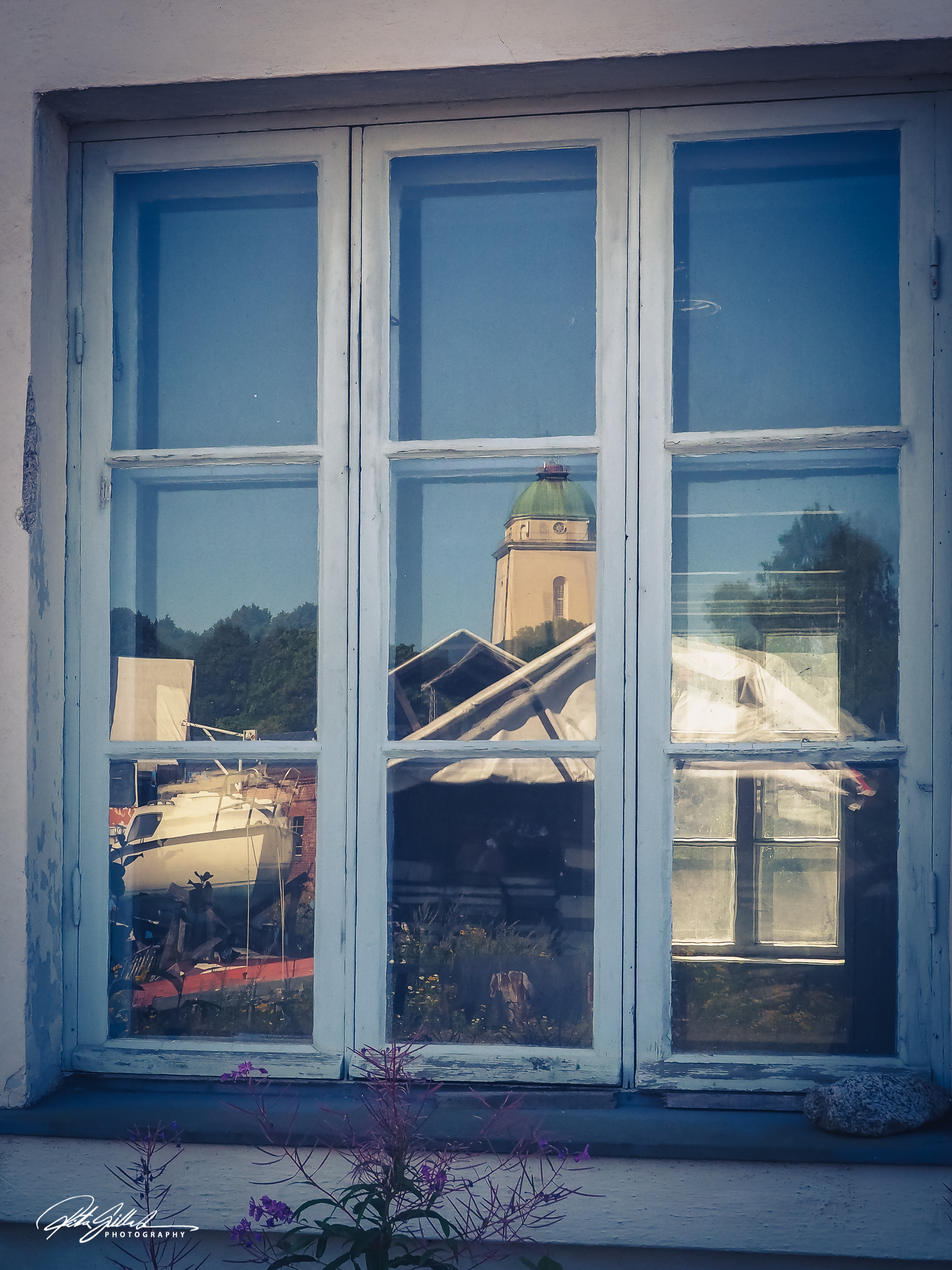
Reflection from Suomenlina

Sea fortress

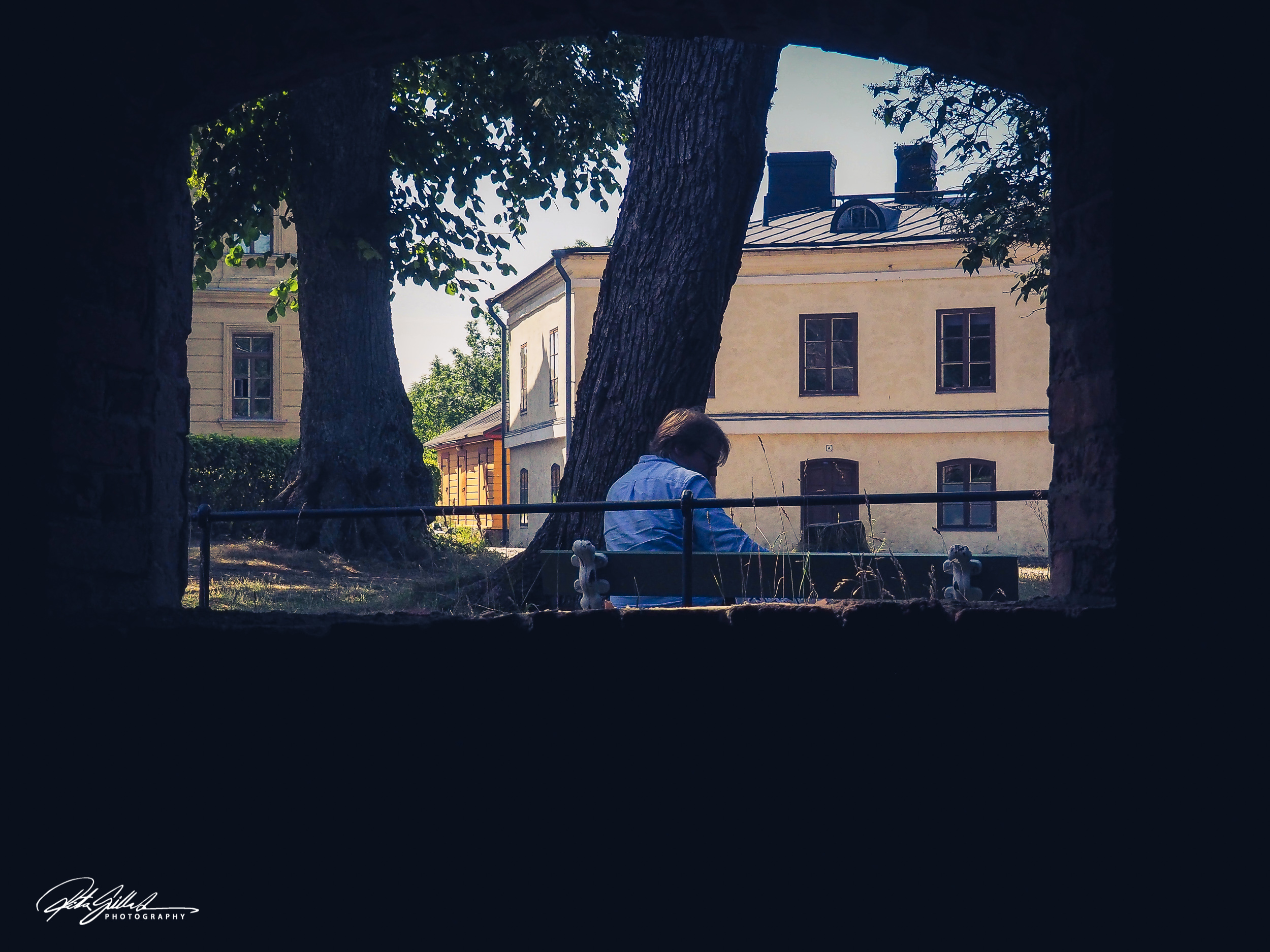
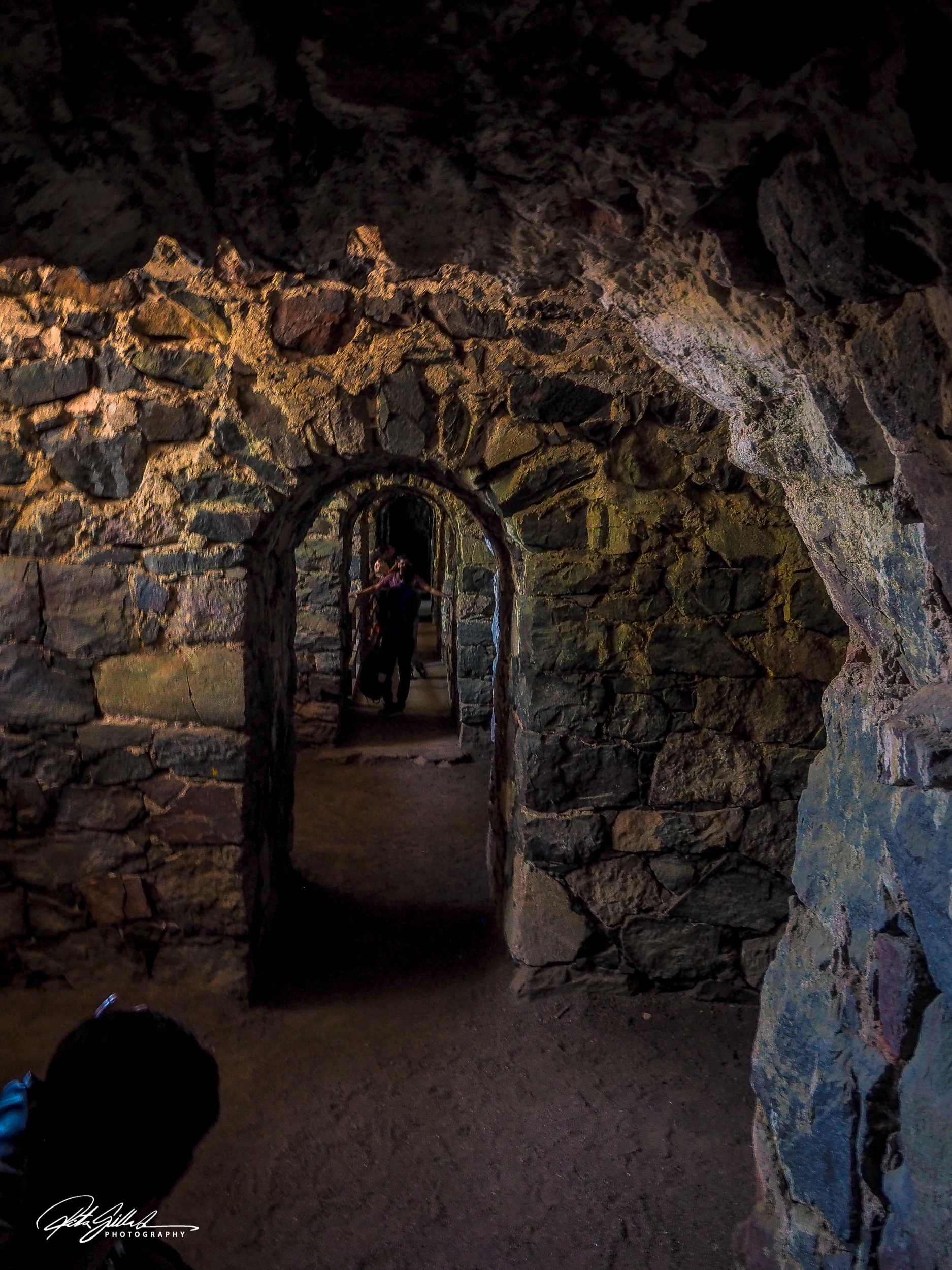
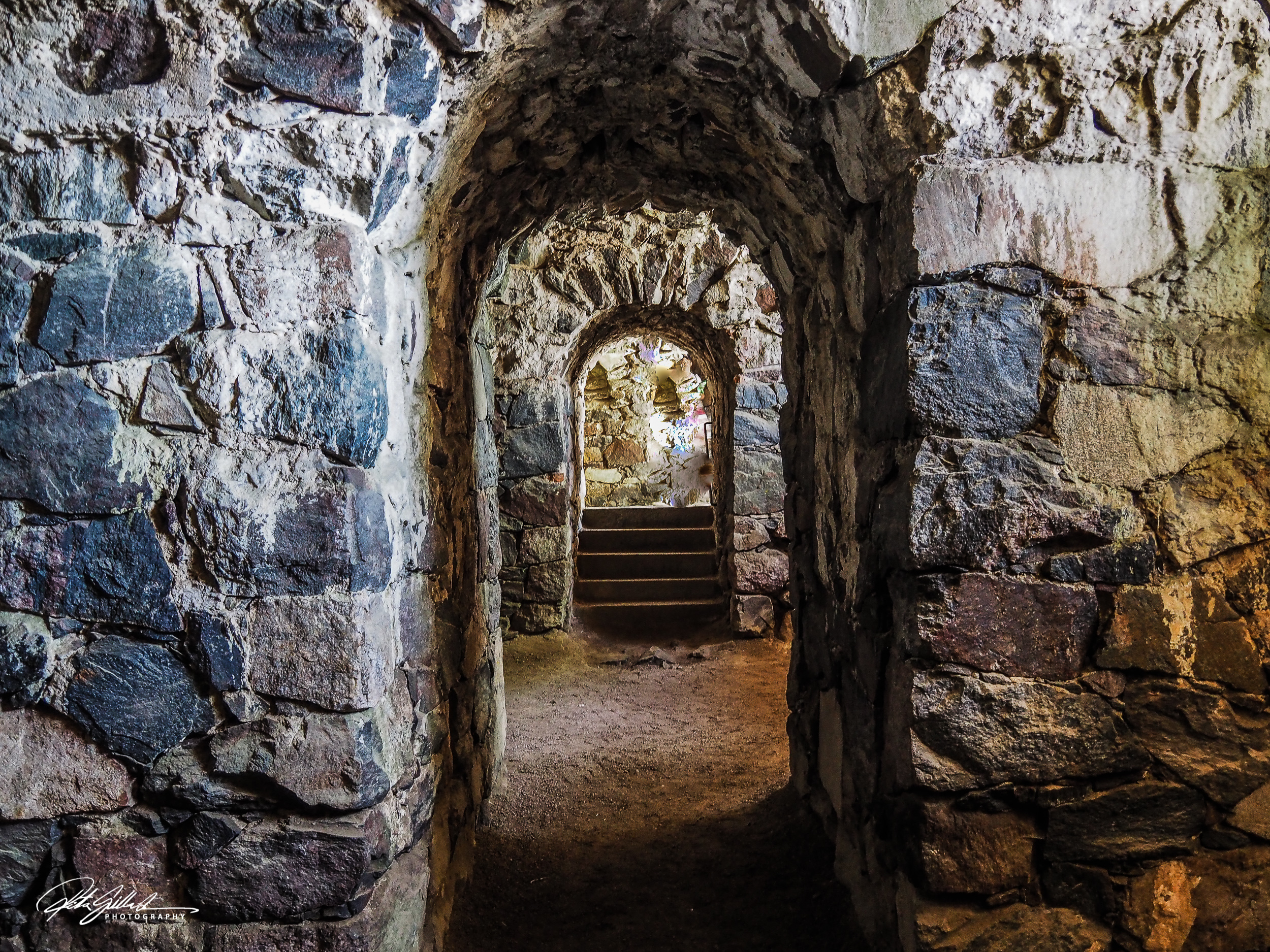
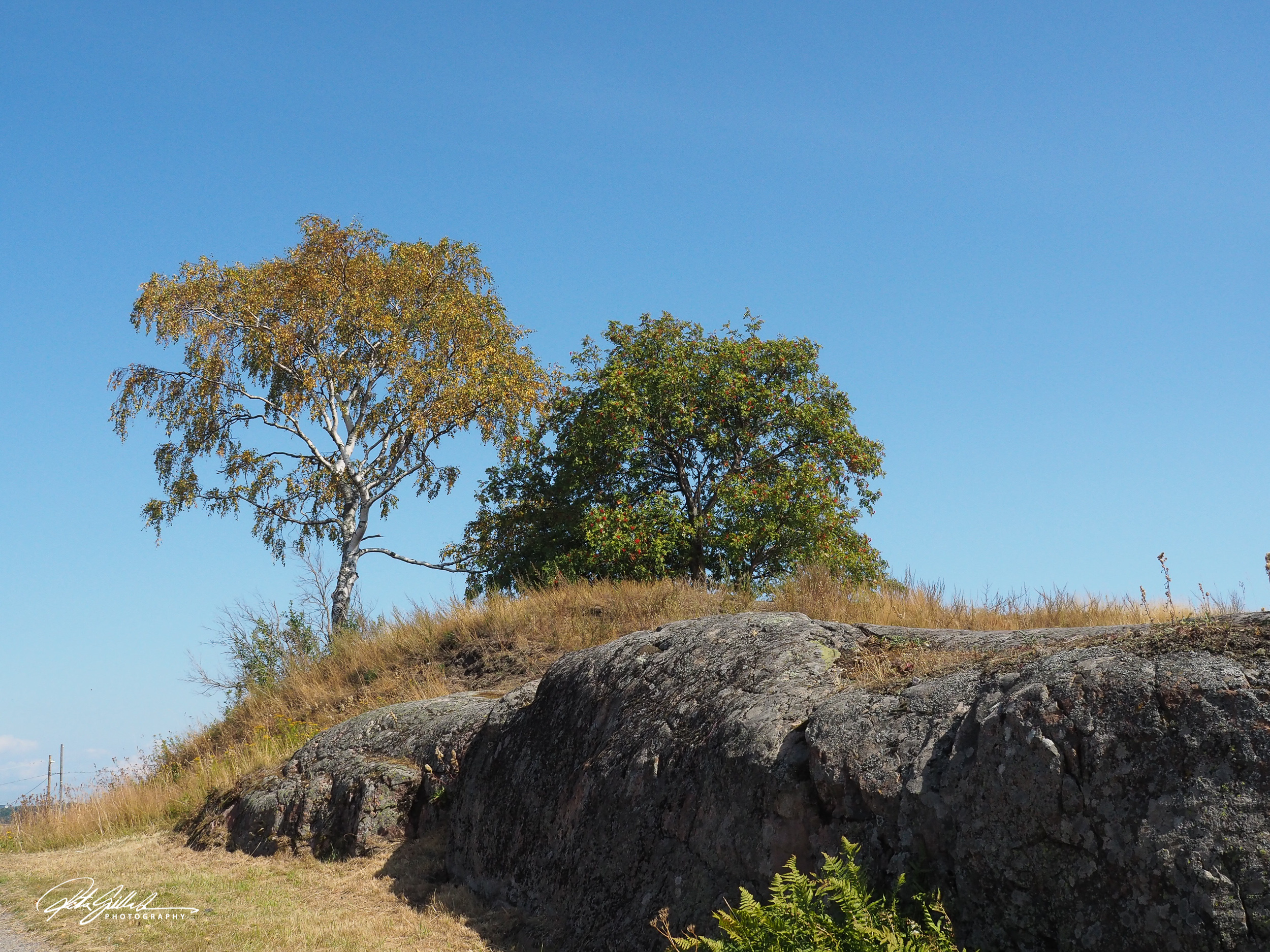
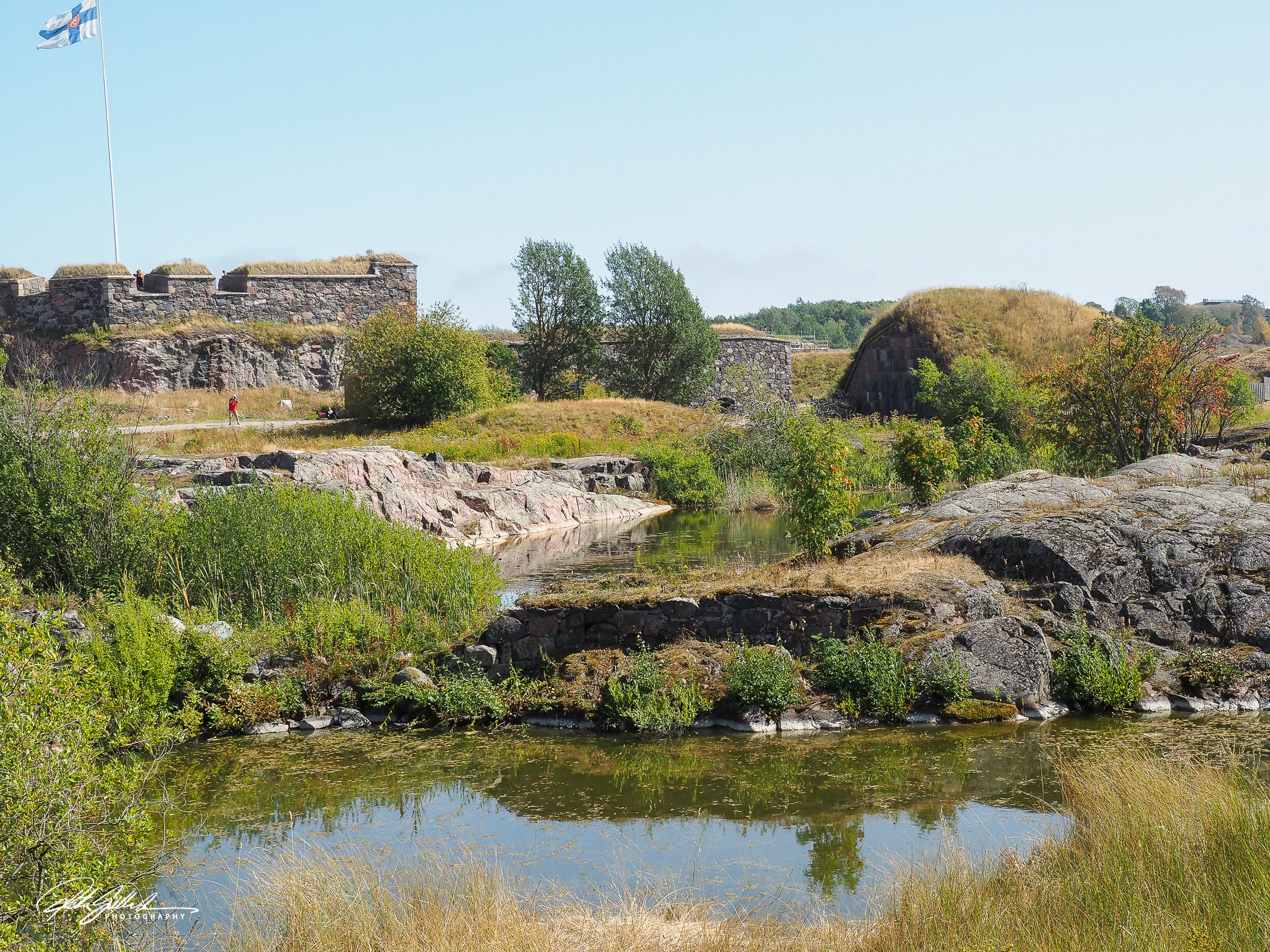
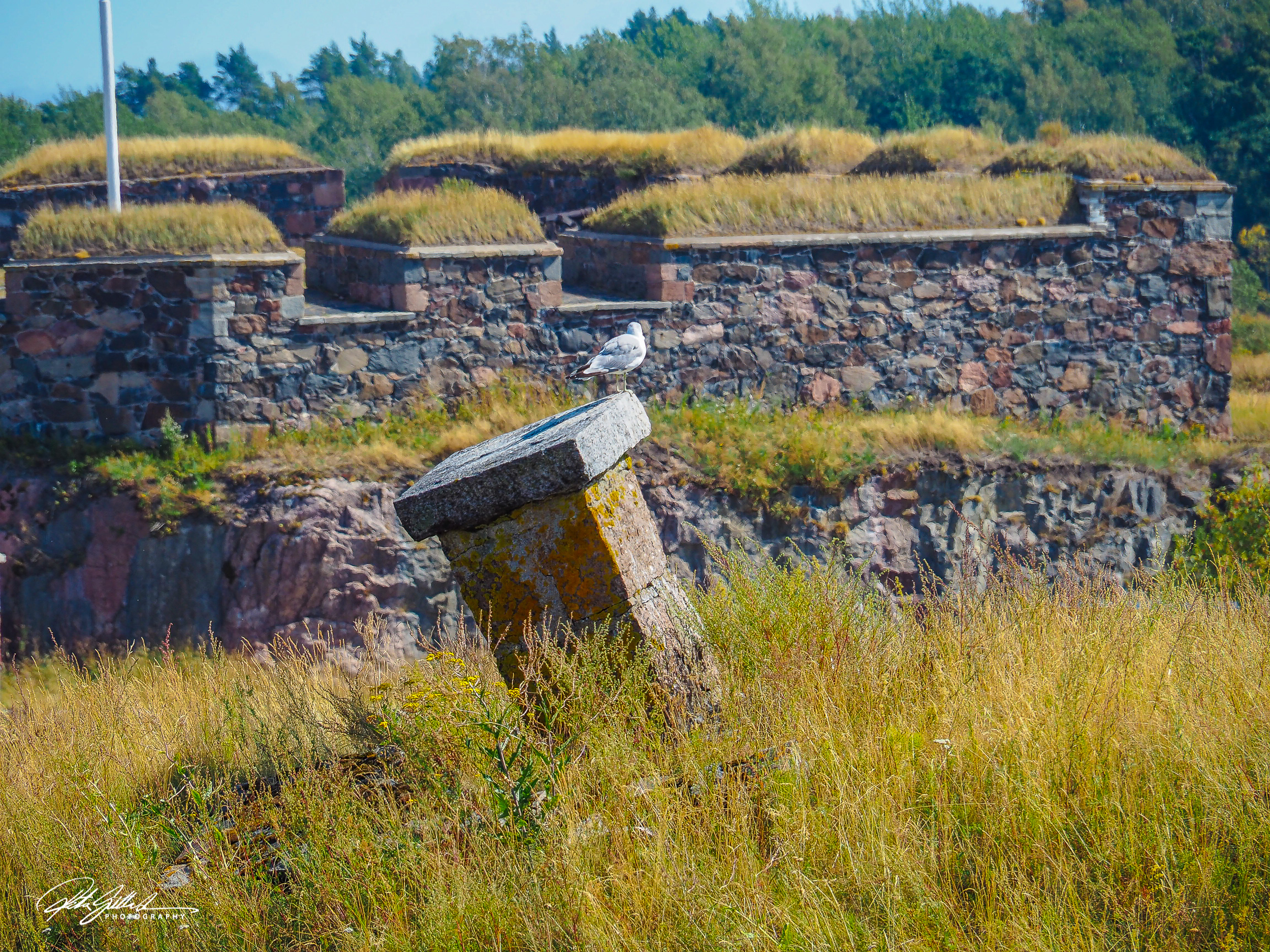
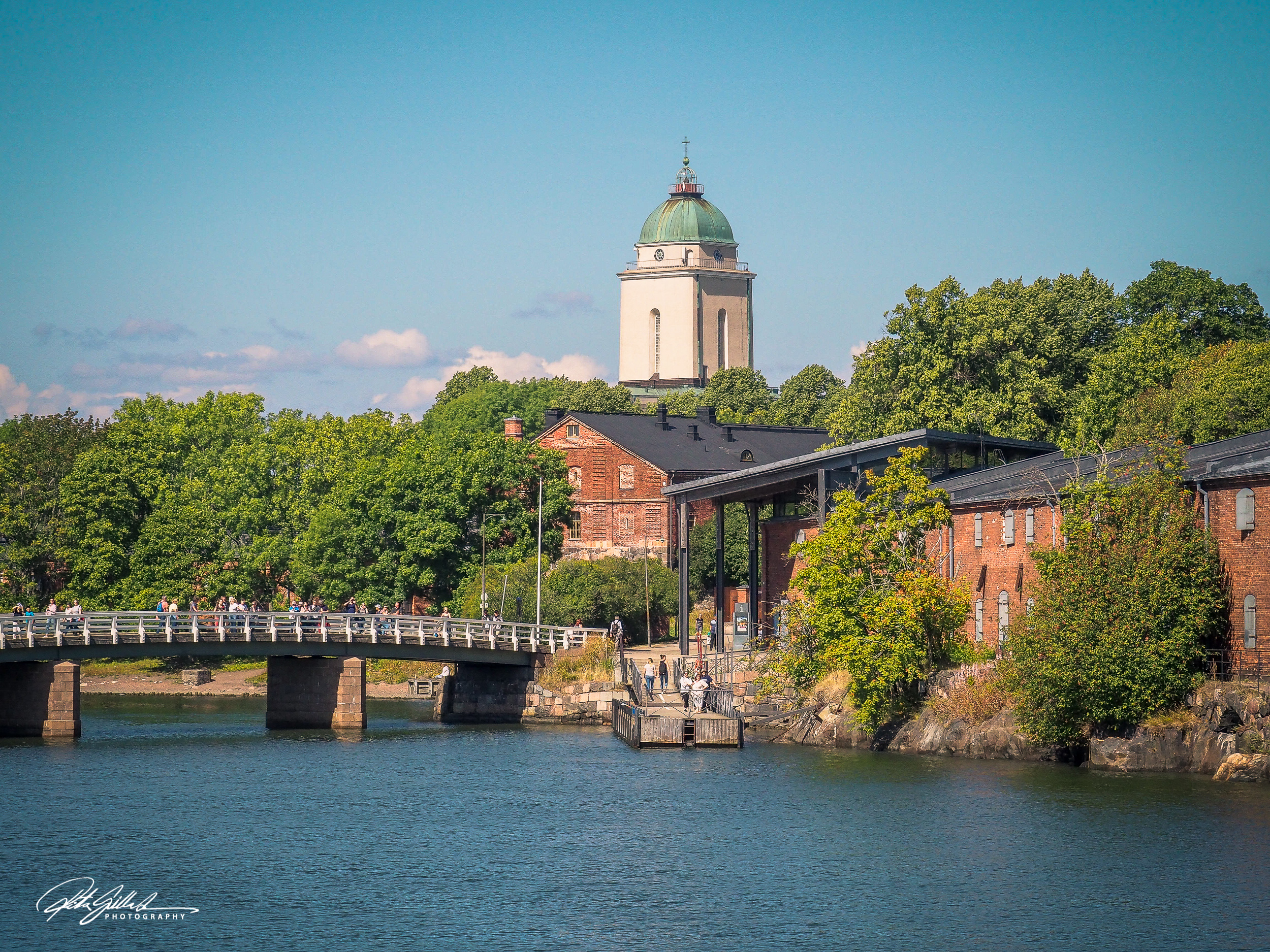
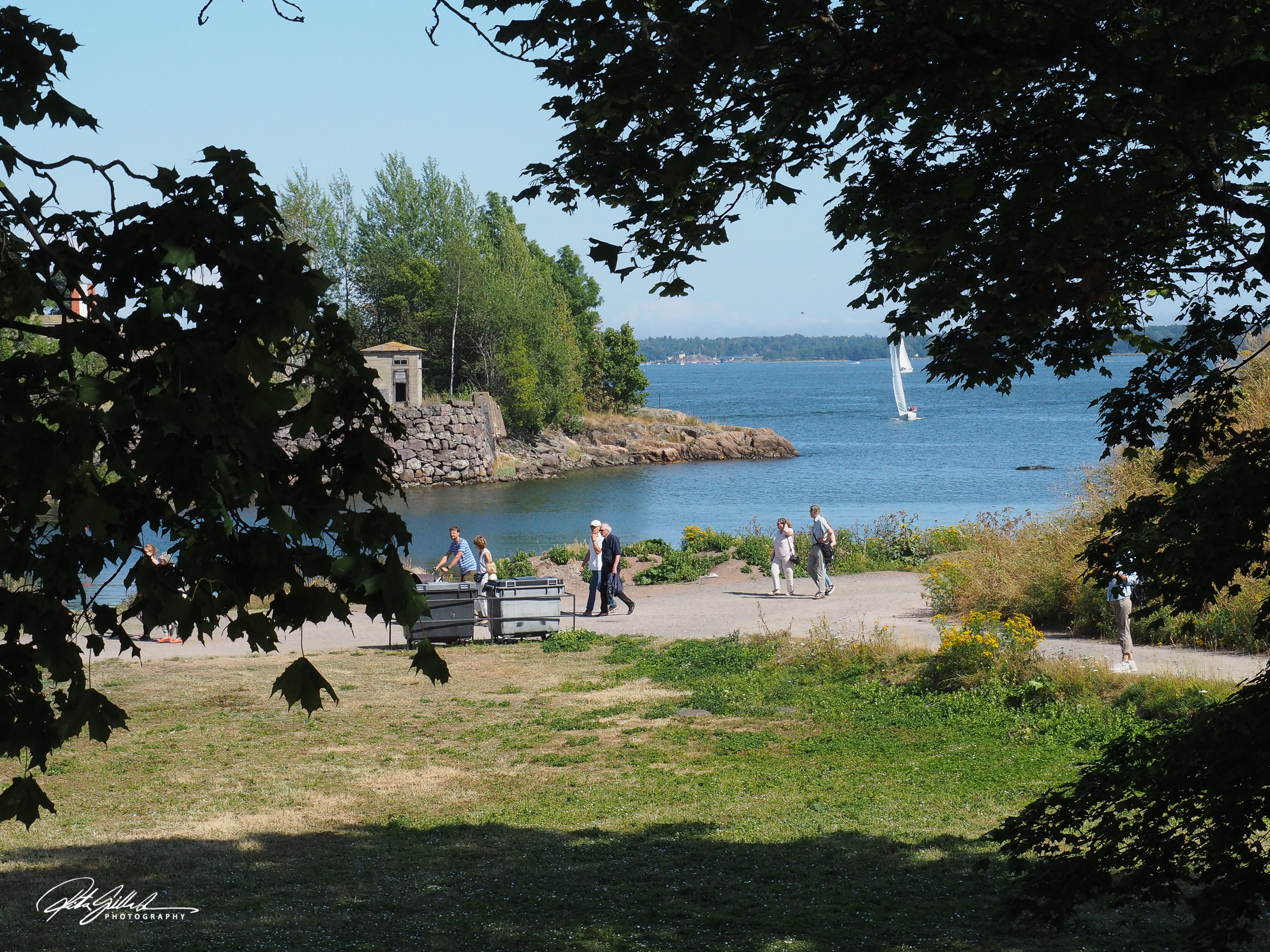
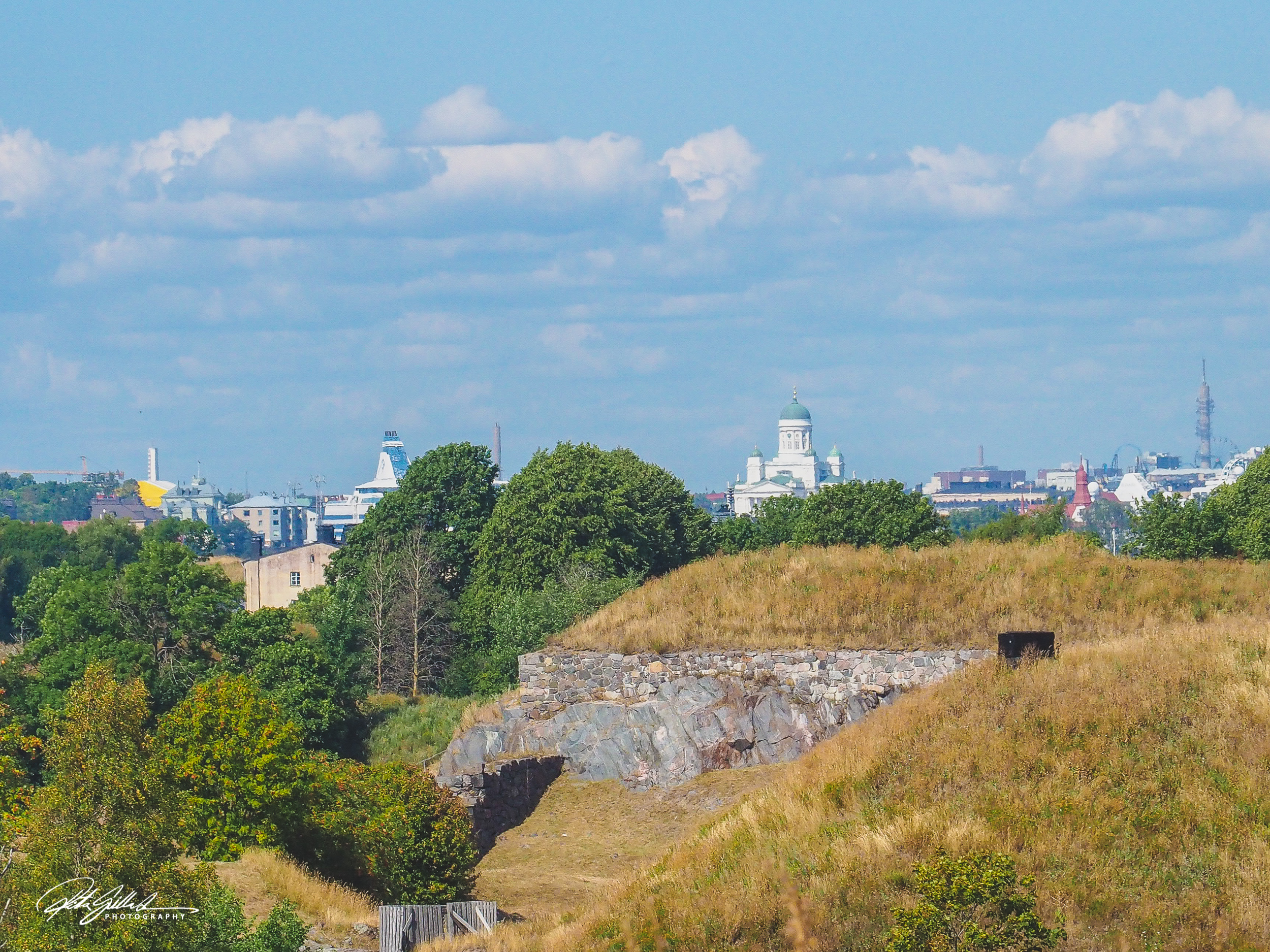
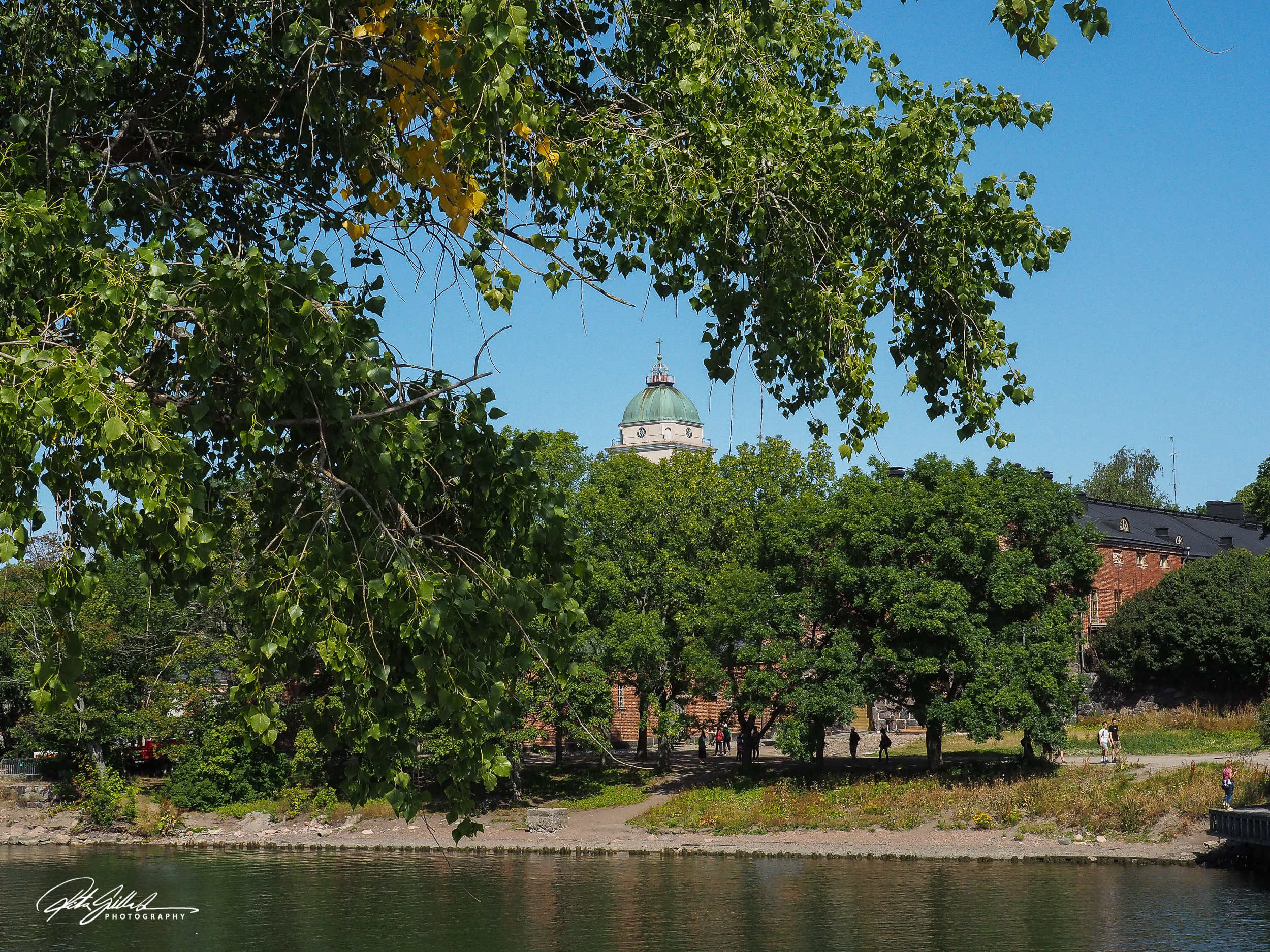
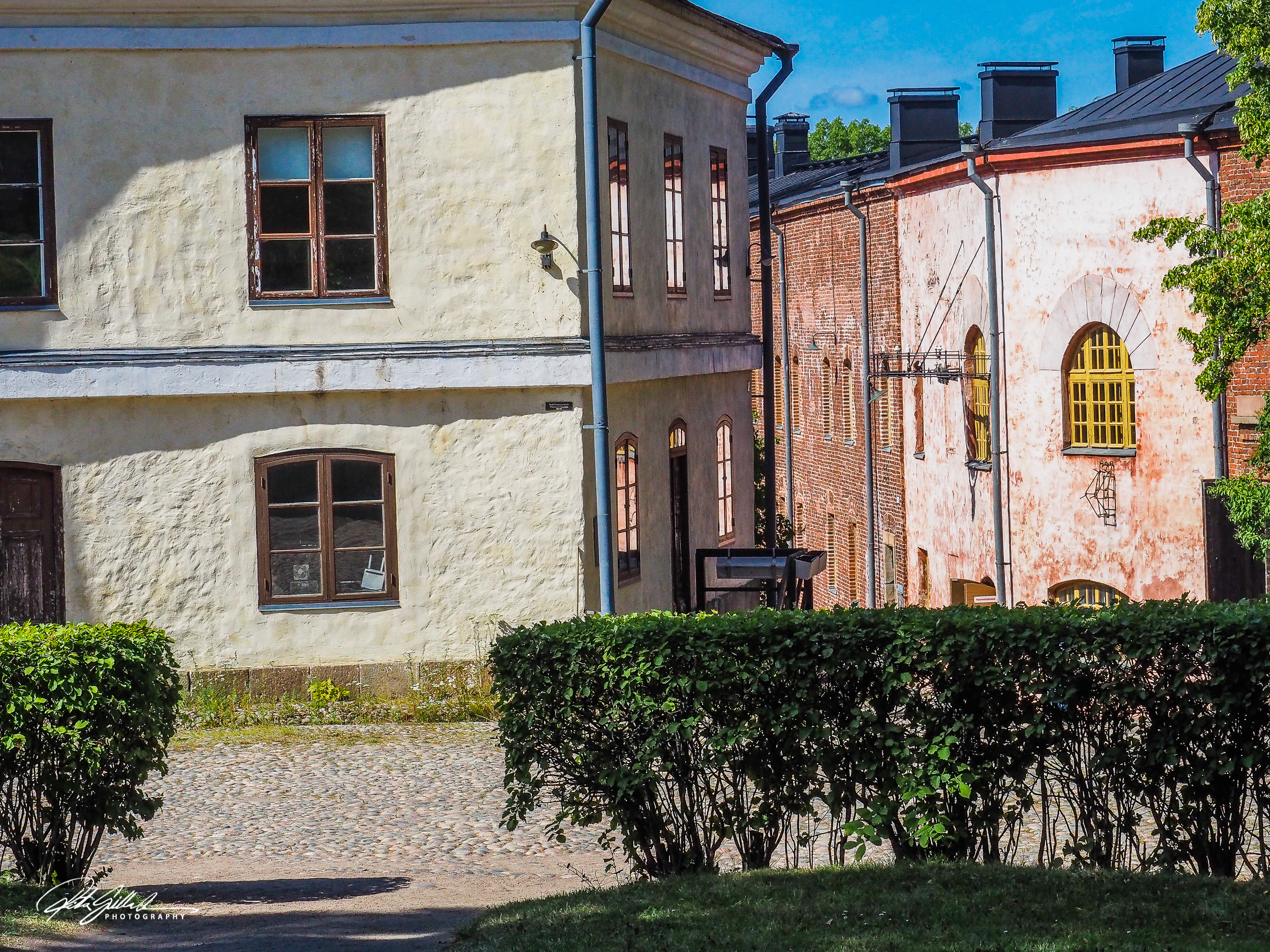
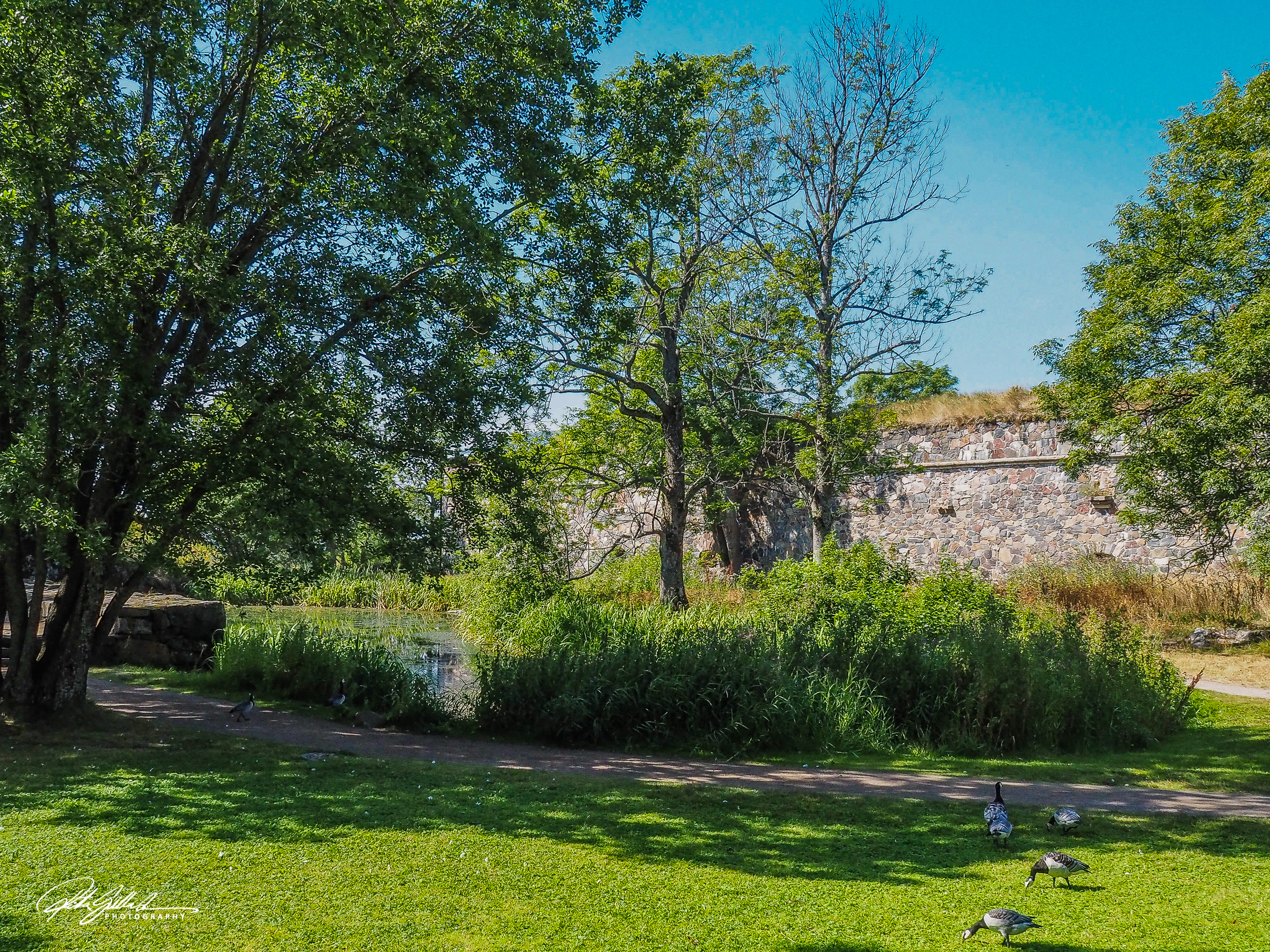
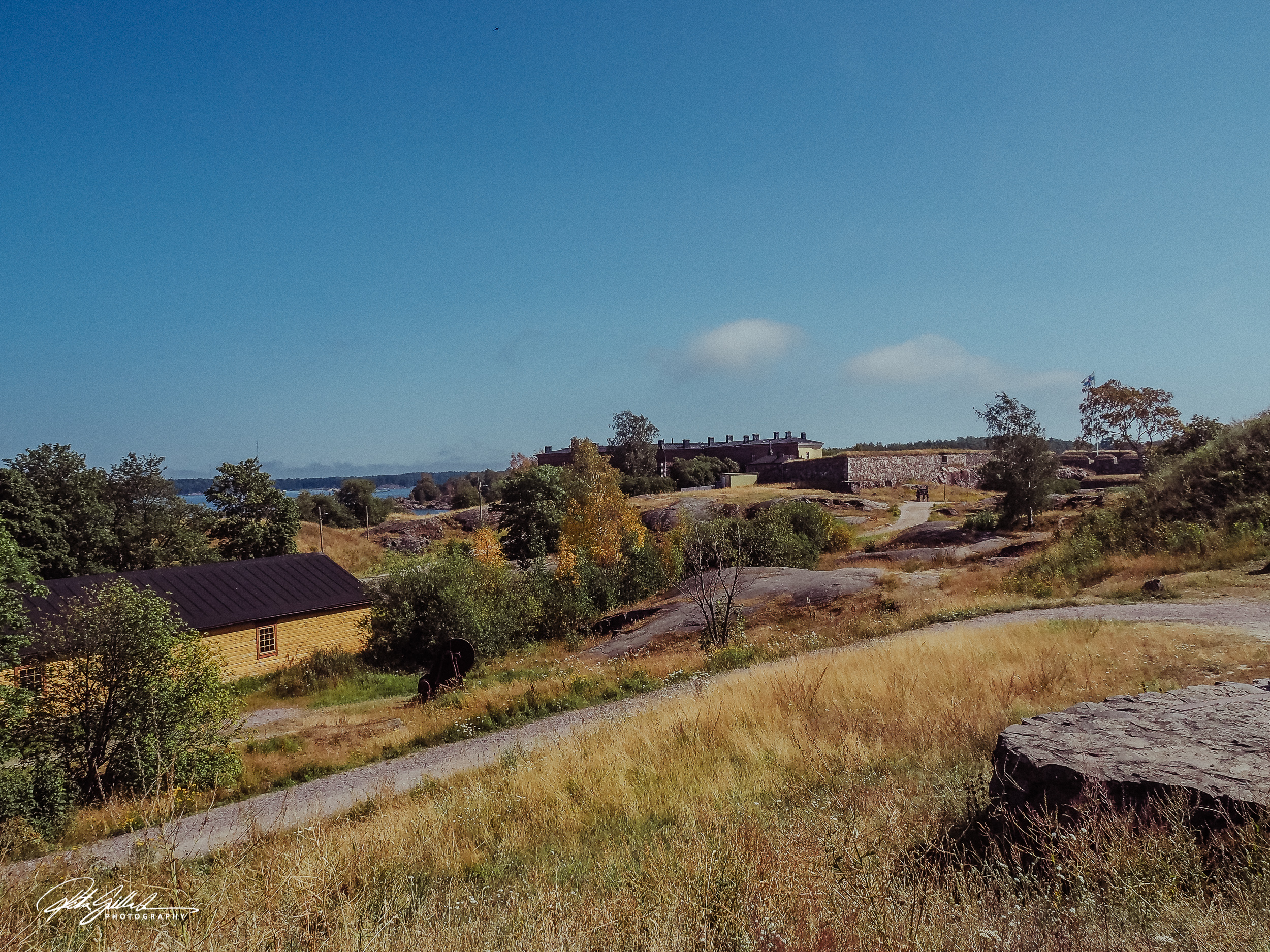
Visited on of Helsinki’s most popular tourist attractions today. It has been years since I was here. The place has history Suomenlinna (Finnish; until 1918 Viapori), or Sveaborg , literal translation in Finnish is Castle of Finland inhabited sea fortress built on six islands and which now forms part of the city of Helsinki. It is a UNESCO World Heritage site and also it as a picturesque picnic site. Originally named Sveaborg. The Swedish crown commenced the construction of the fortress in 1748 as protection against the Russian expansionism. This particular day it was packed with locals as well as tourist as the day was just lovely. Here is some background on the place.