

For Cee’s Flower of the Day.

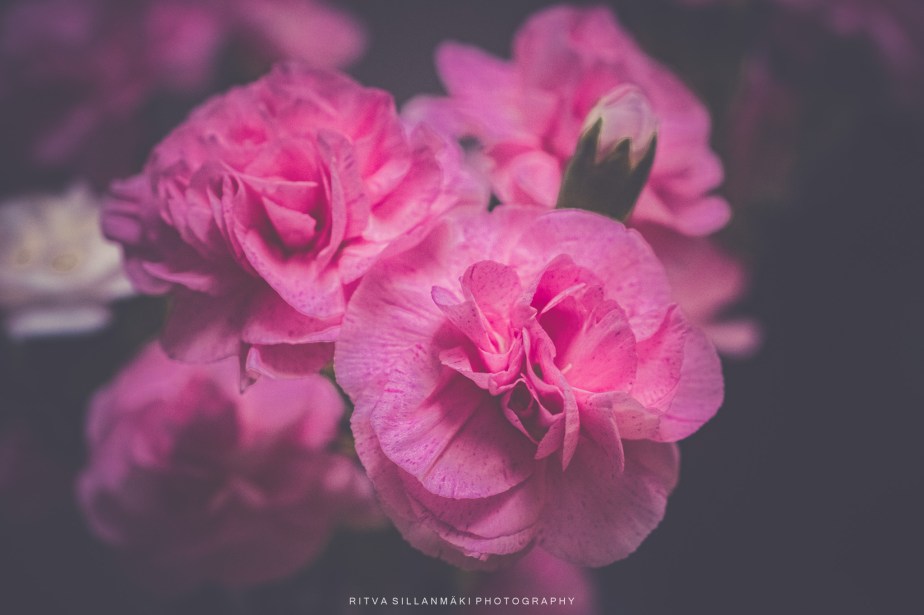
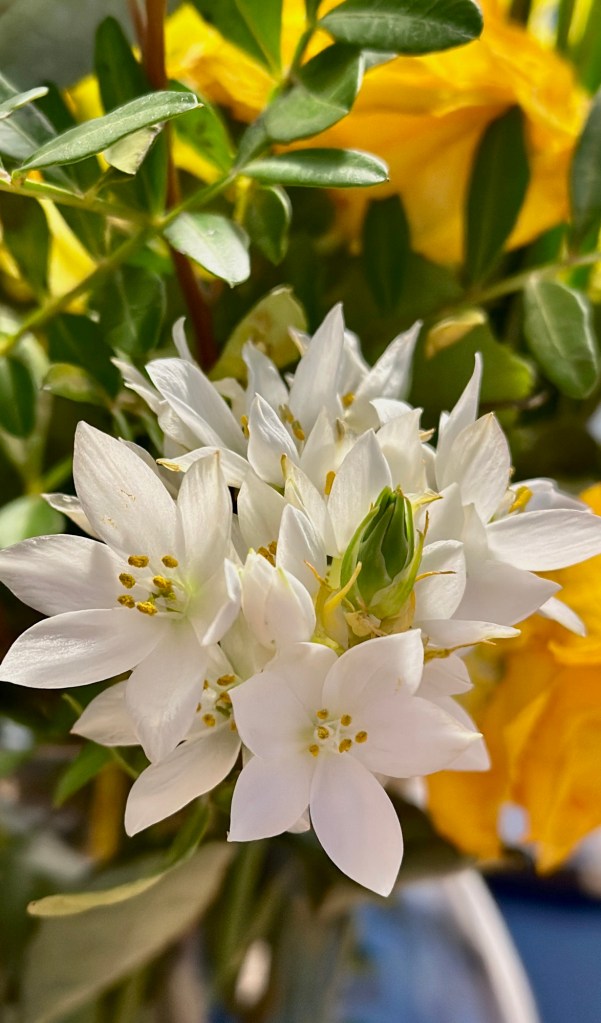
Flower of the day
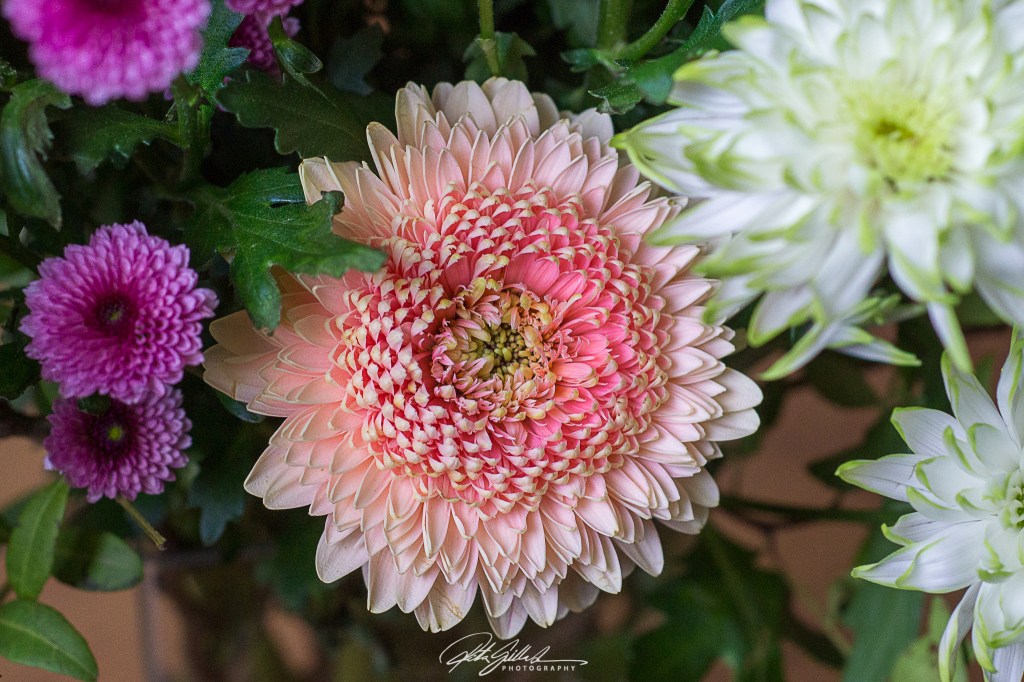
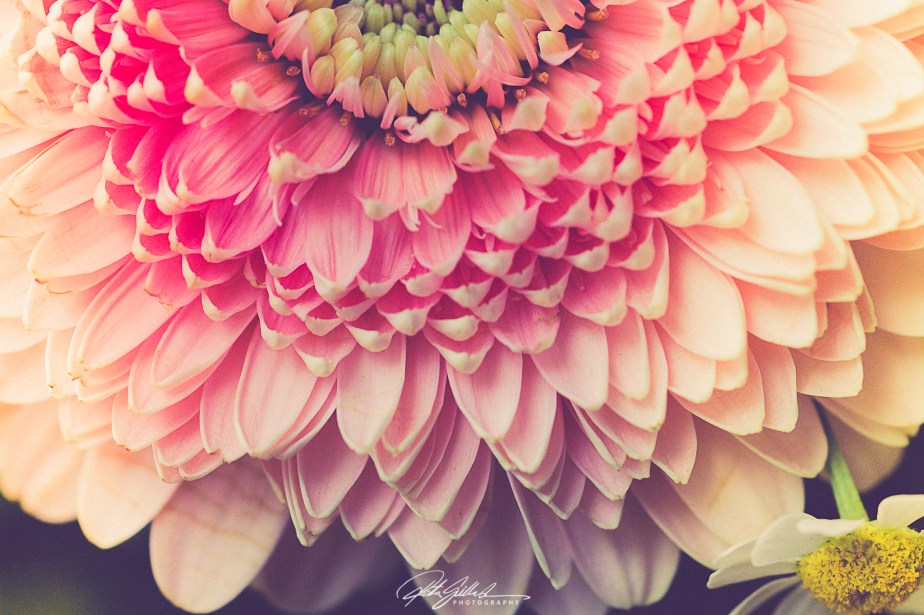
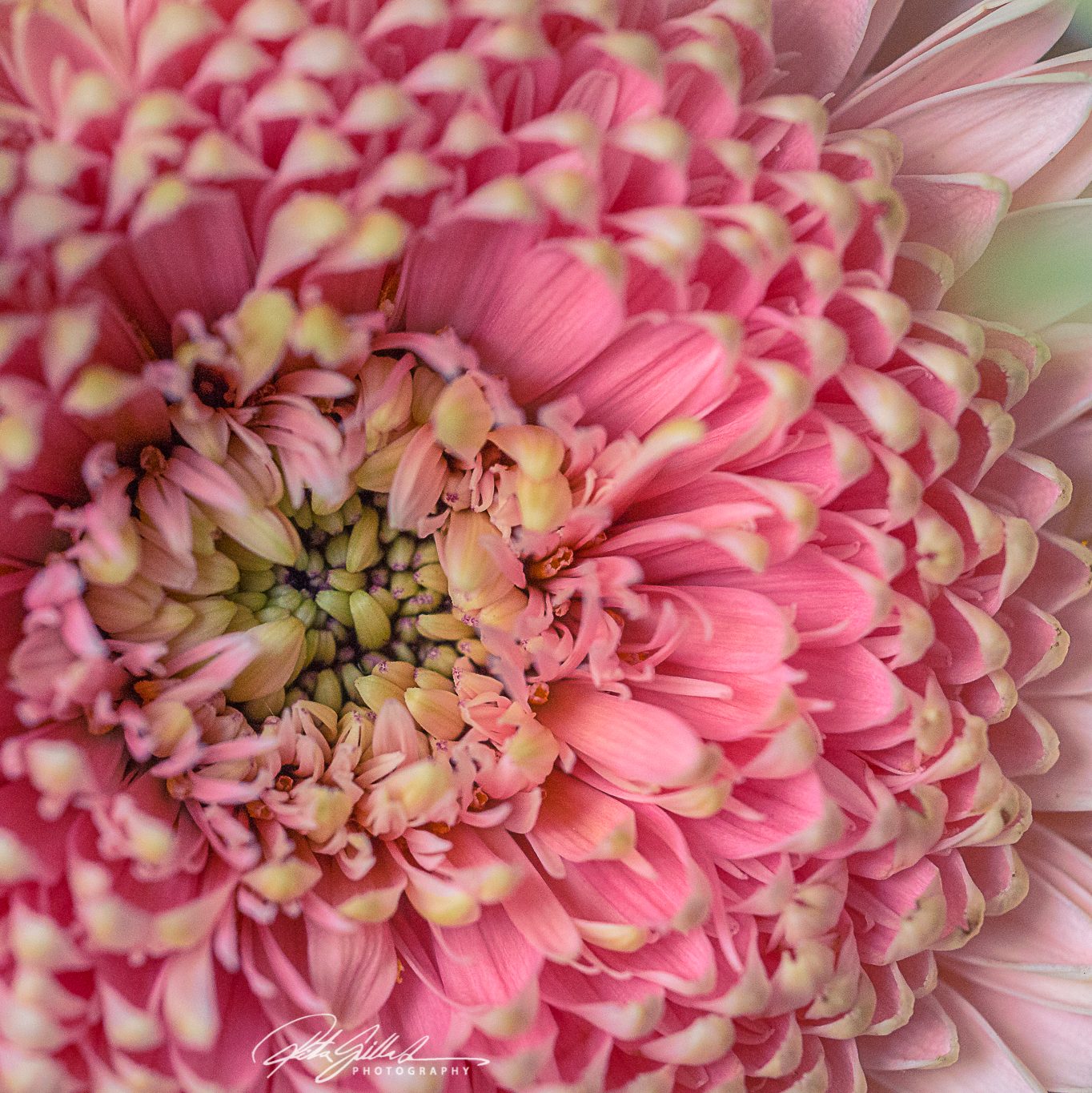
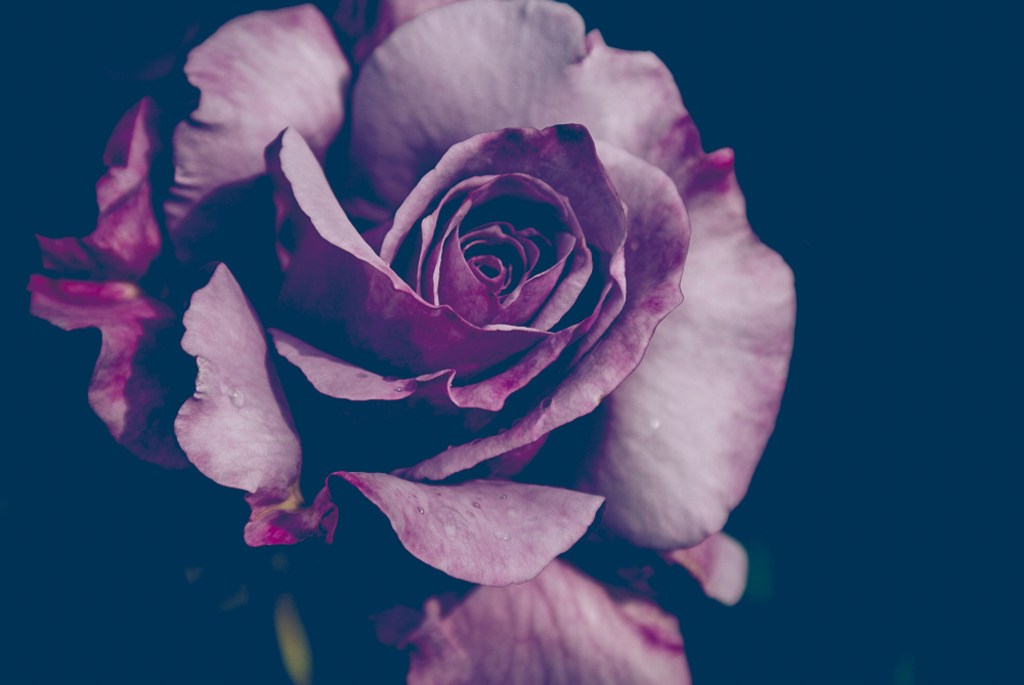
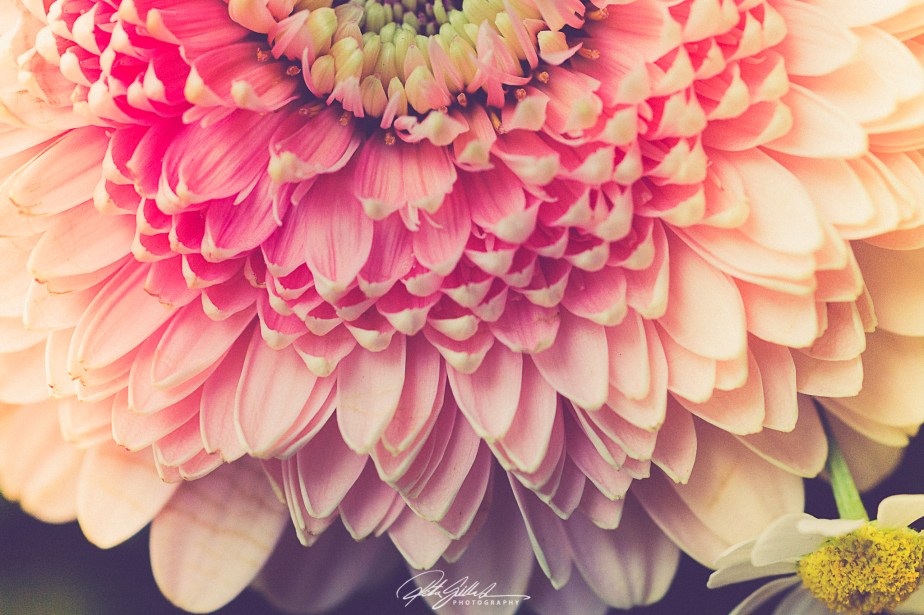
chrysanthemums – MUMS – Known for their vibrant colors and diverse forms. Their stunning blooms can range from soft pastels to brilliant hues My choice For Cee’s Flower of the Day. In addition to their beauty, chrysanthemums hold significant cultural importance in many parts of the world, symbolizing joy and optimism.
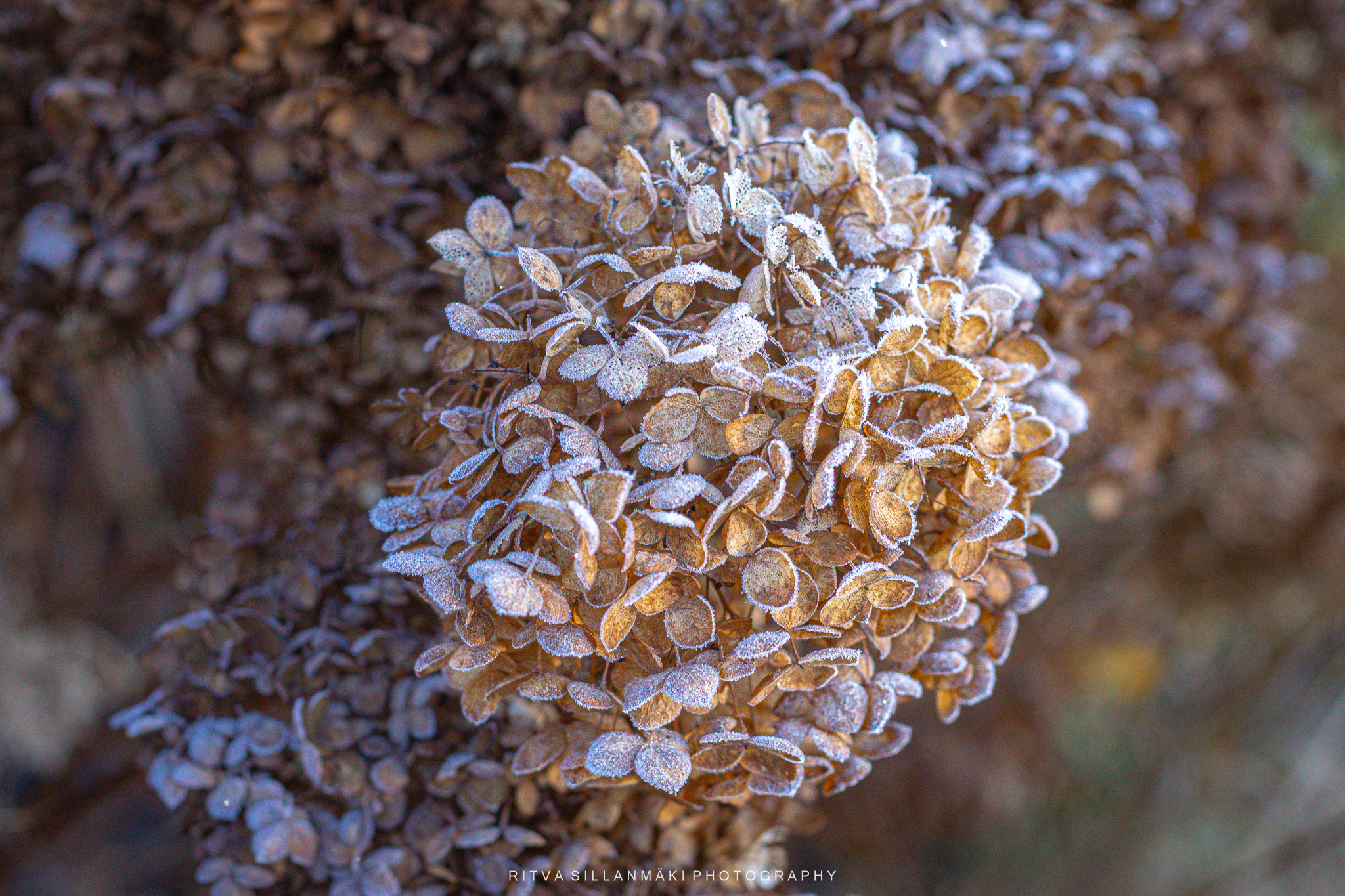
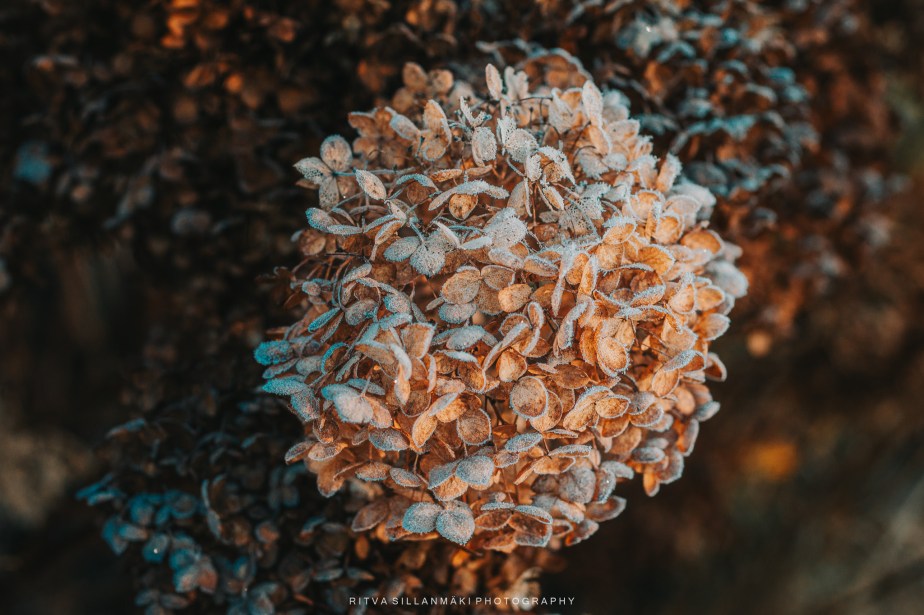
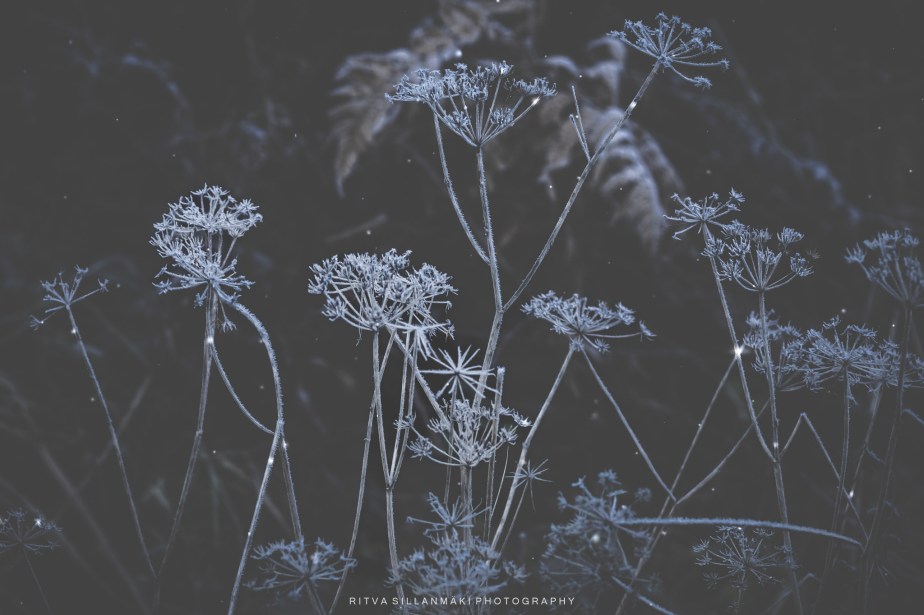
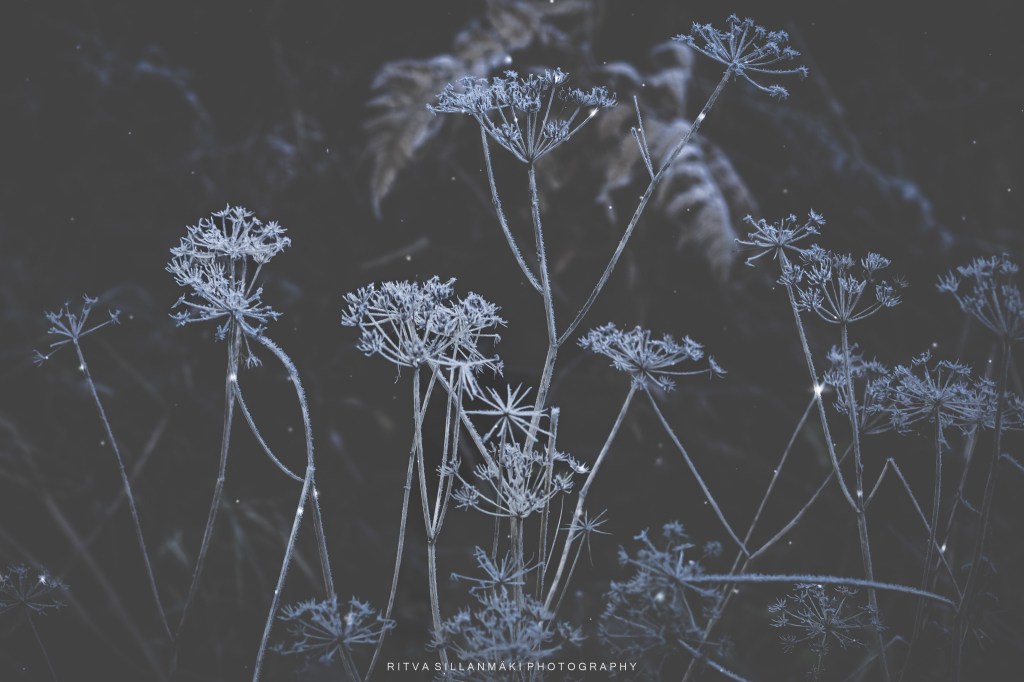
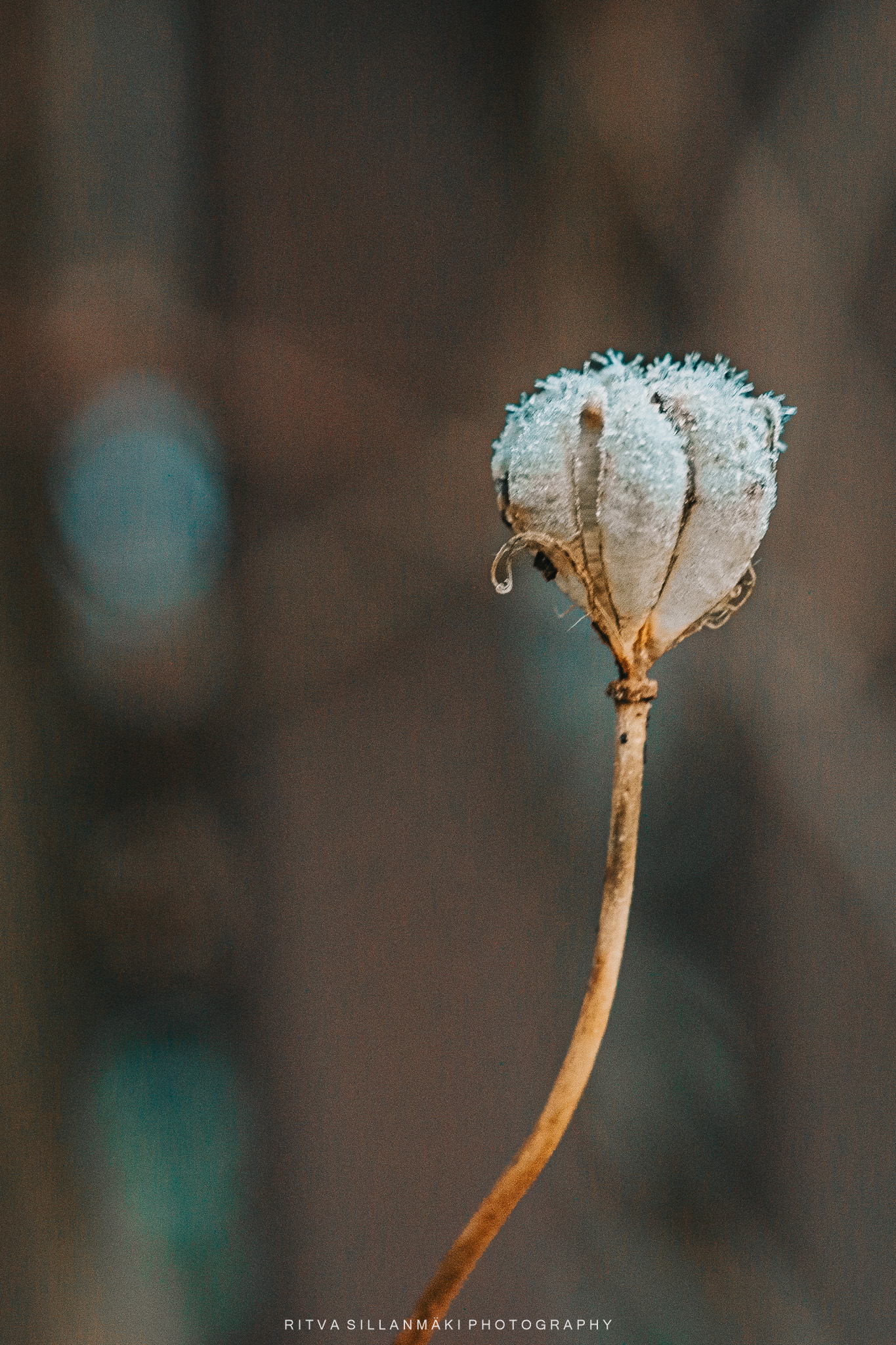
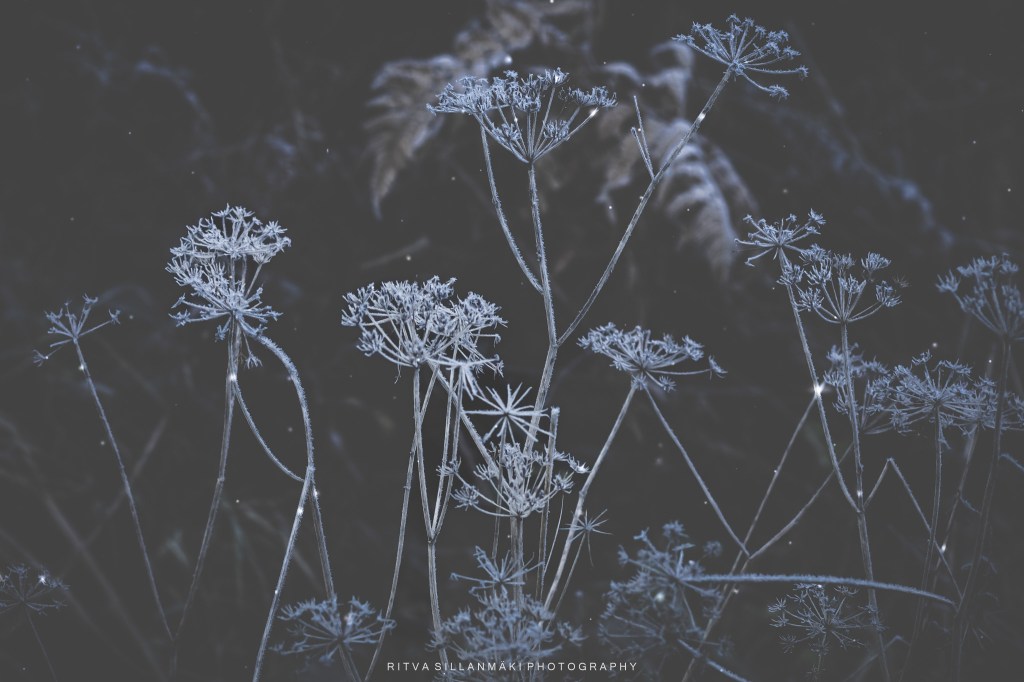
“Frost is the greatest artist in our clime – he paints in nature and describes in rime.” ~ Thomas Hood
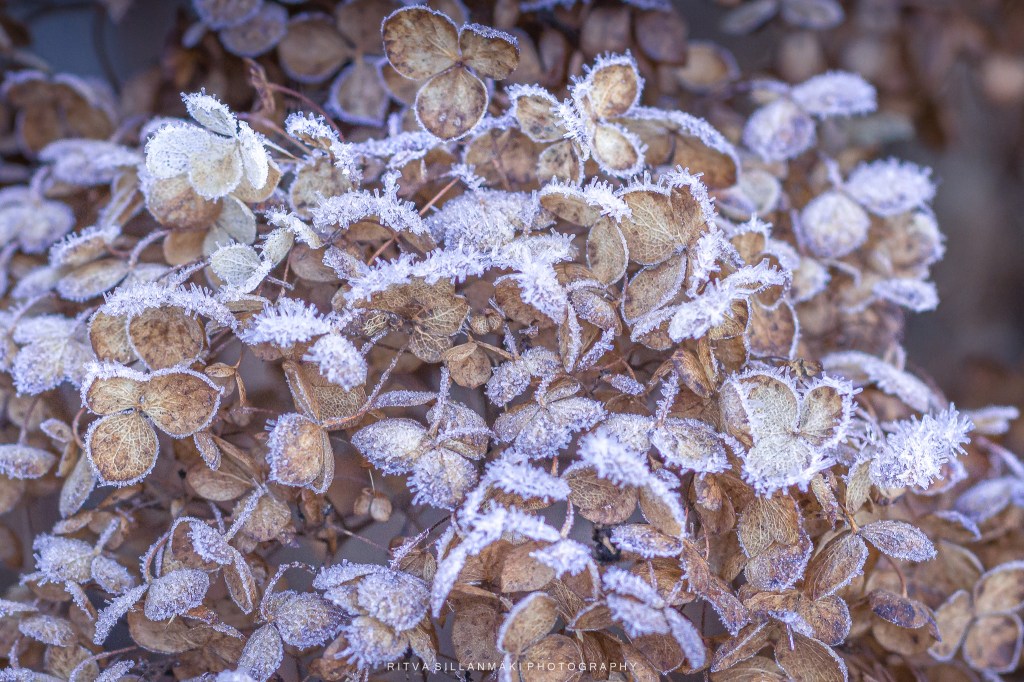
The first frost is the umpire’s final whistle in a game we don’t want to end.
~Adrian Higgins
Cee’s Flower of the day
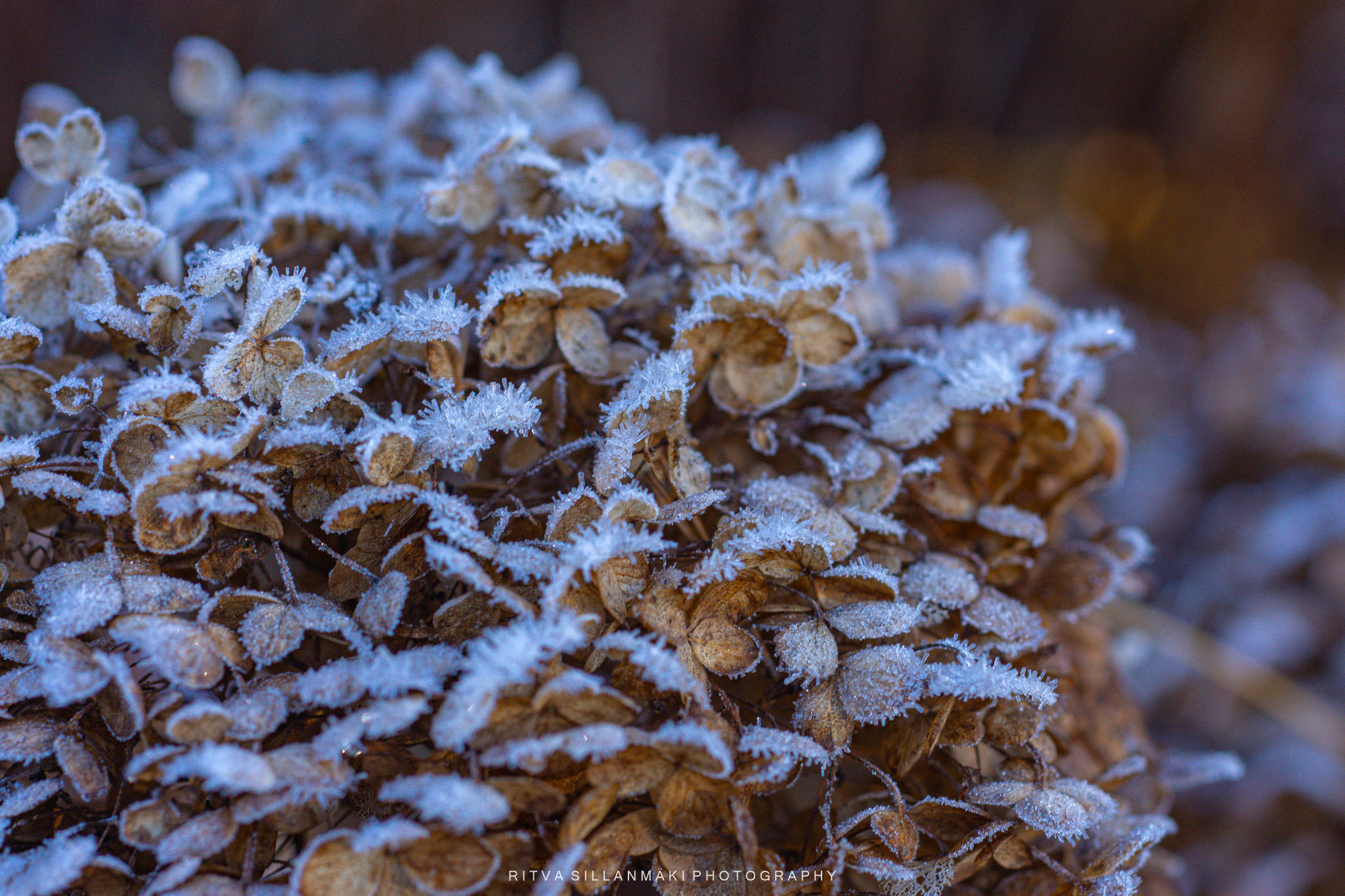
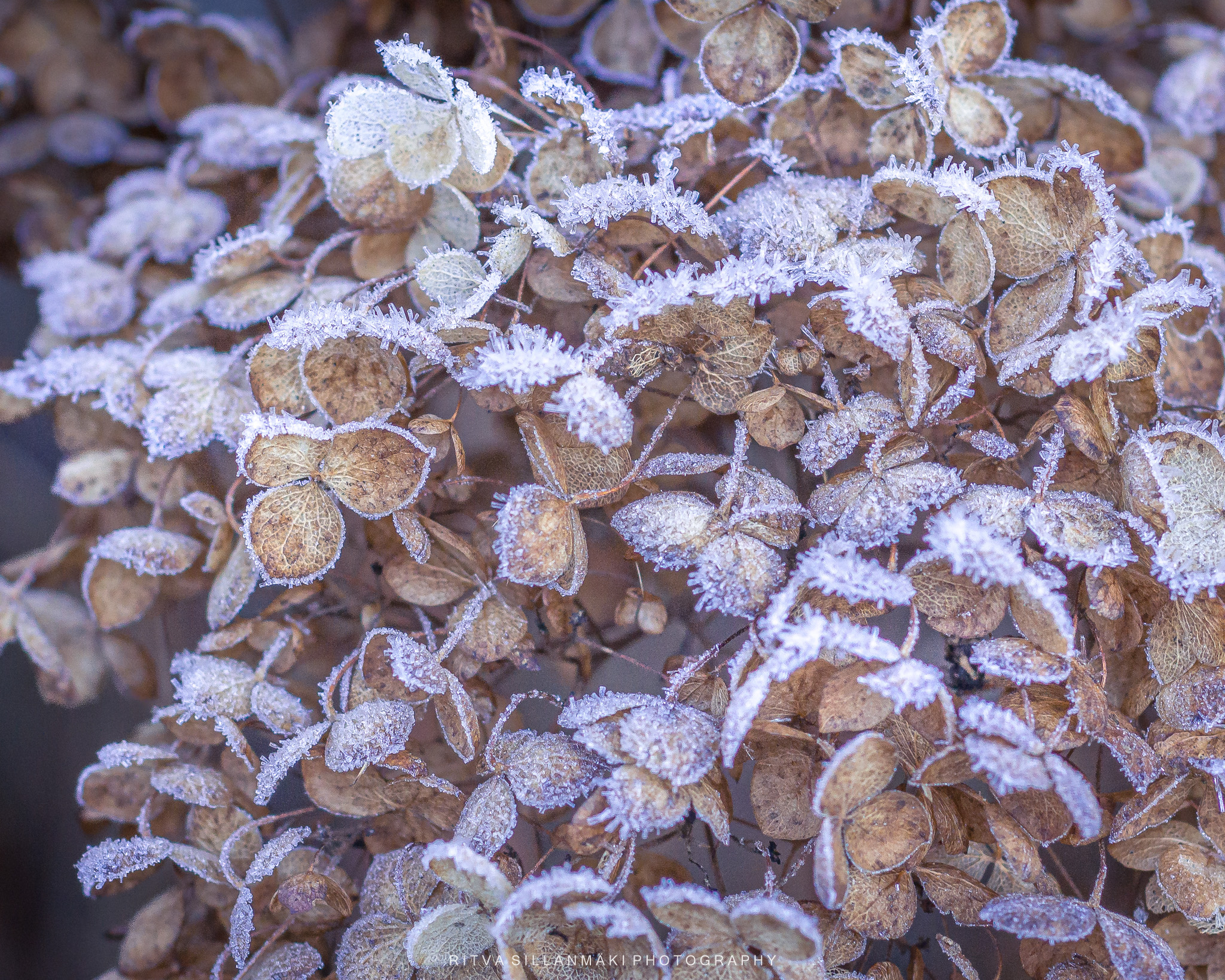
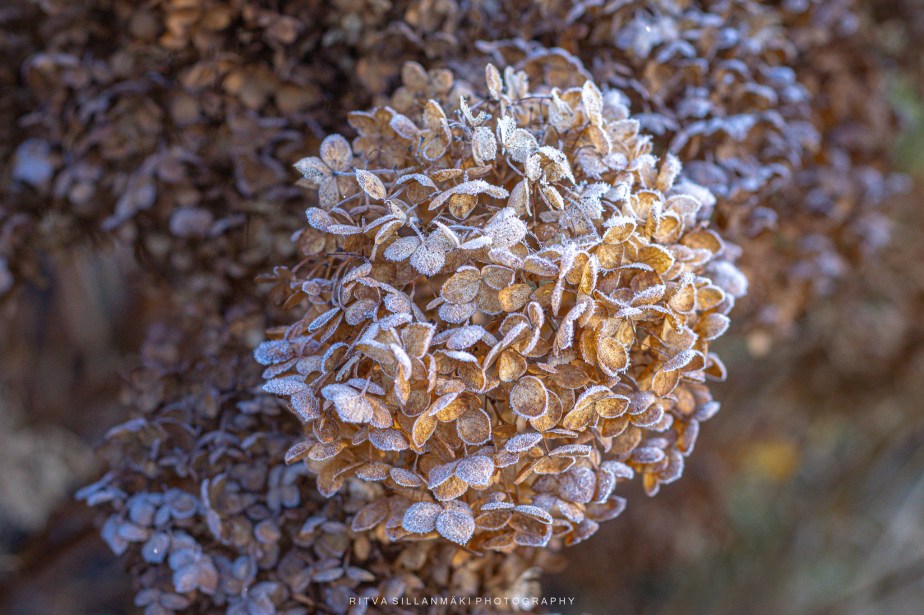
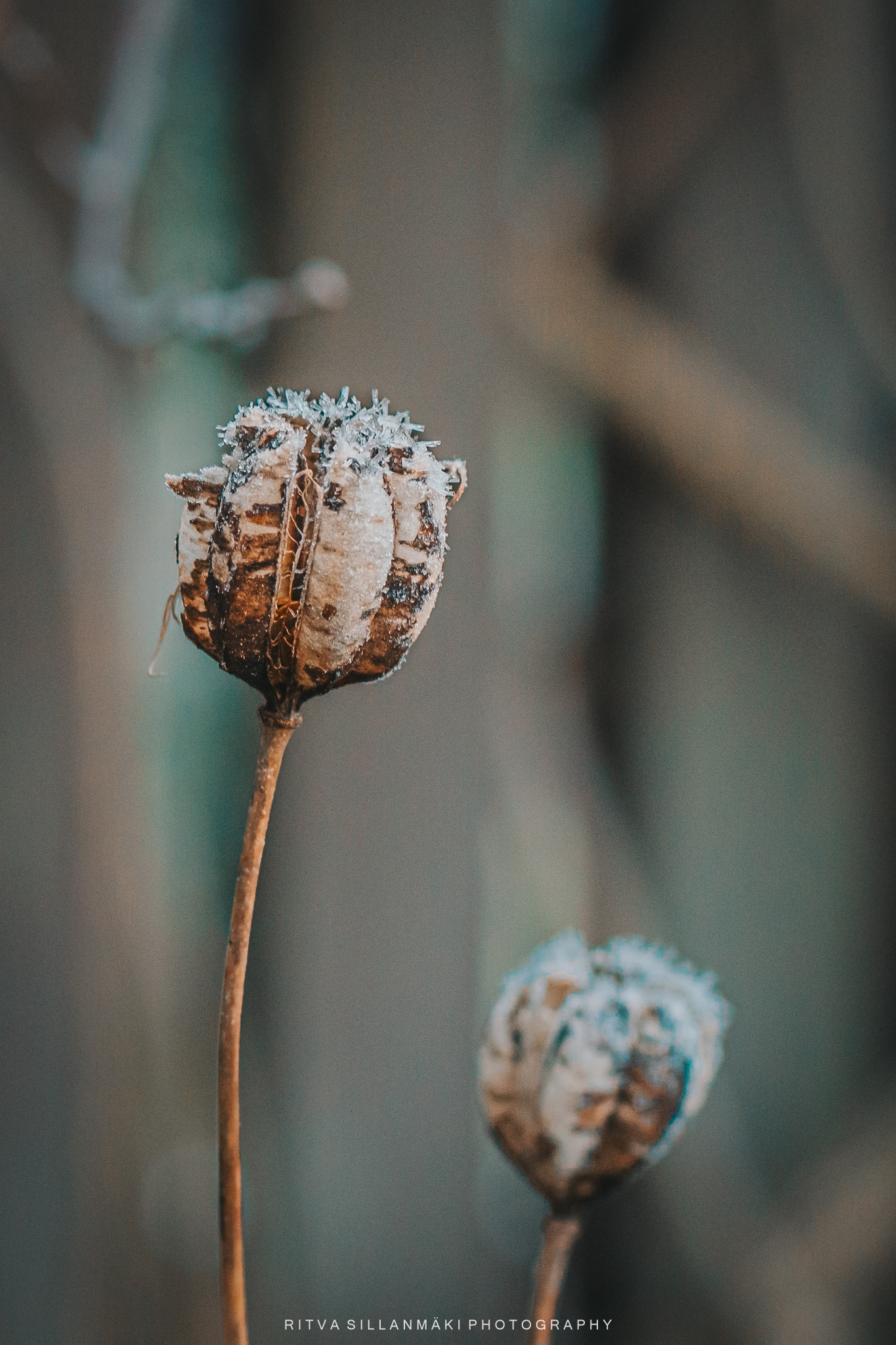
In its own way, frost may be one of the most beautiful things to happen in your garden all year . . . Don’t miss it. Like all true beauty, it is fleeting. It will grace your garden for but a short while this morning. . . . For this moment, embrace frost as the beautiful gift that it is.–Philip Harnden
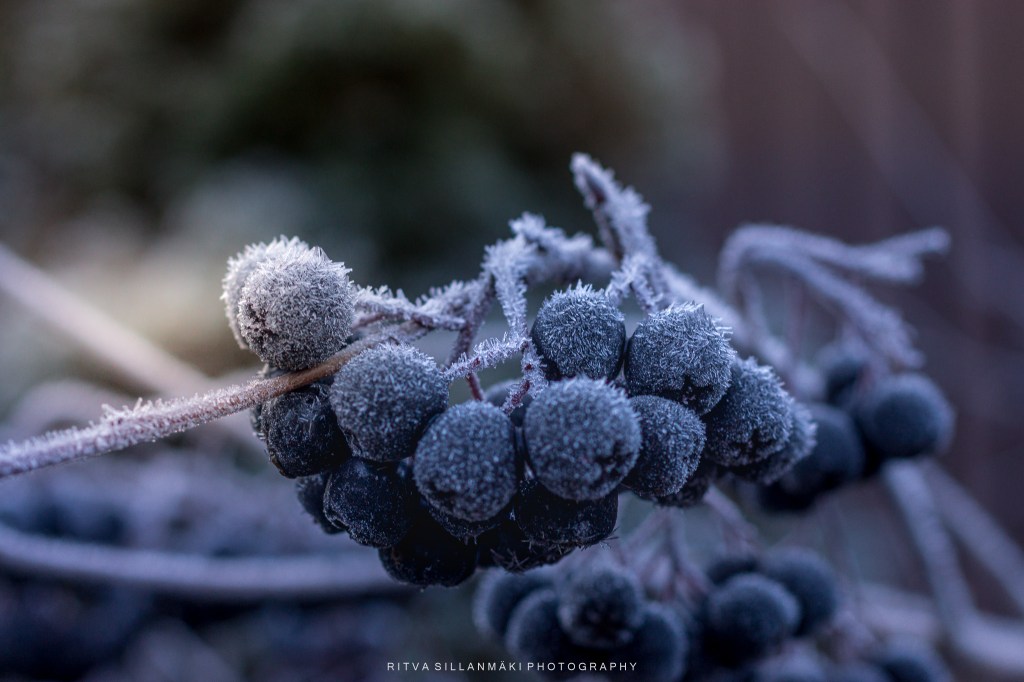
In the end, this may be the most important thing about frost: Frost slows us down. In spring, it tempers our eagerness. In fall, it brings closure and rest. In our gotta-go world–where every nanosecond seems to count–slowness can be a great gift. So rather than see Jack Frost as an adversary, you could choose to greet him as a friend.–Philip Harnden,
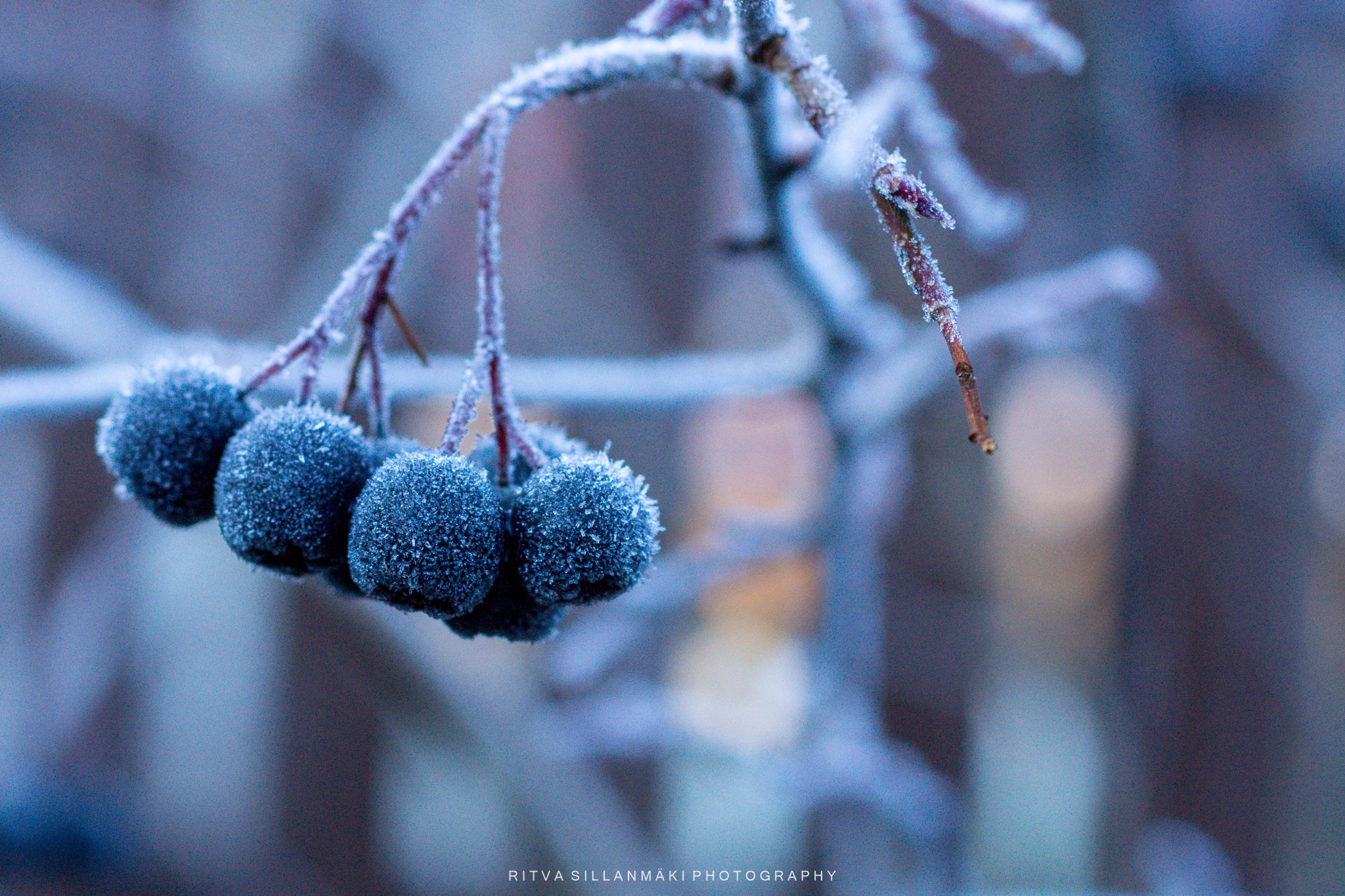
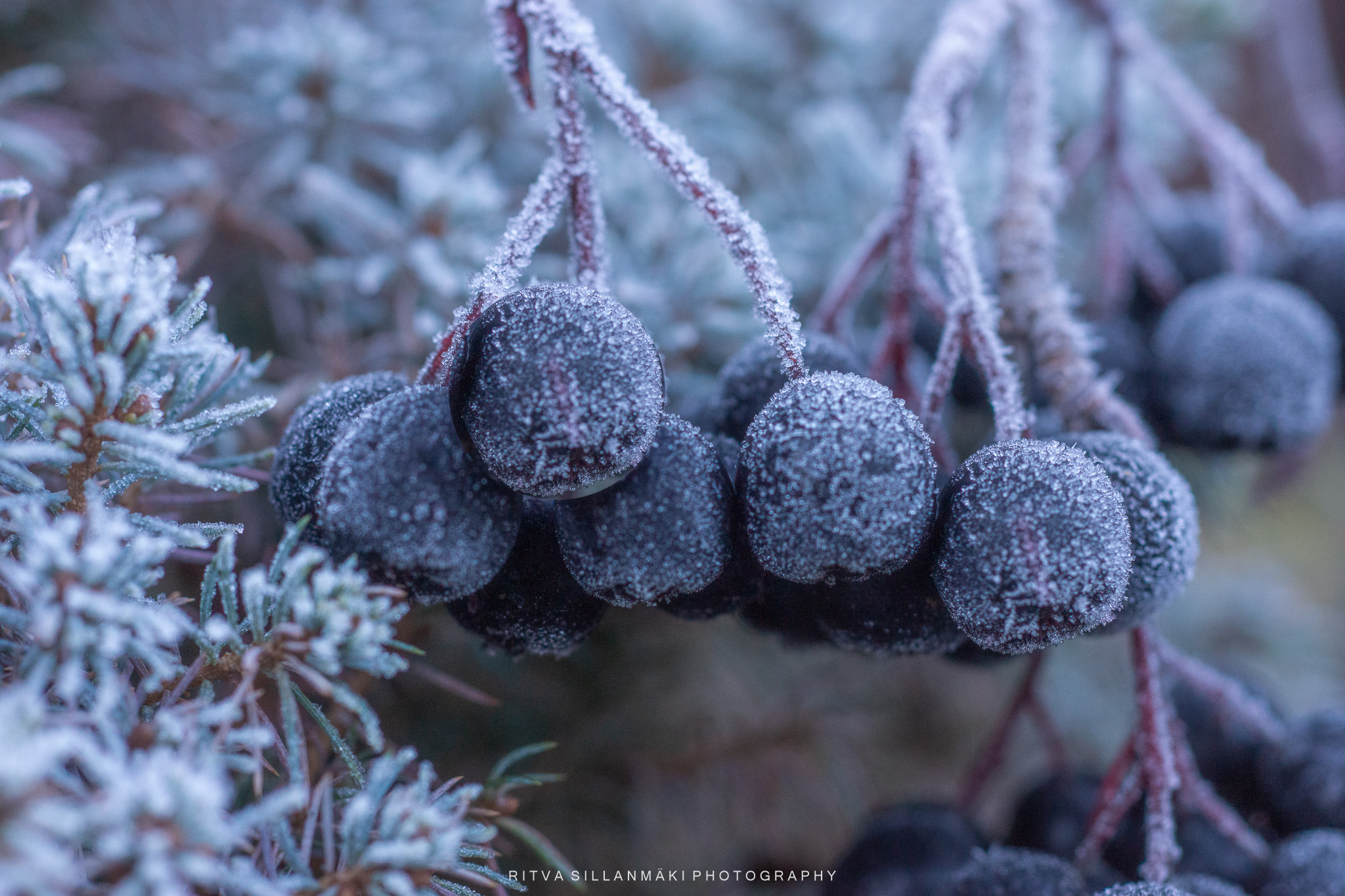
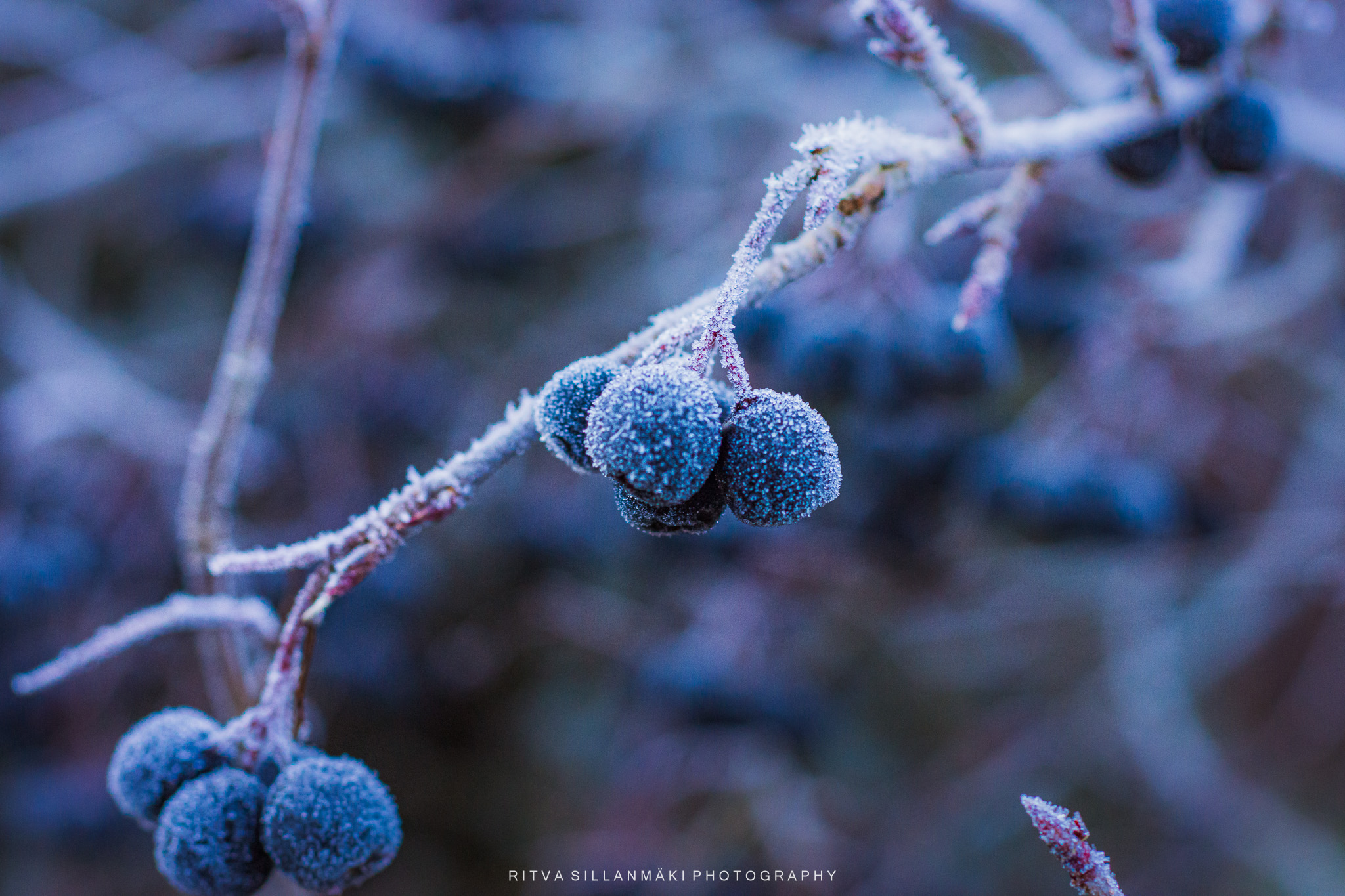
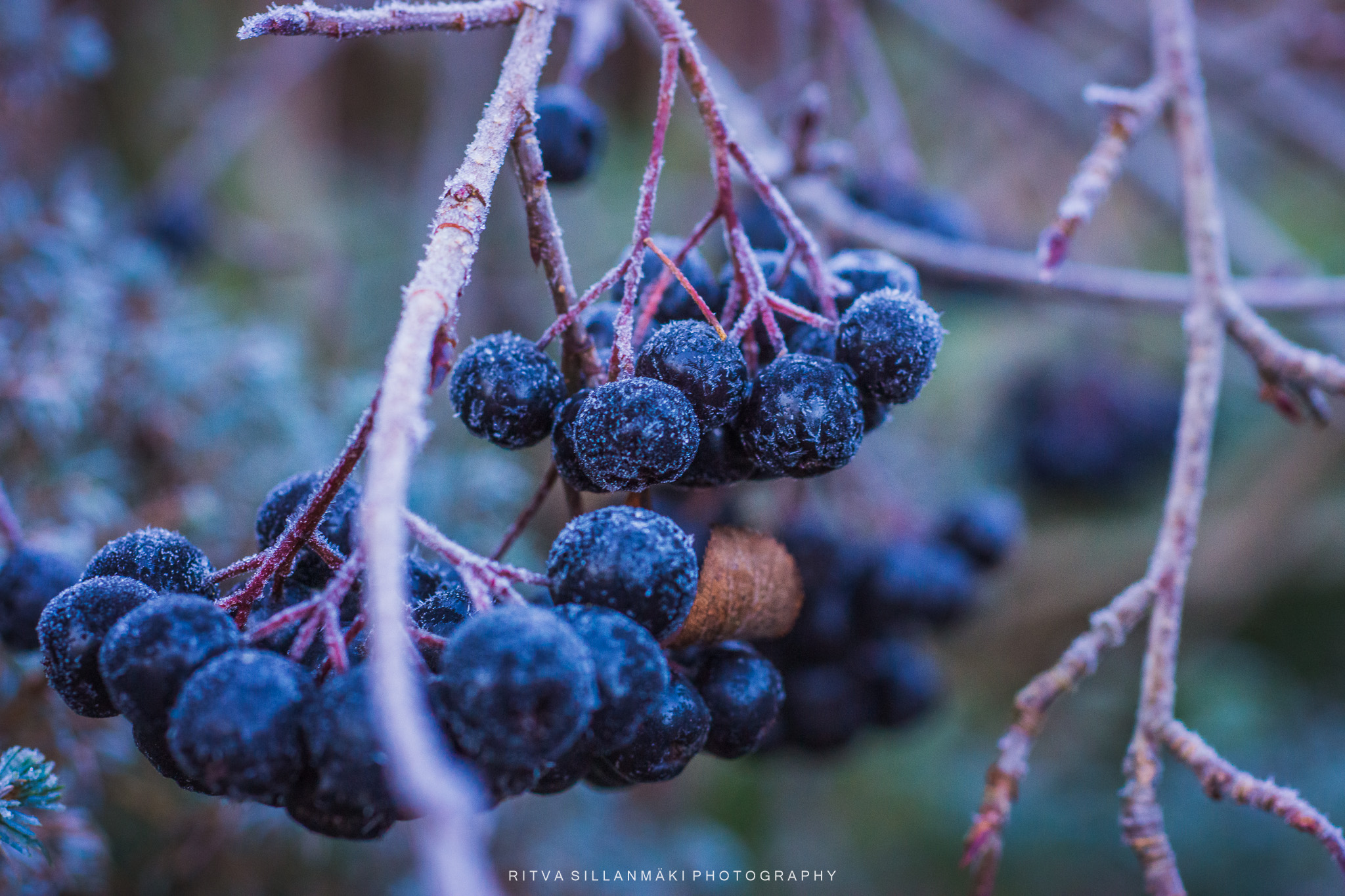
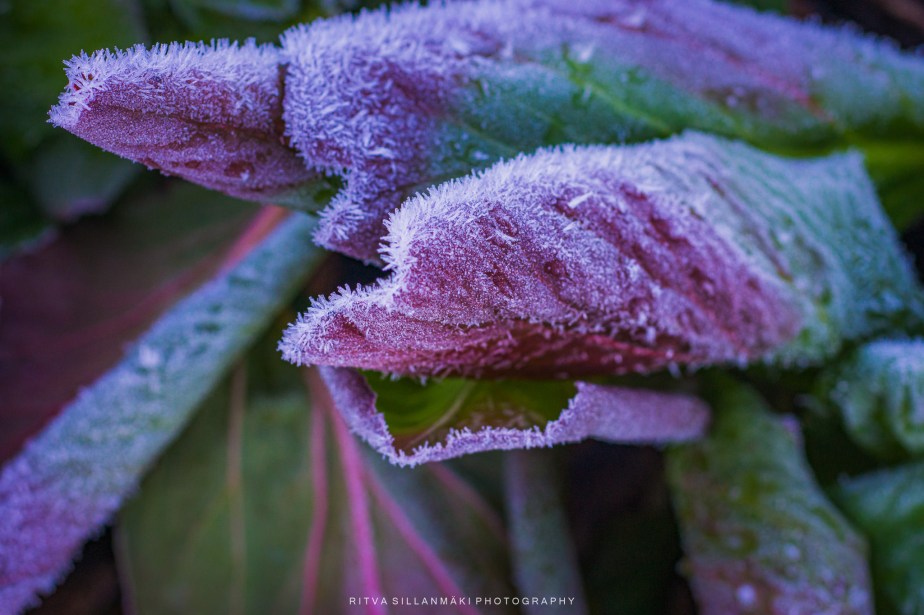
The frost equally enhanced the bergenia leaves, creating a stunning contrast where the vibrant green and deep red colors were beautifully accentuated against the soft, delicate white frost. The scene appeared as if nature had carefully brushed its palette across the foliage, simple leaves transformed into a breathtaking sight, rich with color and texture.
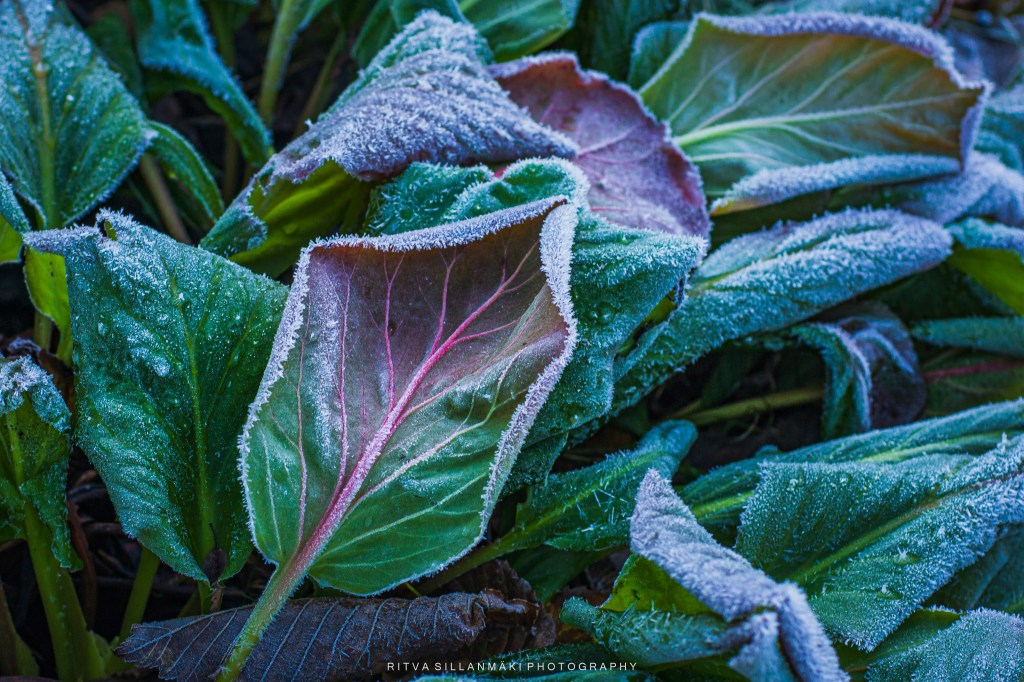
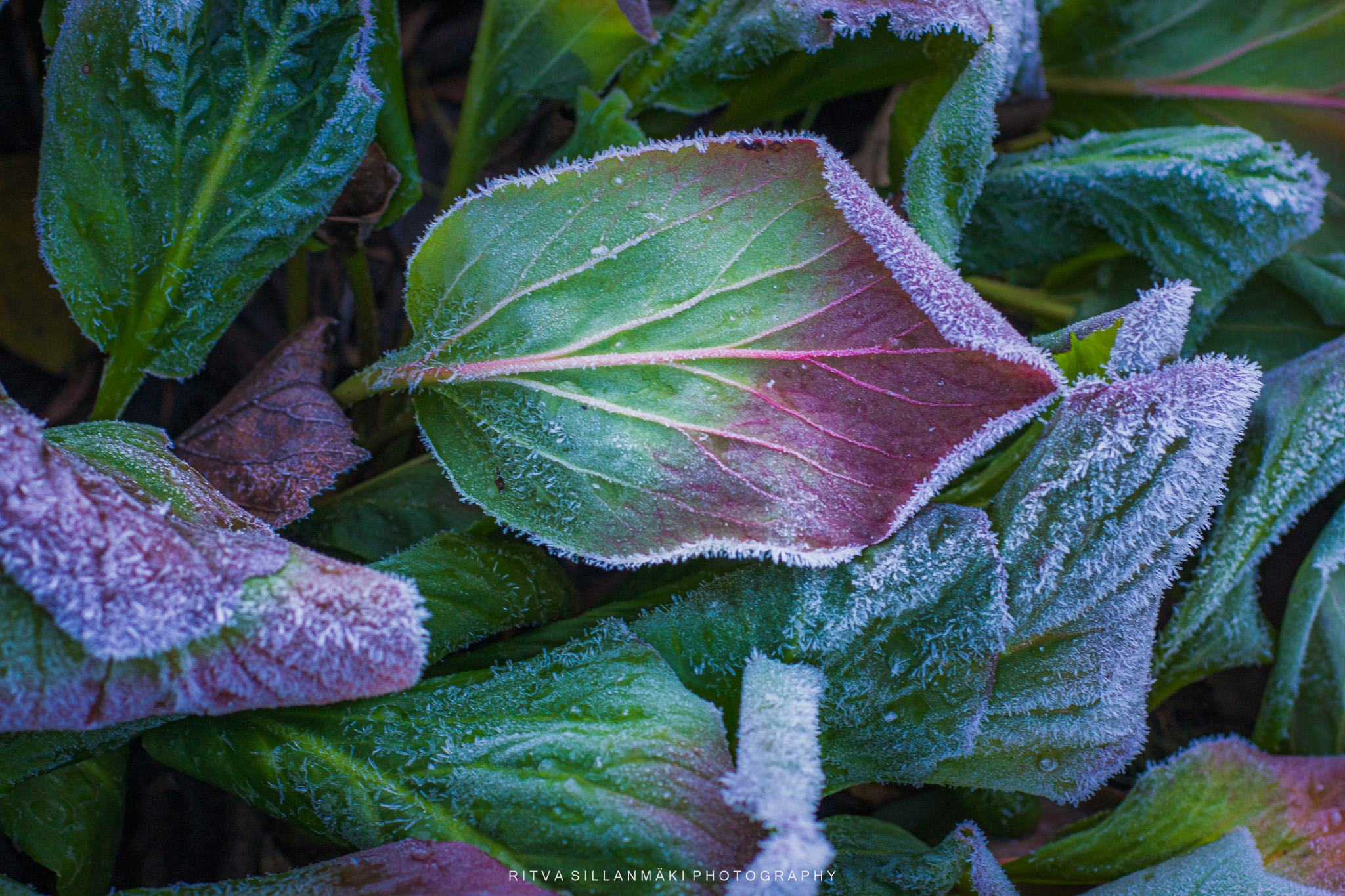
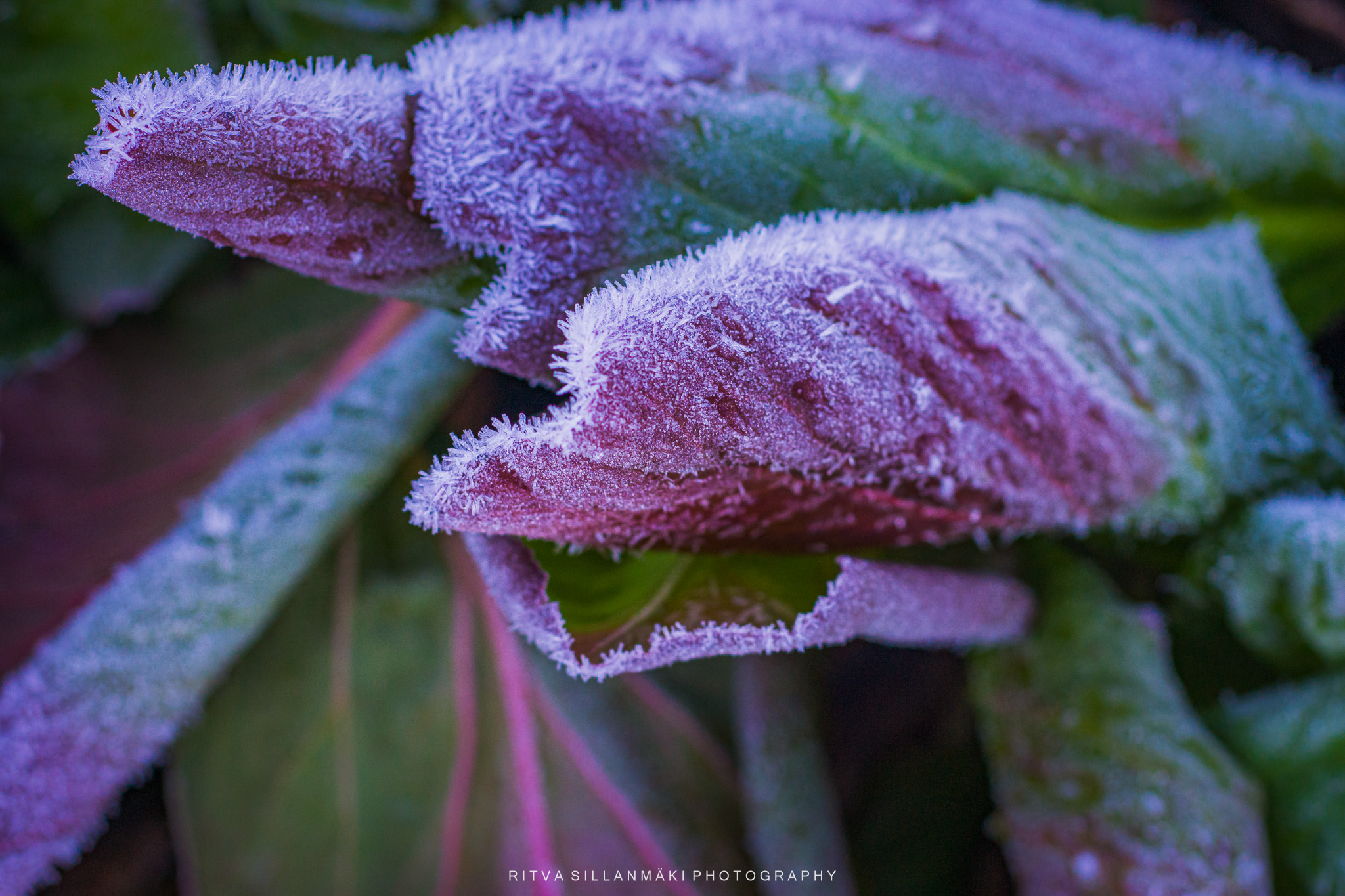
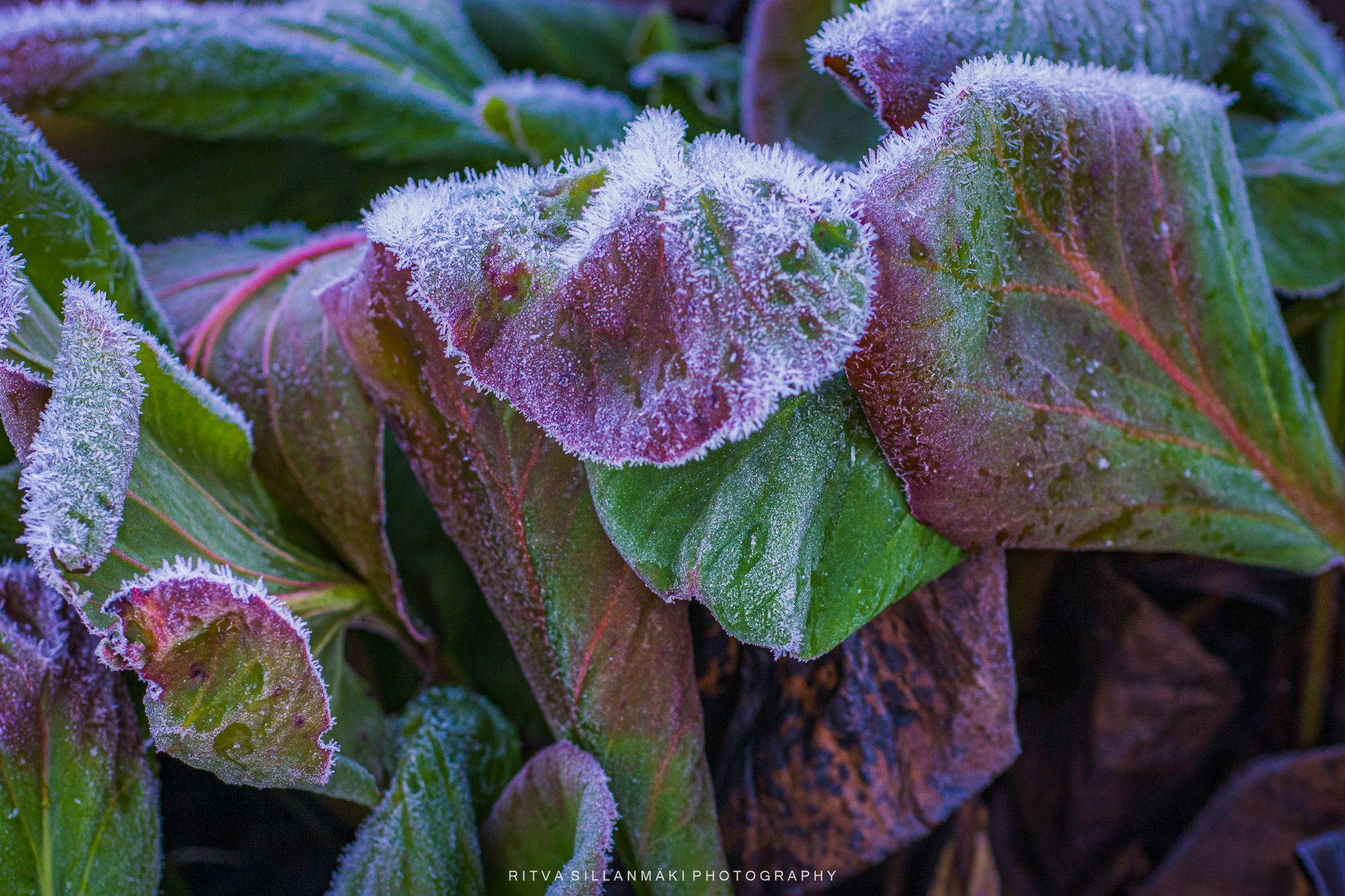
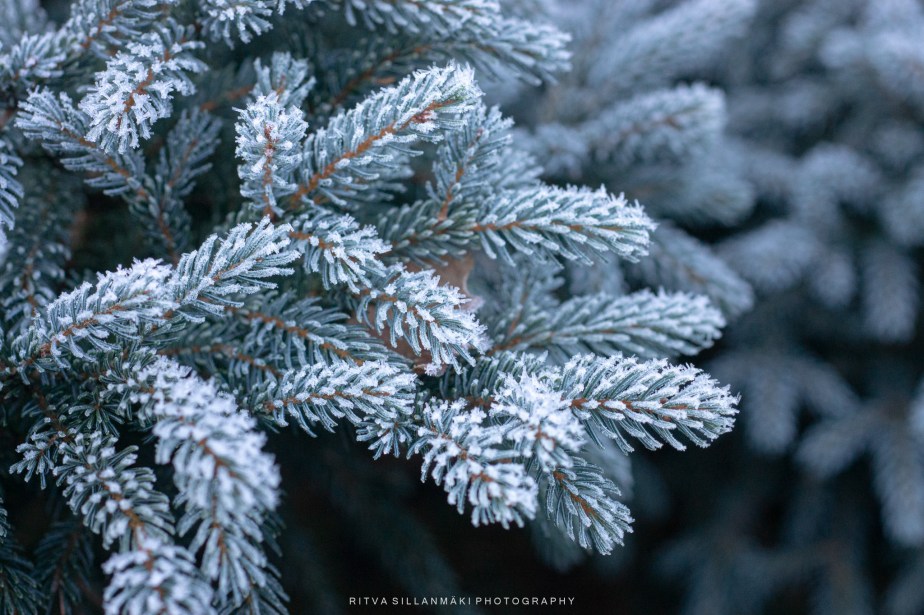
While we had the cold and frosty days I took some close-ups of coniferous branches.
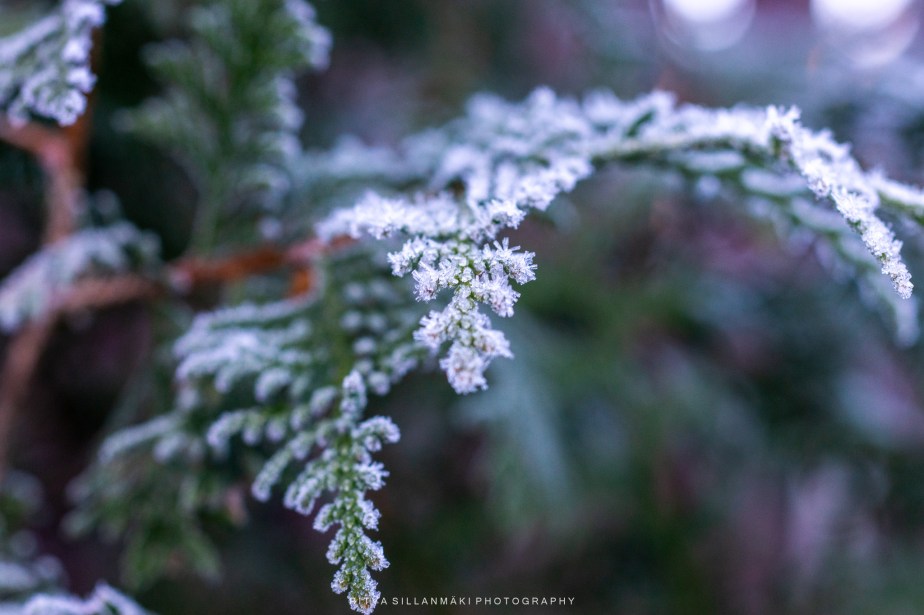


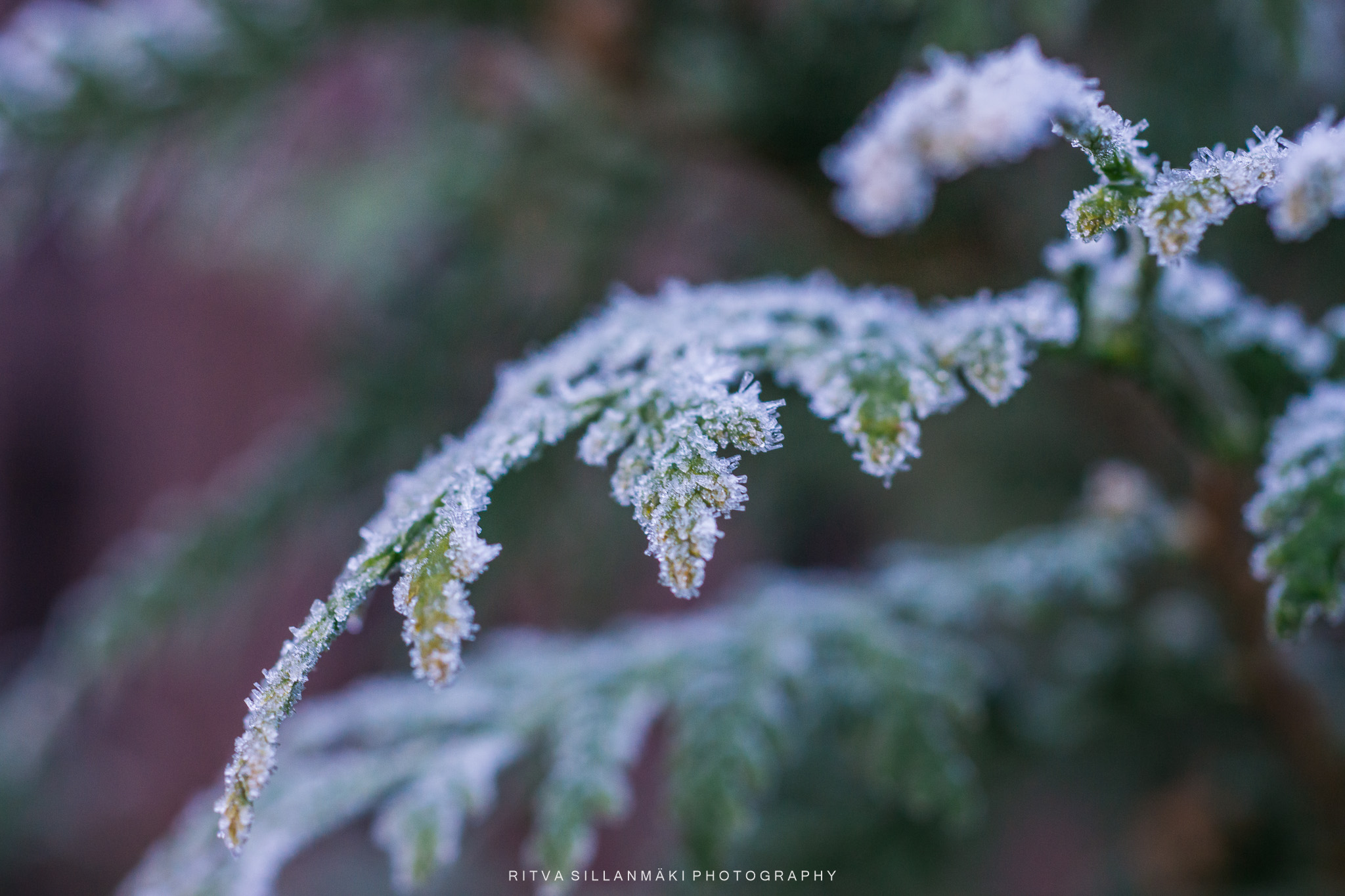
Well I took several shots for this week’s Lens-Artists challenge, but as the limited images were six, I could only post that. I think the limited amount of images is a good thing actually, I really should do it more often.
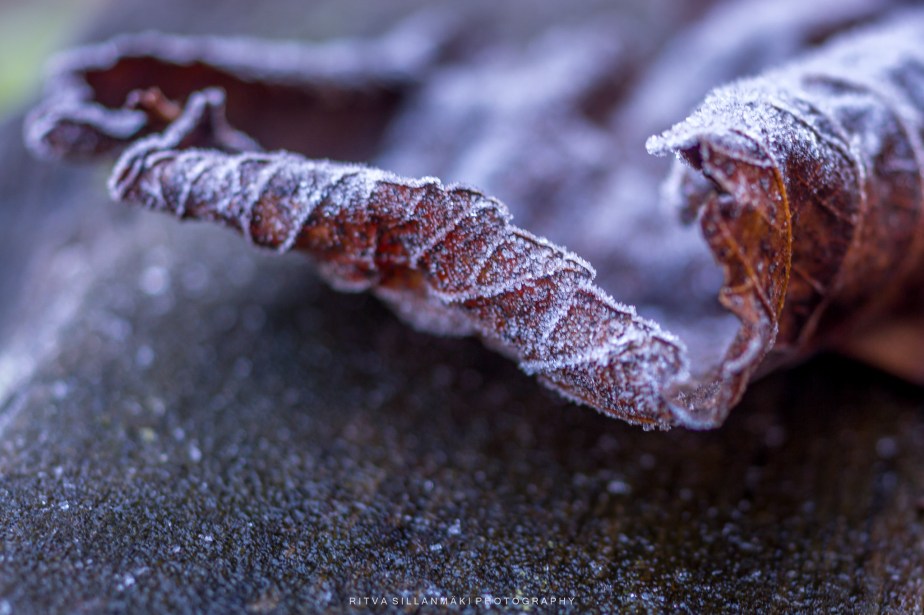
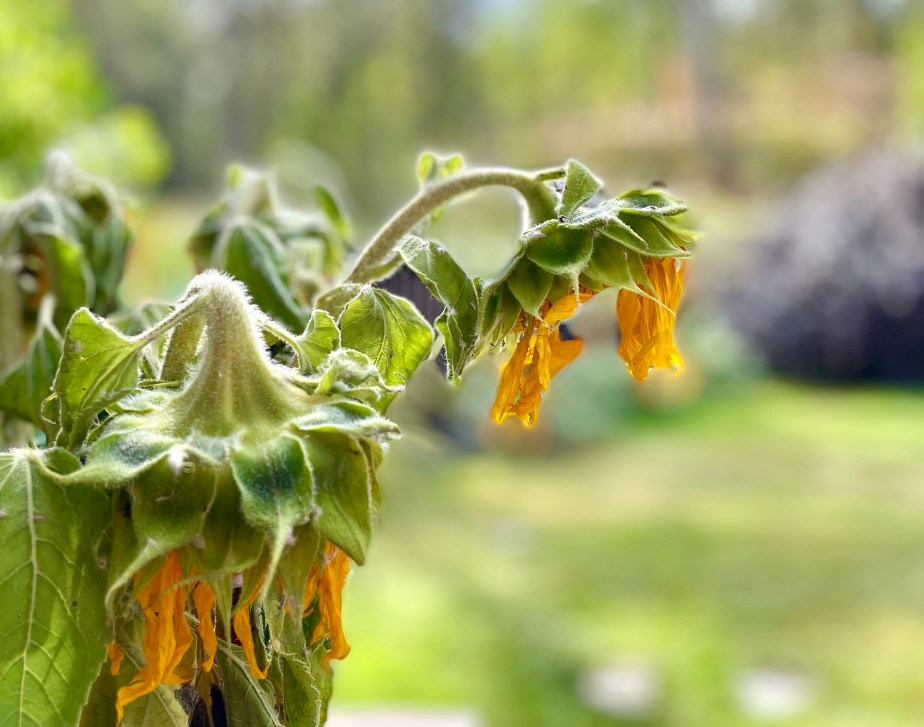
A single wither’d leaf is left
Upon the forest tree,
By angry winds and storms bereft
Of other company:
And though its friends have long since gone,
The wither’d leaf still clingeth on!
– Richard Coe
The One Hope
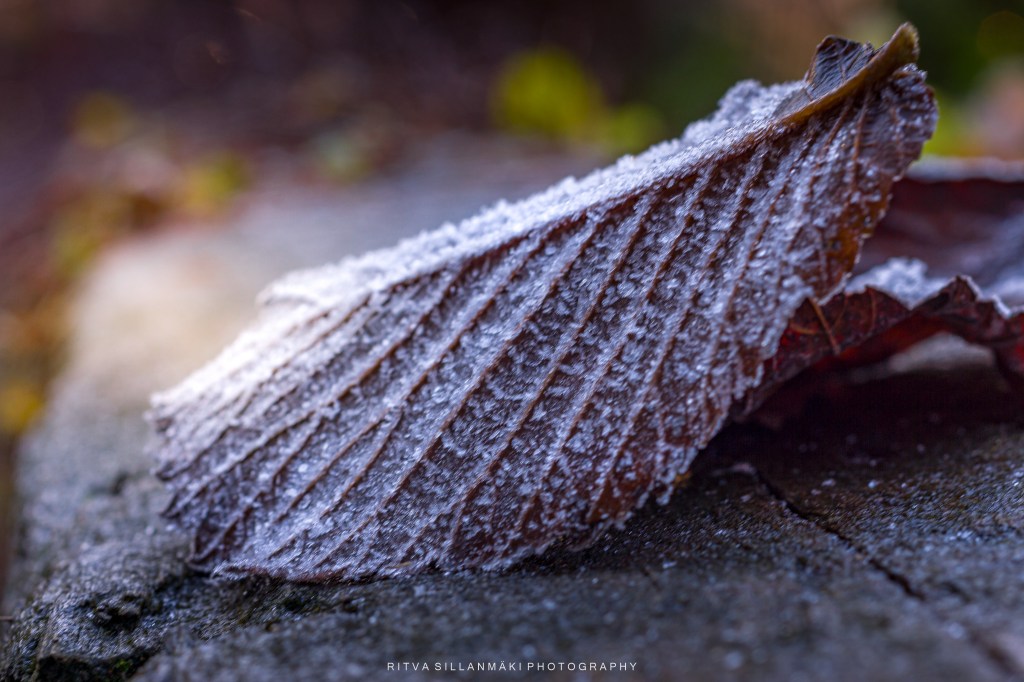
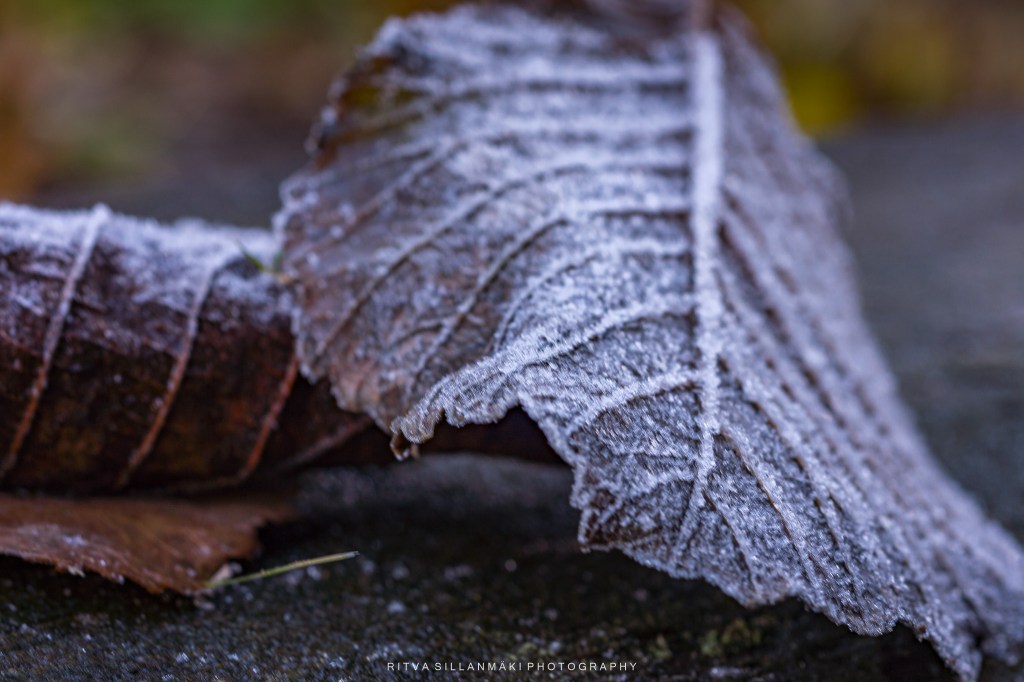
I chose a slightly different angles and came a little closer – and what I liked about this is that – can you guess what I liked ?
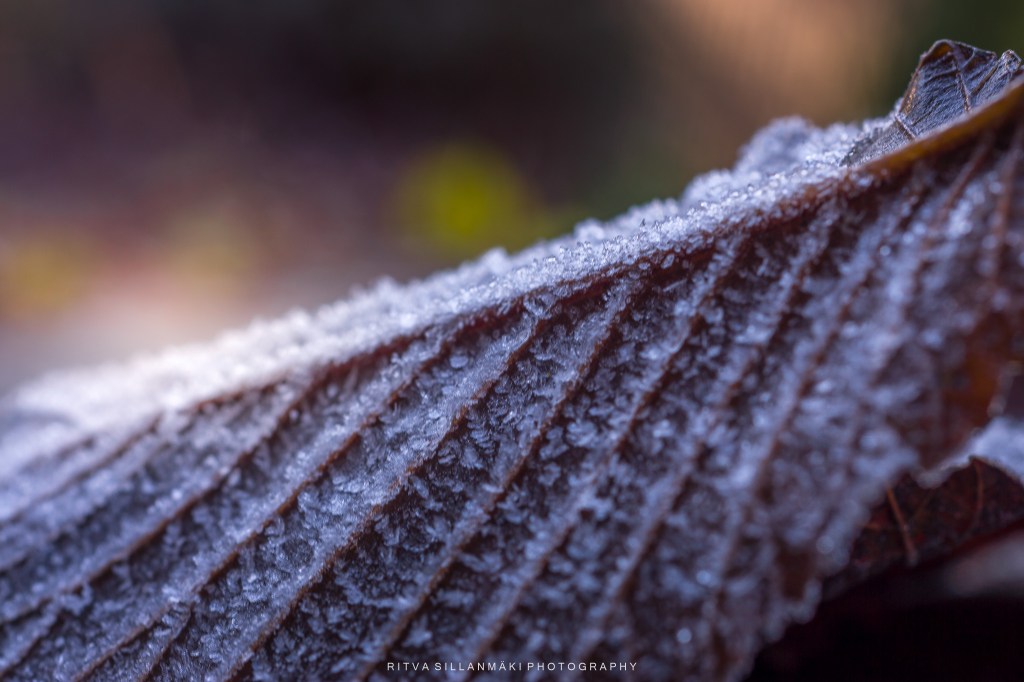
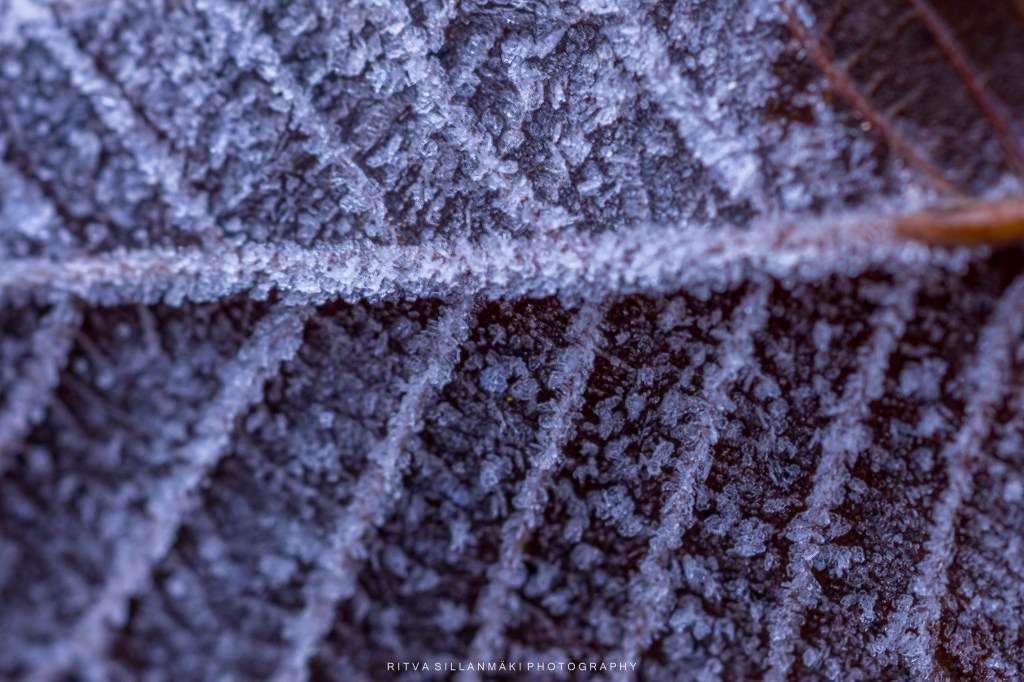
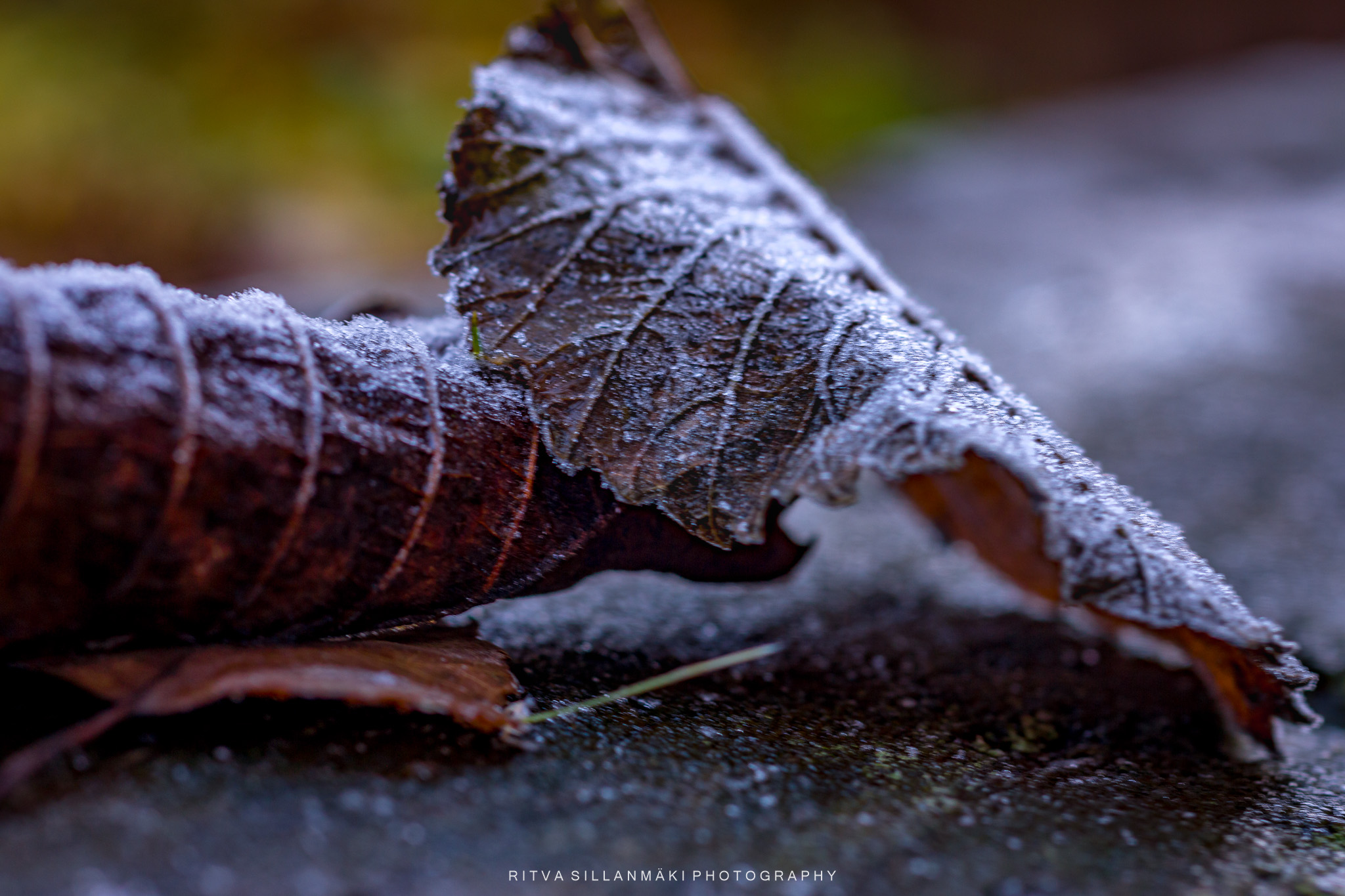
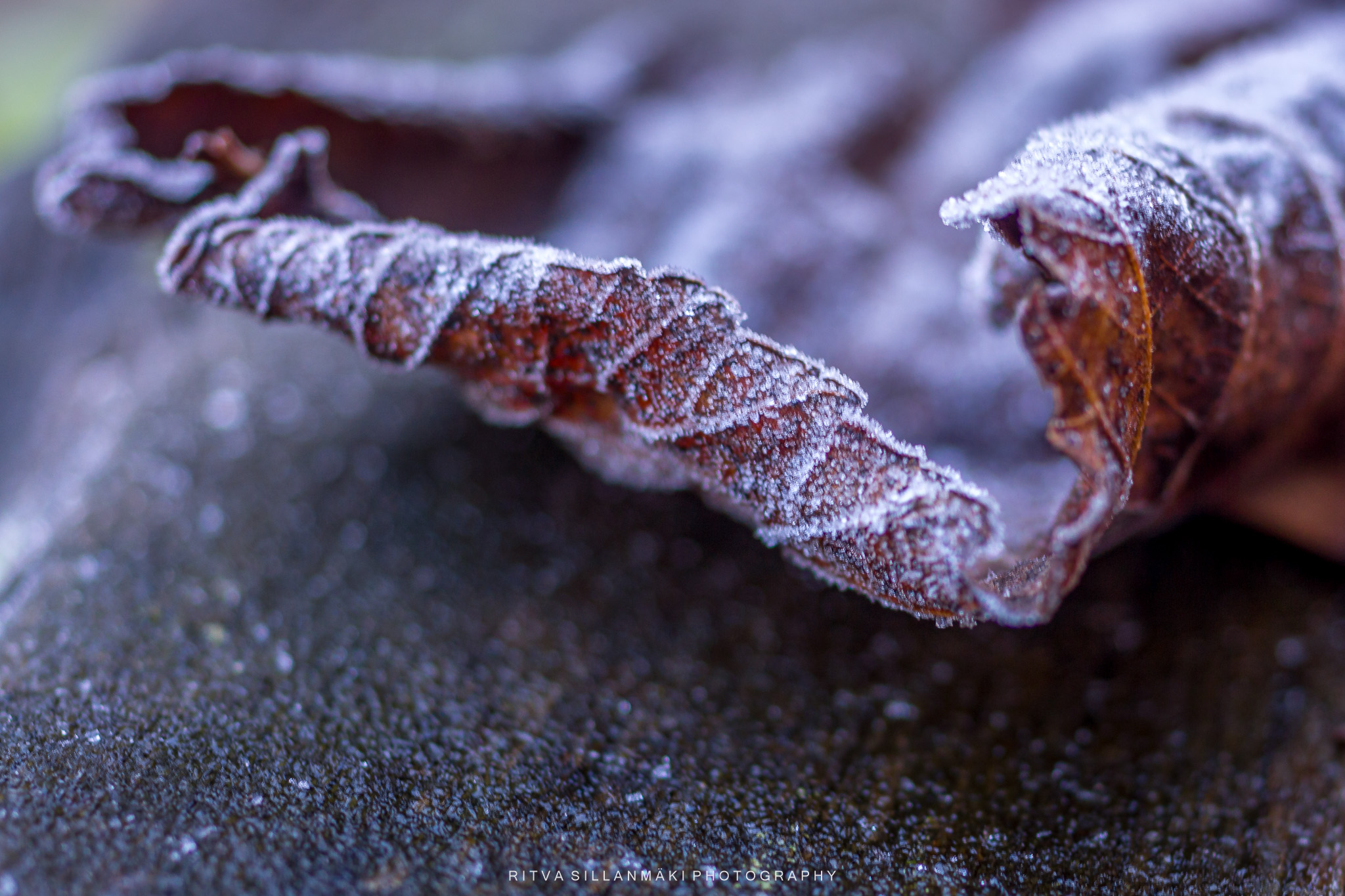
Well I took several shots for this week’s Lens-Artists challenge, but as the limited images were six, I could only post that. I think the limited amount of images is a good thing actually, I really should do it more often.
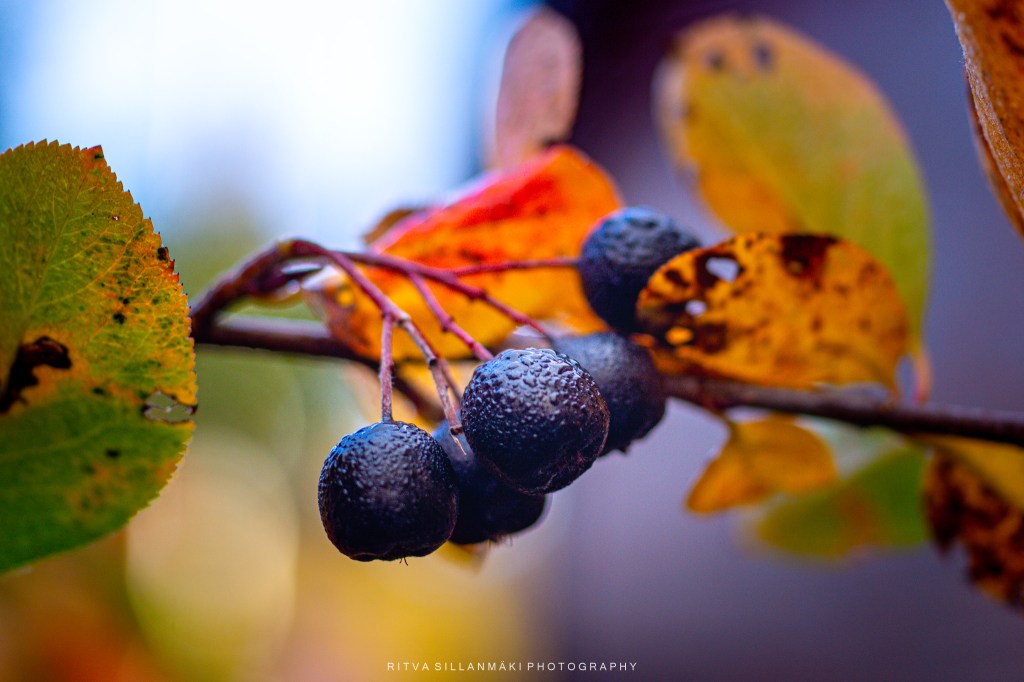
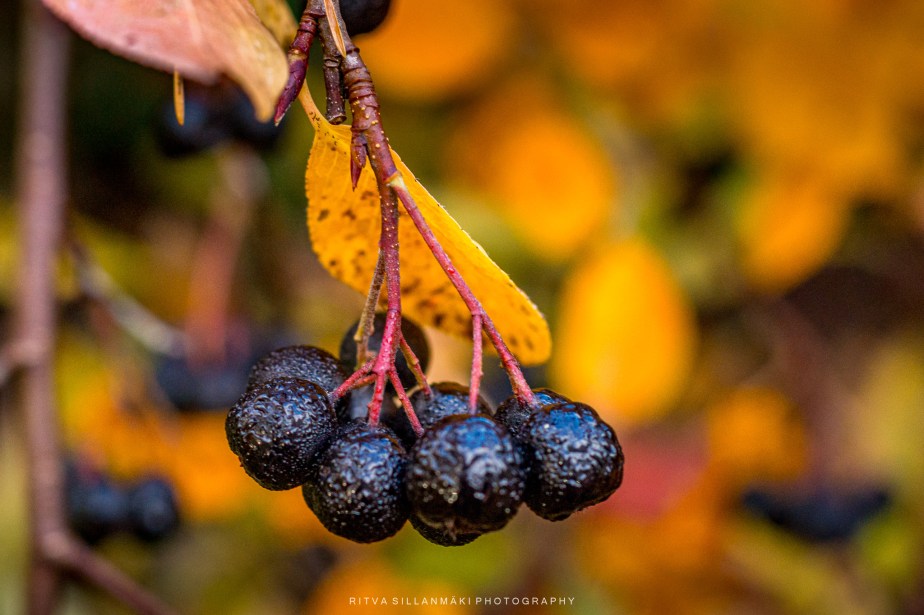
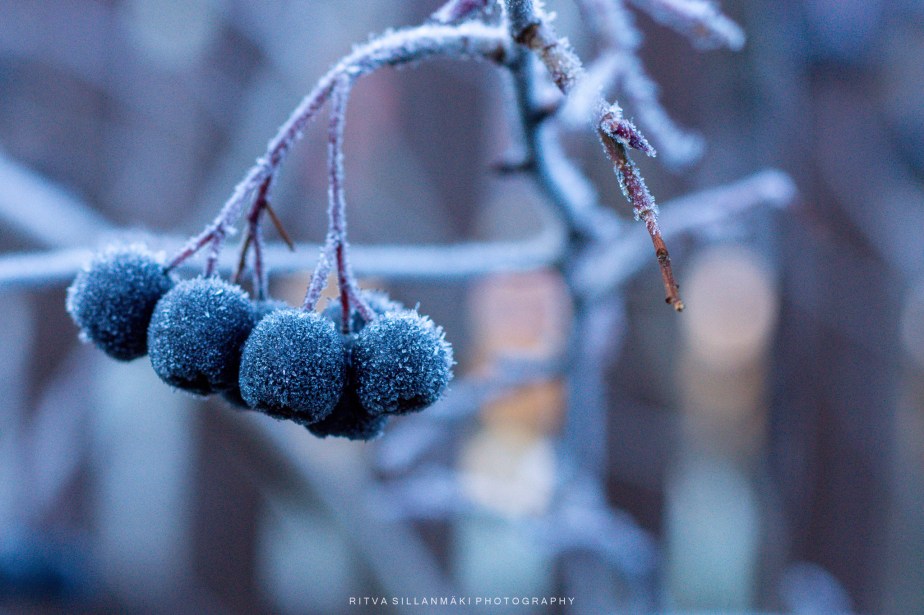
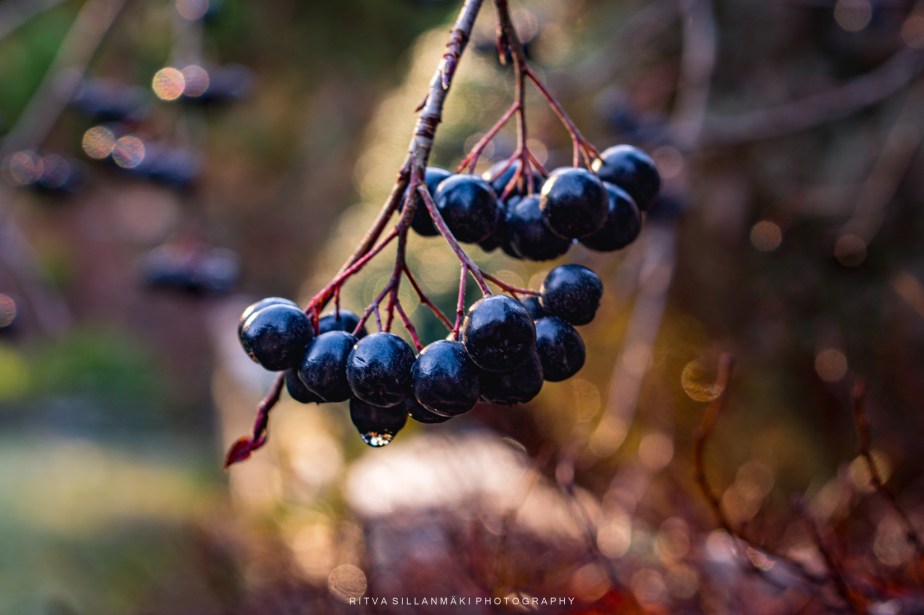
I really like this shot; the background is the thing that makes this photo stand out for me. The light was just at the right level, softly illuminating the berries and highlighting foliage colors. The autumn colors left, with shades of amber, gold, and deep red blending beautifully, creating a warm and inviting backdrop adds depth to the composition.
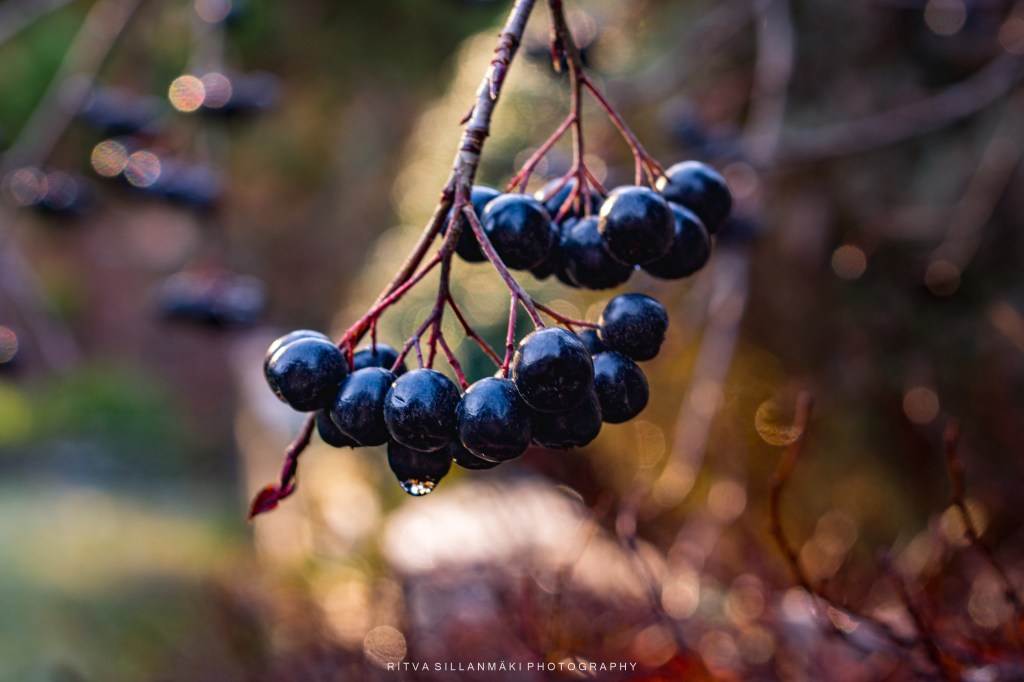
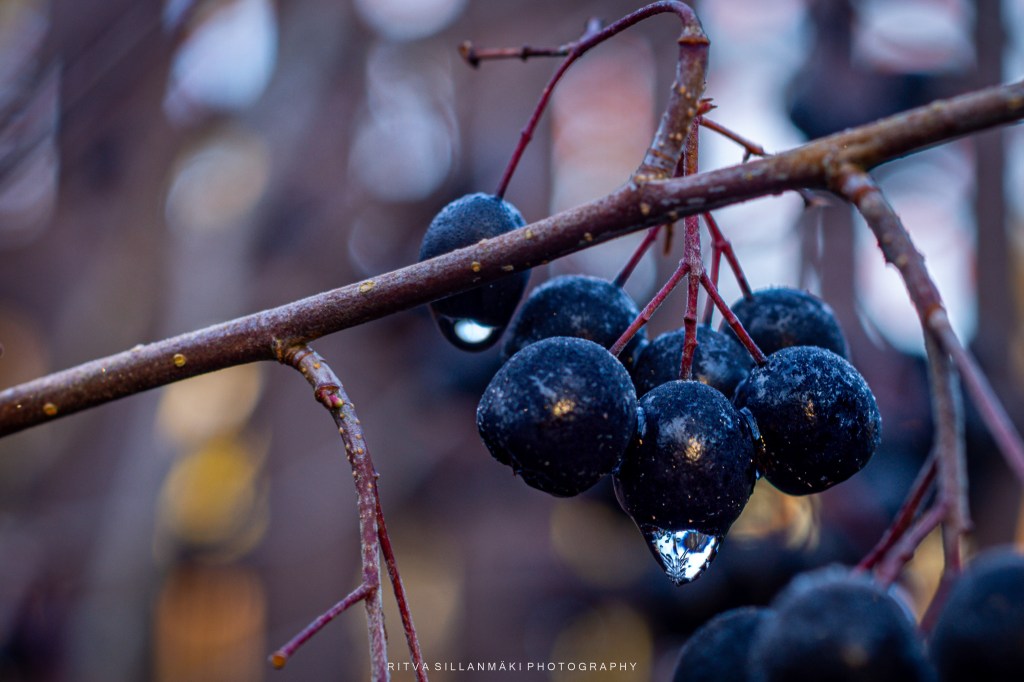
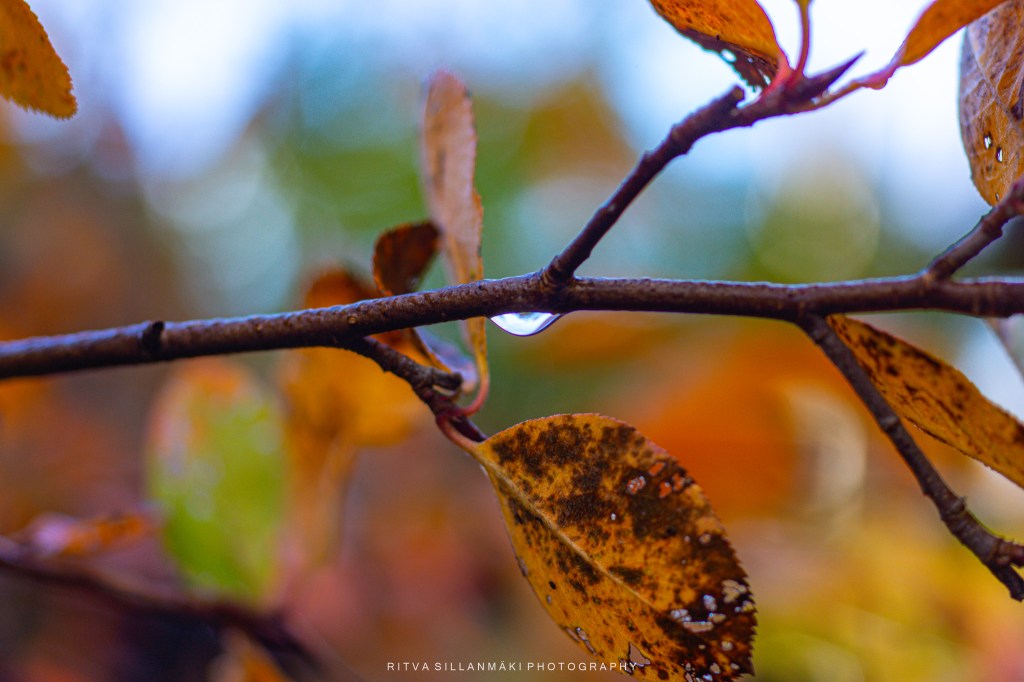
I chose a slightly different angle a tad closer – and what I liked about this is that there is a sign of frost in the droplet. The one below the focus is on the berry.
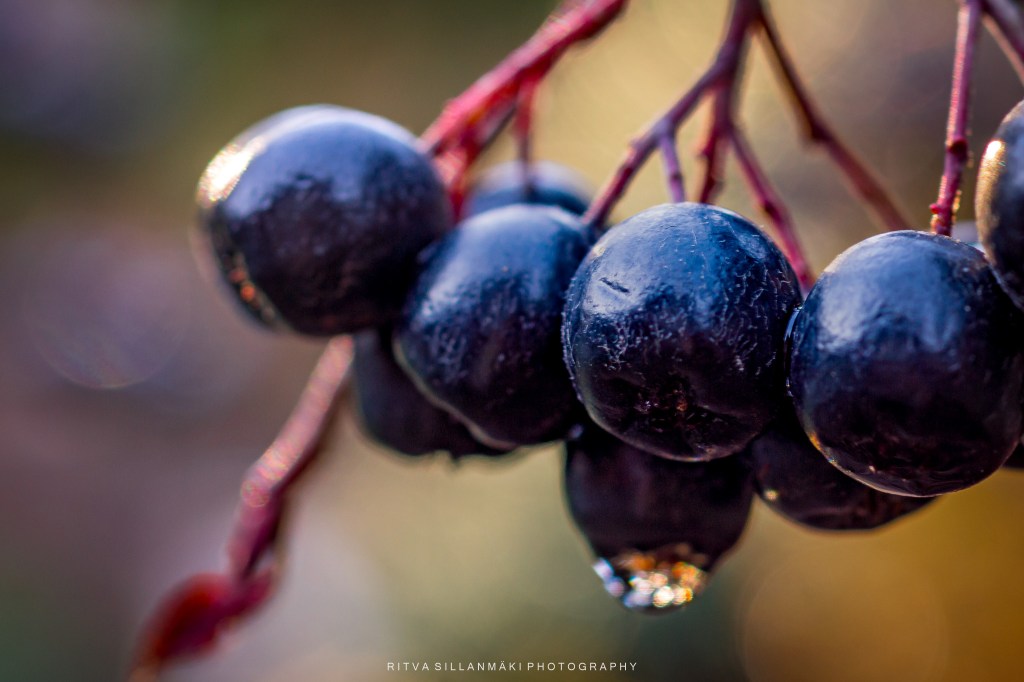
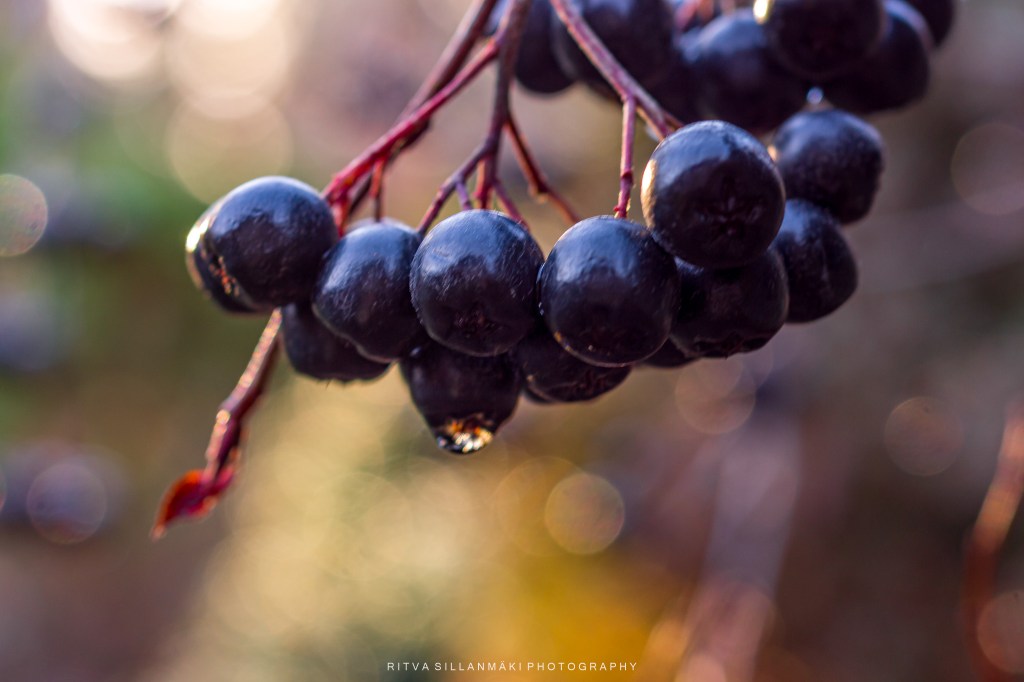
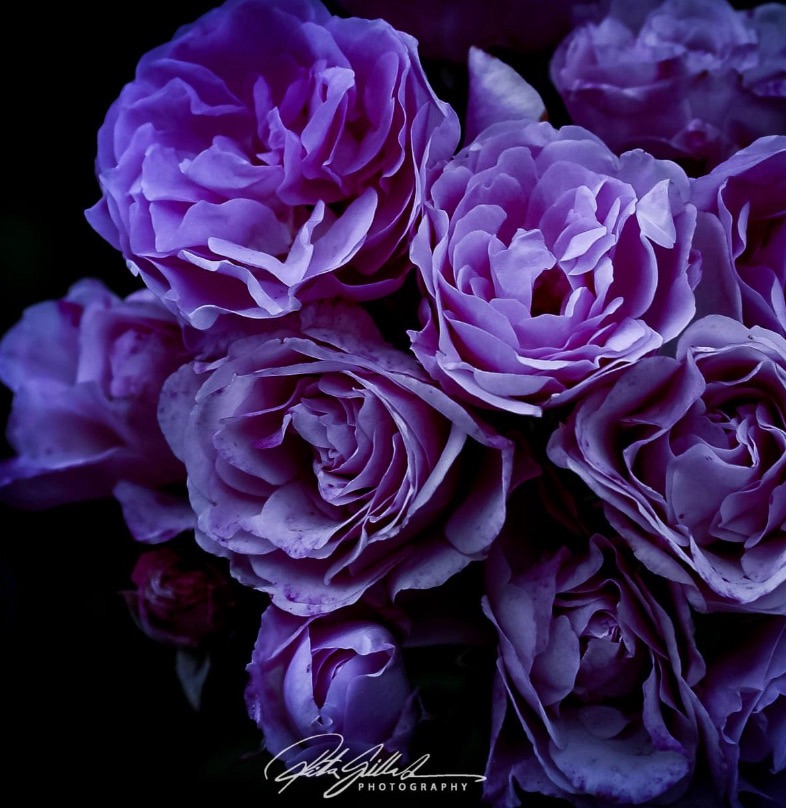
Cee, I hope this flower brings you joy and strength.
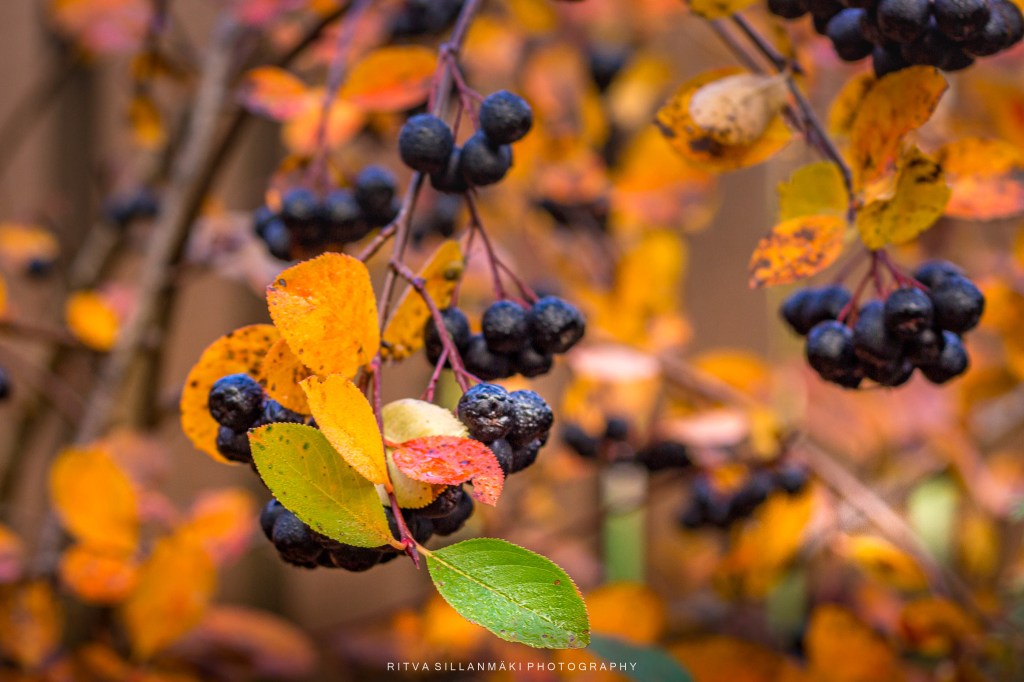
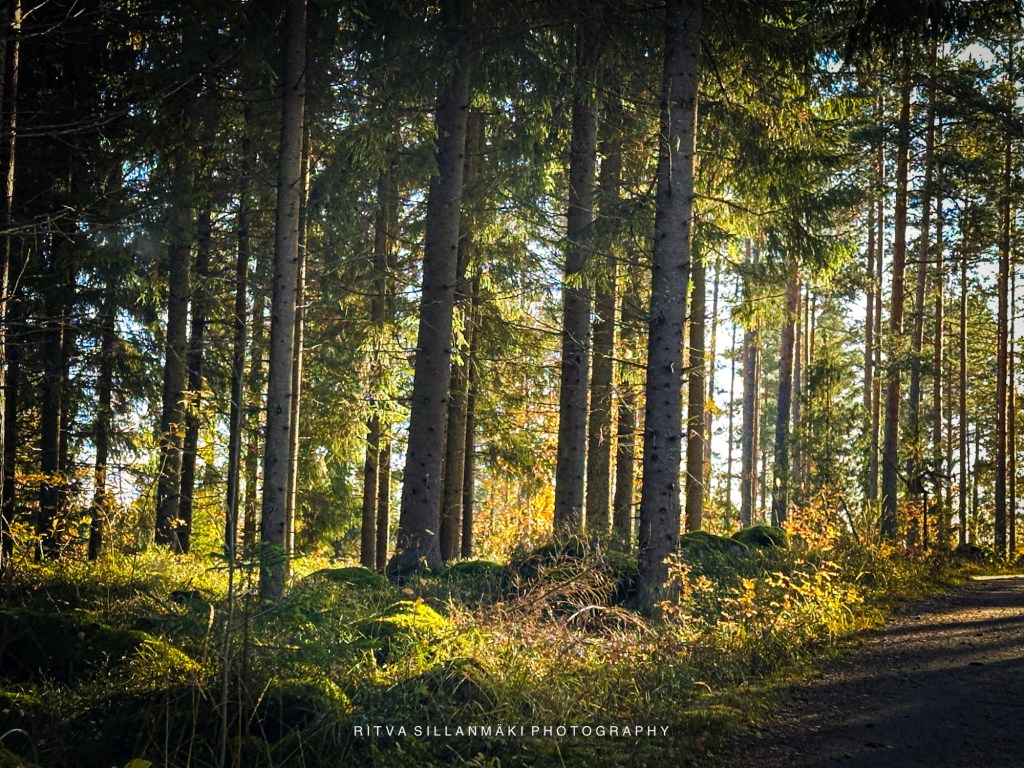
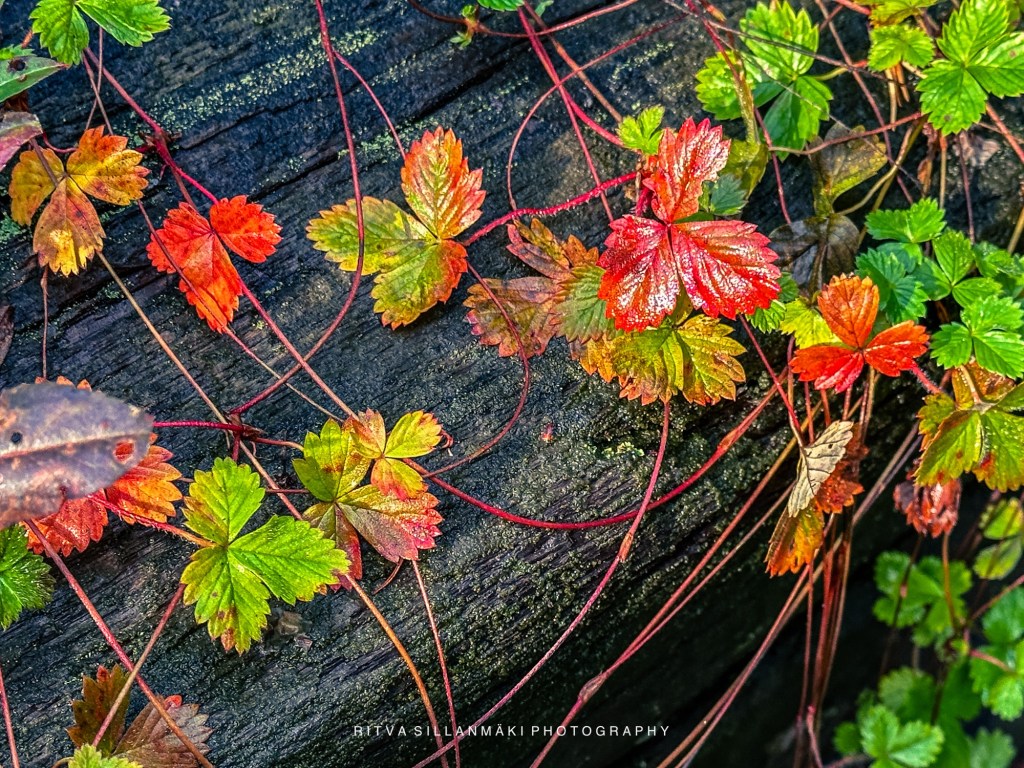
The majority of trees and bushes are bare of leaves, standing like silent sentinels against the cool, crisp air of late autumn. The last shots of this color glory from my backyard memorized here where vibrant hues once danced among the branches. Now, only the berries remain, bright splashes of red and orange that cling stubbornly to the barren limbs, offering a stark contrast to the gray skies above. Autumn gone by, the inevitable cycle of nature is happening as it prepares for the restful slumber of winter.
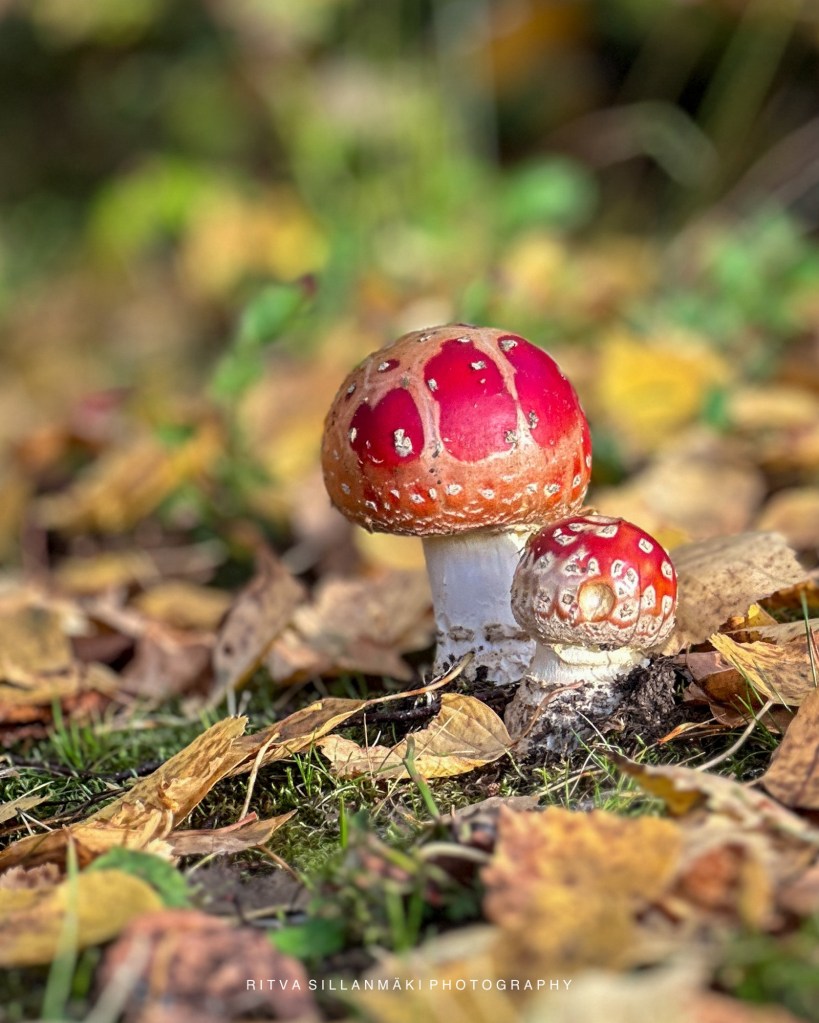
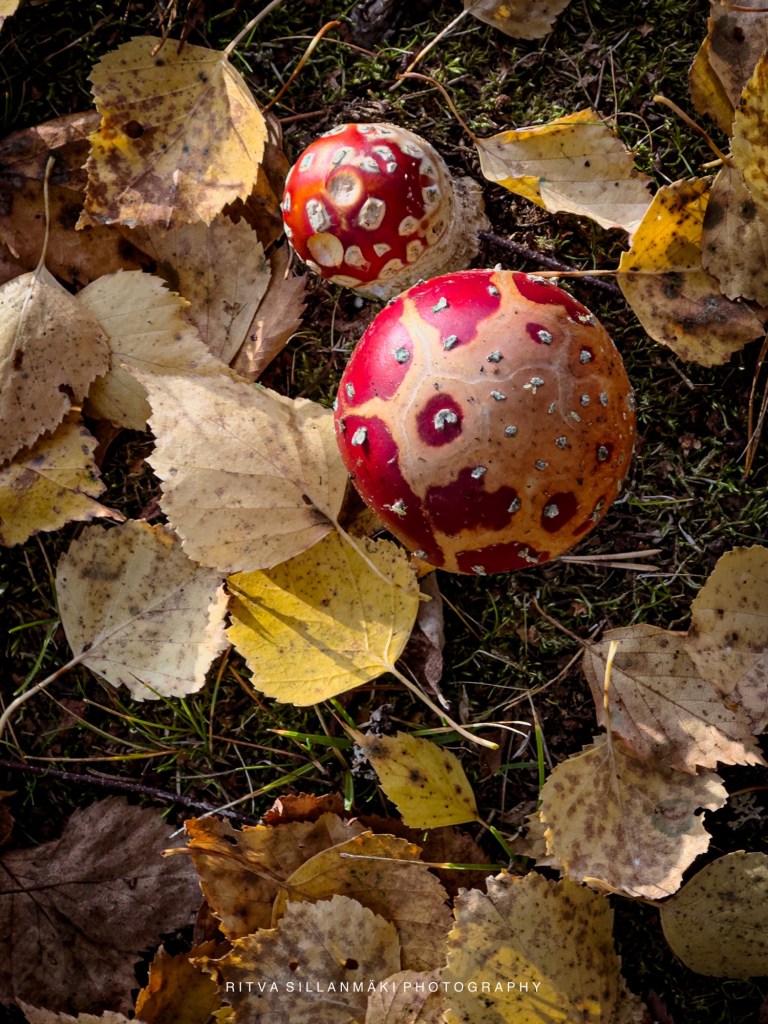
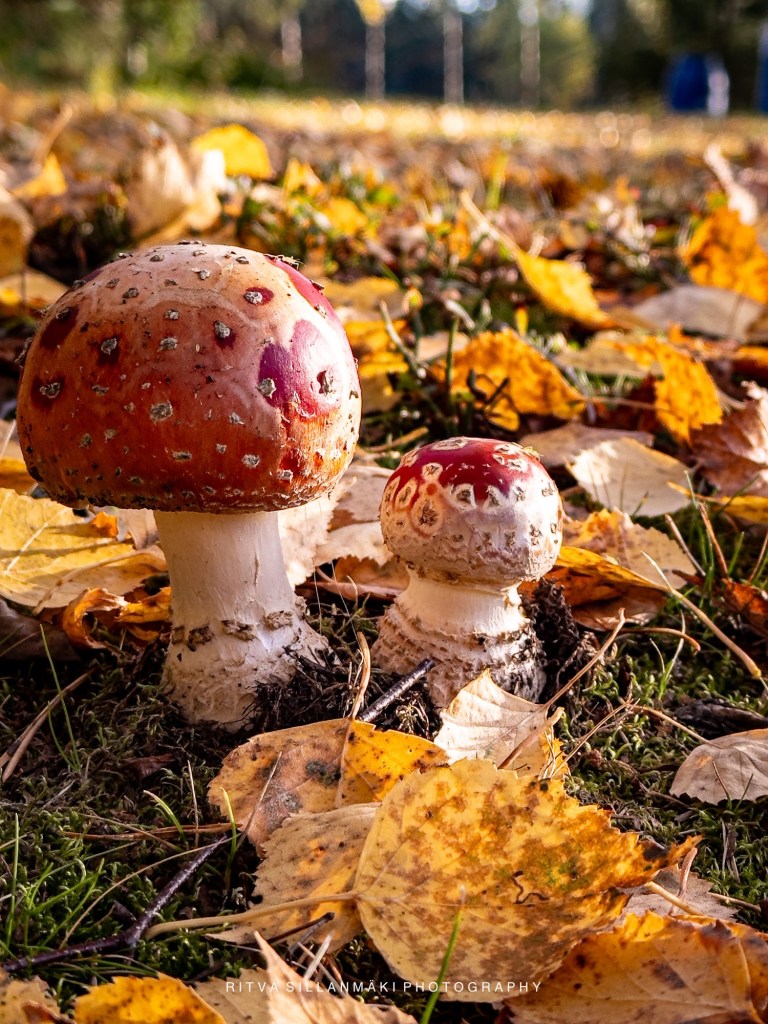
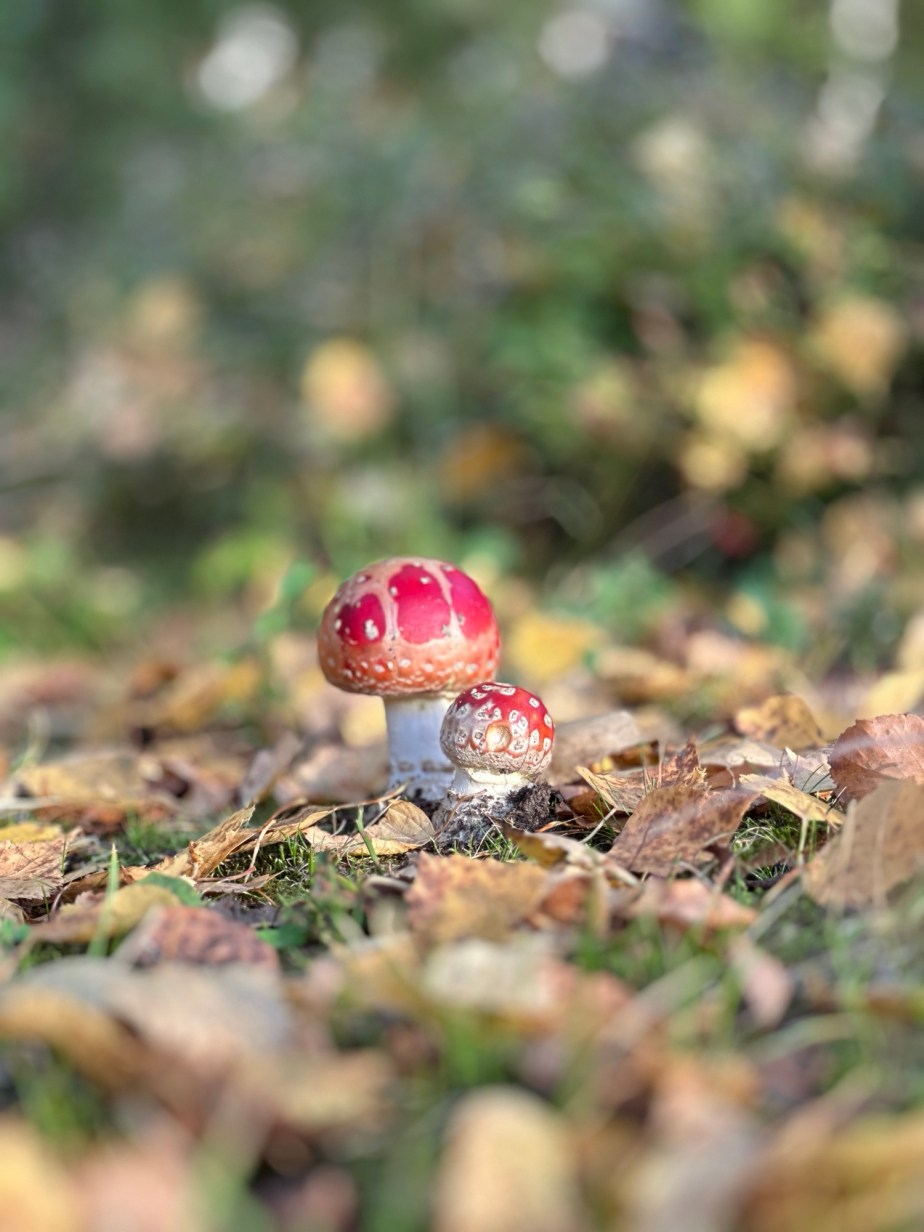
Fly agaric(Amanita muscaria) is pretty and the most common poisonous mushroom 🍄 in Finland.
These two looked like they had frosting on the top 😀
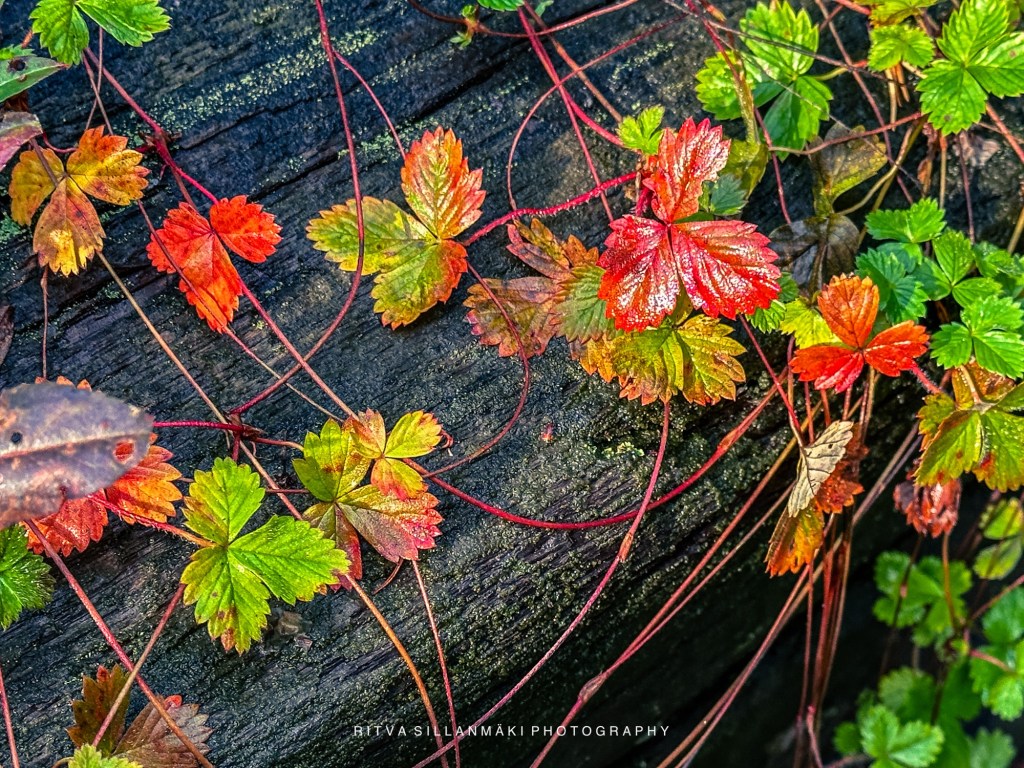
Posted for Cee’s Flower of the Day
I took these today between the rain showers we have been having all day.
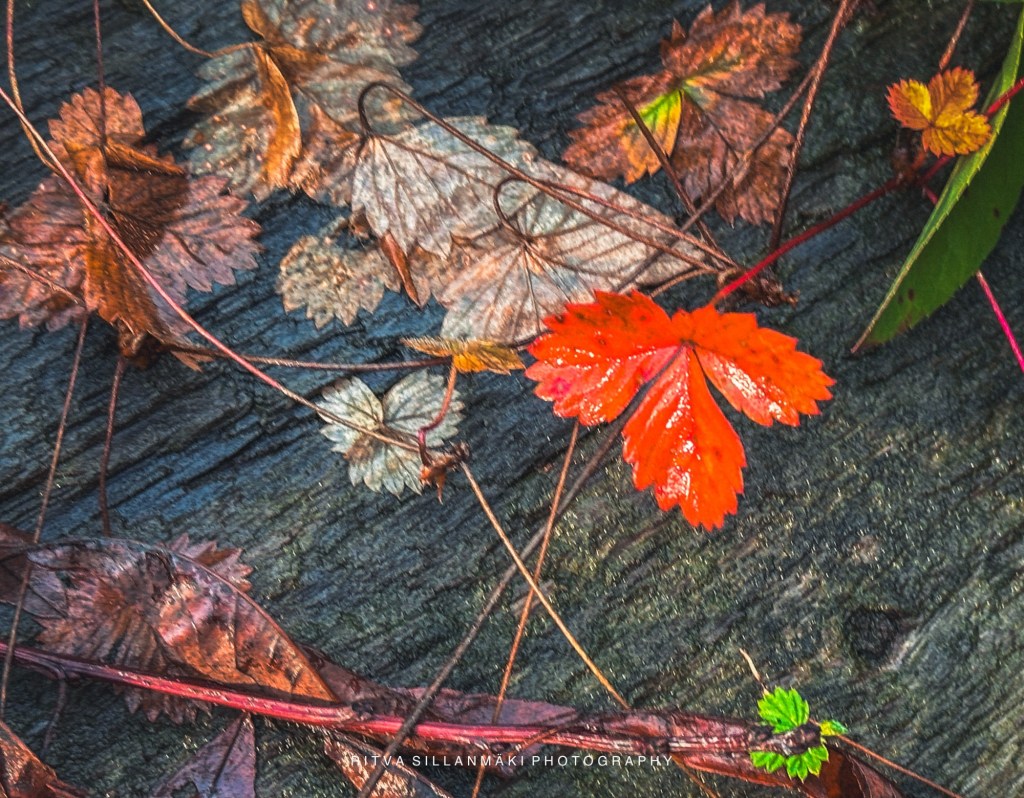
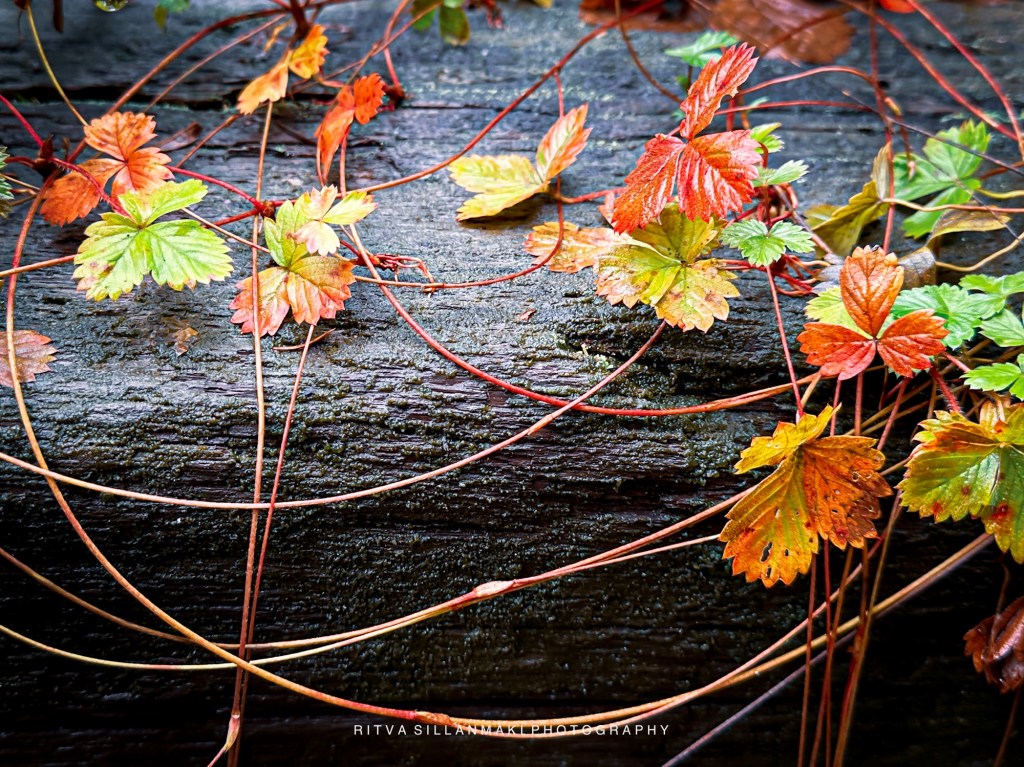
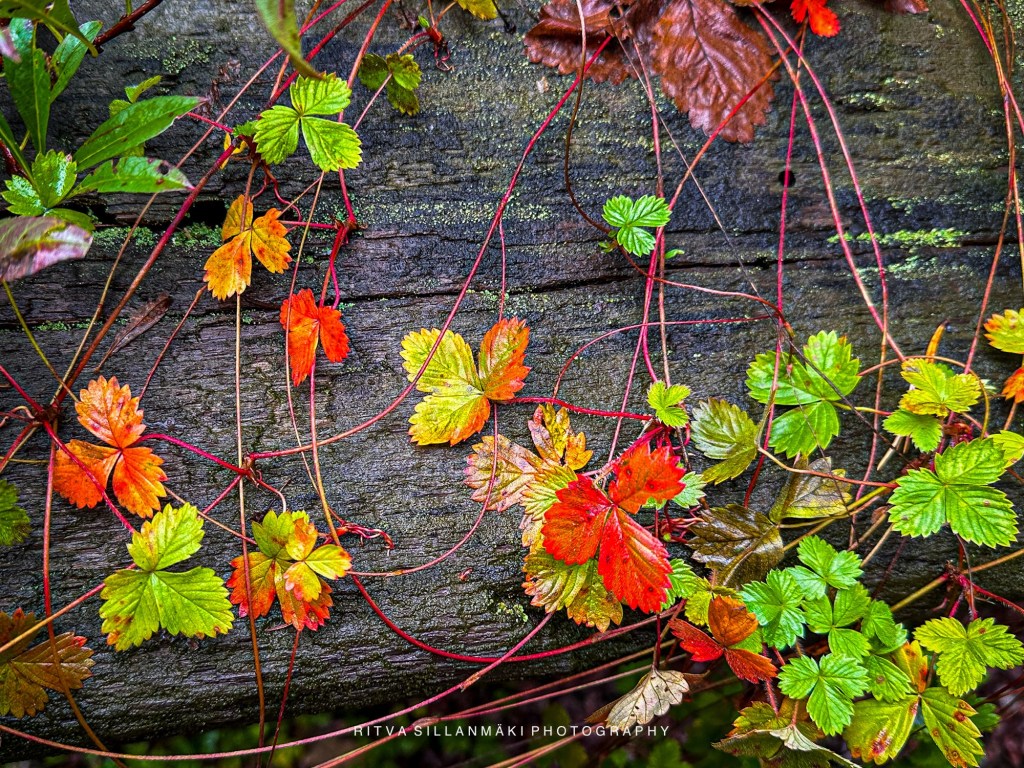
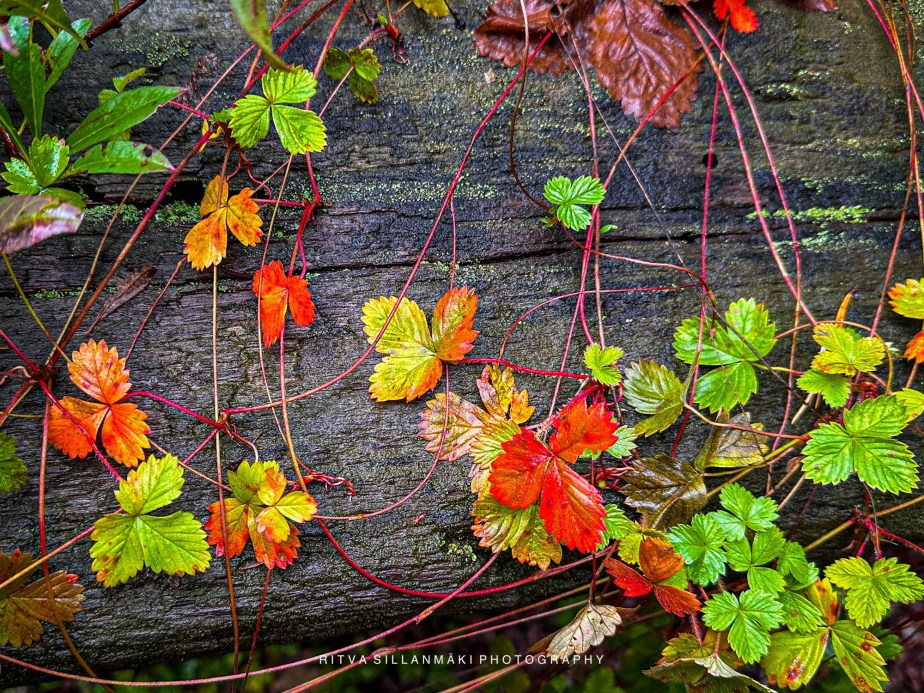
…of Autumn.
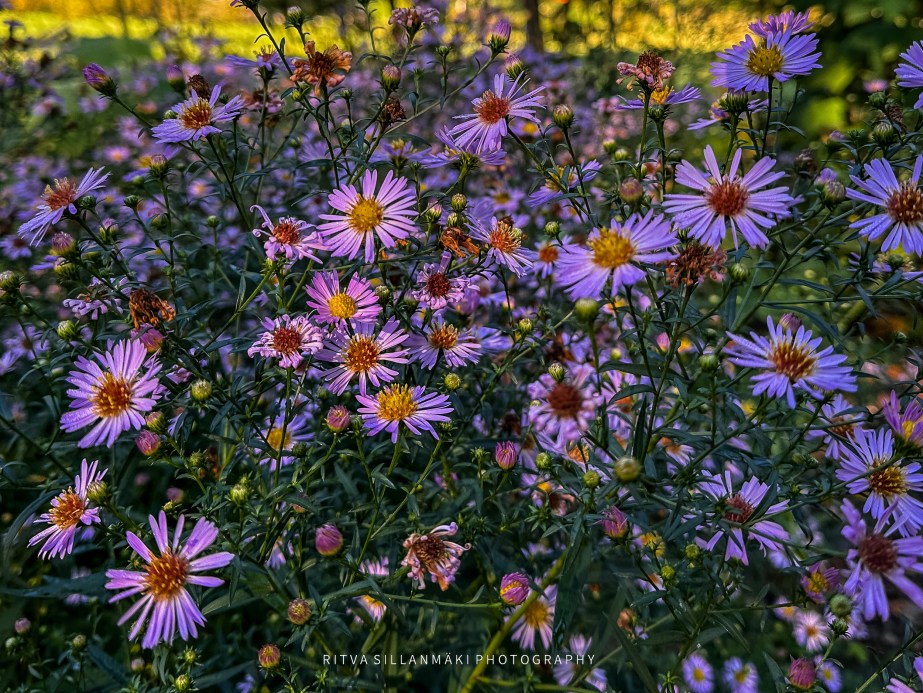
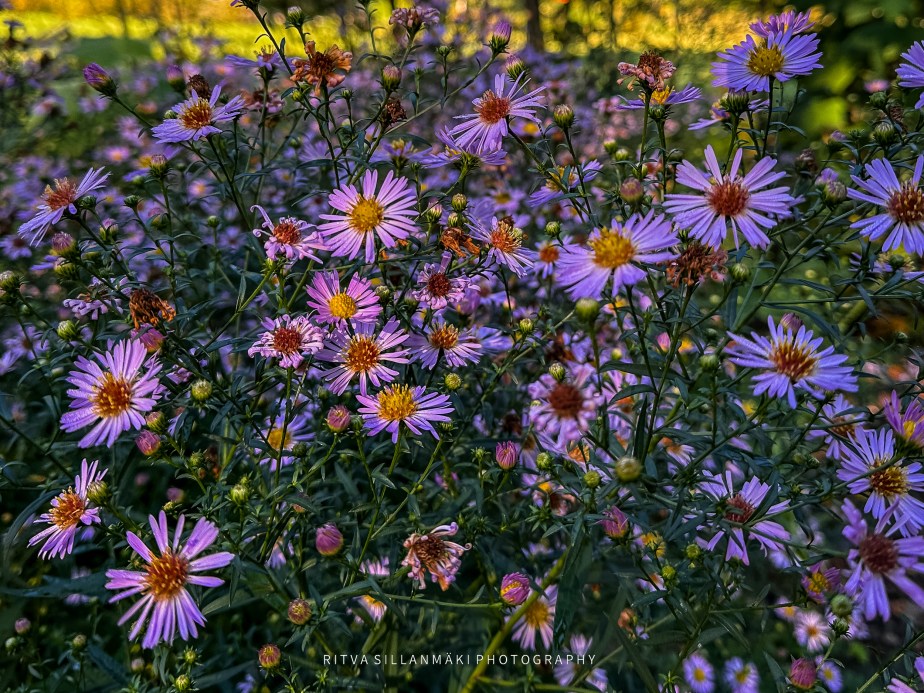
Asteria’s bloom in the lowlight of September reveals a tapestry of rich colors, as the leaves turn from vibrant greens to warm hues of amber and crimson, creating a stunning backdrop that enhances the beauty of these delicate flowers. Each blossom, whispering stories of the changing season. As the days grow shorter and the sun dips lower on the horizon, Asteria stands resilient, thriving in the embrace of autumn’s charm, while the world around it prepares for the stillness of winter.
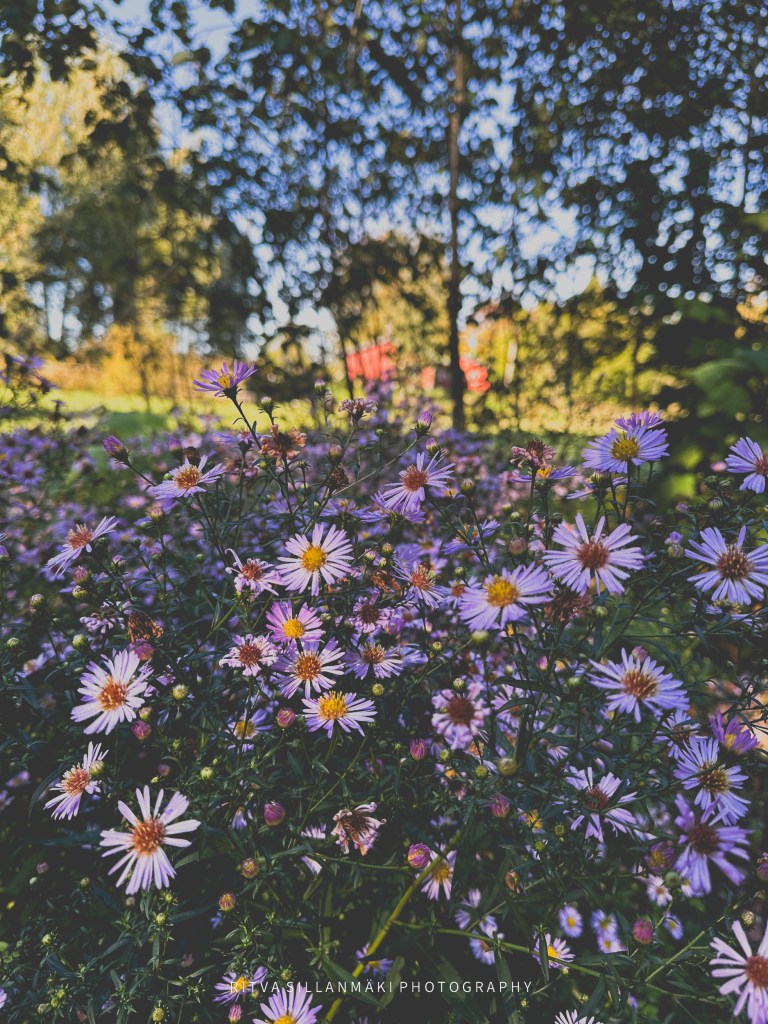
For Debie´s Six Words Saturday.
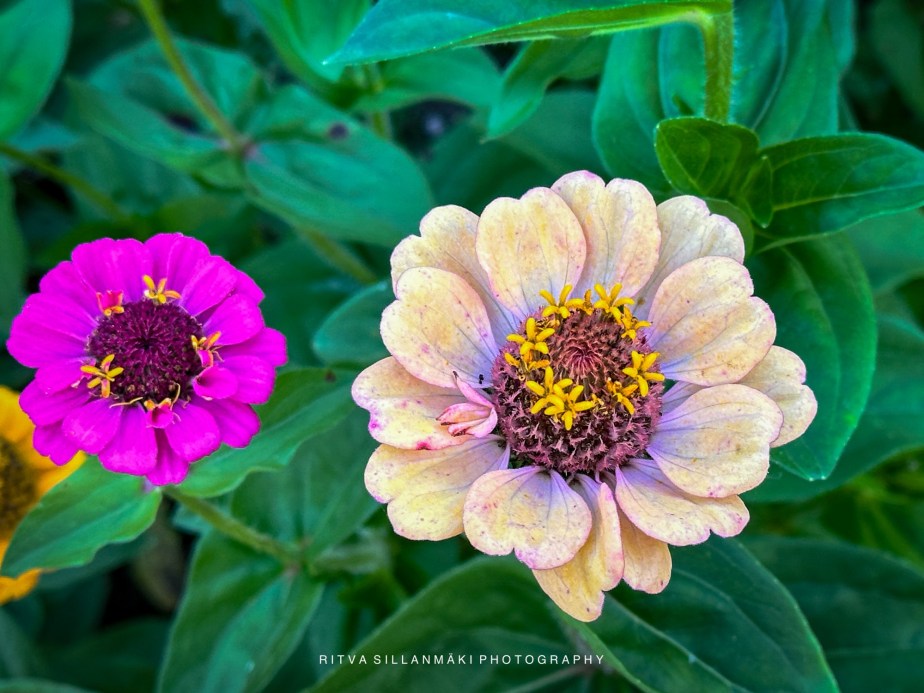
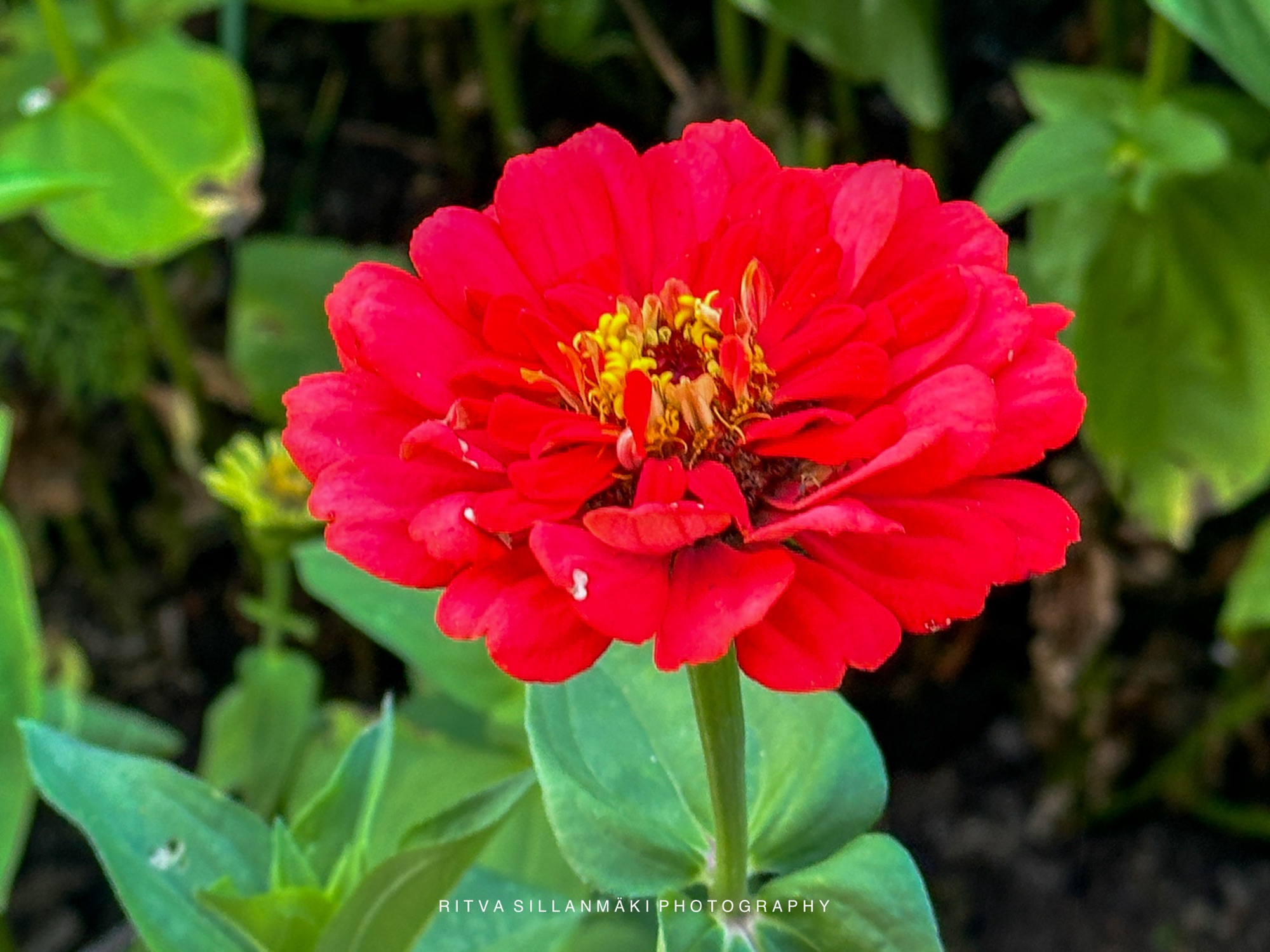
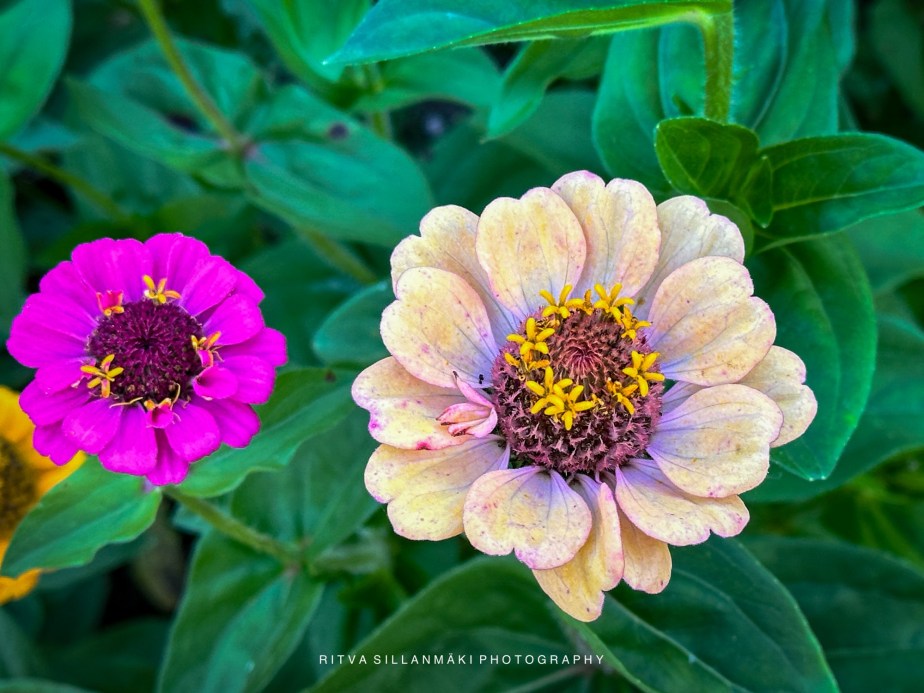
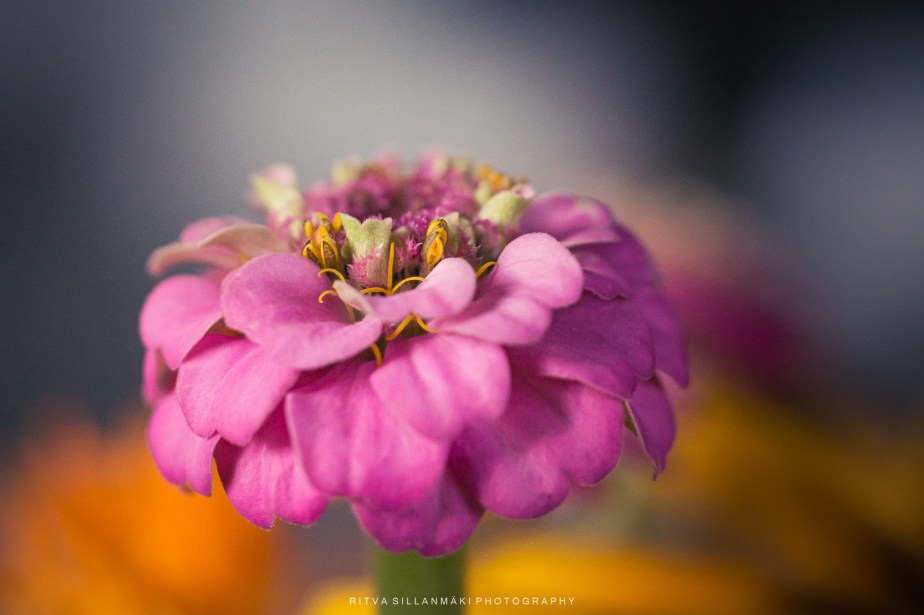
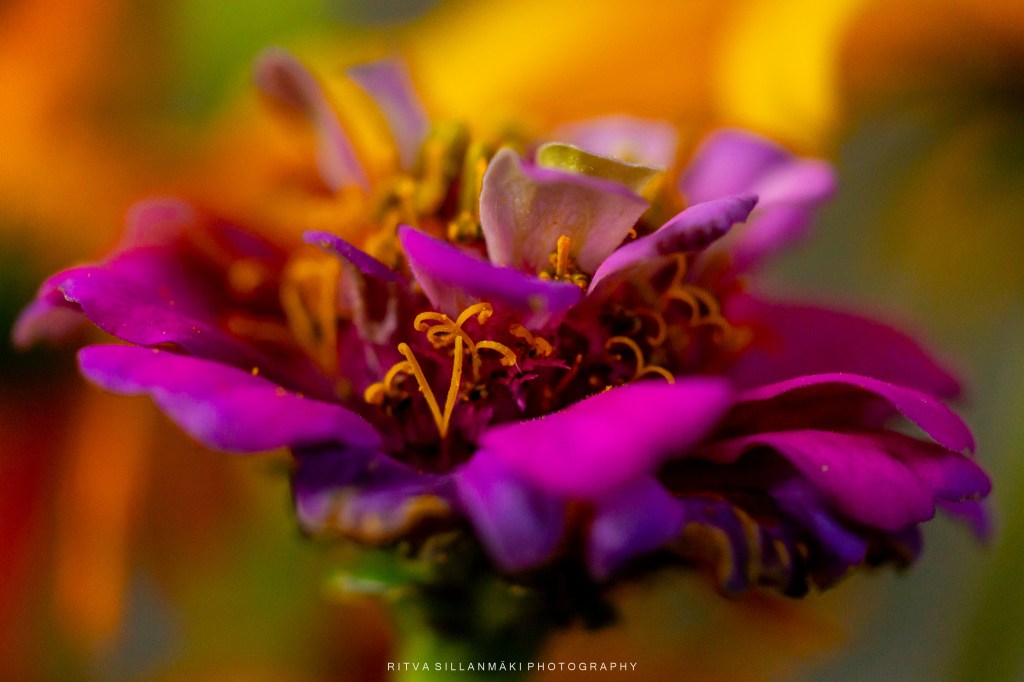
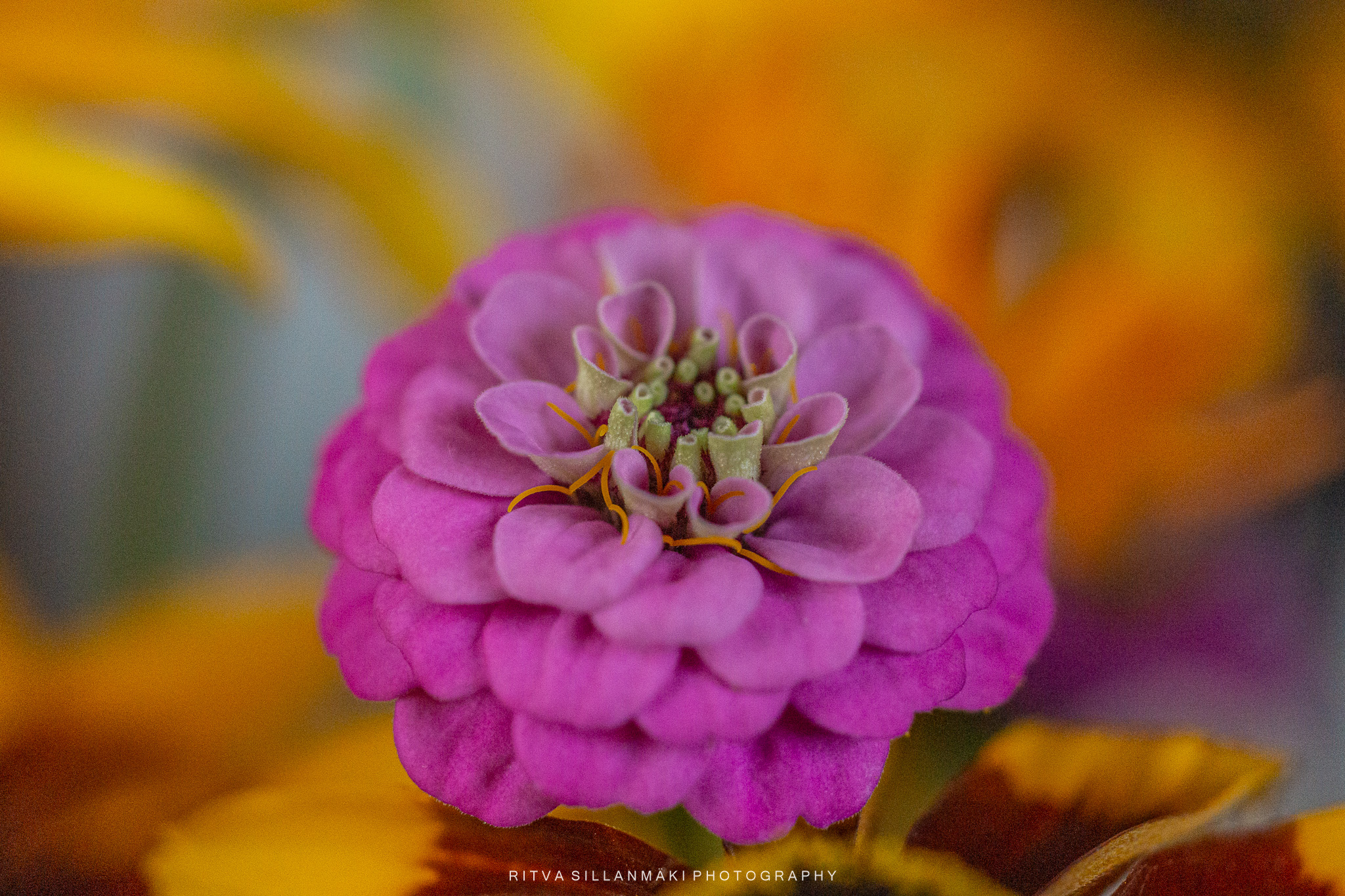
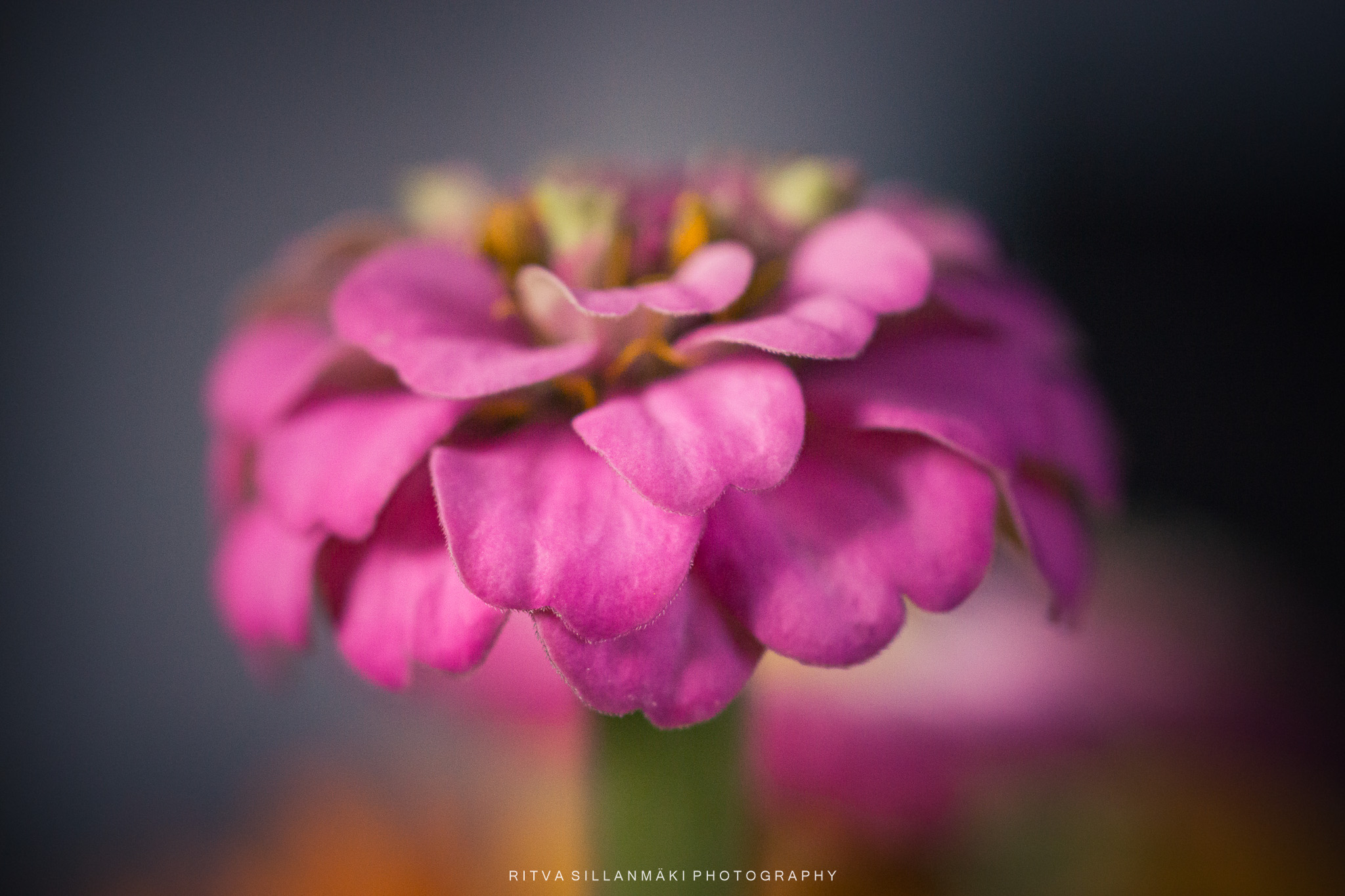
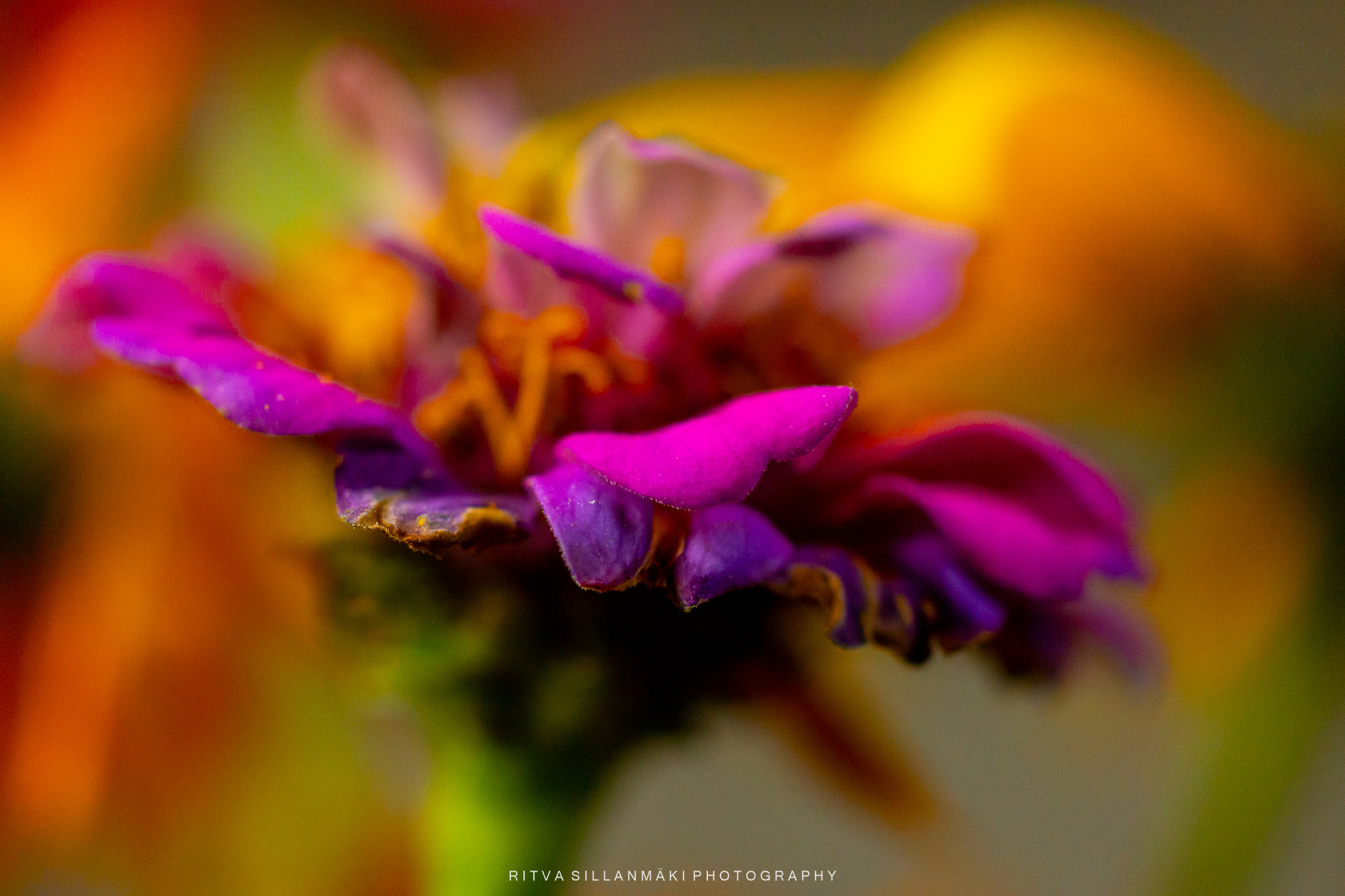
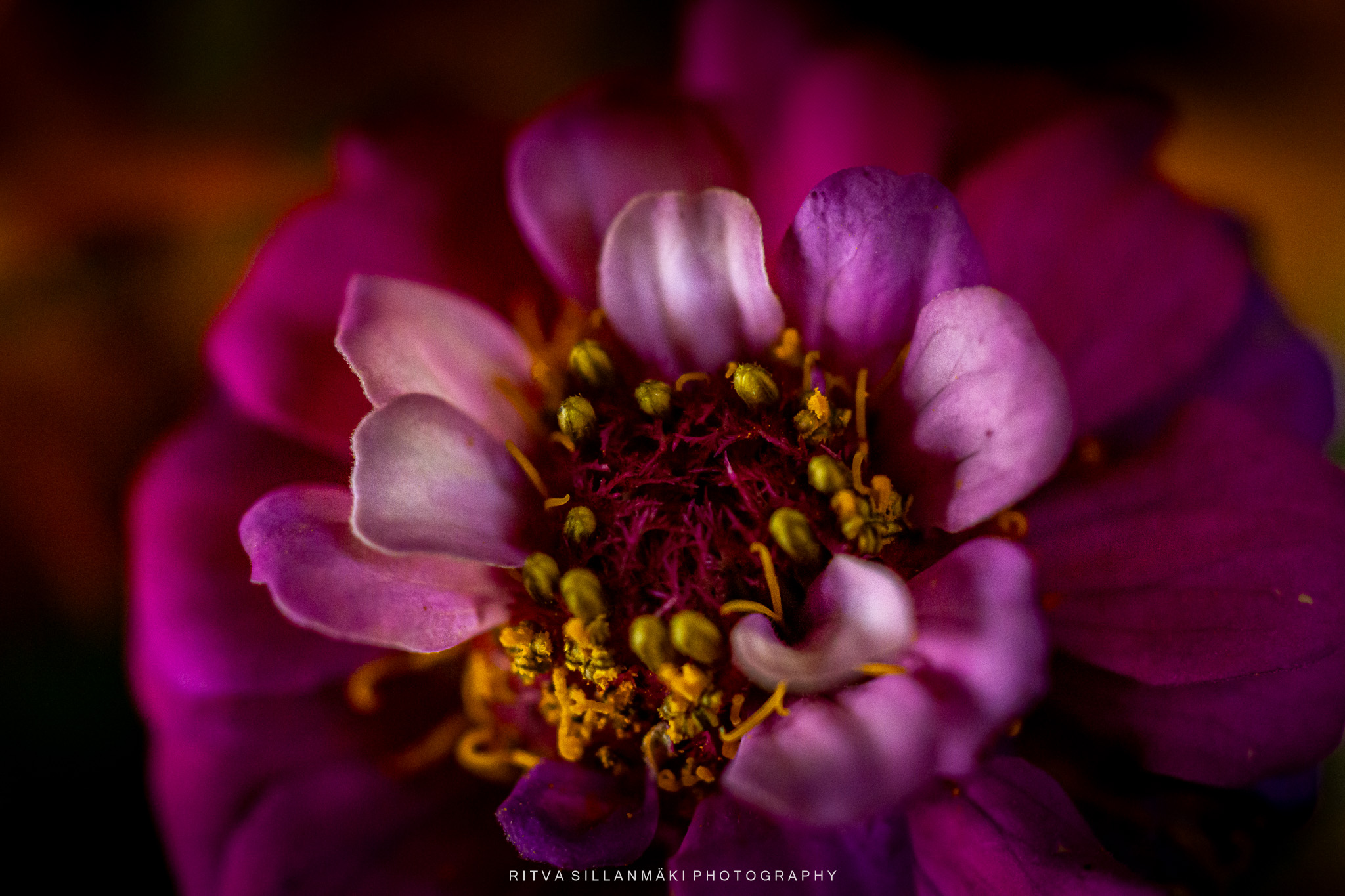
Take your pick – youth-and-age, common zinnia or elegant zinnia found these names in Wikipedia.


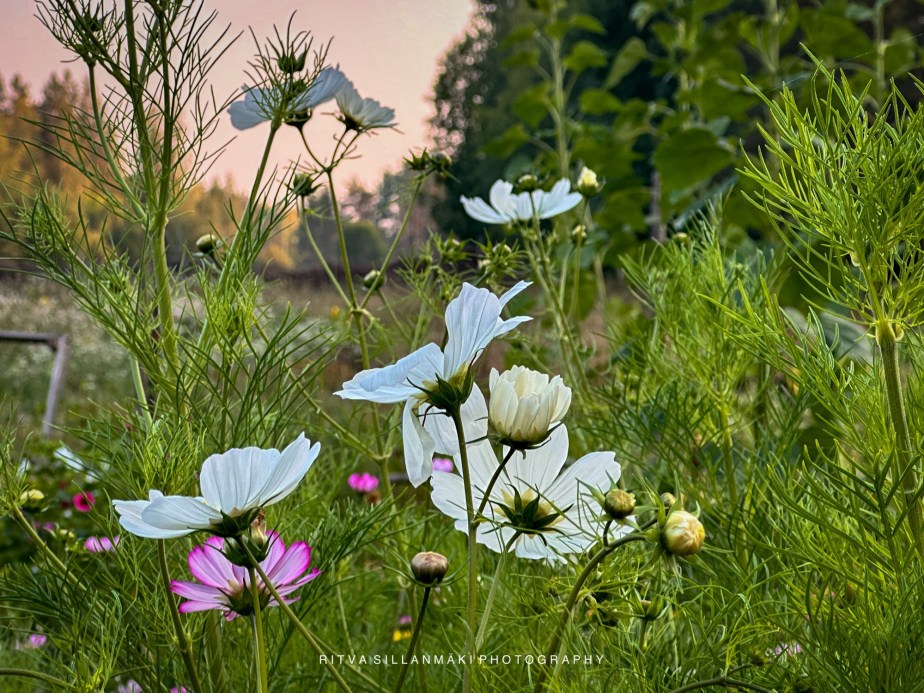
I posted these beautiful garden cosmos flowers yesterday on Instagram, but I realized I haven’t shared them here yet, so here we are. The garden cosmos, also known as Mexican aster or cosmea, belongs to the species Cosmos bipinnatus, and it never fails to captivate with its delicate charm. Each petal of this dainty flower reflects a pure, pristine white, and simplicity. Its slender stems and feathery foliage gracefully complement the blooms.
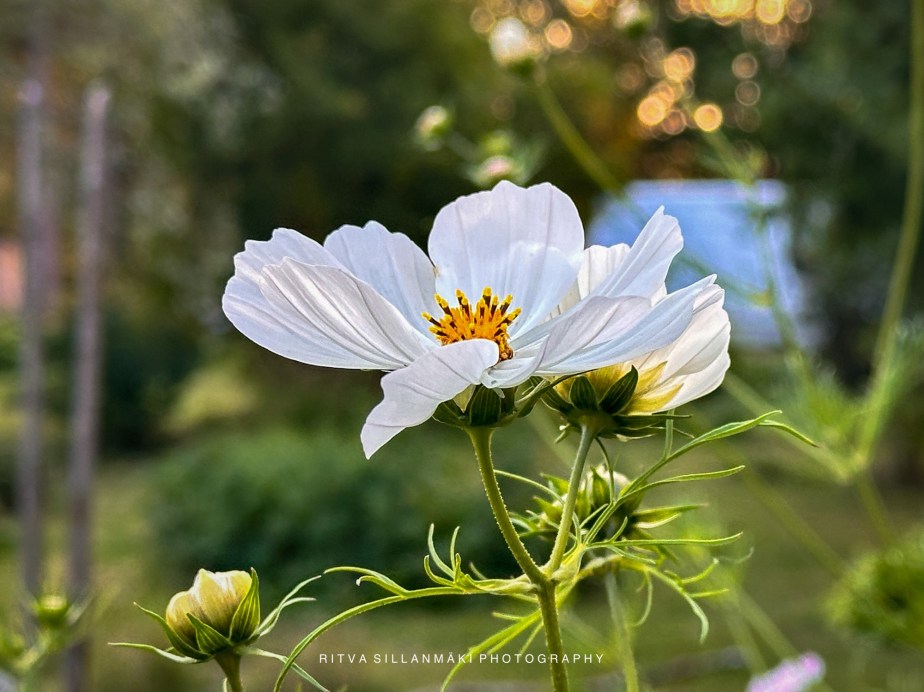
Posted for Cee’s Flower of the Day
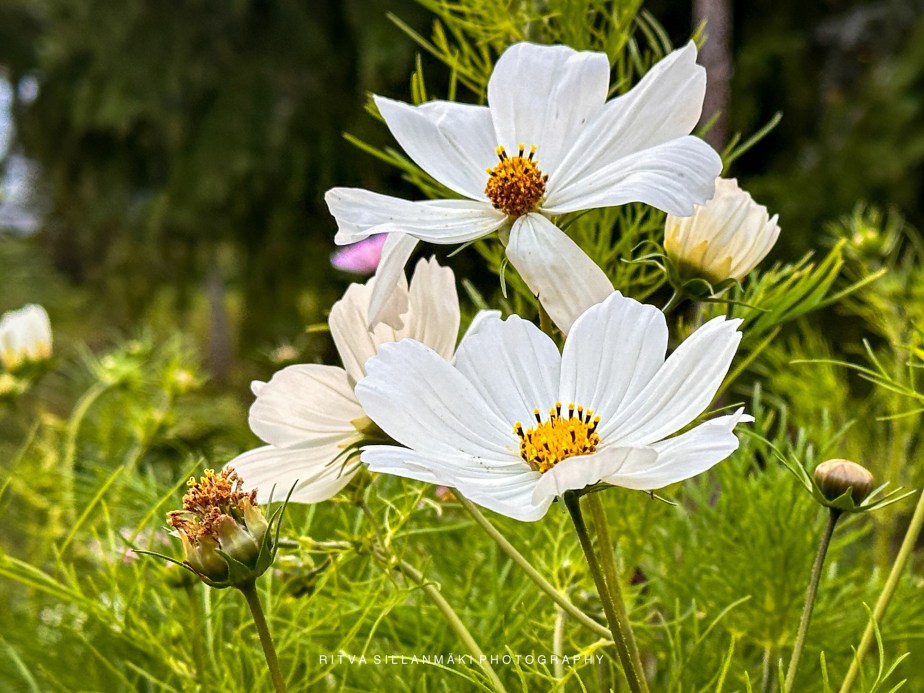
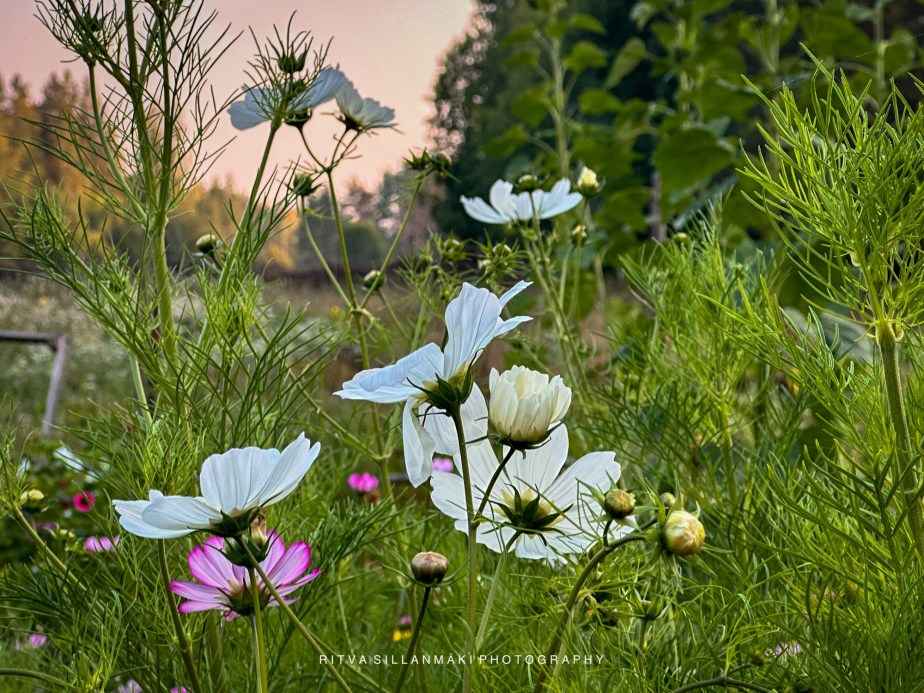
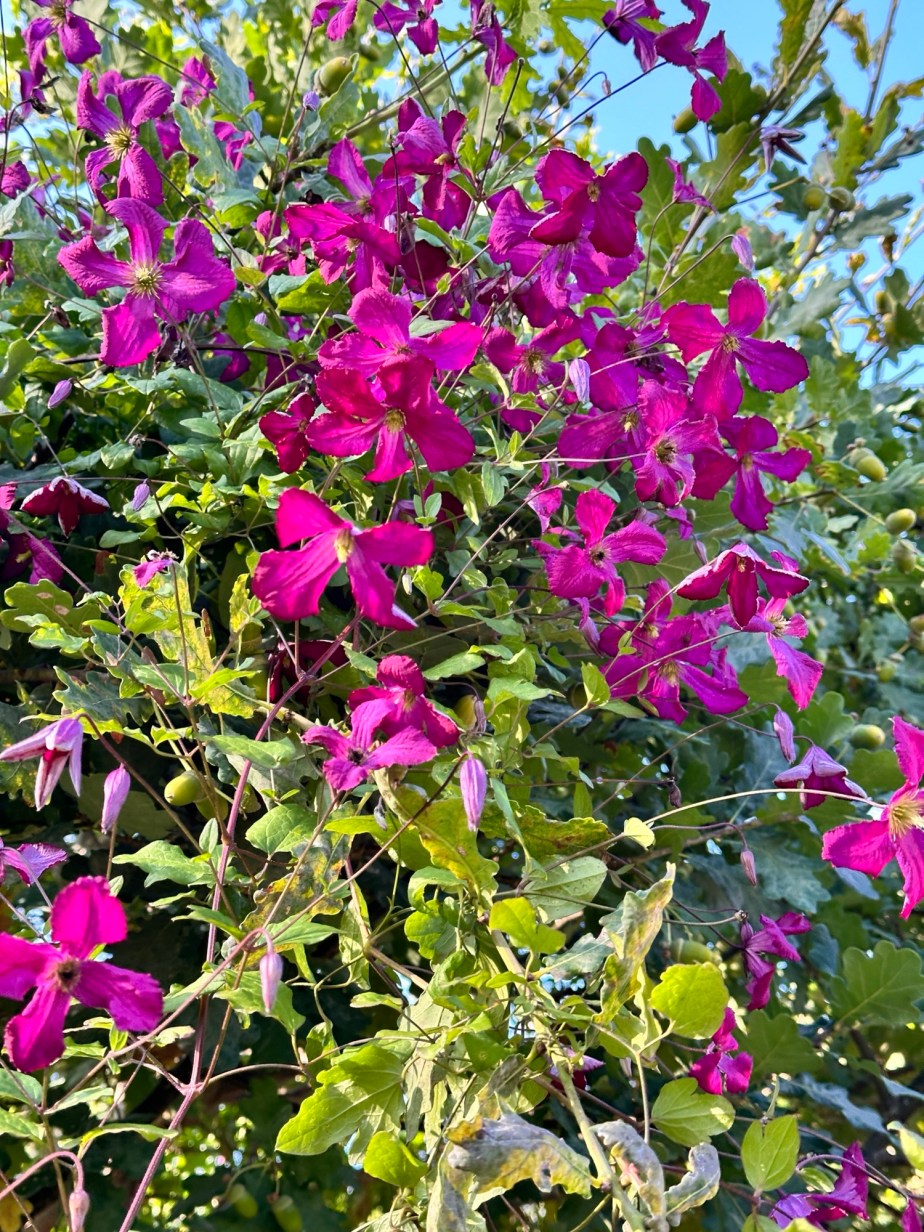
Sitting in my backyard watching the sun light the flowers, such a lovely bright color against the blue sky and green leaves

Posted for Cee’s Flower of the Day
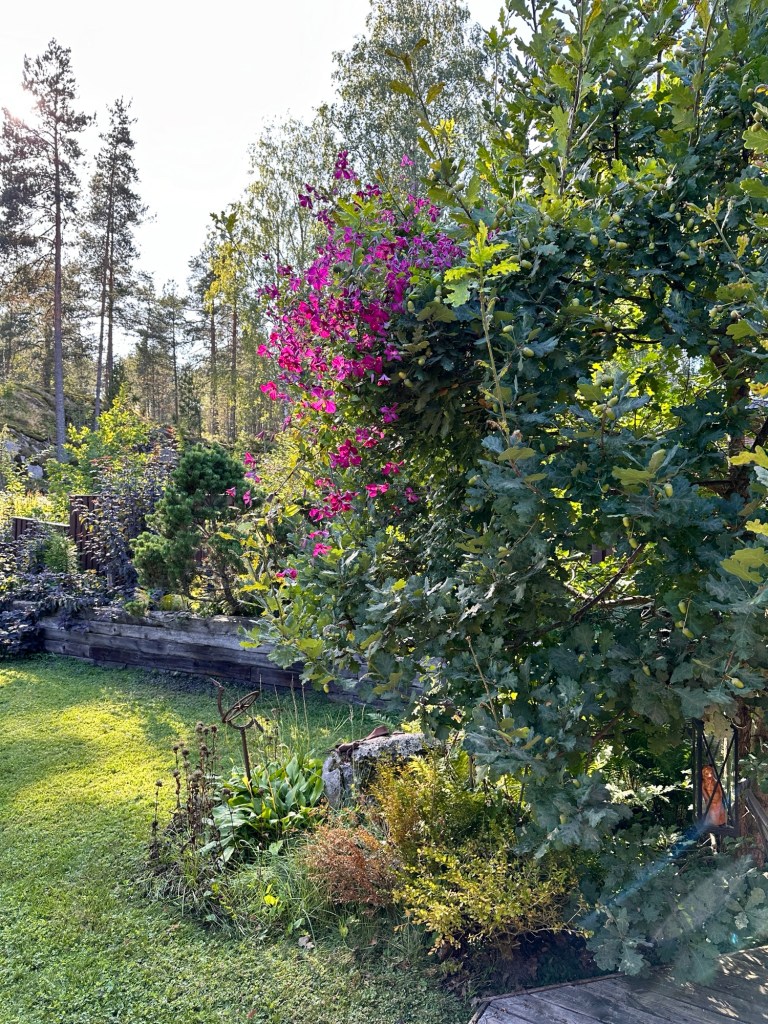
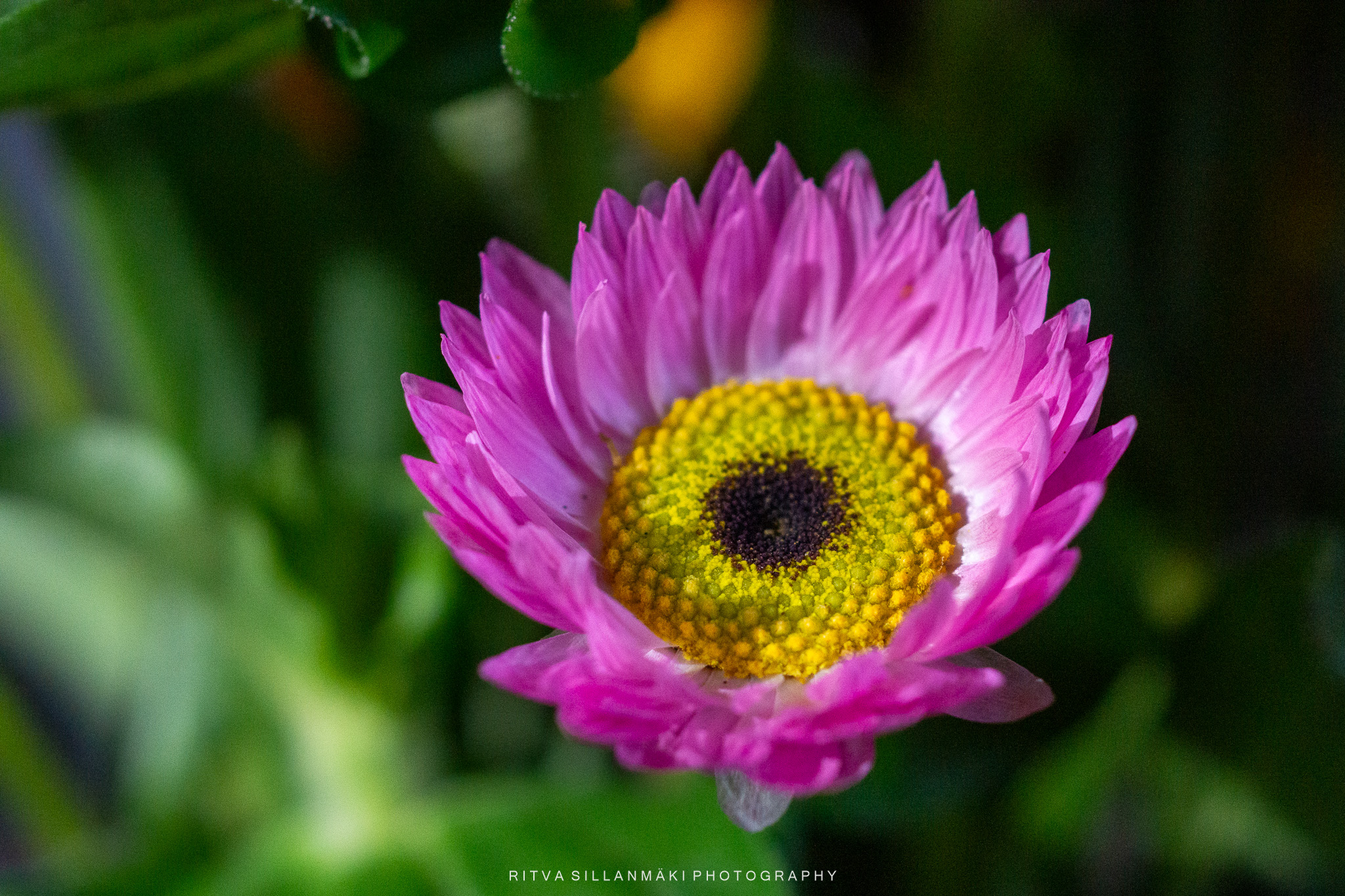
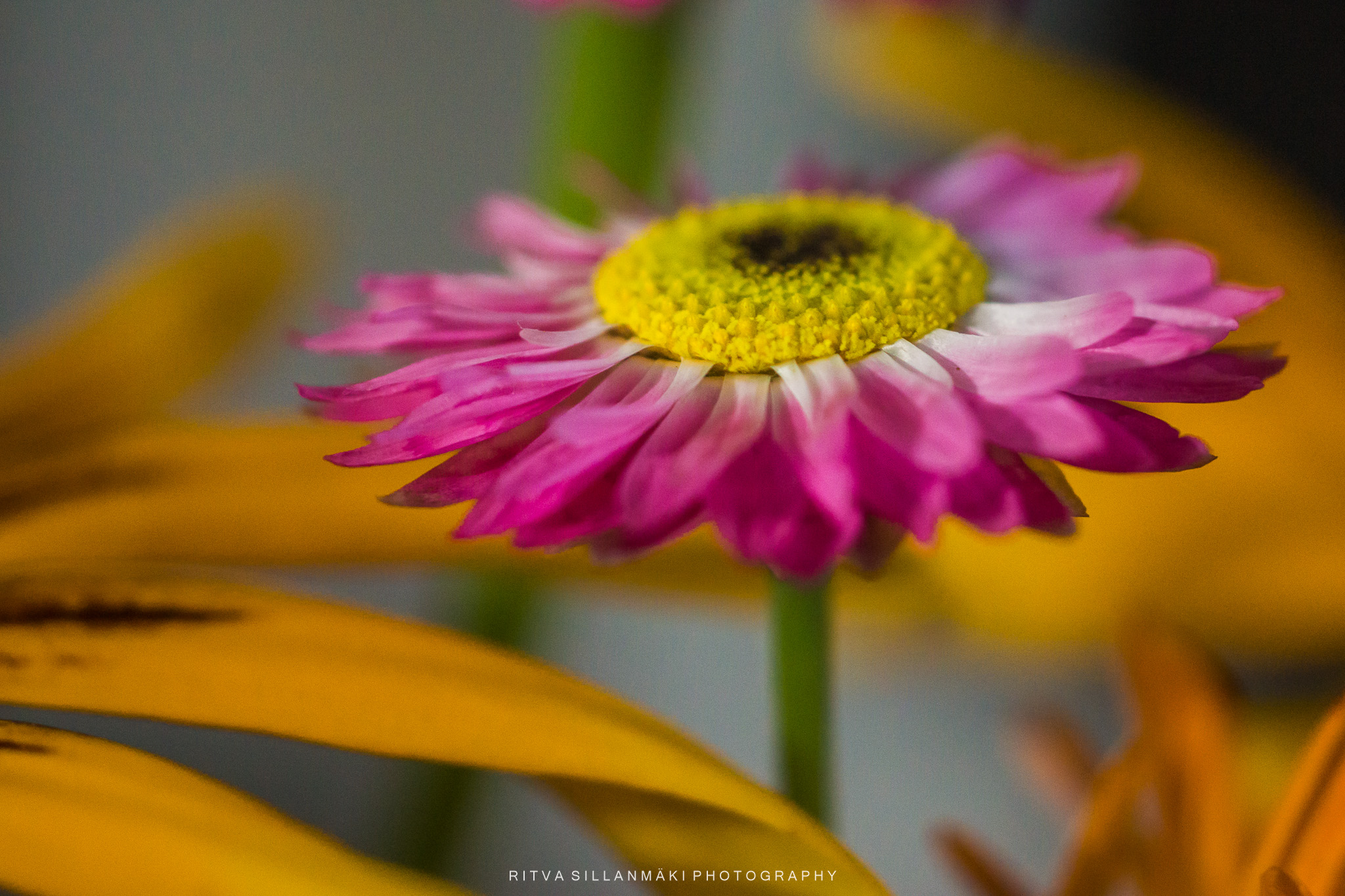
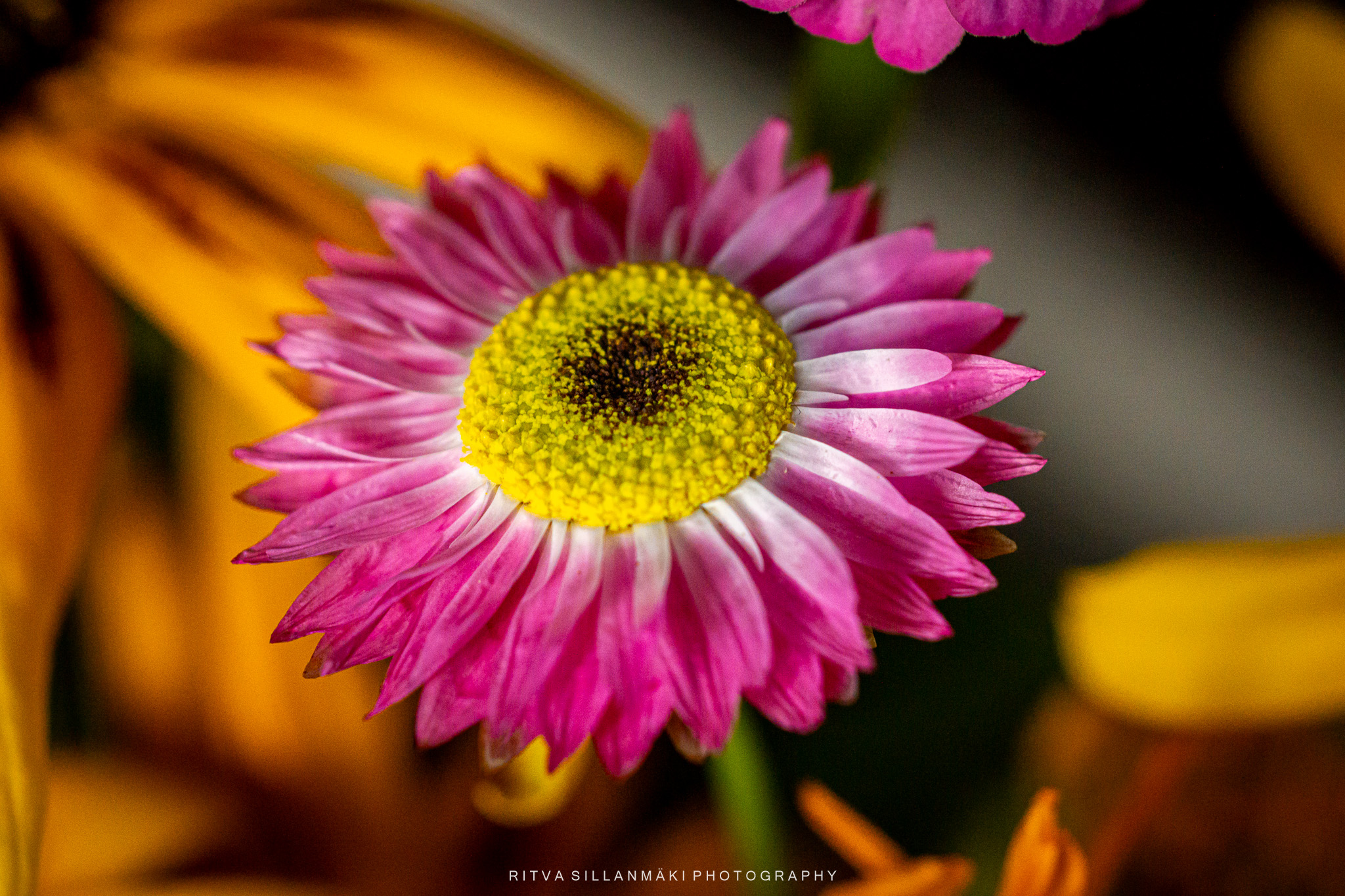
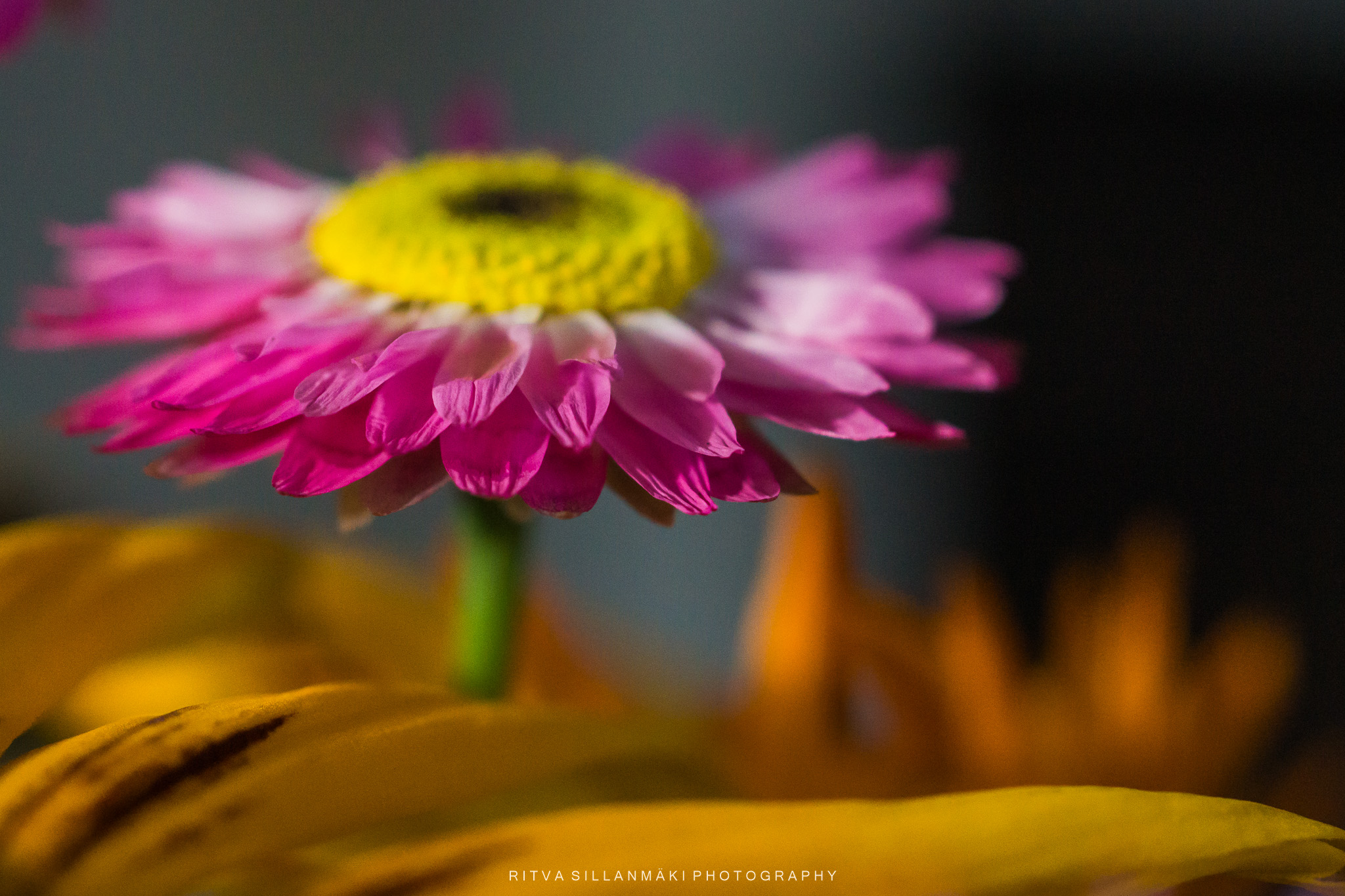
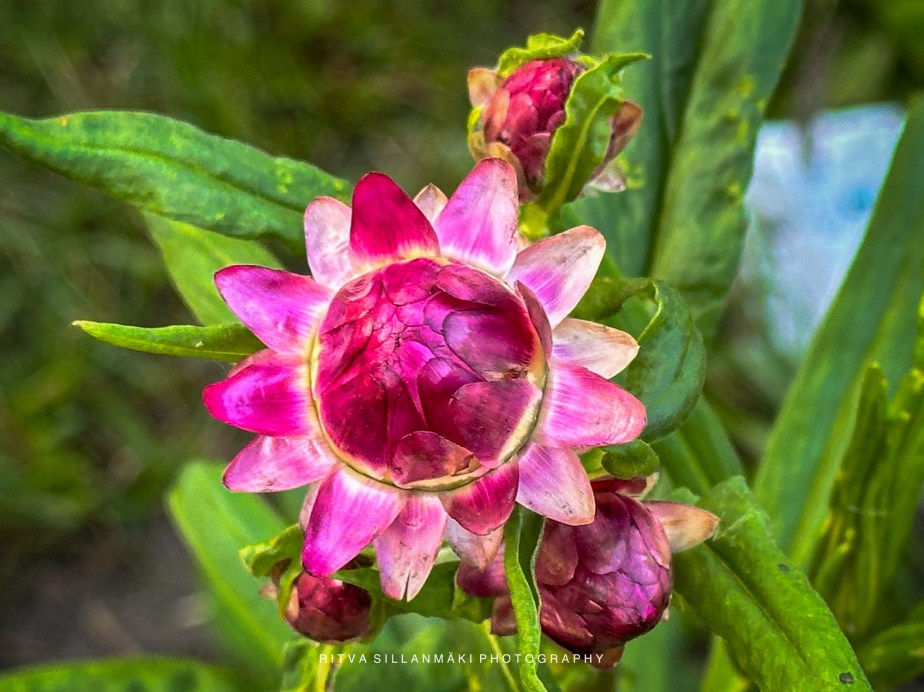
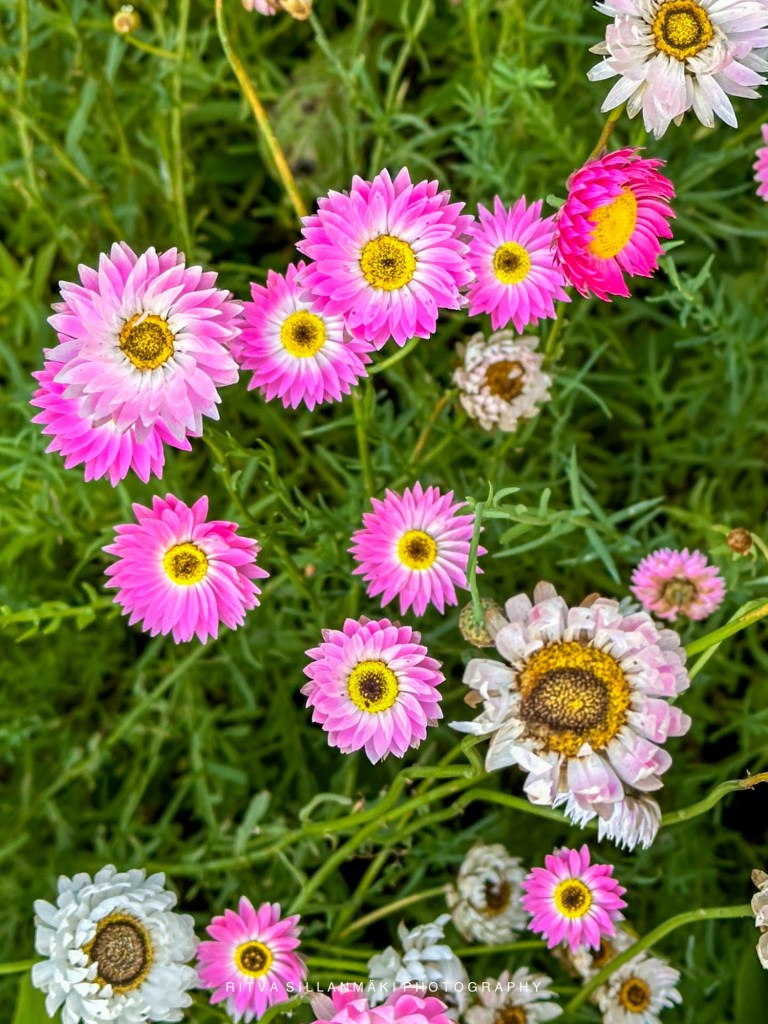
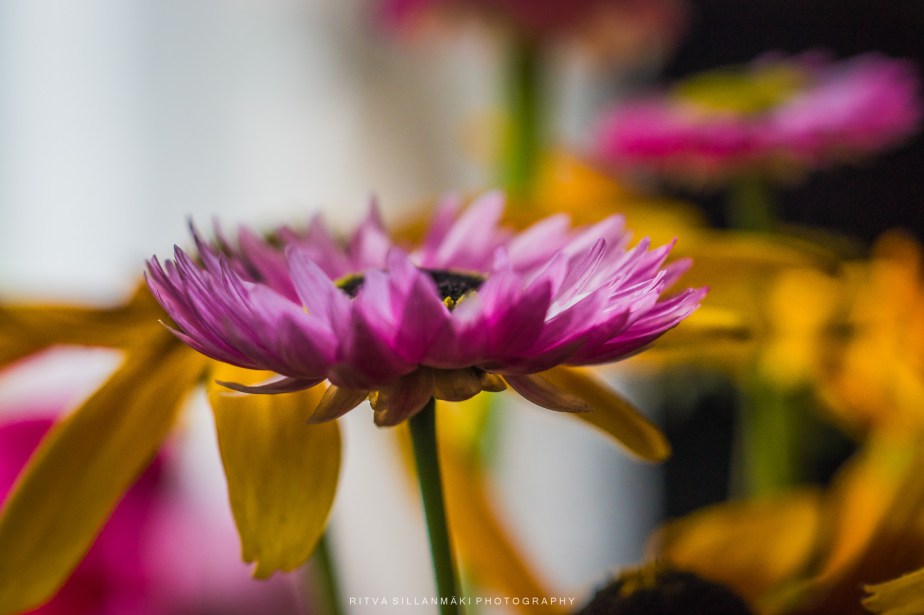
I took several shots of this Pink Paper Daisy (googled it) from my summer bouquet, I wanted to experiment with different angles and lighting conditions as well. In addition to the focus, I also varied the background and the distance to the subject to capture a series of images that showcase the delicate beauty of this flower. The result showed the intricate details and vibrant colors of the Pink Paper Daisy, revealing its features from various perspectives.

For Cee’s Flower of the Day.

Posted for Cee’s Flower of the Day












 Ritva Sillanmäki Photography