
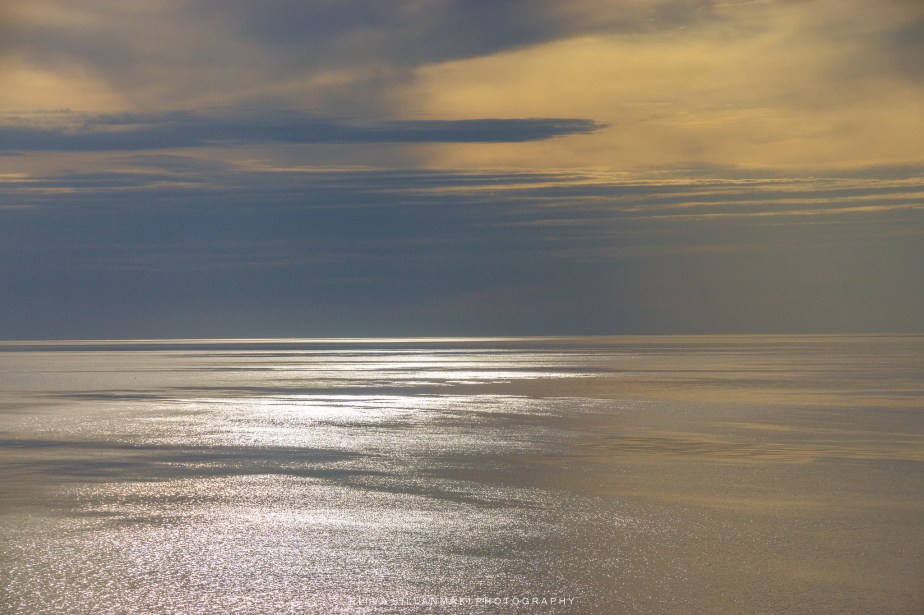
Sofia has set a challenge Ancient, she wrote: This week I’m looking for anything that has had an existence of many years. It can be like my examples, ancient buildings or places, unchangeable landscapes. It can also be traditions, whose origins are lost in time, or obsolete objects of everyday life. Your imagination is as much the limit as age…
I was going to show shots from Archaeological sites like of Pompeii and Herculaneum in Italy, maybe few from Tombs of the Kings, Kato Paphos in Cyprus. Then I thought about what is older than that, did a little bit of research and this is what I came up with.
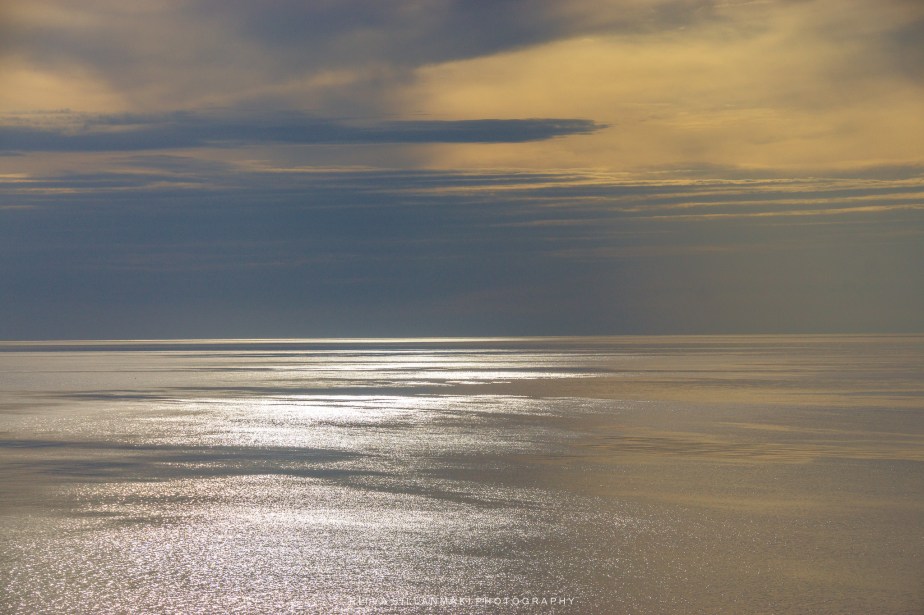
According NOAA the Ocean’s are ancient. Over vast periods of time, our primitive ocean formed. Water remained a gas until the Earth cooled below 212 degrees Fahrenheit. At this time, about 3.8 billion years ago, the water condensed into rain which filled the basins that we now know as our world ocean.
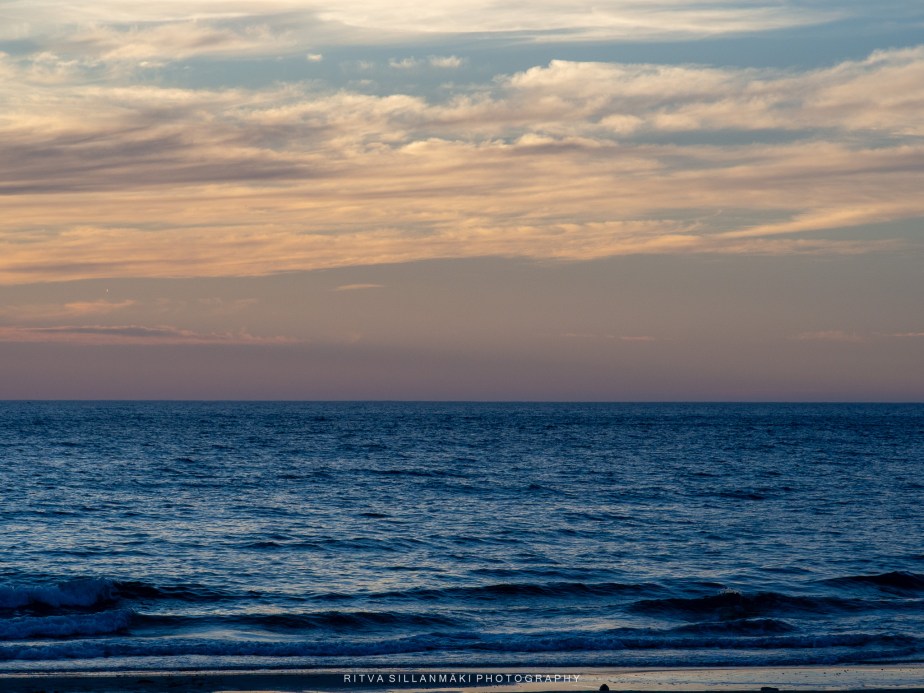
Most scientists believe that the atmosphere and oceans formed slowly over millions of years through the release of gases from the Earth’s interior. This process allowed water vapor and other gases from molten rocks to escape into the atmosphere. Once the Earth’s surface cooled below the boiling point of water, it started to rain continuously for a long time. As the rainwater collected in the low areas, the first oceans formed. Gravity kept the water on the planet.
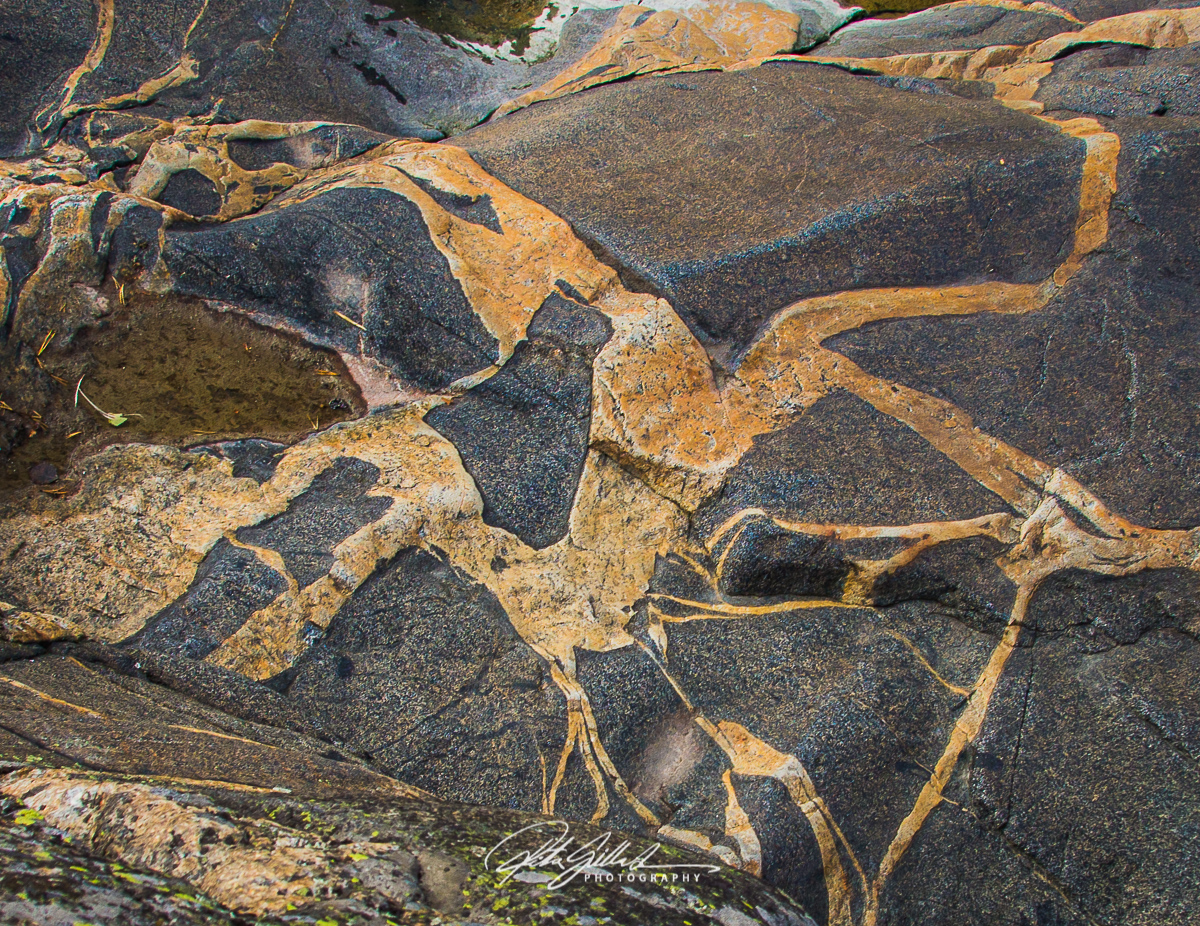
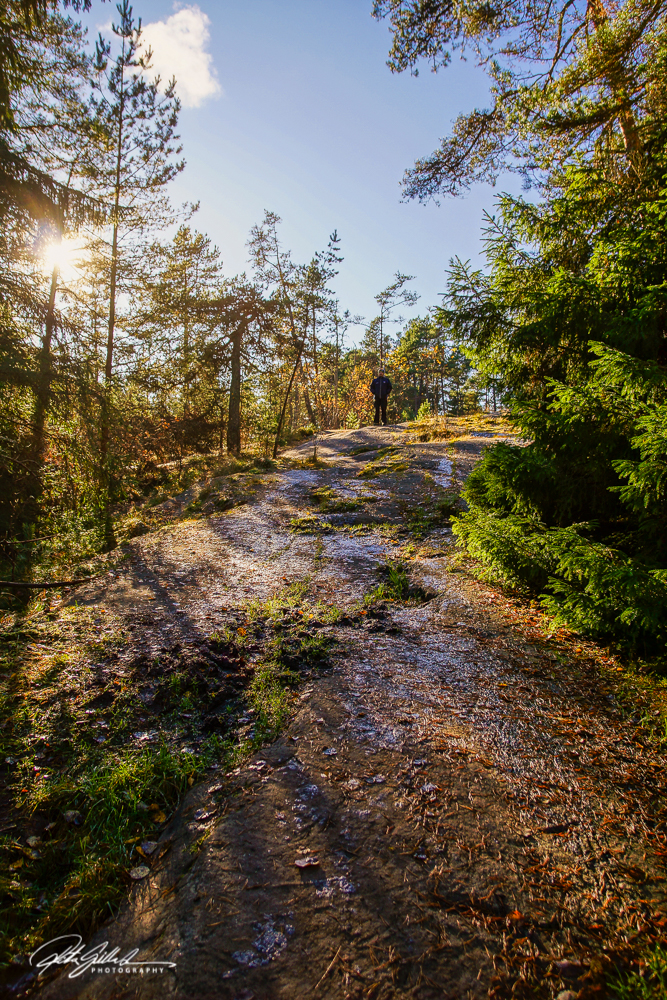
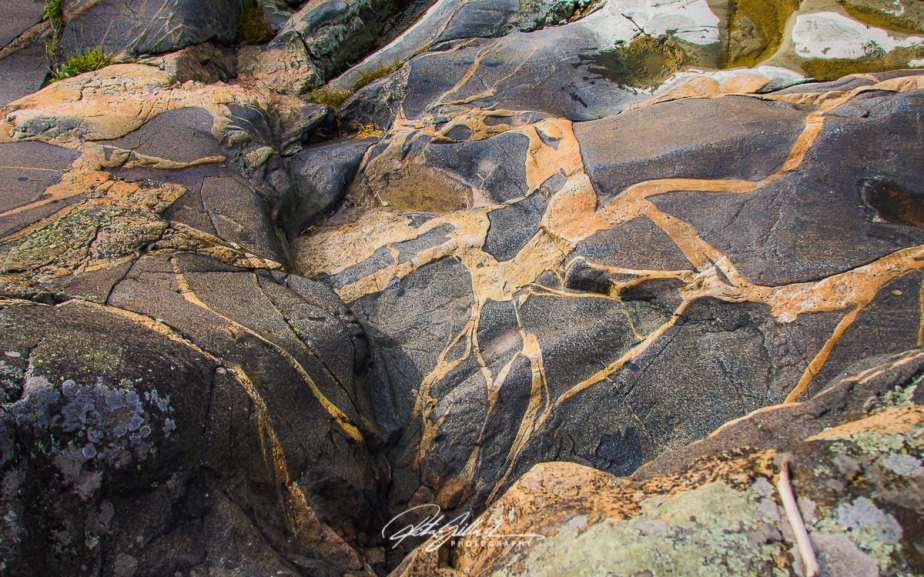
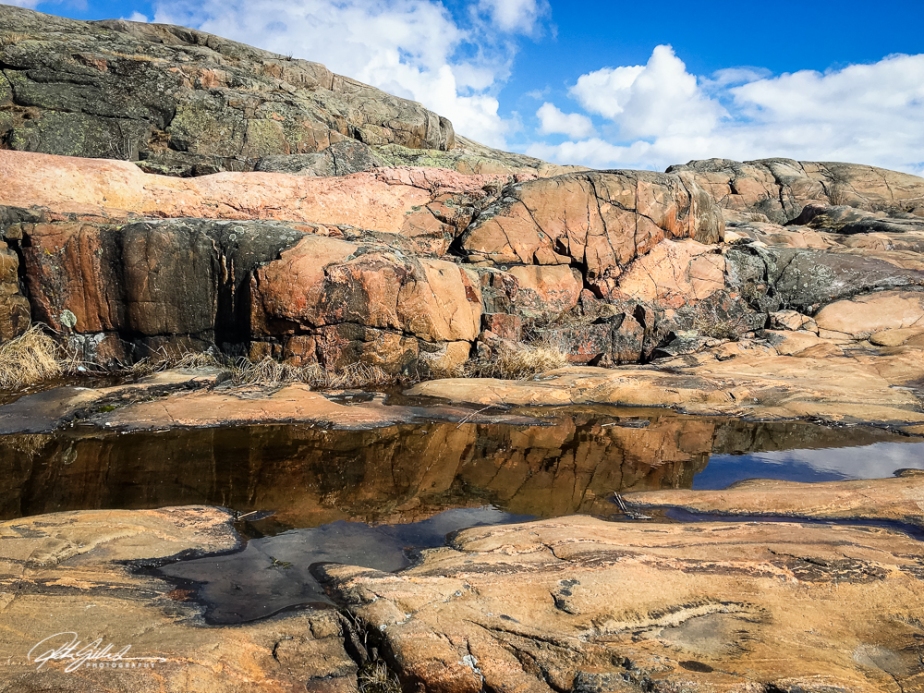
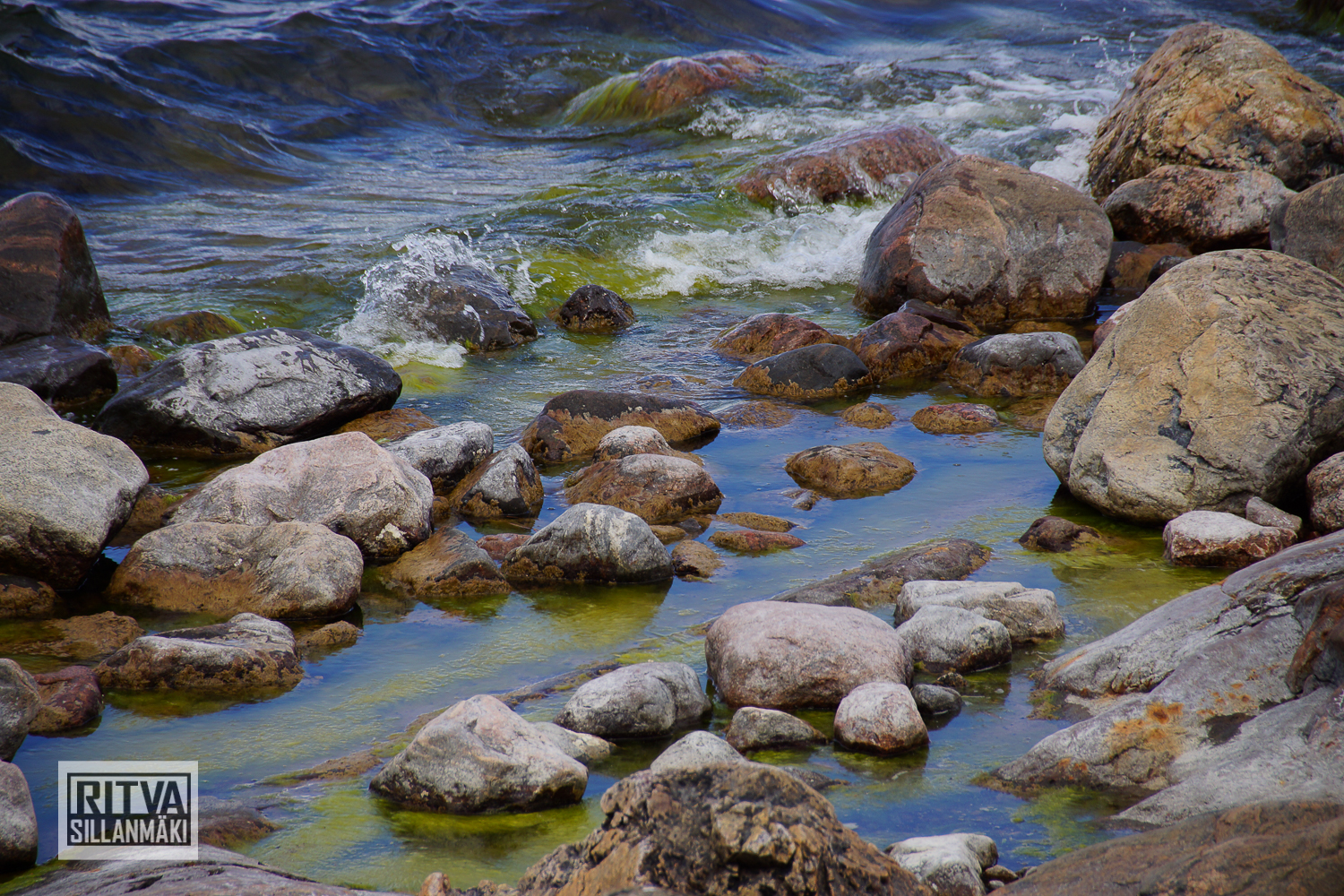
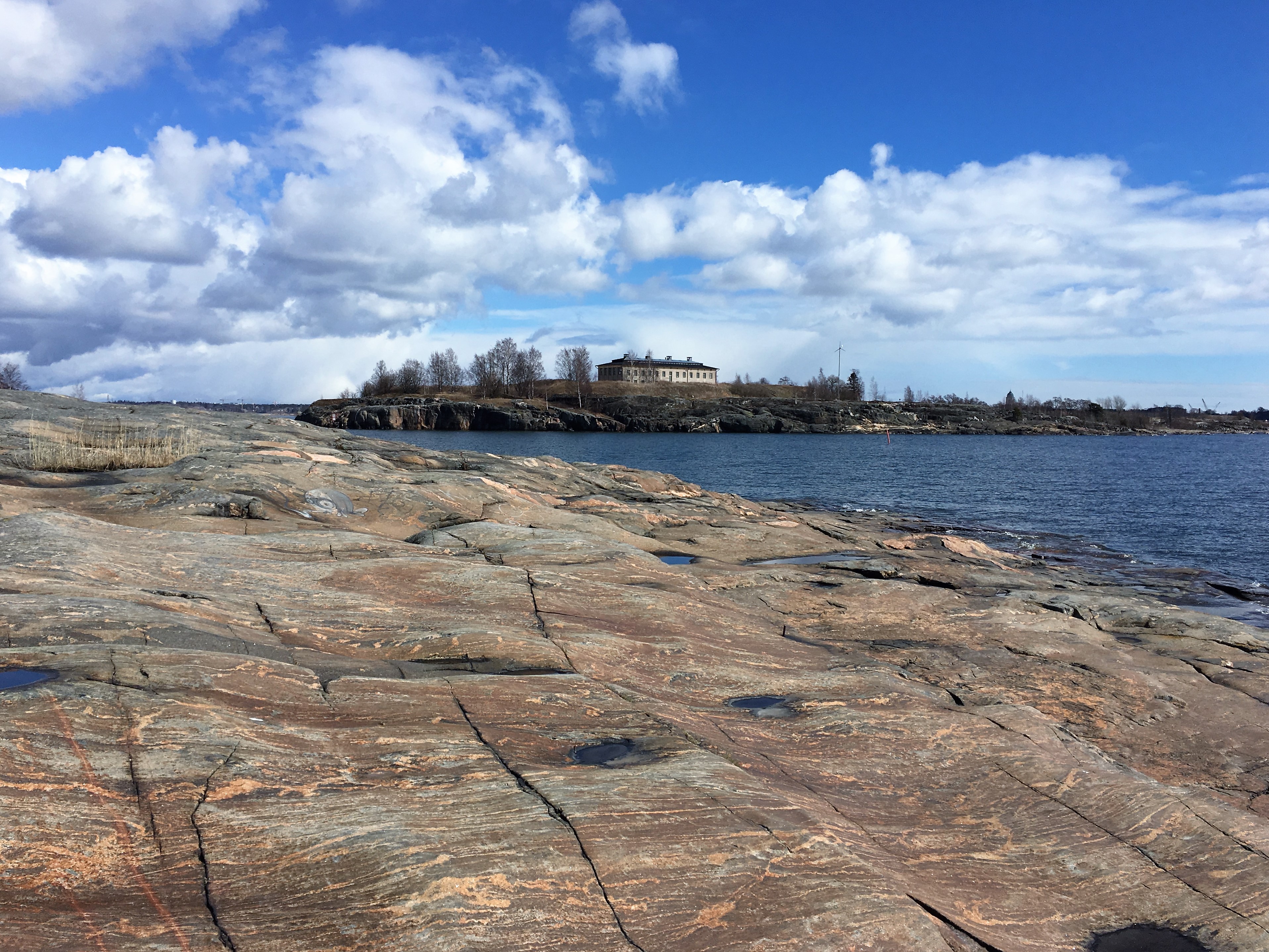
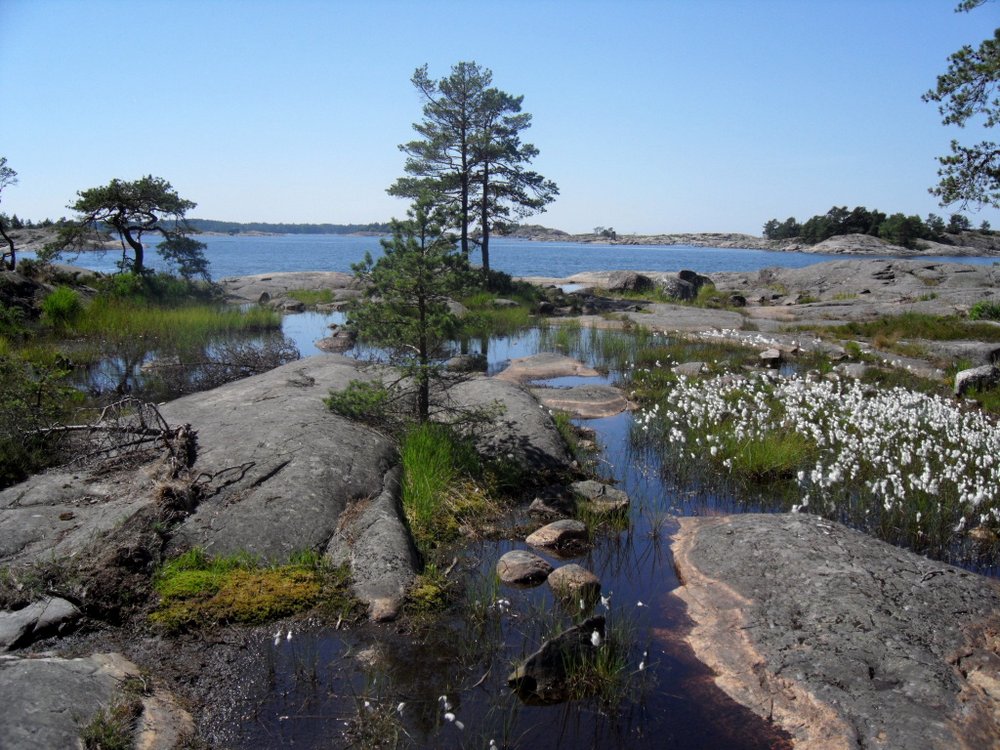
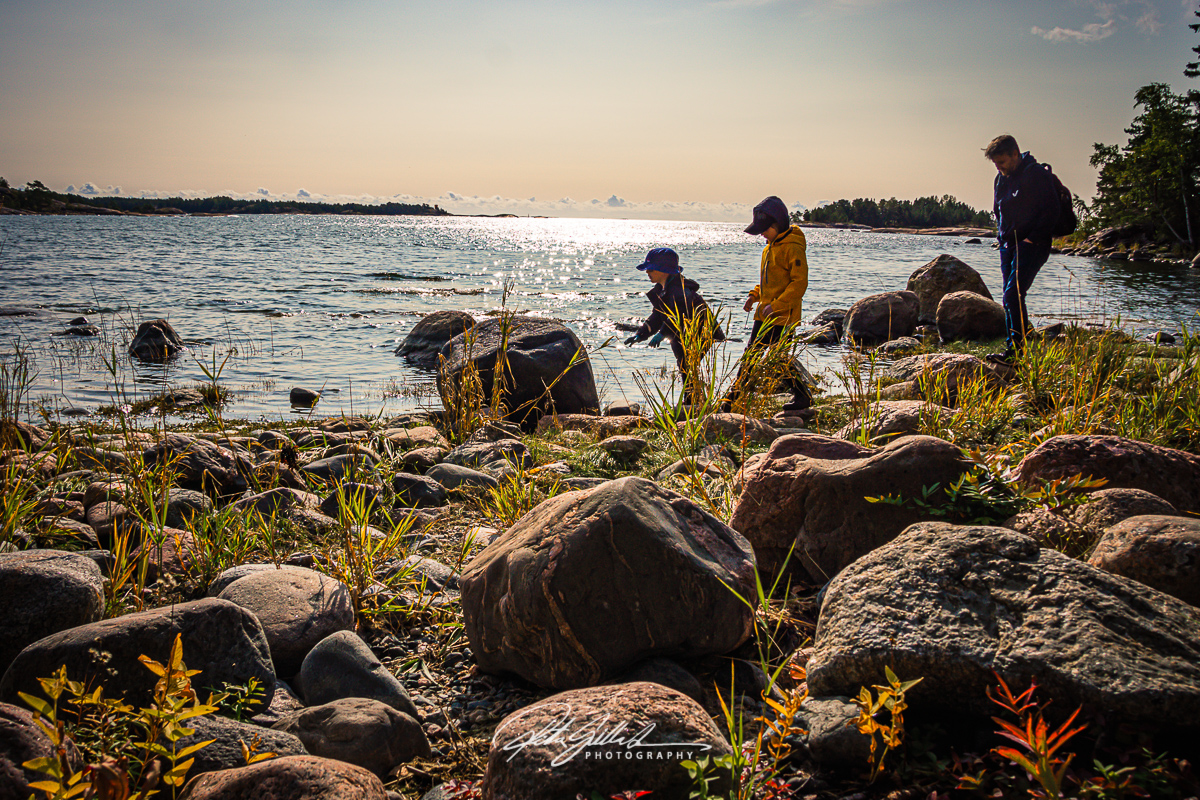
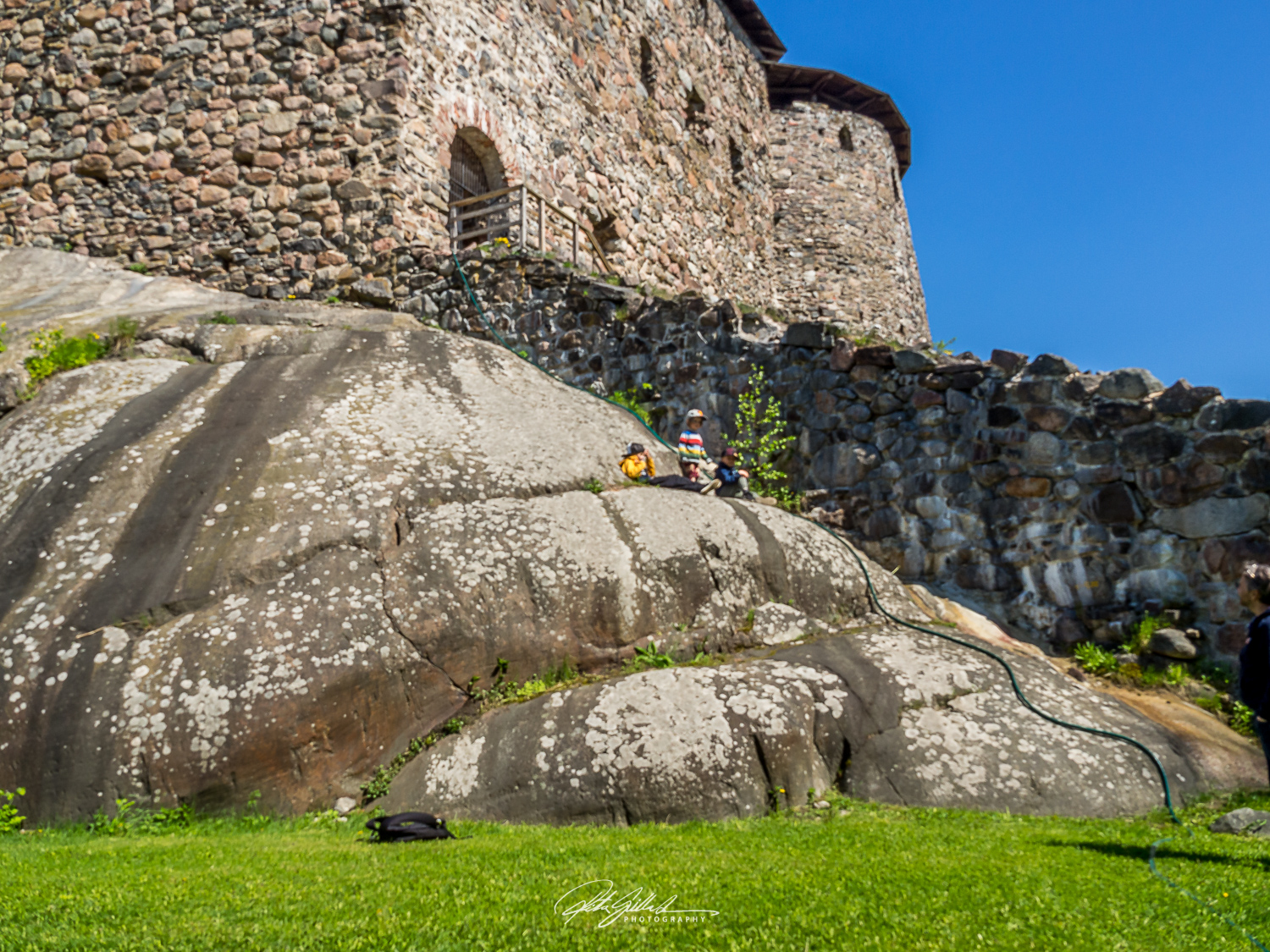
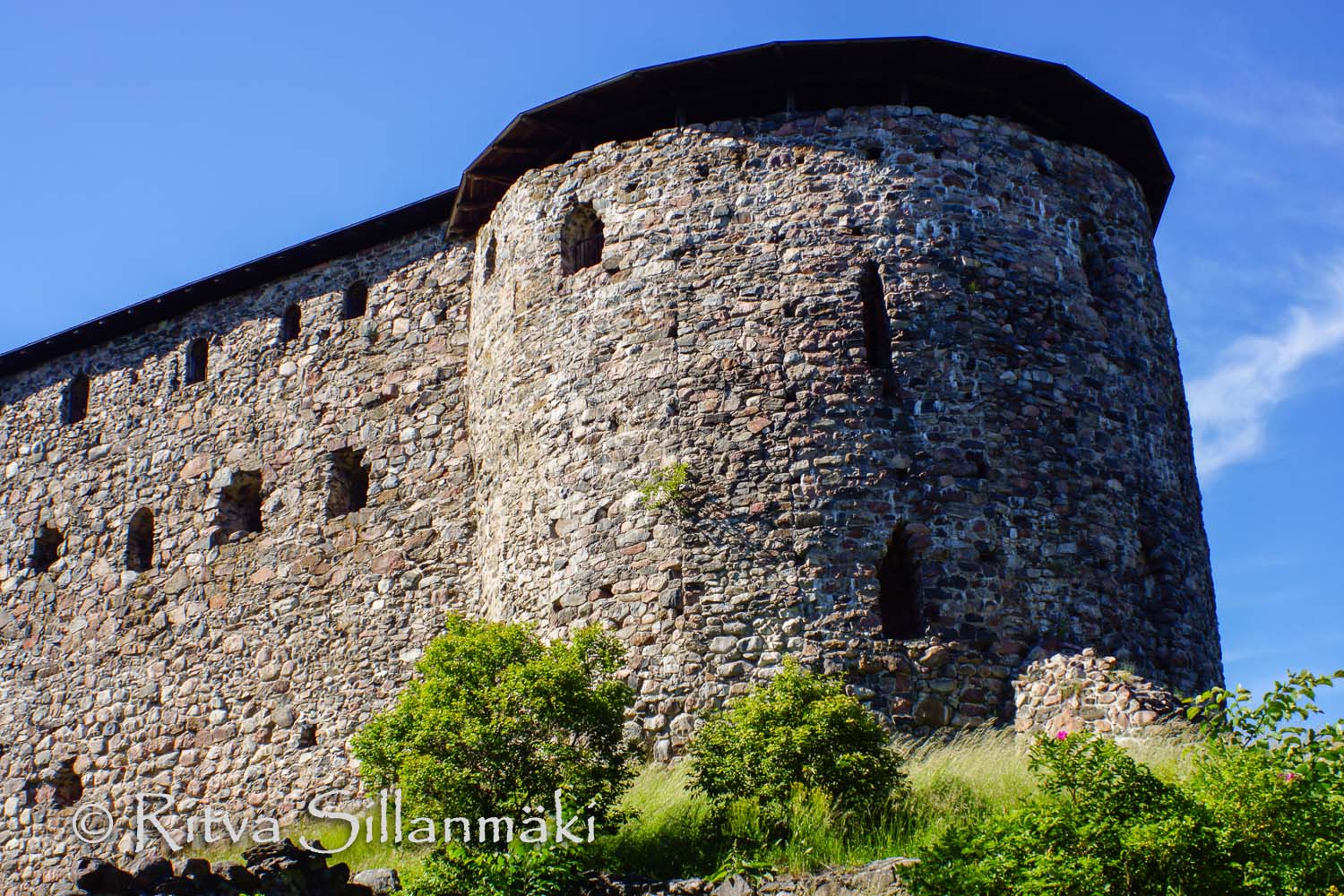
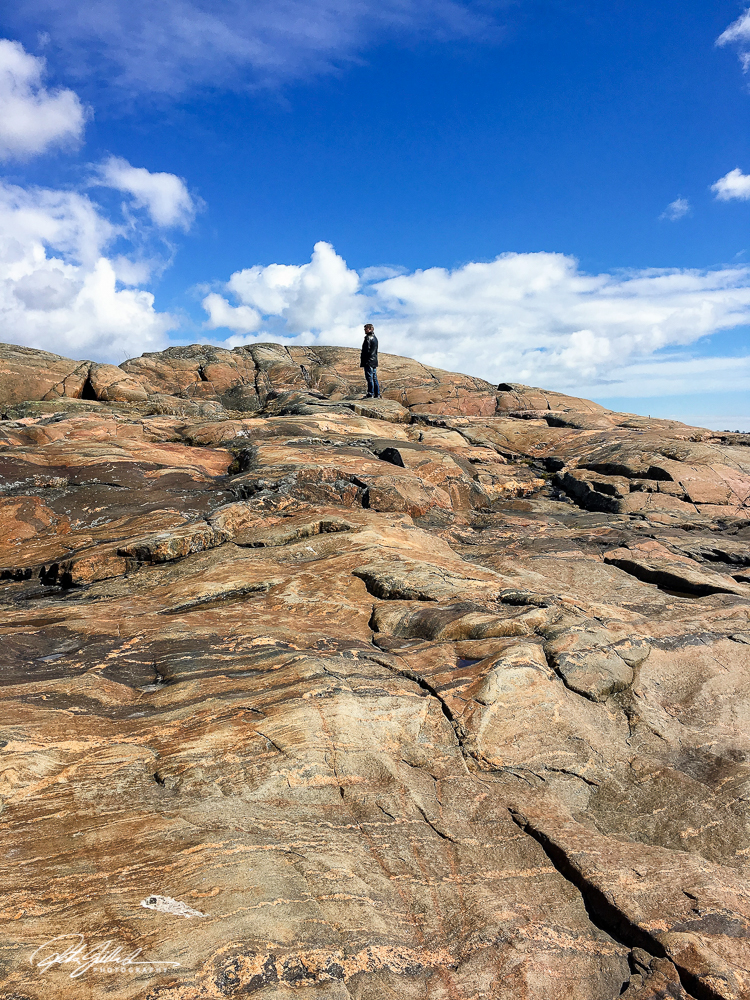
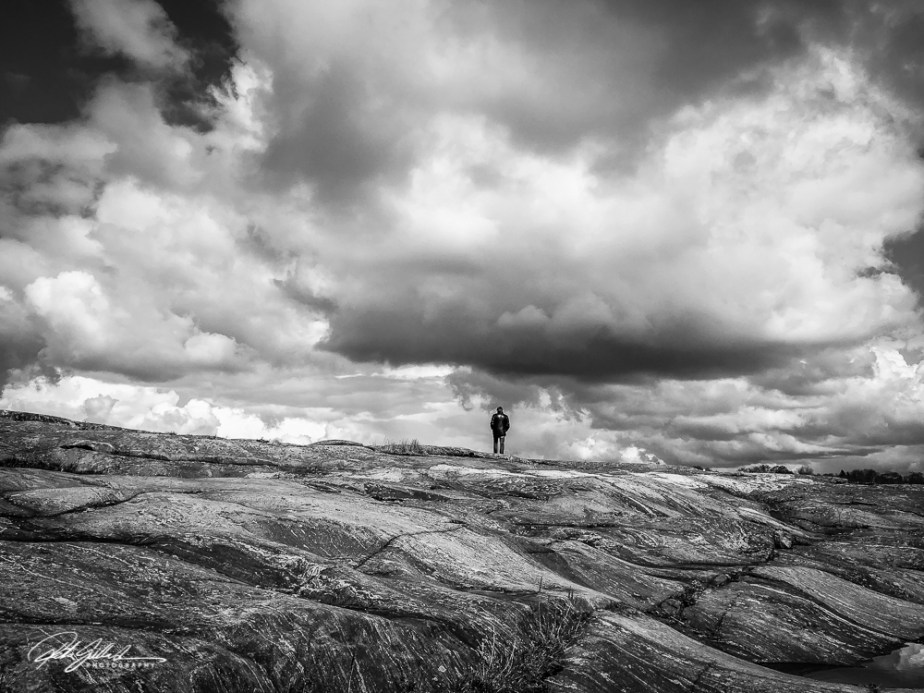
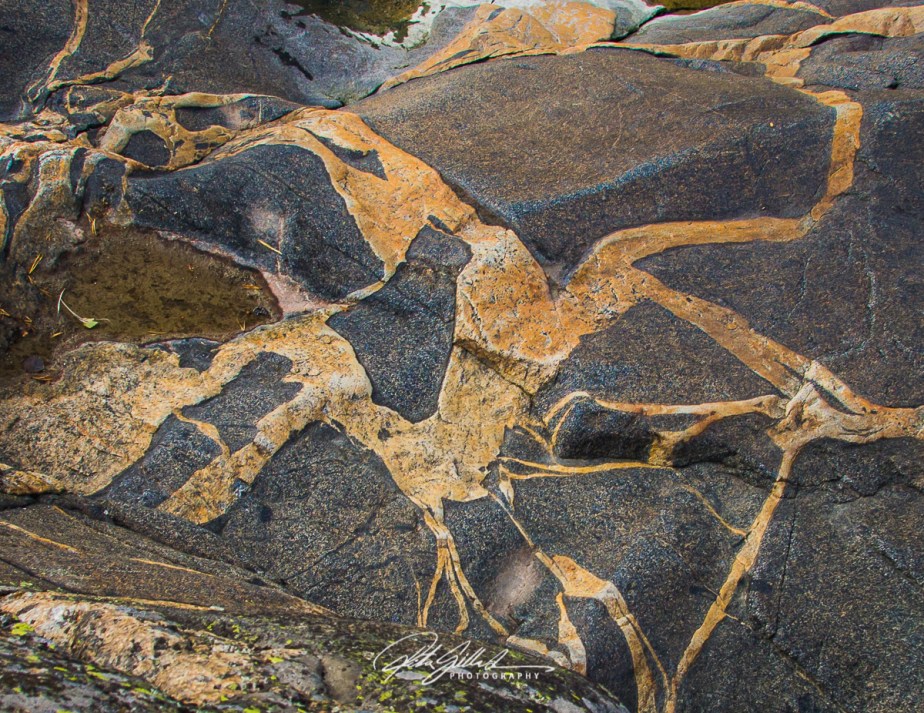
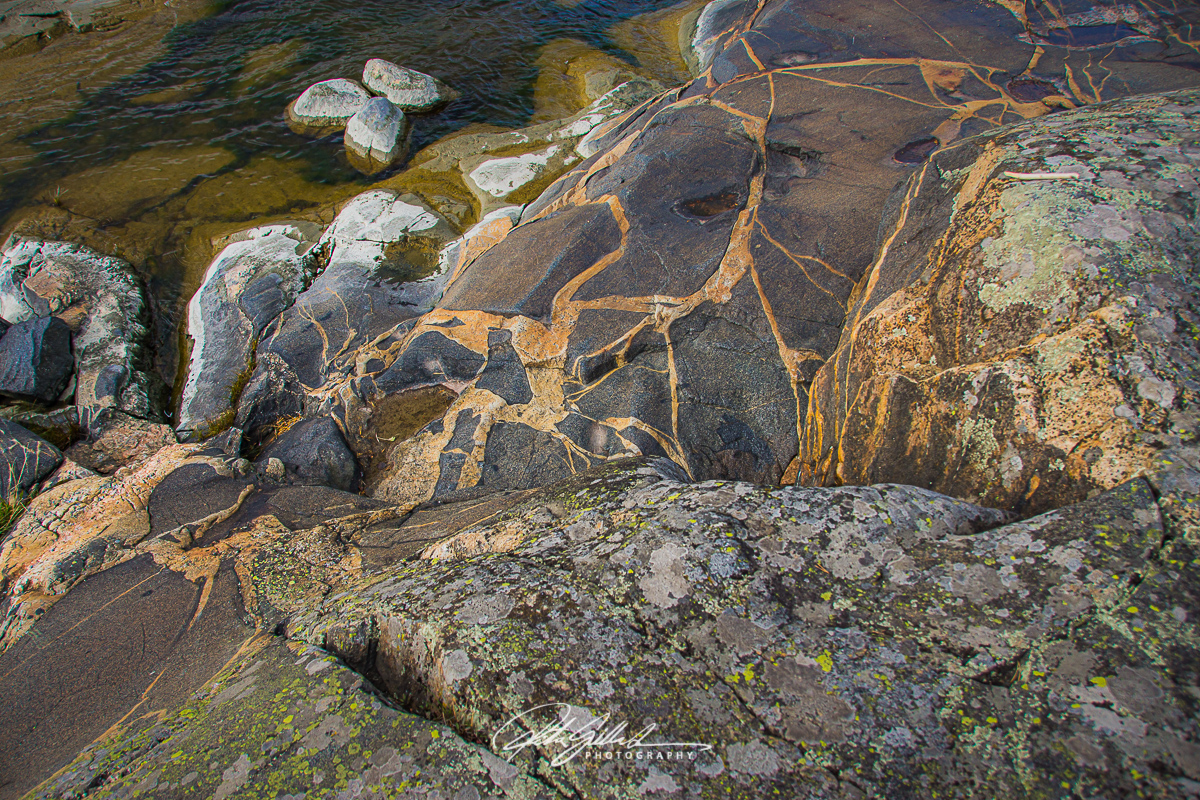
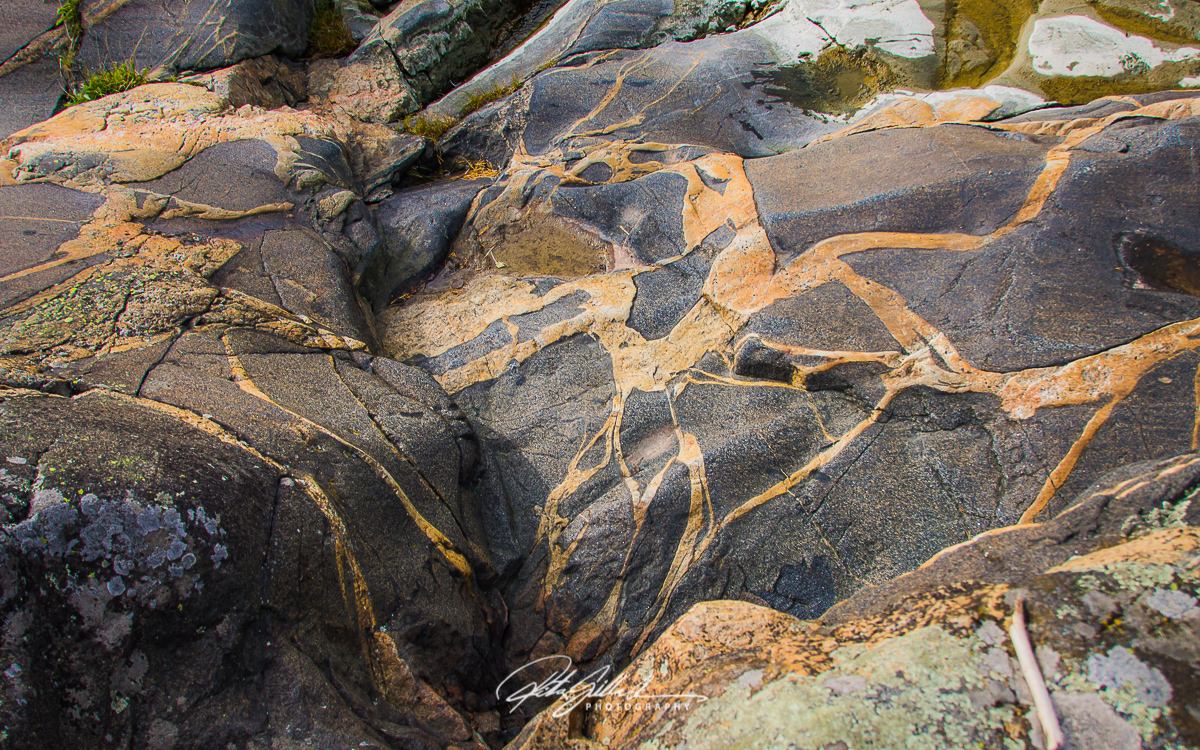
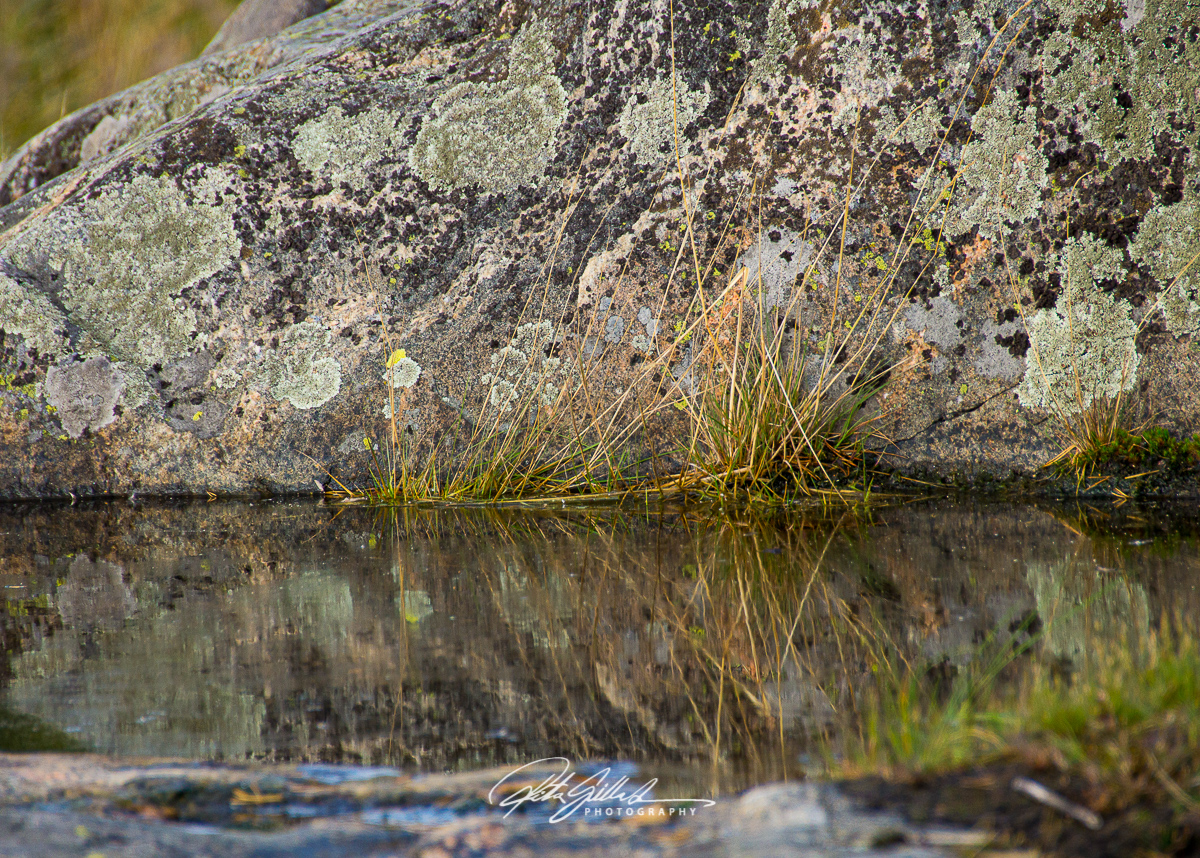
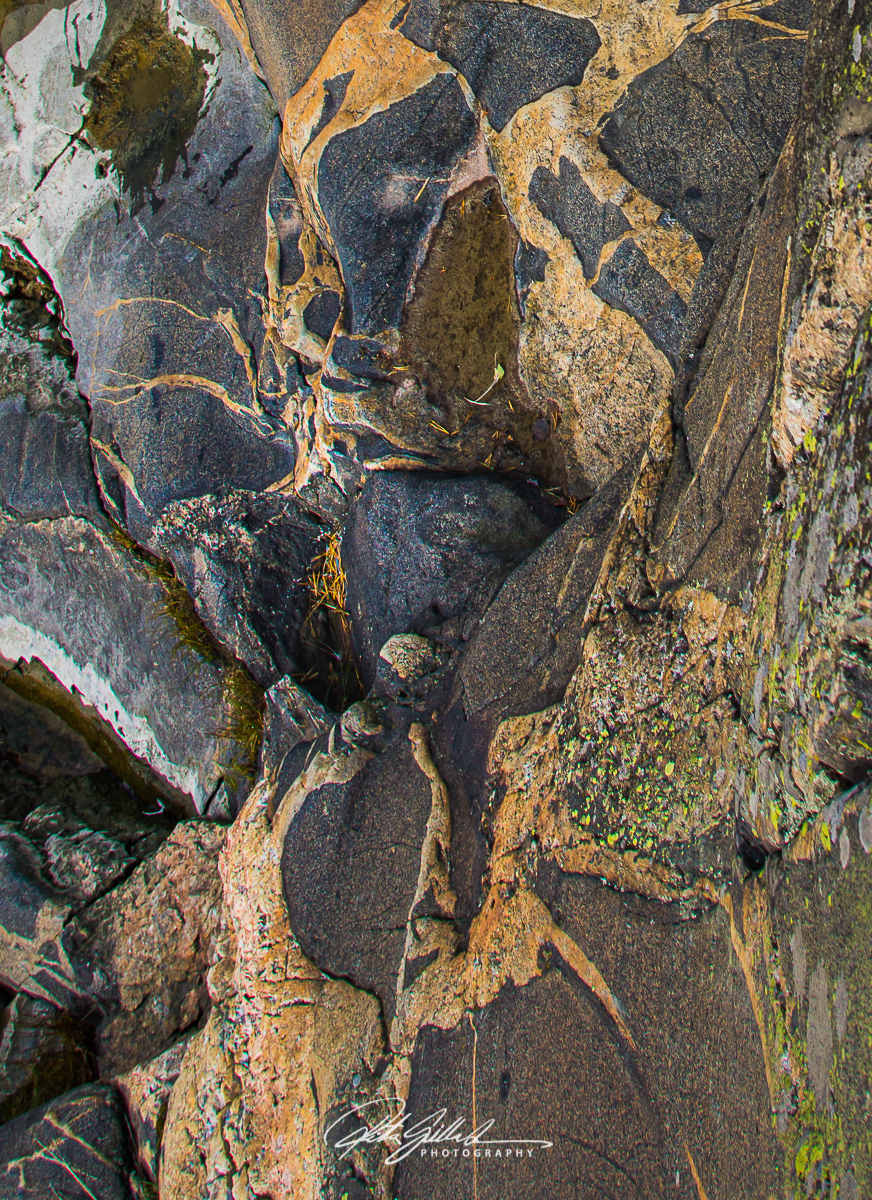
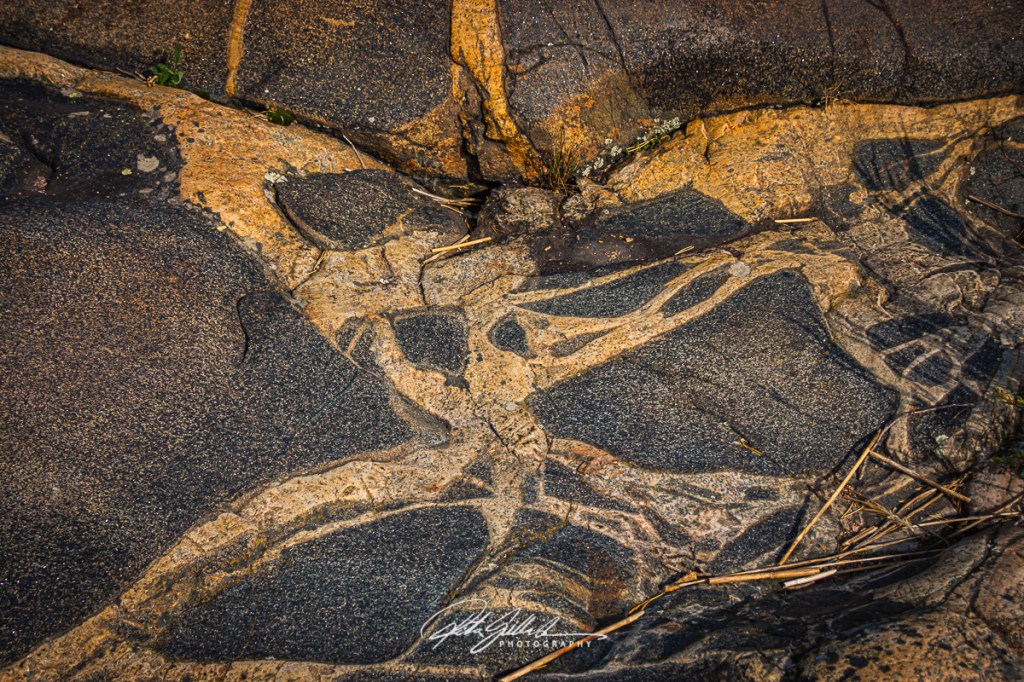
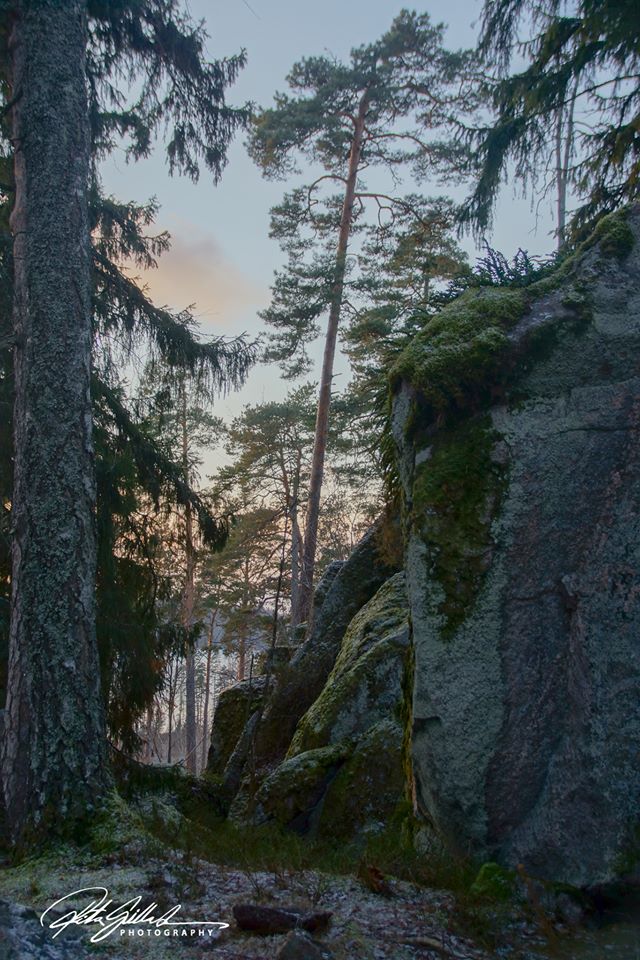
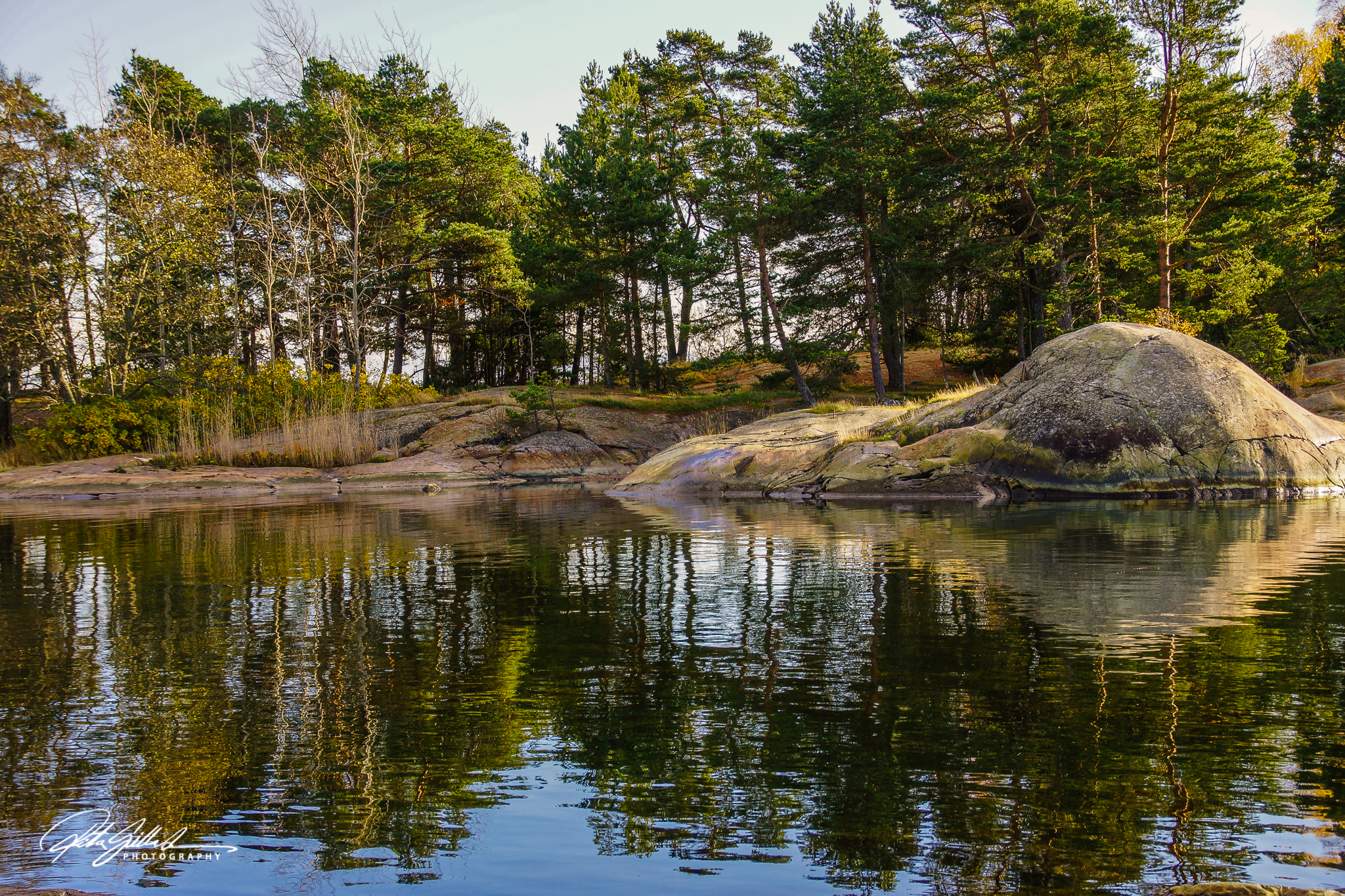
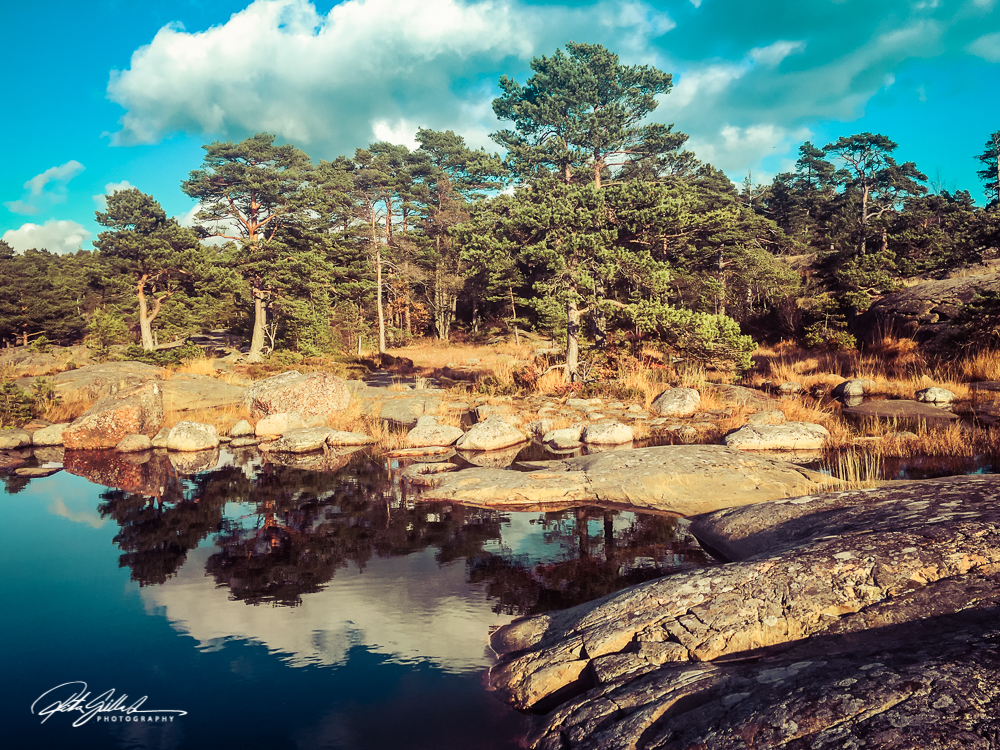
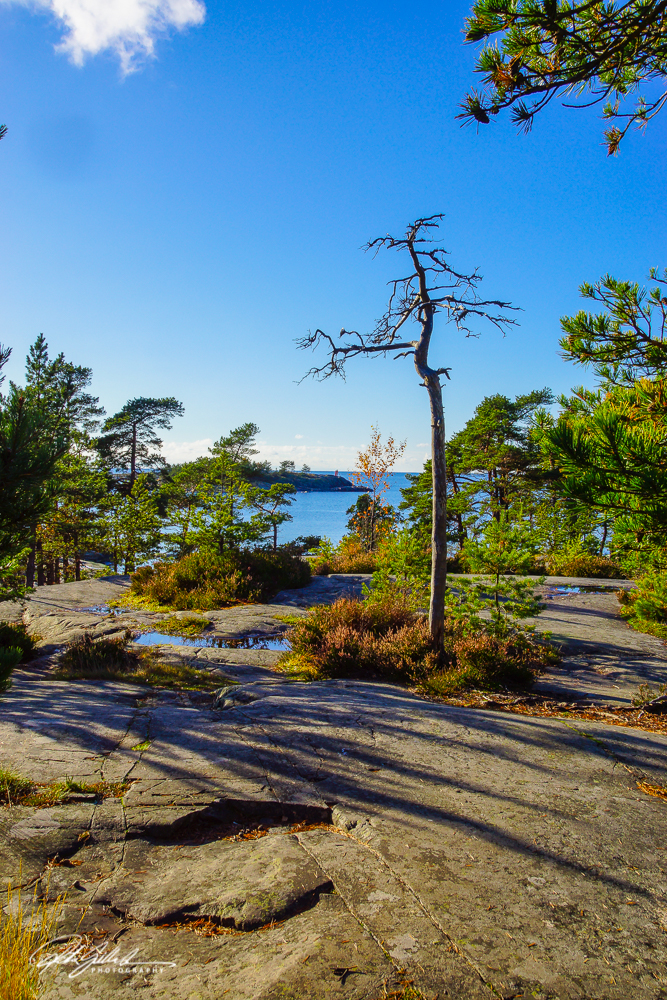
Finland’s bedrock is 3,000–1,400 million years old and is among the oldest, thickest and most stable in Europe. Granite is our country’s most common rock, and it is Finland’s national rock.
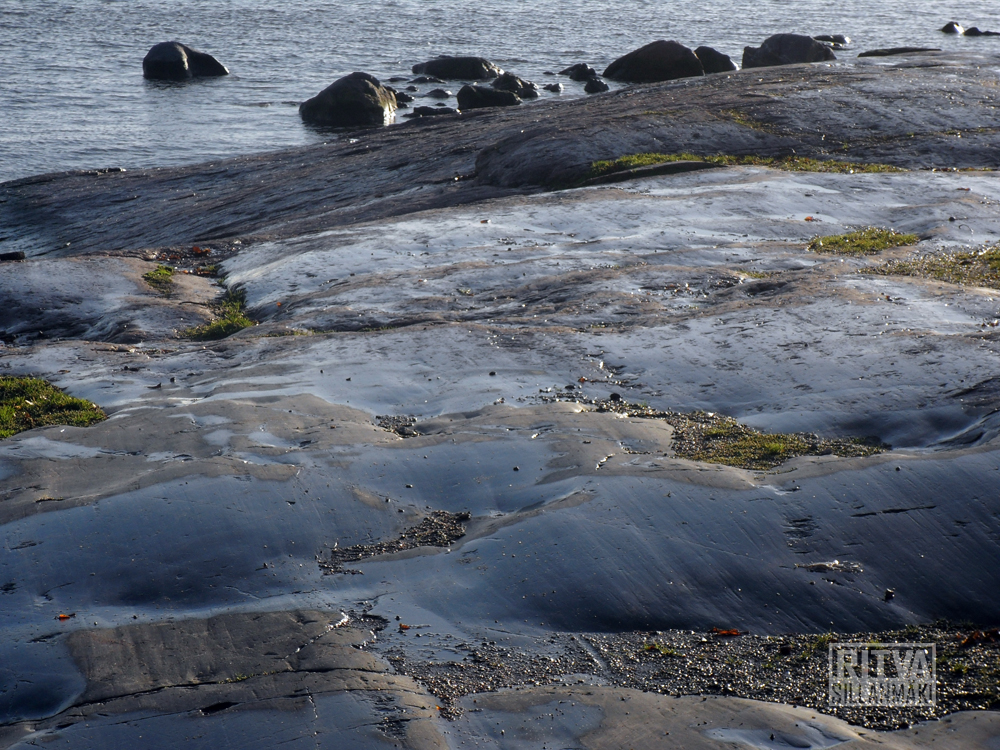

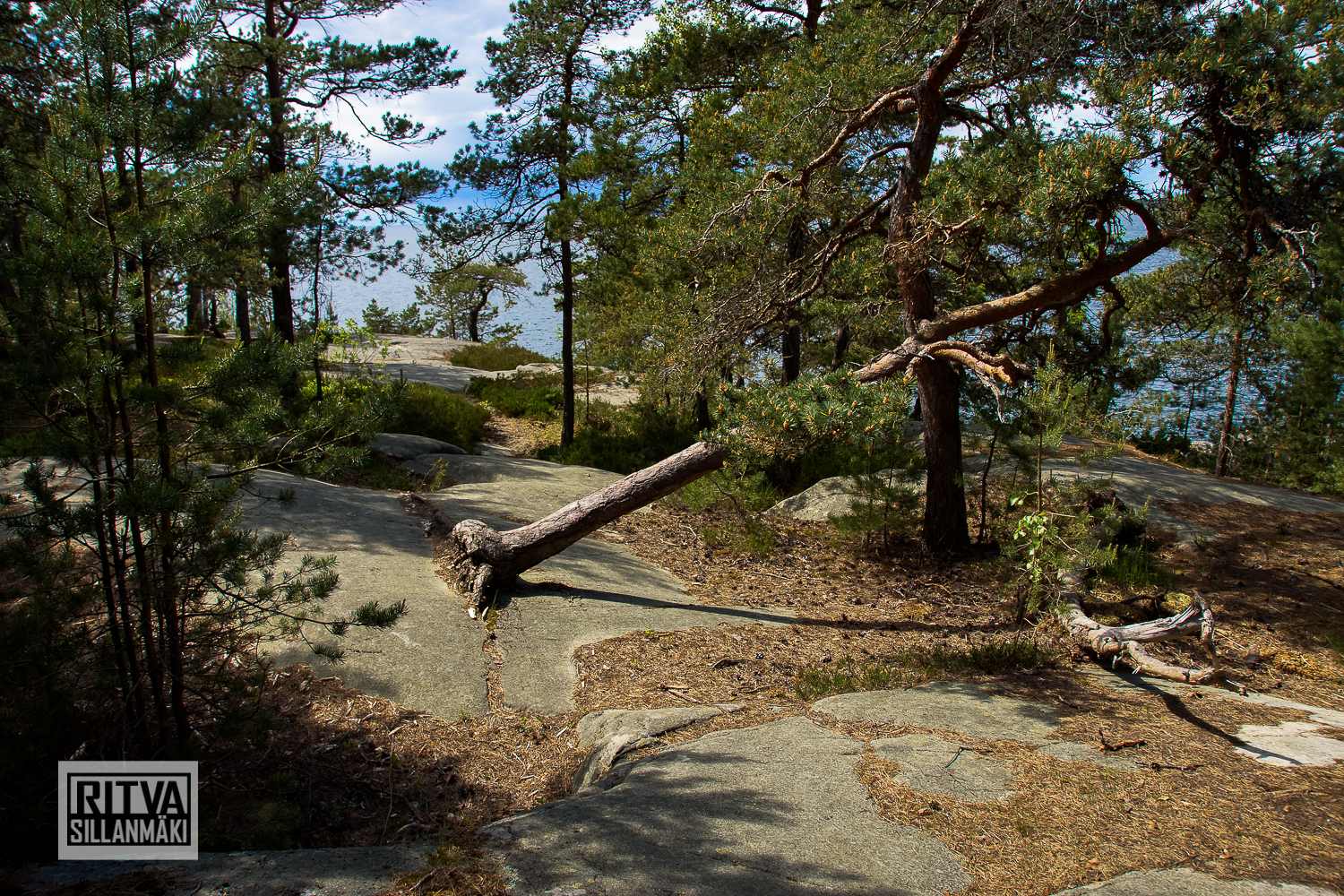
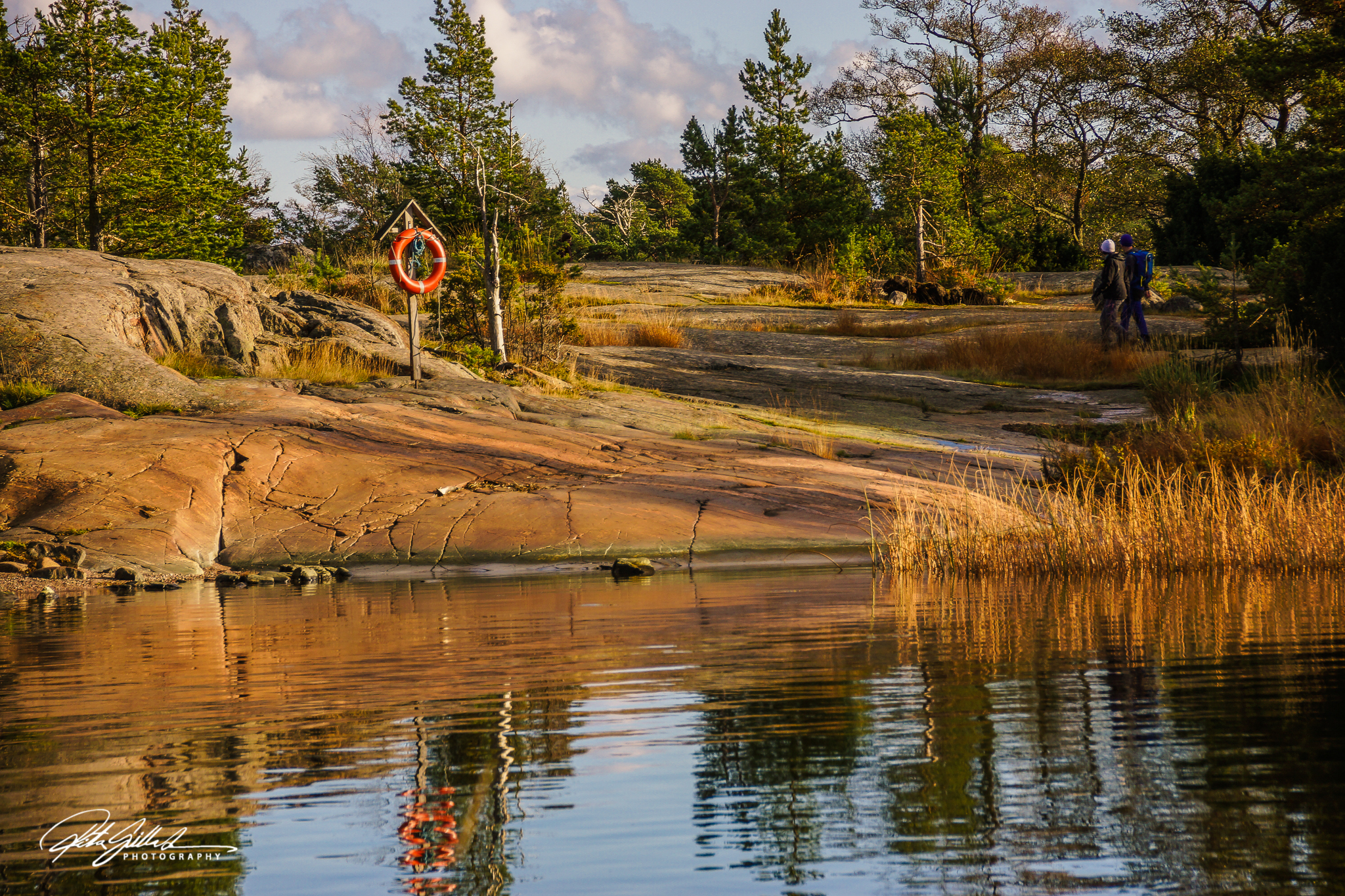
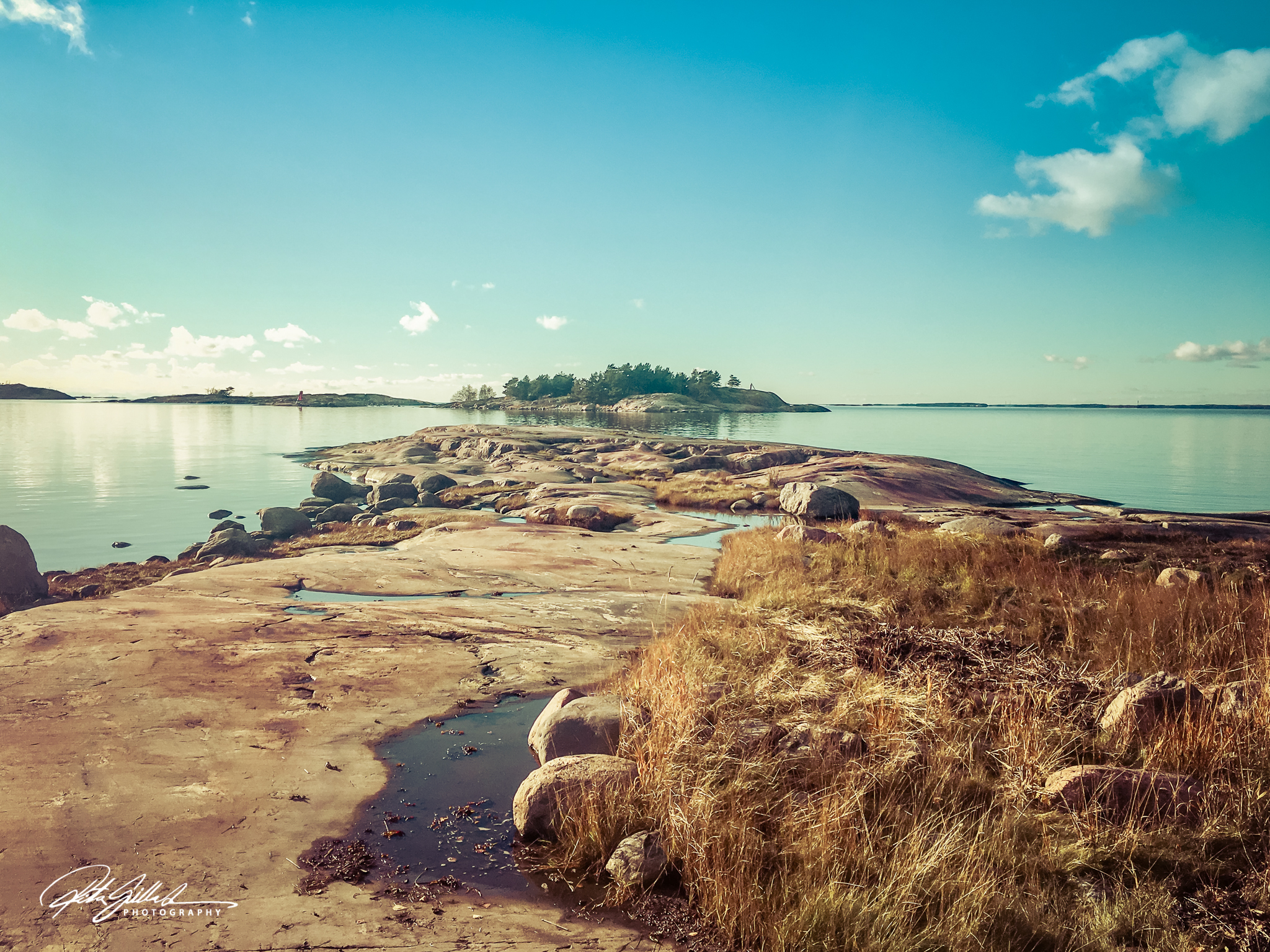
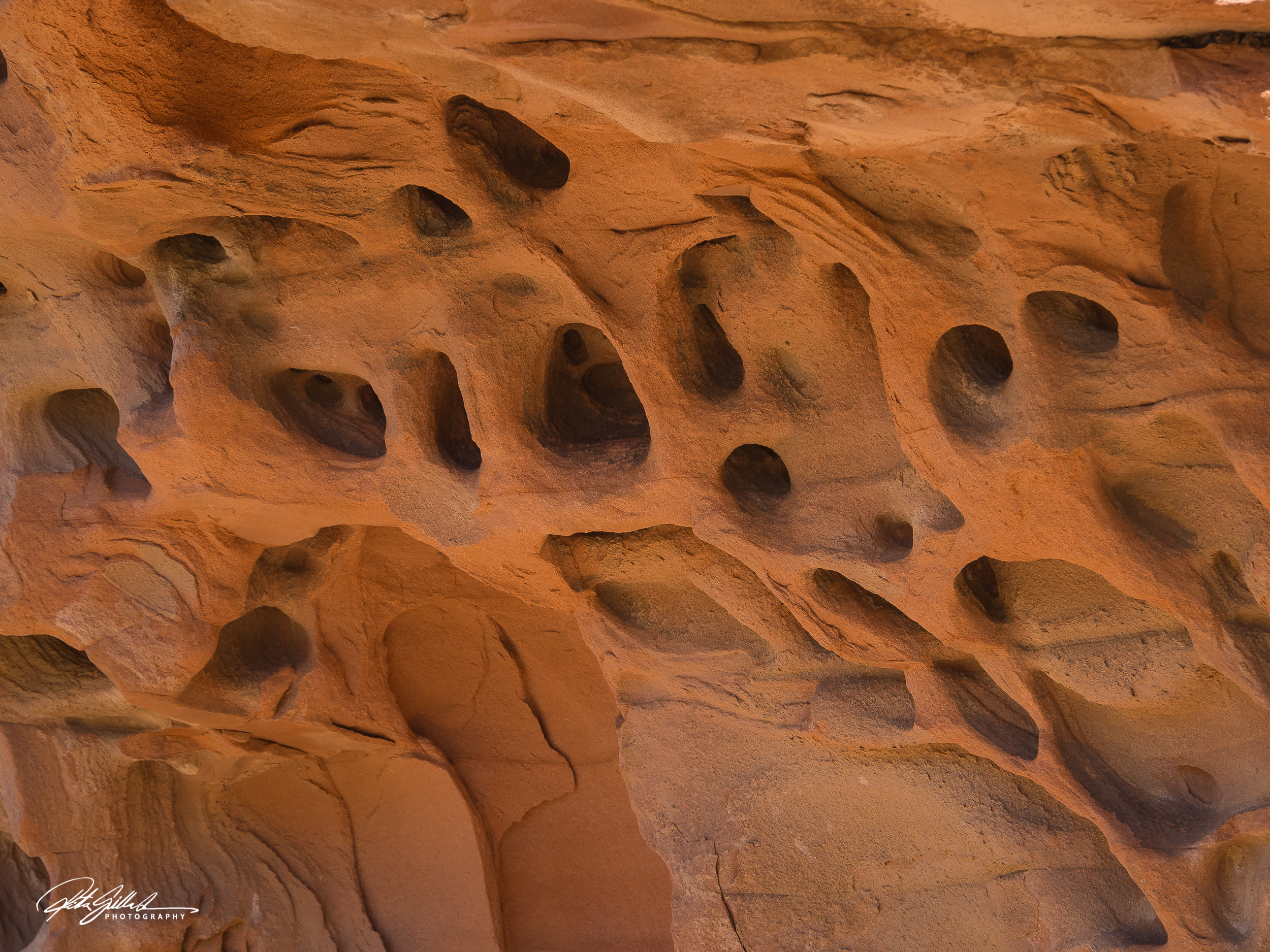
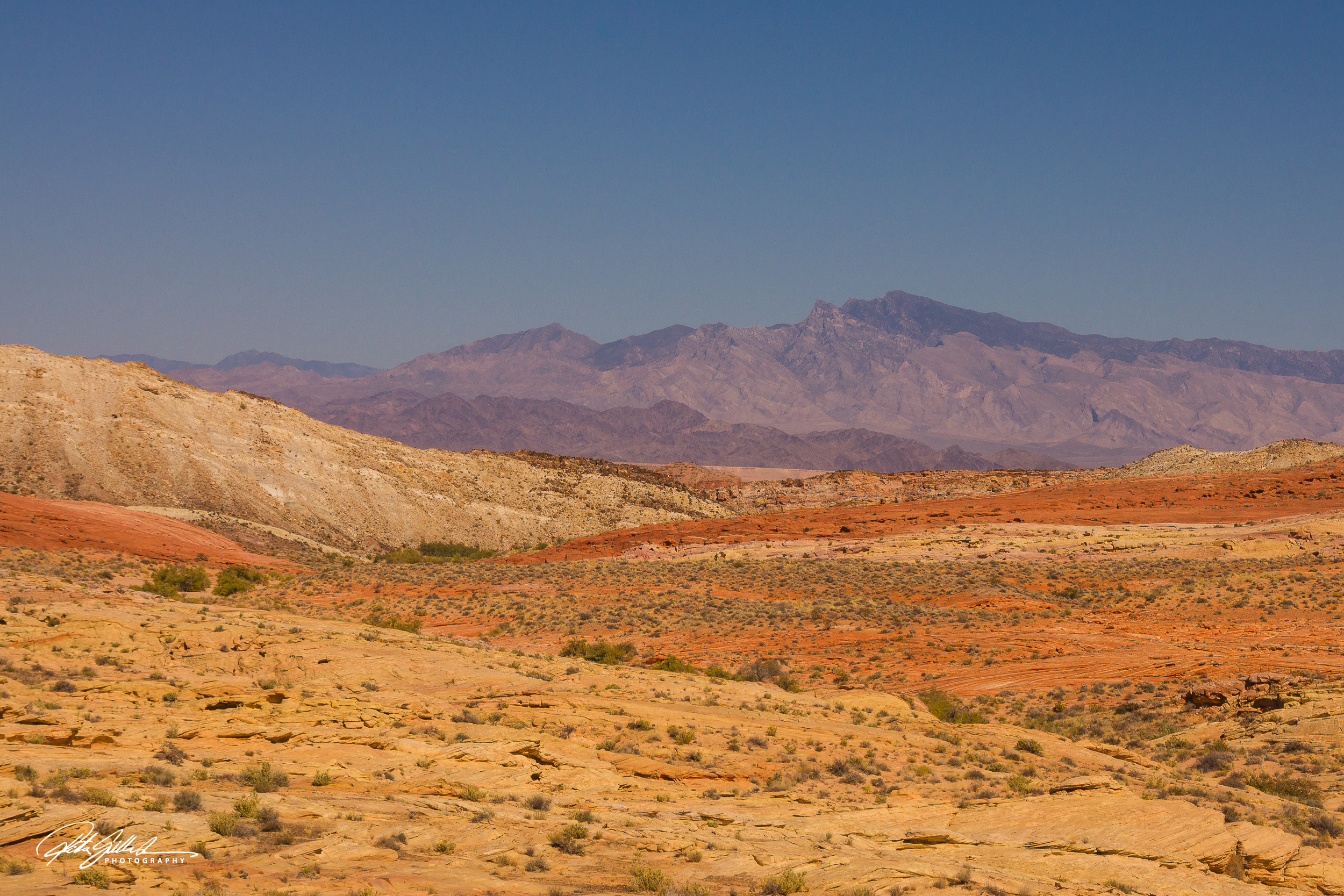
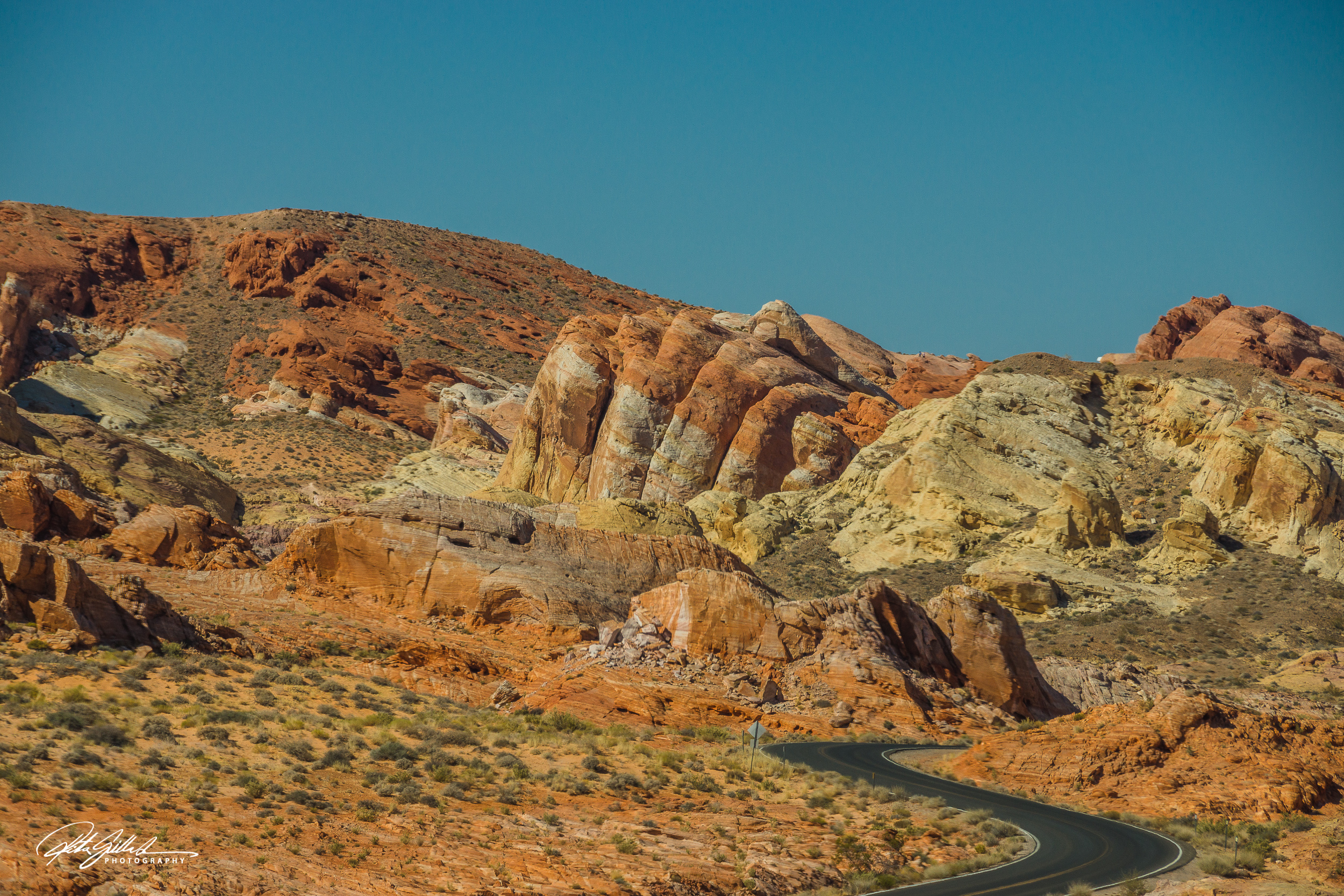
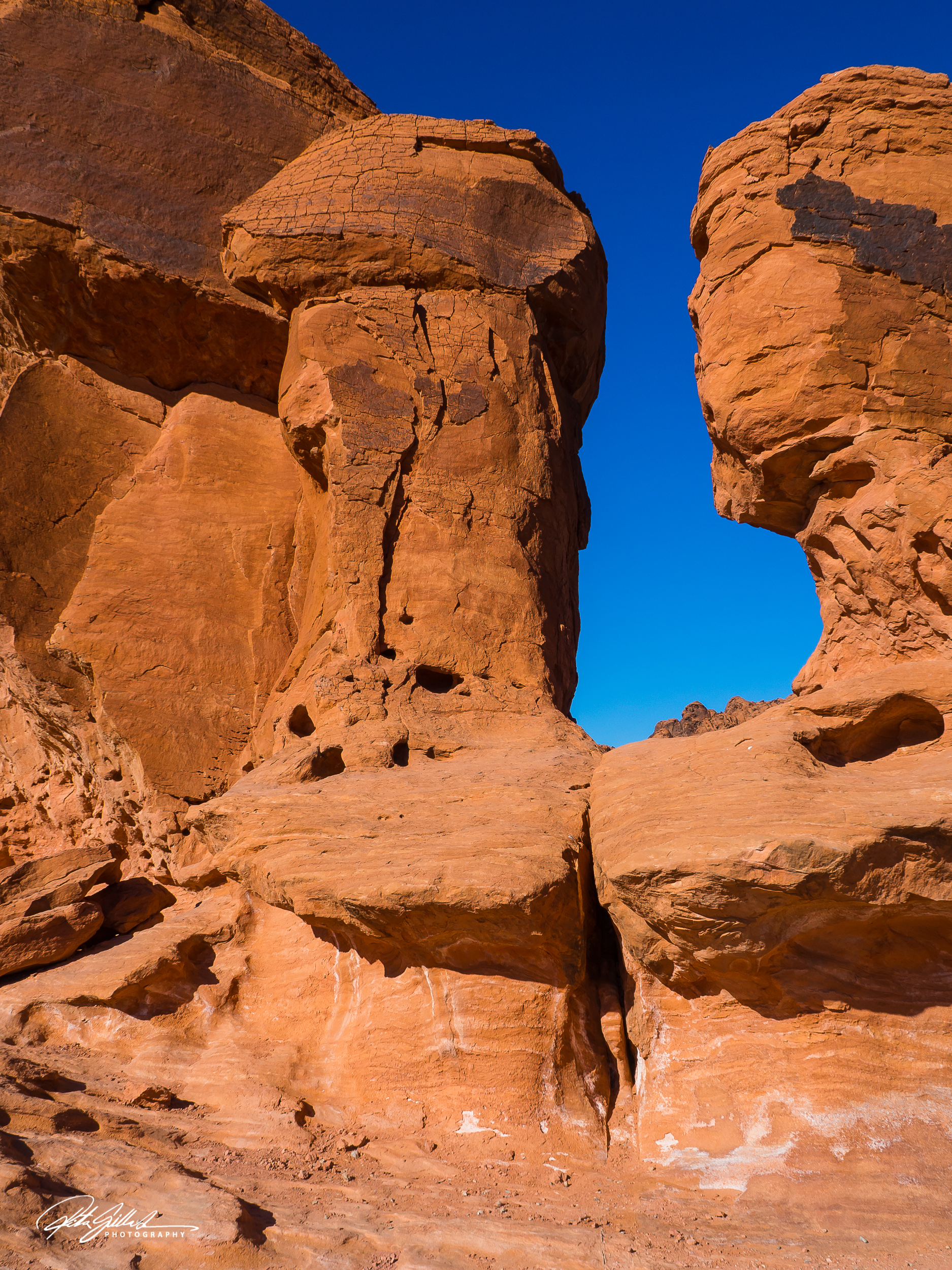
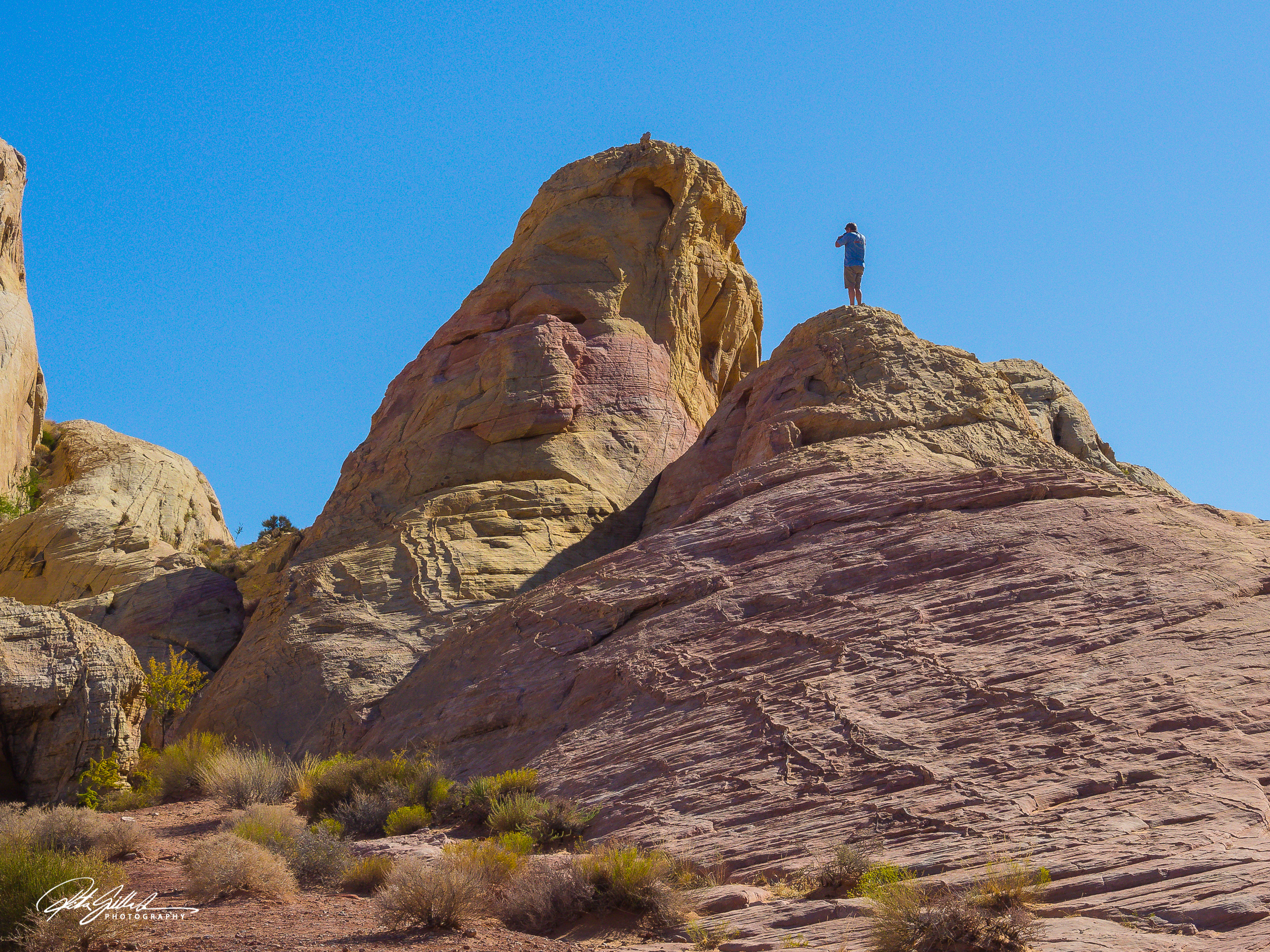
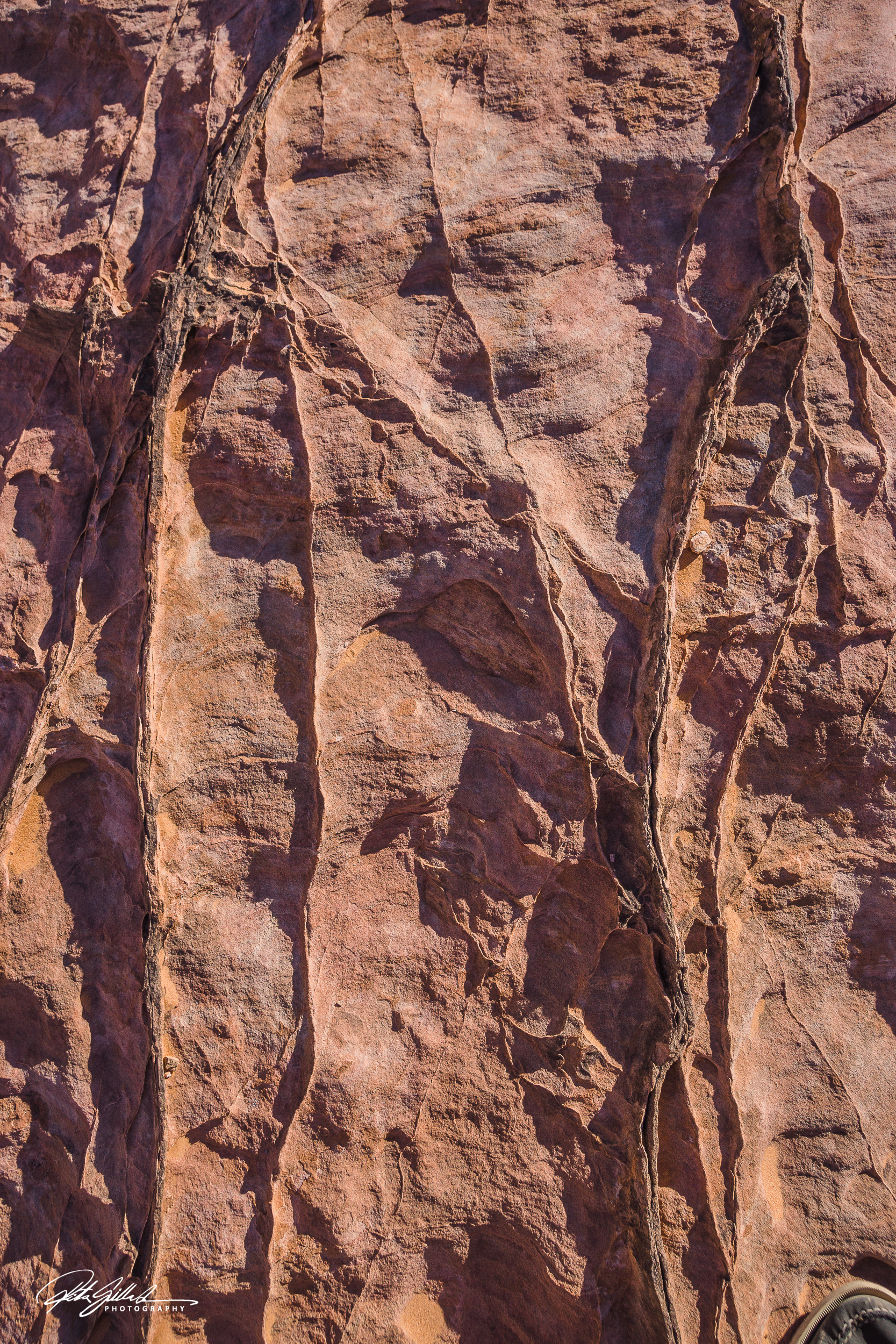
The red Aztec sandstone rocks in the Valley of Fire are about 150 million years old, formed from shifting sand dunes during the Jurassic period. However, the park also contains older, darker gray rocks that are between 550 and 250 million years old, dating back to the Paleozoic Era.
Australia holds the oldest continental crust on Earth, researchers have confirmed, hills some 4.4 billion years old. I don’t think I have any photos of that.
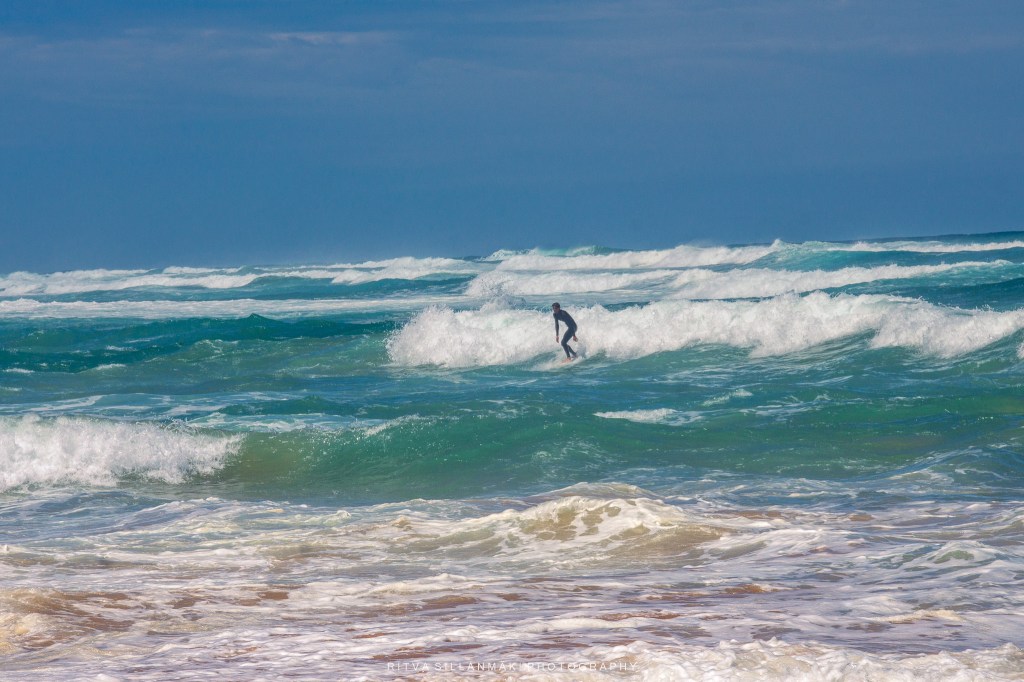
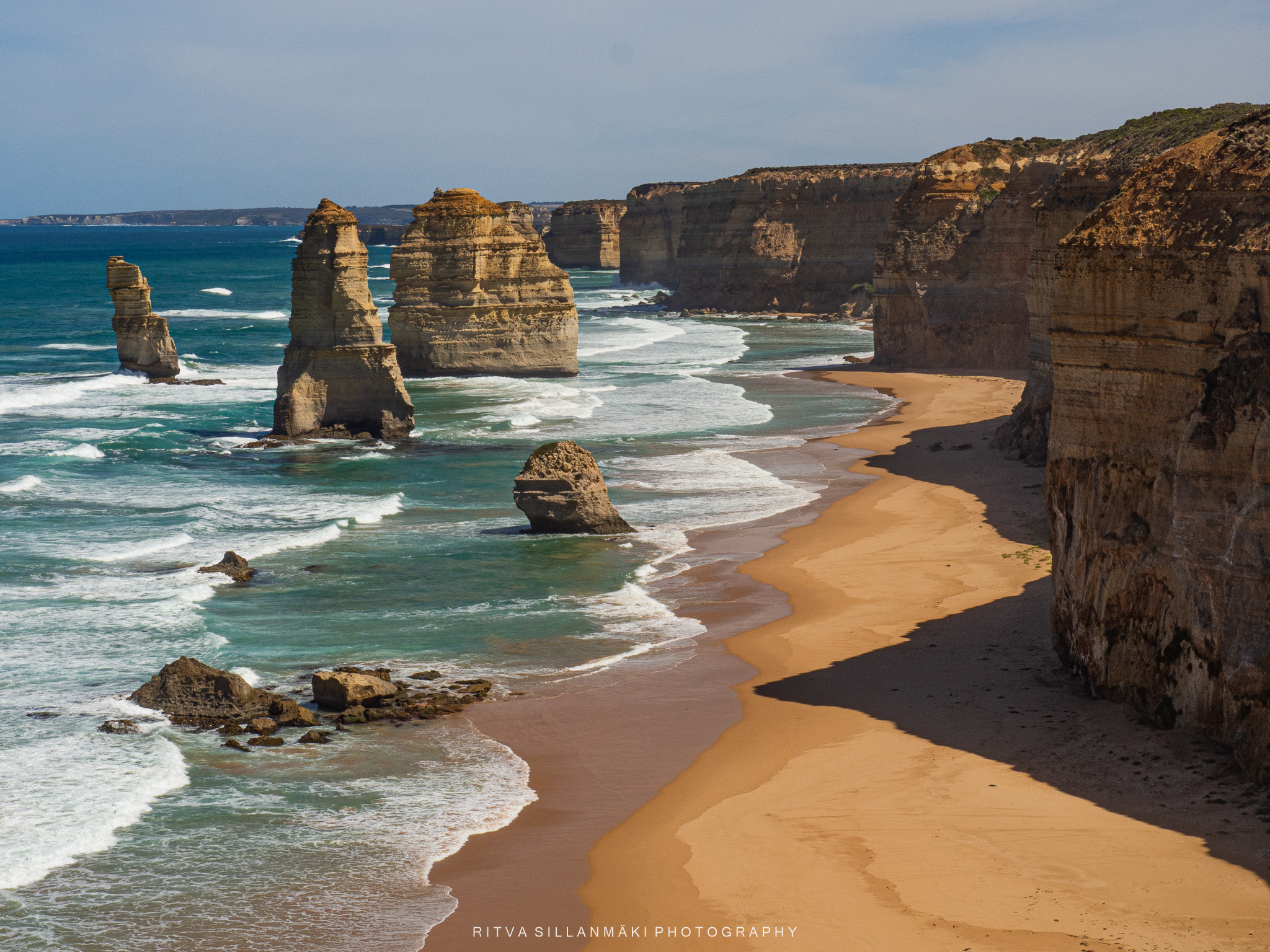
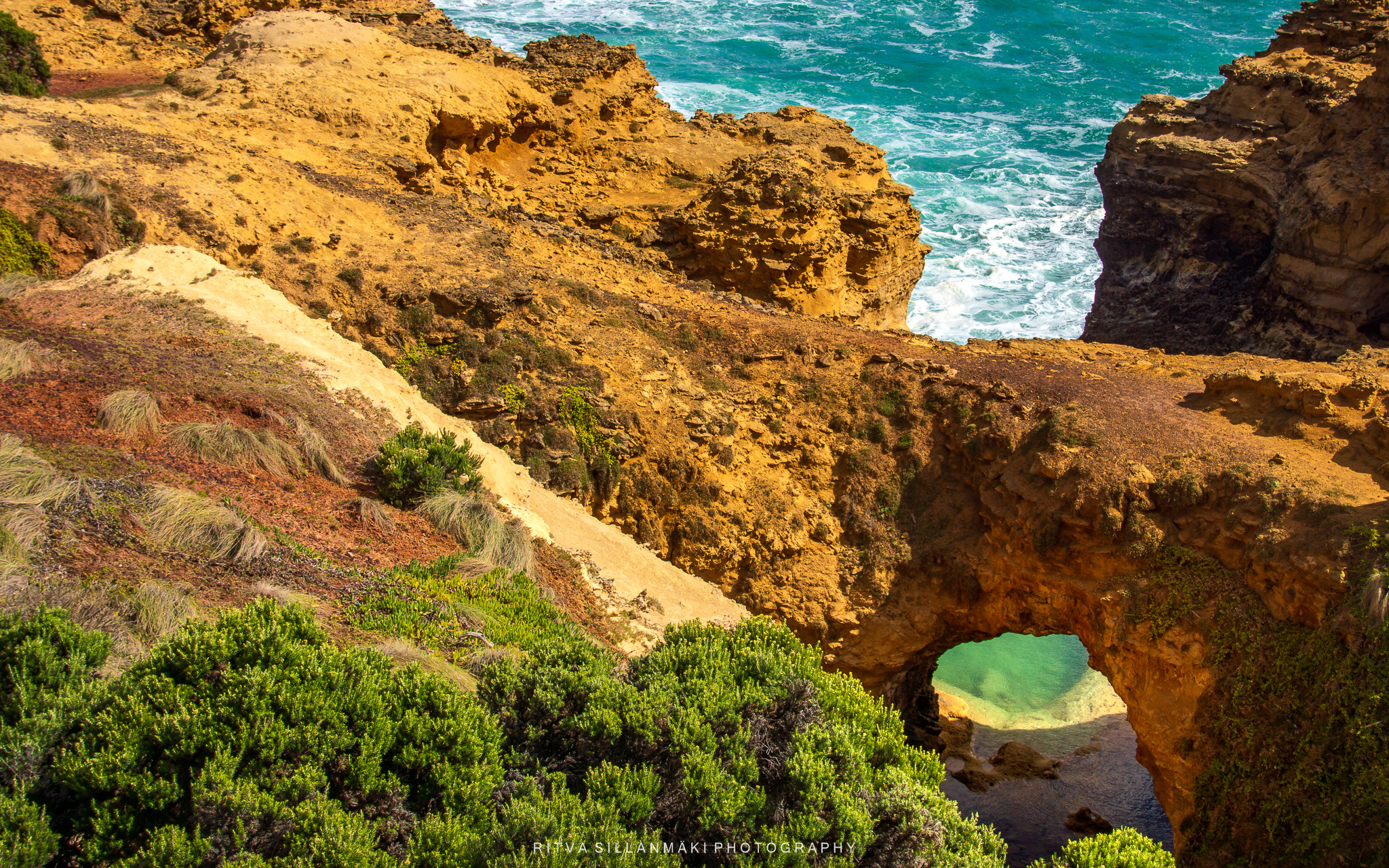
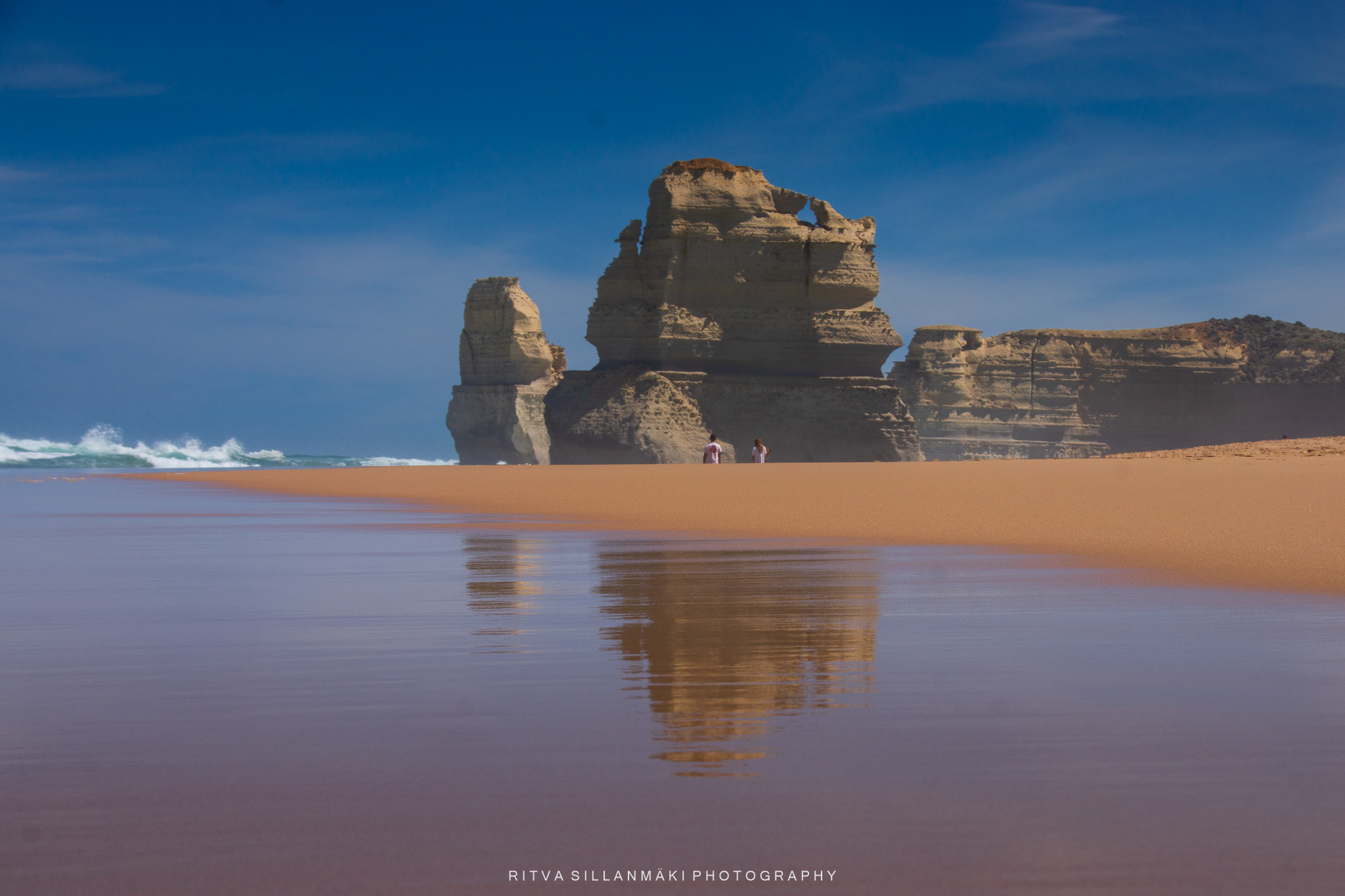
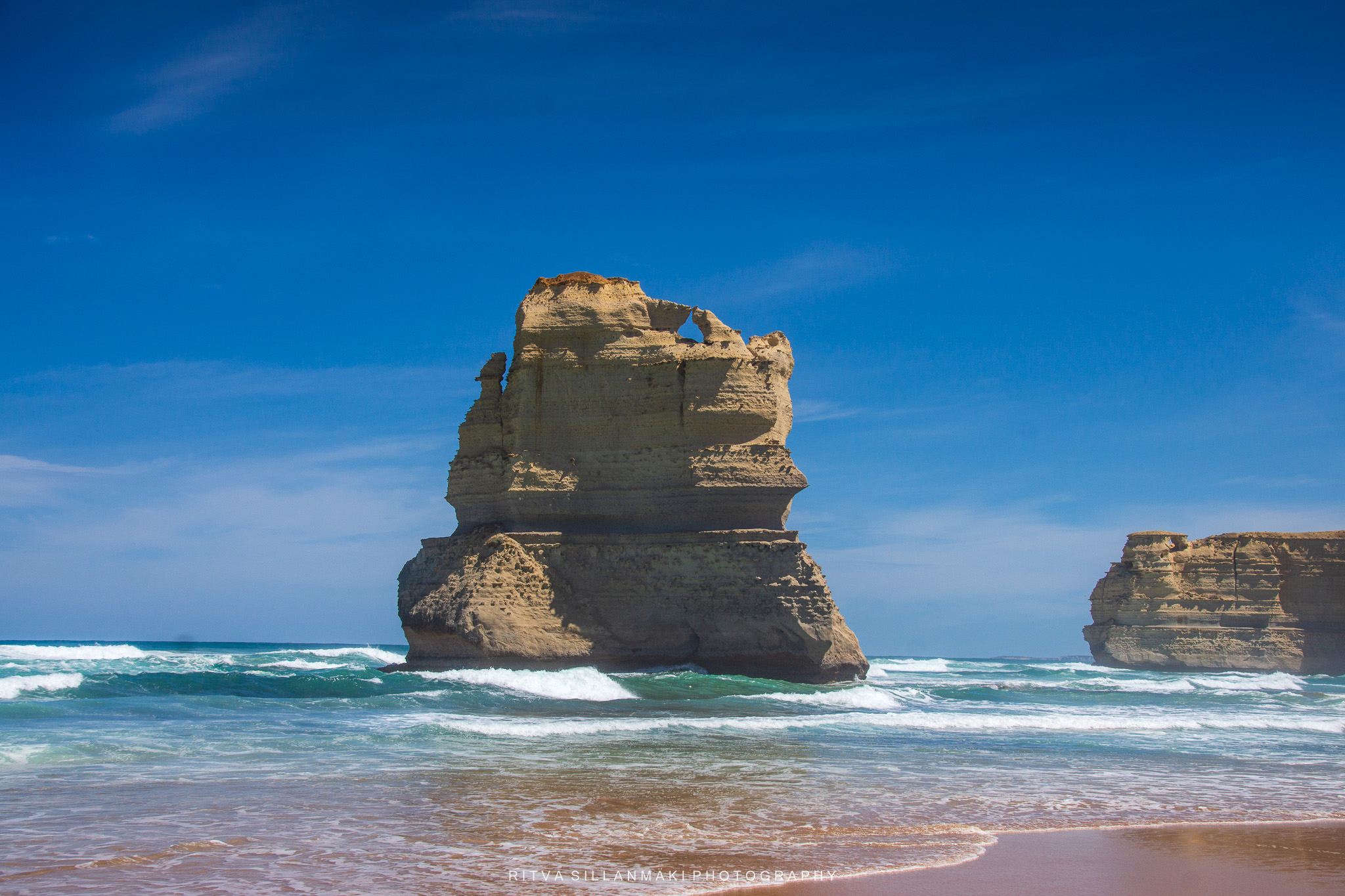
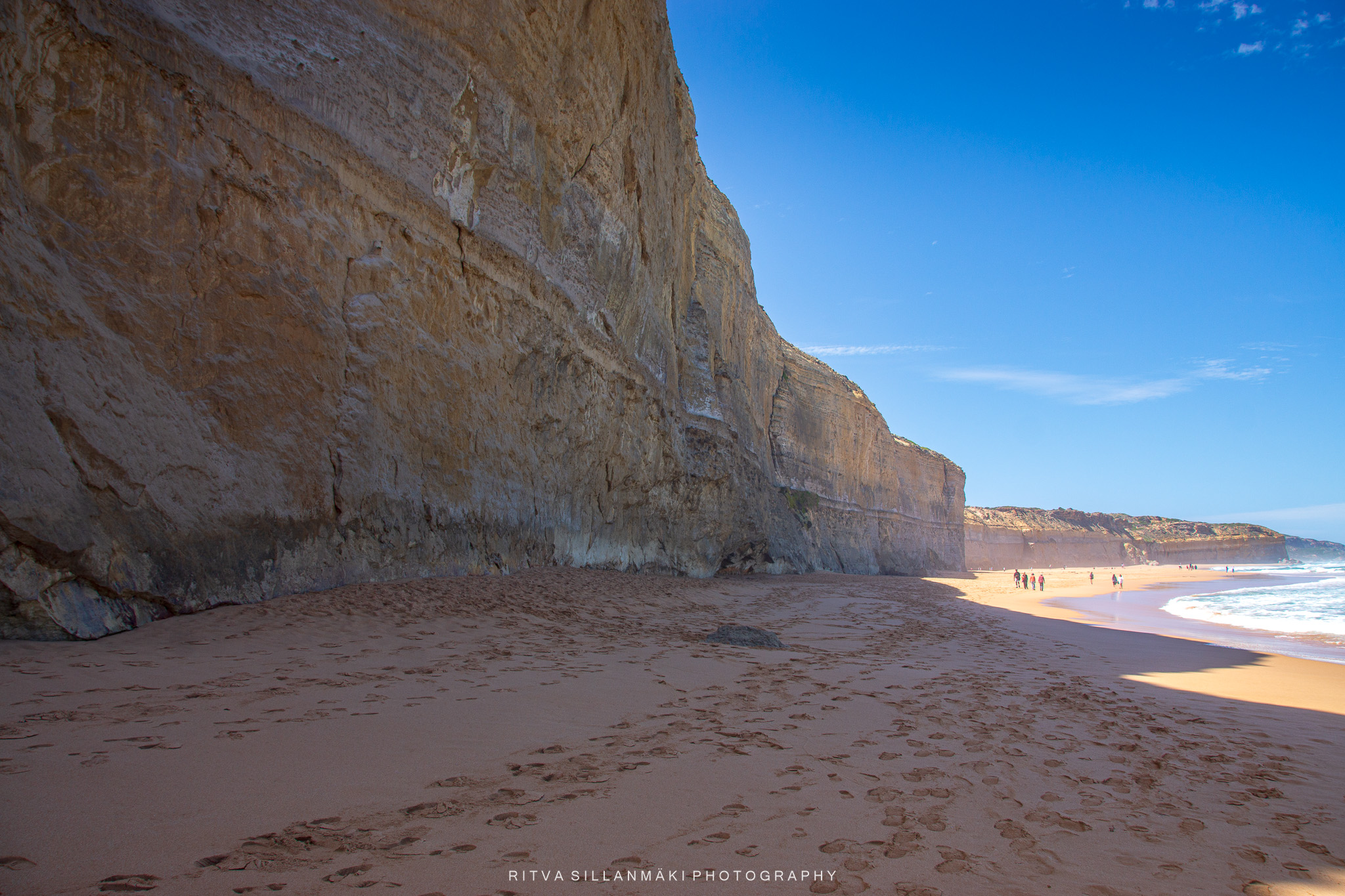
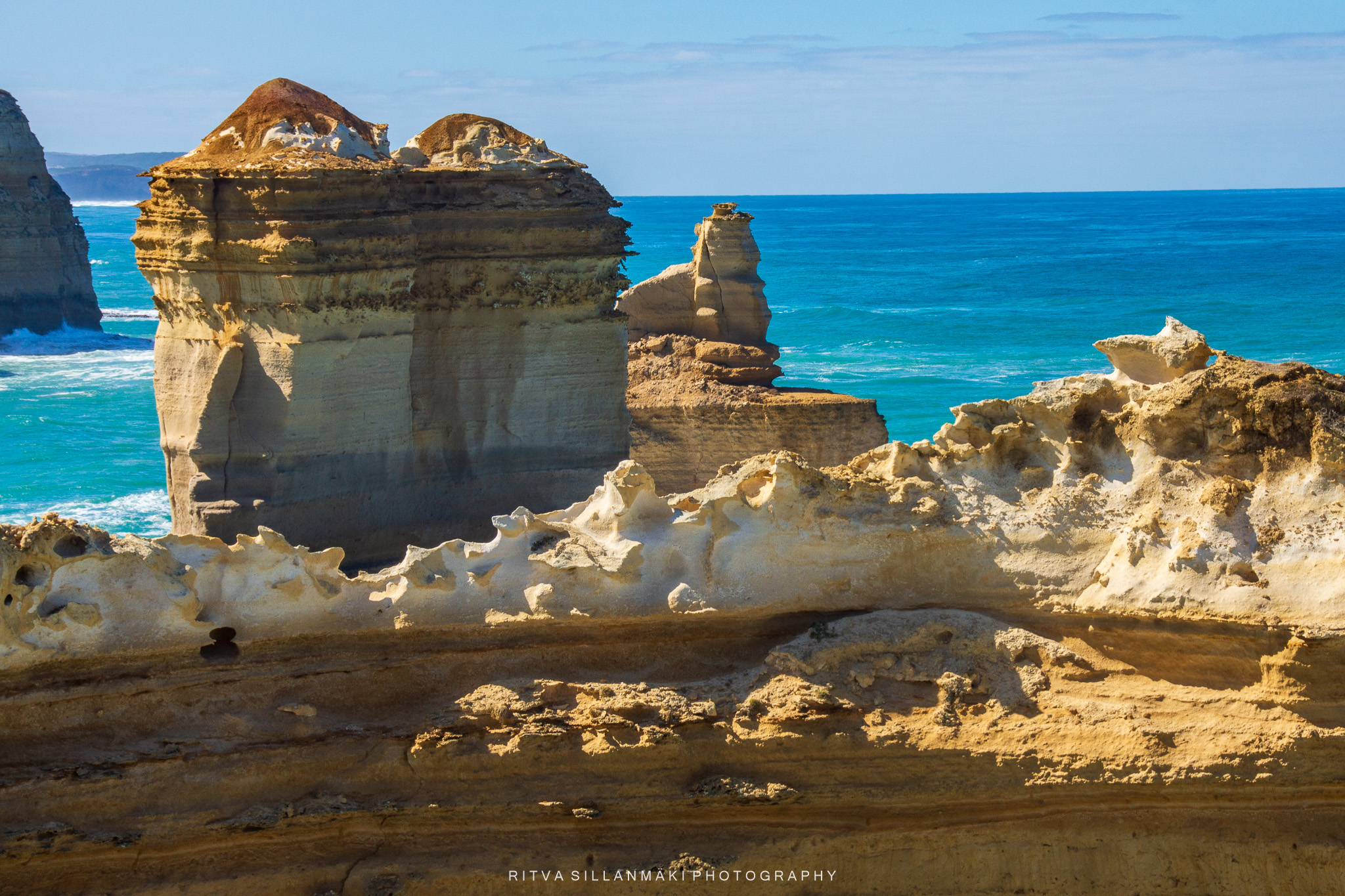
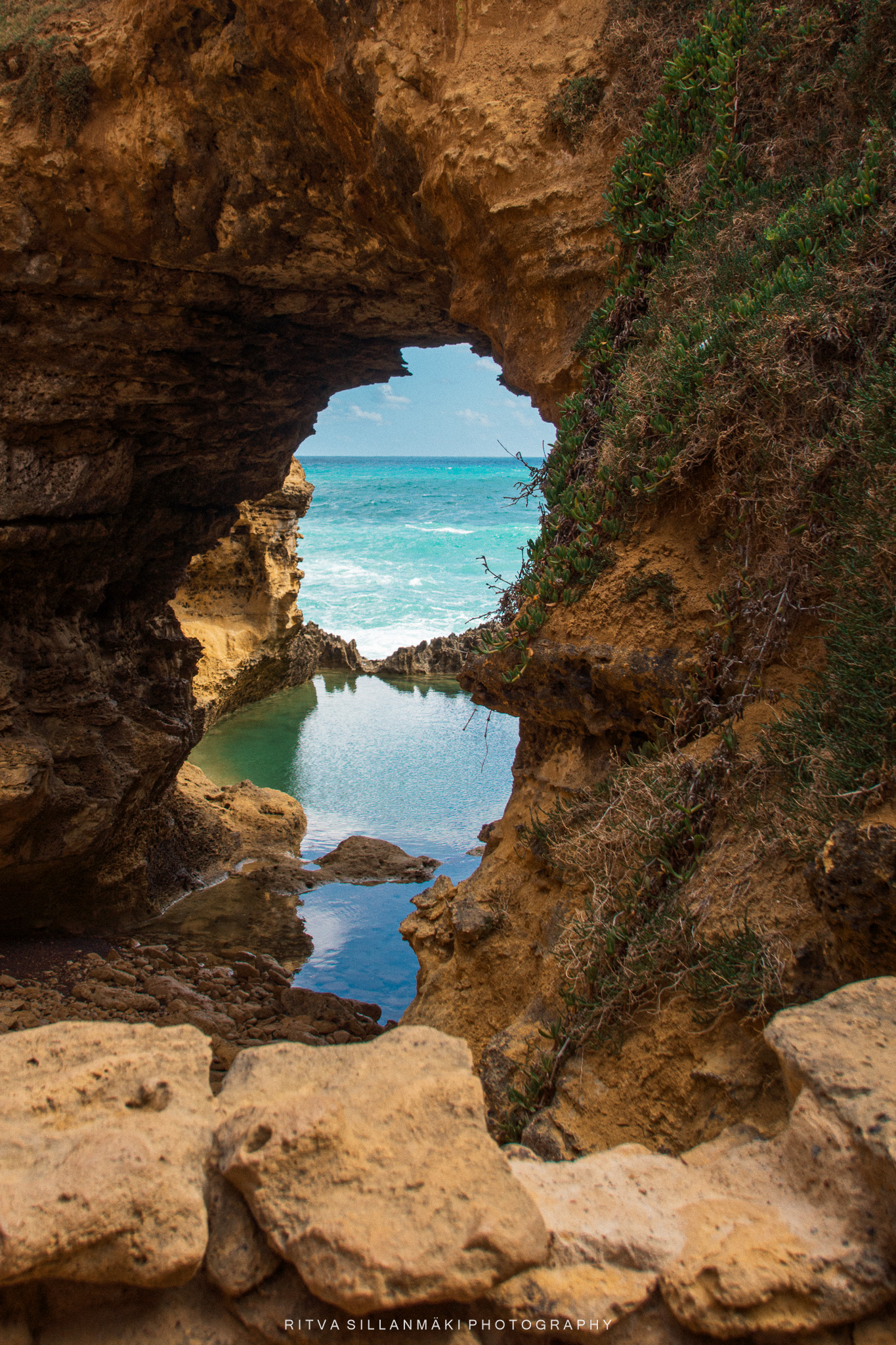
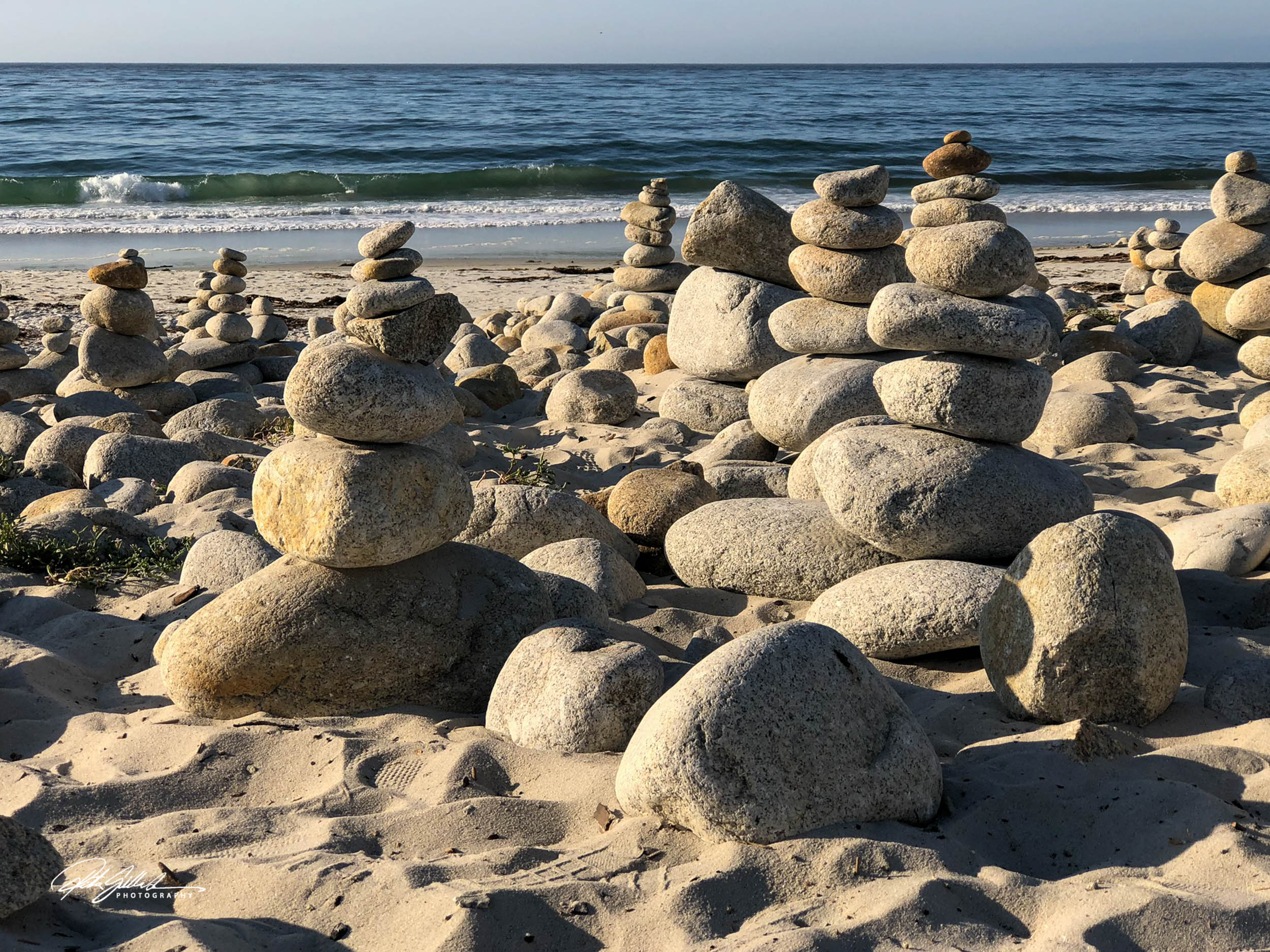
BUT the Great Ocean Road offers The “limestone rocks” they refer to the Twelve Apostles, a series of towering limestone stacks that were formed by millions of years of ocean erosion. Stunning landscapes; the views observed today are the result of a dynamic interplay of geological processes that have unfolded over millions of years. So, the spectacular variety of seascapes in the Port Campbell National Park and Bay of Islands Coastal Park is the sum of 7–15 million years of limestone and clay formation sculpted by the relentless forces of nature. These forces include the variables of climate, rain, wind, and waves, alongside a rising sea level that has reshaped the coast over the last 18,000 years.
And all of that my friends has resulted in something very unique and very beautiful.
Another fact I found out was: In 2008, geologists announced that a swath of exposed bedrock in the Canadian province of Quebec was the oldest place on Earth’s surface. The crust on the Nuvvuagittuq greenstone belt, on the eastern shore of Hudson Bay, is 4.28 billion years old, dating to when Earth was still cooling from its formation! No photo to share on this nugget of information.
I gotta give a shoutout to Sofia for this awesome challenge! I learned so much while looking up info for this post. Last week, Ann-Christine took us on a super dreamy trip with serene landscapes, gorgeous flowers, and calm scenes. It was such a delight of relaxing theme.
Next week is my turn to host, Saturday 25th October. Hope you will join me then Until then, keep smiling and stay positive.
Almost forgot; Remember to tag Lens-Artists and to link back to Sofia’s lovely post so we can all easily find you.
If you’d like to know more about the Lens-Artists Challenge, please click here.









 Ritva Sillanmäki Photography