

Flower of the day

For Cee’s Flower of the Day.
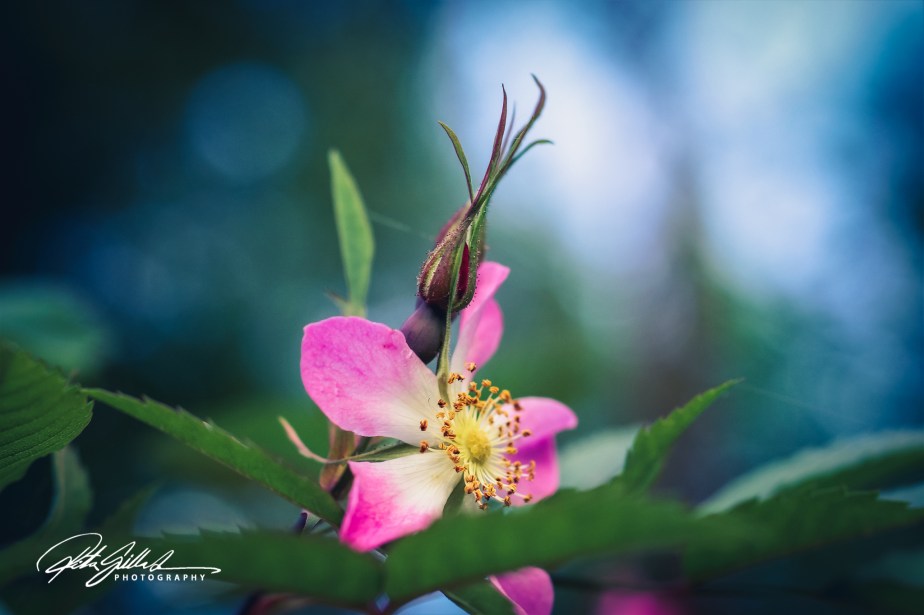
The header is the same flower,( I don’t know what it is, but it is pretty) but the lighting was different in the shots. Do you prefer warm or cool tones?

Posted for Cee’s Flower of the Day
I was looking for doors, but mainly found windows… and flowers. I found this one taken few years back. And, I thought to myself, this is rather good. It also worked well as monochrome. I’ll post it for next flower of the day.
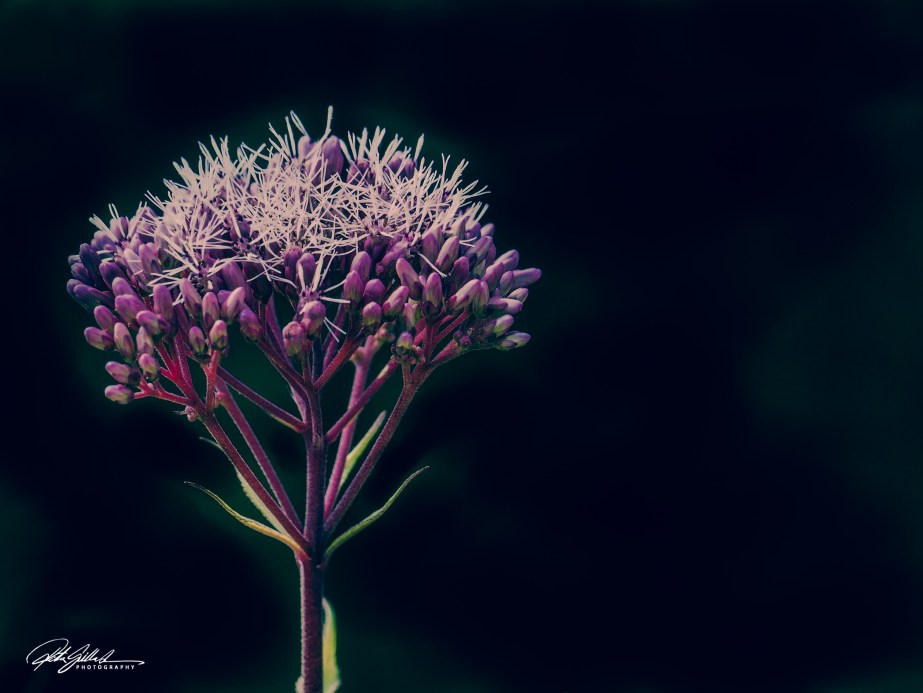
For Cee´s Flower of the Day.
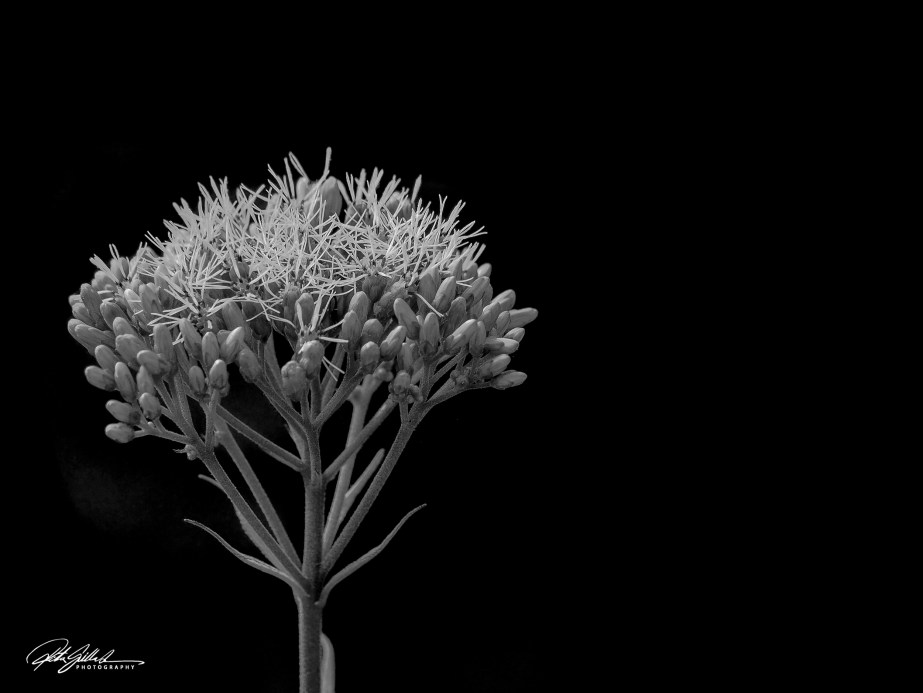
Flowers in monochrome are a fascinating subject for photography, art, and design. They can create a dramatic contrast, a subtle elegance, or a mood of mystery. Monochromatic flowers can also inspire creative expressions.
Flowers in monochrome are not just black and white they have a spectrum of shades that reflect the light- they are not silent or dull. They capture the essence of shape and texture.
.
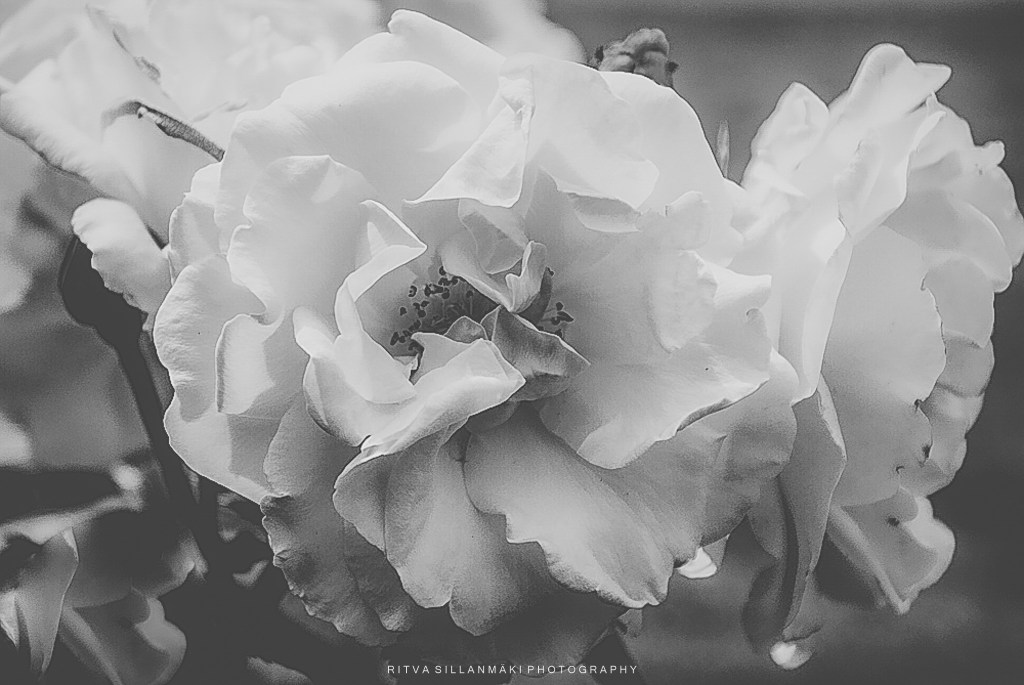


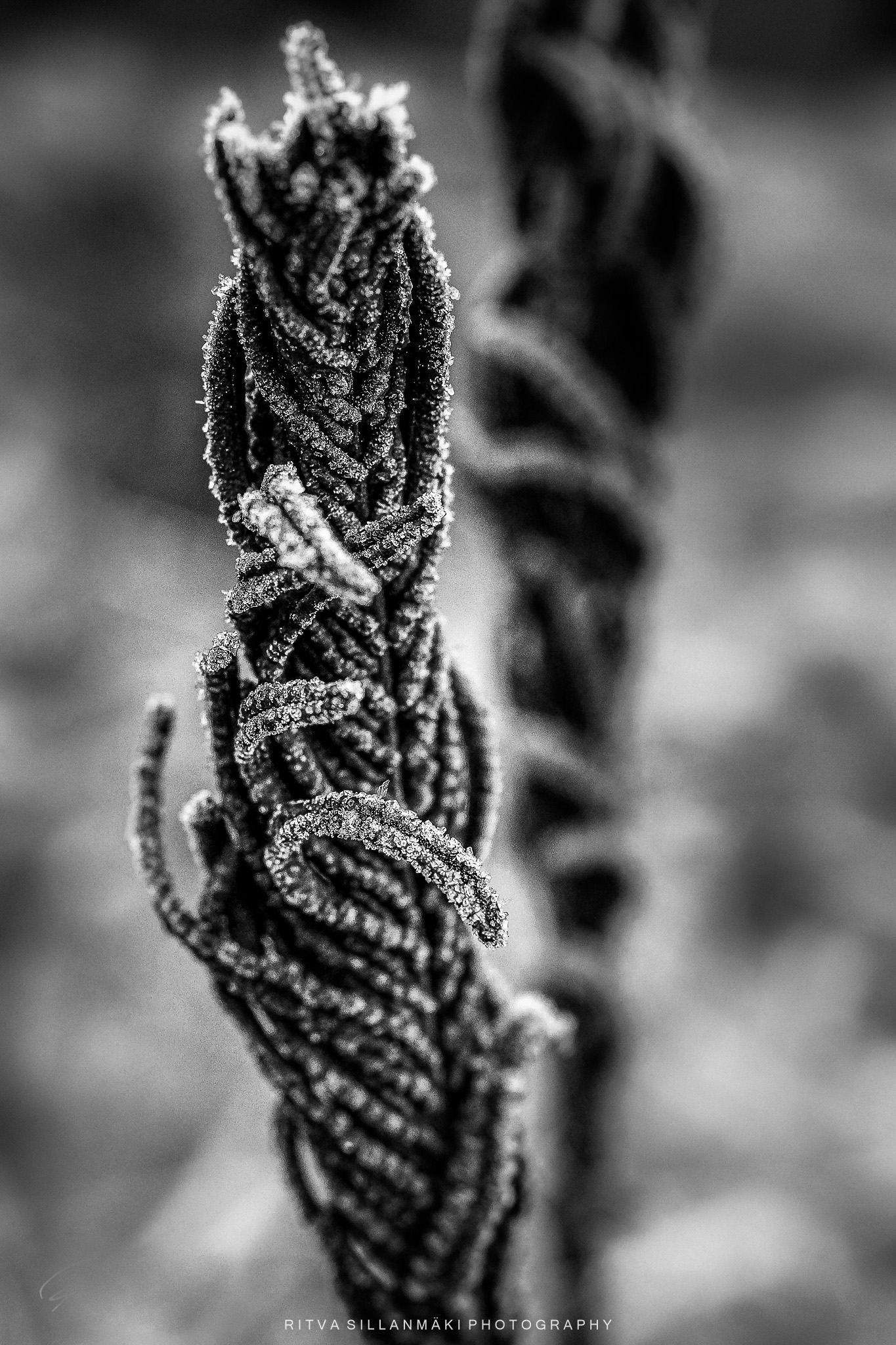
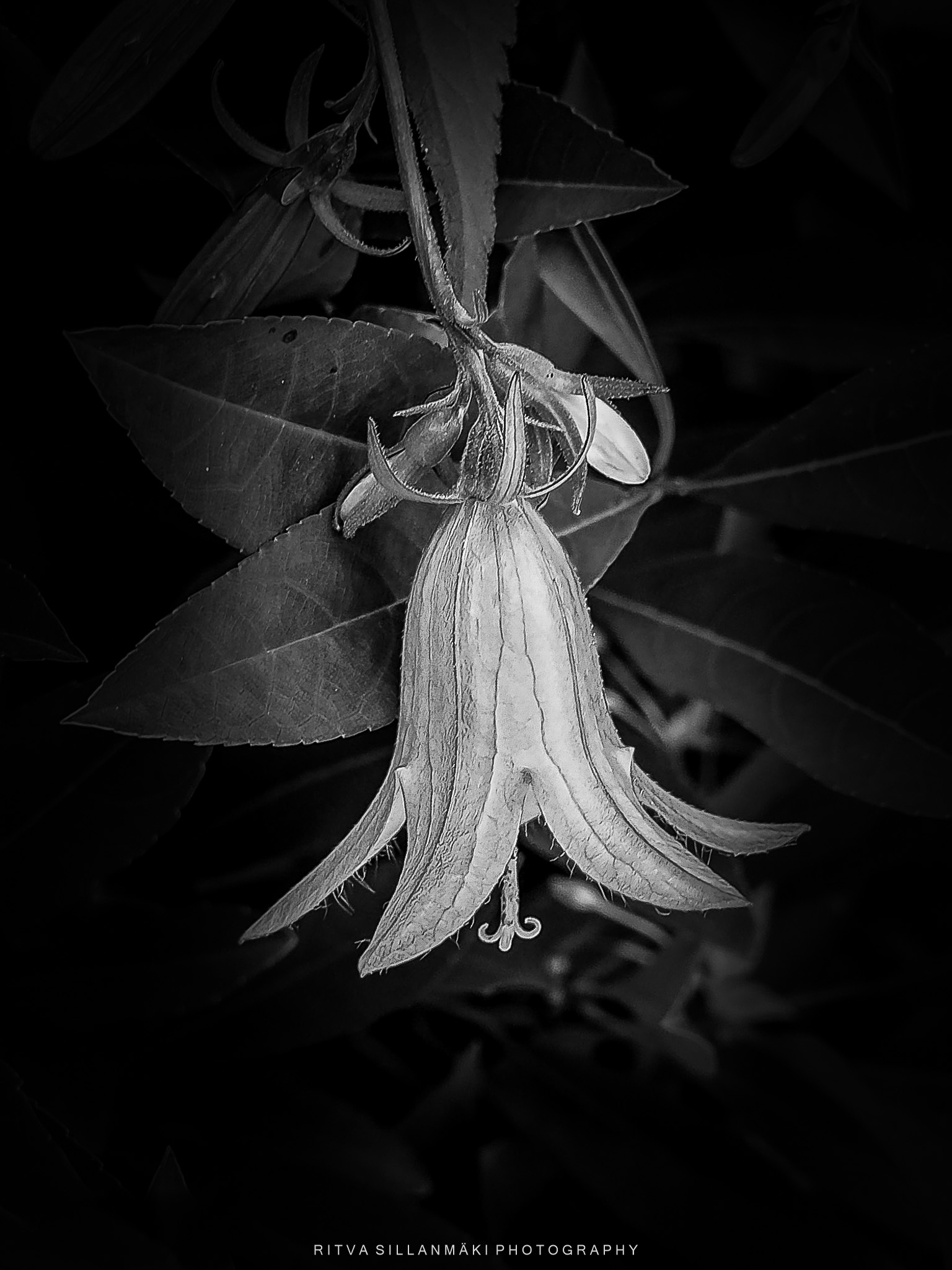
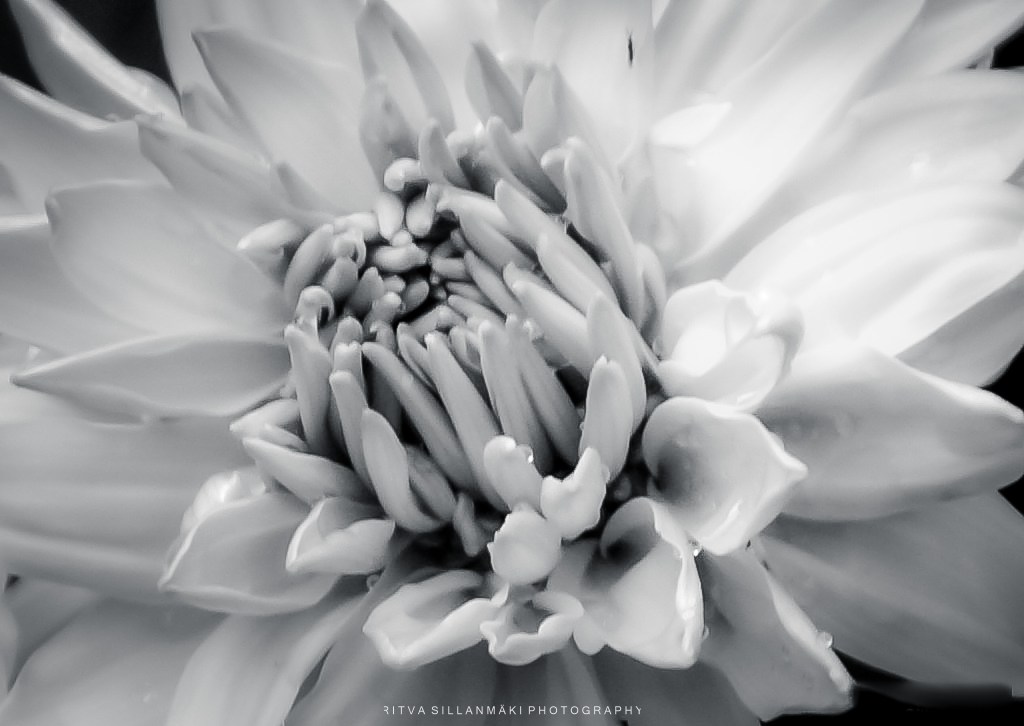
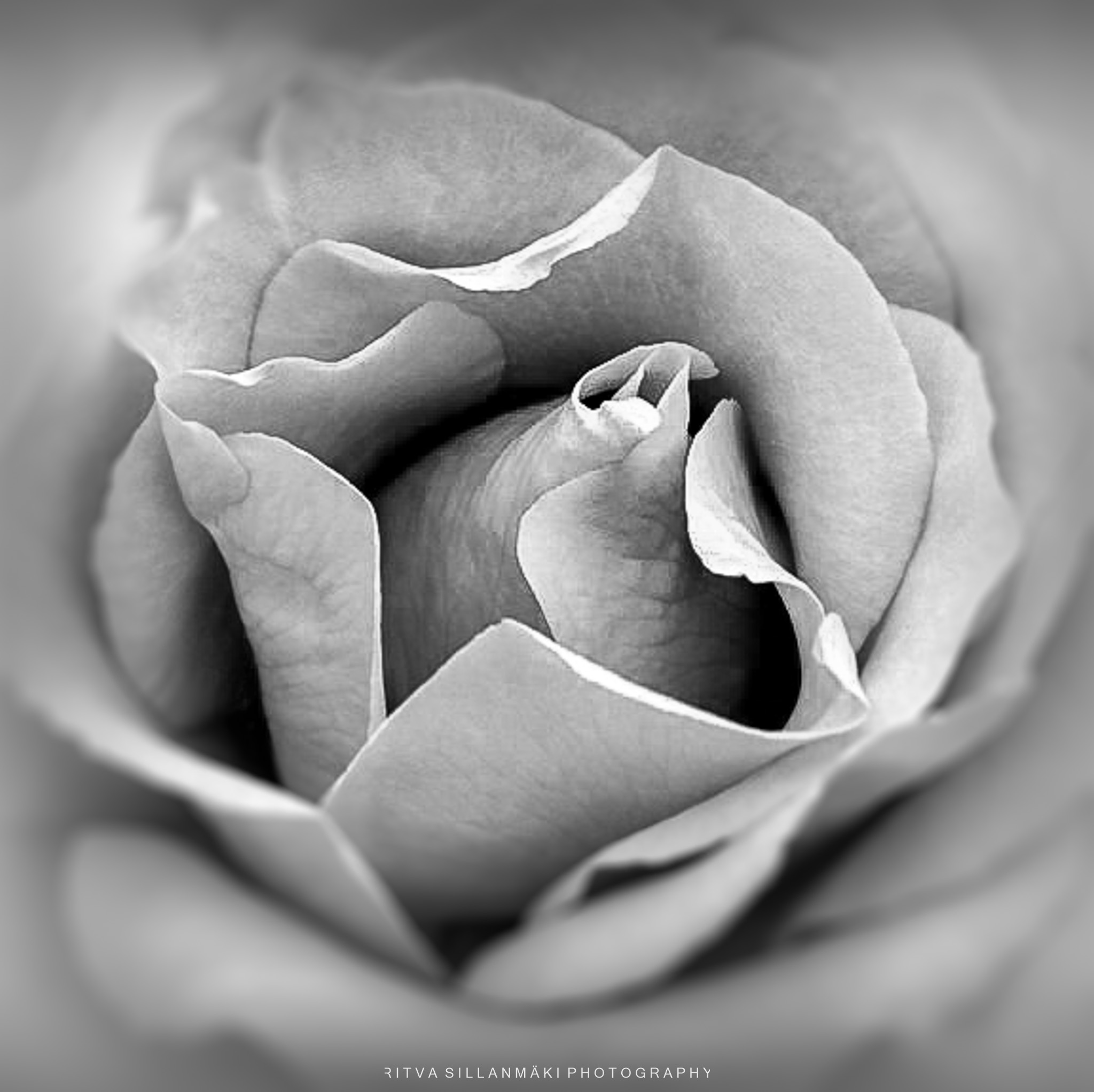
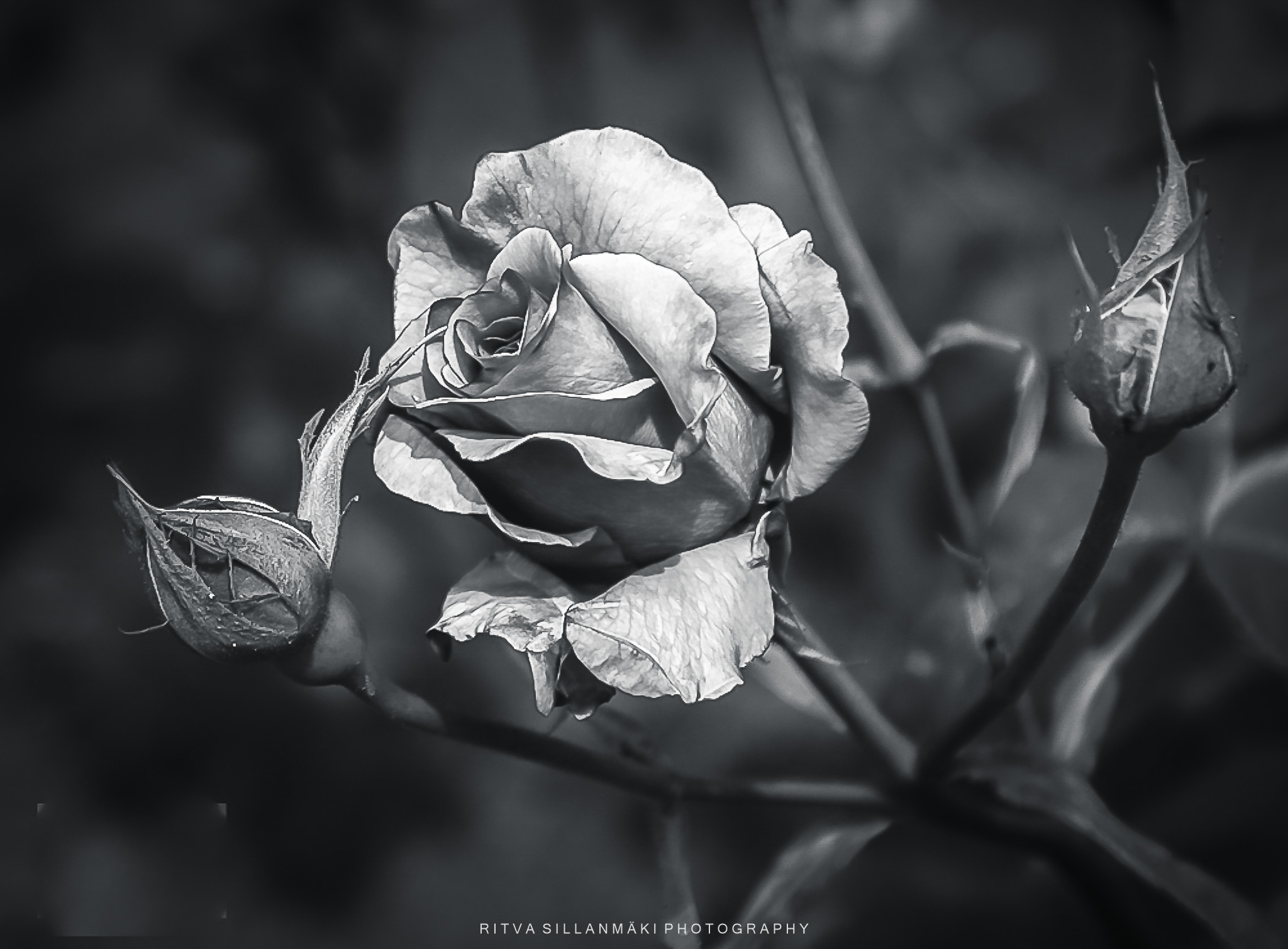
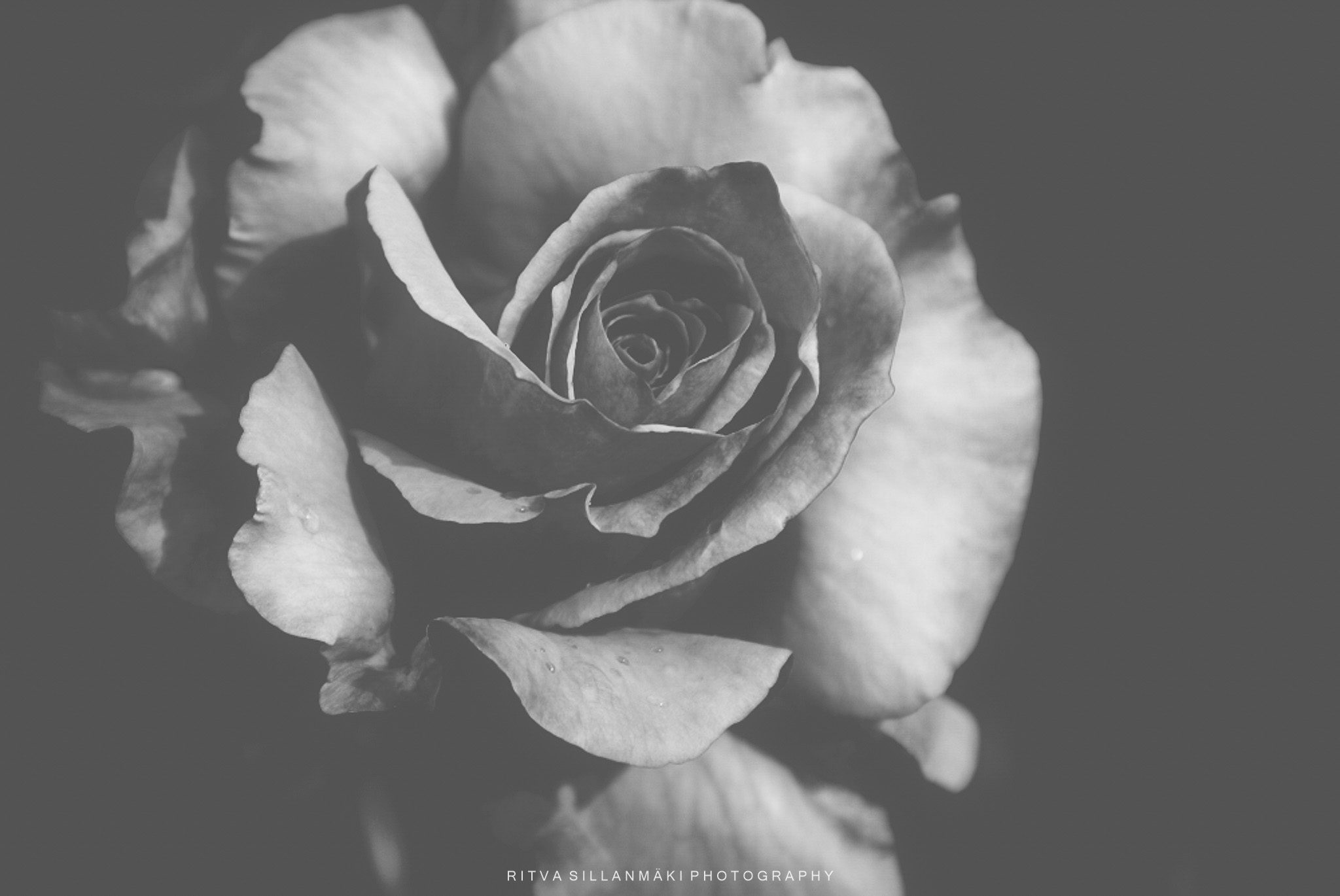
posted for Leanne’s Monochrome Madness

For Cee’s Flower of the Day.
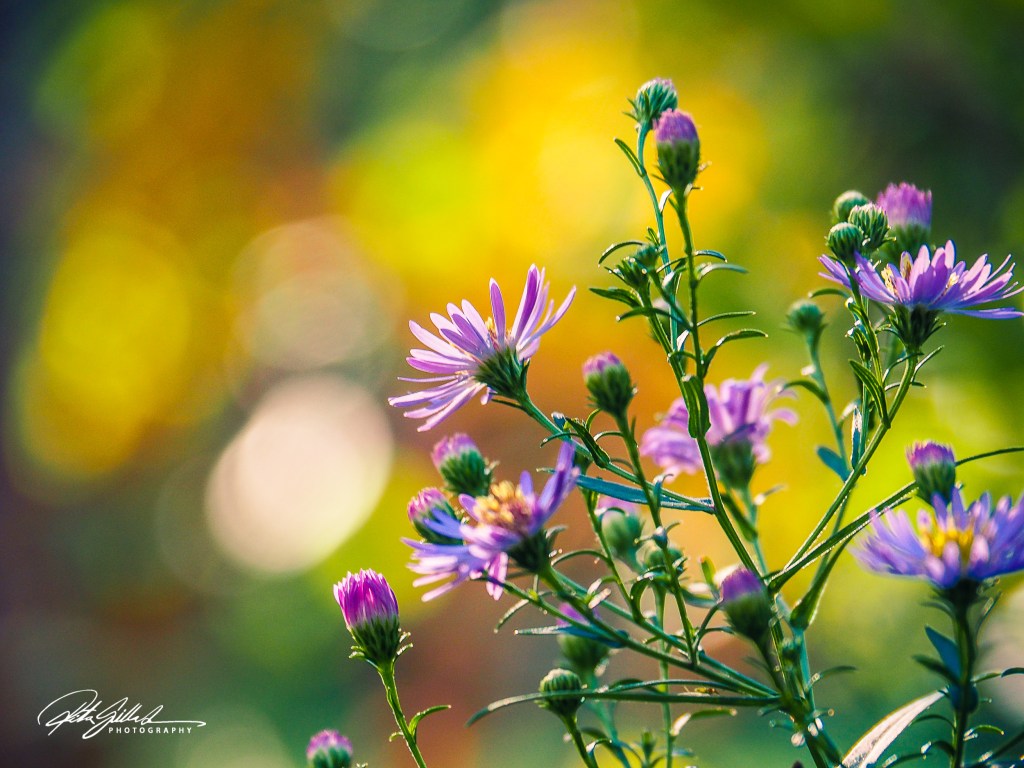
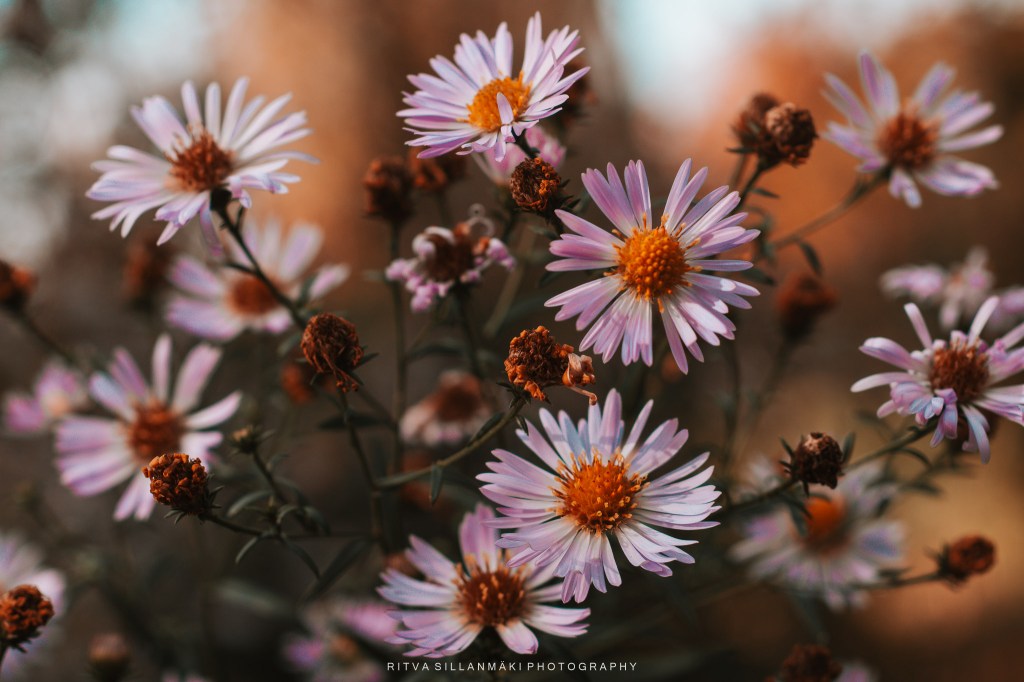
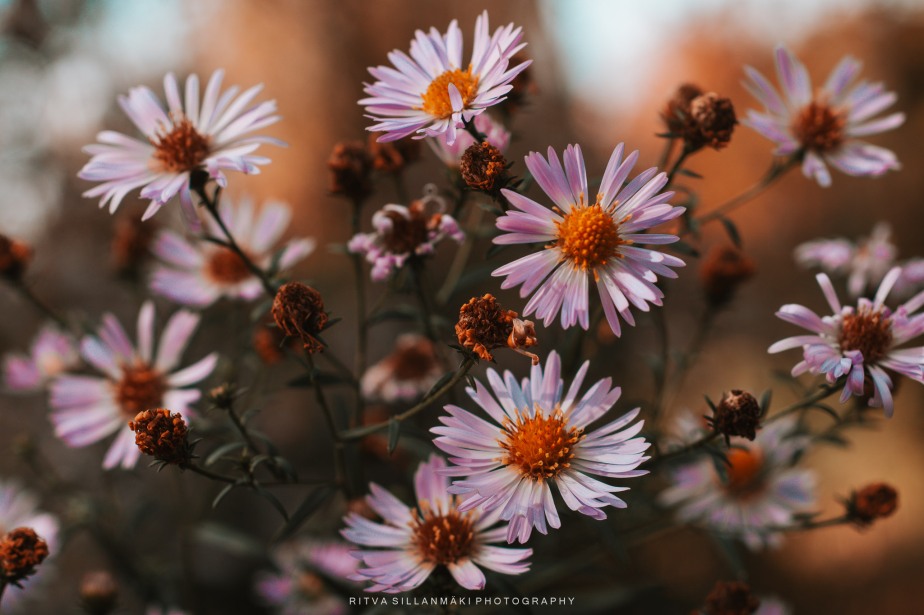
This is my last photo of this New York Aster this year. Autumn brown have really set in.
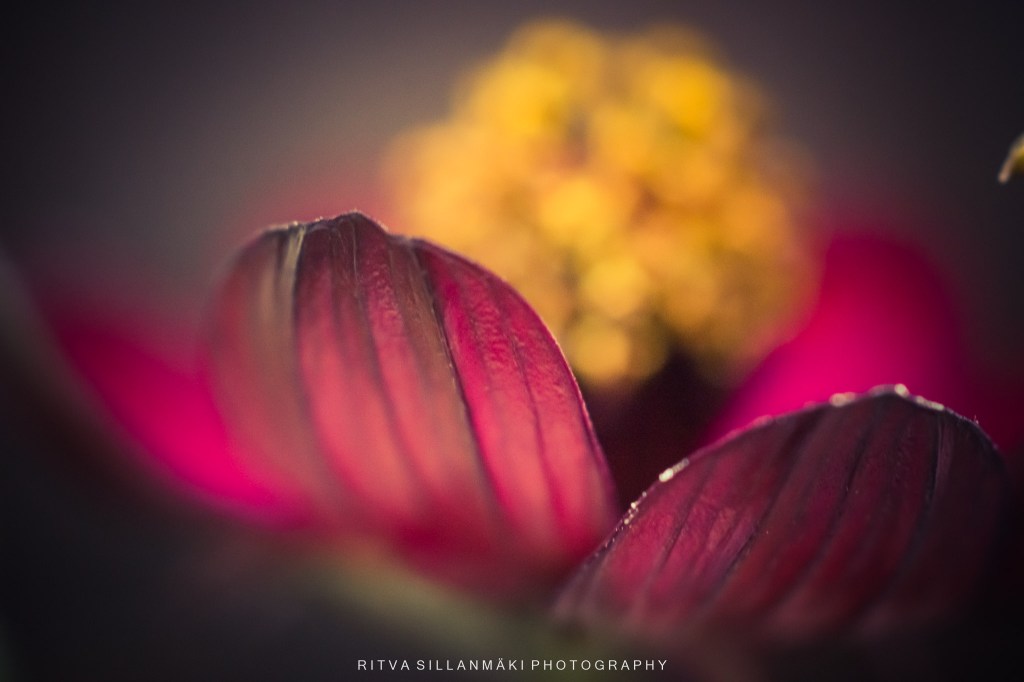
I got a lovely bouquet from my husband and it had so many flowers in it, and I could name few, but some were just pretty flowers without a name tag to me, and well, that’s my approach to flowers anyways, if they are pretty it is good enough for me.
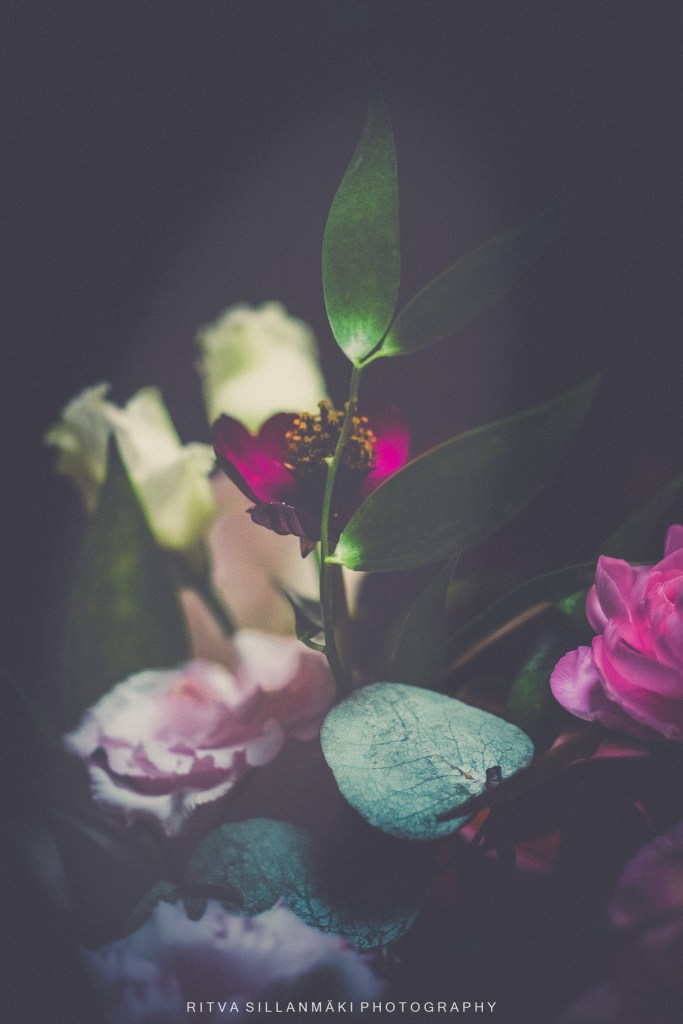
No facts this time either

Posted for Cee’s Flower of the Day
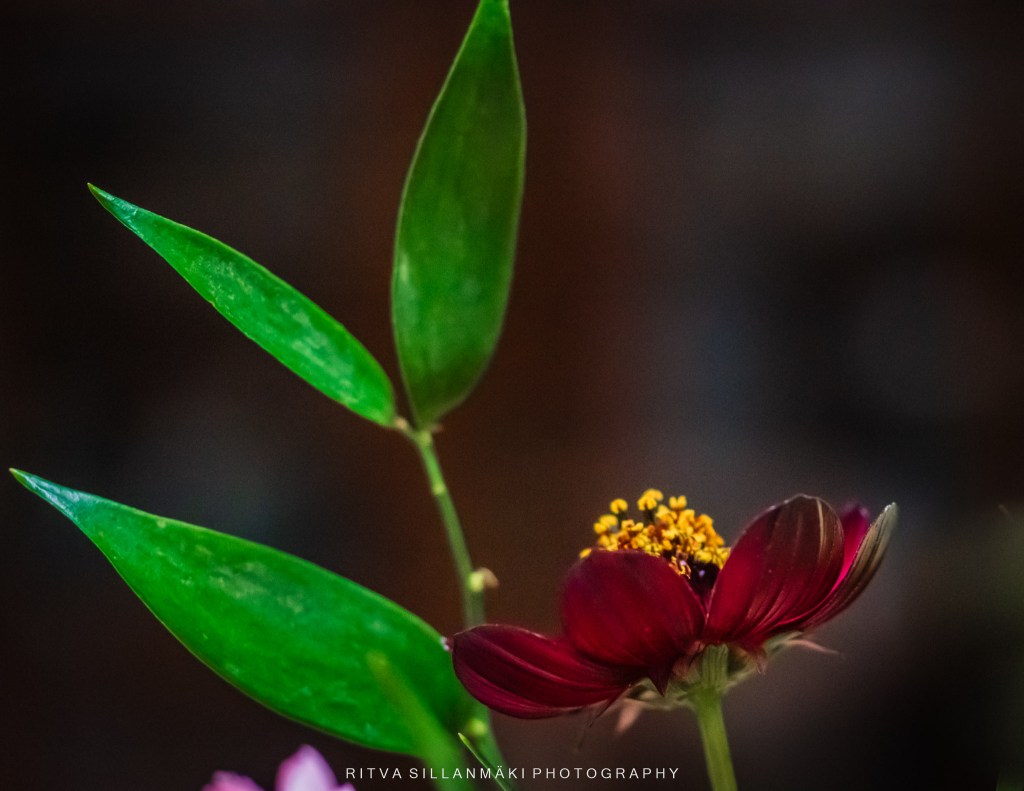
I think this is a pink carnation, I am not all that good with flower names.

I got a lovely bouquet from my husband and it had so many flowers in it, and I could name few, but some were just pretty flowers without a name tag to me, and well, that’s my approach to flowers anyways, if they are pretty it is good enough for me.
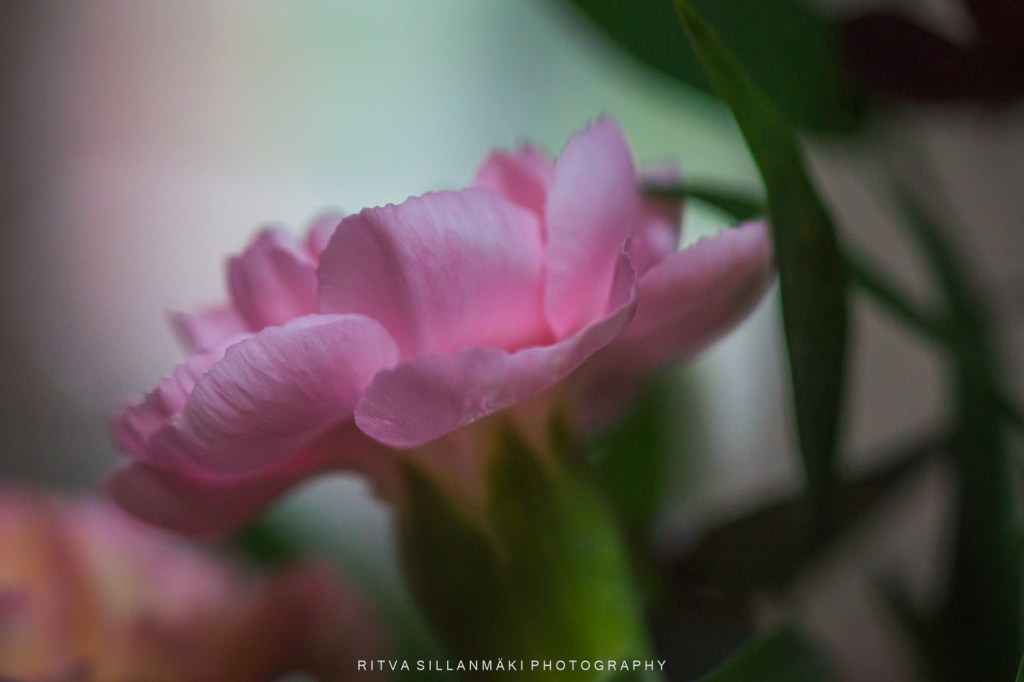
No facts this time
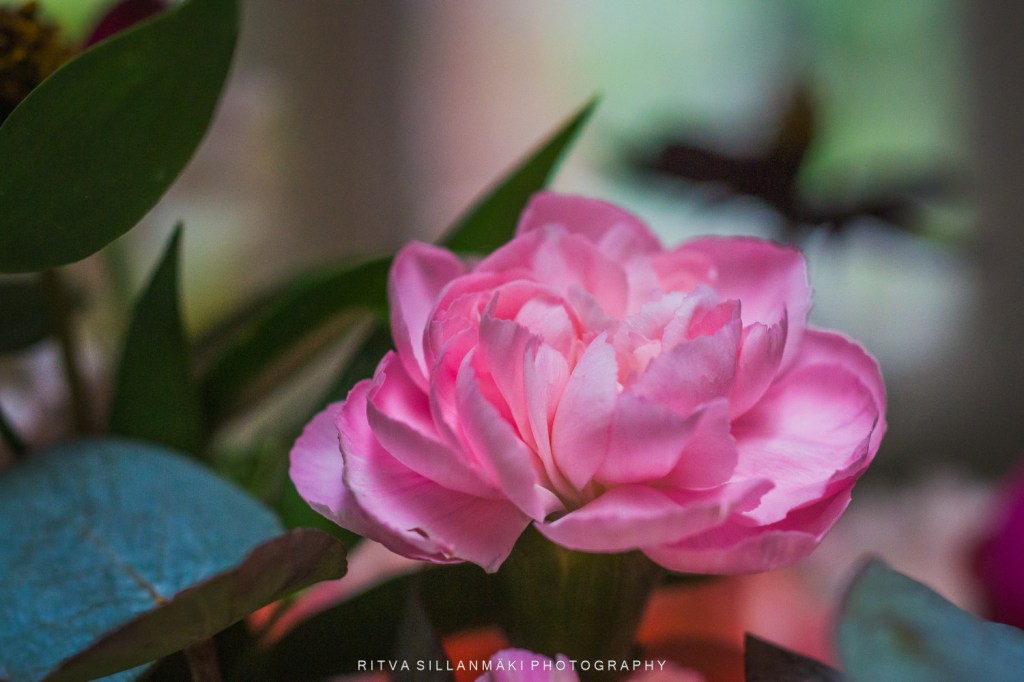
Posted for Cee’s Flower of the Day

The Japanese are famous for their mesmerizing gardens and revolving stories around their flowers. The hydrangea is no exception: legend has it that a Japanese emperor gifted blue hydrangeas to the family of a girl he loved to make up for neglecting her.
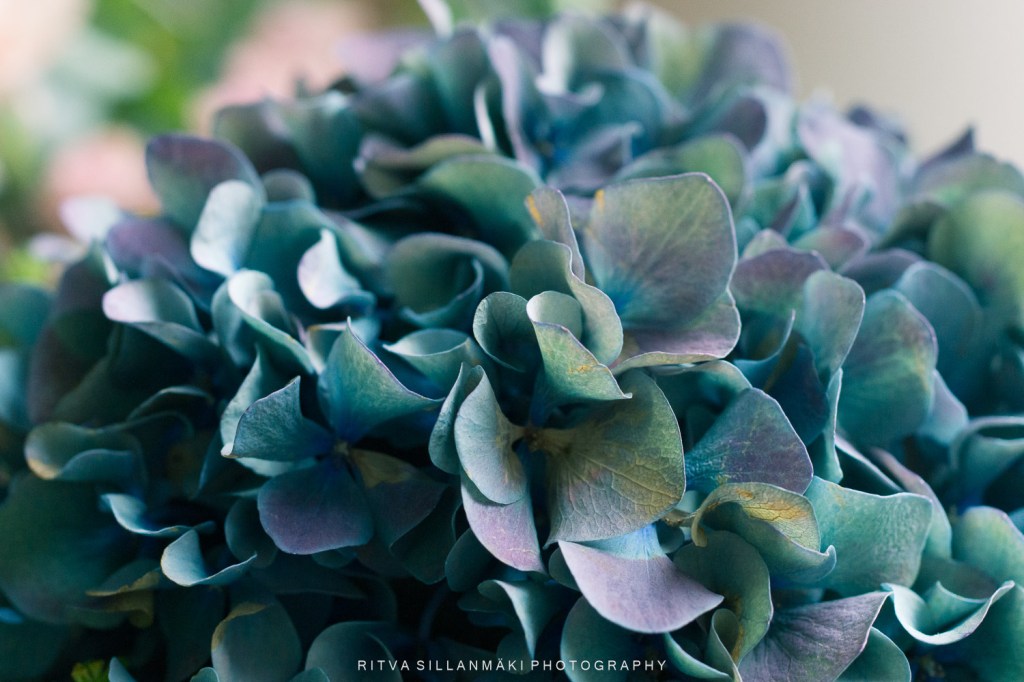
I got a lovely bouquet from a friend and the main flowers was this colorful hydrangea. Loved the details and colors of the pedals. It’s said that including hydrangeas in flower arrangements invites good fortune into one’s home. Purple hydrangeas are said to be particularly lucky as they symbolize abundance and prosperity.
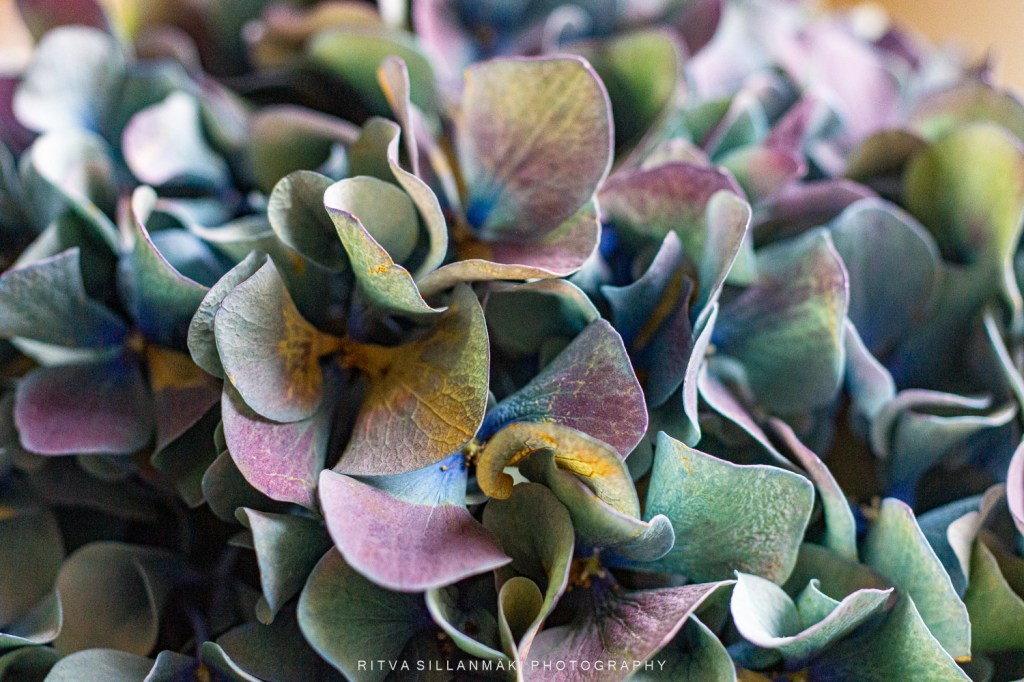
Some facts
For one type known as bigleaf hydrangea (Hydrangea macrophylla), you can change the color of their flowers by adjusting the soil pH with soil amendments. The more acidic the soil, the bluer your hydrangeas will turn out. The more alkaline, the pinker your hydrangeas will be.
The hydrangea represents gratitude, grace and beauty. It also radiates abundance because of the lavish number of flowers and the generous round shape. Its colors symbolize love, harmony and peace..

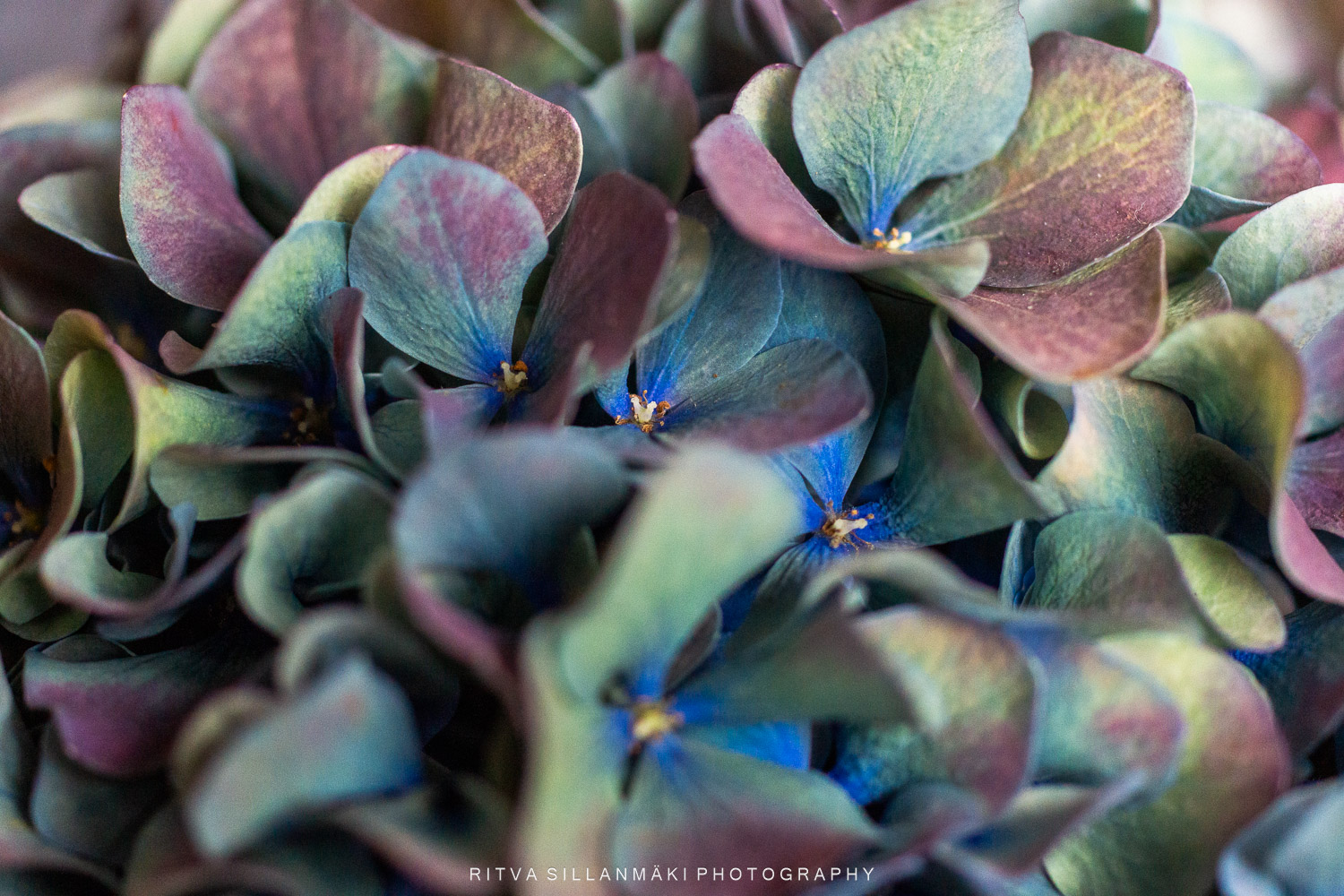

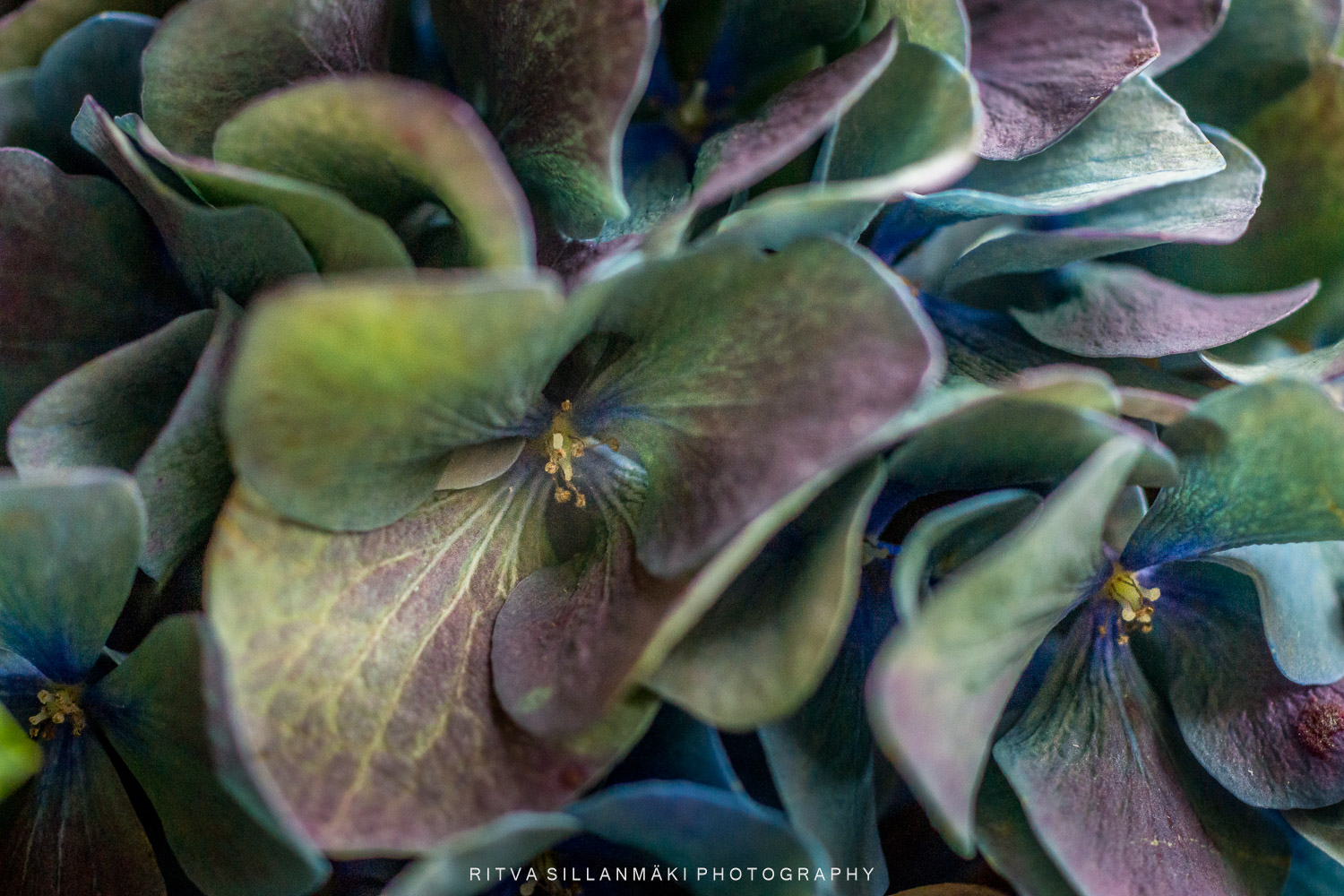
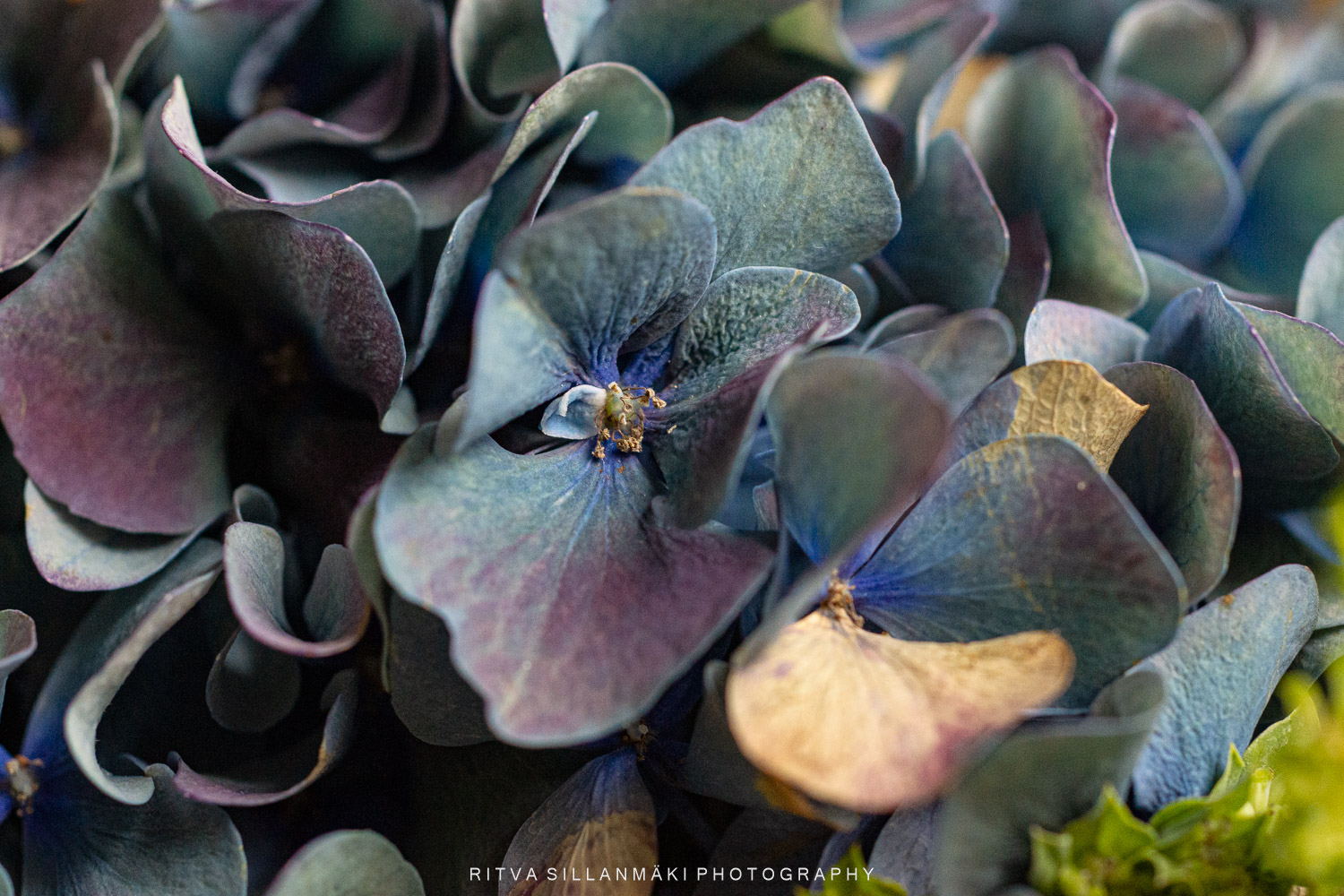
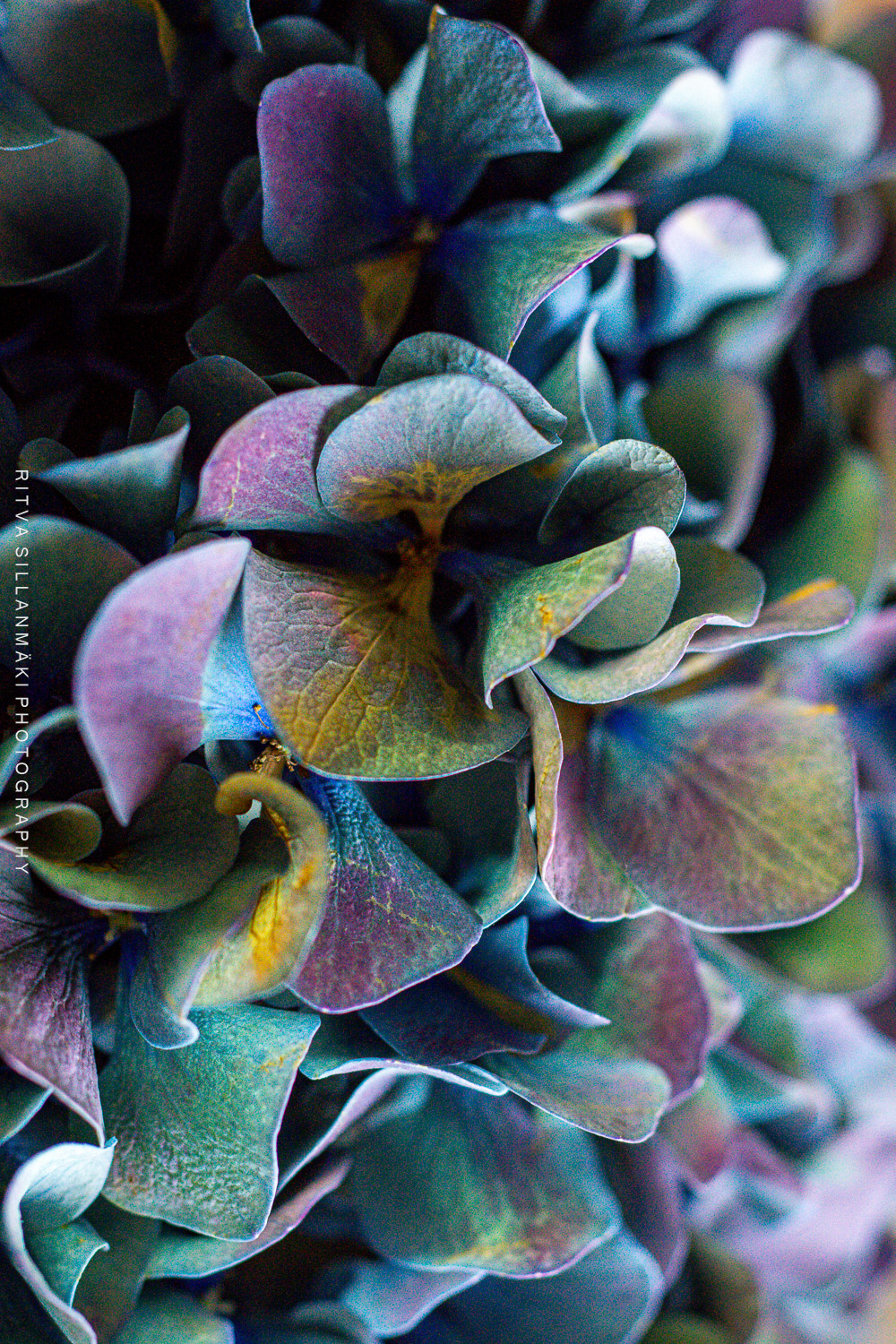
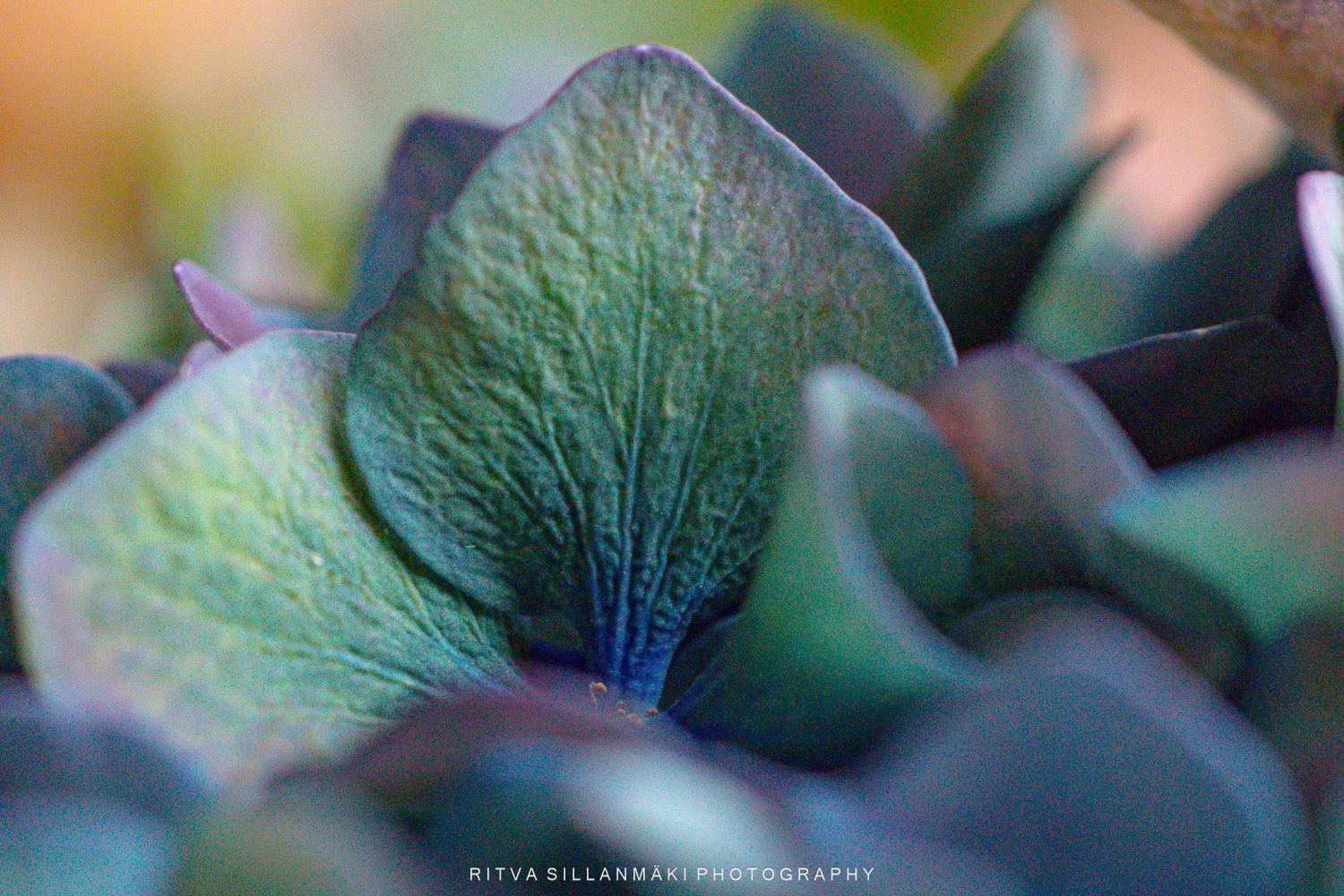
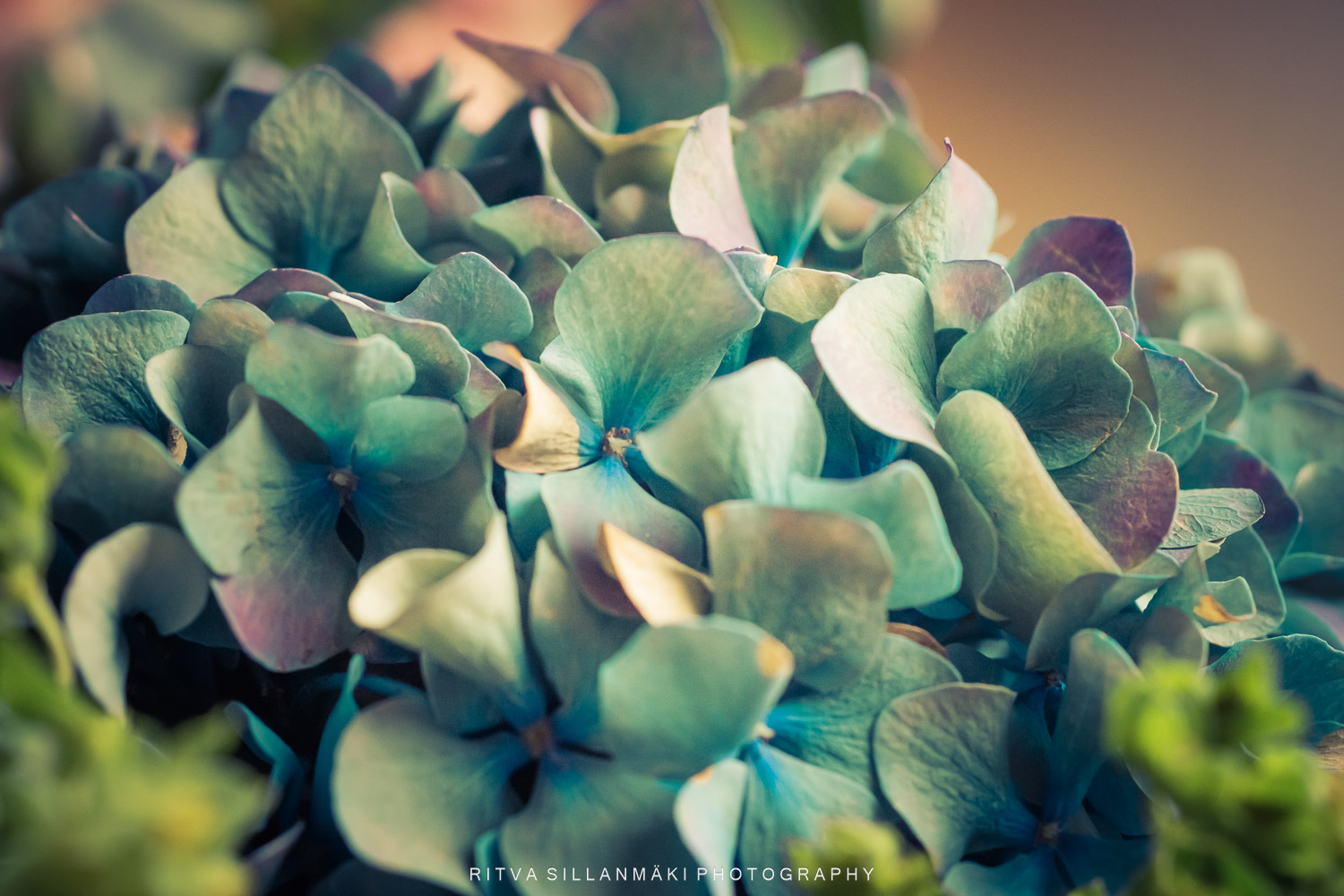
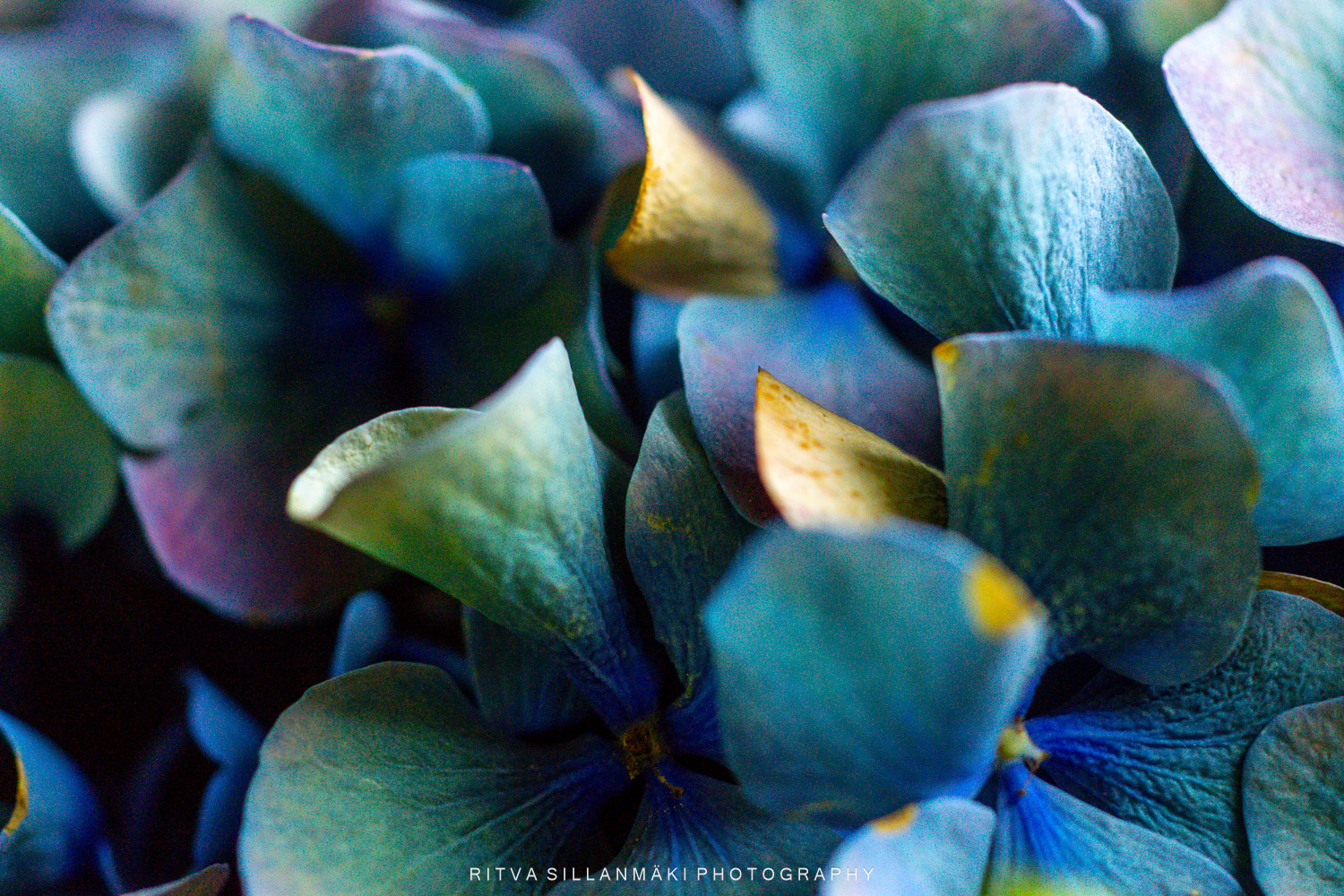

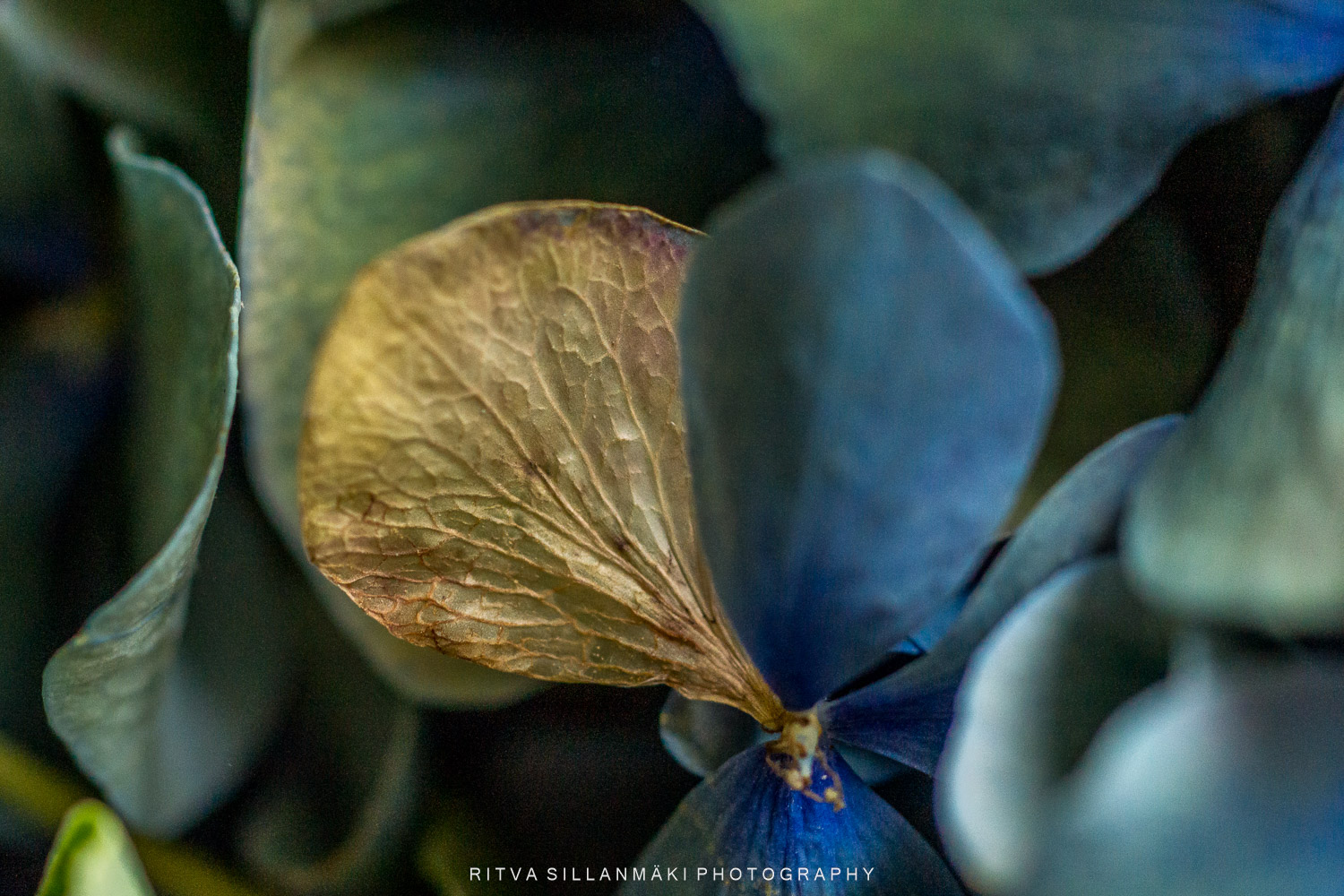

Hydrangeas don’t have petals.
Those beautiful petals aren’t petals at all. They are sepals, which are leaves that protect the flower bud. Only after they age do they turn from green to the pigmented colors you see.

Posted for Cee’s Flower of the Day.
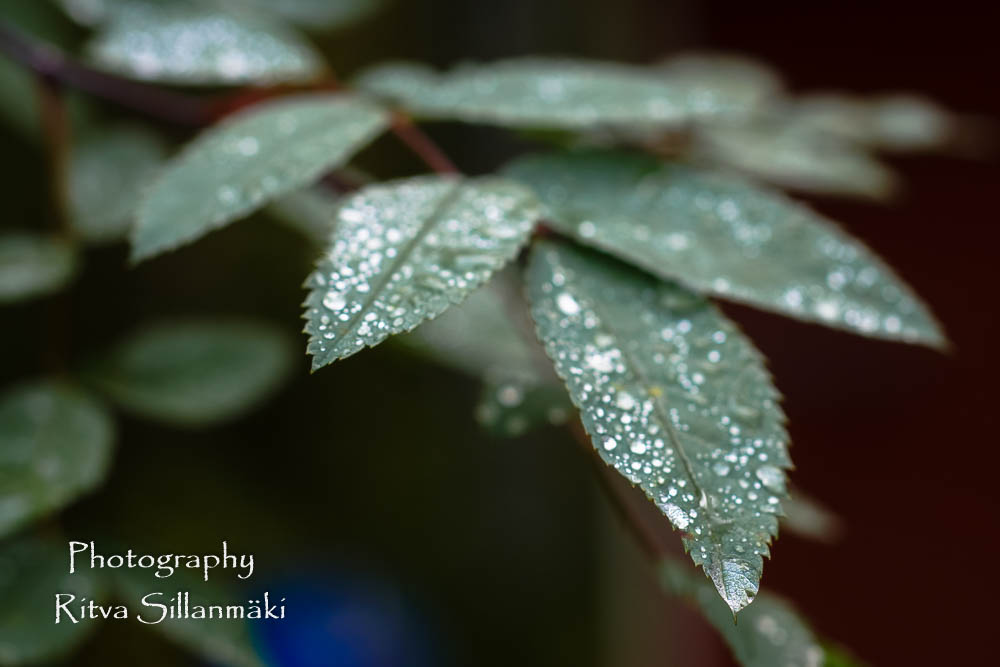
Rosa glauca
also known as Read-leaved rose, Redleaf rose ( punalehtiruusu)
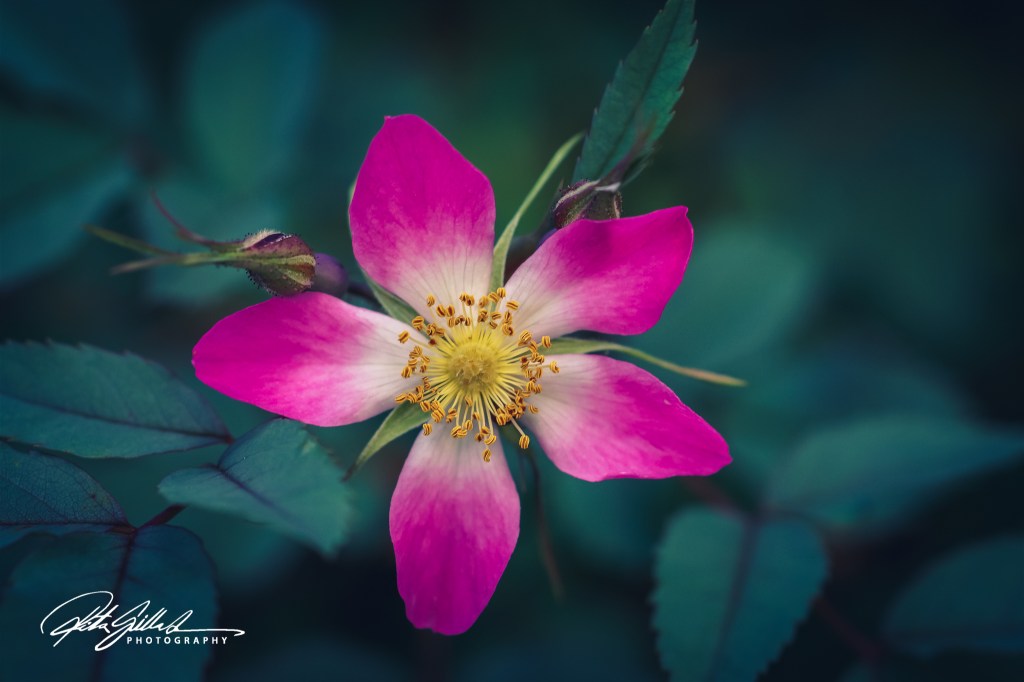
Roses and briars (Rosa spp.) are large-flowered, prickly shrubs. Their leaves are imparipinnate. Fruits are achenes which, however, are not visible, but enclosed by the enlarged receptacle, the whole being called a hip.
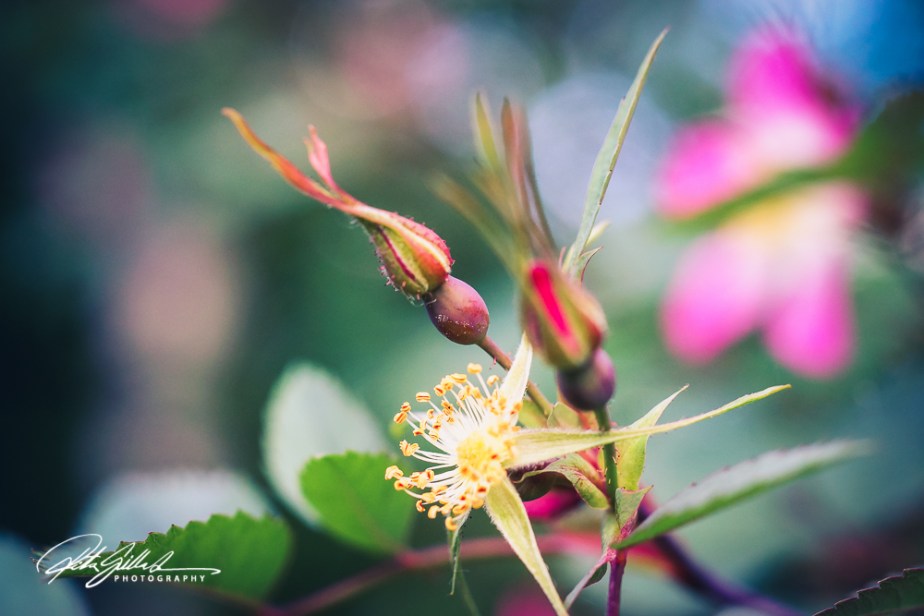
The genus comprises between 100 and 250 species, depending on the defining criteria. They are distributed over the temperate regions of the Northern hemisphere. Roses have been cultivated in China and the eastern Mediterranean at least for 4,000–5,000 years.
Red-leaf rose is native to the mountains of Central Europe. It has been a fairly common ornamental in Finland since the 19th century. This species does not produce suckers. Its stems are erect and fairly tall. The slender, spreading young branches are covered in a waxy bloom. Prickles are fairly sparse, and they are slender and straight or slightly curved.
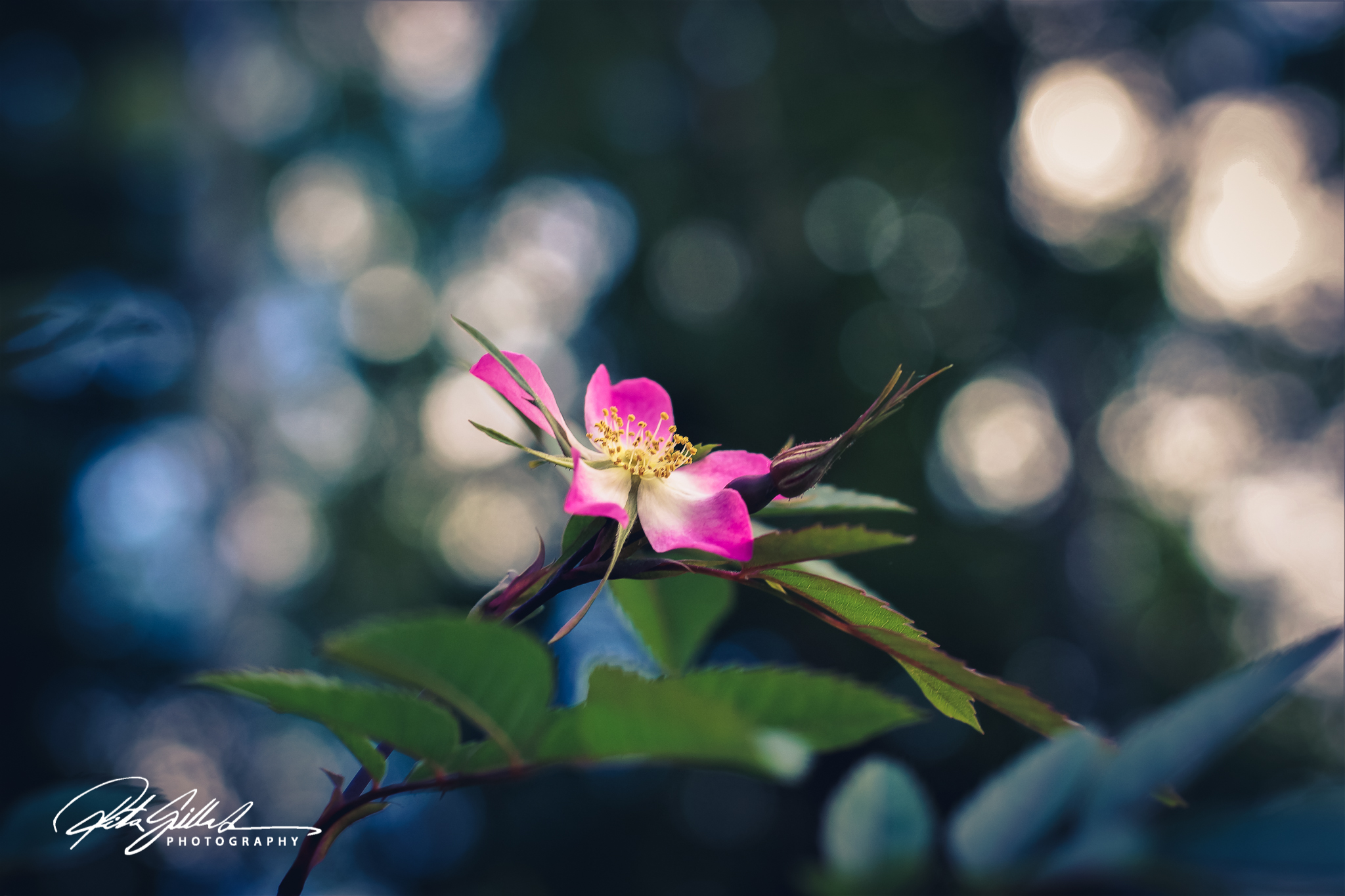

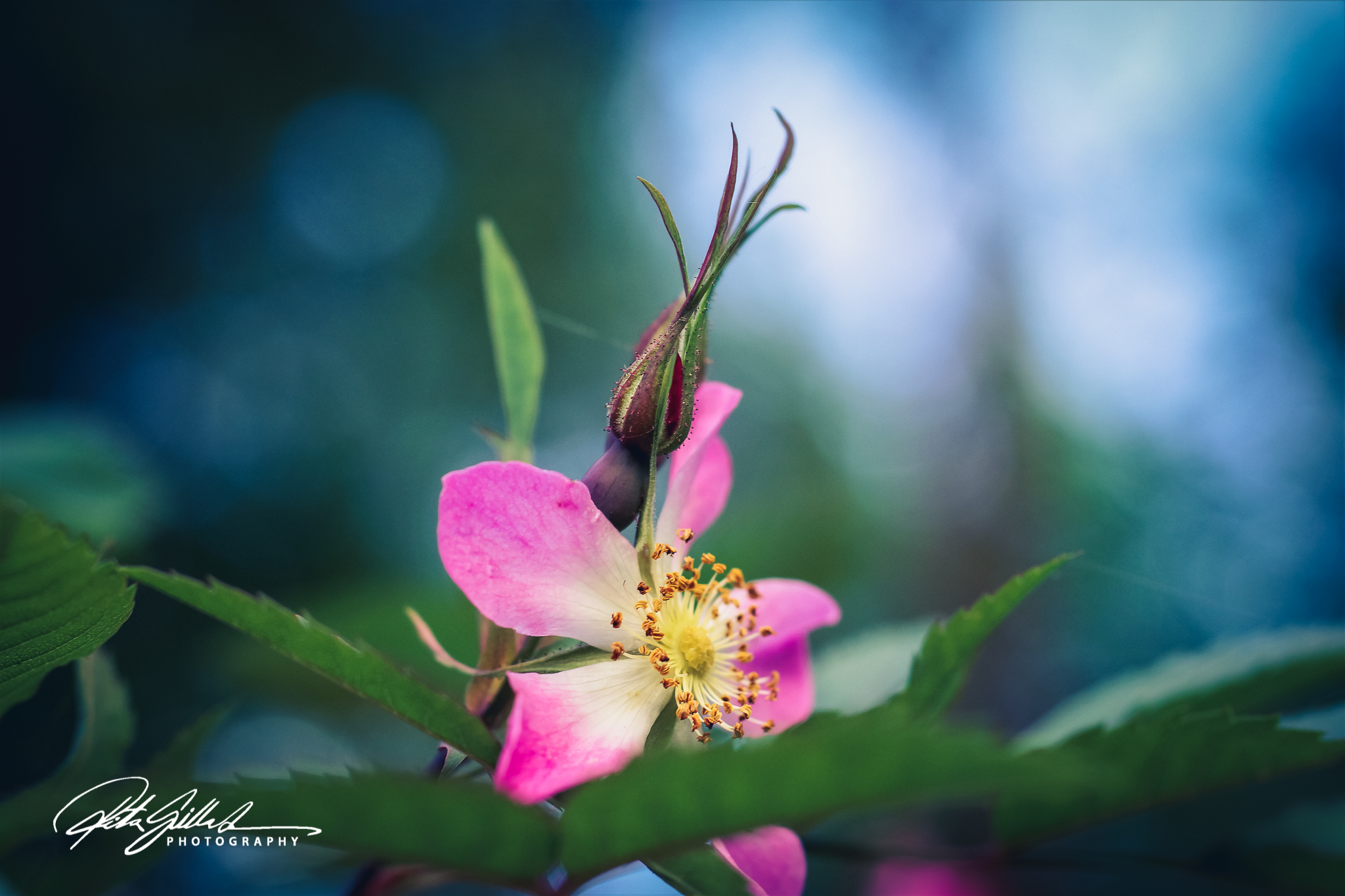

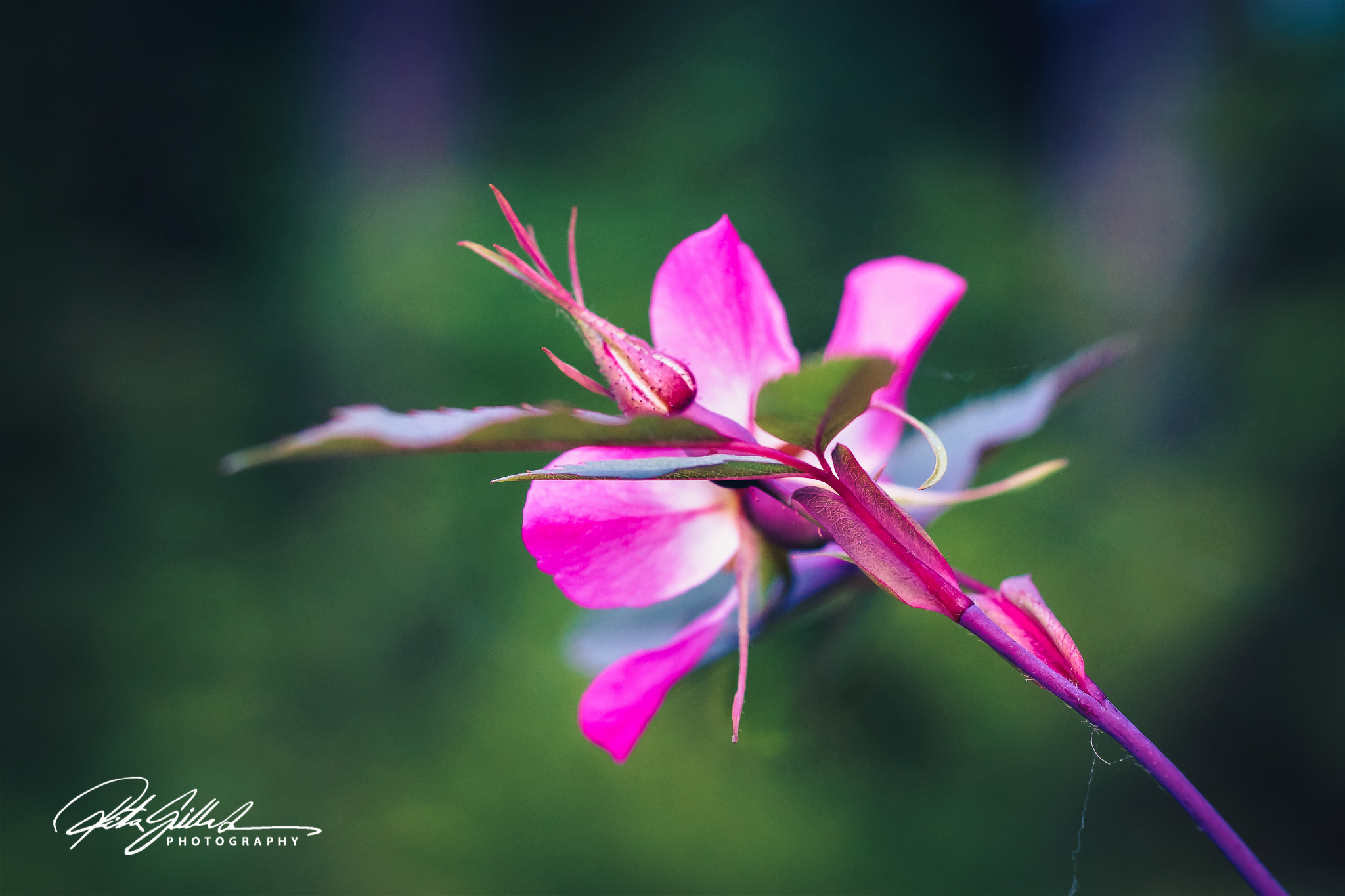
The little flowers are pink and made up of five petals. They are formed in small clusters and will have a light scent at best.

The orangish-red fruits are called hips. They can help add color during the winter since they can take a while to fall off. You can also cook with them and use them in alternative medicine.
Posted for Cee’s Flower of the Day
Lions Ear (Leijonankorva), Leonotis nepetifolia
also known as lion`s tail and wild dagga, Klip Dagga


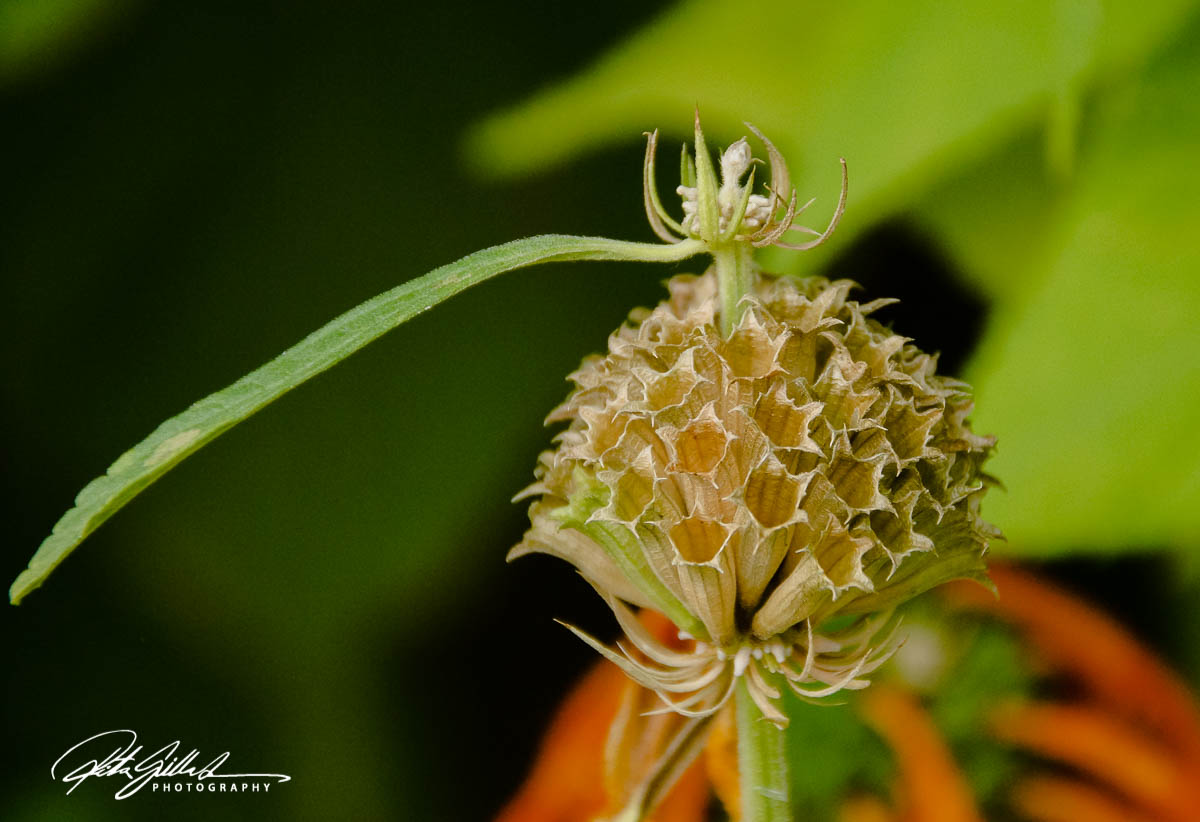
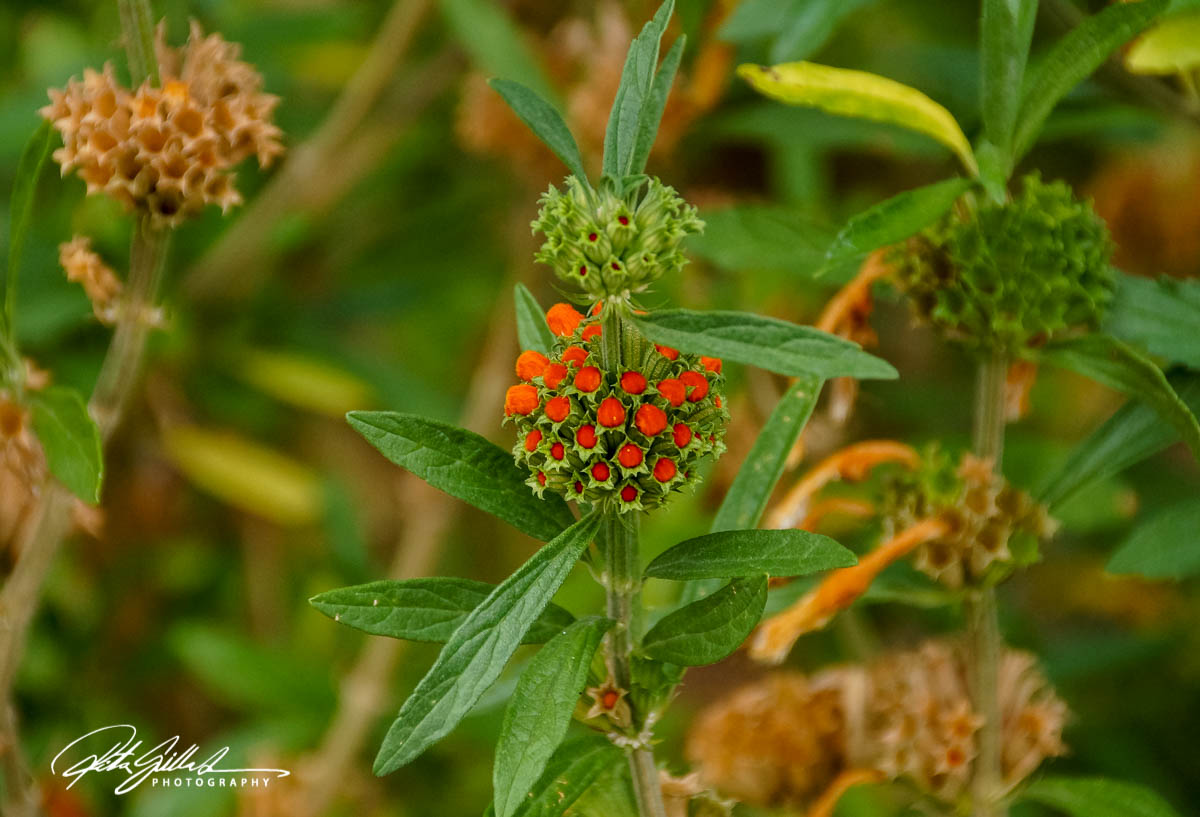
Klip Dagga has long been used in African traditional medicine as a treatment for fevers, headaches, malaria, dysentery and snakebite.
It has an effect on the uterus – depending on the dose it will stimulate- or suppress menstruation.
In Trinidad it is a common cold, fever and asthma remedy.
Studies suggest that teas or tinctures made with the leaf possesses anti-nociceptive properties, is anti-inflammatory and hypoglycemic and therefore lend pharmacological credence to the folkloric uses of this herb in the management and/or control of painful, arthritic, and other inflammatory conditions, as well as for adult-onset type-2 diabetes mellitus.
Both Klip Dagga Leonotis nepetifolia and Wild Dagga Leonotis leonurus are excellent heart tonics.
They are used for heart conditions associated with anxiety and tension and will calm palpitations, tachycardia and irregular heartbeats.
The dried foliage of Leonotis – both Wild Dagga and Klip Dagga – can be used as a legal substitute for marijuana (ganja, cannabis, hemp).
Smoking this dried herb gives an euphoric-like effect and exuberance.
The flowers are the most potent part and can be smoked or used as a calming tea.
For Cee´s Flower of the Day.
Yellow Toadflax( Keltakannusruoho )
Name also: Butter and eggs, Common toadflax
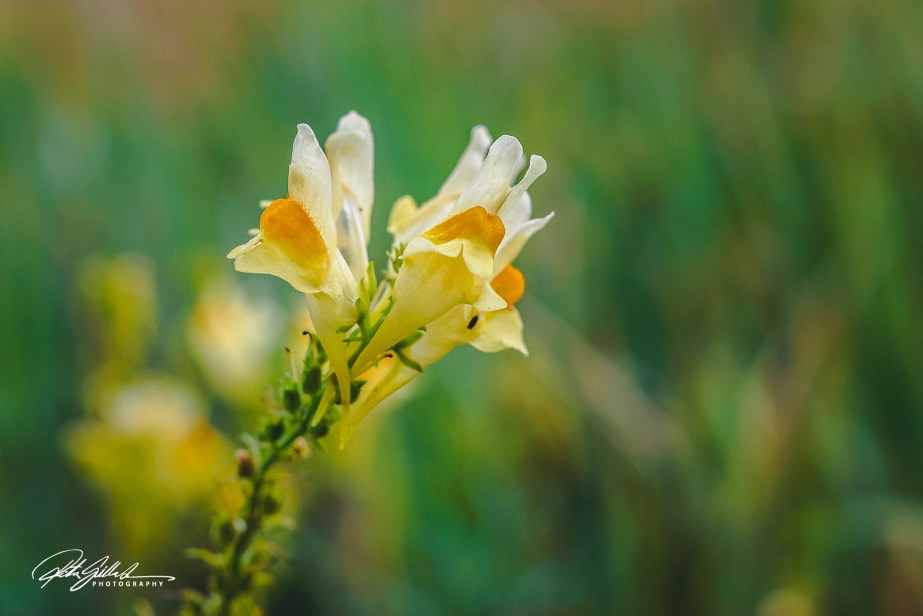
Look at its glowing yellow flowers.
Toadflaxes are abundant in western Asia and around the Mediterranean. Many of them favour culturally-influenced areas, at least to at least a certain extent.
Yellow toadflax is a perennial, strong-rooted herb which has root buds. It flowers on roadsides right up until late September. In Finland it is native to coastal rocky outcrops. Inland plants may be established aliens that arrived later. Yellow toadflax has a beautiful flower and has thus been transplanted into gardens as an ornamental and found new habitats in this way.
For Cee´s Flower of the Day.
Meadow Vetchling (Niittynätkelmä)
Name also: Meadow pea, Meadow pea-vine

Look at its glowing yellow flowers.
Meadow vetchling has never been an important nutritional or medicinal plant, although it has probably been a useful fodder plant.
Meadow vetchling spreads widely through its runner-like rhizome to form large stands. Sexual propagation is however problematic: pods don’t develop on most of the flowers and the seeds are prone to being destroyed by insects. It makes an impressive sight however when it is in bloom, and it stands out easily among the surrounding grasses. It climbs up to become visible by using its tendrils to climb on other plants.

Meadow vetchling is the only yellow-flowered species out of the members of its genus that are established in Finland. At first glance its flowers might look like bird’s-foot trefoil (Lotus corniculatus), but the latter has a tendril instead of a terminal leaflet, and it doesn’t use other plants to climb on.
For Cee´s Flower of the Day.
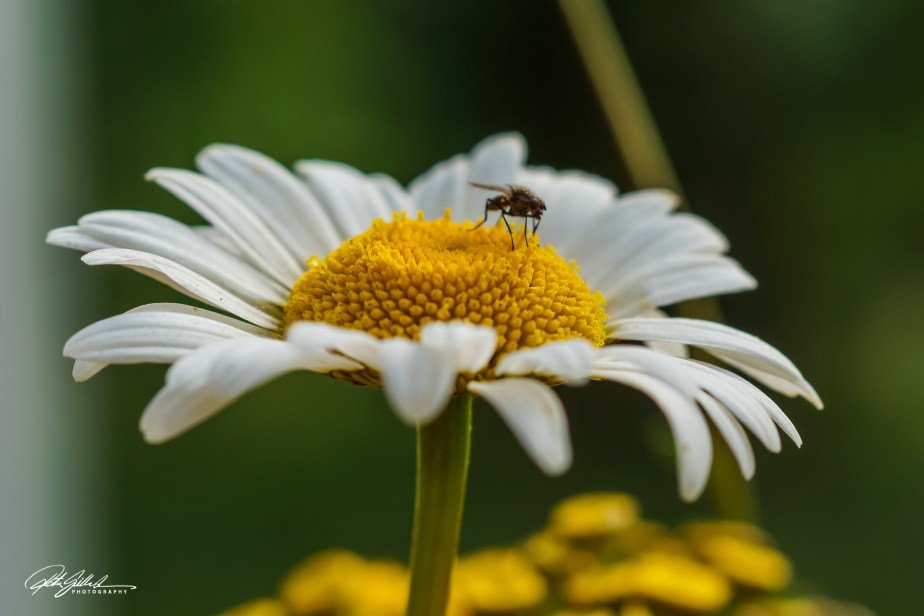
Sneezewort
Name also: Bastard pellitory, Fair-maid-of-France, Goose tongue, Sneezeweed yarrow, White tansy, Wild pellitory
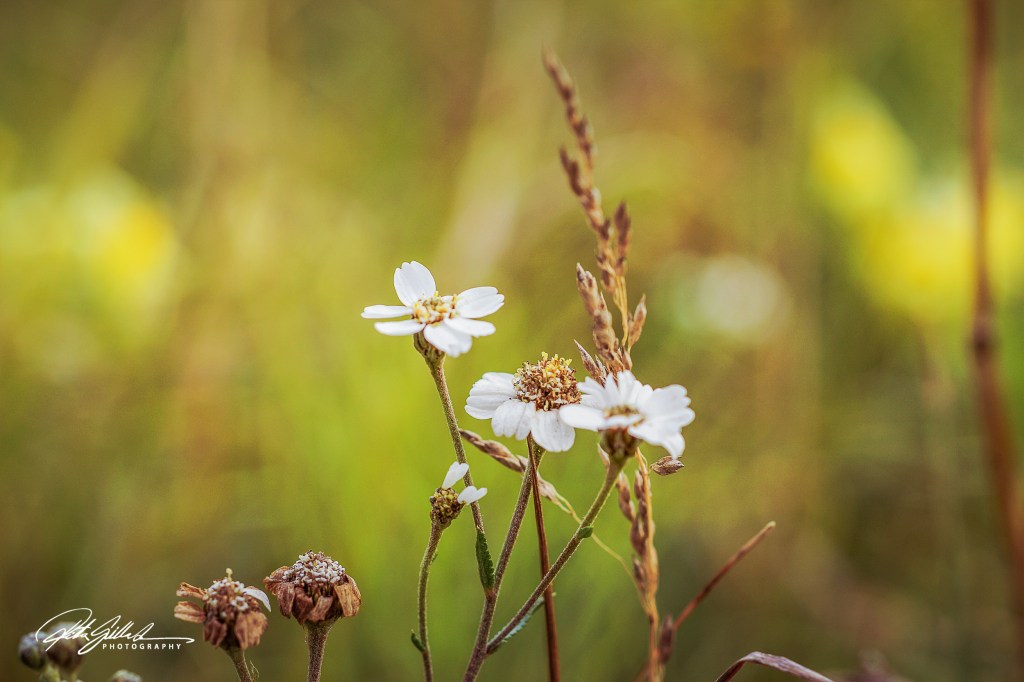
Sneezewort has spread or been brought to Finland quite late, sometime in the 17th century, and for a long time after that it was rare. It only began to become more common at the end of the 19th century and the beginning of the 20th, however, when hay started to be cultivated.
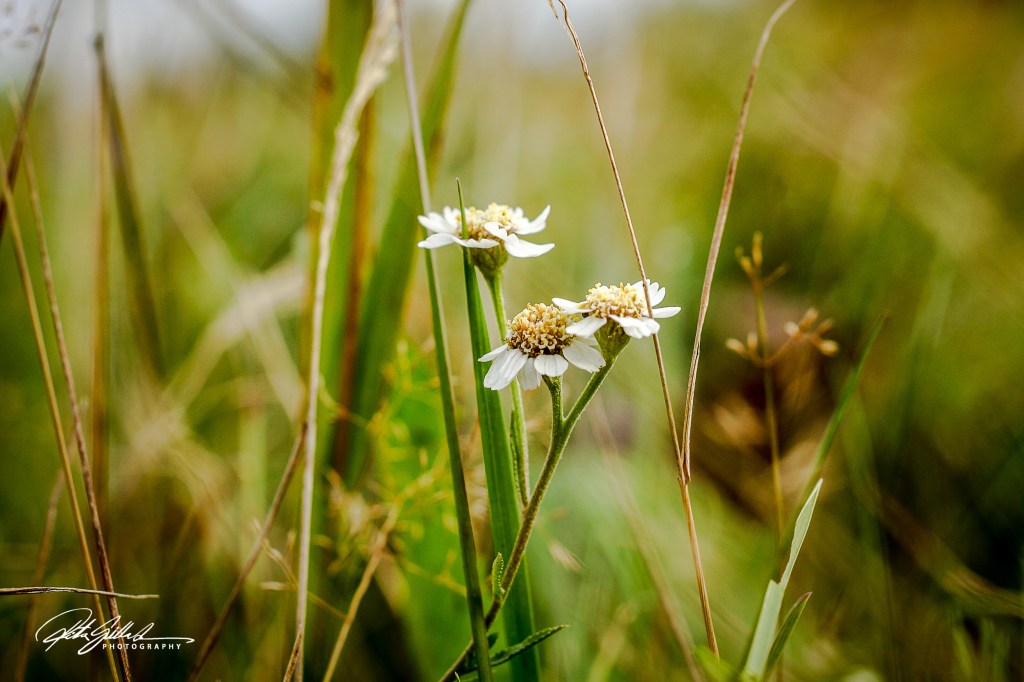
For Cee´s Flower of the Day.
It grows all over Finland now, apart from the wide expanse of wilderness in Lapland. It still grows mainly where humans have left their mark in drained swamps, the edges of hay-fields, beside roads and on waste ground. It can survive a long time on old fields that have been reclaimed by the forest but in that case it flowers rarely.

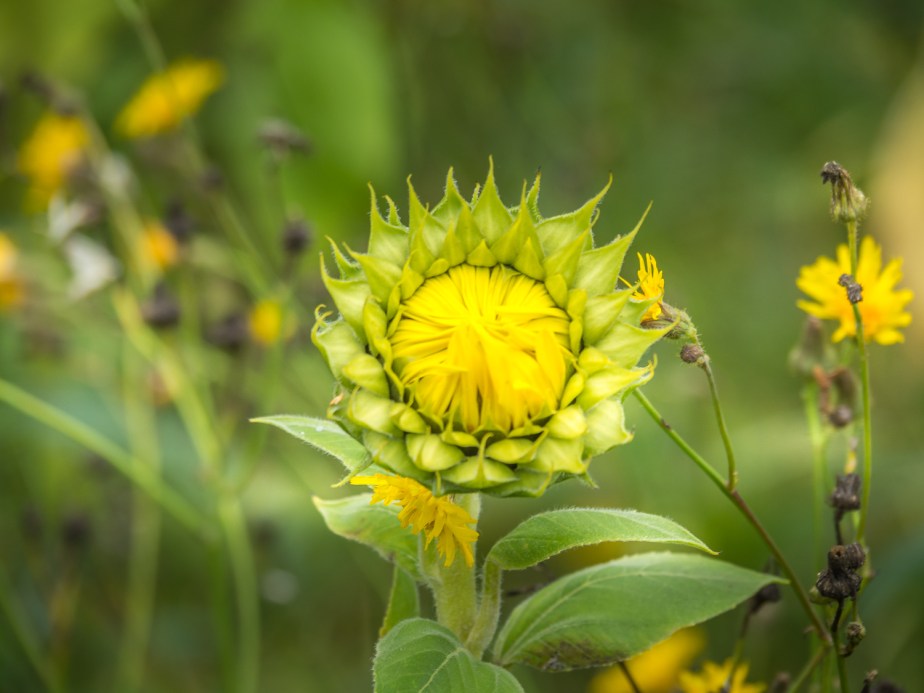
The sunflower (Helianthus annuus) is an annual plant with a sizeable daisy-like flower face. Its scientific name comes from the Greek words helios (“sun”) and anthos (“flower”). The flowers come in many colors (yellow, red, orange, maroon, brown), but they are commonly bright yellow with brown centers that ripen into heavy heads filled with seeds. Sunflowers make excellent cut flowers, and many attract bees, birds, and butterflies.

For Cee´s Flower of the Day.
Sunflowers are heliotropic, which means that they turn their flowers to follow the movement of the Sun across the sky from east to west and then return at night to face the east, ready again for the morning sun.

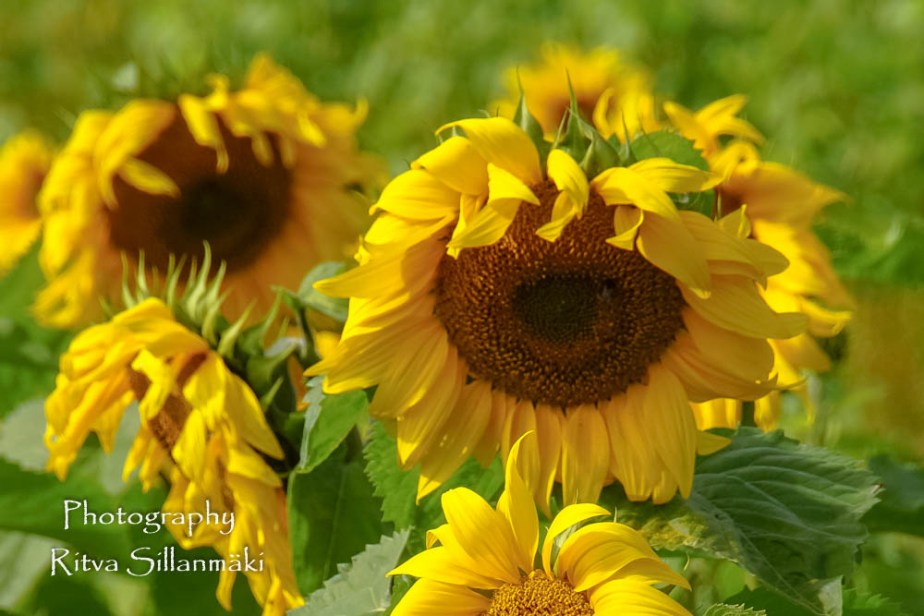

For Cee´s Flower of the Day.

🌼 of the day! That’s it .

Flowers from my archive’s and camera roll.
Something different, shaken and stirred .
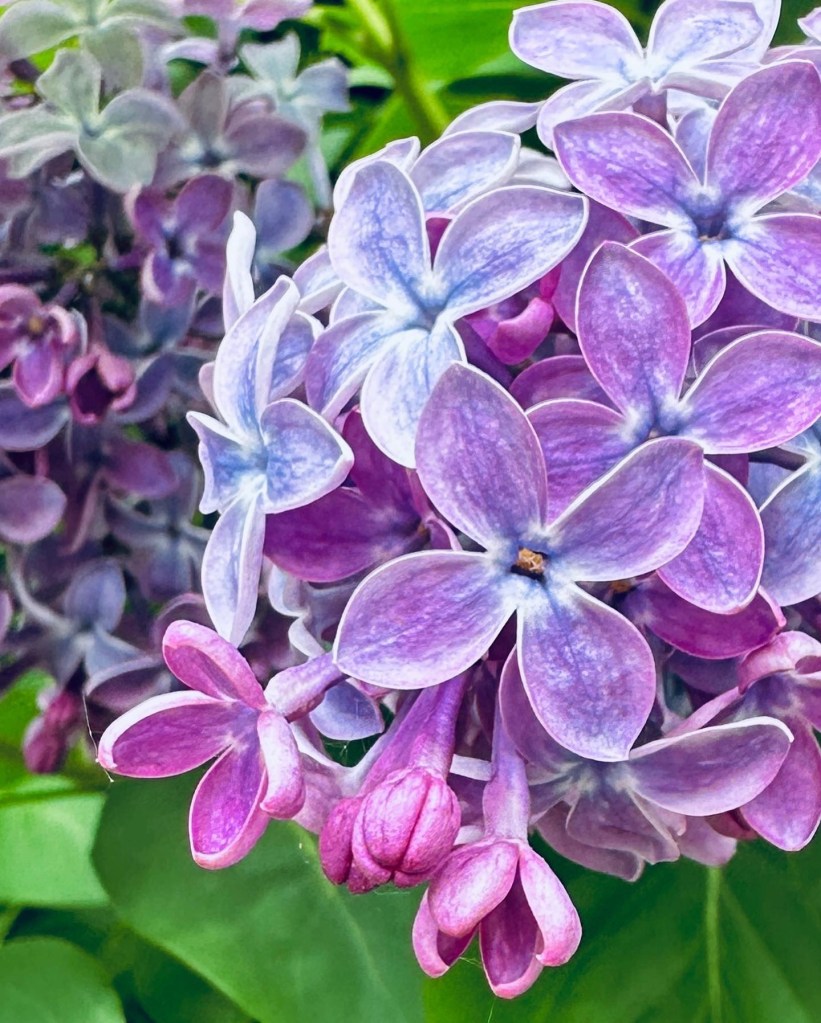
Lilac time
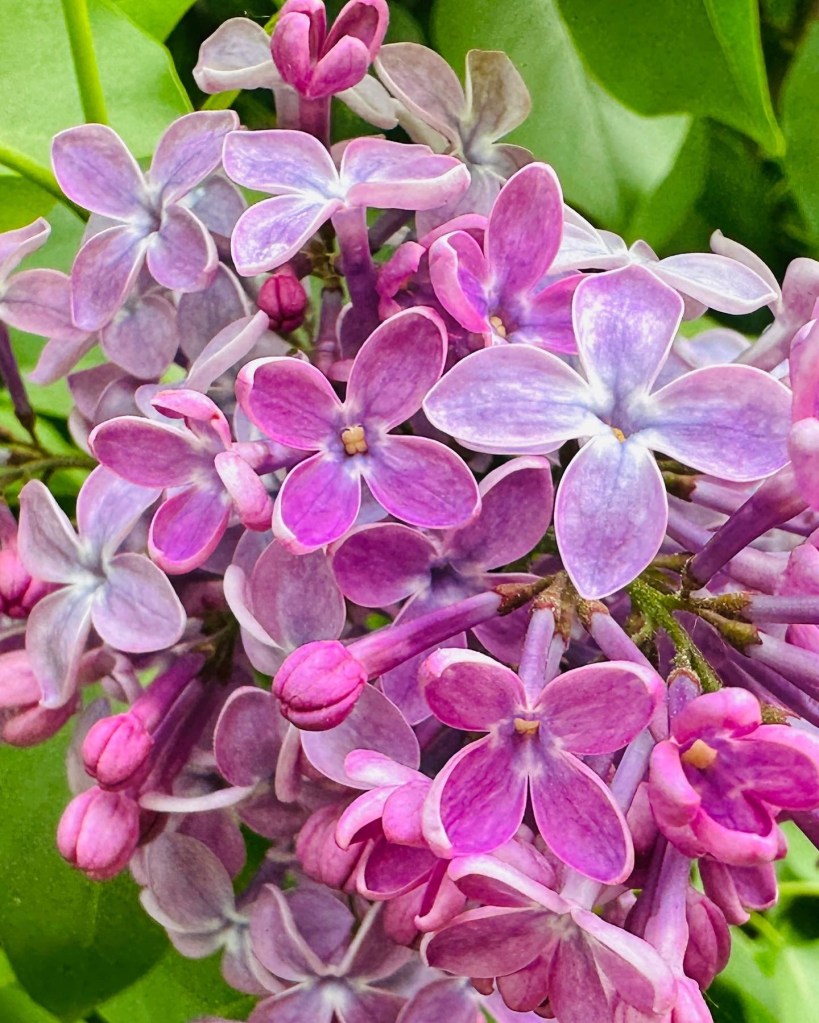
Posted for Cee’s Flower of the Day
I’m at my happy place, I can hear the birdsong, sound of the wind, bee’s buzzing in this so called place of silence. and smell scent of the Lily of the valley.
Lily of the valley (Convallaria majalis) is well known for its delicate bells and beautiful sweet scent. You’ll find lily of the valley throughout the northern hemisphere. Signifying the return of happiness, the plant is synonymous with the month of May, and it is indeed the birth flower for May.

Lily of the valley meaning
A symbol of purity, joy, love, sincerity, happiness and luck, lily of the valley . It’s actually the national flower of Finland, and in France, on 1st May for La Fête du Muguet, lily of the valleys are gifted to loved ones. This French custom dates back to the 16th century ) – symbolizing luck and happiness.

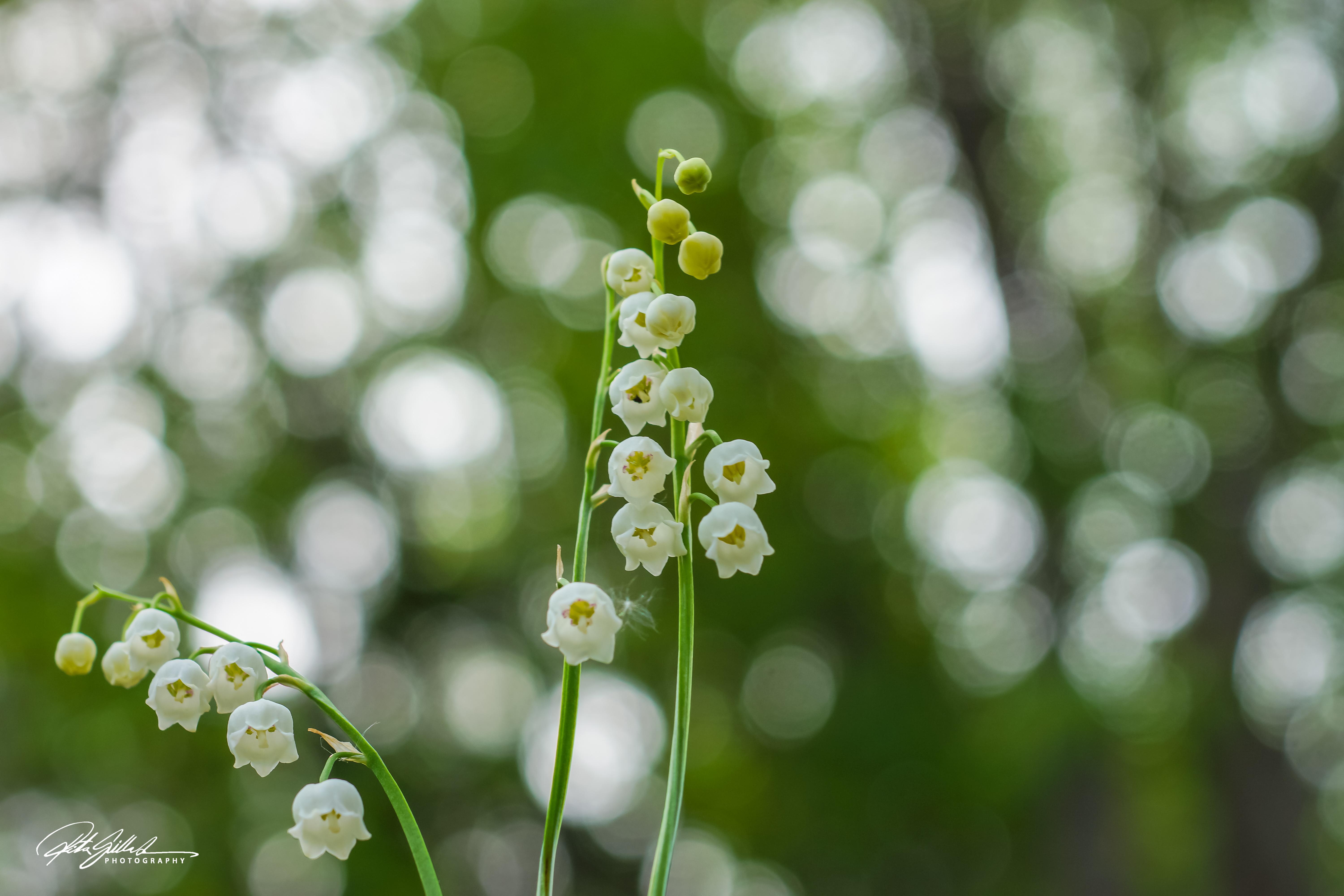
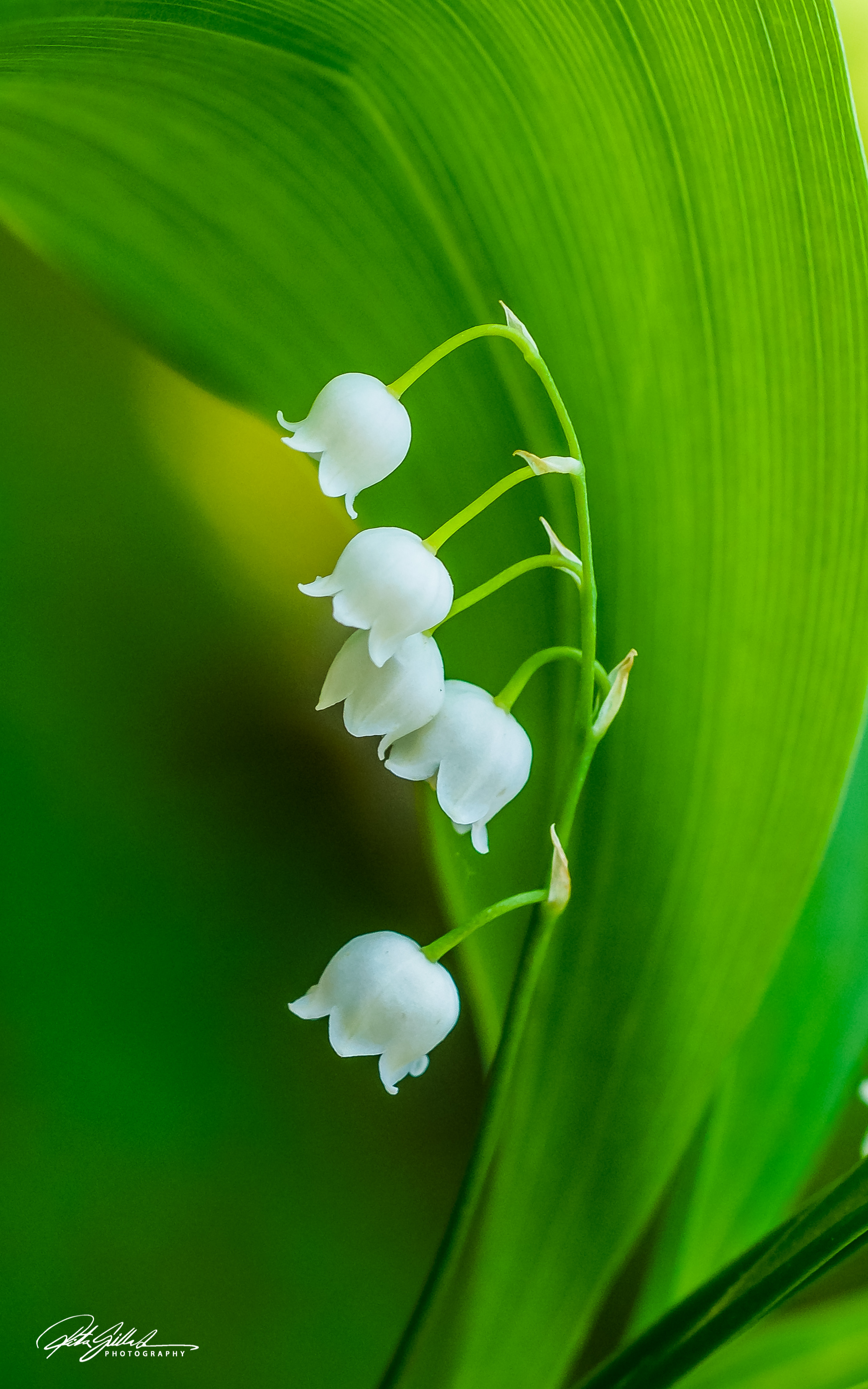
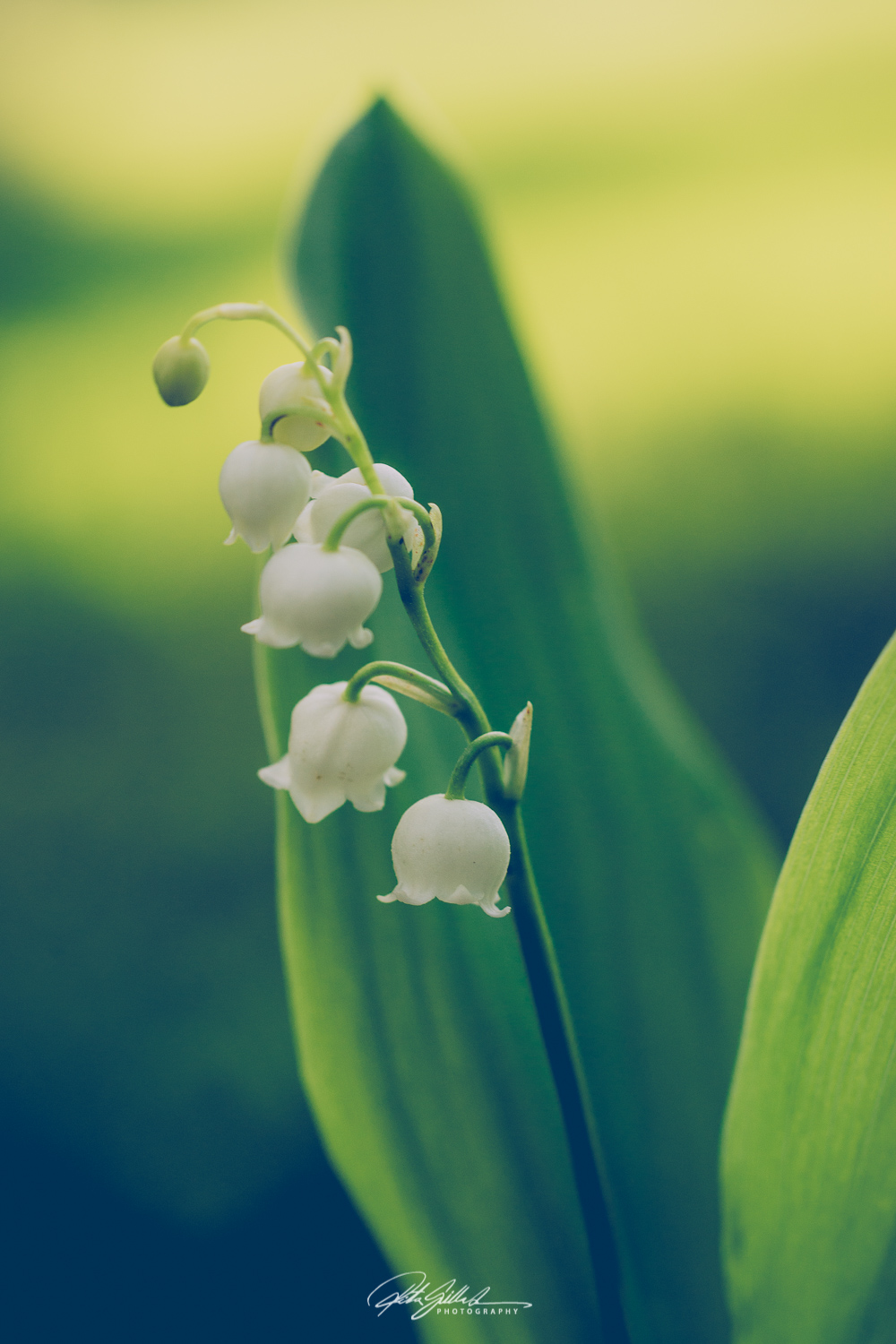
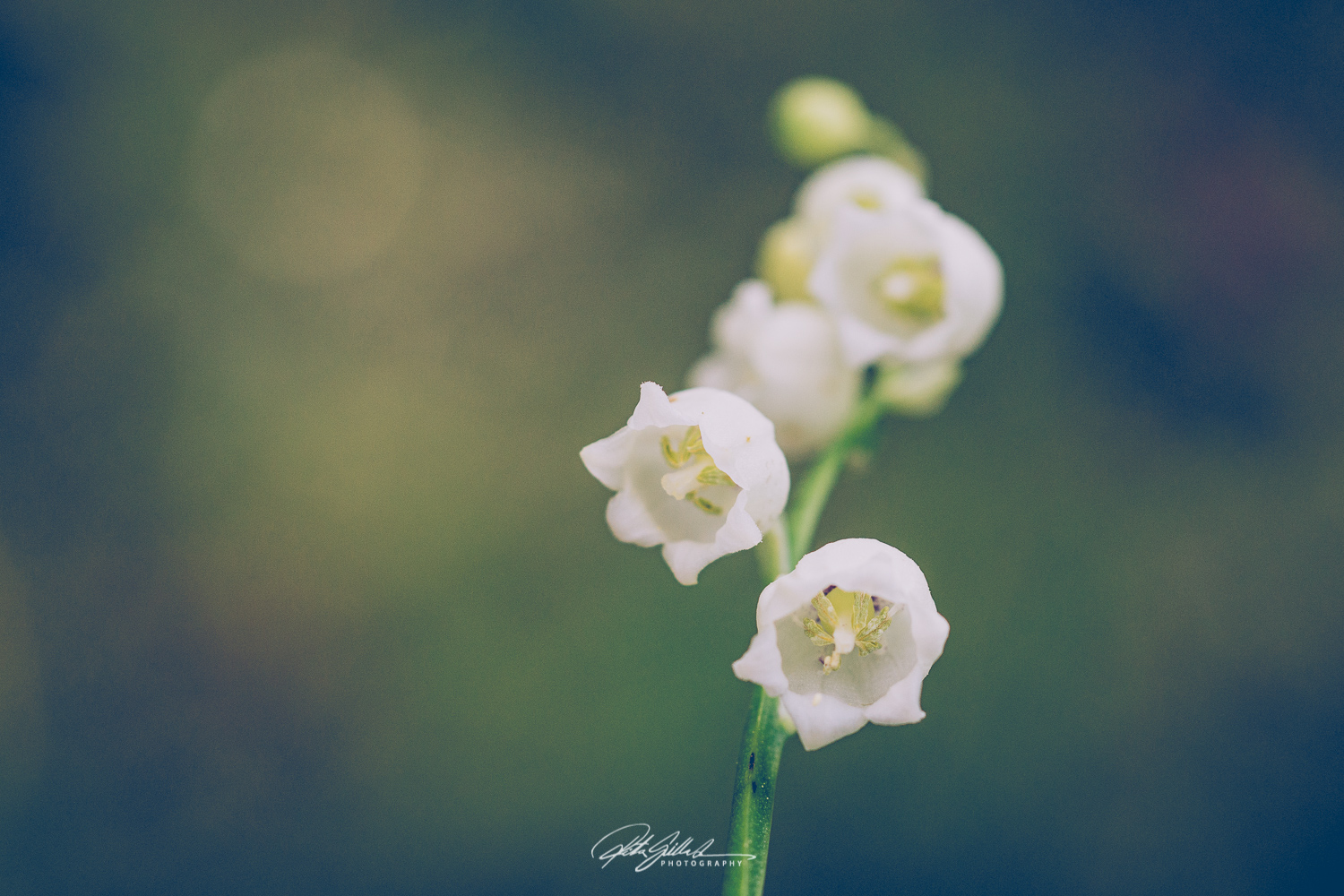

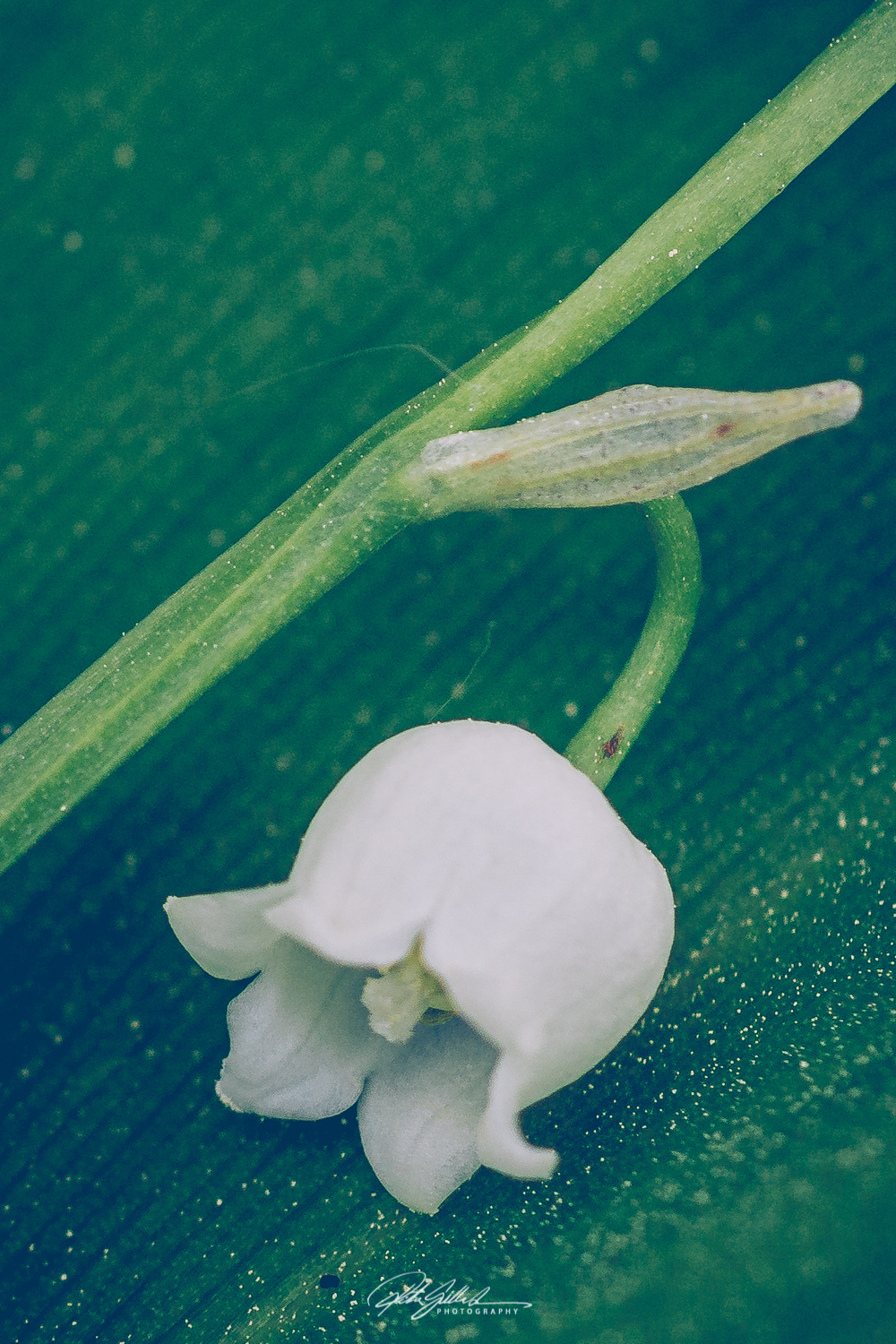

I’m at my happy place, I can hear the birdsong, sound of the wind, bee’s buzzing in this so called place of silence.
Blossoms…
Here are some signs of spring , the joy and the glory of nature. I had made up my mind not to take flower pictures as I have so many of them already, but I did anyways.
Apple tree blossoms are in full bloom at the moment, what a glorious sight


For Cee´s Flower of the Day.
I’m at my happy place, I can hear the birdsong, sound of the wind, bee’s buzzing in this so called place of silence.
The variations of green…gotta to love it.
Here are some signs of spring , the joy and the glory of nature. I had made up my mind not to take flower pictures as I have so many of them already, but I did anyways. Cherry tree blossoms…well got to love them


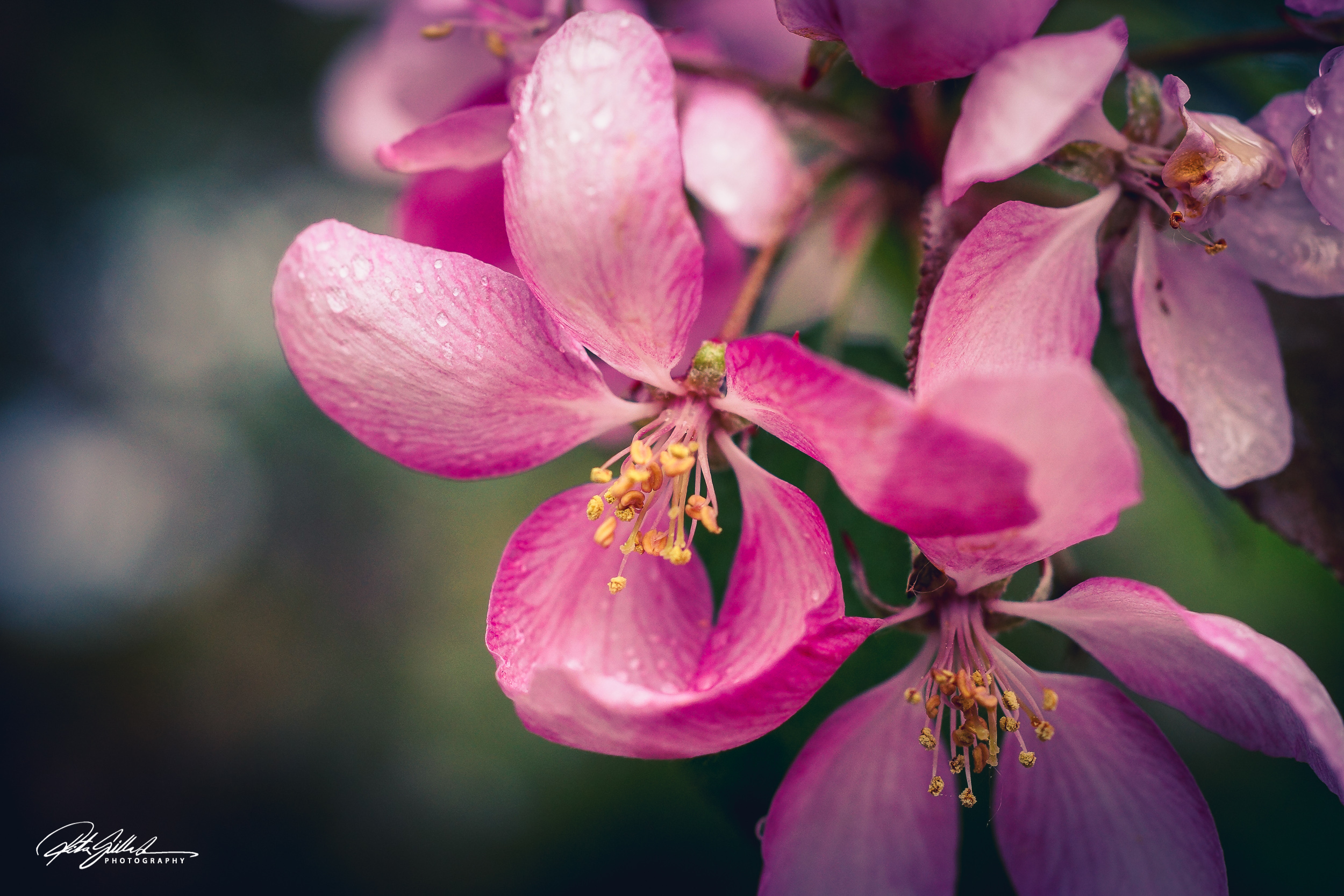
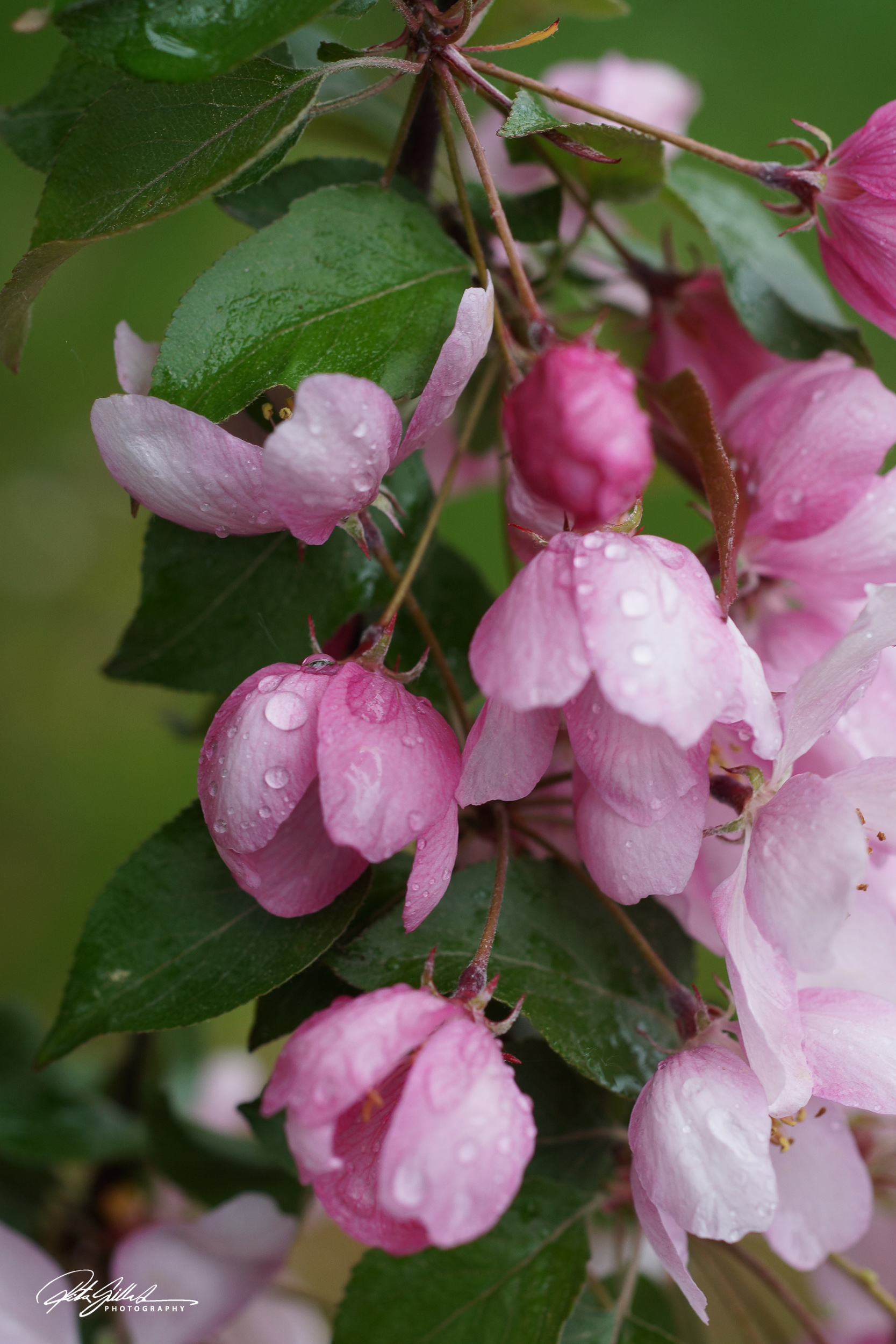
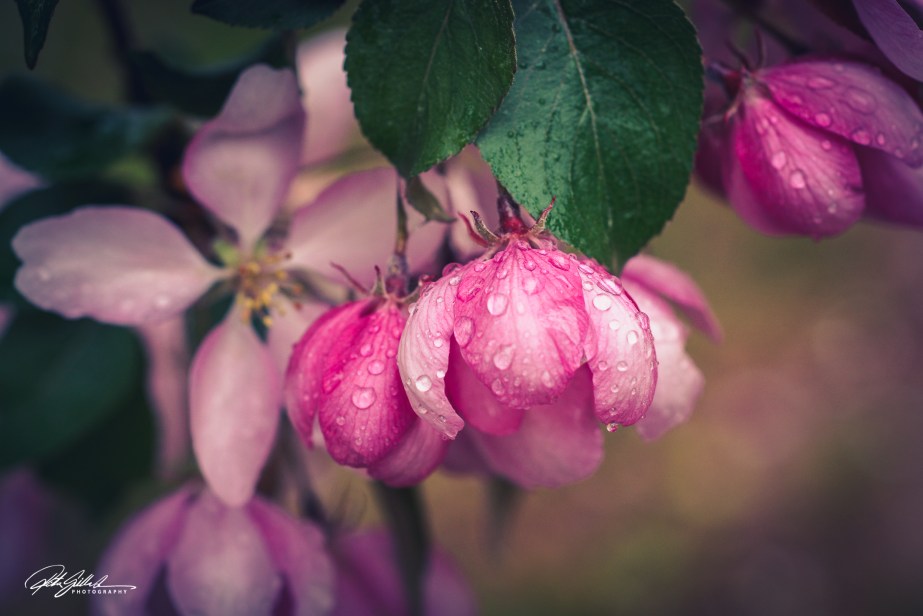
Submitted for Cee’s Flower of the Day AND Nature Photo Challenge #14
I’m at my happy place, I can hear the birdsong, sound of the wind, bee’s buzzing in this so called place of silence.
The variations of green…gotta to love it.
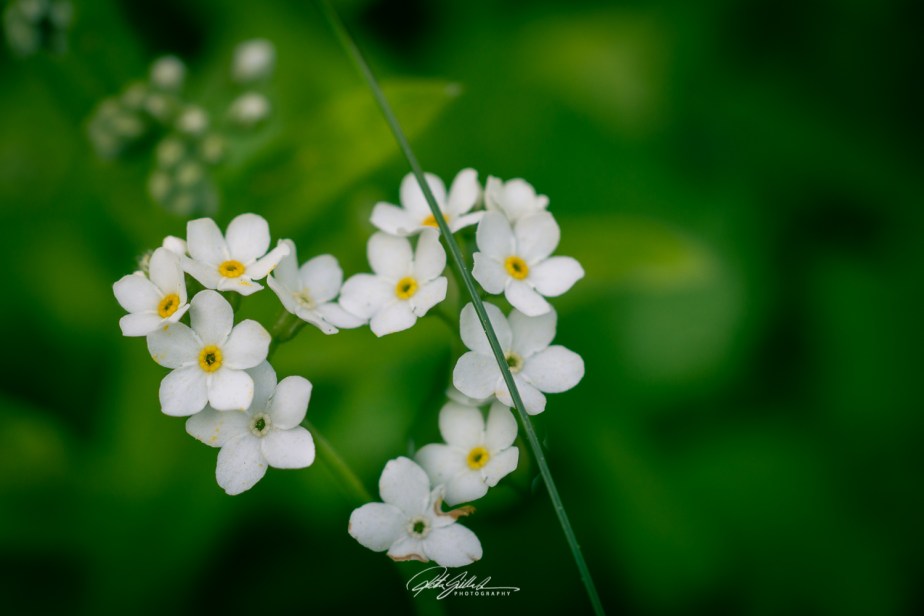
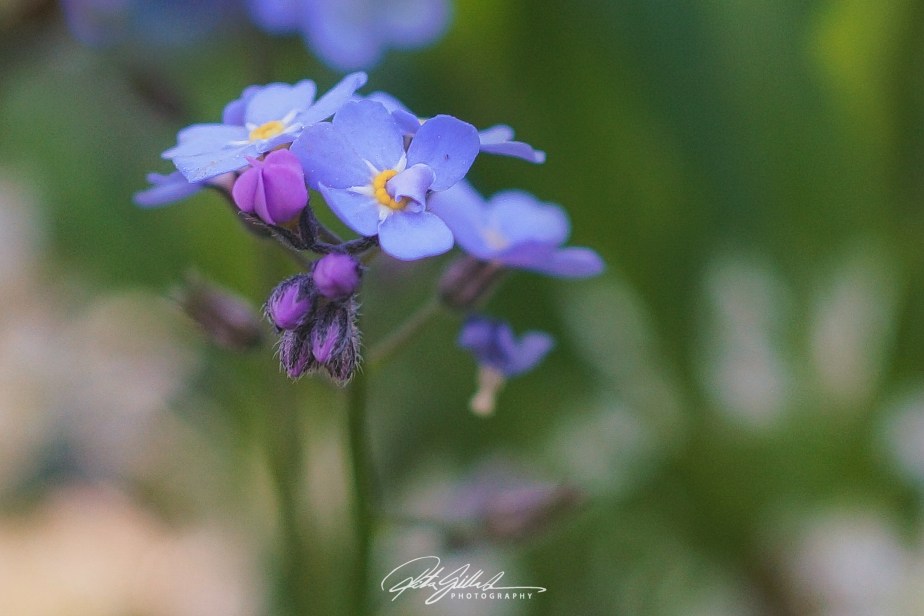
Here are some signs of spring , the joy and the glory of nature. I had made up my mind not to take flower pictures as I have so many of them already, but I did anyways. Forget me not – I did not forget these tiny little wonders
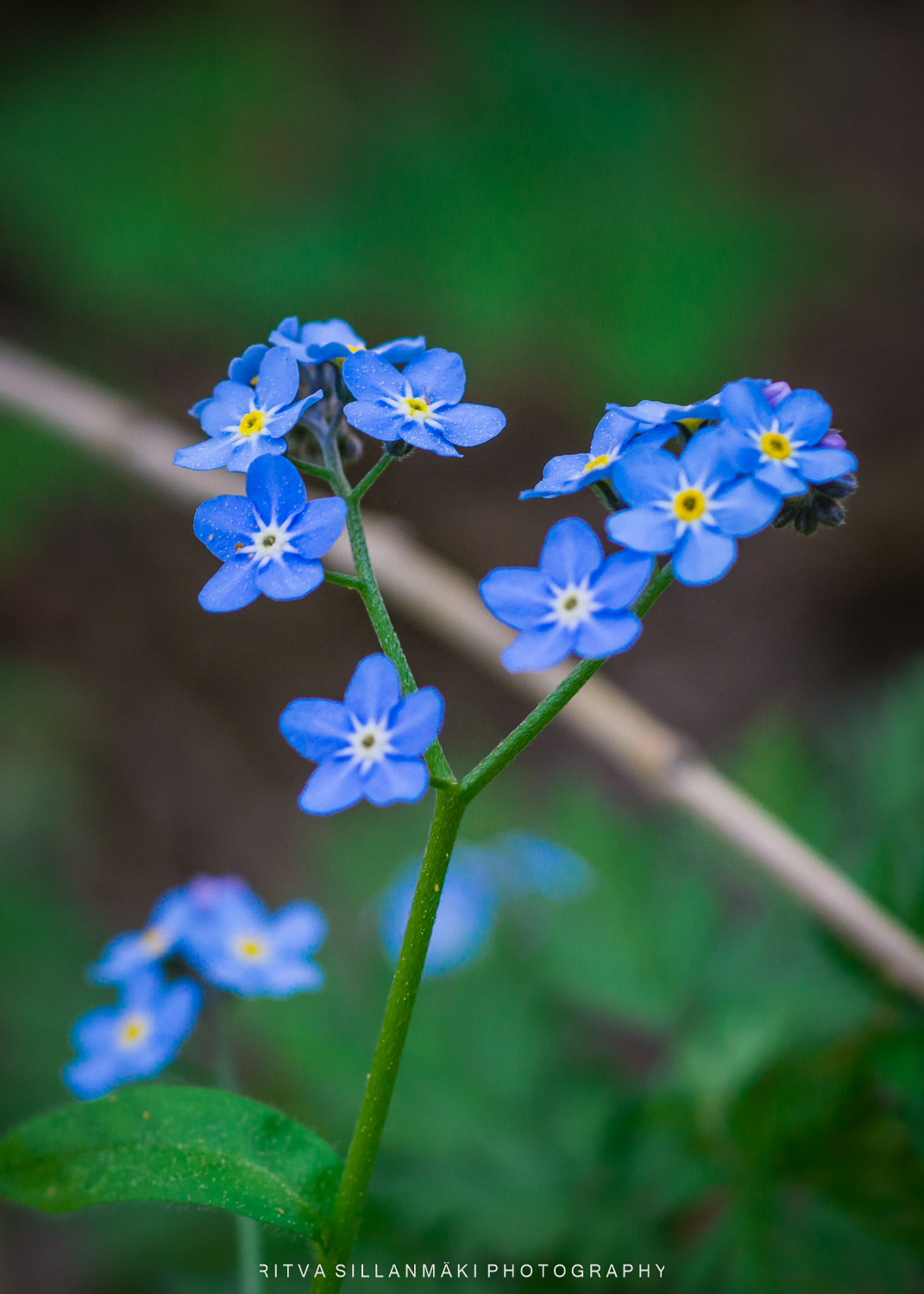


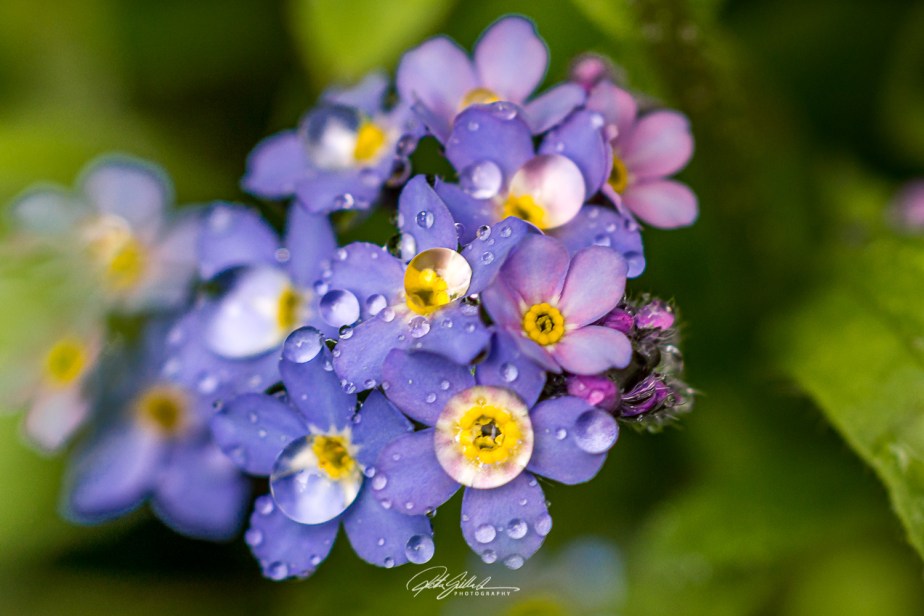
Submitted for Cee’s Flower of the Day.
I’m at my happy place, I can hear the birdsong, sound of the wind, bee’s buzzing in this so called place of silence.
The variations of green…gotta to love it.
Here are some signs of spring , the joy and the glory of nature

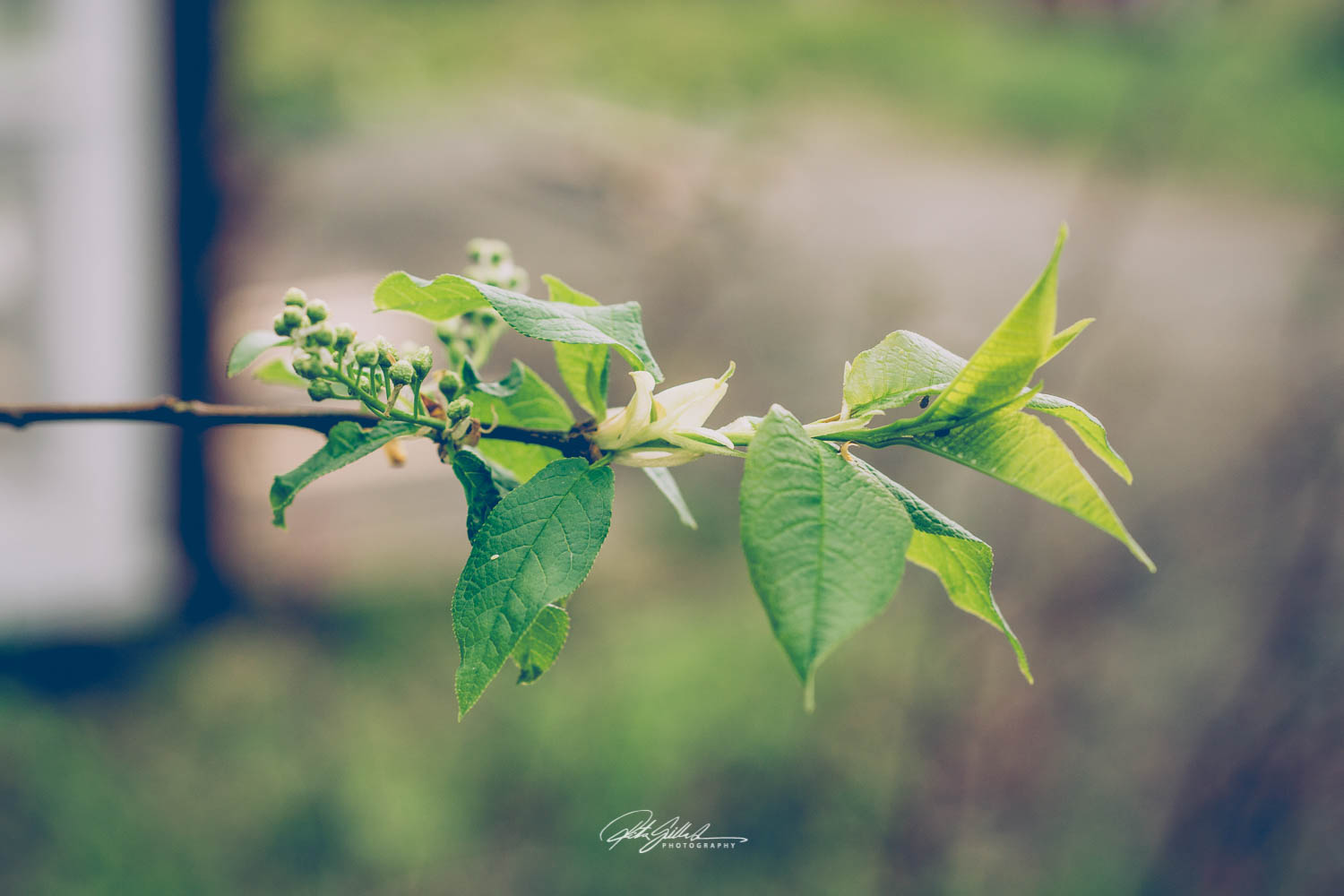


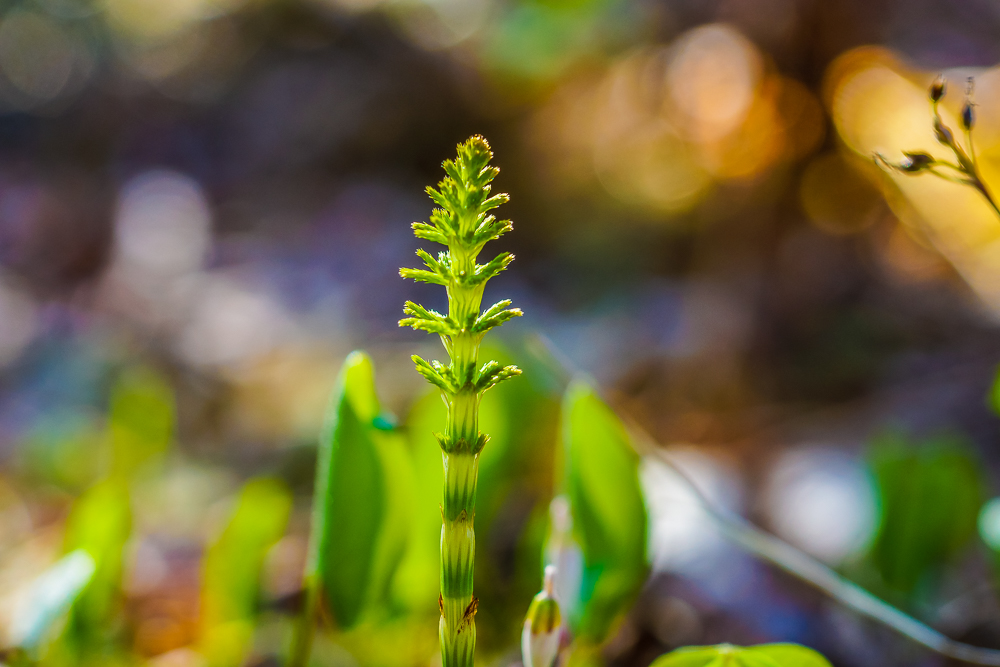


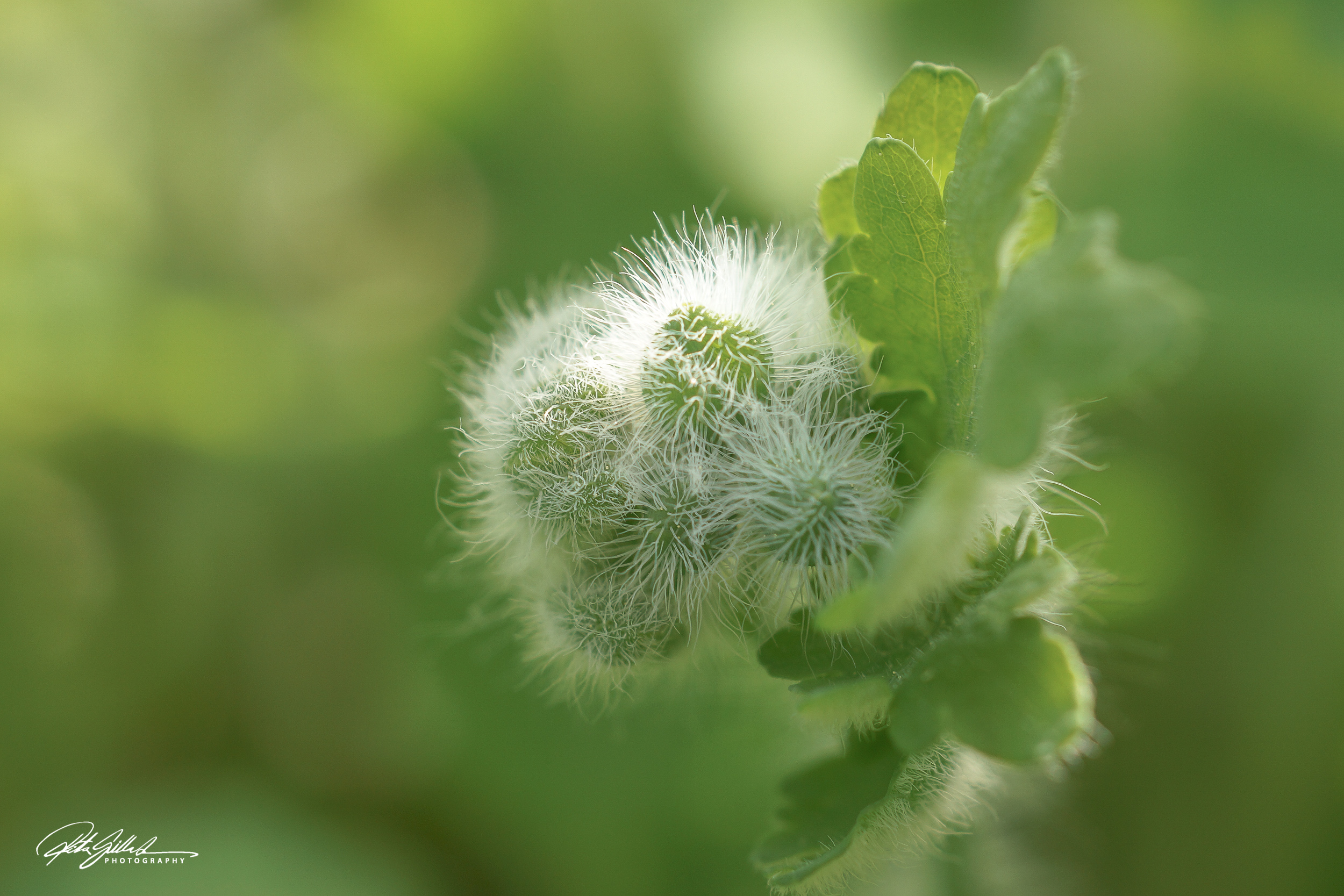

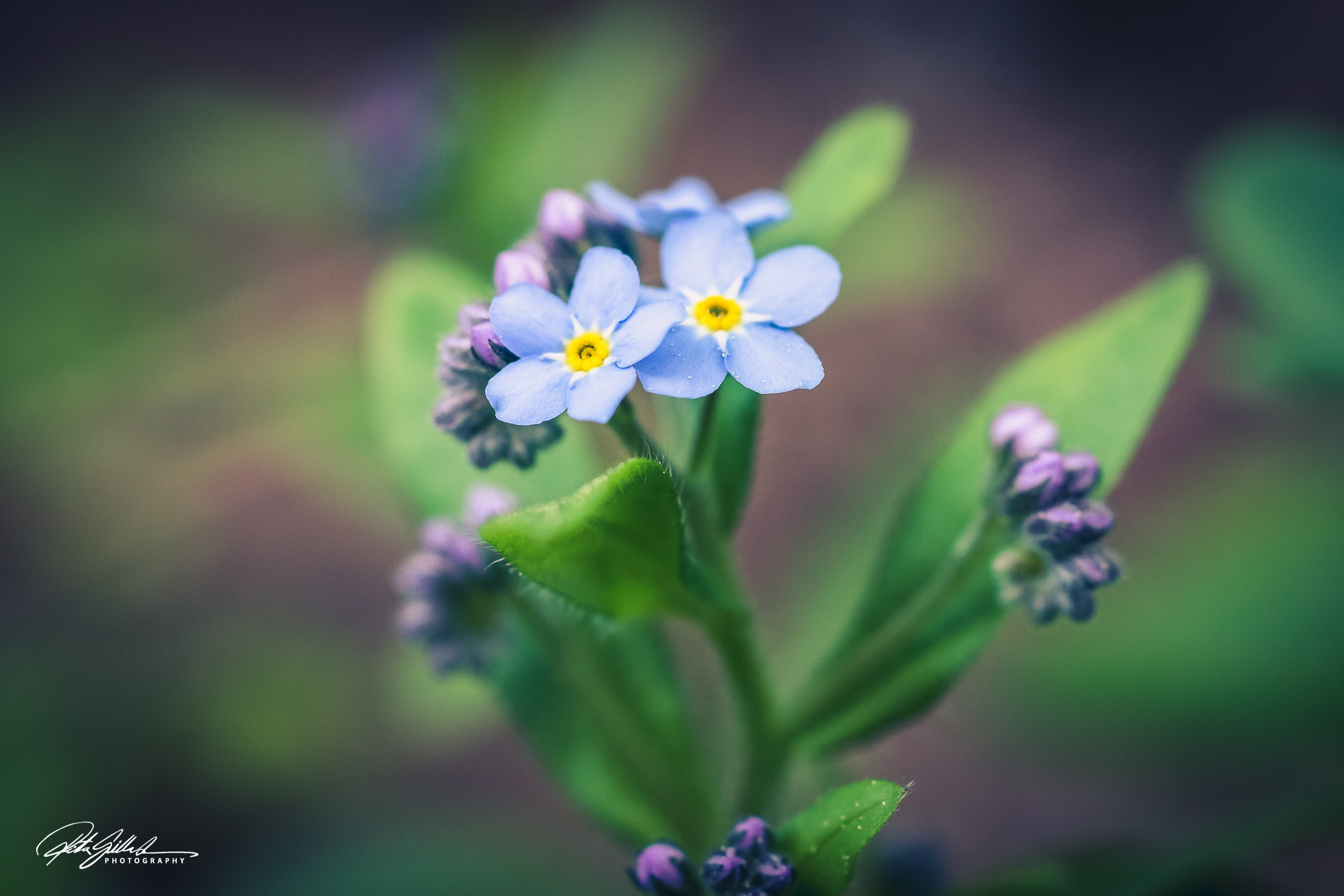


Posted for Cee’s Flower of the Day
Flowers from my archive’s and camera roll.
Something different, shaken and stirred .
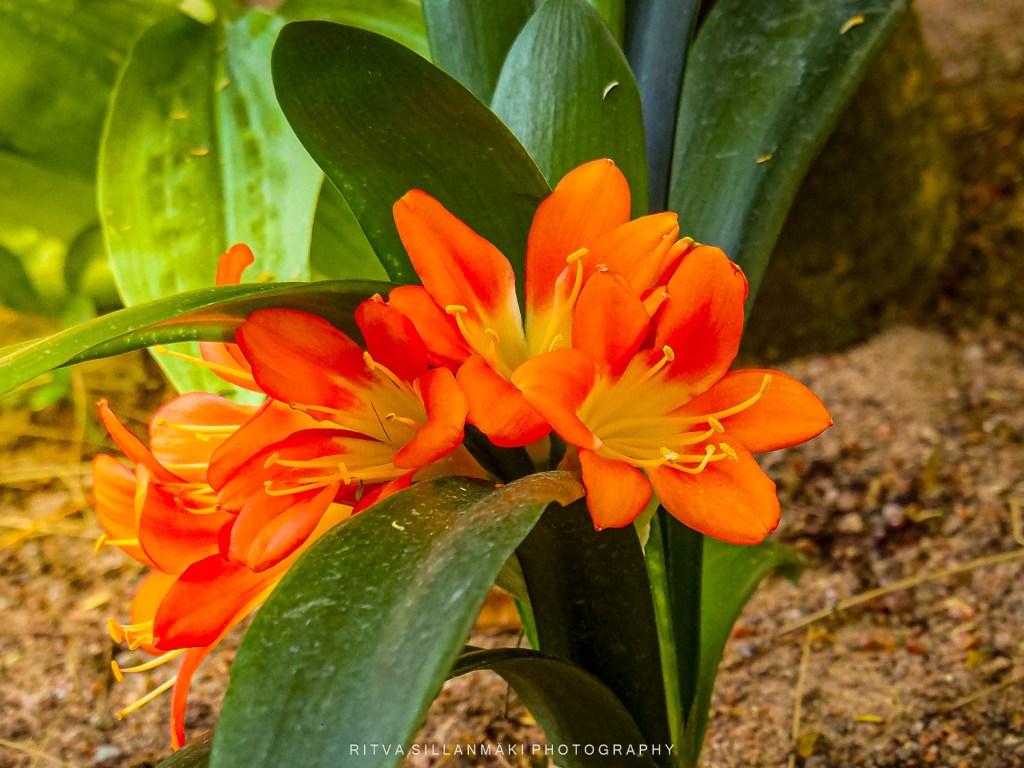
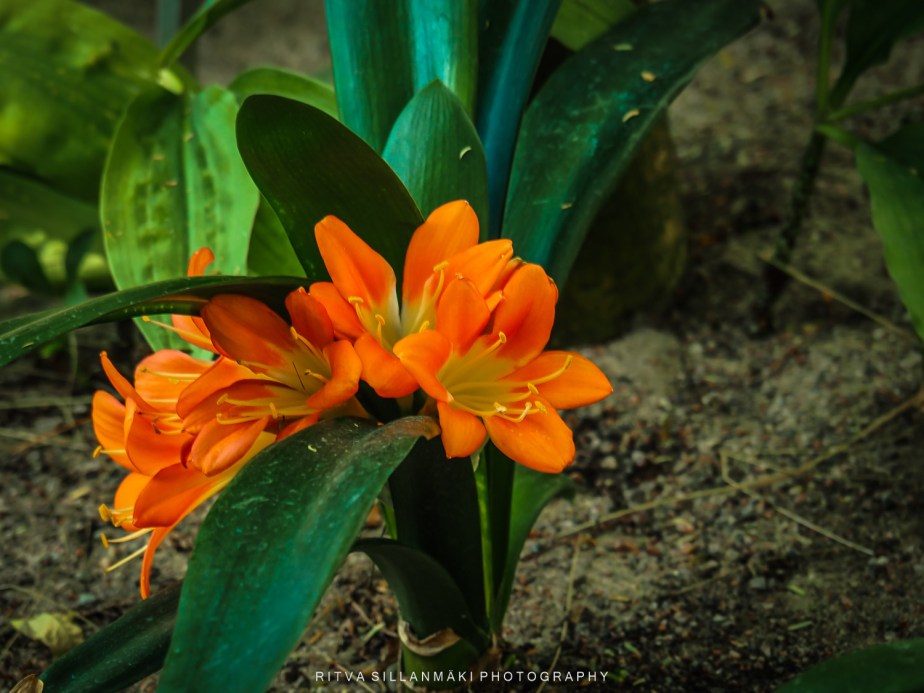
Photographs were taken at the Botanical Garden in Helsinki, and I do not remember the name of the flower. It is pretty, it is orange and that’s all good.

Posted for Brens Floral Friday – For Cee’s Flower of the Day.












 Ritva Sillanmäki Photography