
We arrived at Peterborough around 2 and our accommodations were ready. To my surprise we
stayed in a house owned by elderly gentleman named Jim. Somehow, I was expecting motel again.
His house was split in half and this pleasant fellow lived in the other half of the house. After arriving fairly early we had plenty of time start exploring the area. We managed to visit Bay of
Islands, Bay of Martyrs and The Grotto.
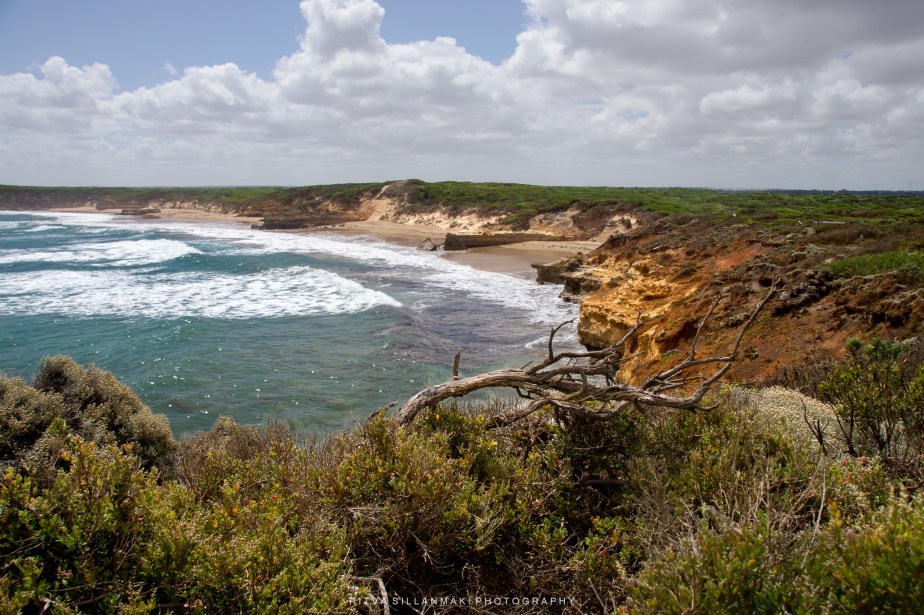
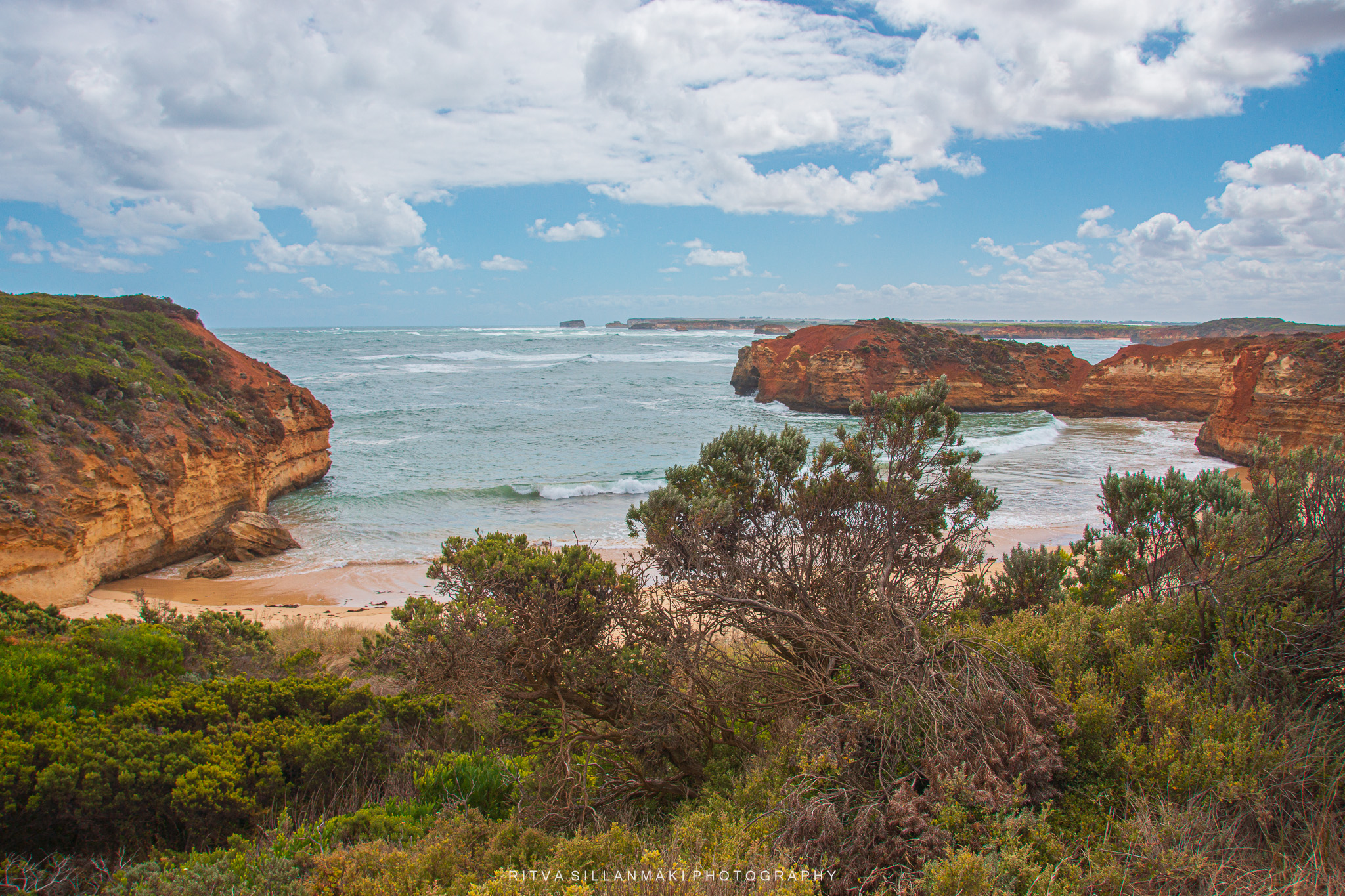
Bay of Islands Coastal Park is part of an Aboriginal cultural landscape. The Southern Ocean has carved a stunning collection of rock stacks and sheltered bays with and small beach coves near Peterborough. This one was nearest to us and our first stop.
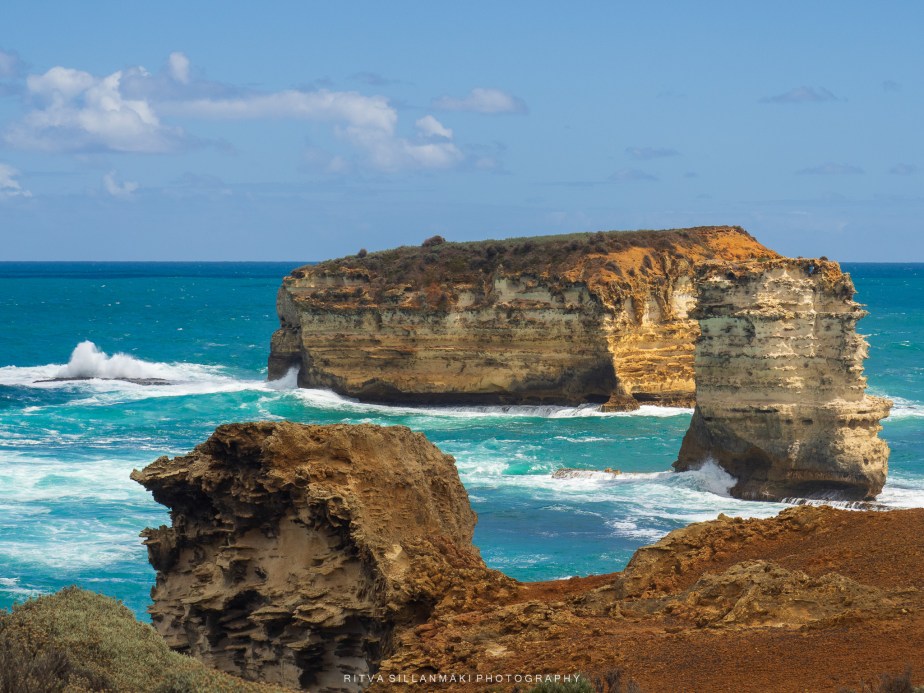
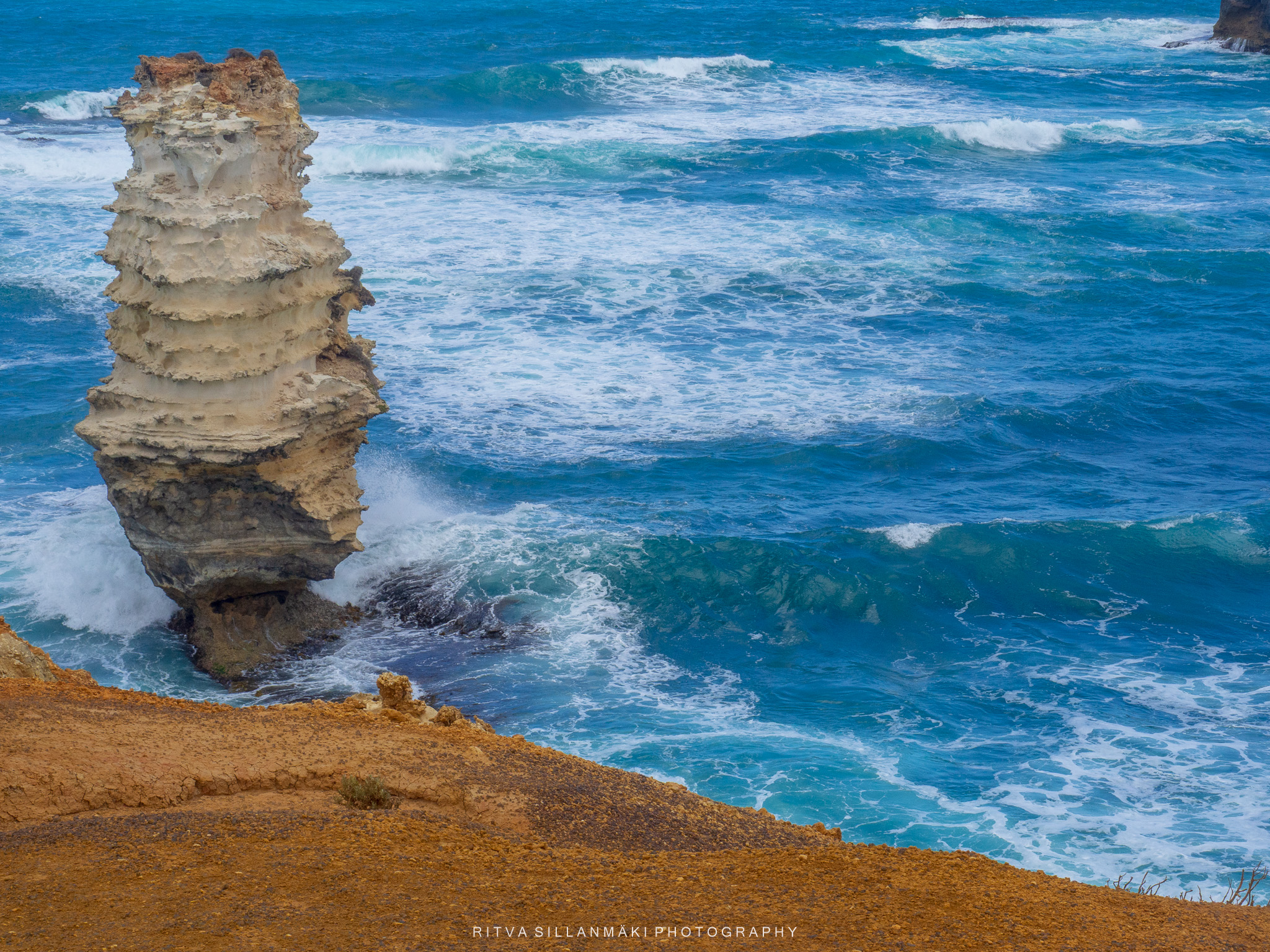
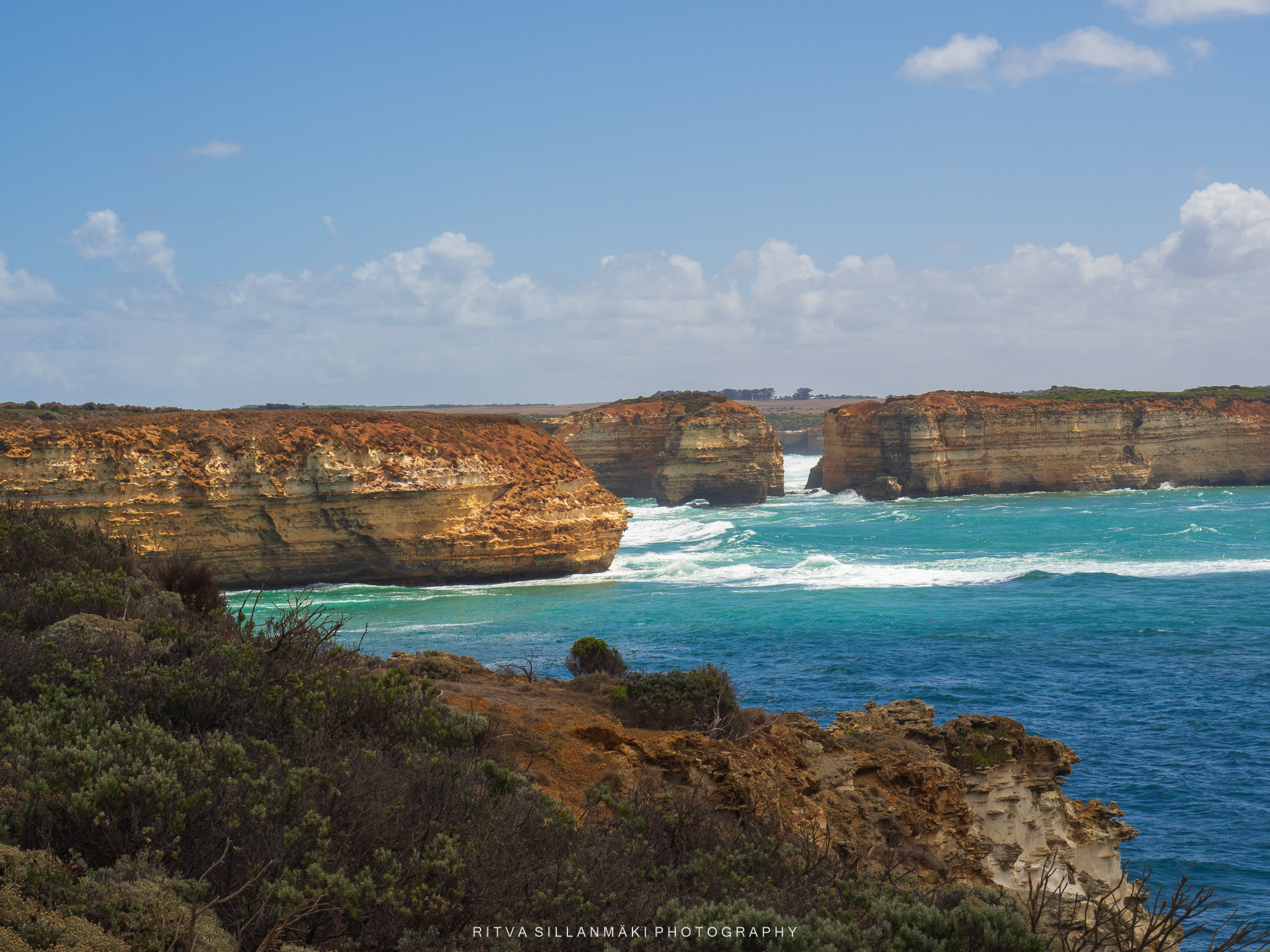
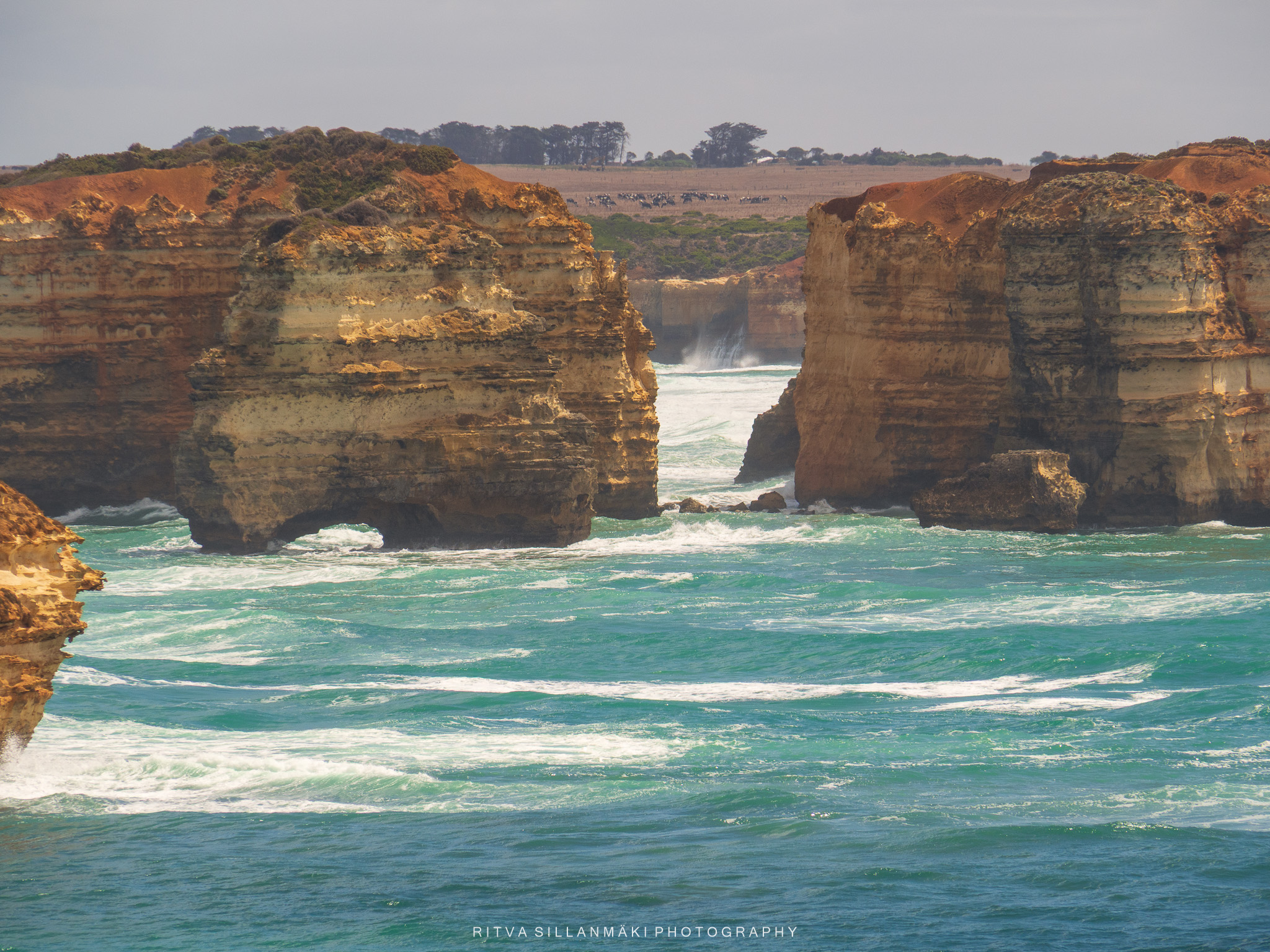
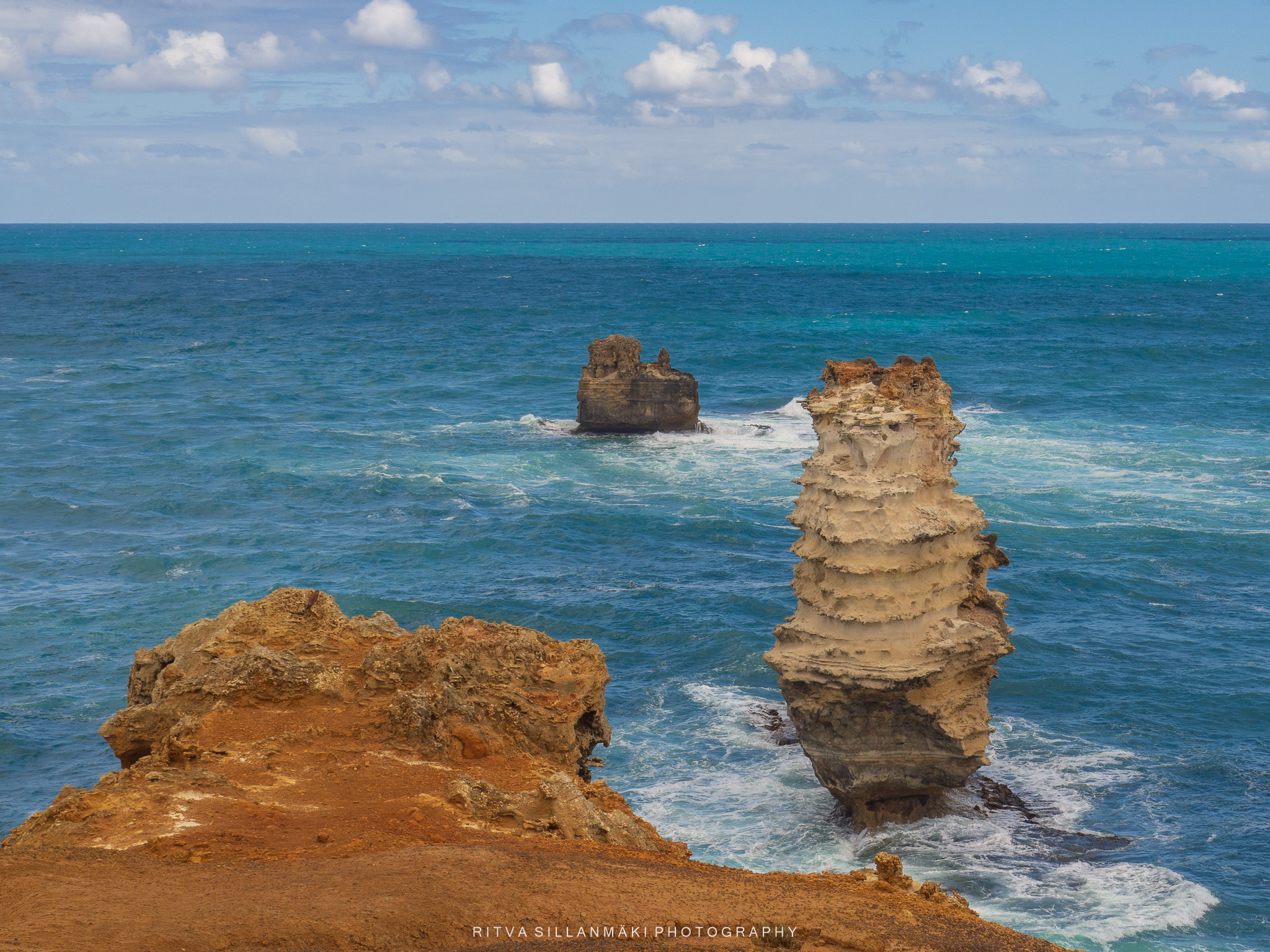
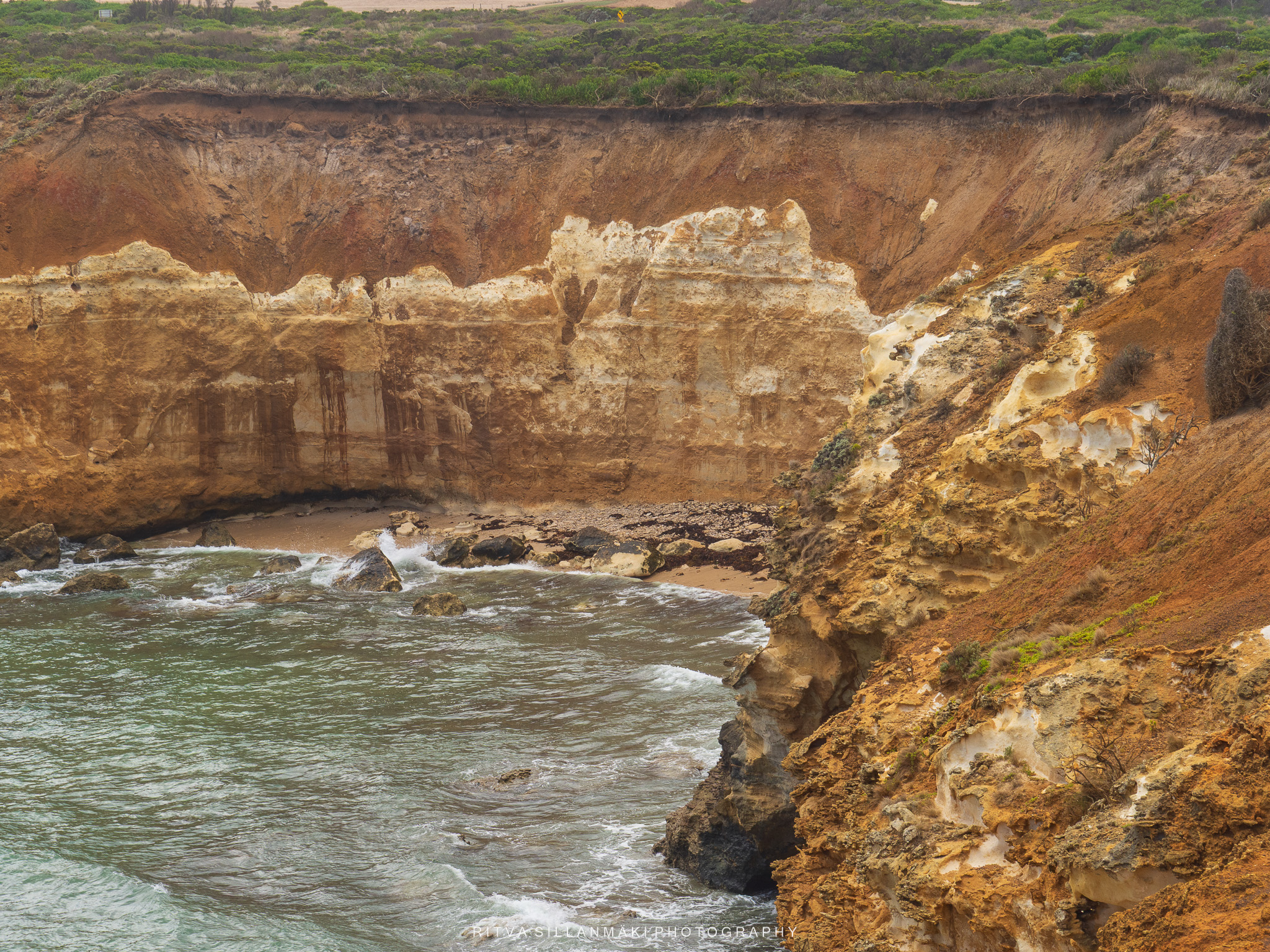
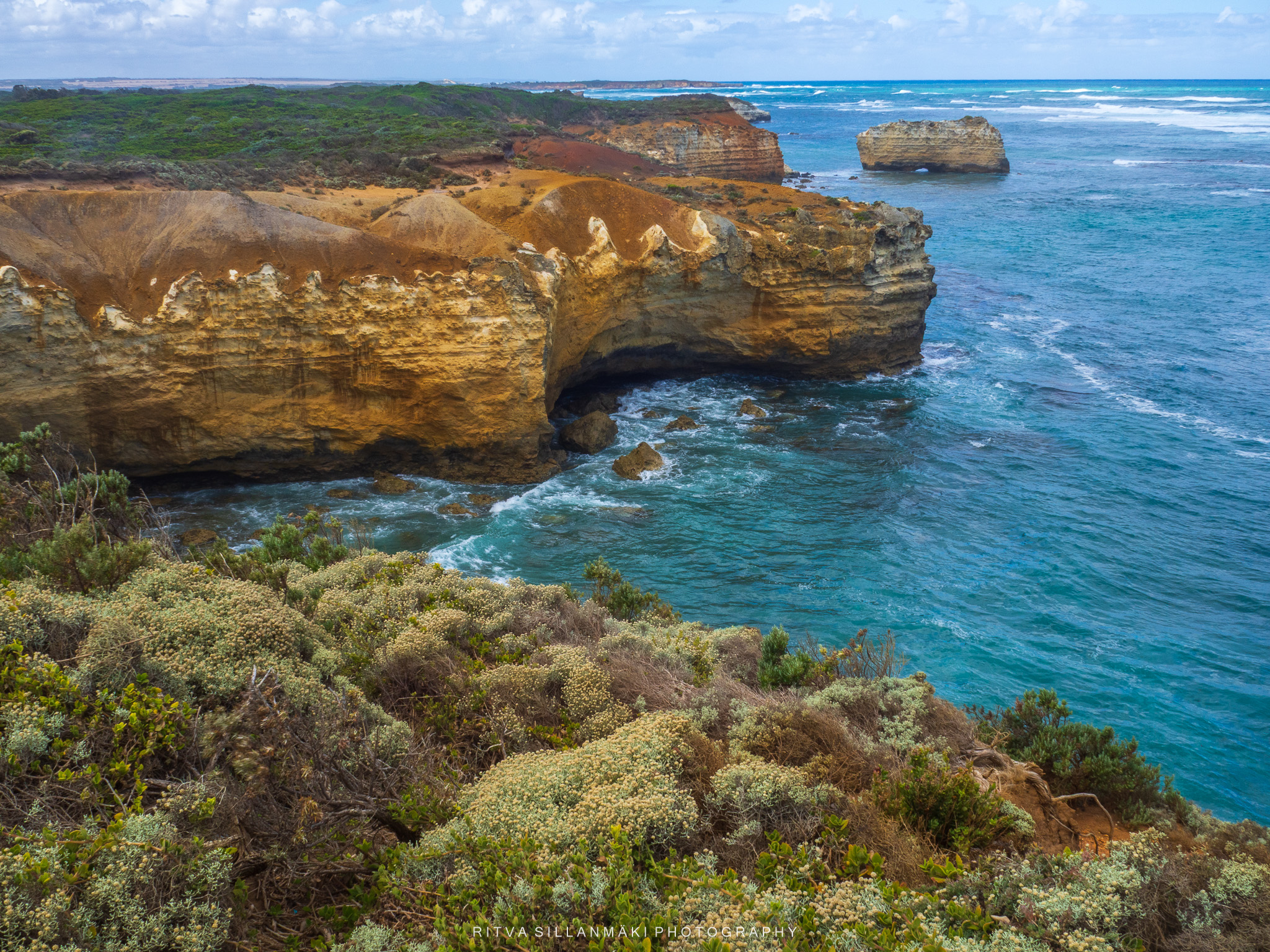
Bay of Martyrs. According to local legends, it got its name from a pretty brutal showdown between the Kirrae-Wurrong people and the early European settlers. This clash, which some folks call the “Bay of Martyrs,” resulted in the tragic loss of many Indigenous lives and is crucial in understanding the area’s colonial past. The cliffs surrounding the bay are a reminder of that tough time, showing the lasting impact of colonization on the land and its original peoples.
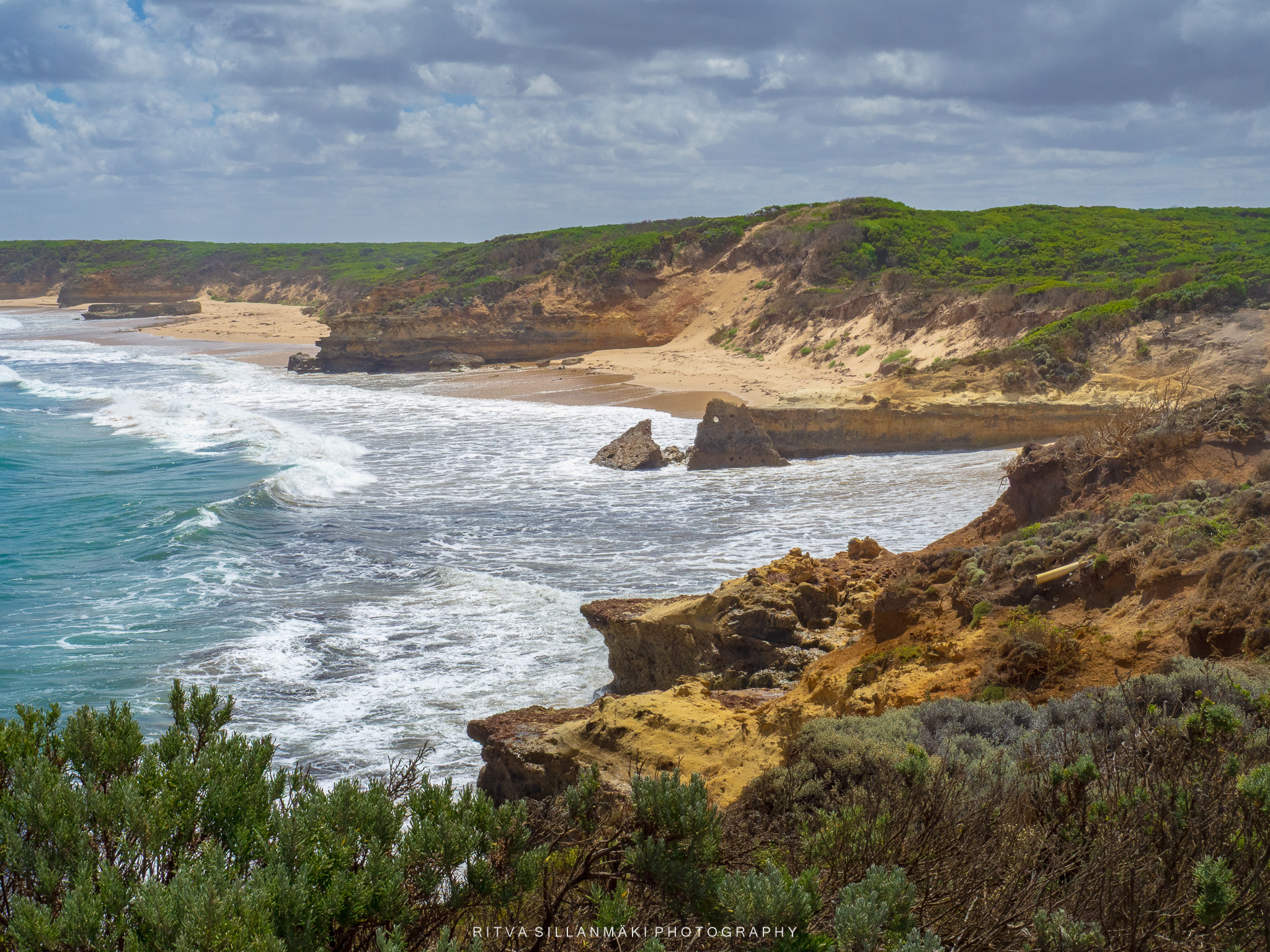
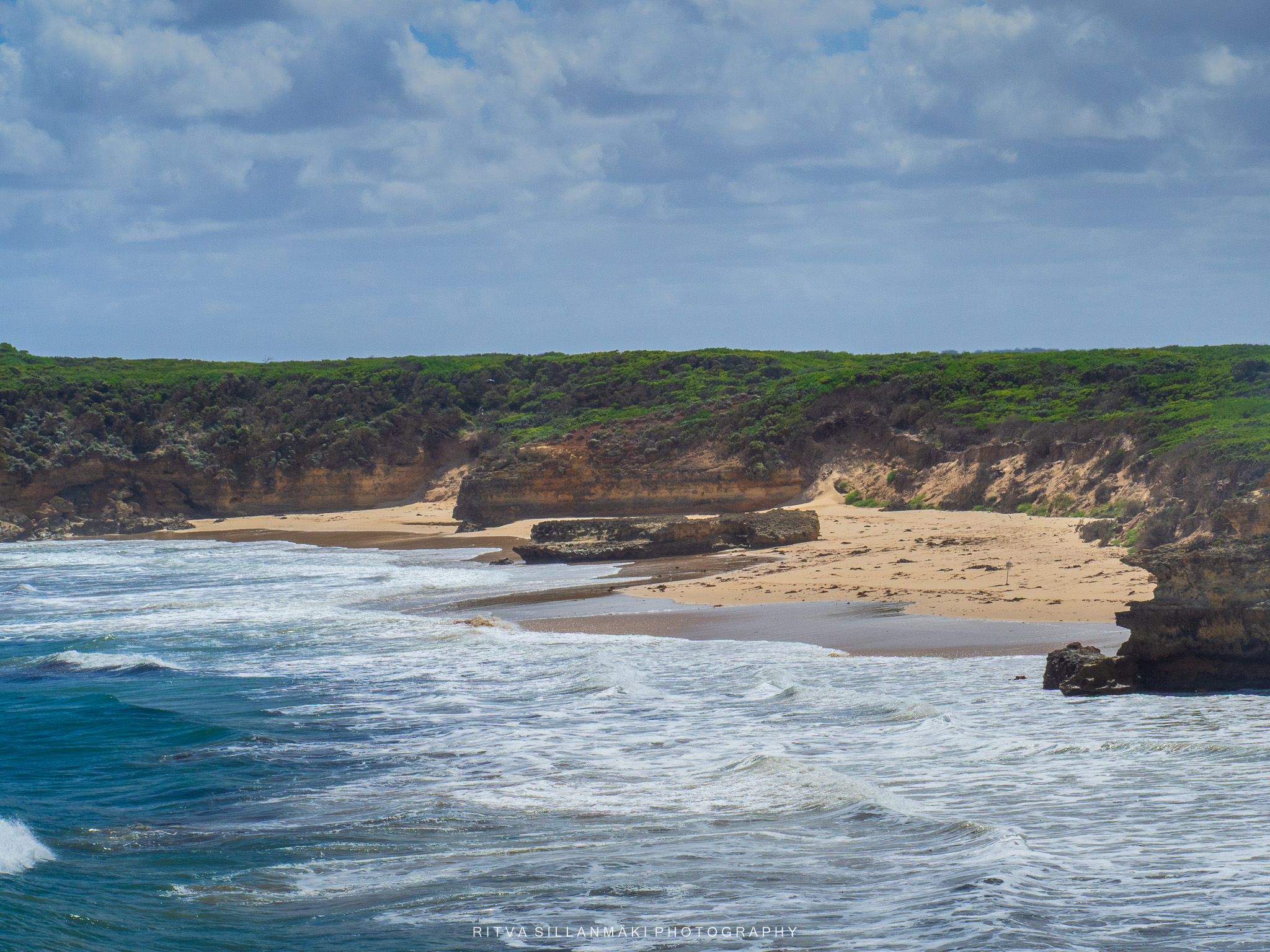
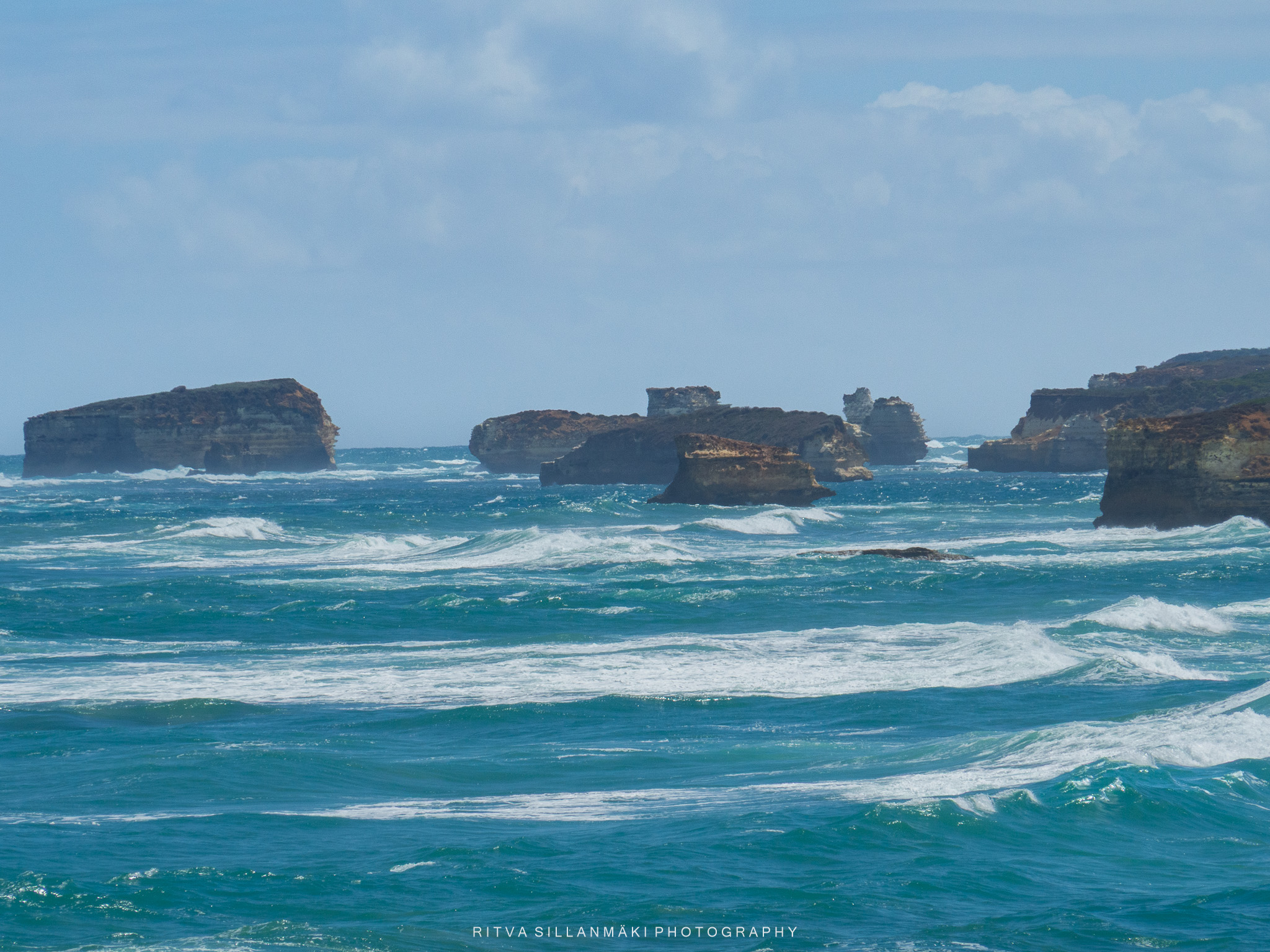
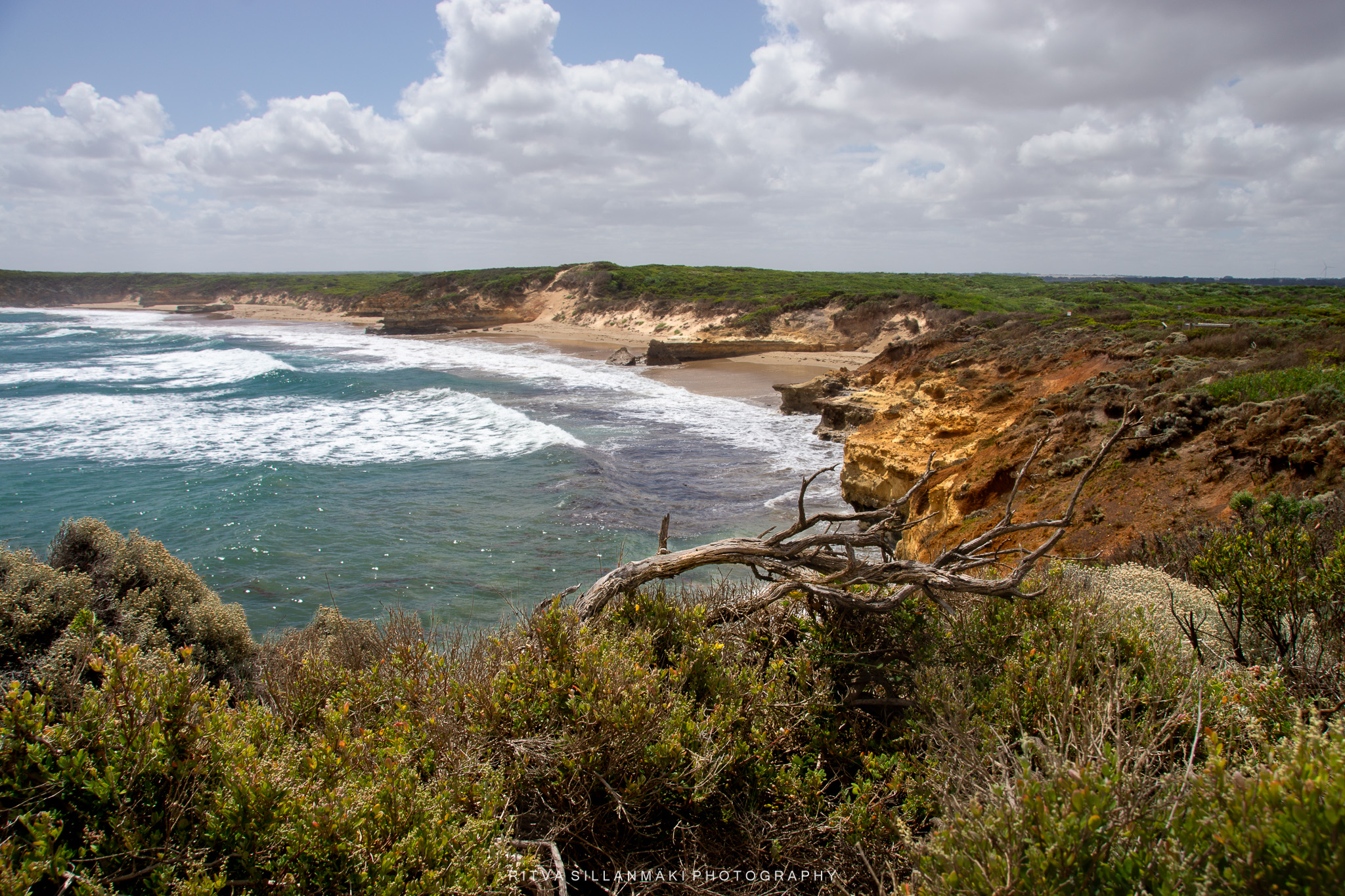
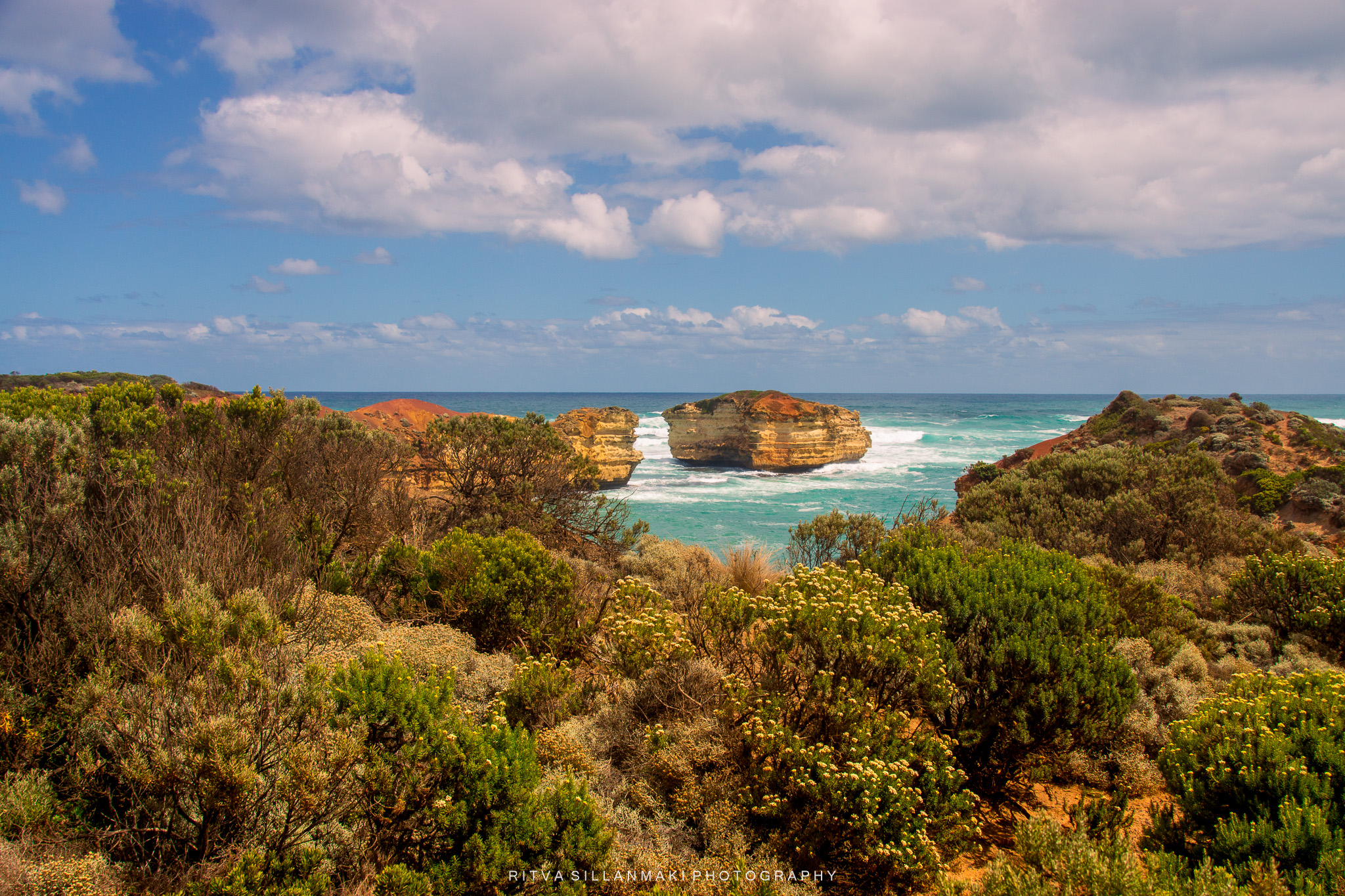
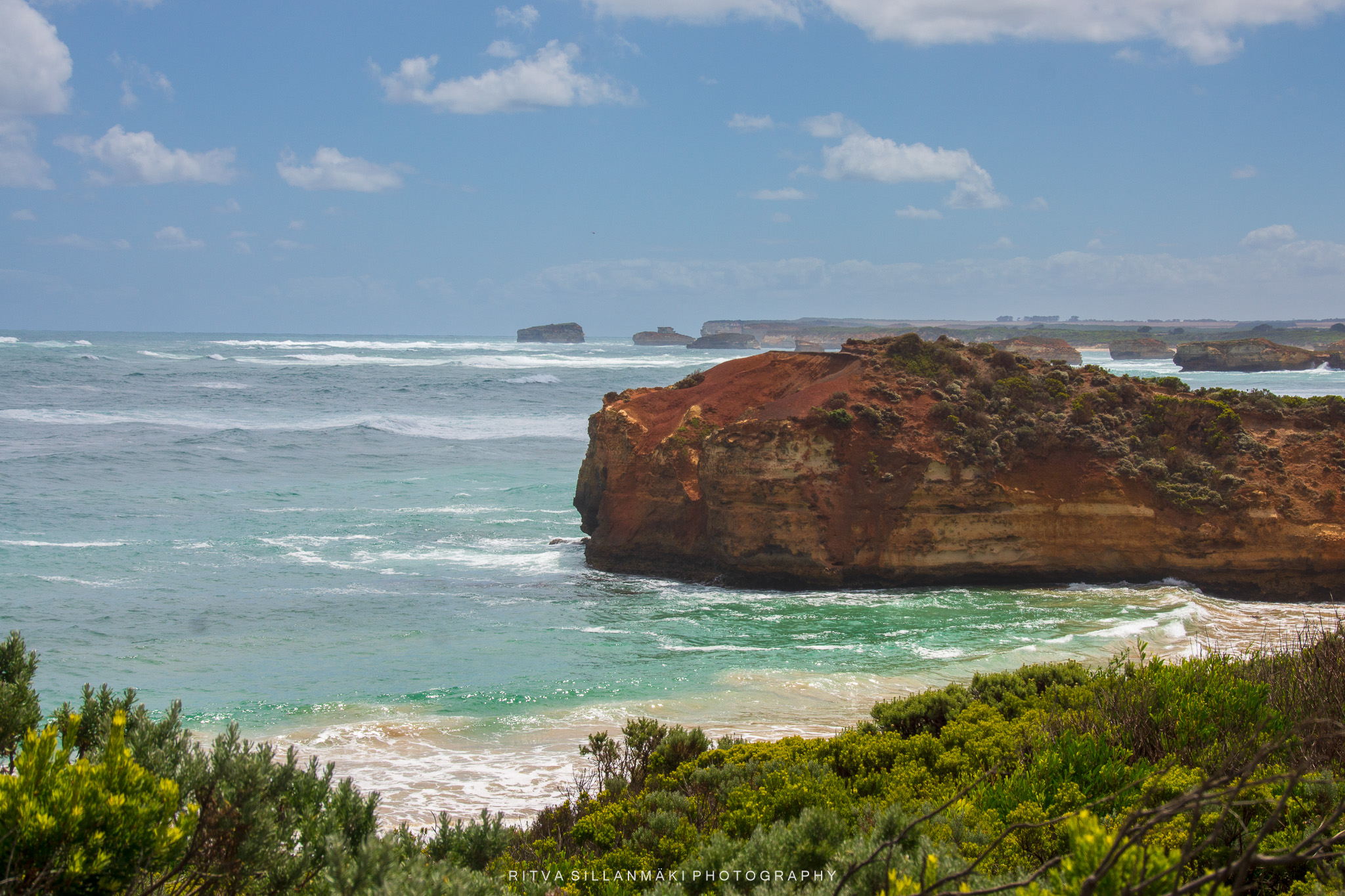
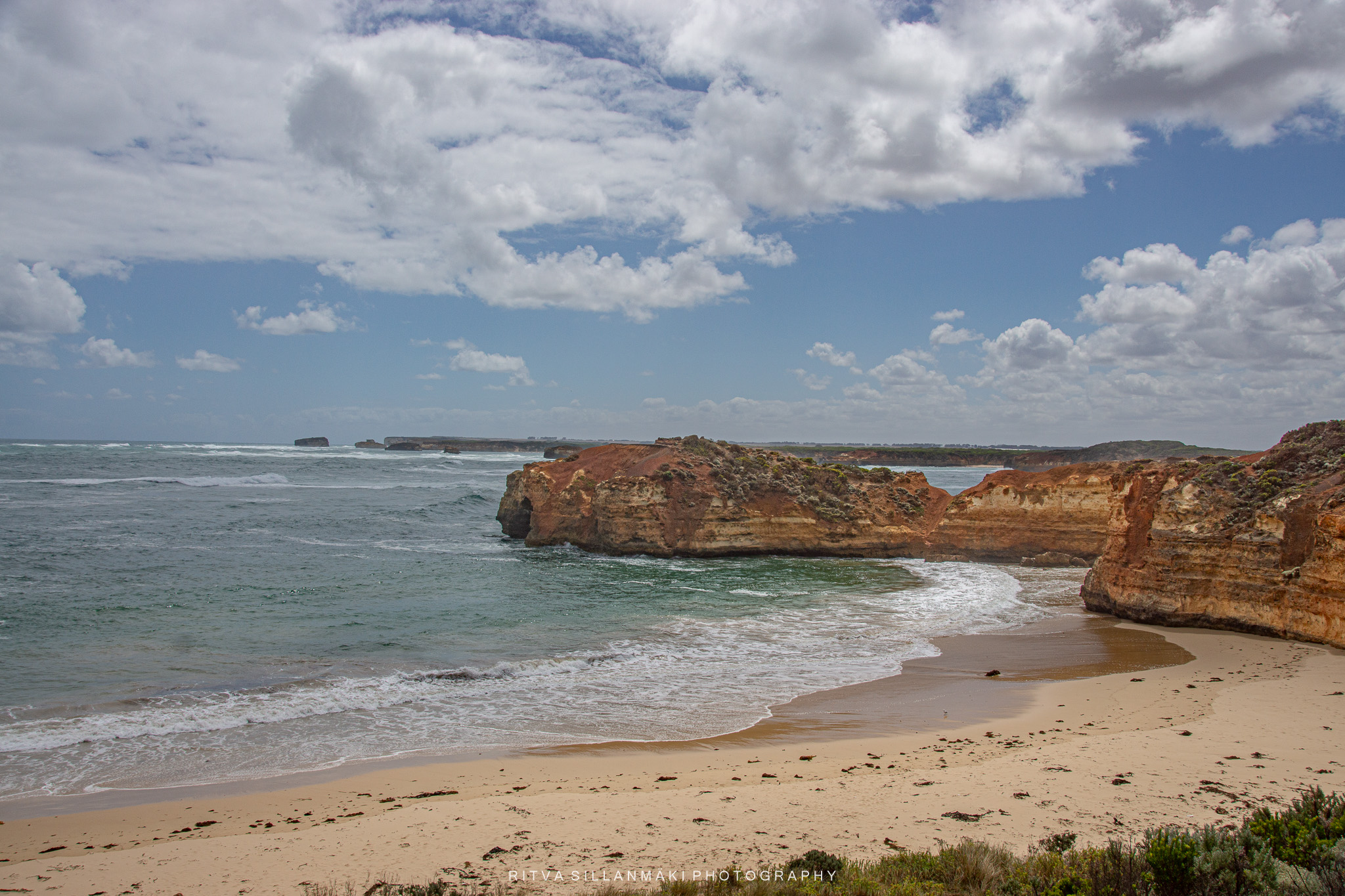
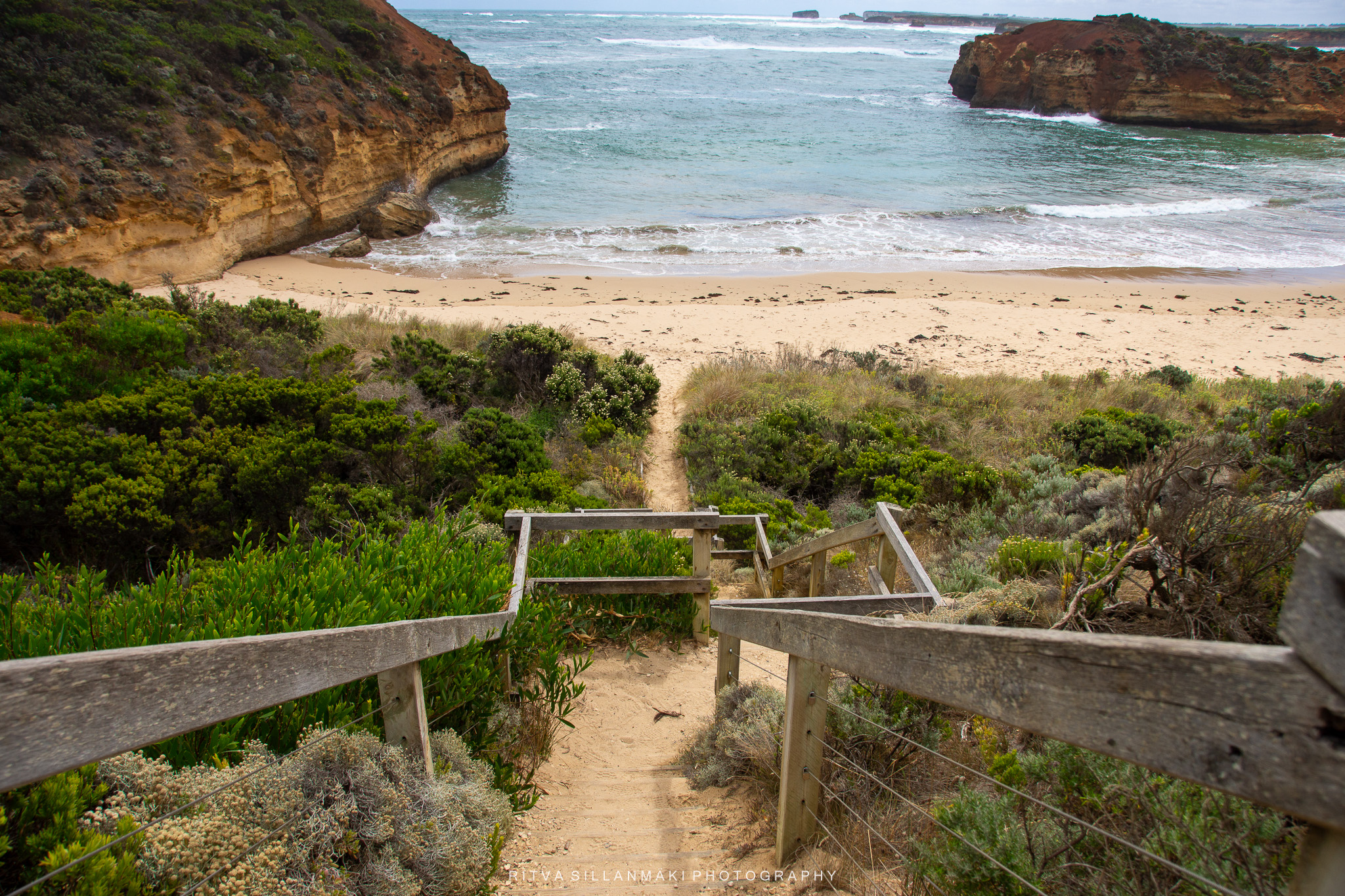
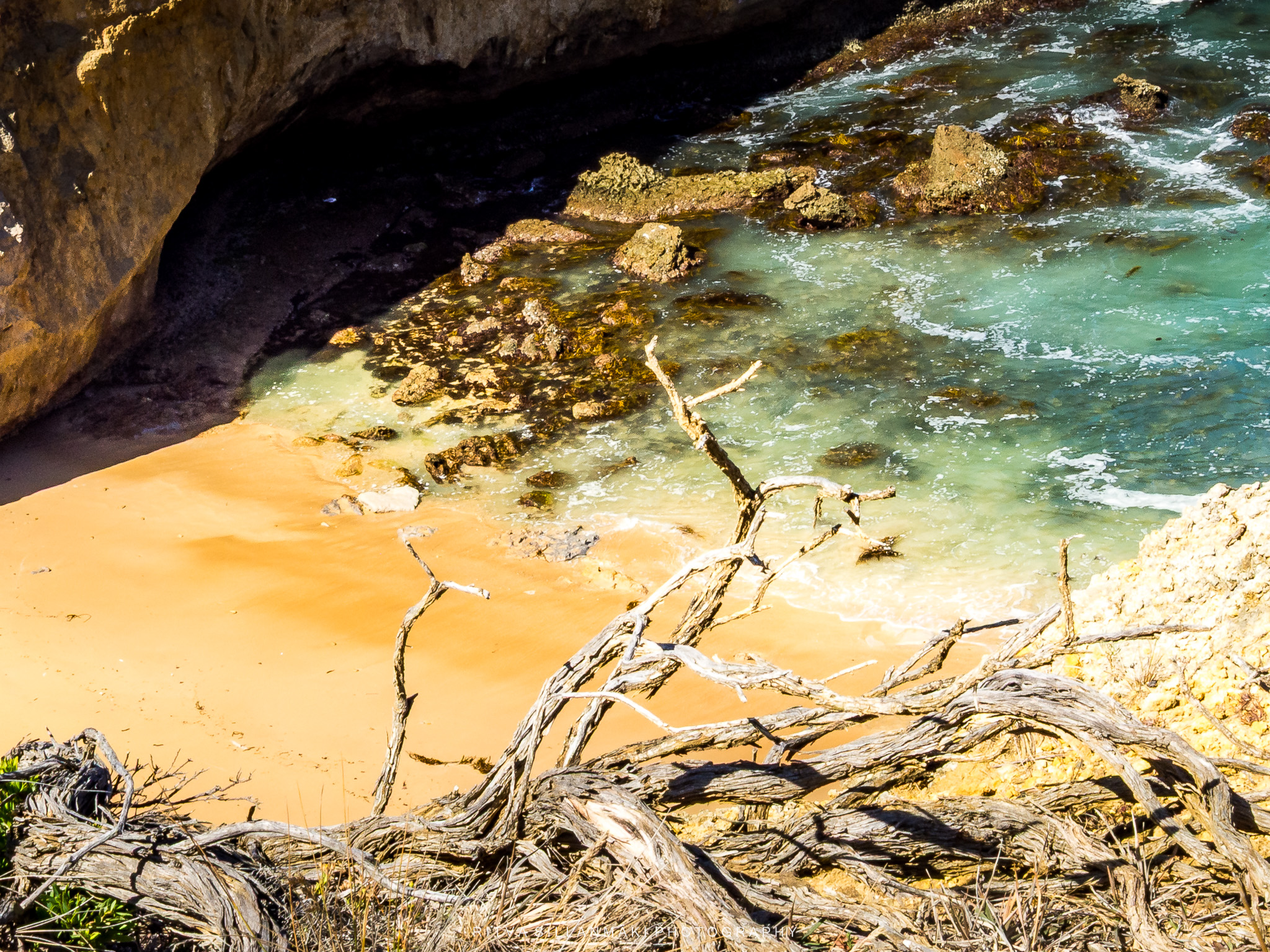
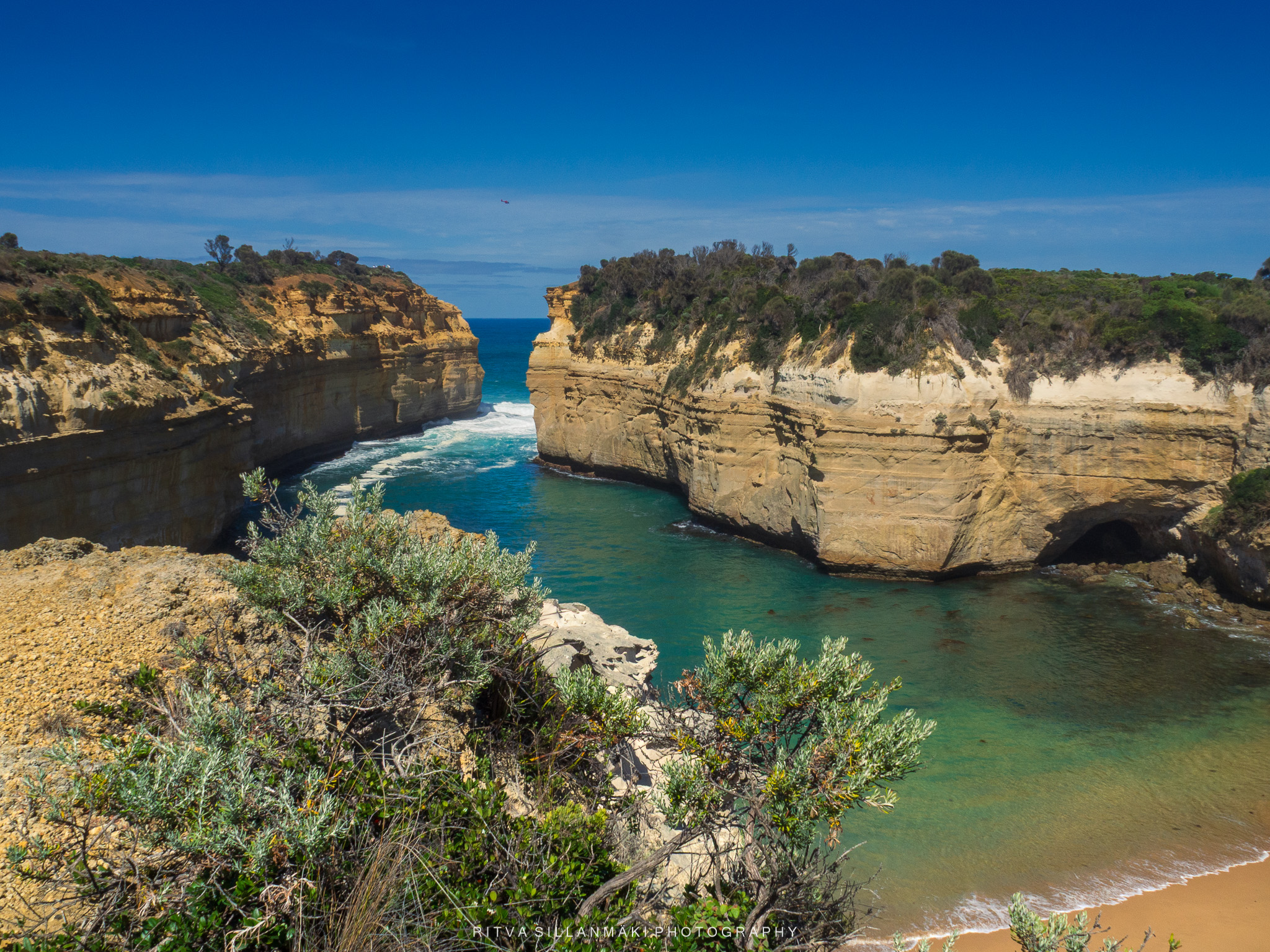
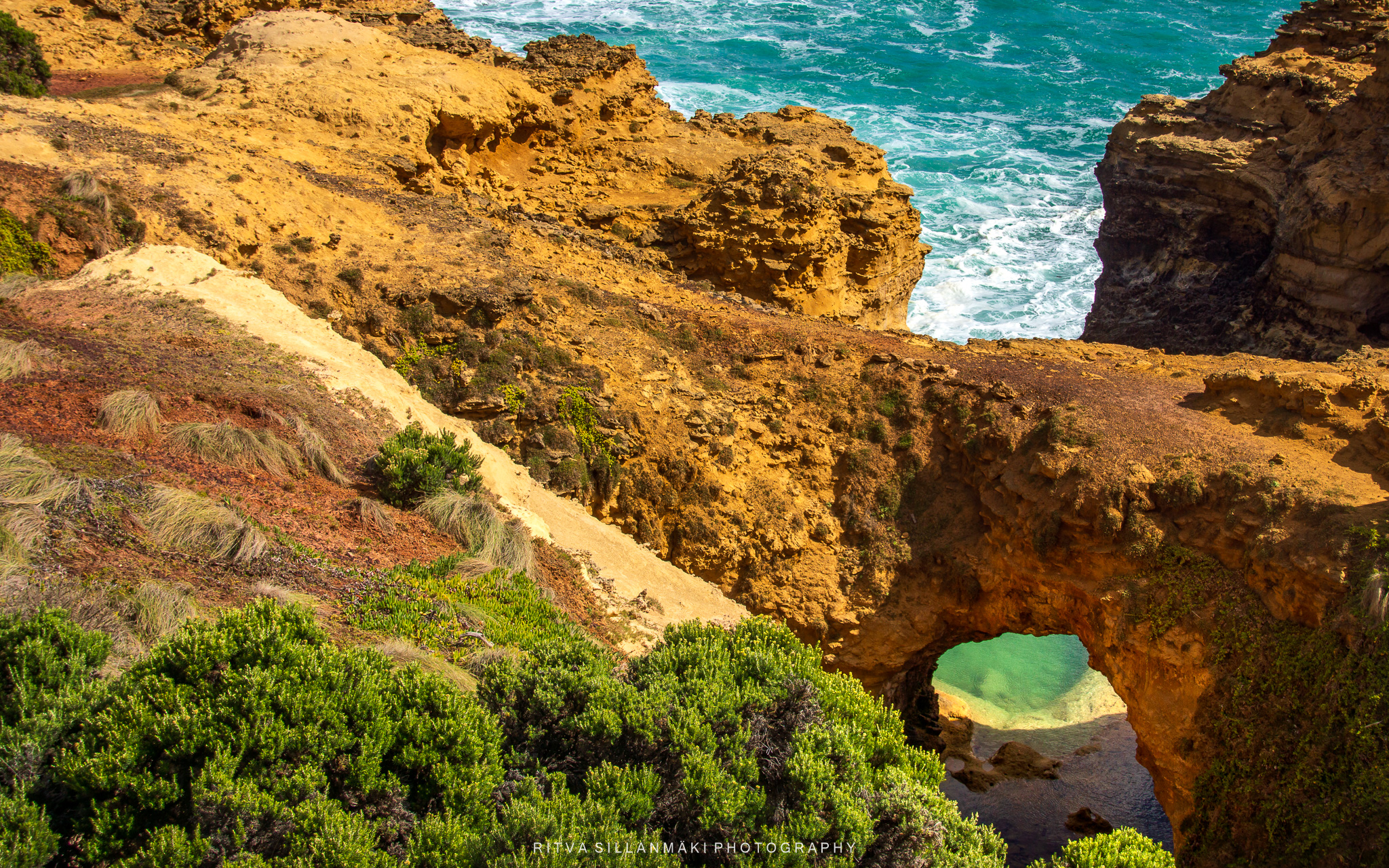
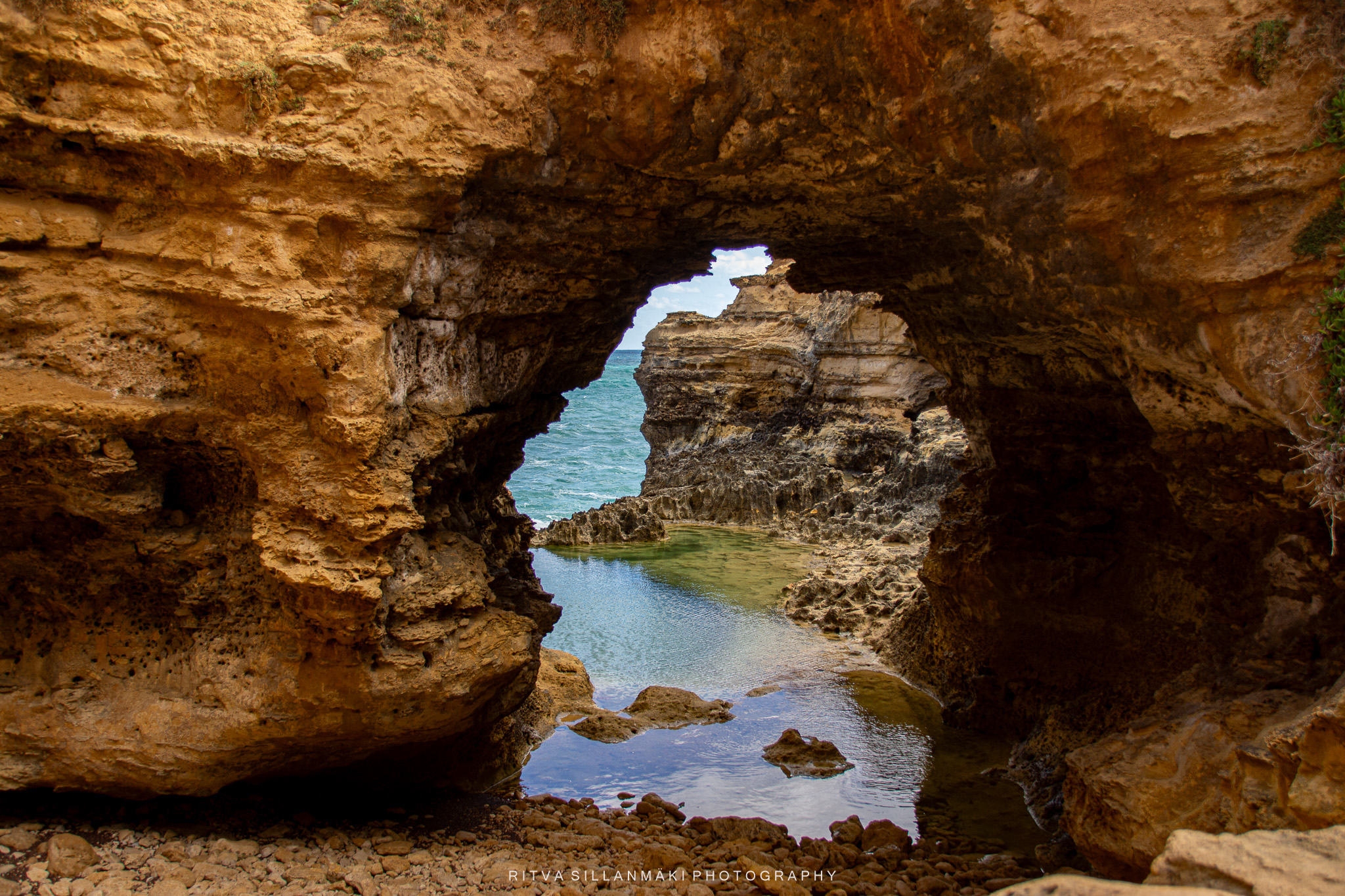
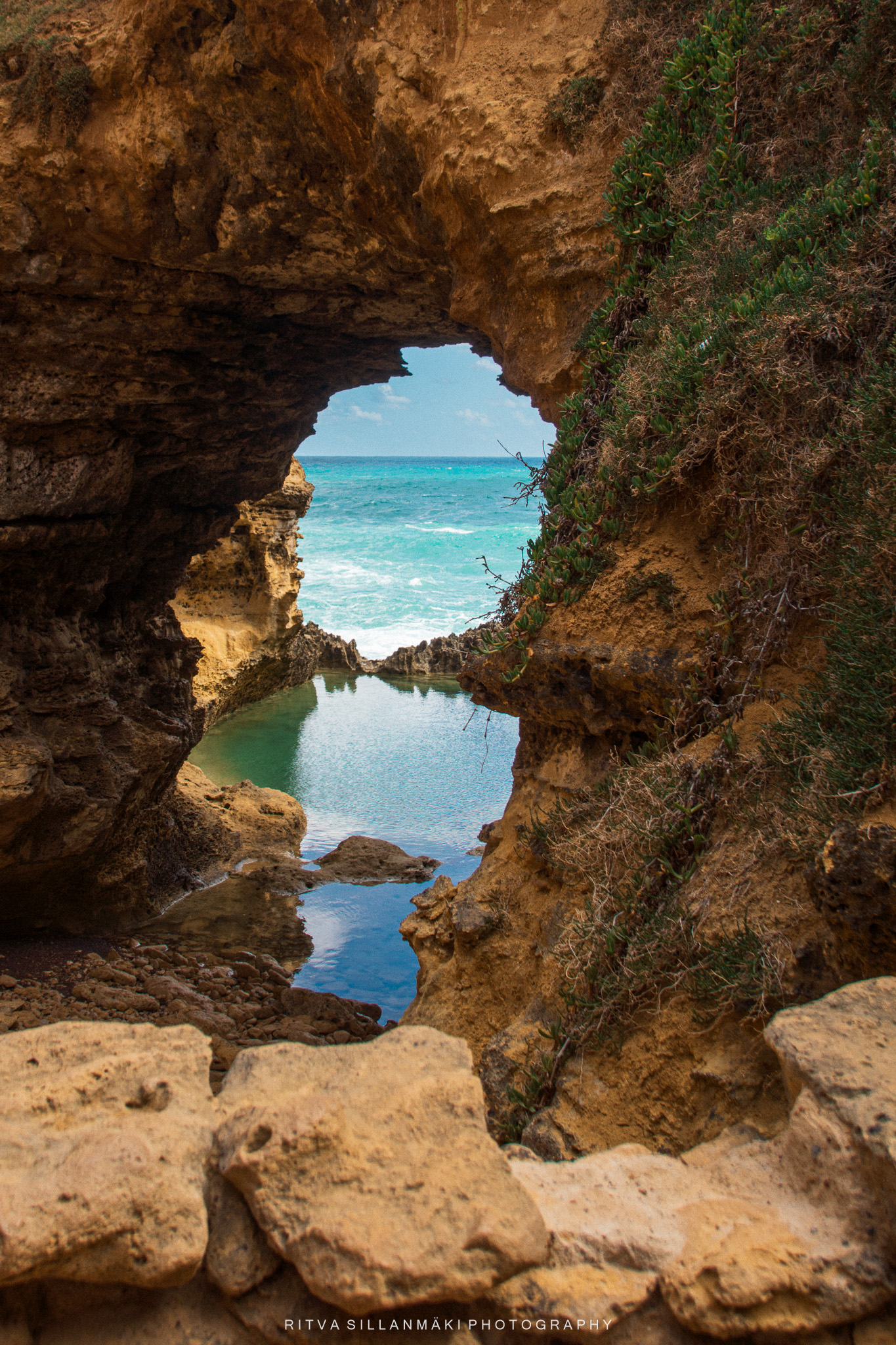
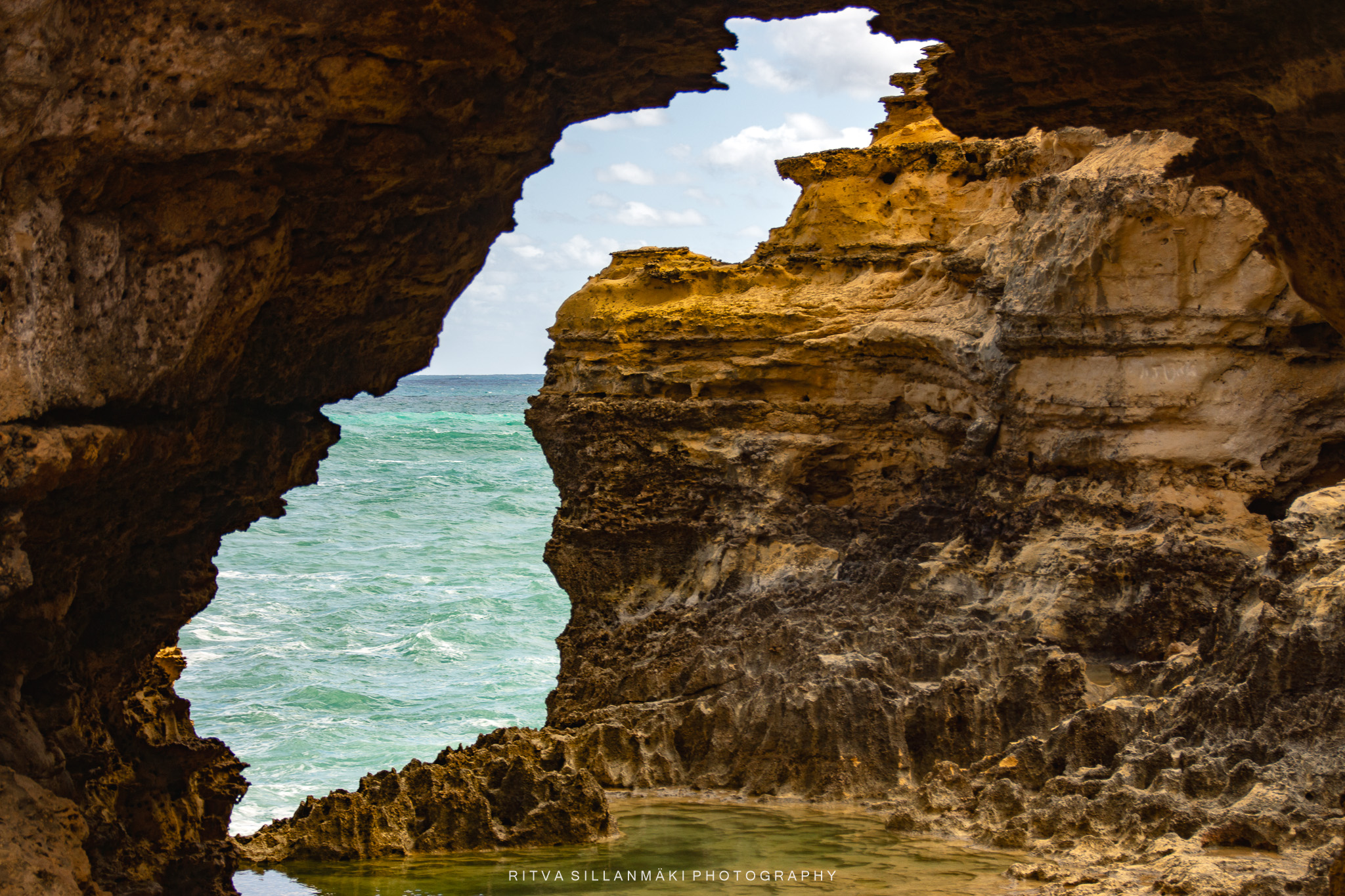
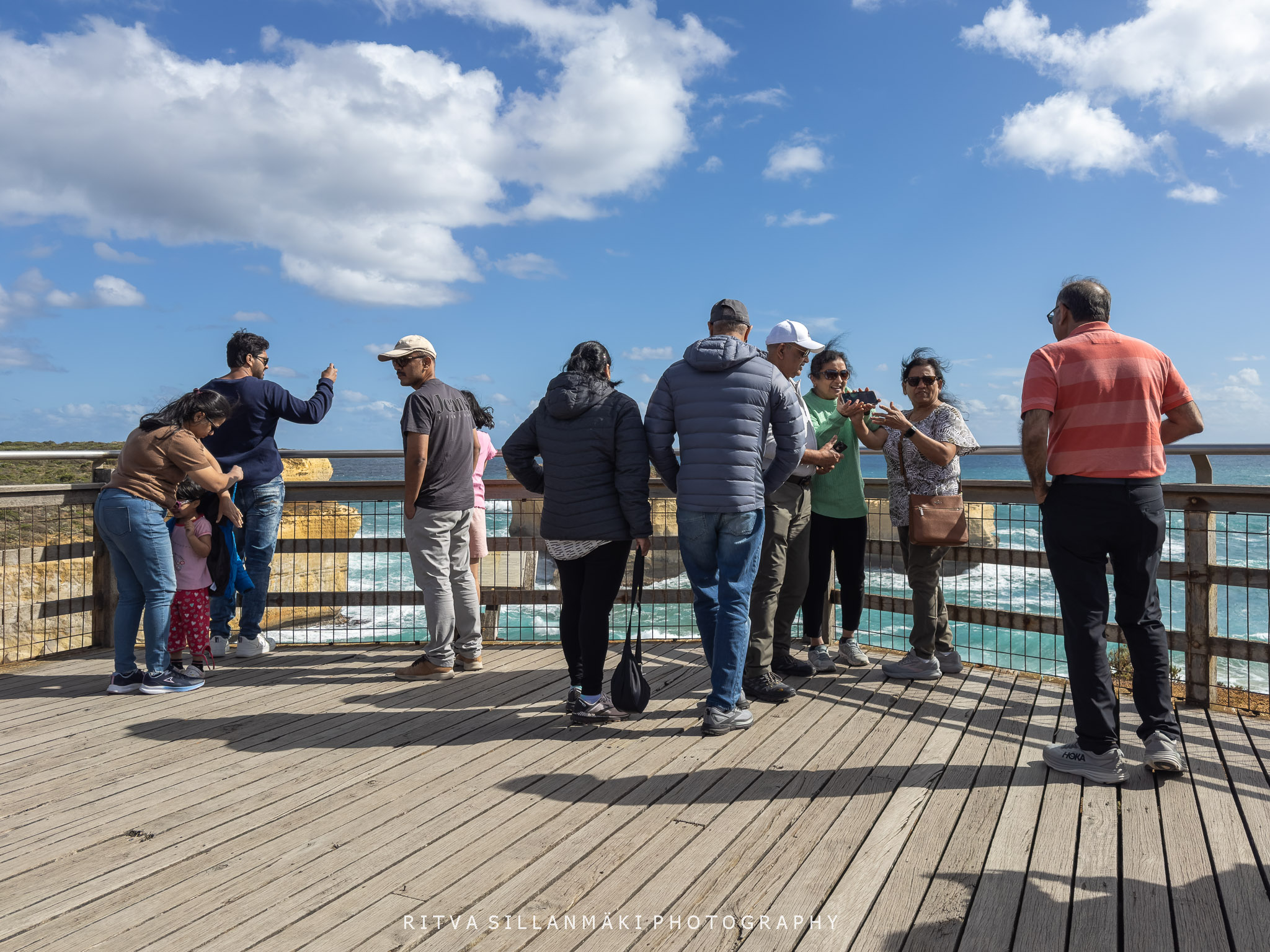
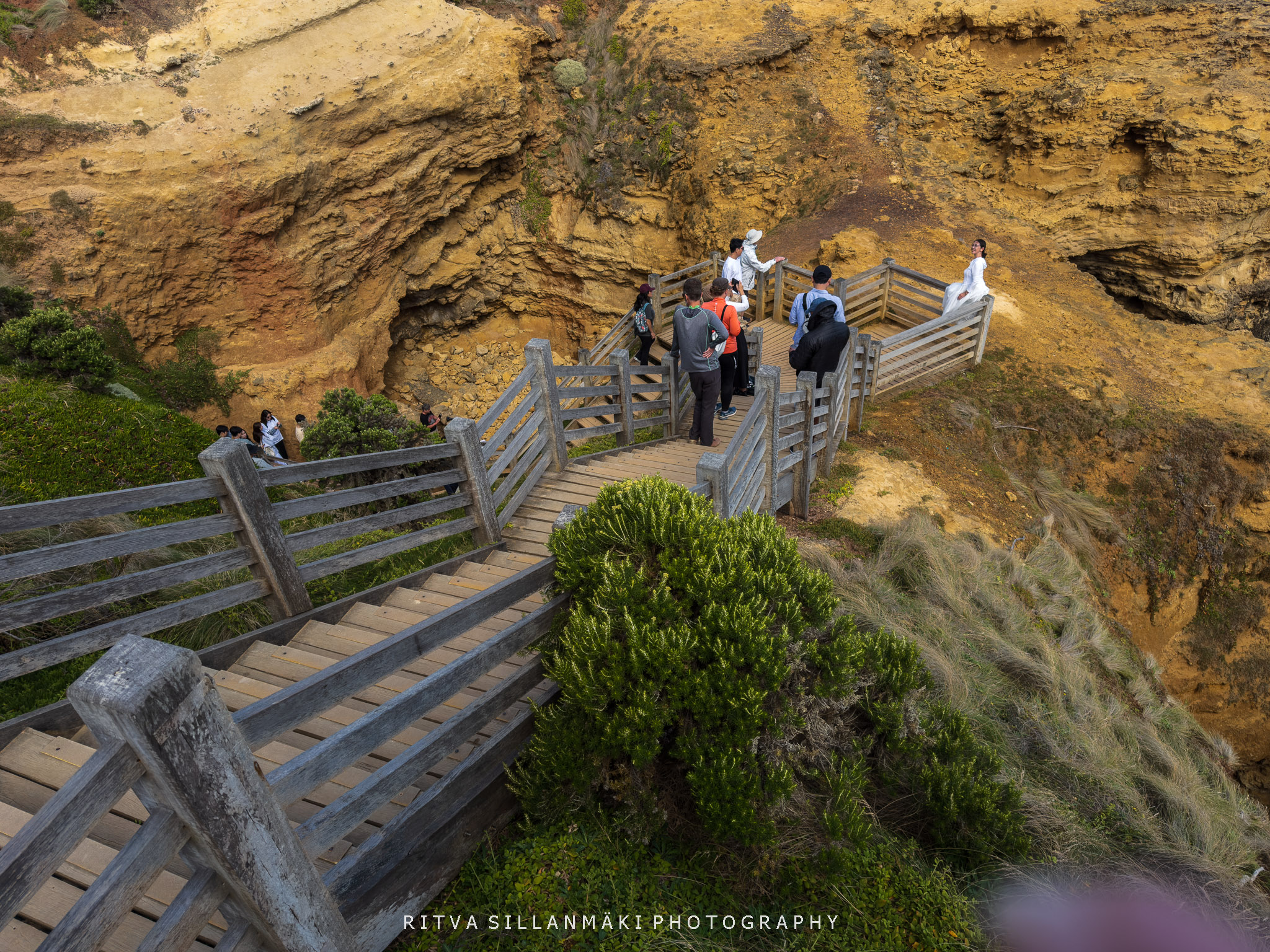
The Grotto was fun because we arrived just after a bus load of Asian tourists. When I saw the steps and long line of people leading down to the Grotto I thought I would never be able to see it. Then I realized that they were all patiently standing in line waiting for their turn to take selfies or have friends take pictures against the Grotto. I wasn’t having any of is, so passed everybody in the line, because there was plenty of room on the deck to take pictures. Luckily, there was a lady standing there who called “next” every 30 seconds to get the line moving. I thought she was the guide for the group but later I saw her with her husband, who had been standing in line that I passed. Anyway, I got some decent pictures but not right in front of the Grotto.
The Grotto is perhaps the most enchanting of all the rock formations in this part of Australia. Part-blowhole, part-archway, part-cave.
After having only the disappointing breakfast/brunch in Port Fairy we had to go grocery shopping in
Port Campbell. Got some disappointing sandwiches , we were having so much bad luck with our food choices and finished them with tea in our beautiful half-house, but not halfway house. Then it was time for another beautiful sunset. This time we welcomed at Bay of Islands.
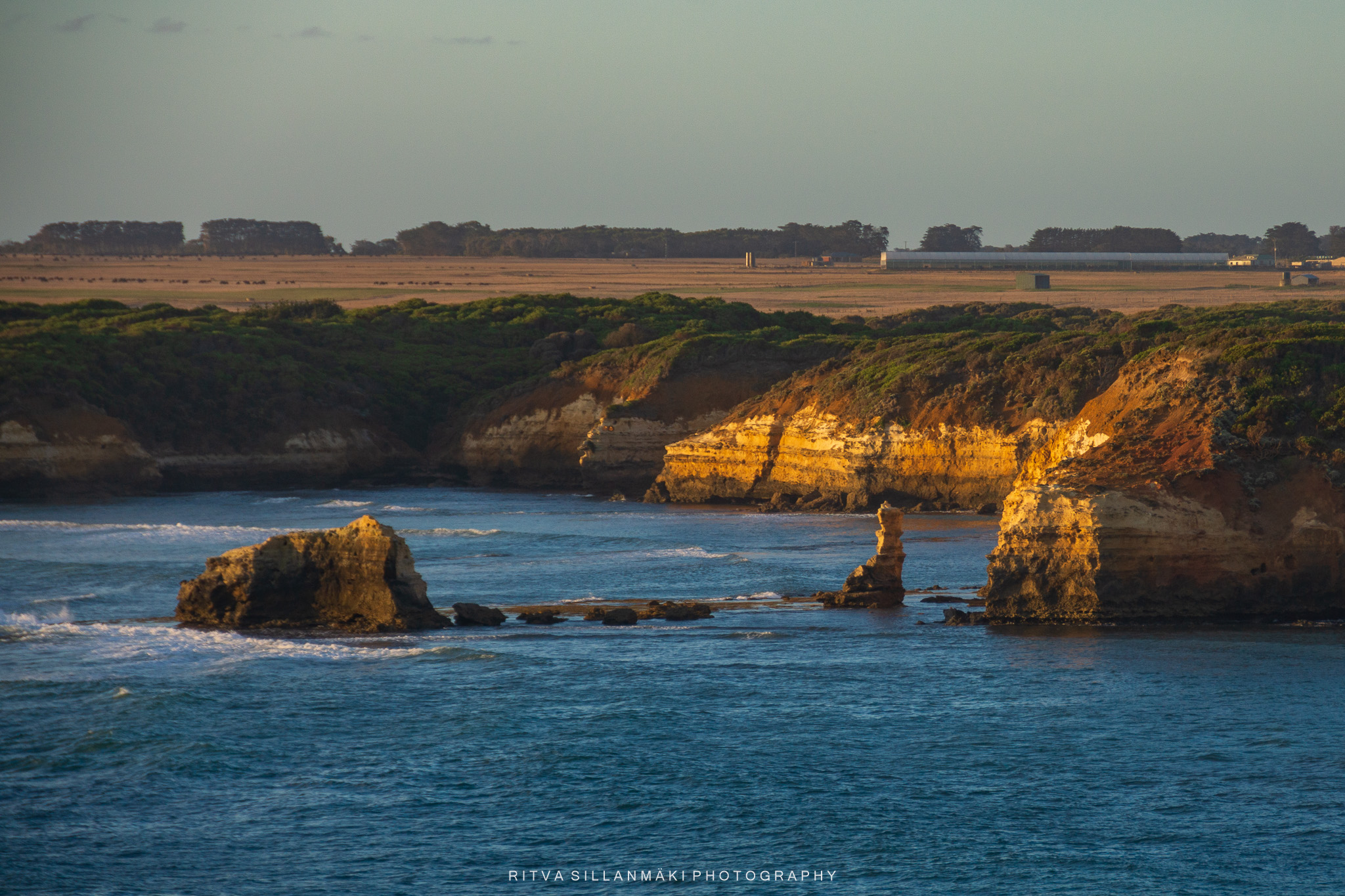
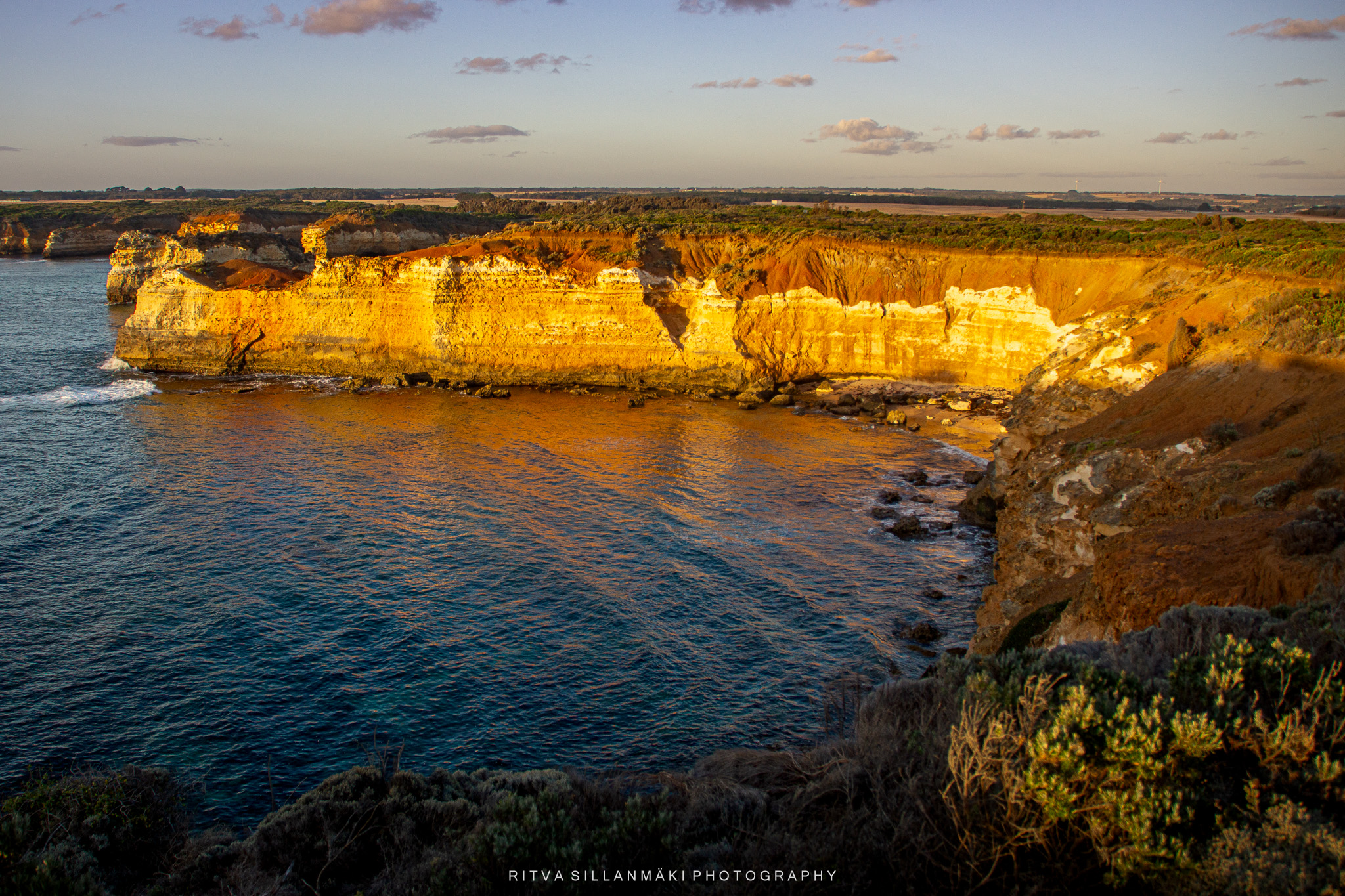
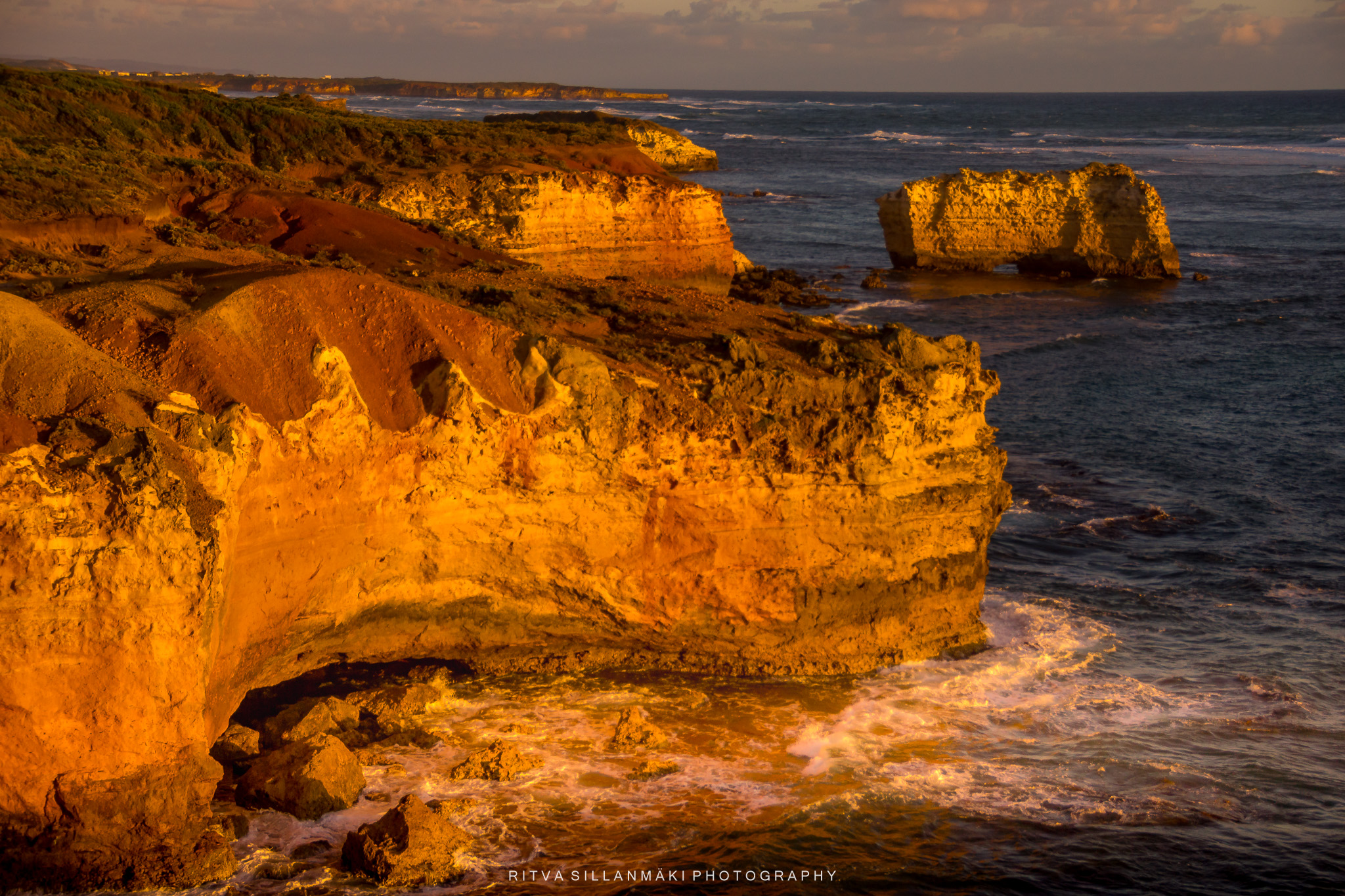
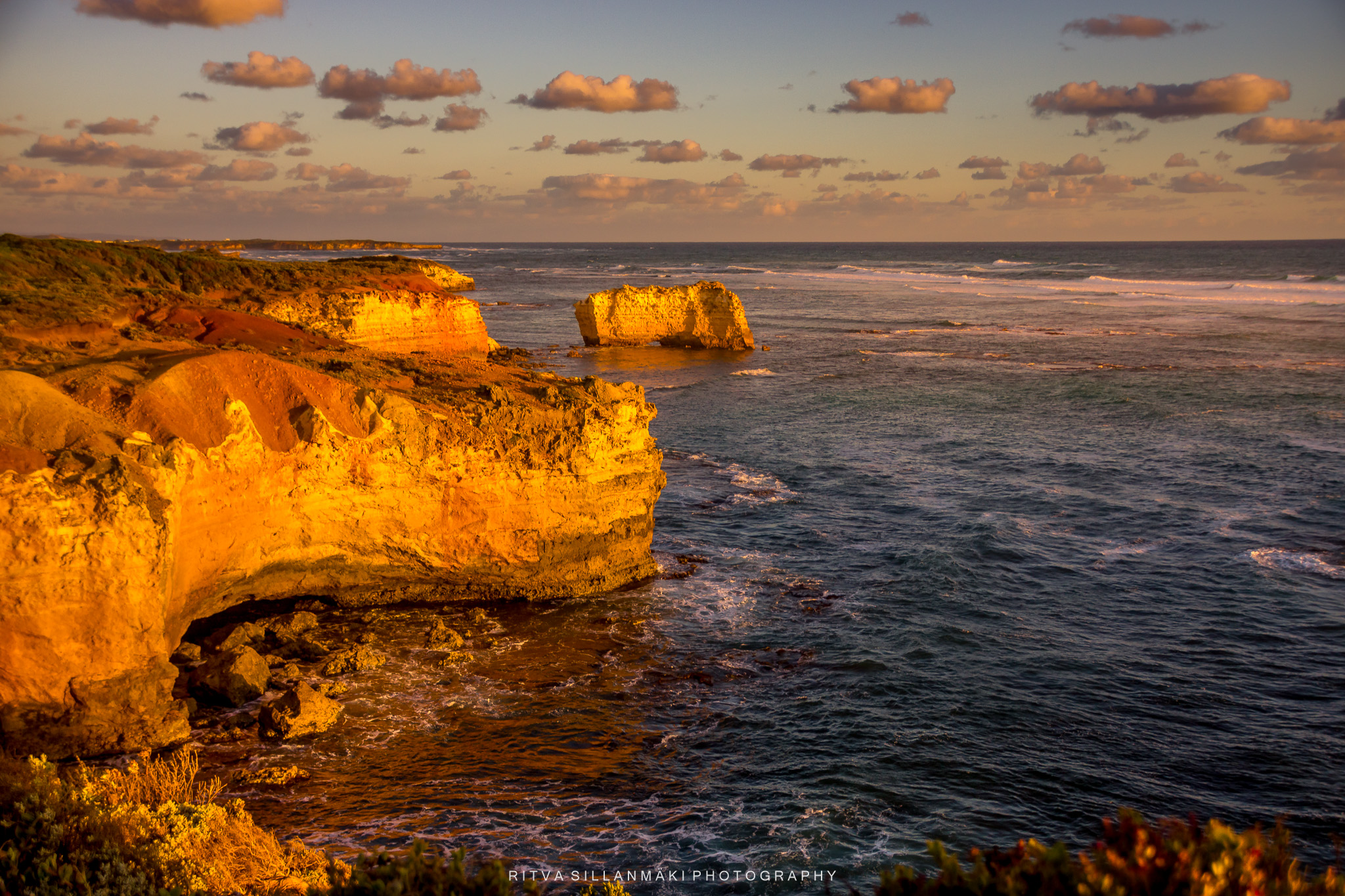
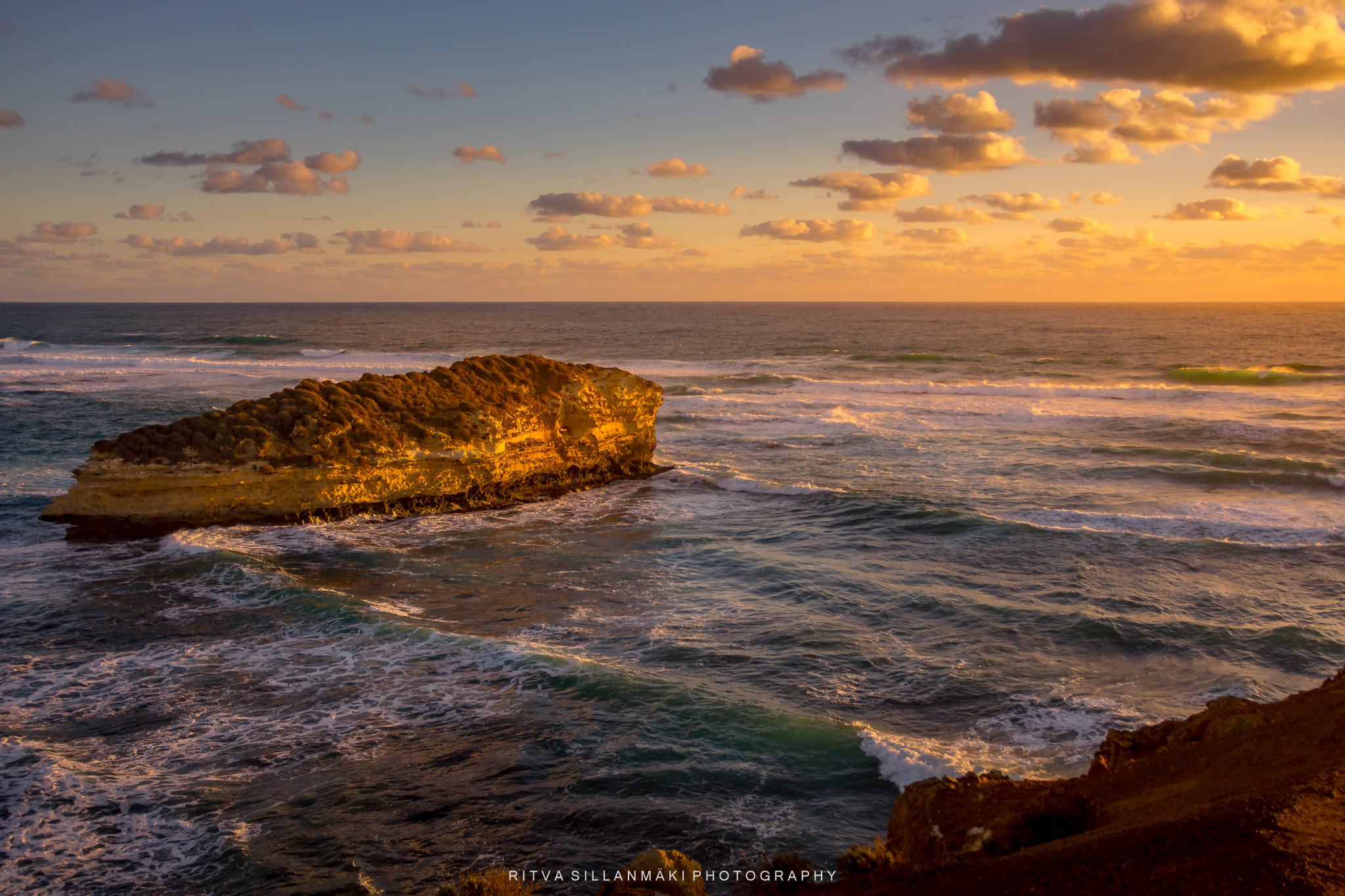
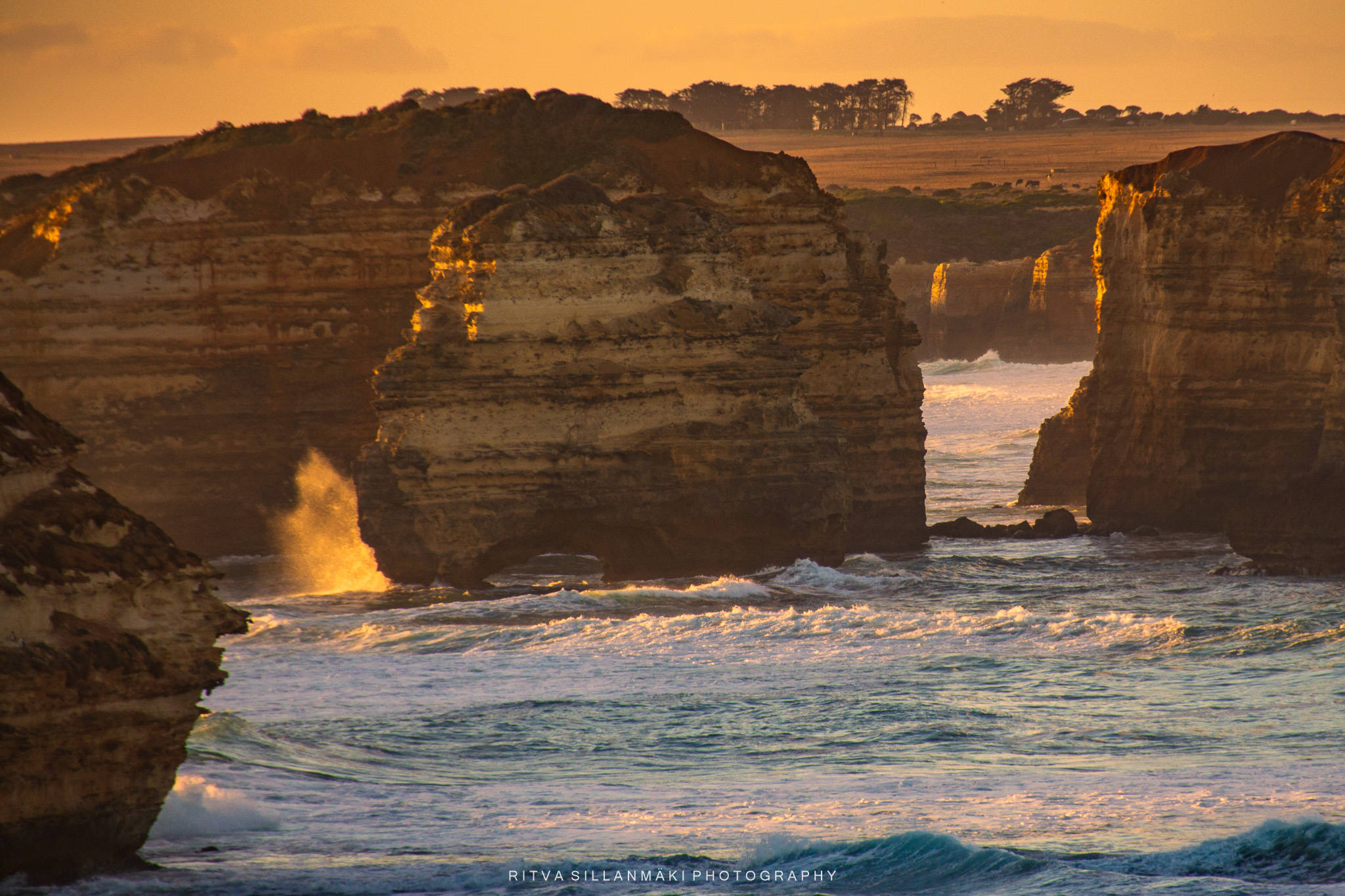
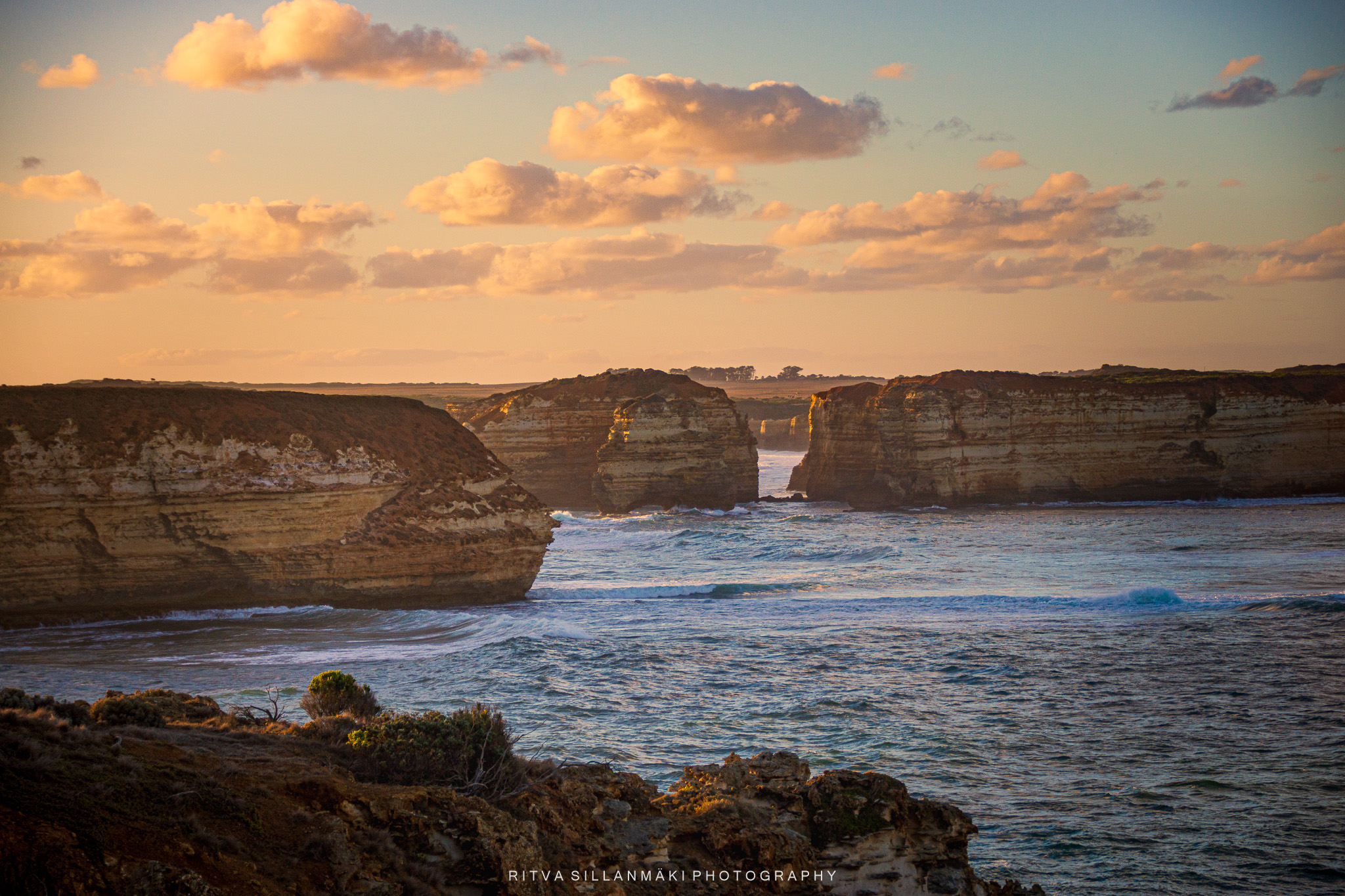
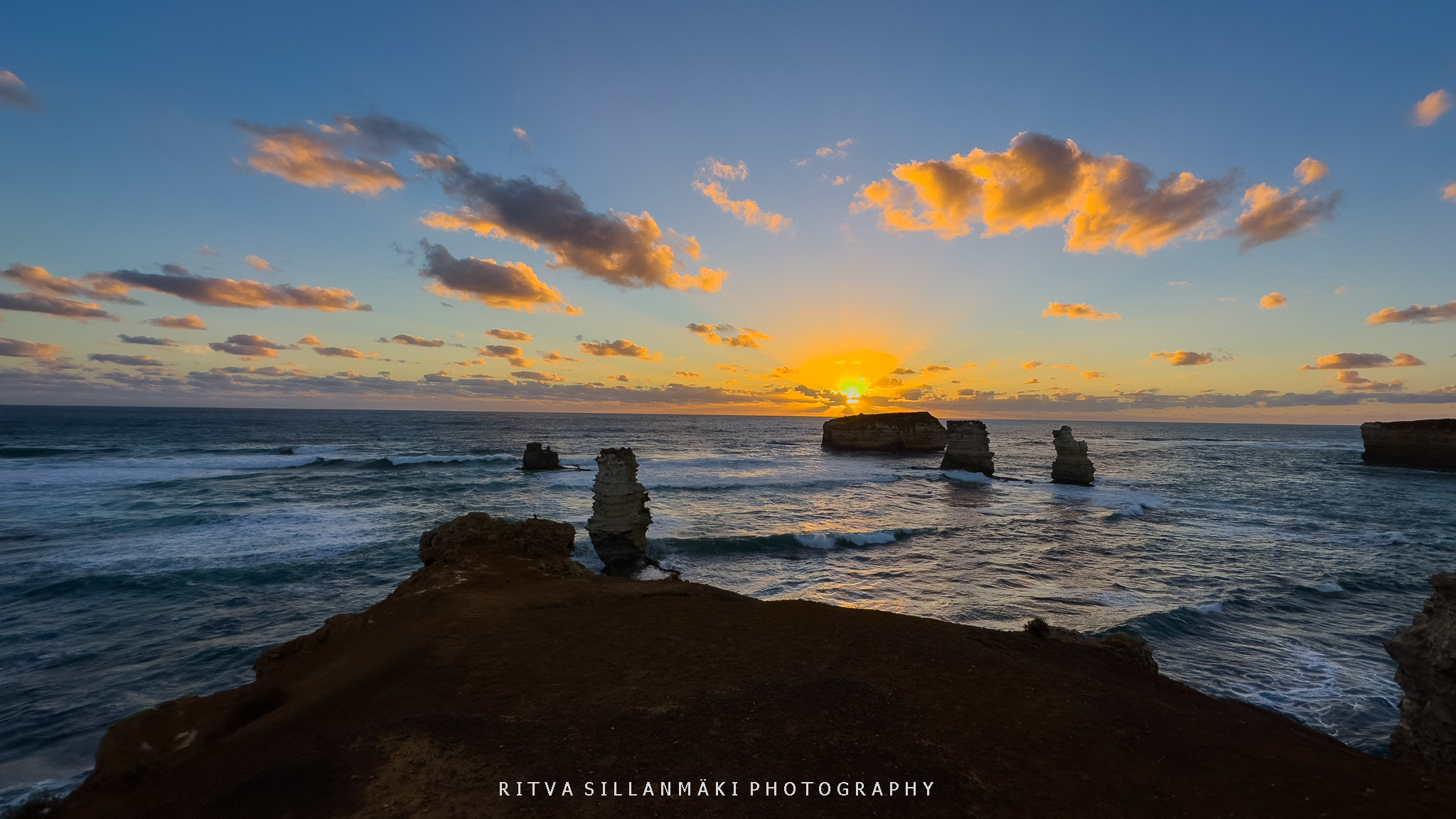
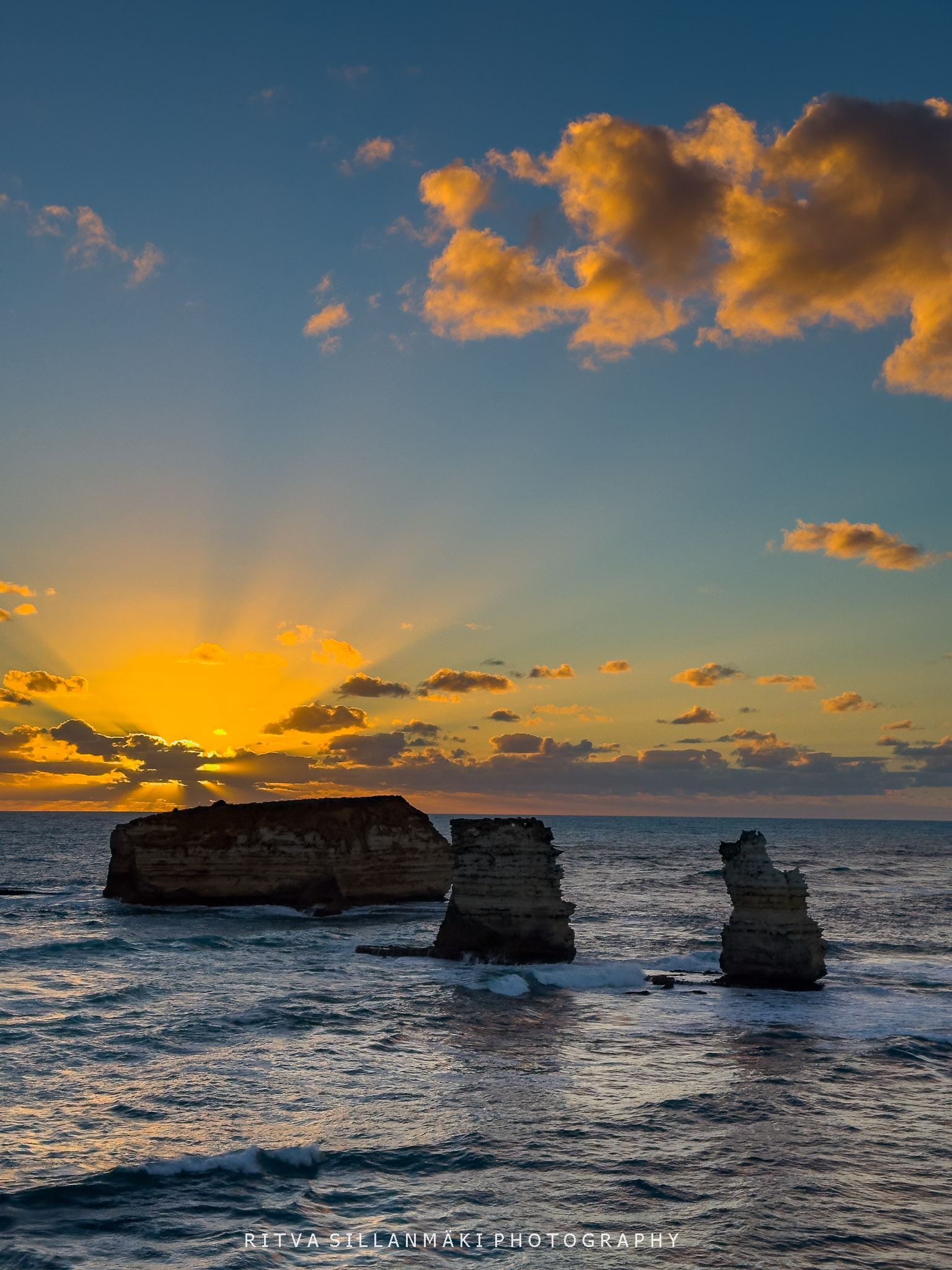
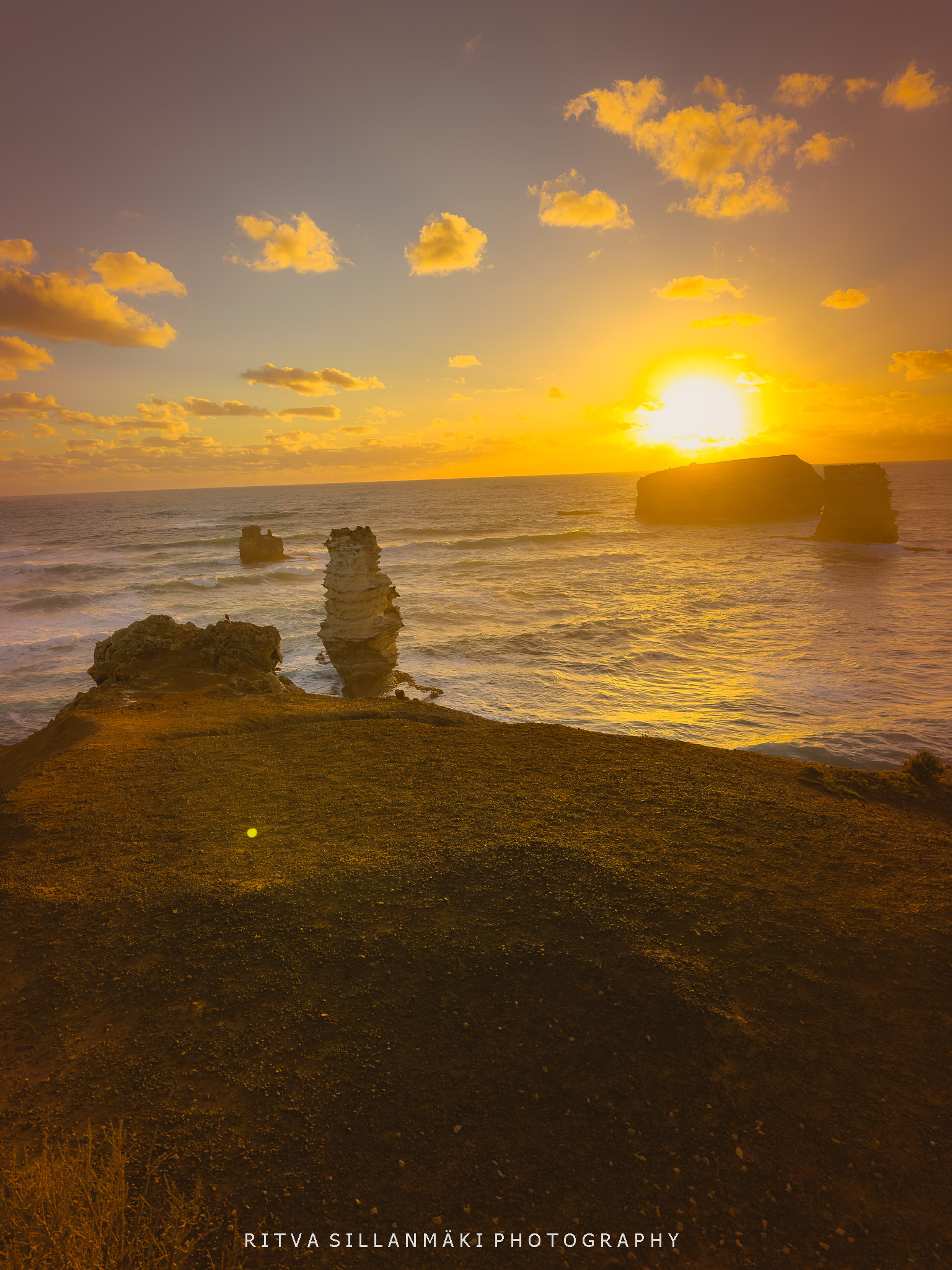
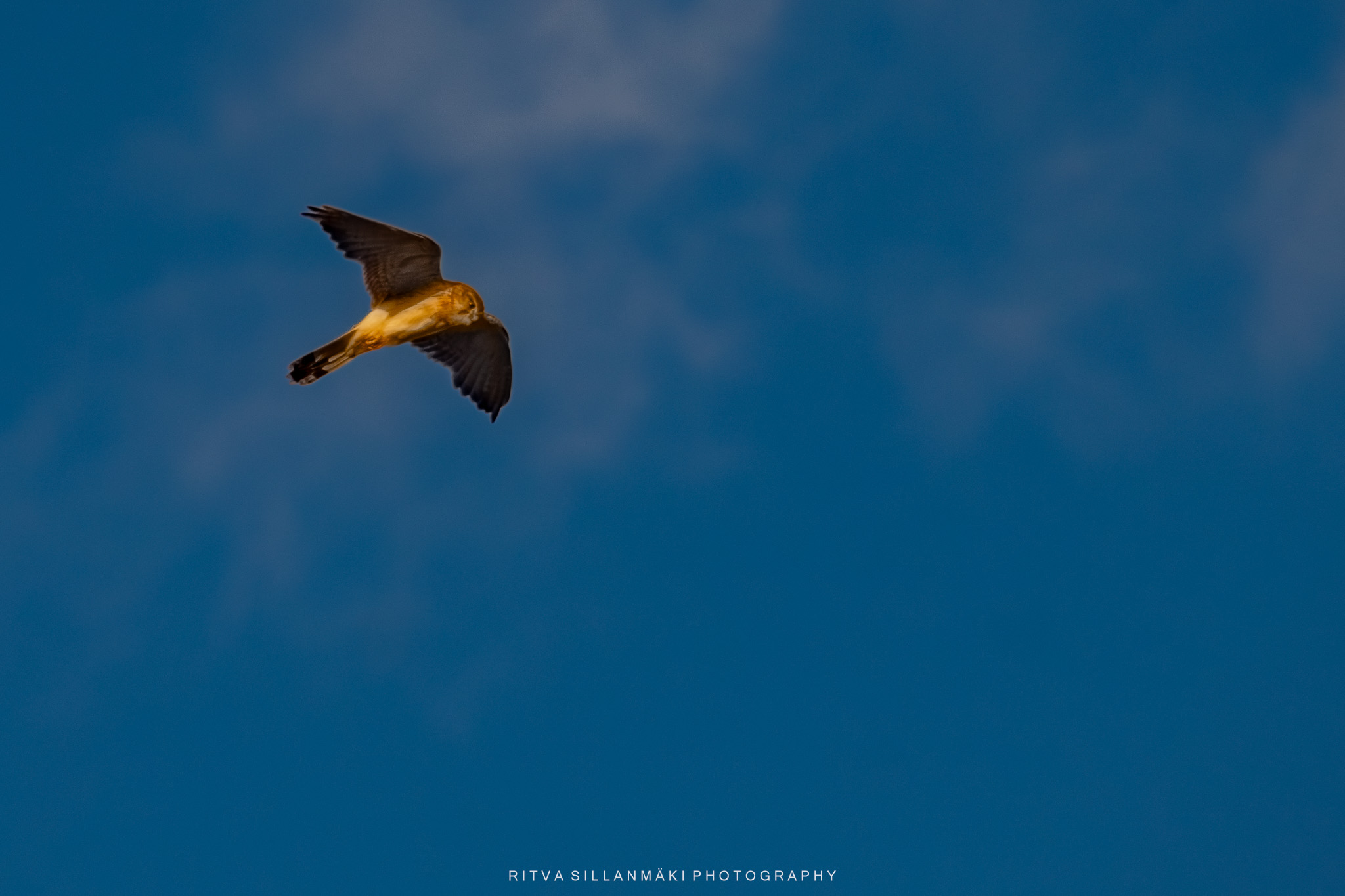
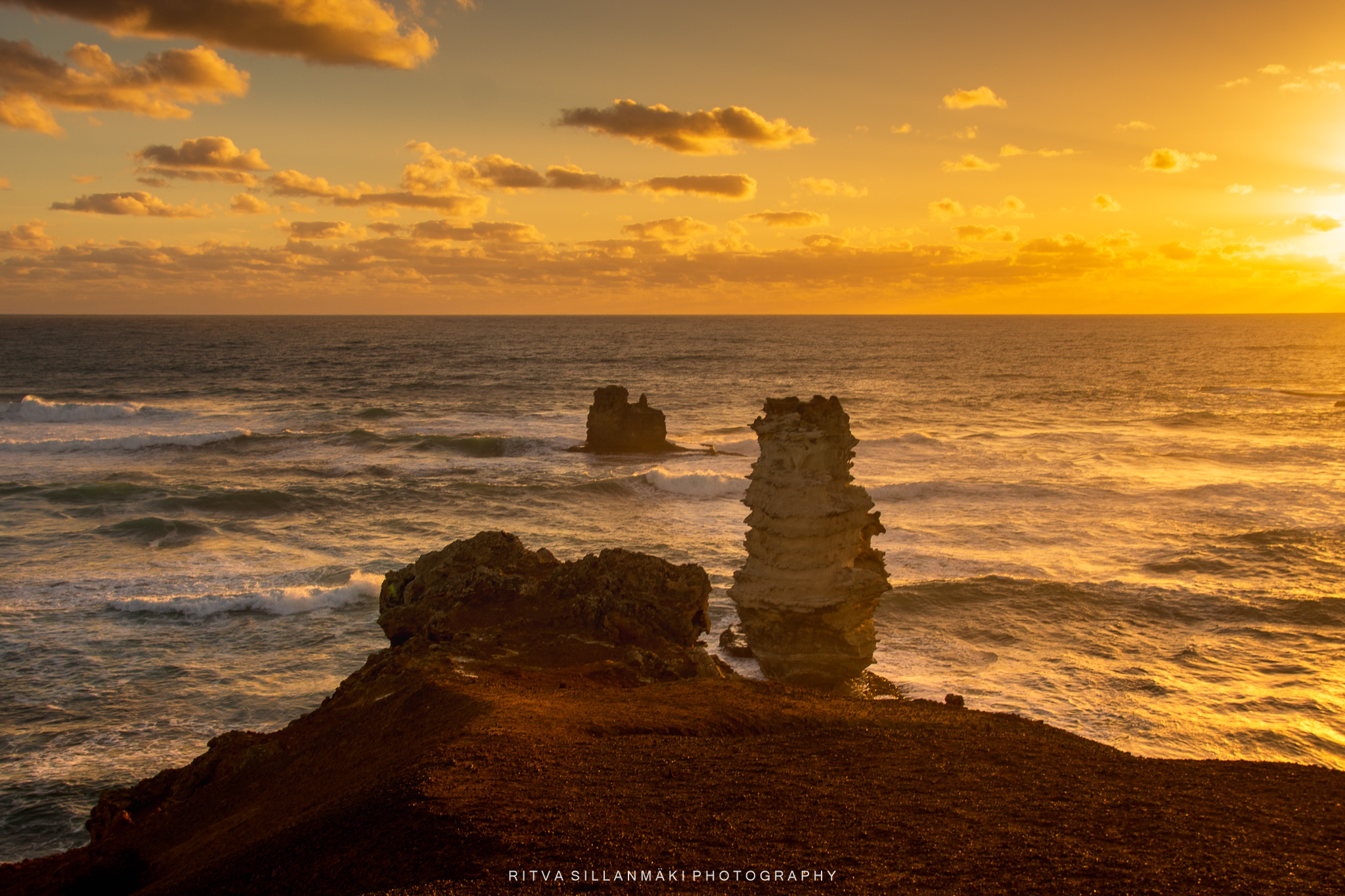
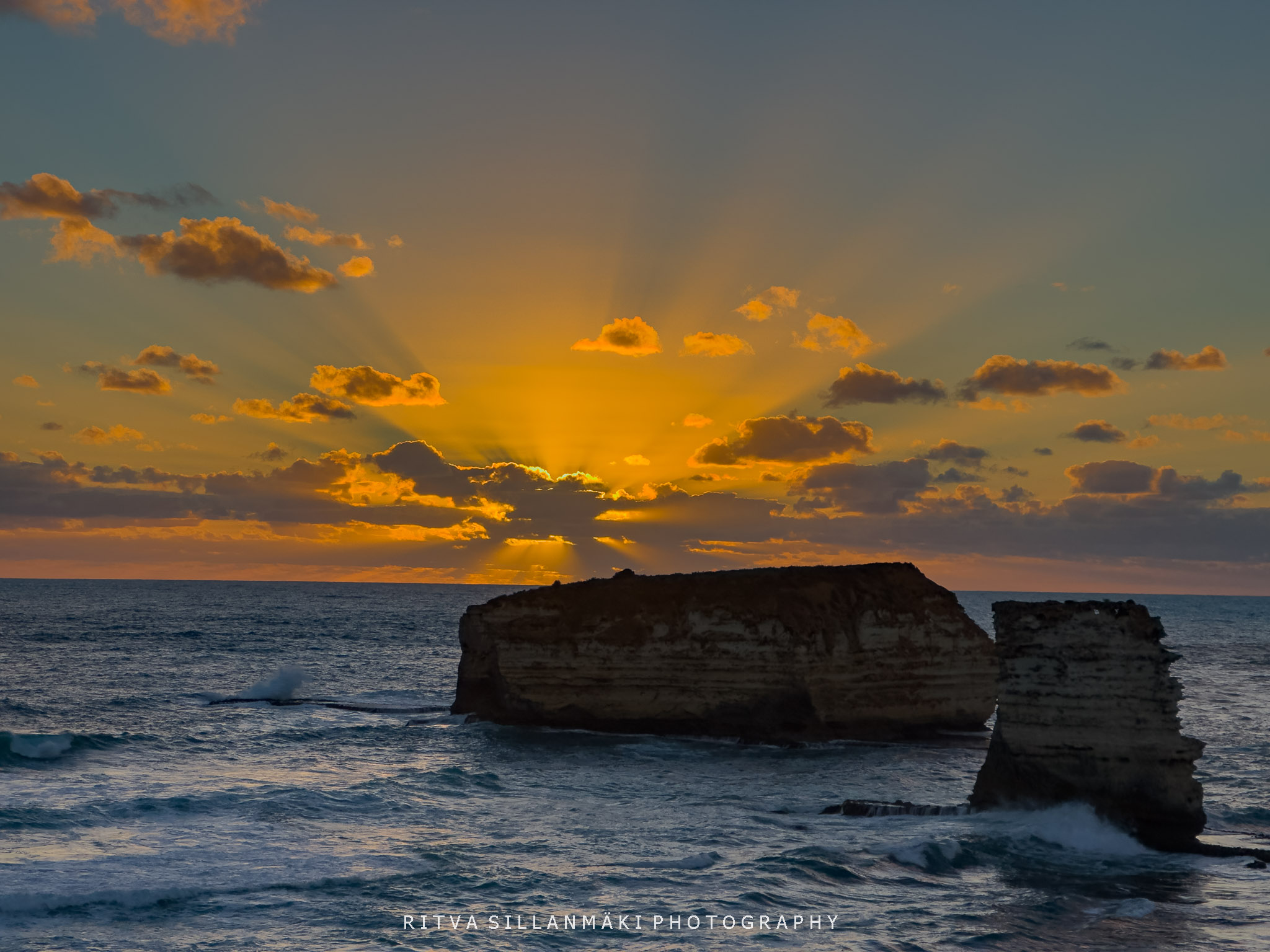
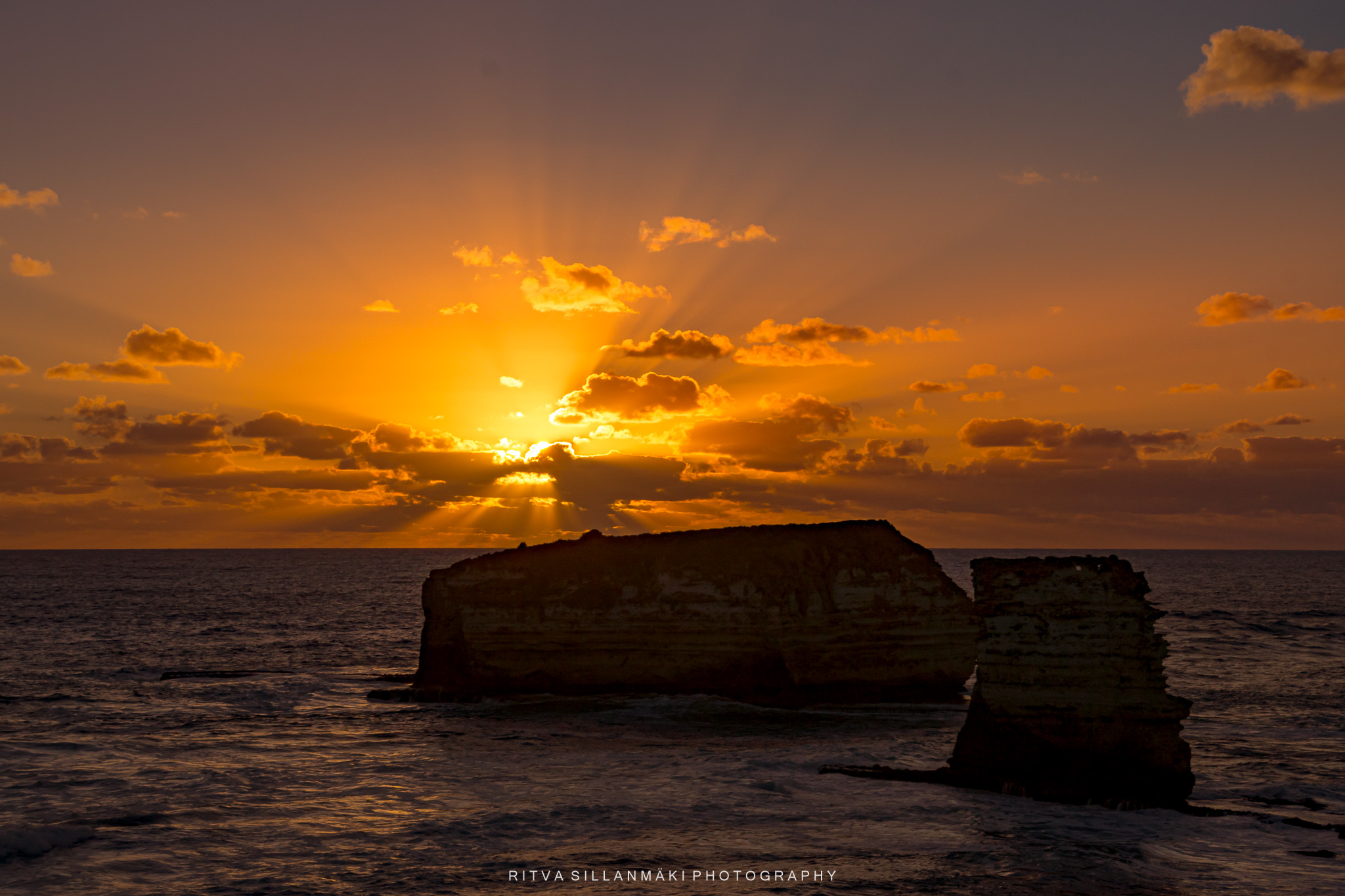
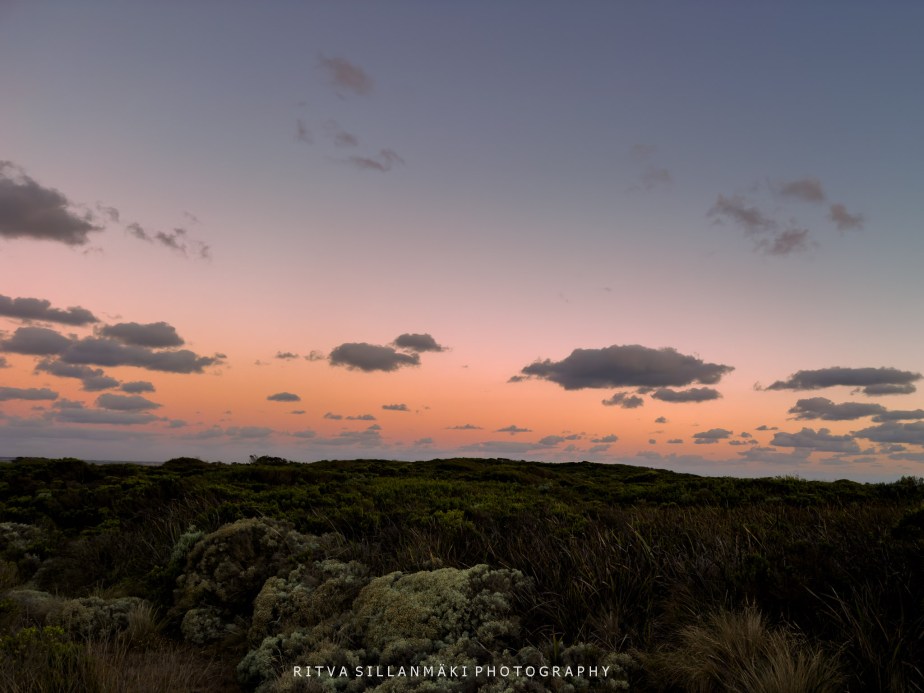
The afterglow of the sunset.
After we settled in that evening we got a very disturbing phone call from Ritva’s cousin Heli. She informed us that we wouldn’t be able to visit Ritva’s other cousin, Kari, in the mountain city of Talbingo. Kari’s wife, Susan. had just gotten bad health news and she was not, understandably, in a state to welcome guests. Such sad news to receive. We had planned on staying for few nights with them and we were slightly panicking. However, Heli graciously welcomed us to stay as long as we wanted in their home. Phew, problem solved, for now. So grateful.
To be continued 😀
Text credit Mara Sillanmäki
 Ritva Sillanmäki Photography