I have been uninspired and slightly depressed ( I just had a birthday) about growing old, a small age crisis 🙂 plus for some reason I actually ache real physically. So much joy in getting old. So I have been absent from the blog world mostly. I will weather this, I am totally working on it. As a positive person I do not dwell on these for long.
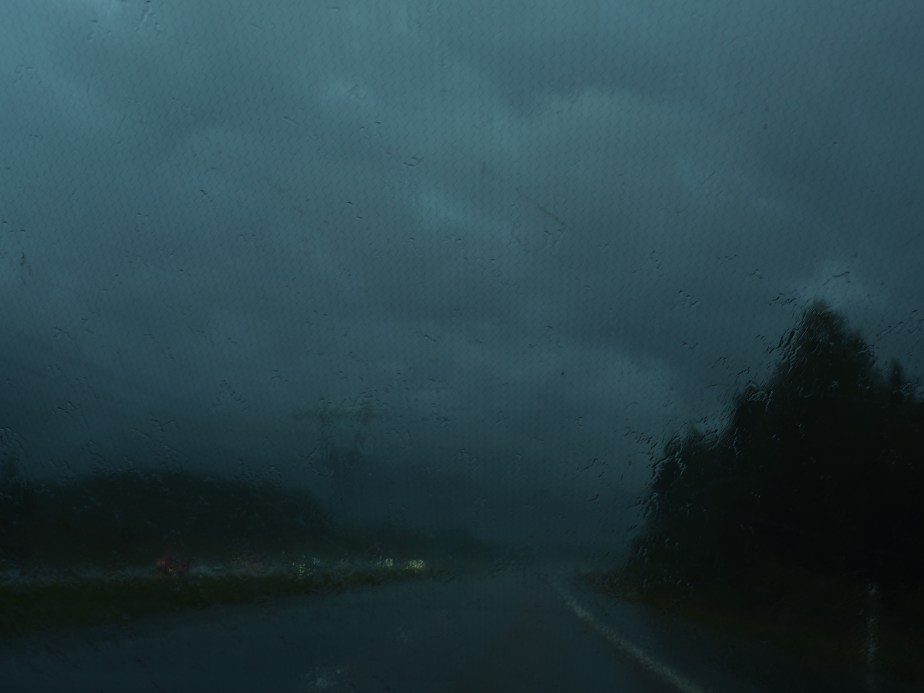
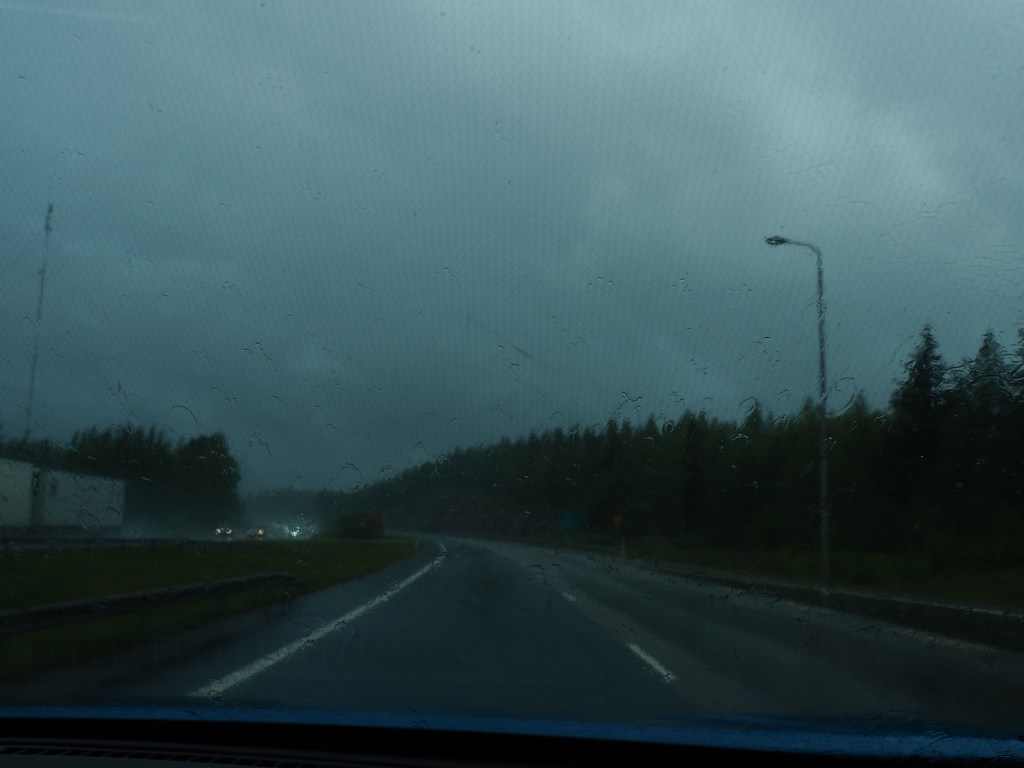
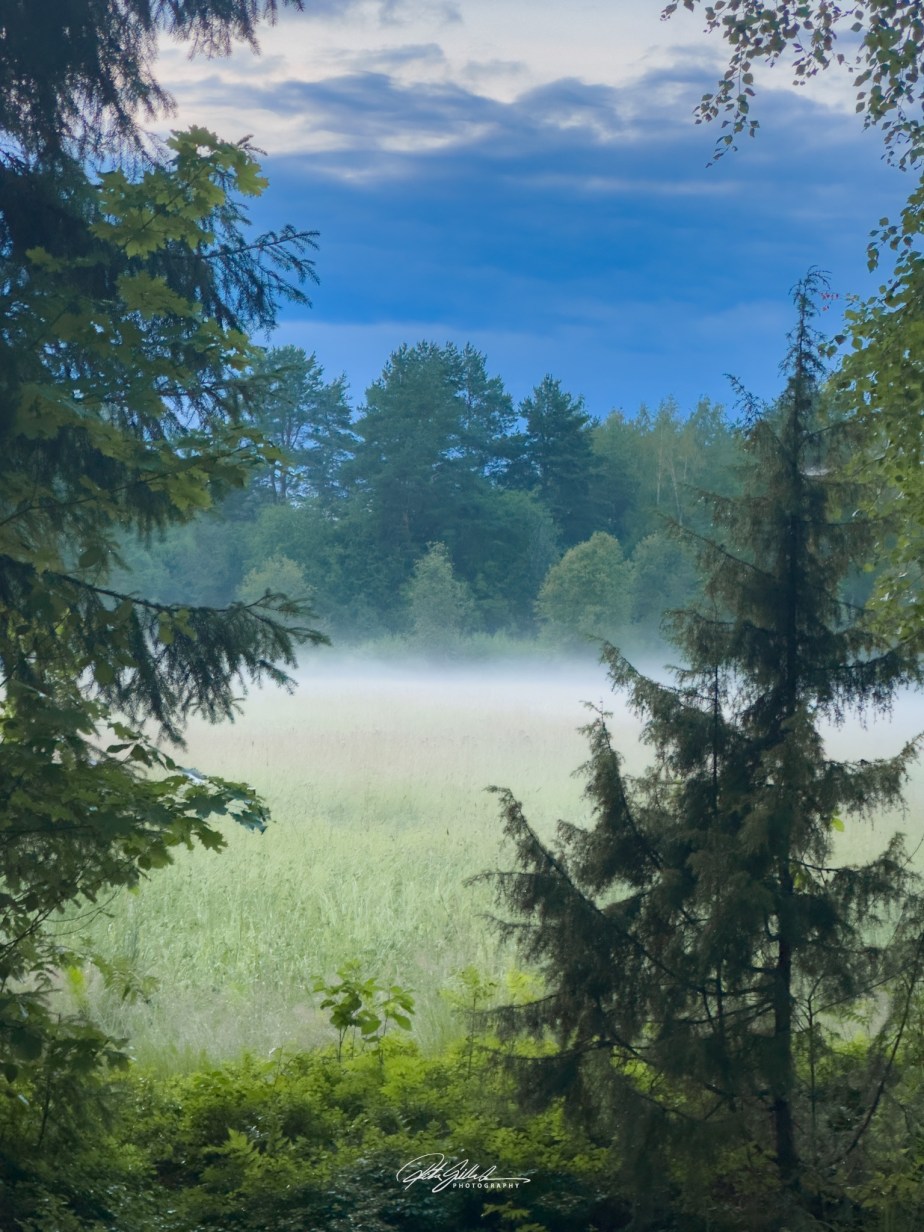
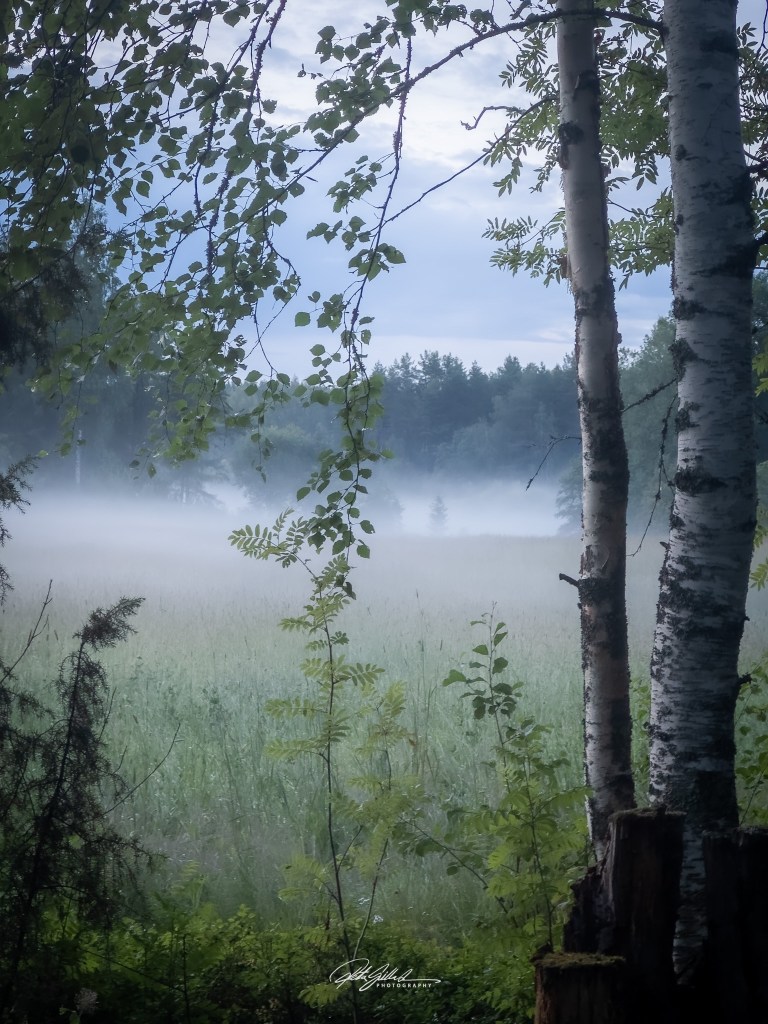
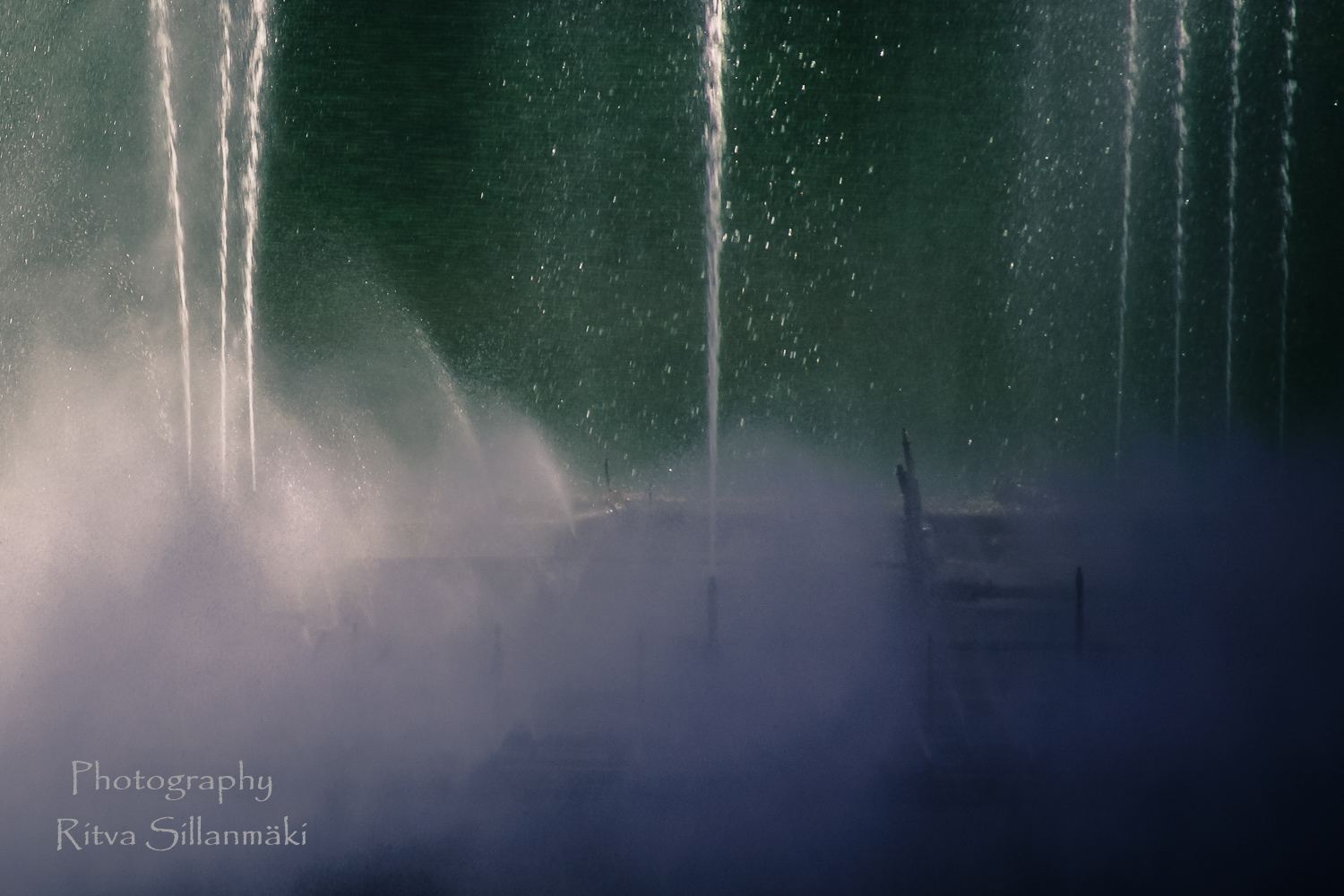
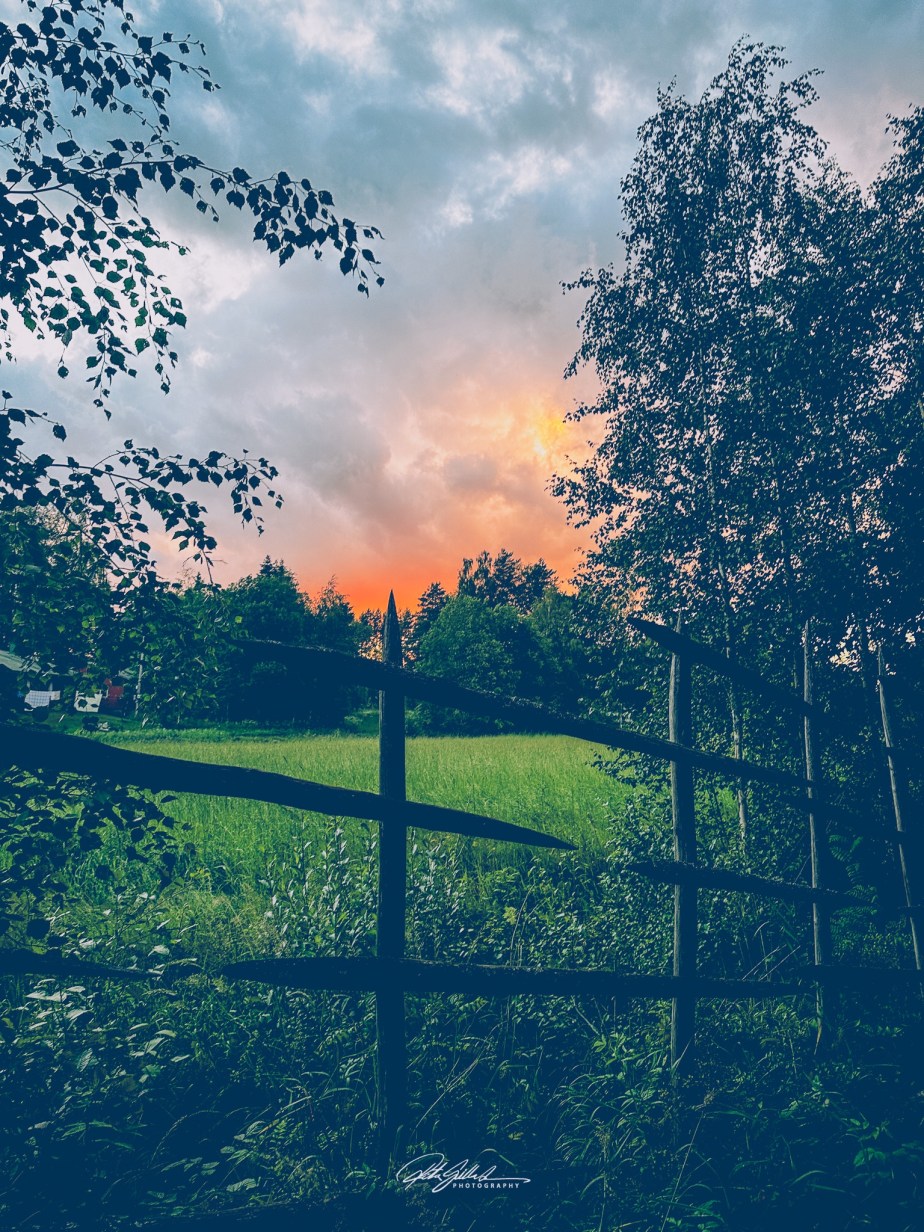
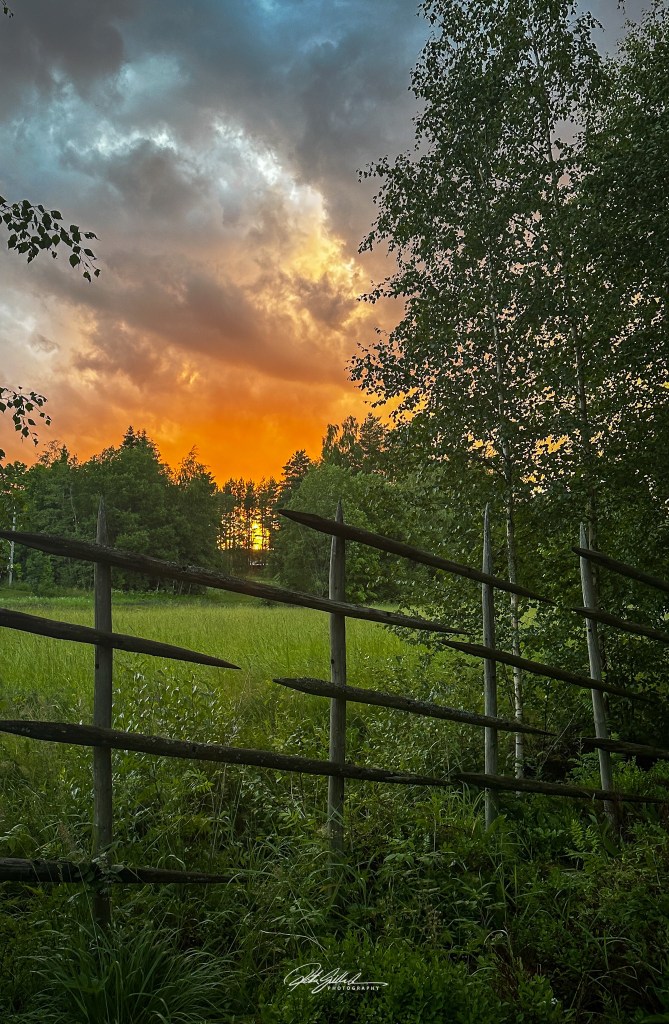
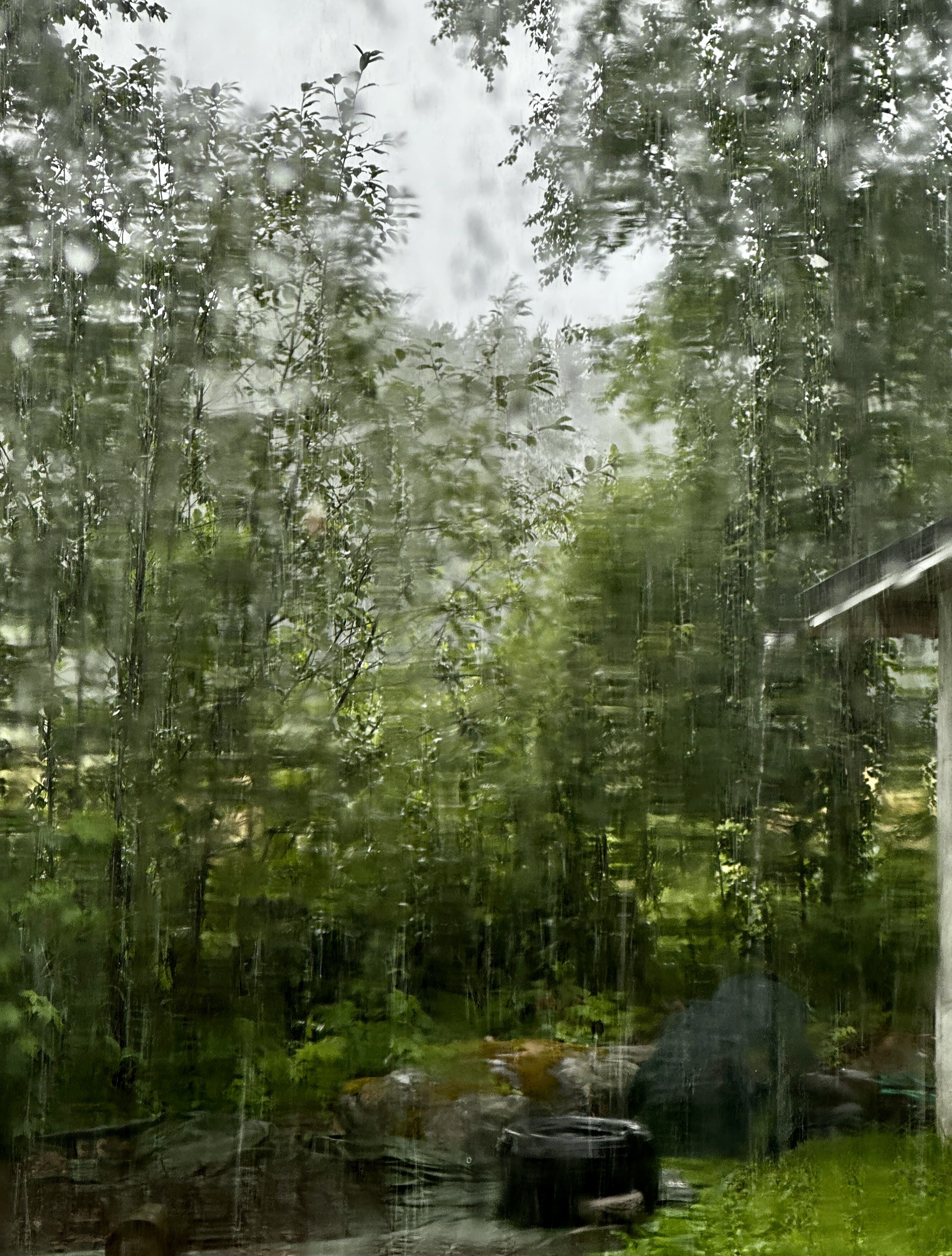
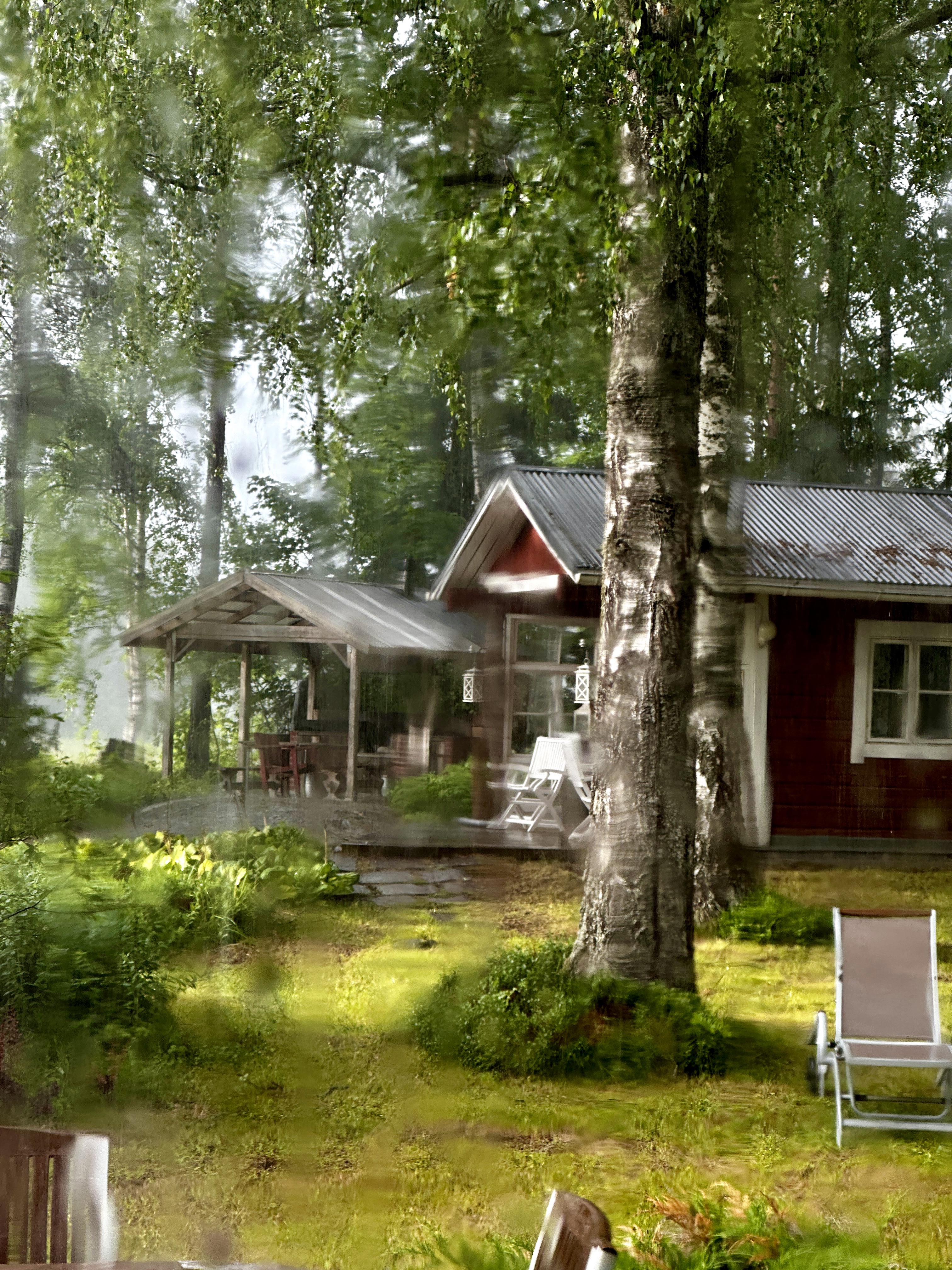
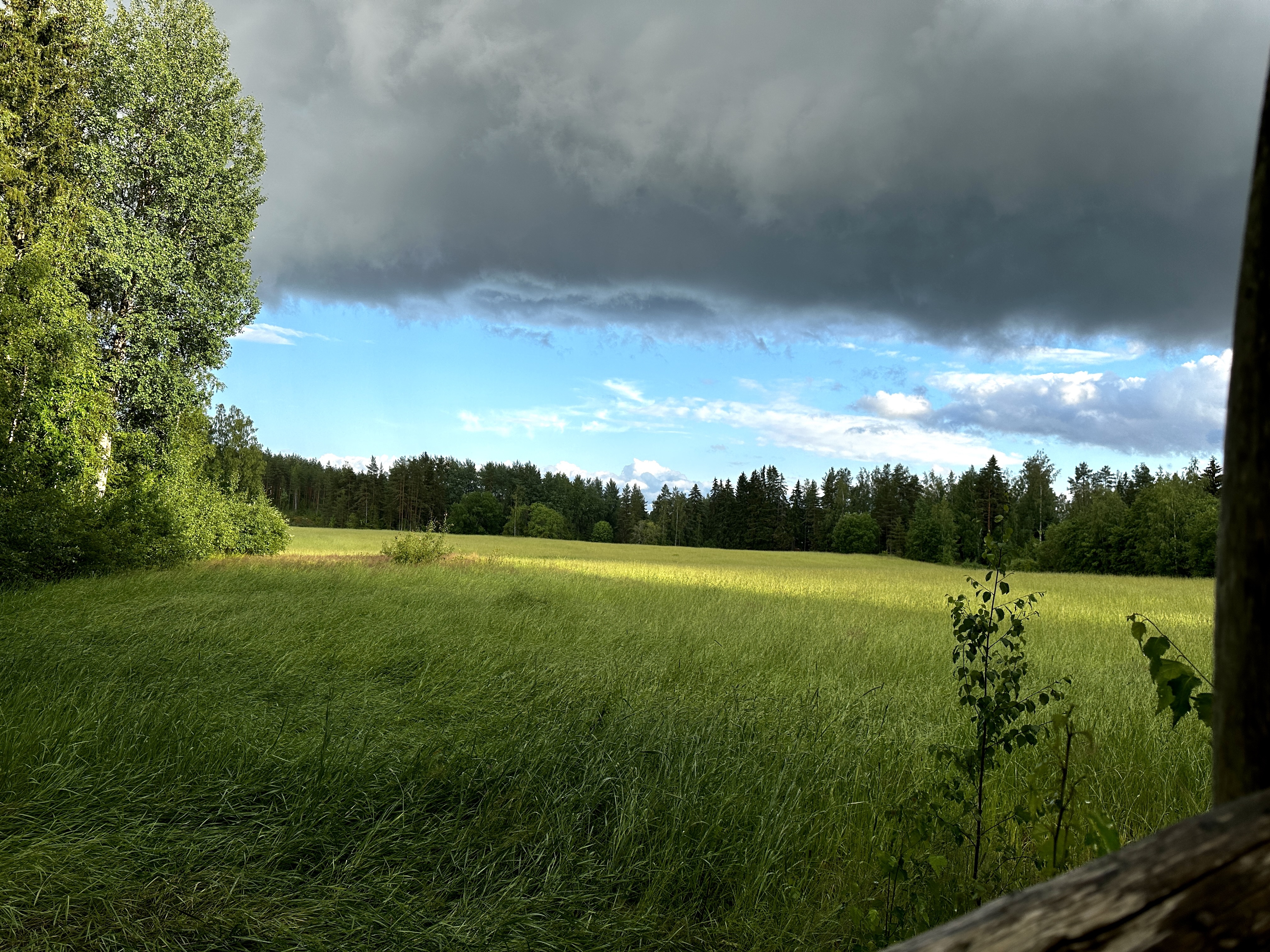
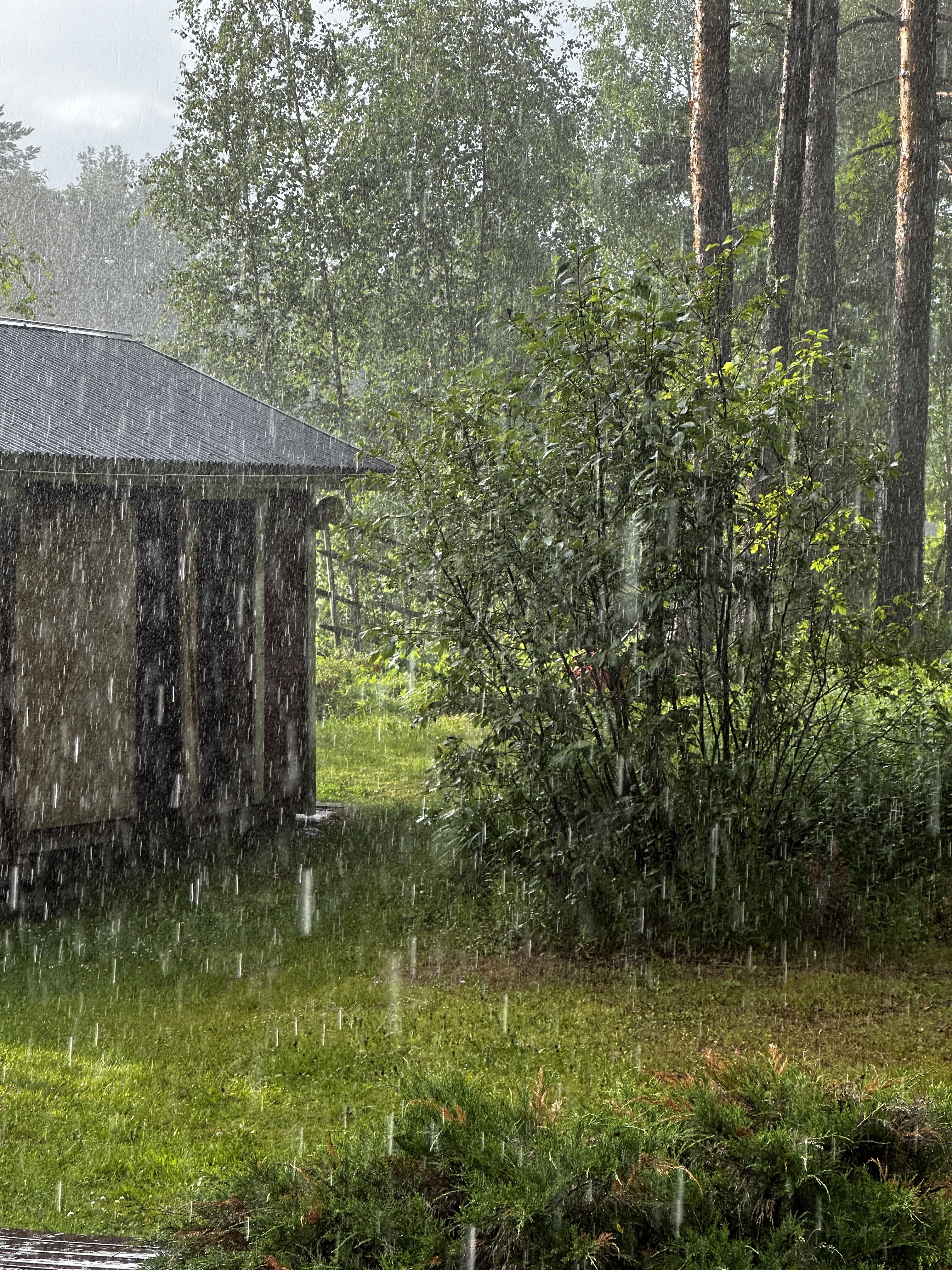
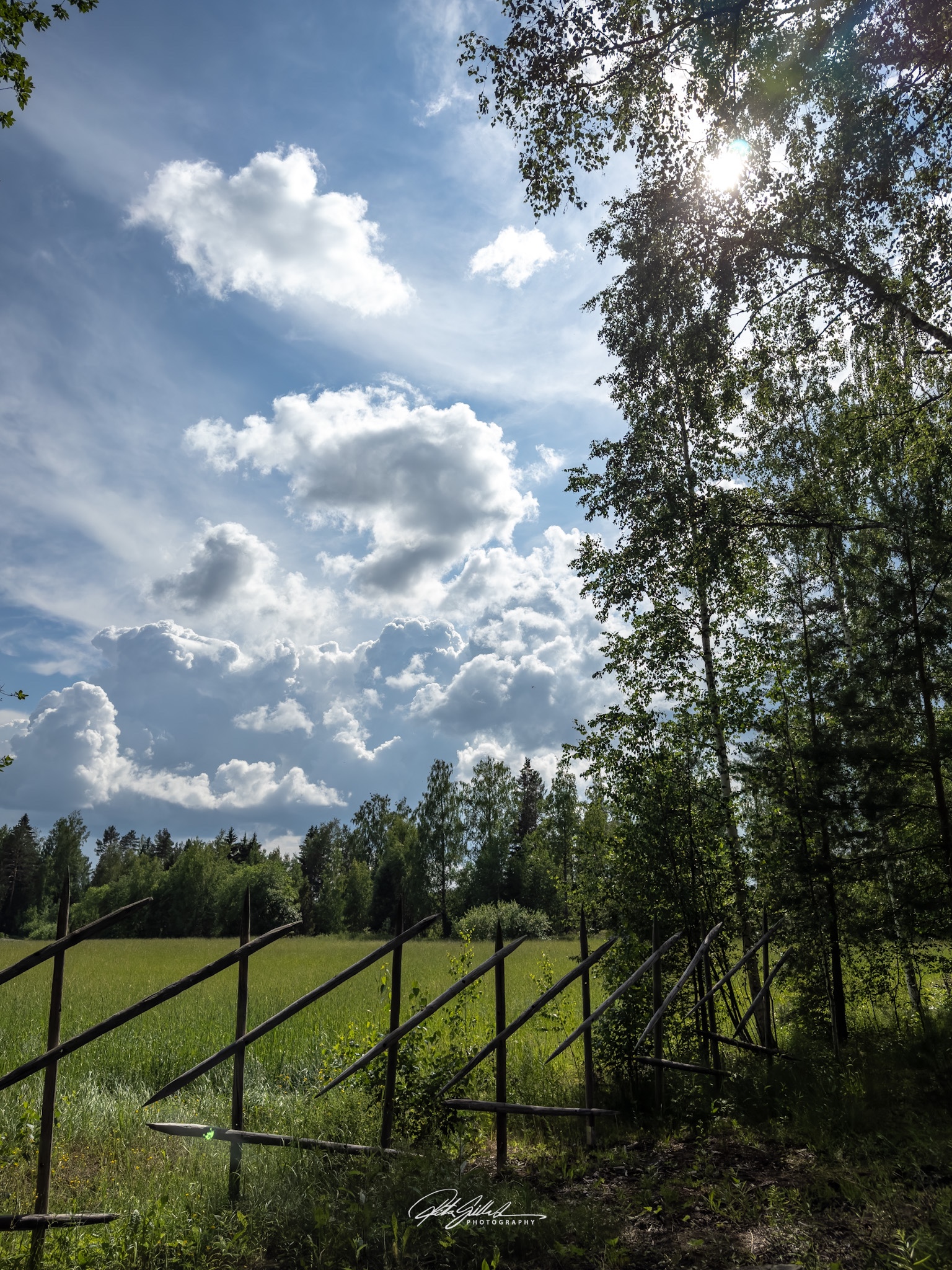
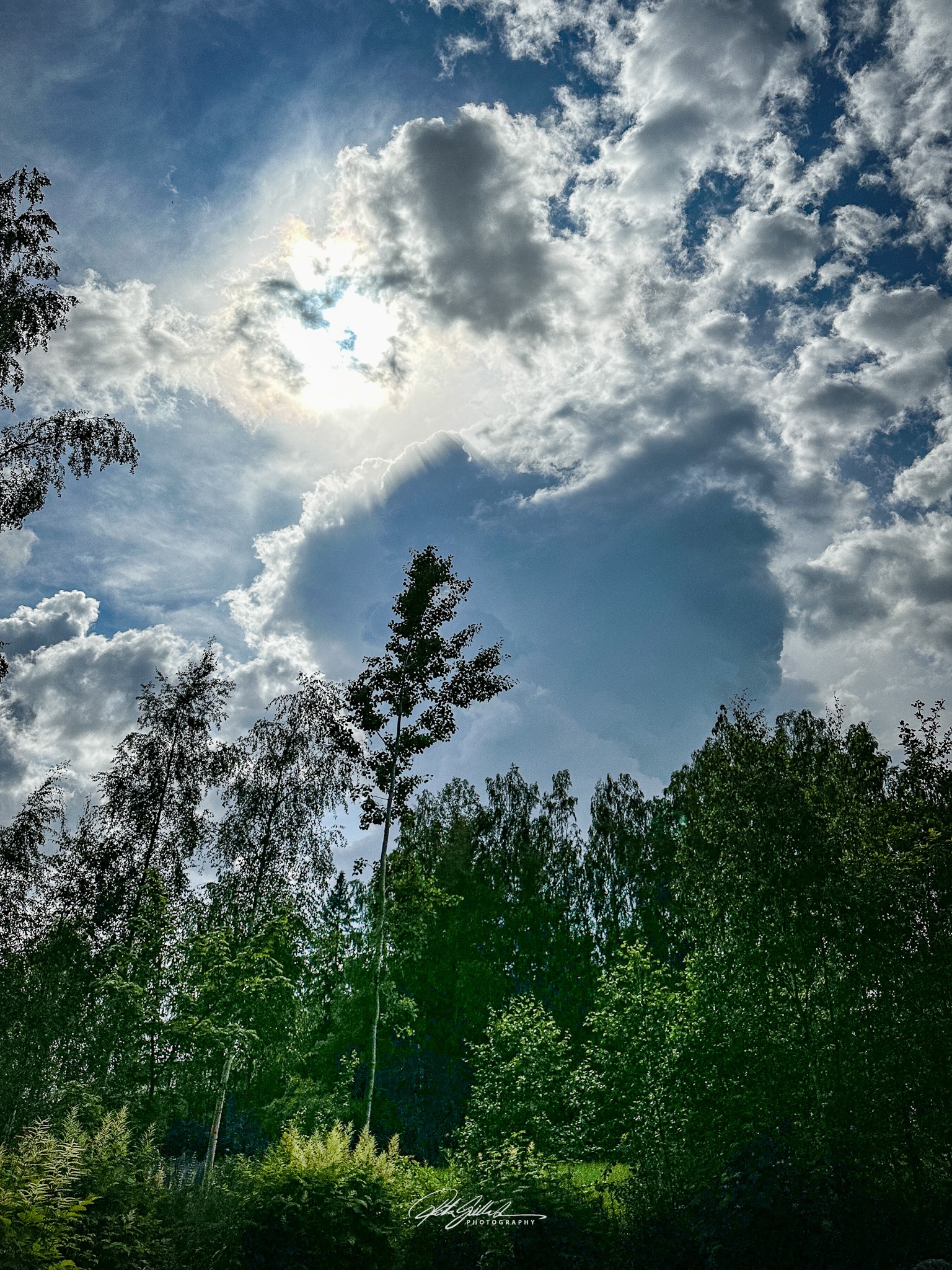
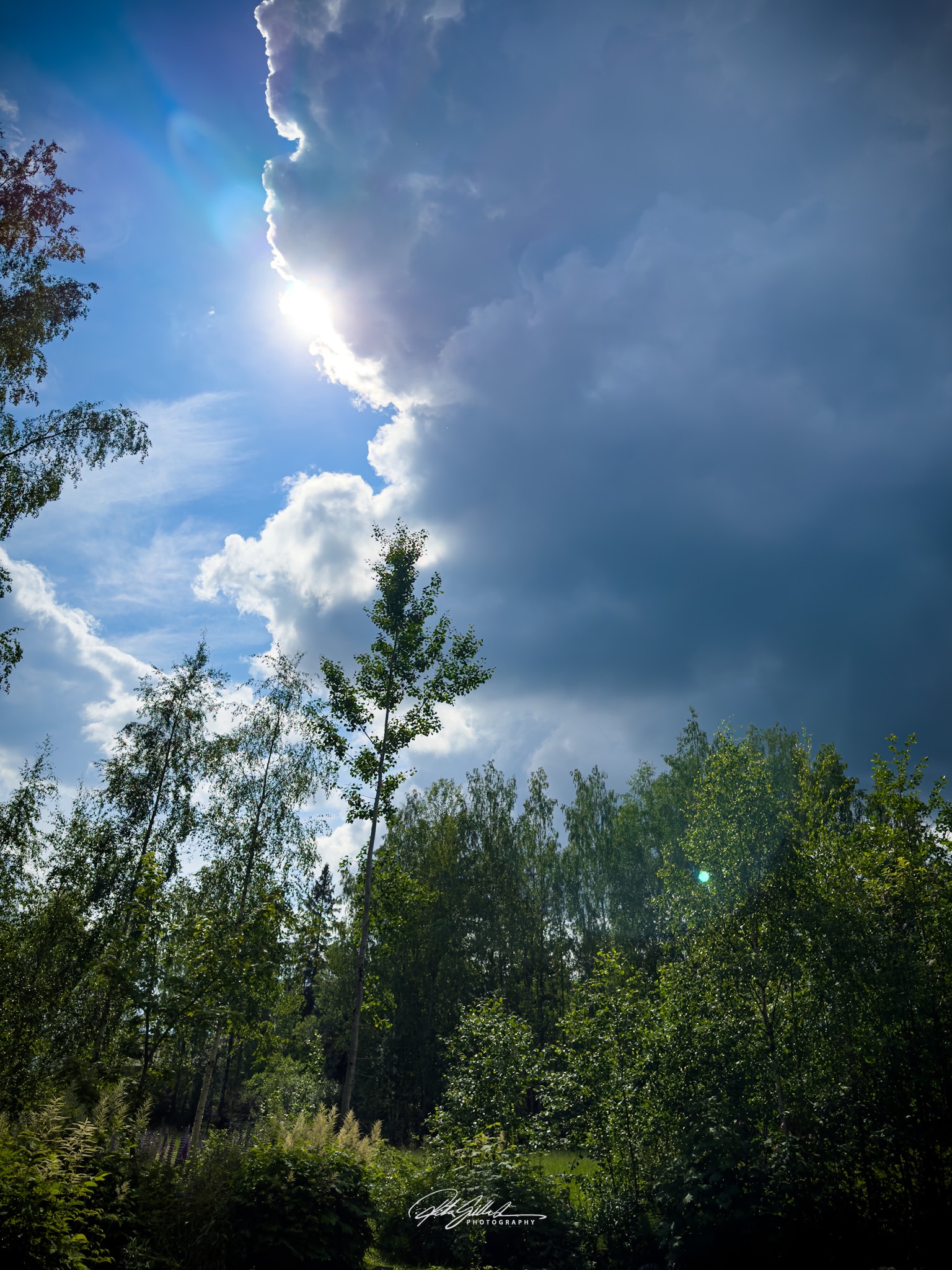
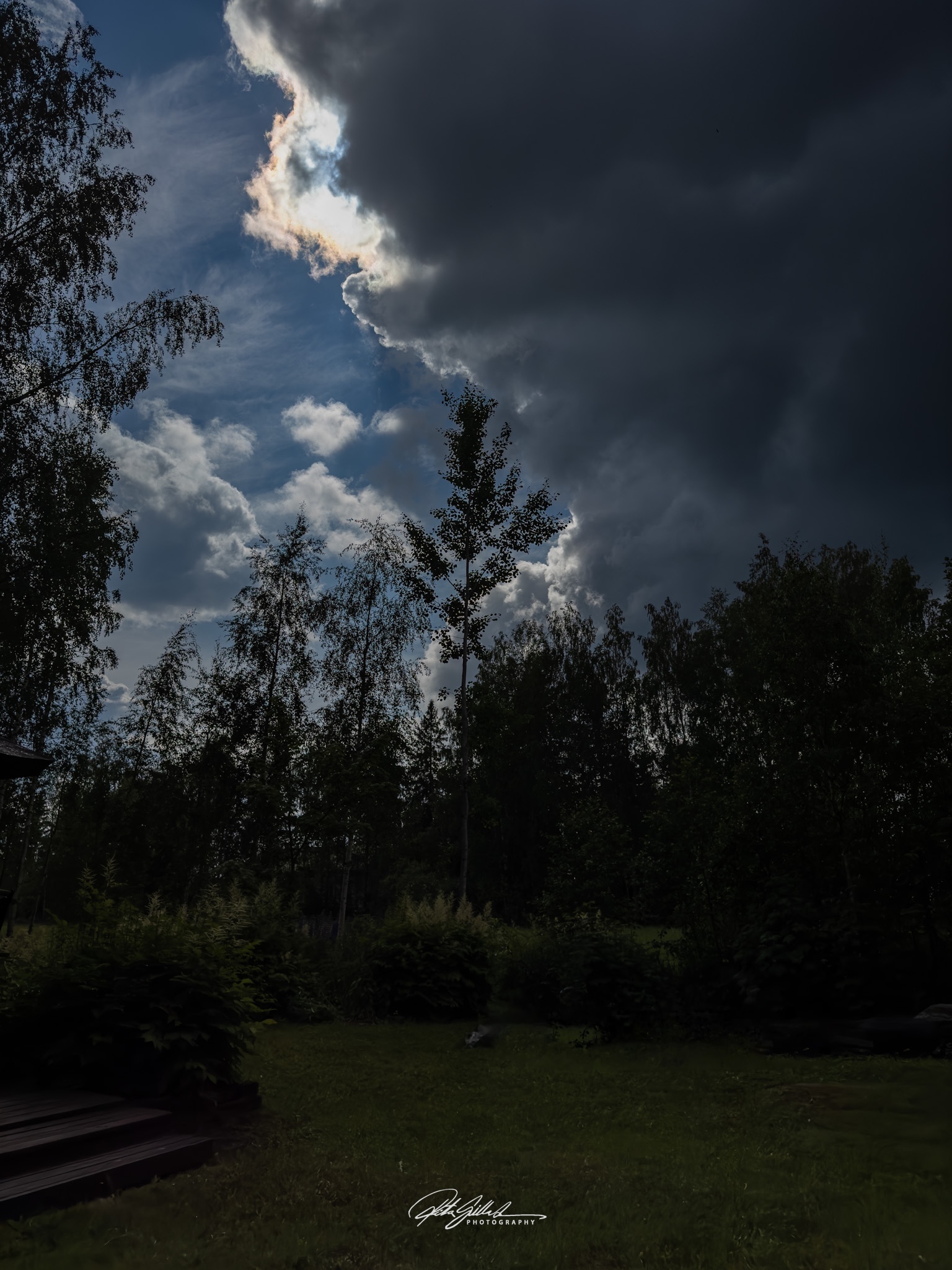
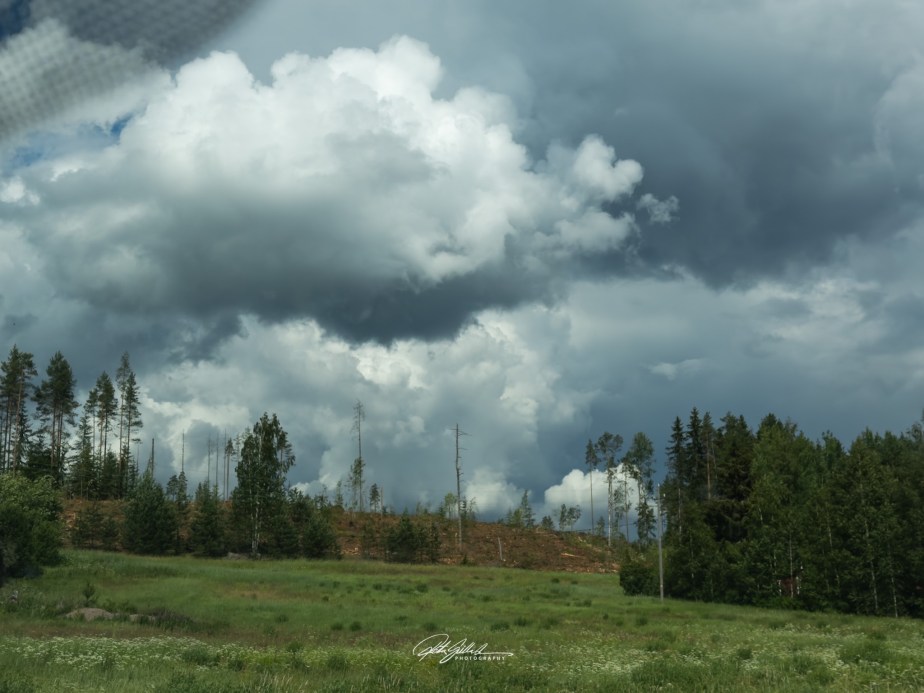
I took these some days back when we had some rainy days. They someway reflect my mood…. I see a small light ahead, and it is getting brighter. A minimalistic take on the weather
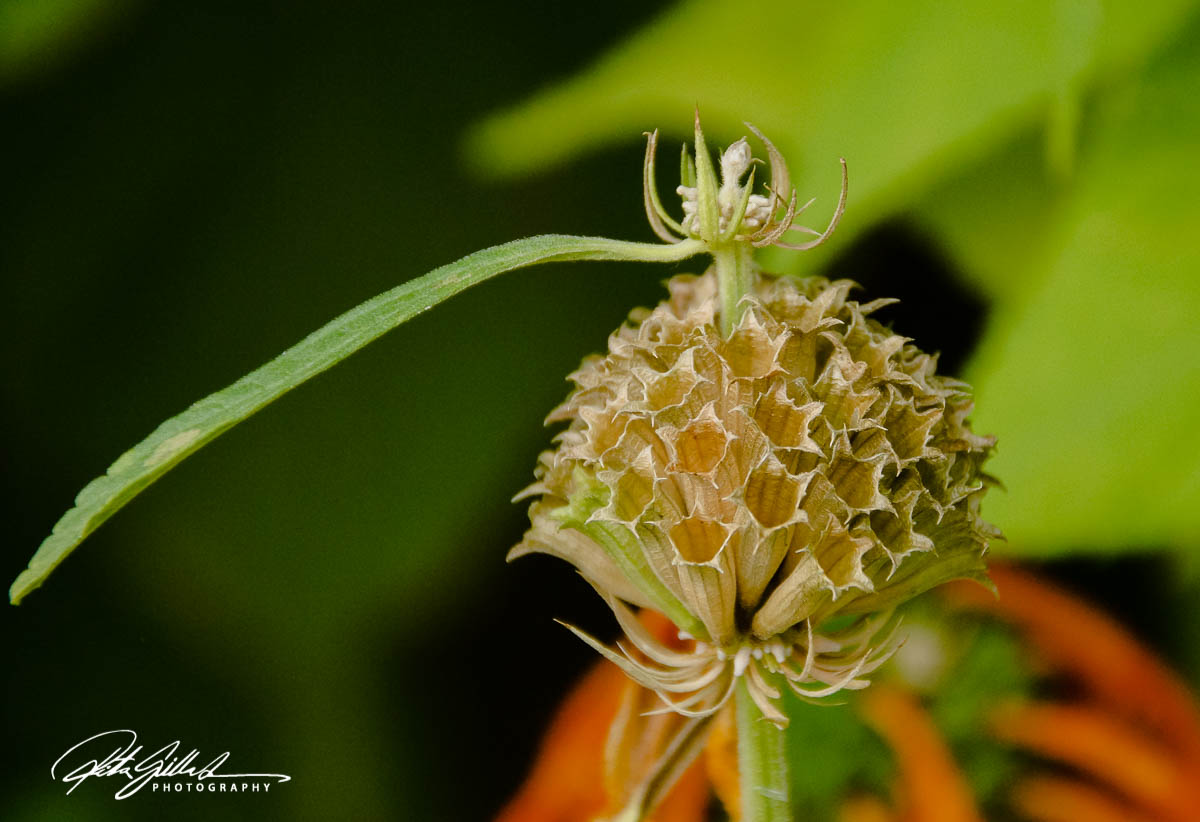
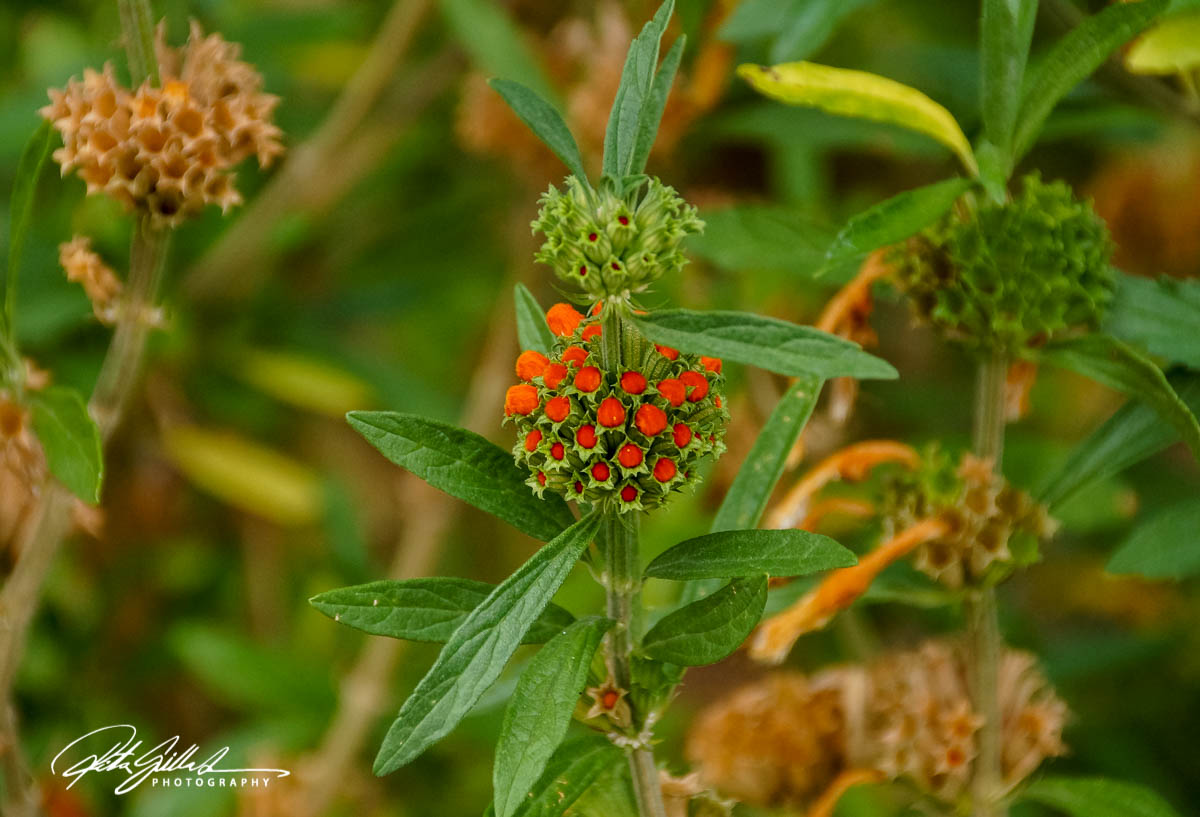
also known as lion`s tail and wild dagga, Klip Dagga
Lions Ear, Leonotis leonurus, is a plant species in the Lamiaceae family. The plant is a broadleaf evergreen large shrub native to South Africa and southern Africa, where it is very common. It is known for its medicinal and mild psychoactive properties.
Medicinal Uses. It is said that… ( what I read about it)
Klip Dagga has long been used in African traditional medicine as a treatment for fevers, headaches, malaria, dysentery and snakebite.
It has an effect on the uterus – depending on the dose it will stimulate- or suppress menstruation.
In Trinidad it is a common cold, fever and asthma remedy.
Studies suggest that teas or tinctures made with the leaf possesses anti-nociceptive properties, is anti-inflammatory and hypoglycemic and therefore lend pharmacological credence to the folkloric uses of this herb in the management and/or control of painful, arthritic, and other inflammatory conditions, as well as for adult-onset type-2 diabetes mellitus.
Both Klip Dagga Leonotis nepetifolia and Wild Dagga Leonotis leonurus are excellent heart tonics.
They are used for heart conditions associated with anxiety and tension and will calm palpitations, tachycardia and irregular heartbeats.
The dried foliage of Leonotis – both Wild Dagga and Klip Dagga – can be used as a legal substitute for marijuana (ganja, cannabis, hemp).
Smoking this dried herb gives an euphoric-like effect and exuberance.
The flowers are the most potent part and can be smoked or used as a calming tea.
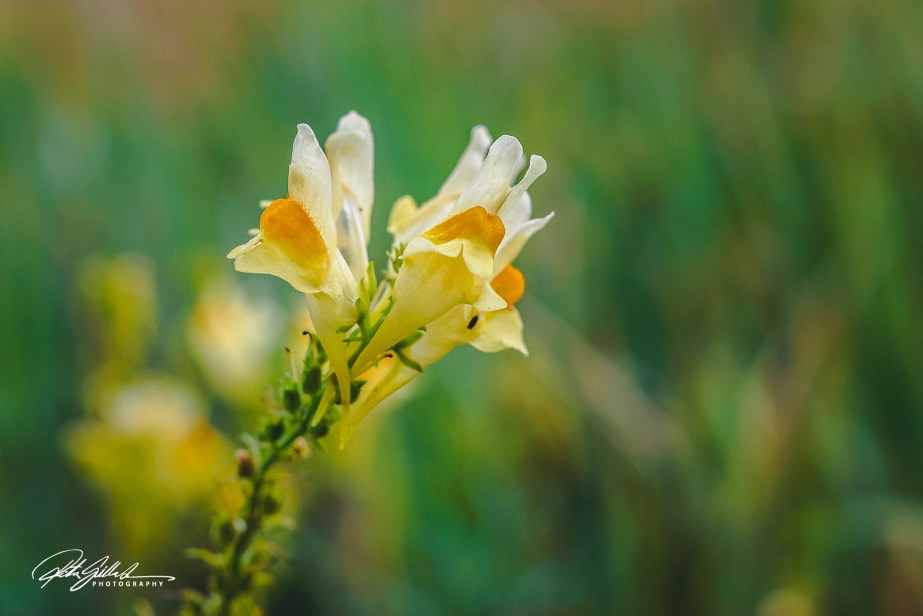
Toadflaxes are abundant in western Asia and around the Mediterranean. Many of them favour culturally-influenced areas, at least to at least a certain extent.
Yellow toadflax is a perennial, strong-rooted herb which has root buds. It flowers on roadsides right up until late September. In Finland it is native to coastal rocky outcrops. Inland plants may be established aliens that arrived later. Yellow toadflax has a beautiful flower and has thus been transplanted into gardens as an ornamental and found new habitats in this way.
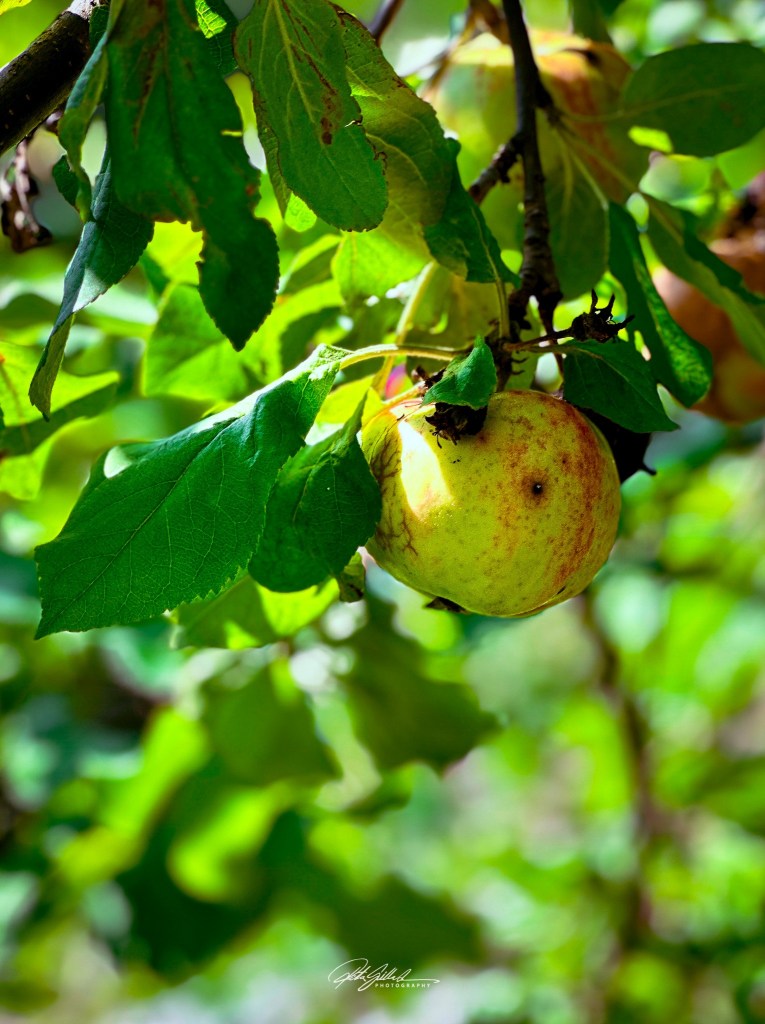
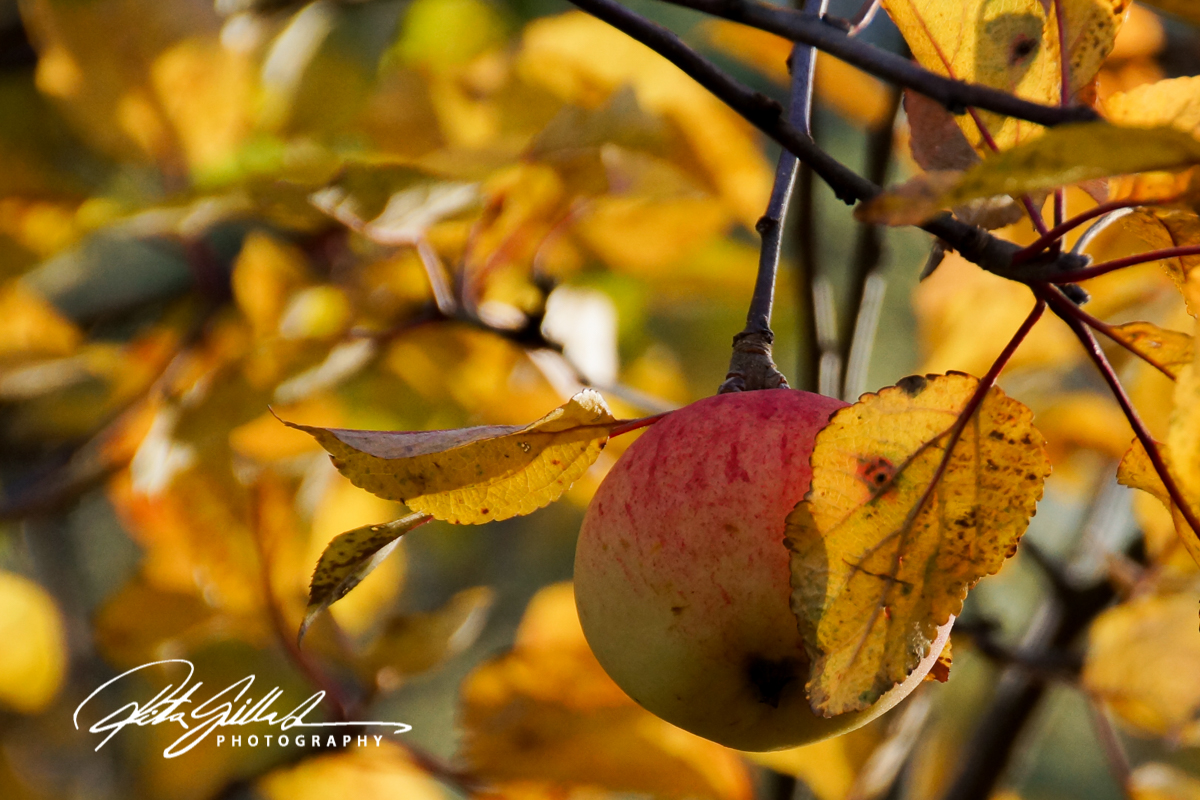
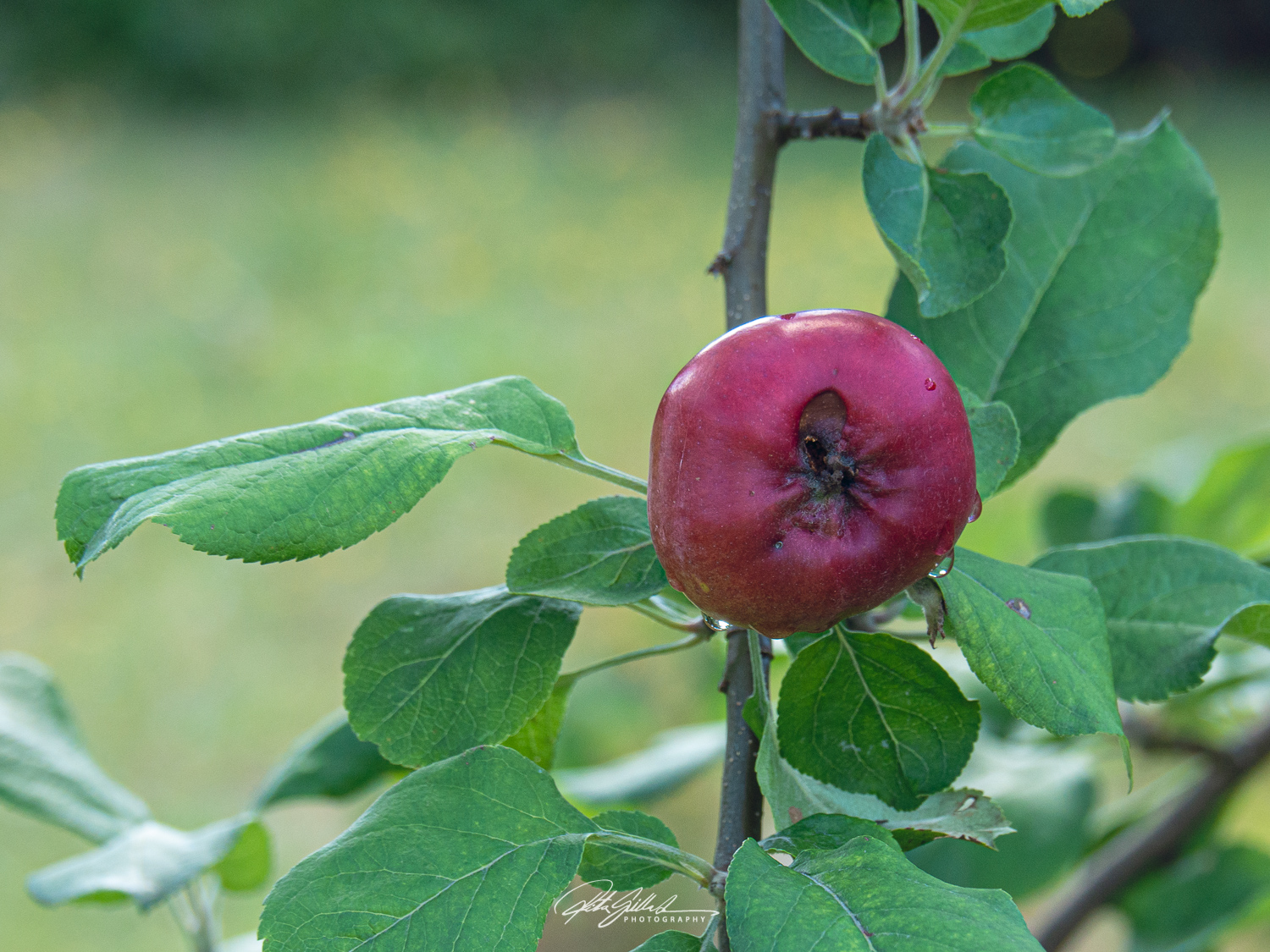
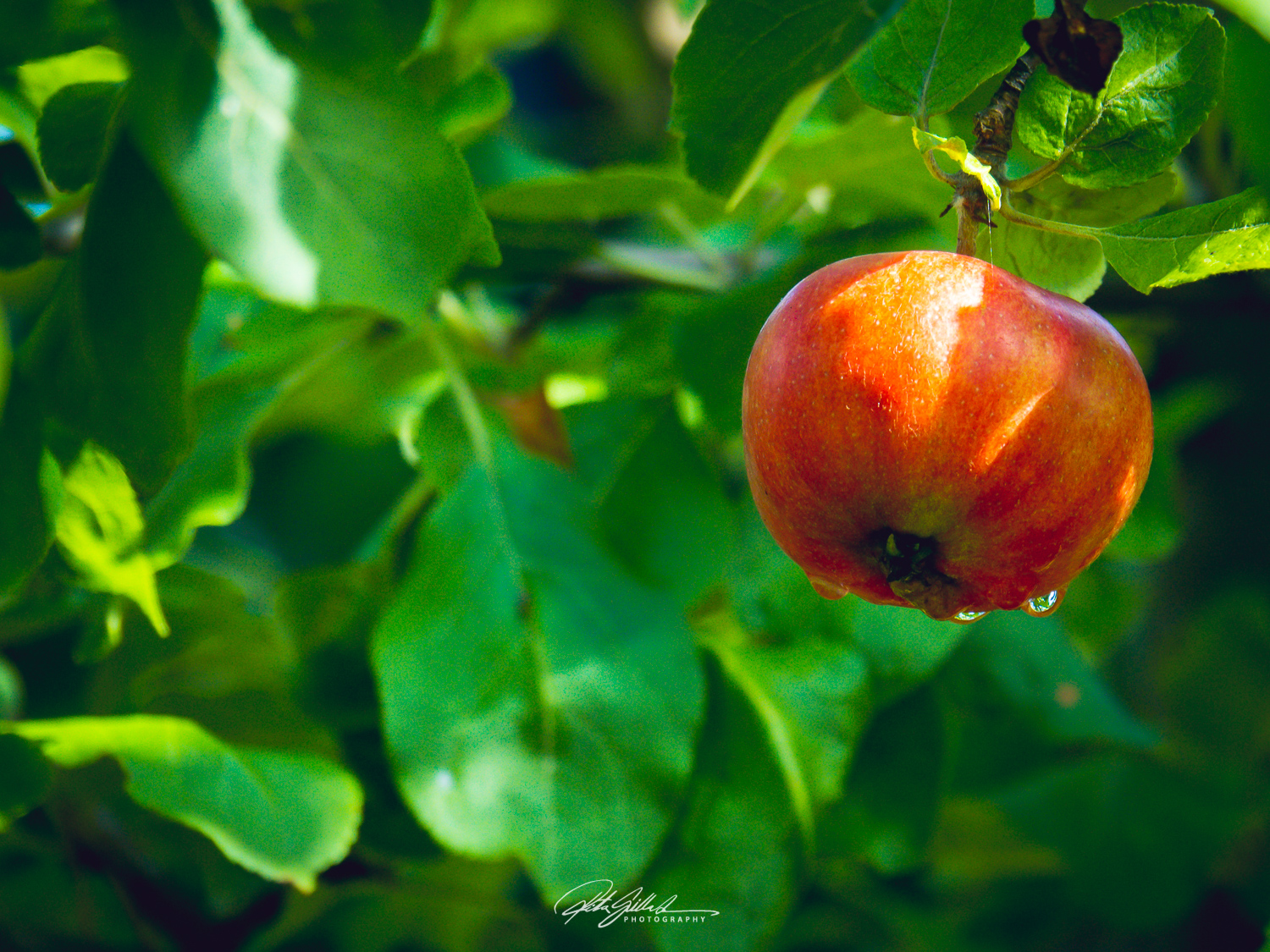
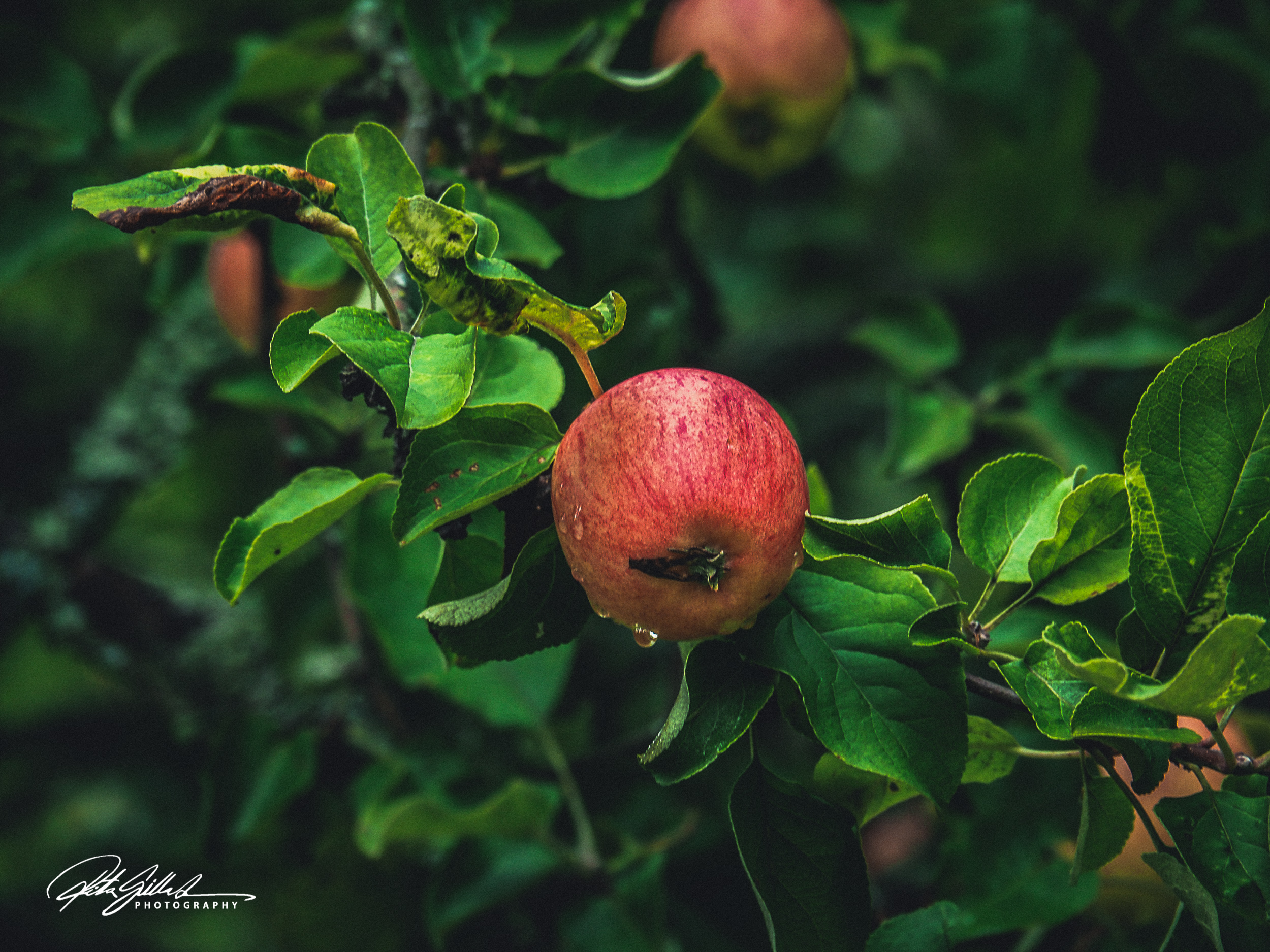
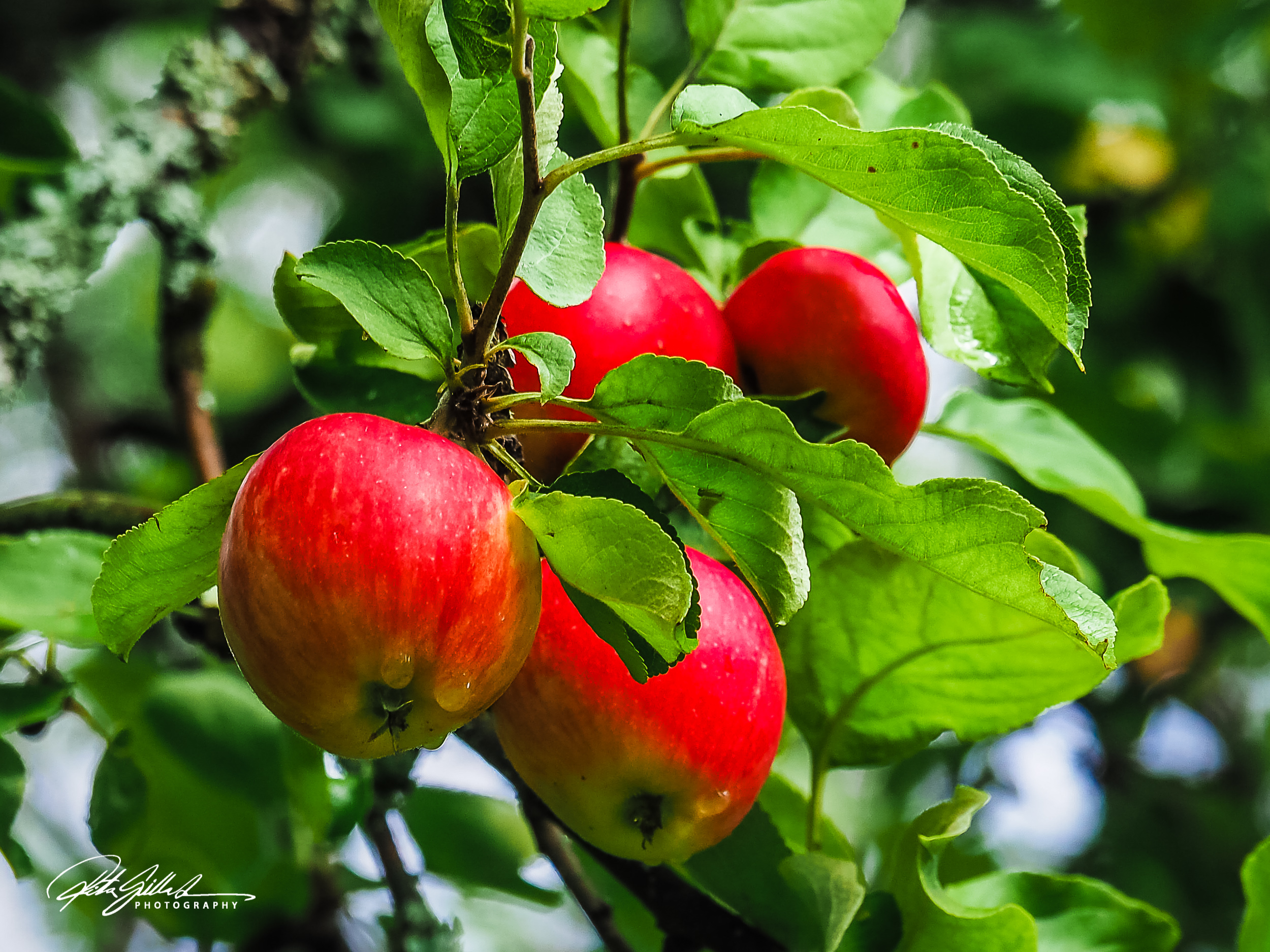
August, the Time you see apples 🍎 in the trees and obviously take some photos. Try something new, Like baking a apple pie with a new recipe?
There is a recipe for a Finnish version of an apple pie
FINNISH APPLE PIE
MAKES 1 PIE TAKES 50 MINUTES TO MAKE
INGREDIENTS
Dough: 125 g butter ½ cup (120 ml) sugar 1 egg 1 ½ cups (350 ml) wheat flour 1 tsp baking powder 2 tsp vanilla sugar
4-5 green granny smith apples (depending on the size of the apples) 3 tbsp granulated sugar 1 tbsp ground cinnamon 3 tbsp butter
INSTRUCTIONS
Mix the butter and sugar in a bowl by hand. Add the egg and whisk. In a separate bowl, mix the flours, baking powder and vanilla sugar together. Add the flour mixture to the butter mixture about ½ cup at a time. Work it together until you have a ball of pastry dough. Preheat oven to 200°C. Wash the apples and slice them very thinly. Use one tablespoon of butter to butter your pie dish. Take the dough out of the bowl. Spread the dough (about 5 mm thick layer) to the bottom and sides of the pie dish. Set the apple slices tightly starting from the edges. Sprinkle the sugar and ground cinnamon on top. Spread little pieces of butter (2 tbsp together) on the top of the pie. Bake in the oven for 25-35 minutes. Remember to check it every 10 minutes to avoid burning the edges. Enjoy with vanilla sauce or ice cream!
Meadow vetchling has never been an important nutritional or medicinal plant, although it has probably been a useful fodder plant.
Meadow vetchling spreads widely through its runner-like rhizome to form large stands. Sexual propagation is however problematic: pods don’t develop on most of the flowers and the seeds are prone to being destroyed by insects. It makes an impressive sight however when it is in bloom, and it stands out easily among the surrounding grasses. It climbs up to become visible by using its tendrils to climb on other plants.
Meadow vetchling is the only yellow-flowered species out of the members of its genus that are established in Finland. At first glance its flowers might look like bird’s-foot trefoil (Lotus corniculatus), but the latter has a tendril instead of a terminal leaflet, and it doesn’t use other plants to climb on.
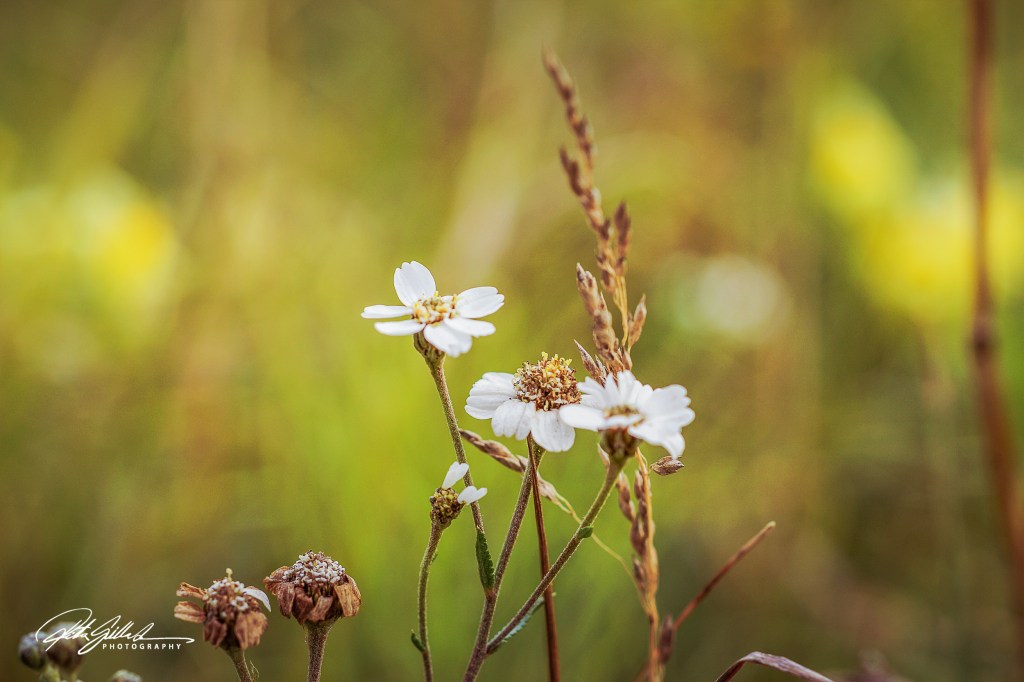
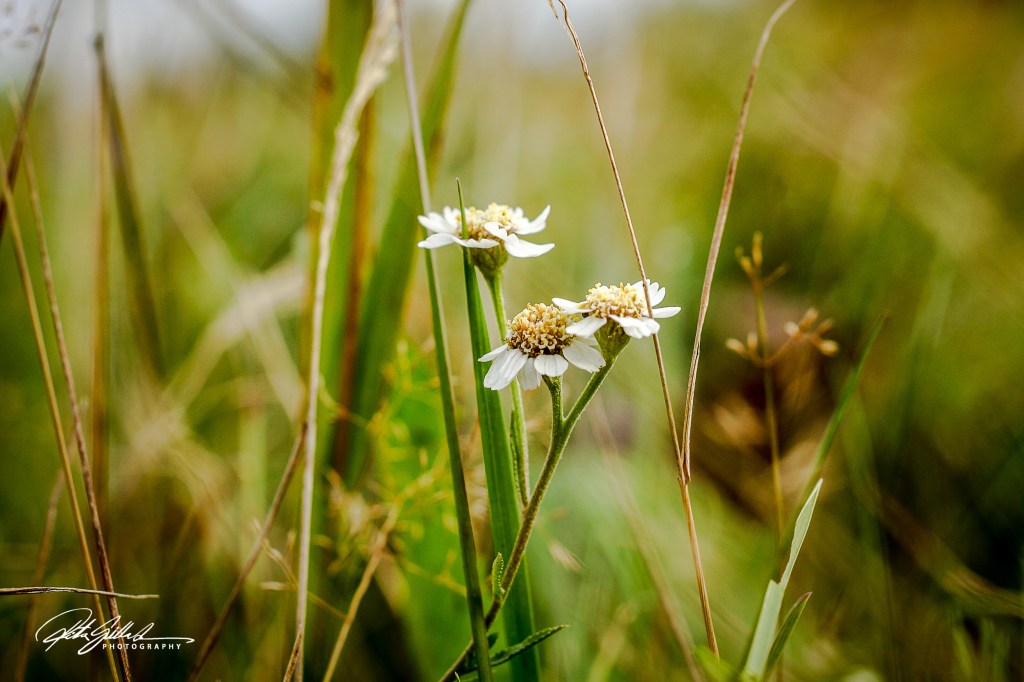
Name also: Bastard pellitory, Fair-maid-of-France, Goose tongue, Sneezeweed yarrow, White tansy, Wild pellitory
Sneezewort has spread or been brought to Finland quite late, sometime in the 17th century, and for a long time after that it was rare. It only began to become more common at the end of the 19th century and the beginning of the 20th, however, when hay started to be cultivated.
It grows all over Finland now, apart from the wide expanse of wilderness in Lapland. It still grows mainly where humans have left their mark in drained swamps, the edges of hay-fields, beside roads and on waste ground. It can survive a long time on old fields that have been reclaimed by the forest but in that case it flowers rarely.
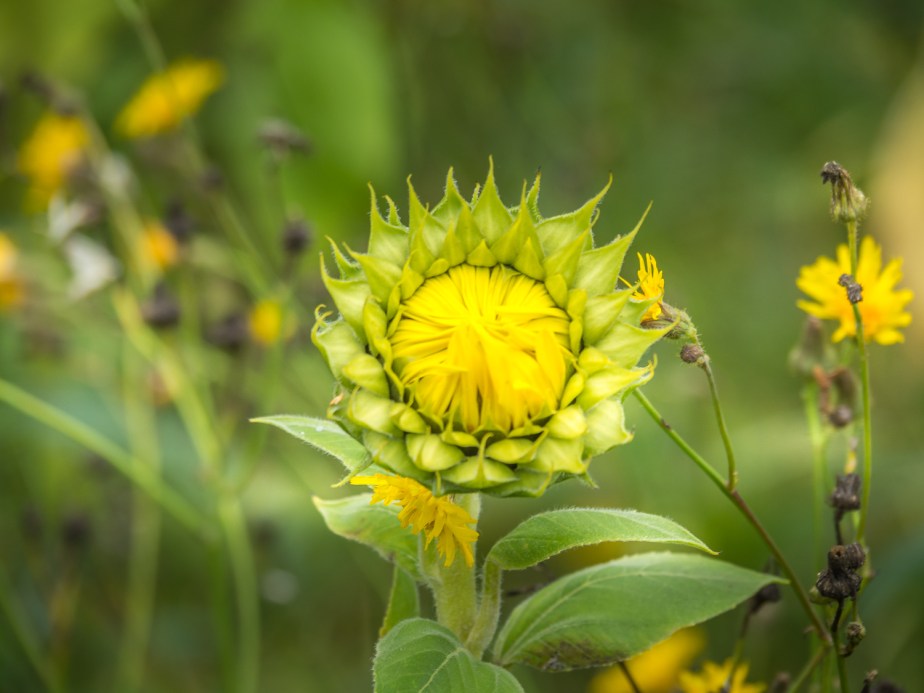
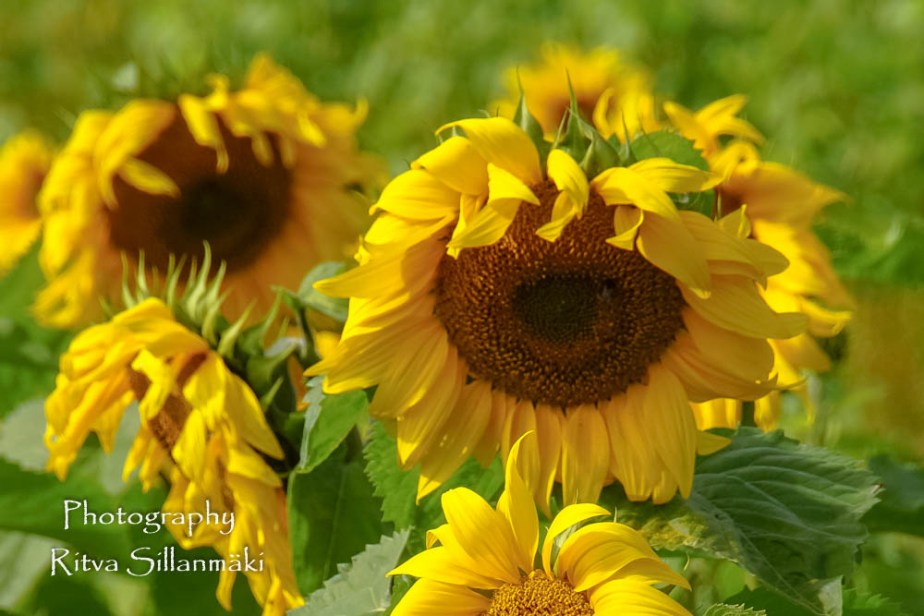
The sunflower (Helianthus annuus) is an annual plant with a sizeable daisy-like flower face. Its scientific name comes from the Greek words helios (“sun”) and anthos (“flower”). The flowers come in many colors (yellow, red, orange, maroon, brown), but they are commonly bright yellow with brown centers that ripen into heavy heads filled with seeds. Sunflowers make excellent cut flowers, and many attract bees, birds, and butterflies.
Sunflowers are heliotropic, which means that they turn their flowers to follow the movement of the Sun across the sky from east to west and then return at night to face the east, ready again for the morning sun.
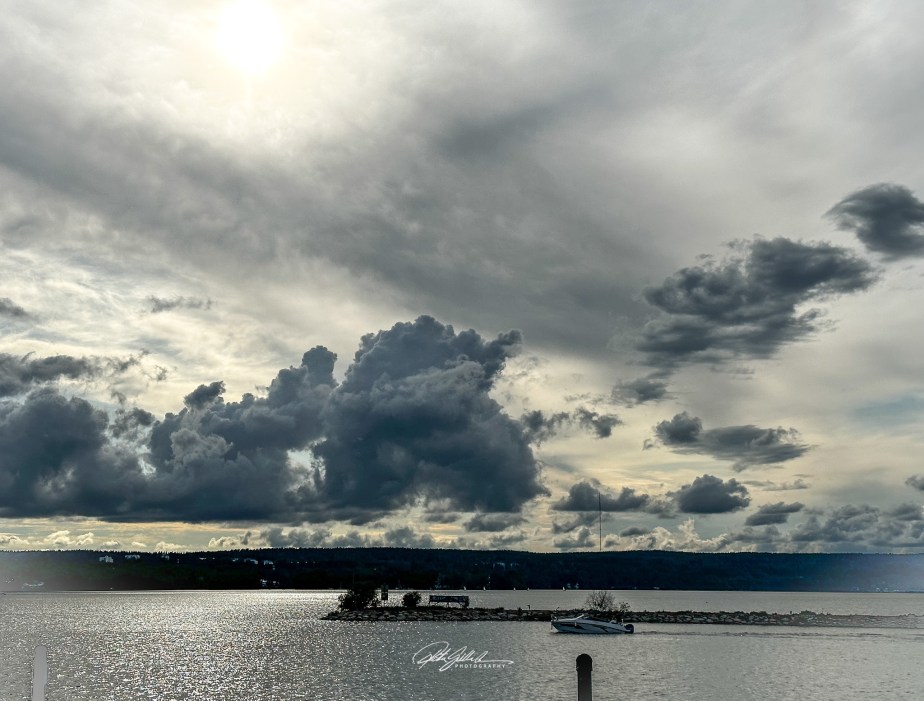
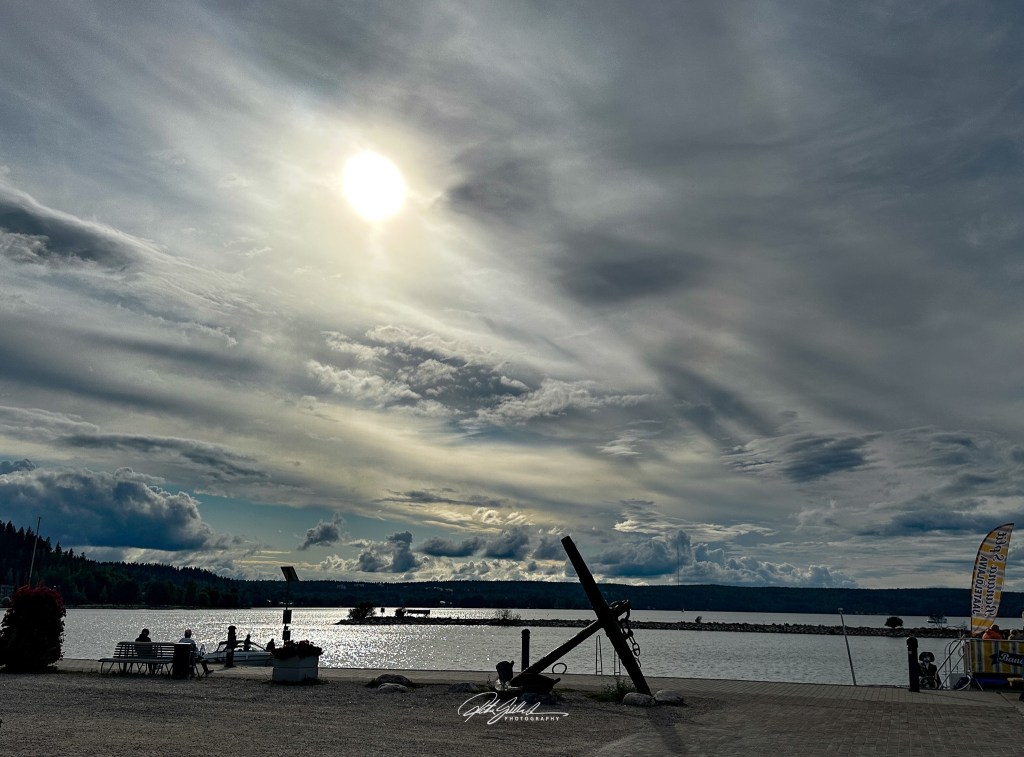
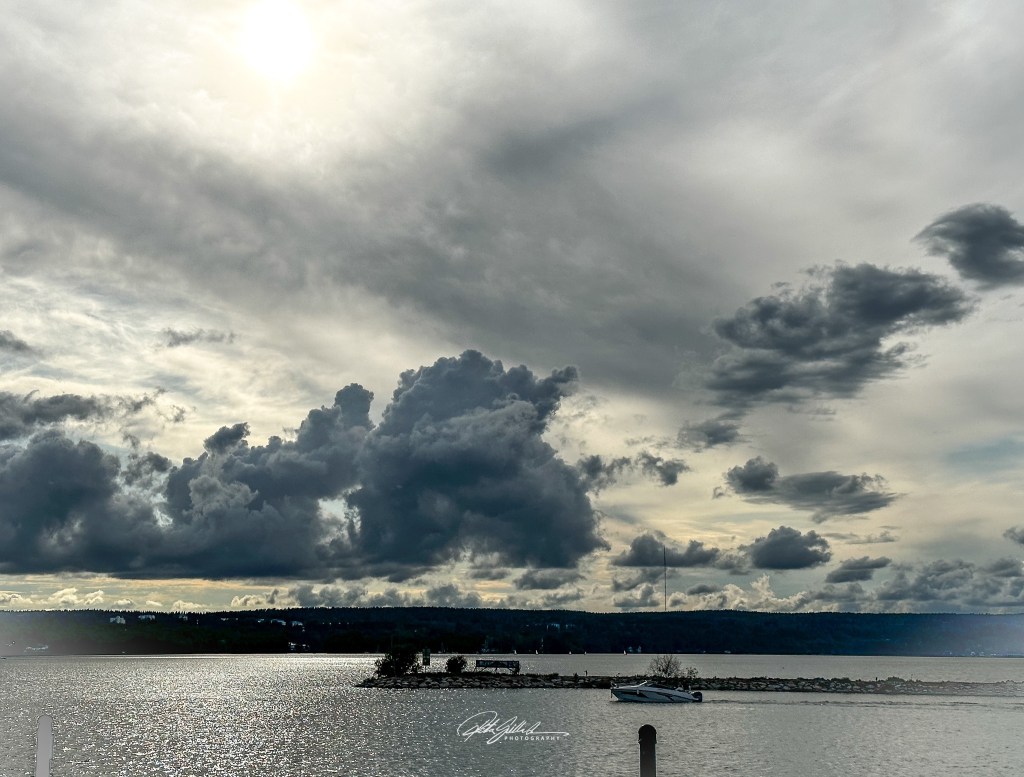
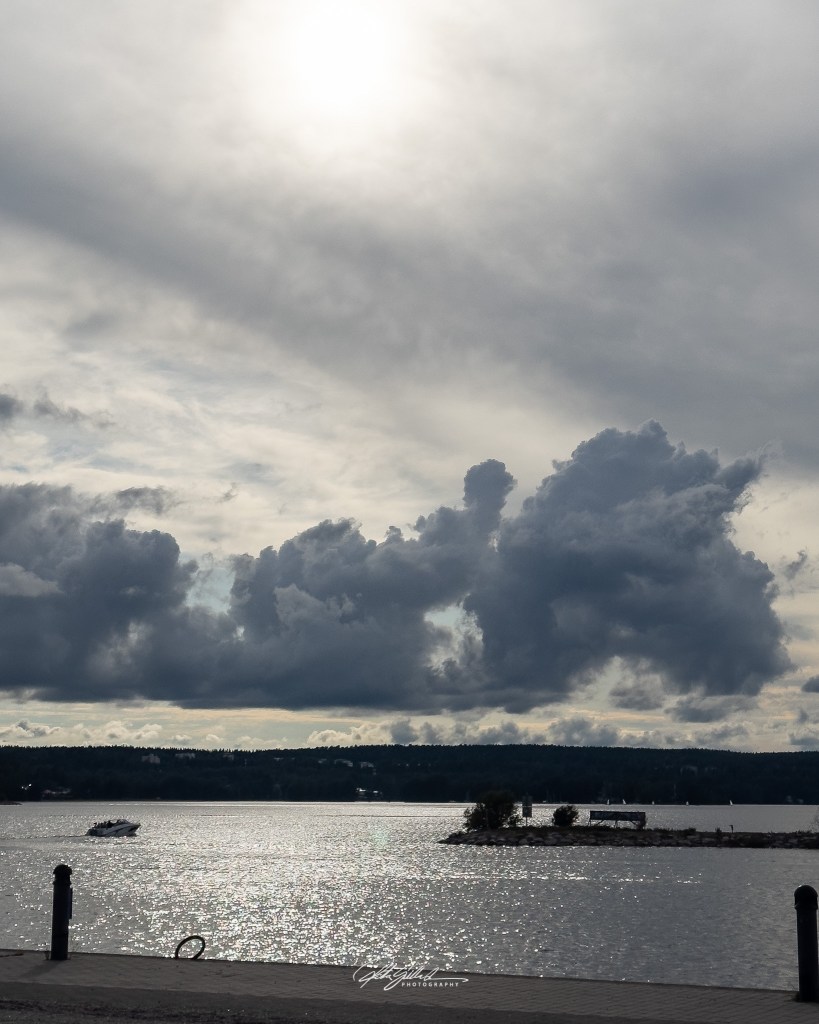
We have had what we a typical Finnish summer lately, that’s to say, constantly changing weather, rain, clouds, sunshine and anything between.
Clouds at the harbor
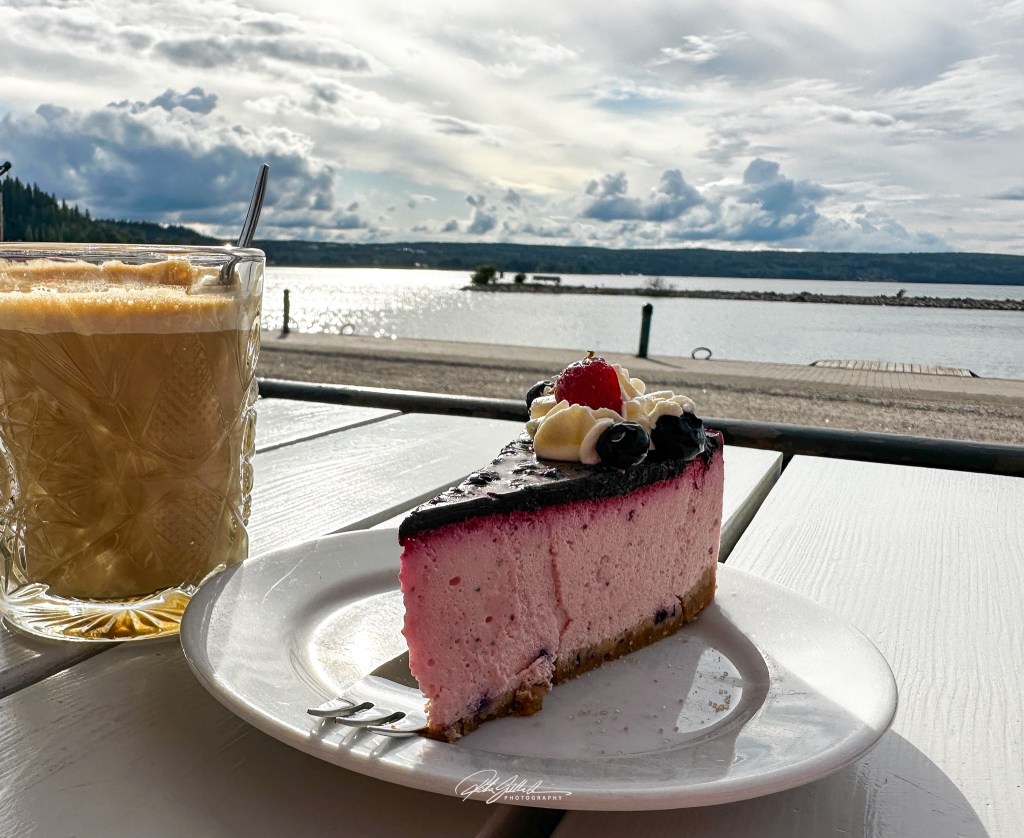
Lahti harbour is where you will meet us Lahti residents, and summer residents especially in the summer. The harbour is full of restaurants and cafés. We had coffee at cafe Kariranta Located in the old Vesijärvi train station building, Kariranta is the true gem of the harbour. Pastries baked in the café will make your mouth water.
Coffee and strawberry and blueberry cheesecake
We went there after having chosen the paint to our kitchen floor. We have always thought that it was old traditional gray paint used in old houses, and apparently it is, but actually it was green with gray tones. So weird 😊
this week’s Lens Artists Challenge with a theme is unbound. Hosted by Dans departing in 5 mins 🕝 challenges us to show unbound…
I am in a middle of a huge renovation- we had a water damage in our summerhouse kitchen and have to redo the whole kitchen floor, so it is a huge hassle, so still keeping it simple. Not sure this hits the mark in interpretation, but here it goes. These could be throwback photos also 🙂
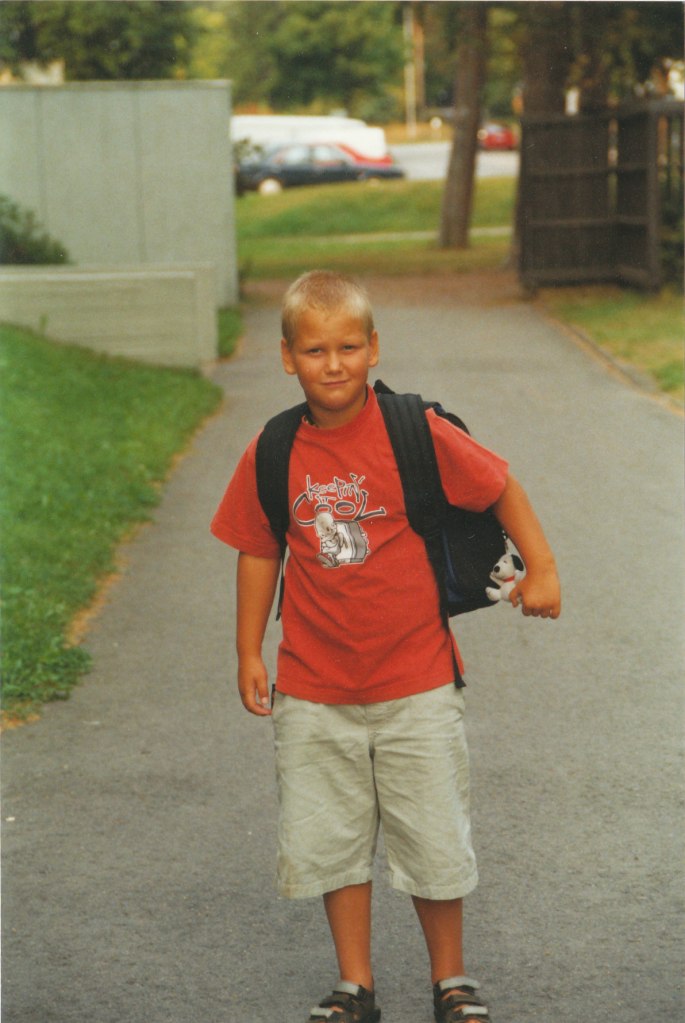
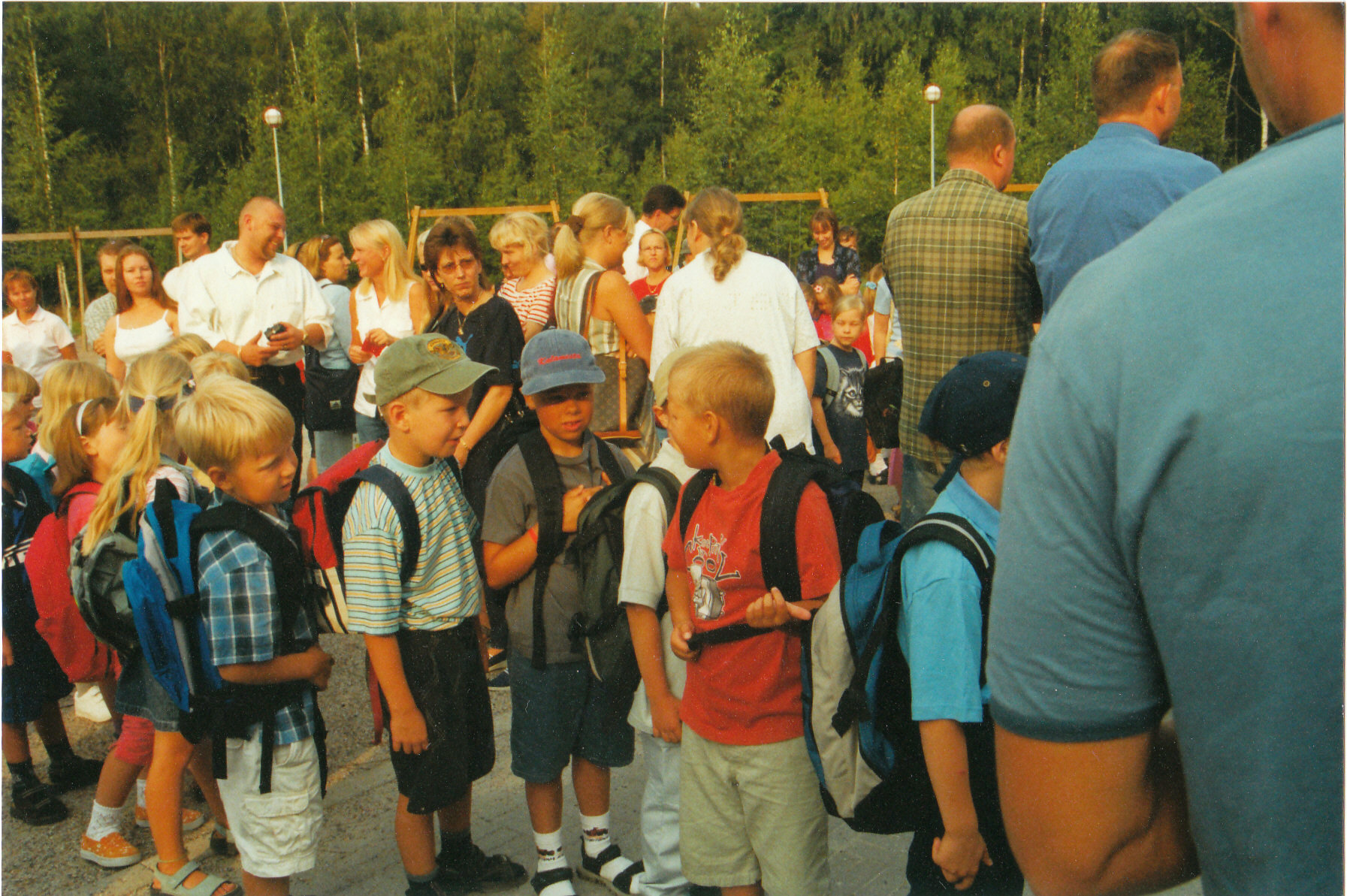
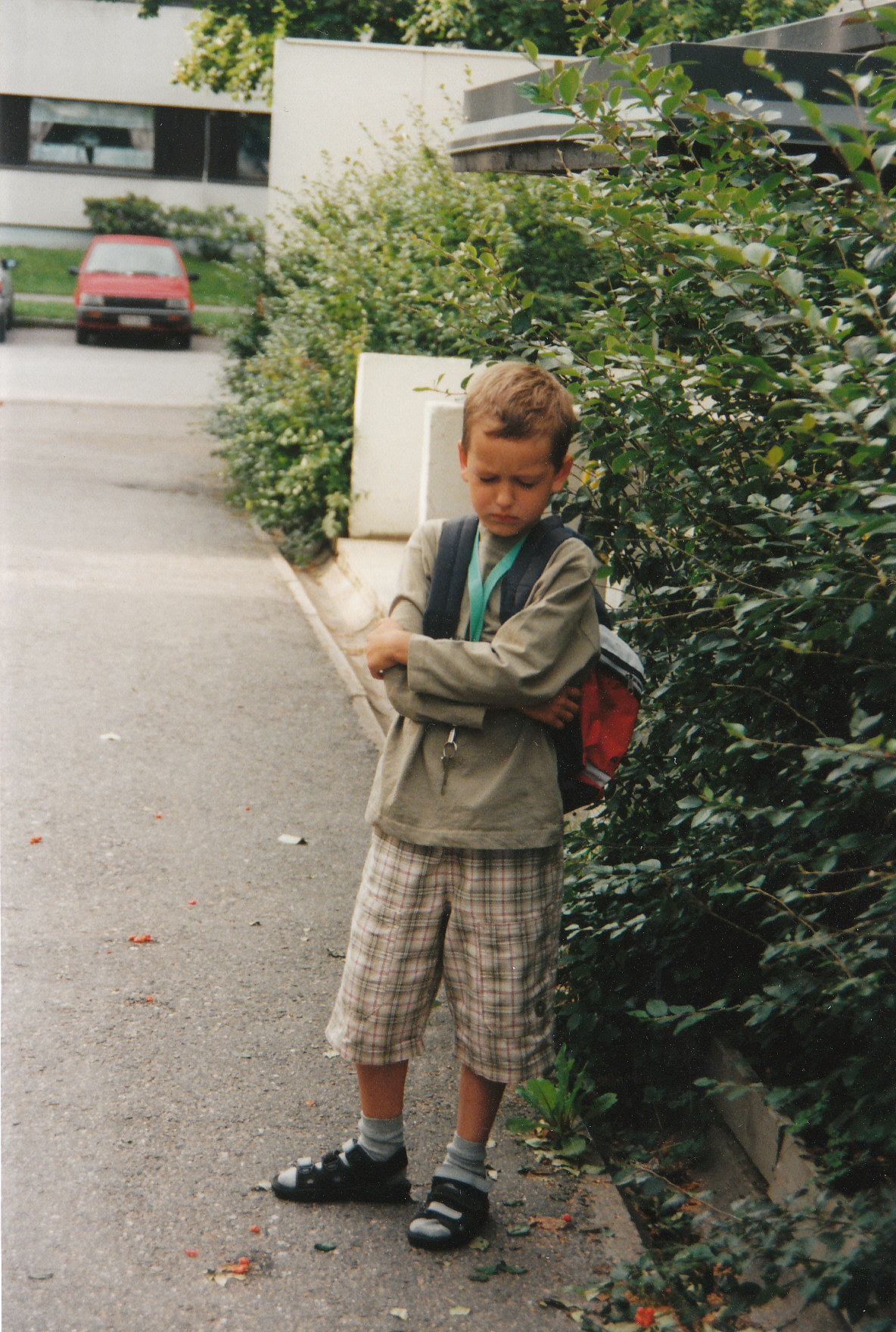
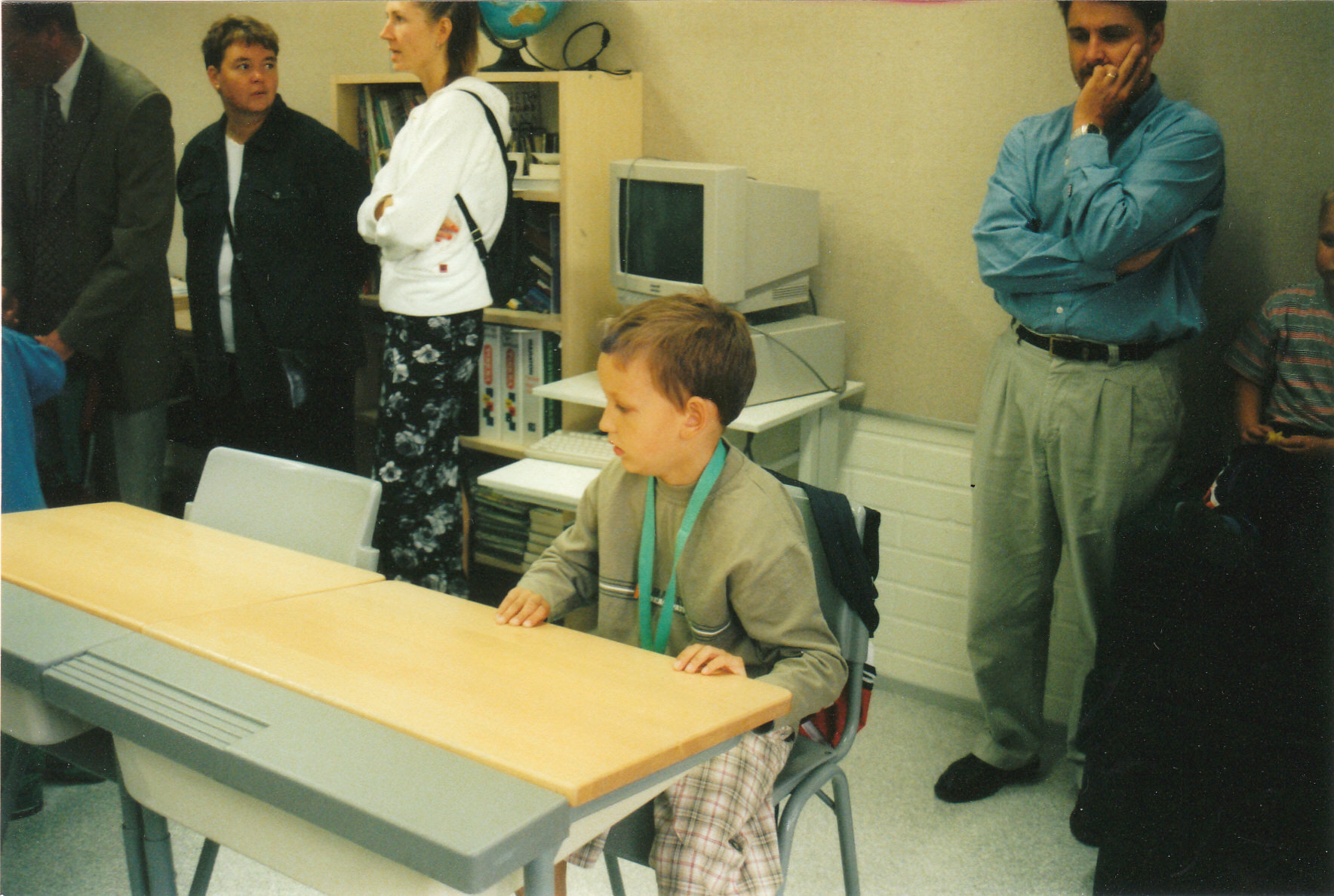
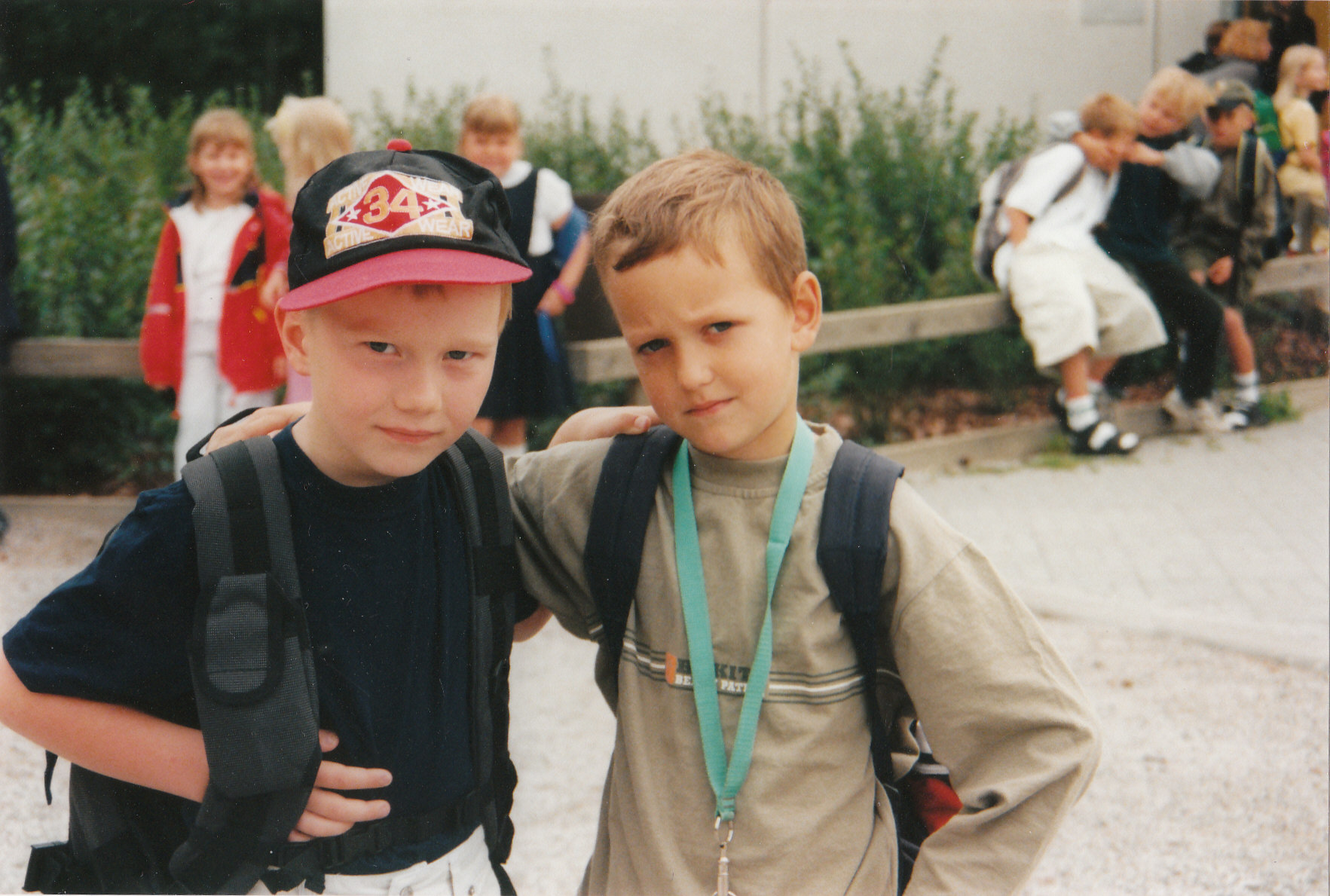
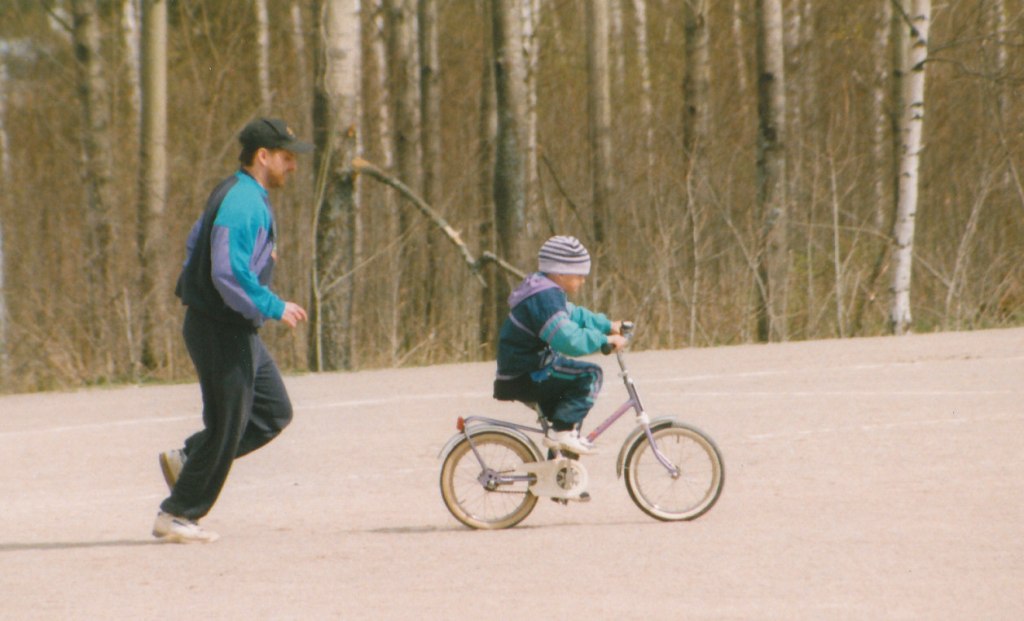
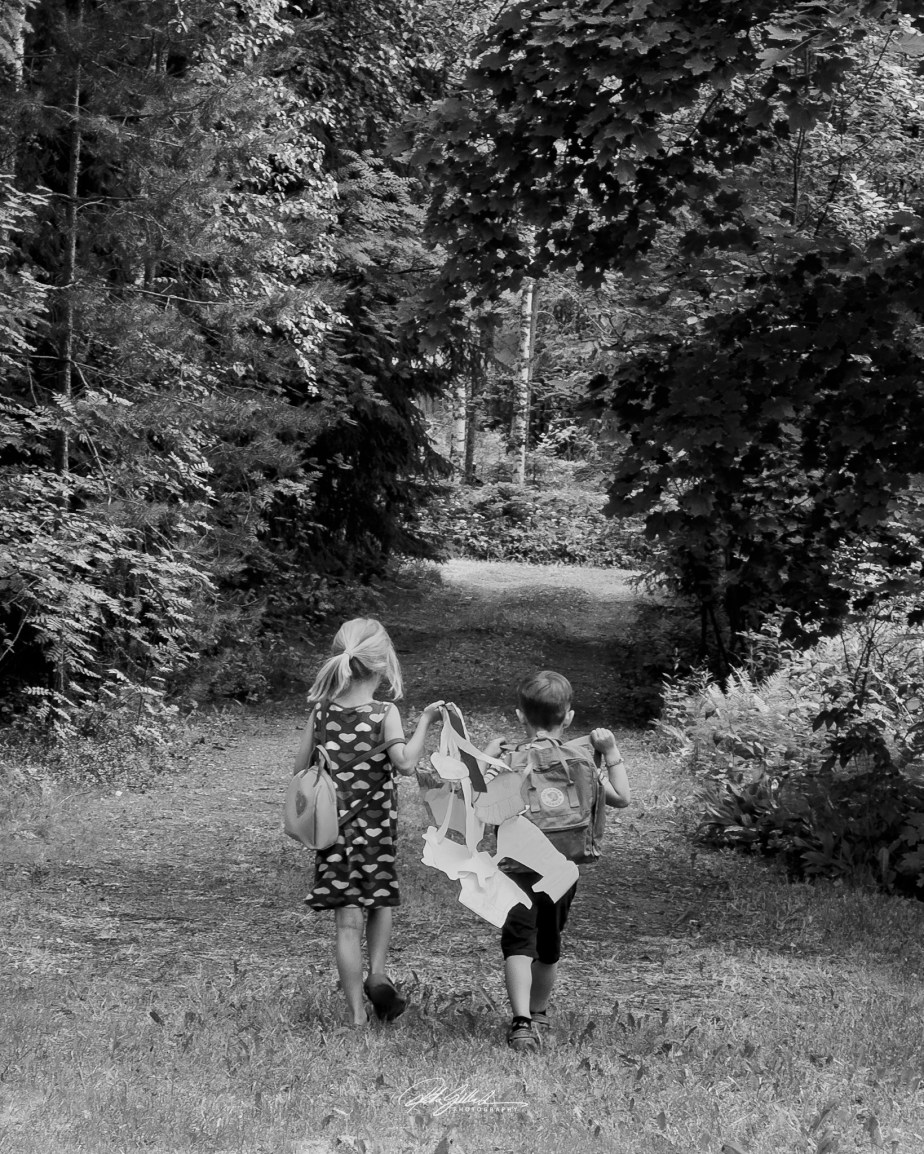
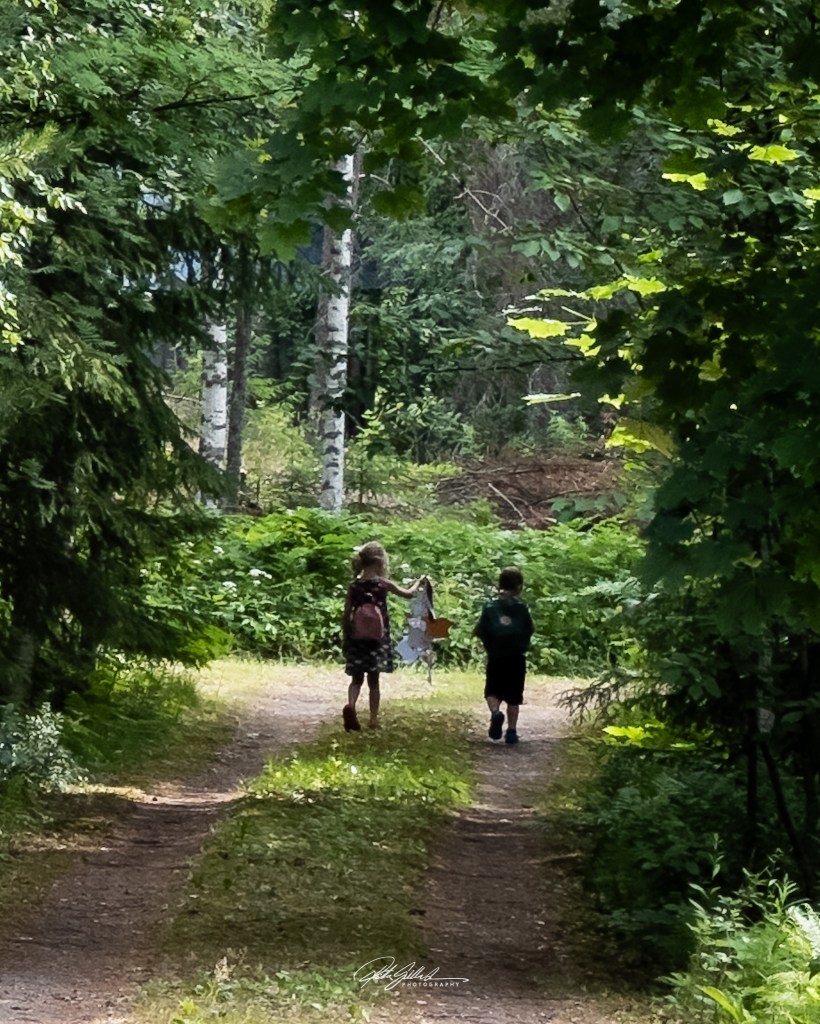
My youngest sons first day of school
The most important day of a person’s education is the first day of school, not Graduation Day.”
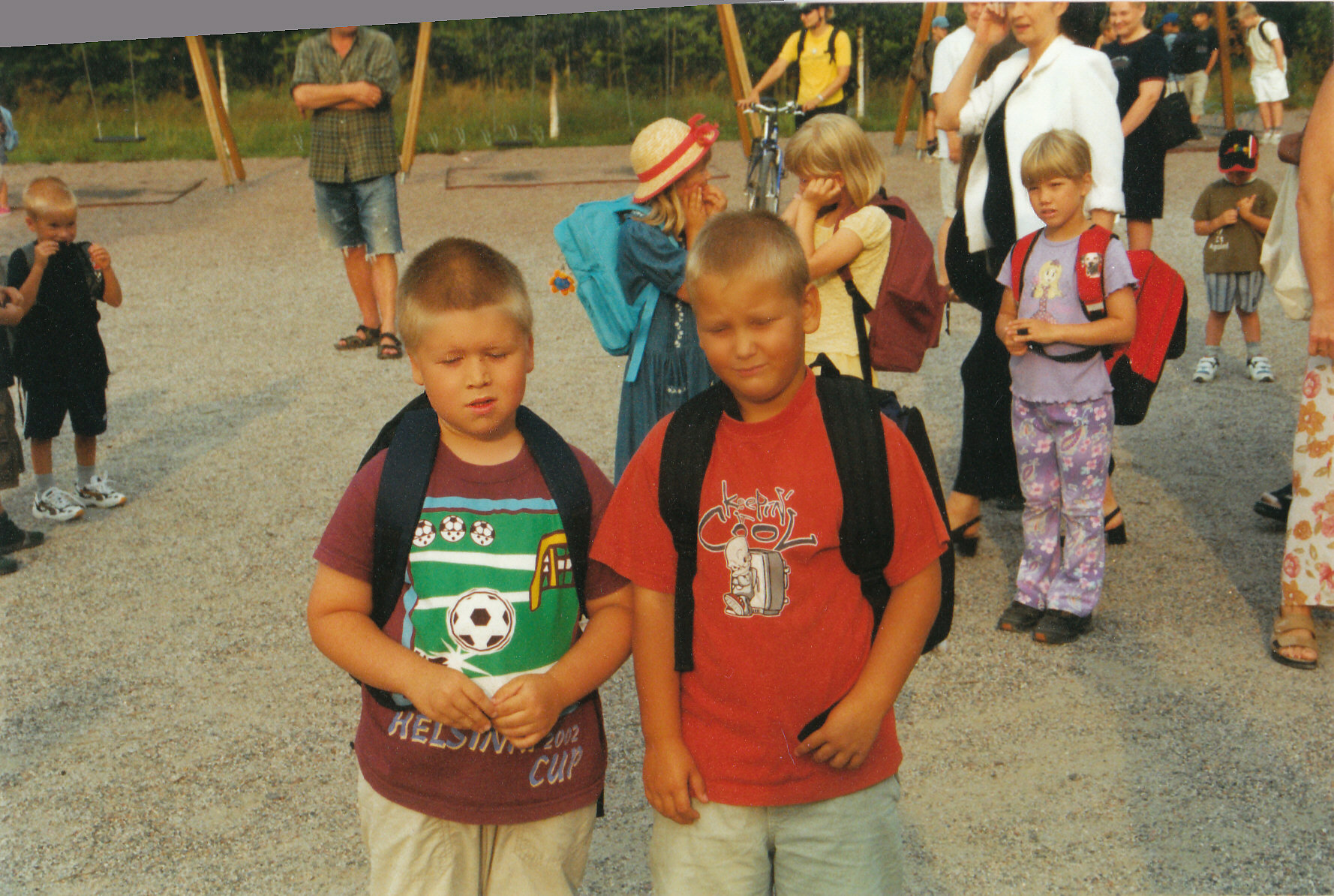
First grade , first day . On the top selection my youngest son and below my middle son on their own first day of school
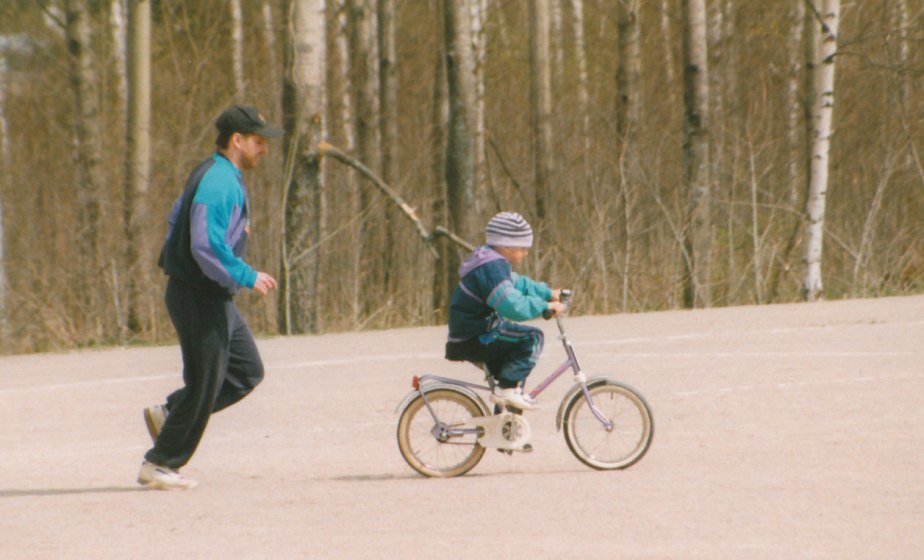
Learning to ride the bike
Remember to link to your post and use the Lens-Artists tag in the reader section. Thanks Dan 🙂 for hosting
If you would like to participate weekly in our Lens-Artists Challenge, click here for more info.
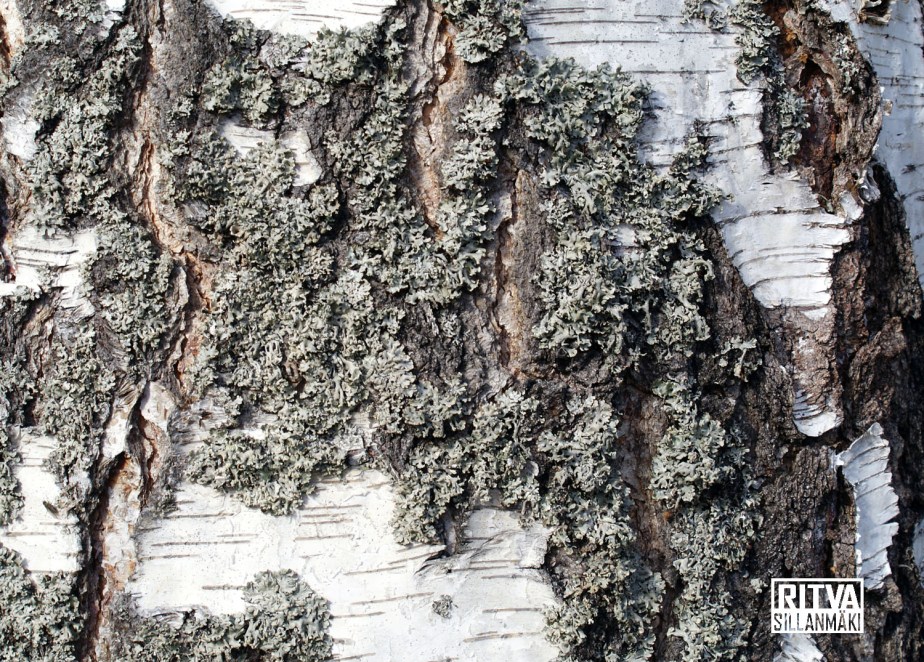
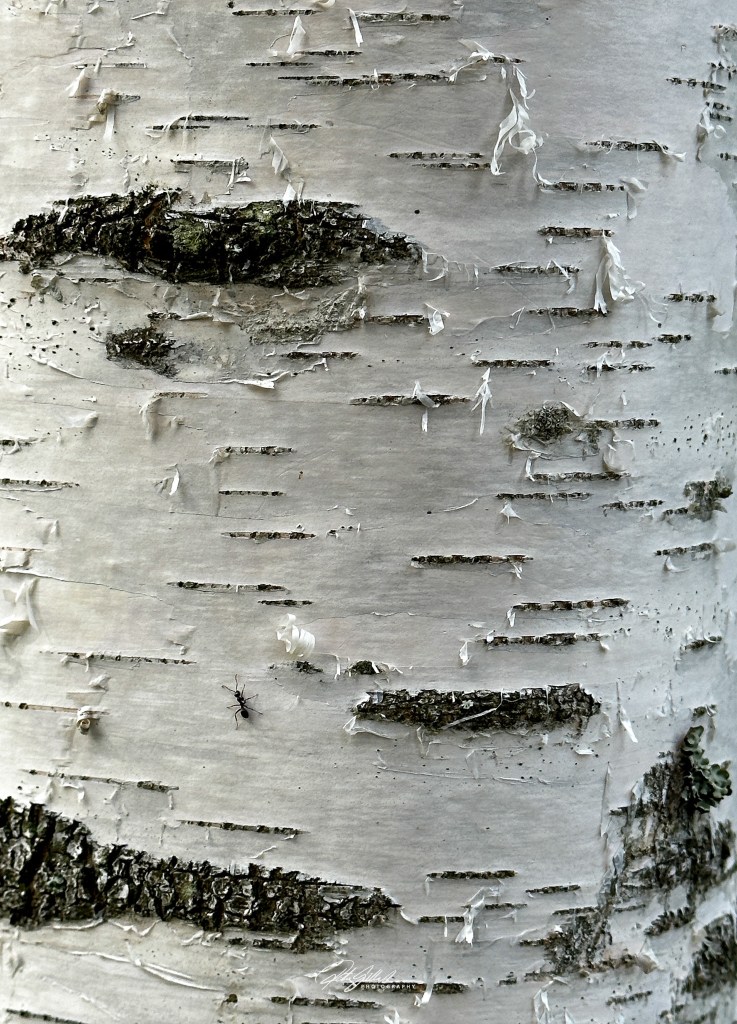
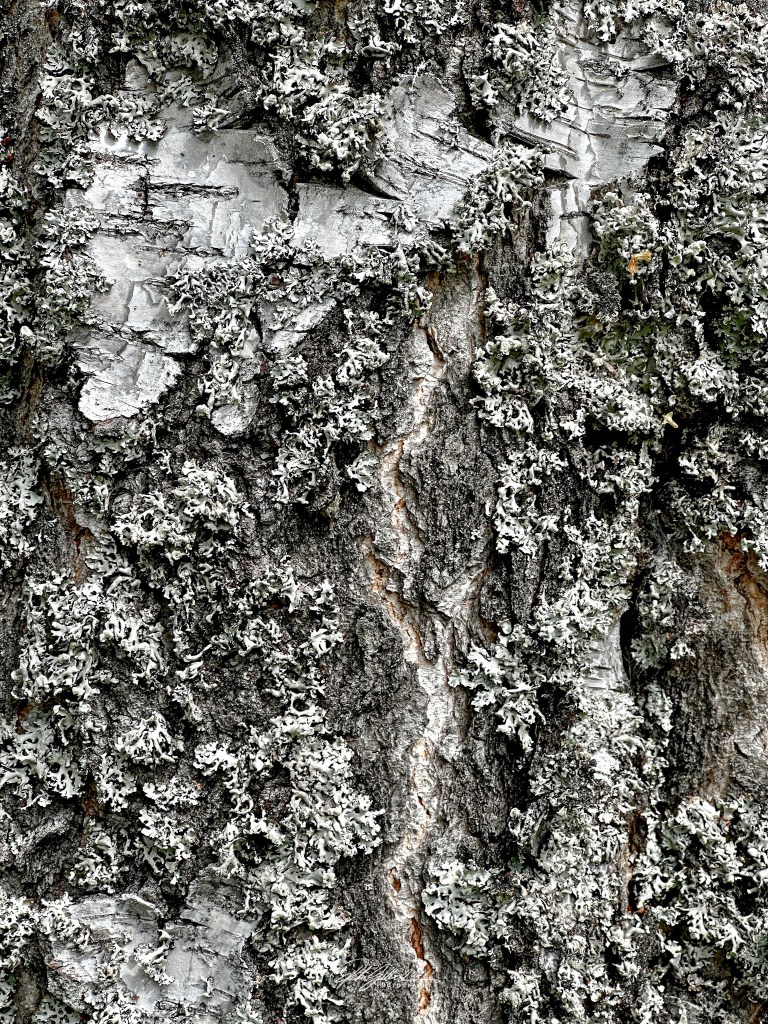
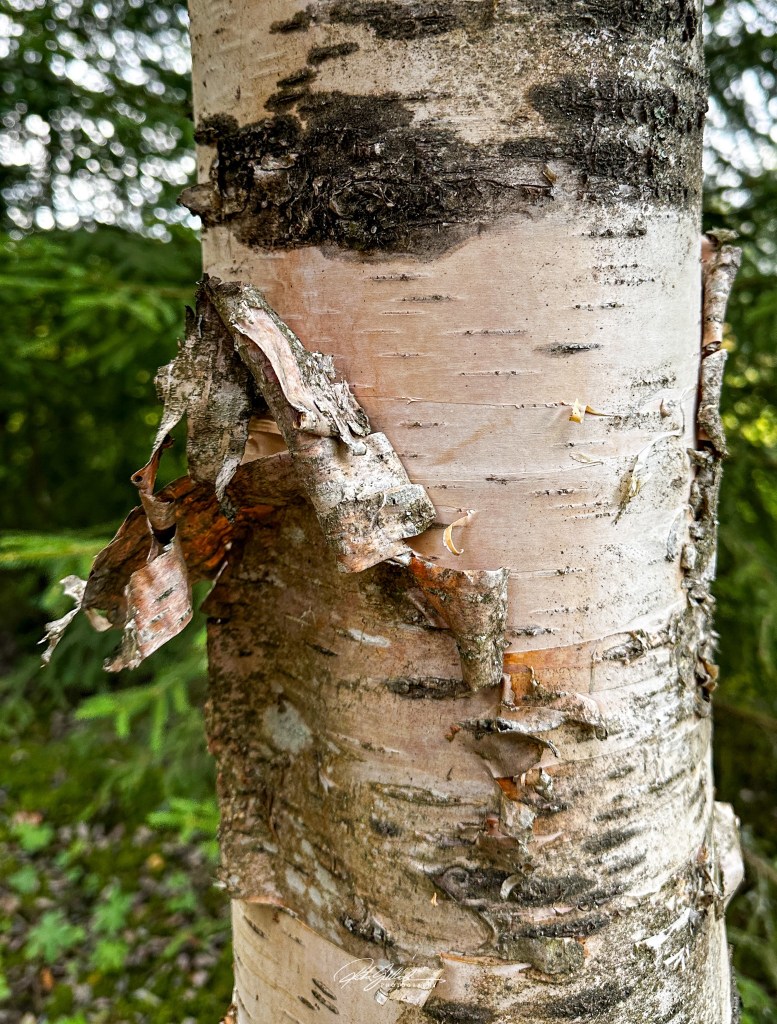
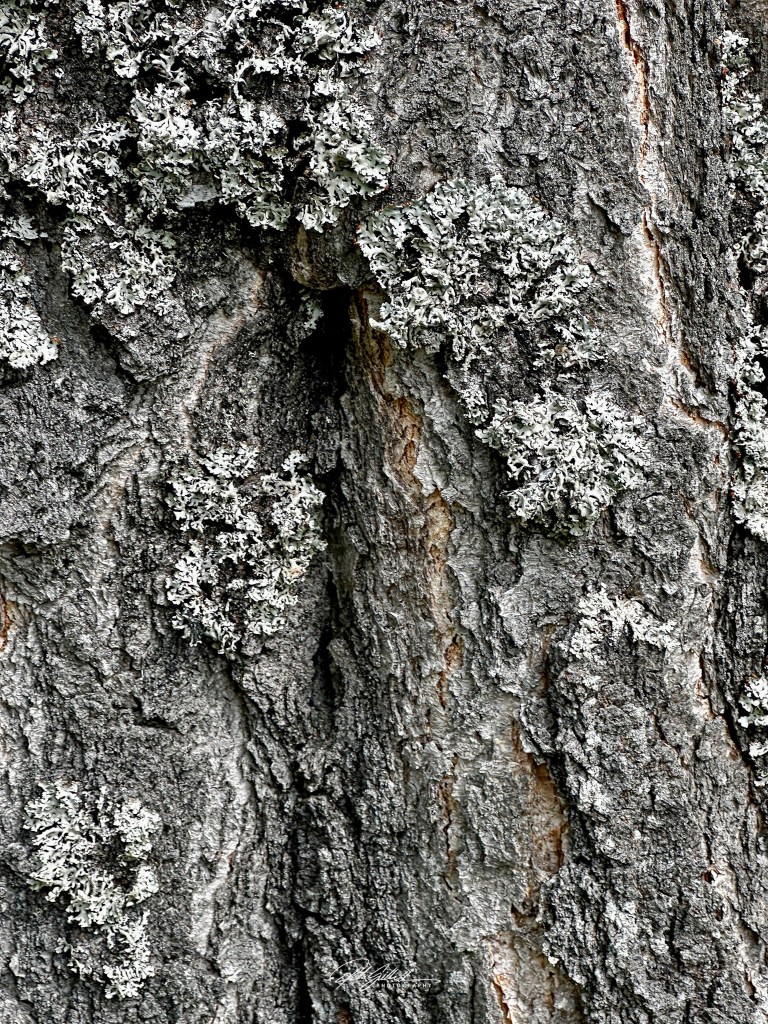
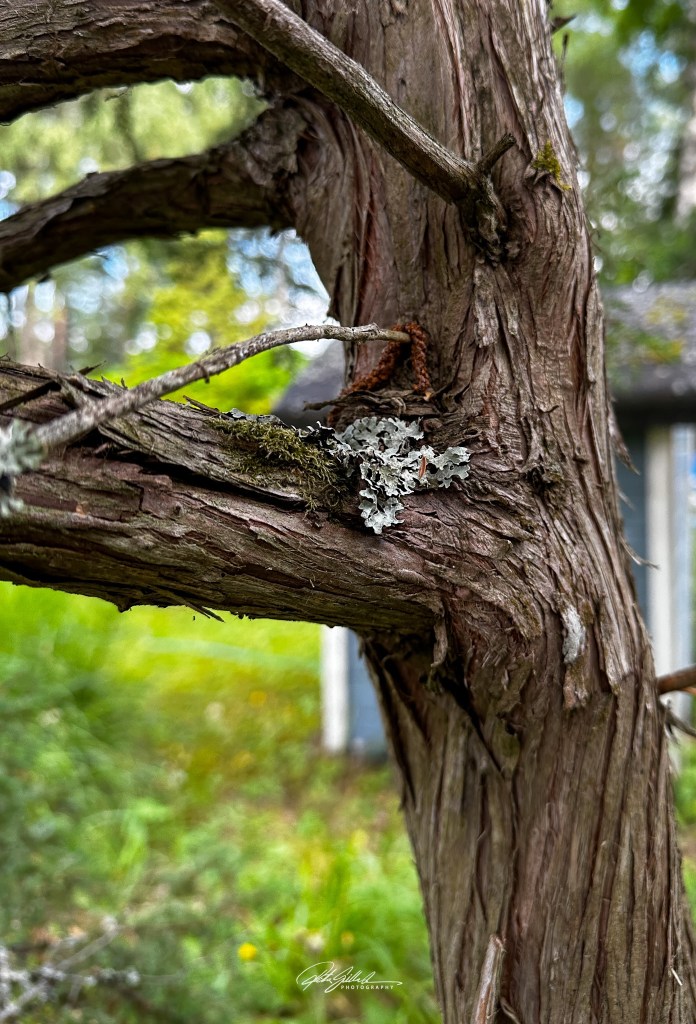
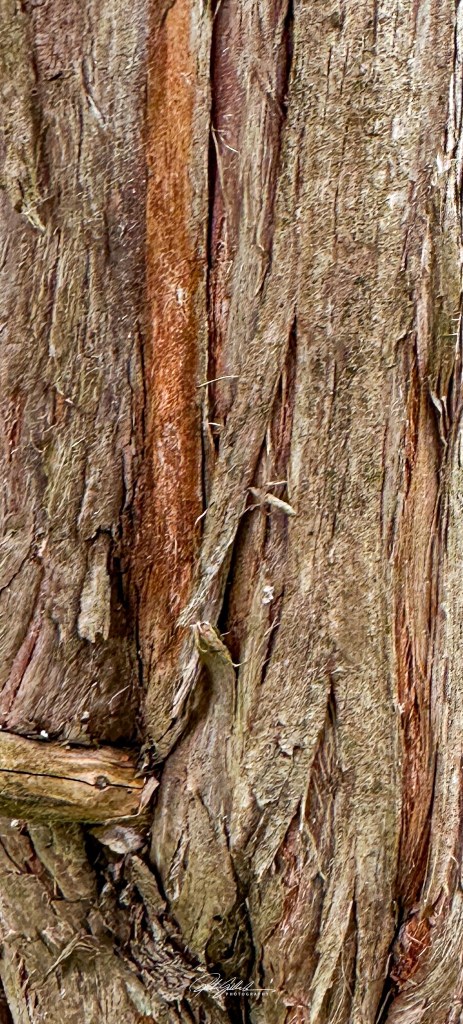
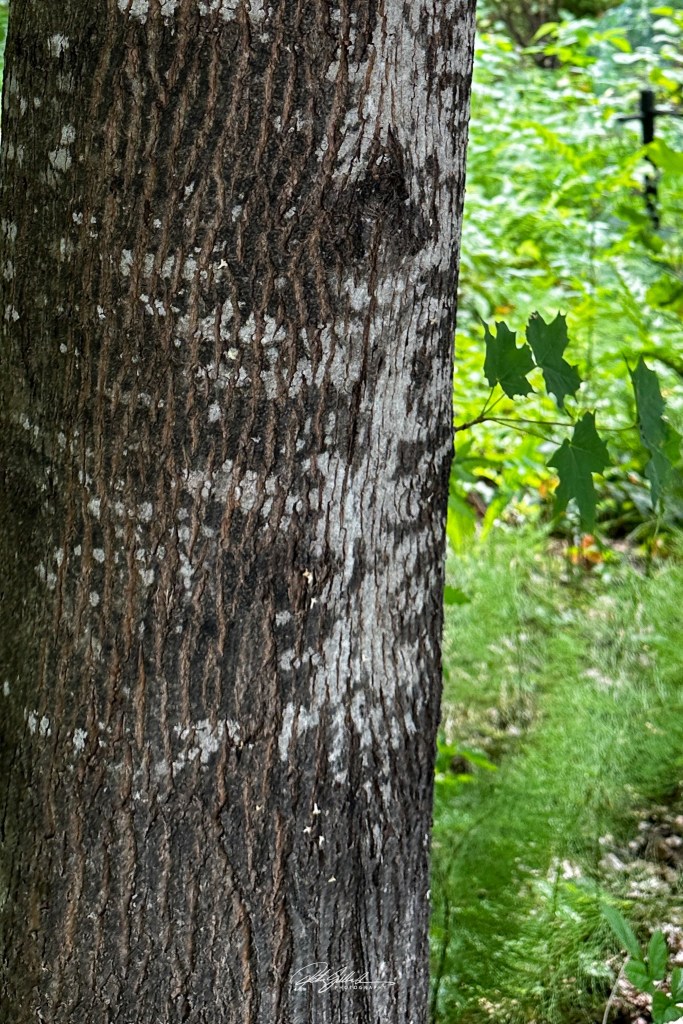
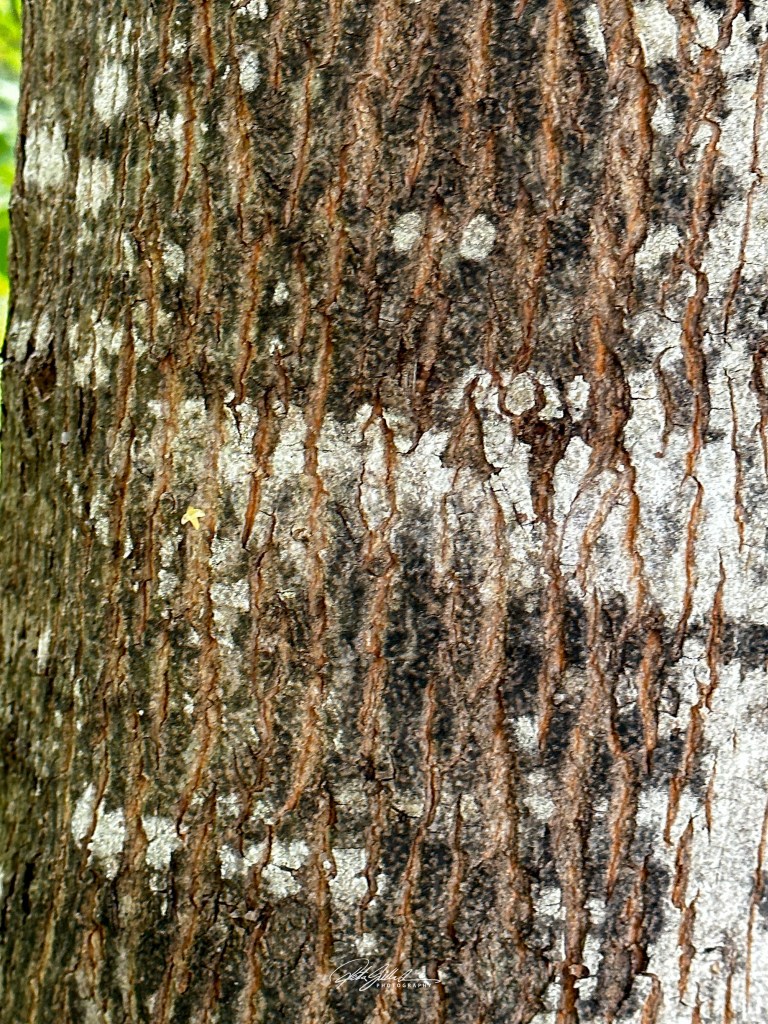
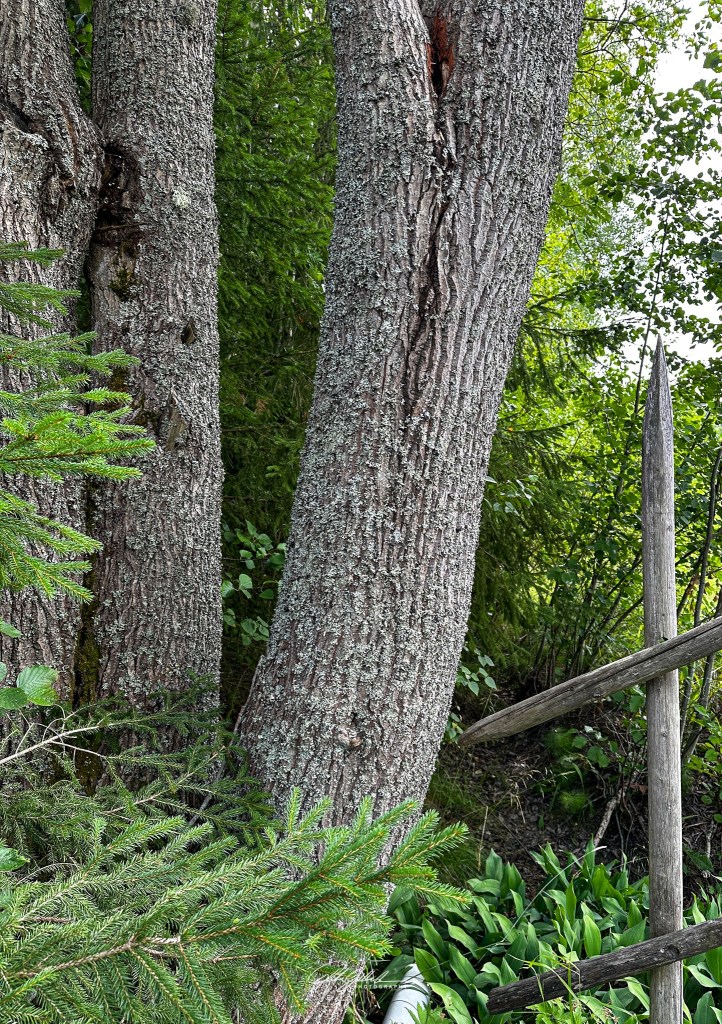
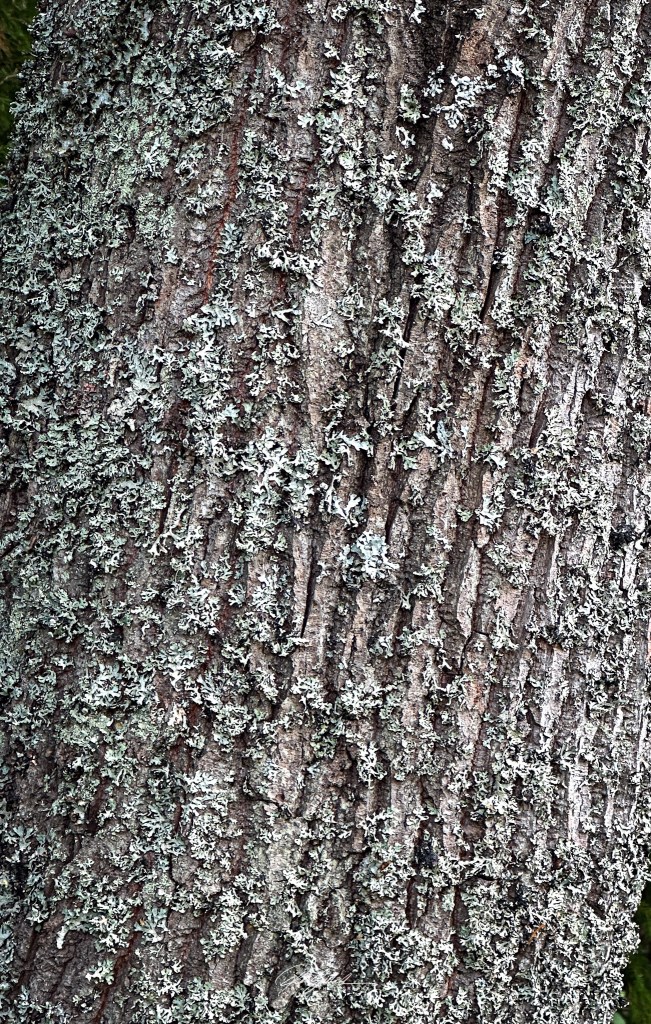
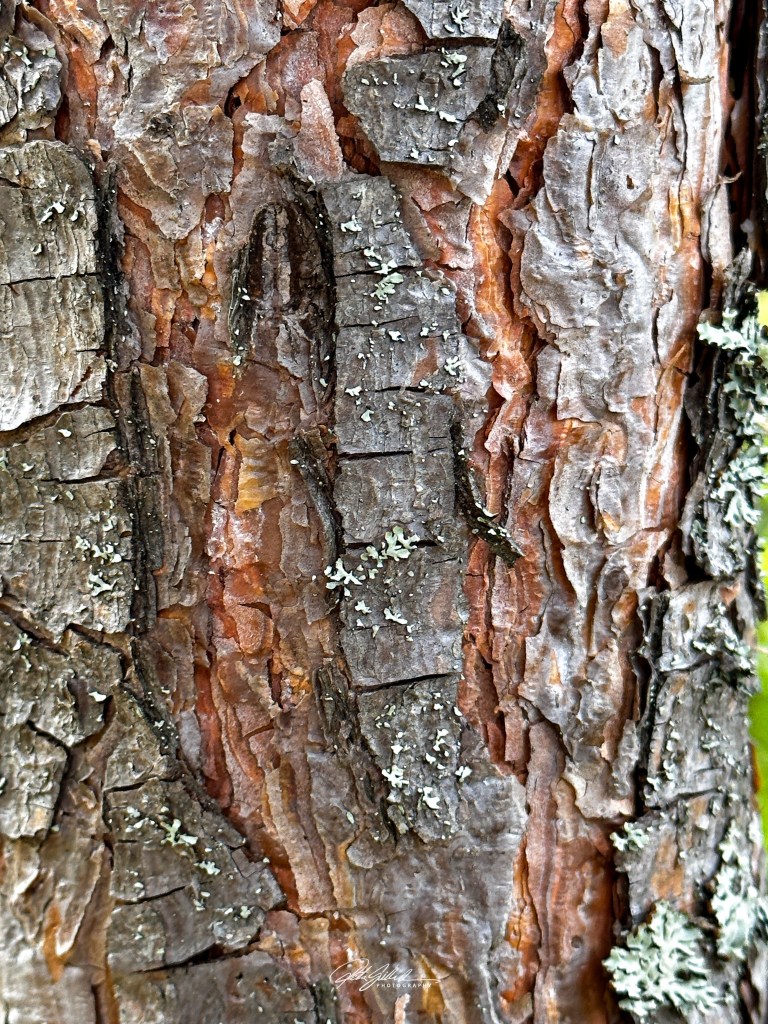
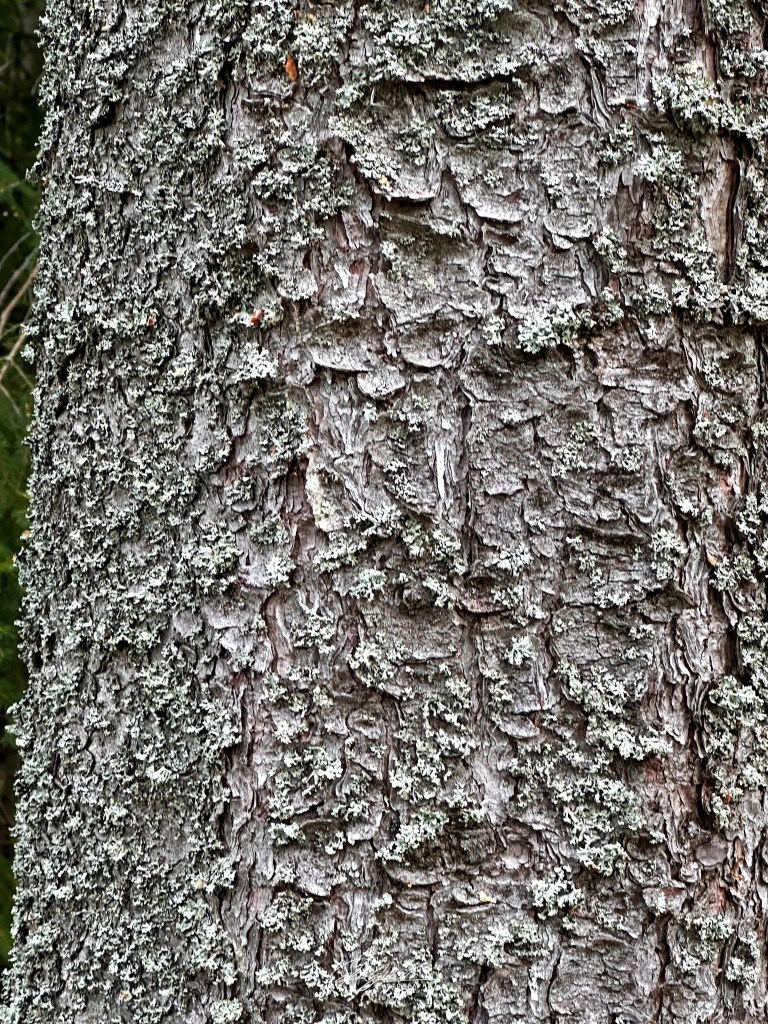
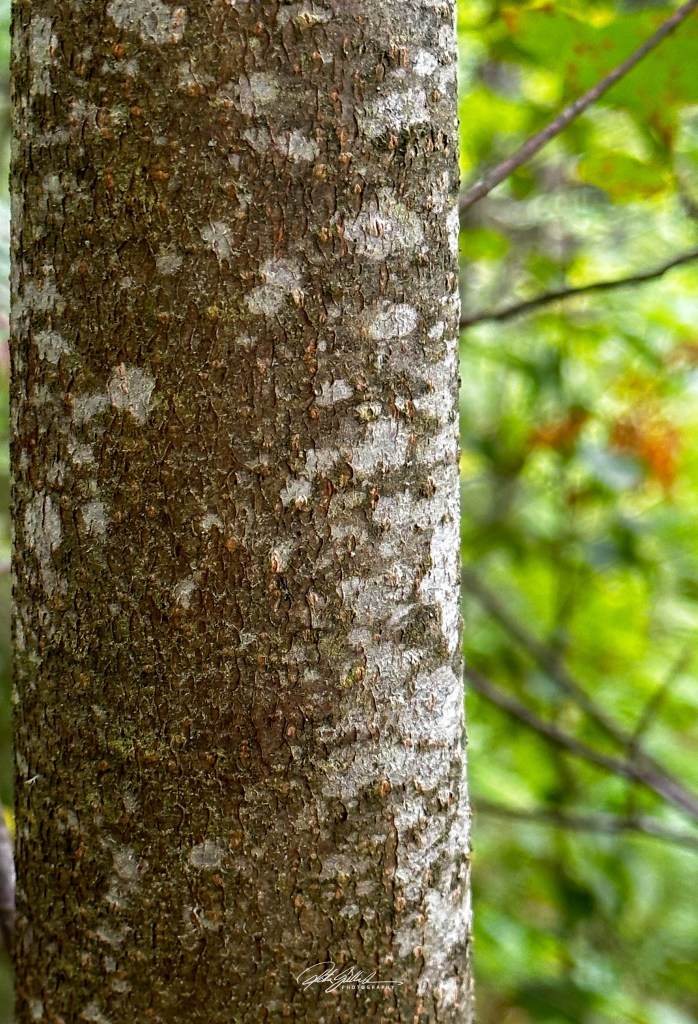
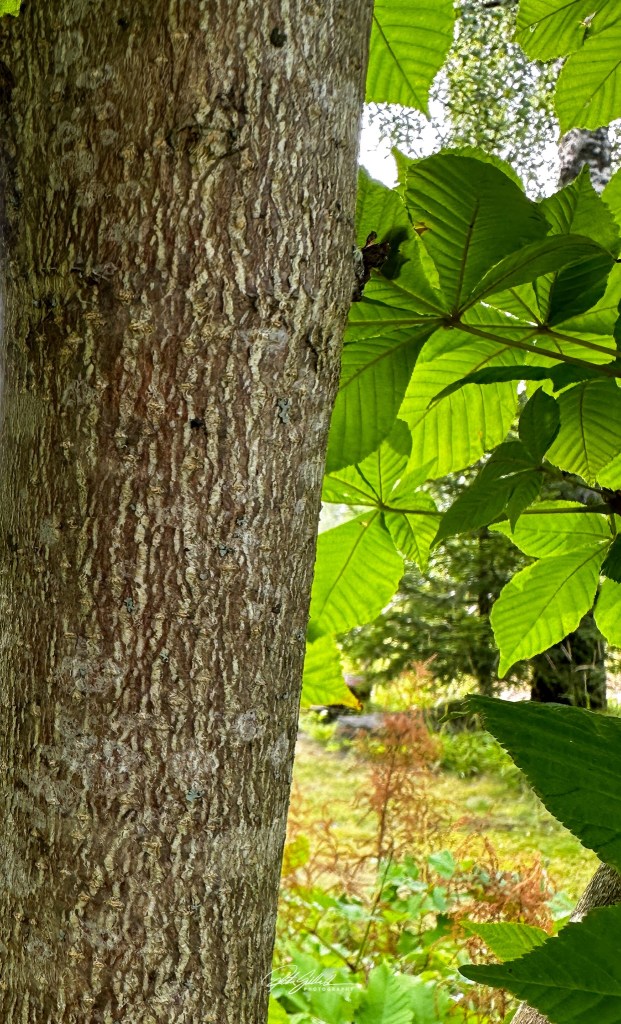
I walked around my summer house yard looking for bark, as we have lots of trees on out blot, So all new quickly taken shots for Denzil’sNature Photo Challenge #22Tree Bark
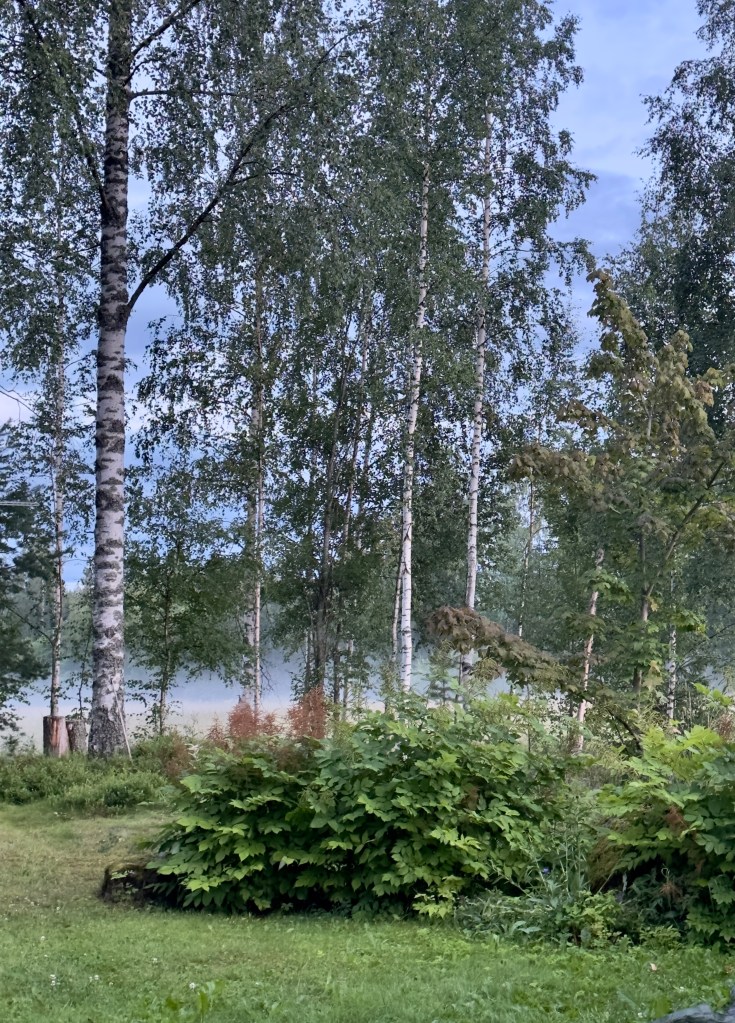
We have lots of birch tree on our yard, new and old one, that are about 100 years old. That ‘ what The photos are.
Young Birch tree bark with and ant
BirchBirchBirch (old tree)Juniper
Juniper
Maple treeMaple barkPussy WillowPussy willow barkPine treeSpruce tree barkbird cherry treehorse chestnut tree
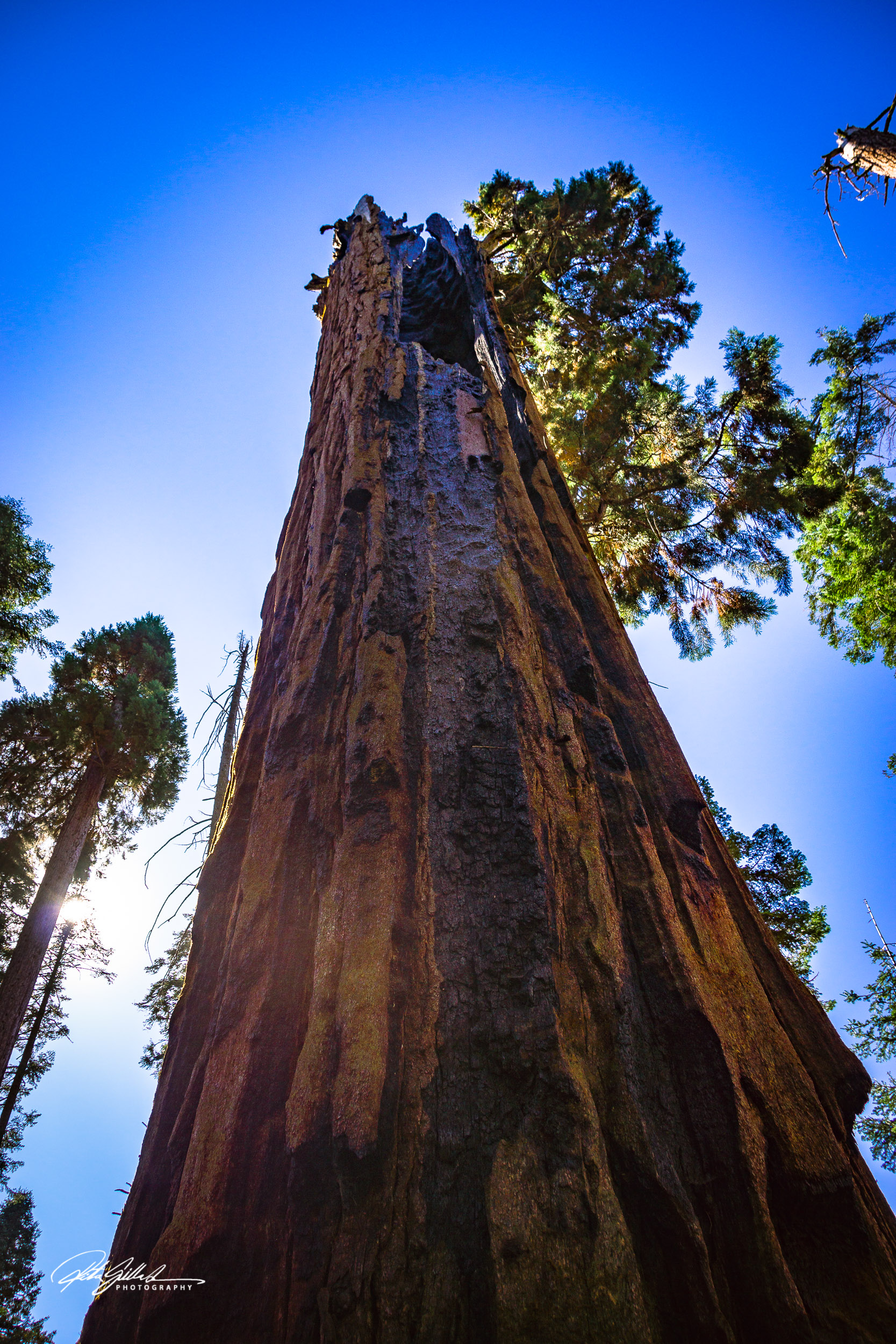
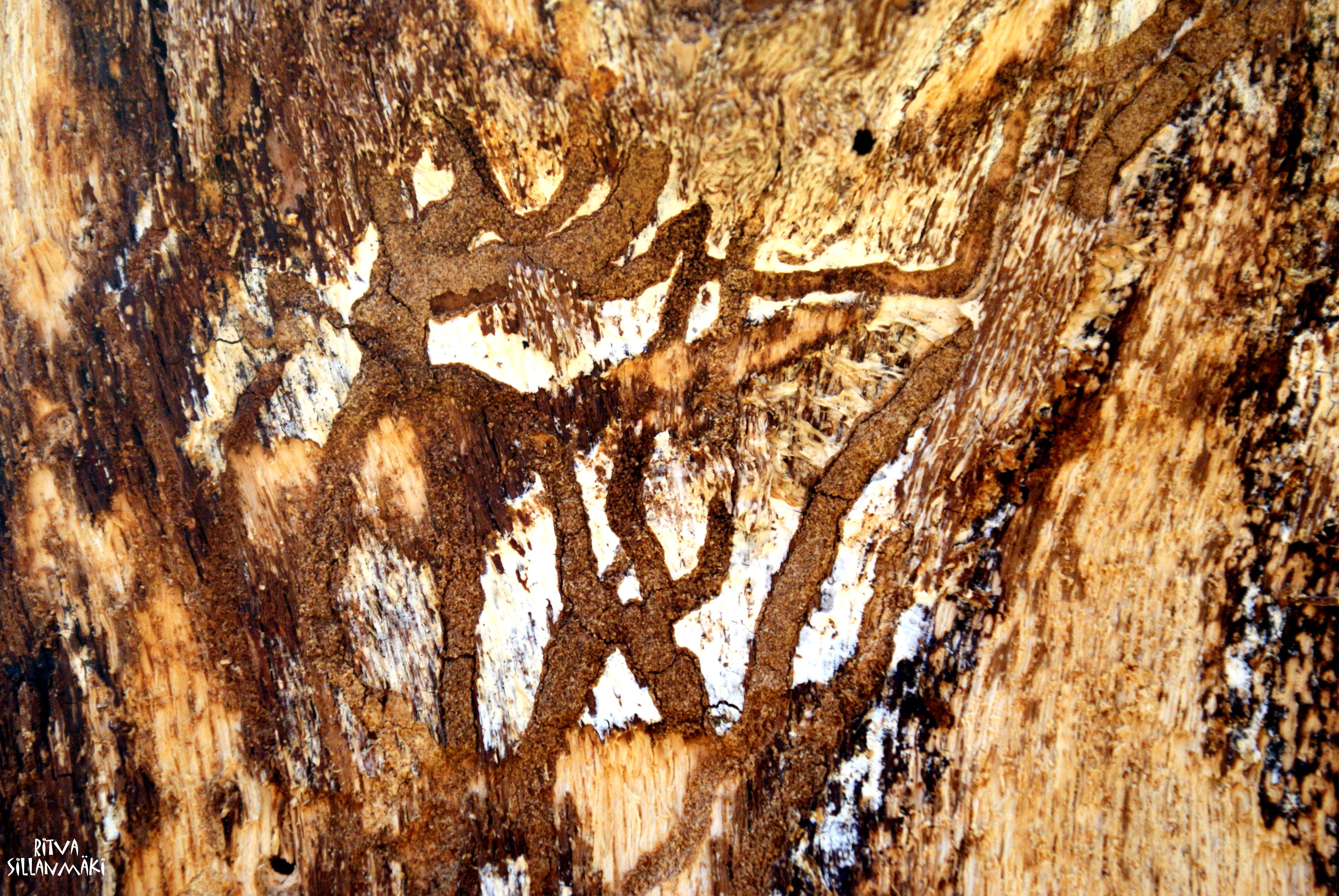
The last two are from my archives, the first one is a from the redwoods and second one is from an old oak tree where the insects had done natures art work. To me it looks like and deer on a walk about.
I am writing to to apologize for not having responded to all your comments, I have read them and I appreciate your time that you have taken to write them and look through the photos I have posted. I thank you! Below is my excuse 🙂
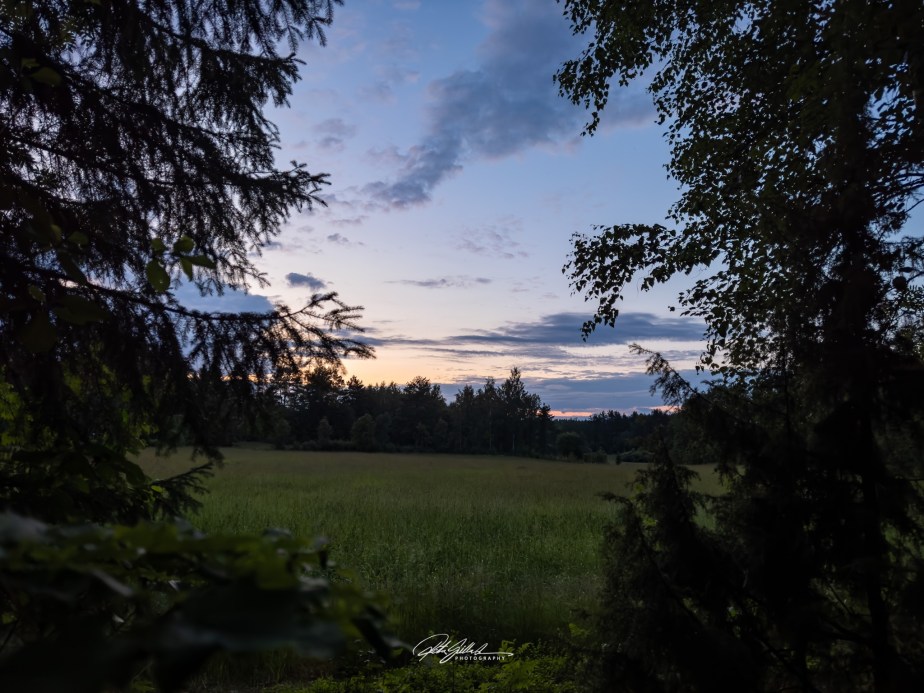
Finnish summer is usually mild and warm with temperatures ranging from 15°C to 25°C. The days are long and the nights are short. In fact, during midsummer, the sun never sets in some parts of Finland.
That is a fact and due to that, I like many others, feel quilt if I spend a sunny summer day inside. Weather is topic well discussed here as it can change so quickly, from sunny to cloudy to rain and back again to sunny. As the days are long I spend most of my summer days outdoors.
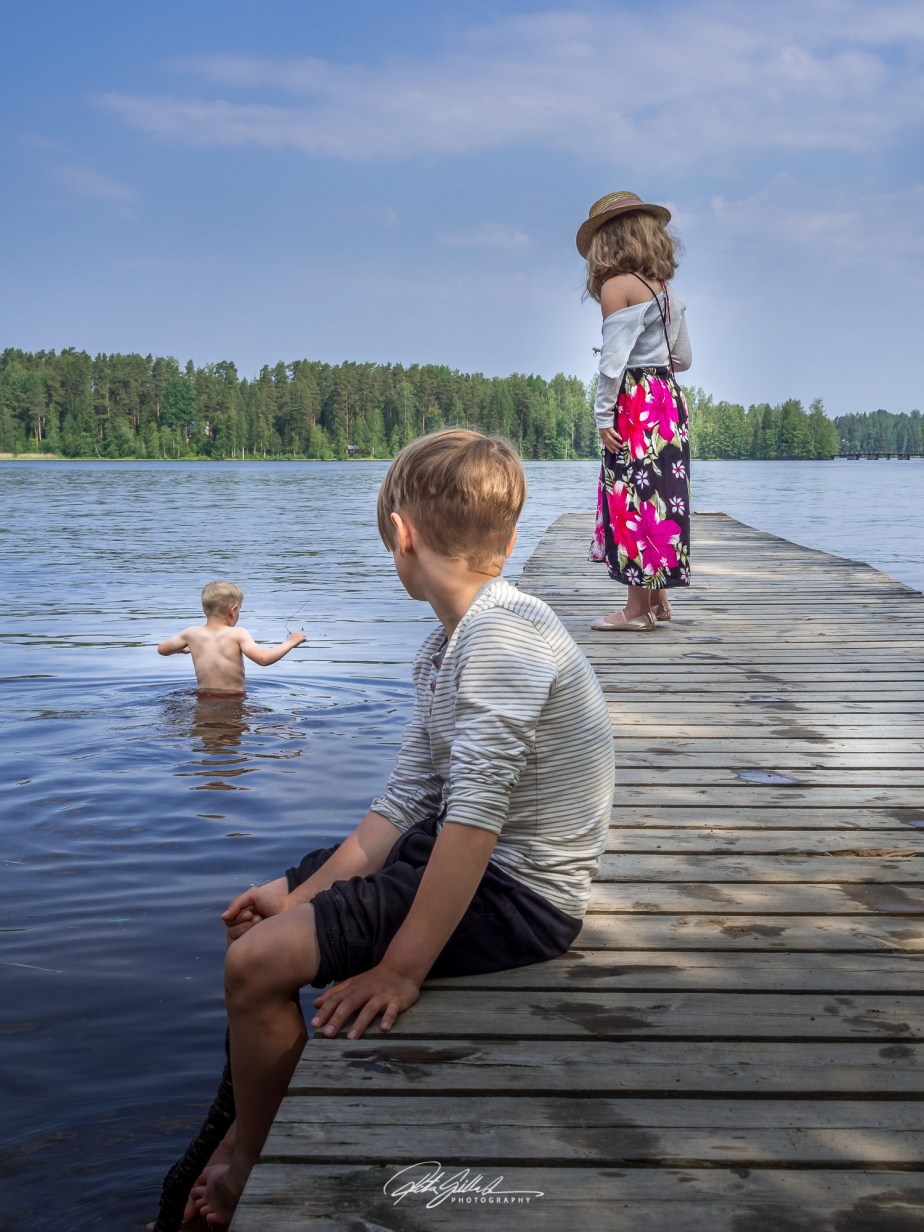
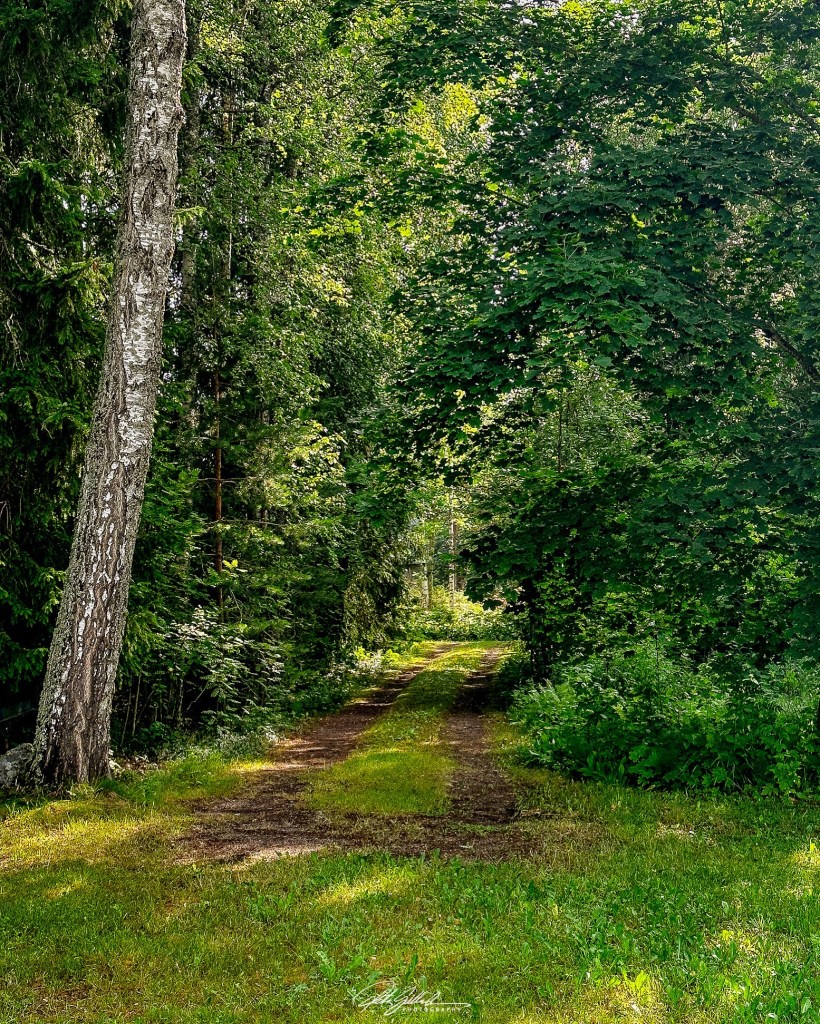
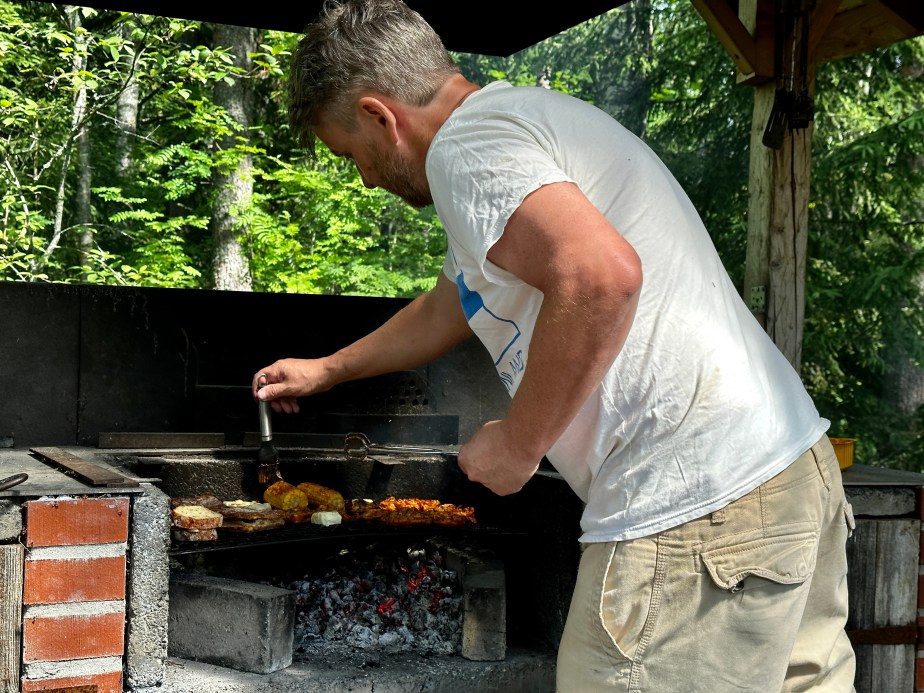
On a warm sunny morning I start the day by having my breakfast on the patio, the sun is shining bright and the sky is blue. The birds are chirping and the flowers are in full bloom. I love soaking up the sun and enjoying the warm weather, enjoying the peace and quiet of nature. when the time comes to have lunch, we shall enjoy it outside. And well rest of the day is mostly spent outside. We enjoy going to the beach, swimming in lakes, hiking in the forest and having barbecues with friends and family or just sitting and reading, laying in the hammock. Summer, bliss. Basically I am outside from 9 am to 9 pm. Then I am too tired to do anything much.
I tell you all above, because I am outdoors all the time, weather has been OK, not hot, not cold. Comfortable- and I have been outside otherwise I feel like I am committing a crime. We have a long, and cold winter when we get to spend most of our time inside so you HAVE to be out in the summer.
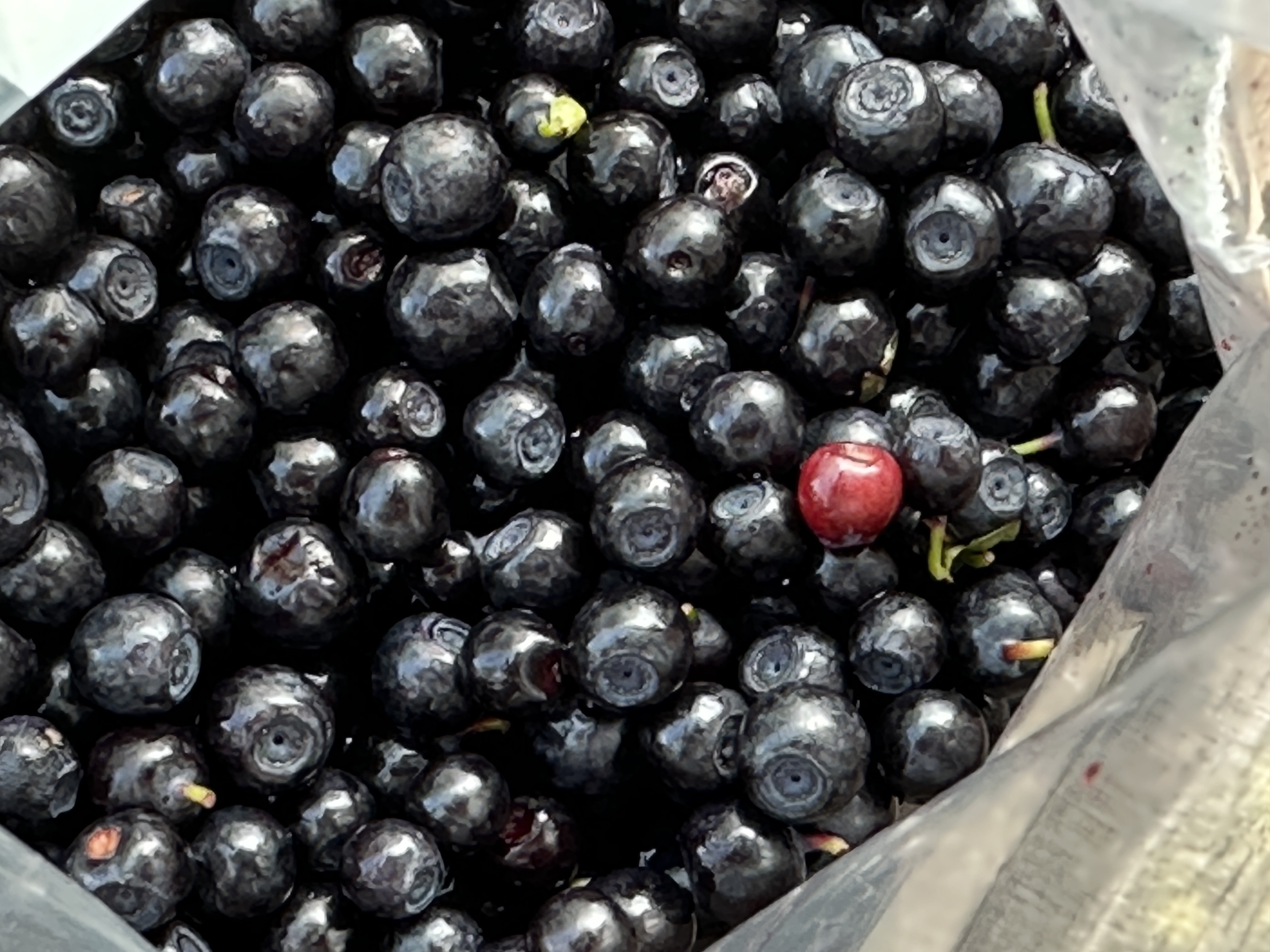
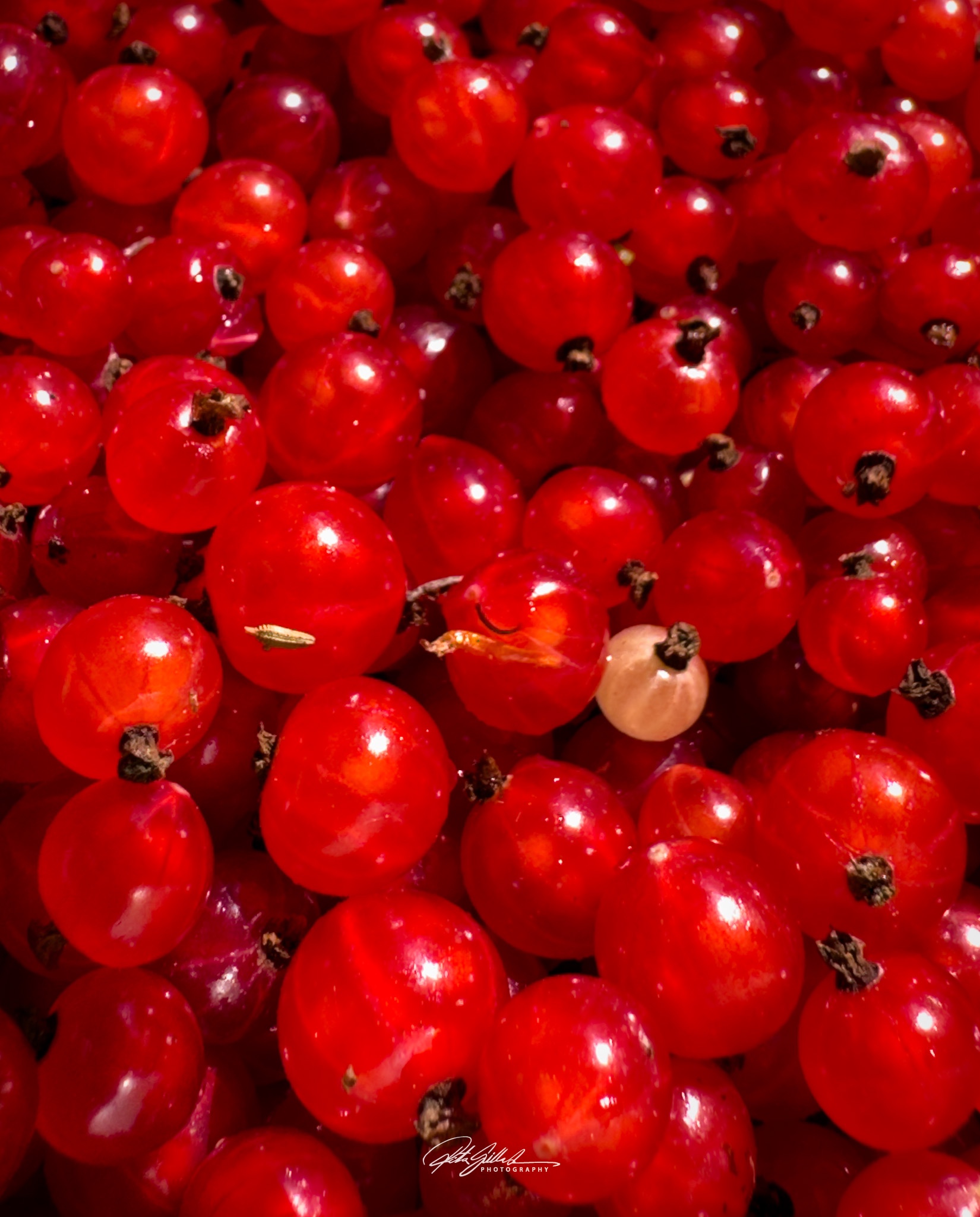
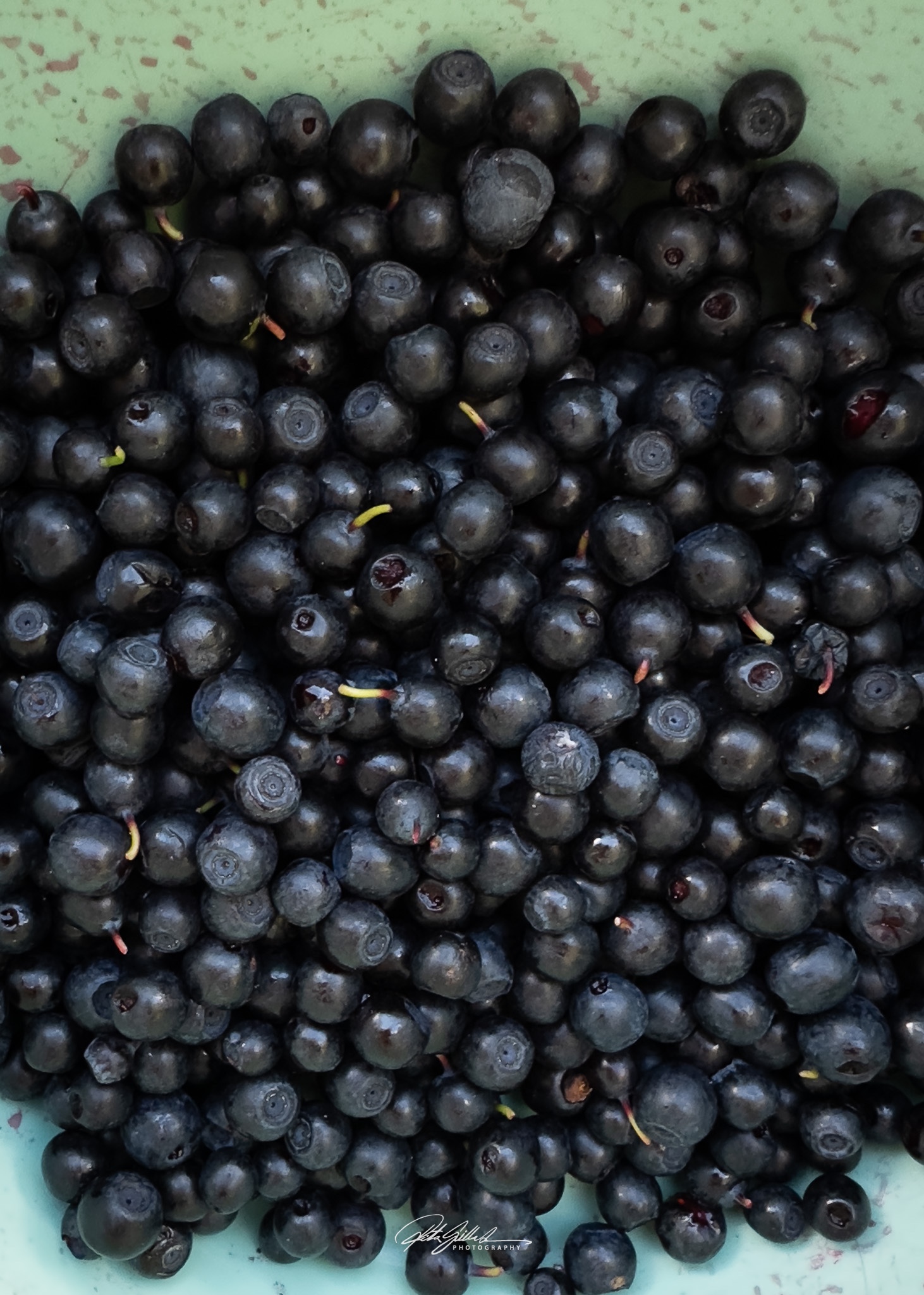
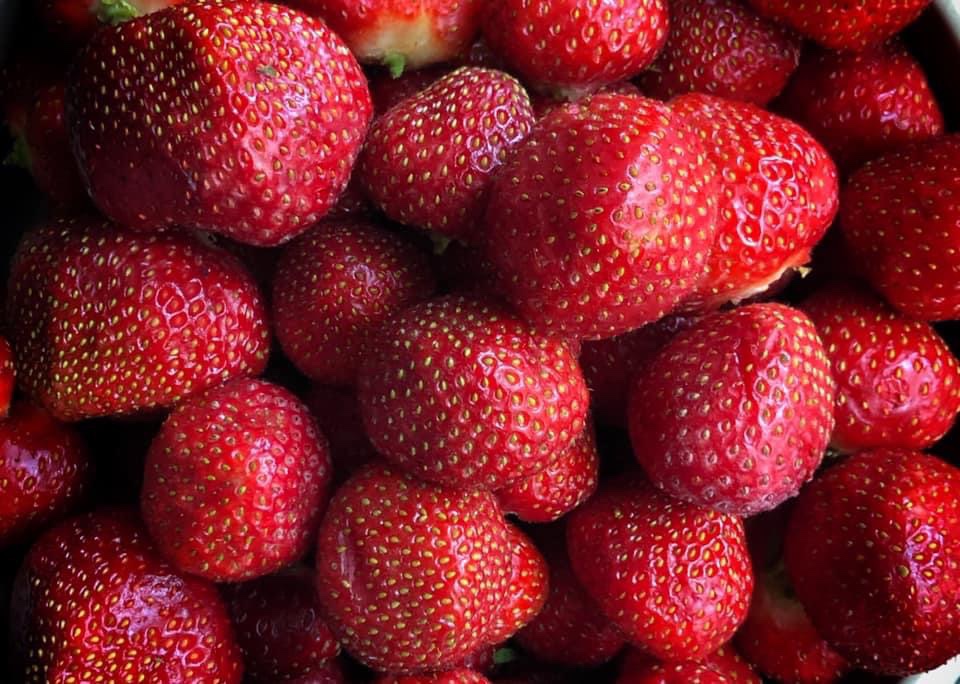
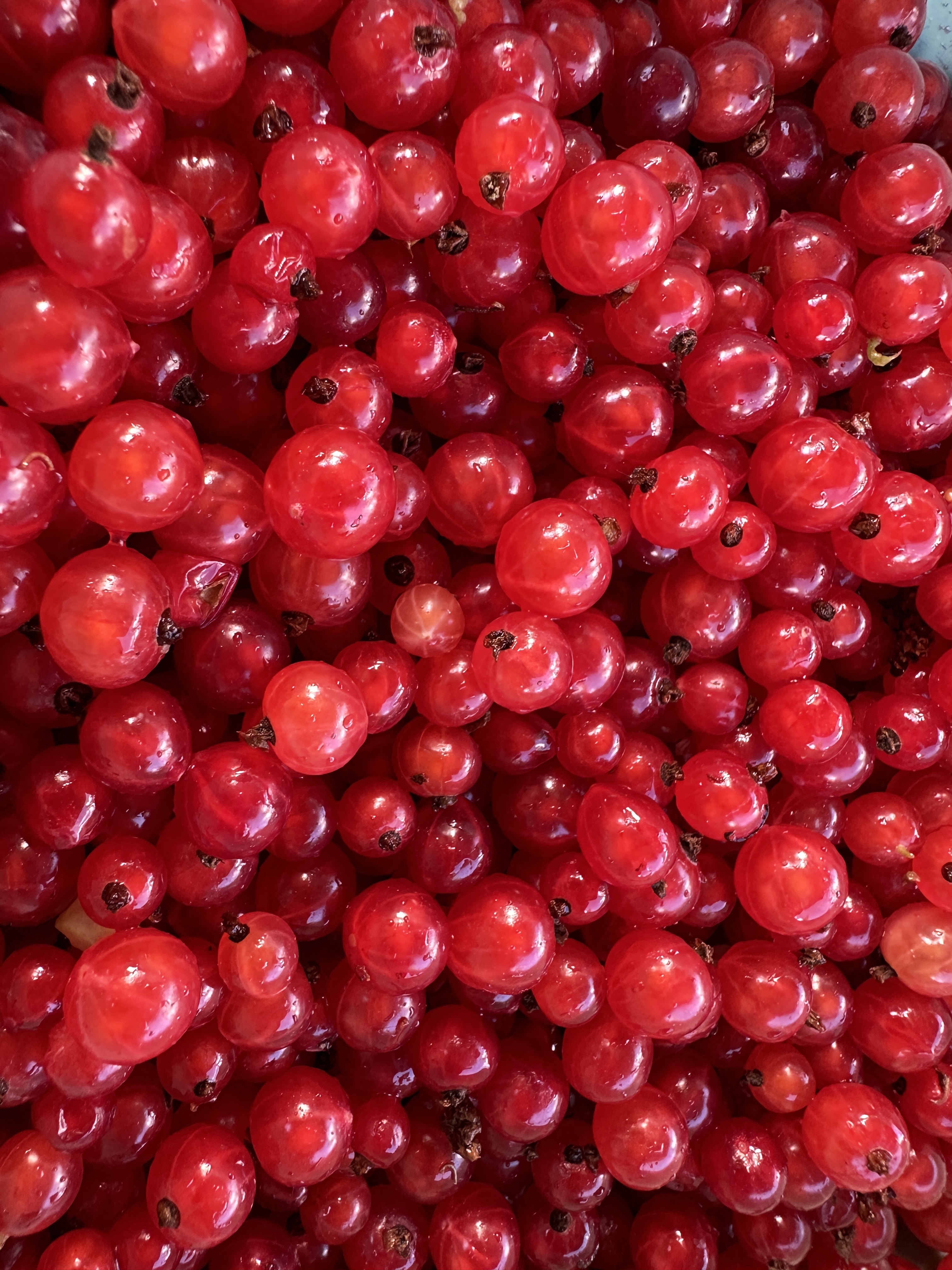
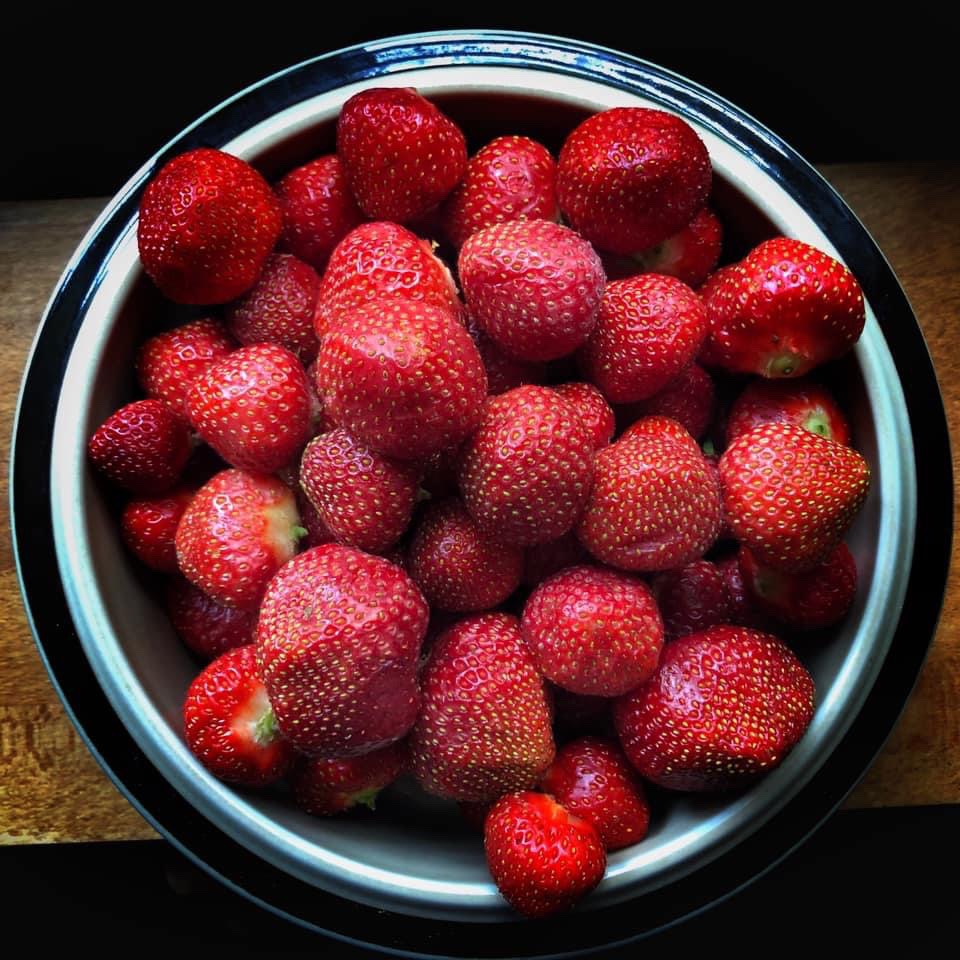
Here are some of our summer joys to accompany this post. Nature is giving us some lovely berries from our own yard. Bilberries from the forest and we have few redcurrants shrubs , strawberries are from the marketplace.
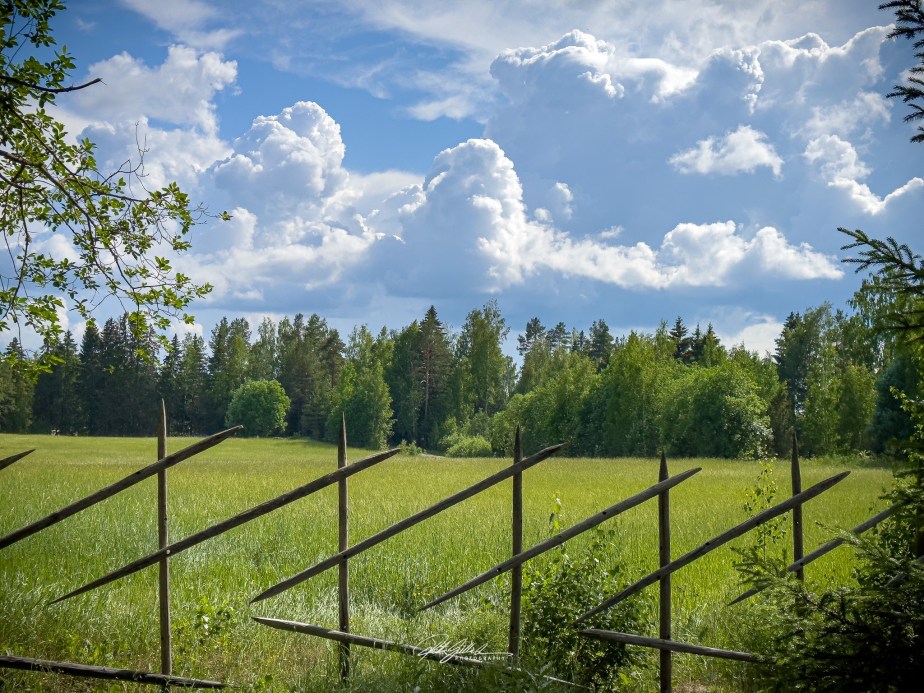
this week’s Lens Artists Challenge with a theme is FENCES. This week Dawn Miller of The Day After challenges us to show fencing as leading lines or as an element to showcase a subject. please check her post for inspiration.
Definition of a fence; A fence is a structure that encloses an area, typically outdoors, and is usually constructed from posts that are connected by boards, wire, rails or netting.A fence differs from a wall in not having a solid foundation along its whole length.
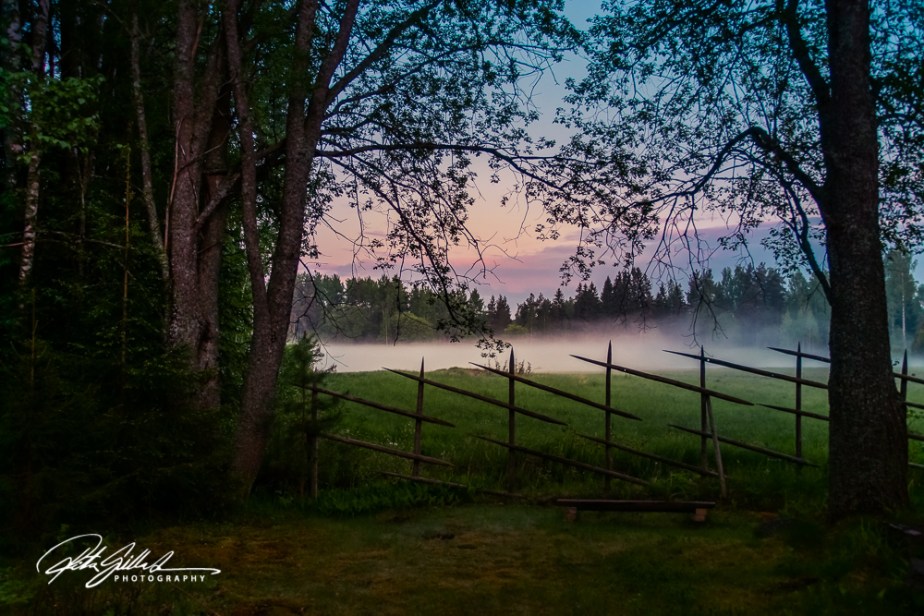
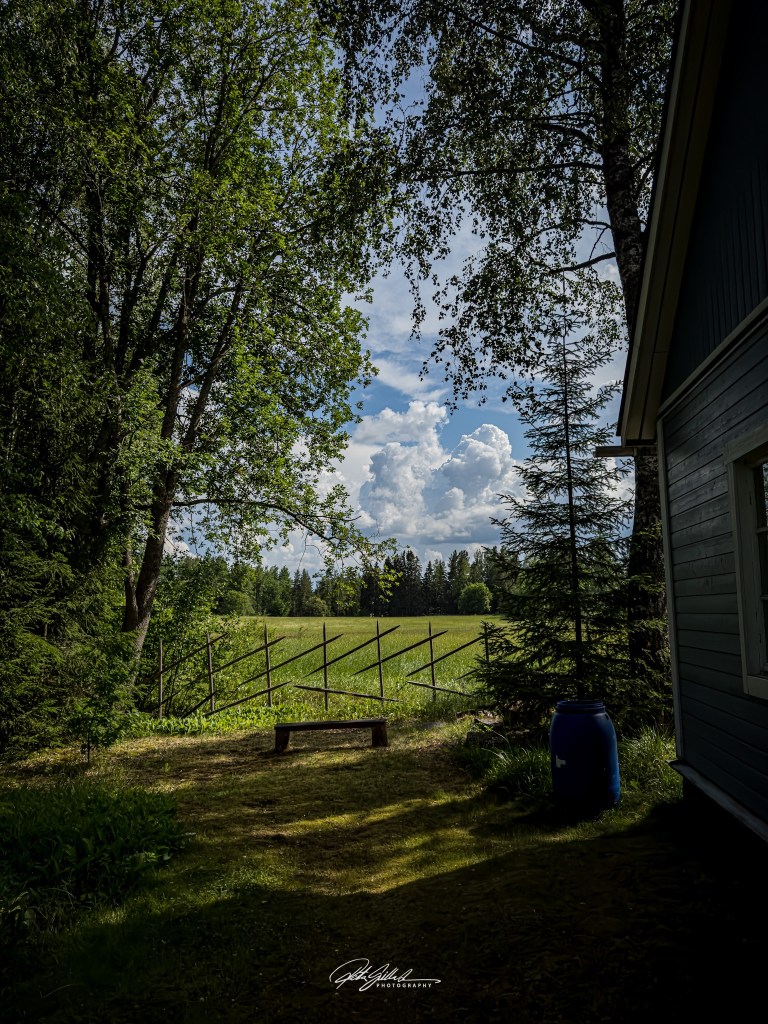
One of my favorite views with a fence
Whenever you remove any fence, always pause long enough to ask why it was put there in the first place.
Gilbert K. Chesterton
Brick fences from Cyprus
I have to have one black and white image 🙂
Remember to link to your post and use the Lens-Artists tag in the reader section. Thanks Dawn from The Day After for hosting
If you would like to participate weekly in our Lens-Artists Challenge, click here for more info.
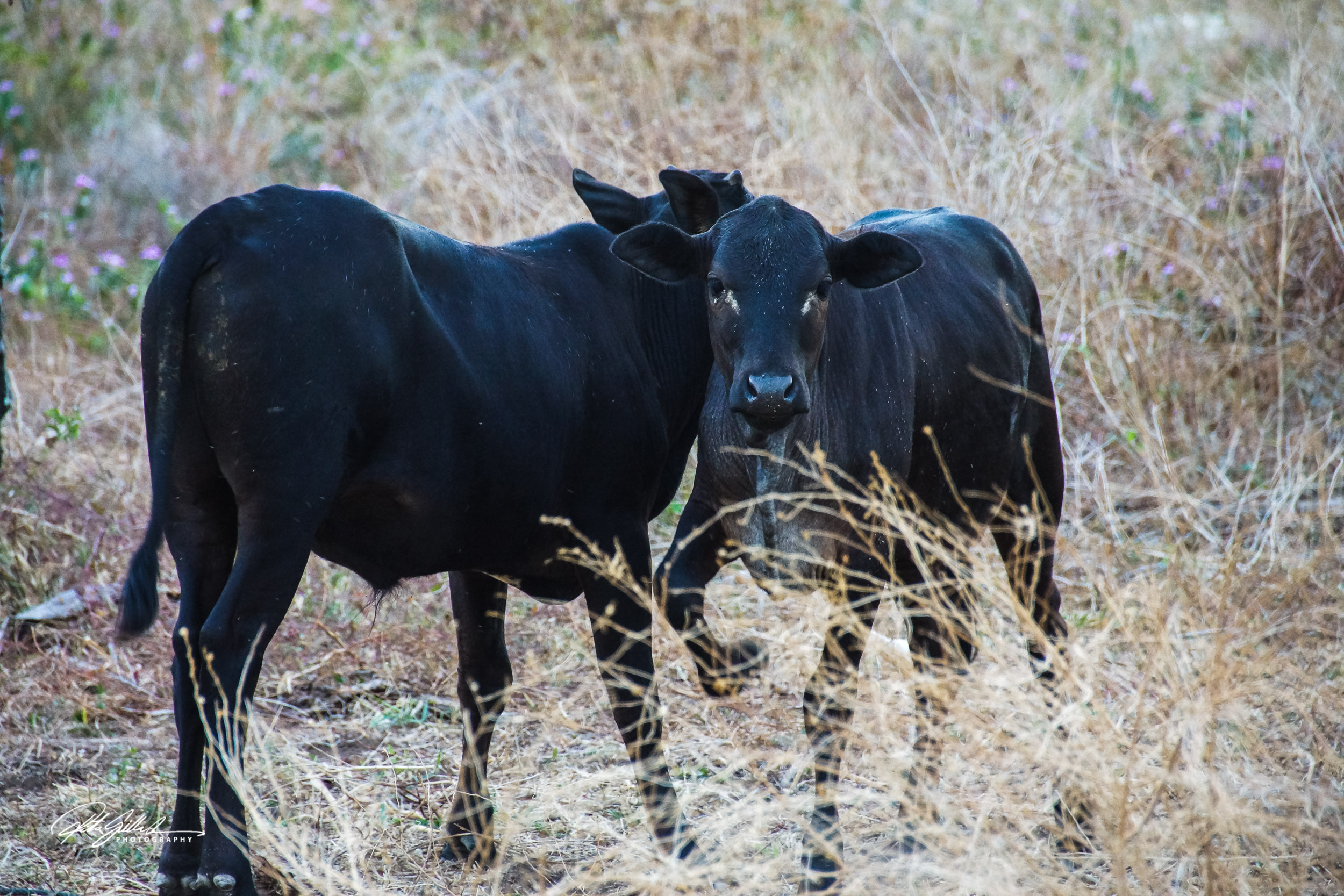
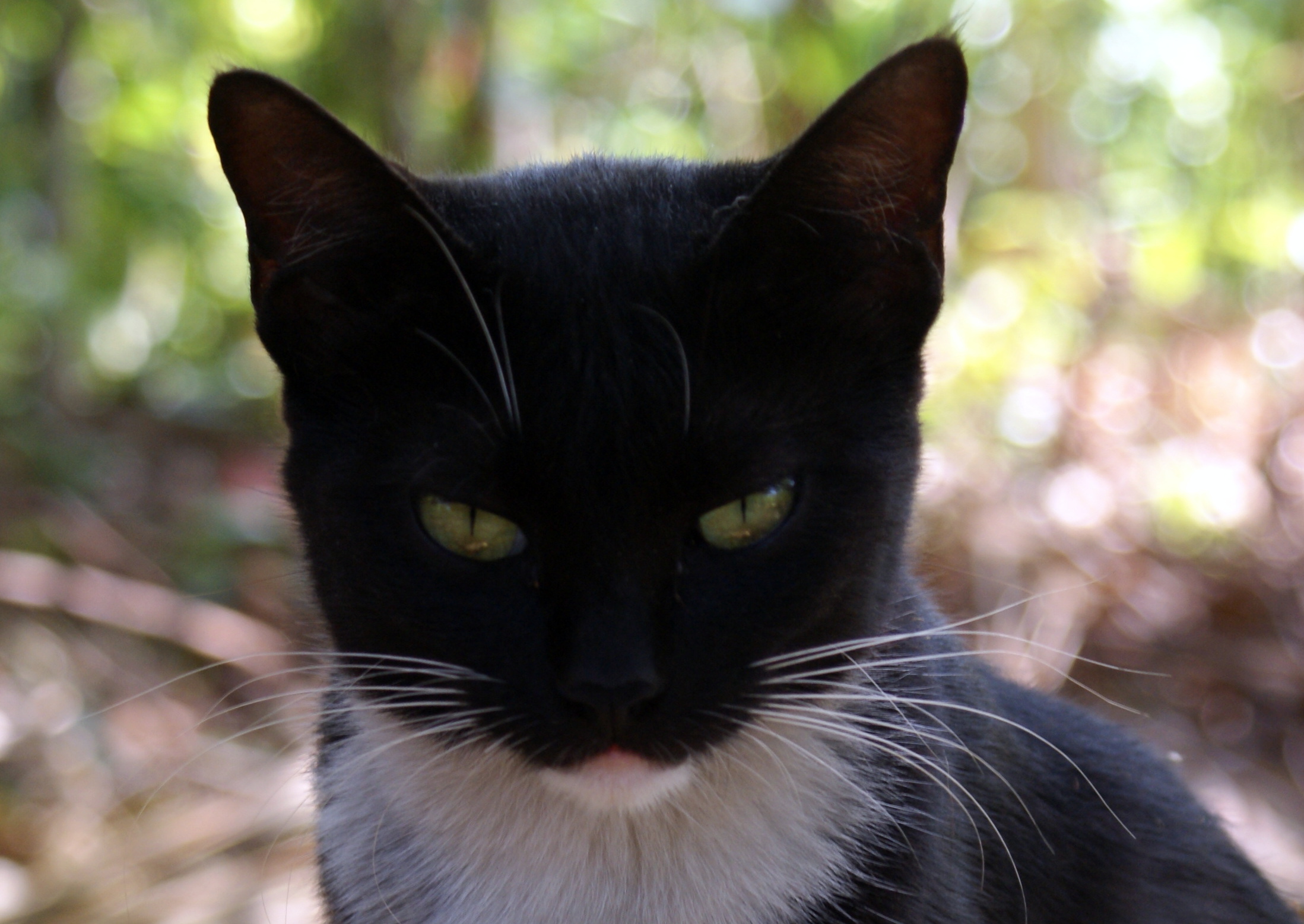
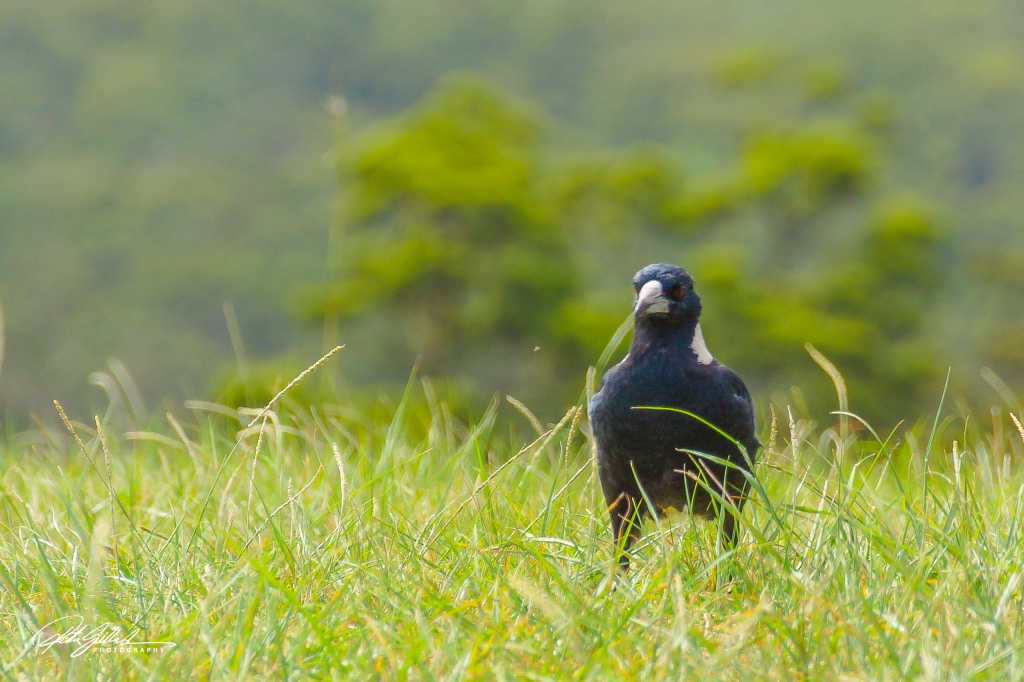
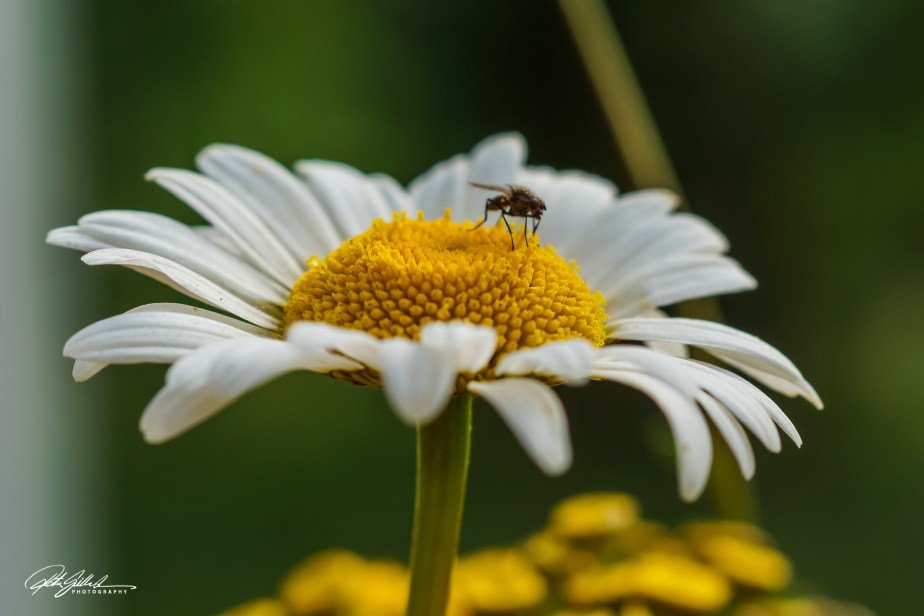
Black is a color that lacks hue and brightness and absorbs light without reflecting any of the rays composing it. It is characterized by the absence of light, enveloped in darkness
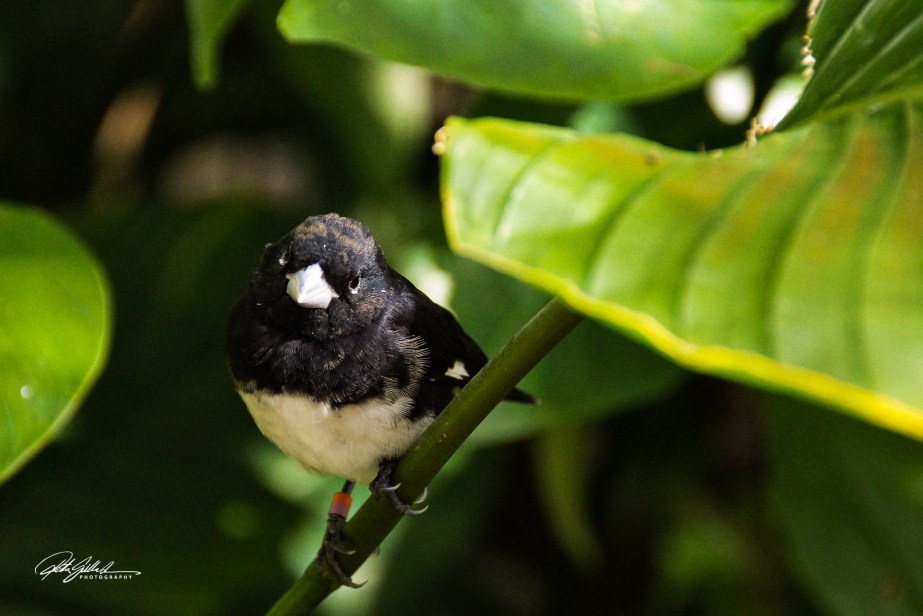
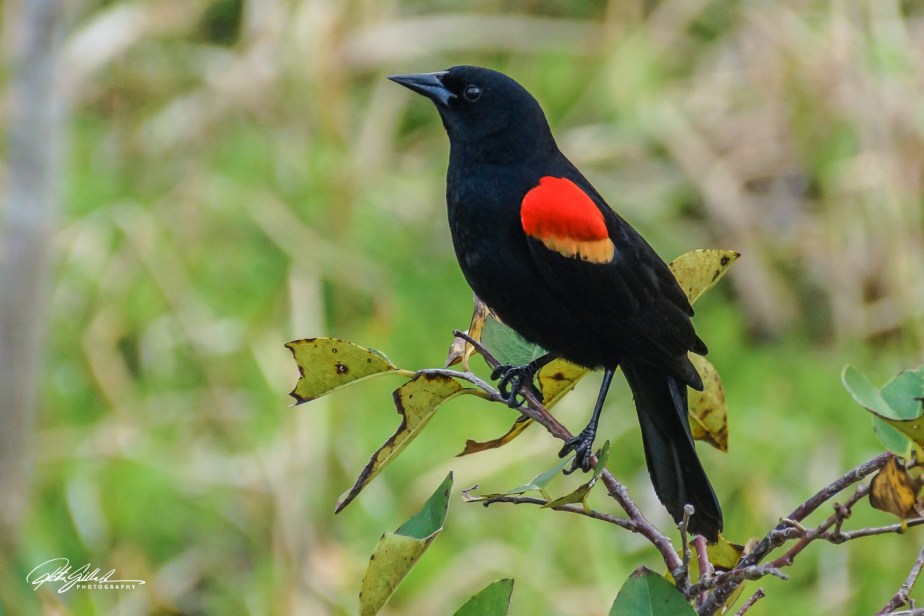
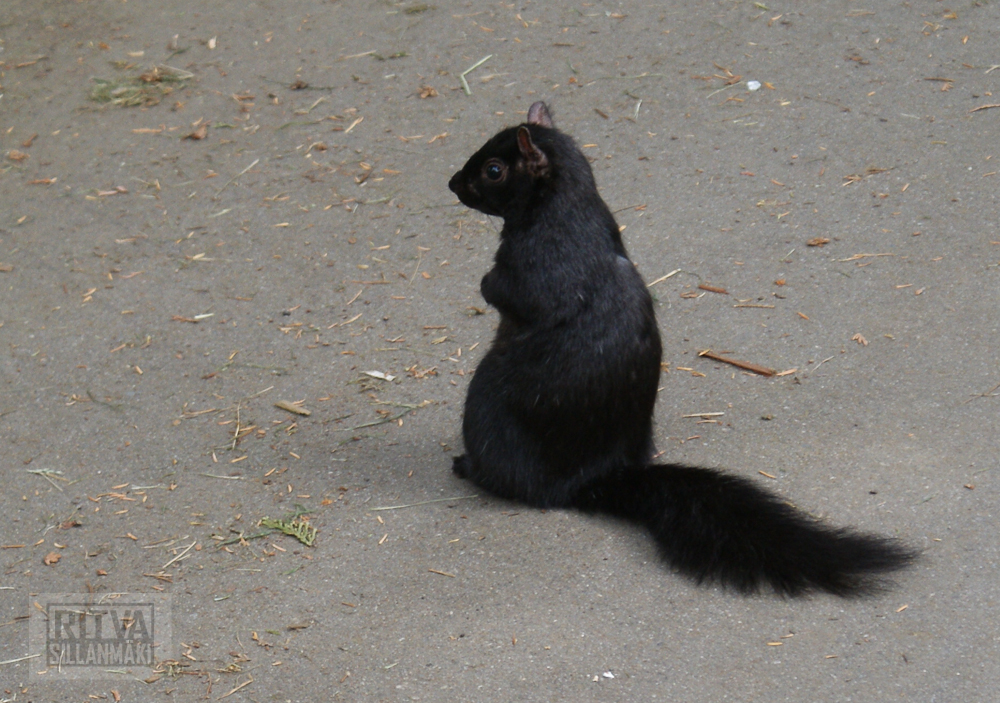
He is looking for photographs of Black in nature. Guidance: The only criterion is that I would like you to photograph things in nature that are totally or mostly (so let’s say more than two-thirds) black.
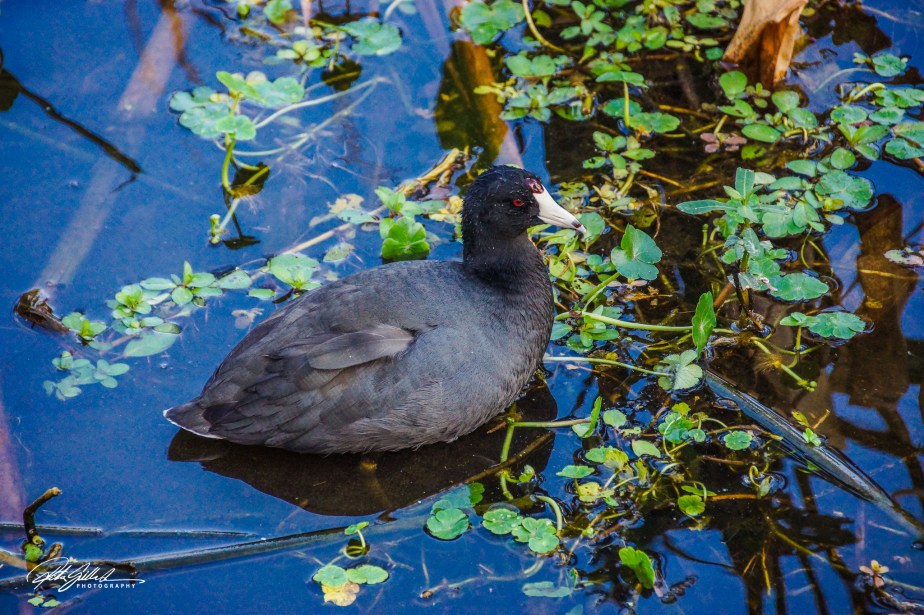
Soil is the first thing I thought of, but at the moment everything is mostly green. I was not going to dig for it. Lets start with this pretty bird with a white beak. There is an another one too with a white beak 🙂 and one more. These are few things in nature that I have photographs of that are black.
The Black Phoebe is a dapper flycatcher of the western U.S. with a sooty black body and crisp white belly.
One of the most abundant birds across North America, and one of the most boldly colored, the Red-winged Blackbird is a familiar sight atop cattails, along soggy roadsides, and on telephone wires. Glossy-black males have scarlet-and-yellow shoulder patches they can puff up or hide depending on how confident they feel.
European Male Coot
Always seen on or near water, this wetland bird is a great example of a black bird with a white beak. As seen in the picture above it has a white beak with a white patch on its forehead, also known as a frontal shield, they also have red eyes. The males and females are very similar, however in breeding season the male’s frontal shield will be noticeably wider than the female’s.
Black squirrel, black cows and a dog. Alligator – Black?
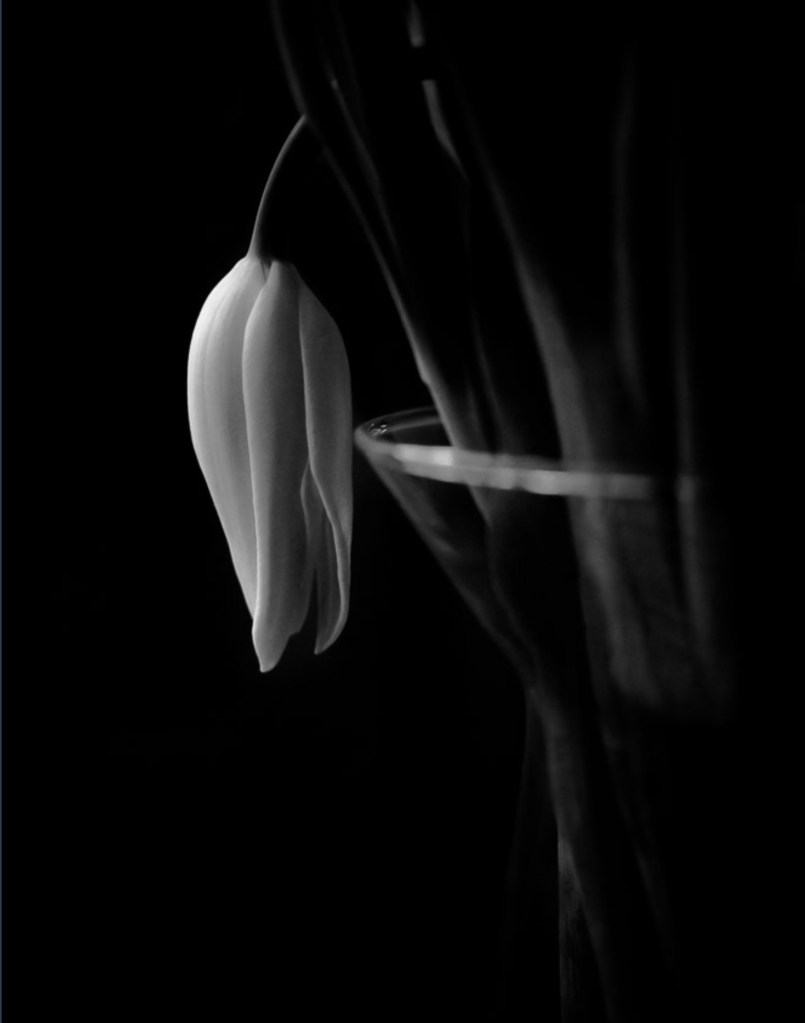
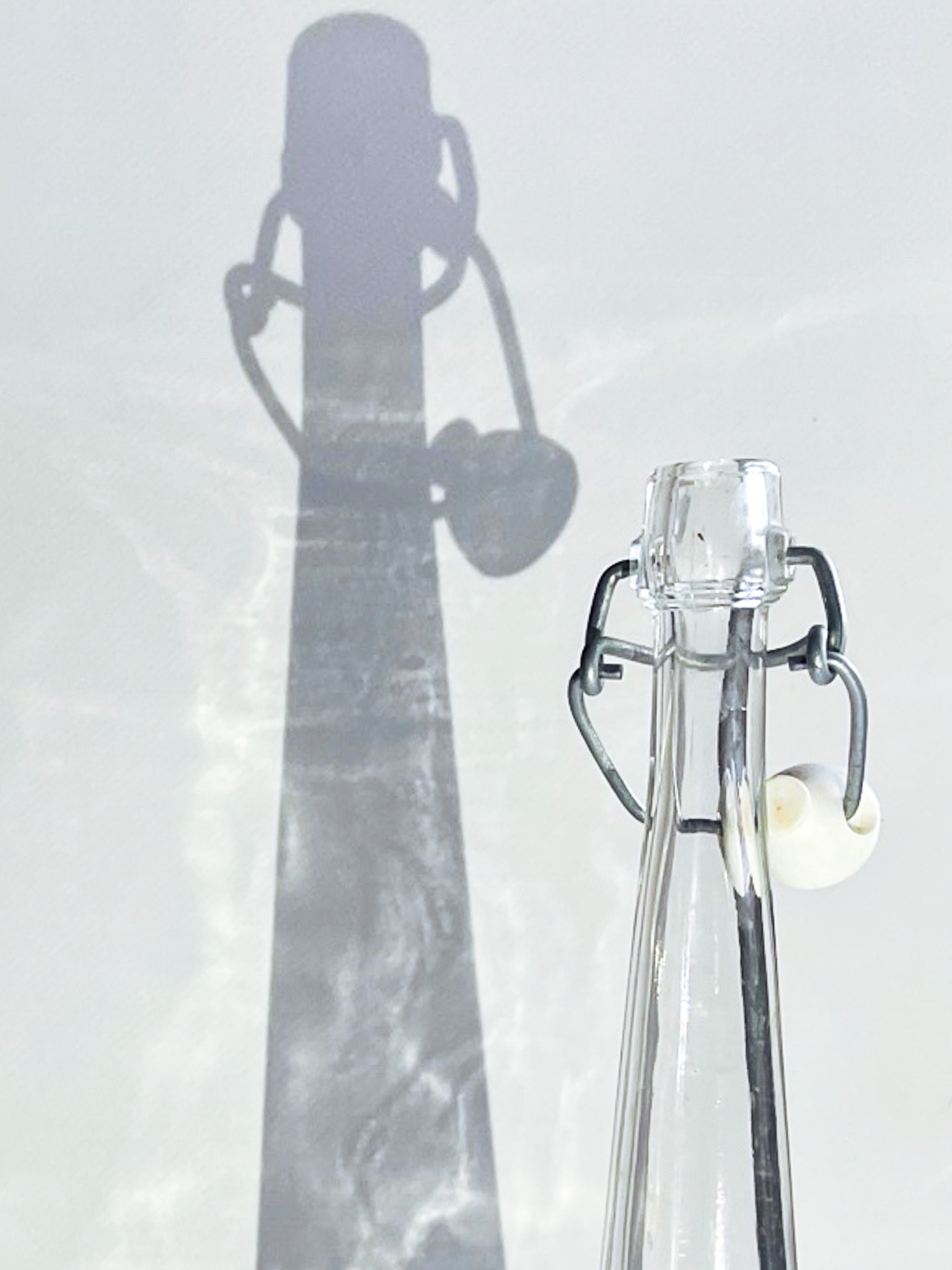
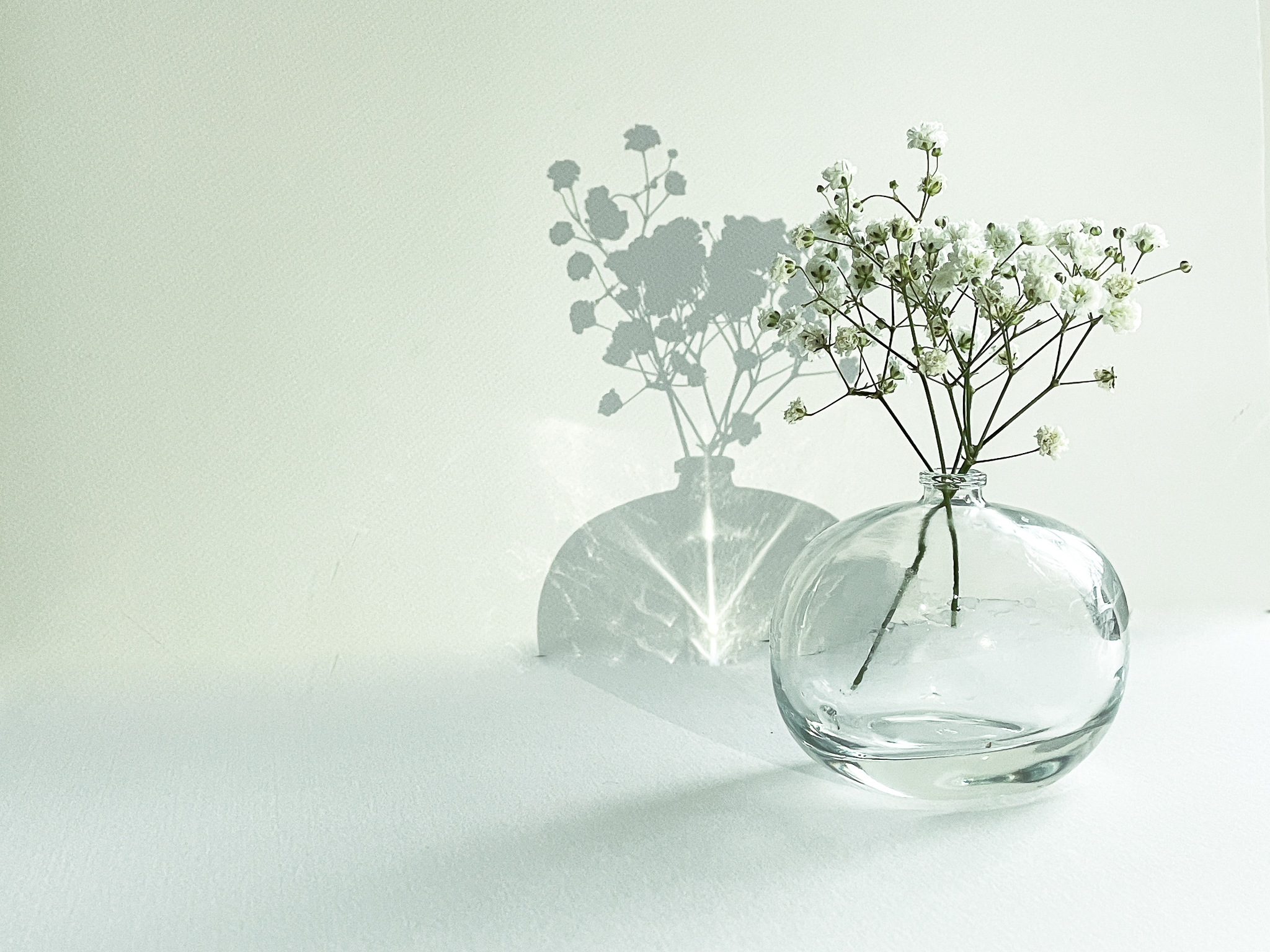
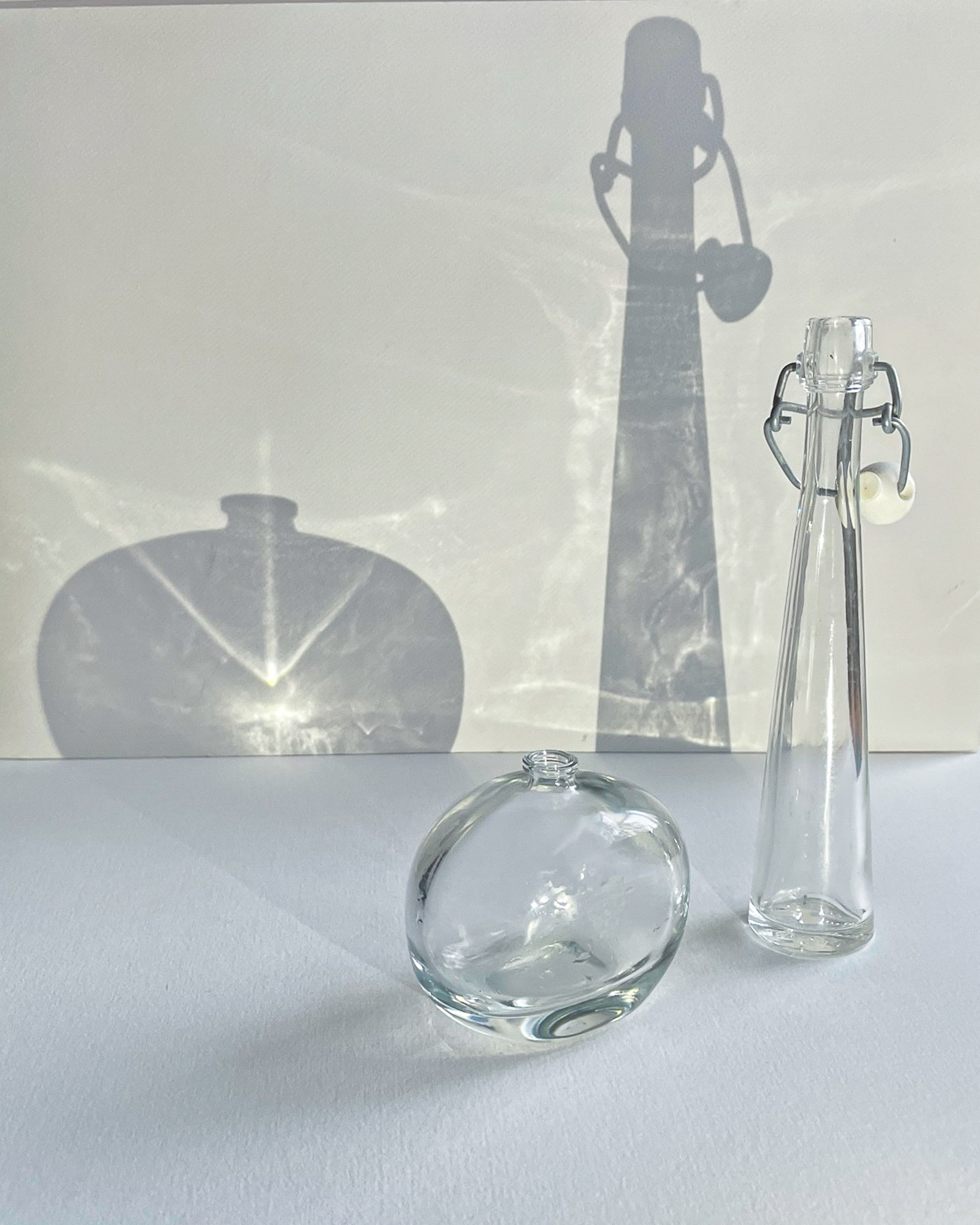
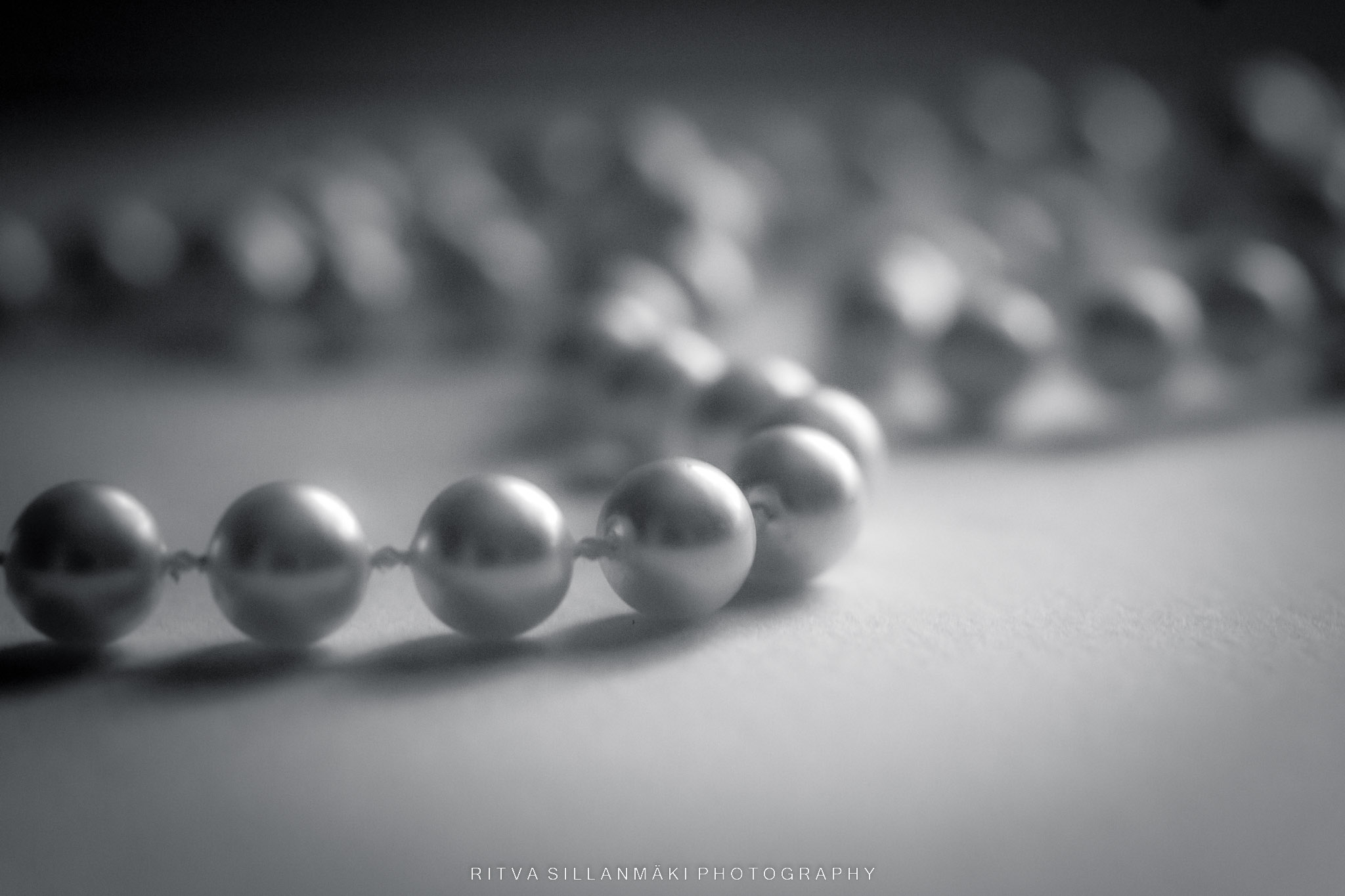
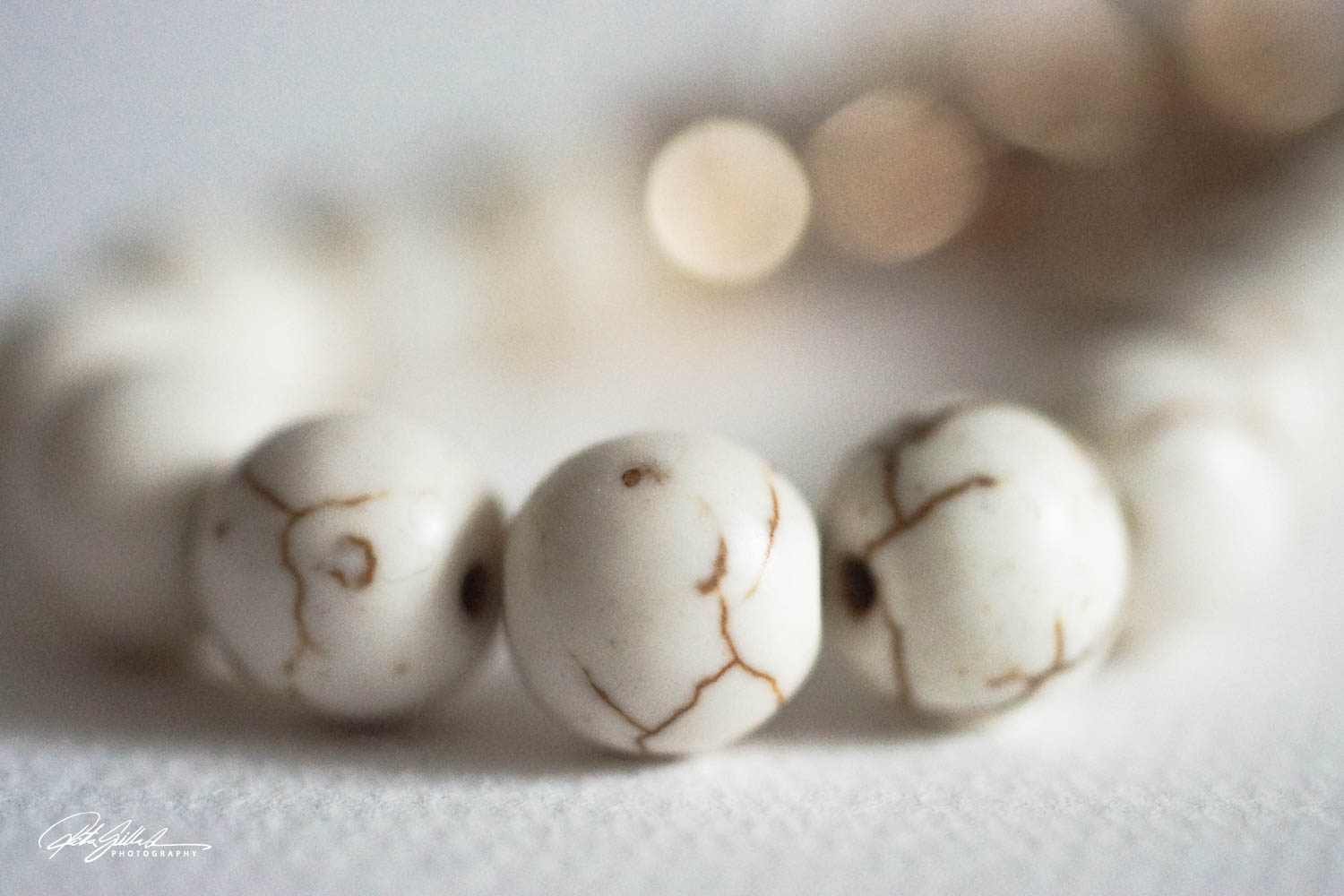
this week’s Lens Artists Challenge with a theme is SIMPLICITY. Host is Philo of Philosophy Through Photography please check his post for inspiration. He has great ideas and how to approach this challenge. He wrote: I considered selecting simplicity since the modern world is so stressful and chaotic that we are losing the fundamental clarity and simplicity that allow us to concentrate on what is really important. I agree.
Simplicity in photography is the idea of creating images that are easy to understand, clear in their message, and free from unnecessary or distracting elements. Simplicity can enhance the beauty, impact, and mood of a photograph. I kept these techniques in mind when trying to capture simplicity in photography:
Choosing simple scenes that have only a few compositional shapes and colors
Excluding anything that does not add to the story or emotion of the image, such as cluttered backgrounds, unwanted objects, or competing subjects
Using a shallow depth of field to blur out the background and isolate your subject
Using a minimalistic color palette or converting your image to black and white to emphasize contrast, shape, and texture
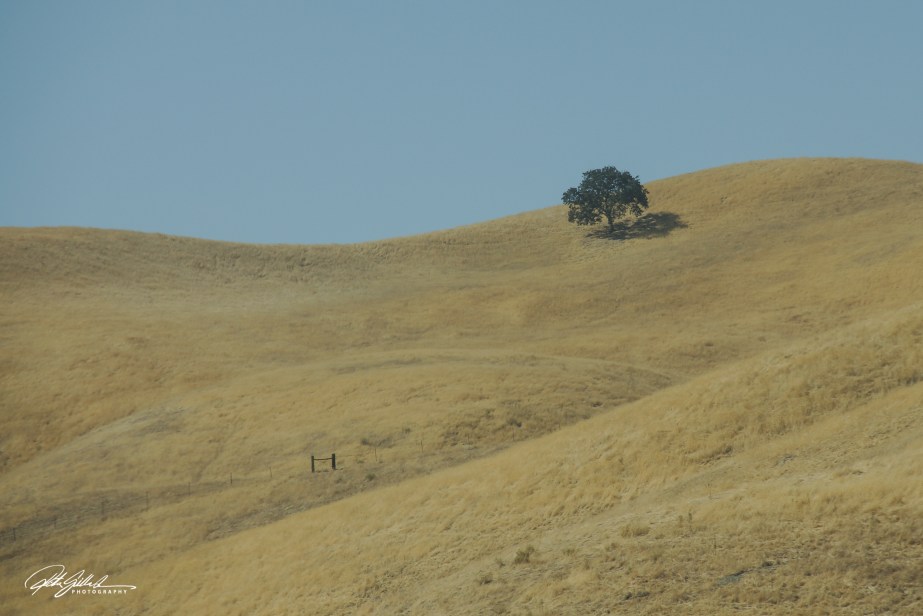
A simple photograph of a lone tree on a hill with negative space
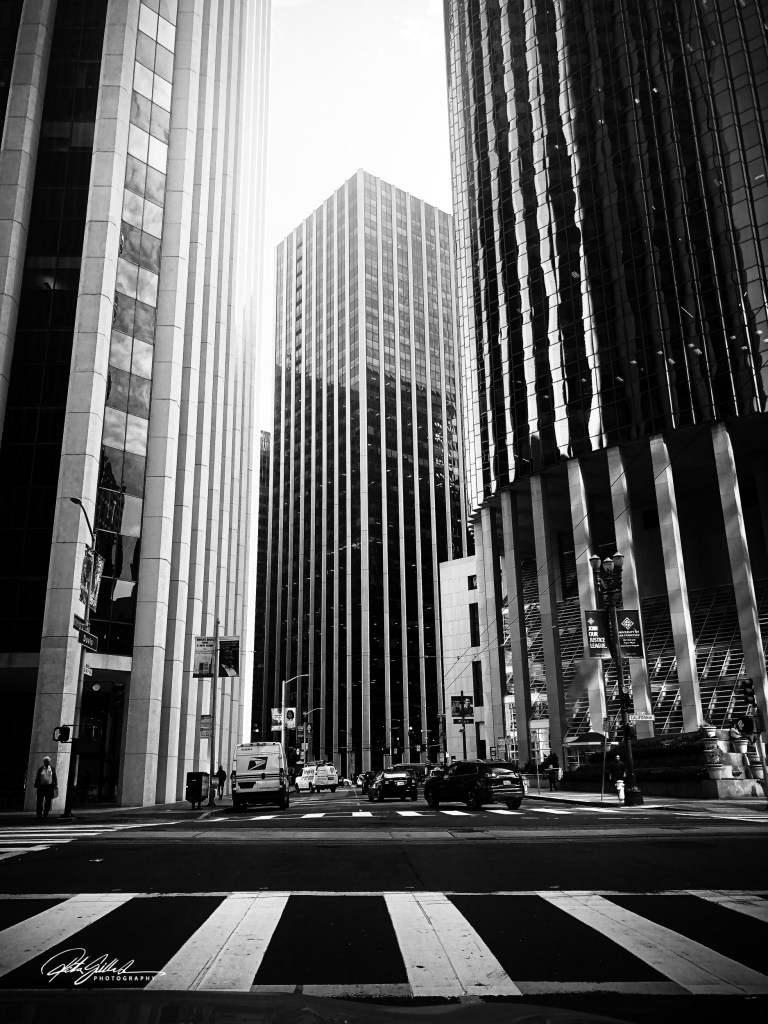
A black and white street scene with strong contrast and lines
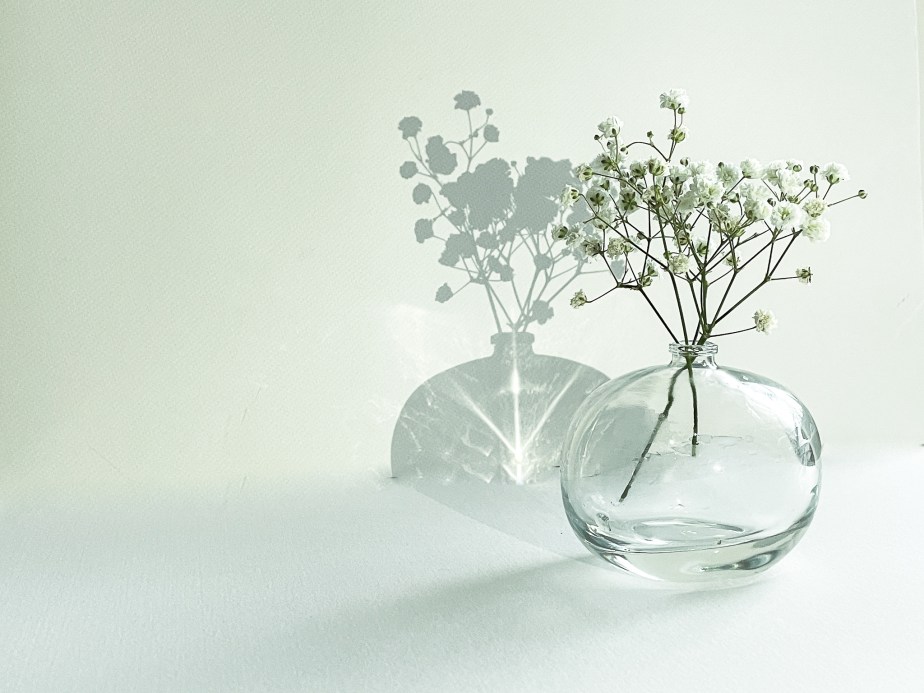
Jewelry, and simple shapes… that’s is were we can find -simple beauty. Monochrome enhance the images.
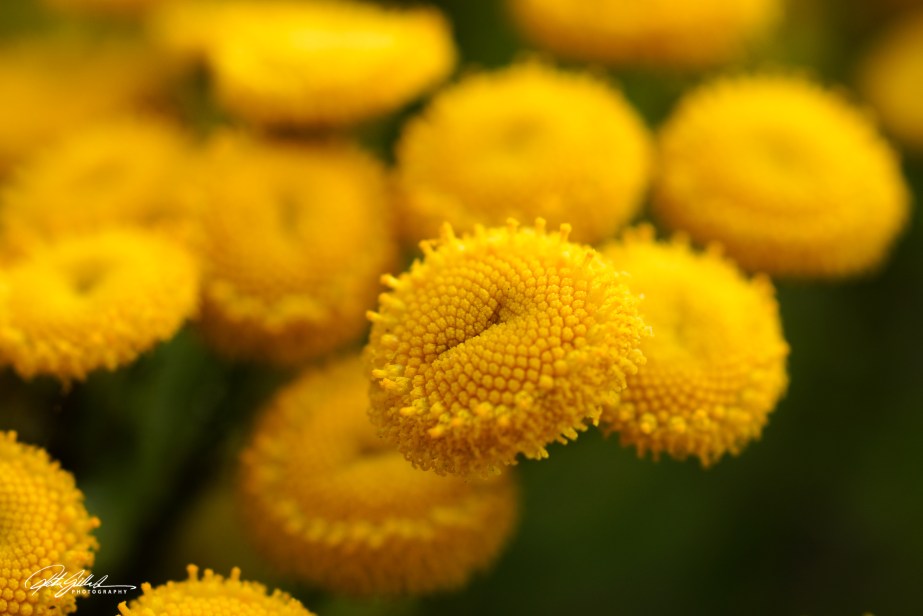
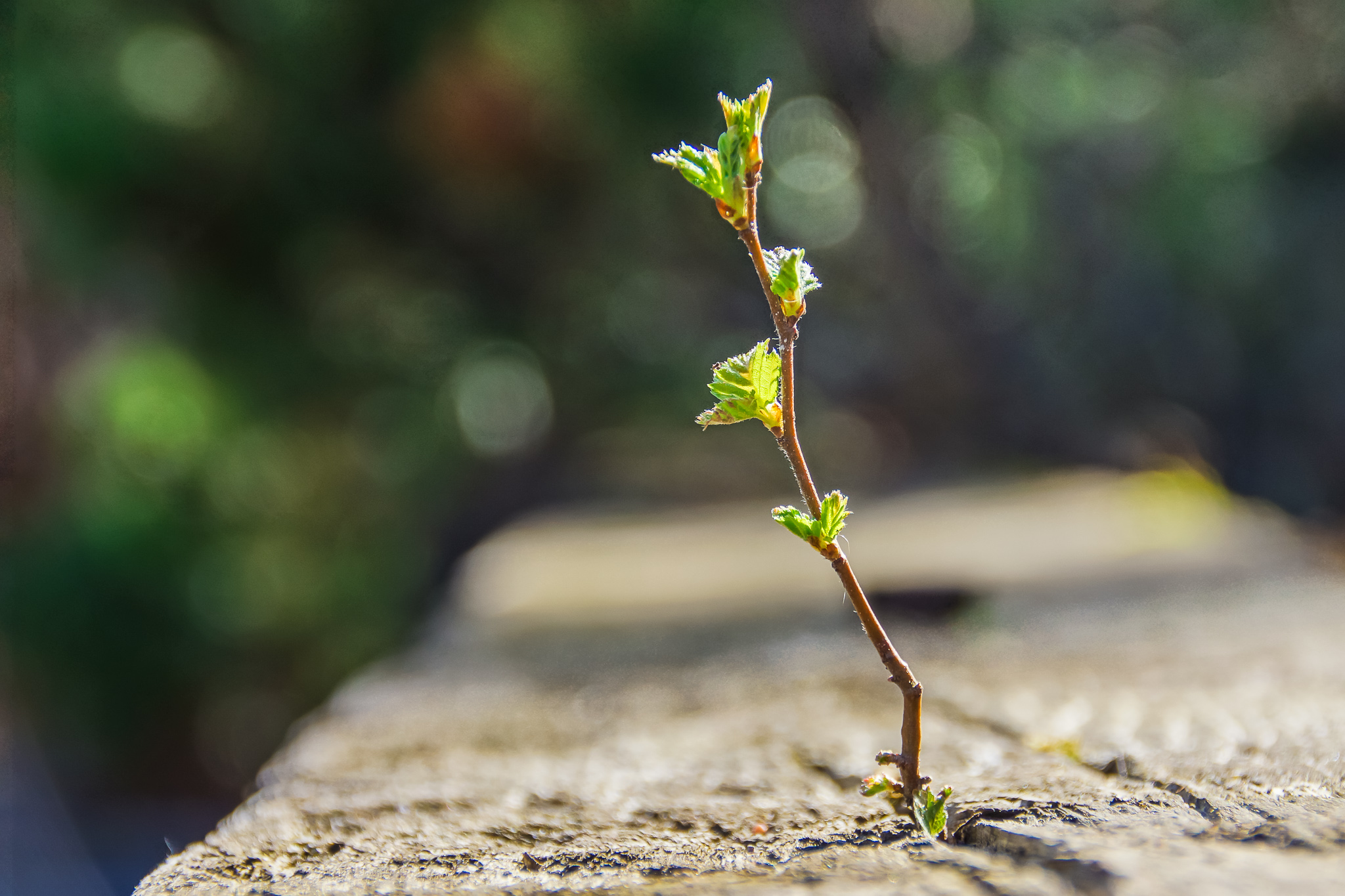
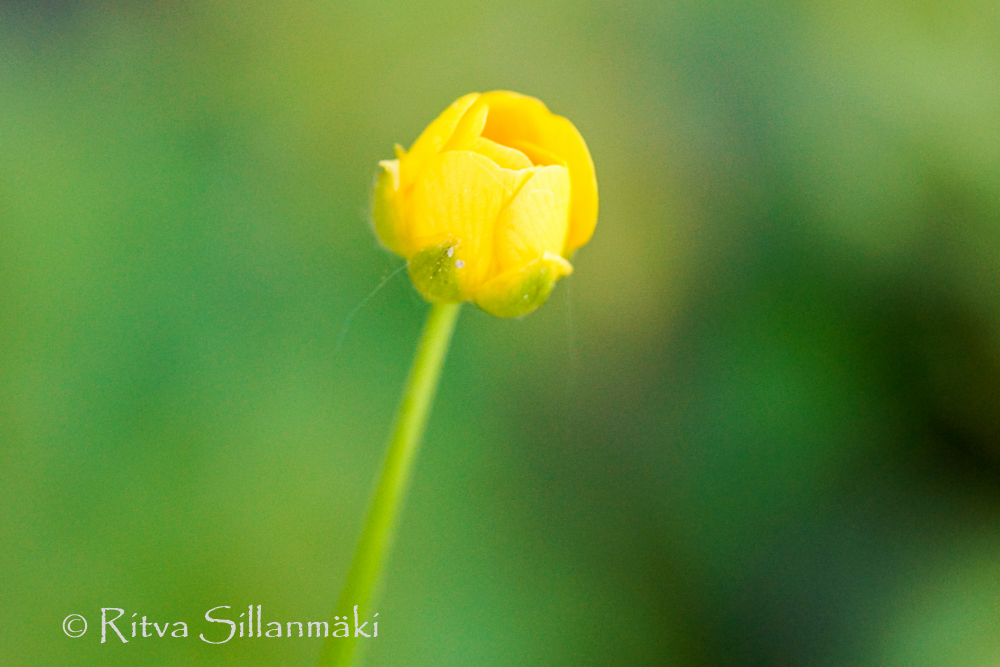
A single flowers or plant against blurred green background
Often simplicity is achieved by the composition, with negative space.
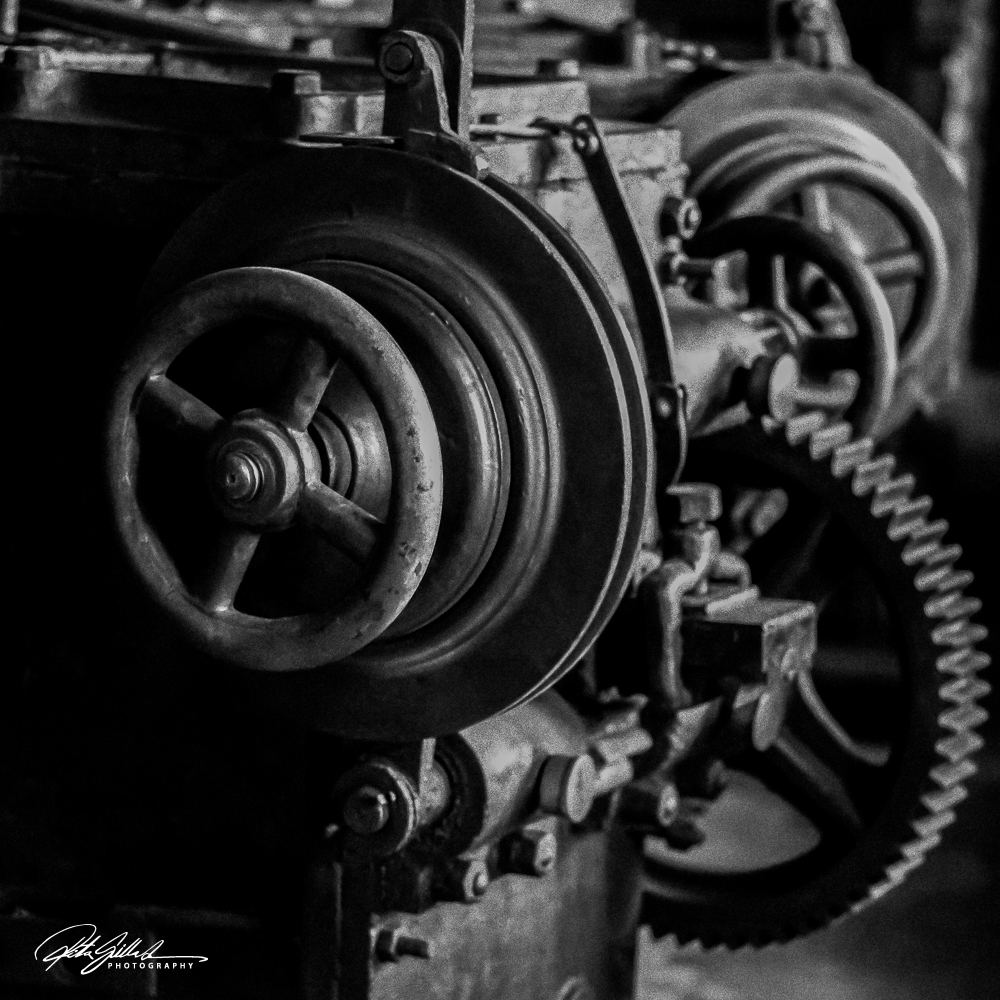
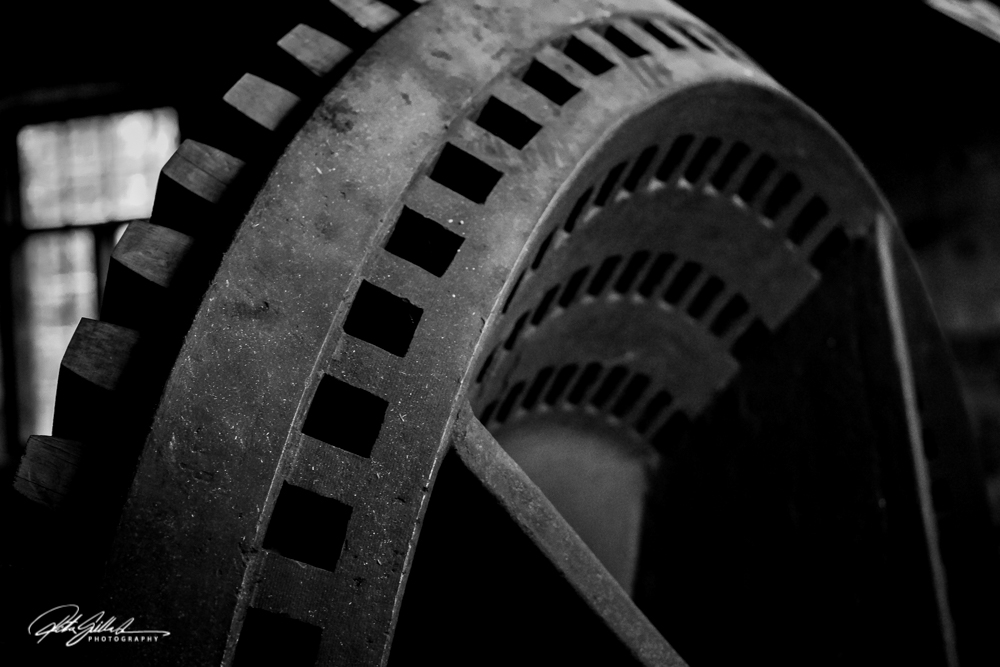
I love taking photos of old tools and machines with rough look, but there is simplicity in them.
Thank you all for participating in my kitchen inspire challenge 🙂 I was surprised that so many of you came along.
Remember to link to your post and use the Lens-Artists tag in the reader section. Philo of Philosophy Through Photography is this weeks host.
If you would like to participate weekly in our Lens-Artists Challenge, click here for more info.
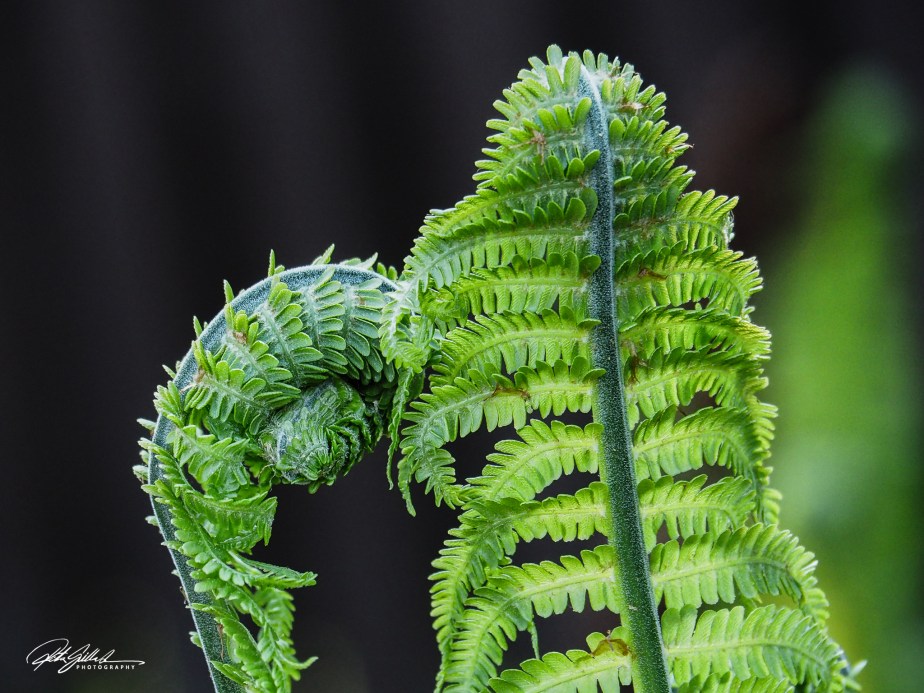
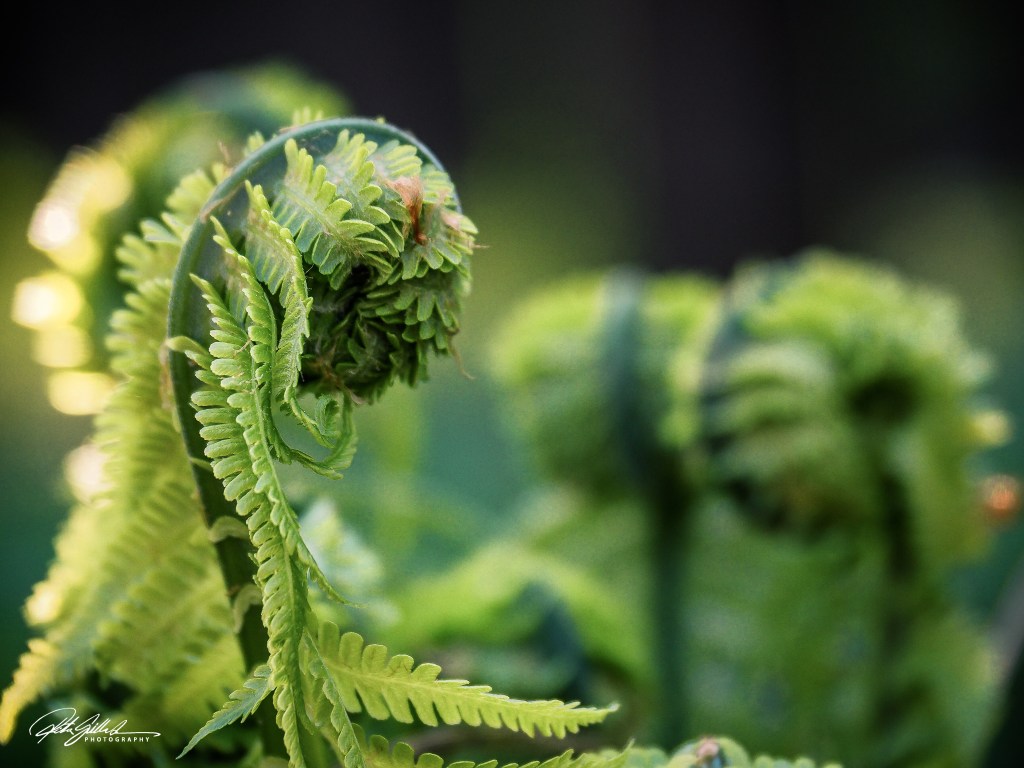
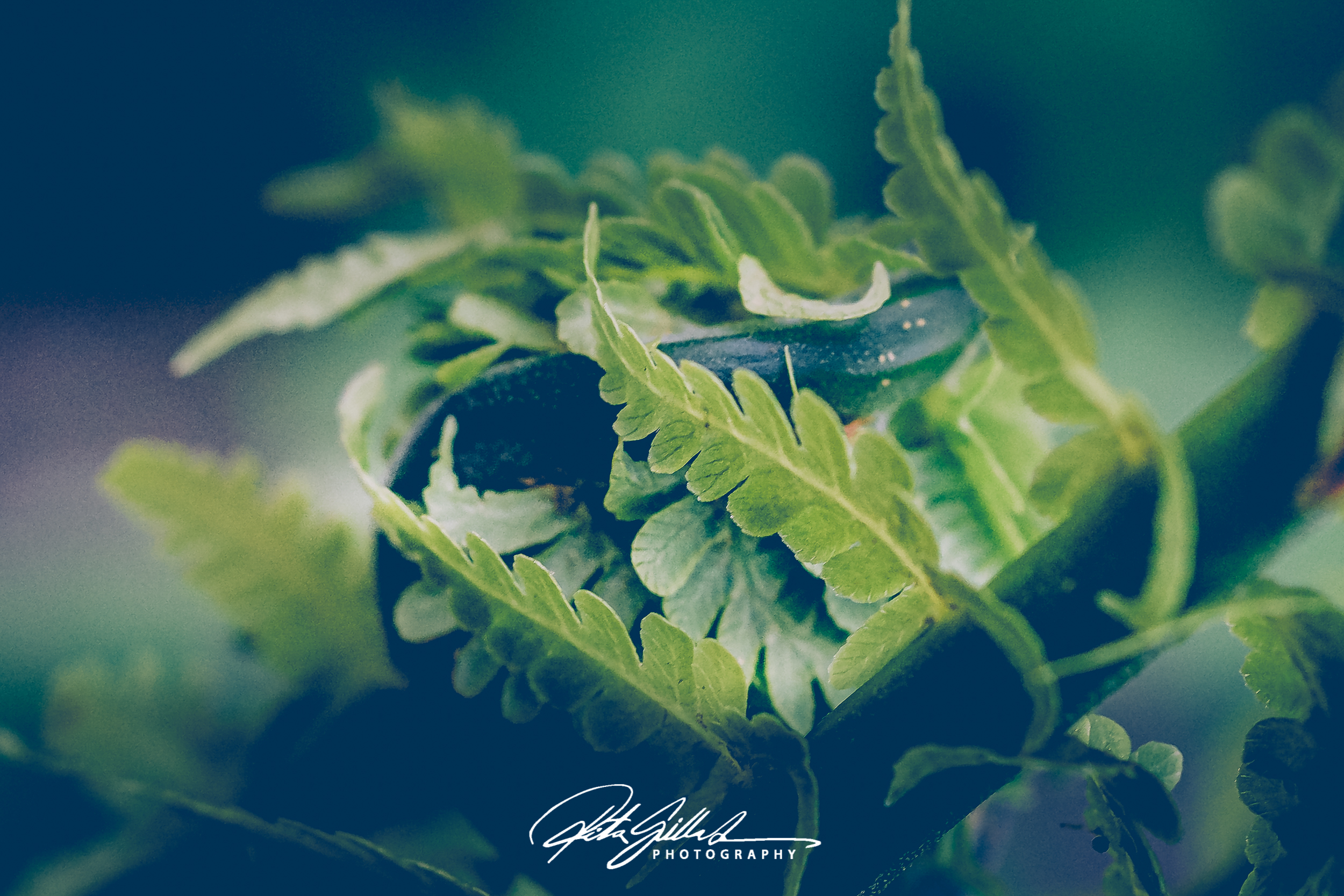
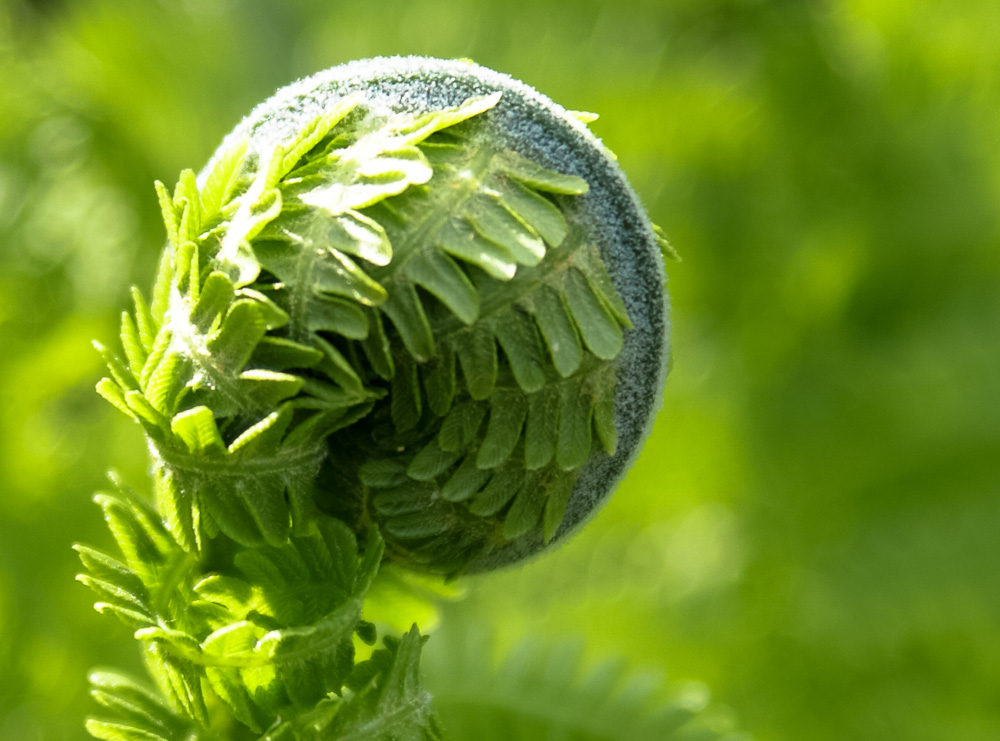
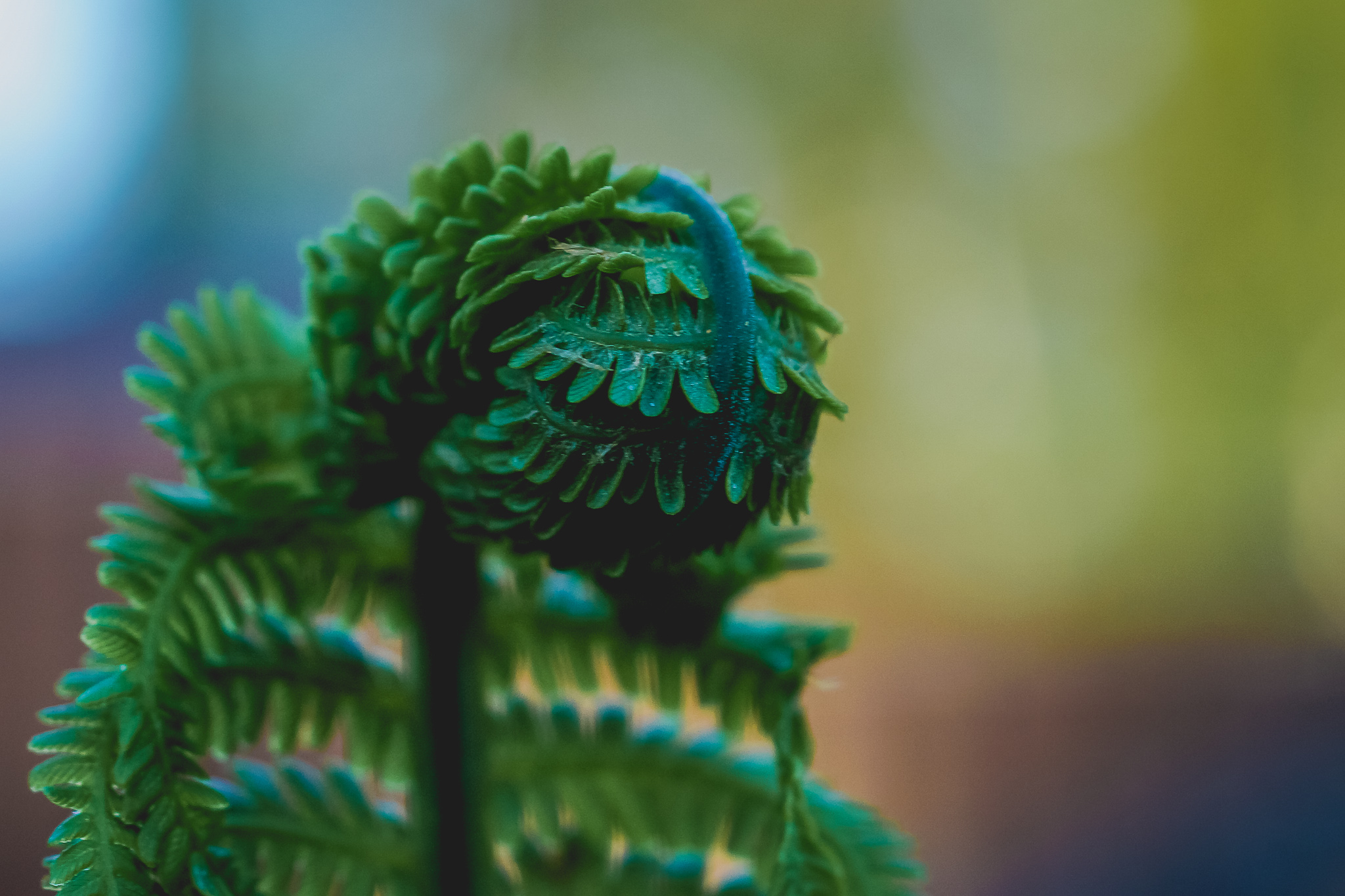
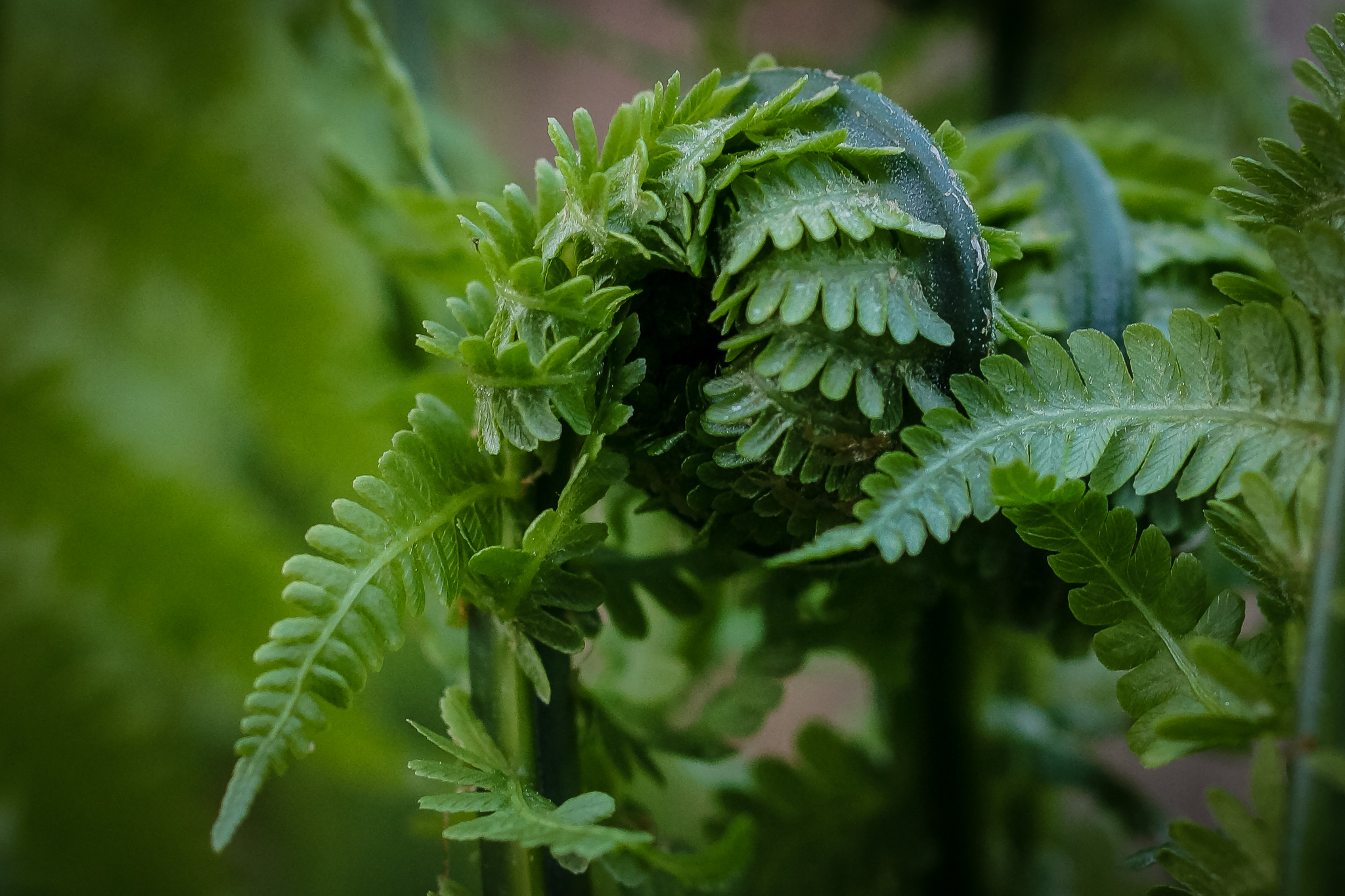
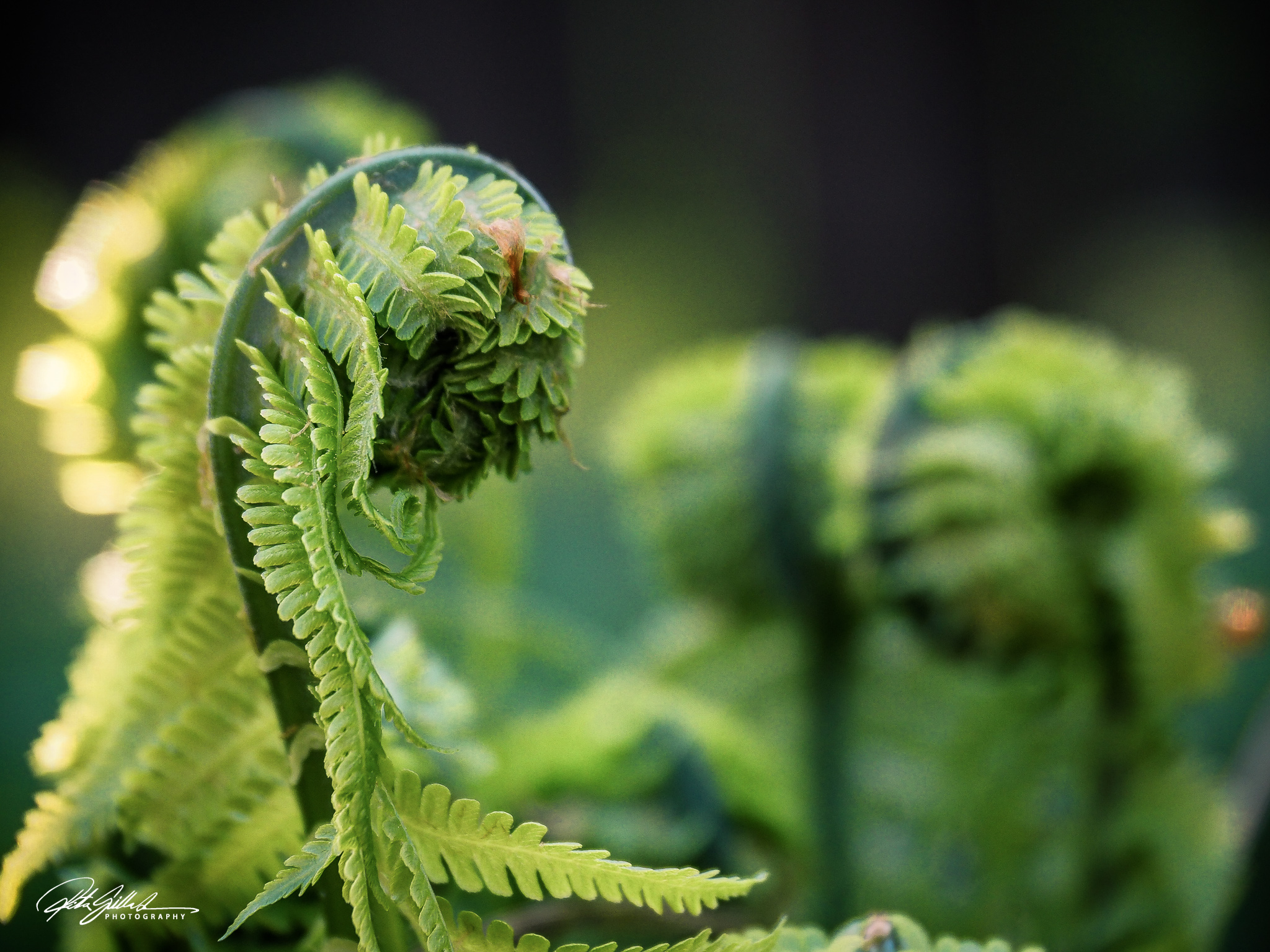
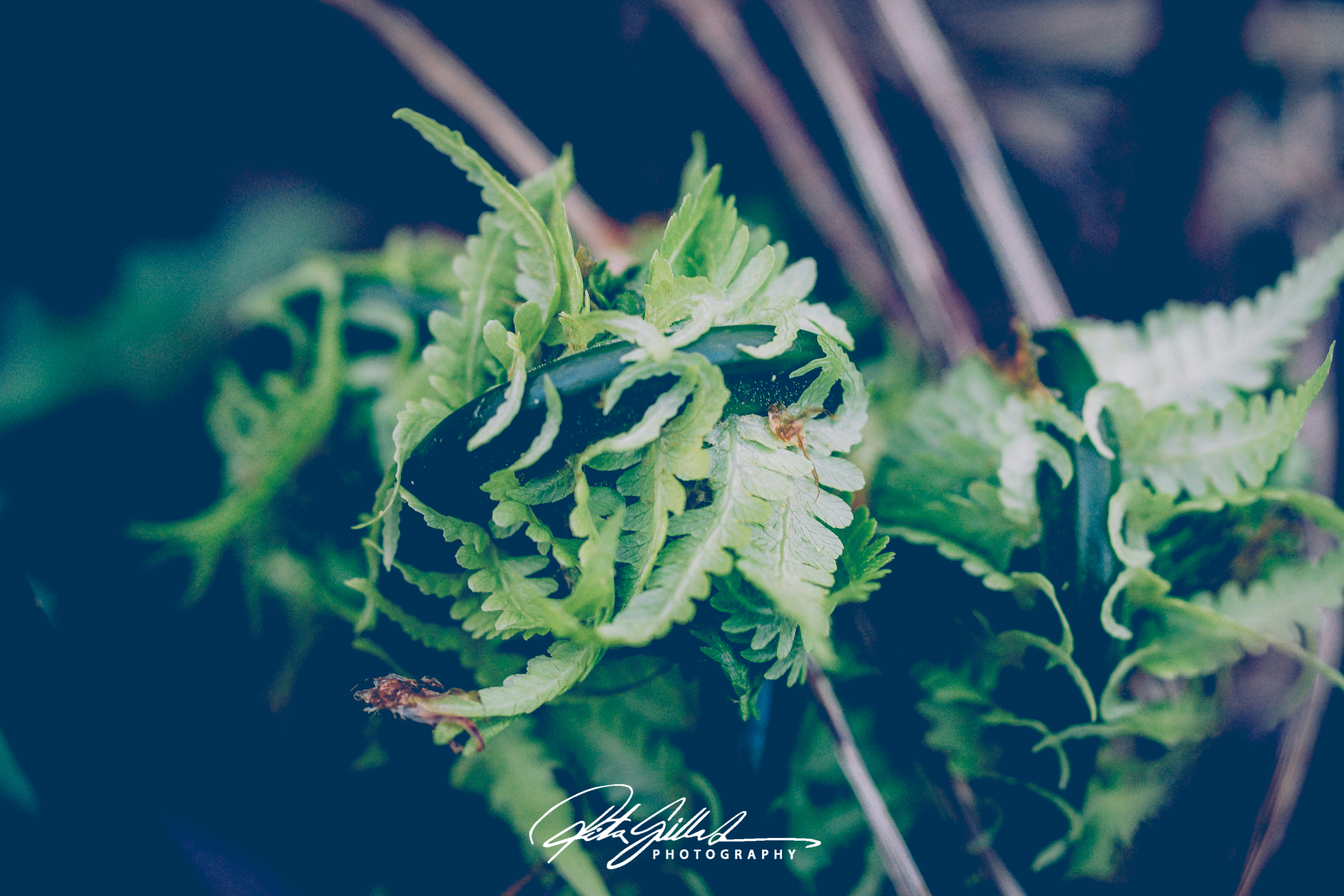
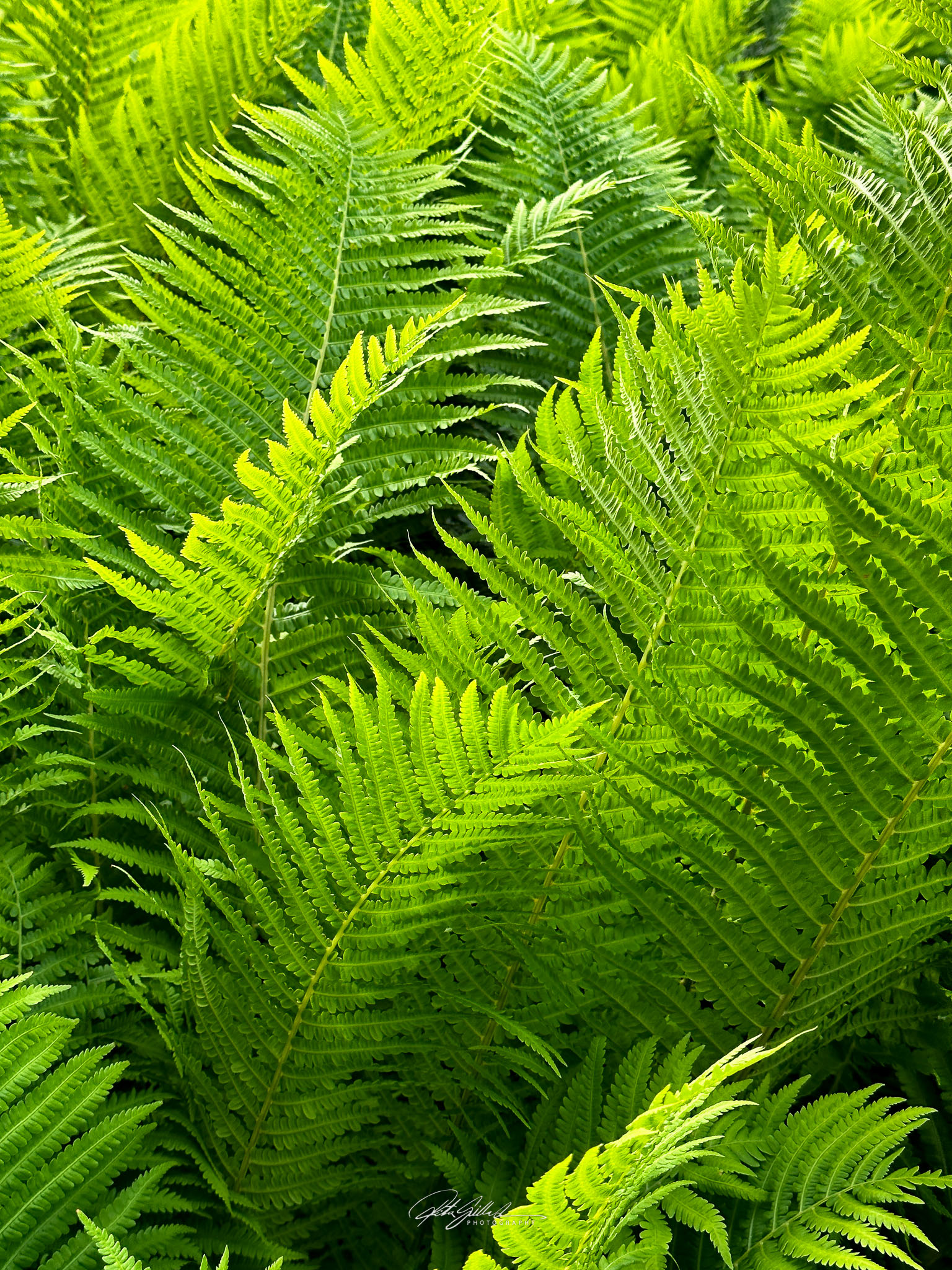
One of the evergreens in my garden and also the ferns growing in nature appeal to me. Obviously I have taken many photos of it. Here are few of my favorite ones.
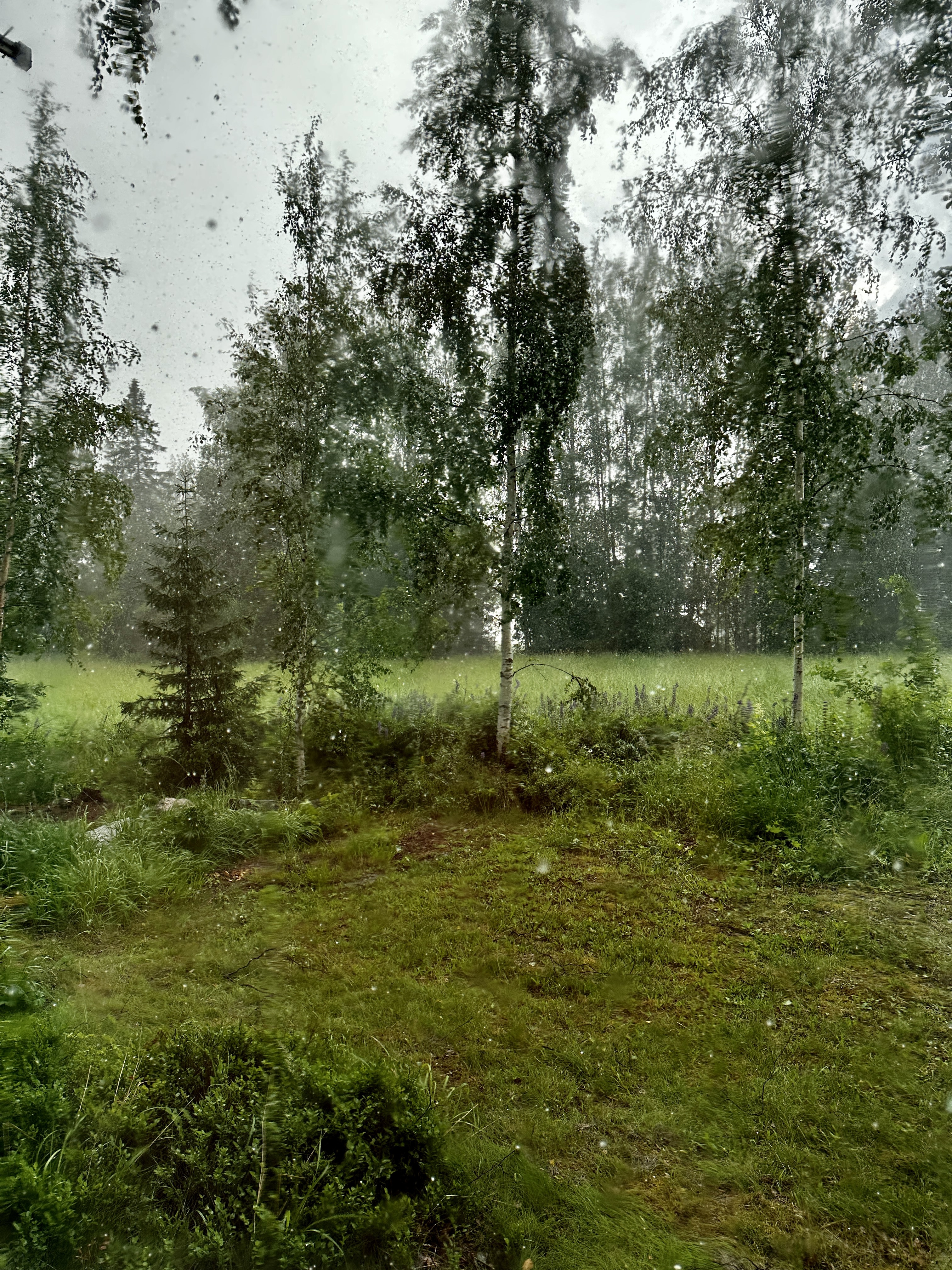
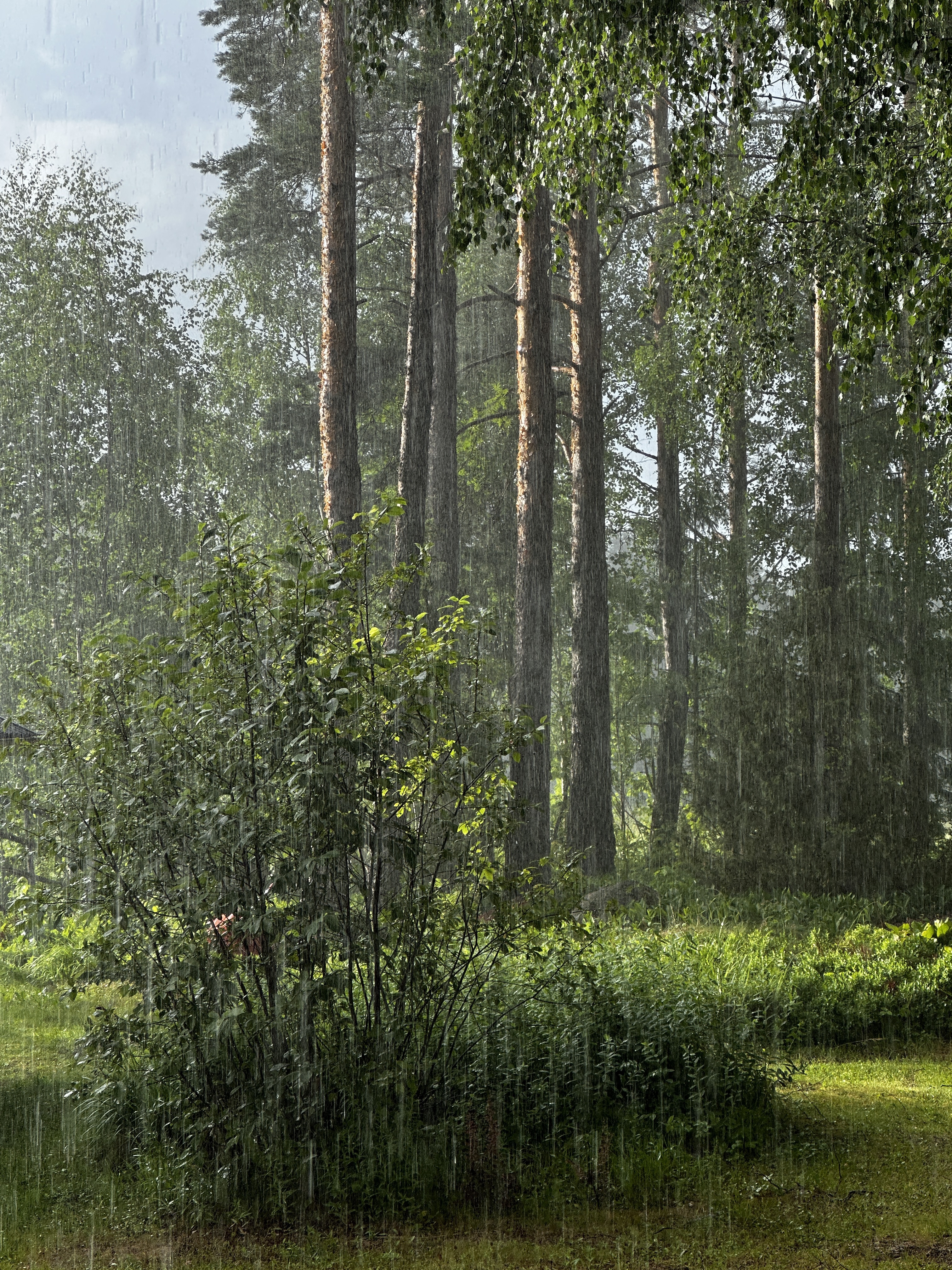
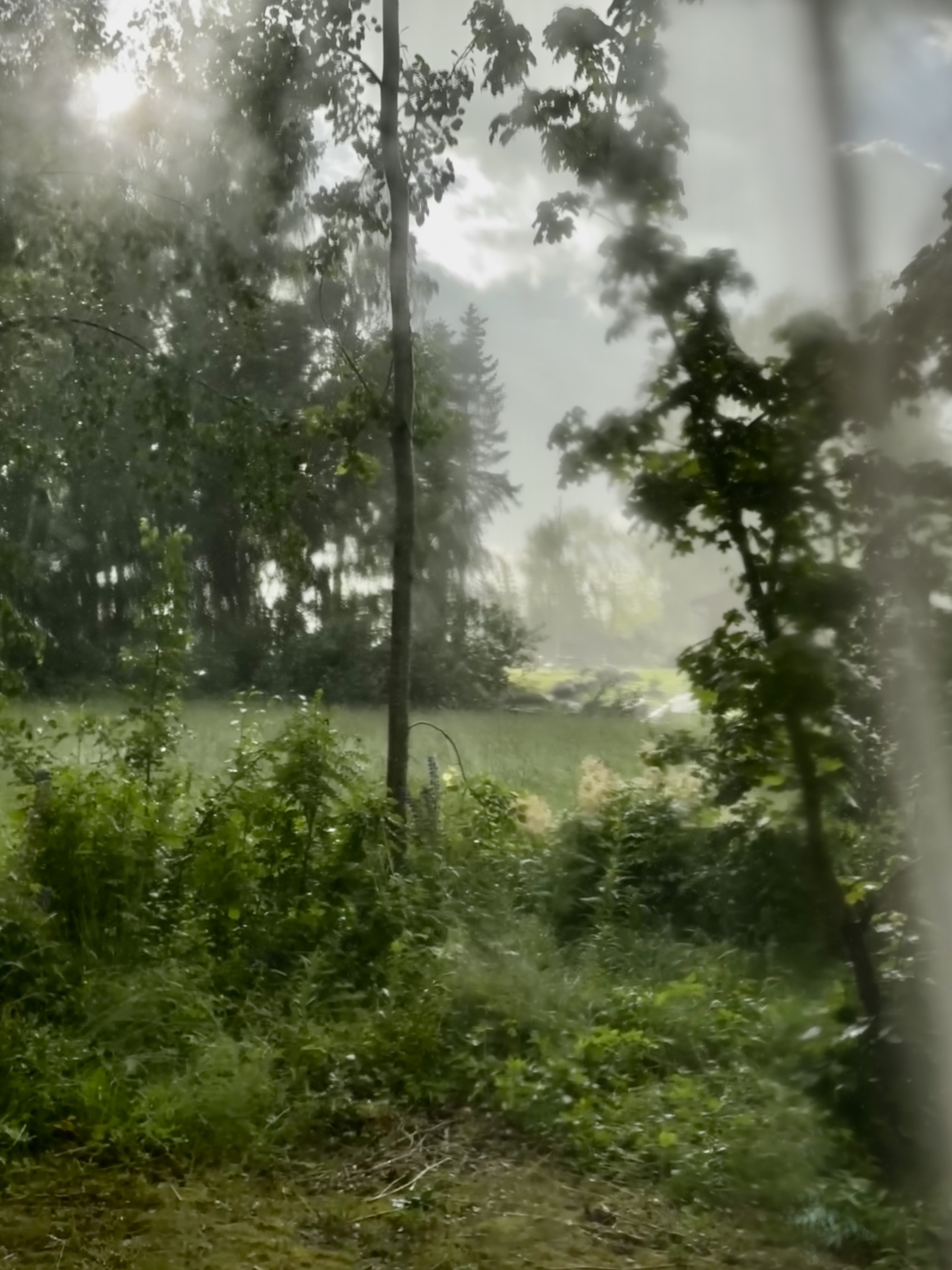
We drove back to our summer house and as I was sitting by the fireplace it started raining and I went from window to window trying to capture it. These are the unedited photos 😊
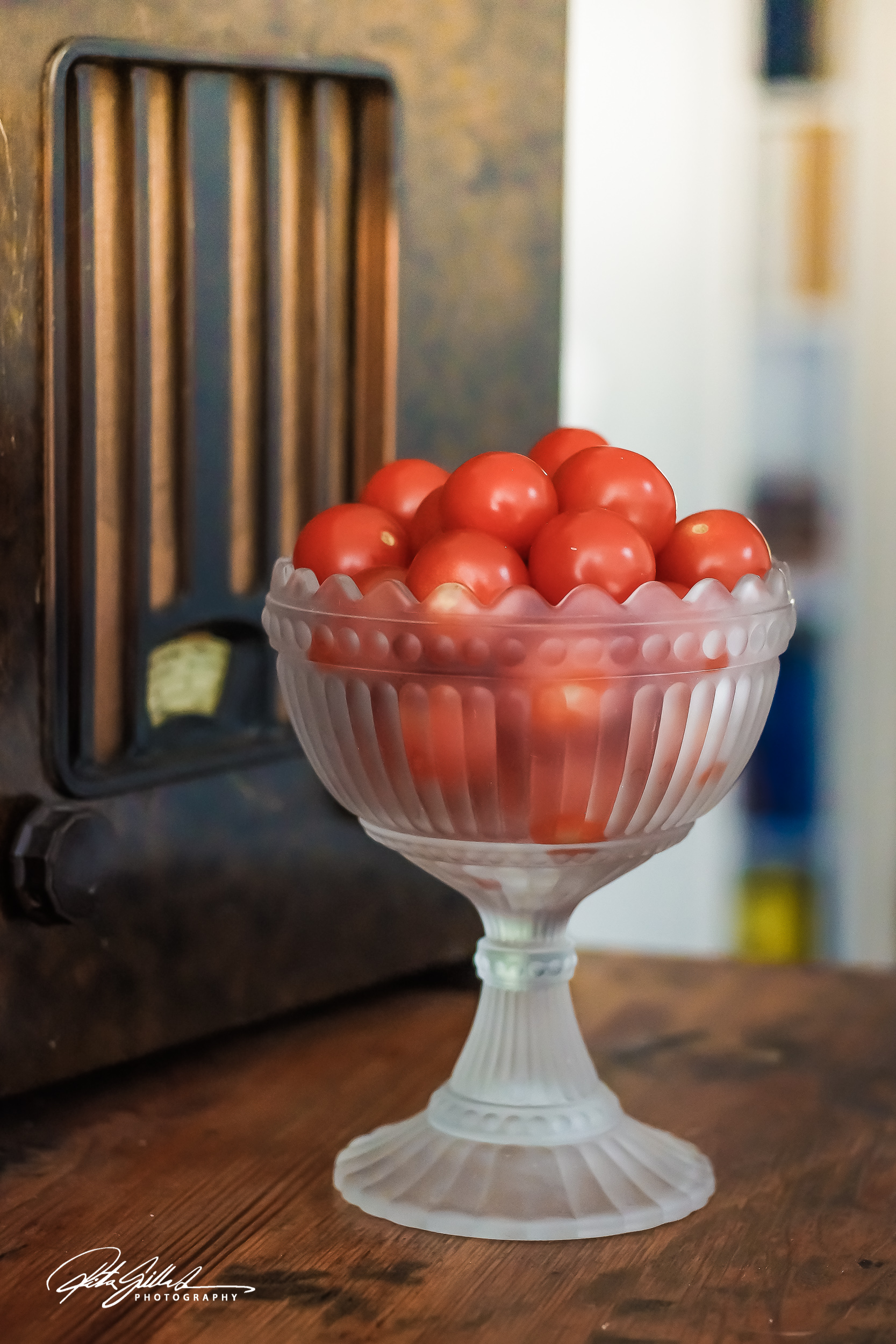
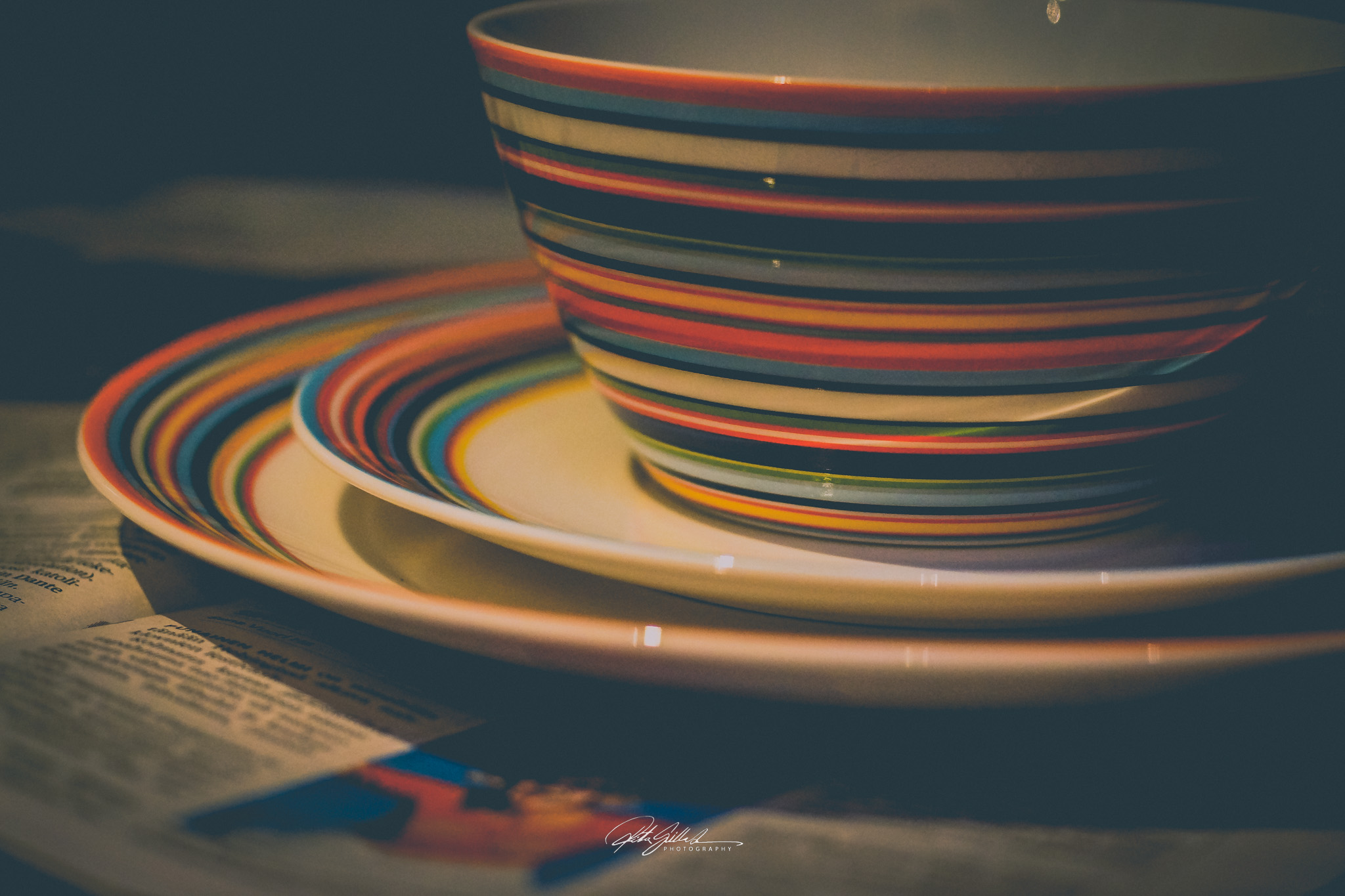
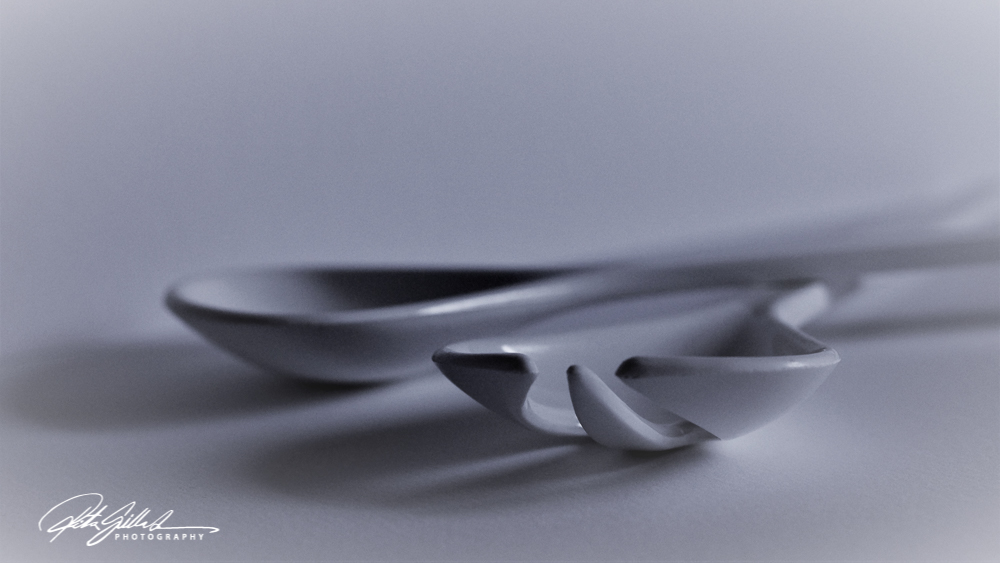
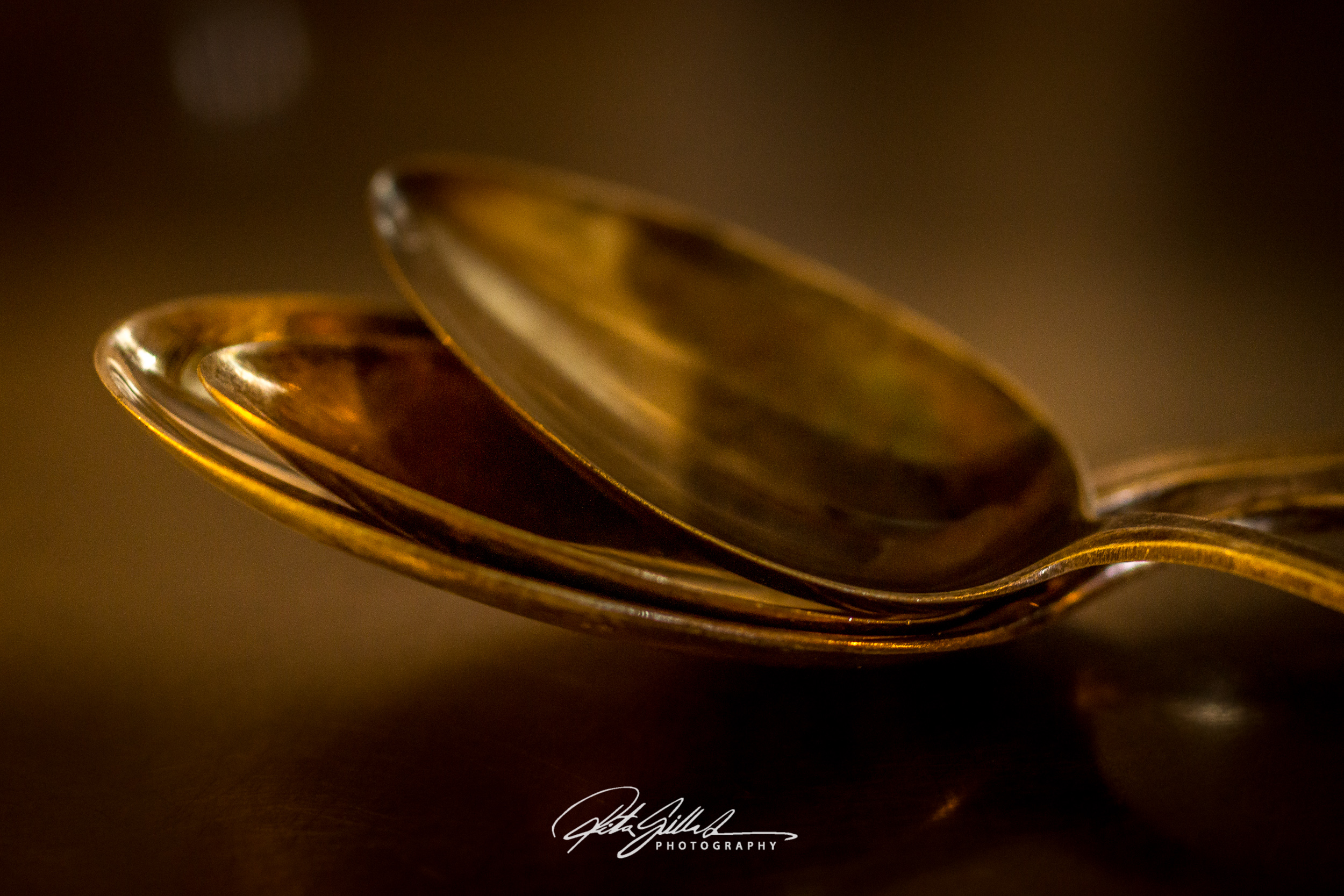
I am hosting this week’s Lens Artists Challenge with a theme of Inspiration found in the kitchen. That is often a place I find something to photograph in an hour of need. It can be a view from the kitchen window or an interior shot of the kitchen. As we know, kitchens may vary from an alley kitchen to an open plan or kitchen-diner. More importantly, the kitchen hides a huge number of small details. Here are some ideas: cultery, glasses, pots and pans. I have done my share of these shots. Food photography, recipe ingredients, as well as a cooked meal can also be found in your kitchen. The possibilities for all kinds of variations are an endless source of inspiration. Let your creativity flow.
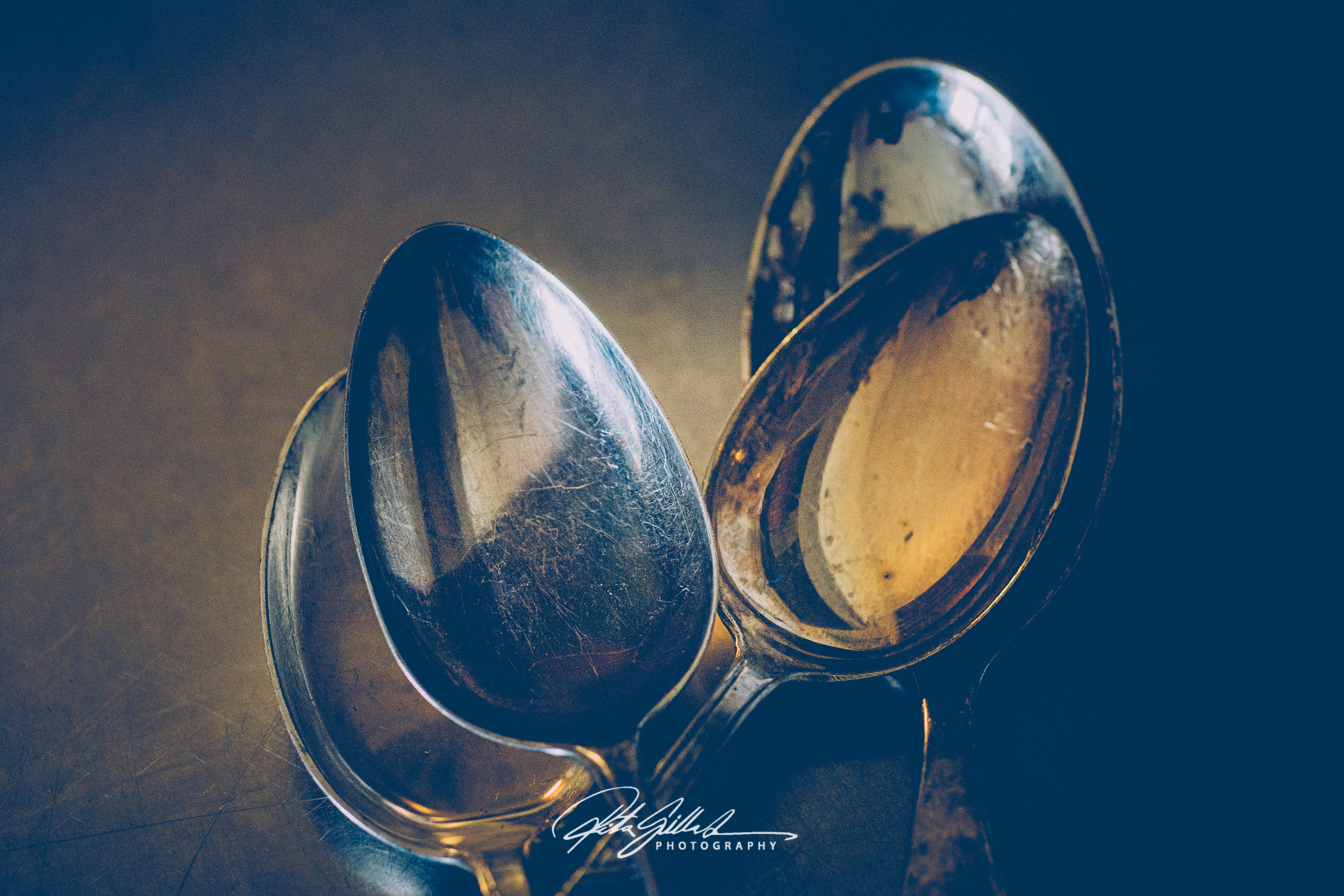
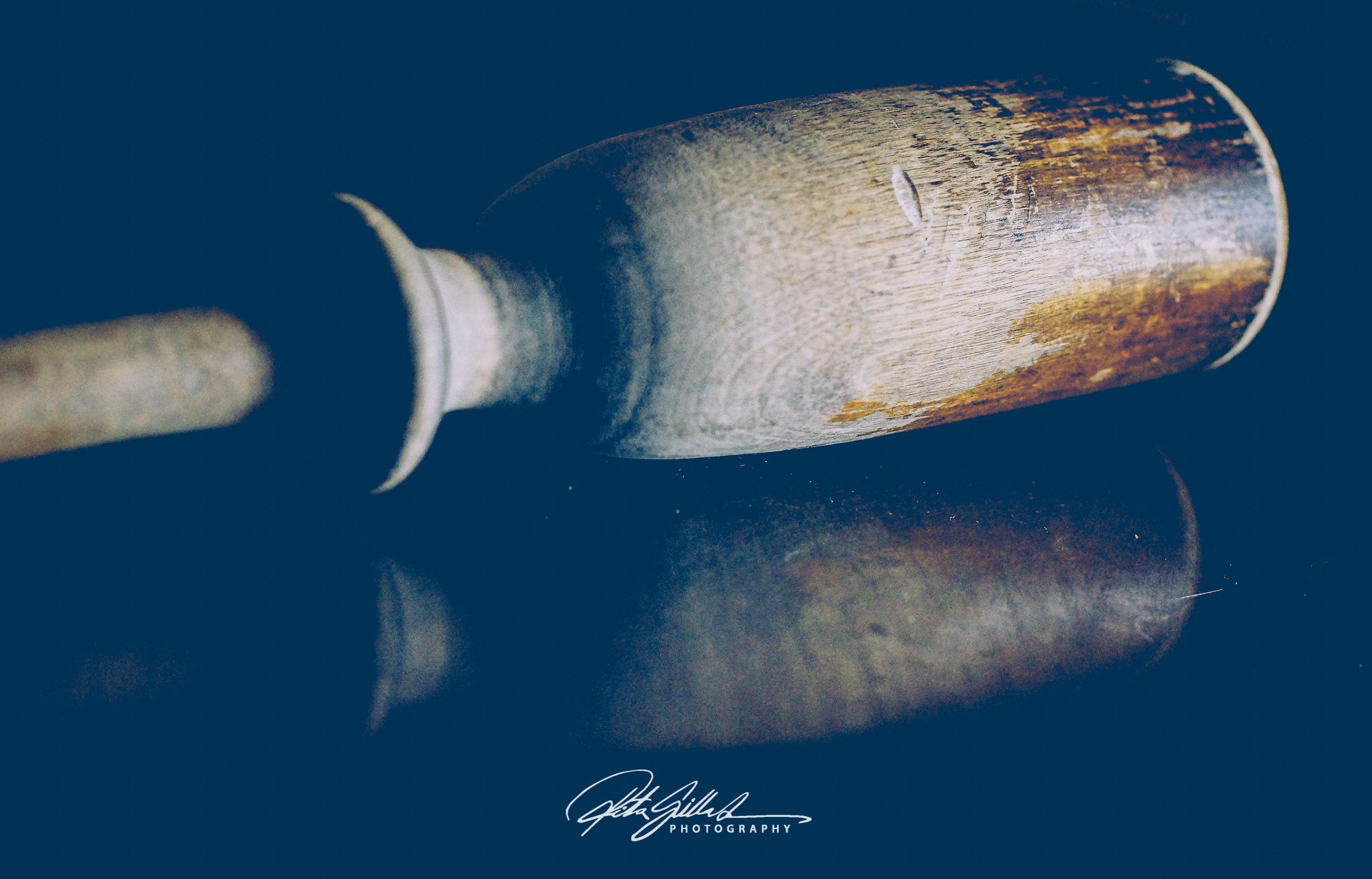
I am lucky to have two kitchens. The following items have found their way to my summer house. As you can see from some dust and spiderwebs, these are not in use, but make for nice photos.
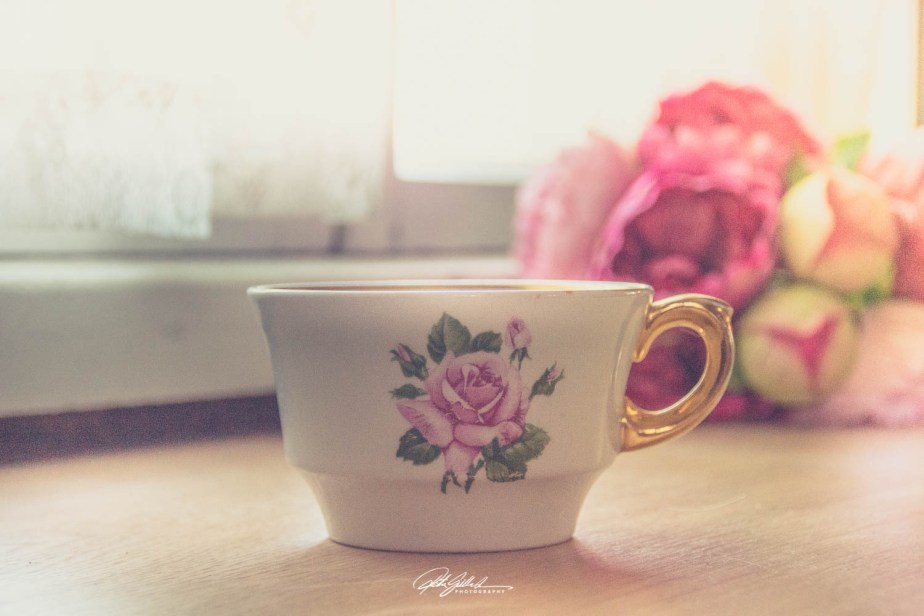
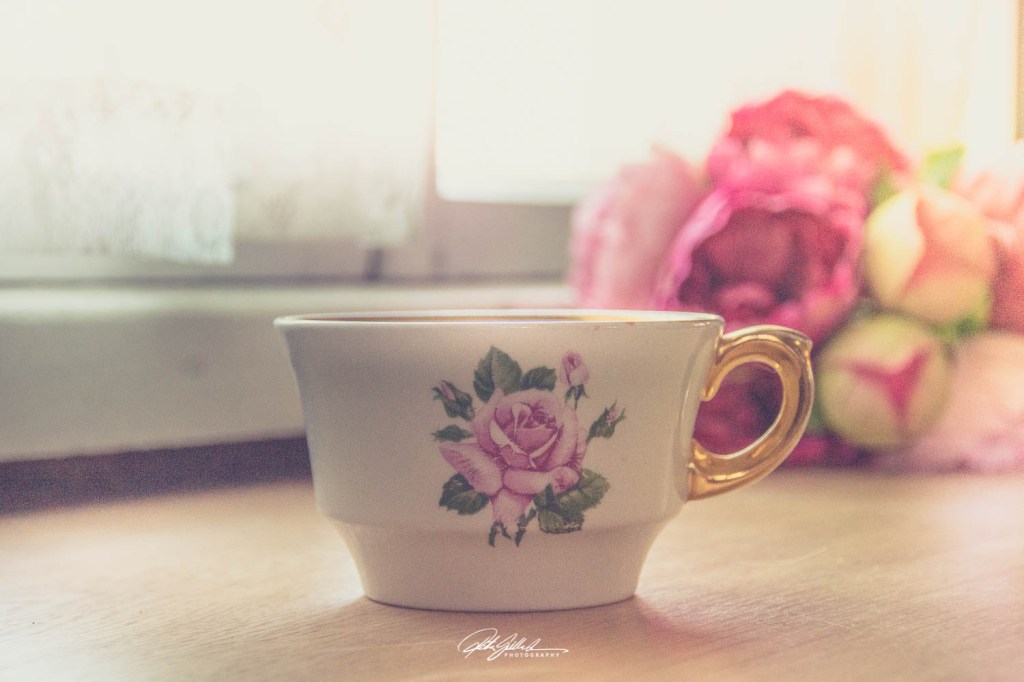
Now I have one request and hope you play along. Please share a photo of your favorite cup. No explanations are necessary but hoped for. My cup is old and used to belong to my husband’s grandmother. It is pretty and vintage. I like it. Most importantly, you can have a nice cup of coffee in it.
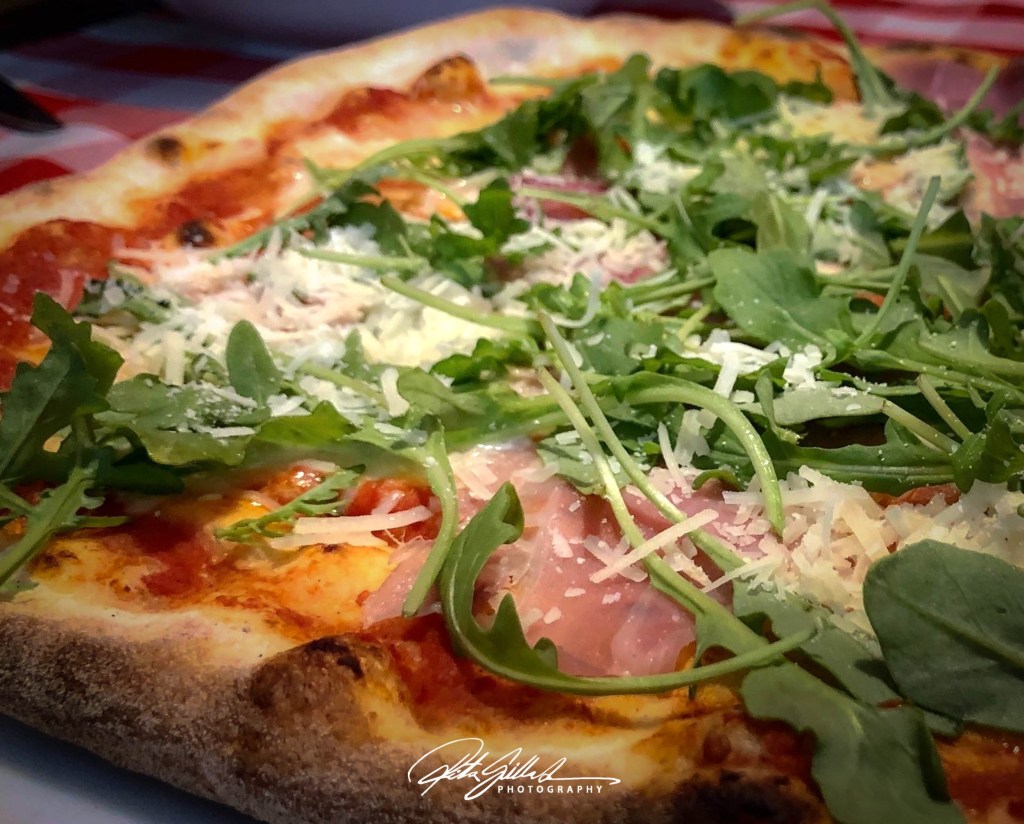
I cannot make a post about kitchen inspiration without a shot of food. Pizza, with air dried ham, mozzarella and rucola. So good.
I hope you found inspiration and share your kitchen discoveries with us.
Remember to link to this post and use the Lens-Artists tag in the reader section. Next week Philo of Philosophy Through Photography will be presenting a wonderful challenge so look for her post.
If you would like to participate weekly in our Lens-Artists Challenge, click here for more info.
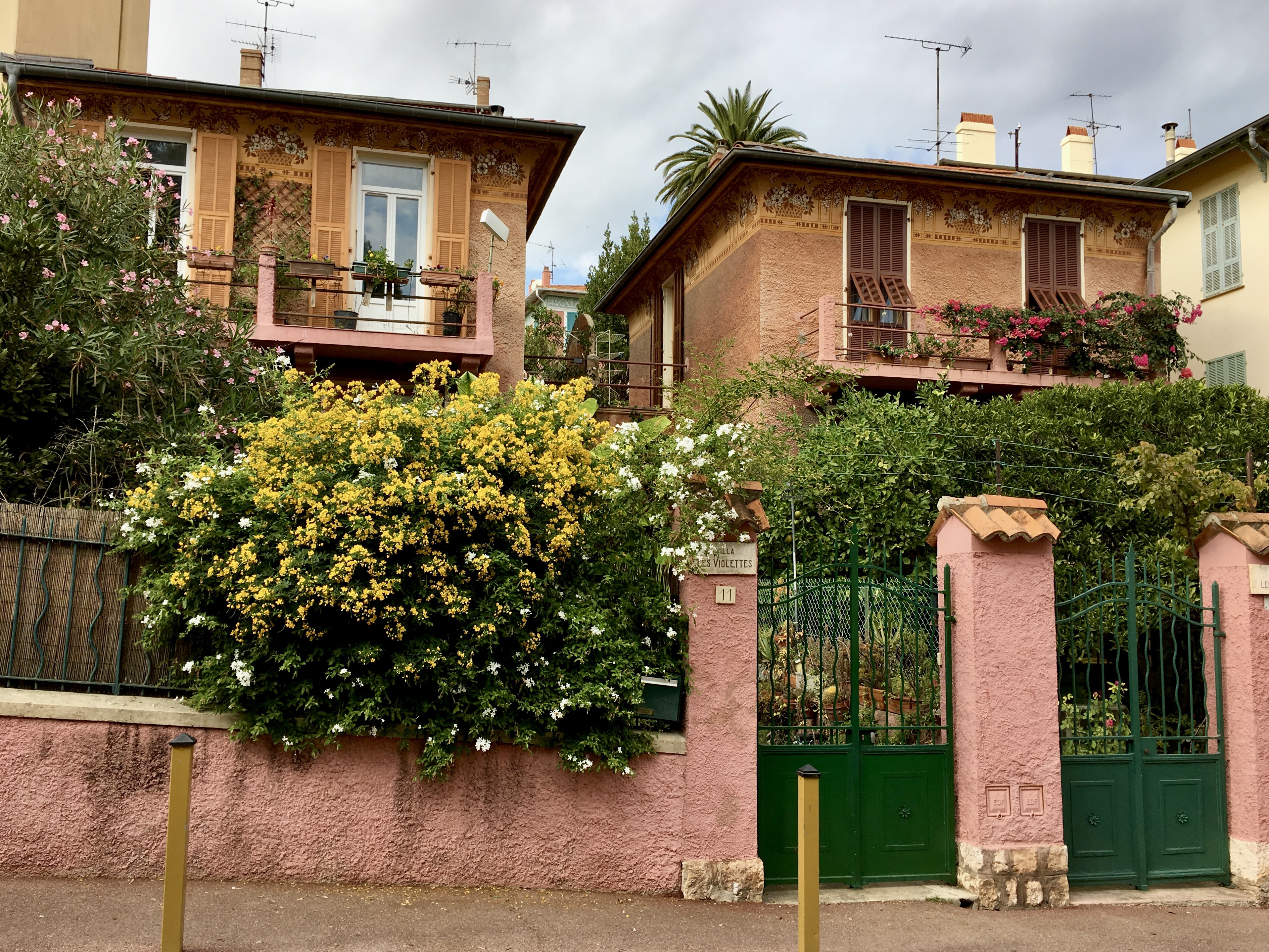
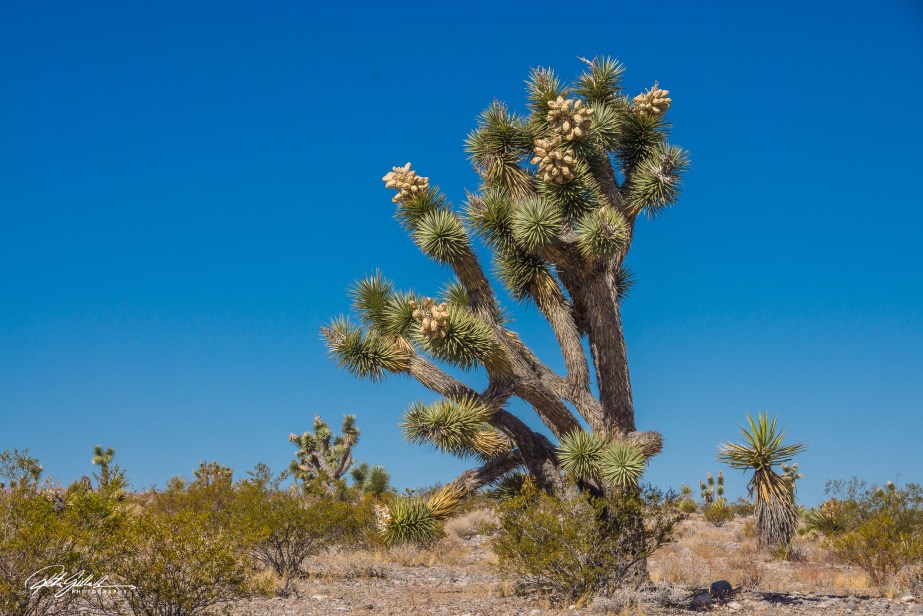
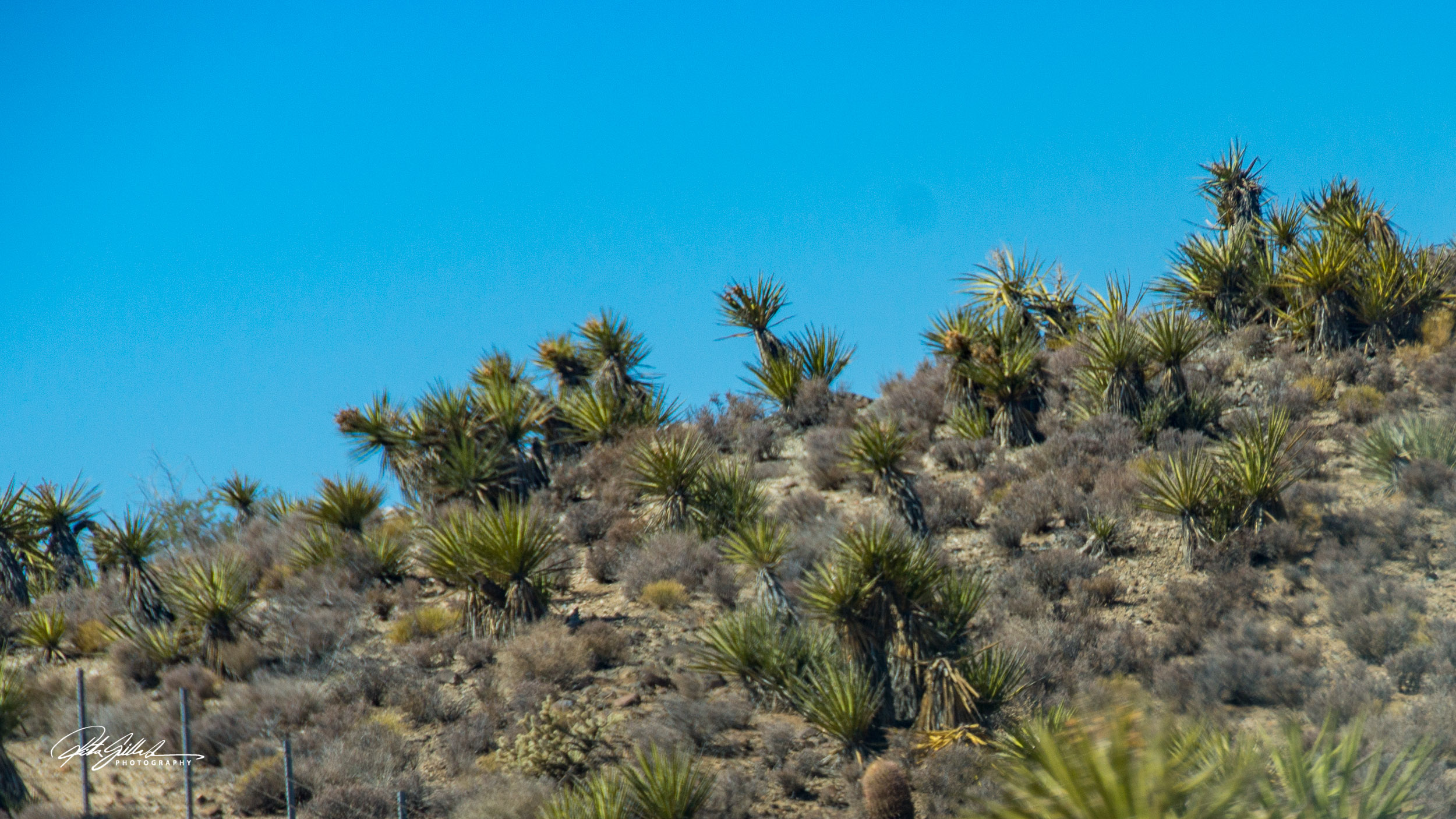
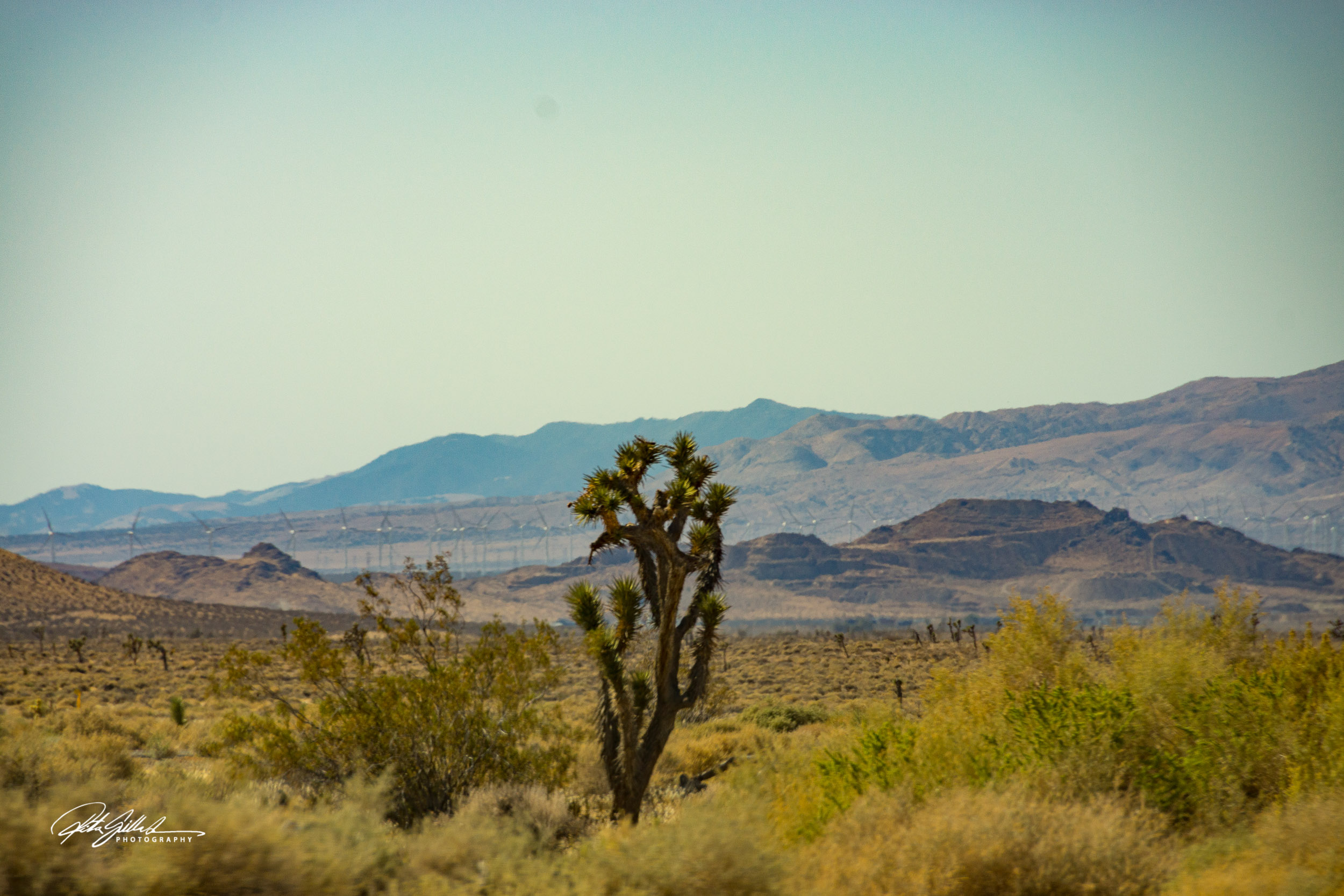
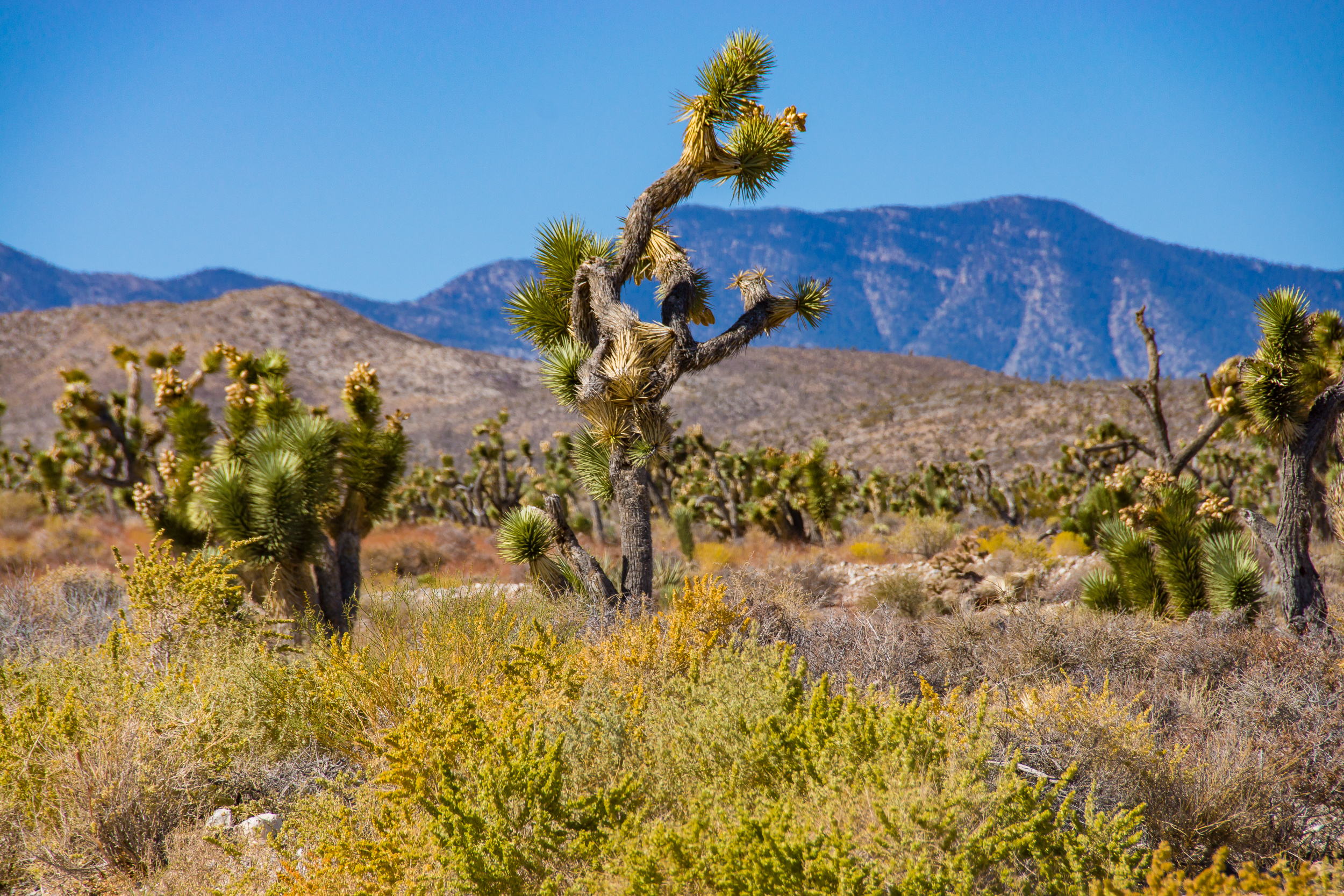
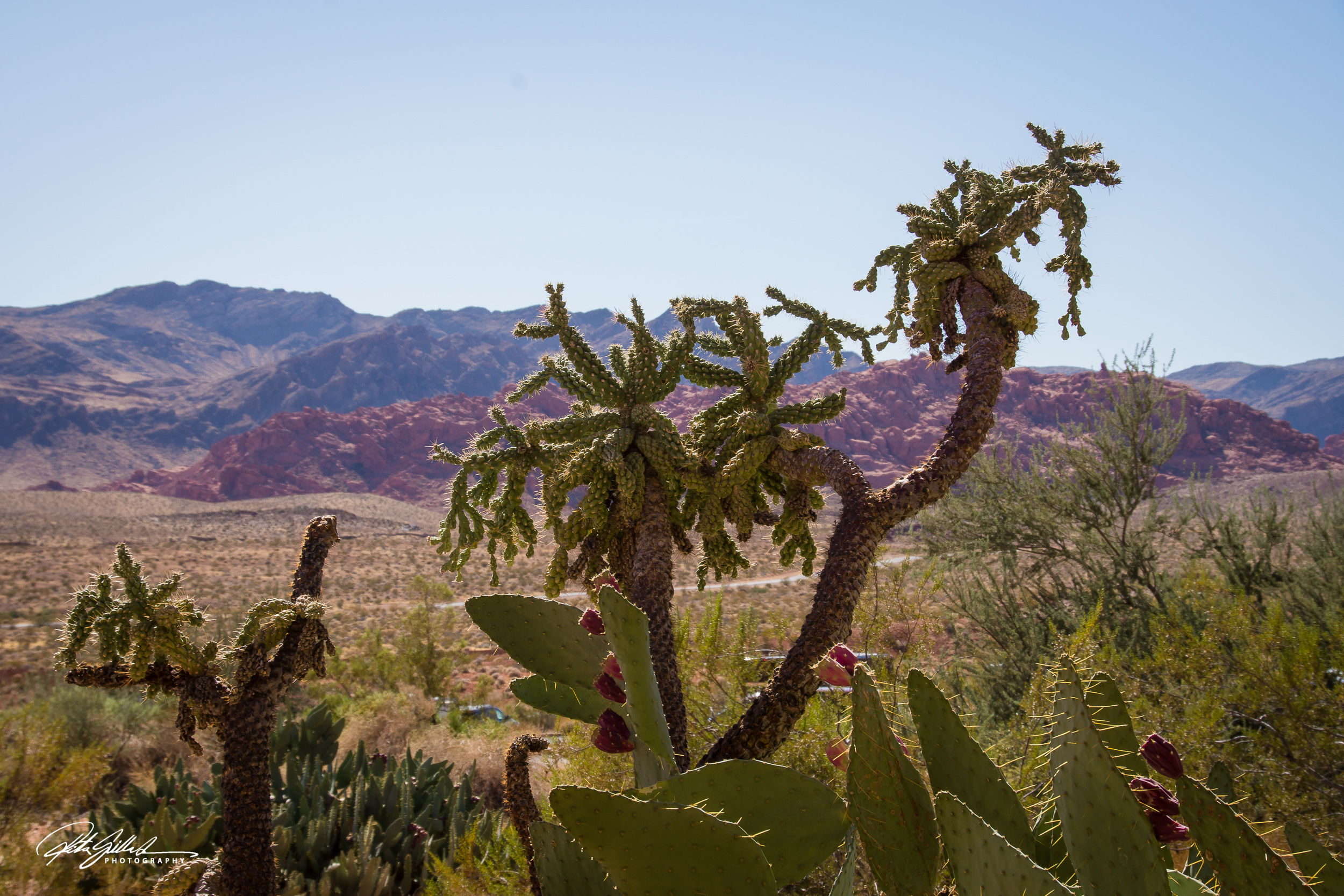
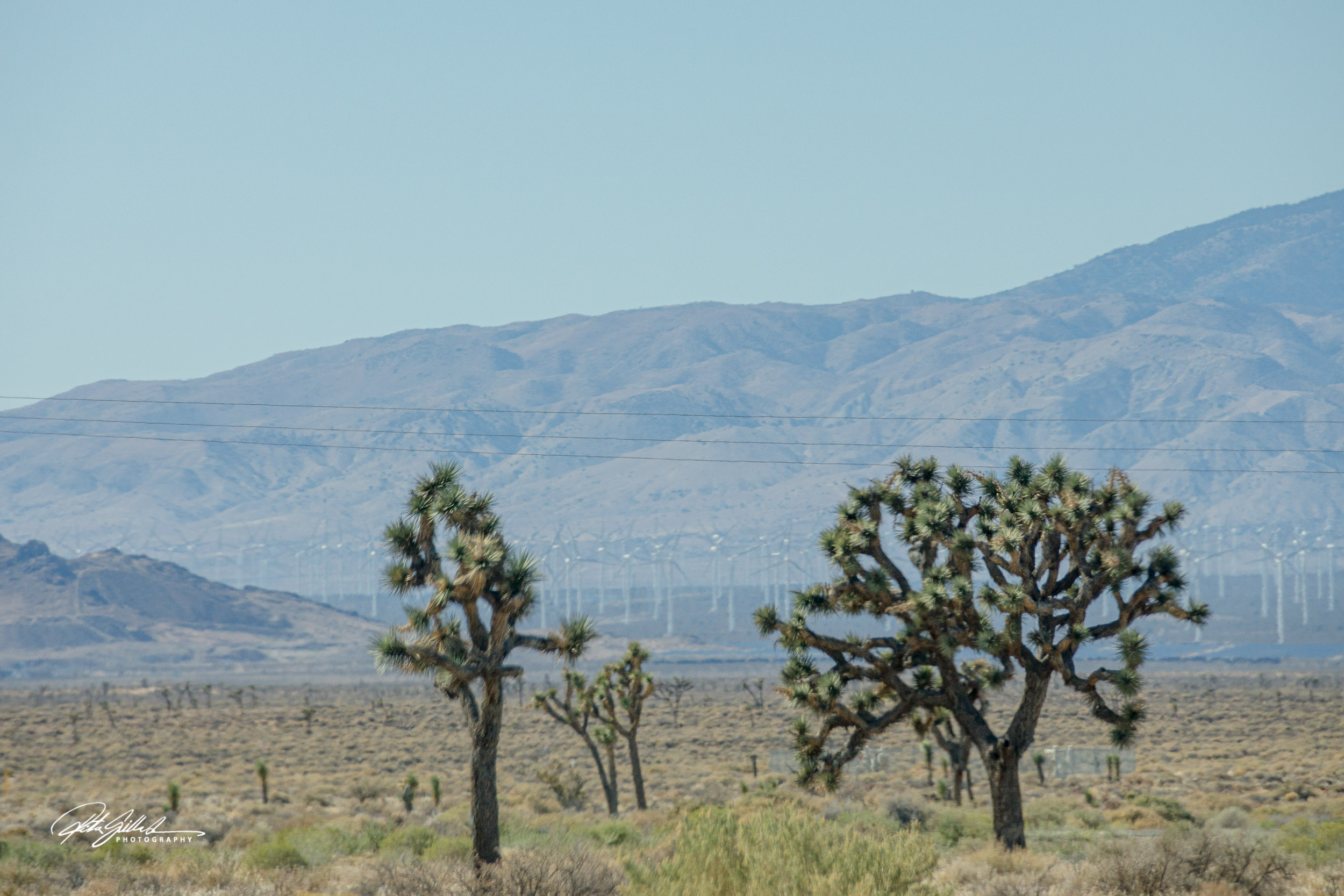
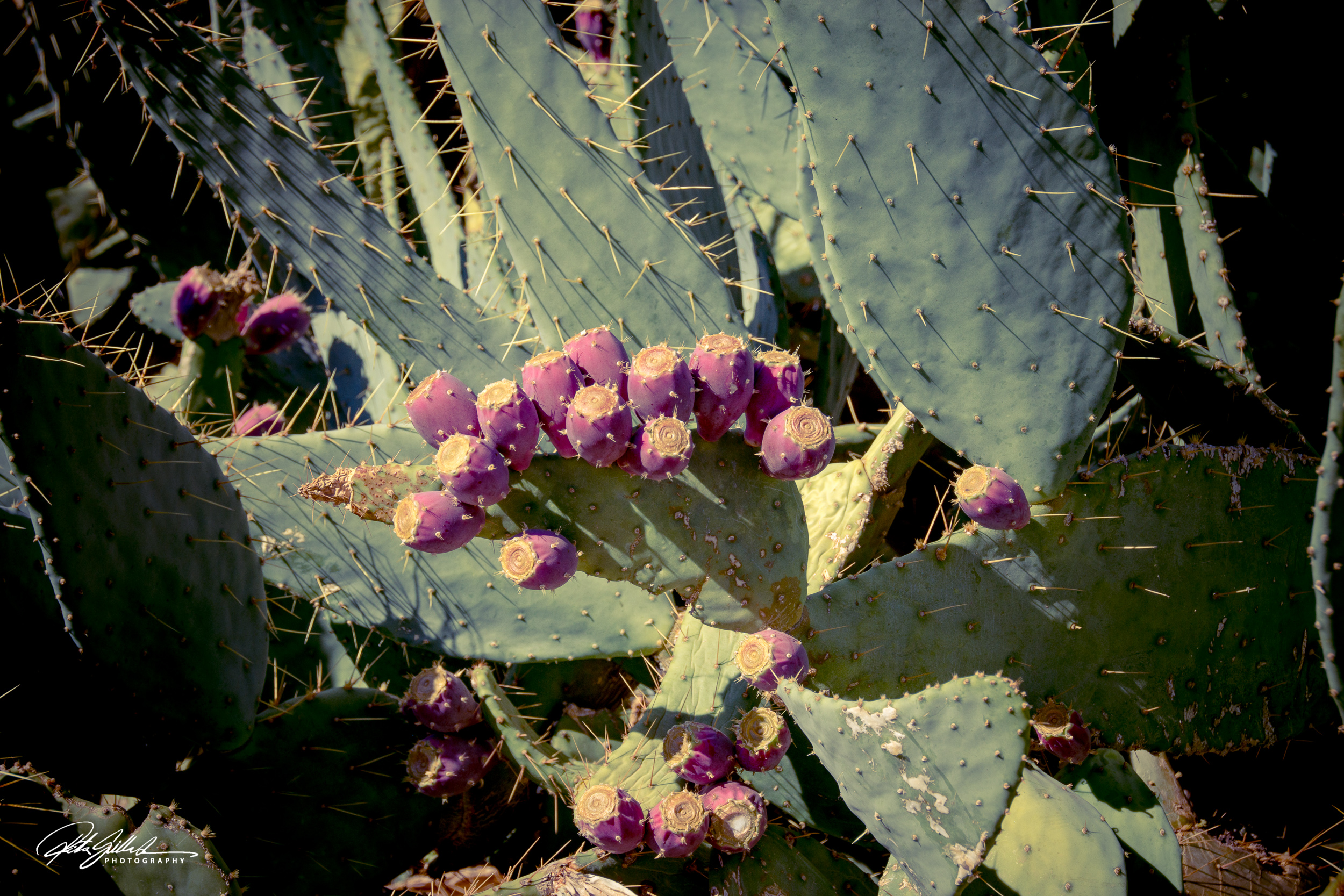
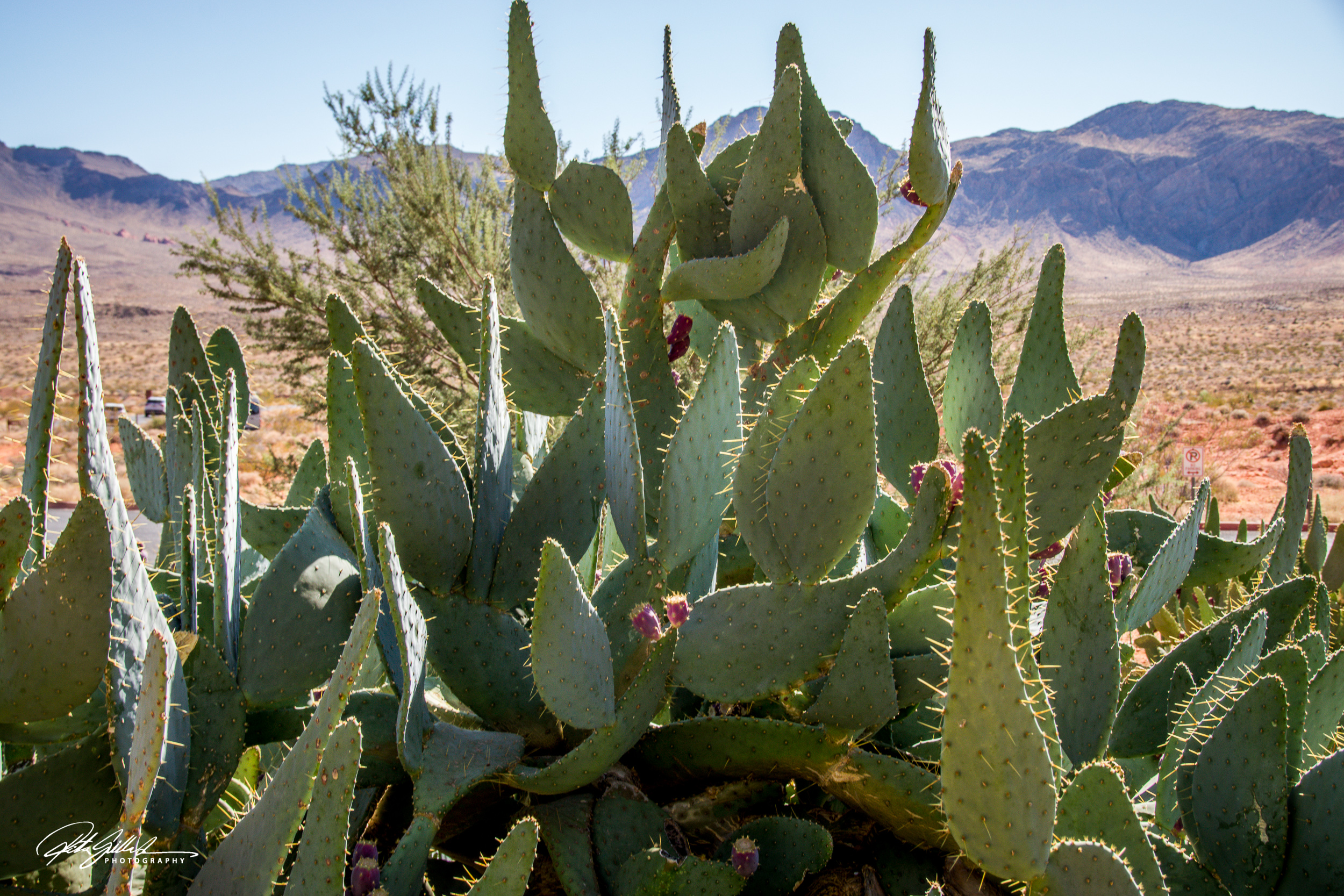
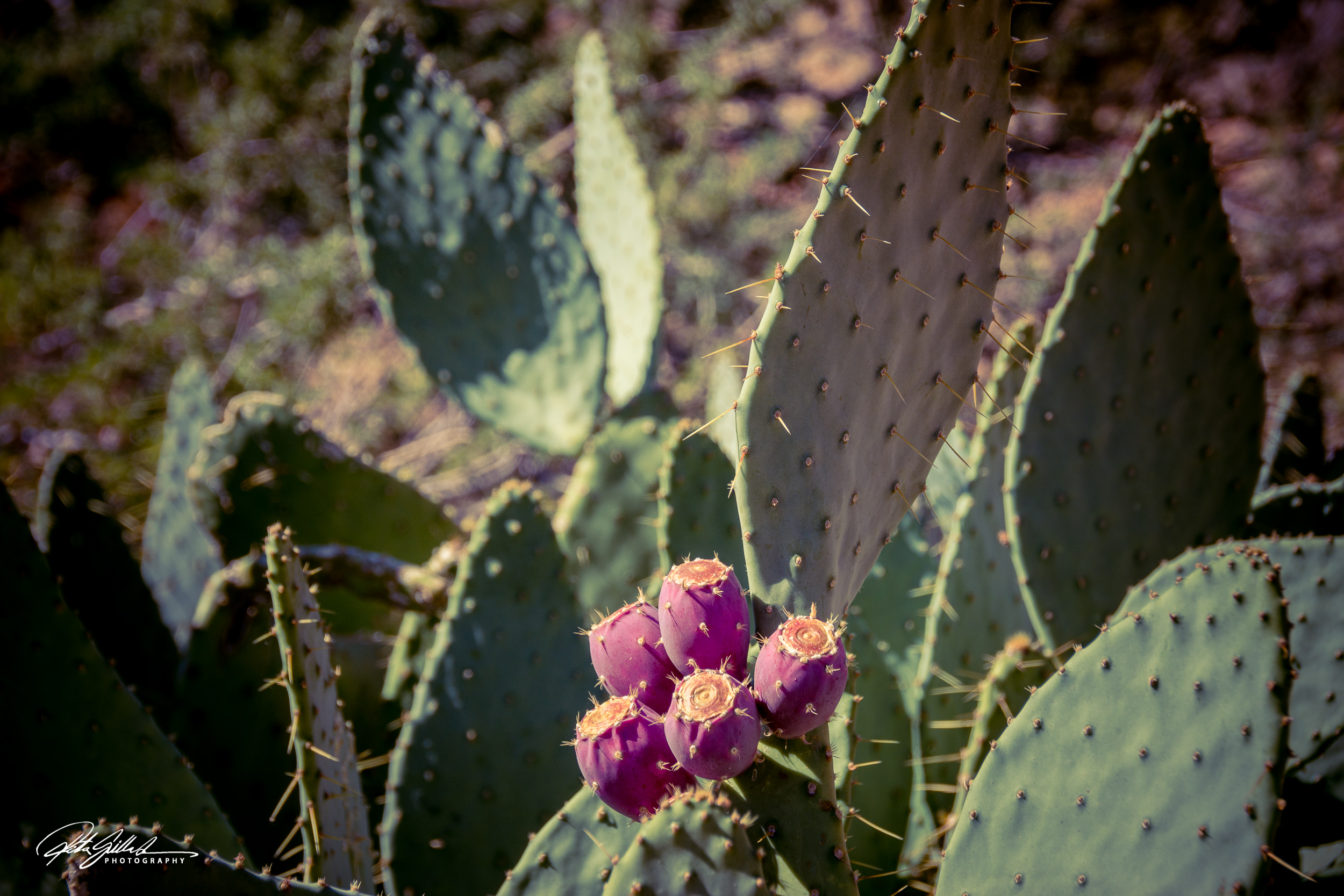
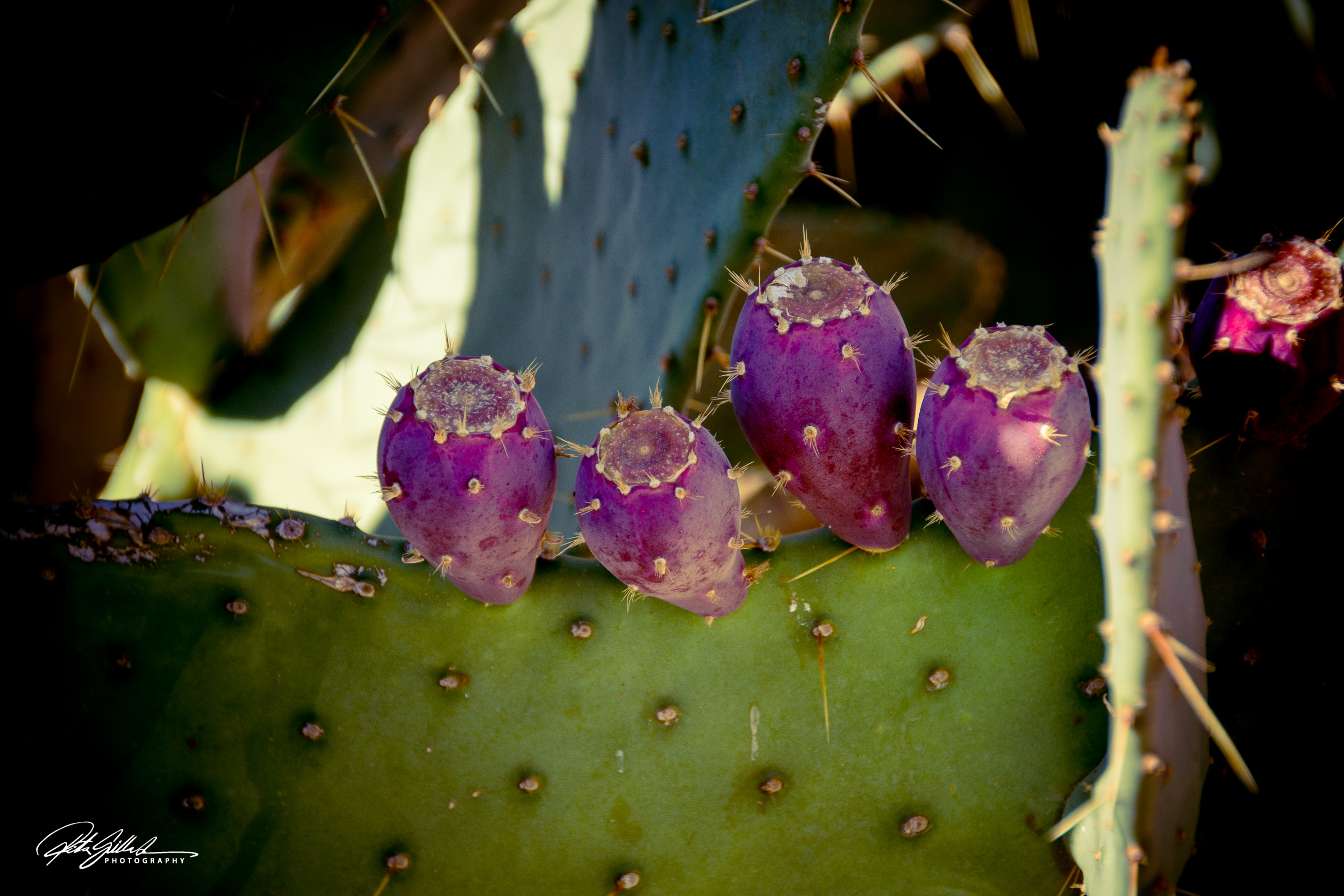
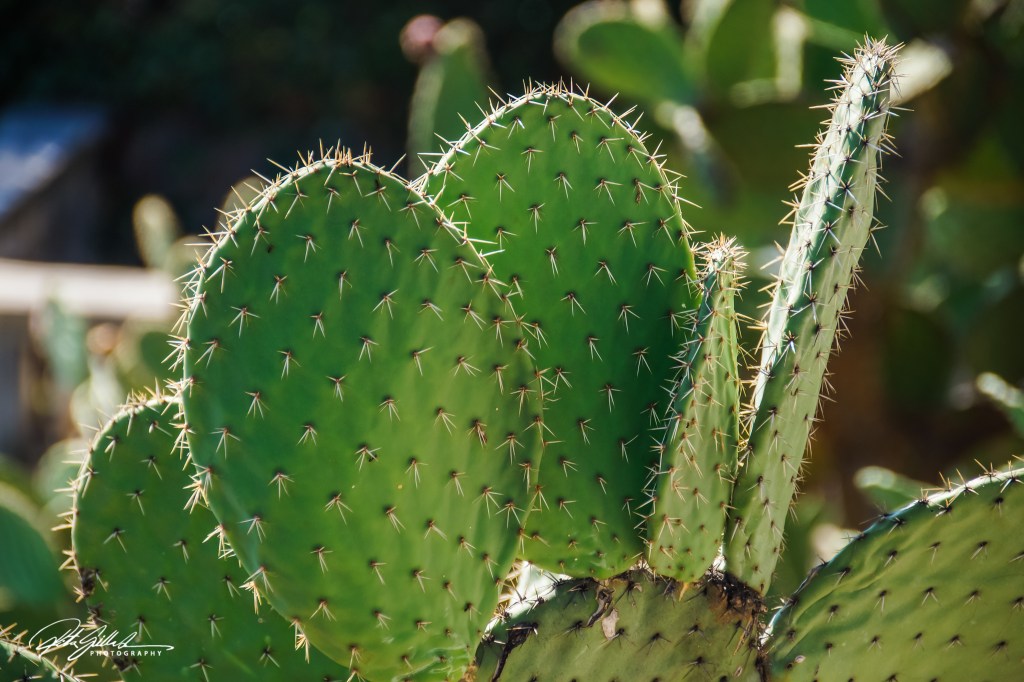
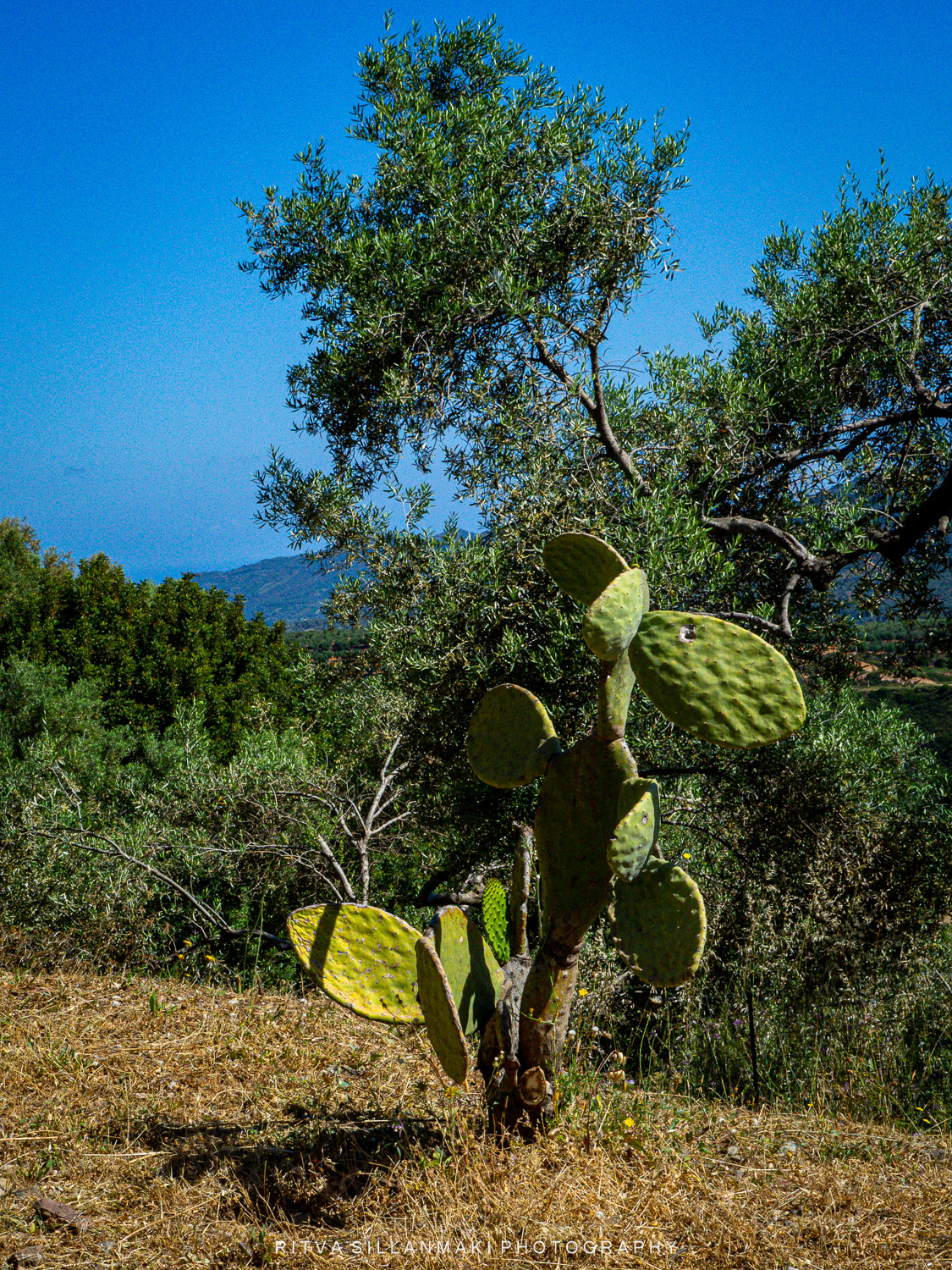
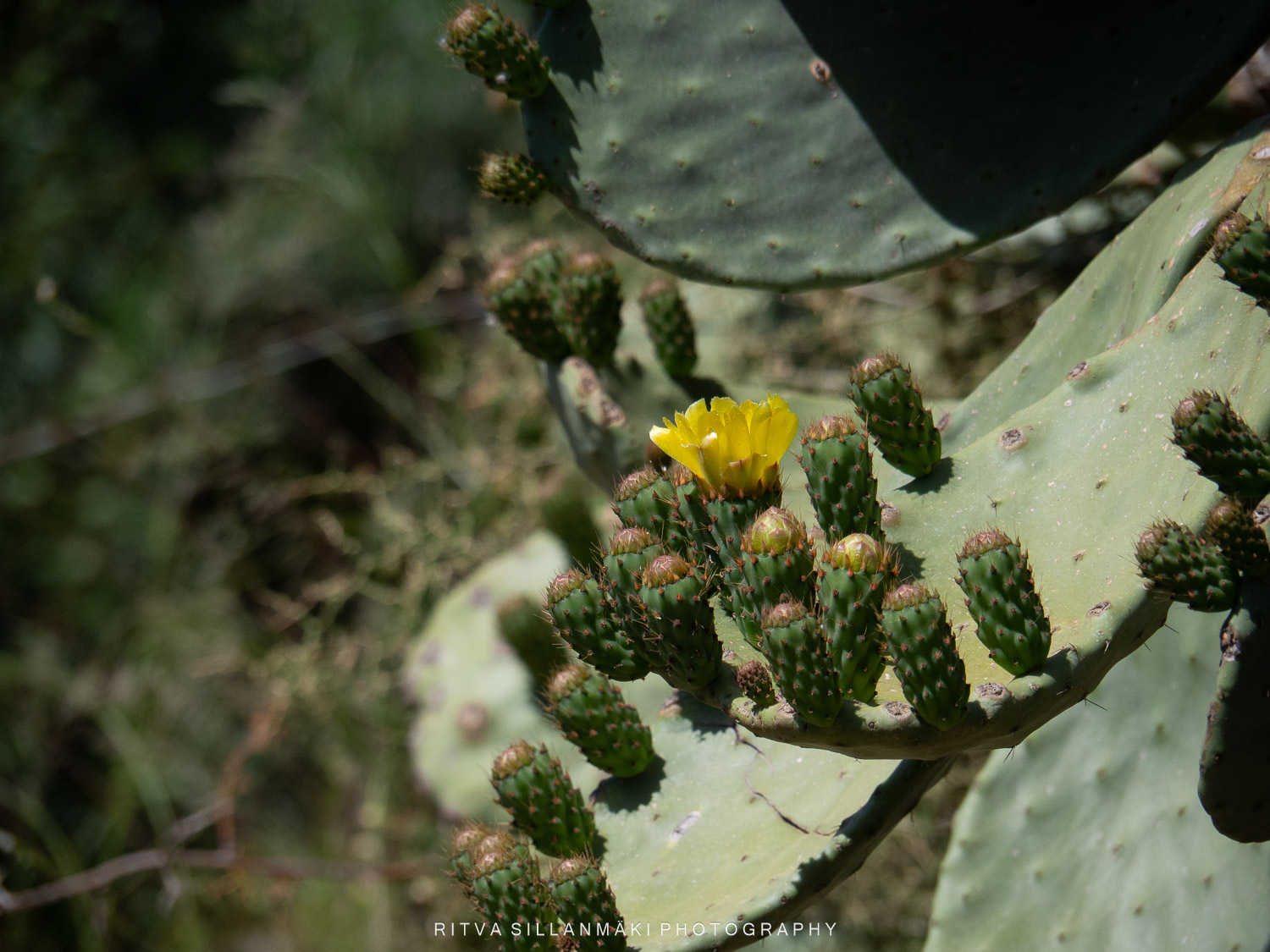
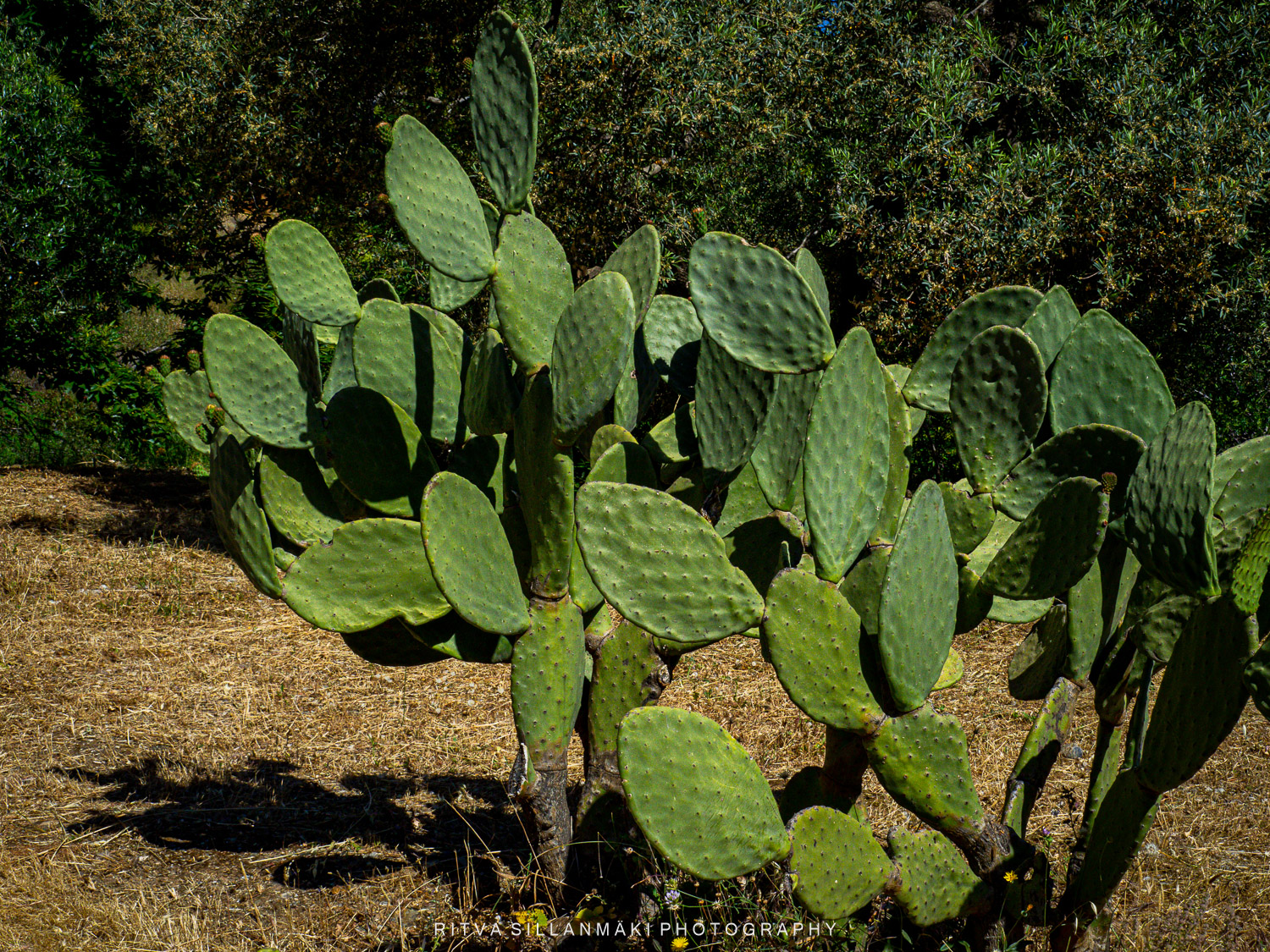
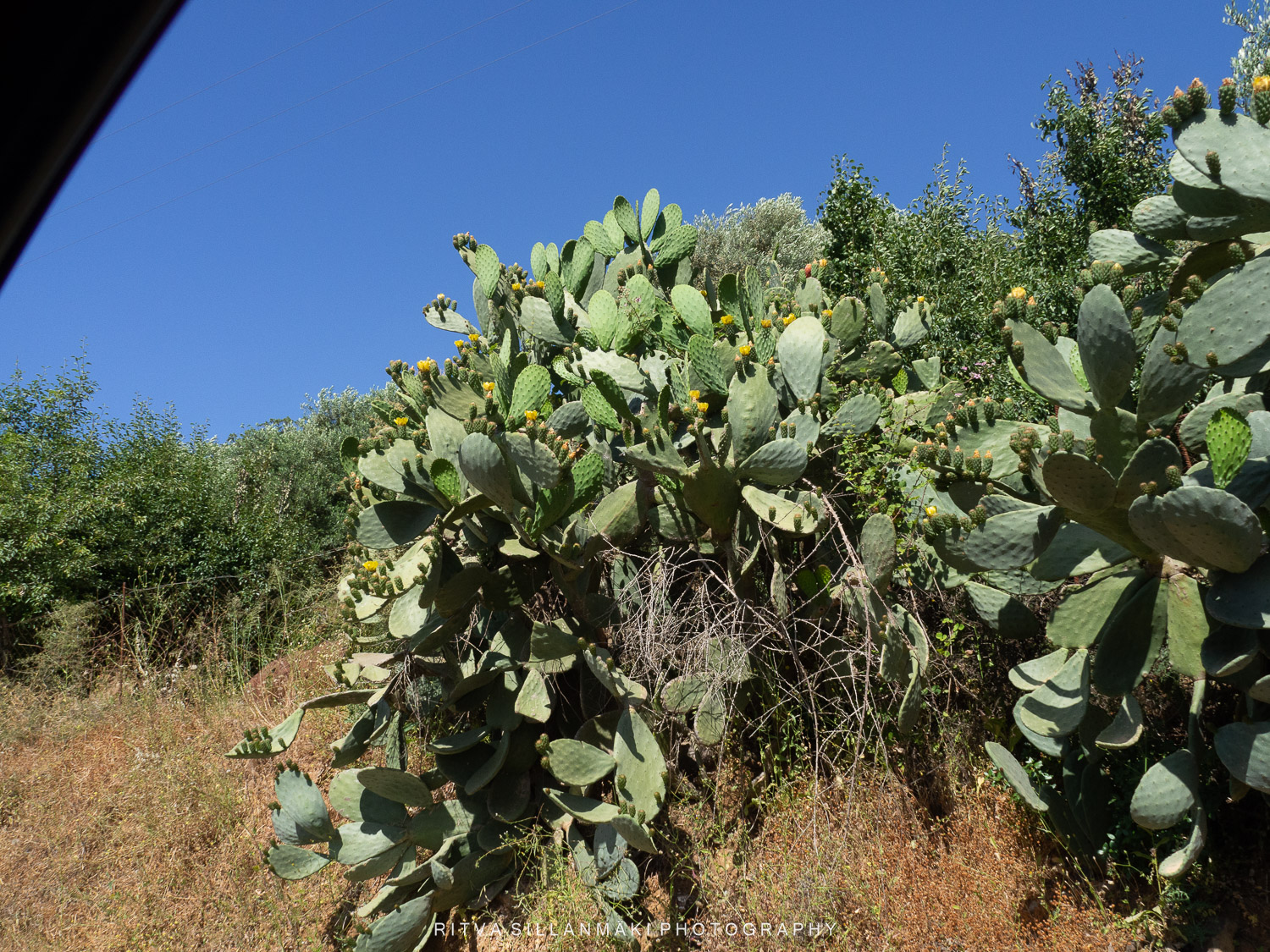
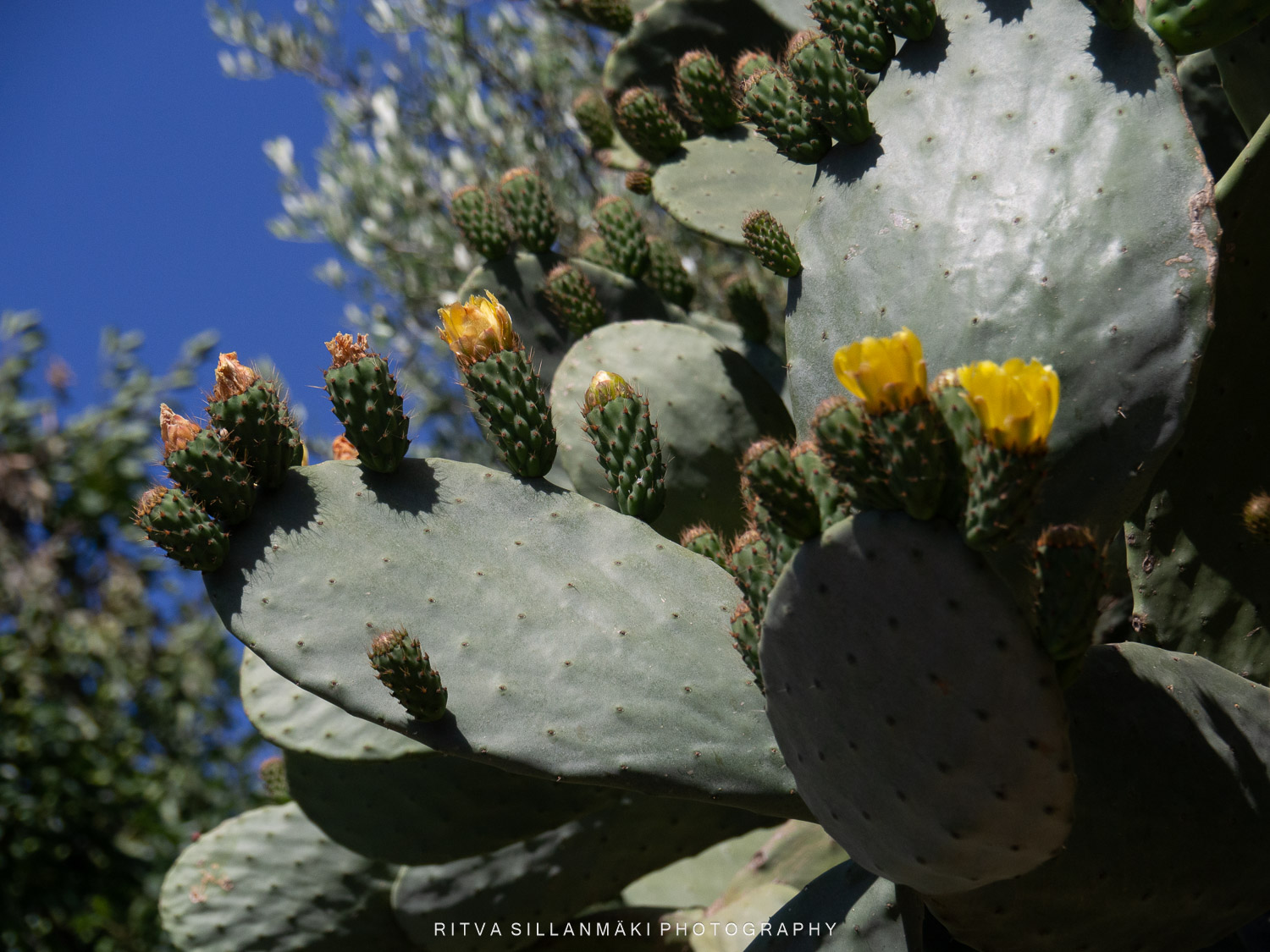
Not the typical plant to Finland, so obviously these are not from here, the locations were i took these are Red Rock area in Nevada and Nice in France. The last set is from Crete with yellow flowers.
Cacti, the so important part of nature in the desert. I found these as I went through my archive for this challenge Cacti
I found these as I went through my archive for Denzil’s NPC #18 Cacti

















































 Ritva Sillanmäki Photography