
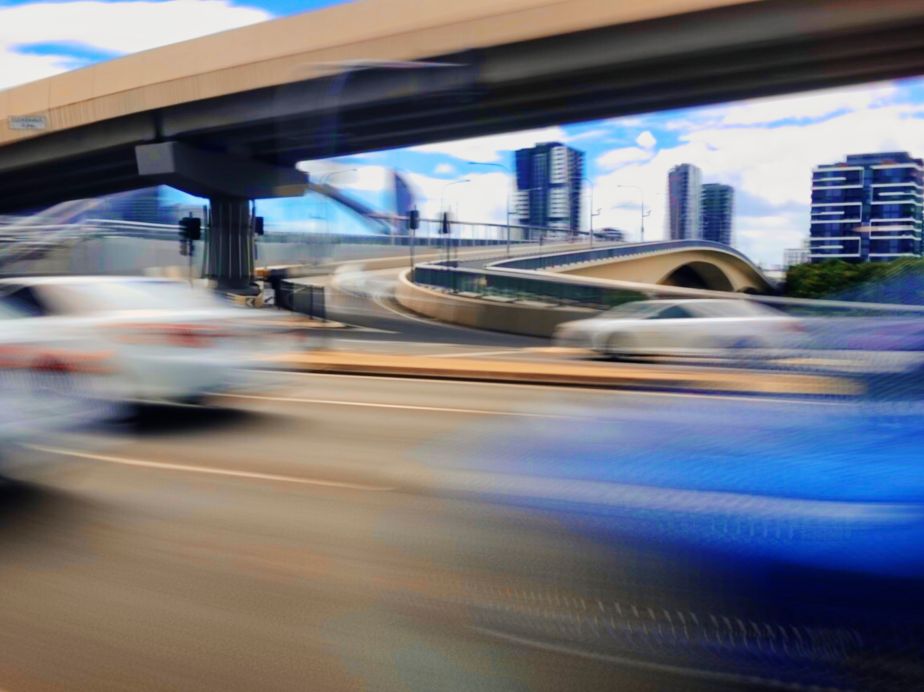
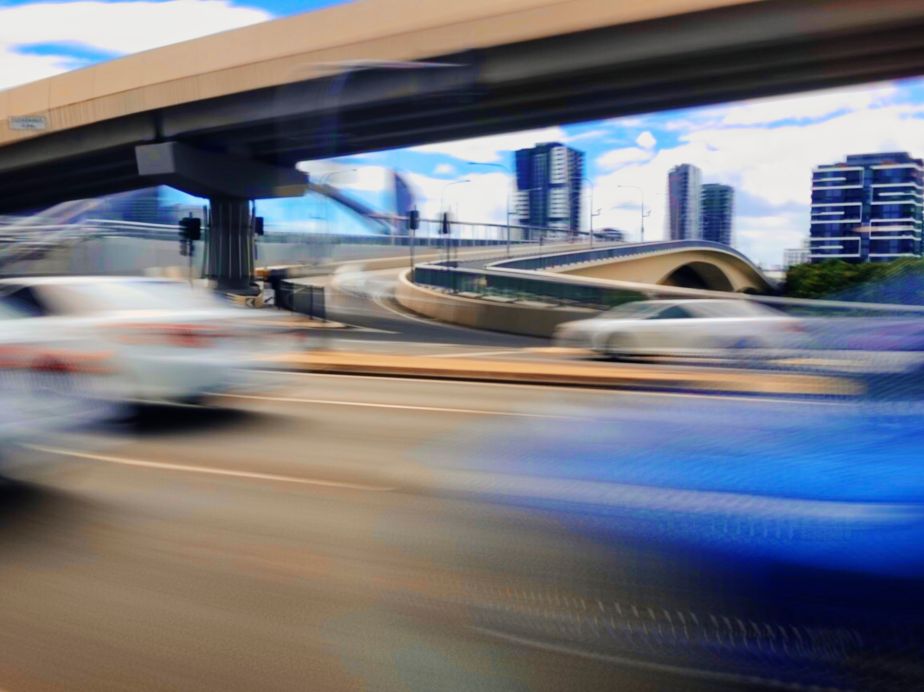
Participating in Debbie’s One Word Sunday.
Participating in Debbie’s One Word Sunday.
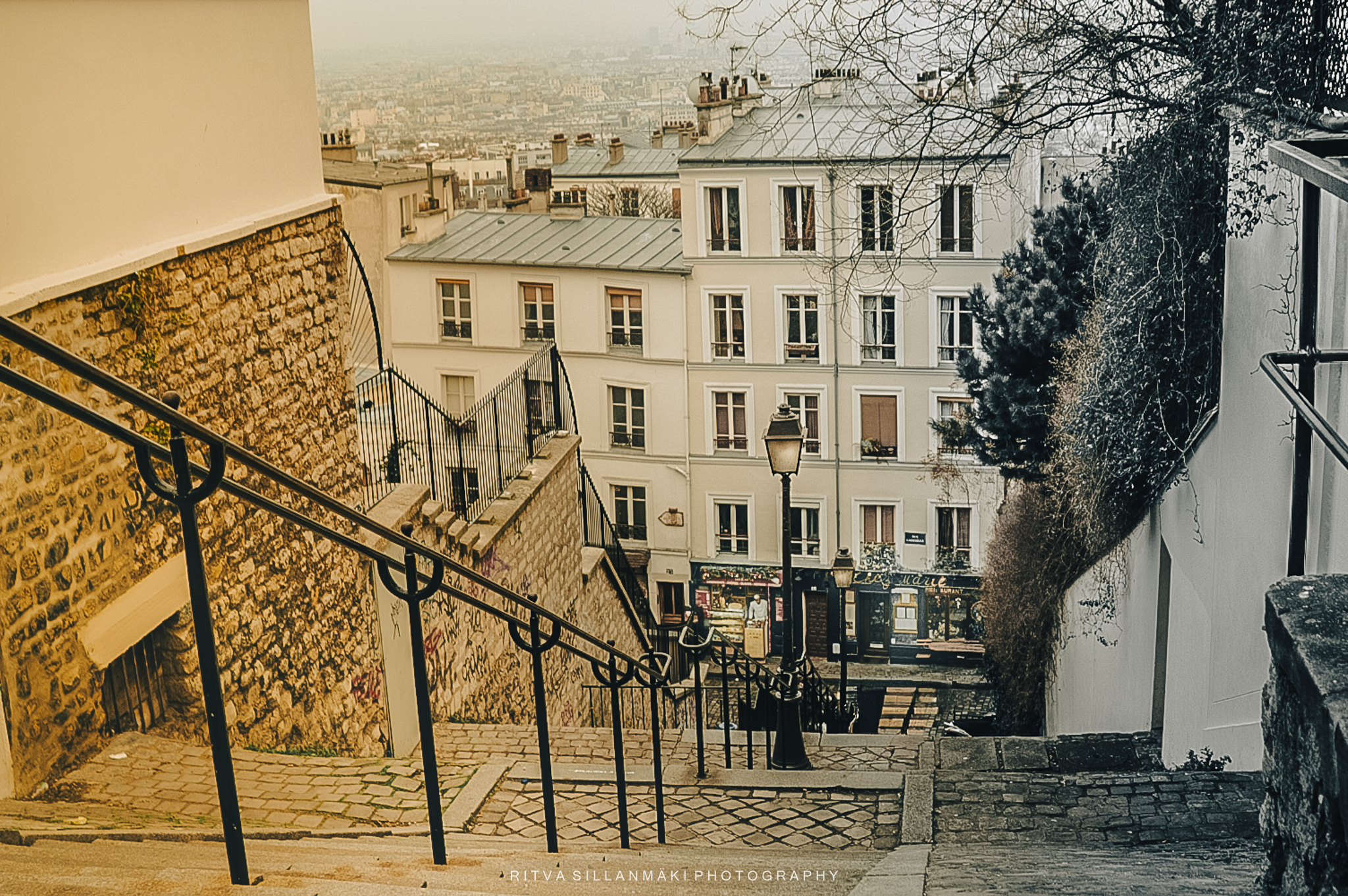
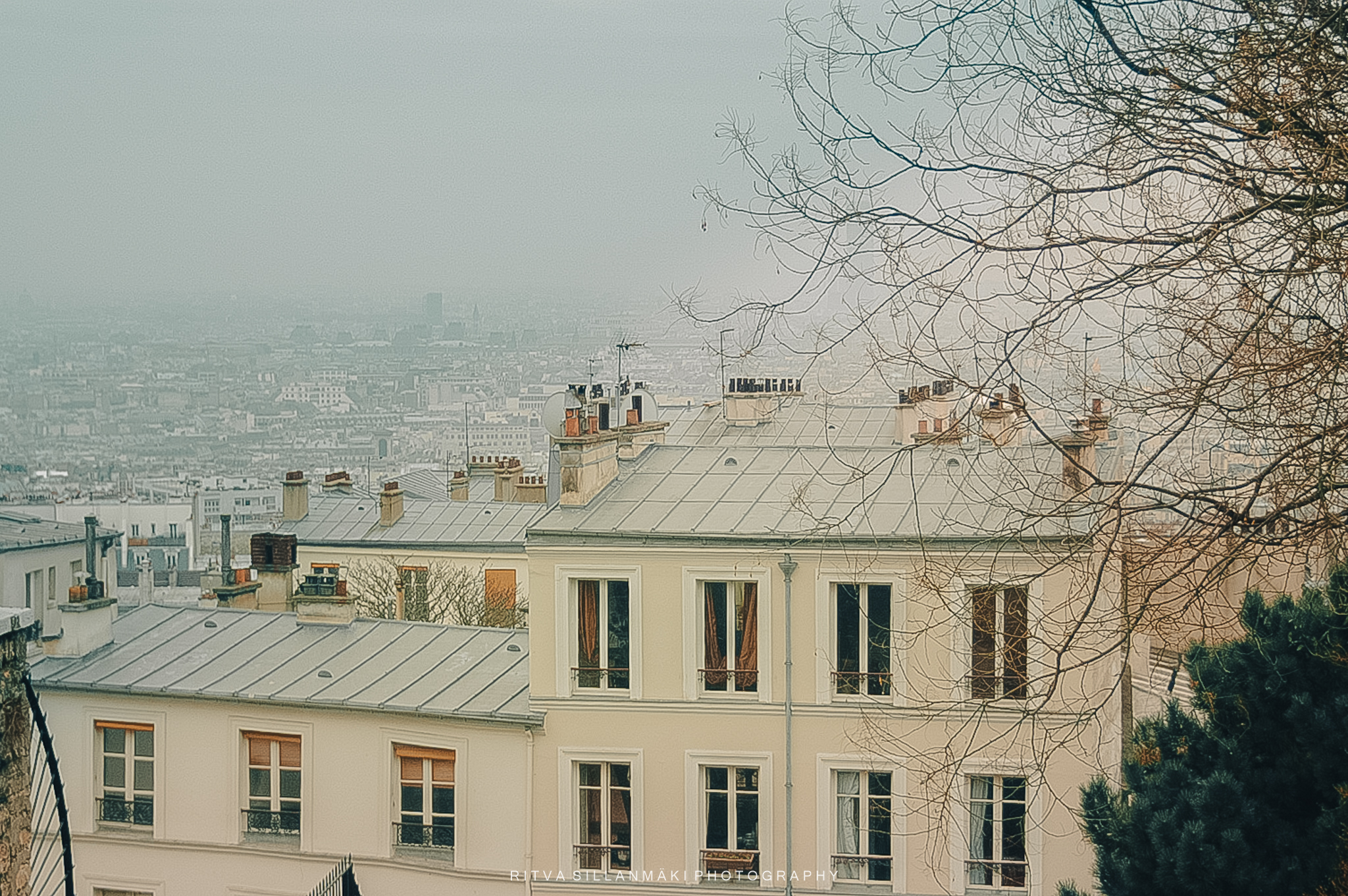
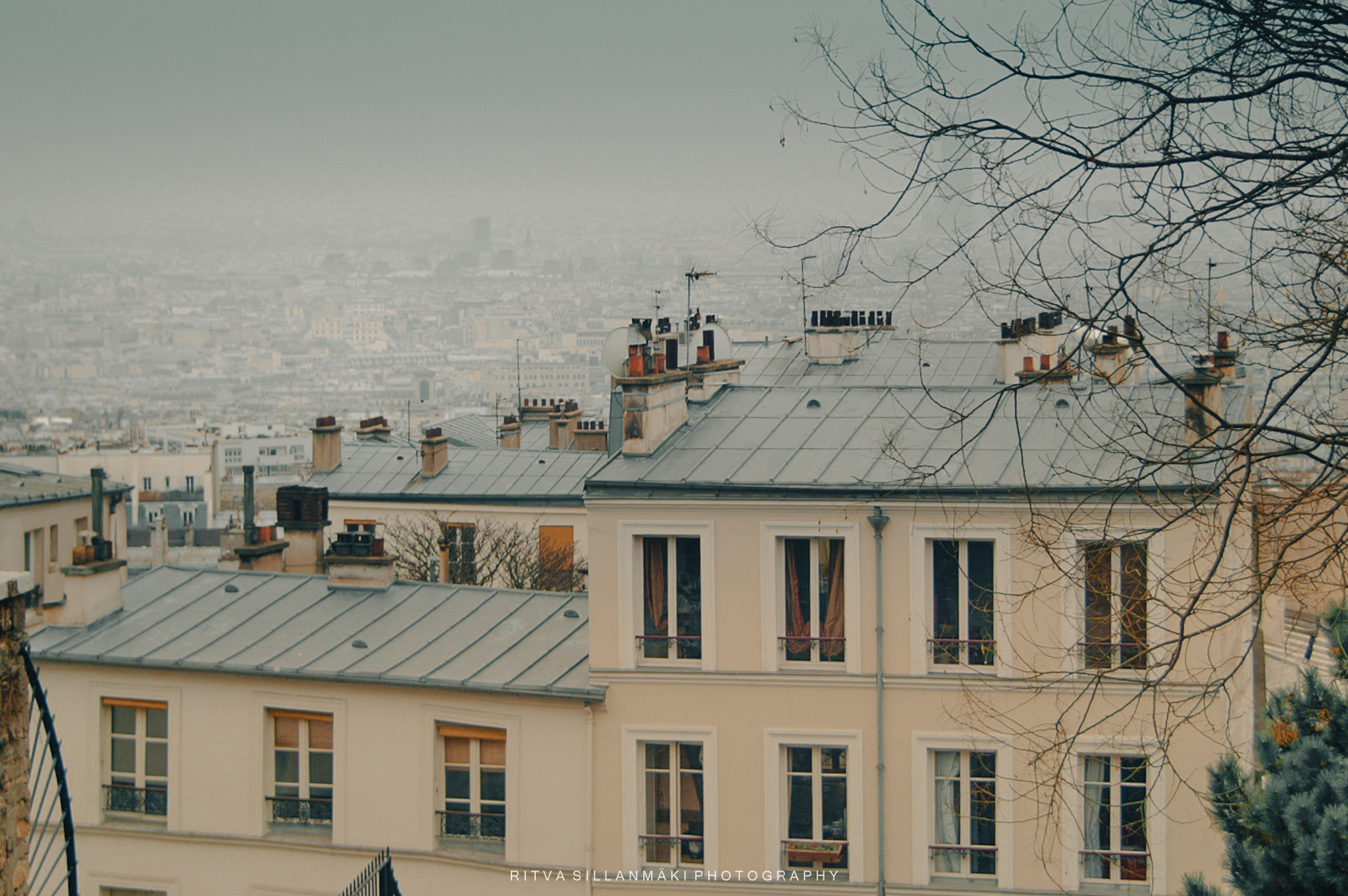
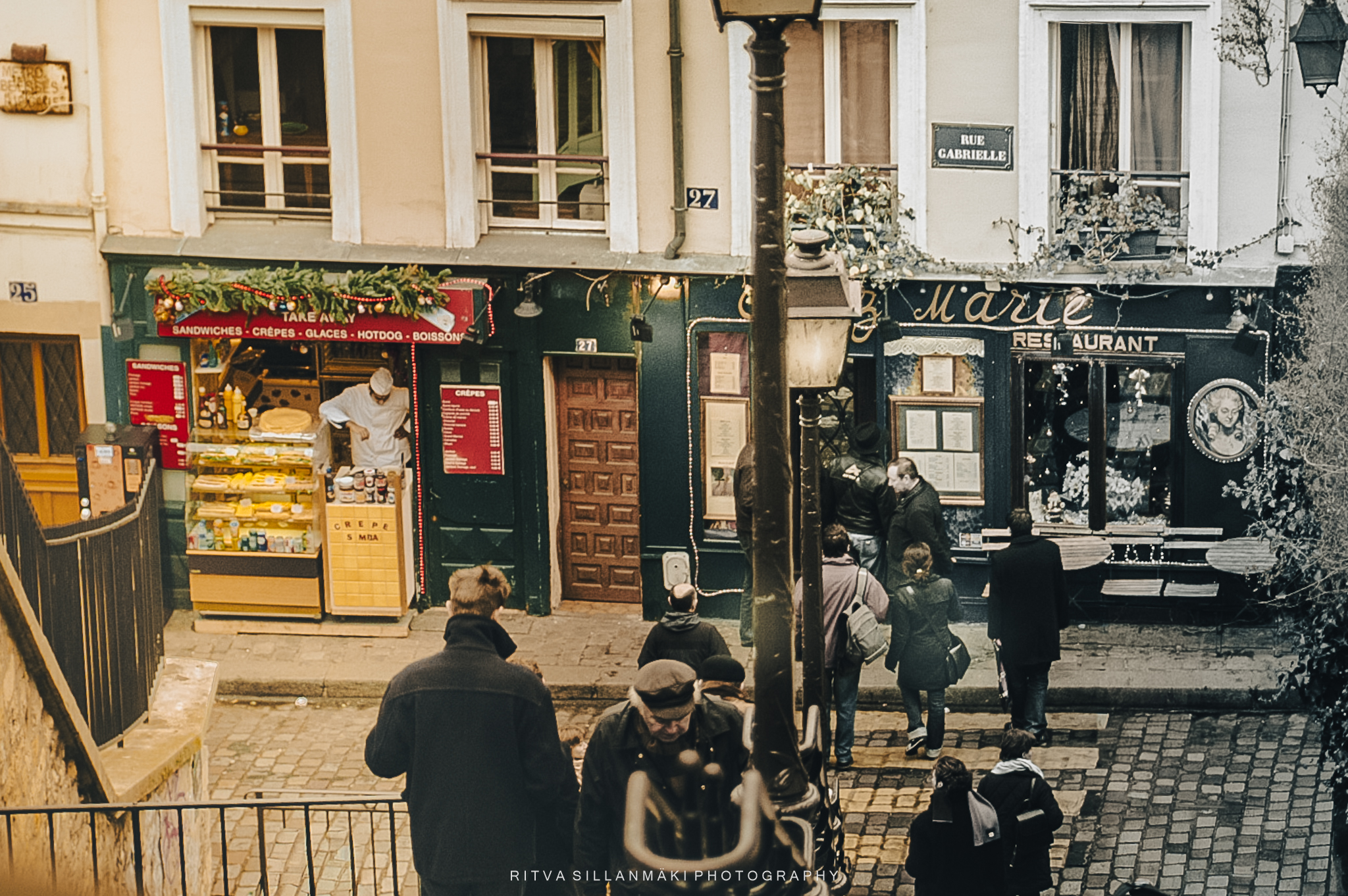
For this weeks Thursday Doors, I am continuing with the theme from my Monochrome post from yesterday, reflecting on our trip to Paris in 2006; these are such old photos that it’s enjoyable to edit them with more freedom than I typically do, allowing me to enhance the characteristics and emotions captured in each image. I can also work with images that aren’t the clearest due to this editing approach, breathing new life into them and revealing details that might have otherwise gone unnoticed.
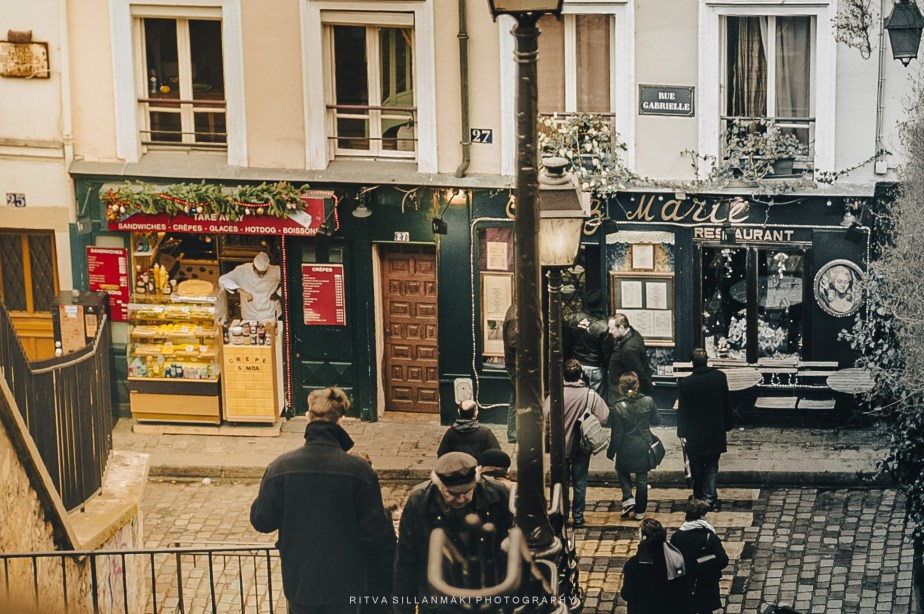
These photographs are from the renowned Rue du Calvaire in the Montmartre neighborhood of Paris way back 20 years ago, a place filled with vibrant history and artistic passion. This district is noted for its elevated terrain in the northern section of the city and has long been home to many artists who have found inspiration in its picturesque streets and charming buildings. Rue du Calvaire is especially well-known for its steep staircase that ascends the hill, where each step leads to breathtaking views and hidden gems waiting to be discovered. This location is a favored spot for providing stunning vistas of Paris, where visitors can gaze across the cityscape, absorbing the iconic skyline that has captivated hearts for generations. The ambiance evoke feelings of nostalgia and creativity, as one imagines the countless stories that have unfolded in this enchanting corner of the world.
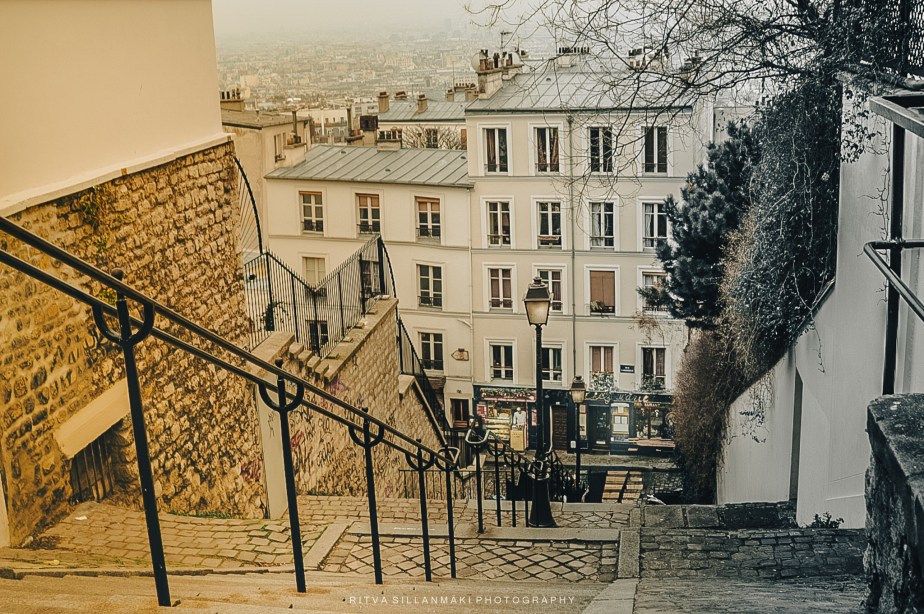
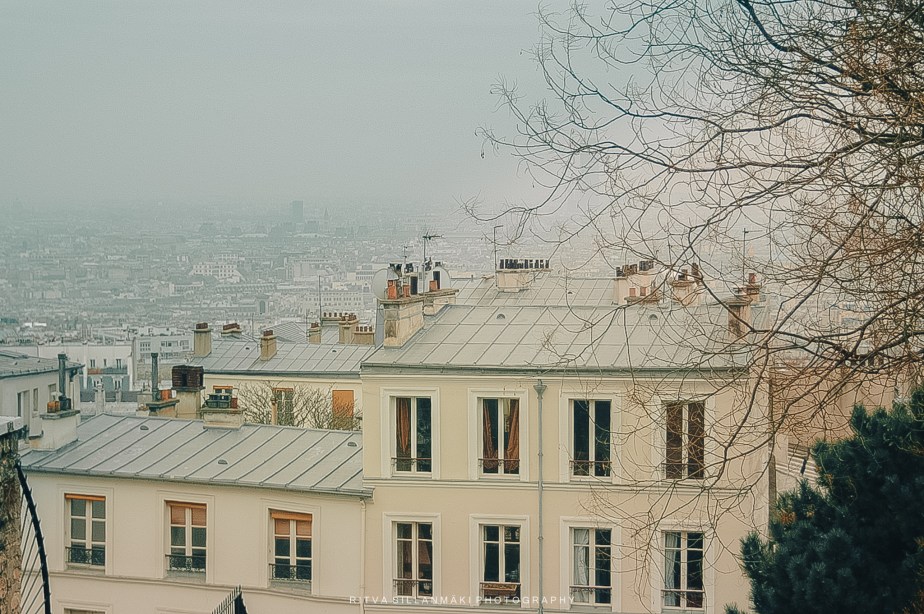
To view the enlarged images, click the gallery.
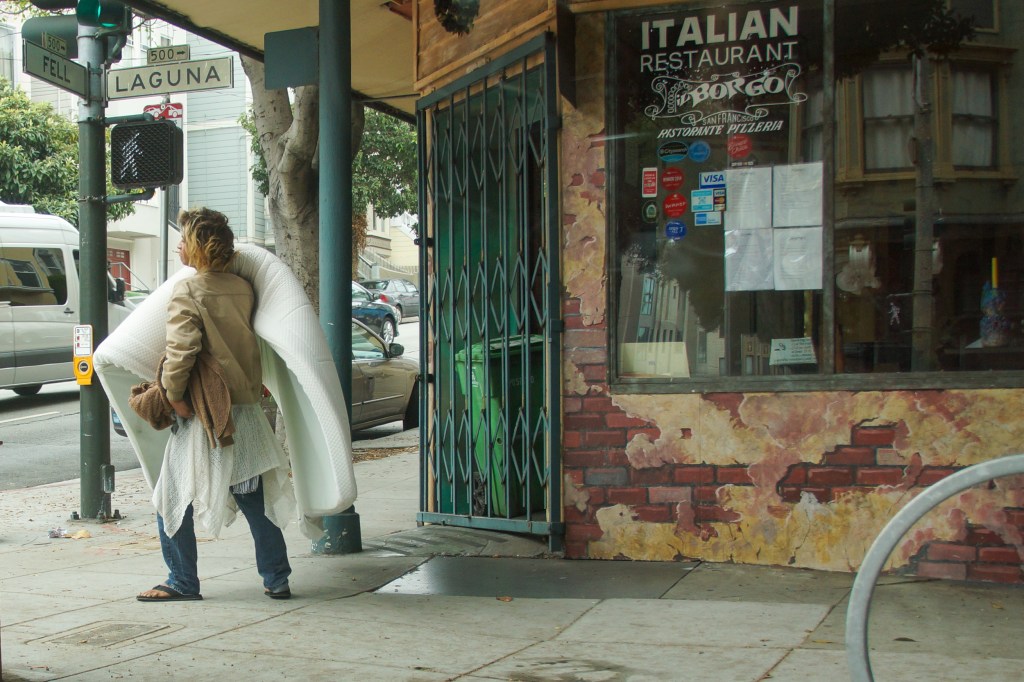
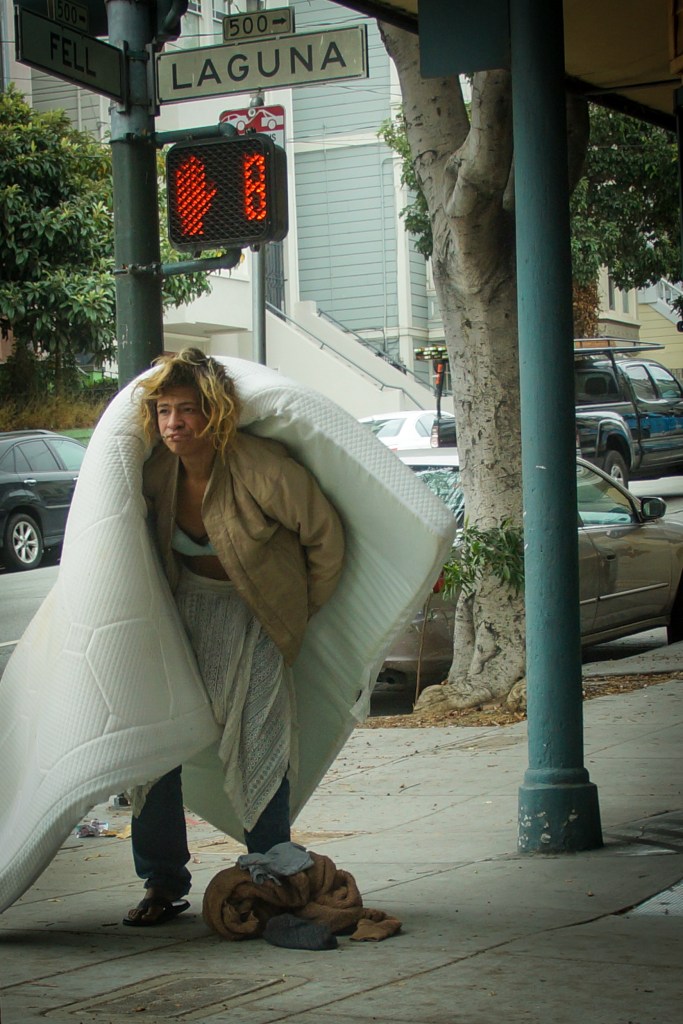
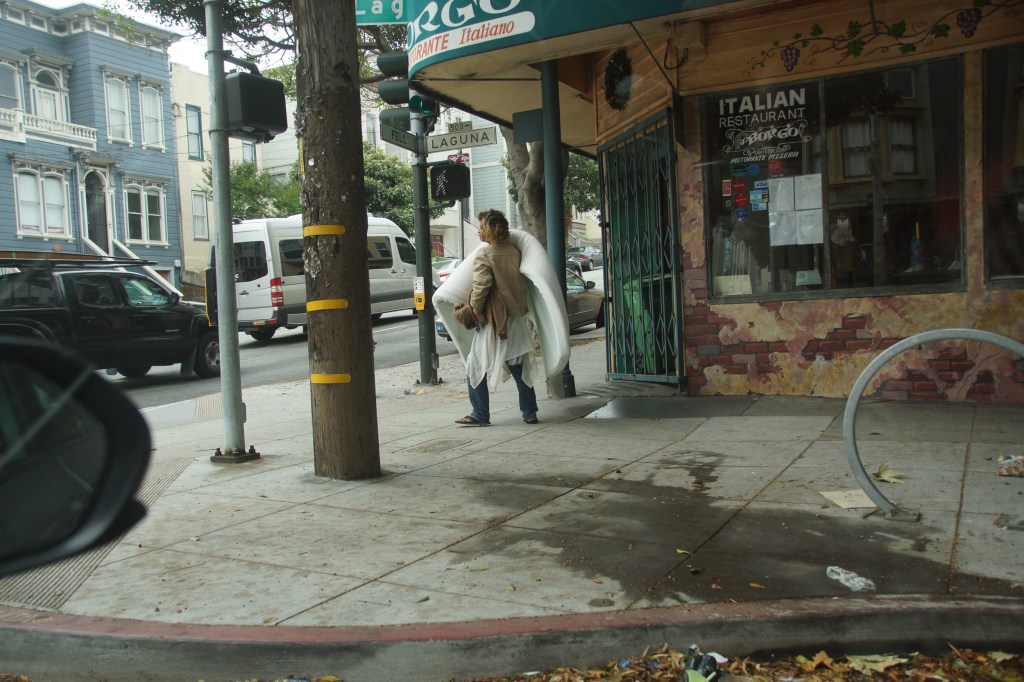
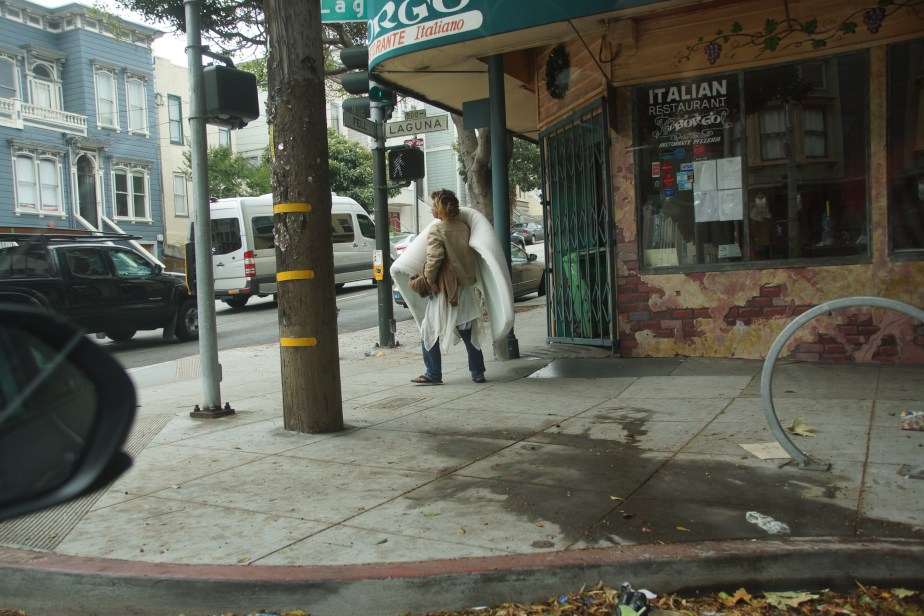
We were cautioned about the significant issue of homelessness during our visit to San Francisco several years ago; I’m uncertain about the current situation, but I doubt it has improved significantly. Still, I hope it has. It was quite disheartening to see as we drove through the city; these random shots reflect that experience. RDP Friday: Random
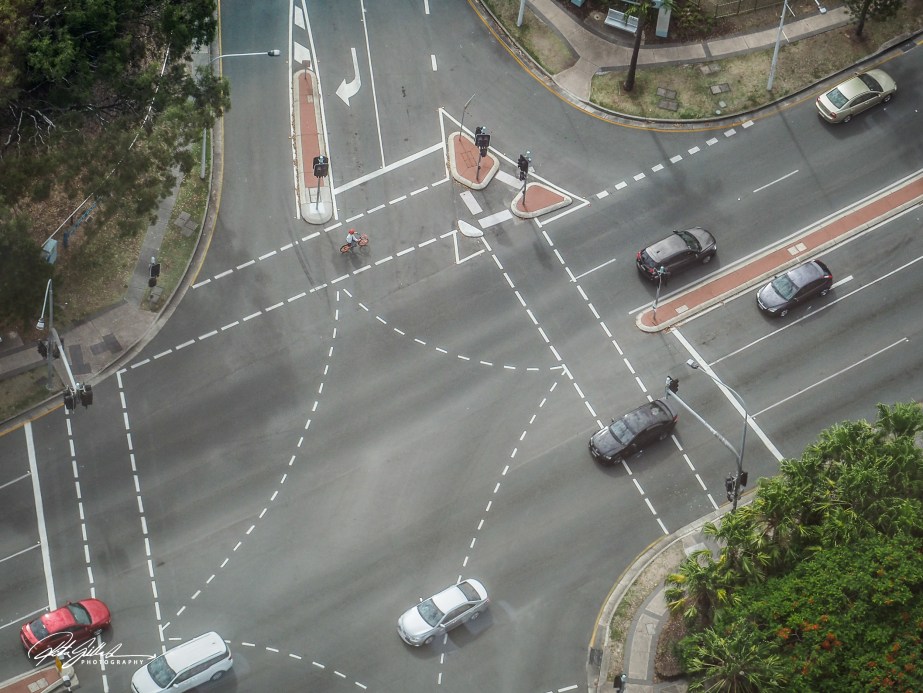
The topic for this week’s One Word Sunday is Forward
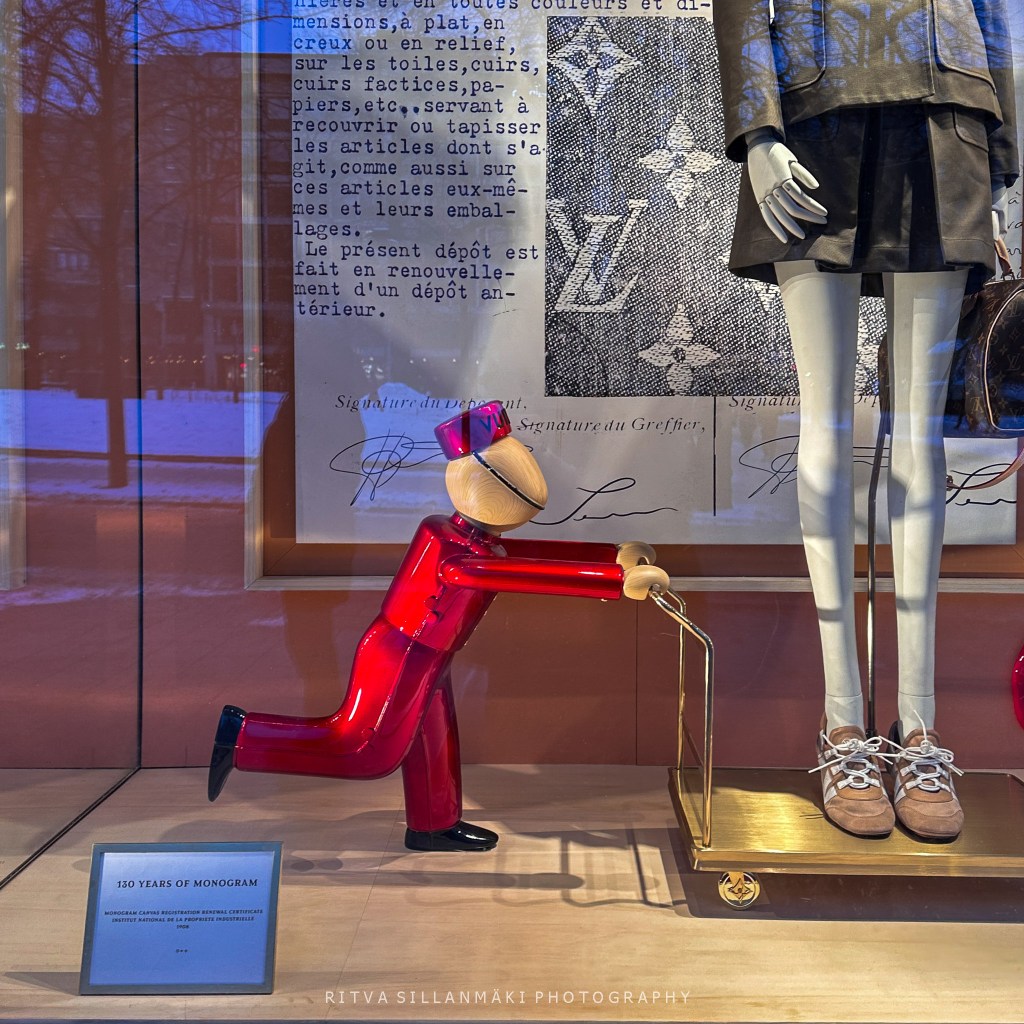
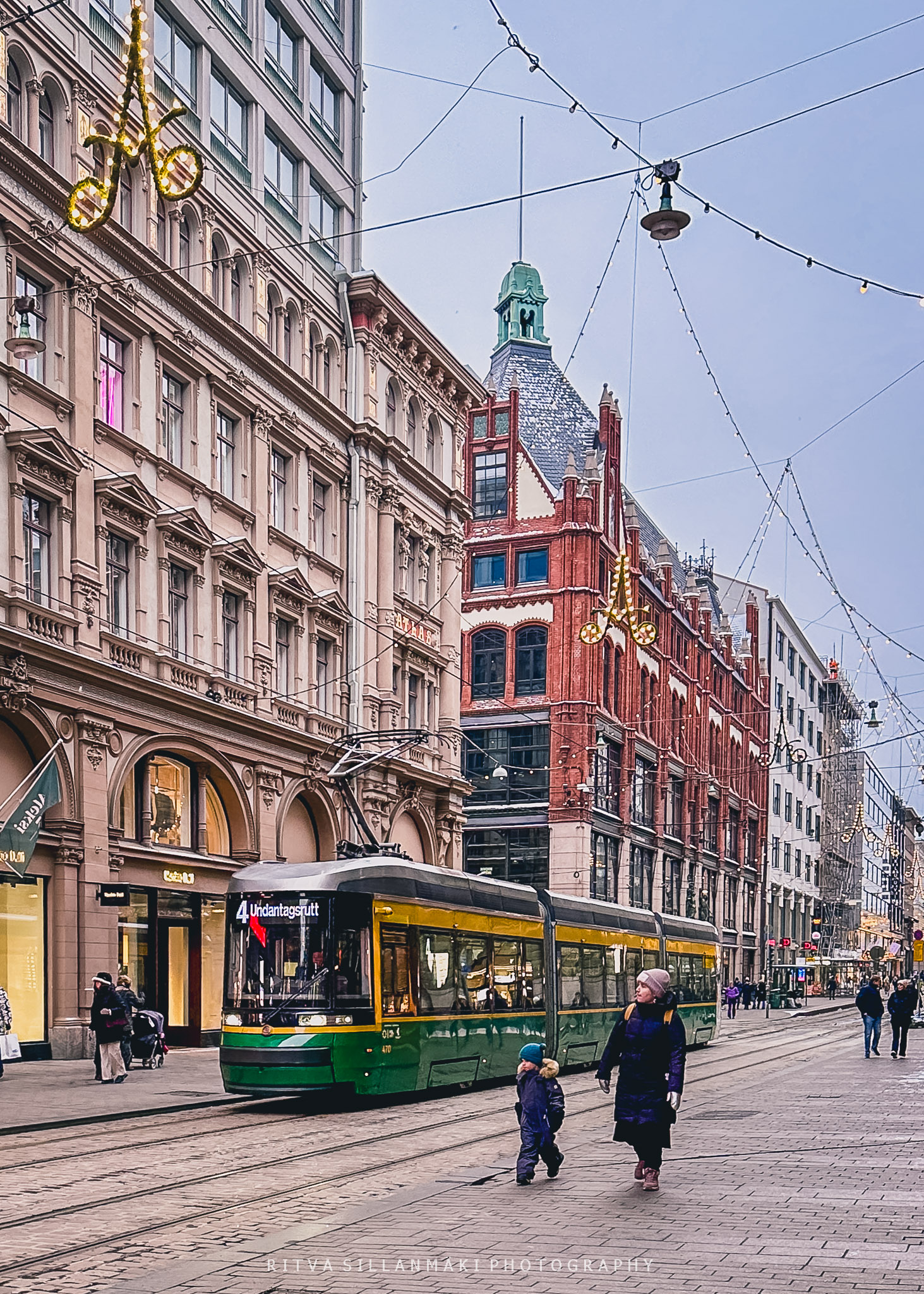
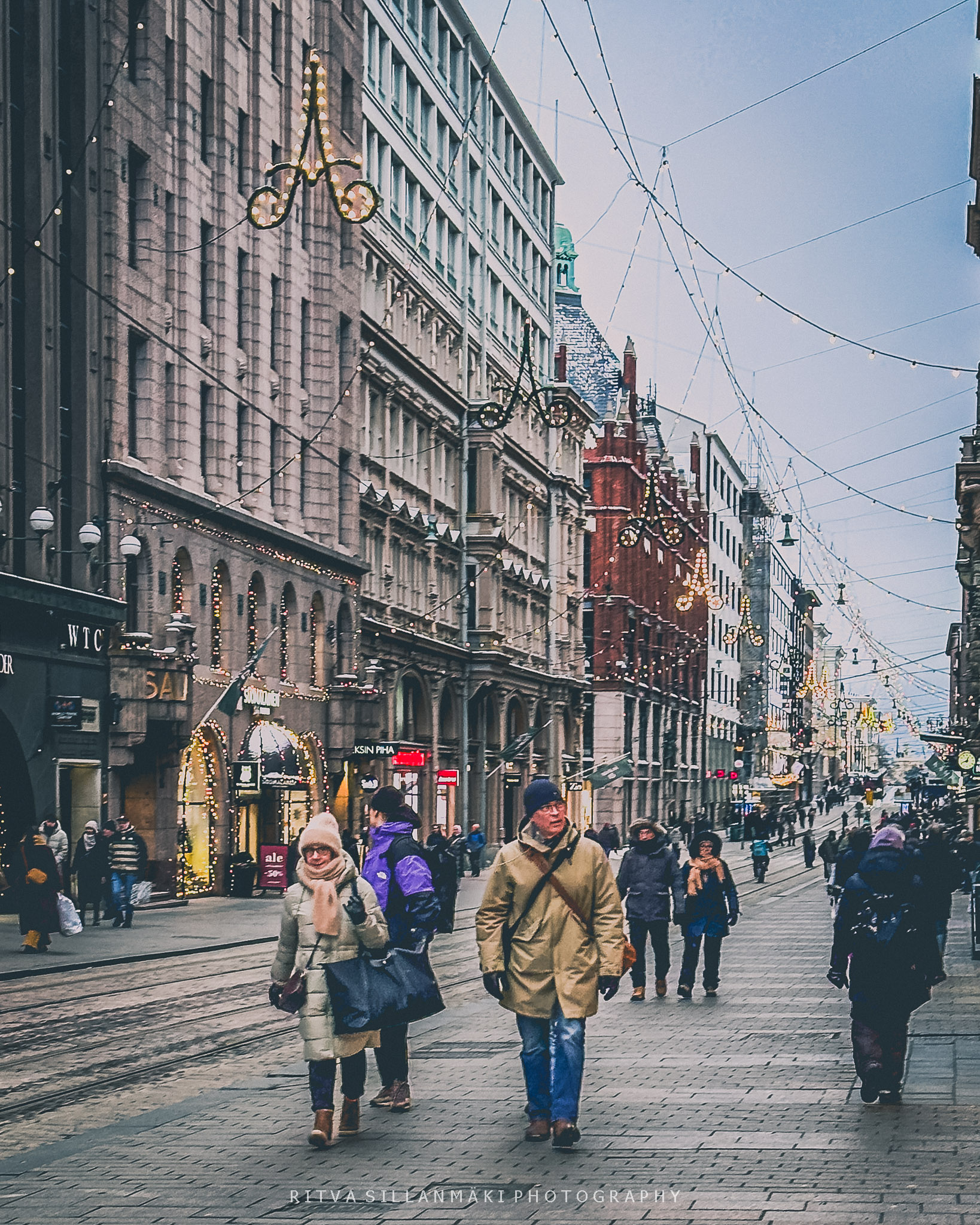
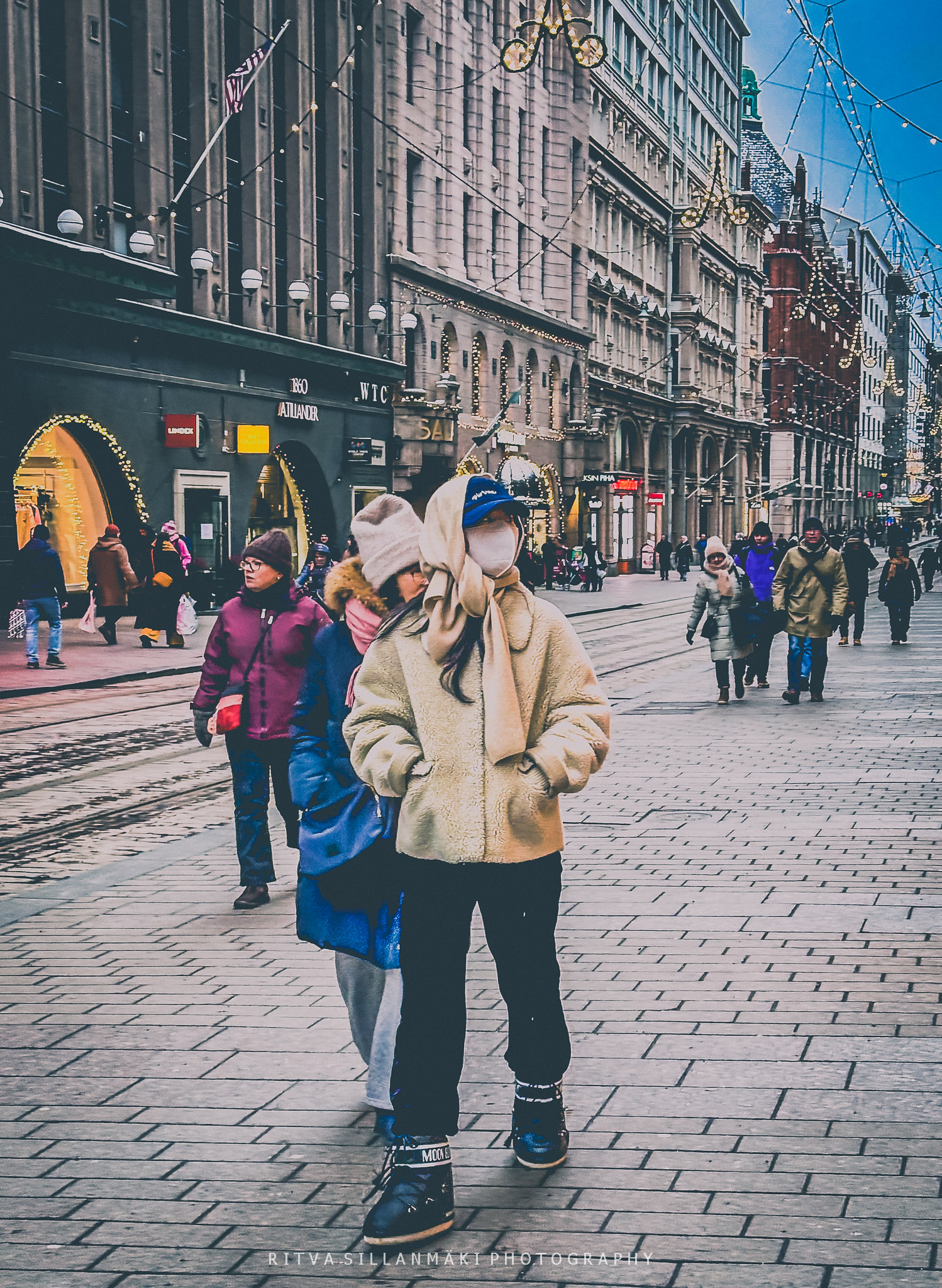
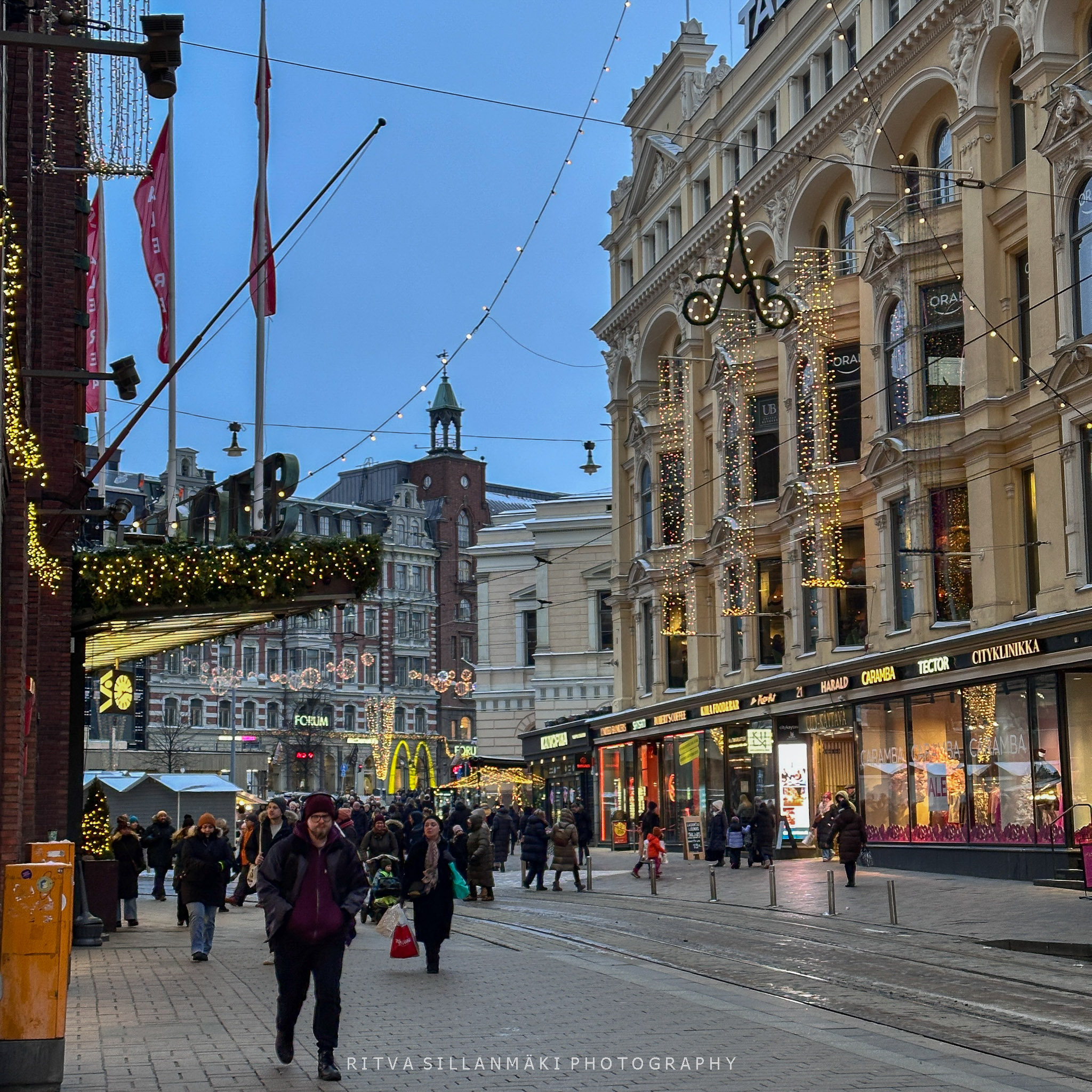
This week it’s Anne’s turn to host, and for that, I took an outing to Helsinki. Well, that is partially true. We went to buy bed linen; one of our sheets had been used so much that it ripped with a big hole. I have, for an unknown reason, very sensitive skin at the moment, so I wanted very soft linen. I am happy to say I found it: bamboo sheets. Luxury. I am way off the point here, but it might explain some of my photos. I took them all with my iPhone. Anne wrote: Look around, and using your imagination, what do you see? Please keep this to the same walk—that’s the challenge. I’m looking forward to seeing what you find. And have fun! This is where my walk began.

I did take the one below as I did not know if we were going to go out of the store, I mean it was cold.
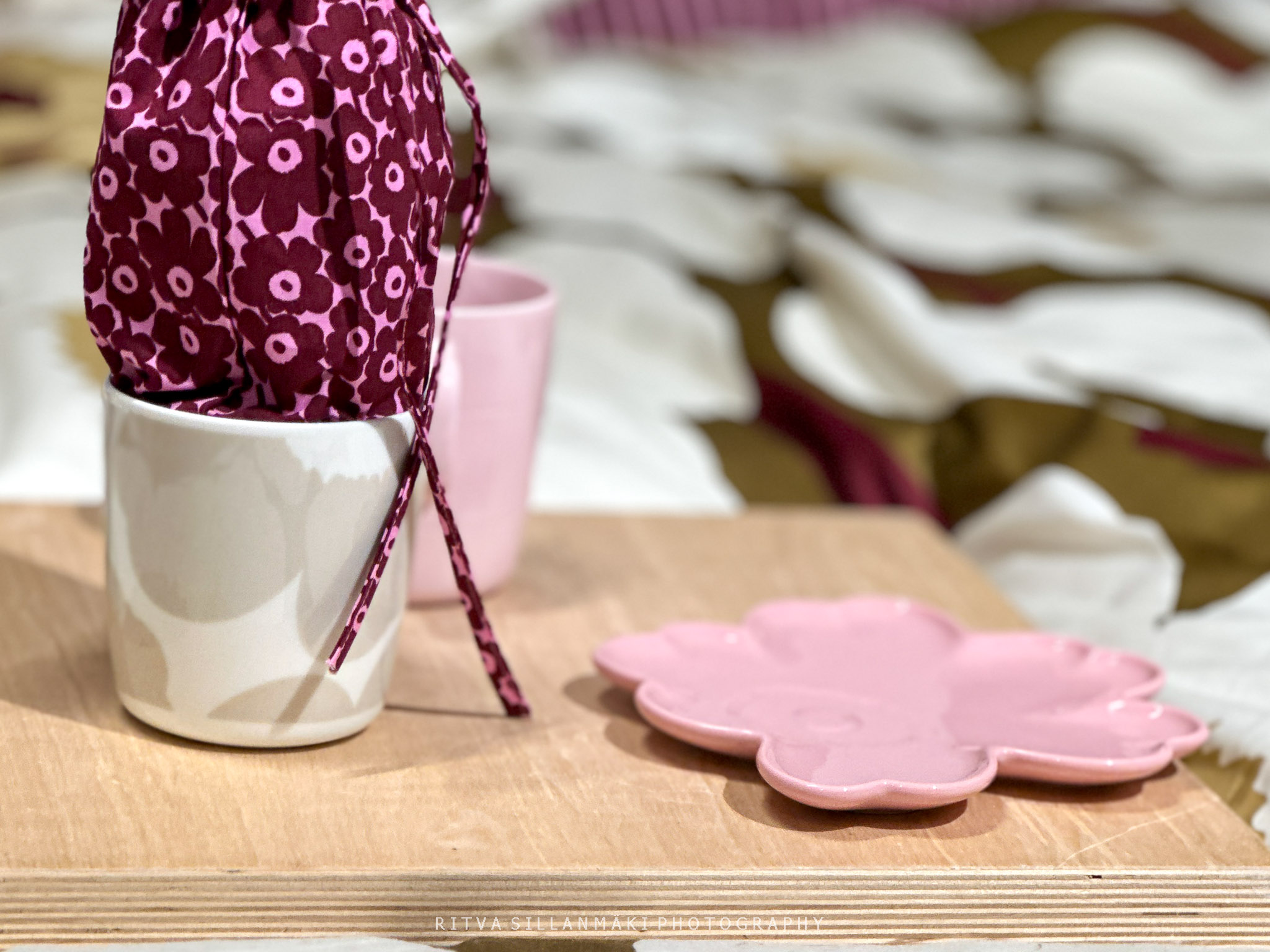


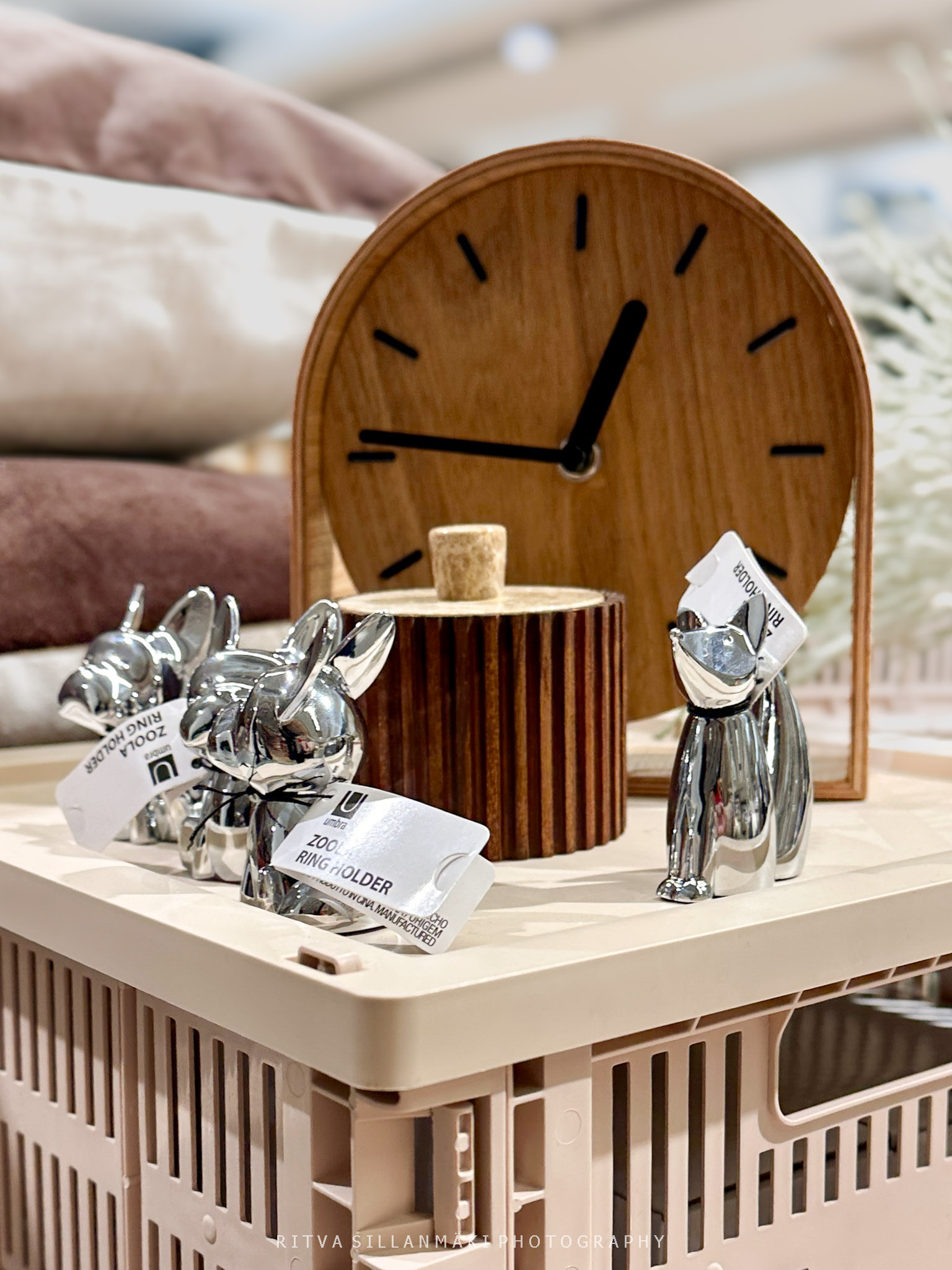

We strolled around for a bit, and you know how it is in familiar spots—you hardly notice the little things, right? So, I grabbed some shots of Aleksanterinkatu and the folks bustling about. Then I kicked myself for not paying more attention. In the shots below, you’ll see some doors that normally I’d just breeze past, even though I think they’re gorgeous.

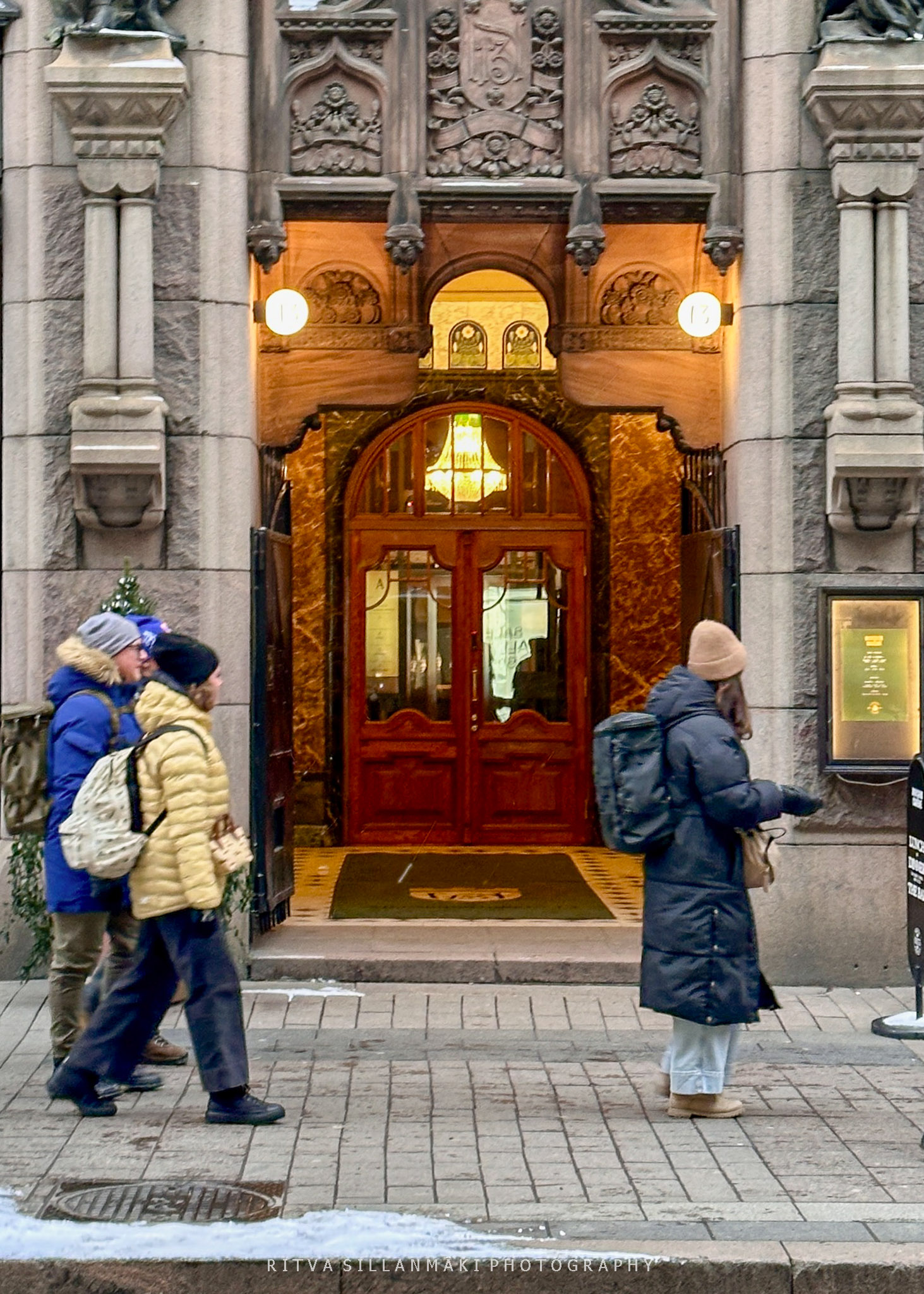
To participate in this challenge, I needed to discover something compelling for a photograph. I captured a close-up of the intricate stone carvings at the entrance of the Pohjola Insurance Company’s building in Helsinki. Designed by architect Eliel Saarinen, the building was completed in 1901 and features a façade embellished with grotesques and mythical creatures from Finnish folklore.
The scowling faces in the picture are crafted by sculptor Hilda Flodin. My husband made a joke about it, and just from their expressions, you can tell which ones are women, as he remarked with a smug grin 😂
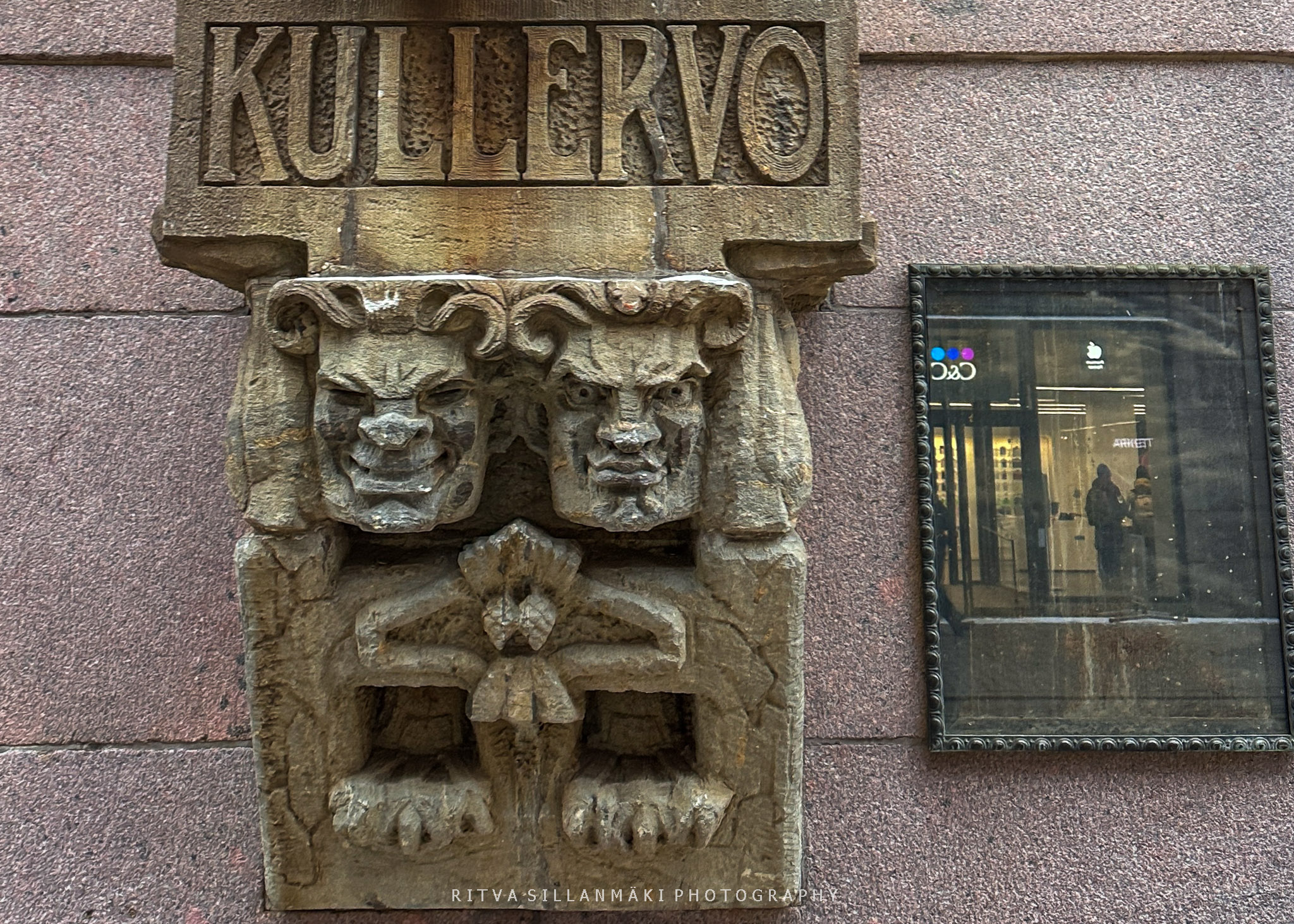
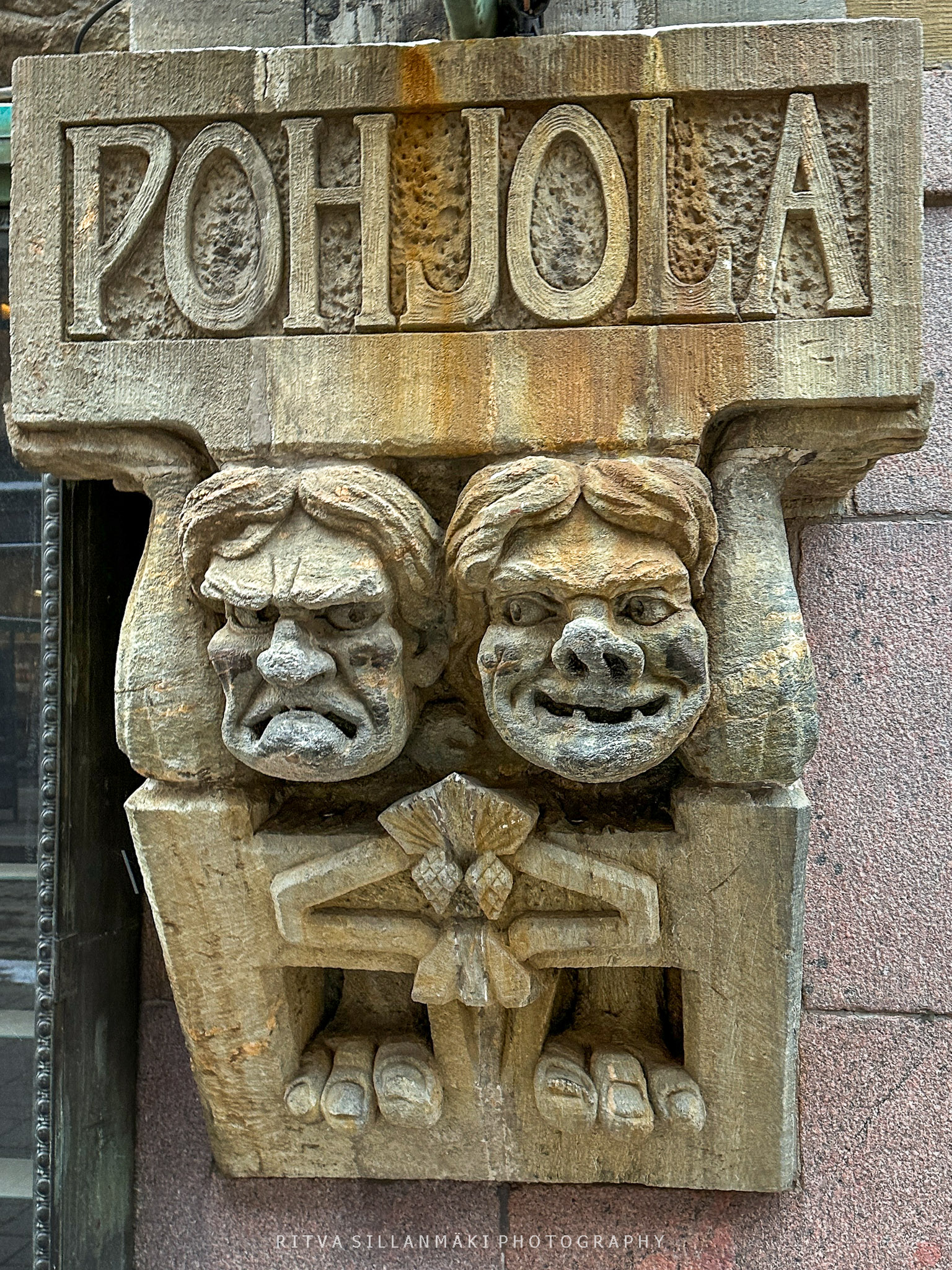
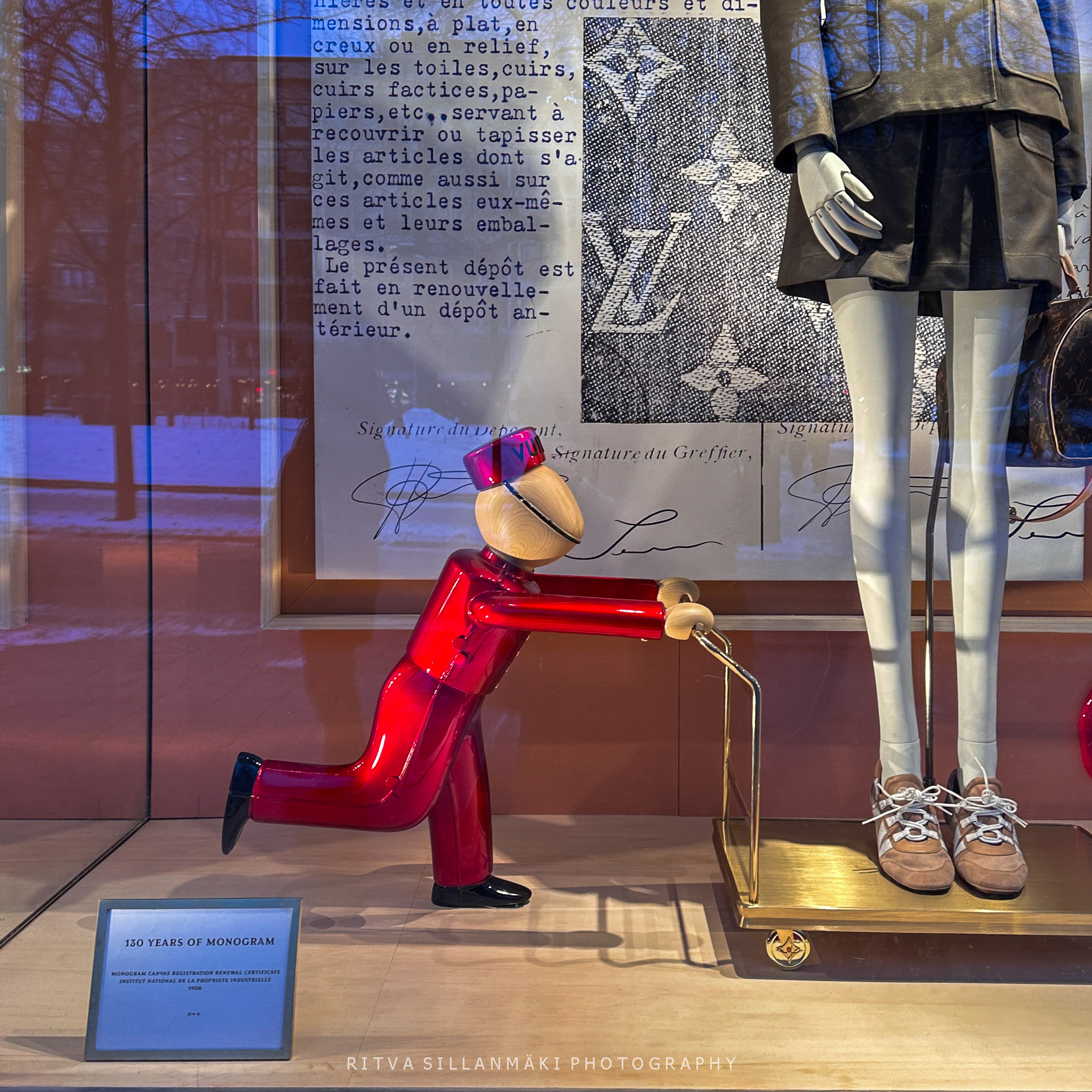
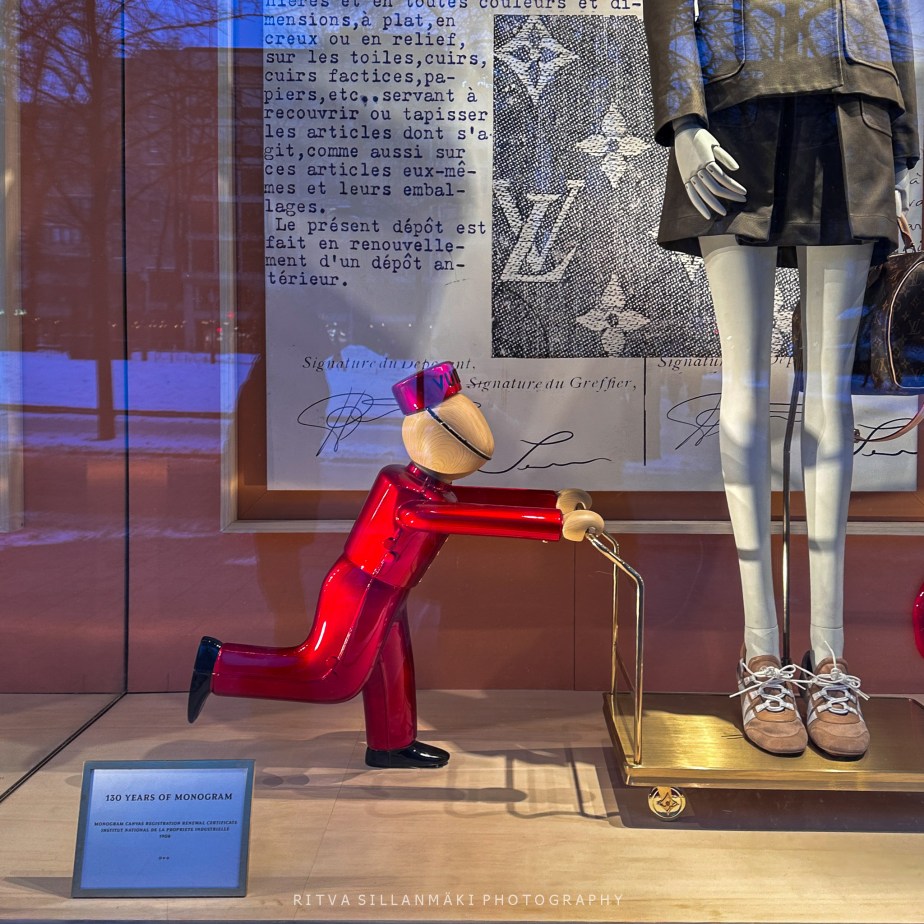
Window shopping and checking out the displays is fun, but this time I tried to pay more attention to the details and didn’t really nail it. I could’ve done better, but the cold wind had my fingers feeling like ice sticks!
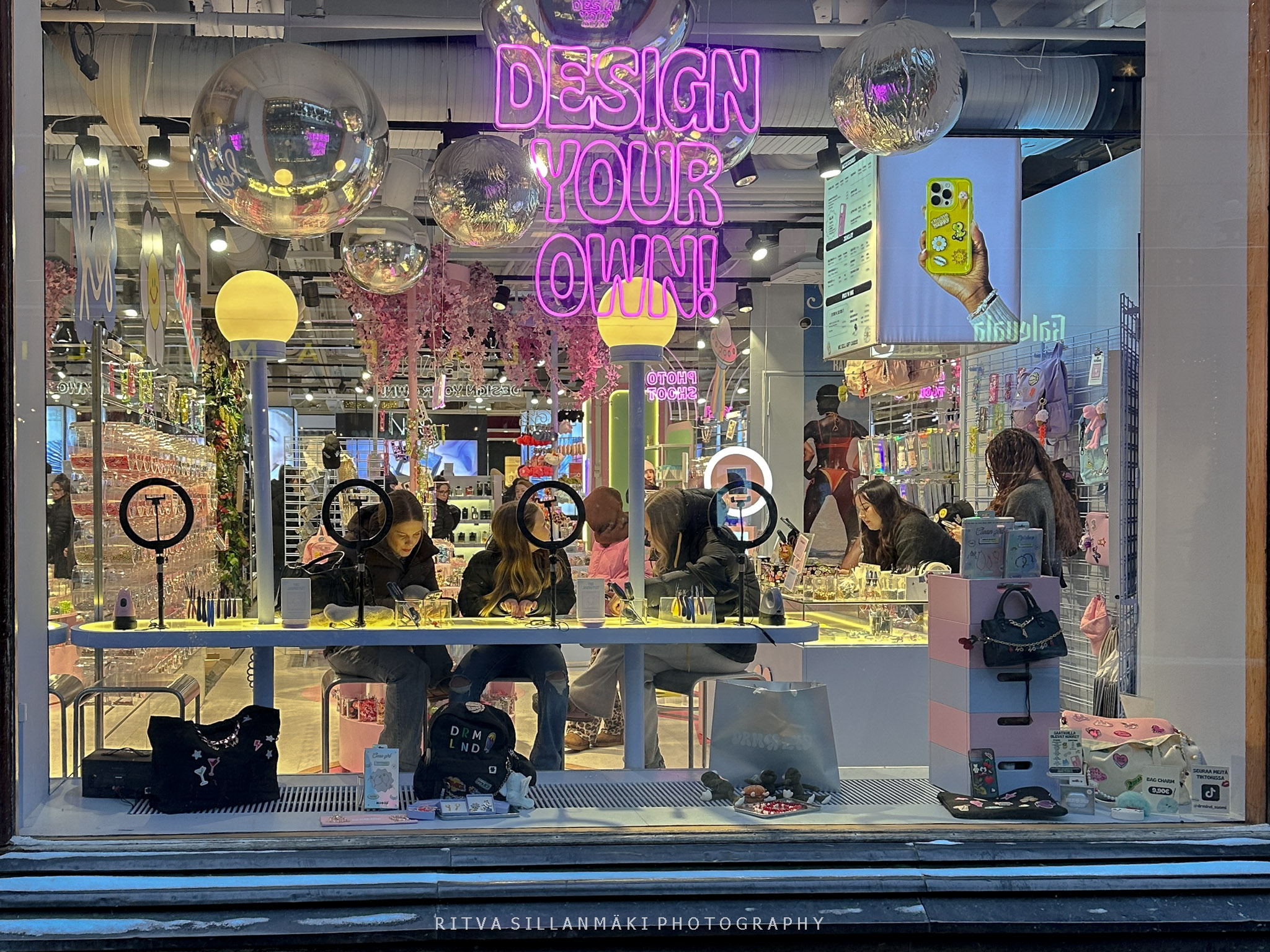
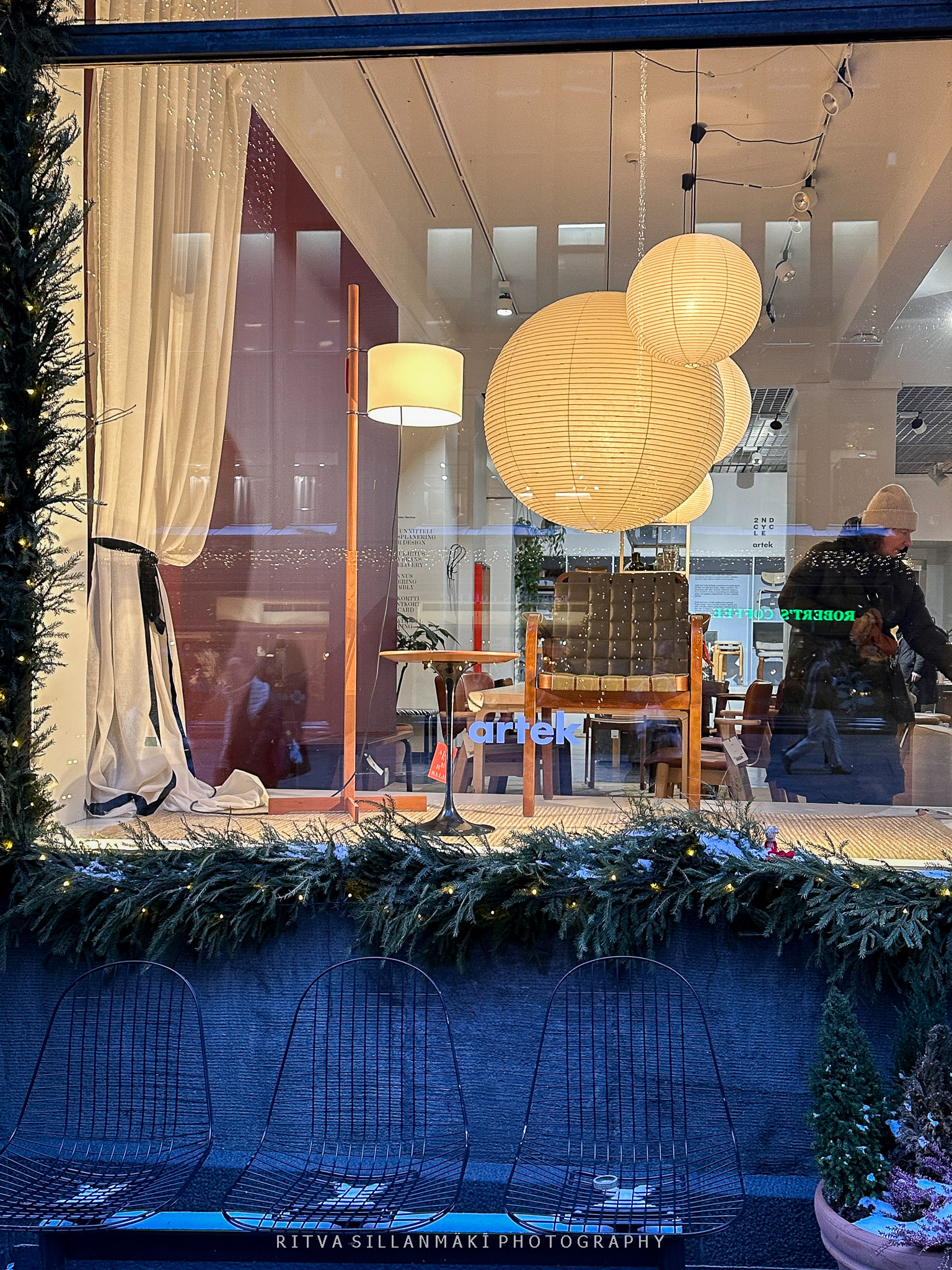

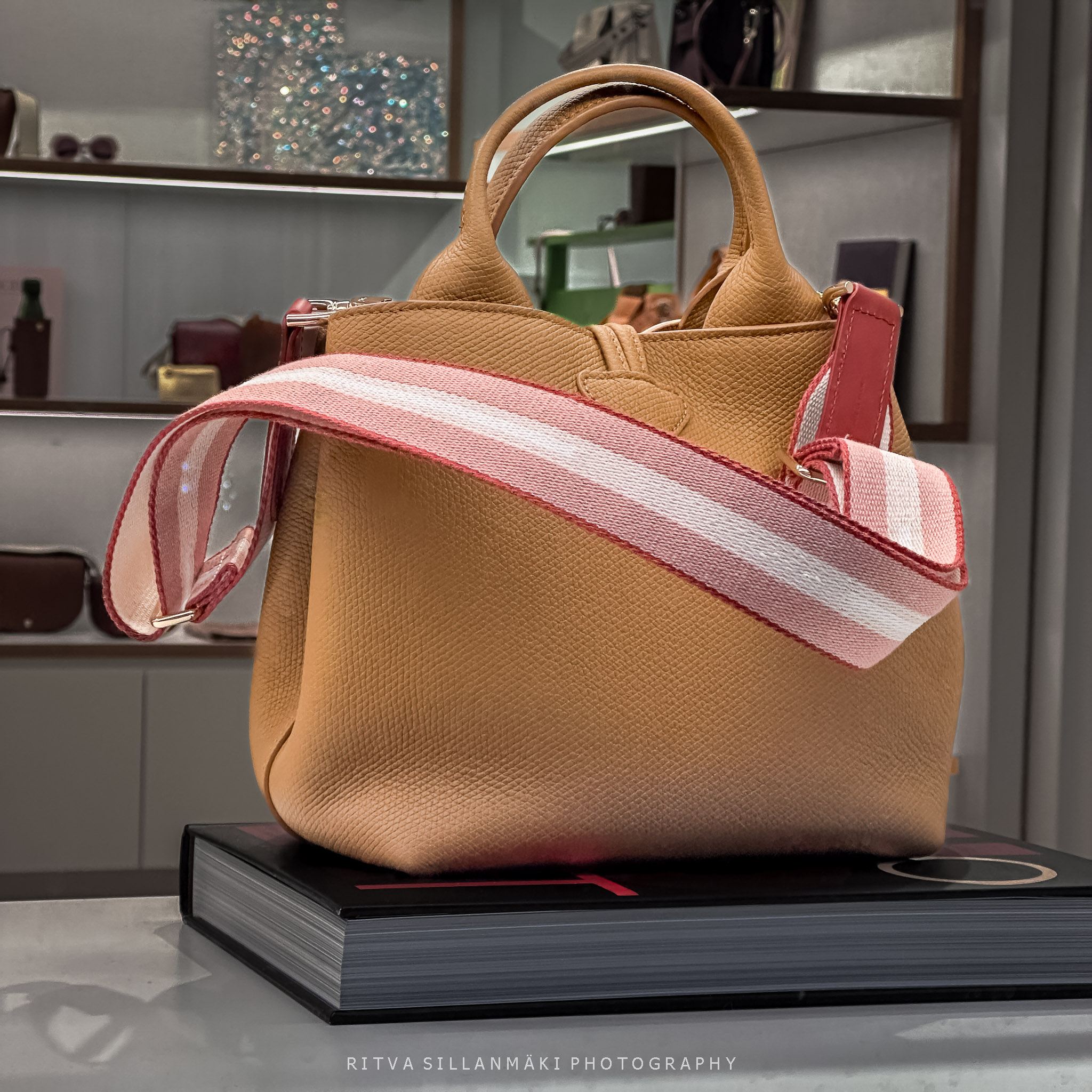


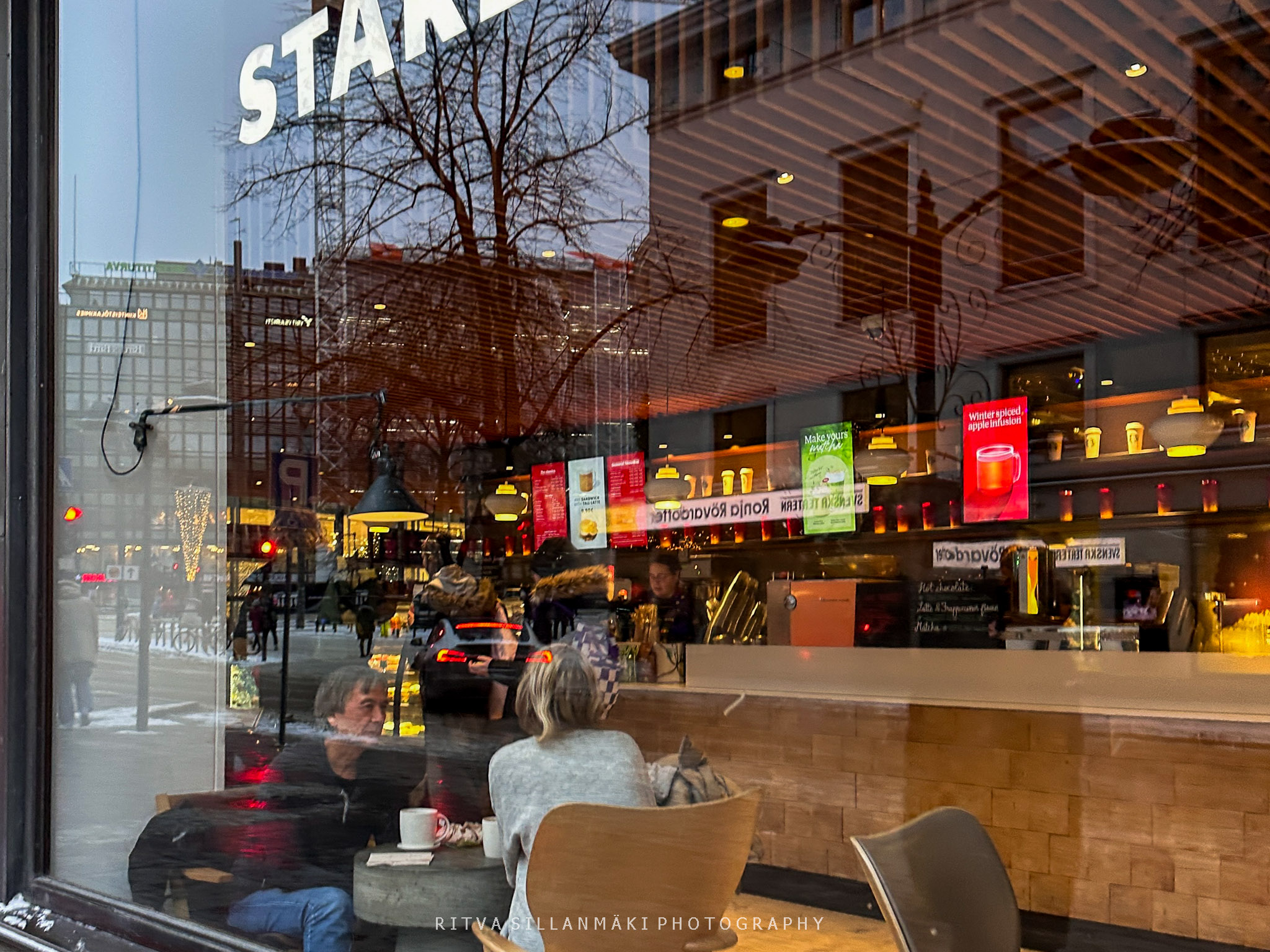

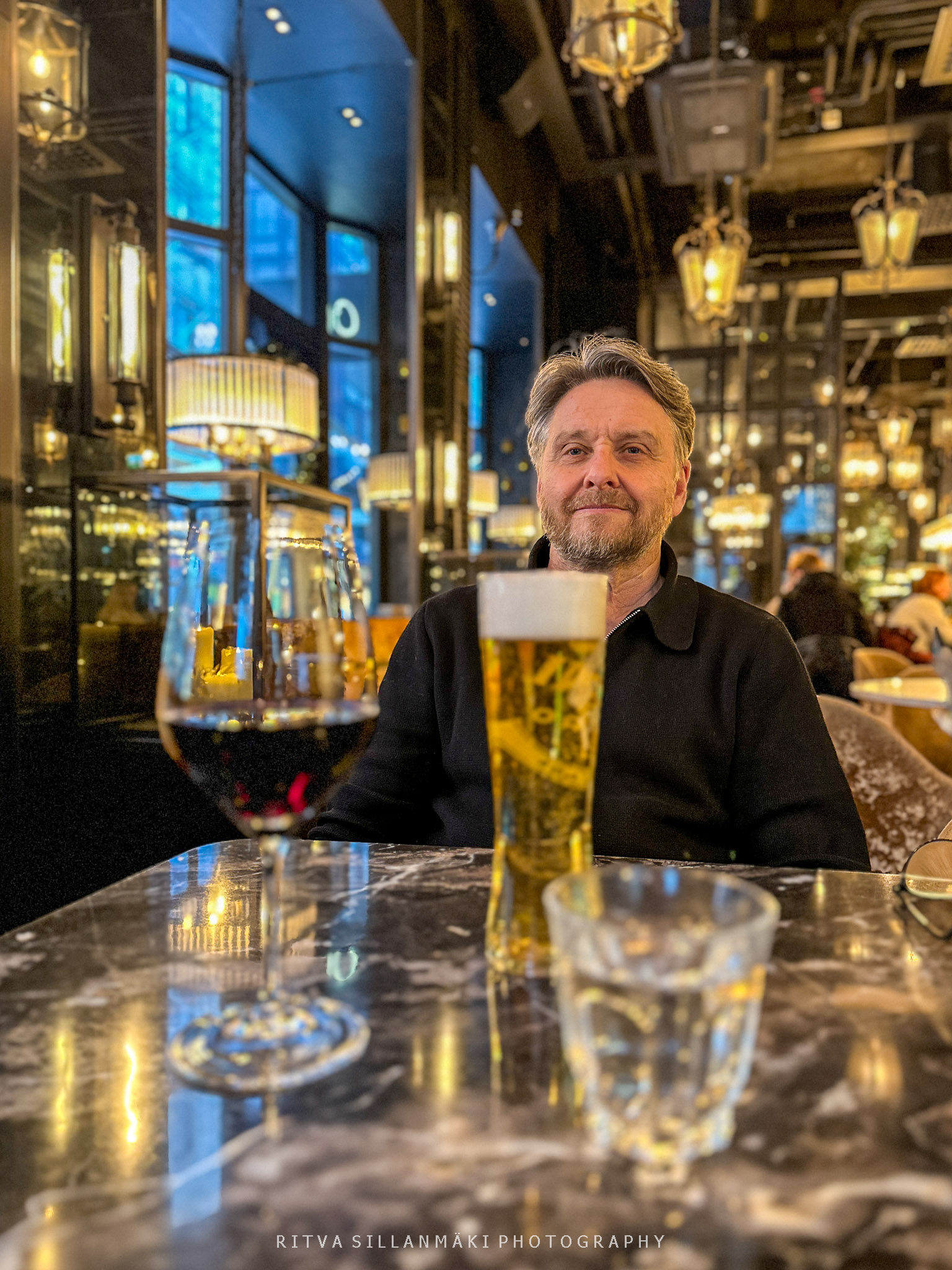
We did find a restaurant to have lunch.


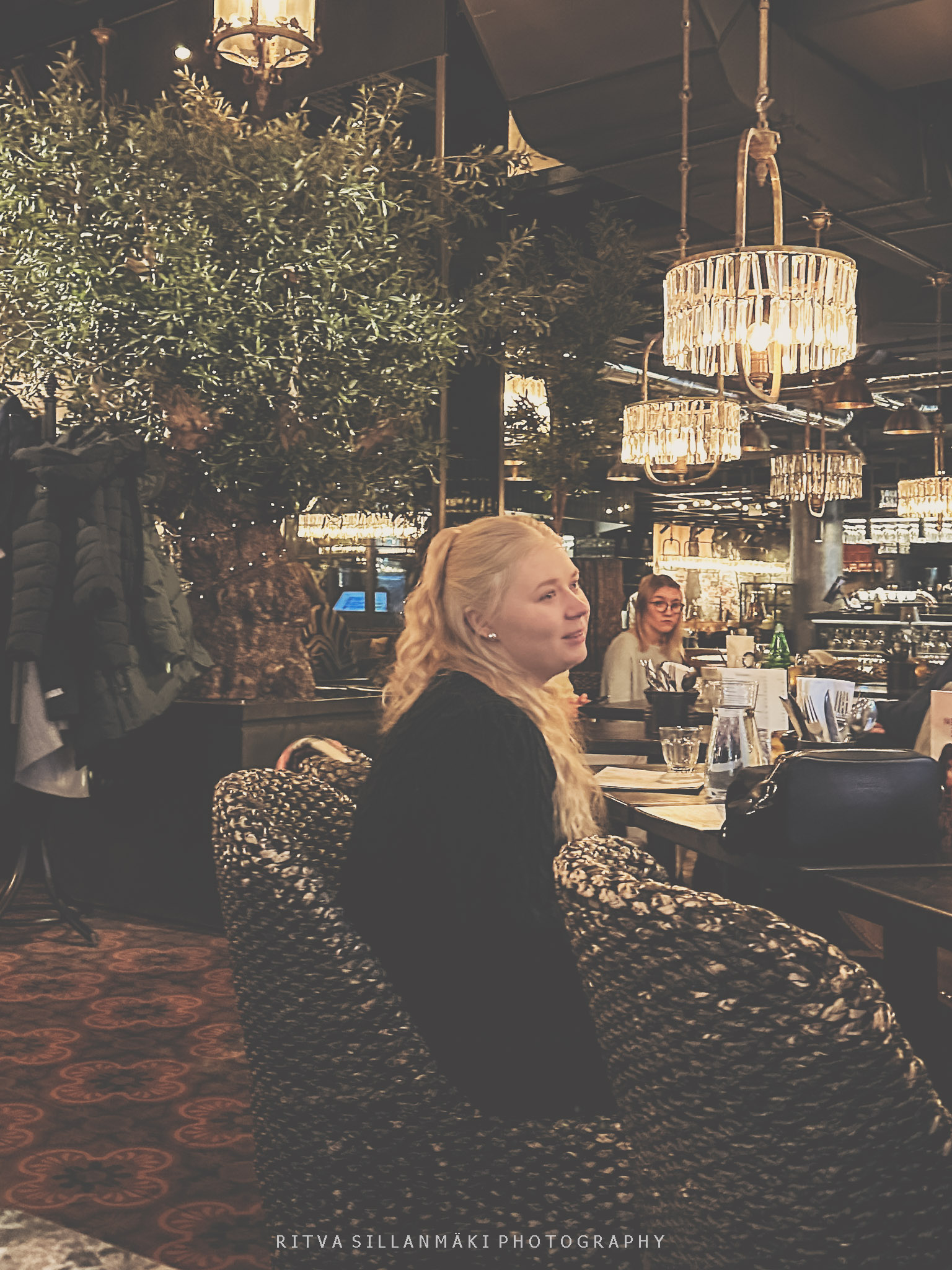
Please keep it to the same walk—that was the challenge, I did that. My intention was to keep the post shorter, but this is what I found. And I did have fun! It turned out that my photos are not award-winning photos or all that attractive to my photographic eye; but, I did take the risk and found something worth the time.
Thanks Anne for this one, it made go out to the cold and have walk in the city. Next week, Saturday, January 17, at noon EST is my turn to host, hope to see you then.
Please remember to link your post Anne’s original post. Also, remember to use the Lens-Artists Tag to help us find you.
We are Lens-Artists: Tina , Patti , Ann-Christine, John, Sofia , Anne , Egidio, Beth , and me Ritva,
To learn more about the Lens-Artists Challenge, click here.
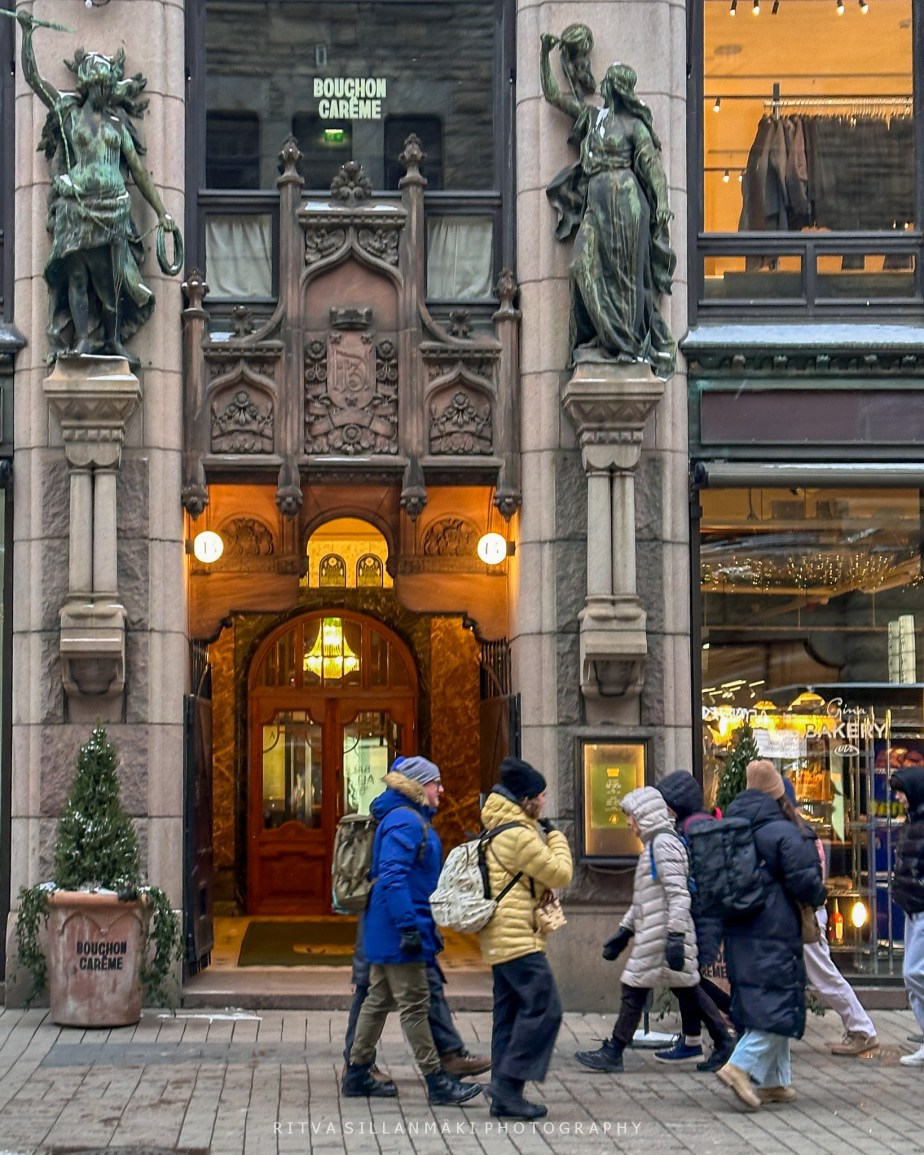
The building depicted in the picture is Lundquist’s commercial building, located in Helsinki. It is one of the most beautiful and representative buildings in Finland and a landmark in Helsinki’s city center. It has been renovated in recent years.
The building was completed in 1900 and designed by architect Selim A. Lindqvist. At the time of completion, it was Finland’s first pure commercial building, which contained no residential apartments. The façade is adorned with statues inspired by mythological goddesses, such as Artemis and Athena, reflecting the building’s original purpose as a shopping center.

Posted for Dan’s Thursday Doors
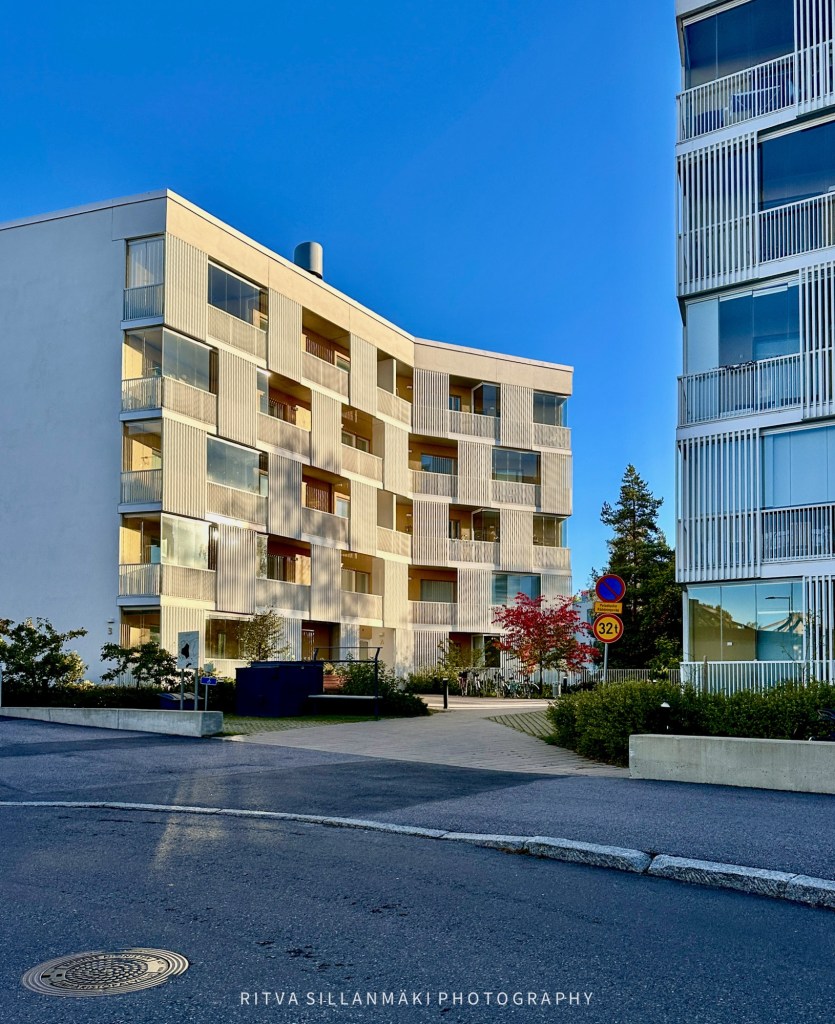
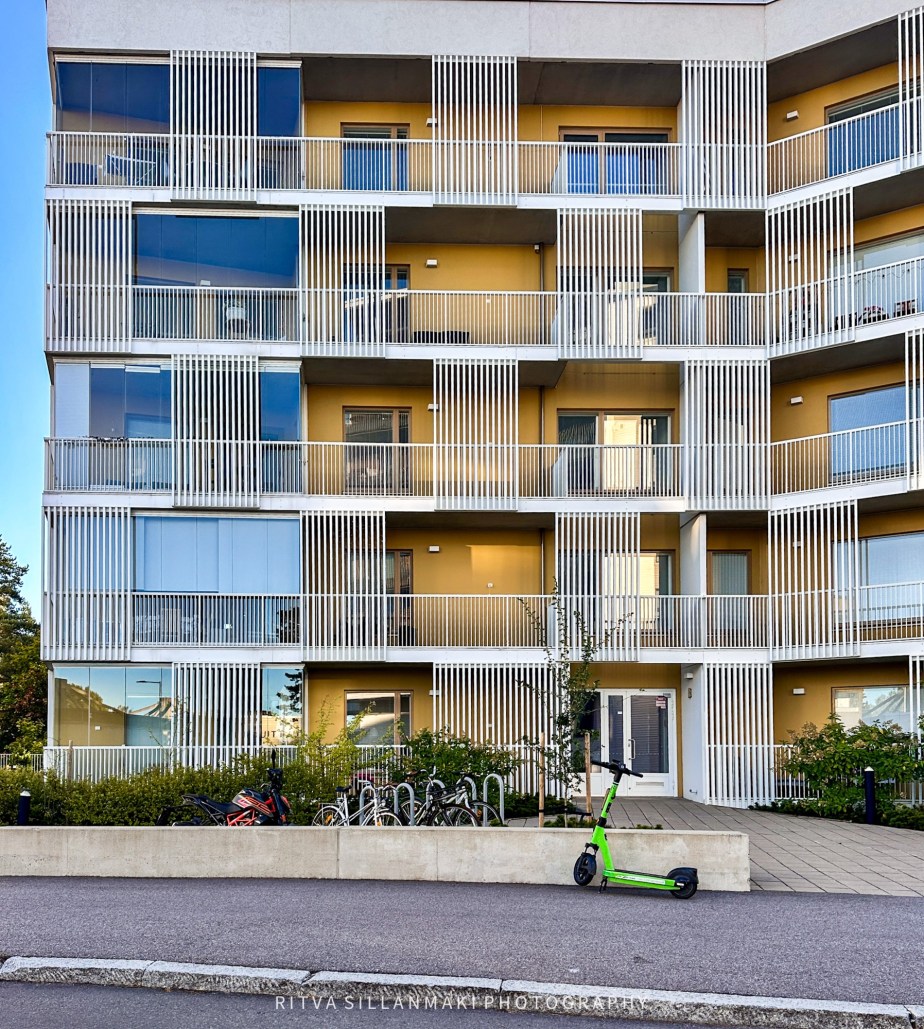
These apartments are located in Tapiola, one of the suburbs of Espoo, Finland. These are some of the more modern apartment buildings. Just a block away from here, my grandmother lived for over thirty years.
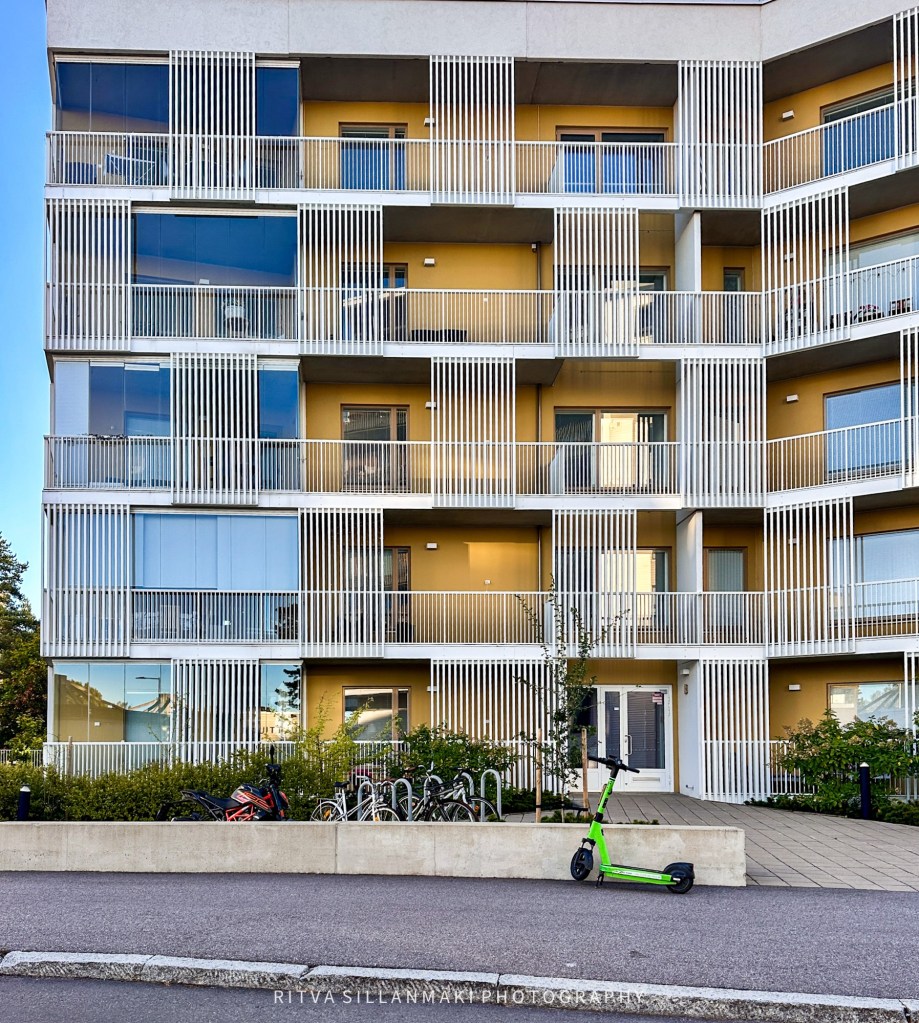
Debbies One Word Sunday: Home and Cellpic Sunday also to Monday Windows
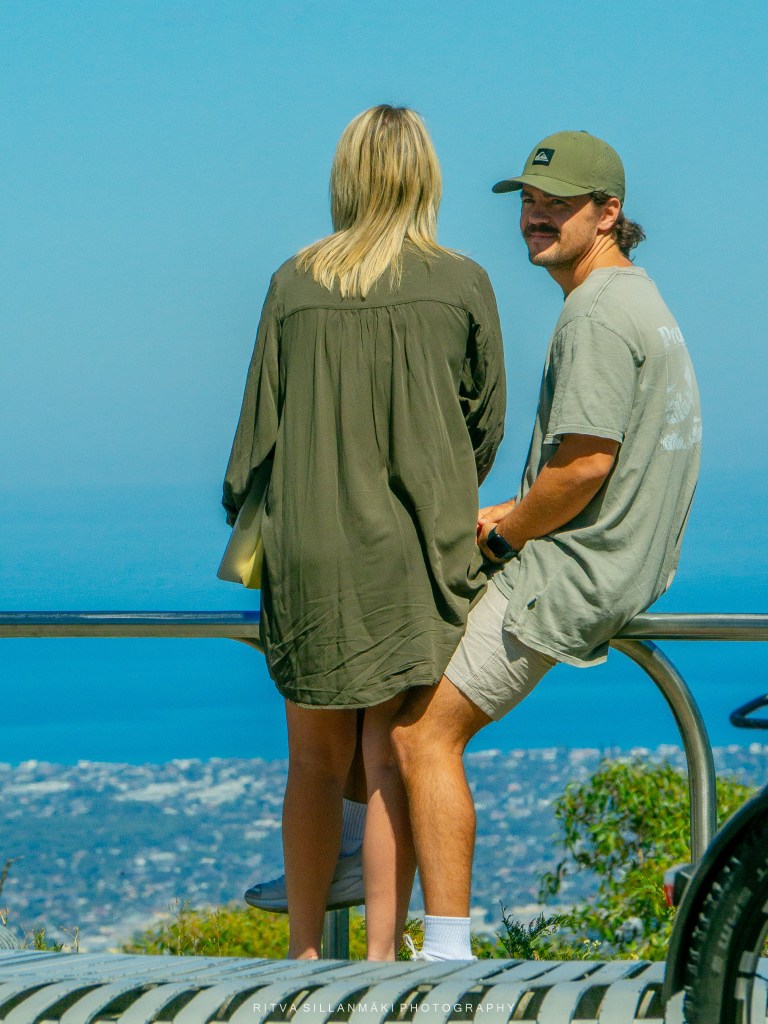
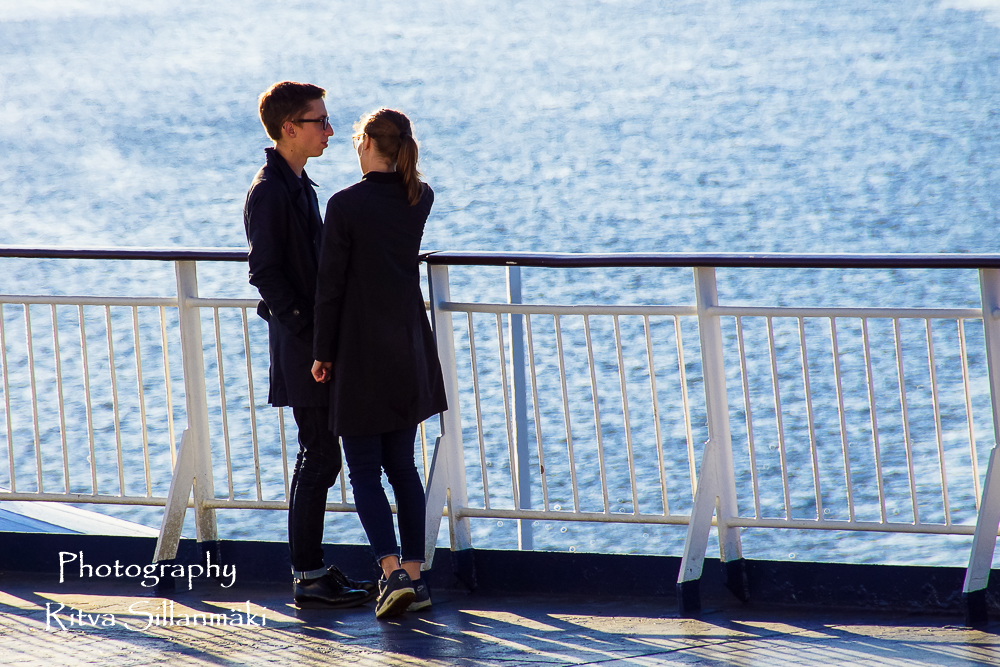
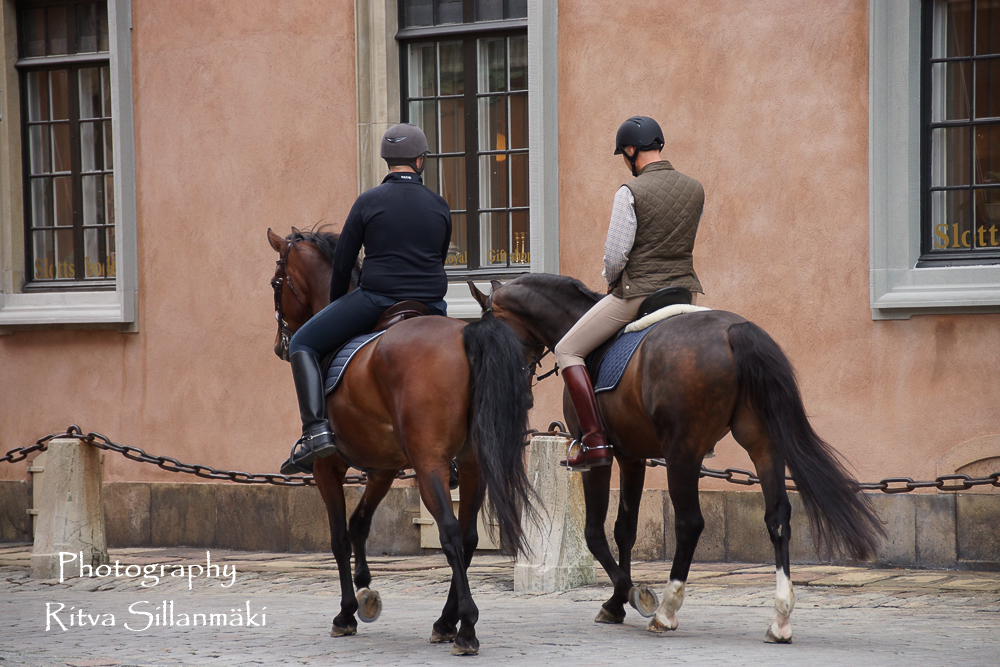
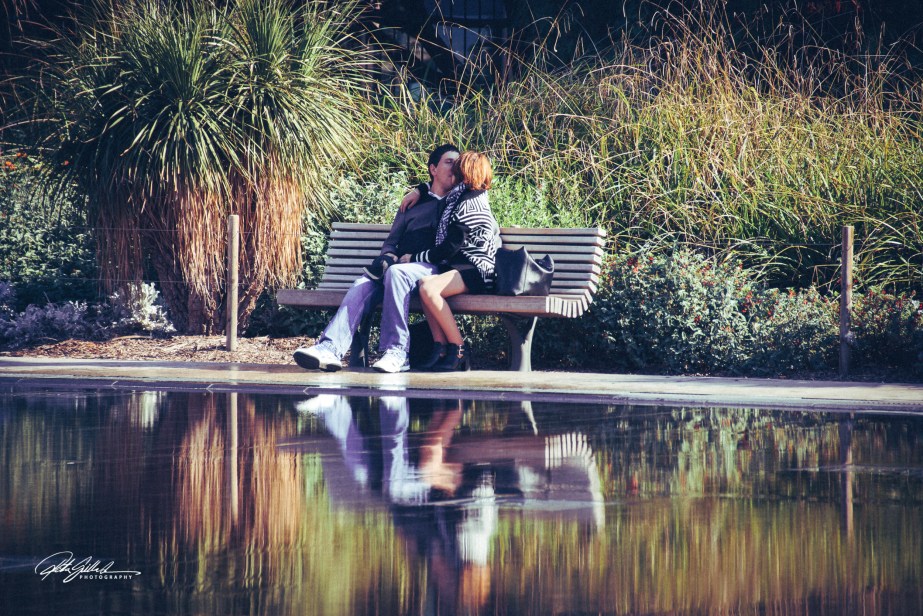
There is all kinds of together – love, friendships, hobbies, and shared moments that create lasting memories, each nurturing our souls in their own special way. Love can blossom in the warm glow of affection, reminding us how deeply we can care for one another. Friendships, filled with laughter and warmth, are life’s treasures, providing support and joy through our shared experiences. Hobbies, whether enjoyed in solitude or as a part of a group, present beautiful opportunities for connection, allowing us to come together and explore our passions side by side. Ultimately, these forms of togetherness weave a rich tapestry of life, illustrating the profound importance of connection and understanding in our daily existence.
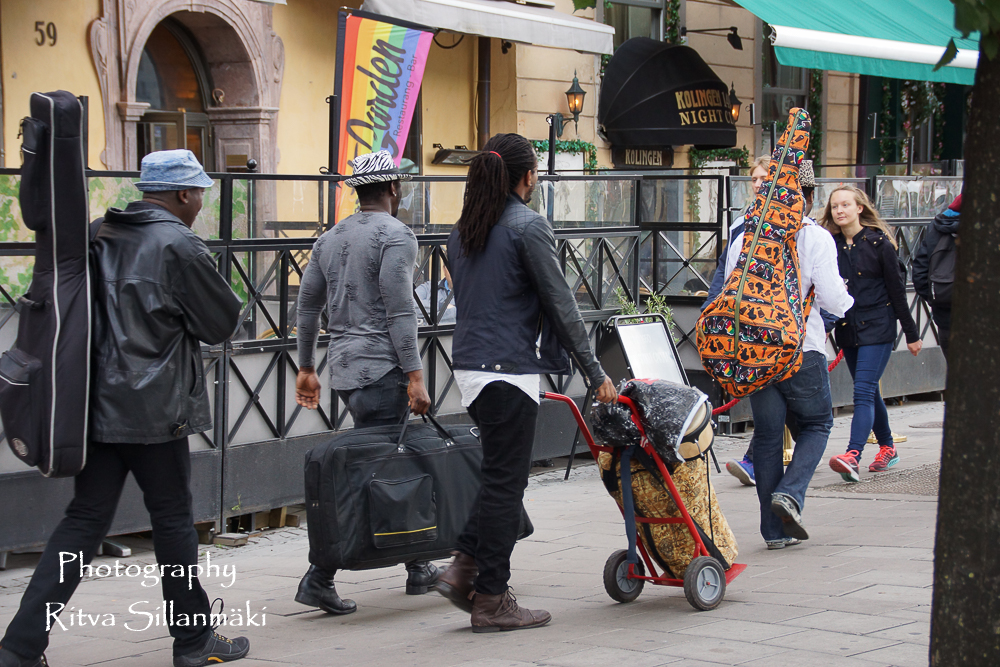
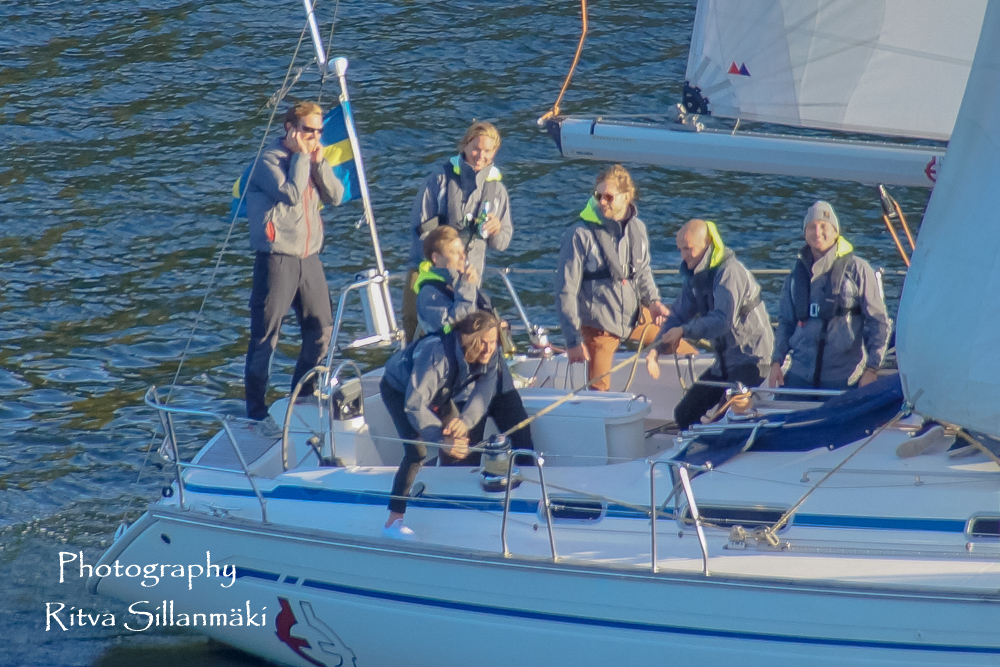
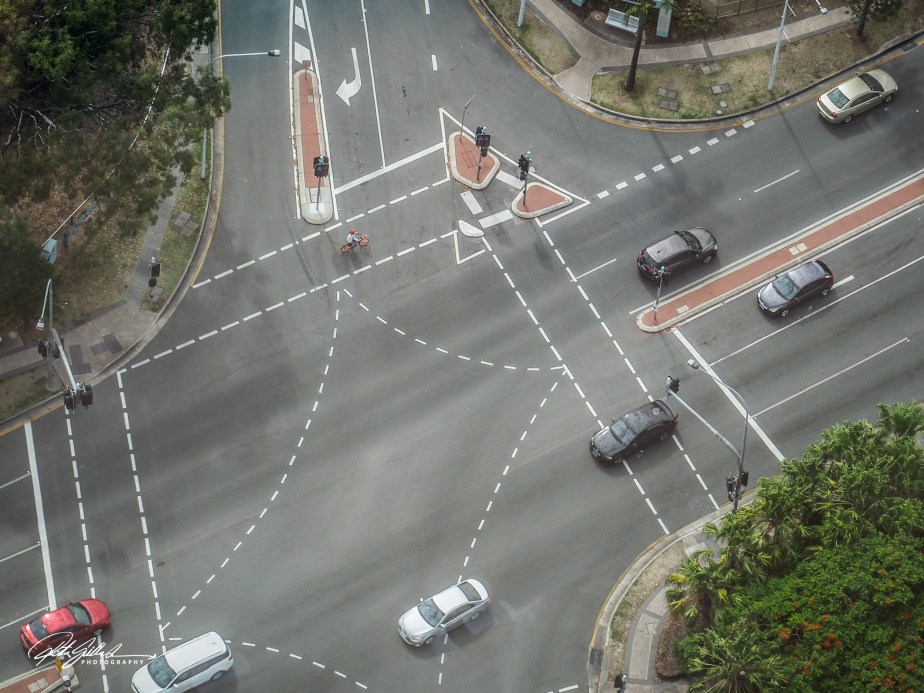
The first version with many crossings is for Debbies One Word Sunday: Crossing
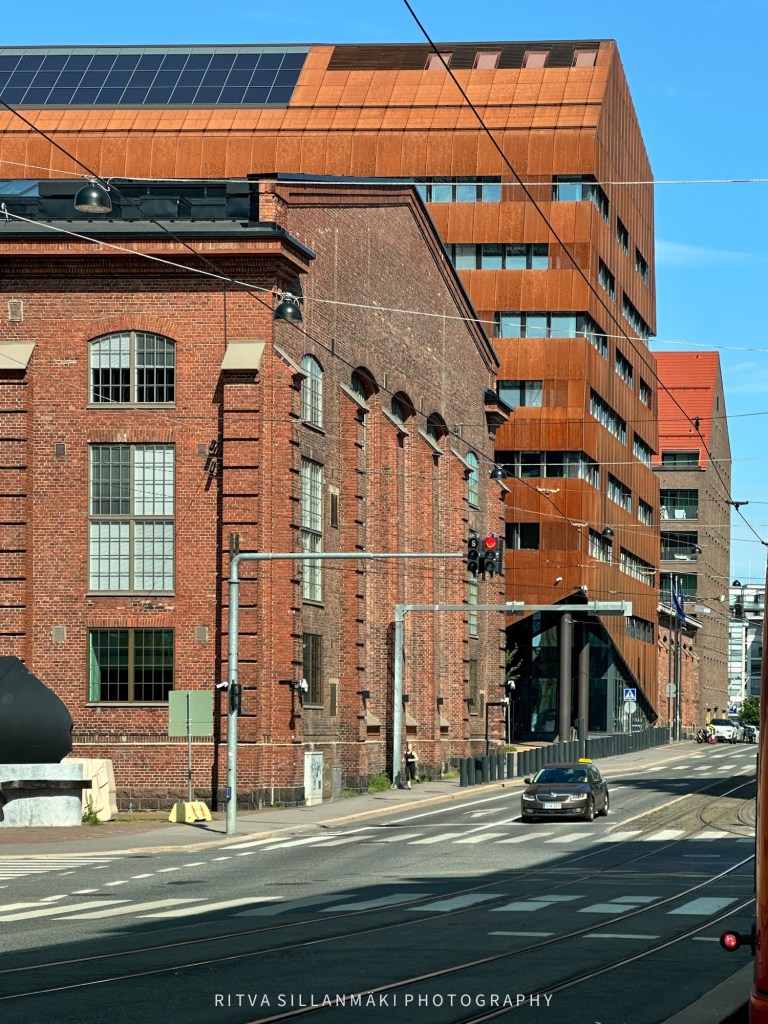
For Becky’s SimplyRed is the second one with more red light 🚦
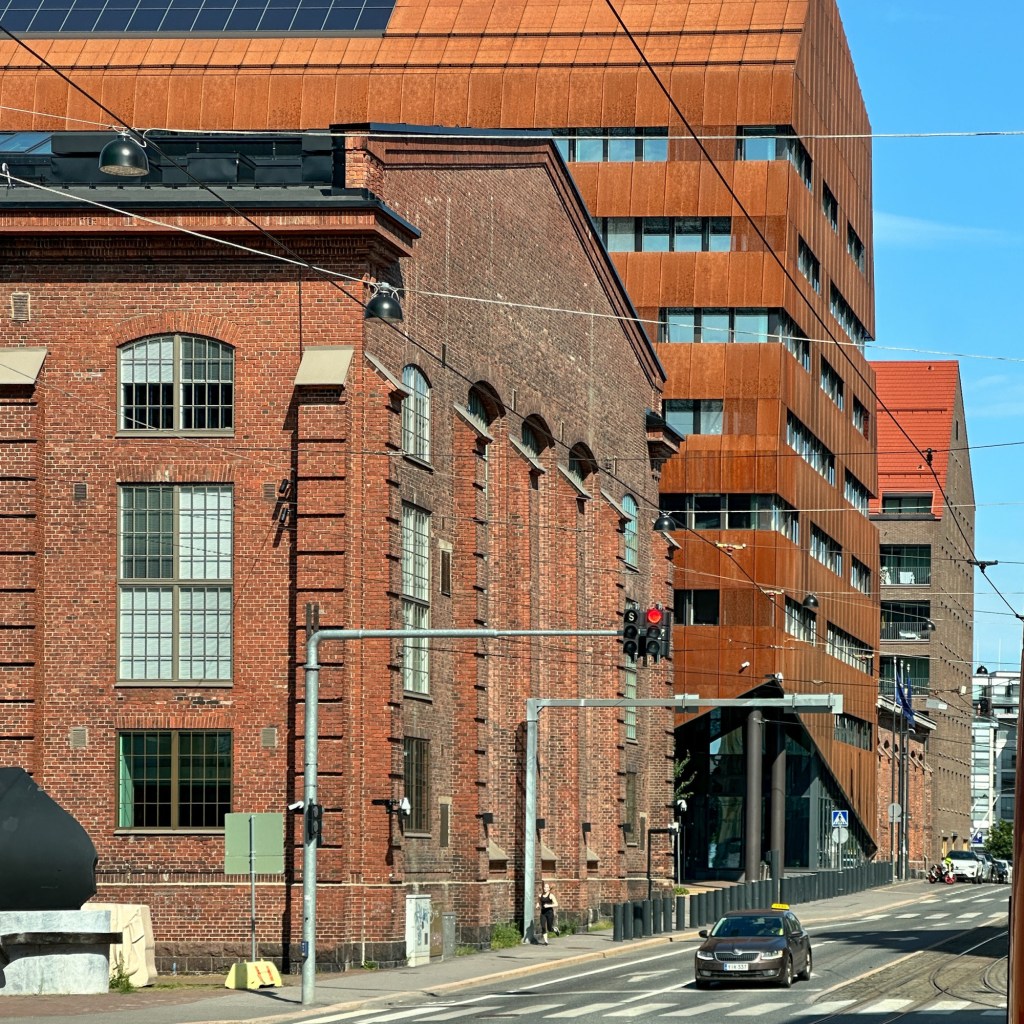
John’s Cellpic we’ll all are taken with my mobile behind the wheel, edited with Lightroom on the phone.
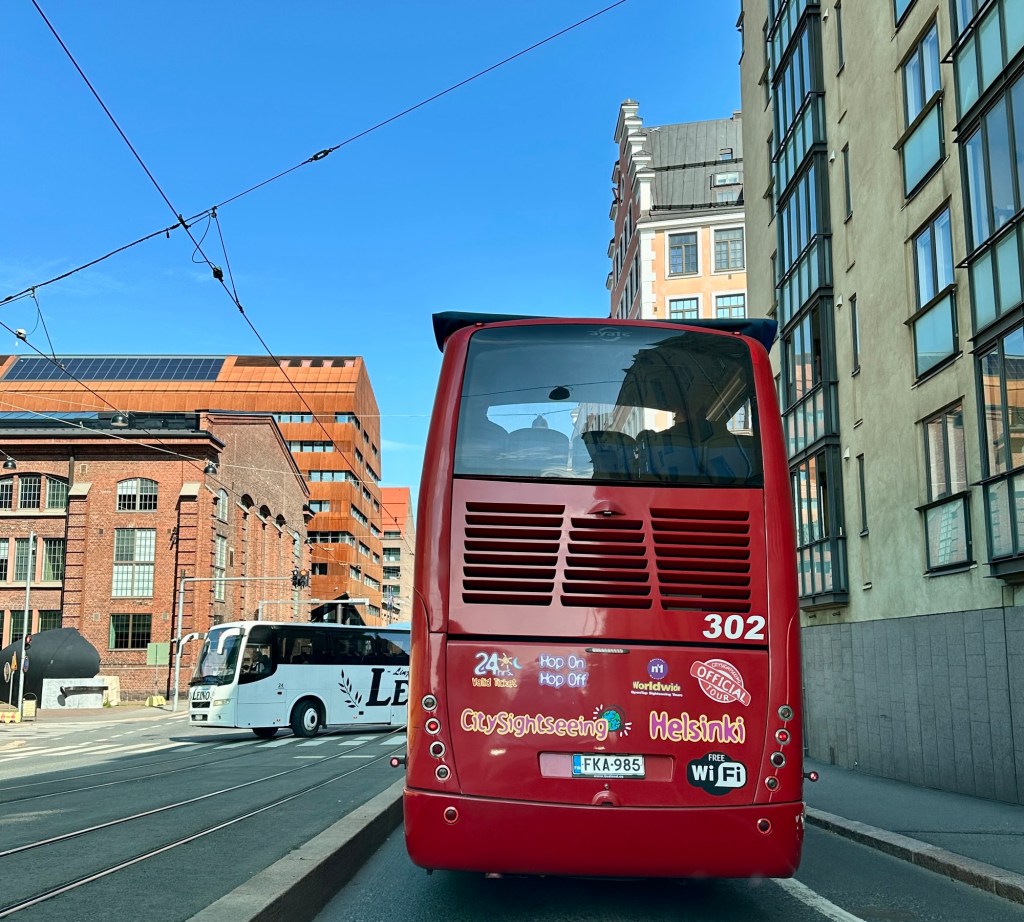
Additional photo is a bus crossing the crossing in front of the red bus edited into a square.
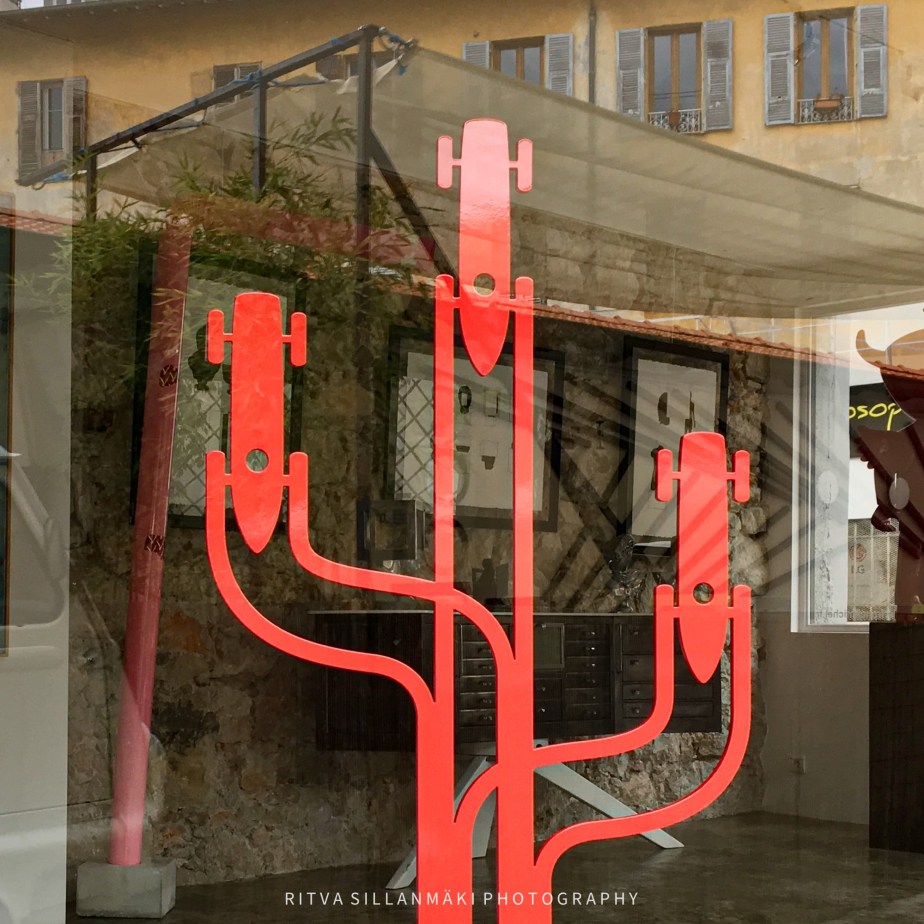
this art cacti is for One-Word Sunday: red
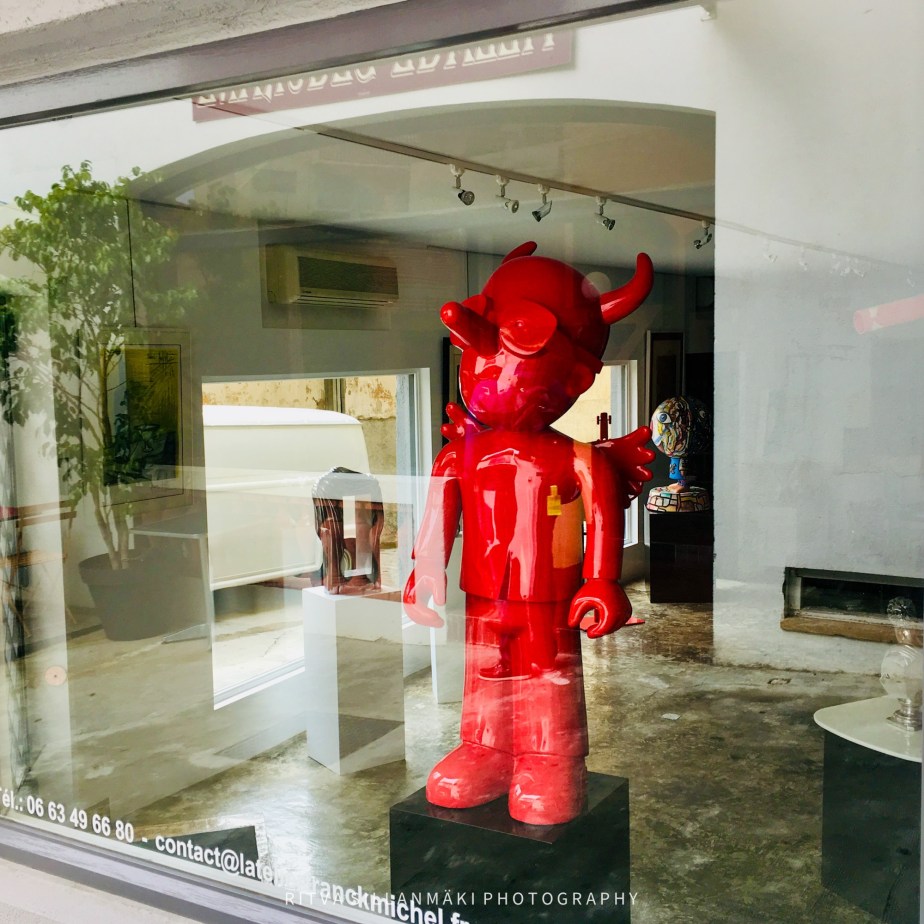
and Simply Red #6
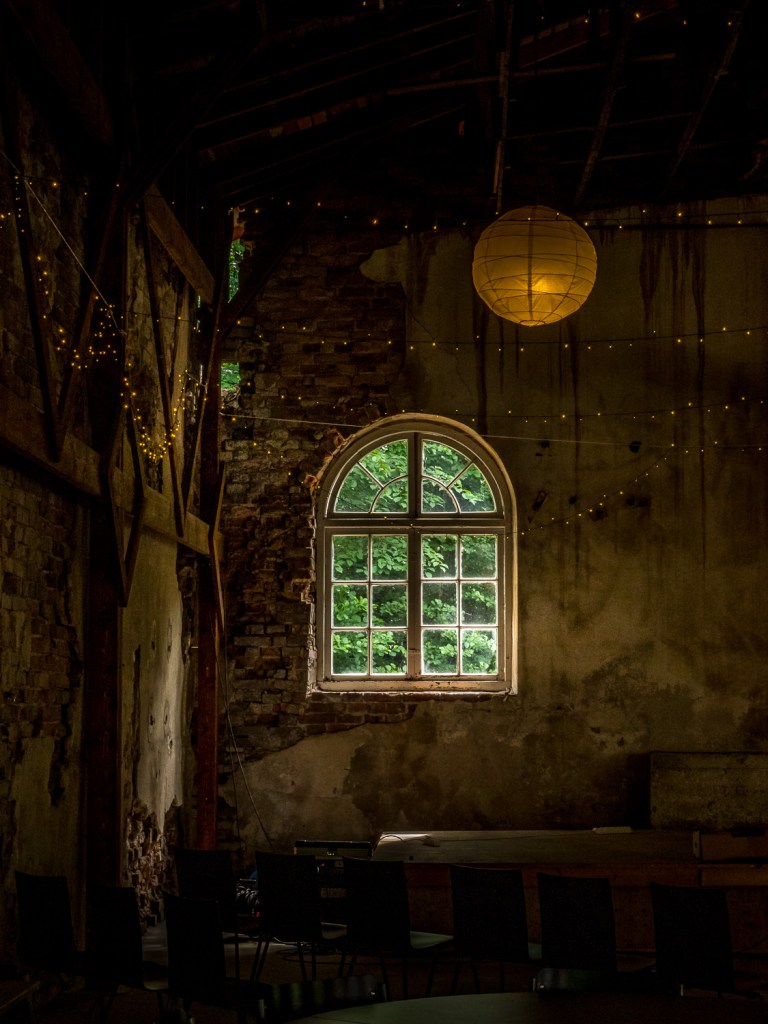
Linked to Six word Saturday at Debbie’s here
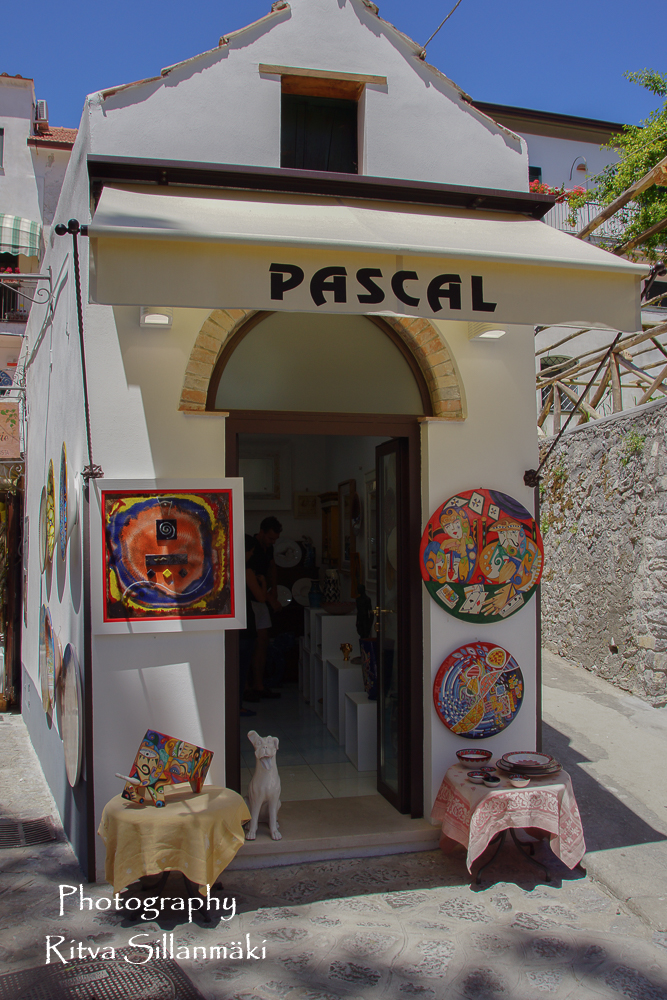
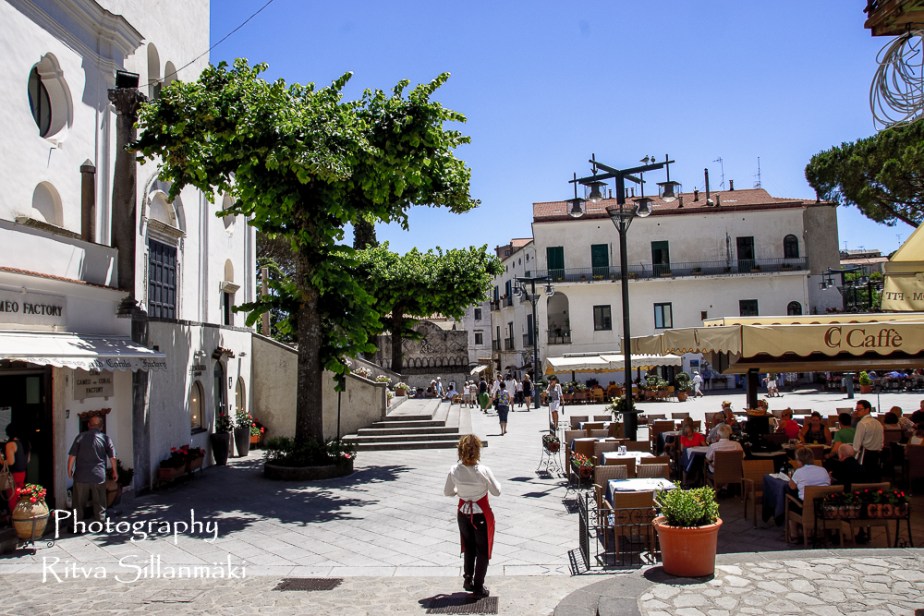
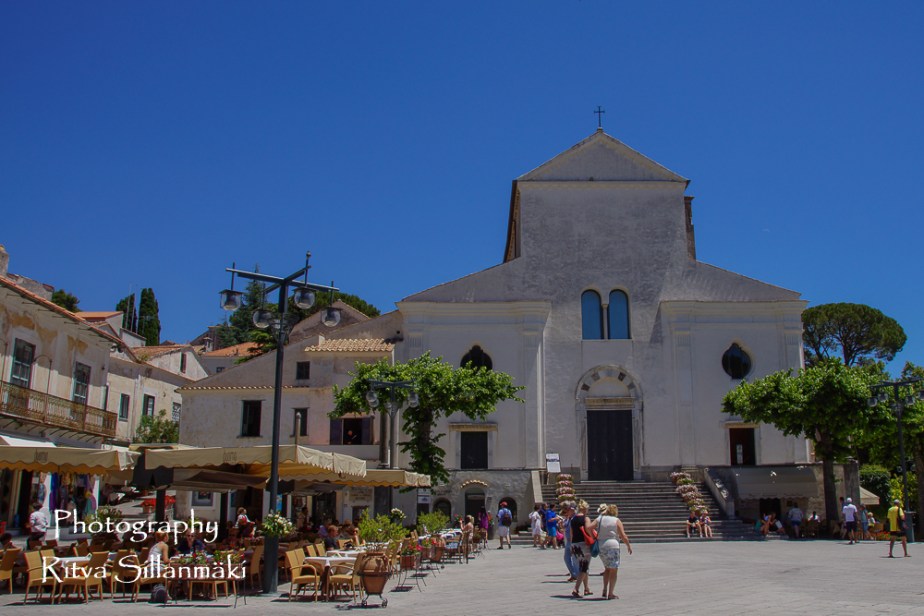
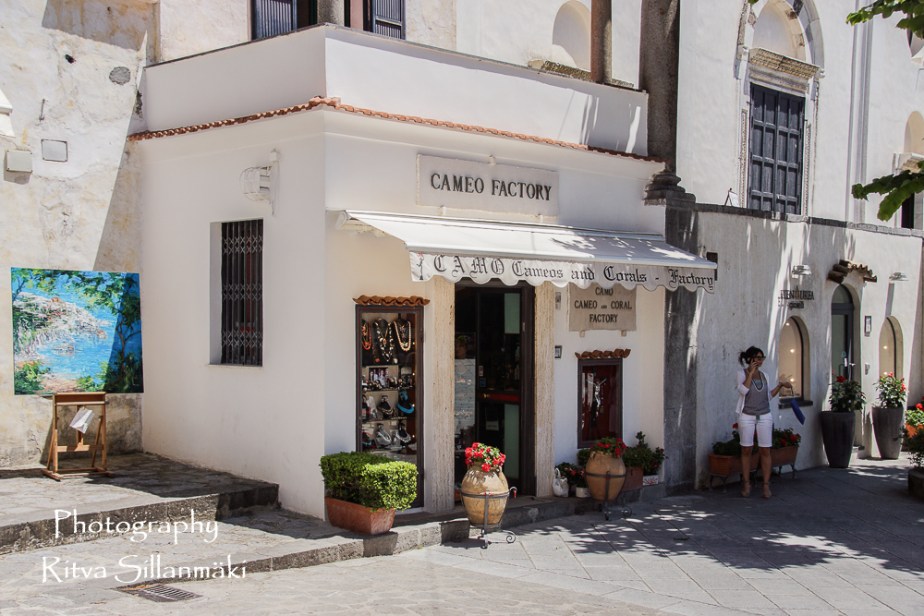
The whitewashed houses in Ravello are way more than just pretty sights; they capture the fun vibe and rich history of this lovely little Italian town. Perched high above the Amalfi Coast, these gorgeous buildings shine bright in the warm Mediterranean sun, their sunny exteriors popping against the lush greenery all around. Strolling through the narrow cobblestone streets, you’re hit with the sweet smell of blooming bougainvillea and can hear the cheerful sounds life round you. What makes Ravello special isn’t just the stunning scenery; it’s also the friendly locals who take pride in their whitewashed homes, inviting everyone to dive into the unique charm of this peaceful coastal gem. These were taken in summer 2016.
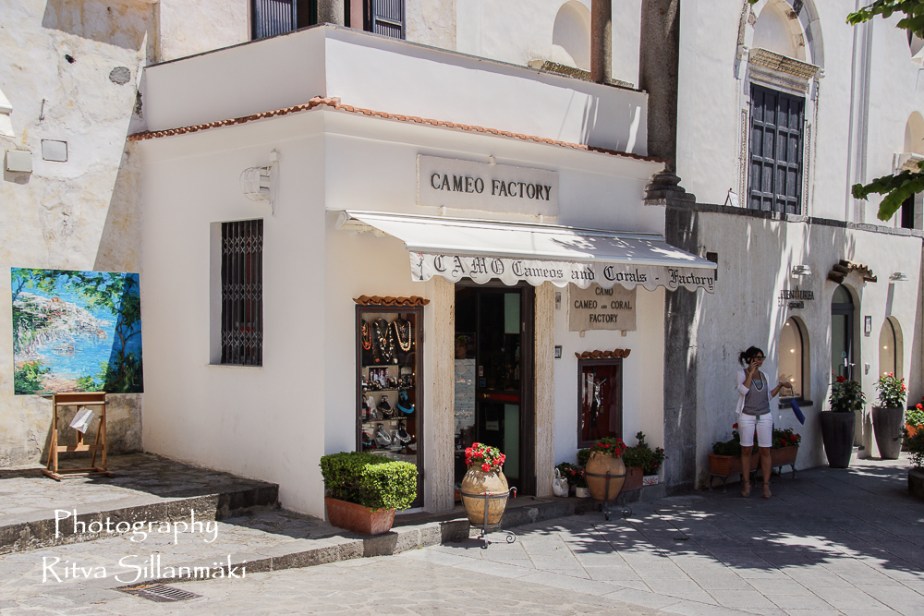
Posted for Dan’s Thursday Doors
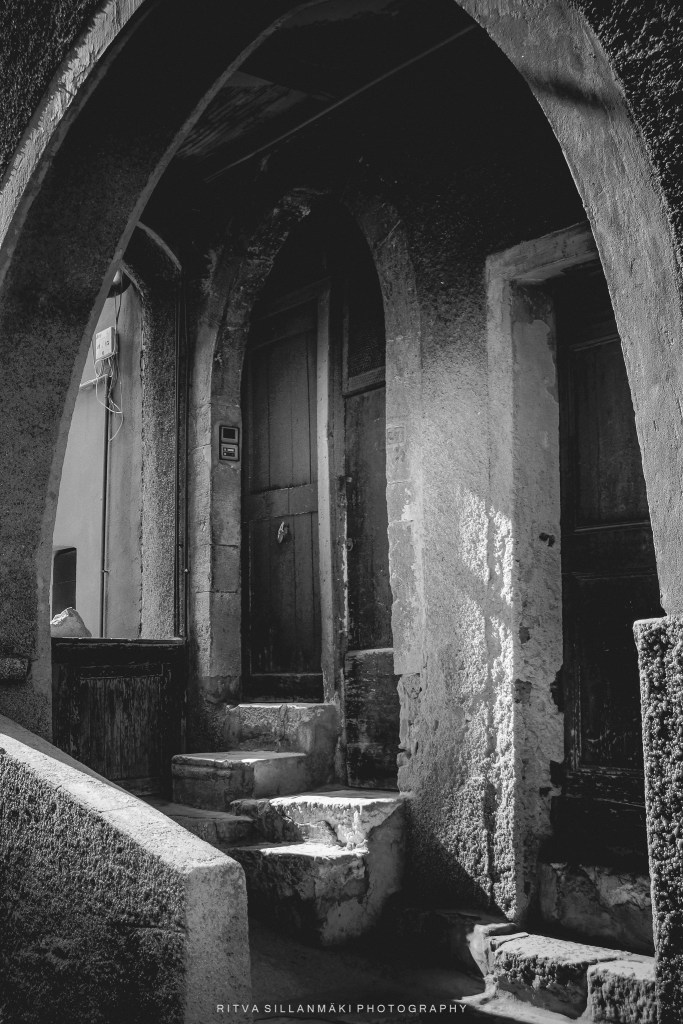
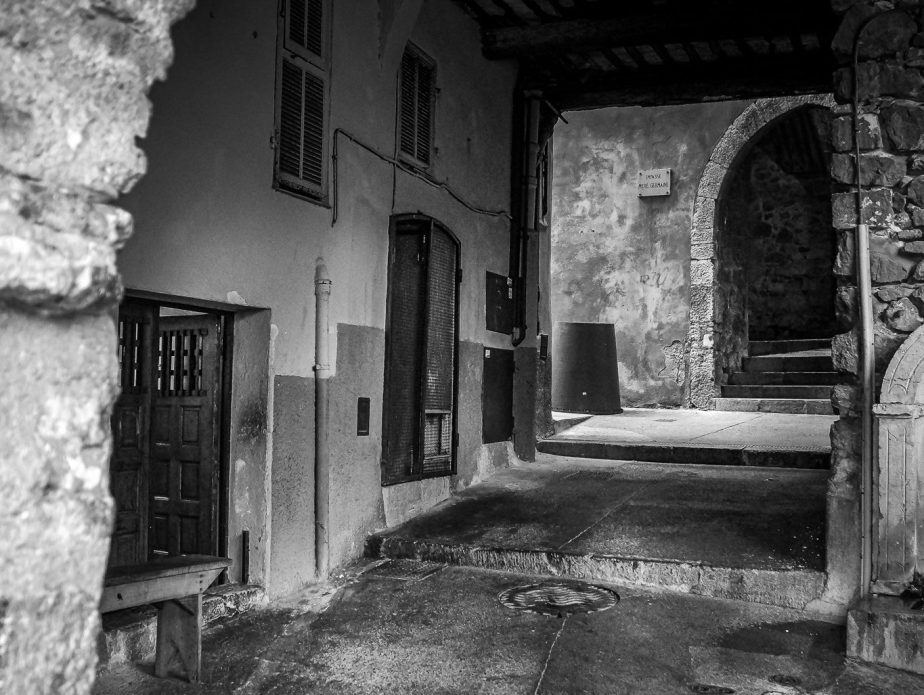
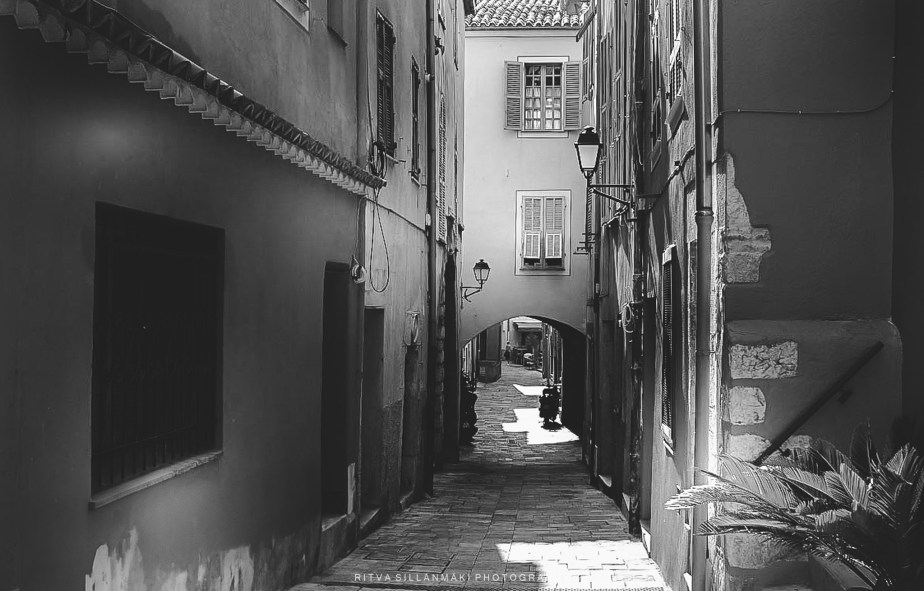
I am utterly enchanted by the beauty of old buildings, their majestic arches and rustic charm drawing me in, their textures revealing the stories of time in all their weathered glory. The intricate details and historical significance of these structures deeply captivate me. I adore how light dances and contrasts, creating a mesmerizing play across the surfaces, illuminating the unique features of each masterpiece. I captured these at Villefranche sur Mer, a town that radiates charm and character at every corner. Yet, I acknowledge a composition mistake; I inadvertently cut off the arch, an essential element that conveyed the building’s grandeur, while focusing on the door, a moment I didn’t realize while I took it. This experience serves as a poignant reminder of the necessity to fully immerse oneself in a scene before pressing the shutter, as every element weaves together the photograph’s story.
Posted for Dan’s Thursday Doors
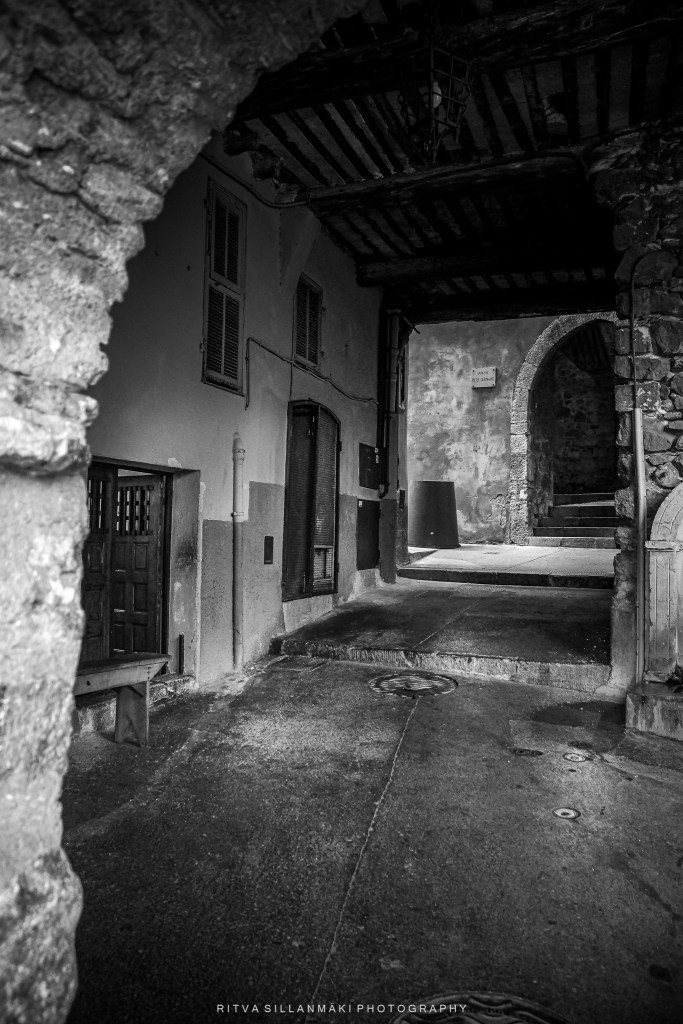
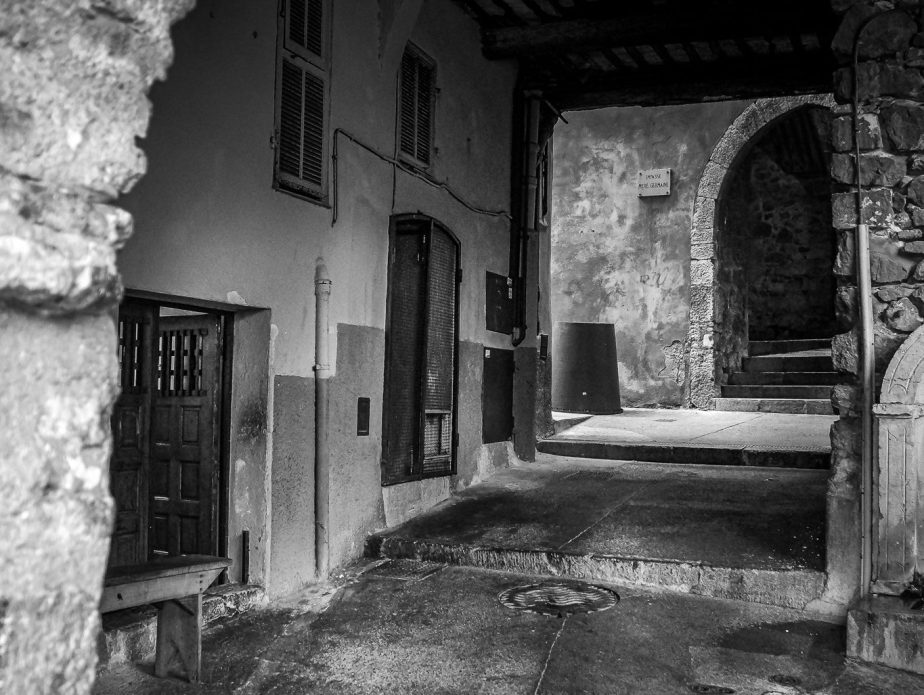
Same place, two strikingly different compositions of this narrow lane, and you find yourself captivated by entirely new aspects. Do you feel the same? The other image irresistibly draws your gaze towards the windows and shutters, despite offering a wealth of intricate details beyond its landscape counterpart. The interplay of light and shadow weaves a dynamic tapestry that elevates the textures of the buildings. Each detail enlightened, allowing us to revel in the artistry of the architecture. Above all, I love the contrast and the play of light here—the very essence of monochrome and black and white photography. It accentuates shapes and forms, urging us to dive deeper into the image, as the absence of color beautifully challenges us to discover elegance in both simplicity and complexity.
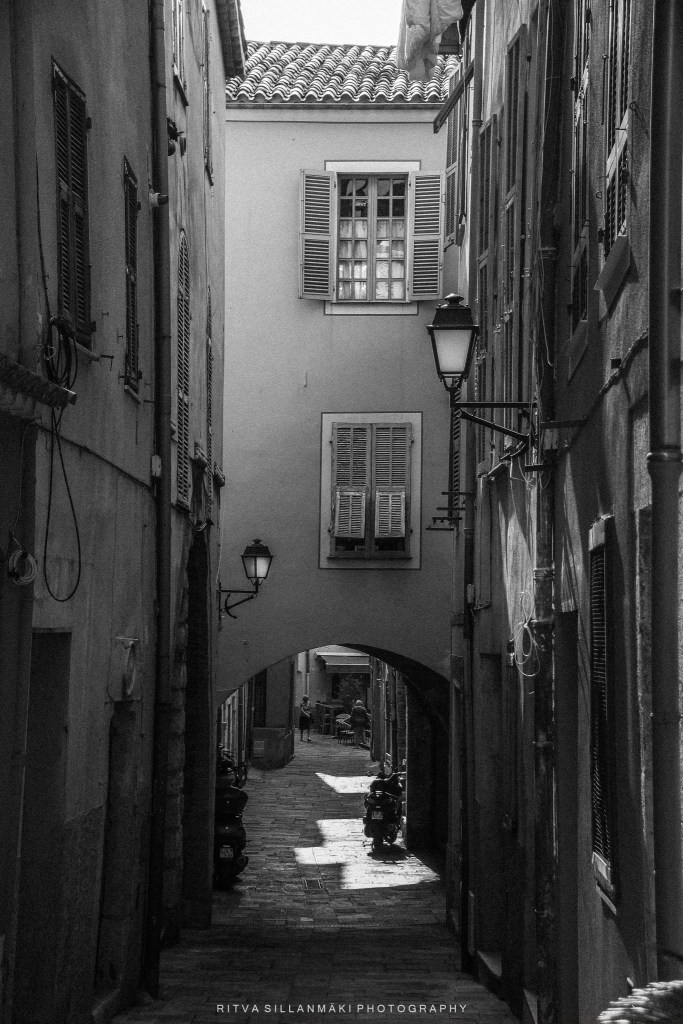
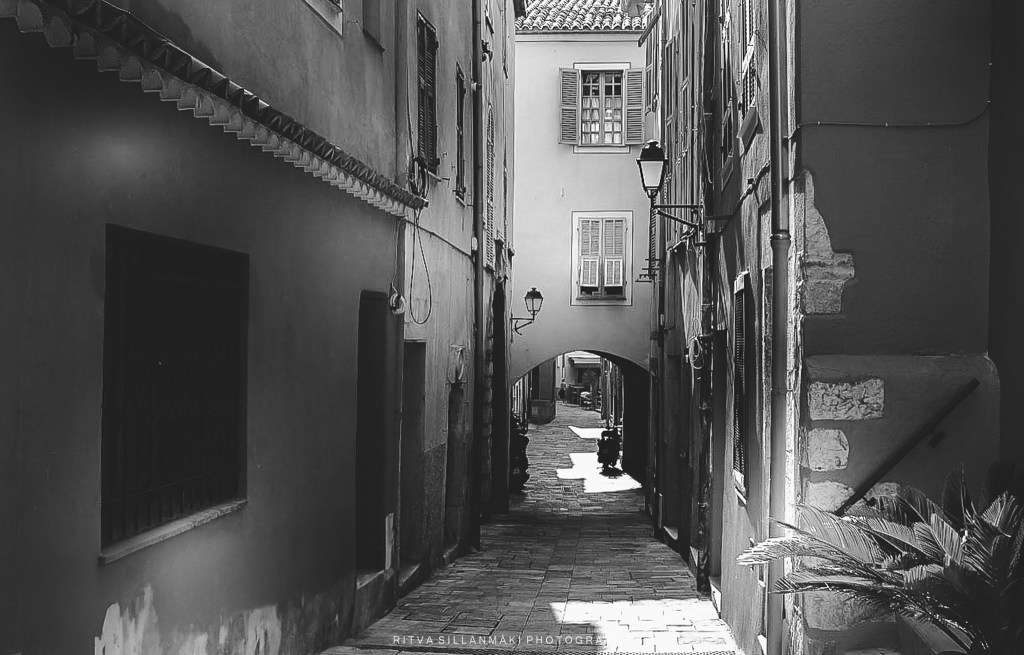
Taken in Villefranche sur Mer
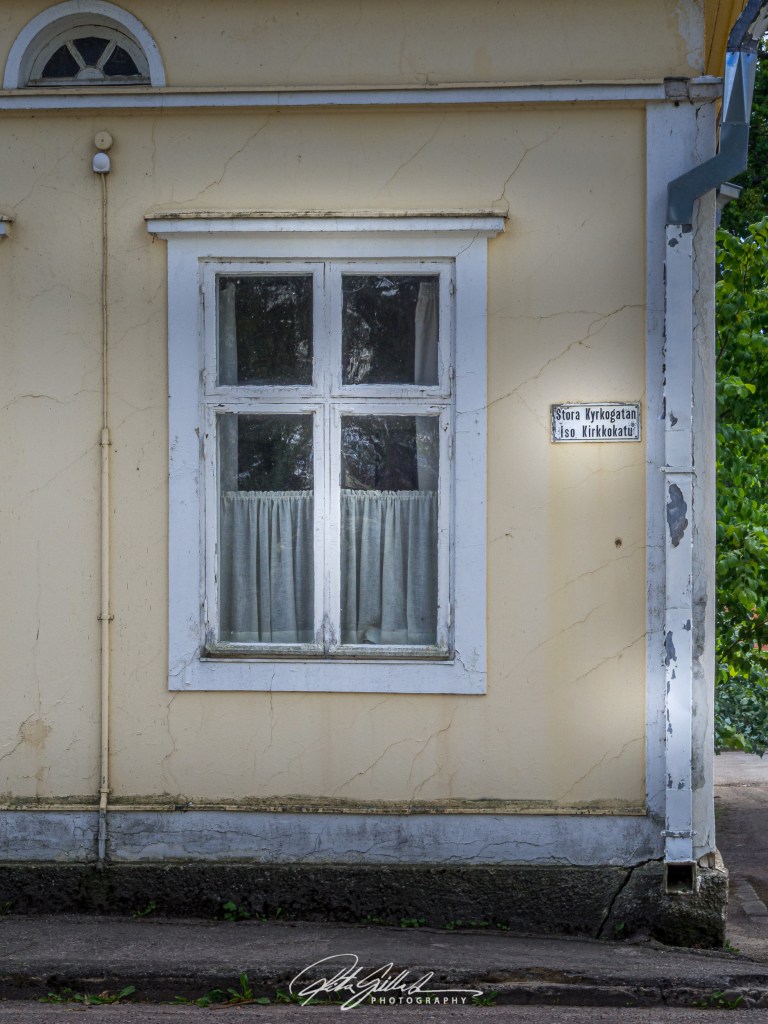
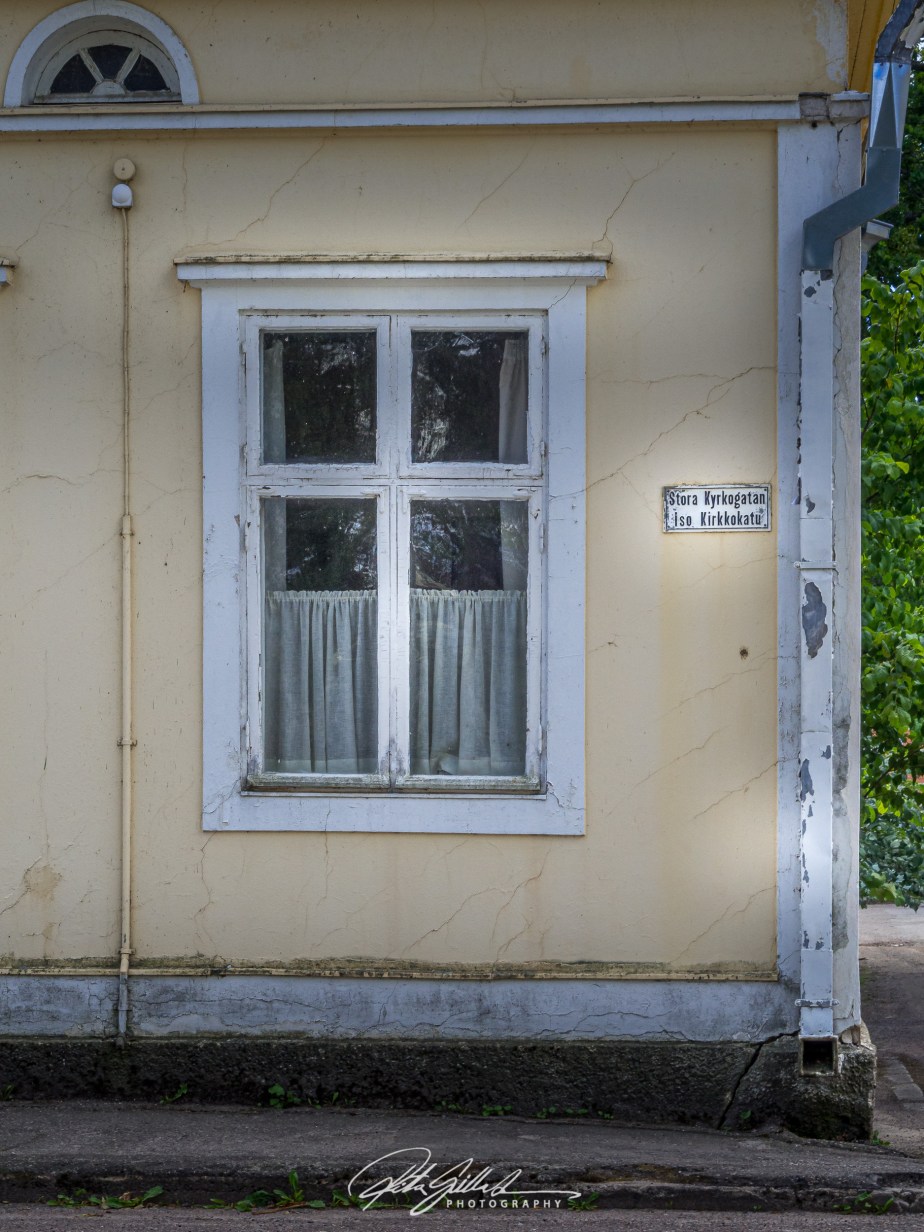
Here is a photo of a window from Iso Kirkkokatu for Monday Window. The building at this point in time could have used some much-needed tlc, as its facade showed signs of wear and aging. Despite this, the window itself stands out beautifully. The light reflection casts enchanting shadows, one more addition to the shot.
I am continuing my houses and doors and windows for Dans Thursday Doors. Looking back I am sad that we only had time to stay for two days.
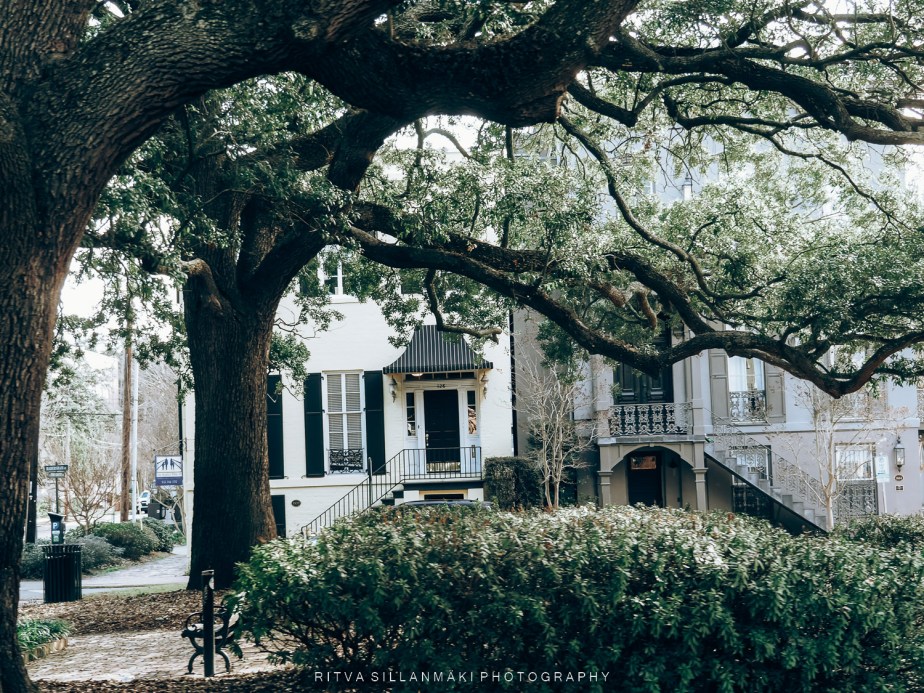
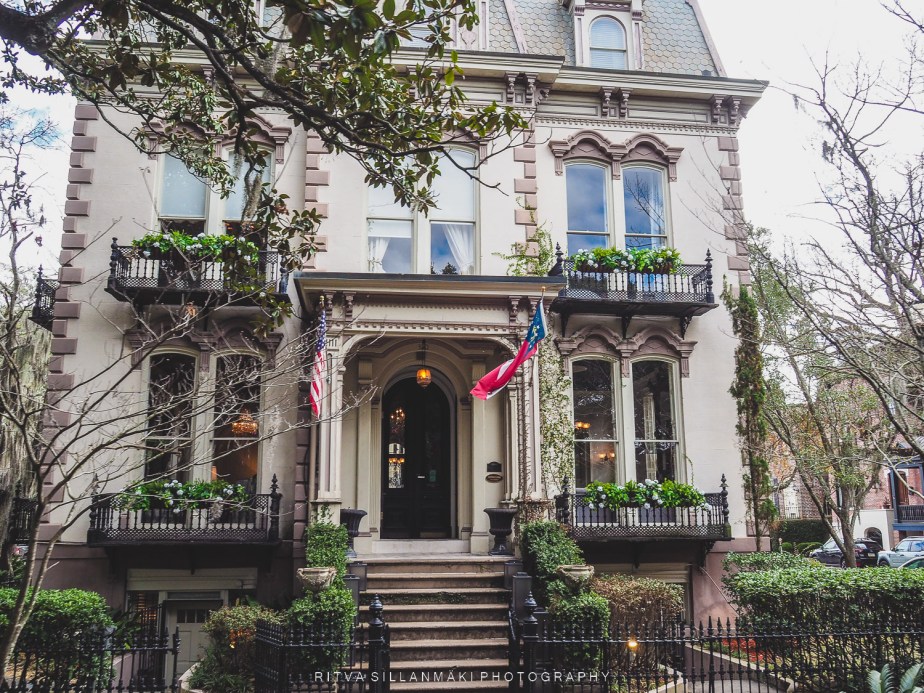
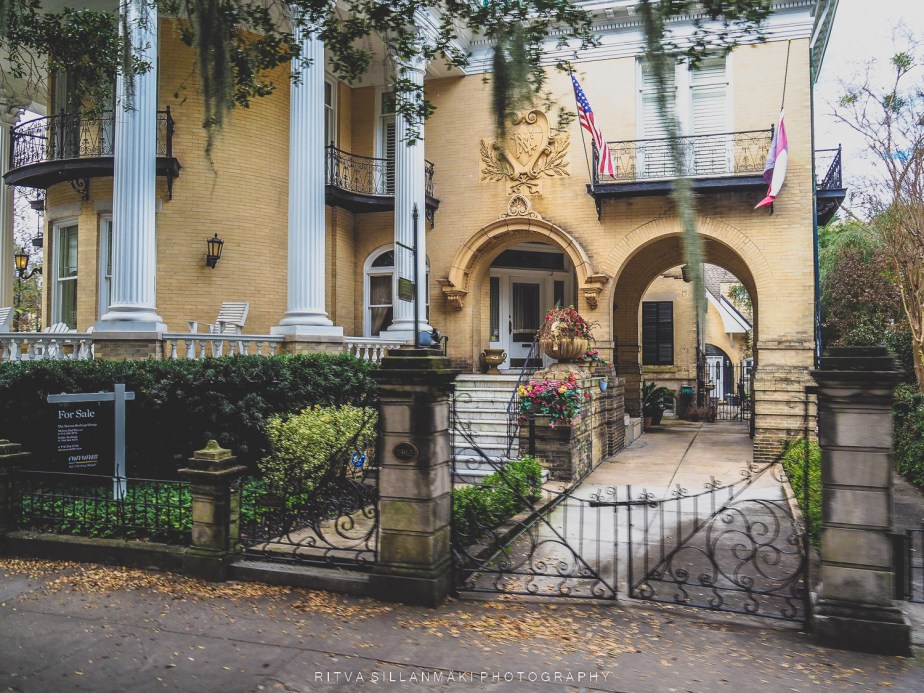
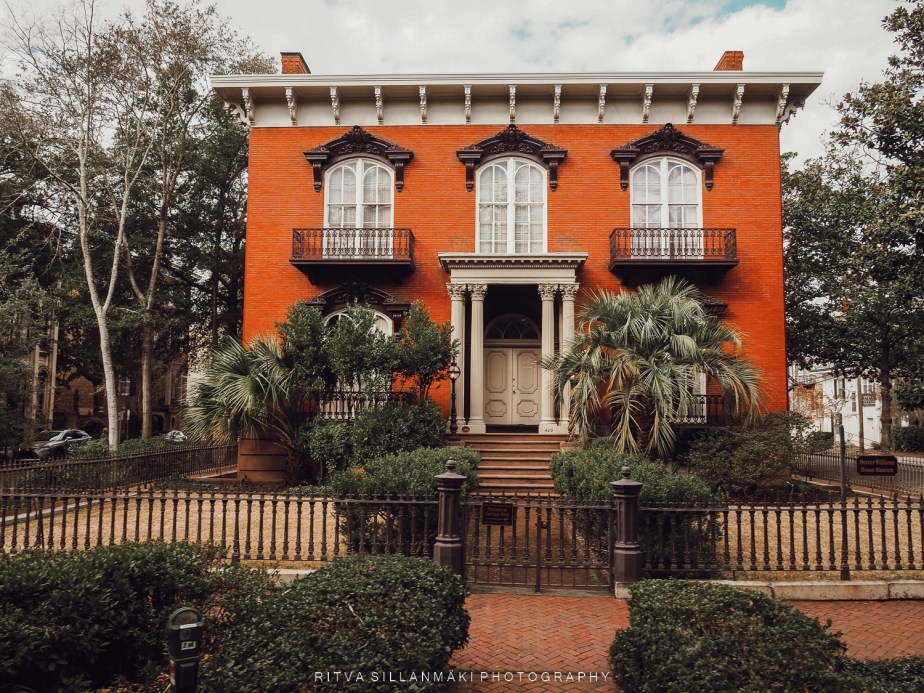
Constructed in 1873 by notable local entrepreneur and alderman Samuel Pugh Hamilton, who was referred to as “The Lord of Lafayette Square,” this private mansion emerged as a centerpiece for Savannah’s social activities, its magnificent architecture and interiors adding a sense of opulence to the numerous gatherings of the elite. When it became the first residence in Savannah to harness electricity, residents flocked to witness the enchanting glow of electric light shining through its windows. Over a century later, John Berendt’s book “Midnight in the Garden of Good and Evil” highlighted the lively parties hosted by Joe Odom, who once oversaw the estate. Years afterward, the Inn made a memorable appearance in the film adaptation of the same title directed by Clint Eastwood, featuring stars Kevin Spacey and John Cusack.
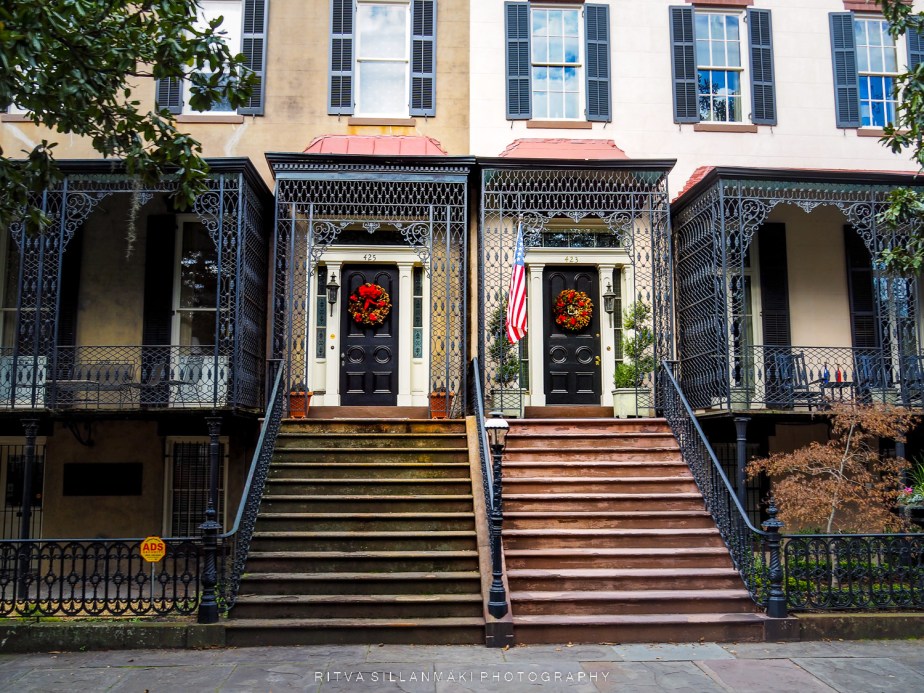
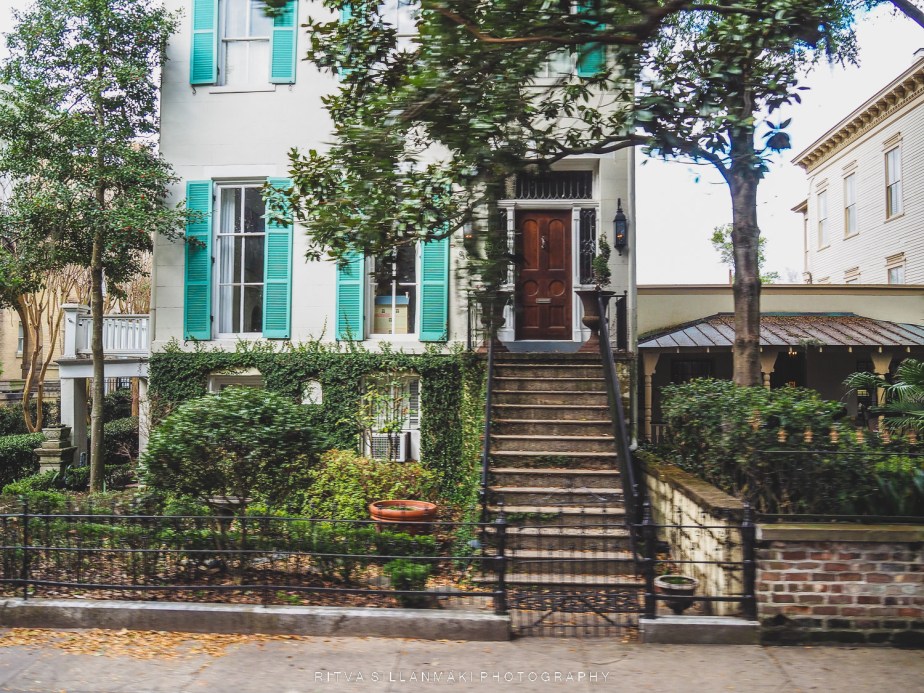
We saw so many wonderful old buildings in Savannah, each telling a unique story through its intricate designs and rich history. I am continuing to showcase some of the buildings we looked at, with their beautifully preserved facades and charming details that transport you back in time. I love old towns, where every corner reveals a piece of the past, and the buildings that are done so beautifully resonate with a sense of nostalgia. As a fan of old architecture, I appreciate not just the aesthetic appeal but also the craftsmanship that has endured for generations, making each structure a testament to the talent of those who built them. Exploring these historic gems is like taking a stroll through time.
This was one of them, the Hamilton-Turner Inn. Located on Lafayette Square in the Historic District of Savannah, Georgia, it is supposed to be one of the city’s most historic luxury inns that captures the style of the Old South. Originally built in 1873 as a private home, the Hamilton-Turner Inn boasts a distinctive French Empire-style architectural design and is filled with original interior elements that will transport you back 150 years.
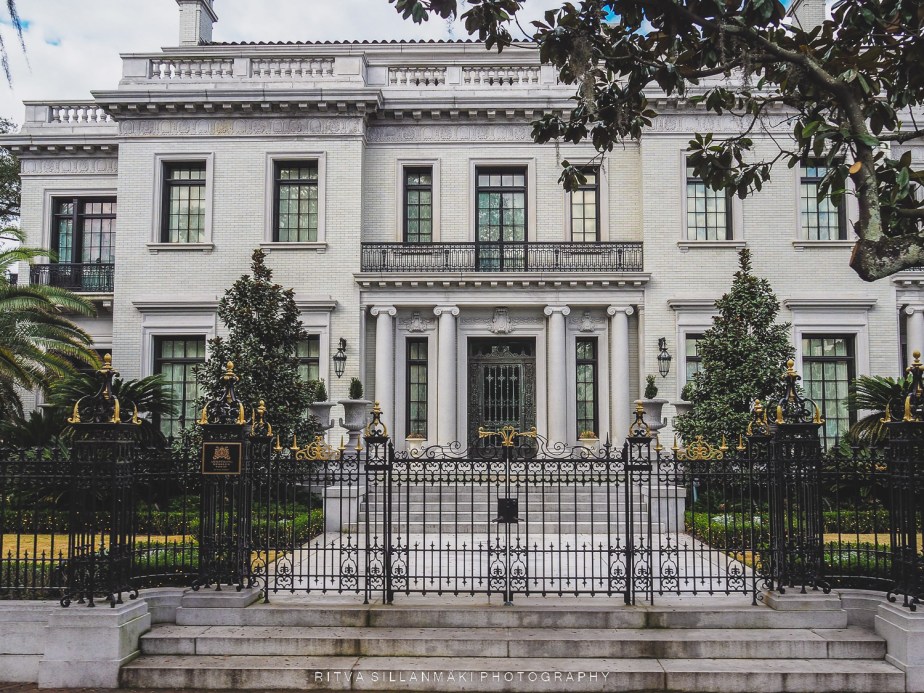
The Kessler Armstrong Mansion, an impressively Italian Renaissance Revival home, was built in 1919 by the prominent George Ferguson Armstrong and designed by the renowned Beaux Arts architect, Henrik Wallin. This stunning residence, characterized by its intricate detailing and grand architectural features, showcases the elegance and artistry of its era. As the only house of its kind in Savannah listed in the authoritative A Field Guide to American Houses, it stands out not just for its aesthetic appeal but also for its rich history. This is a testament to architectural excellence and historical significance, serving as a captivating reminder of the cultural heritage of the region. I did some googling to tell you this.
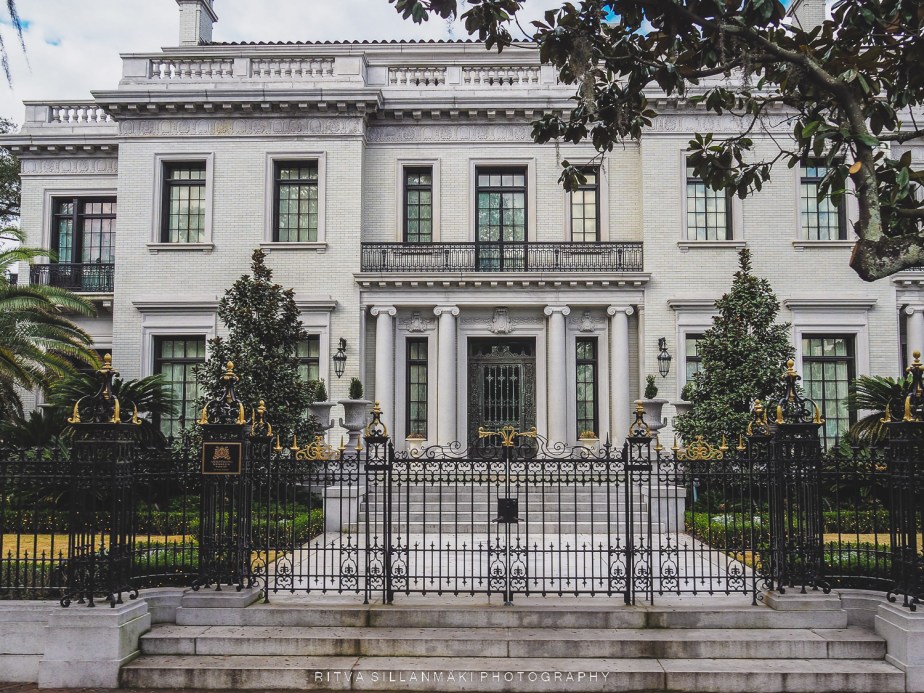
For Monday Window.
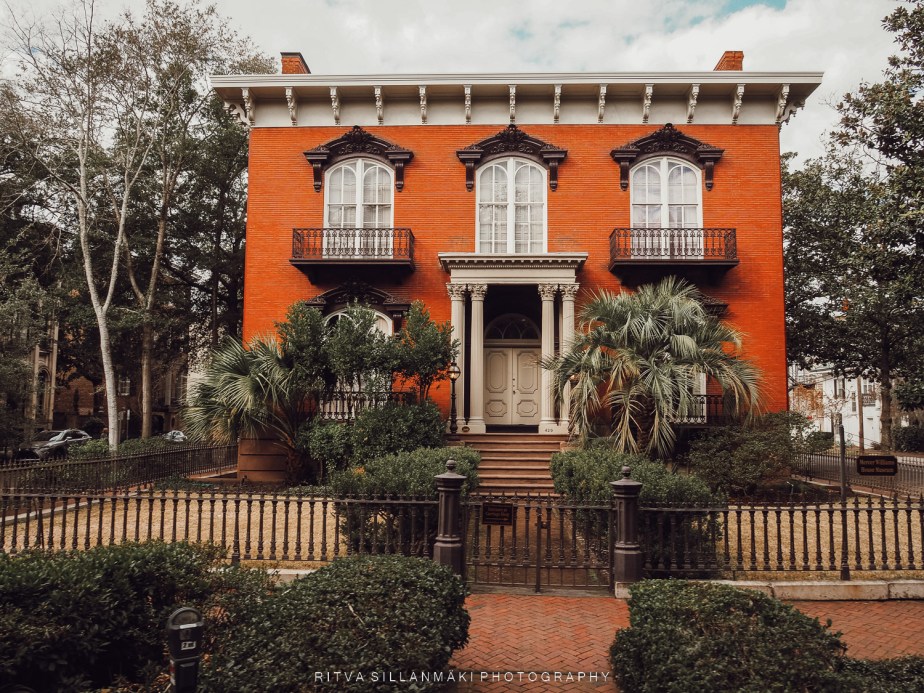
The Mercer-Williams House was meticulously designed for General Hugh W. Mercer, who was the great-grandfather of celebrated songwriter Johnny Mercer, adding a unique layer of cultural significance to the residence. The ambitious construction began in 1860, showcasing architectural aspirations of the time, but it was subsequently interrupted by the tumultuous events of the Civil War, which not only halted progress but also left its imprint on the history of the structure. After several years of delay and considerable upheaval, the house was eventually completed in 1868, following General Mercer’s decision to sell the unfinished structure to John R. Wilder, an influential local businessman. Thus, in a twist of fate, no Mercer ever actually lived in the house that bears their name, creating a fascinating narrative about legacy and ownership. In Savannah, the majority of historic homes echo this tradition, often using the name of the home’s original family alongside that of the most prominent family, establishing a rich tapestry of historical narratives that delight visitors and residents alike, inviting them to explore the stories that shaped the city. This is what I found out about his house when I googled it.
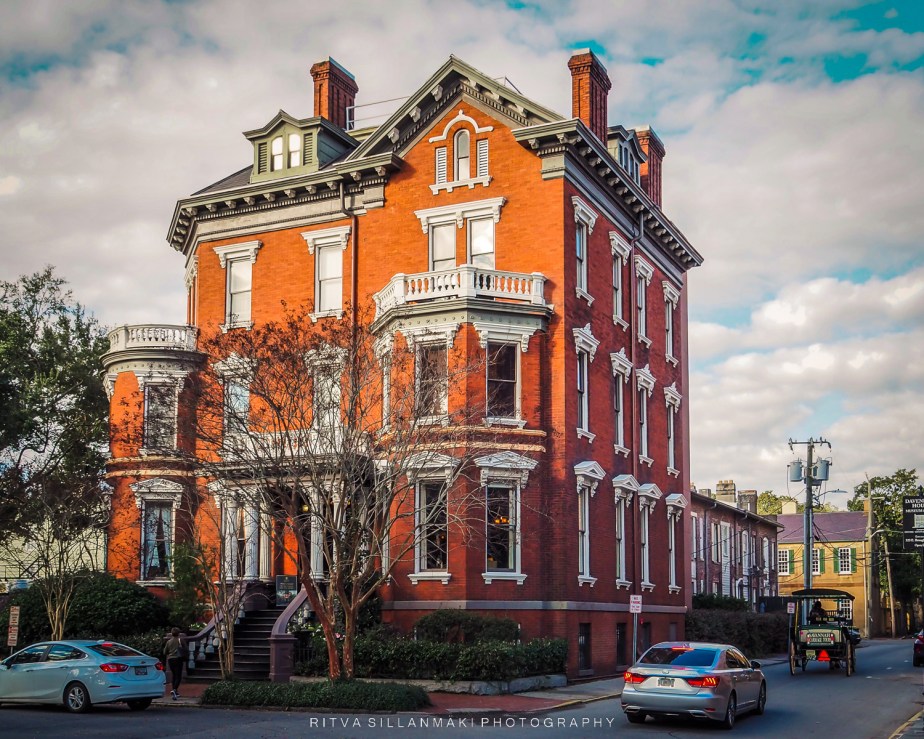
The Kehoe House is an exquisitely restored 1892 Renaissance Revival mansion in Savannah’s Historic District. The Kehoe House was built in 1892 by William Kehoe, a successful iron foundry owner. The home’s architectural style is Queen Anne Revival. Its exterior stairway, balustrades, window treatments, fluted columns and capitals, fences and gates are all cast iron, a tribute to the iron foundry’s excellence in pattern making and casting.
These are for Thursday Doors, as I was revisiting my images from Savannah. Surprisingly I have so many doors and buildings to share from that visit. I will start with these two houses. I have previously posted them, but there is a good chance you have missed those posts.
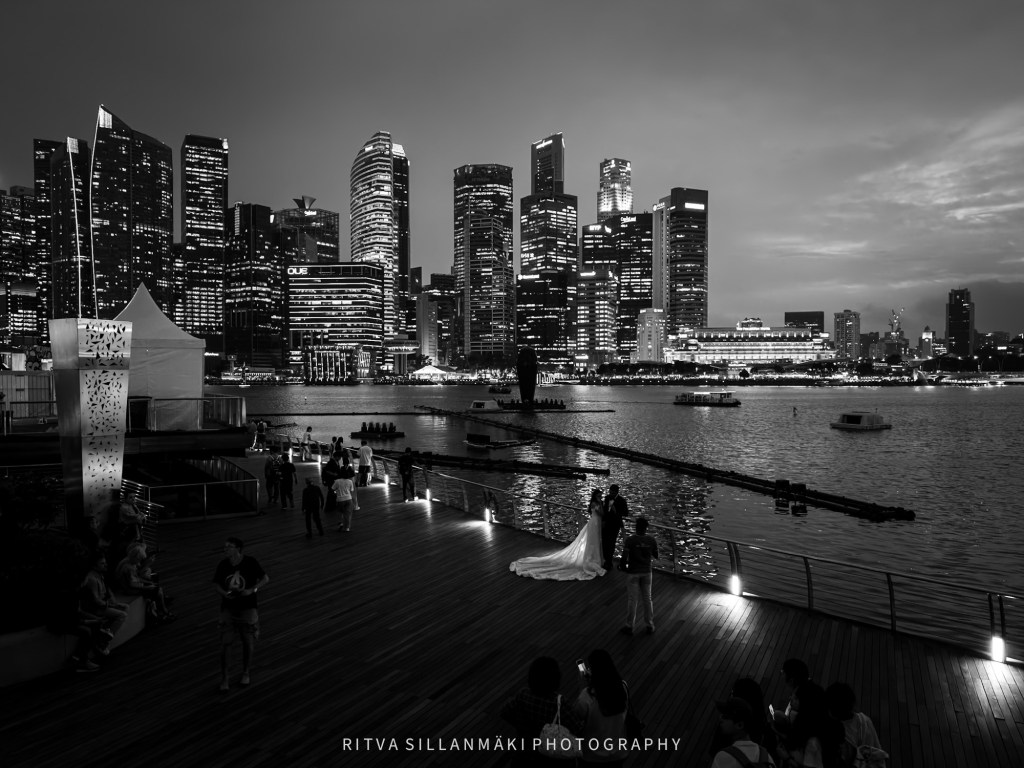
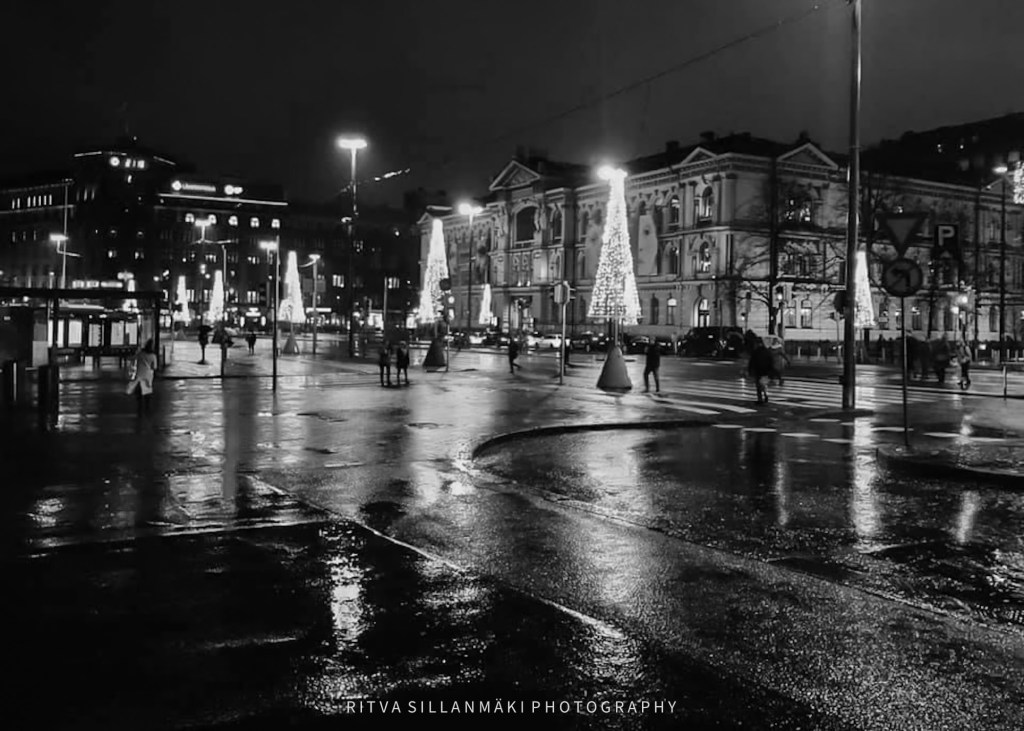
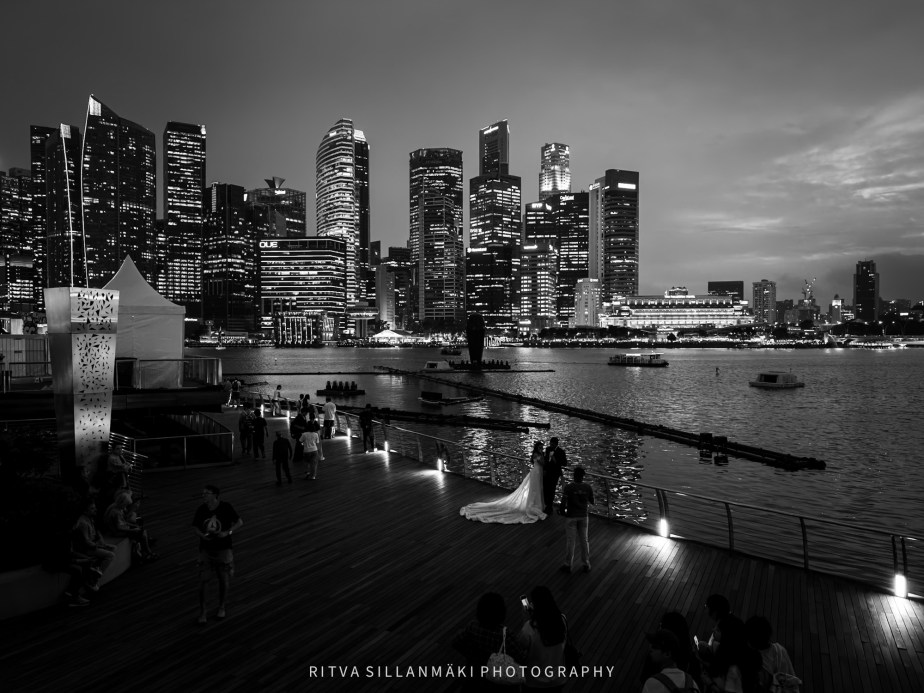
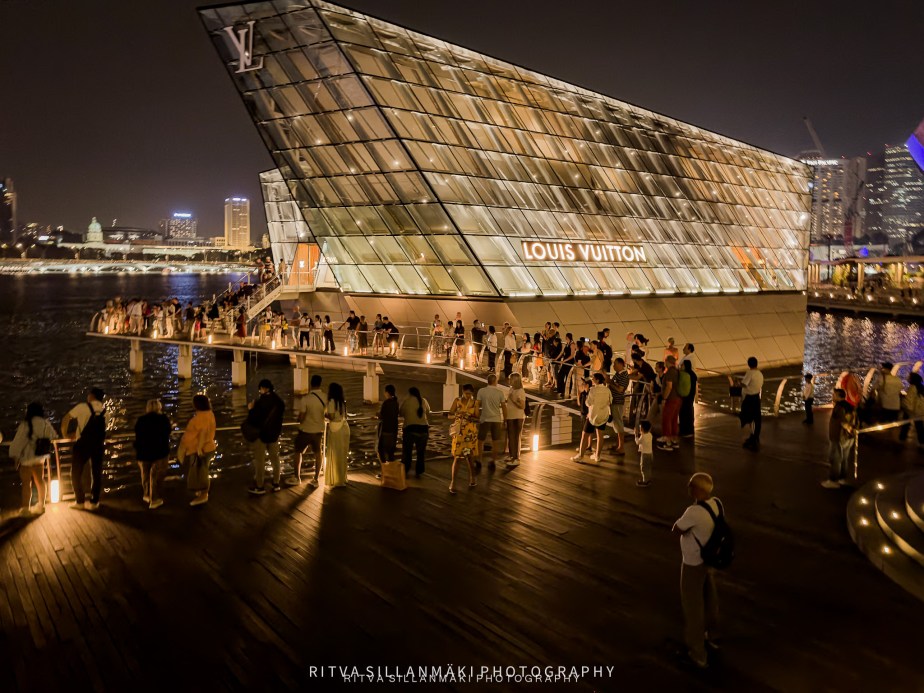
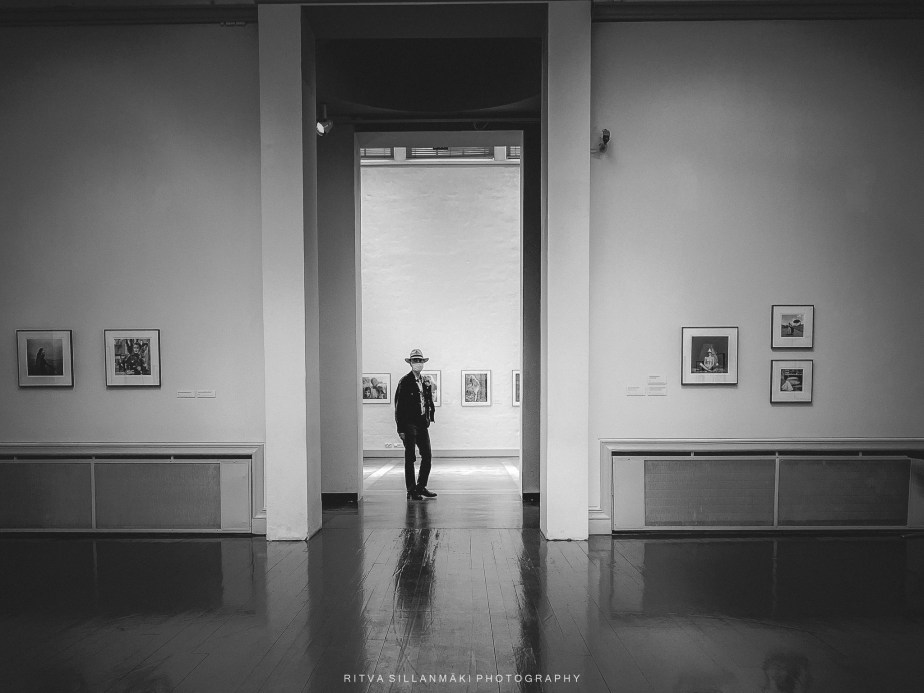
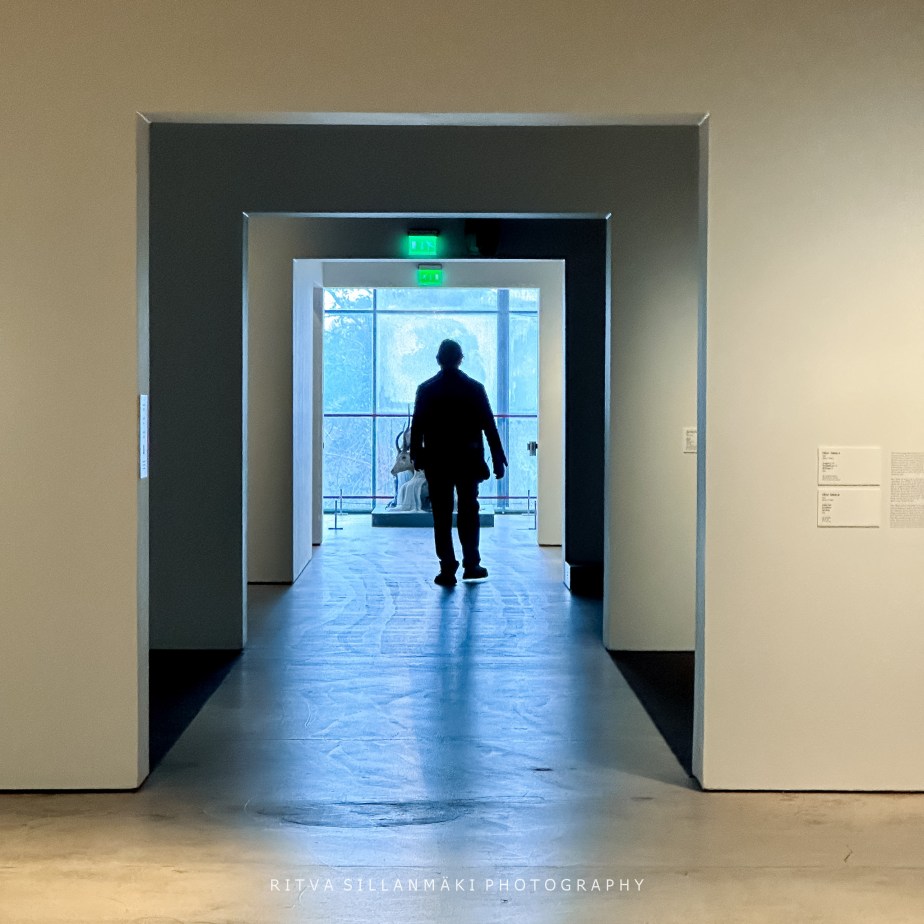
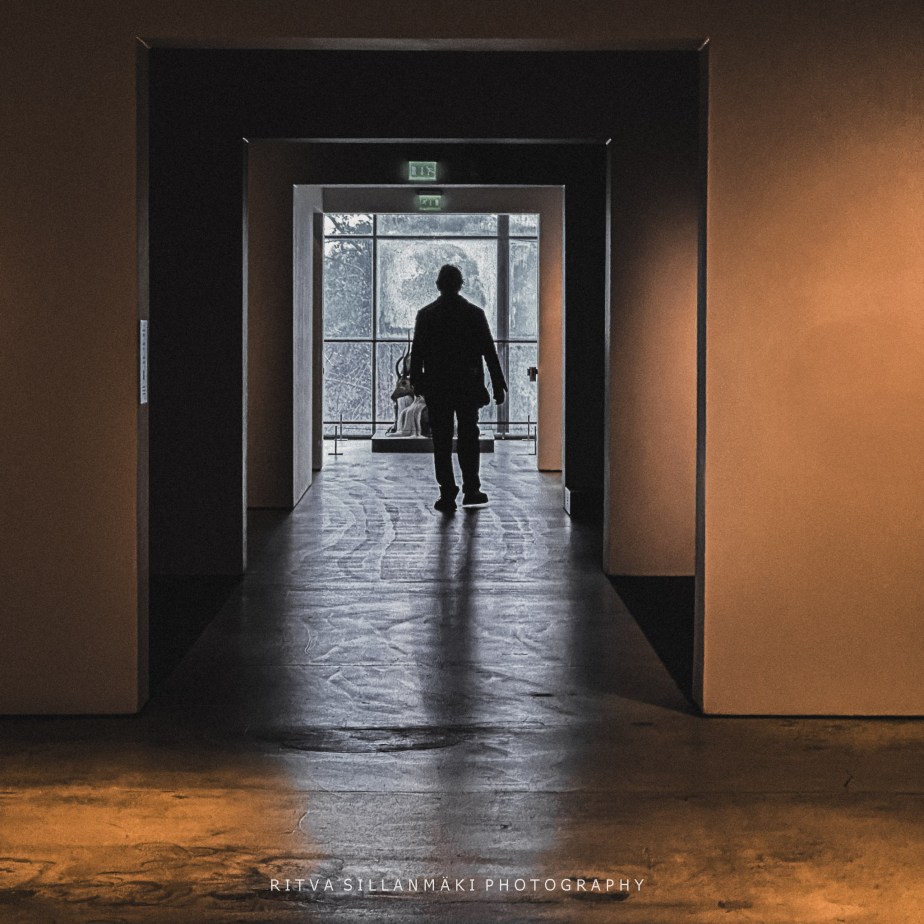
These are my contribution to Monochrome Madness Night-time the first two are from our latest trip.
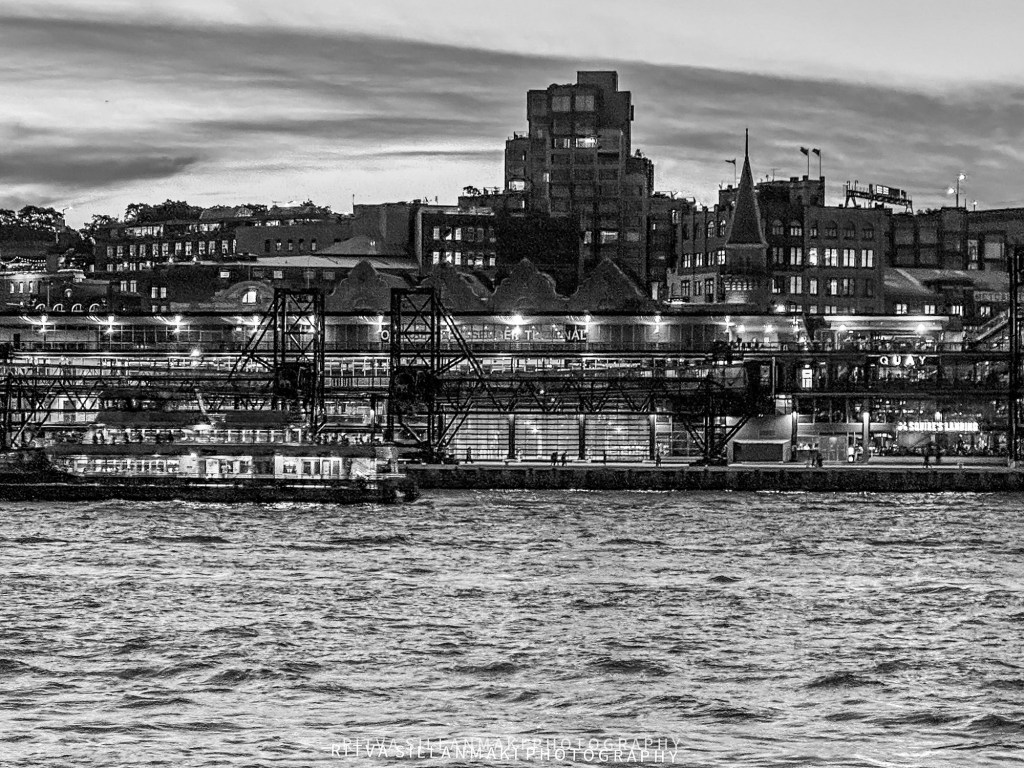
Last one is from Helsinki in December
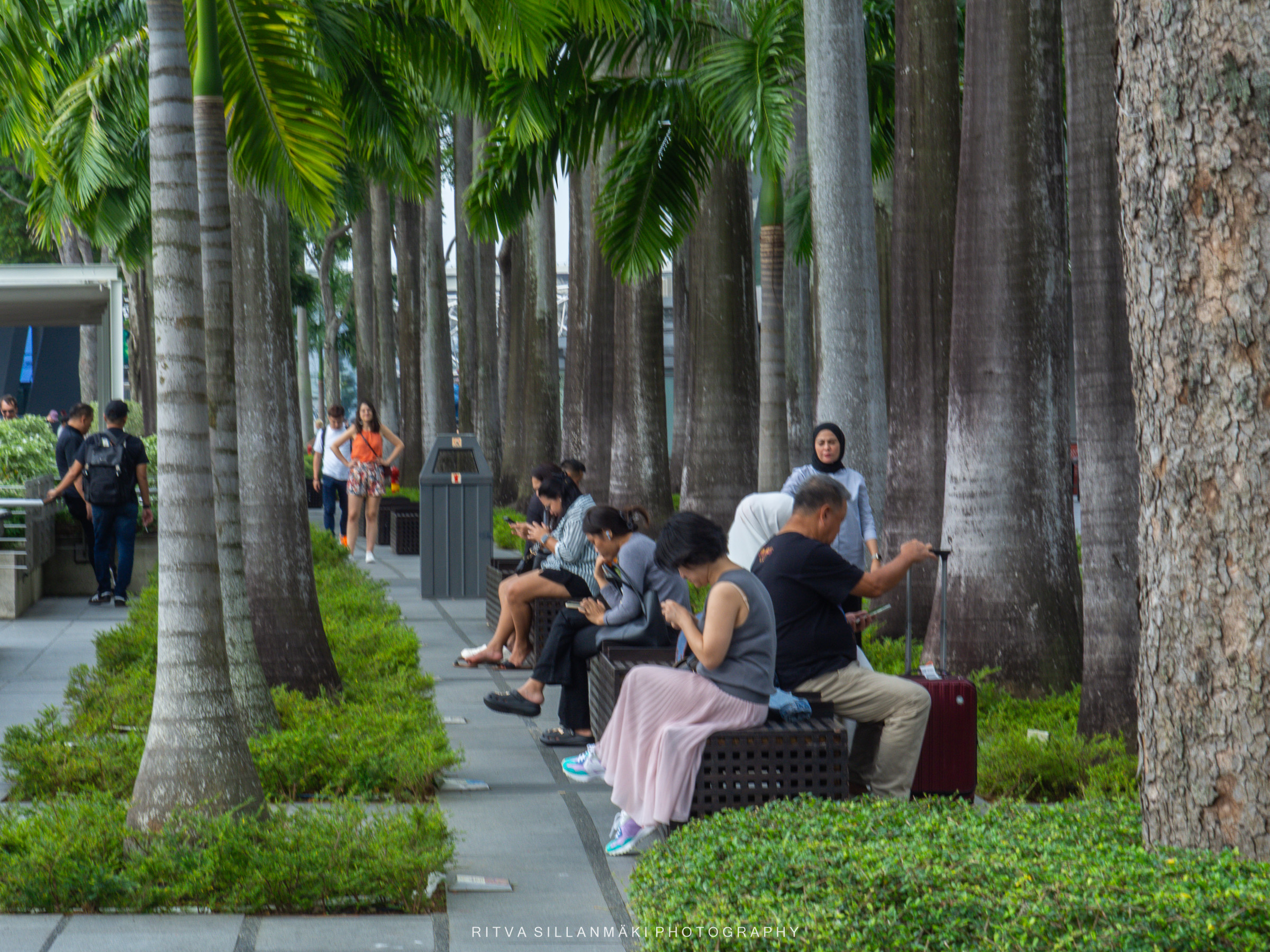
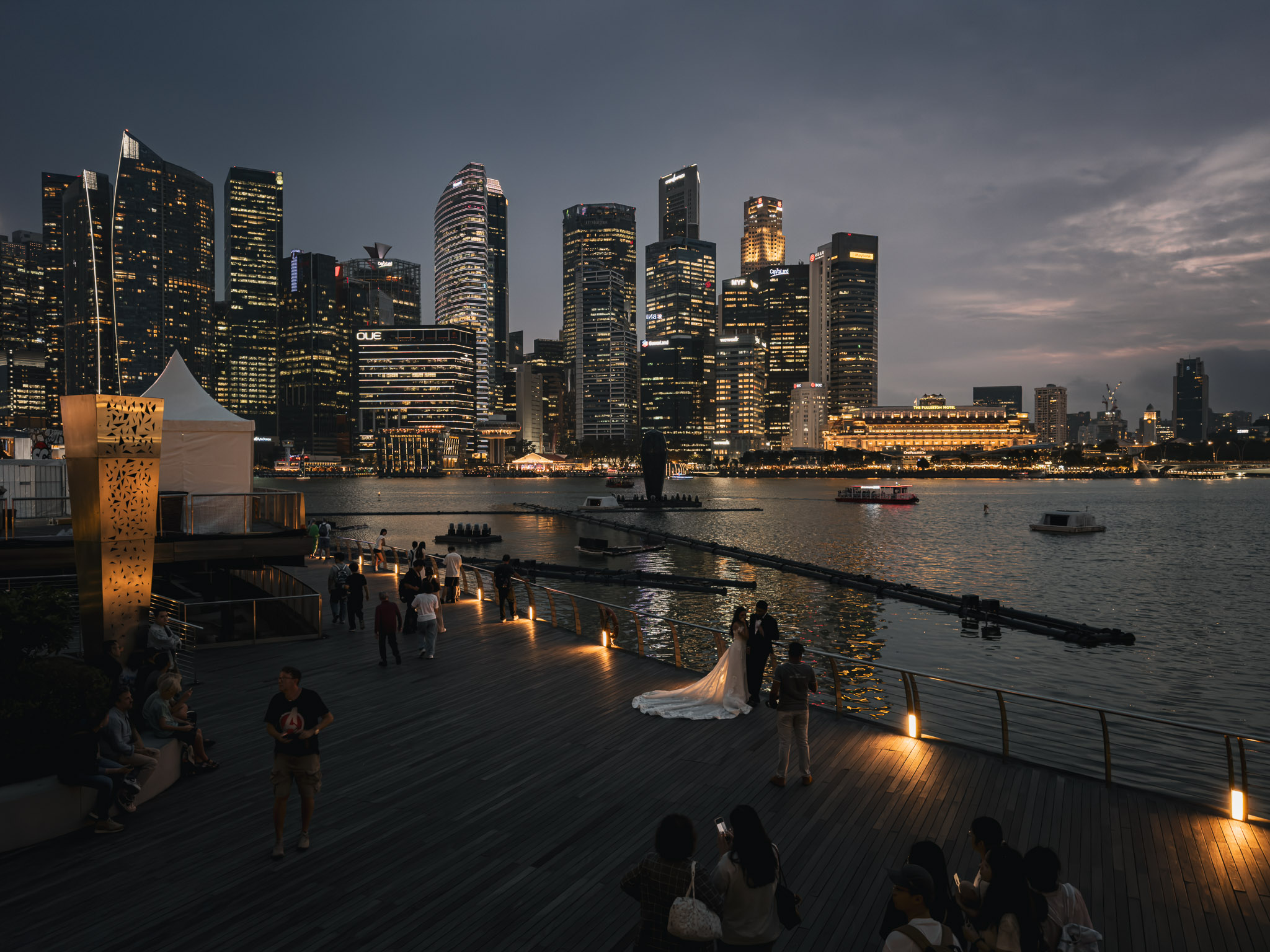
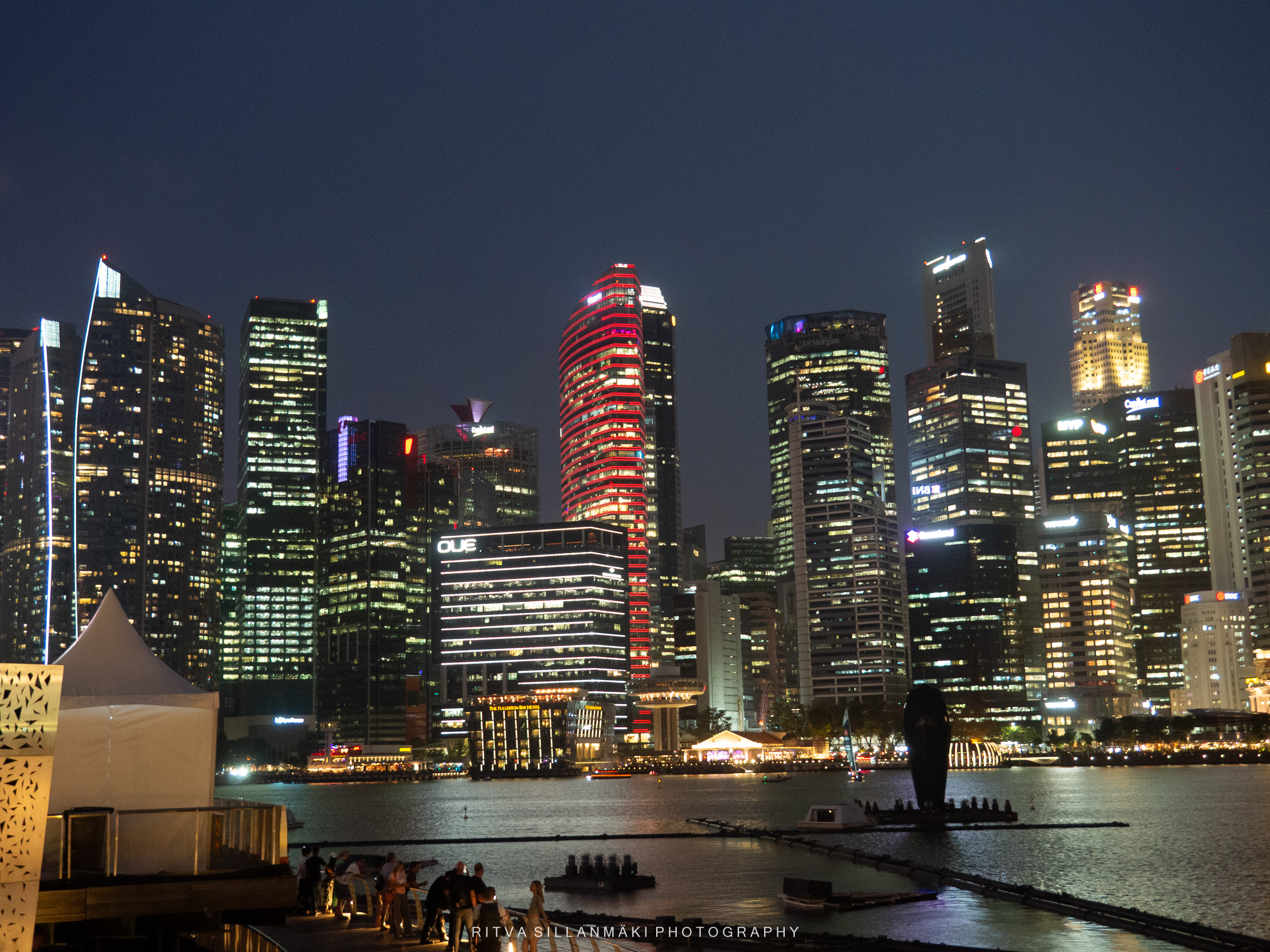
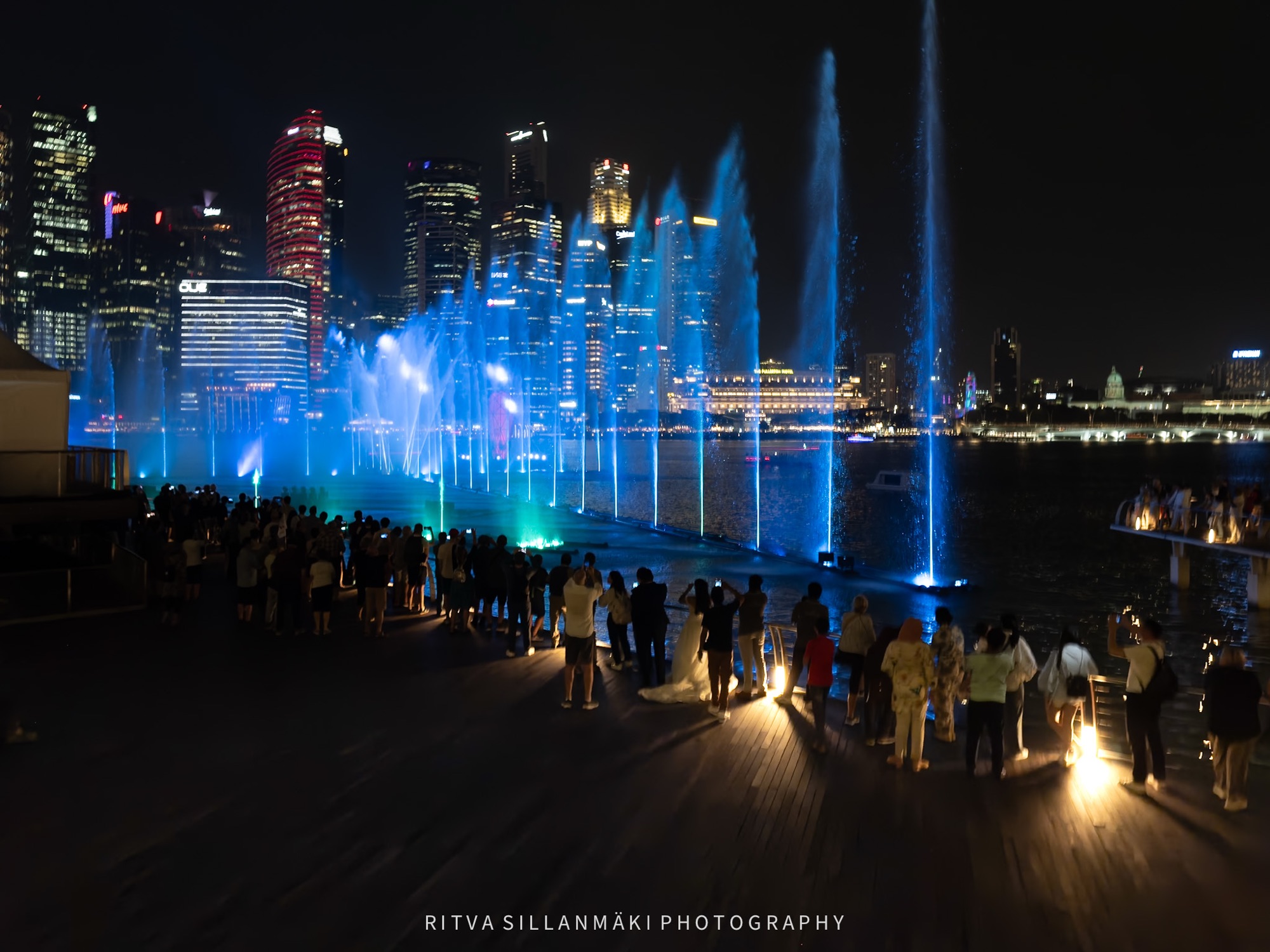
The modern architecture in Singapore is really fascinating and to some extent they are trying to be environmentally conscious. You can see plenty of parks and trees just about everywhere and many buildings have gardens inside, on rooftops or balconies. Also because of high functioning public transport, they proudly say it’s the best in the world, the traffic wasn’t bad and air quality seemed fine.
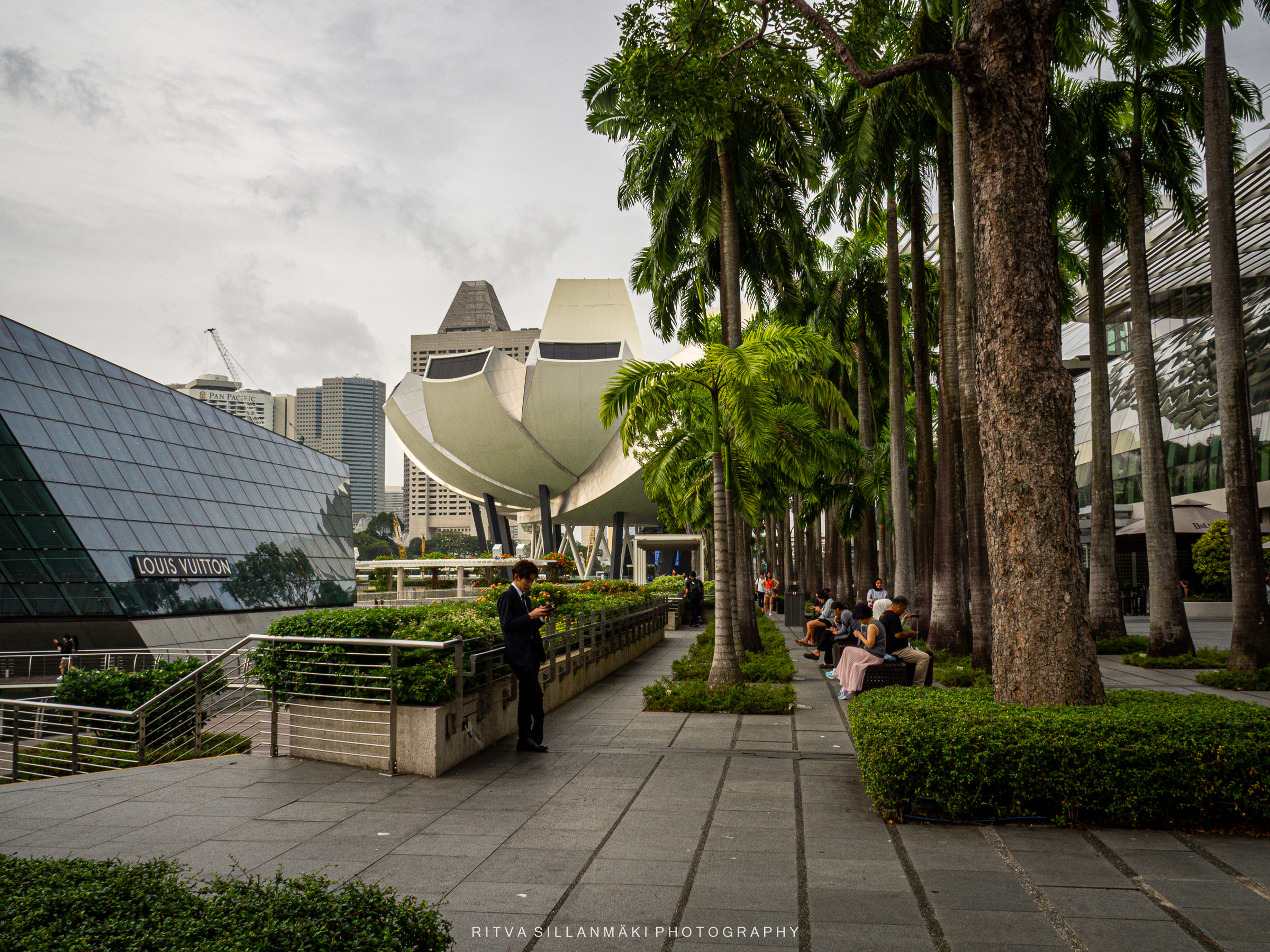
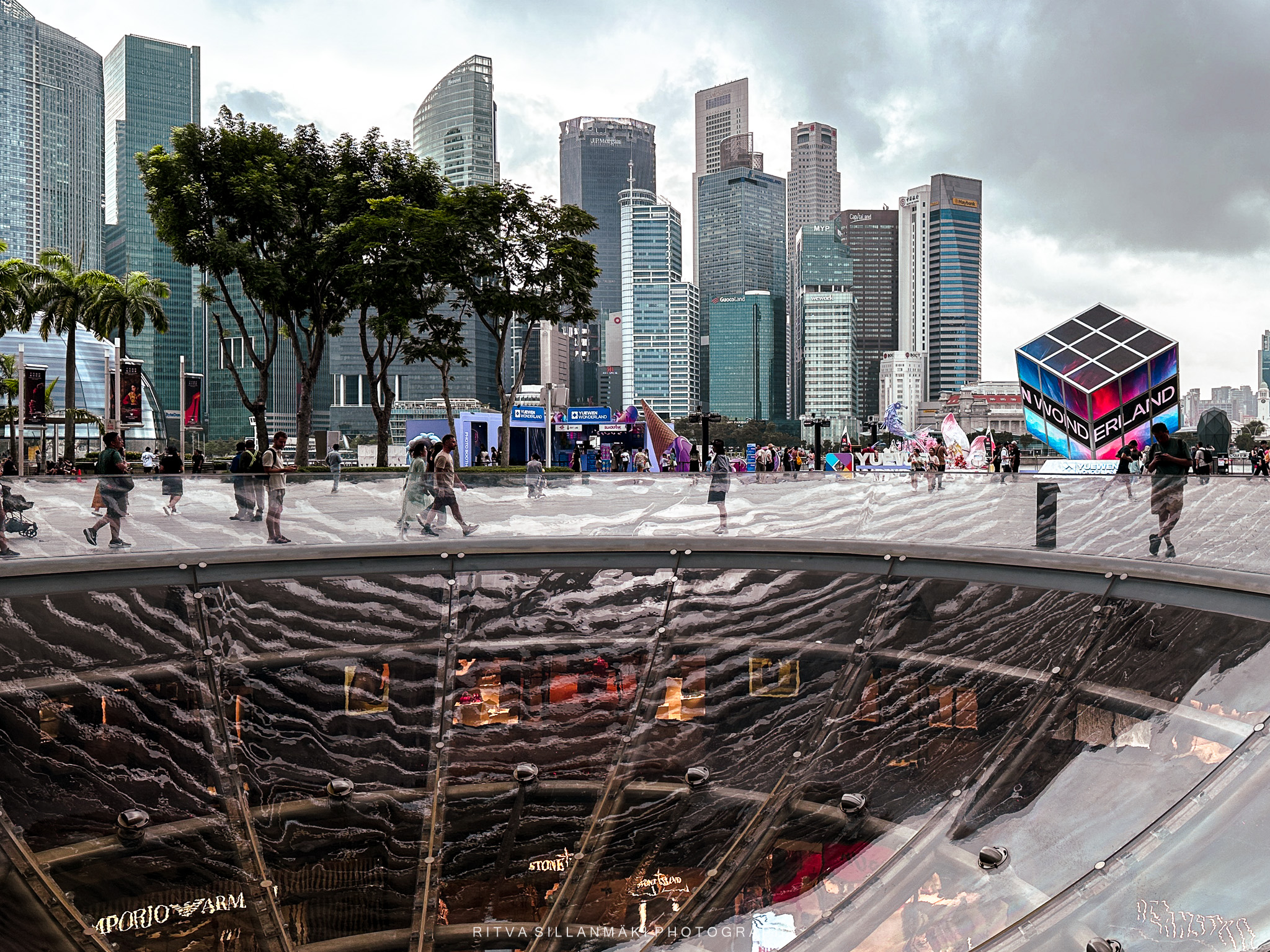
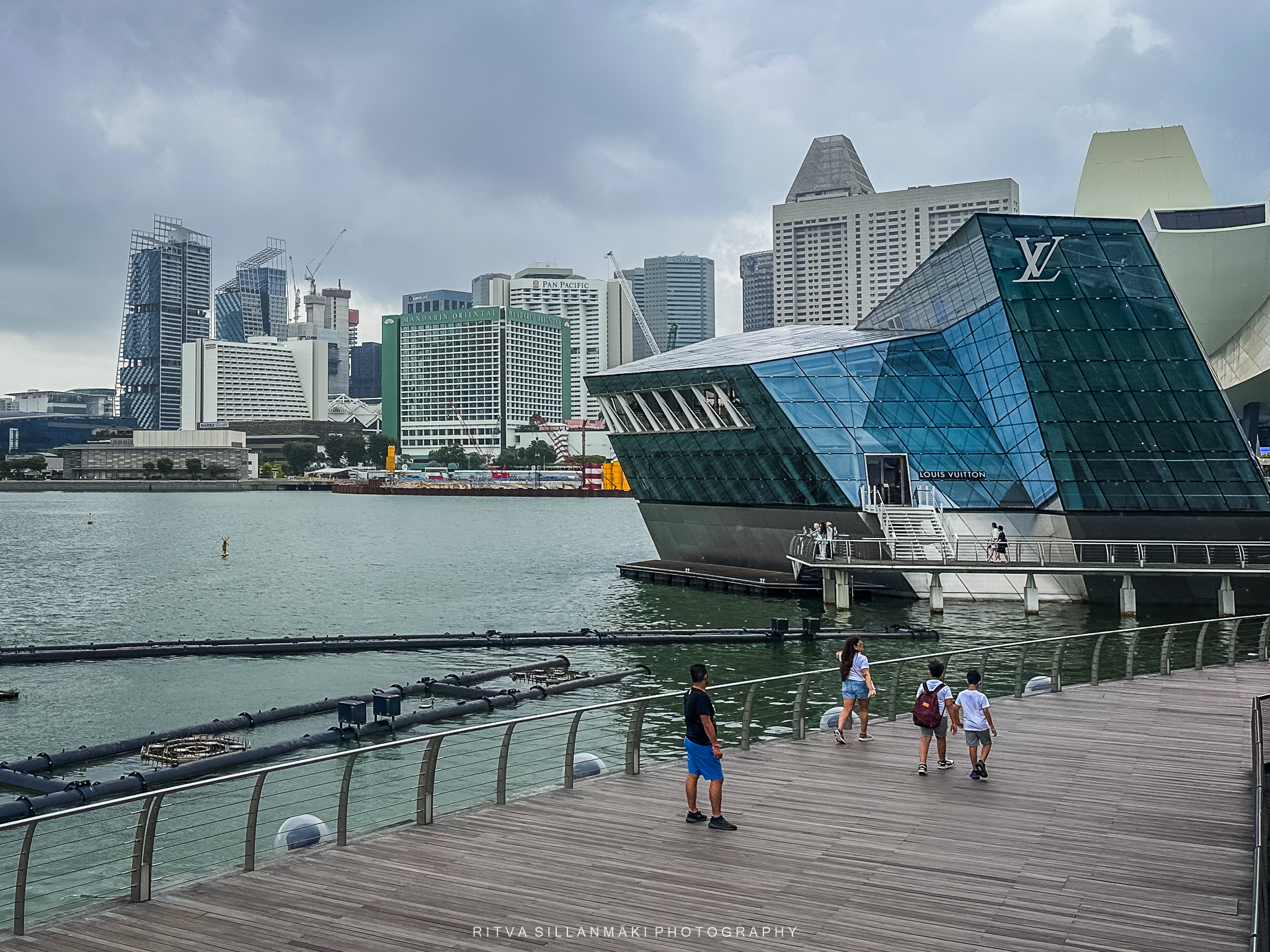
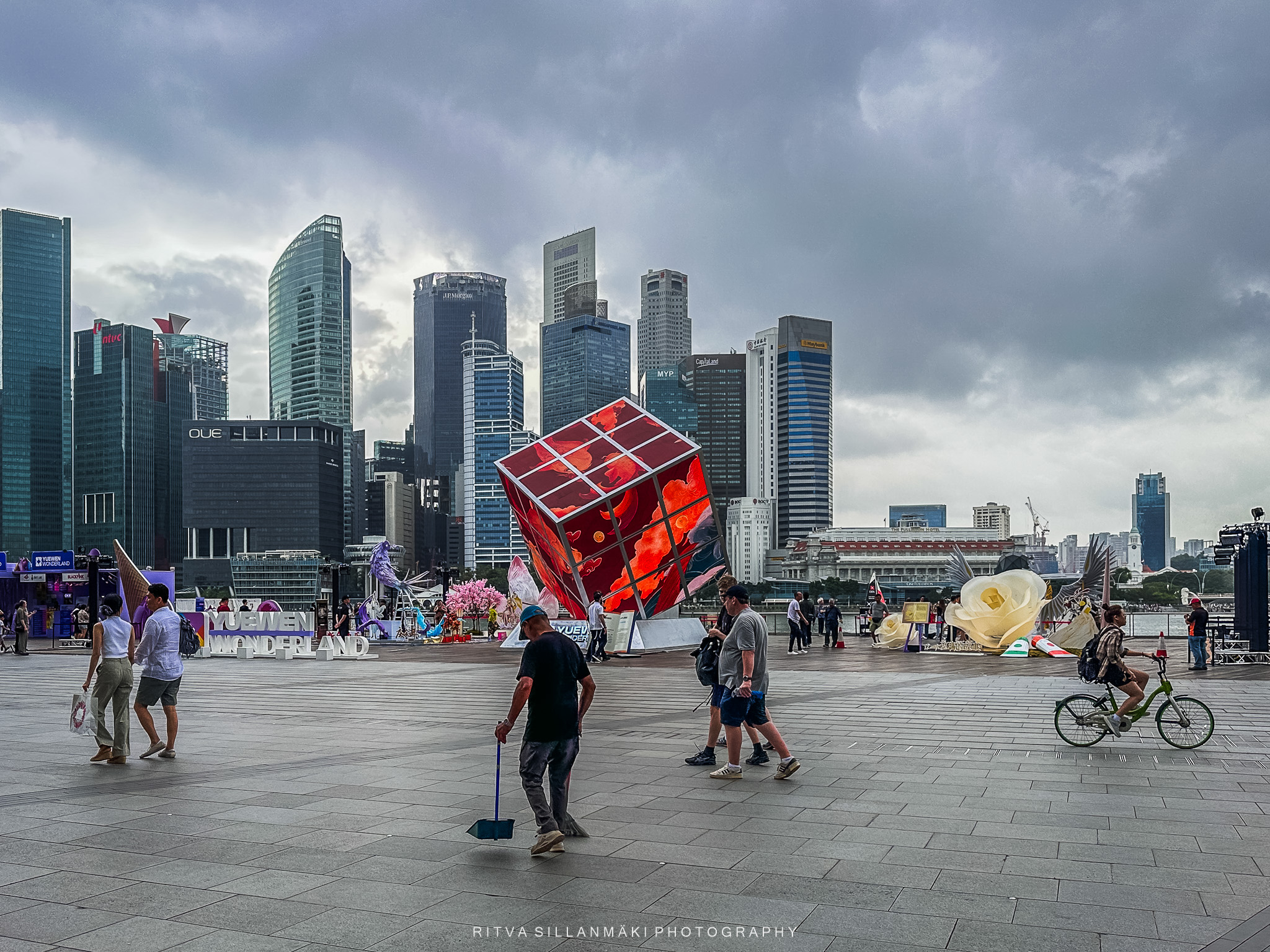
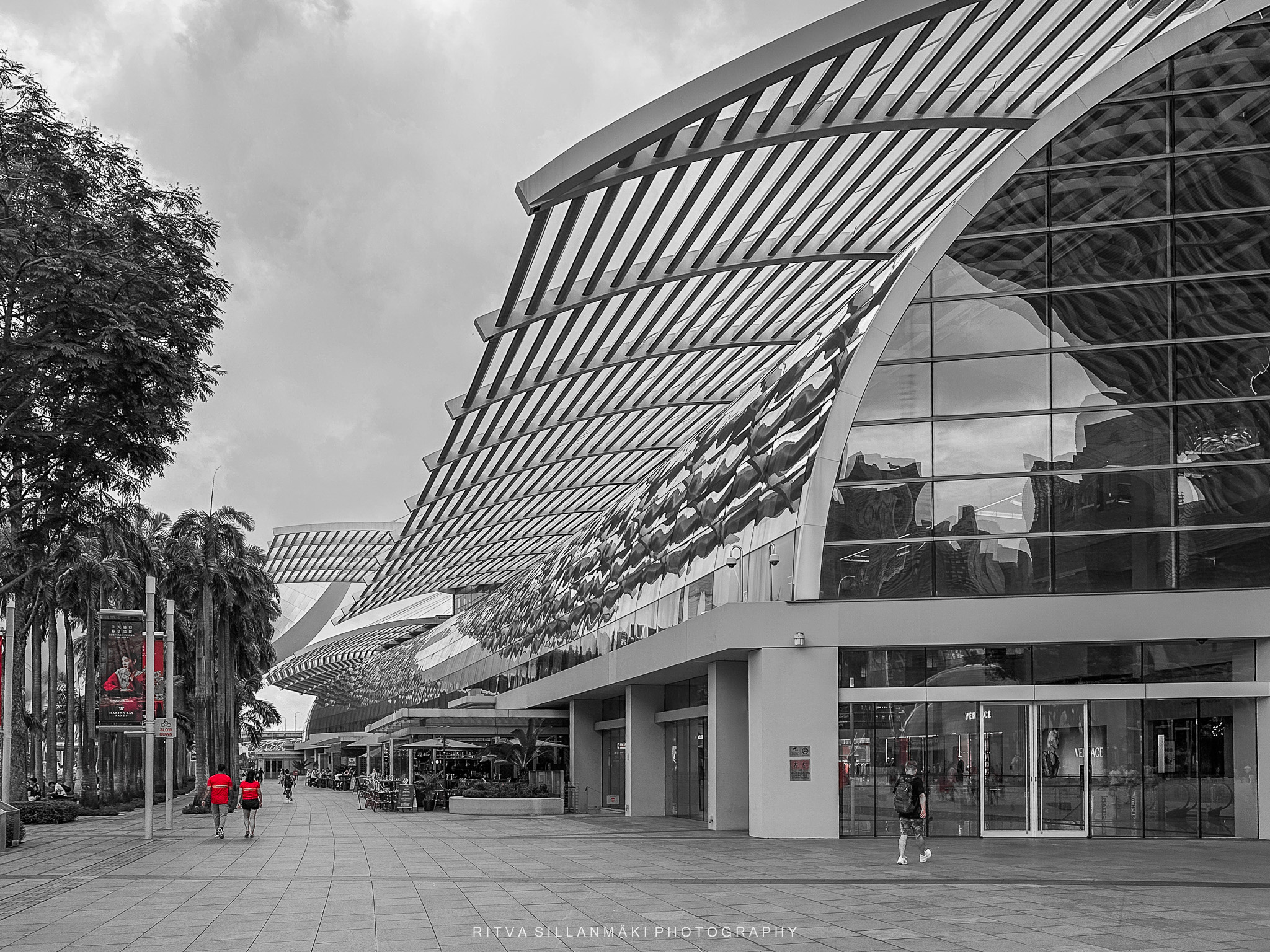
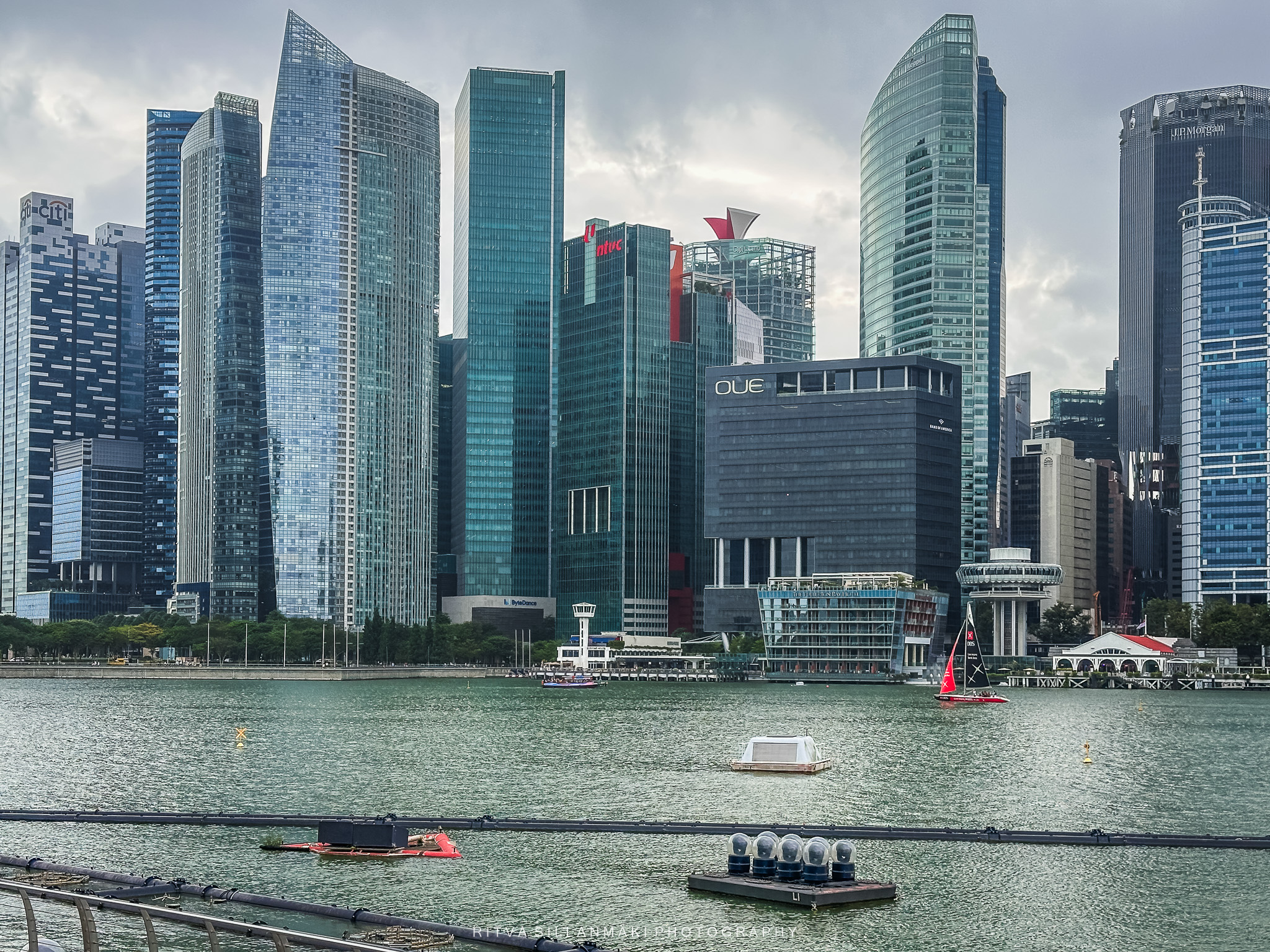
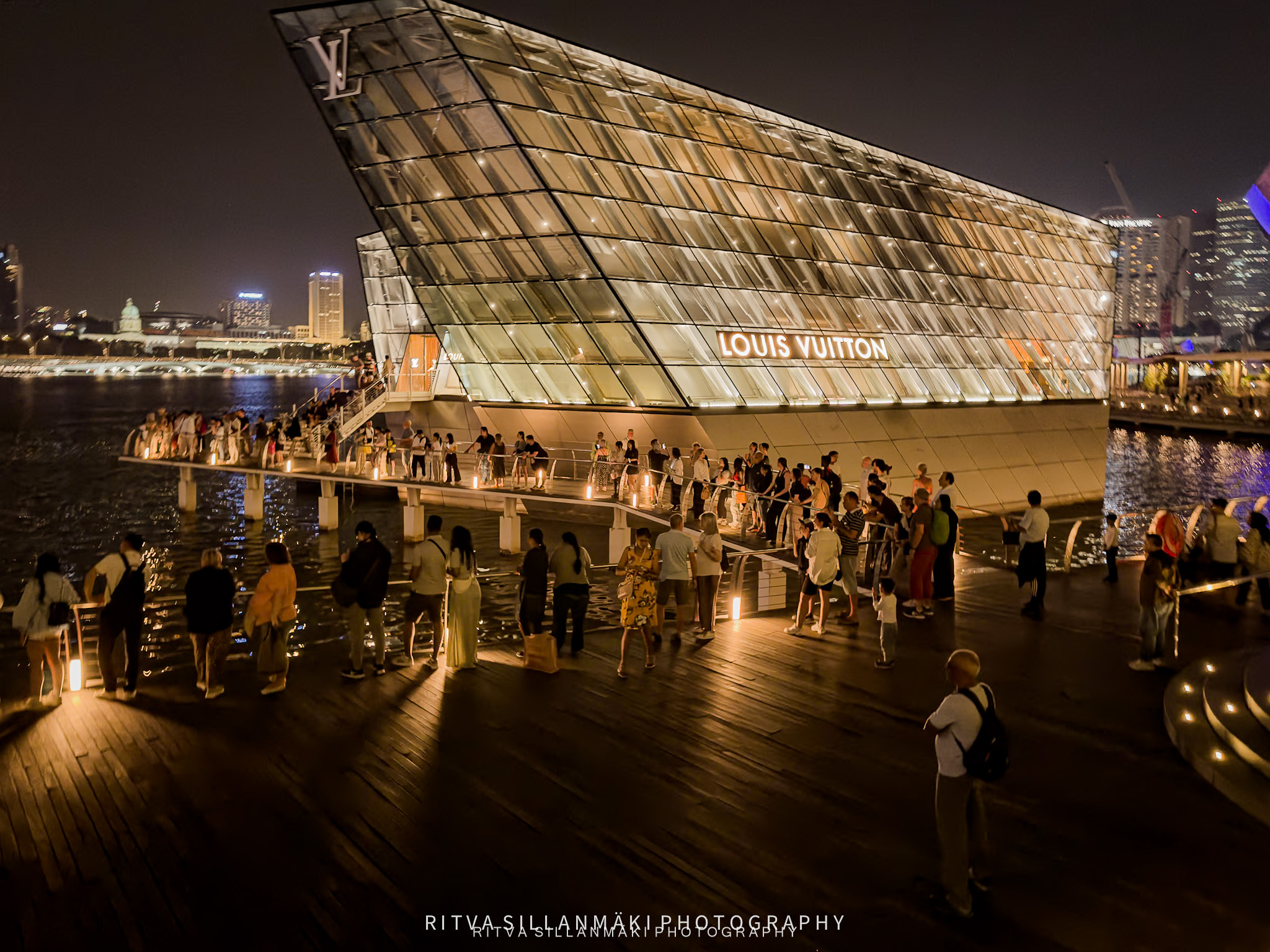
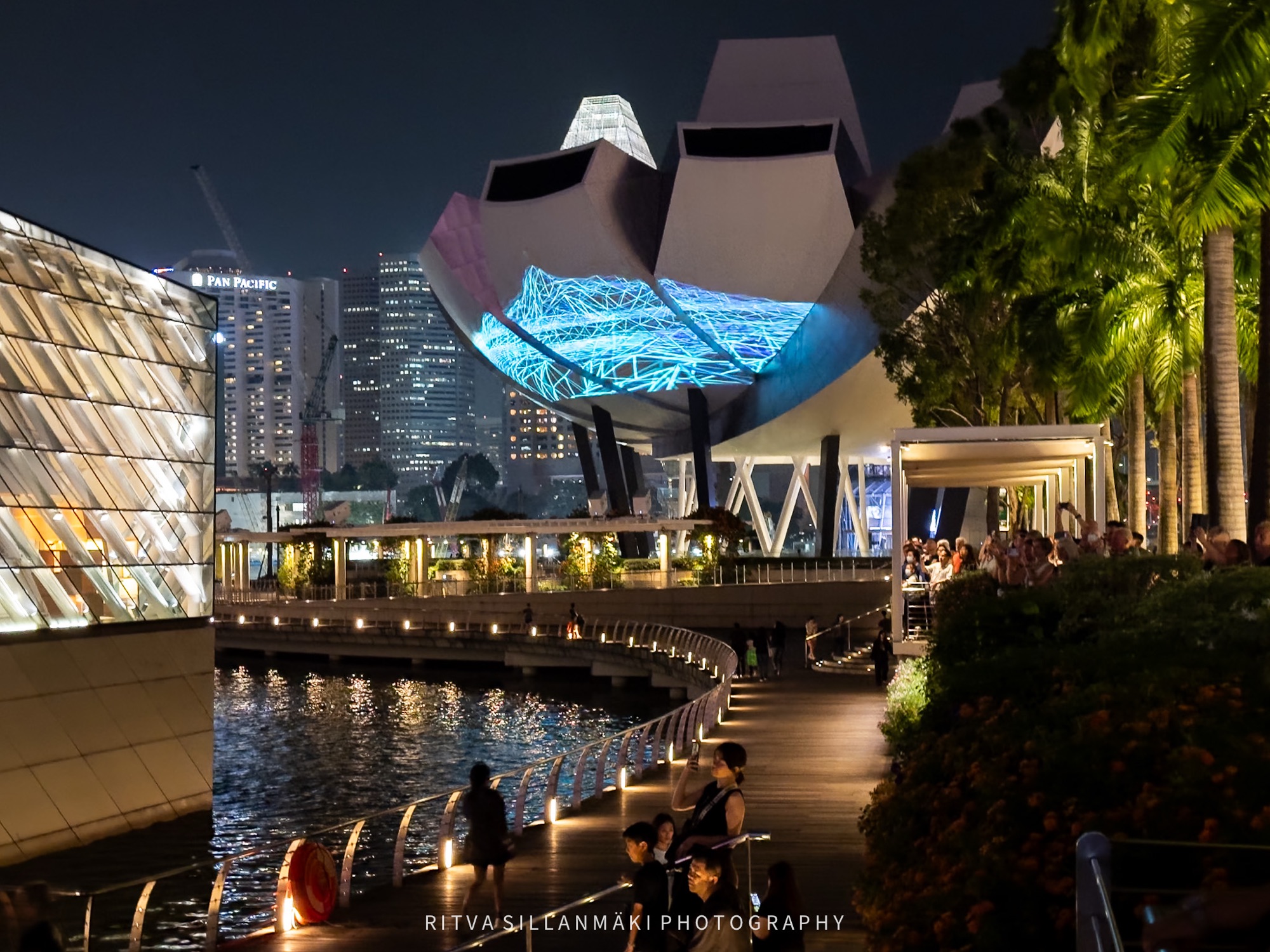
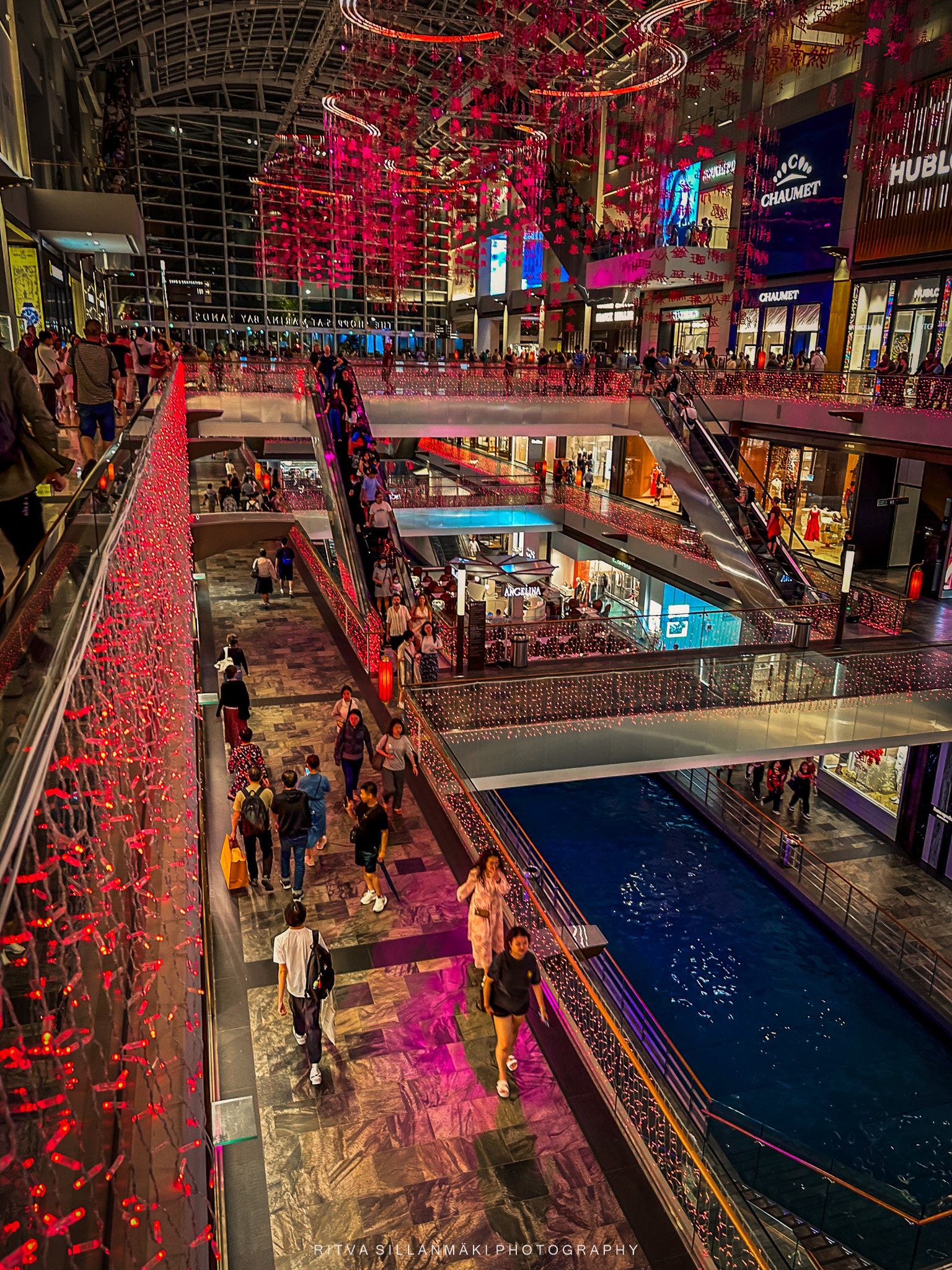
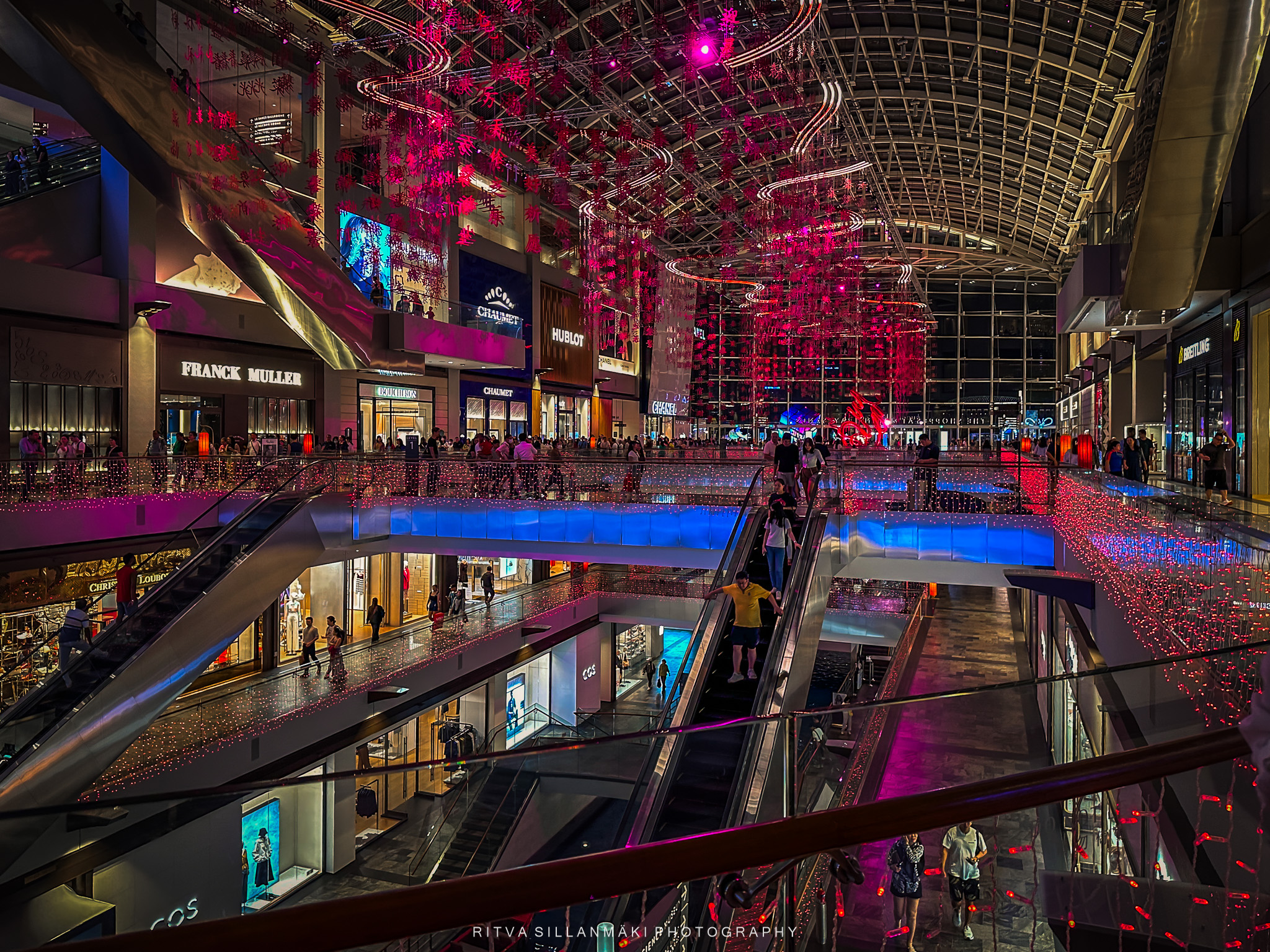
We spent the only evening of our visit basically in front of the Marina Bay Sands Shoppes and Expo. However I had enough stamina to walk to The Gardens by the Bay to see the Supertree Grove and take pictures of the beautiful ArtScience Museum, shaped like a flower, and, of course, Marina Bay Sands hotel. Everything seemed to be close by, even the Flyer, even though you would have to walk a bit from destination to another destination.
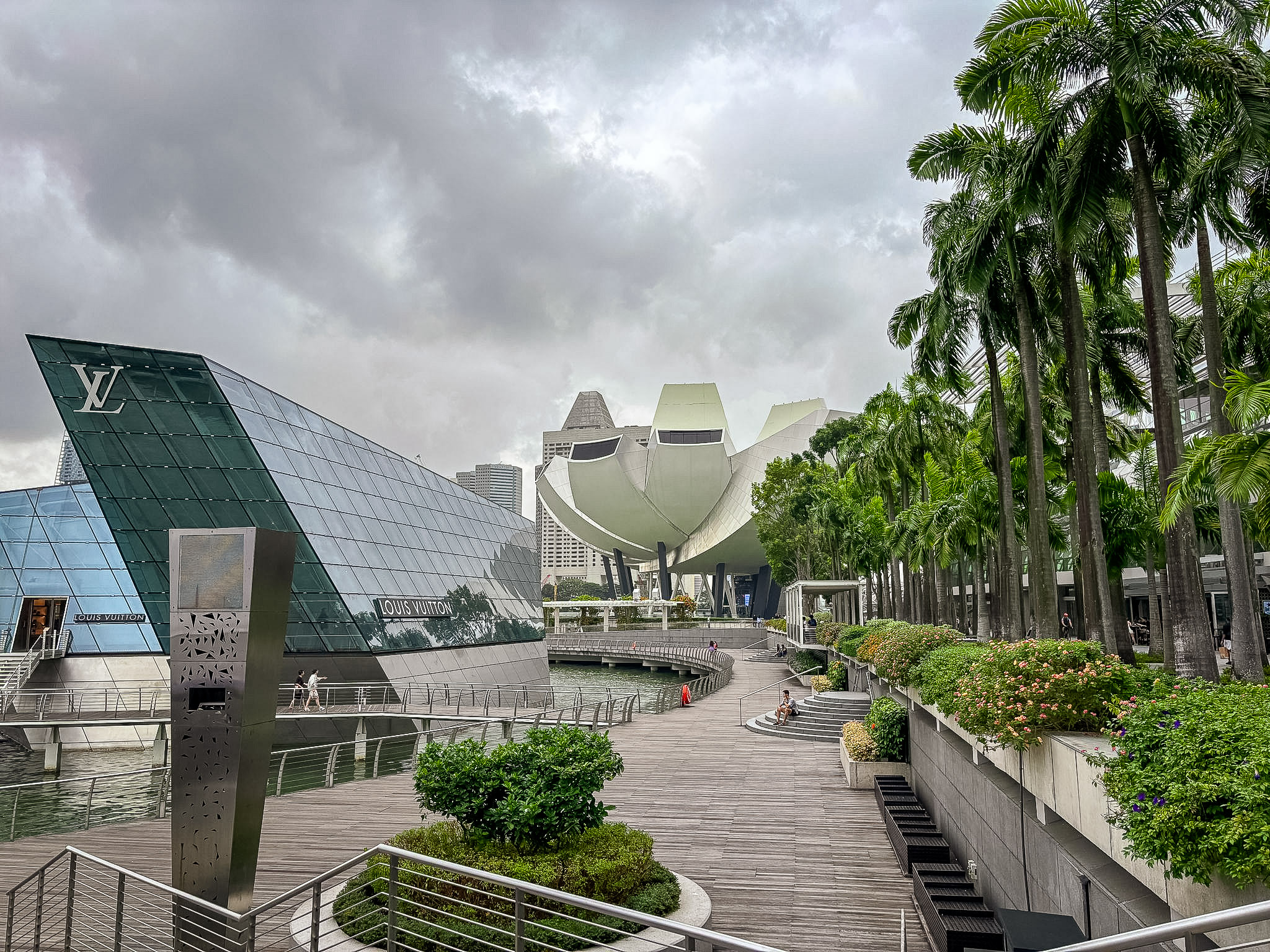
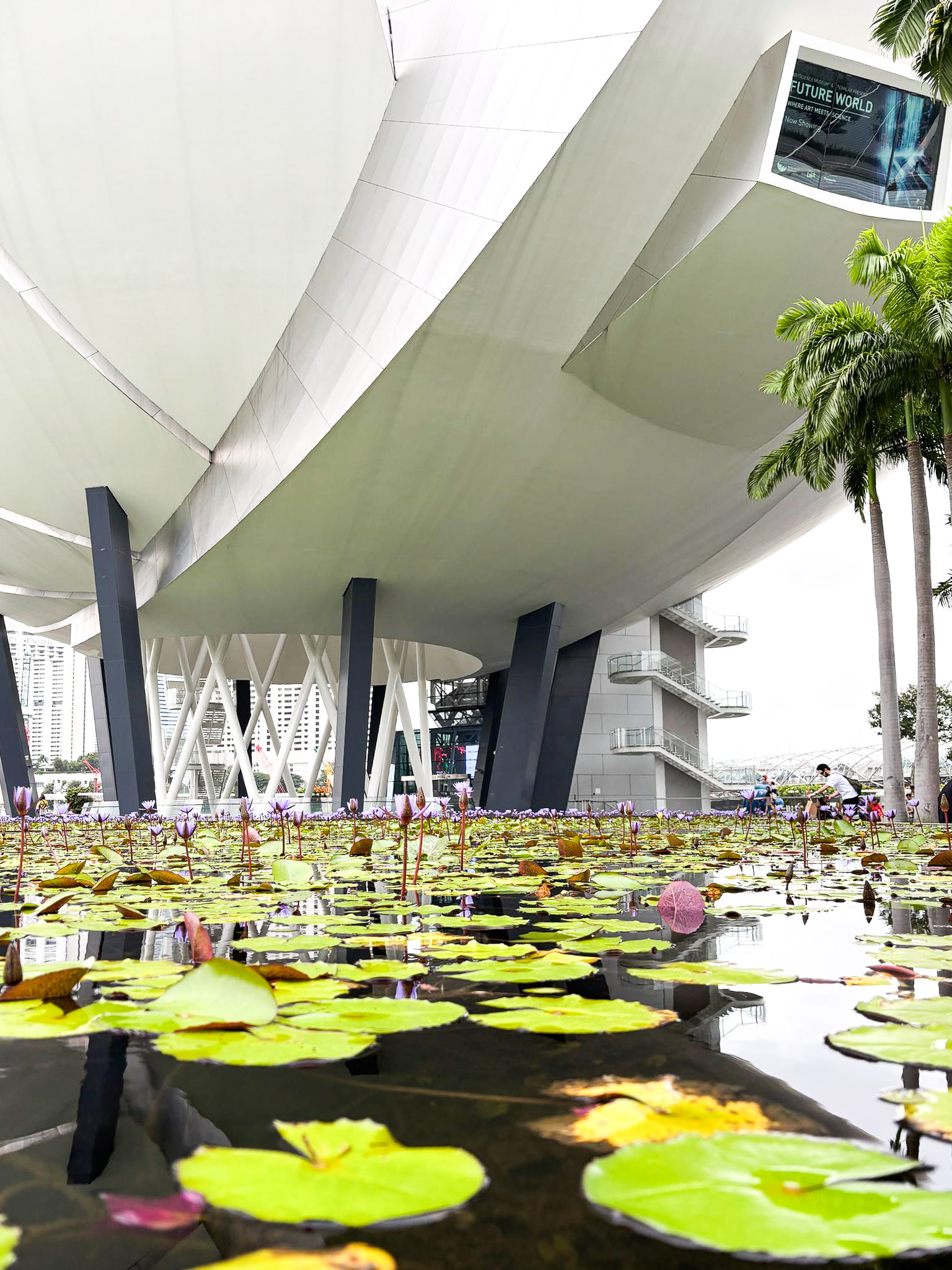
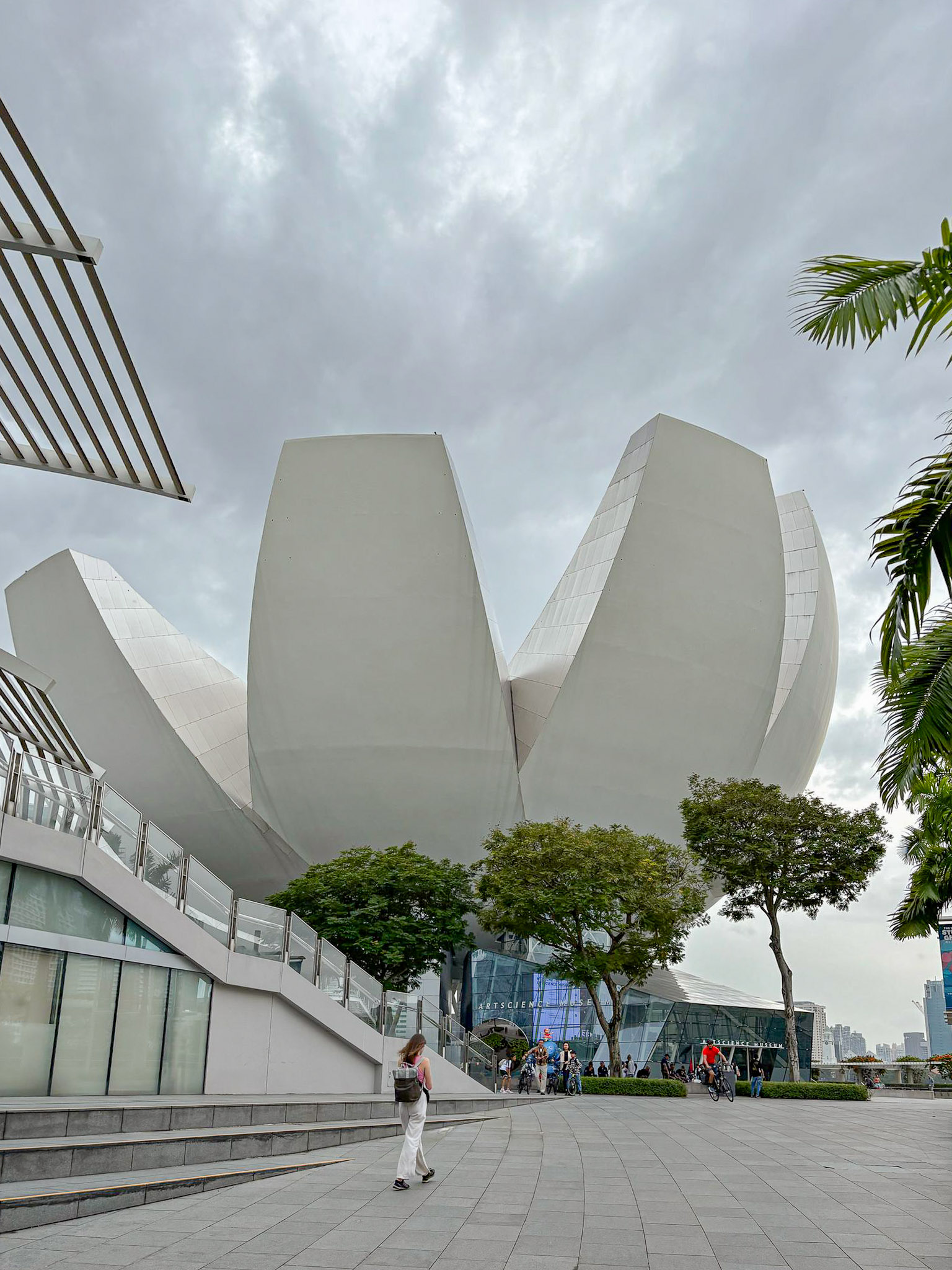
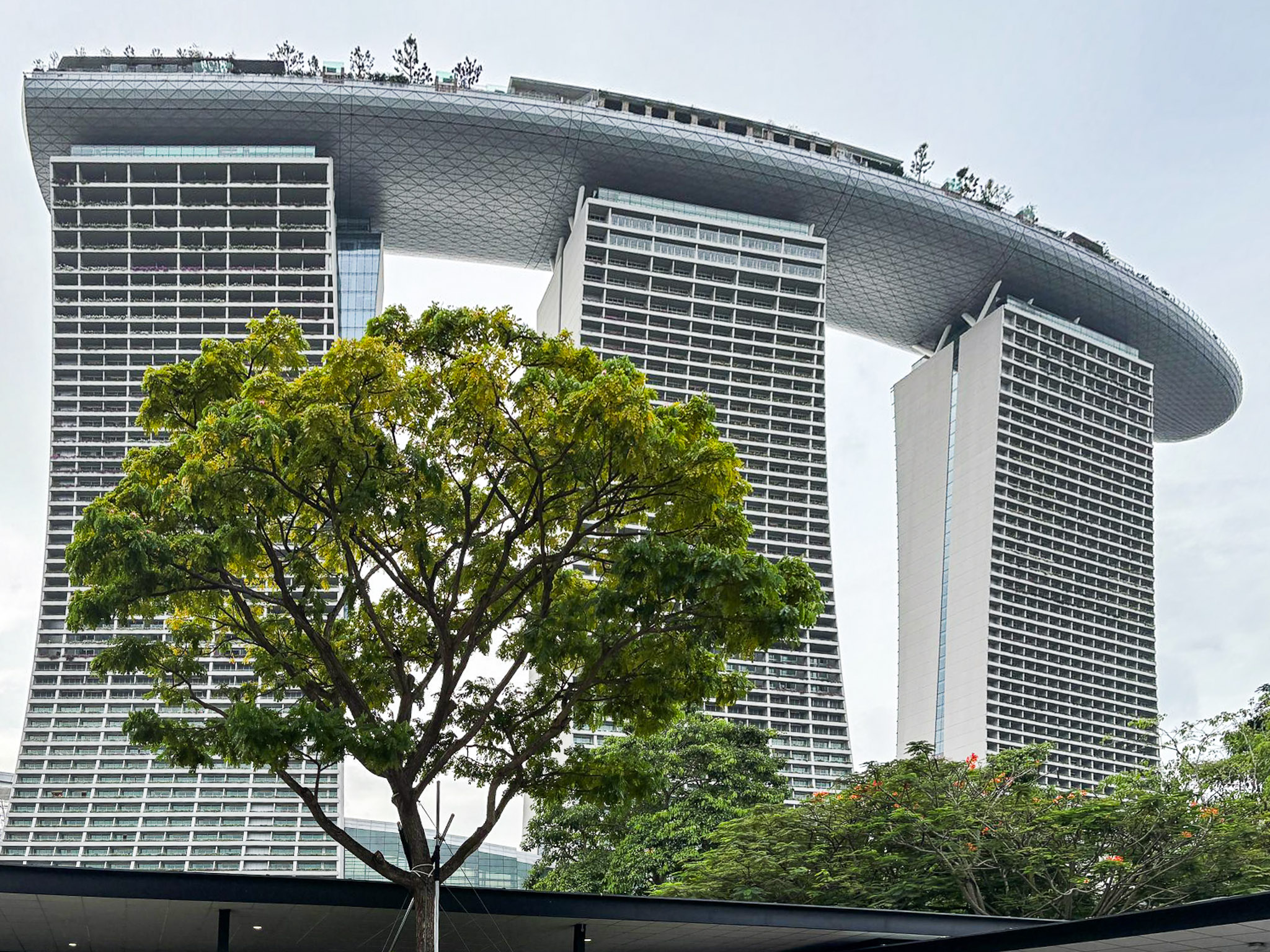
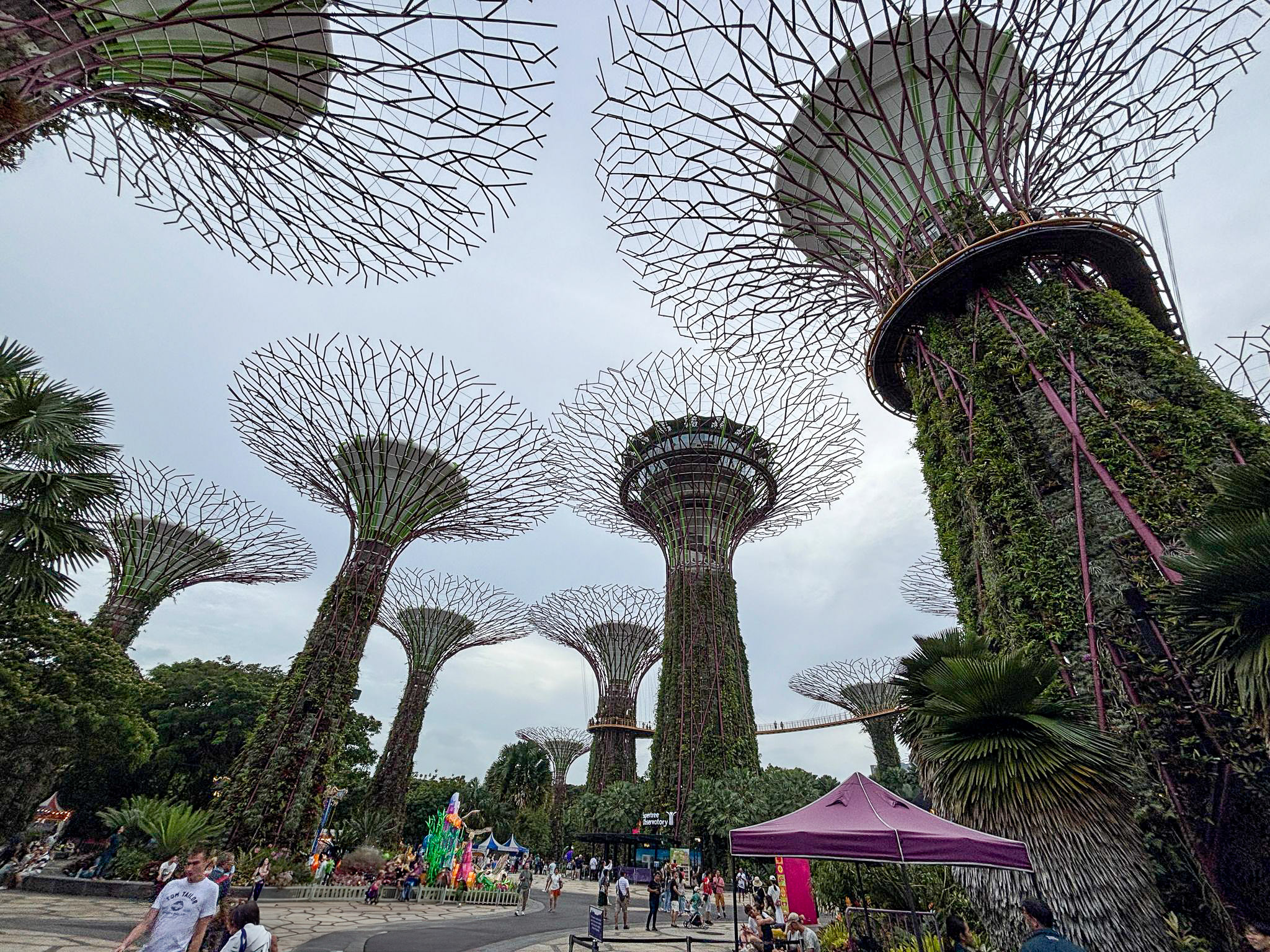
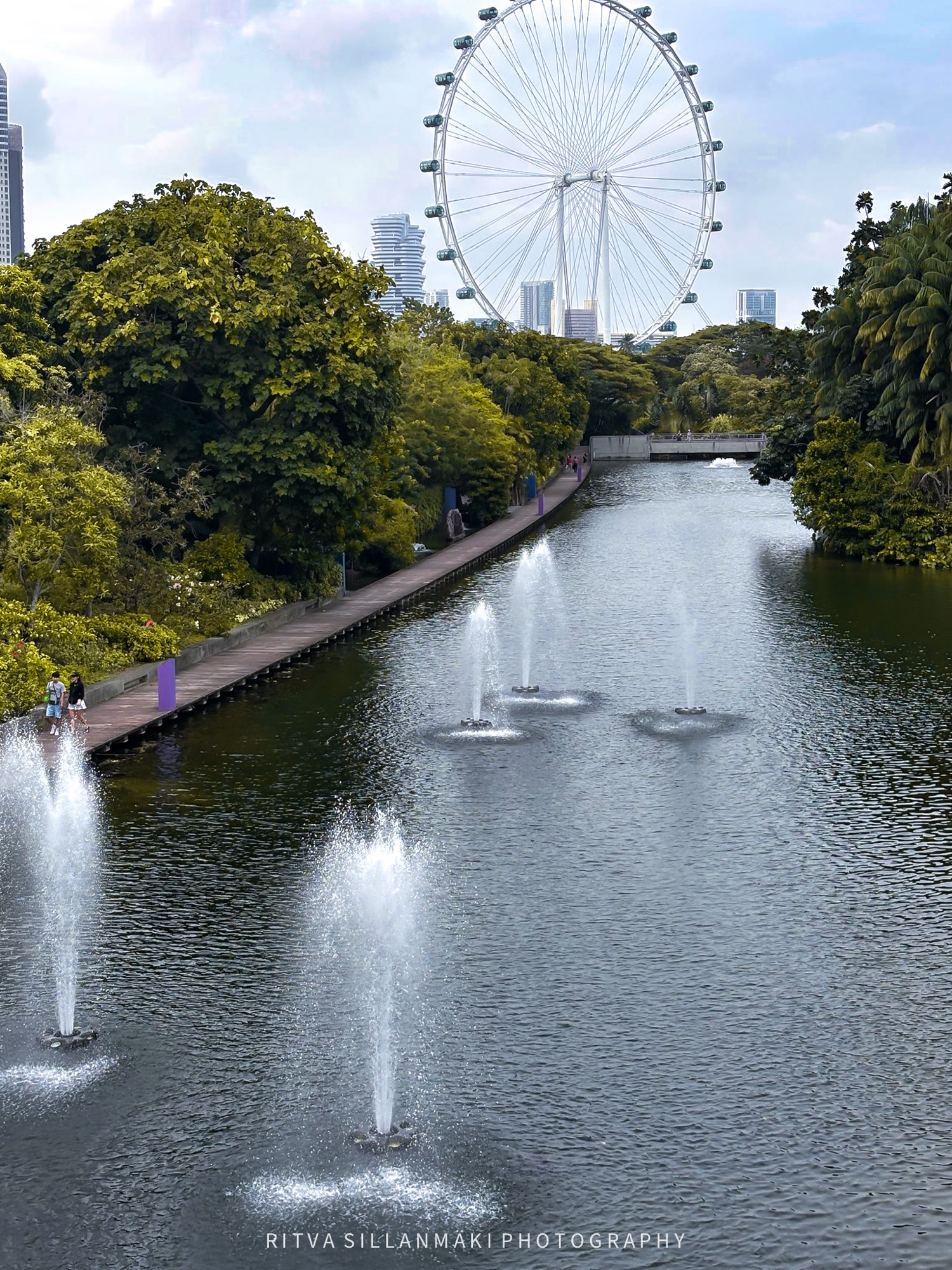
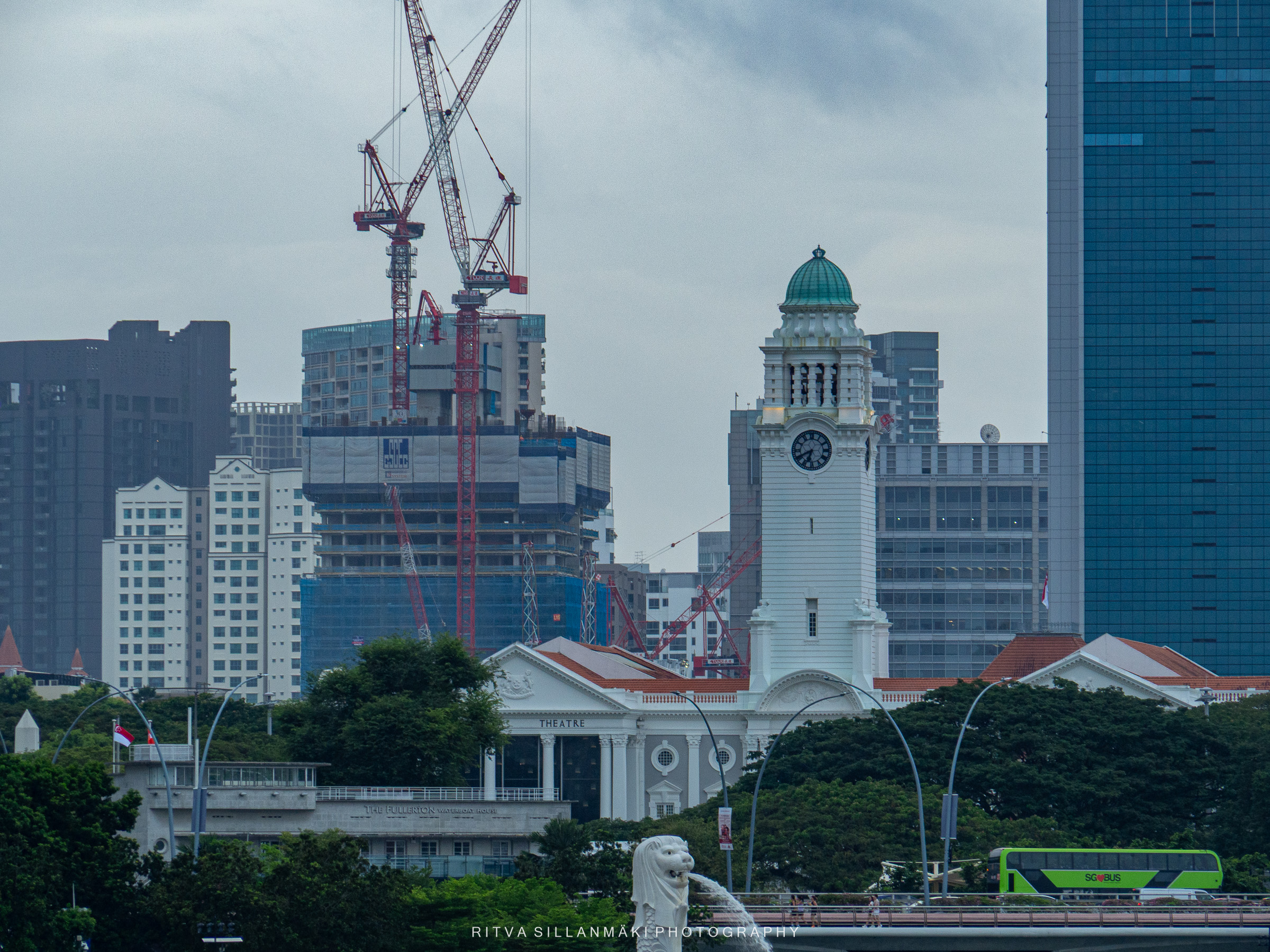
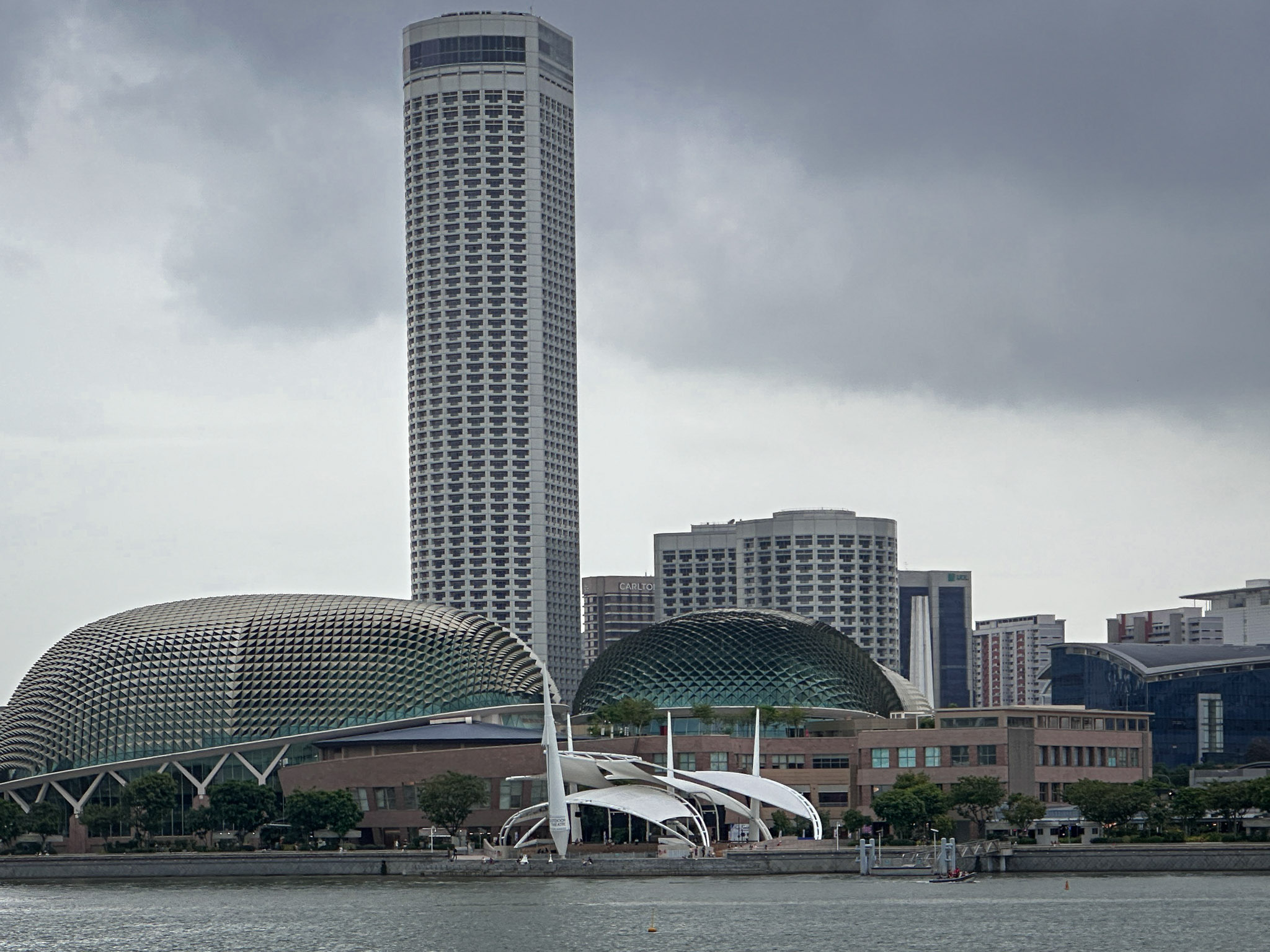
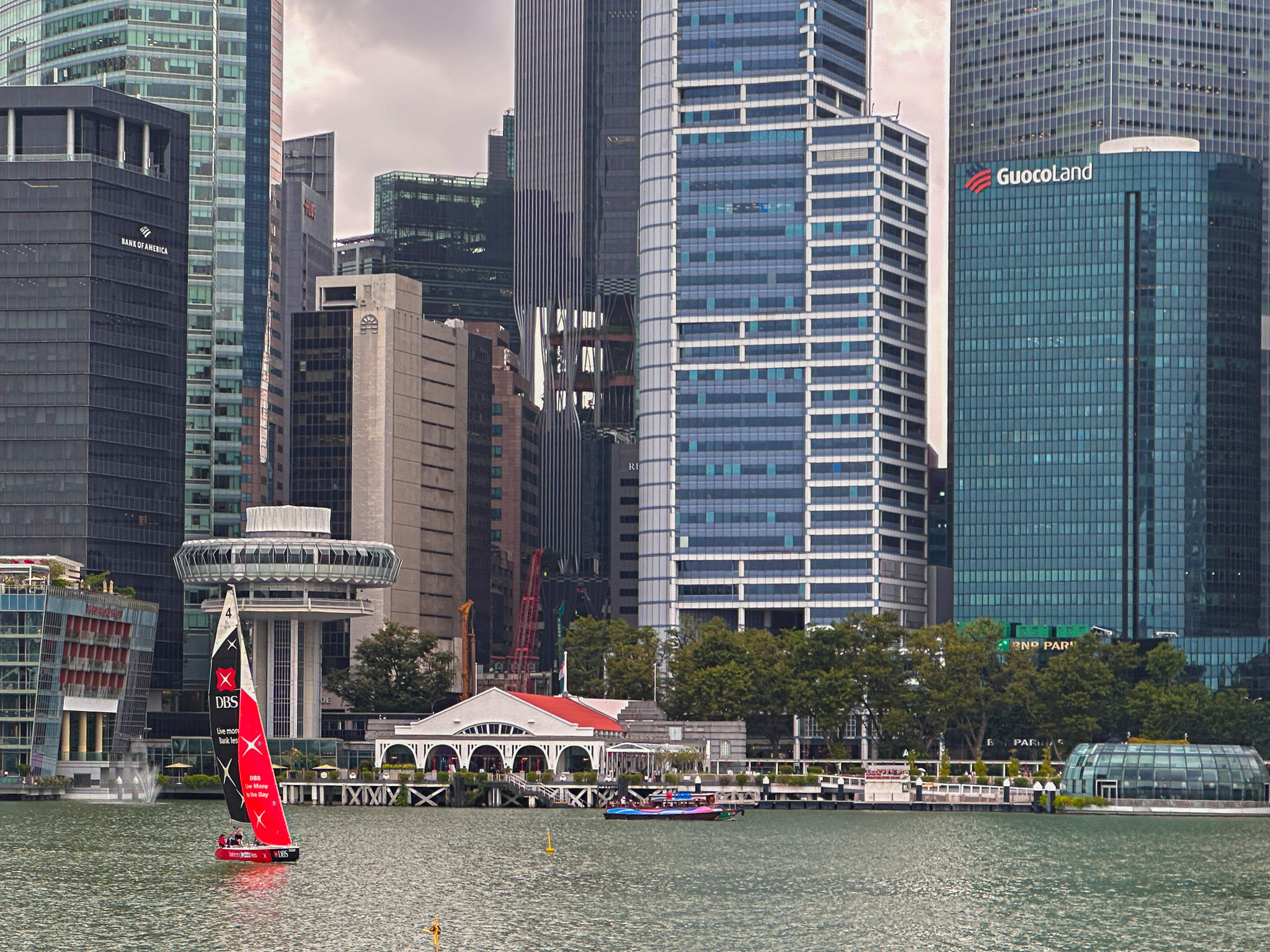
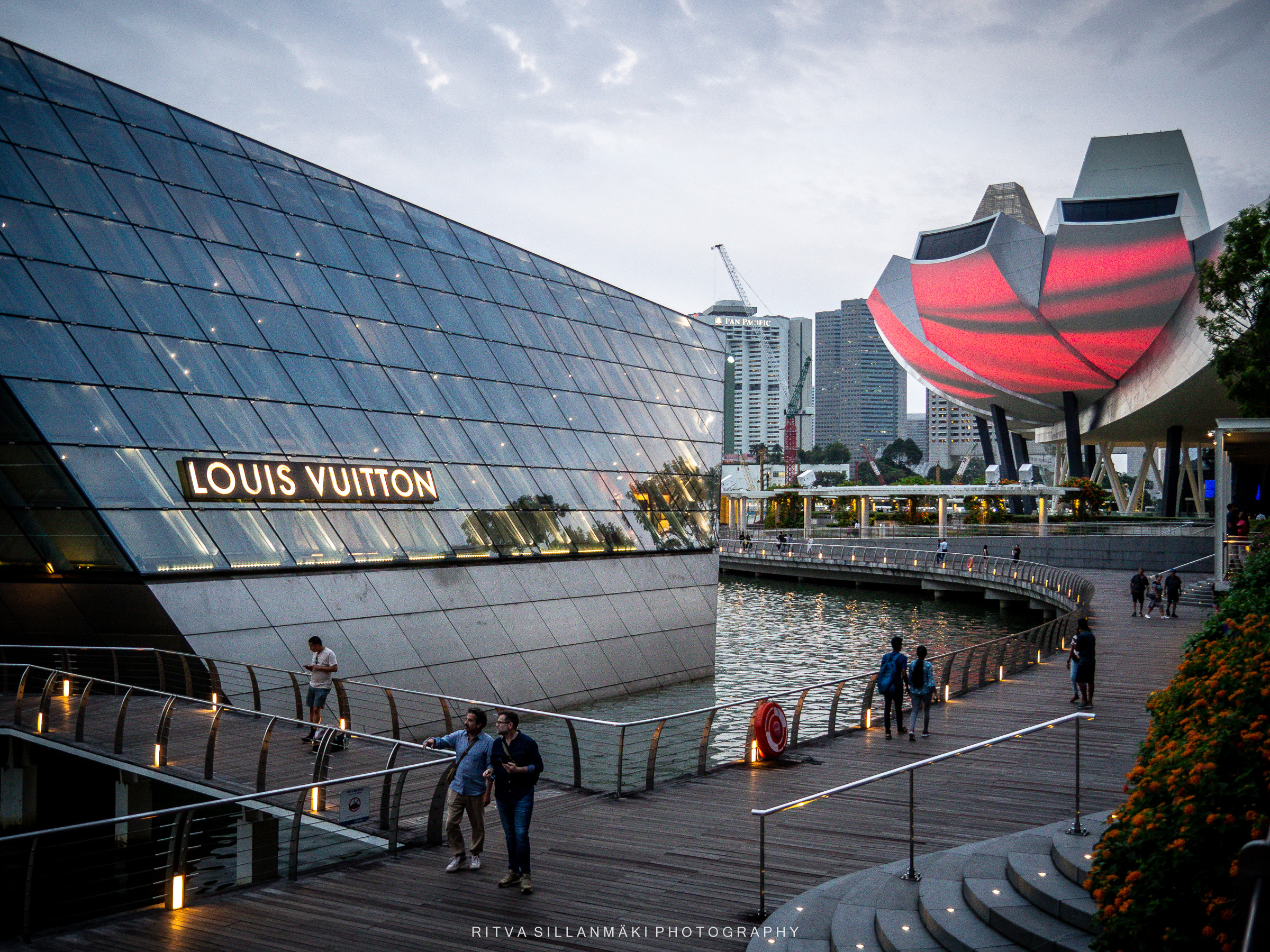
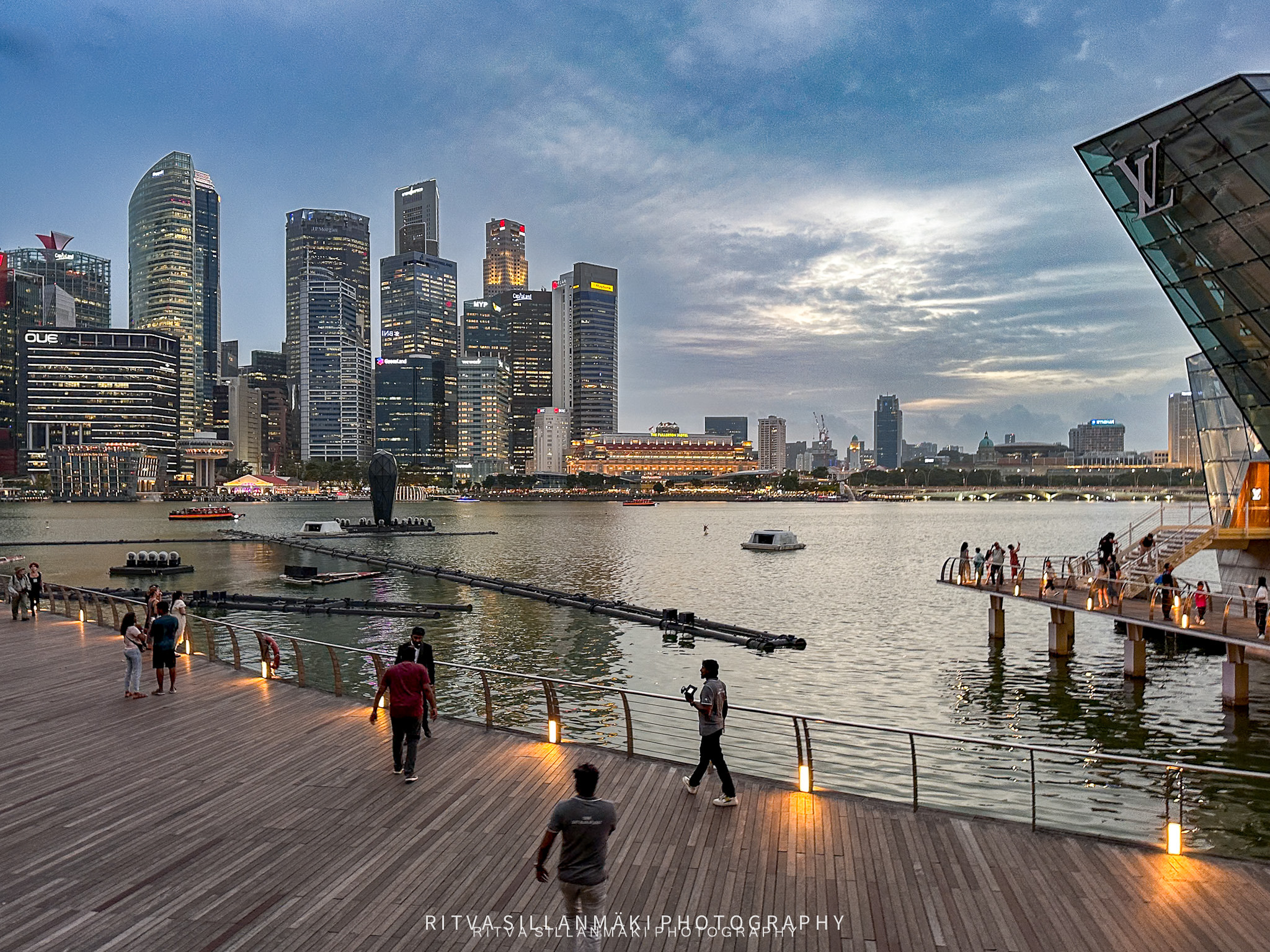
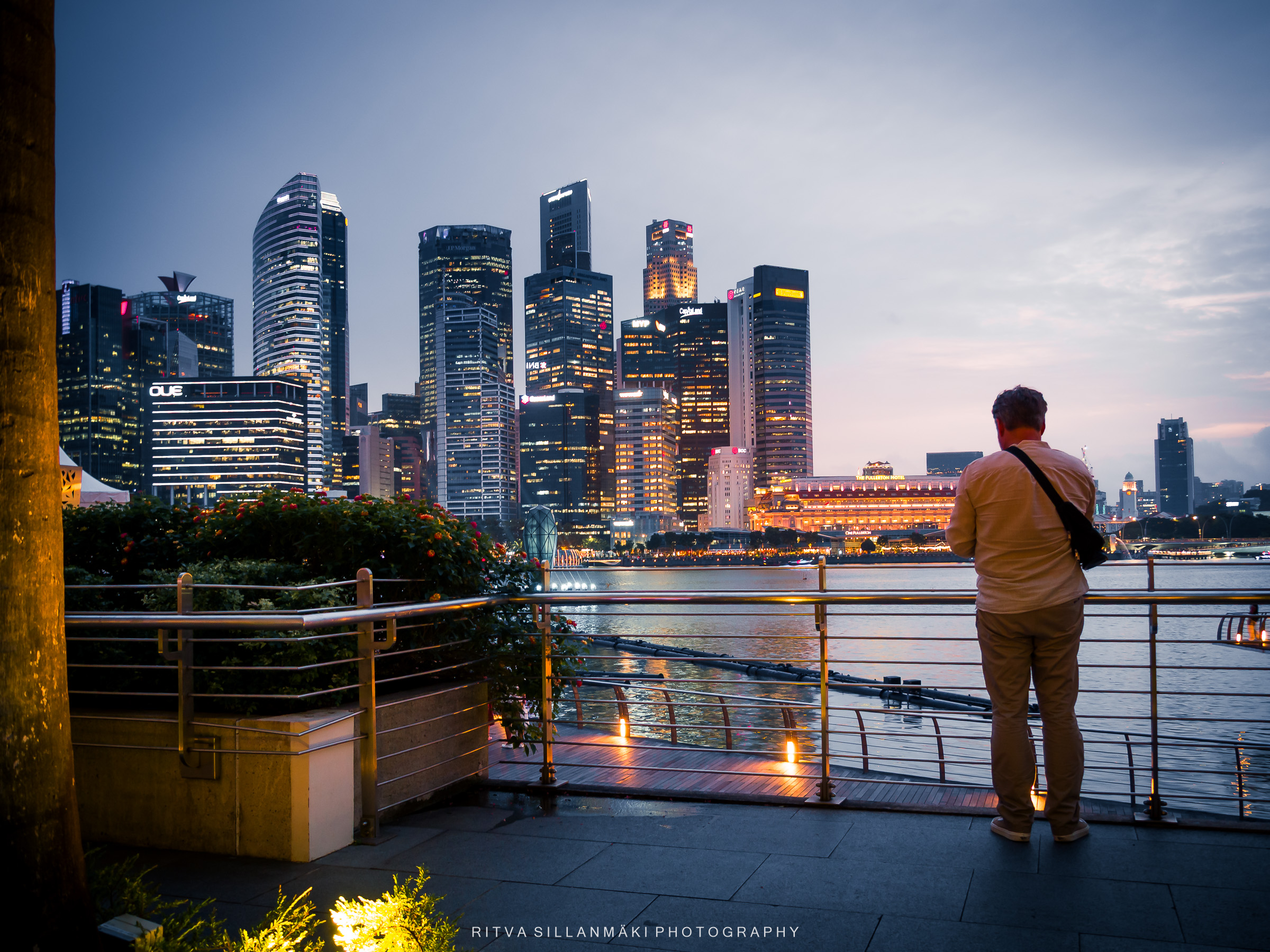
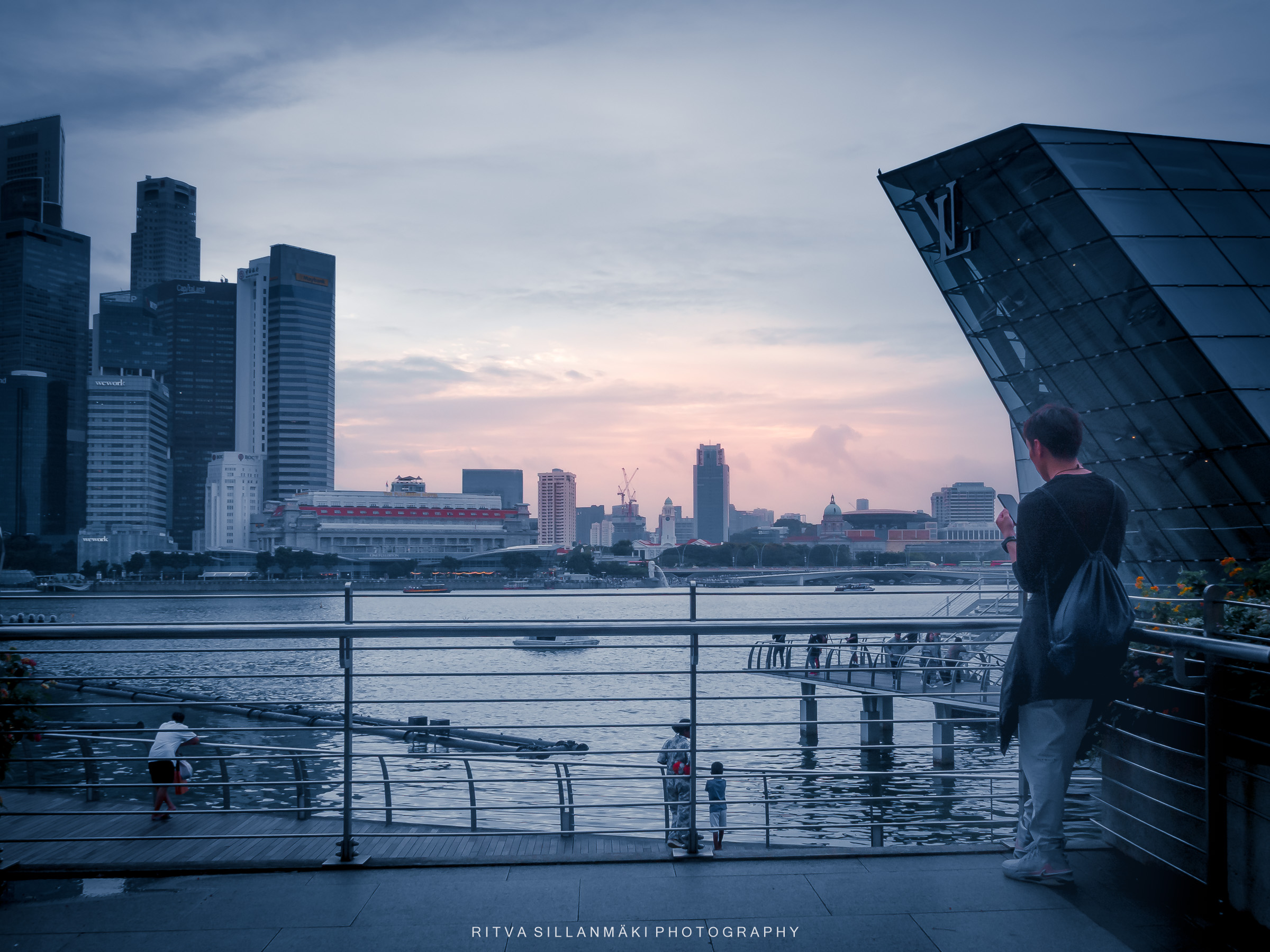
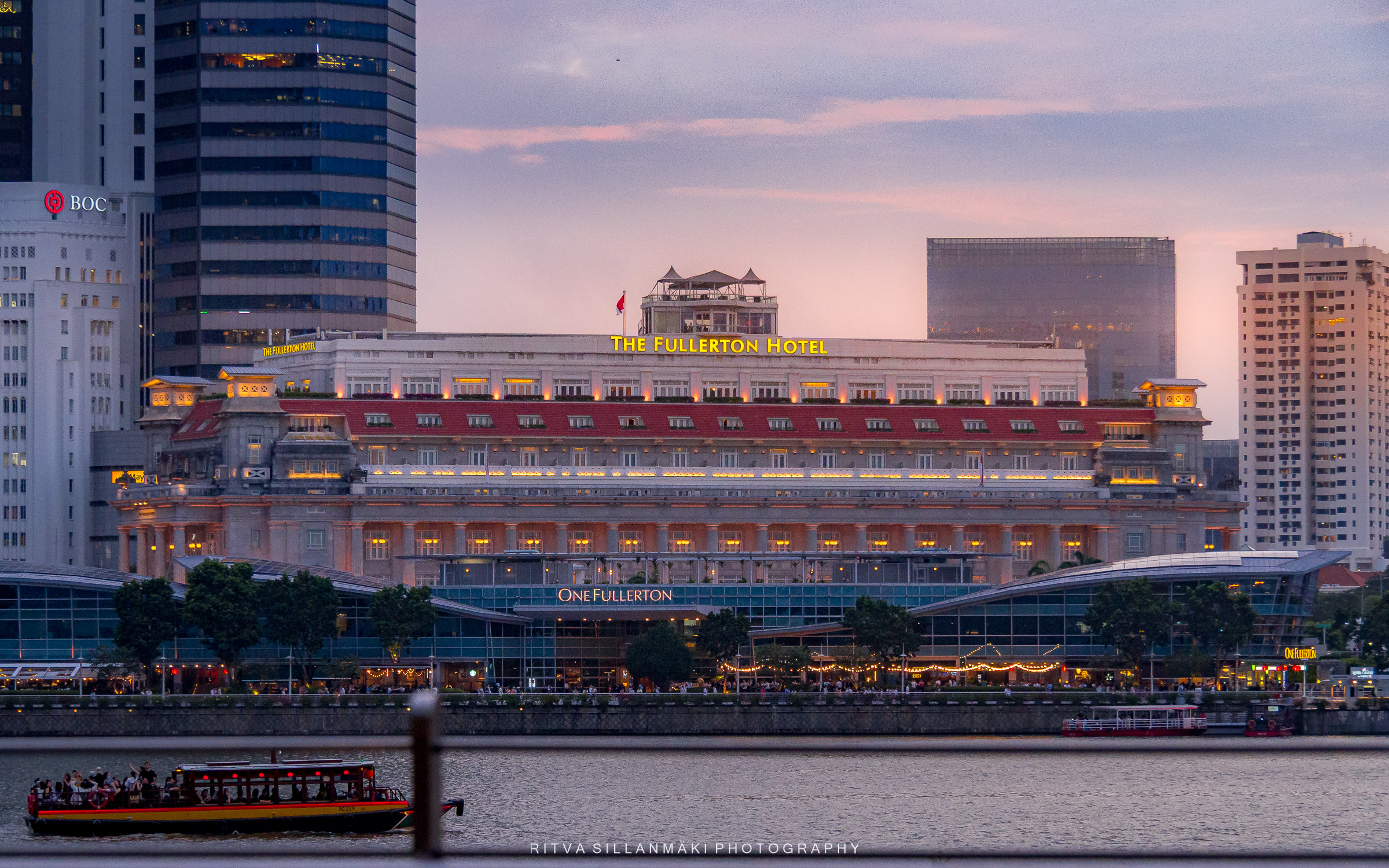
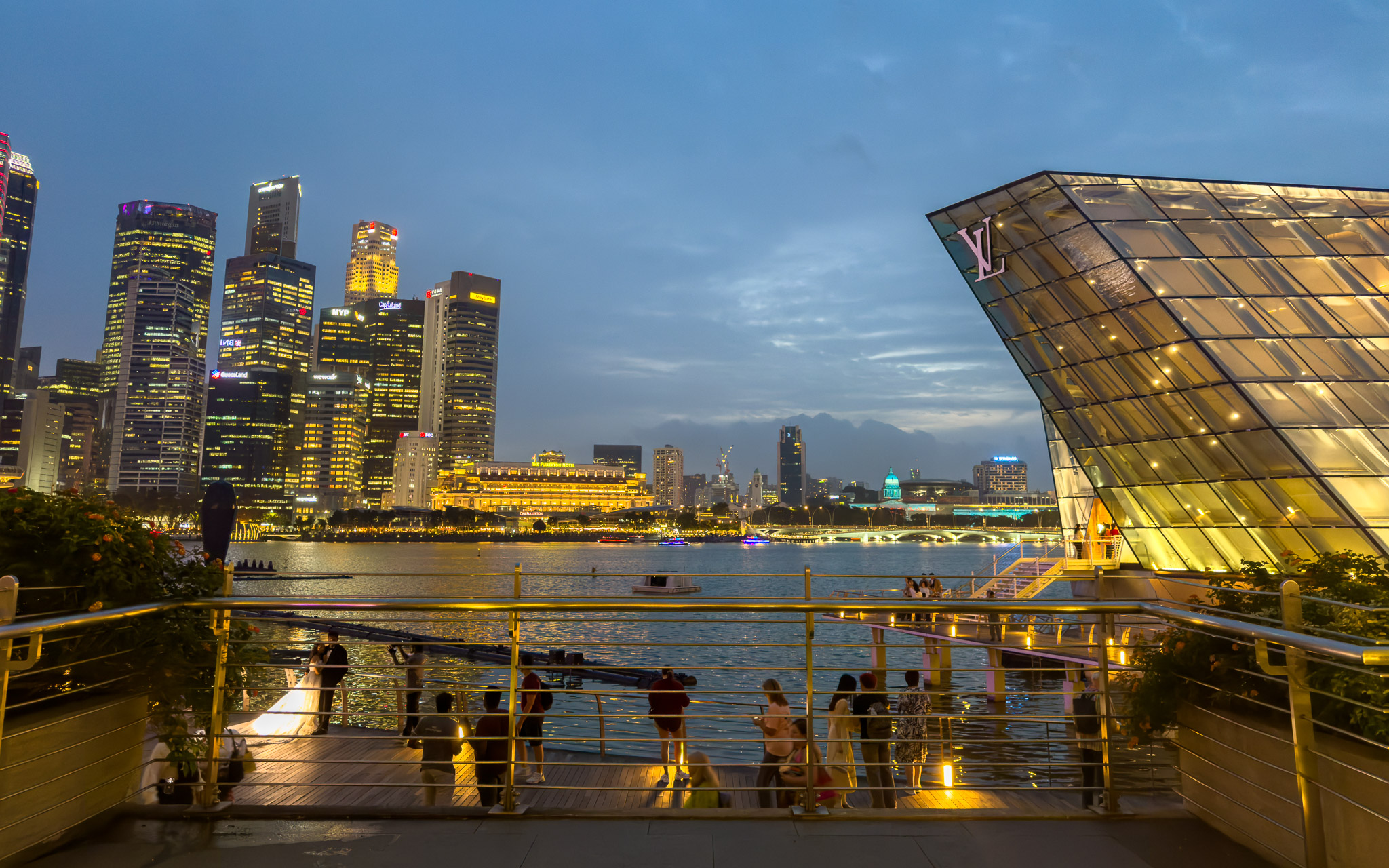
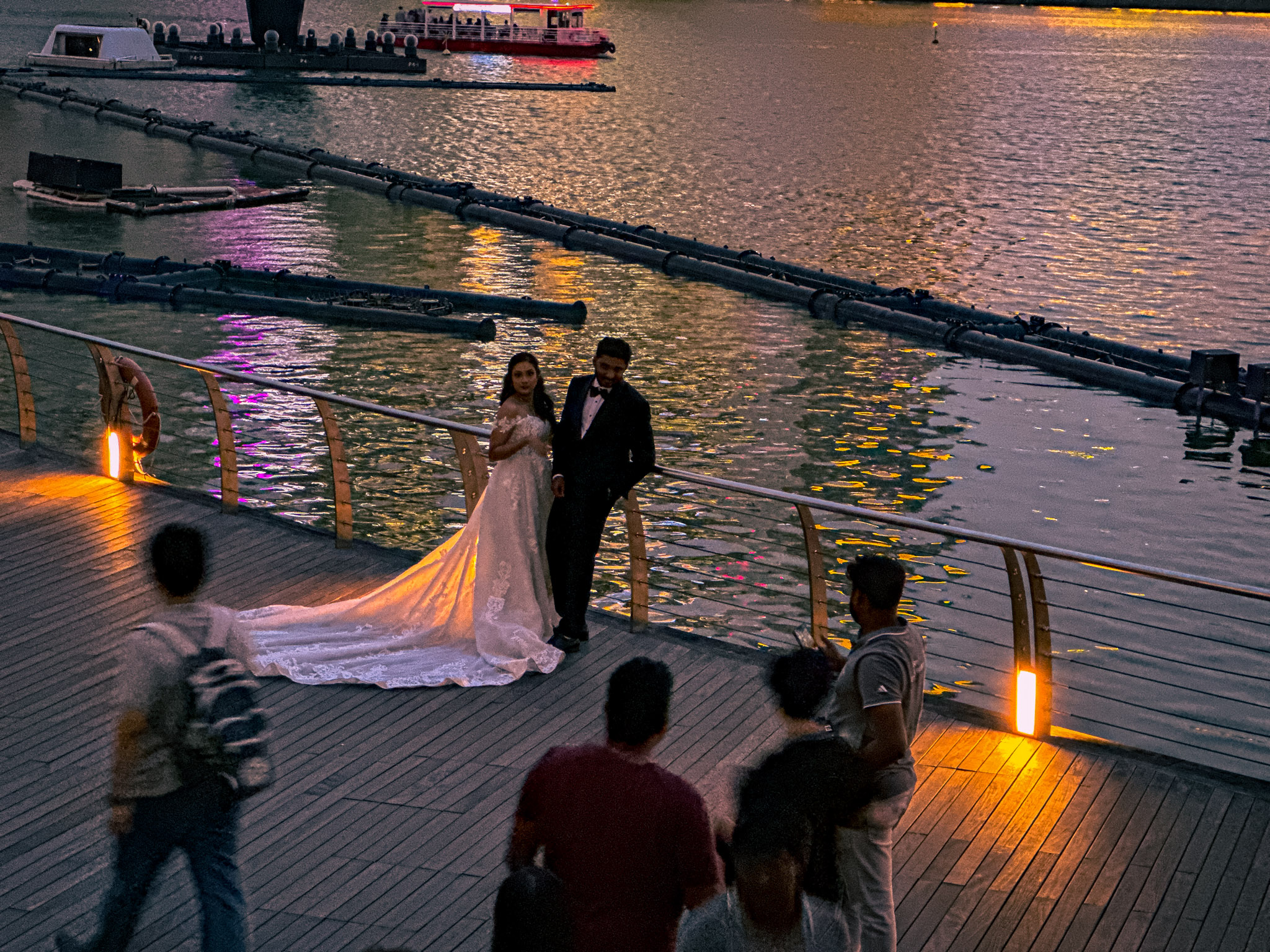
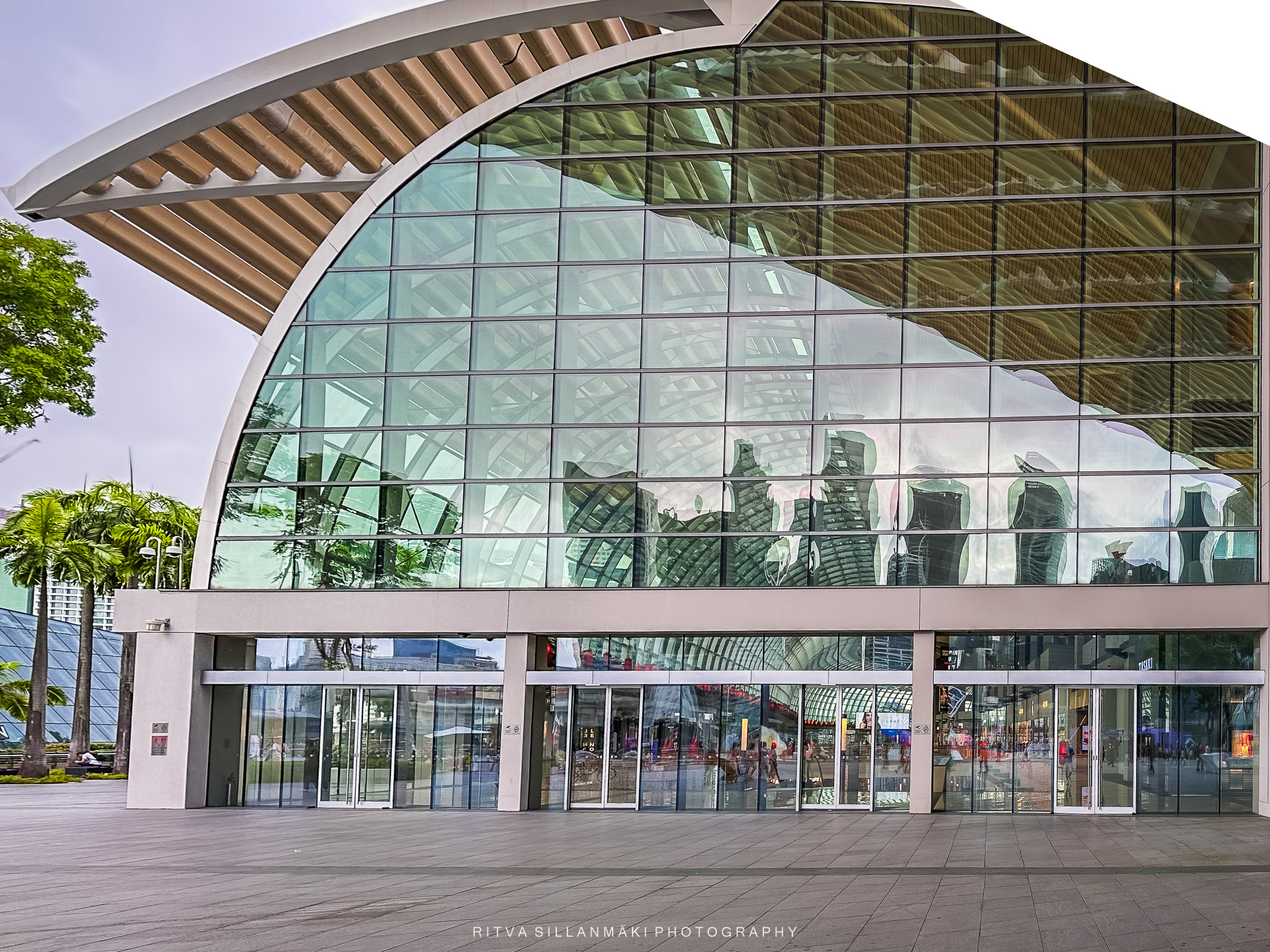
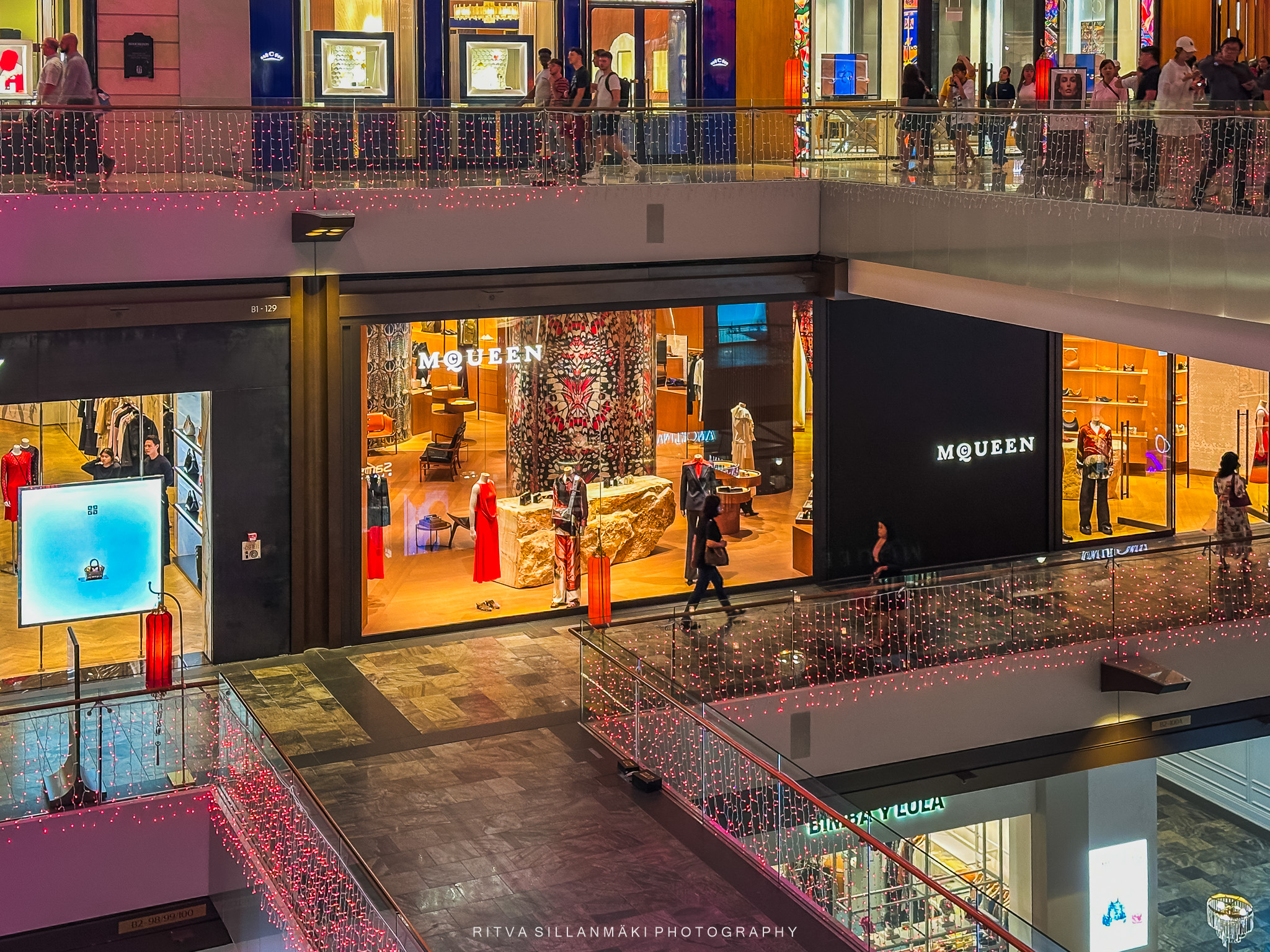
The Shoppes included every imaginable high end fashion shop and the canal of the casino. Being so huge it was hard to capture good photos from the Shoppes, but hopefully were able to document the essence of the area.
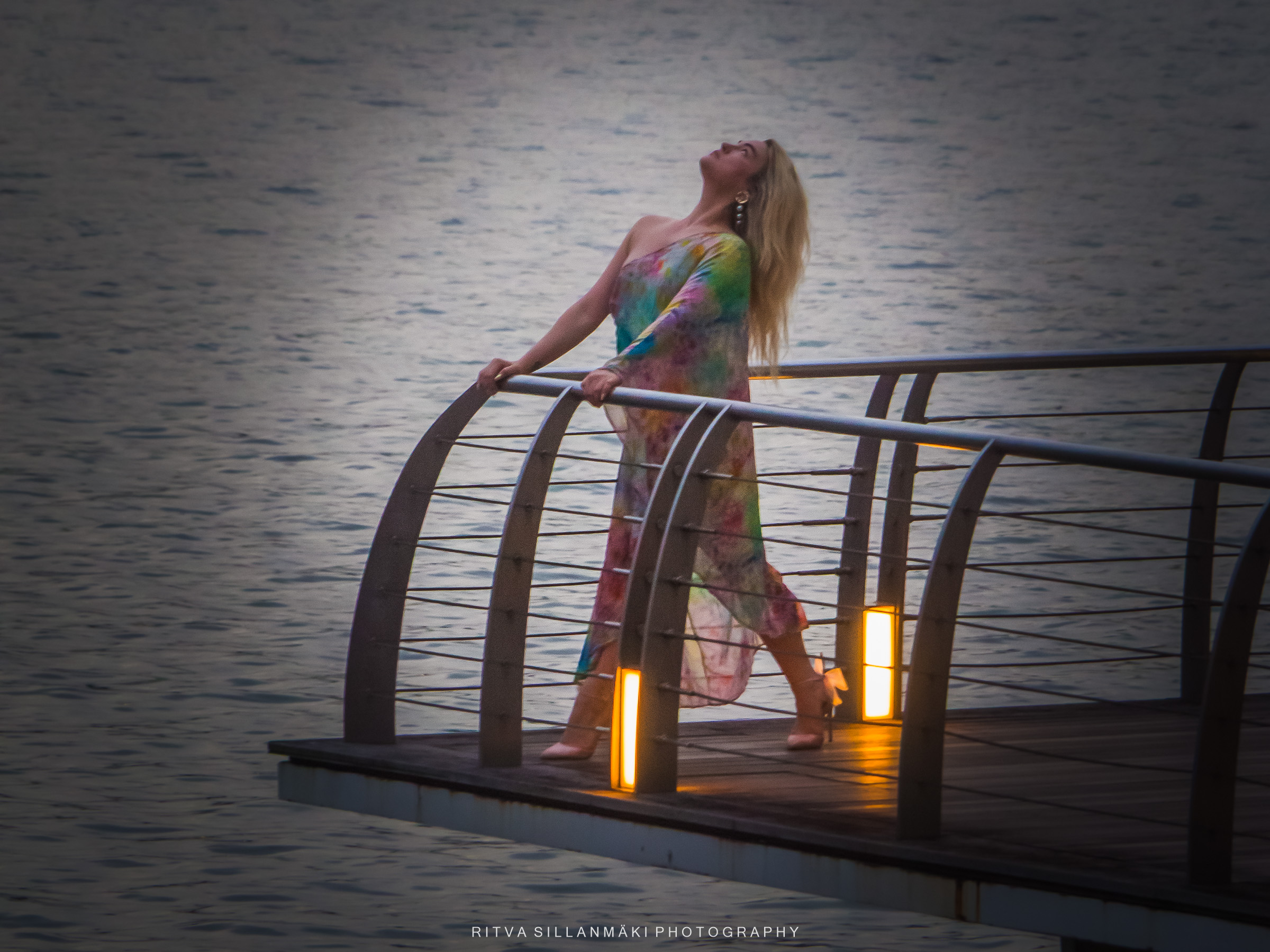
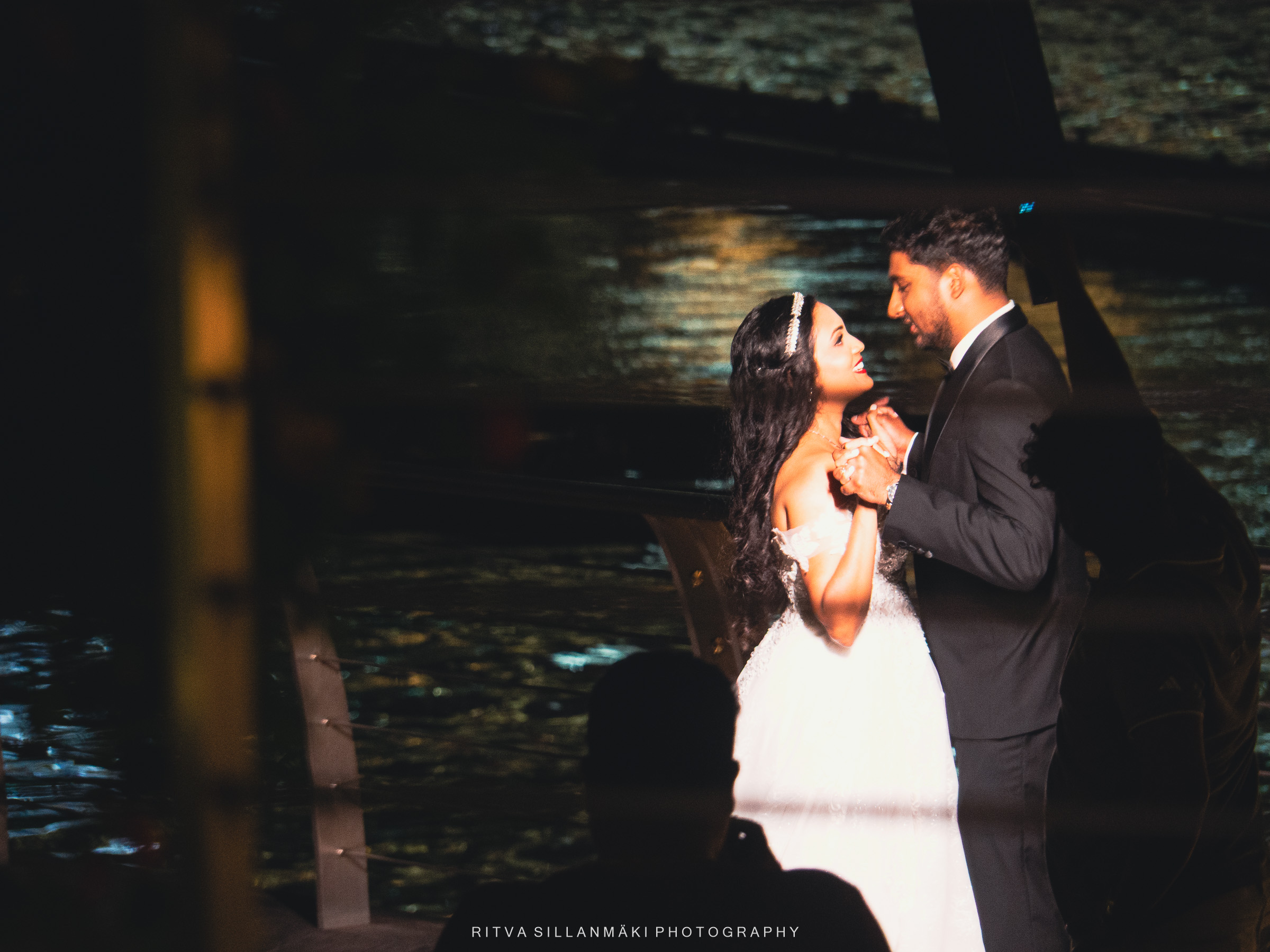
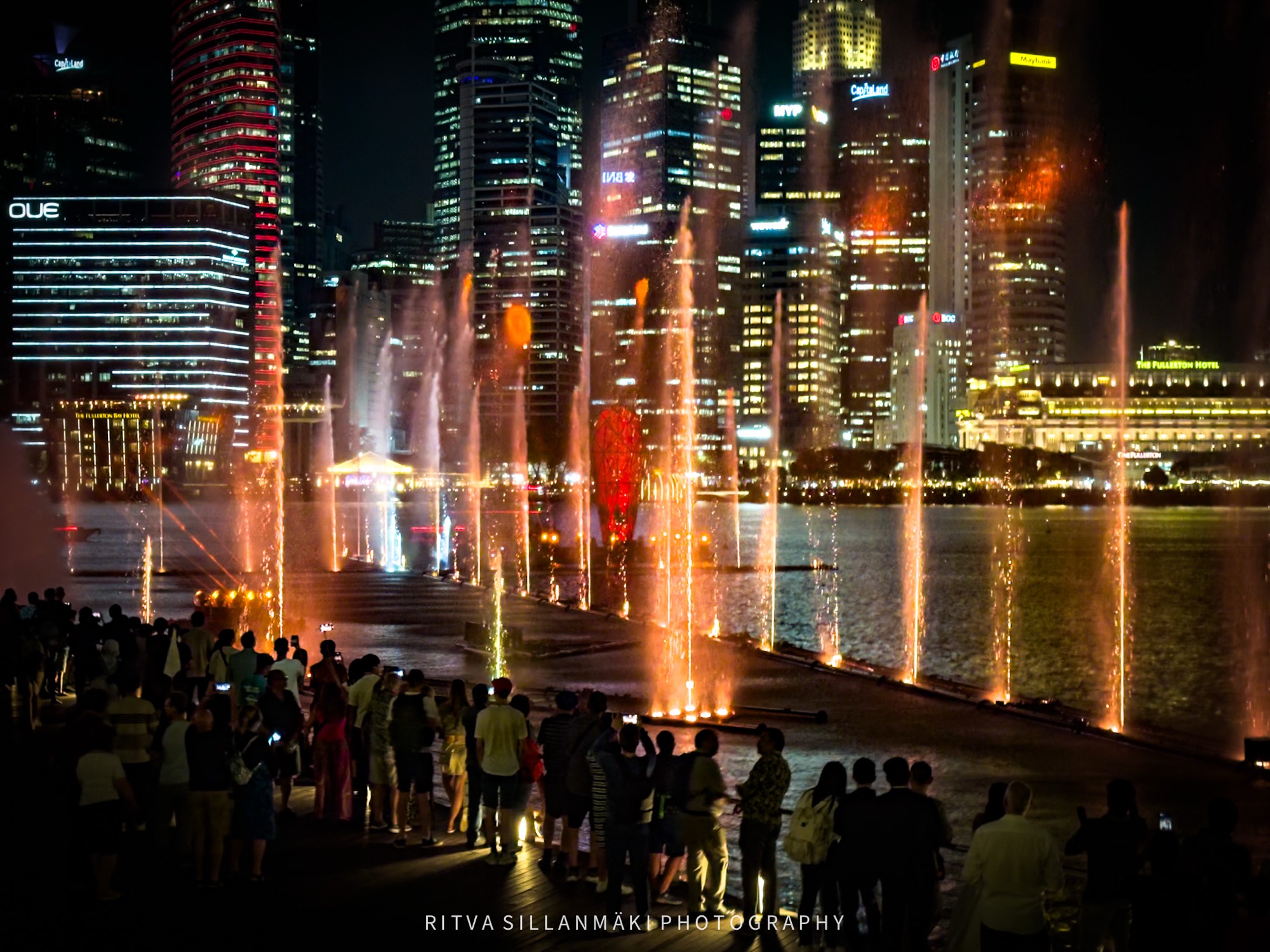
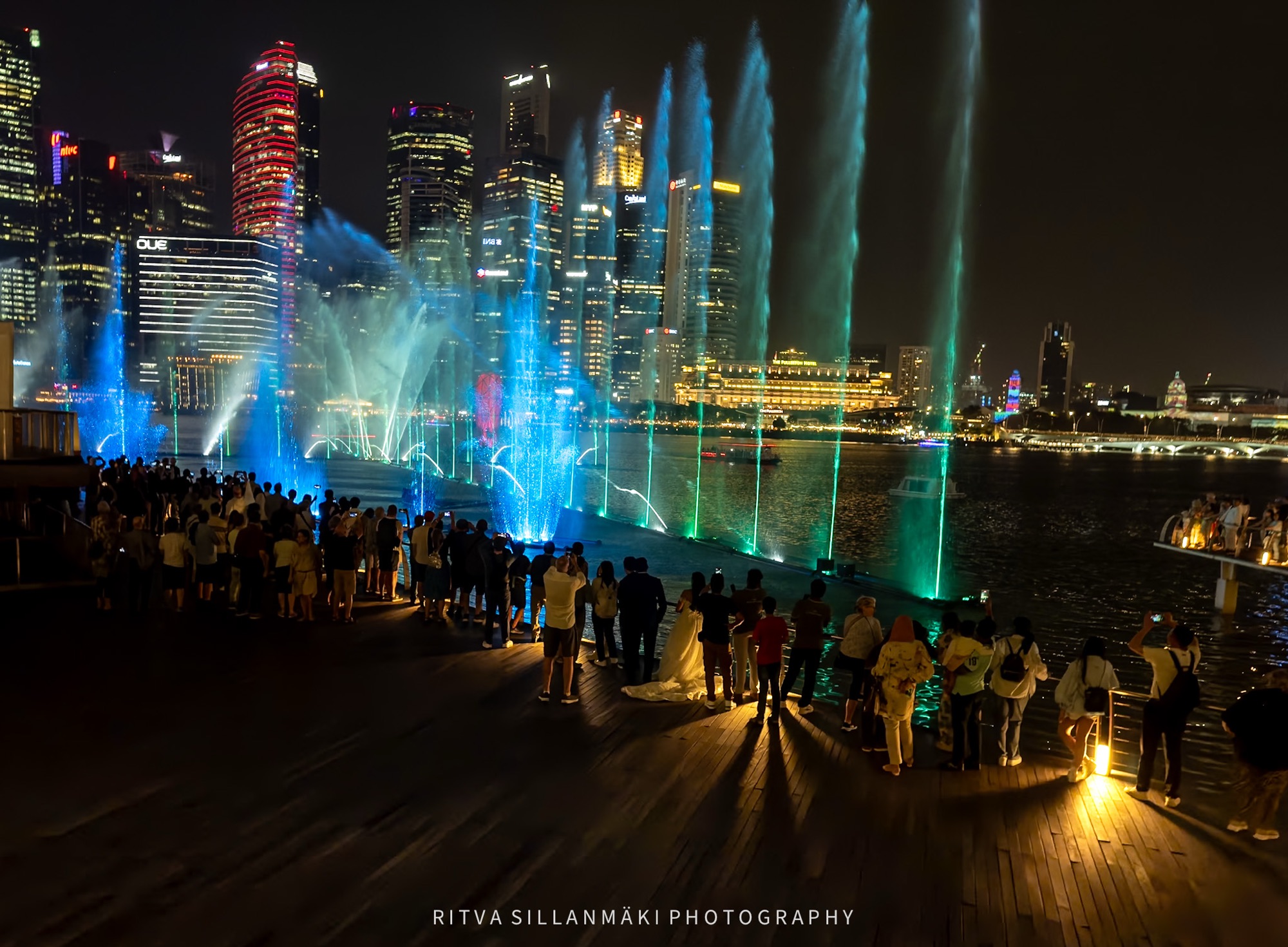
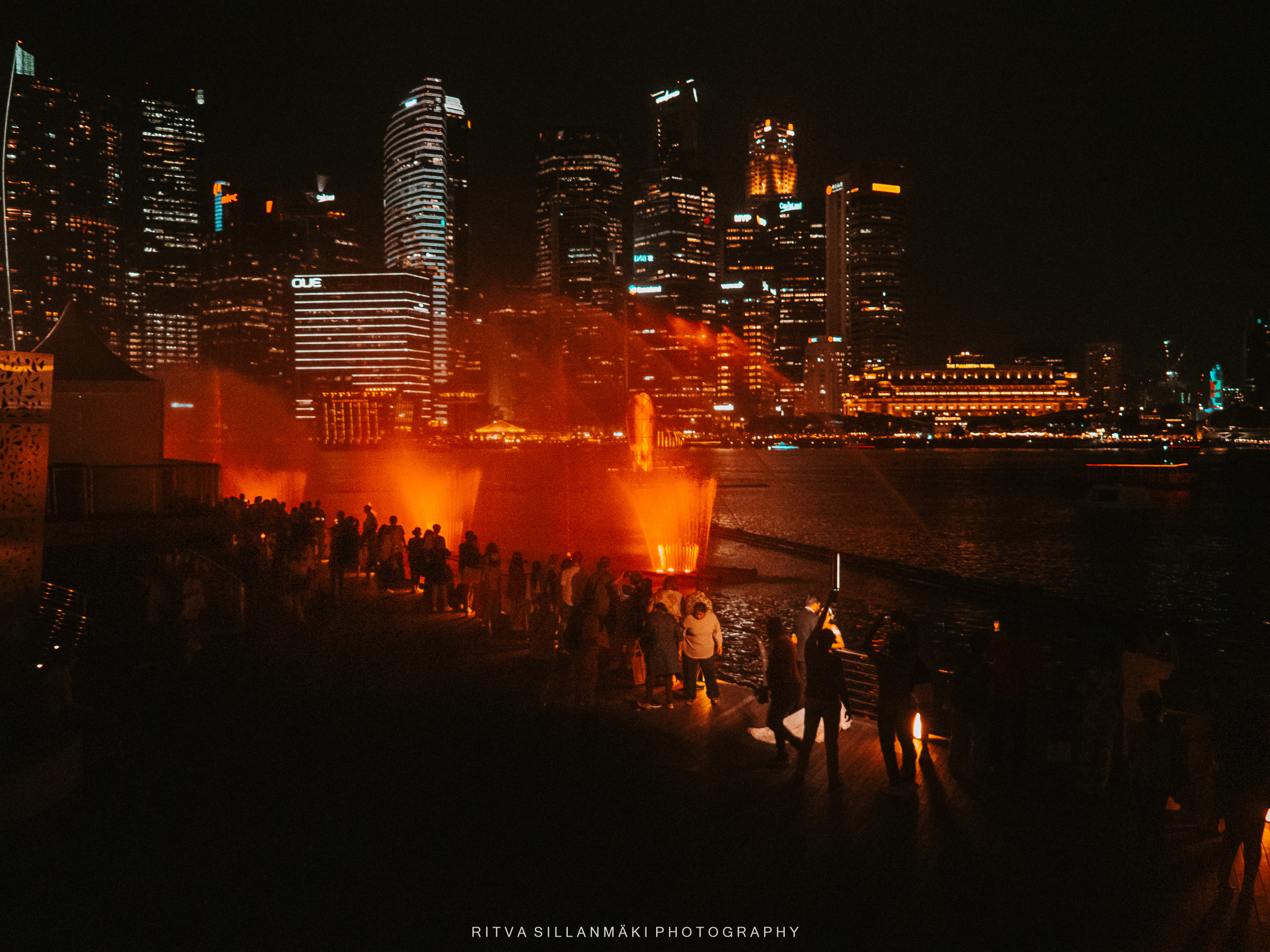
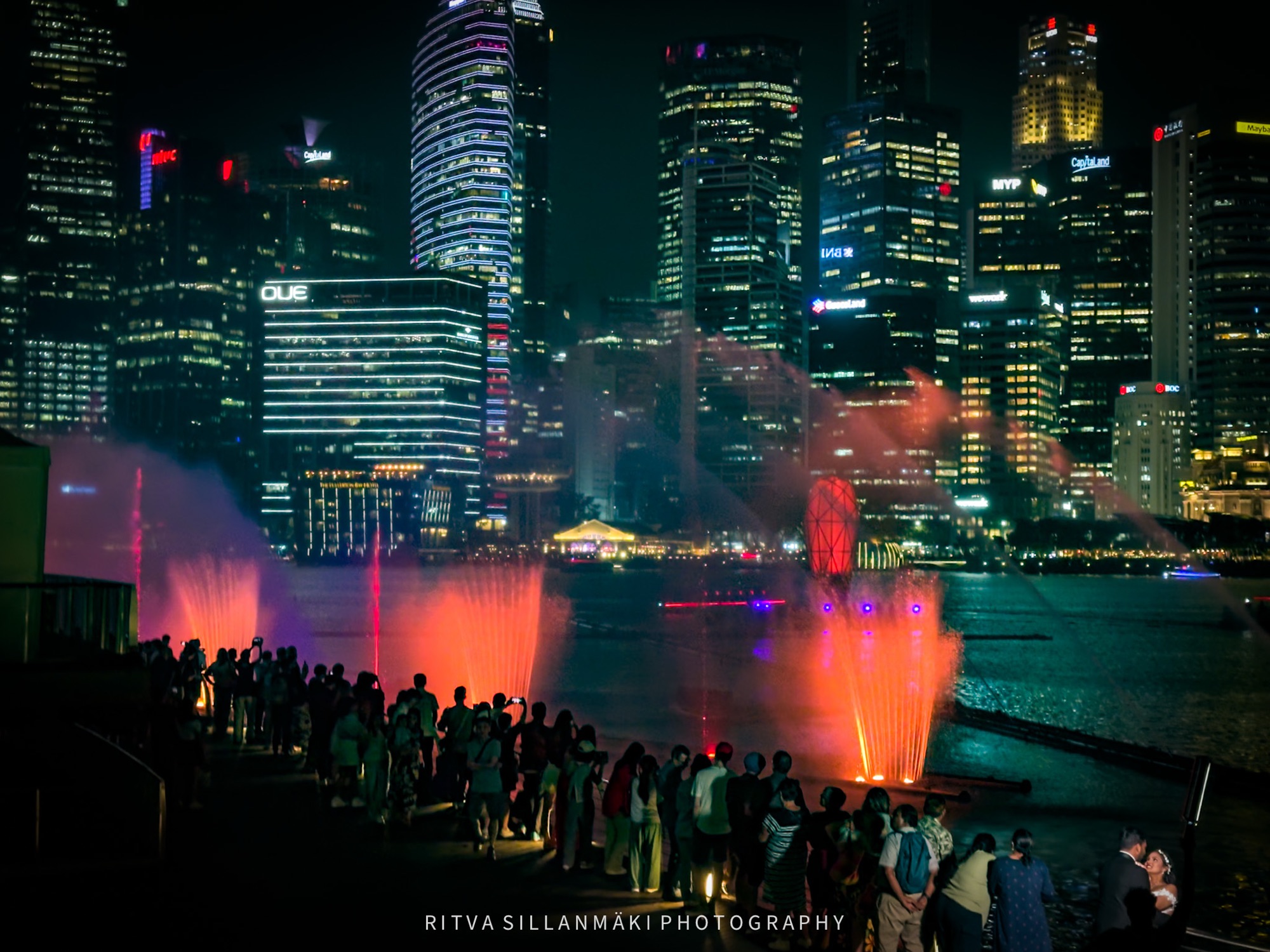
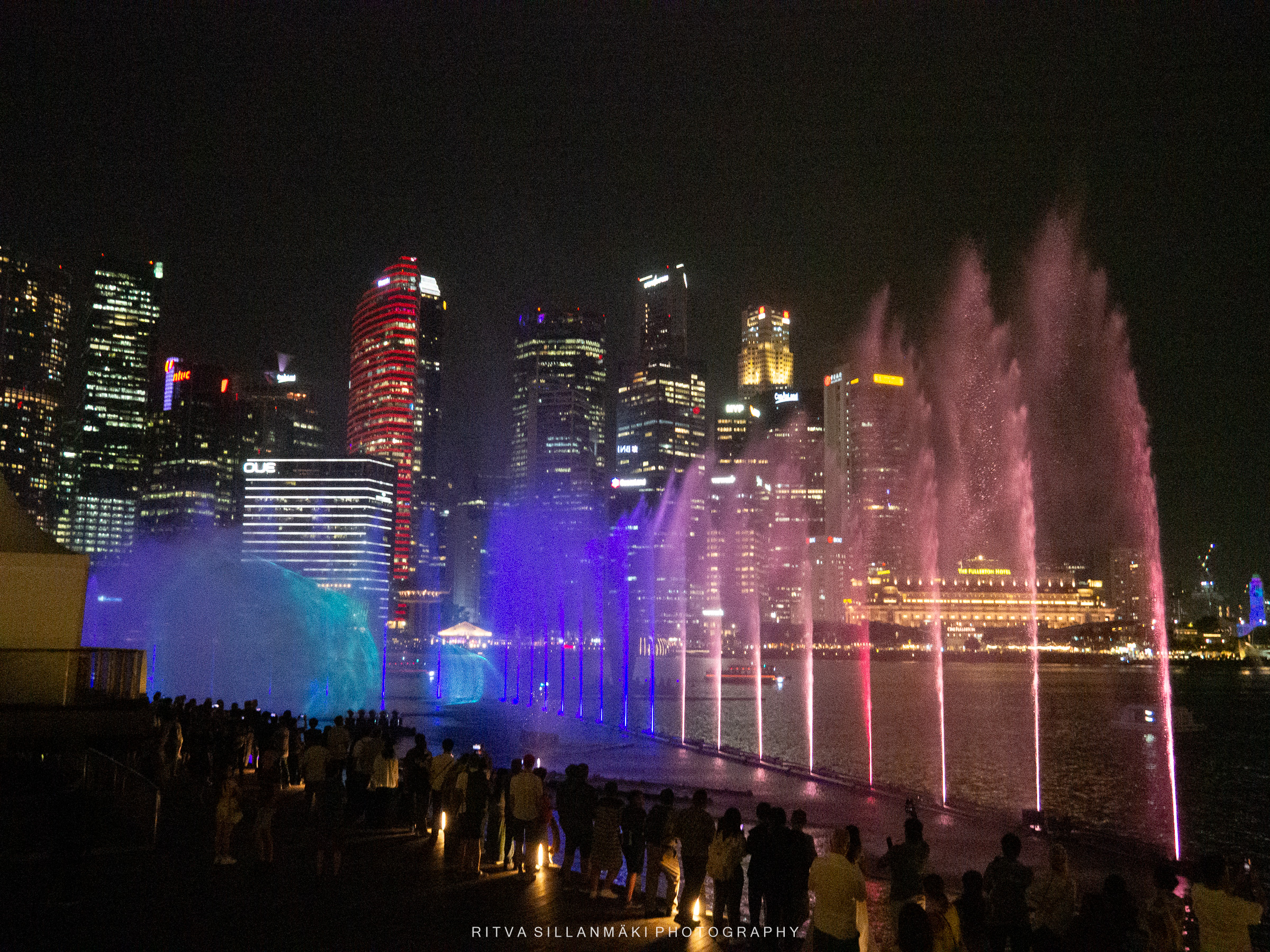
To capture the Water and Light Show in Marina Bay was also hard. The lit skyscrapers as a backdrop were obviously nice but documenting the show proved to be challenging. What was really fun however was that the show was so close to the event area that you got wet by the showers from the fountains. People in the know were prepared with raincoats and umbrellas but I wasn’t wise enough. Fortunately, it was a warm night. It goes without saying that the area was a really popular spot for photographers. We saw wedding and fashion pictures taken by the bay.
No sight of infinity pool or Marina Bay Sands Observation Deck for us because the Deck was reserved for private function. But the hotel offers a magnificent sight itself.
Text credit: Mara Sillanmäki
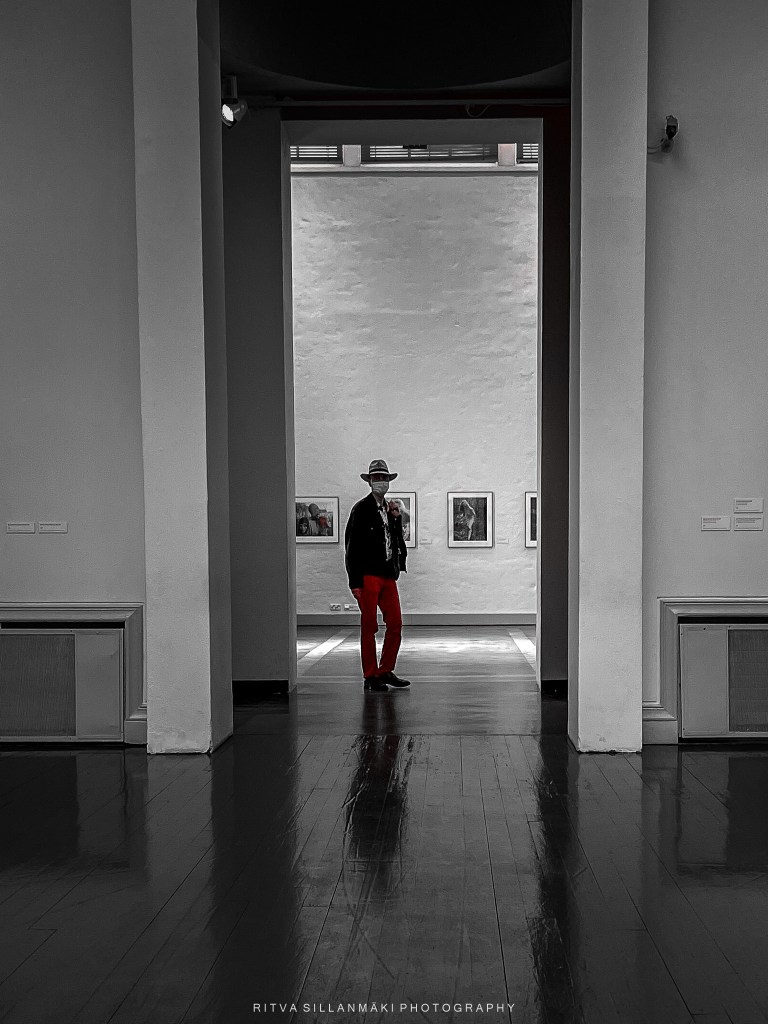
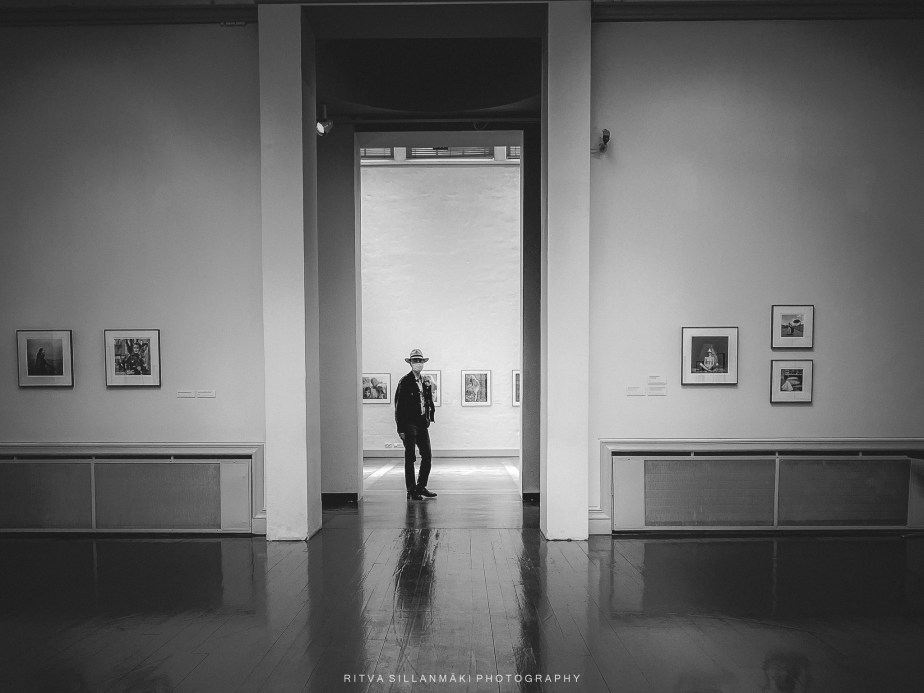
Photos linked Thursday Doors, Press the badge to access it.
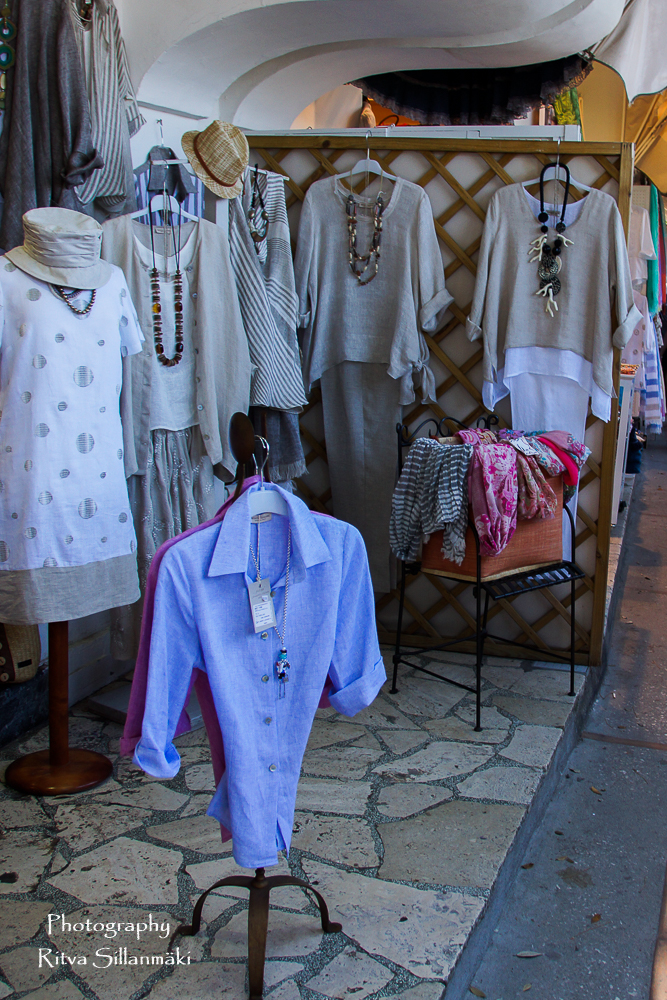
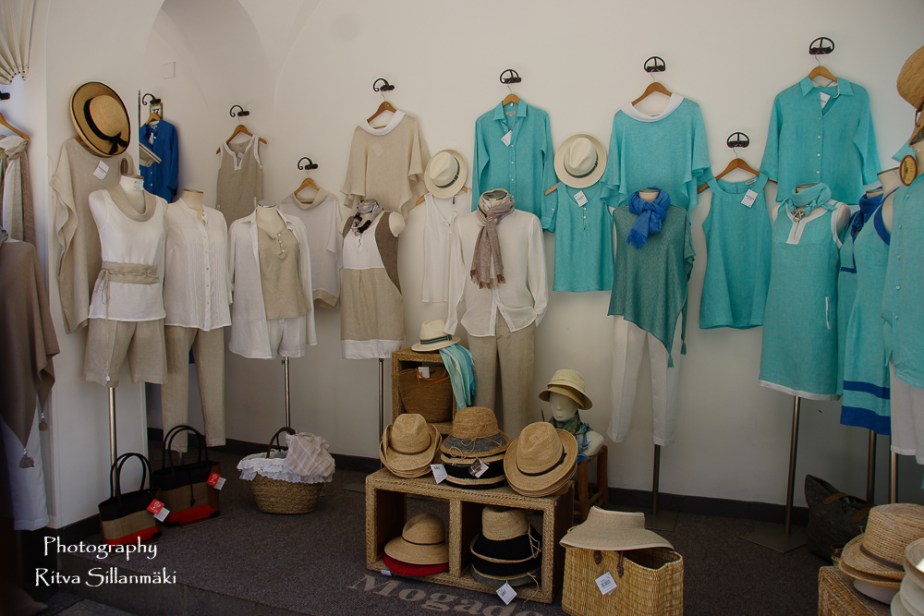
I totally love wearing linen clothes – they’re pretty much my go-to in summer and autumn. The soft feel and natural fibers are super comfy on my skin, plus they give off this elegant, classic vibe. I just dig how linen drapes nicely without feeling too tight, so I’m always grabbing my linen dresses when I’m heading out.
Linked to One Word Sunday at Debbie’s here
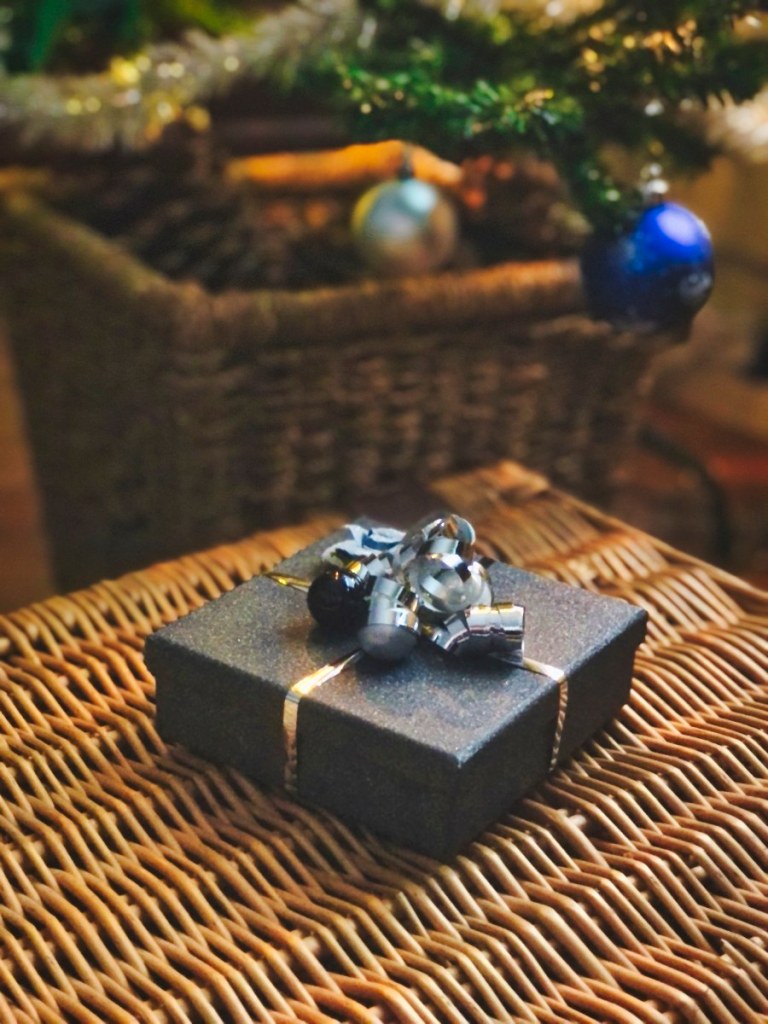
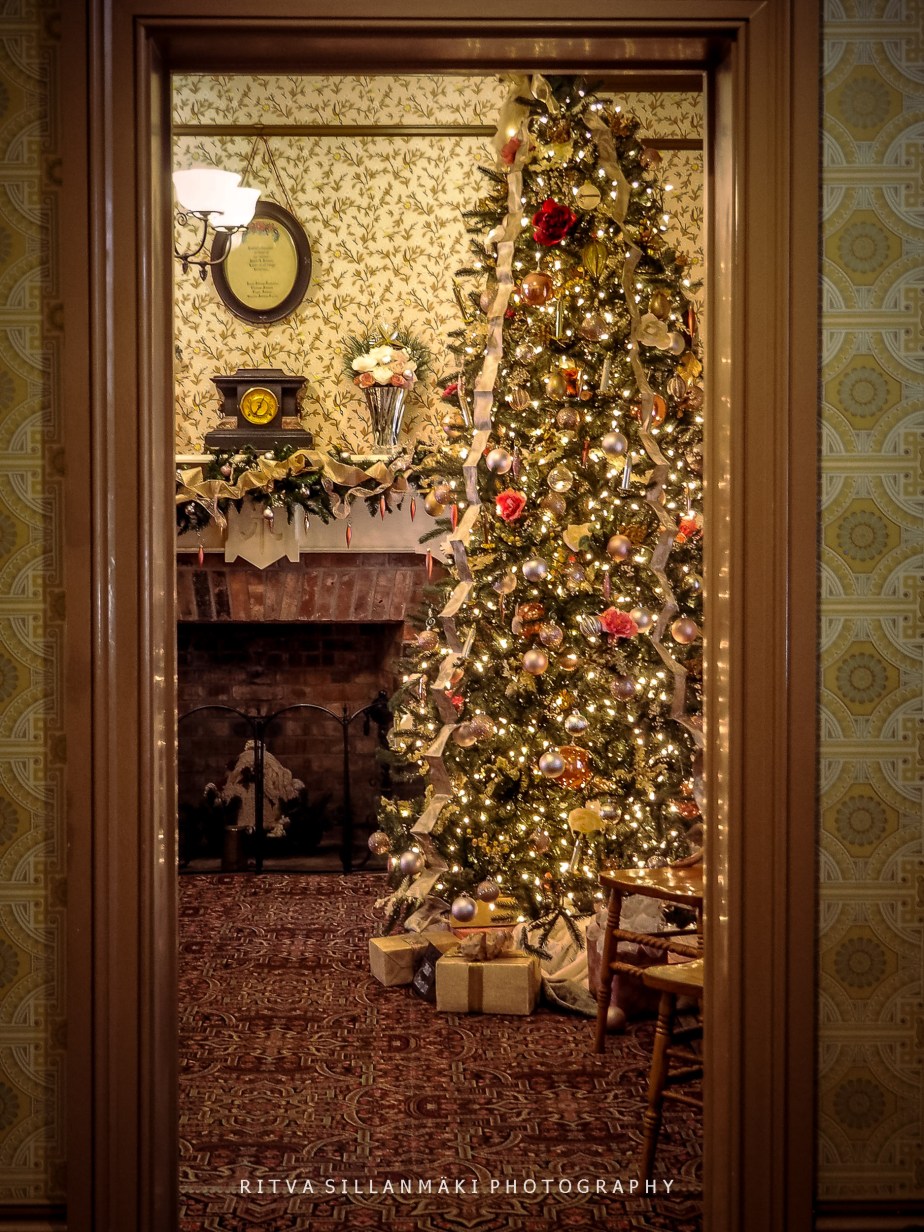
Today is the most important day of Christmas, filled with the joyous arrival of Santa on Christmas eve, who brings gifts and cheer for everyone, and we celebrate it surrounded by the warmth and laughter of family and friends, creating cherished memories that last a lifetime, as we gather around the beautifully decorated tree.
Merry Christmas to you all !


 Ritva Sillanmäki Photography