I emptied my card on my Sony yesterday, which has been my go-to camera for taking images for my photography projects lately. Plus, I’ve got my phone on me all the time, making it easy to grab quick shots whenever I want ; it adds a spontaneity to my photos and helps me catch sudden little moments.
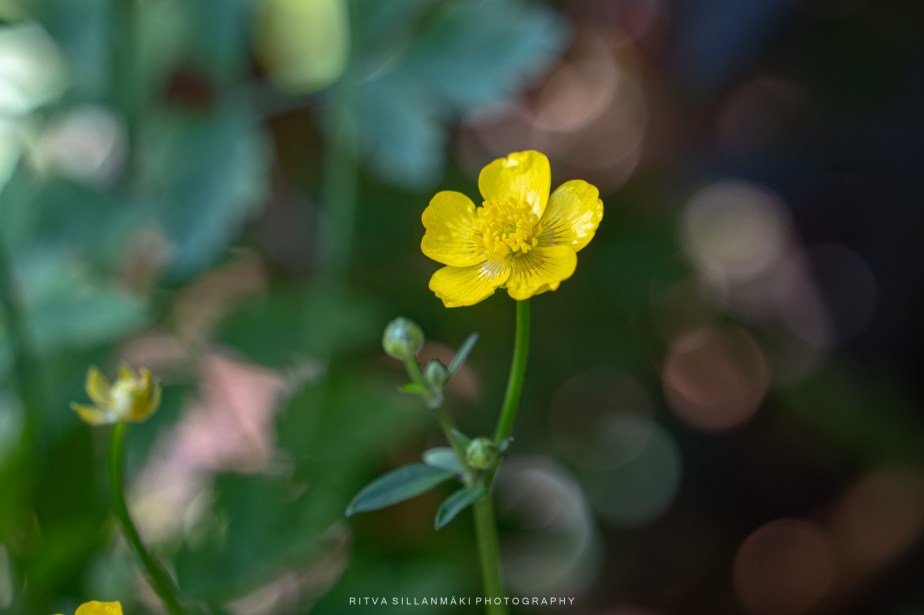
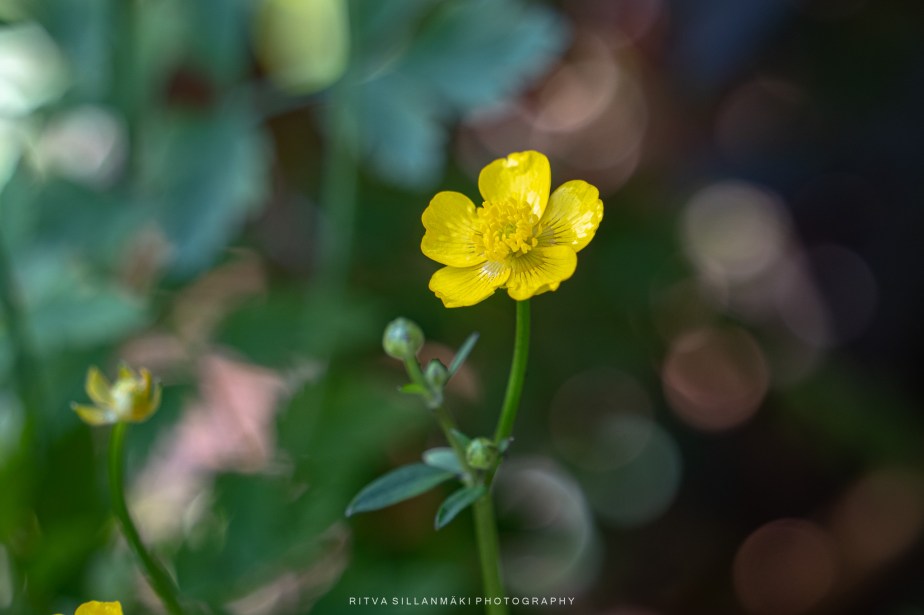
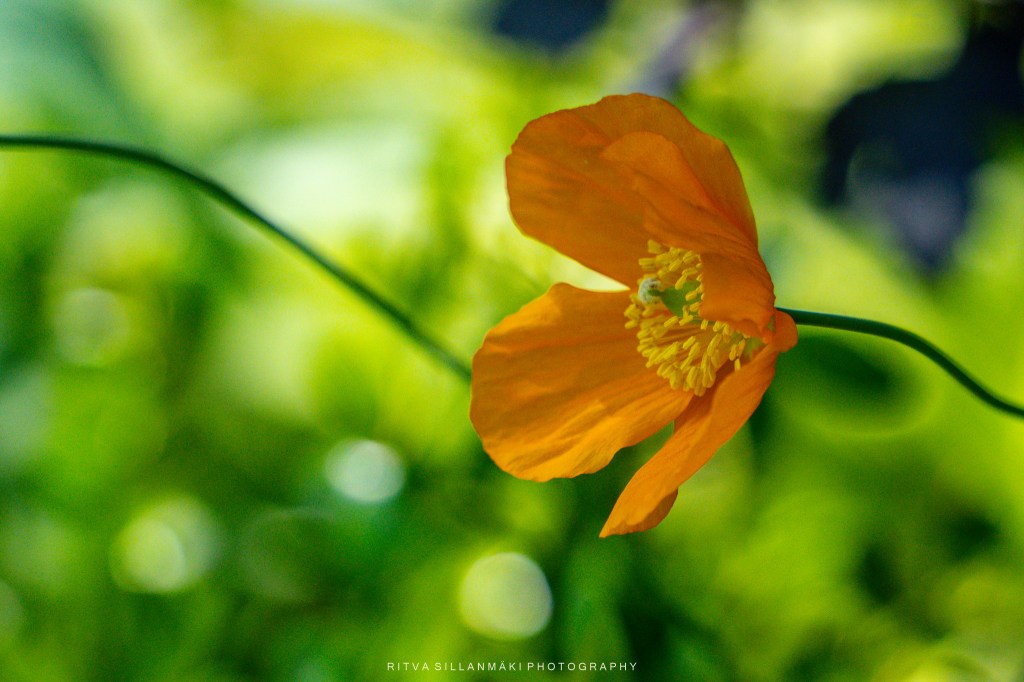
This is a Wolly Buttercup – I took the photo in my backyard. I am rather happy with this one, I find yellow and red colors sometimes hard to capture.
A close-up of a Wolly Buttercup flower, with its vibrant yellow petals.
This is from my IPhone – I am still looking for nice / different reflections 🙂
Reflections on glass with a view of the sky and clouds.
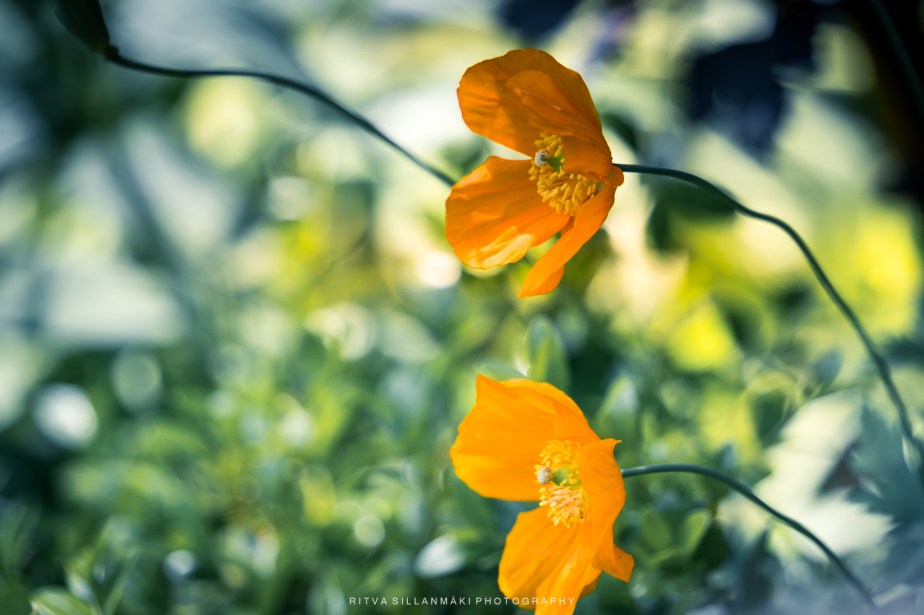
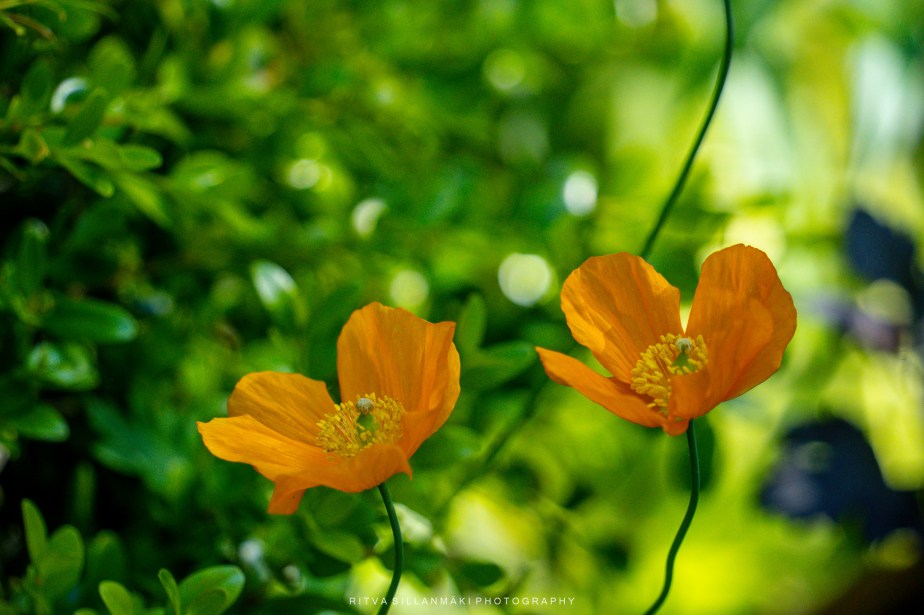
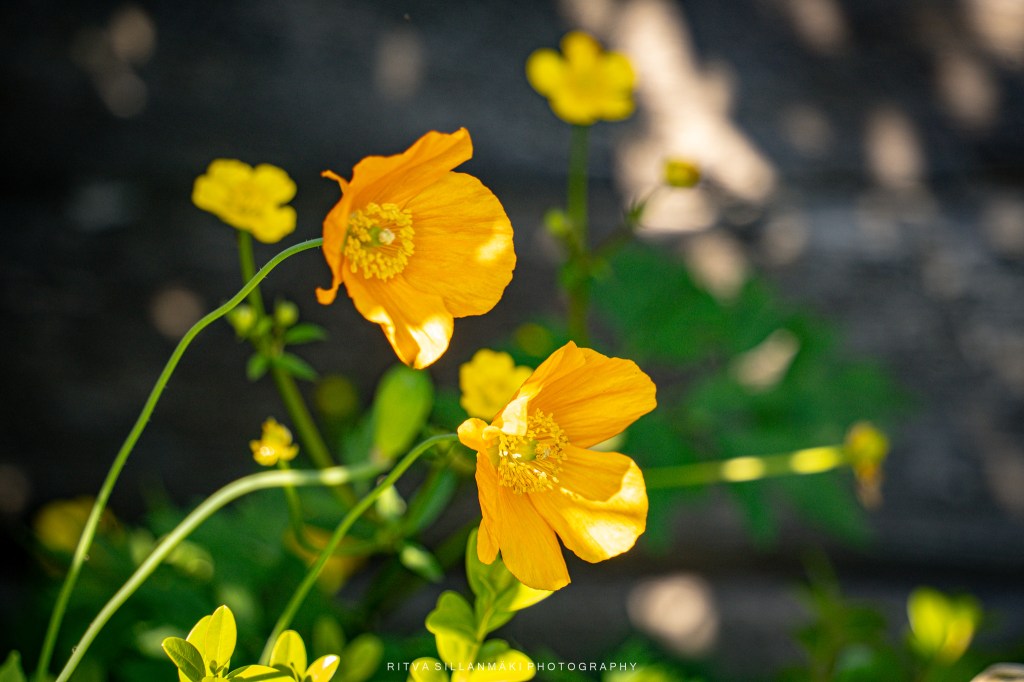
Unexpectedly, the two vibrant orange poppy blooms brightened my garden, their cheerful colors radiating joy against the lush greenery surrounding them. I was thrilled to see them, as they infused the flowerbed with a sense of happiness and vitality. It felt like nature had presented me with a wonderfully delightful surprise.
vibrant orange poppy flowers against a lush green background. orange poppy
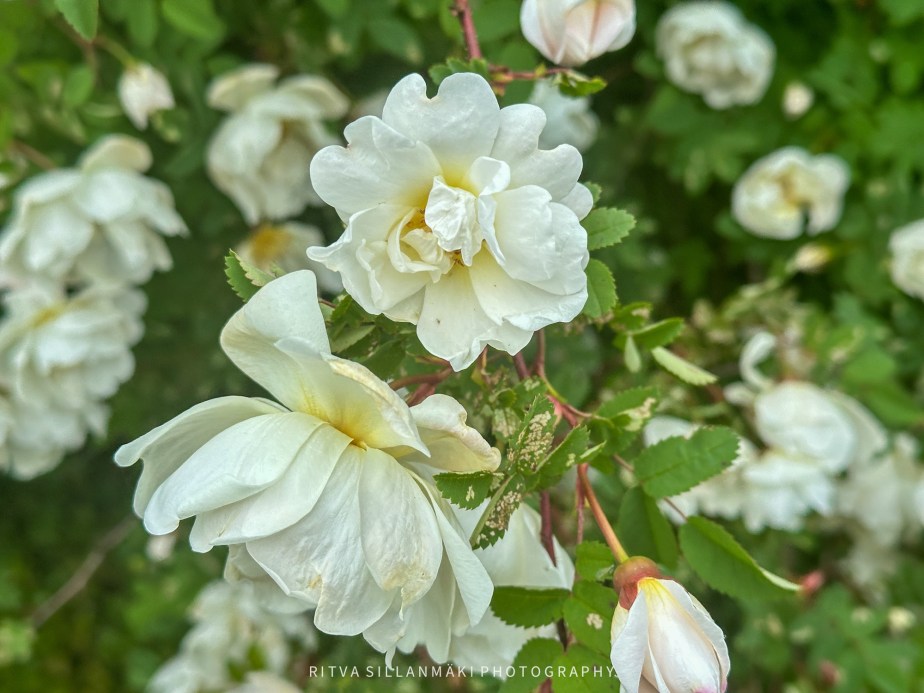
This weekend we are celebrating midsummer, it is one of the main celebration of the year here in Nordic countries. The nightless night.
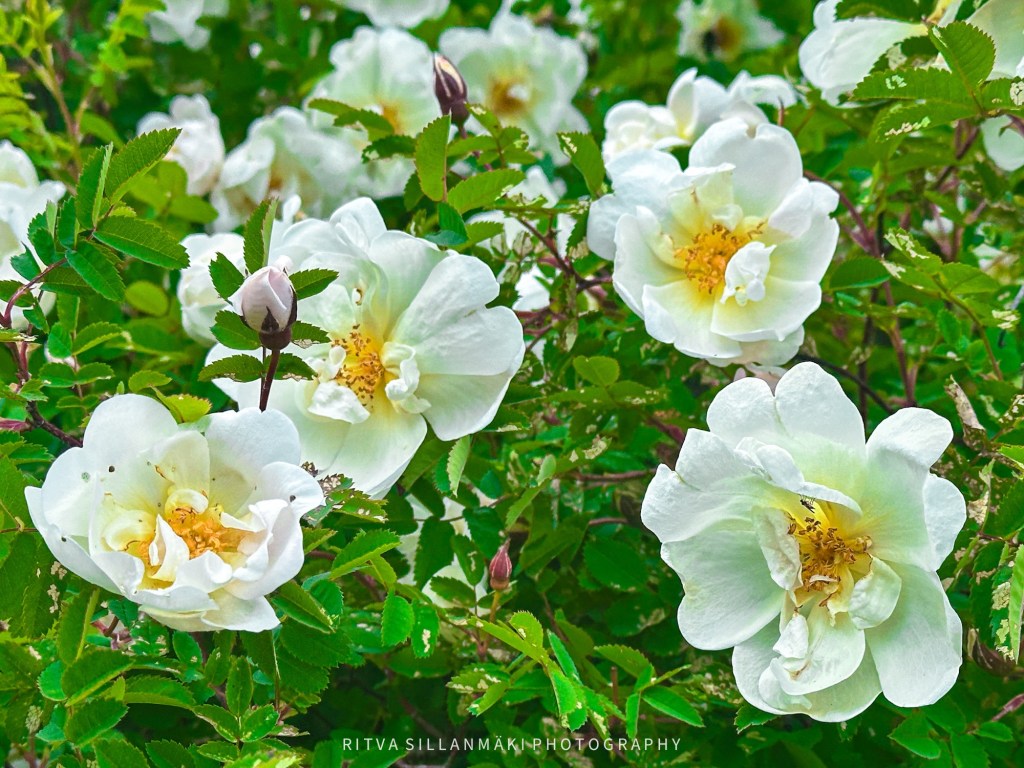
Midsummer rose
Happy midsummer to you all with this
Moomintroll’s Midsummer Poem
But I lie upon the meadow to rest my legs awhile I stop my musings right away to feel the sunlight shine Let others do the thinking, they’re wiser anyway on such a warm and friendly, and sleepy summer day When all is blue and smells of dew and you are free for troll-like deeds or what you will – but choose to be just lying still.
I am a troll like you, who thinks the world is a home for me, right now.
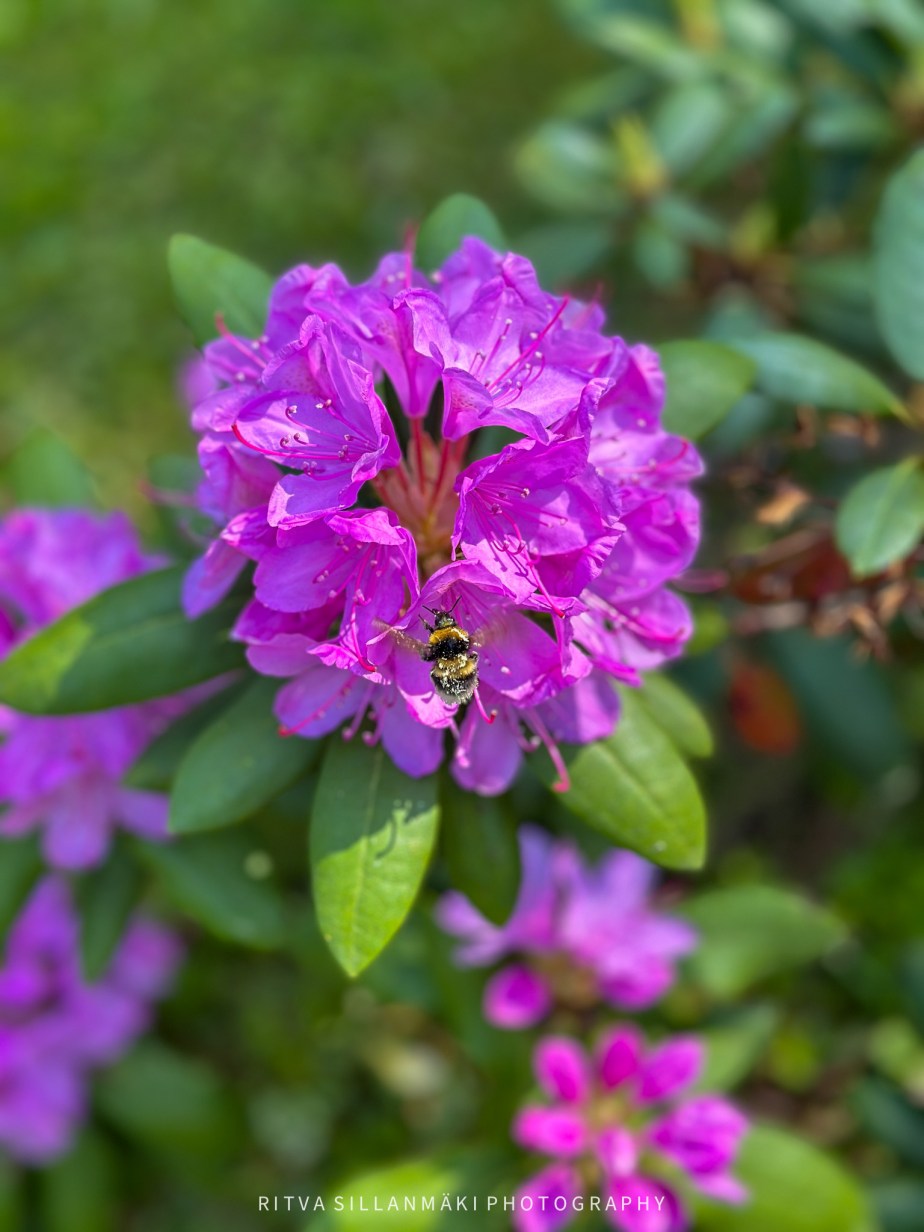
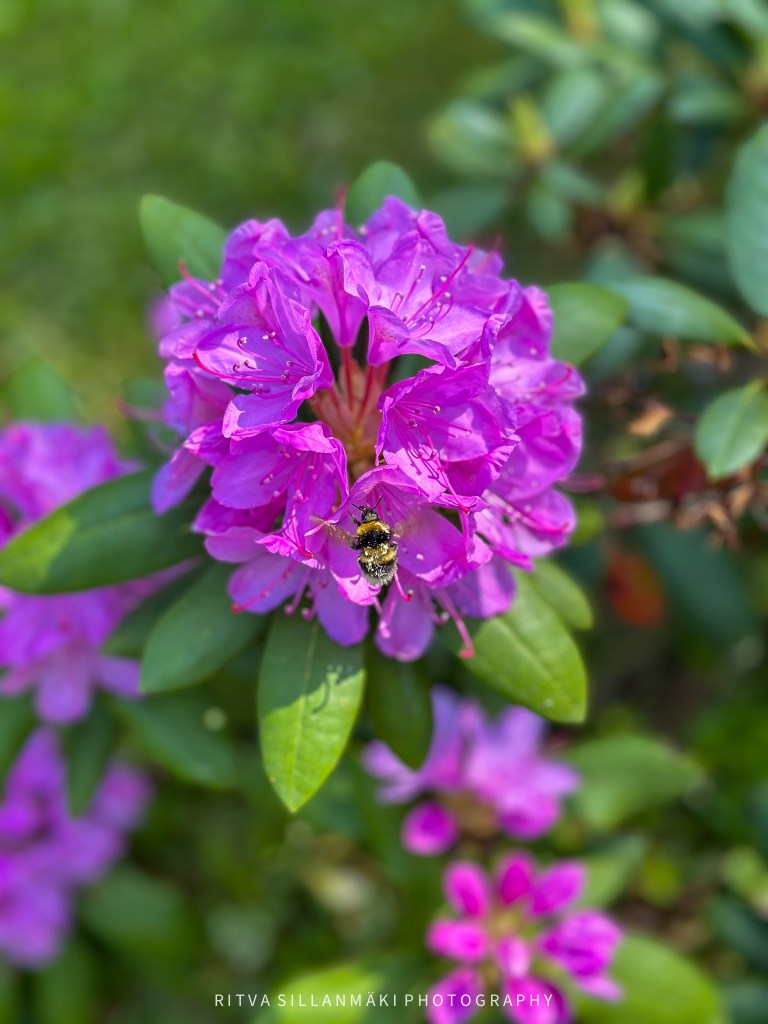
This is the time to get a shot of Rhododendrons, as their vibrant blooms are a spectacular. The particular one I captured was taken with my iPhone from the comfort of my backyard, where the sun gently kissed the petals, 🙂 Their lush foliage and intricate blooms not only provide a stunning backdrop and , reminding me of the beauty that nature has to offer right outside my door.
Later that day, we went to visit the Rhododendron park, and the sight was absolutely awesome; it is truly a wonder how big these magnificent plants can grow and how the different color blooms create a stunning spectacle. As we walked through the park, I couldn’t help but admire not only the vibrant pinks and deep purples but also the delicate whites and fiery reds that seemed to dance in the gentle breeze. I have to say, we were certainly not the only ones there that day; the park was packed with people of all ages, and nationalities each one enjoying the lovely day and taking advantage of this small, fleeting window of time to see the rhododendrons fully bloom in all their glory. Families were well presented, couples strolled hand in hand, and photography enthusiasts eagerly captured the beauty surrounding us, creating a lively atmosphere that enhanced our shared appreciation for nature’s artistry. What a great opportunity to people watching as well… I will post a separate post about those photos as I did not take them with my phone
Close-up of vibrant pink Rhododendron flowers with a bee pollinating, captured in my backyard
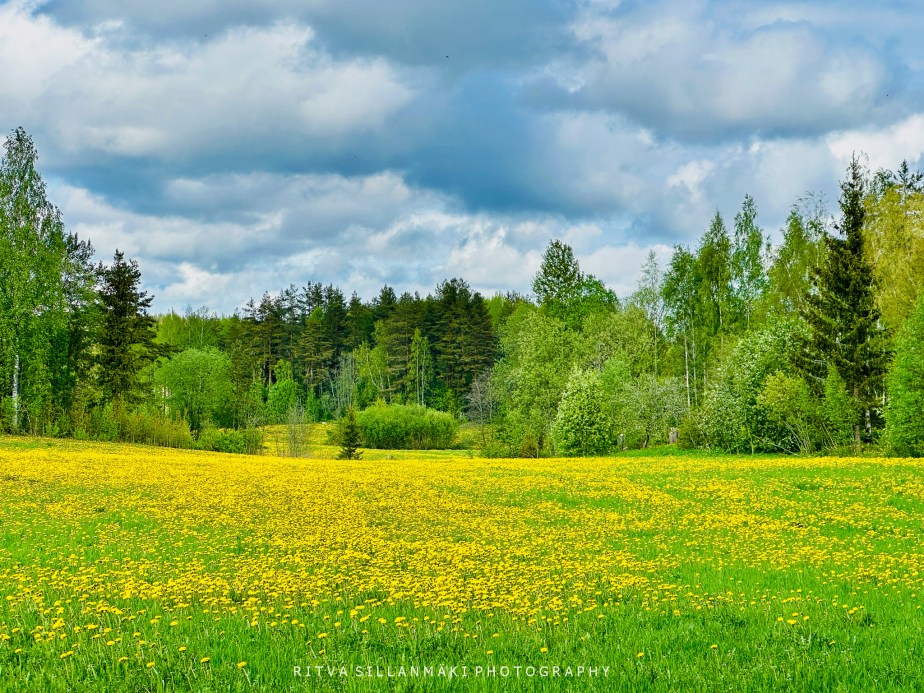
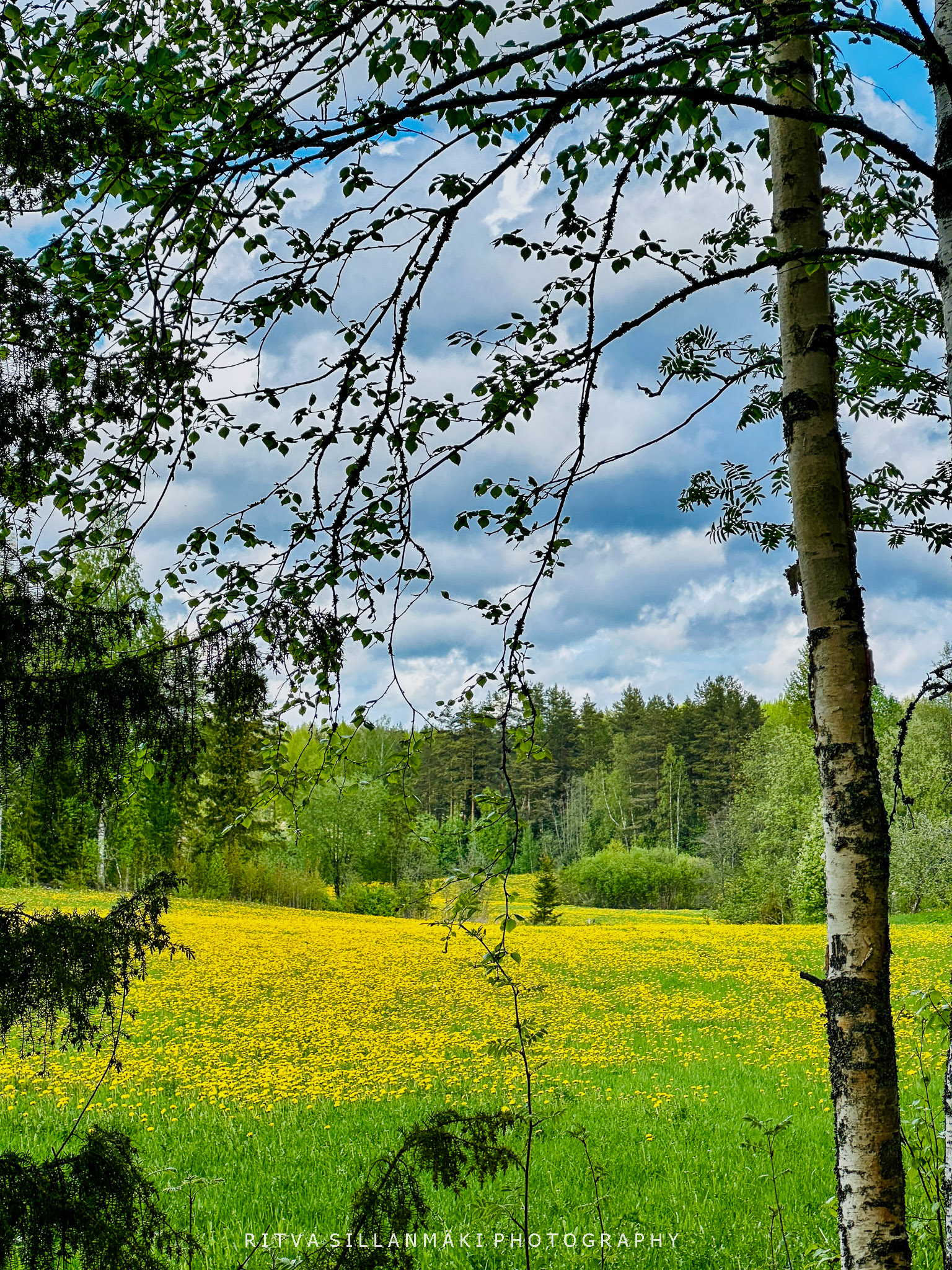
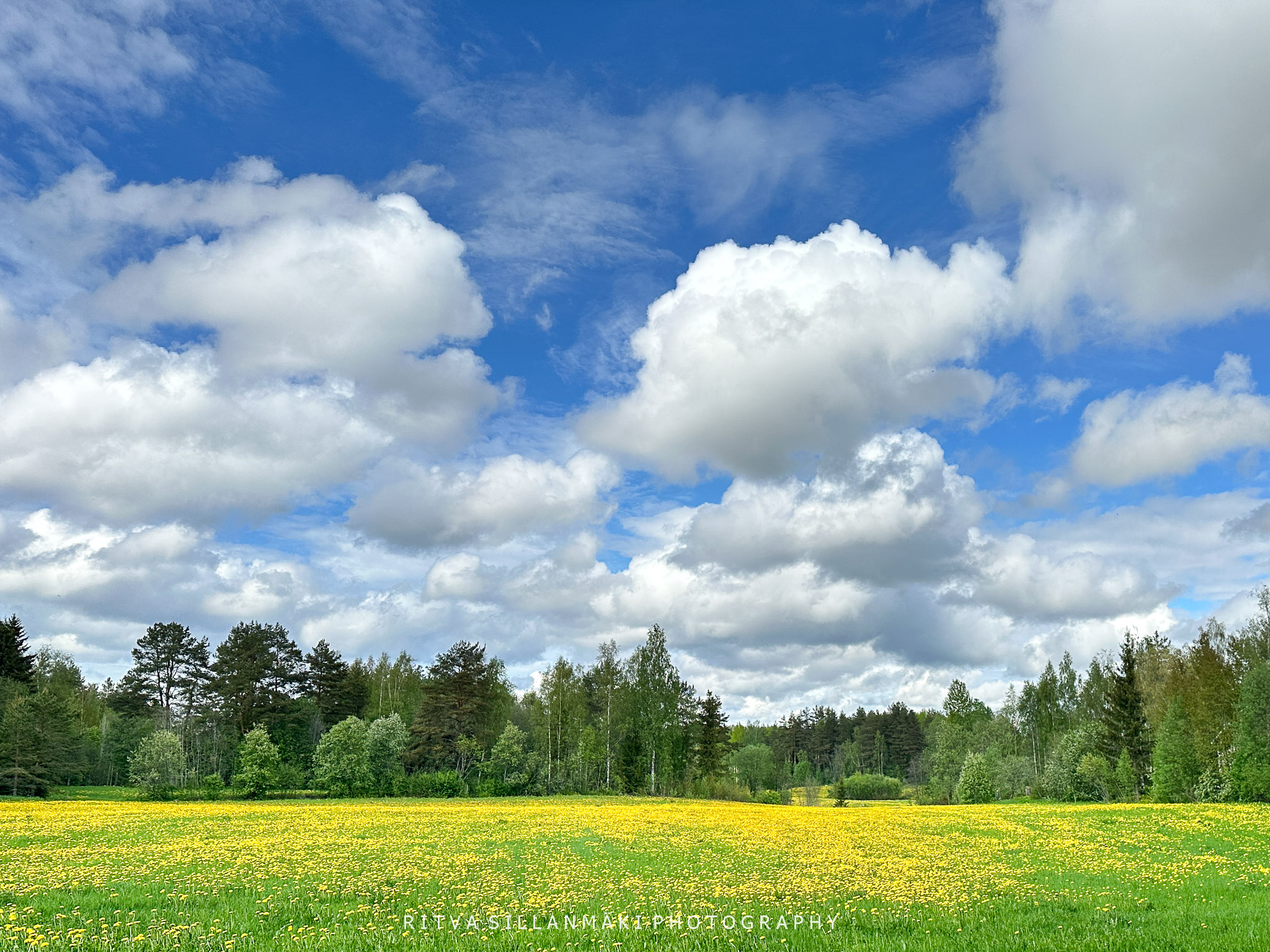
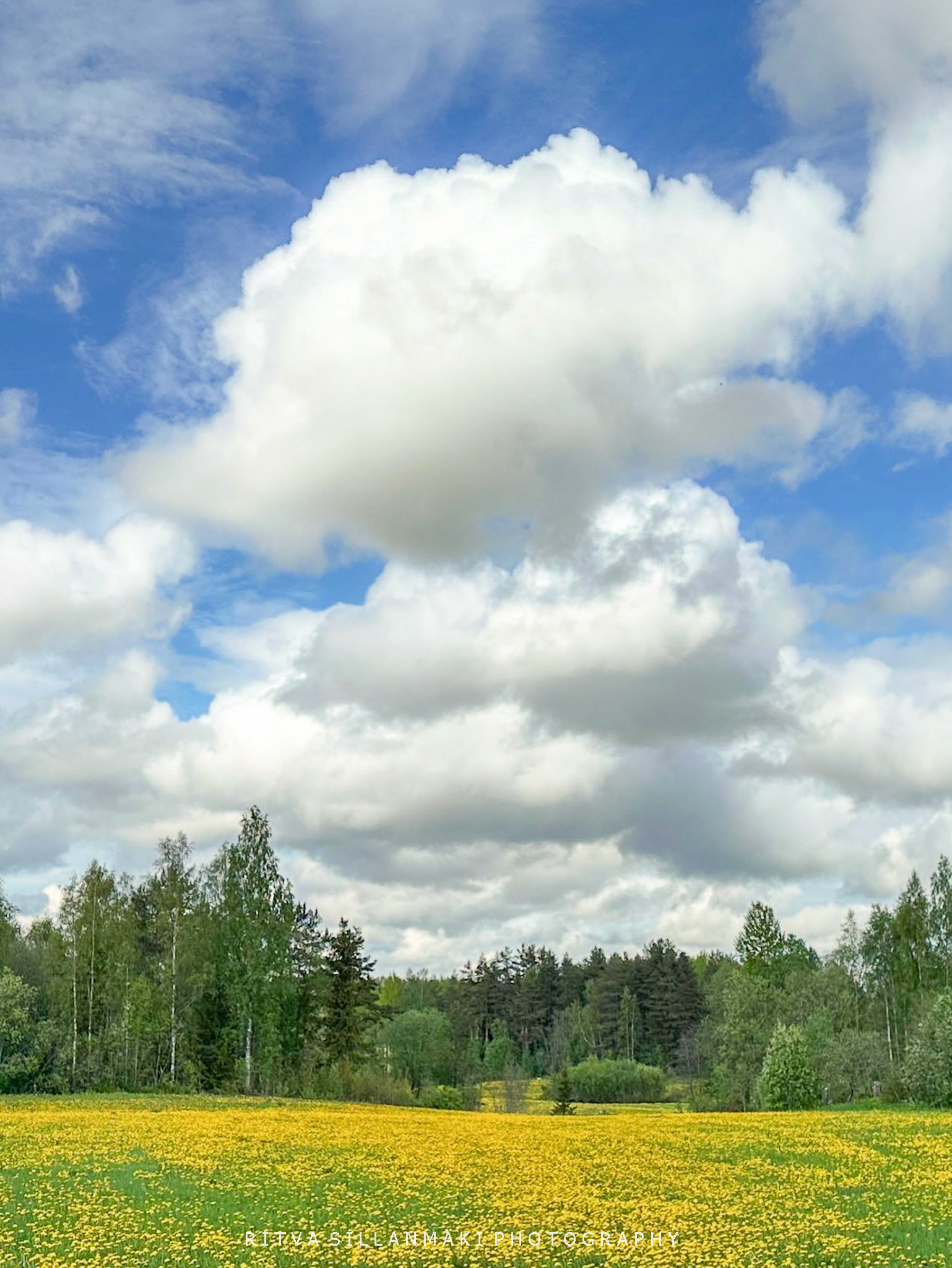
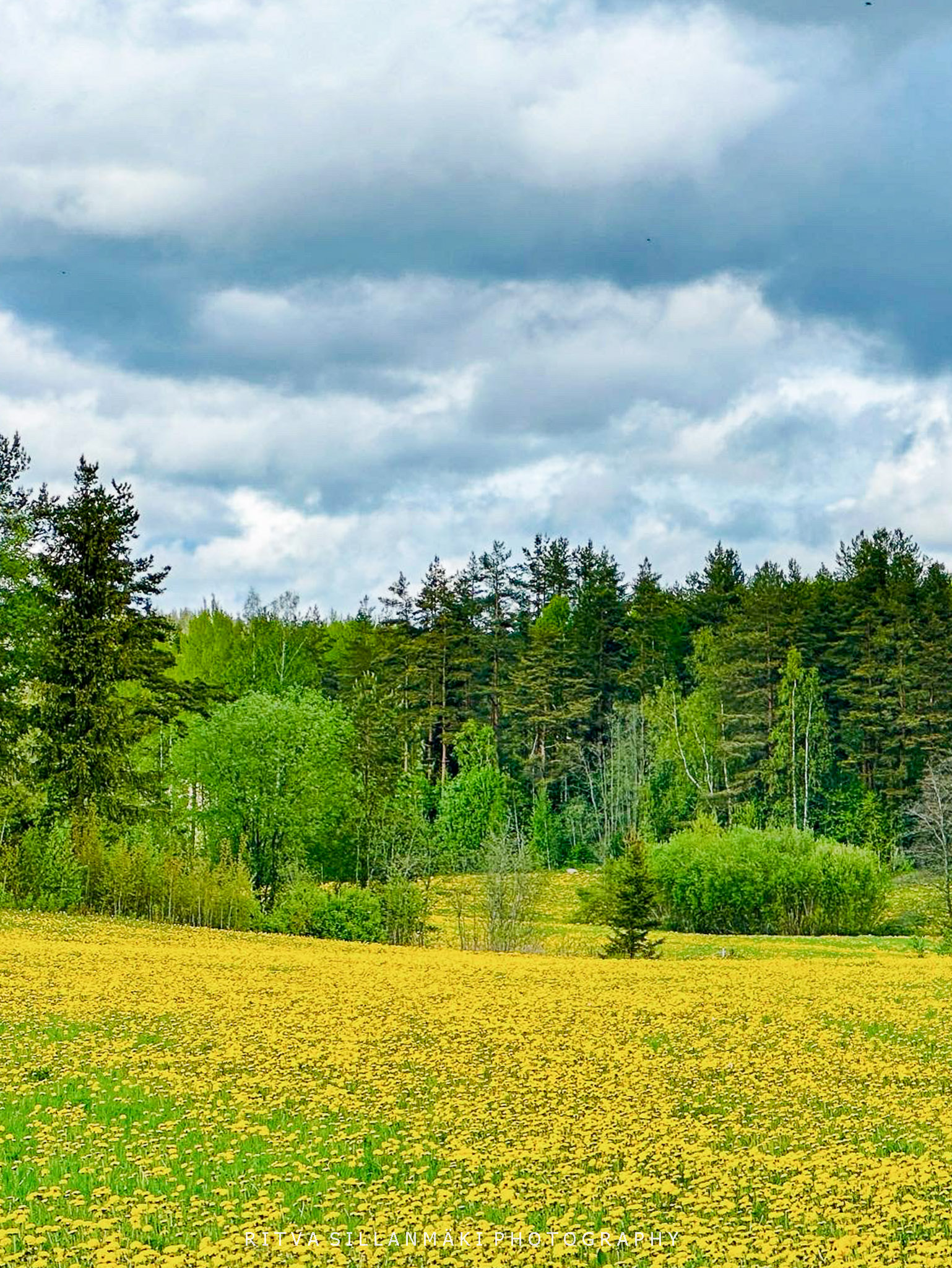
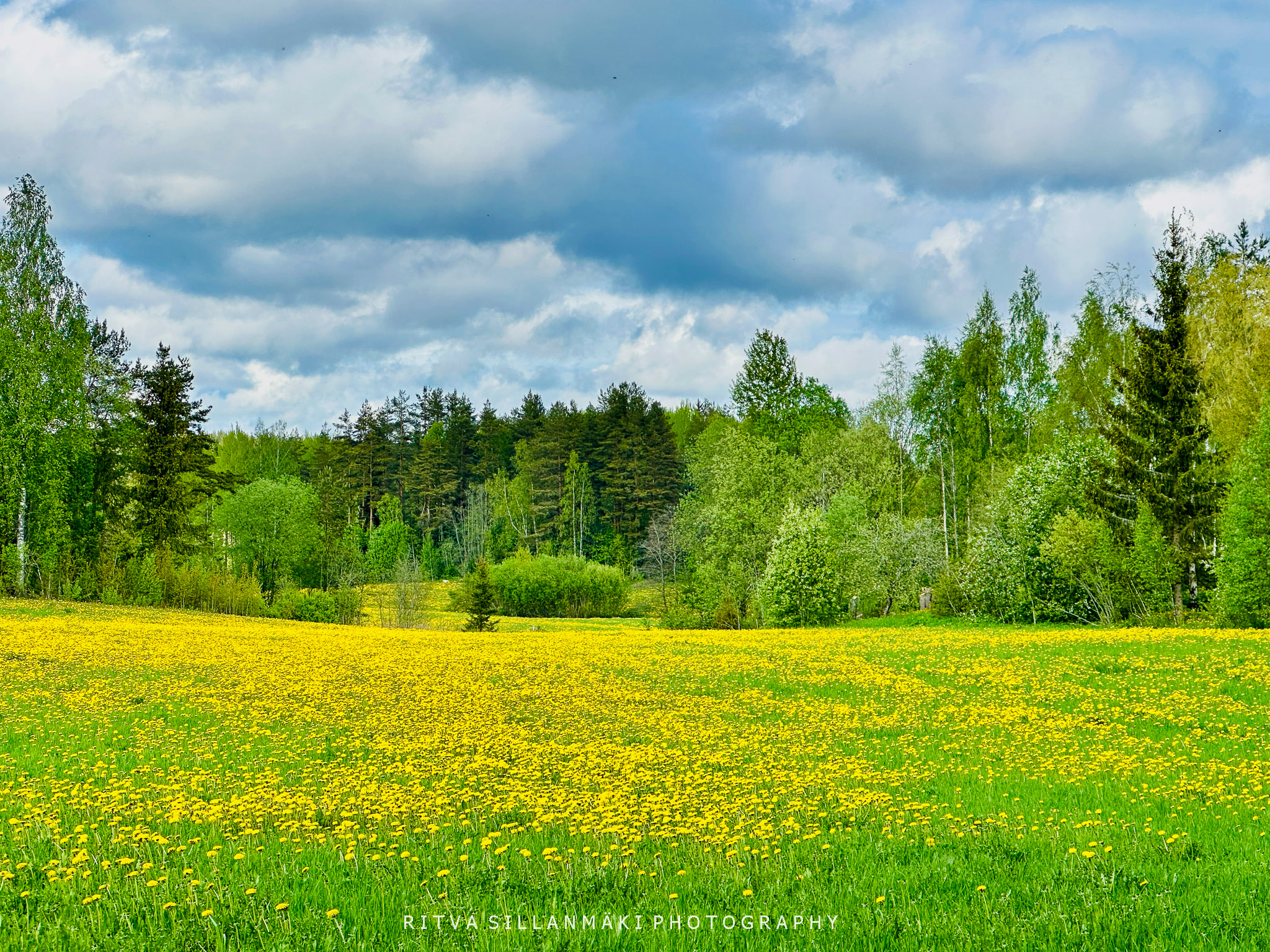
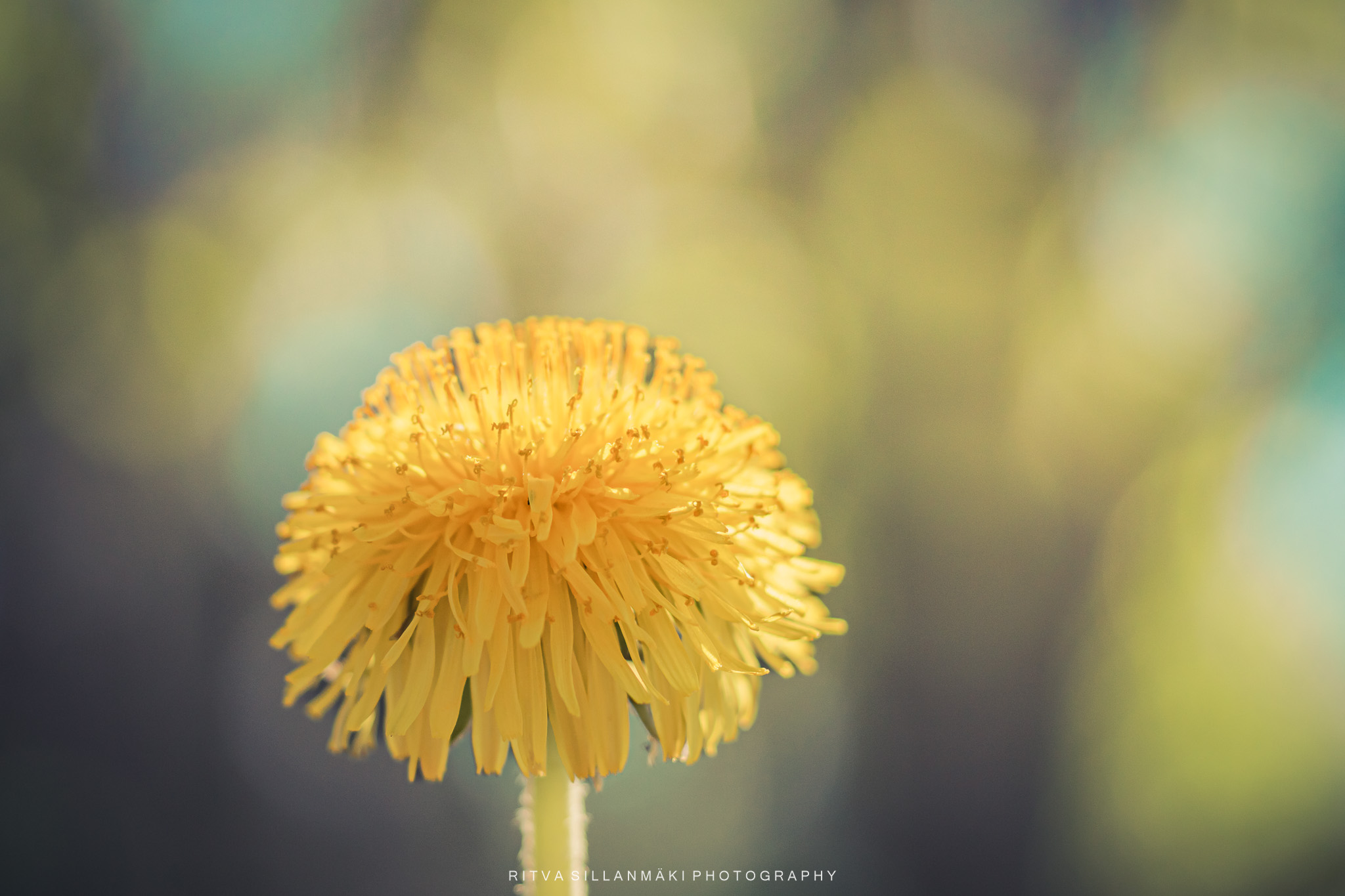
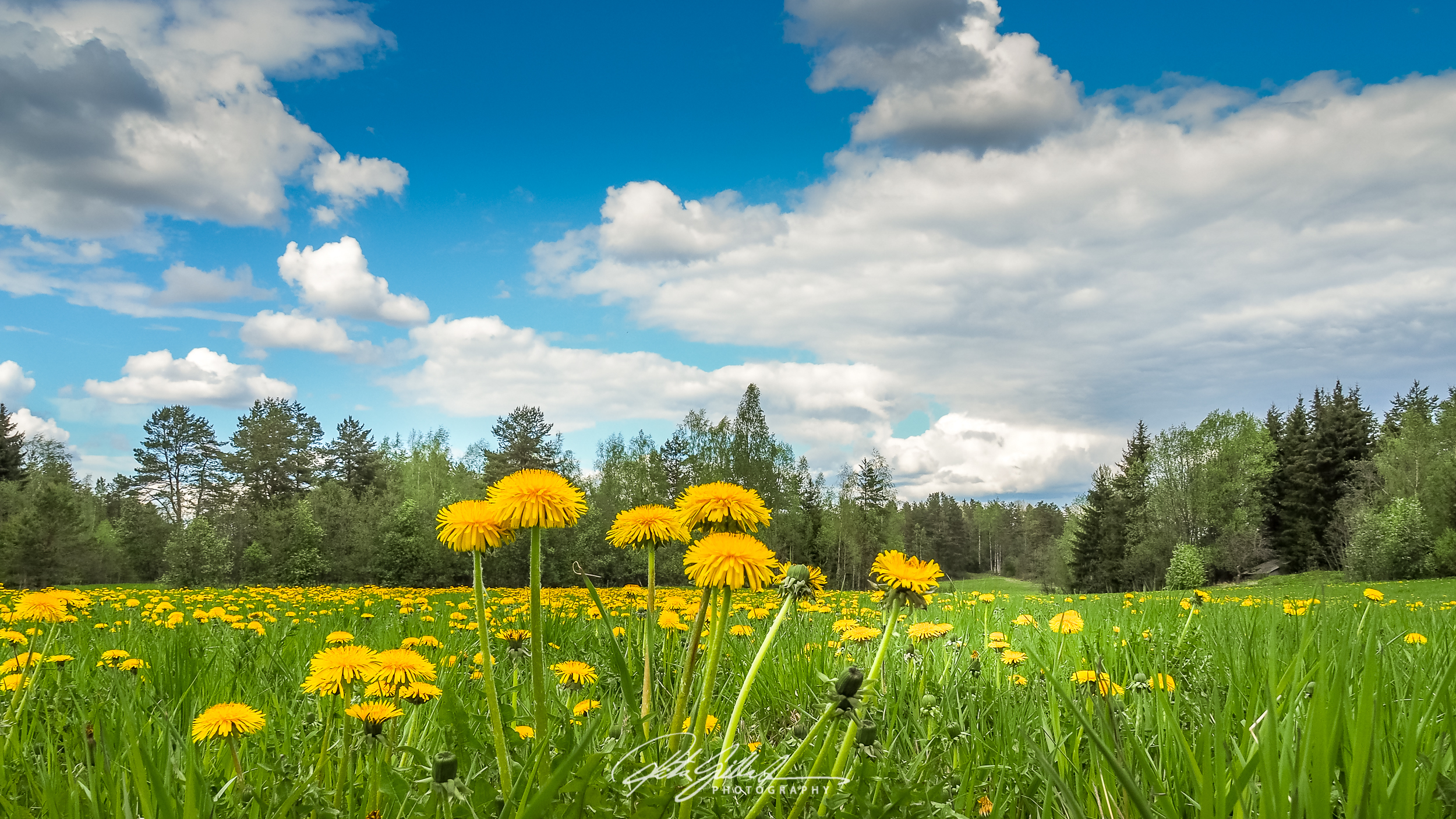
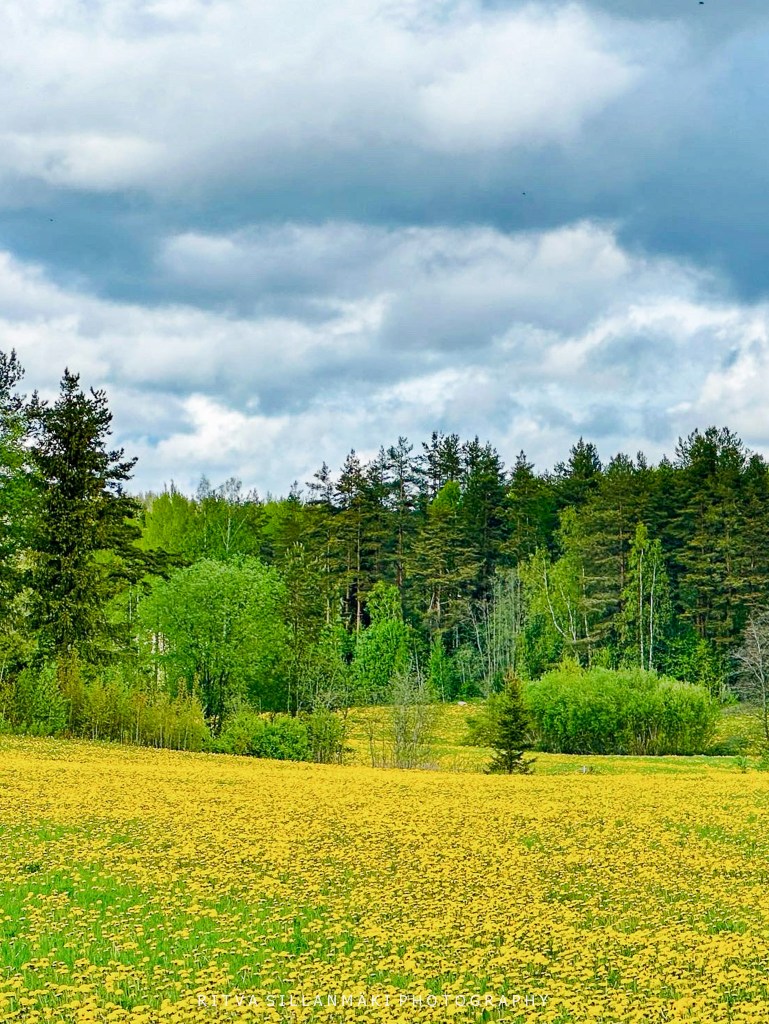
This is the prime time for dandelions in my neck of the woods. The glorious yellow fields of this pest of a flower look lovely, stretching out like a bright carpet across the landscape, creating a vivid contrast against the greens of the grass and the browns of the earth. This weed is lovely in its brightness, with its unapologetic splendor. I took these yesterday, reveling in the beauty of the fields and the soft, fluffy clouds drifting lazily above, where the sun peeked through to illuminate the landscape. However, towards the end of the day, the clouds turned dark, gathering together ominously and giving us a pour of rain that was both refreshing and needed. The scent of the air after the rain was so fresh and lovely, invigorating my senses.
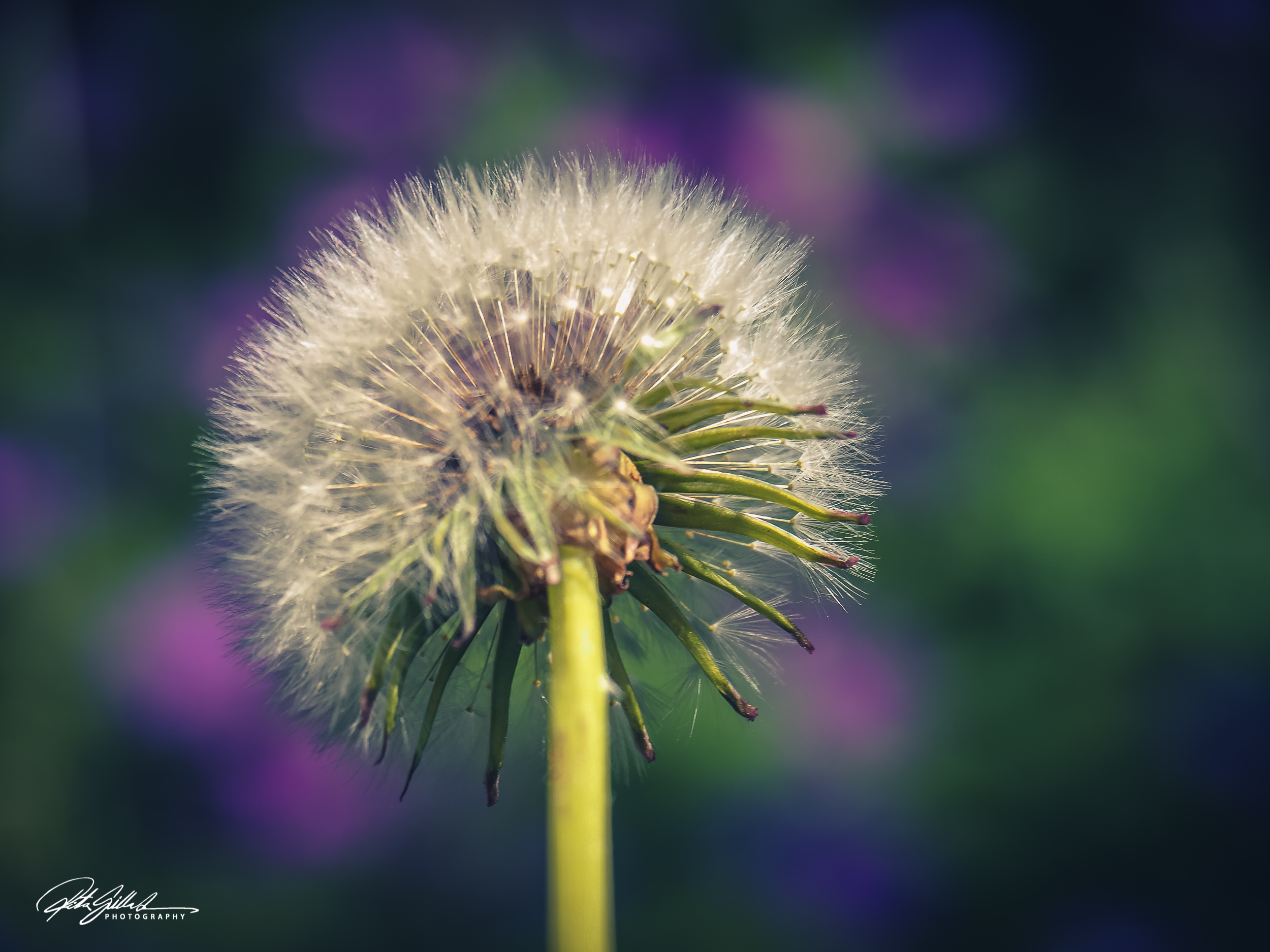
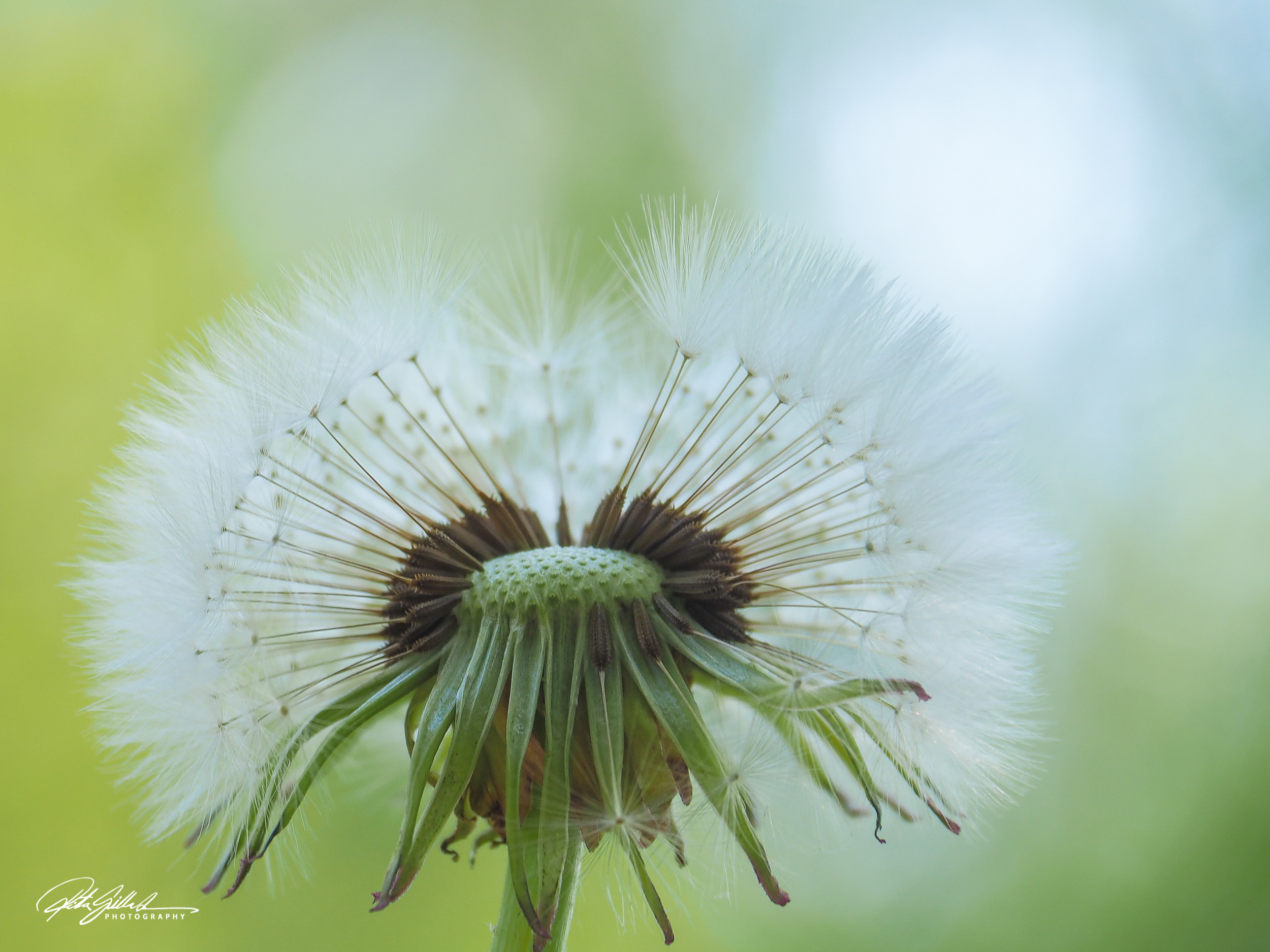
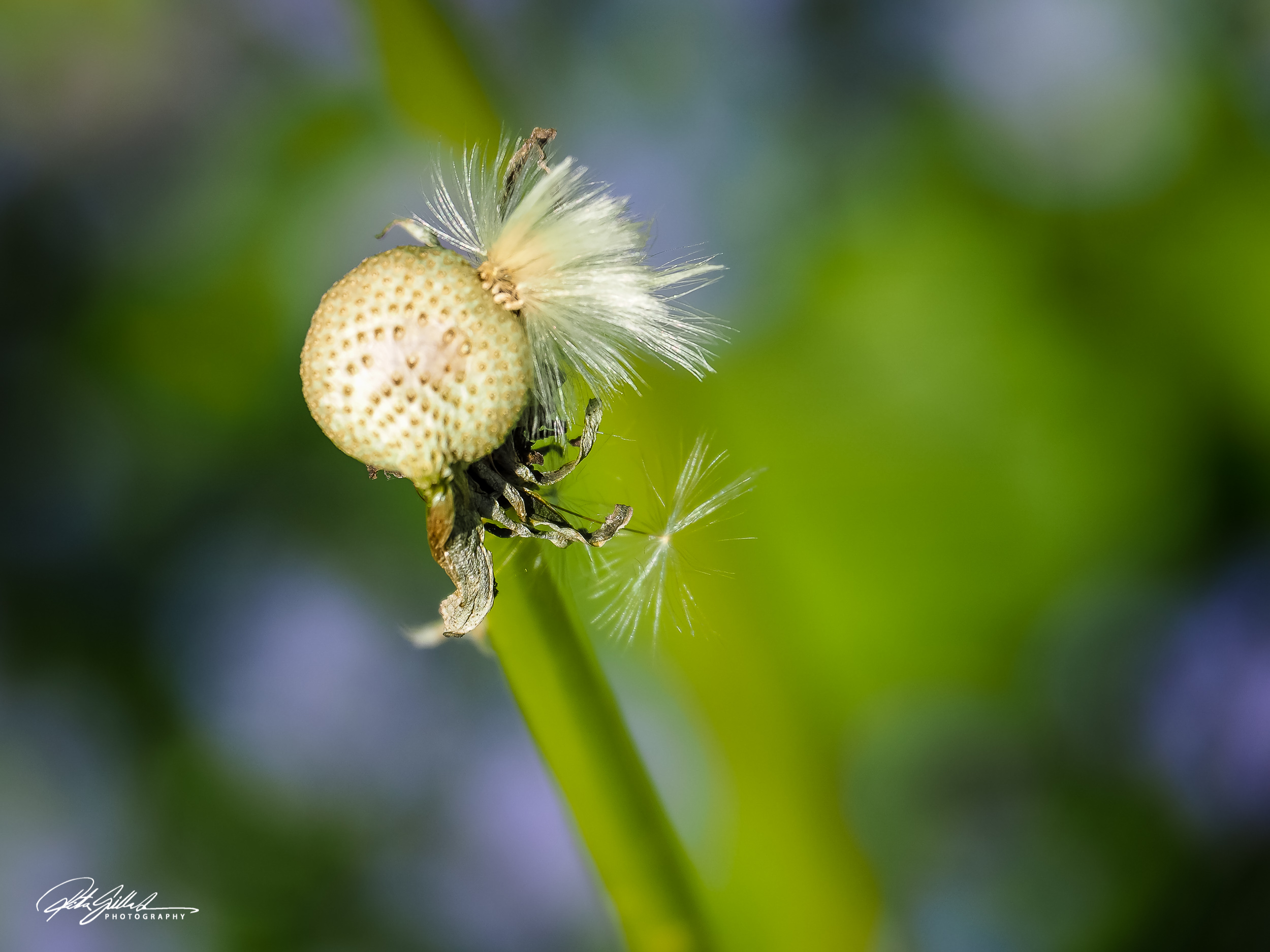
The seeds, delicate and fluffy, are a great macro photography subject, exploding into the air with just a gentle breath, scattering like tiny parachutes on the wind.
My old neighbor, by old I mean she used to be my neighbor and well she was on the older side; I was in my late forties and she in her late eighties, told me she used to make wine out of dandelions, a unique blend that captivated and surprised many. She said she would give me the recipe, but I never did actually get it, although it came up many times during our conversations, often reminiscing about the joy ipicking the dandelions. She was a lovely lady, always positive, her laughter , and her stories rich with wisdom about foraging, gardening, and the simple pleasures found in nature.
Dandelions can be made into wine, offering a refreshing and unique beverage. This traditional recipe is perfect for beginners looking to try something new for spring or summer meals. While many see dandelions as weeds, wine enthusiasts view them as ingredients. Dandelion wine is gaining popularity among DIY winemakers, featuring a light and citrusy flavor.
Ingredients: • 3 liters of dandelion petals (only the yellow parts) • 4 liters of water • 1.5–2 kg of sugar (adjust to taste) • 2 organic lemons (juice + zest) • 1 orange (optional – for rounder flavor) • 1 tsp freshly grated ginger (optional) • 1 packet wine yeast • Optional: 1 tsp yeast nutrient
Instructions:
Pick & prepare: Pick dandelions on a sunny day when they are fully open. Use only the yellow petals – the green parts can make the wine bitter.
Pre-fermentation: Boil the water and pour it over the petals in a large pot or fermentation bucket. Cover and let sit for 2 days, stirring occasionally.
Strain & flavor: Strain out the petals. Gently heat the liquid with the sugar, lemon juice + zest, optional orange and ginger. Stir until the sugar dissolves. Let cool to room temperature.
Fermentation: Add the wine yeast (and optional yeast nutrient) to the cooled liquid. Pour into a fermentation vessel with an airlock. Let ferment in a cool, dark place for 2–4 weeks.
Bottling & aging: When fermentation is complete, transfer to clean bottles. Age for at least 3–6 months. The wine only improves over time!
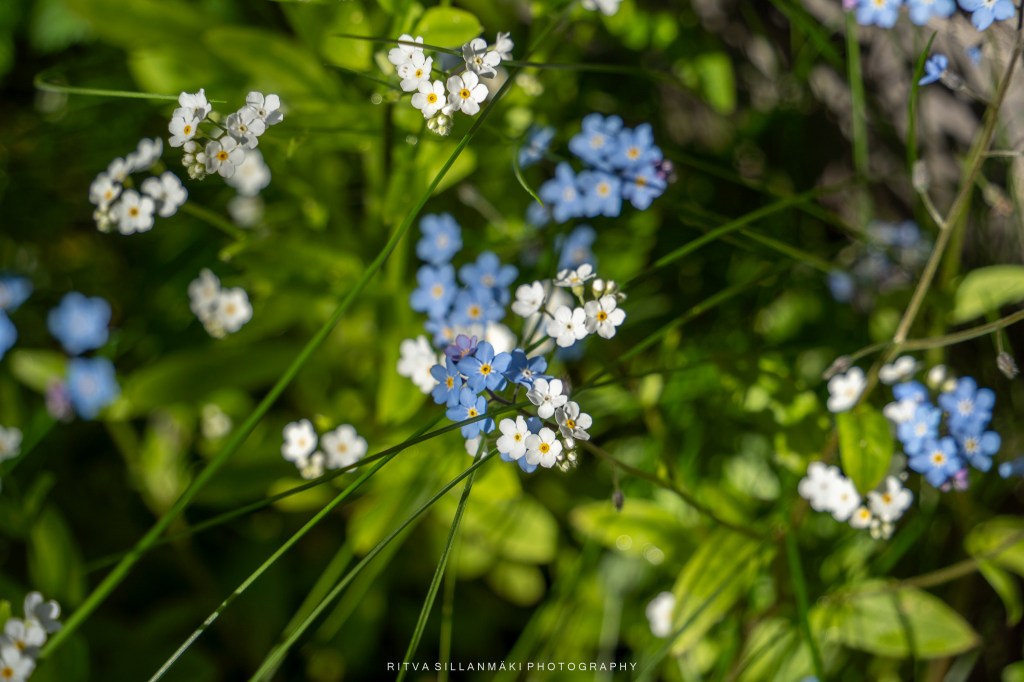
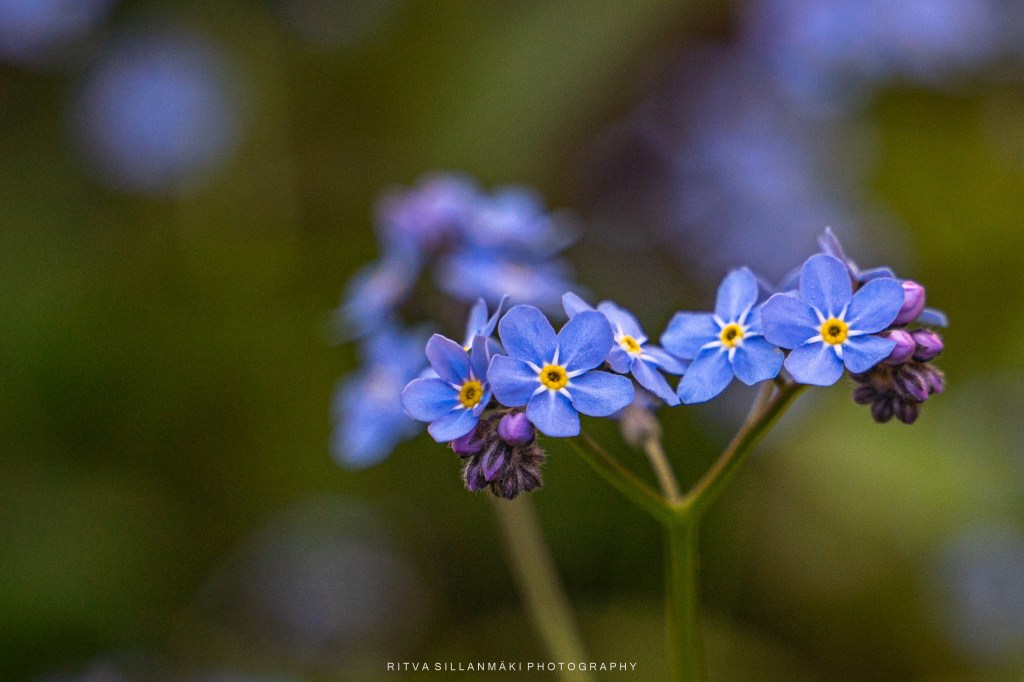
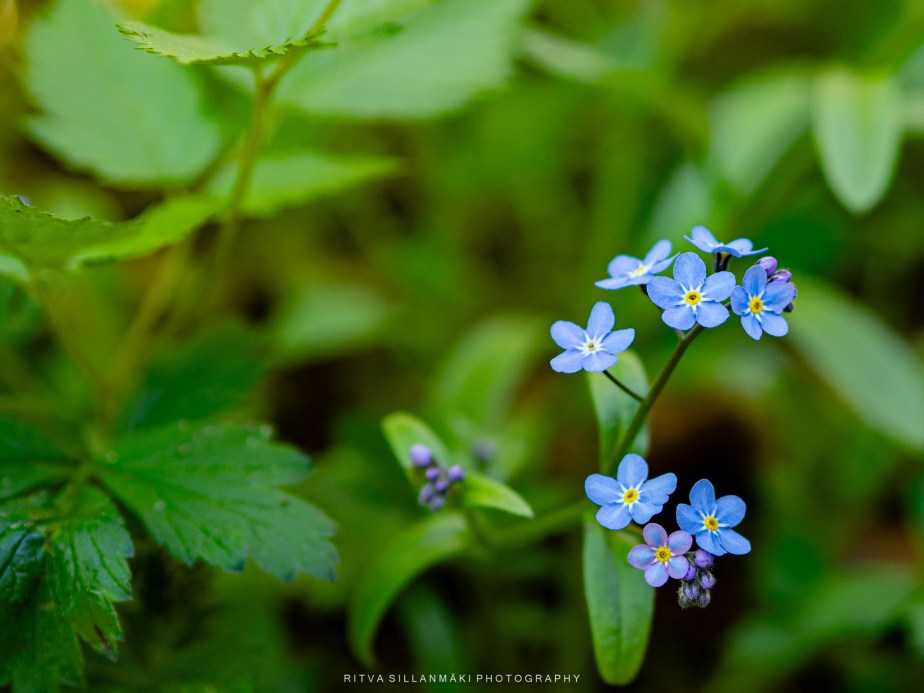
I’ve had a blast soaking up some sunny days in the backyard, just watching the colors and flowers burst into life like nature’s own art show. Those little forget-me-nots are a real highlight—so delicate and lovely! I’ve got loads photos of them from past springs, so I definitely don’t need more, but honestly, I can’t resist the urge to snap some fresh shots.
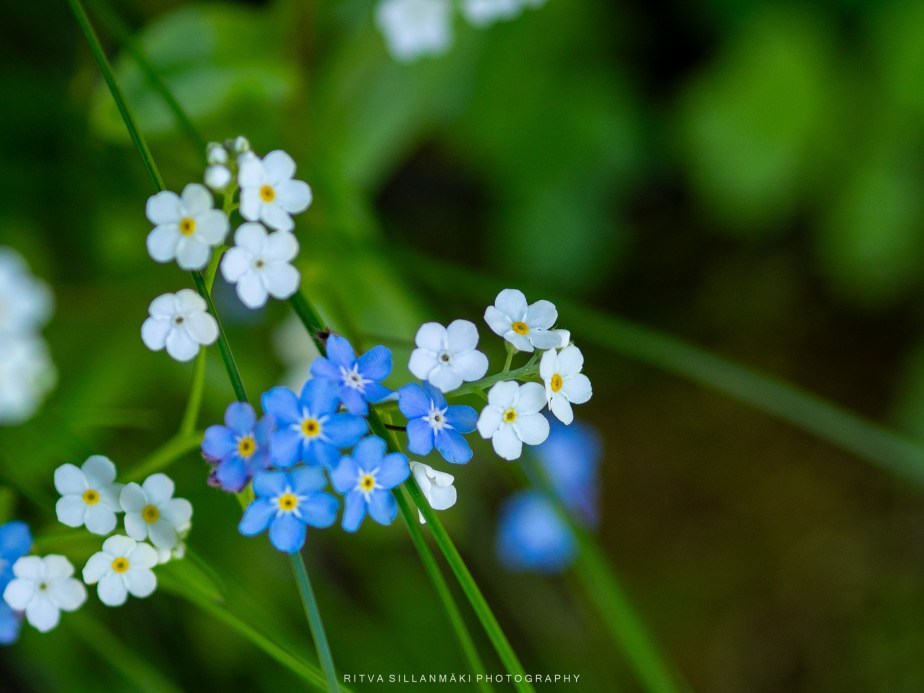
Forget-me-not flowers, their delicate beauty and rich colors amidst lush greenery.
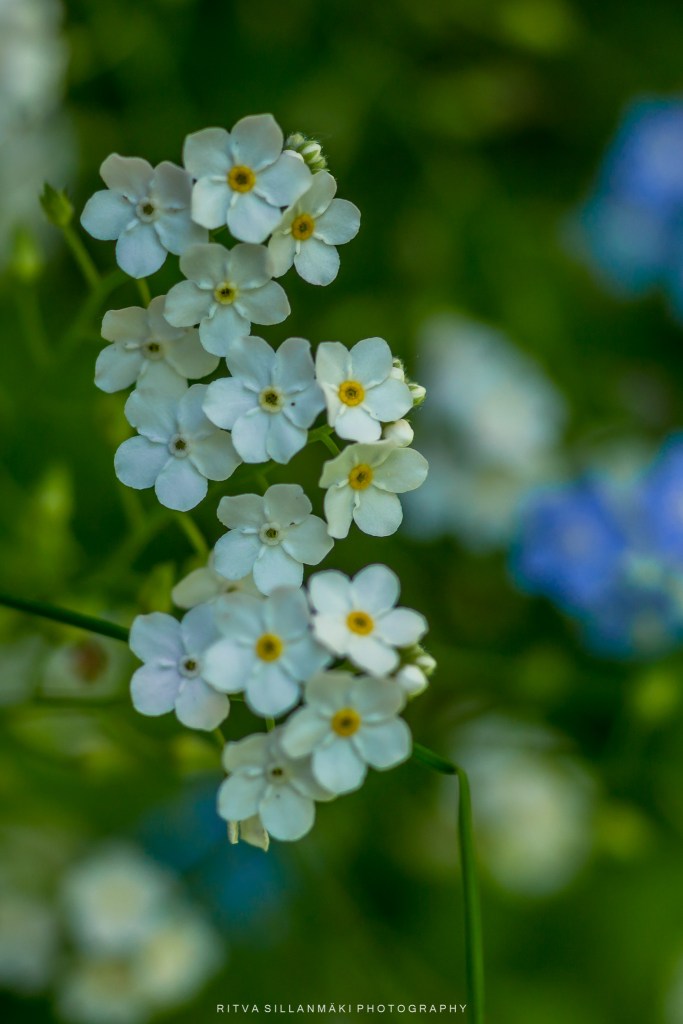
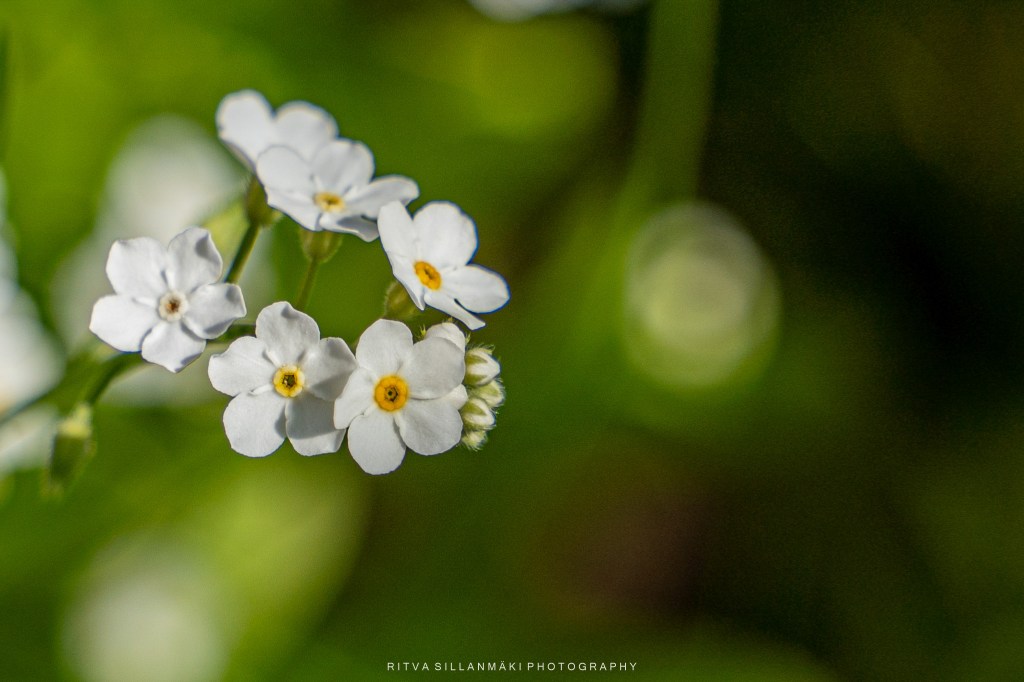
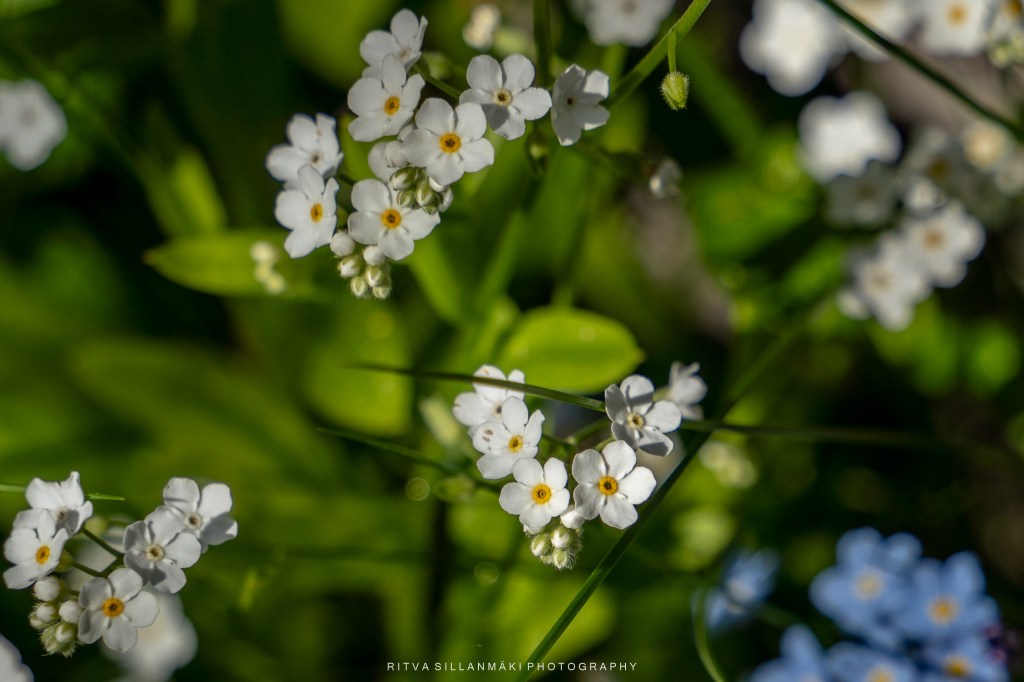
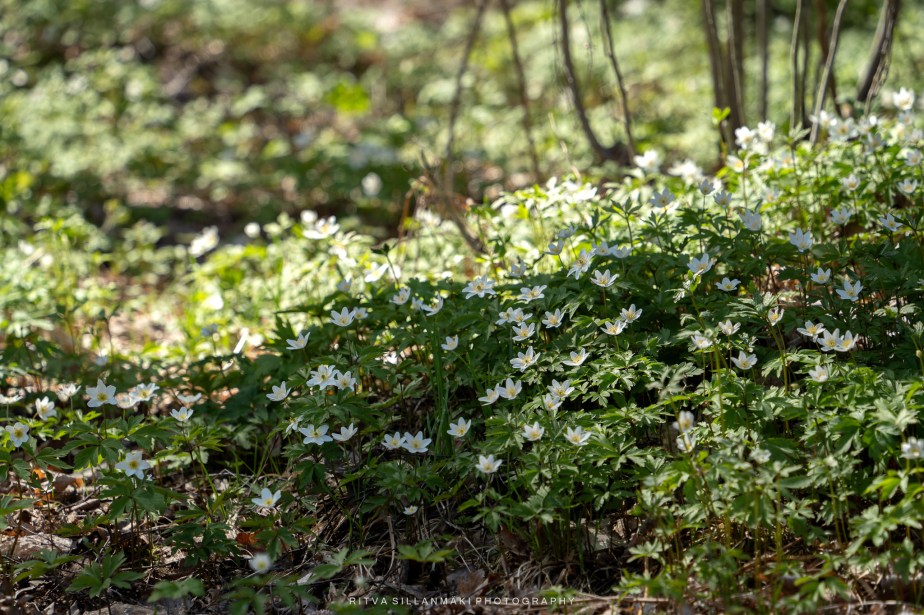
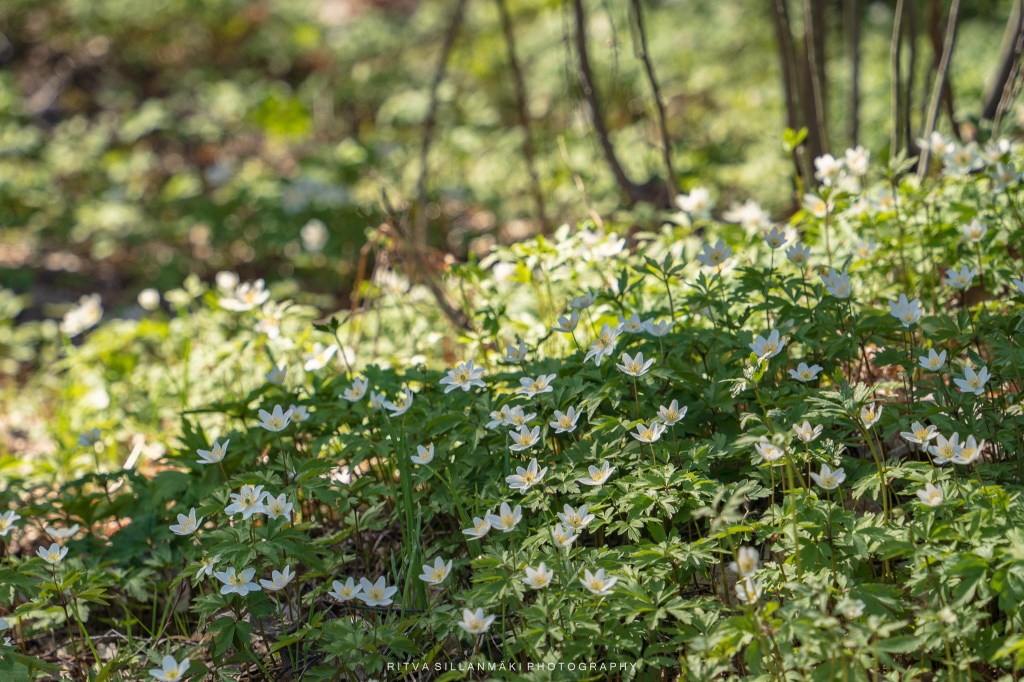
The White Forget Me Not Flower carries a heartfelt spiritual significance for many, embodying enduring love and cherished memories. Often used to pay tribute to those who have passed, this delicate bloom has inspired countless poems and songs that beautifully express the depth of its timeless affection. For some, it serves as a comforting beacon of hope, offering assurance of a brighter tomorrow, while for others, it symbolizes the peace and tranquility that only nature can provide during moments of reflection and loss.
Delicate white forget-me-not flowersA close-up of delicate white Forget-Me-Not flowers, symbolizing eternal love and remembrance.
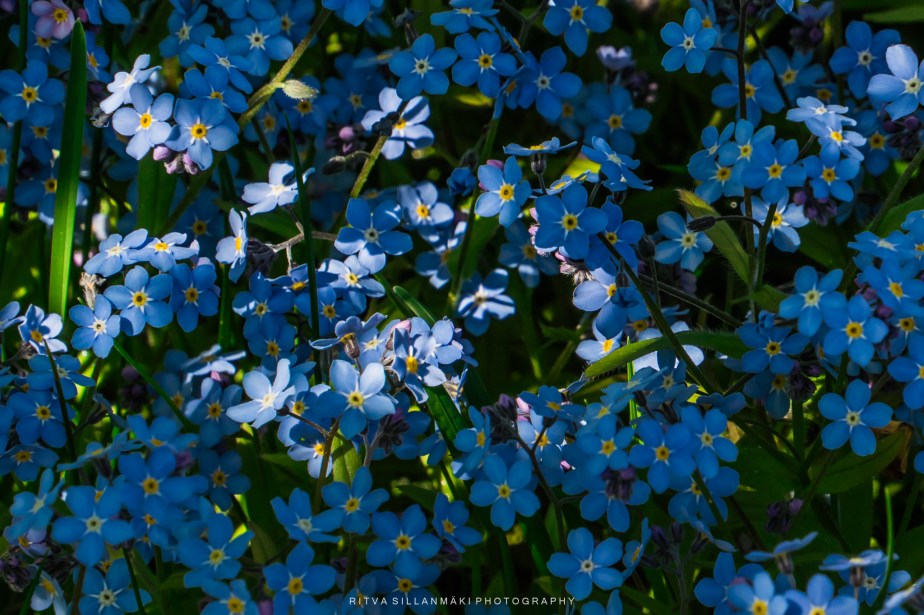
The Blue Forget Me Not Flower holds a gentle charm with its spiritual qualities and healing properties, known for bestowing a calming effect and fostering a deep sense of tranquility, making it a wonderful companion for meditation and relaxation. This delicate flower also serves as a heartfelt symbol of remembrance and loyalty, inspired by a poignant medieval legend of a knight who, while gathering these blossoms for his beloved, tragically fell into a river, urging her to “Forget me not.” This touching story has woven the flower into our hearts, associating it with memorials and funerals, reminding us of the enduring connections we cherish.
A vibrant cluster of Blue Forget Me Not flowersA delicate blue Forget-Me-Not flowers, symbolizing love and remembrance.A delicate Blue Forget Me Not flowers surrounded by lush green foliage, symbolizing tranquility.
The first one is taken with my new Sony A7 Mark III, I bought it to replace my old one that I had used for the last 19 years. I have been taking lots of photos of my grandkids with it lately.
Close-up of my smiling grandson with his bright blue eyes. He is a sweetheart
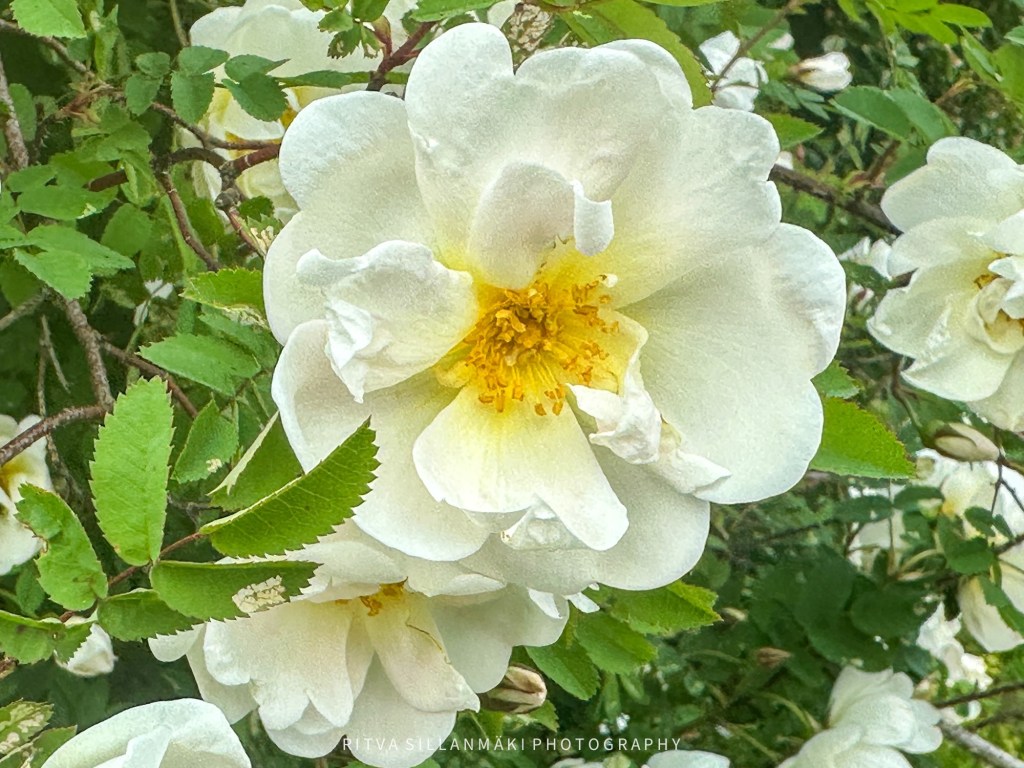
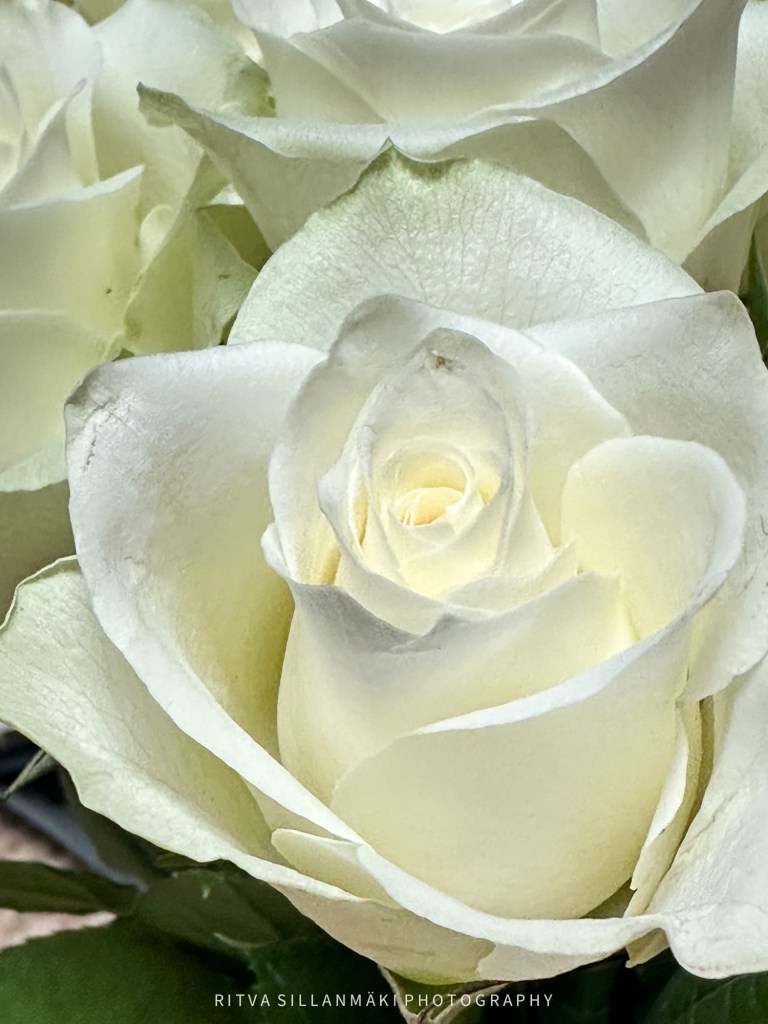
My IPhone I used to take a shot of one of the white roses I received from my friend as she came to visit.
Close-up of a delicate white rose, symbolizing friendship and appreciation.
It’s always nice to get a little reminder about how complementary colors work and how to use them in your photography, art, and even fashion choices. As most of us know, complementary colors are those that sit opposite each other on the color wheel, and they really make things pop, enhancing the viewer’s experience and helping the subject stand out. Nature does a fantastic job of this on its own, showing off these awesome color combos in landscapes, flowers, and wildlife. As you notice them in nature artists and photographers can find interpretation of how to use it . By understanding the science and feelings behind these colors, you can really step up your artistic game and whip up some eye-catching compositions and get attention and leave a lasting impression.
Please Check out the introduction from EgídiosThrough Brazilian Eyes lovely blog and join us by linking your post to his and using the Lens- Artists tag so you post can be easily found.
Complementary colors are basically the ones that sit right across from each other on the color wheel. When you use them in your photography, they create awesome color contrast, making your images really stand out. Think of classic combos like red and green, magenta and green, yellow and violet, or orange and blue. You don’t have to stick to colors that are exactly opposite, though. Just like how the color wheel smoothly shifts from one shade to another, you can mix in some nearly opposite colors. But hey, the most stunning results will come from those perfect opposites!
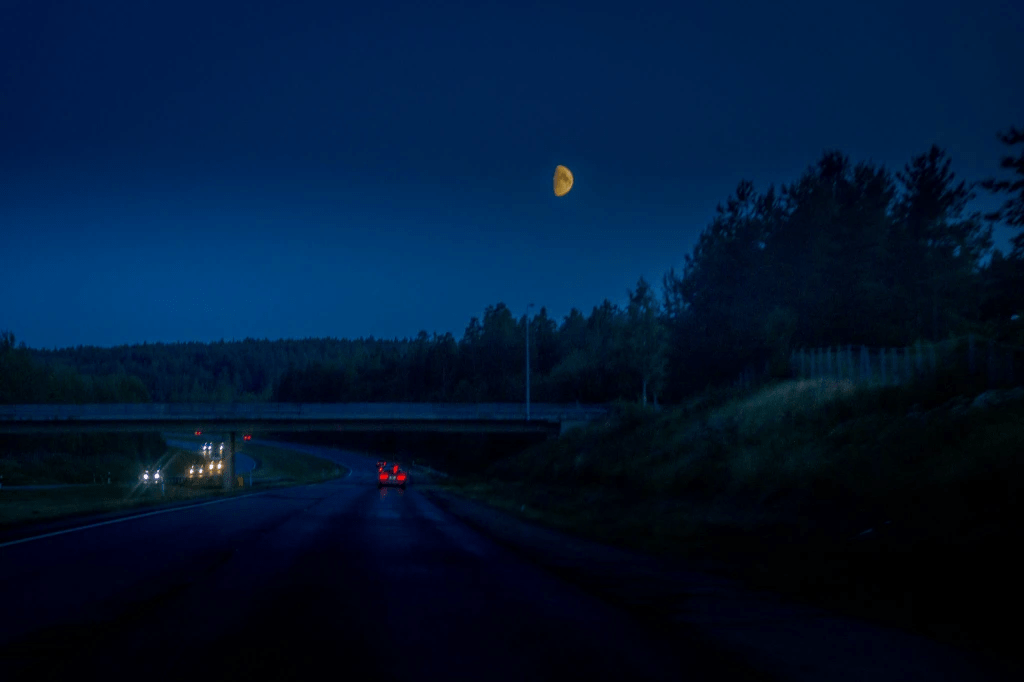
I think the yellow moon against the blue sky works well.
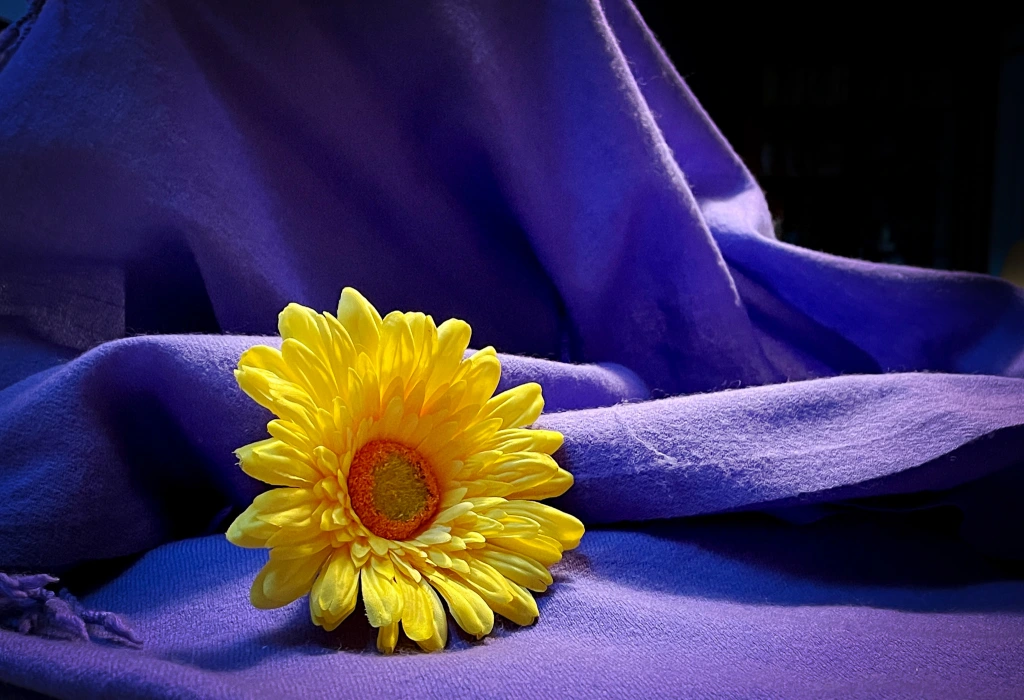
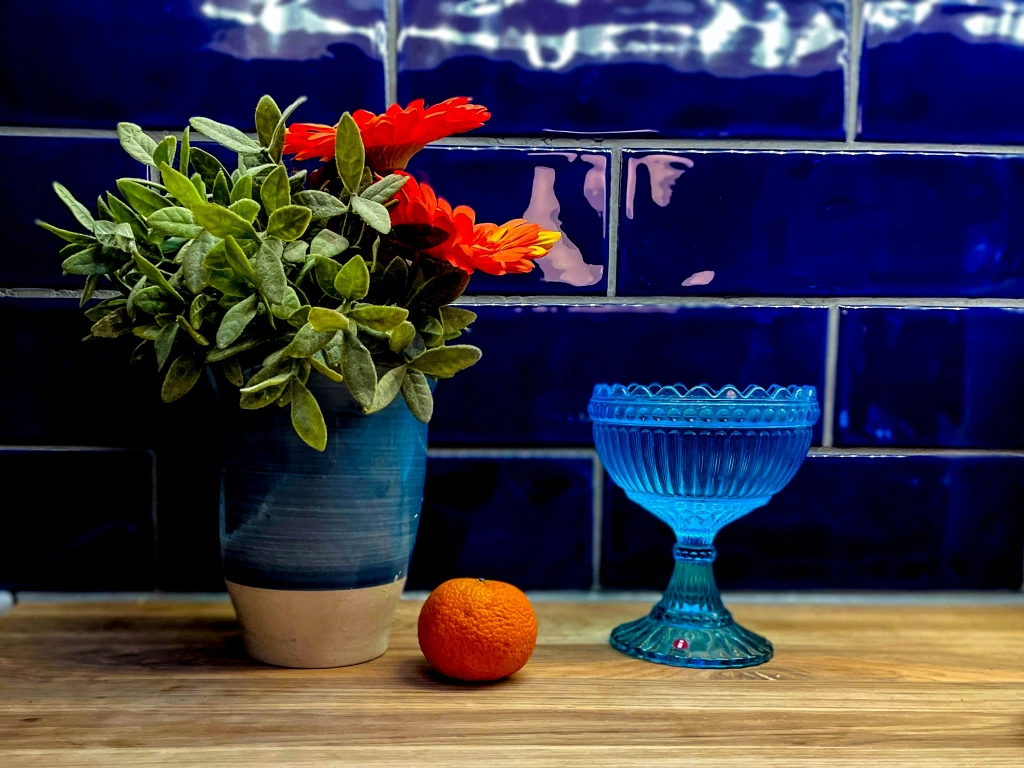
Using complimentary colors in Still life
Noble fly google translation named this Clematis flower
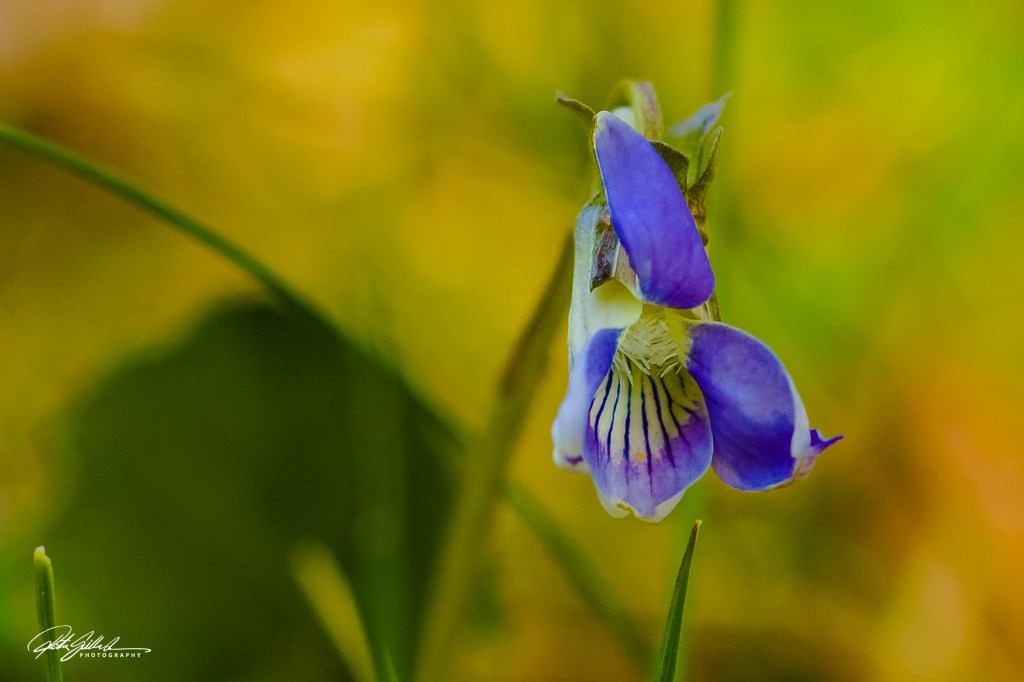
Viola canina against yellow, green hues
That is what we enjoy mostly in Finland ”bilberry” tai ”wild blueberry” Blueberry is apparently from a bush. Well anyway – nature knows it’s complimentary colors
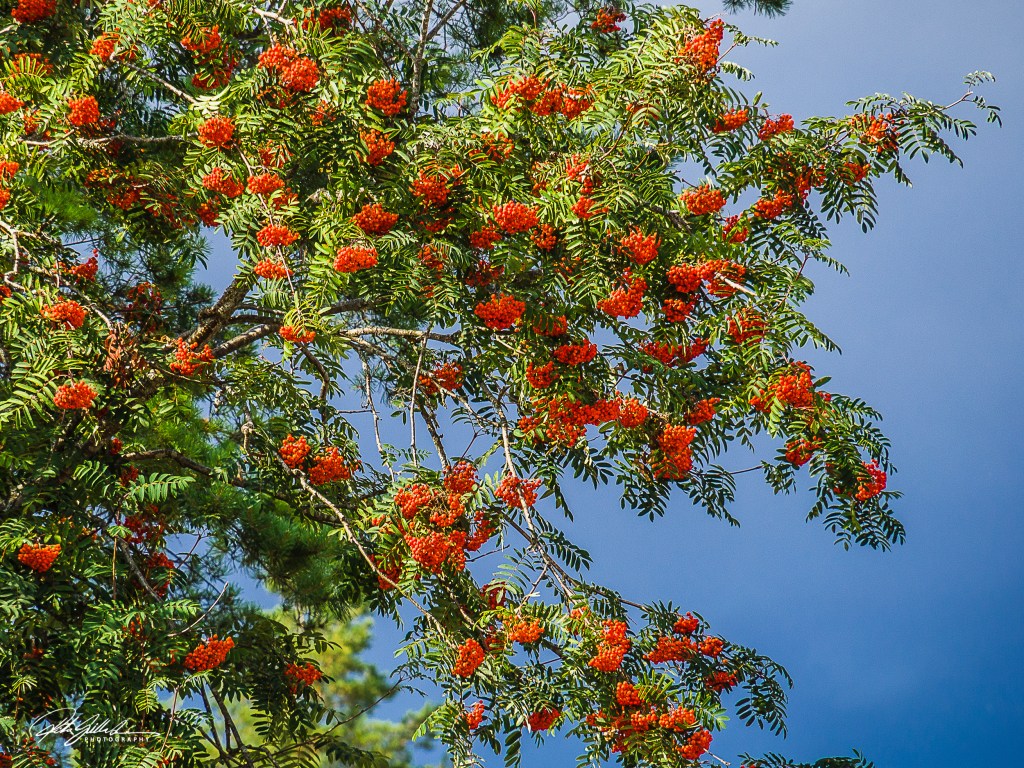
Rowan berries make great contrast blue sky and green leaves.
Thanks for joining me and looking at things out from above; it’s been an a delightful! I appreciate everyone for sharing your amazing macro shots of nature and stunning views from rooftops or hills. The photos were not just pretty; they highlighted the beauty of our world from unique angles. I’m glad if I could inspire you to consider shooting from above, as those viewpoints often reveal little details we might miss on the ground. It’s incredible how changing your perspective can enhance how we see and appreciate our surroundings, encouraging us to explore and find hidden gems nearby.
Next week, Tina returns with her first new challenge for the year. It will go live at noon EST in the USA. Tune in to find out another exciting challenge.
Don’t forget to use the “lens-artists” hashtag when creating your post so we can easily find it in the Reader and linking it to original post.
Please see this page to learn more about the Lens-Artists Challenge and its history
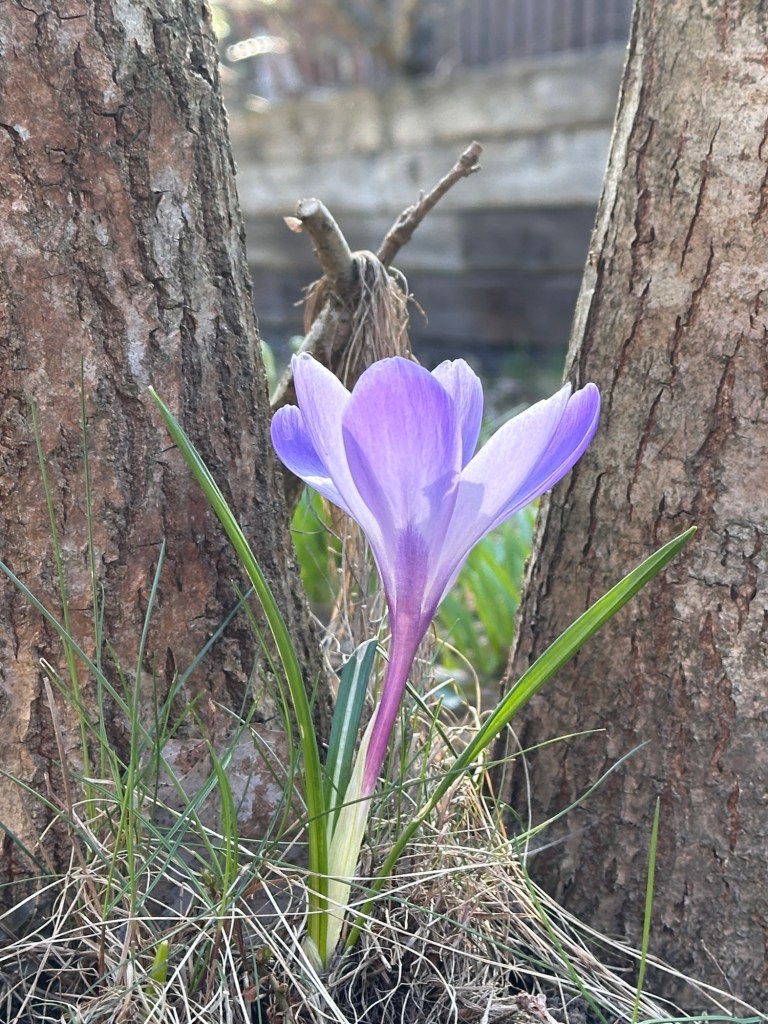
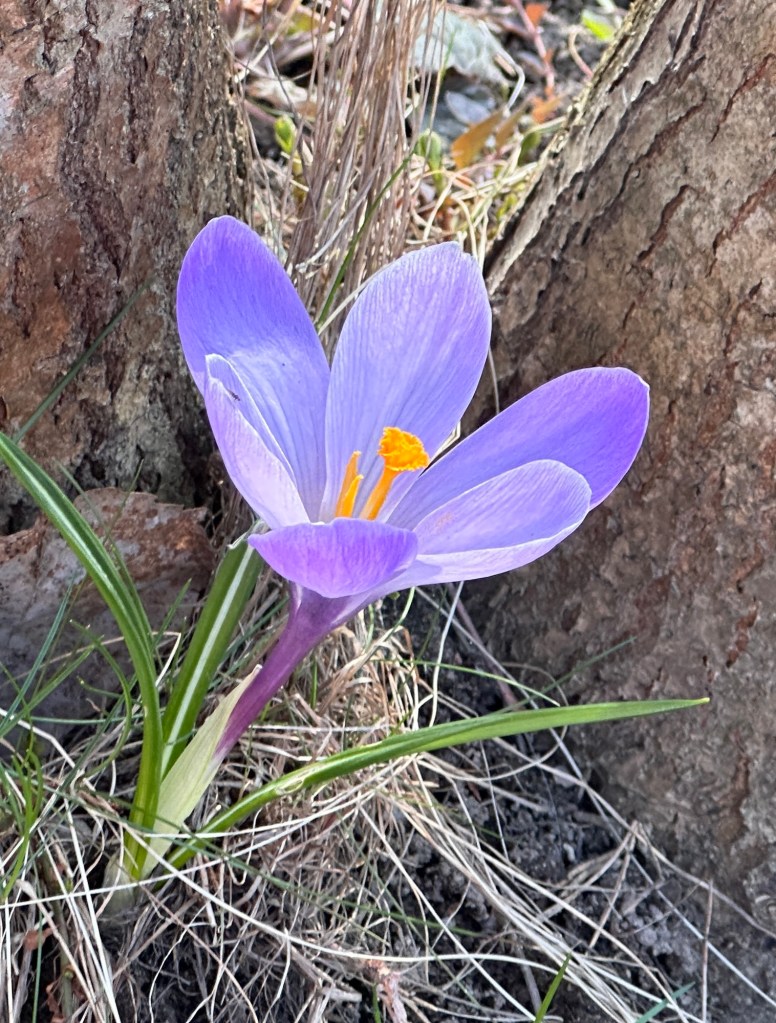
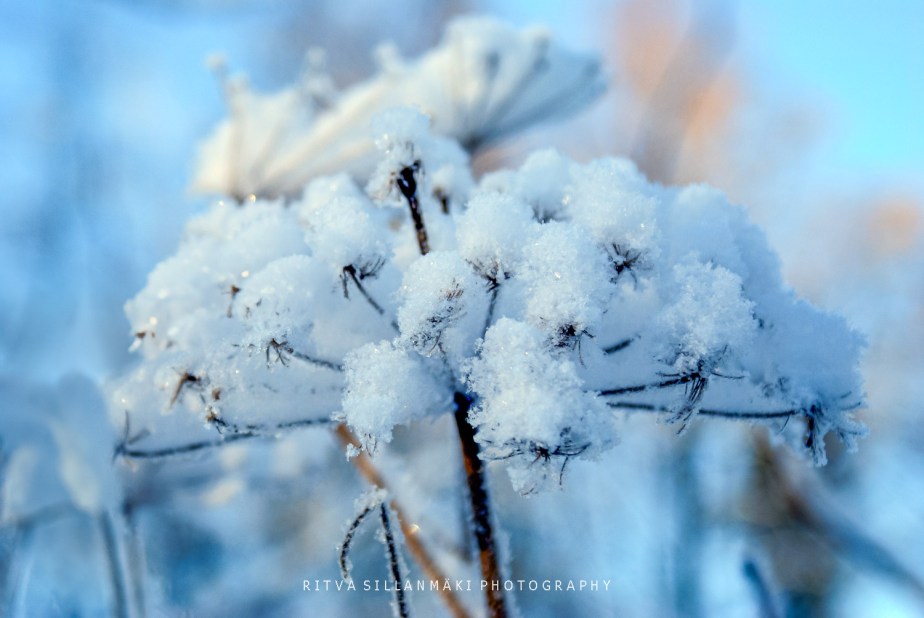
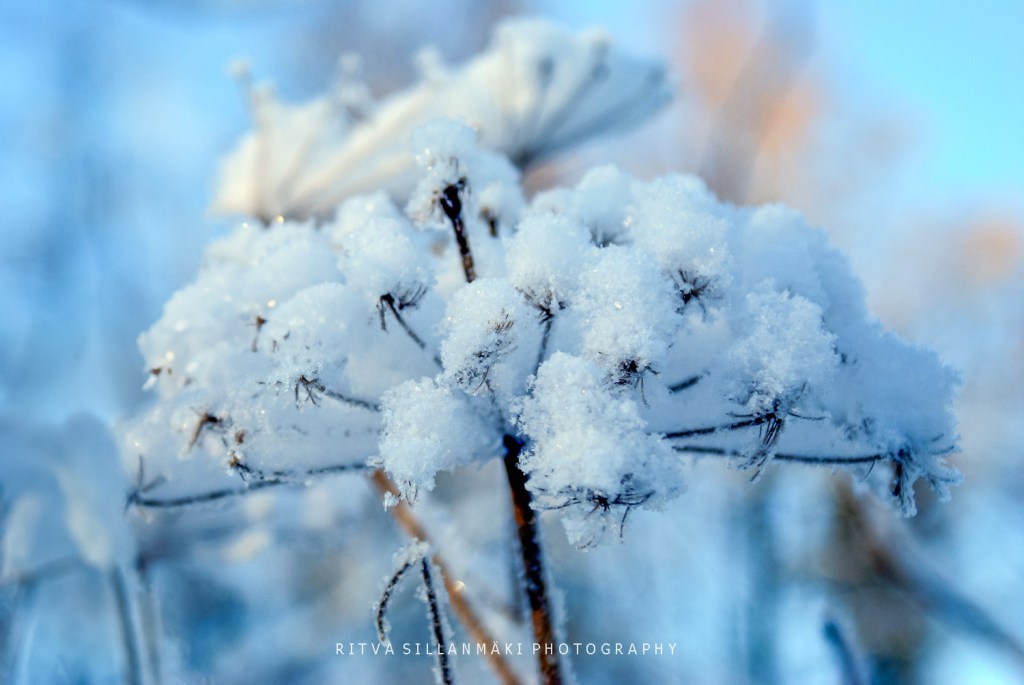
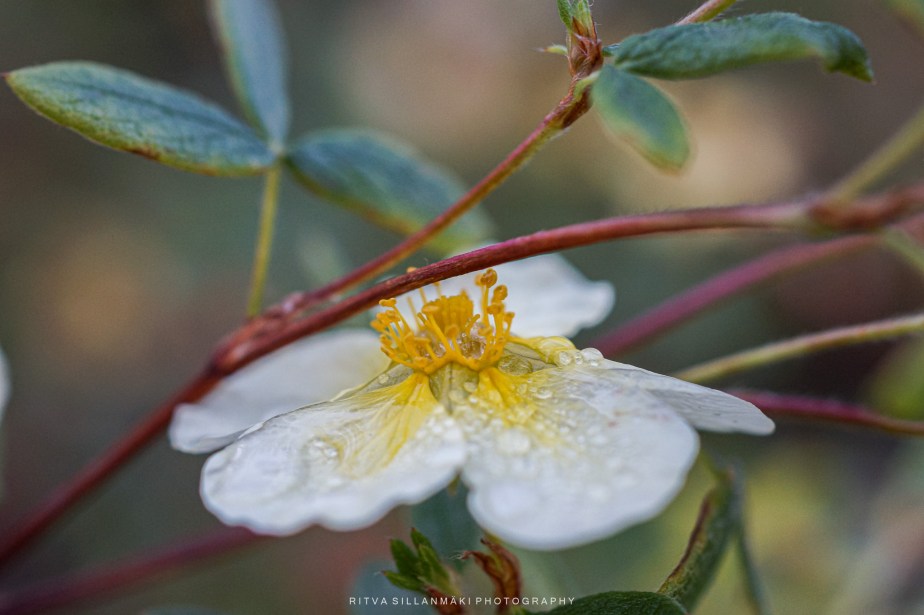
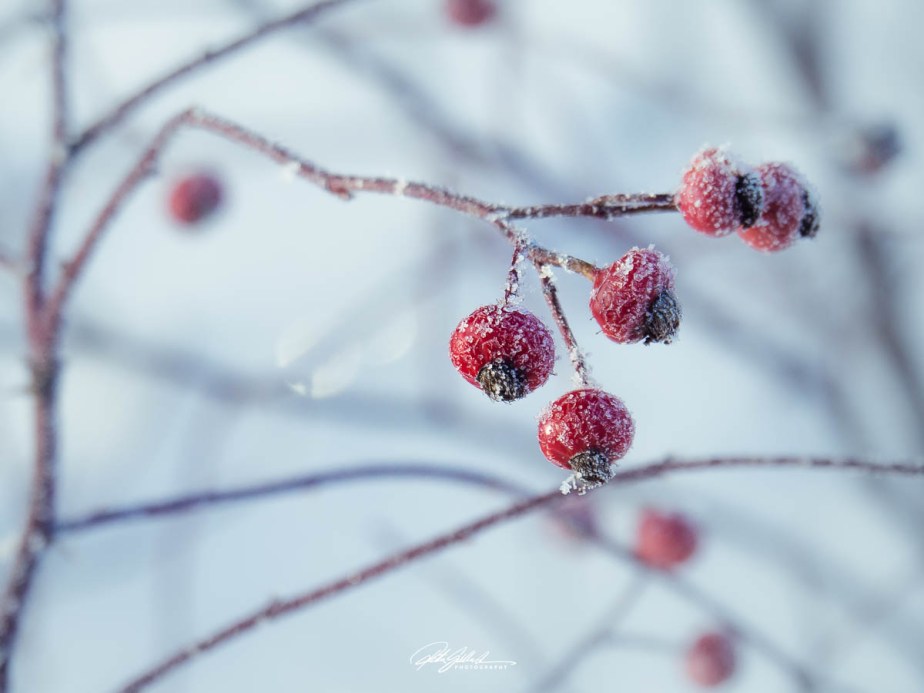
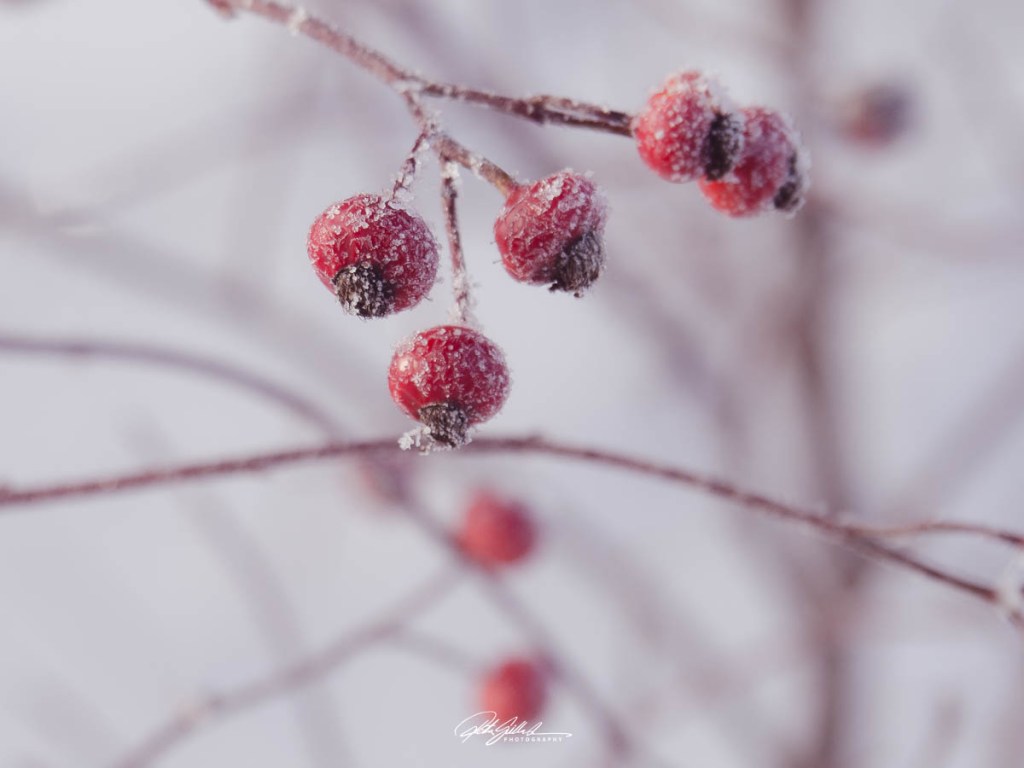
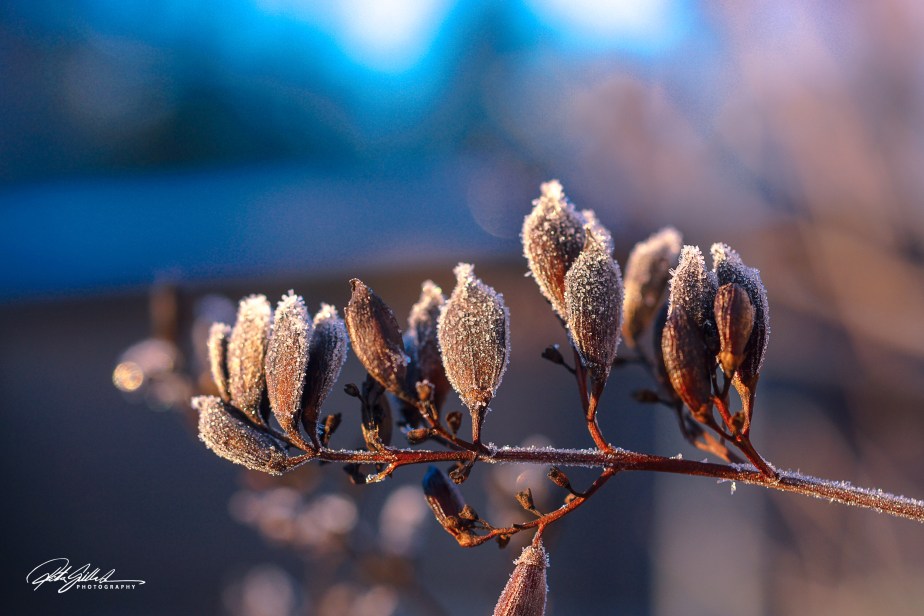
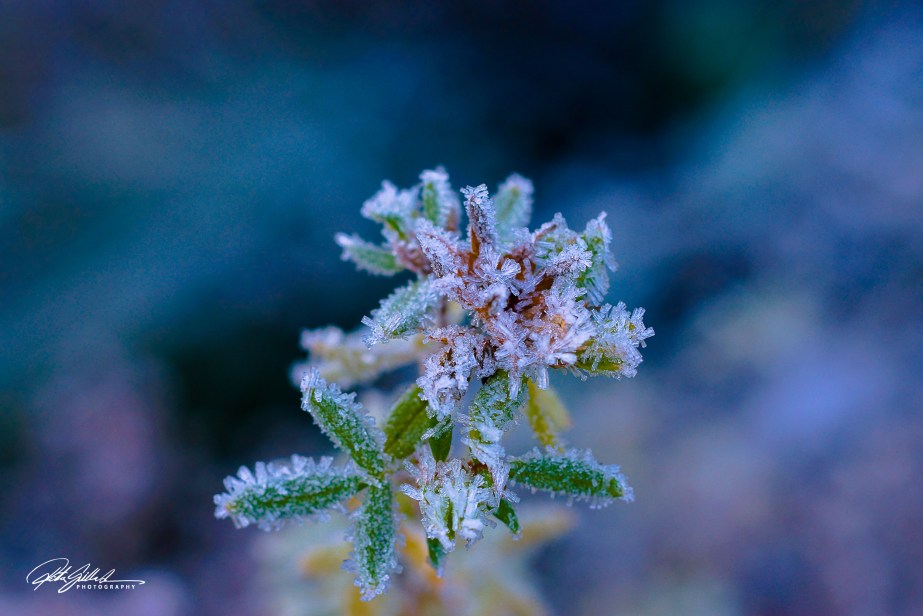
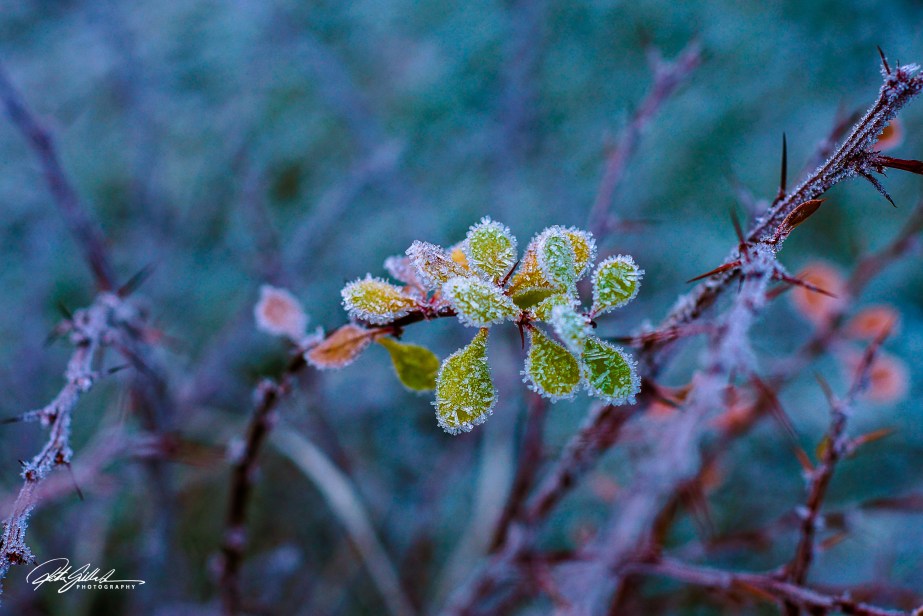
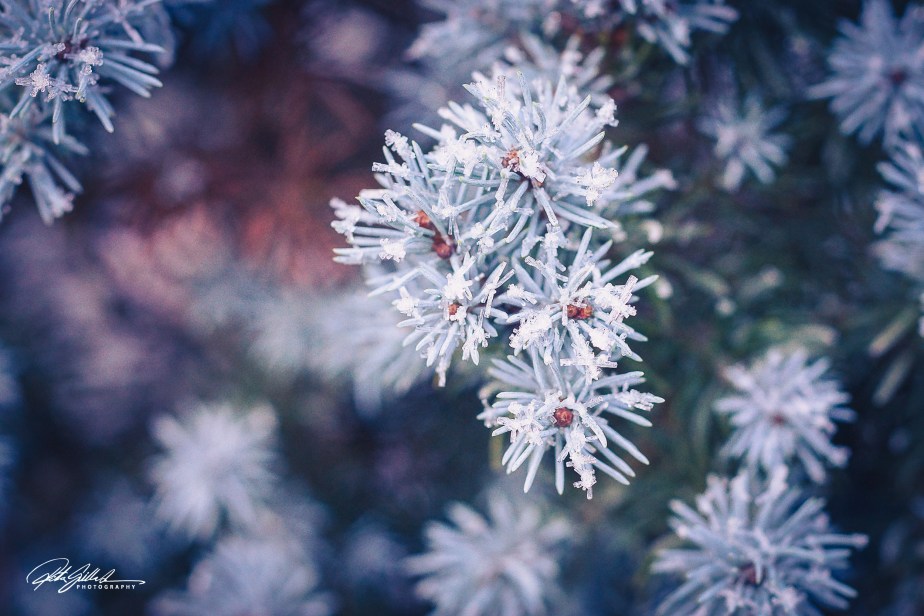
Release me from this icy blanket that wraps tightly around me, stifling any warmth and locking me in a relentless chill, the frozen tendrils of winter’s grasp weighing heavily on my spirit, as I long for the gentle embrace of sunlight that offers the hope of comfort and rejuvenation.
I was trying to find a name for this plant, commonly known as Bishop’s goutweed, Bishop’s weed, Ground-elder, or Herb gerard. Regardless of its various titles, it is a perennial, winter seeder, herbaceous plant that thrives in many different environments and has a fascinating life cycle. Its ability to spread rapidly makes it a frequent garden challenge. In Finland, we affectionately call it talventörröttäjä, which translates to “Winter stickout,” a name that captures its resilience against the harsh winter elements.
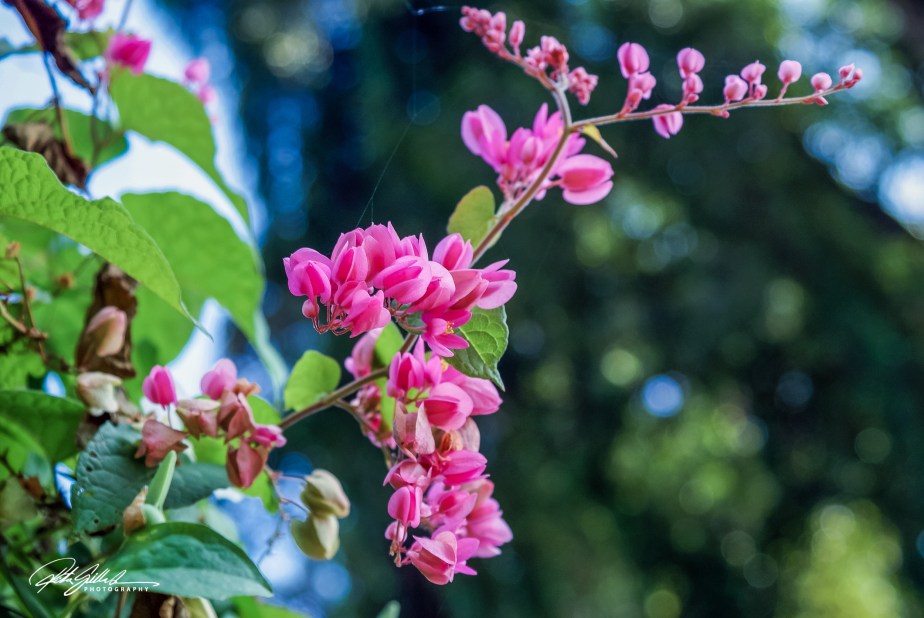
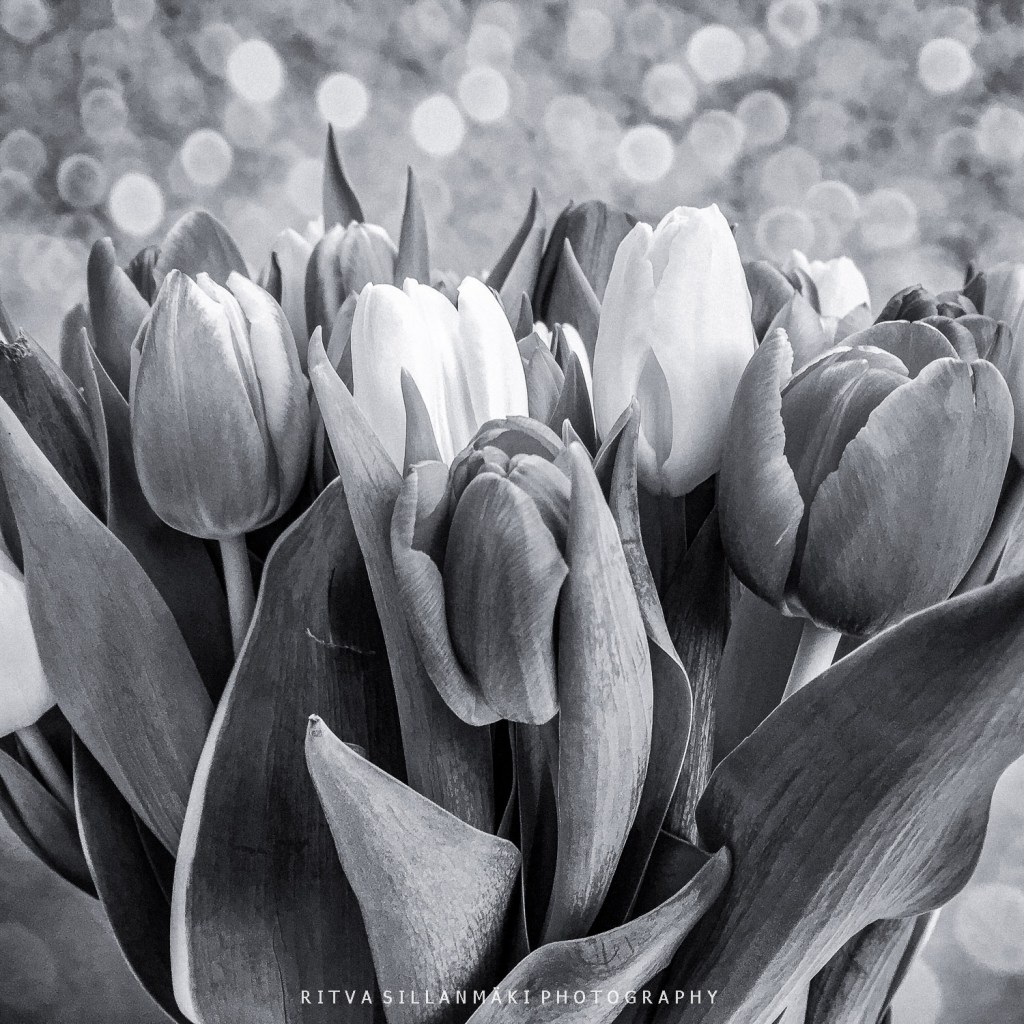
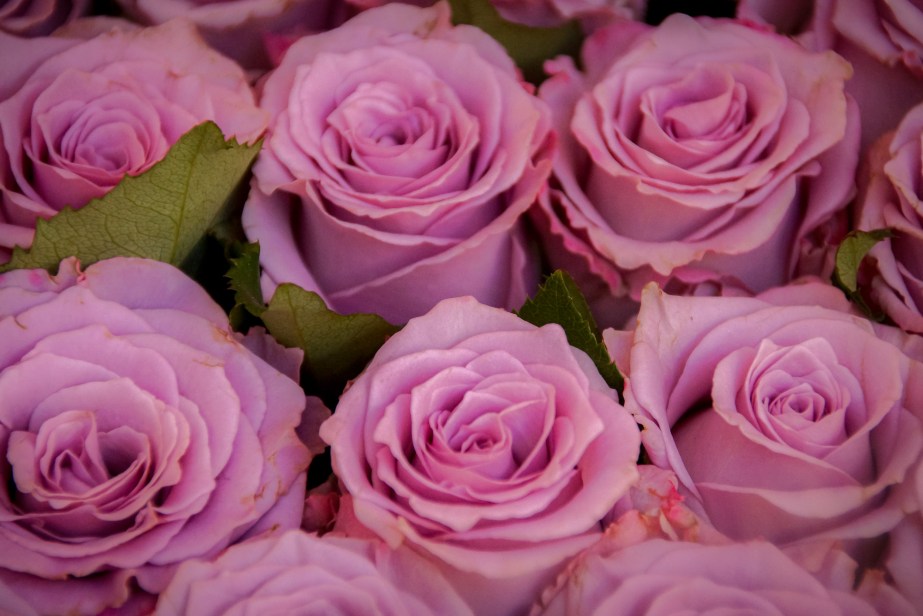
Let pink flowers sprinkle happiness on your day. Pink blooms always make me smile. Whether planted in a garden or gifted in a bouquet, their vibrant shades evoke joy and tenderness, serving as a beautiful reminder of life’s simple pleasures.
The Symbolism of Pink Flowers
The ultimate feminine floral shade, pink flowers represent grace, elegance, love, and joy universally, as well as holding the meaning of good health and fortune in Chinese tradition
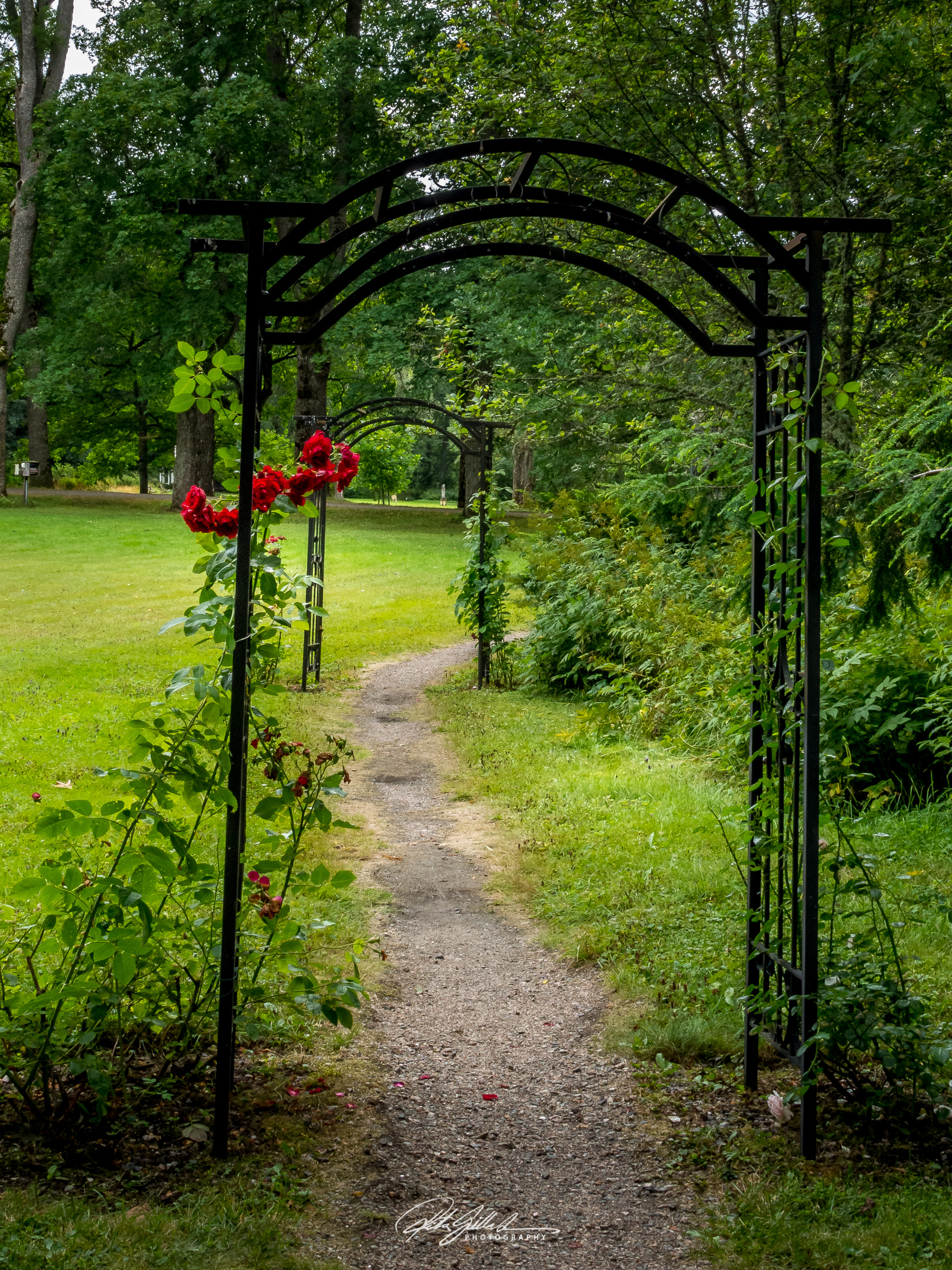
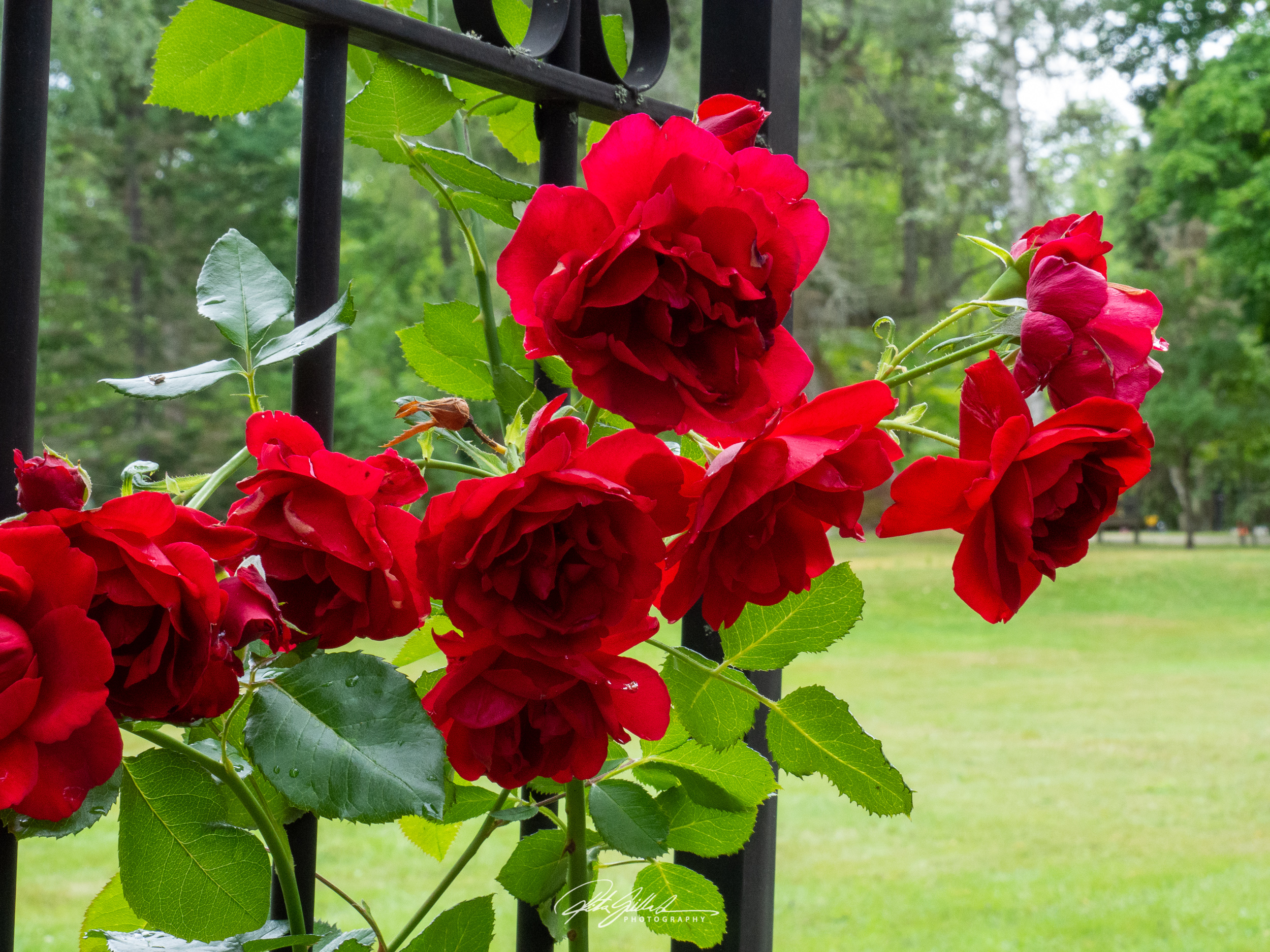
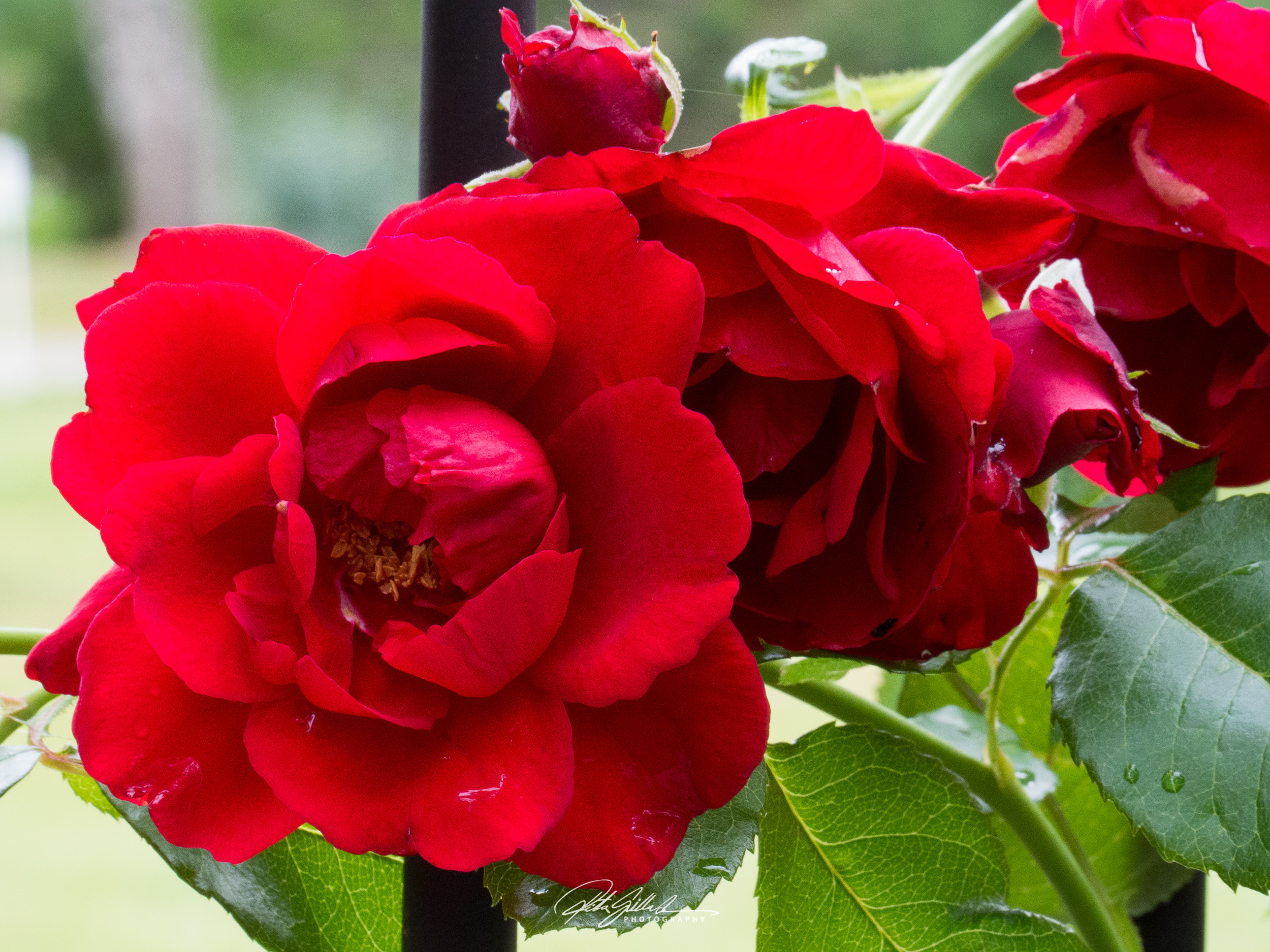
I am still posting photos of roses. Today the colors is red.
The myth behind red roses??
The story paints a heartbreaking picture: when Aphrodite learned that someone was conspiring to hurt her beloved Adonis, she rushed through a rose bush to warn him, tragically cutting her ankles on the thorns. Her blood staining the white petals red is such a vivid symbol of her pain. Sadly, by the time she arrived, it was already too late—he had been taken from her by a wild boar. In that moment of despair, she was left to grieve, weeping as he took his last breaths in her arms, a profound loss that anyone can feel deeply.
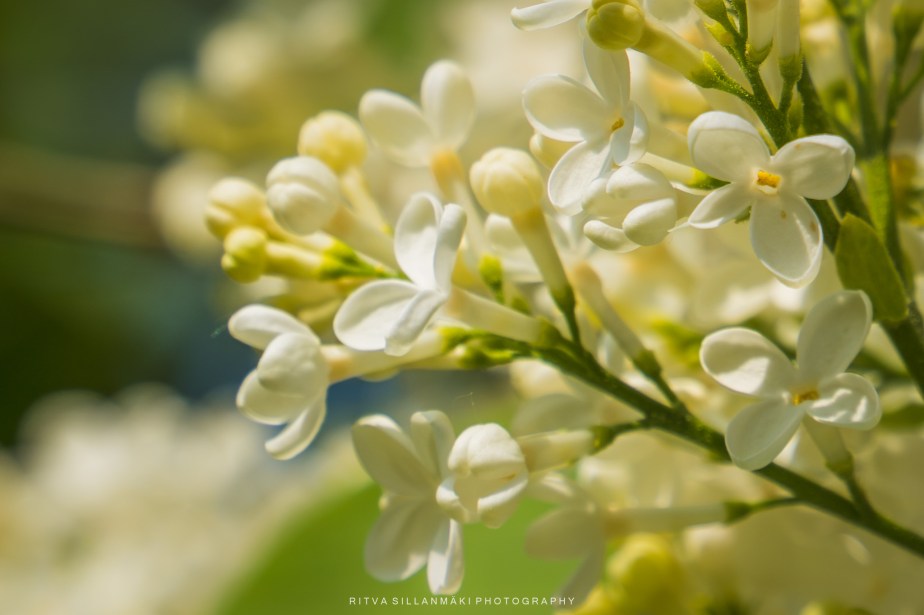
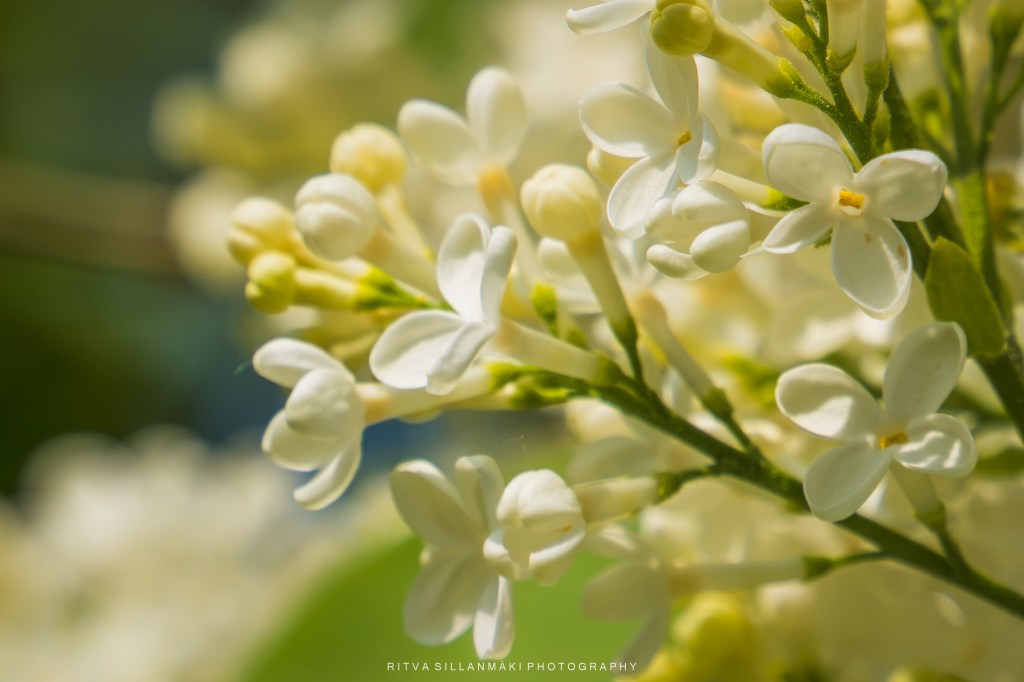
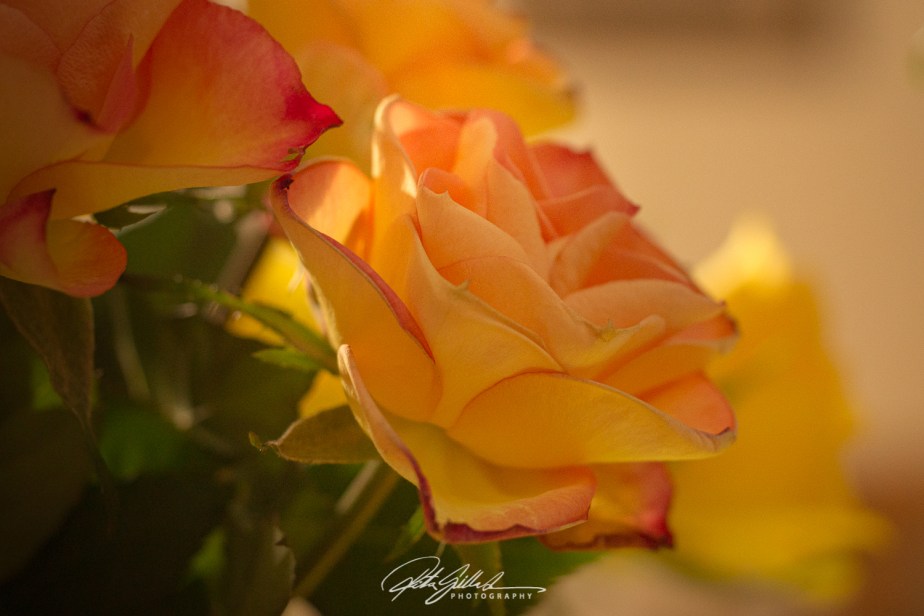
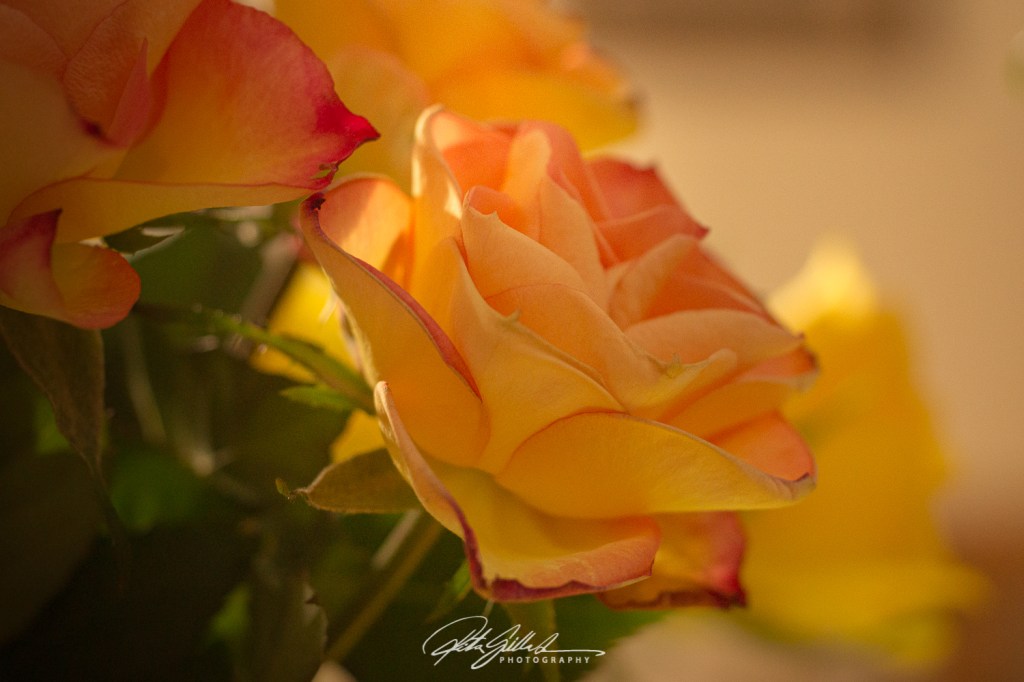
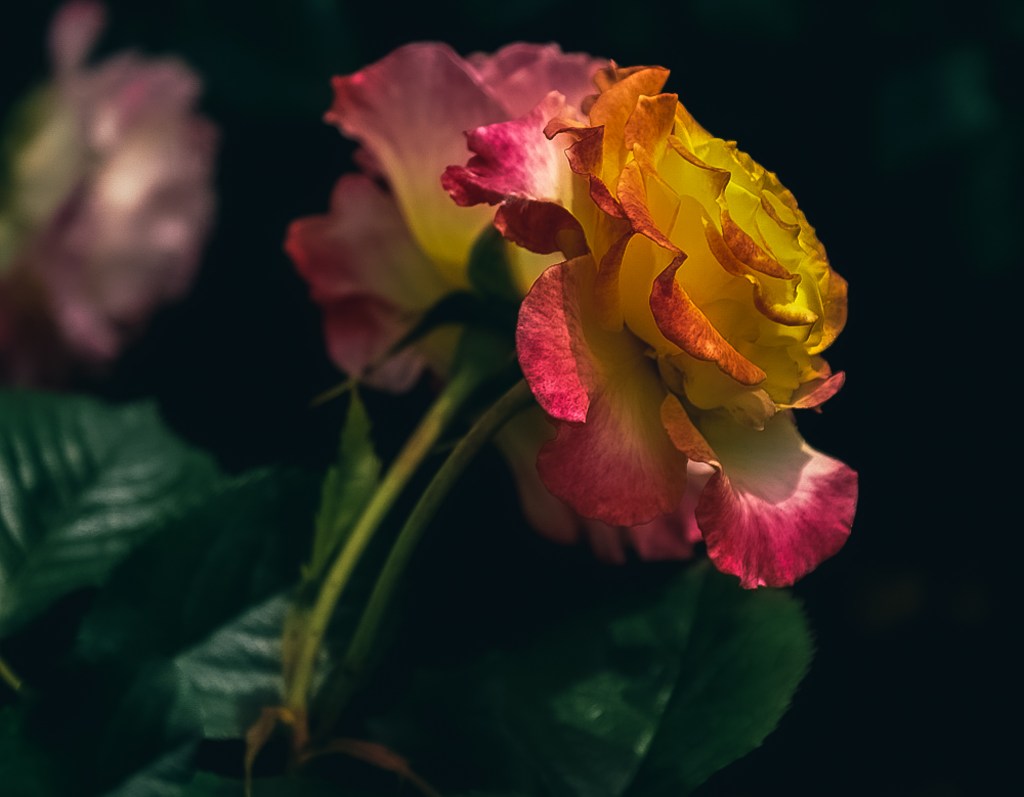
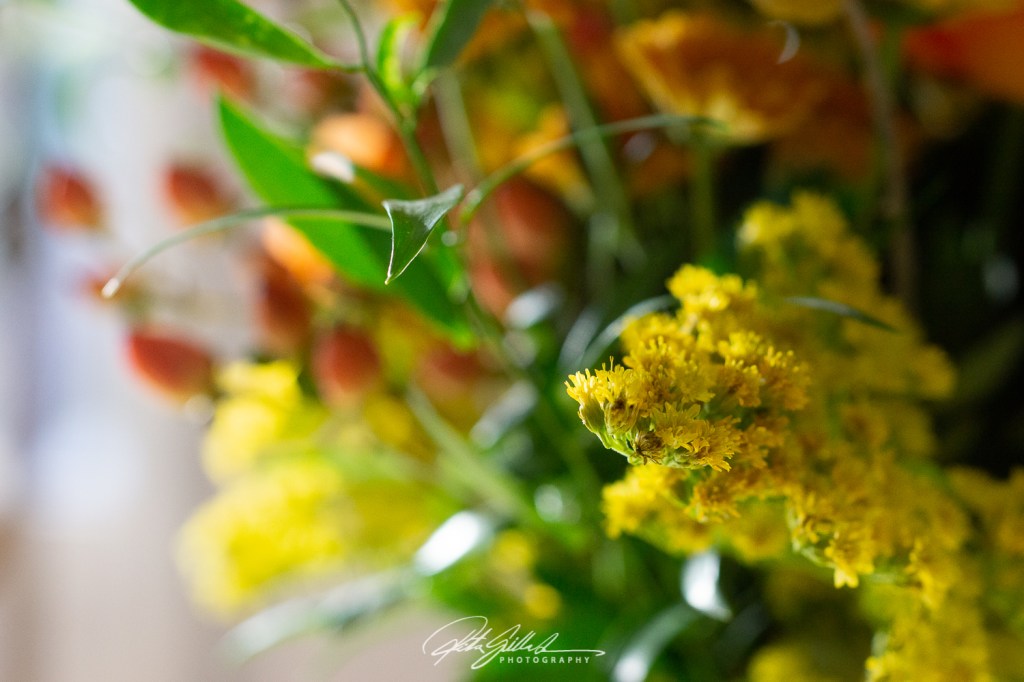
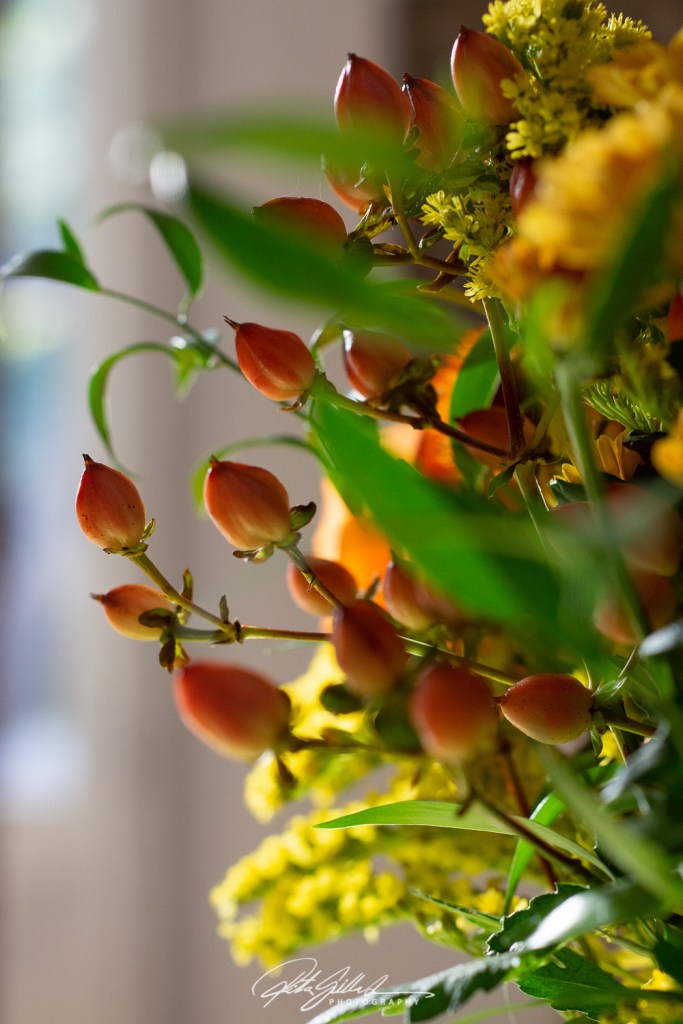
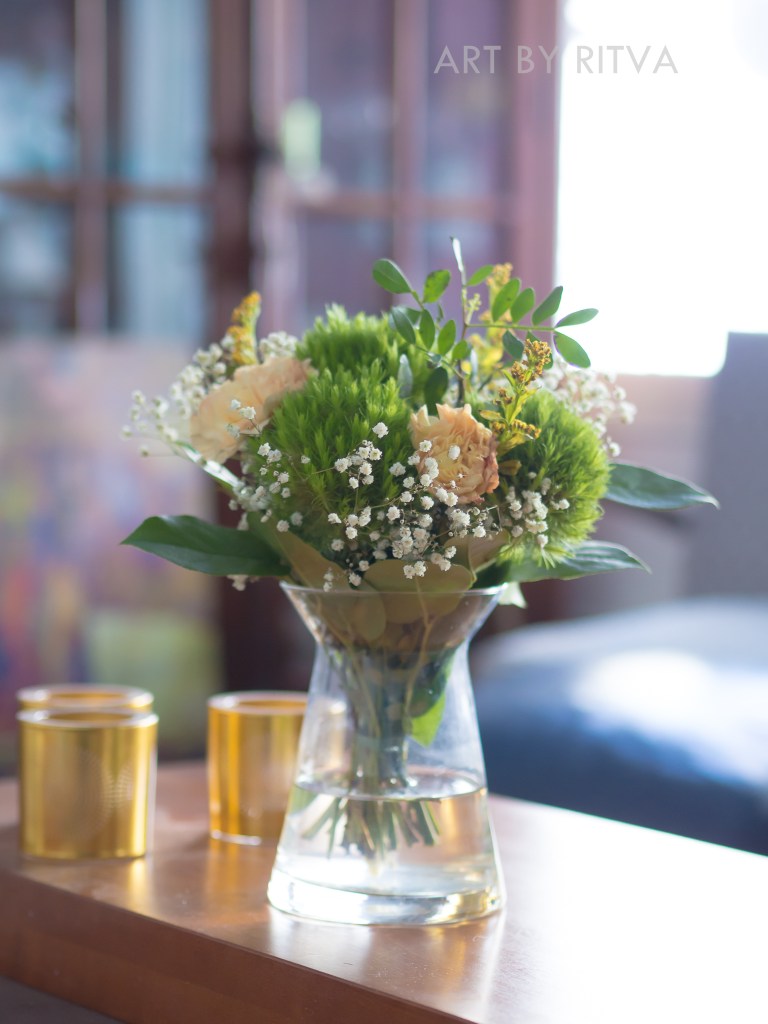
Some sunshine and warm vibes can truly uplift our spirits and brighten our day. Sending these vibes to Cee’s Flower of the Day. The colors and fragrances of flowers remind us of nature’s incredible artistry and the joy they bring to us. Taking a moment to pause and soak in the beauty of them can bring us small moments of happiness, even if only in a bouquet.




















 Ritva Sillanmäki Photography