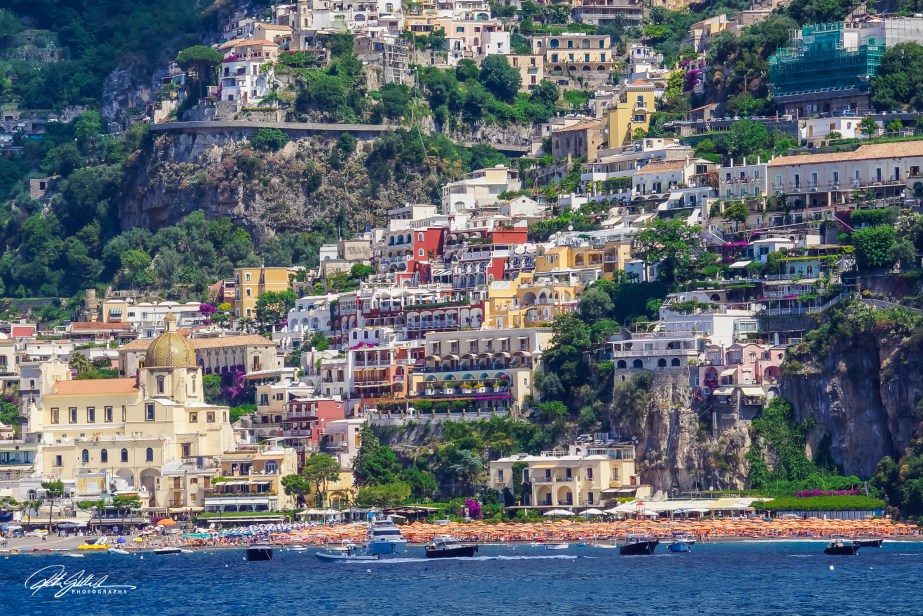
Positano, Italy, captivates with its colorful coastal buildings and stunning Mediterranean architecture.
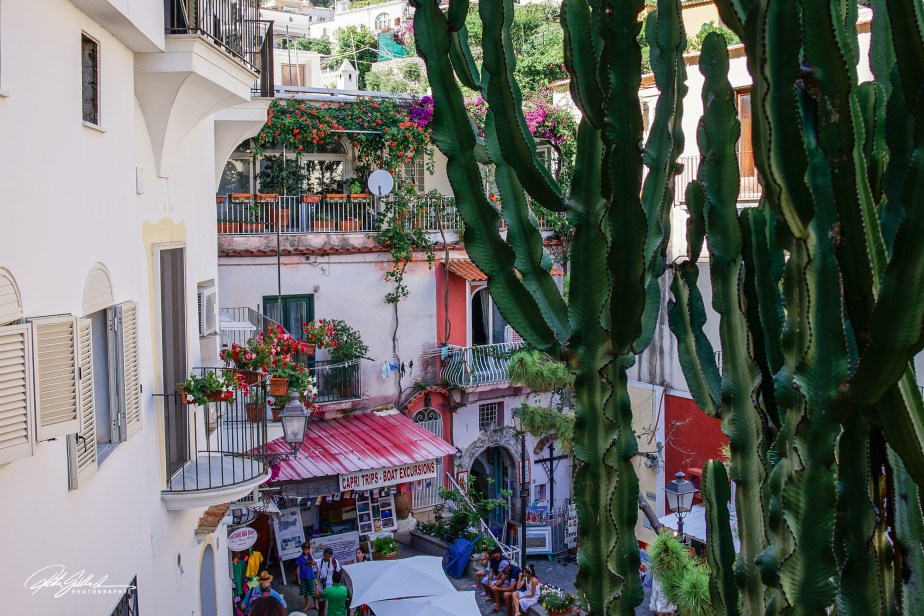
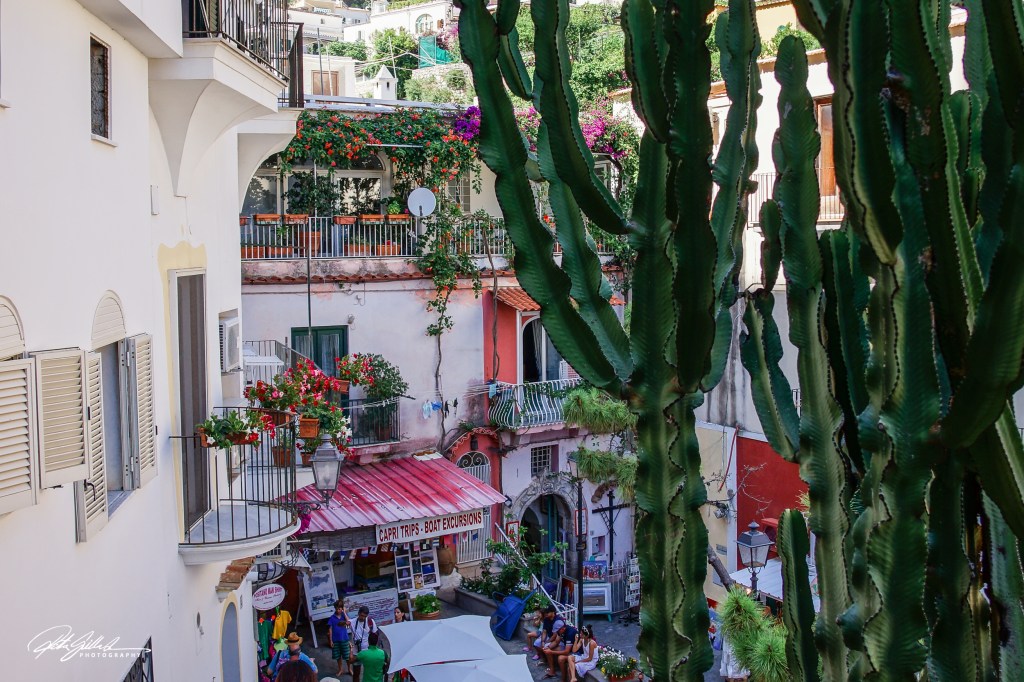
A stunning view of colorful coastal buildings on a hillside in Positano, Italy, showcasing Mediterranean architecture and a vibrant atmosphere.A vibrant street scene featuring colorful balconies and blossoming plants, with a glimpse of local shops and eateries in a picturesque Positano town.
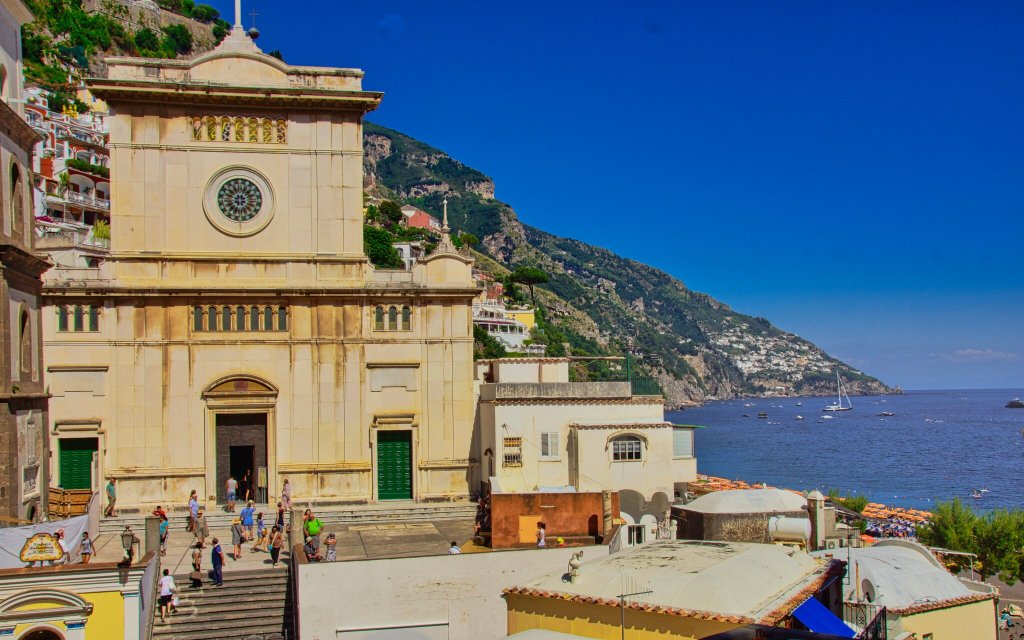
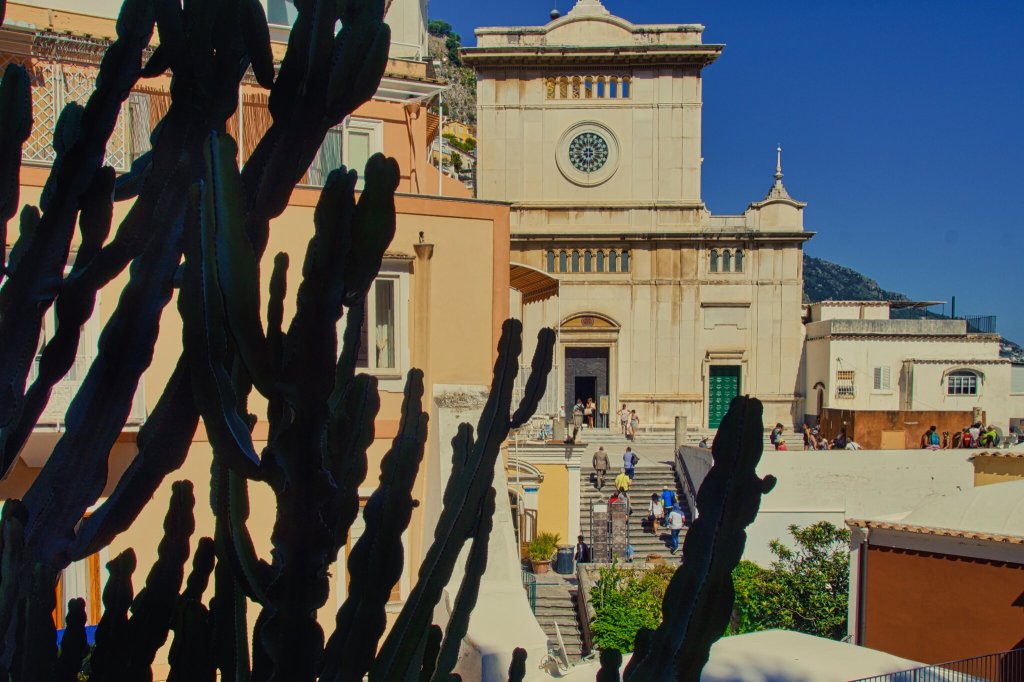
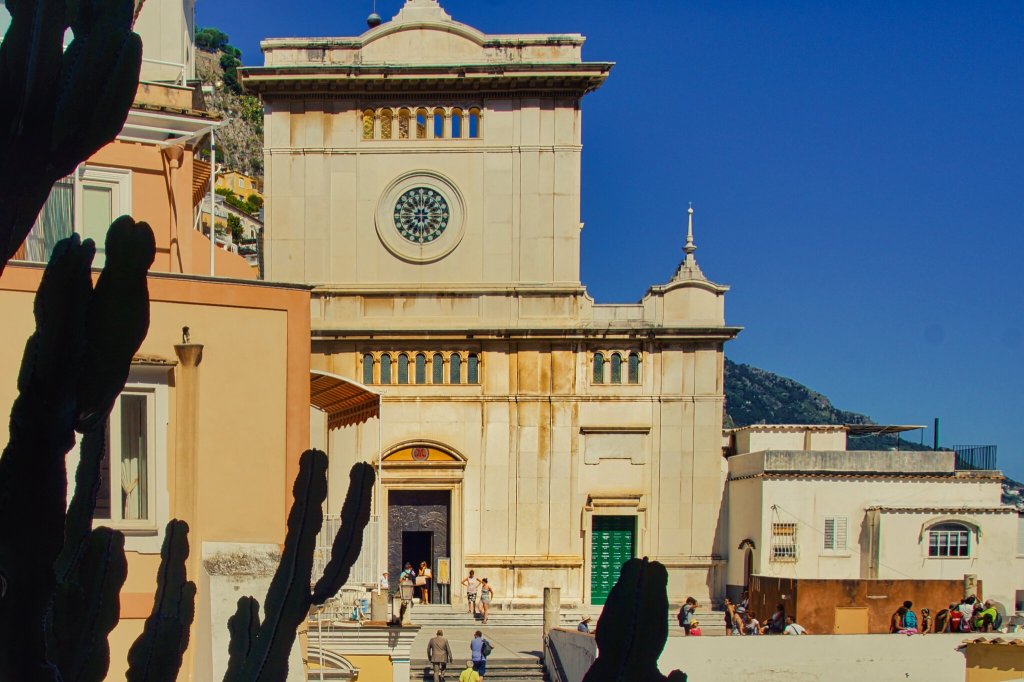
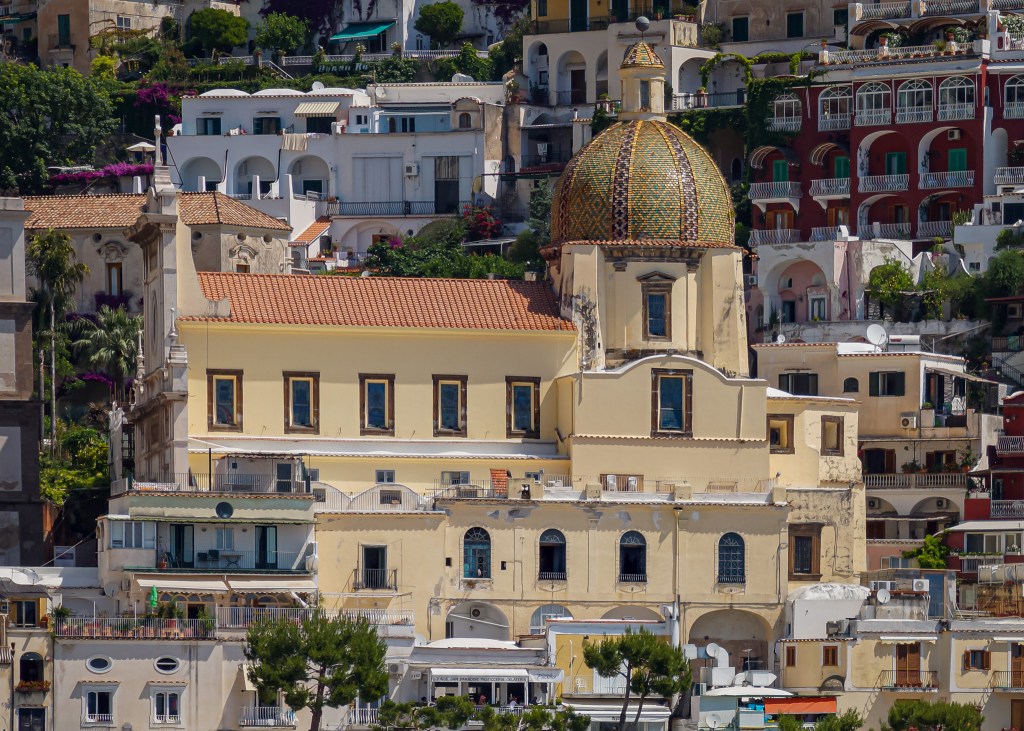
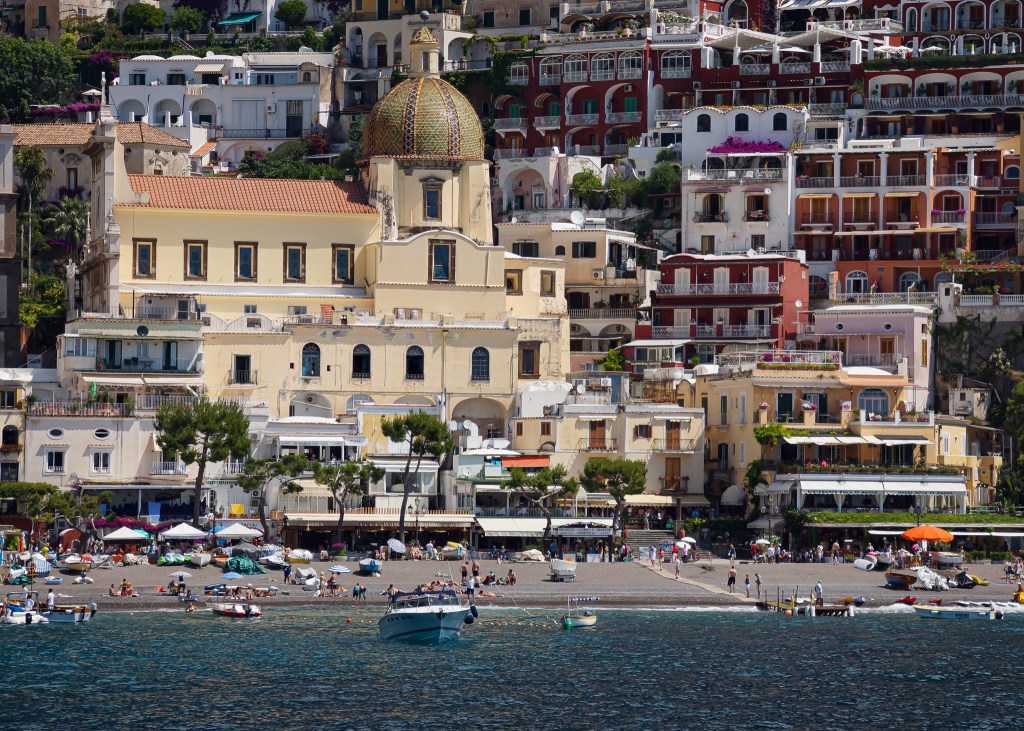
In the picture is the Chiesa di Santa Maria Assunta church, nestled in the charming Positano on the Amalfi Coast, a breathtaking architectural gem that weaves memories of sunny day spent wandering its streets. I can still picture that striking dome, embellished with shimmering majolica tiles, catching the sunlight as if it were a beacon from the past. This lovely church, with roots tracing back to the 12th century, isn’t just a place of worship; it holds stories and dreams, drawing visitors from all corners of the globe. The views of the Mediterranean Sea and the quaint cliffside village always felt like a postcard come to life. I can see art lovers admiring the iconic statue of the Black Madonna, while soaking in the exquisite frescoes and intricate details within its walls, each one a testament to a rich history.
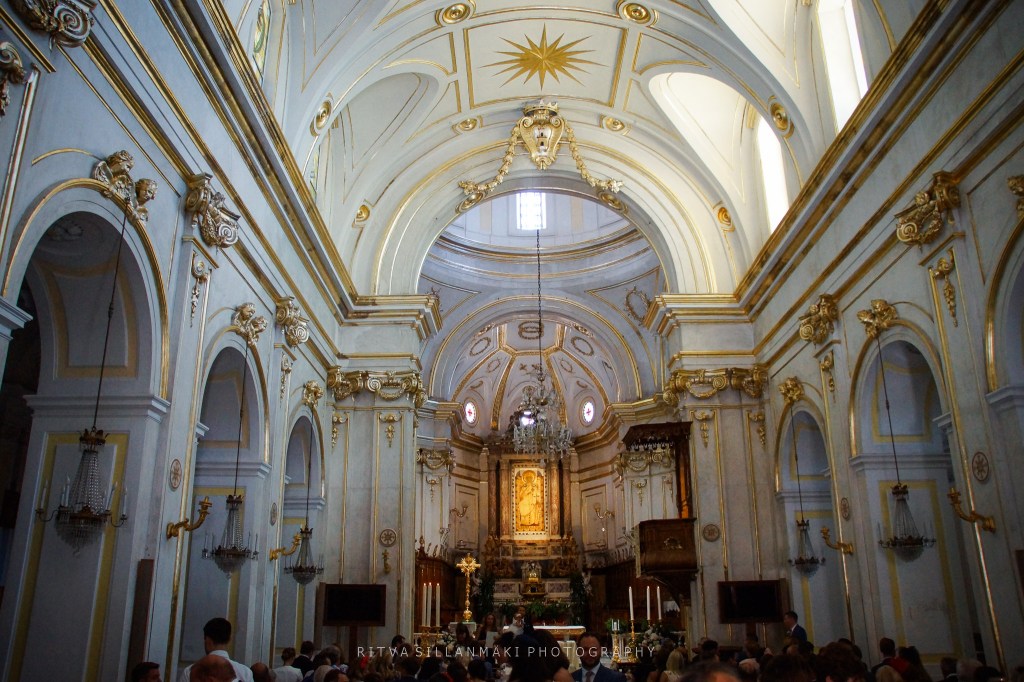
The Chiesa di Santa Maria Assunta church in Positano, overlooking the stunning Amalfi Coast.The Chiesa di Santa Maria Assunta church in Positano, framed by local vegetation.The Chiesa di Santa Maria Assunta and its intricate architecture against a clear blue sky.The Chiesa di Santa Maria Assunta in Positano features a stunning dome adorned with colorful majolica tiles, set against the backdrop of the Amalfi Coast.View of the Chiesa di Santa Maria Assunta church in Positano, featuring its iconic dome and the bustling beach below.The stunning interior of Chiesa di Santa Maria Assunta, showcasing intricate gold details and elaborate frescoes.
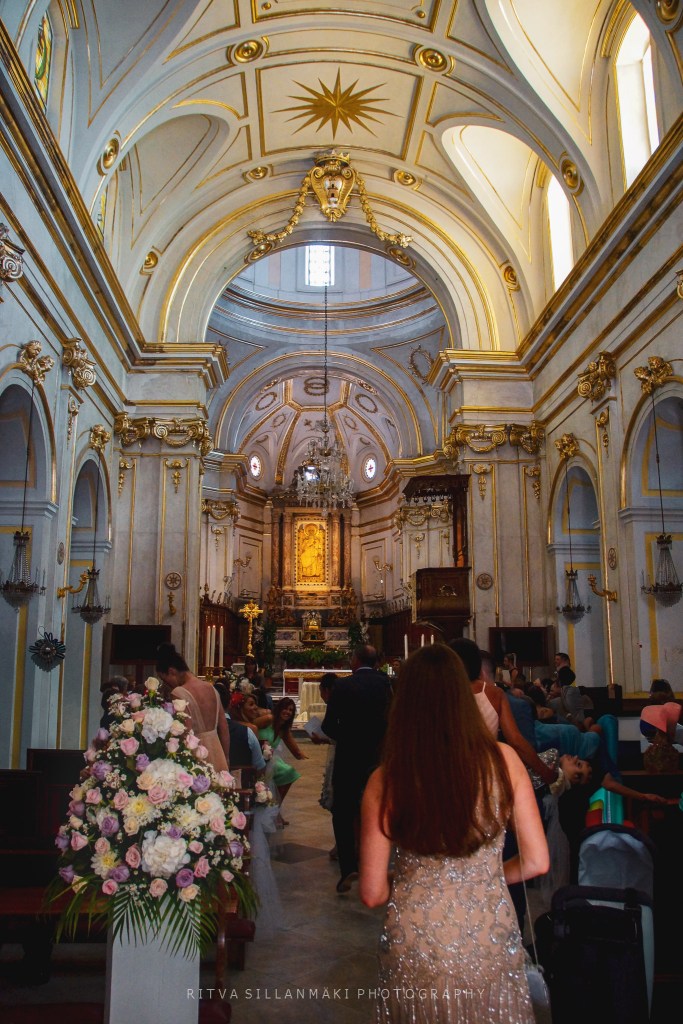
Interior view of the Chiesa di Santa Maria Assunta, showcasing its ornate architecture and floral decorations during a special event.
I know I’m being a bit boring by sharing these old re-edited photos for Dan’s Thursday Doors, but honestly, I’m fresh out of new material right now. I can’t wait for the weather to warm up so I can get out there and soak it all in! I’m hoping to wander through the neighborhoods, looking for unique buildings and those interesting doors that seem to hold secrets of the past, and even present. I most likely will also photograph the vibrant colors and fresh blooms along the way. I will the my camera out, and maybe discover architectural gems that tell their own stories.
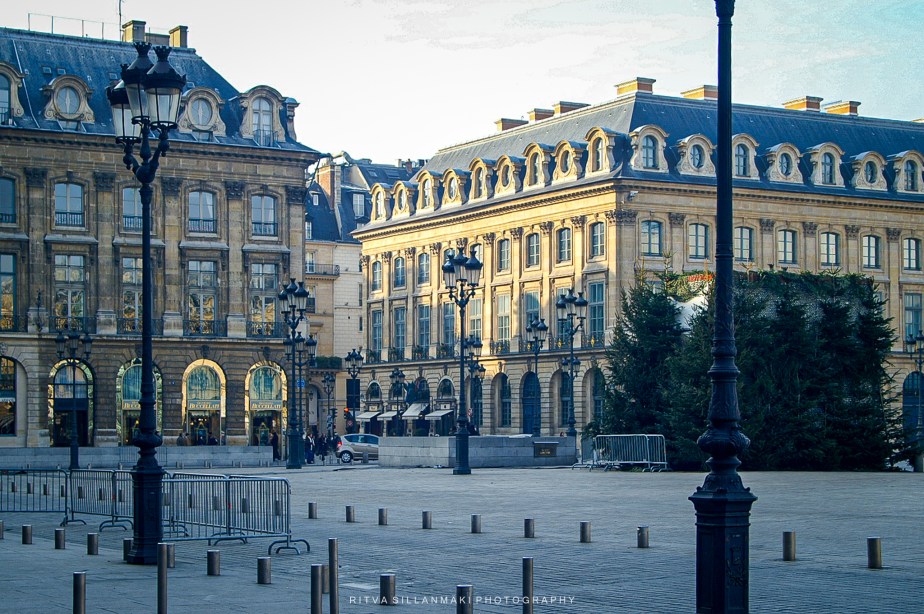
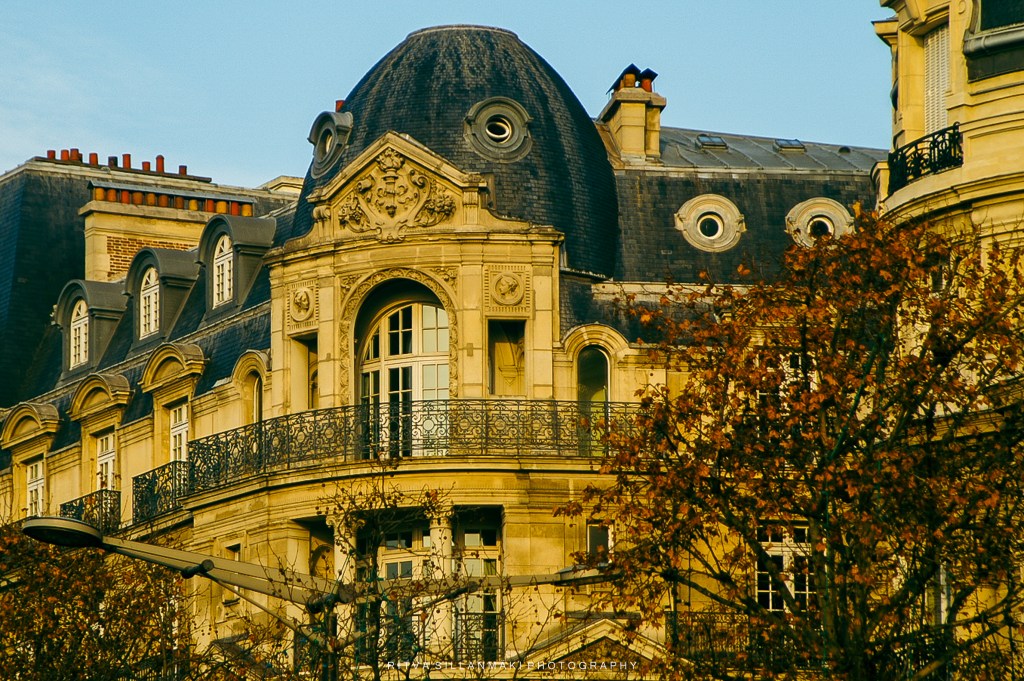
In the picture, there is a traditional French building that represents typical Parisian architecture.
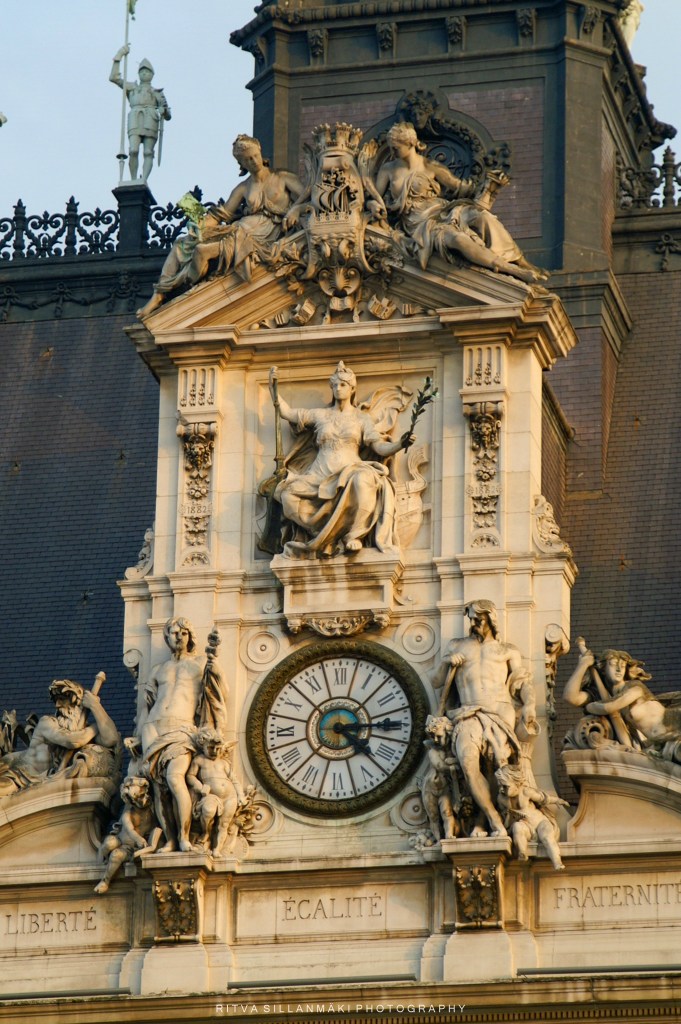
Well I could mark some locations in Paris for you but not all, and as these are taken in 2006, much has changed. The first one I am not able to name. By the way these were taken in the month of January.
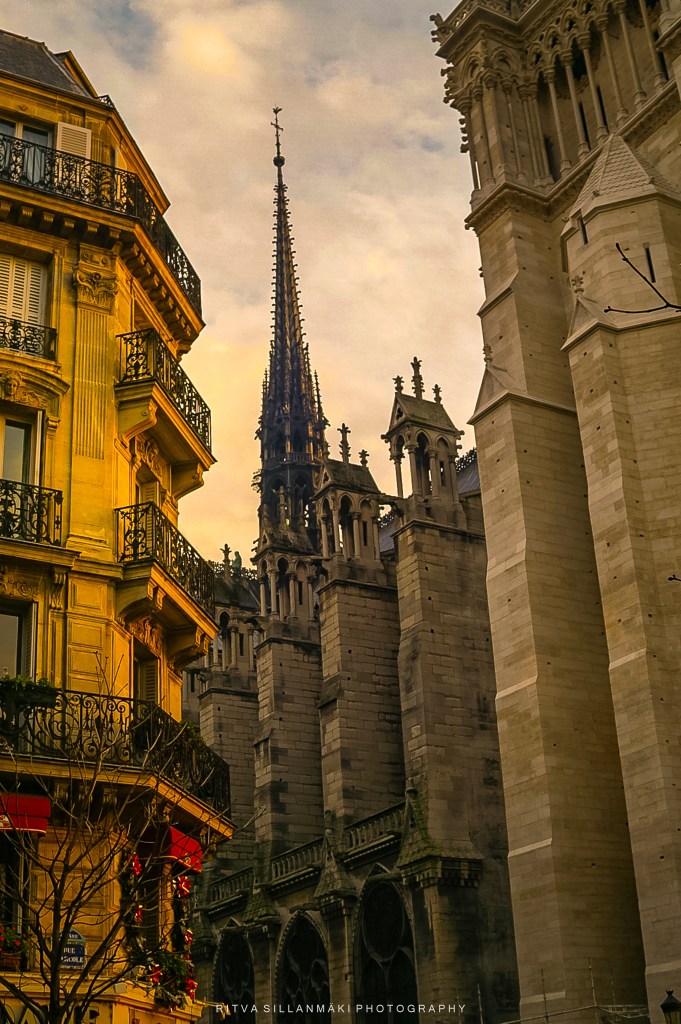
For one, the reconstructed spire of Notre-Dame cathedral in Paris, with a design identical to the 1859 version designed by architect Eugène Viollet-le-Duc, is among the elements of the landmark to be reconstructed following the devastating fire in 2019. The rebuilt spire is topped with a recreation of the original cross, as well as a golden rooster designed by architect Philippe Villeneuve, who is leading the renovation works.
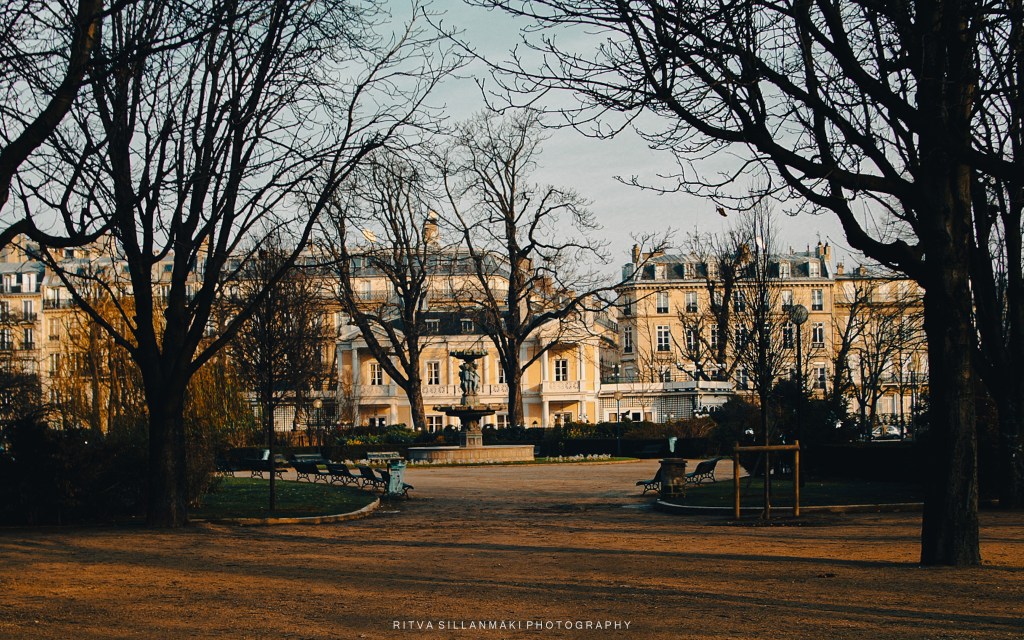
Scenic view of a Paris park showcasing elegant architecture framed by bare trees.
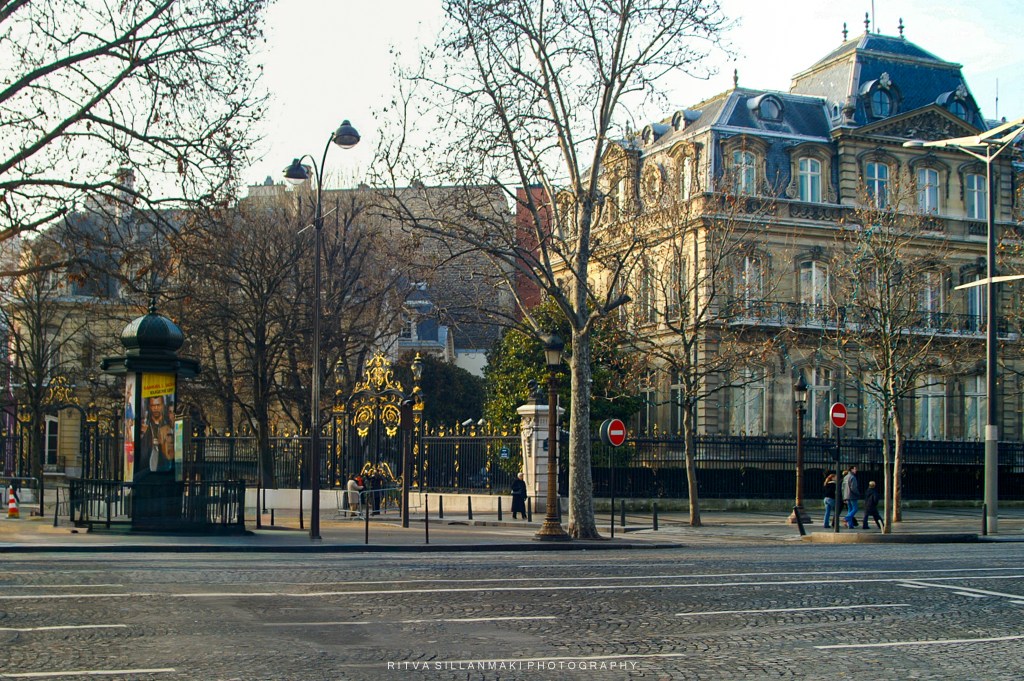
the historic Hôtel Marcel Dassault building located at the Rond-Point des Champs-Élysées square in Paris.
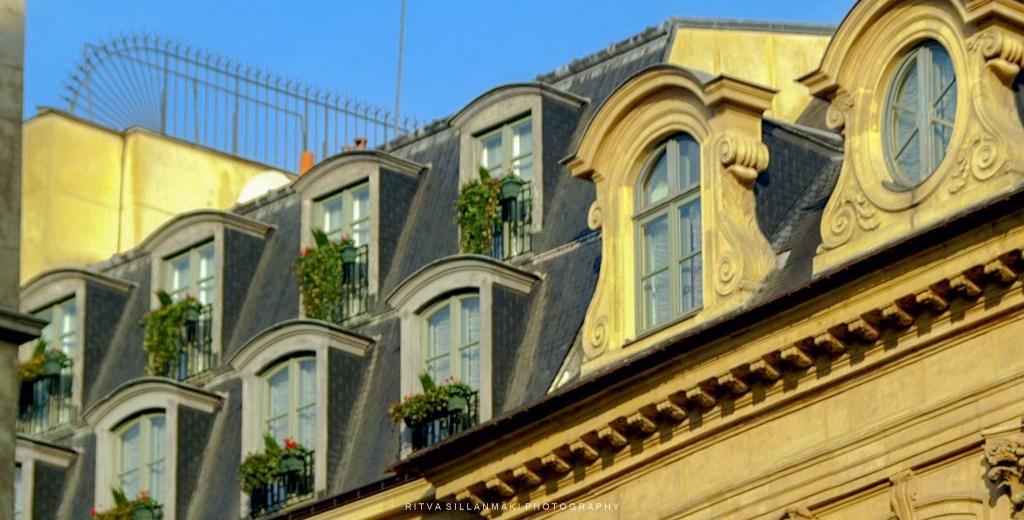
Close-up of classic Parisian architecture featuring intricate windows and charming rooftop details.
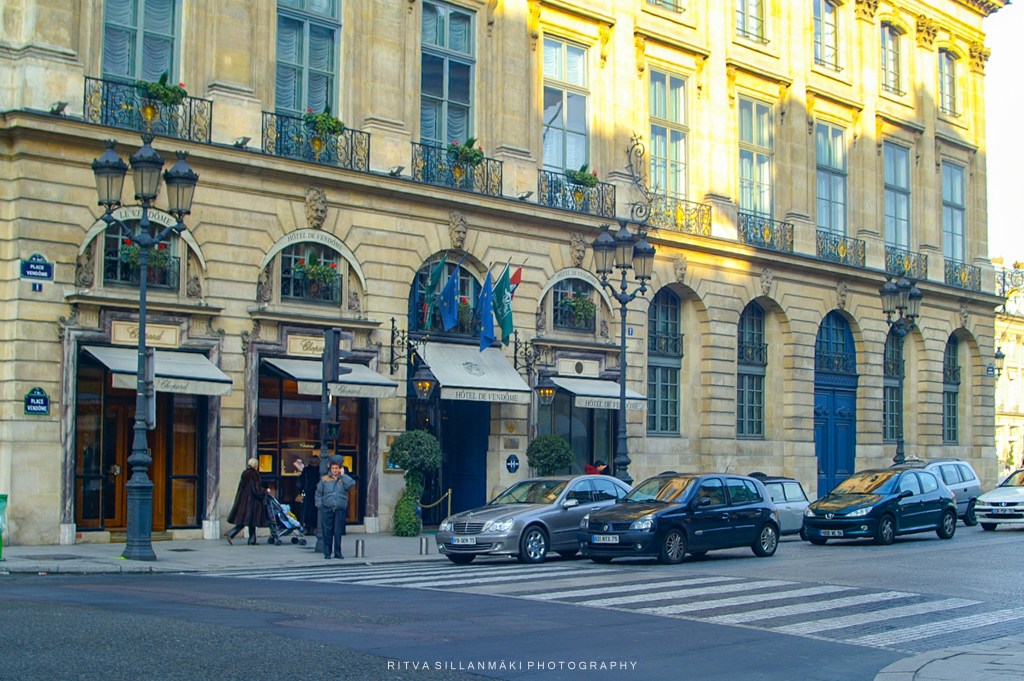
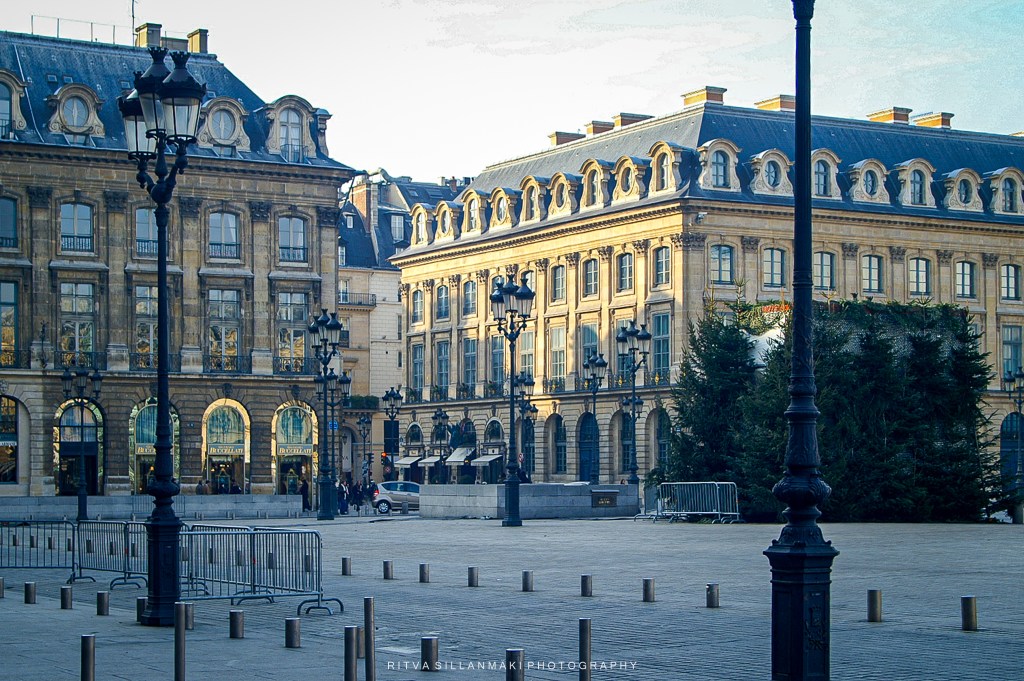
The elegant façade of Hôtel de Vendôme in Place Vendôme, Paris, showcasing classic Parisian architecture.
View of Place Vendôme square in Paris, showcasing its iconic architecture and elegance.
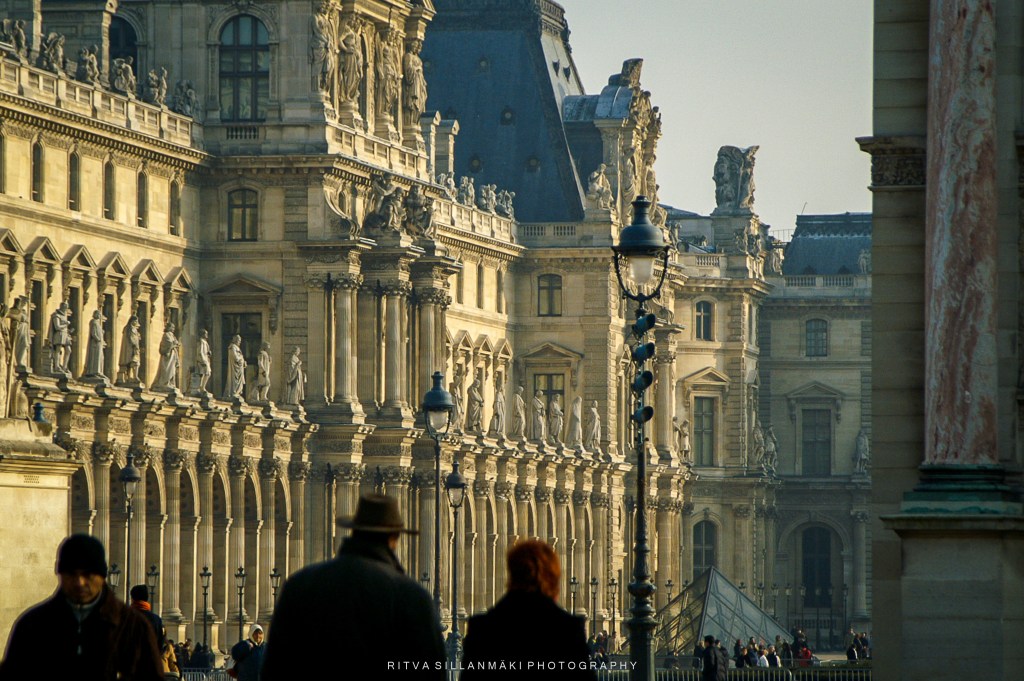
Stunning view of the ornate architecture at the Louvre, showcasing classic Parisian style.
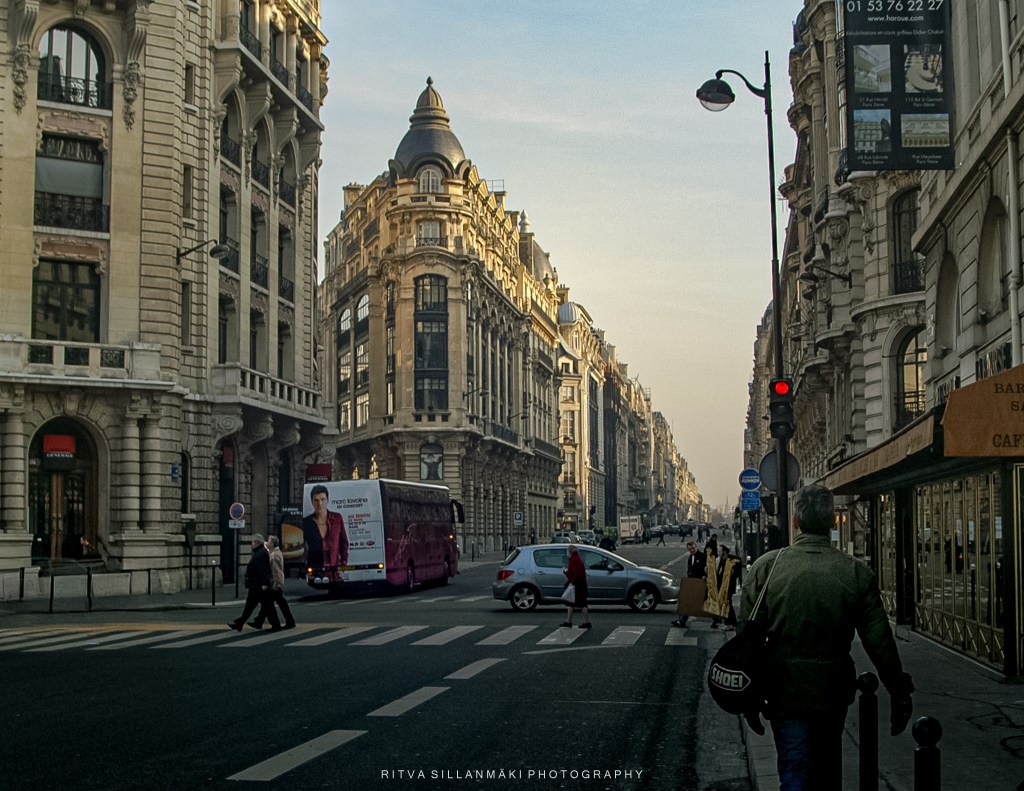
The Rue Réaumur in Paris, featuring skillfully crafted historical buildings.
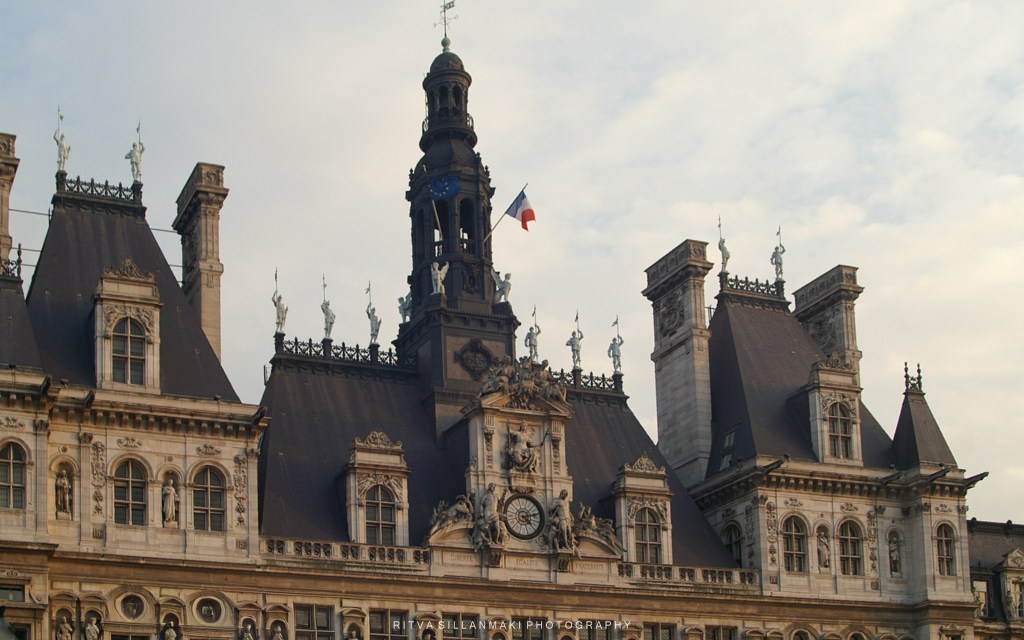
A close-up view of the ornate architecture of the Paris City Hall, showcasing its impressive spires and sculptures.
Close-up of the intricate architectural details of the clock and sculptures at Paris City Hall, highlighting its historical significance and artistic craftsmanship.
View of traditional Parisian architecture alongside the iconic Notre-Dame Cathedral spire at sunset.
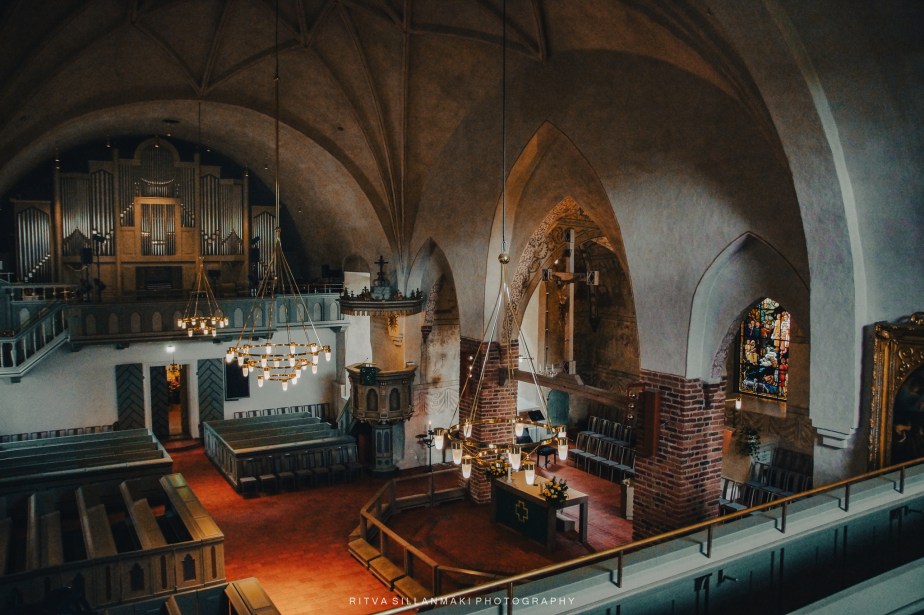
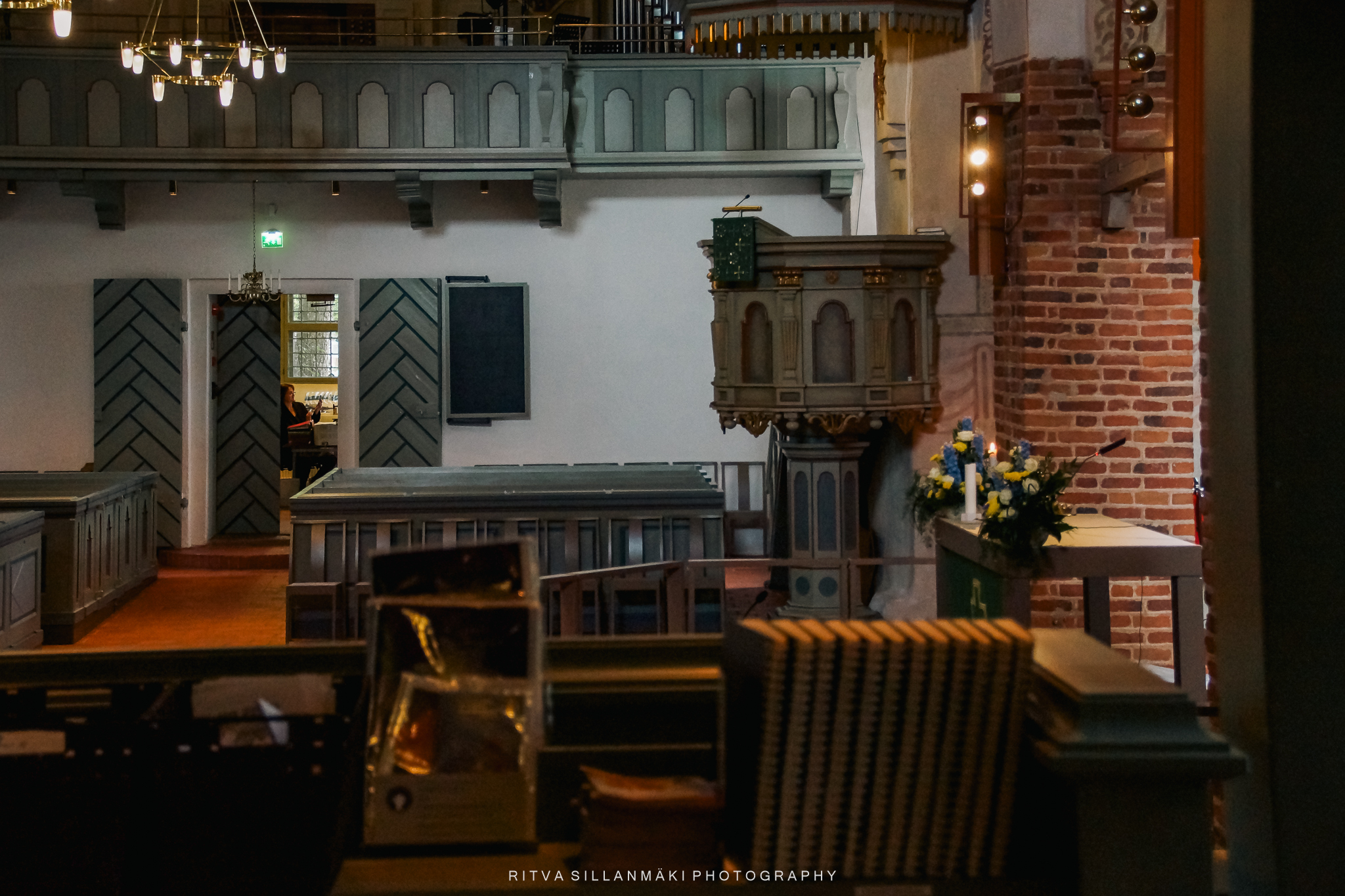
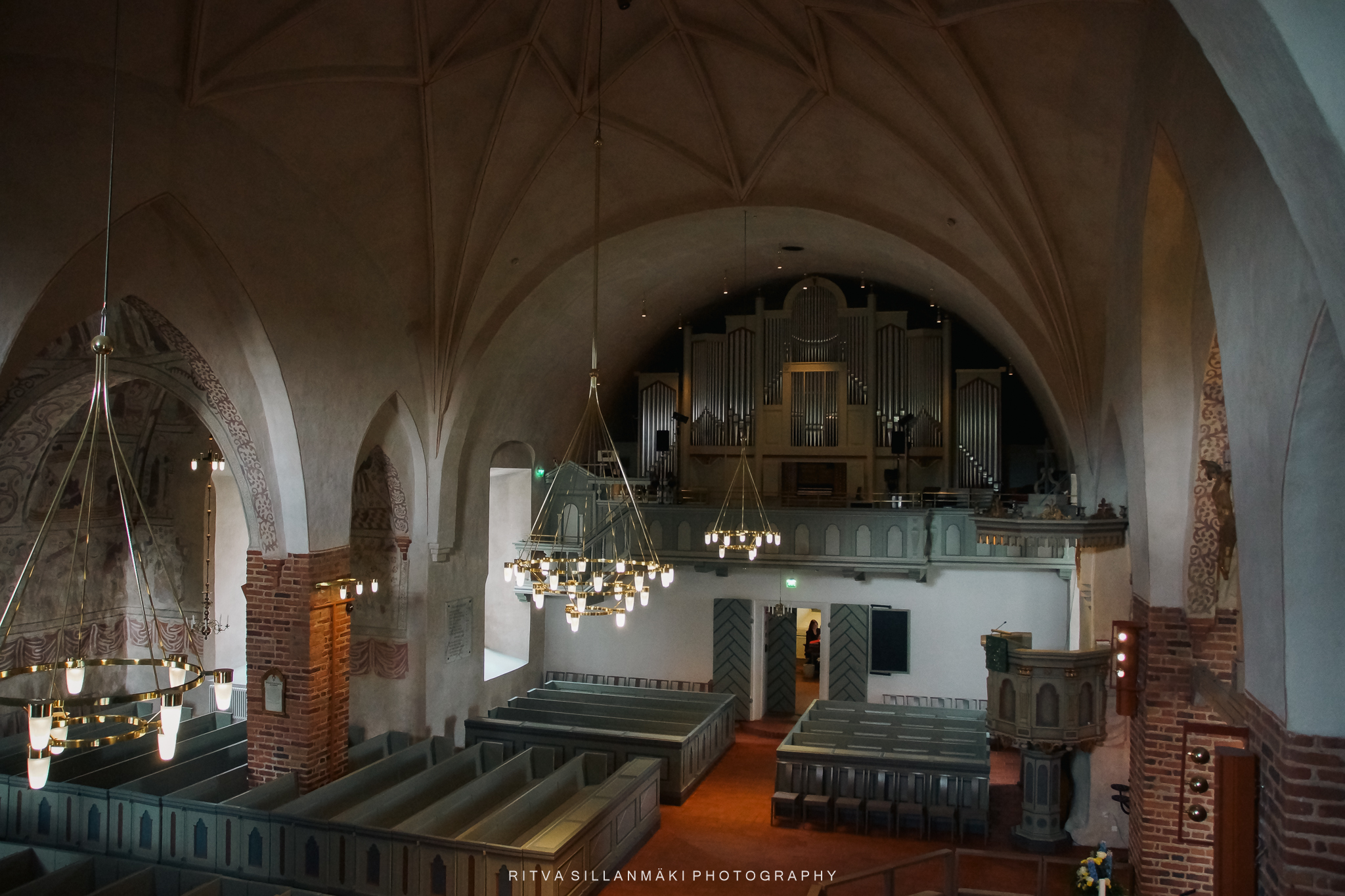
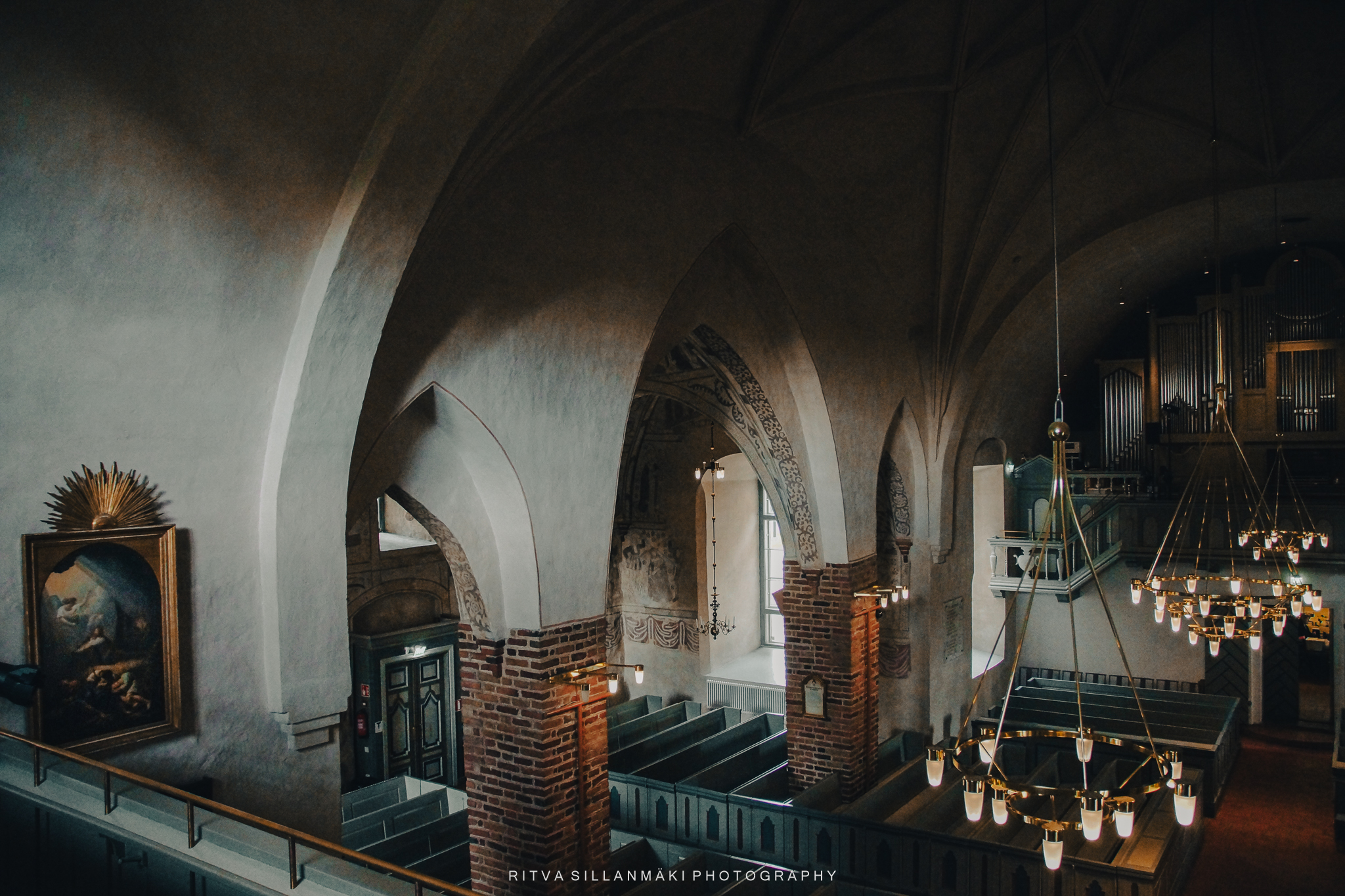
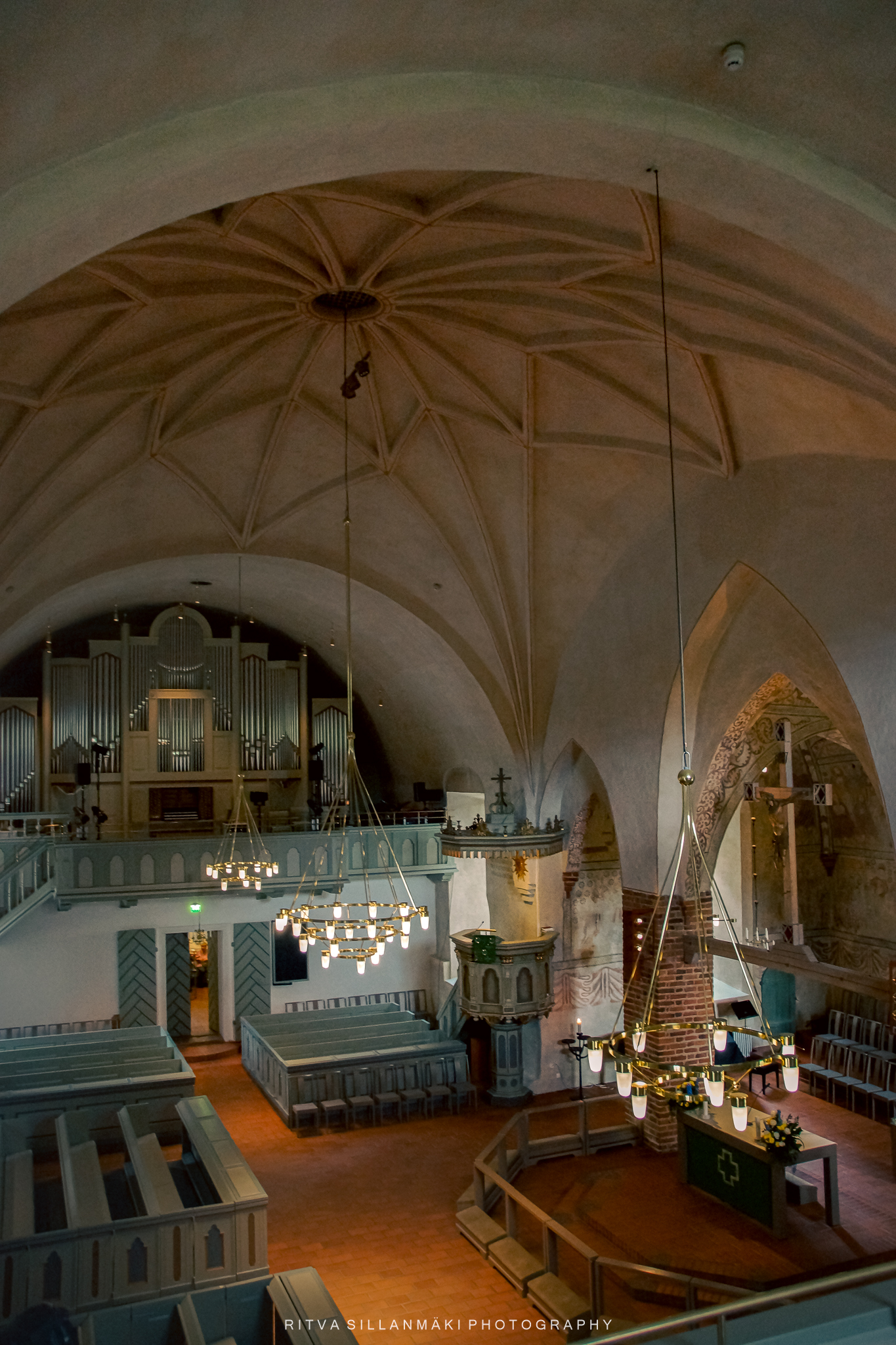
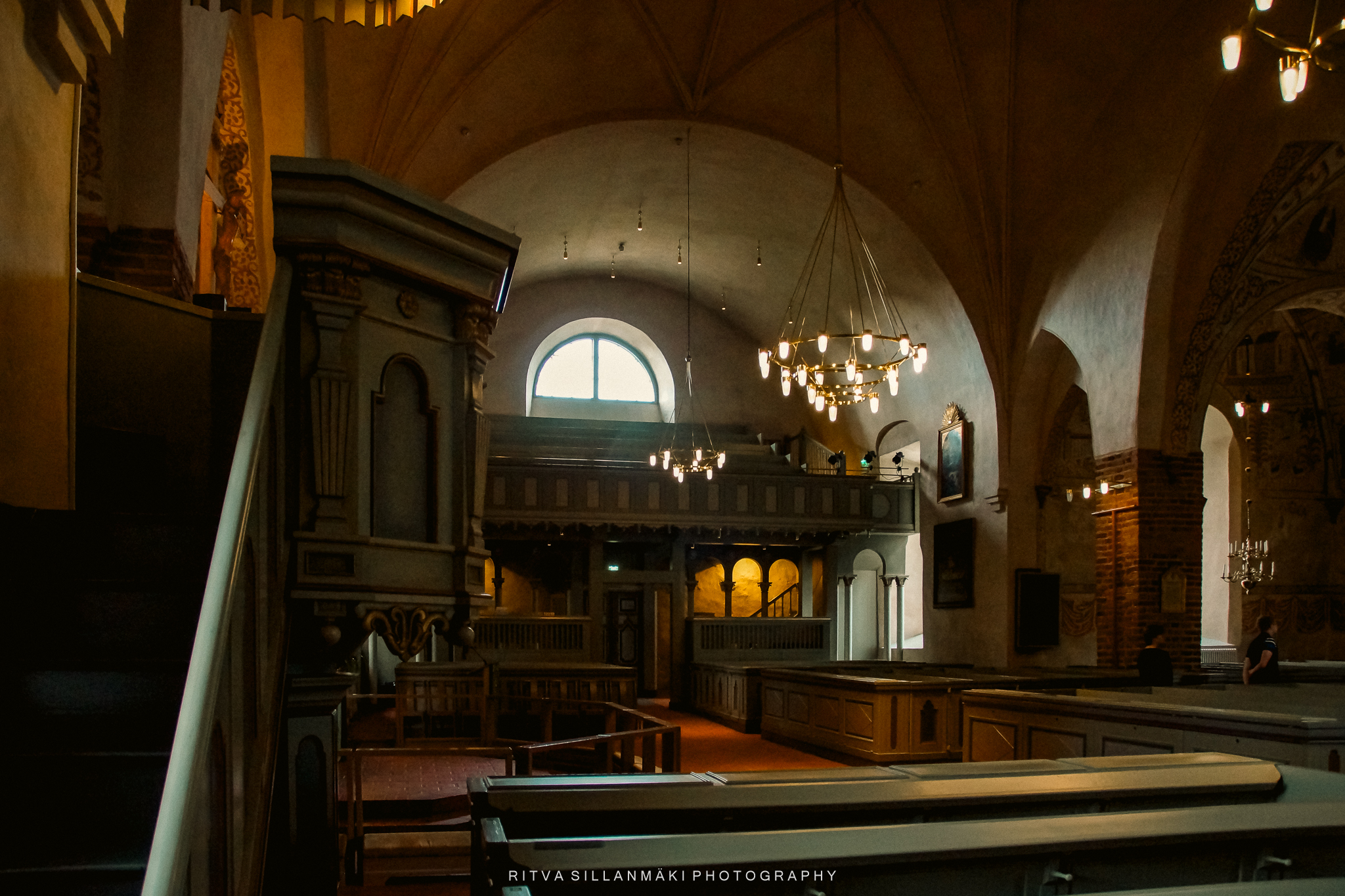
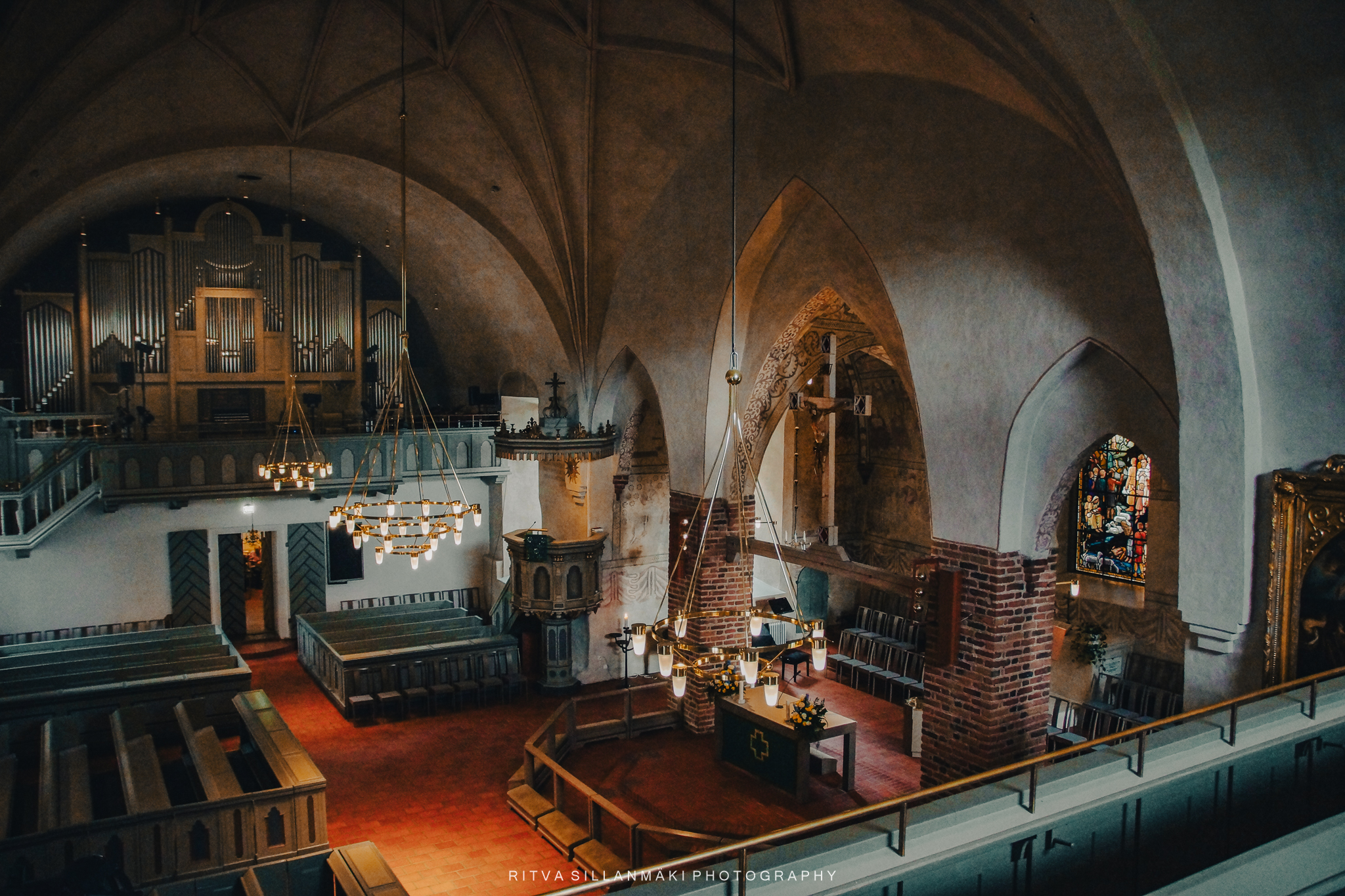
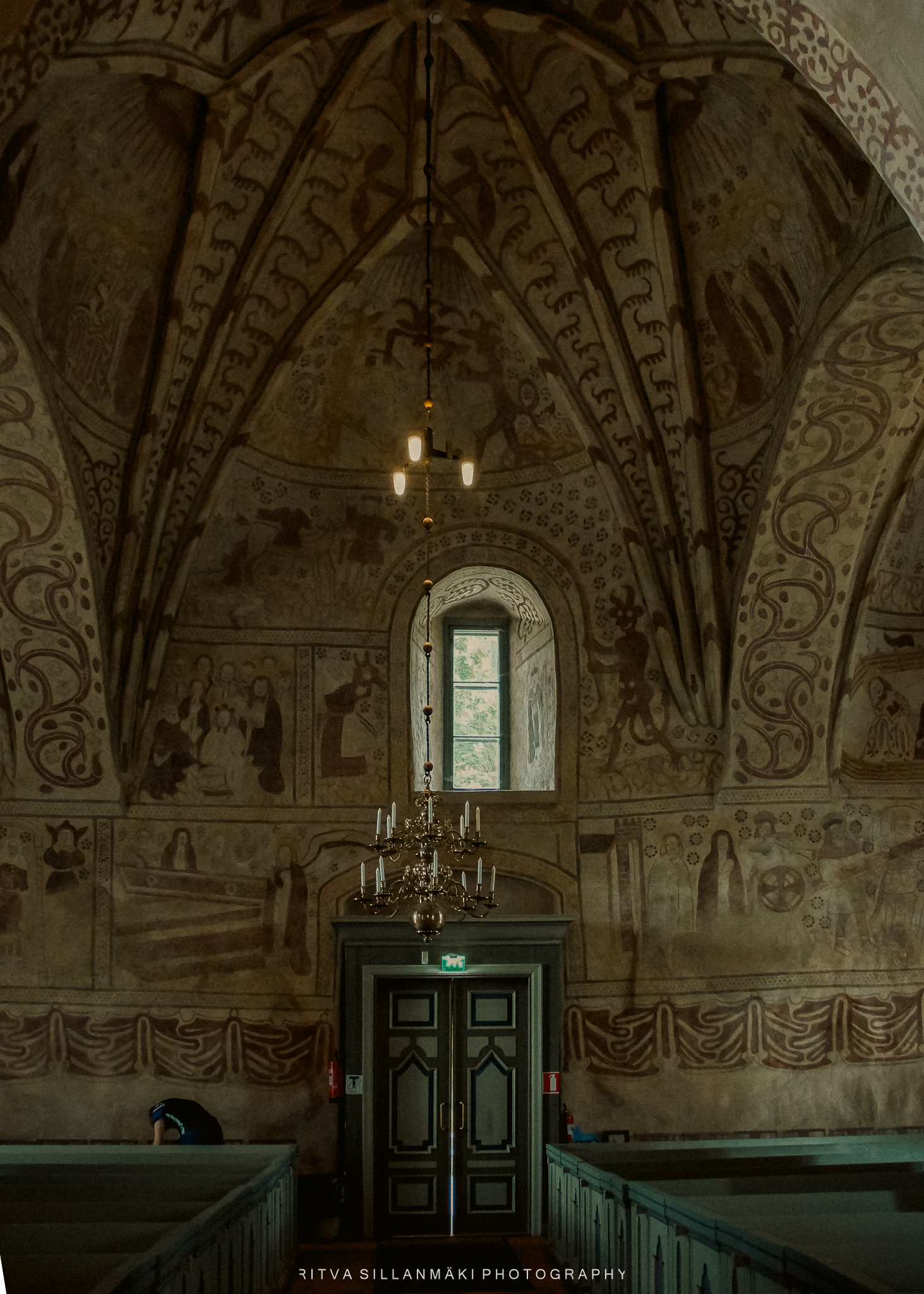
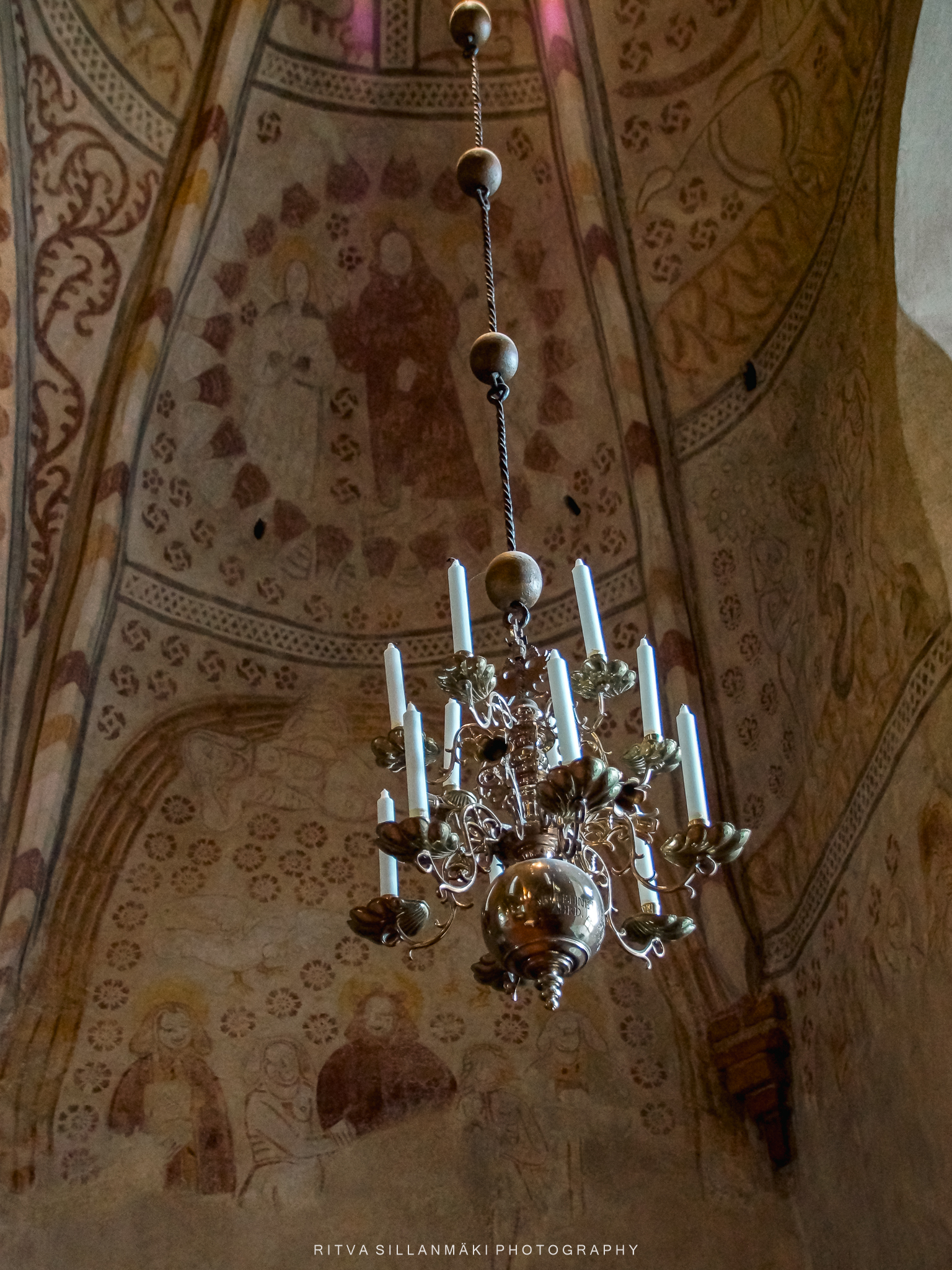
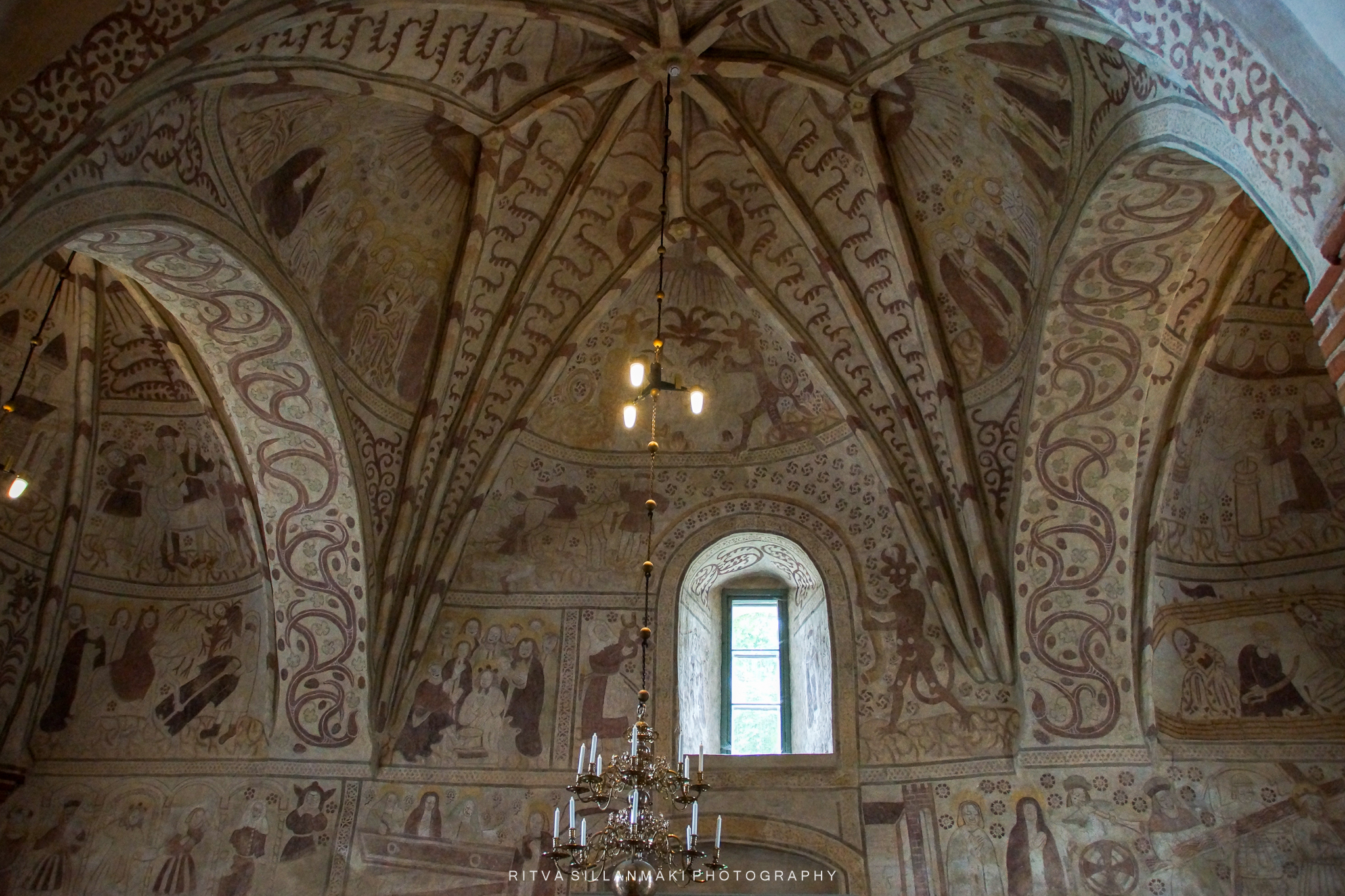
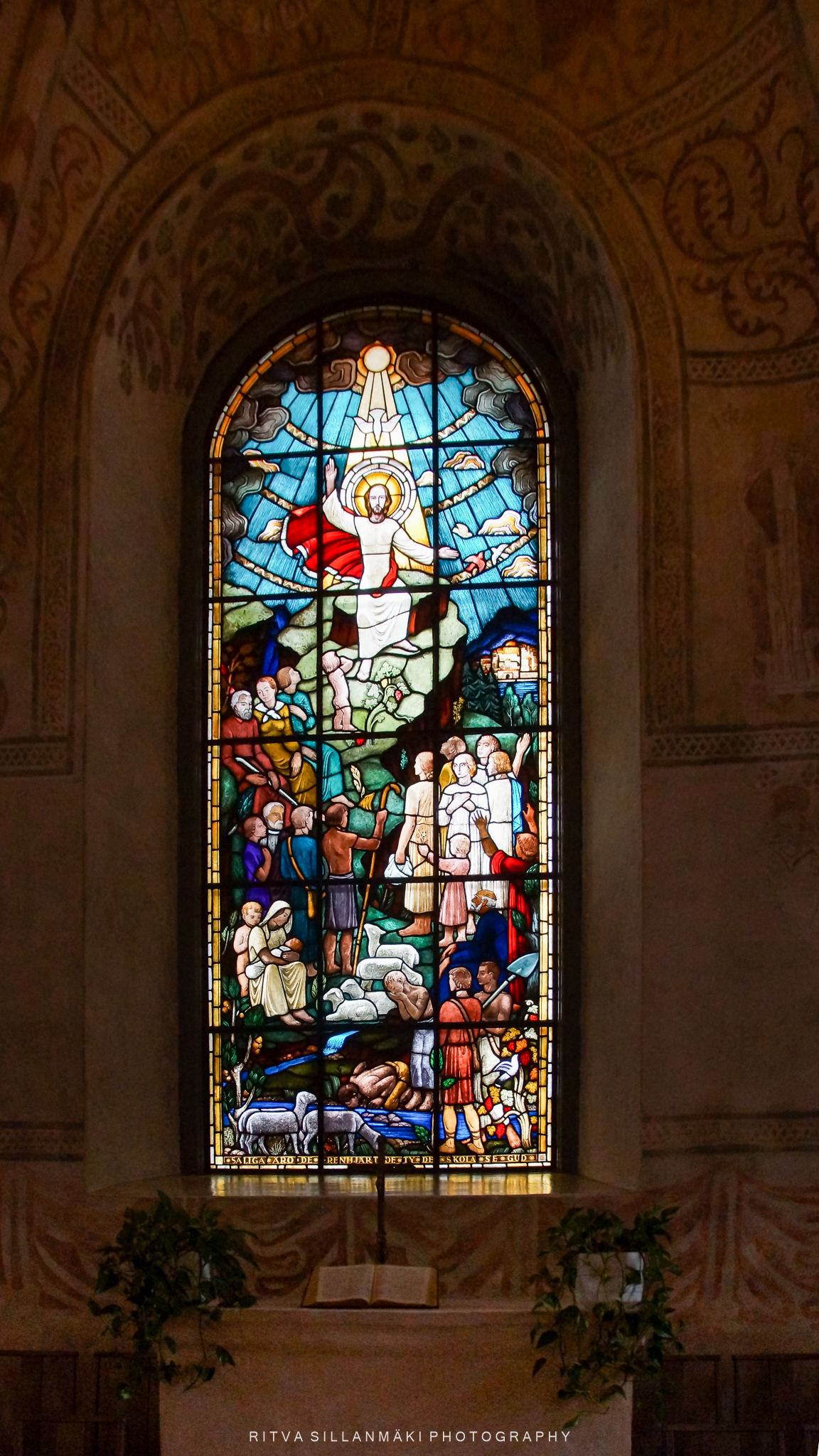
Here are some more images from this old church and a link to more information of Espoo Cathedral .
I have additional images taken, but I plan to share them separately, as I think these particular ones align well with Dan’s theme. I’m aware that people often overlook images when there are too many of them, which has been a common mistake in many of my earlier posts. I really strive to thoughtfully select and limit the number of images I include. Hopefully, I can keep the attention and ensure that every image adds value to the story, creating a more deliberate and enjoyable experience as they explore the content.
The church was crafted in the late 15th century by an anonymous “Espoo master” and constructed between 1485 and 1490 under his guidance. The only remnants of the medieval structure are the eastern and western sections of the nave. The armory was dismantled from 1804 to 1806, and several other portions of the church, including the original sacristy, were taken apart between 1821 and 1823 when the edifice was transformed into a larger cruciform layout.
Click the galleries to see the photos more clearly, that is if you are looking at them on your computer as most of my followers are, I saw in the stats that the number is 82% ☺
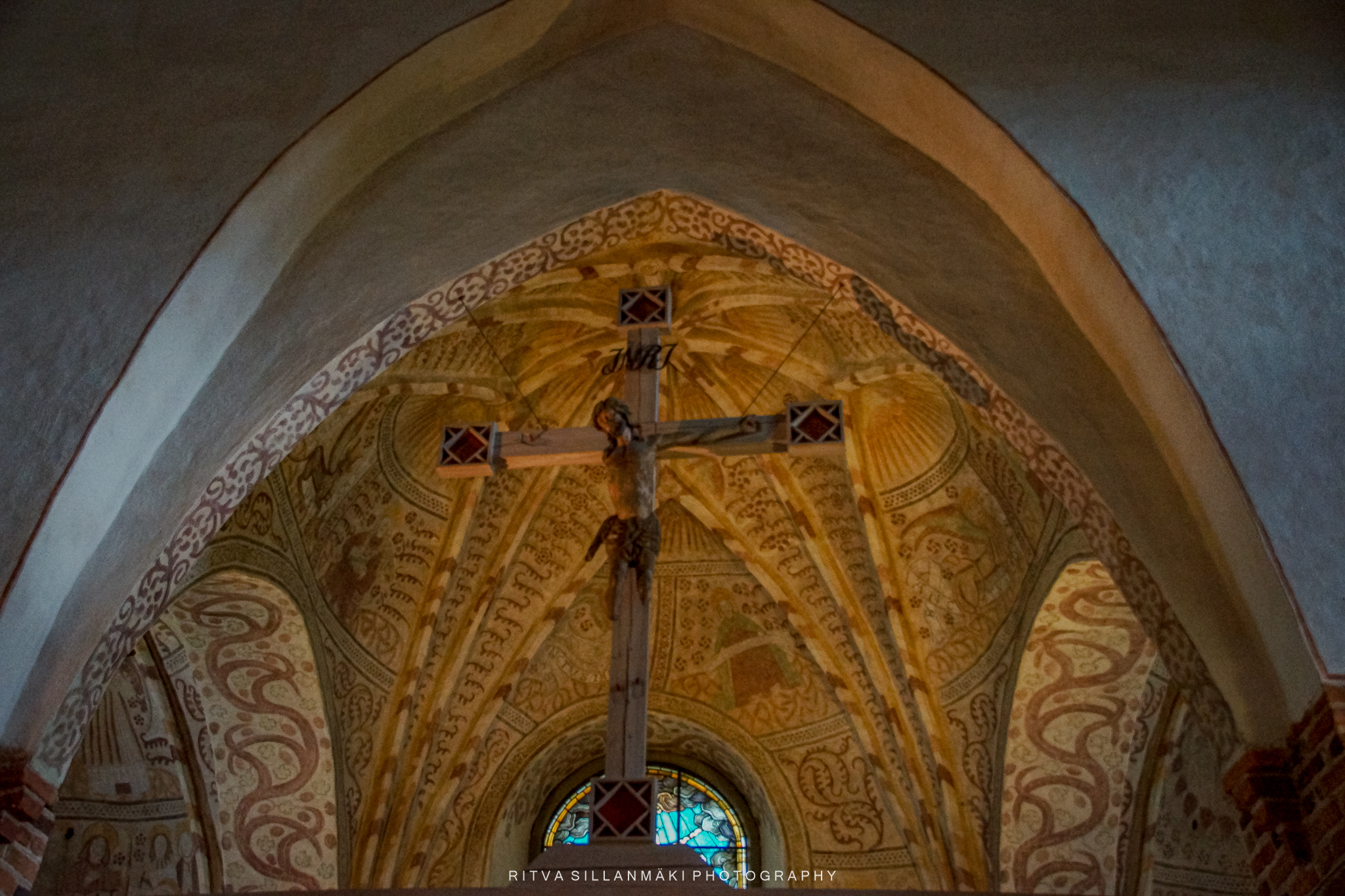
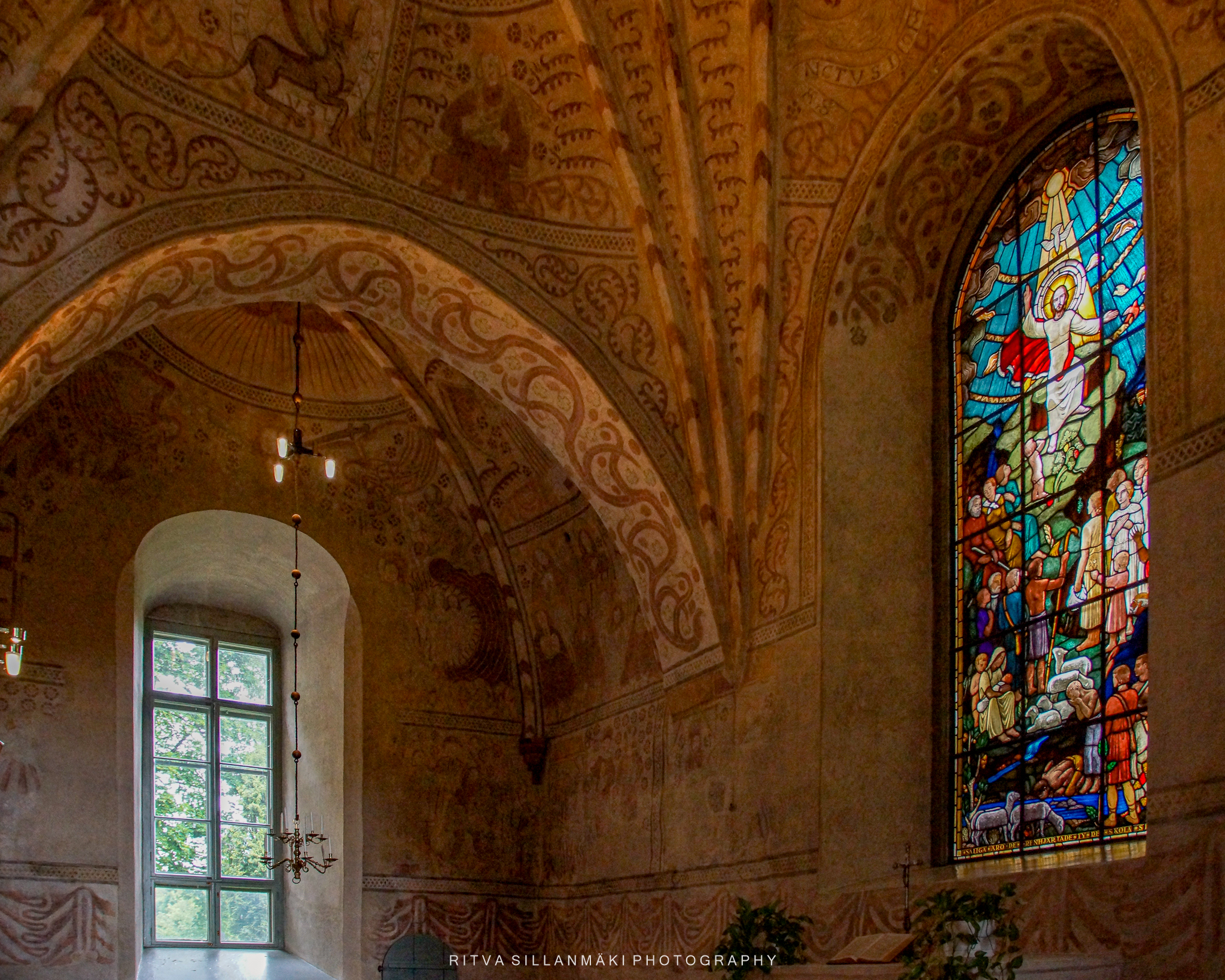
The vaults and walls of the older sections of the cathedral feature murals, predominantly painted in the 1510s, showcasing both biblical narratives and scenes from everyday life. These paintings were concealed in the 18th century due to perceptions of being “crude and superstitious,” but were exposed and restored during renovations in 1931. The current campanile of the cathedral was finalized in 1767, with its upper section remodeled between 1868 and 1869.
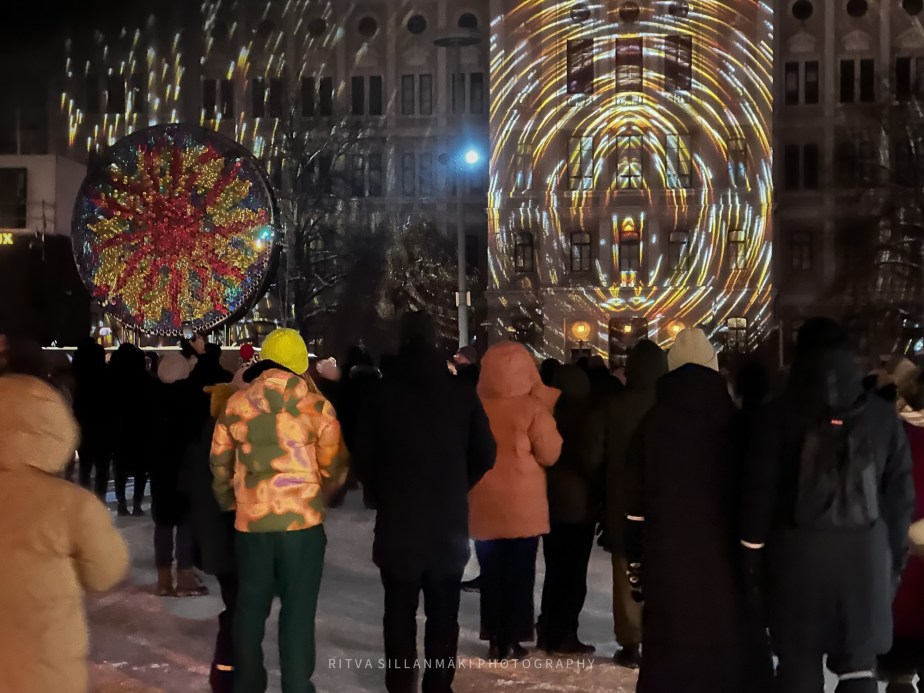
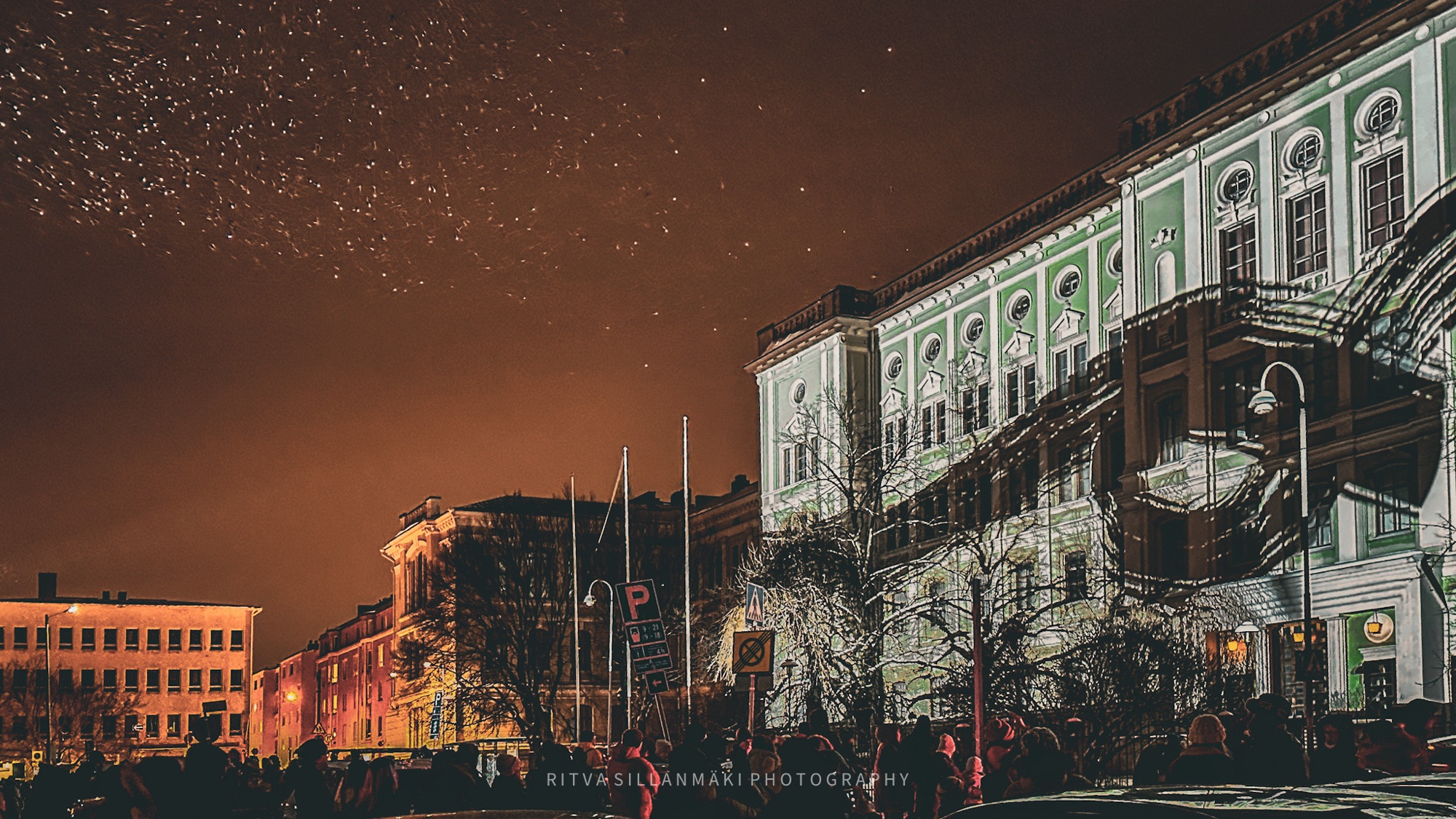
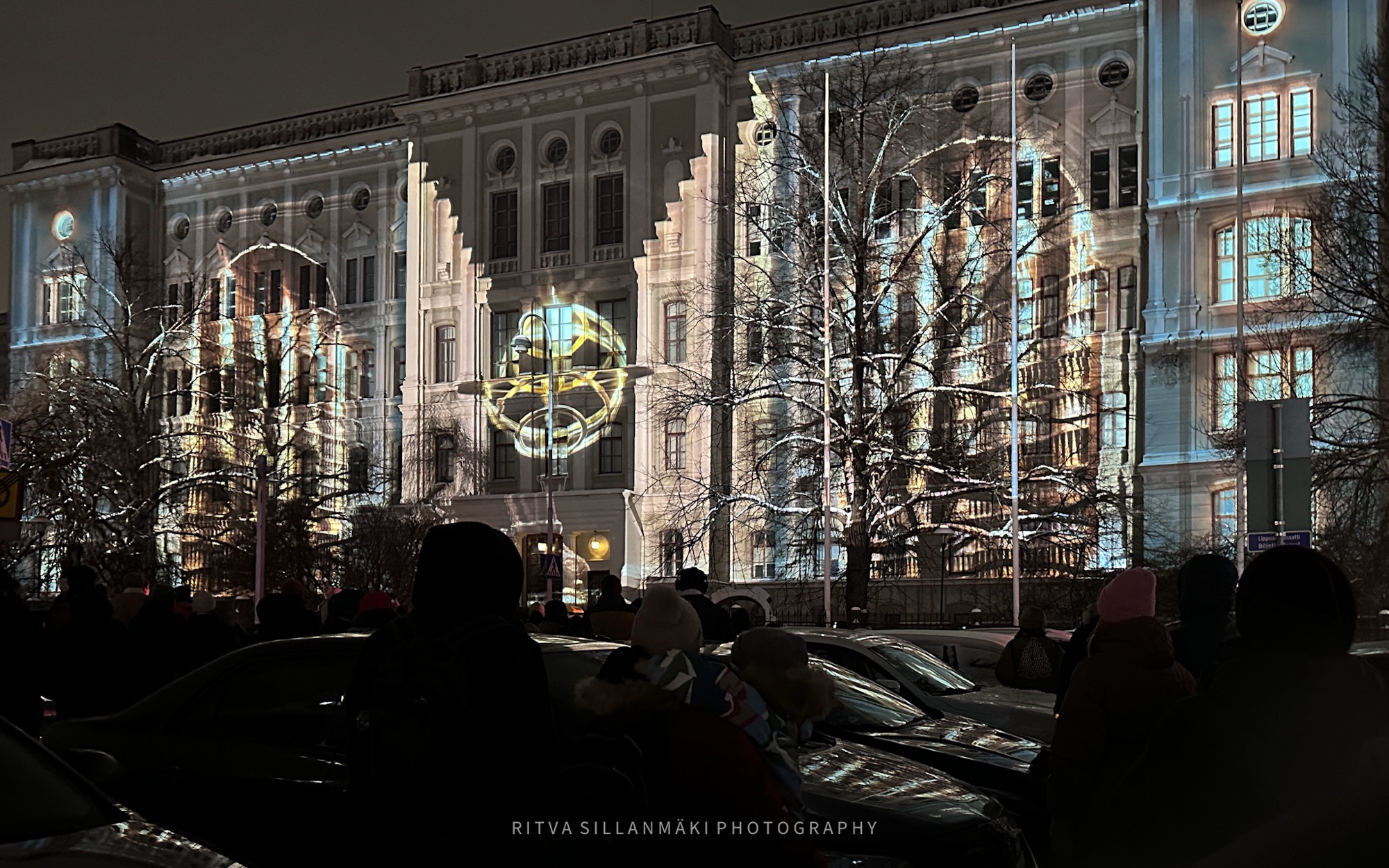
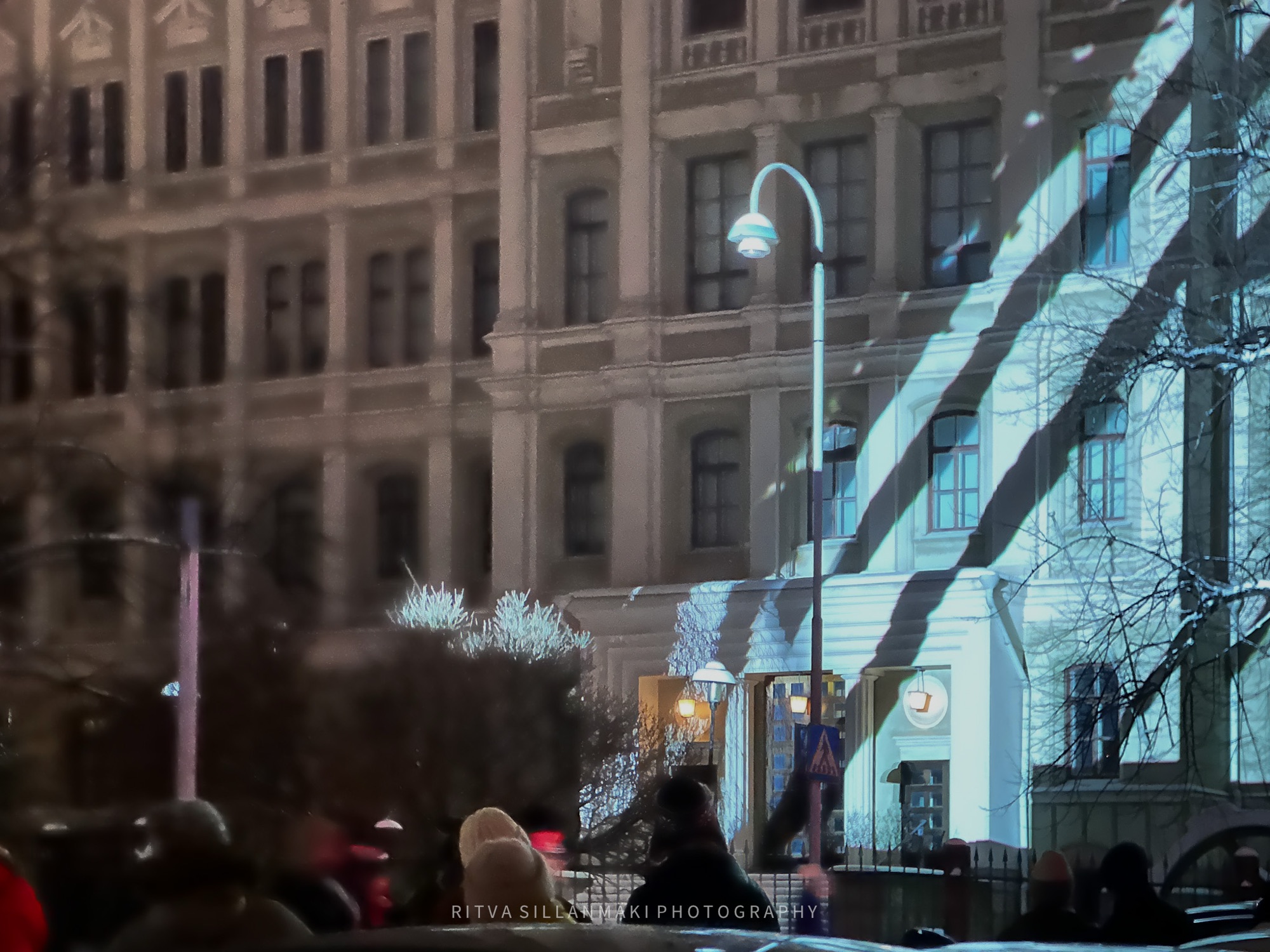
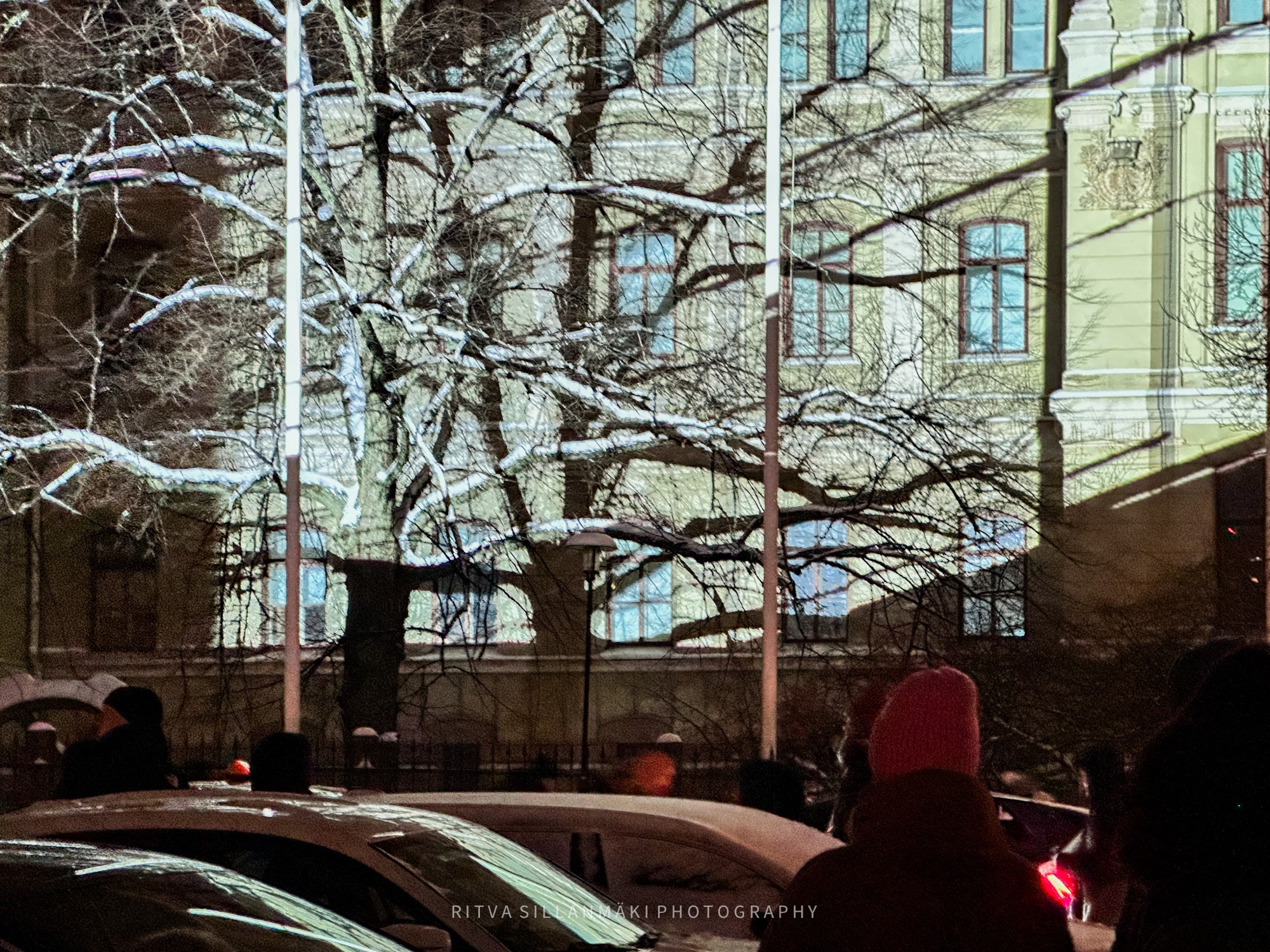
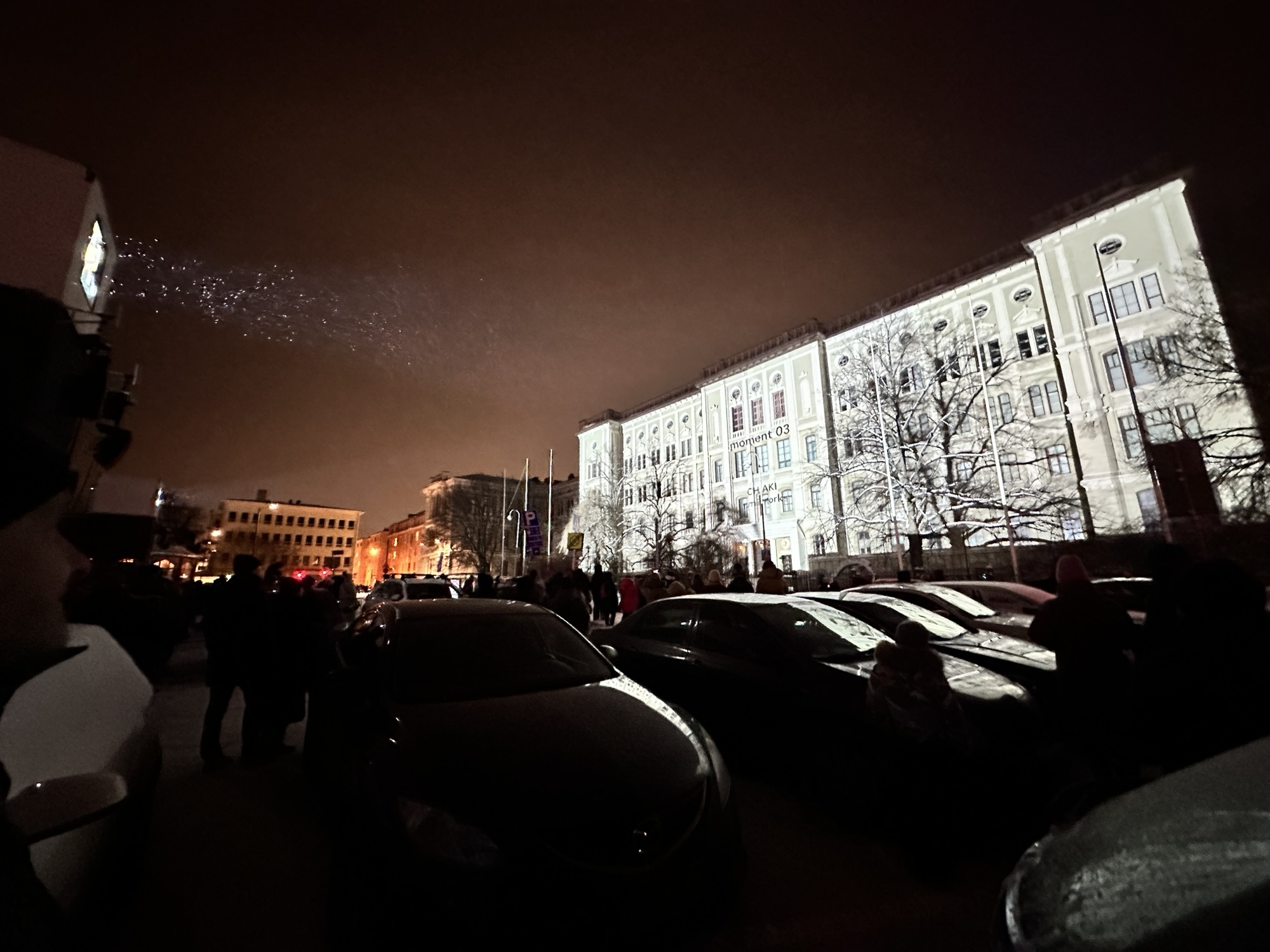
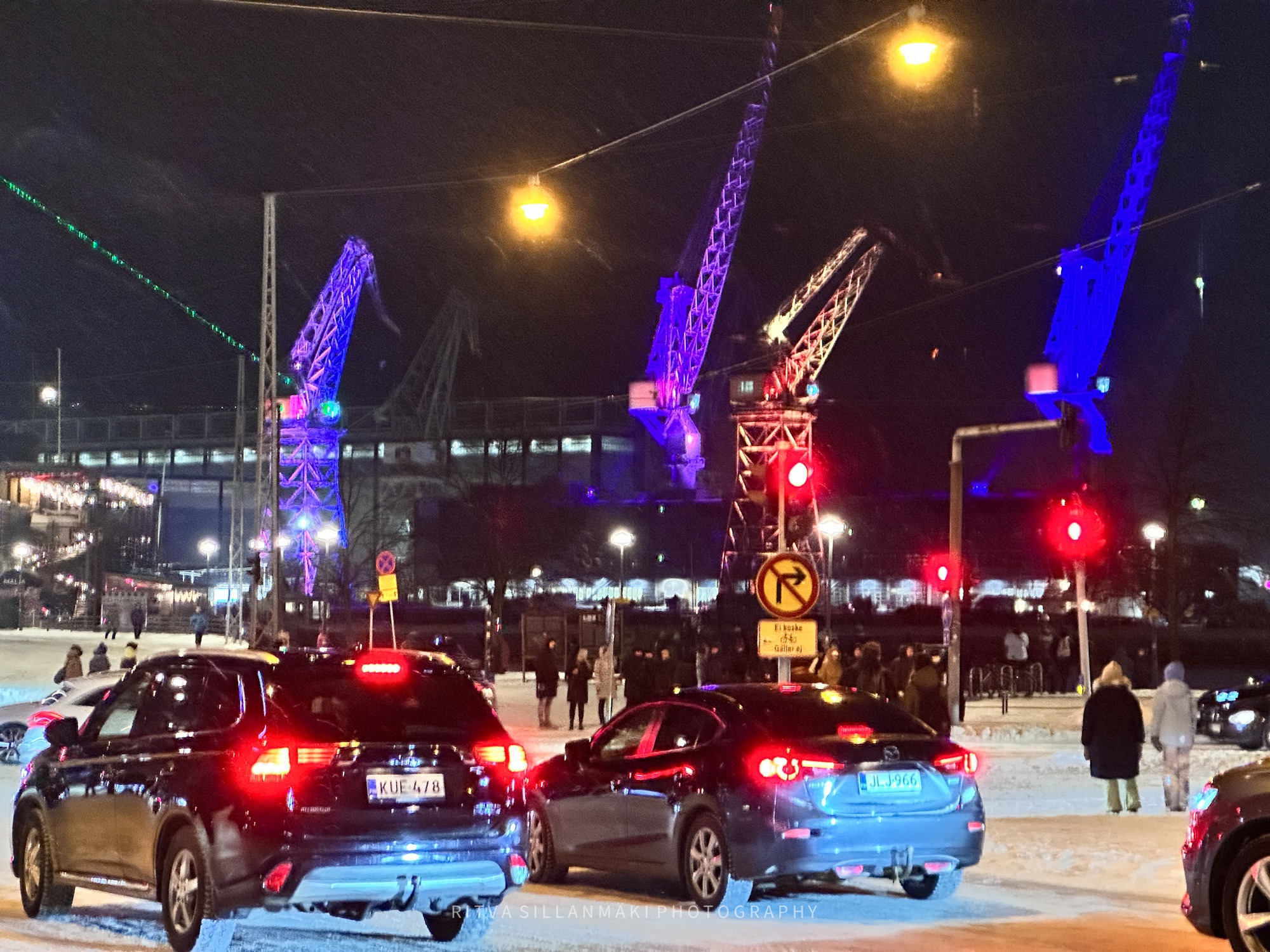
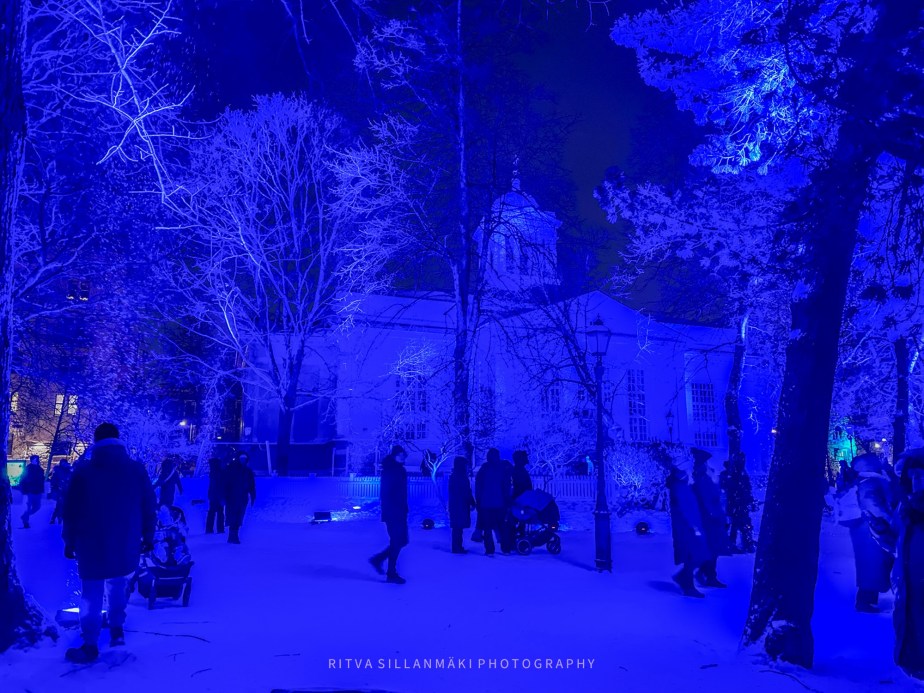
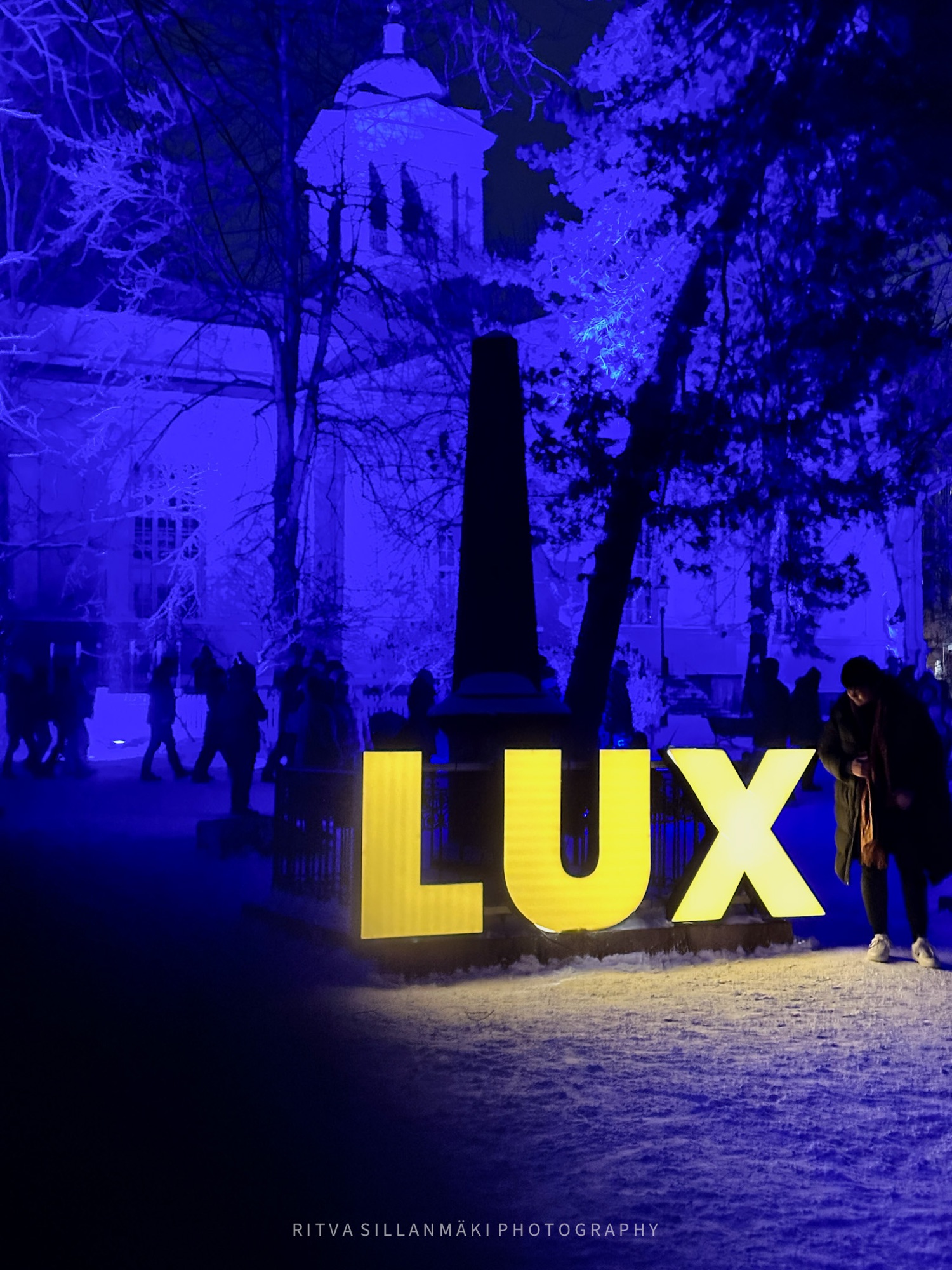
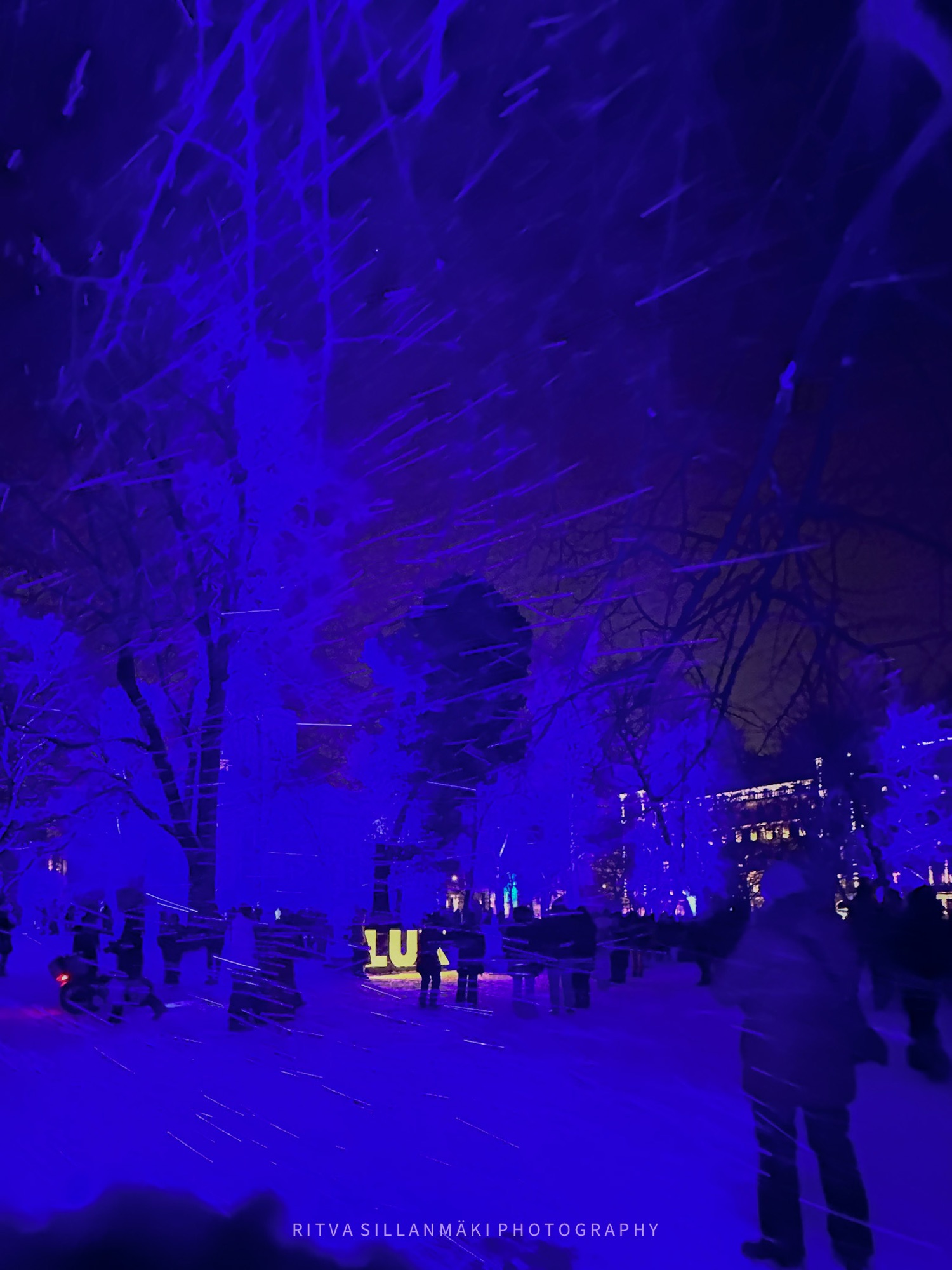
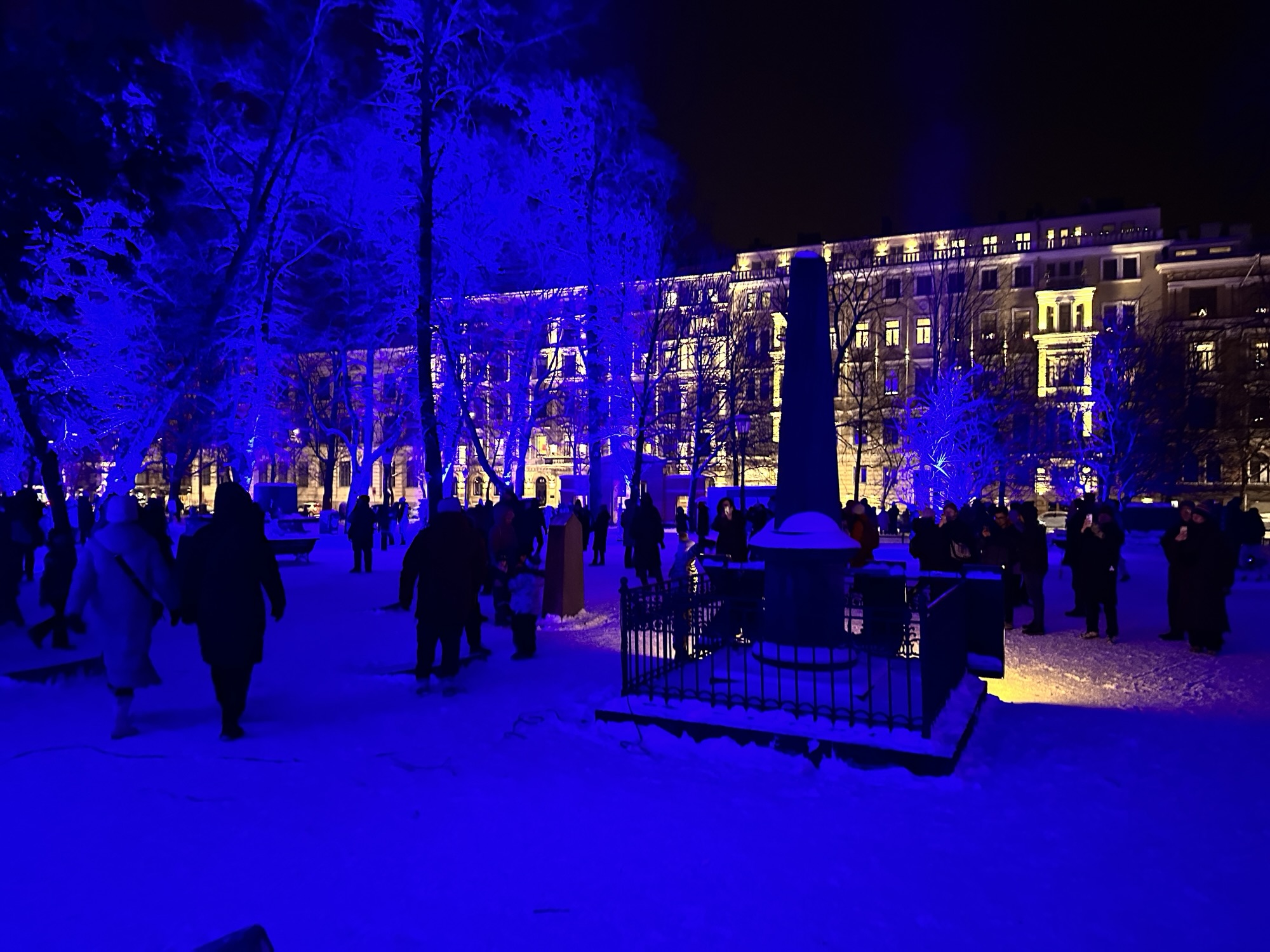
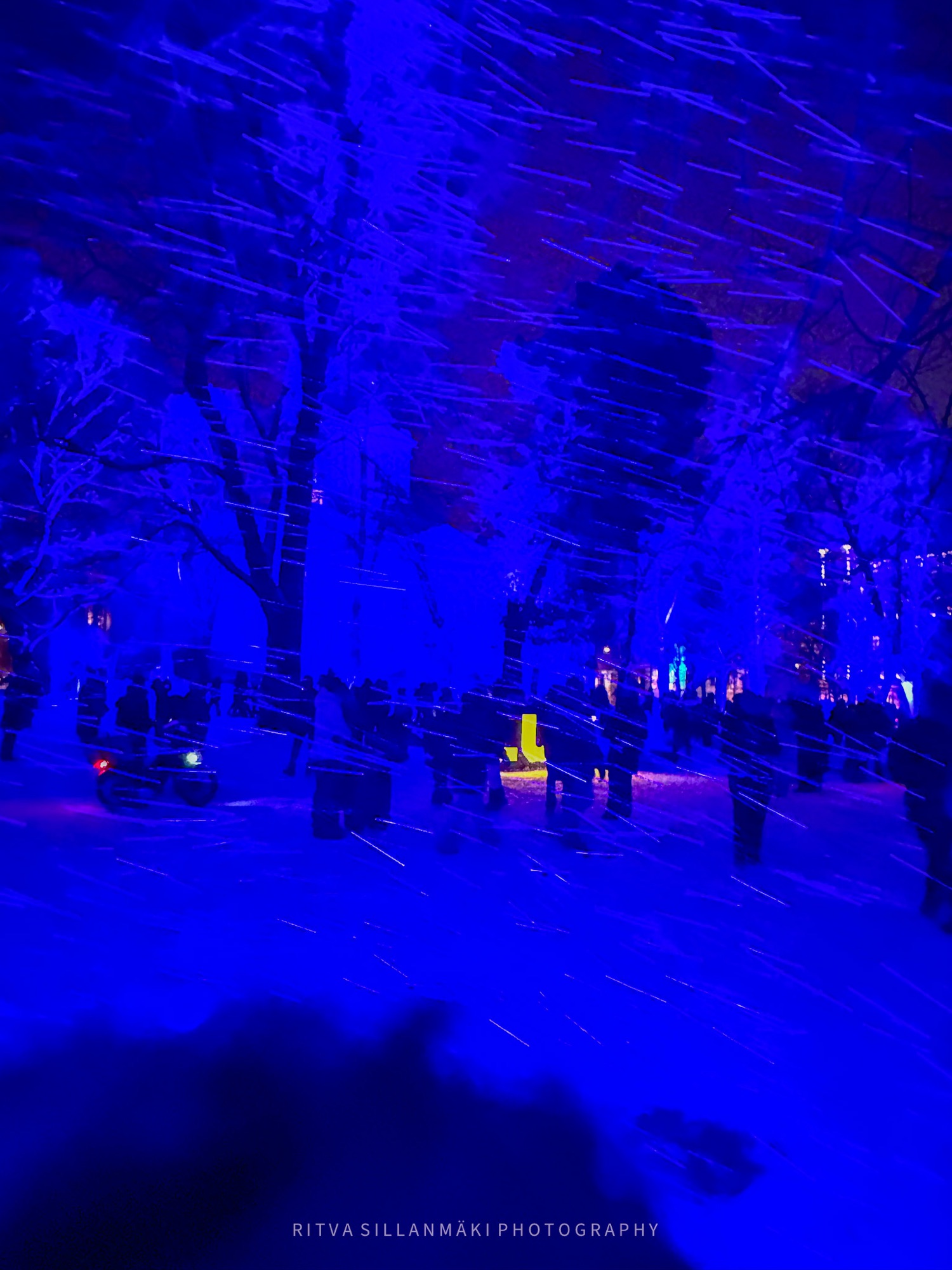
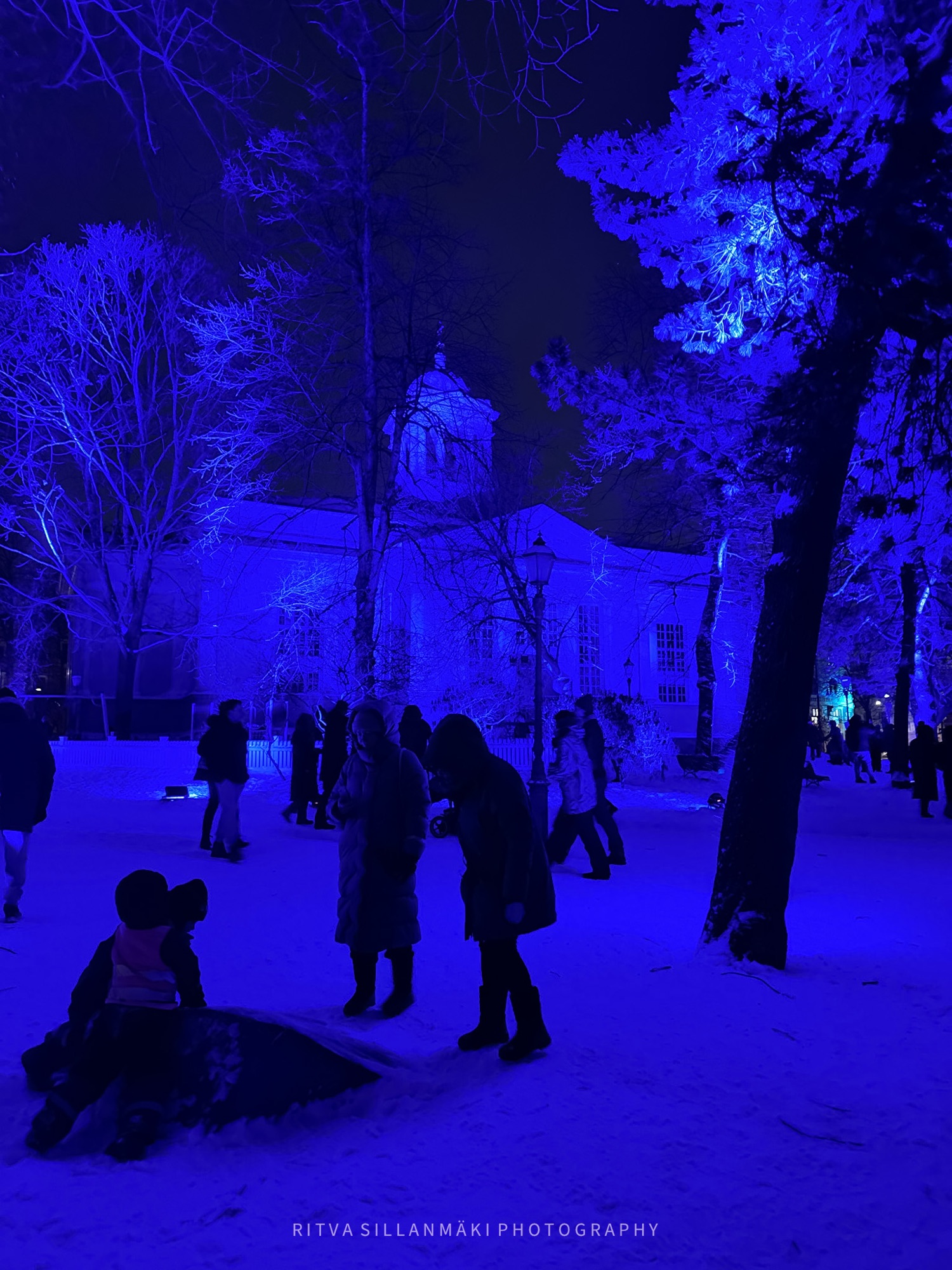
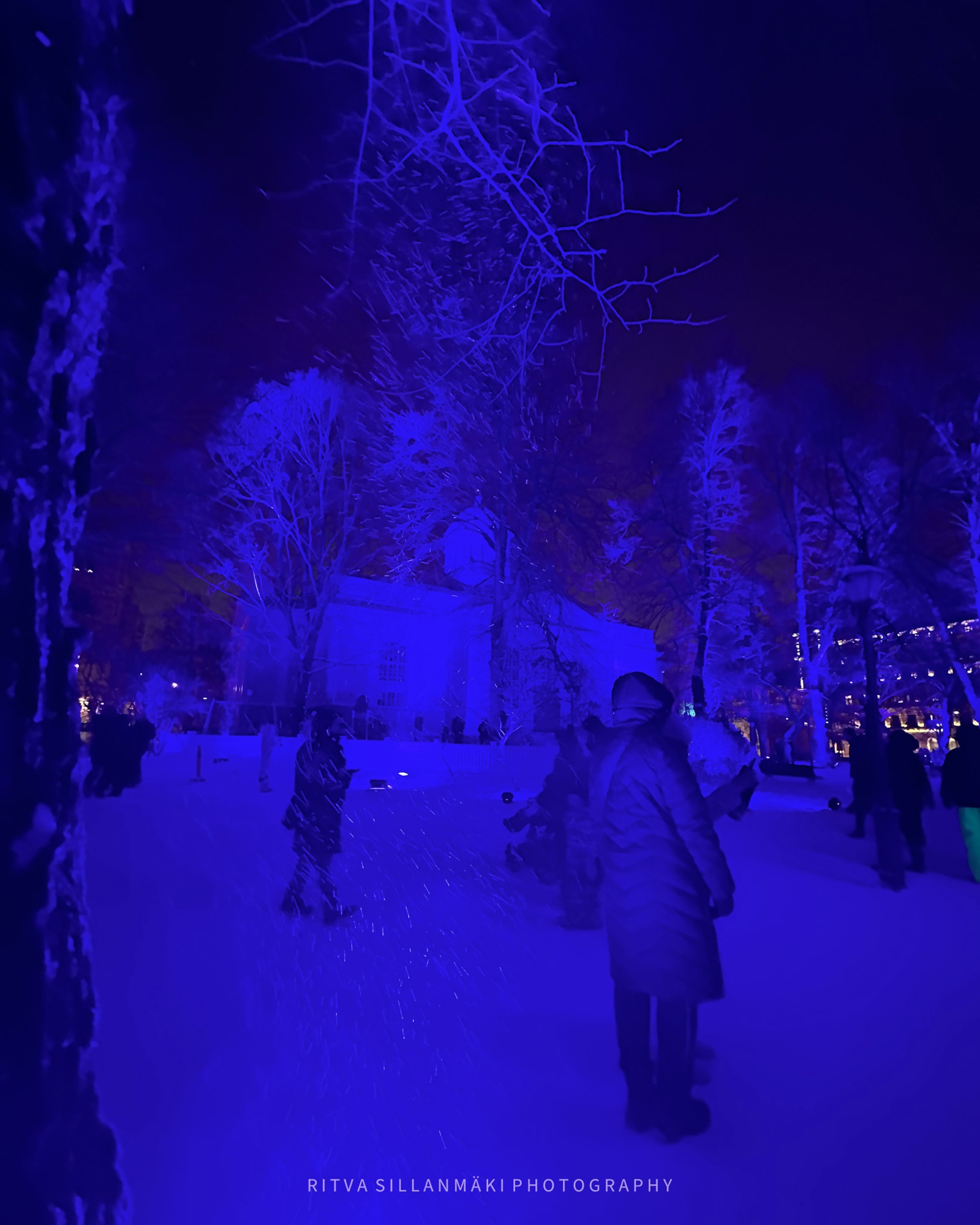
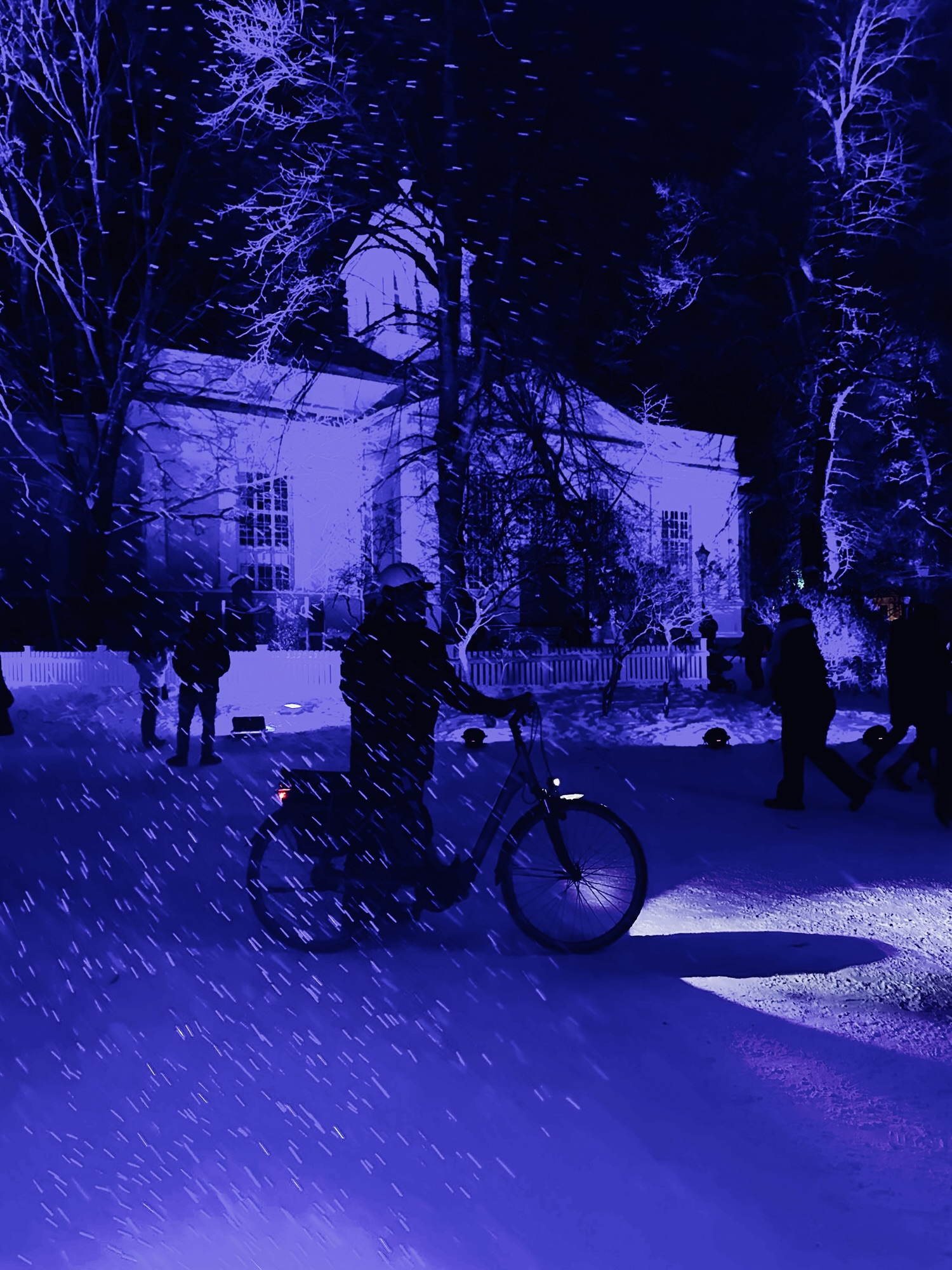
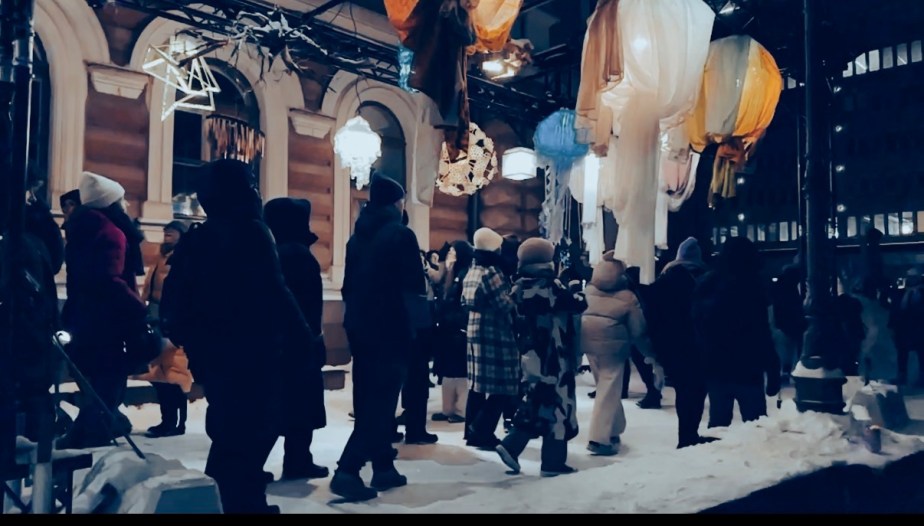
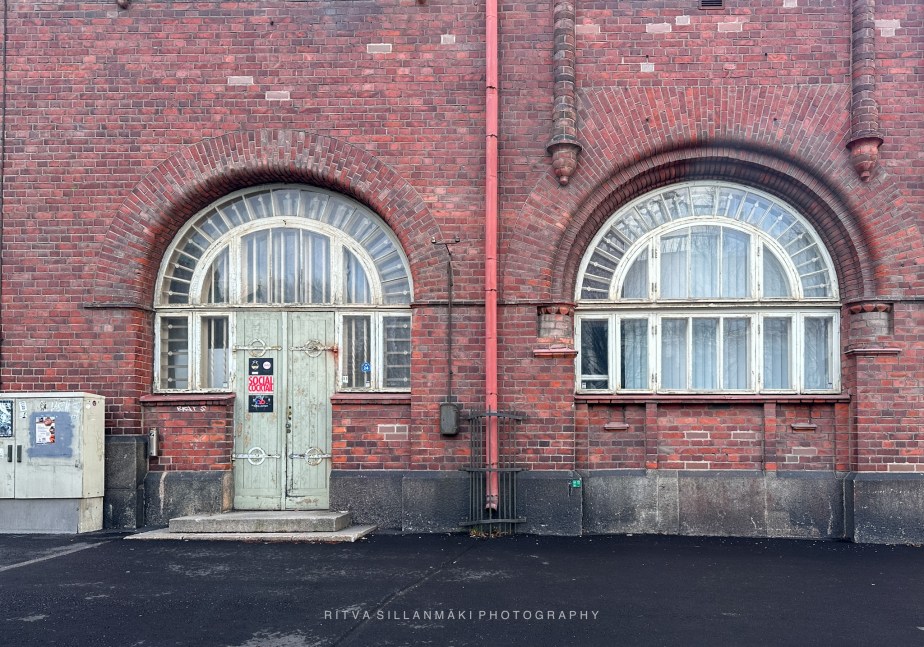
Last weekend, I attended the LUX Helsinki 2026 festival, which attracted large crowds despite the cold weather. Dressing appropriately helped, but my fingers did get really cold while taking the photos. Five of the twenty installations were situated near Hietalahti Market Hall.
Visitors admire a colorful light display during LUX Helsinki 2026 on a chilly Sunday evening.
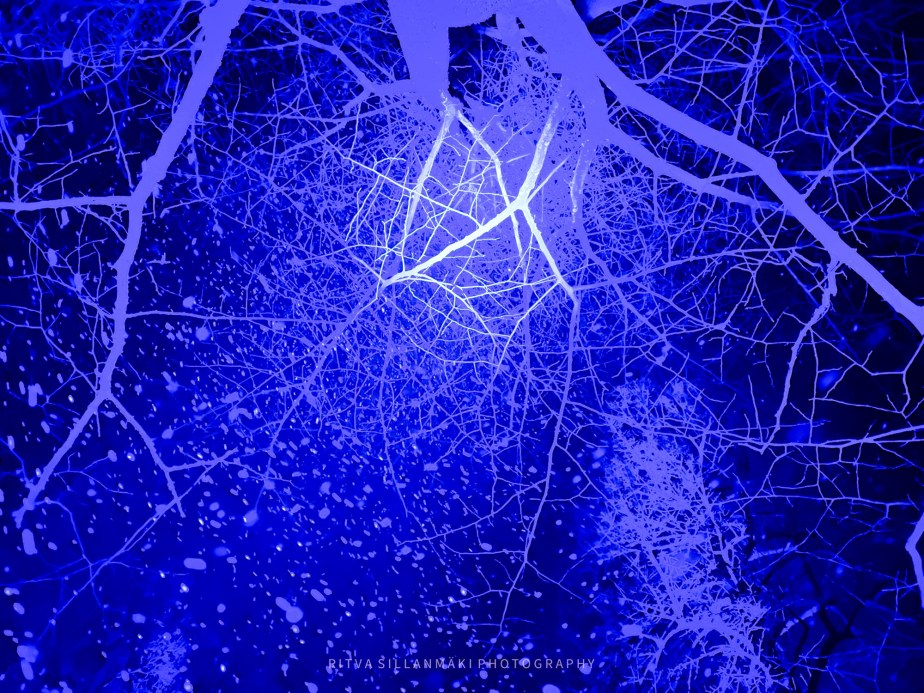
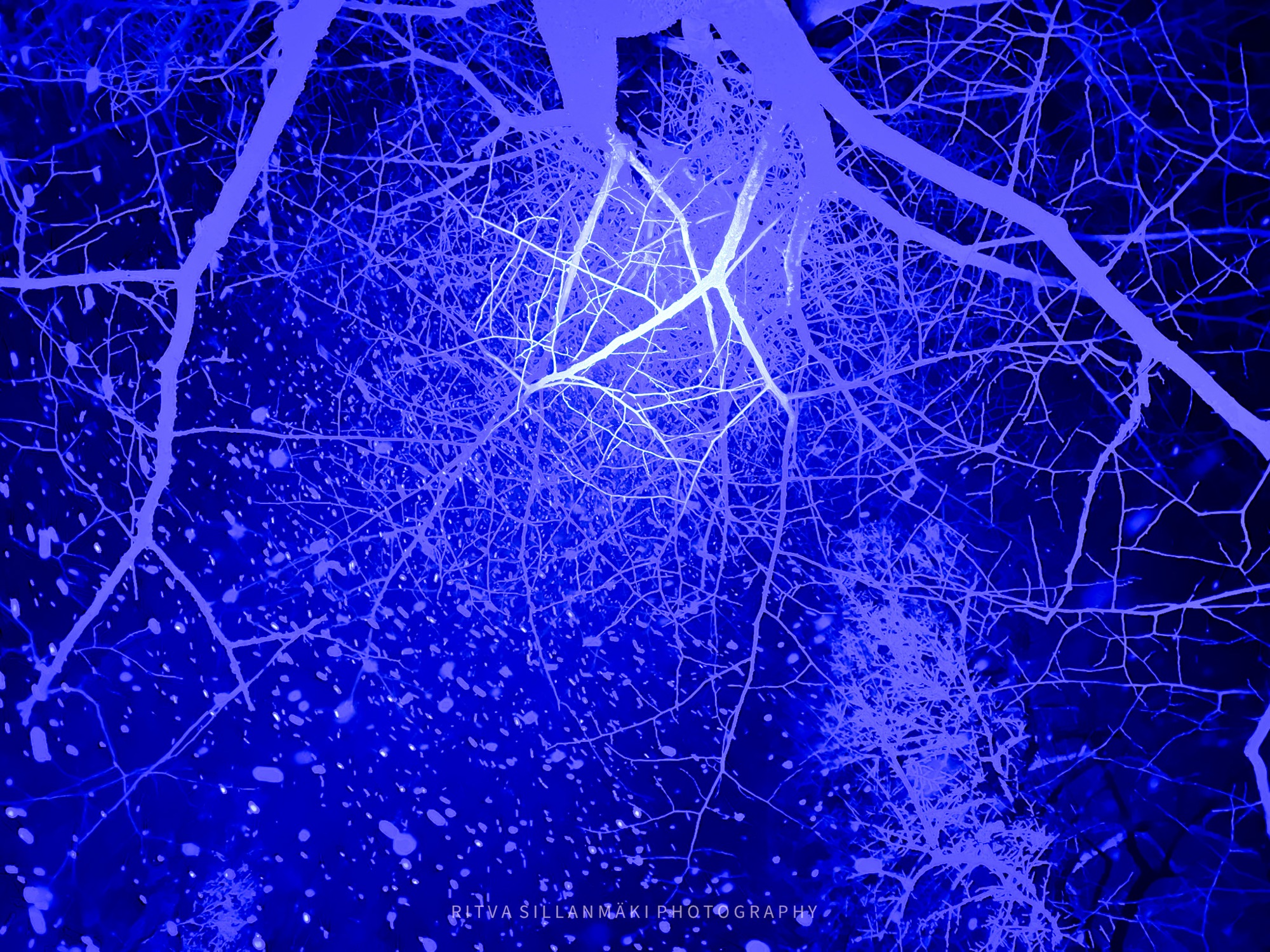
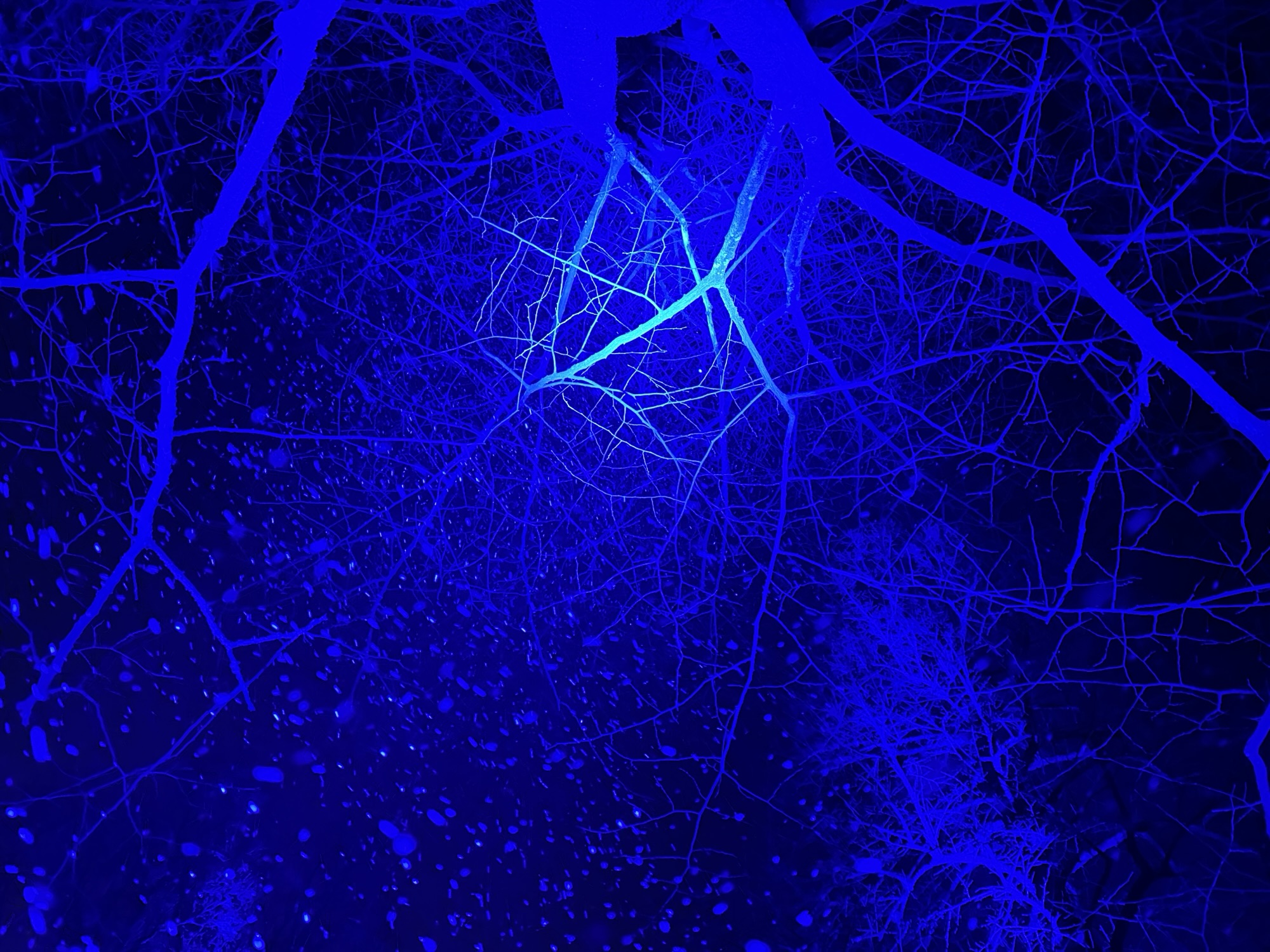
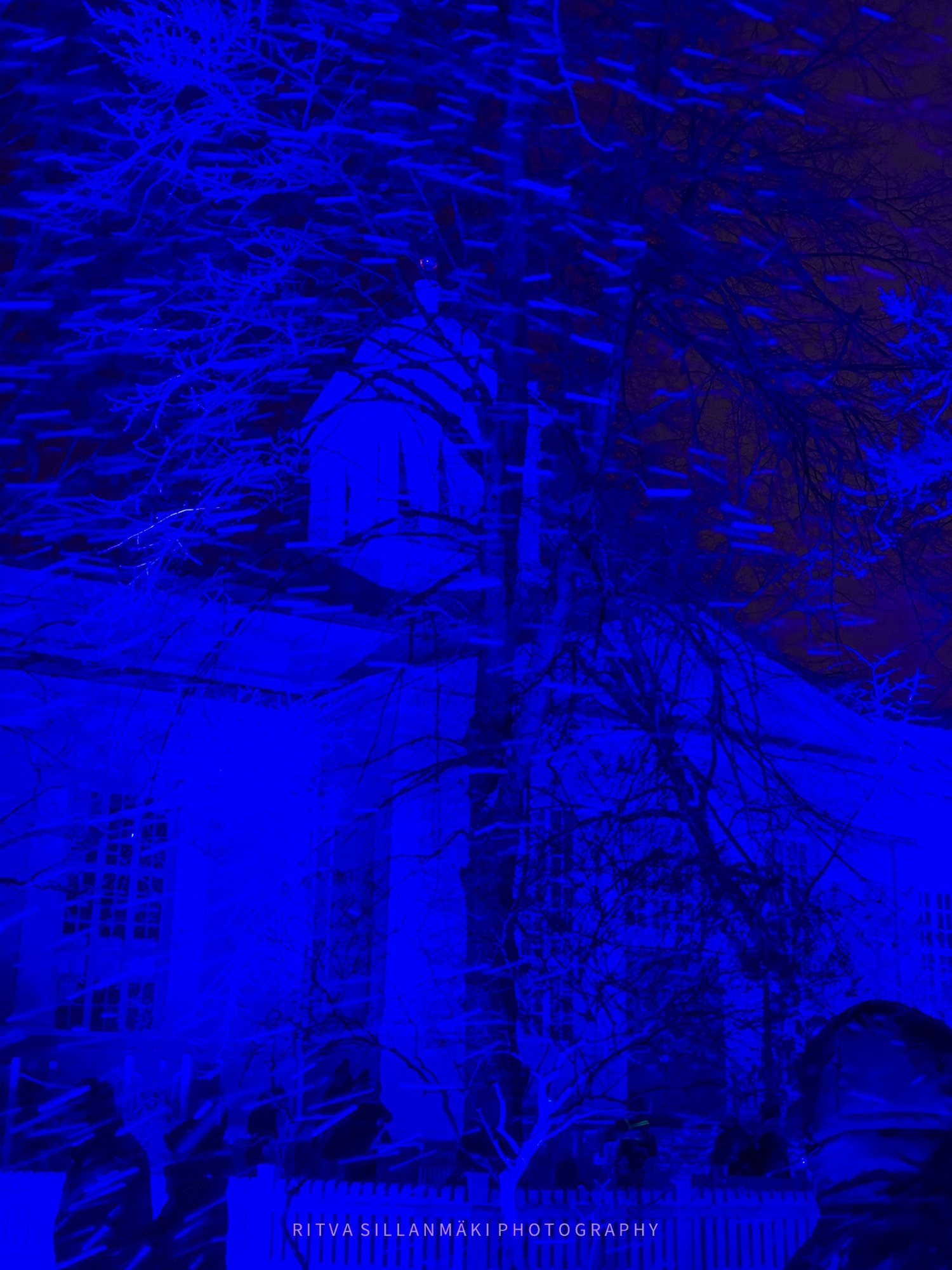
Visitors explore the enchanting snowy landscape illuminated by blue lights at LUX Helsinki 2026.
The event featured colorful light displays, particularly at the eerily beautiful Old Church Park, also known as the “Plague Park” due to its historical significance. The Blue light and snow made the place look a bit eerie. It is also known as the “Plague Park” (Ruttopuisto), as victims of the plague in 1710 were buried alongside the church. The gravestones in the Old Church Park remind of the history of cemeteries in this part of town. The park is home to the second oldest church in Helsinki and remains a popular destination within the city center, blending art and history.
Visitors enjoying the LUX Helsinki 2026 light festival, surrounded by art installations on a snowy evening.
This morning I started to look for photos of doors, Now it’s 5 PM, and I found myself completely immersed in editing photos from years back, particularly from my visits to the Espoo Cathedral, which is currently closed for renovations but is expected to be back in use by 2027. The intricate architecture and historical significance of this beautiful structure captivate me, making the editing process both a nostalgic experience. I will post those sorted photos soon.
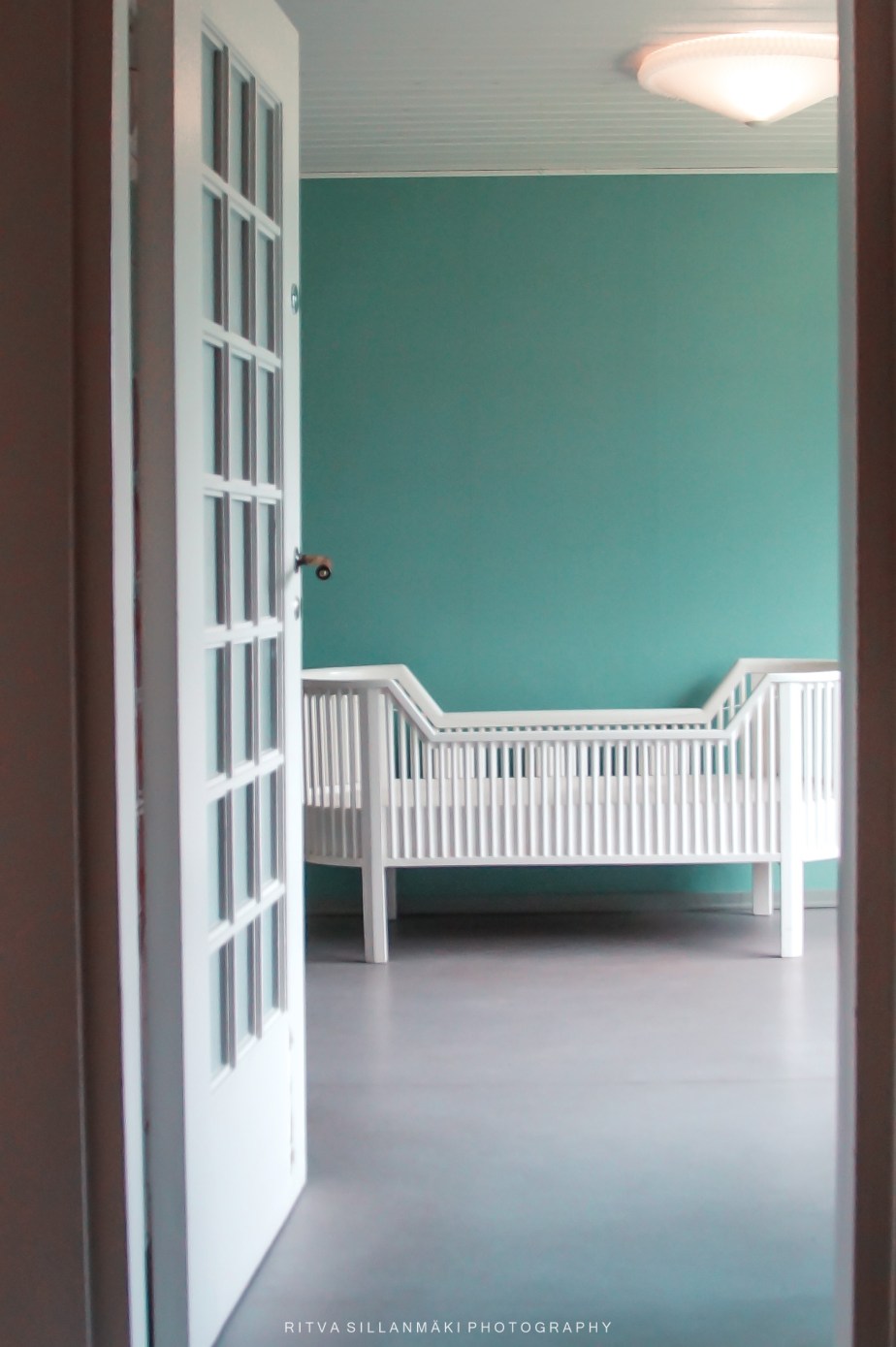
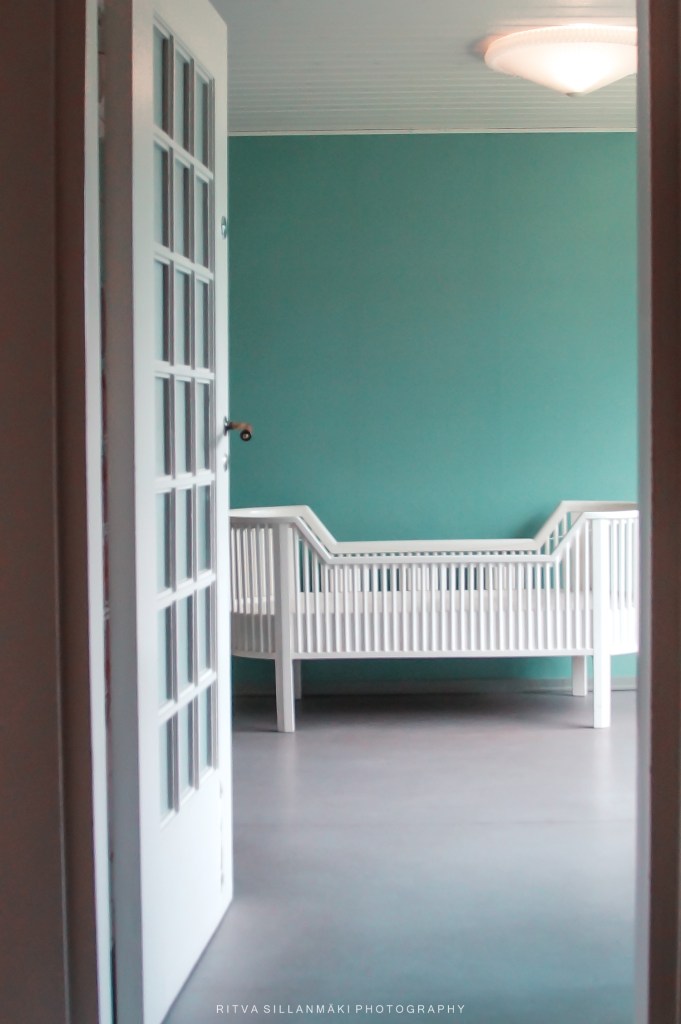
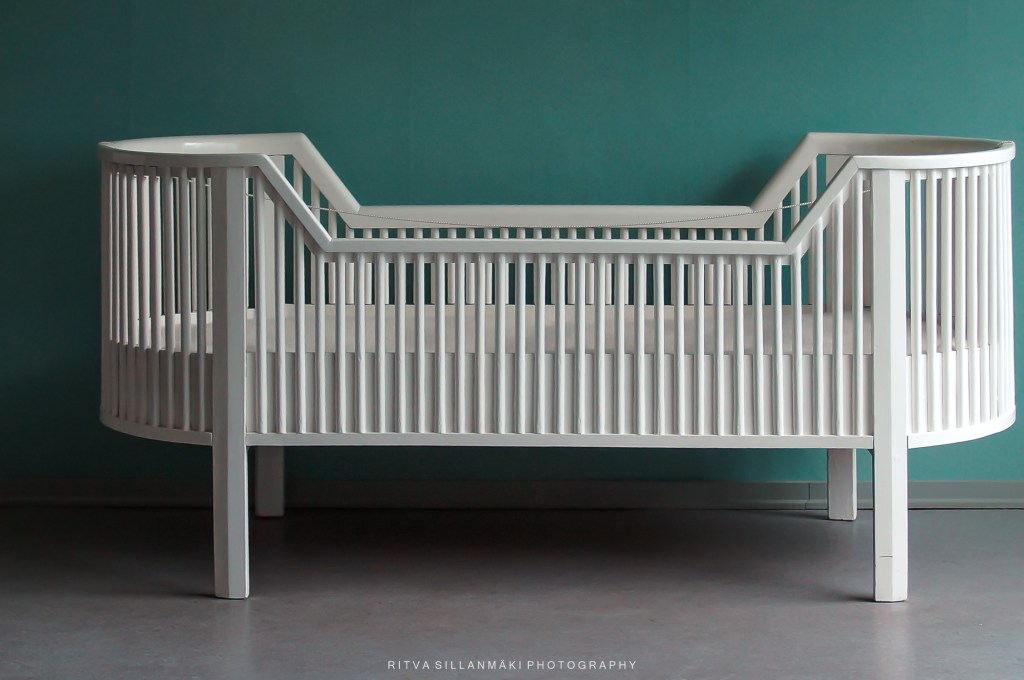
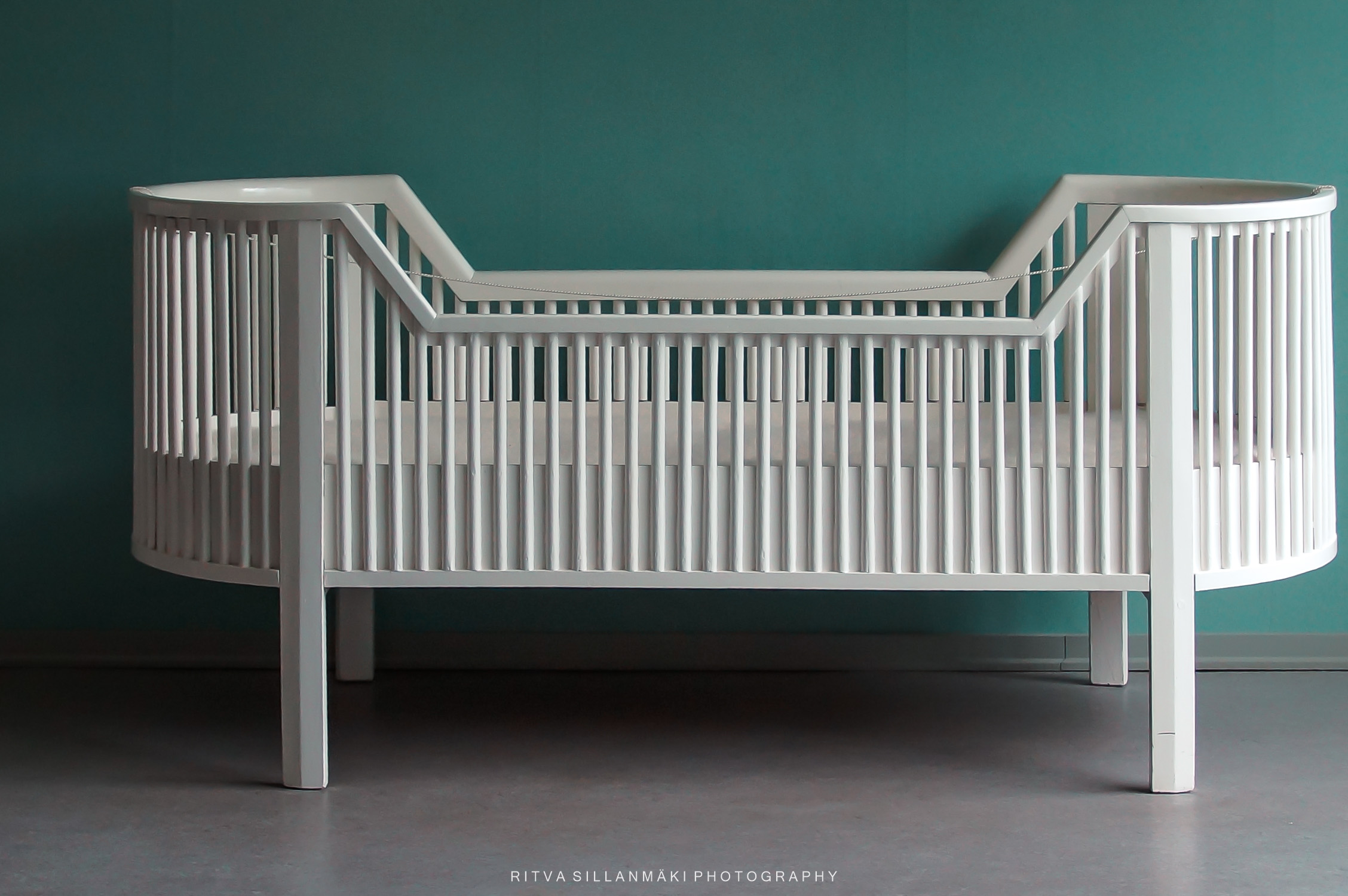
These are not from there. These are from the interior of Hvitträsk, just a small detail from a children’s room that truly captures the essence of early 20th-century design. I love the design of this child’s bed made of wood, crafted in 1905 by the renowned designer Eliel Saarinen. The bed showcases a thoughtful blend of functionality and artistry, ensuring comfort for the child while also serving as a beautiful piece of furniture.
I am still and for many more days viewing my archives and editing my images from 2012 Riga. I am going to find many windows and doors in these photographs to share with you.
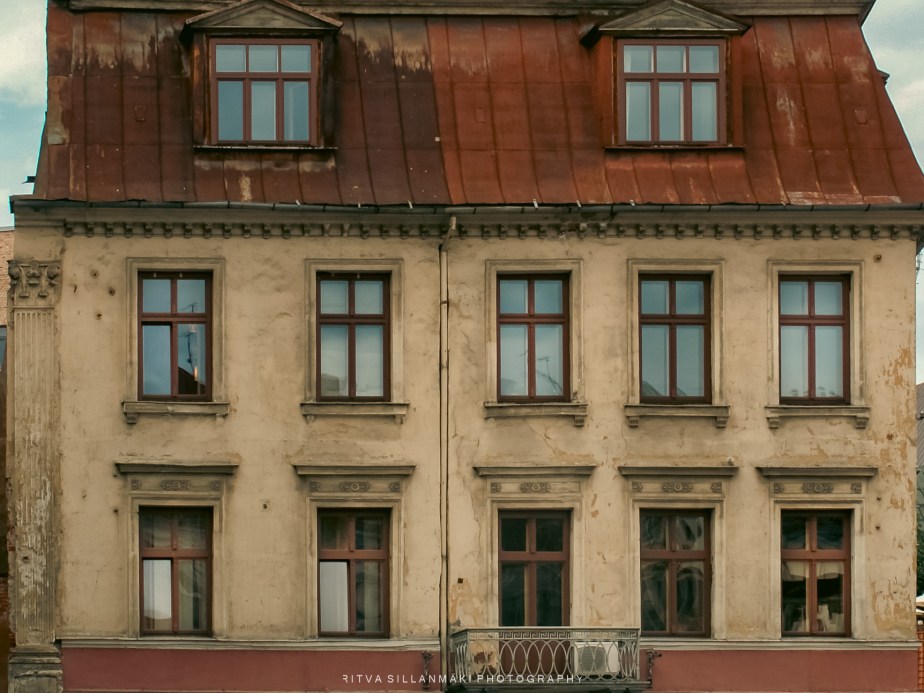
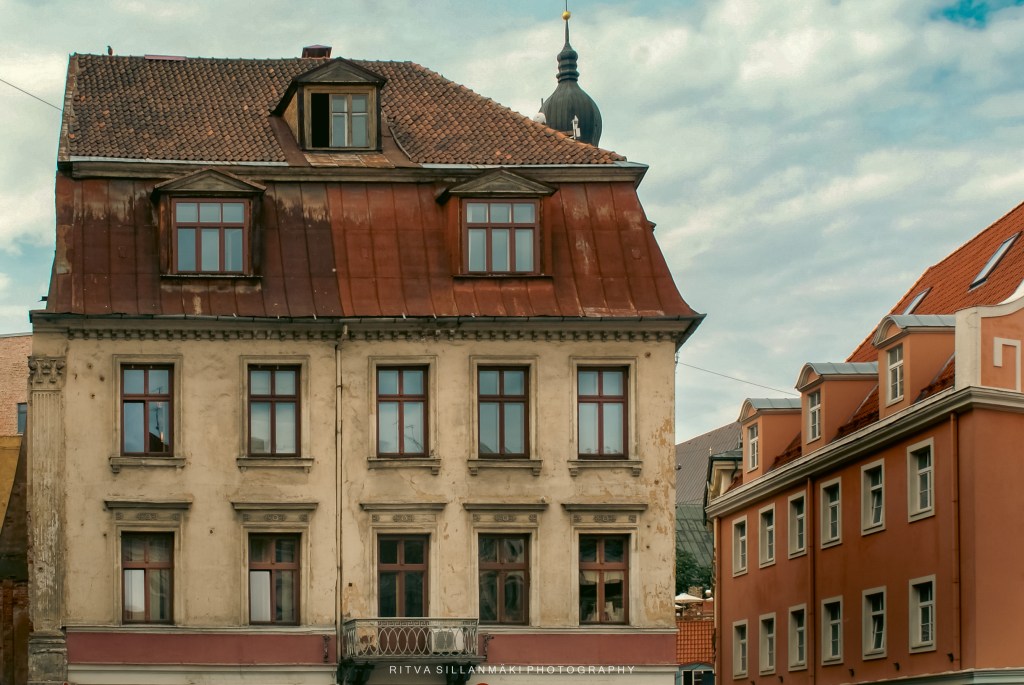
This image is of an aged European-style architecture under a partly cloudy sky, representing a cityscape in Riga, Latvia. The design reflects an older historic urban setting, featuring a small balcony on the lower level of the main building, while a dark spire or dome can be observed peeking above the primary roofline against the sky.
An aged European-style building in Riga, Latvia, a weathered facade with a distinctive copper roof and intricate window designs.
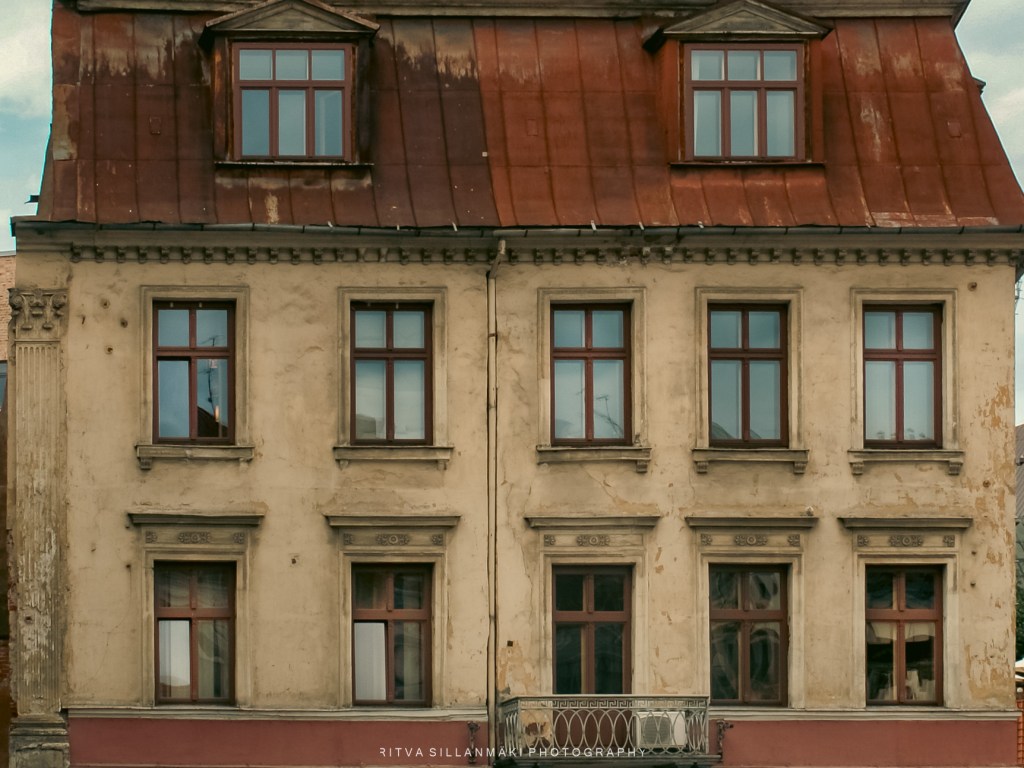
A historic structure in Riga features a distinctive copper roof and intricately designed windows. Its facade is adorned with 11 elaborate windows that accentuate the architectural elegance of the building. A tall, prominent structure occupies the left and center of the scene, showcasing a weathered pale yellow or beige exterior with numerous rows of windows framed in red. The roof comprises a blend of red tiles and rusted reddish-brown metal sheeting, complete with several dormer windows.
To the right, a smaller structure boasts a lively orange facade and a red-tiled roof.
A close-up view of a historic building in Riga, its weathered facade and 11 red-framed windows.
Presenting this week’s edition of Monday Window, brought to you by Brian, renowned from Bushboy.
Before I started this post, I enjoyed the beautiful images of doors in Tina’s and Sofia’s post, such a cavalcade of lovely doors and buildings that truly capture the essence of their surroundings. Each door tells its own unique story. The vibrant colors, intricate designs, and diverse architectural styles showcased in their posts serve as a source of inspiration for anyone looking to explore the world of doors. Both posts give us lots of ideas on how to approach this challenge with creativity and enthusiasm, encouraging us to find beauty in the ordinary.
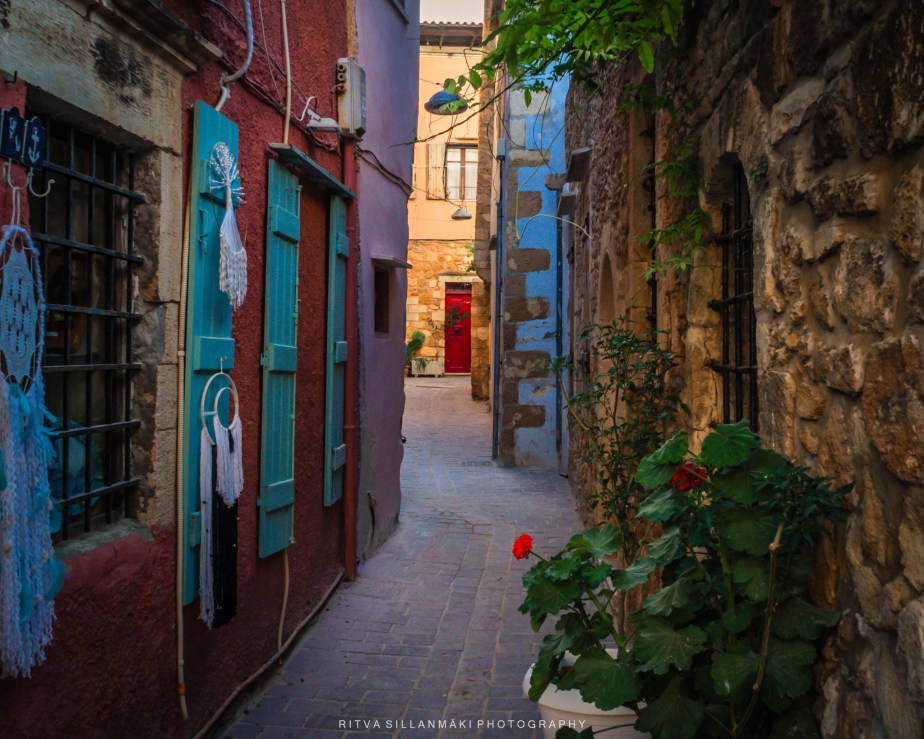
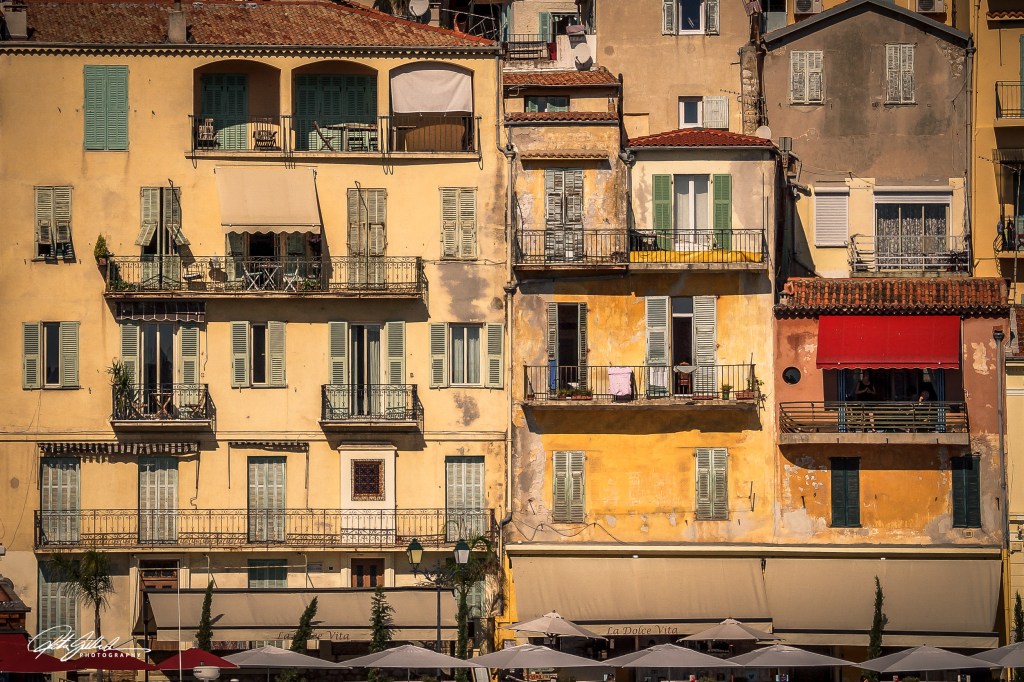
An intriguing view of colorful balconies and doors reflecting the charm of Mediterranean architecture, showcasing the beauty of everyday life.
Like Sofia, I enjoy photographing doors and windows as intriguing opportunities to imagine life behind them, often sparking curiosity about the stories within those frames. Each door stands as a portal, and windows offer glimpses of the vibrant world inside, blending the exterior with the intimate. Street photography closely relates to door images for me, capturing the essence of the environment and moments that unfold silently, inviting us to ponder our shared human experiences. The interplay of light and shadow often evokes nostalgia, making each shot a narrative waiting to be explored.
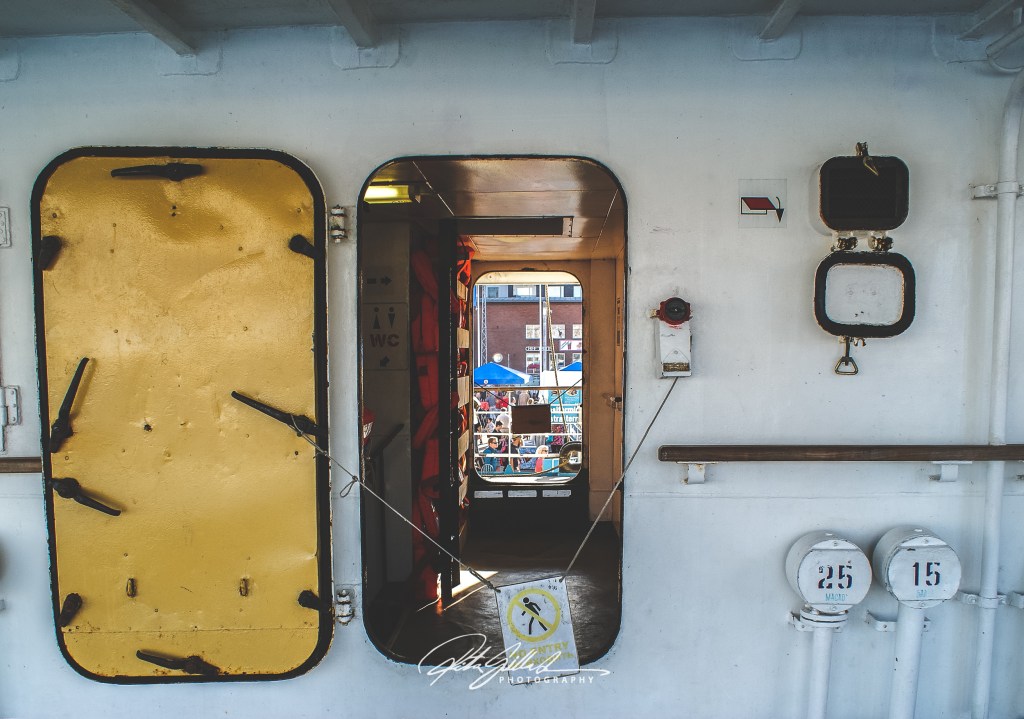
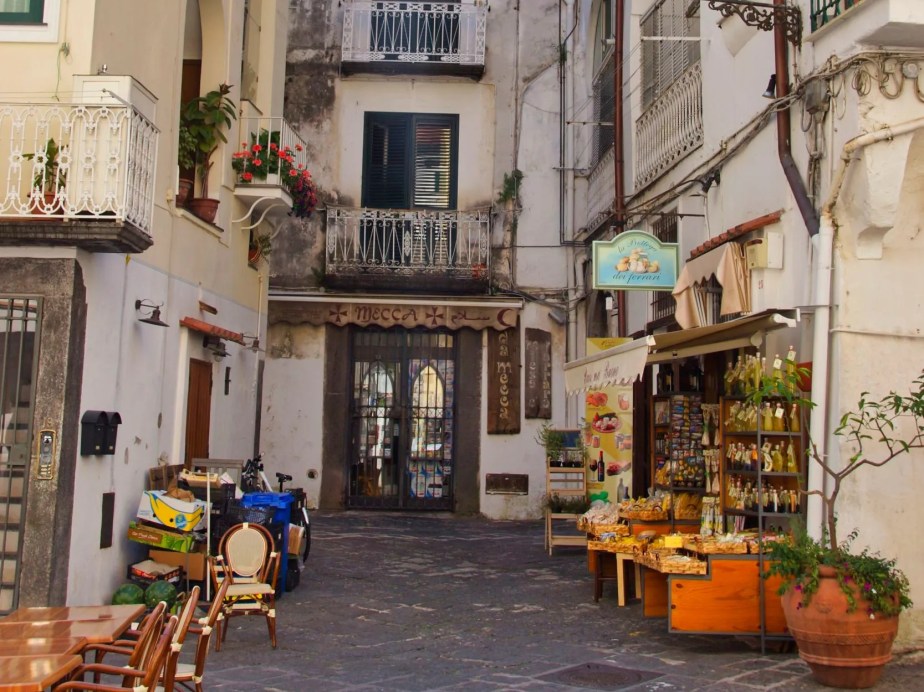
A brightly colored yellow door on a ship leads us in and out on the other side to a lively scene beyond, showcasing the unique architecture and inviting atmosphere.A charming alleyway featuring a quaint storefront and decorative balconies and doors, inviting exploration and capturing the essence of local life in Amalfi.
How you crop the image makes you pay attention to different things, emphasizing various aspects of the subject and focus. By adjusting the frame, you can direct the viewer’s eye to specific details, creating a stronger emotional impact. This encourages deeper engagement with the visual narrative. (click the images to get a better view)
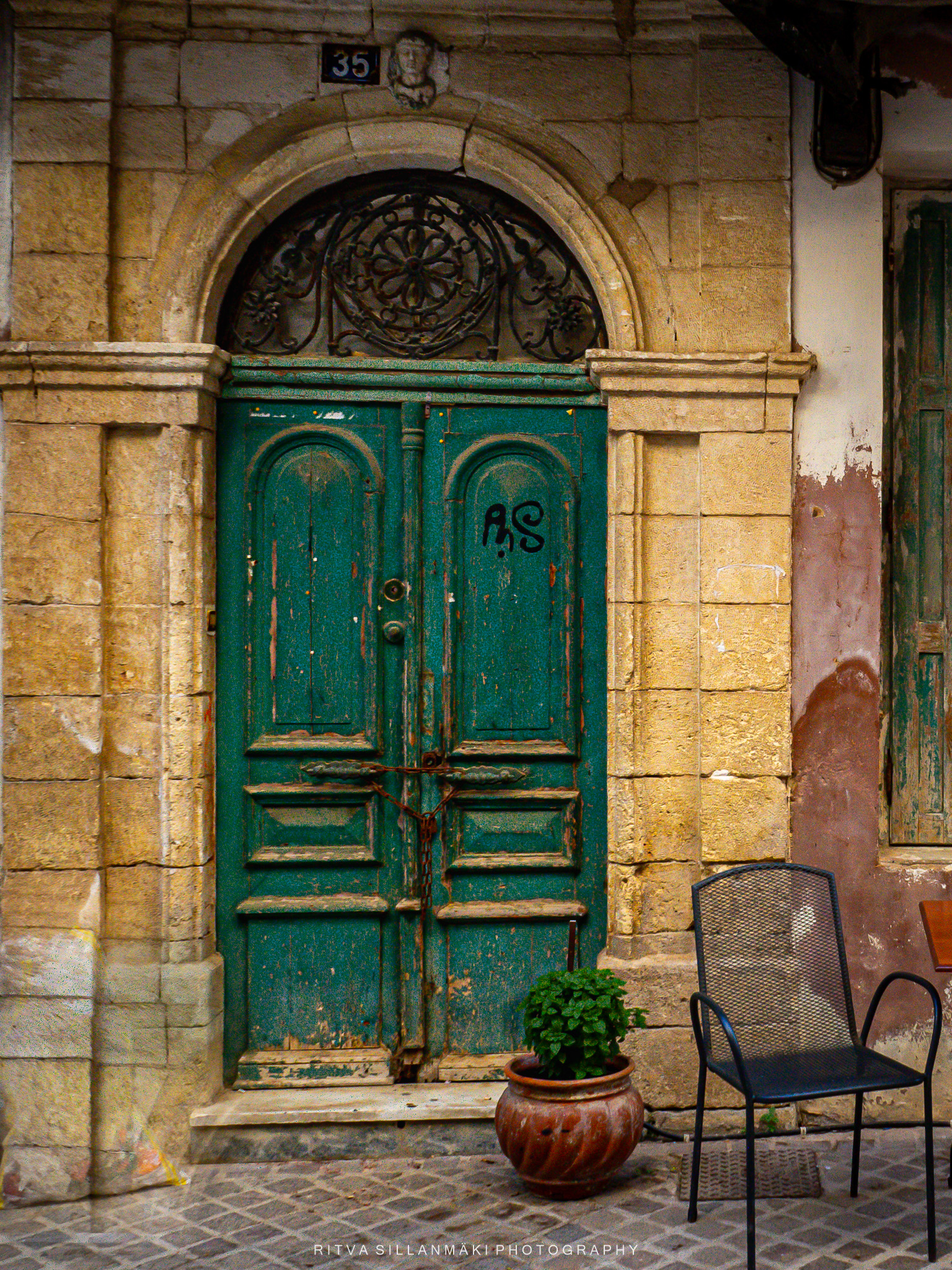
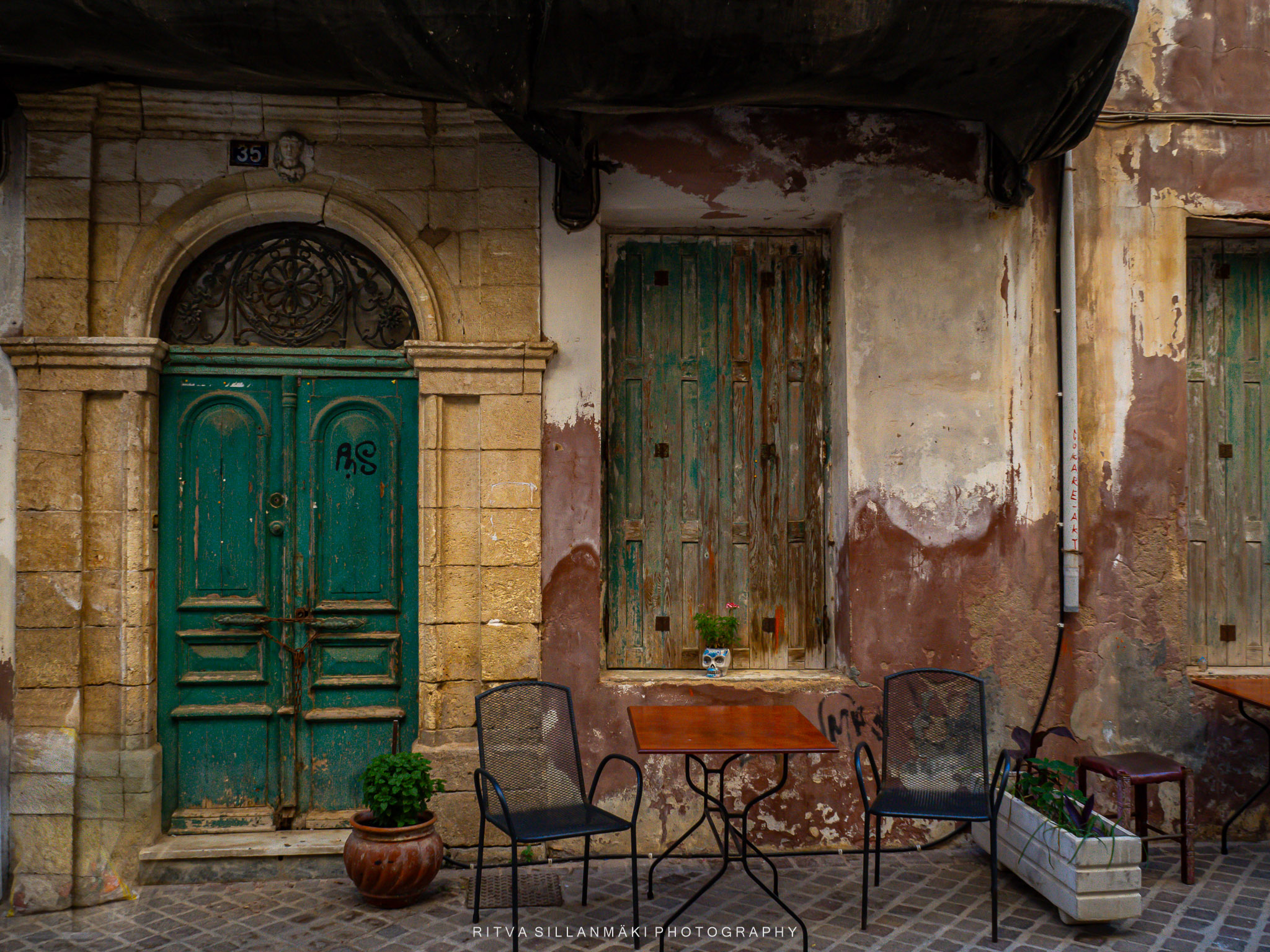
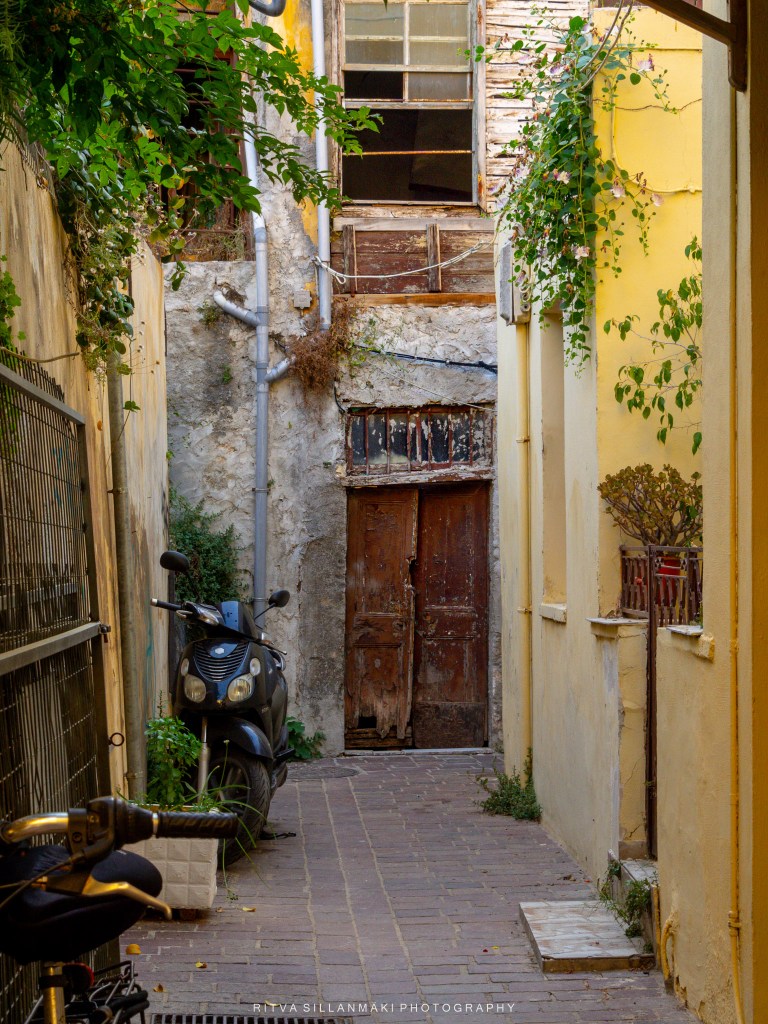
A charming alleyway in Crete featuring a weathered wooden door, surrounded by vibrant yellow walls and greenery, evoking a sense of history and character.
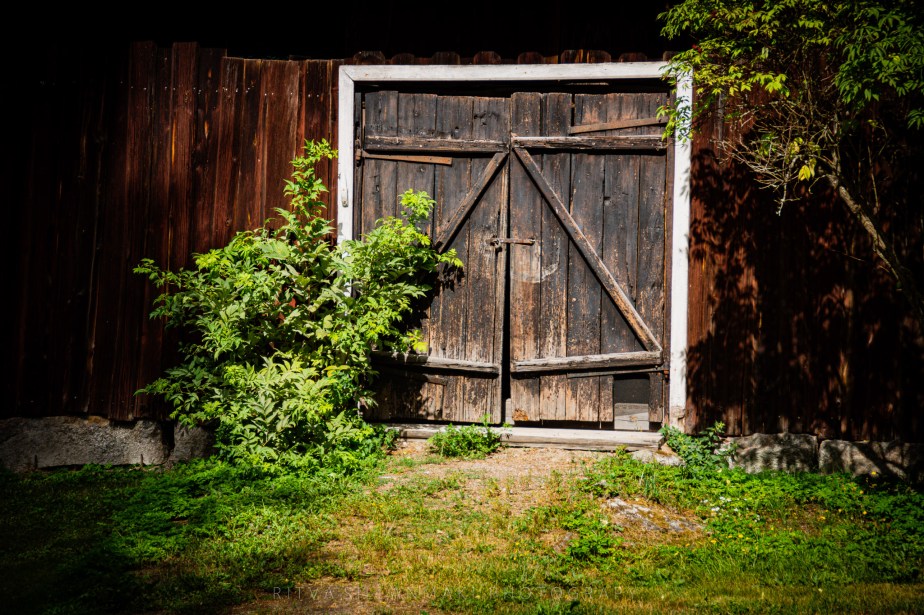
A rustic wooden barn door partially obscured by lush greenery, highlighting the beauty of nature and the charm of aged architecture from Finland.
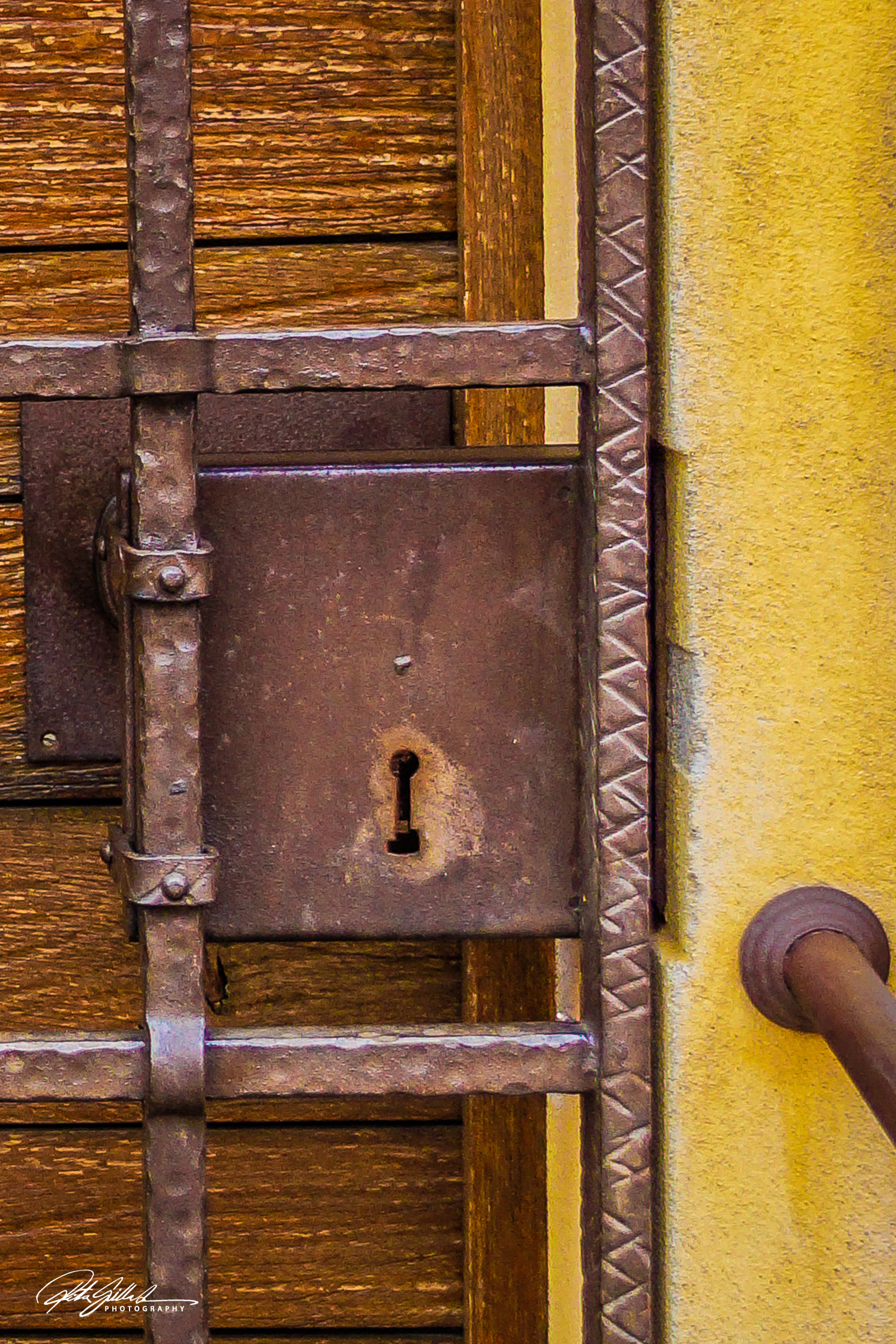
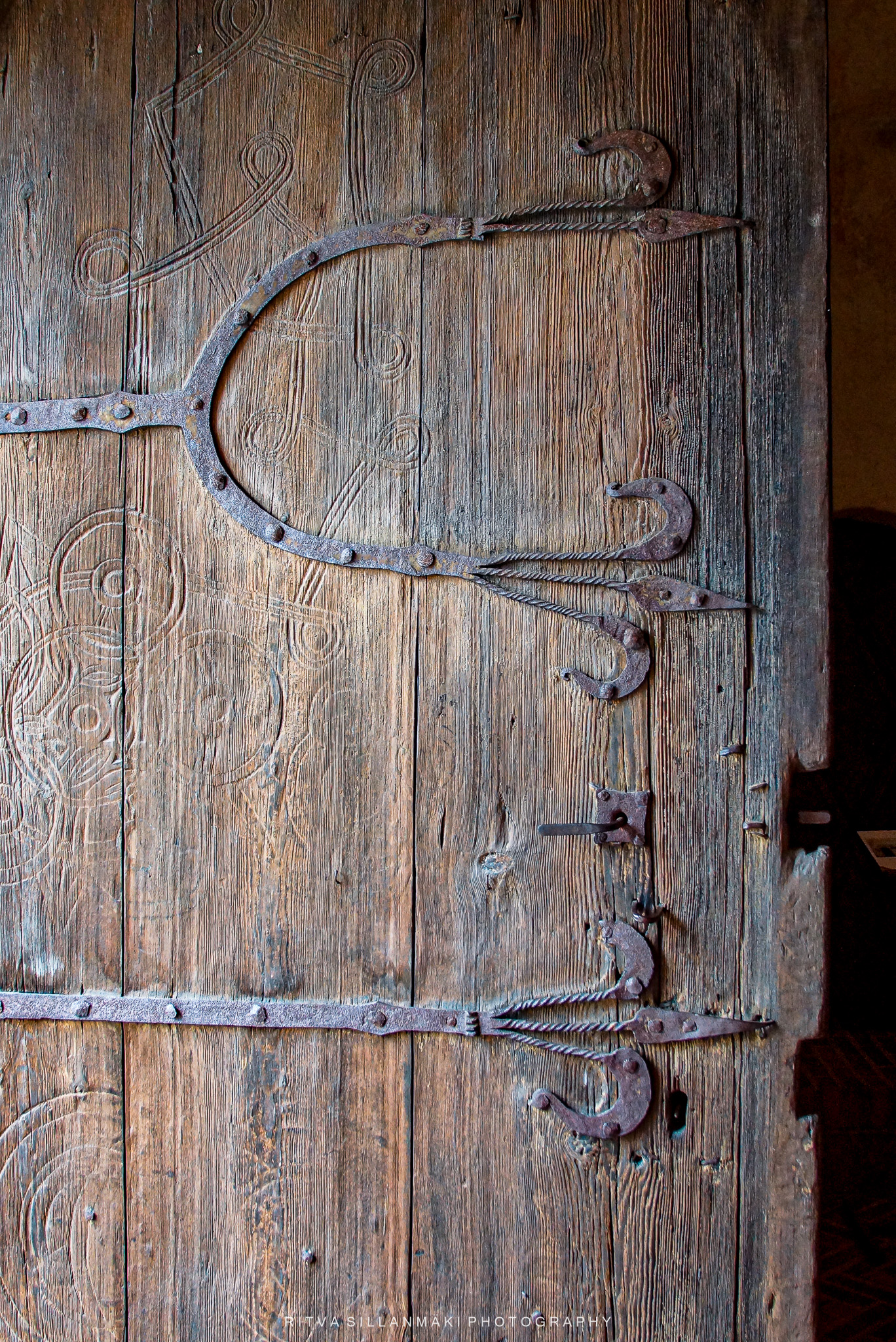
Details on doors that have gotten me to click the a shot.
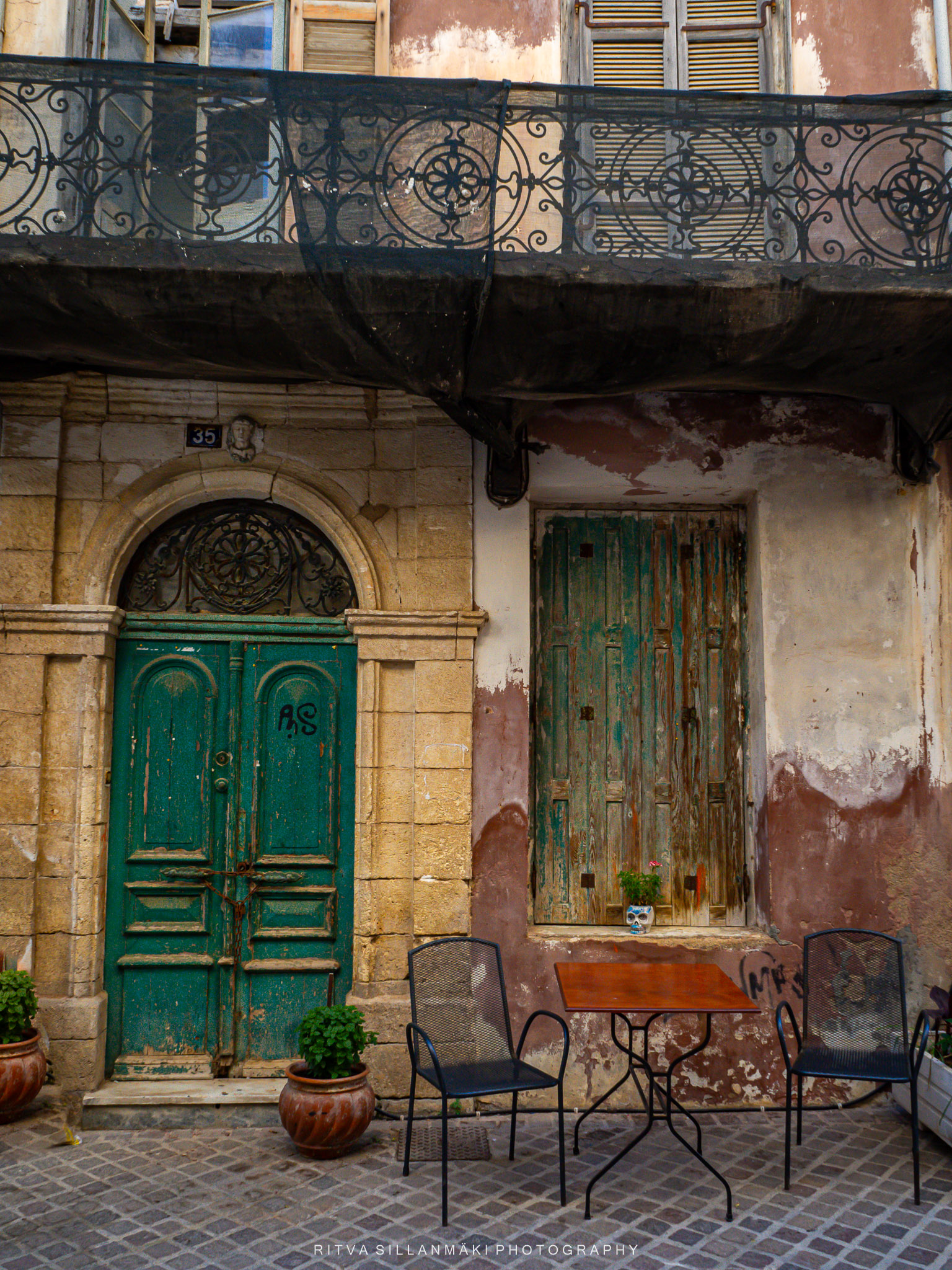
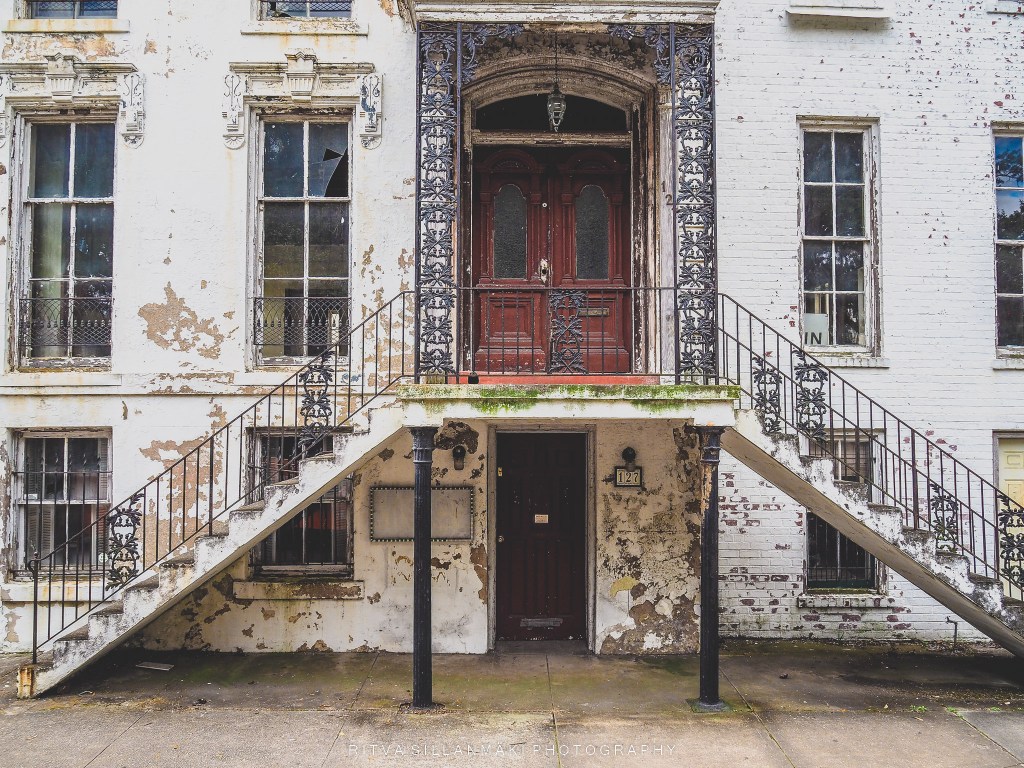
An ornate entryway featuring a weathered double door flanked by large, cracked windows, showcasing the beauty of architectural decay in Savannah
I eagerly anticipate your posts, inspired by Tina’s 2018 challenge and Sofia’s current exploration of the same theme. Hope your search enjoyable! Do remember to tag Lens-Artists and to link back to Sofia’s post so that we can all effortlessly connect with your contributions.
Last week was truly remarkable, thanks to Ann-Christine’s challenge focused on Fairs, Markets, and Festivals. These vibrant cultural events are pivotal in defining a society, and it was a pleasure to explore a selection from across the globe. Looking ahead, we eagerly anticipate Beth’s leadership next Saturday, August 23rd. Until then, say positive and keep on smiling.
If you want to know more about the Lens-Artists challenge, please click here.
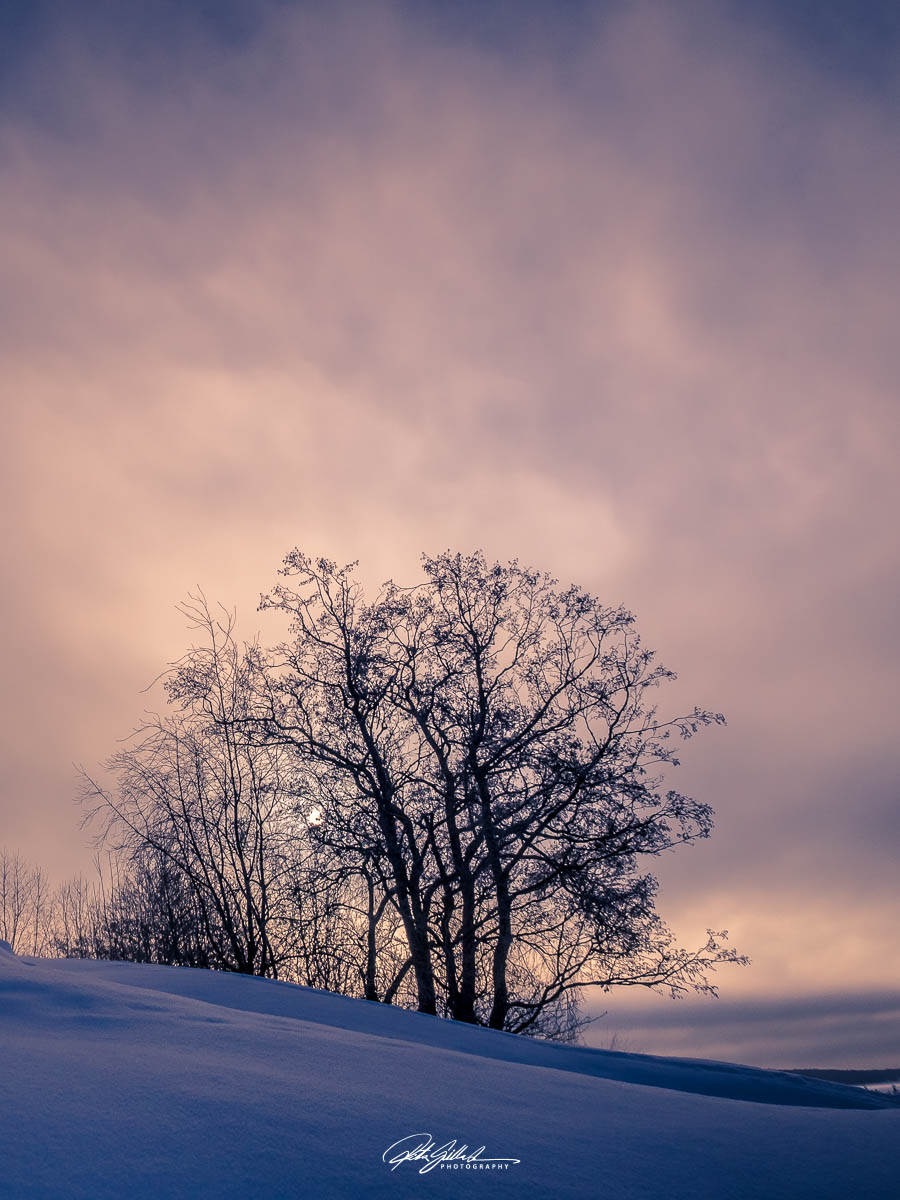
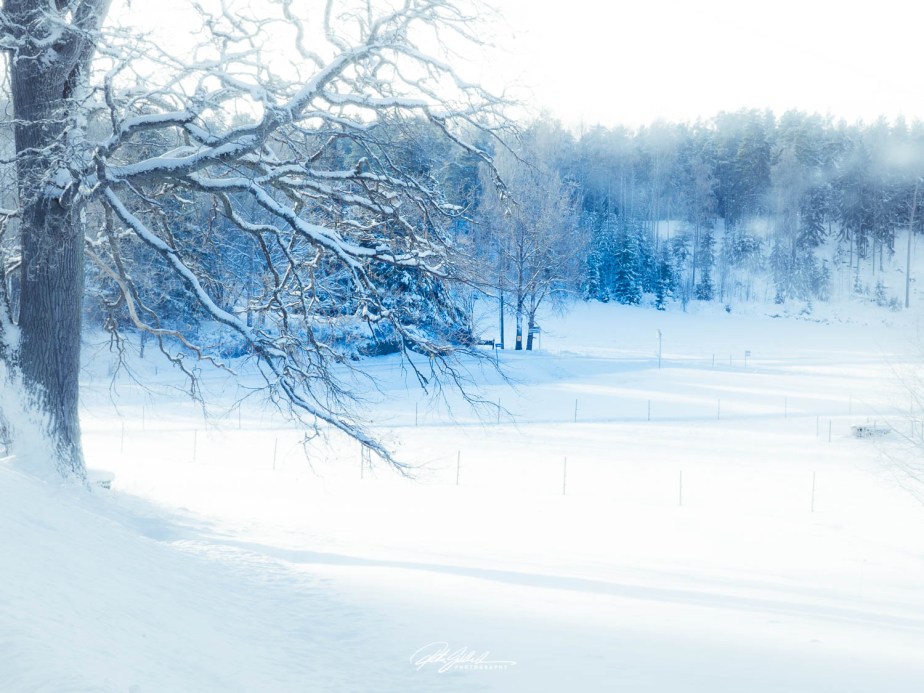
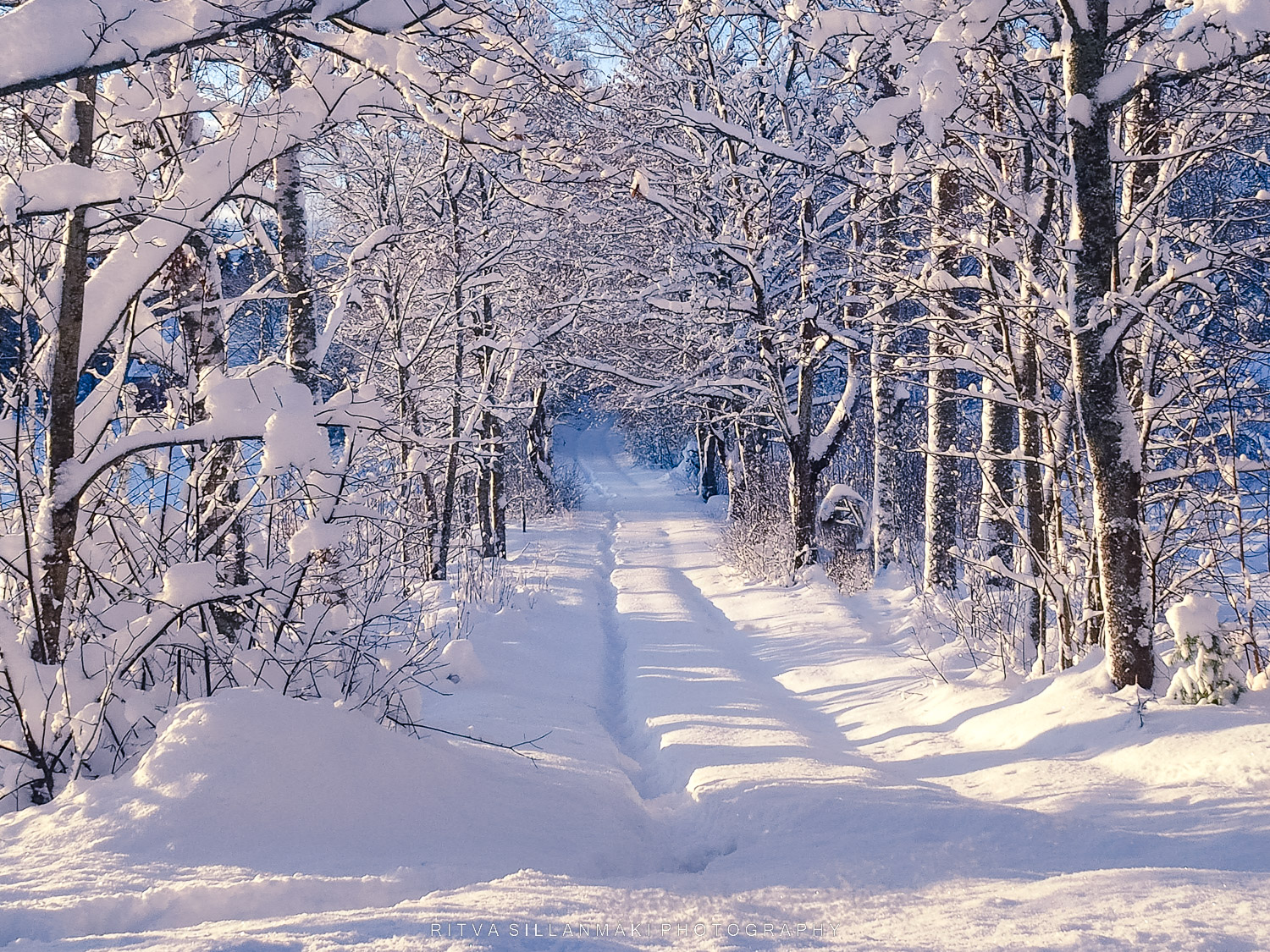
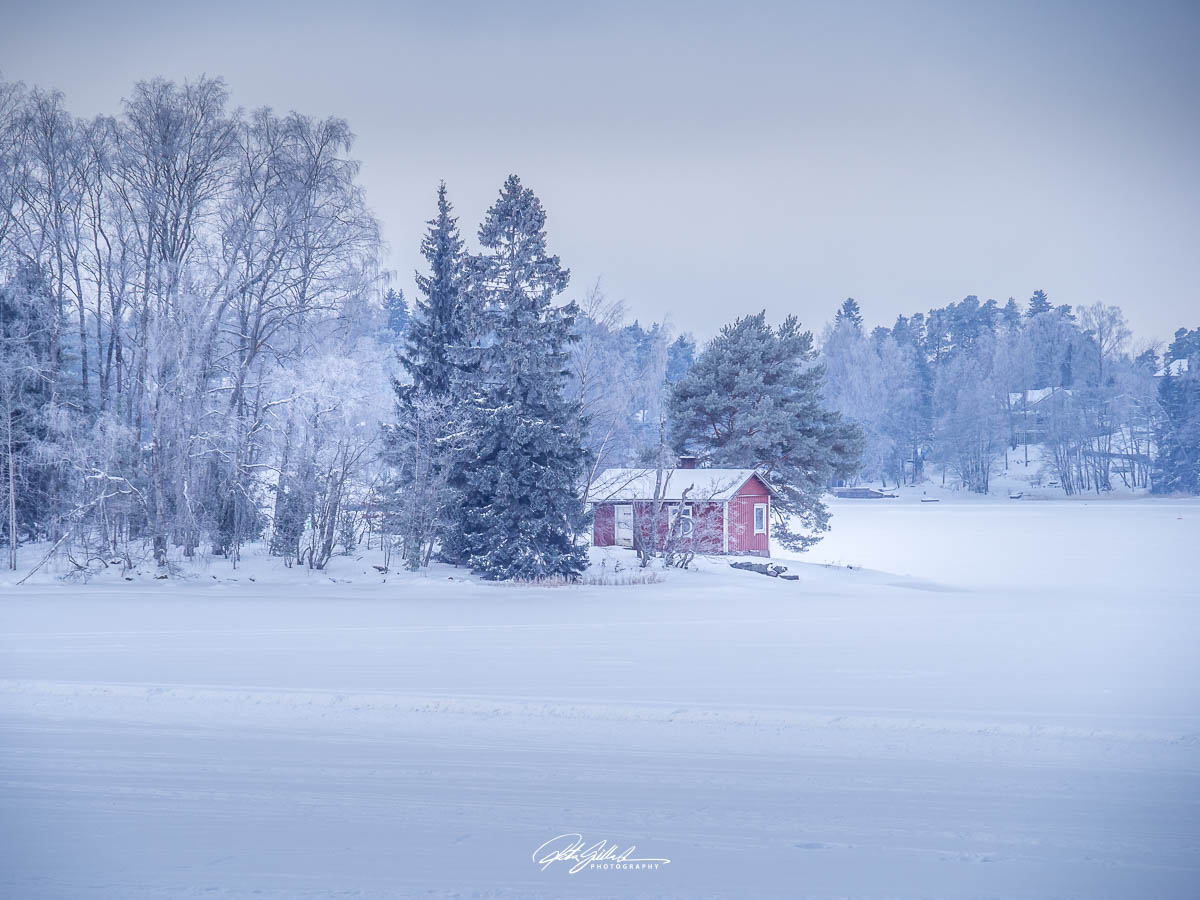
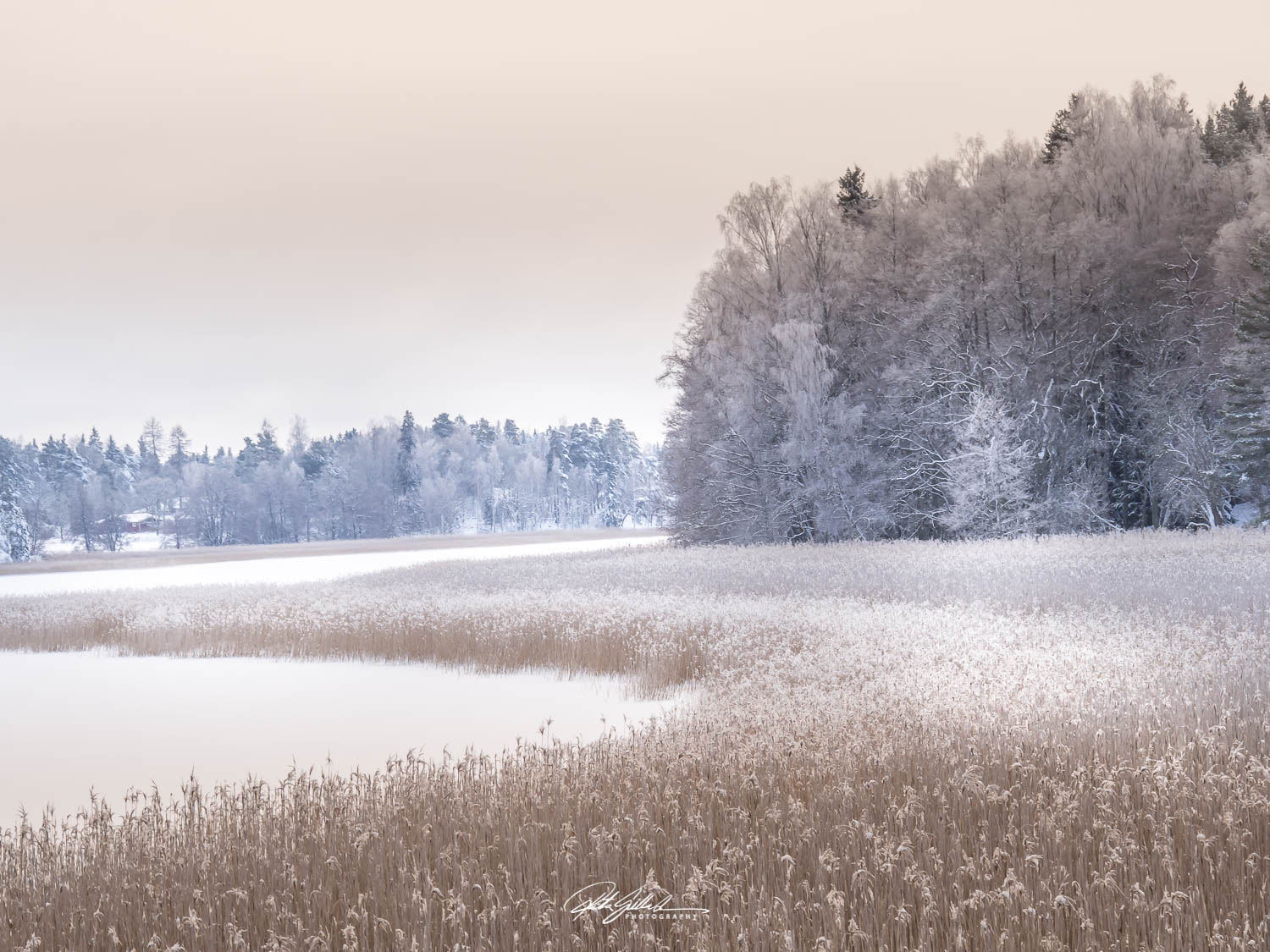
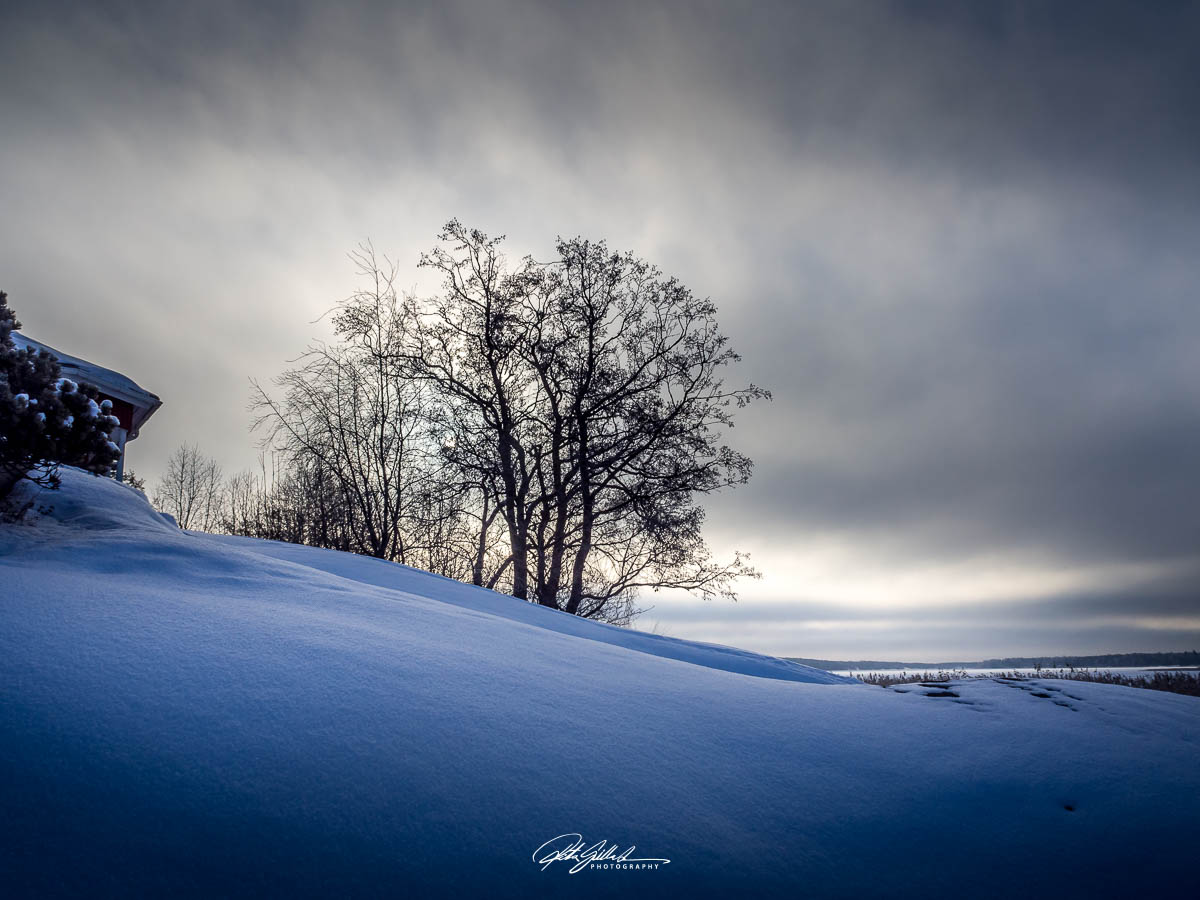
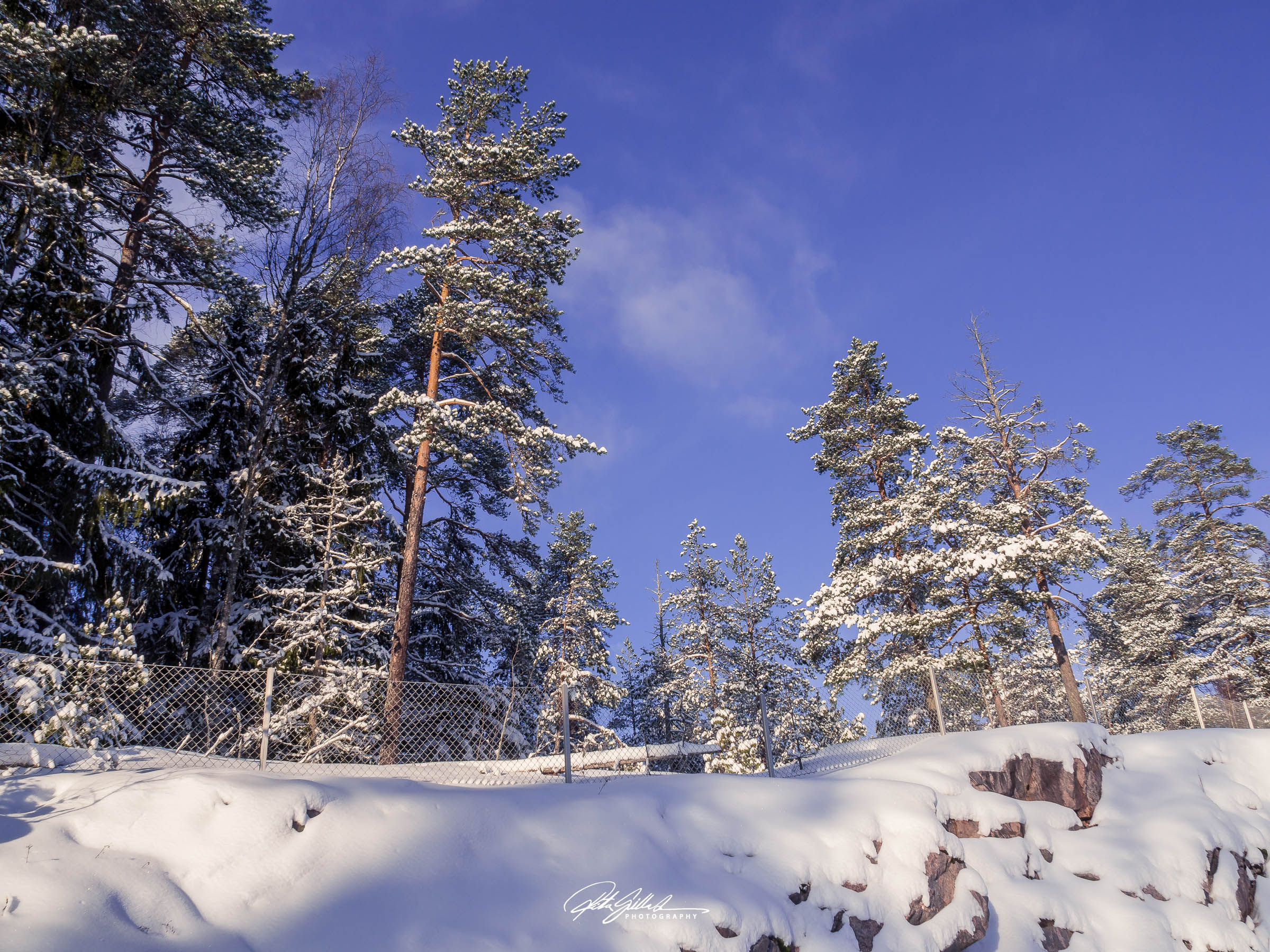
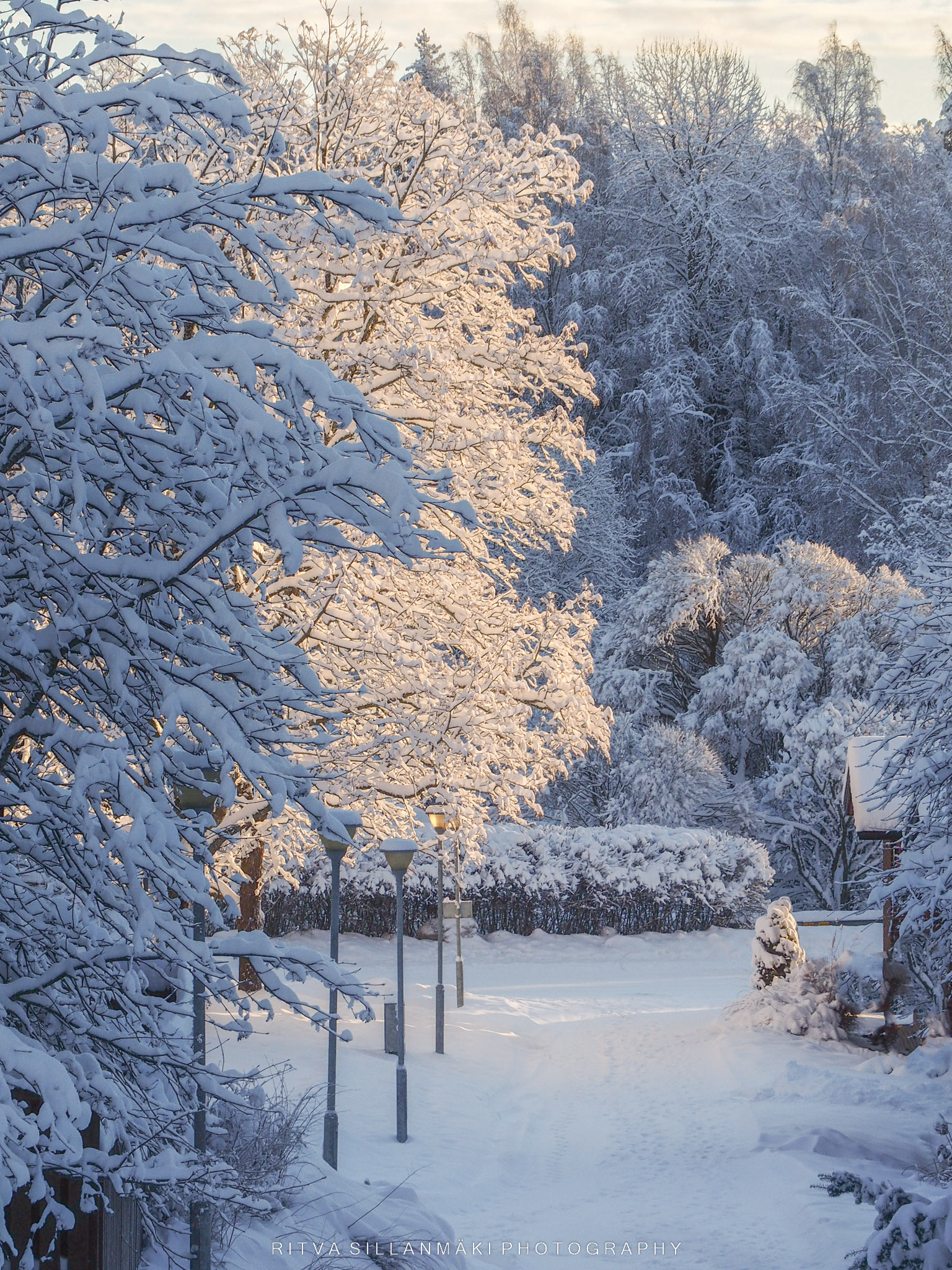
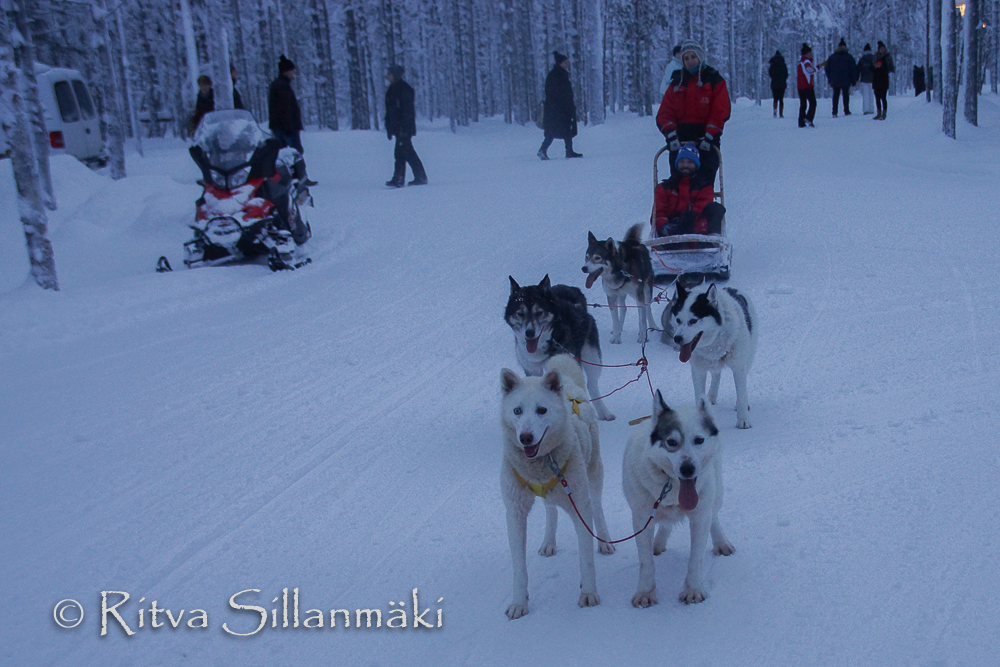
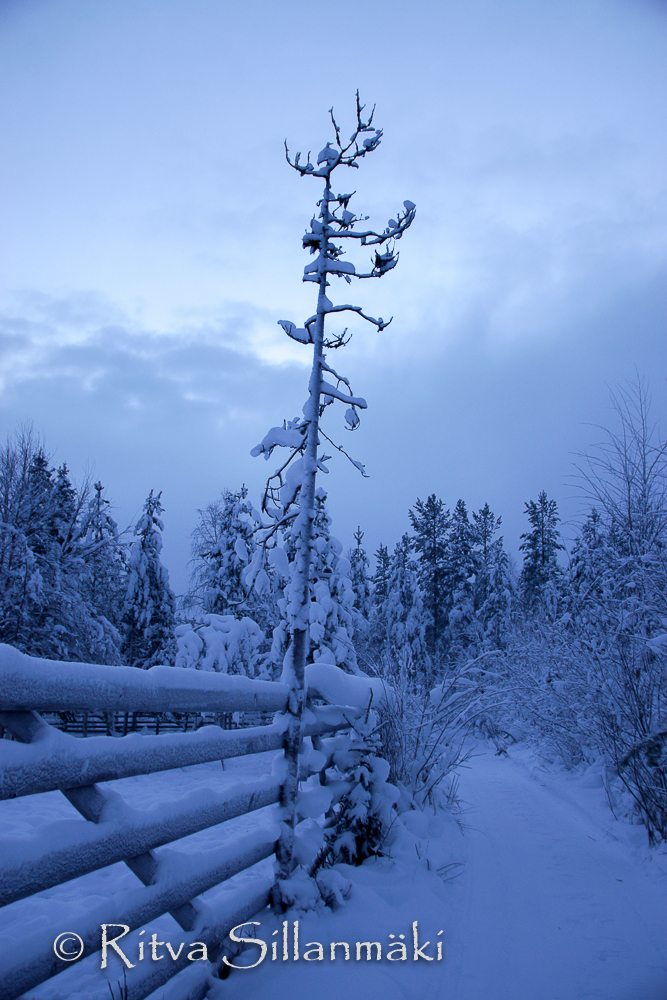
Winter will be upon those living in the northern hemisphere in only two weeks, well in my opinion it is already here .
For those who know me, know that winter is not my season, but you have to endure it. While I can appreciate the beautiful winter landscapes, with their pristine white snow and glistening icicles hanging from the eaves, and the seasonal lights that illuminate the dark nights, the cold weather is something I struggle with. The crisp air can feel invigorating at first, but it quickly turns into an unwelcome chill that seeps through even the warmest of layers. I know it is a matter of dressing accordingly, but the layer after layer can become cumbersome and stifling; not to mention the effort it takes to bundle up before stepping outside.
Winter season
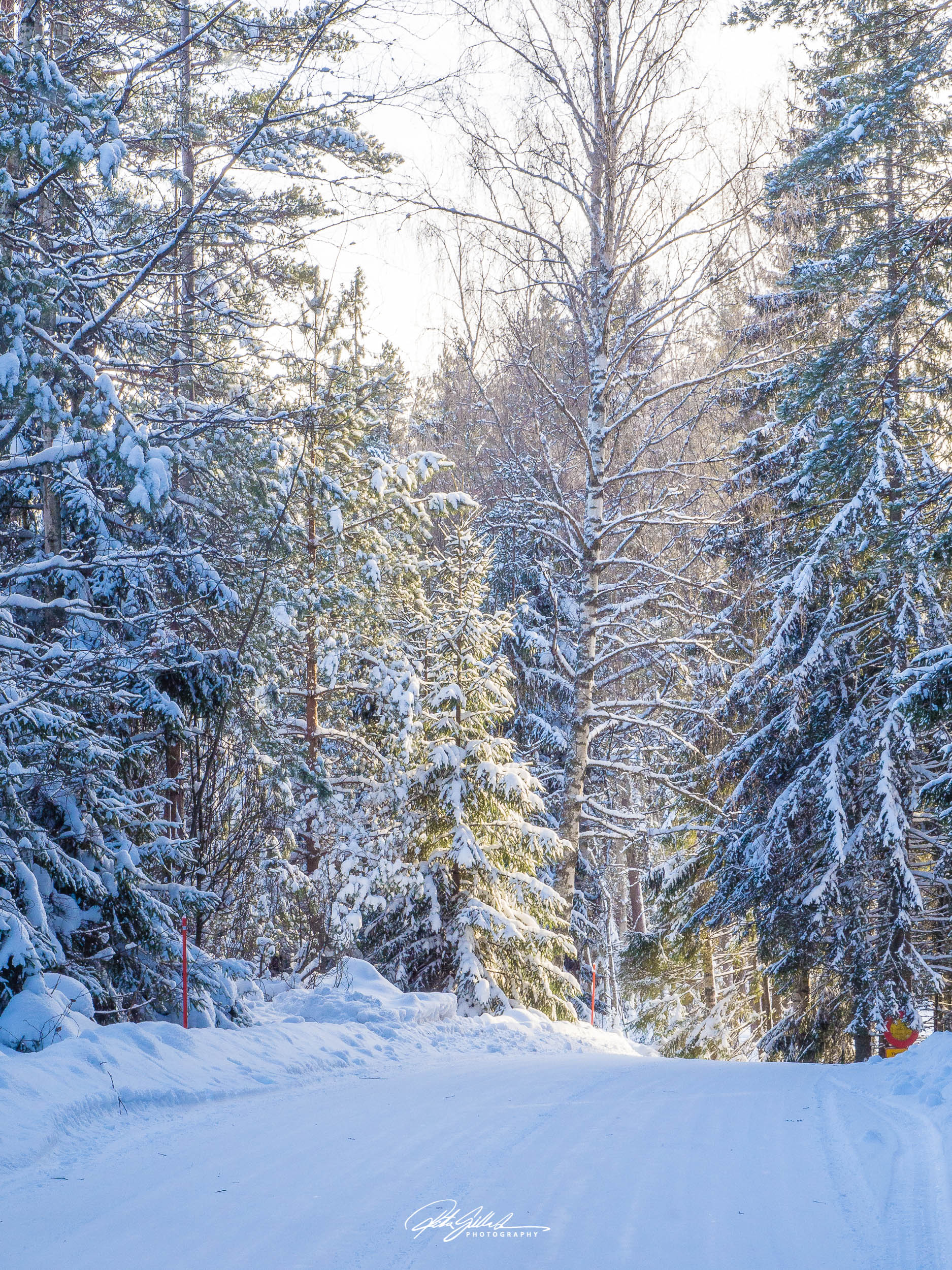
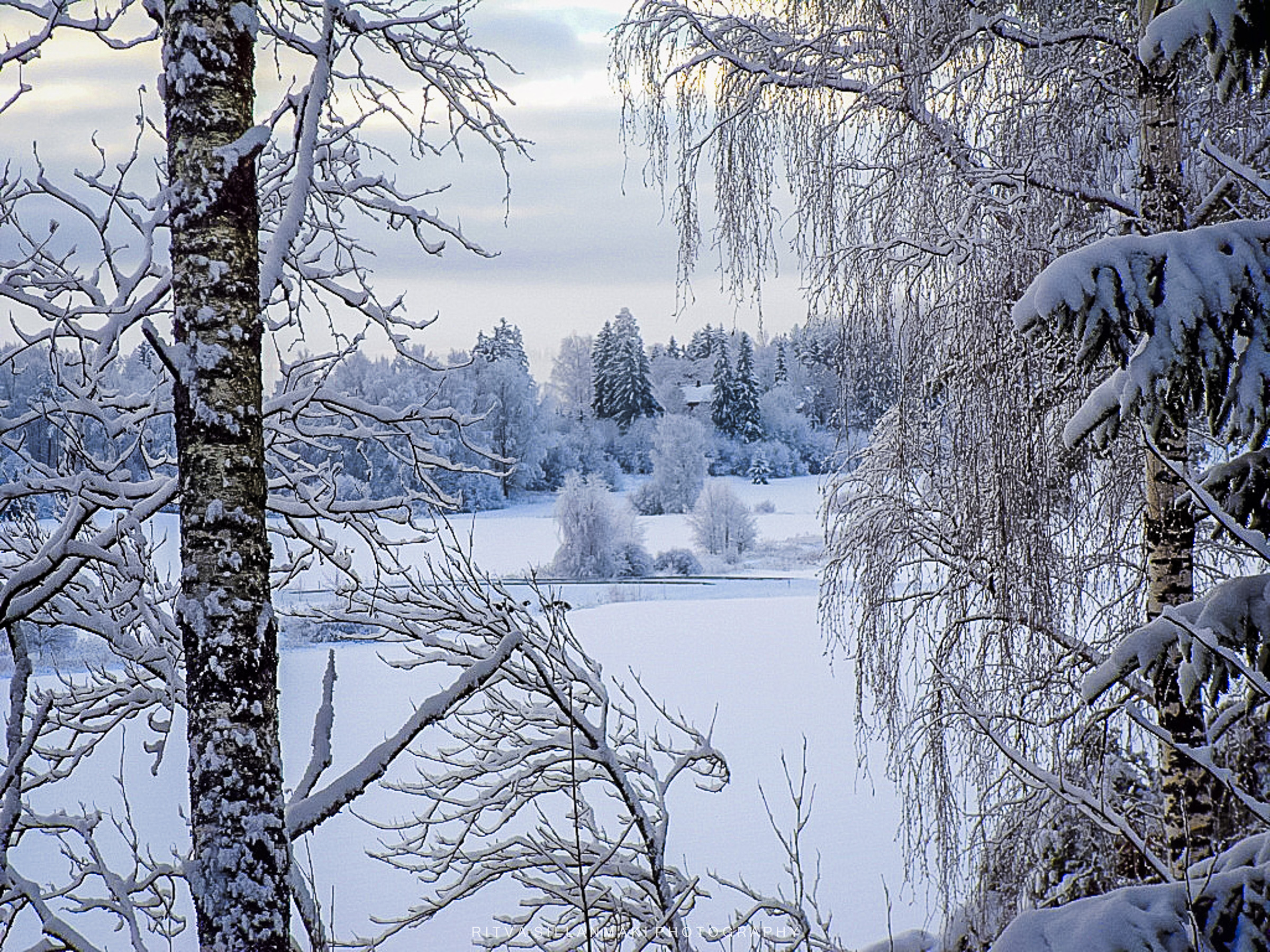
I will give you a few facts below about the beloved season if you are interested, or you can just enjoy the photos I’ve taken of the beauty of the snow-filled landscape, which captures the serene essence of winter perfectly. There is something magical about how snow blankets the ground, transforming ordinary scenes into picturesque winter wonderlands that take your breath away. I enjoy it too—in the photos, where each pristine flake seems to reflect the beauty of nature and the quiet stillness that accompanies this season, inviting you to pause and admire the frosty charm that surrounds us.
FEW facts about Finland In winter, the mean temperature remains below 0°C, but warm airflows can raise the daily high above 0°C at times. Winter usually begins in mid-October in Lapland and during November in the rest of Finland, though not until December in the southwestern archipelago. It thus takes about two months for winter to proceed from Lapland to Åland. The sea and large lakes slow down the progress of winter. Winter is the longest season in Finland, lasting for about 100 days in southwestern Finland and 200 days in Lapland.
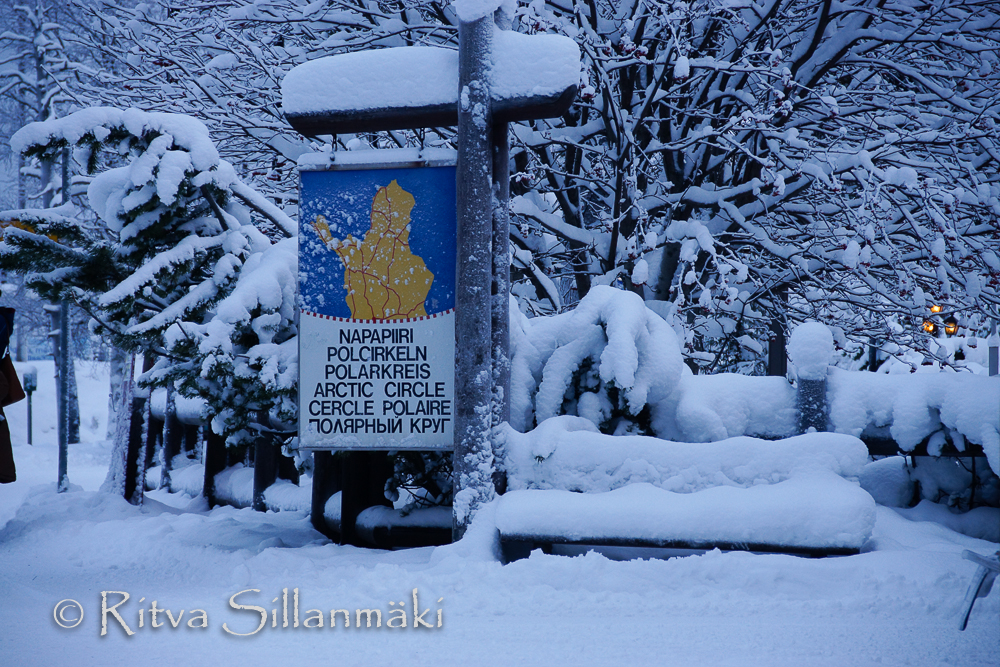
Arctic Circle, part of winter is the period known as the “polar night”, when the sun does not rise above the horizon at all. In the northernmost corner of Finland, the polar night lasts for 51 days. In southern Finland, the shortest day is about 6 hours long.
Permanent snow covers the ground about two weeks after winter begins, reaching its deepest around mid-March with 60 to 90 cm in eastern and northern Finland, and 20 to 30 cm in southwestern Finland. Lakes freeze in late November and early December, with ice thickest in early April at about 50 to 65 cm. In severe winters, the Baltic Sea may ice over almost completely, while mild winters keep it open except for the Gulf of Bothnia and the Gulf of Finland’s far ends.
The coldest day of winter typically occurs after the winter solstice, at the end of January in most places, except for maritime islands and coastal areas, where it is delayed until early February. Coldest temperatures range from -45°C to -50°C in Lapland and eastern Finland, from -35°C to -45°C elsewhere, and from -25°C to -35°C in islands and coastal regions.
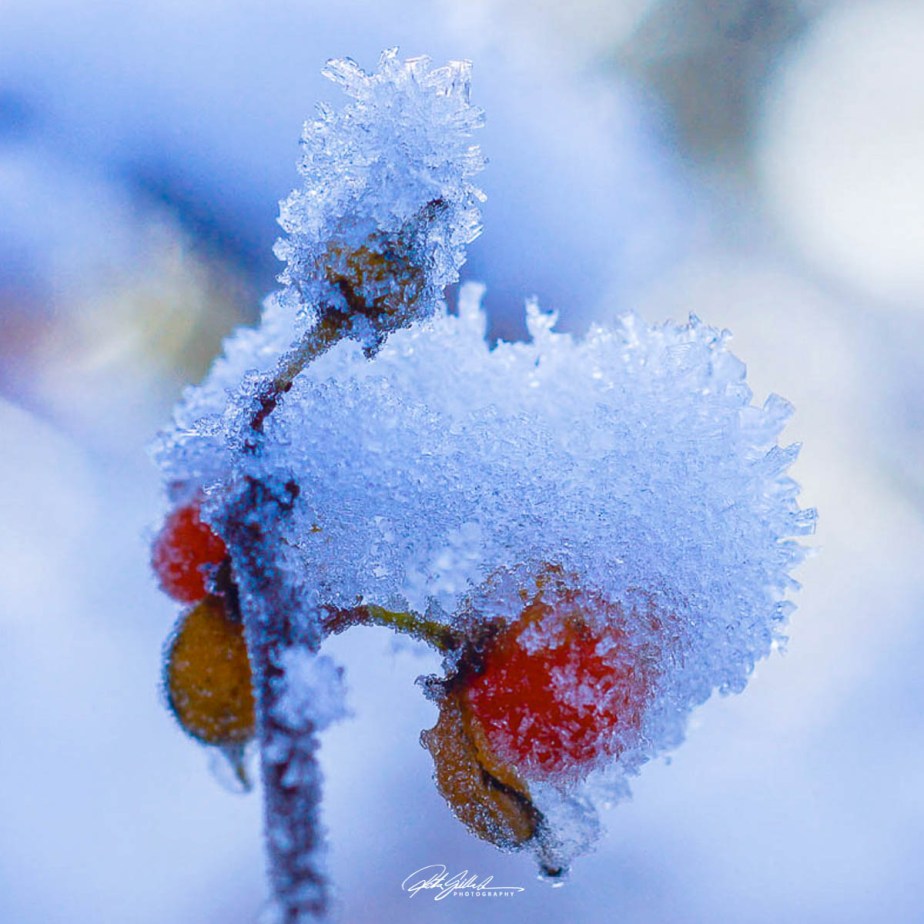
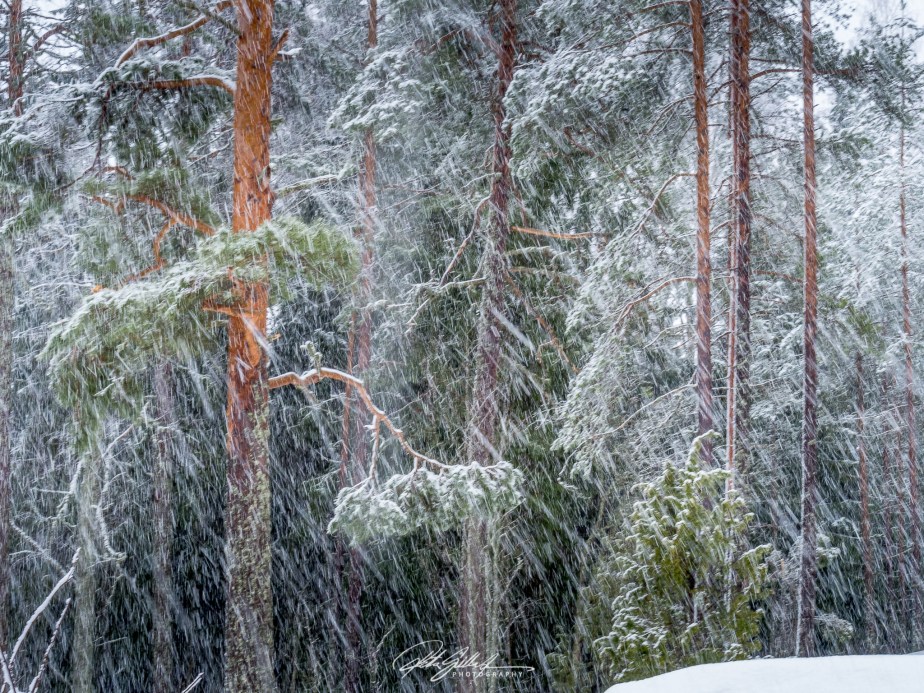
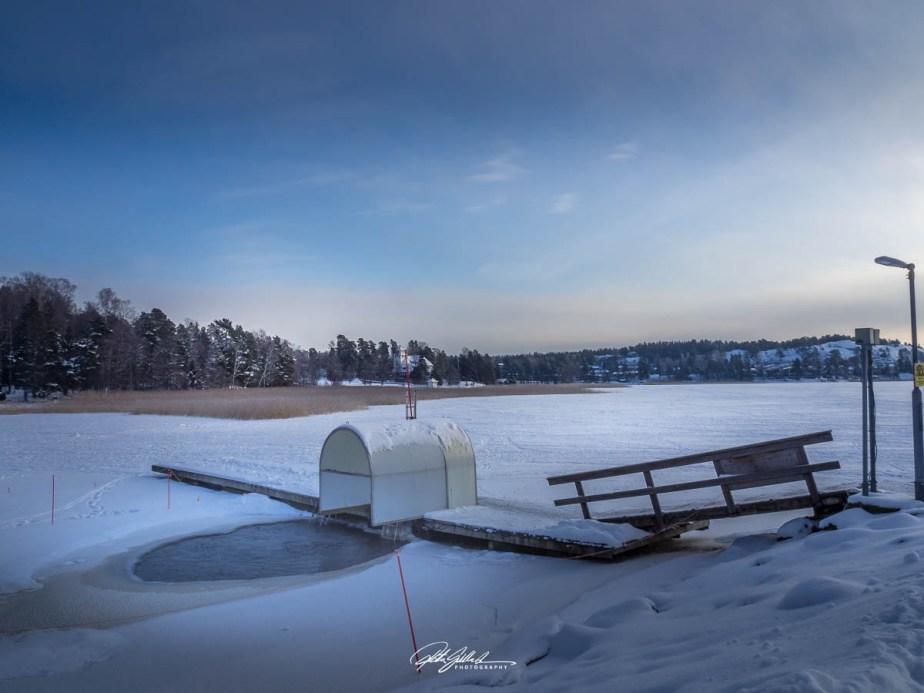
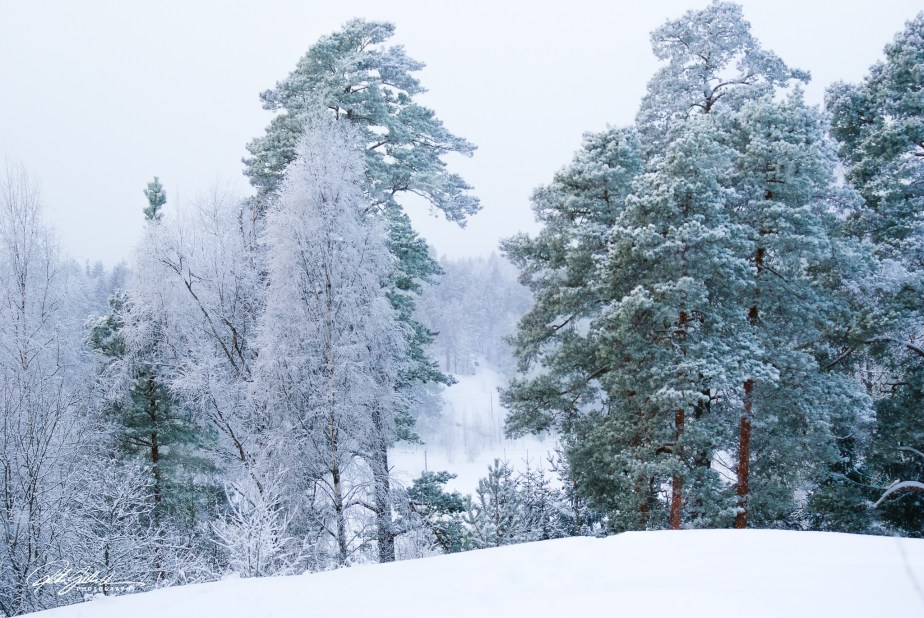
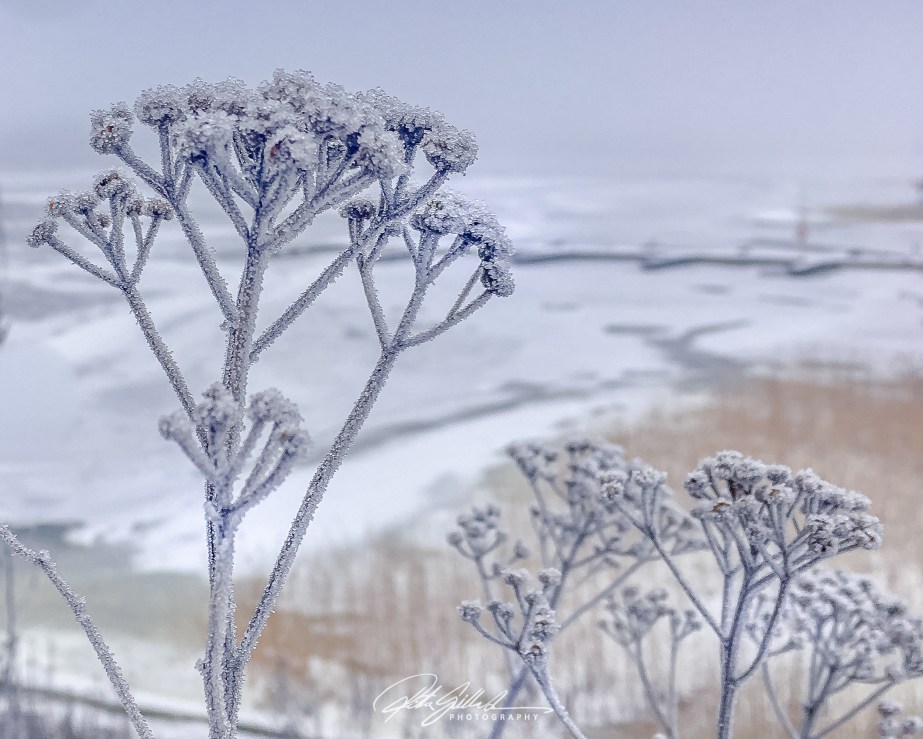
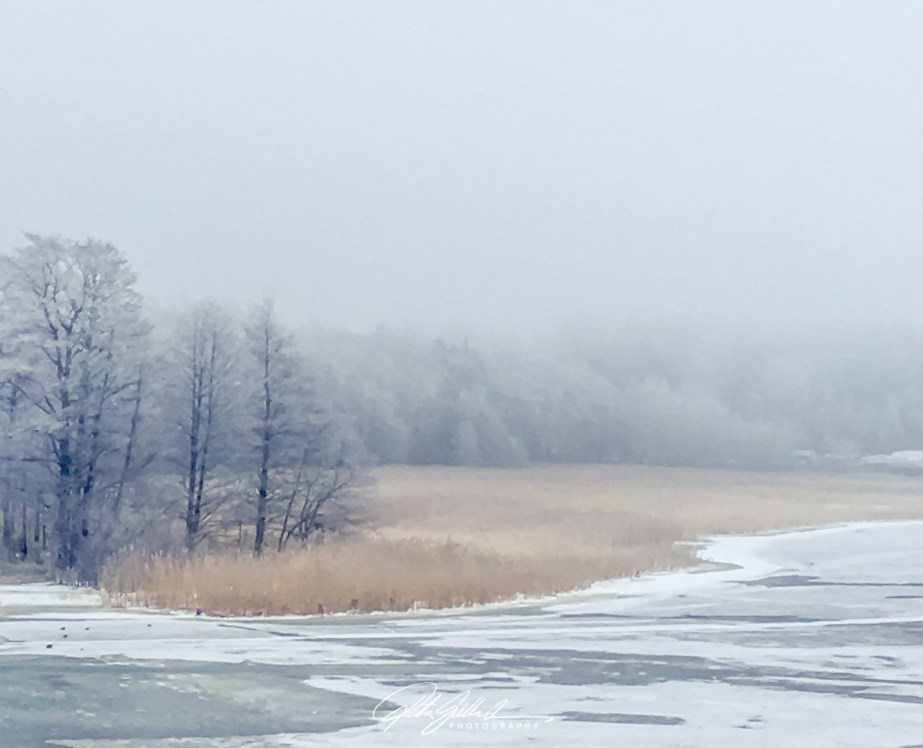
snowingA quick dip to the sea?Frost covered treesWinter gray day ny the sea.
Please join and remember to link to John’s challenge when you post your response, and use the Lens-Artists tag.
Last week, Sofia’s challenge focused on the Five Elements in her lovely post, and the responses were interesting to see. How we all interpreted it in our own way .
Next week, it is time for our annual year-end challenge. In December 2022, the Lens-Artists team introduced a “Last-Chance” challenge. The idea was to review the year’s images that never quite fit our challenge subjects that year. The “rule” is that your chosen photographs must have been taken in 2024 and not have been included in response to our 2024 challenges. Go through your gallery and join us on Saturday, December 14, at noon Eastern Standard Time.
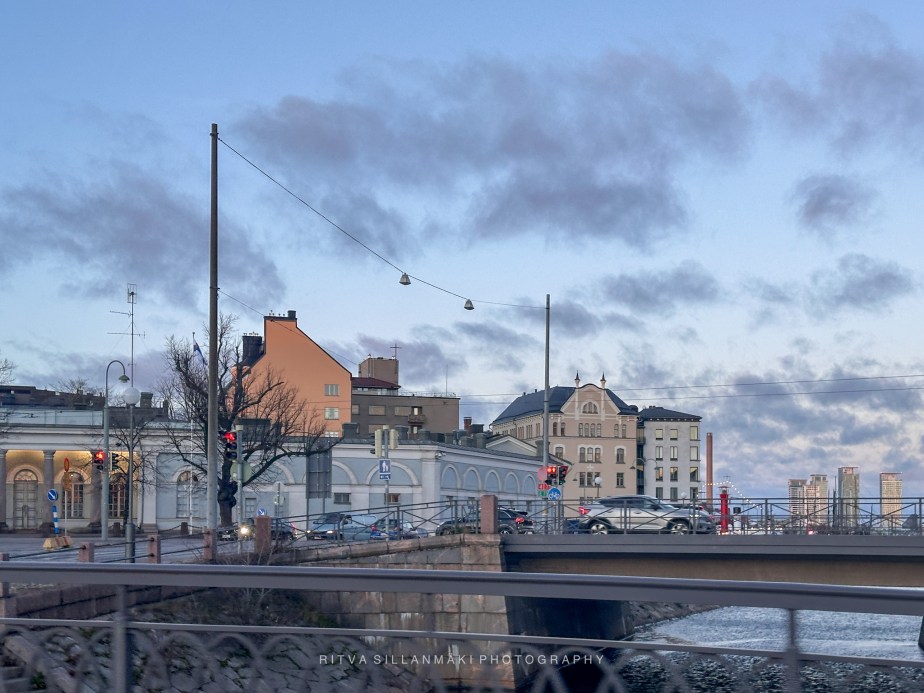
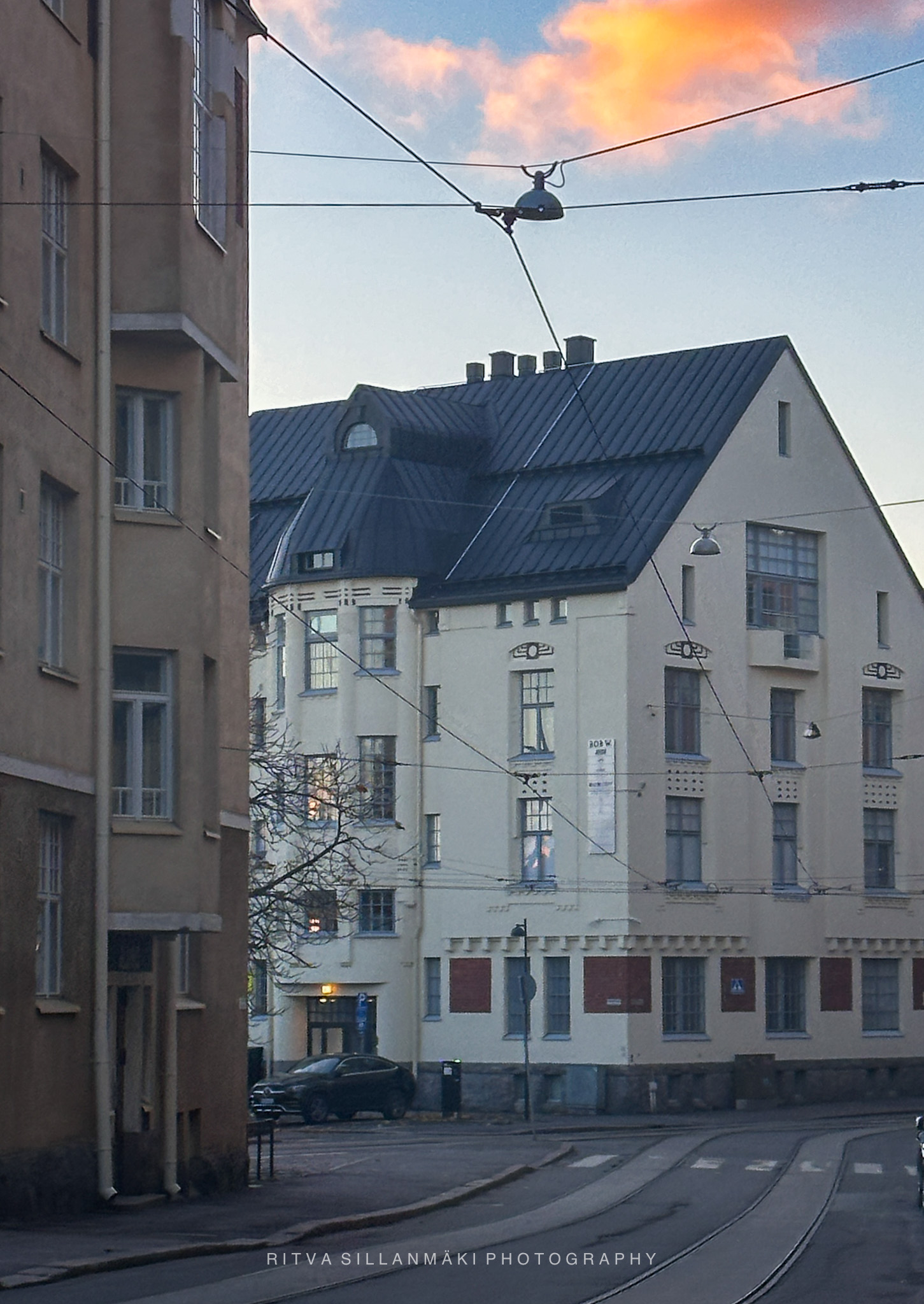
Last weekend we ventured outside and drove to have lunch in Helsinki , it’s about half hour drive, not much of an adventure. The restaurant is located in the area of Katajanokka is a neighbourhood of Helsinki, with around 5000 inhabitants. The district is located adjacent to the immediate downtown area, though in the first major town plan for Helsinki from the mid-18th century, the area fell outside the fortifications planned to encircle the city.
This us driving away from Katajannokka on one of the bridges, in the corner is the part of the The Presidential Palace.
Katajanokka was originally a headland of the Helsinki peninsula but is now an island due to the canal dug in the 19th century. Four bridges connect it to mainland Helsinki. Urban settlement expanded to Katajanokka in the 18th century, remaining largely untouched until the canal’s completion in 1844, which linked the South and North Harbours. The south side features a busy passenger harbour for ferries to various destinations, while the area consists mainly of co-operative apartment buildings and small parks. The eastern part was once a military zone with a naval base, which evolved into a commercial shipyard.
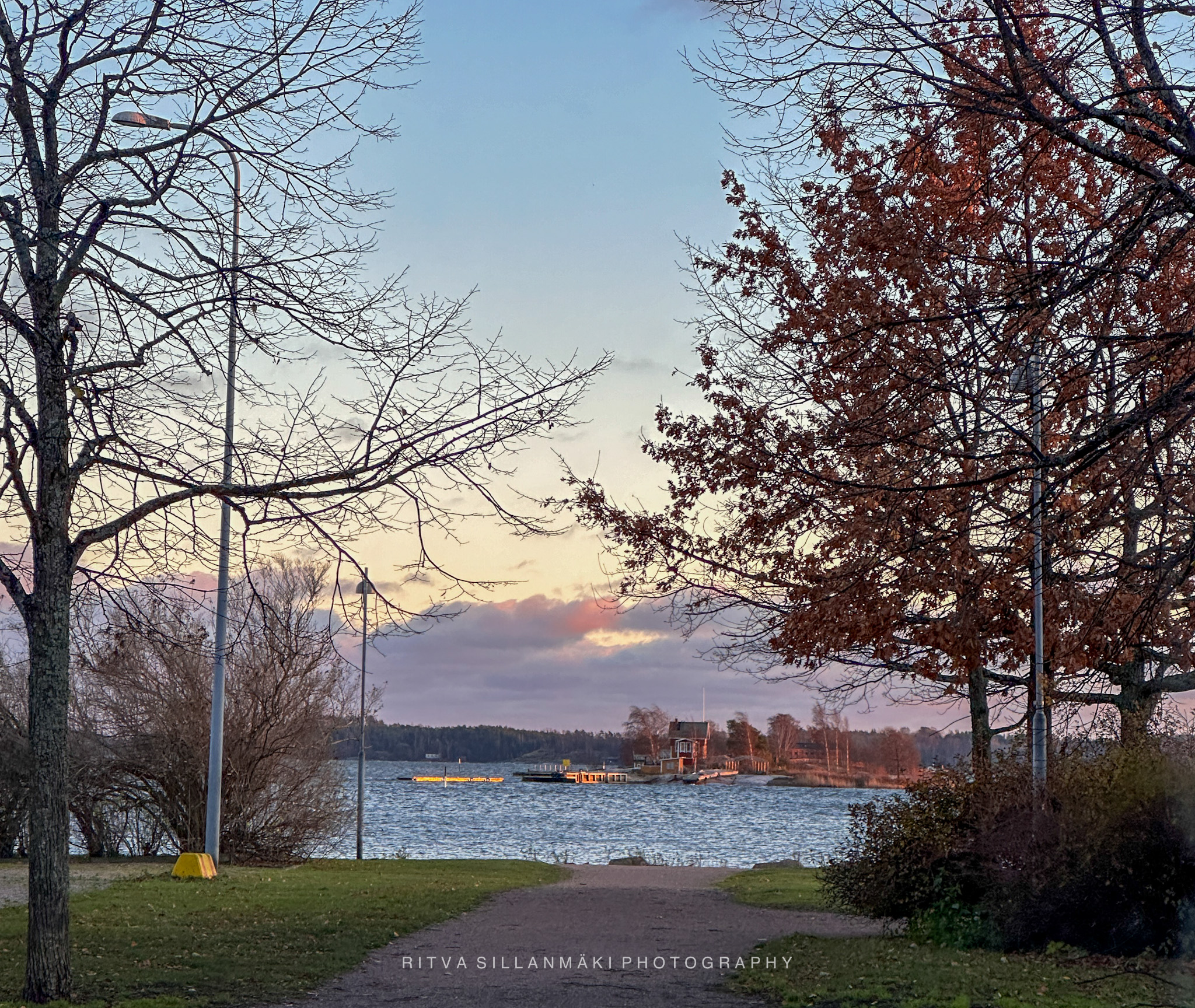
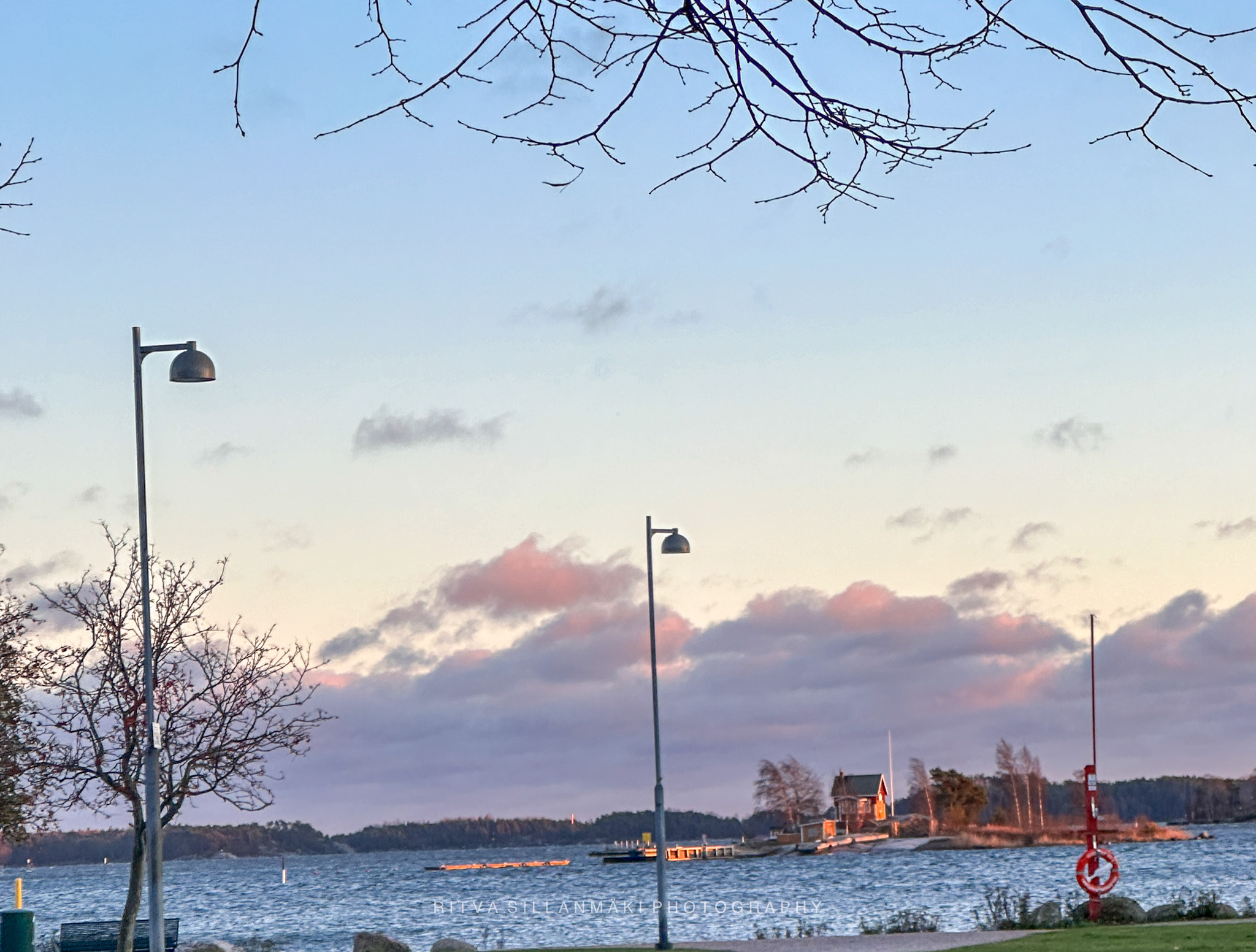
These are from the eastern side looking towards the sea, my attention was on the house on the small island as the sun was casting the last light on it. for some reason I did not take photos of the newer buildings.
Here we are leaving the area, driving towards the Helsinki Cathedral
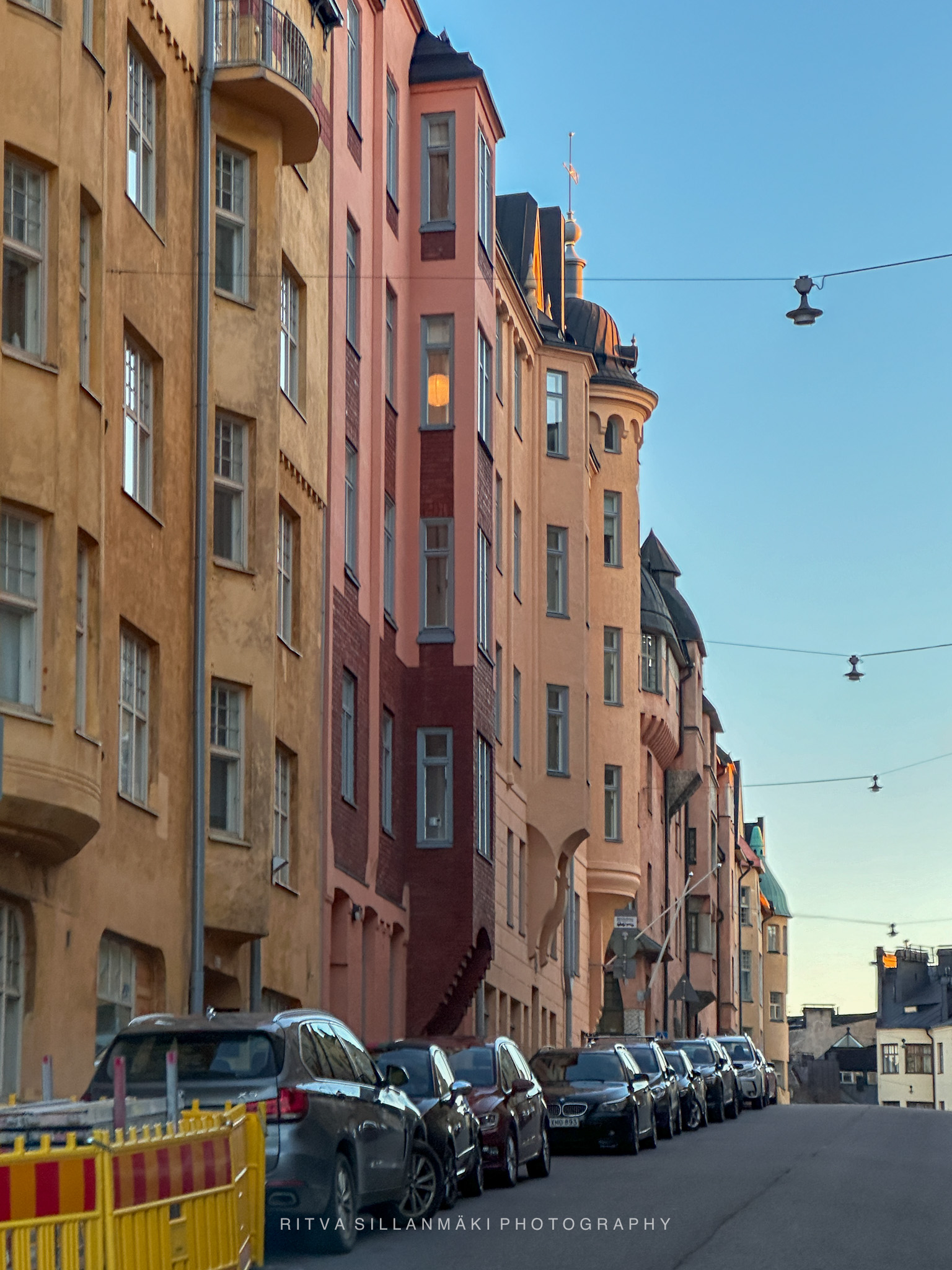
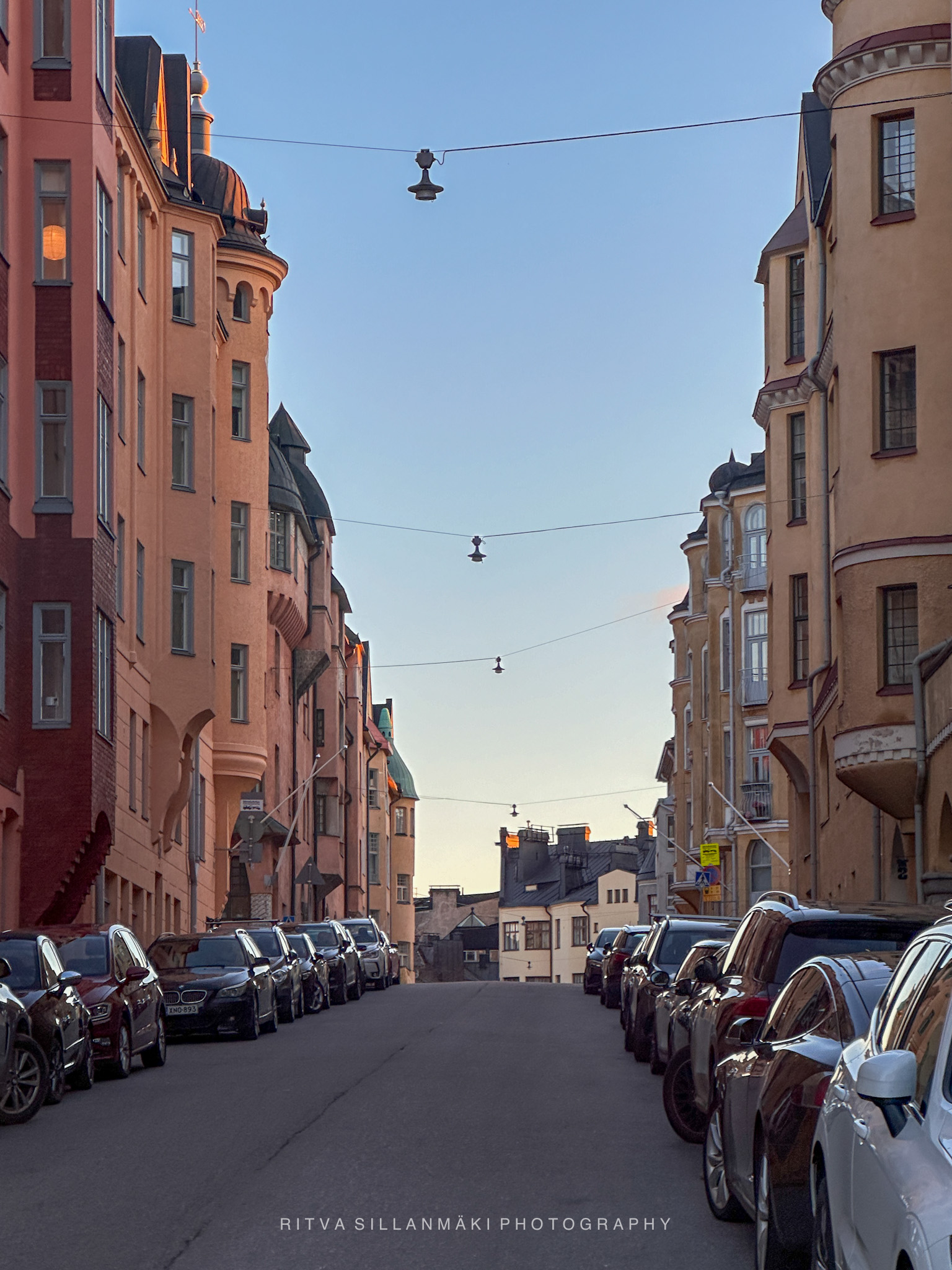
The western part of the residential area, known as the “Old Side” of Katajanokka, is an upscale neighborhood and a well-preserved example of early 20th century Art Nouveau architecture, though up until the mid-19th century – while the centre of Helsinki was being filled with stone buildings – the area was essentially still a wooden shanty town.
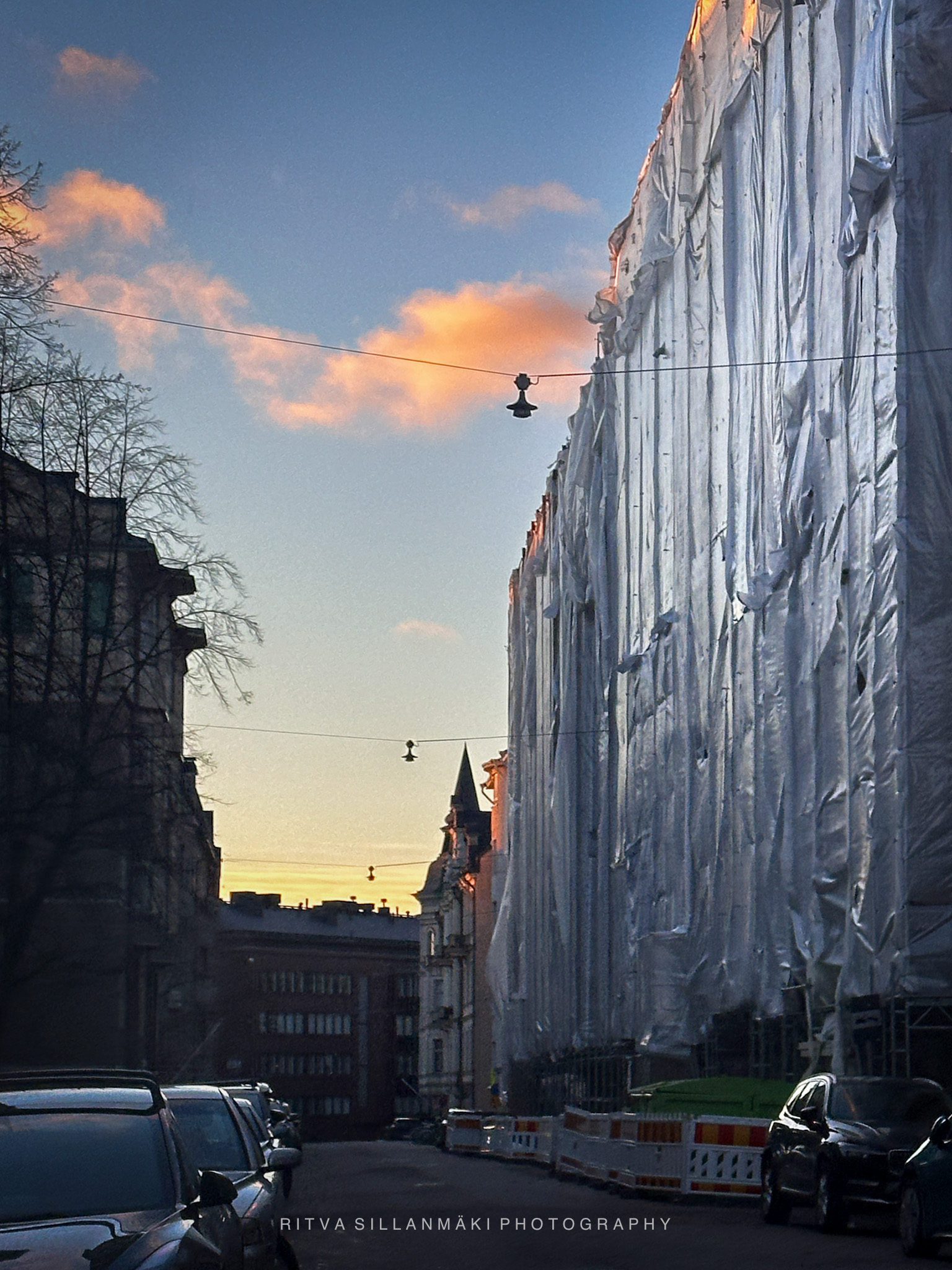
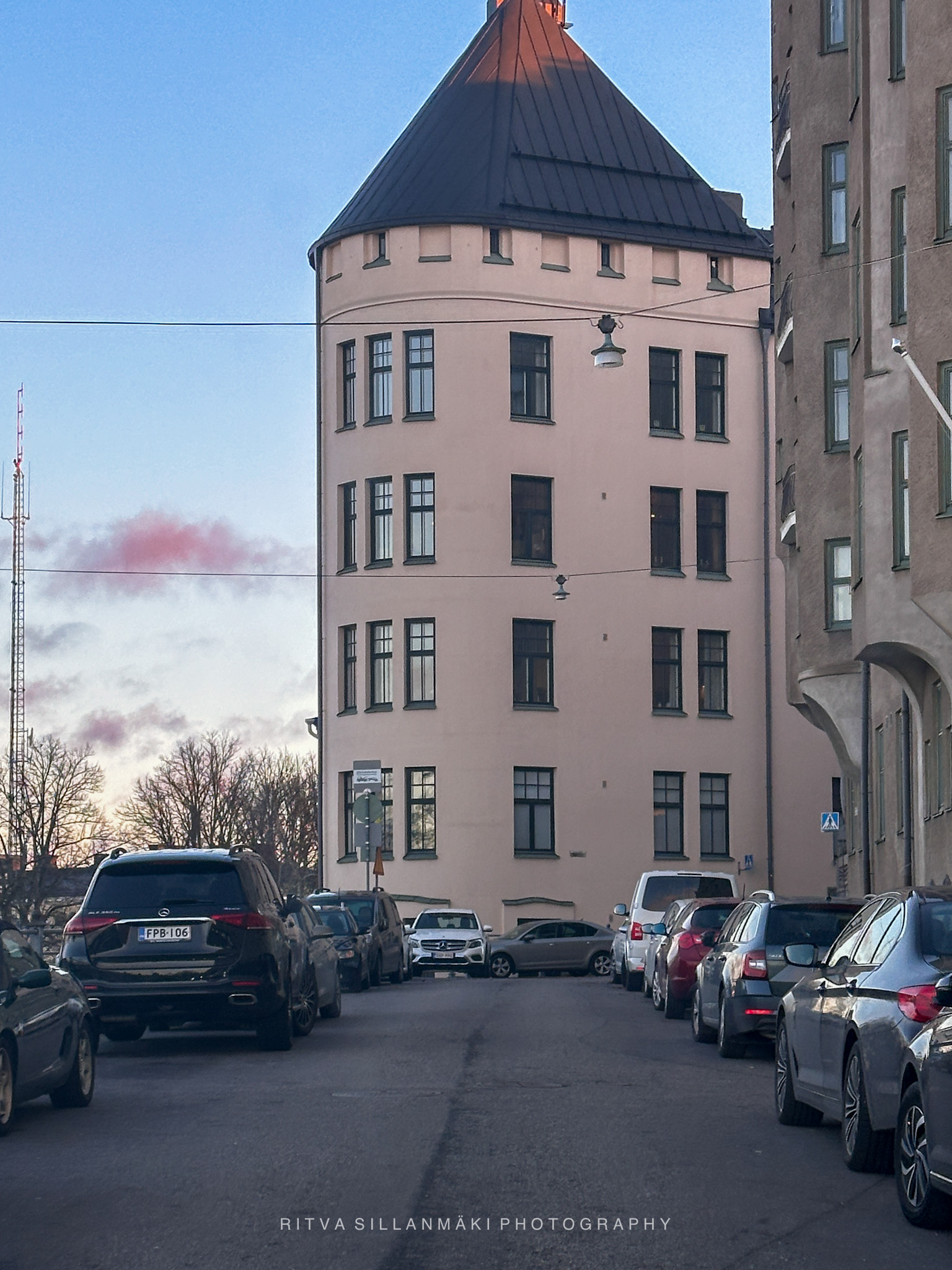
The westside has some restoration going on and the area is not built for the amount of cars that we nowadays have, a bit tricky to get a parking spot here,
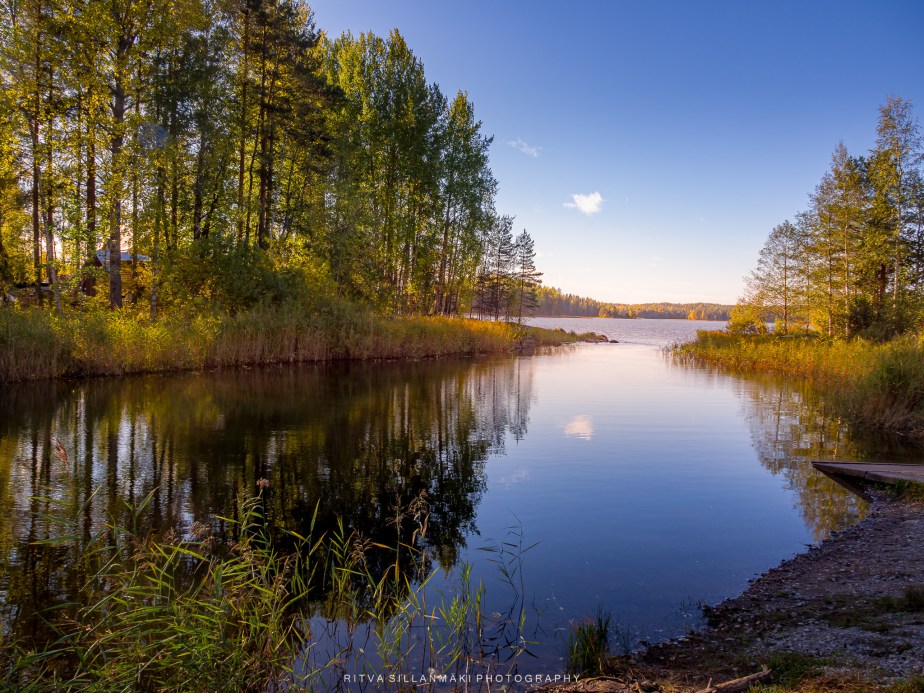
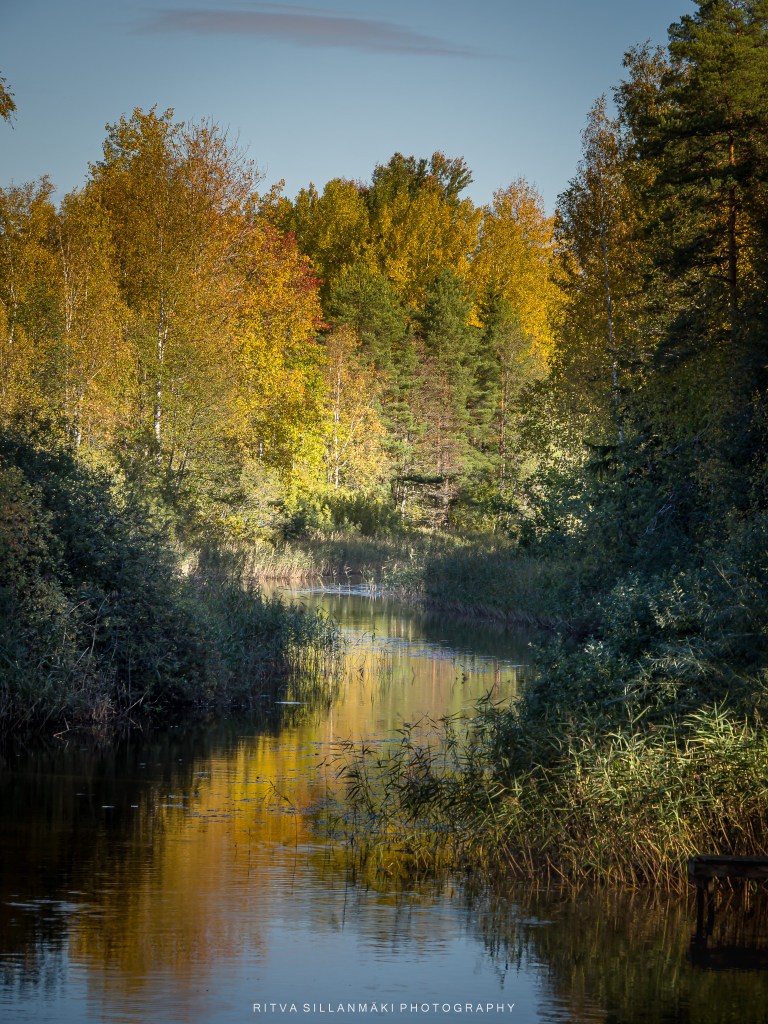
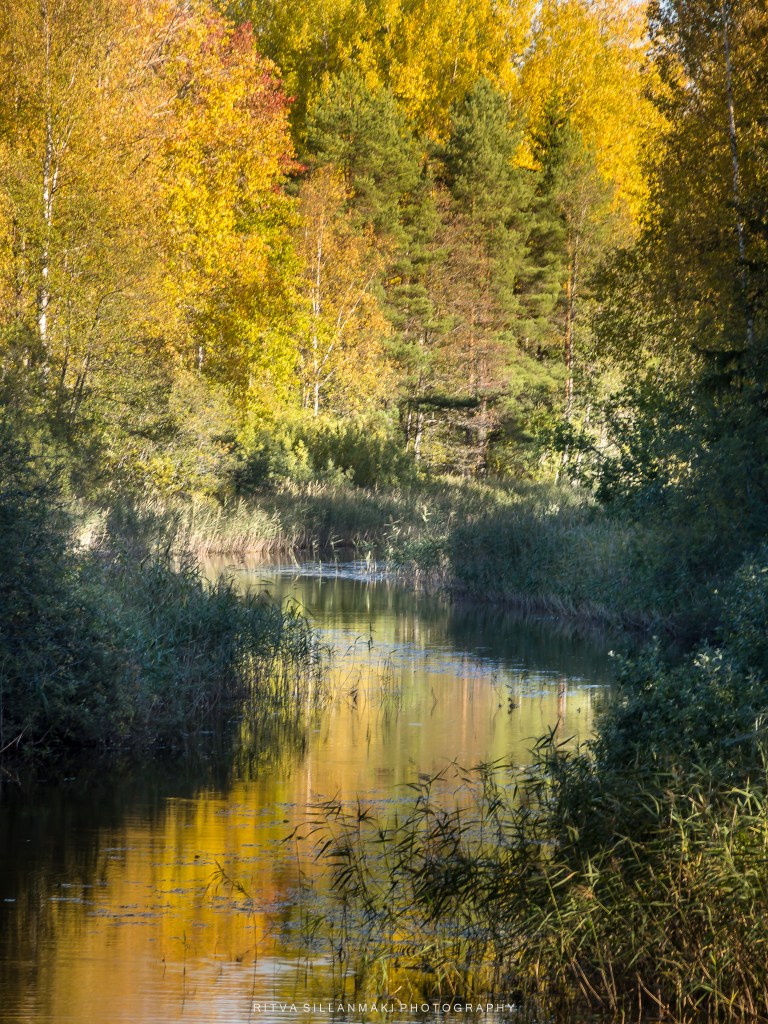
This is ruska. (n the Finnish language, this stunning phenomenon that paints northern landscapes in deep and soft tones is called ‘ruska’.
What is ruska?
Ruska comes from the Sami word “ruškat”, and close to the Finnish word ruskea which means brown. This refers to the time of the year when the spectacular natural phenomena of the autumn foliage happen, or when leaves change colors and the trees get ready for winter.
Puuruska
There are two different types of ruska; puuruska and maaruska. In Finnish language, puu means tree, therefore puuruska refers to the leaves of the trees changing to different colors. Maa means land, ground, or soil; so maaruska, when translated to English, means bushes and plants of the ground changing their colors. The maaruska is especially beautiful to see in blueberry bushes at the forest. The colors are very bright and intense, creating the perfect spot for that perfect shot, or most of the time, simply an immeasurable and breathtaking view that a photo can’t even justify.
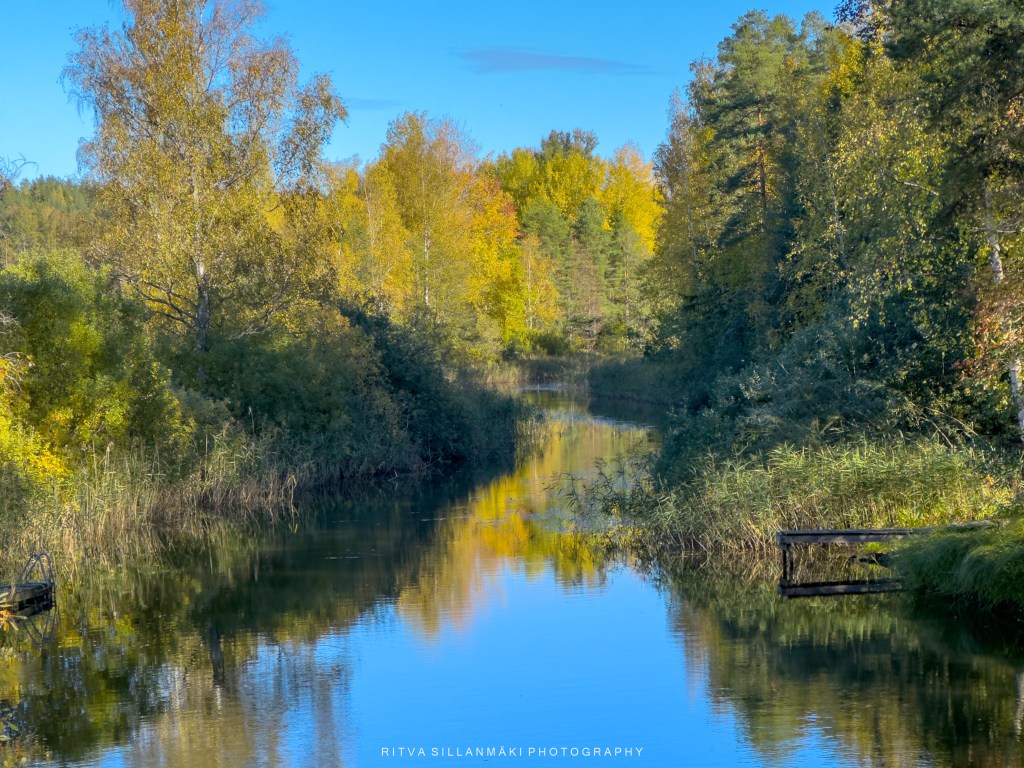
river Salajoki
Typically, ruska starts in the north of Finland in early September and gradually moves southward. By late September to early October, the southern parts of the country, including Helsinki, will be in the full throes of this colorful season.
Lapland, the northernmost region of Finland, offers some of the most stunning ruska views. The fells and vast wilderness areas, interspersed with crystal-clear lakes and rivers, provide a perfect backdrop for the red and gold leaves.
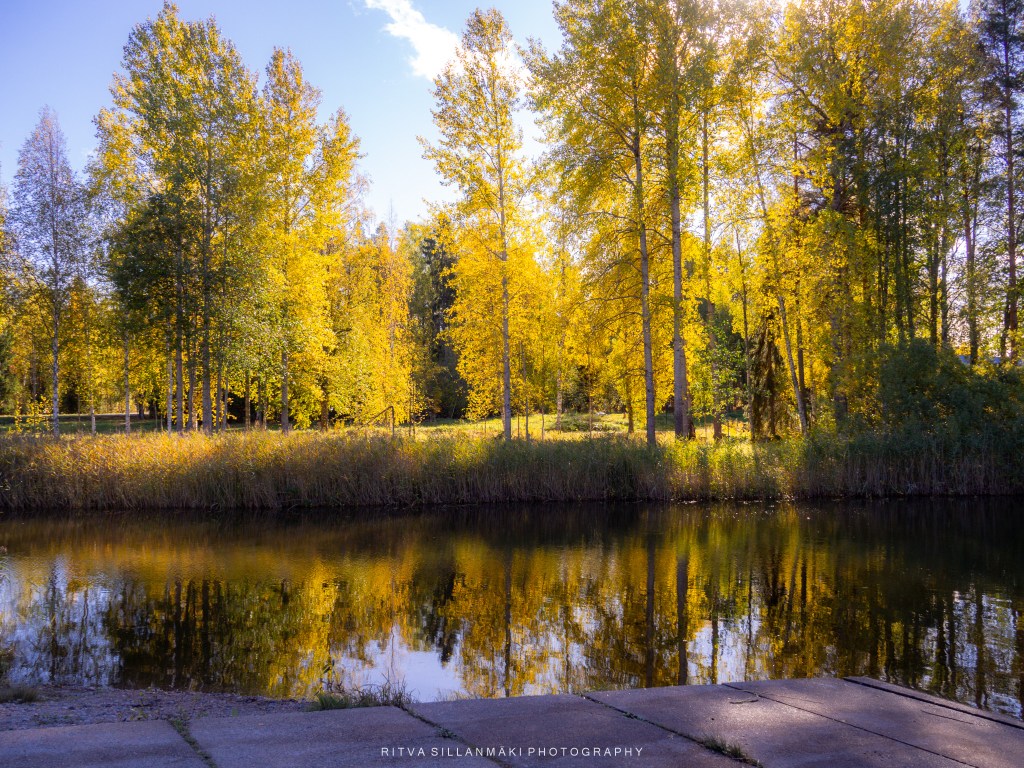
Reflections
I took these last weekend, and since then, this week the colors have intensified spectacularly. Hopefully, the rain and winds of the autumn storm pass swiftly, allowing the beauty of nature to remain mainly undisturbed. I hope for a chance to photograph the stunning fall leaves again in the coming days, capturing the fleeting beauty of the season.
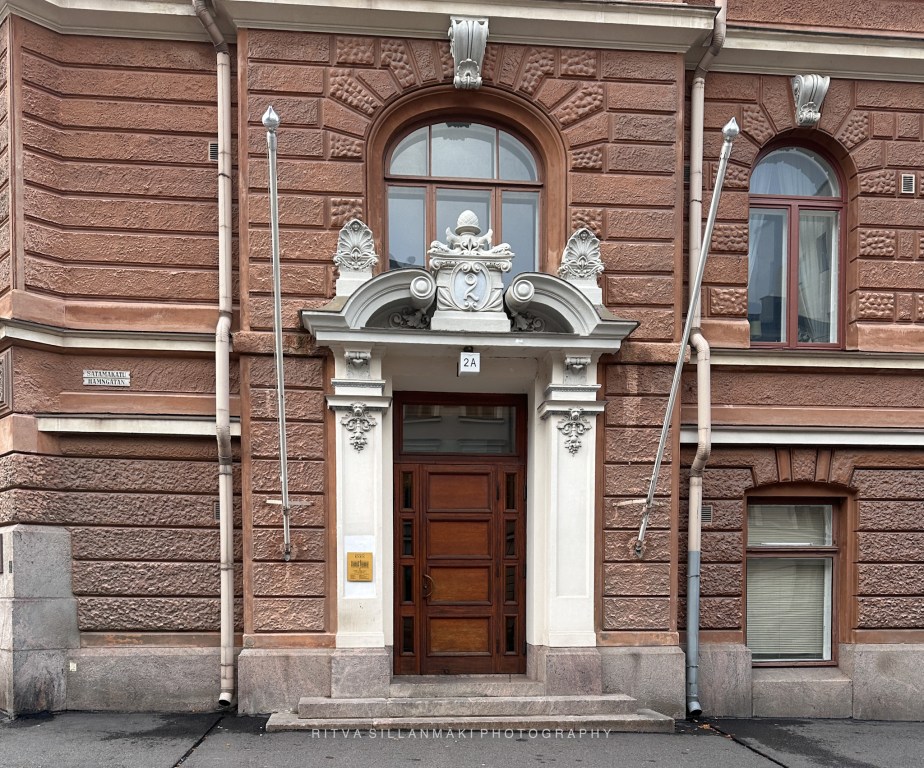
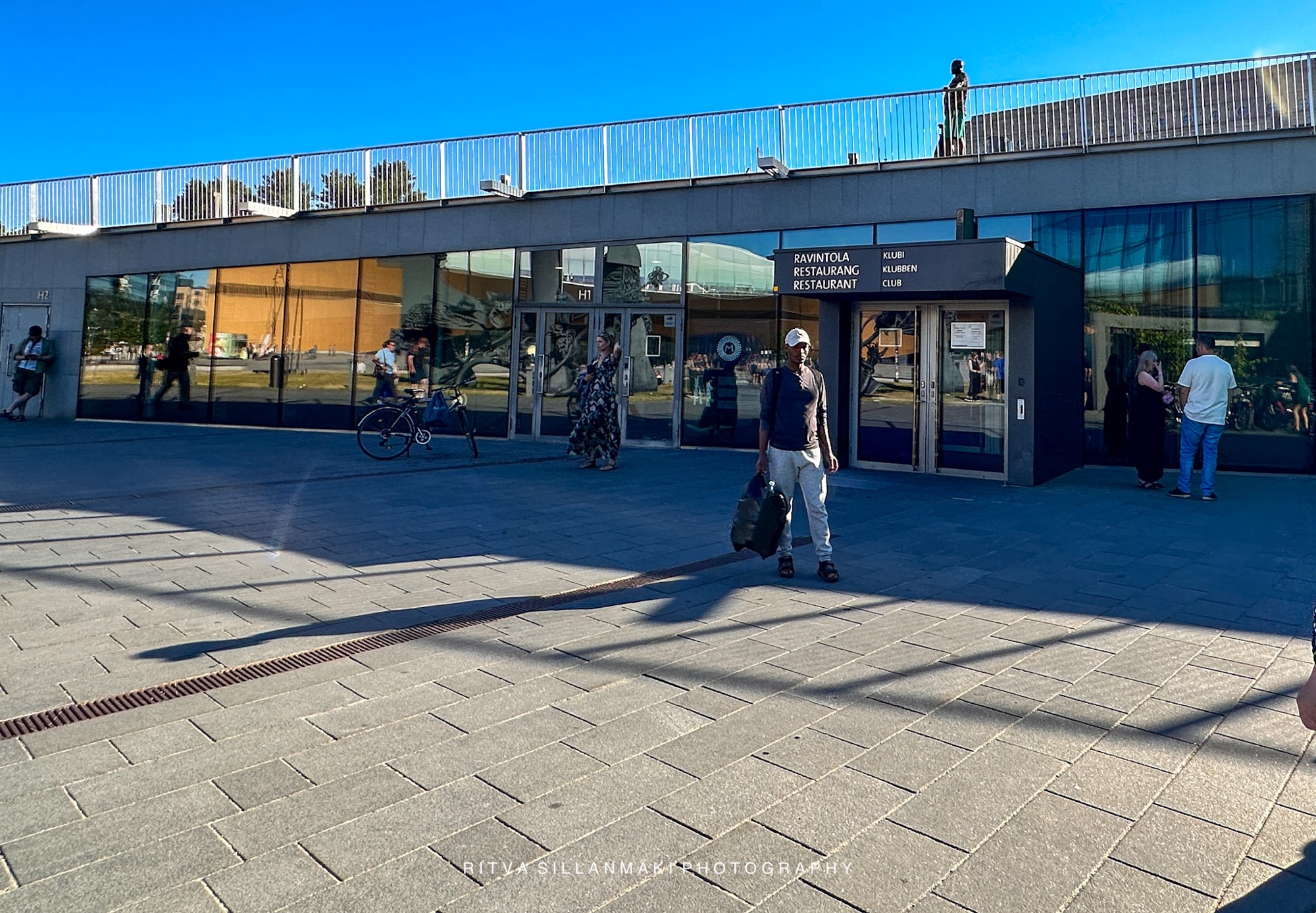
I spent some time in Helsinki and looked it with the eyes of a tourist. You rarely take photos of your own cities and towns that you frequently visit. Well last week I did, as I already posted we went to see Nick Cave and I took these on my way from the parking garage to the music hall and actually looked at the buildings, not just walked past them. Something we often do in familiar places, this goes to landscape and scenery too. I noticed a fare amount of door and windows, what a revelation to find them in the city 🙂
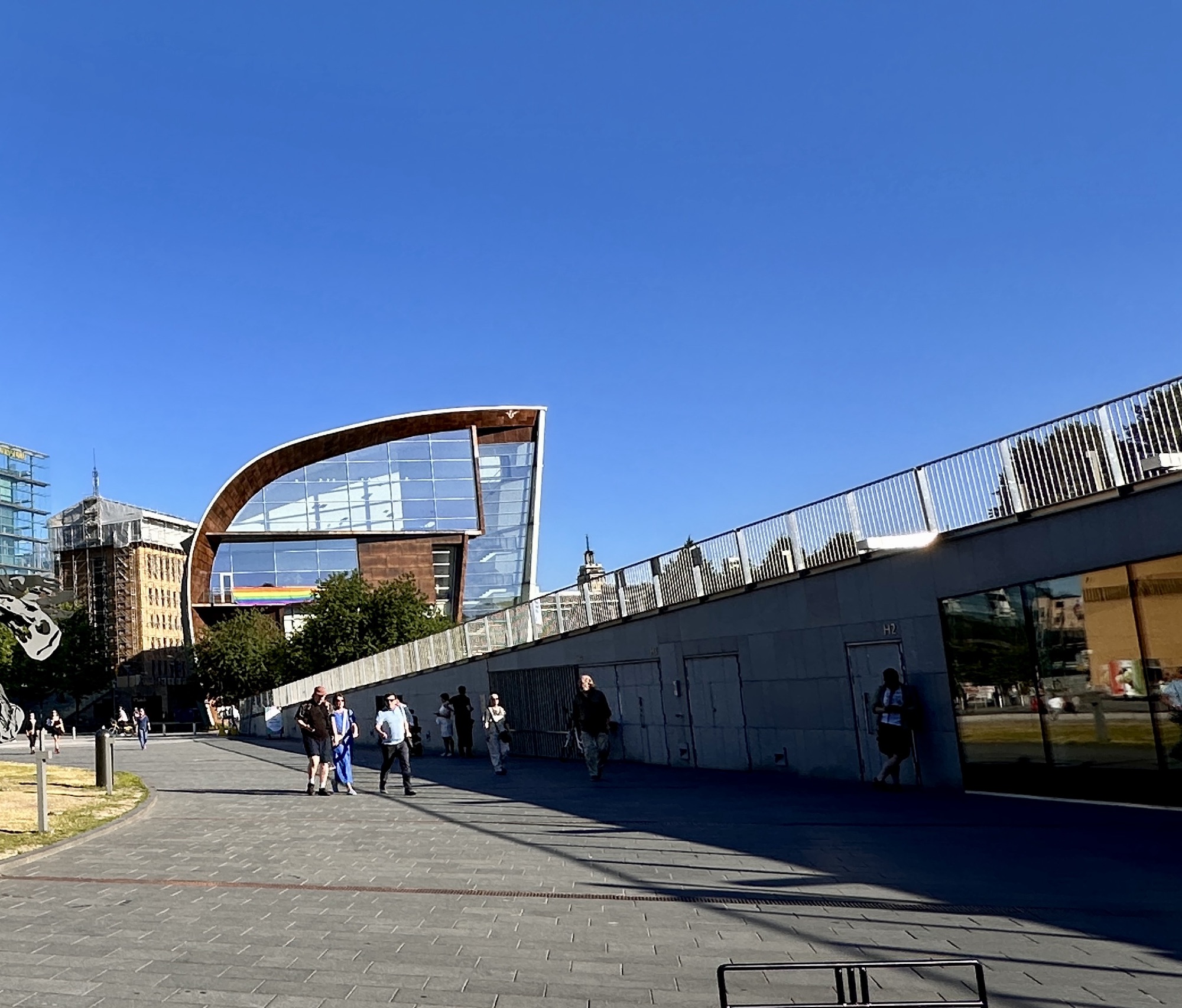
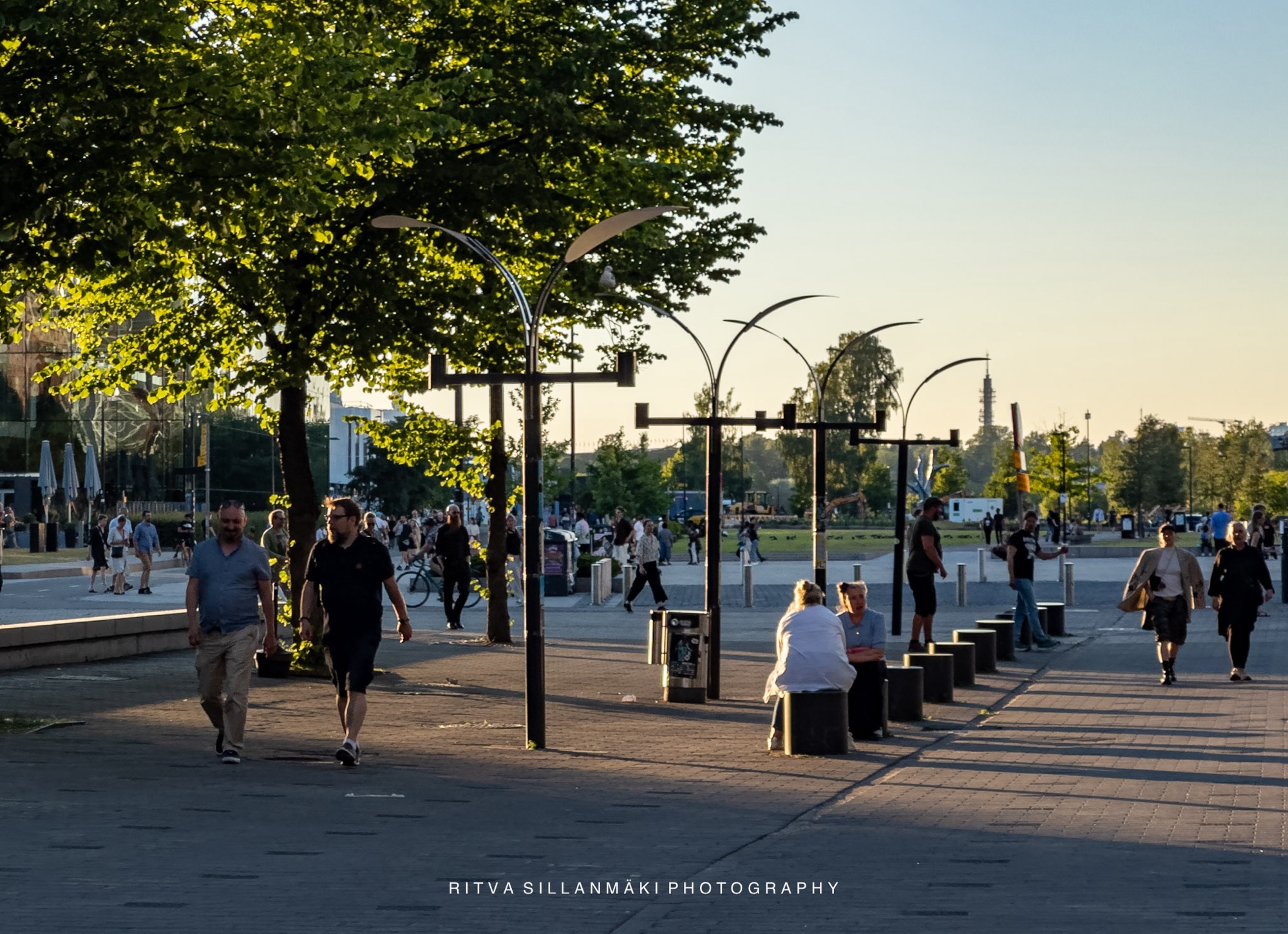
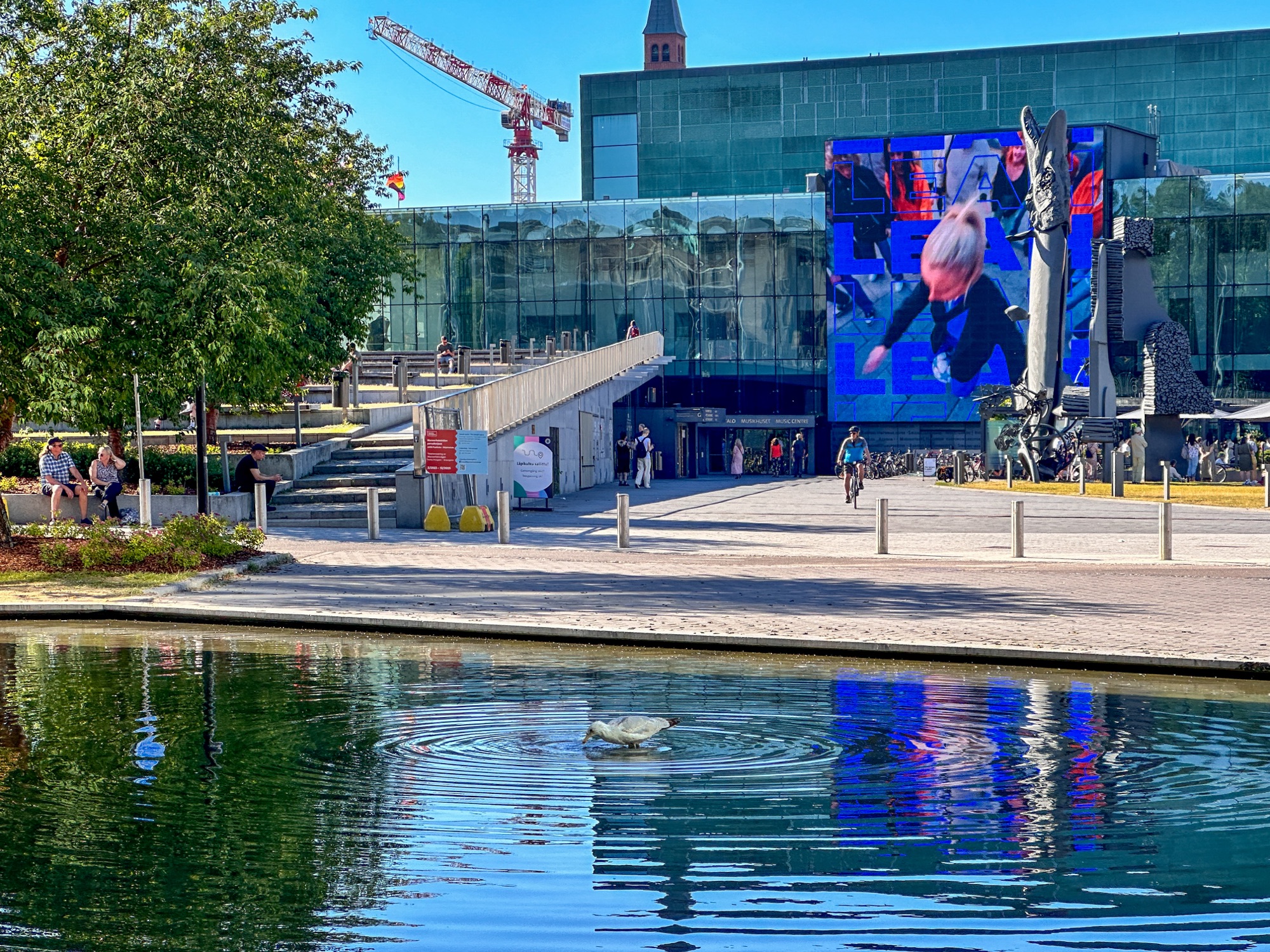
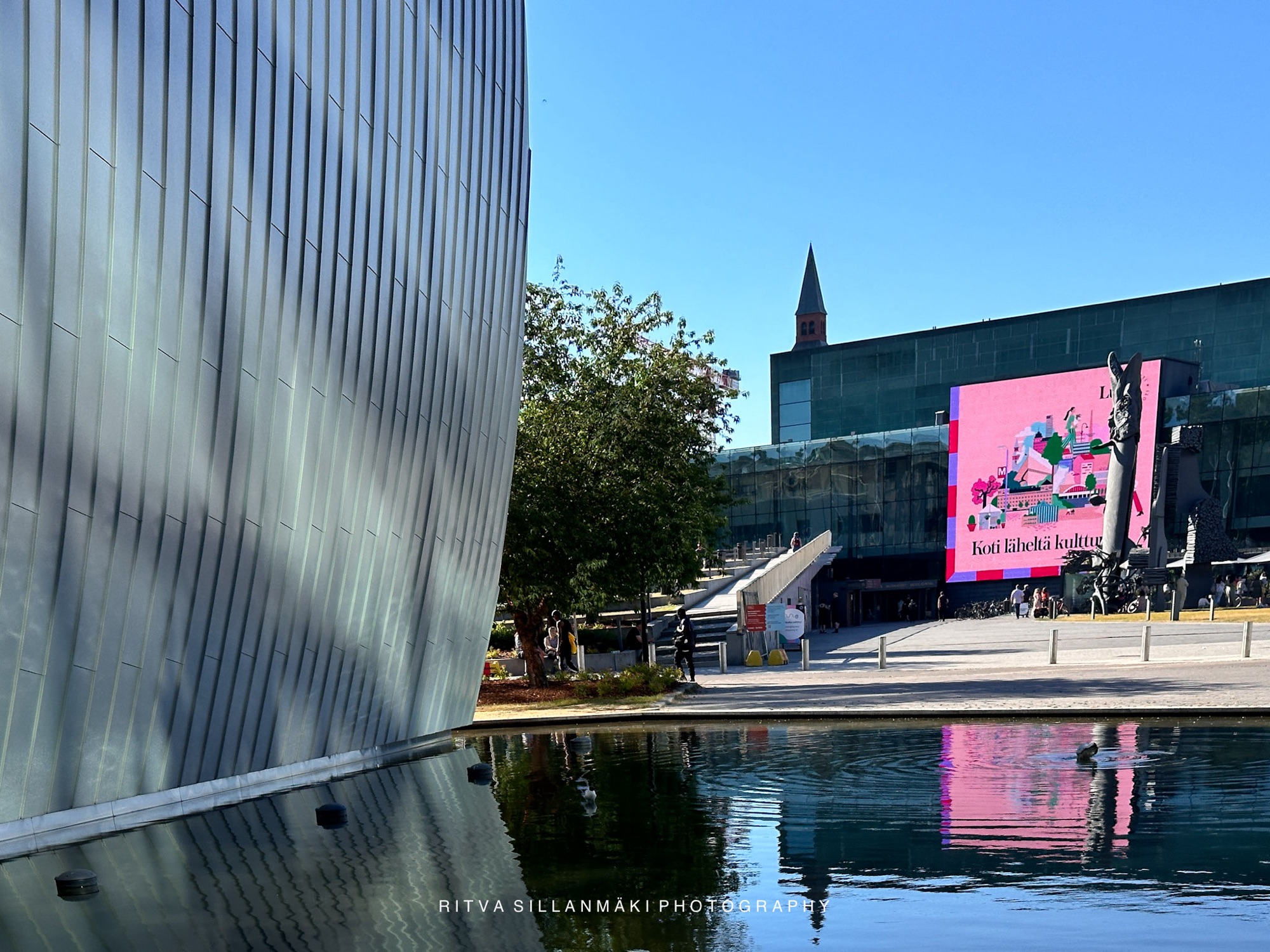
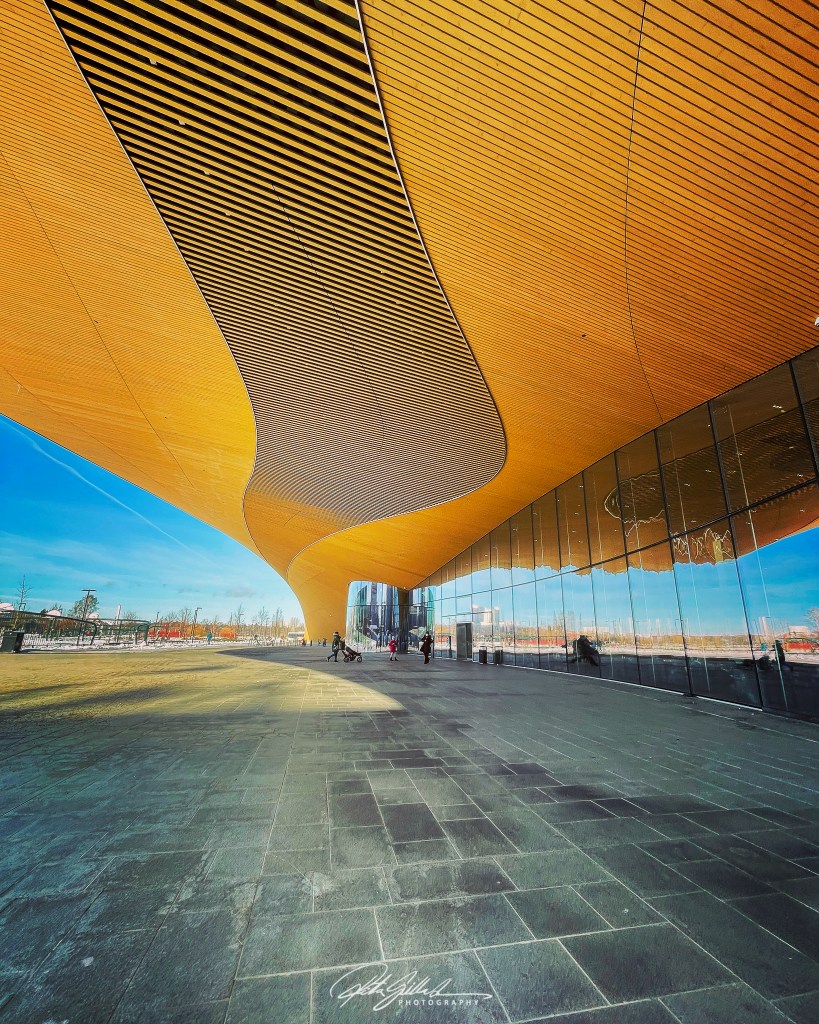
Kansalaistori is a new square and lawn area in the heart of the city located between the Music Centre and Museum of Contemporary Art Kiasma along Mannerheimintie in Helsinki. On the other side of there square there is the Central library Oodi. The square is partially paved and in the summertime popular especially among skateboarders. . Kansalaistori serves also as a venue for various events.
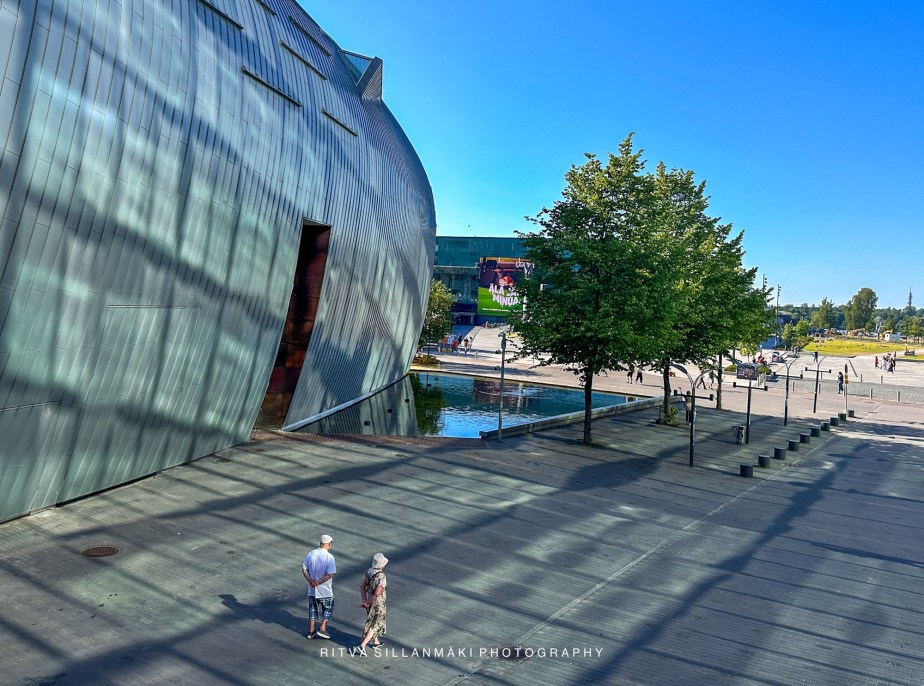
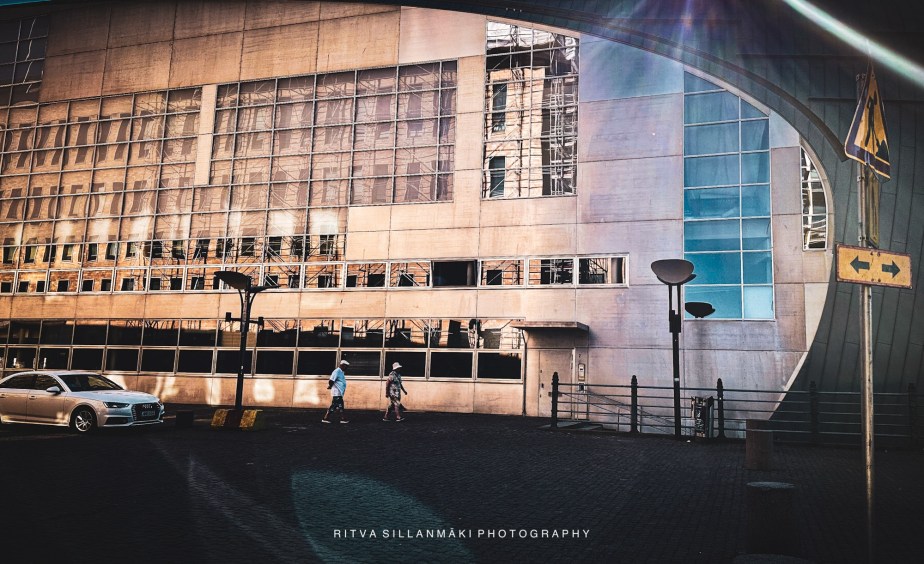
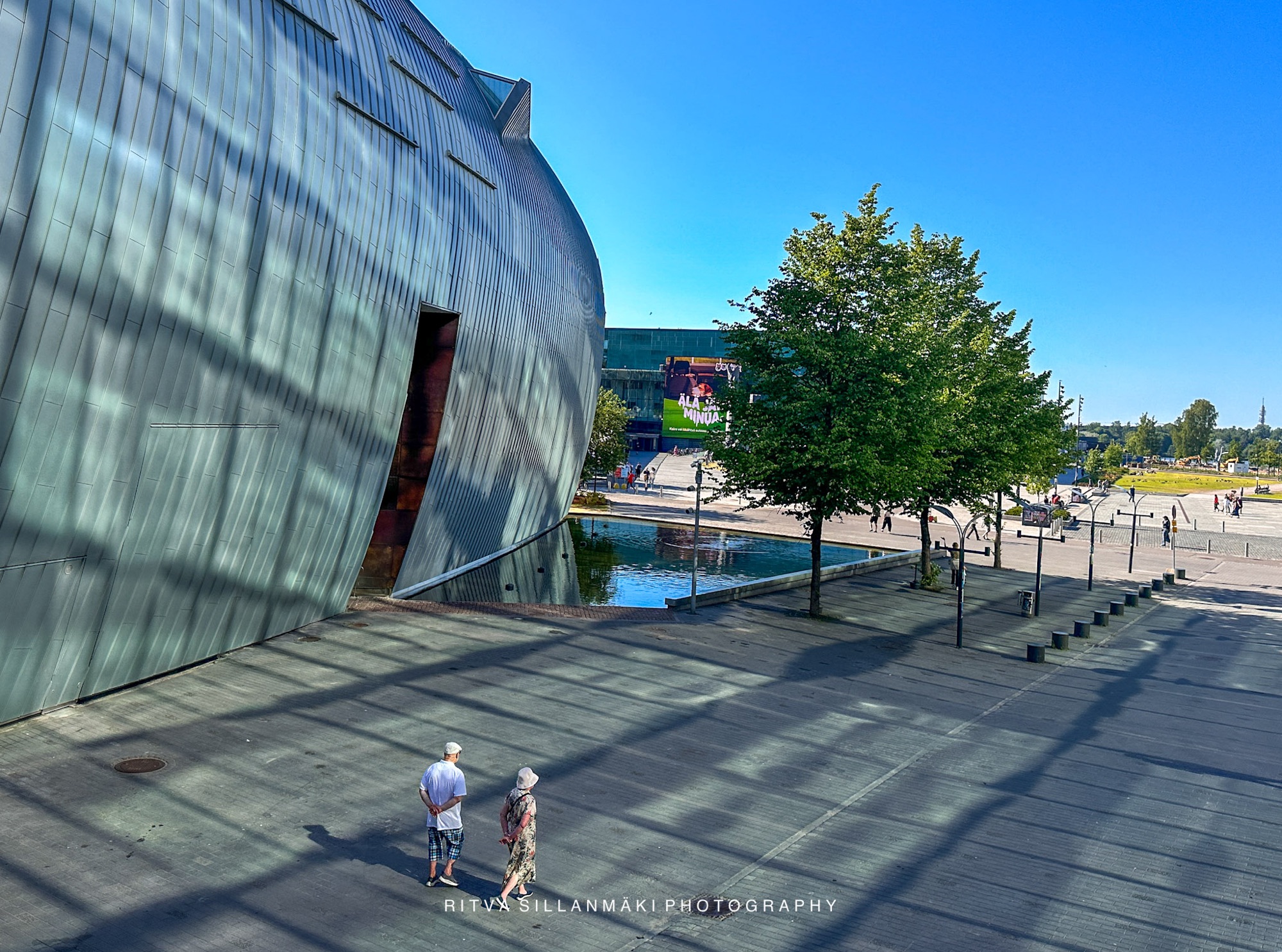
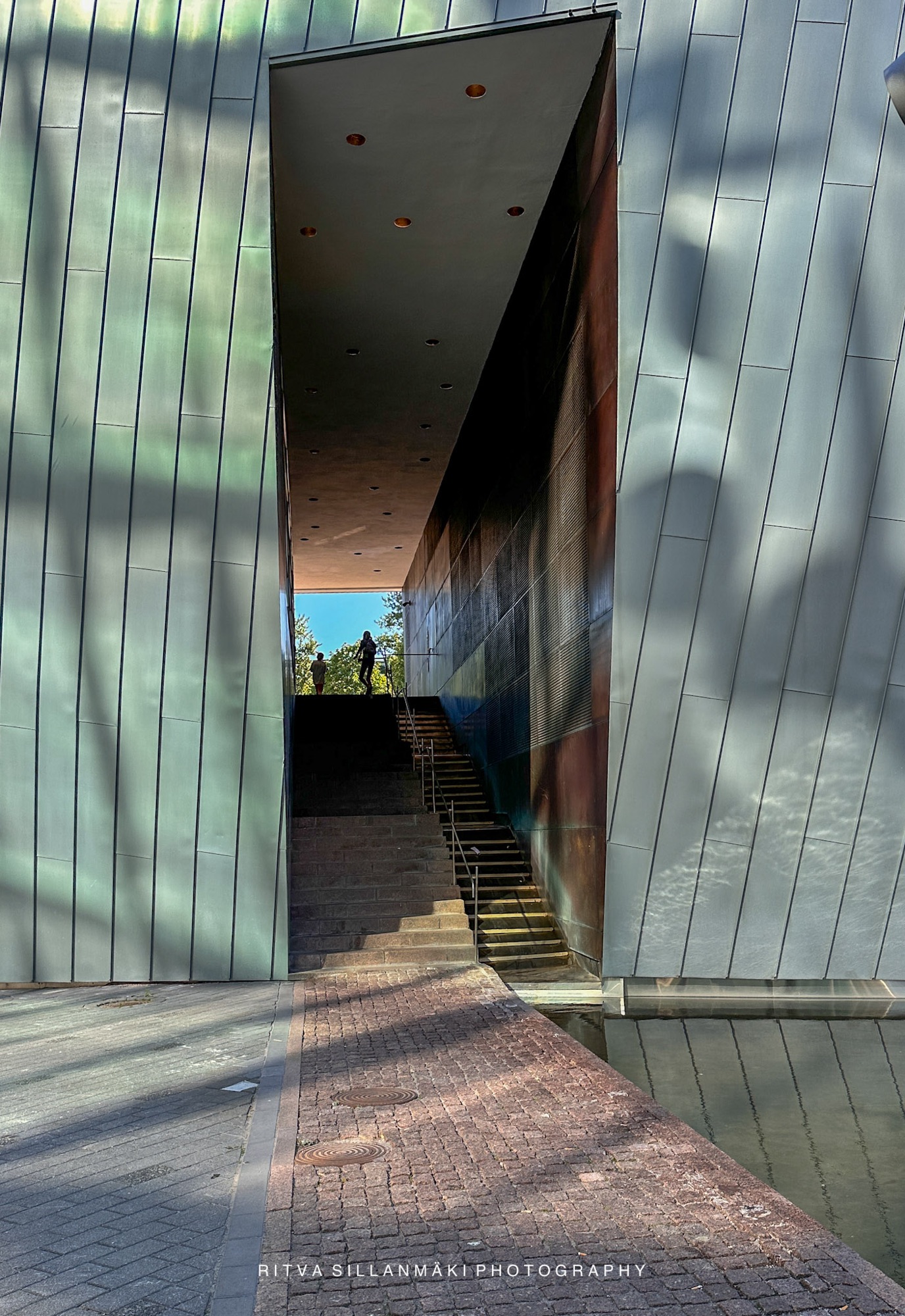
Kiasma from the back. All the photos in the galleries can be enlarged by a click.
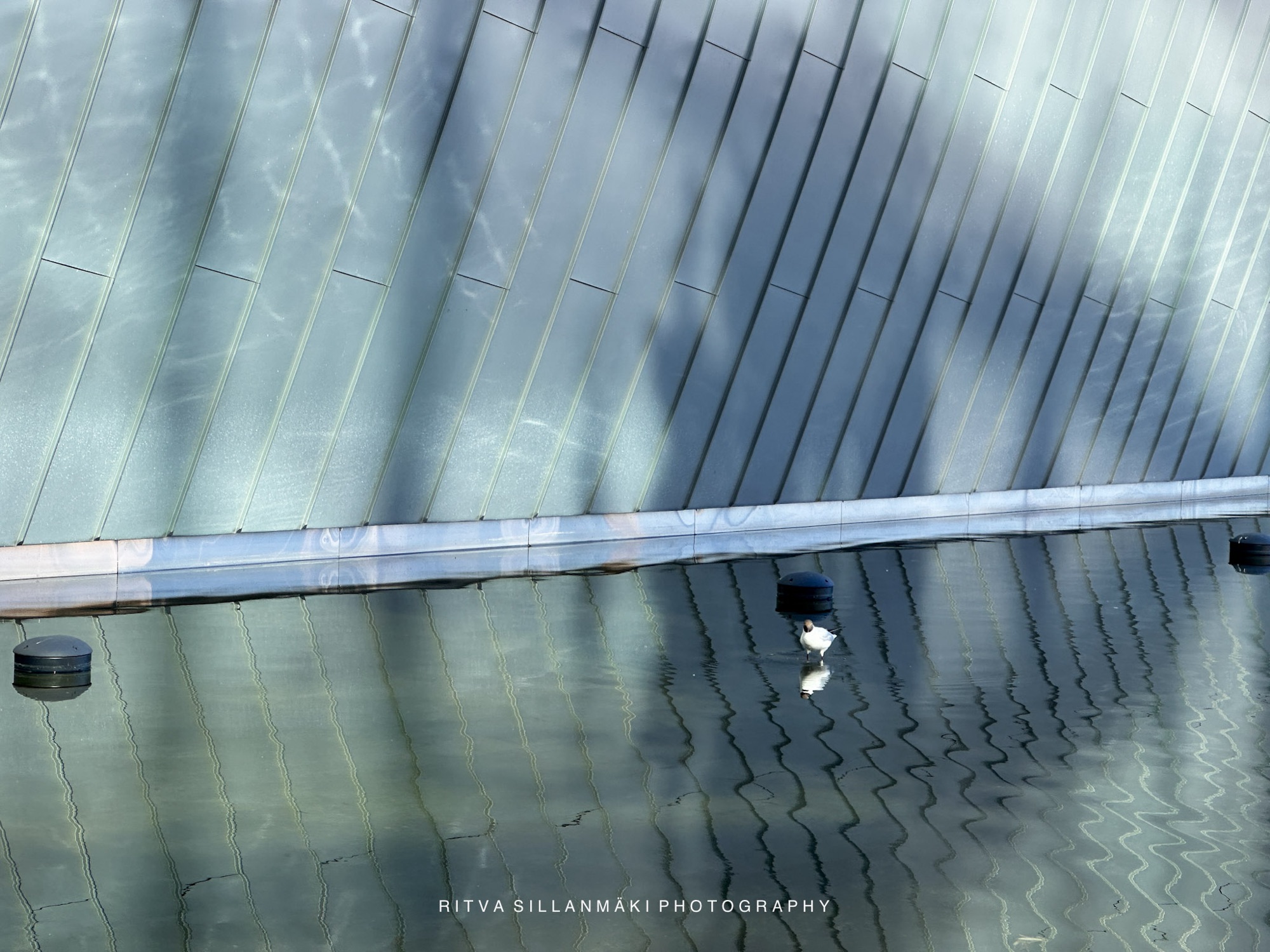
Kiasma is a museum of contemporary art under the umbrella of the Finnish National Gallery. The primary focus in the museum collection is on Finnish contemporary art. Kiasma was designed by the American architect Steven Holl and opened to the public in 1998. At Kiasma there’s also a museum shop and café. These are all taken from the backside of the building.
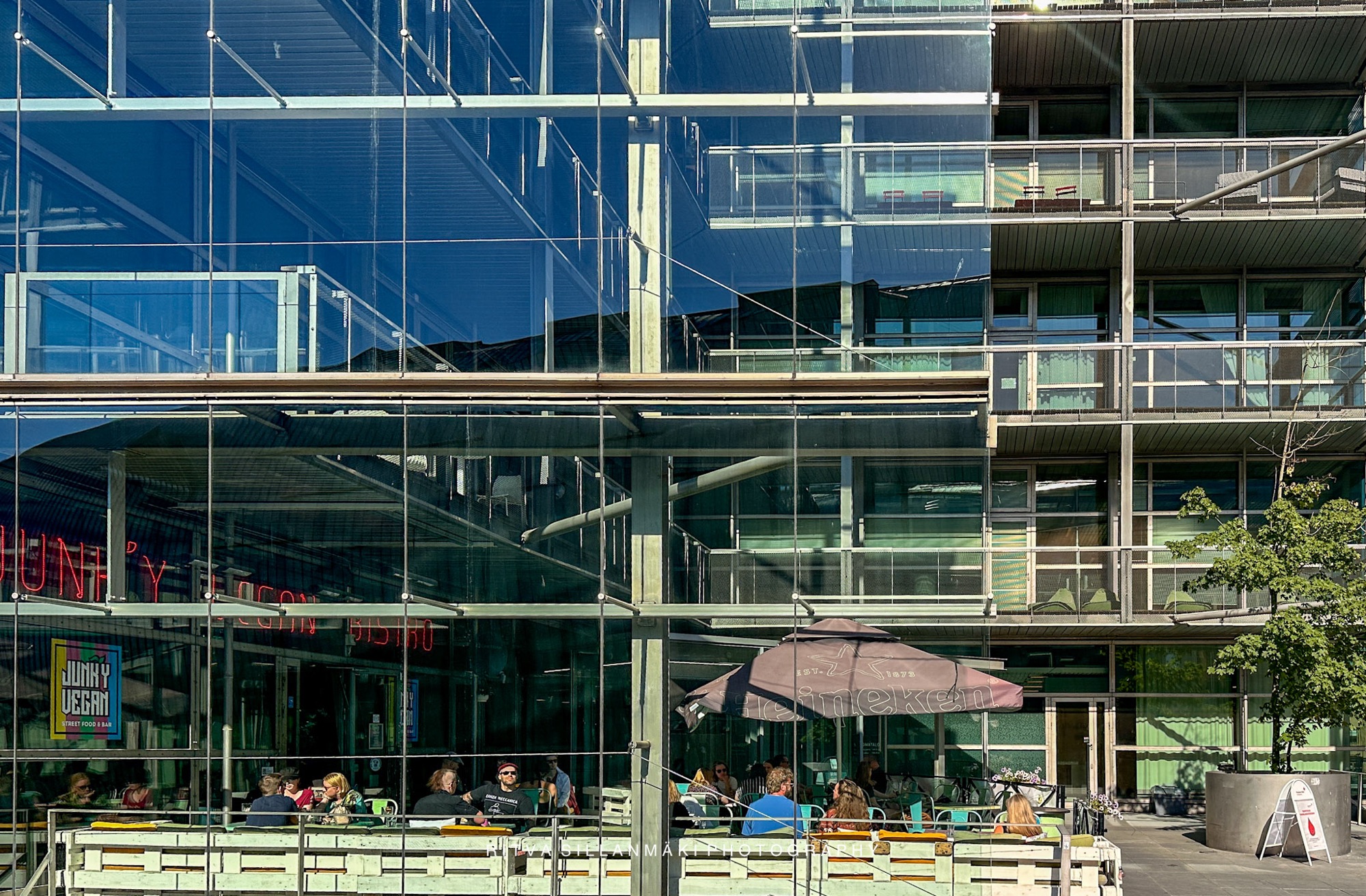
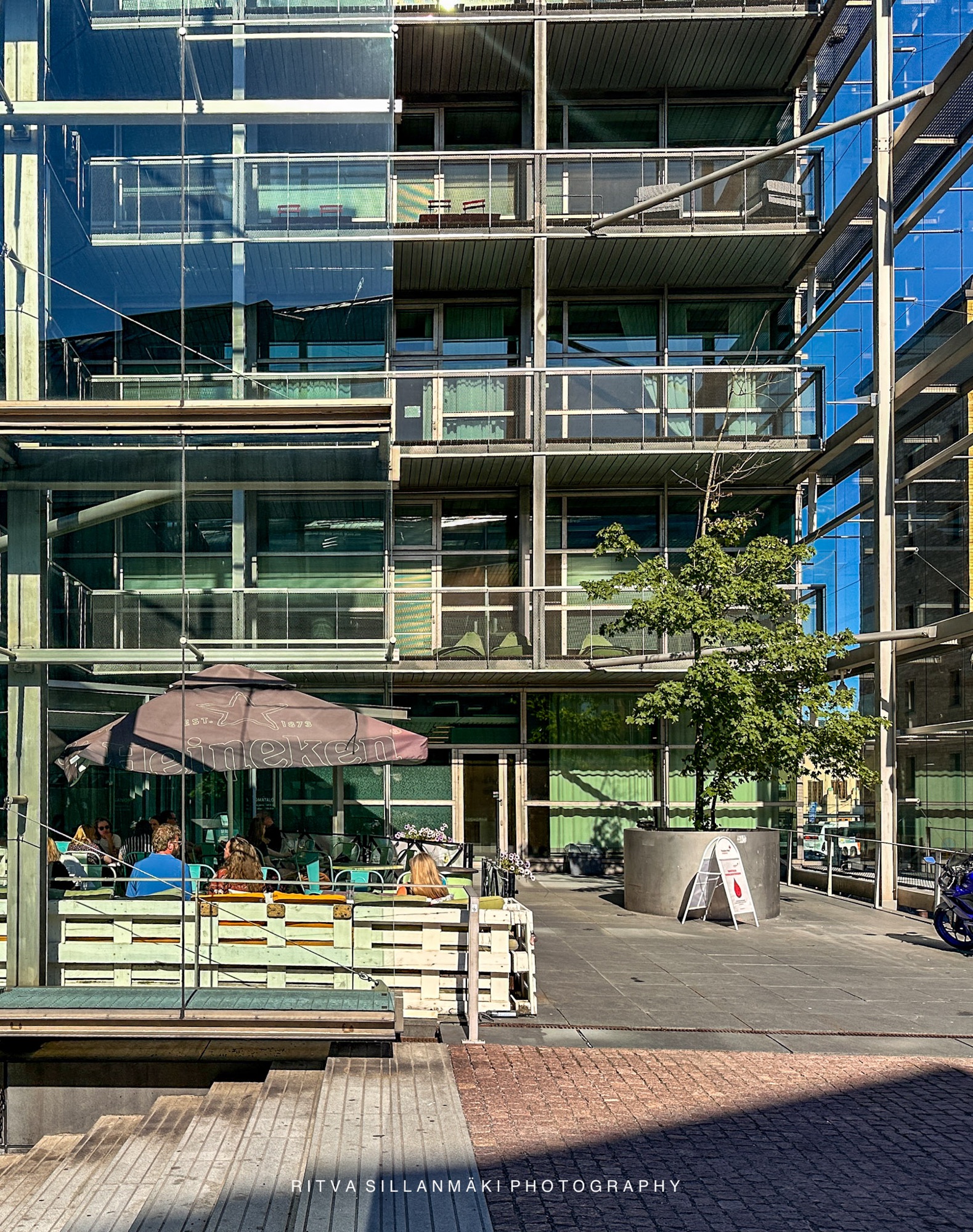
Sanoma House with its glass facade is situated in Finlandia Park, a cultural oasis in the heart of Helsinki, north of the Helsinki railway station, beside the Museum of Contemporary Art-Kiasma, the Central library Oodi and the Music Centre. The first and second floors mainly consist of covered public space.
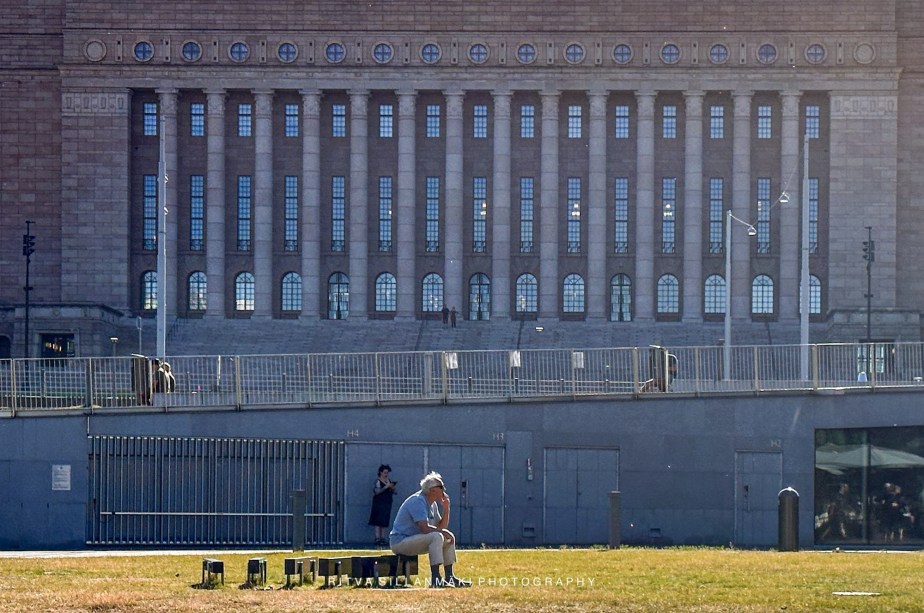
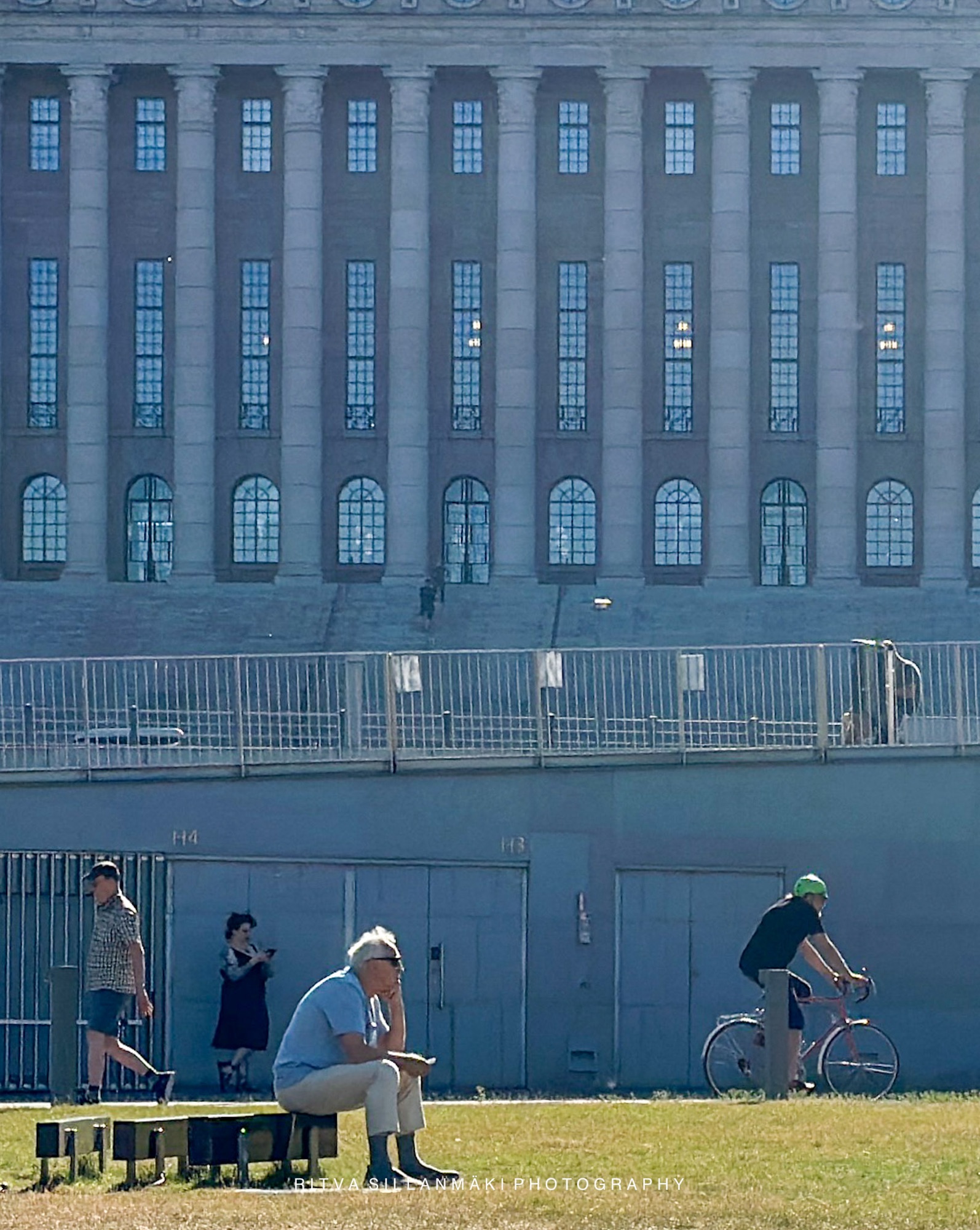
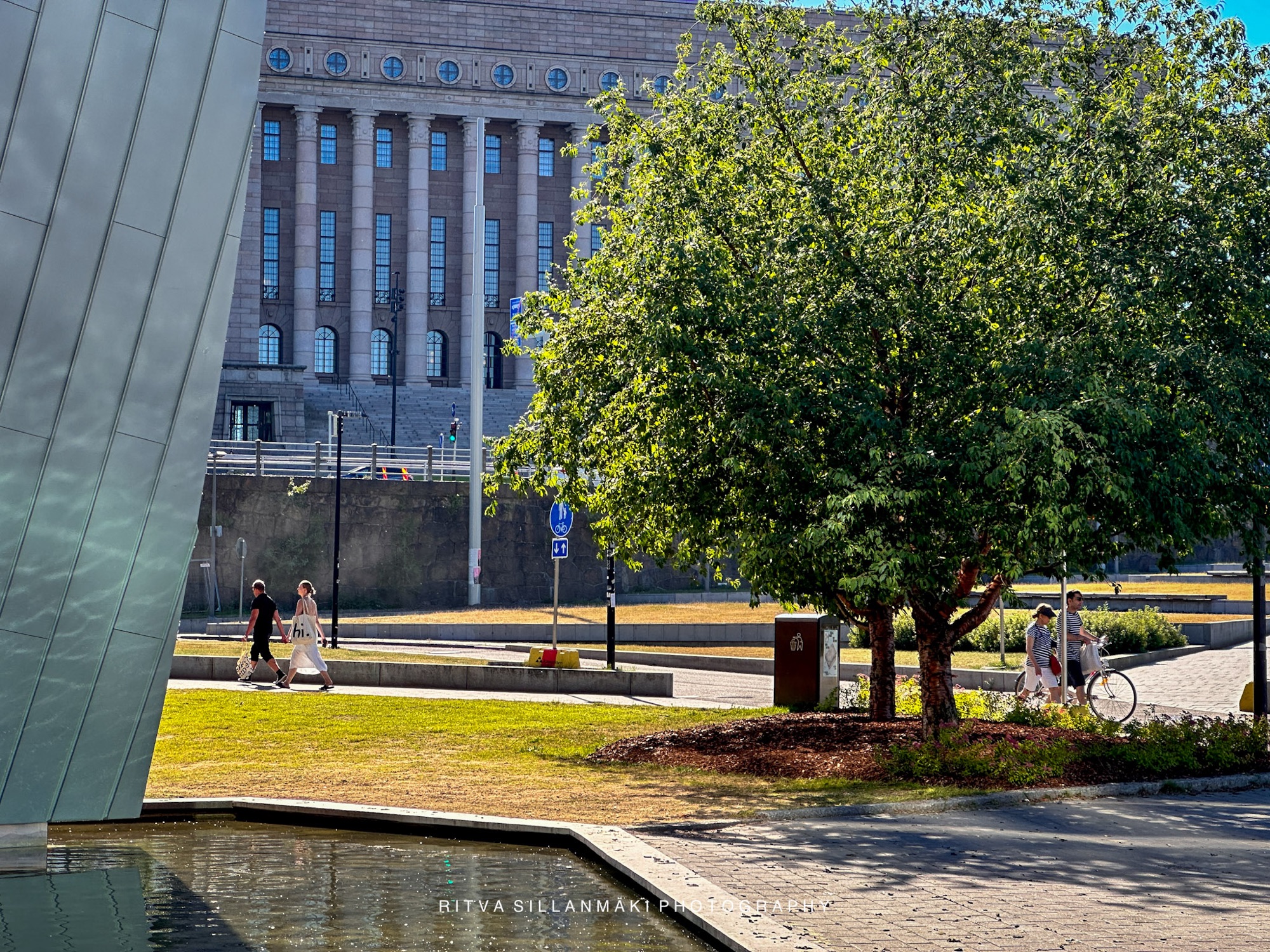
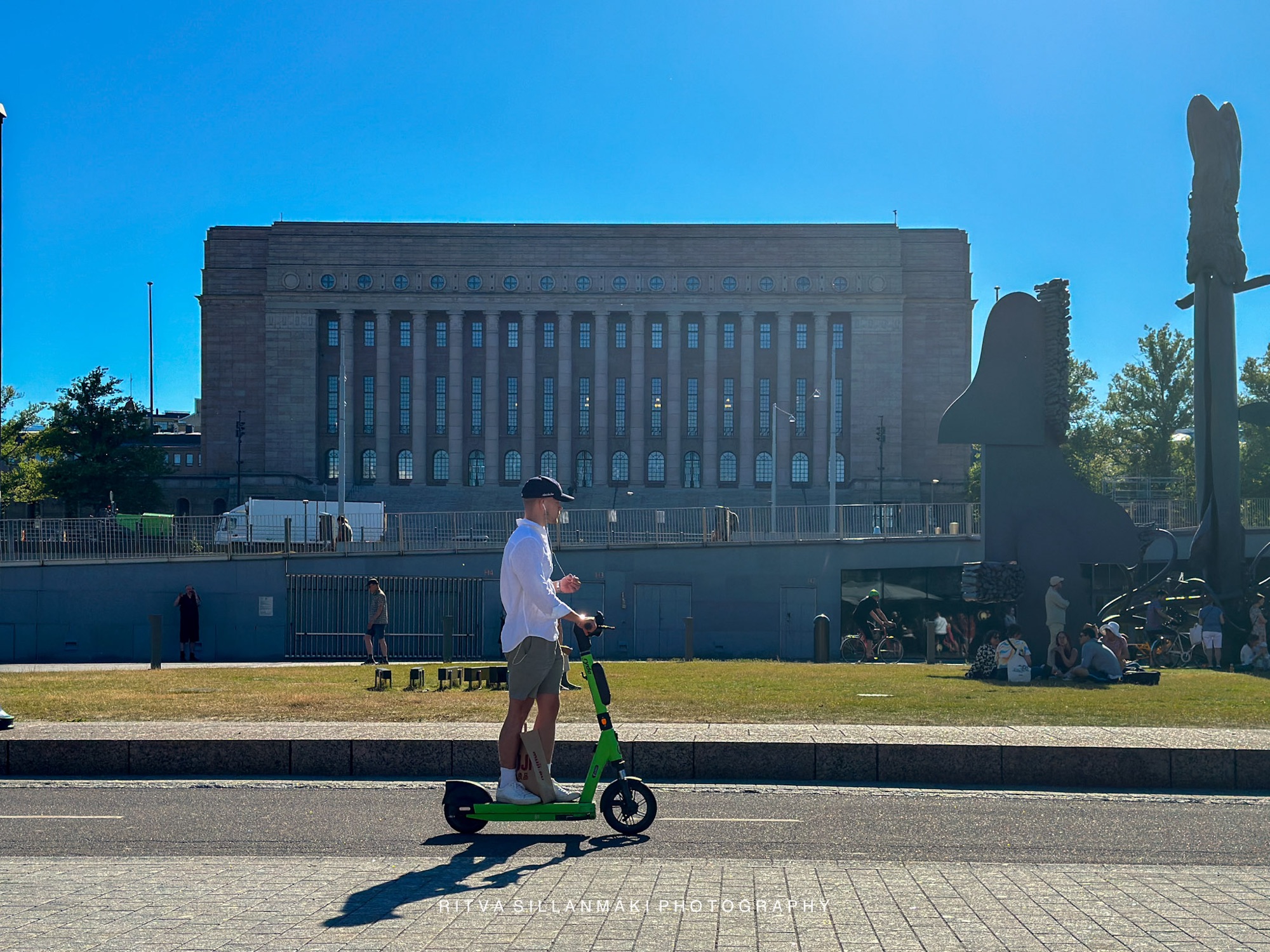
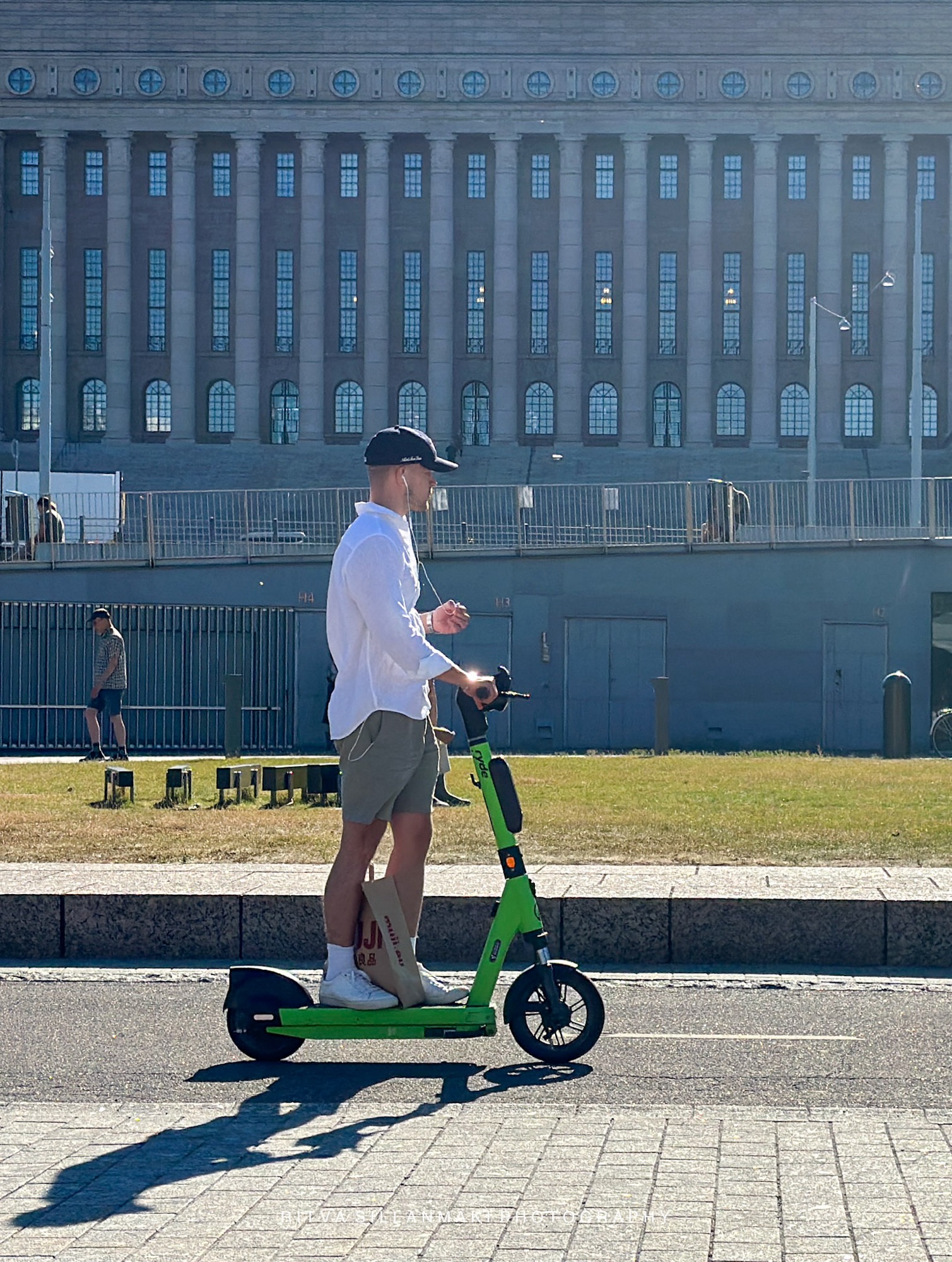
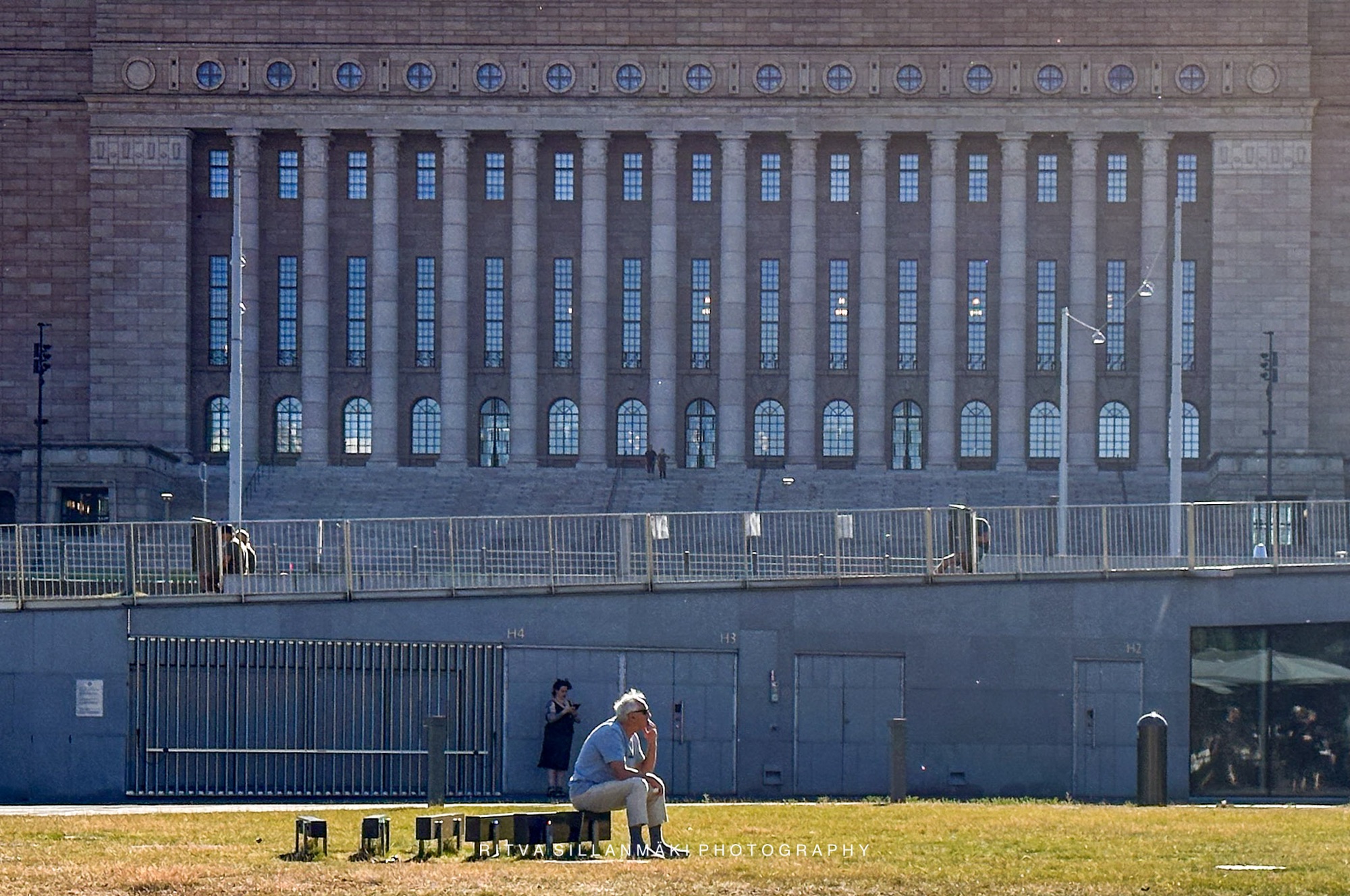
Finland’s 200-seat parliament gathers in this impressive building representing 1920s Classicism. The facade of the building is made of red granite from Kalvola. The main facade includes 14 Corinthian columns. It is across the road from the kansalaistori.
Musiikkitalo is an acoustically first-class concert hall as well as other facilities providing a wide range of musical experiences for people of all ages and a place to study music. The residents of Musiikkitalo are Helsinki Philharmonic Orchestra, Finnish Radio Symphony Orchestra, and Sibelius Academy, Uniarts Helsinki. These are also taken from the back of the Music Hall
This a photo of Oodi, I’ve taken at spring, for some reason I did not take on this time, but as it is in the square I’ll add it here.
Yesterday we visited the Tuomaan markkinat – Helsinki Chrismas Market little bit too early if we had waited for the sunset the lights would have been more brighter, but even thought we were a bit early it was crowded hard to get to the the vendor booths. It was rather windy and cold, but it is winter 🙂
Providing a more responsible alternative to mass-produced gifts and decorations, Helsinki Christmas Market brings to Senate Square a significant number of artisans and small producers from all over Finland. The market’s atmospheric core consists of the Deliyard and Restaurant Yard, which also serves alcoholic beverages, where one can enjoy seasonal treats and festive holiday spirit.








 Ritva Sillanmäki Photography