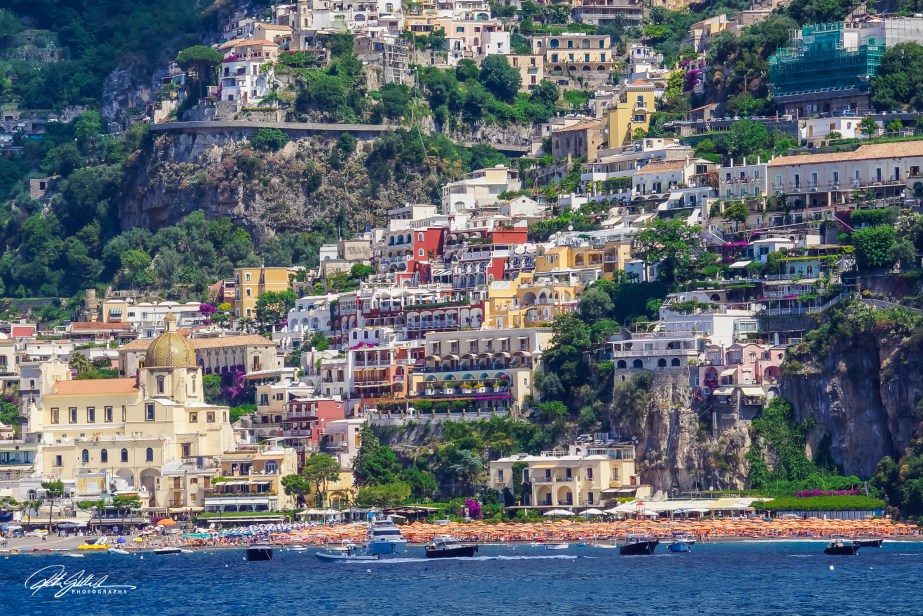
Positano, Italy, captivates with its colorful coastal buildings and stunning Mediterranean architecture.
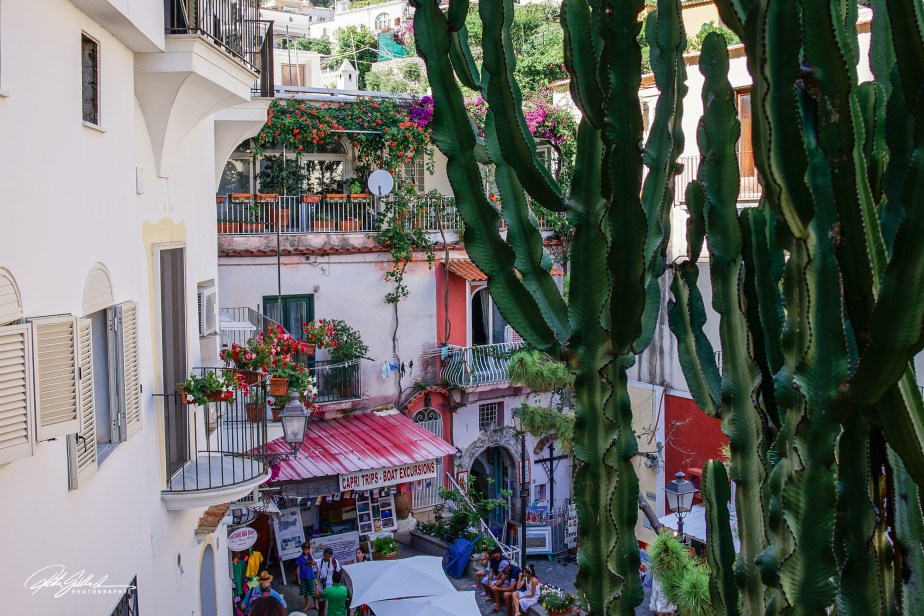
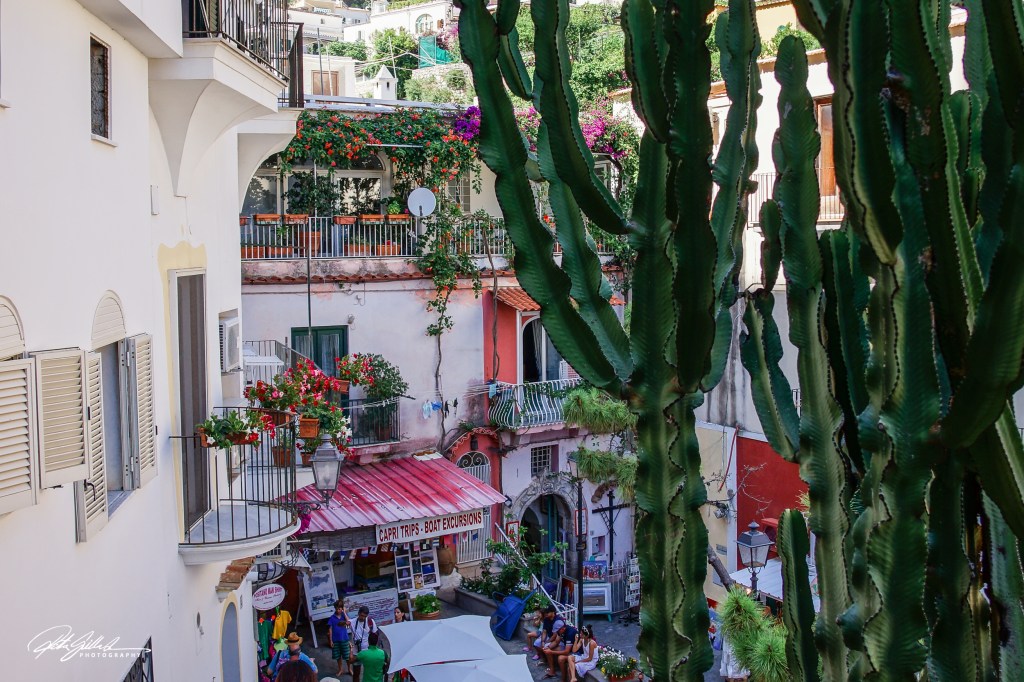
A stunning view of colorful coastal buildings on a hillside in Positano, Italy, showcasing Mediterranean architecture and a vibrant atmosphere.A vibrant street scene featuring colorful balconies and blossoming plants, with a glimpse of local shops and eateries in a picturesque Positano town.
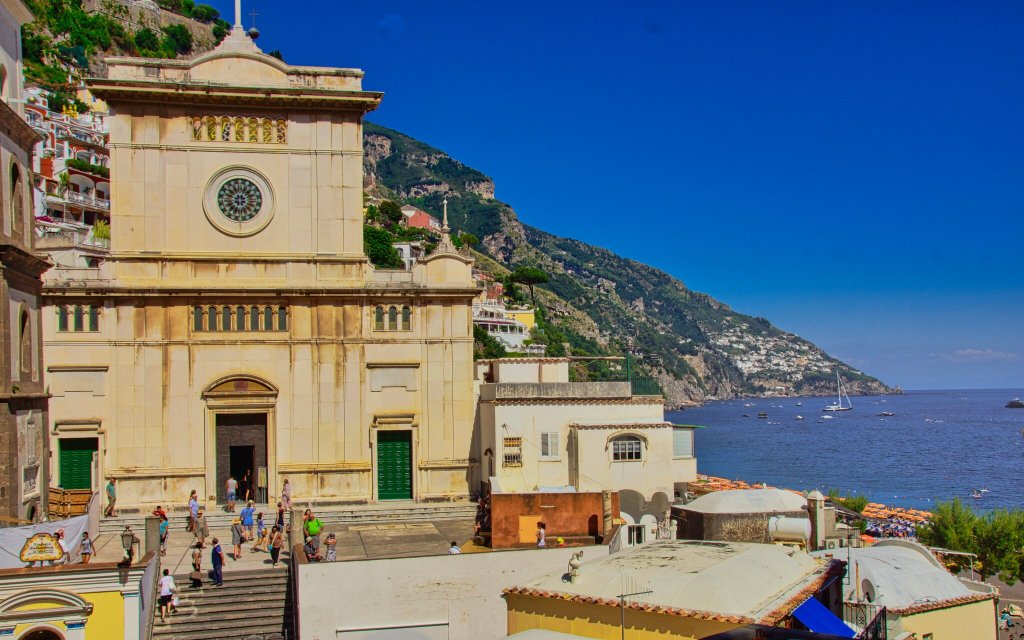
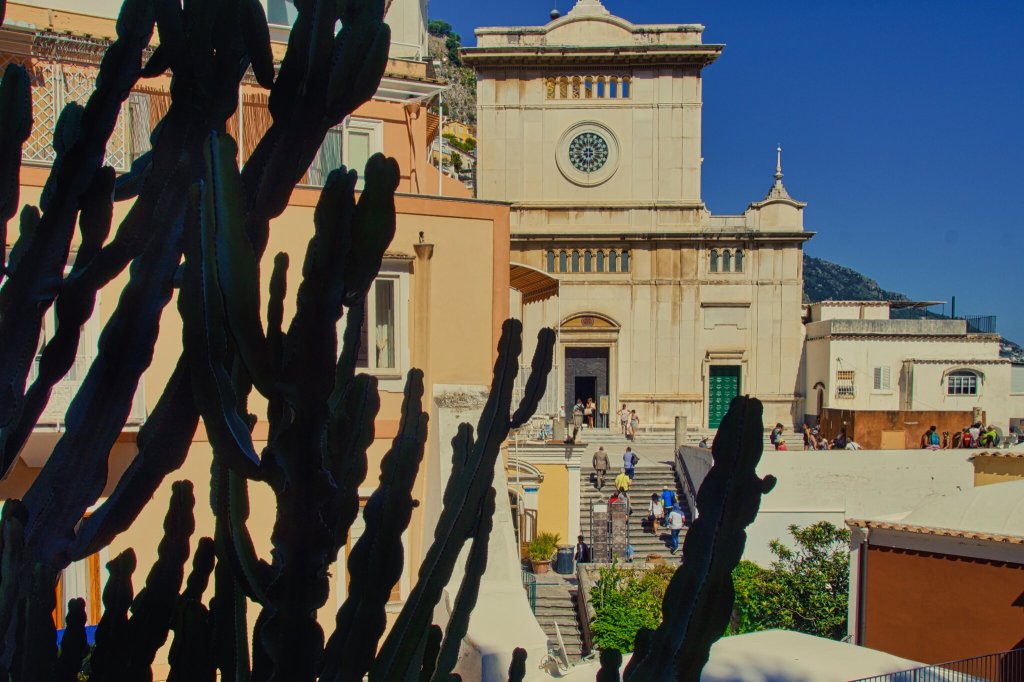
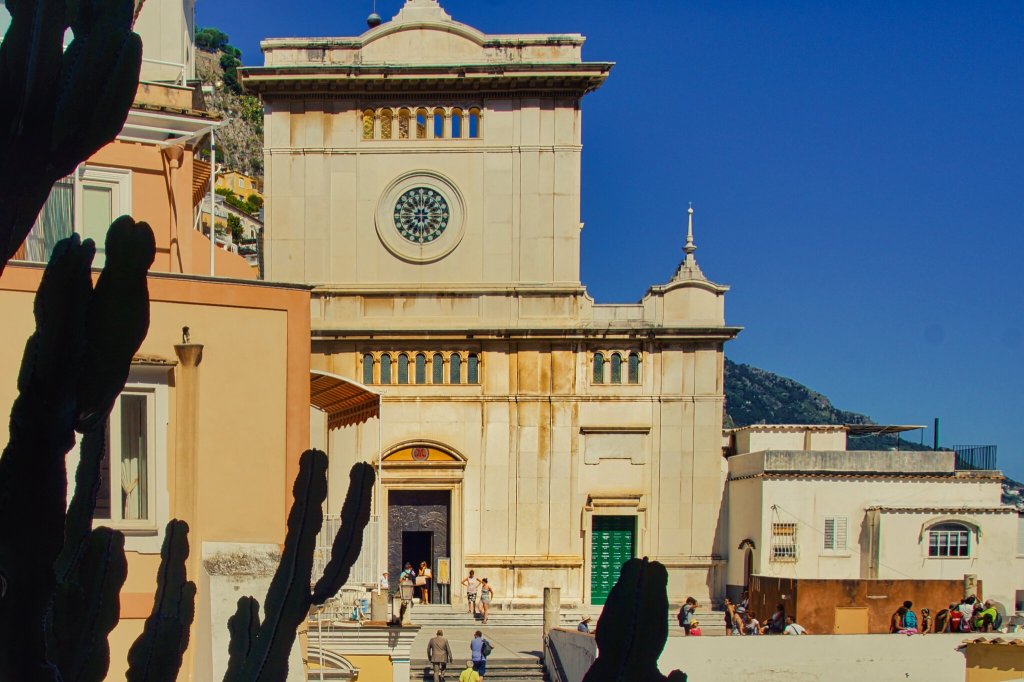
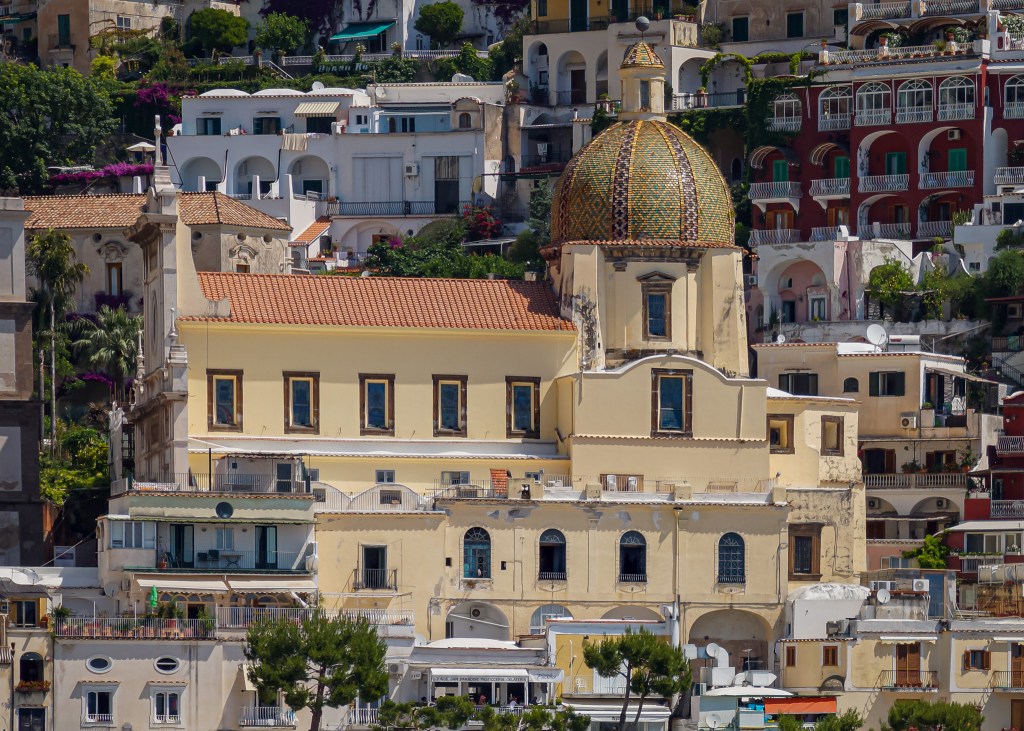
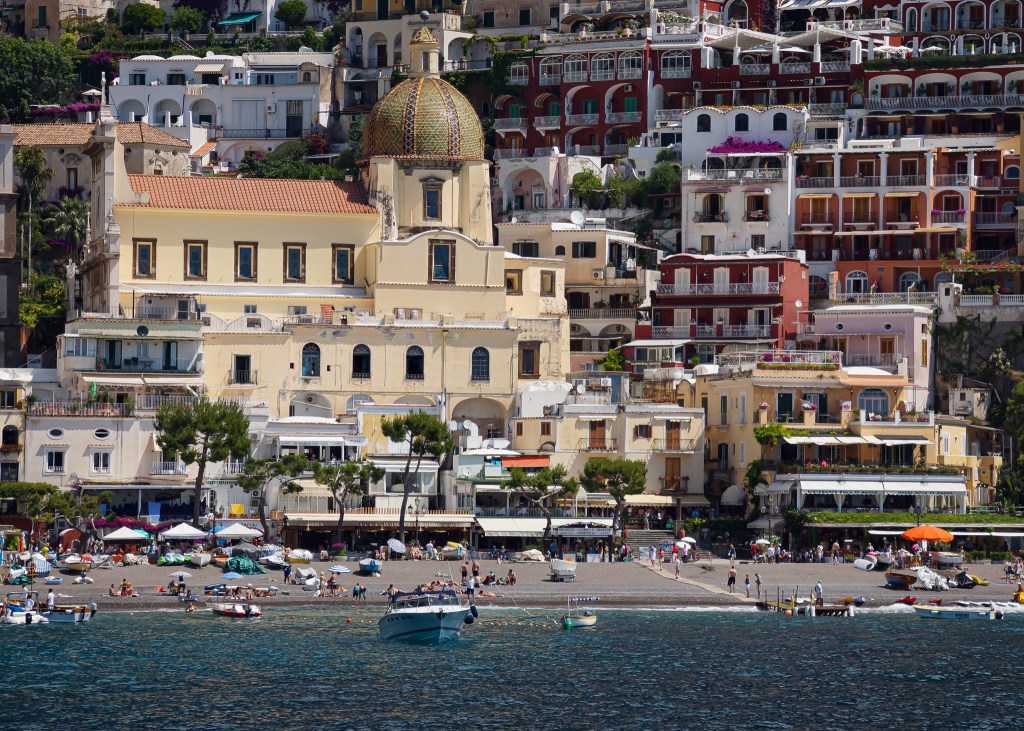
In the picture is the Chiesa di Santa Maria Assunta church, nestled in the charming Positano on the Amalfi Coast, a breathtaking architectural gem that weaves memories of sunny day spent wandering its streets. I can still picture that striking dome, embellished with shimmering majolica tiles, catching the sunlight as if it were a beacon from the past. This lovely church, with roots tracing back to the 12th century, isn’t just a place of worship; it holds stories and dreams, drawing visitors from all corners of the globe. The views of the Mediterranean Sea and the quaint cliffside village always felt like a postcard come to life. I can see art lovers admiring the iconic statue of the Black Madonna, while soaking in the exquisite frescoes and intricate details within its walls, each one a testament to a rich history.
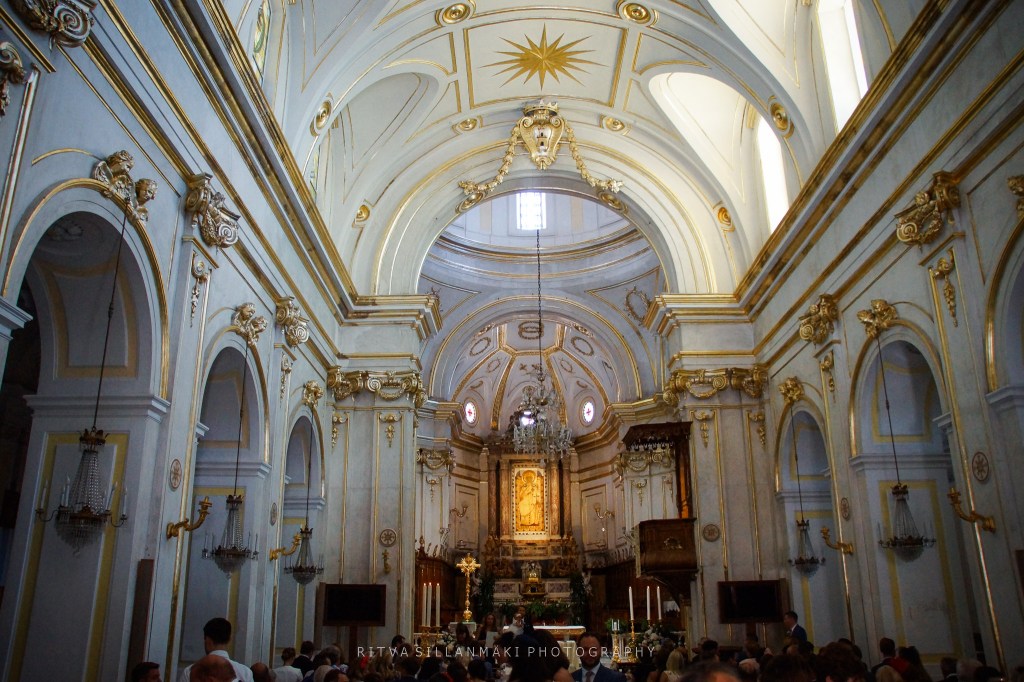
The Chiesa di Santa Maria Assunta church in Positano, overlooking the stunning Amalfi Coast.The Chiesa di Santa Maria Assunta church in Positano, framed by local vegetation.The Chiesa di Santa Maria Assunta and its intricate architecture against a clear blue sky.The Chiesa di Santa Maria Assunta in Positano features a stunning dome adorned with colorful majolica tiles, set against the backdrop of the Amalfi Coast.View of the Chiesa di Santa Maria Assunta church in Positano, featuring its iconic dome and the bustling beach below.The stunning interior of Chiesa di Santa Maria Assunta, showcasing intricate gold details and elaborate frescoes.
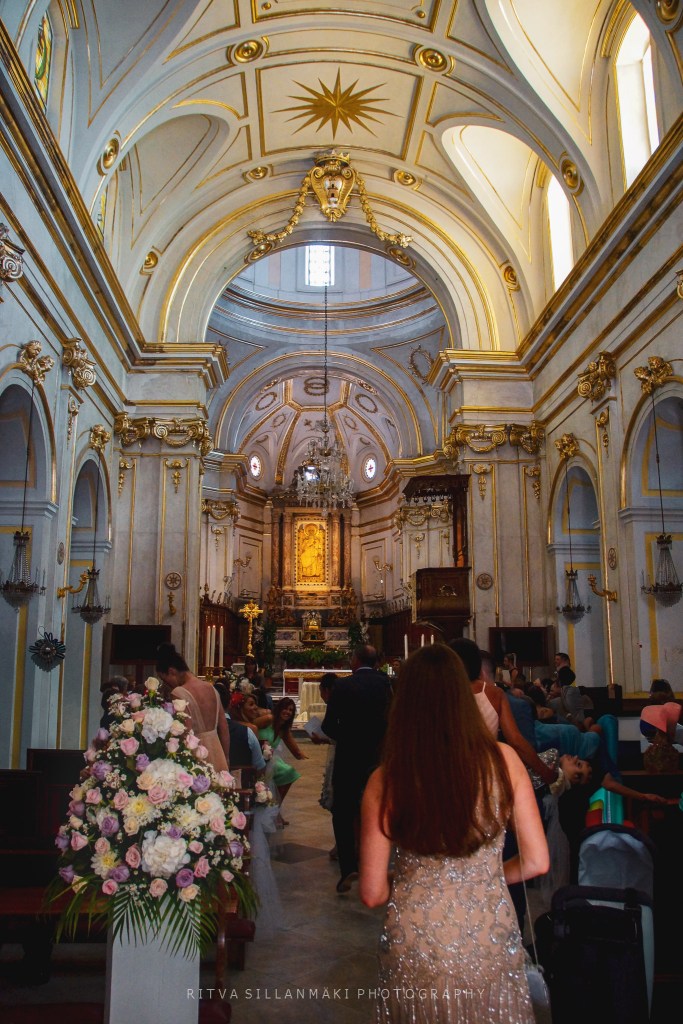
Interior view of the Chiesa di Santa Maria Assunta, showcasing its ornate architecture and floral decorations during a special event.
Close-up of a pussy willow with dew droplets on its surface, set against a blurred natural background. First sign of spring can be found in sunny places
Well, it seems I might have gone a bit off-script since most of my walls also feature windows! Talk about being a rebel, right? But unfortunately, those windows do pop up in many of my captures too. It’s not that big of a deal though—after all, I take these challenges seriously, but not so that they’re a life-or-death situation. I strive for precision while trying to sprinkle in some creativity and structure.
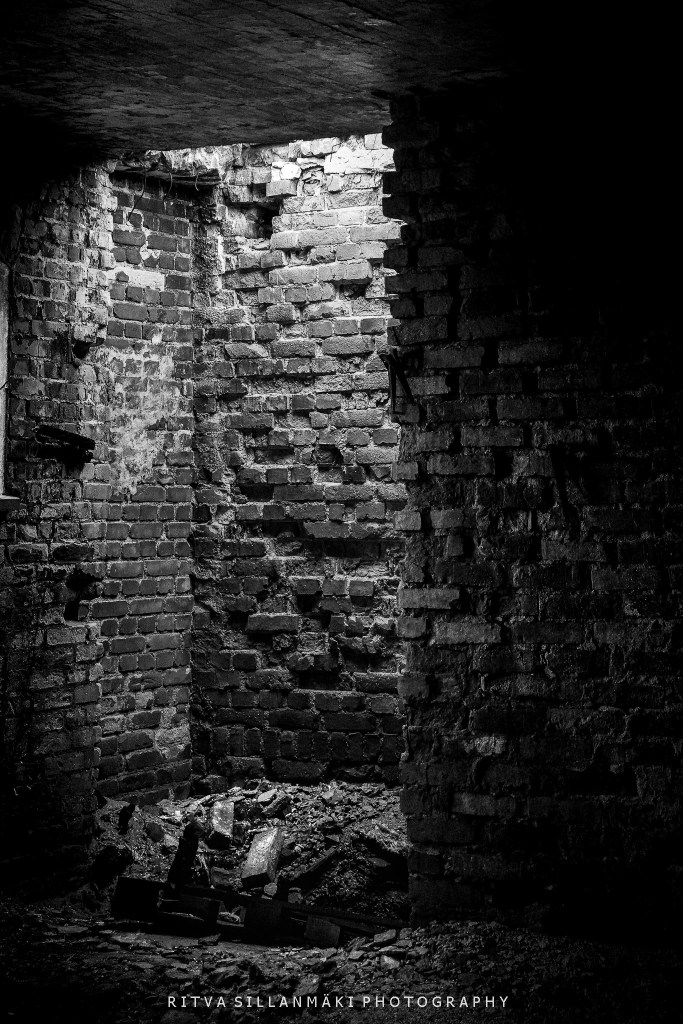
A monochrome photograph showcasing the textured walls of a dimly lit brick interior.
A monochrome view of a historic lighthouse framed by stone walls, showcasing its architectural details against a moody sky.
For this image I converted the original image to black and white. I did not touch the exposure or contrast. I turned down the blacks, added dehaze and texture. I turned the colors all down except purple and magenta that I added a bit
A woman poses in front of a vibrant mural, you know the feeling of wanting to blend into the wall A close-up view of a rustic wooden waterfront building featuring a balcony, windows with shutters, and a seating area.A close-up view of a weathered and peeling wall featuring windows and a metal ladder, highlighting the charm of urban decay.Silhouettes of friends standing on a stone wall, enjoying a casual conversation.
As you can see, I do take these challenges seriously. You know, I’ve been thinking about how to visually represent the concept of invisible walls in photography. It’s fascinating, really. Imagine capturing a person gazing out at what seems like an open space, yet their body language is full of frustration or hesitation—it’s like a silent dialogue that suggests there’s an unseen limit at play. The composition could create that sense of separation between the subject and their surroundings, almost as if there’s this emotional barrier that the viewer can feel. And then there are the shadows; they could really drive home the idea of barriers that aren’t physically there but are definitely felt on a deeper level.
A contemplative figure gazes out from a window, embodying the idea of invisible barriers and emotional separation.
Describing and illustrating trips packed with activities can feel like a monumental task—at least for me. It often seems like too much, and while I usually tend to overshare for the sake of my friends and readers, I’m now hit with a real challenge: Anne-Christine wants us to pull it off with just 5-10 pictures! Lens-Artists Challenge # – Your Journey in 5-10 images
My husband and I recently ( a year ago 😁, that is recently) took a trip to Australia, and let me tell you, editing all the photos has been quite the challenge! I didn’t write the texts; that was all him, but I’m having a hard time putting everything together, especially with the annoying hiccups from my hard drive issues. I had edited everything before but lost it all, so now I’m facing the daunting task of redoing it. Anyway, I just wanted to share a quick summary of part of our adventure. I definitely plan to post more pictures from our stops, because there was so much to see and experience at each location! Let’s get started, thanks for the text Mara!
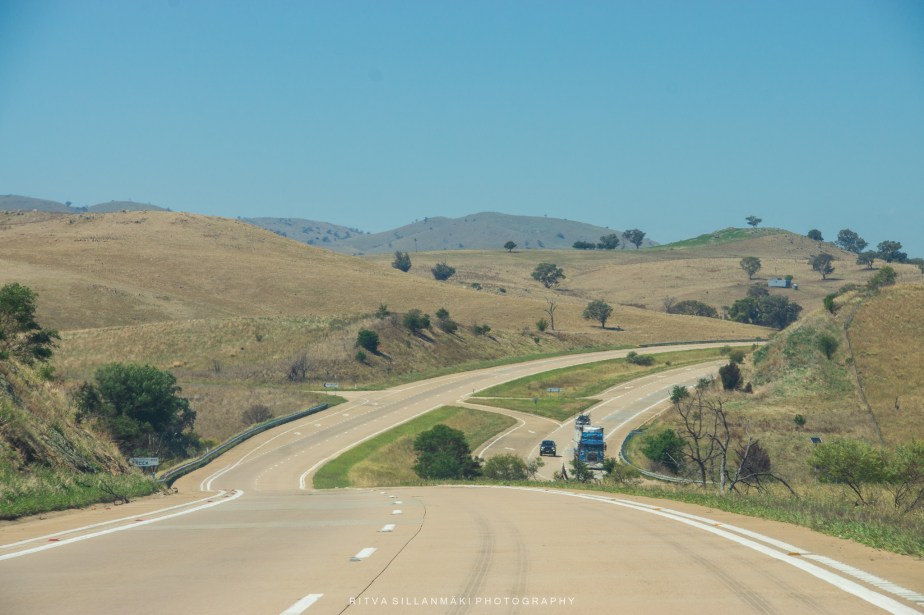
This was going to be a day with nothing to do besides drive. The GPS said 750 km and 8 h 6 min from Bendigo to Caseys Beach in Bateman Bay. Start of the journey was full of twists and turns on narrow roads again, which actually made the drive more enjoyable than just staying on highways. The directions seemed to be always wrong, I felt like we going to Melbourne instead of the direction of Sydney. We managed to see plenty of small towns again with funny names. Seriously, there is nothing wrong with the names, but if you are not used indigenous names and languages, they seem humorous sometimes. Even though I don’t even know if these following names are indigenous: Colbinabbin, Wanalta, Moora, Waranga. Anyway, they were next to impossible to remember afterwards. I had to look them up from a map. I remember driving through Murchinson and Violet Town, though. From Violet Town we turned to Hume Highway, and I could just turn the cruise control on and coast – boooring!
We spend 450 km on Hume Highway, and even though the drive was boring, the scenery never was. Just before turning from the highway, we stopped at Yass for lunch. Yass, finally something to eat! After Yass we were directed again to smaller roads to bypass Canberra. We passed Little Billabong, Tumblong, Gundagai, Jugiong, Molonglo, Murrumbateman and Durran Durra (weren’t they a famous band in the 80’s?), before hitting and passing historical Braidwood. Soon after Braidwood we began descending from Clyde Mountain towards the coast,
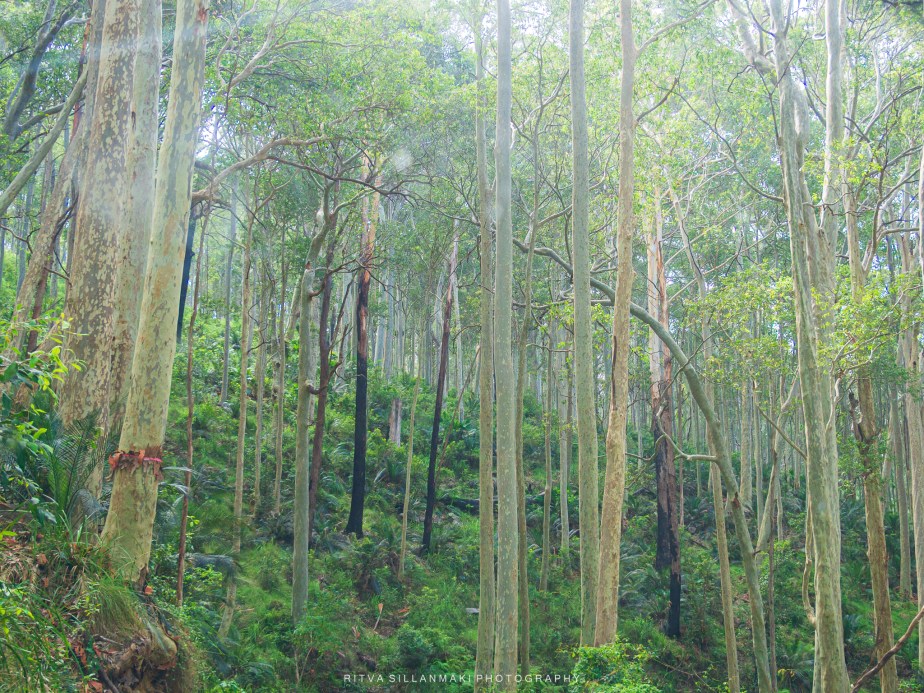
The descend was exciting. For a while, very steep and winding road surrounded by lush flora, eucalyptus trees and mist. Unfortunately, there is no way of stopping to take pictures, but the going was sometimes so slow, that Ritva was able to take some photos from the car.
Lush eucalyptus forest in Australia, showcasing vibrant greenery and tall trees.
We finally arrived at Ritva’s cousins Heli’s and her husband house in Caseys Beach just before 7 pm. Heli is one of nine children of Family Saarikko that emigrated to Australia in 1969. Can you imagine immigrating to any country with nine children? Most of us can’t even imagine having nine children. And Finland is also pretty far from Australia. And none of them spoke hardly any English. But Australia was very inviting during that era, because the country needed more people. And 11 people at the same time must have been a jackpot to Australia. The father and quite a few of the seven boys ended up in lumber and building industries because they had some previous experience. Few of them ended up building the Parliament House in Canberra. But that is another story and I’m not the right person to tell it. Ritva’s family, with only three girls, emigrated at the same time but didn’t end up staying. The evening after a long day was spent correcting everything that is wrong with the world.
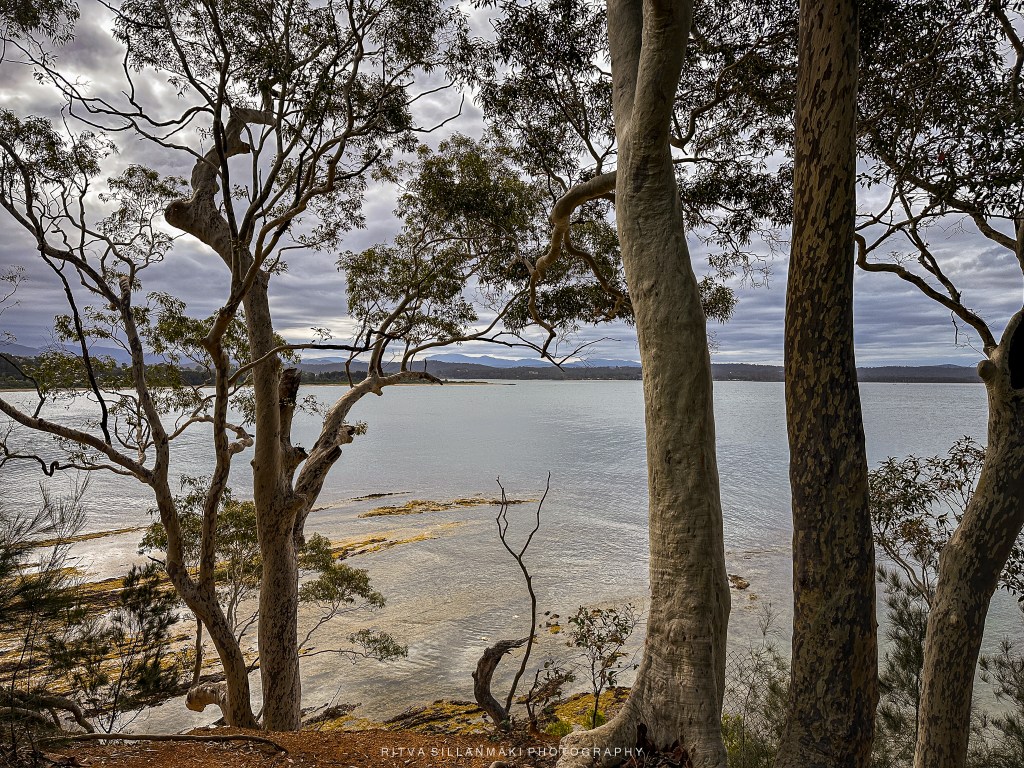
Day after we had it easy. I took a 1,5 h walk from Caseys Beach to town center, to Corrigan’s Beach, to observation point and back to the house. The observation point had been renovated since 2019. Now it had walkways, signs, murals on sidewalk and lookout decks. Nice! After the walk I had to do some shopping for necessities. First, I drove to drive-through bottle shop for beer and white wine, then to petrol station and finally to electronic store to buy an adapter for SD-card, so Ritva could transfer the photos to laptop. Also, some time was spent playing with Baxter the Dog. He is a Jack Russell.
A view from the observation point framed by eucalyptus trees, capturing the tranquil beauty of Australia’s coastline.
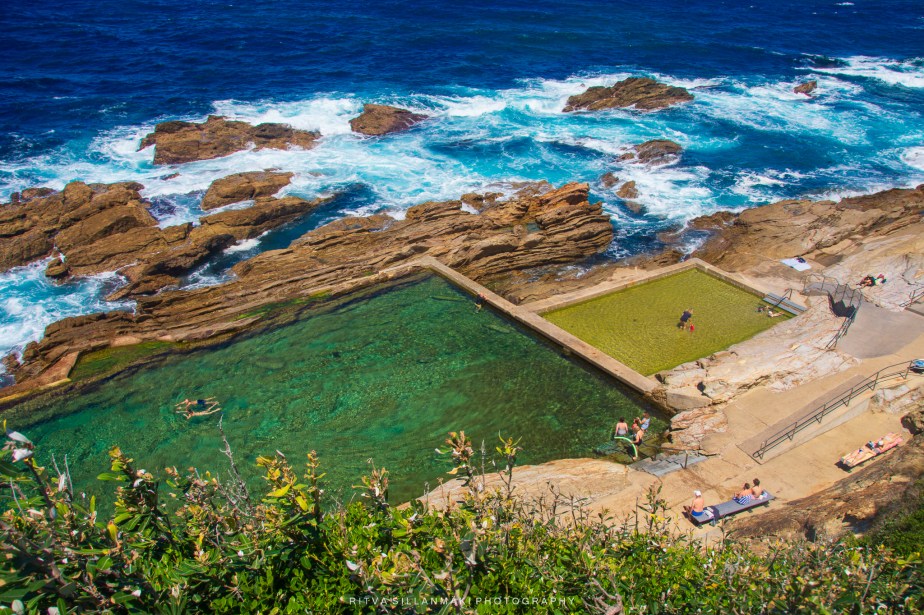
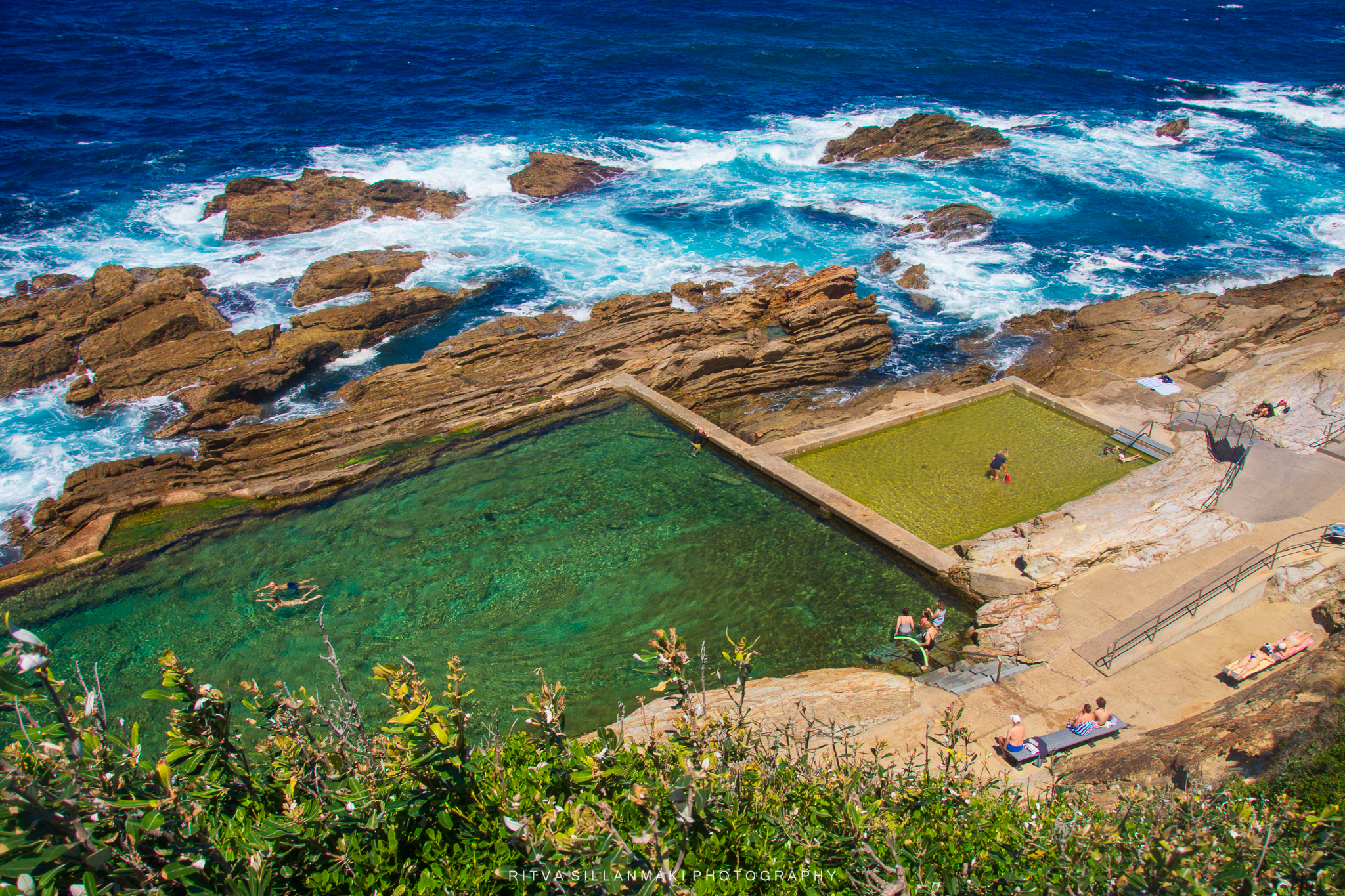
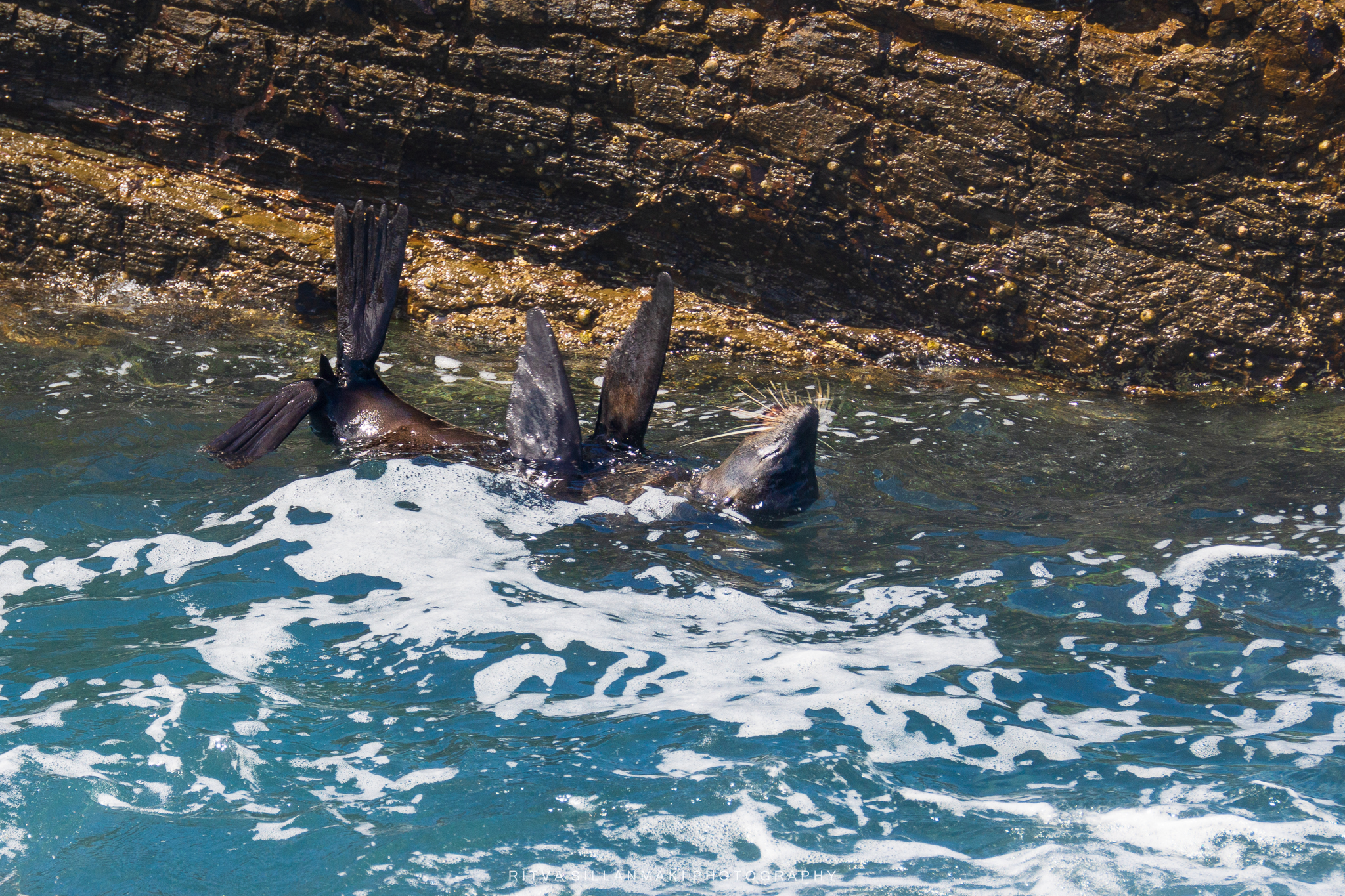
On Thursday we took a little drive. Bermagui with its Blue Pool seemed tempting, so off we went. On the way we saw Narooma and Tilba Tilba but we decided to stop on the way back. The Blue Pool was still amazing with its combination of natural and man-made swimming pools. You get the picture, if you look at the pictures. I was lucky enough to video a sea lion cleaning itself between the rocks. Our lunch was grapes, chips and water at the Blue Pool. Catching some rays and taking it easy and people watching, of course. ( Click the gallery to see enlarged images)
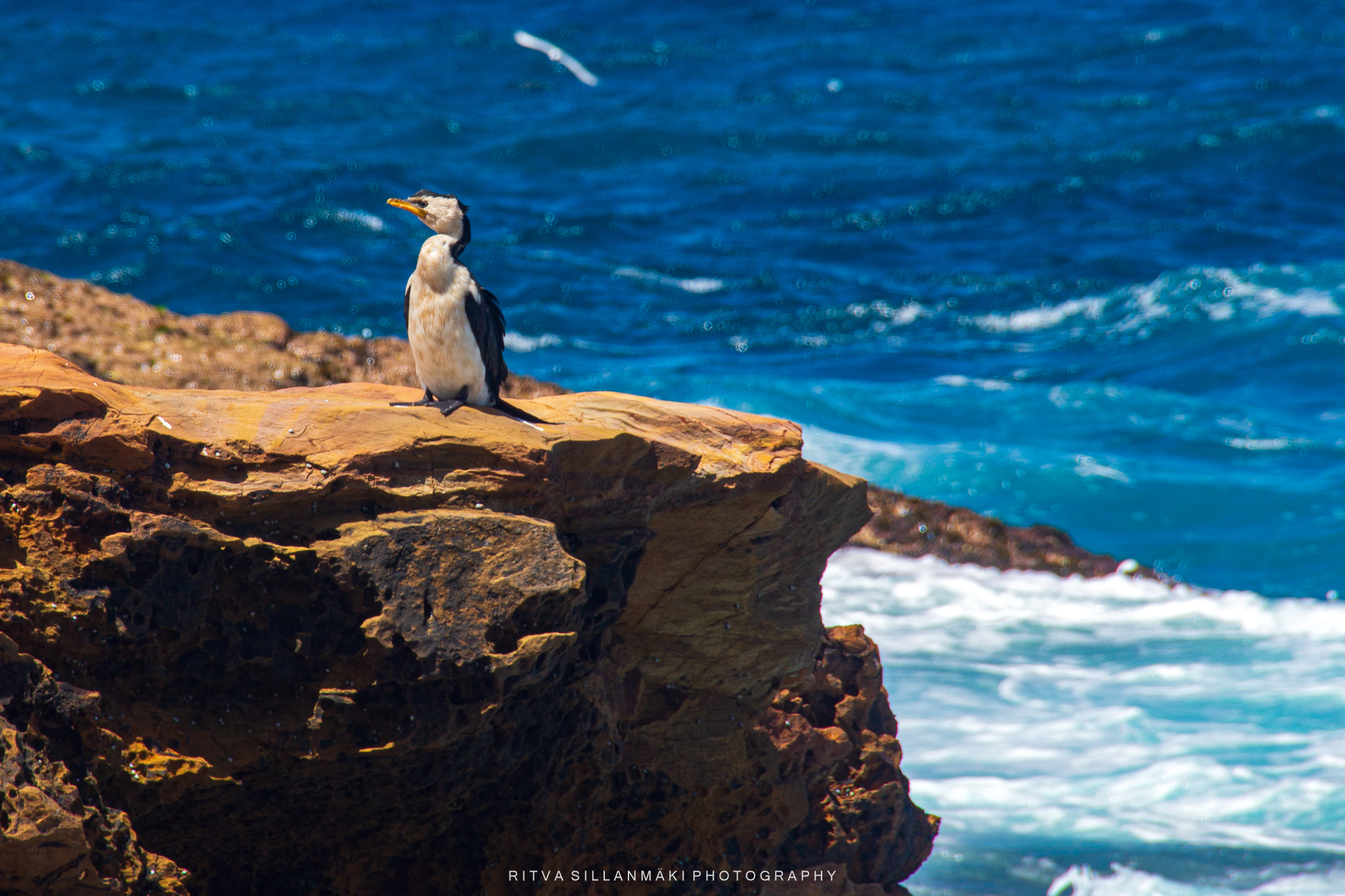
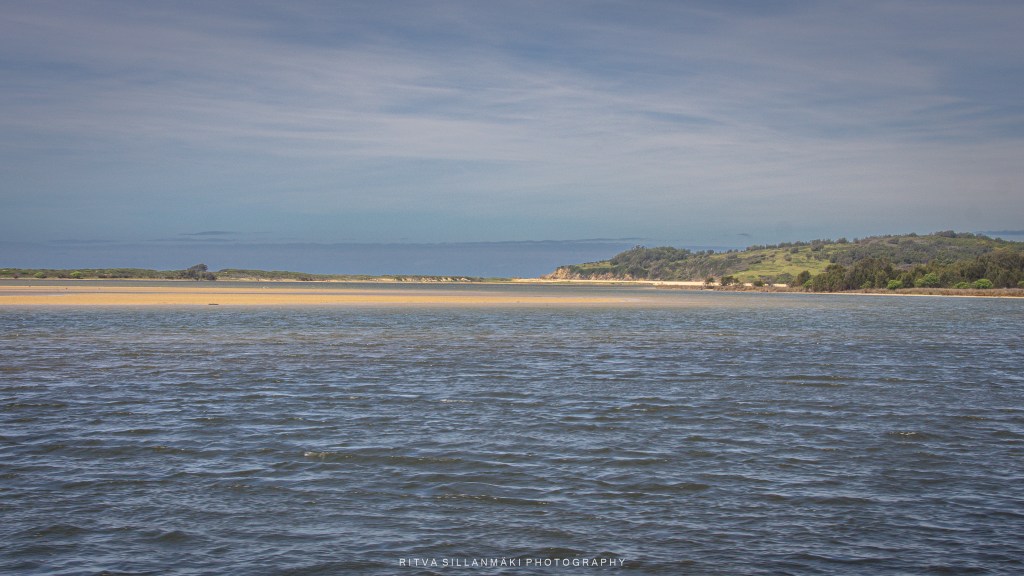
Wallaga Lake was also on the way there, with white sands and birds
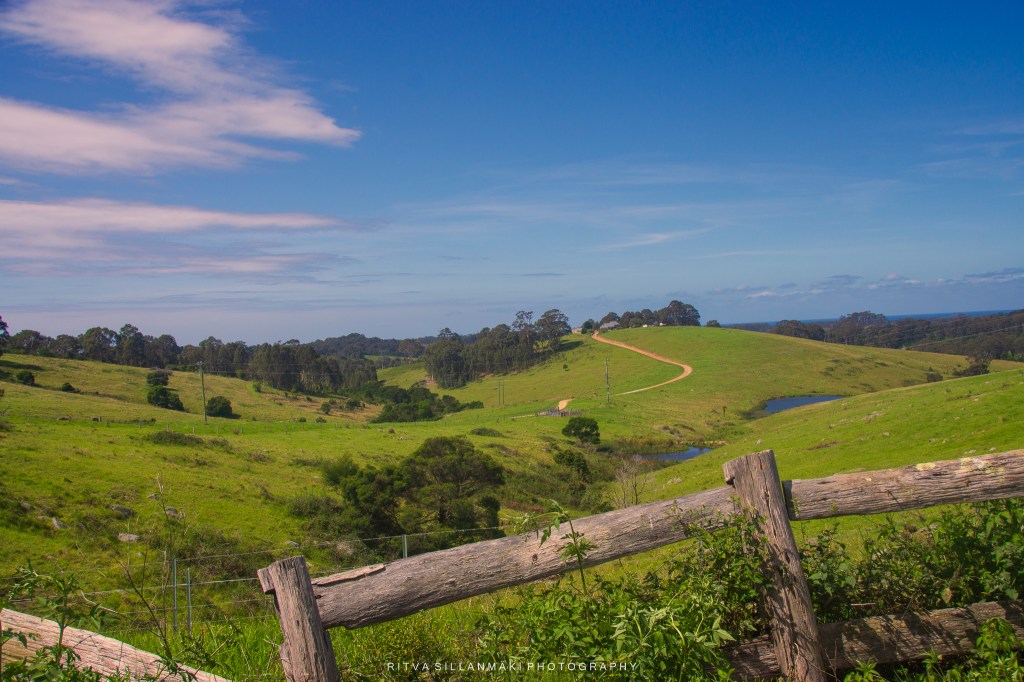
A tranquil view of Wallaga Lake, showcasing its serene waters and lush greenery on the horizon.Scenic views of the lush green landscape near Tilba Tilba, showcasing rolling hills and a winding road.
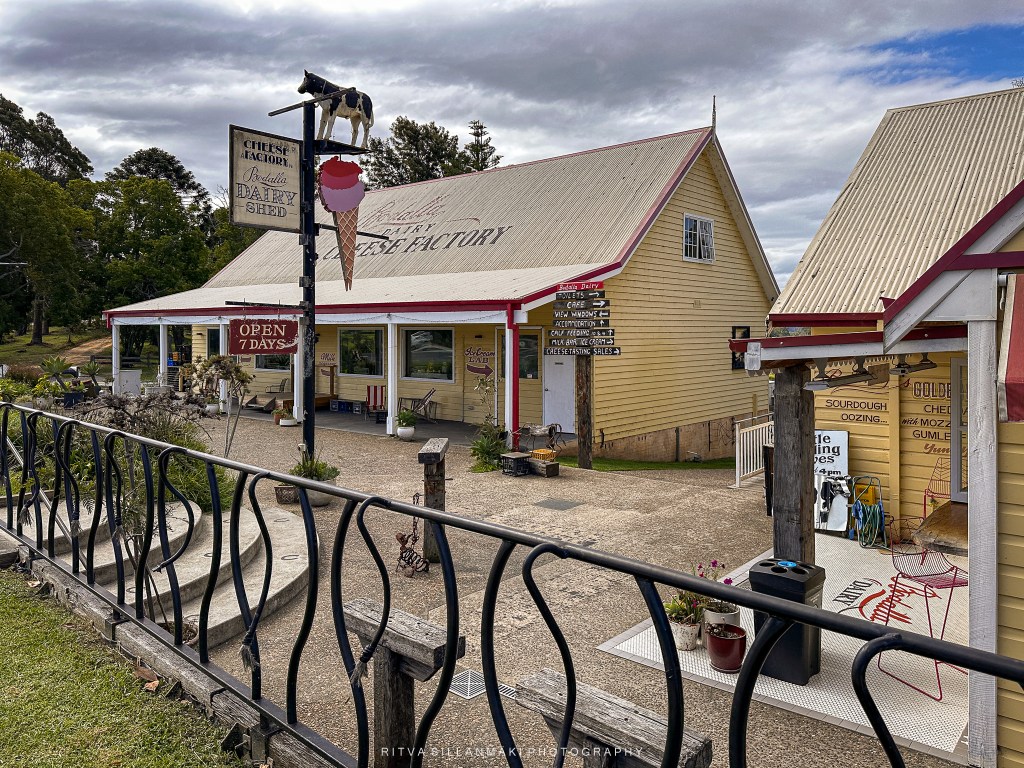
We didn’t end up stopping at Narooma at all, even though it had a nice little port with oyster shops. Tilba Tilba is a pretty old village that at present is meant for tourists. It has quaint little shops and cafes worth the visit, if you like that sort of thing. On the way over to Bermagui I had spotted the Bodalla Cheese Factory and I had a craving for ice cream. When we stepped in to the Factory, they told us that they just lost the power and naturally none of their machines was working and we couldn’t have ice cream. Bummer.
Bodalla Cheese Factory, a charming stop featuring local dairy products and ice cream, located on the journey to Bermagui, Australia.
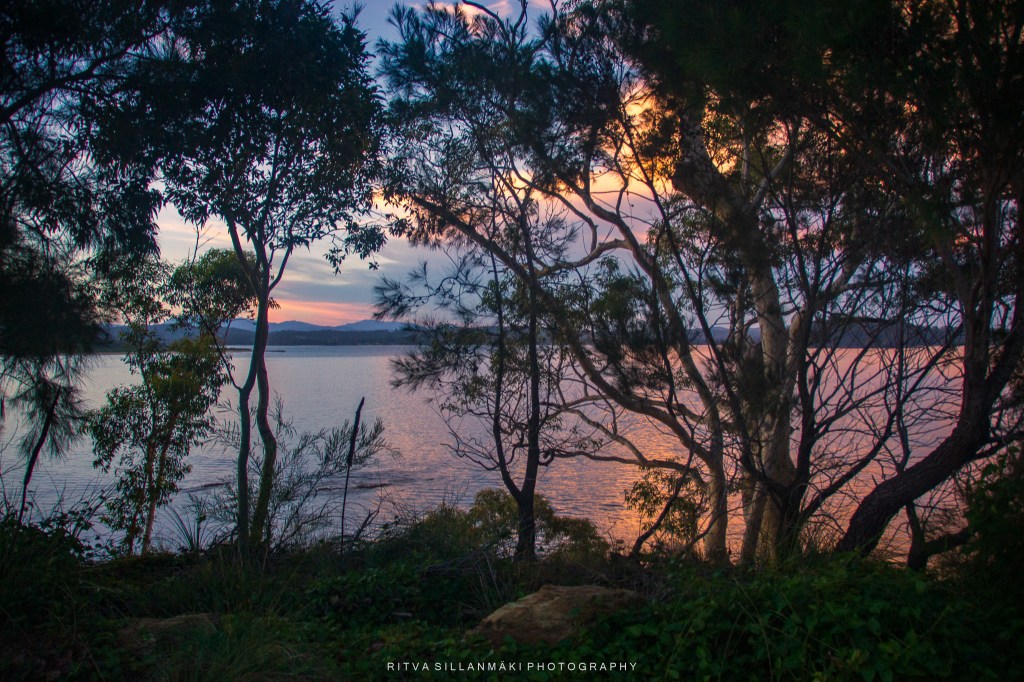
Last town before Batemans Bay was Mogo and no ice cream there either because everything was closed or closing. Mogo is a small touristy town. We didn’t want to disrupt our host’s normal schedule, so we ended up in observation point to see the sunset.
Sunset view through the trees at Caseys Beach, capturing the serene beauty of the Australian coast.
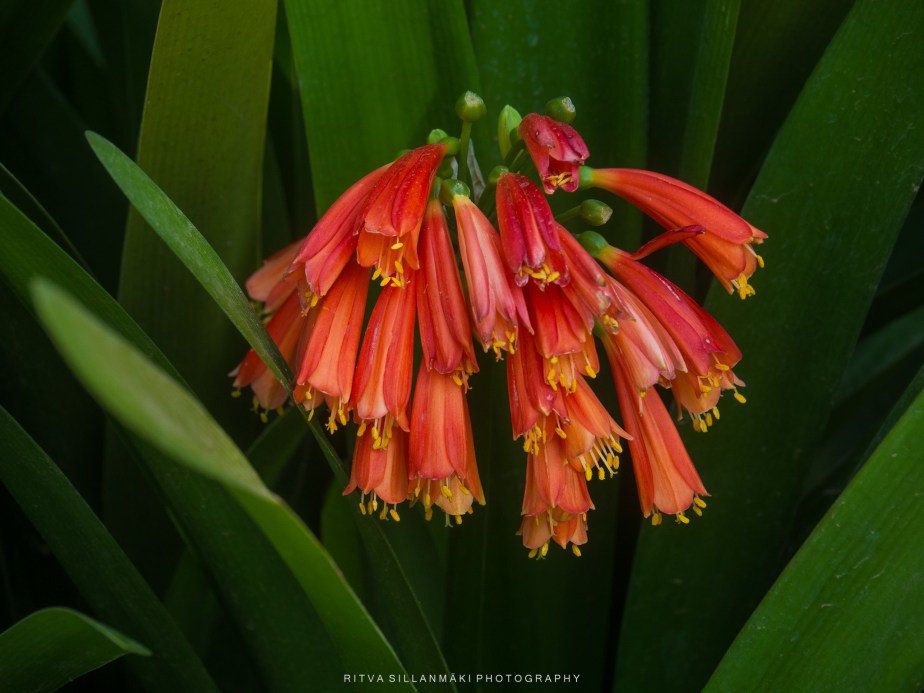
It has several common names in English, including:
Kaffir Lily, Clivia Lily, St. John’s Lily
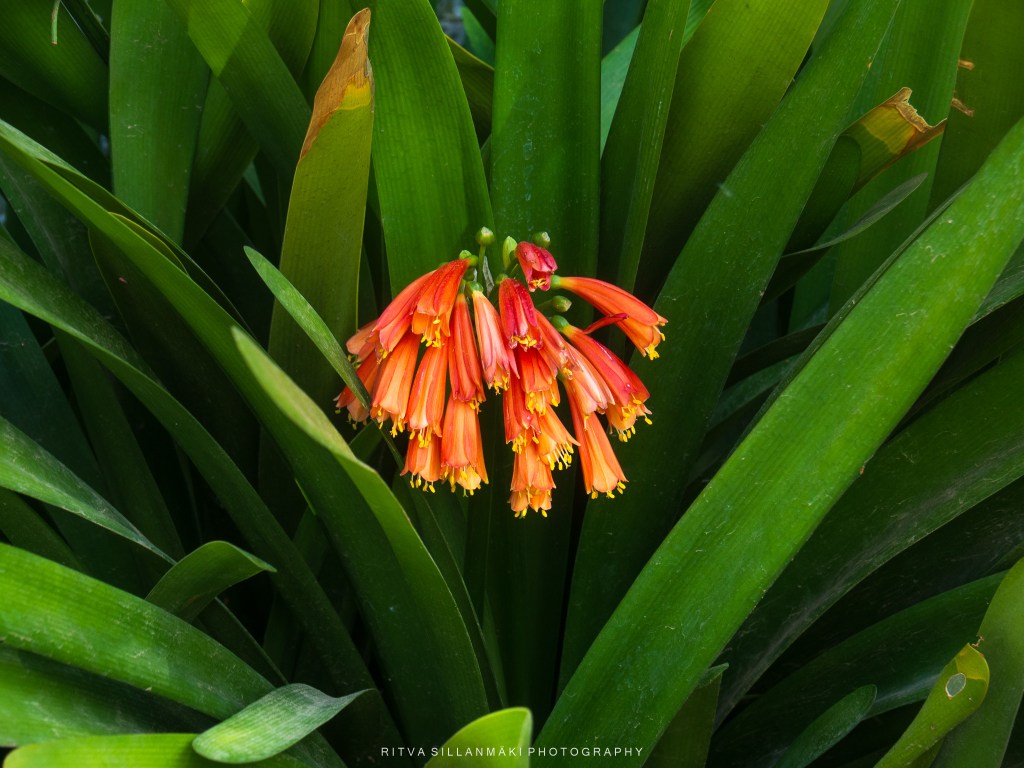
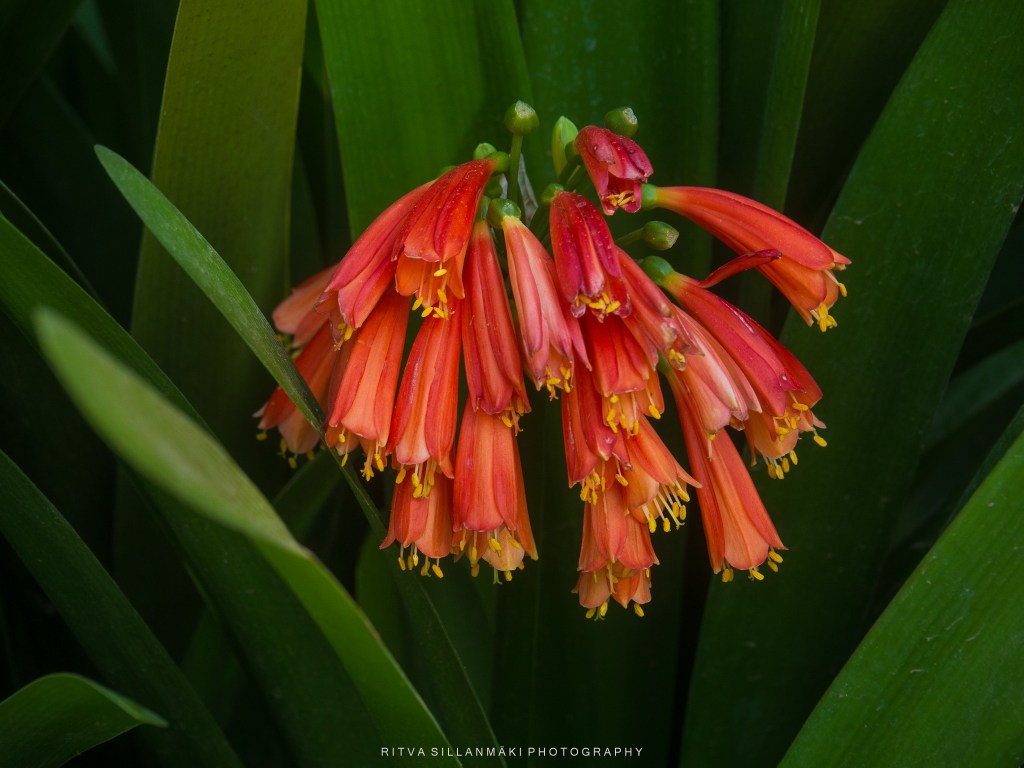
The plant shown in the image is known by the scientific name Clivia miniata.
Vibrant orange blooms of the Clivia miniata, commonly known as Bush Lily or Natal Lily, surrounded by lush green leaves.Clivia miniata, commonly known as Bush Lily, showcasing its vibrant orange trumpet-shaped blooms.
This plant is a perennial flowering plant native to Southern Africa and is a popular, long-lived houseplant known for its bright orange, trumpet-shaped blooms. I photographed it in southern Australia
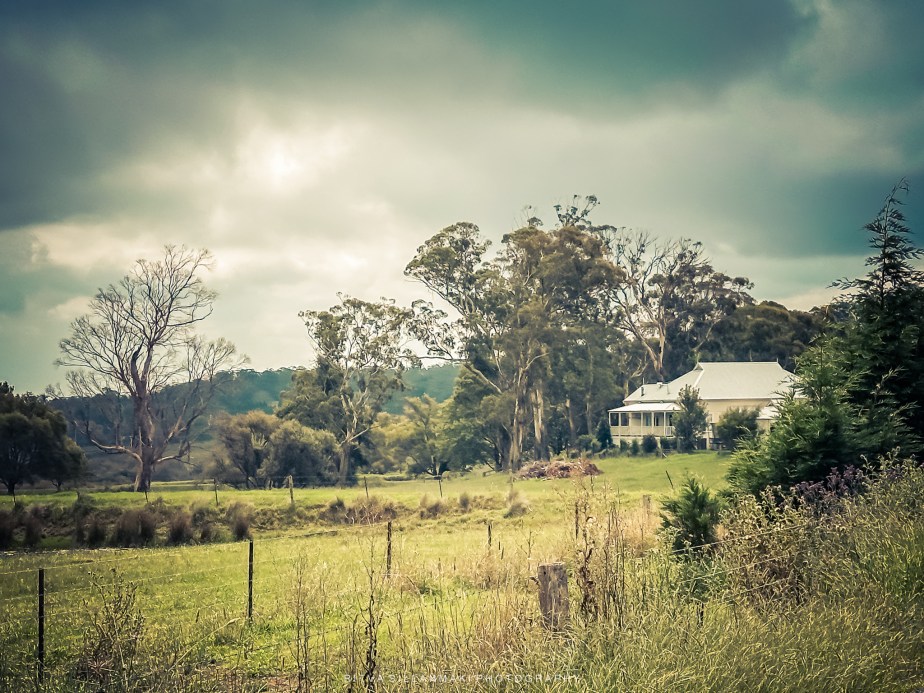
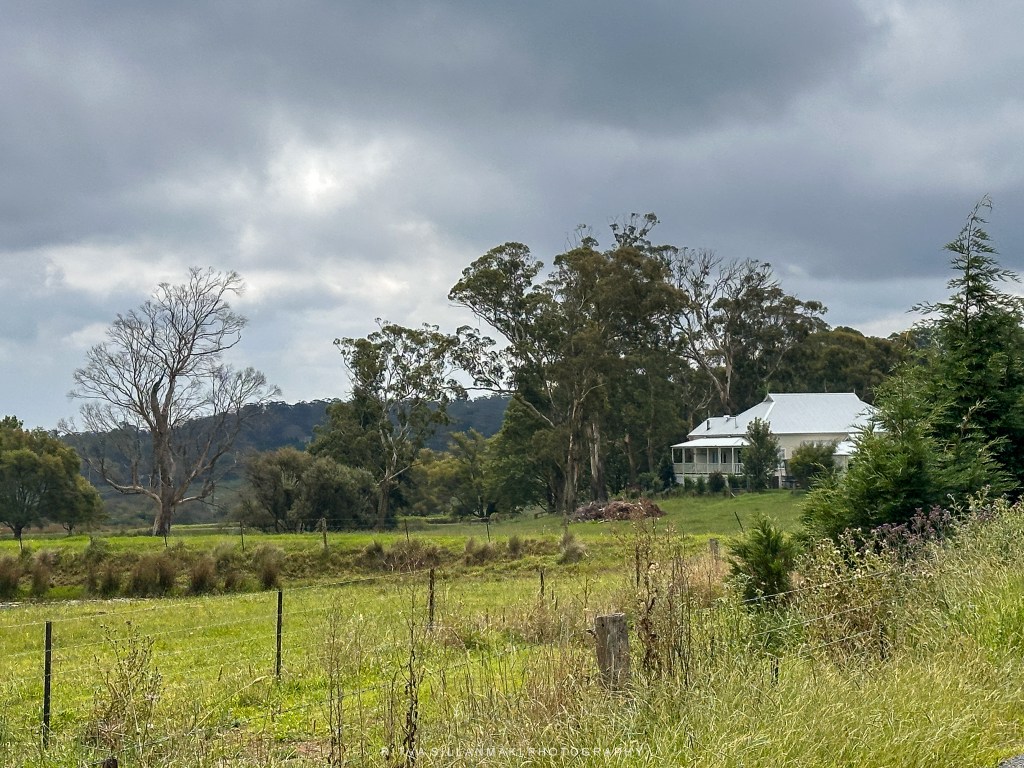
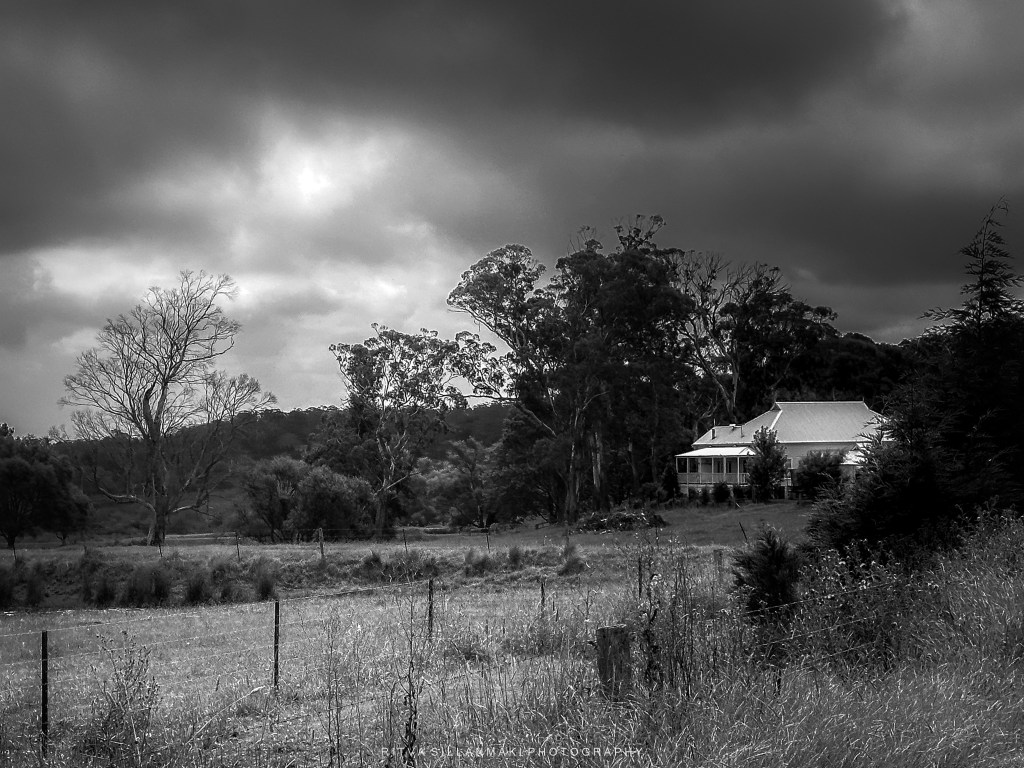
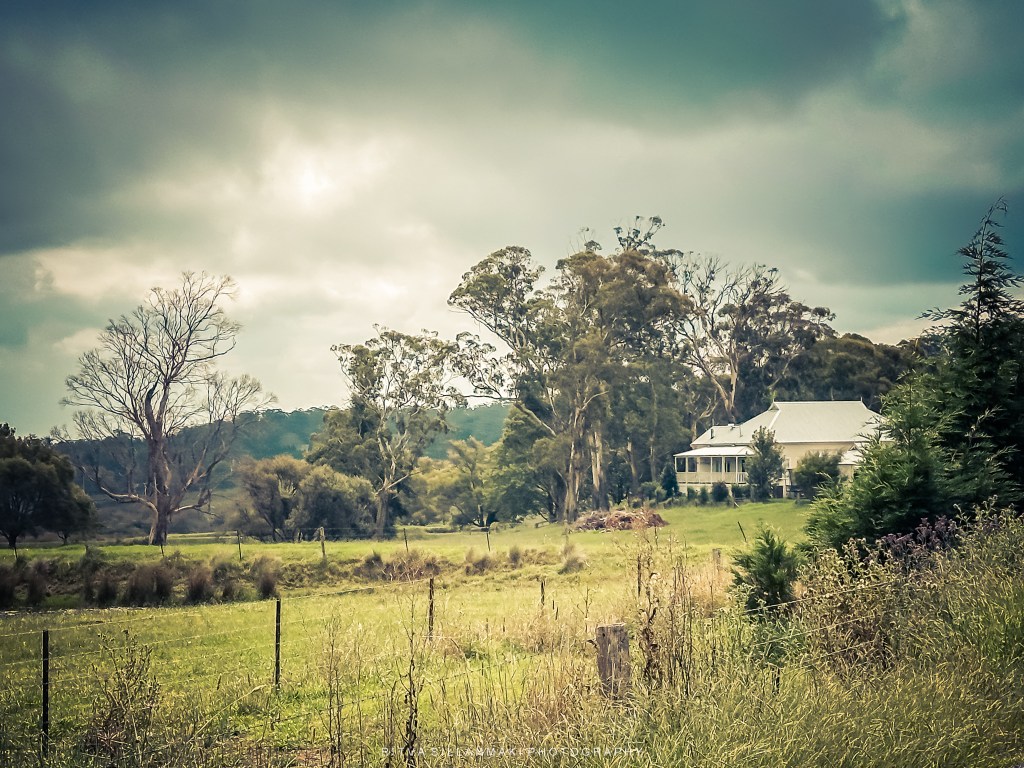
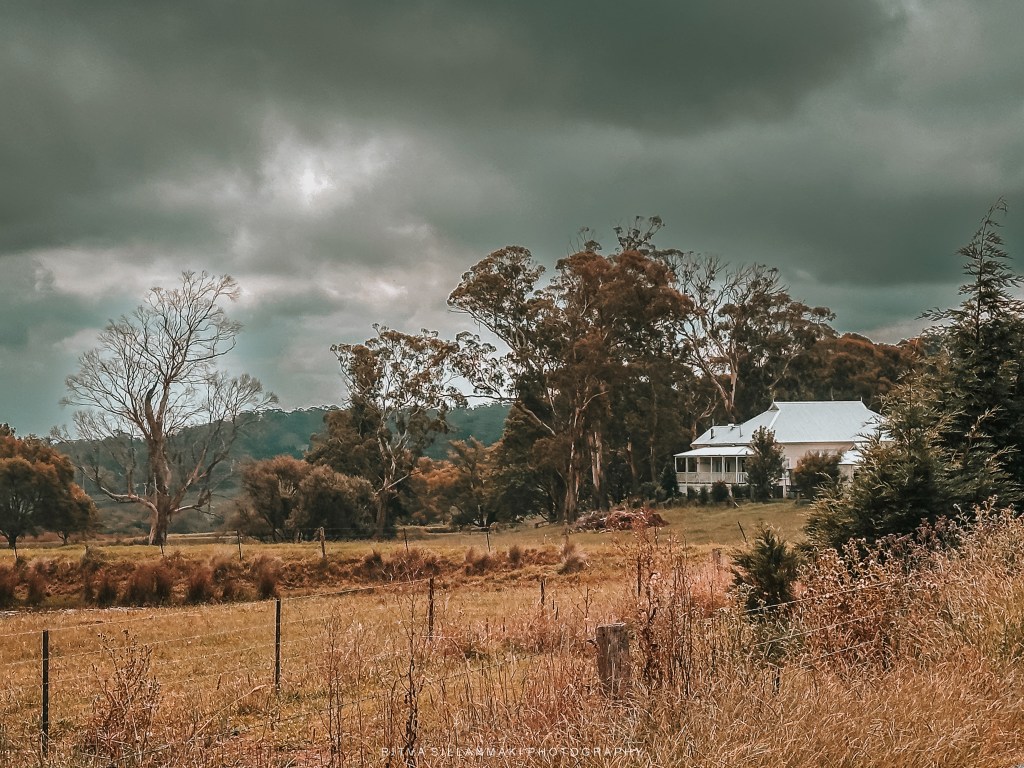
This was taken about a year ago, a rural landscape and farmhouse amidst lush greenery and distant hills in Mittagong, NSW, Australia. The scene was idyllic, under the cloudy sky. I did three edits and let the AI capture them; it was fun how it changed with each edit.This was fun, allowing me to explore various artistic interpretations and styles that breathed new life into the original image. Each version revealed a different aspect of the scenery, from subtle alterations in light and shadow to more pronounced changes in color saturation that transformed the overall mood of the photograph.
A scenic view of a rural landscape, farmhouse amidst lush greenery and distant hills in Mittagong, NSW, under a cloudy sky. Original image
A black and white landscape featuring a house amidst a moody sky and surrounding trees.
A tranquil rural landscape featuring a house surrounded by trees and open fields under a moody sky.( my additional text; A more Nostalgic and painterly effect.
A serene rural landscape featuring a charming house surrounded by tall trees and rolling hills under a moody sky. My additional text, Changing colors to more fall colors.
I know I’m being a bit boring by sharing these old re-edited photos for Dan’s Thursday Doors, but honestly, I’m fresh out of new material right now. I can’t wait for the weather to warm up so I can get out there and soak it all in! I’m hoping to wander through the neighborhoods, looking for unique buildings and those interesting doors that seem to hold secrets of the past, and even present. I most likely will also photograph the vibrant colors and fresh blooms along the way. I will the my camera out, and maybe discover architectural gems that tell their own stories.
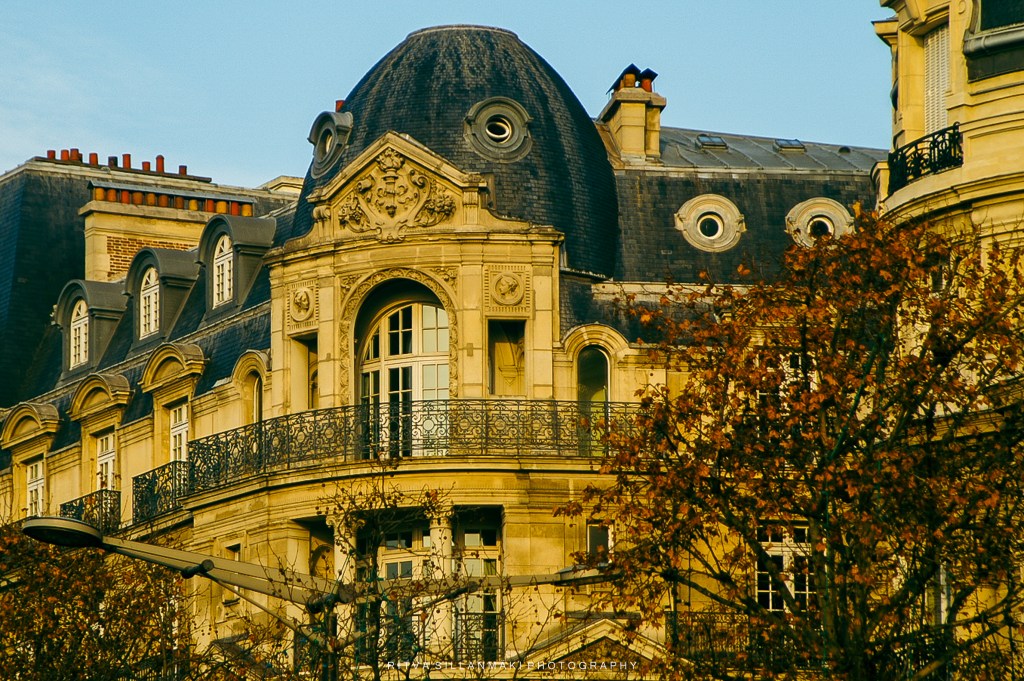
In the picture, there is a traditional French building that represents typical Parisian architecture.
Well I could mark some locations in Paris for you but not all, and as these are taken in 2006, much has changed. The first one I am not able to name. By the way these were taken in the month of January.
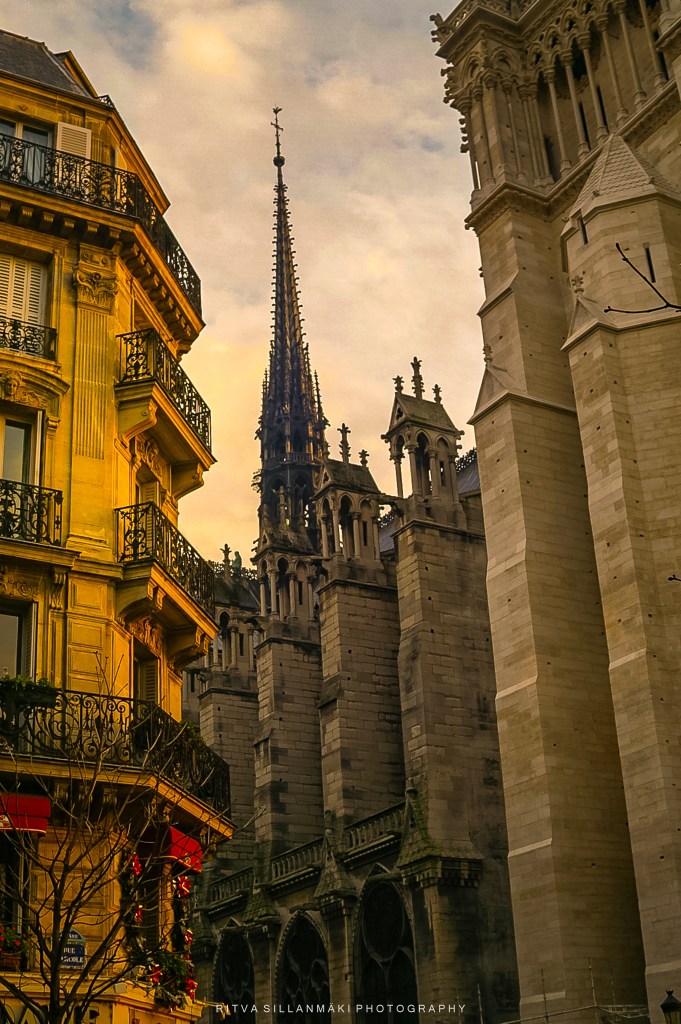
For one, the reconstructed spire of Notre-Dame cathedral in Paris, with a design identical to the 1859 version designed by architect Eugène Viollet-le-Duc, is among the elements of the landmark to be reconstructed following the devastating fire in 2019. The rebuilt spire is topped with a recreation of the original cross, as well as a golden rooster designed by architect Philippe Villeneuve, who is leading the renovation works.
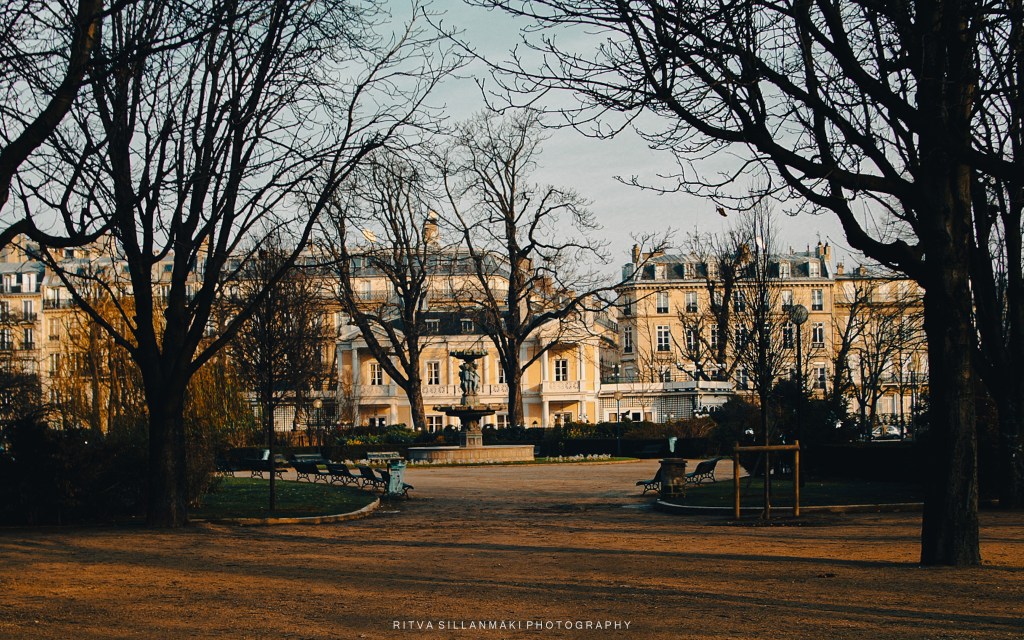
Scenic view of a Paris park showcasing elegant architecture framed by bare trees.
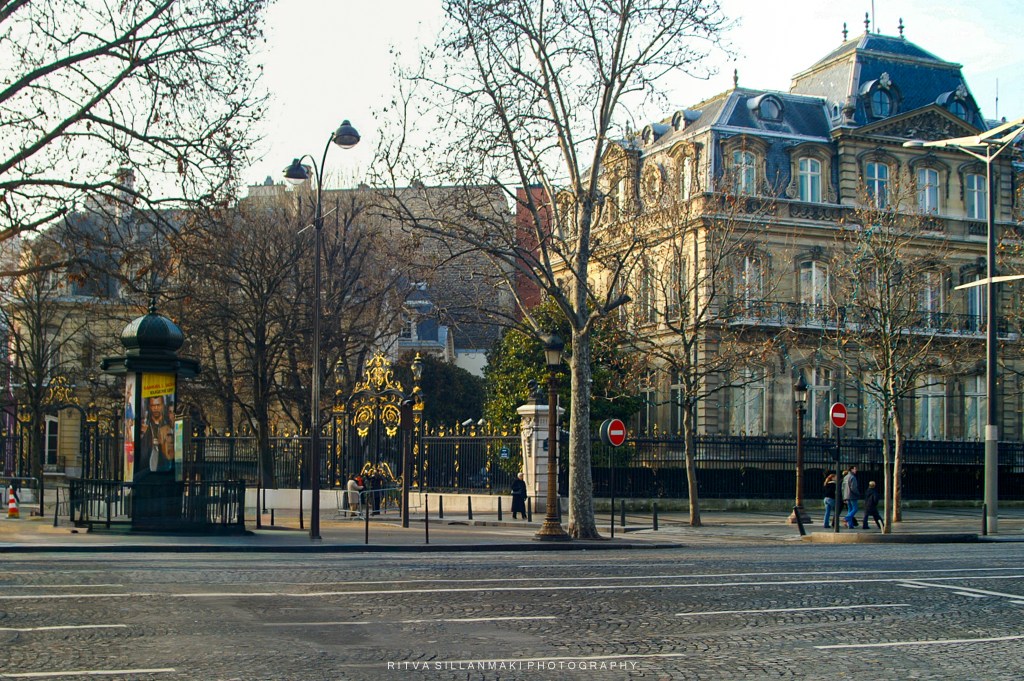
the historic Hôtel Marcel Dassault building located at the Rond-Point des Champs-Élysées square in Paris.
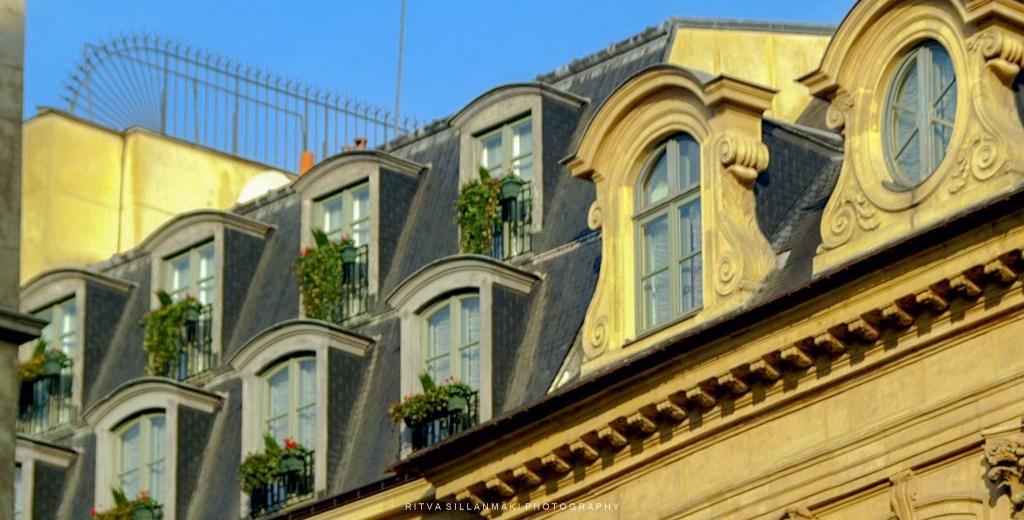
Close-up of classic Parisian architecture featuring intricate windows and charming rooftop details.
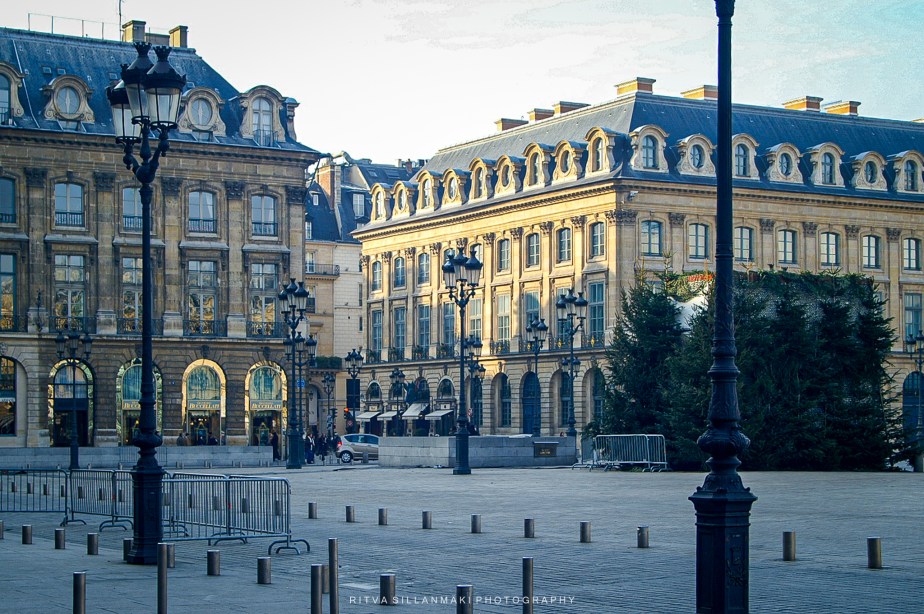
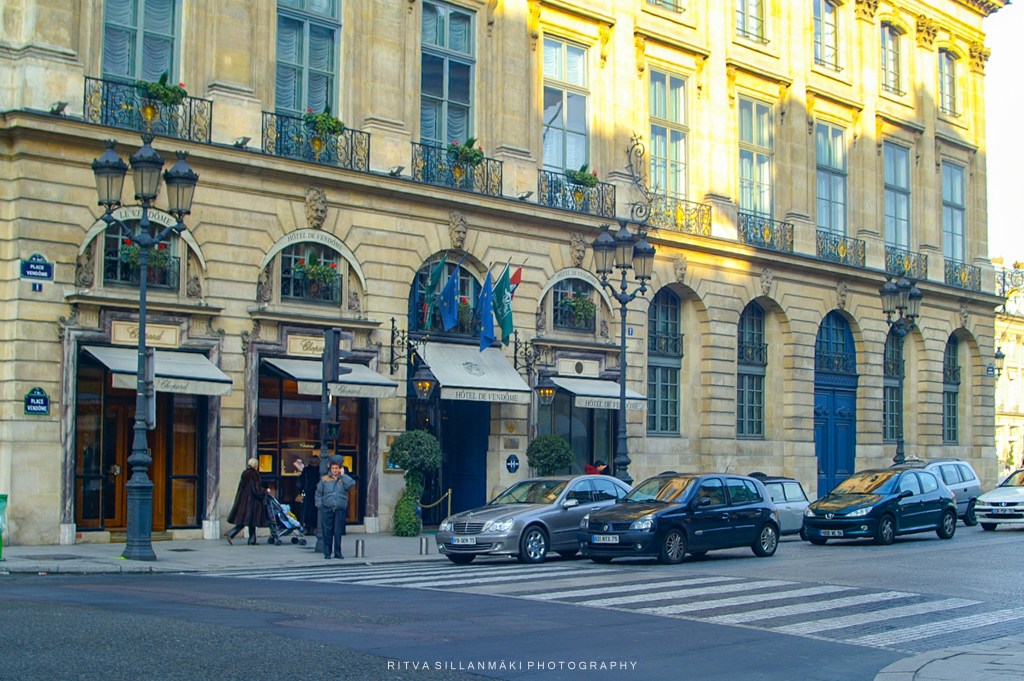
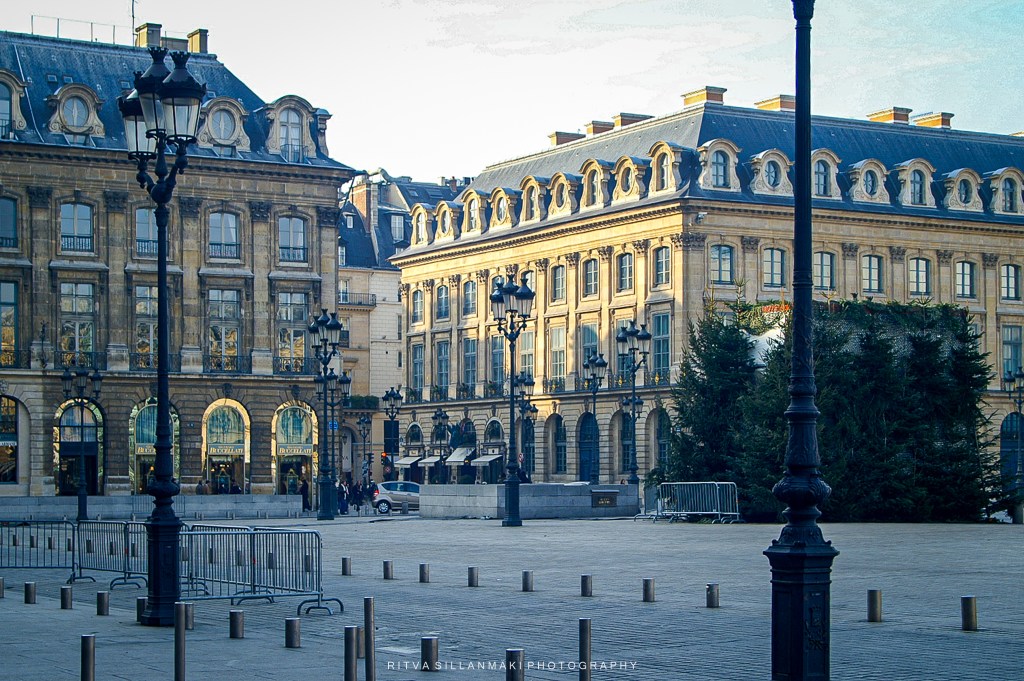
The elegant façade of Hôtel de Vendôme in Place Vendôme, Paris, showcasing classic Parisian architecture.
View of Place Vendôme square in Paris, showcasing its iconic architecture and elegance.
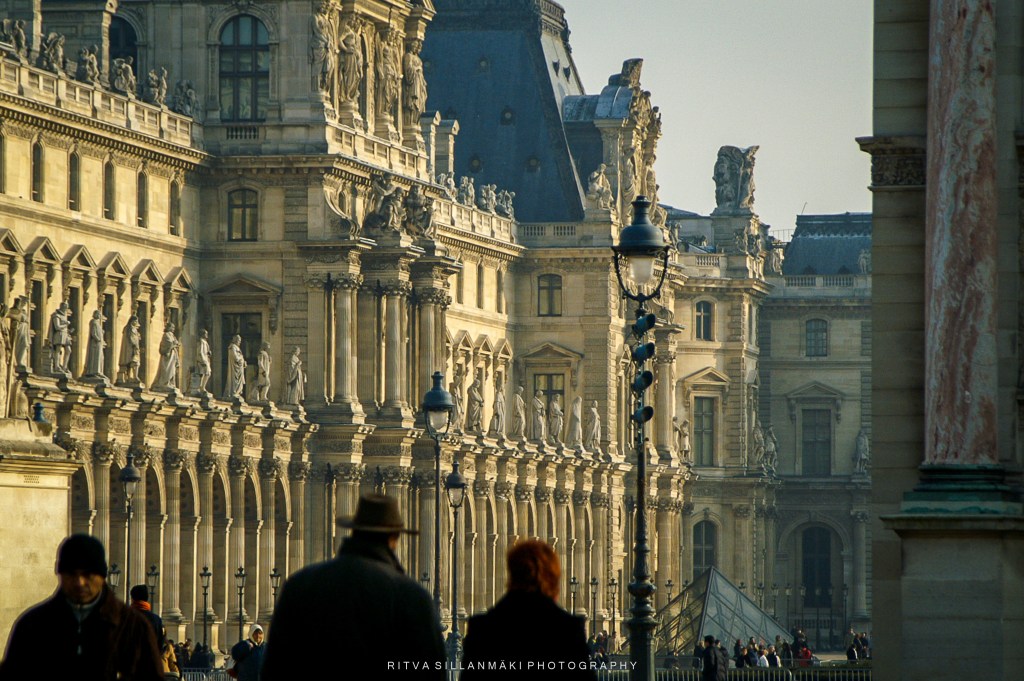
Stunning view of the ornate architecture at the Louvre, showcasing classic Parisian style.
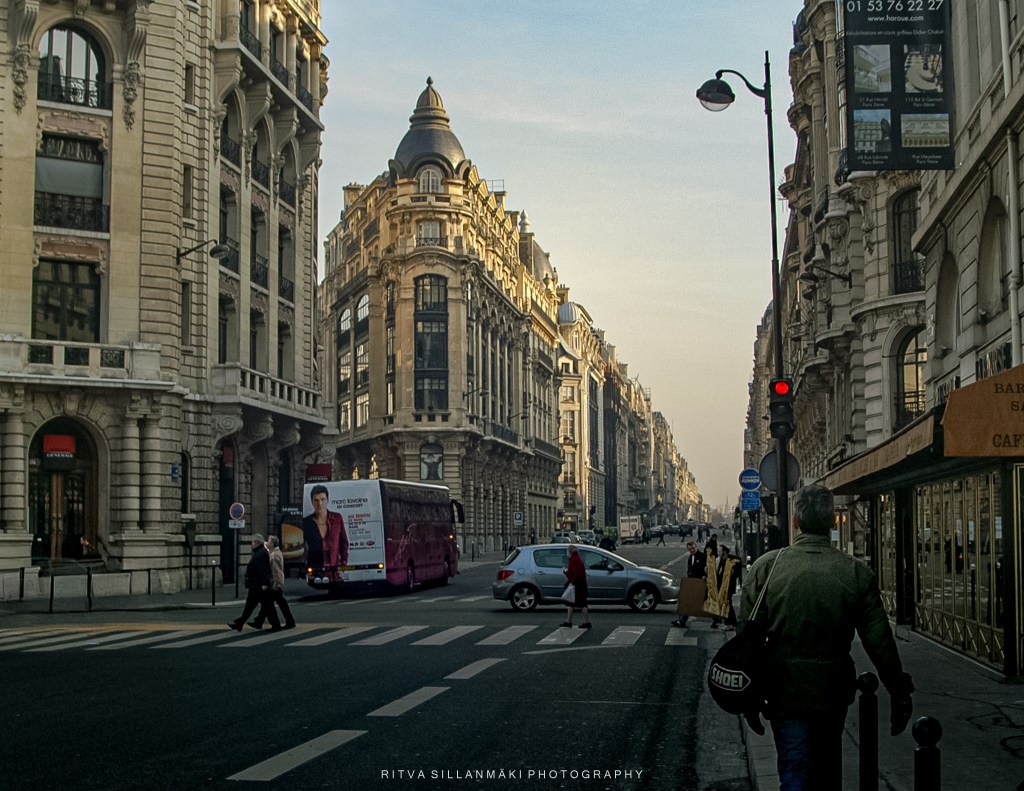
The Rue Réaumur in Paris, featuring skillfully crafted historical buildings.
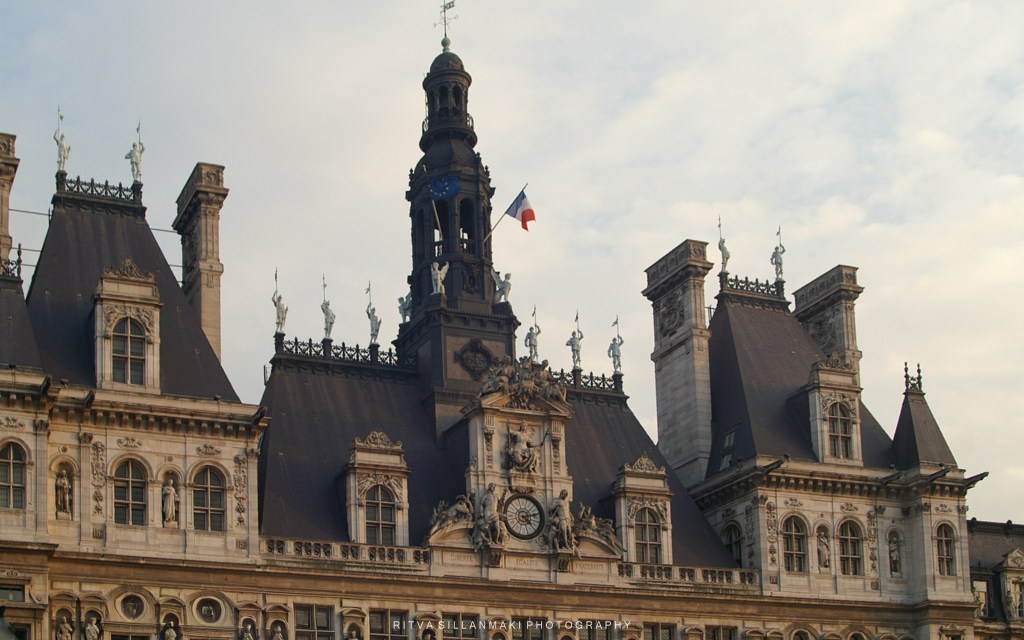
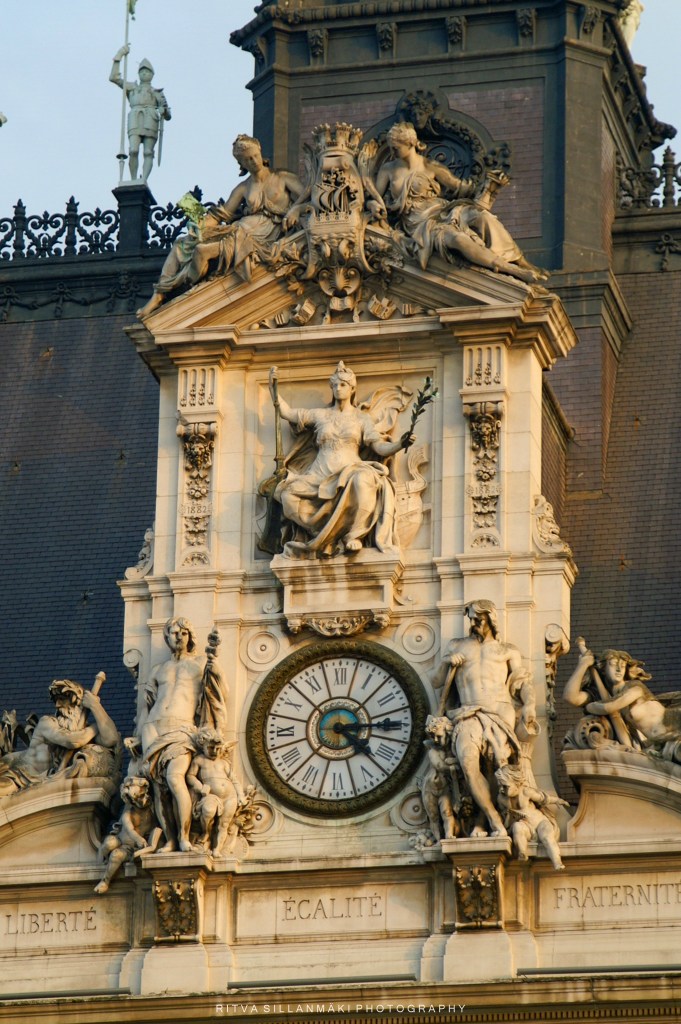
A close-up view of the ornate architecture of the Paris City Hall, showcasing its impressive spires and sculptures.
Close-up of the intricate architectural details of the clock and sculptures at Paris City Hall, highlighting its historical significance and artistic craftsmanship.
View of traditional Parisian architecture alongside the iconic Notre-Dame Cathedral spire at sunset.
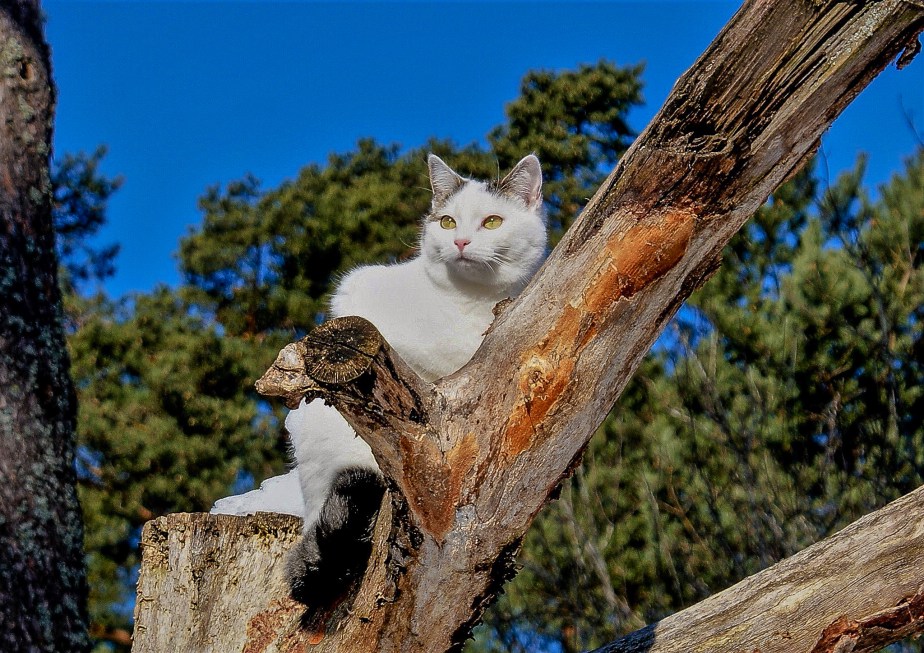
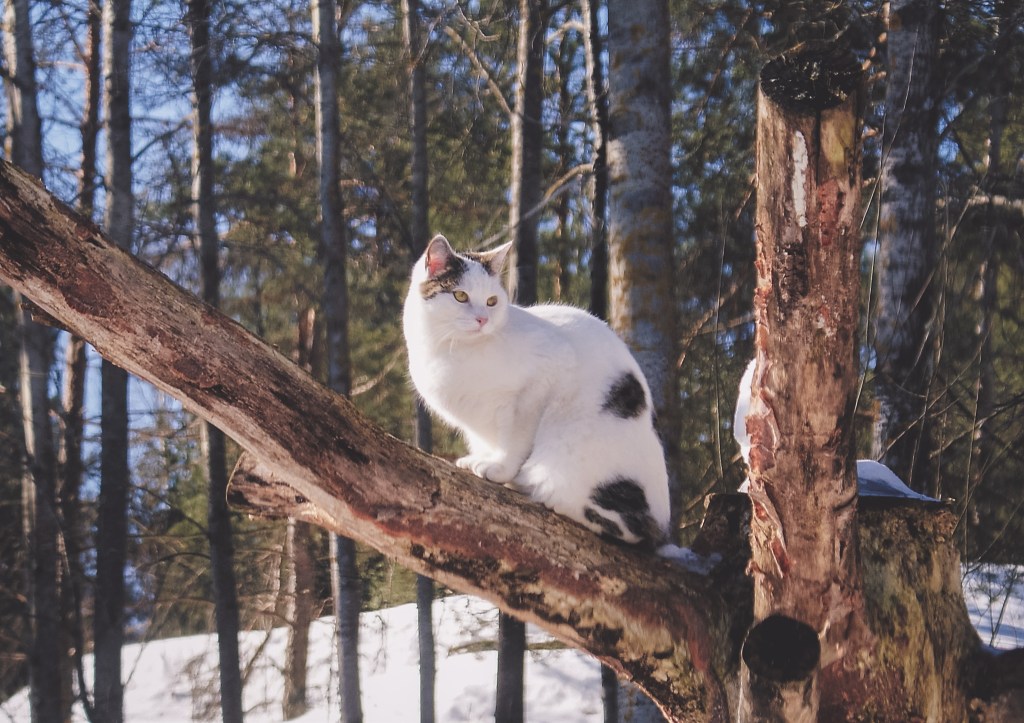
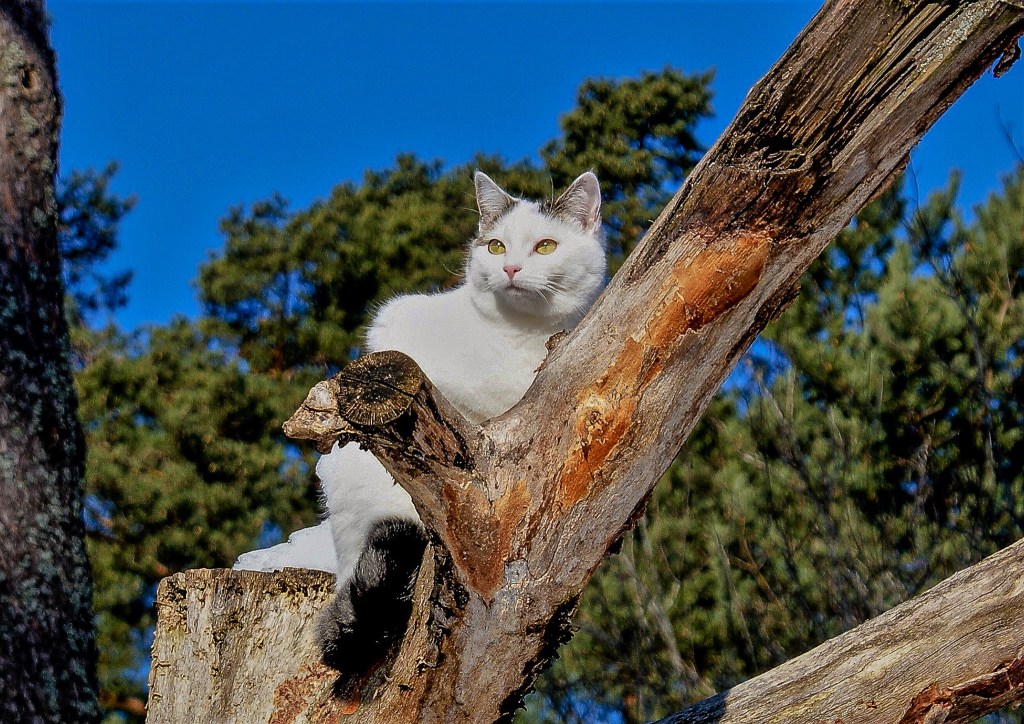
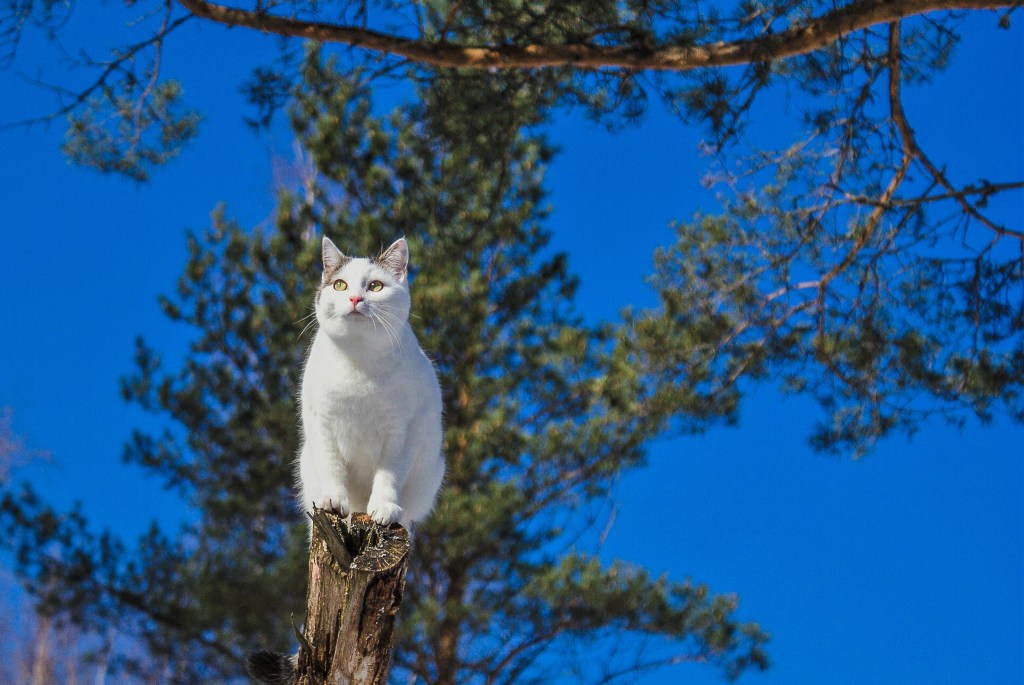
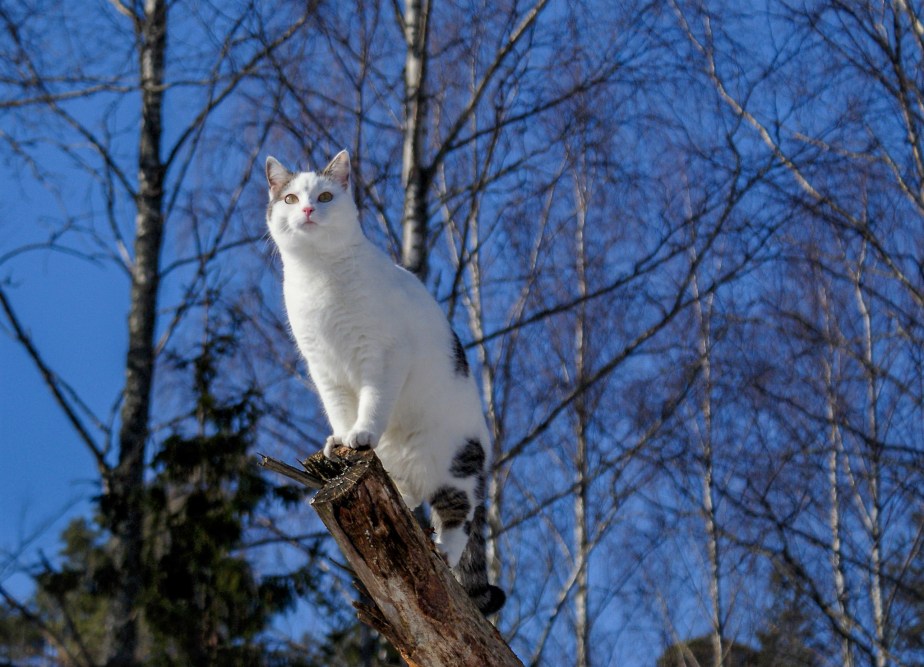
Our white Sisko cat perched gracefully on a sturdy tree branch, intently observing its surroundings against a clear blue sky. With its keen emerald eyes, it scanned the snowy landscape below, taking in the distant sound of chirping birds, while a gentle breeze swirled around, making its fur flutter like soft silk in the sunlight.
Sisko the cat perched on a tree branch in a snowy forest background Our white Sisko cat perched on a tree branch, observing its surroundings against a clear blue sky.A white cat perched atop a tree branch against a vivid blue sky and lush green pine foliage.A confident Sisko cat perched on a tree branch contemplating if she should jump against a backdrop of blue skies and bare trees.
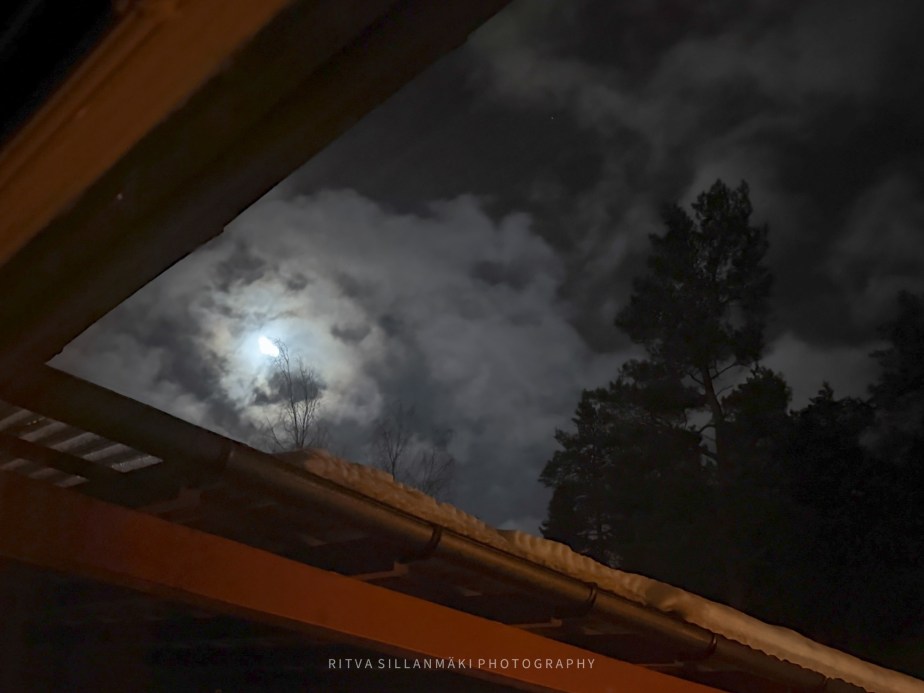
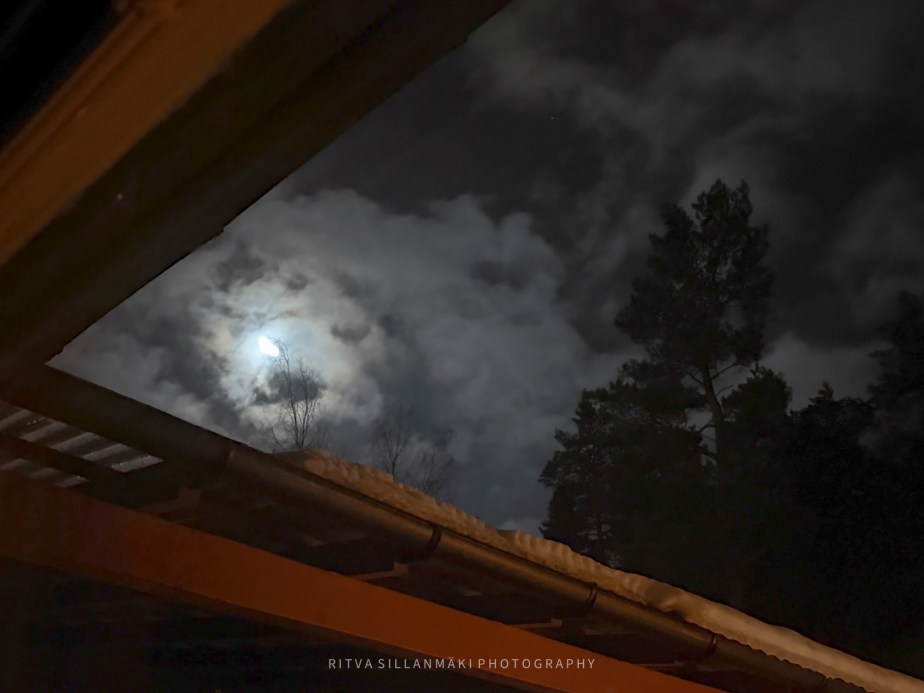
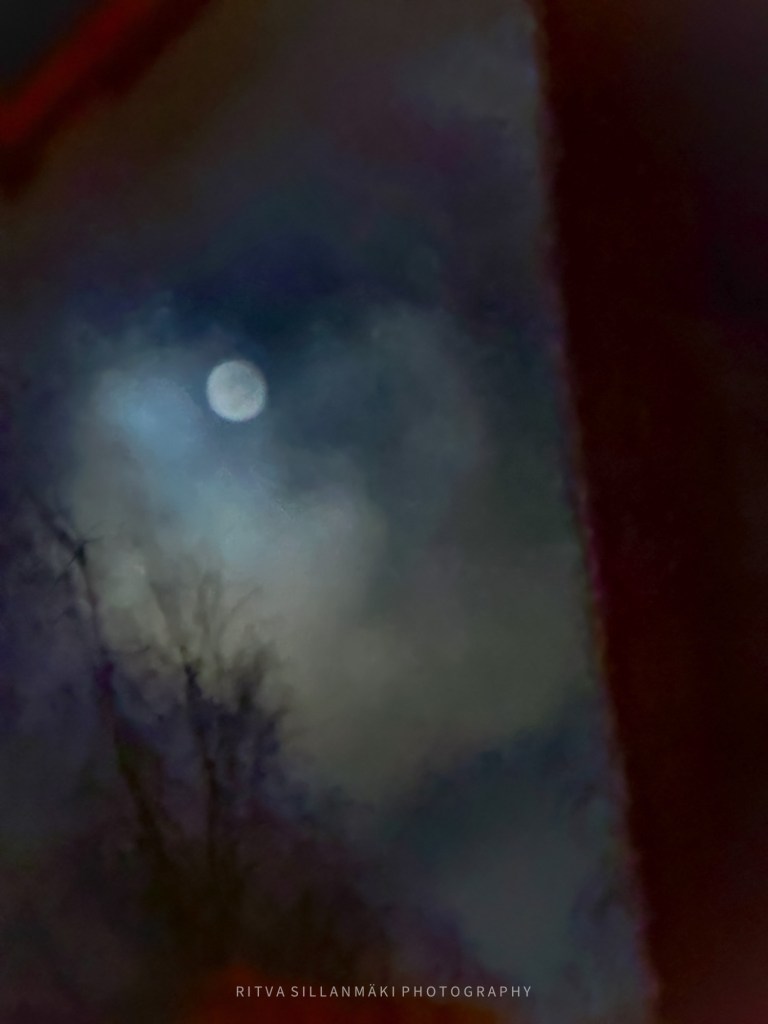
A night sky featuring a glowing moon partially obscured by clouds, framed by tree silhouettes and the edge of a roof. It isn’t it fun when you can take photos when laying in bed, watching the clouds roamed around the moon. Shot with iPhone 17PRO
View from my bed of the moon shrouded by clouds, framed by silhouetted trees last night
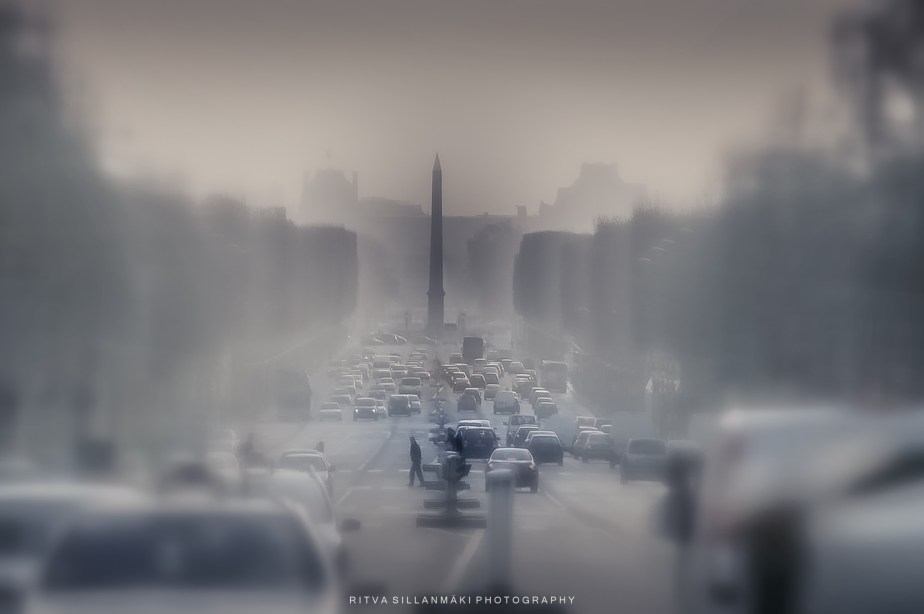
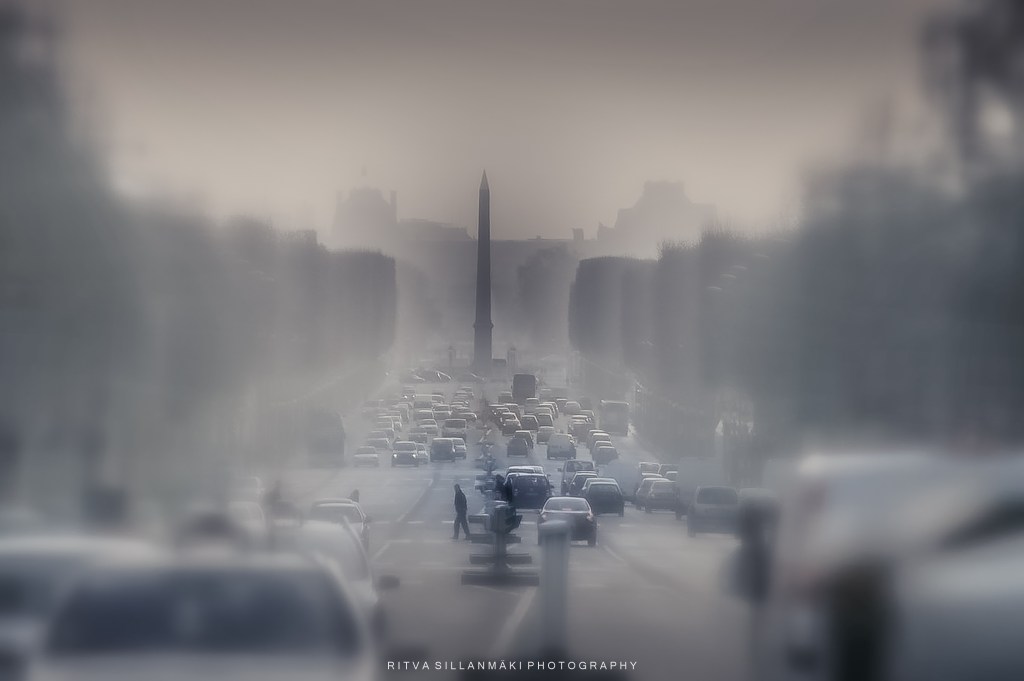
A foggy street with a guy crossing the road. This scene shows off Place de la Concorde in Paris, packed with traffic and an obelisk popping up in the distance, plus you can catch a glimpse of a tree-lined avenue all wrapped up in thick fog. Right in the middle, you’ve got the famous Luxor Obelisk. It’s pretty cool how this picture shows the struggles cities deal with regarding air quality and traffic.
A foggy street scene with heavy traffic and an obelisk in the distance along a tree-lined avenue.
It’s a free week, meaning no set theme! If you’ve got some monochrome photos to share, just drop a link to Leanne’s blog right here: Monochrome Madness
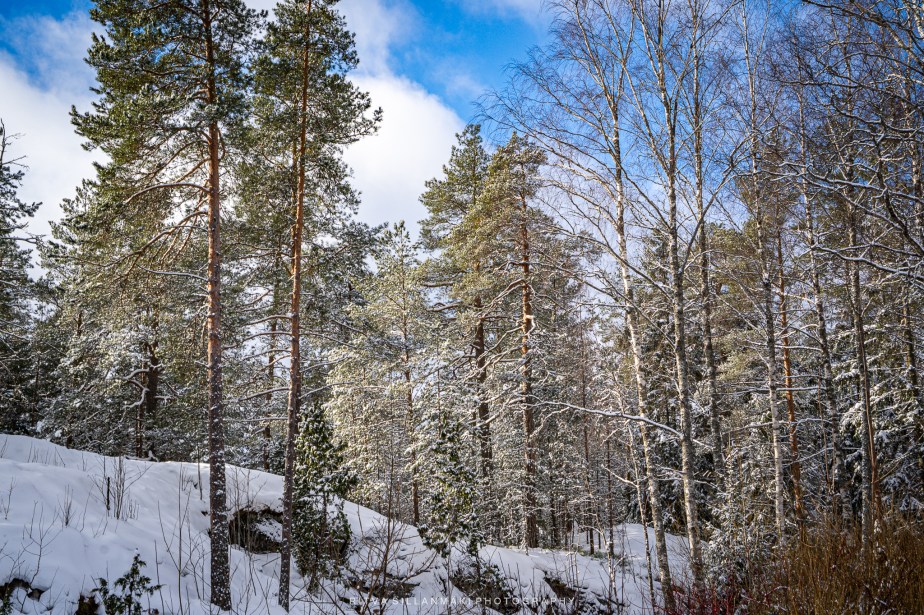
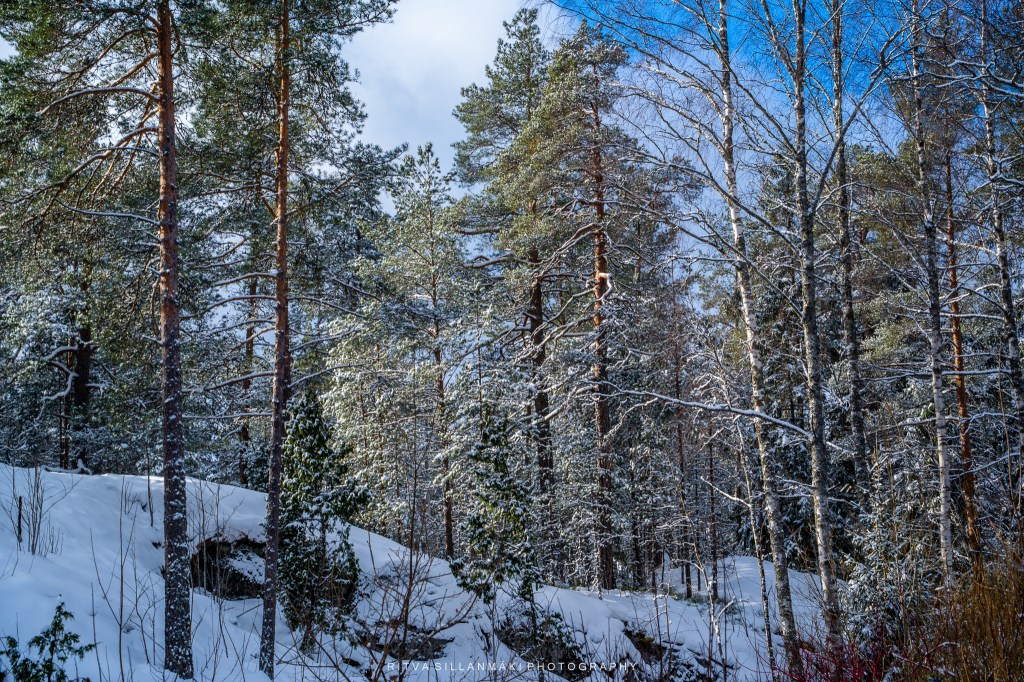
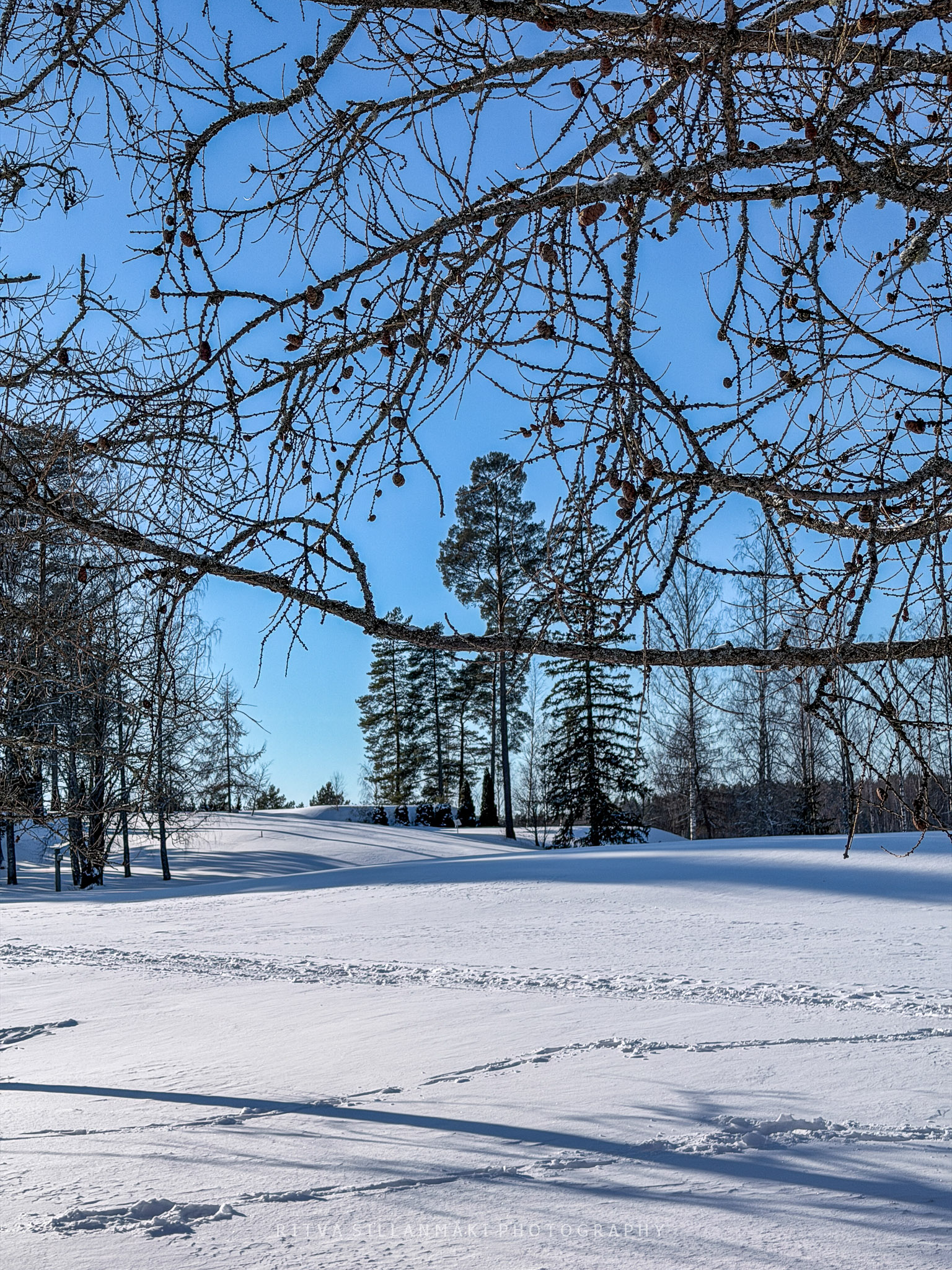
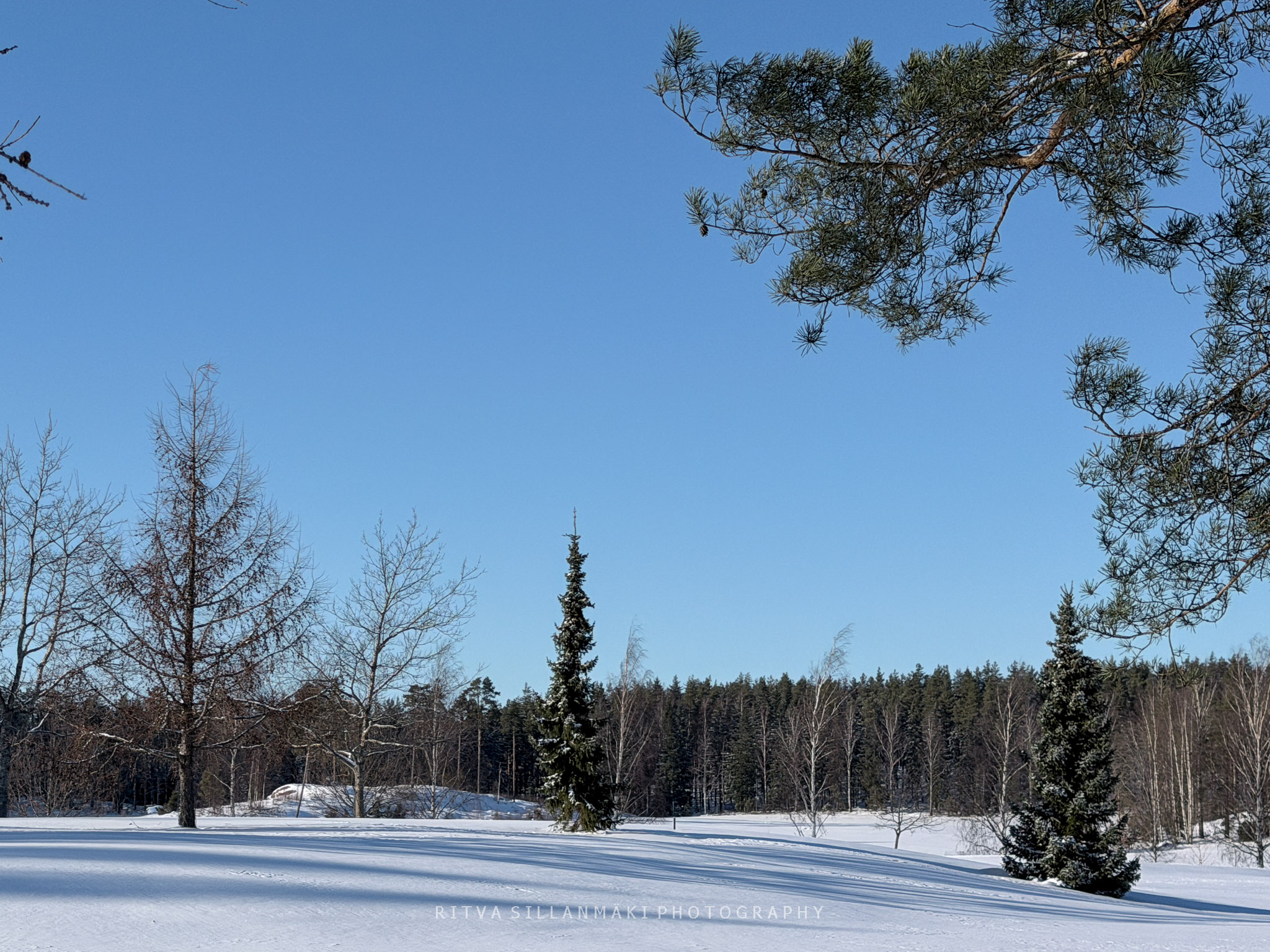
A landscape from the hill behind my house in Kirkkonummi, Finland, the snow-covered trees and a bright blue sky was shot with my Sony 7III and Tamron 28-200mm f/2.8-5.6 lens
This IPhone shot I am also sharing with John’s Cellpic Sunday
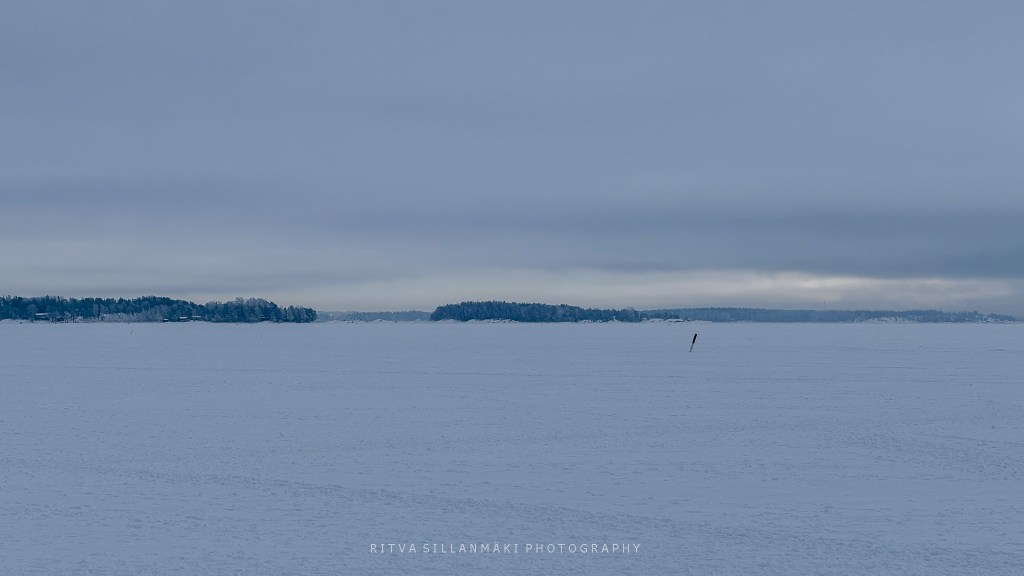
This winter landscape capturing a vast expanse of snow-covered sea and distant trees under a cloudy sky was taken in Espoo, Finland. Shot with IPhone 17 PRO
This is a challenge to my heart; this is what photography is truly about. Thanks John for this theme. Your post helped me to find inspiration to mine. I, in advance, apologize for way too many photographs, as I understand that sometimes less is more. However, I can’t help but feel that each image tells a story worth sharing. Recently, I’ve been trying to limit them, focusing on quality over quantity, yet the temptation to document everything that stirs my compulsion to share proves to be an ongoing struggle.
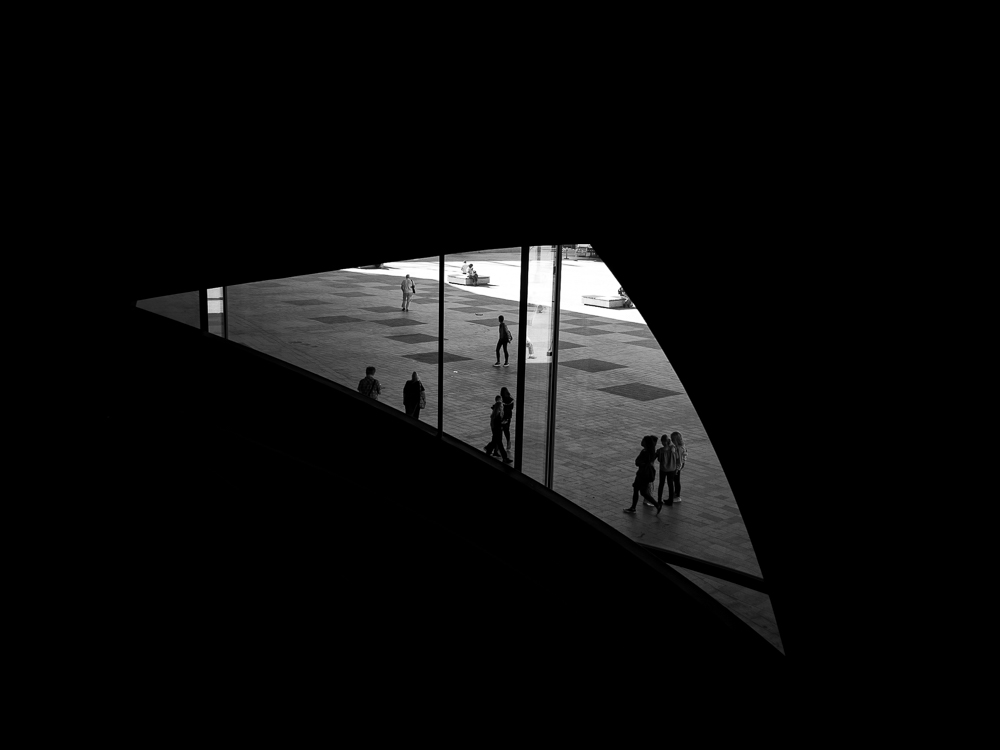
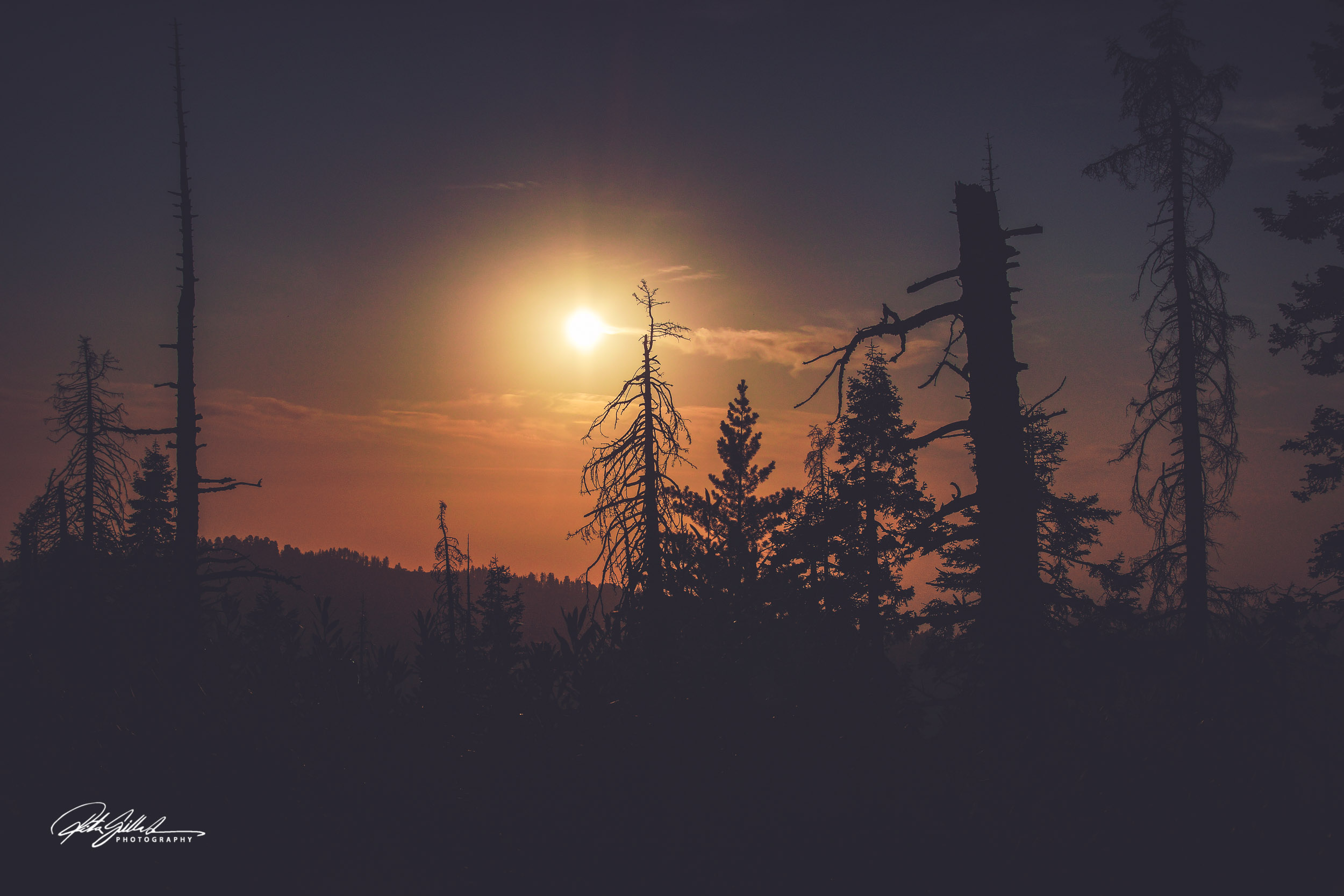
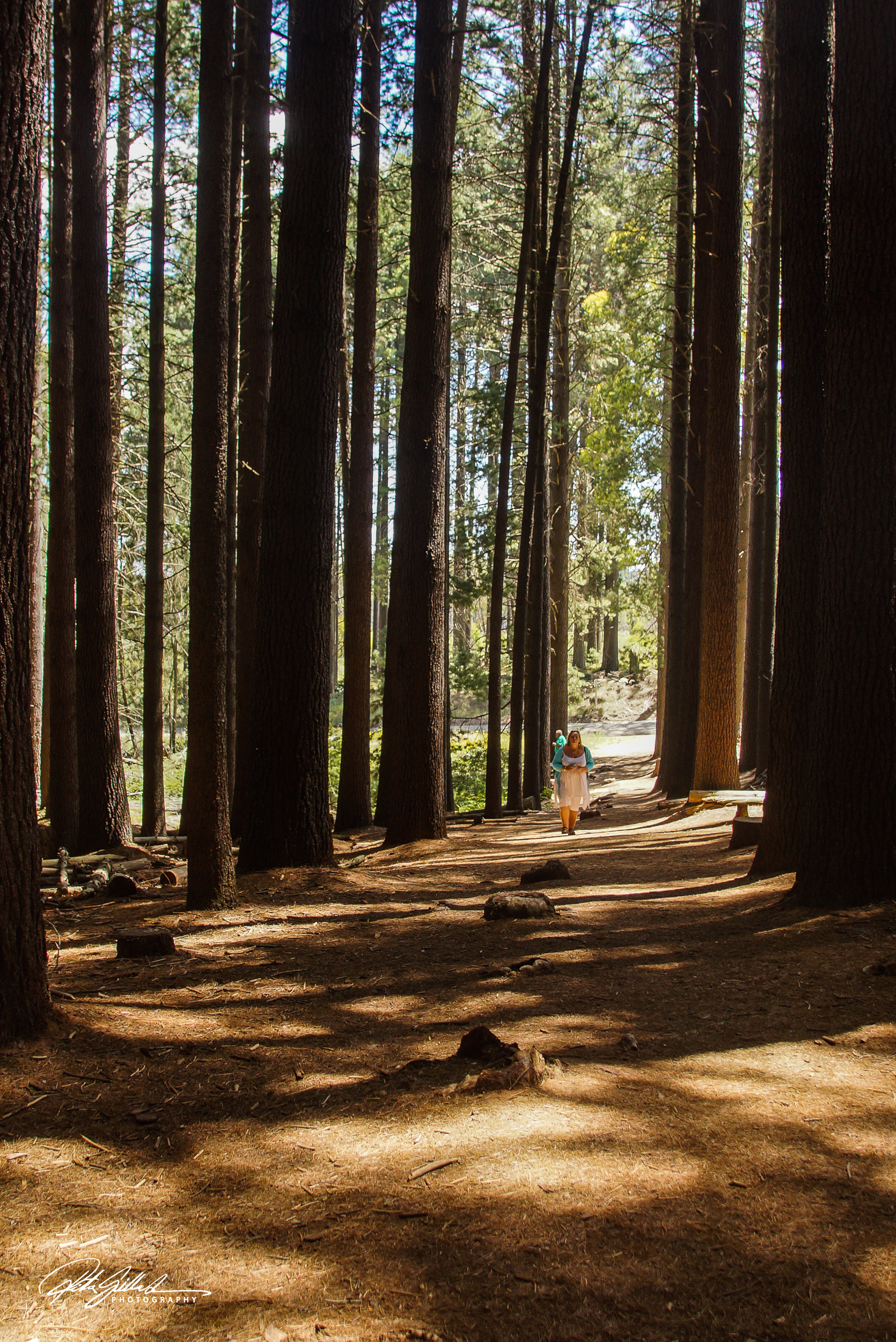
Shadows in a photograph really bring things to life, don’t they? They add depth and dimension that can turn a basic shot into something pretty amazing. The way light plays with shadows is key to photography; it creates this cool contrast that totally grabs your attention.
One odd thing stood out when looking for photographs for this challenge: I noticed that most of my images are taken in portrait mode. I wonder why? I had never thought about this before. I really had to search for the ones in landscape composition. Another thing is that I tend to have my best shadowed shots in monochrome, so finding ones in color… I have spent way too much time composing this post; my butt is numb 😂
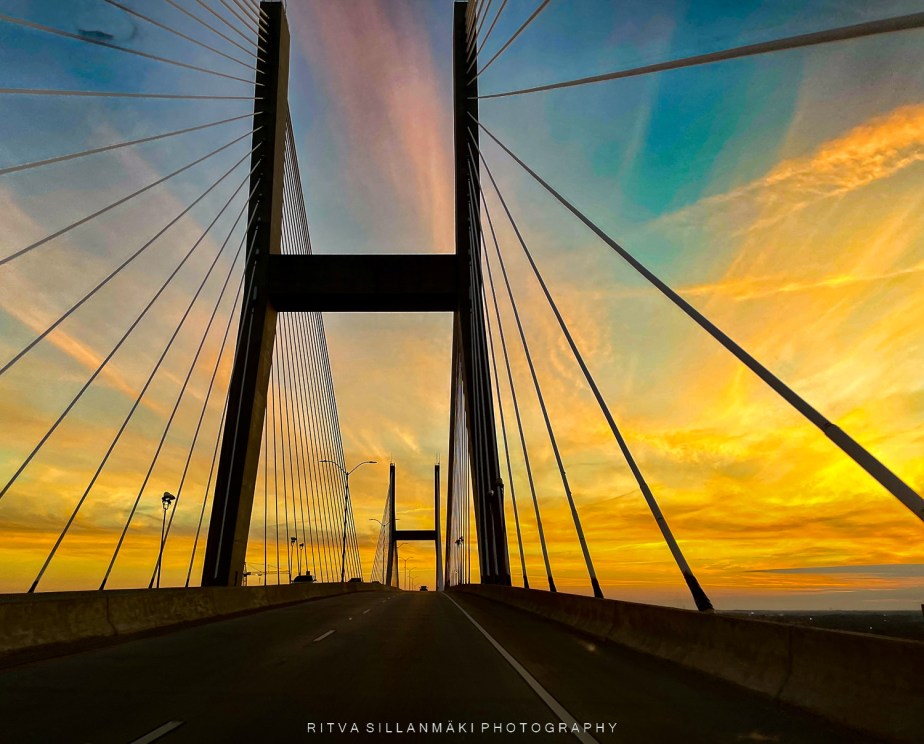
A striking view of a bridge at sunset, the interplay of light and shadows against a vivid sky was caught in Crossing the 486 foot tall Sidney Lanier Bridge from Brunswick Georgia on US Route 17 at sunset.
Shadows can really stir up feelings, set a vibe, and bring to life textures and shapes that you might miss otherwise. When you get a handle on how to play with lighting, you can really grab those little details in shadows, making your photos pop and your stories come alive. A shadow in just the right spot can lead to some fascinating interpretations, pulling viewers in to really connect with the image and what it’s all about. It’s this cool dance between light and shadow that creates contrast, which is key for highlighting the main parts of a shot.
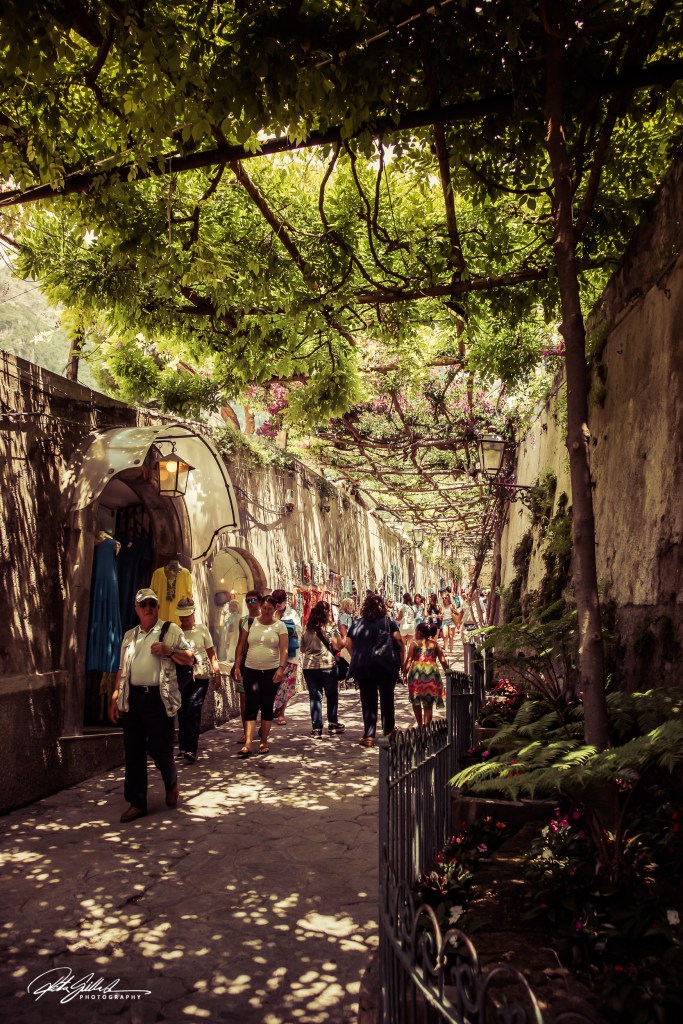
A vibrant path in Positano shaded by lush greenery, capturing the lively atmosphere people under playful shadows on a hot day.
Shadows can really tap into some deep themes like mystery or nostalgia, creating a special bond between us and the artwork. When photographers mess around with different angles and light intensities, it’s amazing to see how shadows can change the way their subjects look, adding some serious meaning and emotion to the story they’re telling. Playing with shadows not only shakes up the usual ideas of beauty but also invites us to reflect a bit more while we’re looking, making those captured moments stick with us long after we’ve moved on.
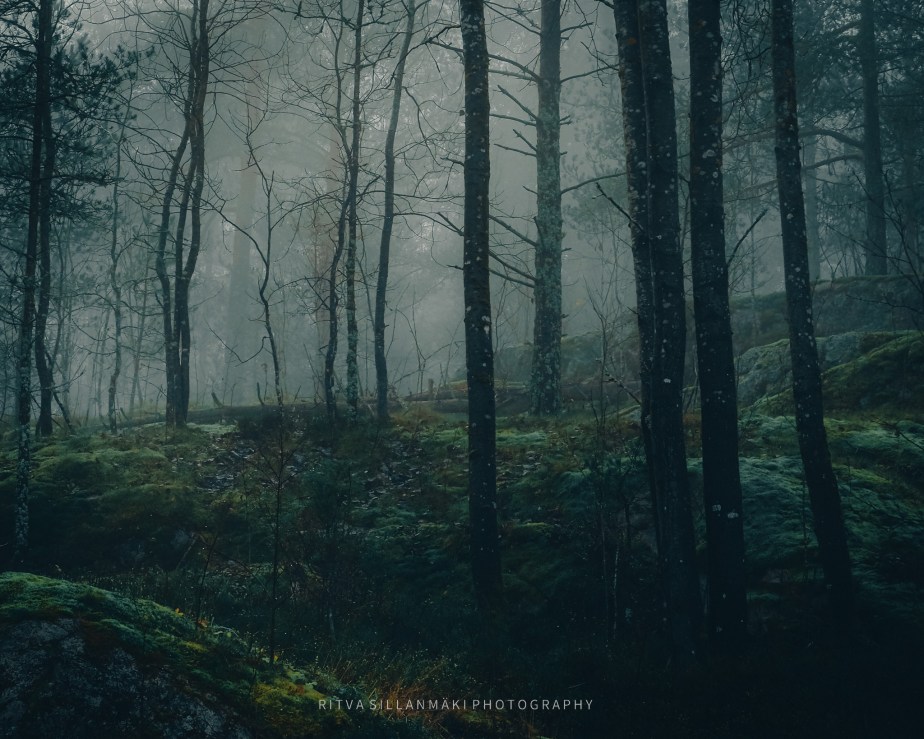
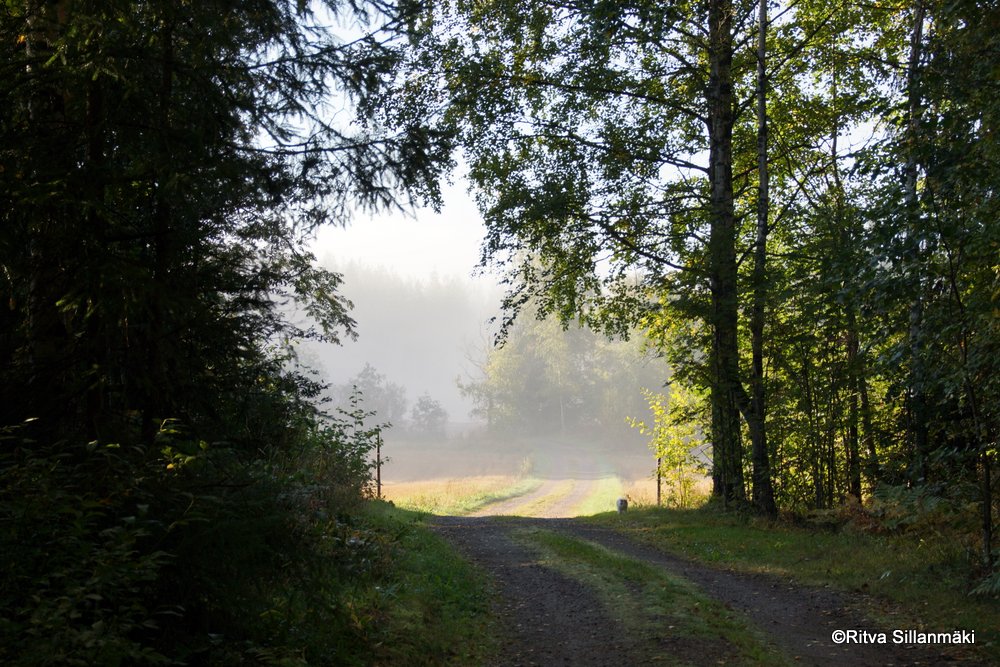
As I stepped into the misty forest, I was instantly captivated by the enchanting dance of light and shadows filtering through the trees, weaving a spellbinding atmosphere around me that whispered secrets of nature.
.
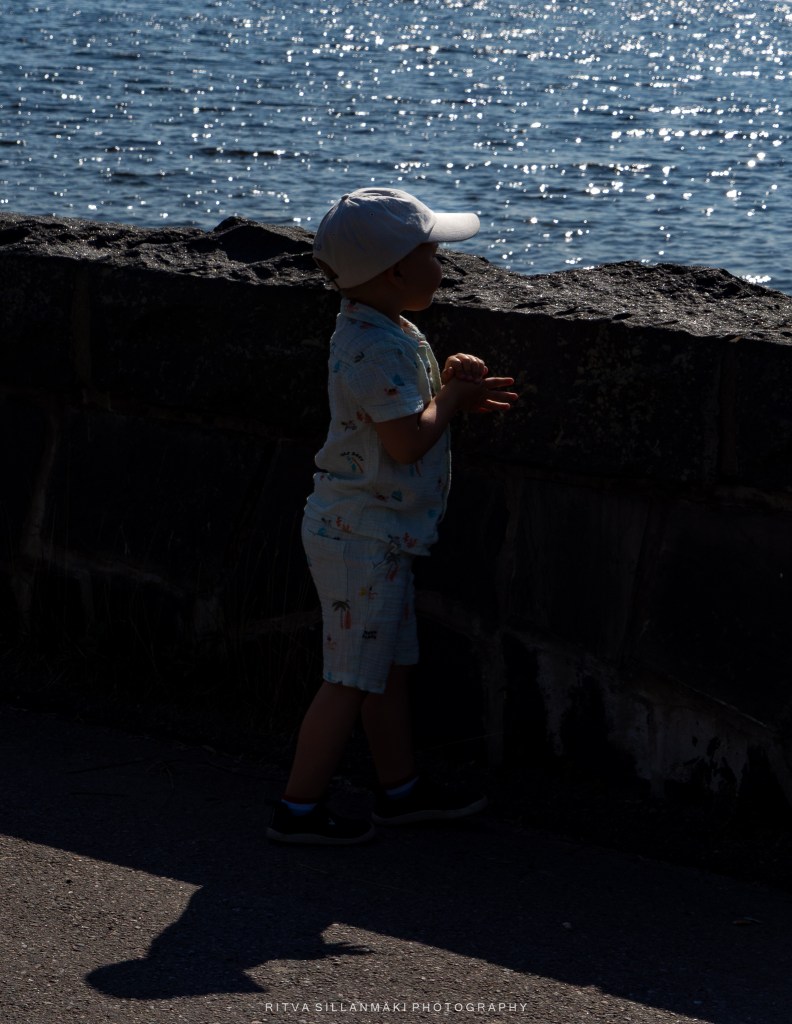
As I stood there, I was drawn to the silhouetted child gazing at the shimmering water, a moment that spoke of the beauty of light and shadow. The sunlight danced across the surface, reflecting the gentle innocence in their expression, a delicate interplay I captured in my black and white photograph. Each click of the shutter echoed the wonder I felt, revealing a story in every shade.
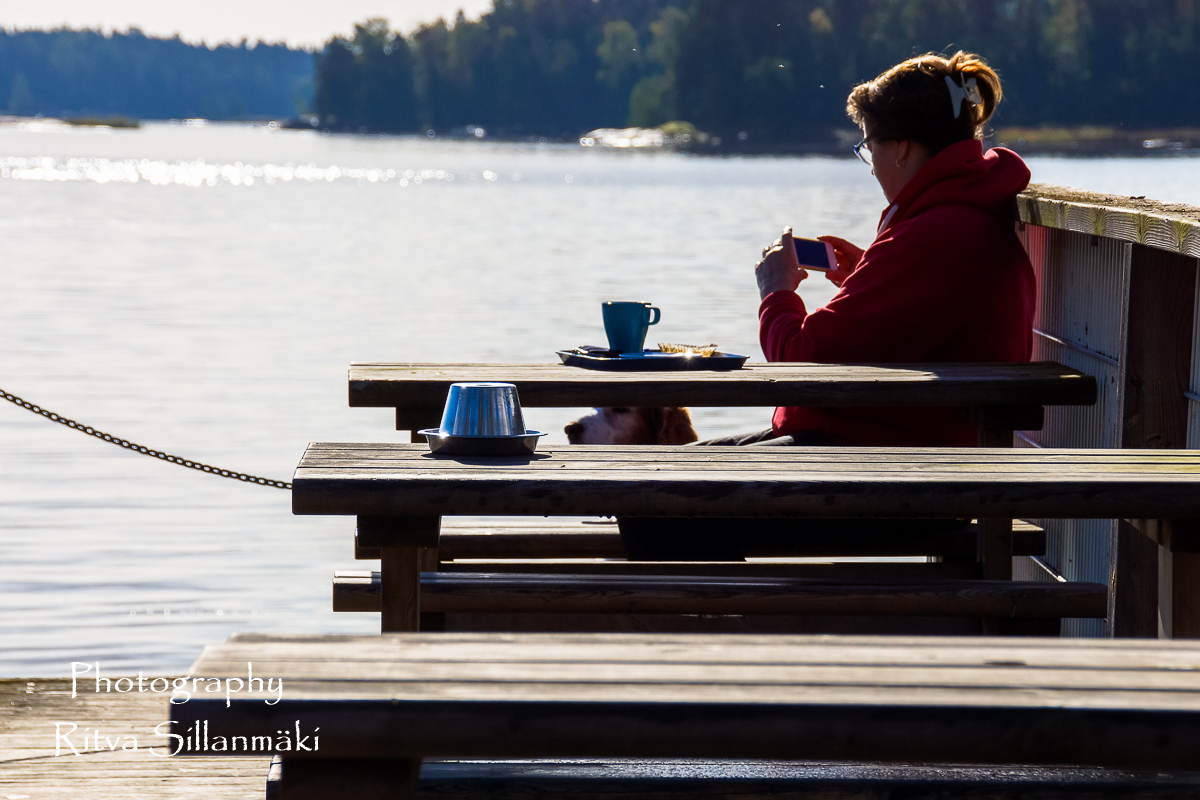
As I sat in the cafe, I was drawn to the silhouetted child gazing at the shimmering water, a moment of time that spoke of the beauty of light and shadow. The sunlight danced across the surface, a delicate interplay I captured in my photograph.
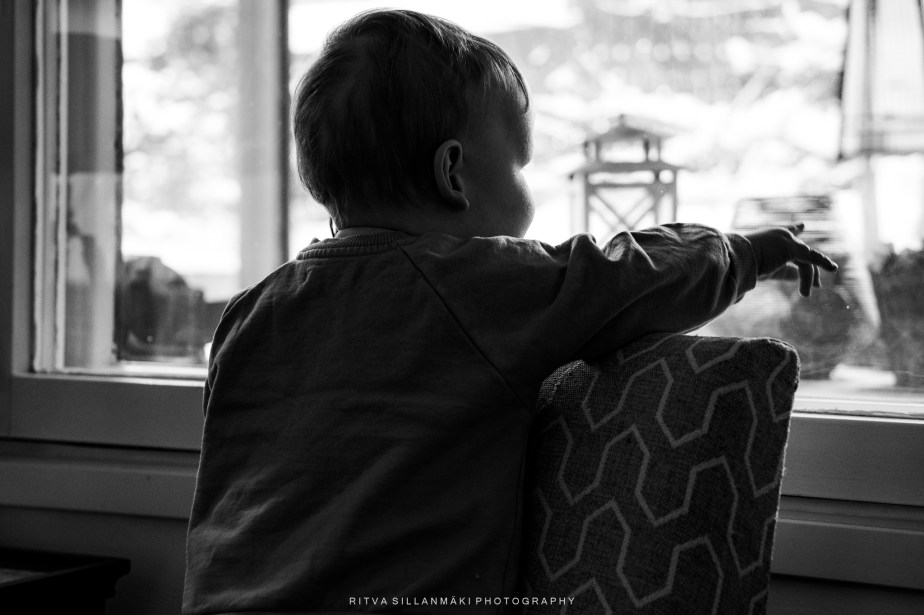
As I watch a my grandchild gazing out of the window, I feel the intimate dance of light and shadows come alive in my black and white photograph, each moment a reflection of their innocence and wonder.
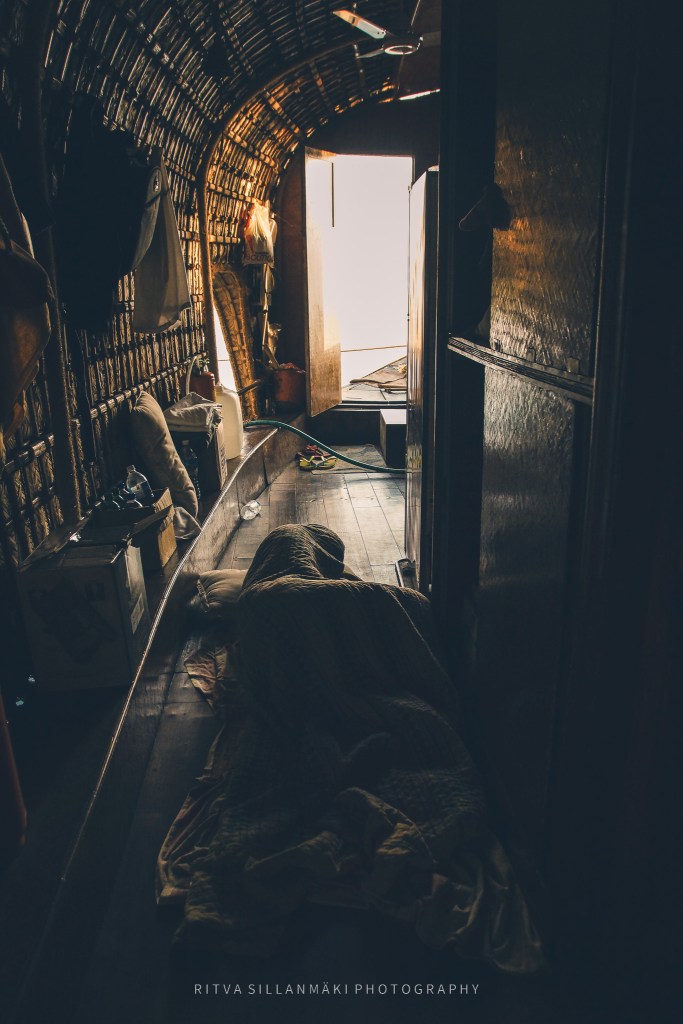
A shot from the ship crews quarters, I saw a member of the crew under a blanket sleeping in corridor, captured in warm light and shadow play.
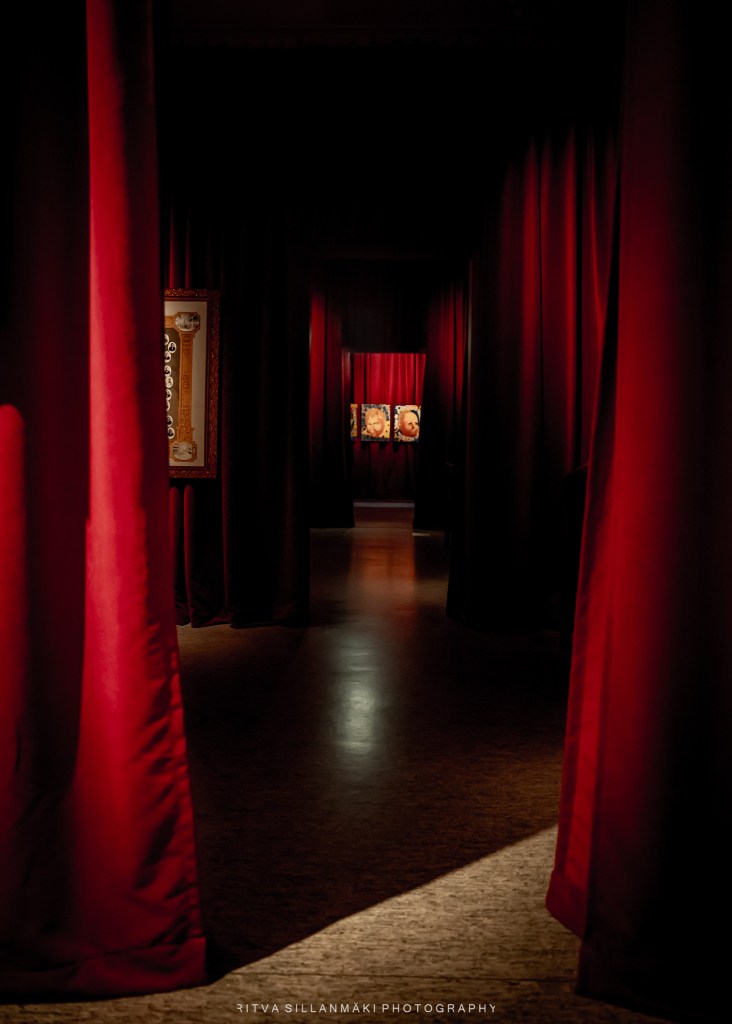
A dimly lit corridor draped in red curtains leads to a collection of framed artworks, the interplay of light and shadows in an artistic setting. Art is often shown dimly lit spaces.
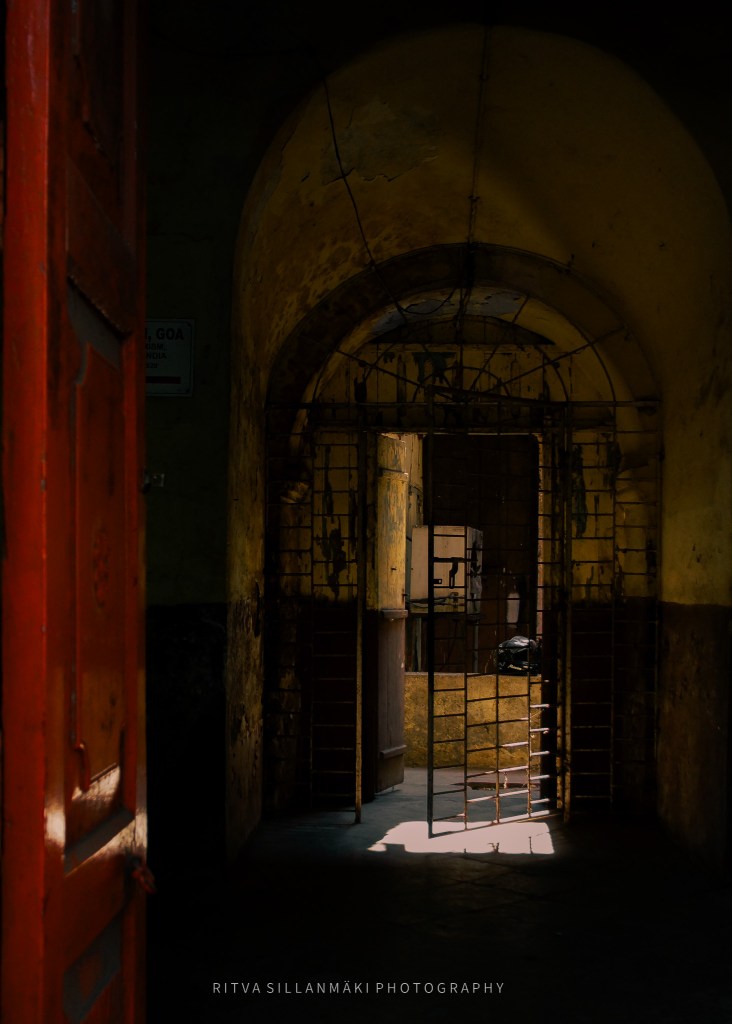
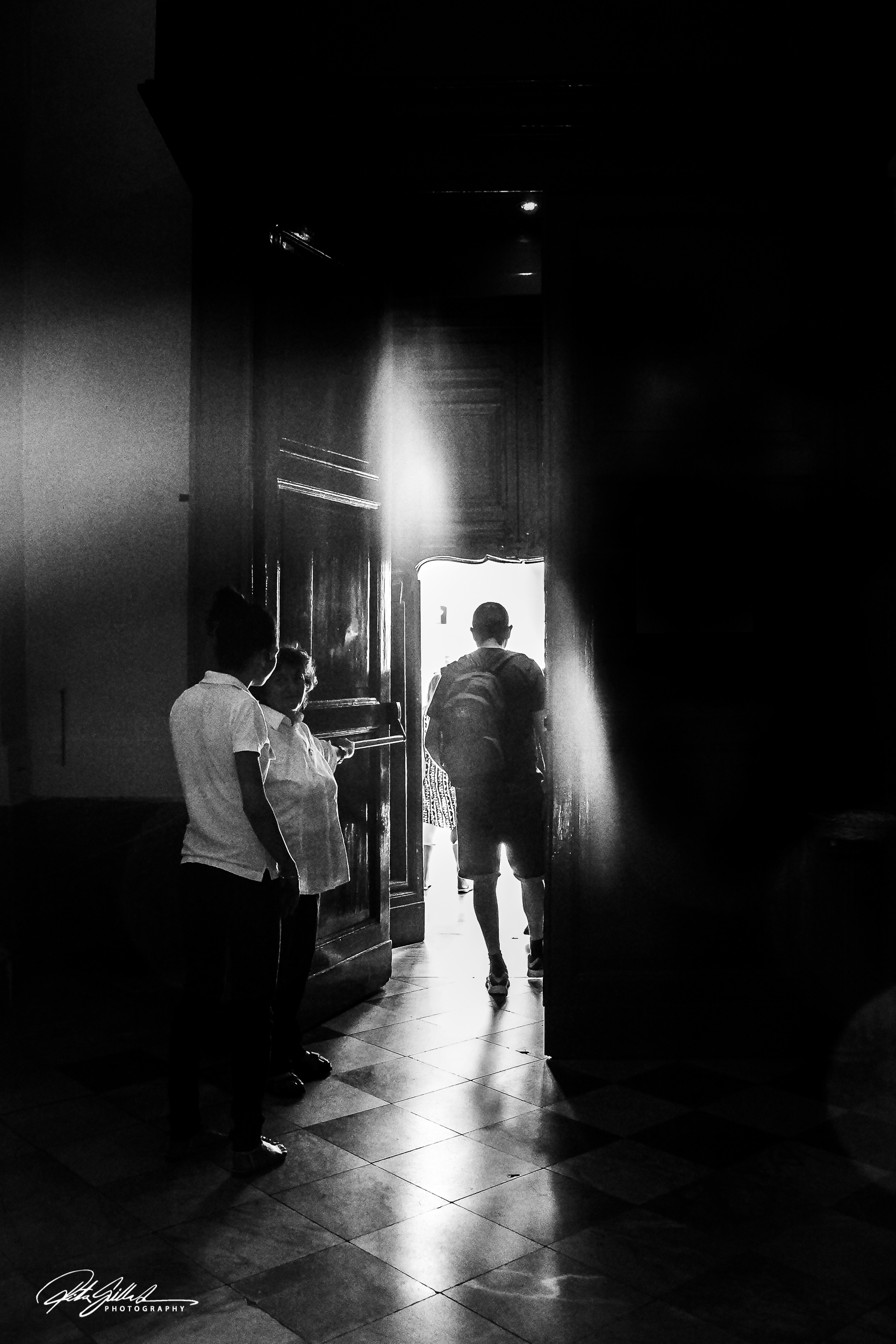
This one photo that I have shared before, the intriguing play of light and shadows in an archway, highlighting the textures of the walls and doorway. It evokes so many stories in my mind. And this on is one of my favorite photos,
A performer expressing emotion on stage, illuminated by dramatic lighting.
If you wish to have a closer to look at enlarged images , click the gallery.
Last week, thanks to Patti for hosting. The challenge was juxtaposition – it was interesting and your responses were varied and imagery.
I hope you will join in for this week’s Shadowed challenge. Be sure to tag your post with Lens-Artists and include a link back to John’s original post
Make sure to return on Saturday, March 7, at noon Eastern Time for an exciting new challenge from Ann-Christine at Leya – To See a World in a Grain of Sand…. I hope you’ll be there to join us! In the meantime, let’s keep exploring, broadening our horizons, and maintaining a positive mindset ❤️
A toddler is depicted deeply engaged in a book, highlighting their natural curiosity and desire for exploration. This moment illustrates the importance of early literacy and the joy of learning through reading. The post serves as a celebration of childhood discovery.
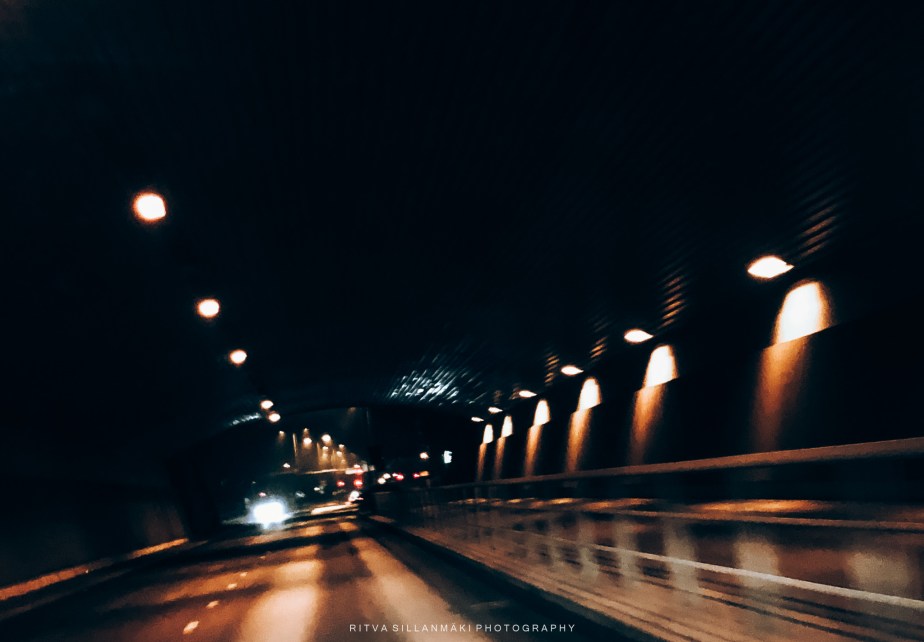
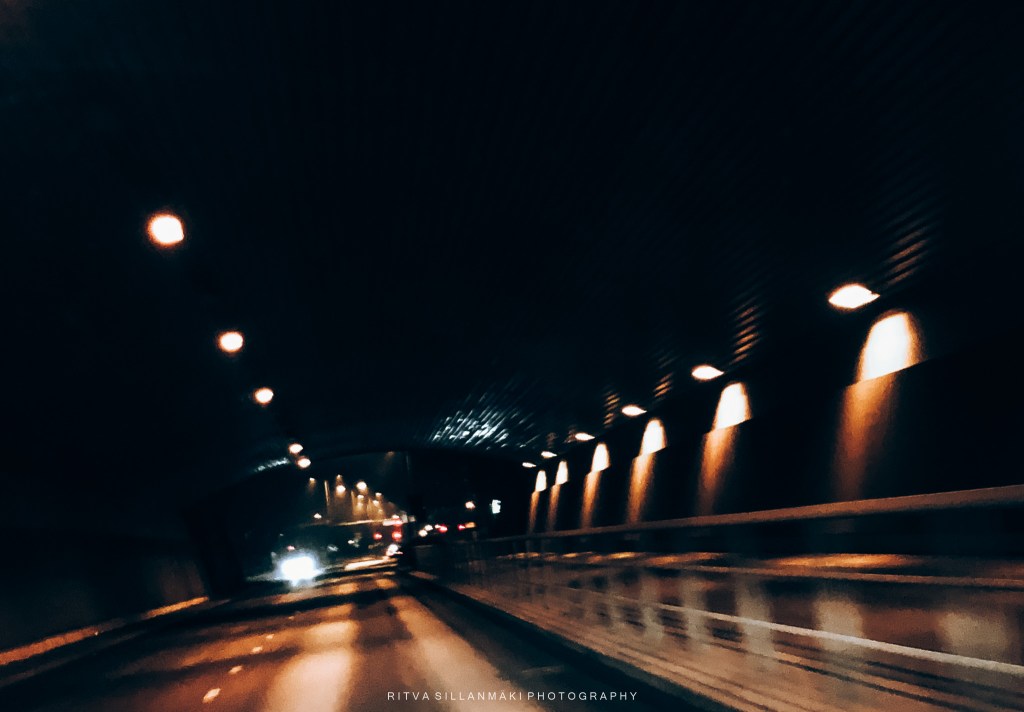
Have I captured this in this image; a dimly lit tunnel with sleek lines and warm yellow lights. Shadows create patterns. As vehicles pass, bright lights flash, briefly blinding those inside. The mix of dark and light highlights the tunnel’s design and the thrill of speed felt by travelers. This imagery should reflect the moment of traveling through it quickly.
A dimly lit tunnel showcasing the sleek lines of its architecture and warm yellow lights illuminating the roadway.
A dimly lit tunnel, where shadows remain, Sleek lines of structure, a rush quickly past. Bright lights, they flash and blind Illuminating the roadway, as speed takes flight.
HUH, the expression says so much; it encapsulates a feeling of sheer incredulity and frustration. As I sip my coffee with the morning paper in hand, (nowadays it’s iPad or computer screen, but newspaper looks better in a photo, huh) I can’t help but let it slip through my thoughts and lips over and over again while reading the news, scrolling through headlines that seem to scream the same tired sentiment. It’s all just a massive HUH or a UGH, a reaction to the relentless negativity that envelops our screens and casts a shadow over my mornings.
How many pieces of good news do you actually see on your feed these days? Uplifting stories feel like a shocking rarity, a brief glimmer in a sea of disheartening tales that stir deeper emotions and leave us questioning the state of the world. We long for a balance between the bad and the good, wrestling with a profound sadness about the world’s plight; in fact, I often find myself using much stronger words to convey my frustration, huh!
A breakfast scene featuring a plate of open-faced sandwich, a cup of coffee, and reading glasses resting on a newspaper, reflecting the daily ritual of engaging with current events.
Share a story, poem, photo, painting, essay centered onHuh? Should be easy! I think/feel/say this a dozen times a day! Please, tag your post “RDP” and “Ragtag Daily Prompt”.
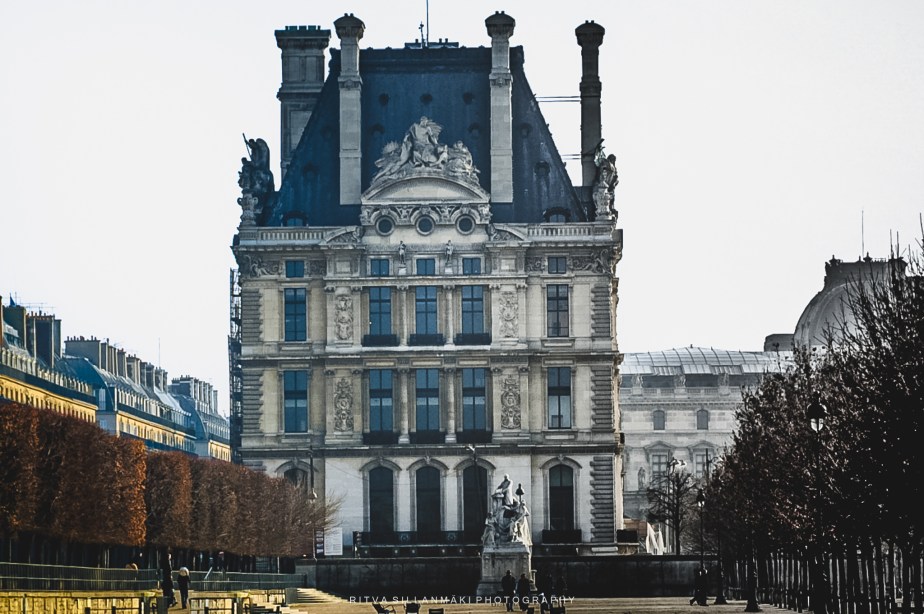
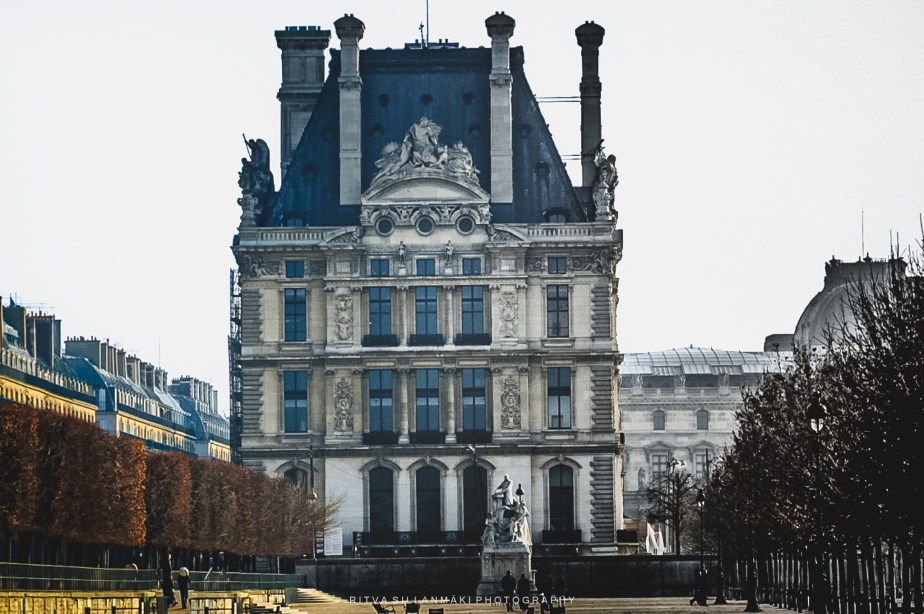
The image showcases the Pavillon de Marsan, located in the northern section of the Tuileries Palace in Paris, captured 20 years ago, as were my earlier post about France. This structure was initially built in the 1660s. Following the destruction of the original Tuileries Palace during the Paris Commune in the 1870s, it underwent reconstruction. Today, it forms part of the Louvre Palace and museum.
The Pavillon de Marsan, part of the Tuileries Palace in Paris
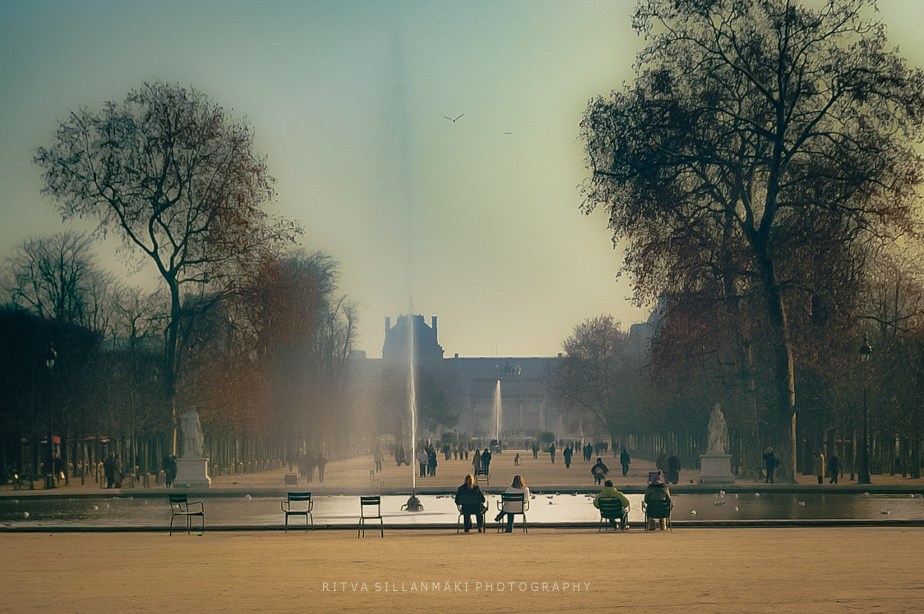
The Tuileries garden (Jardin des Tuileries) is in a really great spot: right between the Louvre and the place de la Concorde. If you’re after a quiet and peaceful green space, this garden might not be for you. But because of its awesome location, thousands of people flock here every year.
A serene view of the Tuileries Garden, featuring visitors enjoying the peaceful ambiance and fountains with the Louvre in the background.
The atmosphere is pleasant, with locals, joggers, and tourists from the Louvre mingling together. Numerous benches are said to line the fountains, providing a place to relax, and one can often discover a serene corner within this expansive 26-hectare garden, away from the noise of the city. However, since we visited in winter, there weren’t many chairs available.
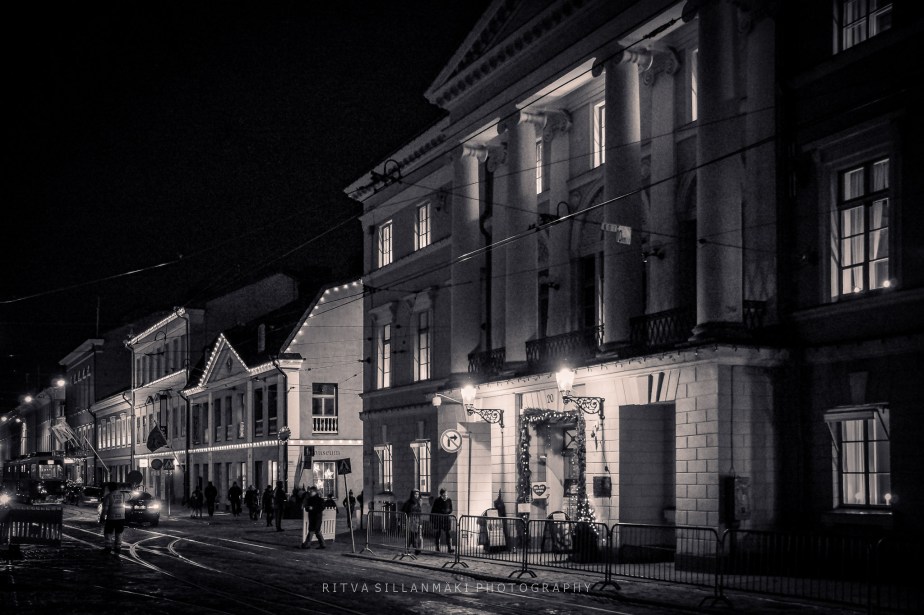
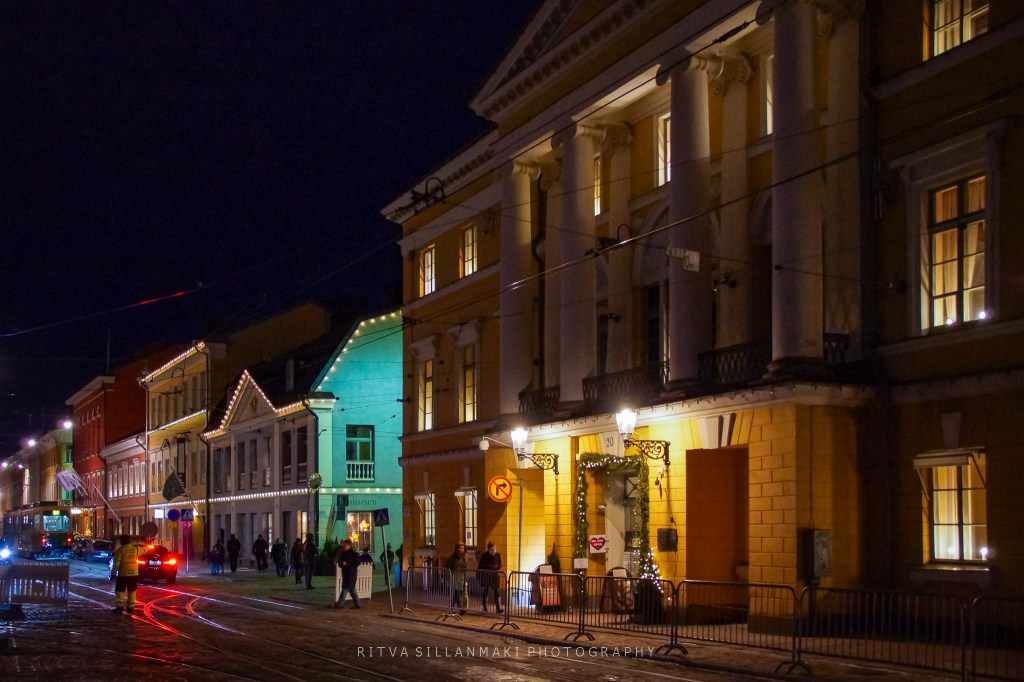
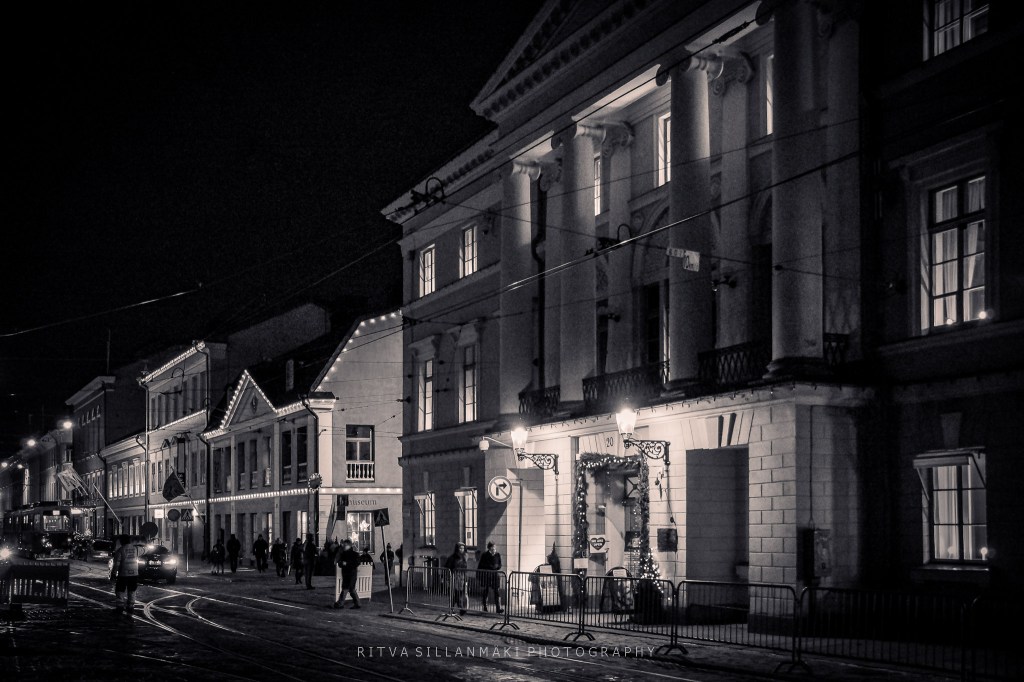
I don’t have resent doors for Dan’s Thursday Doors, but I edited an shot from Helsinki for this weeks post. The shot is from few years back but the buildings are still there.
The yellow house is the Bockin House is one of the oldest buildings next to Senate Square, originally built by merchant Gustav Johan Bock. After he passed away, it changed hands until the Swedish crown turned it into a royal residence in 1801. When the Russians took over Helsinki in 1808, they used it as a home for their officers. In 1816, architect Carl Ludvig Engel came along and revamped it into the official home for the Governor-General of Finland, making it a three-story Empire-style building and adding a pediment with Ionic columns, plus a fancy banquet hall. The one in the corner is Helsinki City Museum, located in the city’s oldest blocks near Senate Square, is anchored by Sederholm House (1757),the the oldest stone building in the city center.
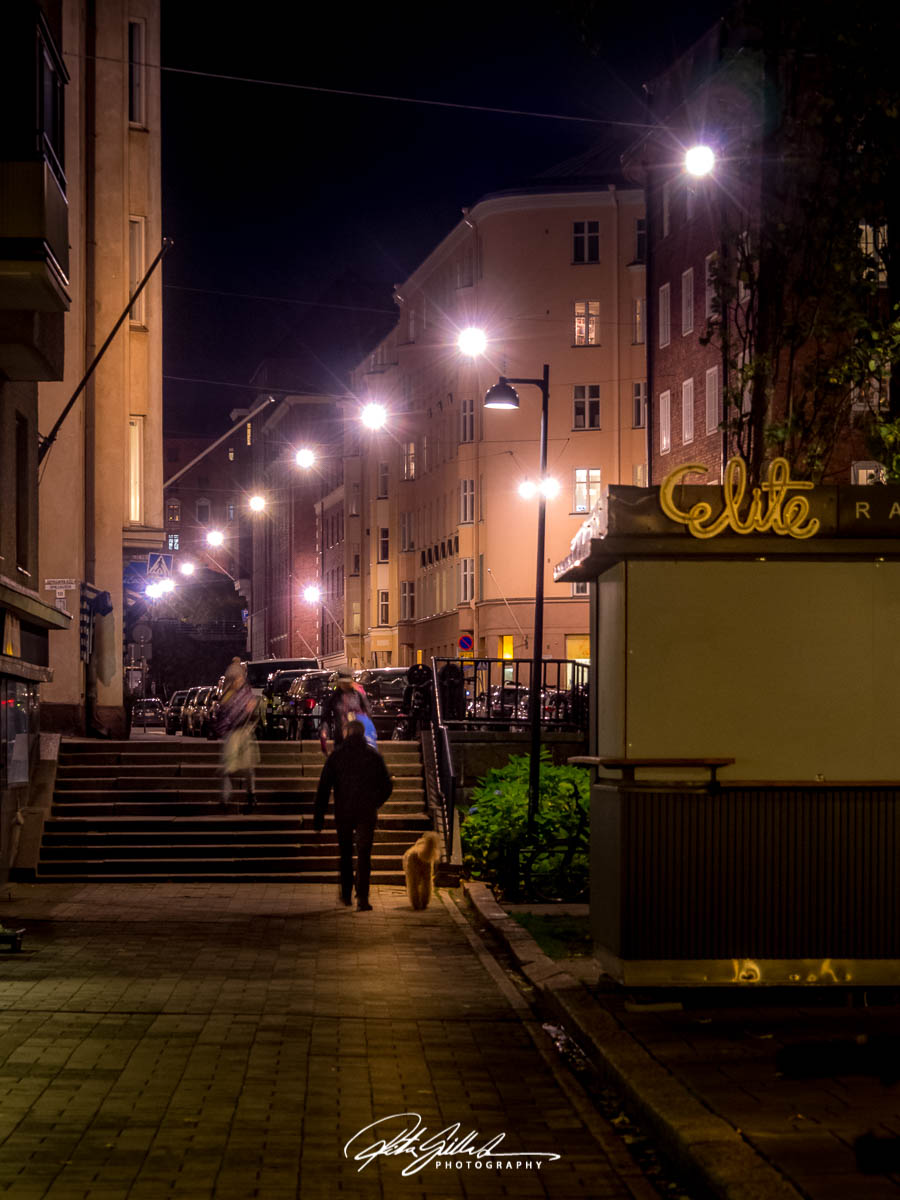
A vibrant Helsinki view at night. The image shows the Helsinki City Museum, seen here as green in this festive light, though it is light blue, which is located right in the heart of Helsinki at the corner of Senate Square.A stunning night view of beautifully illuminated historic buildings, showcasing elegant architecture and a lively street scene.
Leanne is our host this week, and she was inspired by one of the Lens-Artists Challenges from last year to come up with this theme. Specifically, it stemmed from challenge #367 – Everyone Should See This, which prompted her to consider what is nearby to one’s home. I chose to focus onWITHIN 10KMS FROM HOME. as requested. For those more familiar with miles, that equates to roughly 6 miles.
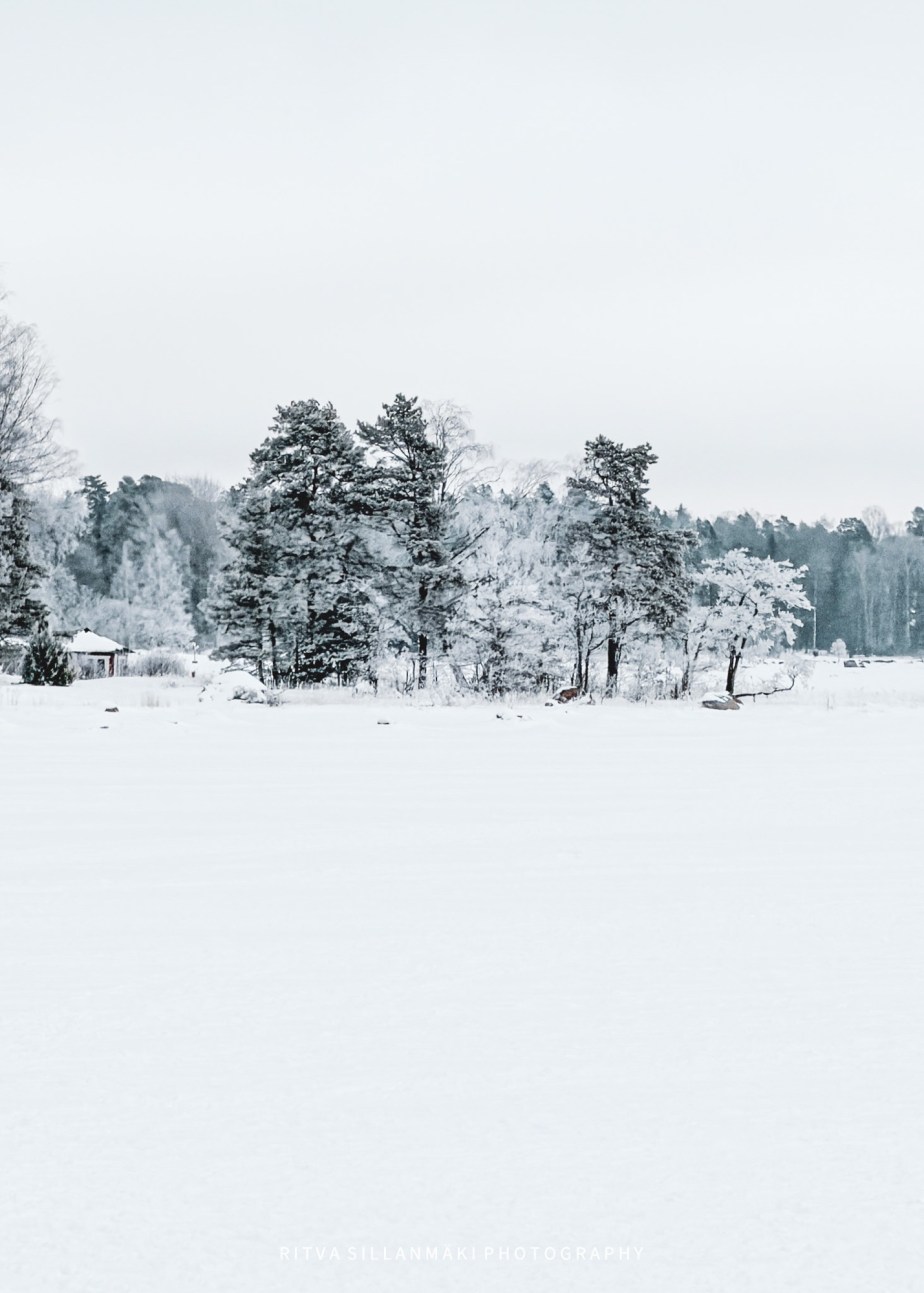
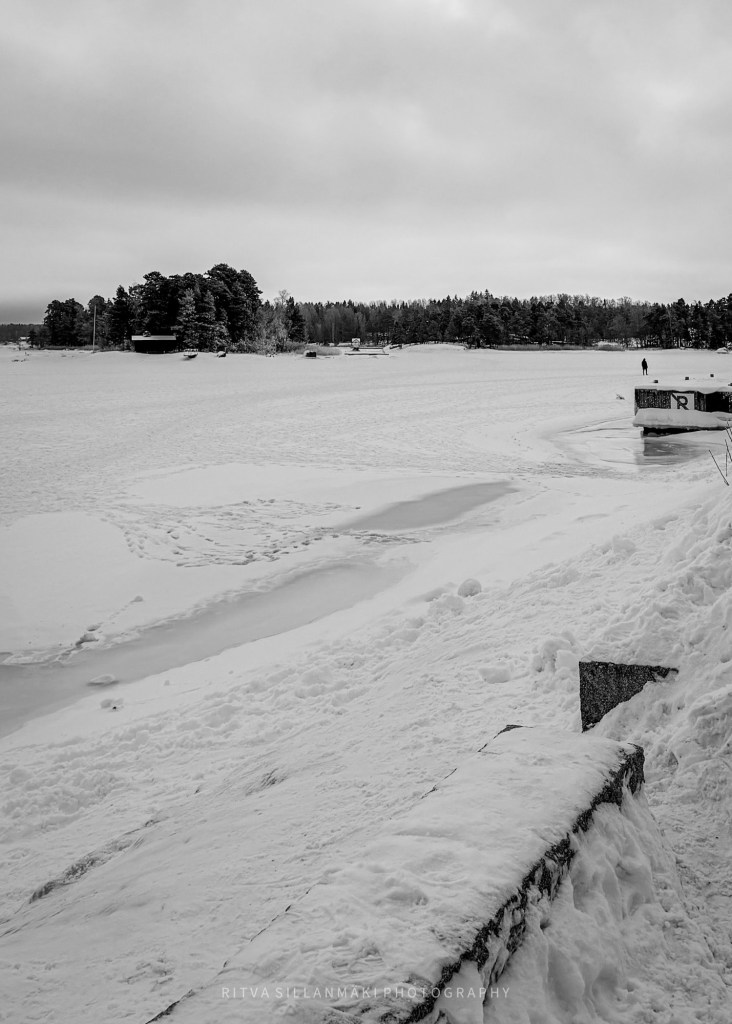
Living just 10 km away, we have a mix of landscapes around us, from farmland and sea to lively urban spots that make our surroundings interesting. This time, my photos might not be my best, but they show some fresh moments from my recent outings. Espoo, with its own unique vibe, is about 10 kilometers from home; this area is where I often get inspired by the sea, since I used to live close to it in Espoo. That’s what I really miss from my current place—being just a short walk from the seafront . It’s not that far away, though. I snapped these first two photos with my iPhone on Monday during a nice trip out to meet a friend for lunch at a café that has a great view of the waterfront, showcasing the beautiful mix of nature and city life.
A winter landscape of an island with snow-covered trees and a blanket of fresh snow as seen from the ice covered sea
A black and white winter landscape, ice covered sea, a snowy shoreline with an island and scattered trees and a solitary figure walking in the distance.
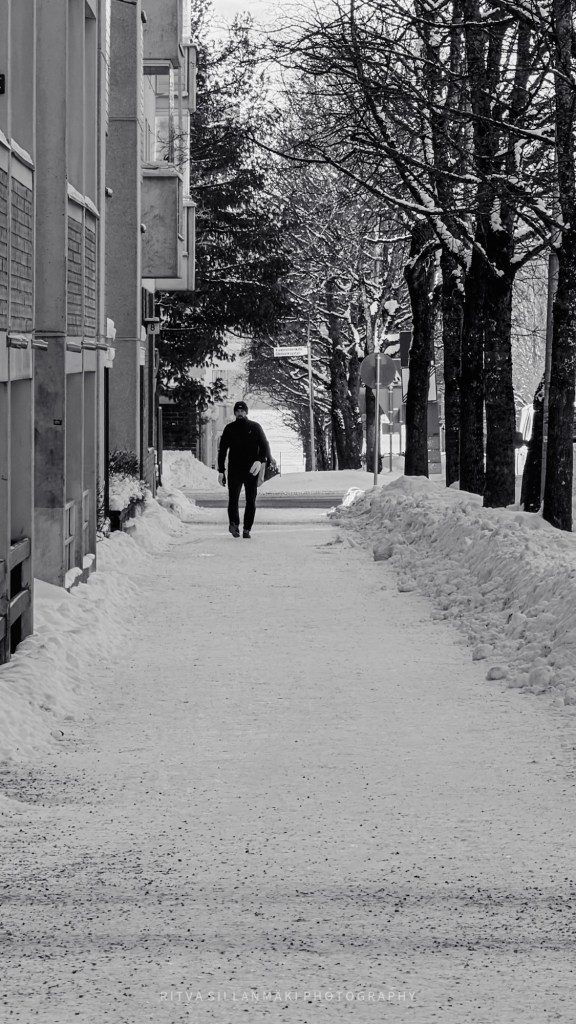
About 10 km from home, I snapped this as I was heading back from the hairdresser. It’s in Espoo, where I’ve been going for over 20 years, even before we moved to our current place. Once you find a hairdresser who does a great job, it’s tough to switch things up. I’m sure the ladies would agree with me on that 😀. It’s in a busy area with a bunch of apartment buildings. Not the most creative shot, but I liked the leading lines, which is why I took it.
A solitary figure walks along a snowy sidewalk lined with trees and apartment buildings.
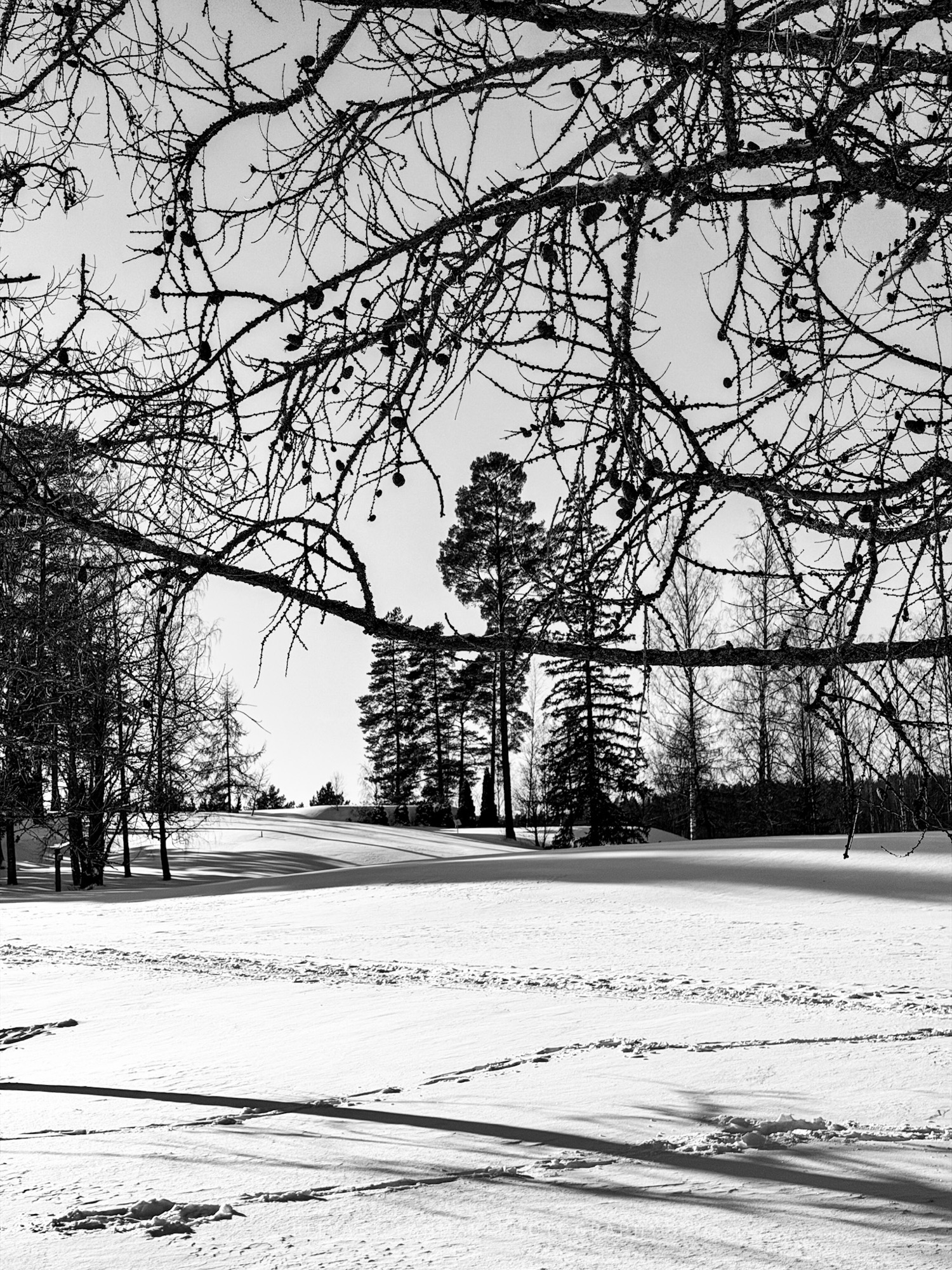
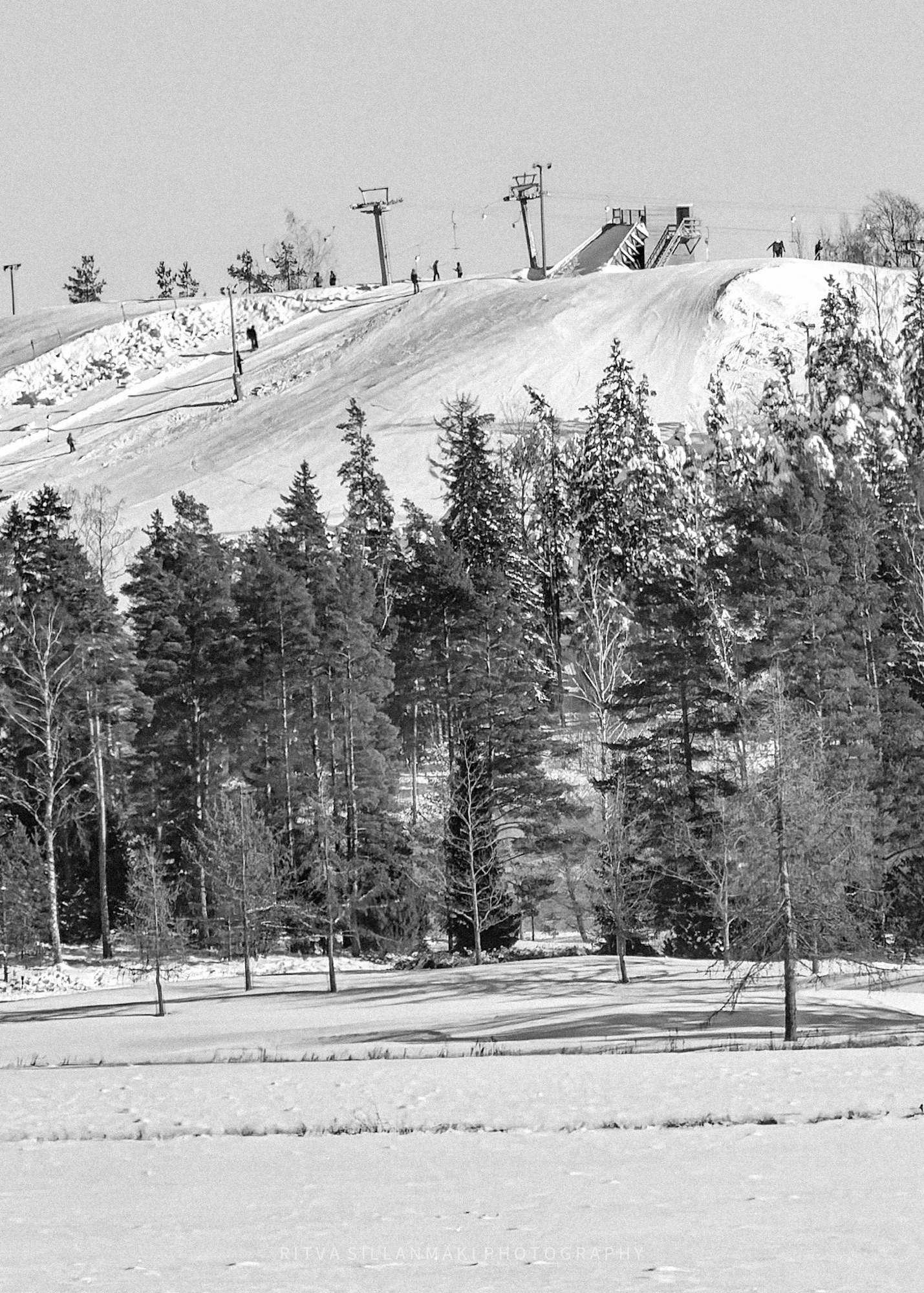
In the monochrome winter landscape, trees rise against a blanket of snow covering the field, showcasing the beauty of the season. I captured this moment yet again with my iPhone, approximately 5 kilometers from a quaint ski resort in Kirkkonummi.
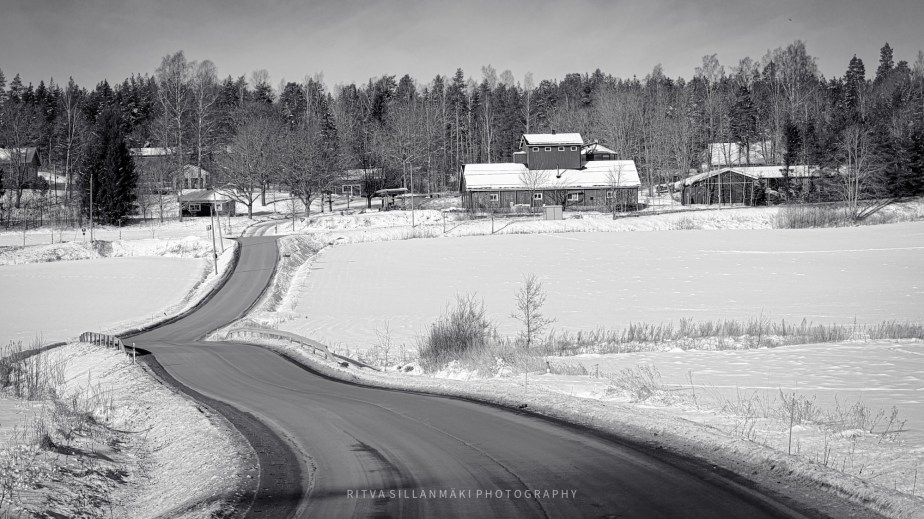
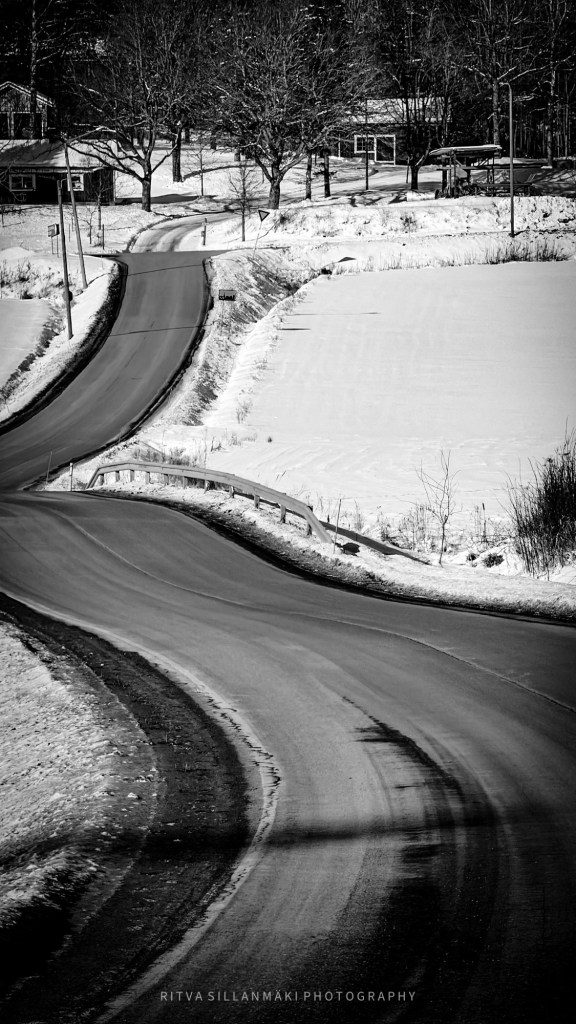
A winding country road surrounded by snow-covered fields and trees, showcasing the serene landscape within 10 kilometers from home.
Country roads very near our home. The day temperatures have been warmer so the main roads are free of snow.
Curving country road surrounded by winter scenery near home.
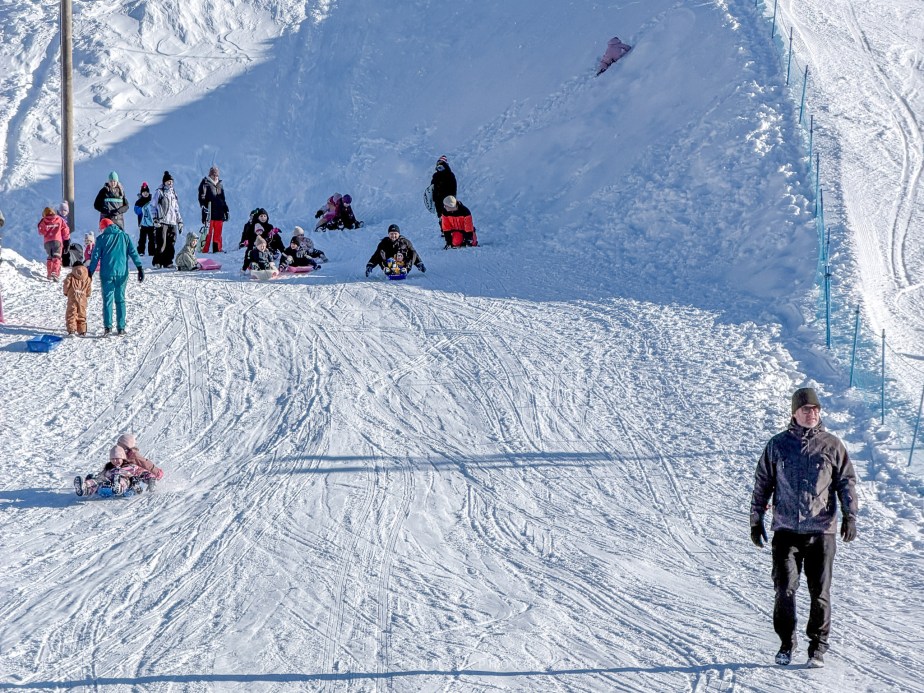
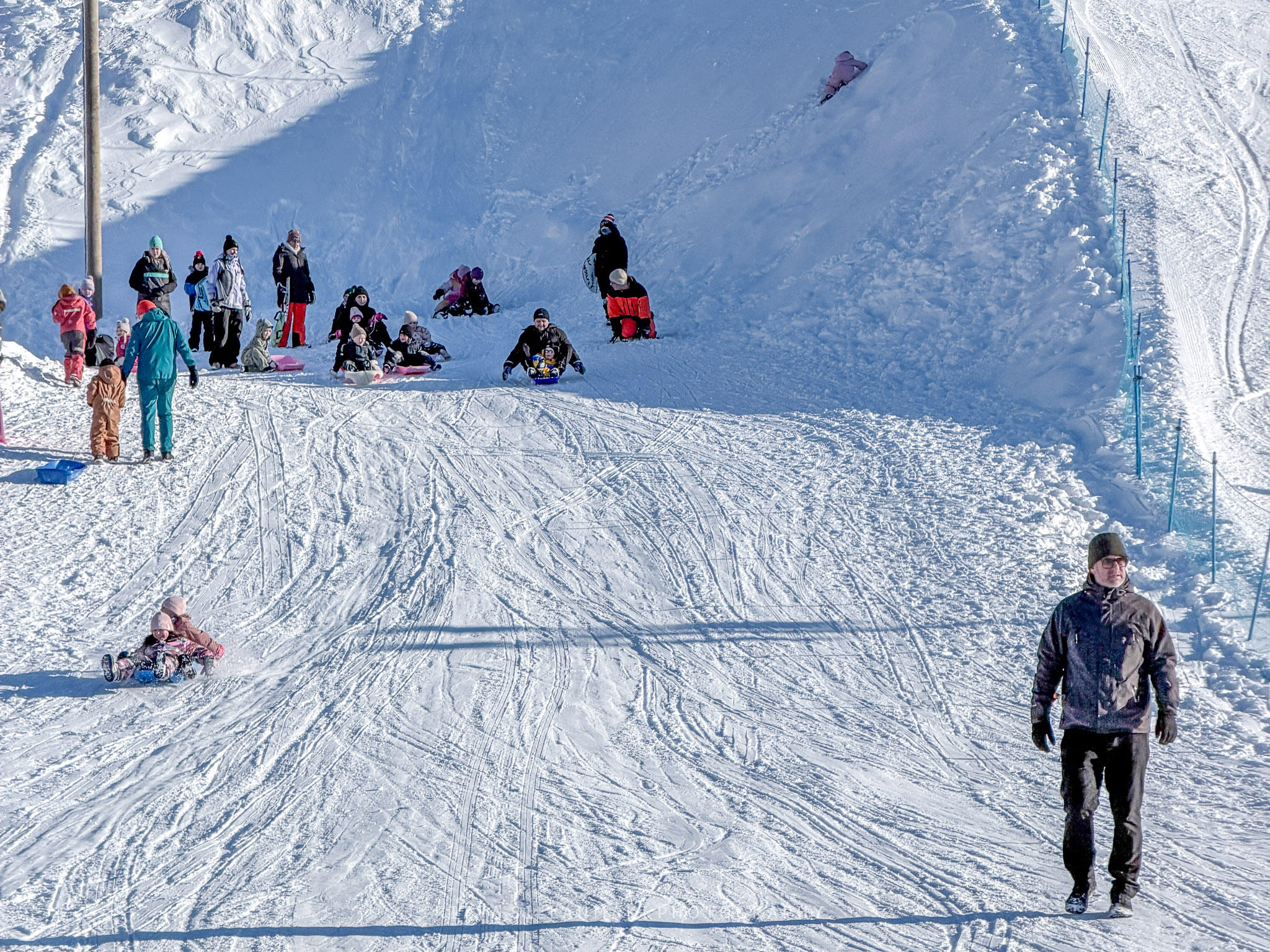
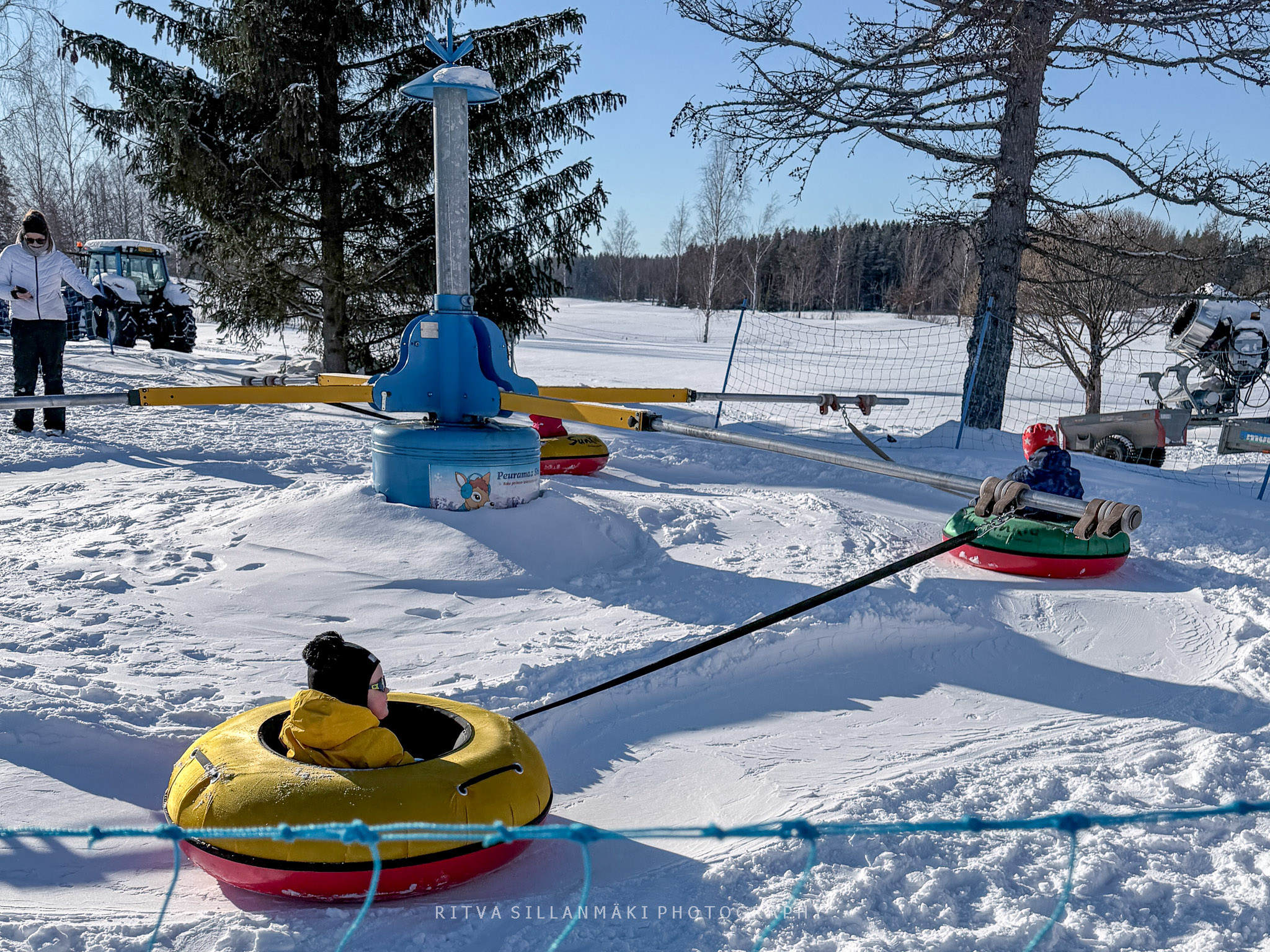
A sunny February day filled with winter delight was immortalized through my mobile phone. The vast blue skies contrasted spectacularly with the shimmering white snow. With a mild temperature of -4°C, it felt delightful to be outdoors, with children engaging in various winter activities. While the little ones might not recall this adventure, the adults surely will.
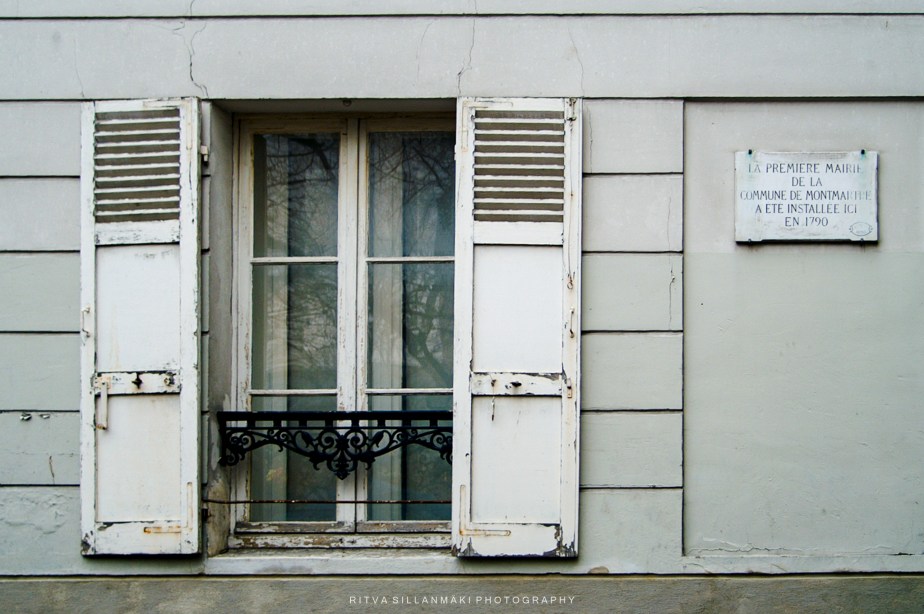
A window from the residence of the first mayor of Montmartre in Paris, accompanied by a memorial plaque. The inscription reveals that the initial mayor of Montmartre took up residence here in 1790.
Historical window of the first town hall of Montmartre, established in 1790.
This week, Patti invites you to delve into juxtaposition as a photographic method. While out on a stroll, seek out subjects that differ in color, shape, texture, structure, or scale, highlighting contrasts between various environments, cultures, landscapes, and individuals. Feel free to apply post-processing techniques such as modifying brightness and contrast or cropping to ensure your subject(s) are prominent.
Juxtaposition refers to the act of placing two or more things, ideas, or concepts alongside each other, often to highlight their differences or similarities. A simple explanation; that is what resonates most with me. I must admit that I invested time in searching for photos for this, which isn’t as easy a task as one might assume, at least not for me. Even having an idea of where to find the appropriate photographs was a bit of a challenge. However, this is indeed part of the challenge.
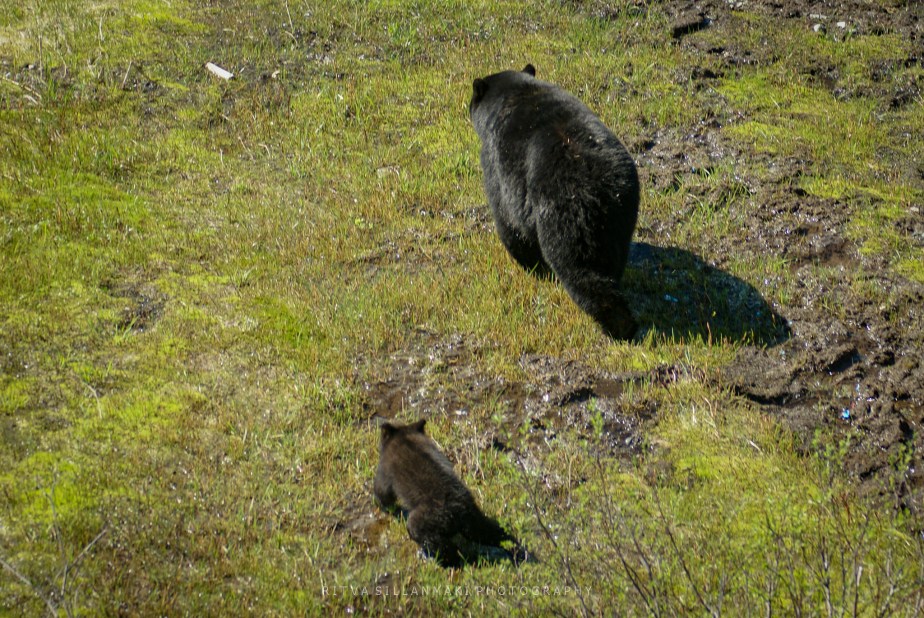
First thing that came to mind – young, old, mother and a child, each representing the different stages of life and the unbreakable bond between generations. Photo was taken in Thailand. Same in the animal world, the header image is of the black bear and its cub I saw in Whistler in British Columbia.
A heartwarming moment of joy between a mother and her child, capturing the essence of love and connection. and Juxtaposition of old and new: The juxtaposition of the old and the new.
Even if I don’t have a photo of this, I can vividly picture a scene that captures this essence, showcasing the mother or father with her child playing joyfully in the park, while the older generation watches fondly from a nearby bench, sharing smiles and stories. This moment encapsulates the beauty of familial love and the lessons that are passed down through the ages, reminding us of the importance of cherishing every fleeting moment together.
Juxtaposition of a white duck and a brown duck swimming side by side in water. The juxtaposition of colors.
Some years ago, we saw this albino mallard and the usual brown female side by side in Padasjoki here in Finland. This unexpected sighting was particularly captivating, as the contrast between the striking white feathers of the albino and the rich brown of the female created a beautiful tableau against the backdrop of the shimmering lake. It was a first for me, and I found myself drawn to the uniqueness of the moment, marveling at the wonder of nature. I thought it would be suitable for this challenge, as it perfectly encapsulated the beauty and diversity of wildlife that often goes unnoticed in our everyday lives.
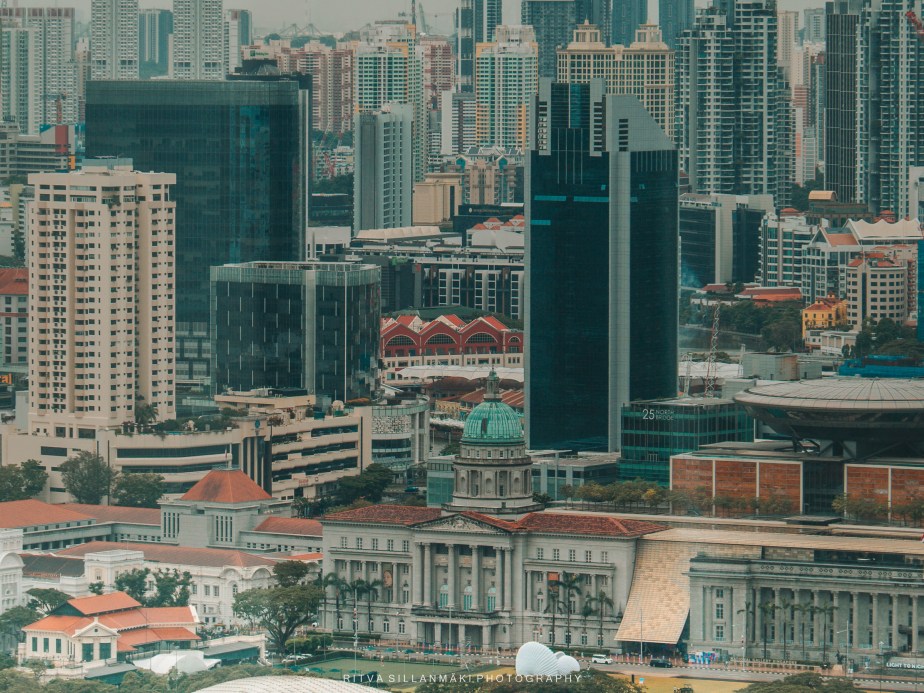
A striking cityscape showcasing the blend of modern skyscrapers and historical architecture, highlighting the juxtaposition of old and new in urban design.
A city skyline in Singapore that beautifully merges contemporary skyscrapers with historical structures, illustrating the contrast between past and present in urban architecture. The harmonious fusion of sleek glass and steel designs with intricate buildings from earlier times crafts a compelling visual story, encouraging us to value the deep history while also celebrating cutting-edge architectural trends. I was really struck by the contrast, and it was even more concrete as I took in the view from a higher viewpoint.
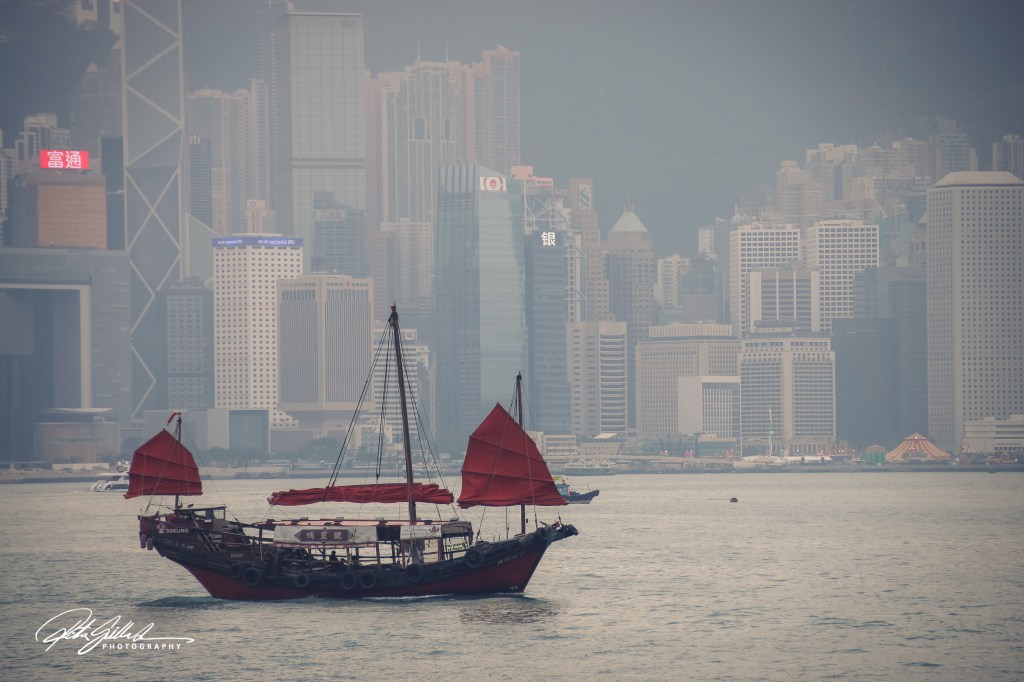
When visiting Hong Kong, this contrast was fascinating to me. A traditional Chinese junk boat sailing in the harbor, with its vibrant red sails, juxtaposed with the stunning skyline of sleek skyscrapers, beautifully highlights the contrast between the rich historical maritime culture and contemporary urban architecture. As I stood looking at these boats sail against this backdrop, it felt unreal in a way, even though I knew the tourists were using them.
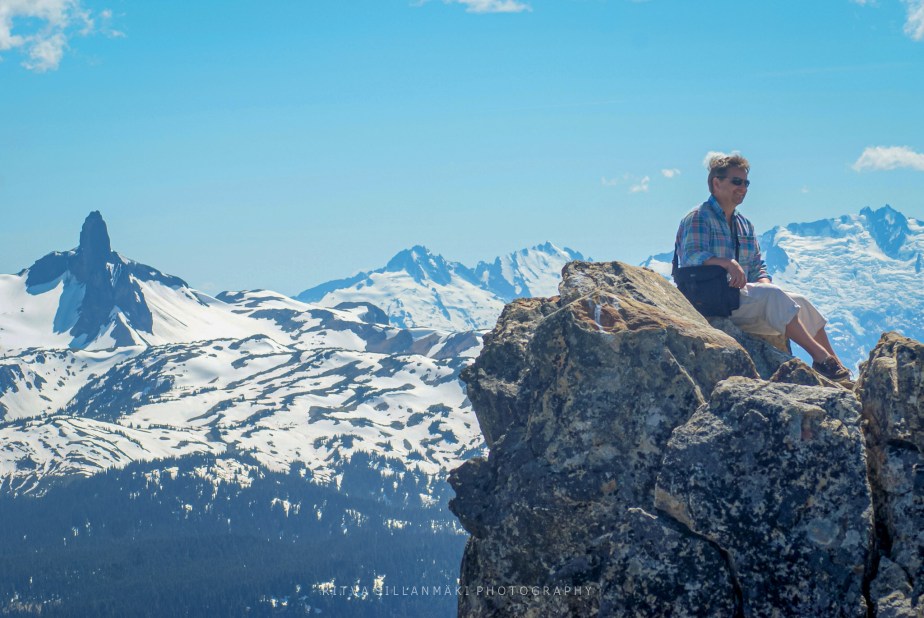
A traditional Chinese junk boat sailing in Hong Kong’s harbor, juxtaposed with a modern city skyline, highlighting the contrast between historical maritime culture and contemporary urban architecture.A solitary figure perched on a rocky peak, enjoying the breathtaking mountain landscape, showcasing the beauty of nature and the serenity of solitude. Whistler /BC
A solitary figure perched on a rocky peak, (my husband) I savored the breathtaking mountain landscape that unfolded before me, feeling the beauty of nature envelop me, illustrating the delicate balance between the grandeur of the natural world and my humble existence within it. I took a deep breath, inhaling the crisp, invigorating air, rich with the scent of pine and earth. The silence was profound. This scene became a poignant reminder of the simplicity and peace found in moments like these, where every detail—from the vibrant hues of the sky to the intricate patterns of the stones—spoke to the timeless beauty of the environment and humbly reminded me of our place within it.
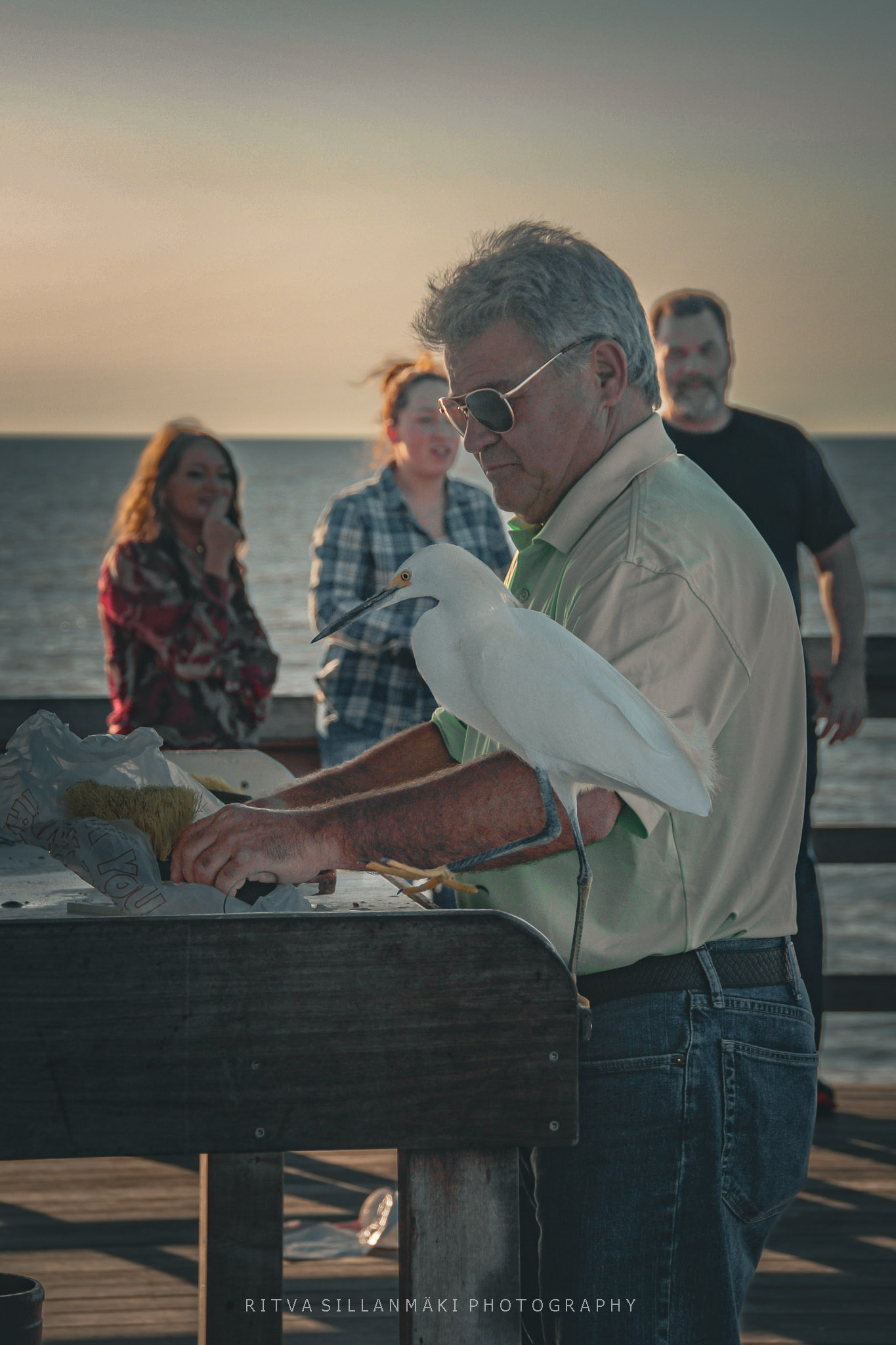
I saw this in Florida, a man interacts with an egret on a pier, the connection between humans and wildlife. This moment illustrates not just a simple act of feeding, but a deeper bond formed through respect and understanding of nature. The majestic egret, with its striking white feathers, captivates with its grace and poise, reminding us of the beauty that exists in coexistence.
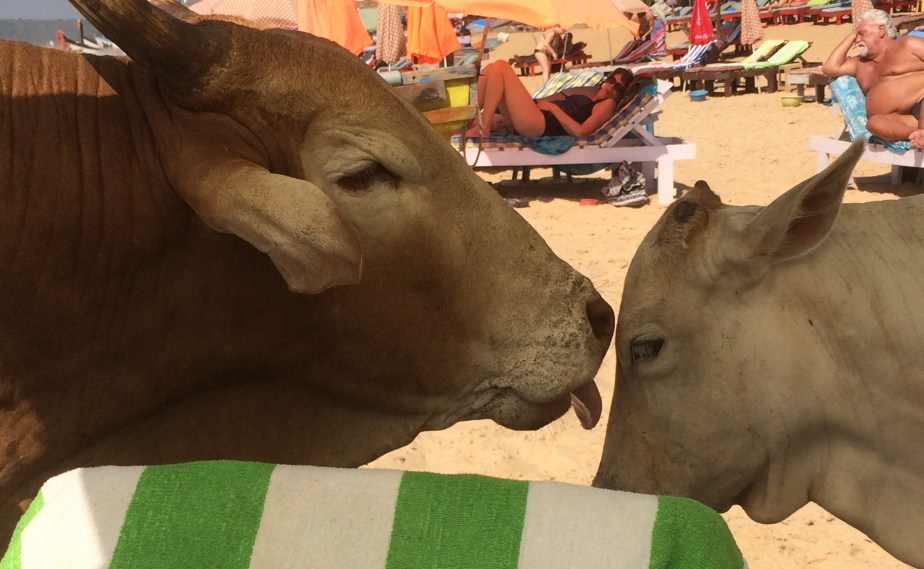
These to cows came to share our umbrella, on a Goa beach shows the mix of Indian culture with a lively tourist scene. As they graze on the sand, under the colorful beach umbrellas and sunbathers go on with their sunbathing .Their curious looks contrast with their farm origins against the busy atmosphere of holidaymakers. This scene captures a moment where rural life, connected to the sacredness of cows in Indian culture, blends with the relaxed vibe of the coast, sure made me to think about the coexistence of different worlds.
Last week, I sought out unique crops, and you all came through. I was thrilled by the diverse approaches you took, even though you mentioned it was challenging. It wasn’t apparent. There are numerous discoveries to be made if we present them differently to uncover the often overlooked curiosities that exist. Thank you all for participating.
I hope you will join in for this week’s interesting challenge. Be sure to tag your post with Lens-Artists and include a link back toPatti’s original post
Make sure to return on Saturday, February 28, at noon Eastern Time for an exciting new challenge from John at Journeys with Johnbo. I hope you’ll be there to join us! In the meantime, let’s keep exploring, broadening our horizons, and maintaining a positive mindset ❤️
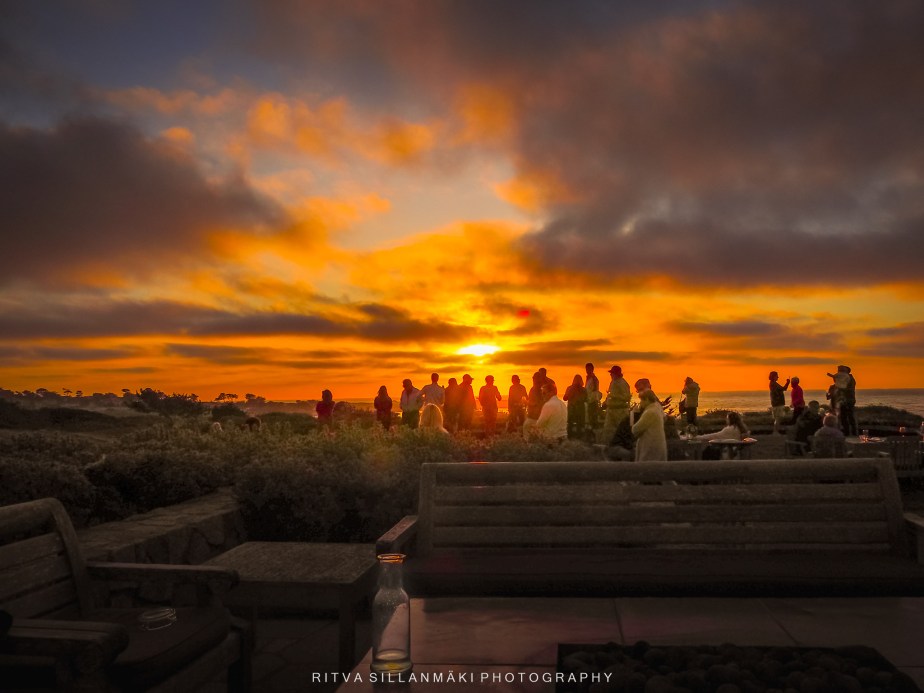
of a person) Who enjoys being in crowds and socializing.
A vibrant sunset gathering with people socializing and enjoying the moment.
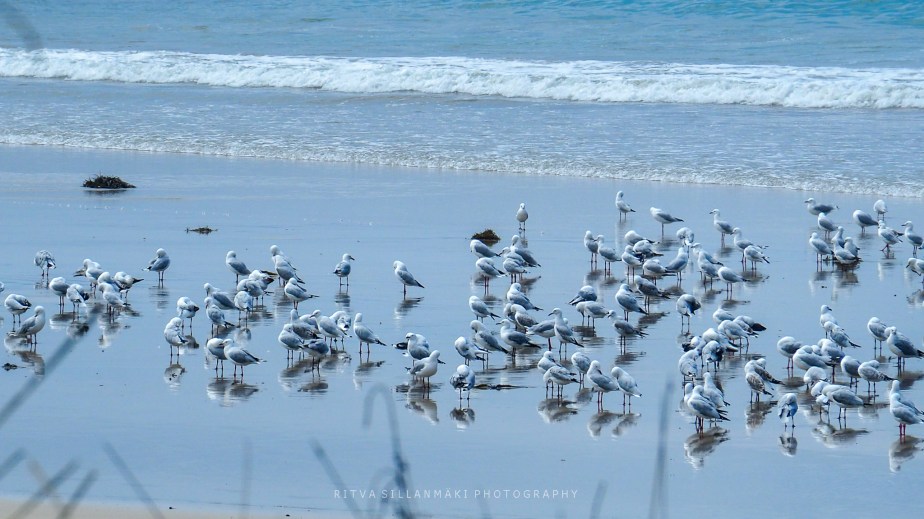
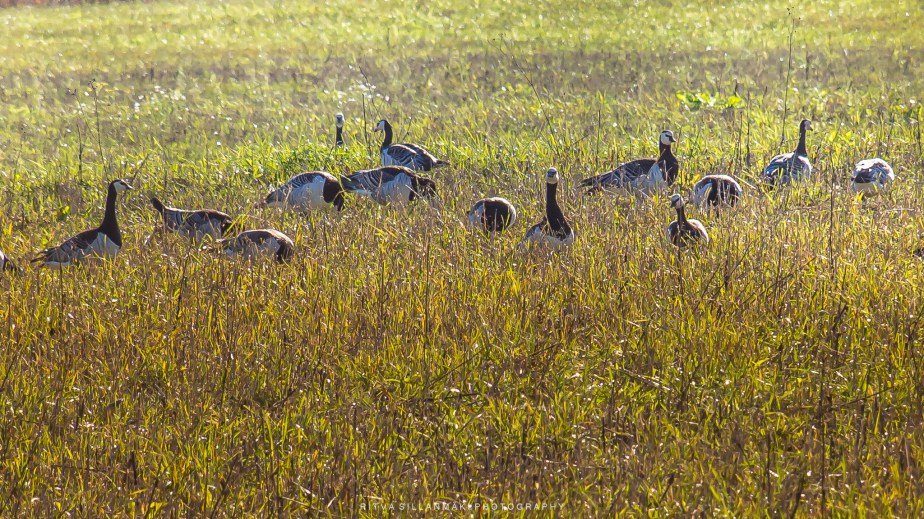
(zoology) Of animals that travel in herds or packs.
Here are domme barnacle goose (Branta leucopsis) grazing in tall grass. The species is a medium-sized goose, recognizable by its white sides, black neck and grey-spotted body. The barnacle goose is a herbivore. In Finland, the species is an invasive species, whose breeding population has grown rapidly and spread to extensive coastal areas and partly inland.
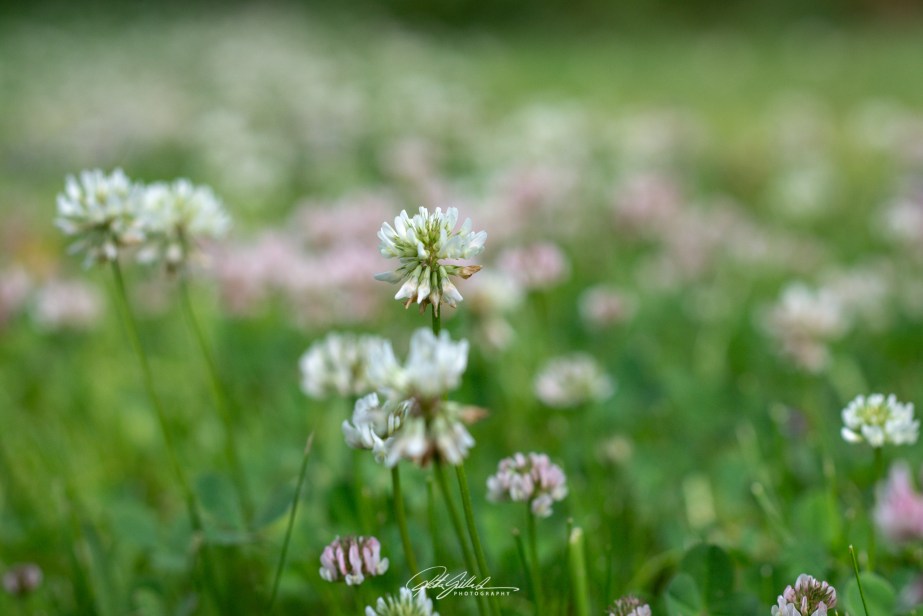
(botany) Growing in open clusters or colonies; not matted together. Pertaining to a flock or crowd.
White and Red Clover (Trifolium repens): Often forms vast, low-growing, white colonies in lawns and, fields.

















 Ritva Sillanmäki Photography