I have a soft spot for black and white photography, it is expressive and minimalist in and very mood enhancing.
Alley
The greatest dishes are very simple. – Auguste Escoffier
Cooking is like painting or writing a song. Just as there are only so many notes or colors, there are only so many flavors – it’s how you combine them that sets you apart. -Wolfgang Puck
I have a soft spot for black and white photography, it is expressive and minimalist in and very mood enhancing.
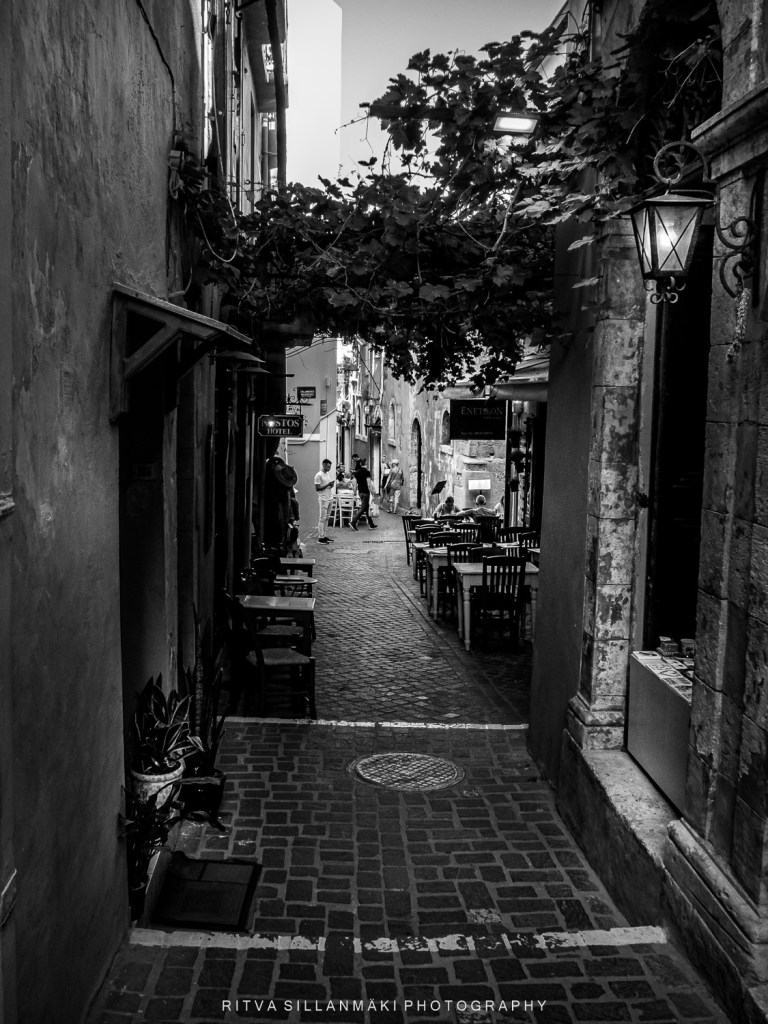
Alley
We plan our lives in long, unbroken stretches that intersect our dreams the way highways connect the city dots on a road map. But in the end we learn that life is lived in the side roads, alleys, and detours.
Richard Paul Evans
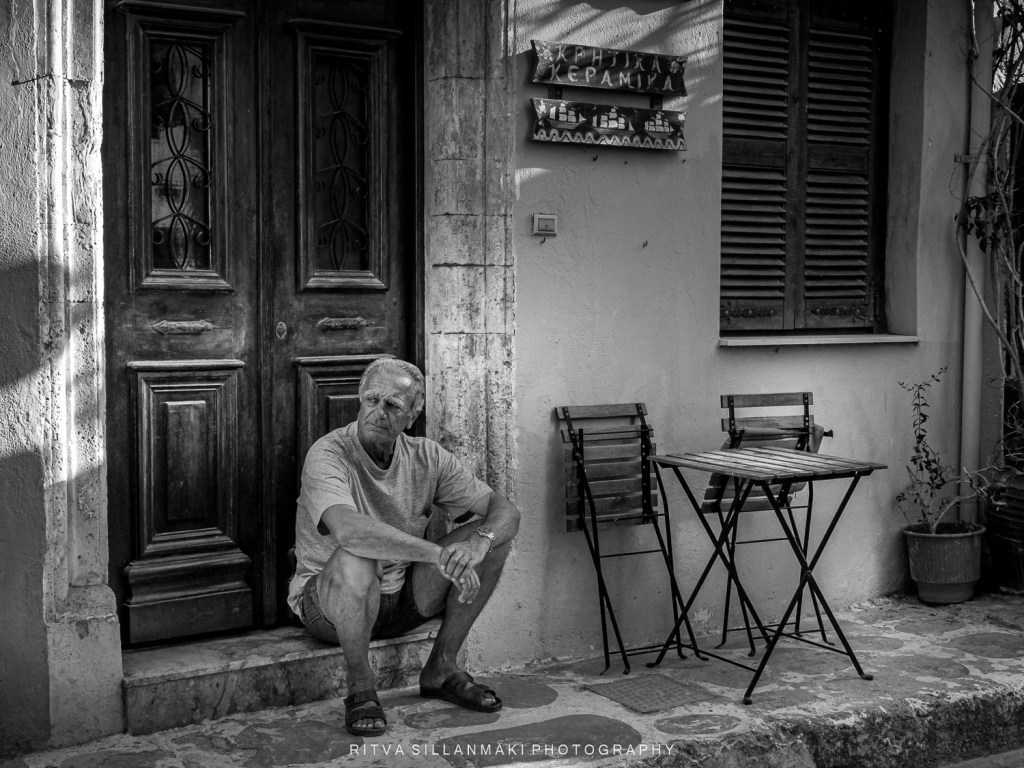
Chairs waiting for someone to stop by
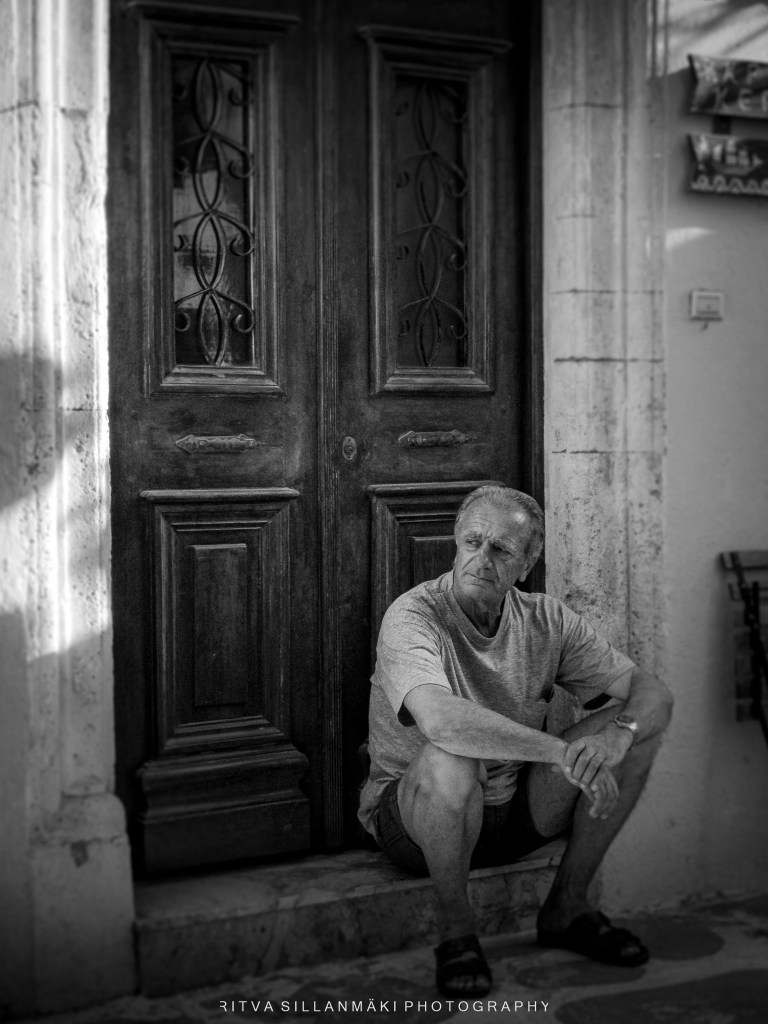
Inspiration comes from not only within ourselves, but also from watching life around us. Anthony – T. Hincks
I have a soft spot for black and white photography, it is expressive and minimalist in and very mood enhancing.
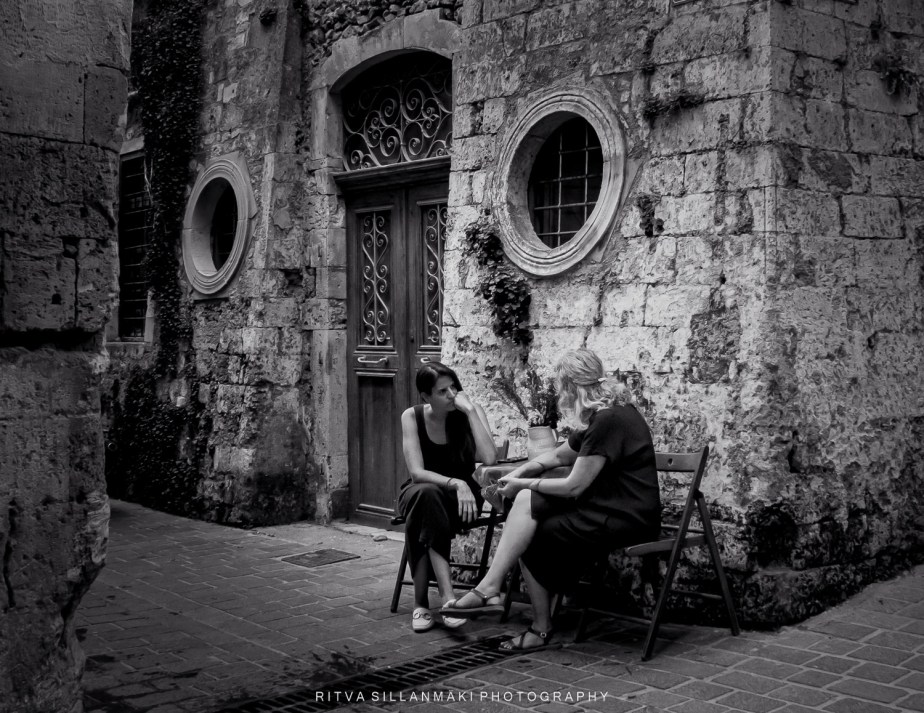
Classy women never lose their dignity.
“There is strong shadow where there is much light.” ~ Johann Wolfgang von Goethe
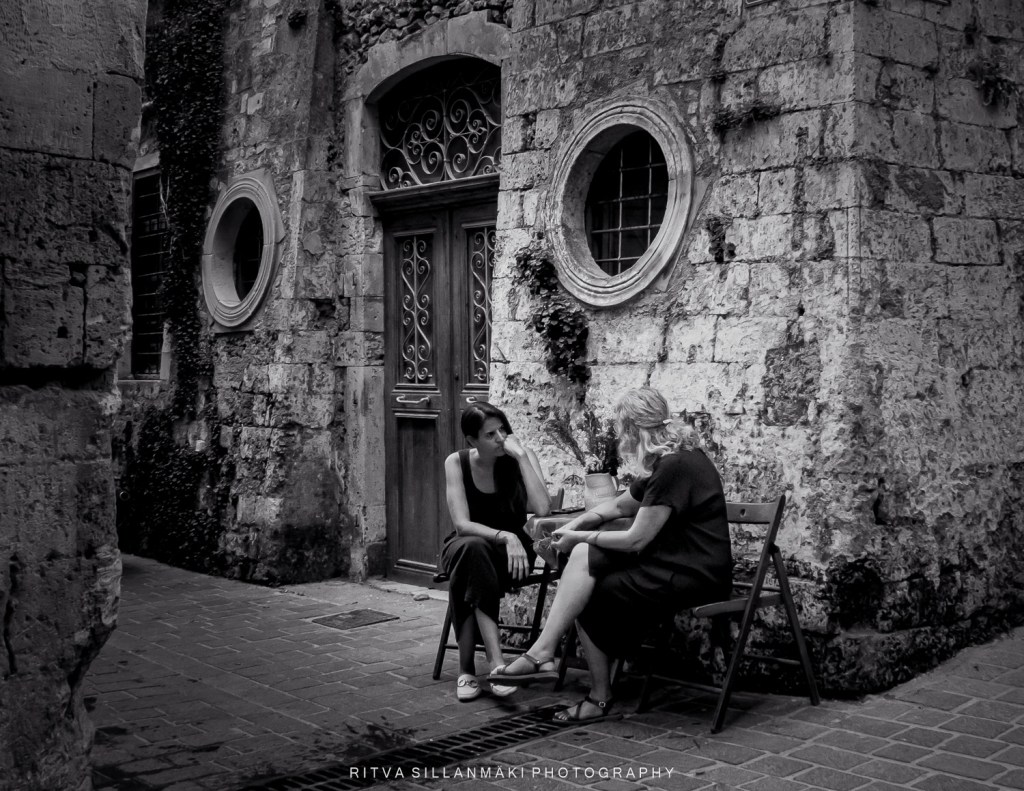
ladies
The real art of conversation is not only to say the right thing at the right place but to leave unsaid the wrong thing at the tempting moment. – Dorothy Nevill
I have a soft spot for black and white photography, it is expressive and minimalist in and very mood enhancing.
“It is life, I think, to watch the water. A man can learn so many things.”
“There is strong shadow where there is much light.” ~ Johann Wolfgang von Goethe
“Perhaps the truth depends on a walk around the lake.”
“If there are ripples on the surface of a lake, we cannot see the depth. Similarly unless the mind is restful, we cannot experience the harmony and union within us.” – Sri Ravi Shankar
I have a soft spot for black and white photography, it is expressive and minimalist in and very mood enhancing.
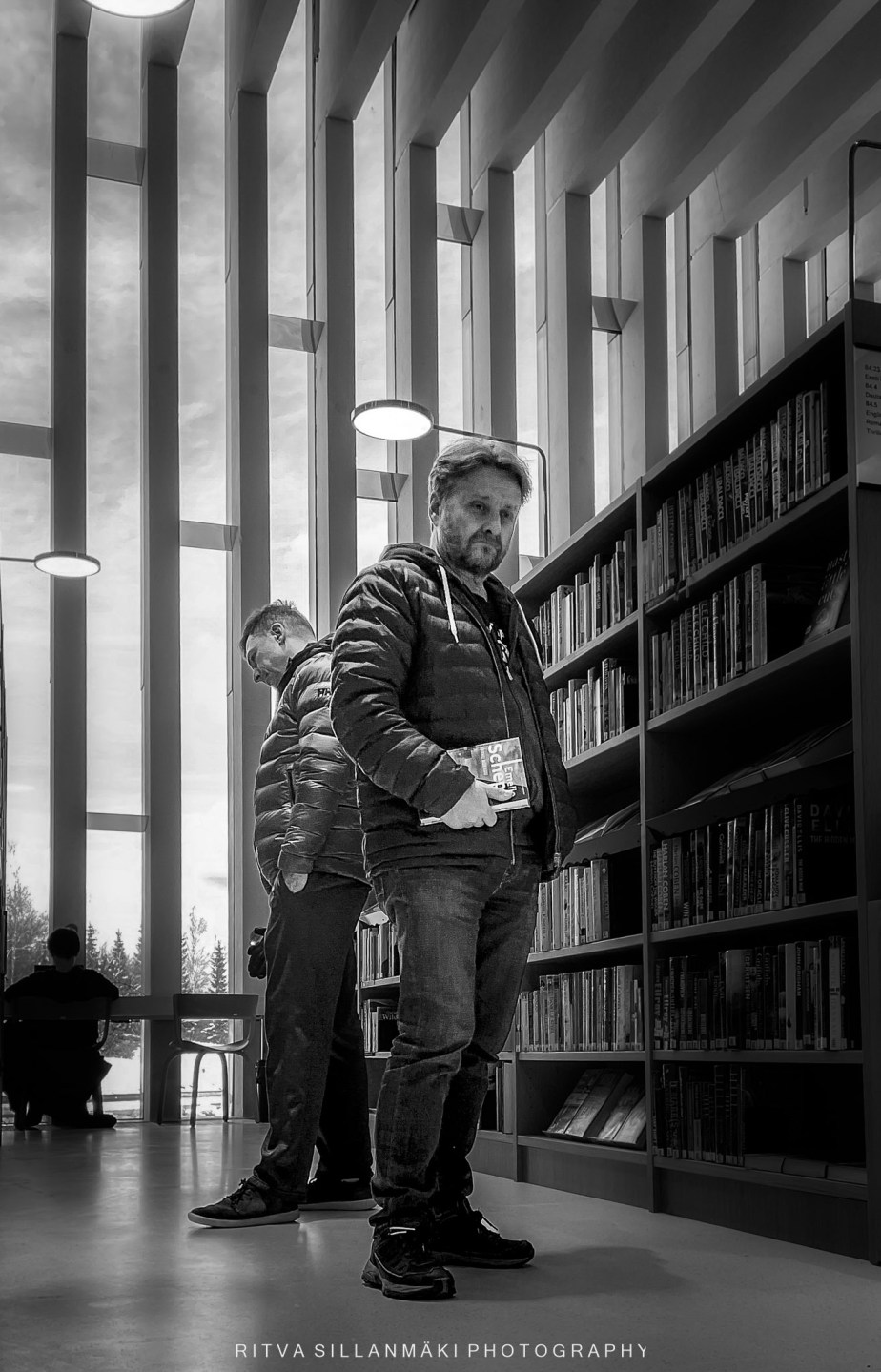
Not finding the book you want? I had just done my civil duty at the library, voted. I sat waiting for my husband to lend some books.
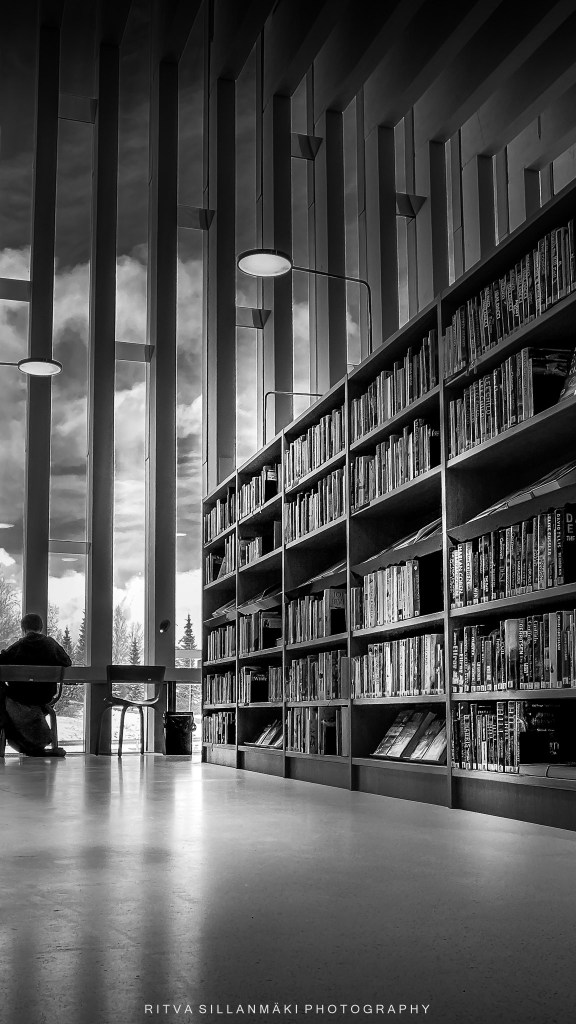
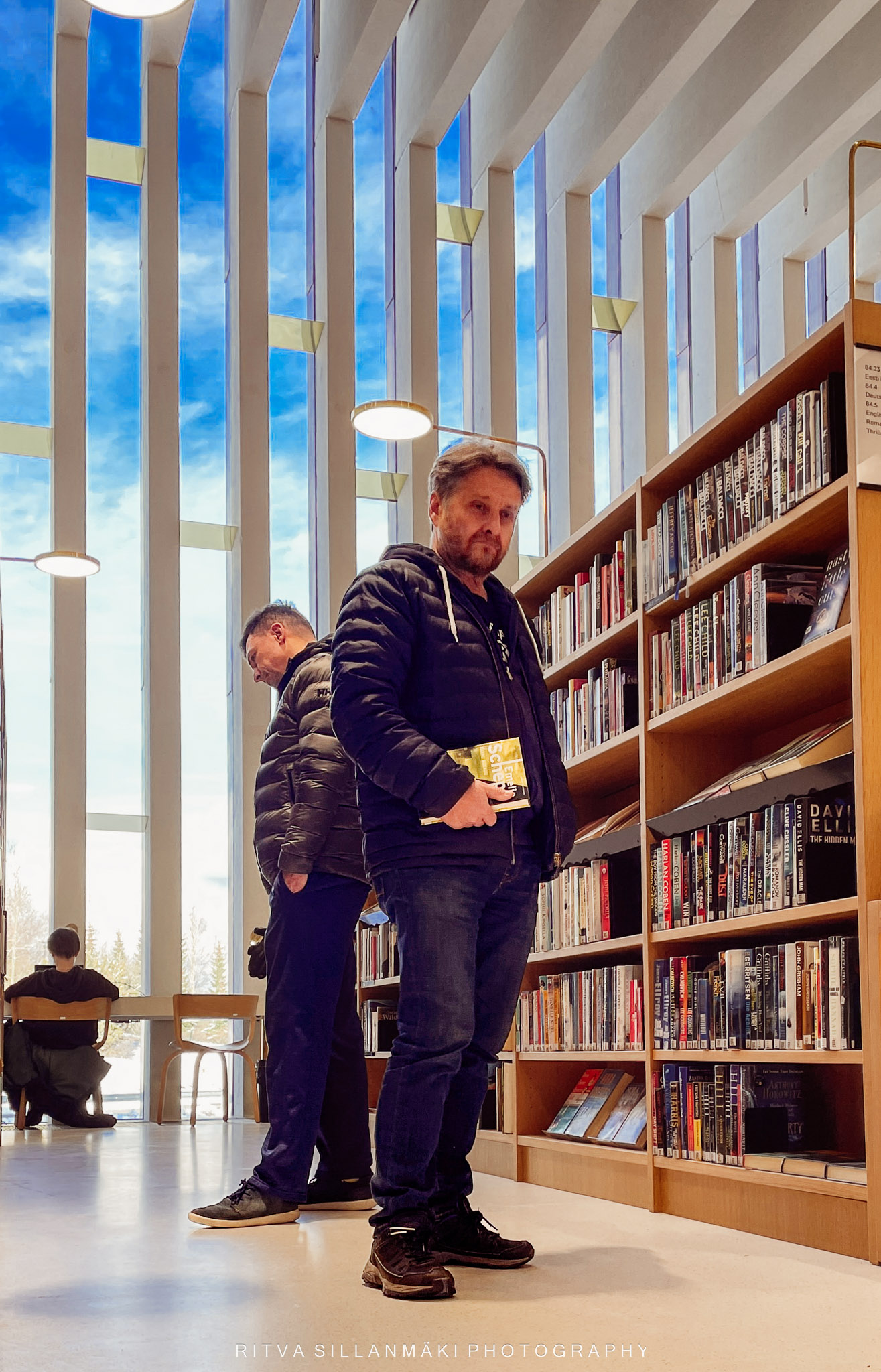
I liked the line of the windows and the shelves making a leading line. So I set the camera -phone to the floor level and took this photo of three people, they seemed to be nicely situated in also in this lowpoint photo. I also got a shot of the person sitting by the desk reading.
“The eye is always caught by light, but shadows have more to say.” ~ Gregory Maguire
two men and books
“There is strong shadow where there is much light.” ~ Johann Wolfgang von Goethe
A boy
“There’s something strange and powerful about black-and-white imagery.”
Compare to edit, color versus black and white version. But I also with the shadows.
I have a soft spot for black and white photography, it is expressive and minimalist in and very mood enhancing.
Light continues tobe the theme, as it is the thing that uplifts me the most at the moment. I posted yesterday shots of advancing sping yesterday. Today it is raining, slush and snow. Well they do say, new snow is the death of old snow this time of the year. Today I converted few into monochrome images.
“The eye is always caught by light, but shadows have more to say.” ~ Gregory Maguire
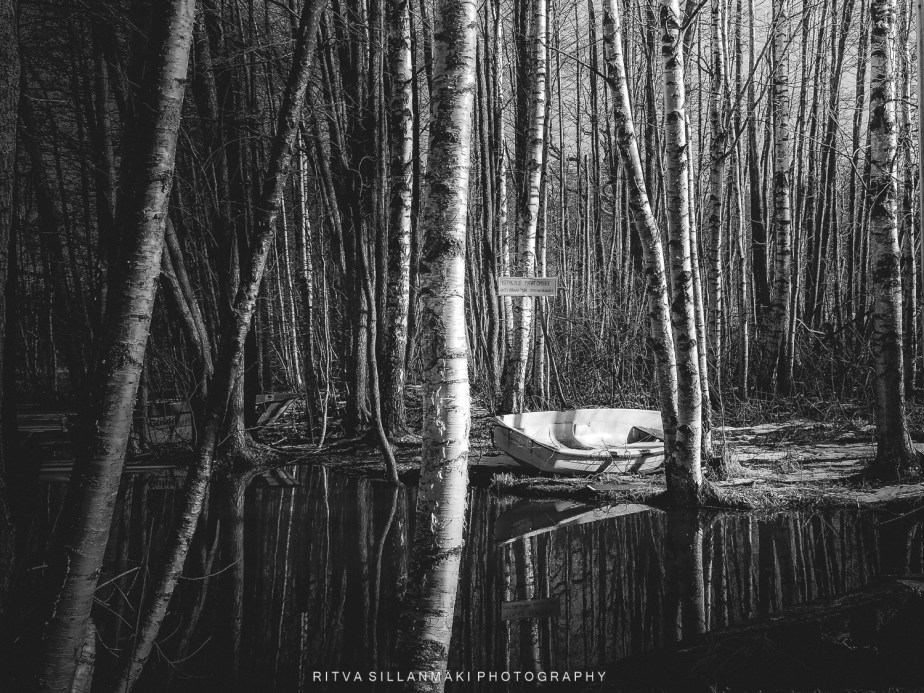
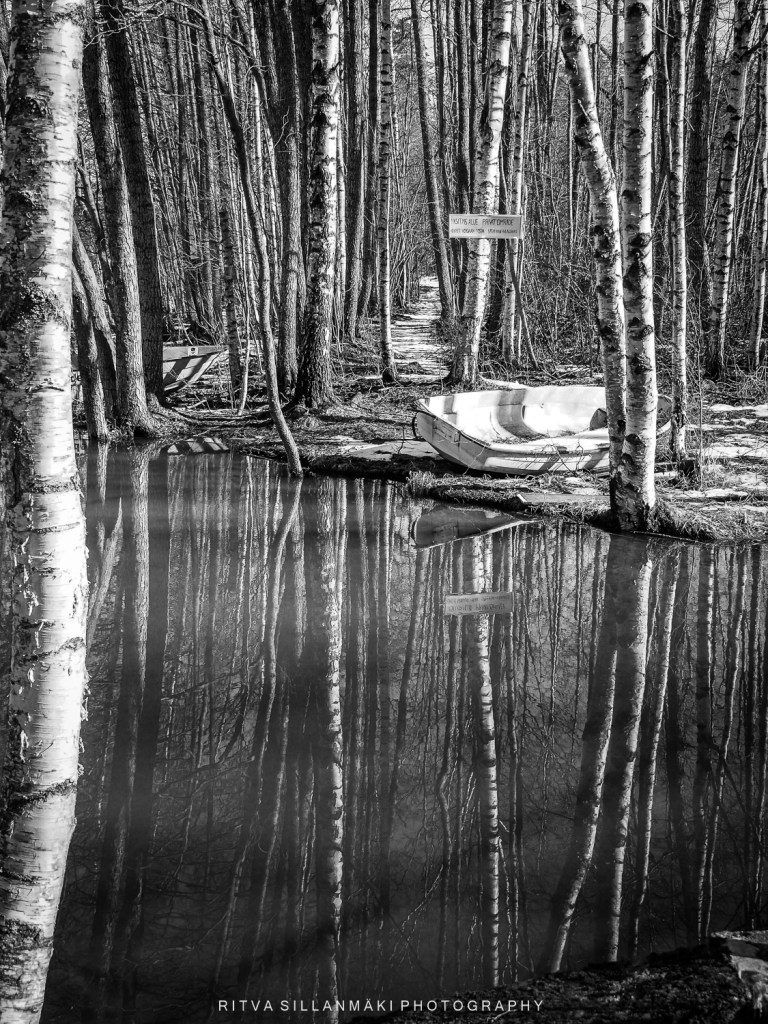
Reflections on water
“There is strong shadow where there is much light.” ~ Johann Wolfgang von Goethe
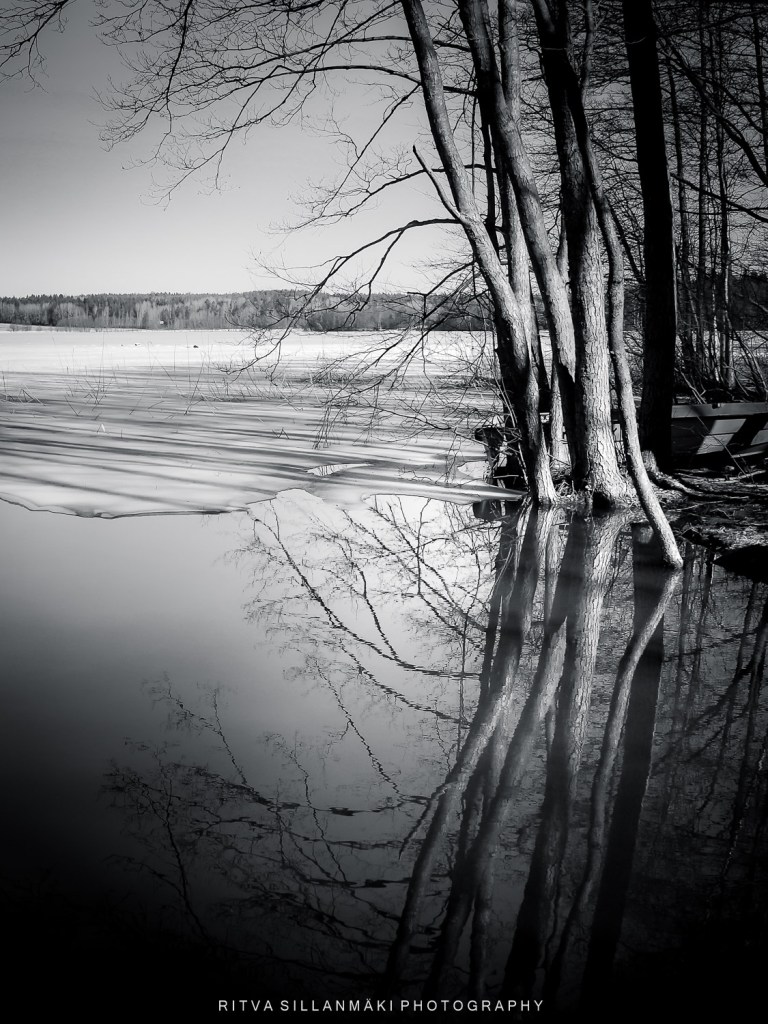
Shadow play on ice
“There’s something strange and powerful about black-and-white imagery.”
Ice and water
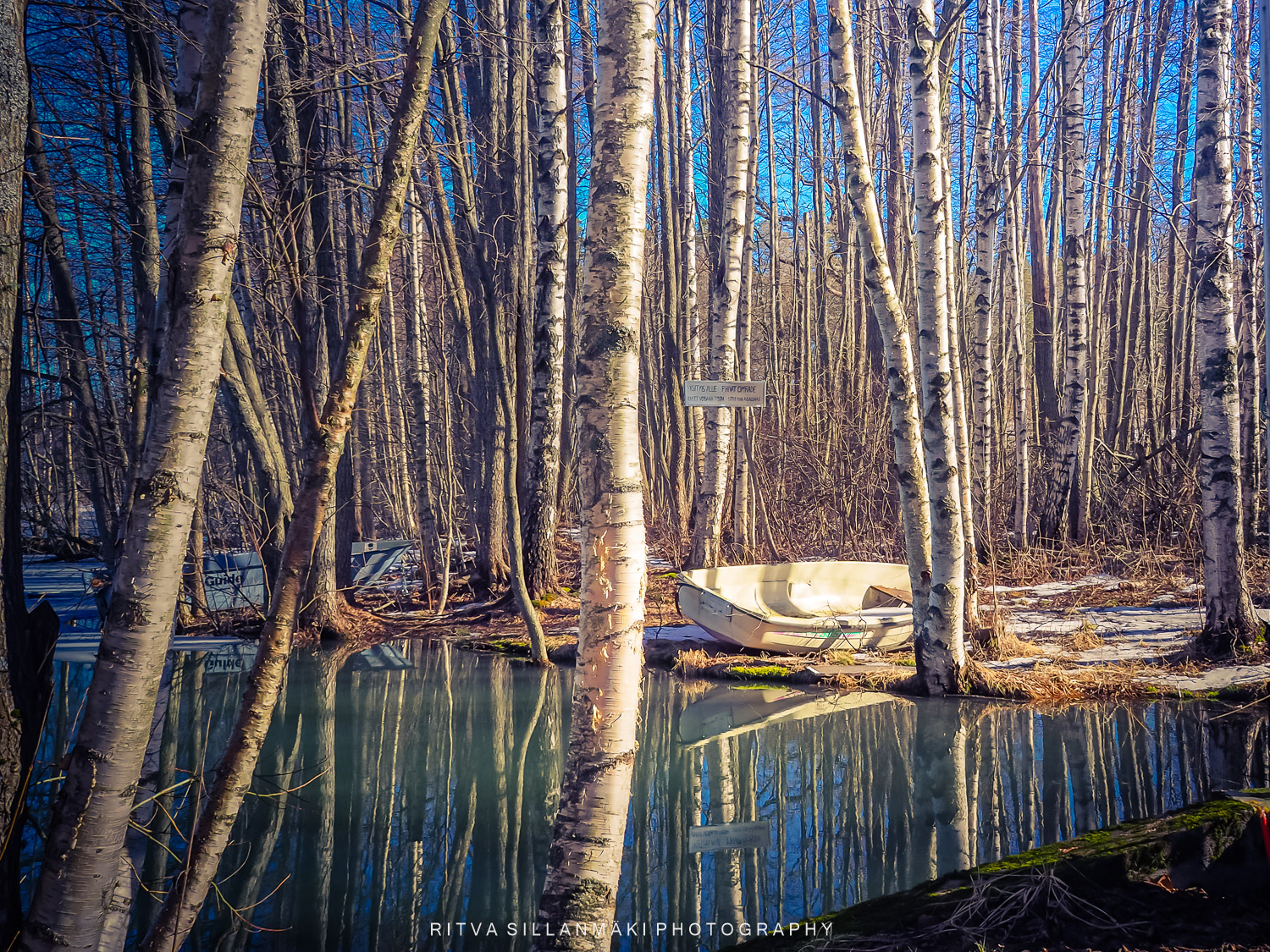
Compare to edit, color versus black and white version. But I also with the shadows…
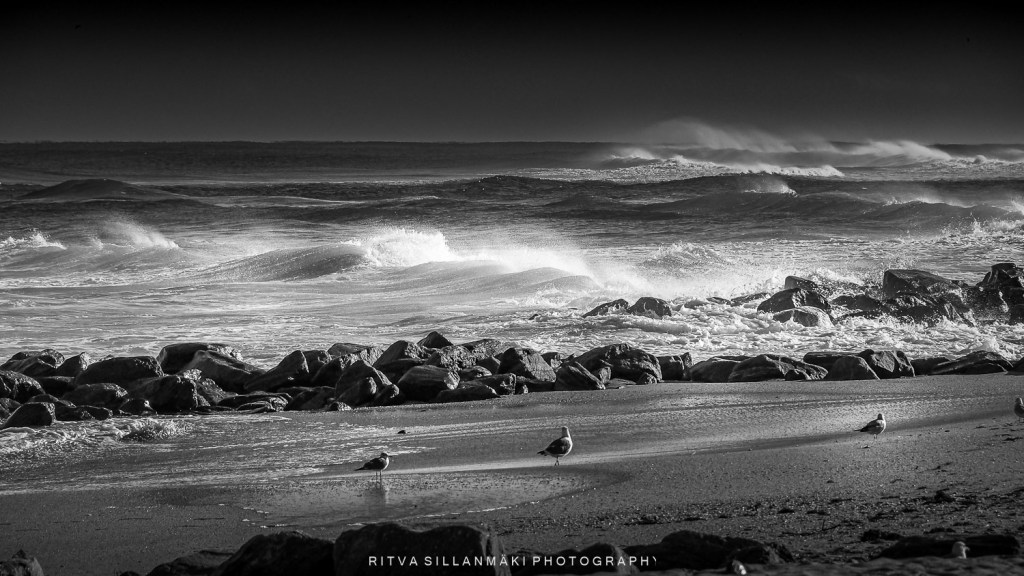
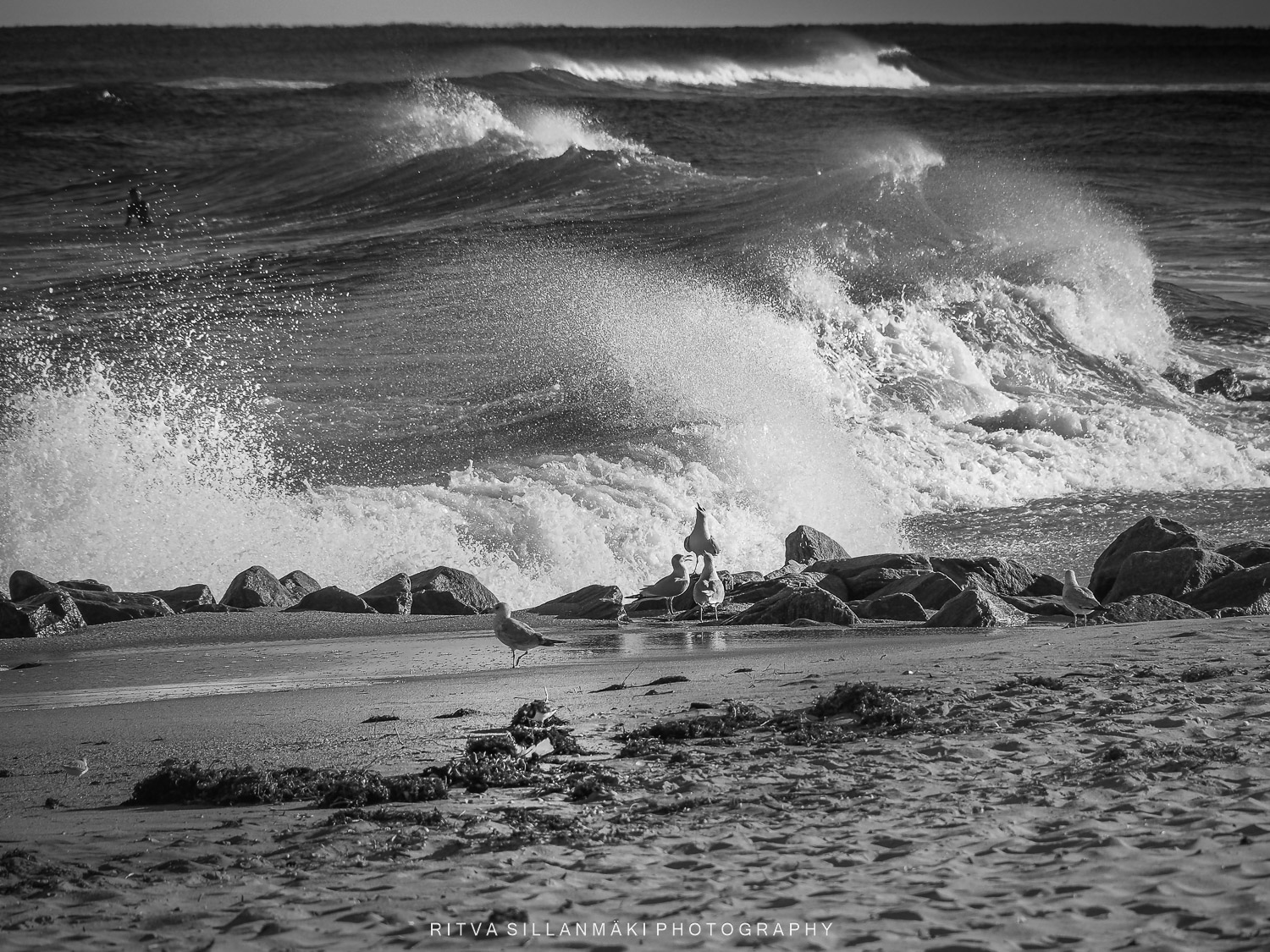
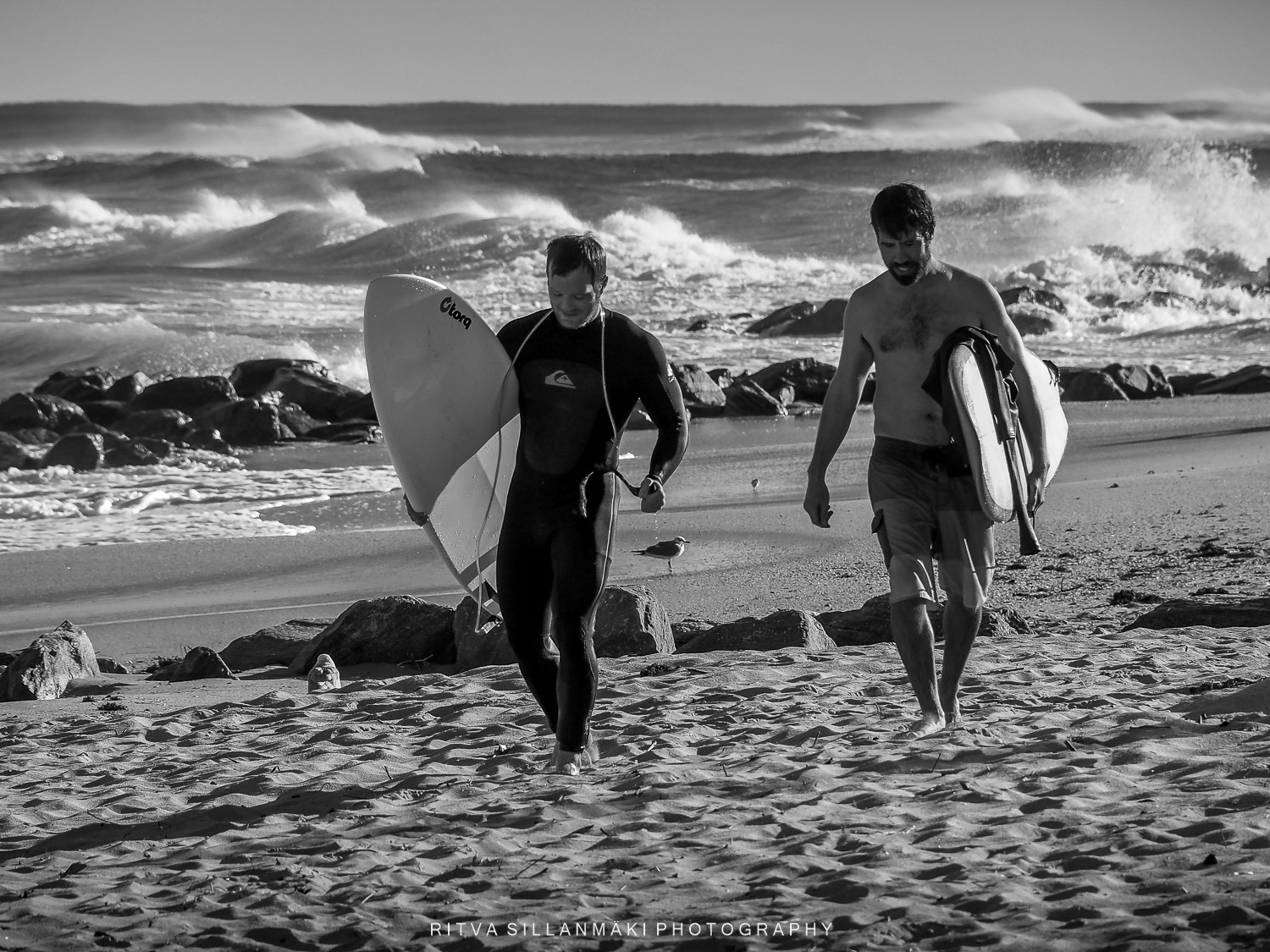
I have a soft spot for black and white photography, I also have a sweet spot for the ocean and waves. I can sit for hours and I watch the movement of of the water.
As I have been editing my beach photos lately, I did try to convert them to black and white, and I believe that the beauty and power of the moving water even without the colors comes across. Here are few photos from Ocean Ridge beach.
seagulls at the beach
“There’s something strange and powerful about black-and-white imagery.”
I have a soft spot for black and white photography, I was once again reminded about the importance of exposure, light. It is the key element in these photos.
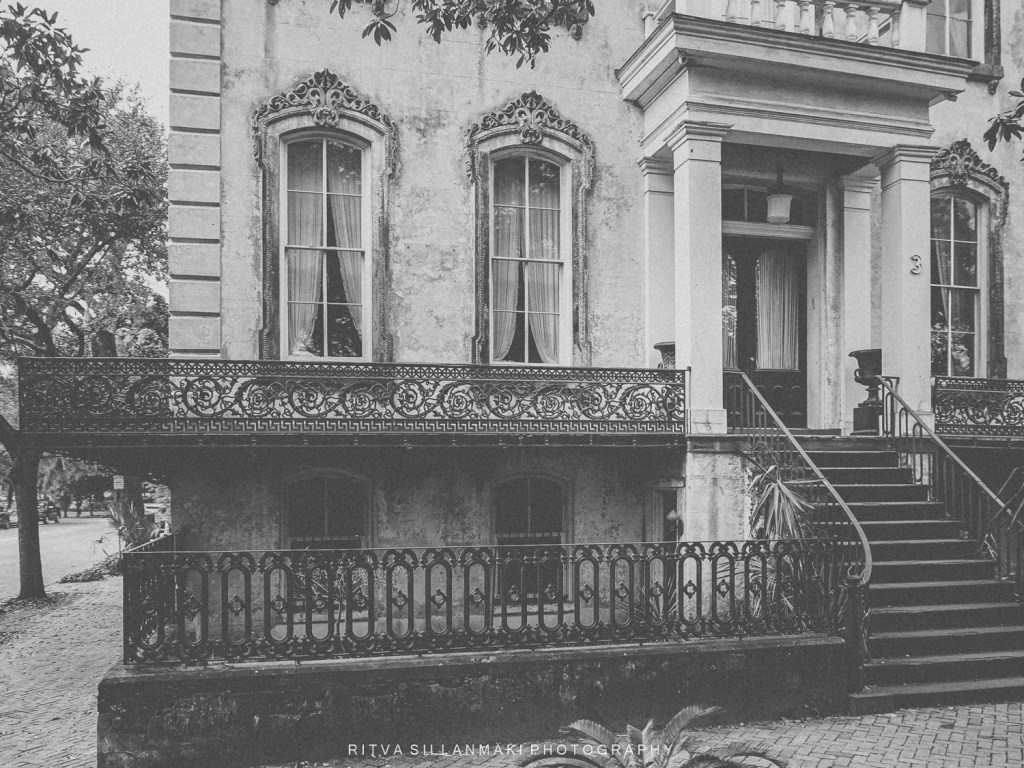
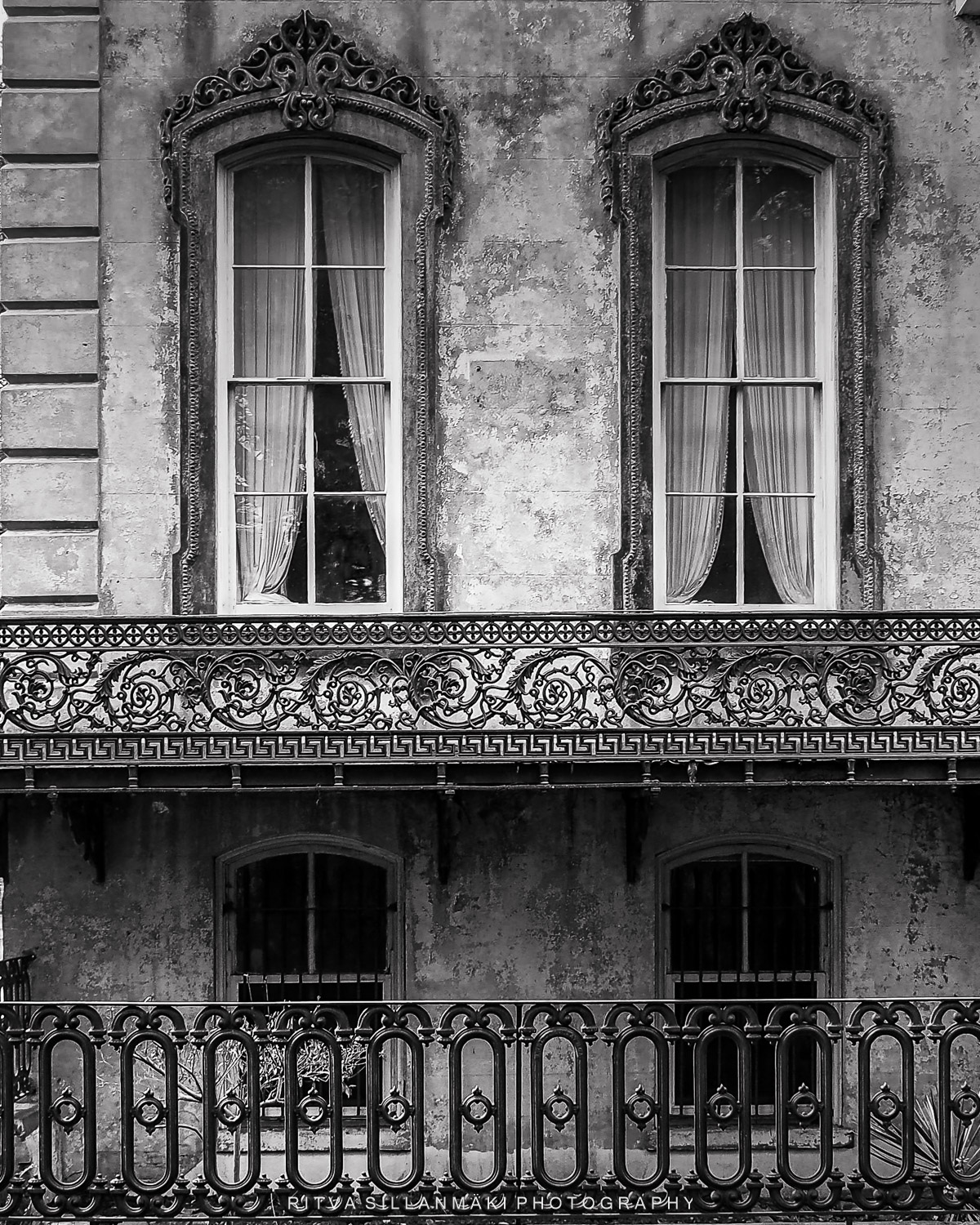
This house in the corner of the street in Savannah appealed to me, with its tall arched windows and ornate ironwork balconies and fences. The peeling paint gives it a artitic feel that looks great in photos, well that’s my opinion anyway:-) With this first edit I tried to capture a old time feel to it. The two others are more clear and crisp with slightly different composition.
A house in Savanah – Black and white photography erases time from the equation.
“There’s something strange and powerful about black-and-white imagery.”
I have a soft spot for black and white photography, I was once again reminded about the importance of exposure, light. It is the key element in these photos.
There’s so much grey to every story – nothing is so black and white.
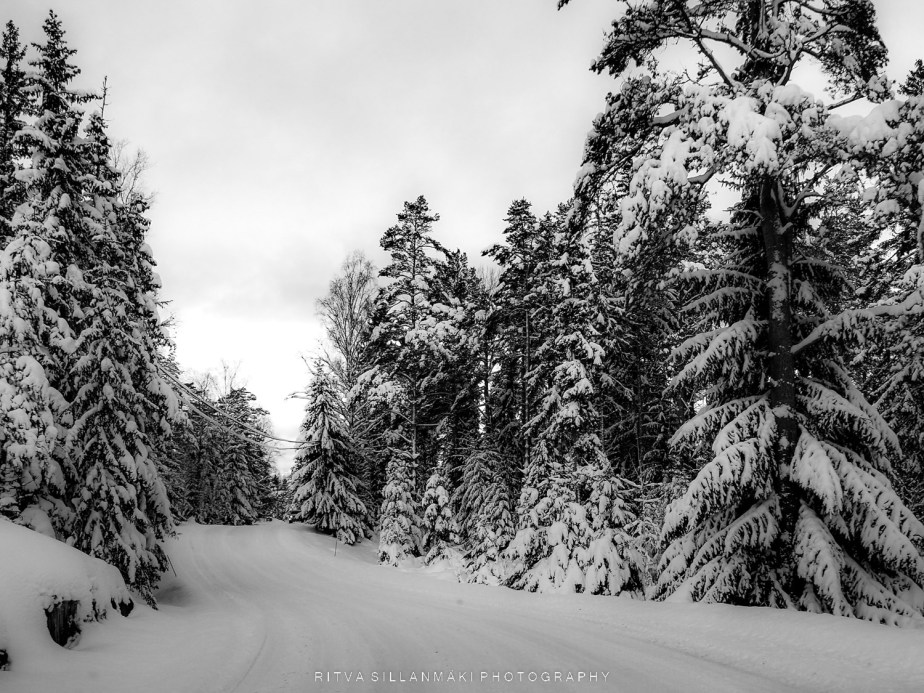
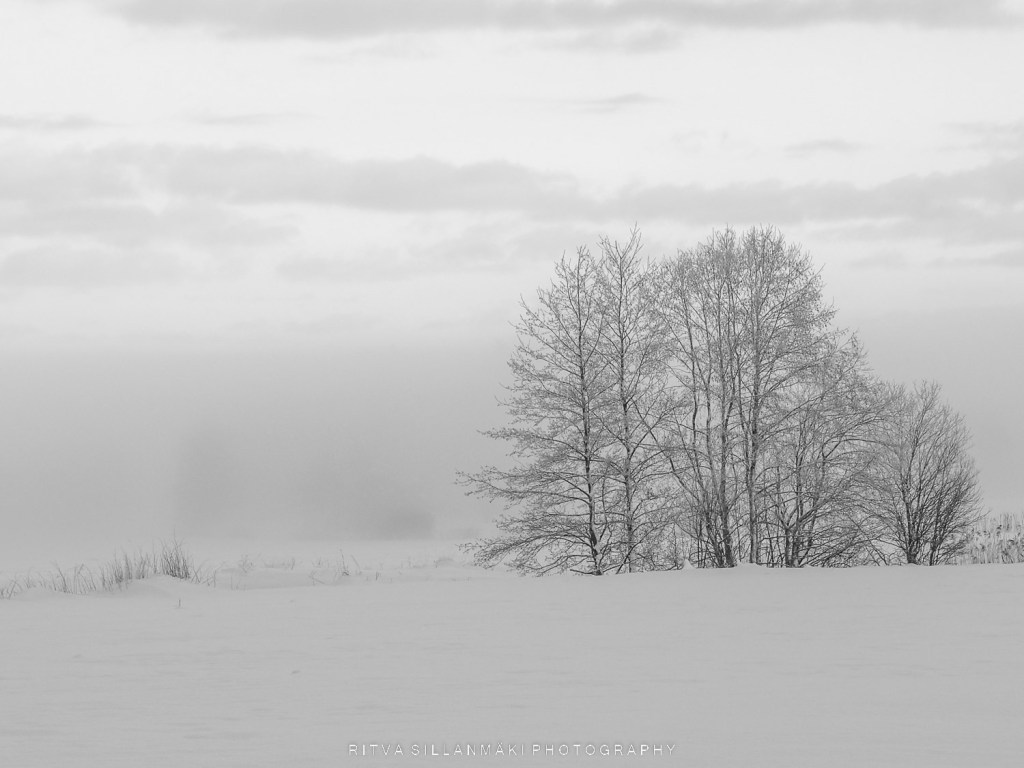
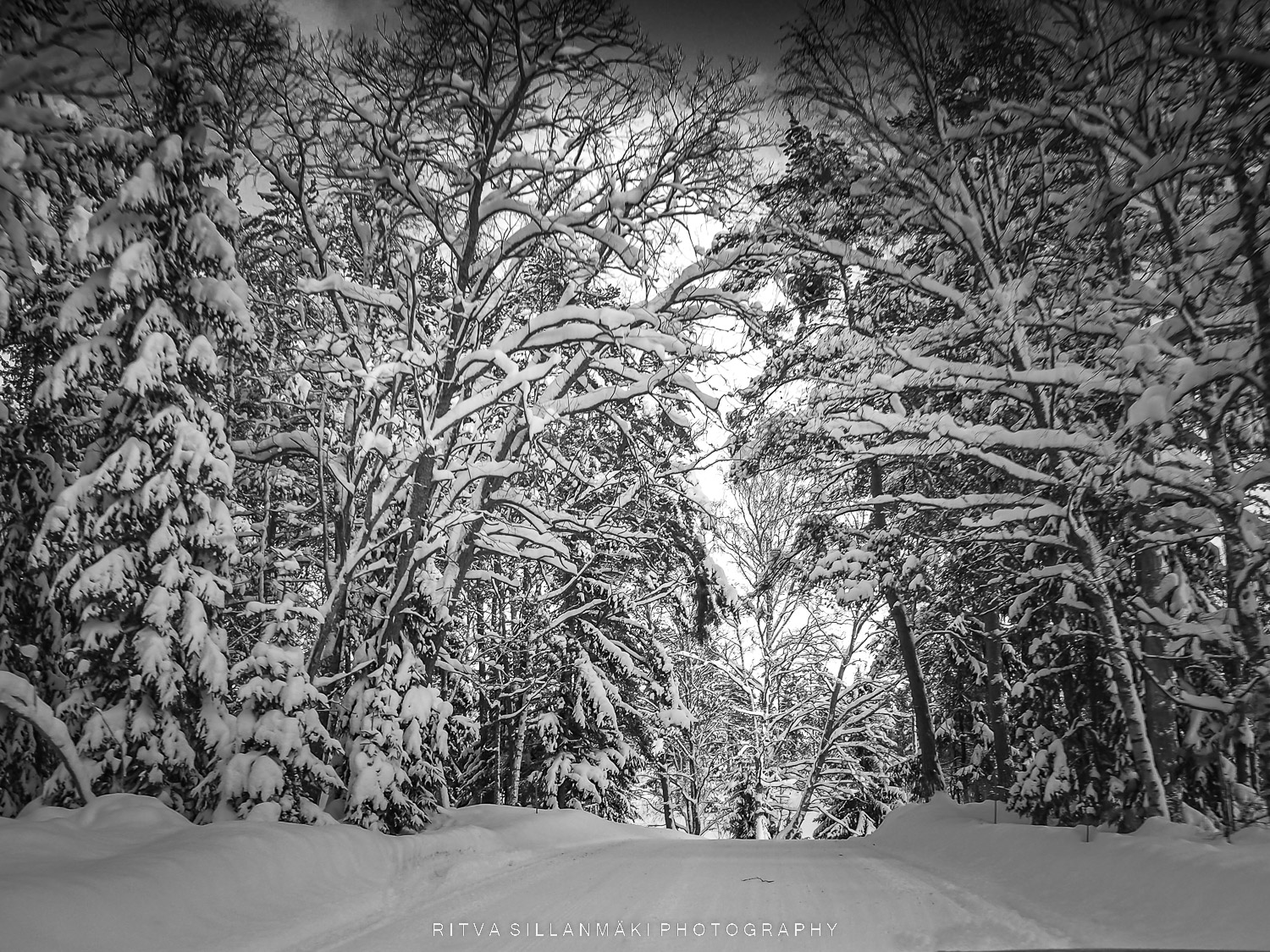
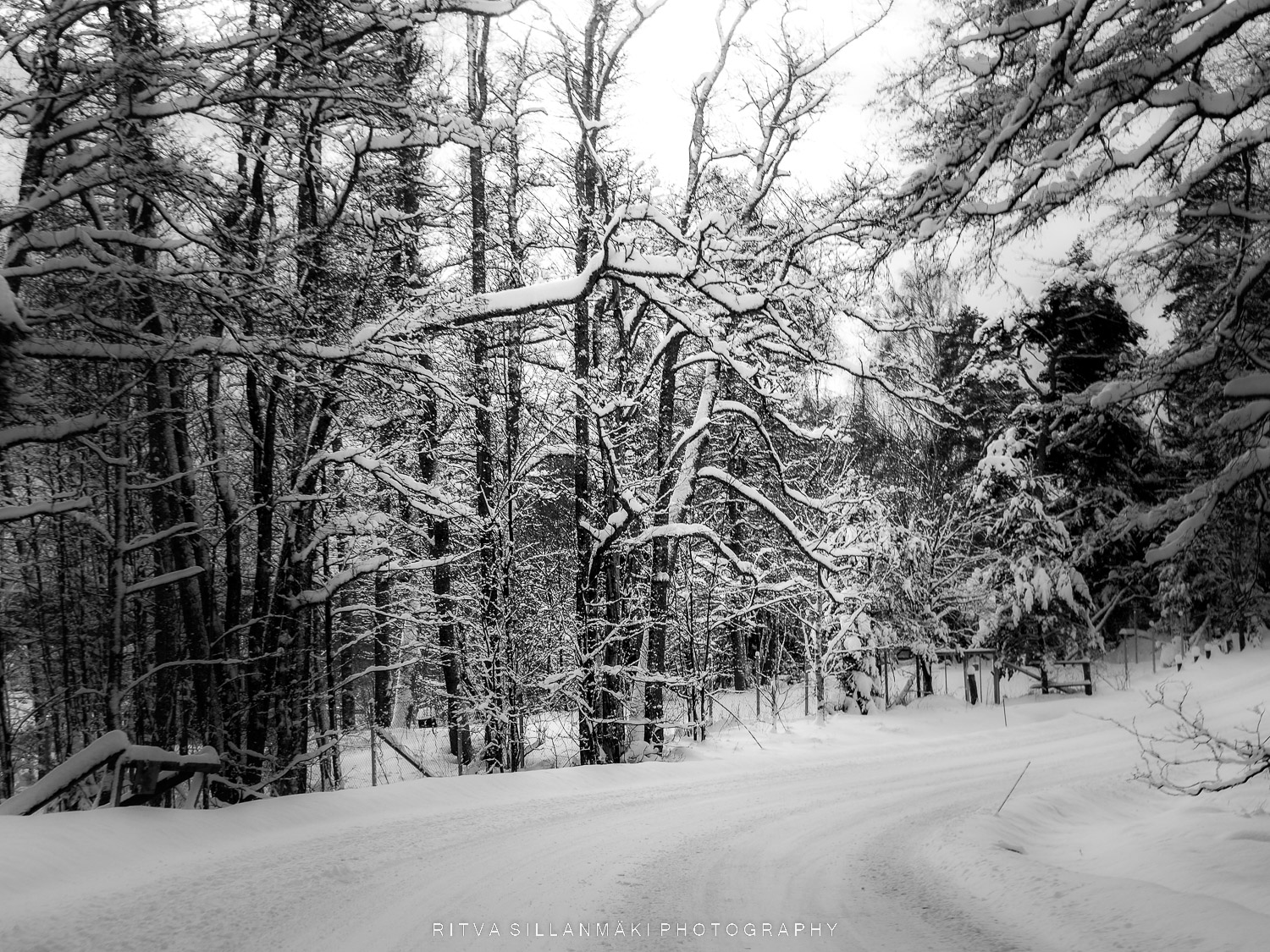
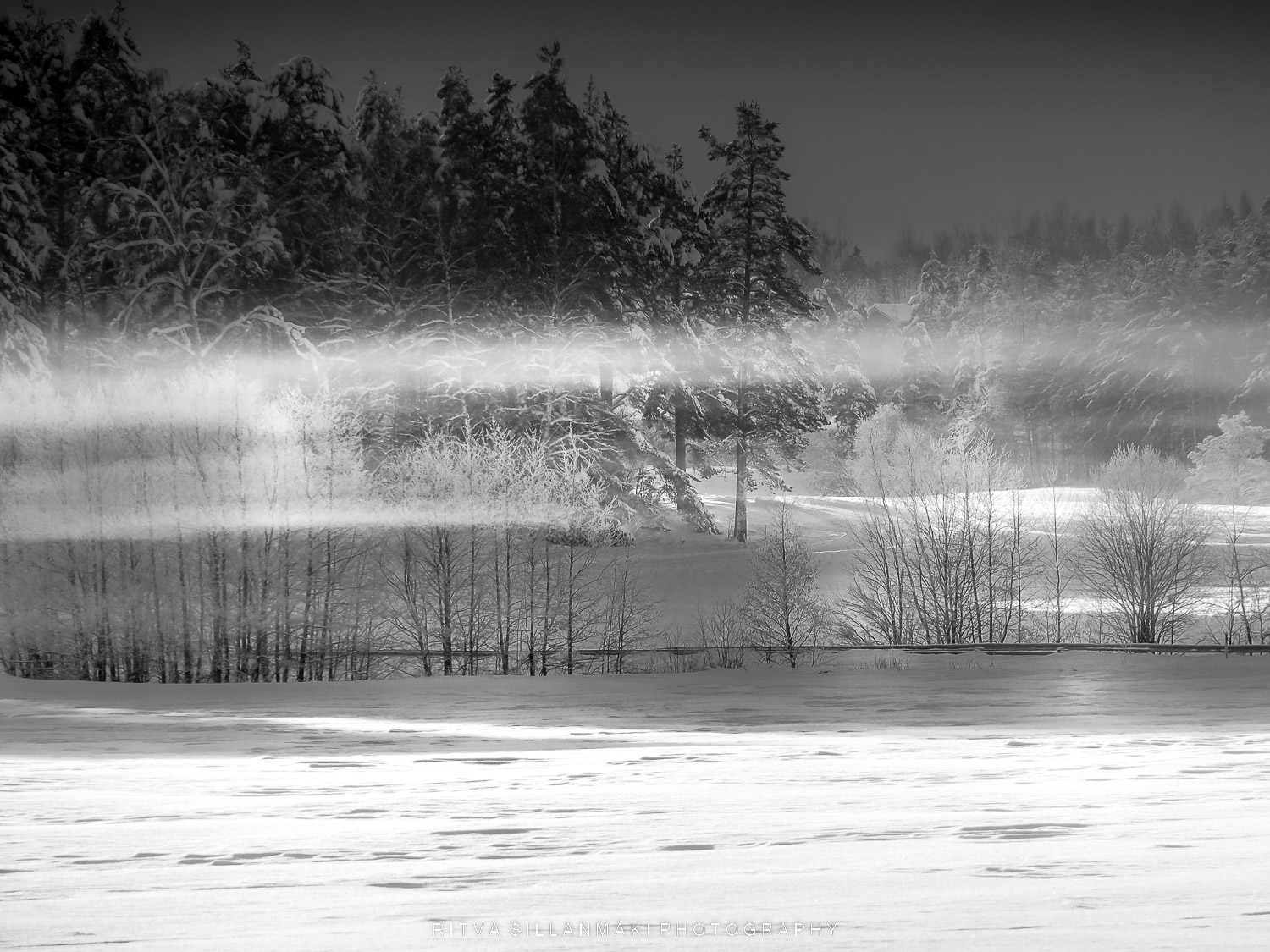
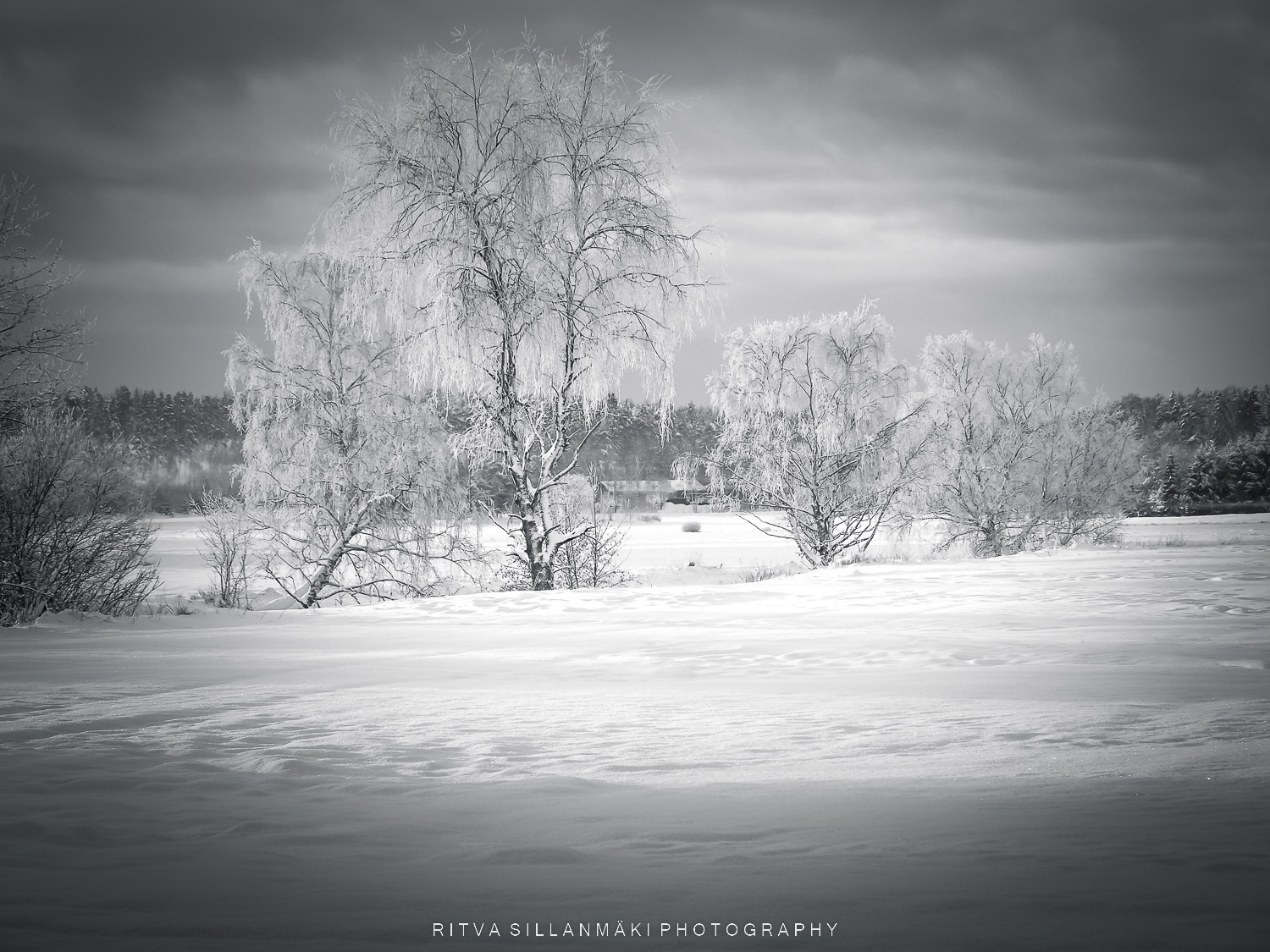
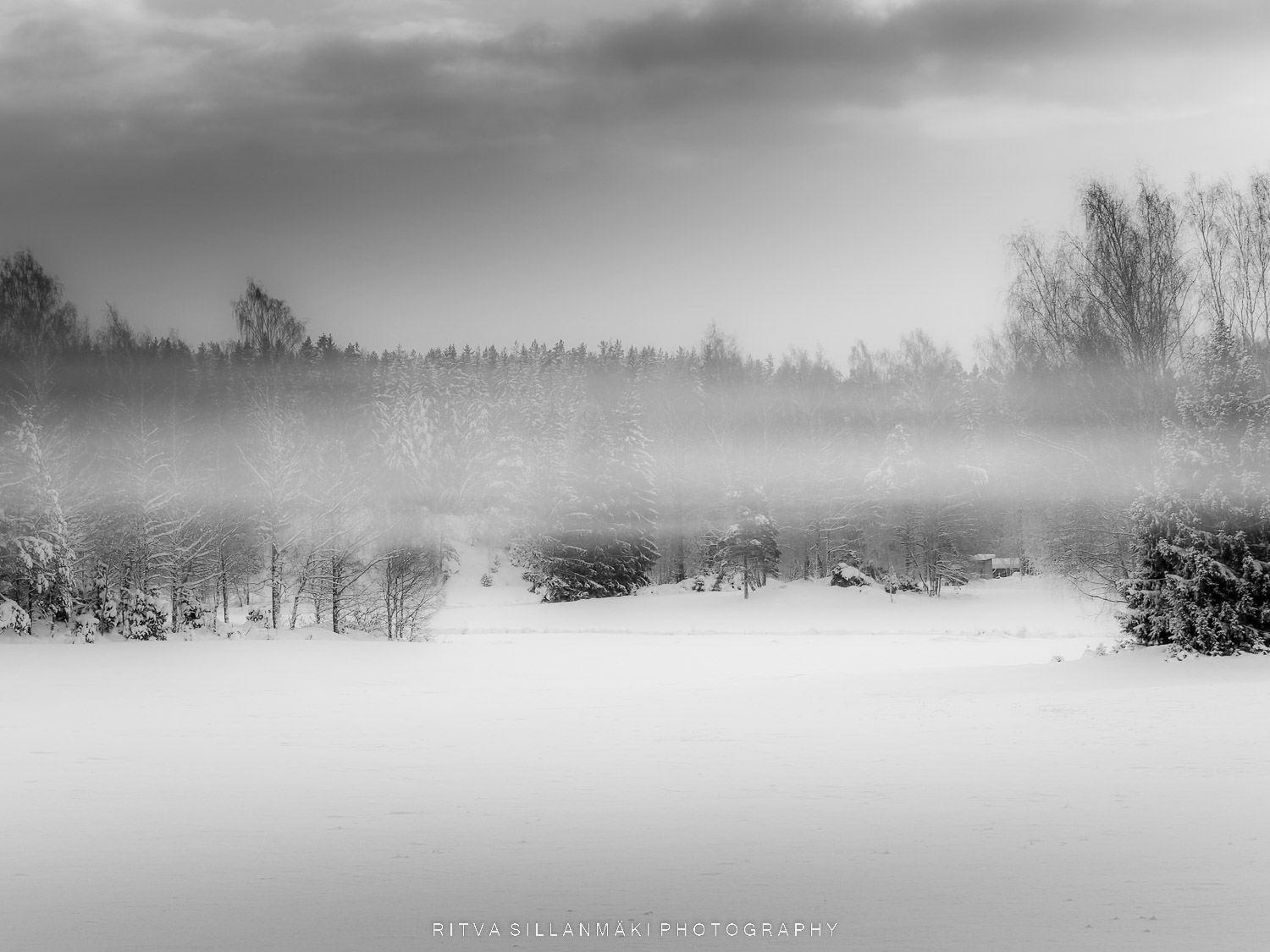
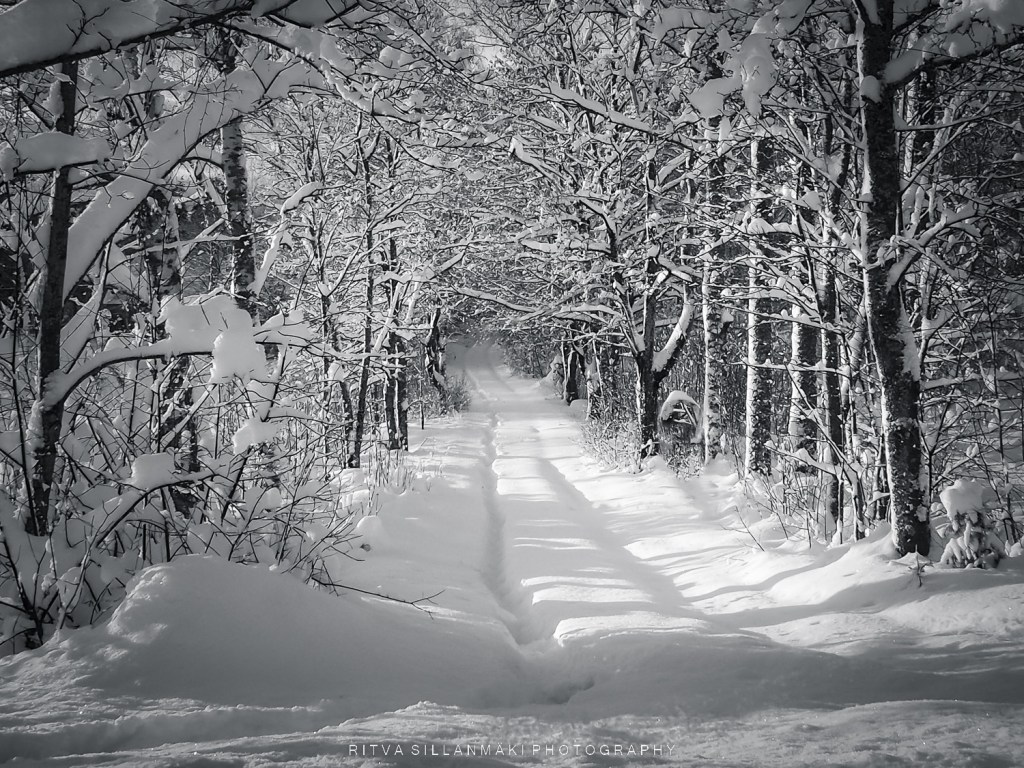
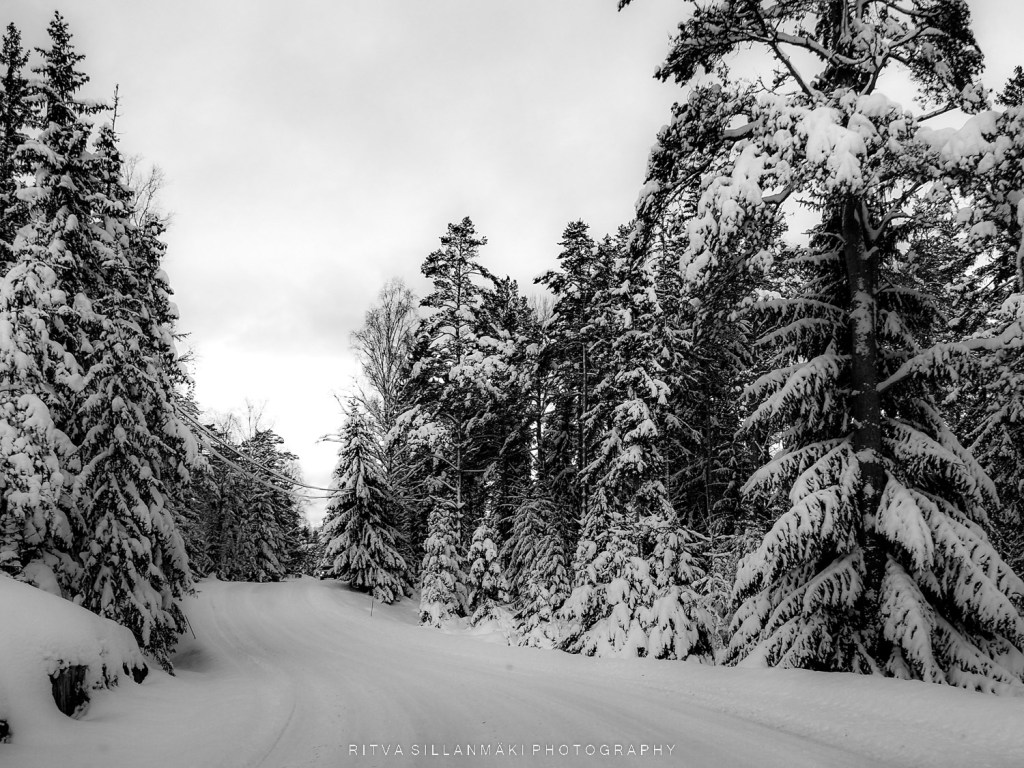
I took several winter wonderland photos last week, so I thought I’d try them as monochrome. Misty fields and snow-covered roads with trees heavy with snow surrounding it. This is how they turned out.
It is nearly Christmas, and I hope that these winter shots will help you to get into white Christmas spirit.
Snow covered lane
The way that light hits objects, I think, is one of the more important things that sculpture and photography share. – Rashid Johnson
I have a soft spot for black and white photography, I was once again reminded about the importance of exposure, light. It is the key element in these photos.
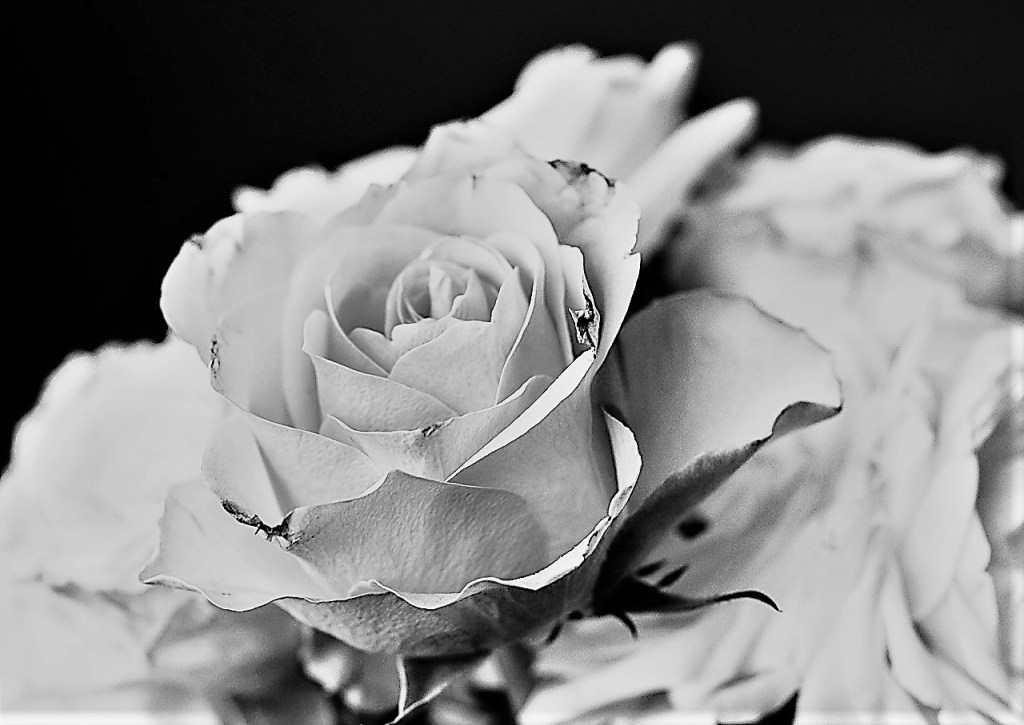
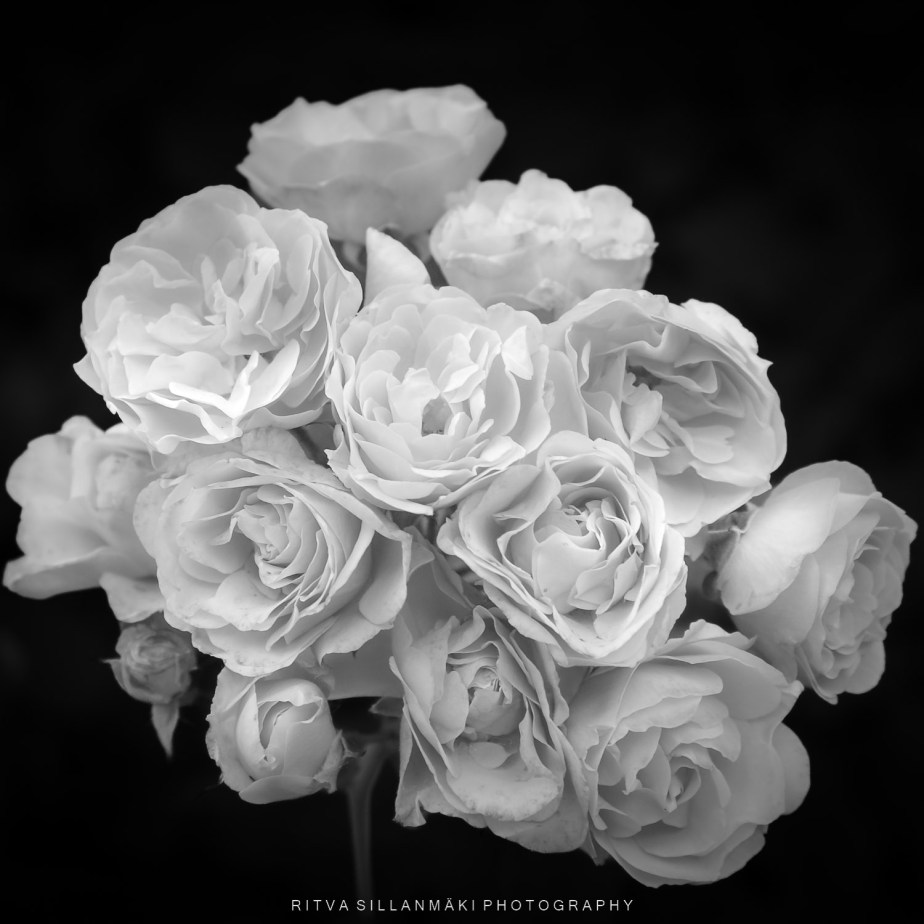
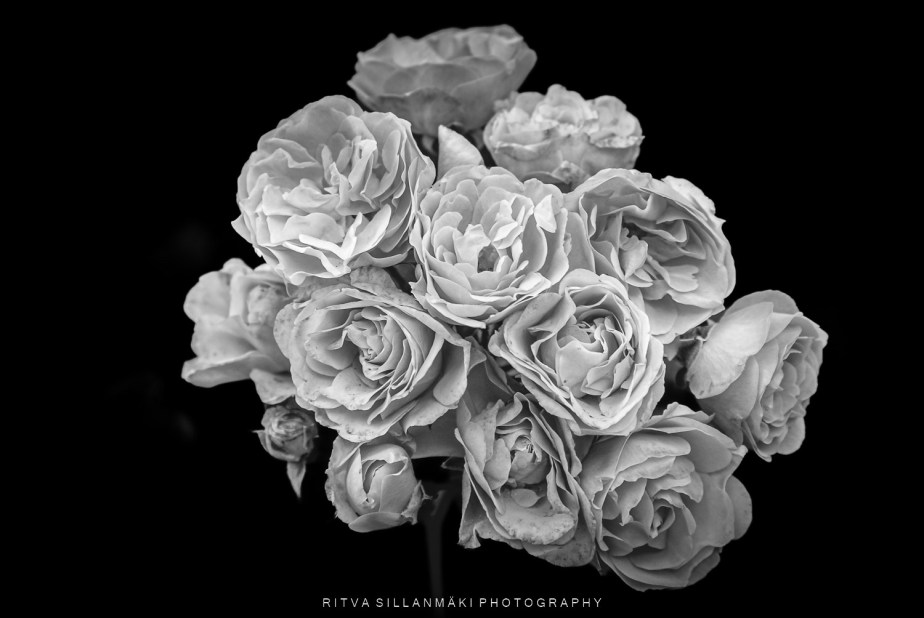
Roses, they look lovely in black and white
SONY DSC
Roses
The way that light hits objects, I think, is one of the more important things that sculpture and photography share. – Rashid Johnson
I have a soft spot for black and white photography, I was once again reminded about the importance of exposure, light. It is the key element in these photos.
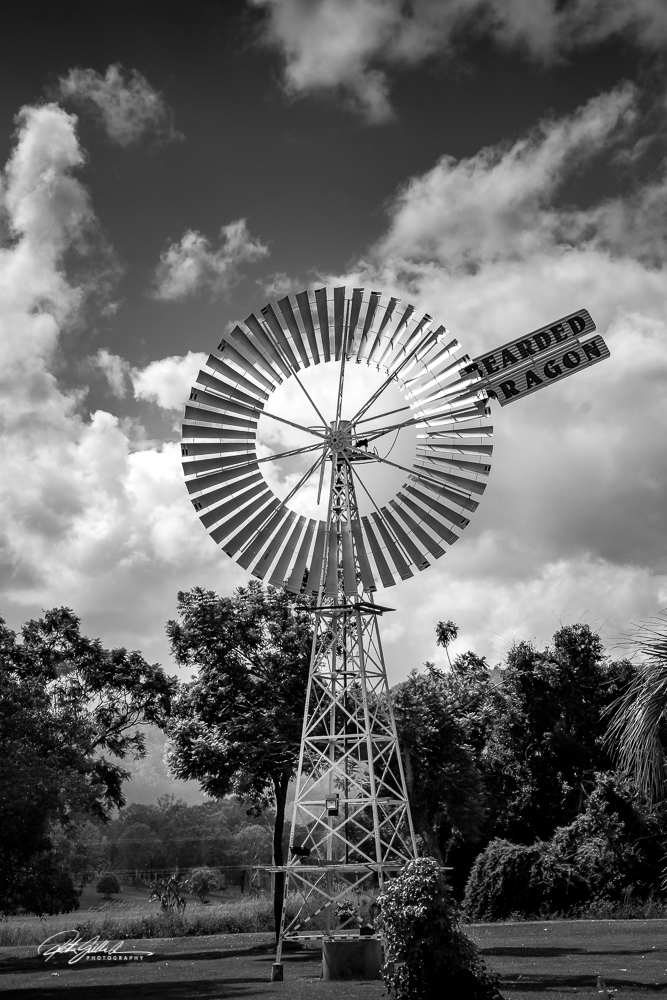
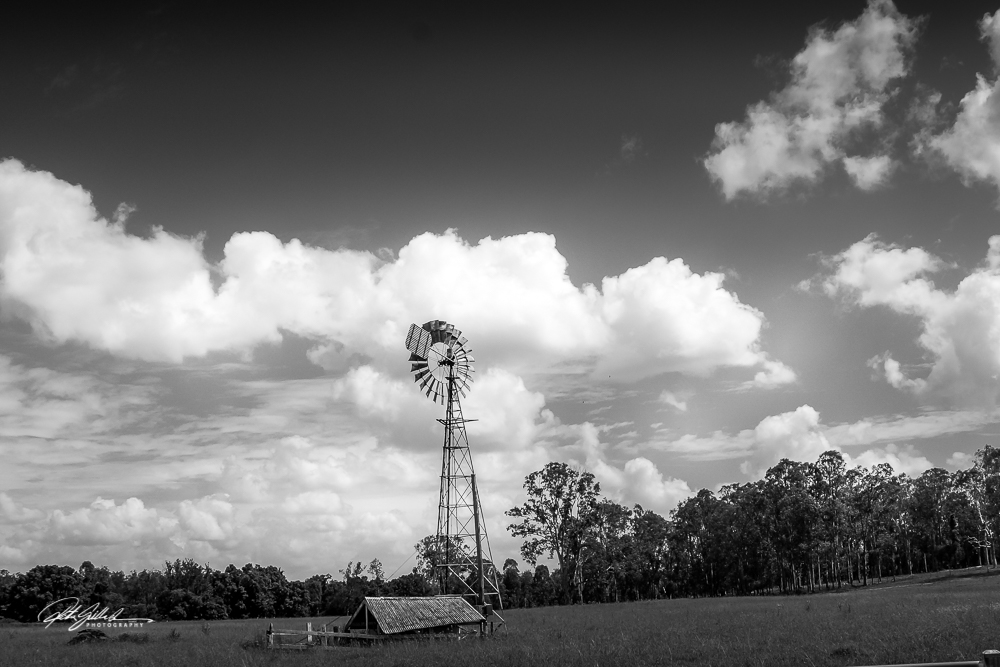
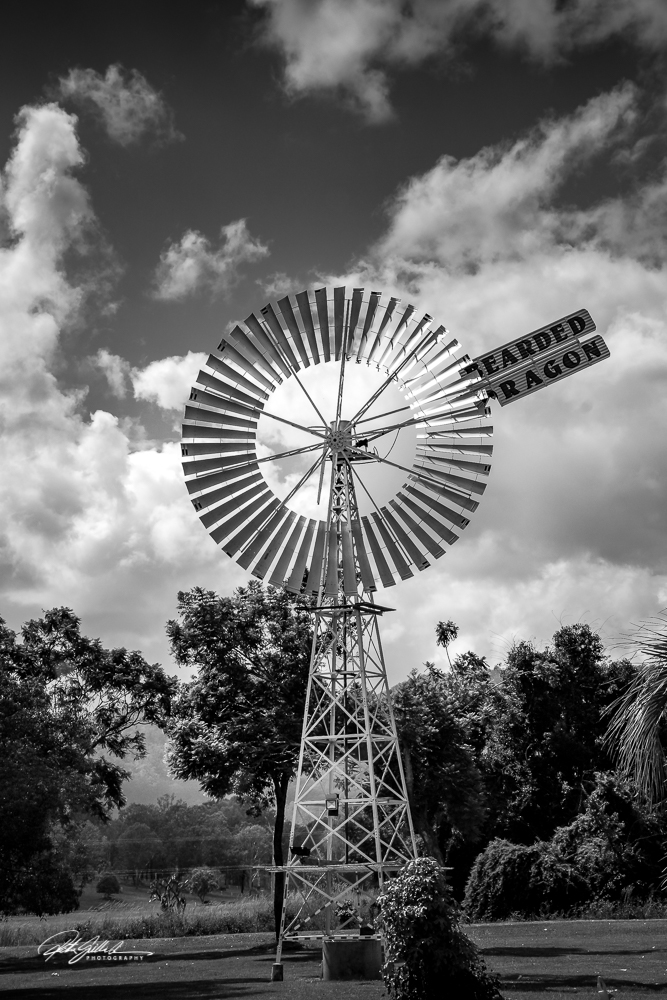
Clouds work well in B&W as do distinct shapes. I took these when visiting Queensland few years back
Bearded Dragon sign – Bearded Dragon Hotel Tamborine in QLD
Wind wheel sign in Queensland
The way that light hits objects, I think, is one of the more important things that sculpture and photography share. – Rashid Johnson
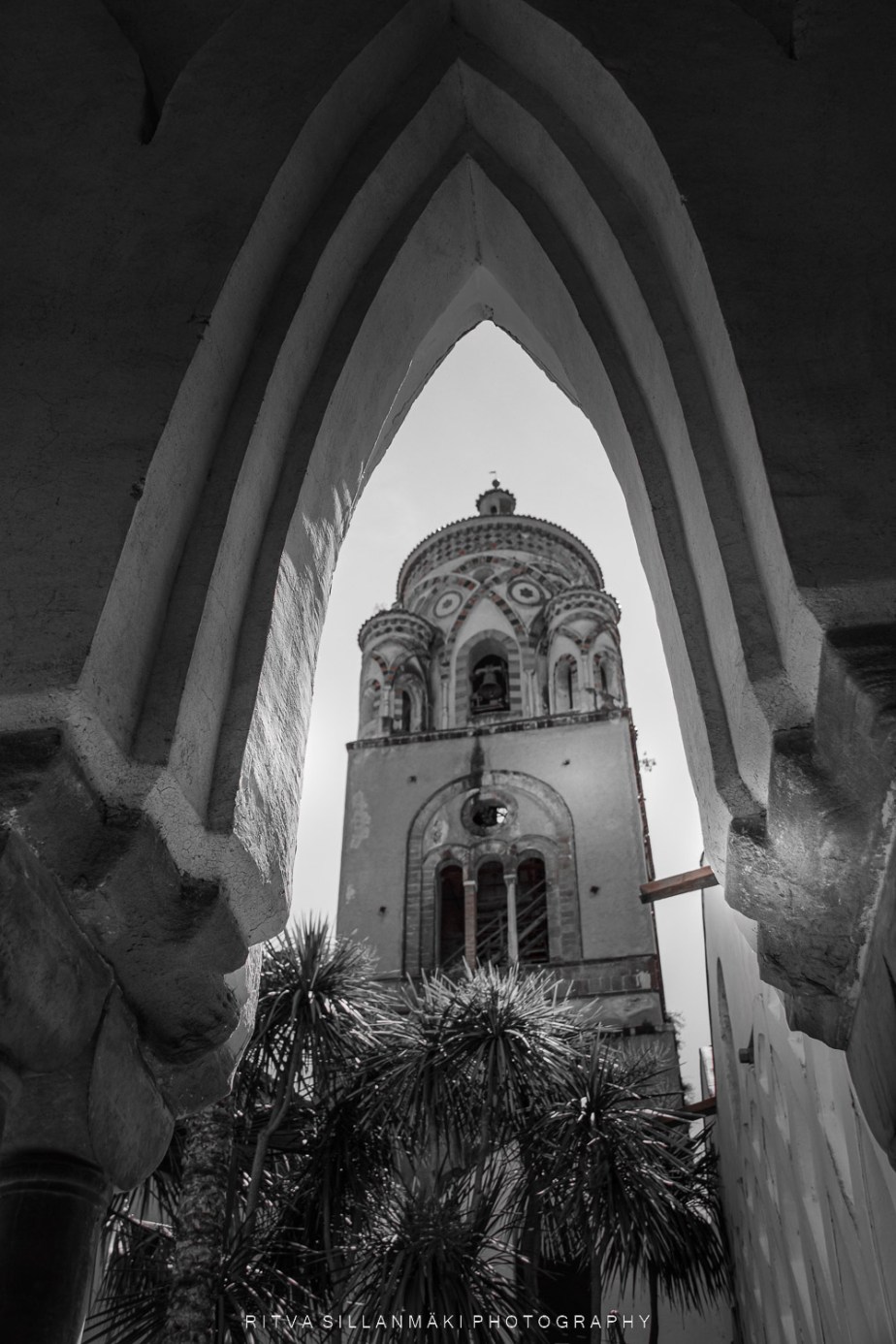
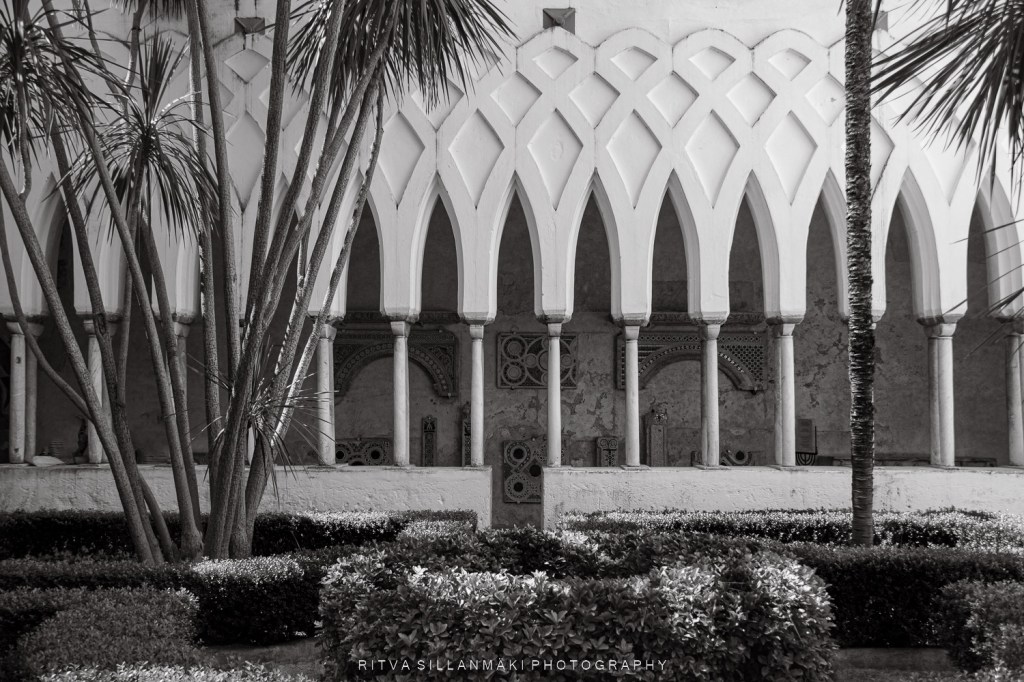
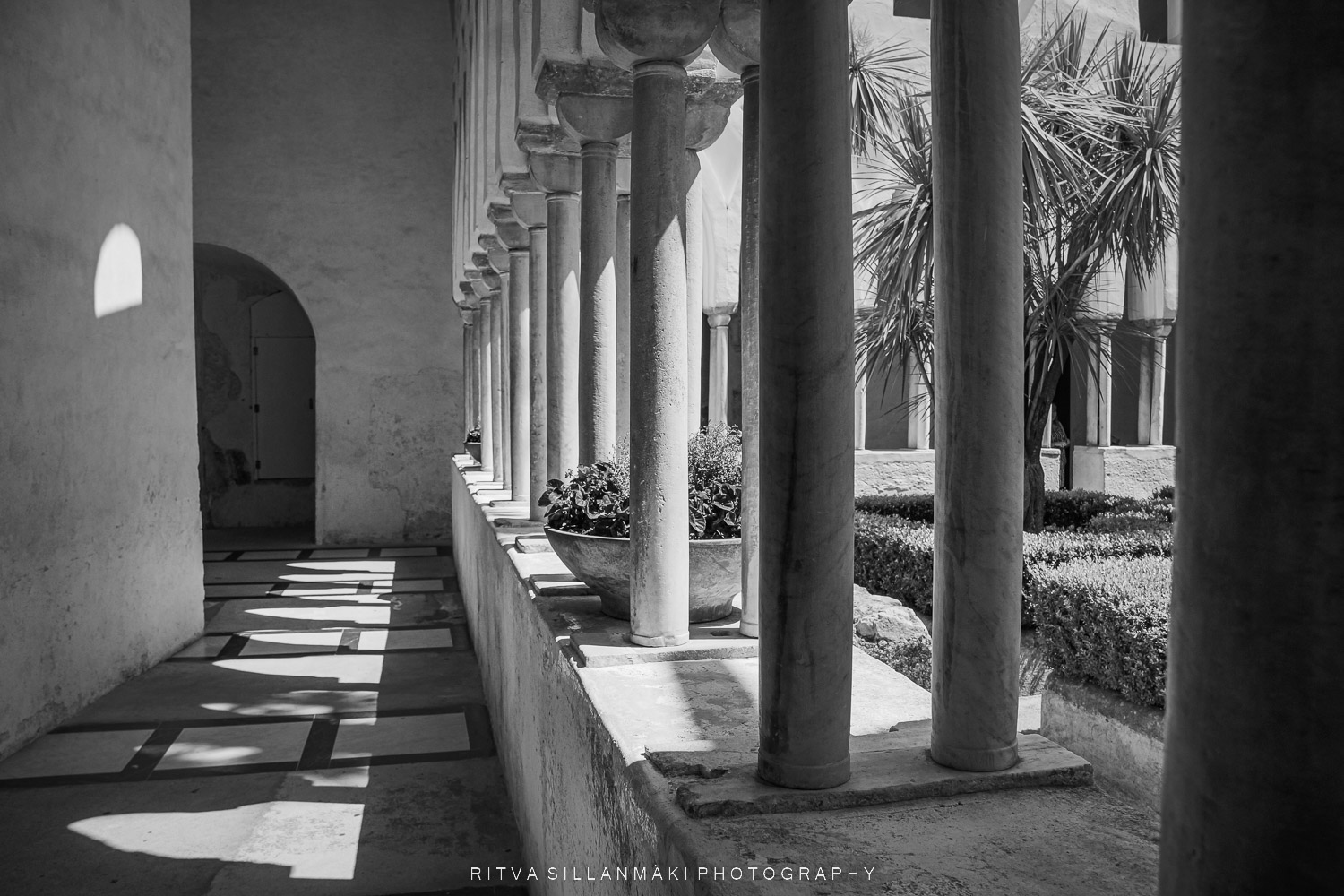
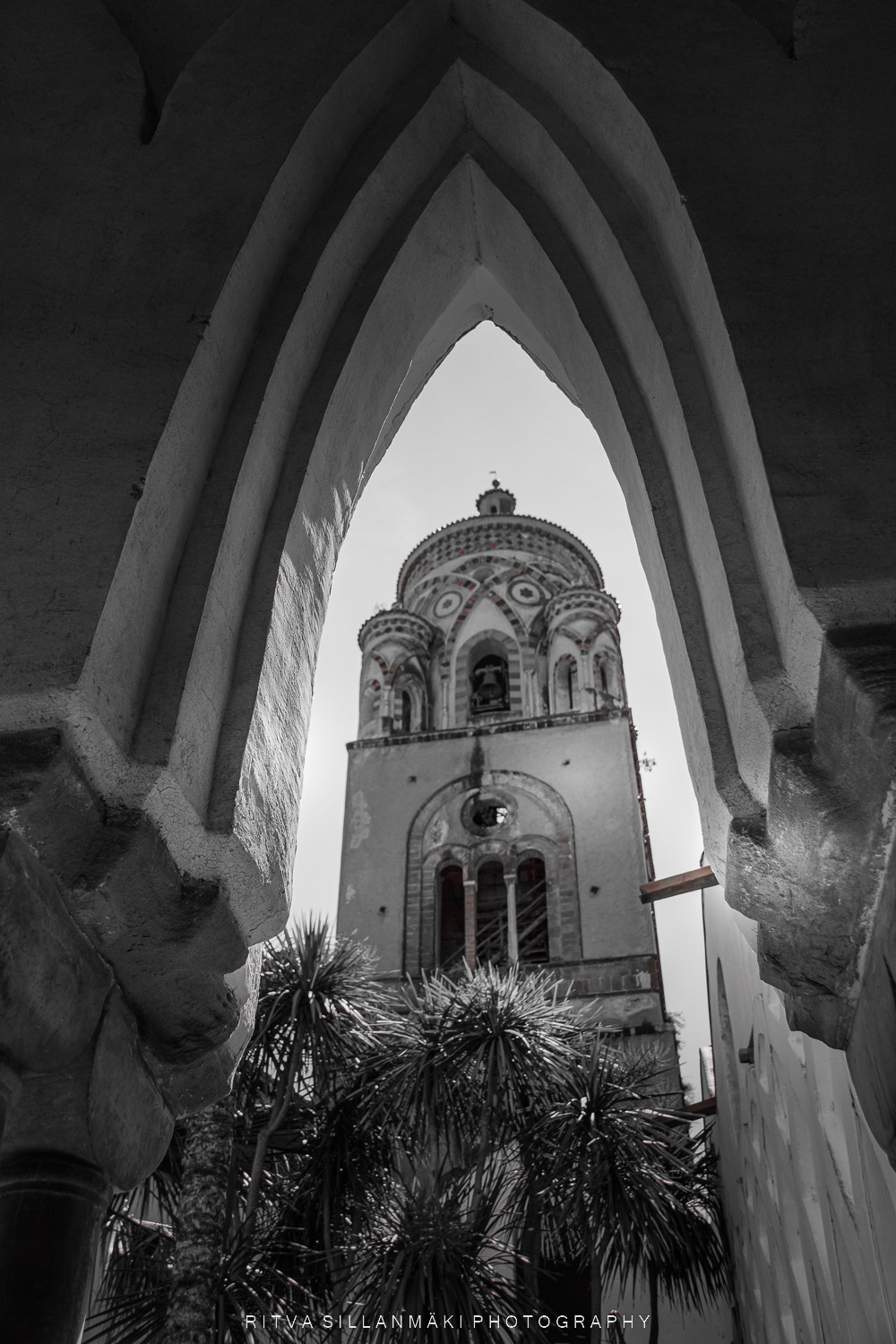
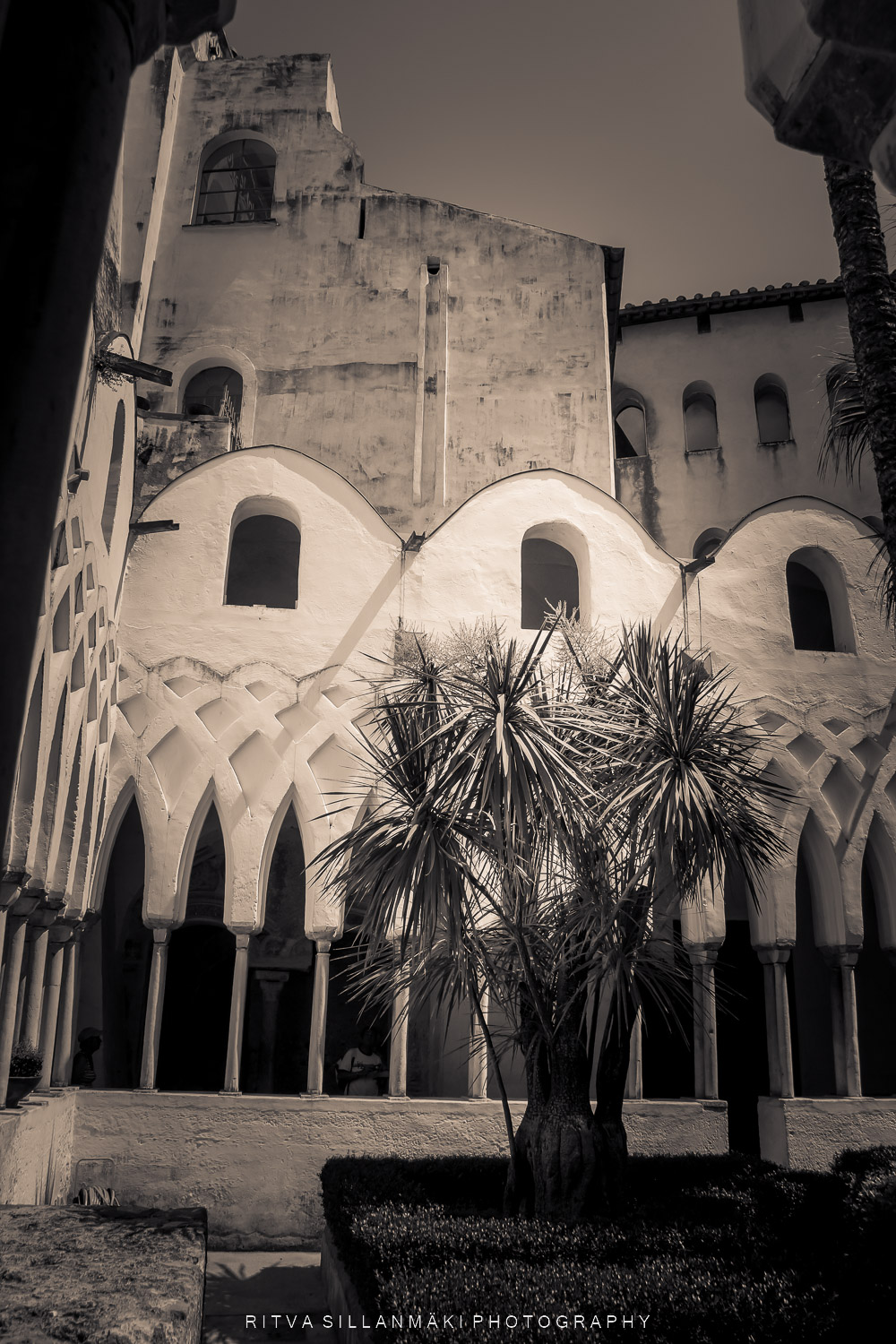
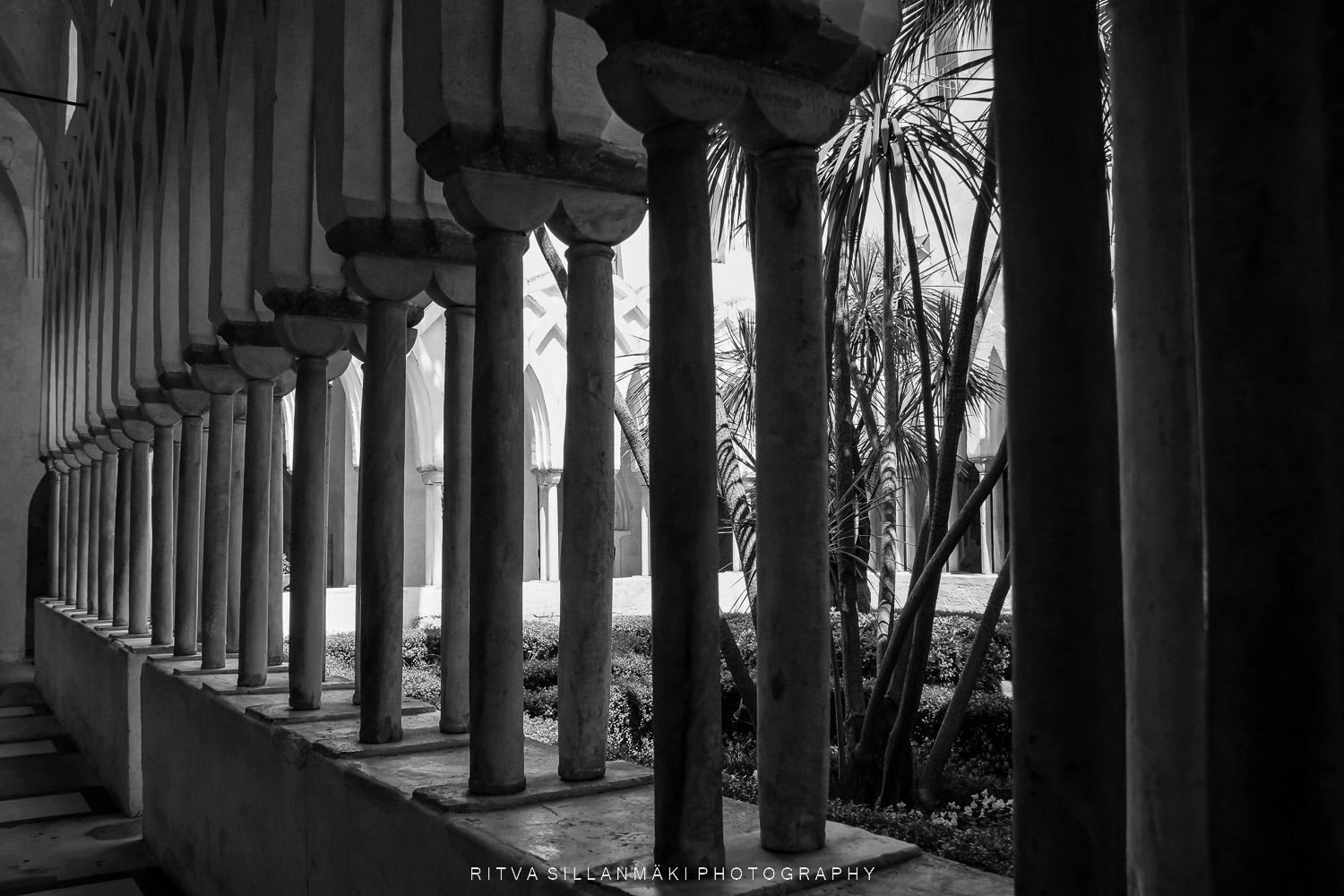
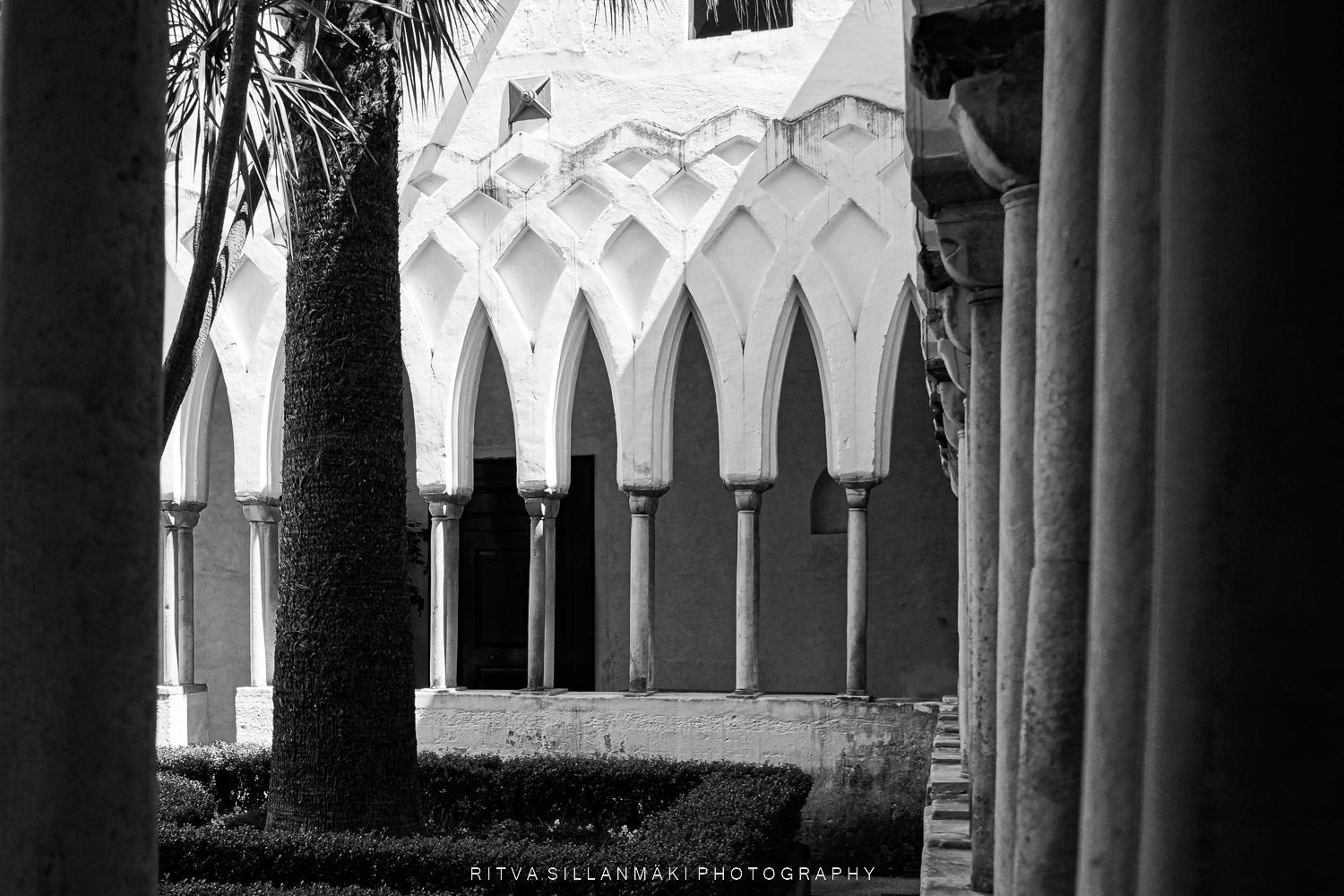
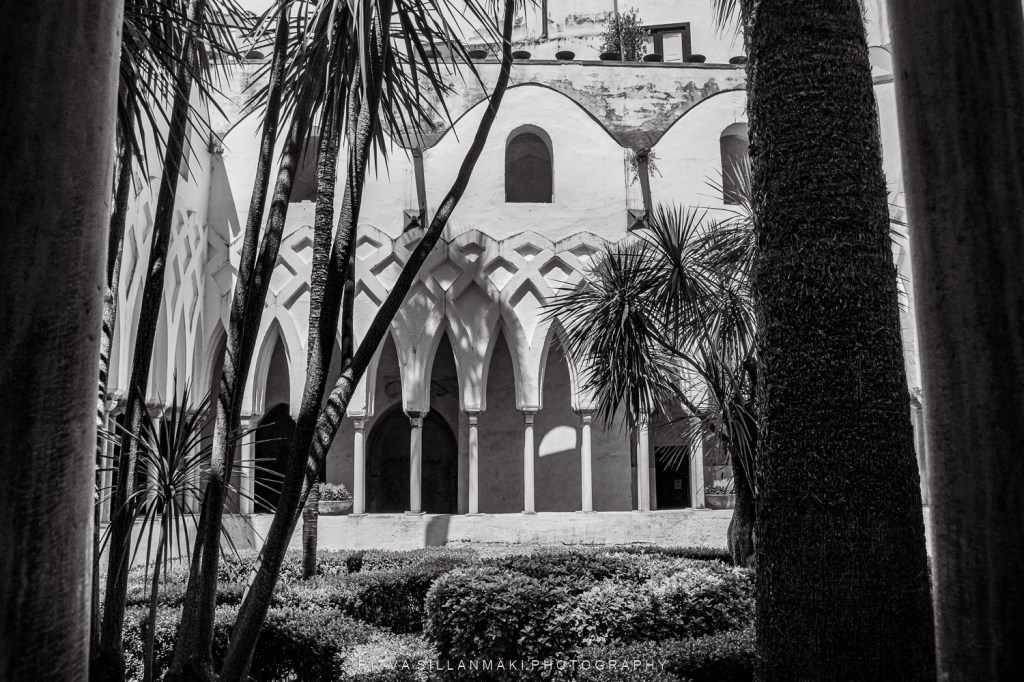
Amalfi Cathedral is a 9th-century Roman Catholic structure in the Piazza del Duomo, Amalfi, Italy. It is dedicated to the Apostle Saint Andrew. Predominantly of Arab-Norman Romanesque architectural style, it has been remodeled several times, adding Romanesque, Byzantine, Gothic, and Baroque elements.
Amalfi Cathedrals Pilars in the garden
The Exterior, the Romanesque style bell tower is off-center. The structure includes four small towers of Arab architectural type that are adorned with arches and are covered with majolica tiles. During times of war, the bell tower was purposed for defense. The garden contains colonnades, arches and sculptures. My photos this week are of the garden area.
I have a soft spot for black and white photography, I was once again reminded about the importance of exposure, light. It is the key element in these photos.
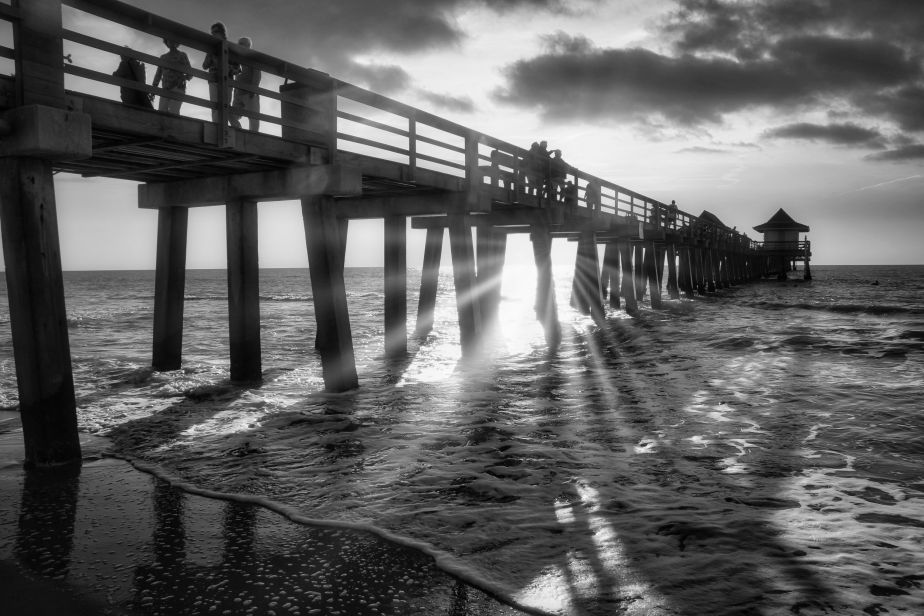
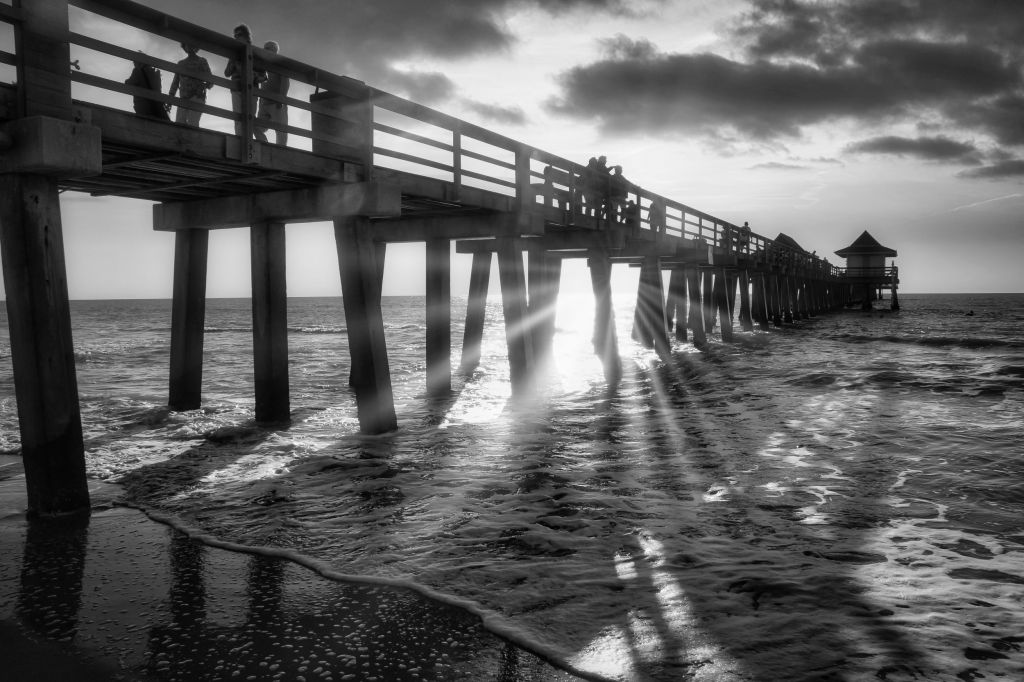
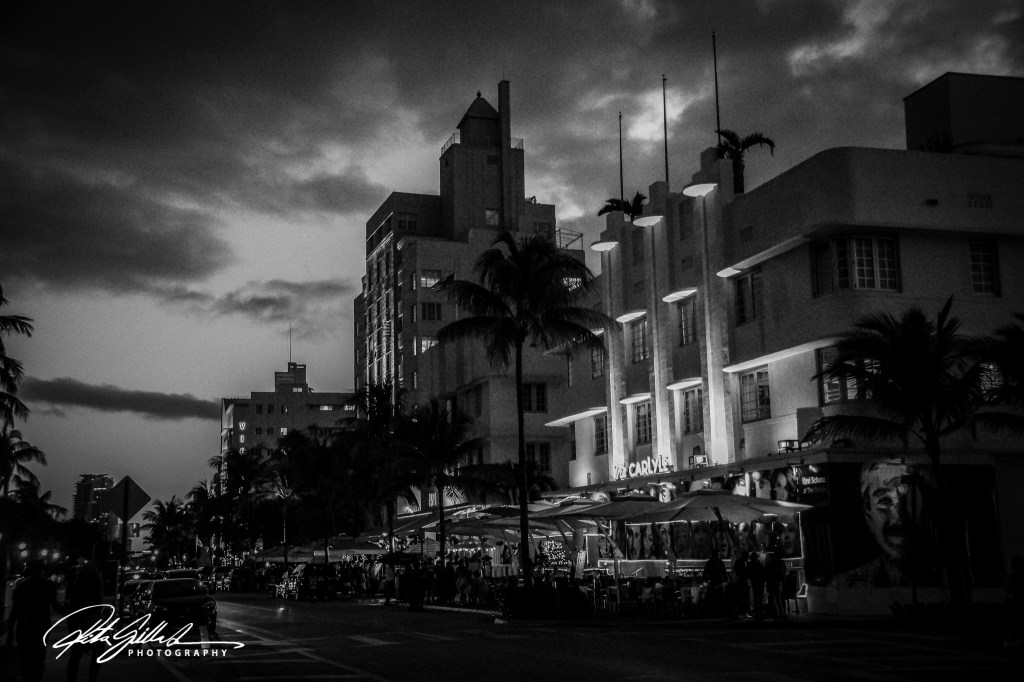
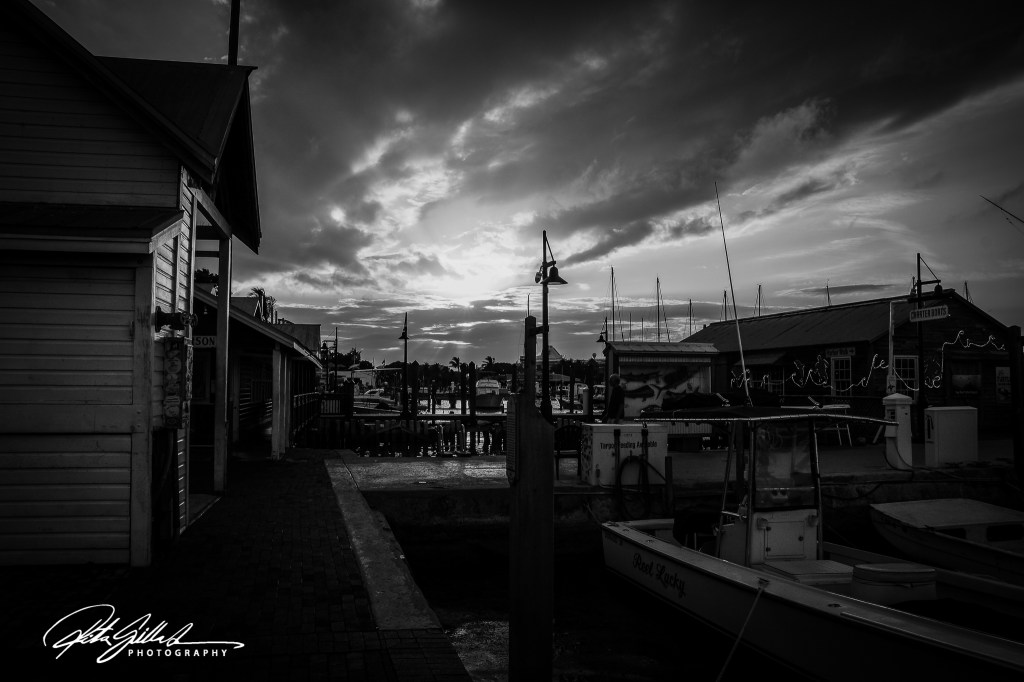
Sunset in B&W is it’s own thing to capture once again it comes to the light, lowlight in this case. How it enhances the shapes and creates shadows.
Sunset in Naples Pier. Unfortunately it was destroyed in Hurricane Ian, but I have a memory.
Naples Pier, Florida
Sunset in Miami
The way that light hits objects, I think, is one of the more important things that sculpture and photography share. – Rashid Johnson
I have a soft spot for black and white photography, I was once again reminded about the importance of exposure, light. It is the key element in these photos.
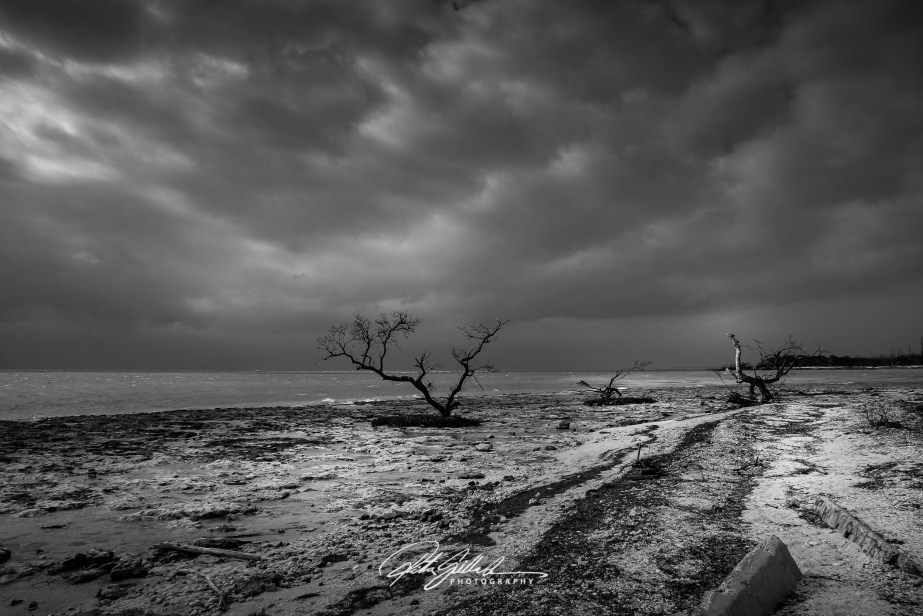
“Available light is any damn light that is available!” ~ W. Eugene Smith
Above is so importat during these gray November days.
Older trees have so much character
Mist in the forest in autumn
The way that light hits objects, I think, is one of the more important things that sculpture and photography share. – Rashid Johnson
I have a soft spot for black and white photography, I was once again reminded about the importance of exposure, light. It is the key element in these photos.
The photographer is a manipulator of light; photography is a manipulation of light. – Laszlo Moholy-Nagy
the nature is gorgeous even without color
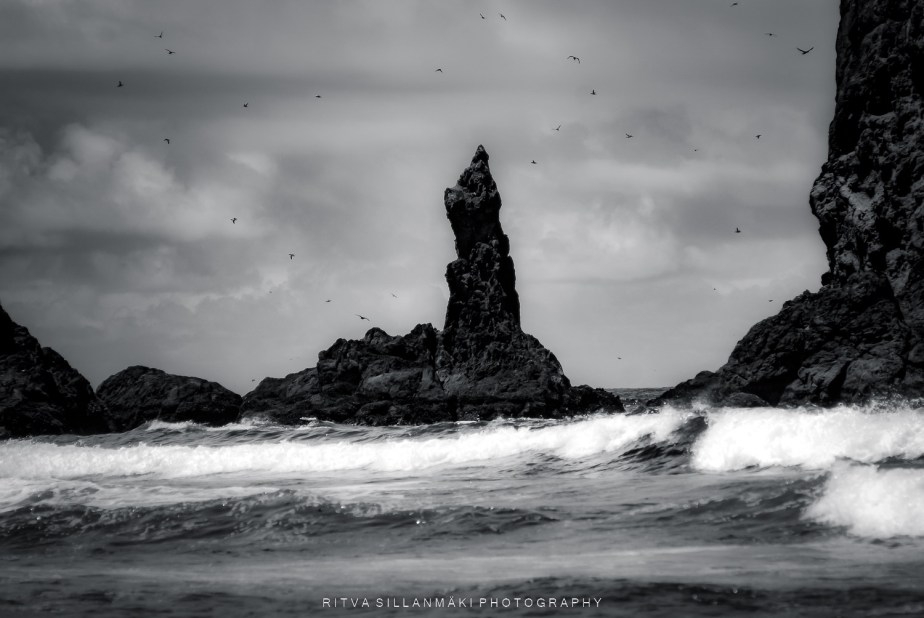
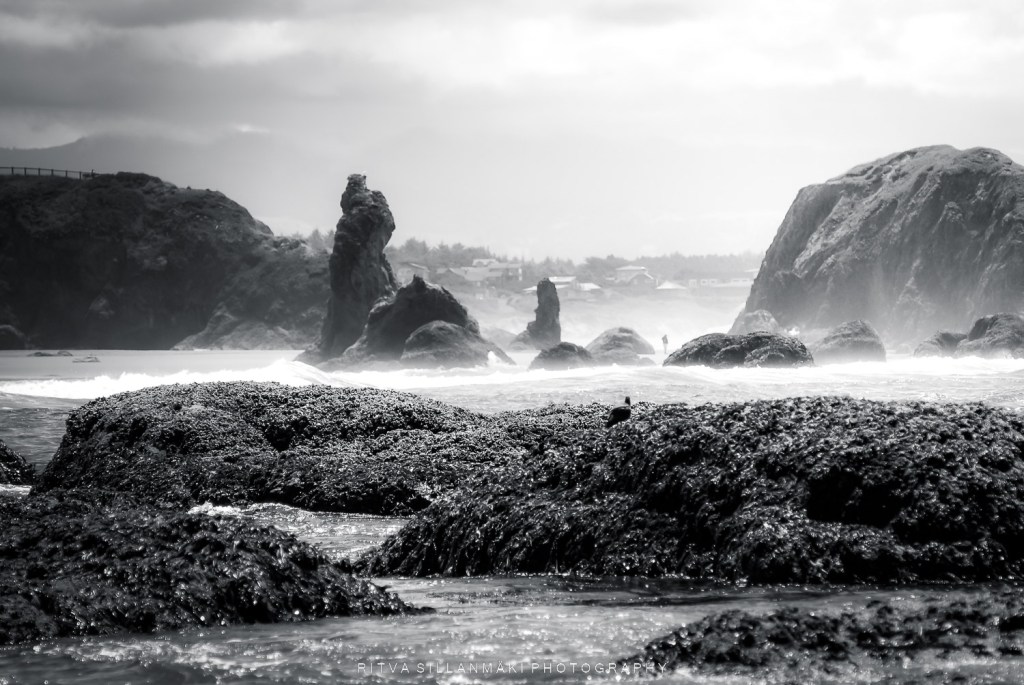
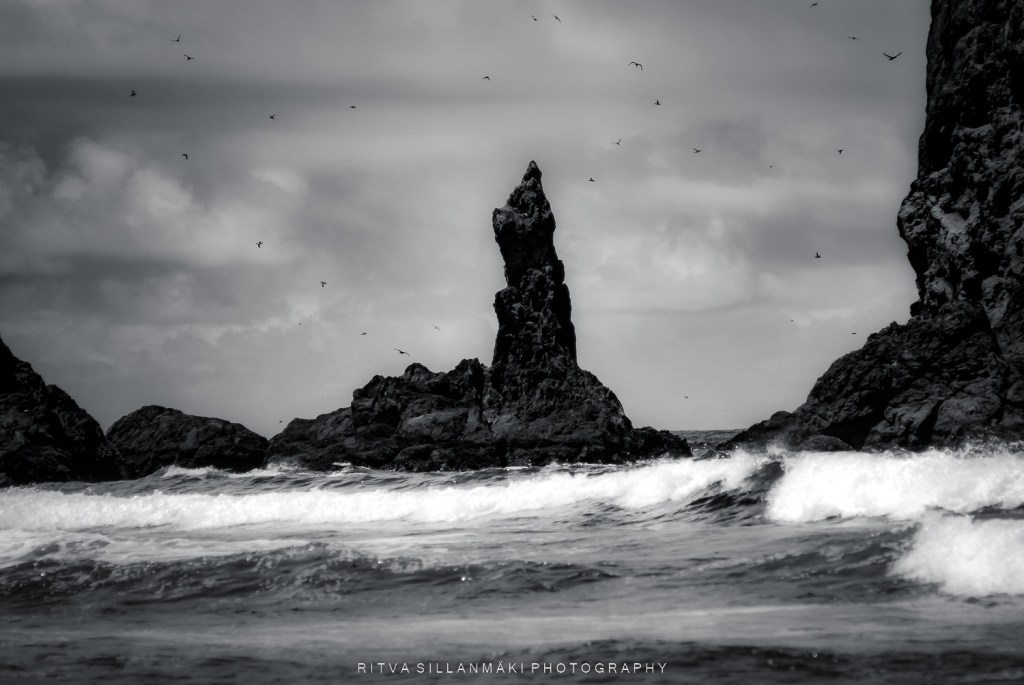
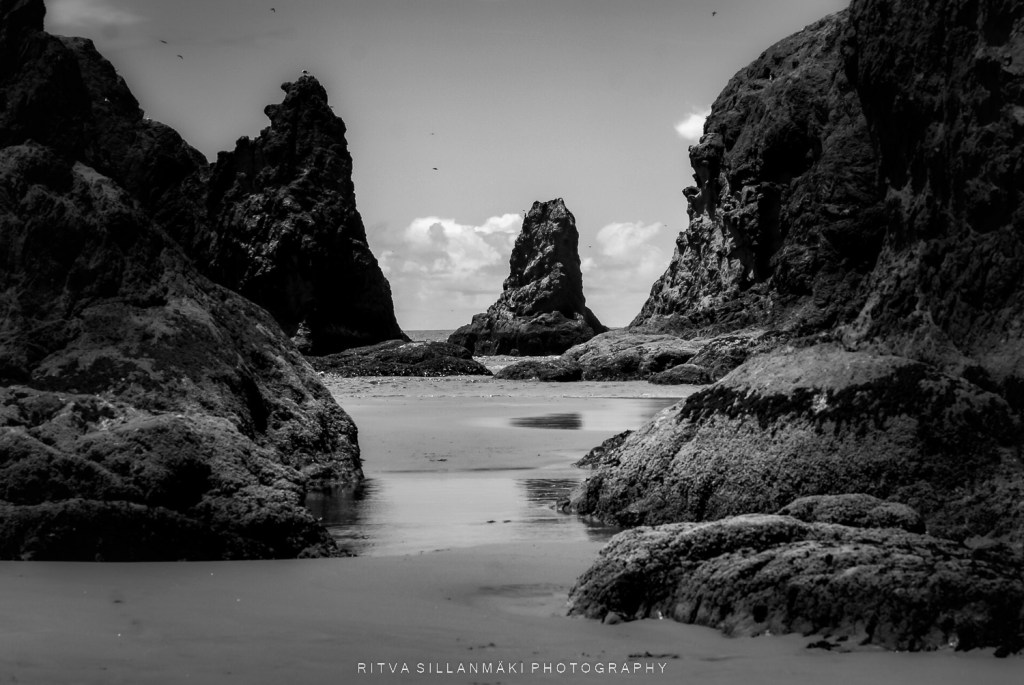
Ogegon coast is really beautiful and mostly it shines best in colors but in black and white photography the structure and shape are in important role.
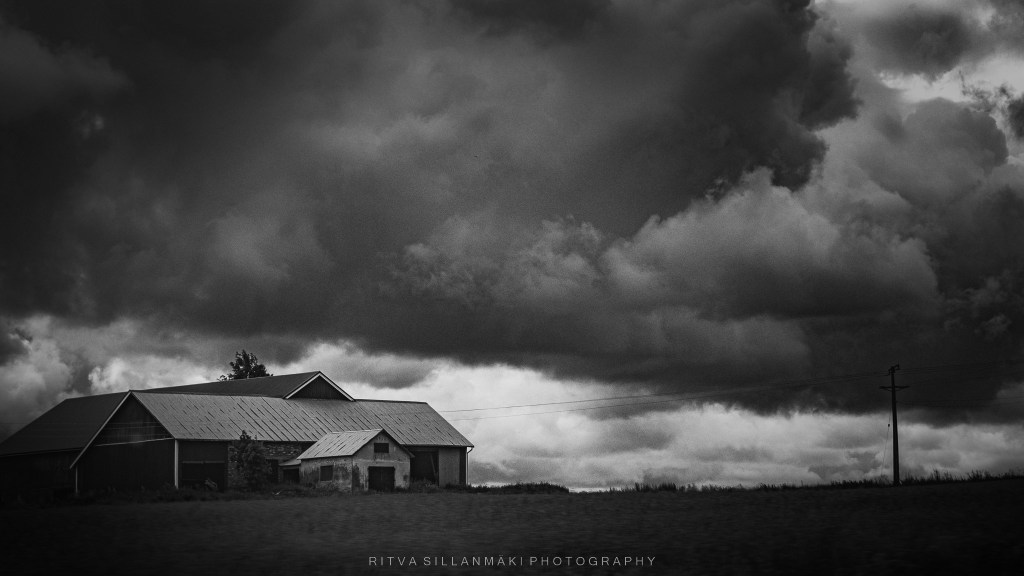
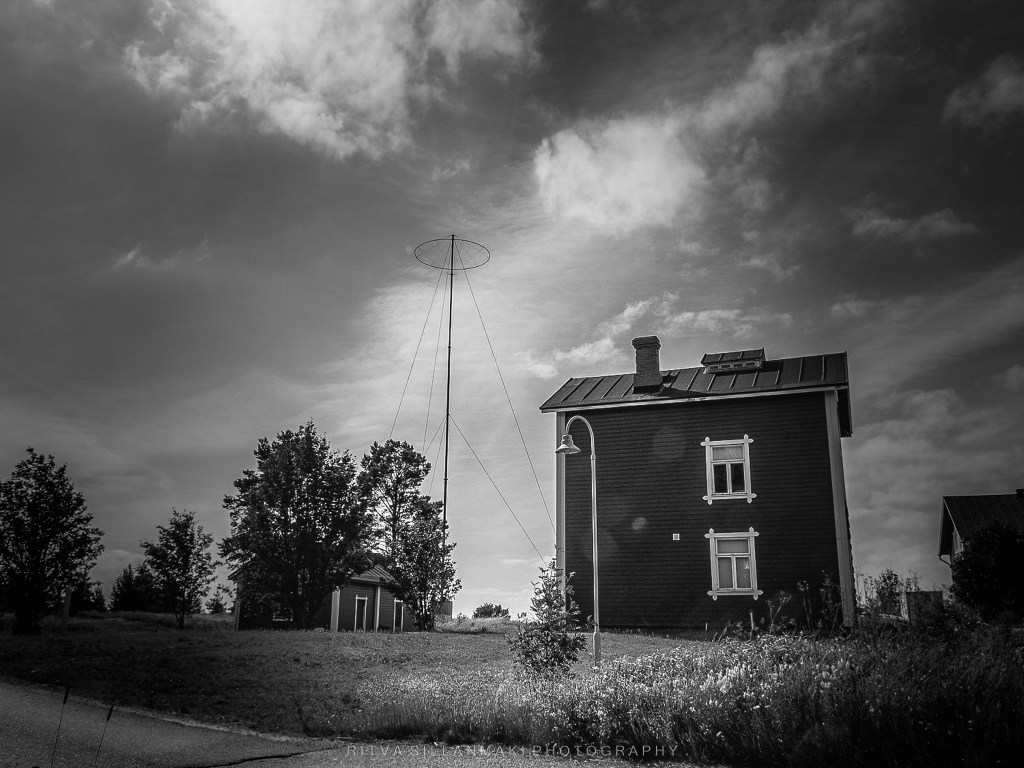
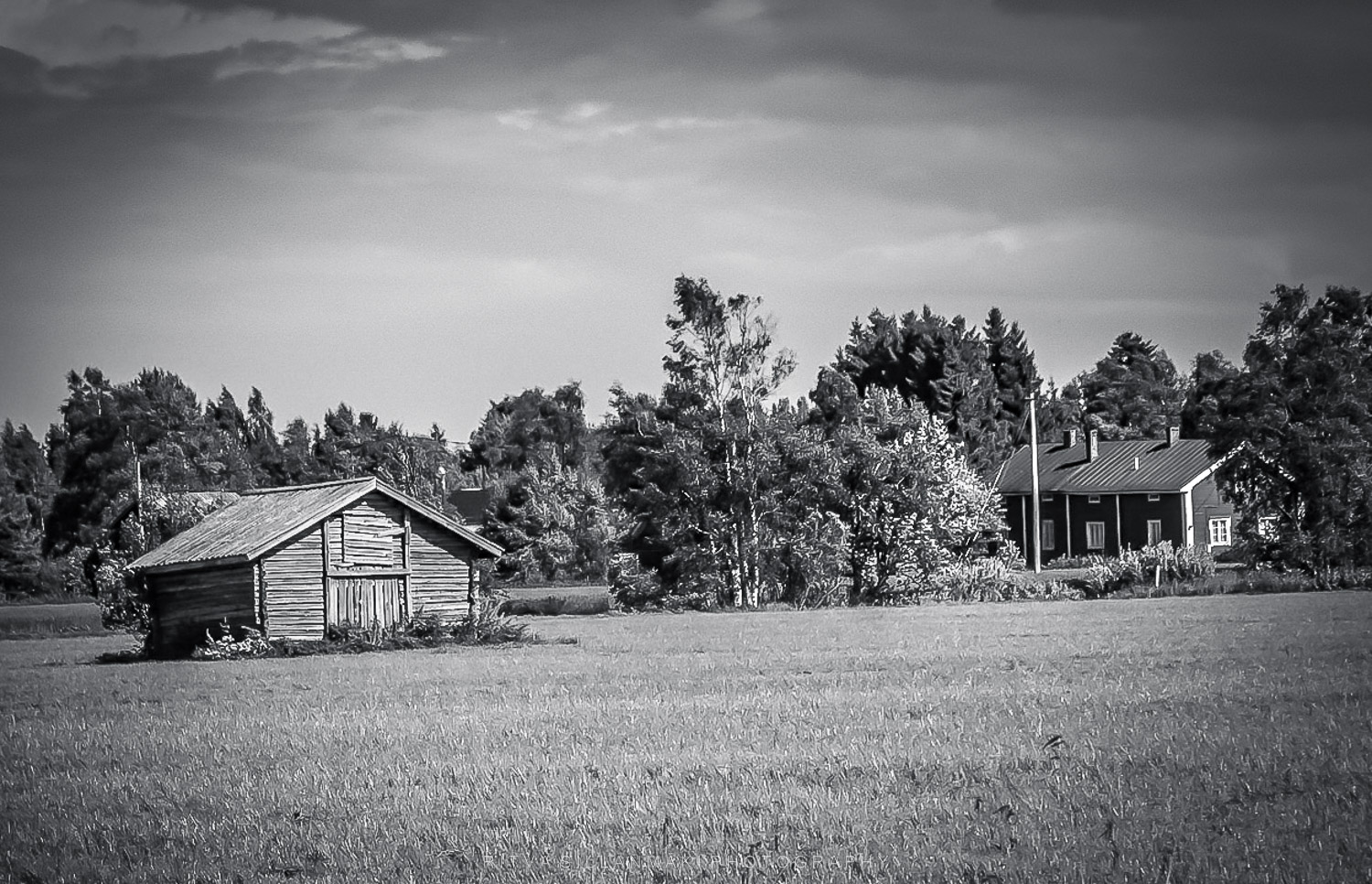
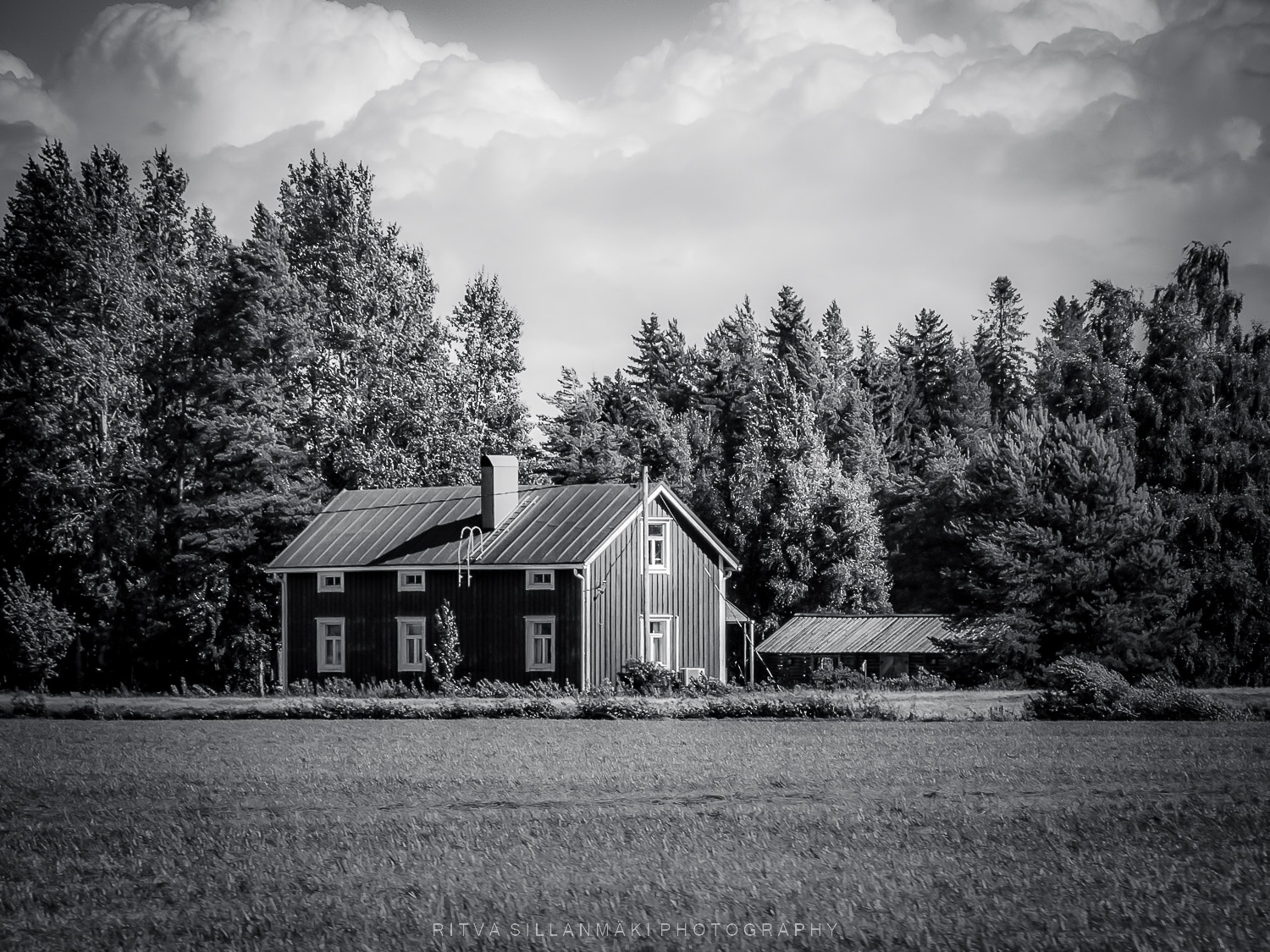
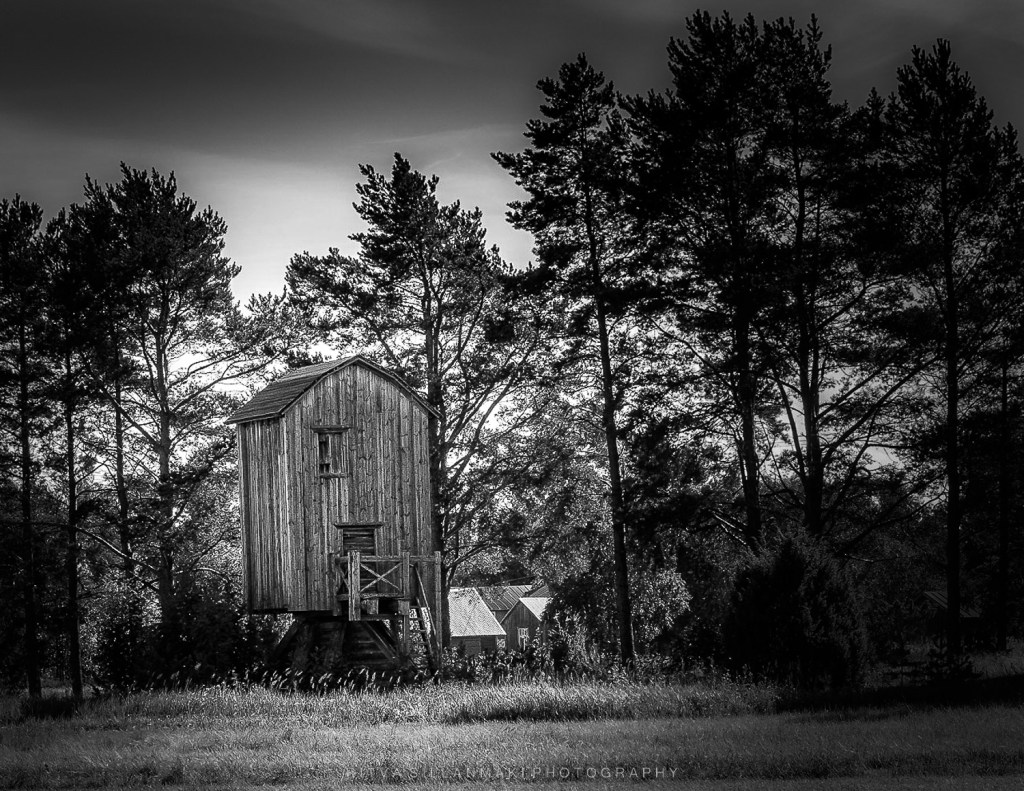
Some building and barns seen I’ve seen this summer
Farm house on a hill with dark clouds
Hailuoto is the largest island in the Bothnian Bay. The island started to rise from the sea approximately 2,000 years ago and continues to do so. Eventually the island will adjoin mainland. The island has been inhabited for at least 1,000 years. Fishing was naturally essential for the islanders as was agriculture. By the end of the 19th century, population on the island had reached 2,000 inhabitants but by the 60’s and 70’s started to fall. In 1980, the number of inhabitants had dropped below 900, but since then has increased again steadily and is now around 1,000 residents.
Hailuoto natural environment is an asset and we do our best to preserve it for future generations by different conservation programmes. Protection covers birds, shoreline and unique esker formations. The rising shoreline is constantly changing and thus forms a living conservation area. The built environment in Hailuoto is characterised by well-preserved traditional buildings and therefore, together with its unique nature, Hailuoto was designated one of the national landscapes in Finland and actually the only one with national landscape covering the entire municipality. (https://www.hailuoto.fi/en/info-2/information-about-hailuoto/ )
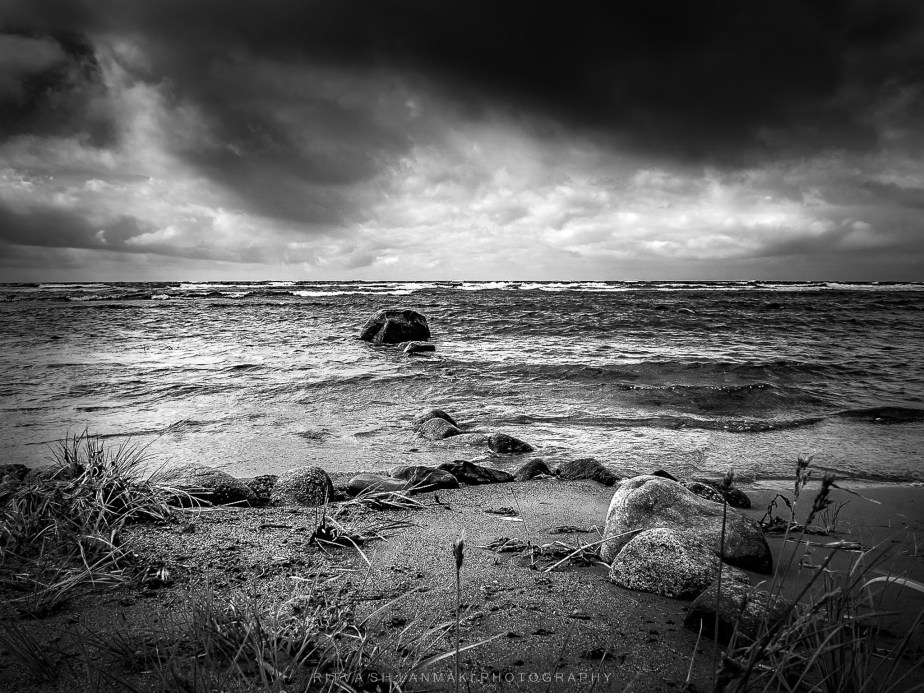
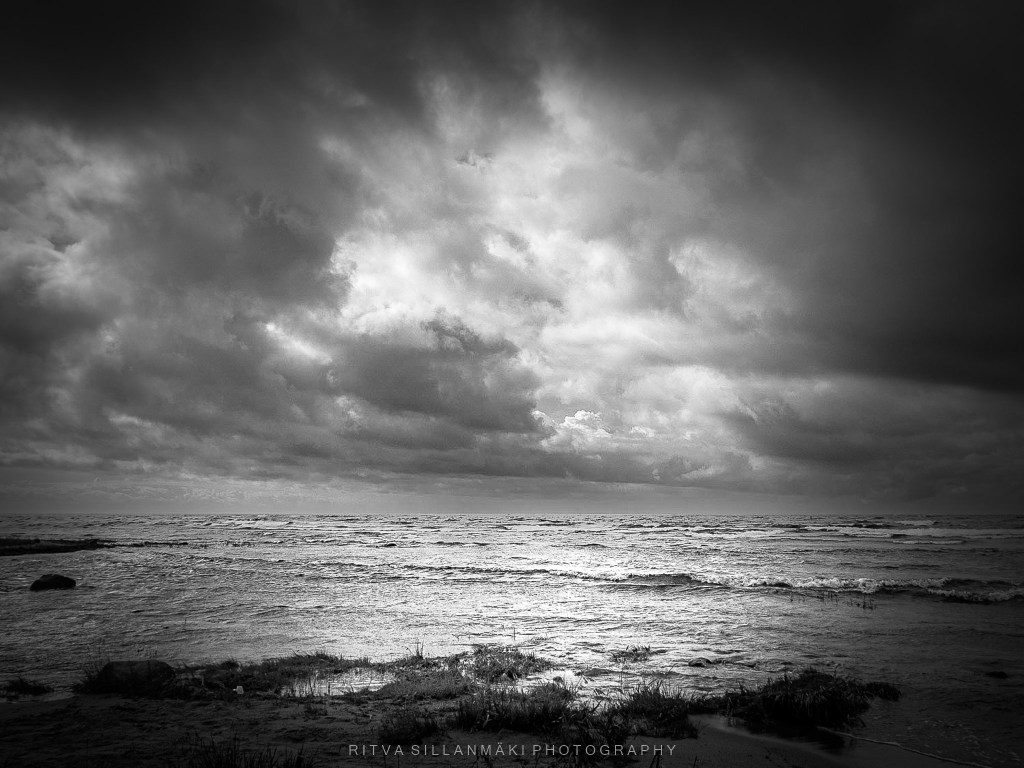
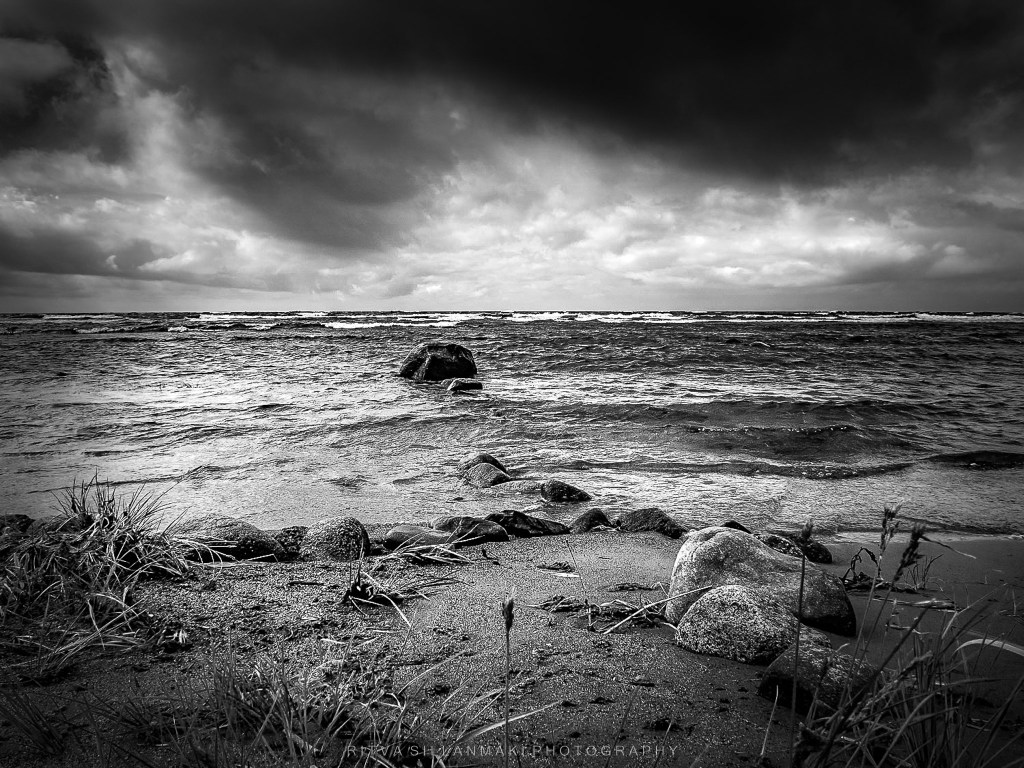
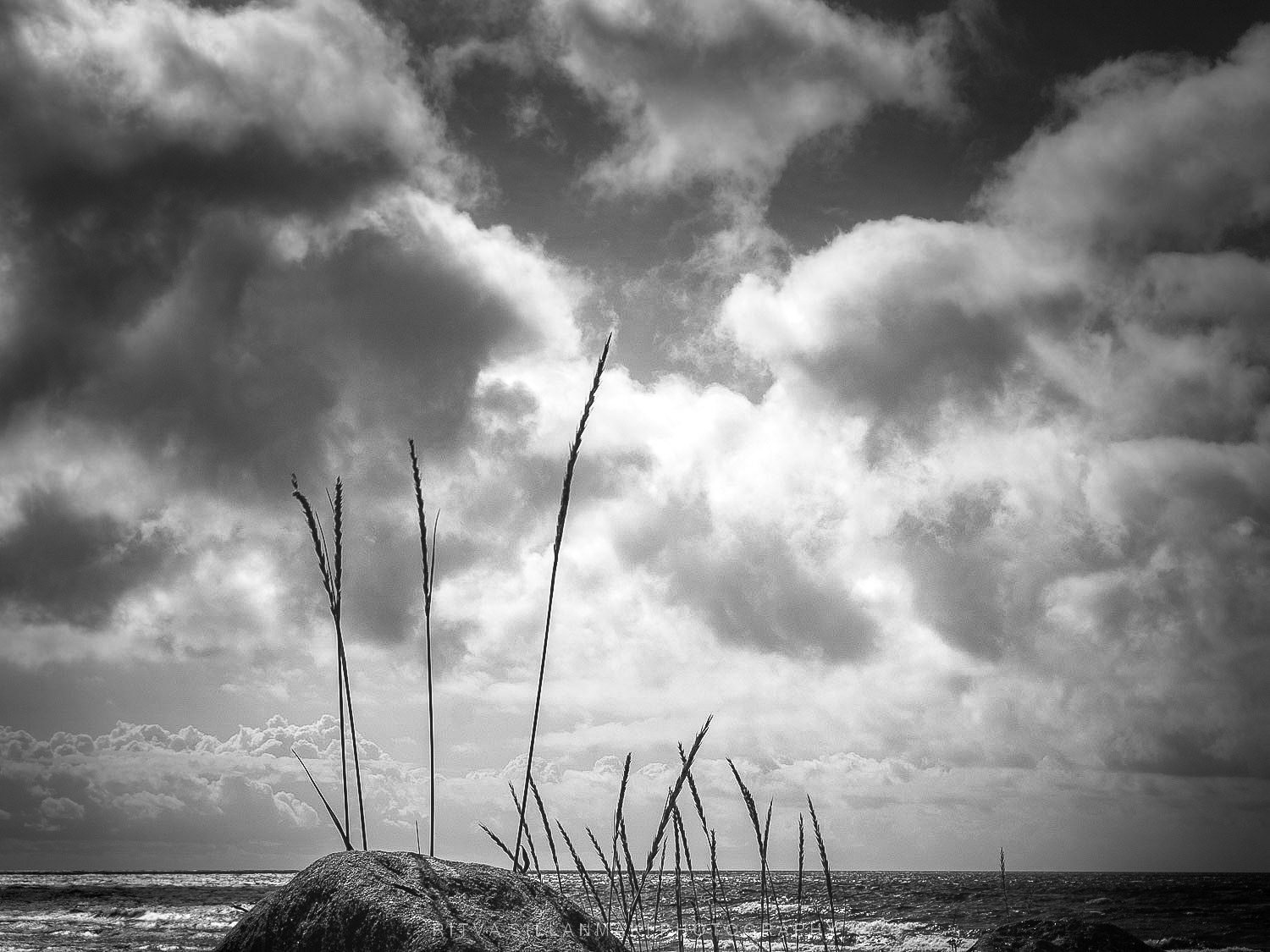
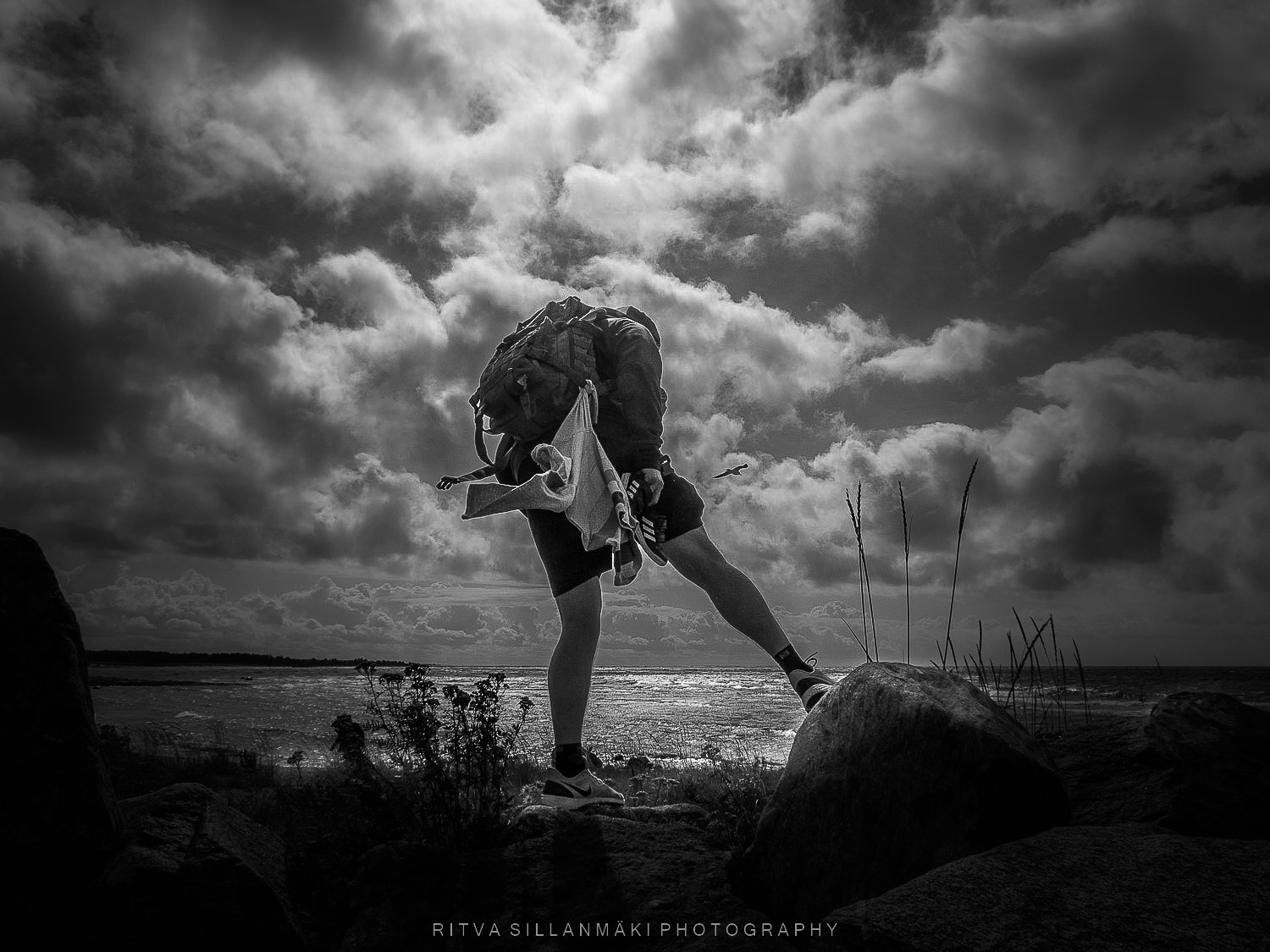
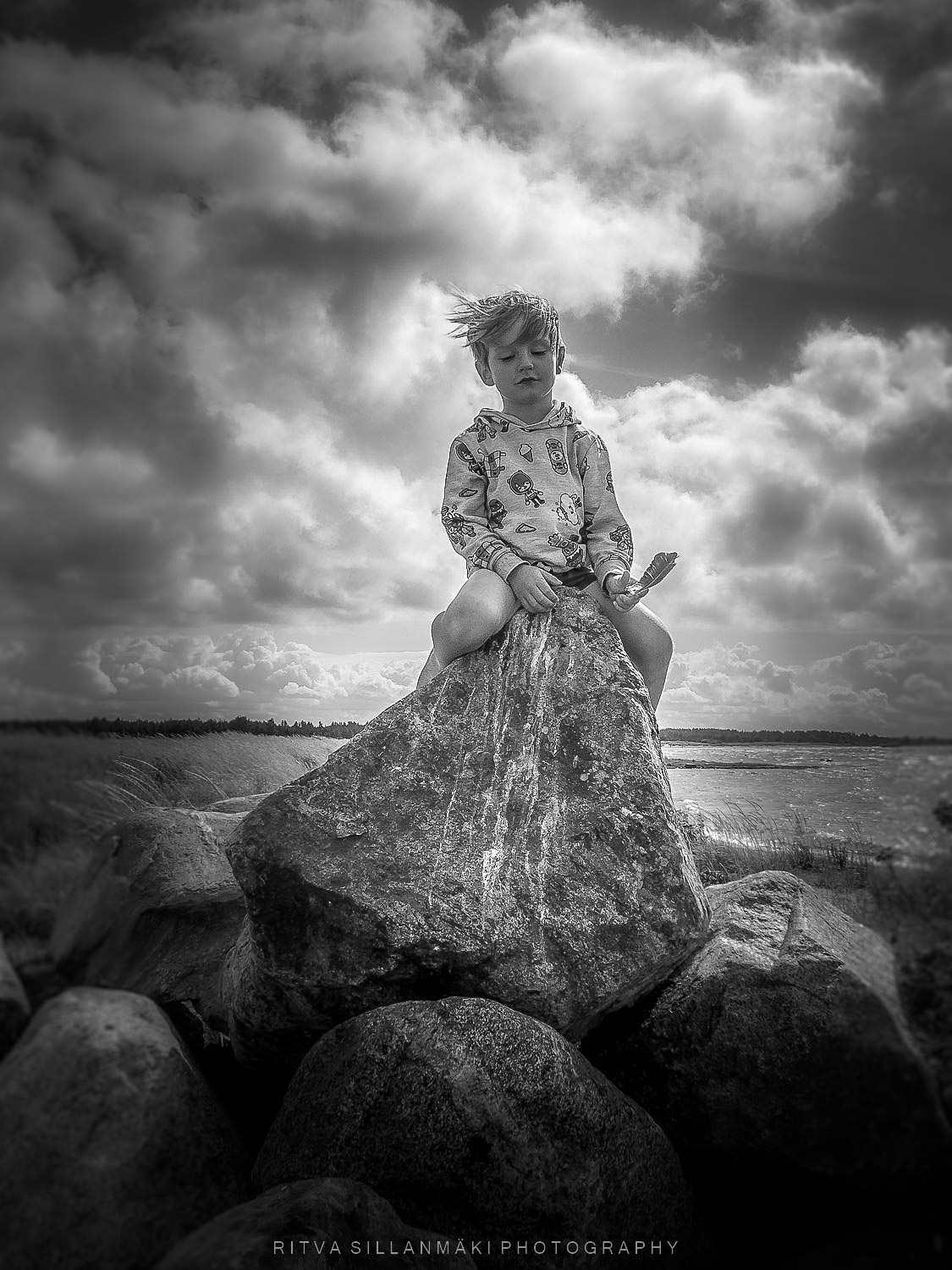
Marjaniemi is the westernmost point in the island at the end of the road in Hailuoto, these are from the beach at Marjaniemi. Sea, sand, waves and clouds, is what this post is about.
A cloudy day allows you to have moody and visually interesting images. I love looking at clouds, listening to the wind and watching how the waves flow,trying to count when the big wave comes. I have heard when younger that every 7th wave is bigger… don’t know if it is true 🙂
clouds over the sea
On the beach
Hailuoto is the largest island in the Bothnian Bay. The island started to rise from the sea approximately 2,000 years ago and continues to do so. Eventually the island will adjoin mainland. The island has been inhabited for at least 1,000 years. Fishing was naturally essential for the islanders as was agriculture. By the end of the 19th century, population on the island had reached 2,000 inhabitants but by the 60’s and 70’s started to fall. In 1980, the number of inhabitants had dropped below 900, but since then has increased again steadily and is now around 1,000 residents.
Hailuoto natural environment is an asset and we do our best to preserve it for future generations by different conservation programmes. Protection covers birds, shoreline and unique esker formations. The rising shoreline is constantly changing and thus forms a living conservation area. The built environment in Hailuoto is characterised by well-preserved traditional buildings and therefore, together with its unique nature, Hailuoto was designated one of the national landscapes in Finland and actually the only one with national landscape covering the entire municipality. (https://www.hailuoto.fi/en/info-2/information-about-hailuoto/ )
Marjaniemi is the westernmost point in the island at the end of the road in Hailuoto.
Marjaniemi has been a harbour and a fishing location for hundreds of years. It is still an important harbour in the Bothnian Bay. The importance of fishing in the old days for the fishing village and villagers is still present today. Even today, considerable amounts of herring, whitefish and salmon are unloaded from ships in the harbour.
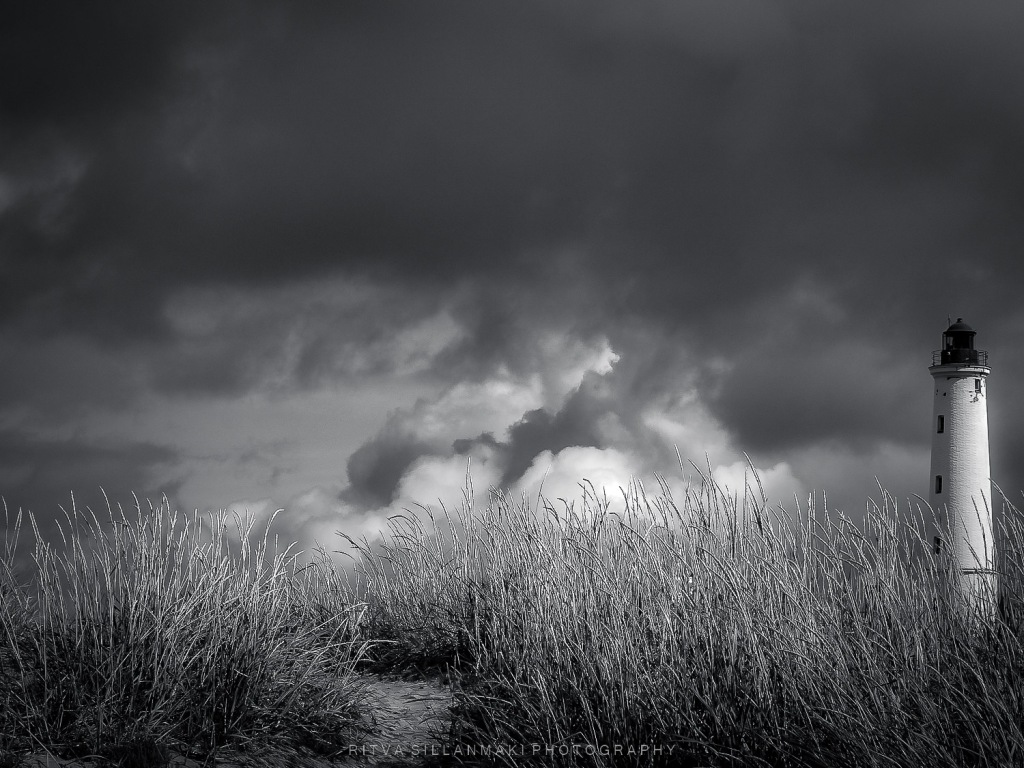
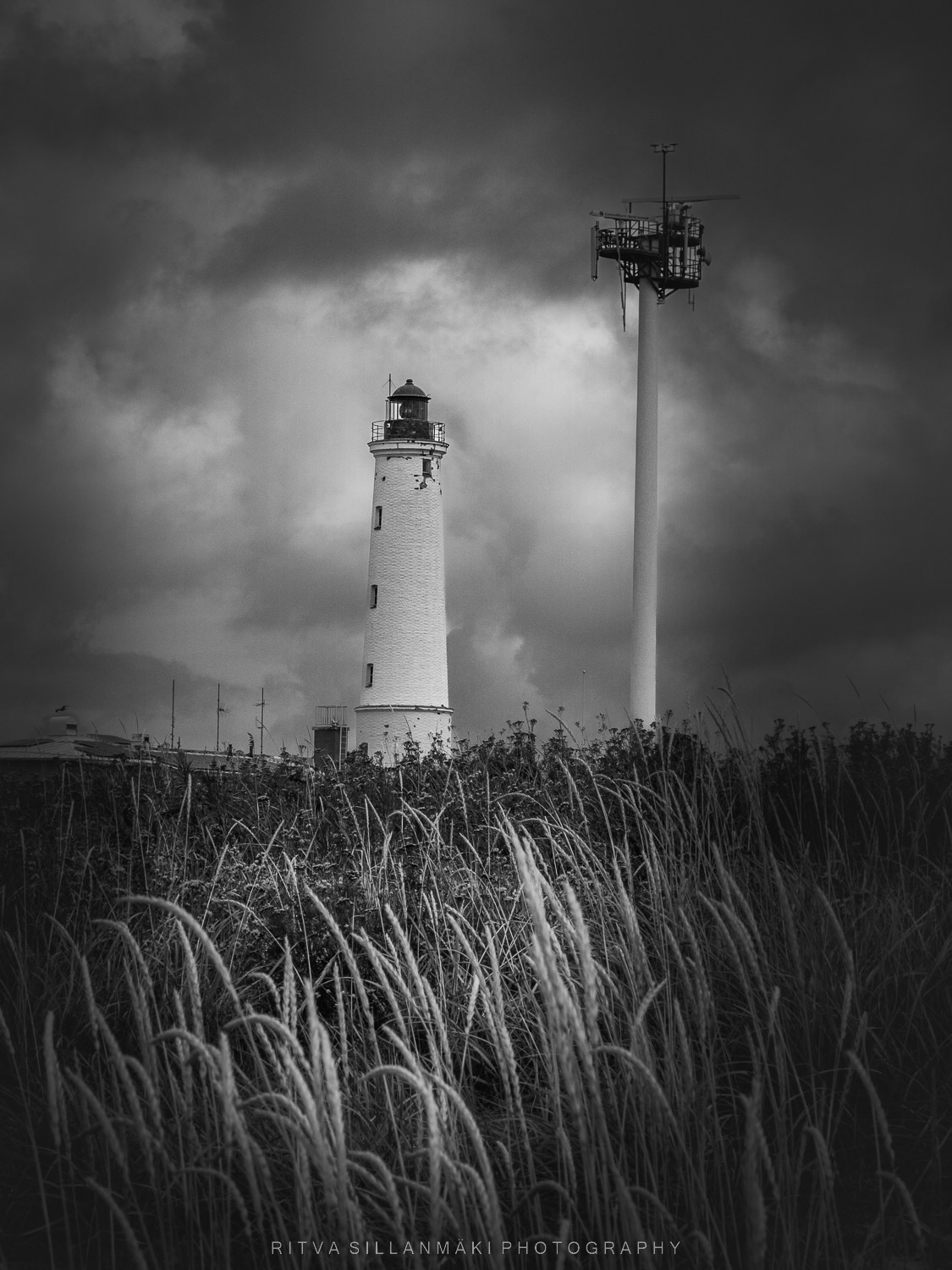
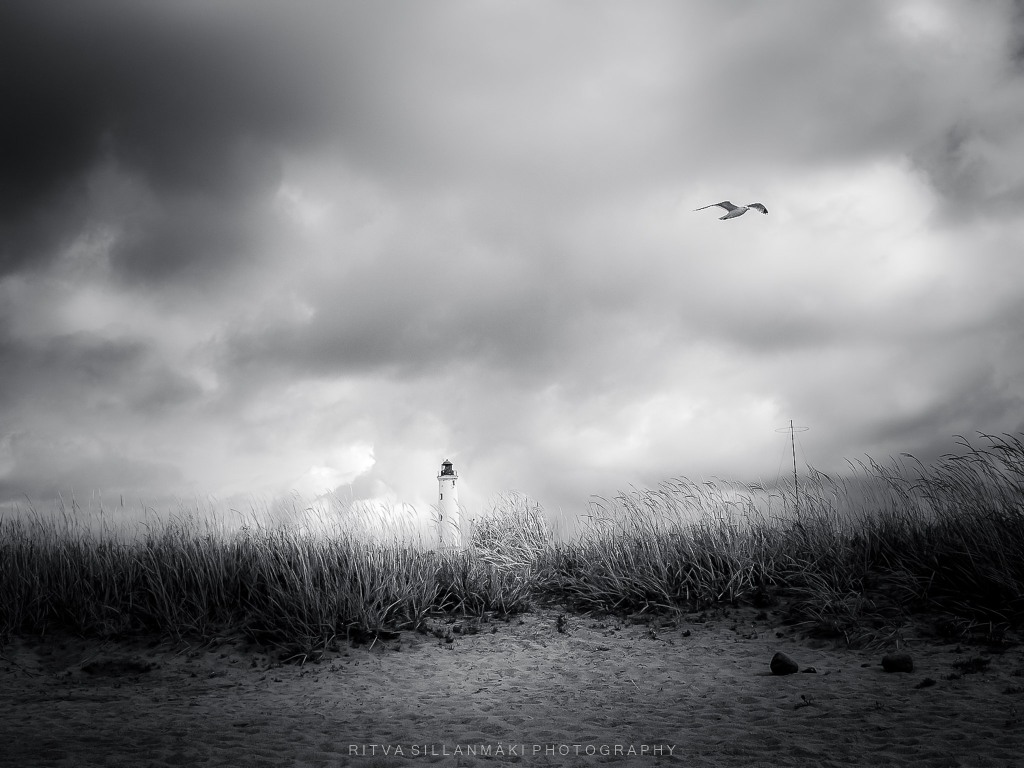
Pilotage started in Marjaniemi in the 18th century and still continues. One of the most popular attractions in Hailuoto is the Marjaniemi lighthouse, built in 1871 and opened on 3rd September 1872, guiding the sailors for a long time now.
Clouds and Marjaniemi Lighthouse
Lighthouse in Hailuoto
in this image I edited the ugly radar spar built next to it.
Hailuoto is the largest island in the Bothnian Bay. The island started to rise from the sea approximately 2,000 years ago and continues to do so. Eventually the island will adjoin mainland. The island has been inhabited for at least 1,000 years. Fishing was naturally essential for the islanders as was agriculture. By the end of the 19th century, population on the island had reached 2,000 inhabitants but by the 60’s and 70’s started to fall. In 1980, the number of inhabitants had dropped below 900, but since then has increased again steadily and is now around 1,000 residents.
Hailuoto natural environment is an asset and we do our best to preserve it for future generations by different conservation programmes. Protection covers birds, shoreline and unique esker formations. The rising shoreline is constantly changing and thus forms a living conservation area. The built environment in Hailuoto is characterised by well-preserved traditional buildings and therefore, together with its unique nature, Hailuoto was designated one of the national landscapes in Finland and actually the only one with national landscape covering the entire municipality. (https://www.hailuoto.fi/en/info-2/information-about-hailuoto/ )

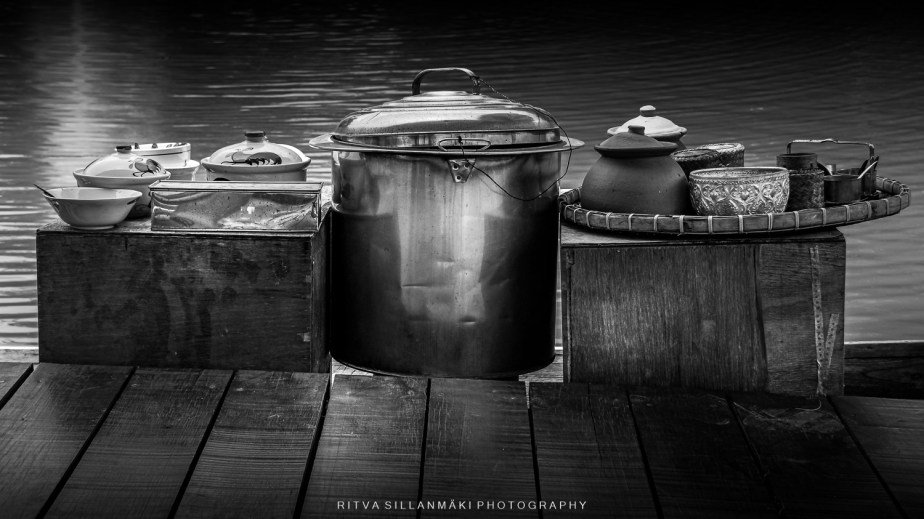
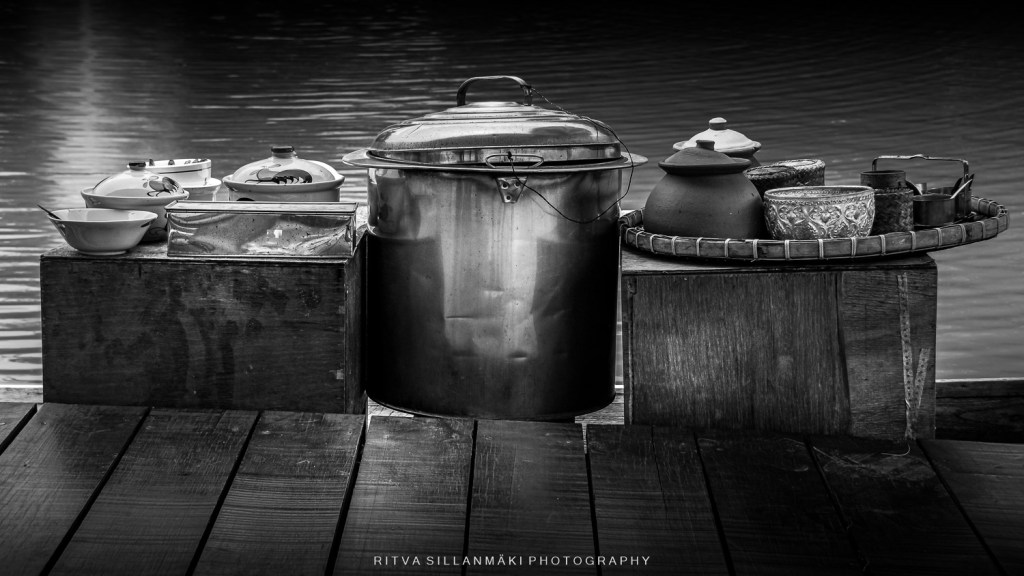
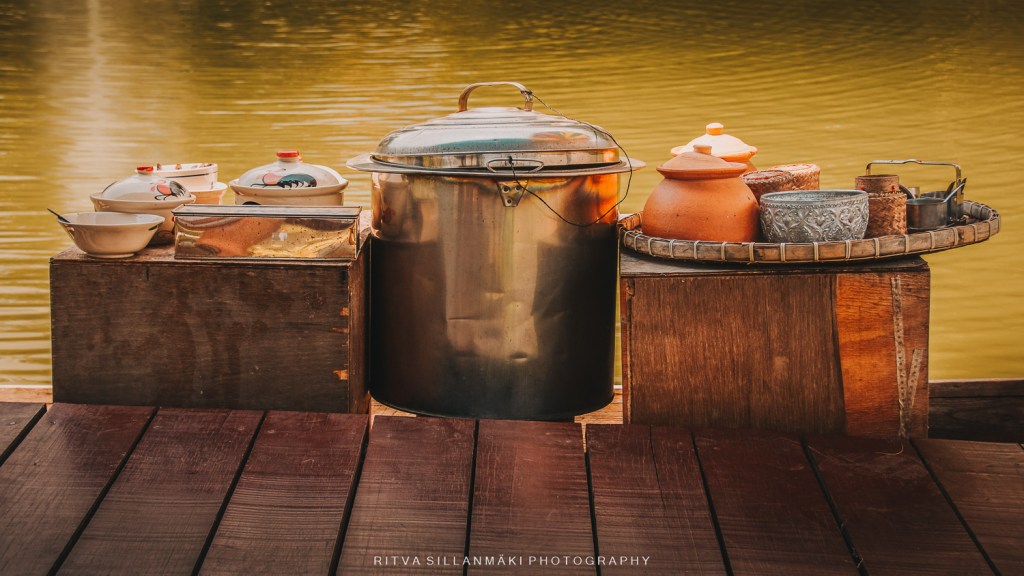
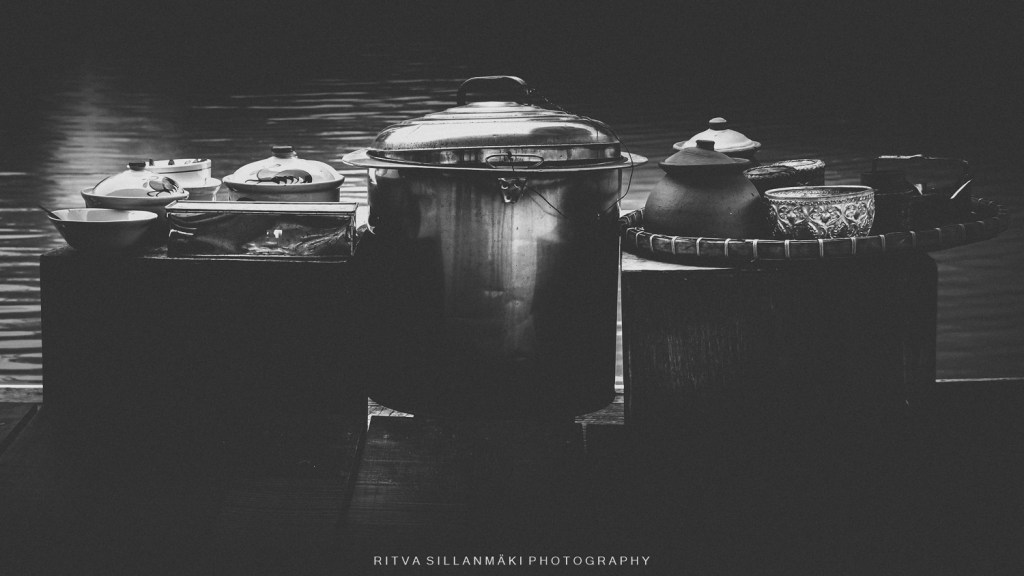


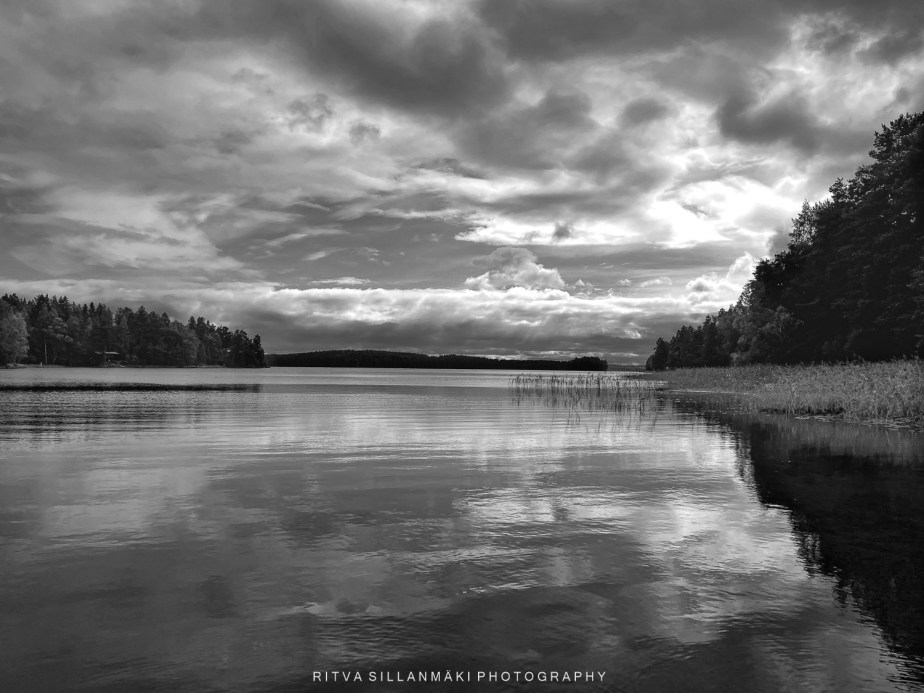
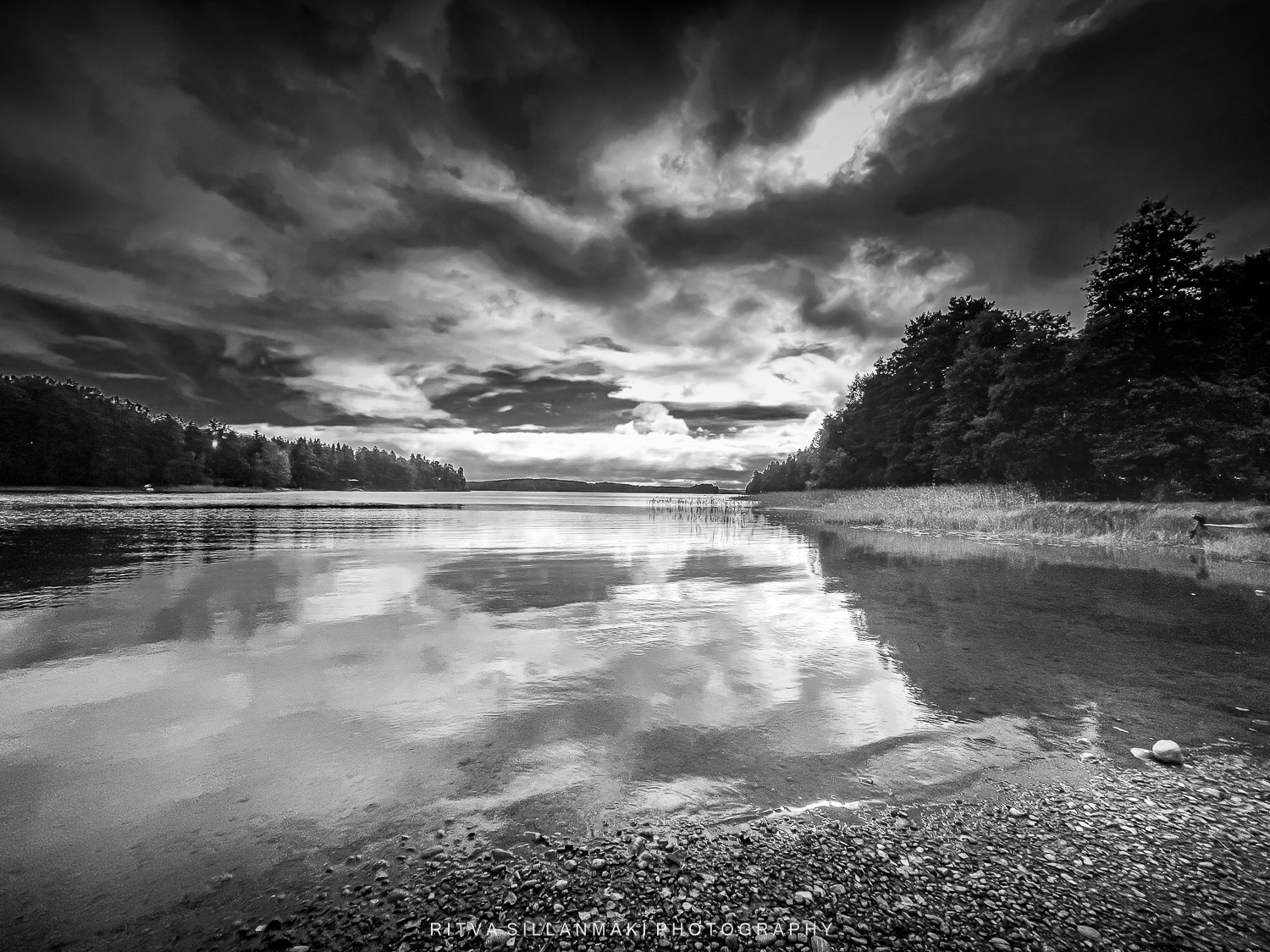
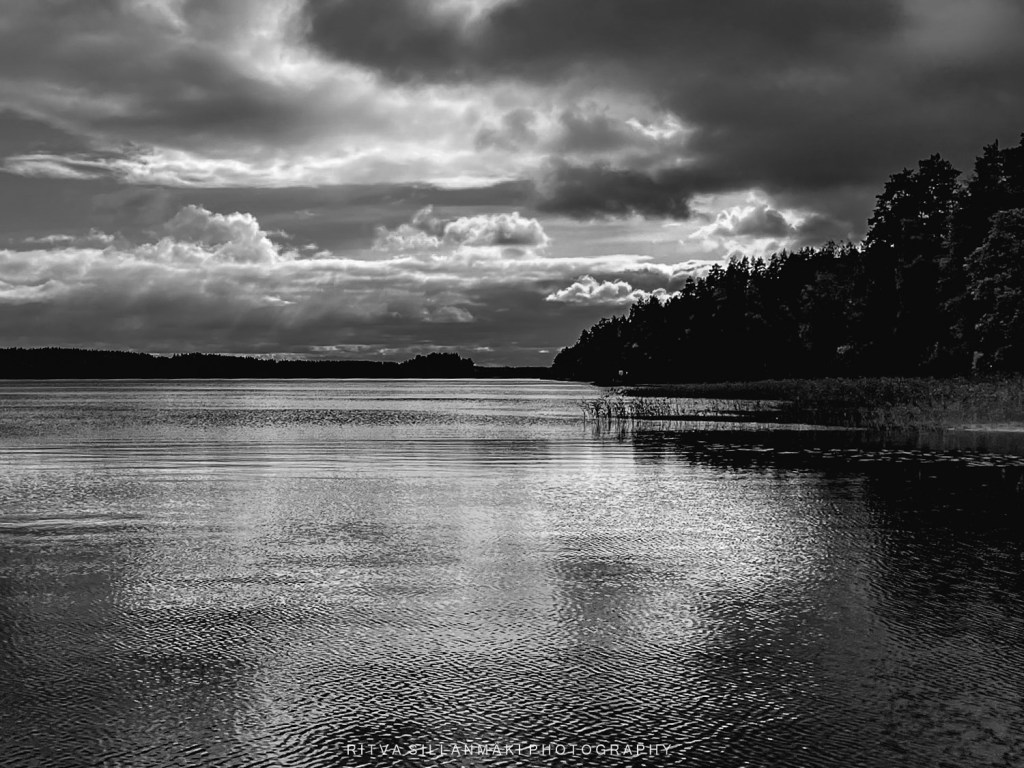









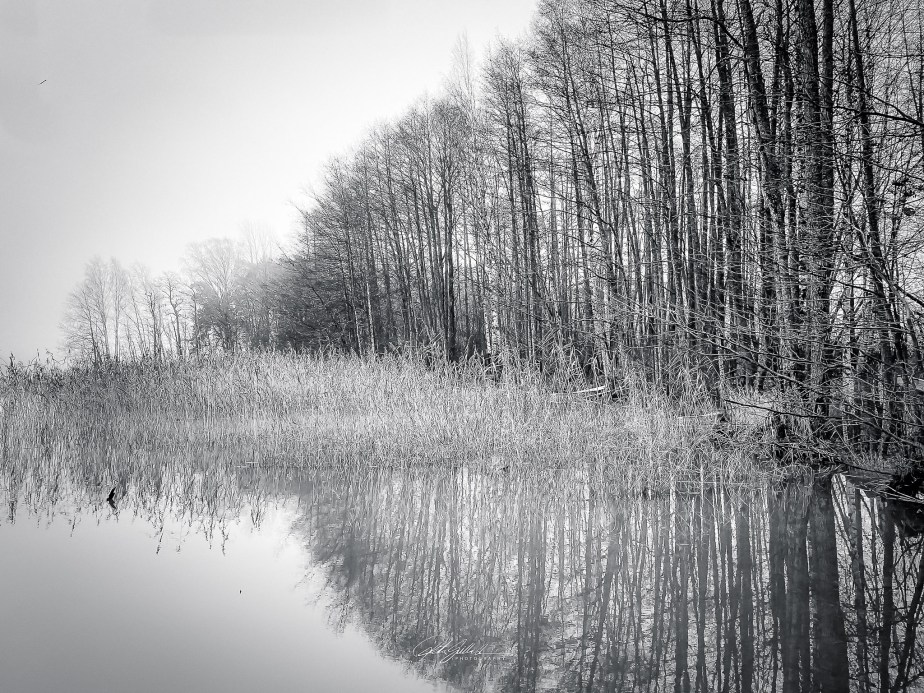
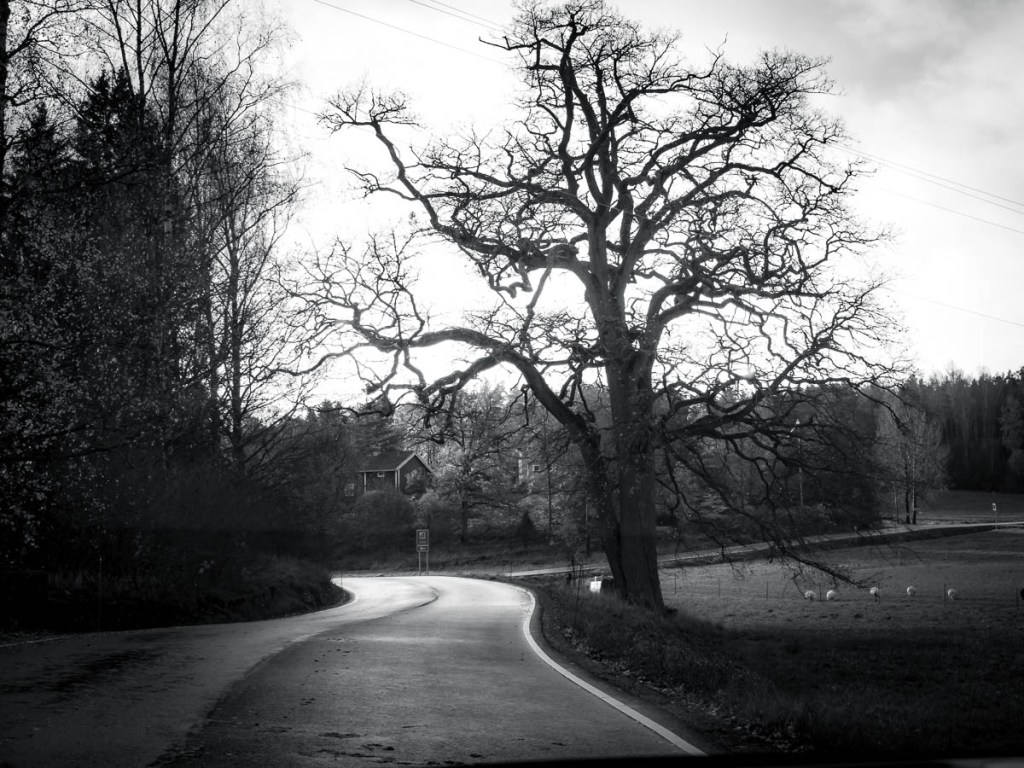
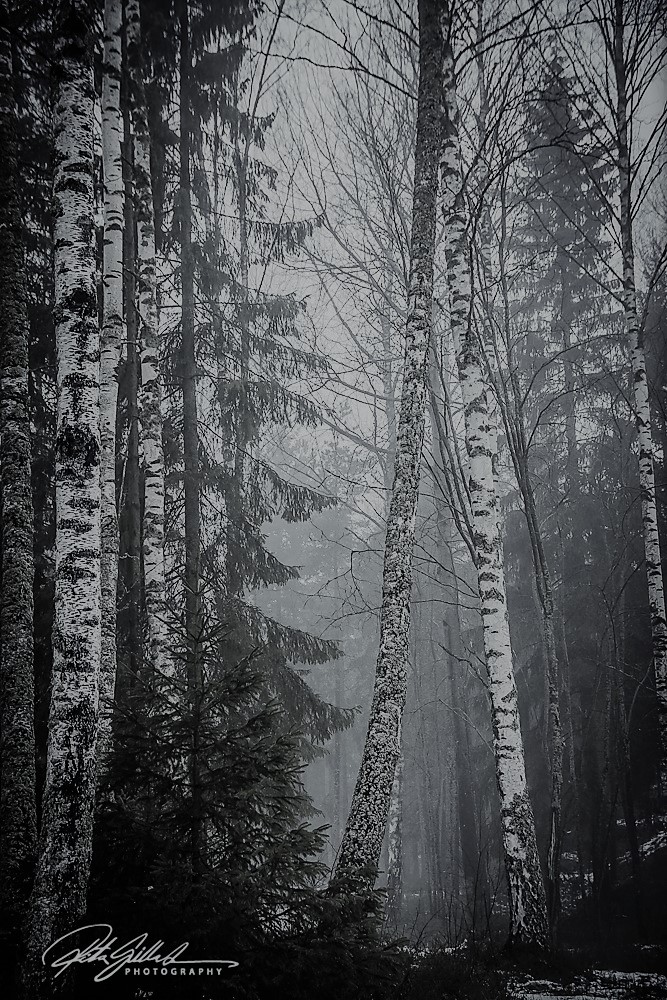











 Ritva Sillanmäki Photography