
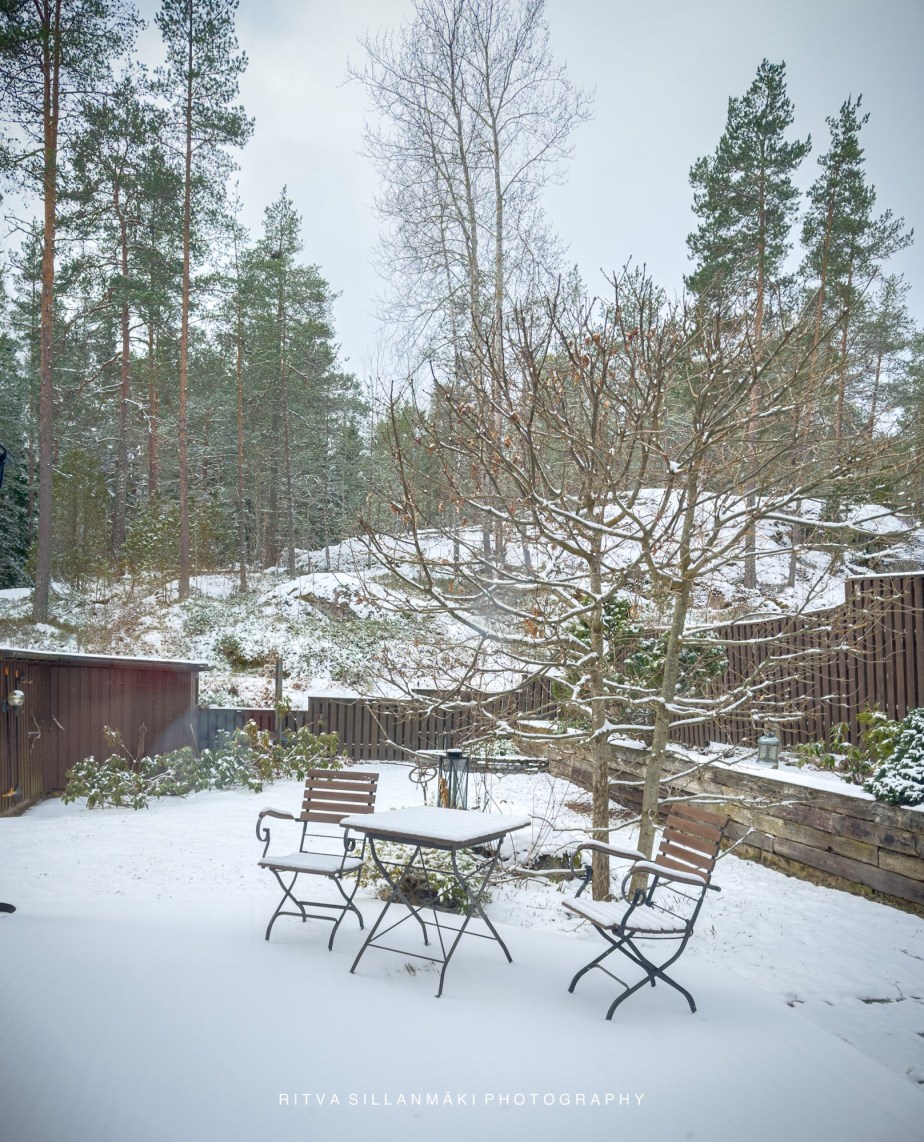
Took this just now from my bedroom window and more snow excepted.

This contains photographs of my home country, places dear to me. That I proudly share.
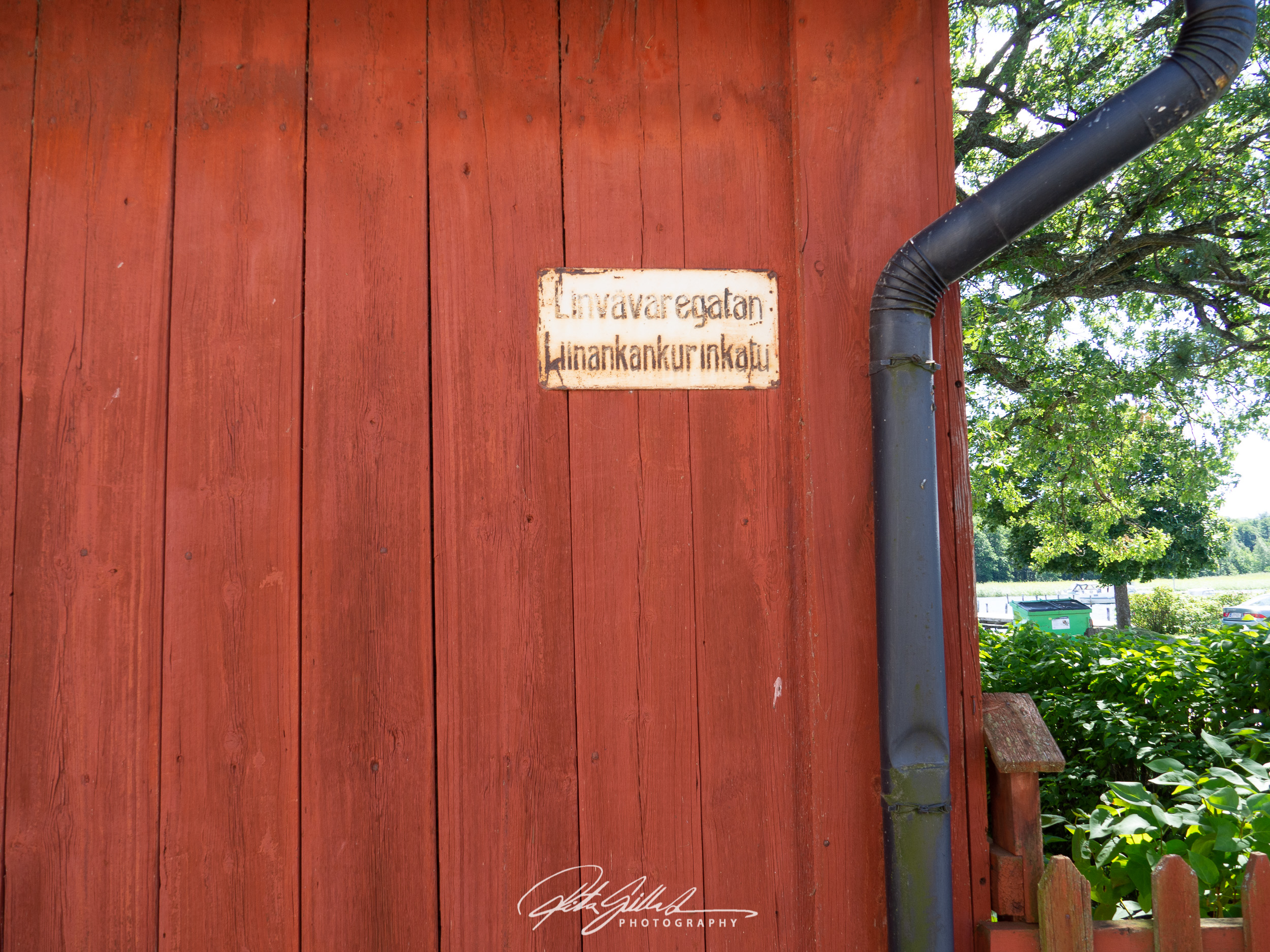
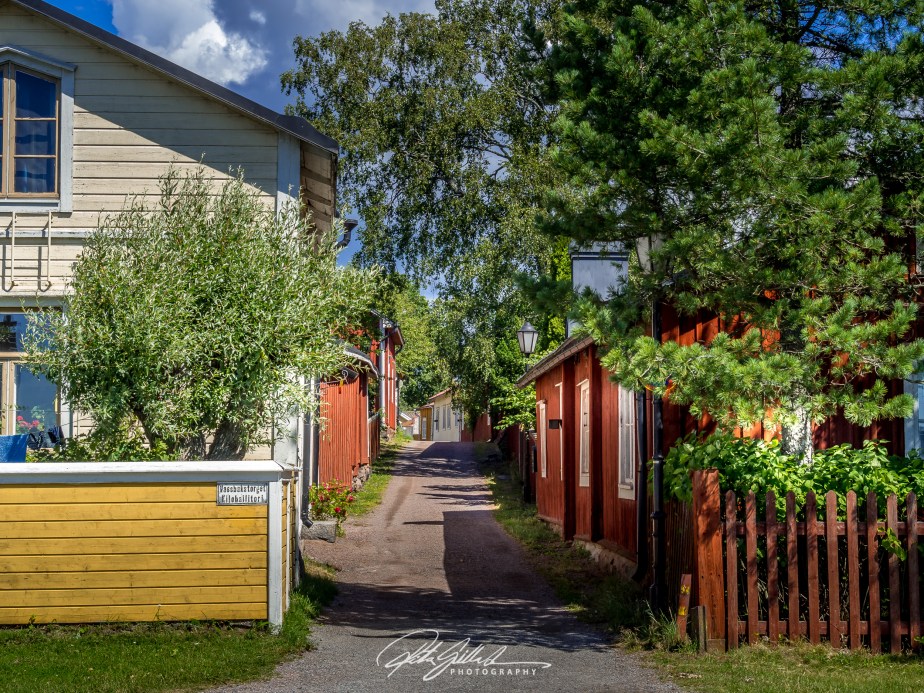
These are from Tammisaari, it is an idyllic old coastal town . In the old town, the streets have been in the same places since the 16th century, and from the names you can tell what kind of professionals lived on which street, such as Liinakankurinkatu, (Weaver st.) I have photo of that one below. Hatuntekijänkatu ( Milliner street), Nahkurinkatu ( Tanner street), etc.

In the windows of old houses in coastal cities, you can notice a stand with two mirrors attached to it. It is a street mirror whose name has become a gossip mirror in the mouth of the people. Gossip mirrors have mirrors curved in both directions that open outwards. Looking from the inside, you can see the events of the entire street through the mirrors. Old times security cameras ? 😂
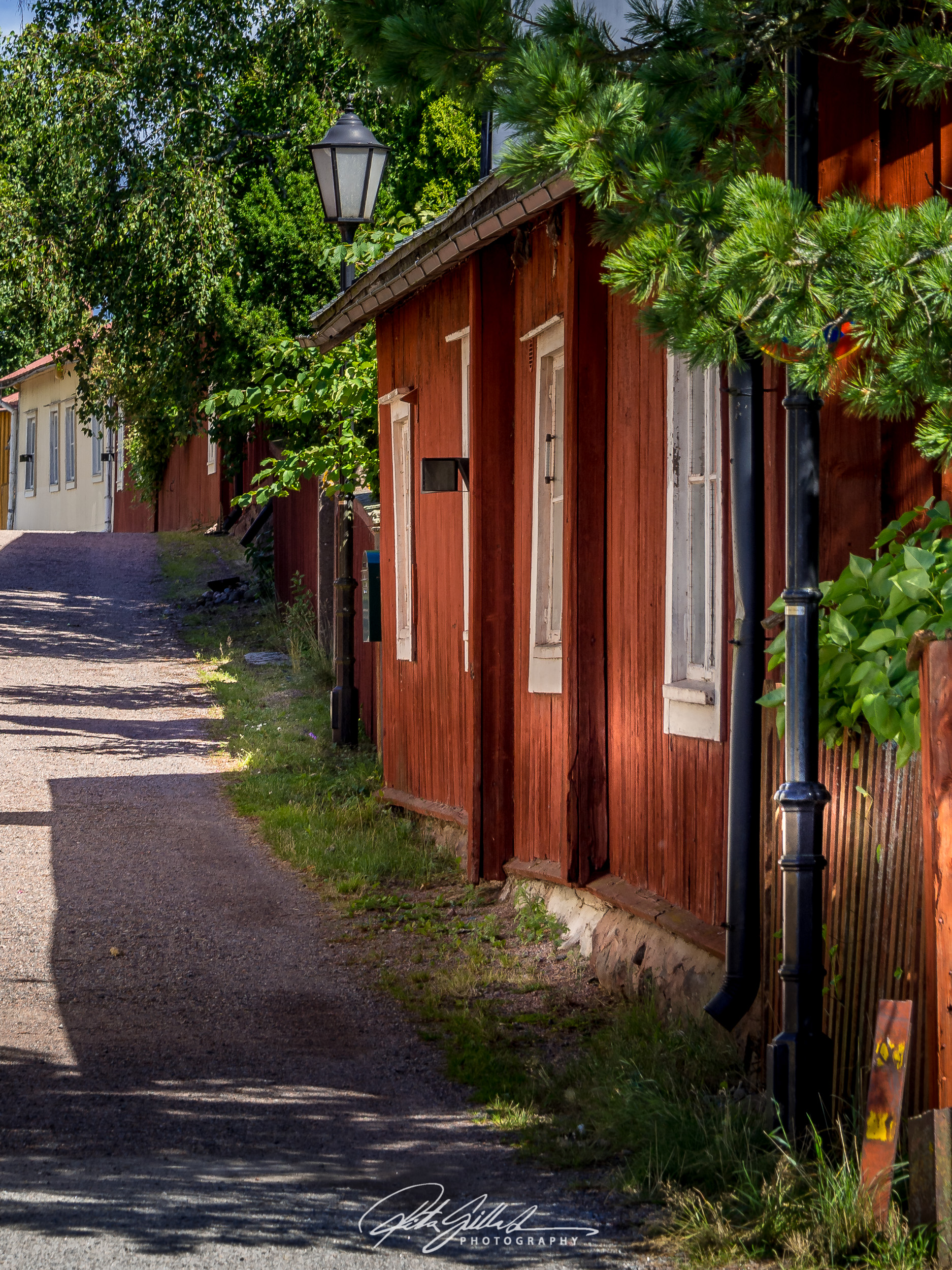

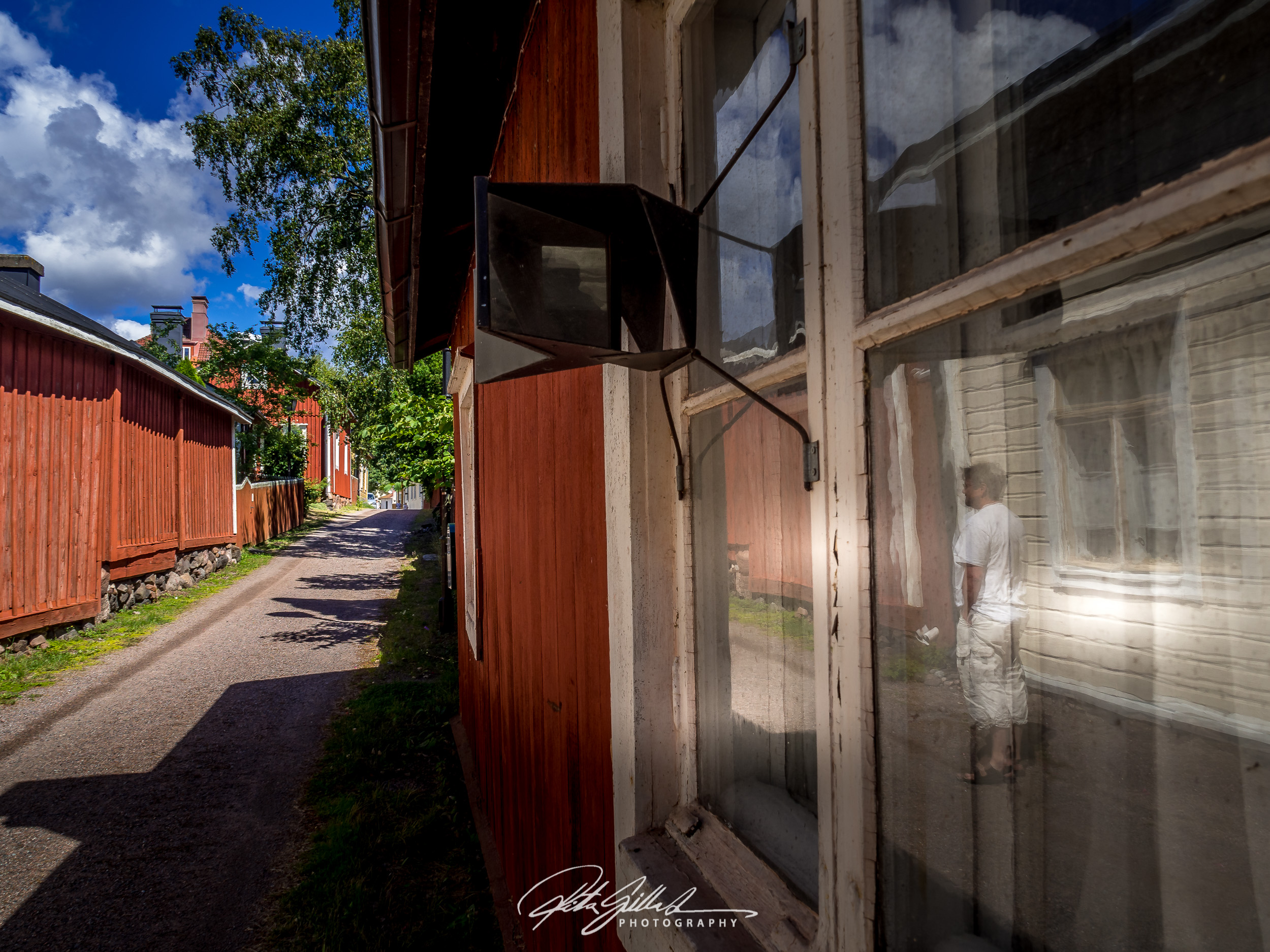
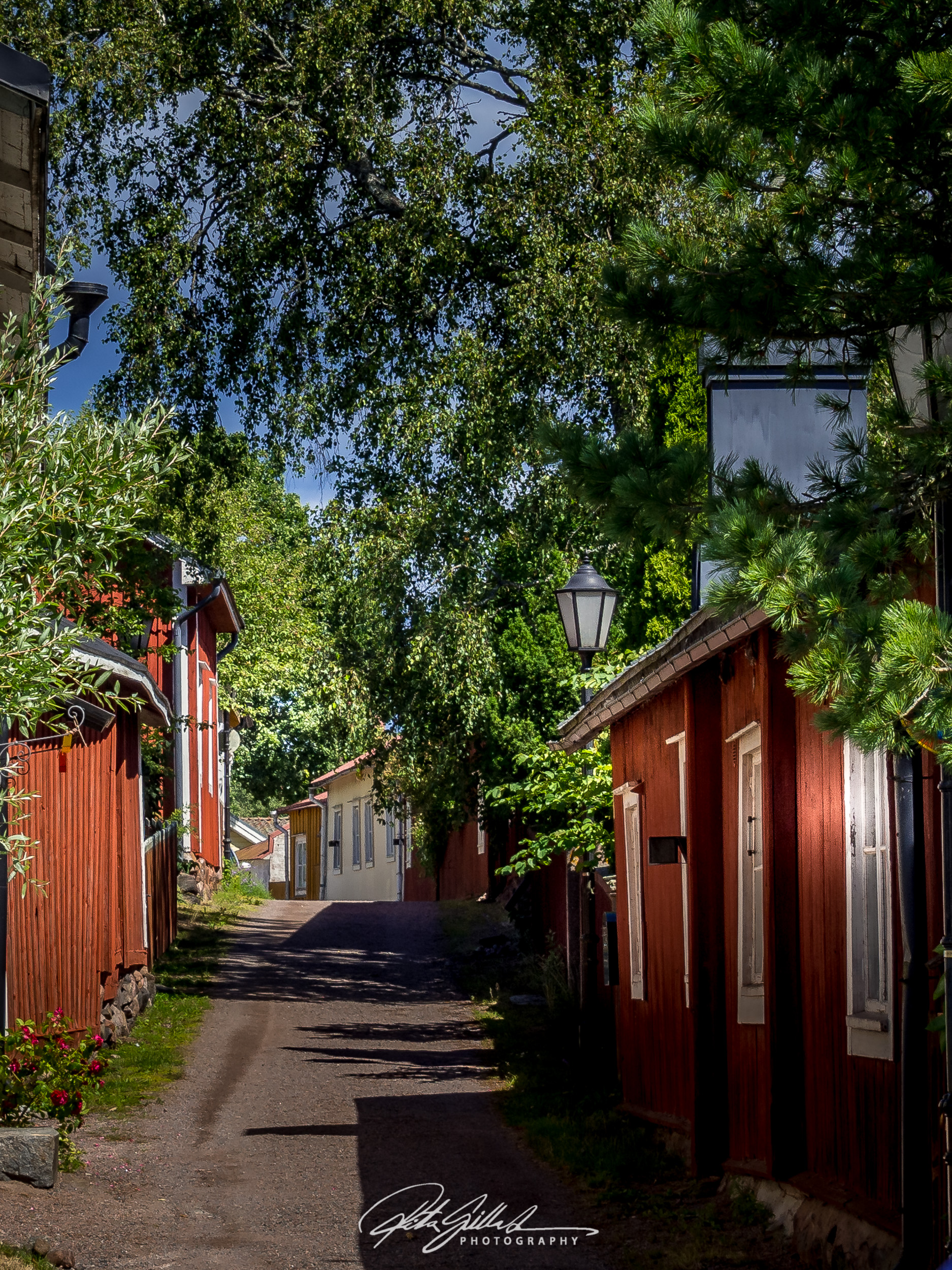
Posted for Cee’s Which Way Challenge
This old , rustic wooden door has timeless beauty. Each weathered plank, each sturdy iron hinge and bolt, bears witness to the passage of years gone by, weaving together a narrative of resilience and enduring charm. This barn door stands surrounded by lush greenery, where green foliage delicately caresses its time-worn frame.

The earth in front of the door reveals its well-trodden path, marked by patches of grass and traces of constant use. I took this shot late afternoon as the sun casts enchanting shadows upon and around the door, adding an extra layer of depth to its rustic allure, an enduring appeal of ageless craftsmanship.
Posted for Thursday doors
In the other photo you can see the whole building and area around these doors.

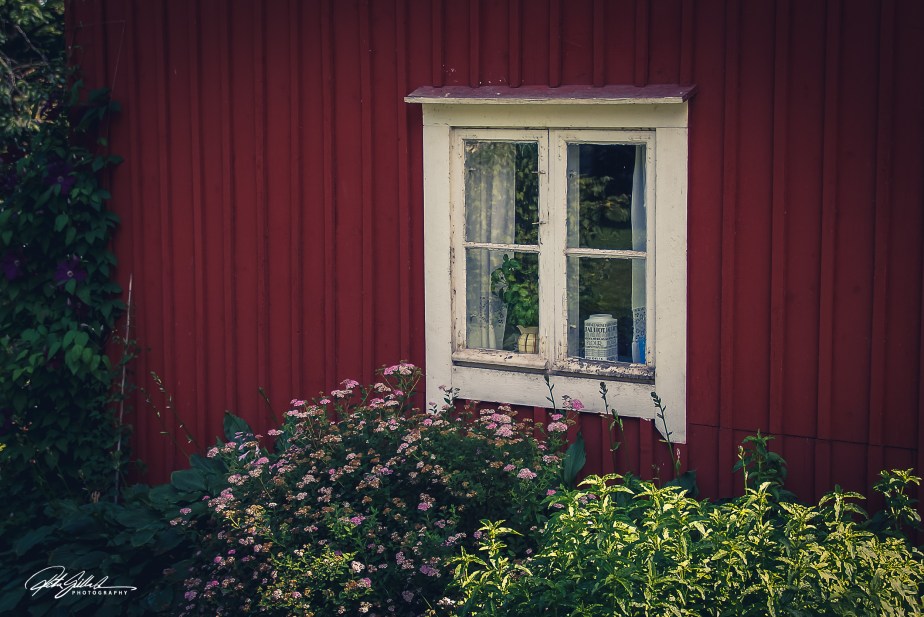
As I am so waiting for summer or even spring to really arrive I am posting this traditional window(s) for Monday Window
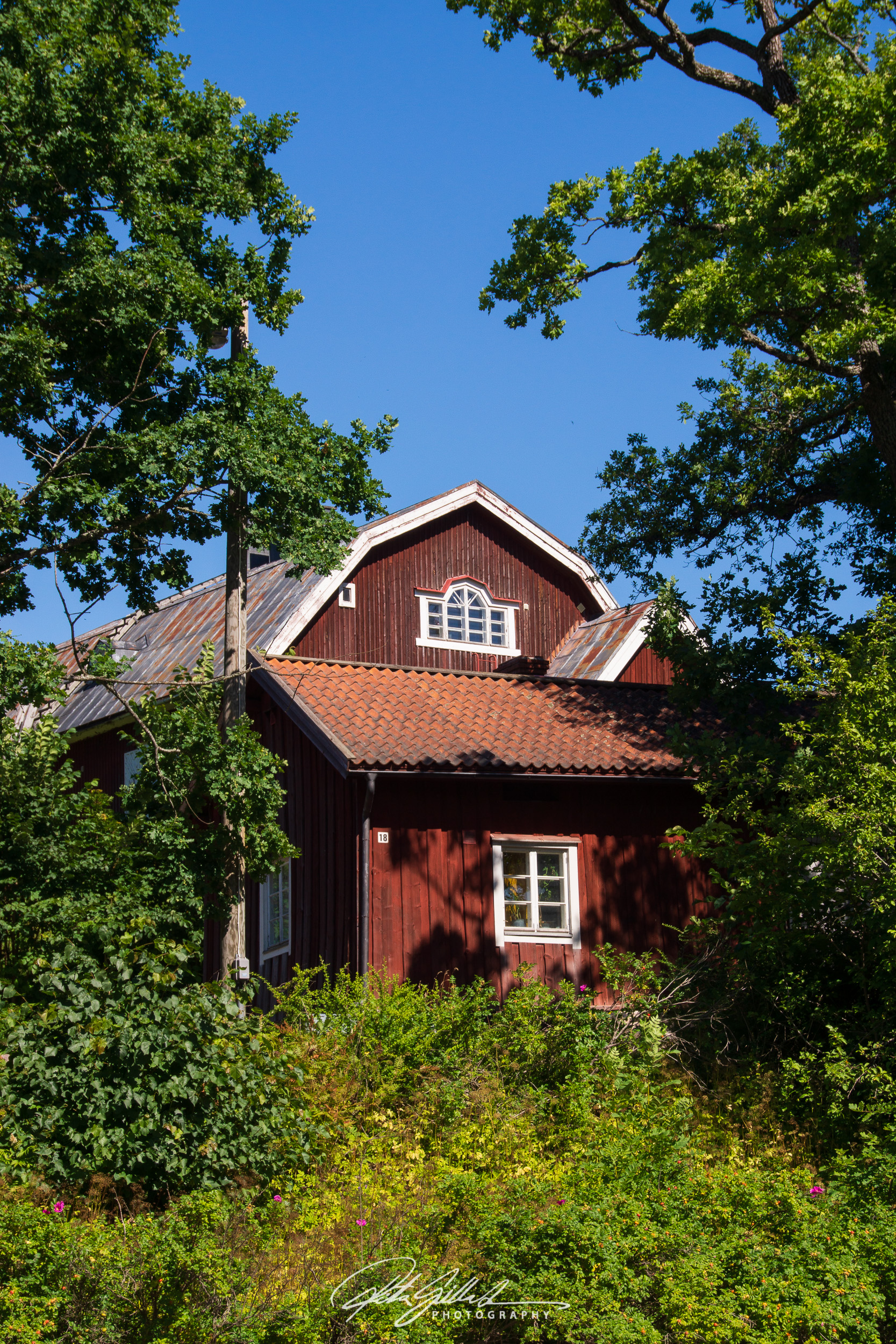
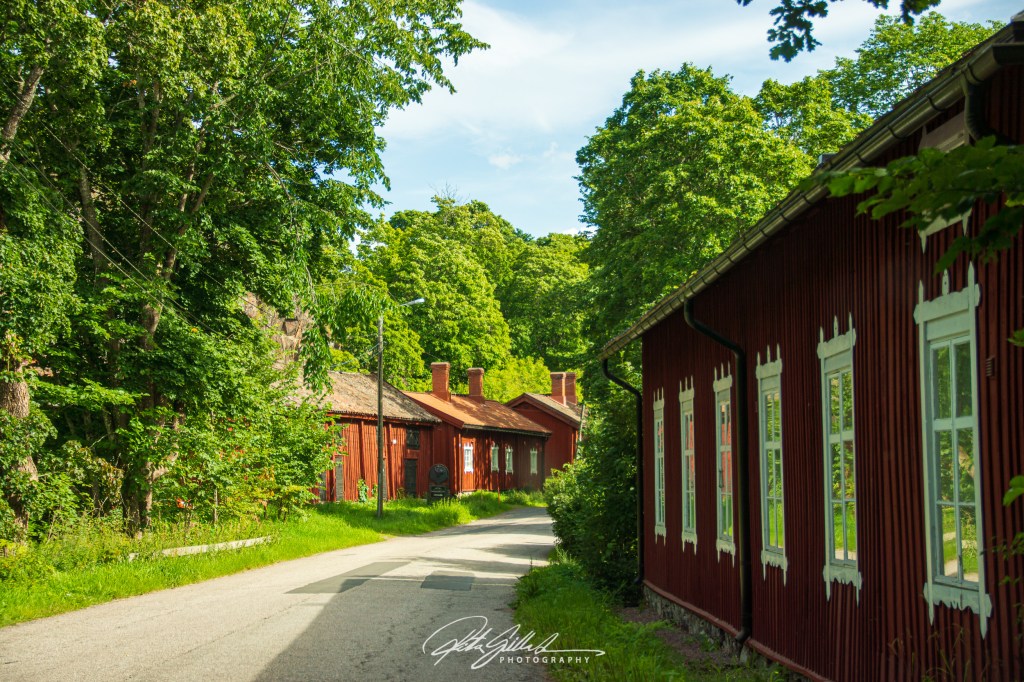
In the vast Finnish countryside, you’ll find the charming traditional Finnish falu red log houses, each one telling a story of generations past. These beloved structures, affectionately known as “Grandma’s cottages,” evoke a sense of nostalgia and warmth, reflecting a simpler time when life was closely intertwined with nature. w

The distinctive falu red hue, derived from a traditional Scandinavian pigment, not only adds a striking visual appeal to these log houses but also serves to protect the wood from the elements, ensuring their longevity for years to come. As sunlight filters through the small, paned windows, it illuminates the cozy interiors.
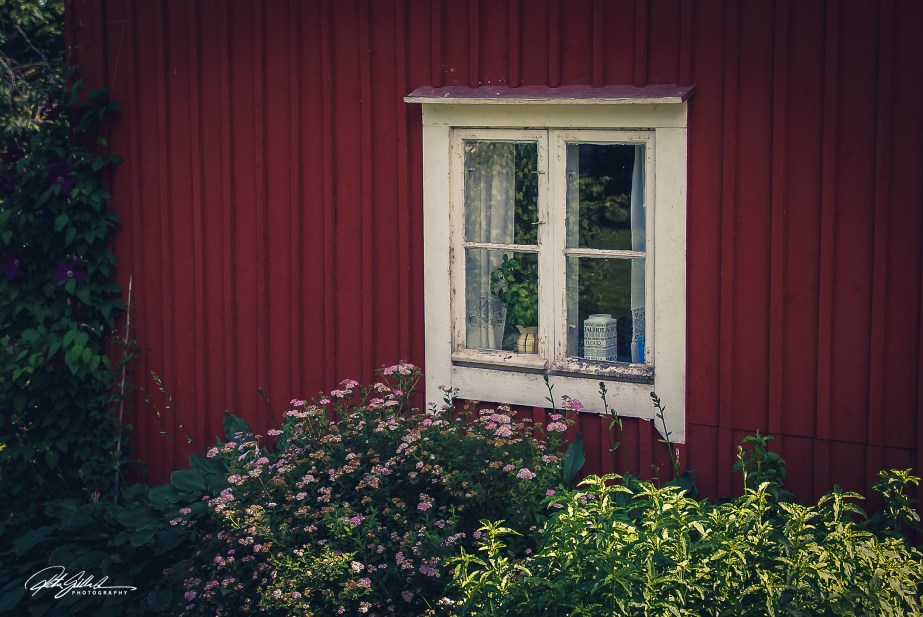
Embracing the essence of hygge, the Finnish art of coziness and contentment, “Grandma’s cottages” beckon visitors to step inside and experience a slice of authentic Finnish hospitality. The red log houses stand as a testament to the enduring spirit of tradition and the enduring beauty of simple, rustic architecture.


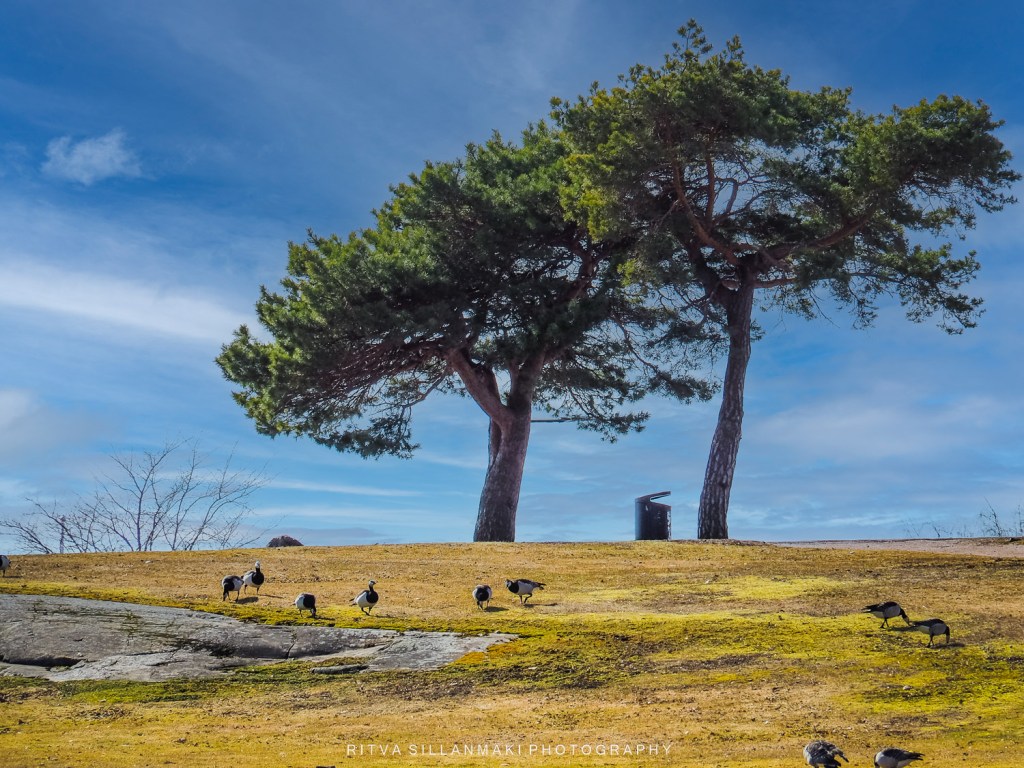
For Debbie’s Six Word Saturday.
This week I found this door from my archives. I decided to add some other photos from above and around the door as well.
Suomenlinna is unique in that although it is a bastion fortress, it is irregular in shape as a result of being built on a cluster of rocky islands with highly variable terrain, requiring a very free adaptation of the theory of fortifications developed in Central Europe.


Suomenlinna is to large extent historically authentic, i.e. consisting of original structures. Several significant layers of historical development in fortifications and shipyards may be seen on Suomenlinna. The dry dock at the heart of the fortress was the state of the art in 18th century technology.

For Dan’s Thursday Doors
Outside of the city and into the country in Monochrome Madness was the Leanne’s post this week. Since it is a great topic, I decided to follow her lead.
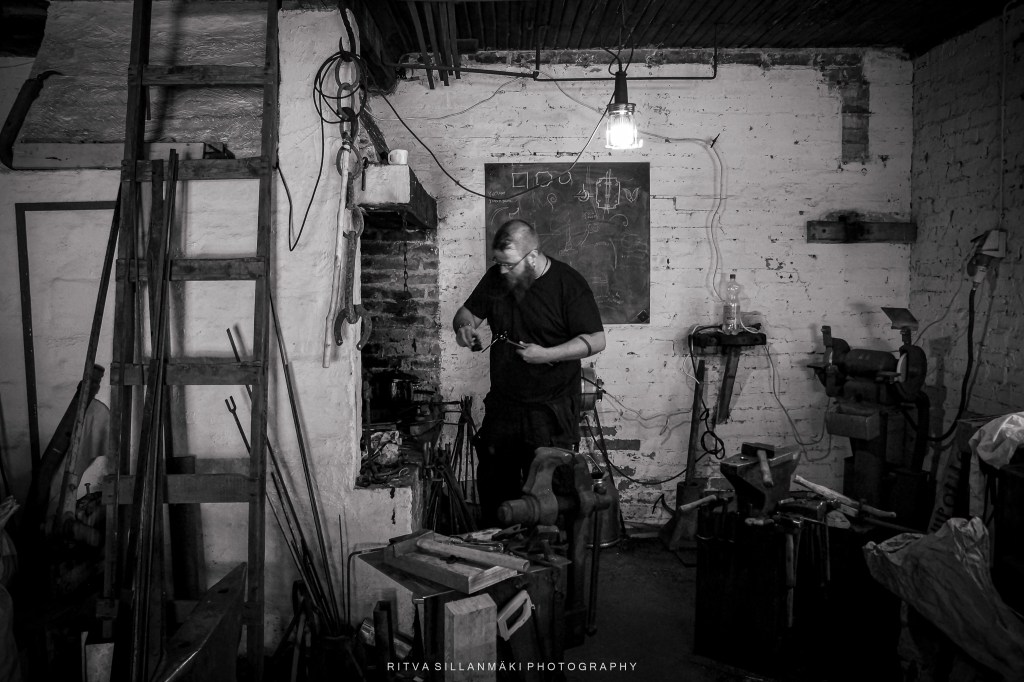
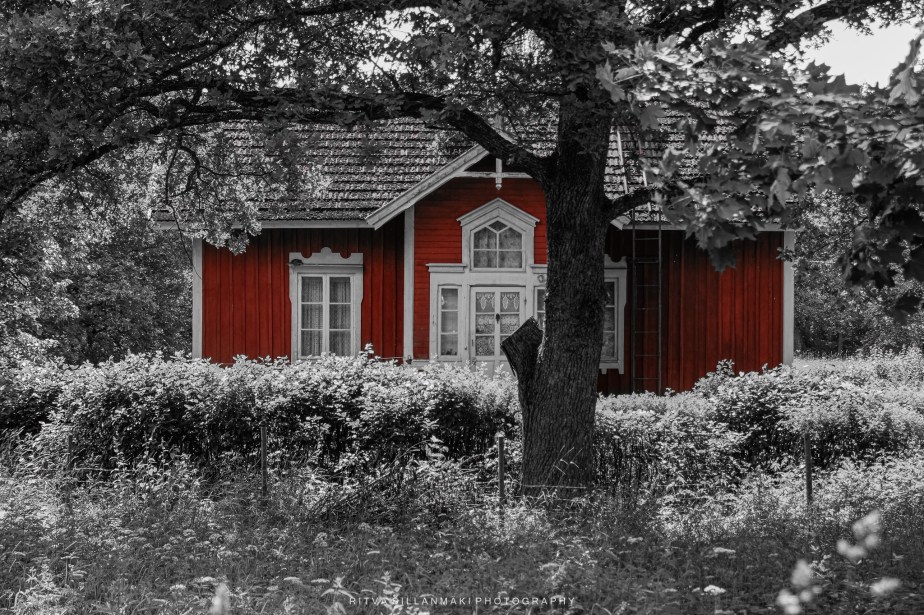
Visiting the local blacksmith a few years back the photos have a sense of nostalgia and tranquility. As I walked through the idyllic countryside, the sight of the red cottages against the backdrop of green fields was truly enchanting. The gravel roads, weathered by time, led the way . The old trees, with their gnarled branches and thick canopies, stood as silent guardians of the road, offering shade and a sense of wisdom to the travelers passing by. It was a scene that seemed to be frozen in time. And as a profession a blacksmith is a dying breed.
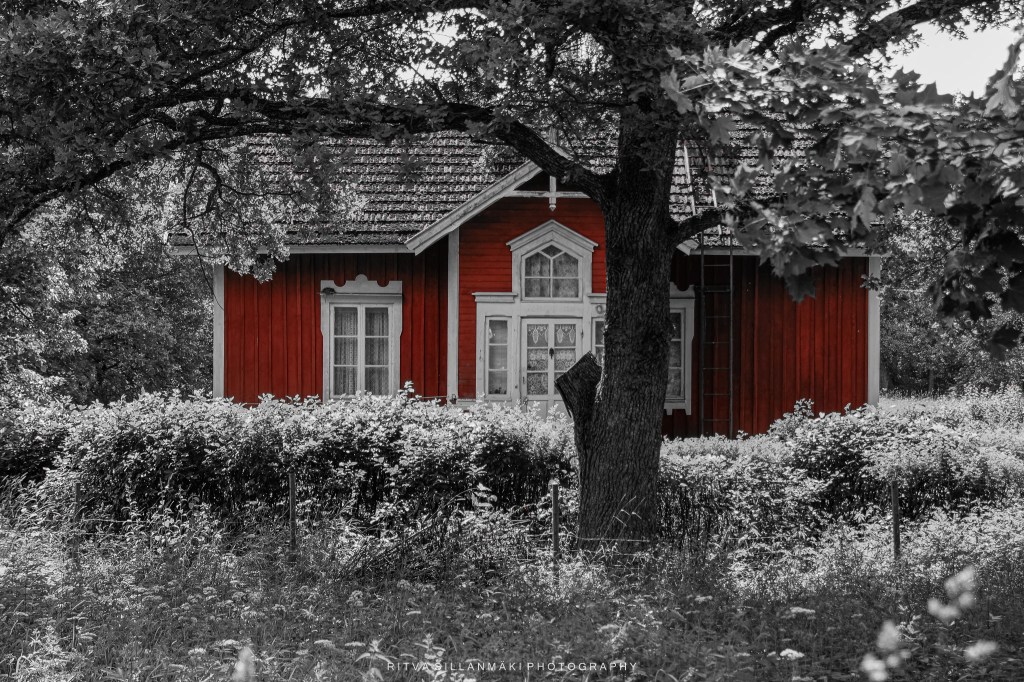
I do love black and white photography, but this time I left the red buildings as is because they are so in the heart of Finnish countryside. A traditional Finnish falu red log house in is so common. The Finnish expression punainen tupa ja perunamaa, “a red cottage and a potato patch”, referring to idyllic home and life, is a direct allusion to a country house painted in falu red.
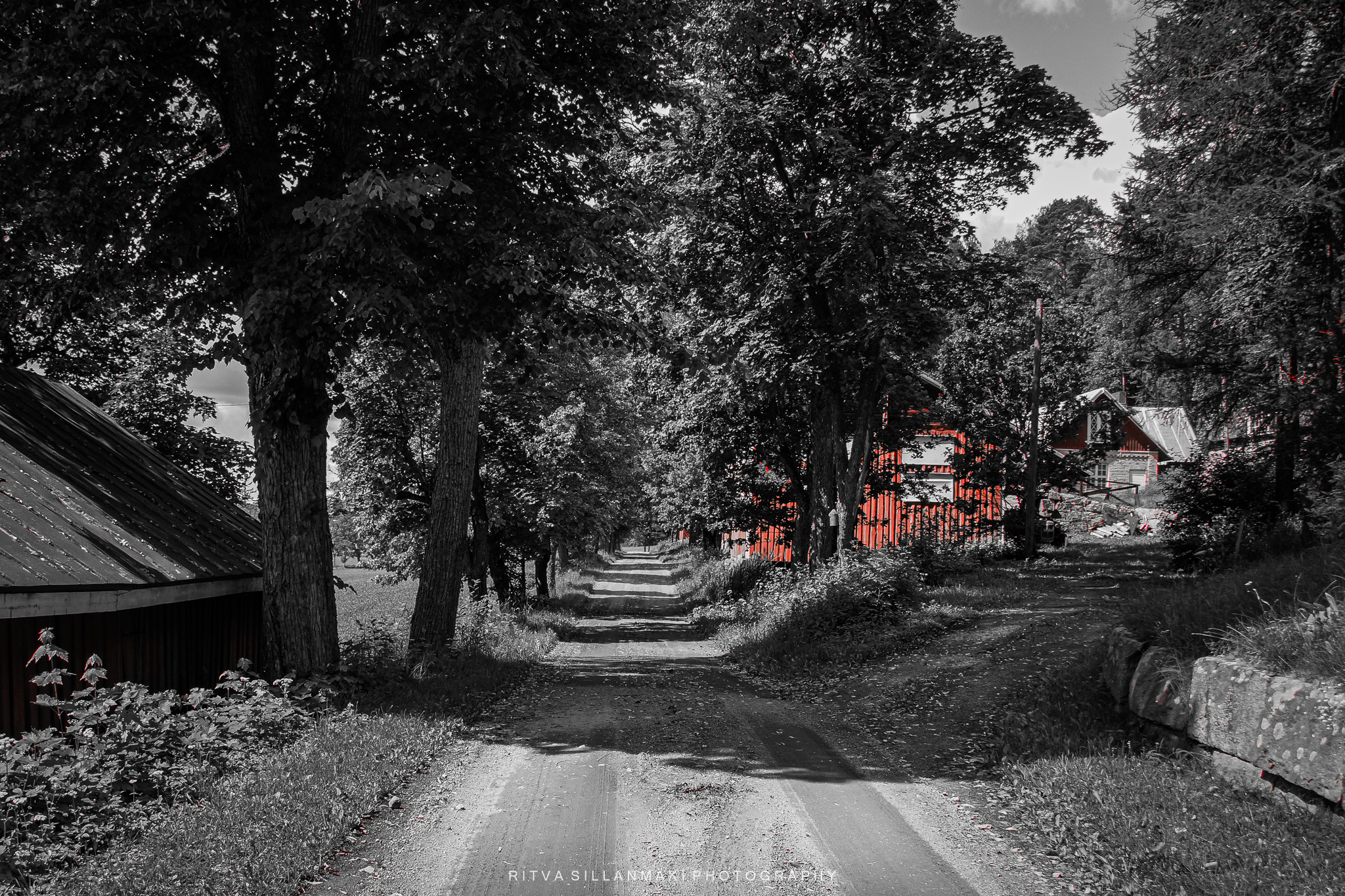
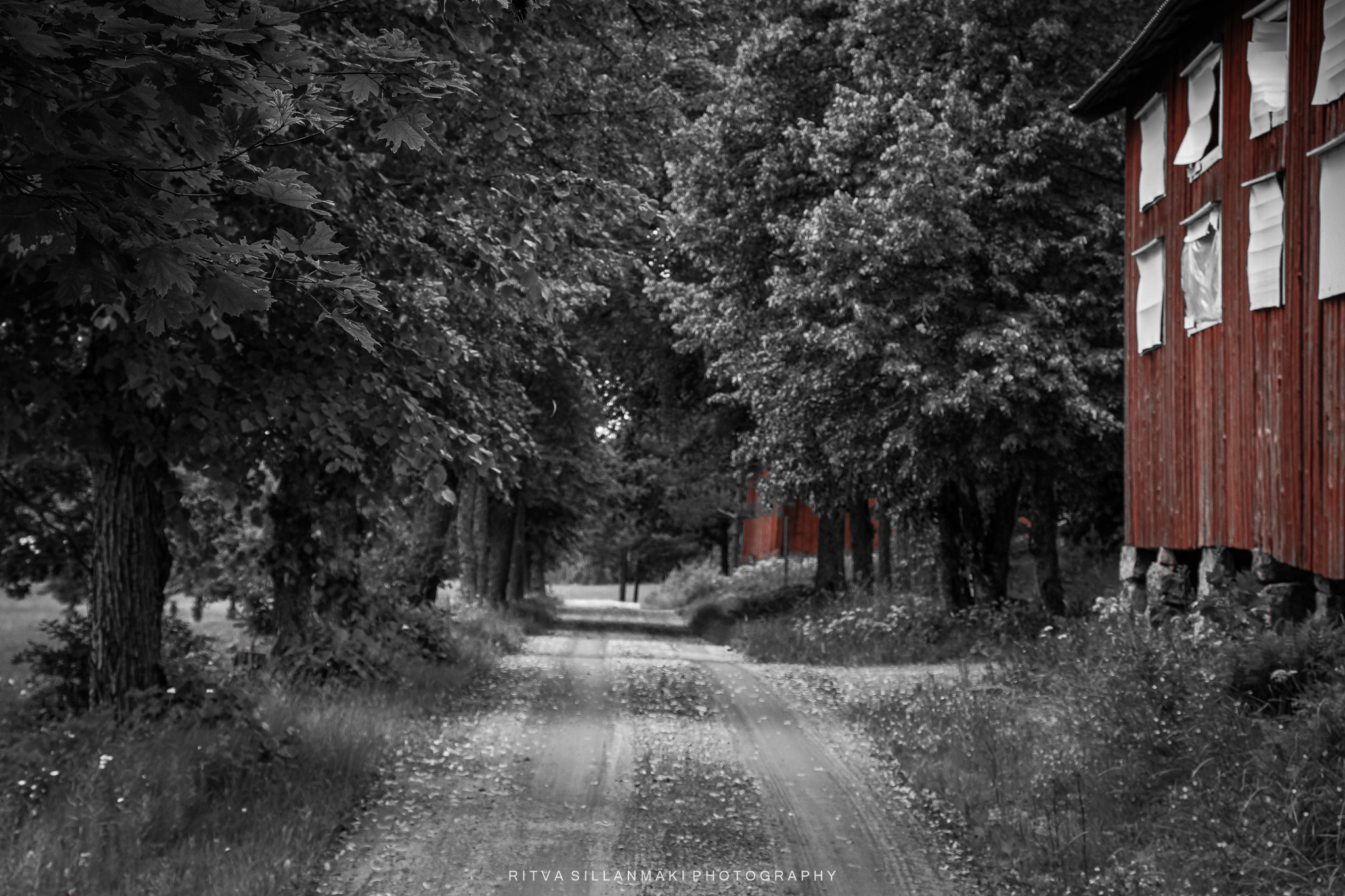
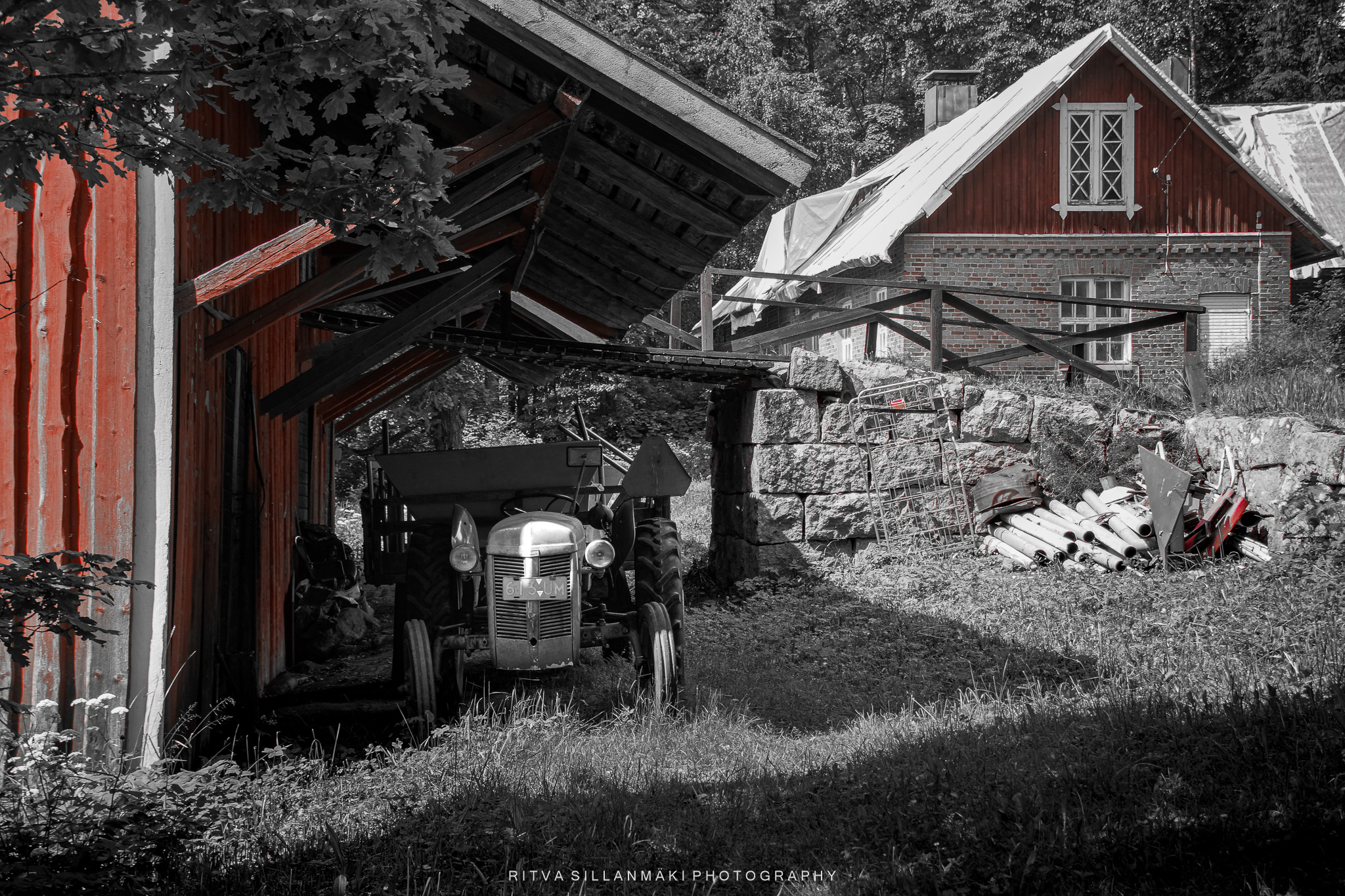
Falu red – Punamulta : is a permeable red paint commonly used on wooden cottages and barns in Finland, Sweden, and Norway.
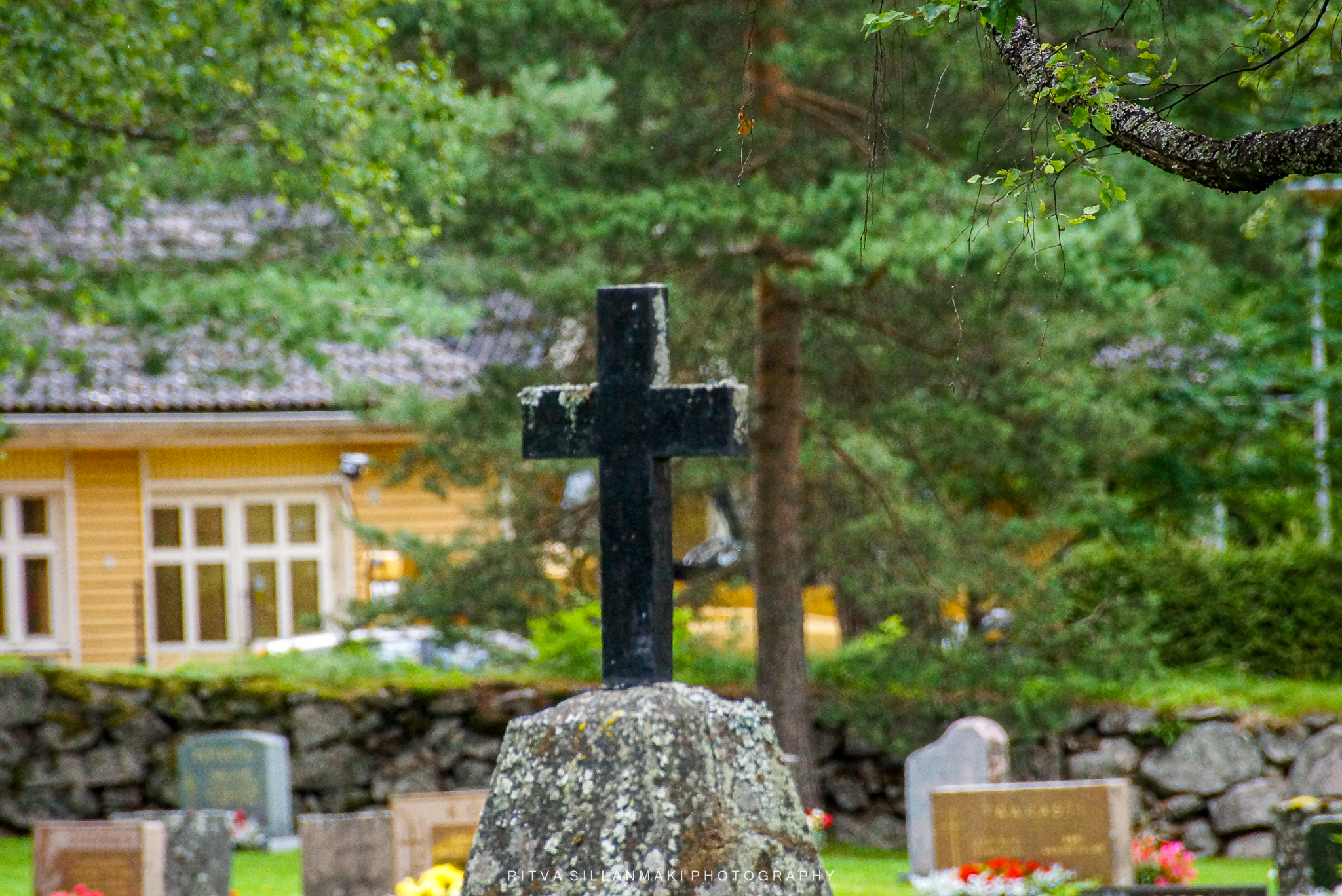
The old graveyards hold a poignant history within their grounds. As you cross walk through these hallowed spaces, you are met with an abundance of touching life stories etched into the very fabric of time, while the marks left on gravestones and crosses bear witness to the passage of time itself.
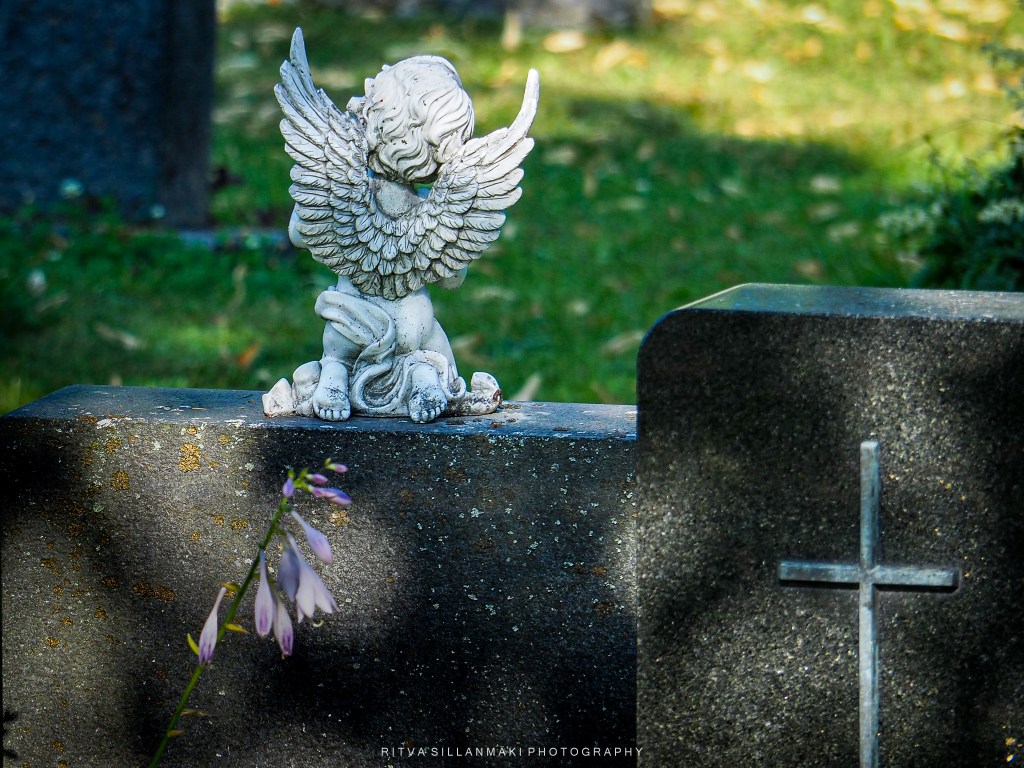
Each weathered inscription, each lichen-covered monument, and each carefully crafted symbol represents a life once lived, a journey once taken, and a story once told. These grounds whisper tales of joy and sorrow, of love and loss, and of the intricate tapestry of human existence.


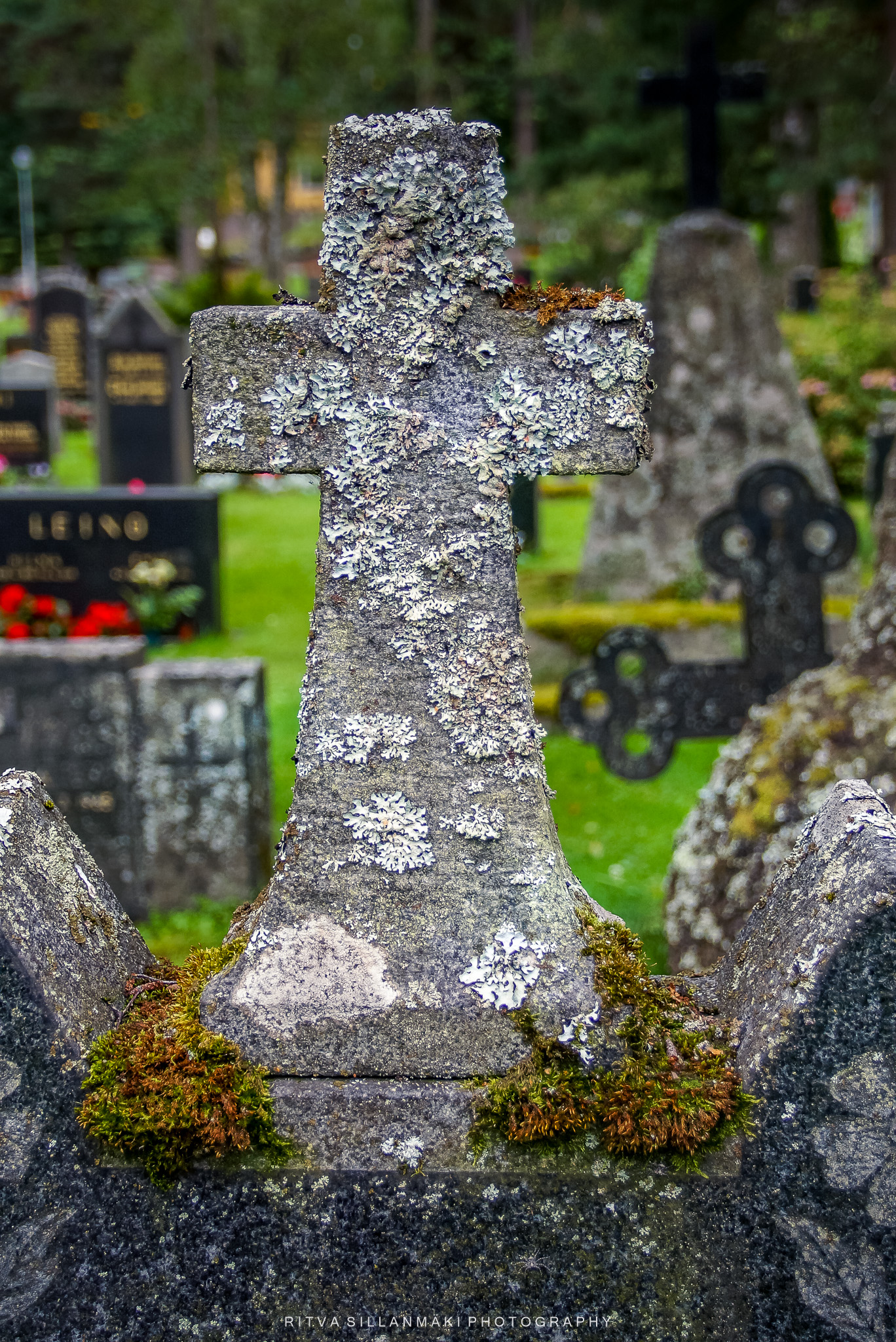
Linked to One Word Sunday at Debbie’s here
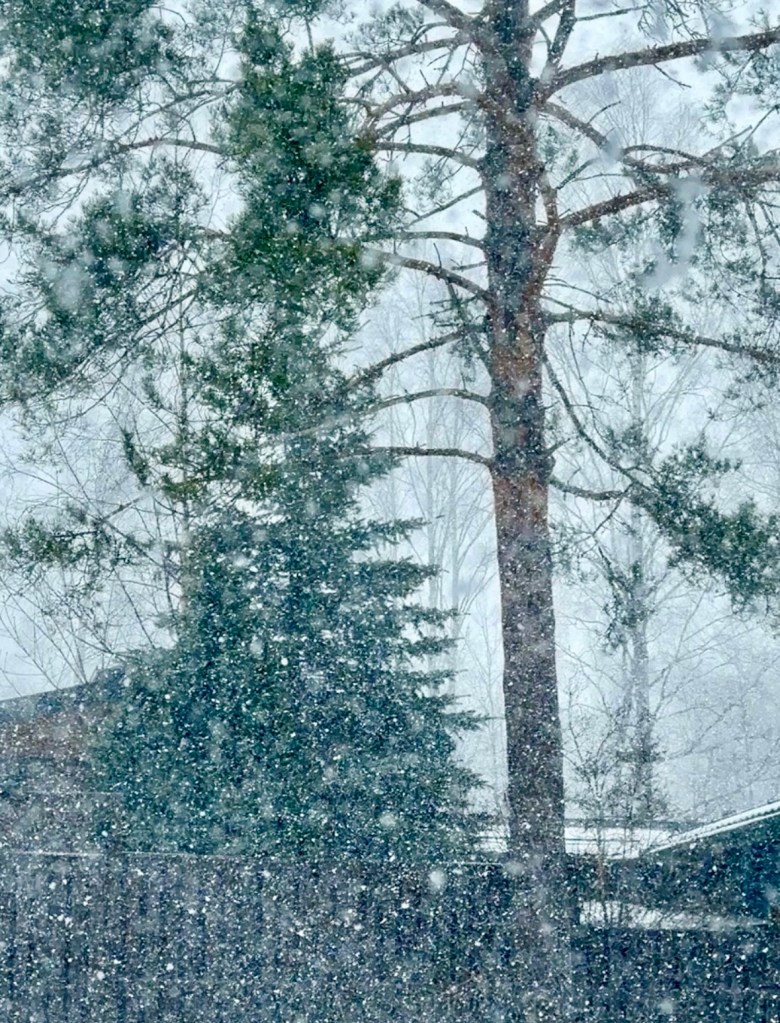
This is so not what I wished for in April. Amidst the blizzard’s icy fury, silence reigns.
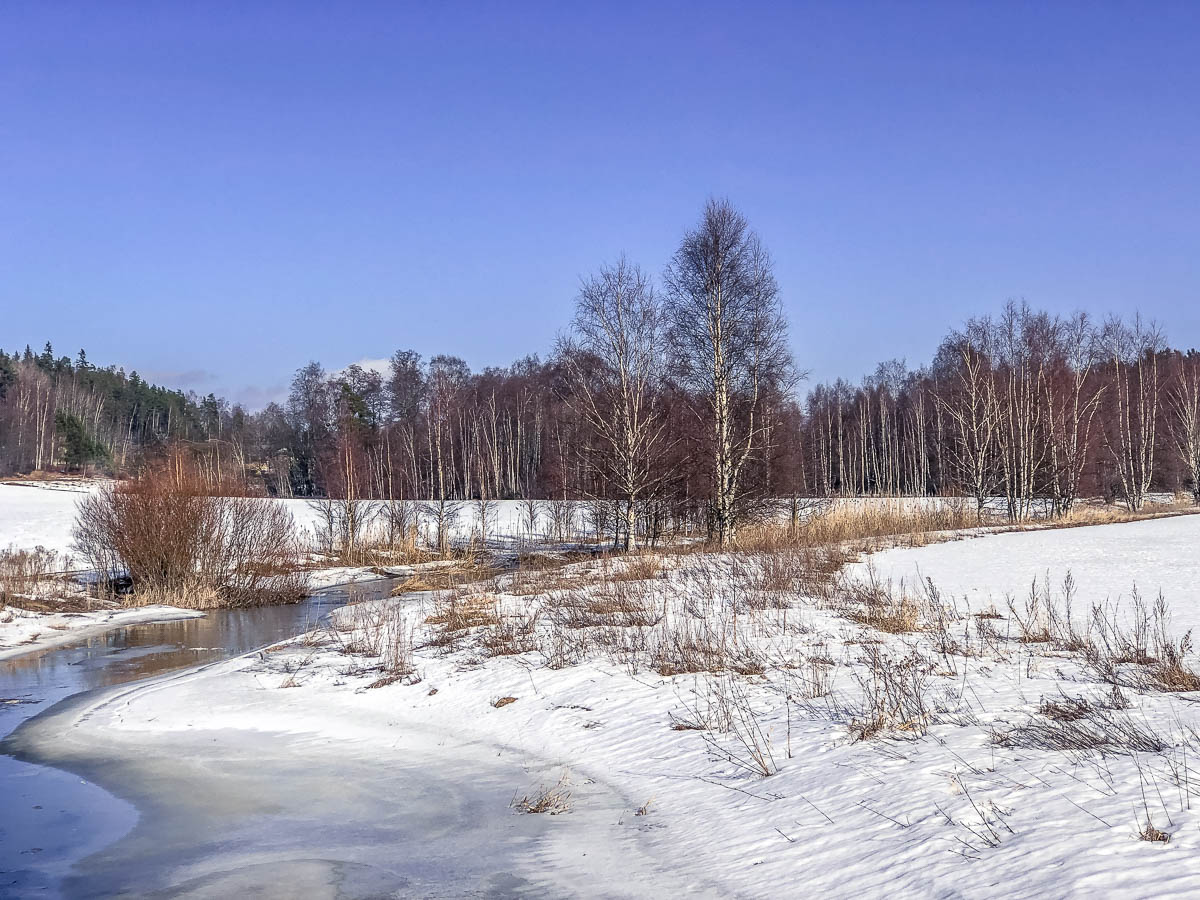
Yesterday felt like the first day of spring, the temperature was about +9C the sun was out – shining bright and there was hardly any wind. I ended up sitting on the patio and watched the snow melt. It’s truly fascinating how the change in weather can bring about such a delightful shift in our surroundings. The gentle warmth of the sun, the gradual disappearance of snow, and the newfound opportunity to spend time outside can truly rejuvenate our spirits. It’s moments like these that make us appreciate the beauty of nature and the promise of new beginnings.


For Cellpic Sunday
The Veil of Morning Fog
As the sun timidly rises, it casts a soft glow upon the rolling hills, shrouded in a delicate veil of morning fog. The mist clings to the rugged peaks, blurring their edges and lending an ethereal quality to the scene. It’s as if the hills themselves are reluctant to reveal their secrets.
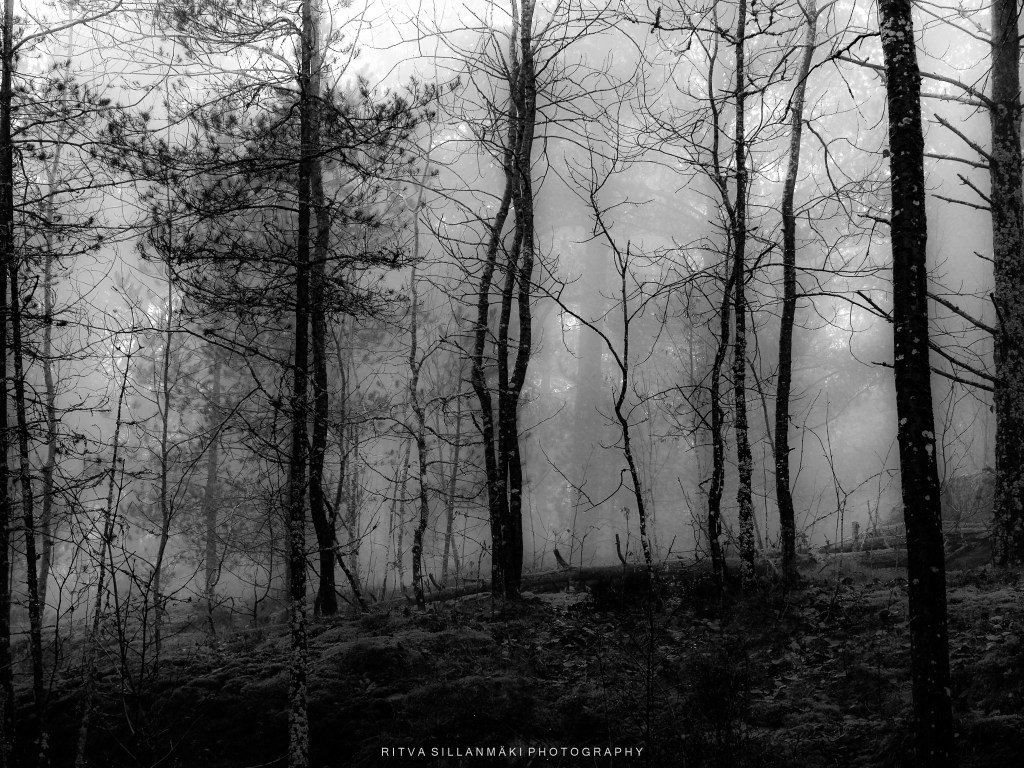
A narrow trail winds through the landscape, disappearing into the mist. Perhaps it was once a well-trodden route, but now it lies almost forgotten.
Here, silence reigns supreme. The only sounds are the occasional cry of a bird. Even the wind seems to hold its breath, respecting the stillness of this beautiful place.
Today is the vernal equinox, when night and day are roughly the same length all over the globe. I greet this information with joy.
Days grow longer and nights become shorter in the Northern Hemisphere as we approach the summer solstice, which falls on June 20th this year. This transition marks a period of increasing daylight, here (Finland) the daylight hours are expected to extend by approximately 5 to 10 minutes each day until the end of June. This gradual shift brings about a delightful change, the extended sunlight and the promise of warmer days brightens my mood as days grow longer and warmer.

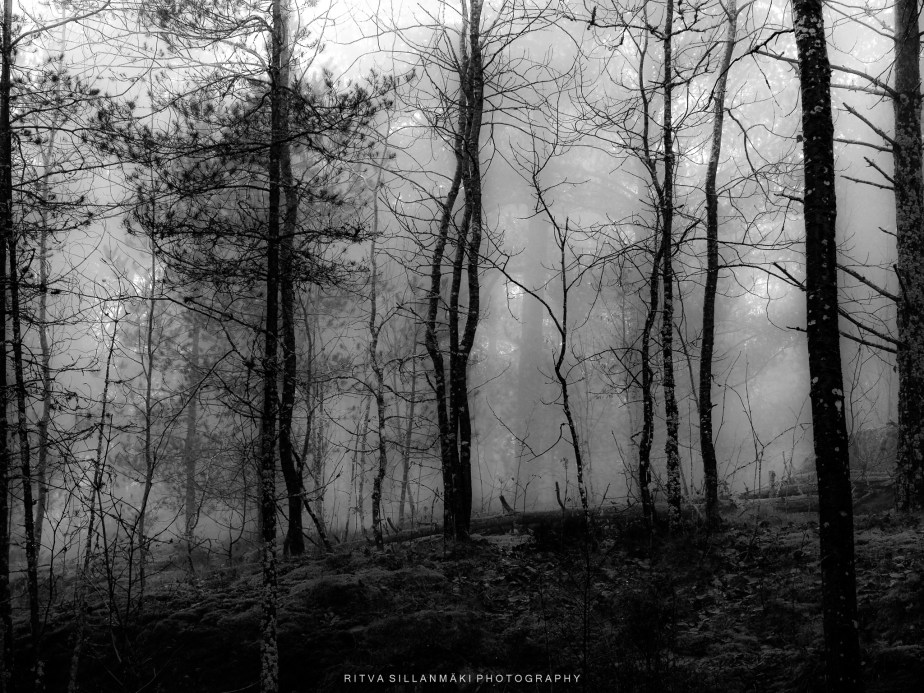
I spent the day studying – doing graphic art – monotype. The day outside the window was foggy- a white or actually a grey blanket covering the view. I took these photos of foggy roads while on my way home.
Actually these images are very suitable for an inspiration for monotype technique. It is funny how much energy goes into this creative process of doing and learning. Mostly being disappointed in the outcome.


For John’s Cellpic Sunday

The charming scene unfolds as we follow gravel lane, a picturesque path flanked by majestic old linden trees, creating a sense of timeless beauty and tranquility. Each step brings us closer to the historic Pyhäniemi manor in Hollola, a destination steeped in rich history and surrounded by natural splendor.

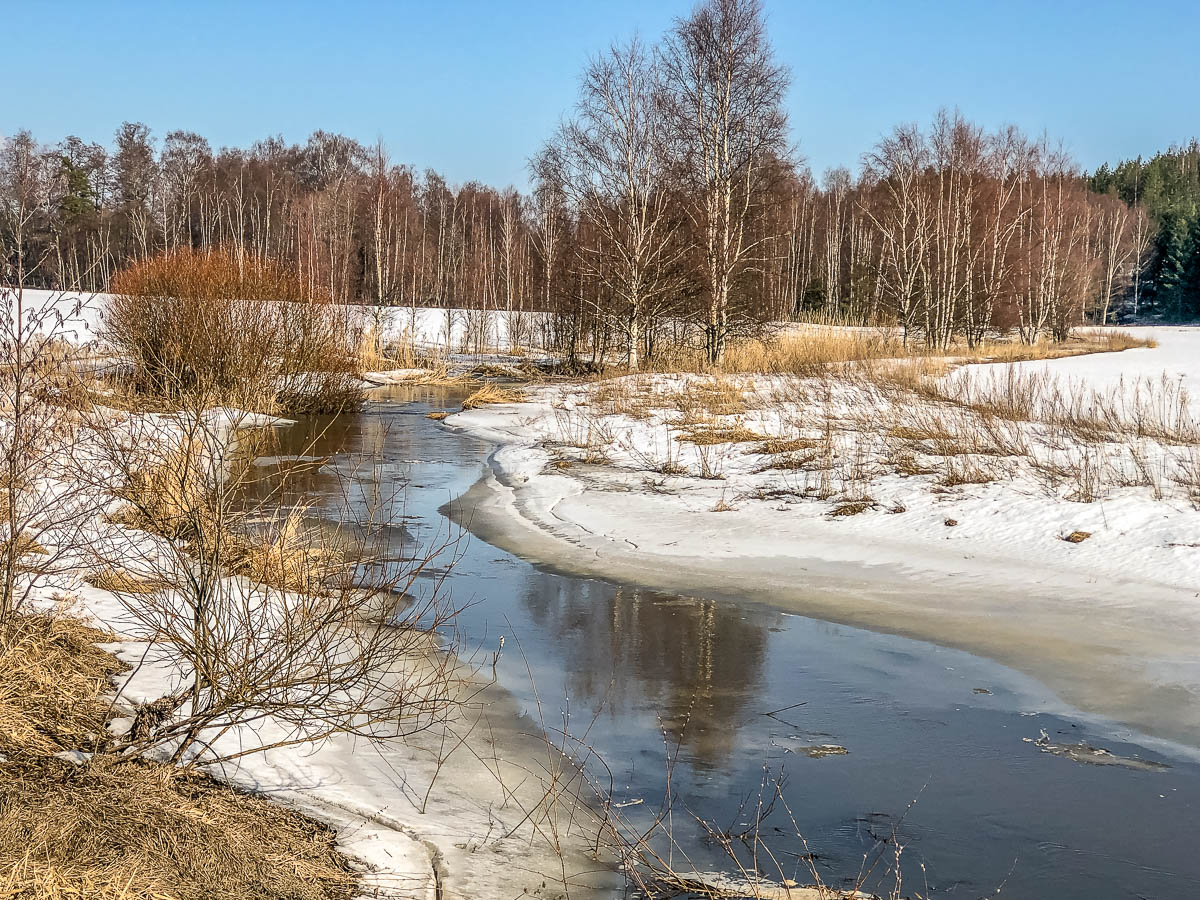
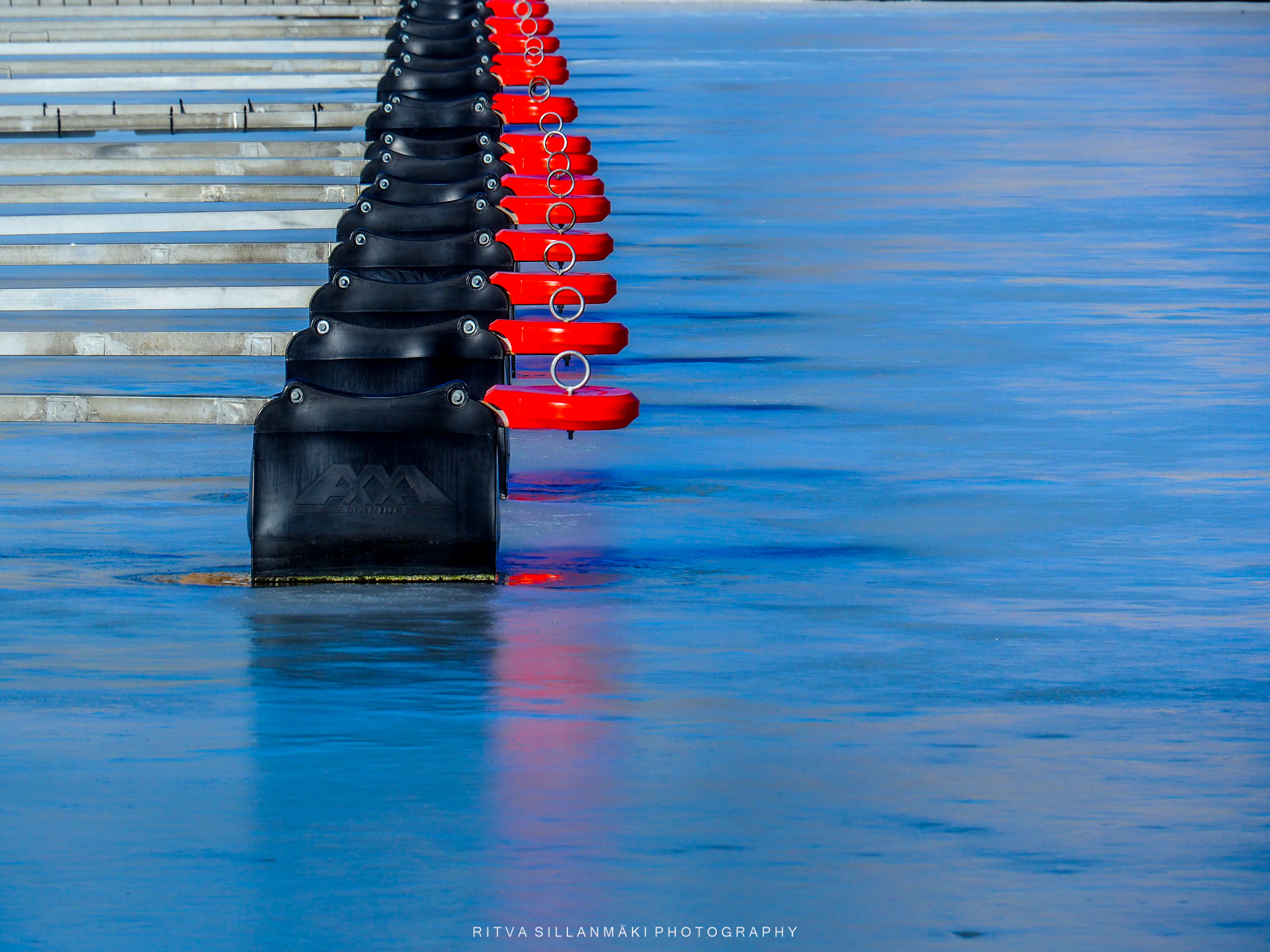
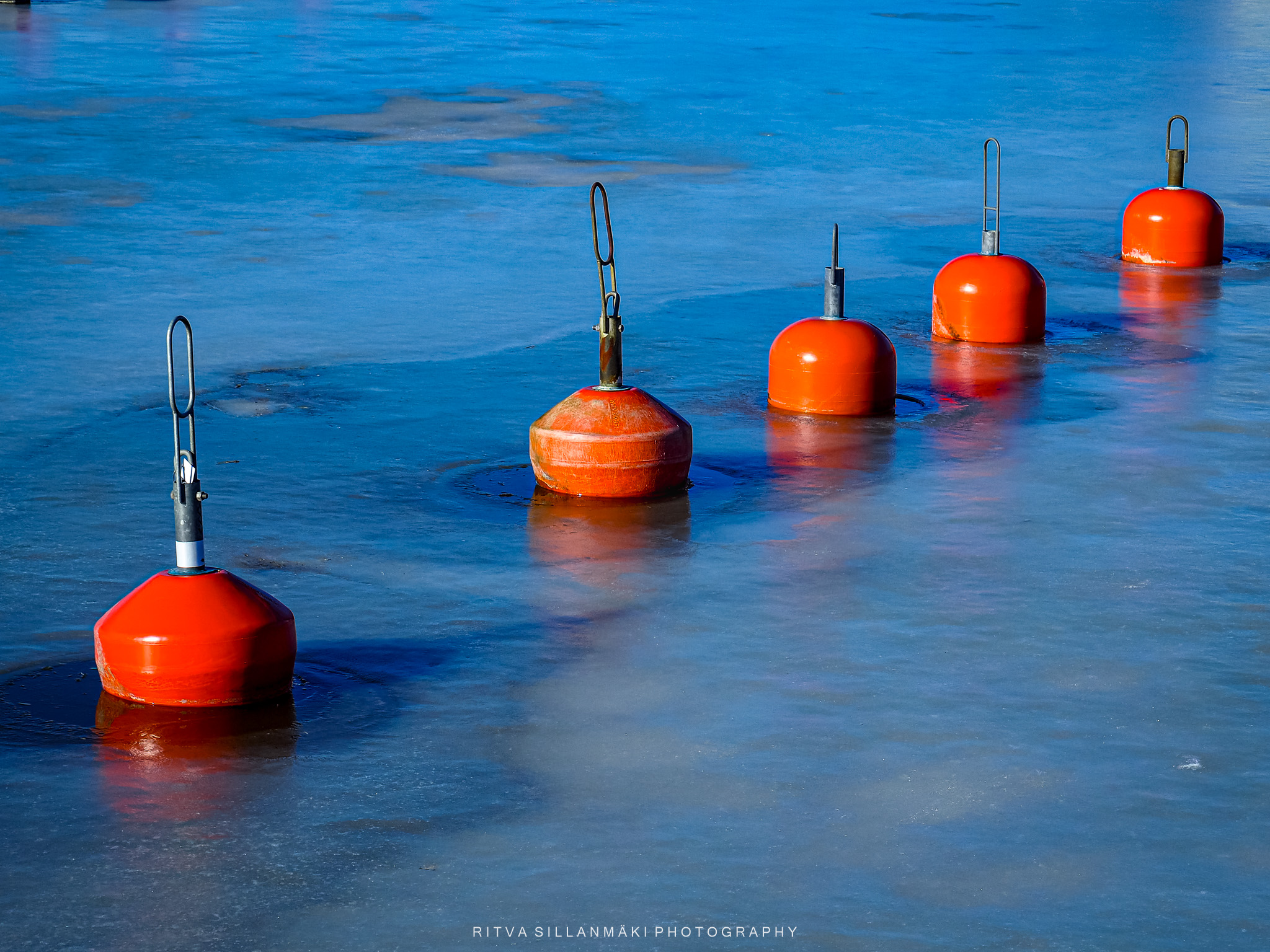
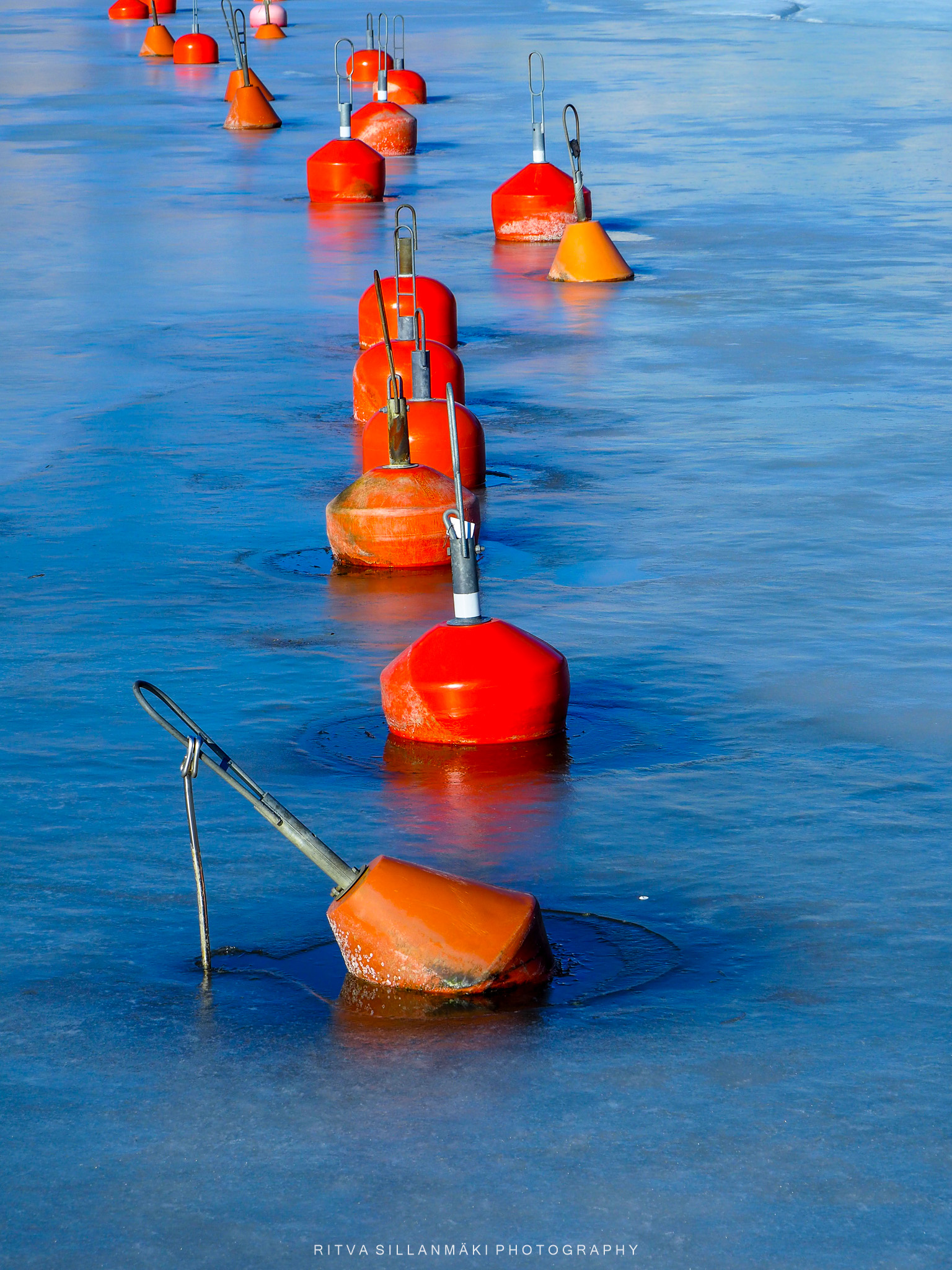
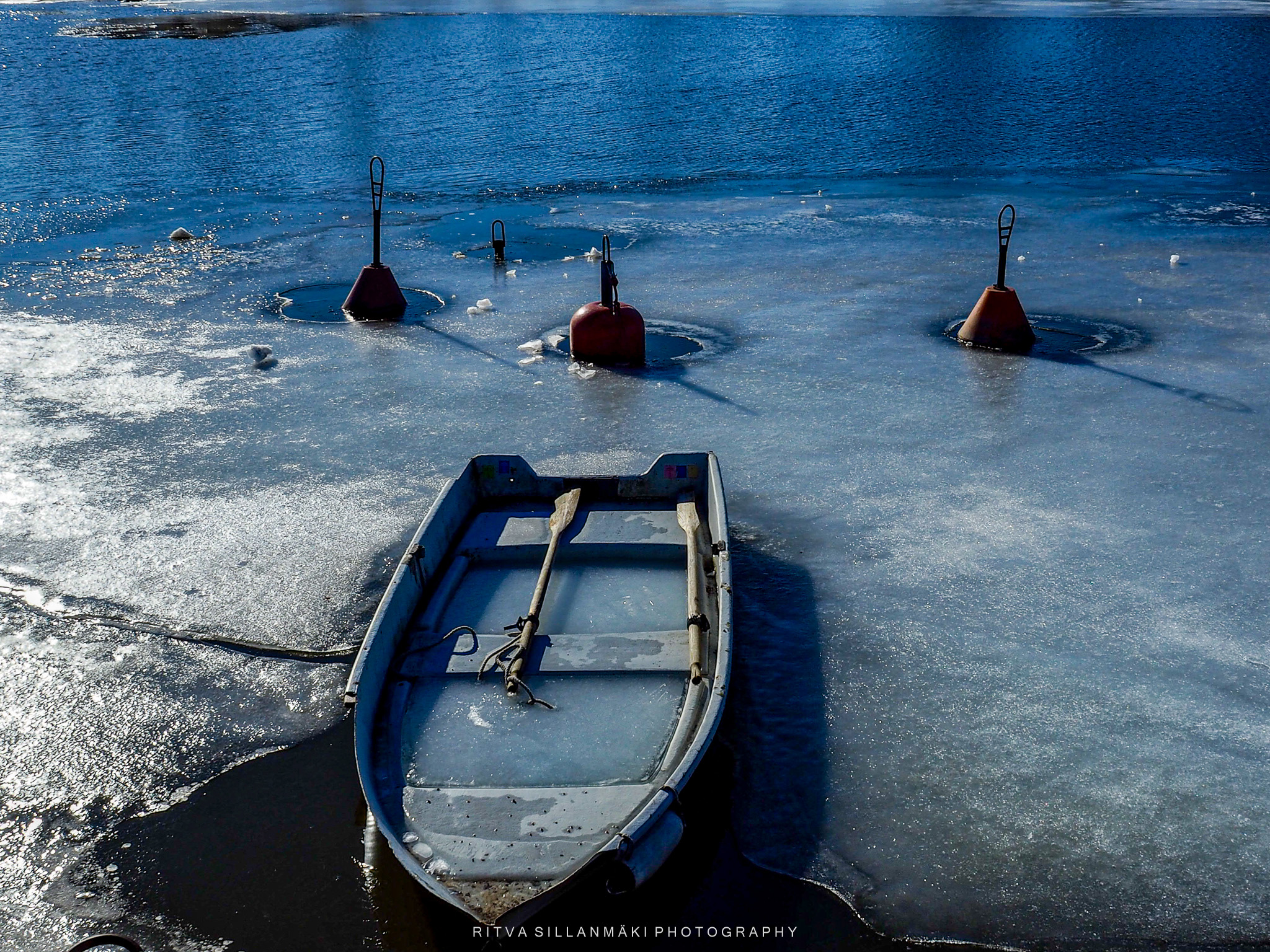
The cold icy signs of spring greeted me with a serene beauty that took my breath away. As I gazed at the tranquil blue sky and observed the icy waters glistening in the sunlight, I couldn’t help but feel happy by the enchanting sights that surrounded me. It was as if the ice itself had a story to tell, weaving a tale of nature’s artistry and resilience, resulting in a series of beautiful blue photos that serve as a testament to the ephemeral yet captivating essence of the season.

The bubbles trapped within the frozen expanse of ice are truly a wondrous sight to behold. It’s as if nature itself has meticulously crafted a breathtaking work of art, with each delicate bubble suspended in time, waiting to be admired. It serves as a poignant reminder of the remarkable beauty that can be found in the most unexpected of places, just waiting to be discovered and appreciated.


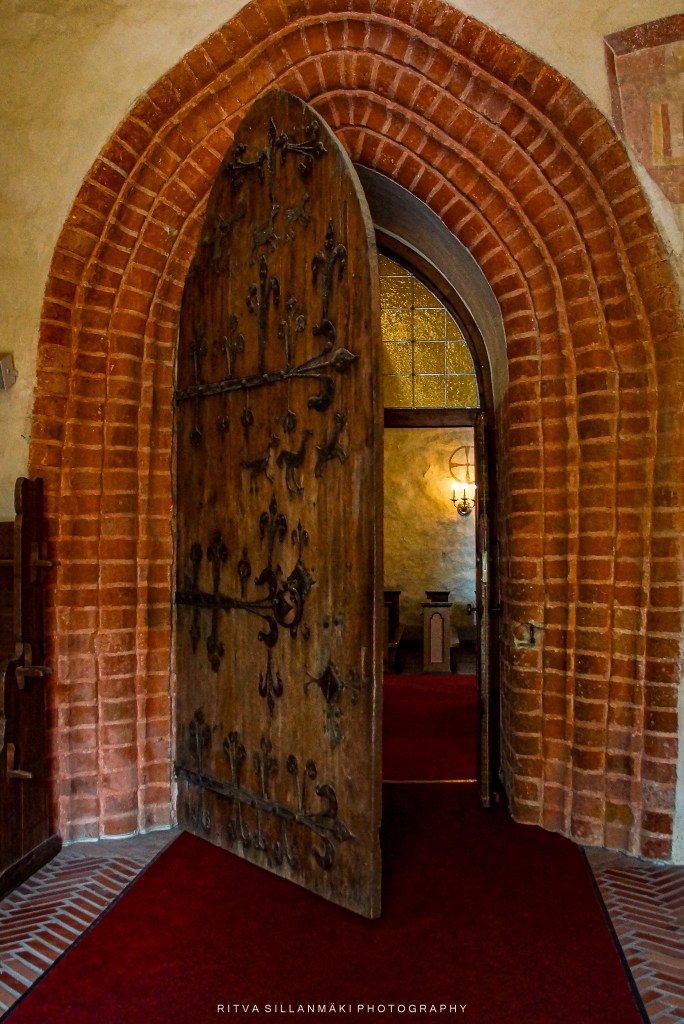
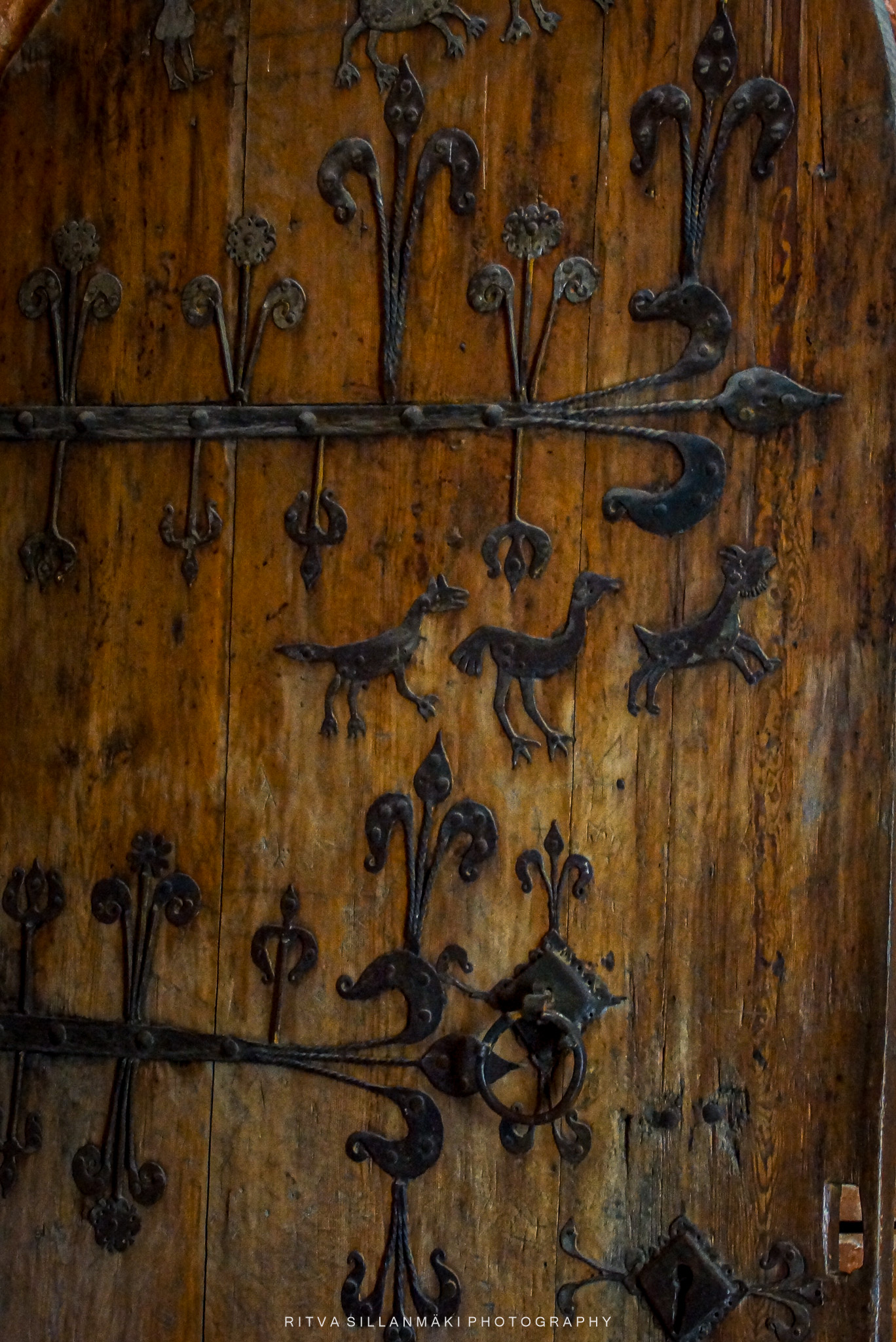
This time I am showing you three of the wonderful doors from Hollola’s medieval stone church, constructed between 1495-1510. The doors have so many details. I’ll be also doing a separate post about the church, not just doors.
For doors for Thursday Doors
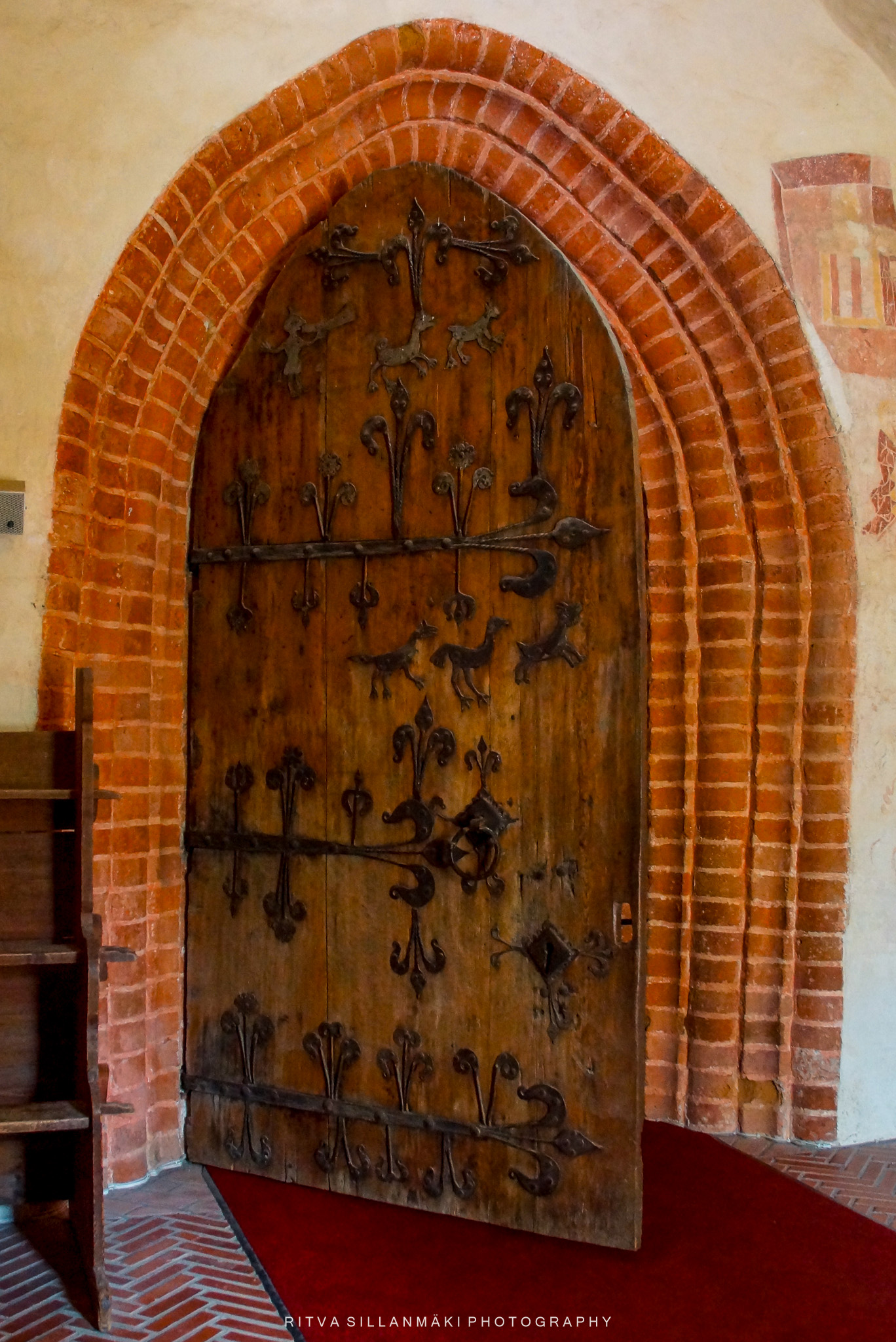
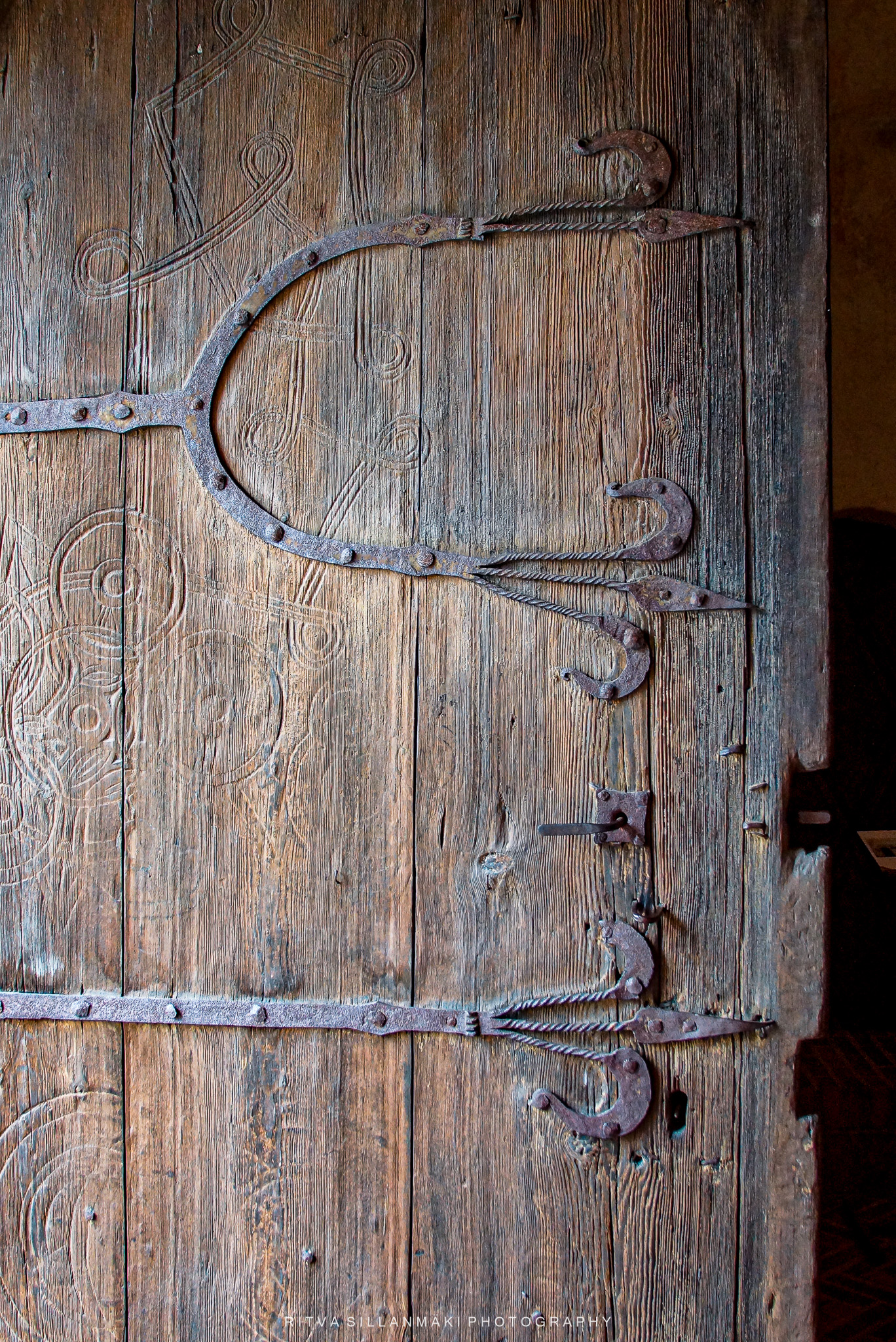
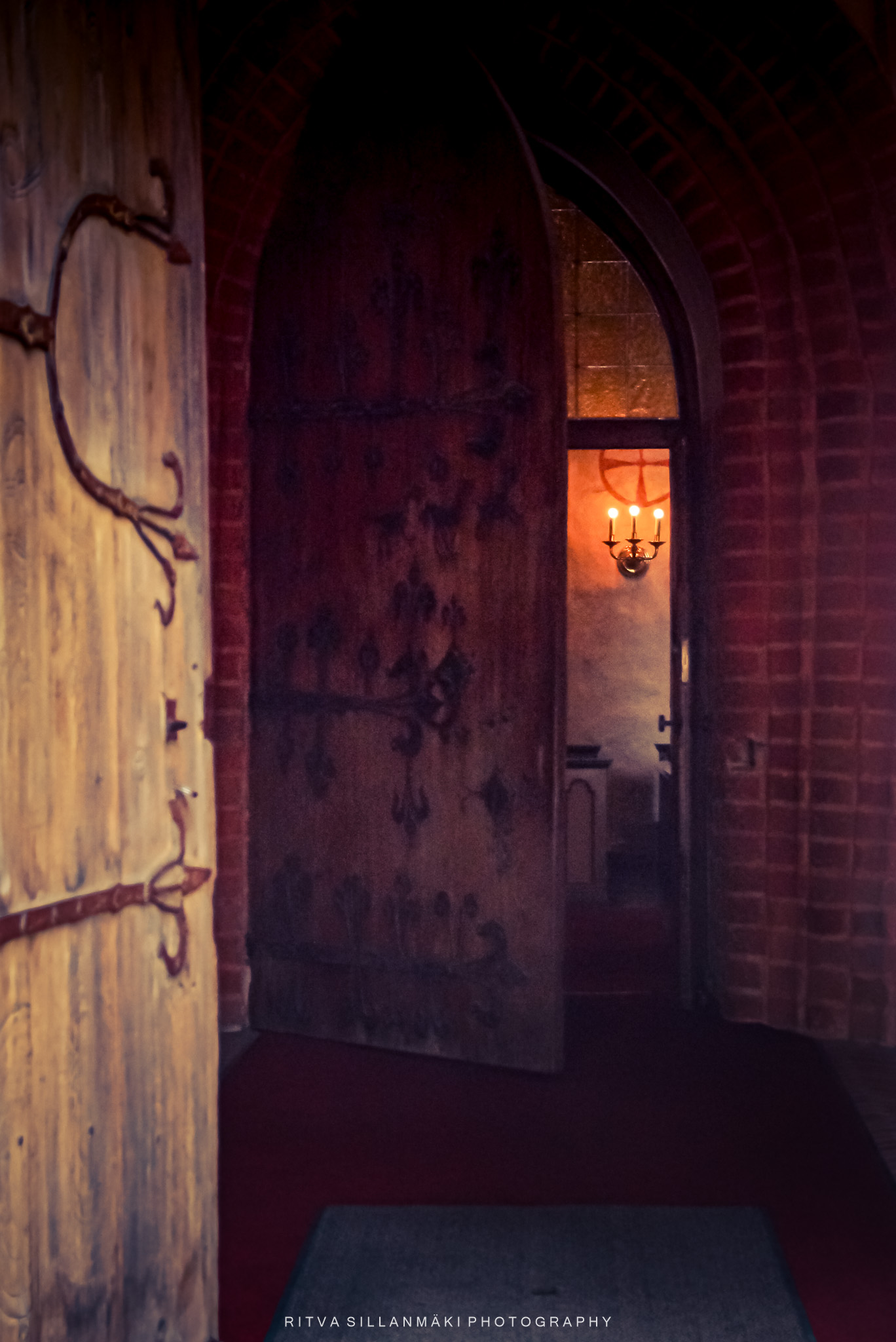
This one is a one more moofy shot
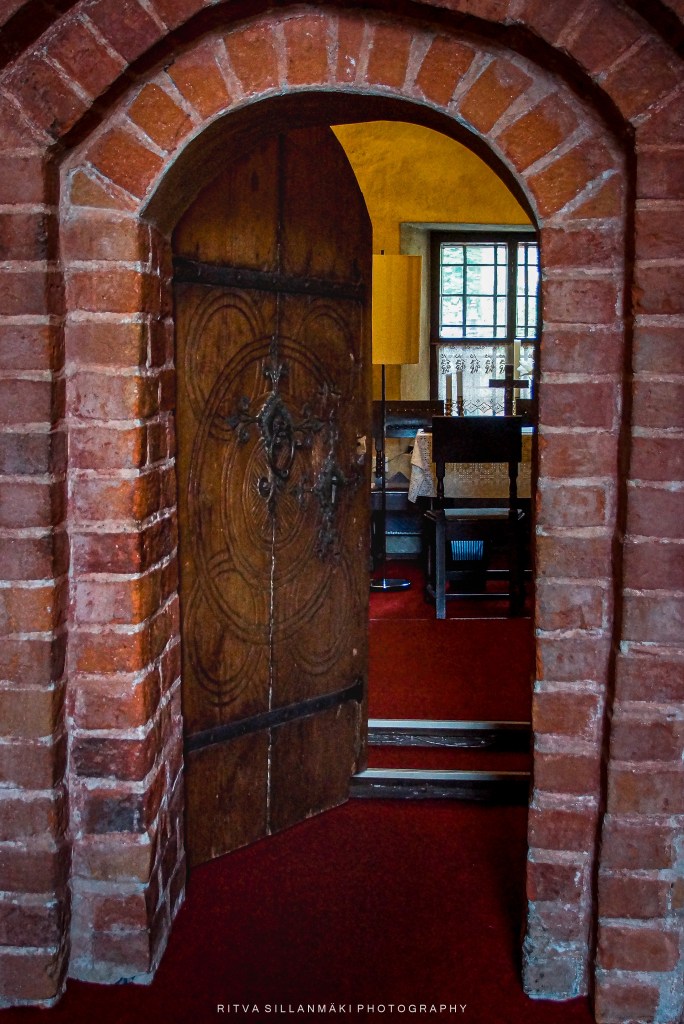
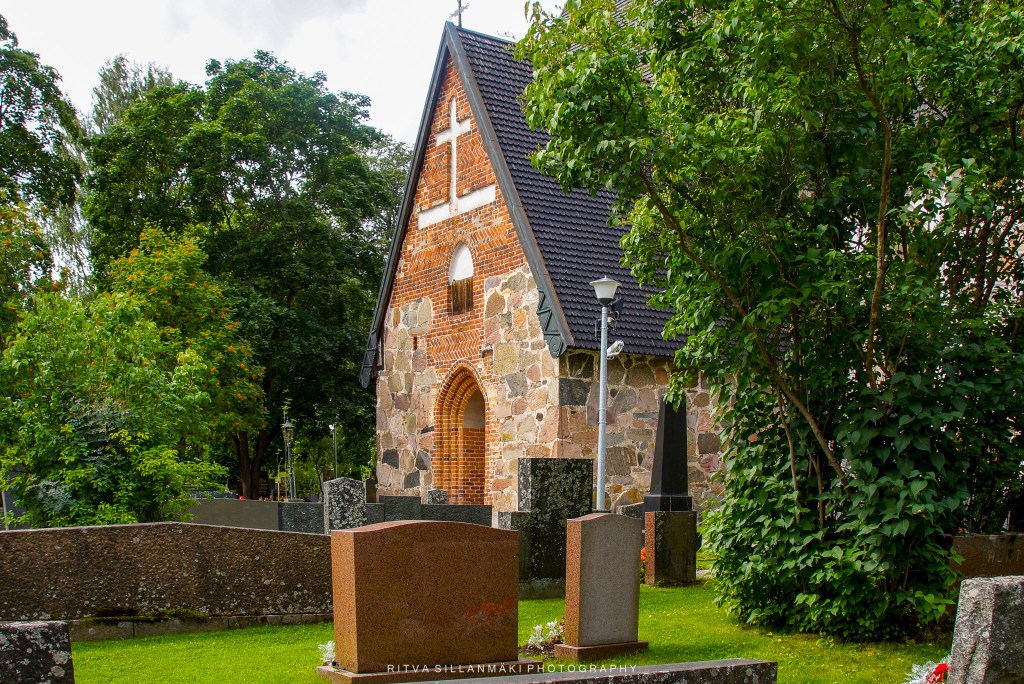
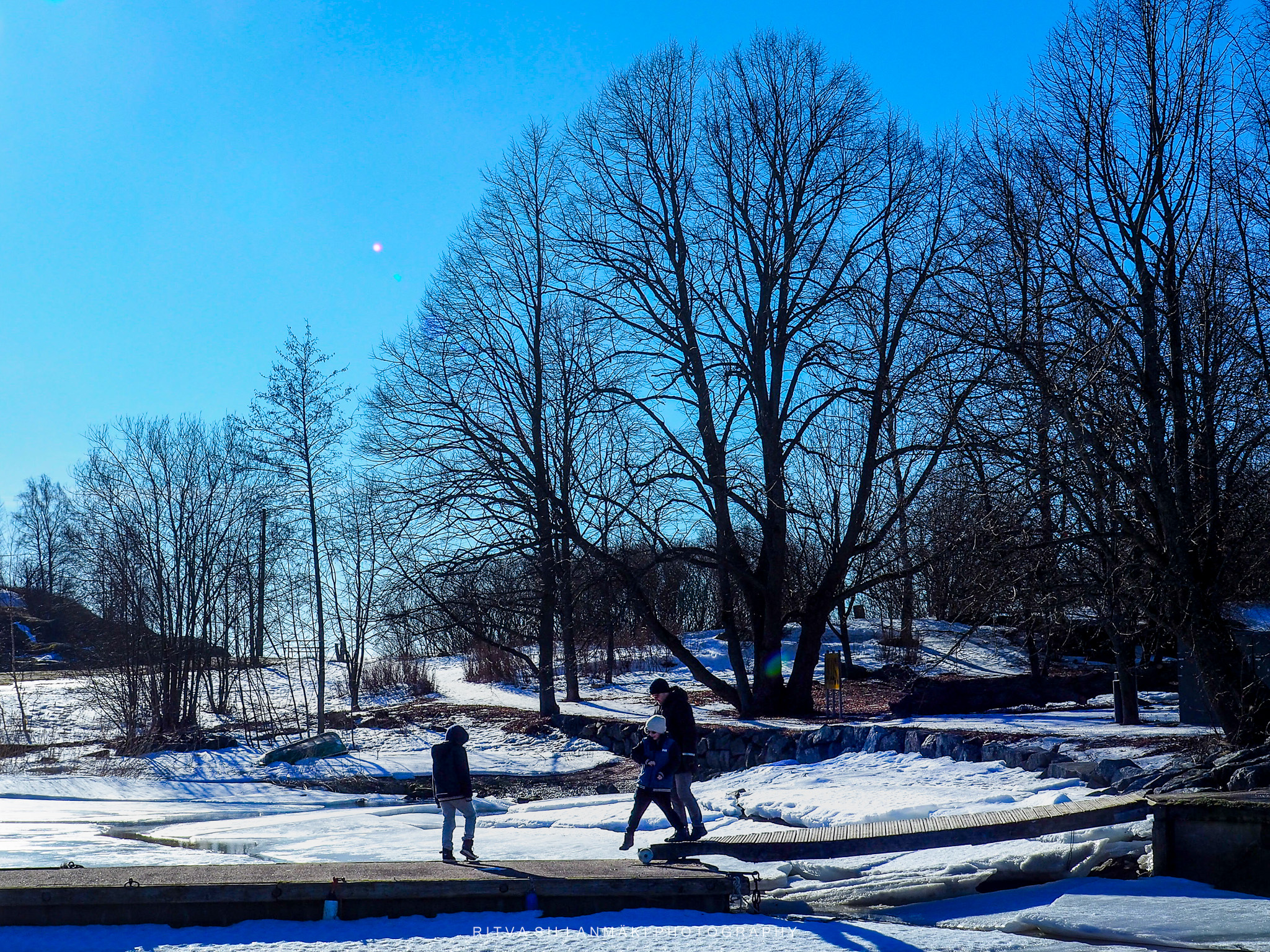
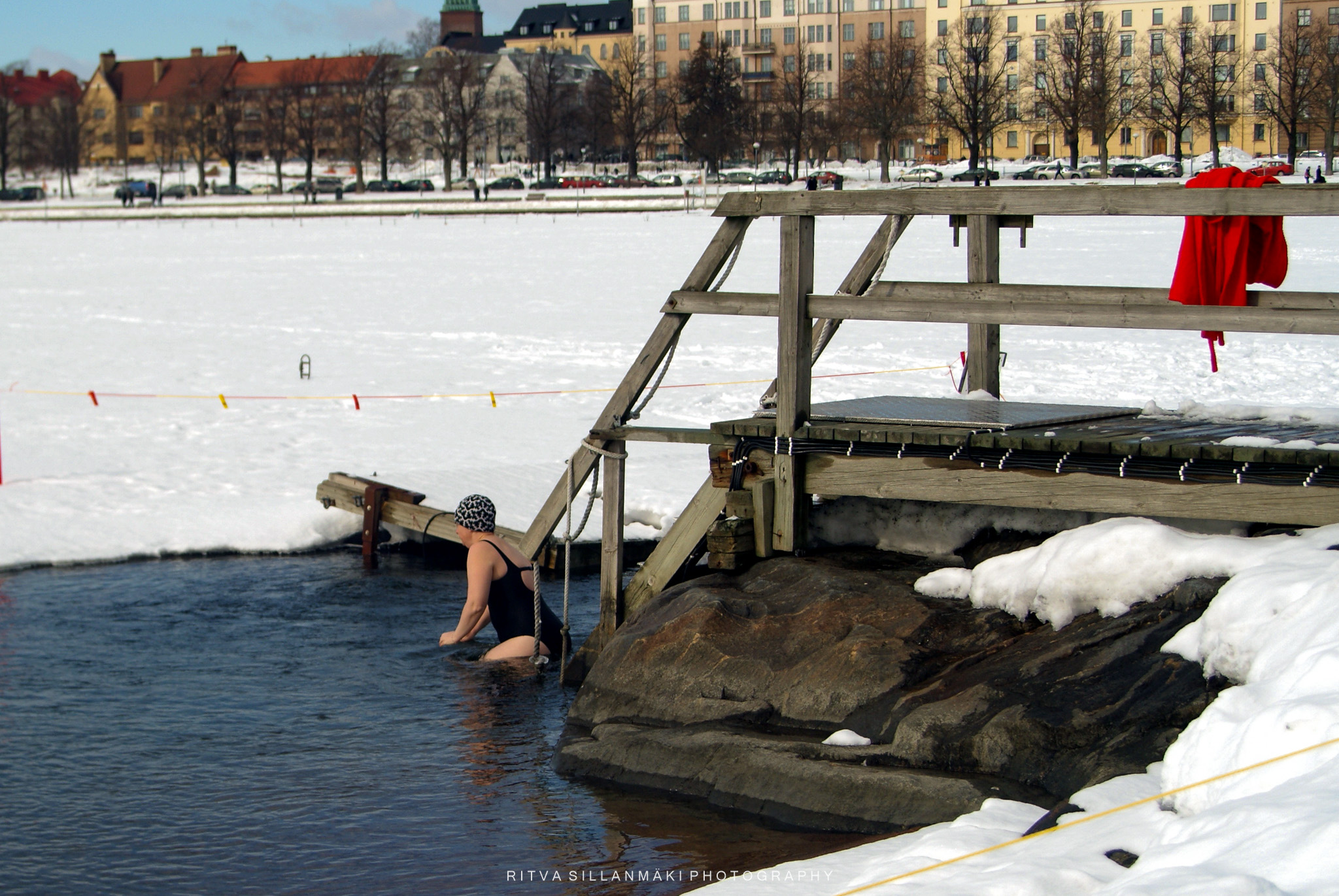
Here are some spring shots from my walk in Helsinki. There were many people about due to the sunny day, one even went for a swim.
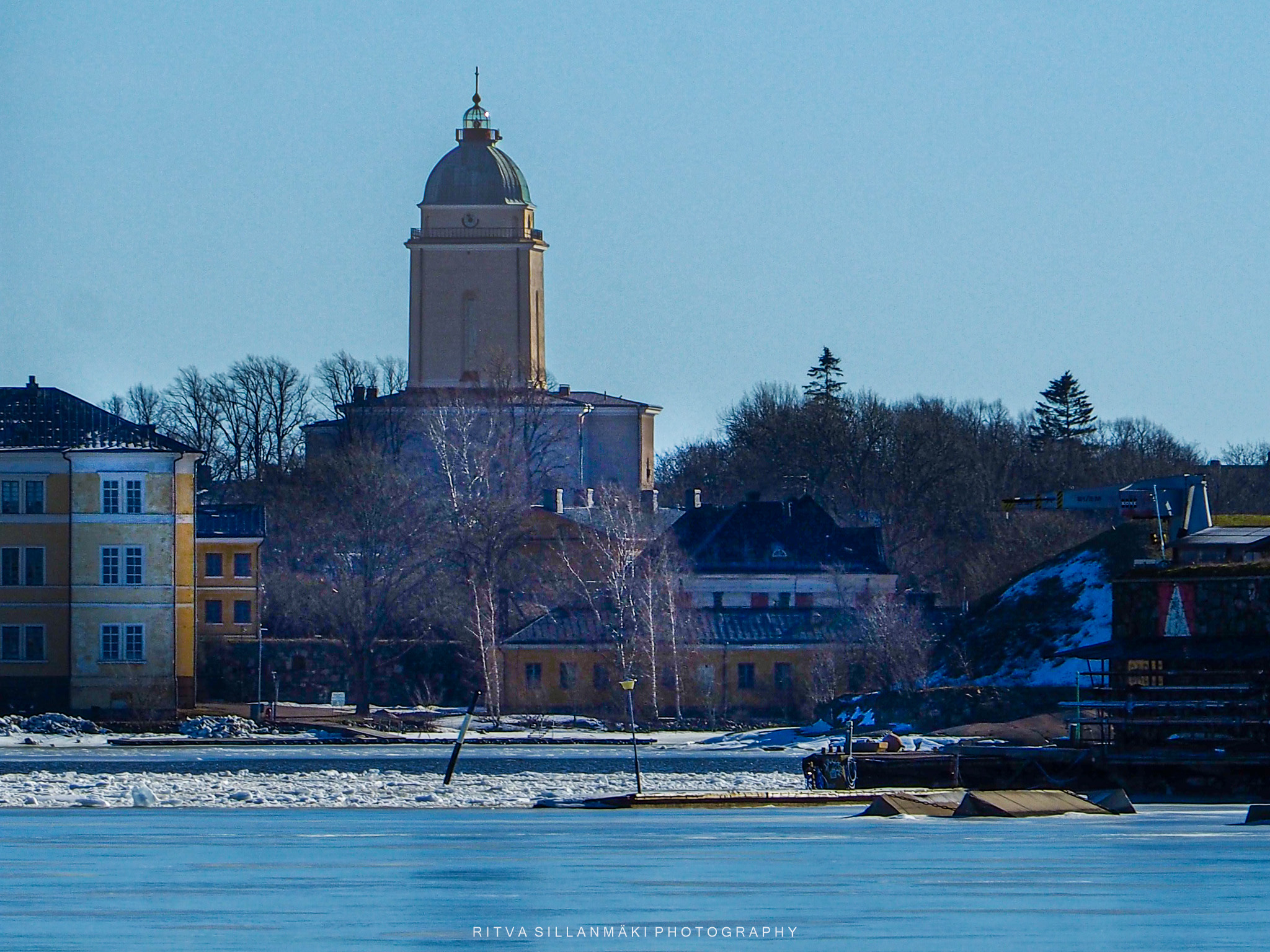
On our walk you could see Suomenlinna. the winter setting in this scene evokes a sense of tranquility and historical charm. The tower is a part of a church Given the winter setting and architectural elements, this scene evokes a sense of tranquility and historical charm. The tower appears to be a significant landmark, perhaps part of a church or another notable building.. All photos can be enlarged by clicking on the them.


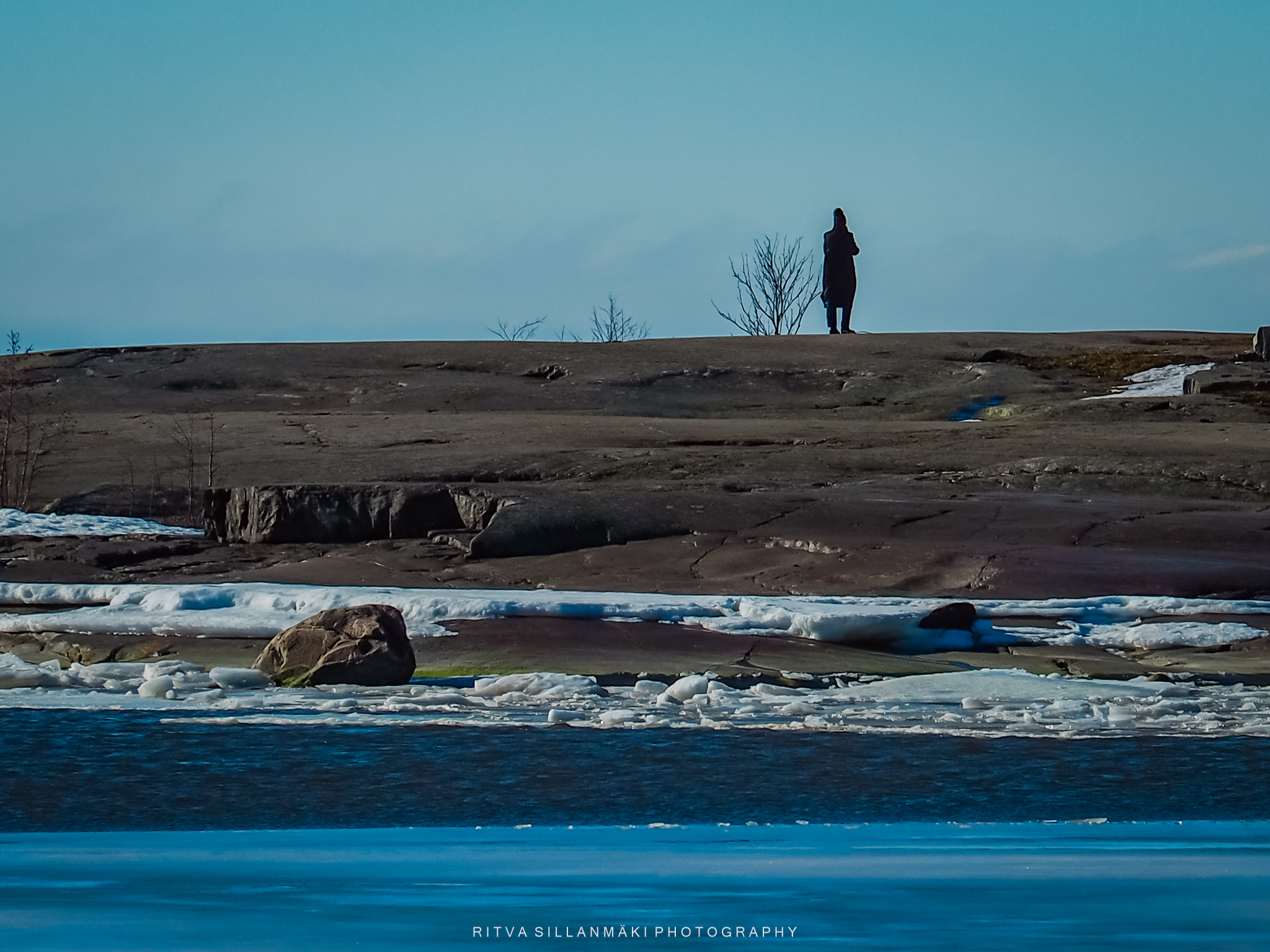



The sun, a gentle artist, paints the world in hues of serenity. In this frozen tableau, the shoreline stands as a sentinel, its icy armor glistening under the morning light. The partially frozen water whispers secrets of seasons past, its surface etched with delicate patterns.

Beyond, the open expanse of water cradles vessels—silent witnesses to the ebb and flow of time. Their hulls, weathered and wise, navigate the boundary between liquid and frozen realms. Against the vast canvas of sky, they appear as mere brushstrokes, their purpose inscribed in the dance of wind and current.
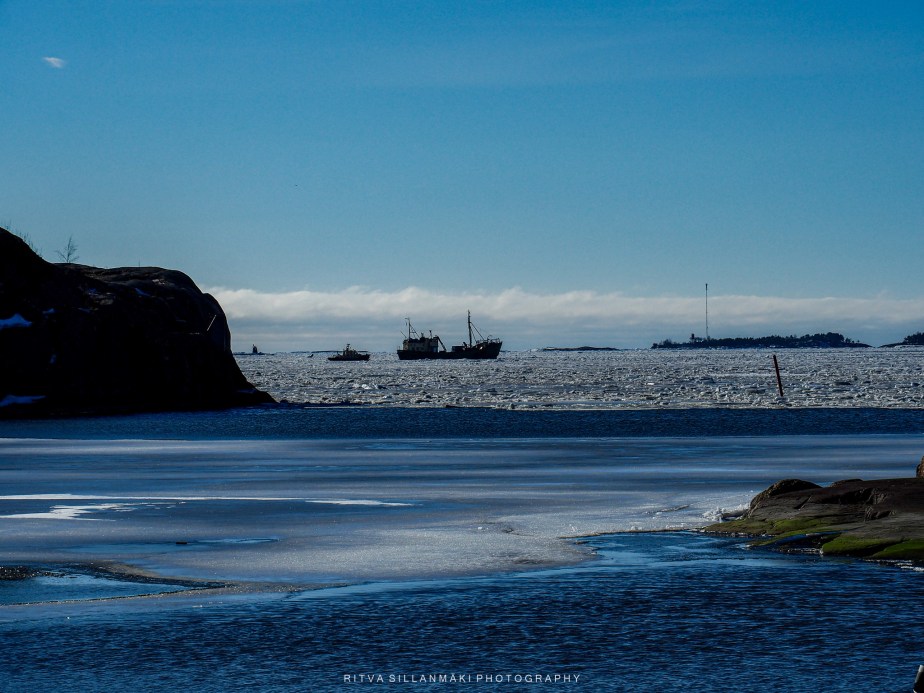
The heavens, too, play their part. Wisps of cloud drift lazily, casting fleeting shadows upon the ice. The azure expanse stretches infinitely, inviting contemplation and wonder. And there, on the distant horizon, where sky meets sea, a promise lingers—a promise of journeys yet to unfold.
As the day unfolds, this frozen symphony will thaw, yielding to life’s perpetual rhythm. But for now, let us linger—a moment suspended in time—captivated by the quietude of this frozen seascape.
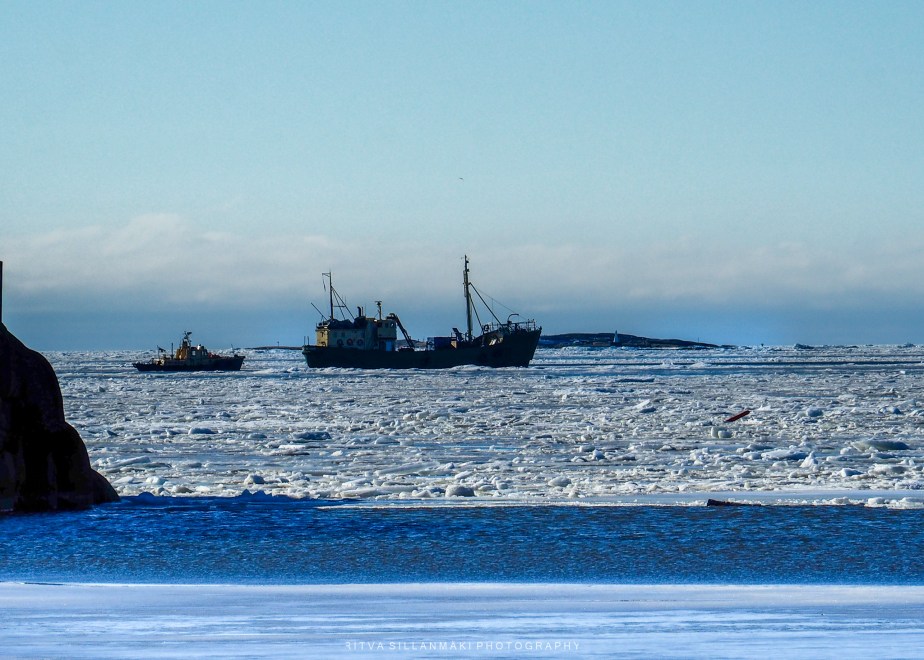
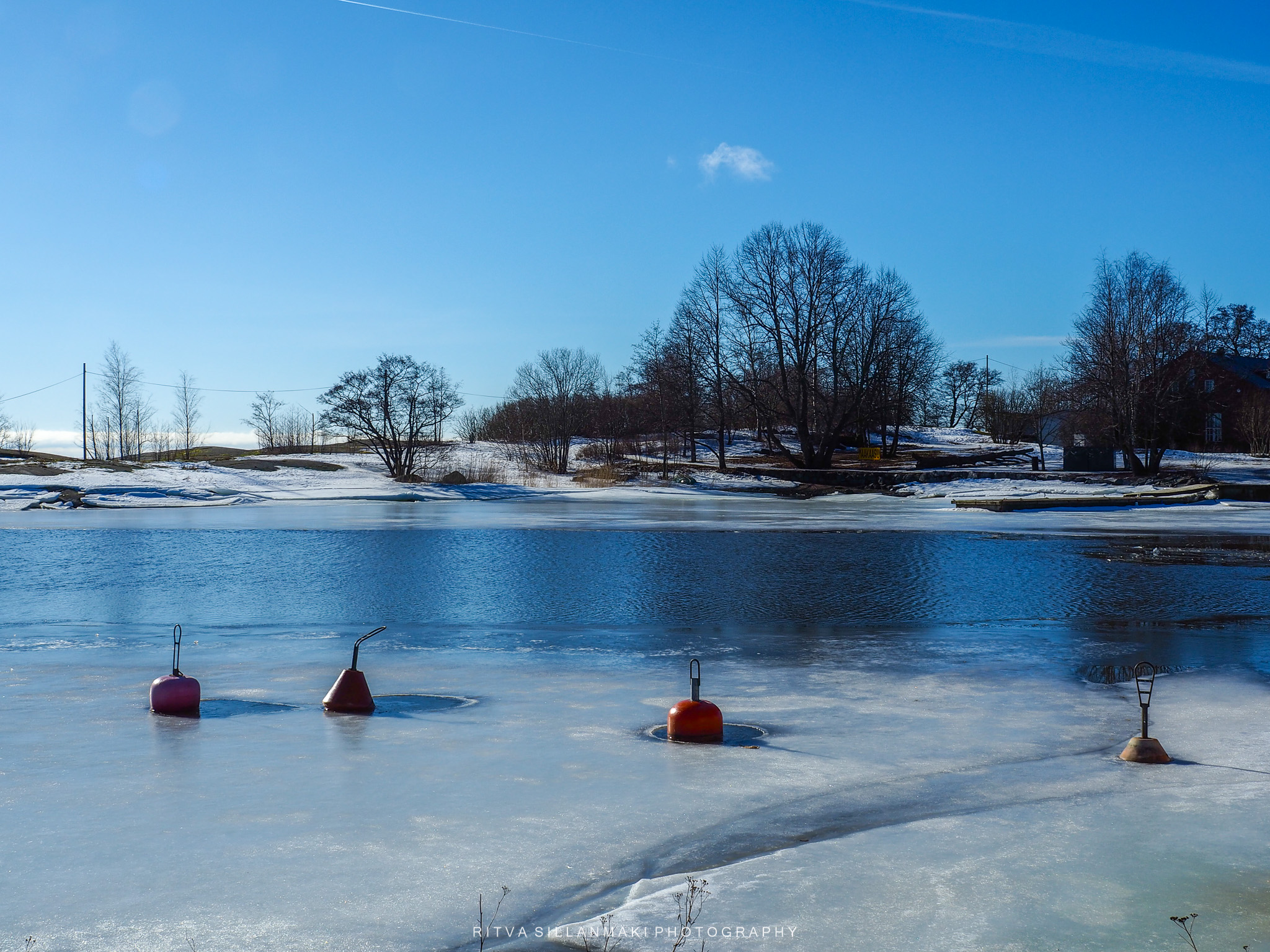
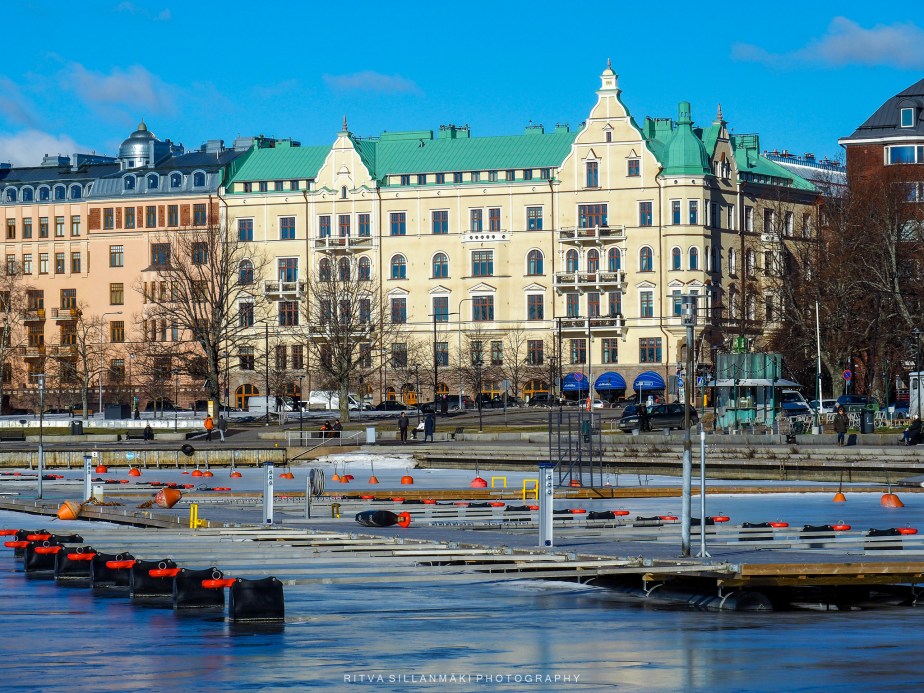
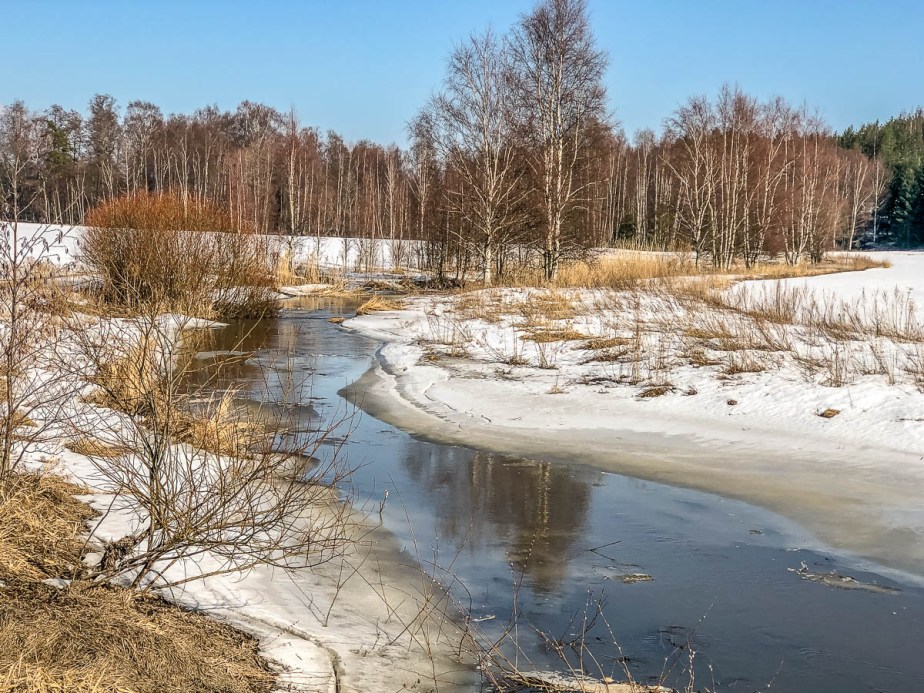
March has brought us some sunny days and warmer weather, the wind still makes it cooler, but the amount of light increase is just wonderful. To wake up and the sun has already risen today at 6:44 and sunset 18:16. This does wonders to the my mood. The sea is not open yet, but soon.
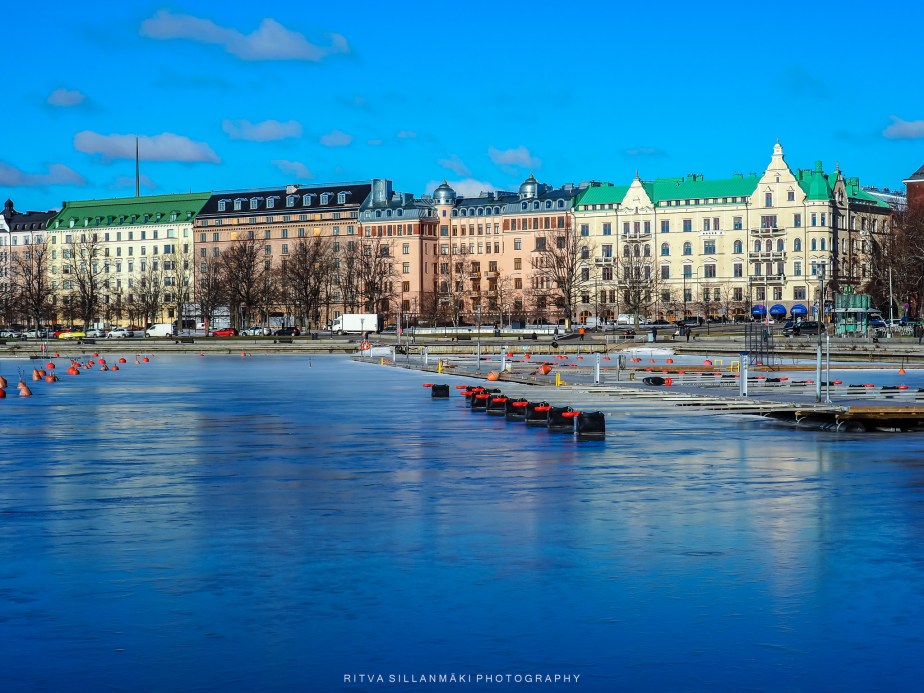
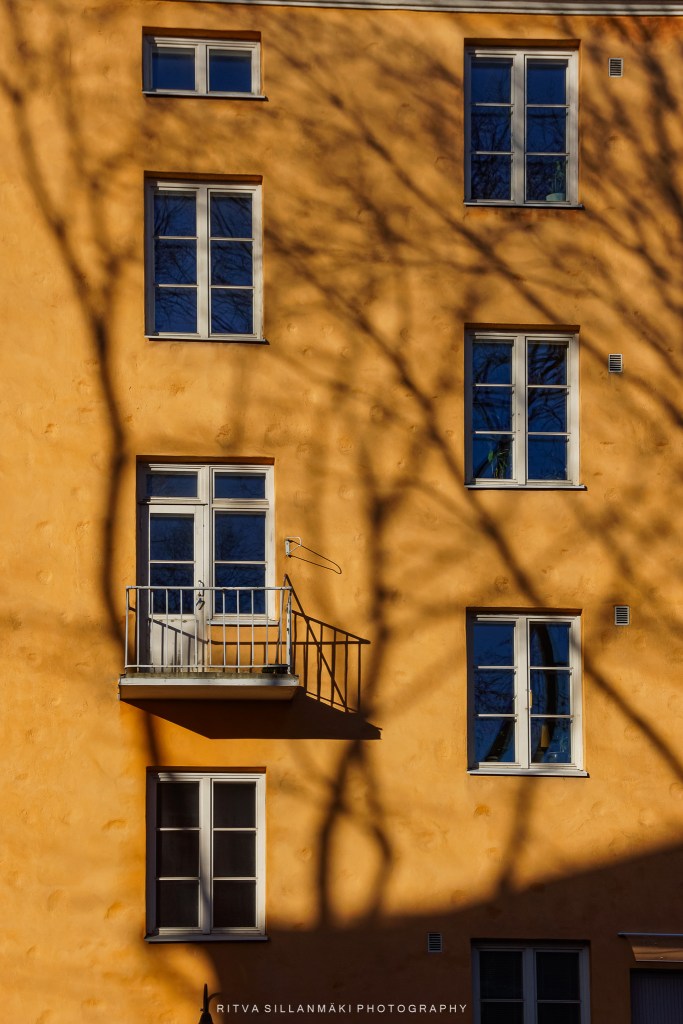
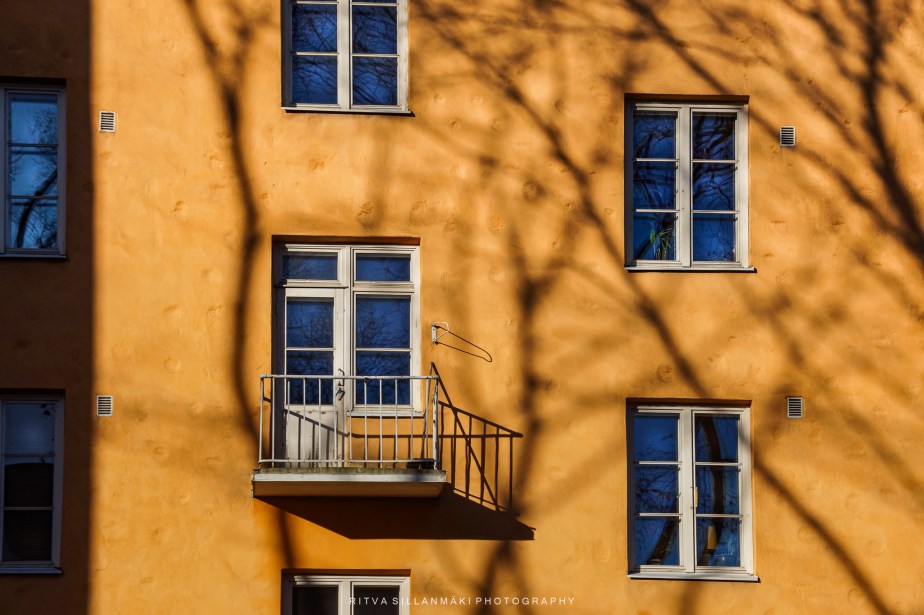
A building with a warm, yellow facade, features rectangular windows, each framed in white. On the left side, a small balcony french balcony. Shadows of bare tree branches are cast upon the building’s facade, creating an artistic pattern. The blue sky reflected in the windows show the fair weather of this day.
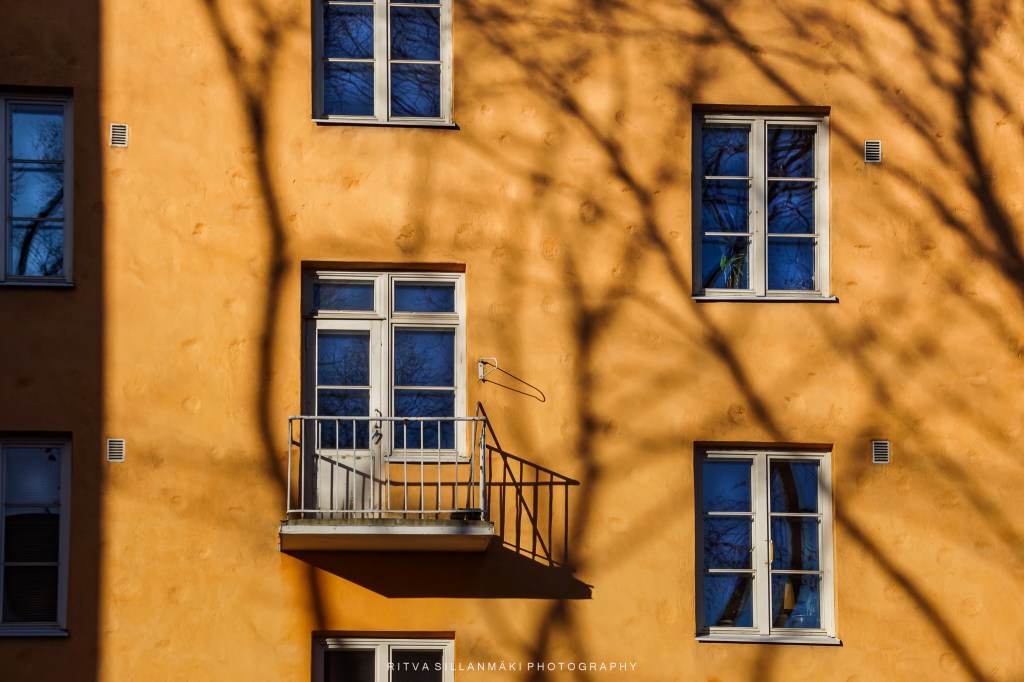
The warm yellow hue of the building’s facade, the crisp white window frames, and the intricate patterns created by the tree shadows make this shot interesting.
Ludwigs Monday Window: March 11, 2024
On this March day, it was windy, a bit cold but sunny. I watched these – I am assuming that these people walking on the icr are artists living on the island. I was, as were many other walkers taking photos of then walking on the ice – as there was open sea and under currants there. We could not believe that they were doing it – too dangerous, all of us saying, no one will be able to come and rescue them if they fall into the ice. Yes, we finns do speak to each other even if we don’t know each other 🙂
Harakka Island is located a few minutes’ boat ride away from Kaivopuisto, by the open sea and in the middle of the delicate nature of the archipelago. The richness of the island’s vegetation and bird population is unparalleled. There are four nature reserves on the island.

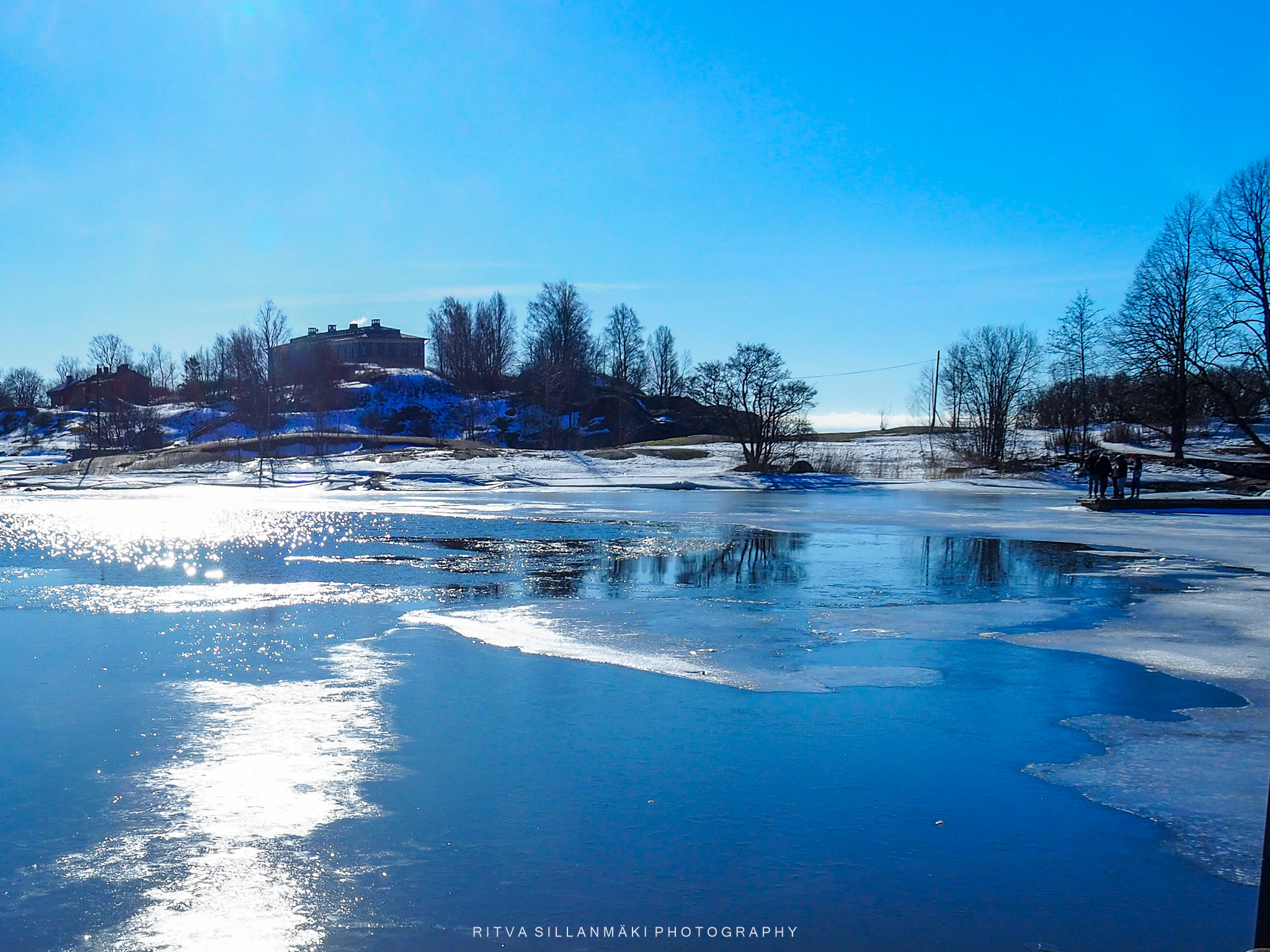

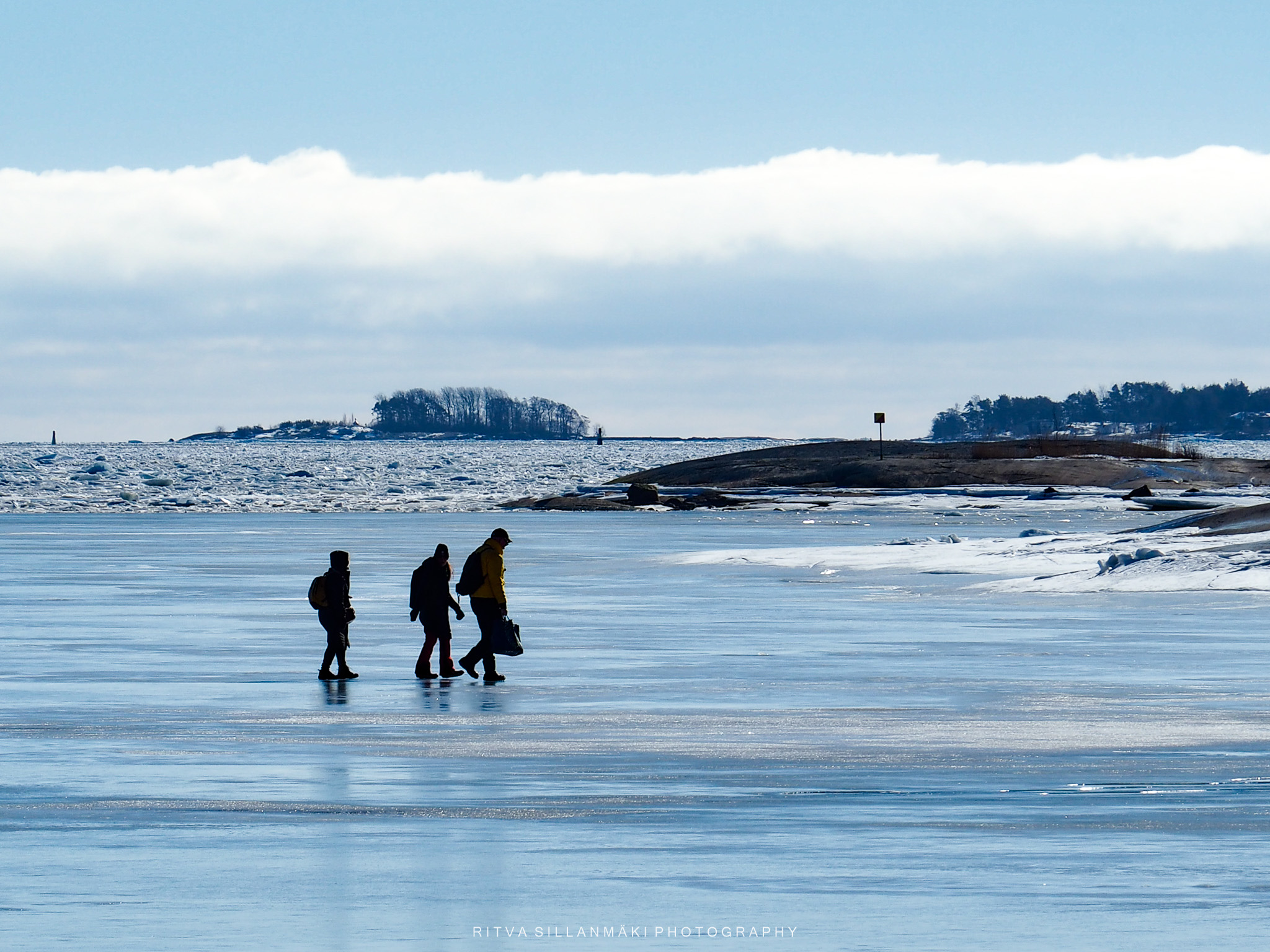

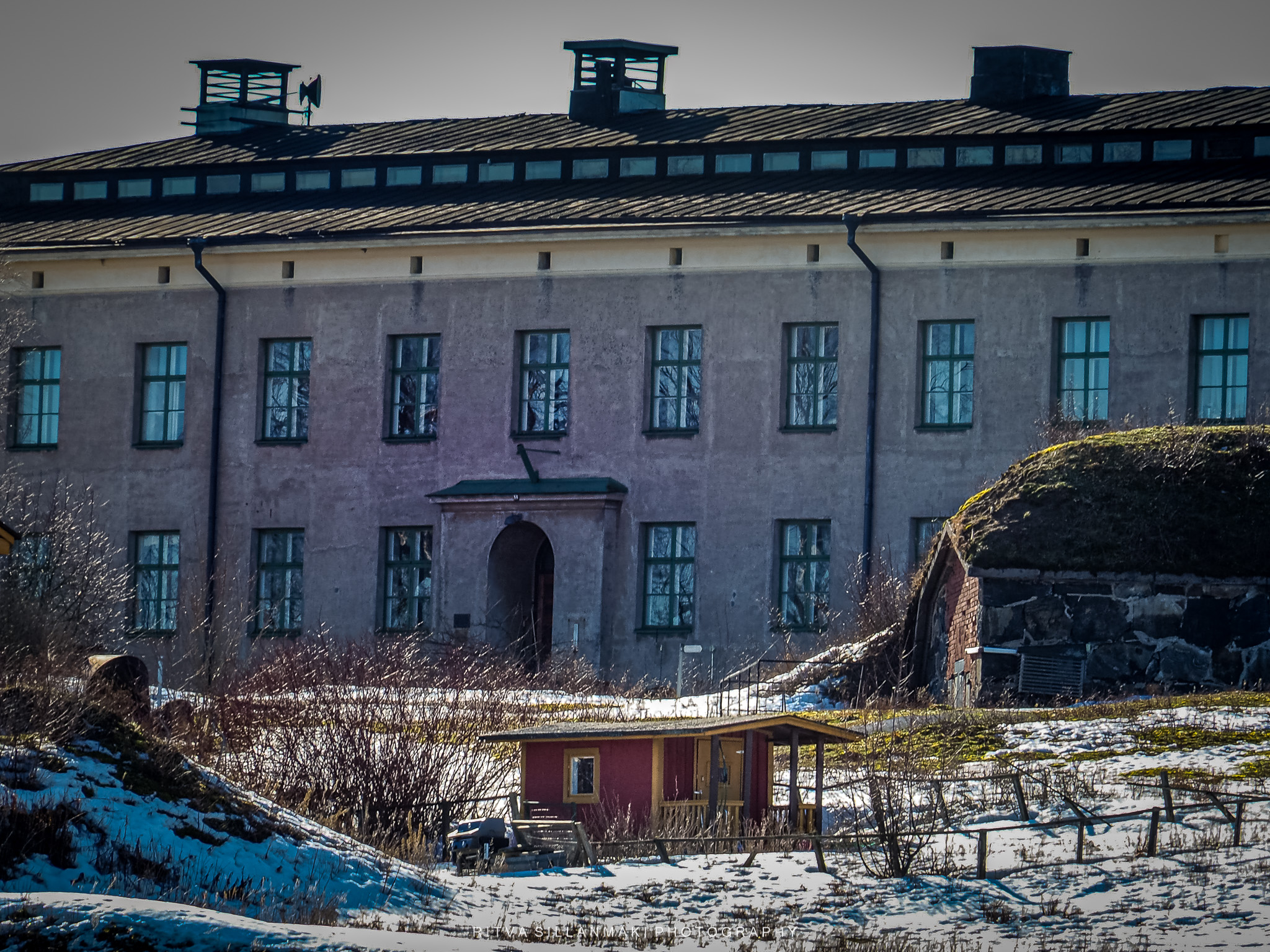
There is also Harakka Artists’ House on Harakka island houses 30 studios for professional artists and artisans.


Debbies Six Word Sunday


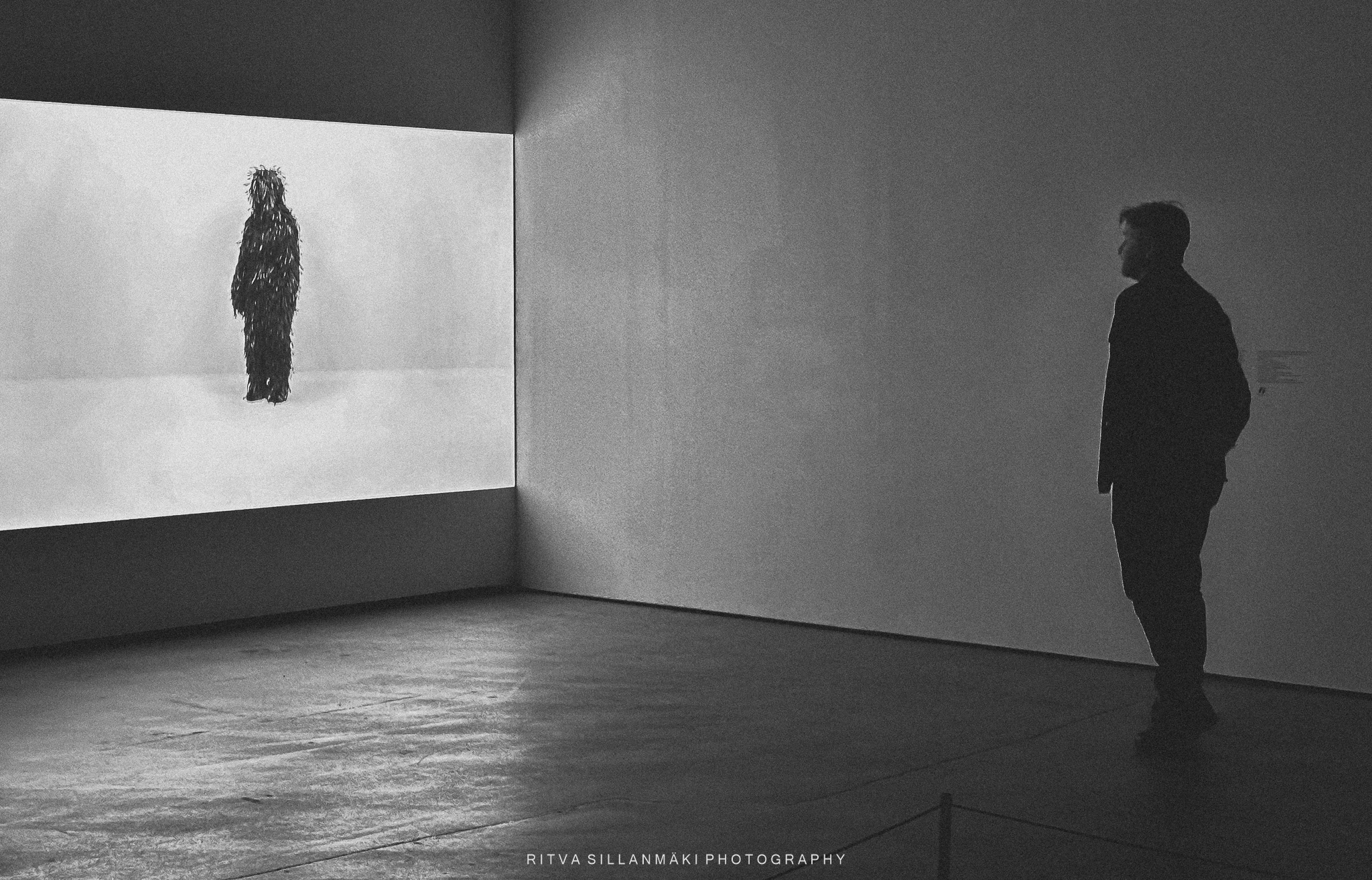
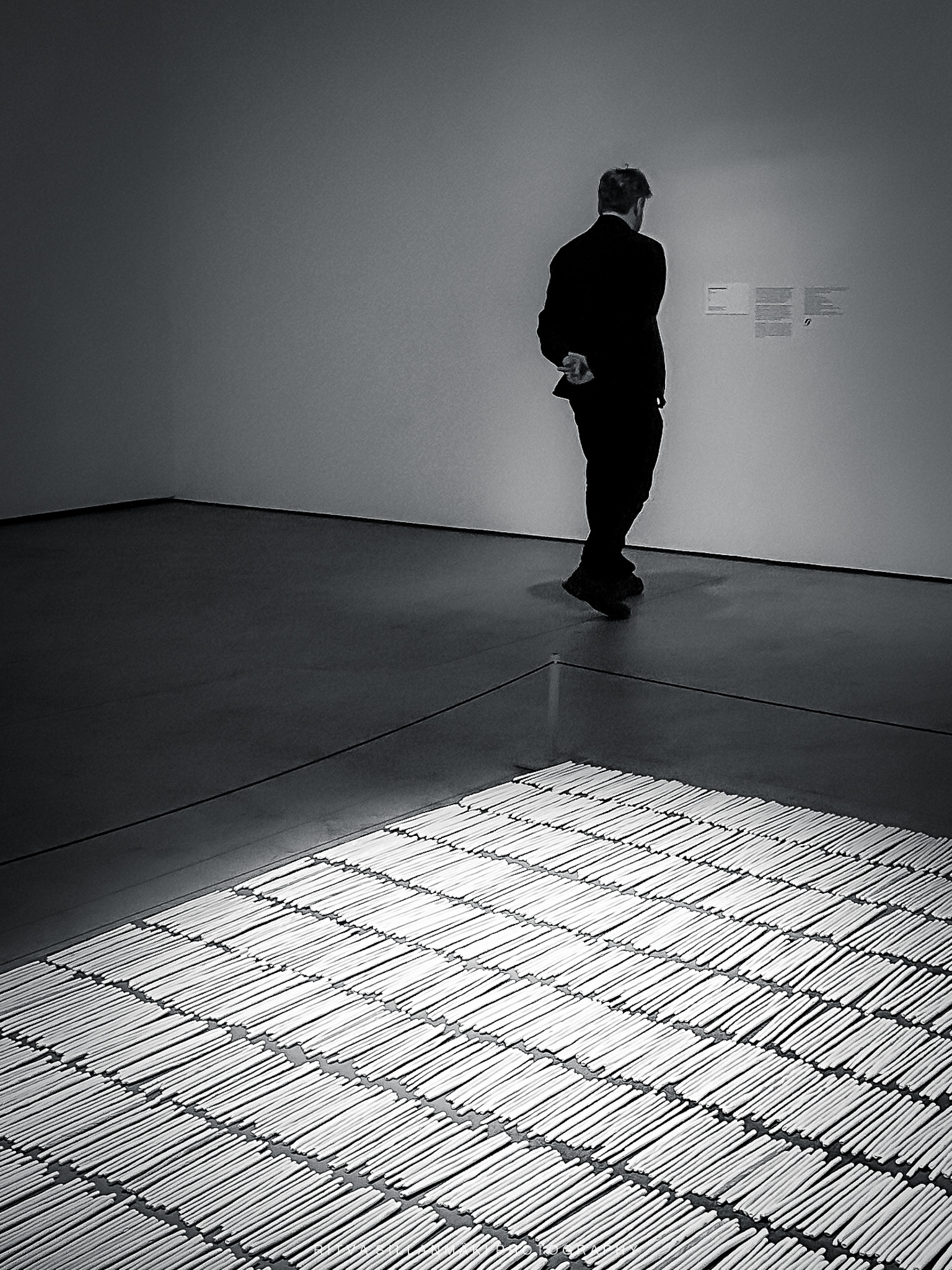
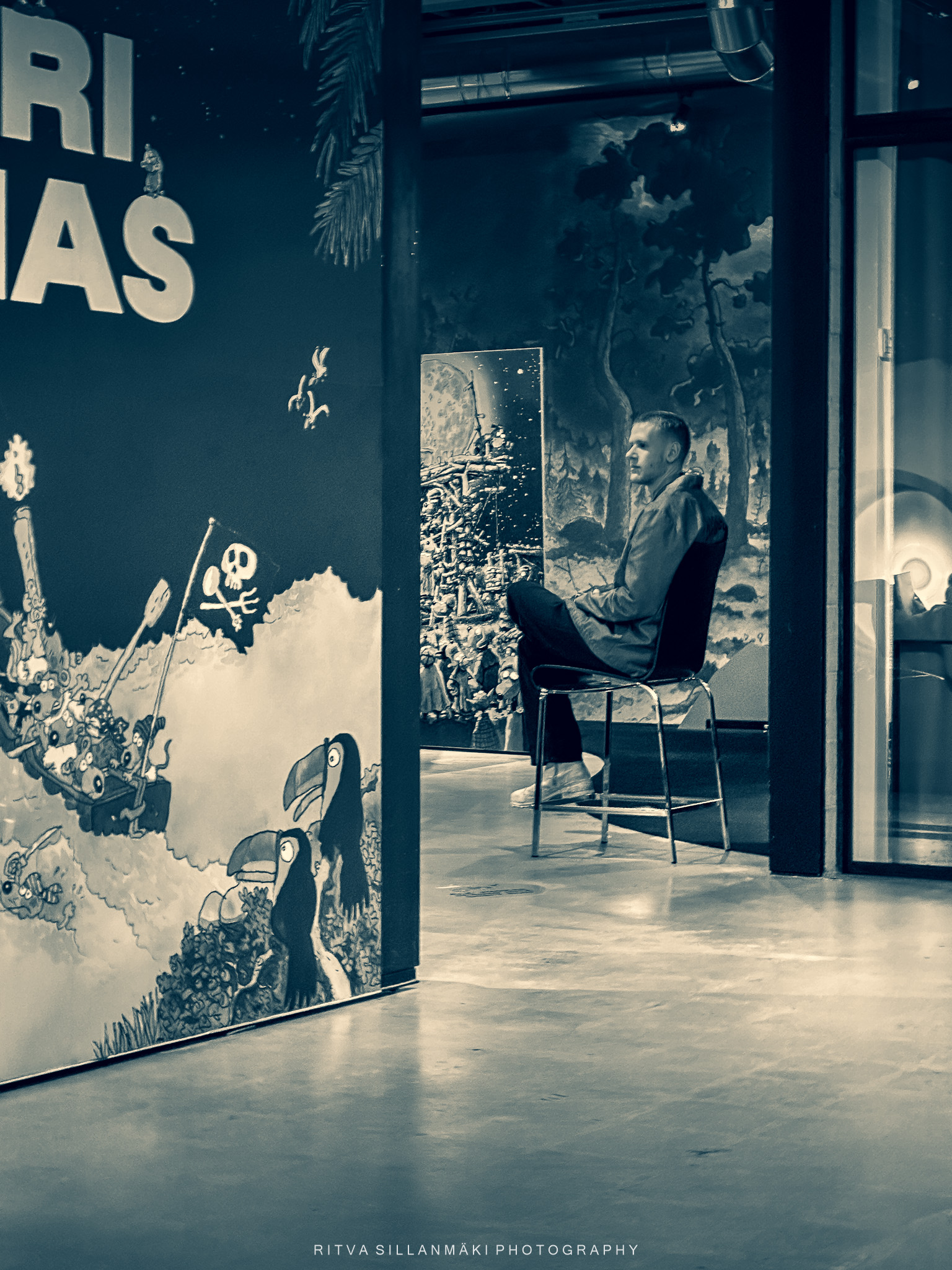
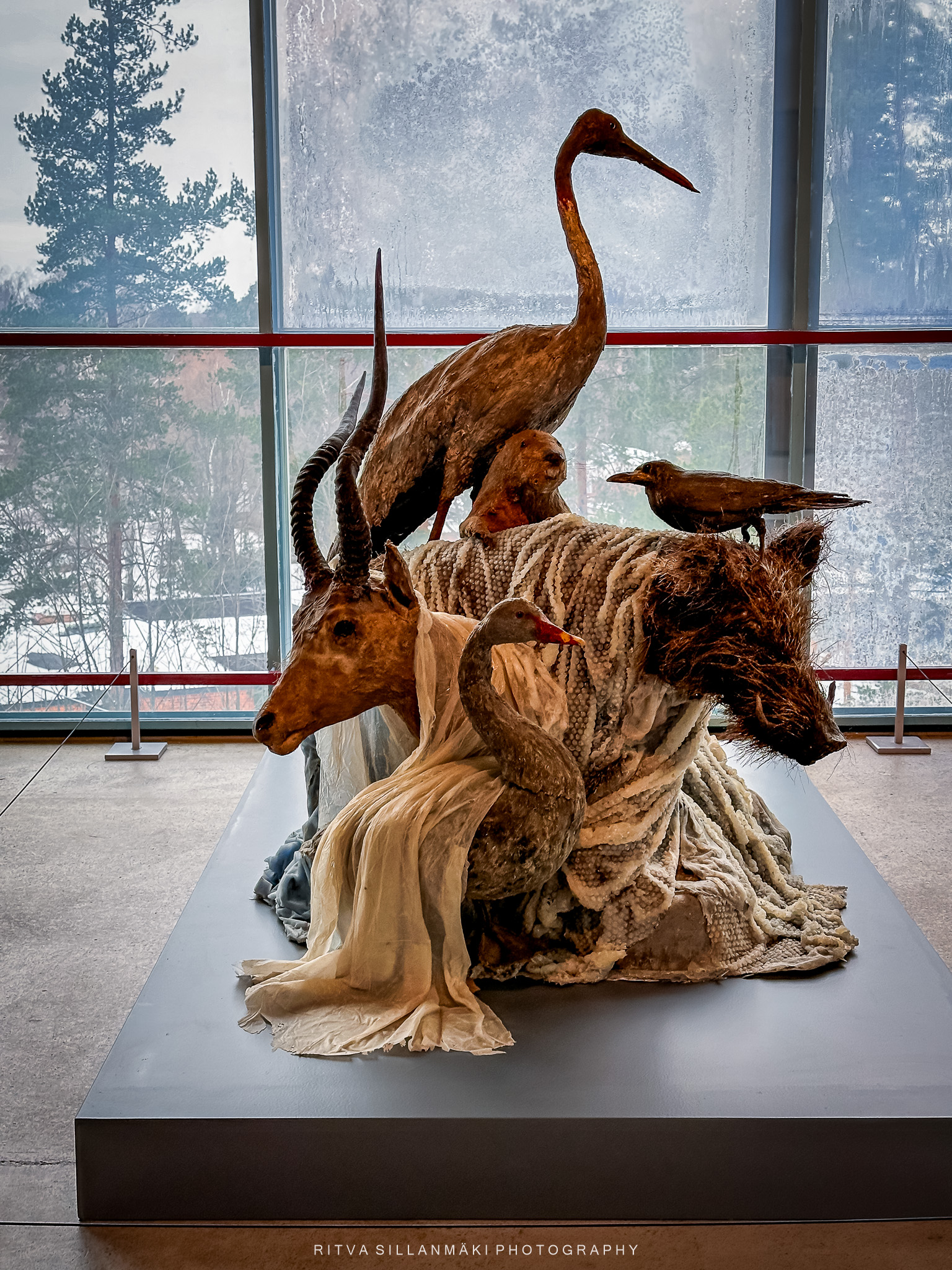
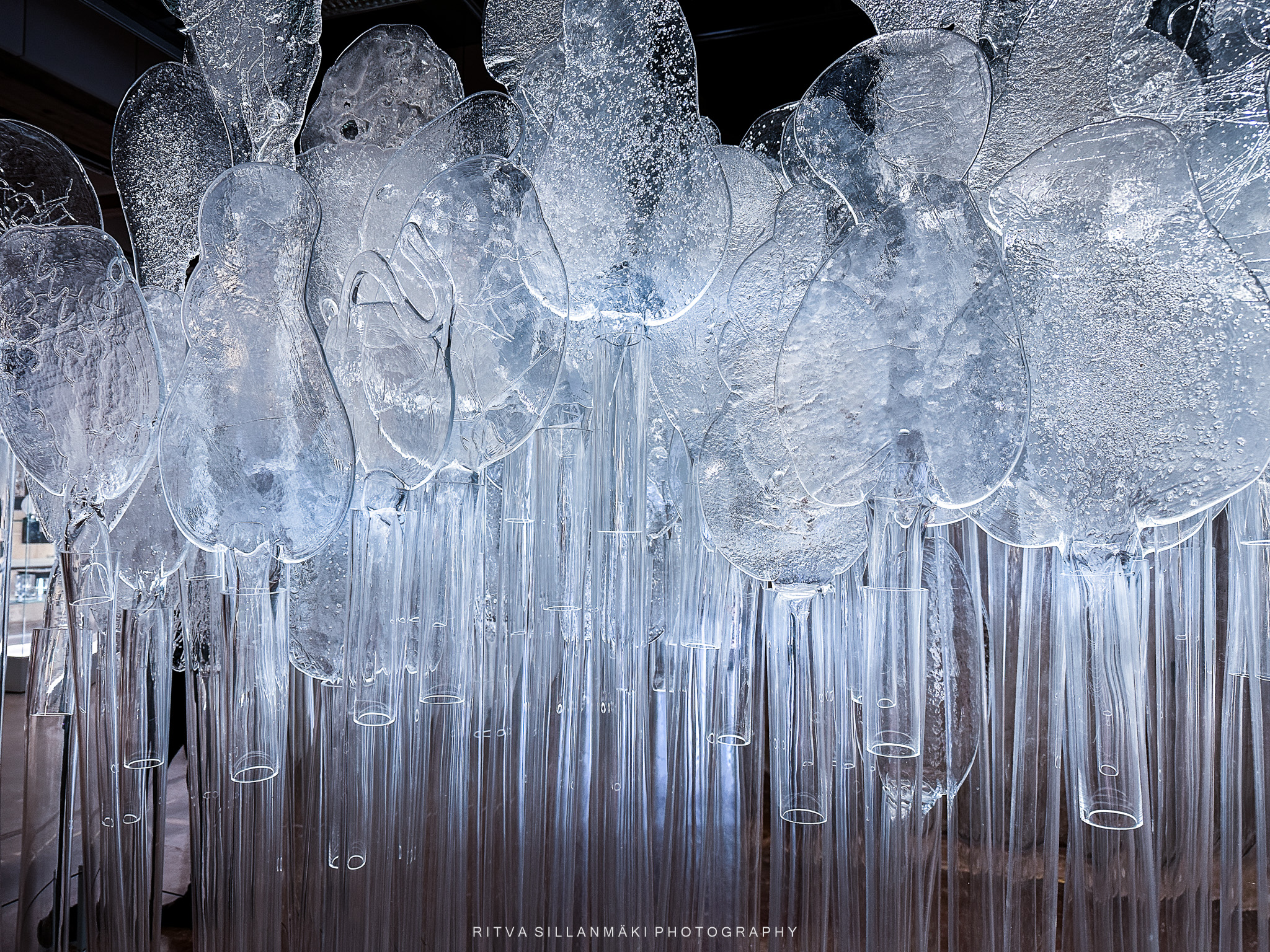
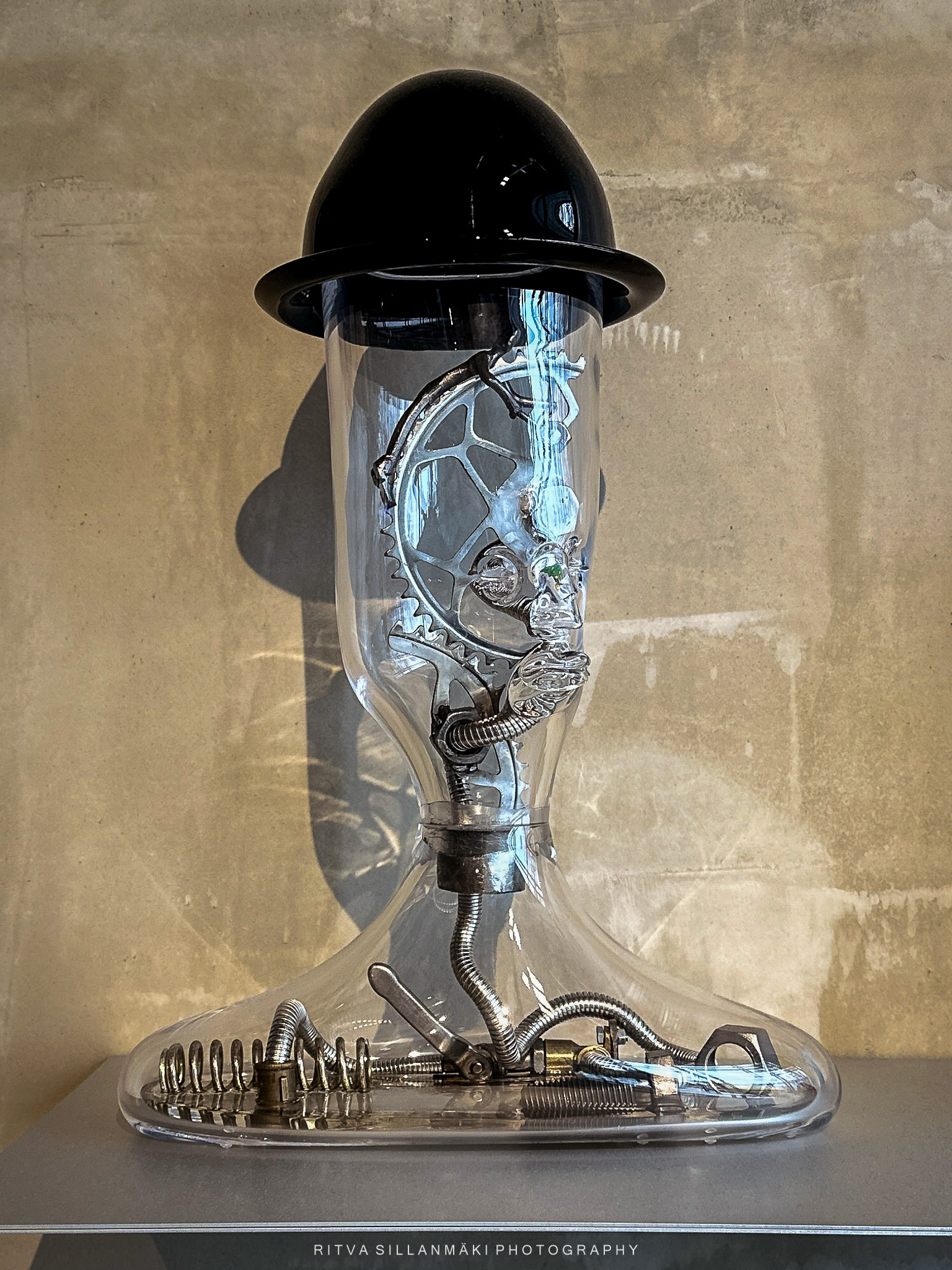
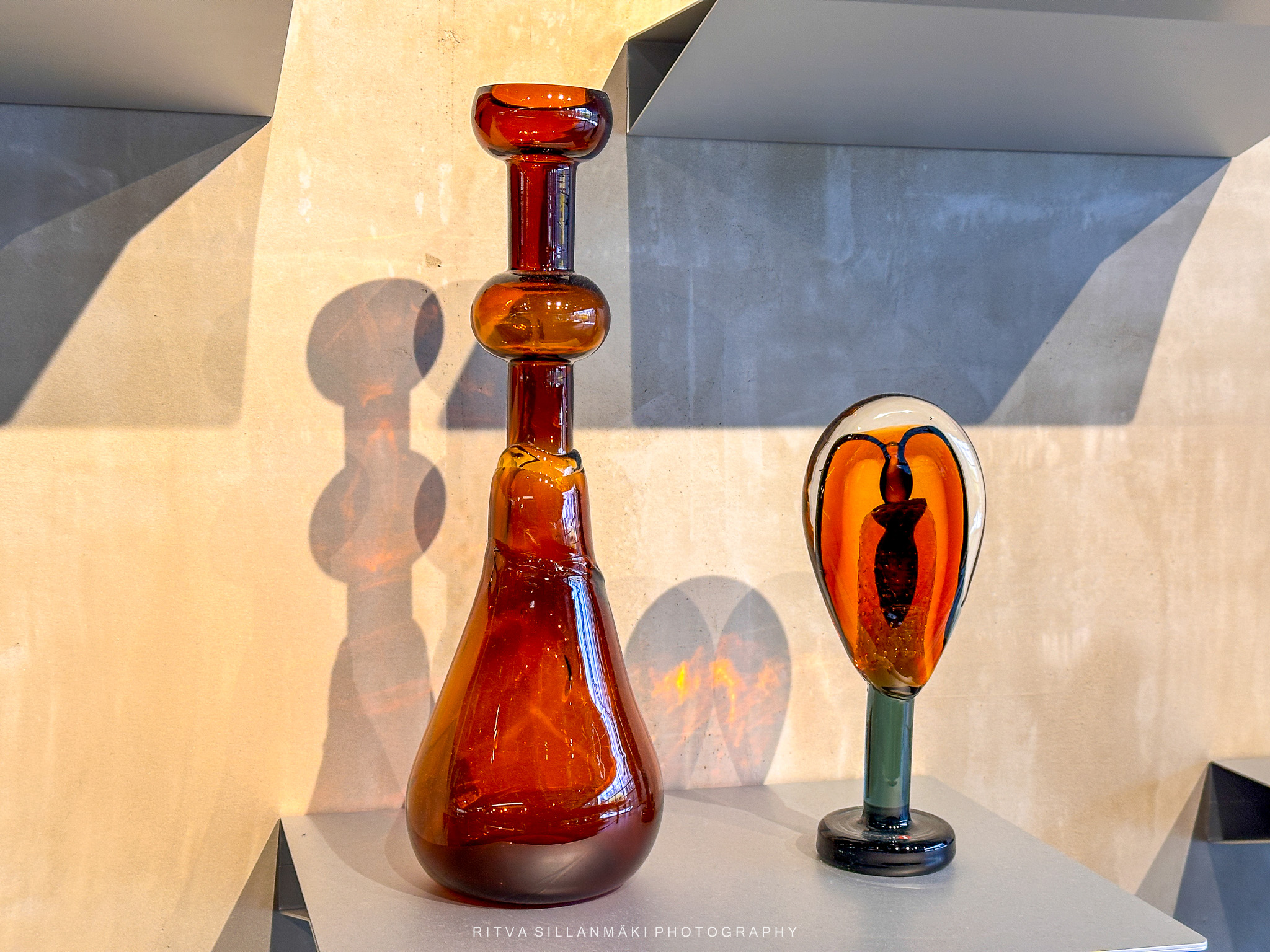
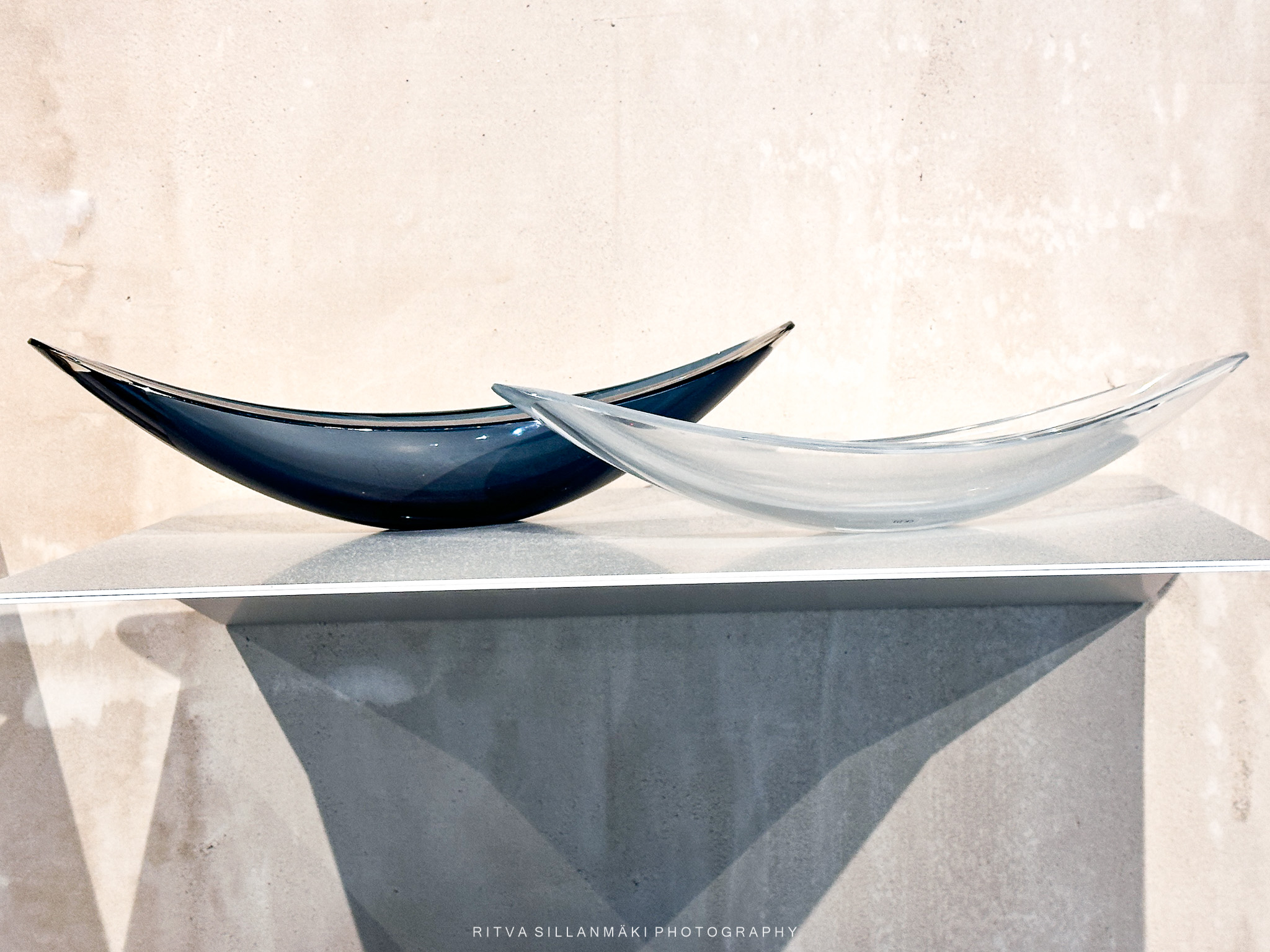
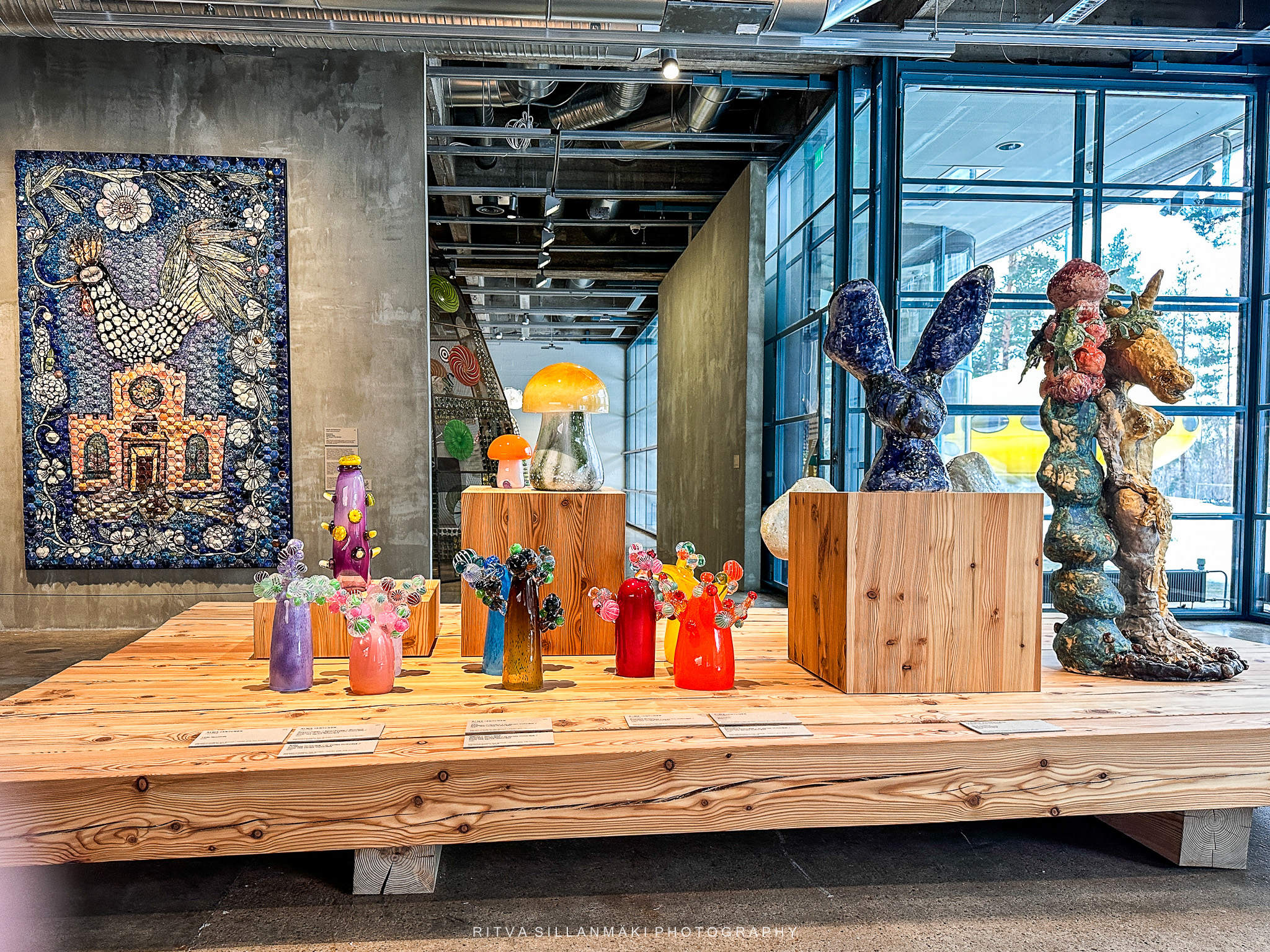
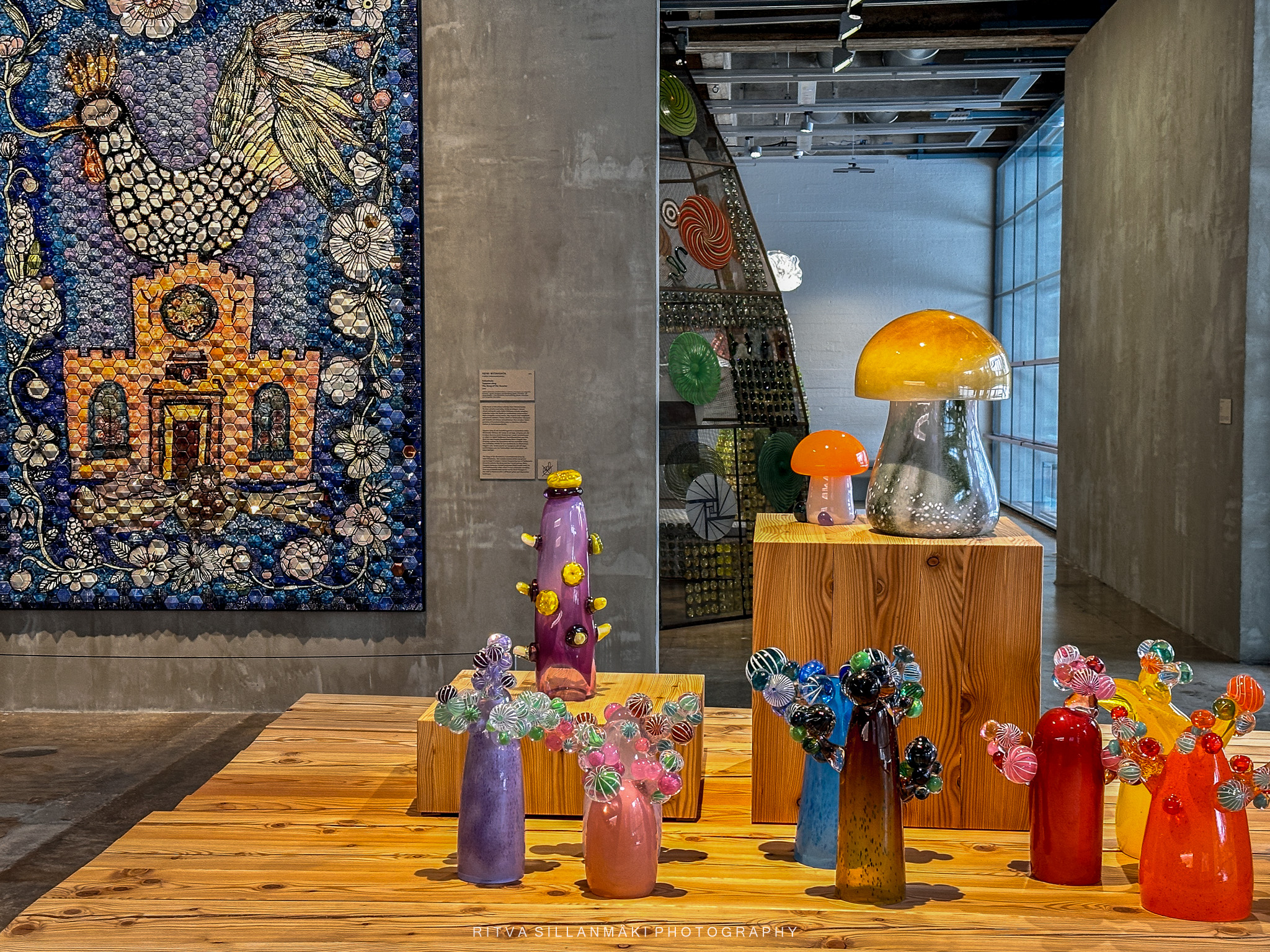
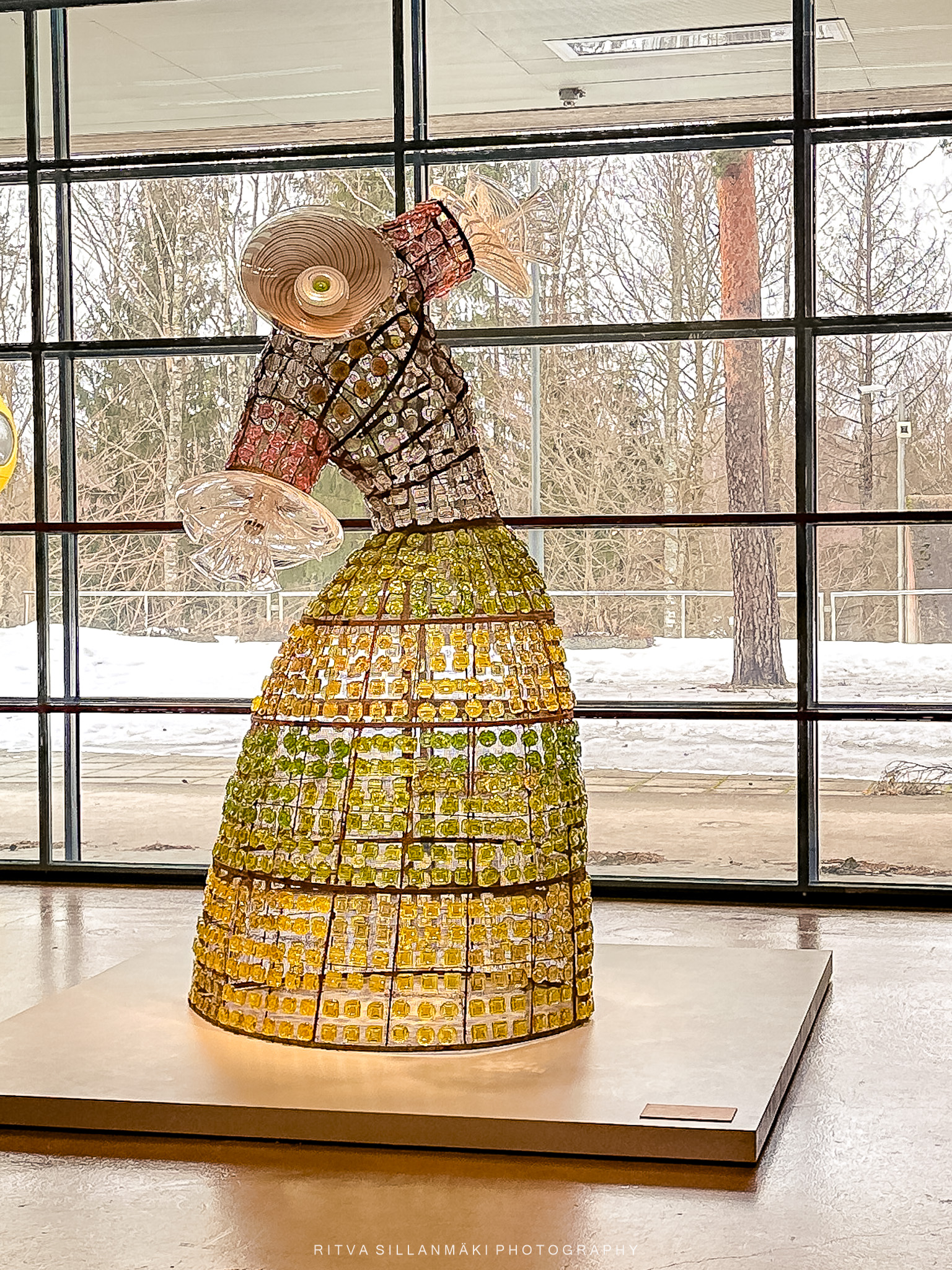
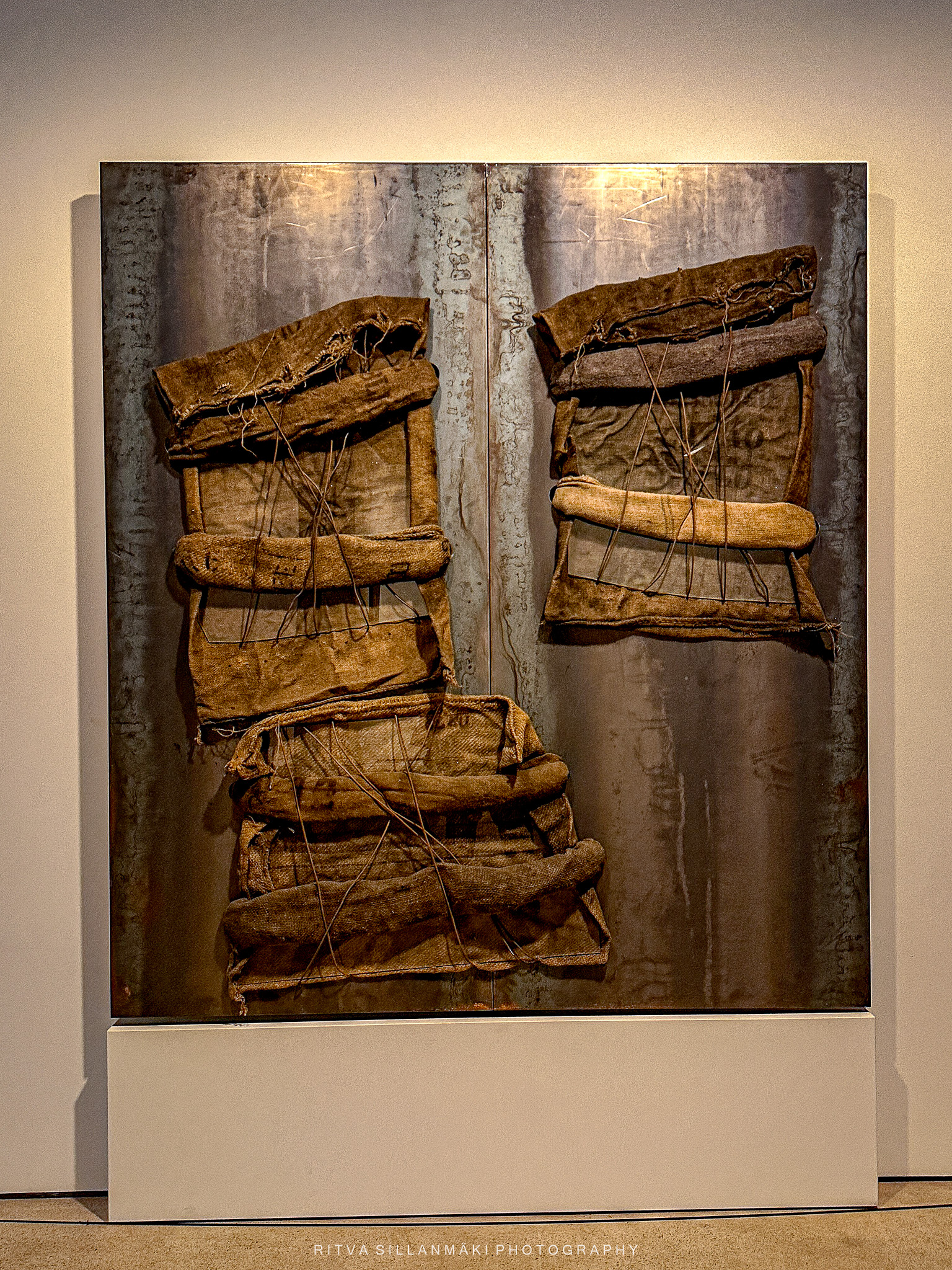
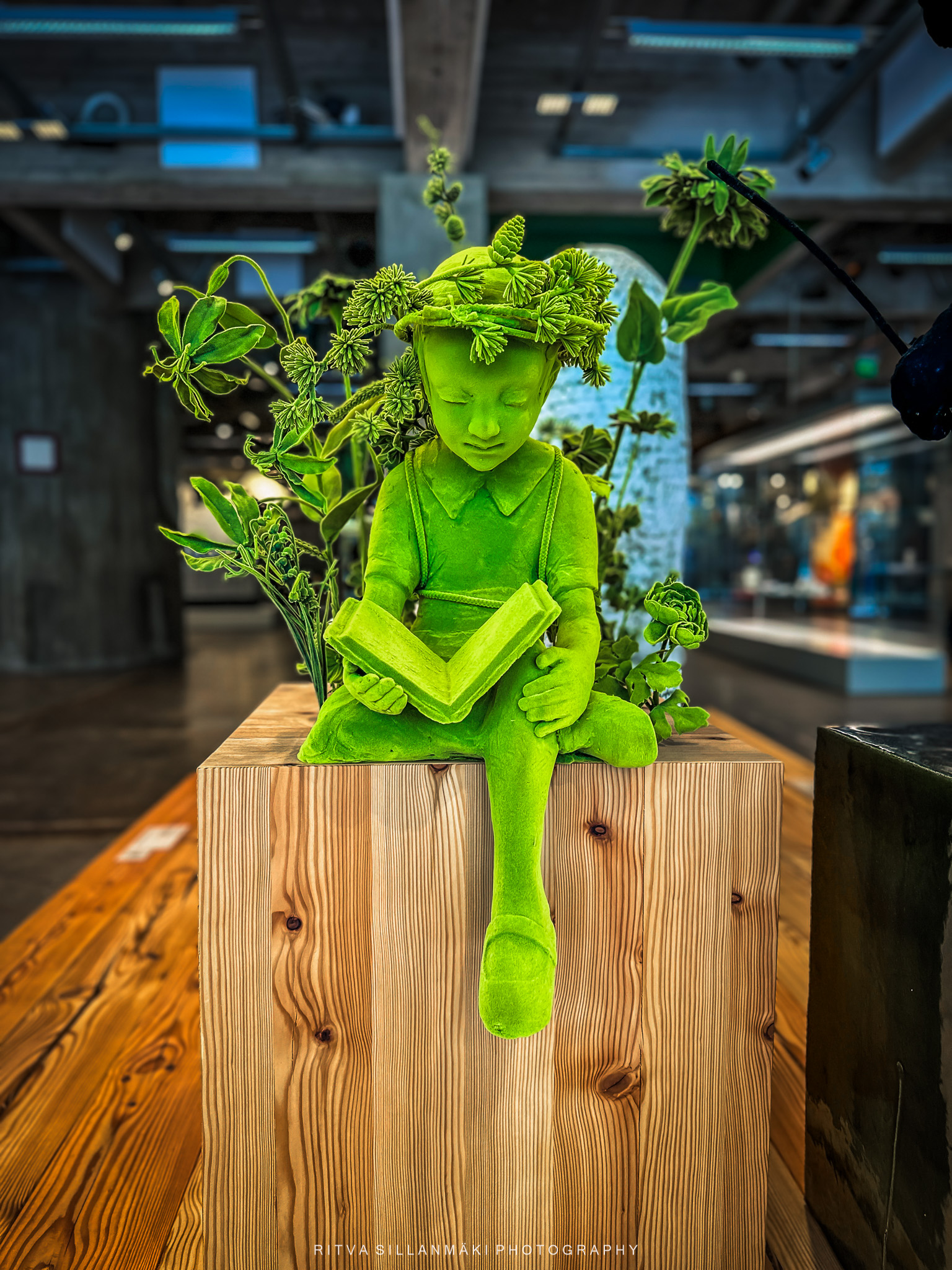
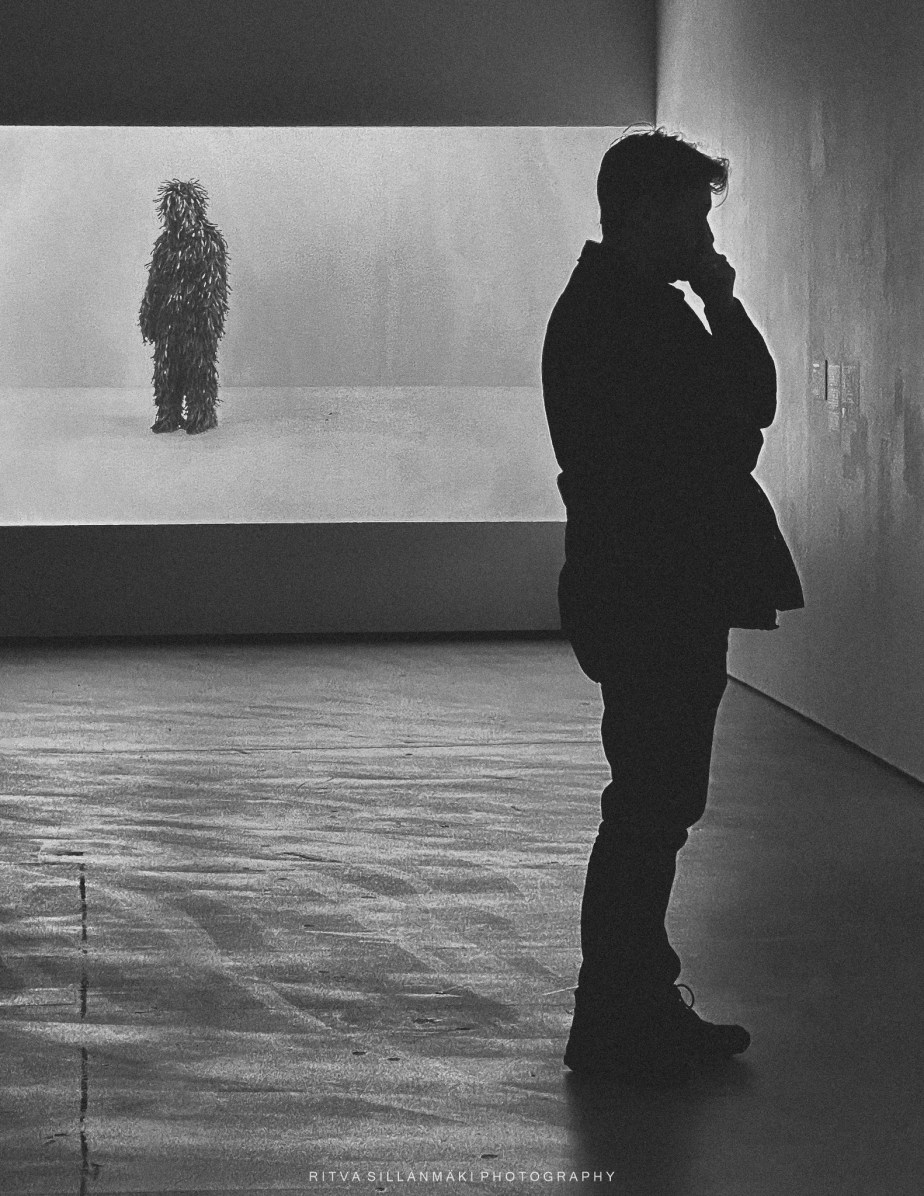
Here are some photos I took from our visit to the EMMA museum in Espoo.
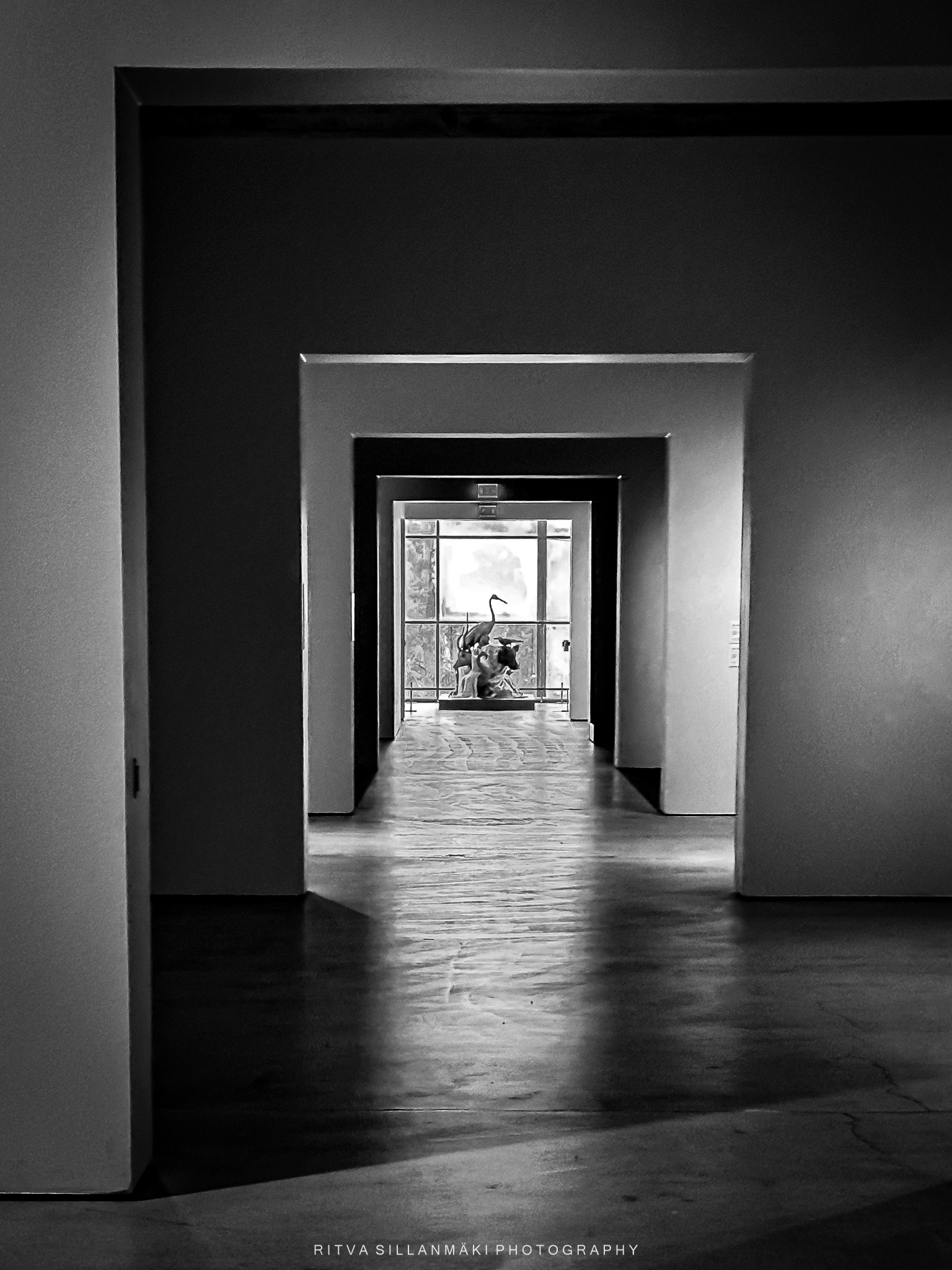




Below ROLAND PERSSON, PANAMA PAPERS, 2016
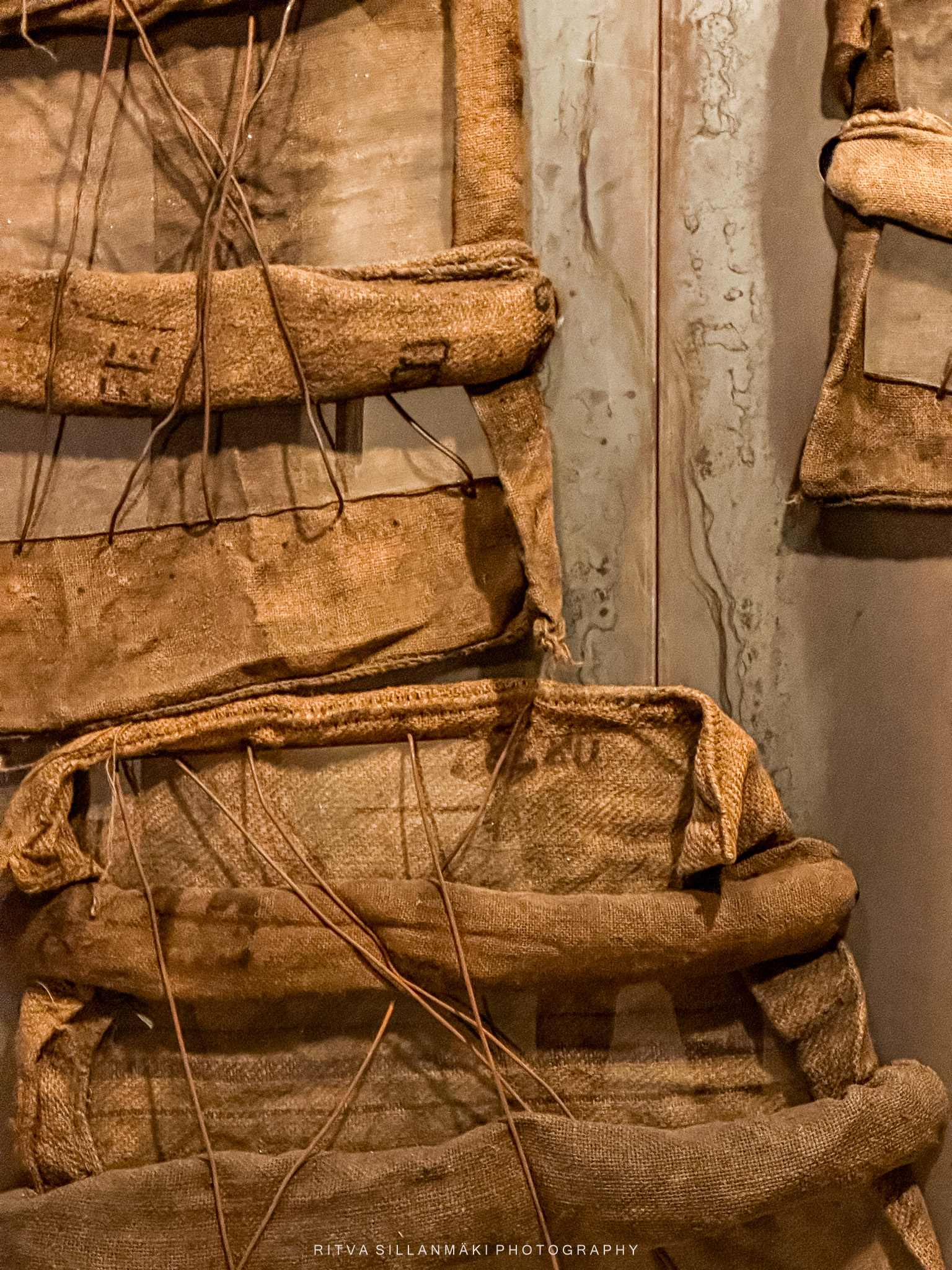
Glass and ceramics are made from natural raw materials. When cared for properly, they can last forever. Their enduring appeal rests upon a legacy of skills and knowledge passed down through generations. The visionary artists featured in this collection have been inspired and influenced by international trends, but their work is also informed by local traditions. The result is a unique creative fusion.


Designed by Finnish architect Matti Suuronen in 1968, the Futuro House is a round, prefabricated dwelling that resembles a flying saucer. Its unique shape and airplane hatch entrance have made it an iconic piece of architecture.
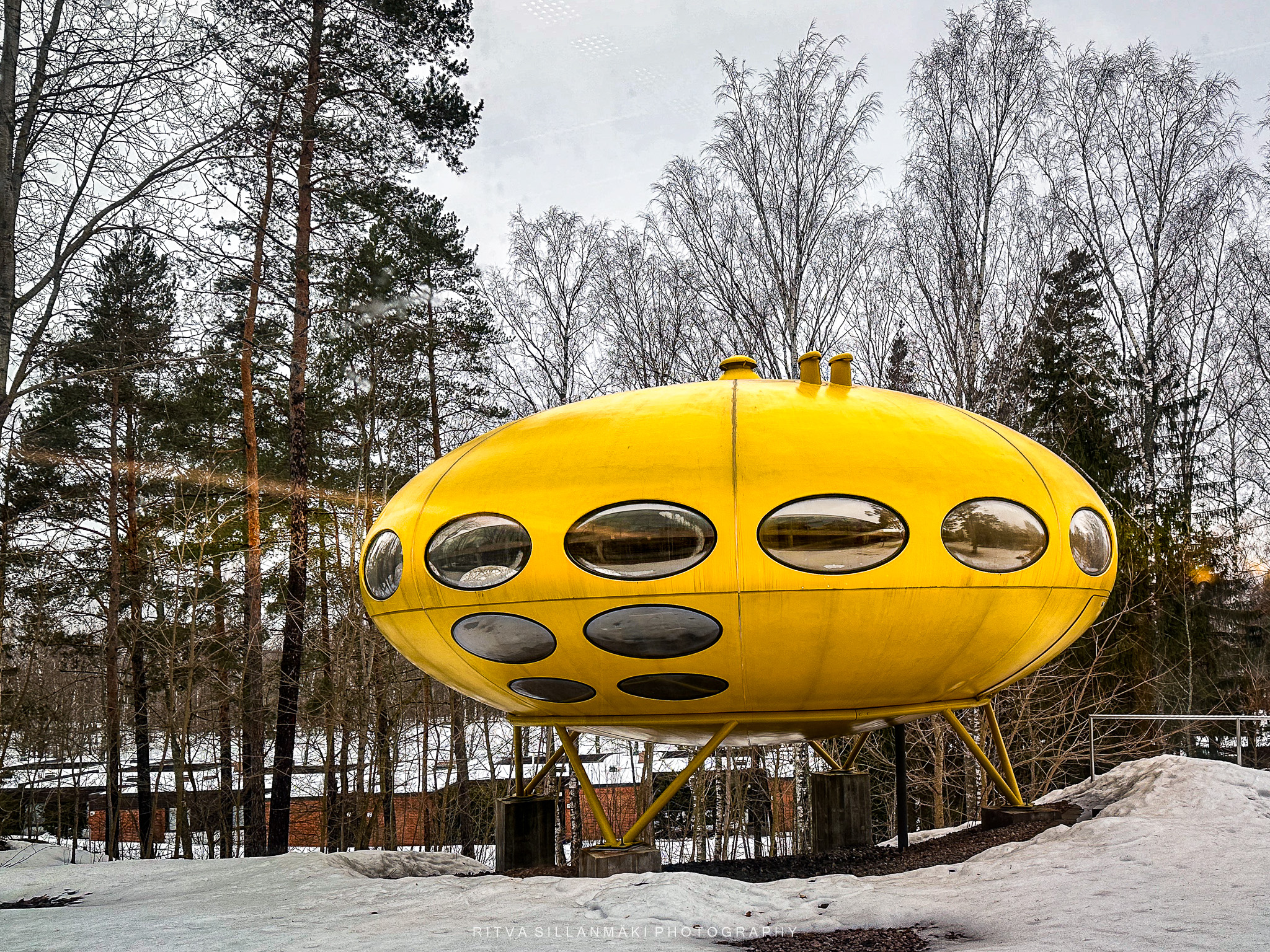
Exhibition Centre WeeGee in Tapiola, Espoo, Finland, houses the first-ever mass-produced Futuro house (No. 001)
This is an old barn that at one point burned but the ruins are still standing. You are not supposed to enter the building, but as you can see, I am not the only one who has been there.
Posted for Dan’s Thursday Doors

Click one the images to get a better view.


The whispers of history cling to the air like cobwebs, stands a relic of the past—a crumbling brick building. Its walls, once proud and sturdy, now bear the weight of time and neglect.
The focal point of the scene is the remnants of an arched brick structure. Each brick tells a story—a laborer’s sweat, a mason’s precision, and the dreams of generations. The arch, though weathered, still holds a hint of elegance, as if it once welcomed visitors with open arms. But now, it stands as a silent witness to the passage of time.
A door, stubbornly clinging to its frame, beckons me closer. Its dark brown hue suggests years of exposure to the elements. Now, it hangs askew, its wood softened by rain and sun.
Around the ruins, nature reclaims its dominion. Fallen leaves carpet the ground, their fiery hues contrasting with the gray of decay.
Above, an overcast sky weeps silently. It mirrors the melancholy of the scene below. Raindrops, like tears shed for lost memories, have etched patterns on the bricks. The clouds seem to mourn the passage of time, obscuring the sun that once bathed this place in warmth.
For even in decay, there is beauty—a quiet resilience that defies oblivion. And so, I leave the ruins behind, carrying their echoes within me, a witness to their silent tale.
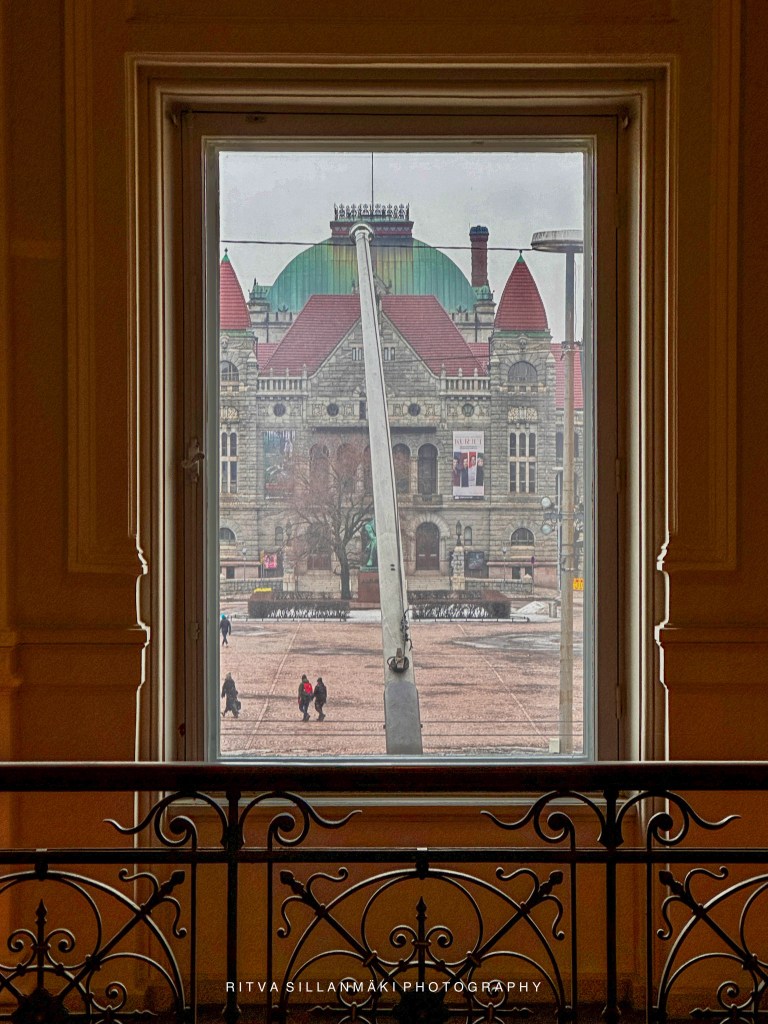
Last week I posted pictures of doors and hallways in Ateneum Museum – this is from there too. On the other side of the square you can see the Finnish National Theatre. This week for Ludwigs Monday Window I give this view.
The Finnish Theatre was established in May 1872 . For the first 30 years of its existence, the company operated at the Arkadia theatre. The theatre did not acquire a permanent home until 1902, when a purpose-built theatre was erected in the heart of Helsinki, adjacent to the city’s main railway station. The building design was by architect Onni Törnqvist-Tarjanne. The company moved to its new home on April 9, 1902 and was renamed the Finnish National Theatre.











 Ritva Sillanmäki Photography