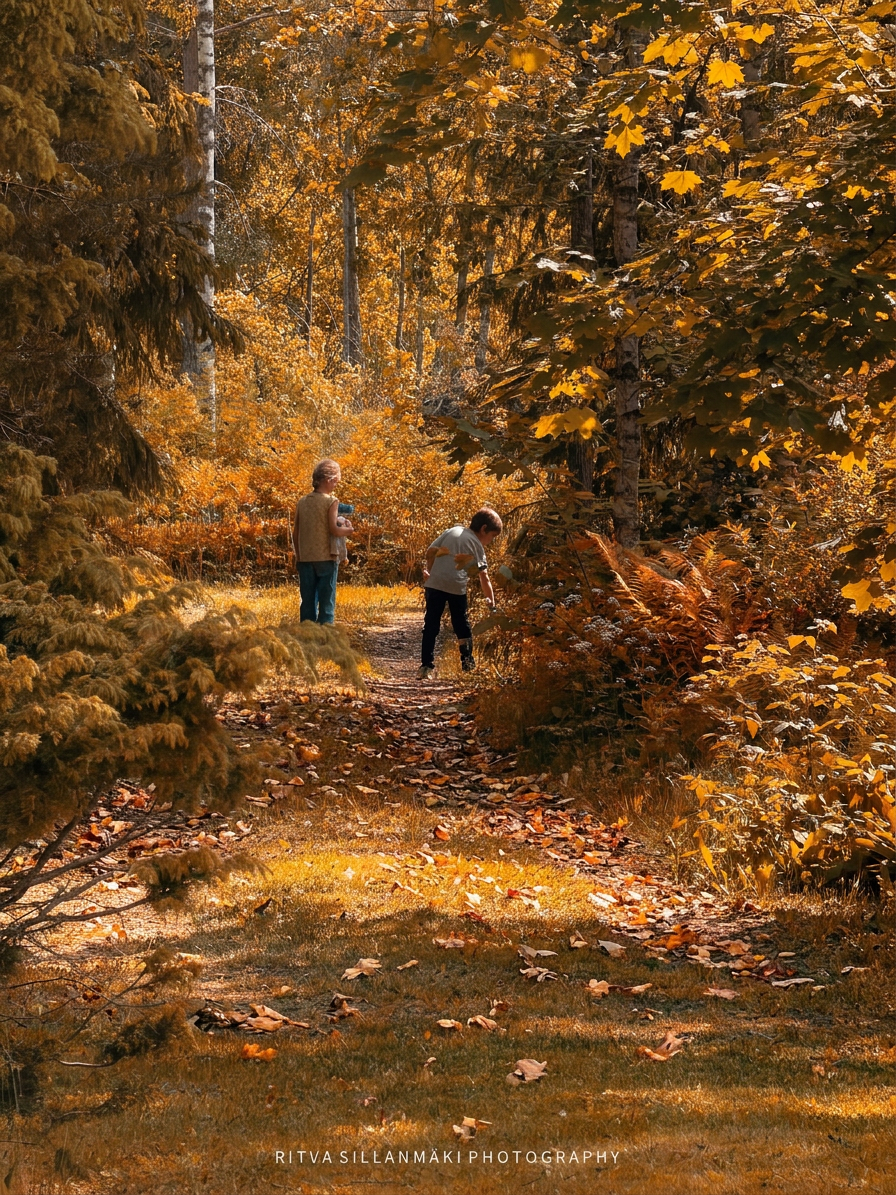
For this challenge, Egídio invites us to explore “Where Does It Lead?” in whatever direction speaks to us. To get us started, here are three ways to approach the prompt: the most literal reading is a path itself—a trail you can follow on foot or on wheels. The compositional reading is not about what the path is, but how it guides the eye. The interpretive reading opens the prompt up wide—to tracks and traces, or metaphor.
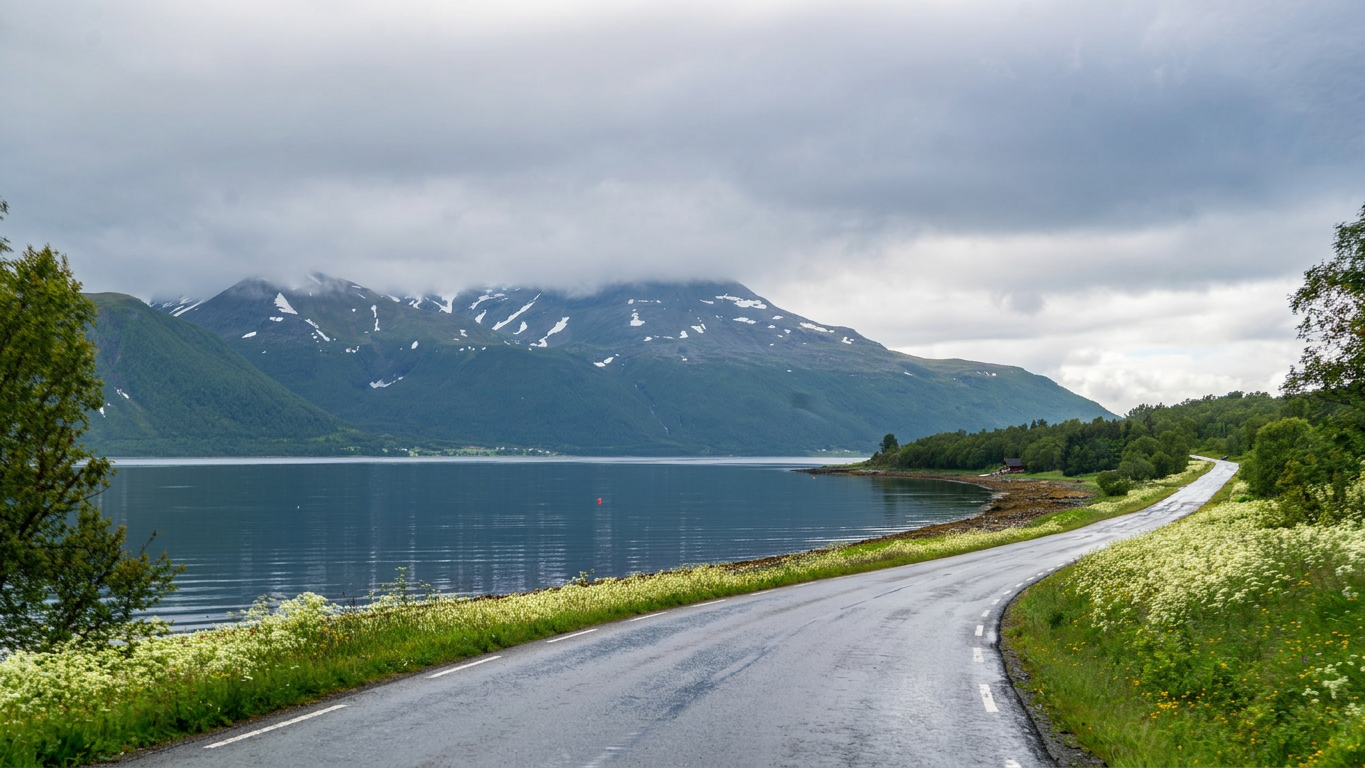
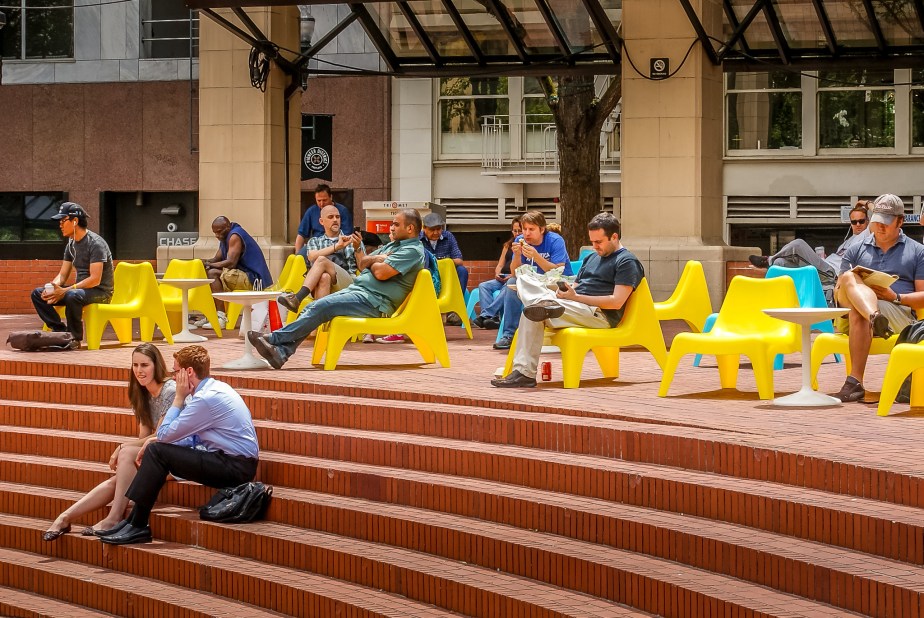
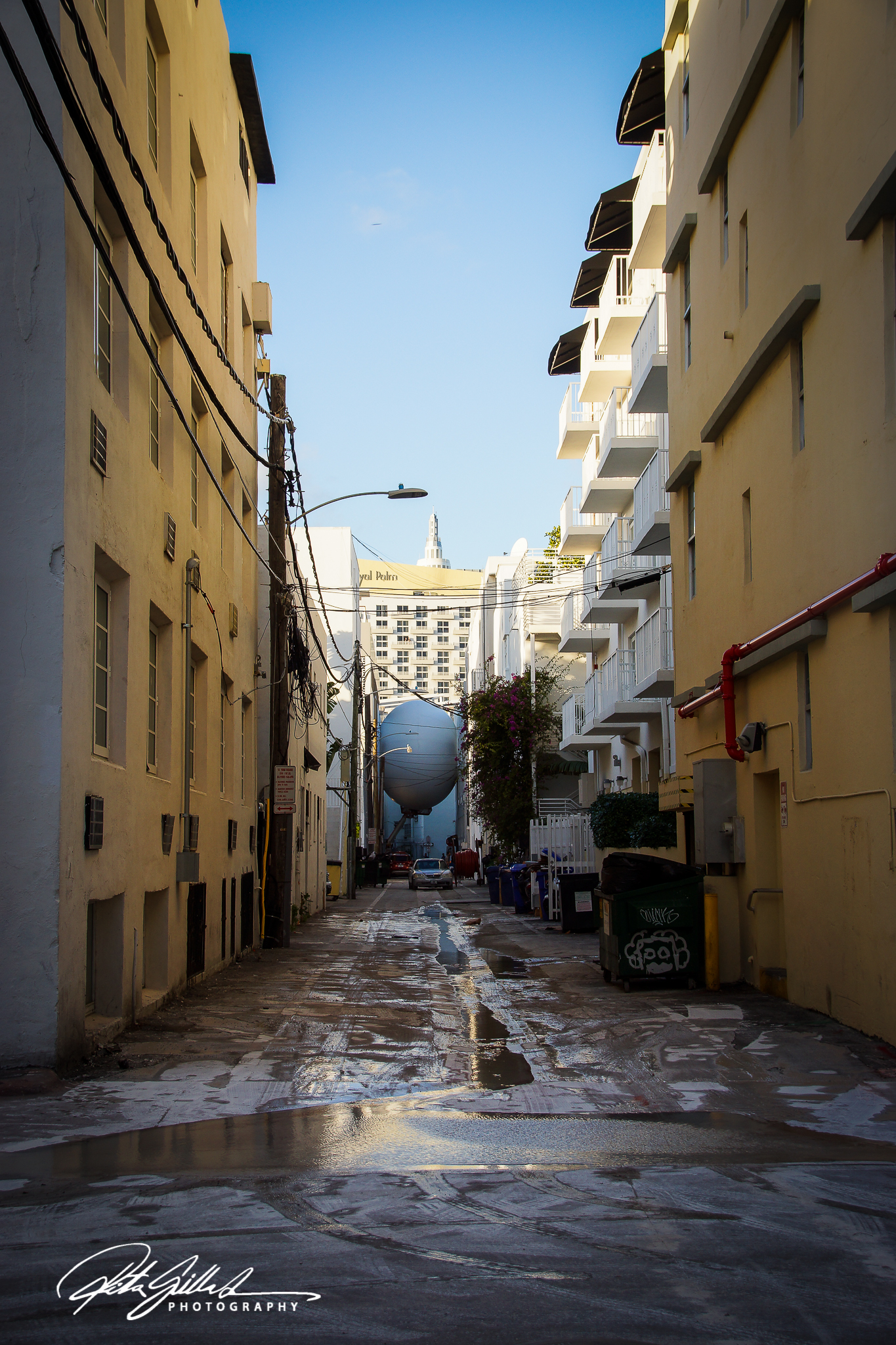
This time I focused only on paths and roads that felt somehow different from the others. The first three images share a similar, warm color tone that guides the eye forward like a soft leading line, before the mood slowly cools and slips into gentle blue tones. The surfaces, bends, and intersections in the roads seem to echo this change in light, moving from a comforting glow to a quieter, more distant feeling as the colors fade toward blue.
Two children explore a sunlit forest trail surrounded by vibrant golden autumn foliage.A sunlit wooden dock extends across a tranquil lake, framed by colorful autumn forest, leading to the deep endA tranquil sunset spreads golden light across the water as a traditional boat glides on Chapora River in Goa, but where are we heading.
Aerial view of a sprawling sea city,It can lead to so many places, view to Länsiväylä in Espoo, Finland with highways winding across wooded islands and blue waterways.
A rugged trail in Crete winds through rocky terrain and evergreen trees beneath dramatic snow-dusted mountain peaks, but where does it lead us?
A winding coastal road follows a tranquil fjord beneath mist-covered, snow-dusted mountains.
I want to thank all of you who shared your thoughts on my music theme. It was so much fun to read your responses, and I loved seeing how many of you have a similar taste in music. I also learned a lot about artists, genres, and traditions from different parts of the world, and your insights have given me new ideas and inspiration for future playlists and projects.
Egídio, thank you for leading us this week; I had fun in my quest to lead us somewhere. When joining in, remember to tag your entry with Lens-Artists and link it to Egidio’s original post. Next week, Tina will feature a new challenge, which will go live at noon EST in the USA. Tune in then to her lovely site to learn more about the challenge.
John’s very informative and inspired challenge this week is – Tools of Photo Composition: Lines, Colors, and Patterns encompasses many of the foundational elements of composition guidelines that are invaluable for both new and seasoned photographers. You will get great ideas from his post.
It’s important to recognize that learning to effectively use lines can guide the viewer’s eye through an image, enriching the narrative that each photograph tells.Colors also hold immense power; warm hues have the ability to envelop us in feelings of comfort or excitement, while cooler tones often bring a sense of calm and introspection.
Meanwhile, patterns can offer depth and texture, transforming an ordinary scene into something truly captivating. By taking the time to master these essential elements, photographers nurture their creativity and artistry, enabling each image to not only preserve a fleeting moment but also convey a meaningful story that resonates with others.
Capturing leading lines and reflections in a waterfront scene in Lahti, showcasing the interplay of architecture and nature.
I took this image with this challenge in mind, but then totally forgot and posted it in an previous post, but I think it is worth a repeat as it has many of the elements of what this challenge is about. Leading lines, pattern
A daisy flower, showcasing its delicate petals and vibrant yellow center, exemplifying the elements of photo composition – patternsA reflective image showcasing decorative glass orbs, emphasizing the use of leading lines and patterns in photo composition.
See the difference in color, tone and how it effects the mood .
A striking view of a Sydney city skyline featuring the iconic tower and surrounding architectural patterns, highlighting the use of lines and shapes in urban photography.A bird perched on a wire in front of a brick wall, in Manley showcasing lines and patterns in composition. A vibrant ferris wheel – pattern, pier – leading line. Stone and sand texture. blue color giving the mood.
How about this to explain this image: A vibrant ferris wheel stands majestically against the skyline, its colorful patterns spinning joyfully as it attracts visitors from afar. The pier, with its inviting leading line, draws people toward the shimmering waters where they can take in the beauty of the surrounding landscape. The contrasting textures of stone and sand underfoot provide a tactile experience that enhances the charm of this seaside location. The deep blue color of the ocean reflects the sky, enveloping the scene in a serene mood that invites relaxation and contemplation while casting a tranquil aura over the vibrant surroundings.
A serene sunrise casts a soft glow over a misty landscape, Colors also hold immense power; warm hues have the ability to envelop us in feelings of comfort.
Let’s end this post with this mood. A serene sunrise casts a soft glow over a misty landscape, illuminating the world with gentle pastel colors that dance across the horizon. The sun’s rays pierce through the lingering fog, creating a tranquil atmosphere that invites reflection and peace. Colors also hold immense power; warm hues, such as soft oranges and soothing yellows, have the ability to envelop us in feelings of comfort, creating a nurturing environment that brings a sense of safety and belonging. As we breathe in the fresh morning air, the harmonious blend of nature’s palette further enhances our mood, urging us to embrace the day ahead with hope and positivity.
Last week, Tina presented a challenge centered on the theme of “Live and Learn.” Next week, Ann-Christine will take over as host. Make sure to follow her blog here to catch her upcoming challenge, which is set to be published at noon Eastern Time on Saturday. If you’re interested in sharing your own responses to the Lens-Artists Challenge each week but need guidance on how to begin, you can find more information here.
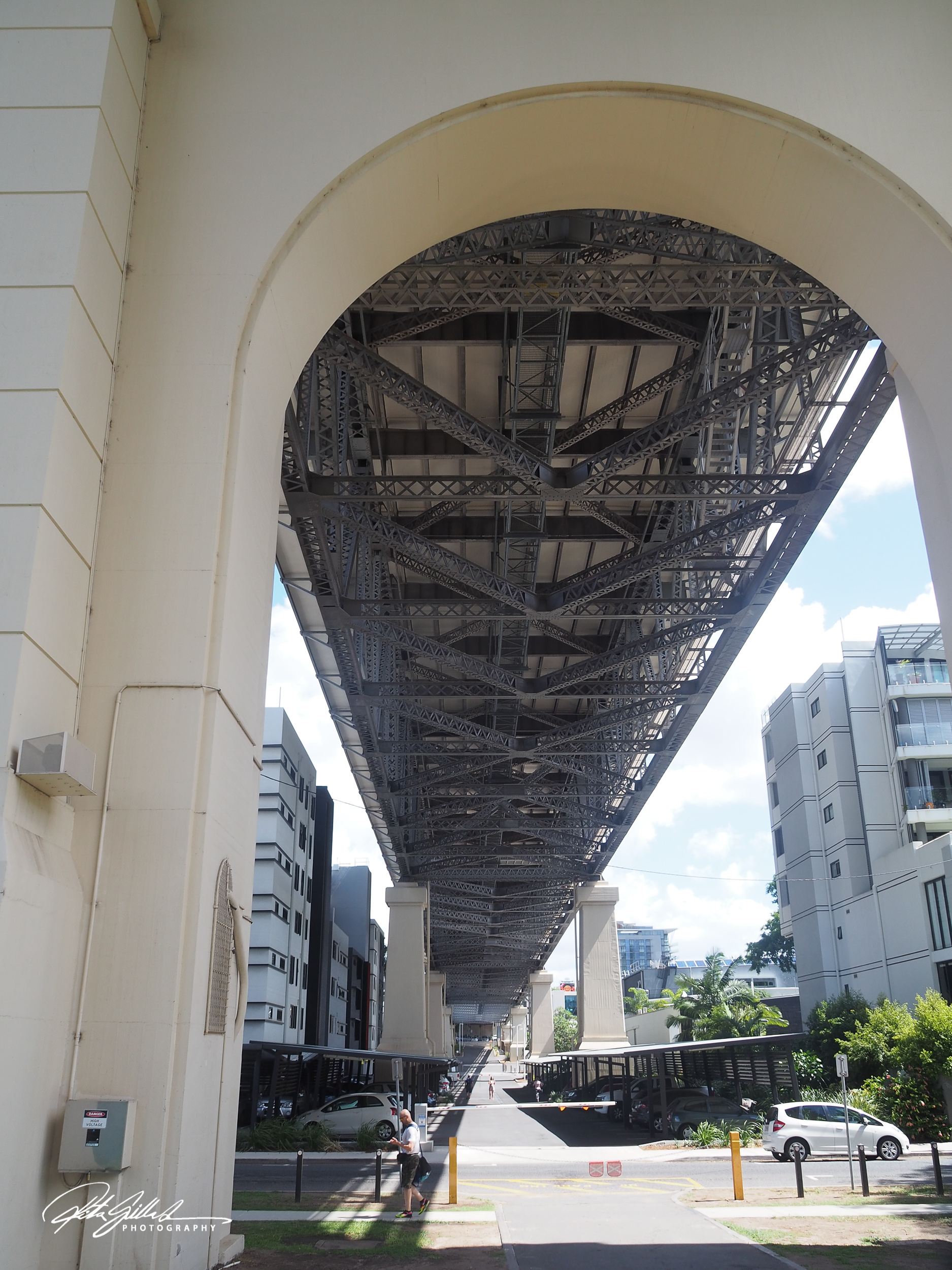
We were invited to join this week to explore diagonals as a way to add visual interest and depth to our photos, as well as a sense of action. What diagonals can you find was asked?
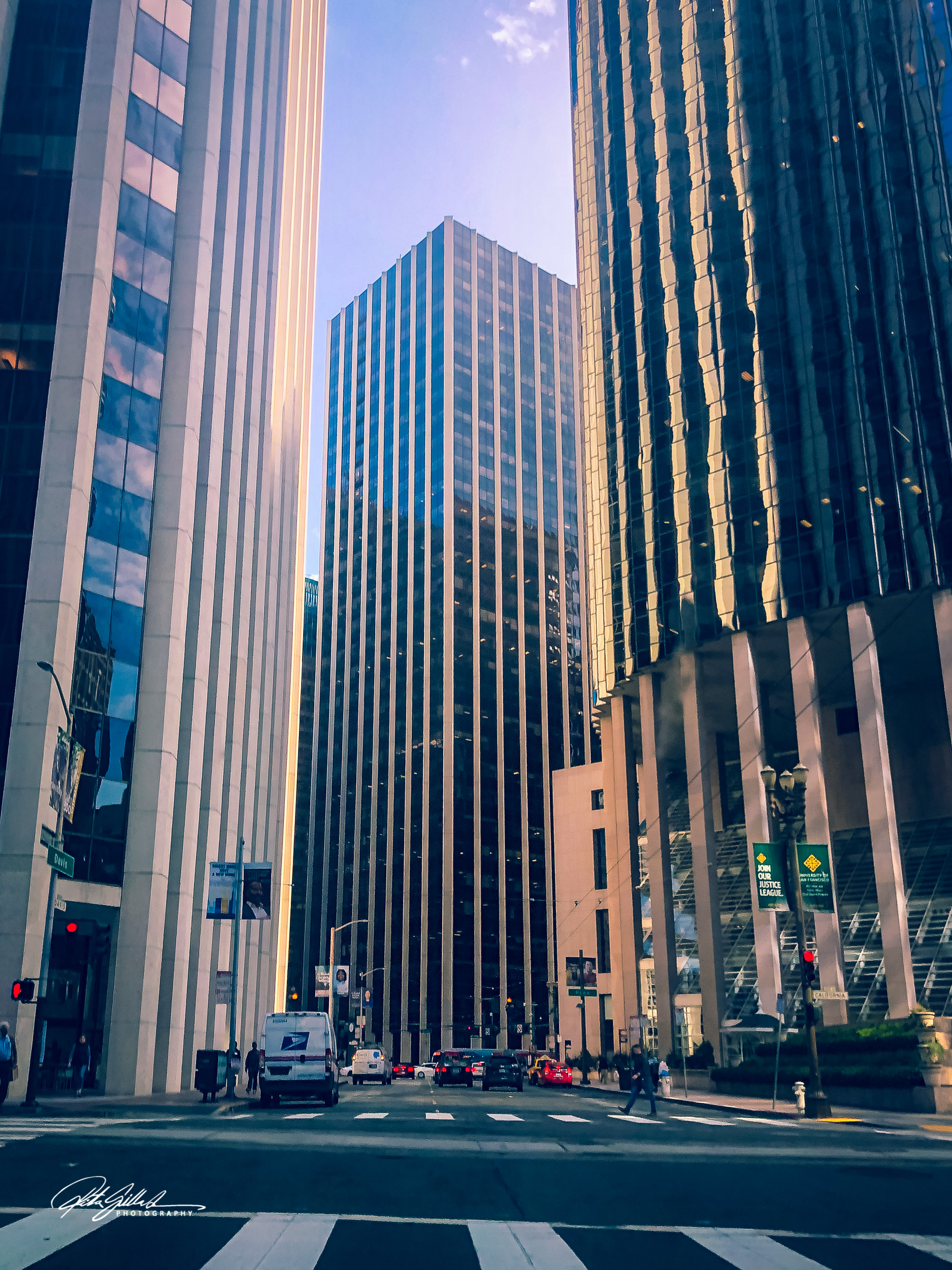
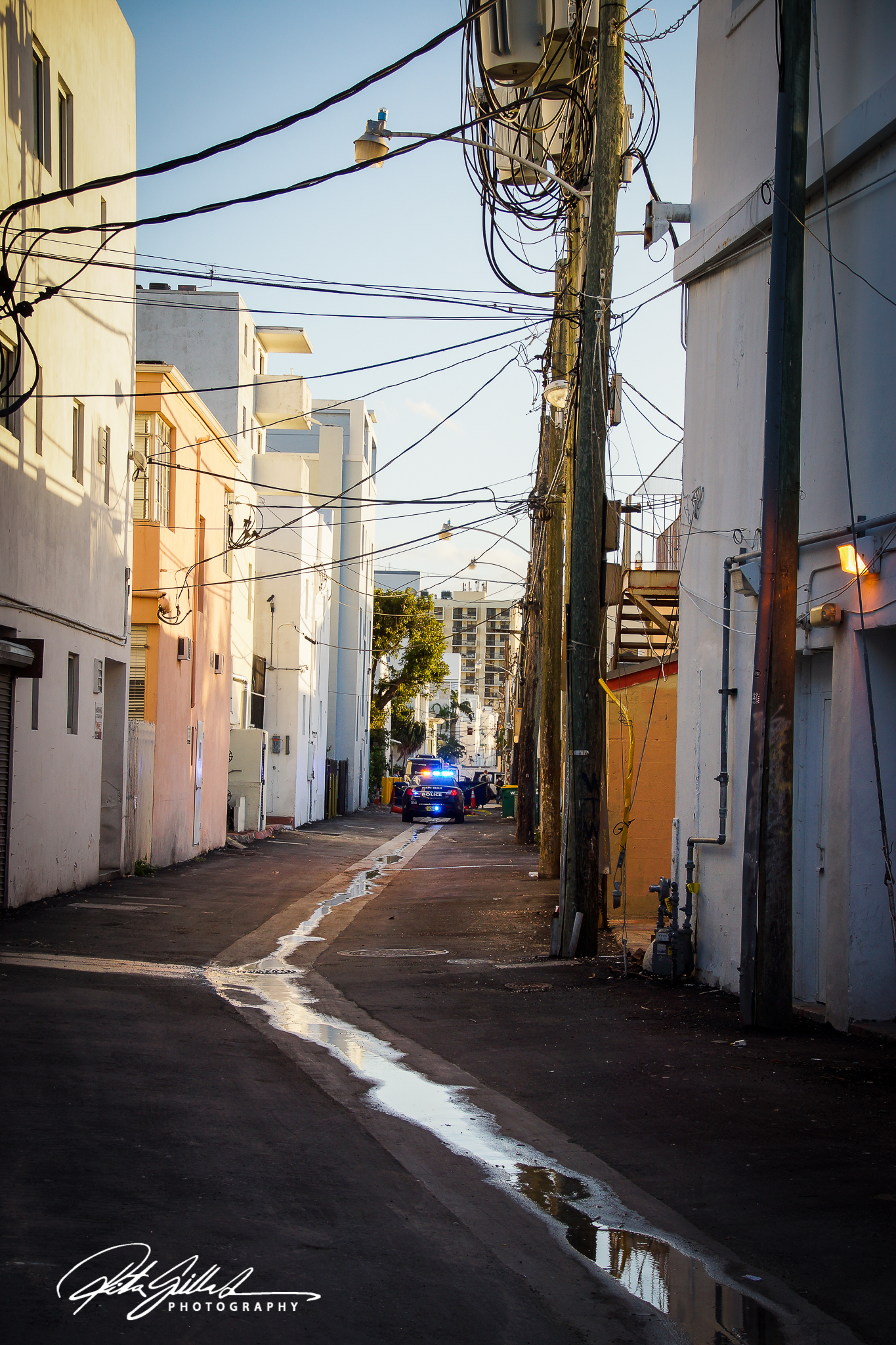
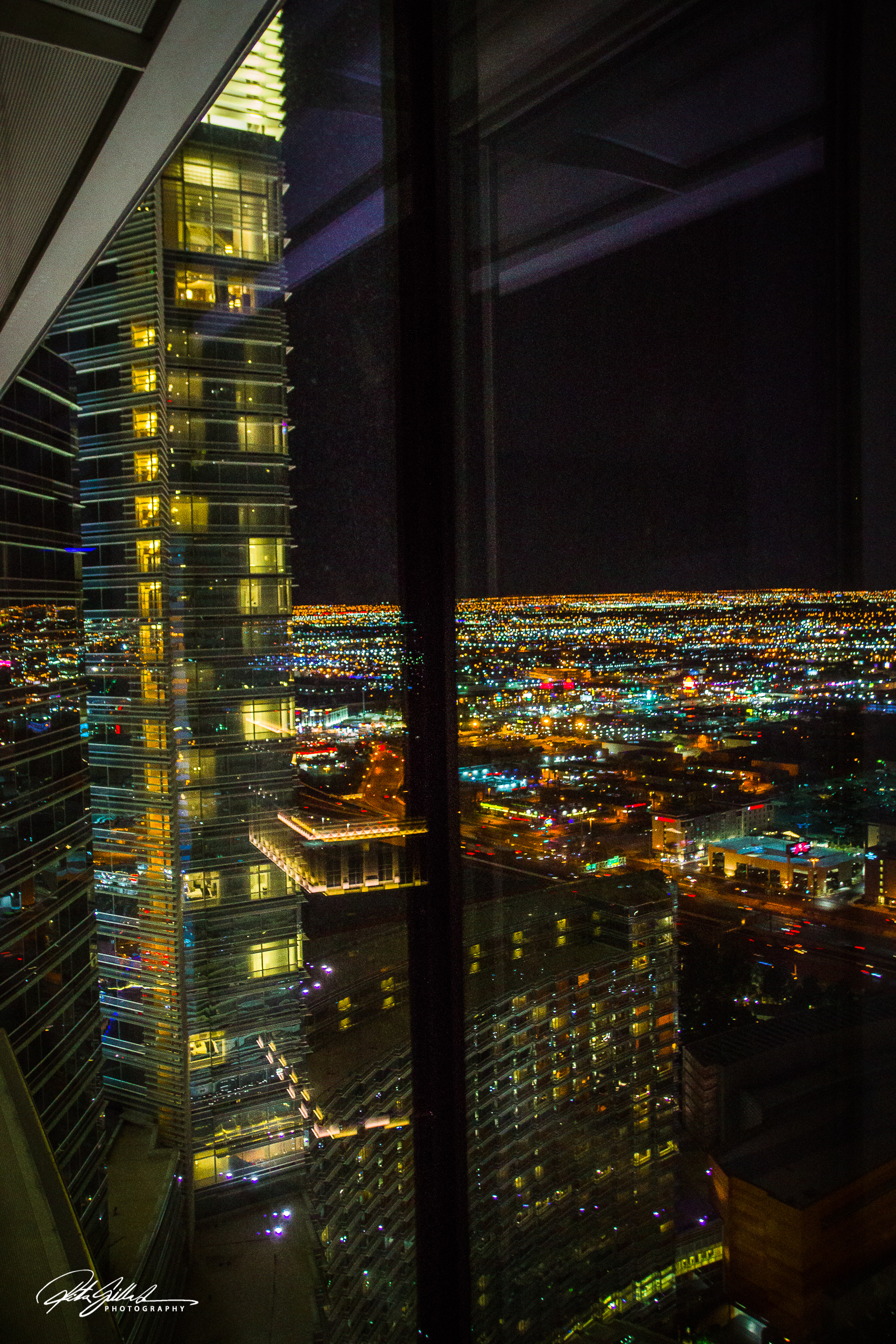
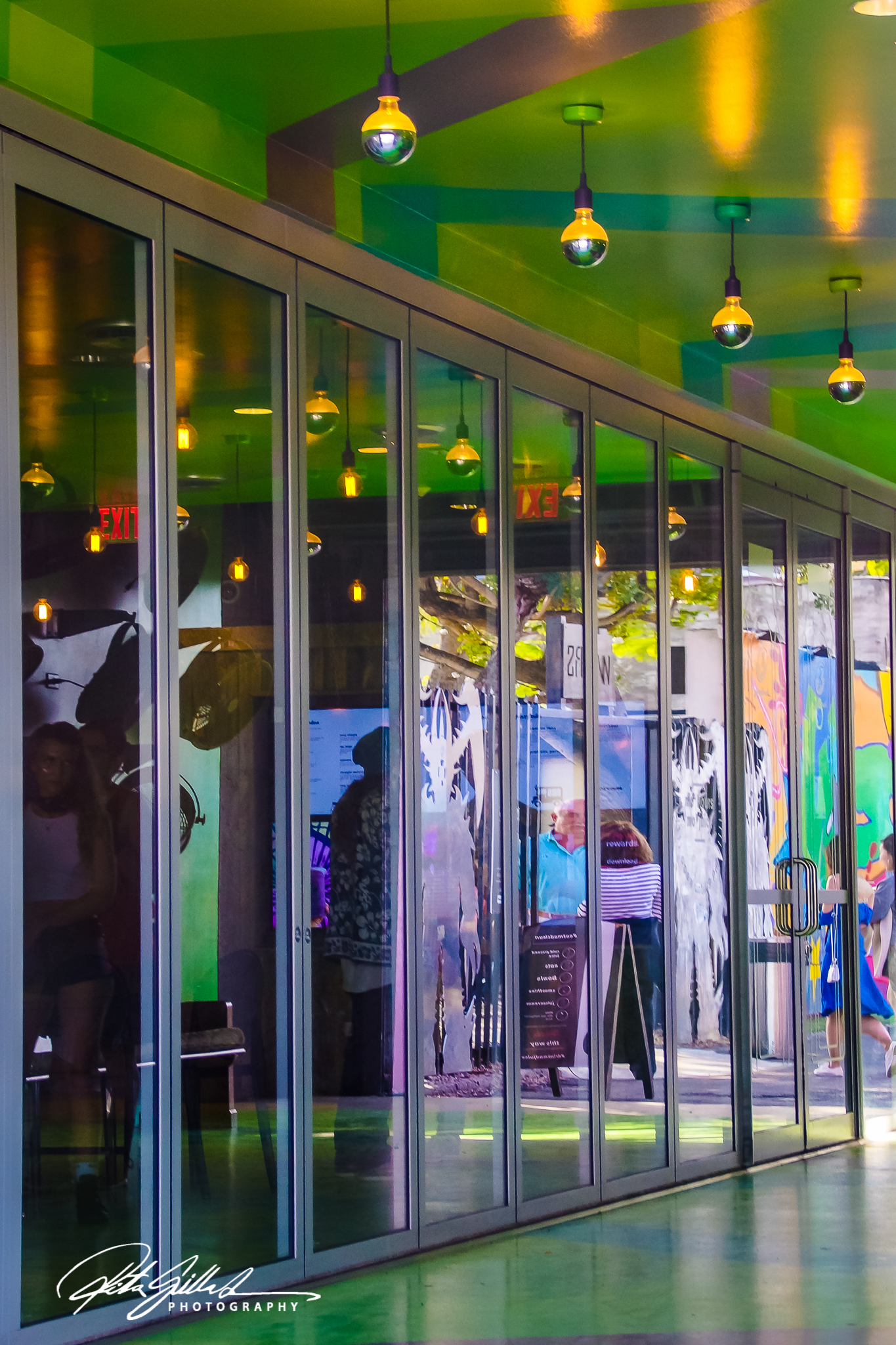
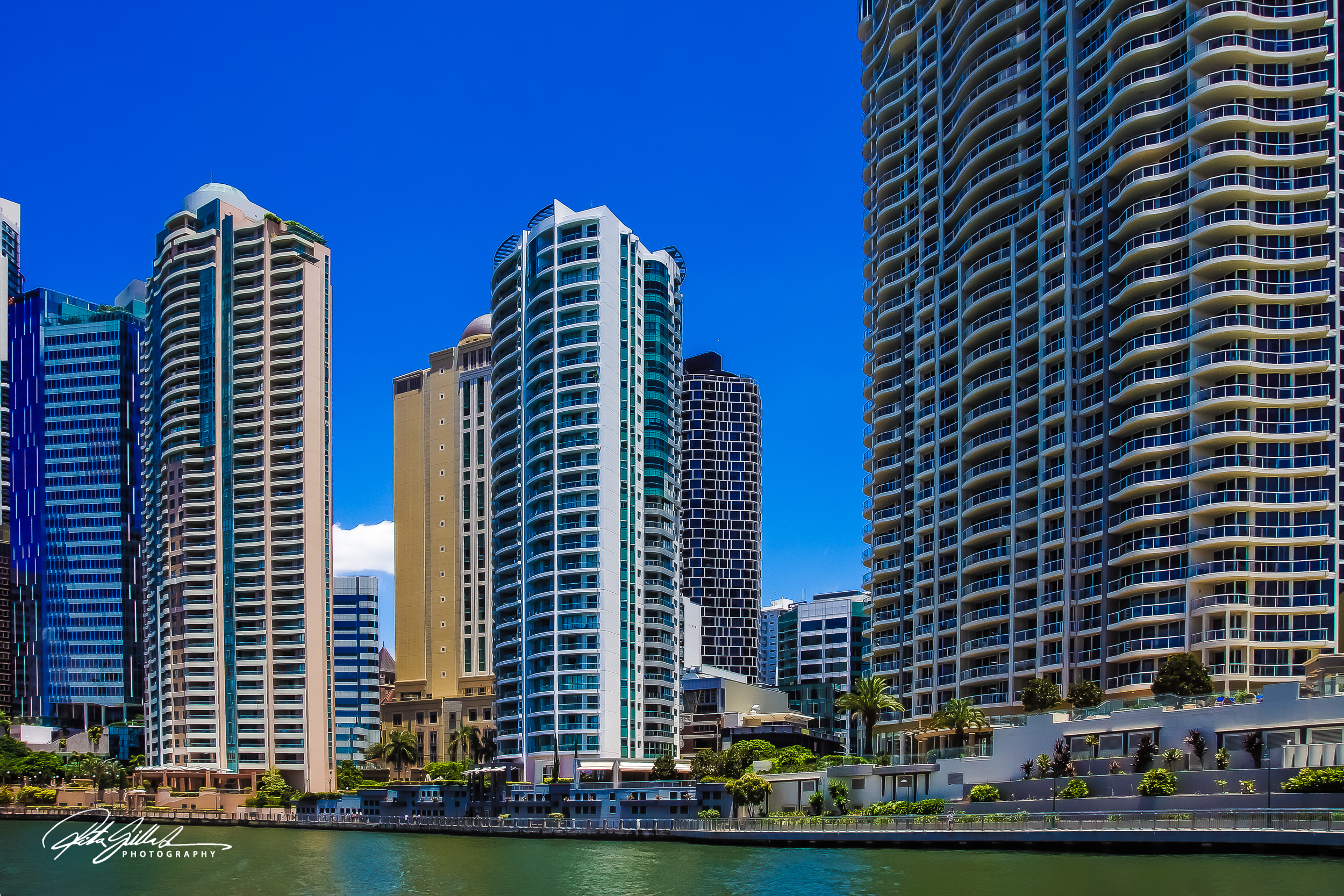
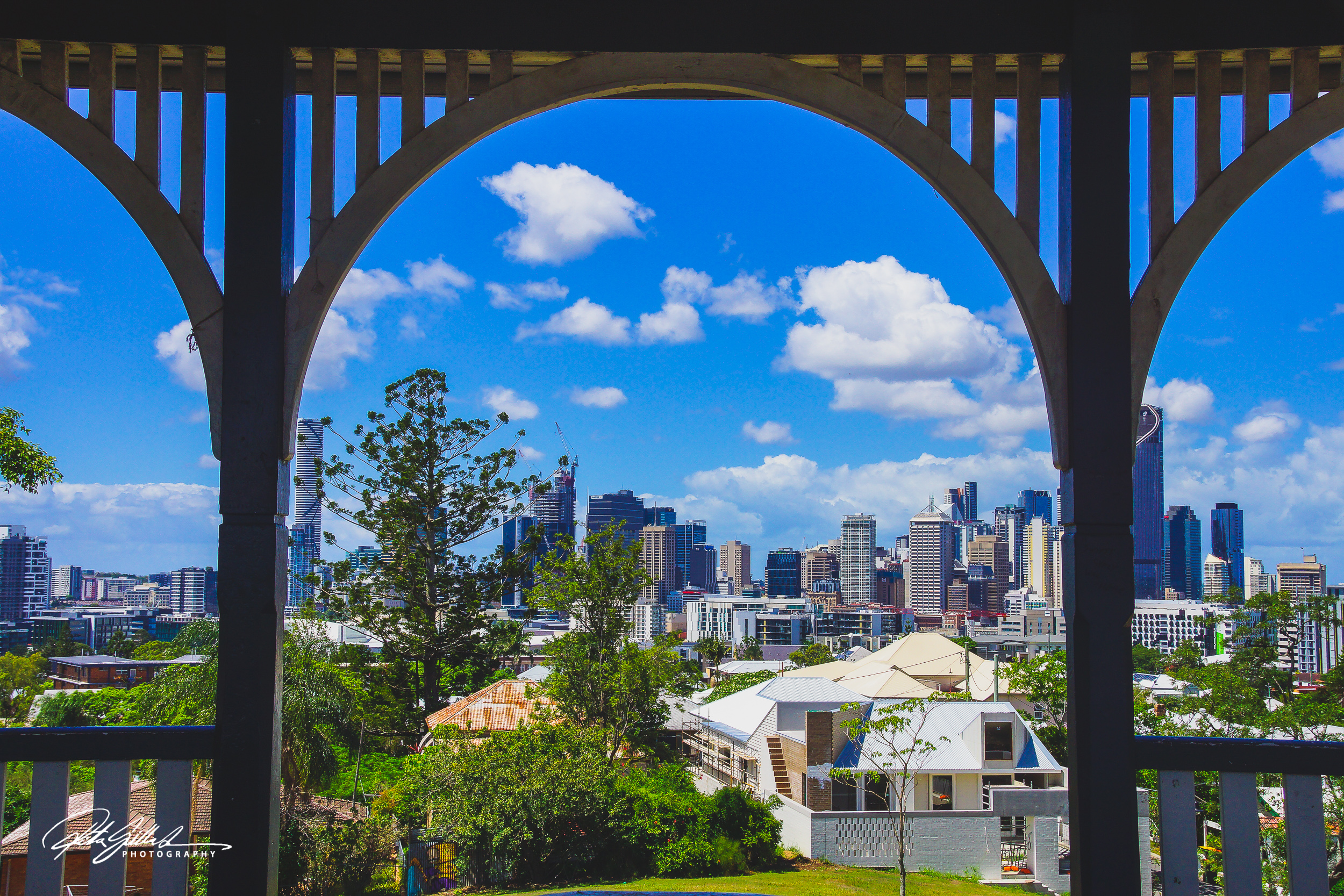
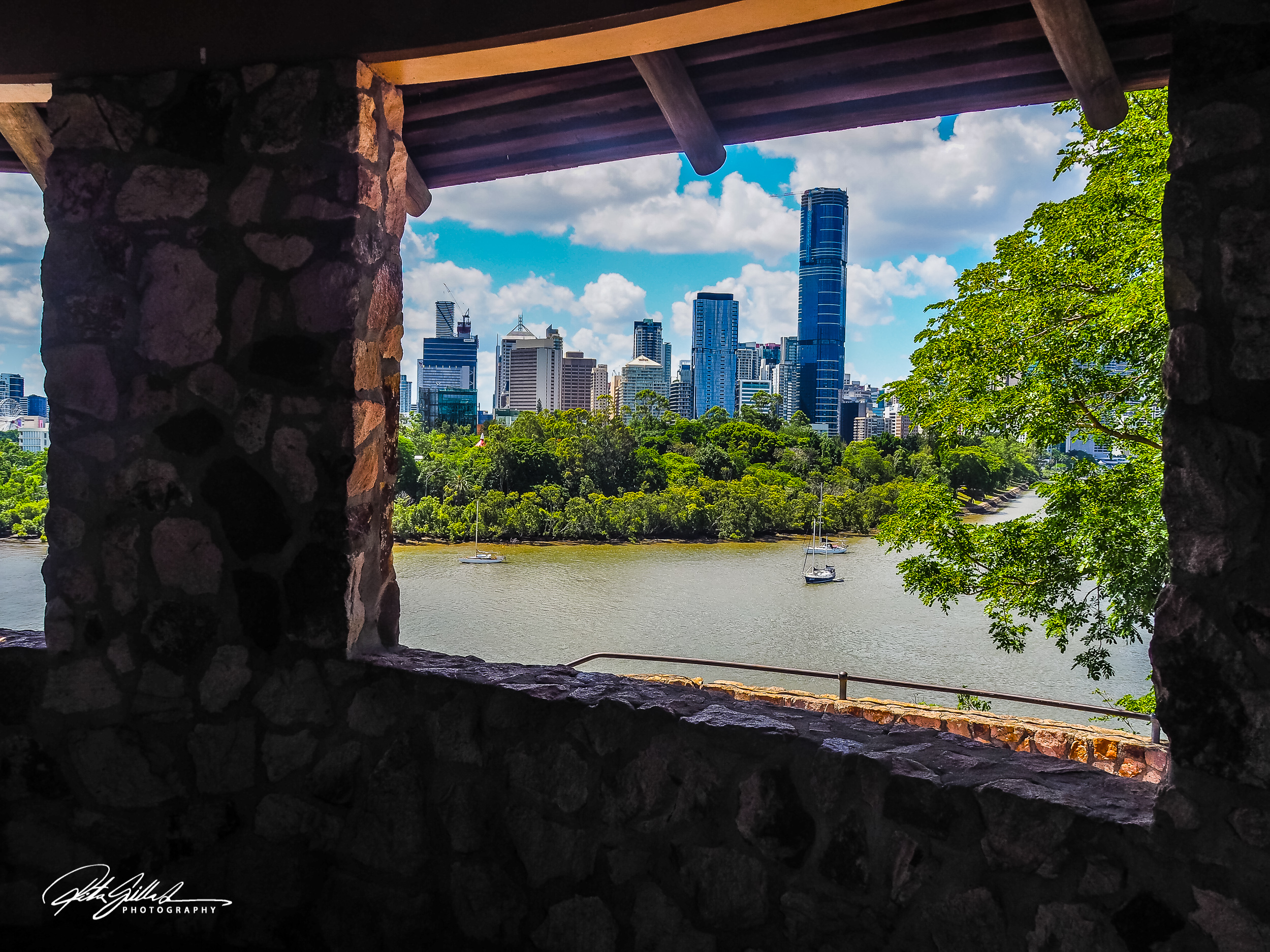
Lets have a look at what I can find in a form of leading lines, I try to use them often to lead your way to something. Cityscapes are easy place to find them. They can lead your eye, frame the scene.
Did I find them, I had to stop lookng for them as I once again have an overload of them. Sorry…and as this is mainly a photography blog I will not go into details of the locations, I would not remember even if I tried. Diagonals you will find 🙂 Sit down and enjoy the scene’s as the header suggests.
On the top collage – Photos from Florida, California and Nevada
The second set is from Brisbane – Australia and the last one has bridges from Vancouver BC, first image, Brisbane AUS and the last one is from Sydney AUS
This time around, we want you to look closer at a Single Focal Point. This is not a technical challenge, it’s more compositional in nature – guide your viewer’s eye to a distinct part of your image. There are a number of ways that this can be done – depth of field can make it so a subject is in focus while almost everything else is blurred; or you could use negative space and a minimalist composition to draw in the viewer to one part of the image. Sometimes you can also use light as a frame to guide the viewer’s perspective to your subject – think spotlight and light shaping.
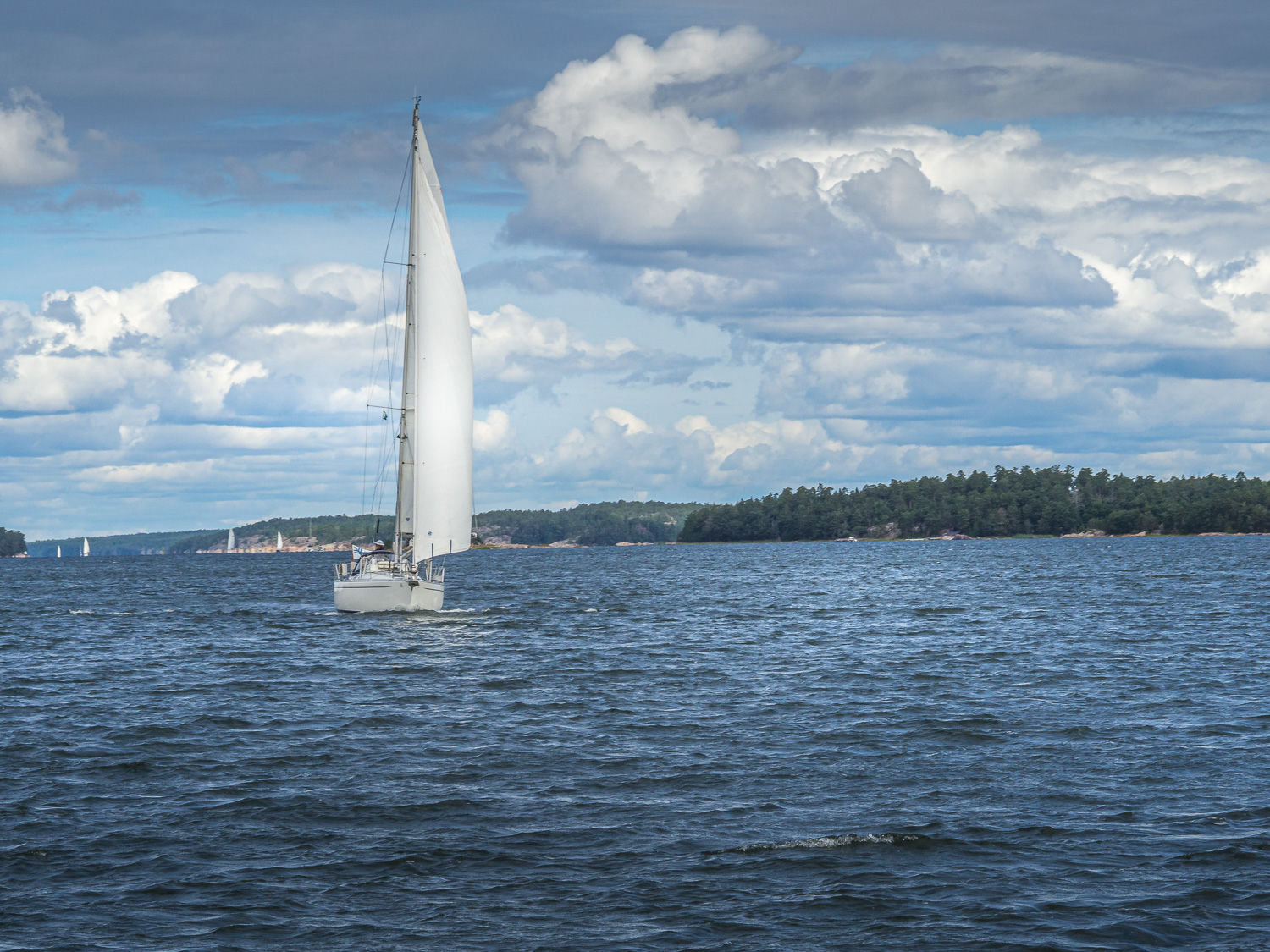
These photos I took from a car ferry while on my way to visit a small island of Högsåra were one of my ideas to this topic. Strong Focal Point: This is pretty much the crux of the challenge – but it matters the most: choose a strong focal point that’s easily identifiable as the main point of interest of your shot.
It’s all about tuning out the distractions and taking your viewer to the exact spot in your image you want their eyes to well… focus on. You might also want to consider getting some help from your editing software with vignettes, color pops and contrast to make your desired subject stand out. Even better, use a combination of these techniques and other skills to get this challenge sorted.
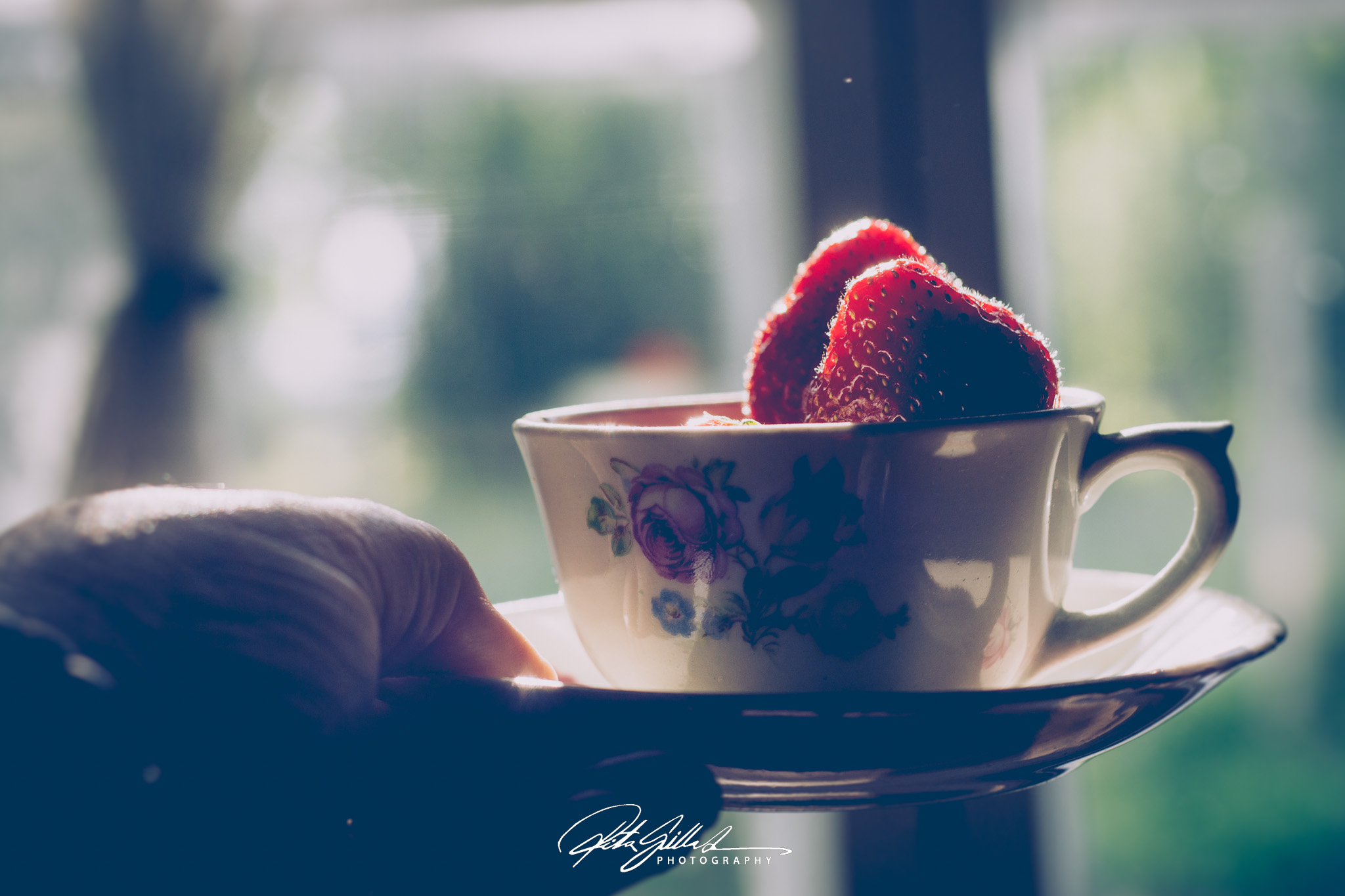
Depth Of Field: Use a shallow depth of field to isolate your subject. You might also want to consider getting some help from your editing software with vignettes, color pops and contrast to make your desired subject stand out. Even better, use a combination of these techniques and other skills to get this challenge sorted. That’s what I tried here with my strawberry shots.
Leading Lines: Think of using leading lines to guide the viewer to your intended point of interest.
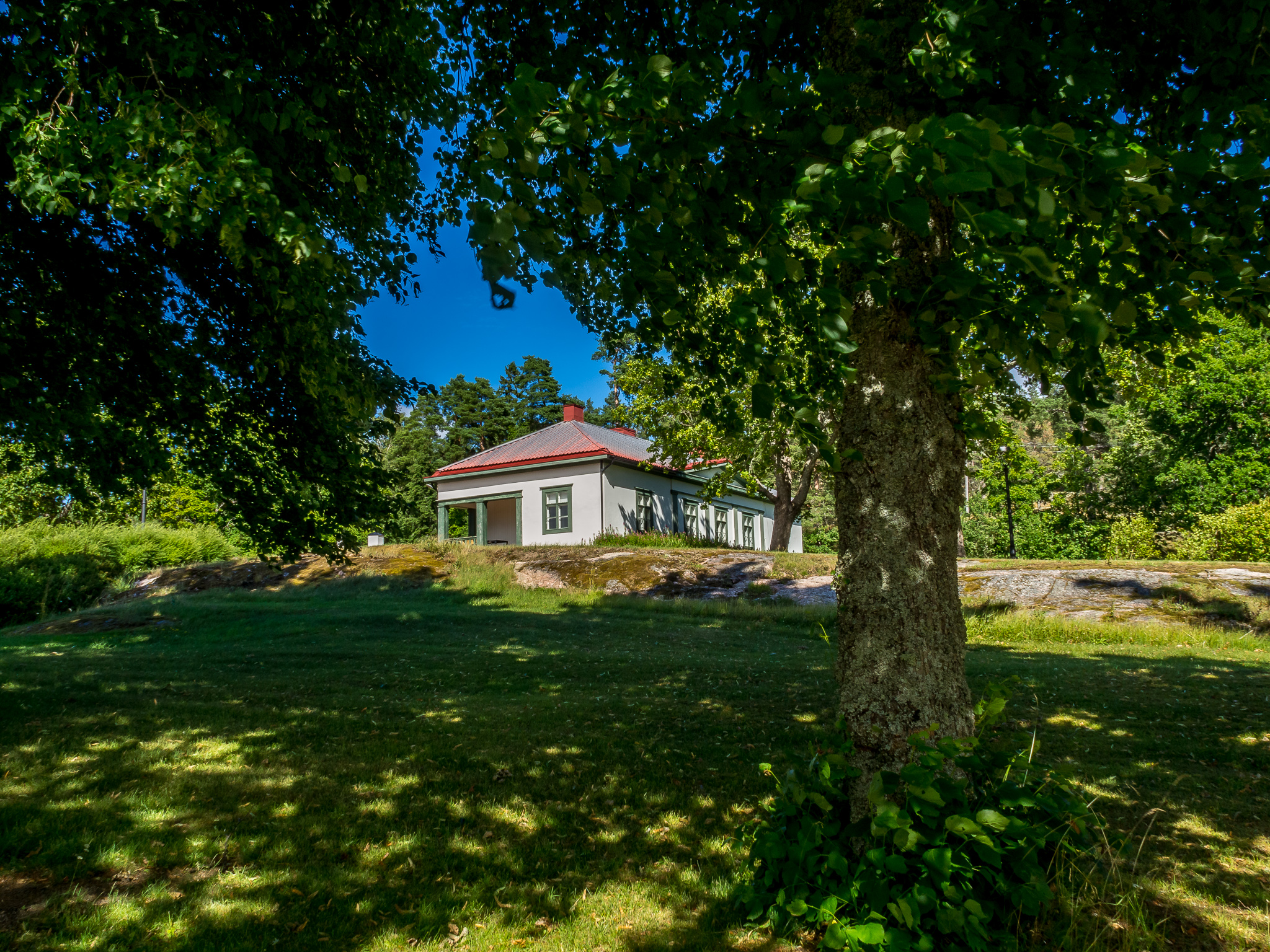
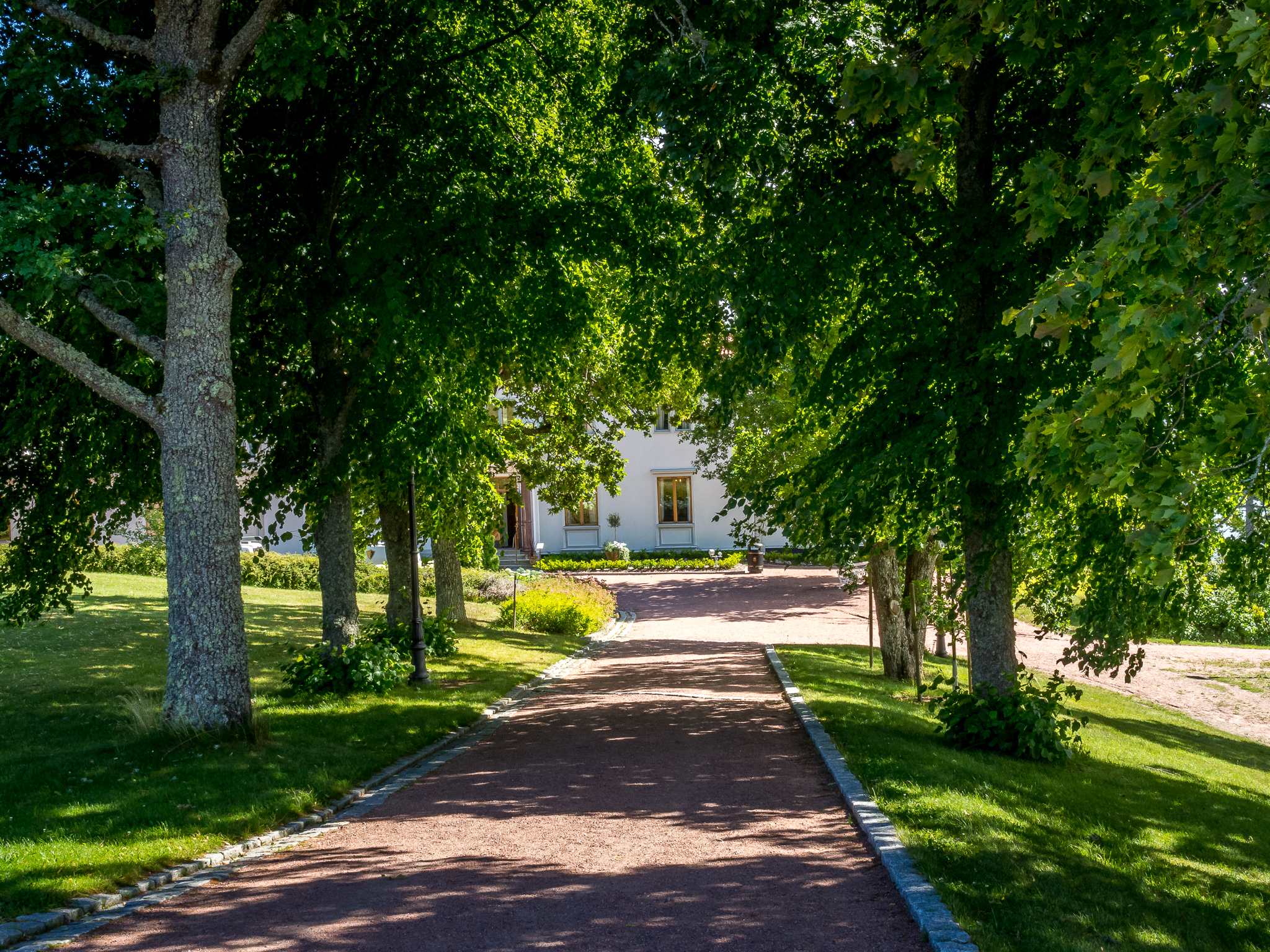
Leading Lines to guide the viewer to your intended point of interest in mind I took these images of old buildings and this lush road. Consider using some sort of frames to bring in the watcher’s attention – a window, slats of a fence or some tree branches; shooting through something can also work to steer attention to your focal point.
Color Contrast: Contrasting colors help the eye to easily differentiate the subject from the background
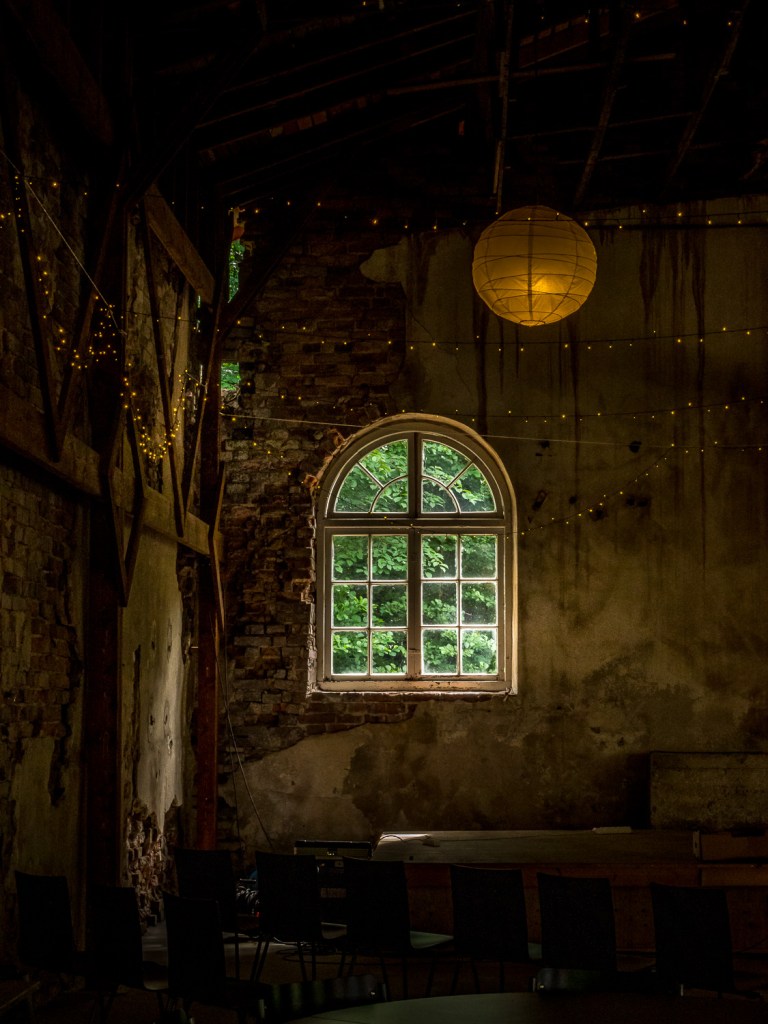
I had this n mind when I took this image from an old mill window in Mathildedal, contrasting colors help the eye to easily differentiate the subject from the background.