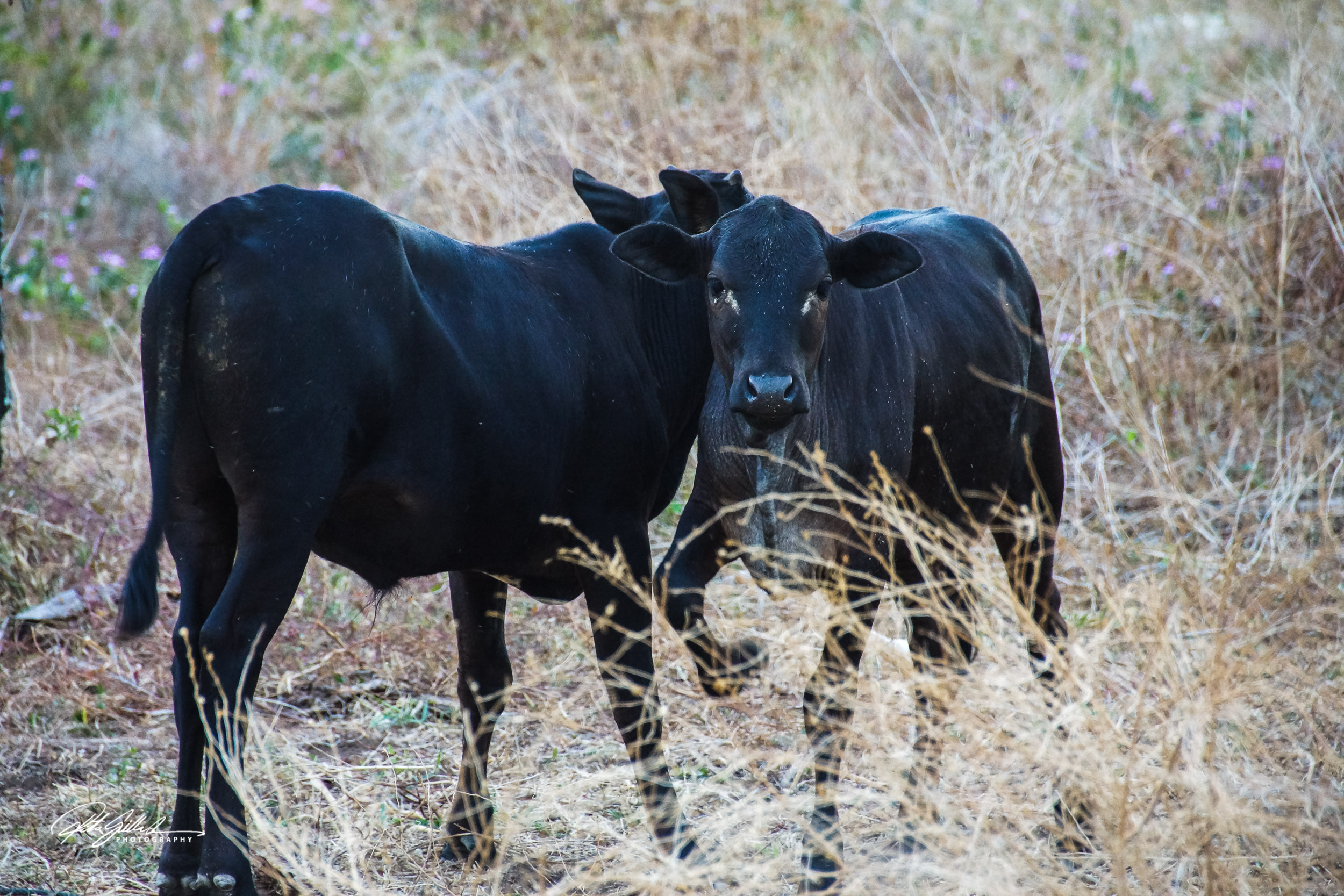
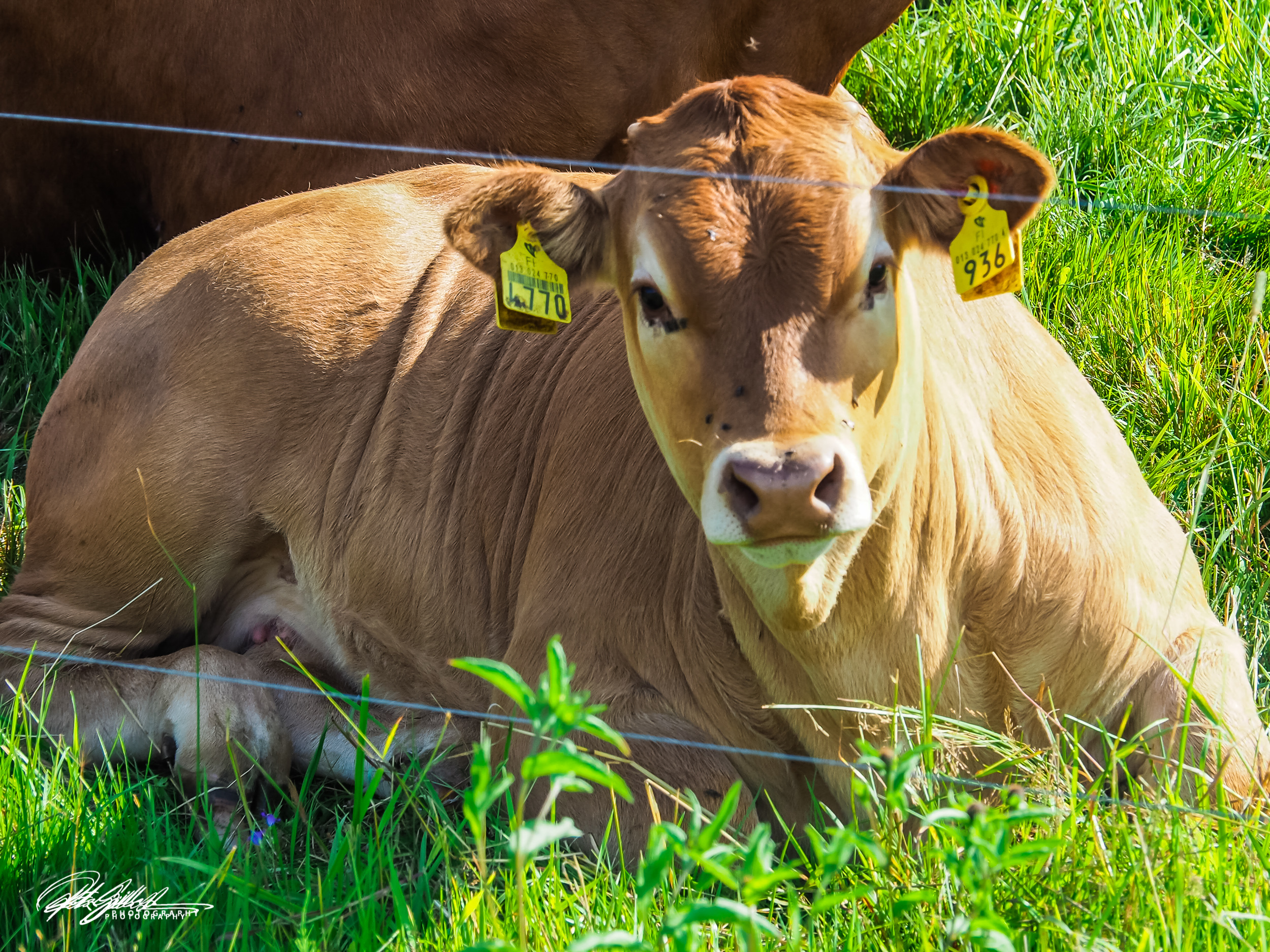
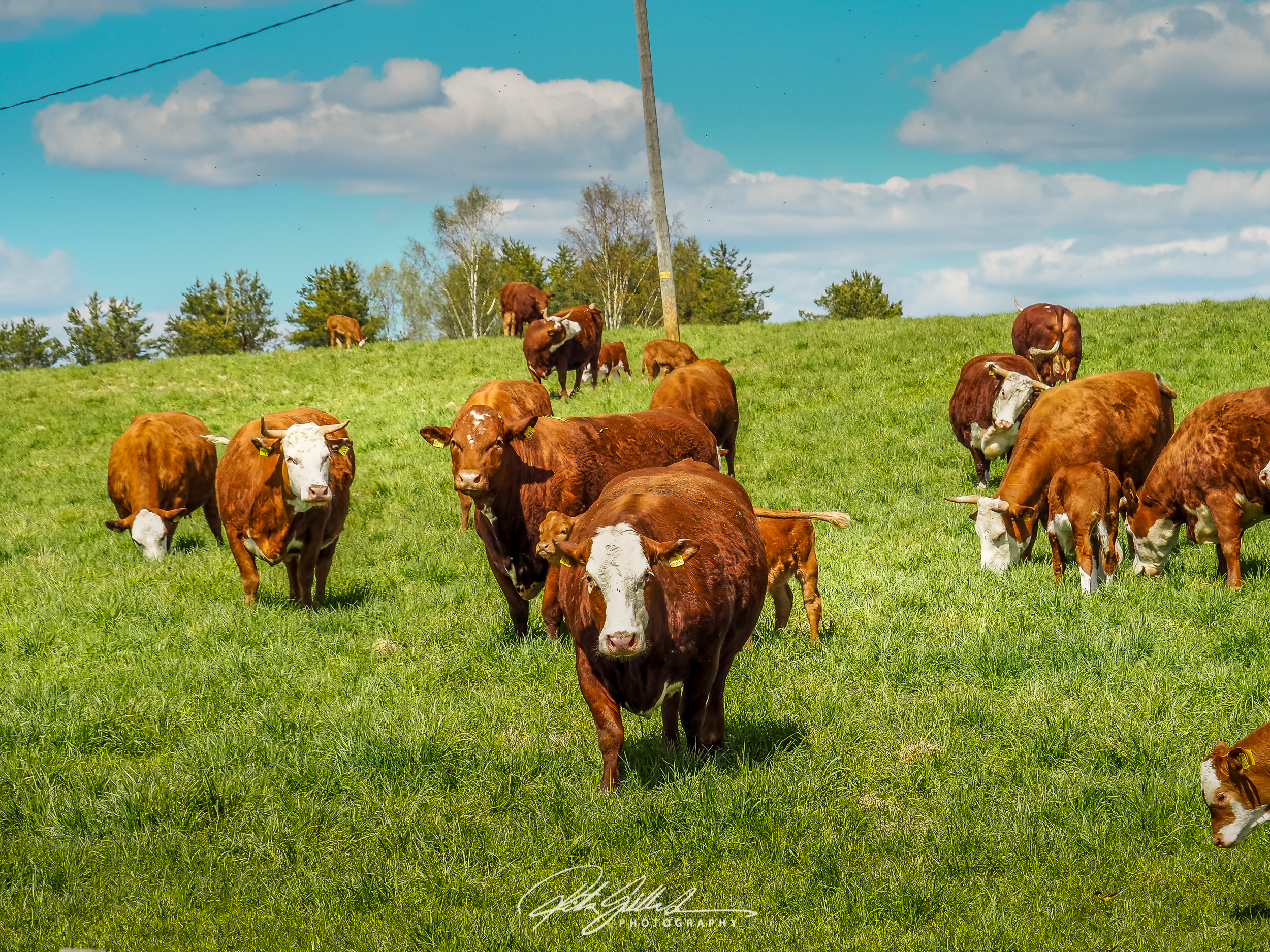
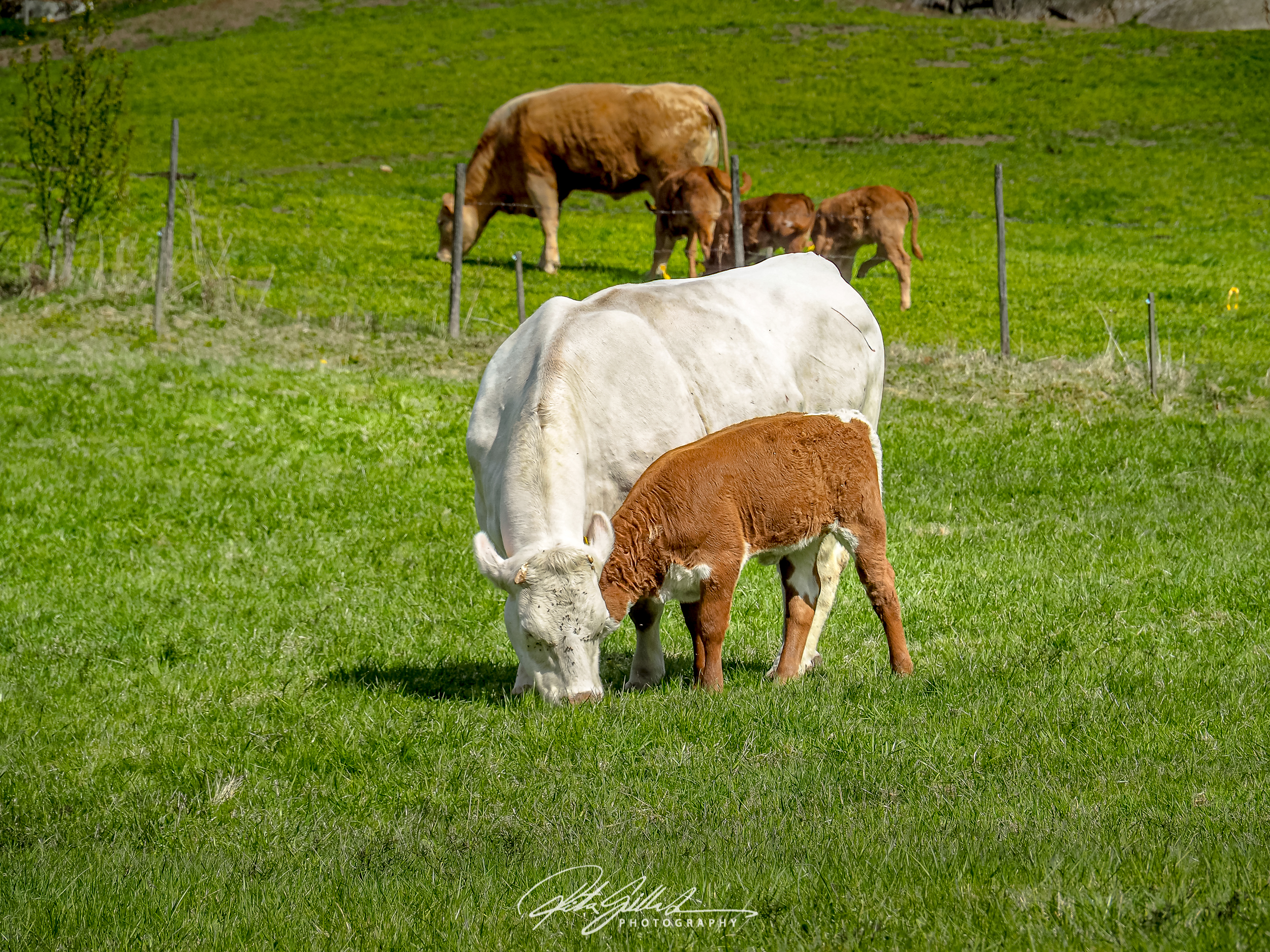
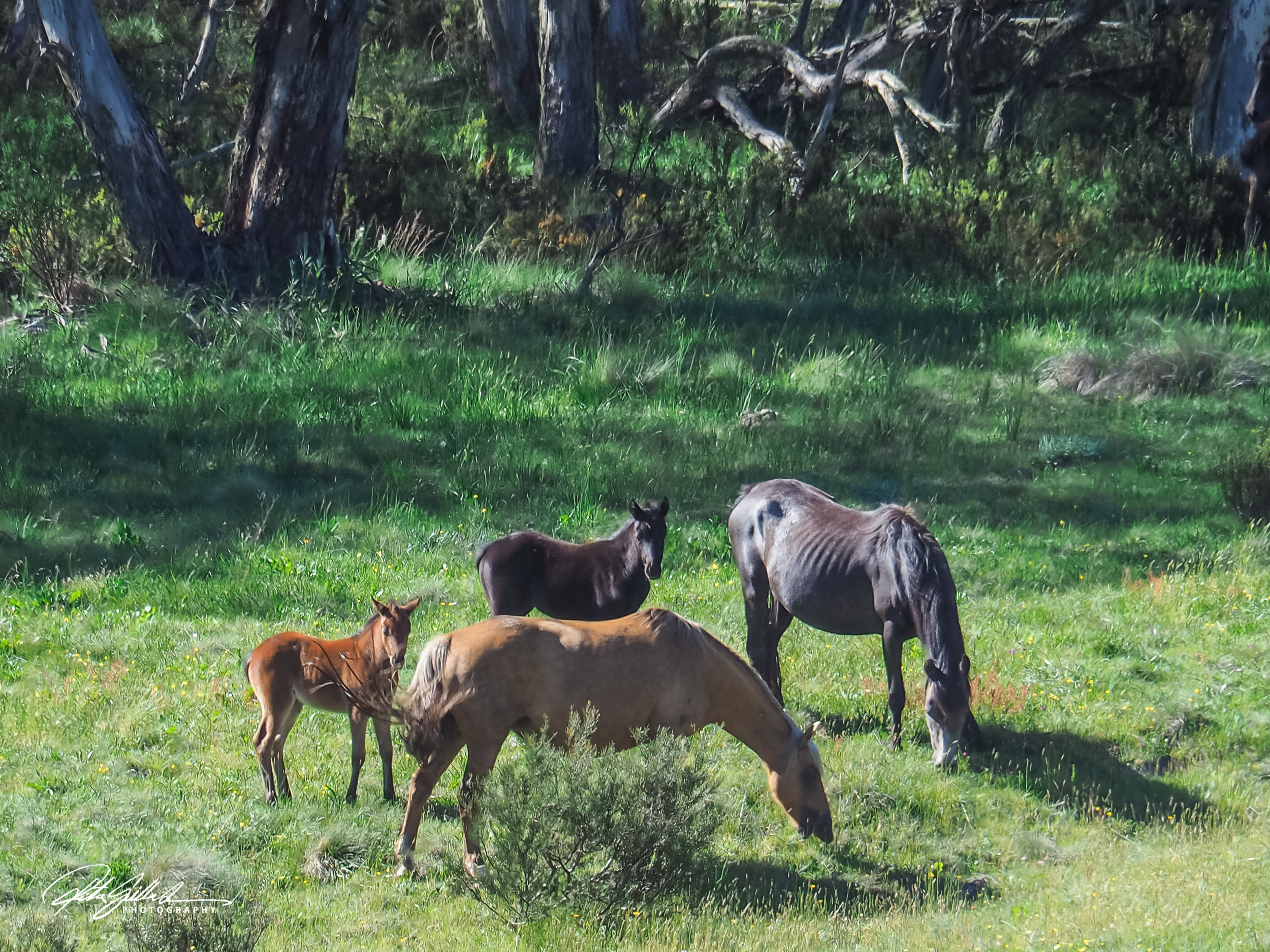
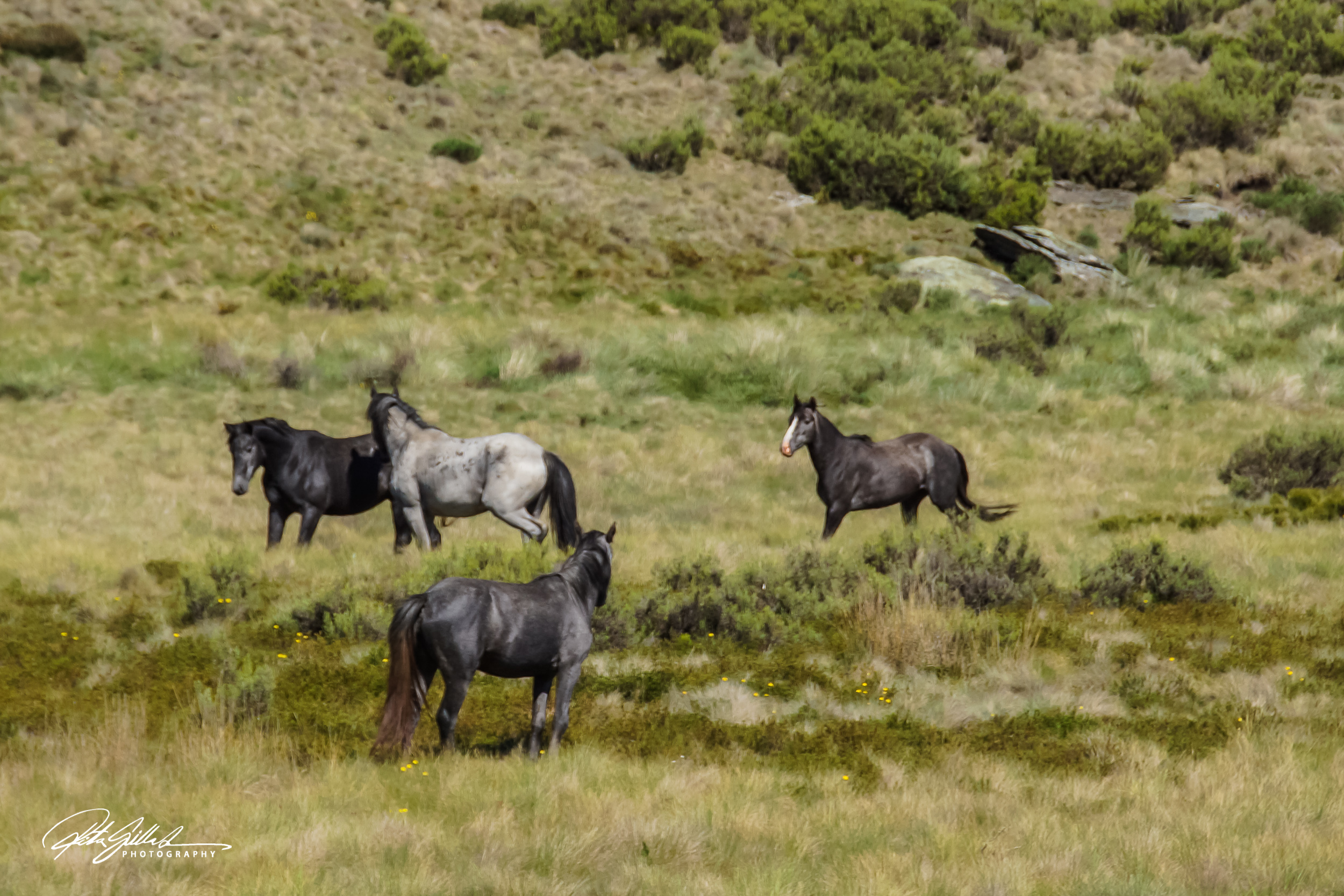
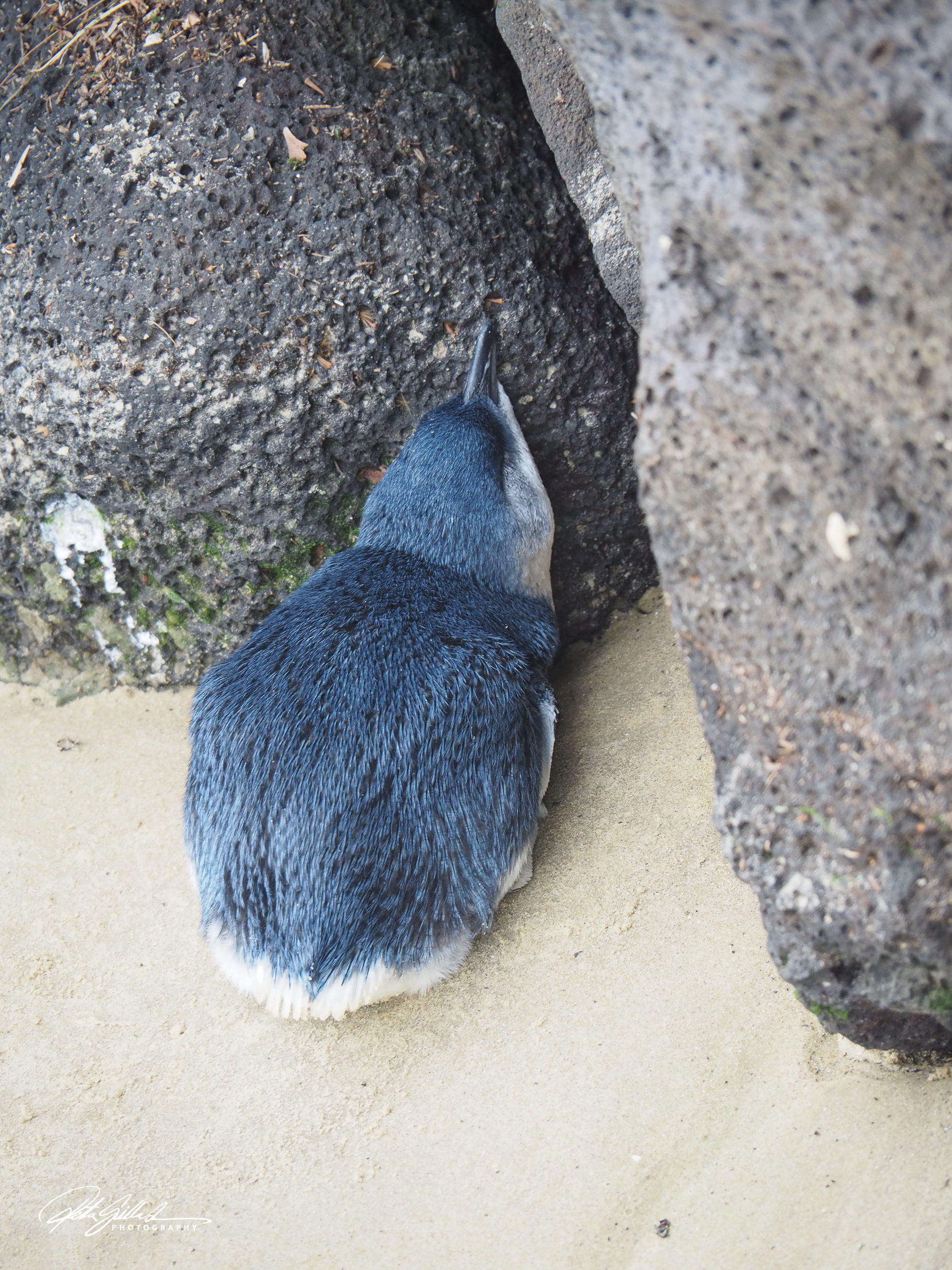
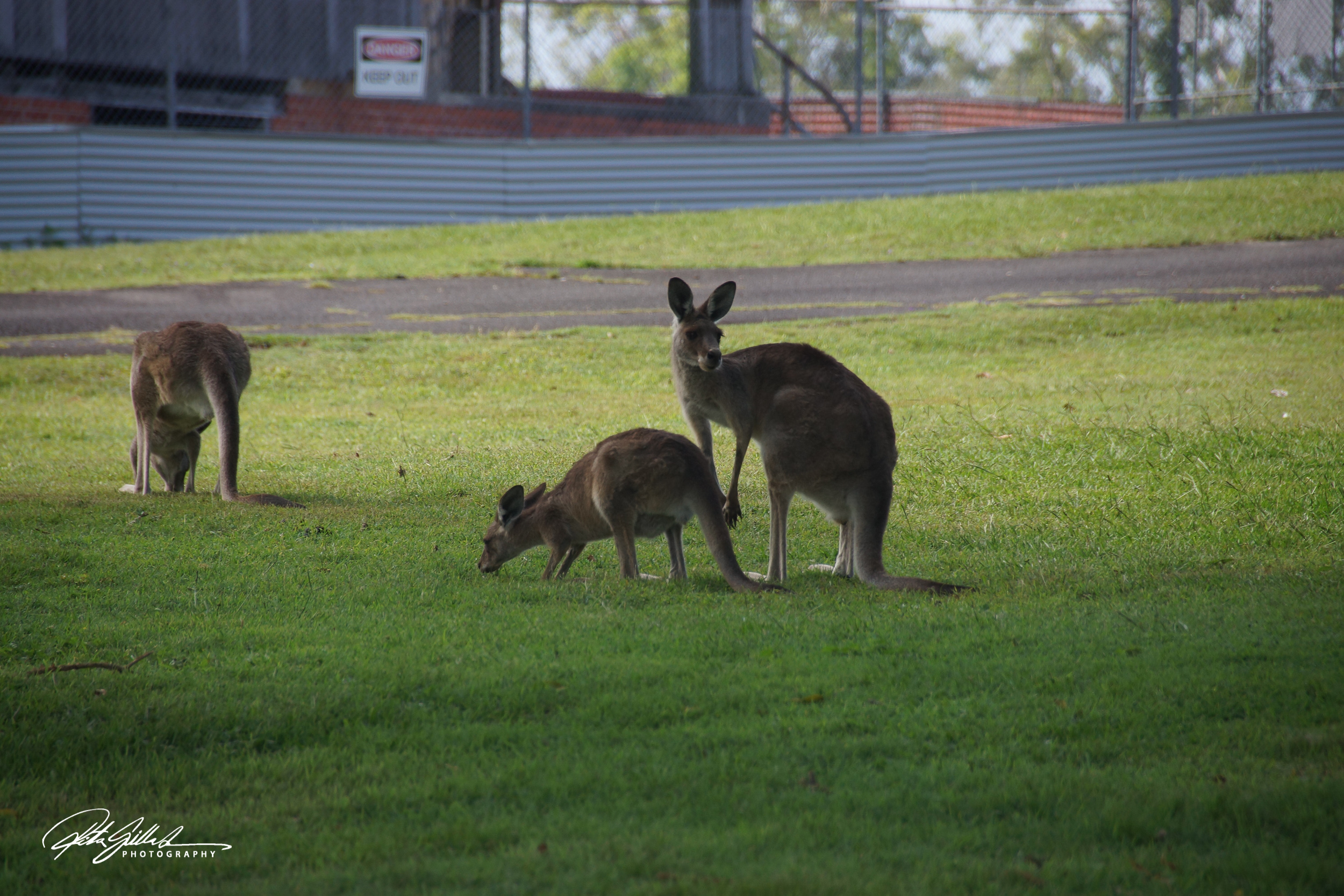
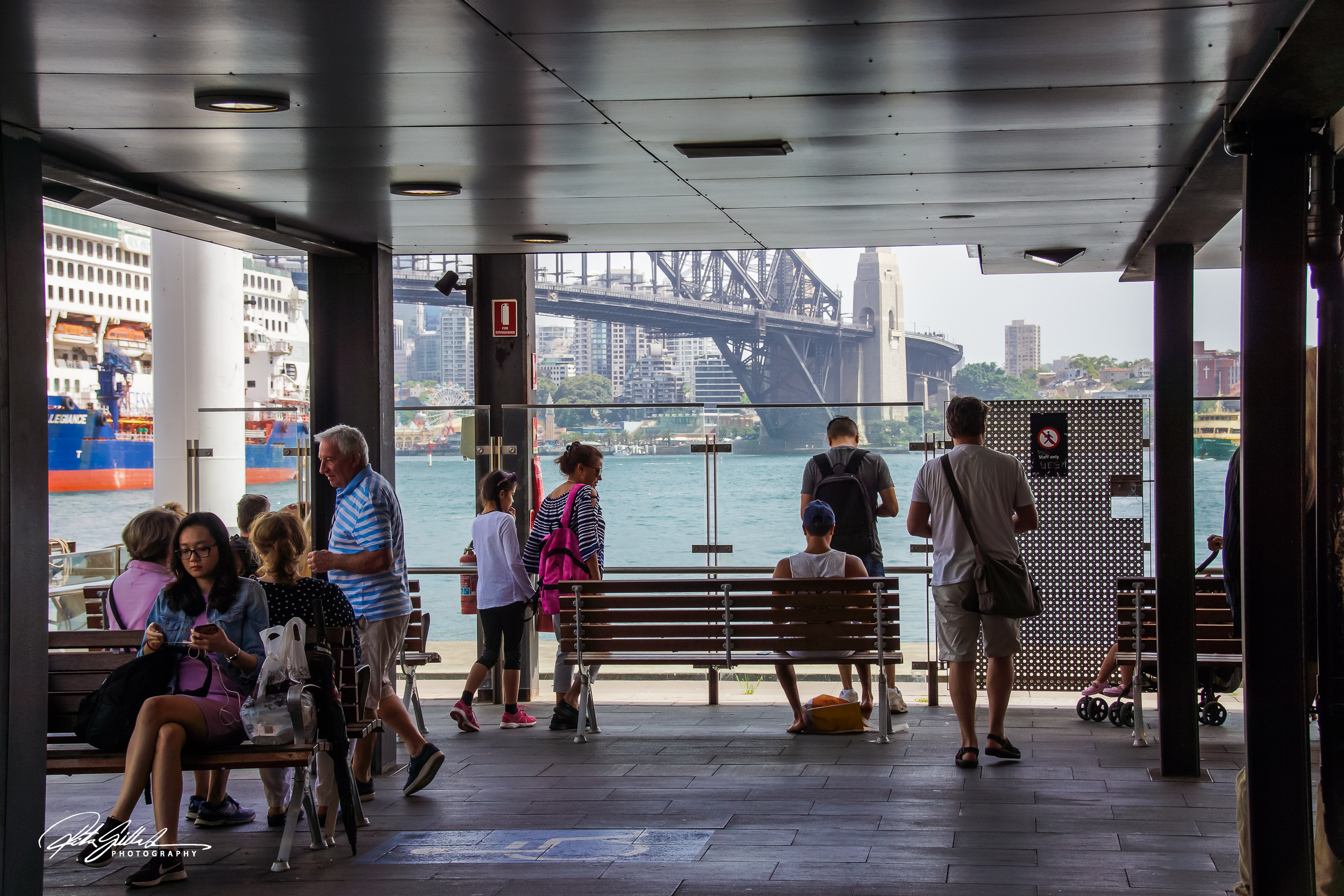
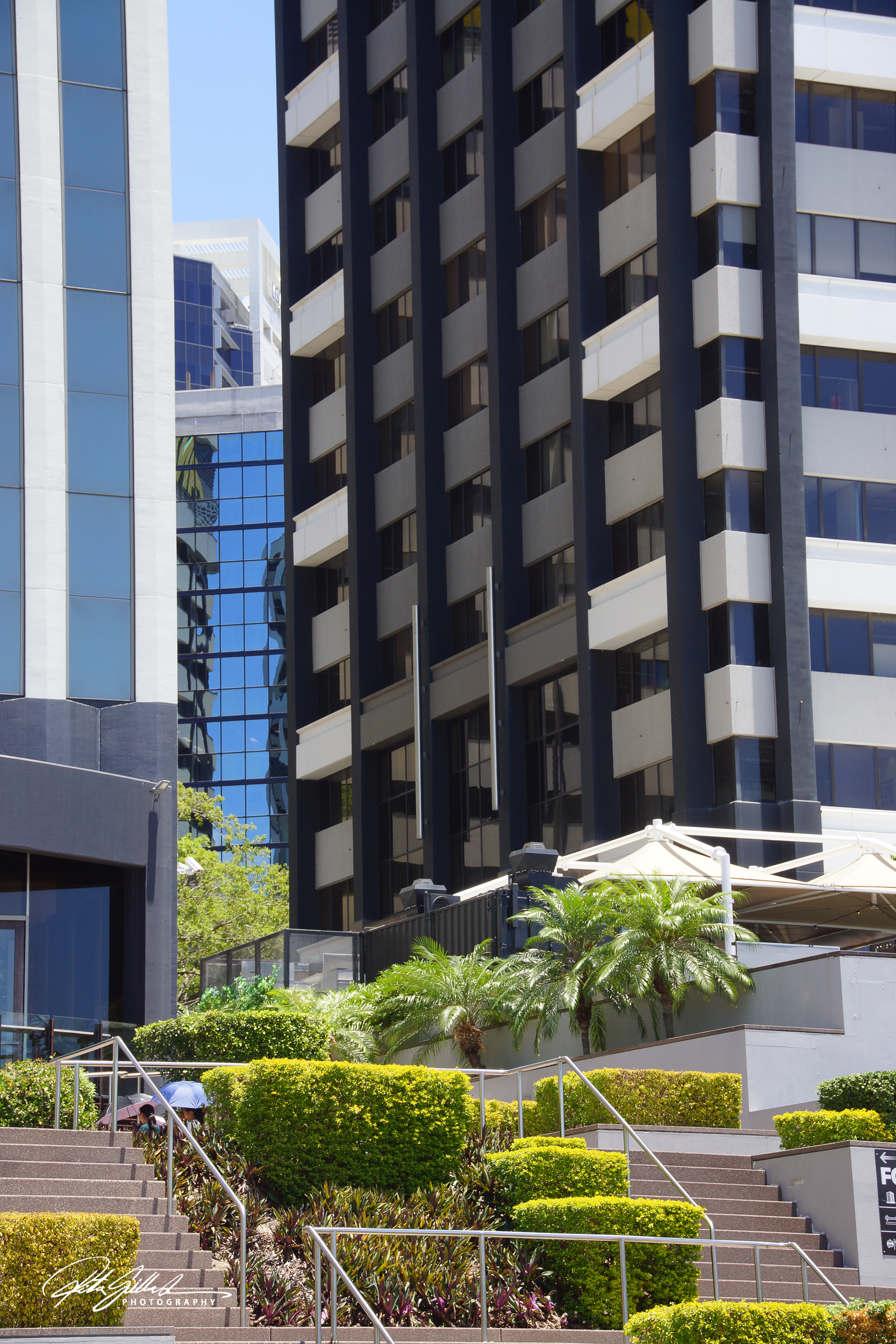
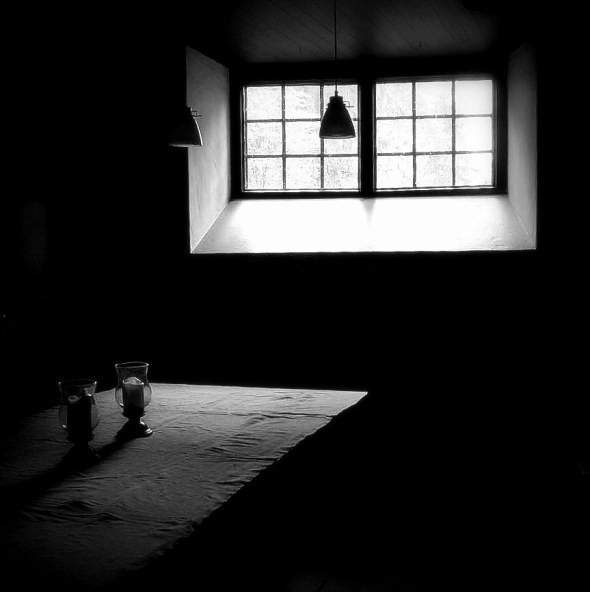
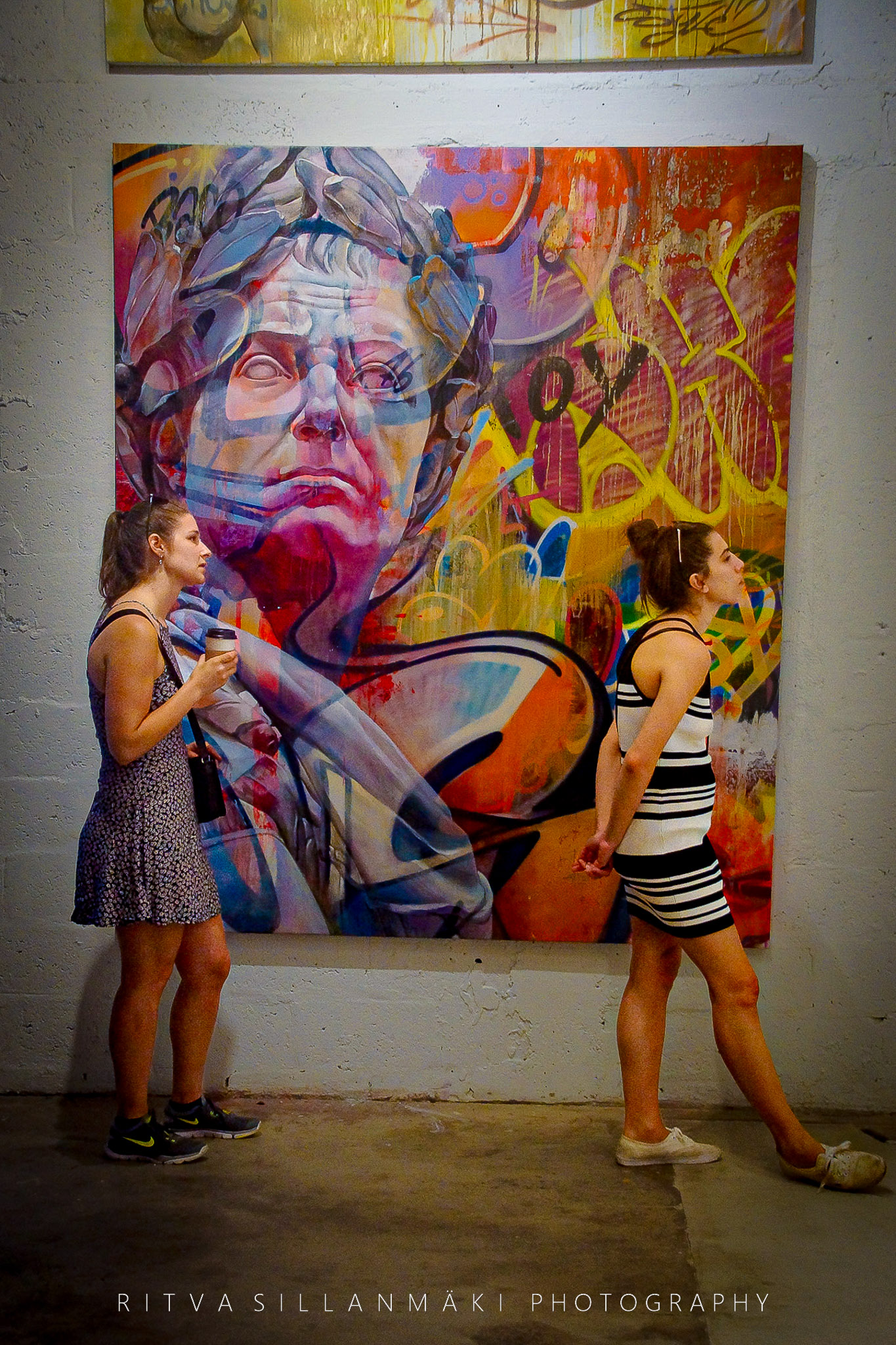
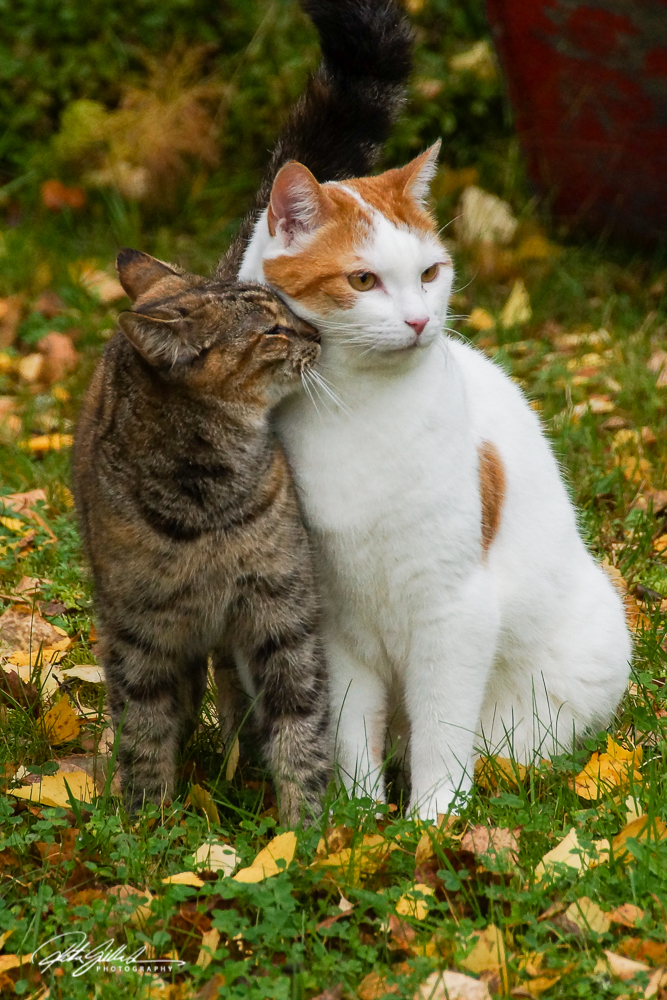
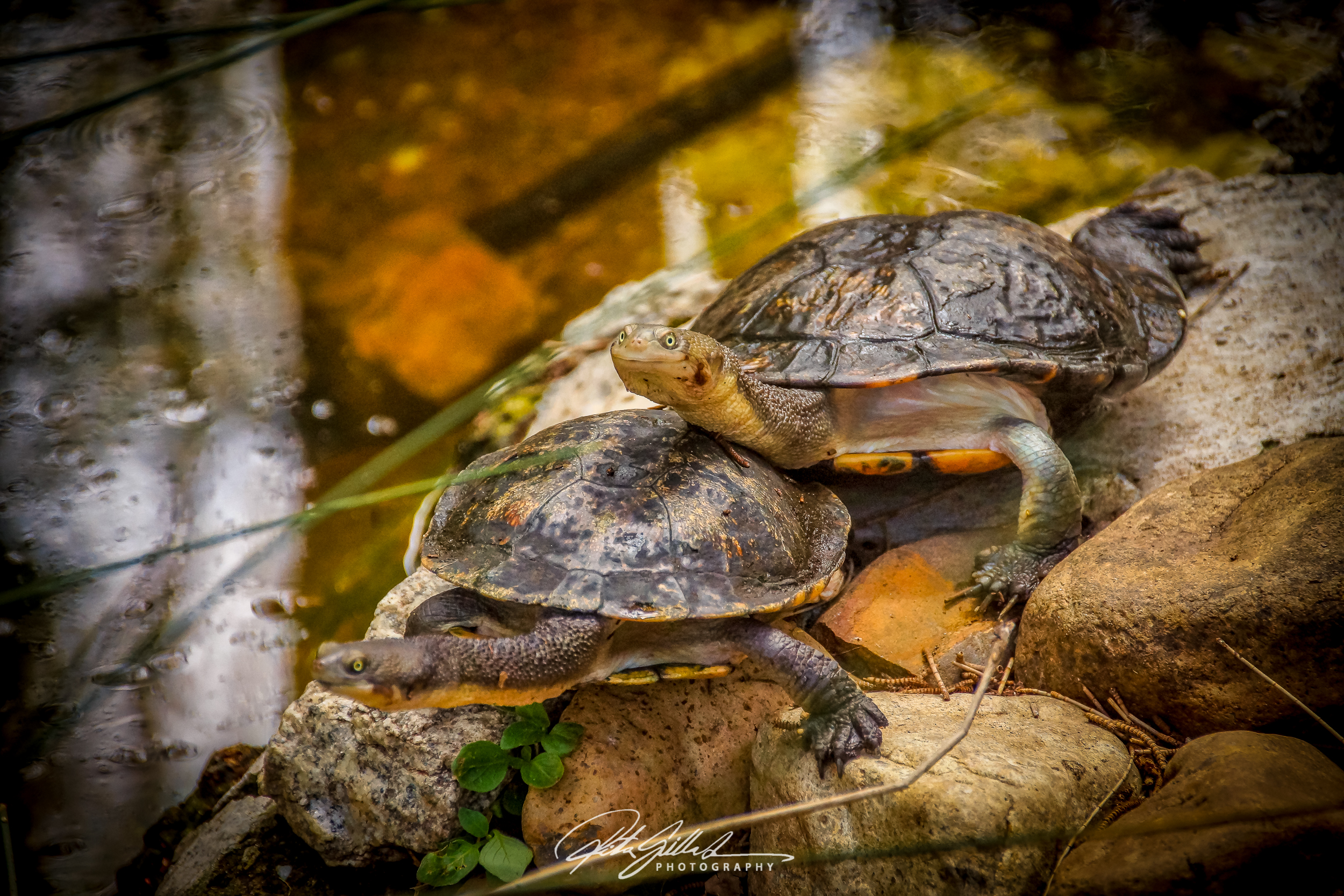
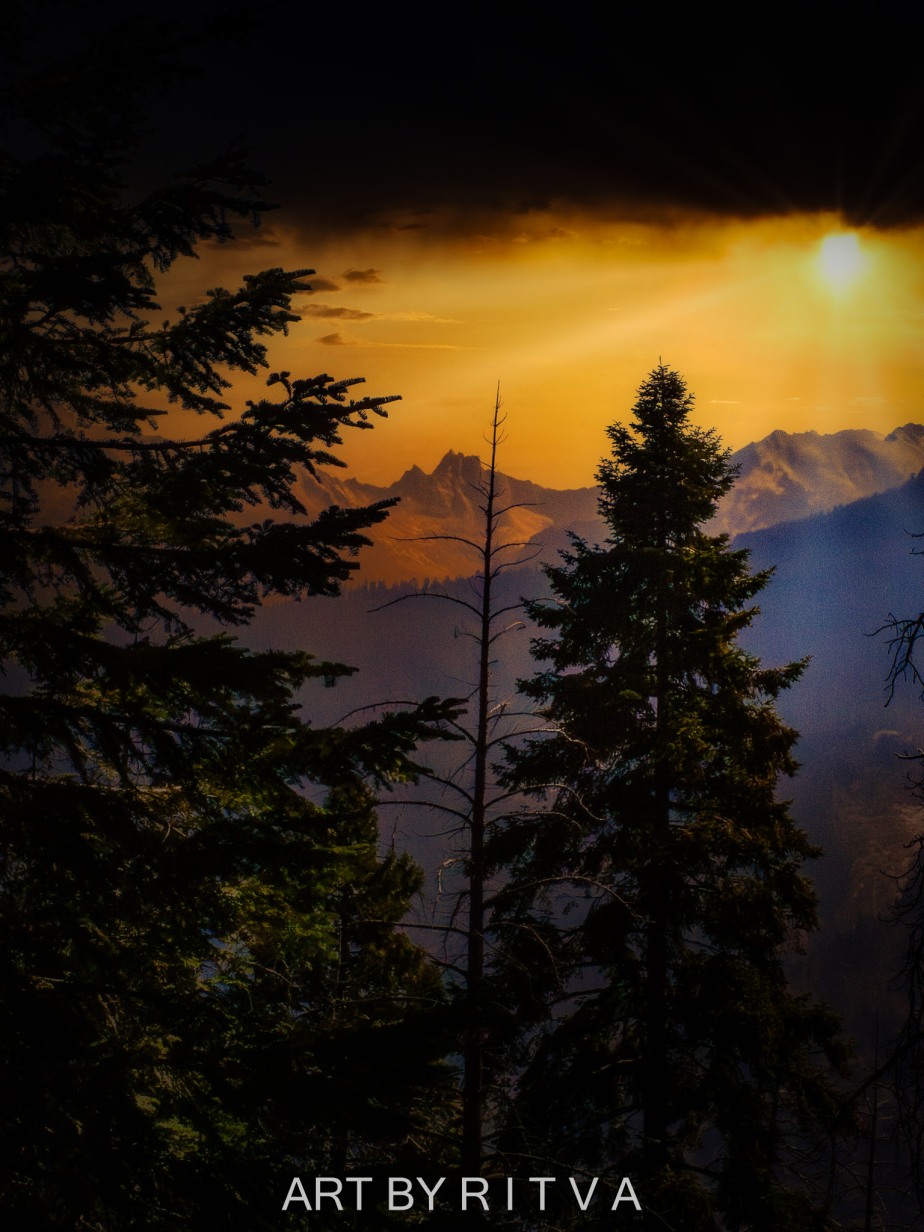
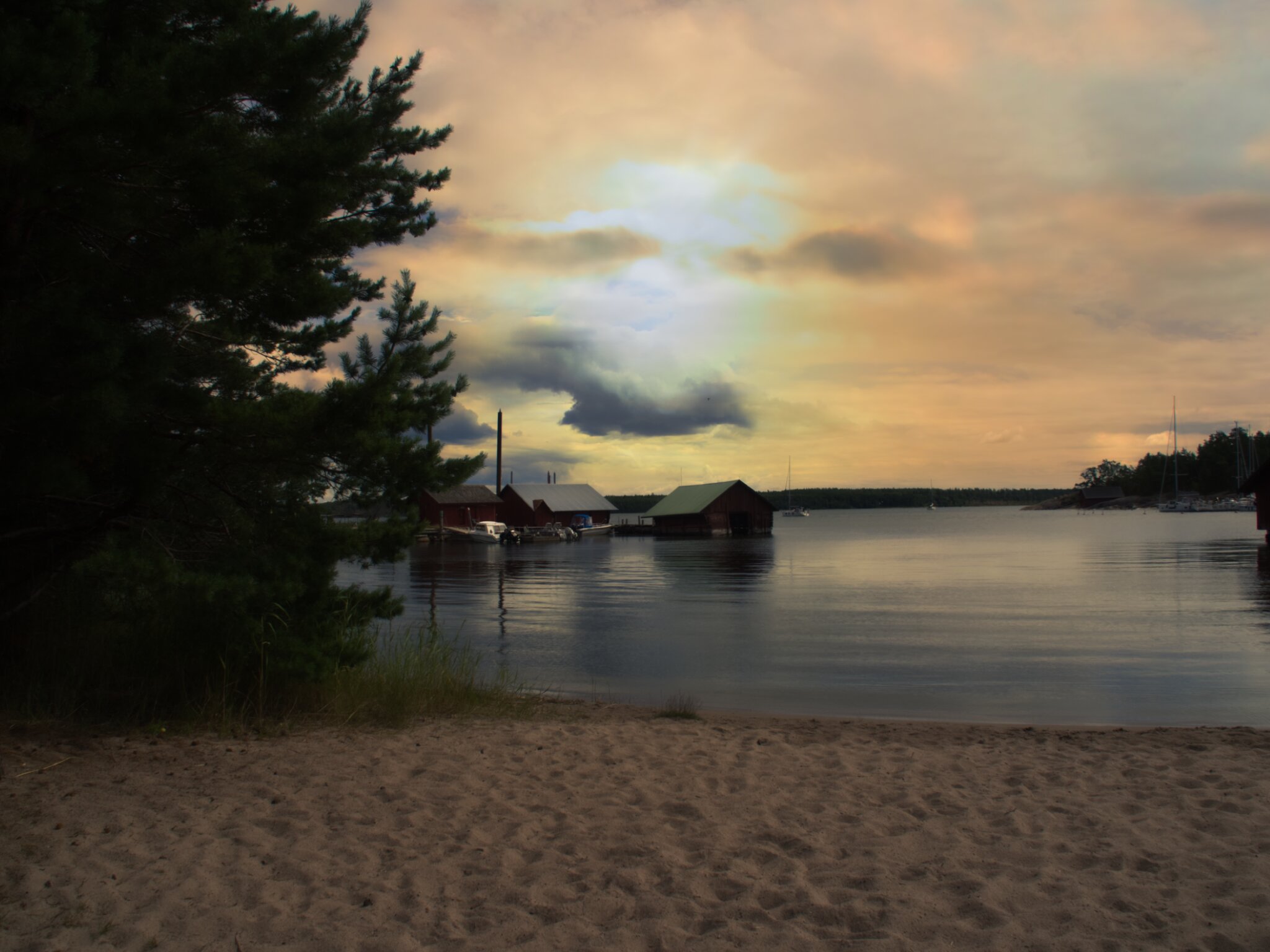
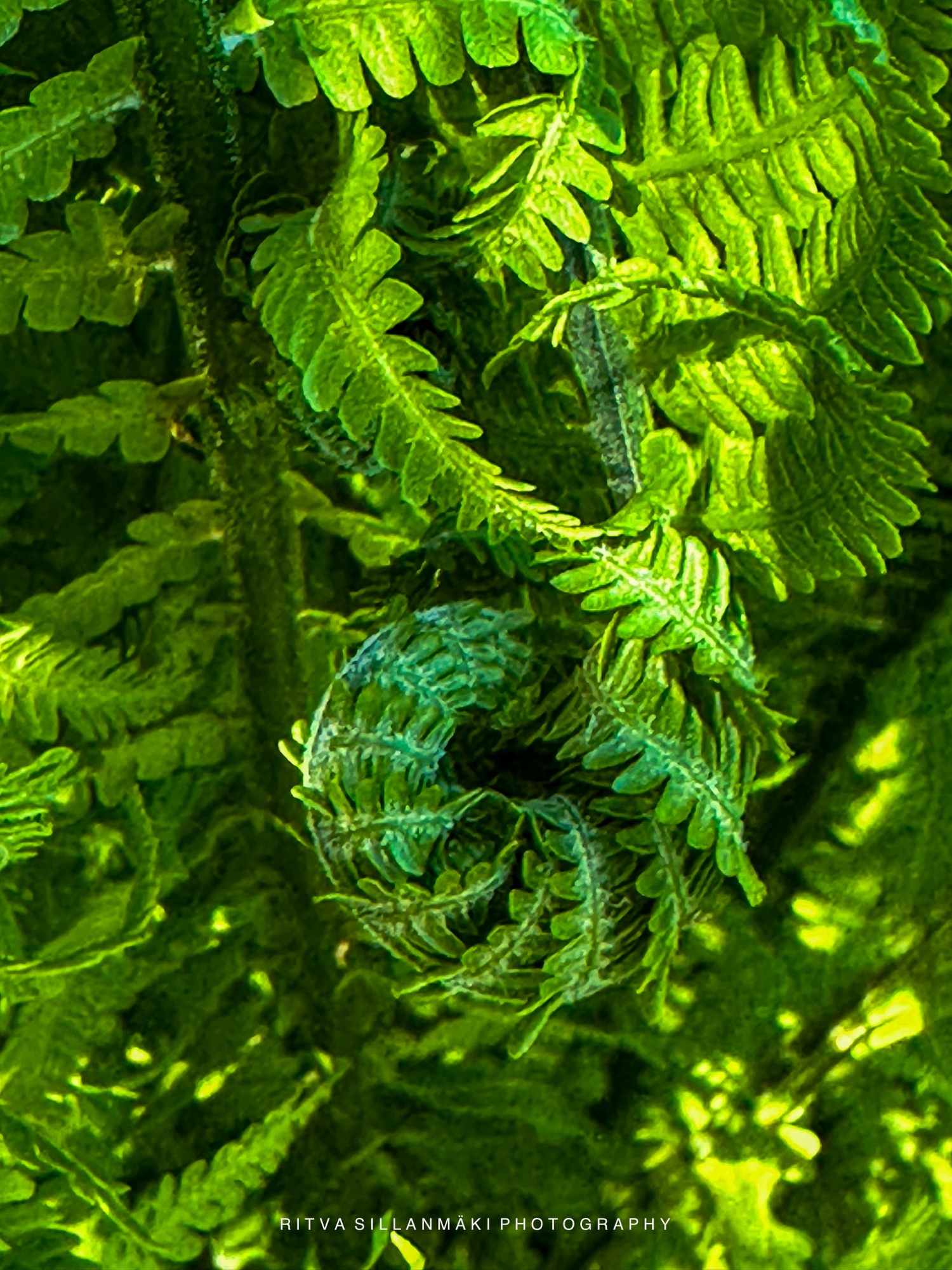
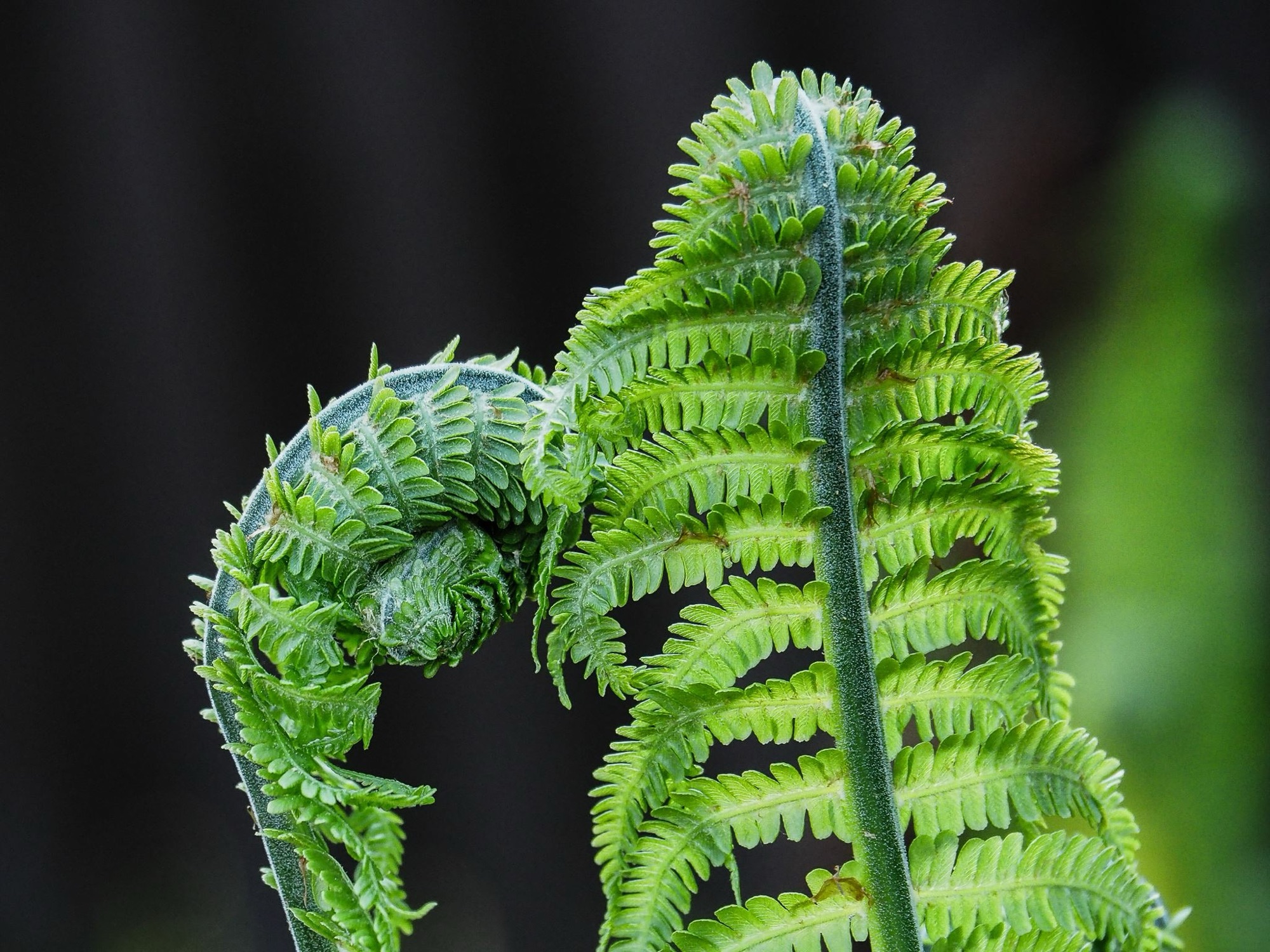
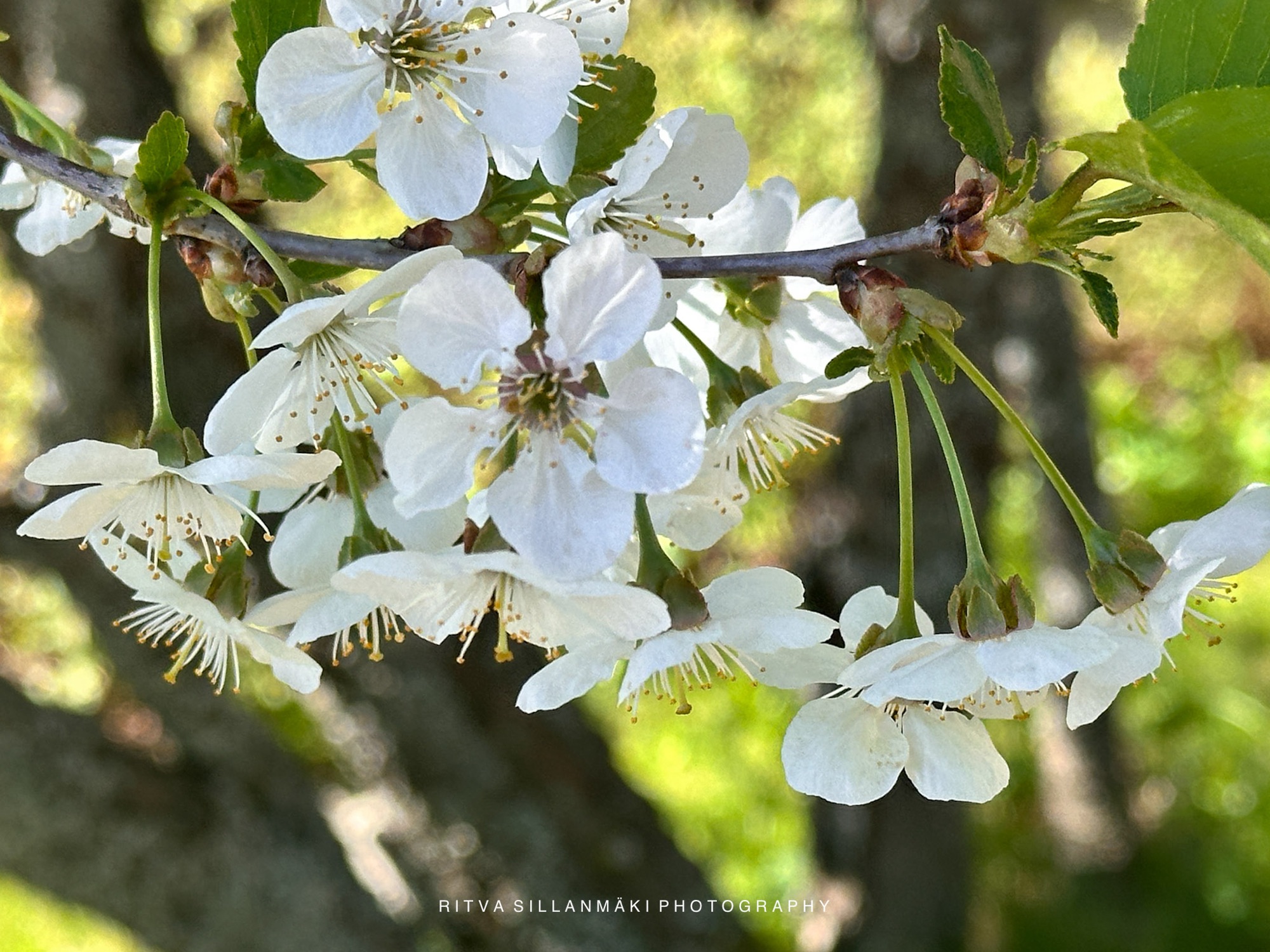
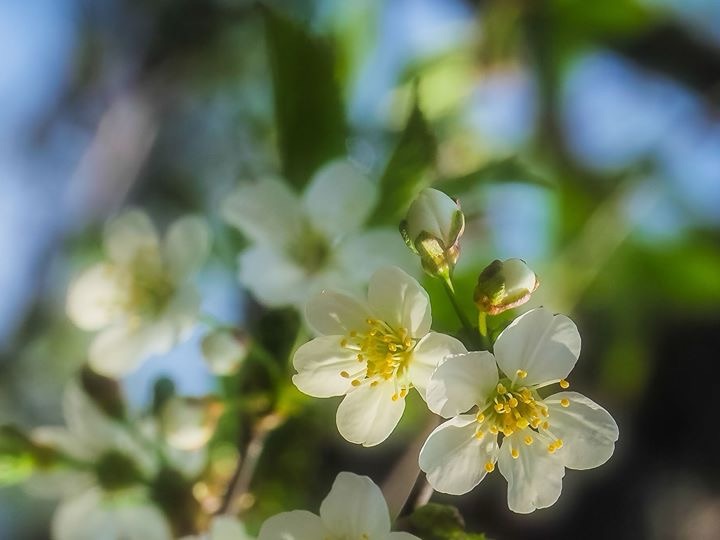
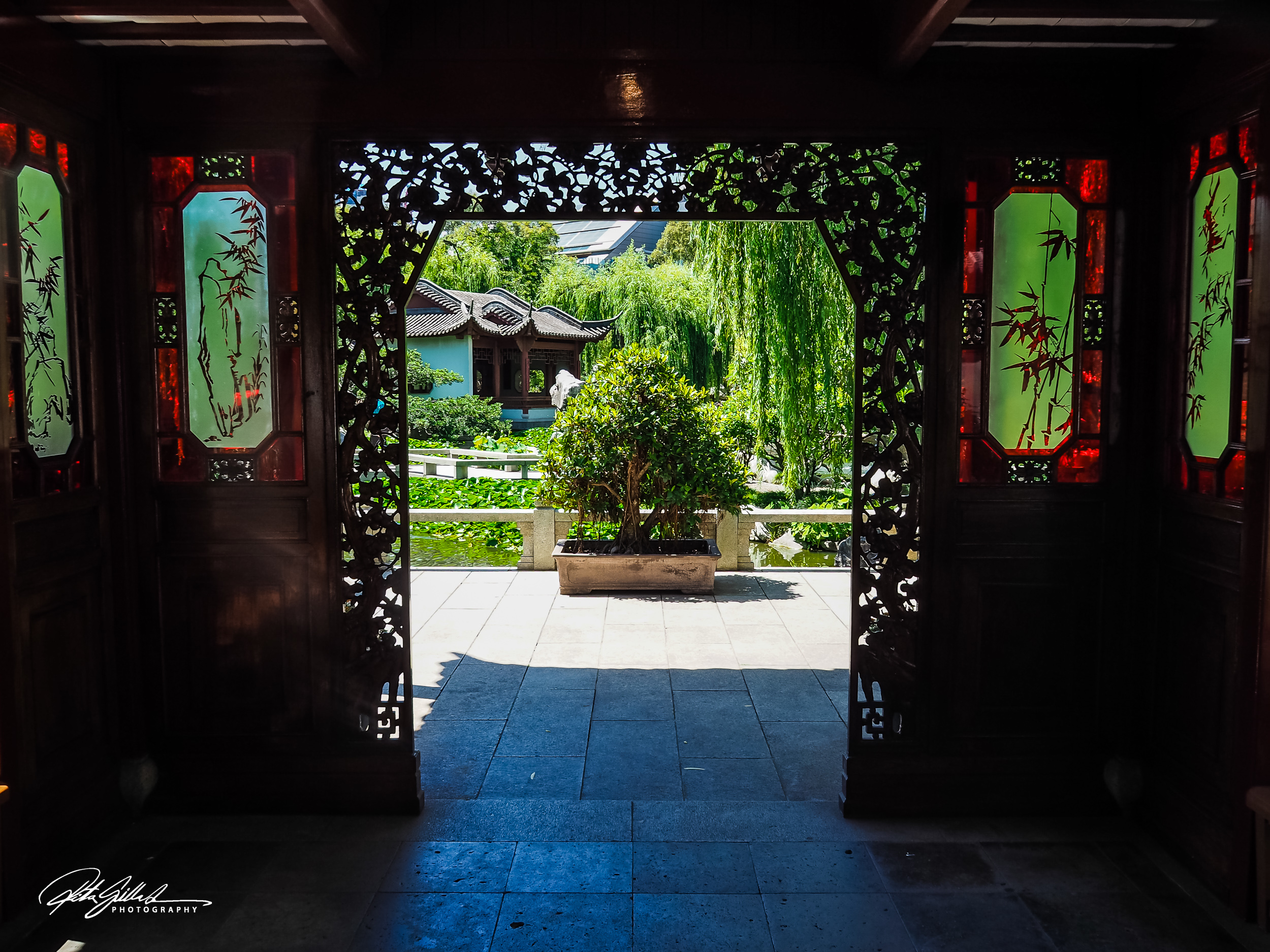
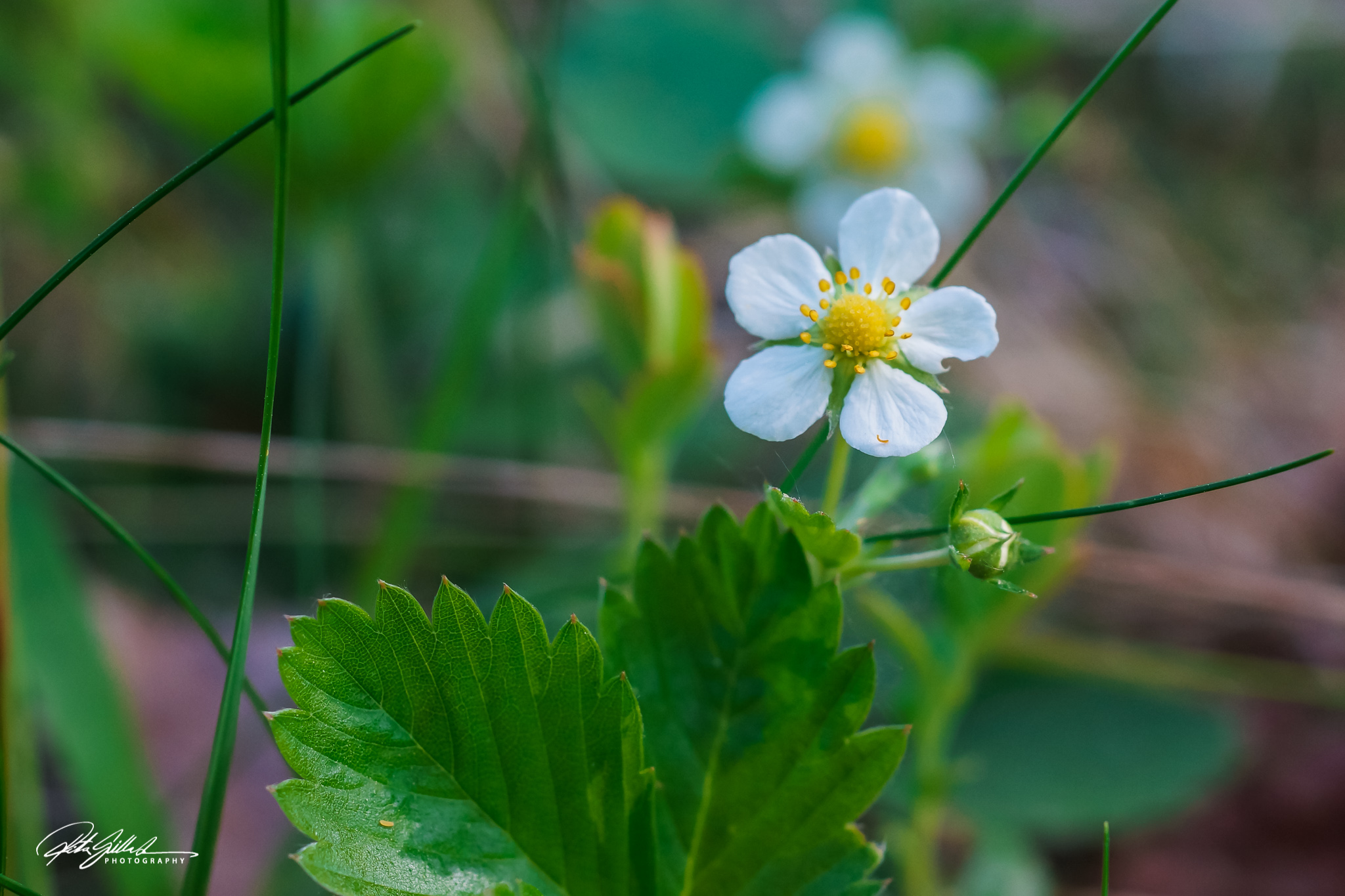
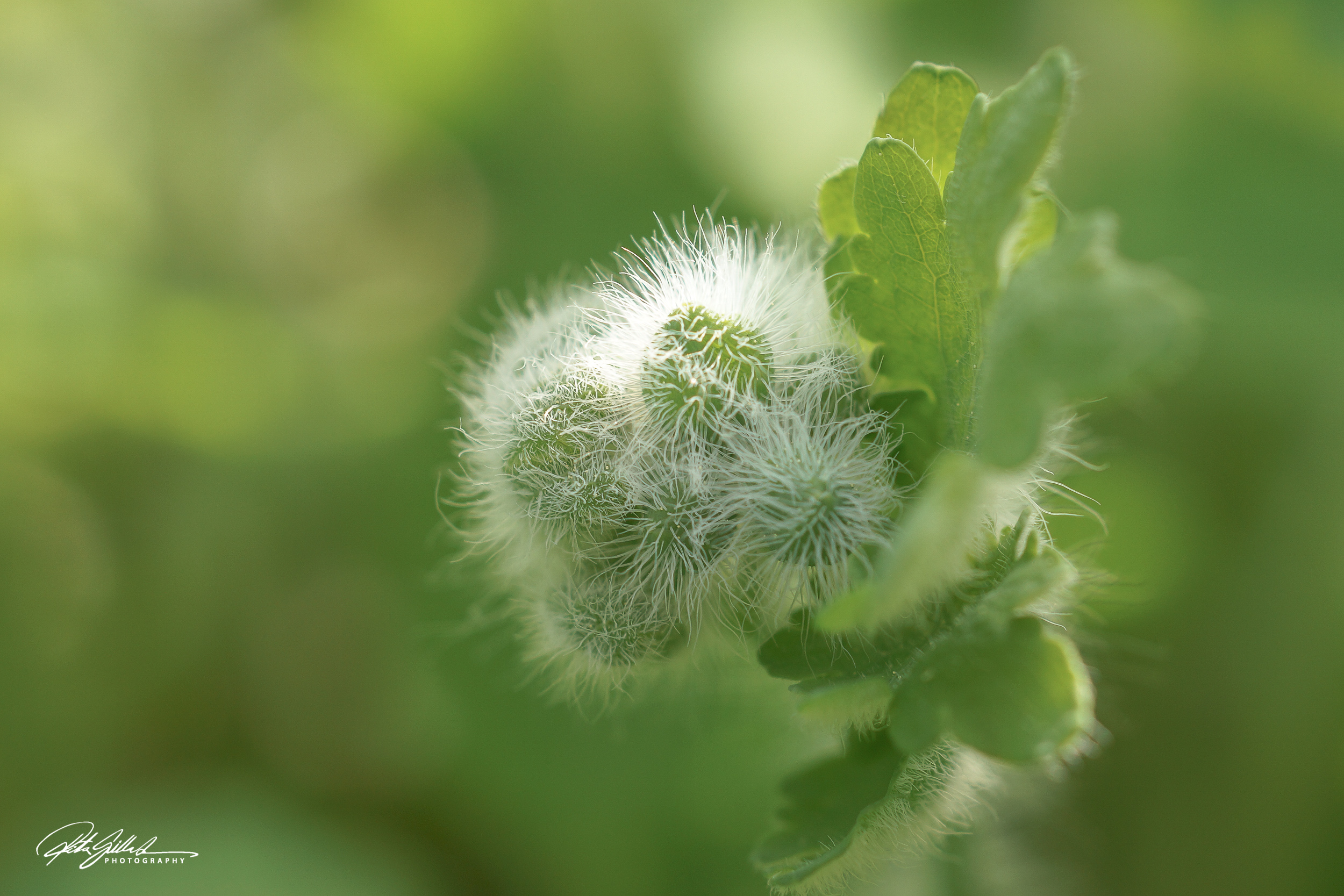
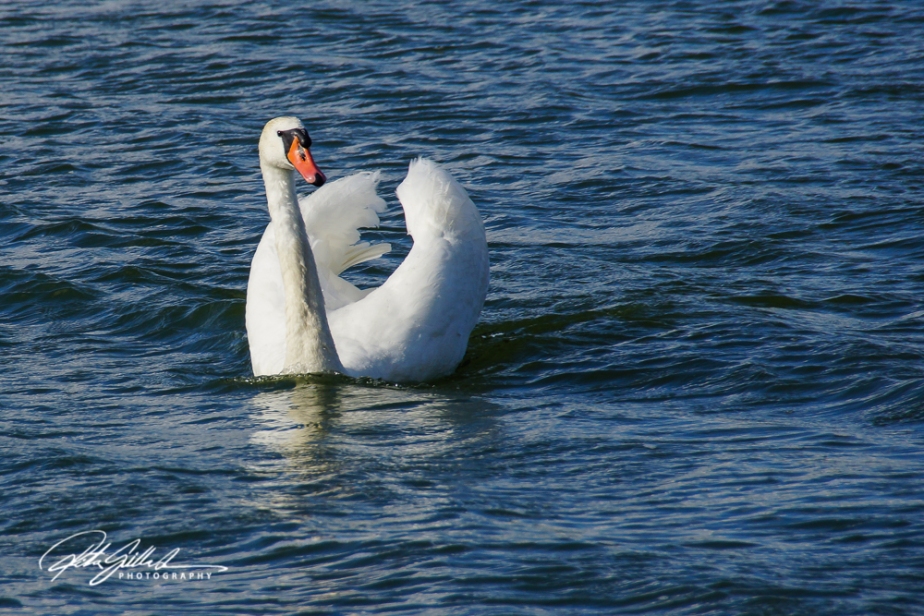
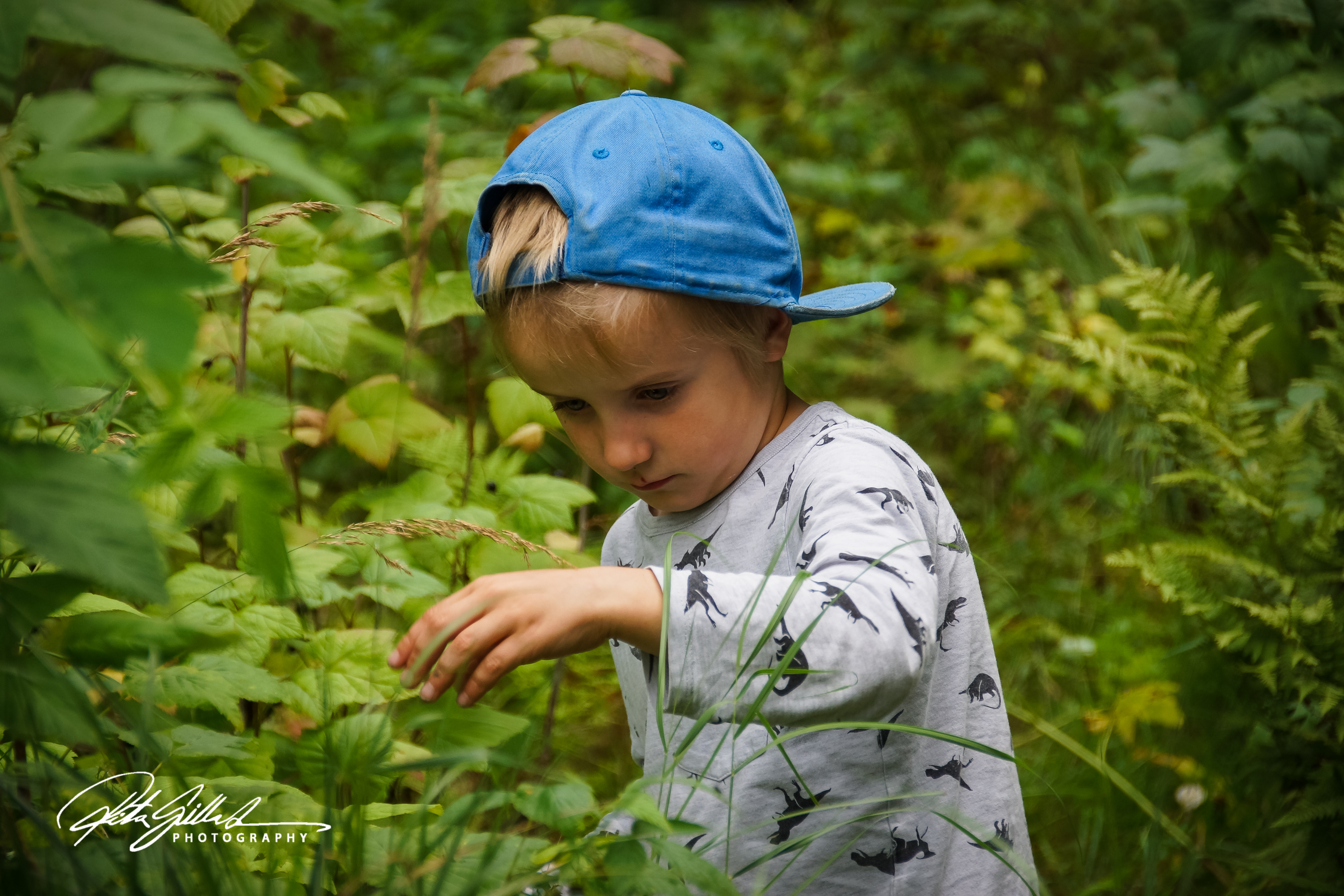
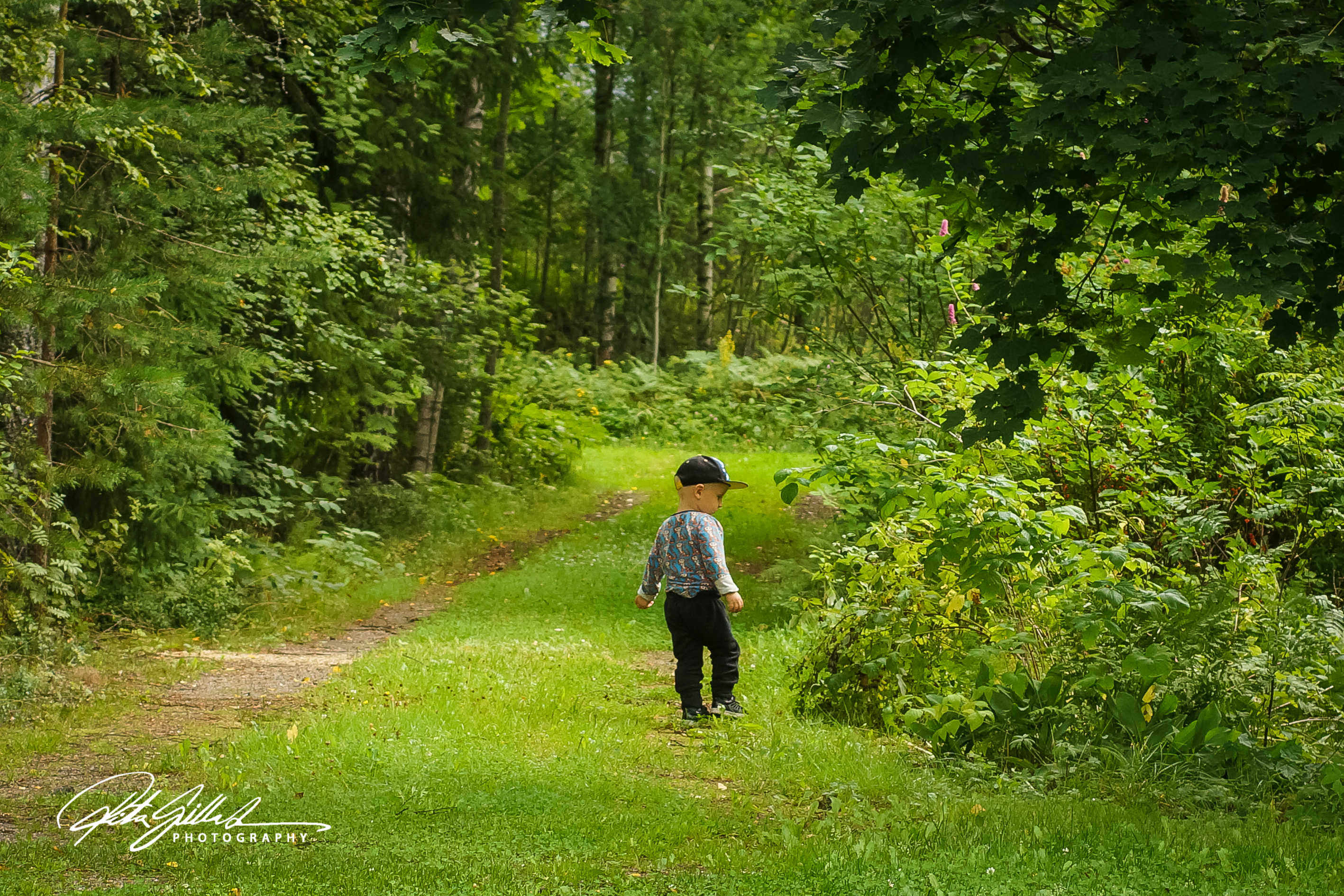
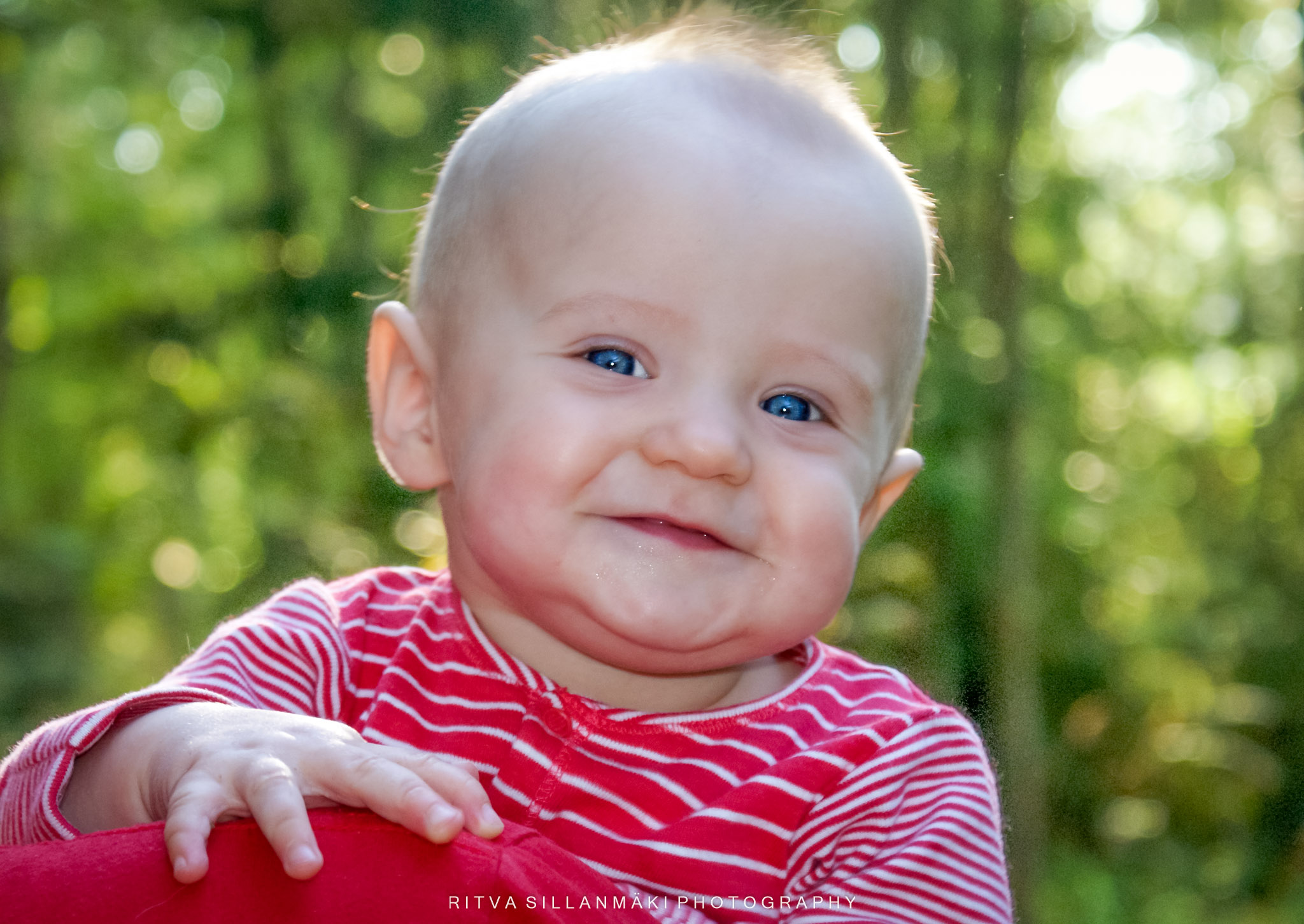
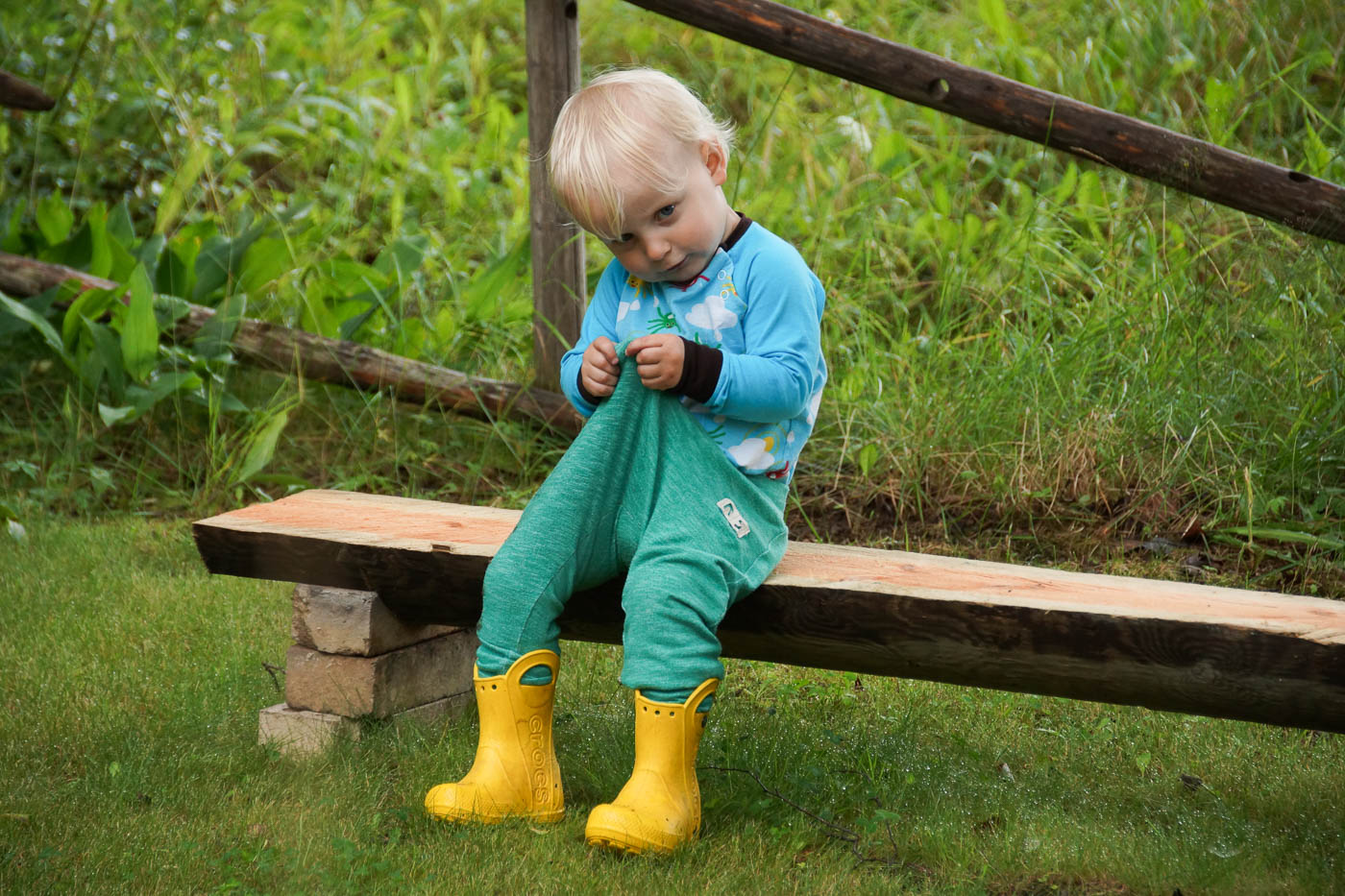
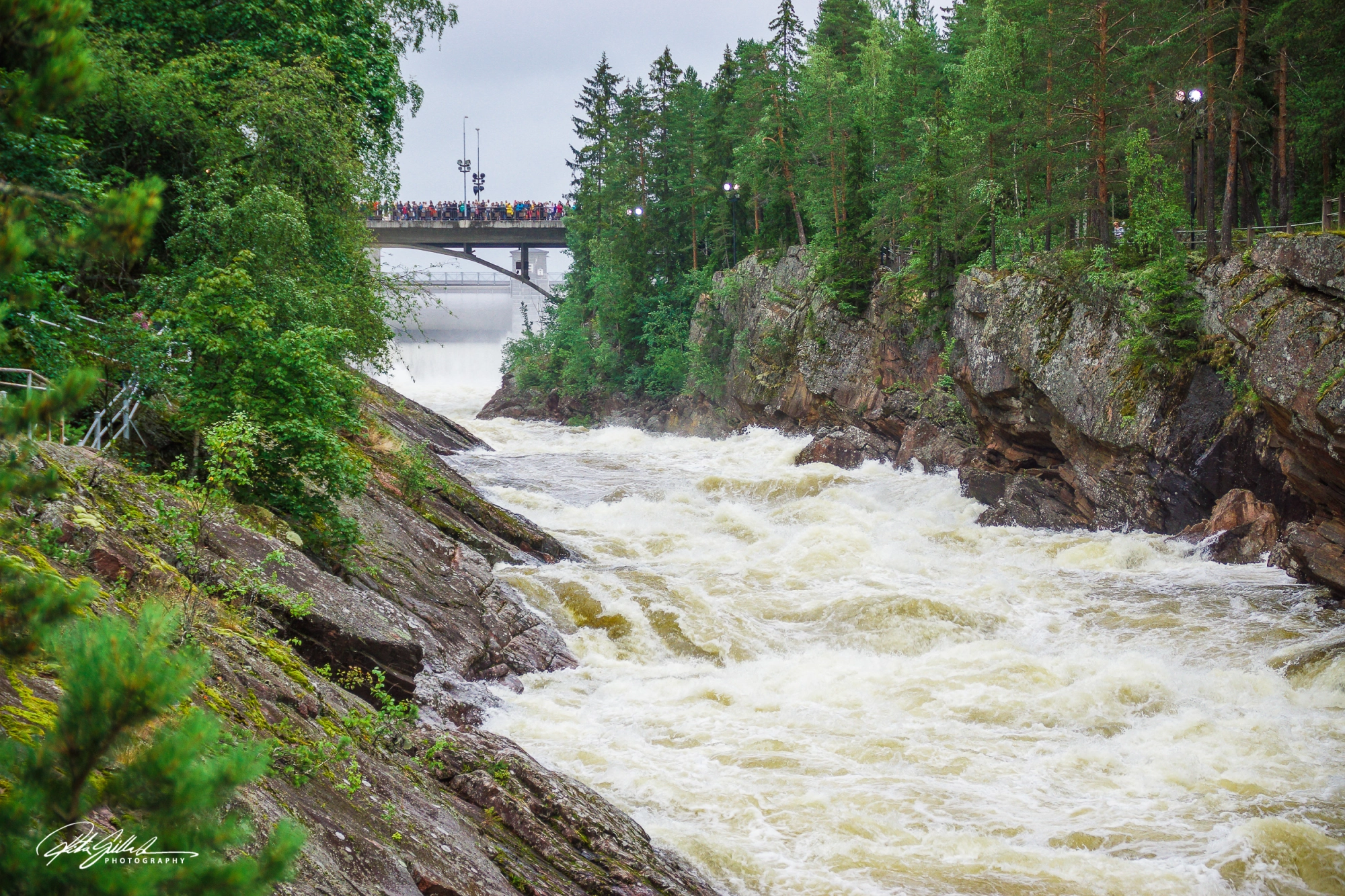
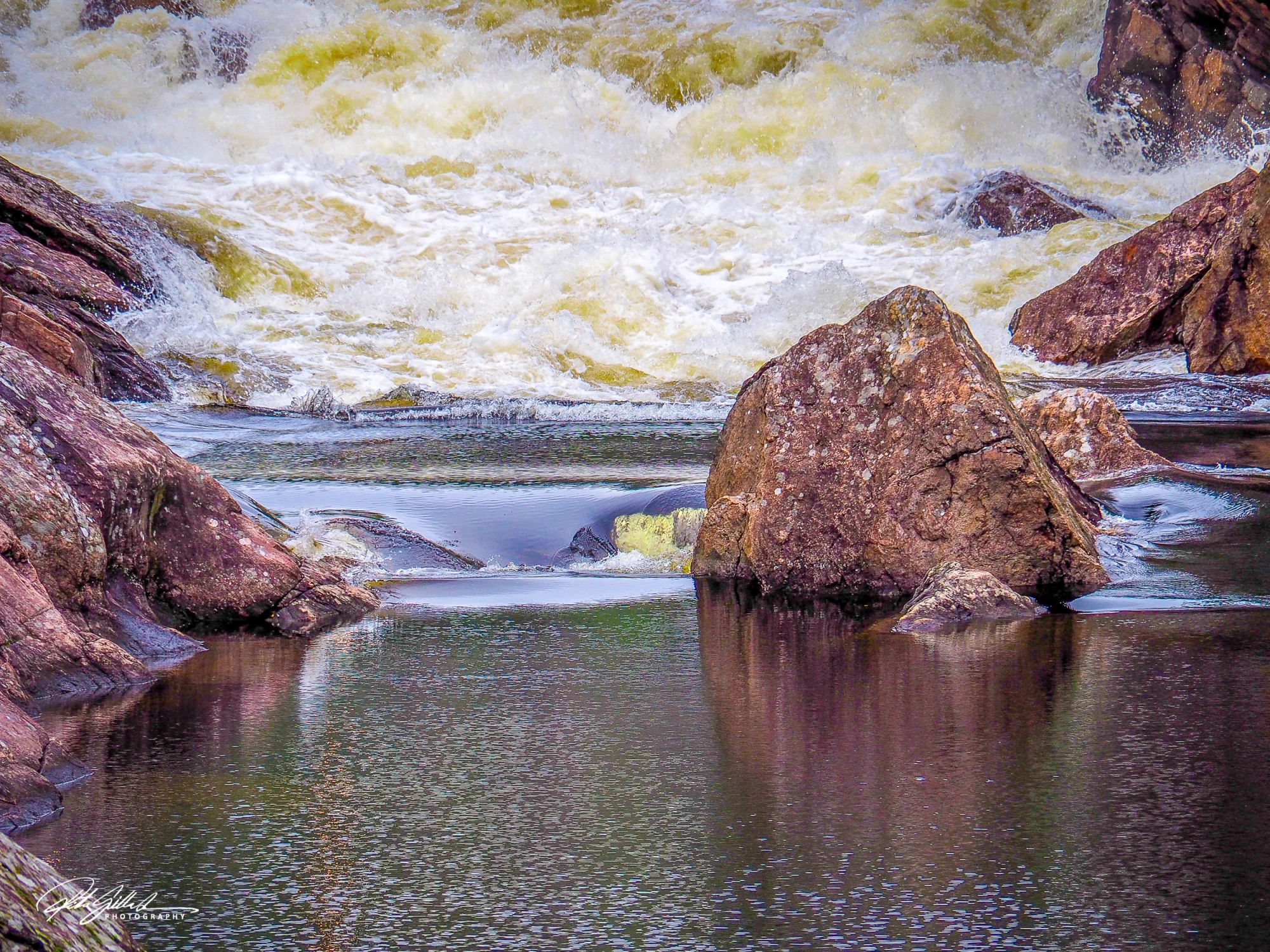
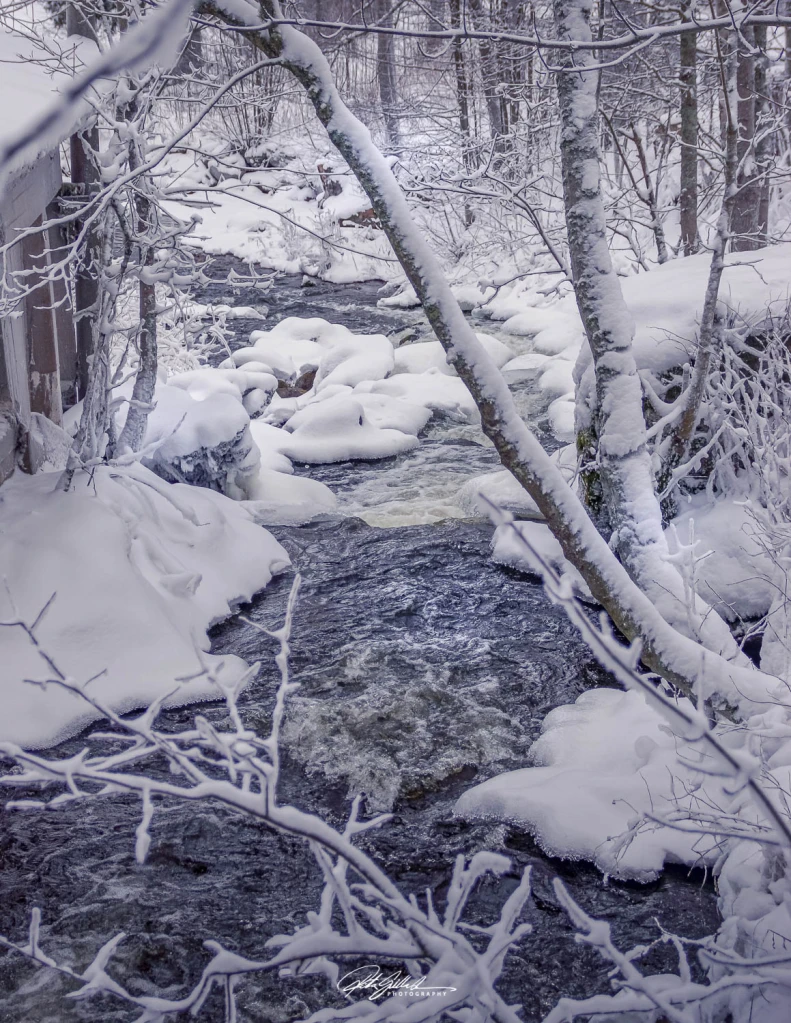
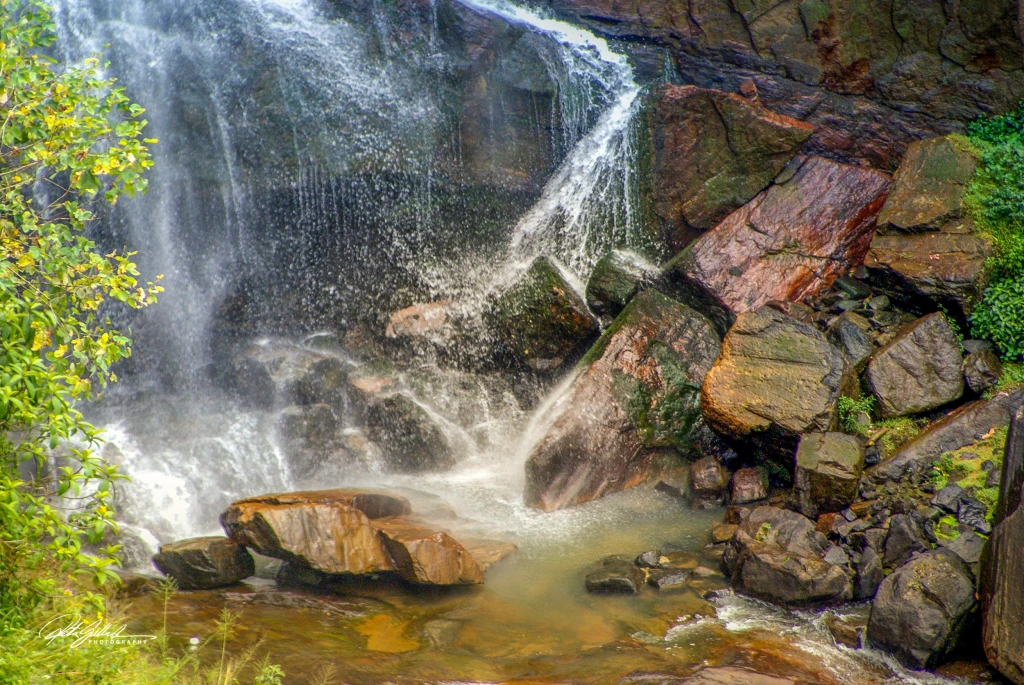
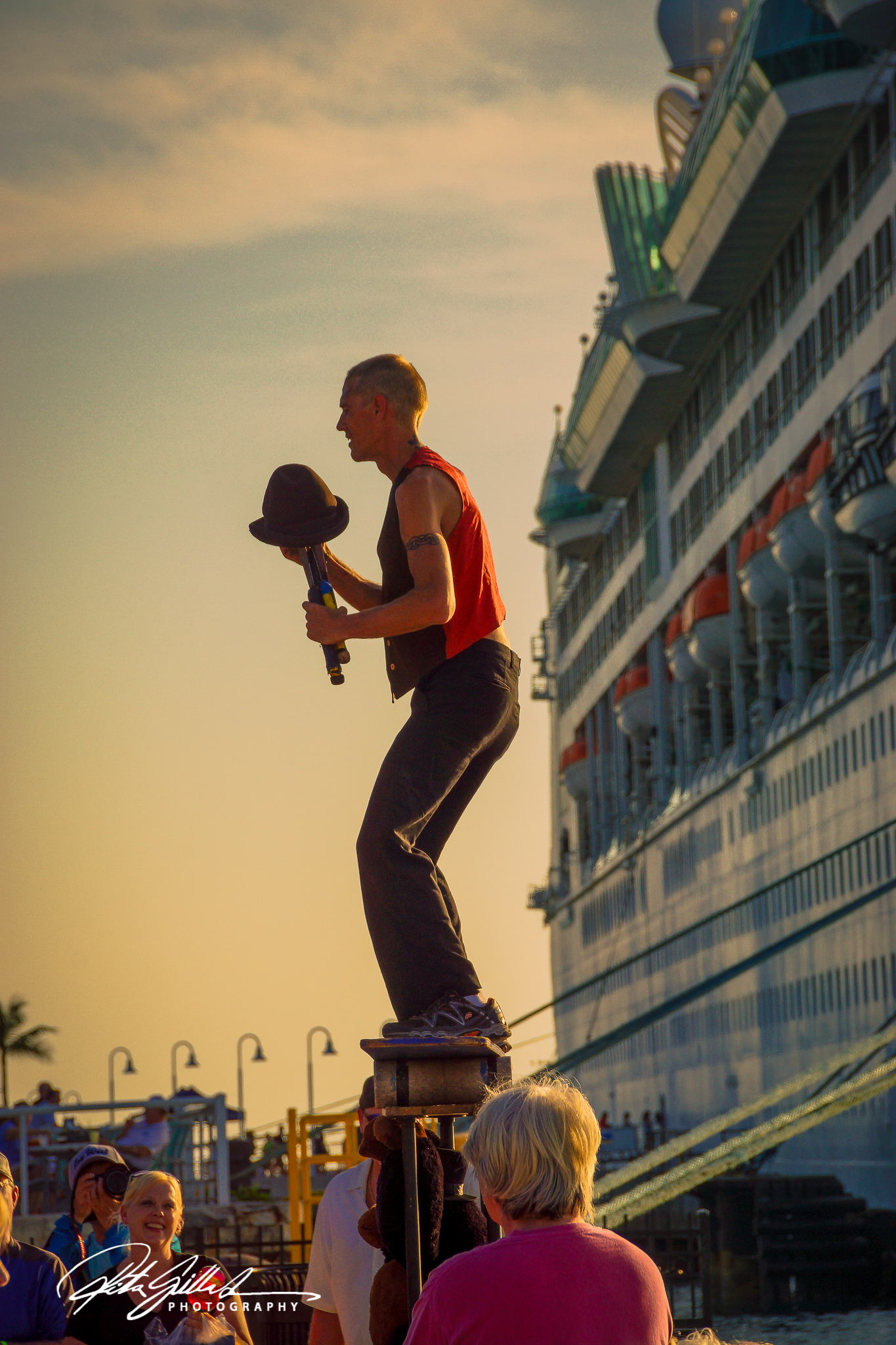
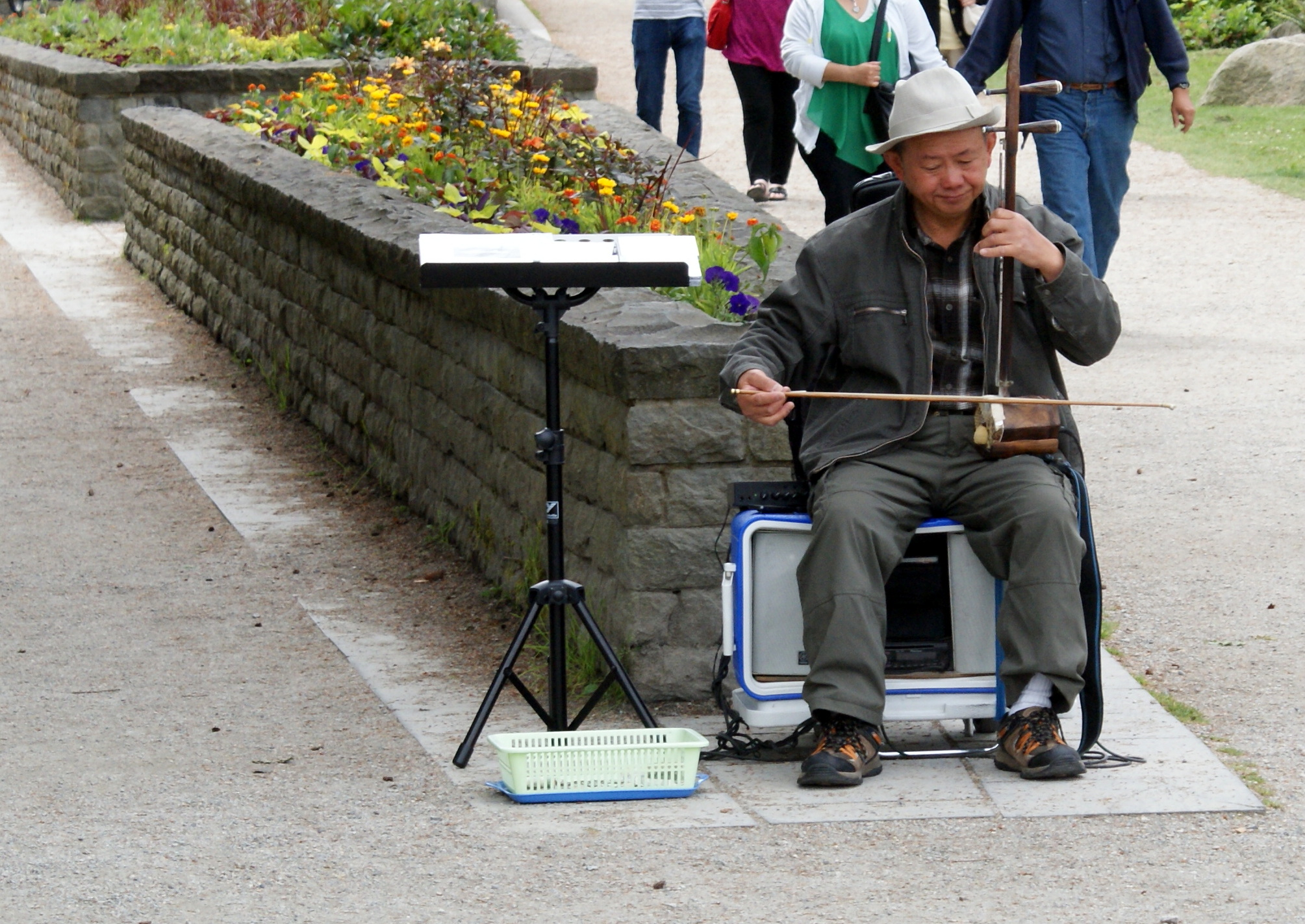
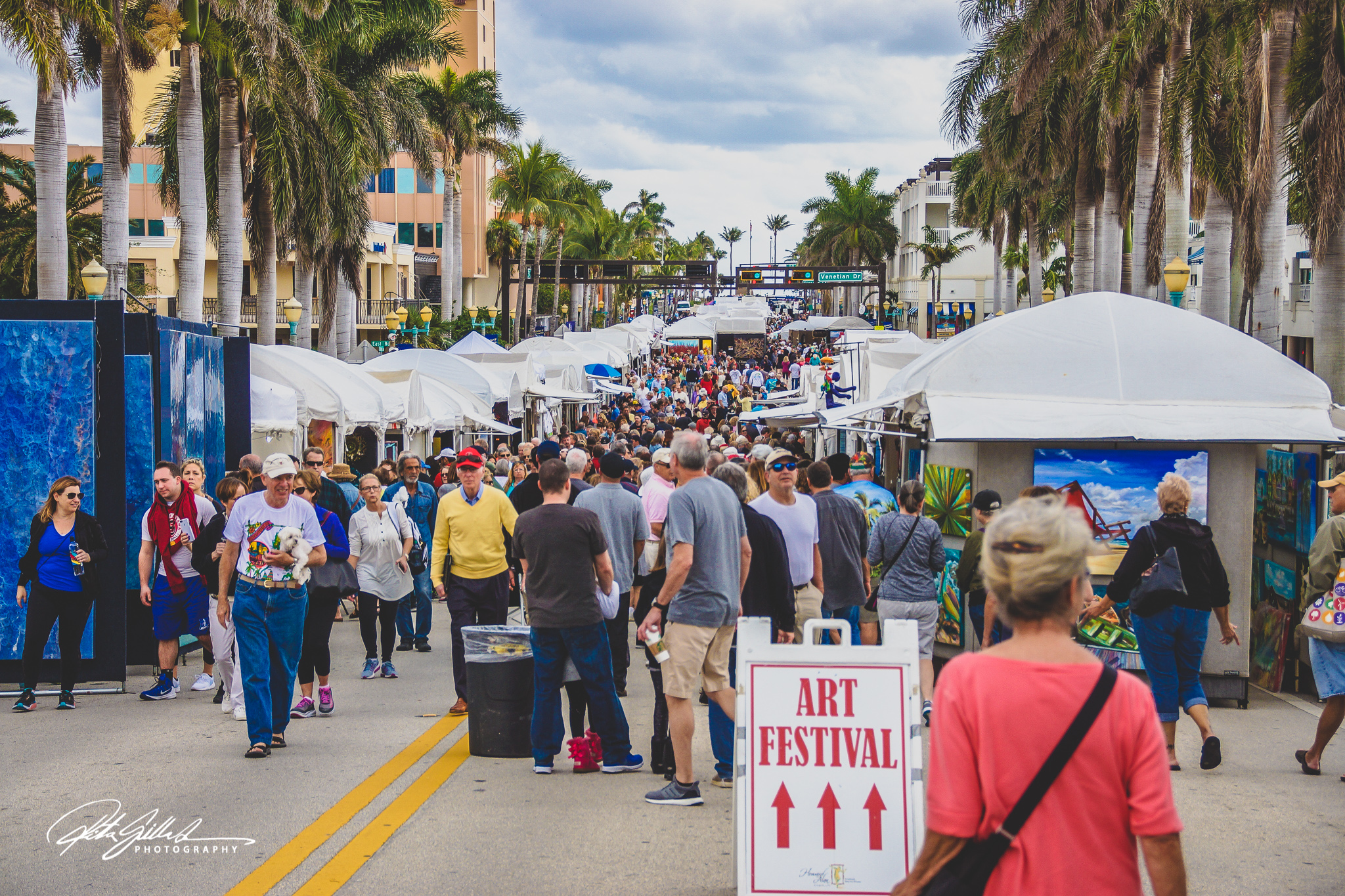
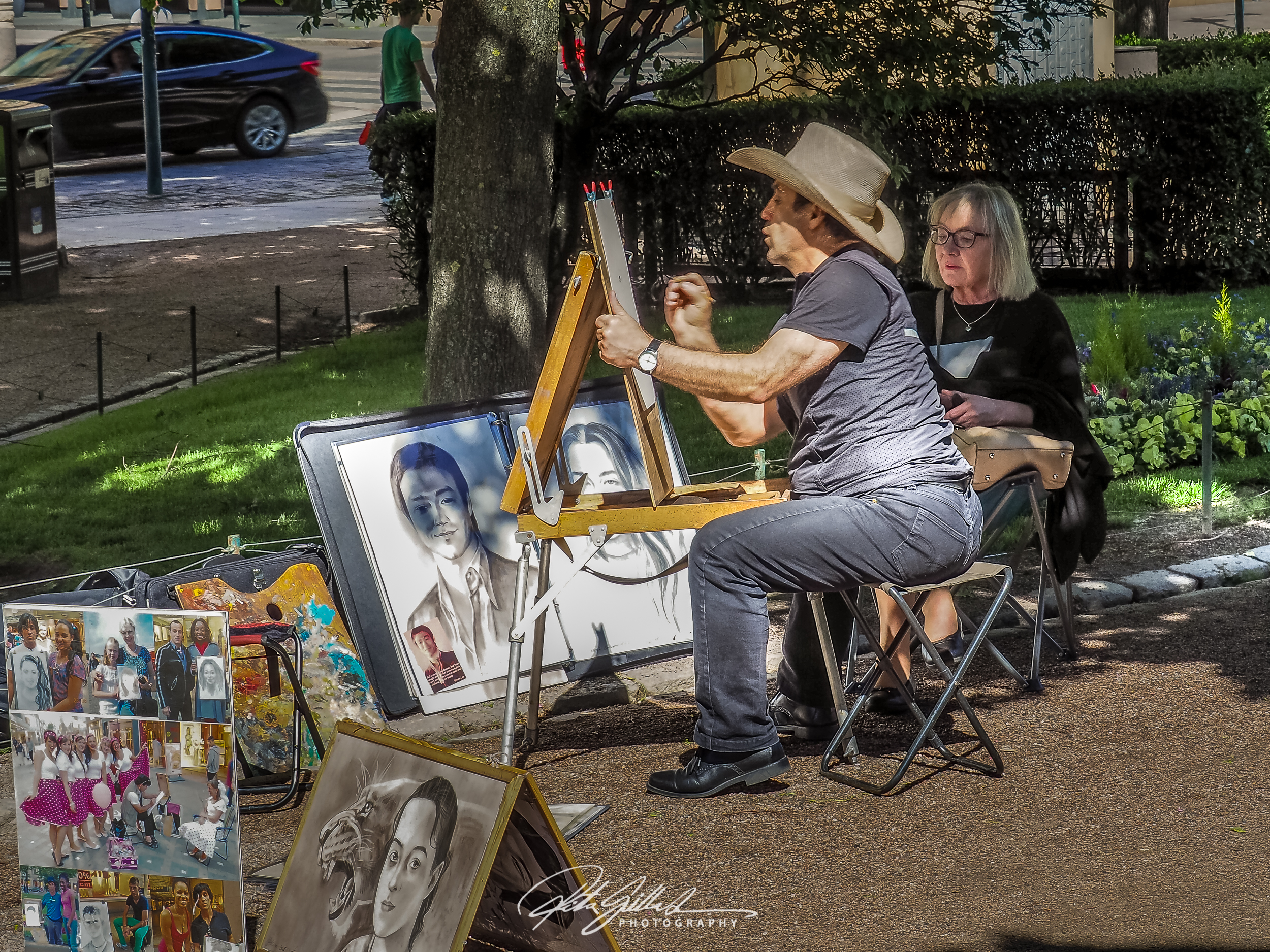
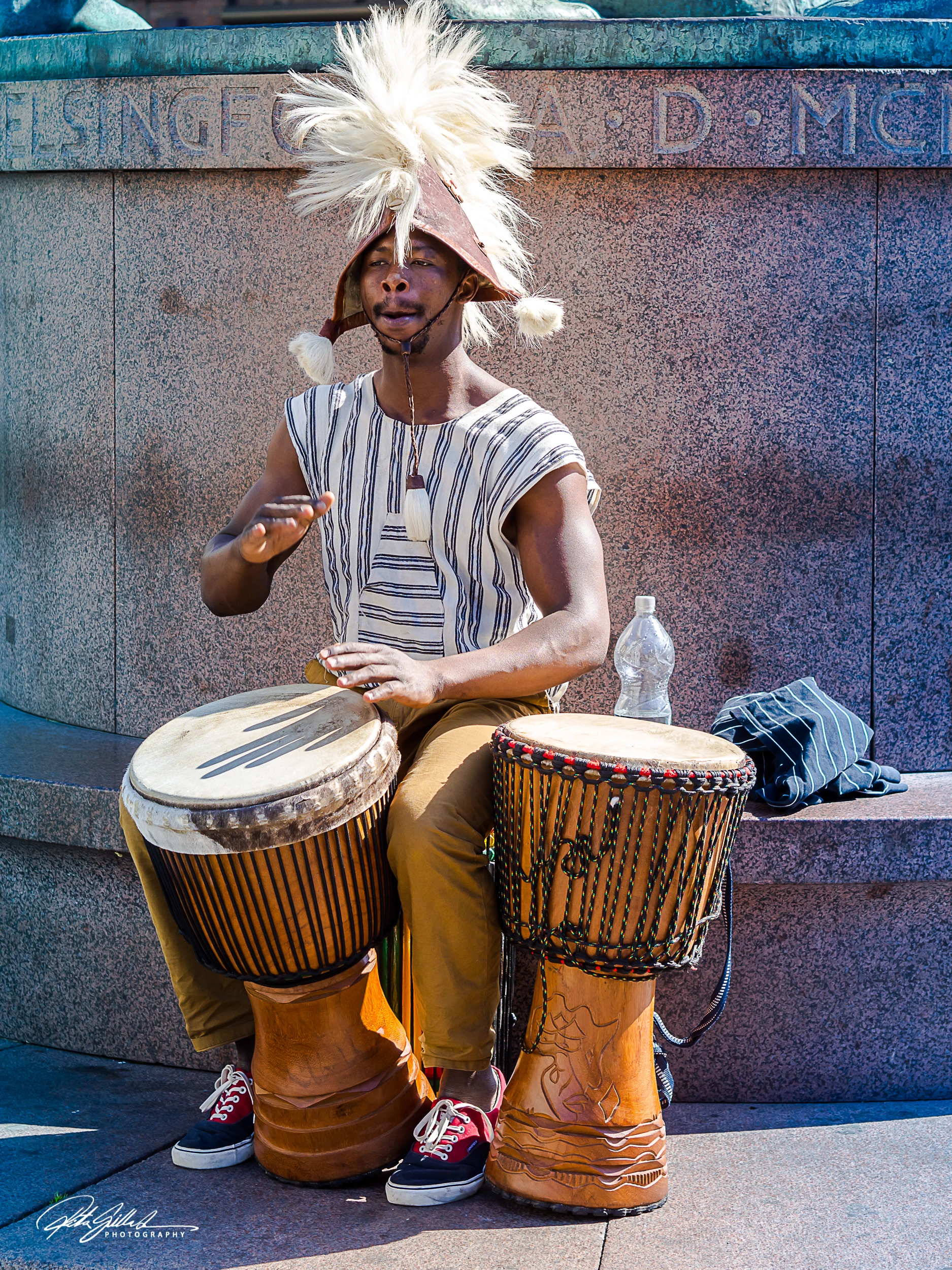
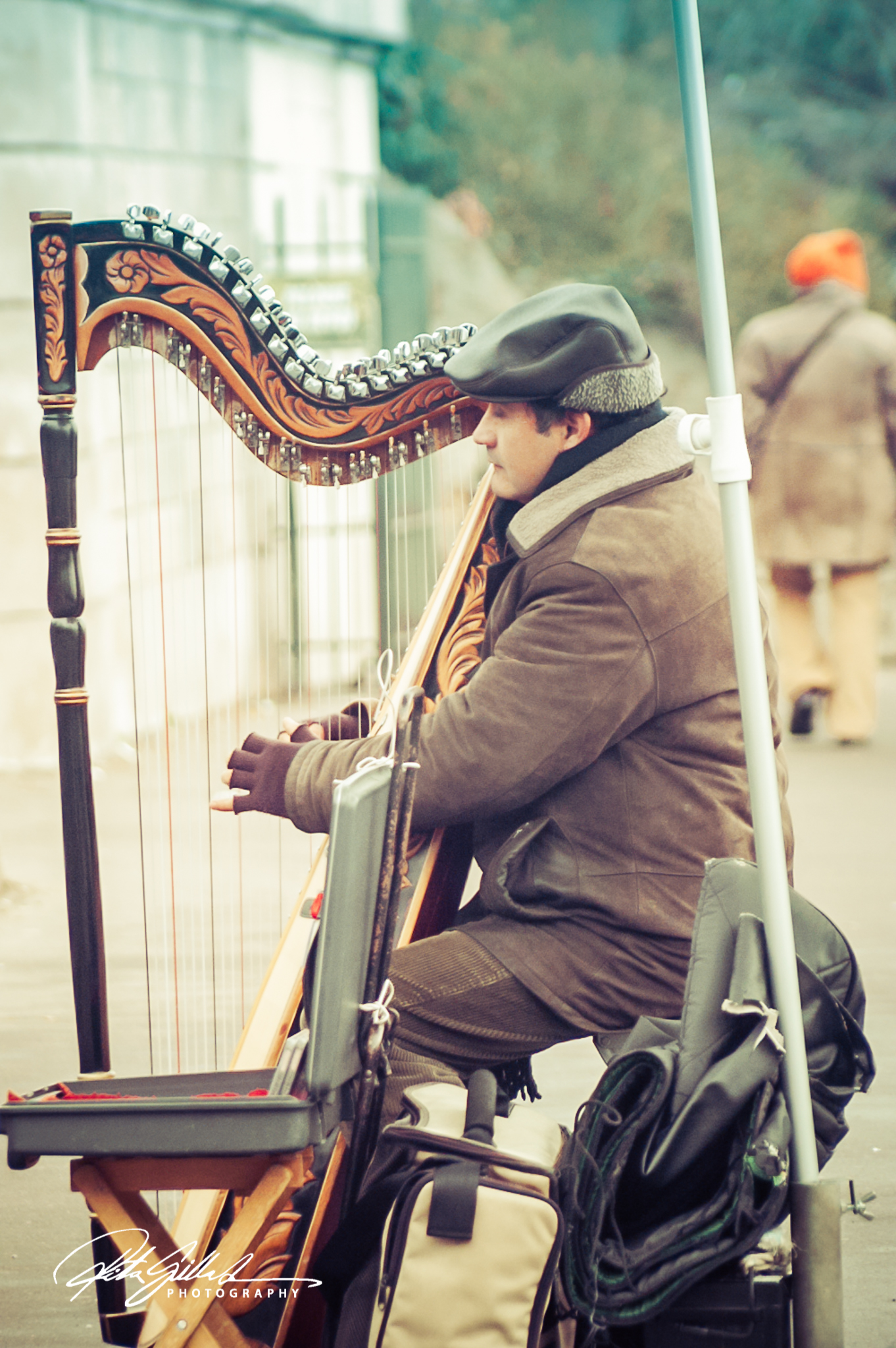
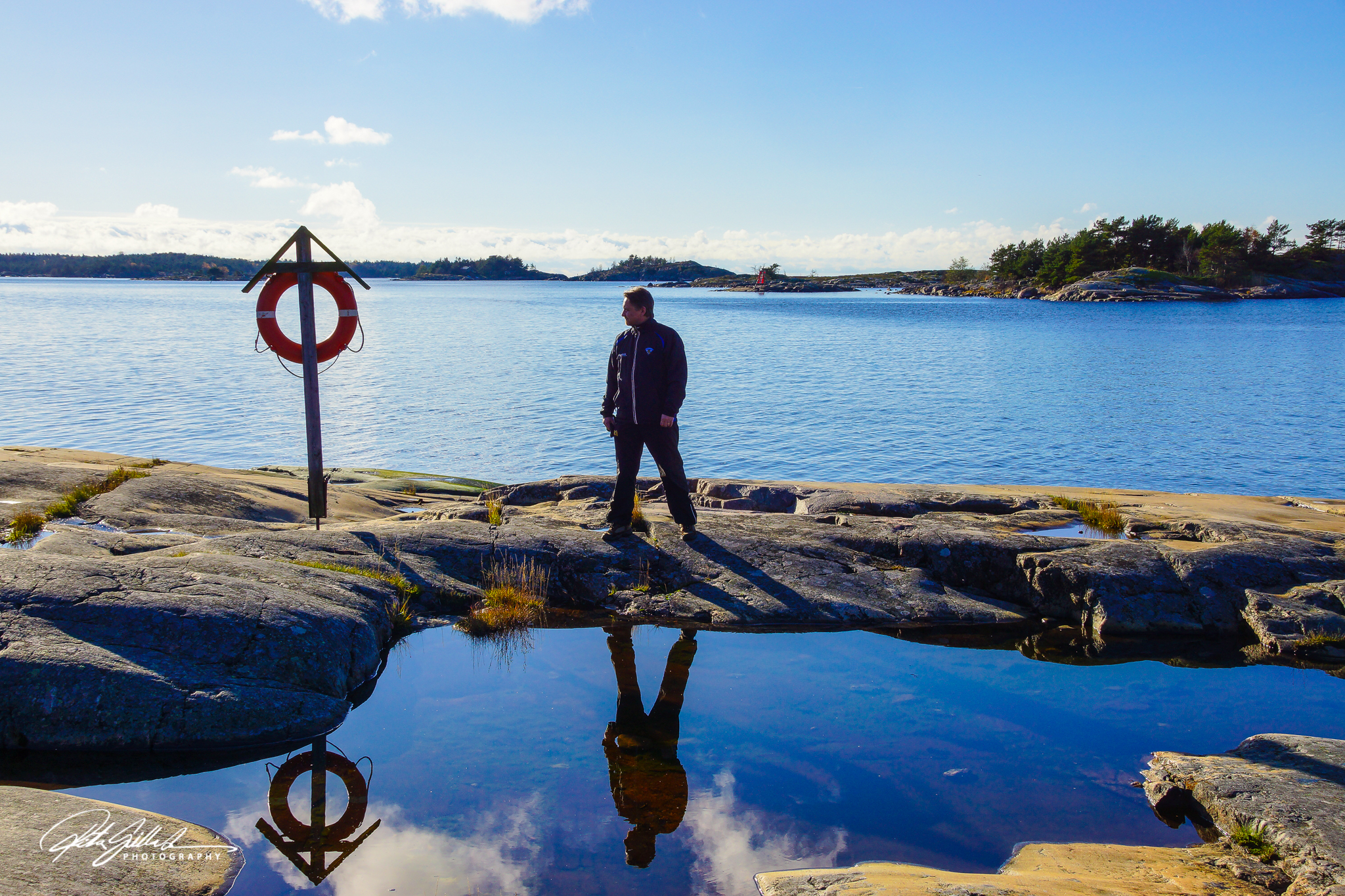
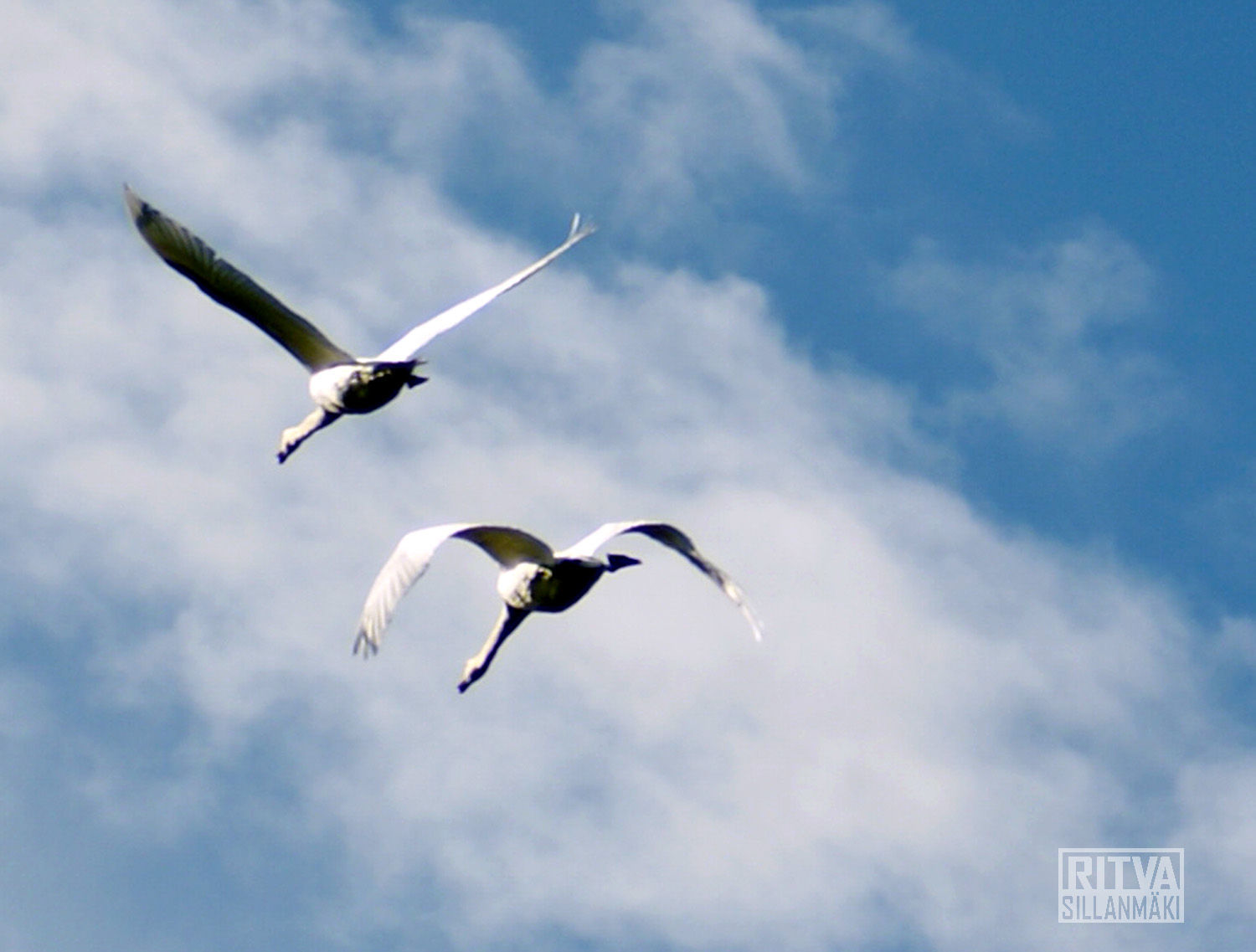
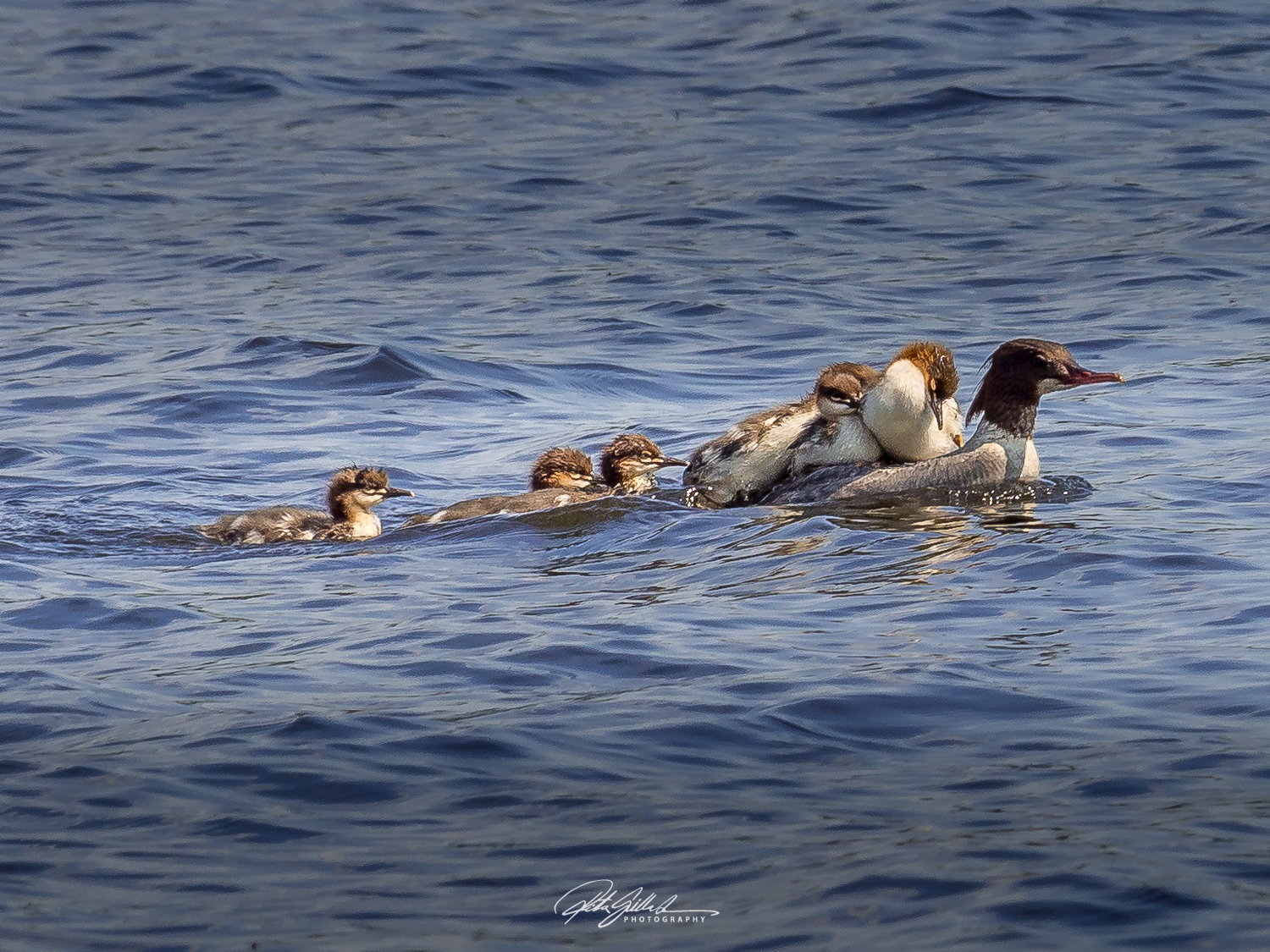
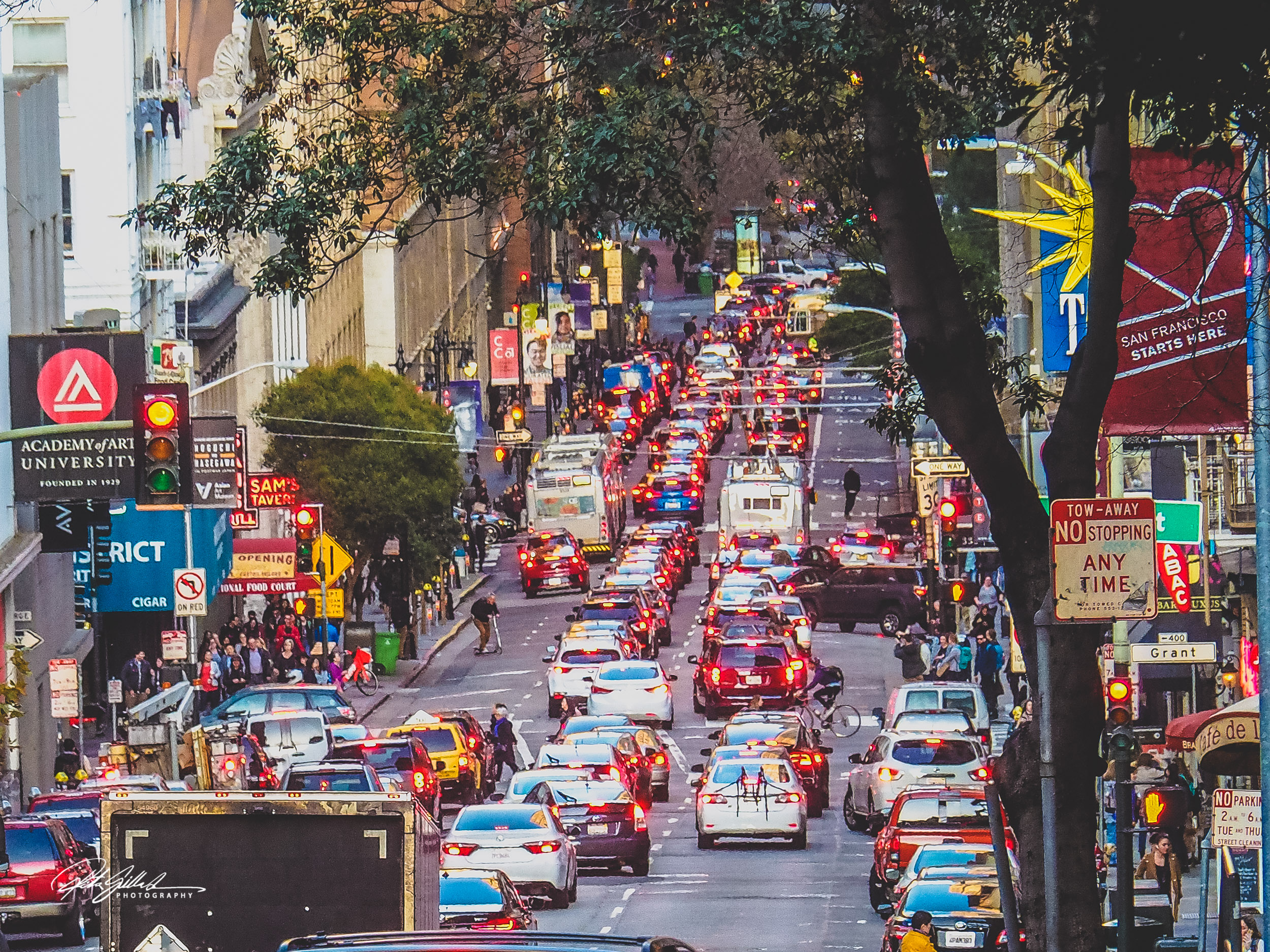
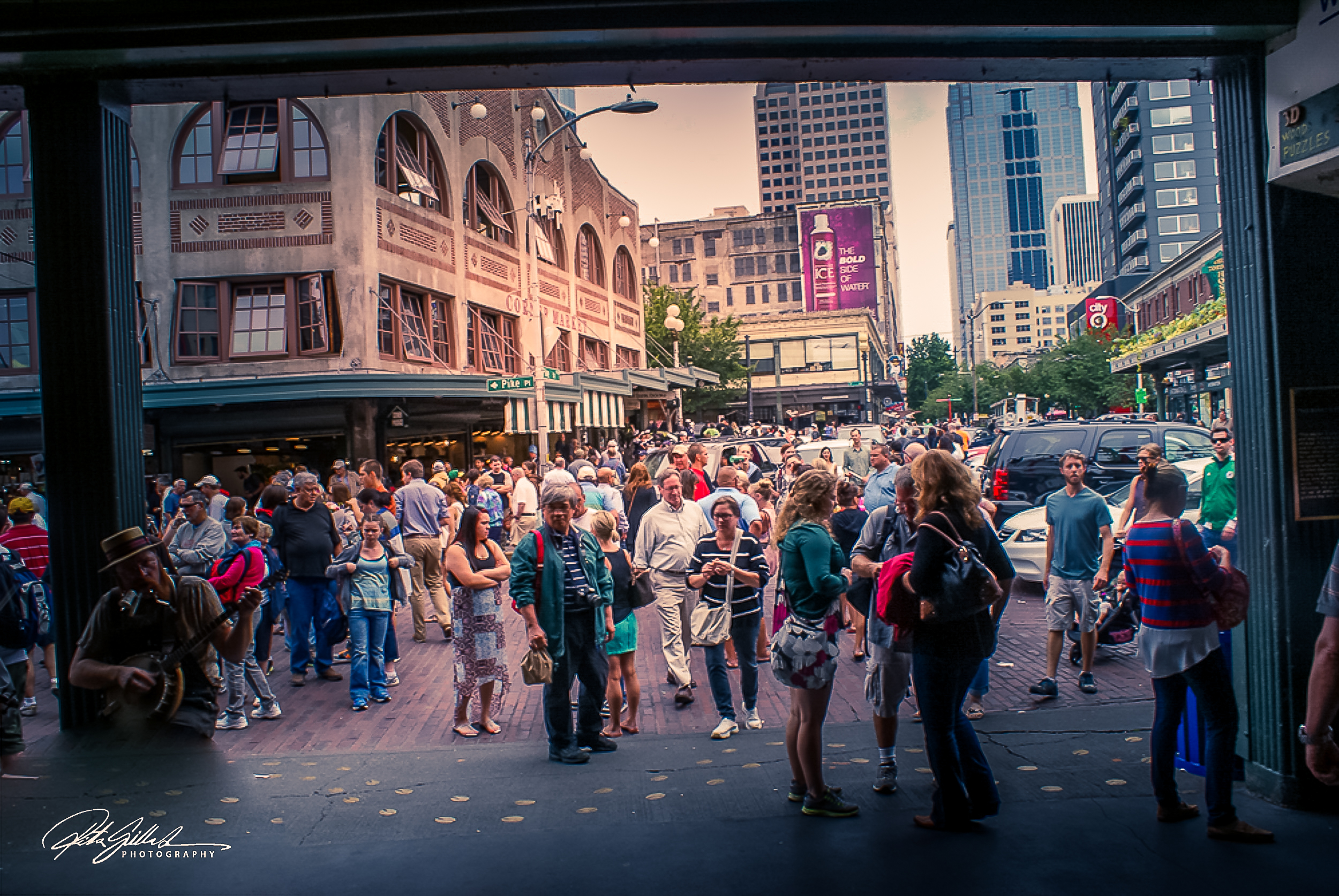
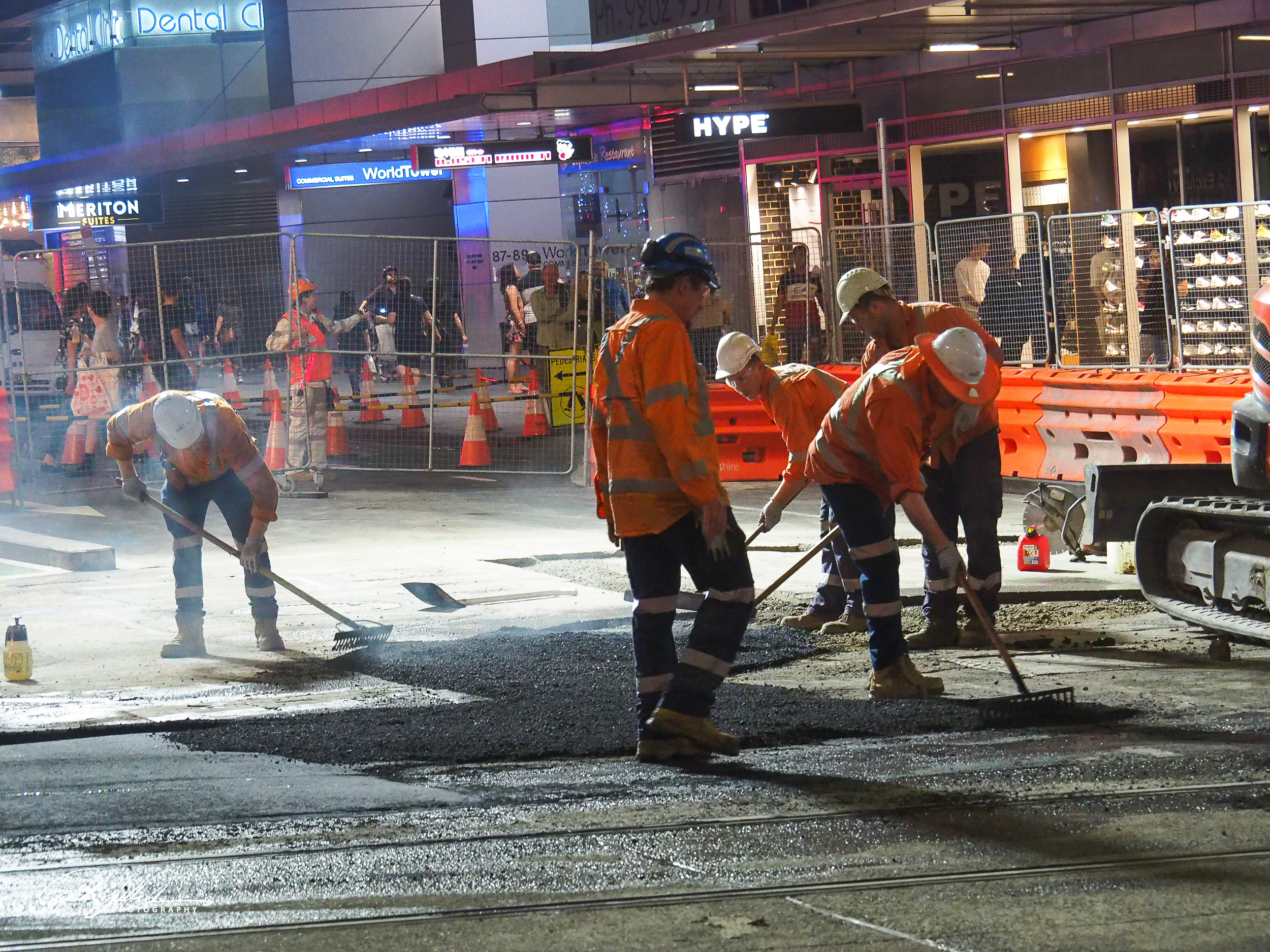
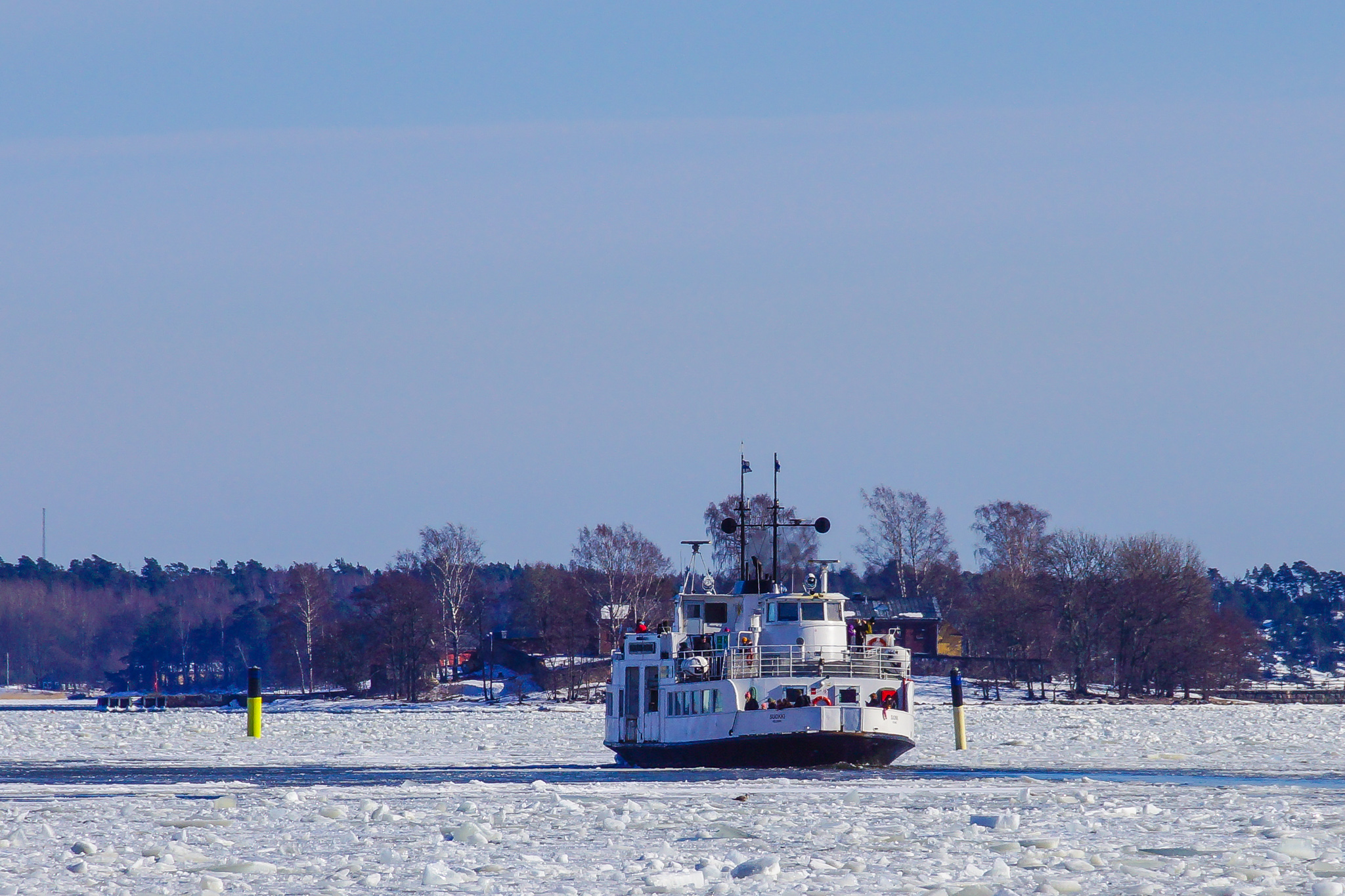
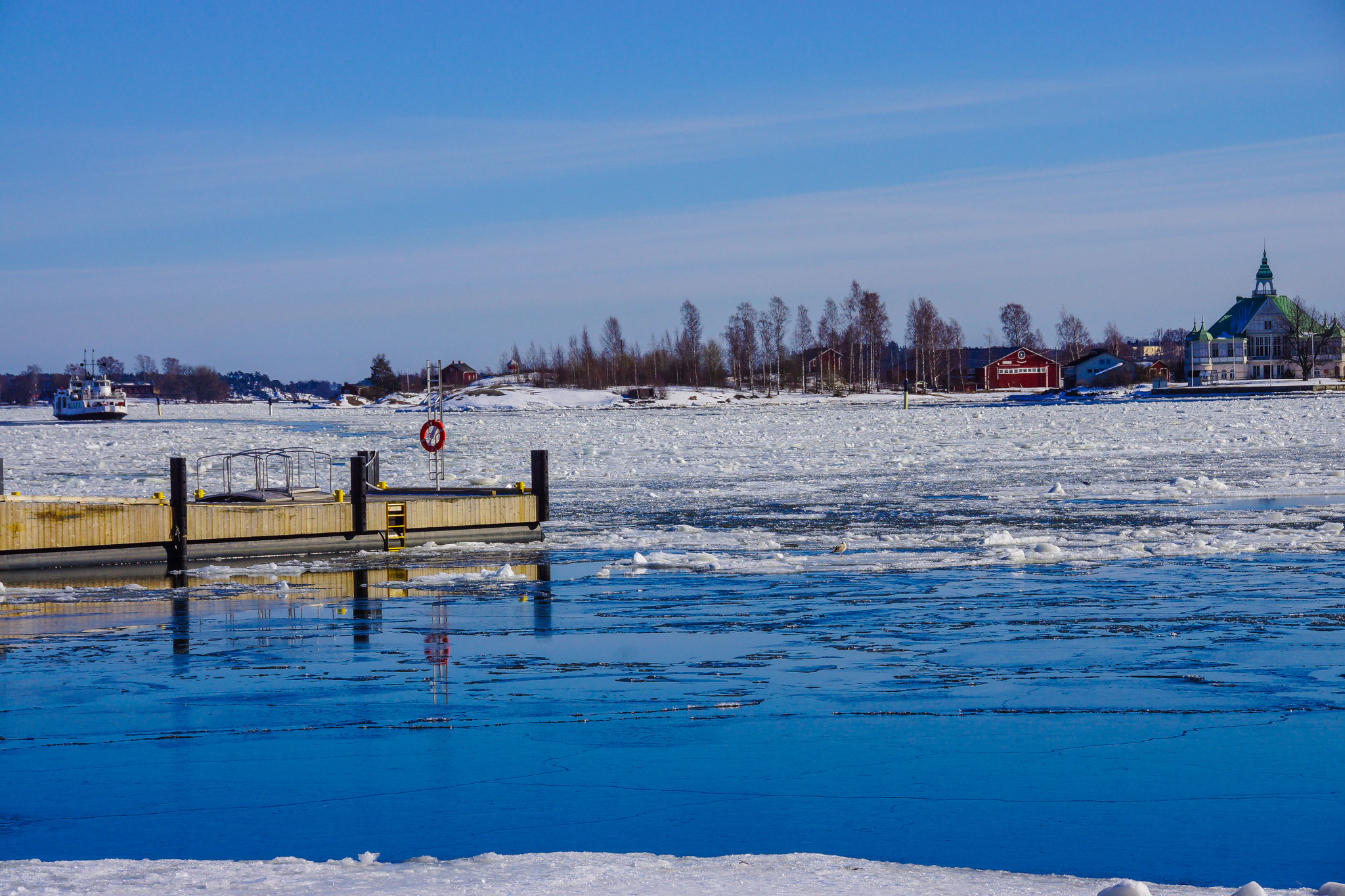
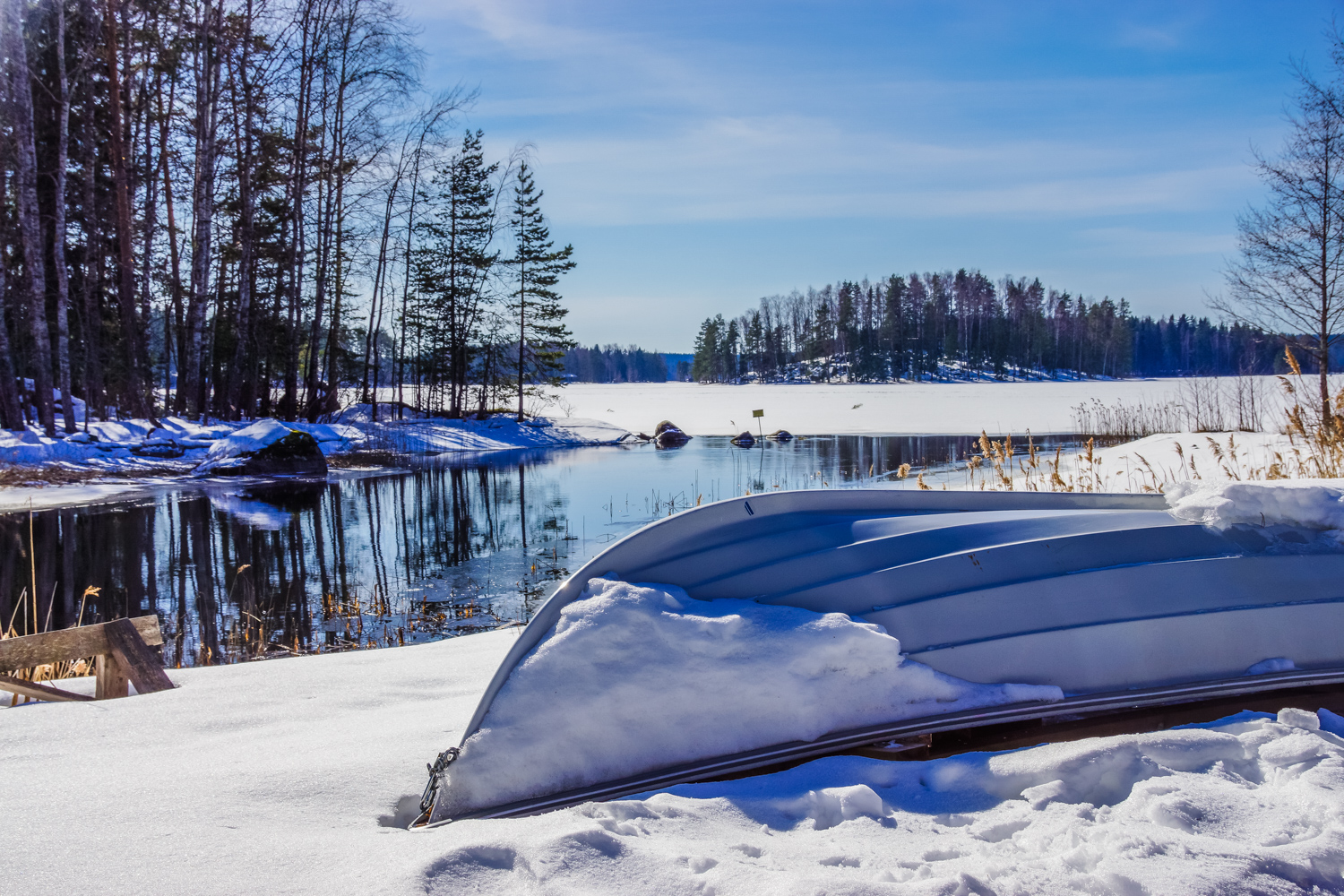
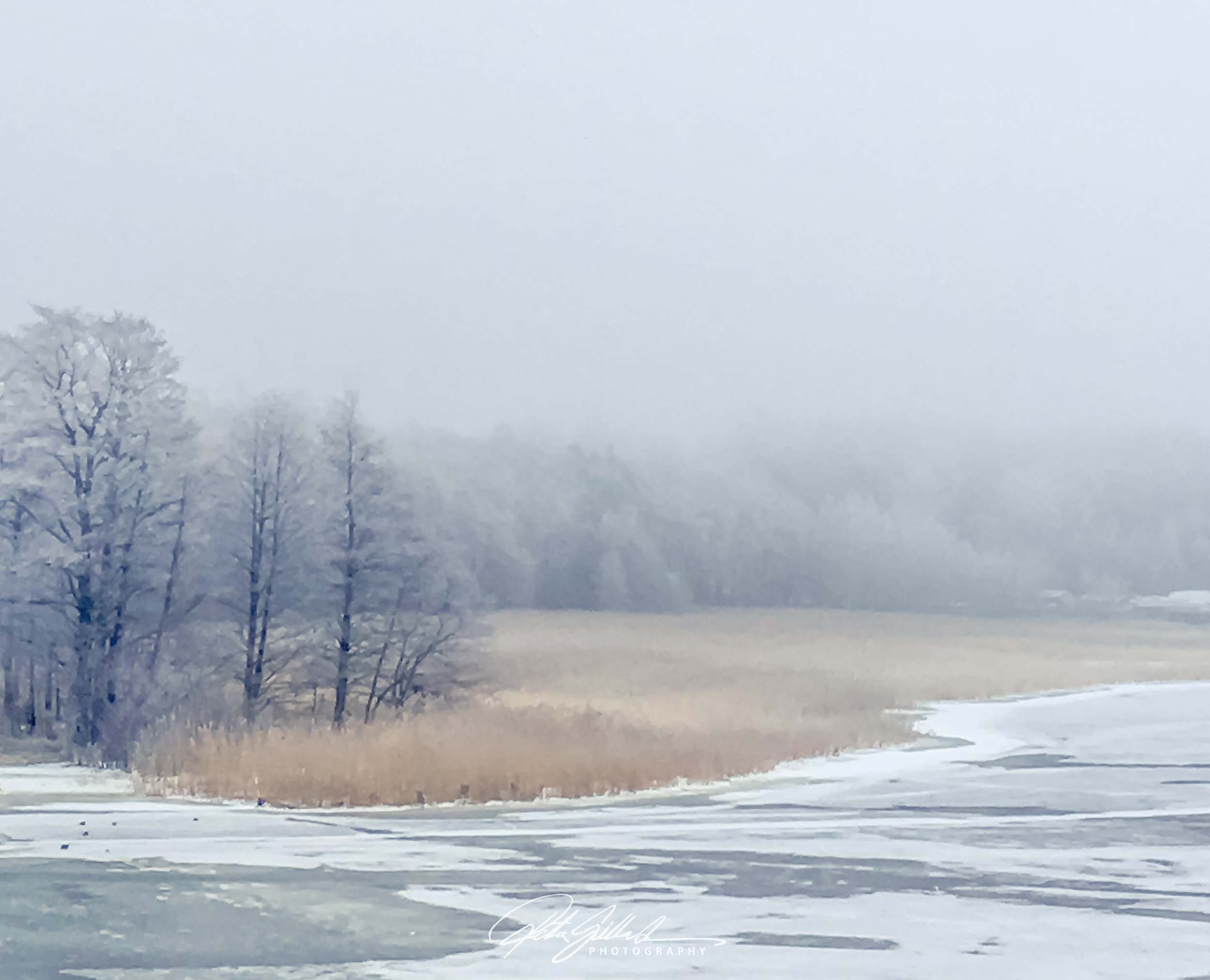
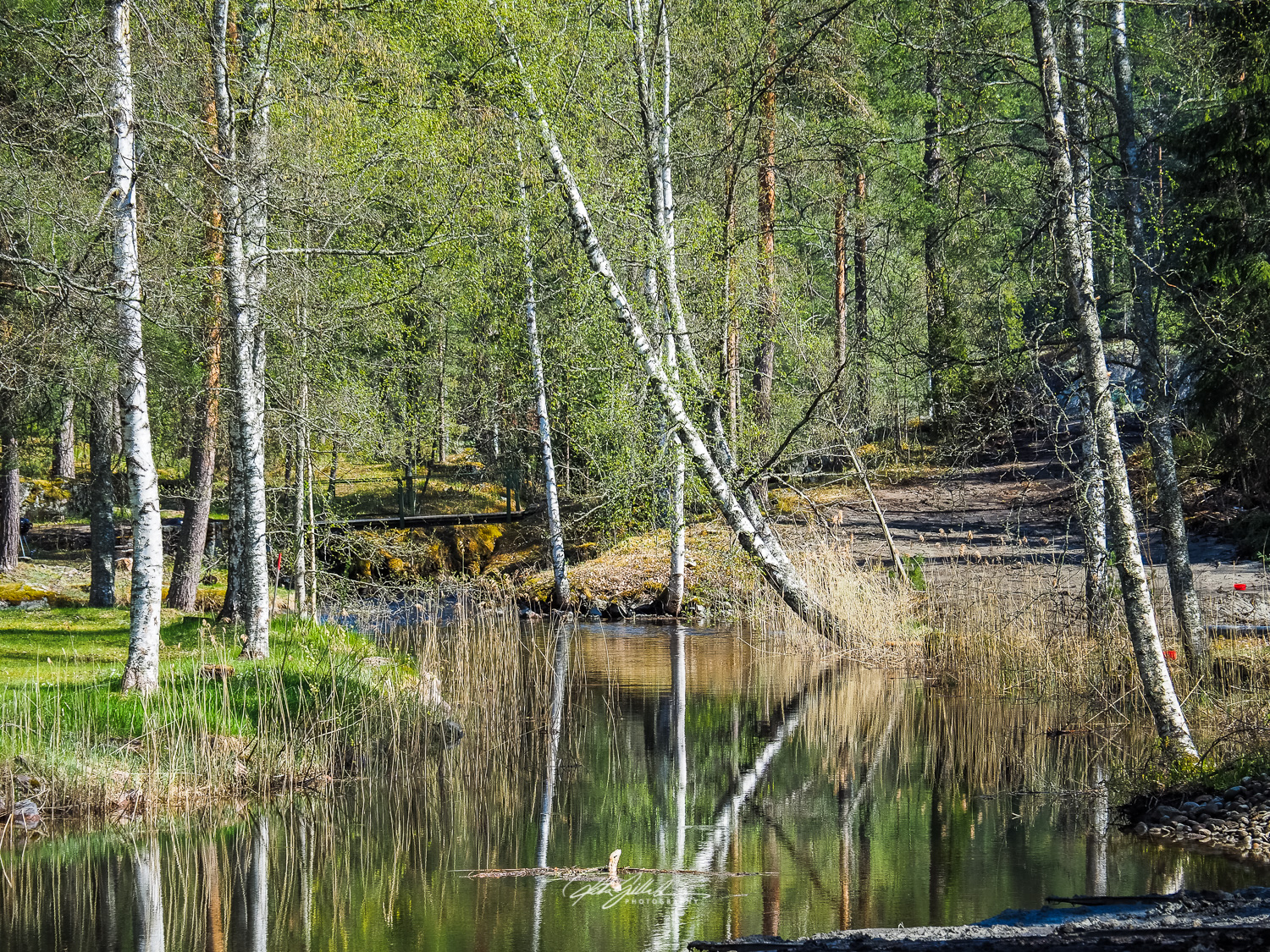
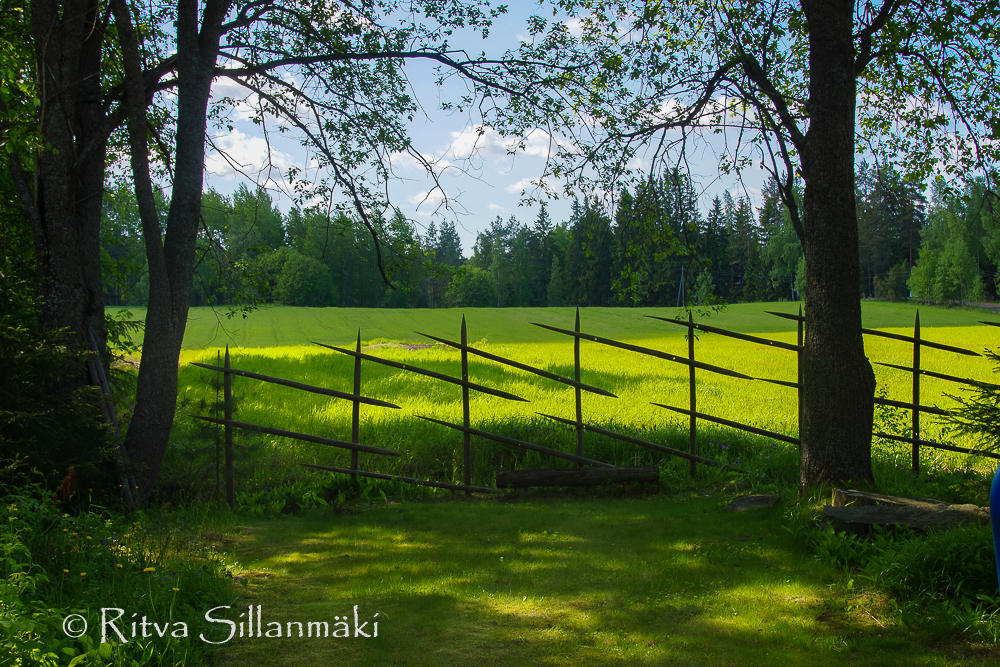
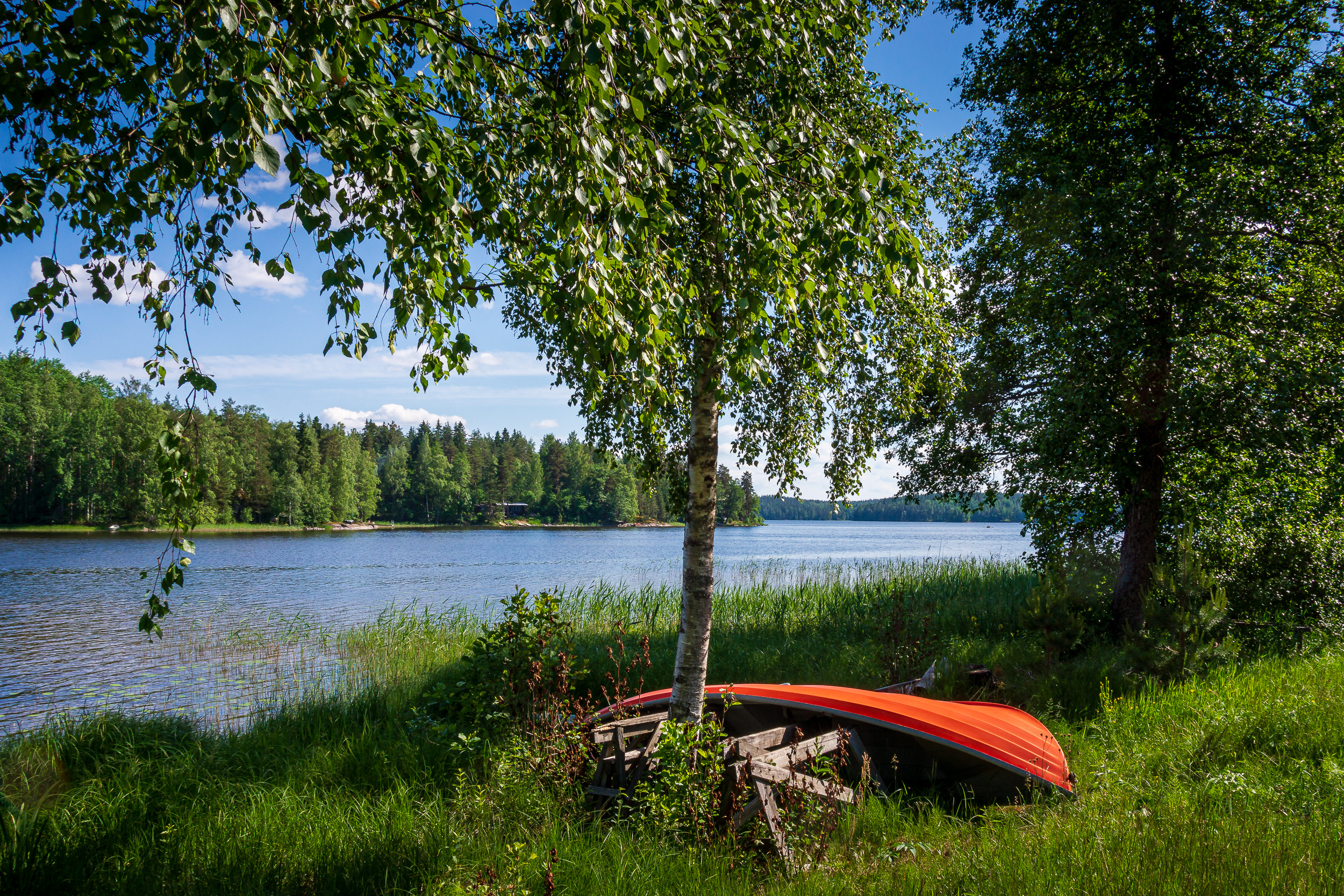
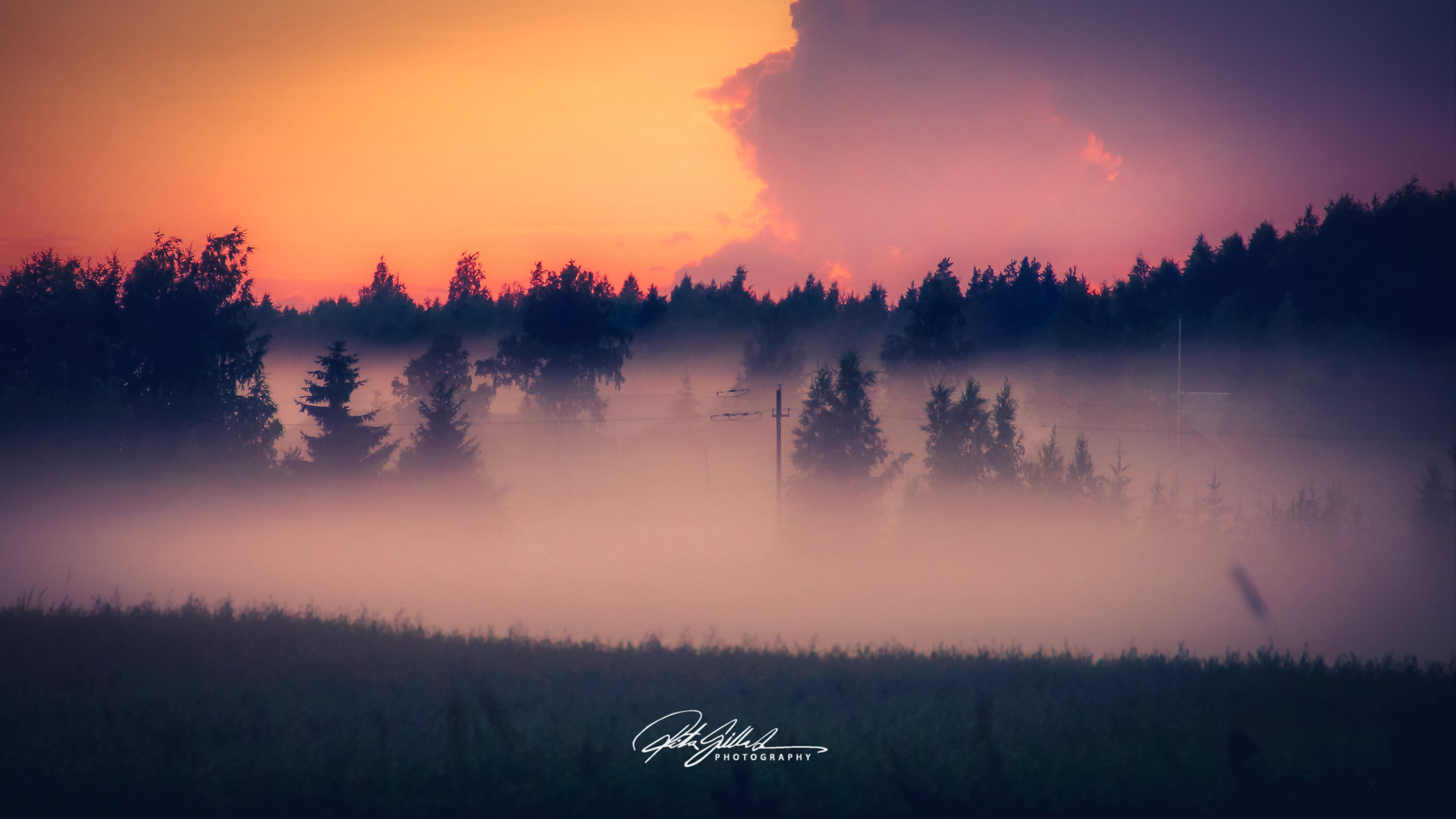
Our guest host this week is Elizabeth of Albatz Travels – and she has got a great challenge for for us! Please visit her site for guiding to diptychs:
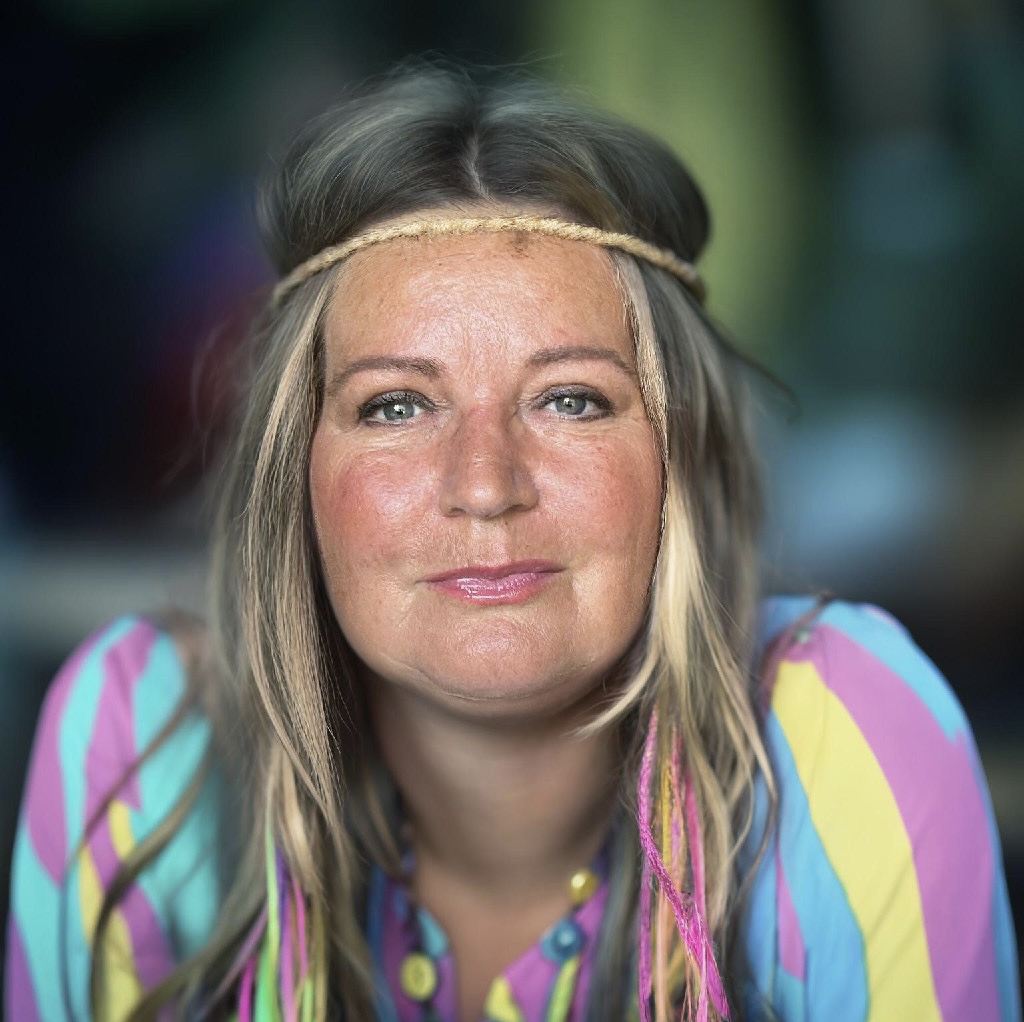
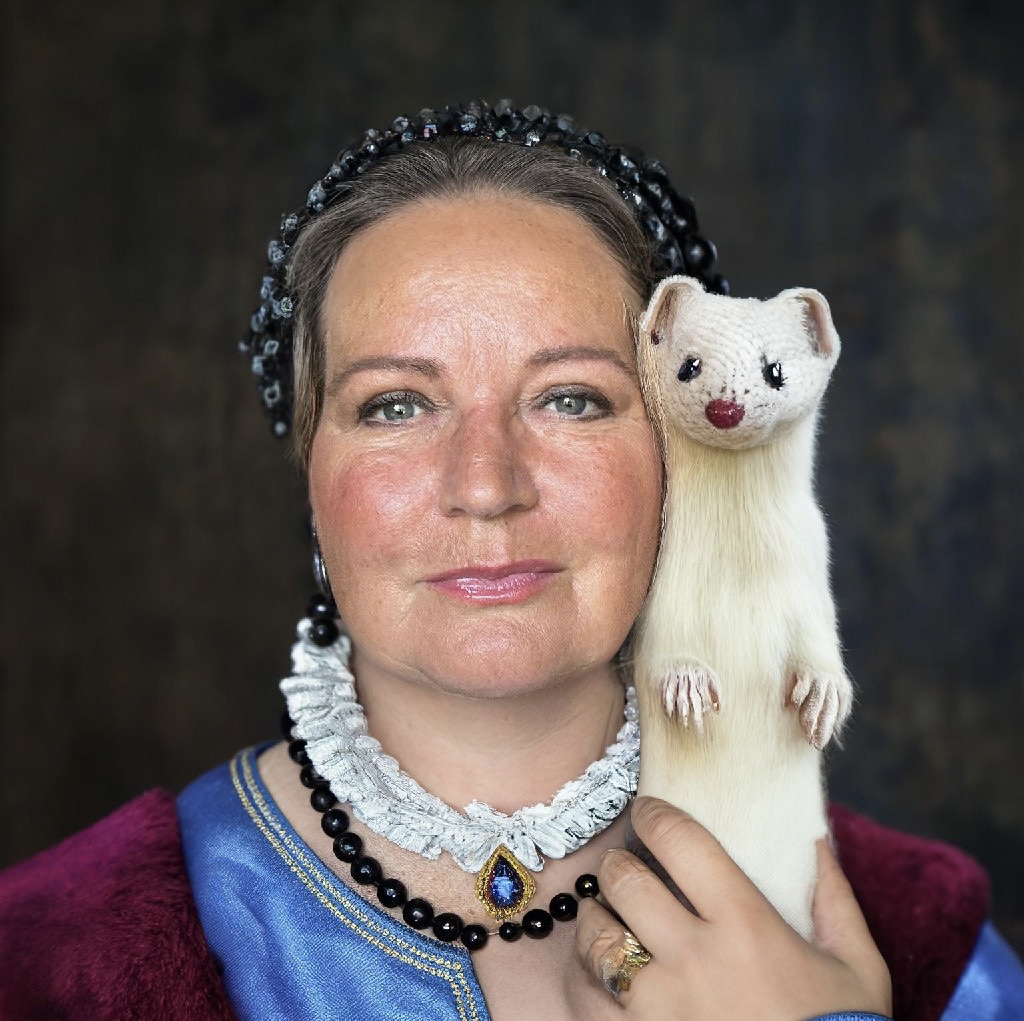
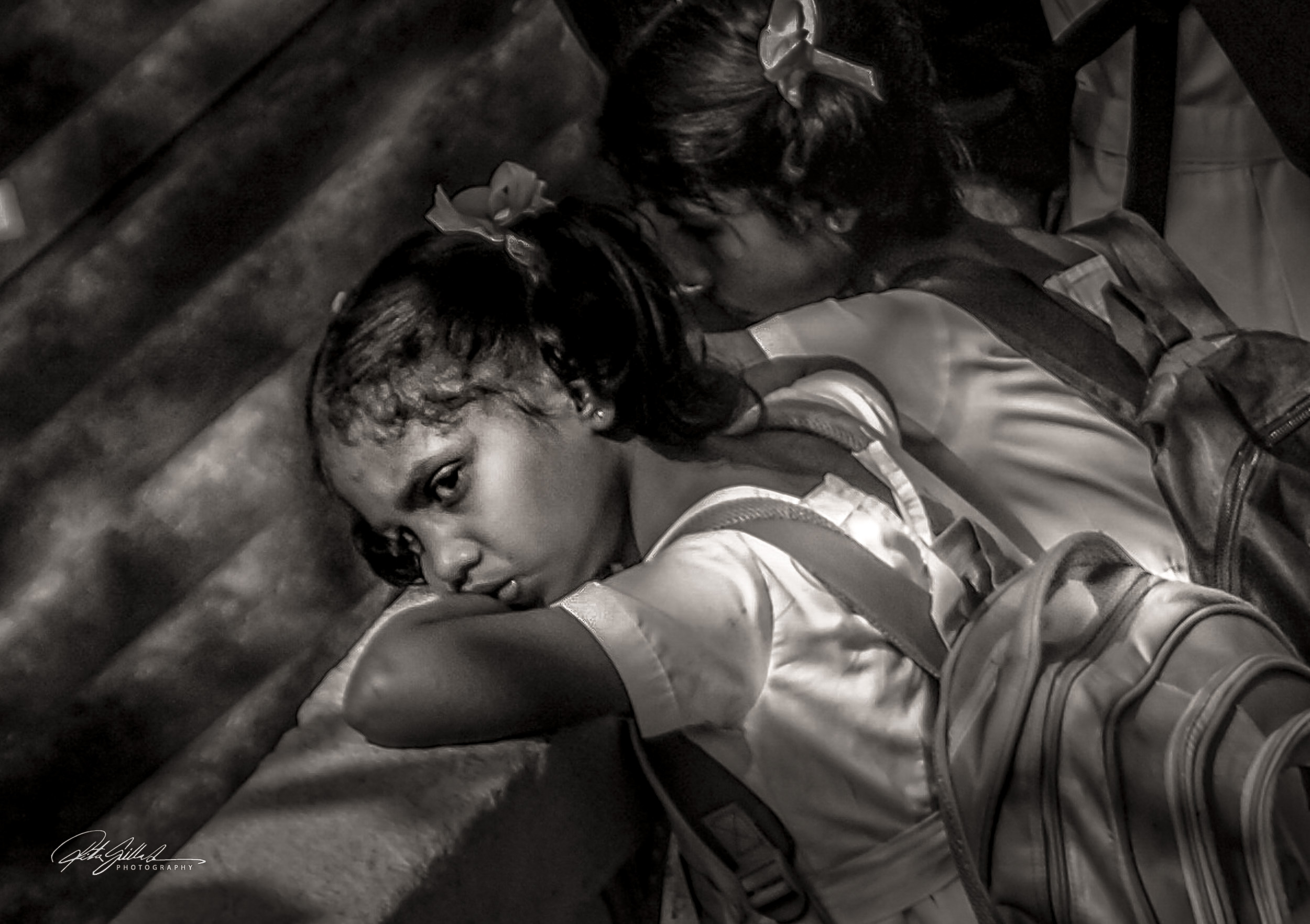
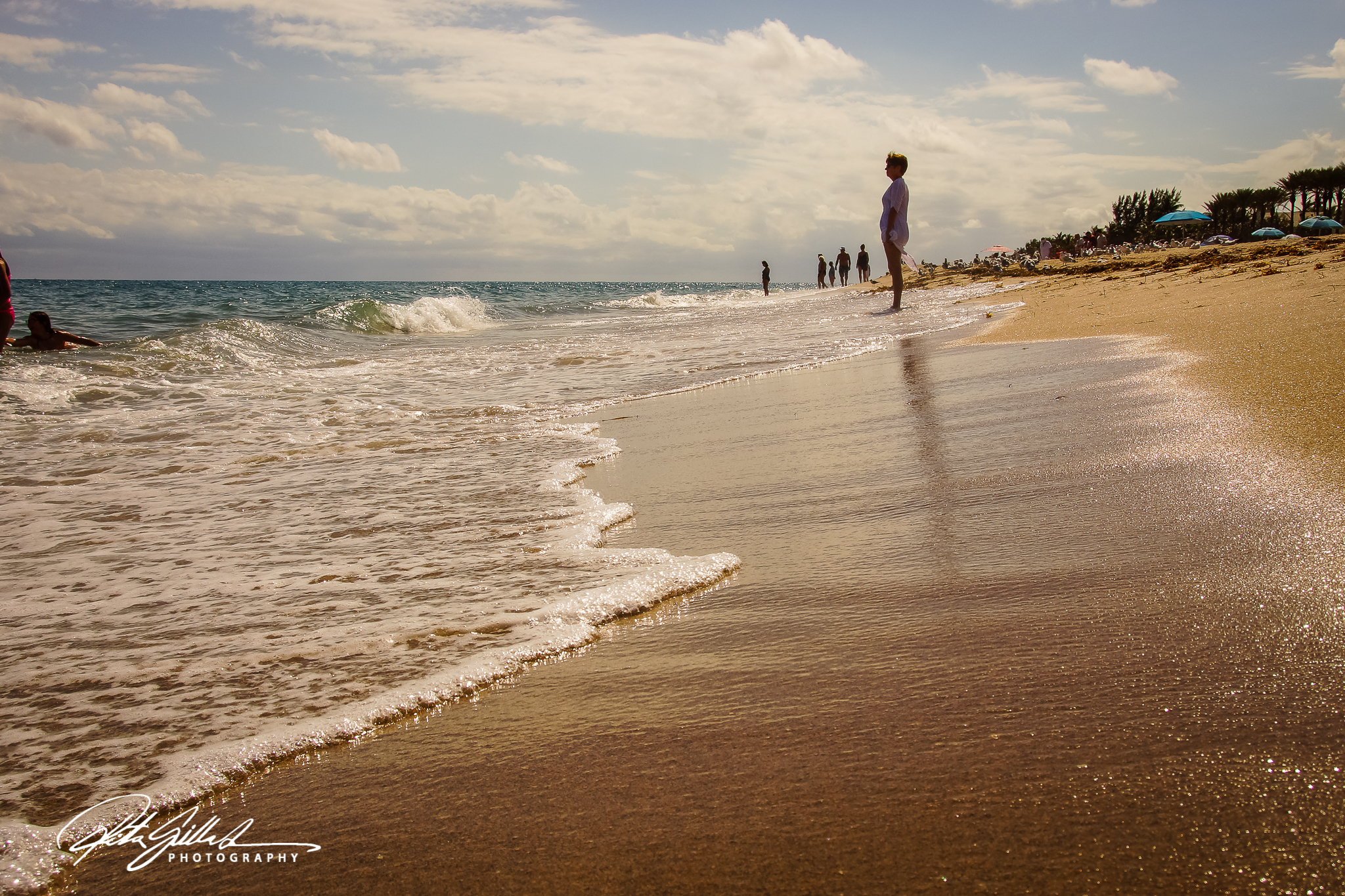
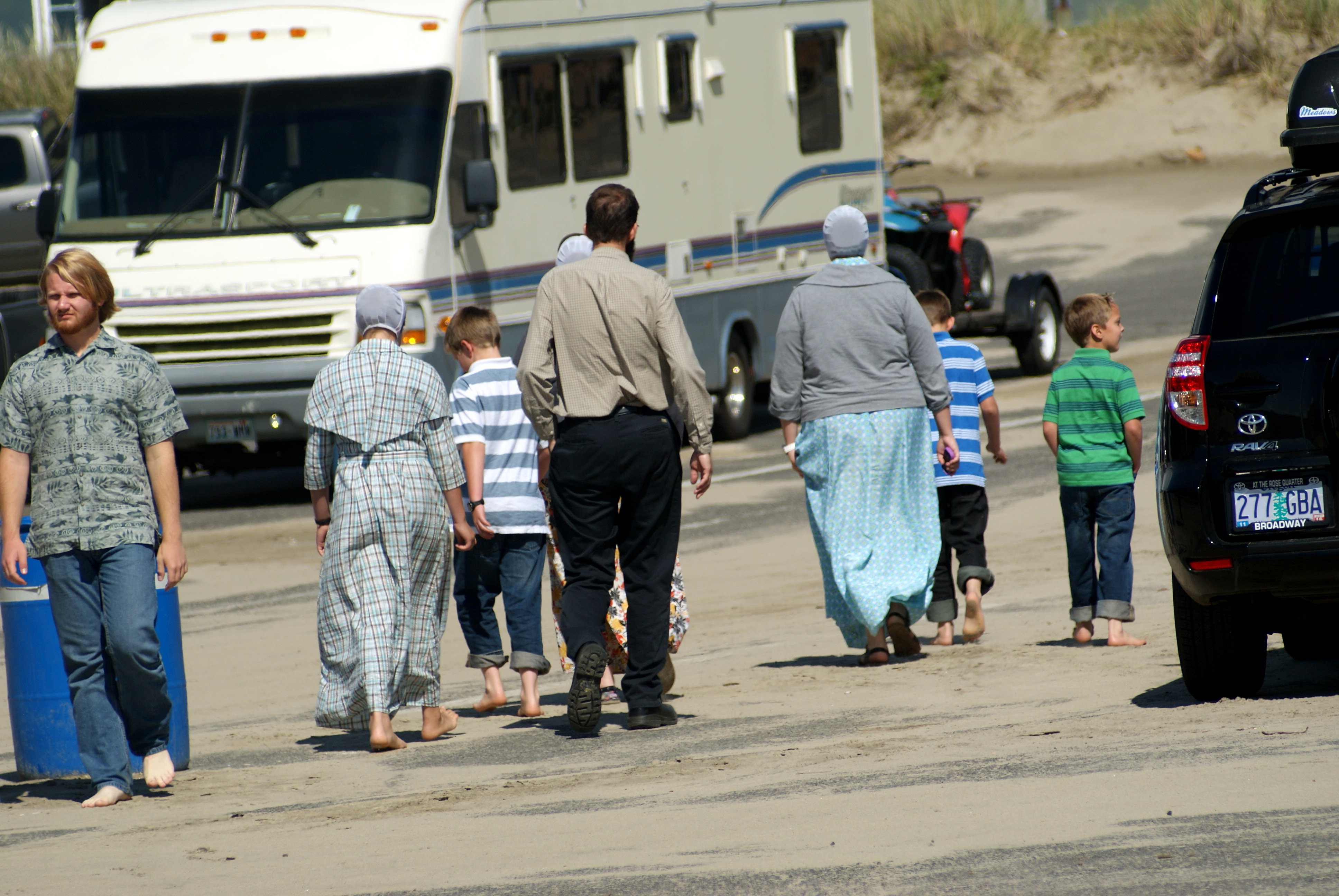
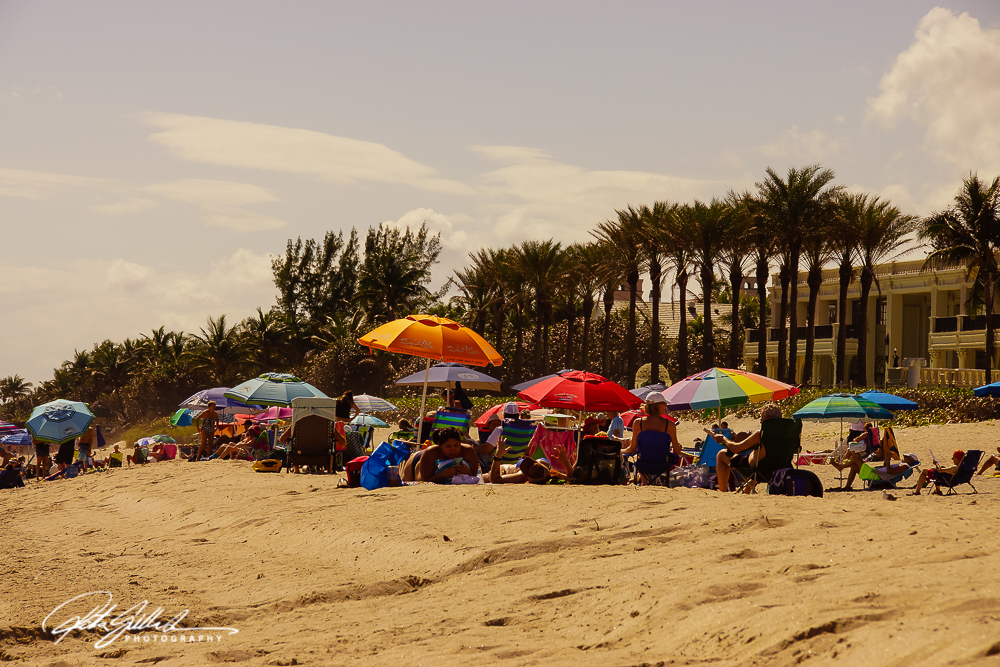
A diptych is two images placed in proximity to one another, forming a pair. To make a successful pairing there should be several things in common, and something very different, contrasting.
I will do my best to get this right.
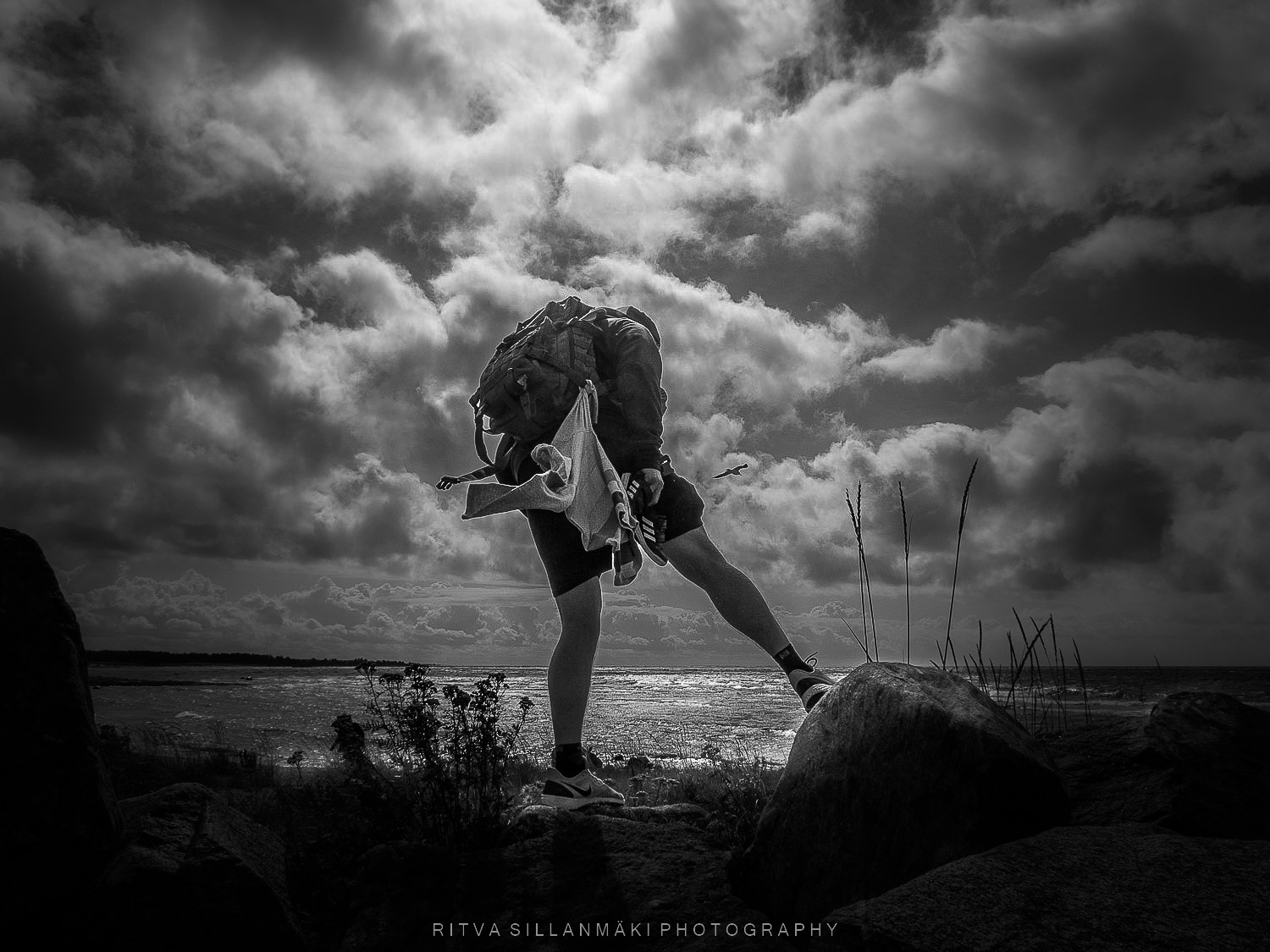
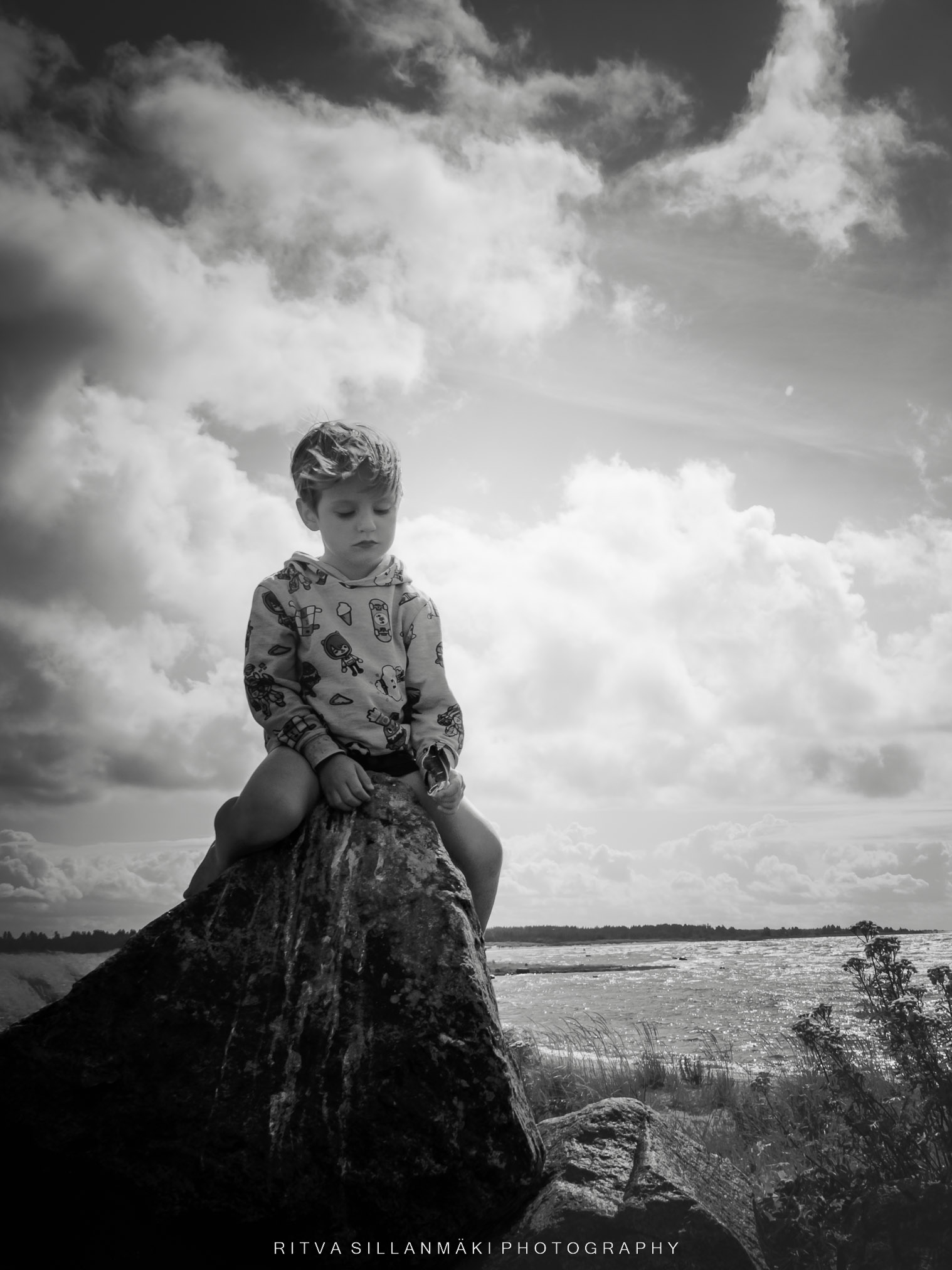
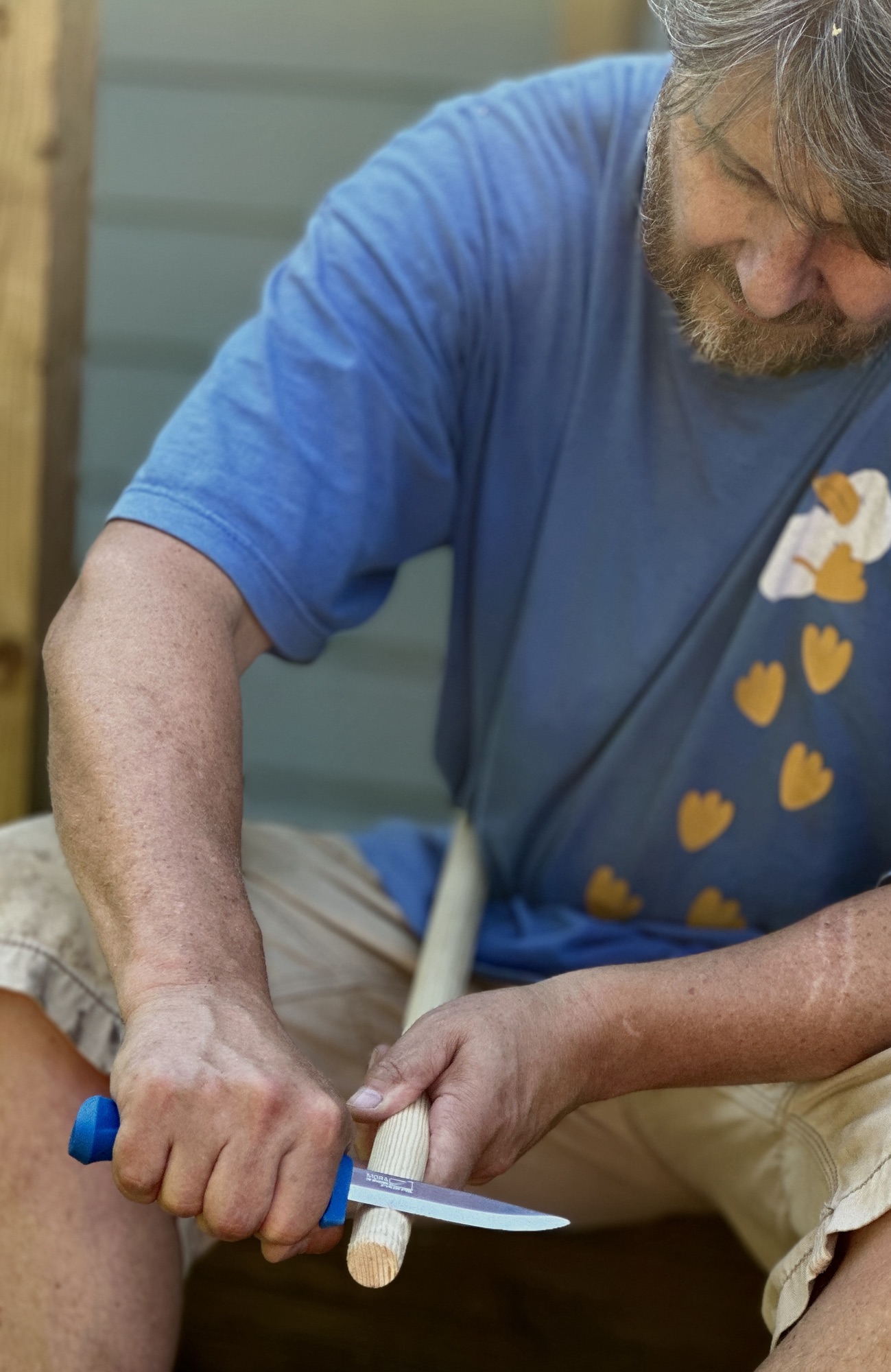
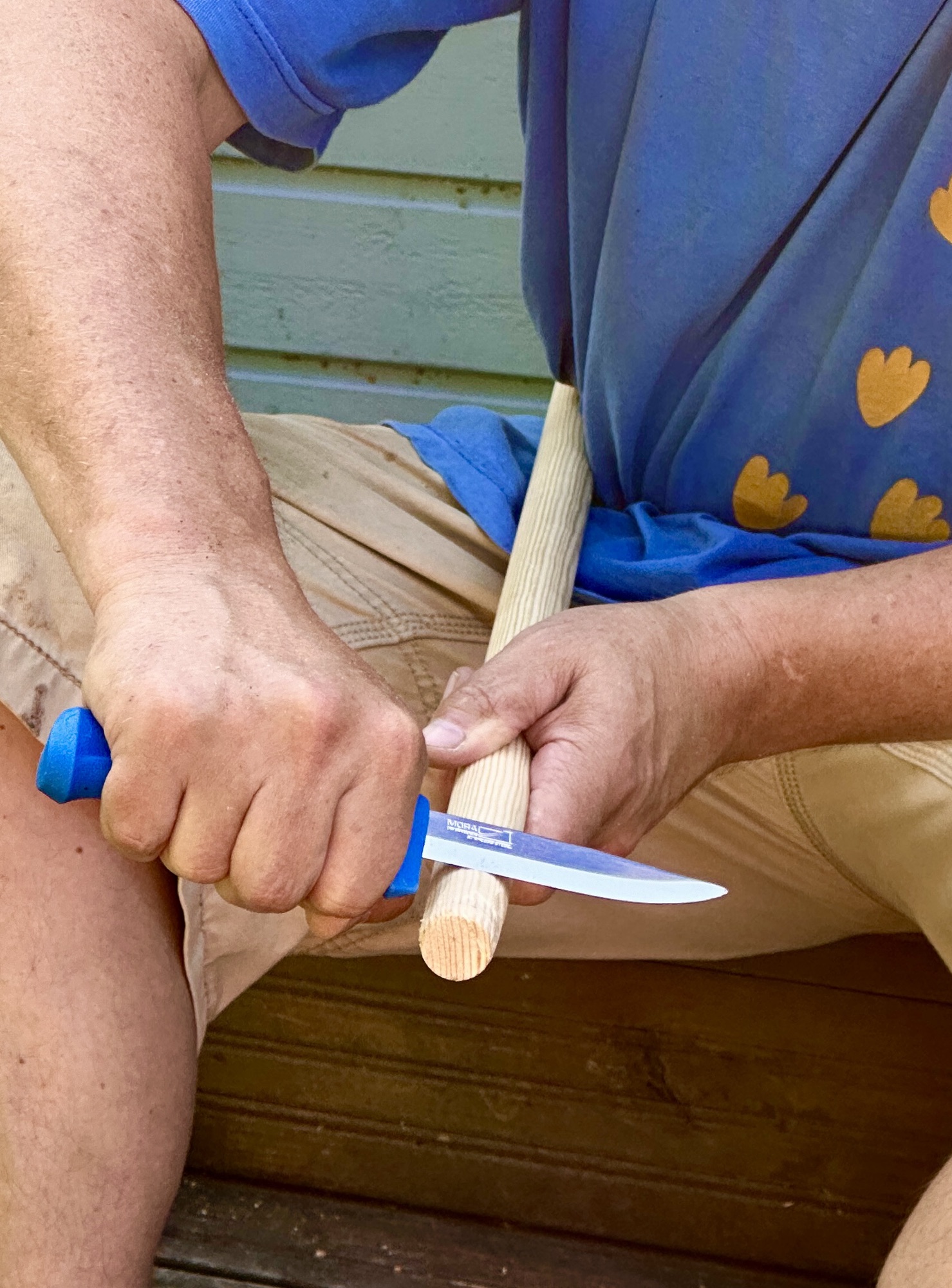
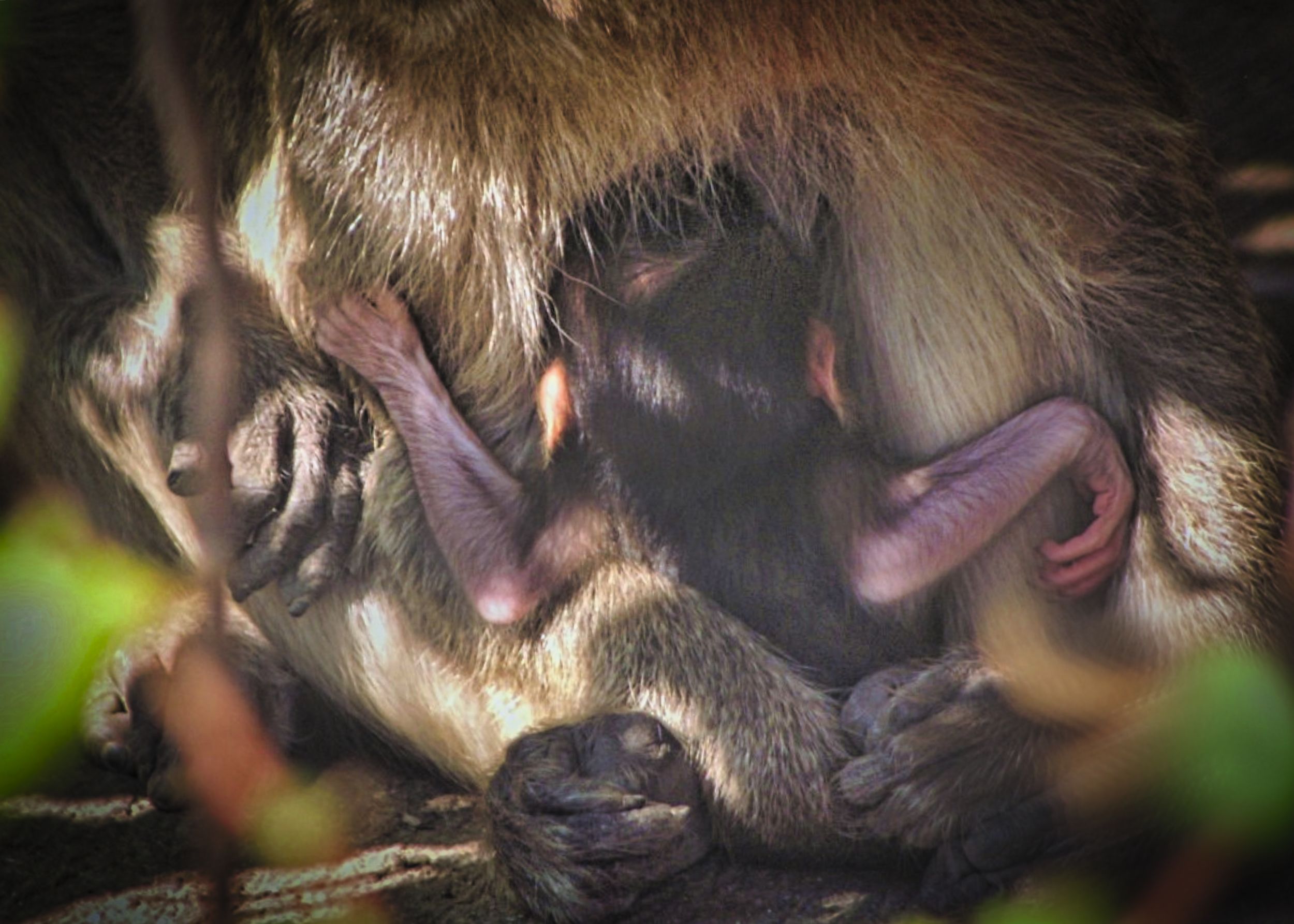
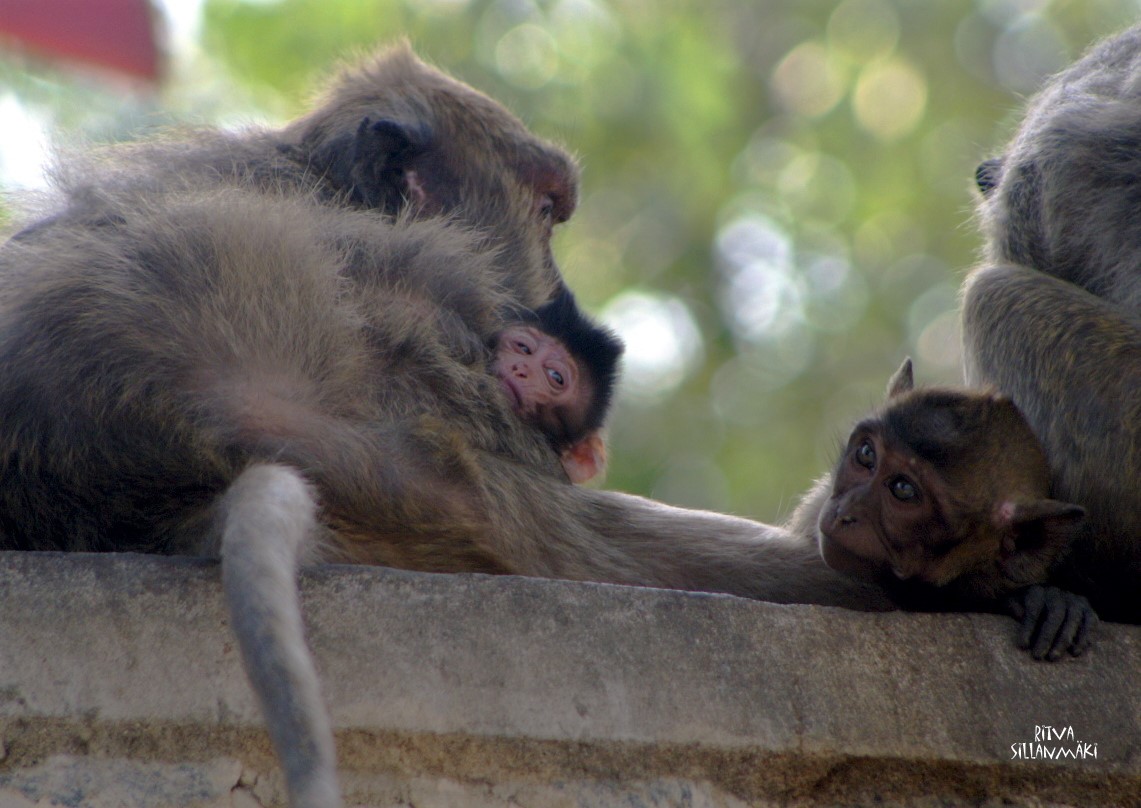
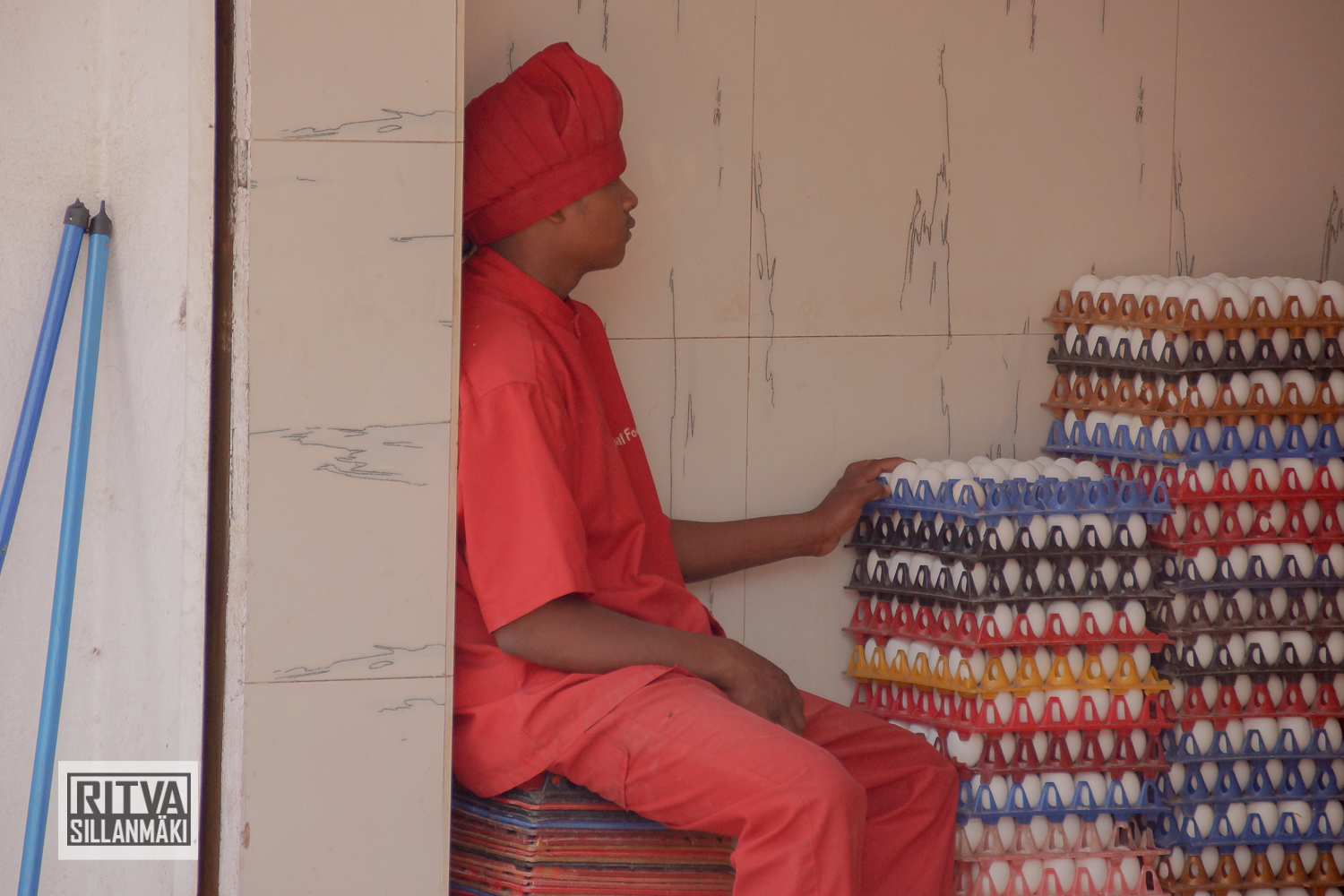
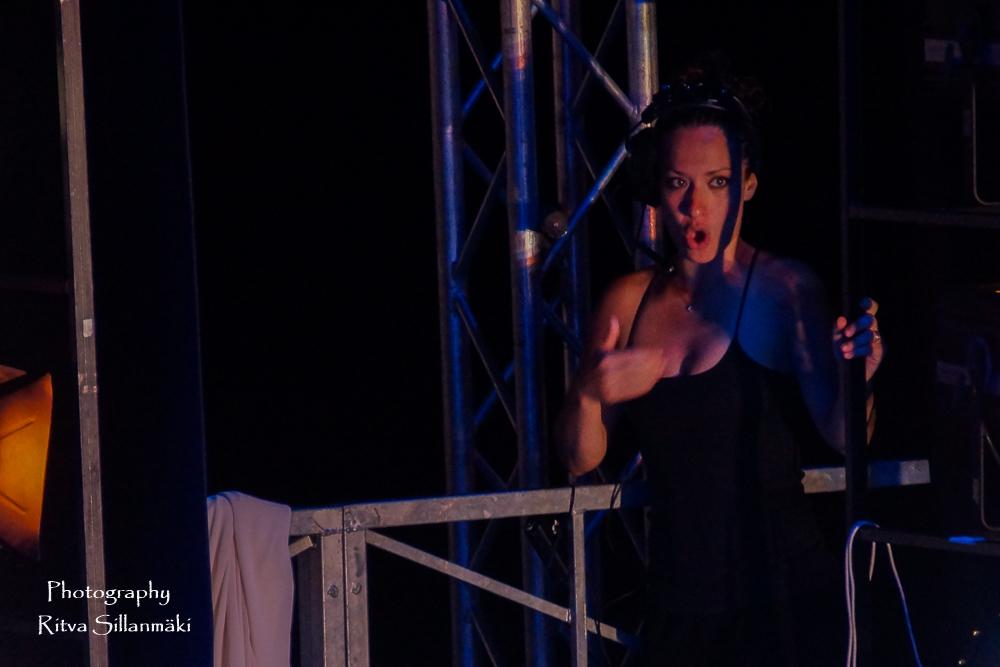
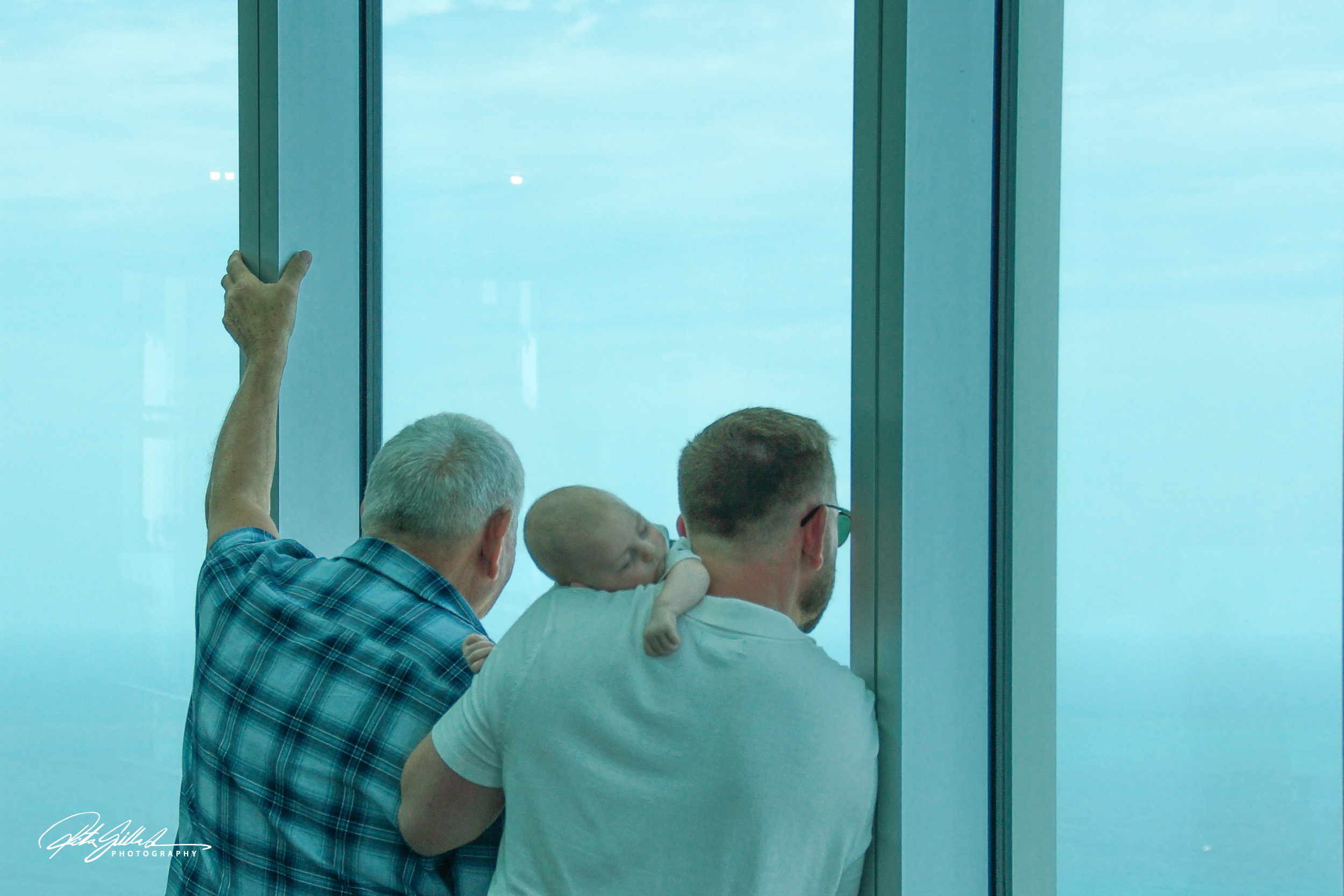
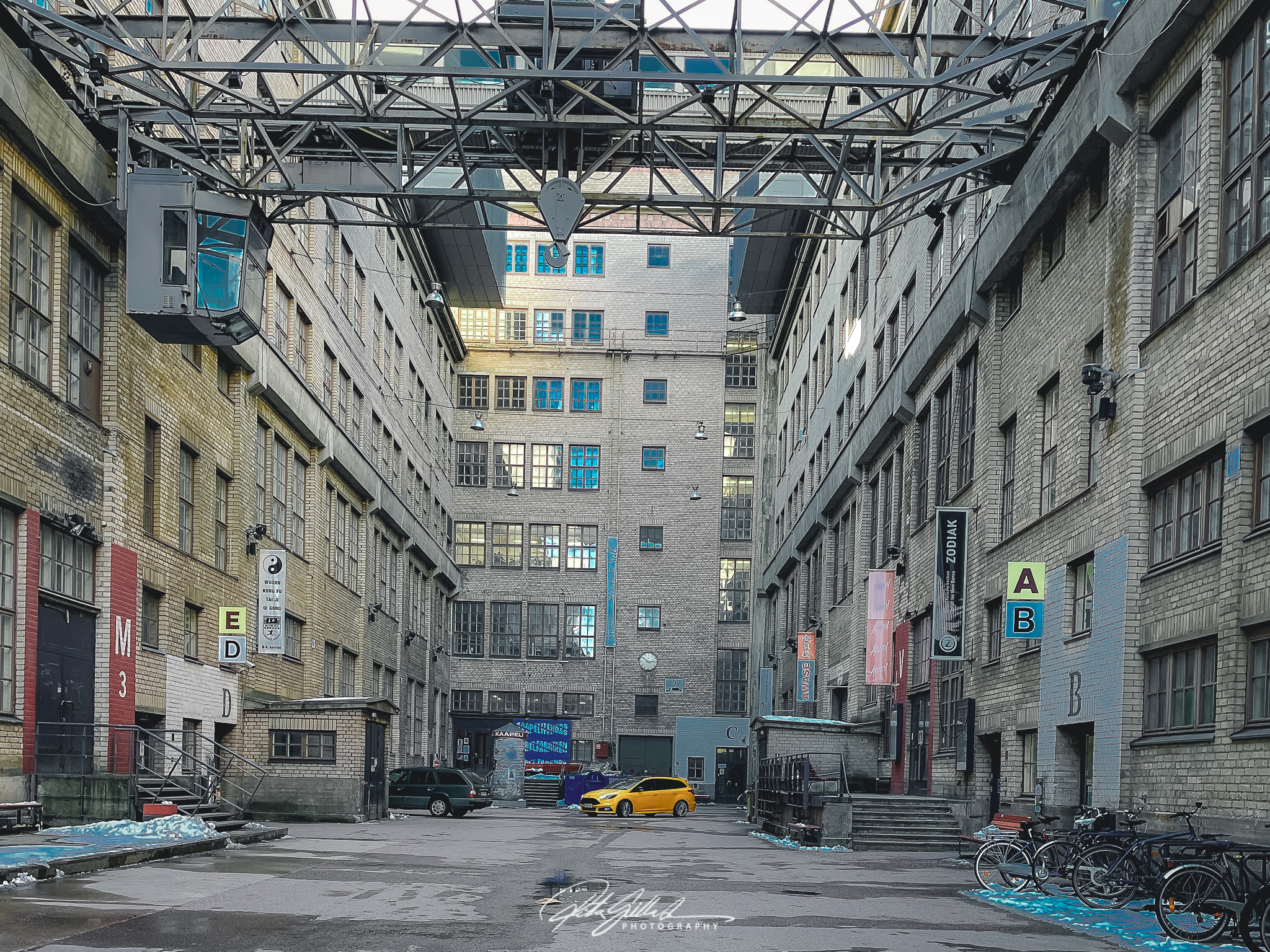
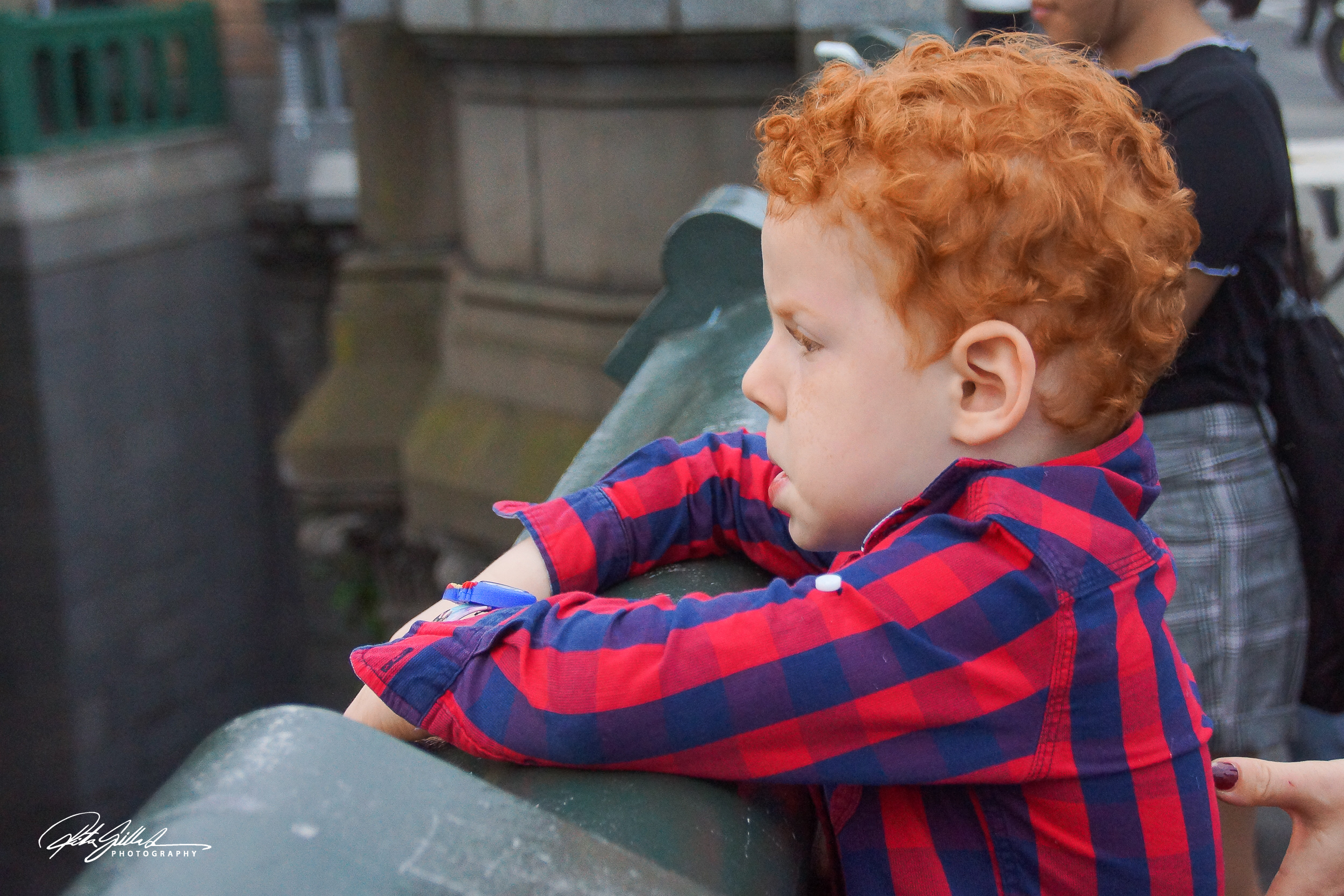
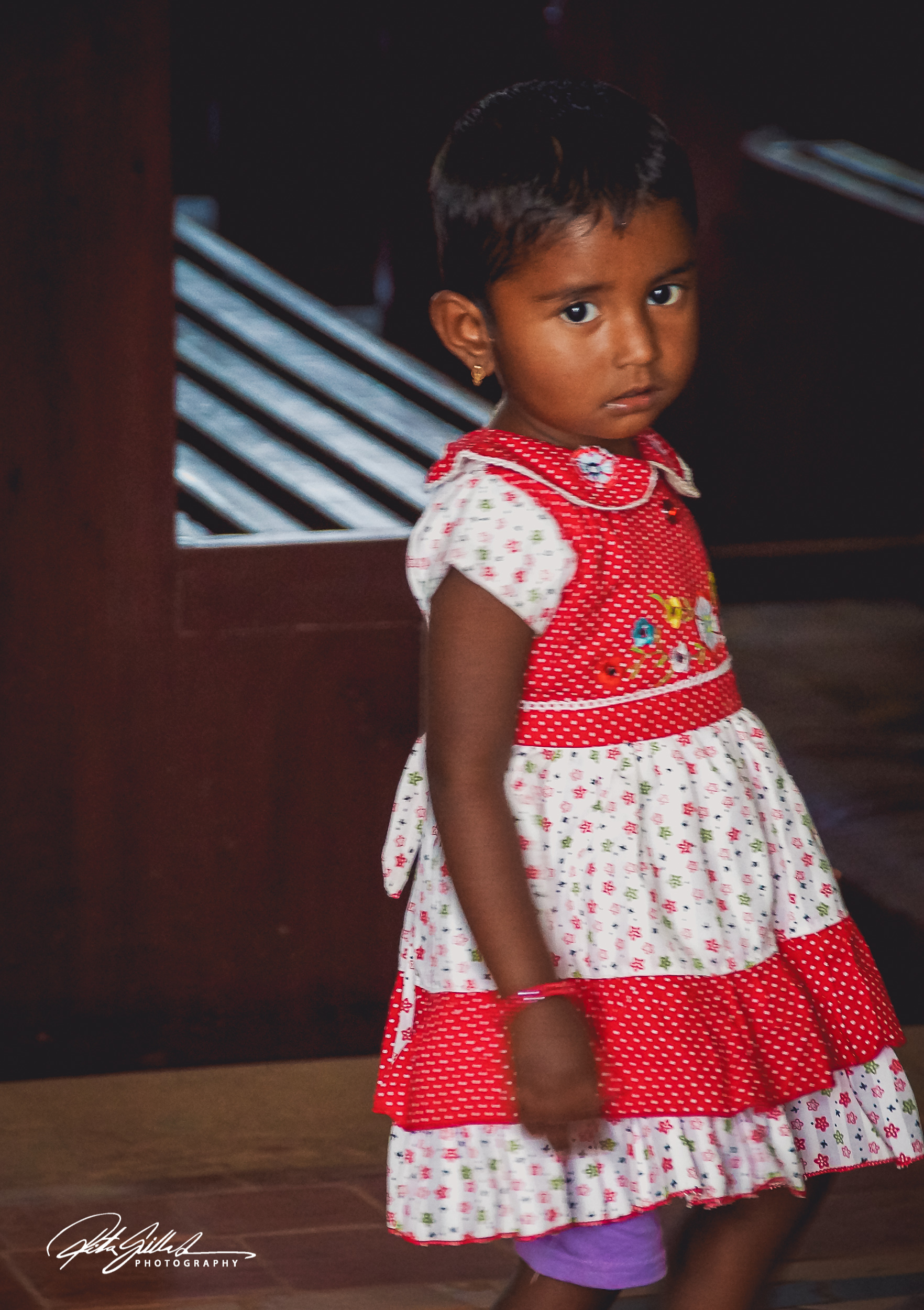
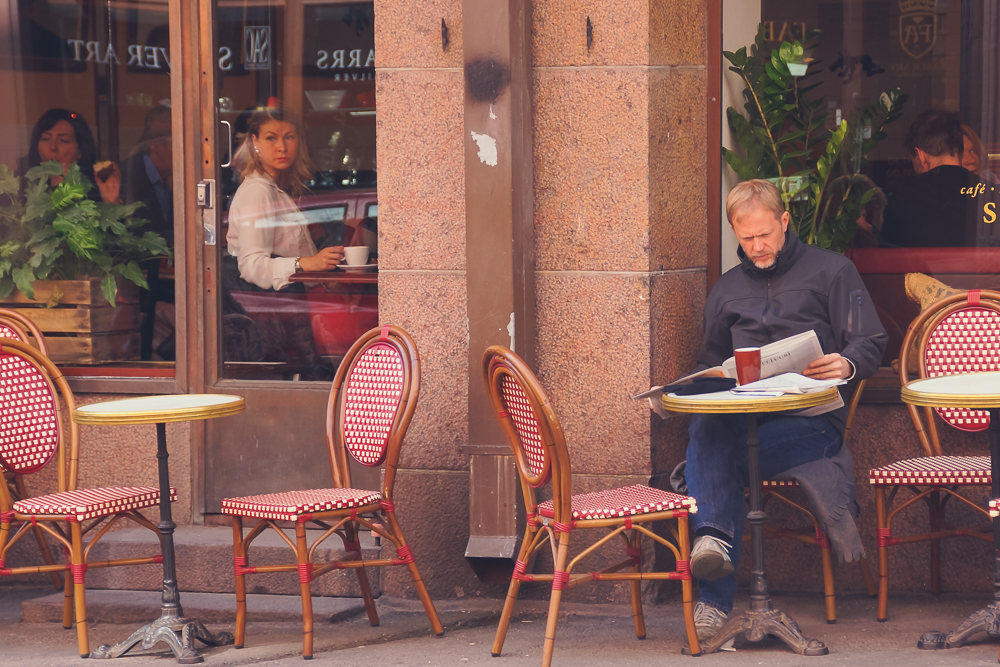
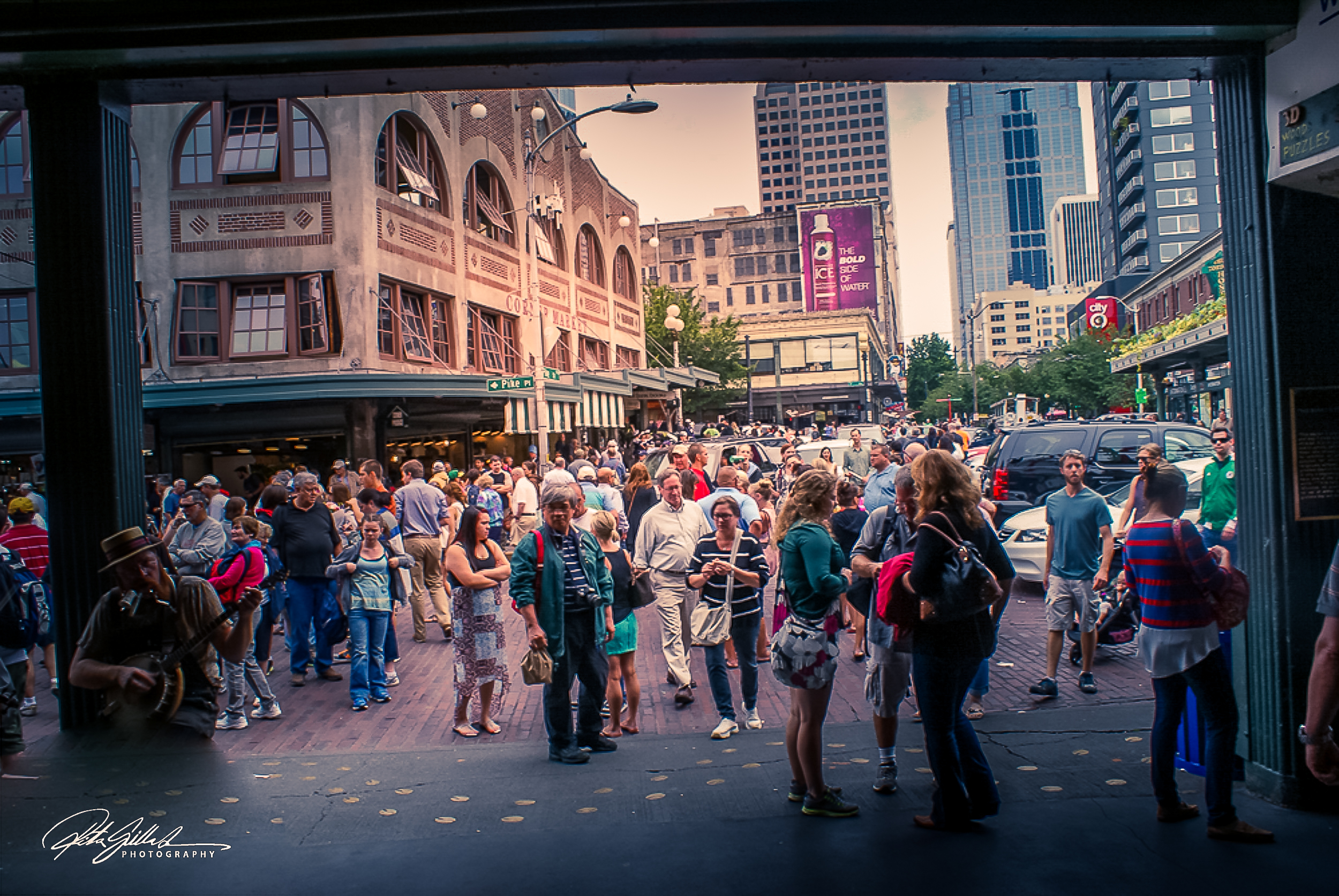
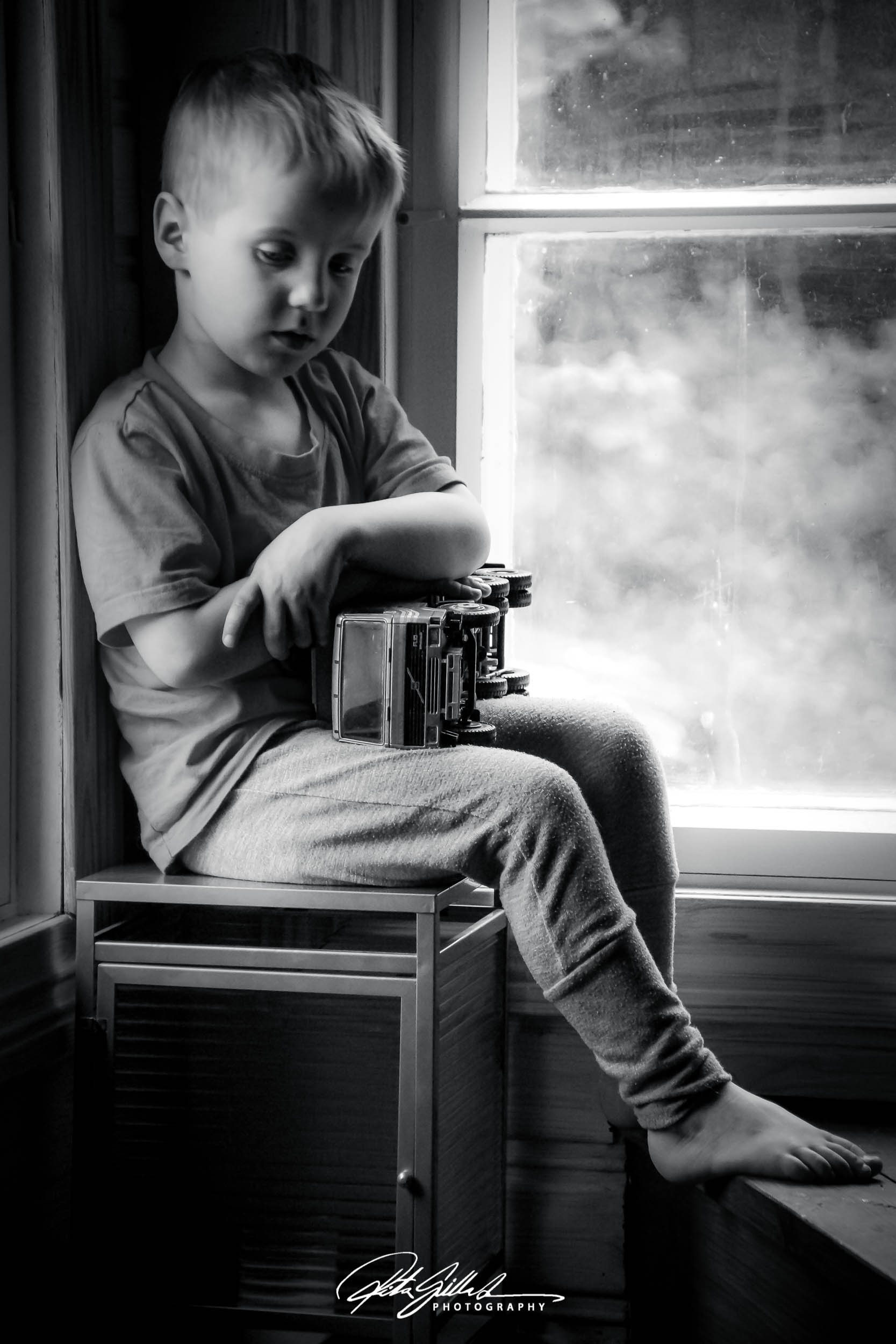
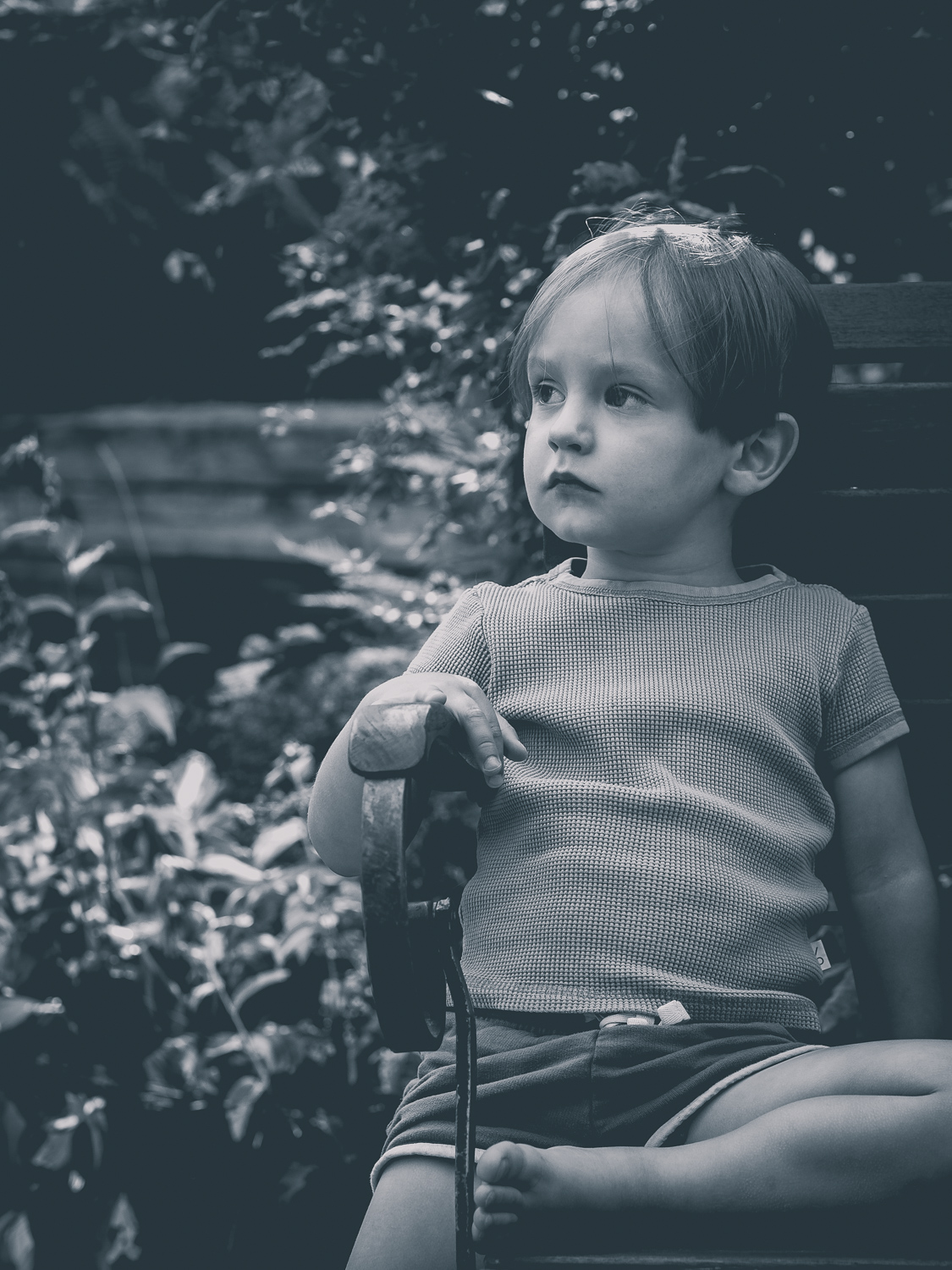
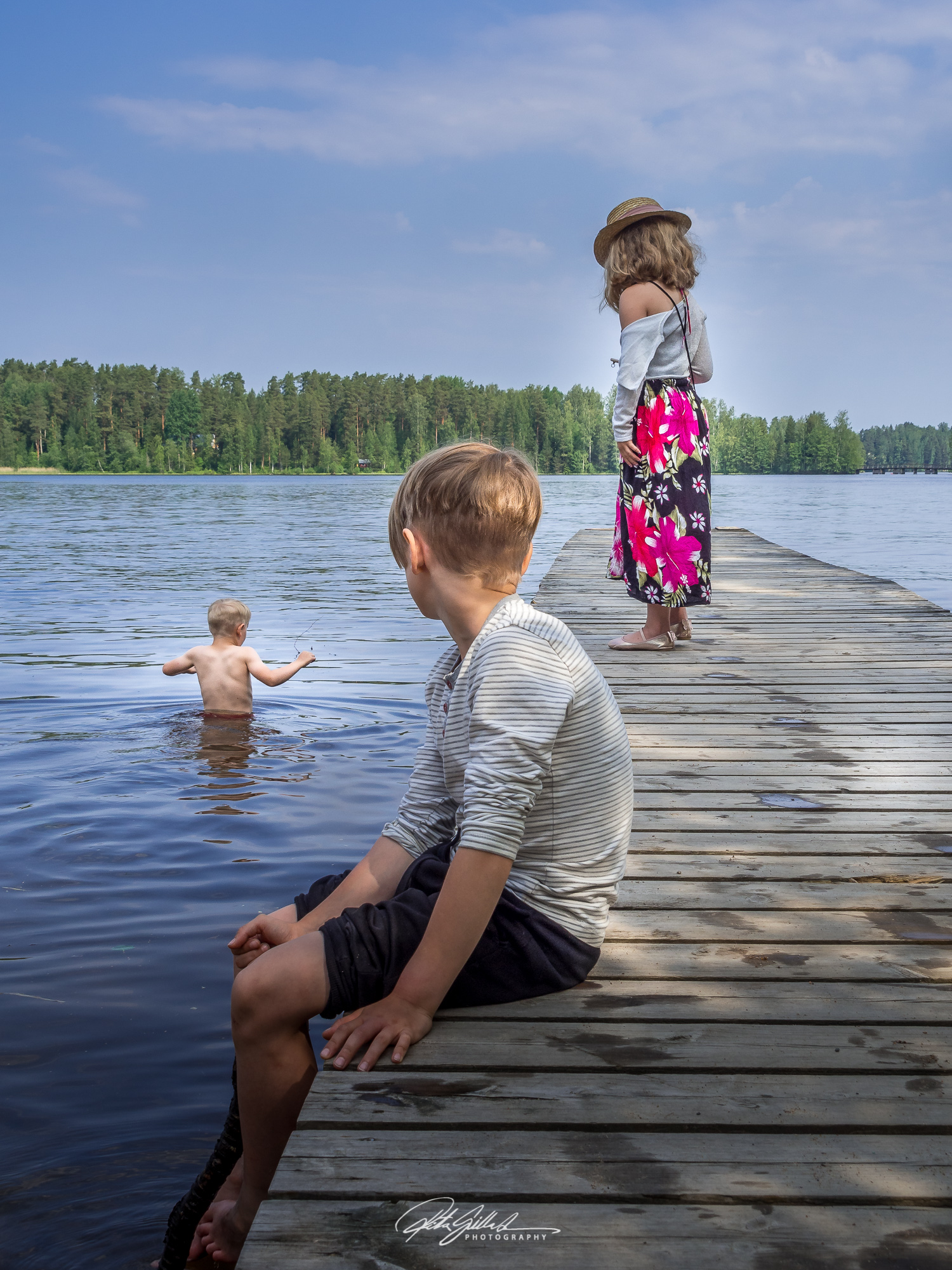
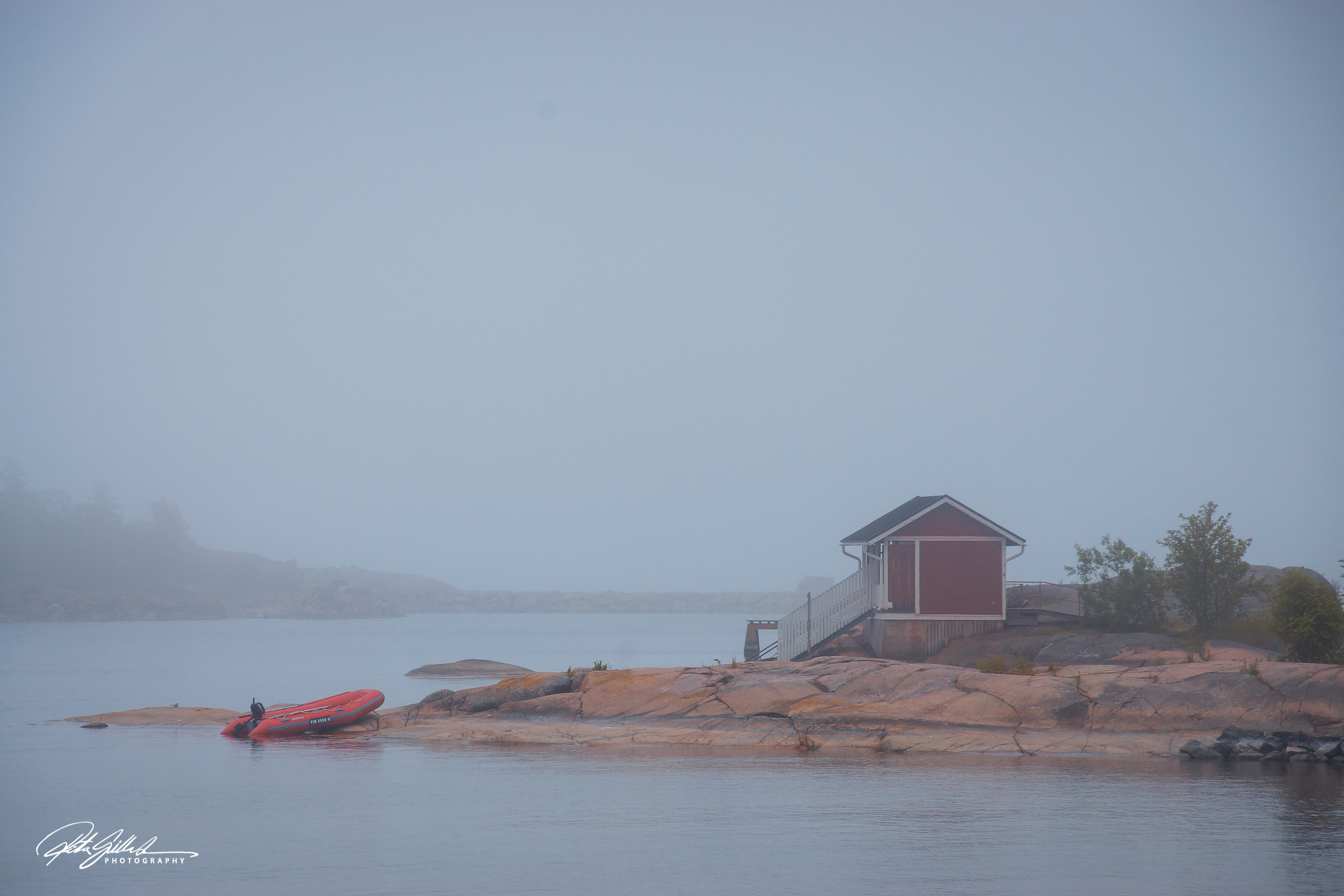
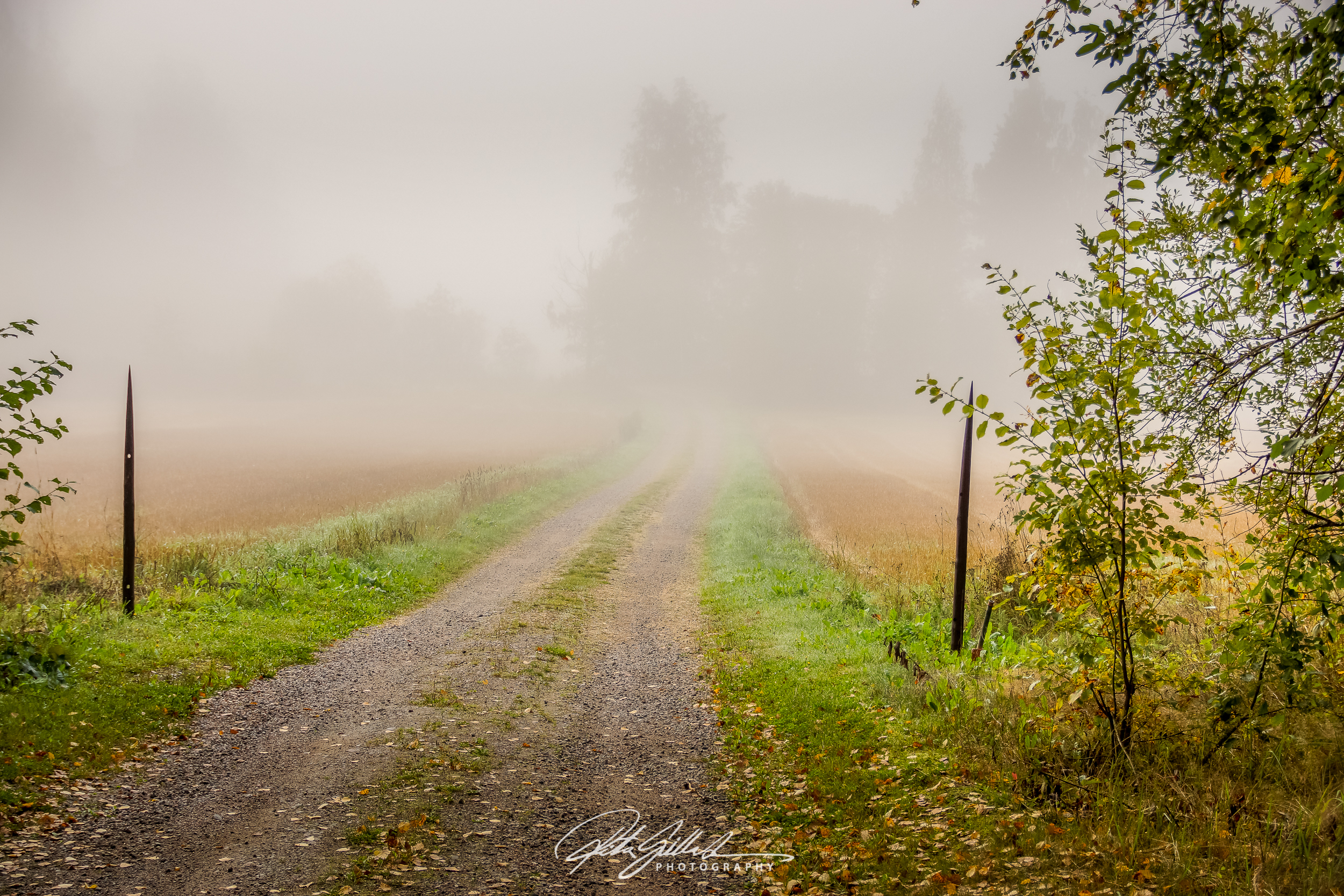
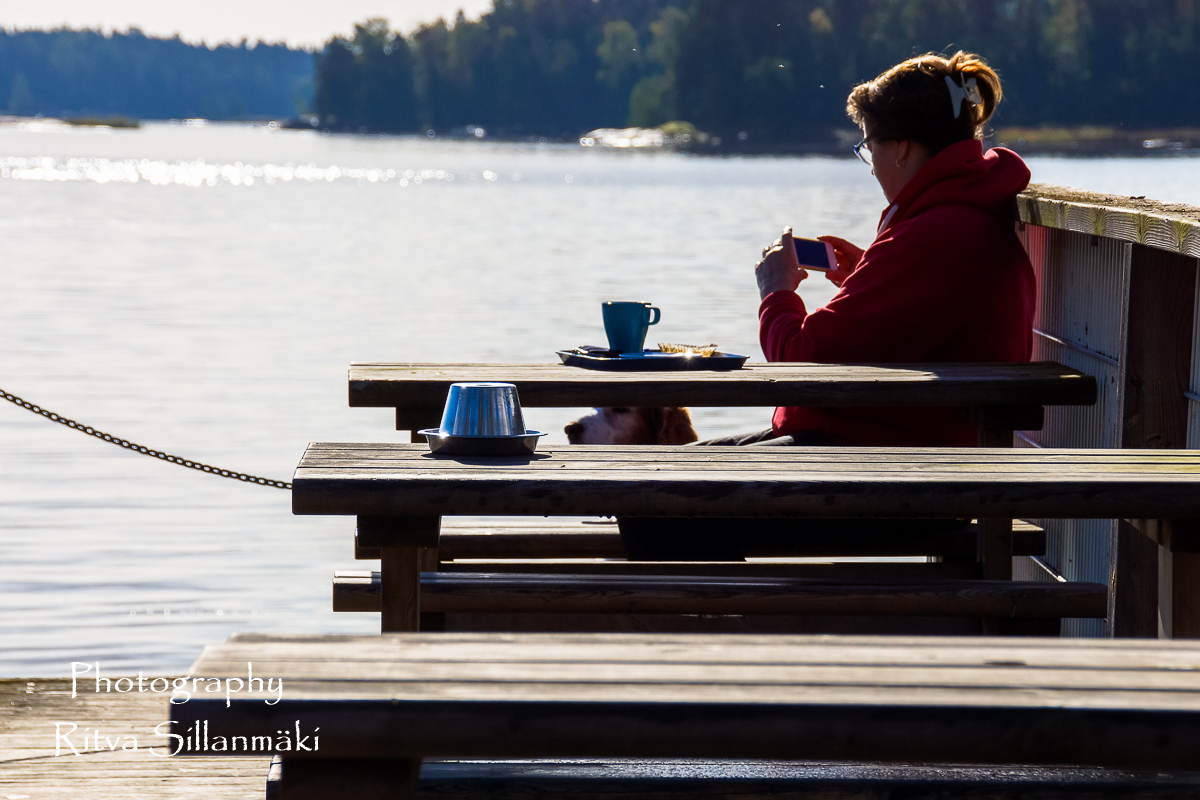
First one: young / older, Father / son, back / front, stillness/ on the move
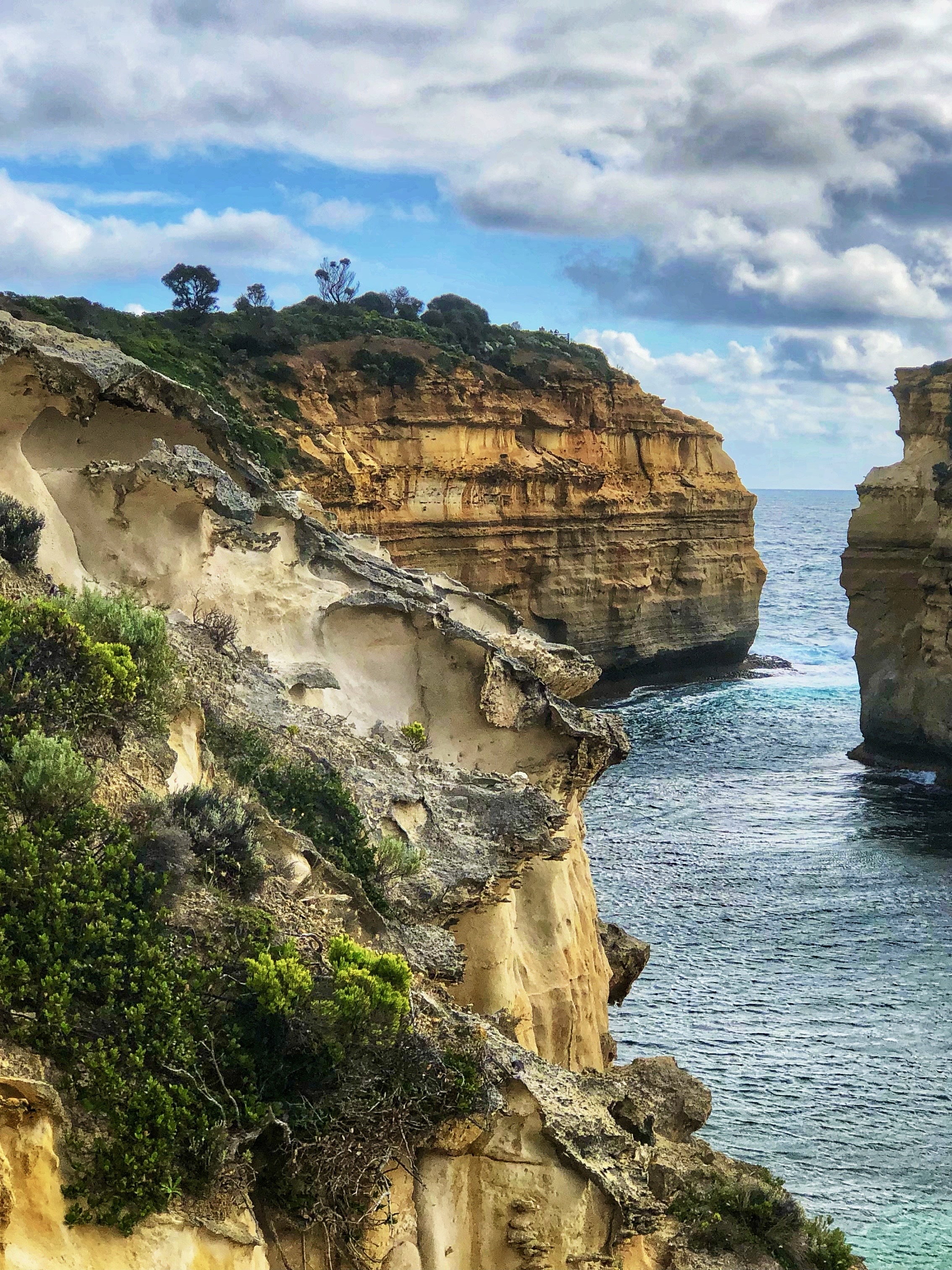
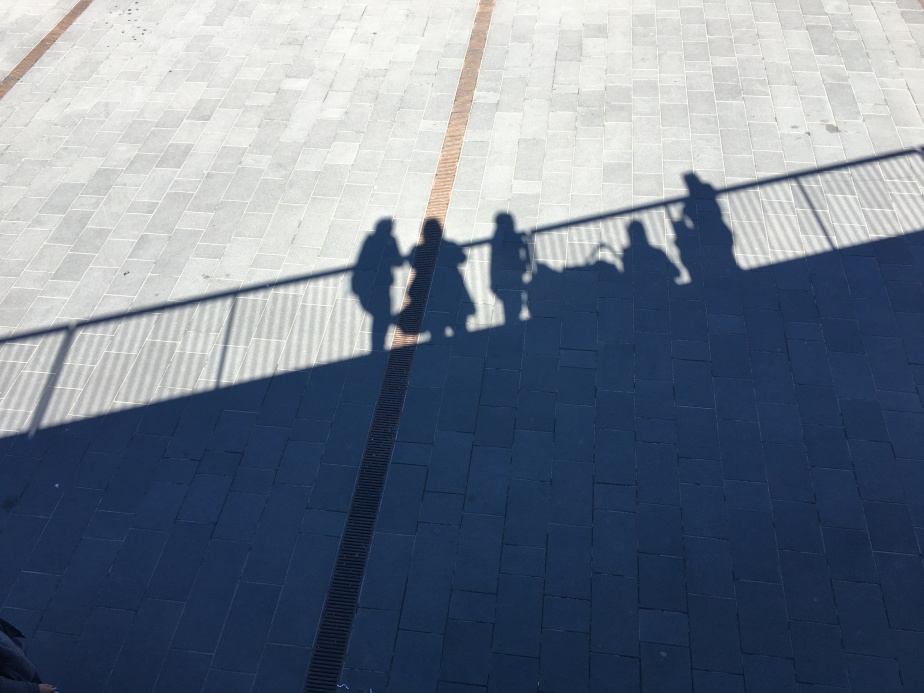
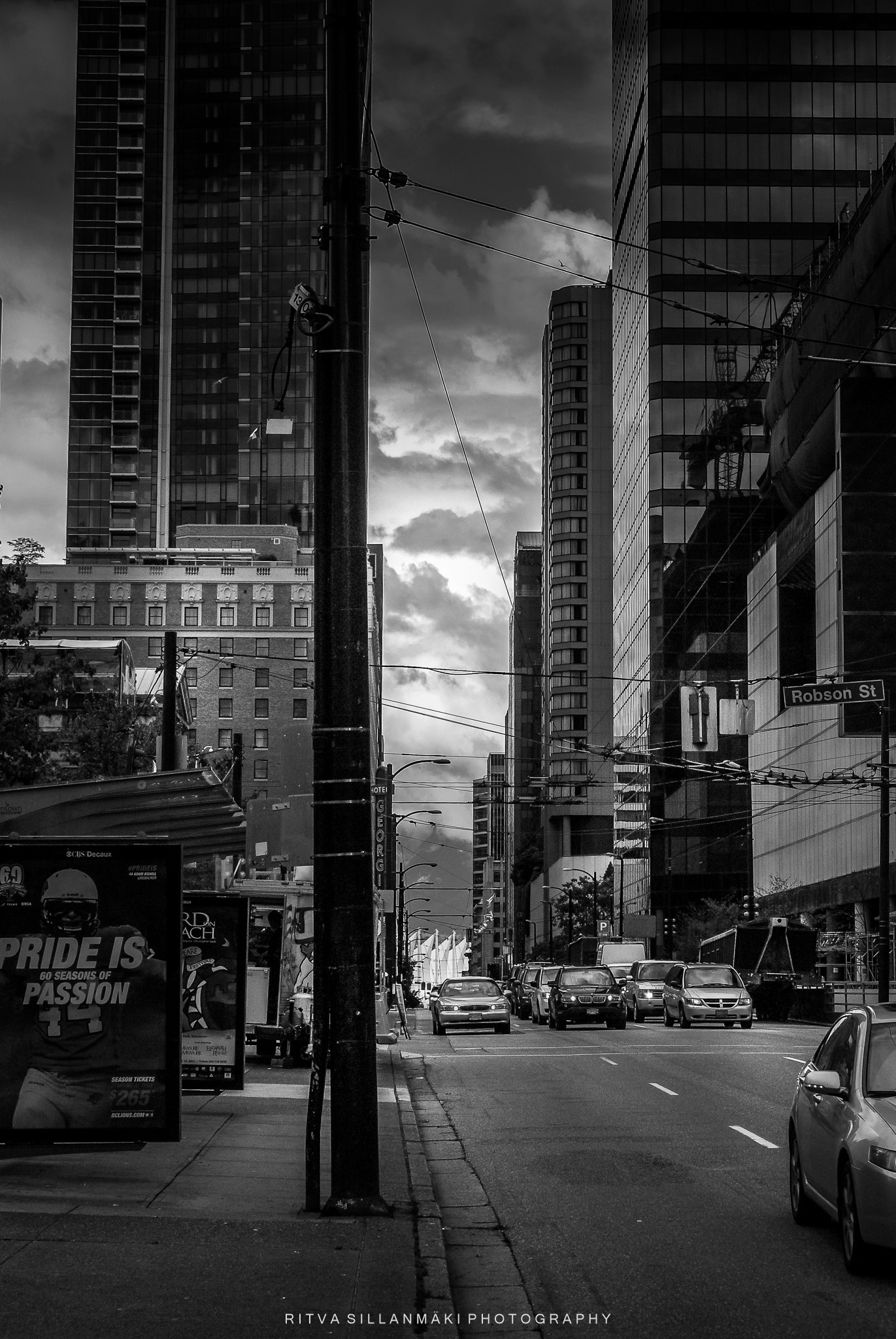
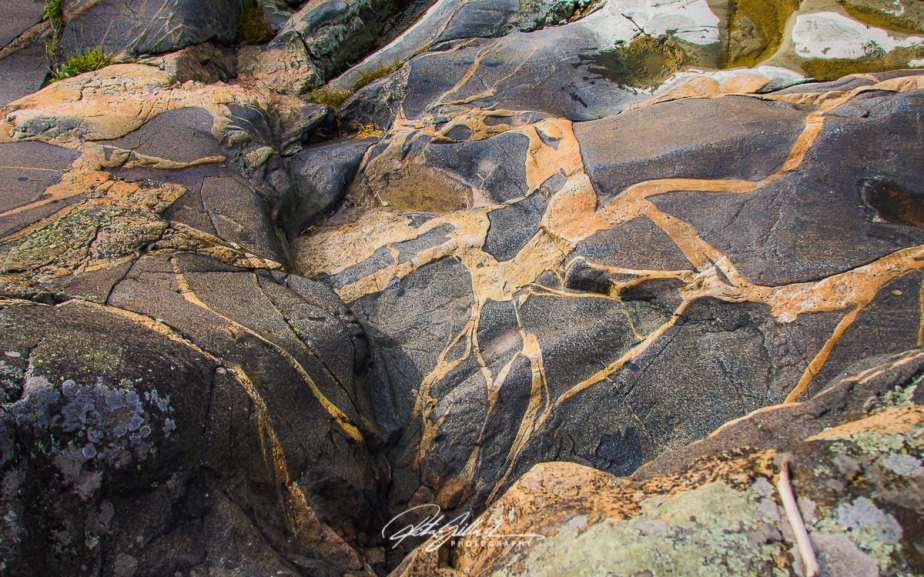
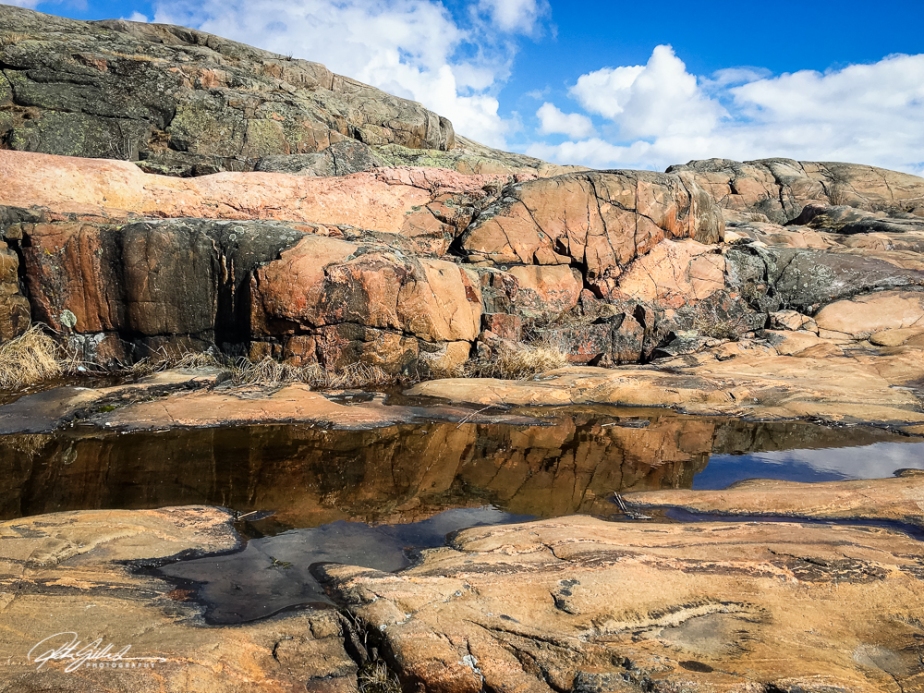
Near and far – same subject
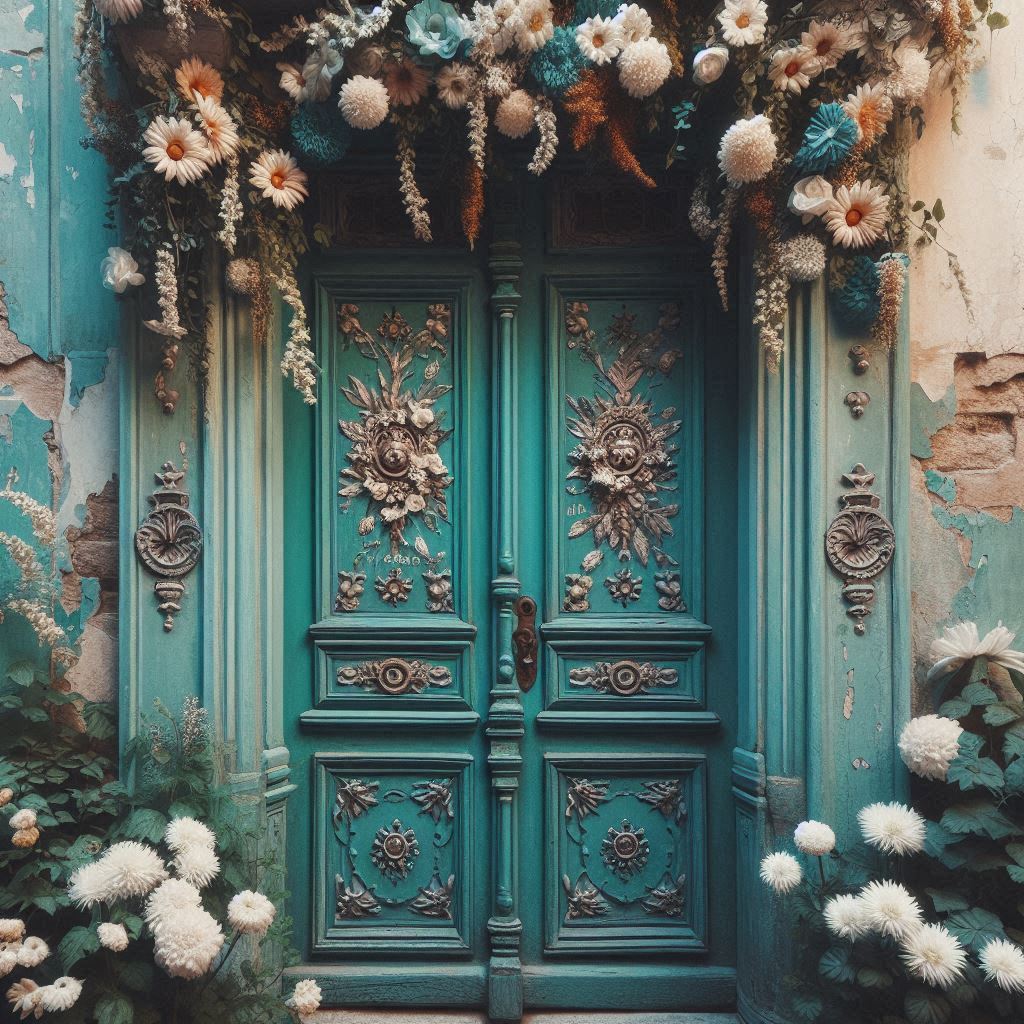
generated image – old style, newer style and the same old face
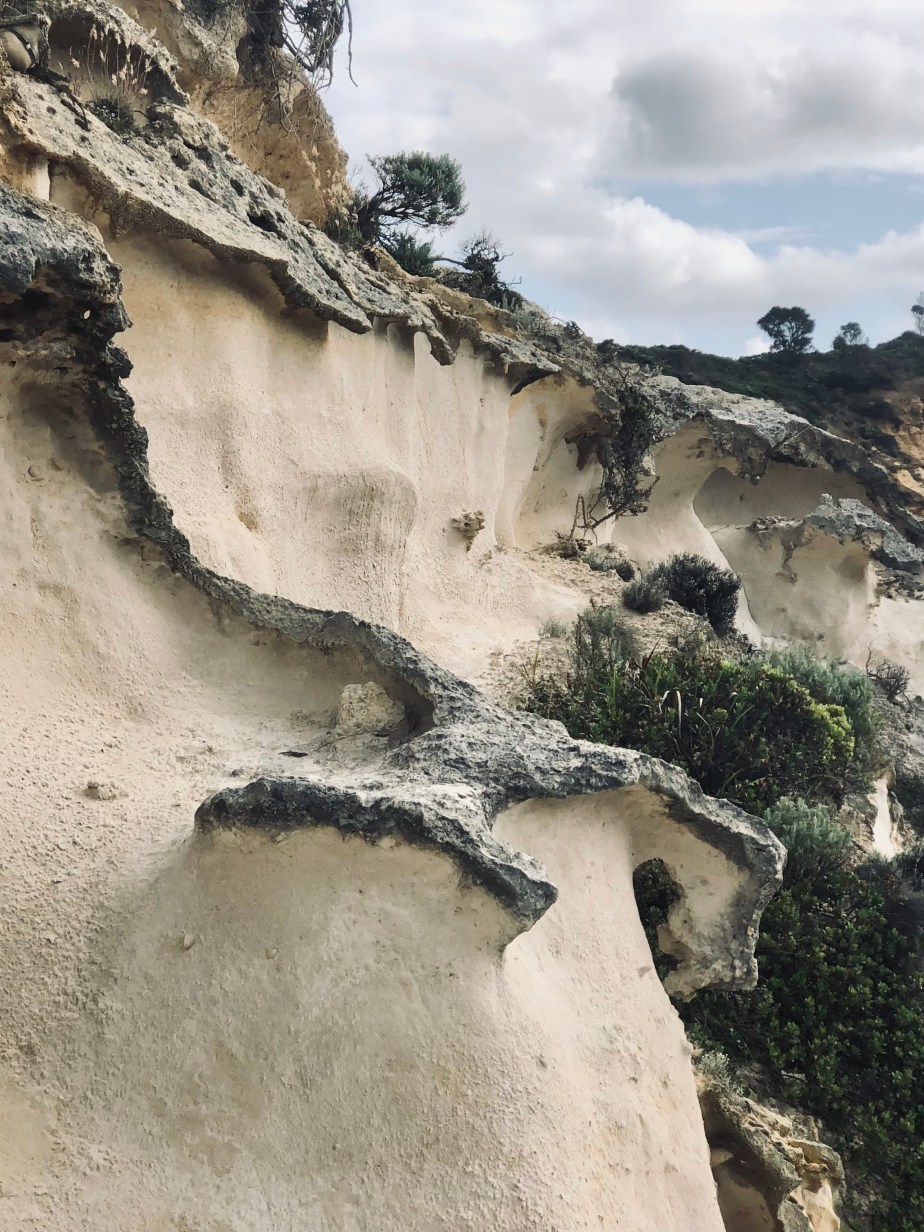
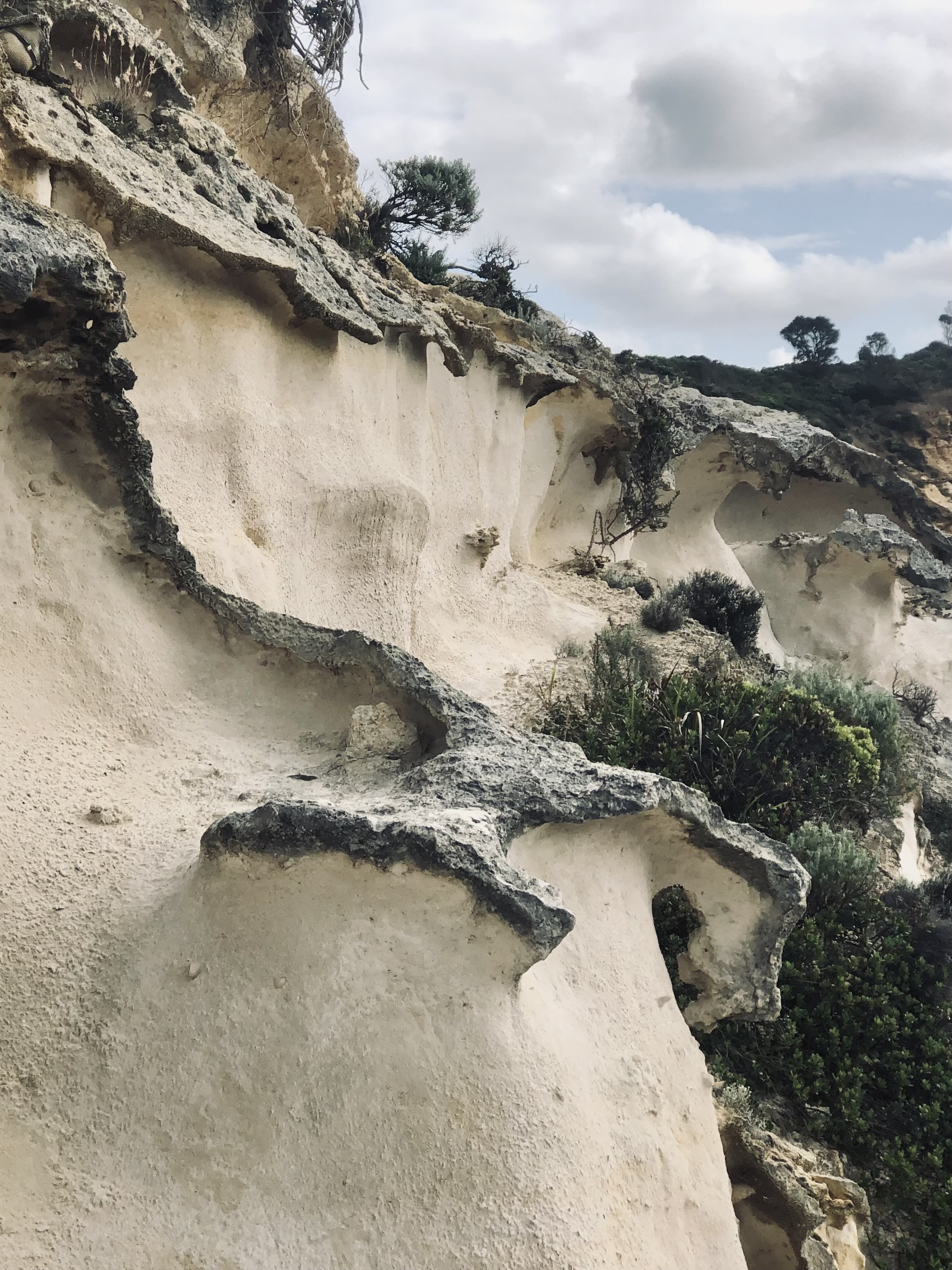
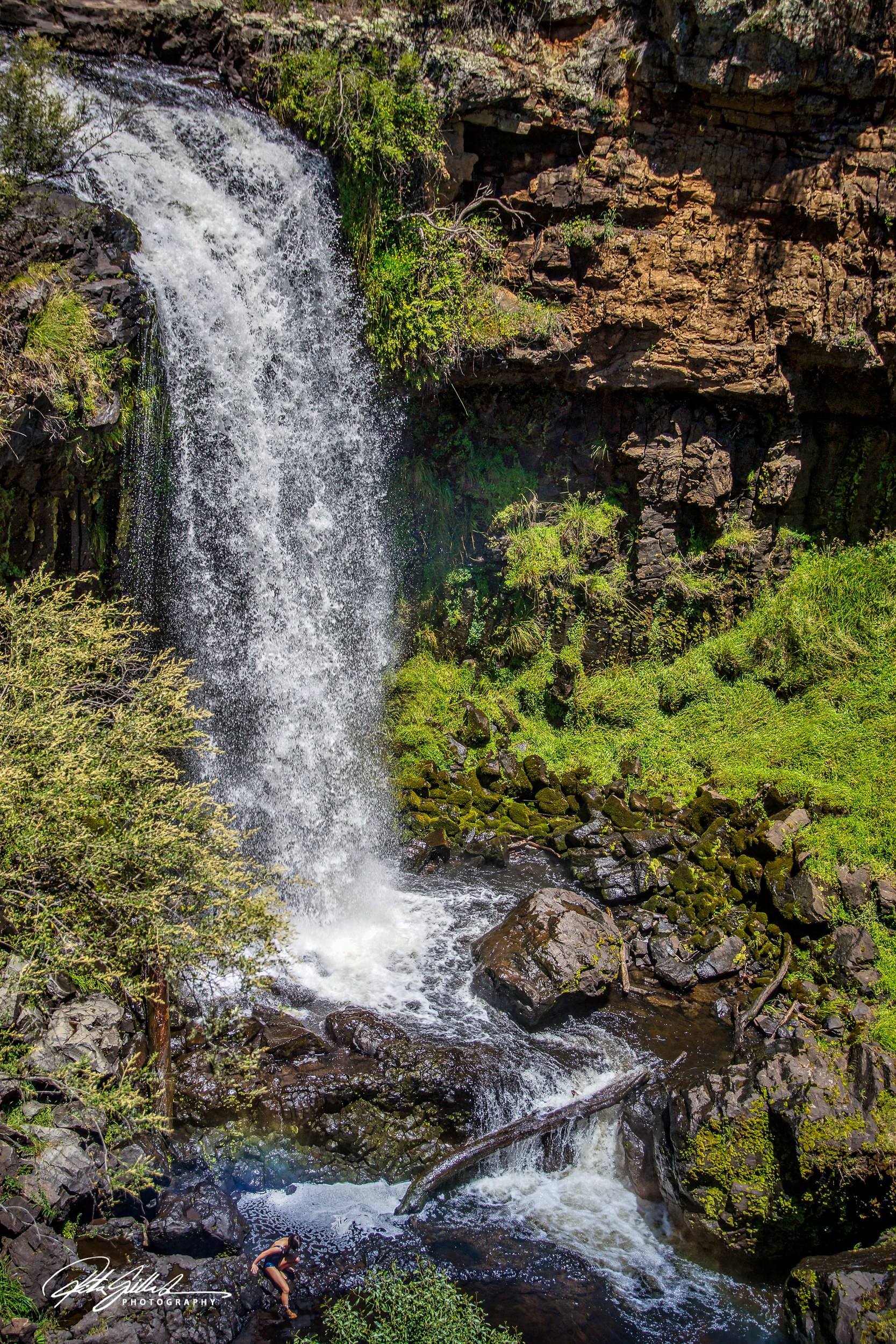
close and far – shot at twelve apostles in Victoria.
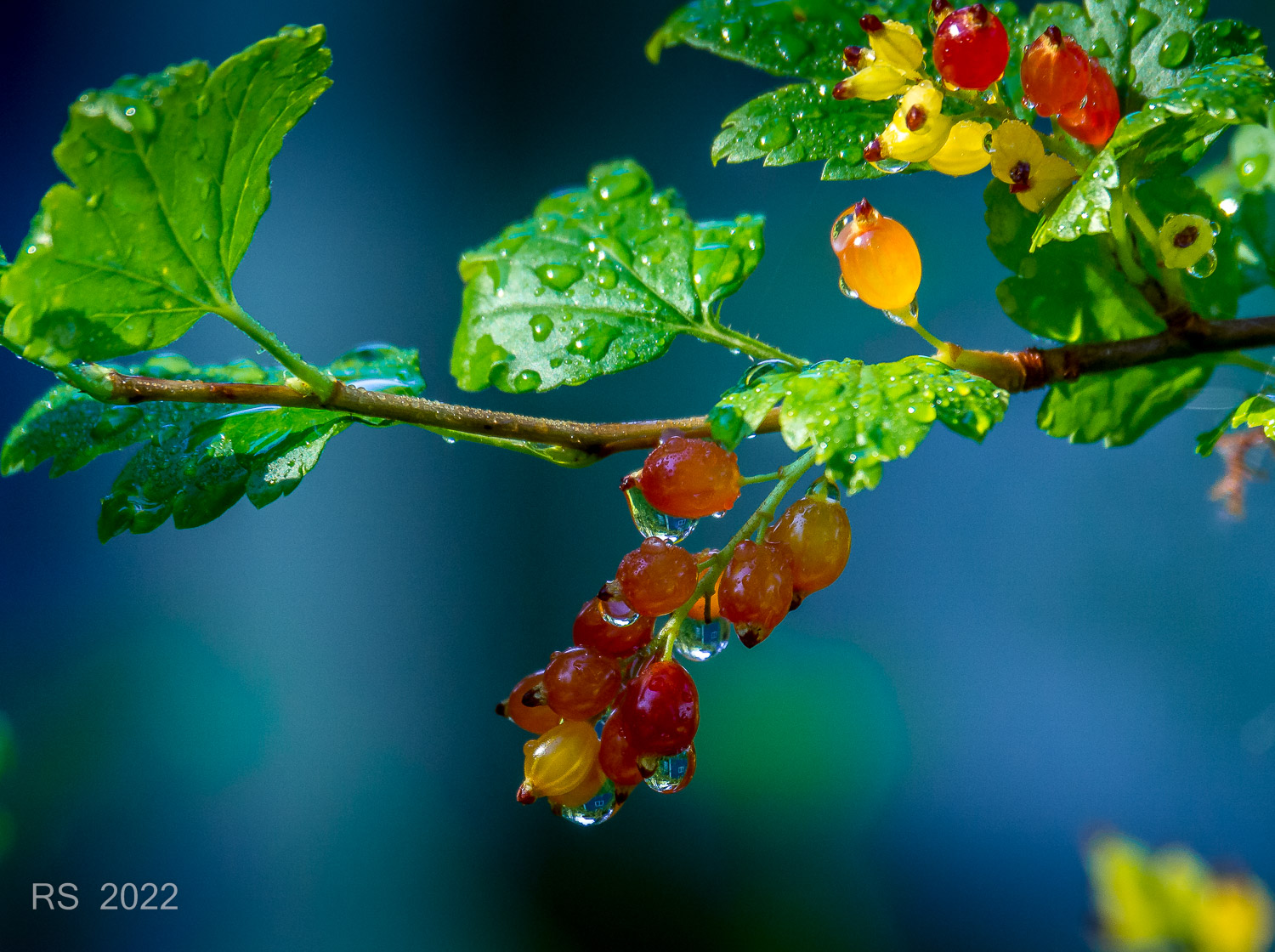
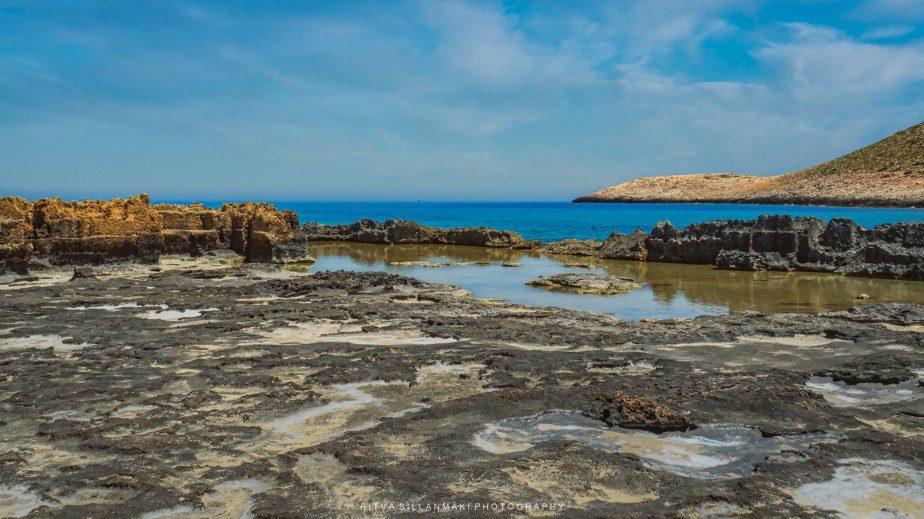
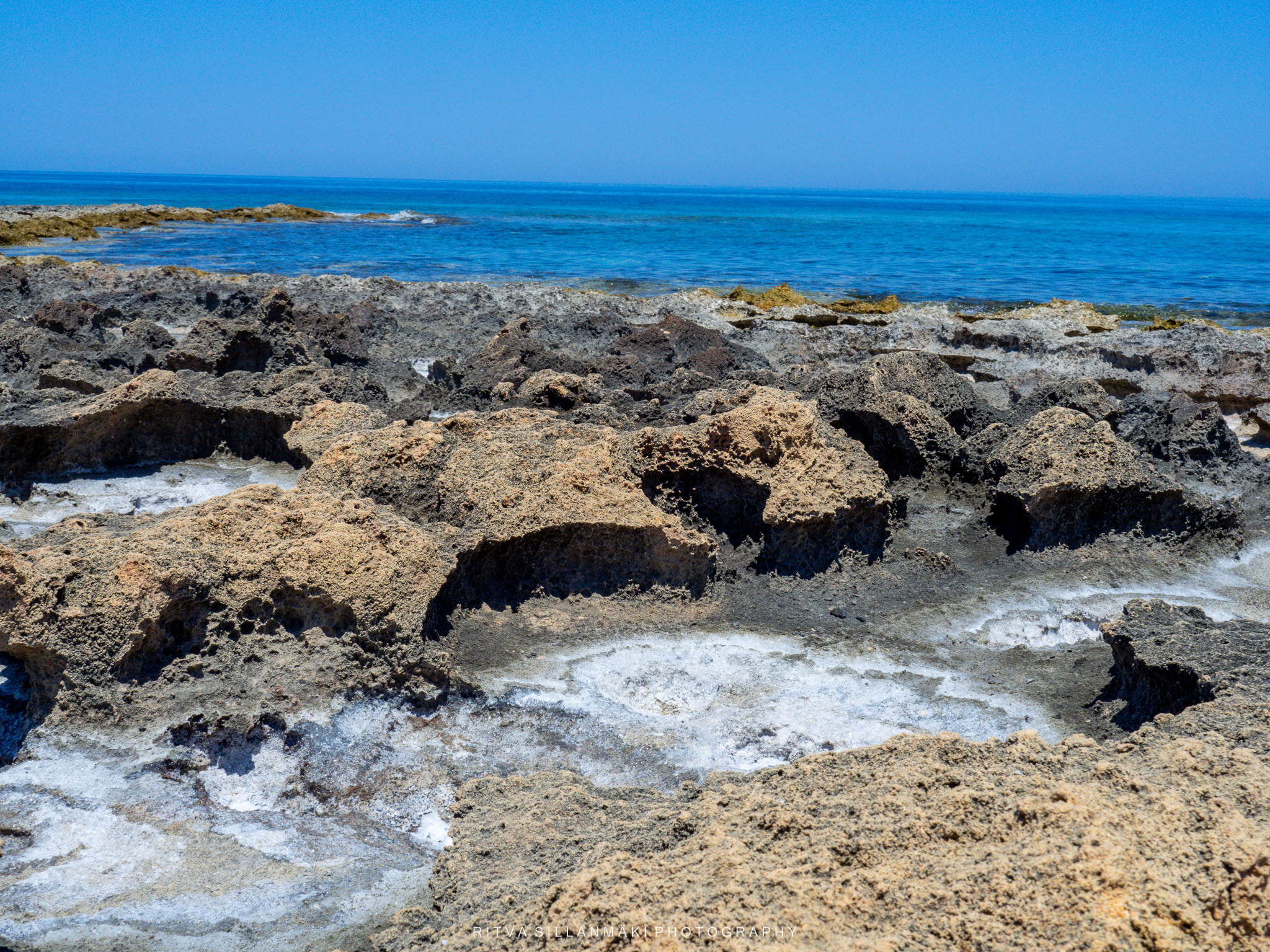
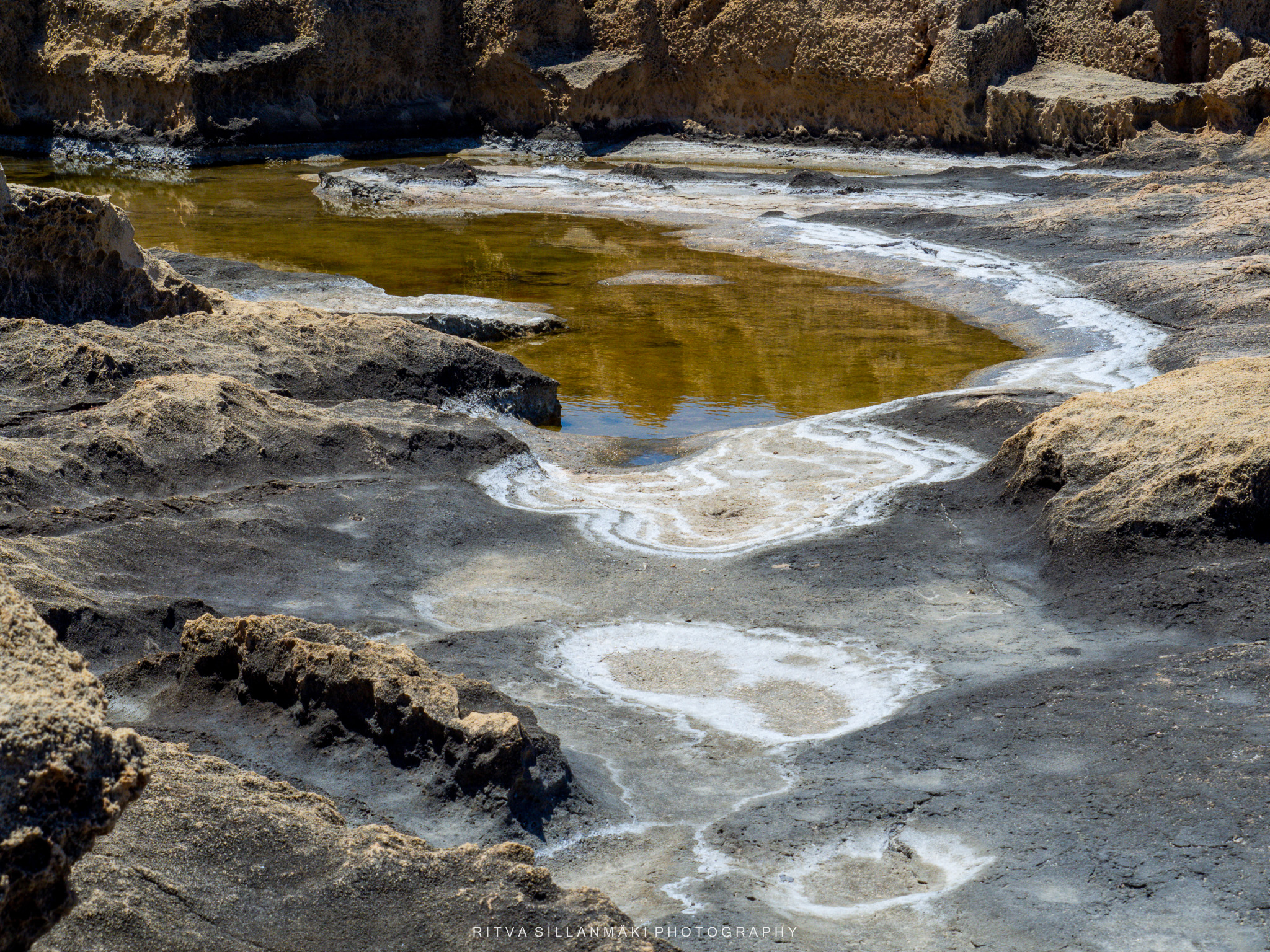
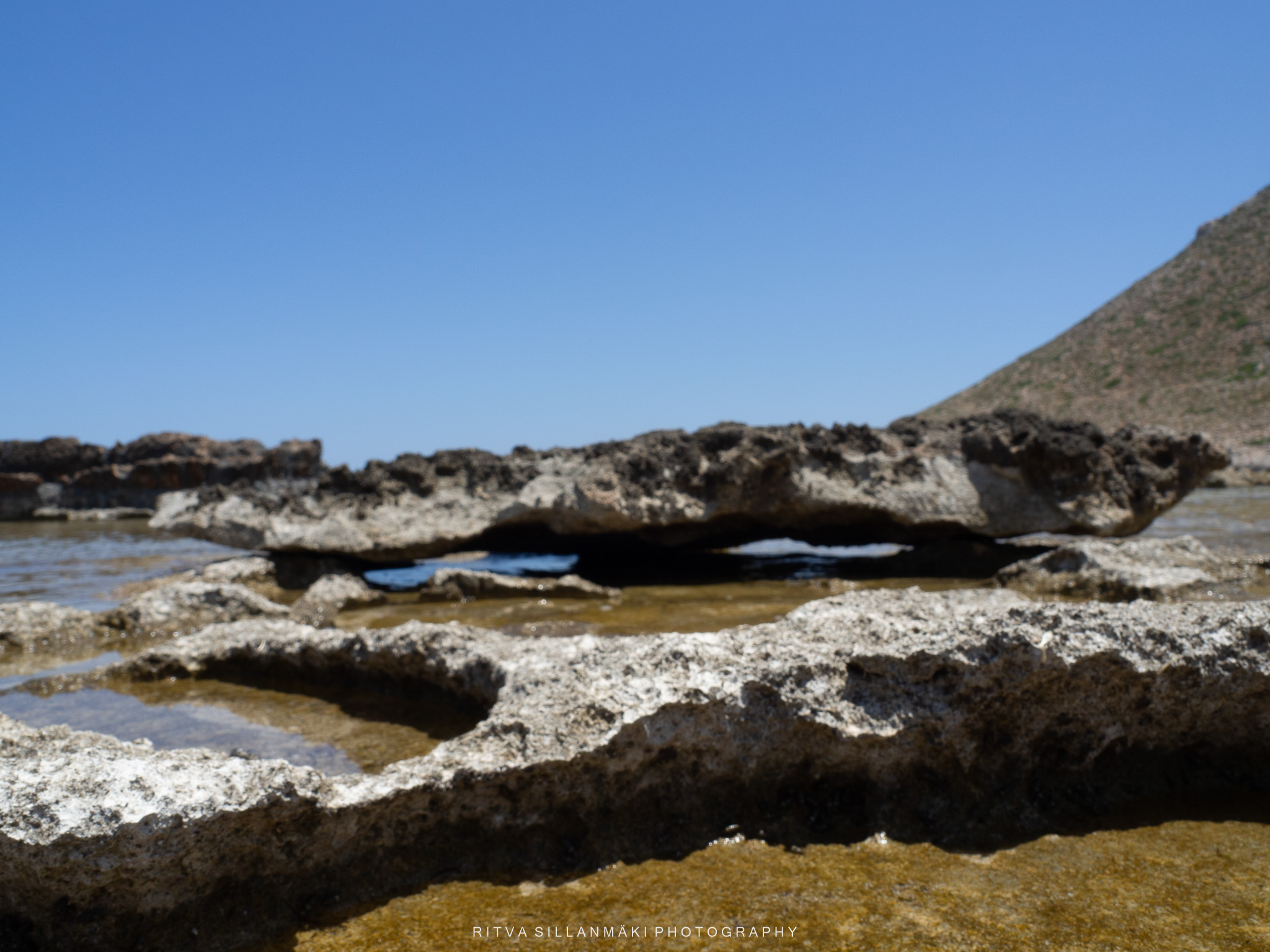
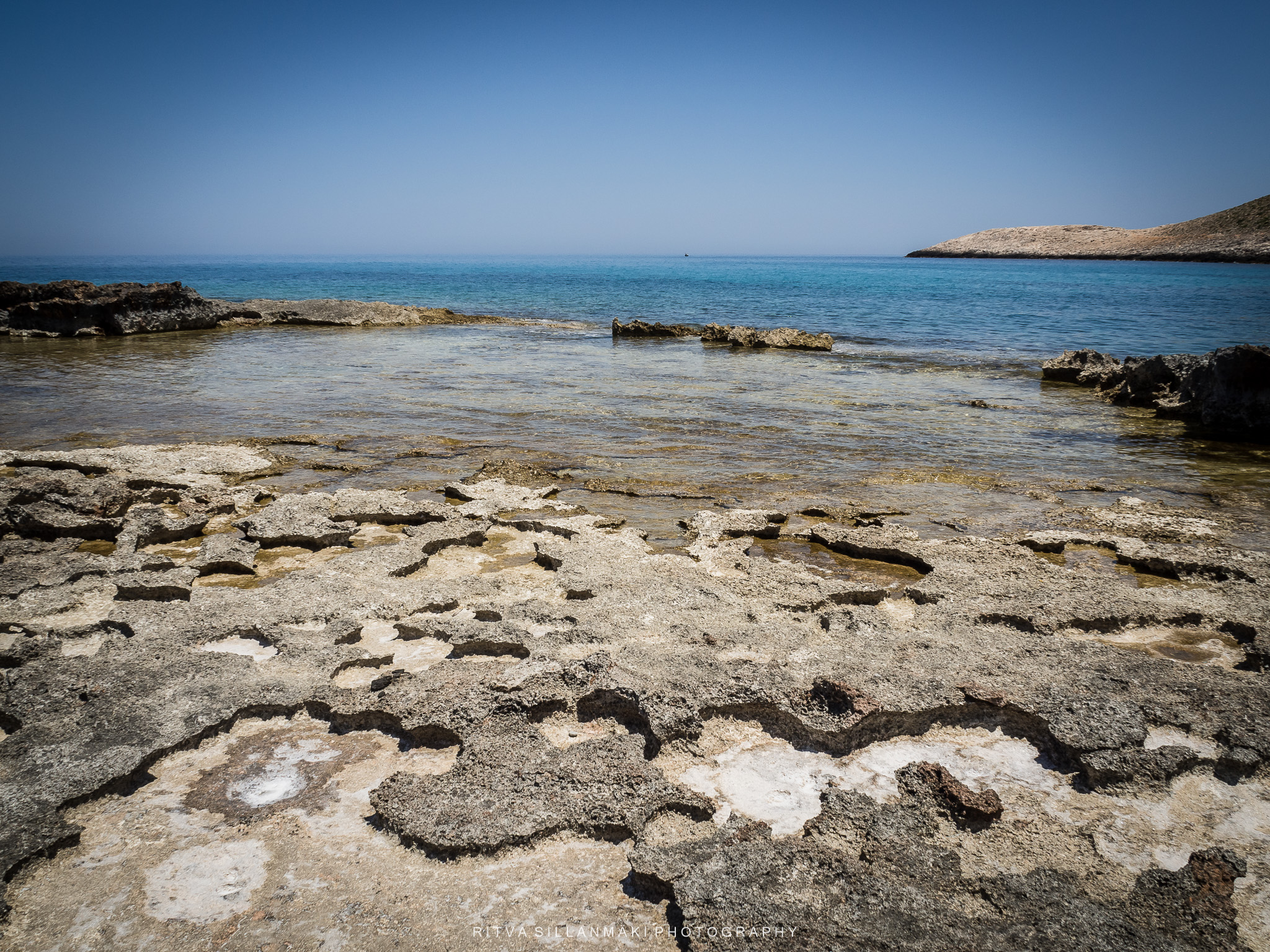
One more and then I am back into my vacation mode. I took this few minutes ago for this challenge. It did not turn out just as I wanted, but as I stated earlier, I,m in the holiday mode. I wasn’t my sharpest, this week…but
Thank you, Elizabeth for a great challenge!
Last week, Leanne lead us through wonderful and different “Tourist Attractions”, capturing the essence of a place, what a journey. Next week, PR will explore “Balconies,” so be sure to visit Flights of the Soul next Saturday.
A massive thank you to Leanne for being our Guest Host this week. I have admired Leanne’s photography for years, when she first started to do Monochrome Madness I participated, so for a long time I have been a fan of her style. Her post is full of beautiful destinations and they are absolutely gorgeous images. Please go and visit her blog for inspiration.
Firstly, it’s worth mentioning that while I haven’t been able to indulge in much traveling lately or pursued photography actively, there is no shortage of remarkable places I’ve had the privilege to visit. Each location has left an indelible impression on me, and the memories I’ve collected continue to offer a source of joy and introspection. The difficulty lies in singling out just one favorite, as each destination holds its own unique charm.
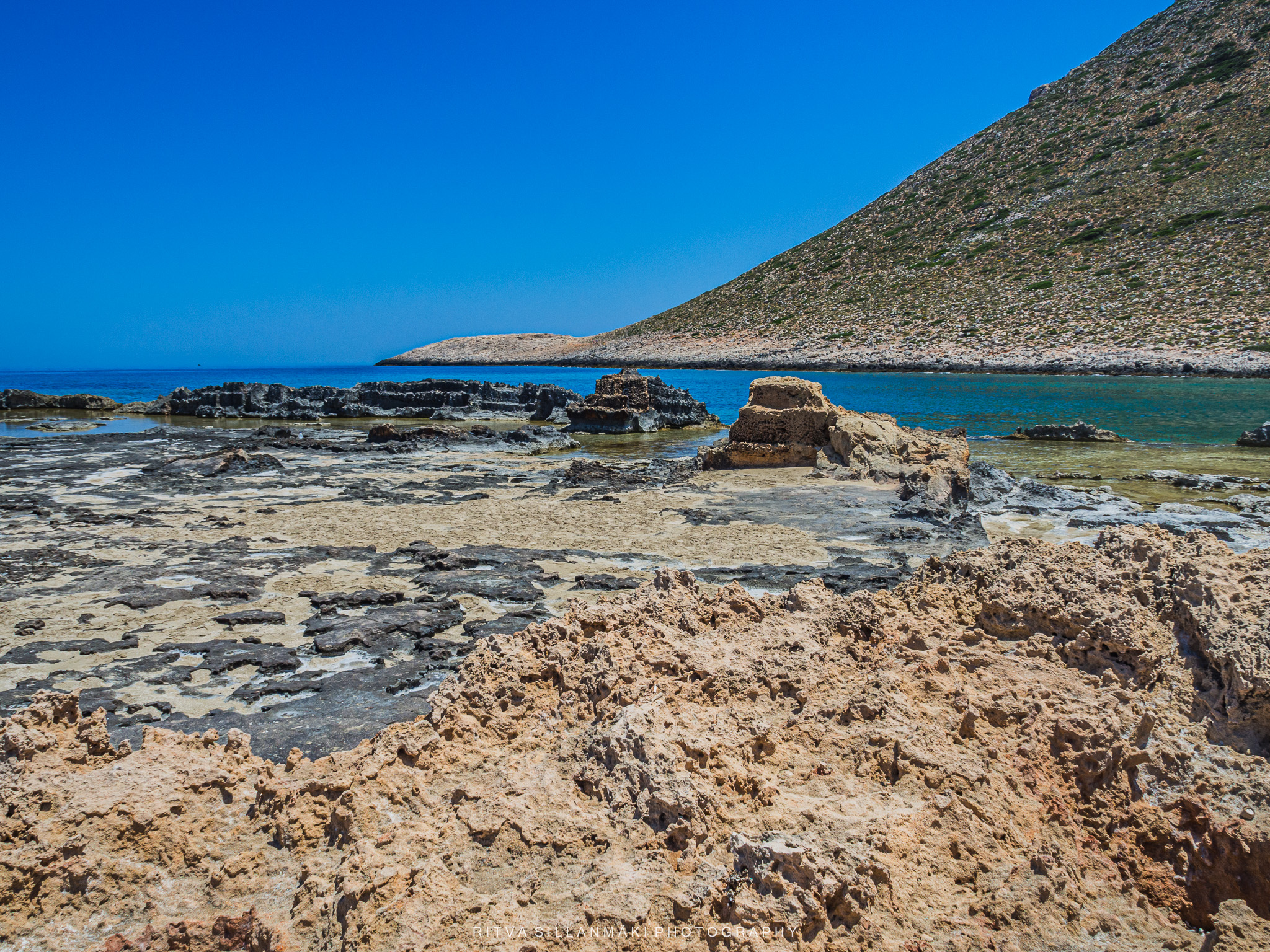
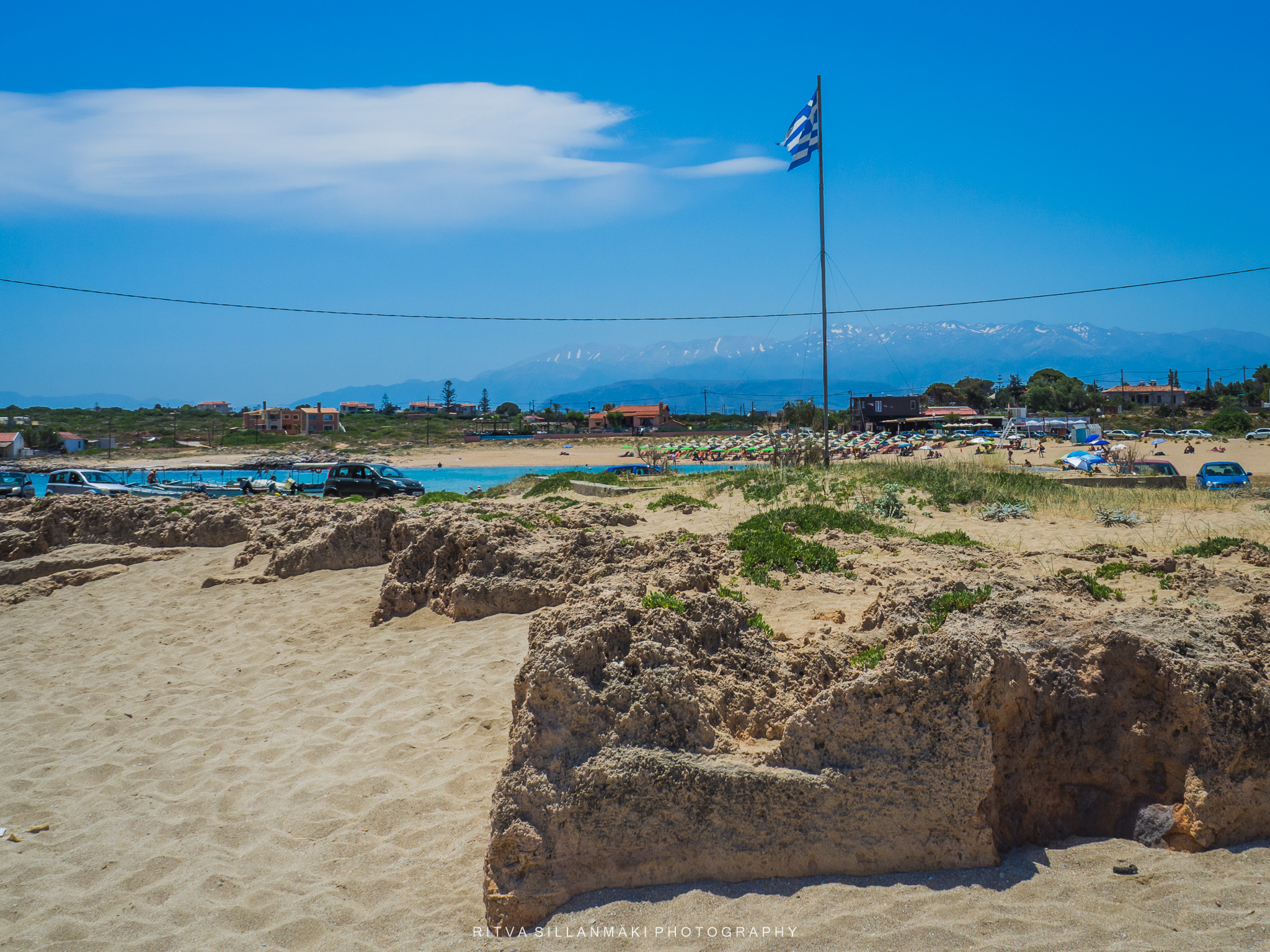
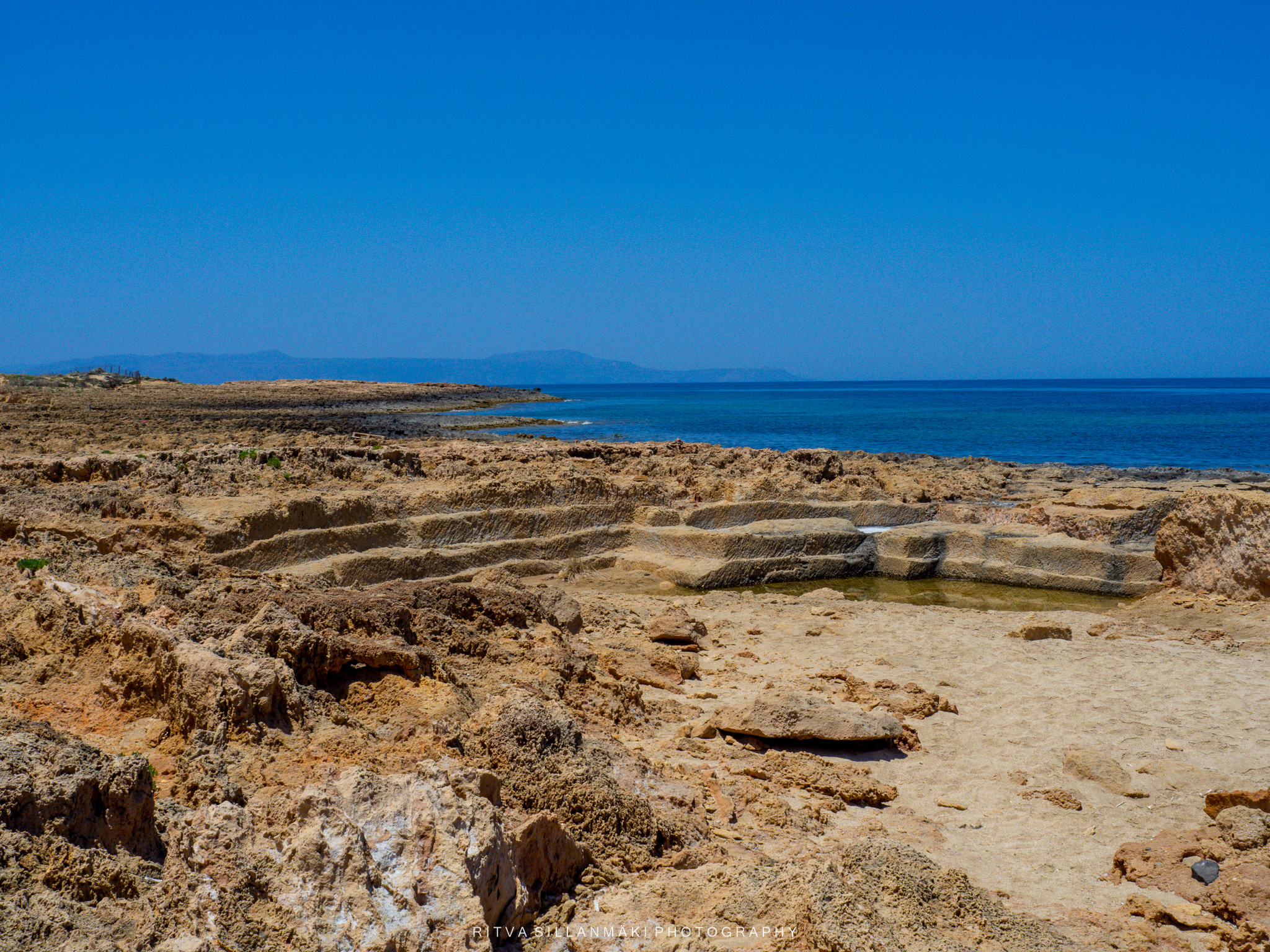
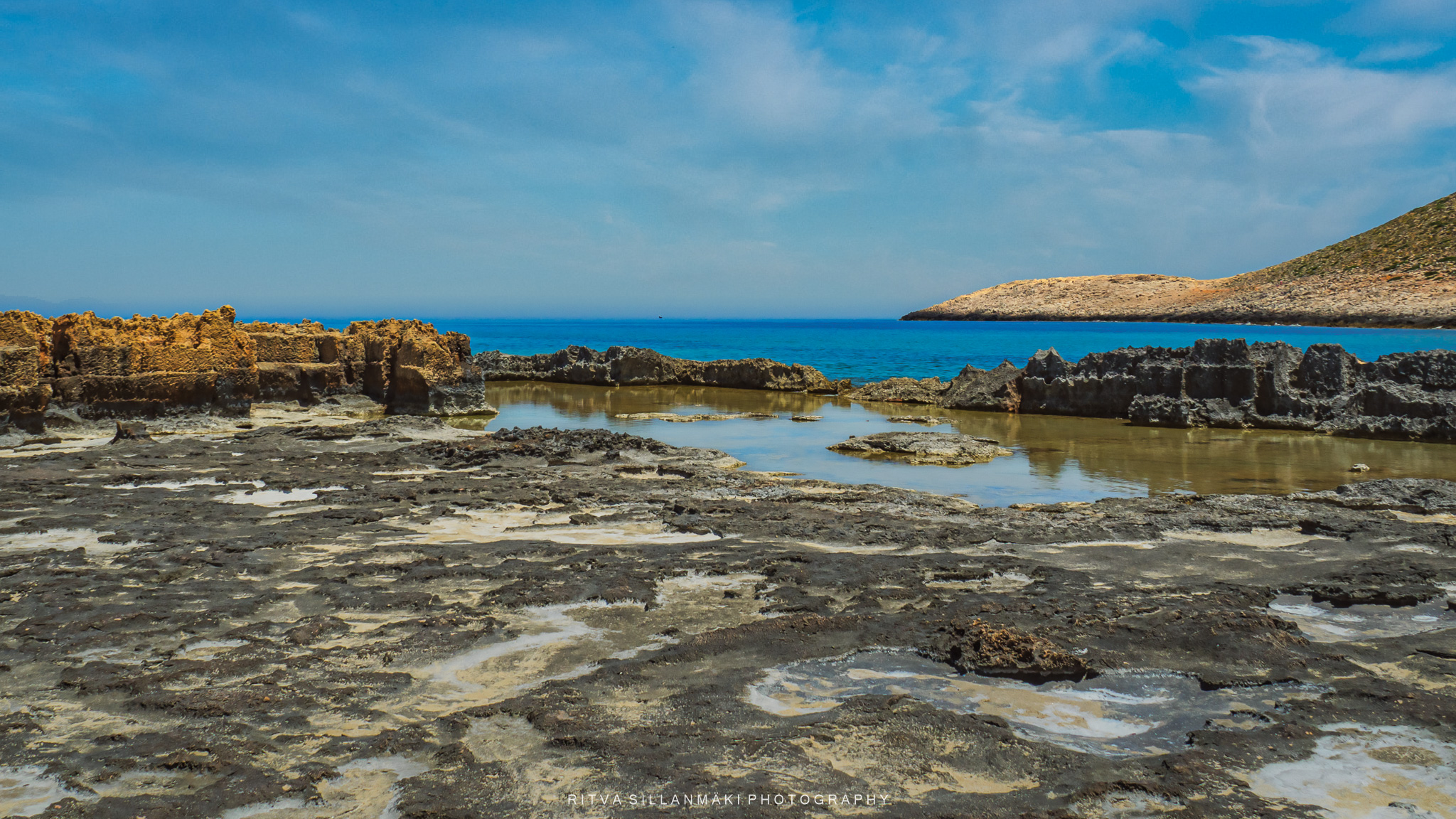
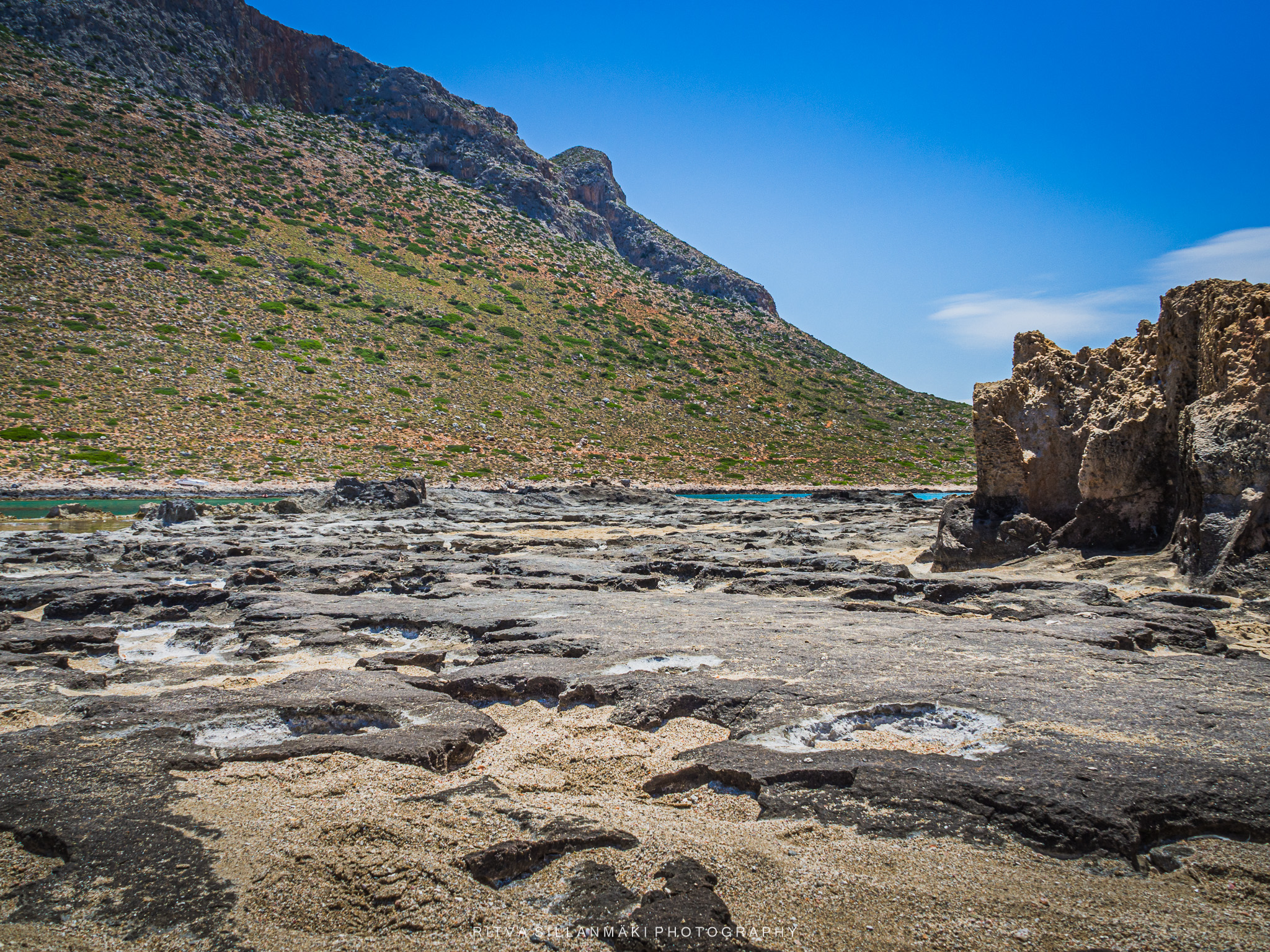
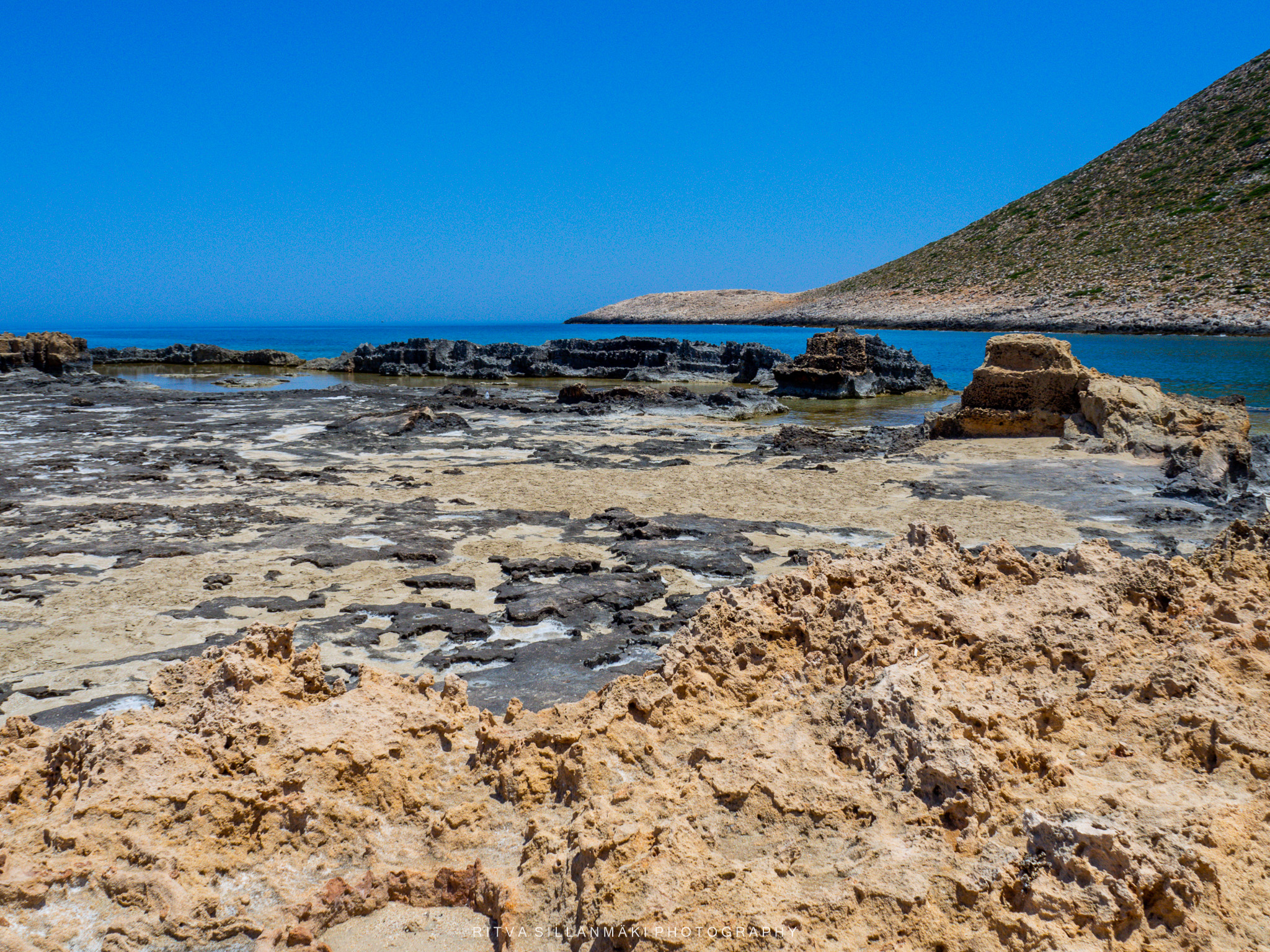
I have not posted these photos taken on the beach in Stavros yet, but I am I sharing them with you now. Stavros, a very small town on the peninsula of Arkotiri on the island of Crete in Greece, nothing special in the town itself. Stavros is world famous because the film “Zorba the Greek” with Anthony Quinn was shot here in 1964 .The beach itself may not be the most visually stunning one we have visited, but the allure of its cinematic history enticed us to explore its shores and take these few photos further down the beach
“Zorba the Greek” beachBeach at Stavros
The place itself is hardly worth a mention but the beach, the Bay of Stavros, is a bathing paradise for swimming. The fine sand slopes gently to the sea and the bay is protected here from strong waves by a small promontory. There is not a lot of shade… unless you hire an umbrella and beach chair. Lying on the beach there is always something different to focus on when viewing the mountains opposite.
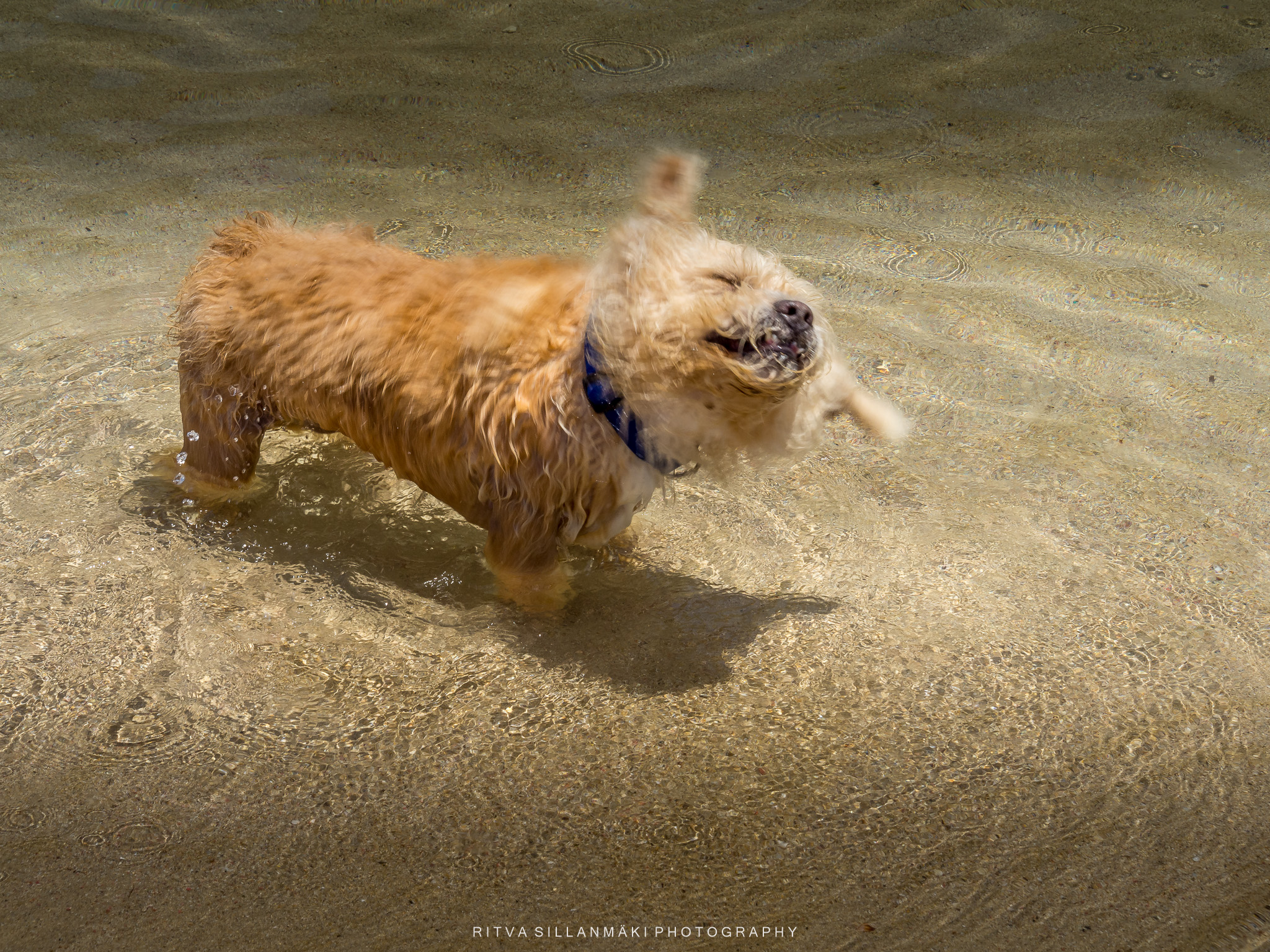
This dog was having a great time at the beach
Remember to tag Lens-Artists and to link back to her original post.
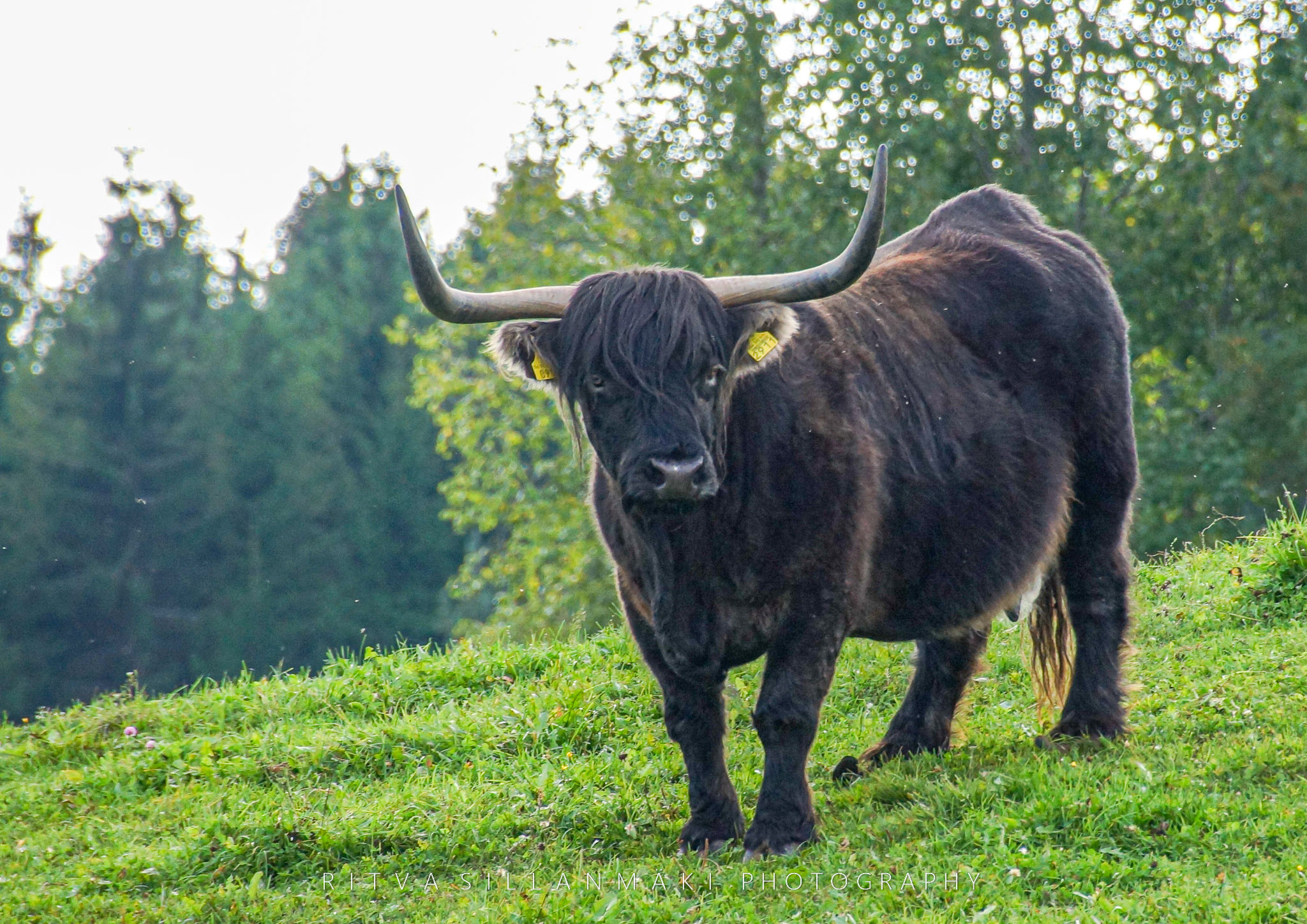
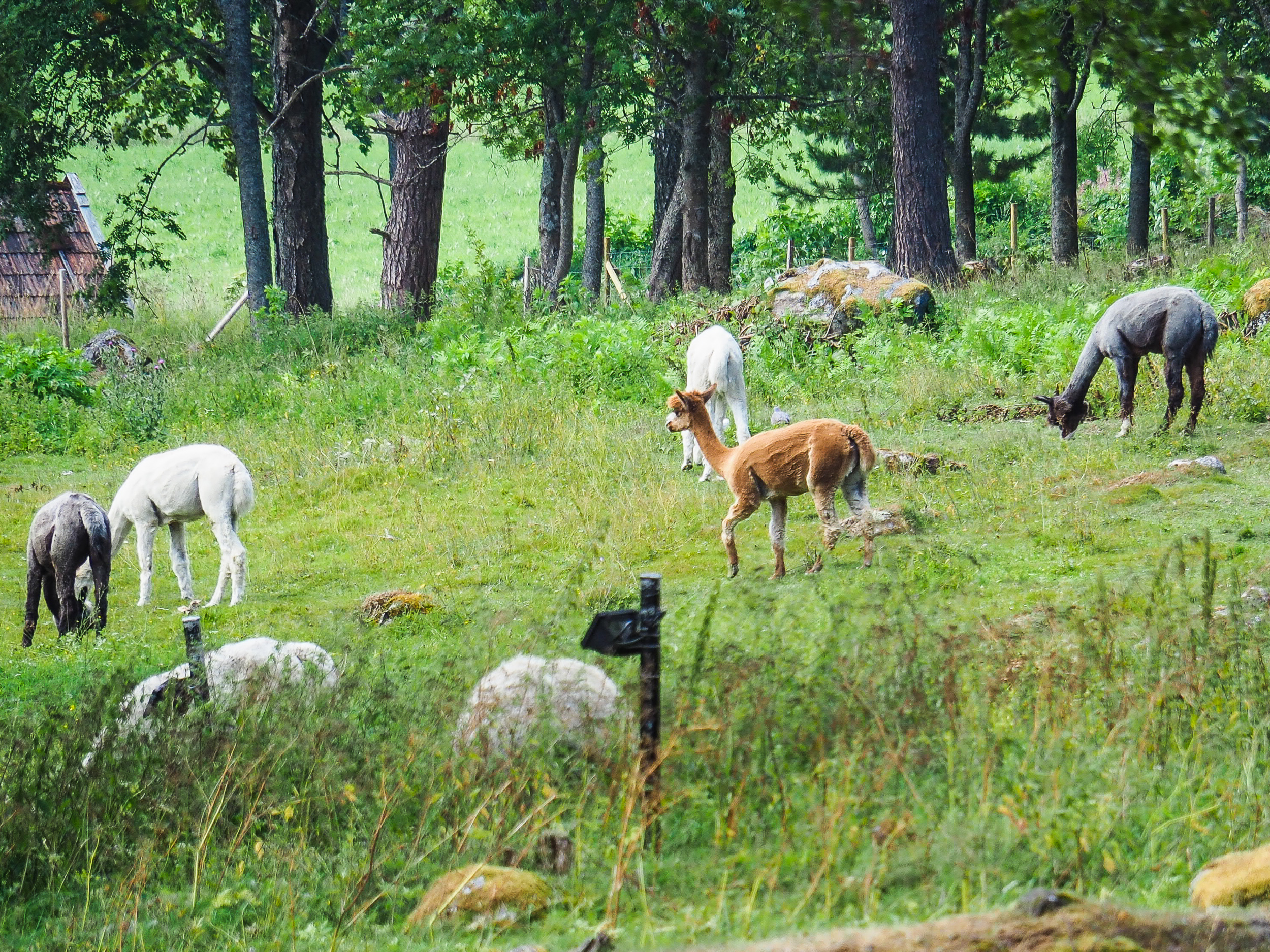
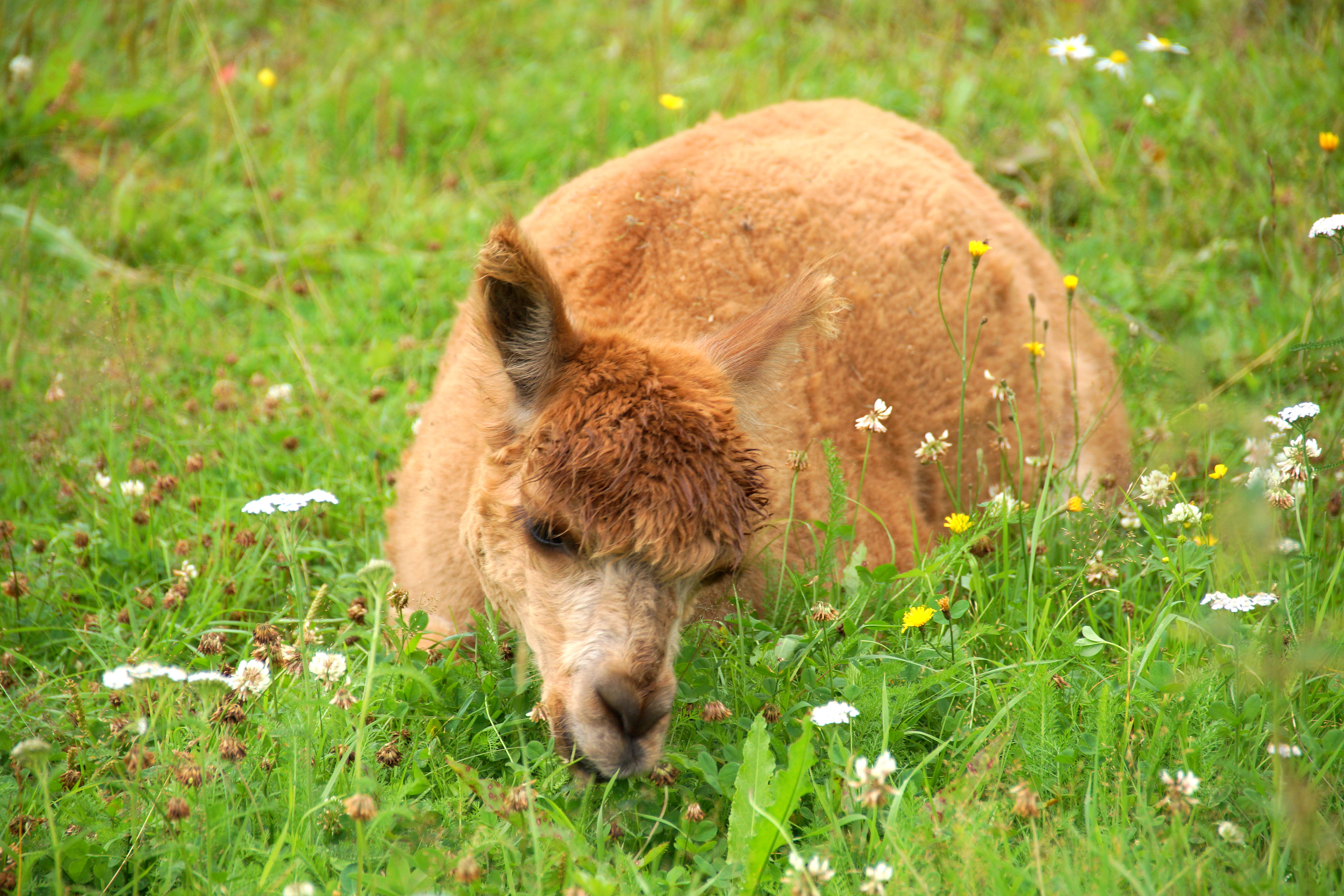
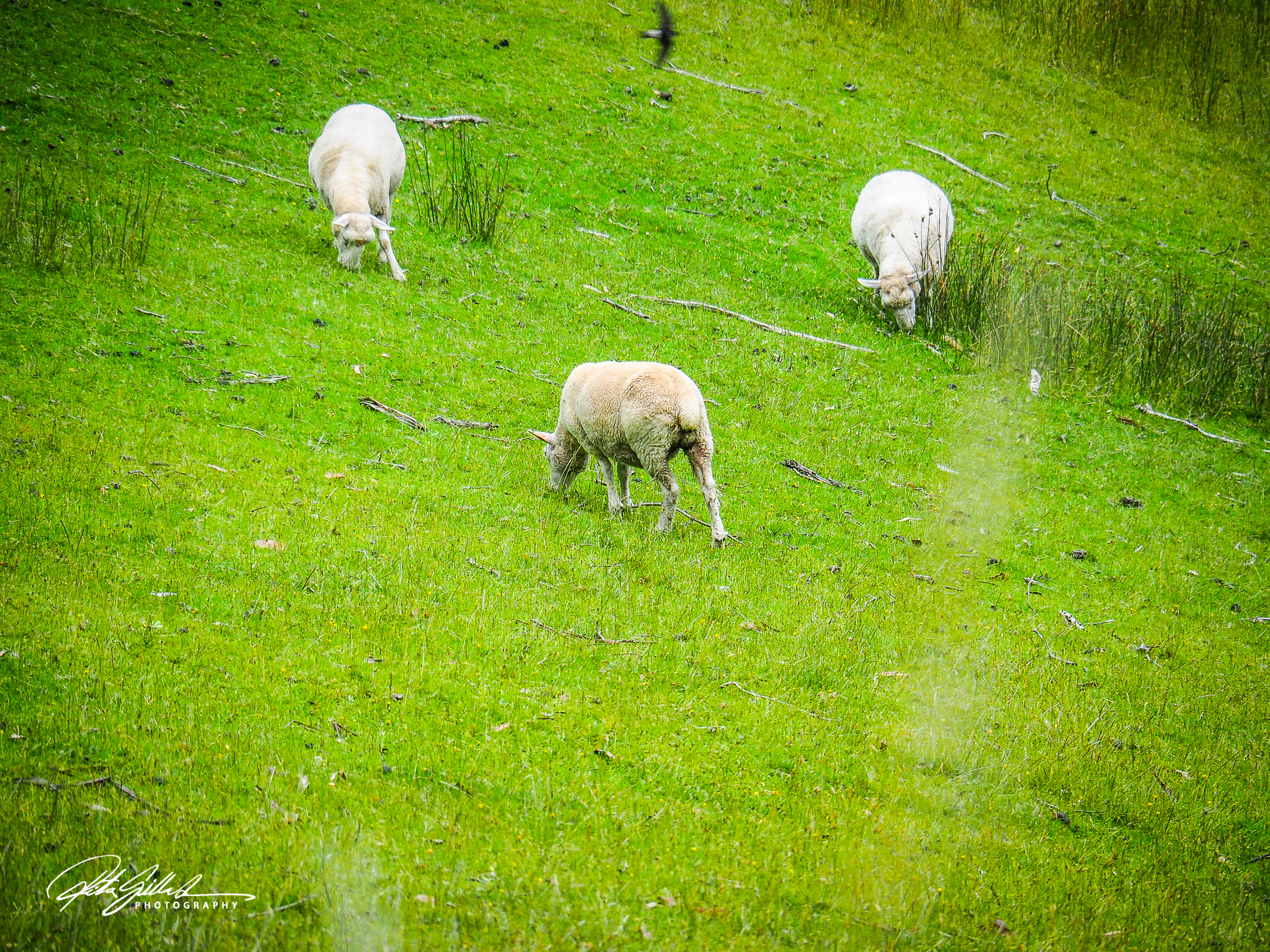
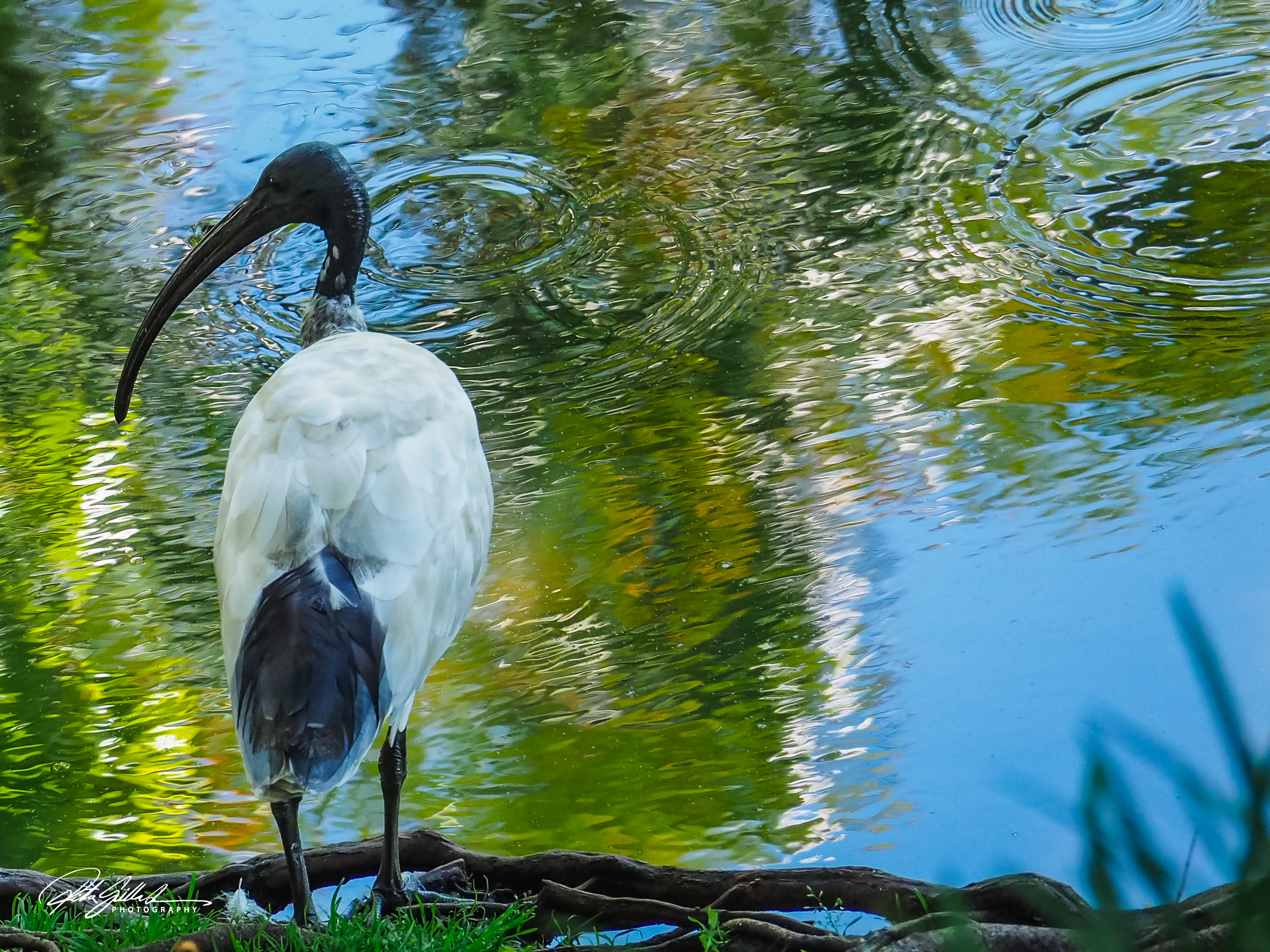
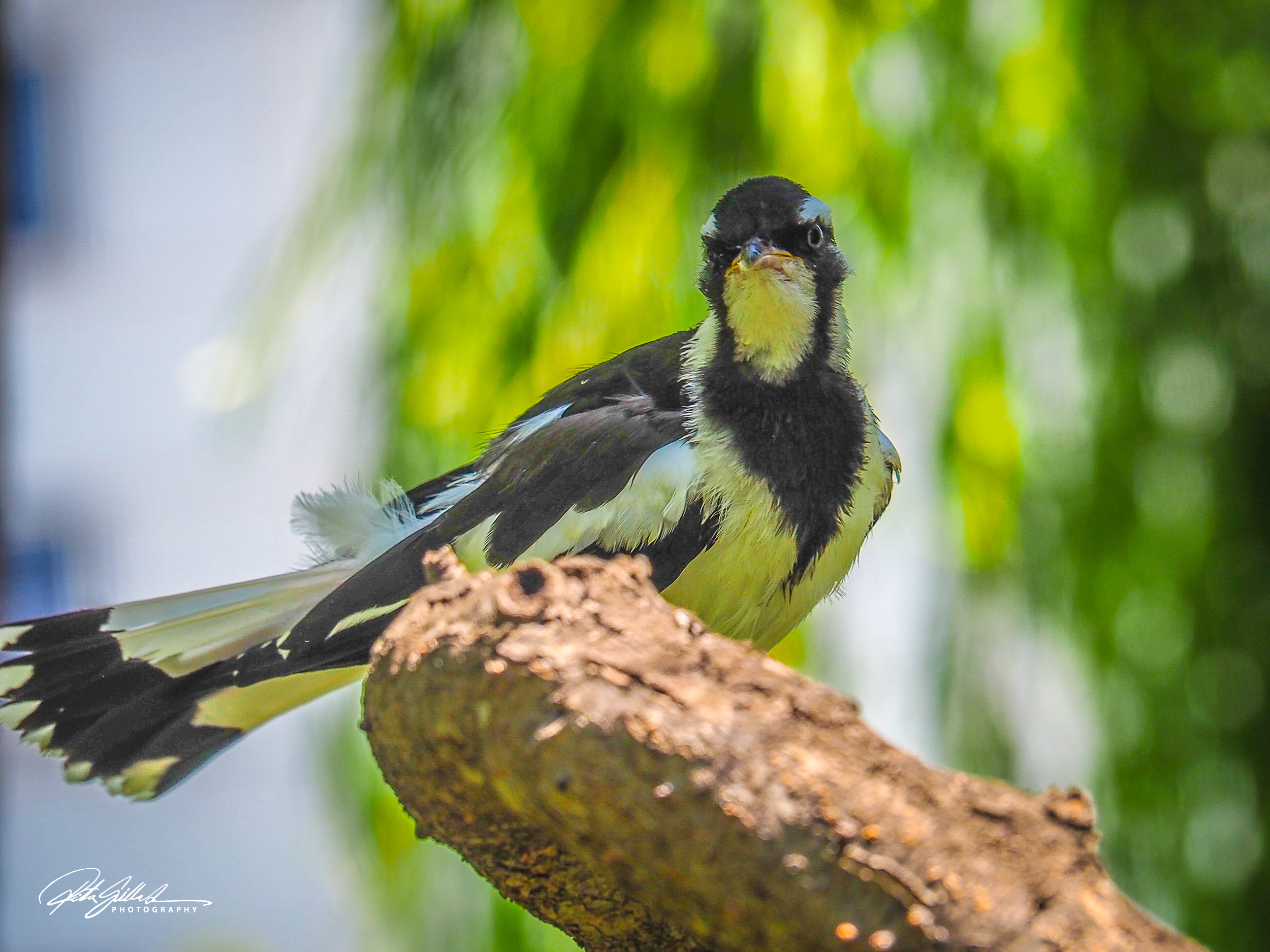
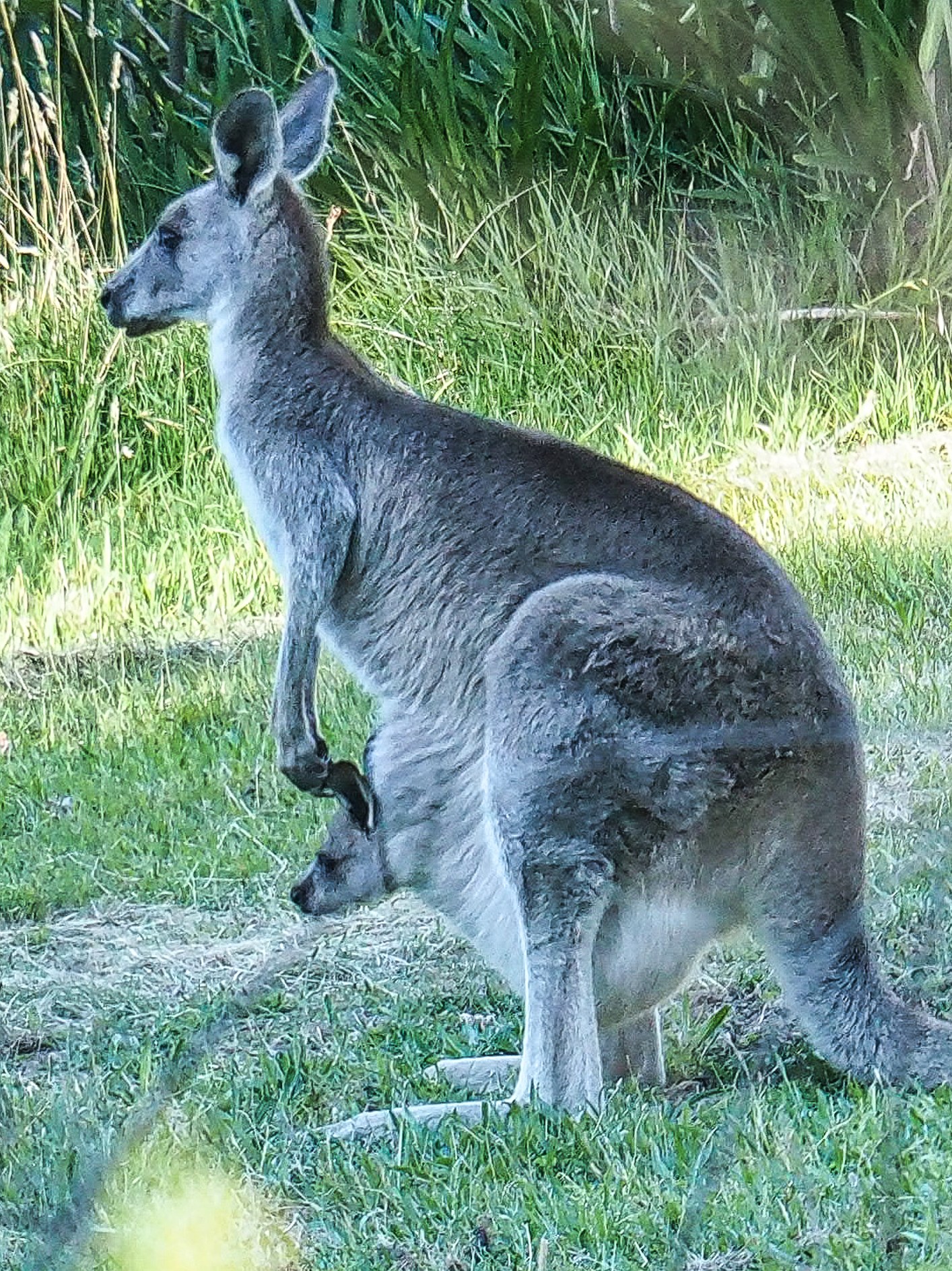
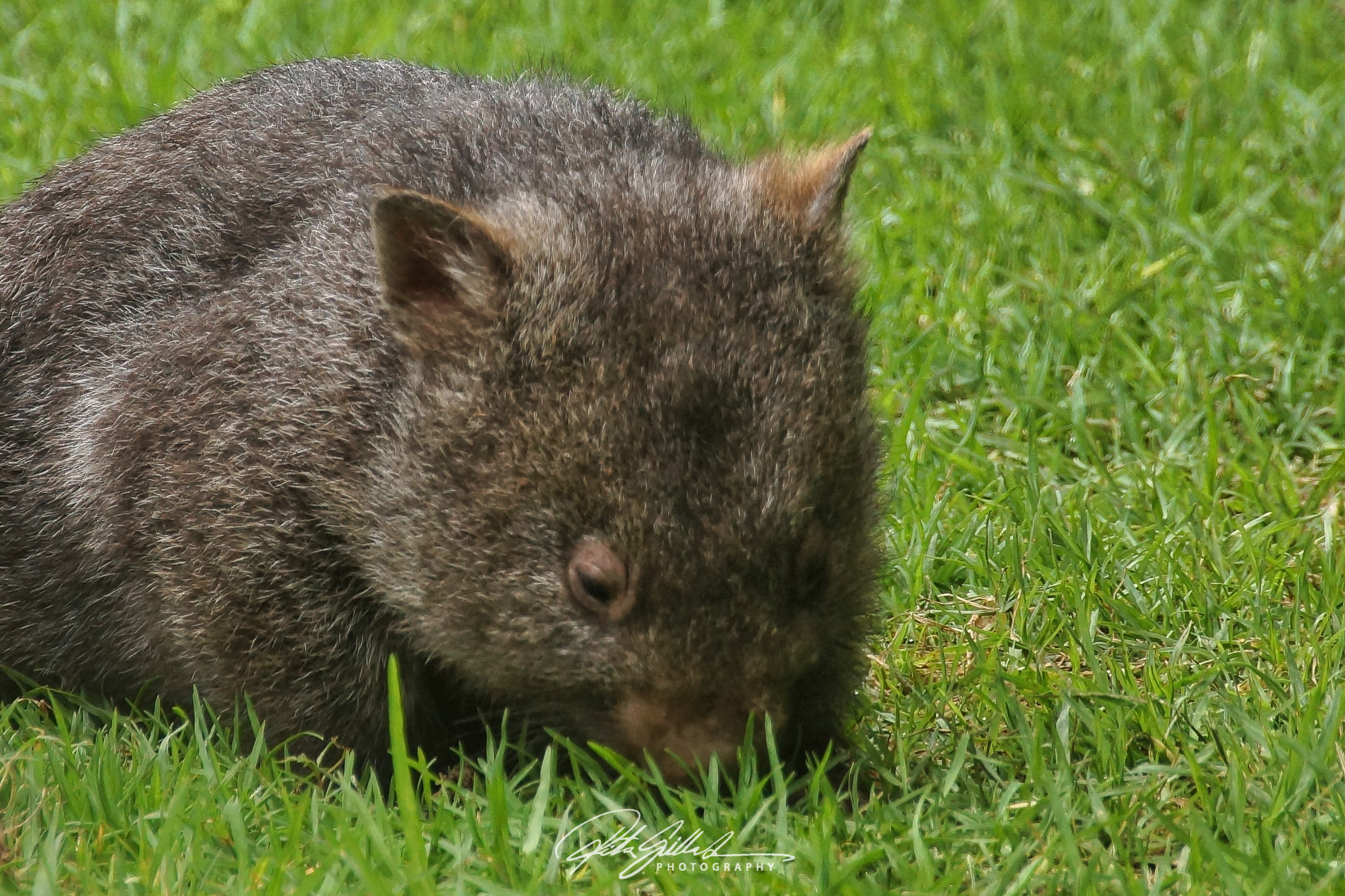
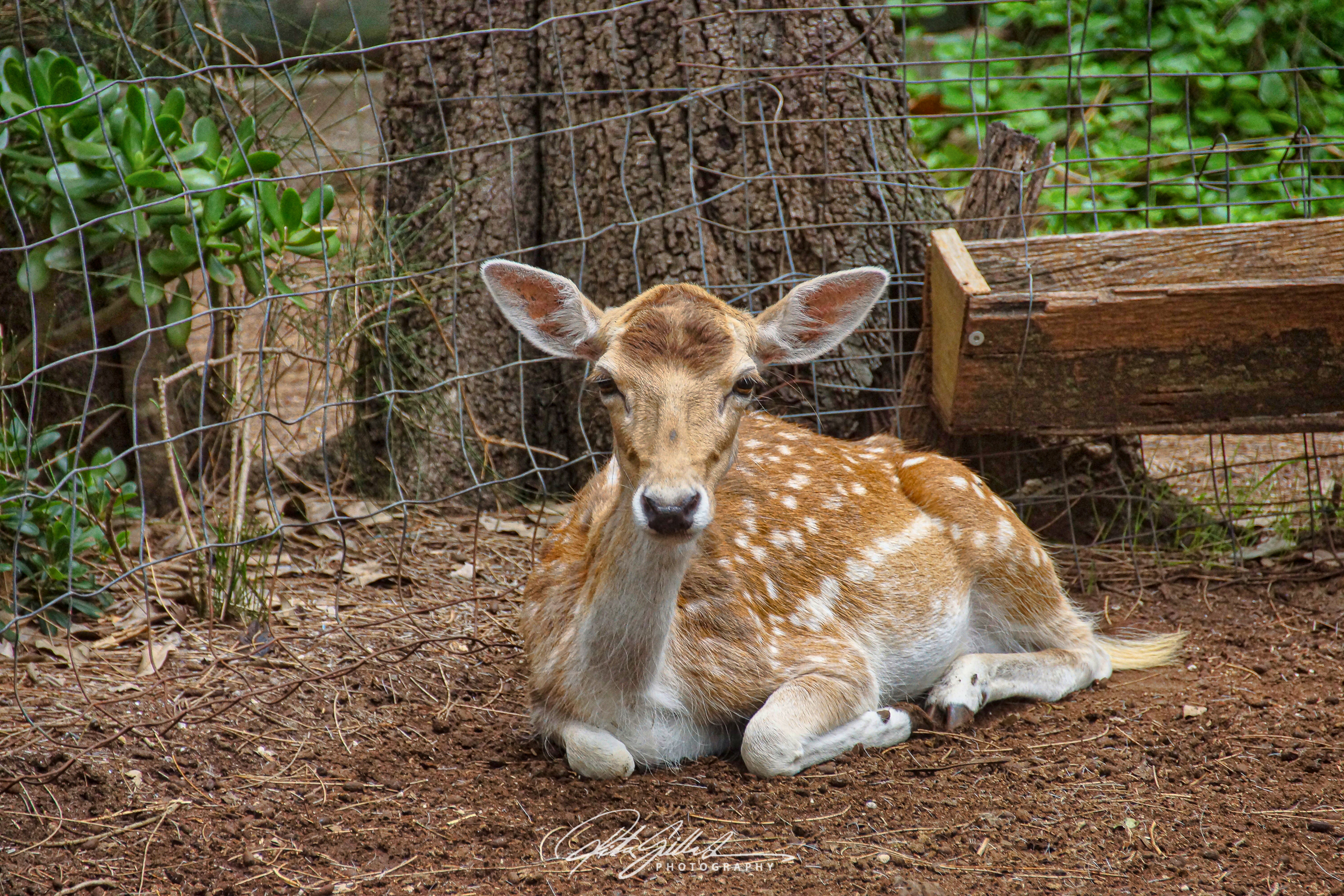
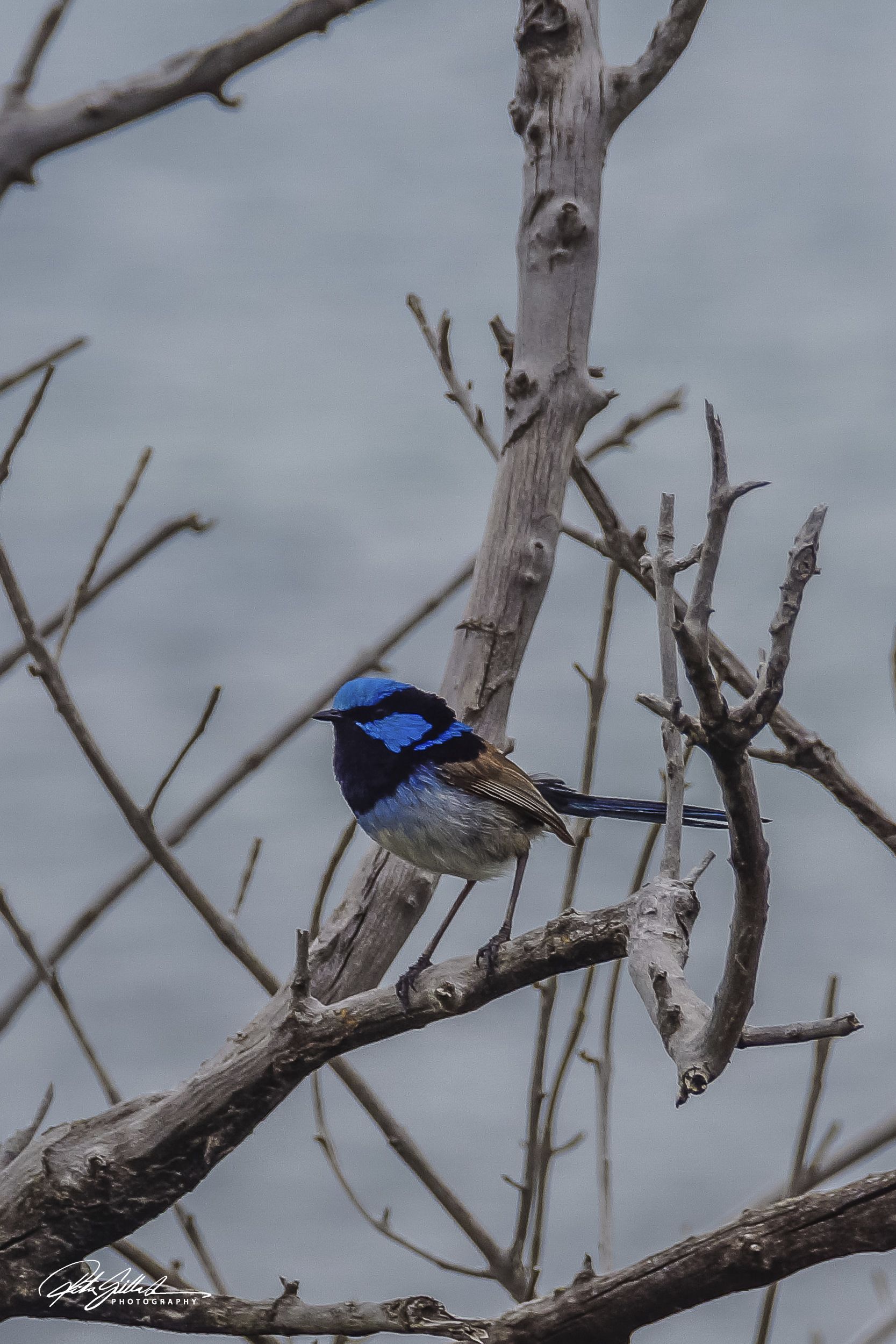
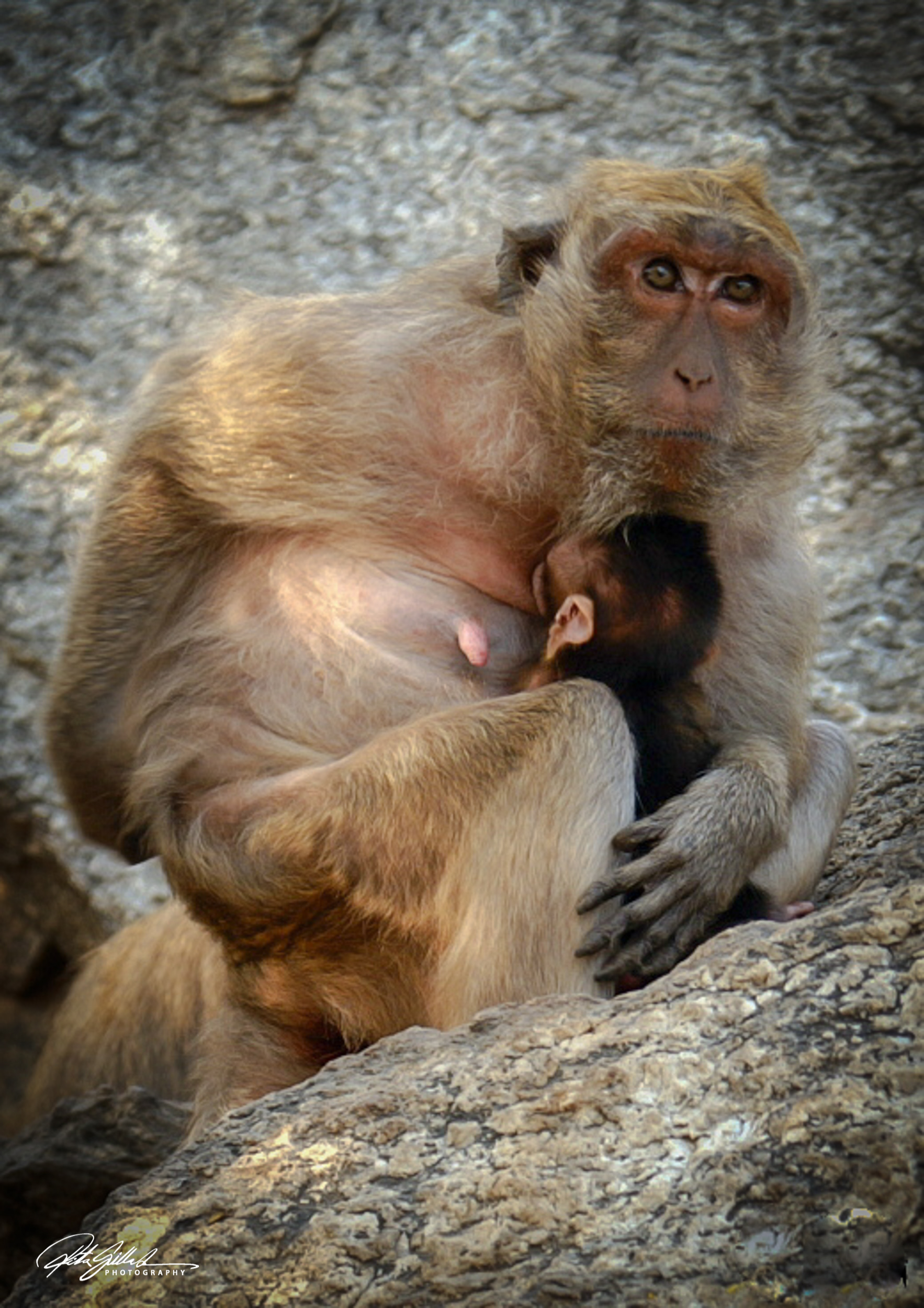
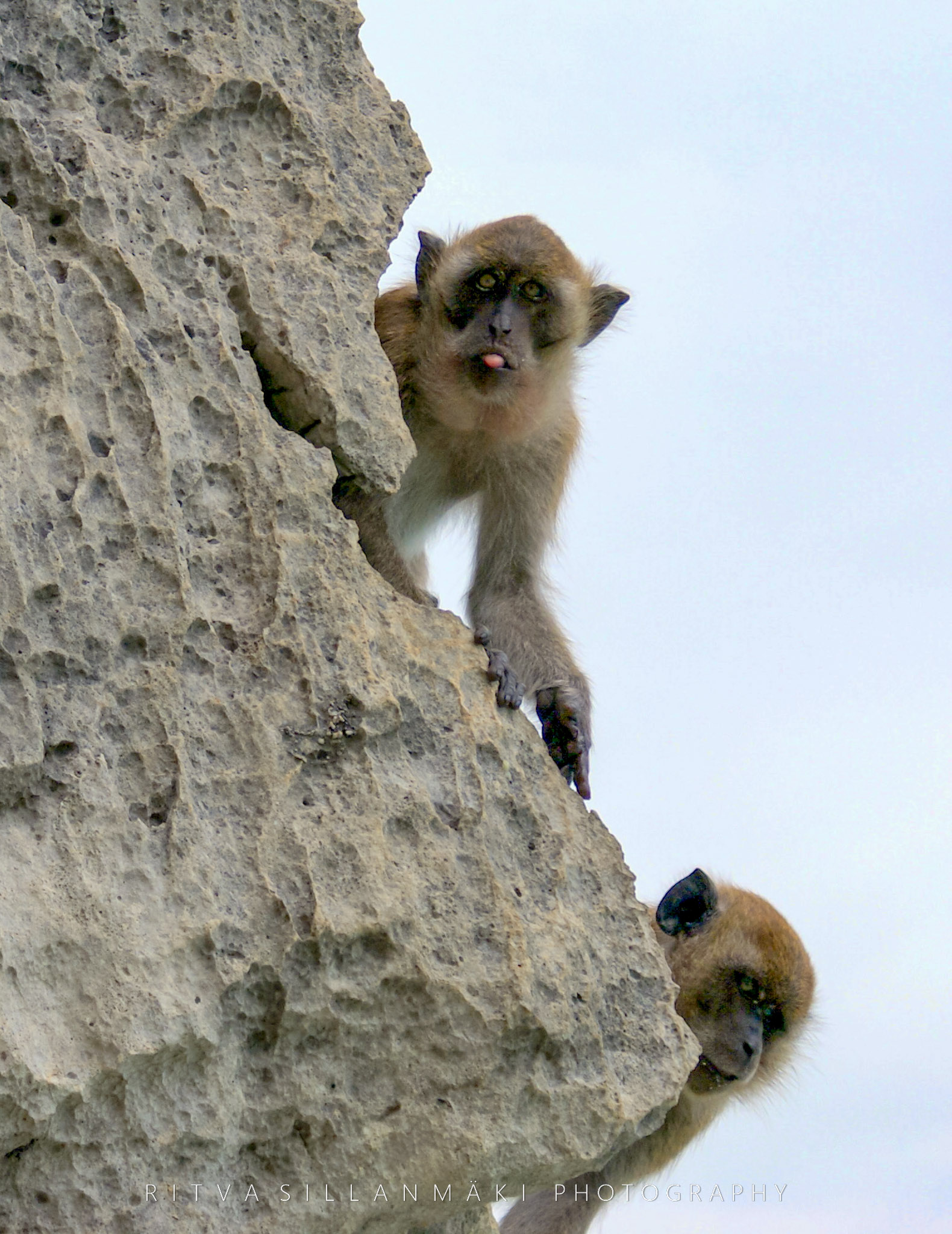
Theme is – Habitat and this week I am going to post images, nothing more nothing less. The theme it is so heartwarming to begin with it does not need works. I just felt joy looking at the images Tina showed us. Such beautiful and moving photos. I hope I will be able at least one smile from you when looking at this post, I just concentrated on animals. I had so much fun looking for these photos. I had to stop, because I found out that I have just few photos 🙂 of animals and as it is, I posted once aging way too many.
Thanks Egídio. He gave us a chance to learn something new, and while we may not have heard of it, we were happy to see that many of us were using it anyway 😊. It’s always exciting to test our skills and knowledge in a friendly challenge like this. The creative solutions and different approaches showcased by the participants were truly inspiring. Egidio’s initiative brought us together to celebrate our passion for learning and growing, and for that, I am truly grateful.
As in previous years, the Lens-Artists team will be on hiatus for the month of July. There will be no challenge on the 6th, but the rest of the month will be led by several amazing Guest Hosts. They include:
July 13: Leanne of Leanne Cole explores TOURIST ATTRACTIONS
I found some in my archives, that’s a good sign. My did I have look hard for these images, and still not totally satisfied, but this is not that serious, even though I trend to take seriously. This week Egidio of Through Brazilian Eyes, challenges us to show how we use rectangles in our photographs and how they help our composition.
Shape in photography is a powerful tool for creating compelling images. By incorporating strong lines, curves, and other shapes into a composition, we can add depth and dimension to our photographs, I have learned. We recognize the four basic shapes: circles, triangles, squares, and rectangles. Each of these shapes can be used to create a variety of different effects in your photographs. Circles are often used to create a feeling of harmony and balance, while triangles can add a sense of movement and drama. Squares and rectangles can help to create a sense of structure and order. AND this is what I am trying to show how I have unintentionally found it in my compositions.
The placement of shapes in a photograph can also have a significant impact on the overall composition. Placing shapes near the edges of the frame can help to create a feeling of tension, while placing them more centrally can create a feeling of balance.
Rectangles are used mostly as frames within a frame, but you also can use them as compositional elements by themselves. Rectangles may give you a sense of security, as well as confinement. Furthermore, when you use many of them in one composition, like the one below, you can create a sense of pattern, which might make your composition even more interesting.
I find cities and interiors to be the best place to find shapes, but someone else has already designed it, I just document it my own way.
Industrial and modern built – the best, No?
This time I stayed mostly in urban areas, but I had to find some in nature.
Thanks you all for your responses to my challenge last week, this is such a fun community. I always find new ways to look at things and see images from around the world. Your images did just that, gave food for thought
Next week, Tina is up next with an exciting challenge, so be sure to look for her post. She is always creative and her photos are always worth a look, as they are so beautifully, skillfully captured. You are bound to be inspired.
As those who follow her know, Lens-Artists team member Donna of Wind Kisses is taking a break from blogging for personal reasons. She will be very much missed but, hopefully be with us again before too long. We wish Donna and her family only the best, as our thoughts are with all of them.
Please see this page to learn more about the Lens-Artists Challenge.
This week is a lesson in paying attention to the background BEHIND your subject, does this not sound like a challenge, but it is, if you really start to focus on it. So, think about different techniques you use to elevate your photos and share them with us.
Backgrounds play an essential role in photography, significantly impacting the overall aesthetic of an image. When composing a photograph, the background serves as the canvas against which the subject stands out. The background provides context and narrative to your photo. How your main subject interacts with the background shapes the story within the frame.
Here are some key considerations: Whether it’s a serene landscape, a bustling city street, or a simple studio backdrop, the background influences the mood and message of the image.
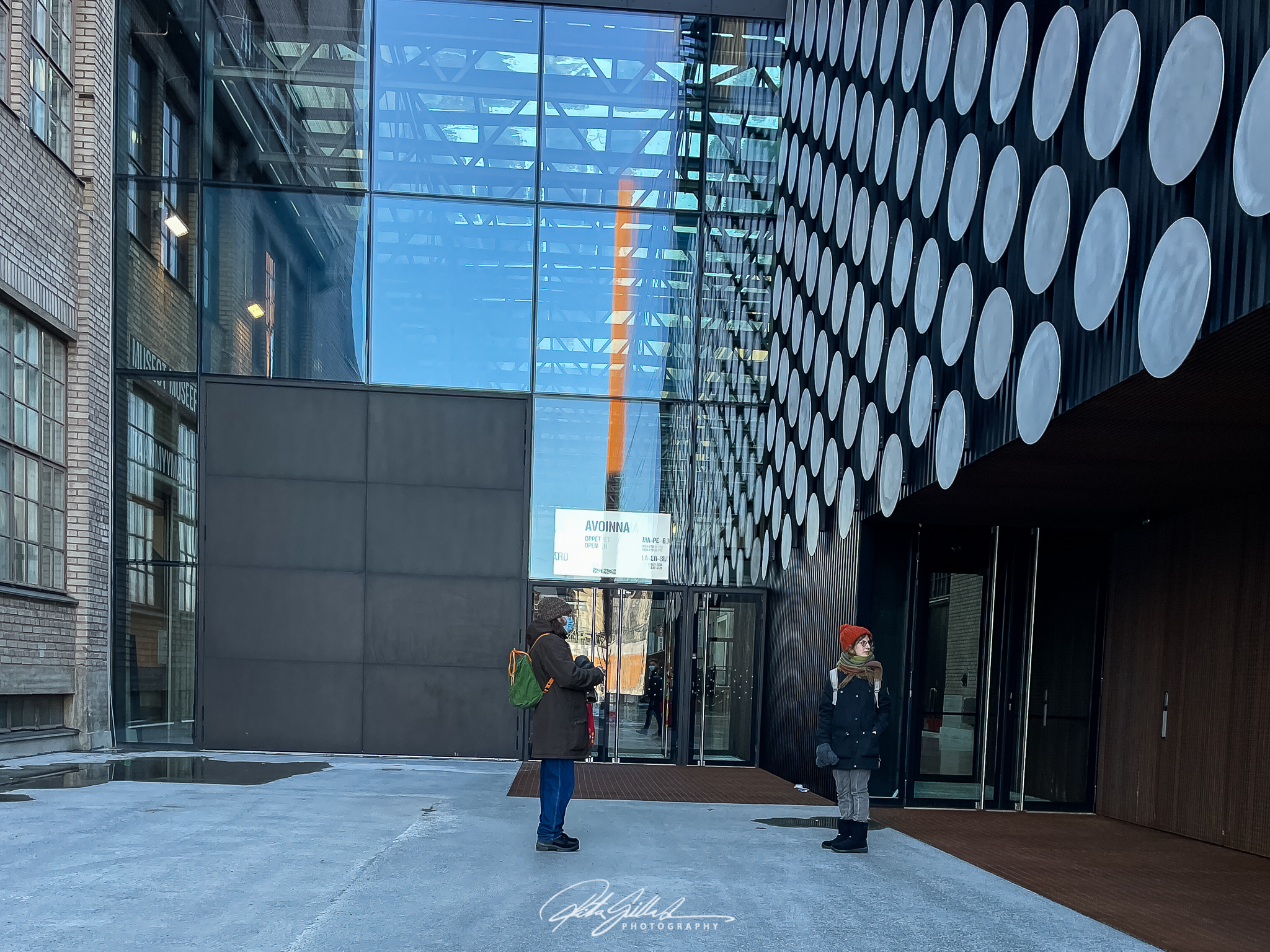
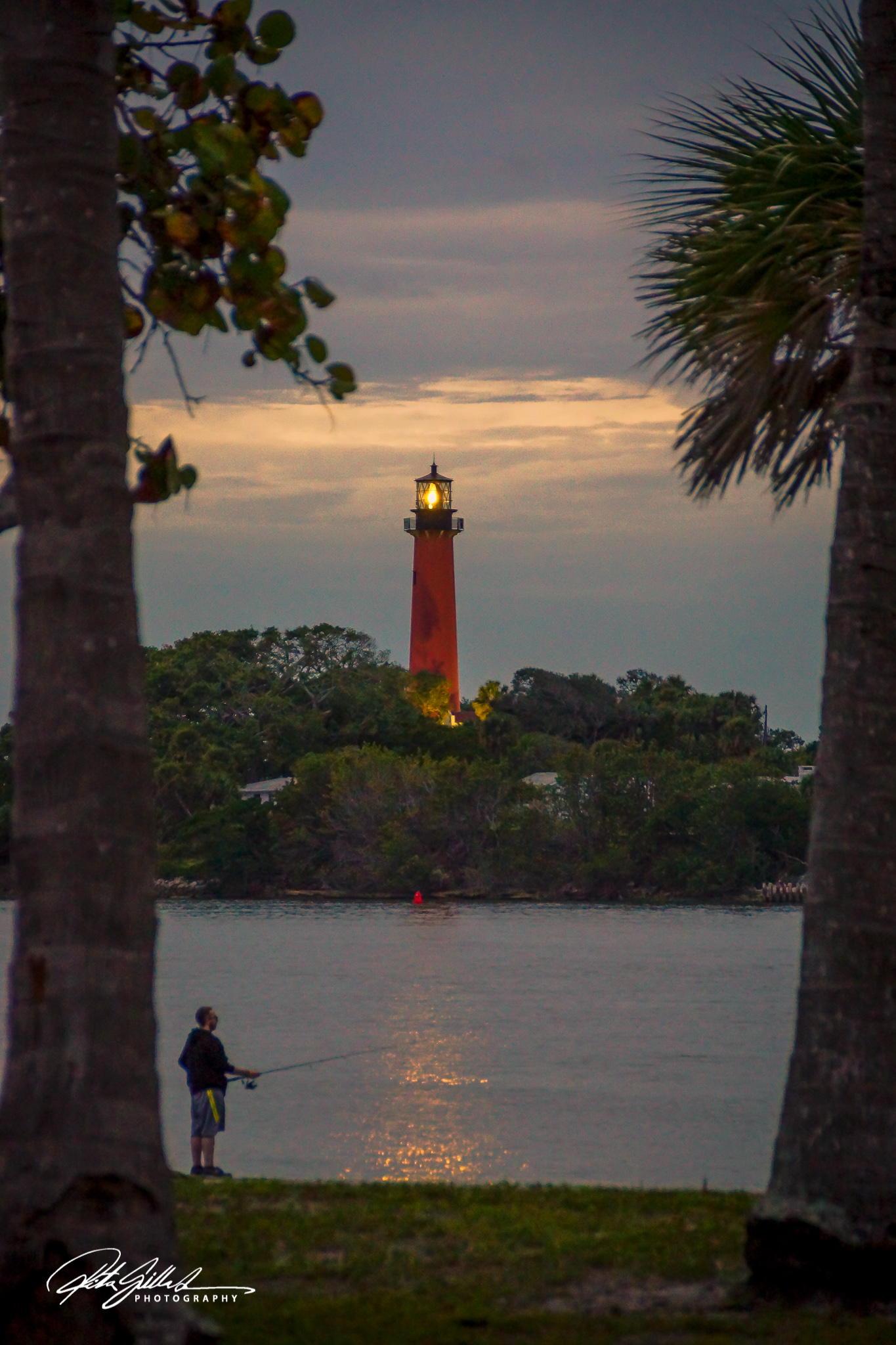
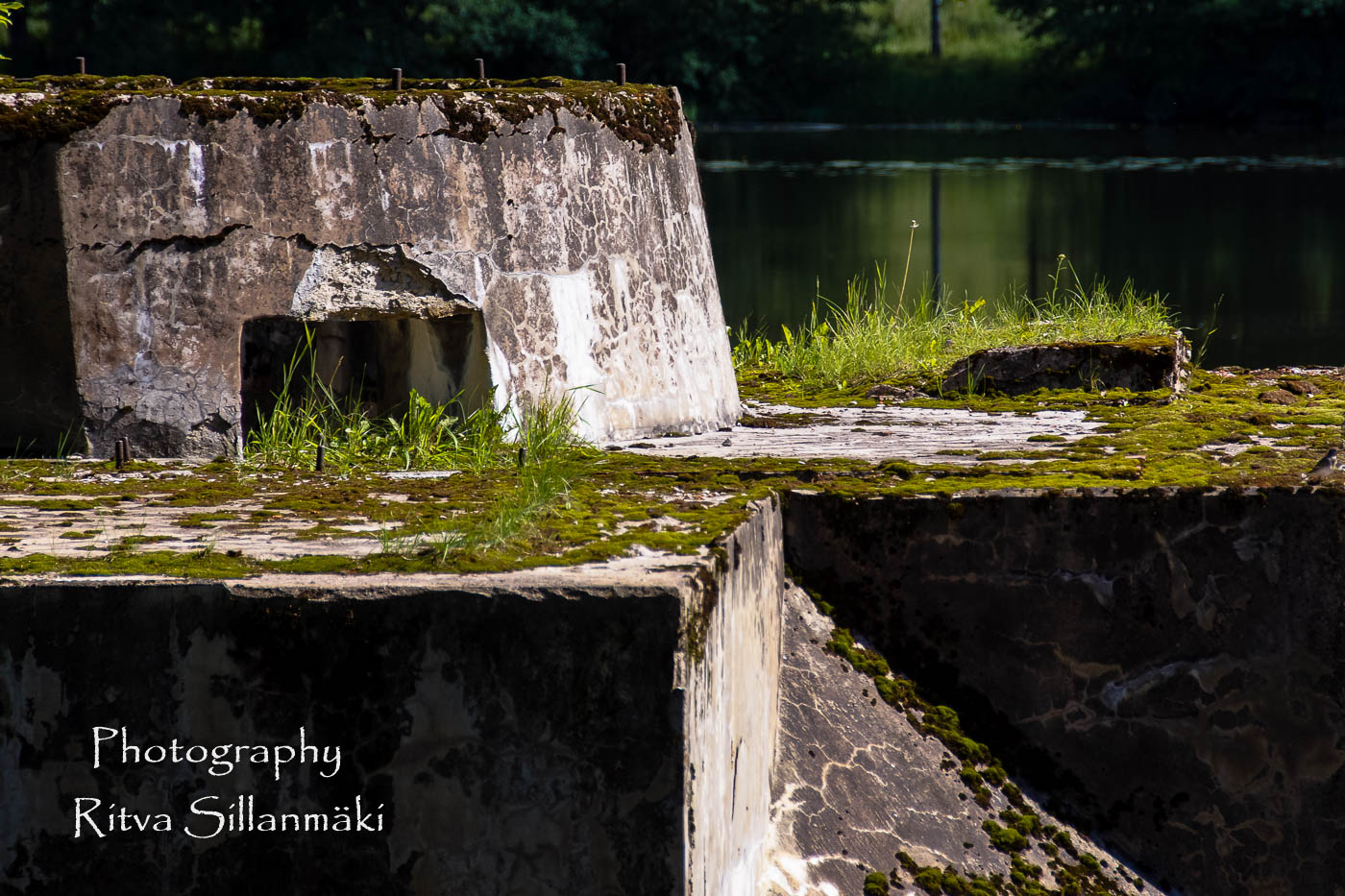
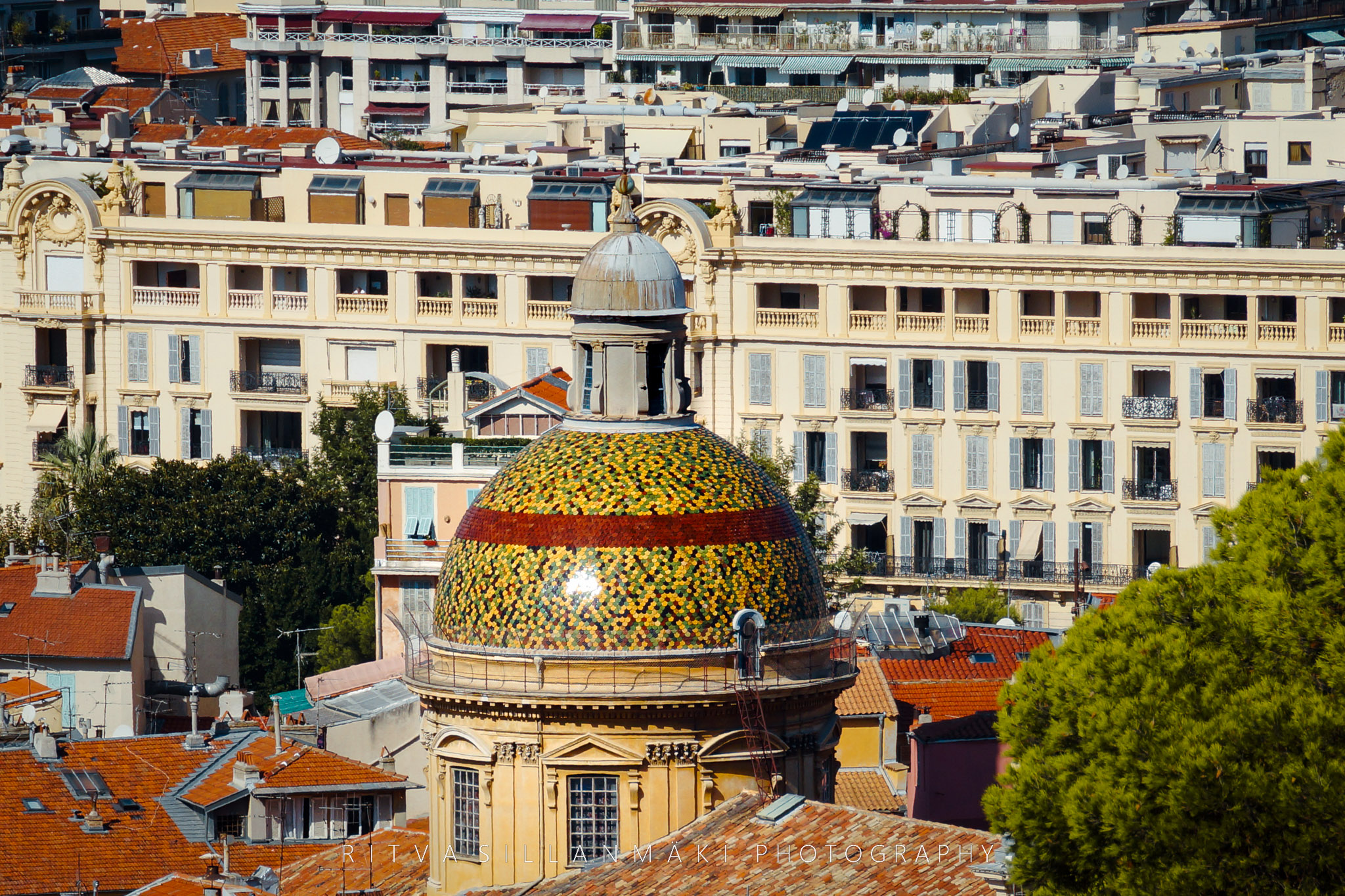
Same cityscape – three backgrounds for the dome.
Different colors evoke specific emotions. For instance, blue backgrounds often convey calmness, while red can evoke passion or energy. Patterns in backgrounds can either enhance or distract from the subject.
Simplicity, achieved through minimal distractions, often yields powerful results. Additionally, controlling depth of field allows you to guide viewers’ attention to specific focal points in both foreground and background.
Remember, a well-chosen background enhances your photo, adding depth and visual interest.
Usually, this means making your background distraction-free. That is often when taking photos we’re laser-focused on our subject: a portrait, a flower, a couple on a bench.
Luncheon on the bench Cactus – two takes with different backgrounds, each has a different story to tell.
A good background pairing (whether that’s making the background disappear with exposure or blur, or enhancing it with color or story will allow your SUBJECT to shine.
You can pair your subject with a colorful background to match or contrast your background to your subject.
You also may want to keep your background dark, relative to your subject, to allow your subject to pop, or vica versa.
You might want to elevate your photography to another storytelling level by creating a picture within a picture. You would see the main scene up front, but little scenes from the whole story would complement it on the side.
This can be children studying in a classroom, with a detailed scene behind them.
Or boys sitting, watching a document on a screen. Use your “canvas” to portray your entire creative story, from end to end, for both your subject and of course, your background.
Background Blur: Utilize depth of field to blur your background, keeping focus on your subject
two daisies
Color Harmony: Harmonize or contrast colors between your subject and the background for visual impact.
Darker Background: Adjust exposure to darken the background, spotlighting your subject.
Negative Space: Embrace negative space, using it to highlight your subject against a minimal background.
Last week we stepped into the lovely world of connections with Donna’s beautiful photos to guide us. We were shown lovely interpretations of connection this week. There is always need to be connected…
I am already looking forward to next week’s challenge with Egídio. Join him Saturday 12:00 EST to enjoy his beautiful photography, captured through his Brazilian eyes.
Interested in knowing more about the Lens-Artists challenge? Click here for more information.
Connections, Donna wrote so beautifully about this topic and gave such great inspiration as how to approach the challenge, it gave ideas I could not have thought about.
It’s simple.
The connections we make to people, places, things and ideas, are what give purpose and meaning to our lives.
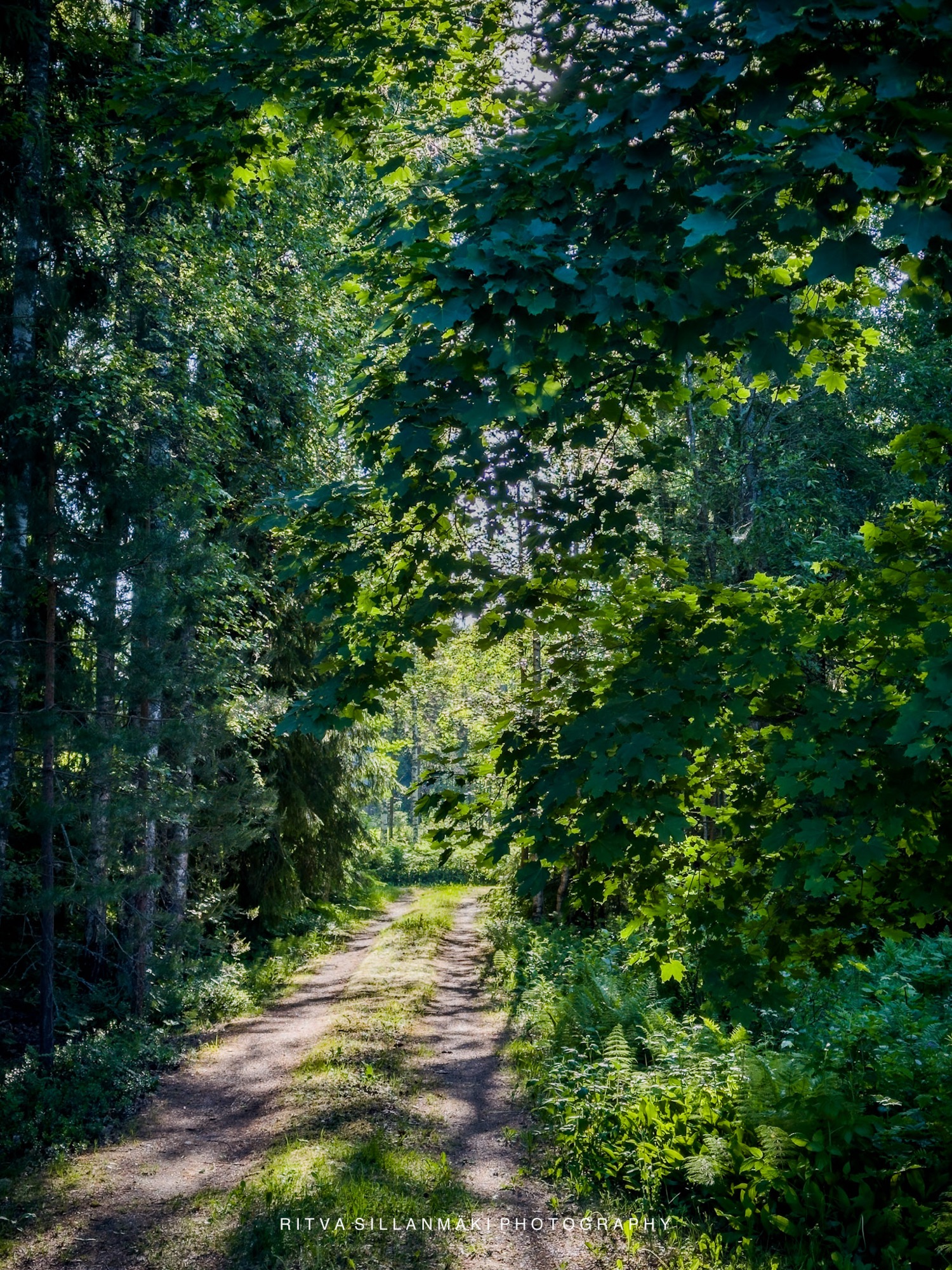
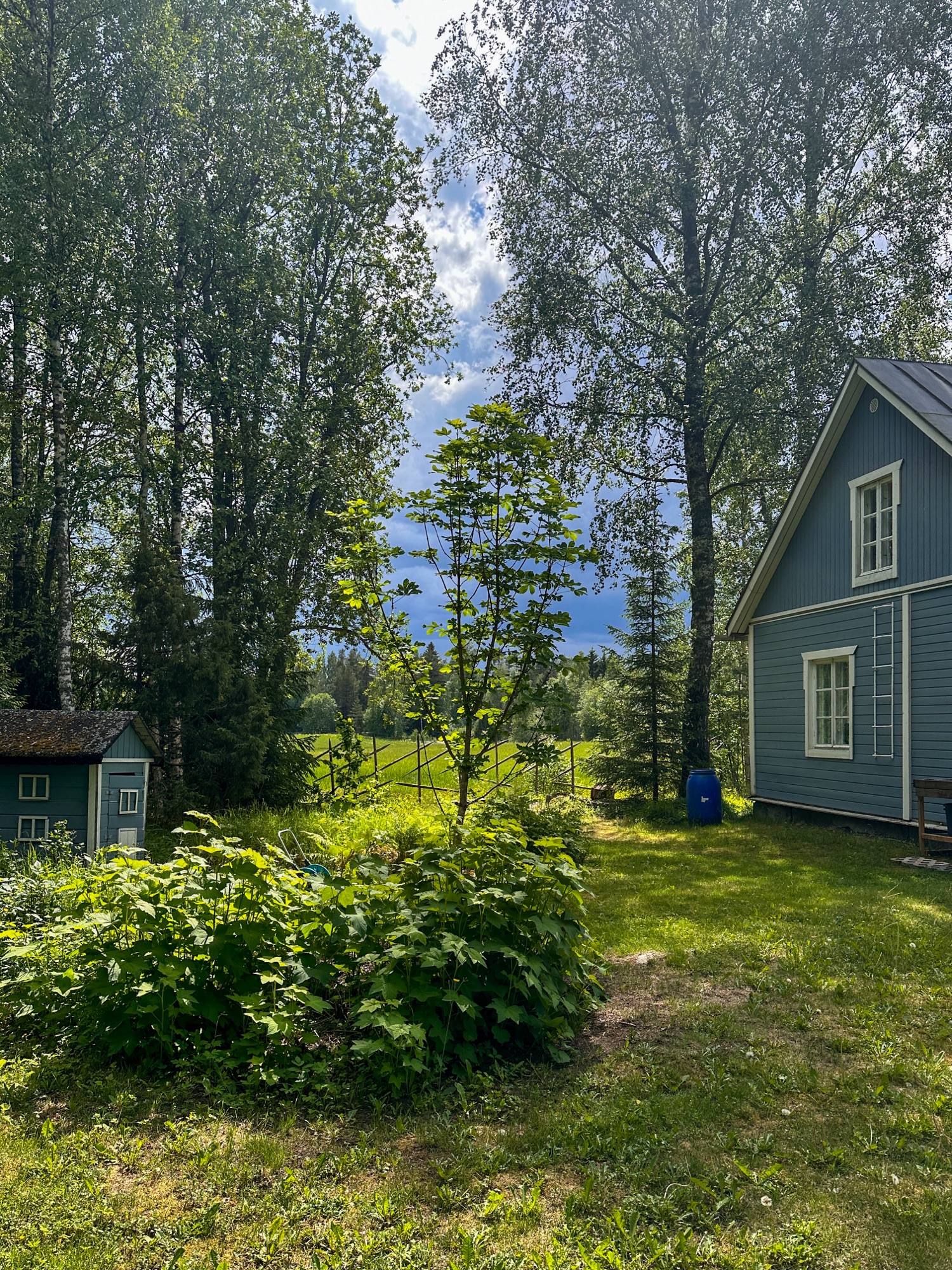
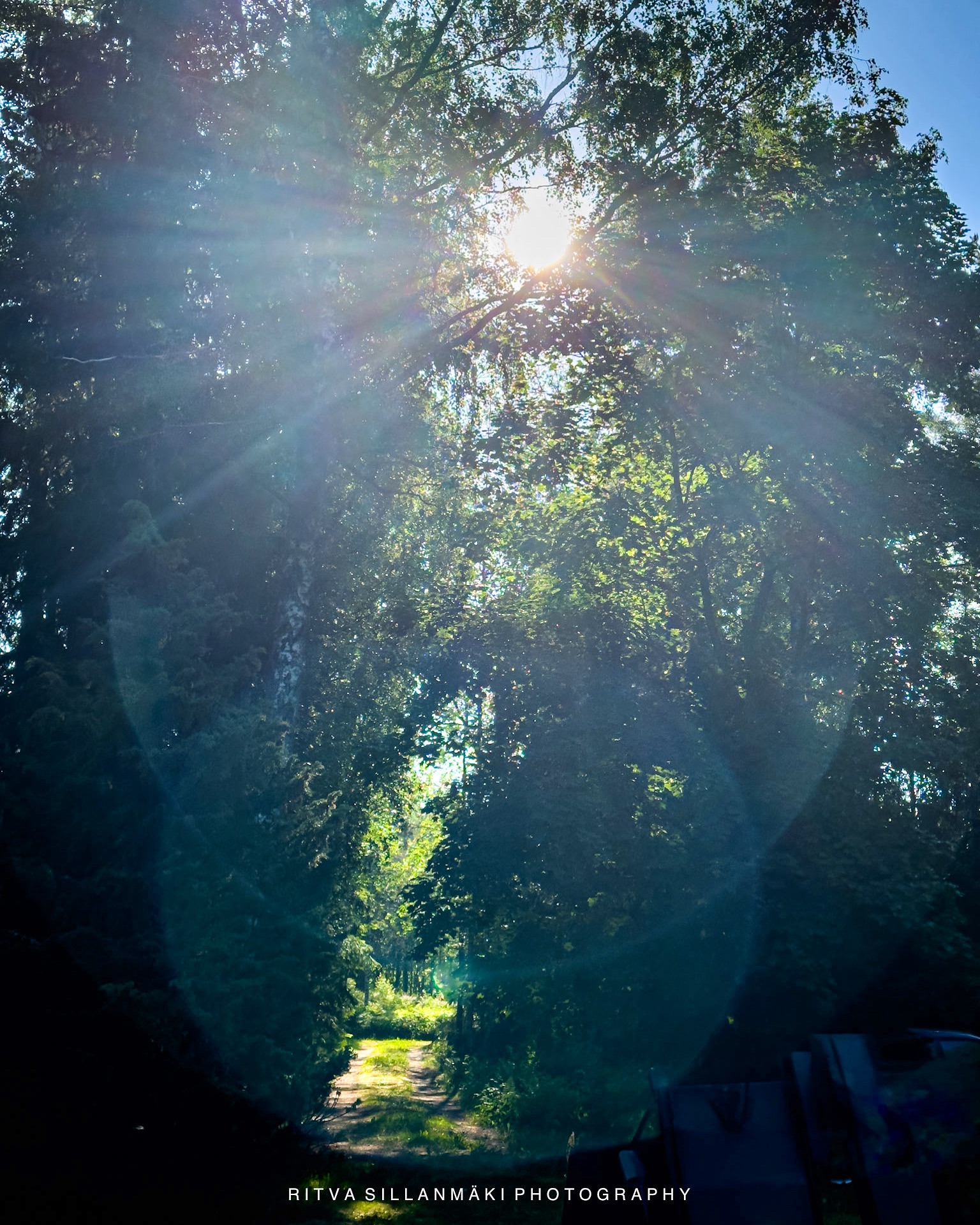
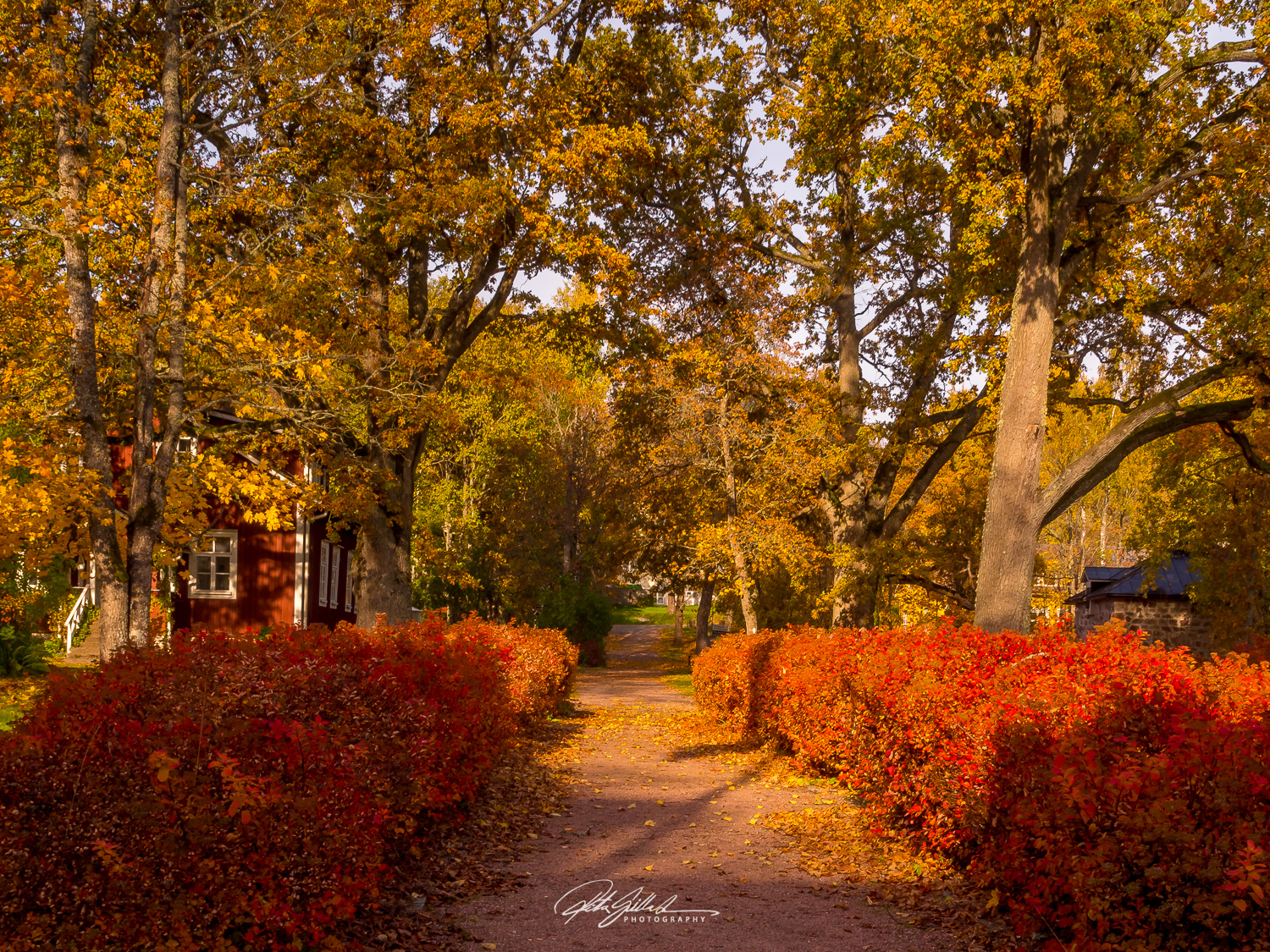
I have photographed this path – road so many times during the 28 summers we have spent here. I have an emotional connection to it. I love to watch how the light and shadows play on it during different times of the day and during different seasons depending on the sun level. It looks totally different in the summer versus autumn. But to the topic, I have a connection to it. I have spent so much time here I’ve watched my boys grow here and be connected to this place, we have moved several times , but our summer place is a constant. We have with our own hands refurbished and built to what it is now our own getaway.
As a child, we lived by the sea. I wandered through forest to be at the seaside, my bare feet sinking into dew-kissed grass on the way. The forest whispered secrets—how to listen, how to observe. I learned the language of birds—their melodies echoing through the canopy of trees. The scent of pine needles and damp earth seeped into my skin, becoming a part of me. The forest next to the sea has its own distinctive scent, I can still remember it.
Spring unfurled delicate blossoms, and I danced with dandelions, their seeds carried away by the wind. Summer brought lovely shades of green, flowers of many colors and light, warm nights. The wonder of light filled nights surprises me every year. You know they come but you are still amazed. Autumn was a symphony of crunching leaves, bright colors, musky scent and soft tones that comes with low light. I am not going to touch winter , I grant you that it can be beautiful, a big but, I do not feel no connection to it. I am connected to my homeland, my roots are here.
Animals and people, the connection so important so comforting, and it unconditional. The comfort of a cat purr at your touch, dog looking at you with trusting eyes, the loyalty of the constant companionship. Animals have an innate ability to understand our emotions, connect with us on a spiritual level, and offer us healing when we need it most. They remind us that we are all connected and to be mindful of our relationship with the natural world.
I am not going to touch the topic of family… too much to say about that. But it is obviously one of the most important connections we have in good and bad. We all have our own story …
Last week we stepped out of reality with John’s challenge, AI. There is always room to learn something new, and John sure gifted us that opportunity, though I was rather reluctant to do so. I am already working on next week’s challenge, you will see what I come up with by checking my blog. Join me Saturday 12:00 EST to find the next challenge.
Interested in knowing more about the Lens-Artists challenge? Click here for more information.
John is our hero this week for leading us tp a controversial and rapidly-evolving development in photography. He is challenging us to experiment with AI. For those of you who use any of the Adobe programs, I’m sure you’ve been stunned with the speed of development of AI tools.
Artificial intelligence is already everywhere, not least in photography, where it turns the creation of images on its head. In many photo contests, judges have awarded pictures created with artificial intelligence-based image generators, thinking they are genuine. It’s scary and fascinating at the same time.
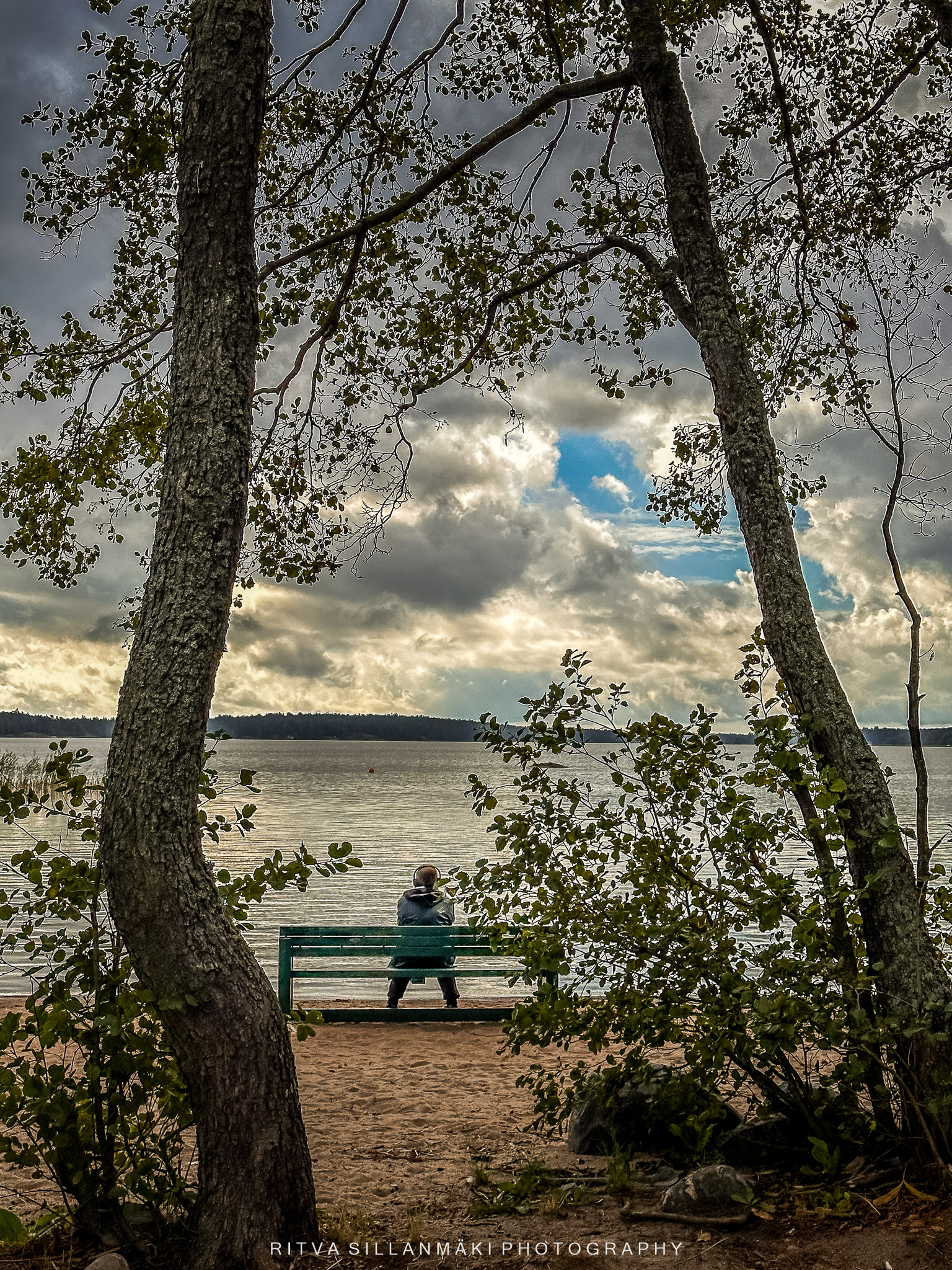
original photo that I have obviously edited as it was shot RAW
I am not in my comfort zone in this challenge, as a serious hobbyist photographer I like to take my own photos and edit them myself to my style.
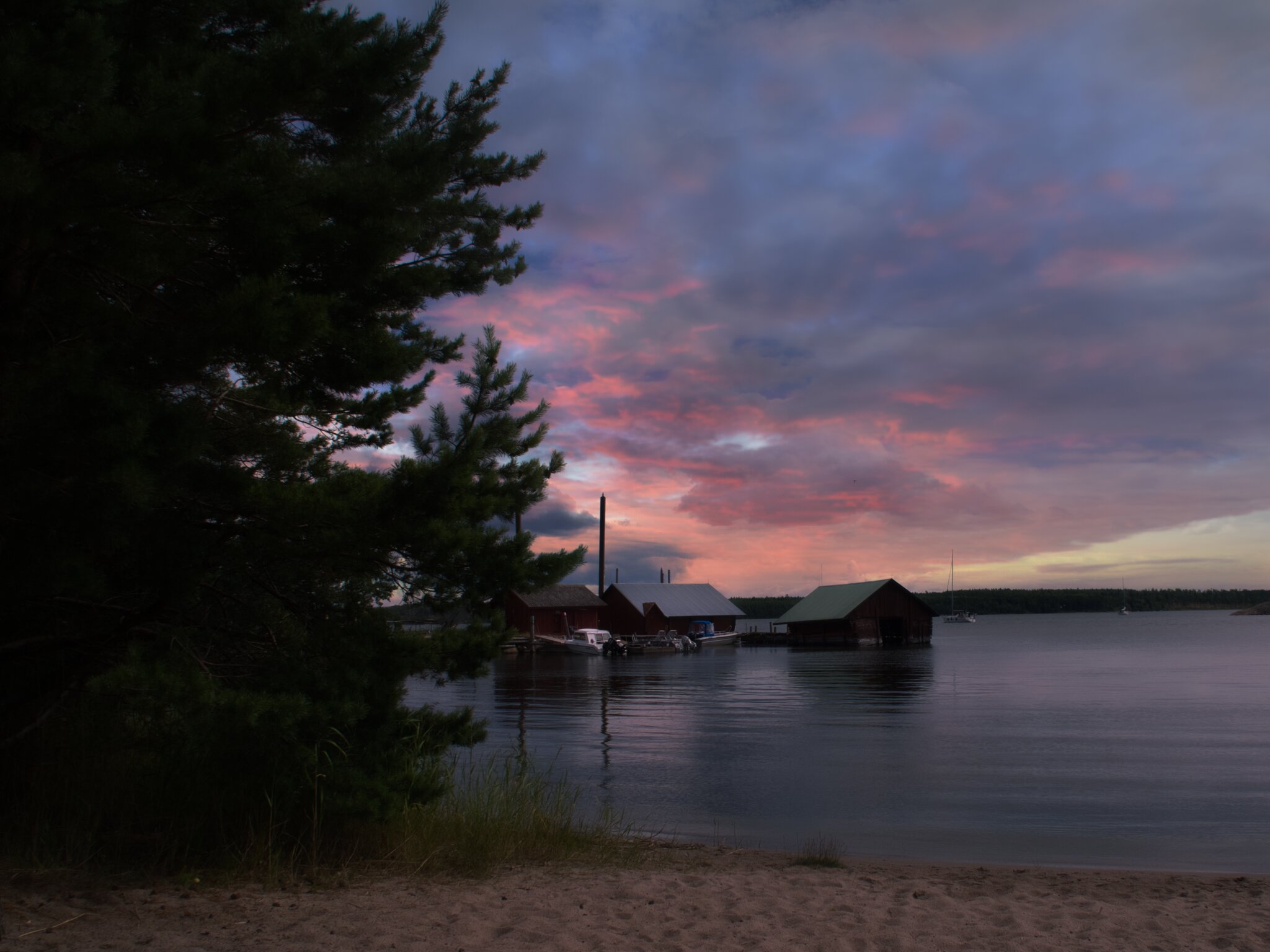
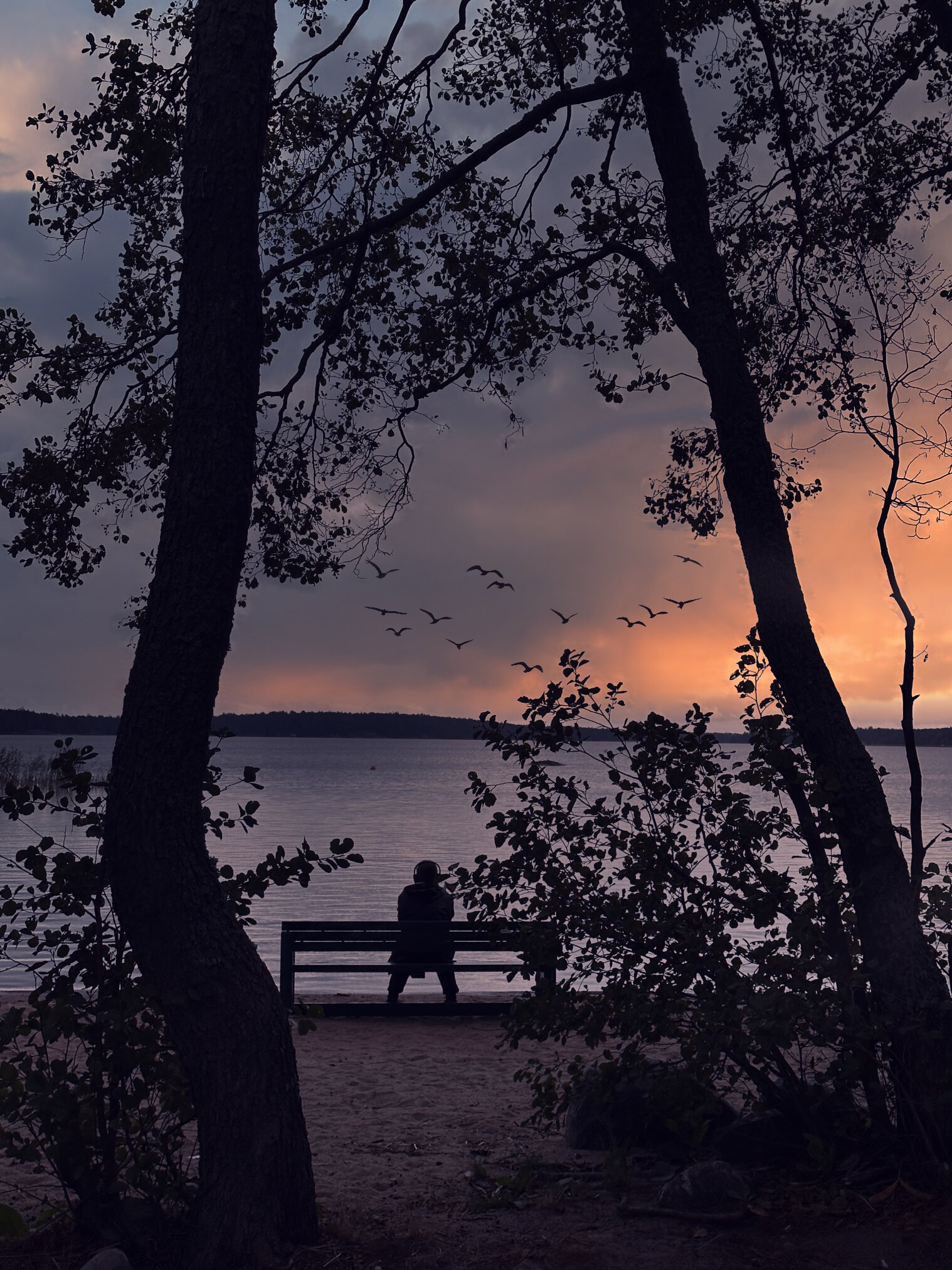
I used my photo as a starting point, I changed the sky to two different sunsets. One is more believable..
Regarding the edit process, I am comfortable removing distractions and, on occasion, replacing the sky. It is a very delicate process, the art of replacing the sky in a photograph requires a keen eye for detail and a deep understanding of light, perspective, and atmosphere. Ensuring that the new sky seamlessly integrates with the rest of the scene, taking into account the direction of the sun, the play of shadows, and the reflections, It’s a meticulous process that, when executed skillfully, can elevate the entire mood and narrative of the photograph, transporting the viewer to a captivating and immersive visual experience. It can easily go wrong.
An other sample of sky edits…original and edited version, can you tell which is which?
The approach I usually take is to carefully frame the shot at the location to naturally exclude most distractions. However, this is not always feasible. In some cases, I am comfortable with the idea of removing objects like garbage cans and electric cables, or even editing out certain branches from the periphery of the image.
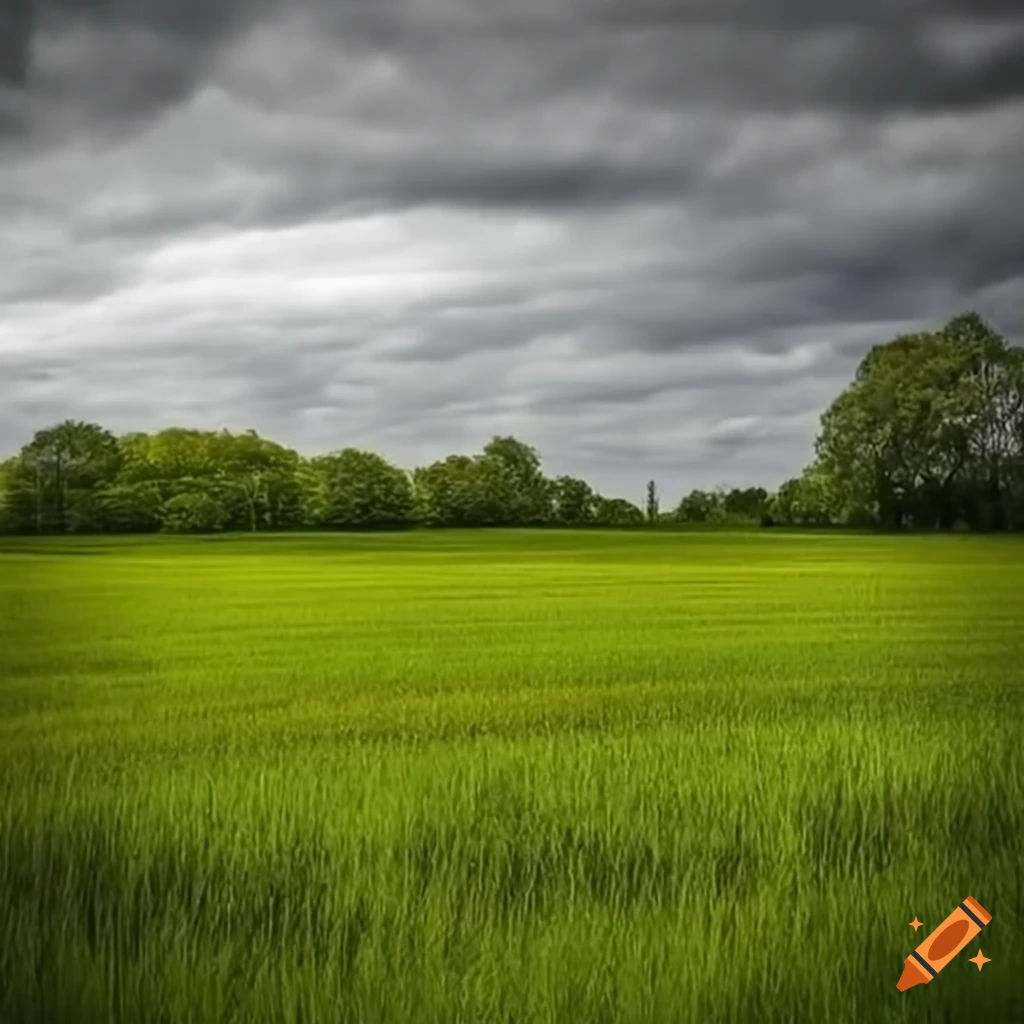
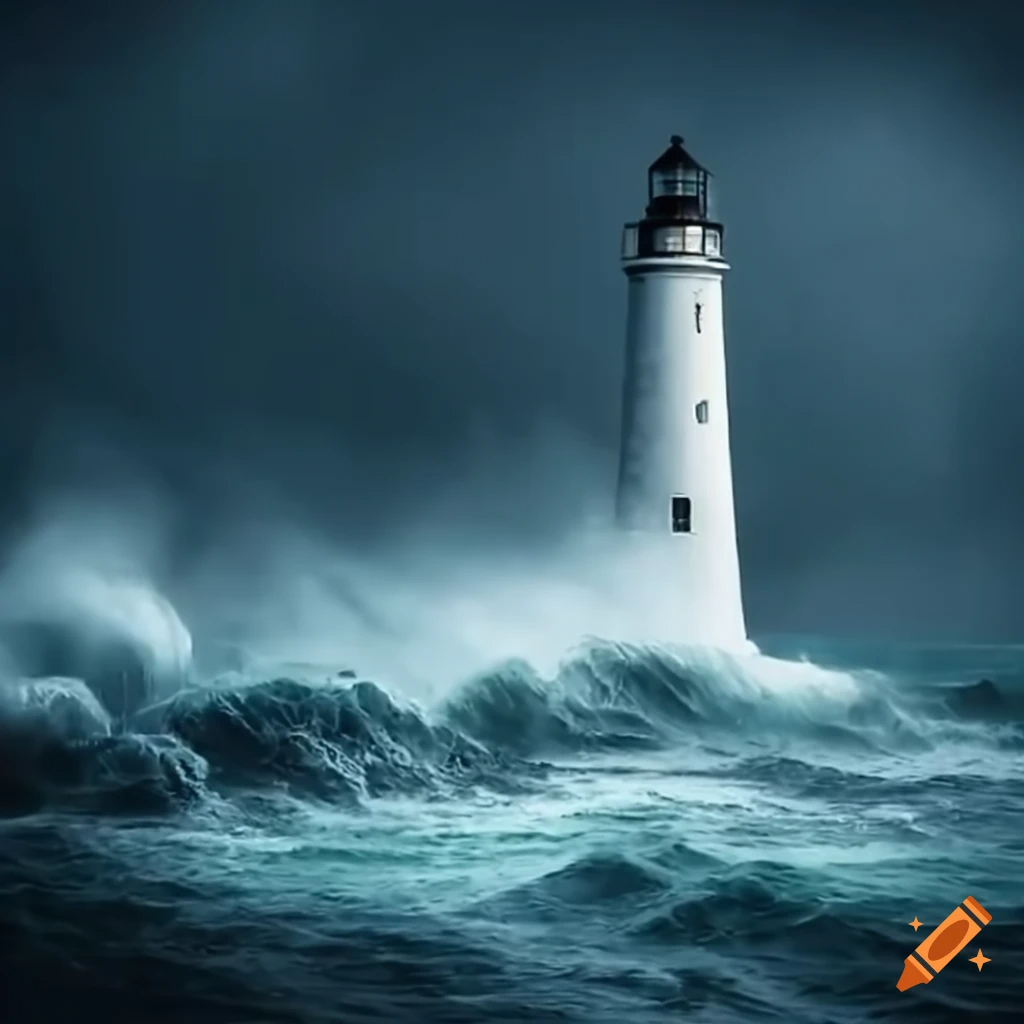
For this challenge I was going to try Photoshop to create something, but as my heart was not into it, I got nowhere, but I did get really frustrated. Then I found t Craiyon free site to create these two photo. Prompts: green field set against dark clouds and Lighthouse during a storm.
These two (below) were my first attempts to create anything on word prompts- done with free version on copilot – these came out as illustrations. Not to my taste. Hence my frustration after seeing others create lovely images.
I don’t condemn anyone using AI, but it not for me at least now at least in photography. I strongly believe that something is lost, the soul , the personal touch. I might take it up when my own inspiration is lost, but most likely not. Art is about individual creativity to me.
As an Contemporary digital artist, which I like to label myself (not to be too modest) I can use editing tools to create art, but I do not want a AI to create art on a prompt. These are from my own images. Art is about individual creativity to me.
Thank you, Sofia, for last weeks floral enchantments, the floral inspiration we got was amazing.
The challenge host next week will be Donna, be sure to visit her inspirational site and see what she is up to! If you’d like to participate in the challenge responses each week but aren’t sure how to get started, check here.
Lens-Artists #301 – Floral hosted by Sofia wrote: I sincerely believe it to be difficult to have photo of a flower that is not beautiful. But for this challenge, I’d like us to think of how we either capture them or how we process the image afterwards.
First I would like to say all my photos for this post are from past week. Somehow it feels like this year we skipped spring all together, we got summer temperatures now and all the flowers are in bloom at the same time. Most of them I’ve taken with my mobile, because last week I felt the camera’s to the summer house in the belief that there would be nothing to photograph, I was wrong. Everything seemed to bloom overnight. and to the how I capture them – mostly close-ups.
I have now real angle this week, my mind is all overloaded with new things and NUMBERs – my least favorite thing .
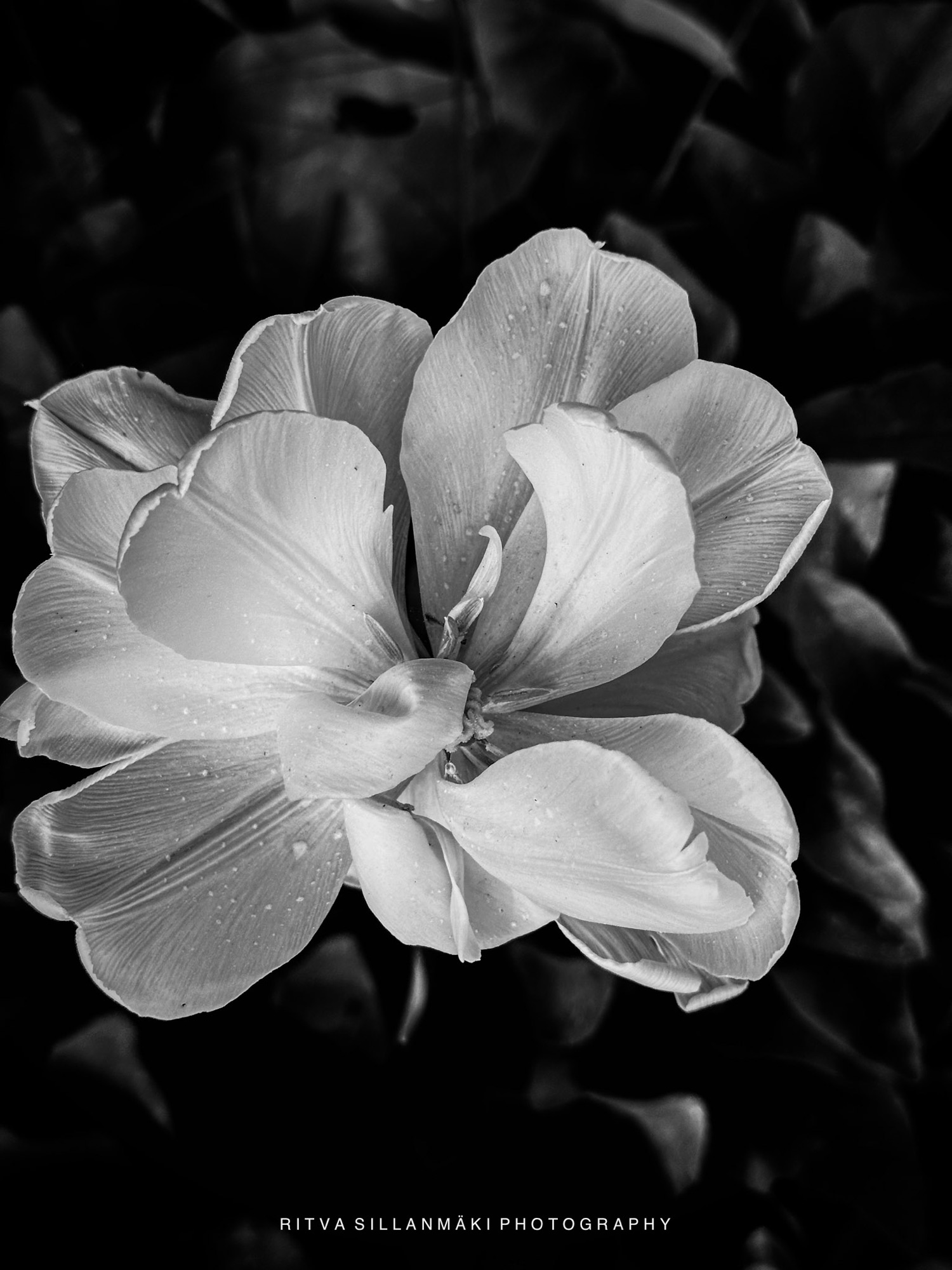
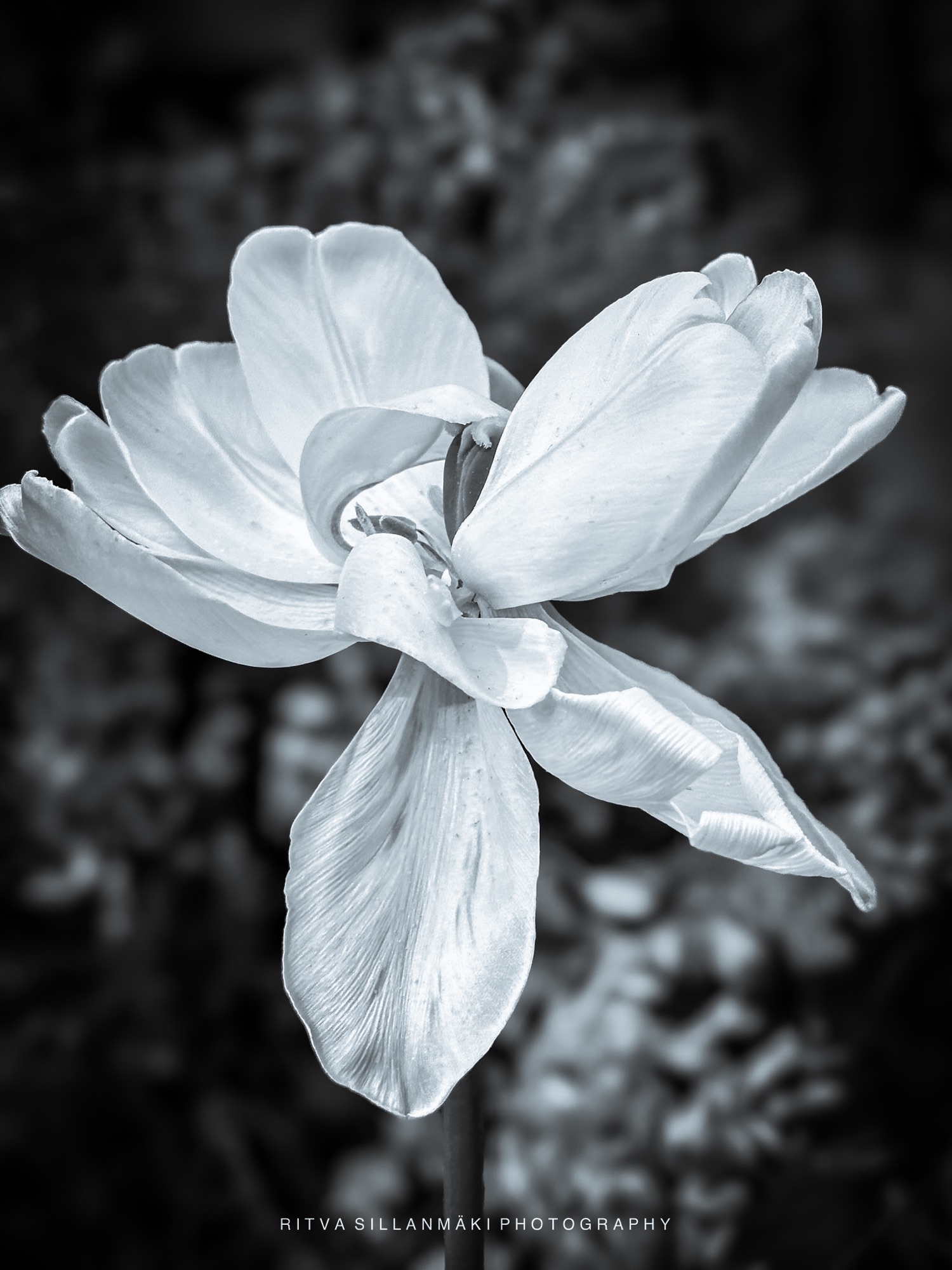
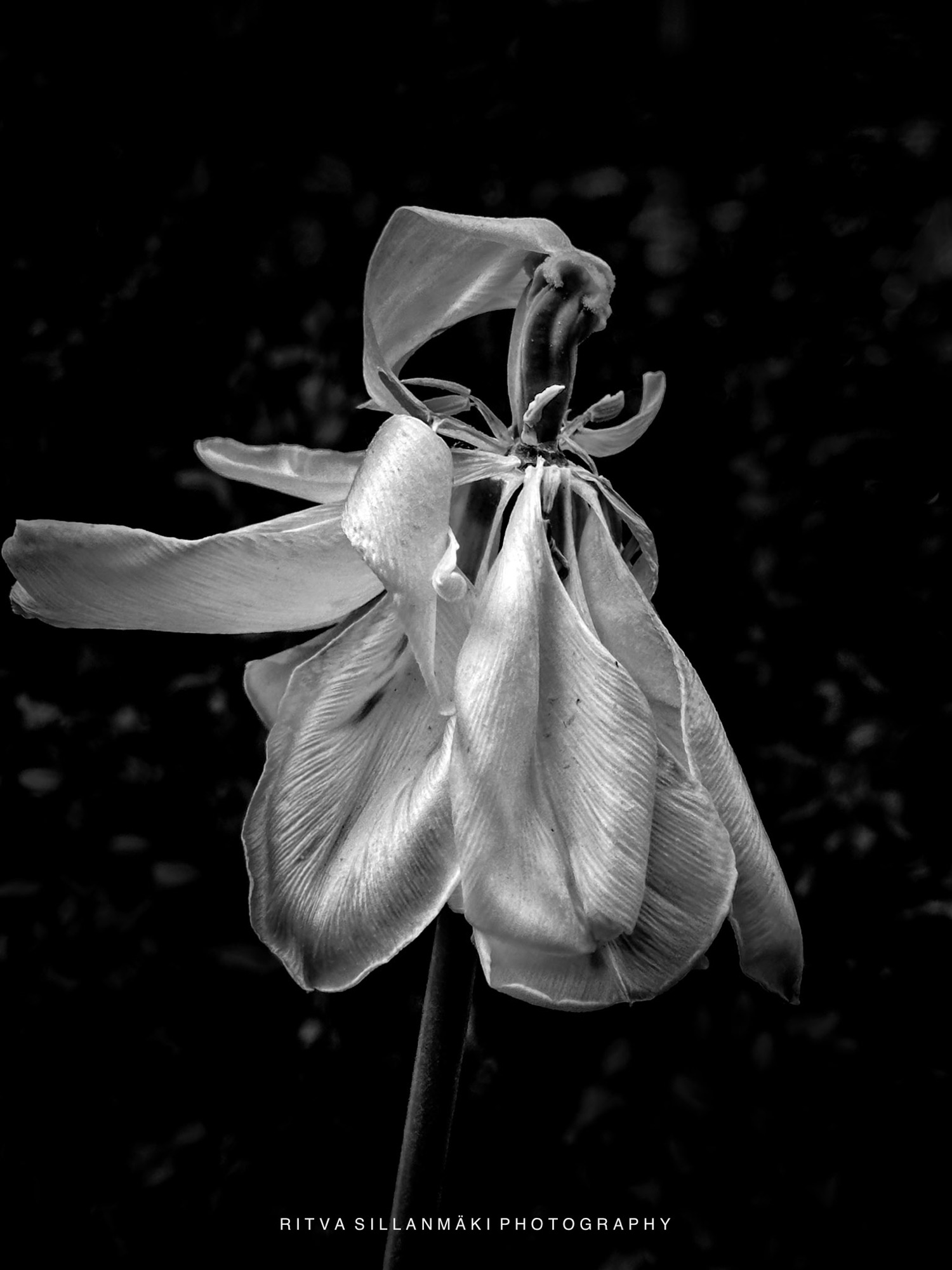
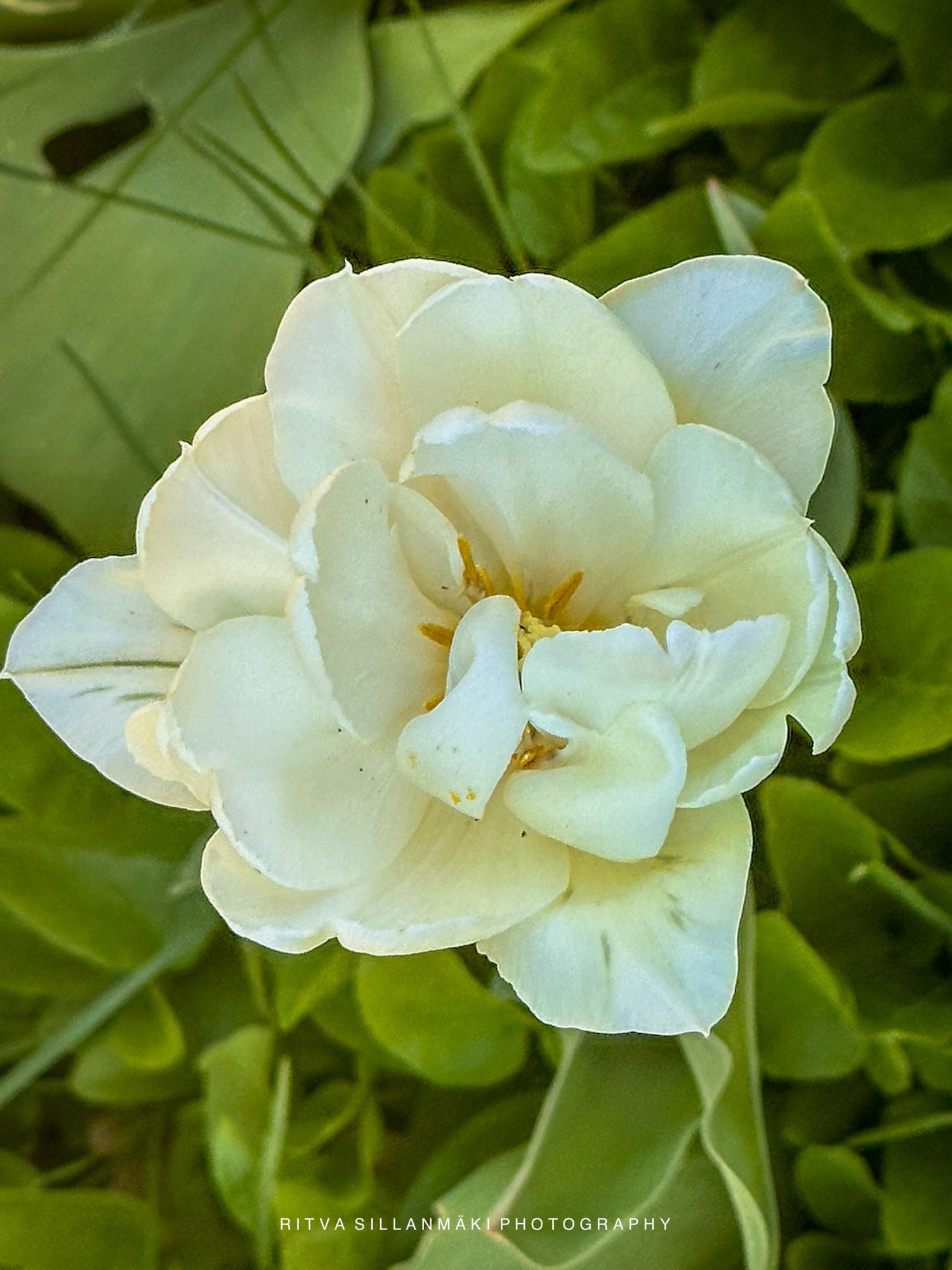
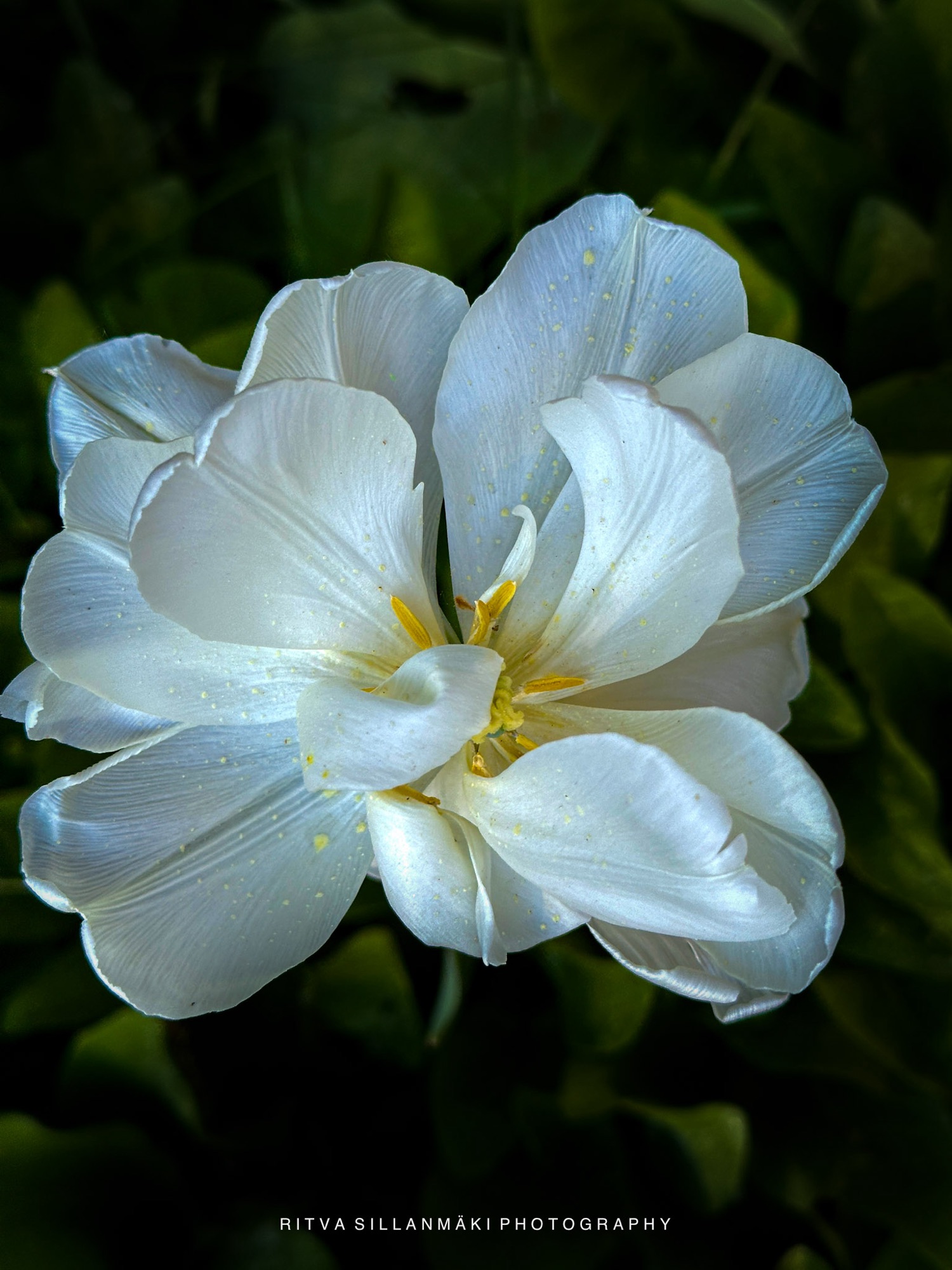
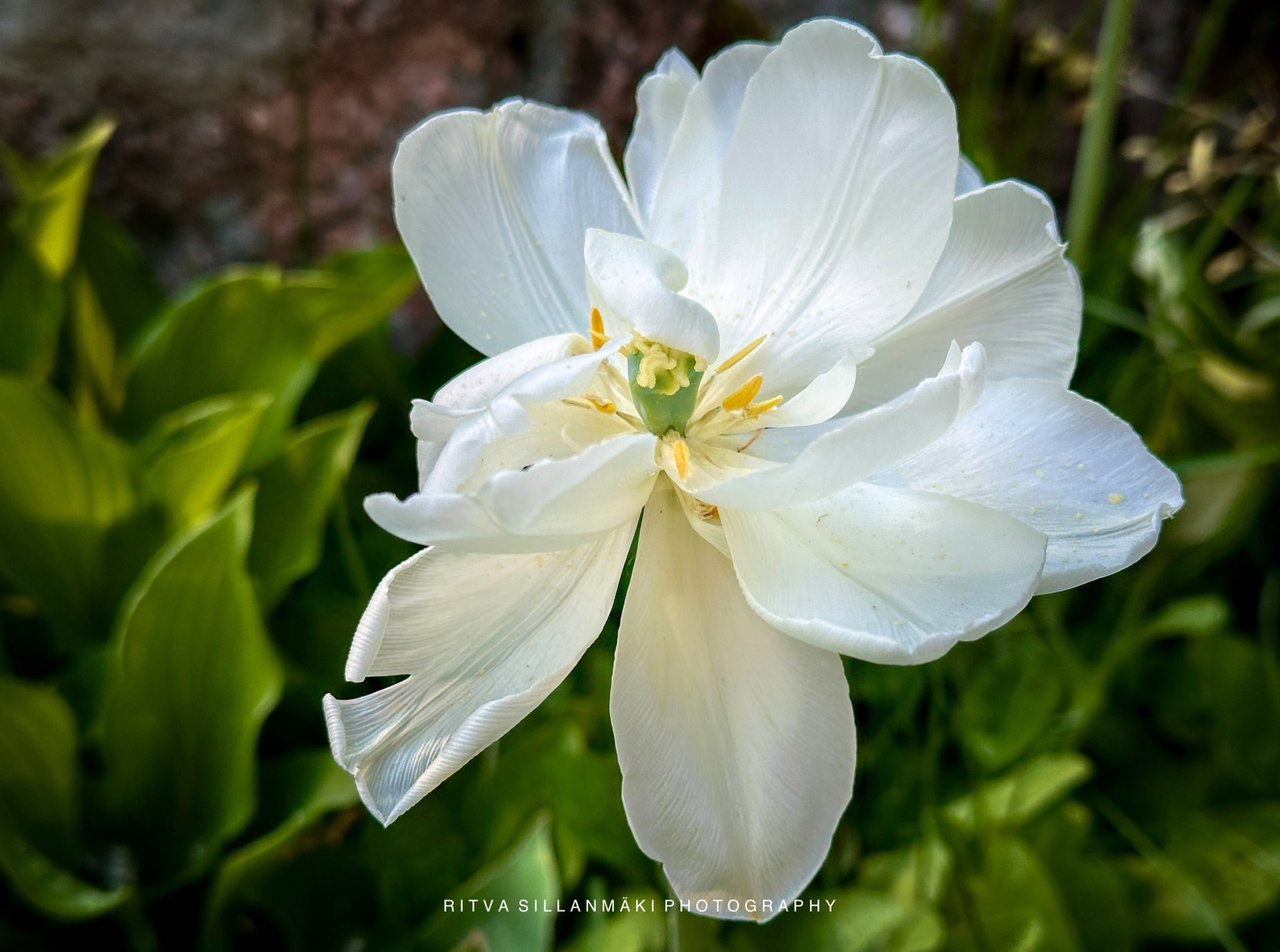
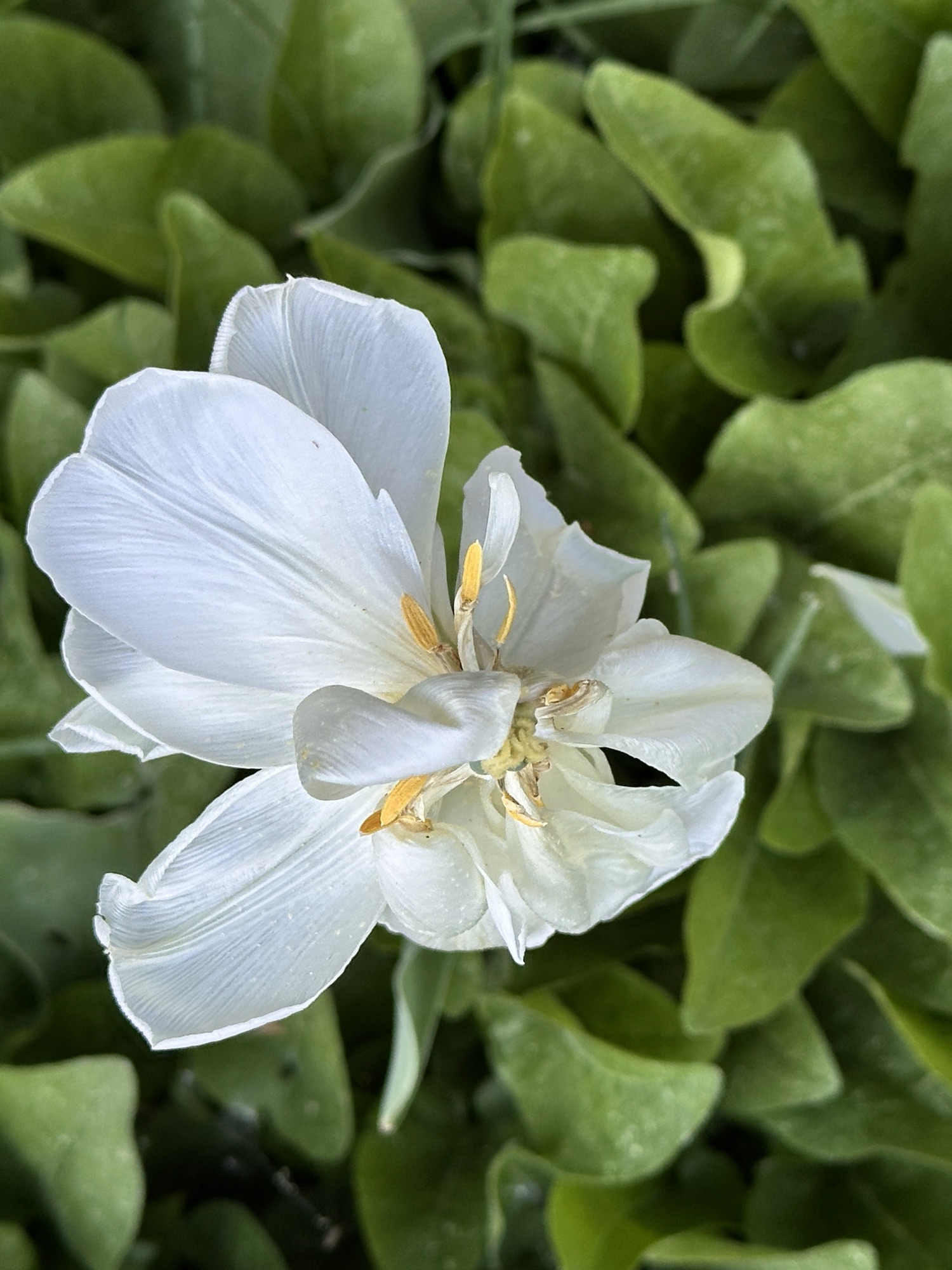
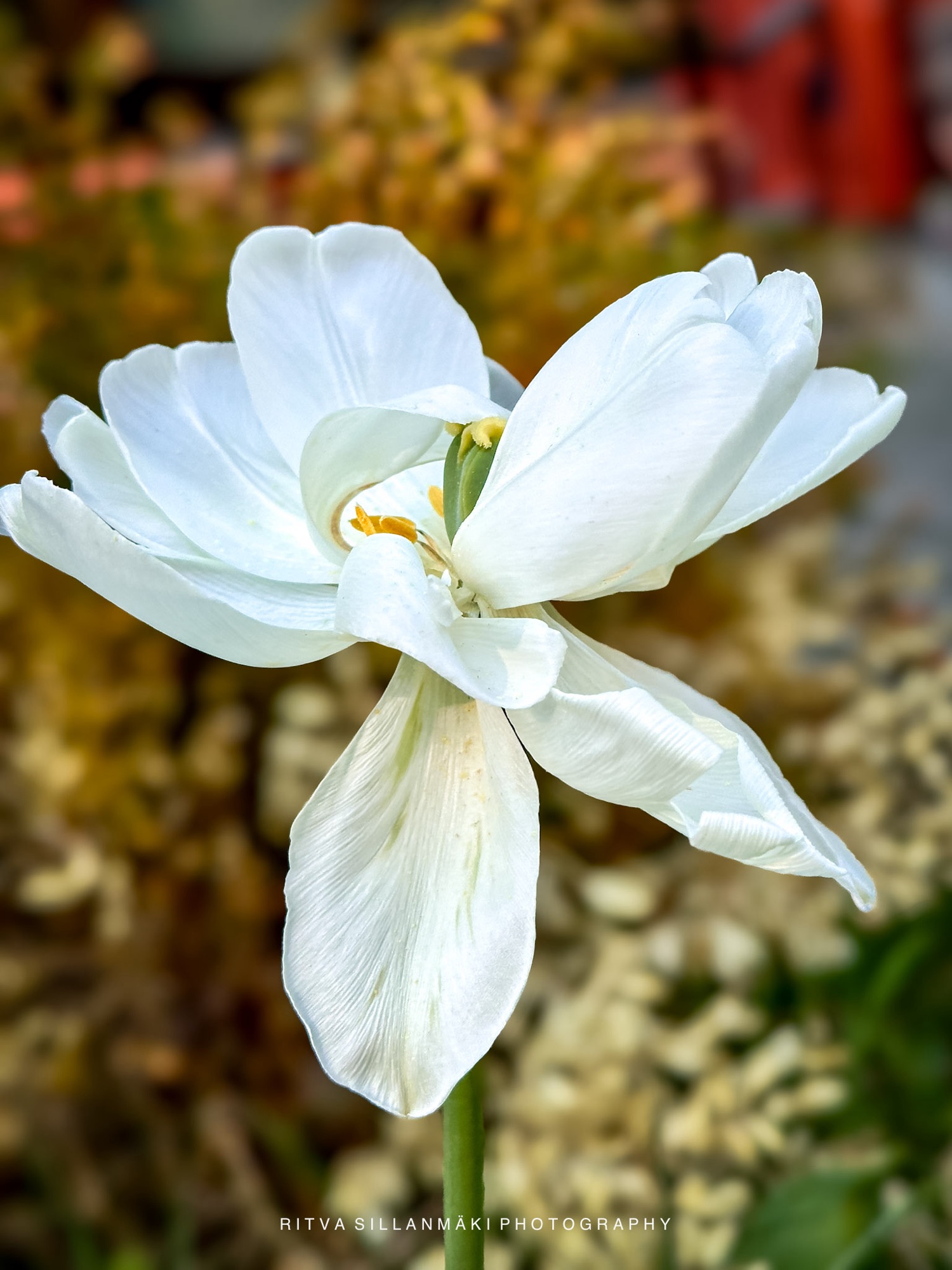
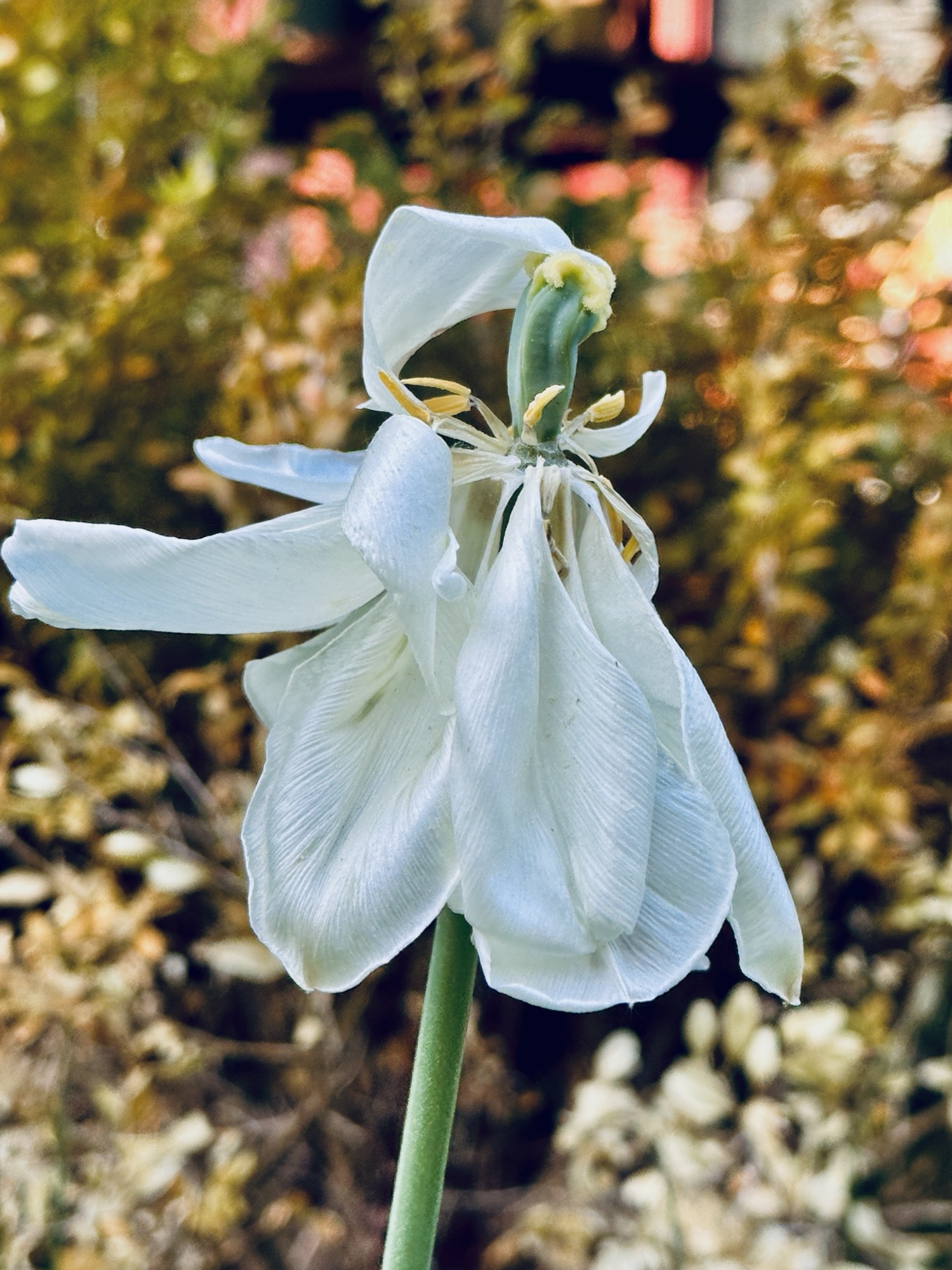
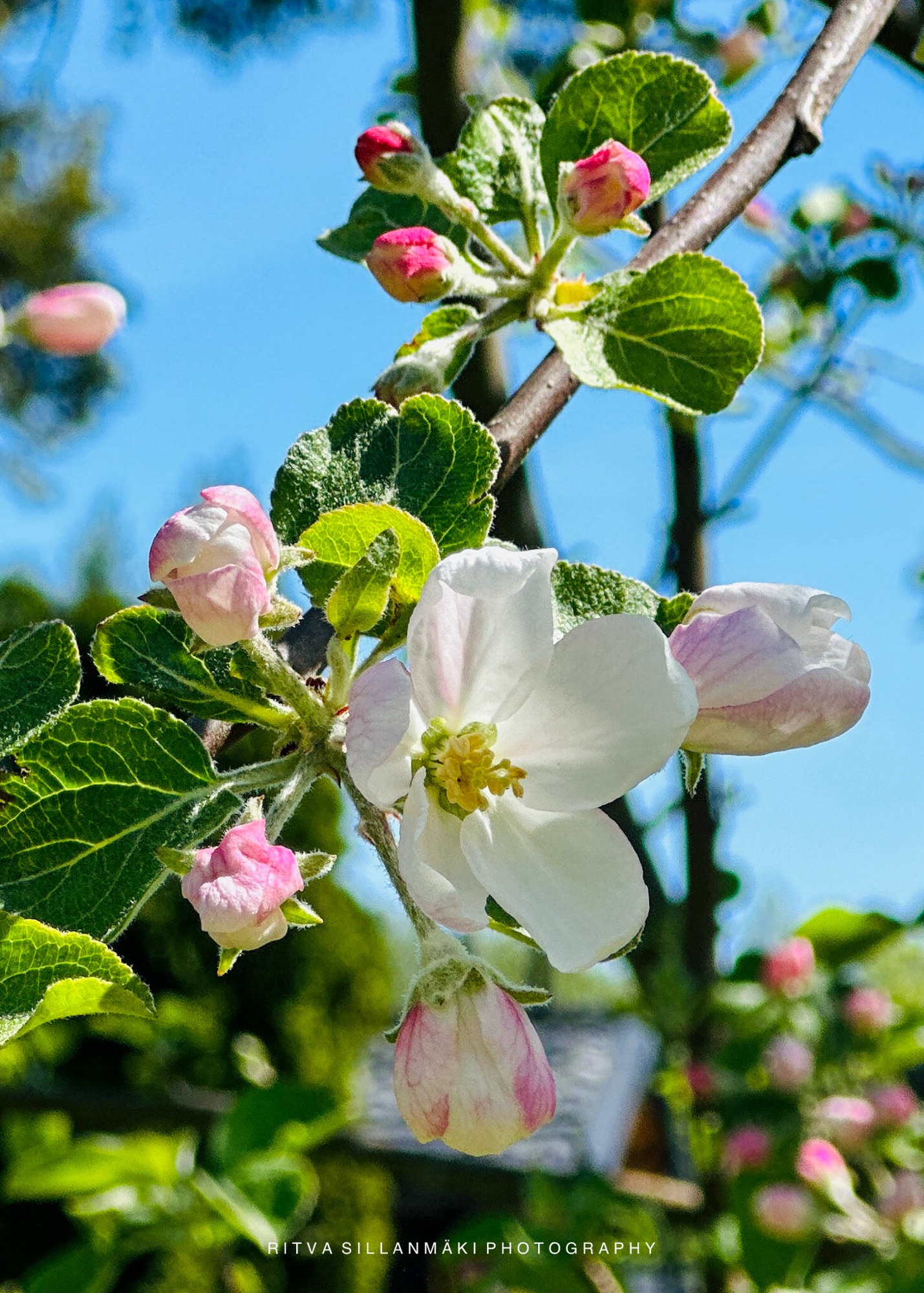
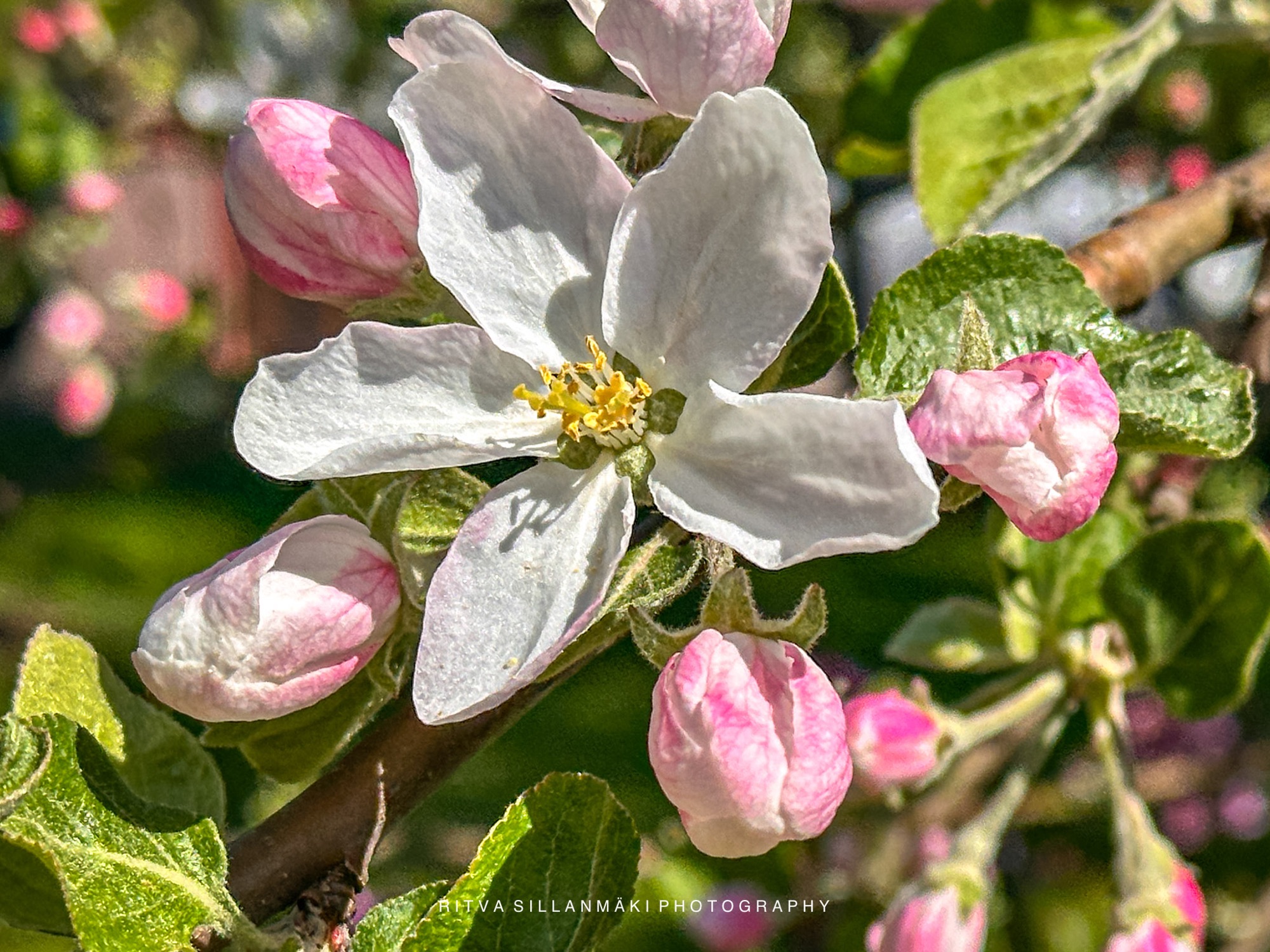
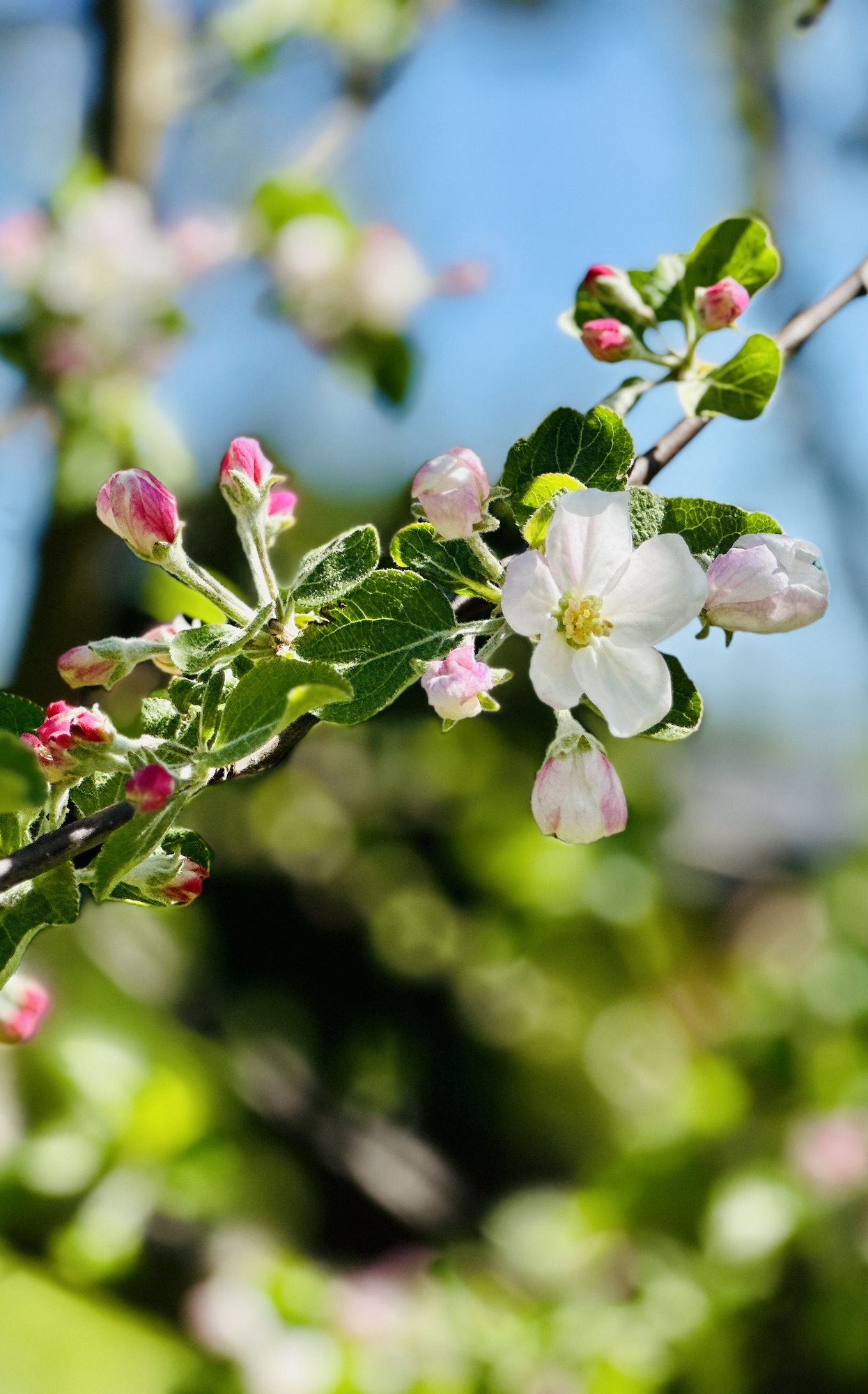
First here is a look at one tulip. I took a these few days apart, from different directions and I did some editing with lightroom app on my mobile.
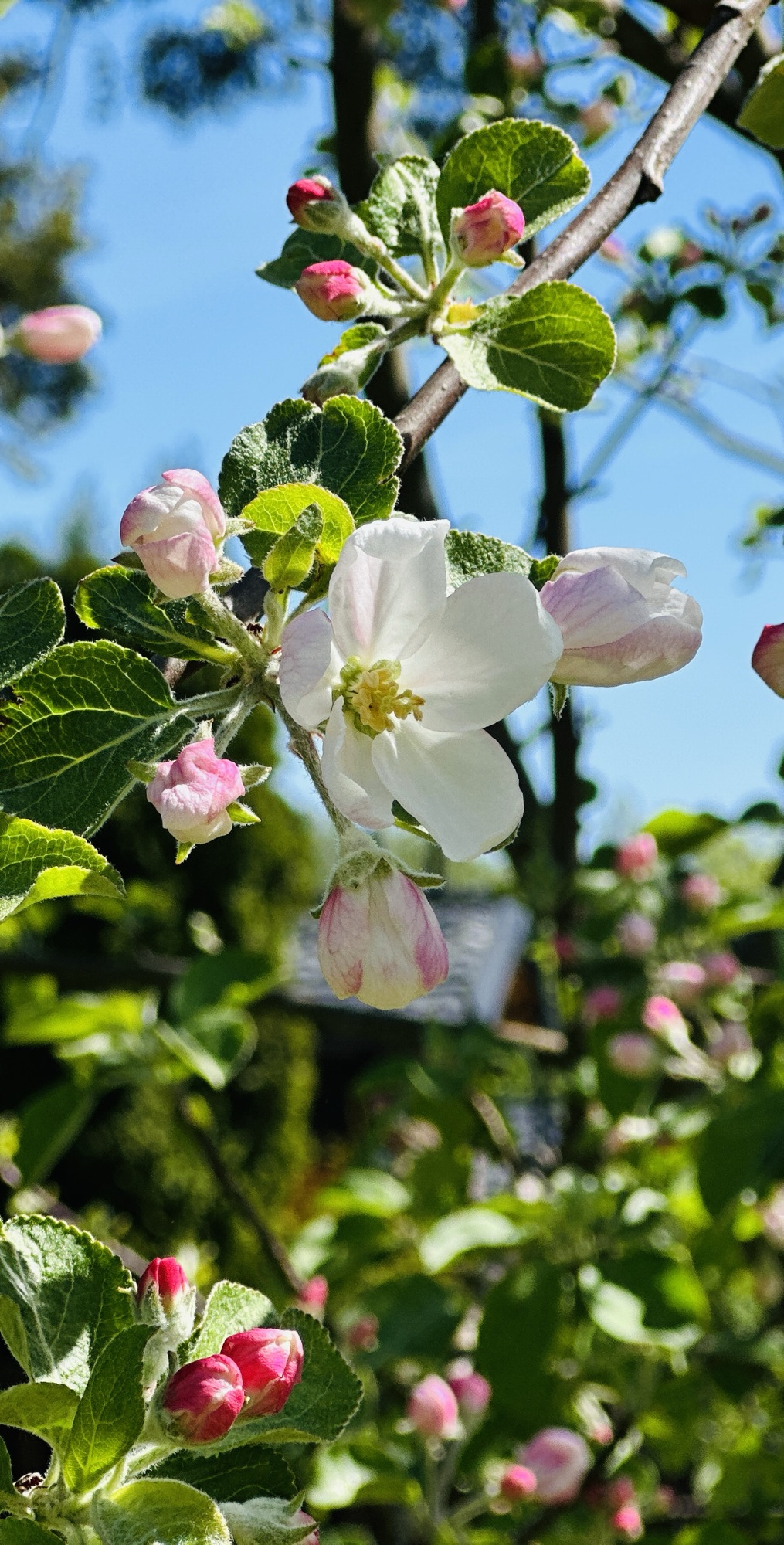
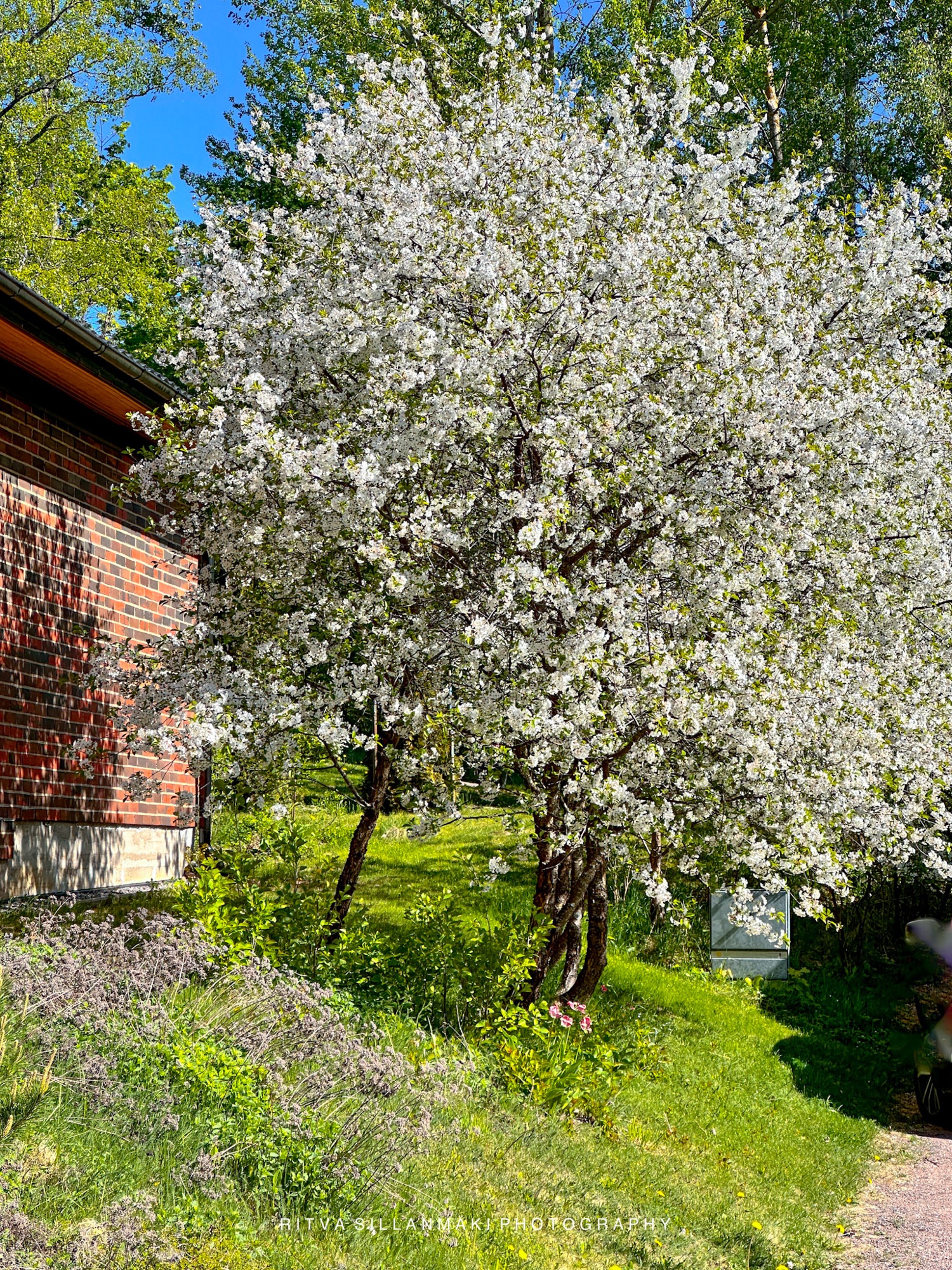
The apple tree blossoms beautifully just few days ago and now the really warm weather , not at all normal at this time of the year has wilted them.
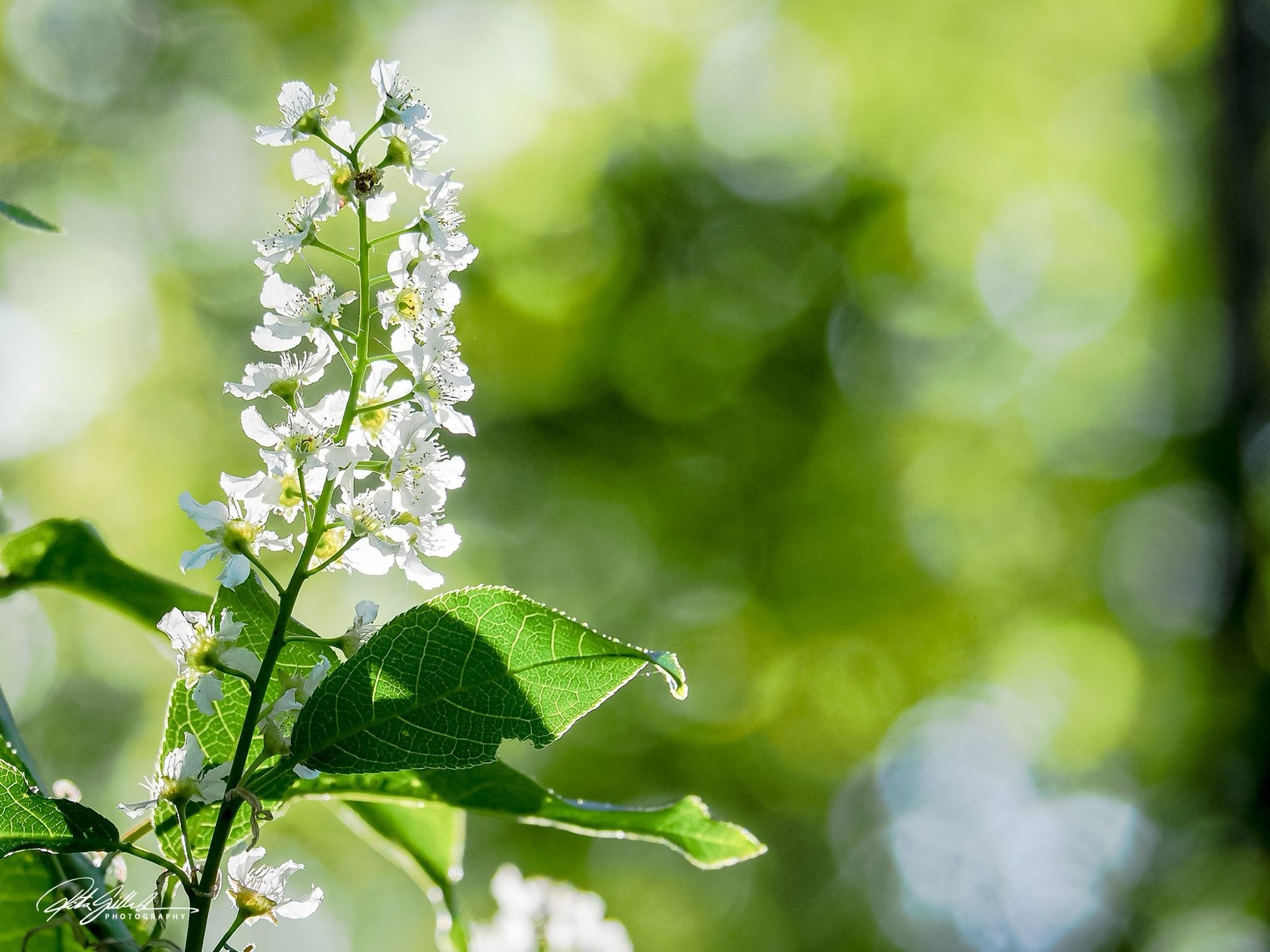
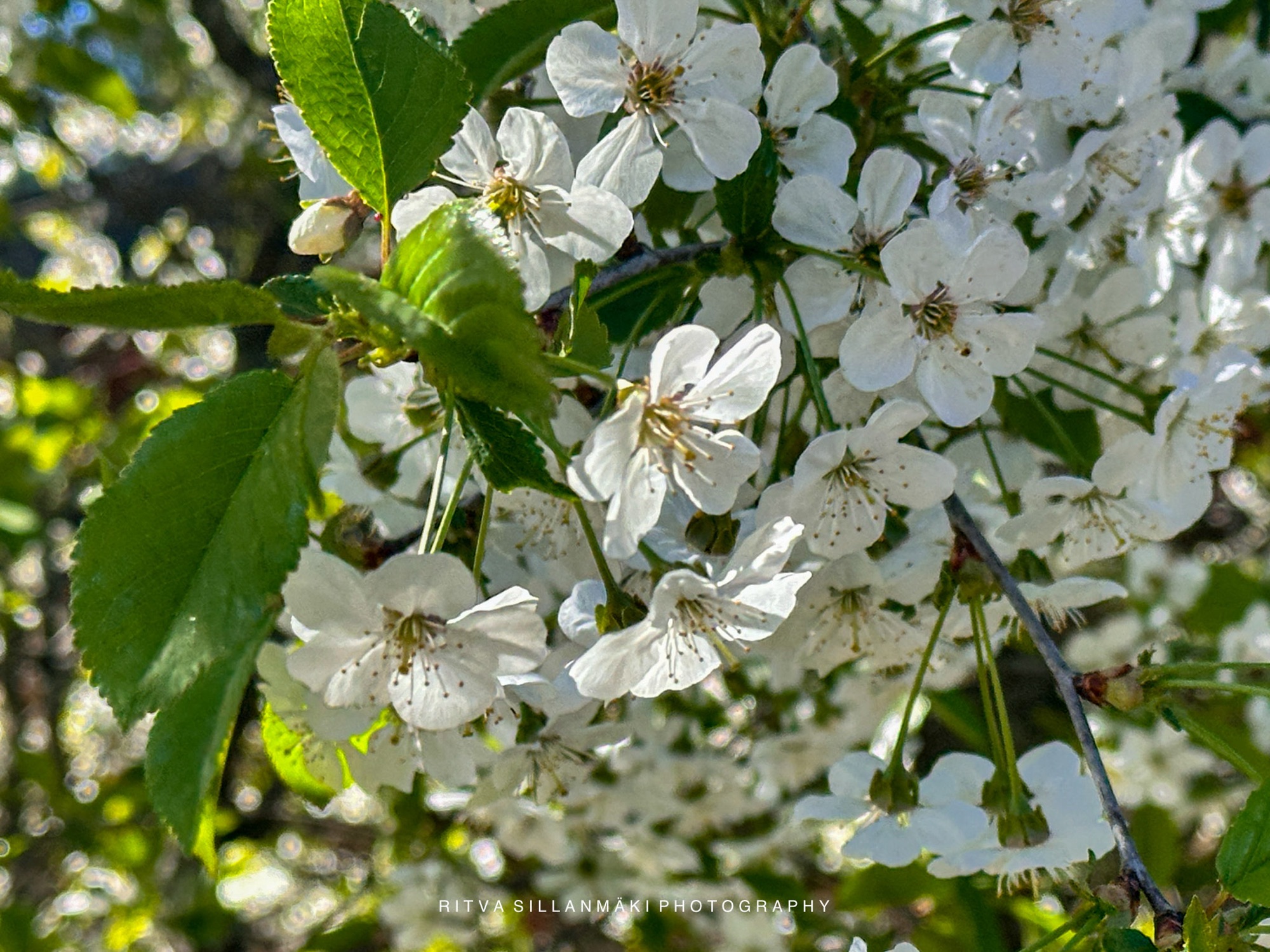
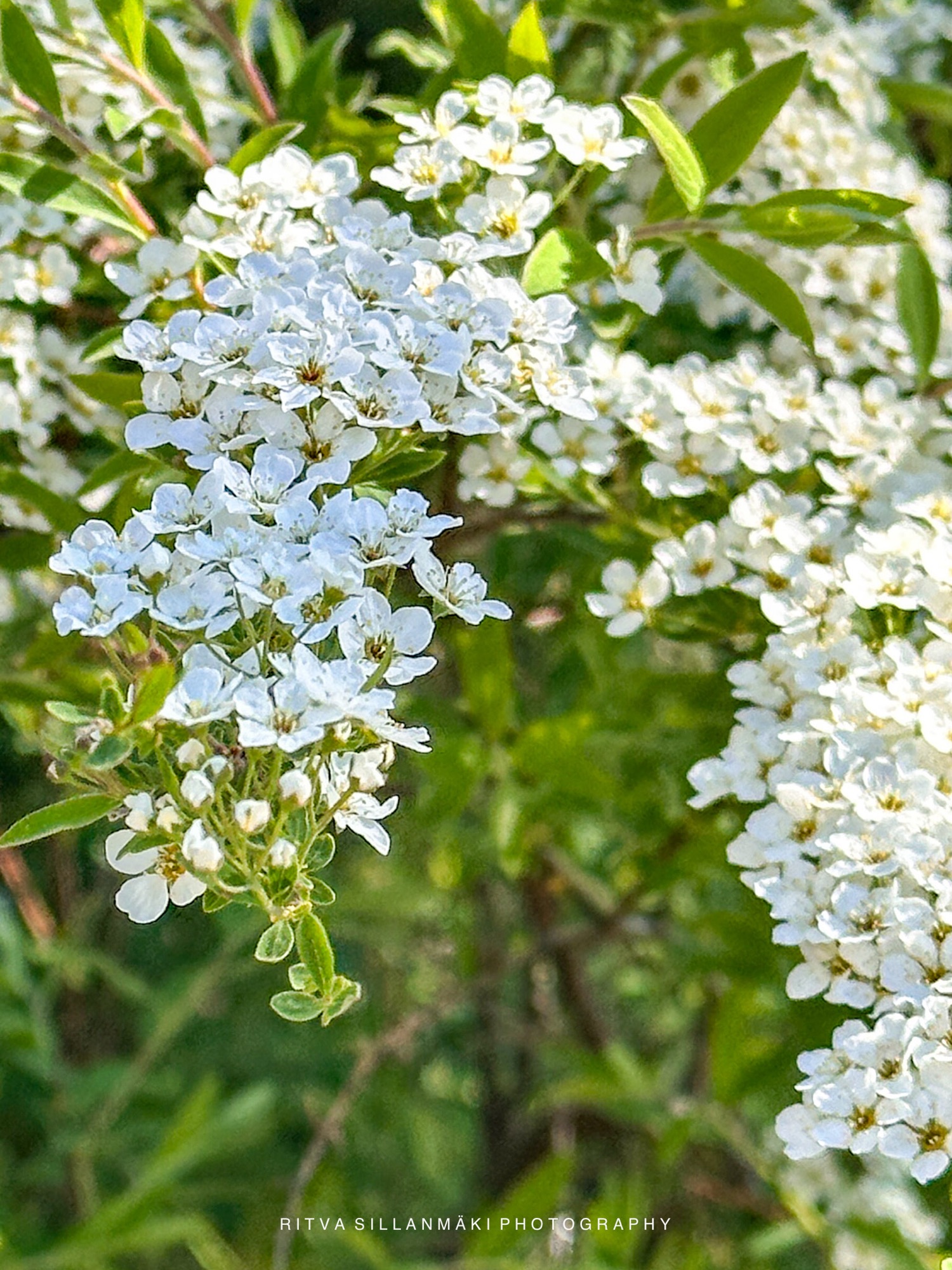
random flowers-
Last week Ann-Christine challenged us with the Delicate things, her recent travels to Japan gave us wonderful inspiration. I loved all your examples and how varied they were. This is what makes these challenges so interesting, we all think in different ways and that makes us grow as photographers.
Next week is John’s turn to lead, so please visit his unique site to see what he’s up to, I am sure looking forward to it.
If you want more information on the Lens-Artist Challenge, please click here.
Ann-Christine challenges us this week with a theme Delicate , and what a way to celebrate the 300 Lens-Artists Challenges!
First I saw the title and my first thought was nature – obviously. But since Sofia is doing floral next week I will leave those photos for that theme.
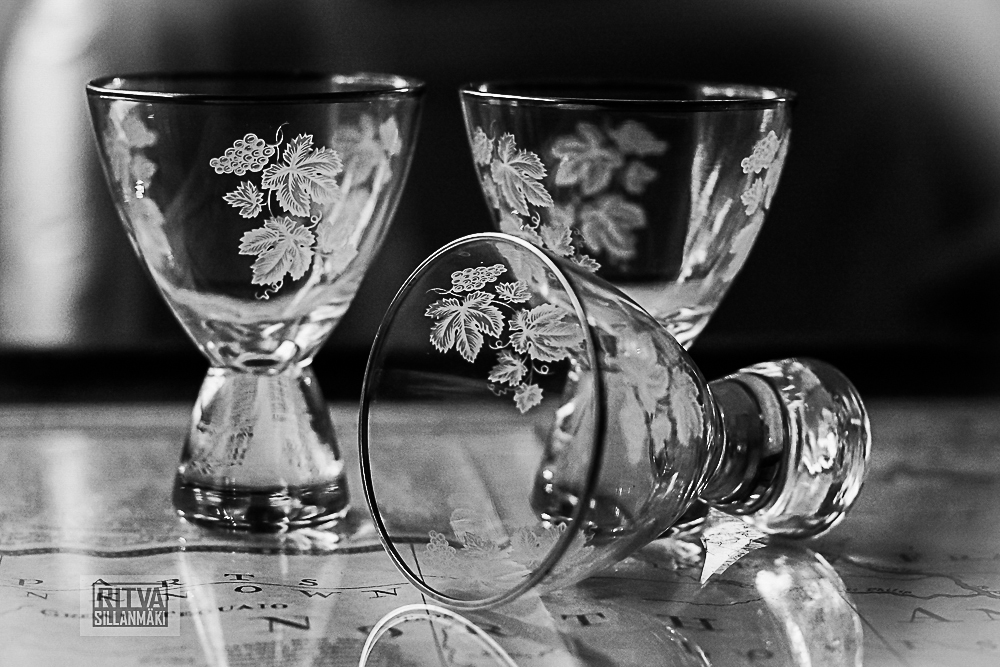
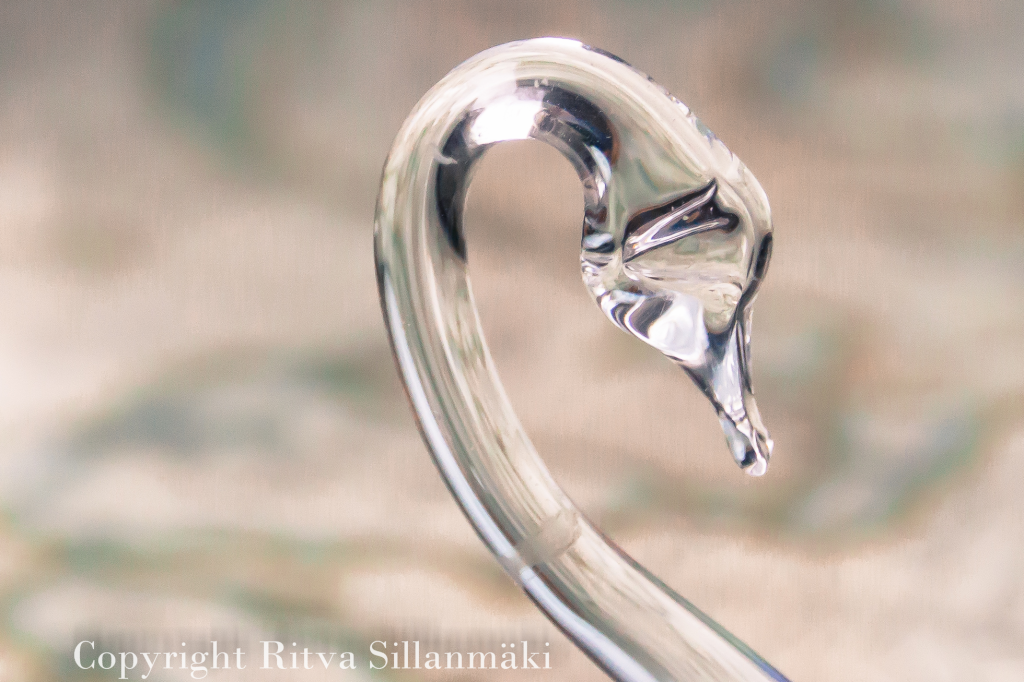
Delicate – very fine in texture or structure; of intricate workmanship or quality, easily broken or damaged; fragile. “delicate china”
The first three glasses are are old and fragile, they used to belong to my parents. I got his glass swan with a delicate neck as a gift 🙂
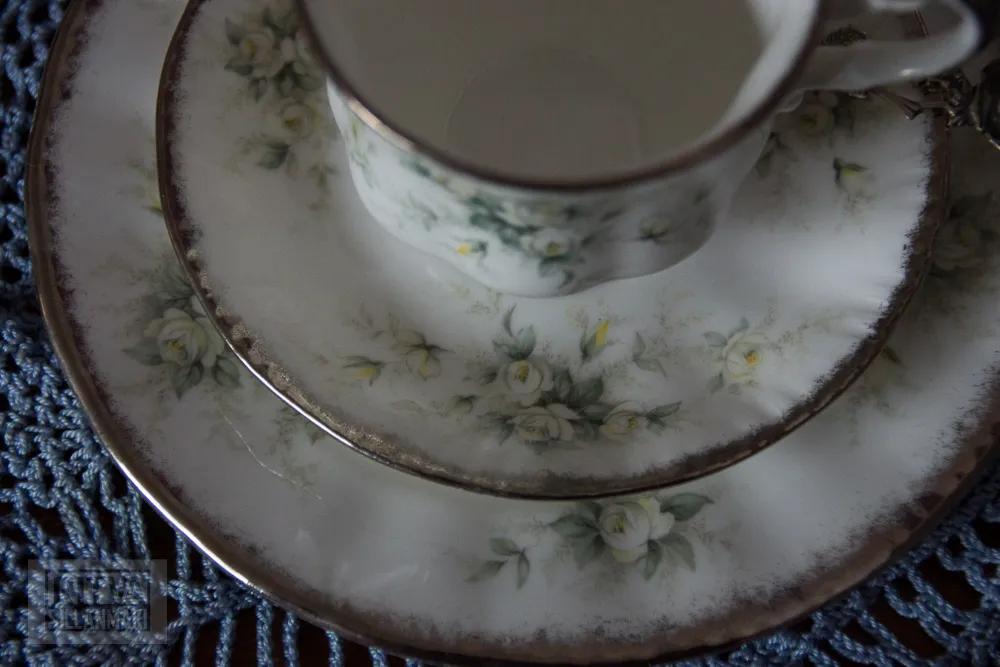
I got a set of six from my grandmother as wedding gift it is truly exquisite and rich in memories. The Paragon “First Love” Cup and Saucer set, appointed by Her Majesty the Queen, carries a sense of elegance and tradition. Even as they are not to my personal style, they embody a timeless charm and sentimental value that transcends individual preferences.I have used these maybe few times. I’ve kept them as a cherished memory, just to honor her gift and the enduring legacy it represents.
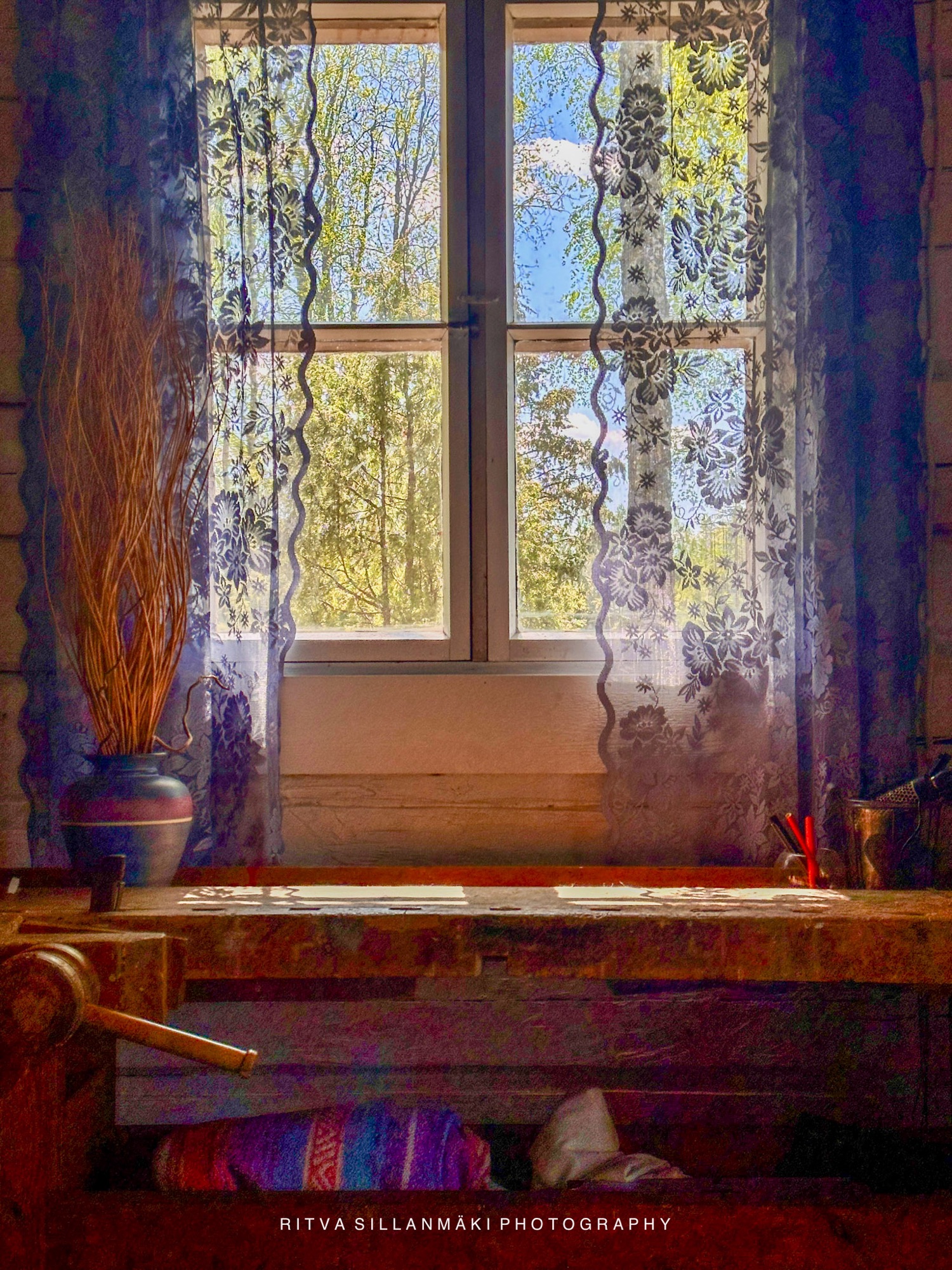
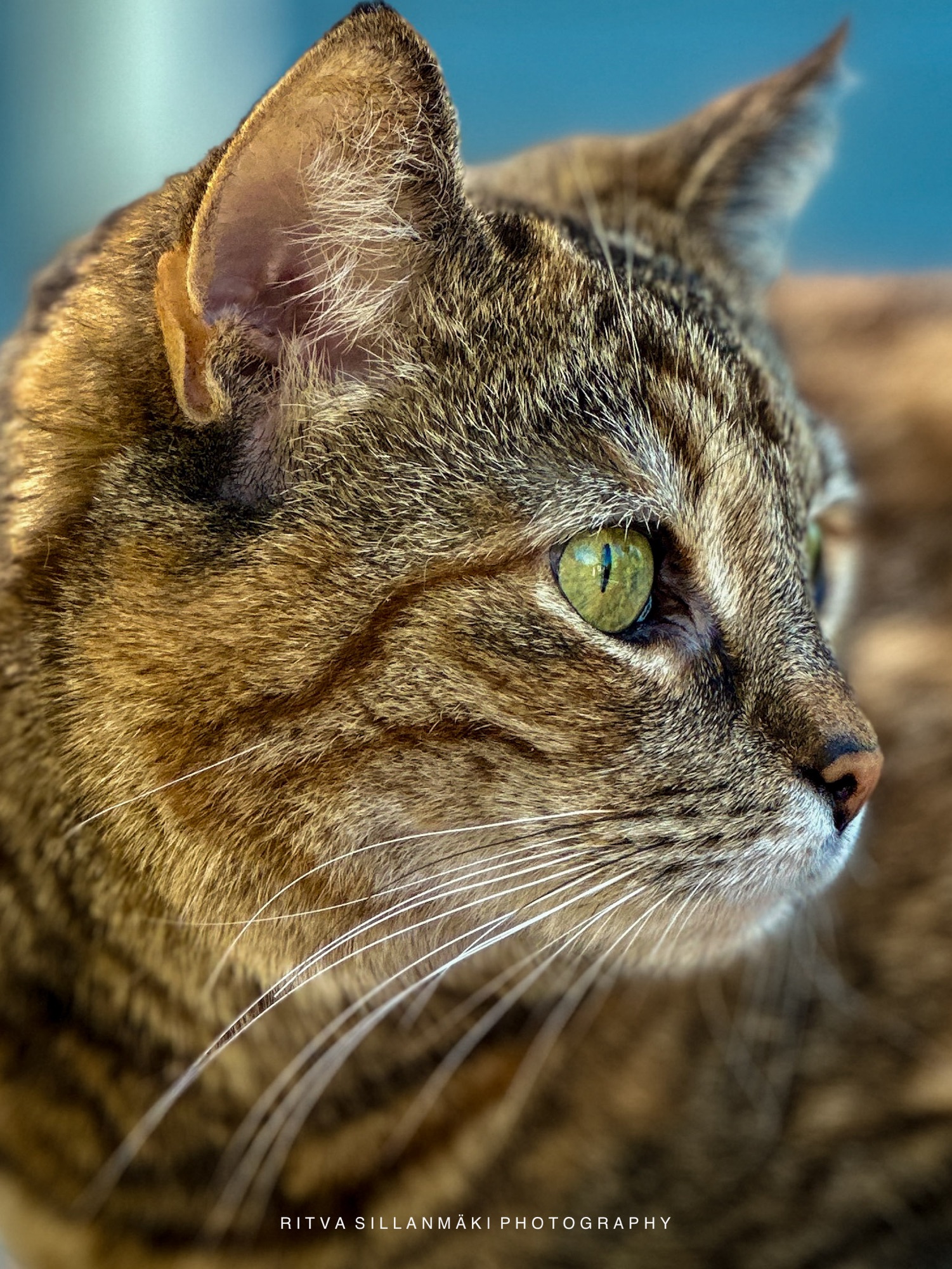
So, I was just looking at the world through my phone’s camera, thinking about the idea of delicacy. During the day, I was trying to capture moments that really embodied delicacy, you know, both in a physical and emotional sense. I didn’t really make any big discoveries, I was just trying to find beauty in how delicate everything can be. Like the gentle sunlight filtering through the trees with tiny drops of water, or the delicate lace curtains in my sauna. And, of course, Tinka’s whiskers.
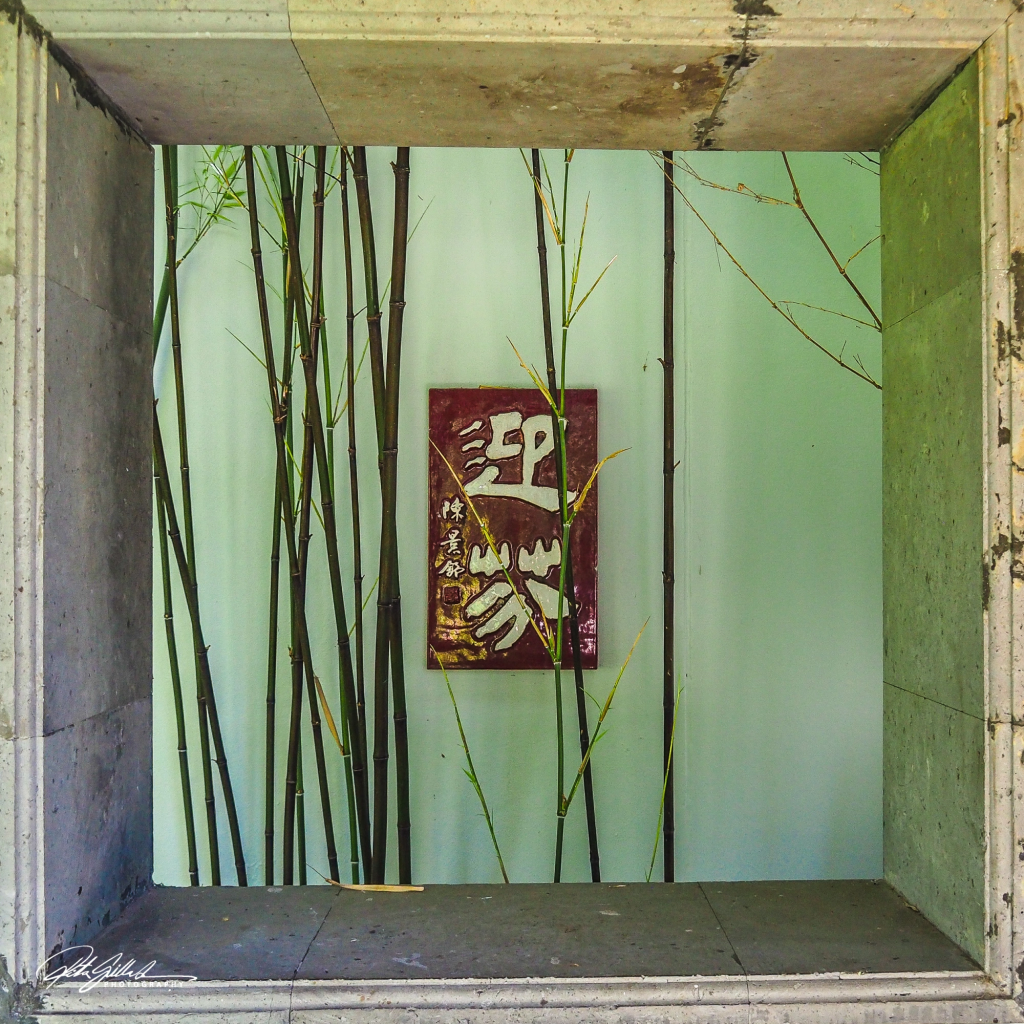
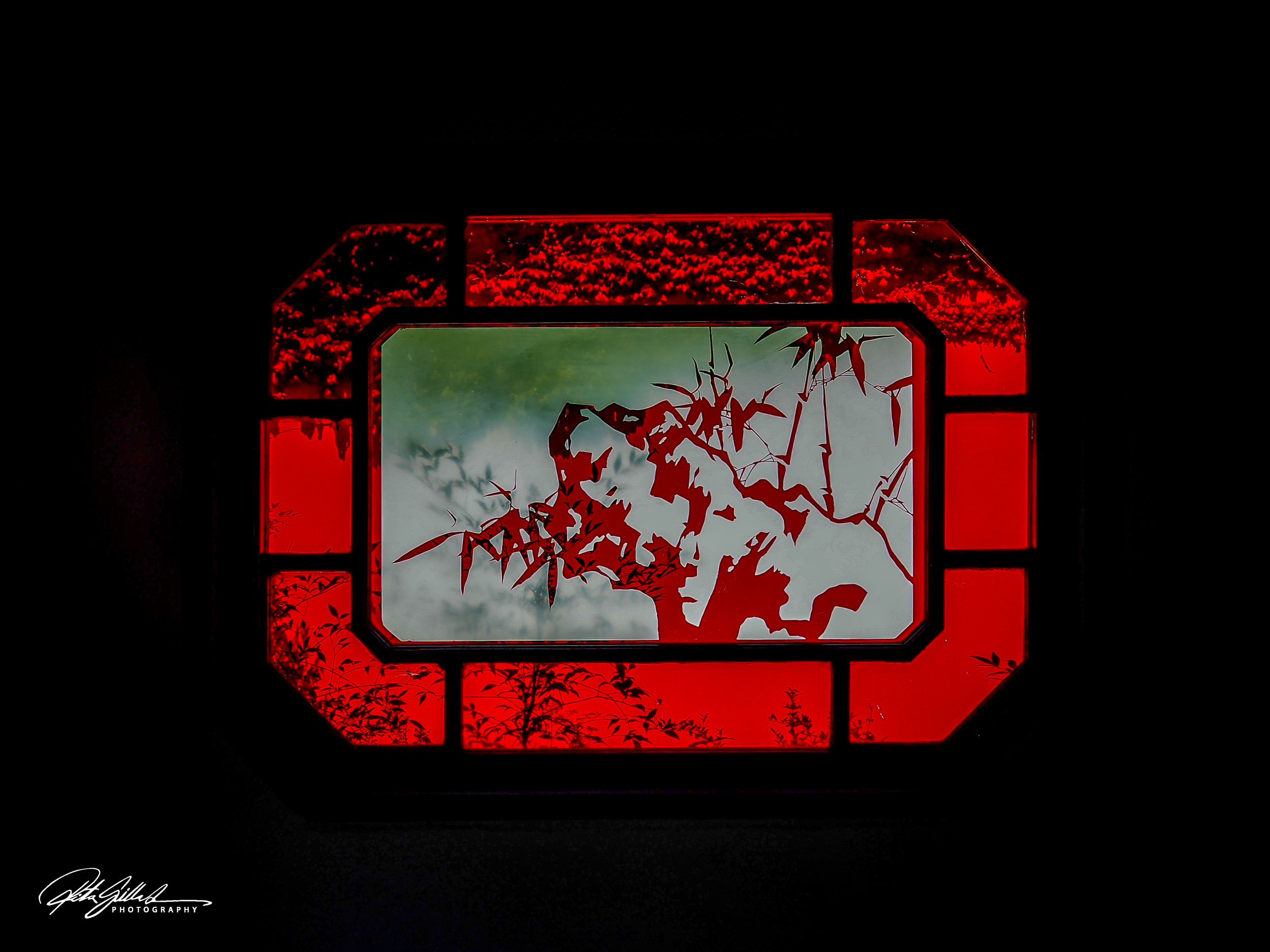
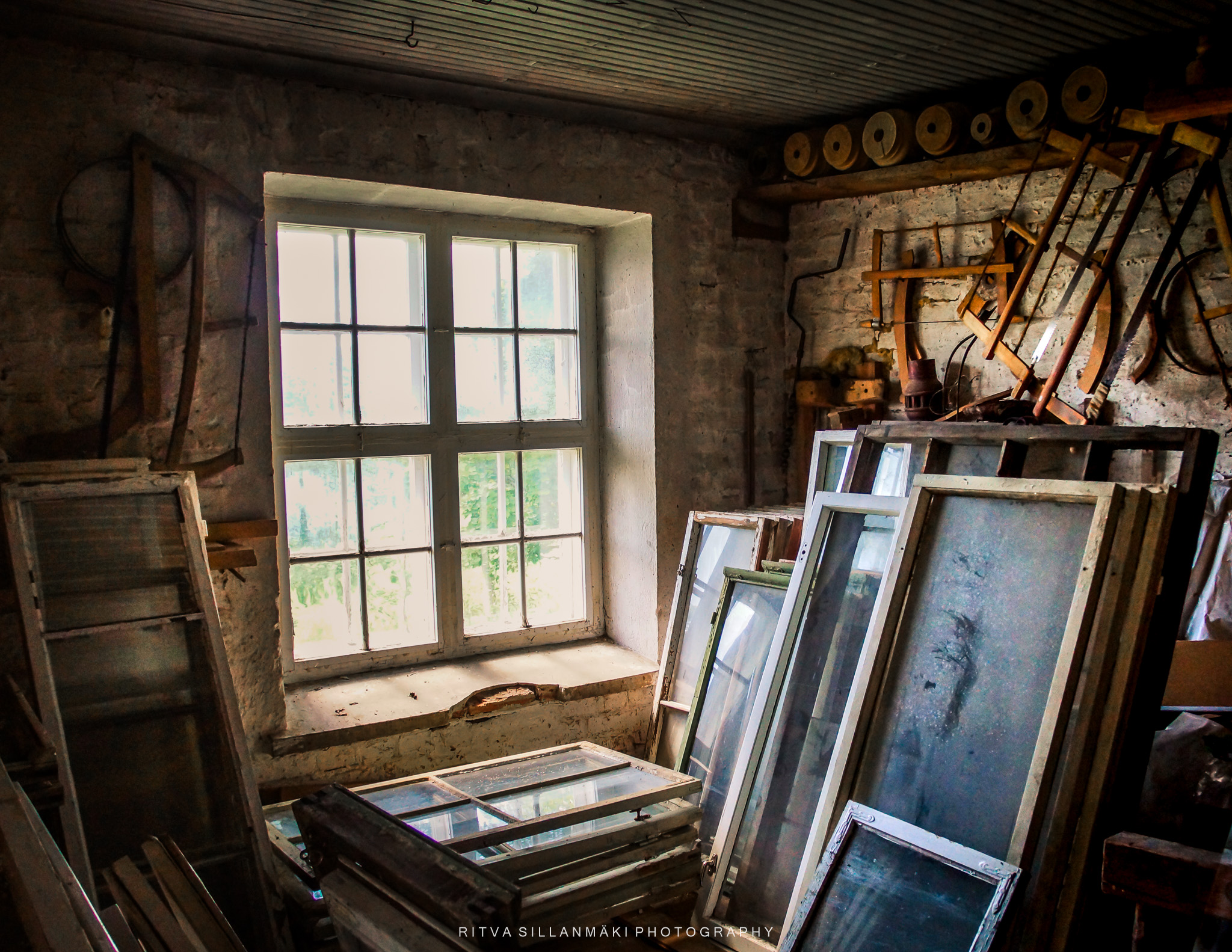
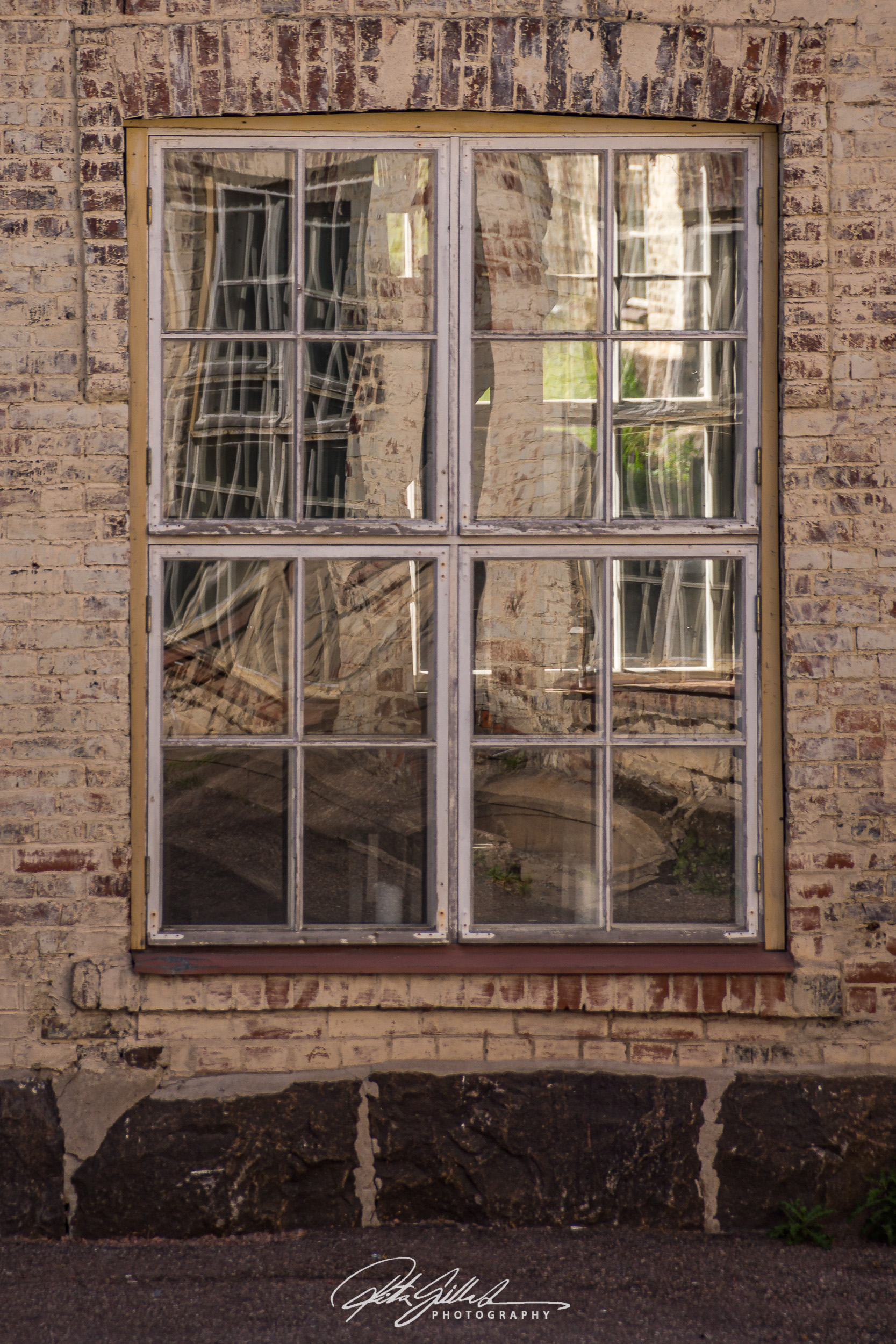
Step into a world where nature and culture intertwined effortlessly. The Chinese Garden of Friendship in Sydney offers a serene escape from the bustling city, where you can wander along meandering pathways adorned with intricate pavilions, peaceful ponds, and lush flora. Each step reveals a new vista, a new moment of awe-inspiring beauty and as these photos show delicate window.
Last week Patti created a an inspiring theme for us to ponder on, the week was full of hope, a big topic and the interpretation of the theme was captured beautifully by all you.
Next week is Sofia’s turn to host. Please visit her site Saturday 25th May for more information on the challenge, I am sure she will give us with truly beautiful floral images to inspire us.
Until then, keep smiling ☺
To participate in this challenge, you should link to or leave a comment on the week’s host’s original challenge post and please use the #Lens-Artists tag in your own post, so the post is easily found in the Reader.
And if you want even more information on the Lens-Artists Challenge, please click here.
What makes me hopeful? That is Patti‘s question. I’m glad she asked!
Here are a few thoughts and images.
The spring season is truly a time of hope and renewal, as nature comes alive with vibrant colors and fresh energy. There’s something truly magical about witnessing the world bloom after the quiet slumber of winter. The emergence of new, fresh greenery brings a sense of vitality and optimism, symbolizing new beginnings and growth. I really love this time of the year, a season full of hope.
One of the most delightful aspects of spring is the return of migratory birds, signaling the changing seasons and reconnecting us with the rhythms of the natural world. Their cheerful songs and graceful flights add an extra layer of beauty to the landscape. I am hopeless in recognizing different species, but past weekend there where so many geese and swans flying in flocks over our summer place – they are rather noisy and you can easily hear when they are approaching.
As the days grow longer and the temperatures rise, there’s a palpable sense of anticipation and excitement for the warmer days ahead and to feel the embrace of spring, filling our hearts with a renewed sense of adventure and possibility. This year the late arrival has been bit upsetting, but now I am hopeful.
And the light! Oh, the light in spring is truly a marvel to behold. The extended daylight hours bring so much joy, allowing us to bask in the golden glow of sunsets that linger well into the evening. The longer days also mean early sunrises, painting the sky with hues of pink and orange as the world awakens to a new day.
In fact, the sunsets around in the middle of May at 21:40 and the sunrise at 4:46 create a symphony of light and color that can only be experienced during this magical time of year. It’s a reminder of the beauty and majesty of the natural world, inspiring us to pause, reflect, and appreciate the fleeting yet wondrous moments that define the spring season.
When observing the vibrant energy and open-mindedness of children and young people, it instills a sense of hope for the future. My kids and grandkids keep me hopeful, their unwavering optimism and fresh outlook on life inspire a renewed belief in the potential for positive change and progress. Witnessing their curiosity, creativity, and resilience serves as a powerful reminder of the boundless possibilities that lie ahead. This hopeful perspective encourages an emphasis on nurturing and supporting the next generation, as they hold the key to shaping a brighter tomorrow.
On a more personal note, I have started a full time job and it is bound to take toll, and in a way already has the time and energy will mostly forward to learning the new job, but I will do my best to keep up with this challenge. I am hopeful that I will learn it 🙂
Tinka was so hopeful that she would get some food 🙂
Last week was full of memories and images of young ones, it was lovely to see the images full of candid and open expressions. no one really yearned to be young again, something to be said to required life experience. Thanks so much for this lovely challenge.
Next week is Ann- Christine’s turn to host. Please visit her site Saturday 18th May for more information on the challenge, I am sure she will once agains surprise us with something inspirational and truly beautiful images.
Until then, keep smiling ☺
To participate in this challenge, you should link to or leave a comment on the week’s host’s original challenge post and please use the #Lens-Artists tag in your own post, so the post is easily found in the Reader.
And if you want even more information on the Lens-Artists Challenge, please click here.
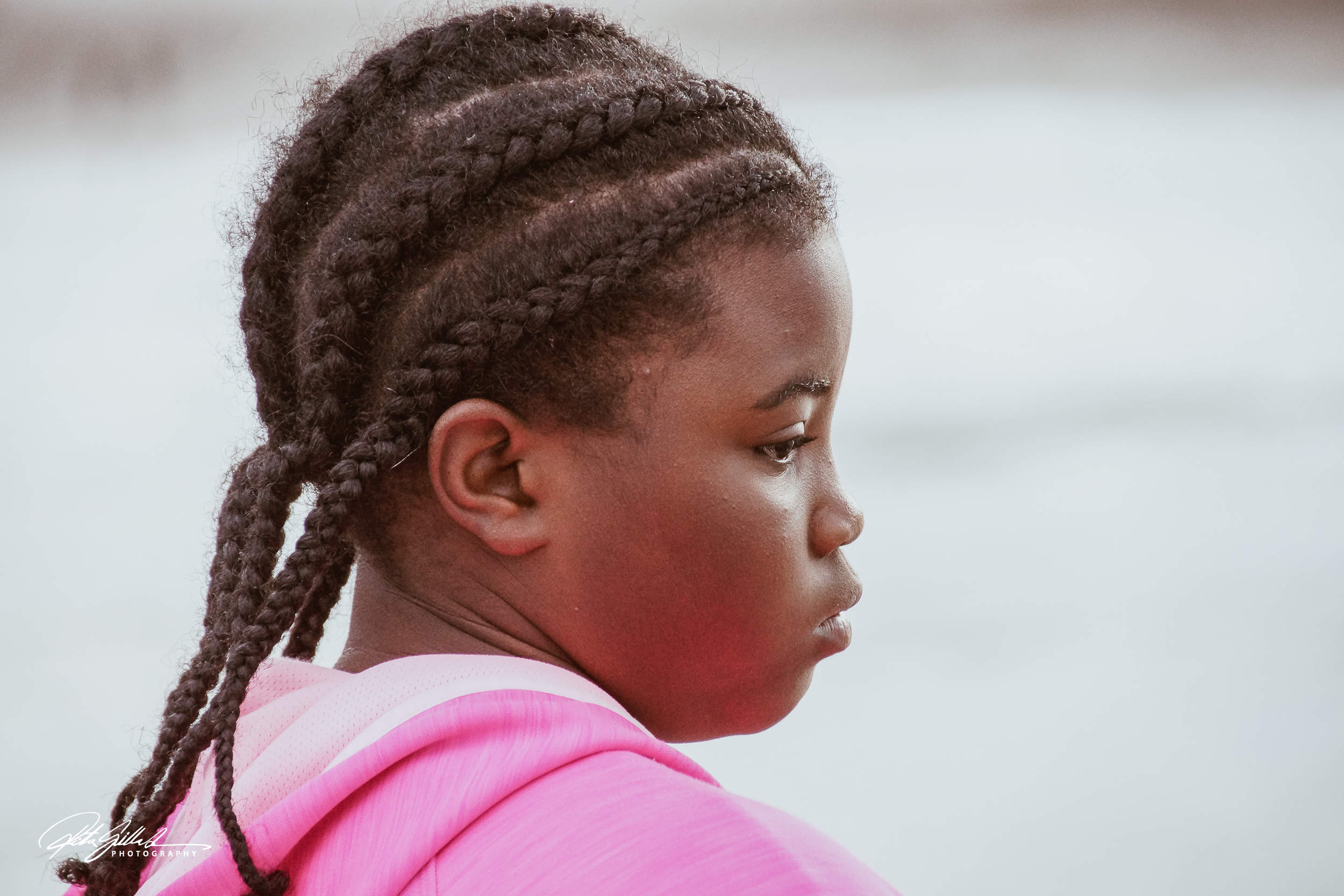
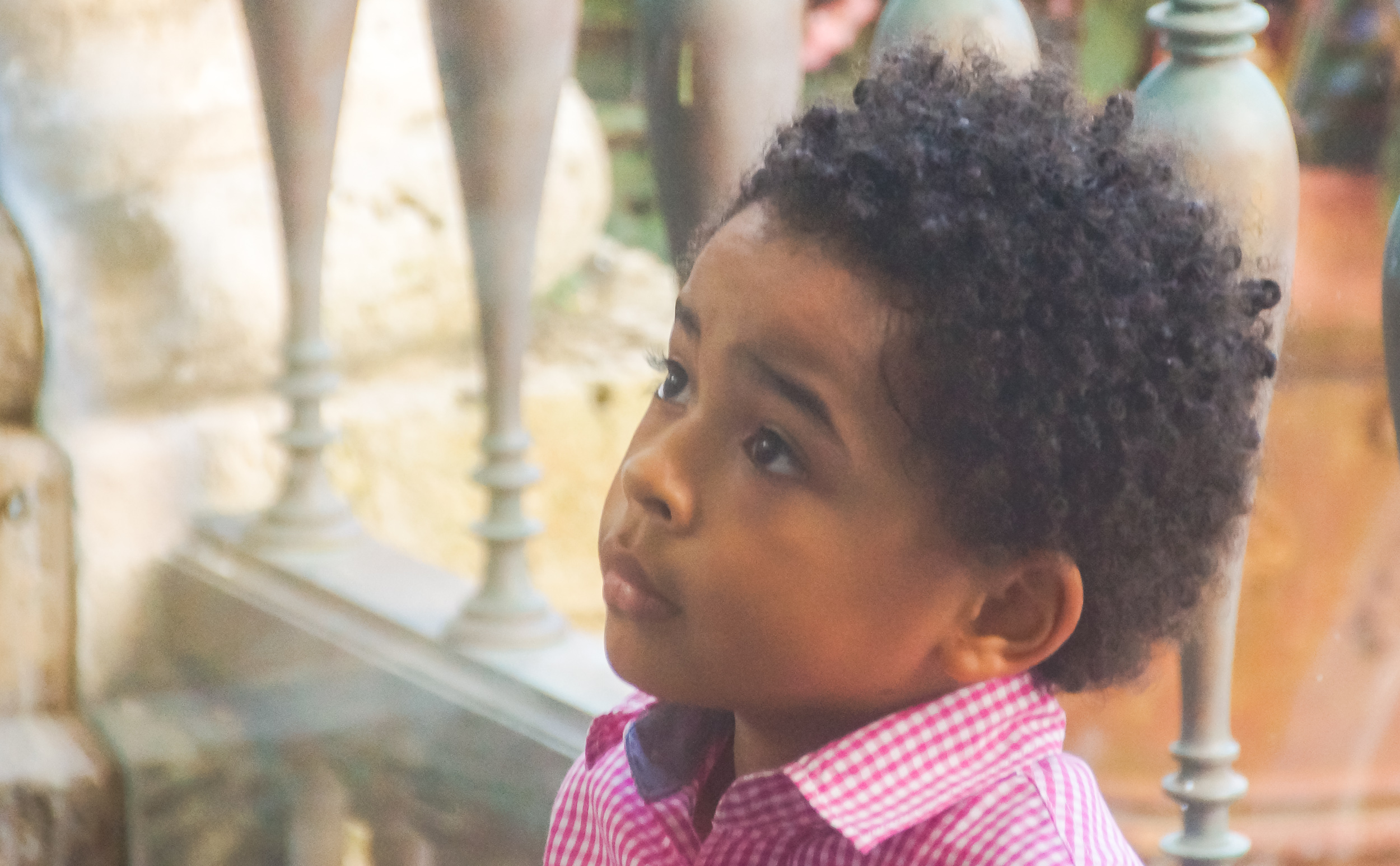
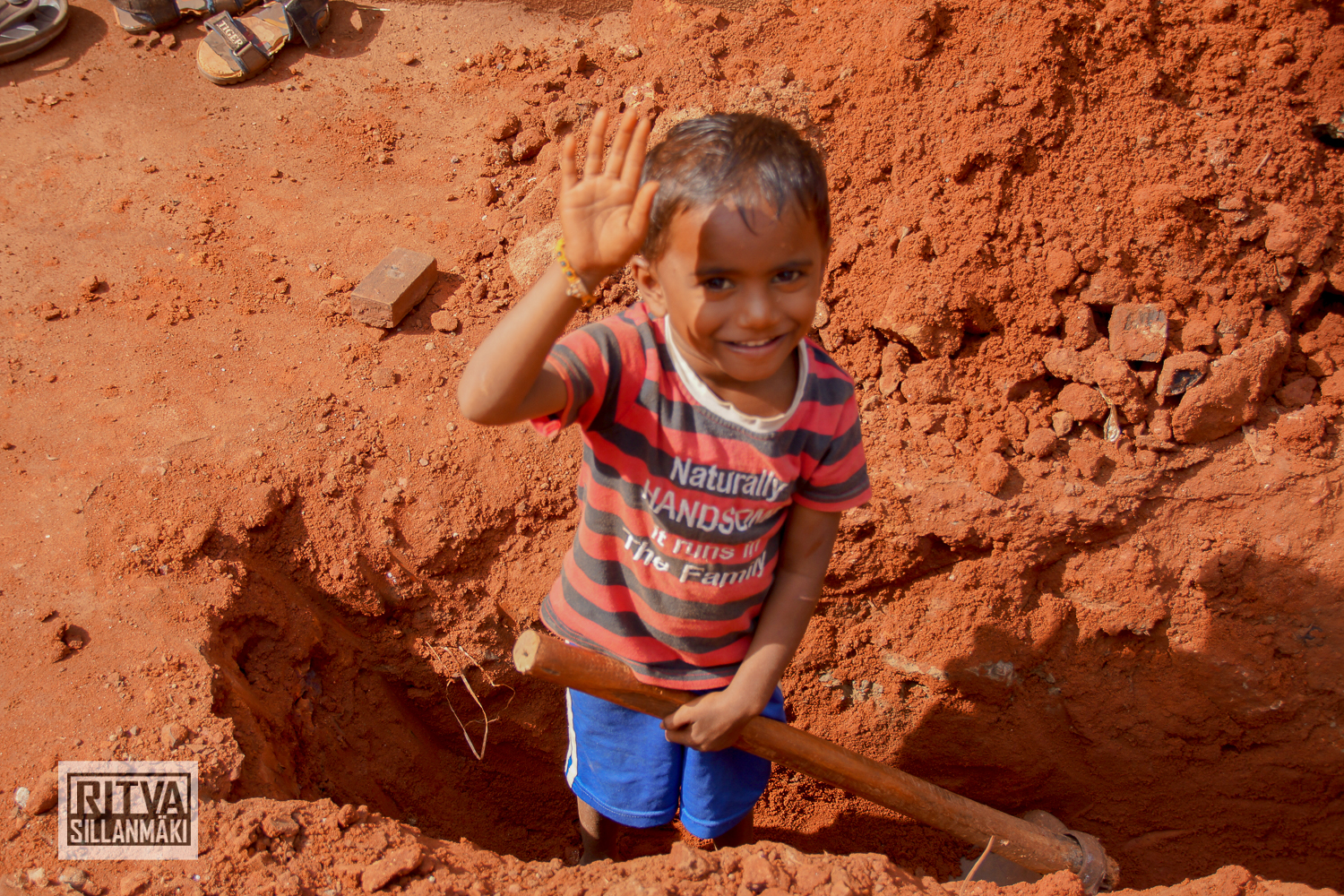
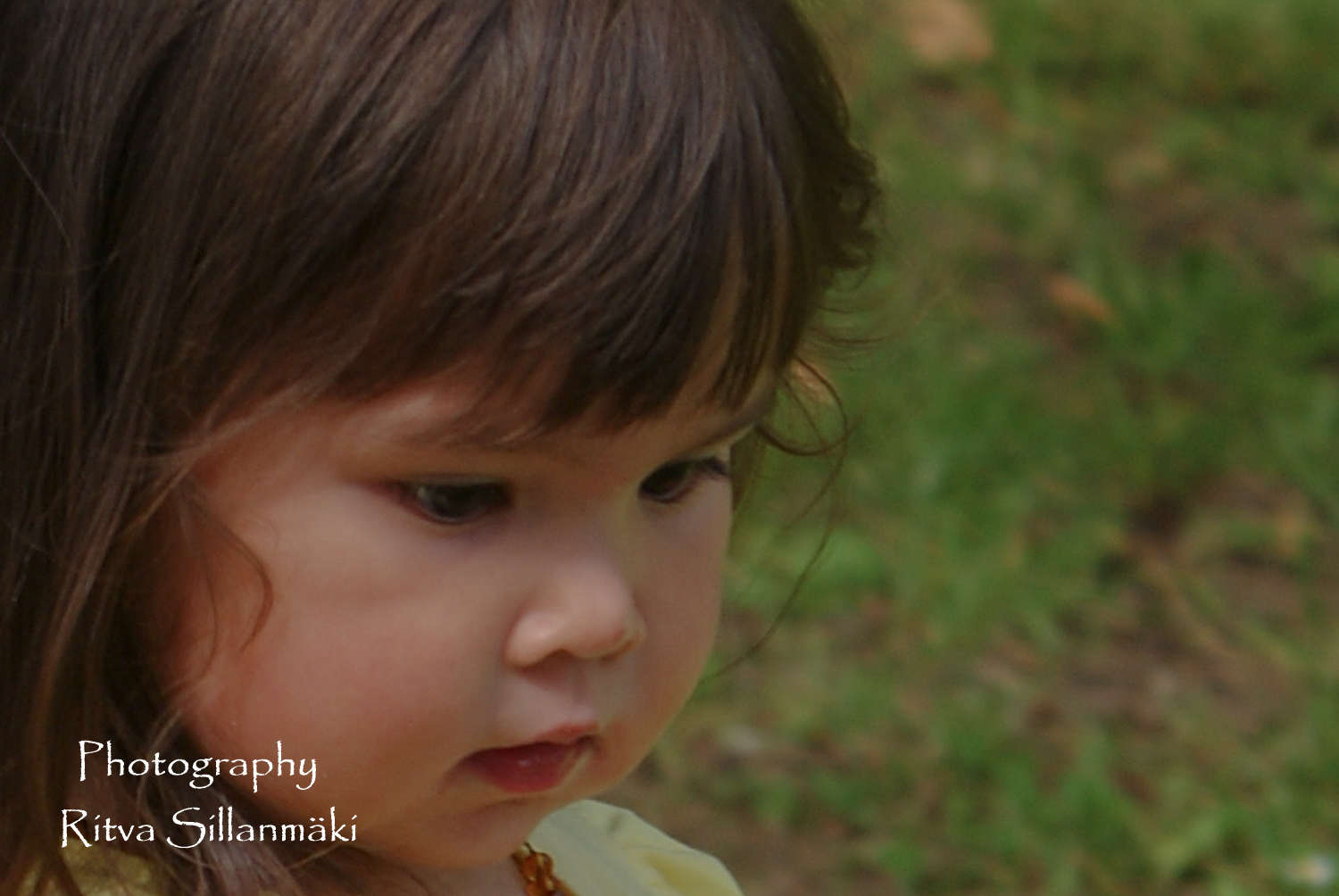
As we delve into the intriguing theme of childhood, we must acknowledge the profound impact it has on shaping our perspectives and aspirations. Childhood represents a time of innocence and wonder, where the world is viewed through untainted eyes, brimming with limitless possibilities. Tina invites us this week to share our photos of children–from our family, our neighbors or friends, or simply children that we’ve seen when we’re out with our cameras.
Whether through the mischievous laughter of siblings or the spontaneous antics of neighborhood friends, the presence of children infuses our lives with a vibrant energy that is both heartwarming and thought-provoking. Embracing the sentiment of the title, the yearning to relive certain aspects of youth is undeniable, yet it is accompanied by the wisdom and contentment that comes with adulthood. Reflecting on the simplicity of childhood, it becomes evident that finding joy in life’s modest pleasures can indeed lead to a fulfilling existence.
All photos in the galleries can be enlarged with a click.
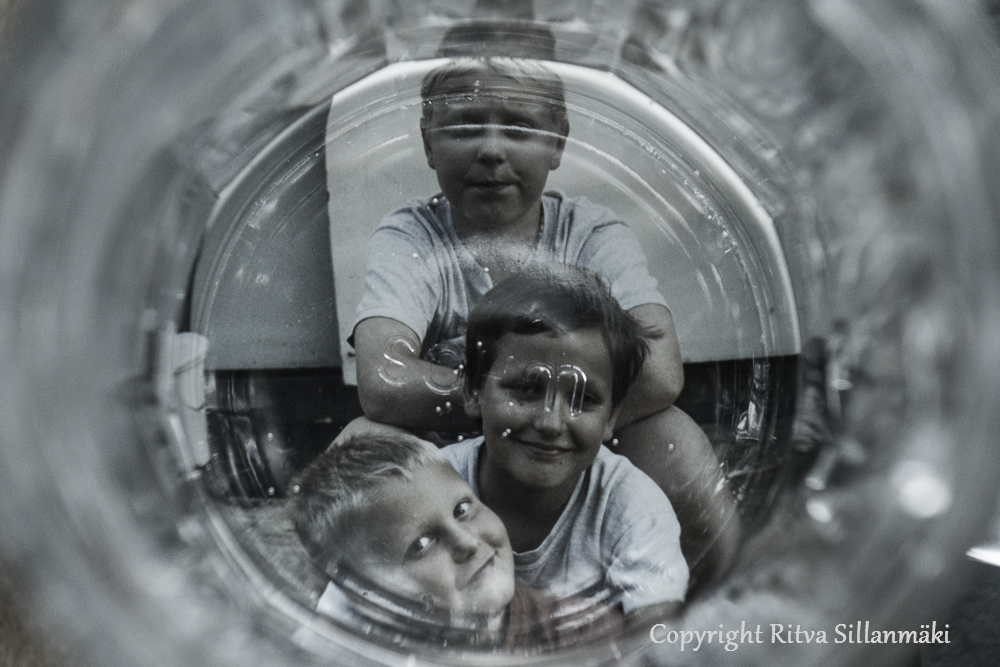
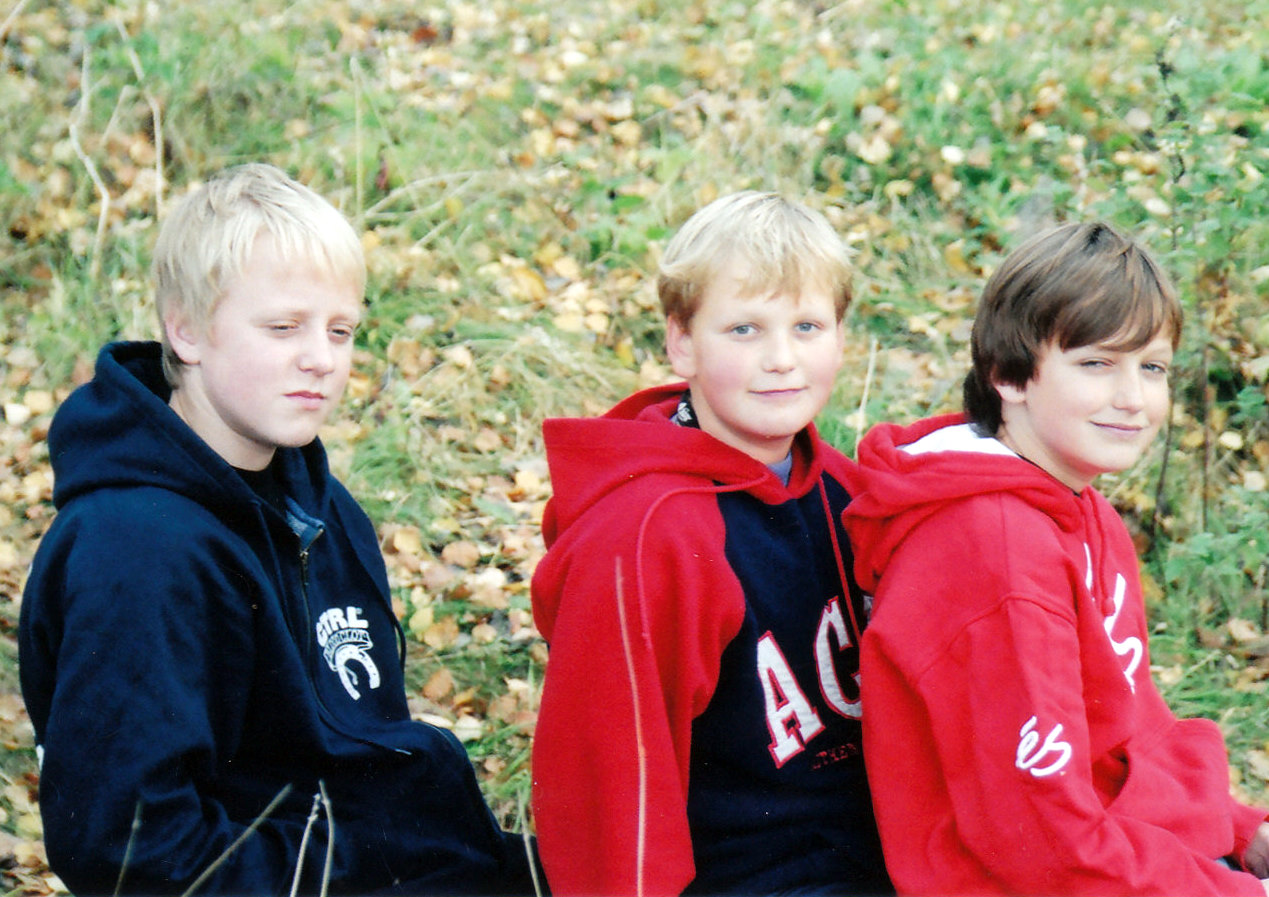
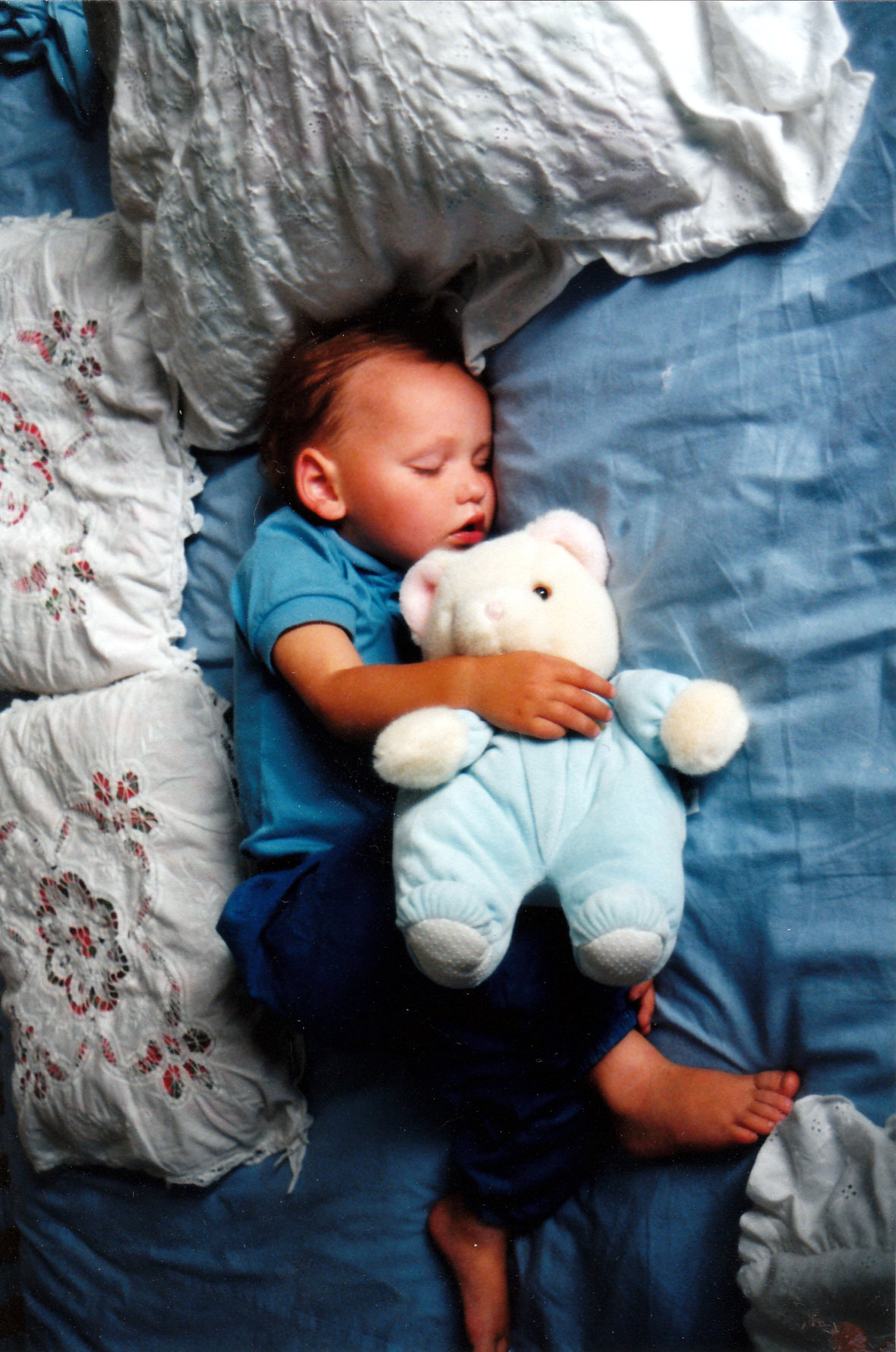
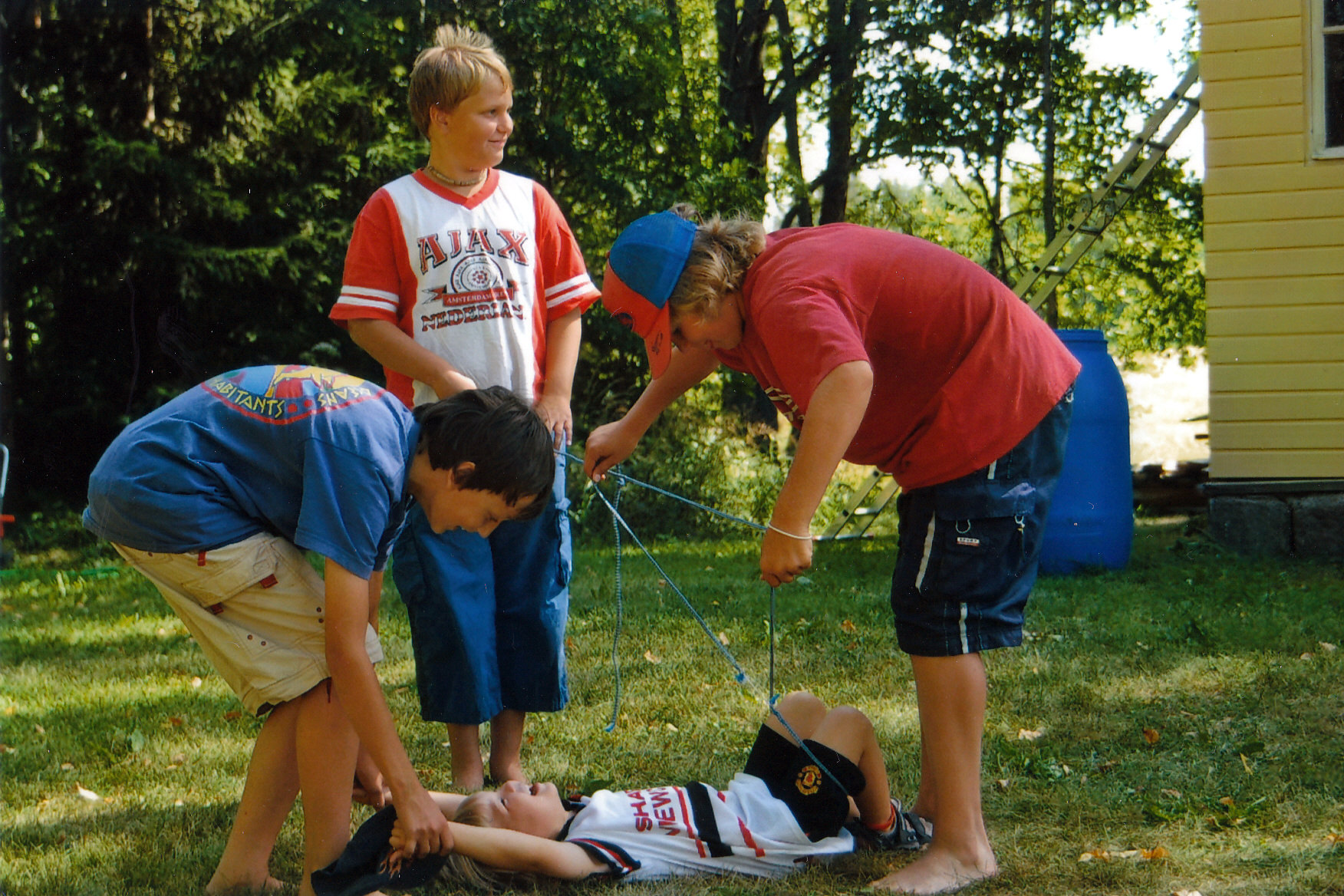
As I delved into the older archives, I uncovered a treasure trove of cherished memories encapsulated within the timeless images of my boys in their youth. The nostalgia that emanates from these photographs has the power to transport me back in time, evoking a sense of warmth and sentimentality. Each image offers a glimpse into the past, capturing the essence of a bygone era and immortalizing fleeting moments that hold profound significance. These timeless snapshots are more than mere photographs; they are windows to the past, allowing me to reconnect with the essence of my own past and the cherished stories that have shaped my life.
The anticipation of welcoming a new addition to the family is a truly joyous occasion. The prospect of another grandchild, a baby boy no less, brings with it a sense of excitement and celebration. I am looking forward to the happiness of a new family member as the energetic presence of three grandsons is set to be complemented by the arrival of a fourth. The bond between siblings and cousins is such a precious thing, and it’s heartwarming to see the family growing with each new arrival. These shots are taken by a proud grandma 🙂
While I’m inclined towards landscape and cityscape photography when traveling, I also find joy in photographing people, especially the little ones. Children have an unparalleled ability to exude authenticity through their expressions, and this is what draws me to capture their real emotions in my photographs. I strive to immortalize their genuine expression, curiosity, and wonder without resorting to posed or contrived smiles. It’s these honest and candid moments that truly encapsulate the pure spirit of childhood, and I cherish the opportunity to freeze these fleeting instances in time.
The experience of enjoying music and photos inspired by music is a truly special one. It’s fascinating how these art forms can intertwine, evoking emotions and memories in a way that few other things can. The combinations and associations between music and visuals can create a truly captivating experience for the audience. Music, in particular, has an incredible power to evoke memories, transporting us back to specific moments in time. Whether it’s a song that played during a significant life event or an album that brings back nostalgic feelings, music has the ability to connect us to our past in a unique way. Furthermore, it also has the remarkable ability to inspire us to create new memories and experiences. Thank you Egídio for a great challenge.
Next week is Patti’s turn to host. Please visit her site Saturday 11th May for more information on the challenge, I am sure she will once agains surprise us with something inspirational.
Until then, keep smiling ☺
To participate in this challenge, you should link to or leave a comment on the week’s host’s original challenge post and please use the #Lens-Artists tag in your own post, so the post is easily found in the Reader.
And if you want even more information on the Lens-Artists Challenge, please click here.
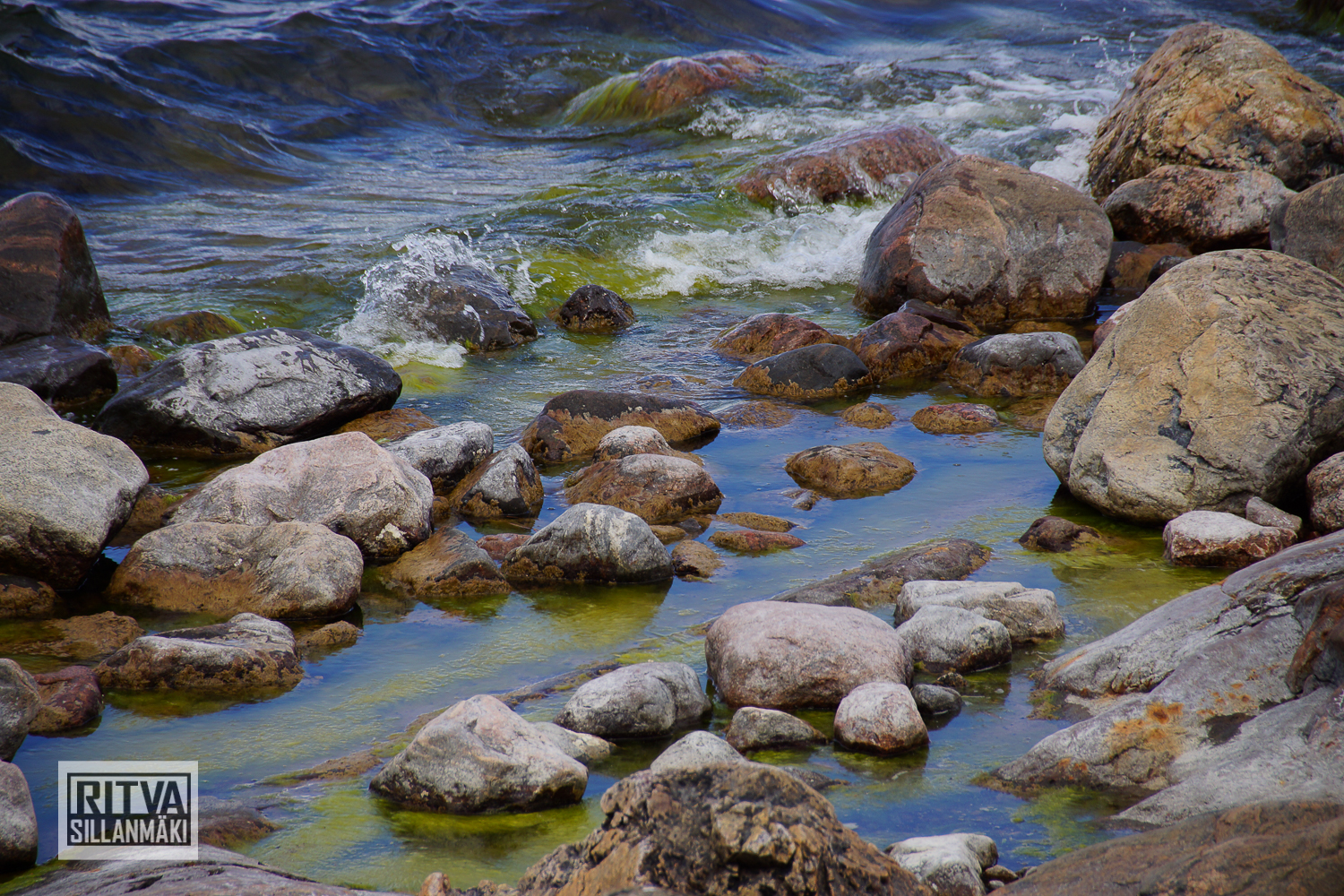
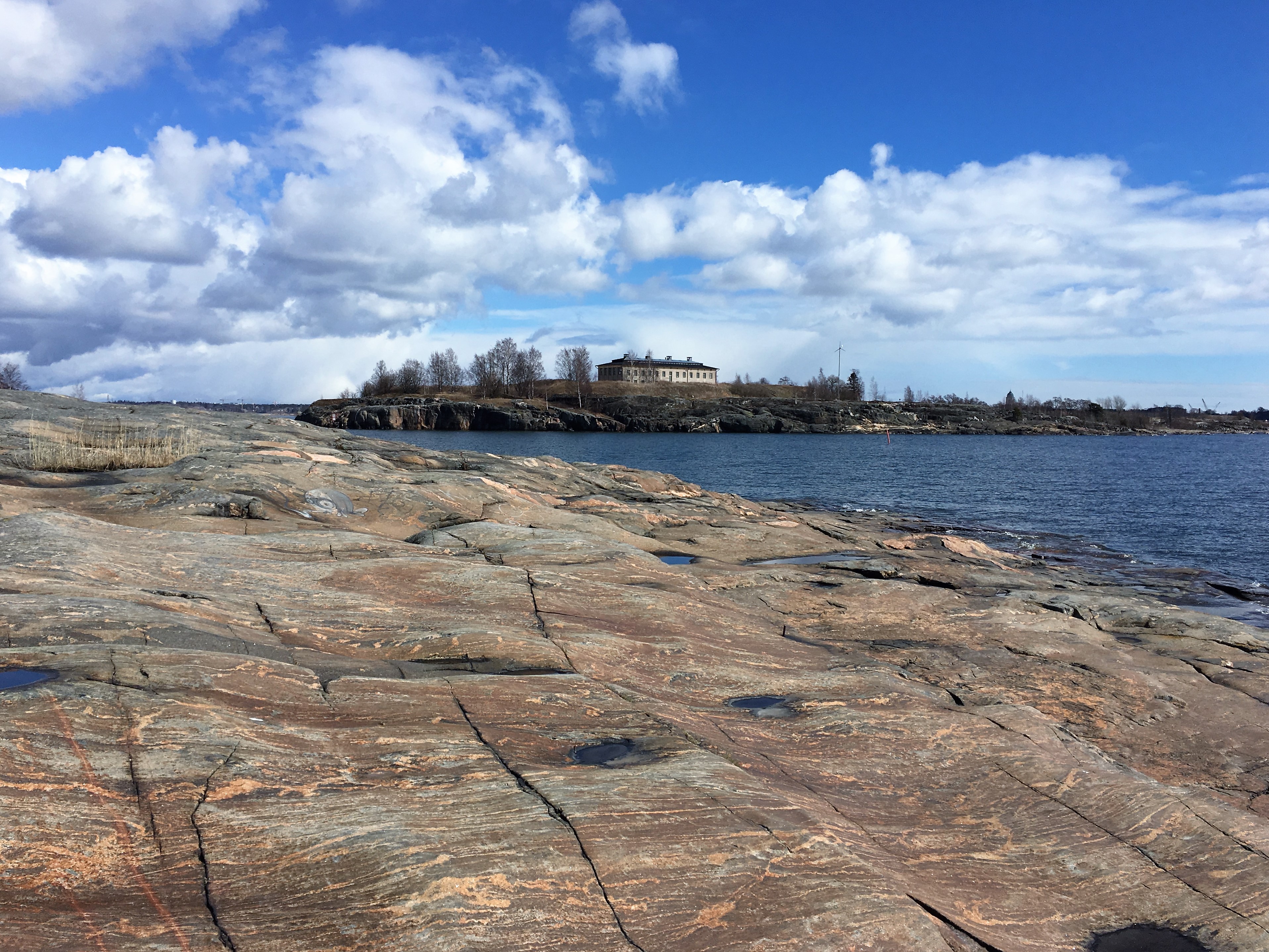
Let’s Rock Your World this week – I will try my best to do as requested. Donna invites us to showcase anything from rocky landscapes to cobblestone streets. I know for sure this is a topic that is close to Donna’s heart, she has so often shared her love to rock formations – as she has showed once again in her beautiful photos. Her post gives us so many beautiful examples of how to approach this challenge. She does know her rocks and captures them beautifully.
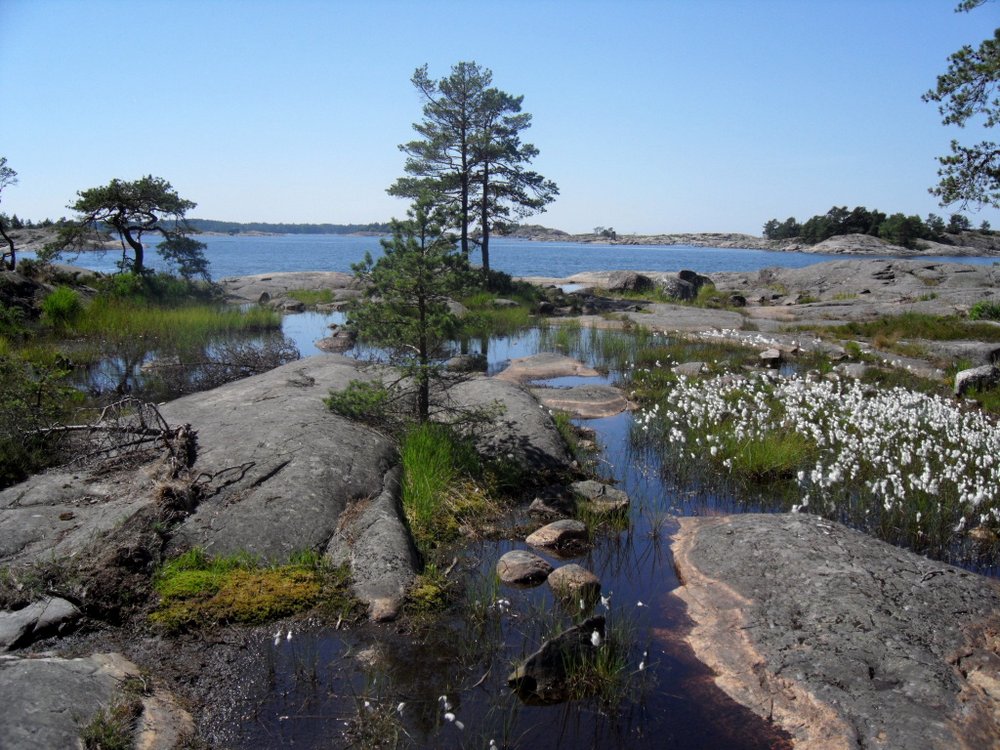
I sometimes struggle to get terms right. The solid rock that exists below the ground surface is called bedrock. This type of rock is “in place,” unlike material that has been moved from another location by weathering and erosion. Bedrock forms the foundation for the layers of soil and sediment above it, which is super important for supporting entire ecosystems and shaping the landscape. Plus, the characteristics of bedrock can really affect how landscapes form, how groundwater moves, and even how soil develops. I live next to bedrock – a hill with trees and moss over it.
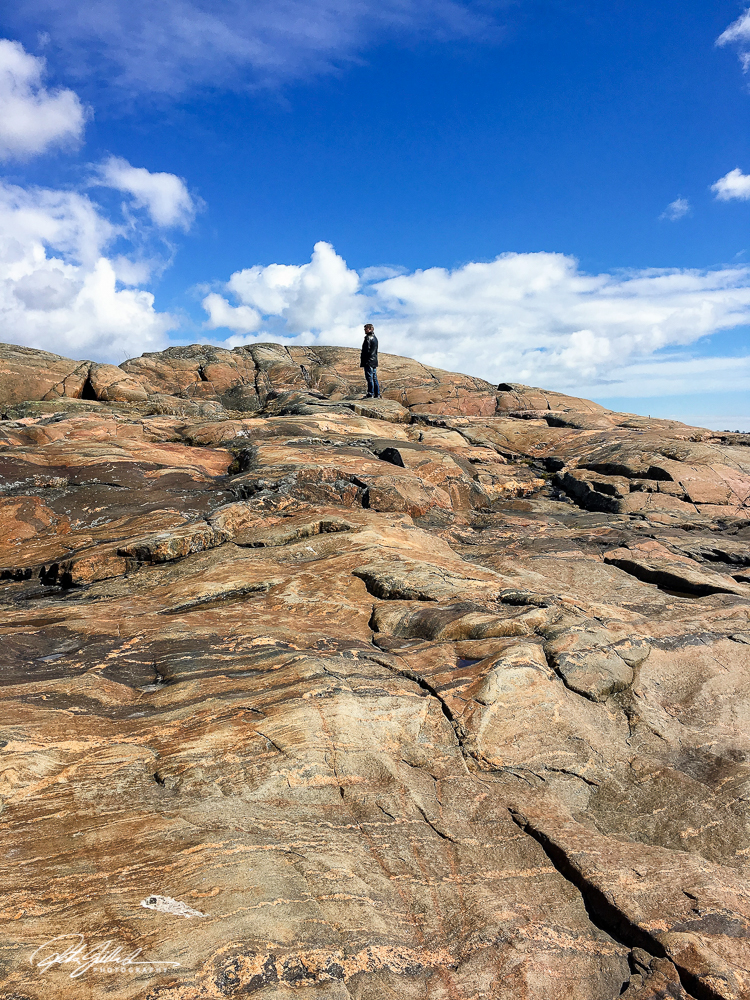
My life is built on a solid rock as Finland’s bedrock belongs to the old Precambrian (period 4,600 – 570 million years ago) in the bedrock area of Northern and Eastern Europe, or the Fennosarmatian bedrock craton, which is one of the oldest parts of the Eurasian continent.
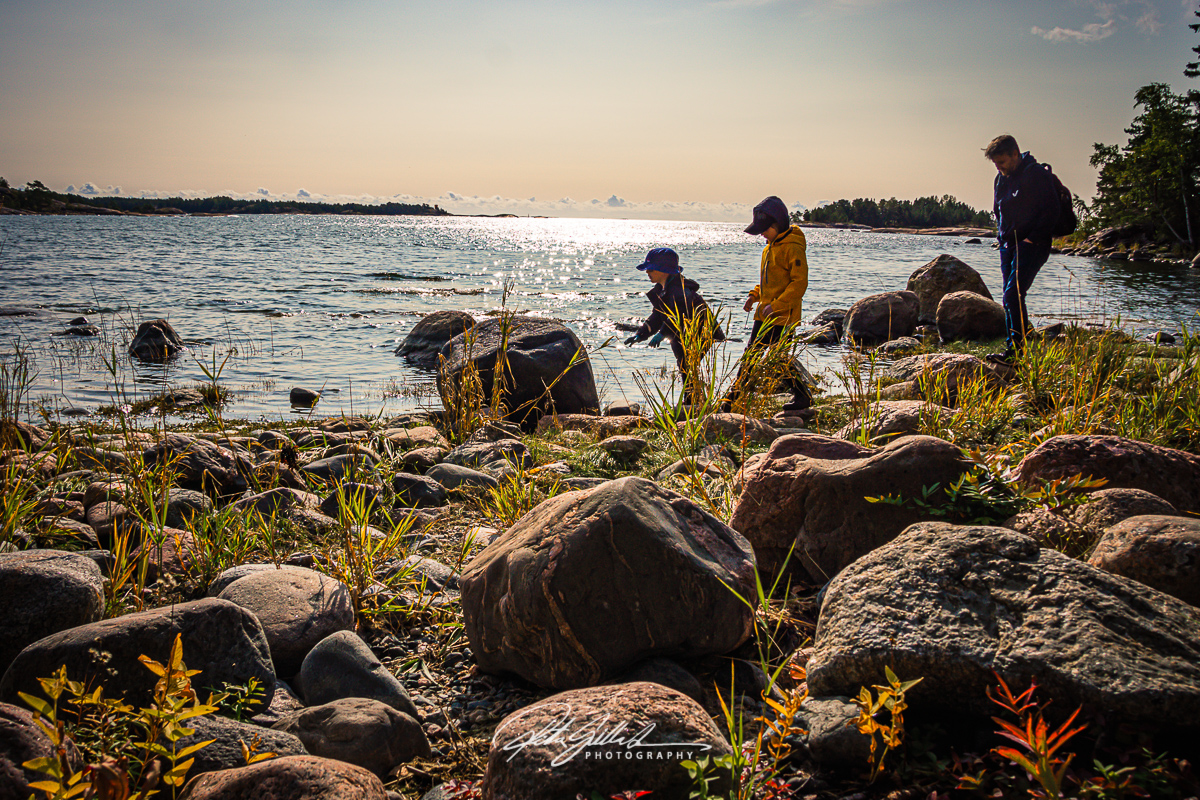
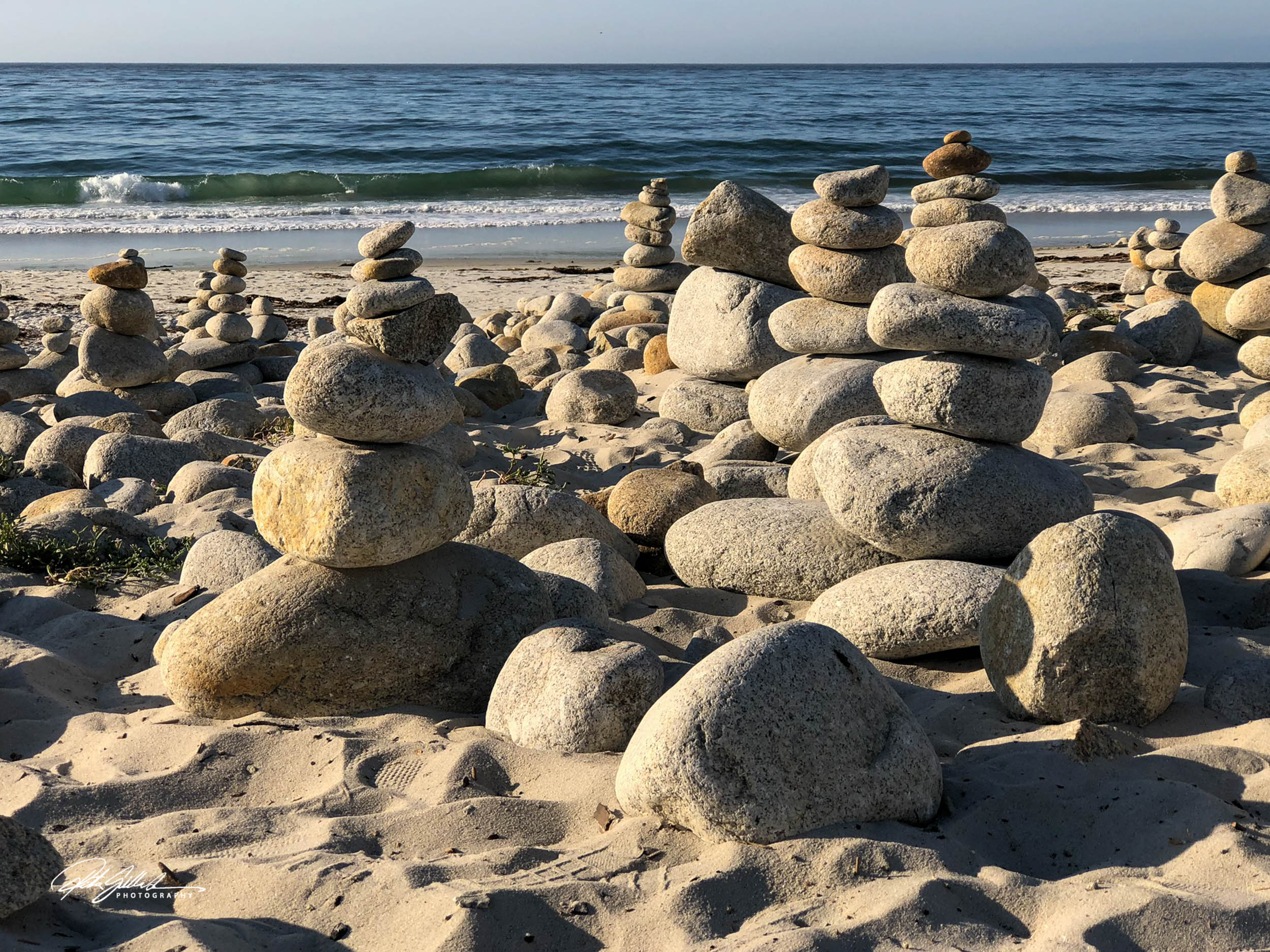
Beaches and seaside are great places to enjoy the smooth surface of rocks, solid or not.
I love sitting at beaches, seaside watching the water hit the rocks and cliffs. Or piling them up. So meditative.
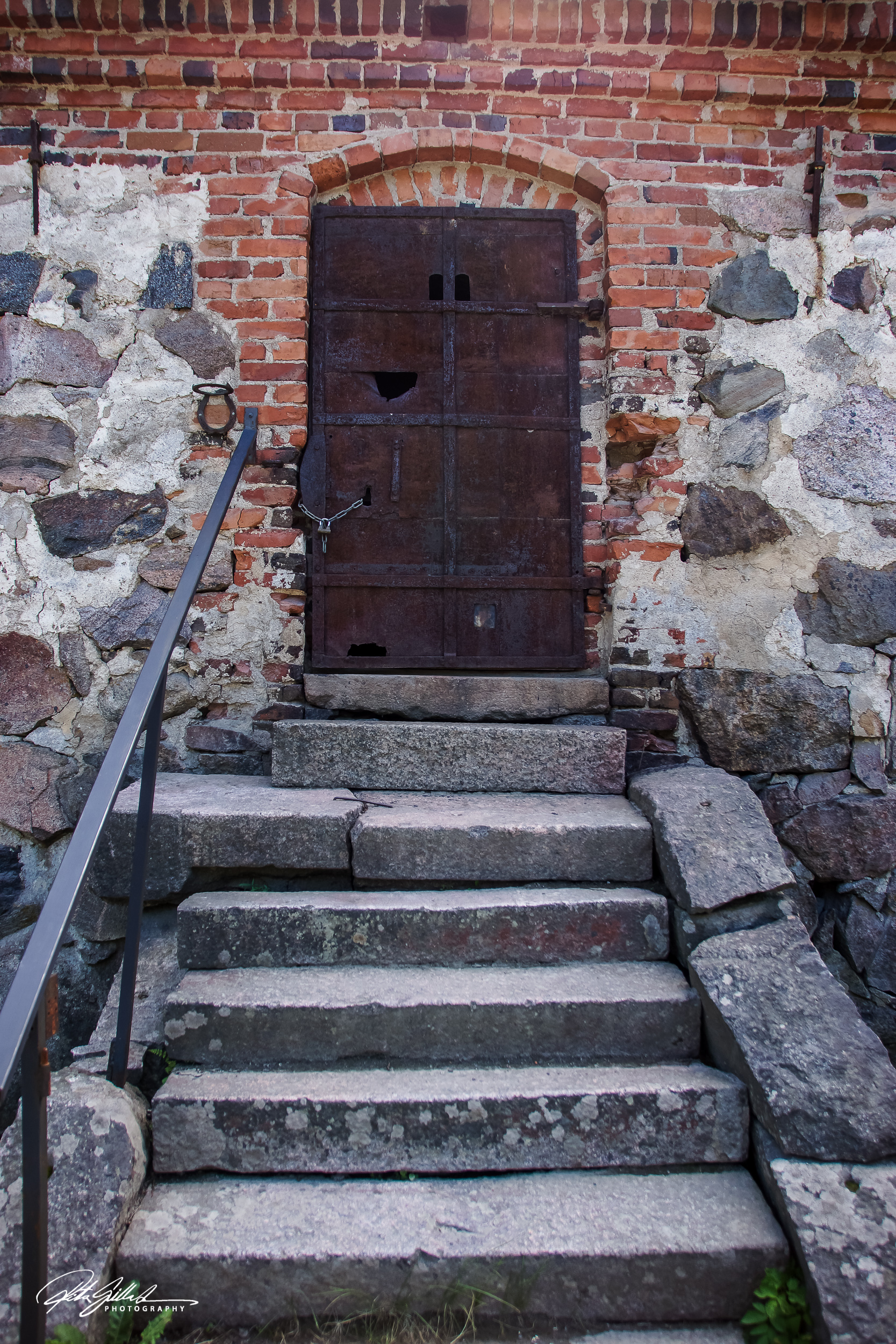
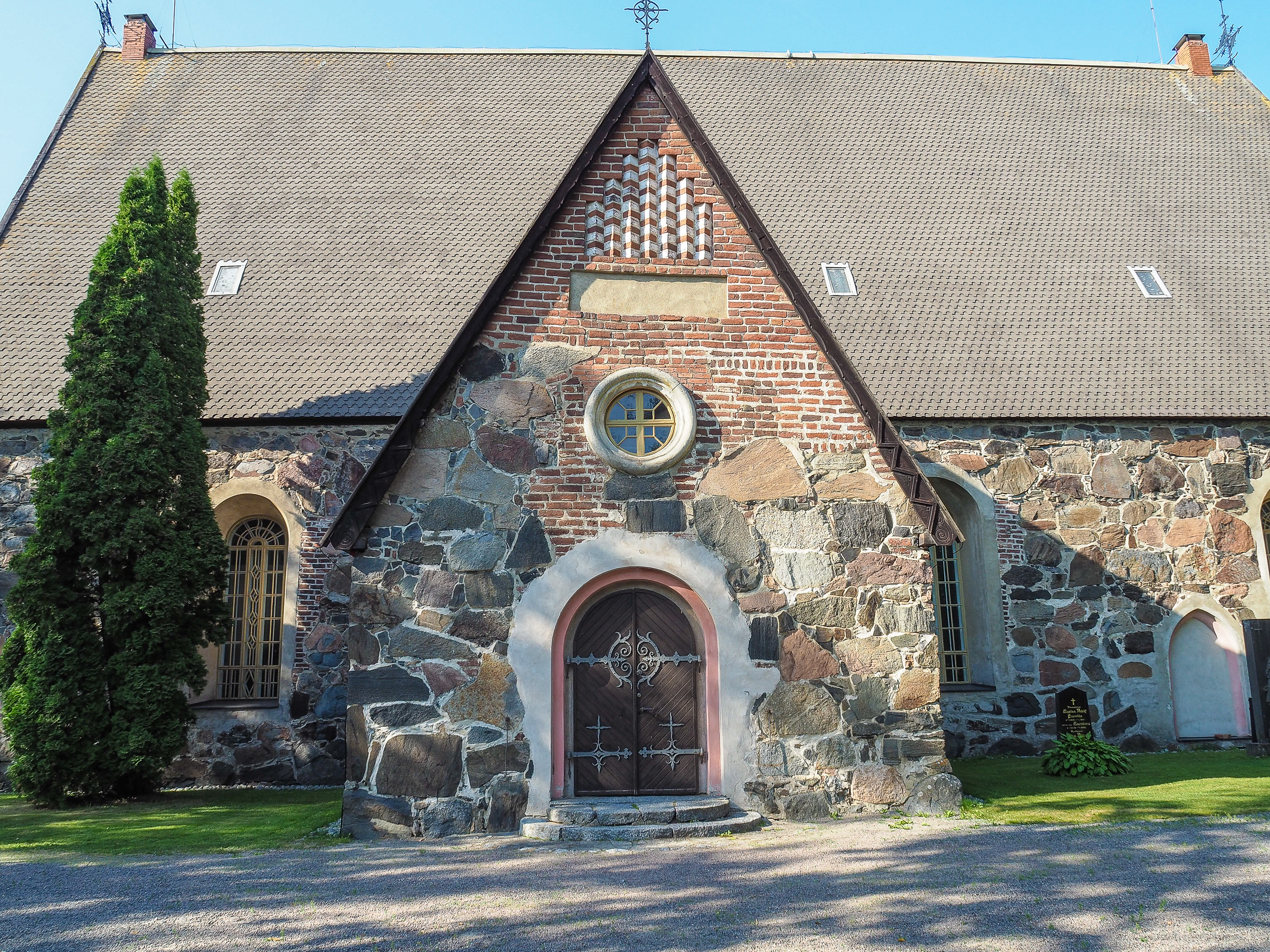
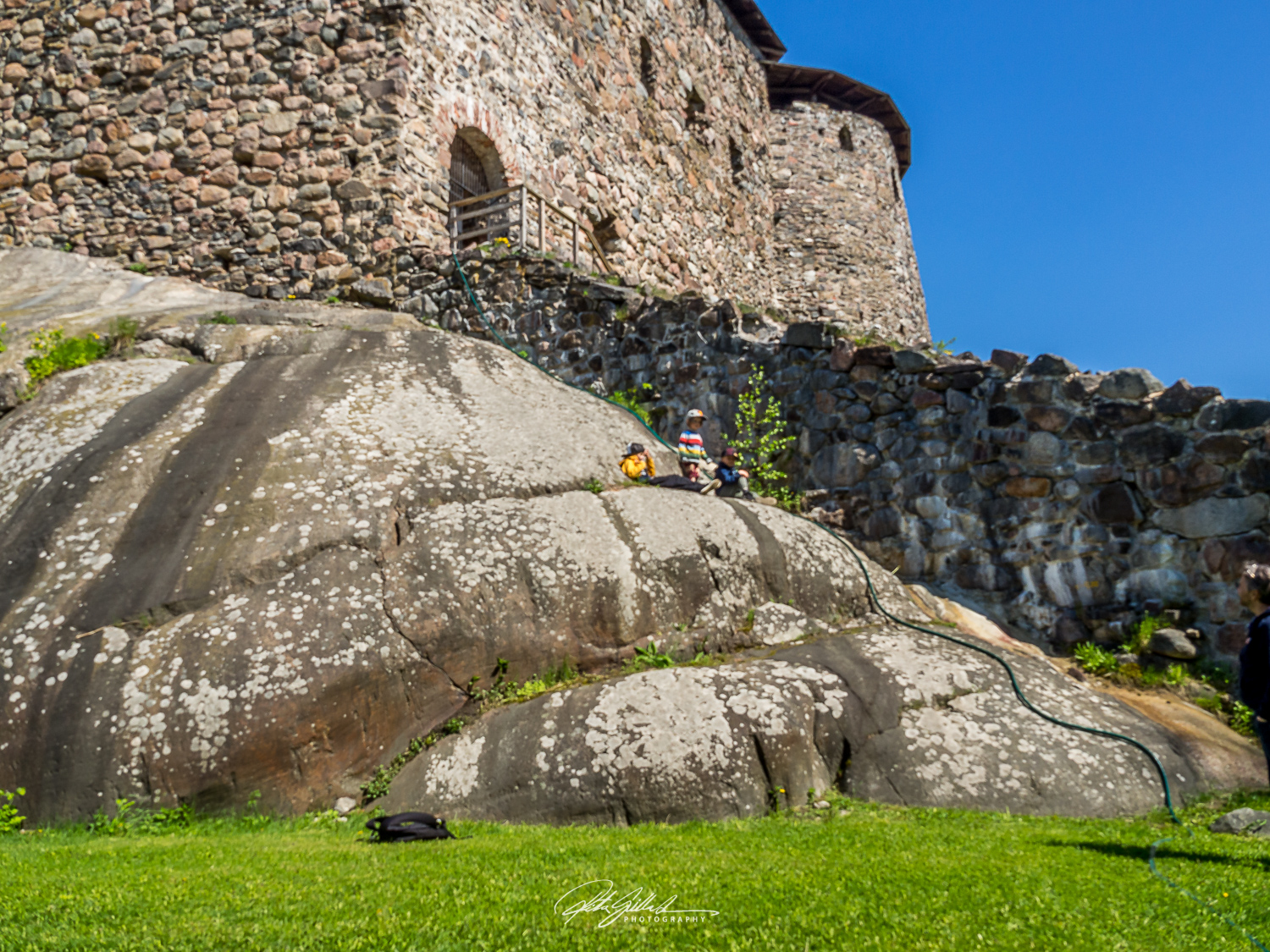
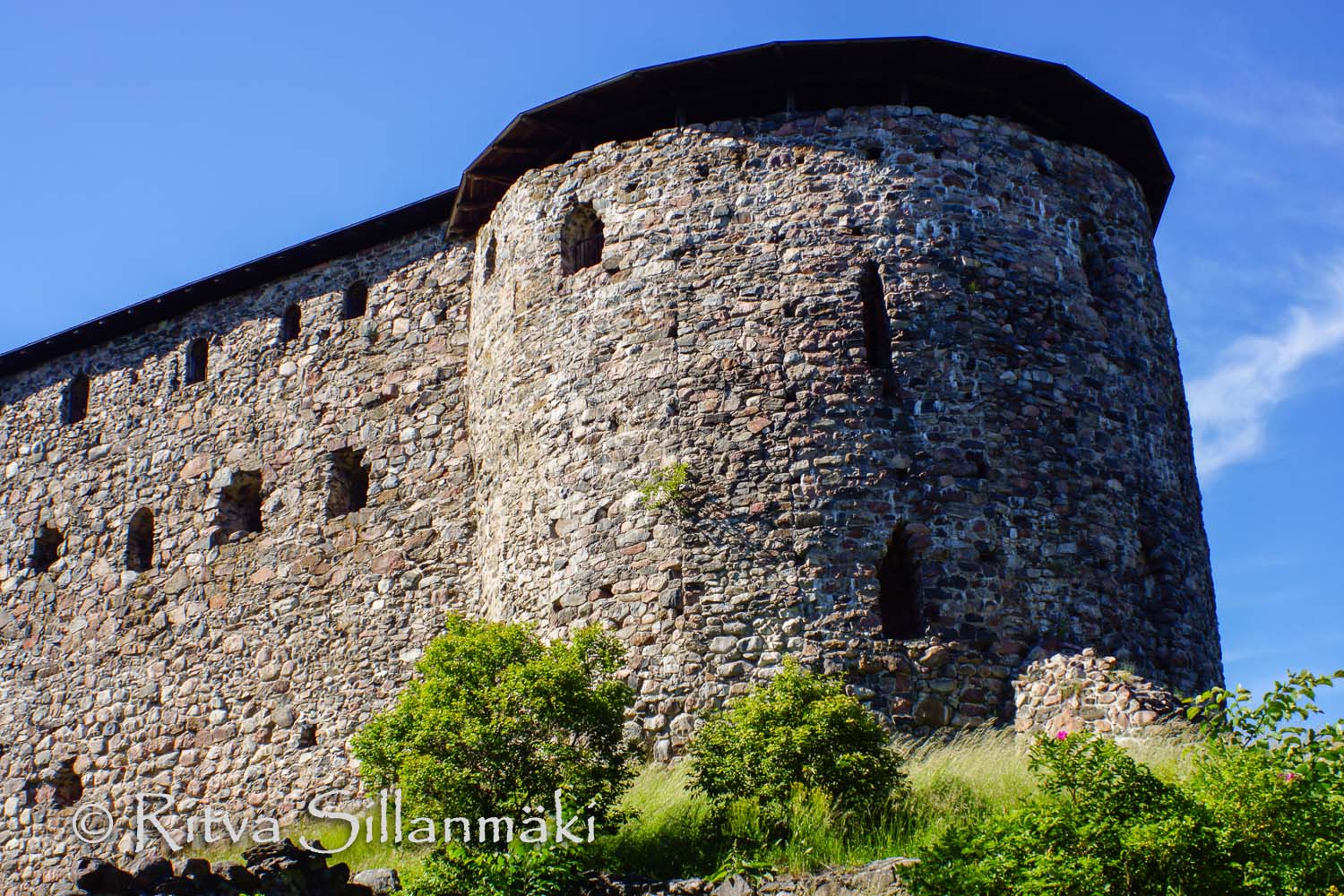
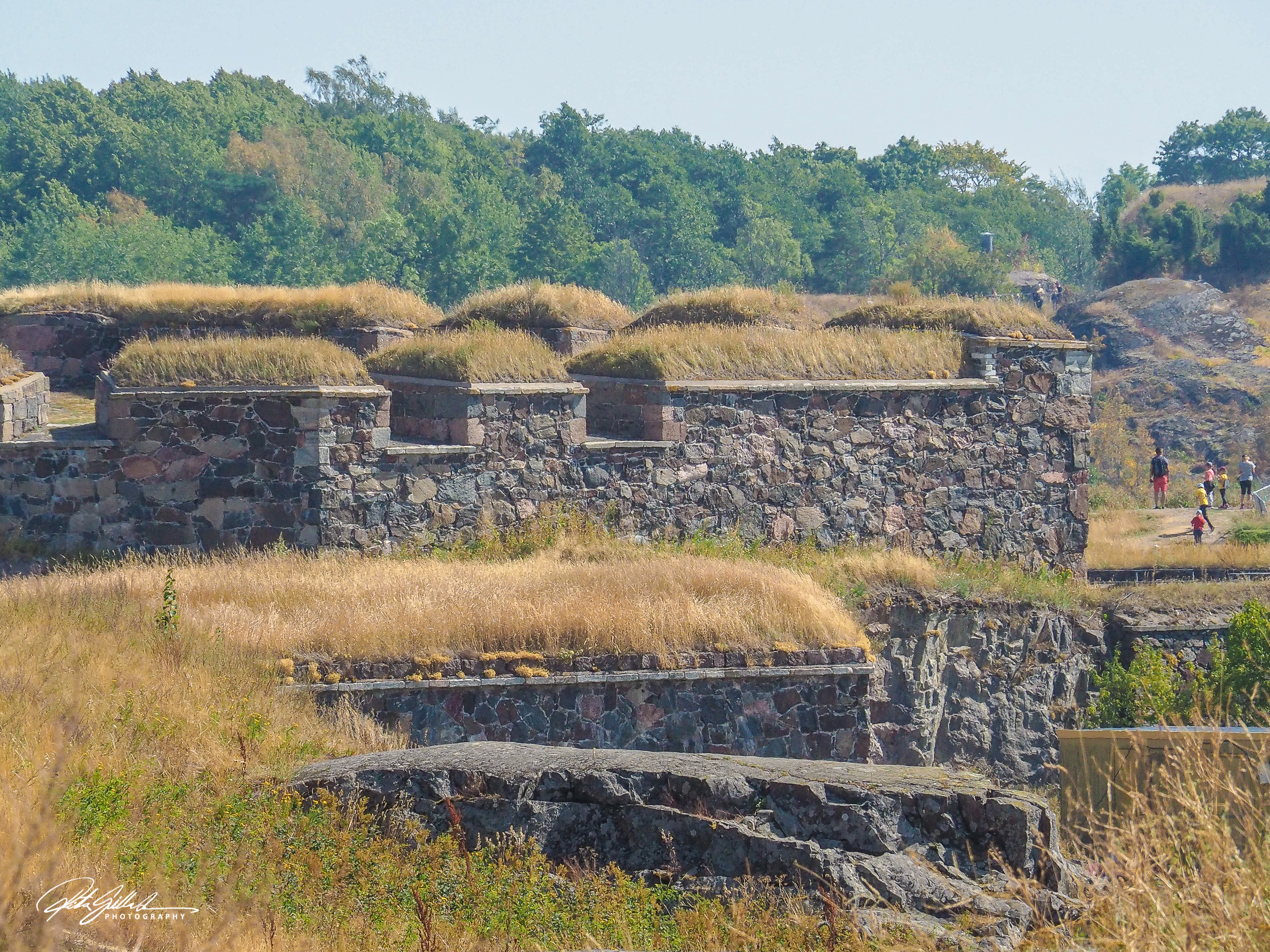
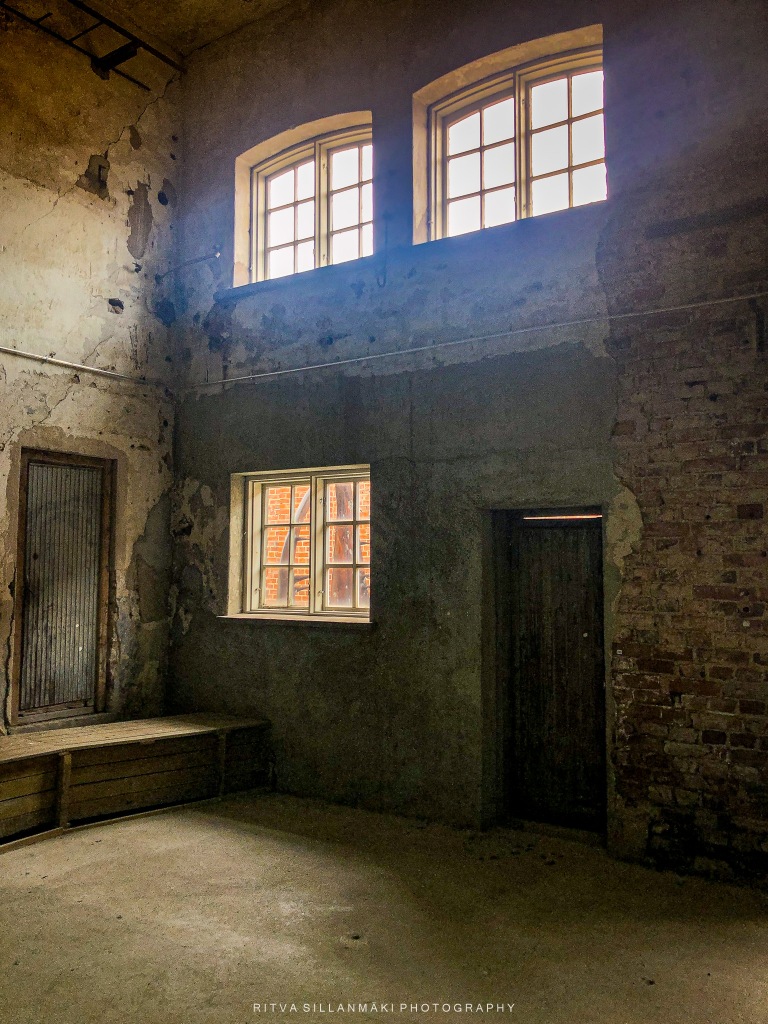
Stones, rocks are used in old castles this example is from Raasepori. The tunnel and walls of Suomenlinna fortress. Old Stone Church of Lammi is solid as a rock. As are the stone steps and walls from this old building.
I am ending this post same sentiment as Donna. He is as the song says, solid as a rock, is and has been for over 40 years.
Last week we learned so much froms Johns Before and After challenge. Next week I am hosting, hope I will be able to bring you something interesting enough to get your imagination flowing.
Until then, keep smiling ☺
To participate in this challenge, you should link to or leave a comment on the week’s host’s original challenge post and please use the #Lens-Artists tag in your own post, so the post is easily found in the Reader.
And if you want even more information on the Lens-Artists Challenge, please click here.
I will go straight to what John wrote” One of my favorite things is to take the images I captured from my camera and put them in a workflow through two or three different photo editing applications”. I love doing this too. He asks us to feature three or four images in your gallery that you tweaked for whatever reason and the original image out of the camera. Here are my Before and After
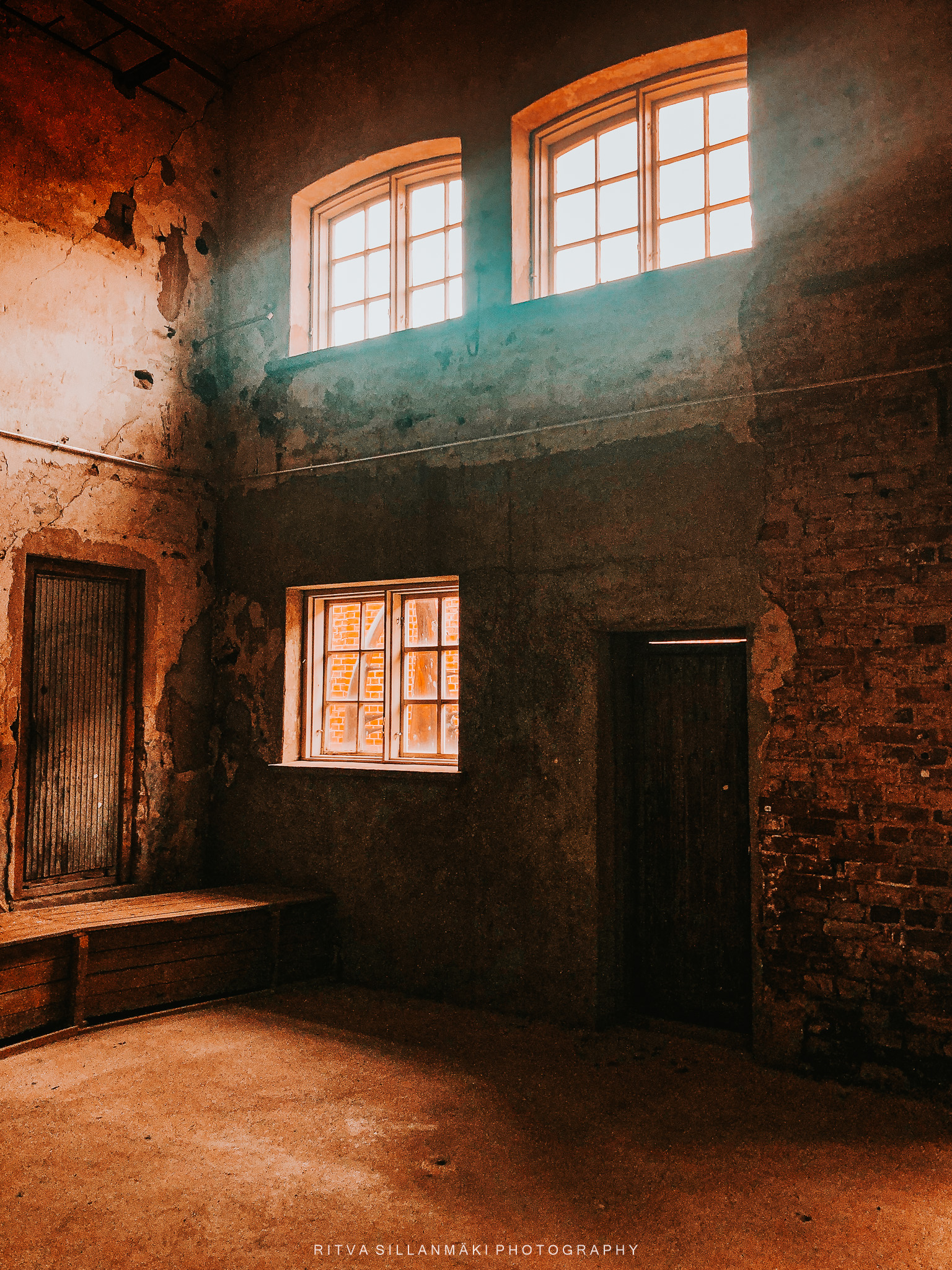
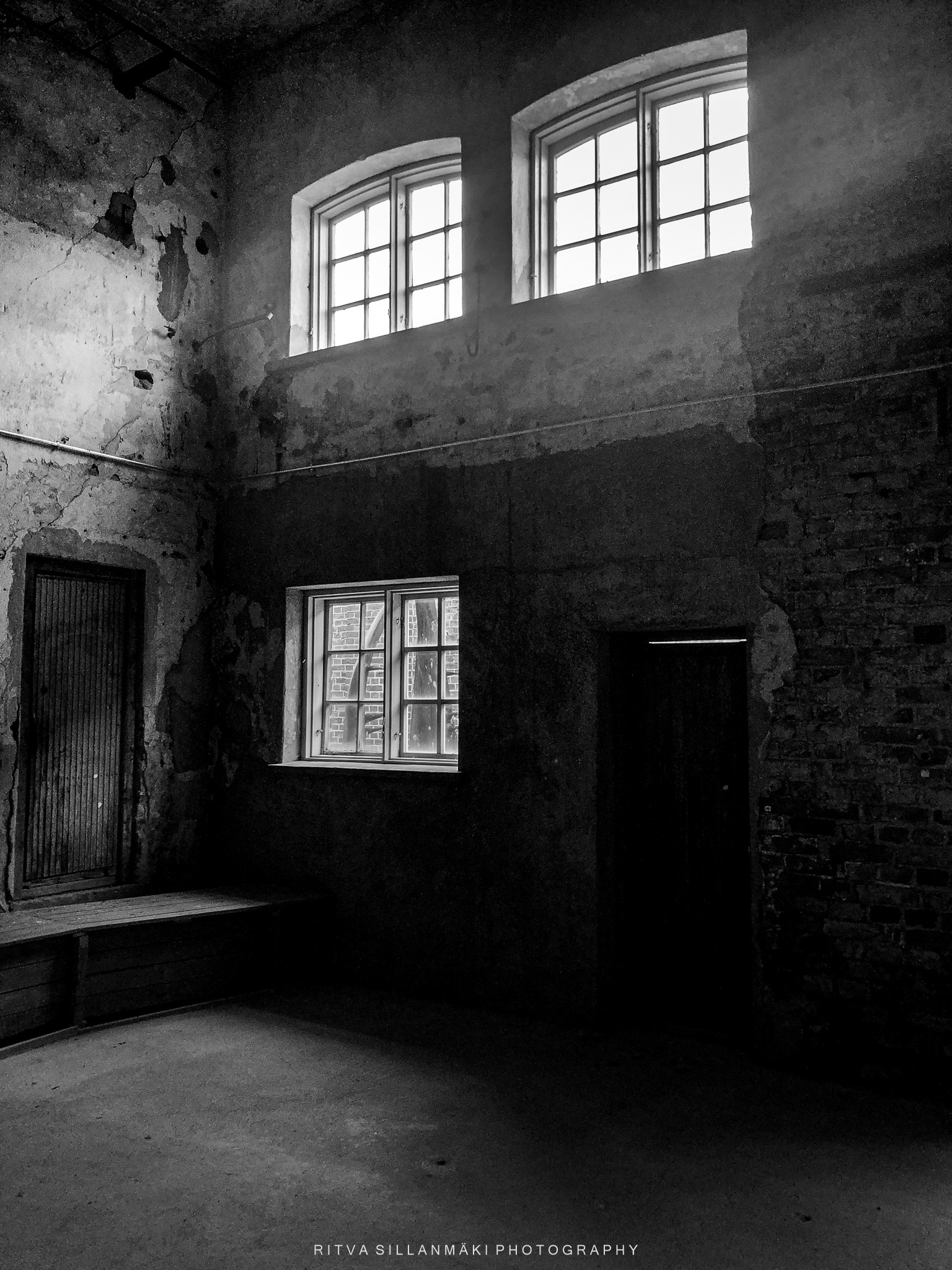
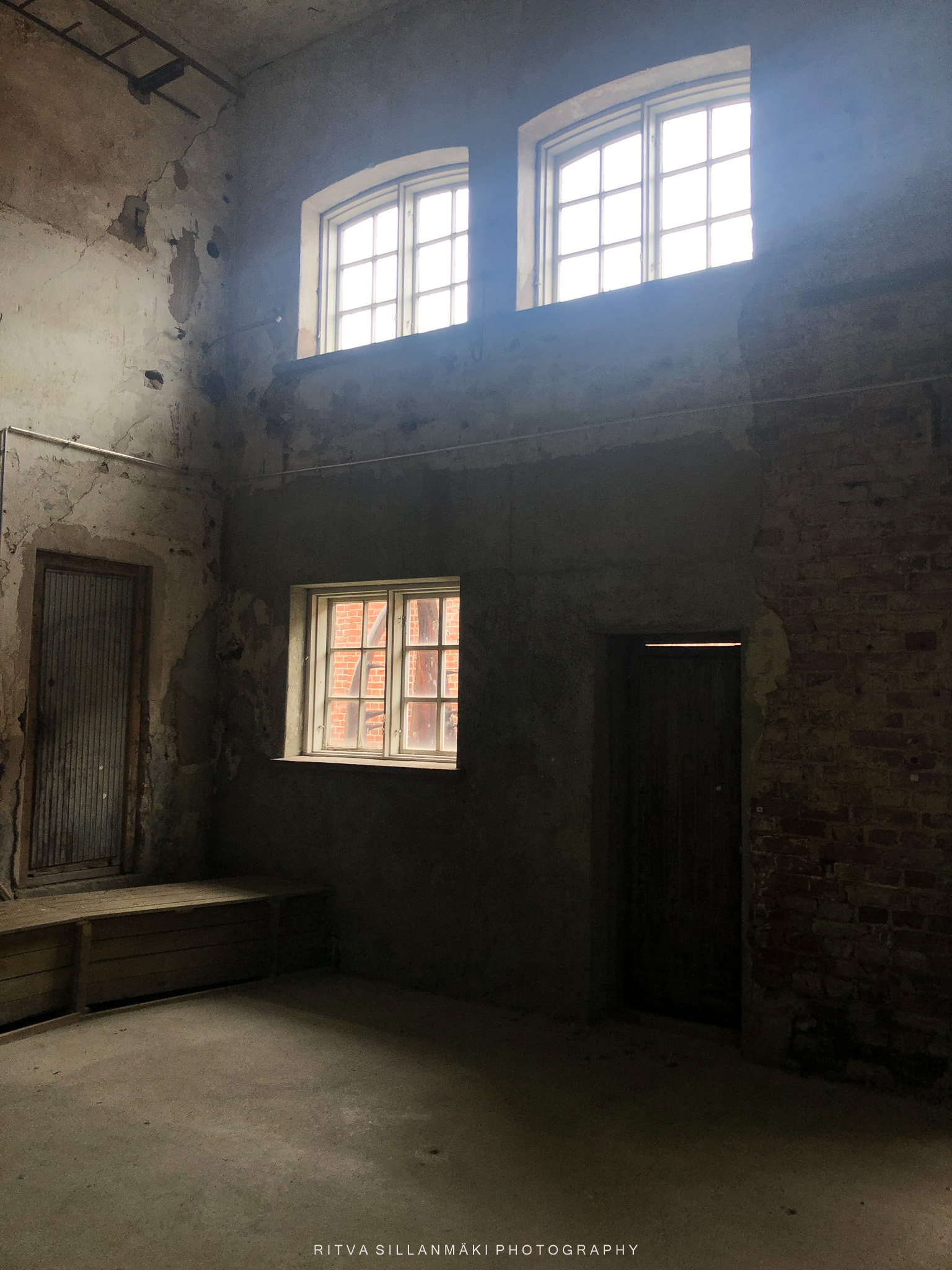
I was going through some old photos, and this corner in an old building with light coming in from above, the texture of the walls set my creativity to flow and edited it for this challenge. With this first photo I am giving you more details to explain the edits I did.
This is the one I added light and contrast, texture, and clarity. I also added some vibrancy but used less saturation. I toned down highlights, lessened blacks and shadows. I did not change the composition.
This is the one I added light and much more contrast, texture, and clarity. I also added some vibrancy towards yellows and added orange to the shadows. I toned down highlights but not as much as in previous version, used more blacks and shadows. I did not change the composition.For this image I converted the original image to black and white. I did not touch the exposure or contrast. I turned down the blacks, added dehaze and texture. I turned the colors all down except purple and magenta that I added a bitOriginal photo, no edits.
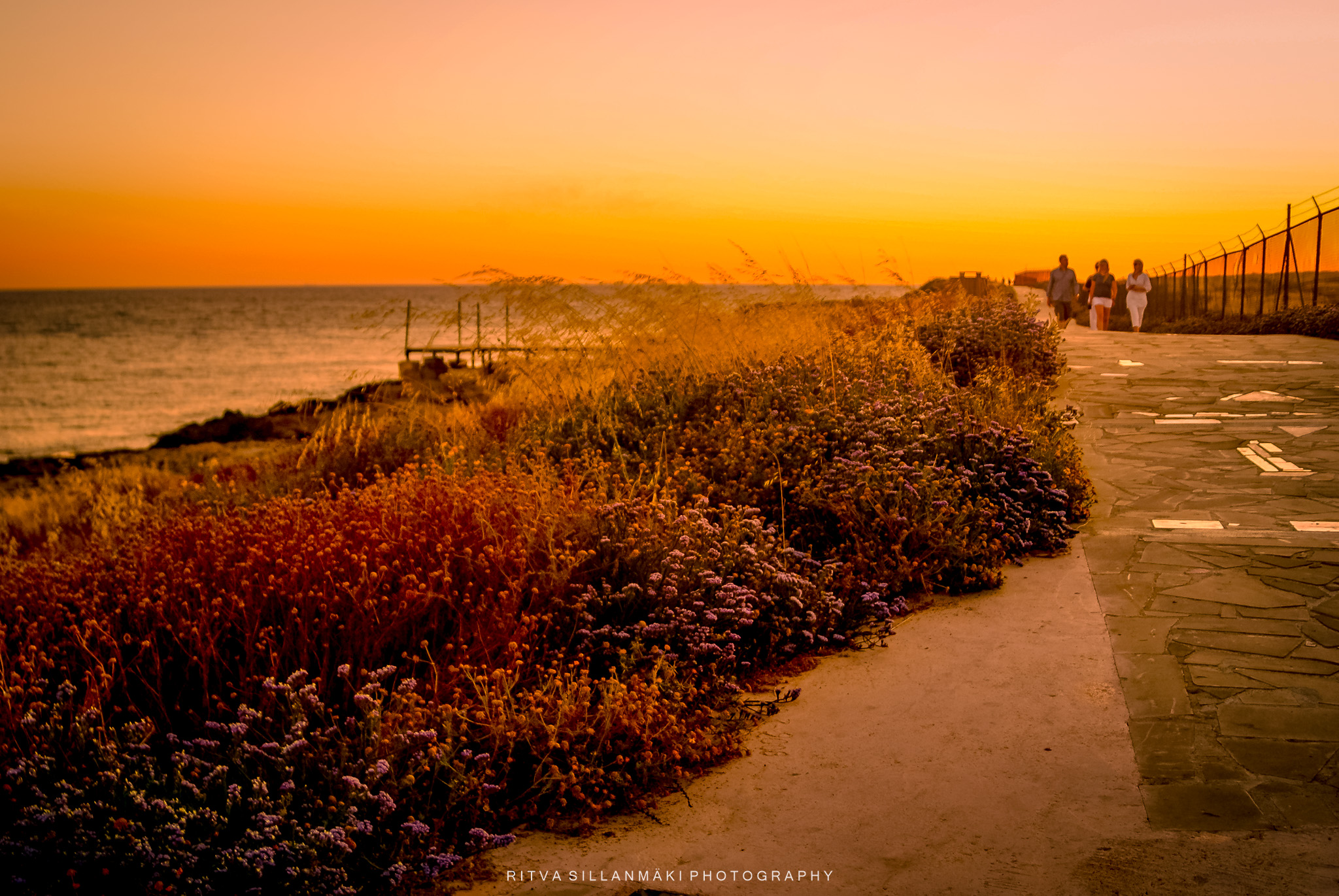
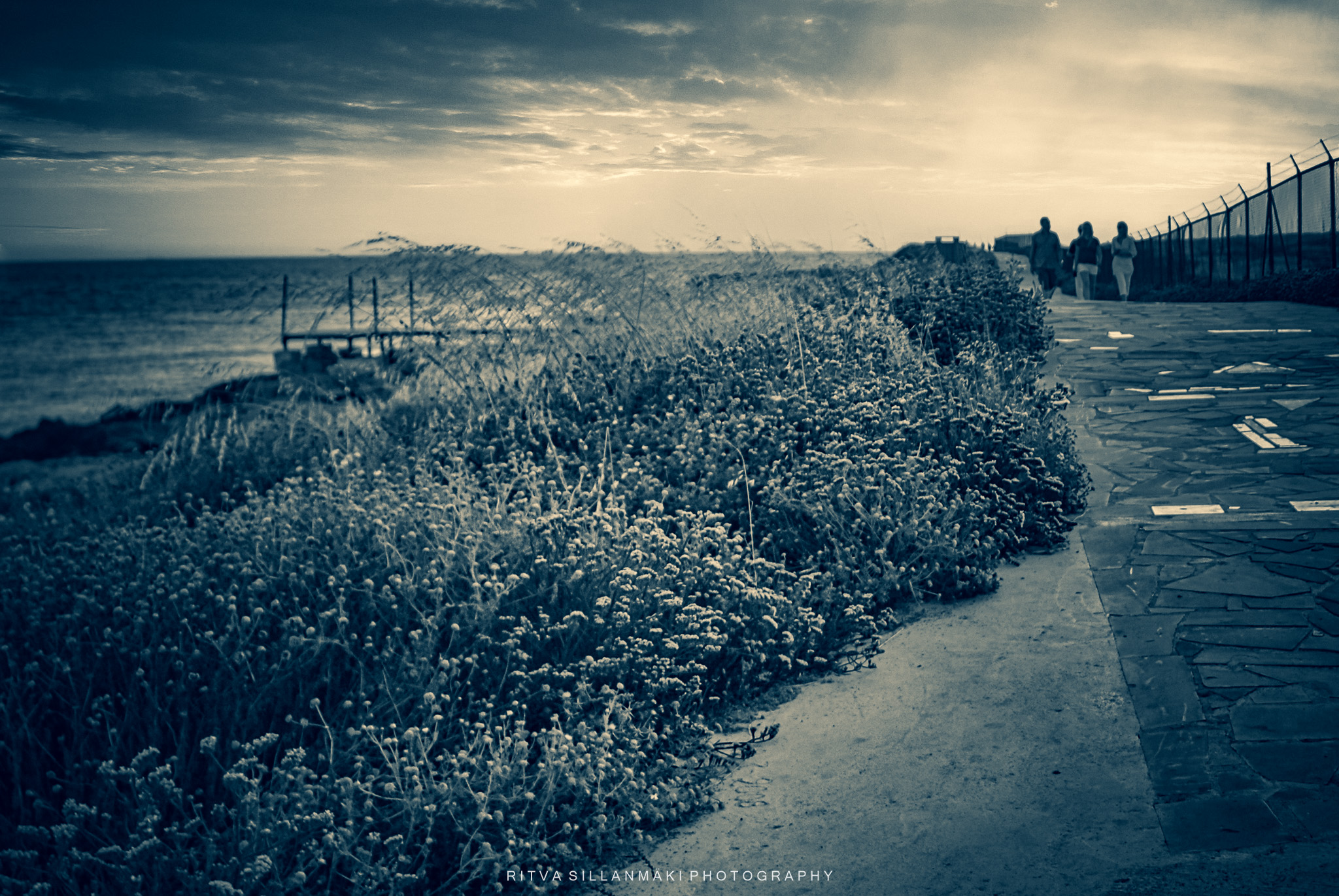
This shot I took while running to the seaside to capture the sunset at Páfos in 2011. The original is very bland, but with my newfound editing skills I was able to bring the warm tones of the moment into the photo.
I adjusted the exposure and contrast down as well as the highlights and blacks. I toned down the texture, but added clarity and dehaze. Touch of added vibrance and saturation. Added touch of orange to highlight and midtones. Then inspired by John I changed the sky and did lots of little fixes and had an enhanced version, that I then converted to black and white. I have very rarely changed skies, because I try mostly keep it real – well the way I see it – or in this case remember seeing it.
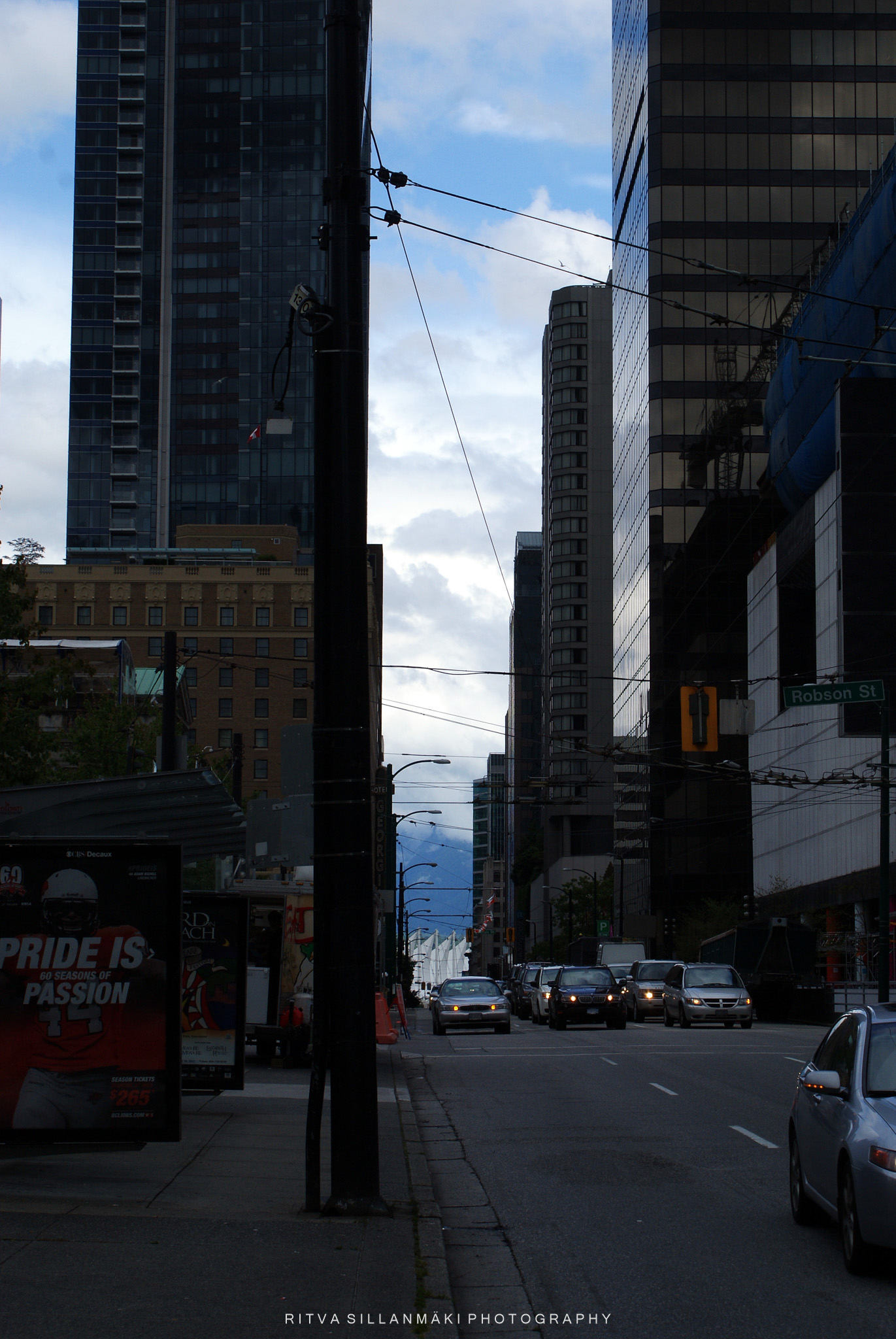
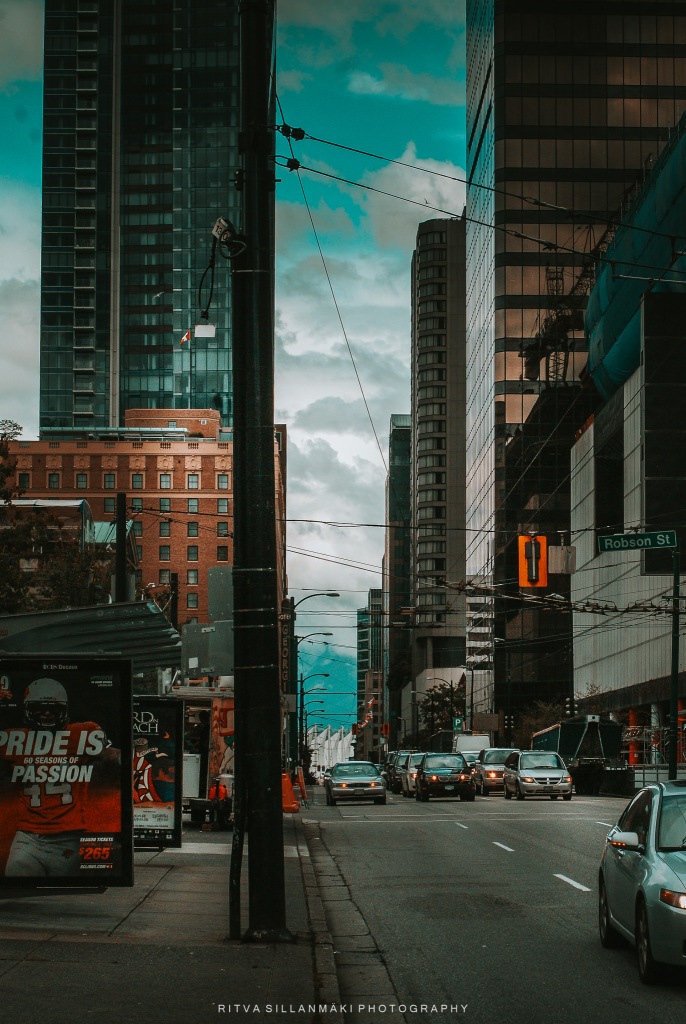
This is a street view from Vancouver that I converted to monochrome – I am a big fan of B&W images. The last one is trying to replicate the style lots of movies and TV shows now use, with teal and orange colors. In both edits I have also edited the exposure, contrast and shadows and light.
Original photo from the camera.Vancouver Street View – MonochromeVancouver Street view – movie style. With teal and orange tones
Last week we enjoyed the inspiration from Sofia – Water motions , it was a theme I really enjoyed. I saw so many wonderful posts about it. Next week Donna is bringing us a new challenge, looking forward to seeing what she comes up with. Until then, keep smiling ☺
To participate in this challenge, you should link to or leave a comment on the week’s host’s original challenge post and please use the #Lens-Artists tag in your own post, so the post is easily found in the Reader.
And if you want even more information on the Lens-Artists Challenge, please click here.
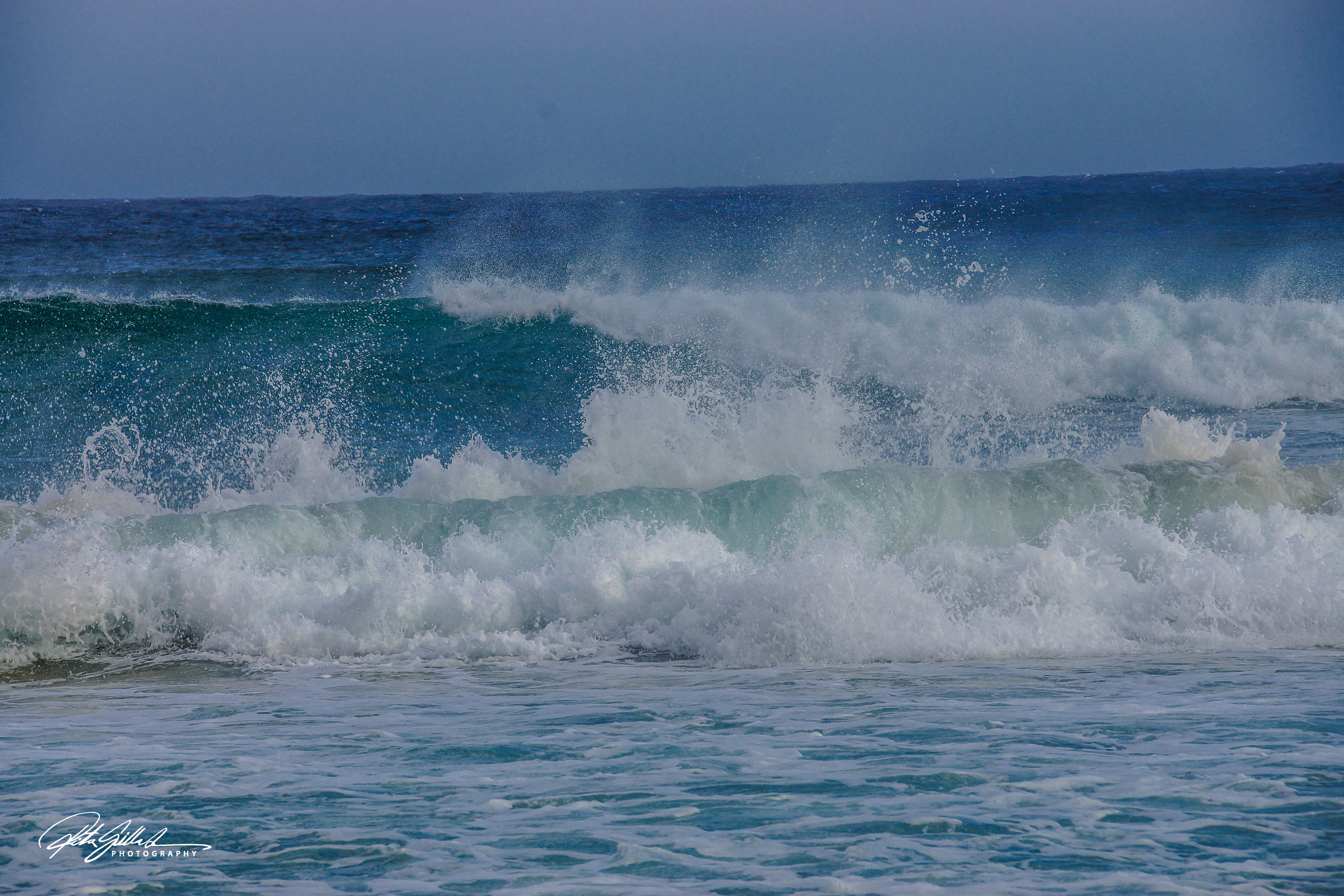
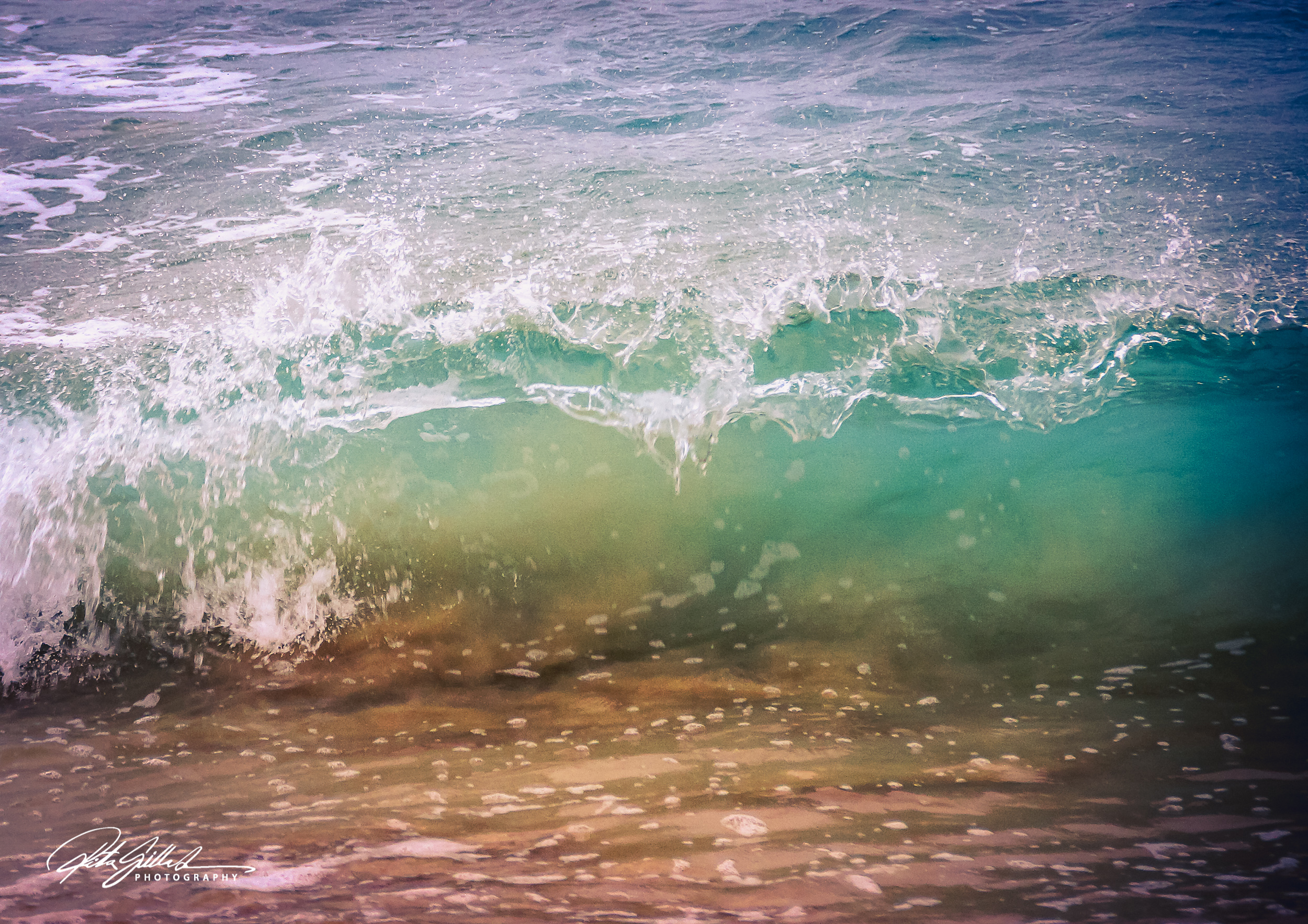
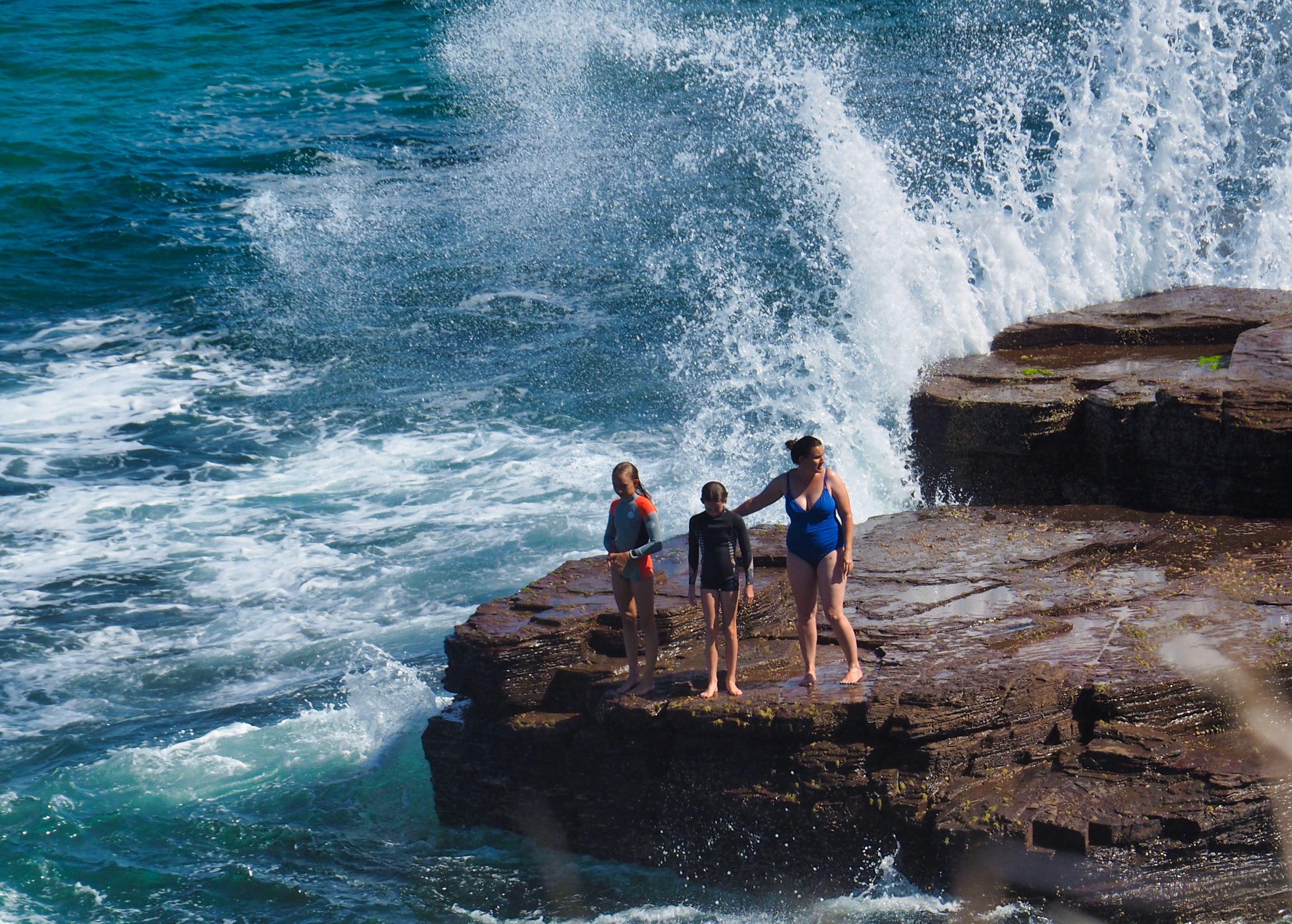
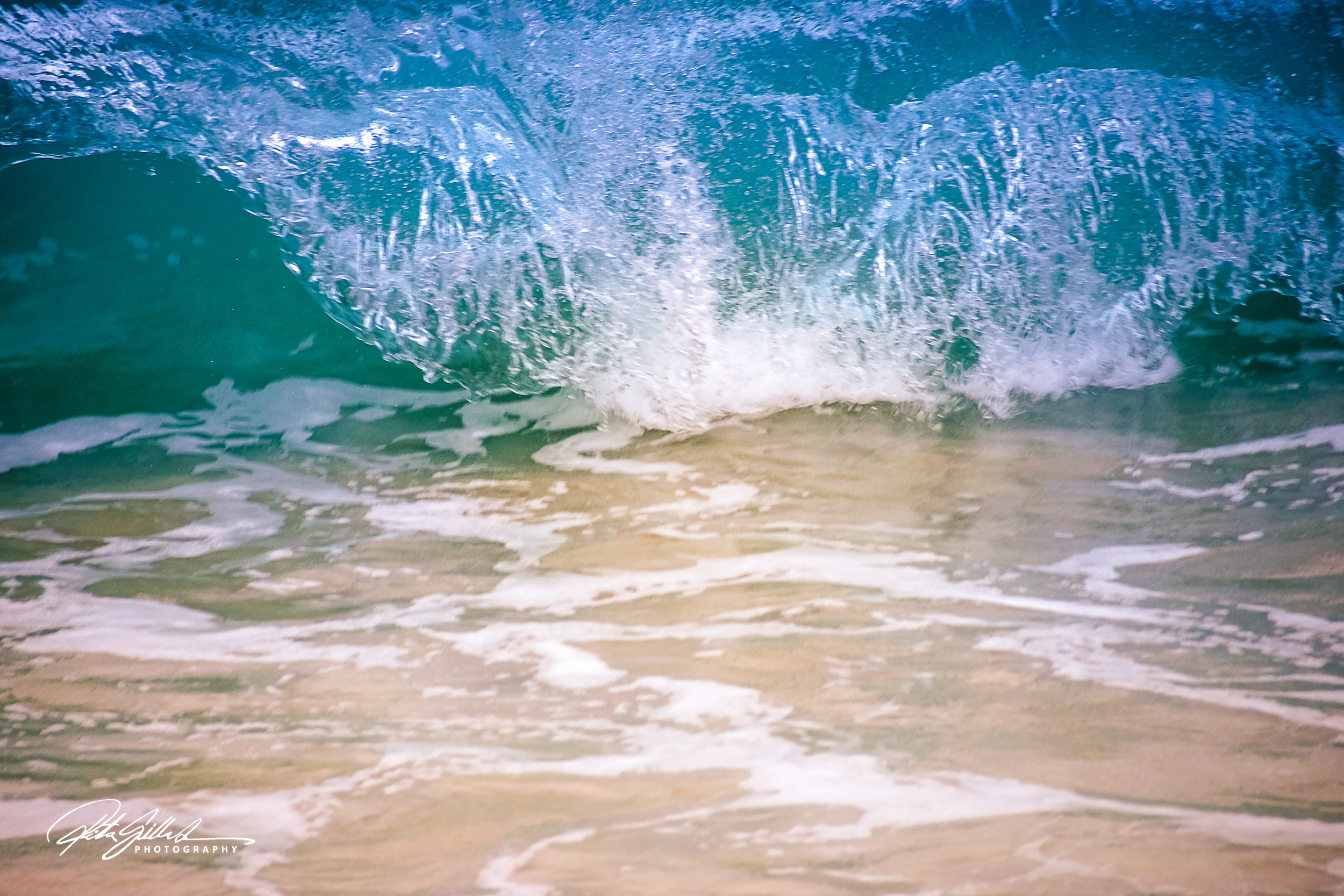
Water, the very essence of life, is rarely still. It flows, it crashes, it tumbles – a mesmerizing display of motion that has captivated humanity always. For this week’s Lens-Artists challenge, Sofia came up with this topic. Her post has beautiful inspiration to us all. I absolutely love the water element, she could not have chosen a more boundless topic for me.
The ocean, Earth’s pulsating heart, breathes life into every corner of our existence. Its currents carry warmth and coolness, shaping climates and nurturing ecosystems. As we gaze upon its boundless blue, we sense eternity.. The oceans salty embrace cradles memories, dreams, and the promise of distant lands.
Also the sea, with its endless horizon. It cradles life within its depths. The salty air invigorates our senses, reminding us of our primordial connection to the vast expanse beyond. Standing on a rocky shore, waves crashing at our feet, we feel both insignificantly small and profoundly connected.
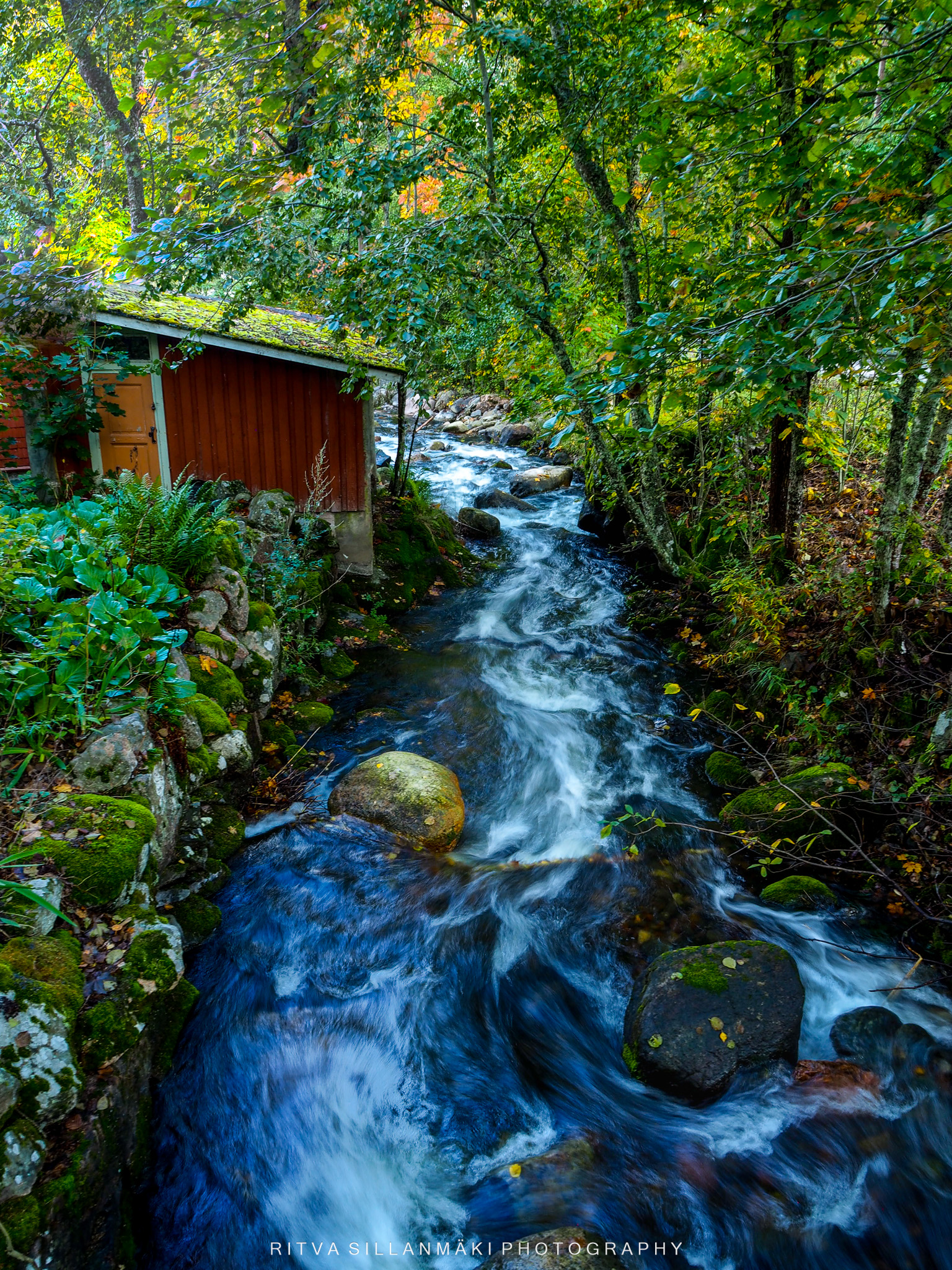
Rapids are a symphony of whitewater, a chaotic dance of water rushing over rocks and churning into frothy pools. Rapids are a playground for the adventurous, and experience the rush of nature’s power.
Waterfalls are nature’s grand displays of cascading beauty. A curtain of water plunges down a cliff face, mist rising like a mystical veil. The sound is a deep, resonant roar, a constant reminder of the force of gravity. Waterfalls leave you breathless, humbled by the sheer power and timeless elegance of water on the move.
Lakes, nestled between mountains or hidden in forested valleys, mirror the sky’s moods. Their stillness invites contemplation. We watch ripples expand, carrying our thoughts across the water’s surface. In their quietude, lakes hold our reflections, revealing both our vulnerabilities and resilience. Still waters, their glassy surfaces reflect the world above—a mirror for our innermost musings. Here, we find solace. In the quietude, we glimpse eternity—the timeless dance of light and shadow.
From the rhythmic pulse of waves to the heart-pounding rush of rapids and the serene majesty of waterfalls, water in motion offers a mesmerizing spectacle for all. Whether you’re a beach bum, a whitewater enthusiast, or simply an admirer of nature’s beauty, there’s a form of water motion that will capture your imagination and leave you wanting more.
Last week Tina‘s challenge gave beautiful faces from around the world with so many emotions on display. I truly enjoyed seeing all these people in your posts. Next week John will present us with a new challenge, looking forward to seeing what he came up with. Until then, keep smiling ☺
To participate in this challenge, you should link to or leave a comment on the week’s host’s original challenge post and please use the #Lens-Artists tag in your own post, so the post is easily found in the Reader.
And if you want even more information on the Lens-Artists Challenge, please click here.
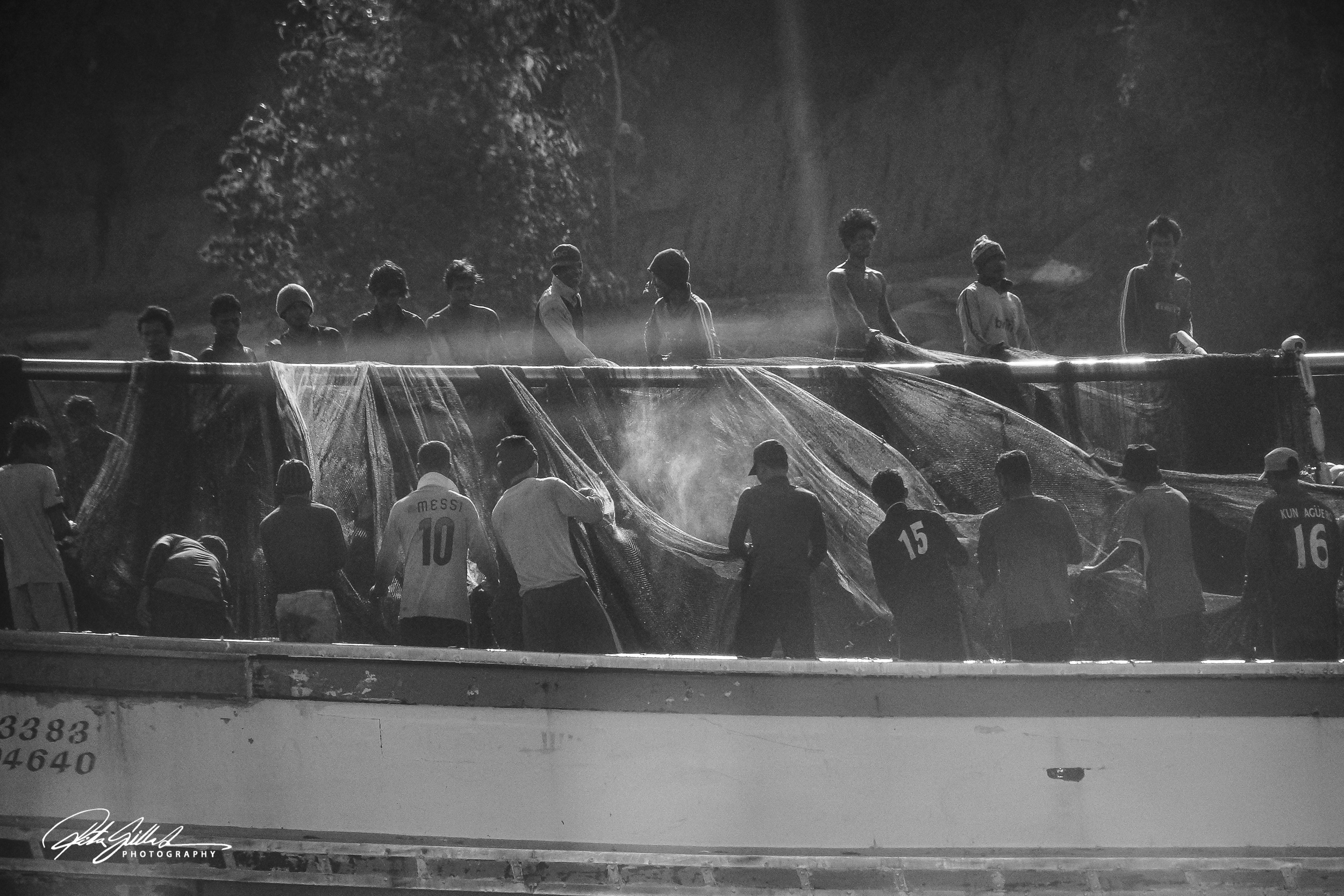
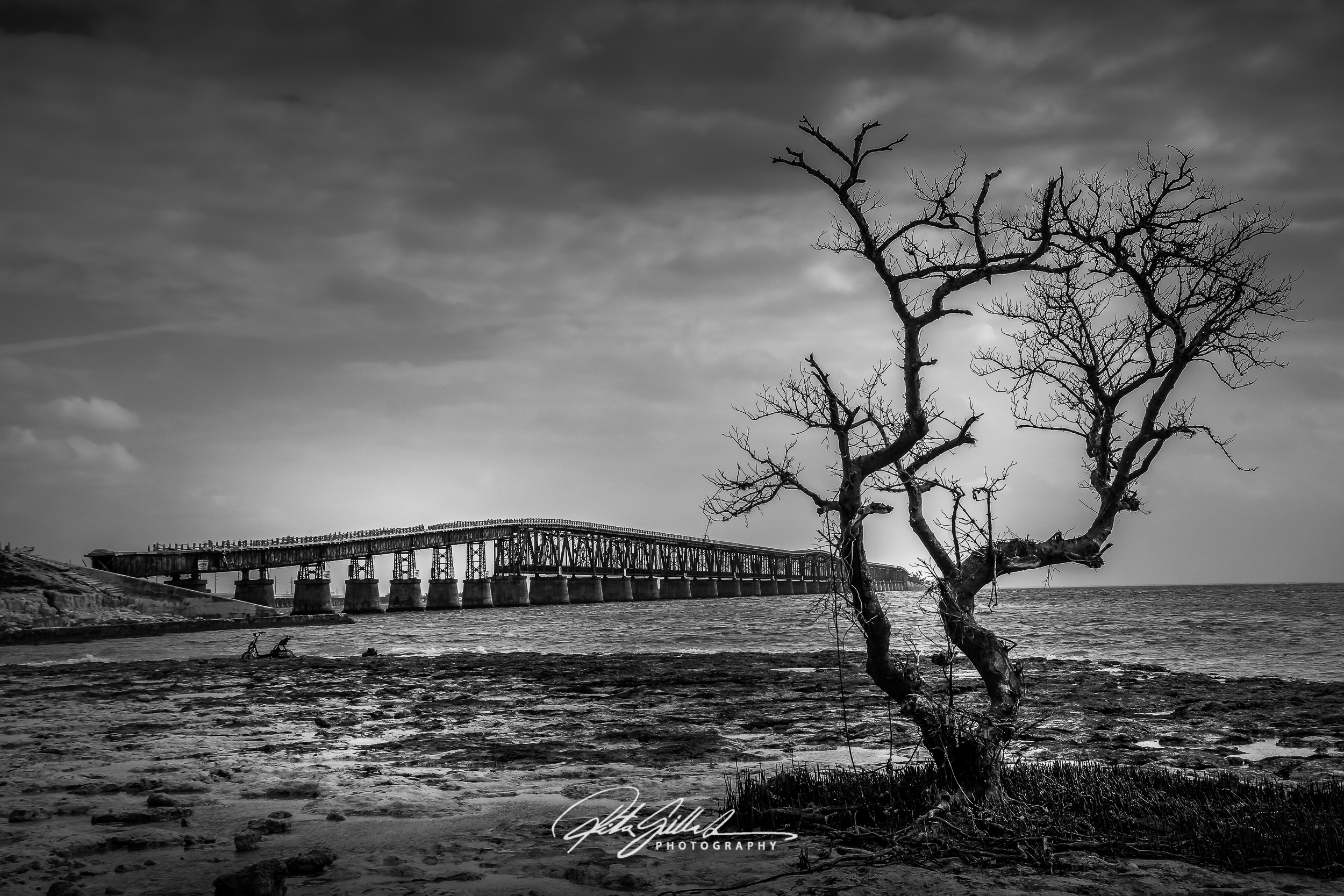
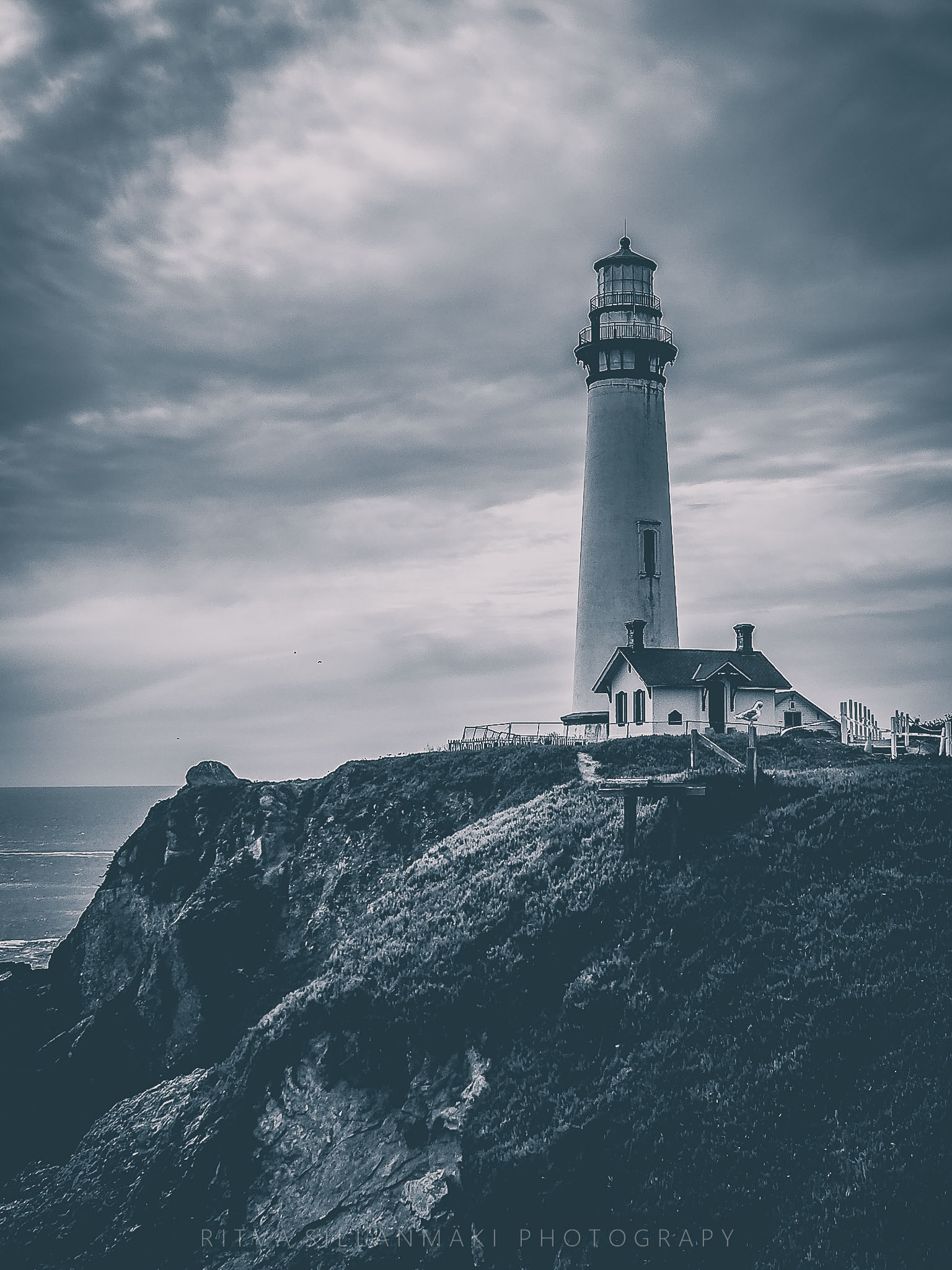
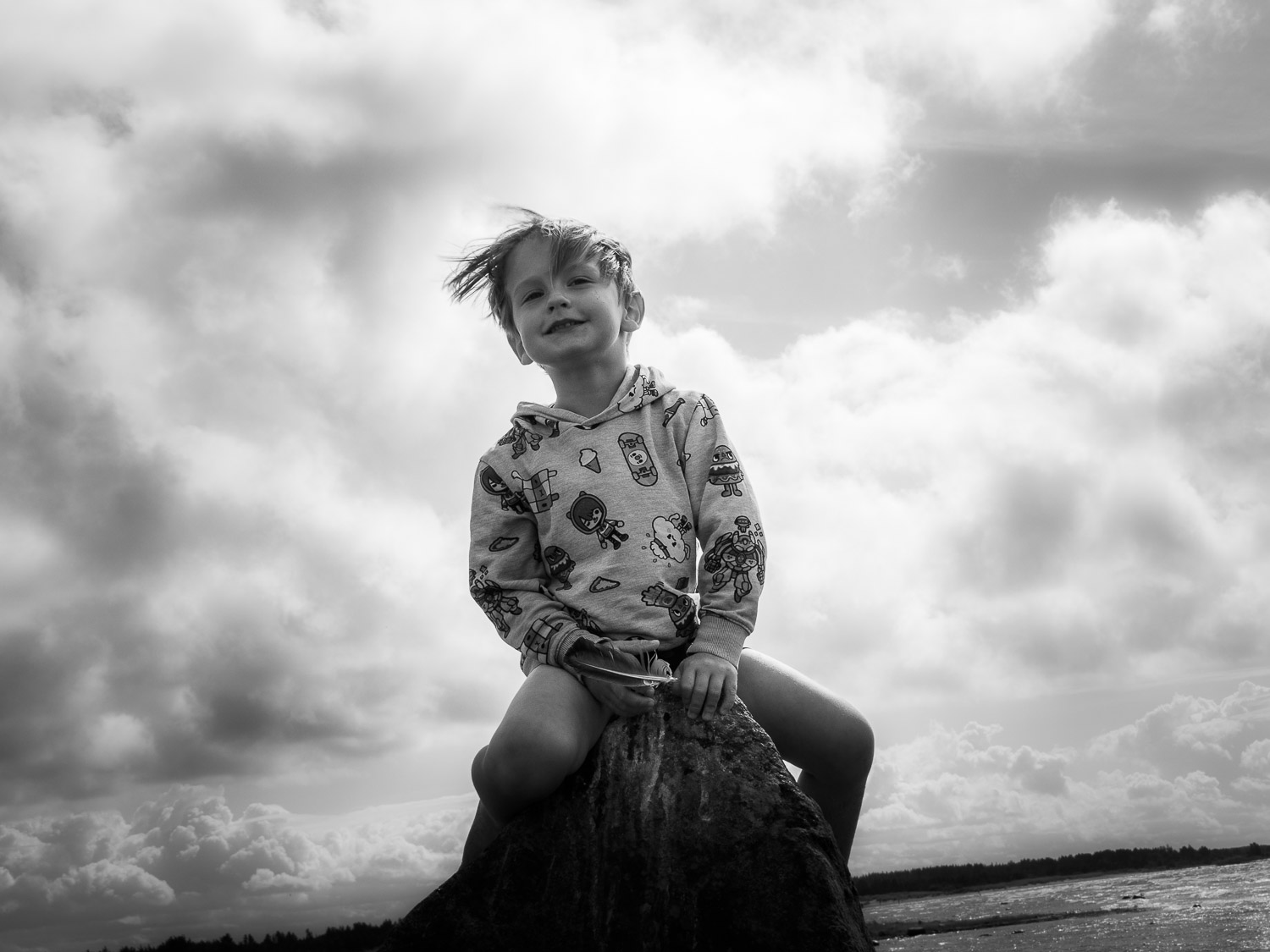
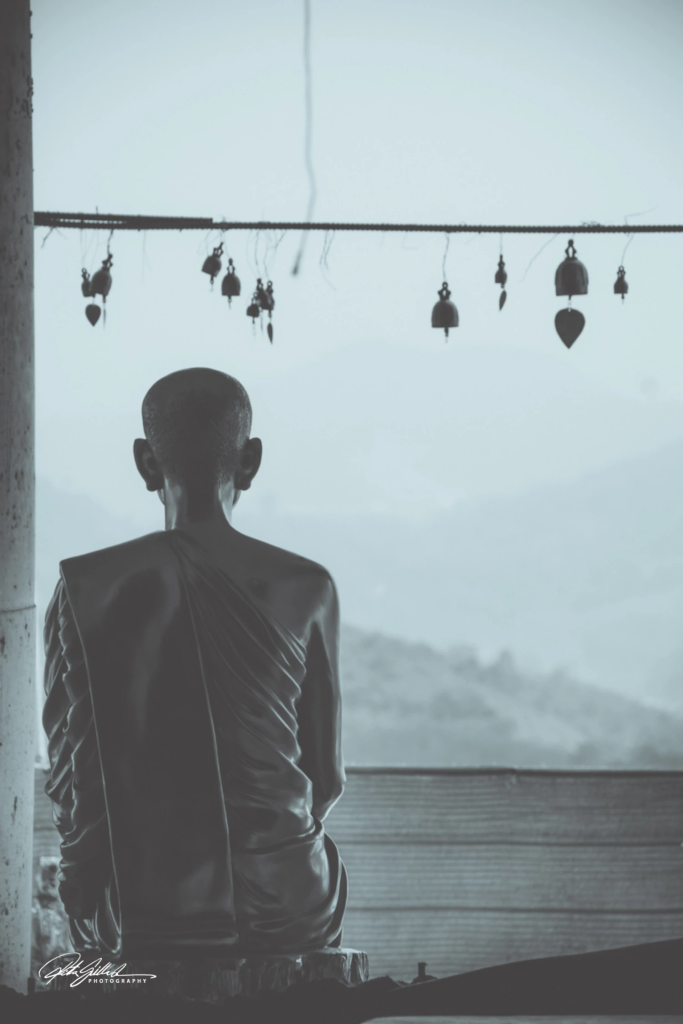
I delved into my collection of photographs and found some of my all-time favorites monochrome images. The captivating essence of the sea is a recurring theme in most of these photos. However, amidst the sea-themed photos, there are two exceptional ones that stand out – “The wheels” and “The monk.” These images hold a different kind of allure, offering a unique perspective and adding depth to the collection.
There’s something about the sea and its surroundings that resonates deeply within me. The tranquil yet dynamic atmosphere, the soothing sound of the waves, and the rugged beauty of lighthouses never fail to captivate my heart. These elements have a way of inspiring a sense of adventure, peaceful introspection, and a profound connection with nature. It’s moments like these that remind me of the sheer beauty and wonder that surrounds us, urging me to capture them and hold onto their essence forever.
Monochrome Madness – Some of my all time favourites was what Leanne had on her blog, I thought I’d follow her lead.
So this week, our challenge is to share images of the people we’ve captured along the way. That’s what Tina from requested for this weeks challenge. Simple request.
Like many, when I started taking photos, they were mainly of friends and family. When I got my kids… you know how the story continues. I still love taking photos of people here, there, and everywhere. No explanations, simply just some people shots I’ve taken. Street photography is interesting and at events, you can find lots of interesting people.
Last week Patti‘s challenge gave us tour around the world with beautiful cities to discover. I truly enjoyed discovering the new cities. Next week Sofia from PHOTOGRAPHIAS will come up with something new for us to tackle with, looking forward to seeing it. Until then, keep smiling ☺
To participate in this challenge, you should link to or leave a comment on the week’s host’s original challenge post and please use the #Lens-Artists tag in your own post, so the post is easily found in the Reader.
And if you want even more information on the Lens-Artists Challenge, please click here.
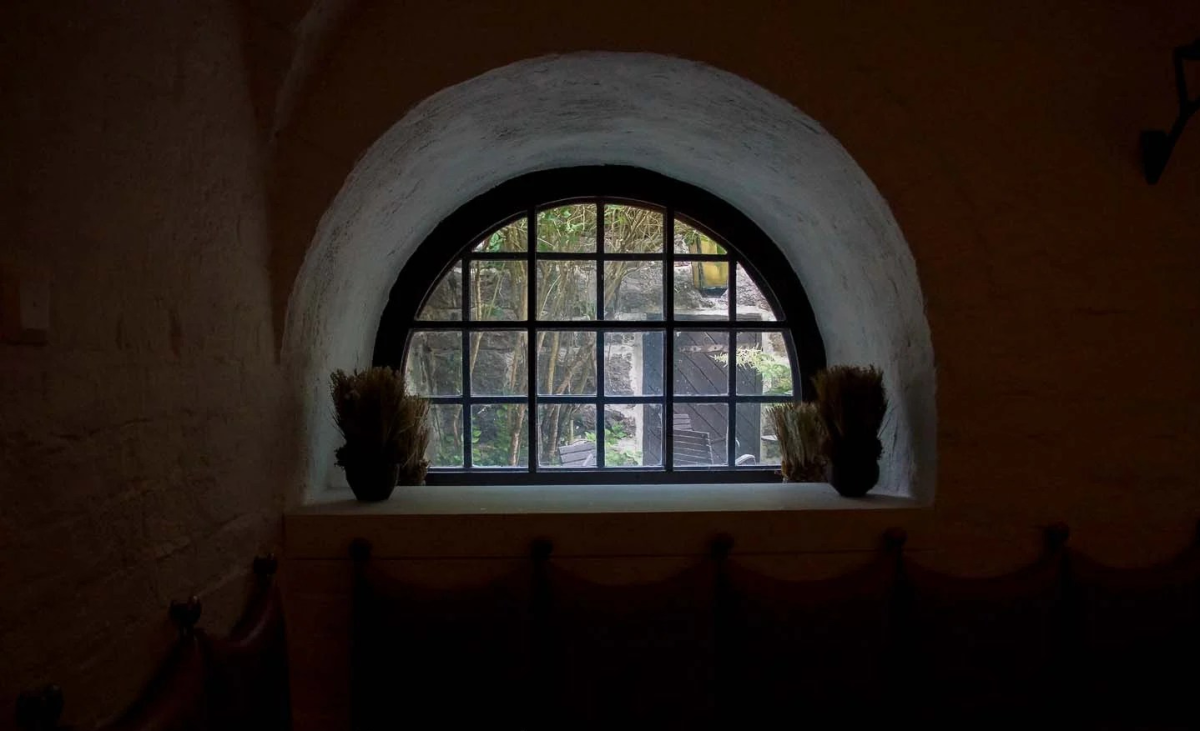
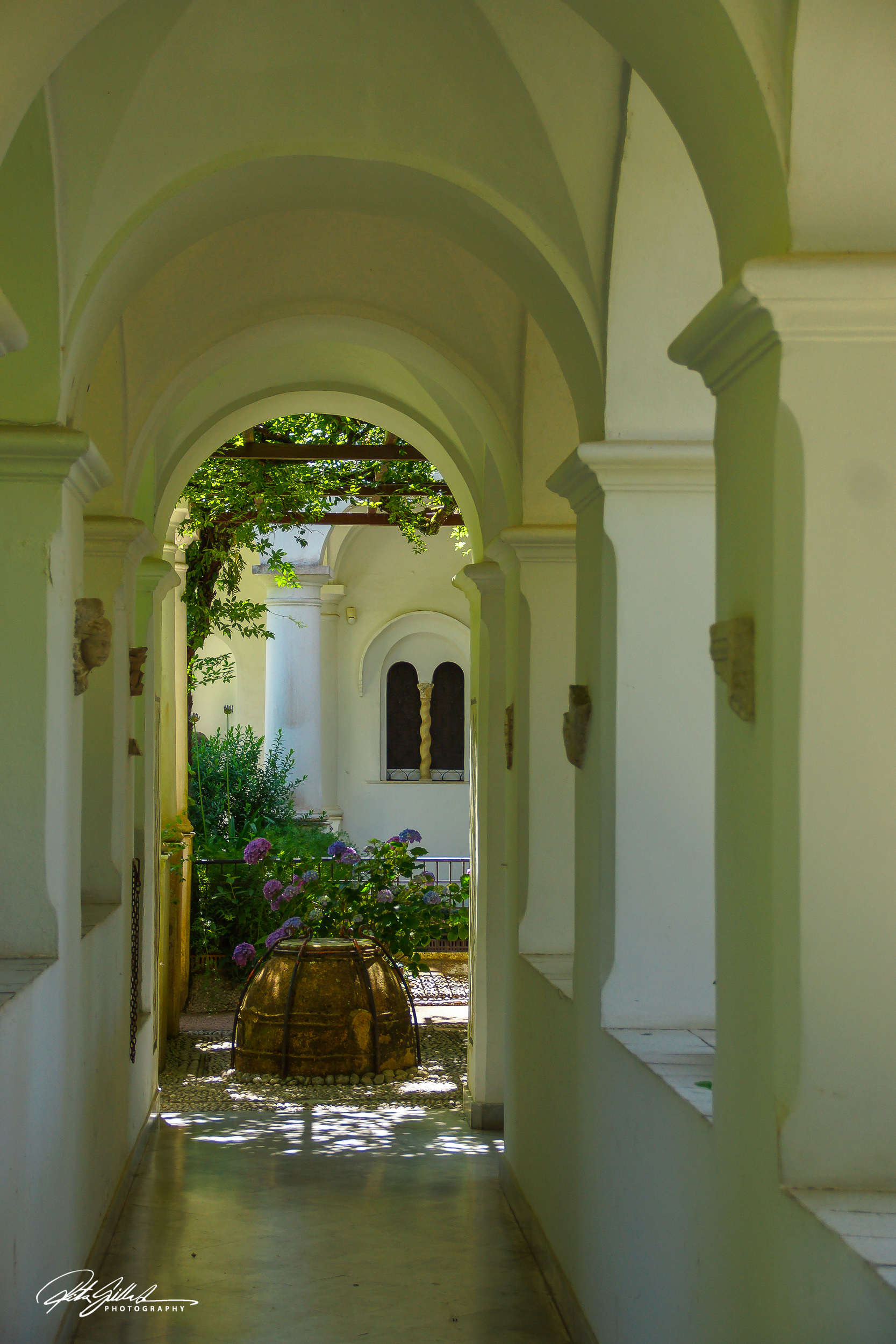
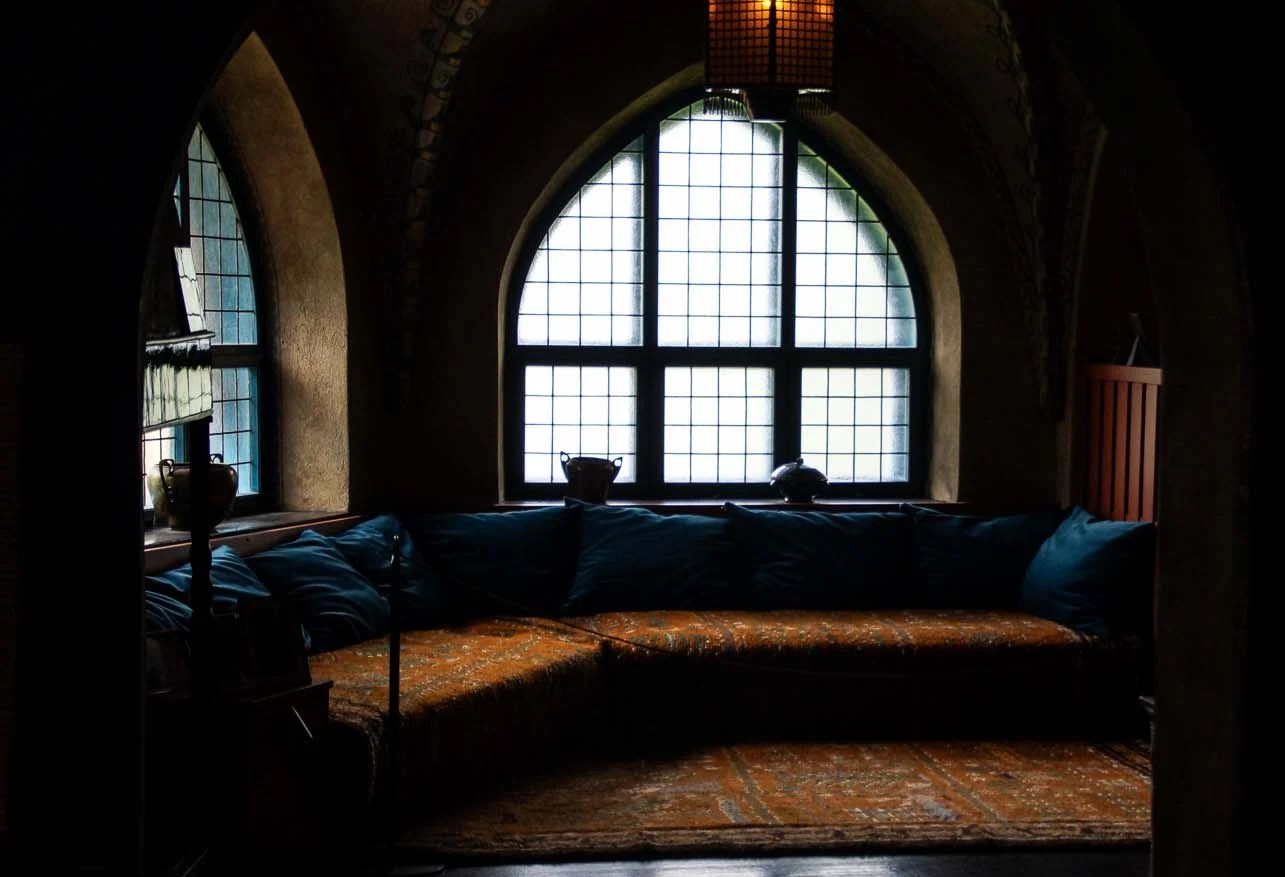
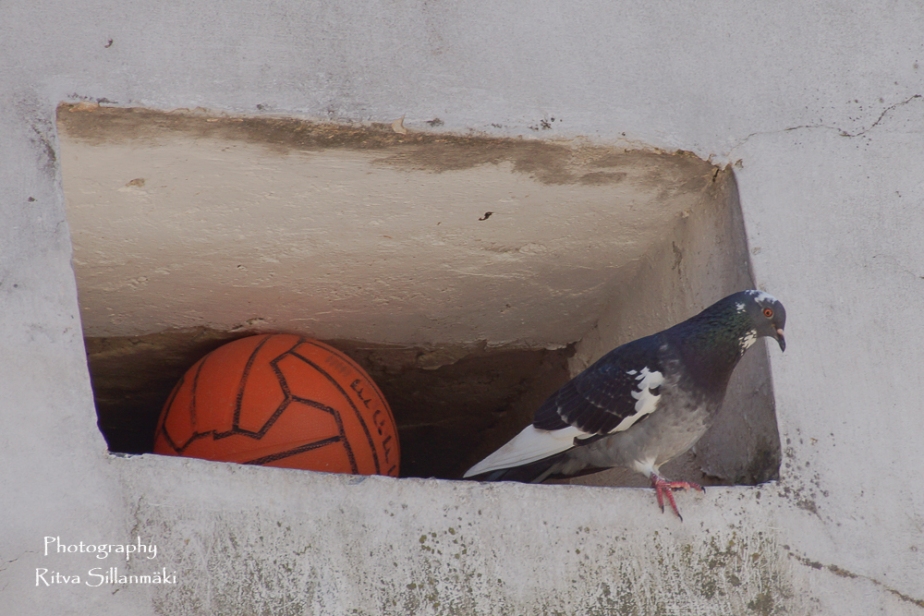
What a beautiful cavalcade of photographs Ann- Christine presented us in her unique challenge this week. Circular wonders is something that does make your think first of moon, sun, and ball. No? But you can find it in unexpected places when you take a moment to think about it. Half or full circle …
I did some digging and this is what I found. To enlarge the images just click on any of them the the separate galleries – I recommend it 🙂
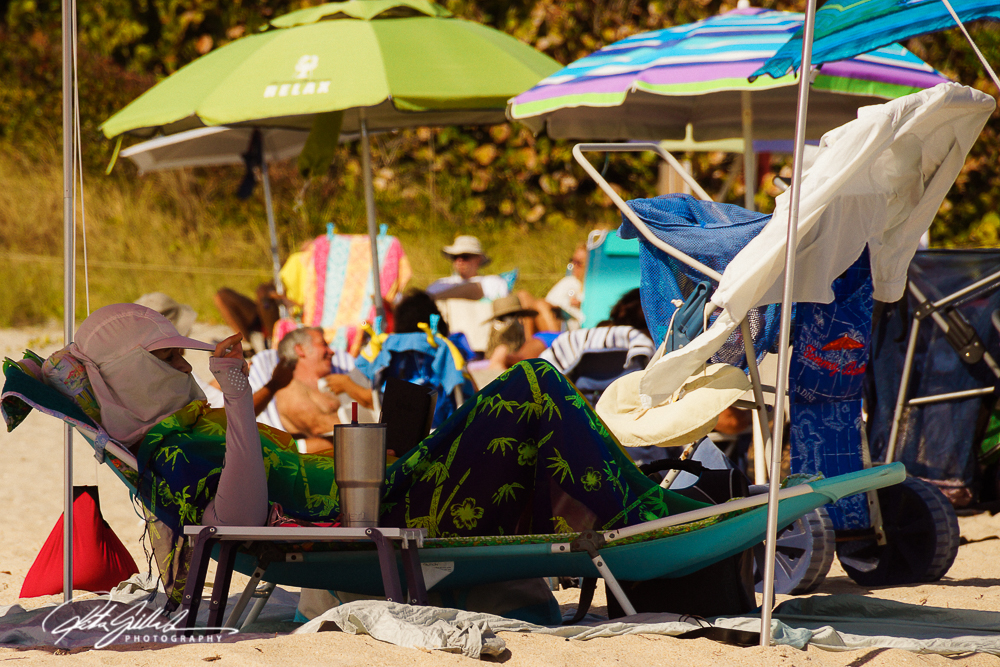
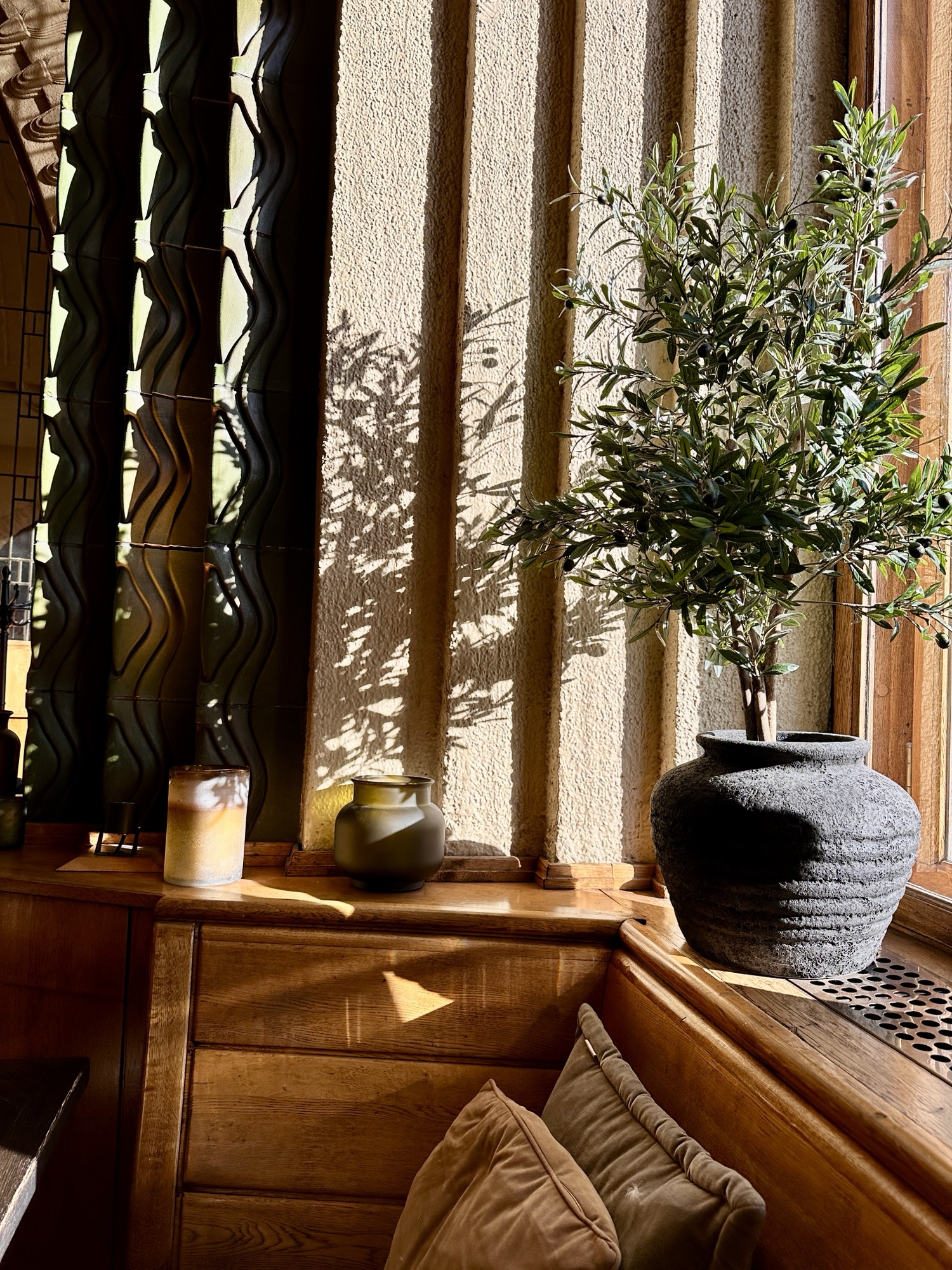
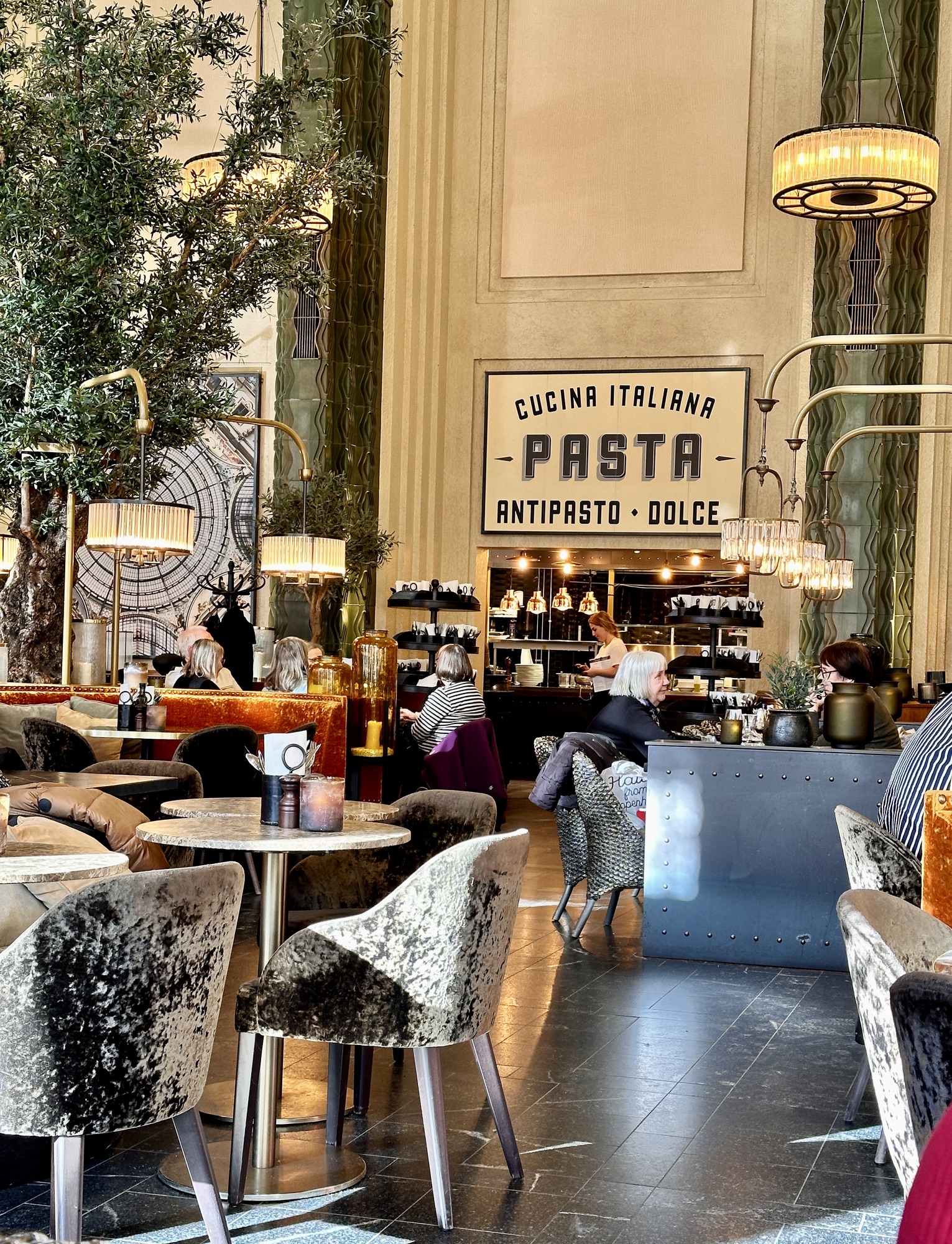
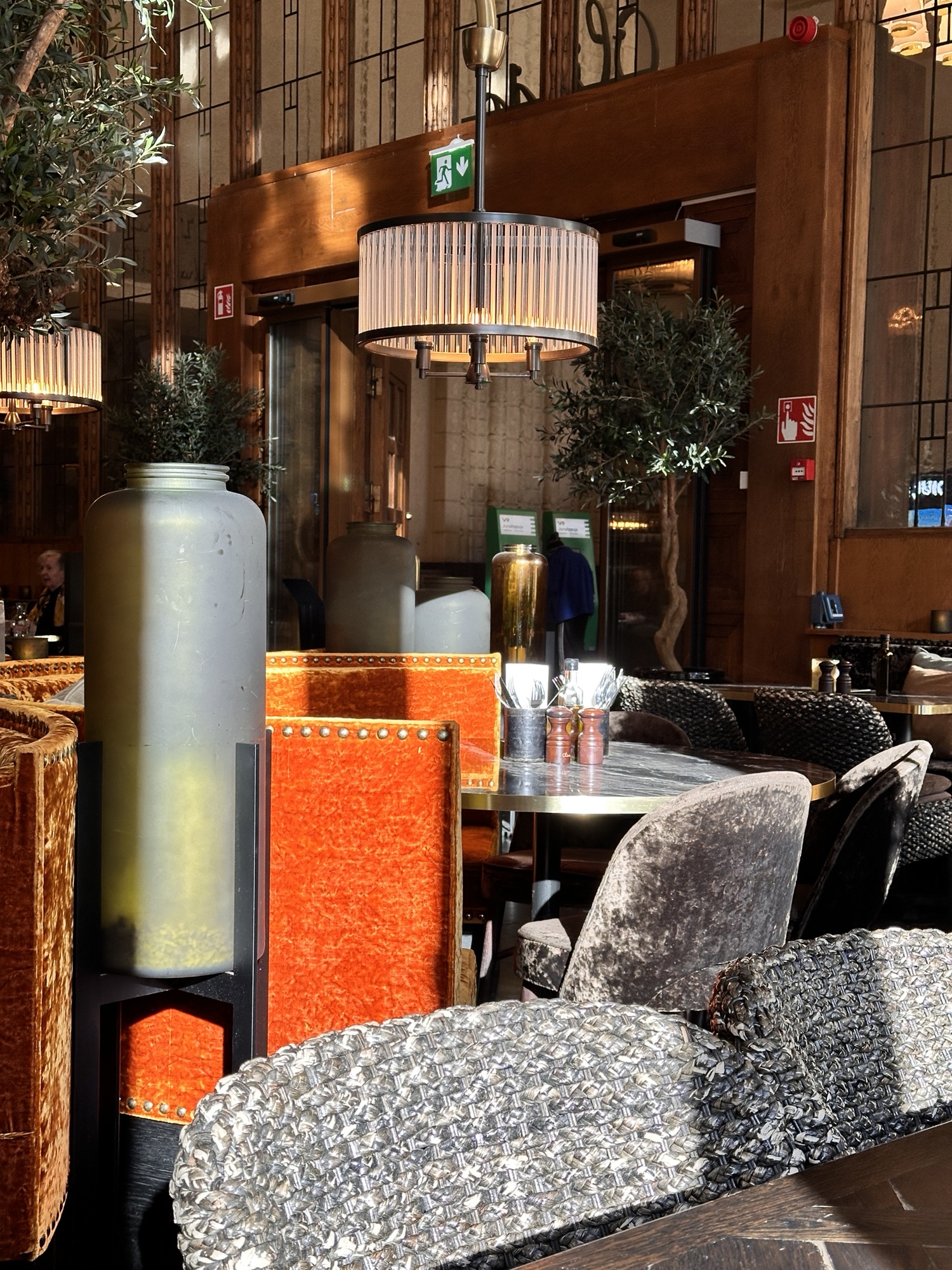
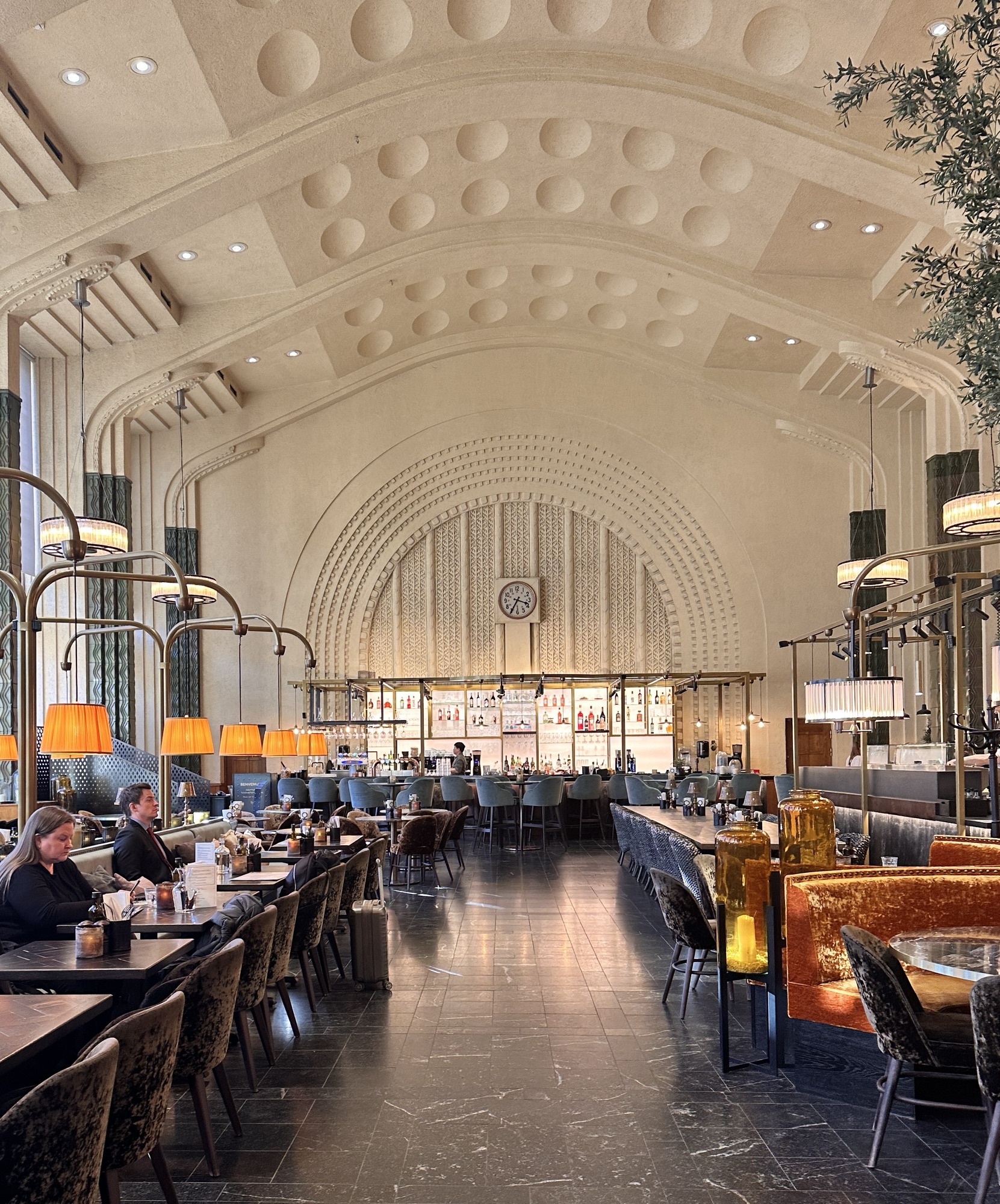
Now that I covered the obvious choices it is time to concentrate finding something more creative. Few days ago we took our grandkids at the end of their visit to the Helsinki train station and went to have lunch at one of the restaurants there. It used to be a ticket office. It is a big hall, but the interior is softened by circular interior.
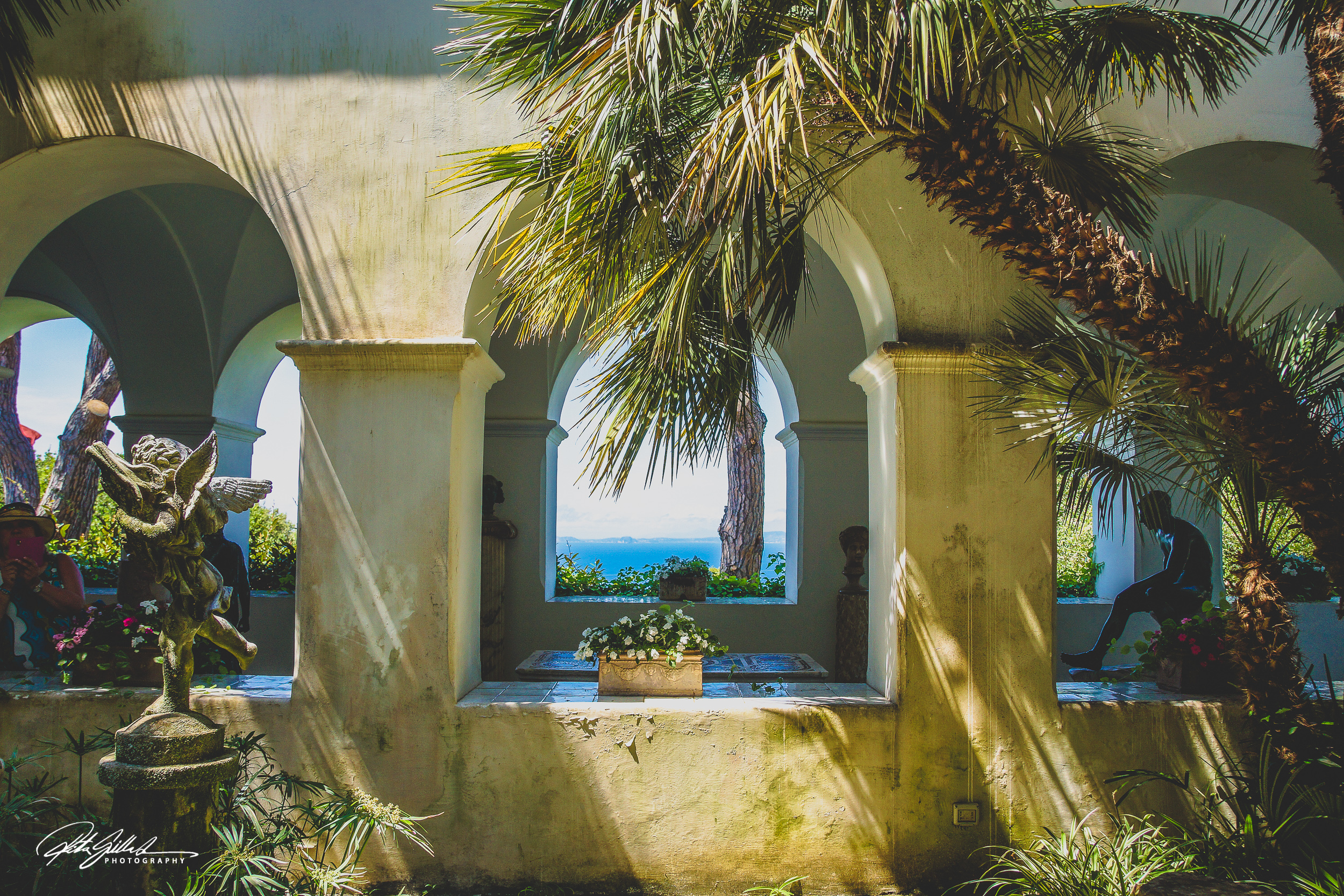
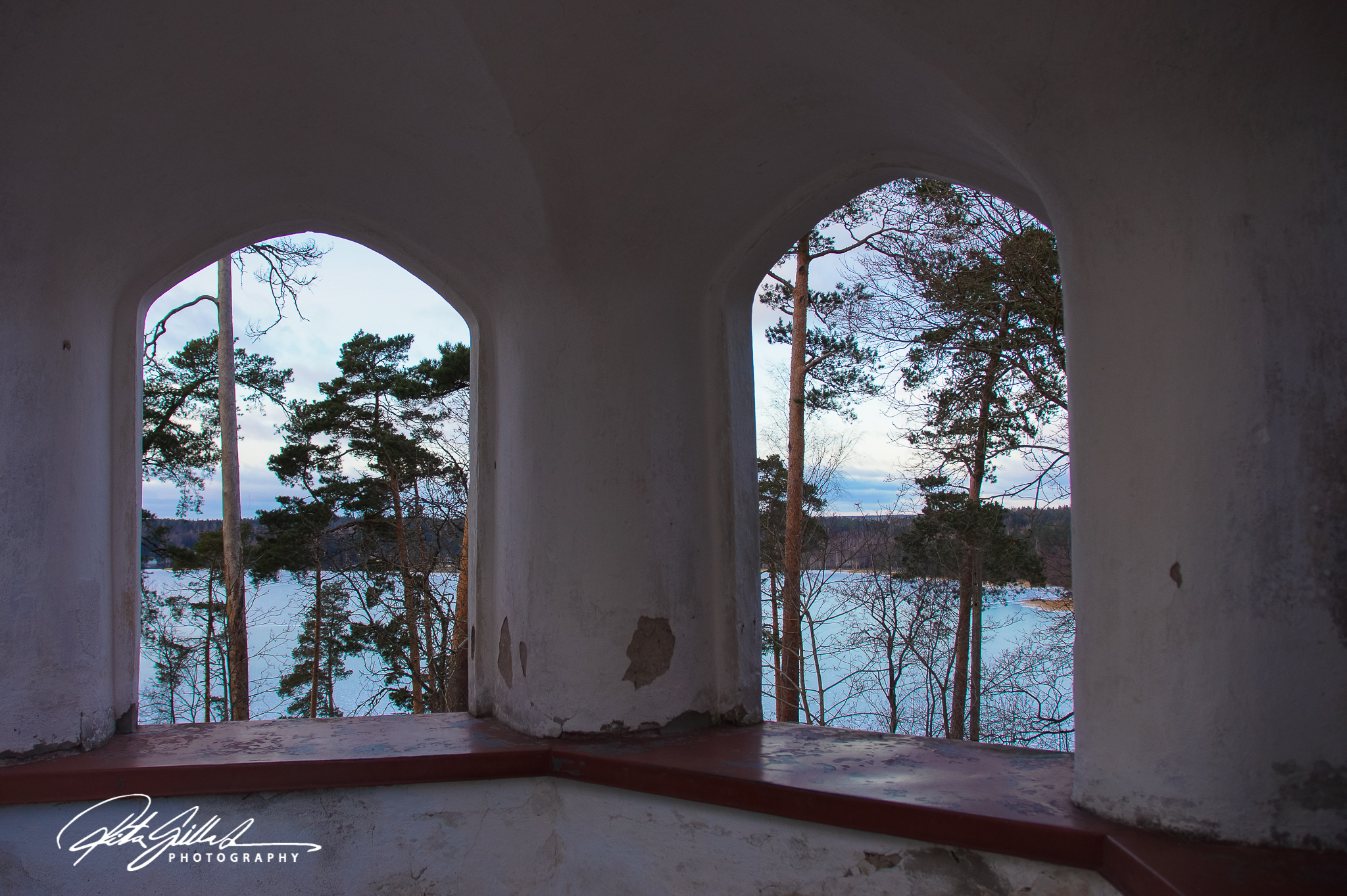
Half circle is a log time hit in architecture . The images are from a jewel of national romantic architecture Hvitträsk museum in Espoo ( the darker photos) and the other two from Villa San Michele in Capri.
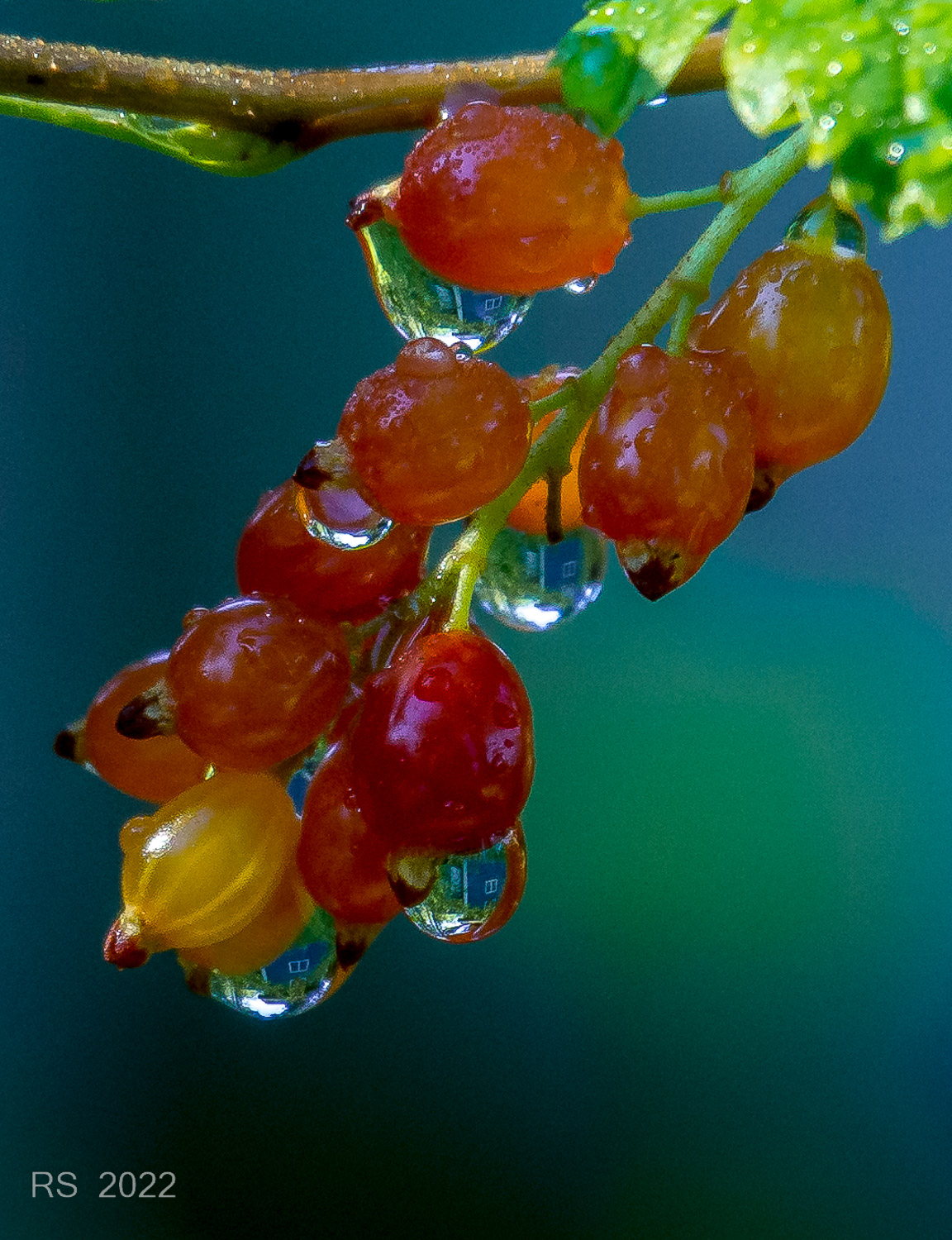
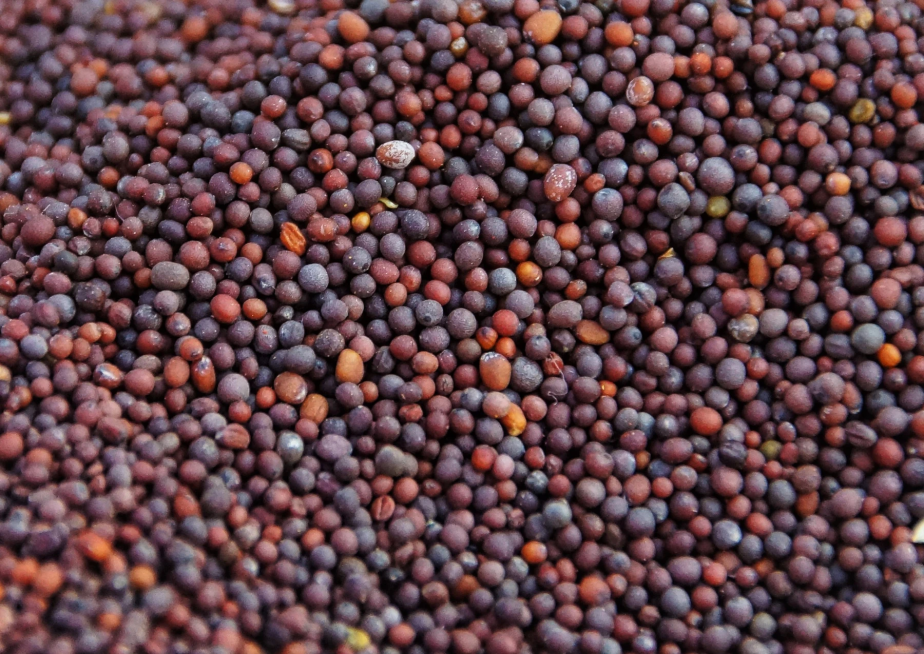
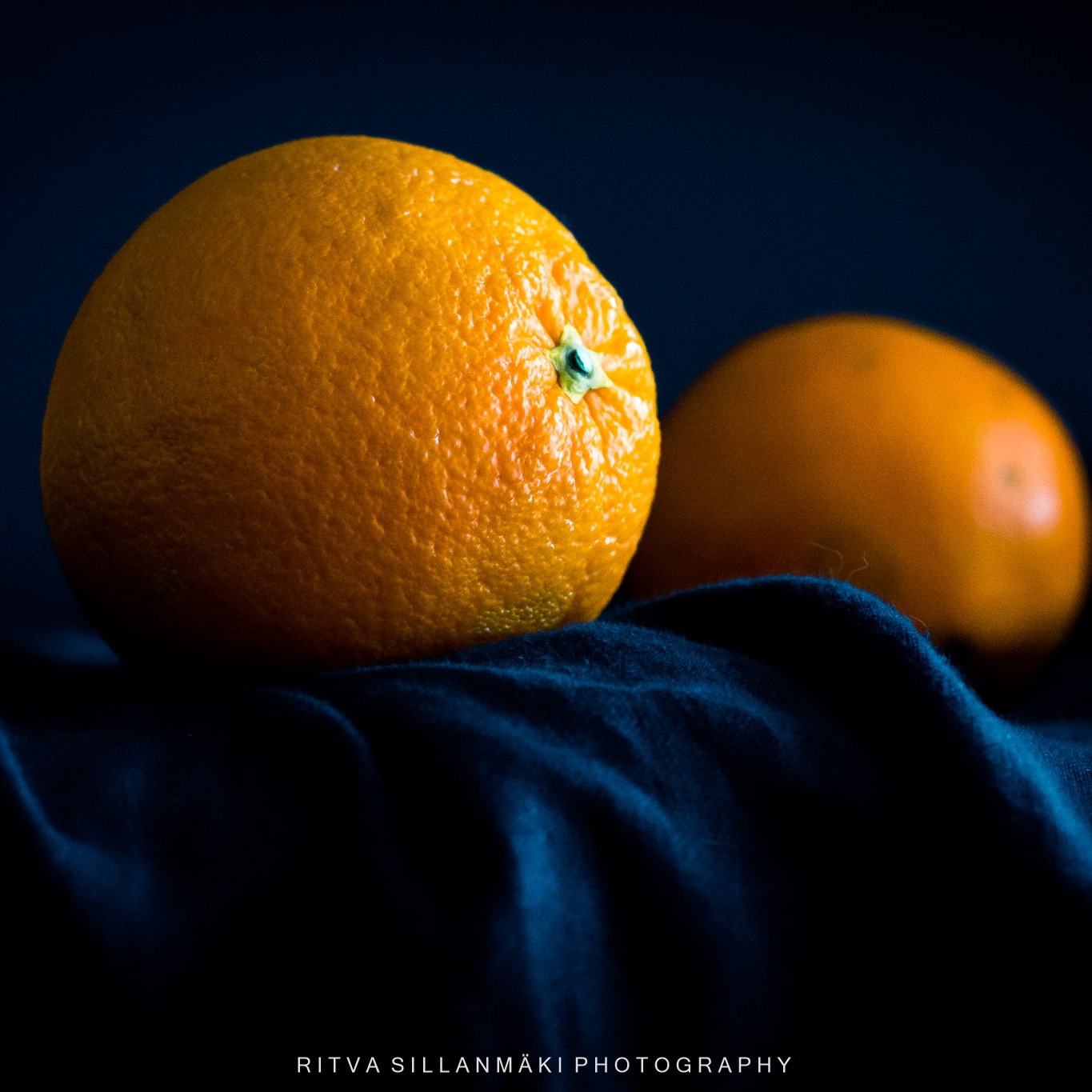
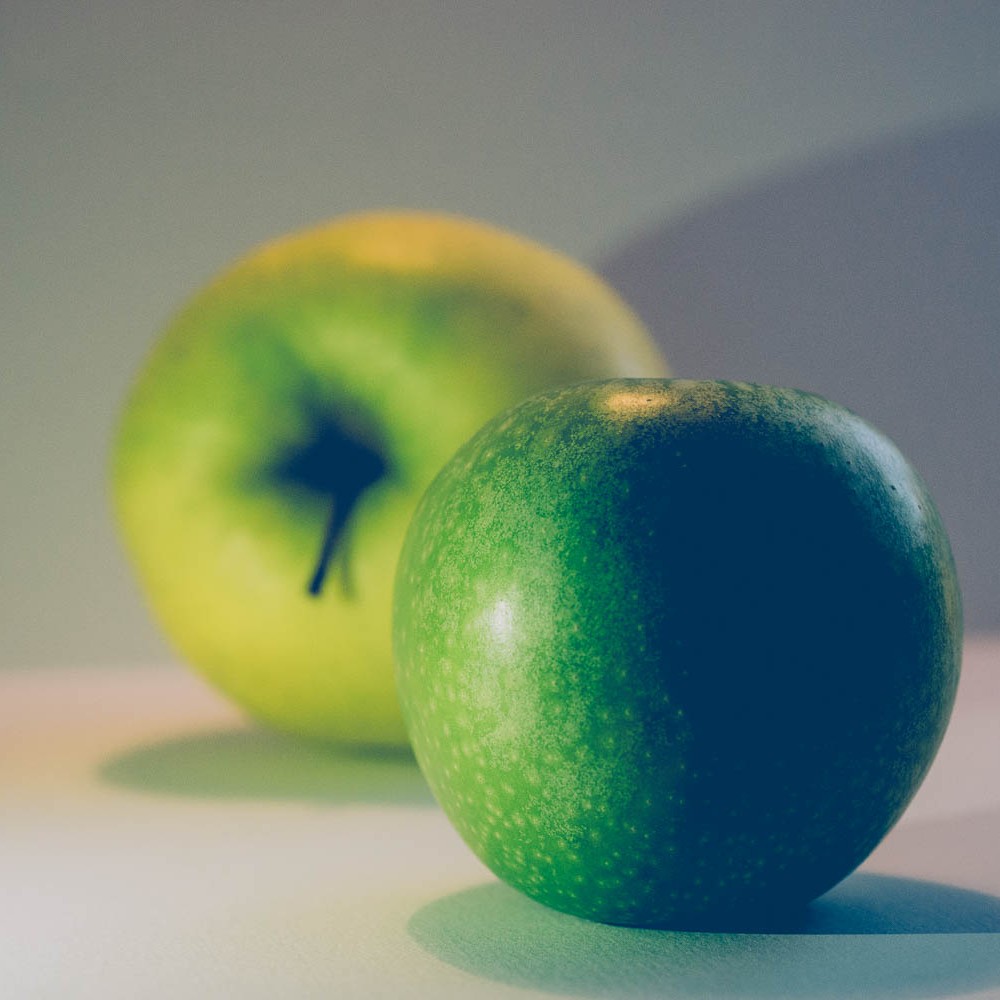
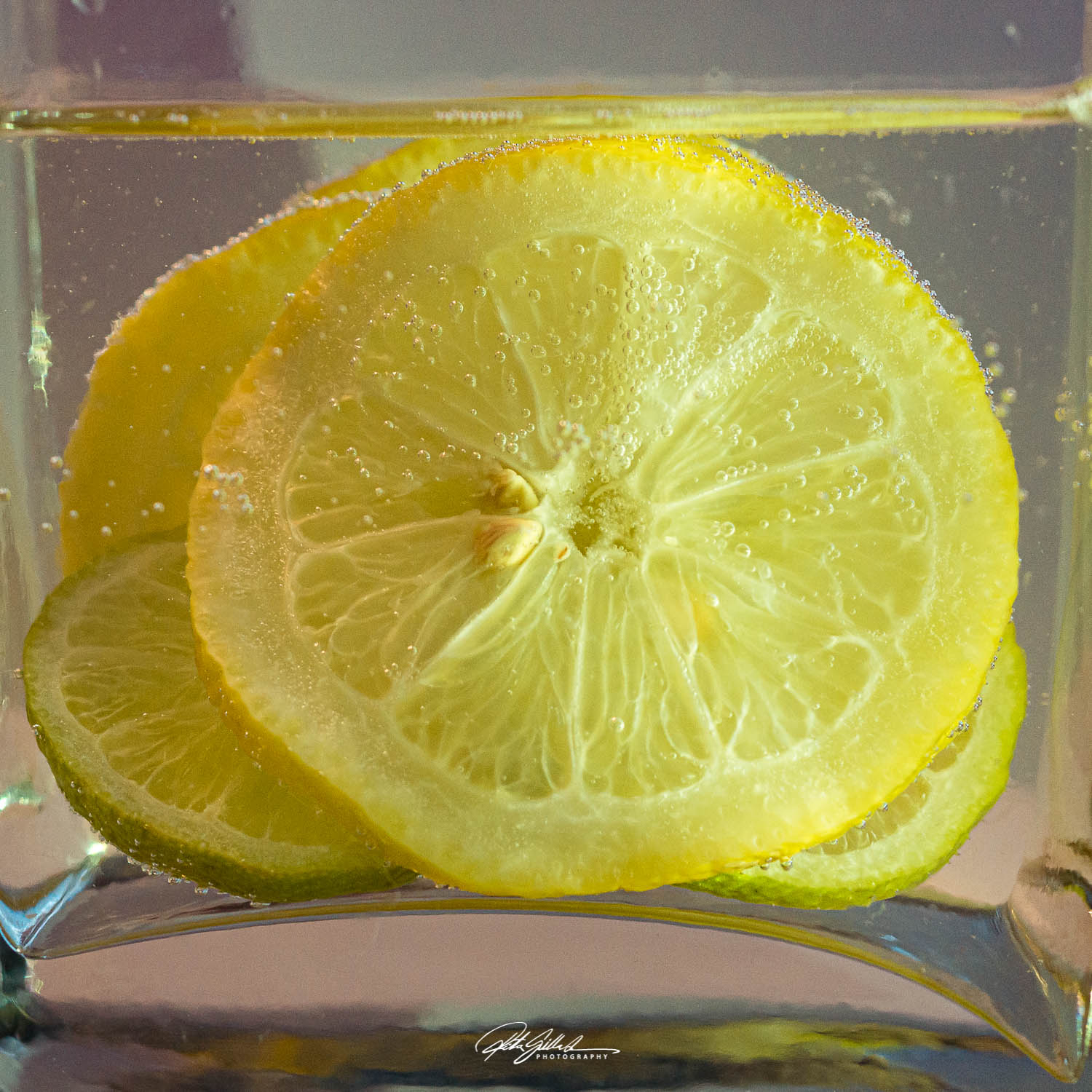
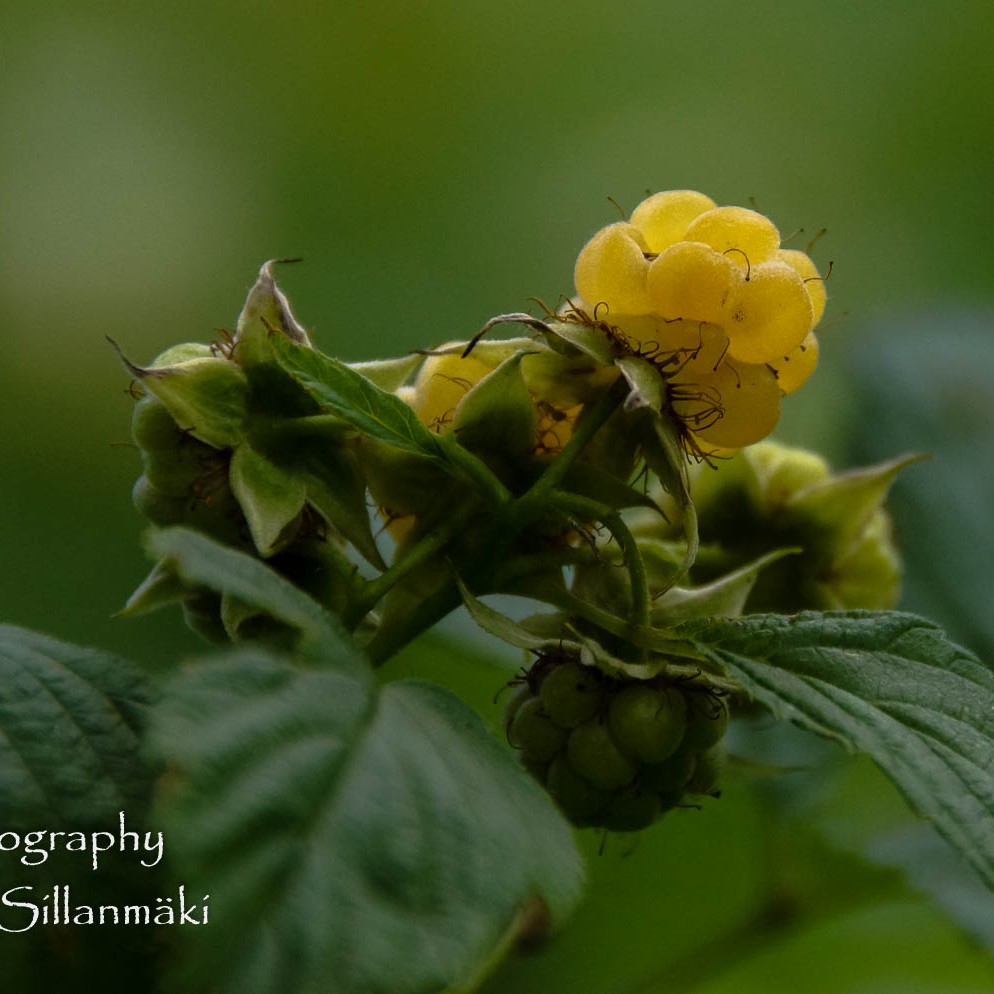
I did mentions a ball ⚽ Well come on, I could not, not mention fruits and berries.
And then round – circular things that came up and I couldn’t help myself – just had to post them
Thanks John for last week’s journey to the basics of photography. I truly enjoyed it, as it gave the opportunity to reflect on what is essential in photography. Next week we have Patti challenging us with something else, we will have to wait and see what she comes up with.
To participate in this challenge, you should link to or leave a comment on the week’s host’s original challenge post and please use the #Lens-Artists tag in your own post, so the post is easily found in the Reader.
And if you want even more information on the Lens-Artists Challenge, please click here.
Of the many composition factors in photography, this challenge focuses on Shape, Form, Texture, and Light, that’s what John’s from Journeys with Johnbo challenge this week is about. I really had to concentrate on this one, not the easiest to tackle. Thank you John for providing great samples to get me started.
Photographers often capitalize on the architects’ use of triangles, circles, rectangles, arches, and other basic shapes.
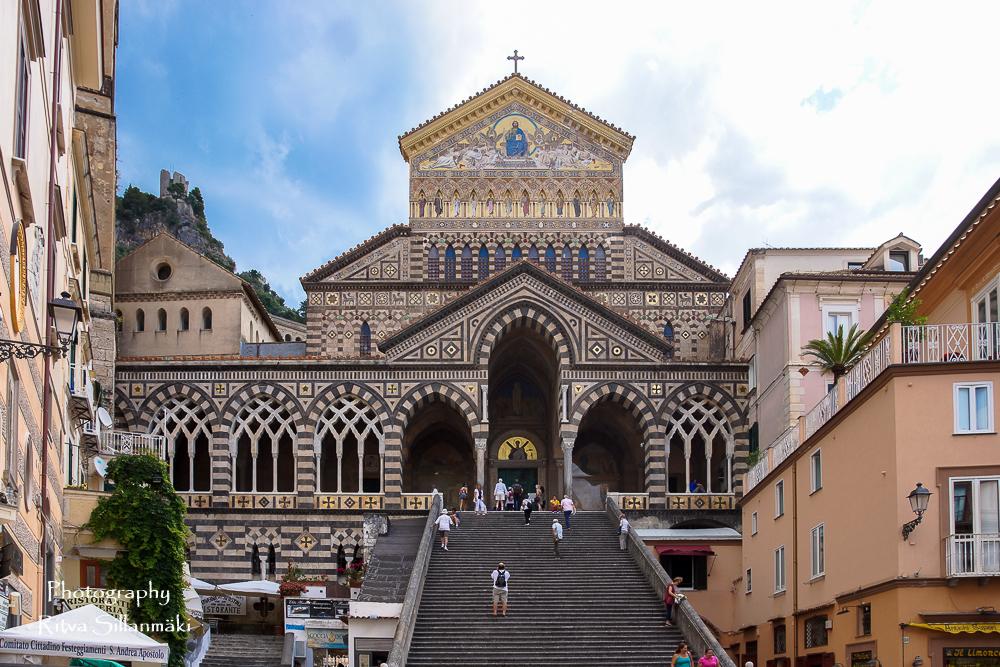
Click on the photos to see the larger images of this Amalfi Catholic church and the many shapes it has. Also the last shot from Capri has some nice arches.
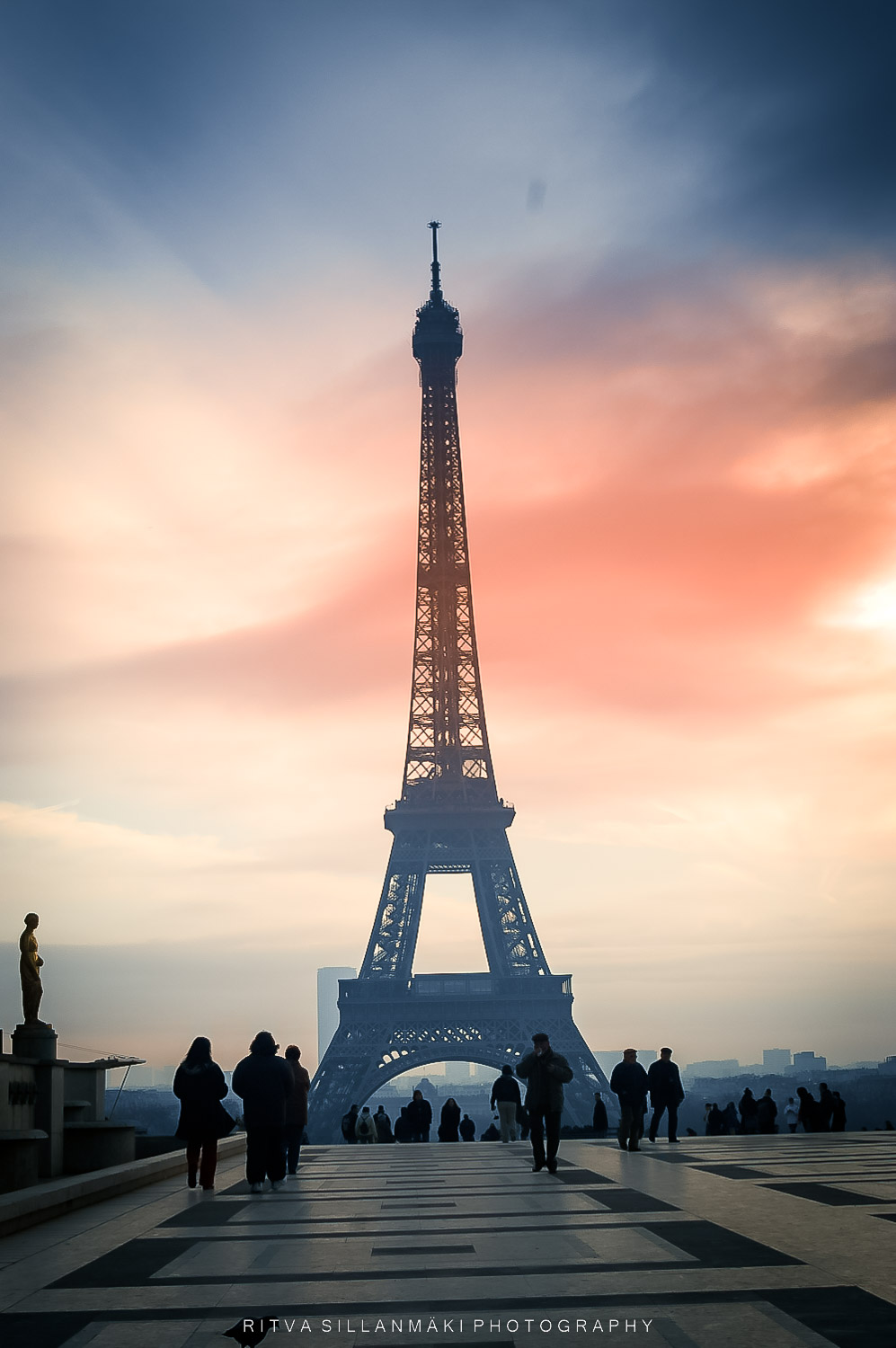
For Geometric form I am taking you to Paris 🙂
The difference between shape and form can be muddy, but artists typically consider shape to be two-dimensional while a form is three-dimensional. Organic form in flowers – in black and white from my garden.
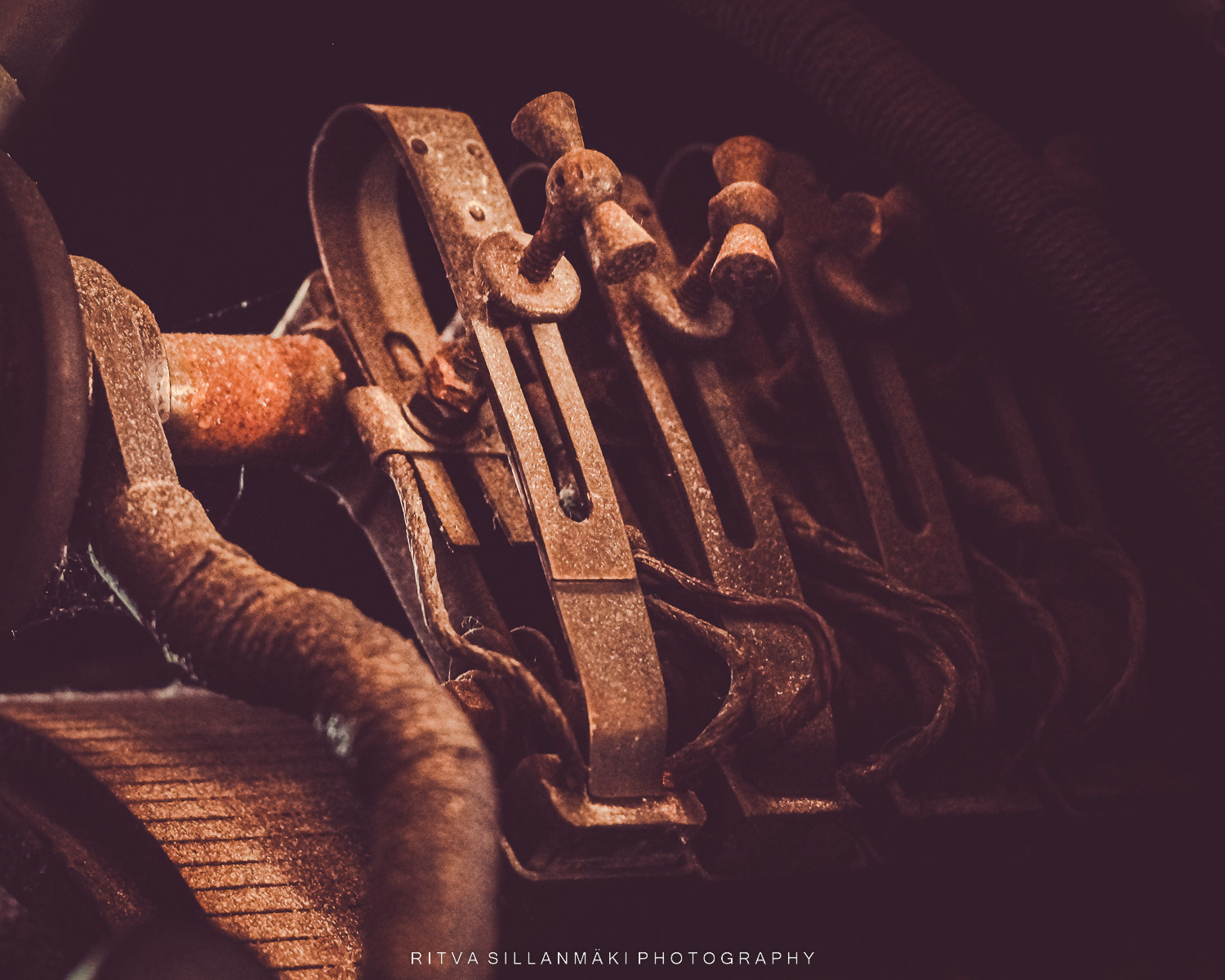
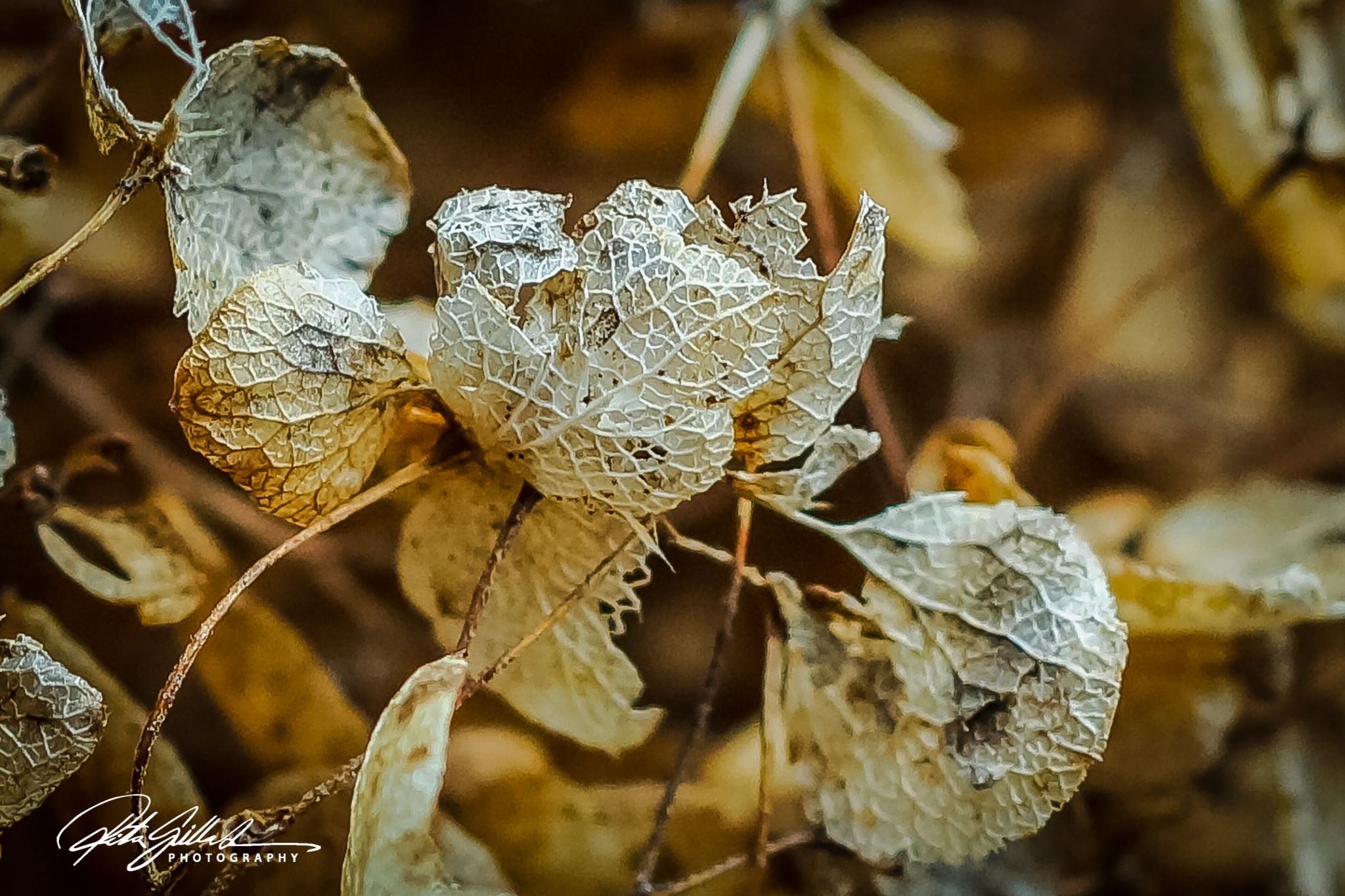
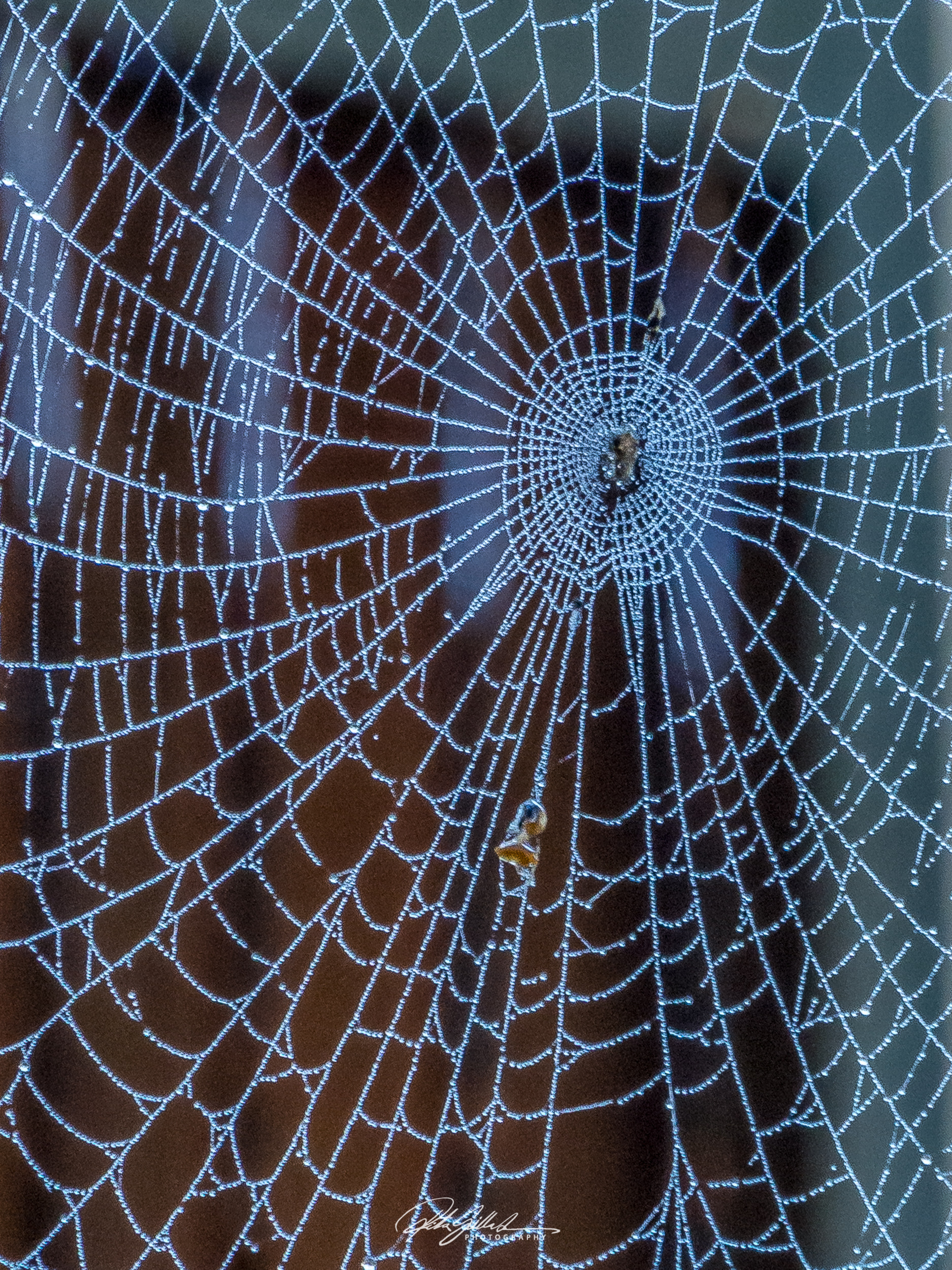
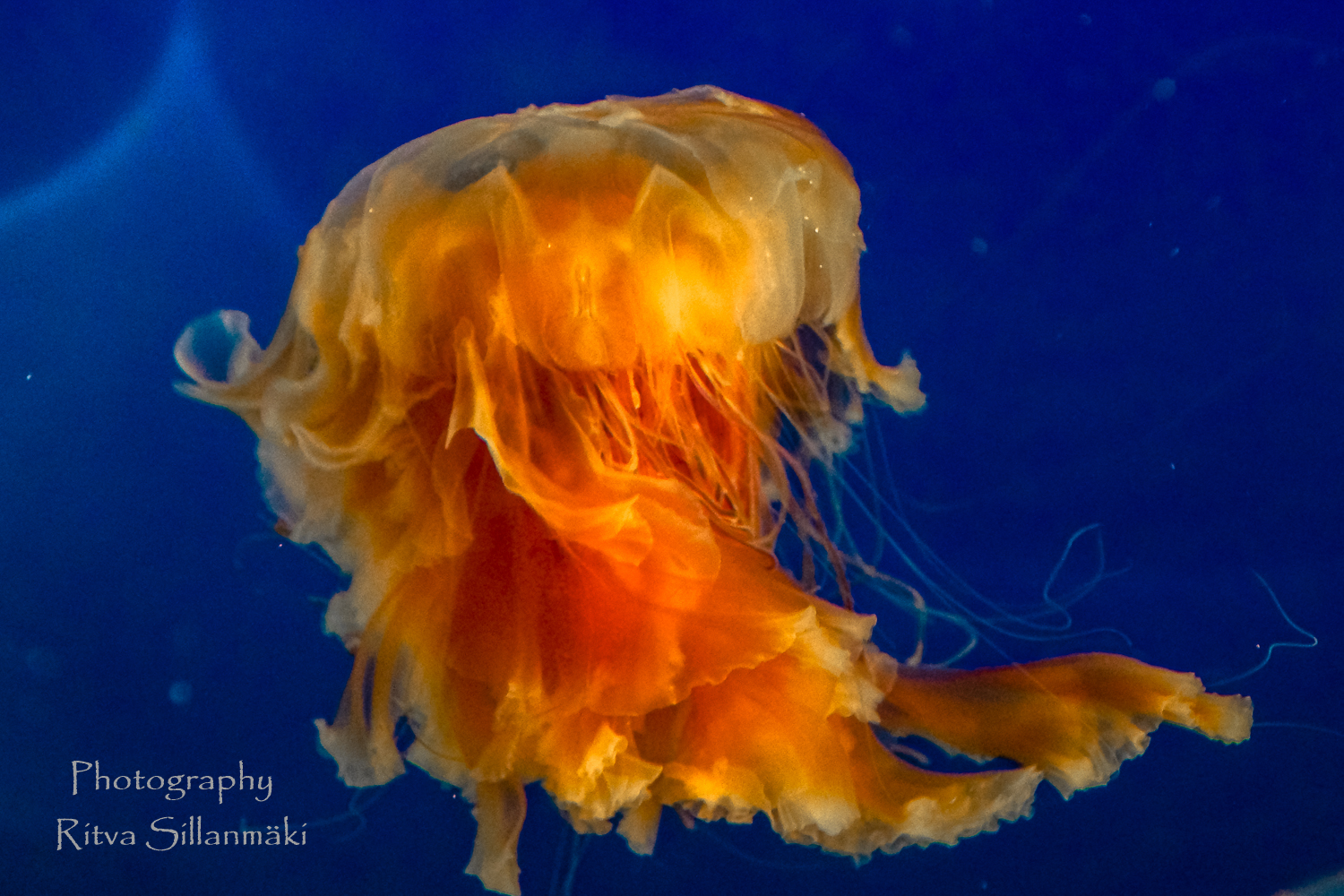
Texture images entice viewers, create moods, and communicate ideas. Old rusty tools, newspaper clippings on wood show the time added textures. The spiders’ web with droplets and decay of the flower has a lovely texture. The vibrant orange jellyfish gracefully floating. The jellyfish exhibits delicate, translucent tentacles that appear to glow, and its bell-shaped body displays intricate textures and layers.
Capturing light.
Photos wouldn’t be possible without light and since the first cameras, capturing light is what photography is all about. This is the most important thing about photography. I still have tons to learn more about it. There are so many ways to describe light in photography; Ambient Lighting, Long Exposure, Key Light, Light Soft or Hard . It does not matter what you call you need to use it , or you don’t have a photo’s.
Last week I hosted my first official challenge as team member. I was happy to see all your responses and how you all have interpreted the topic. So many beautiful posts. Thank you for the nice welcome you gave me. I did my best to notice all your entries.
Next week Ann-Christine of (aka Leya) is hosting, and she always has interesting topics and her photography is beautiful and inspirational, always a blog worth a visit.
To participate in this challenge, you should link to or leave a comment on the week’s host’s original challenge post and please use the #Lens-Artists tag in your own post, so the post is easily found in the Reader.
And if you want even more information on the Lens-Artists Challenge, please click here.
First I want to thank Donna for her inspiring post on the topic of sound. I really had to give it some thought. It was wonderful to see how everyone interpreted it.
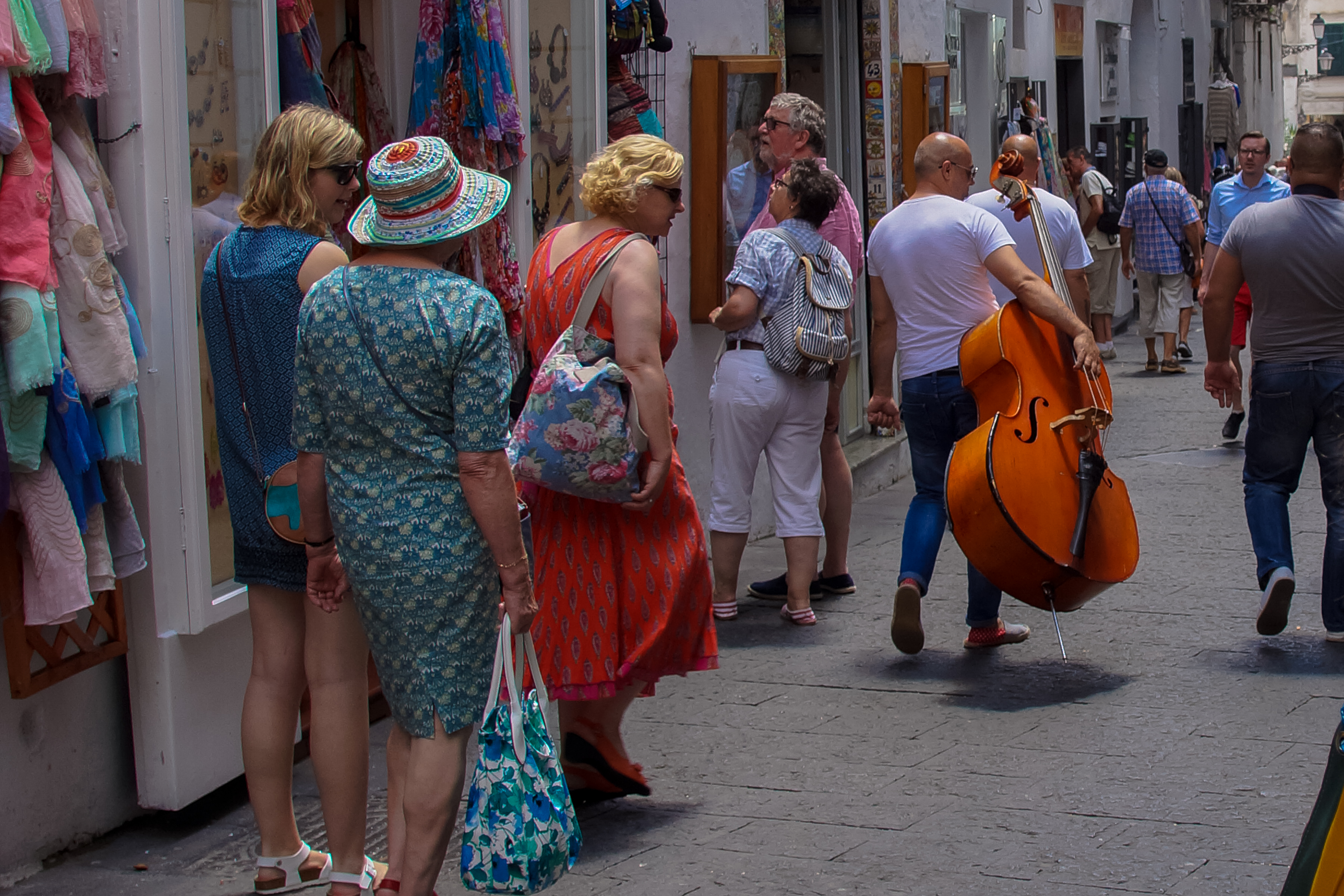
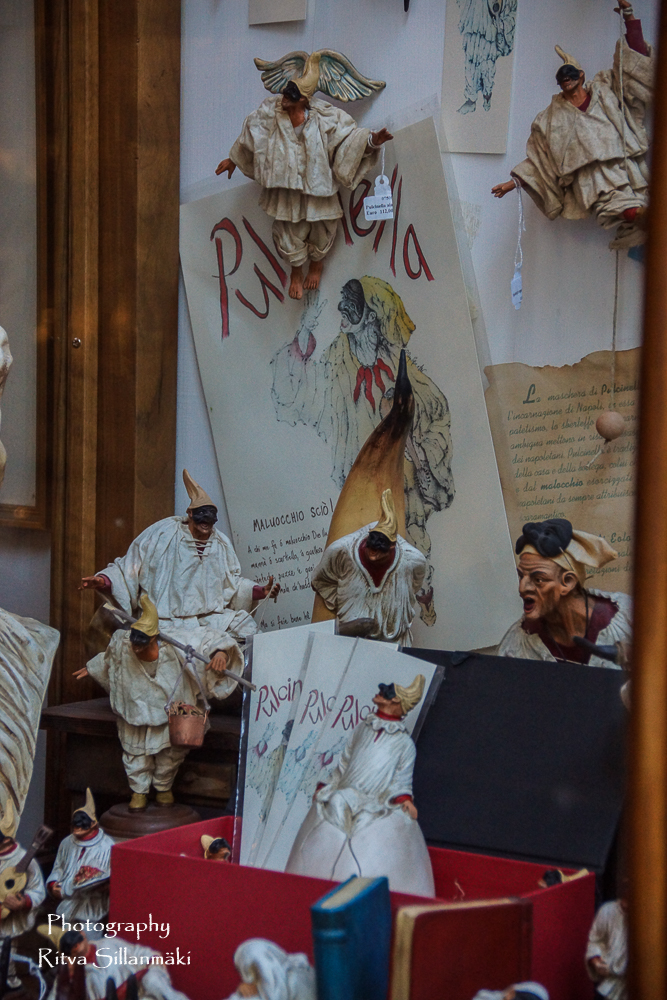
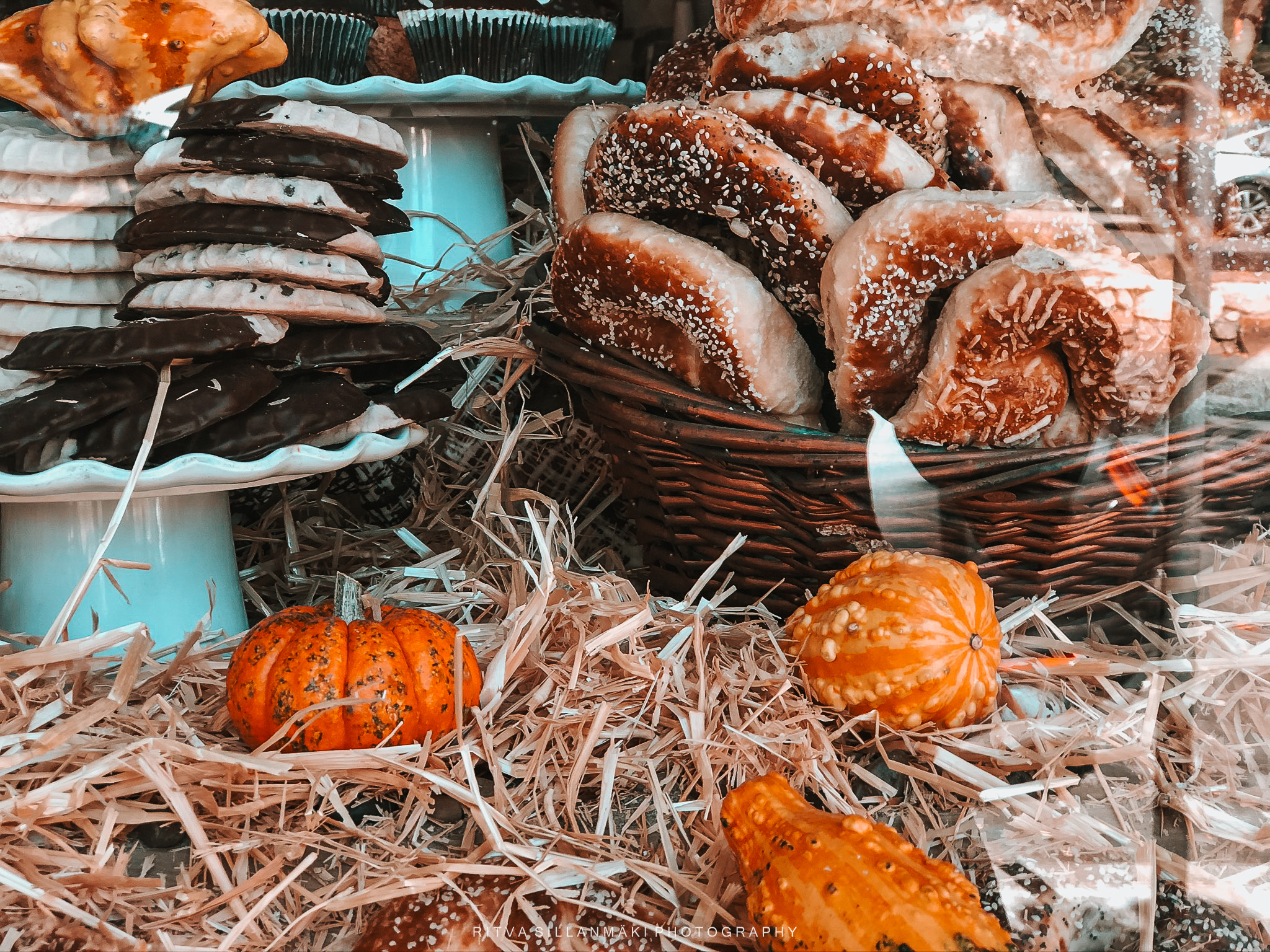
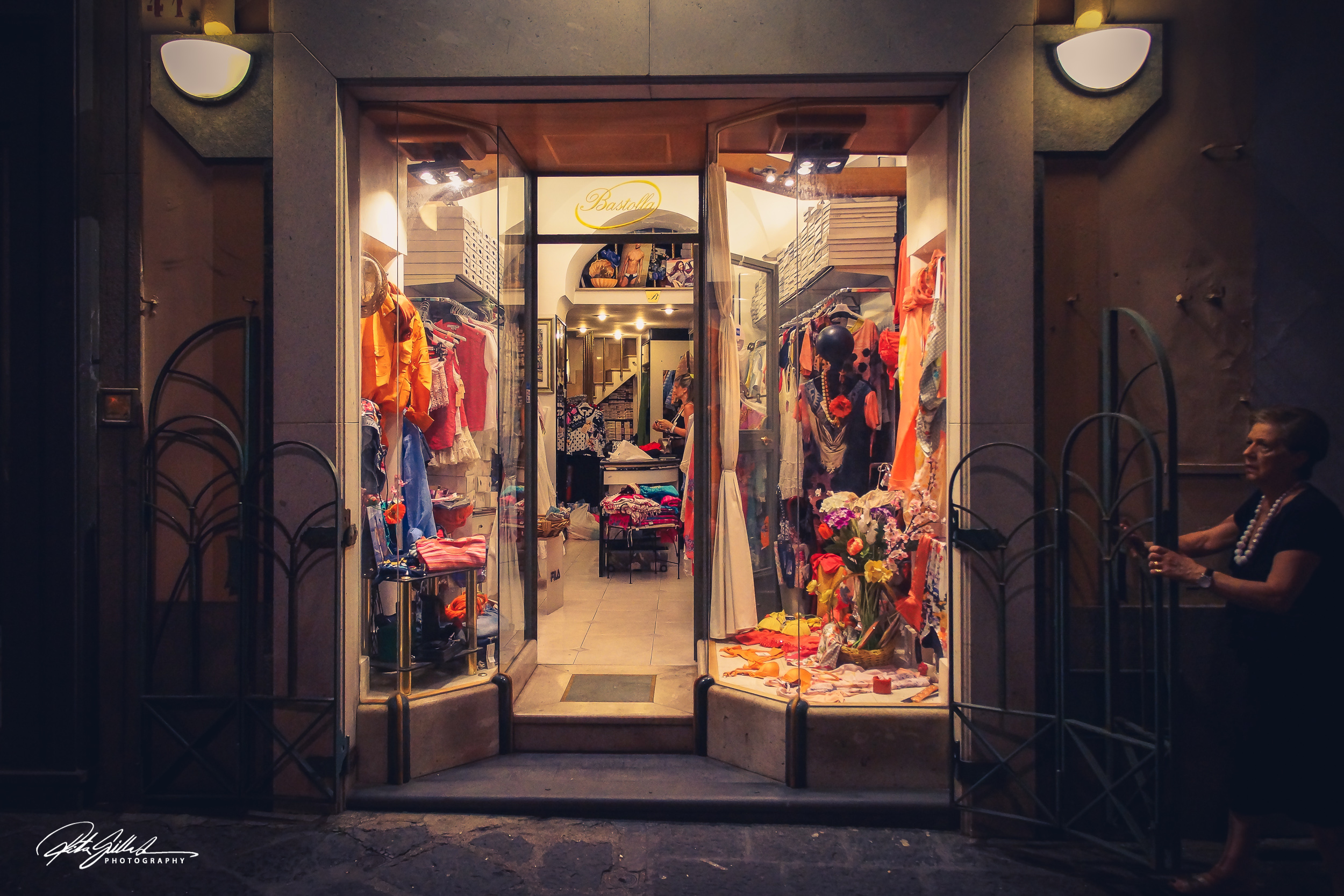
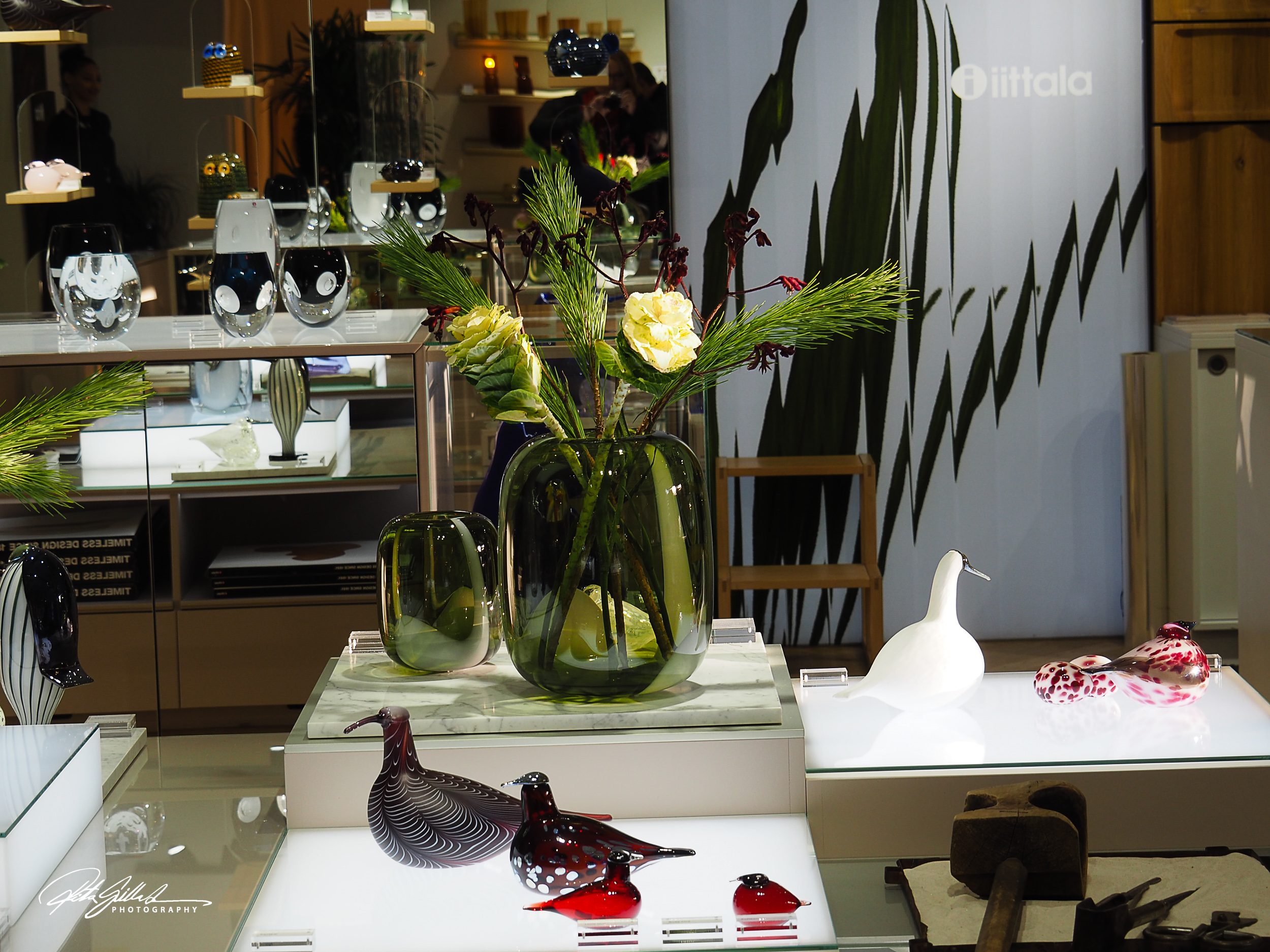
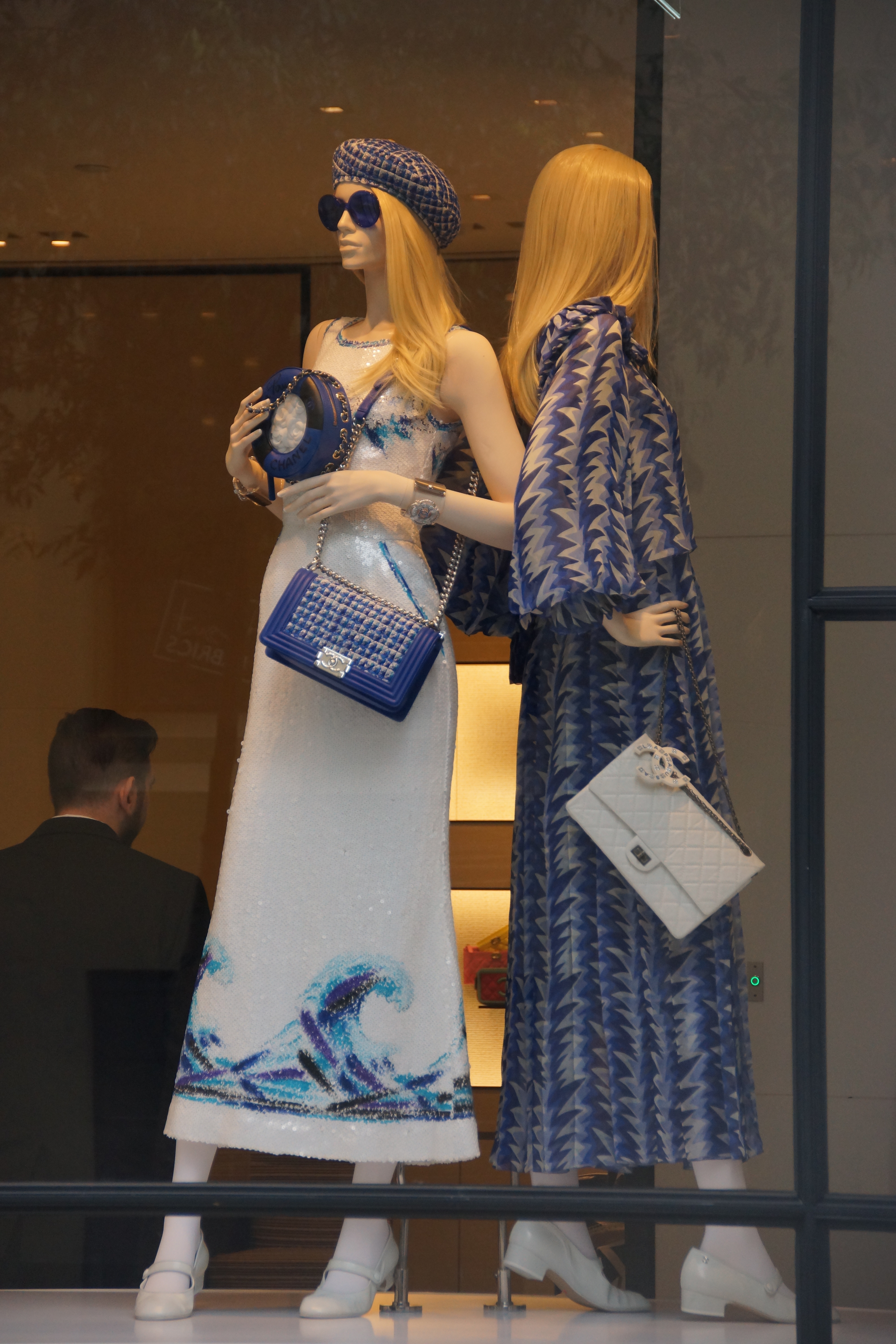
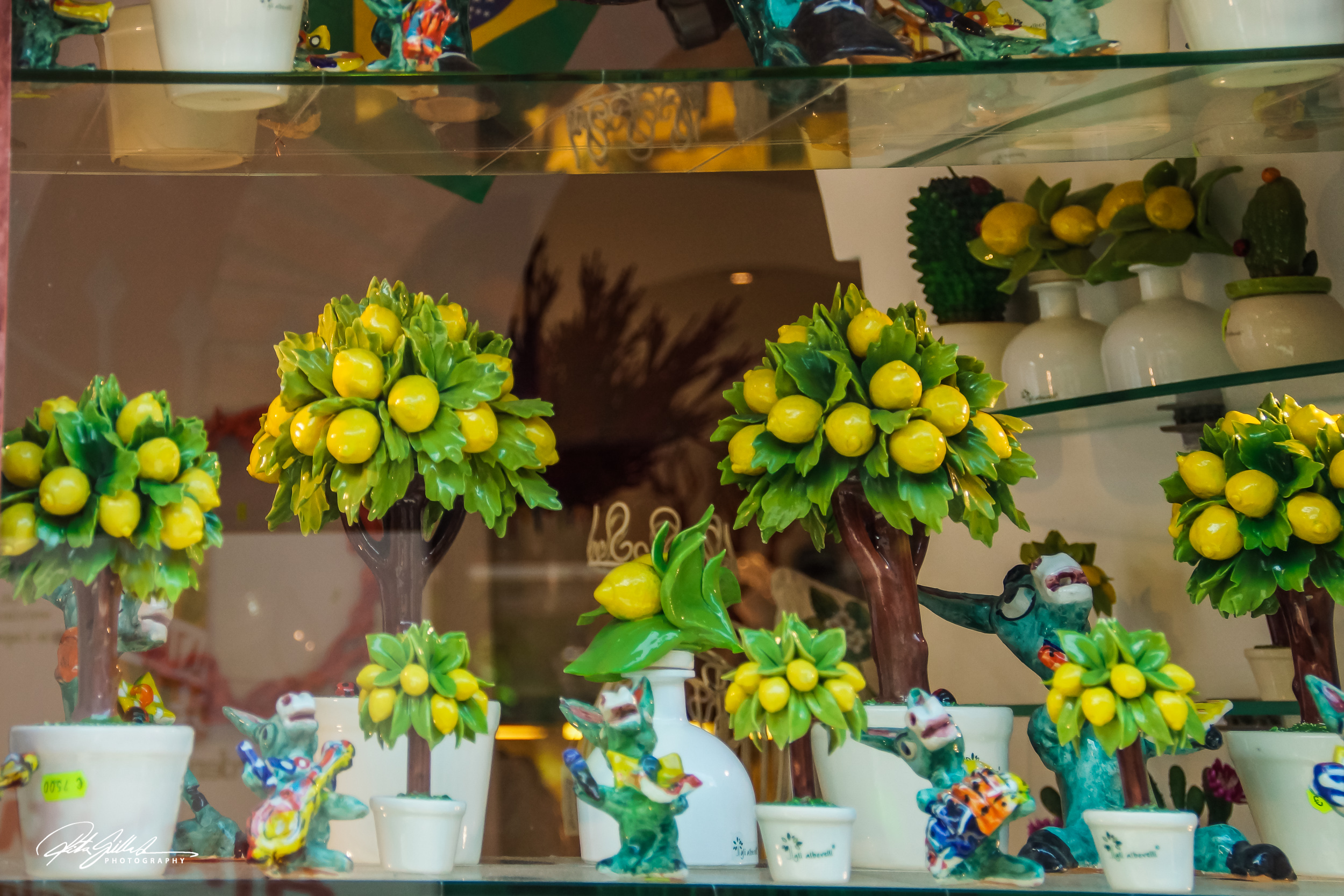
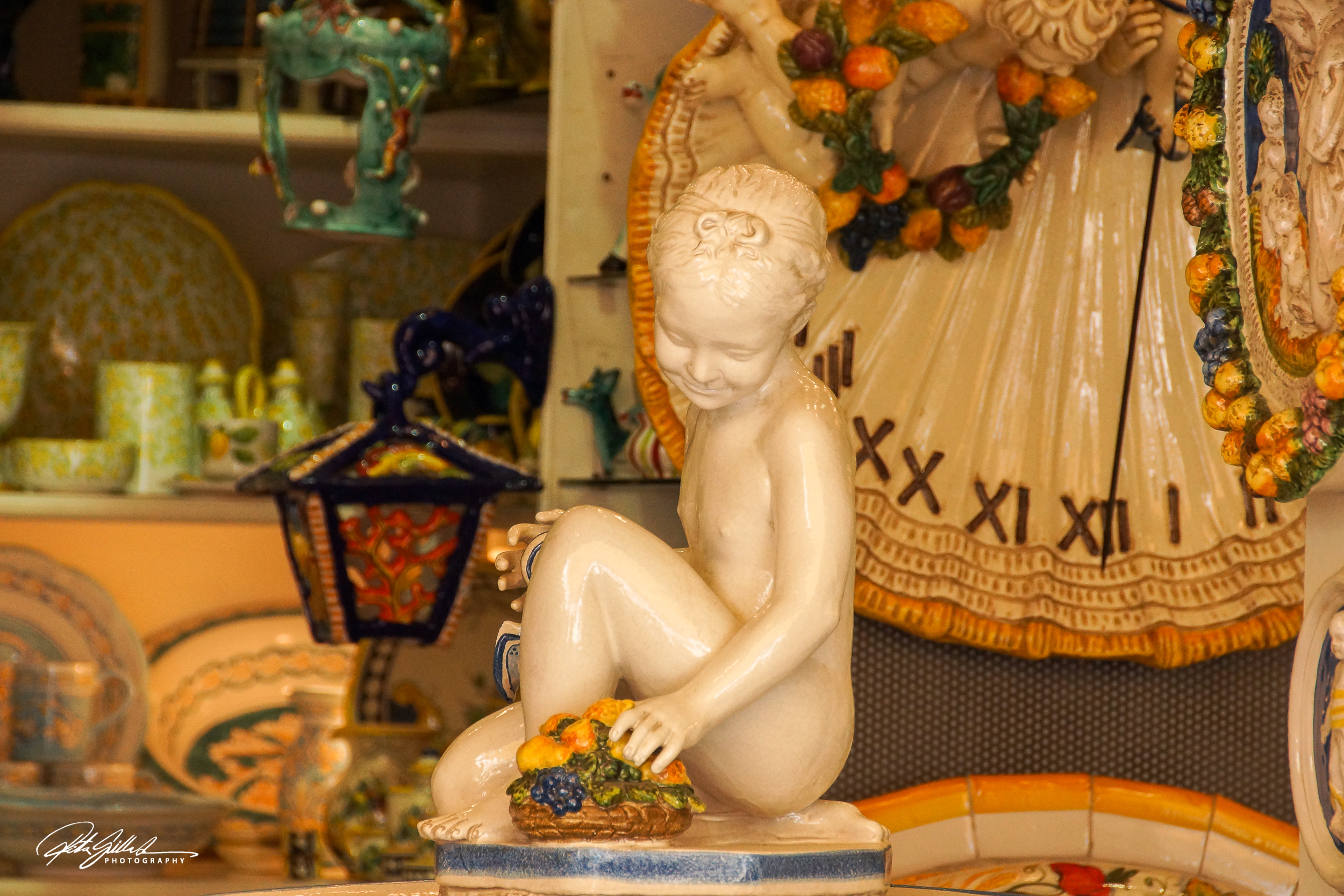
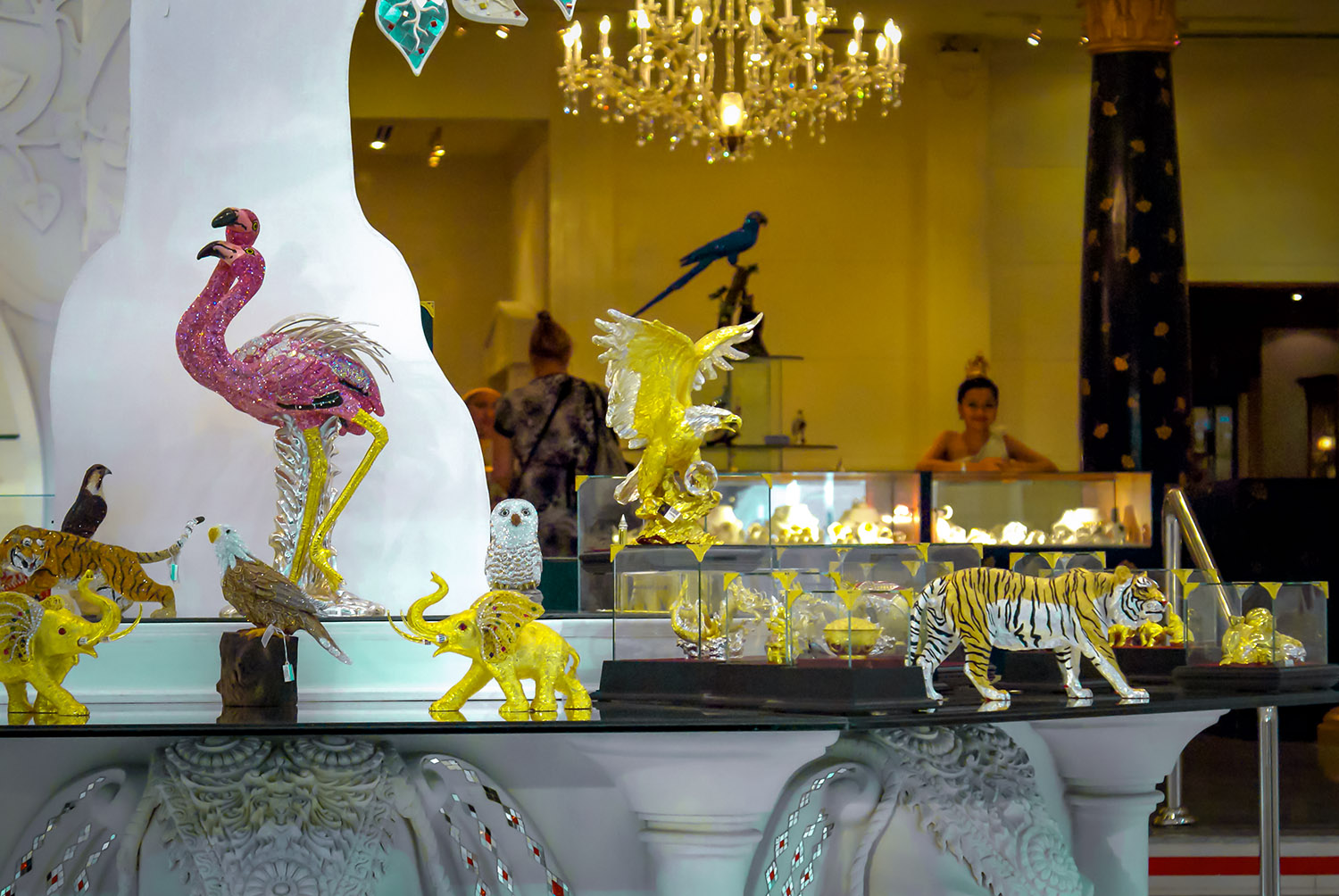
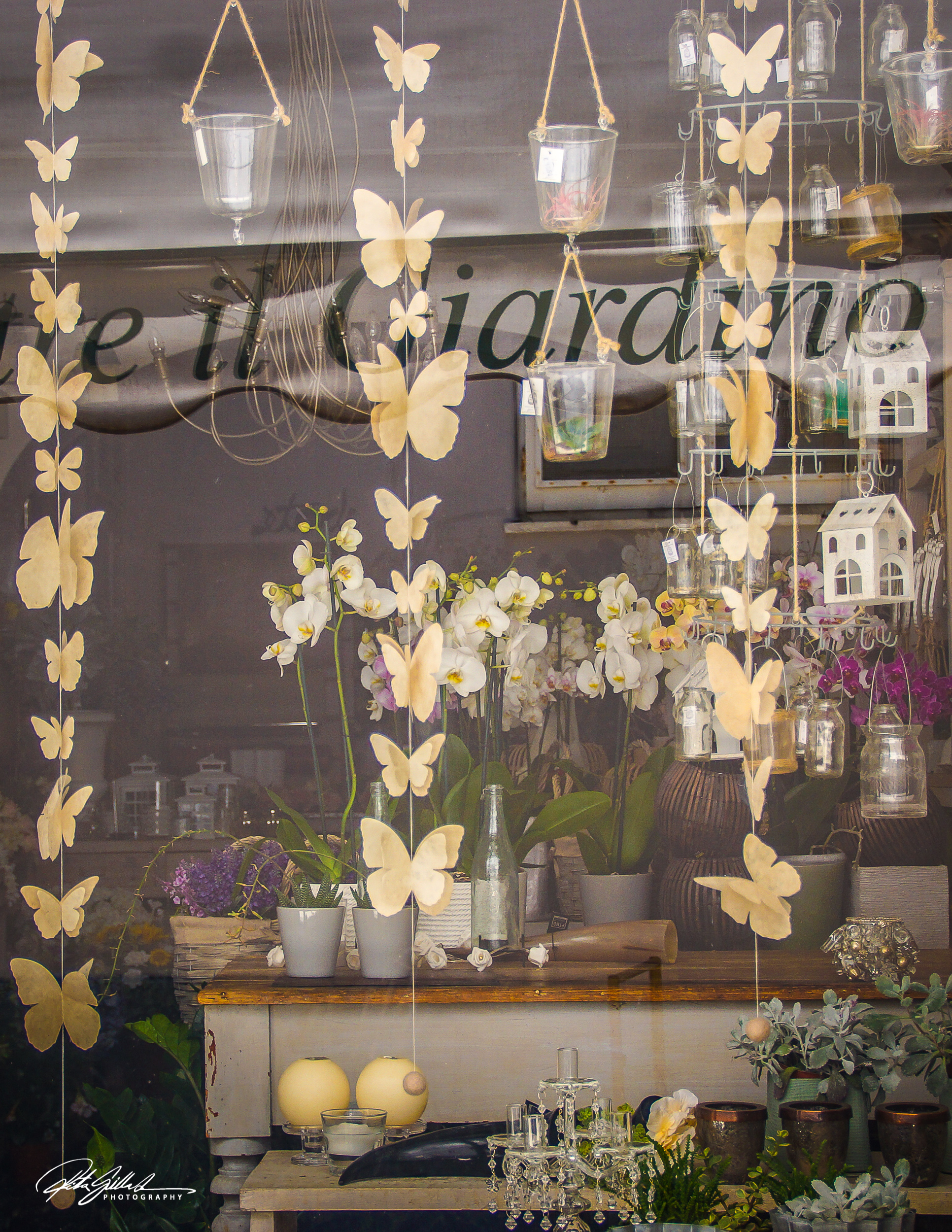
I often do window shopping and thought it could be a cool photography challenge. I take photos of creative window displays, I have not limited my shots to fashion. Anything goes, like decorations and even food. Please join and share your take on this theme.
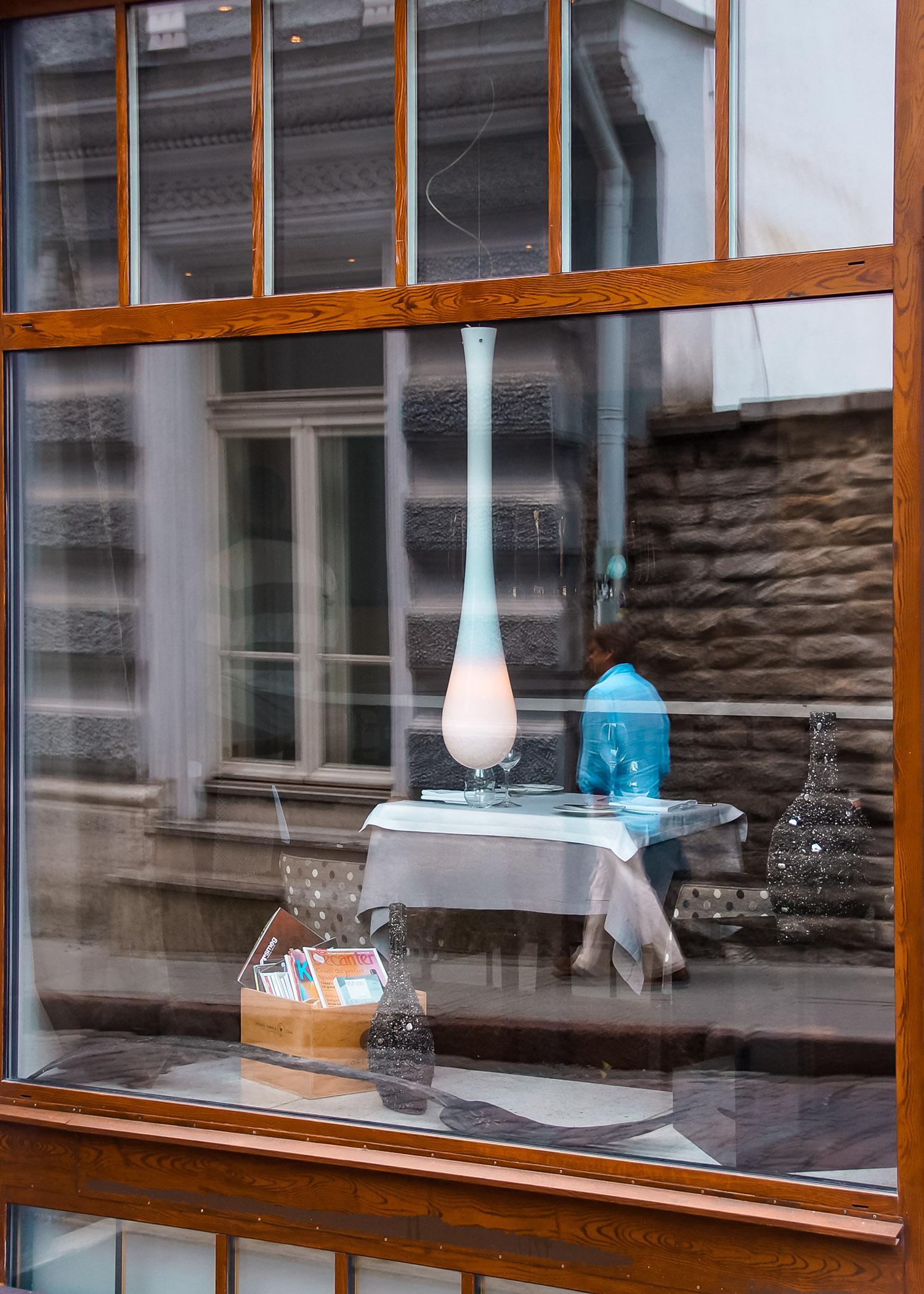
Here are a few ideas of what you could capture: the contrast between the inside and outside of a store, the reflections on the glass, and the expressions of the shoppers.
Snap a photo of a window display that grabs your attention, and try to get some street or surroundings in the shot. You may want to focus on the play of light and shadows, or the vibrant colors that draw the eye.
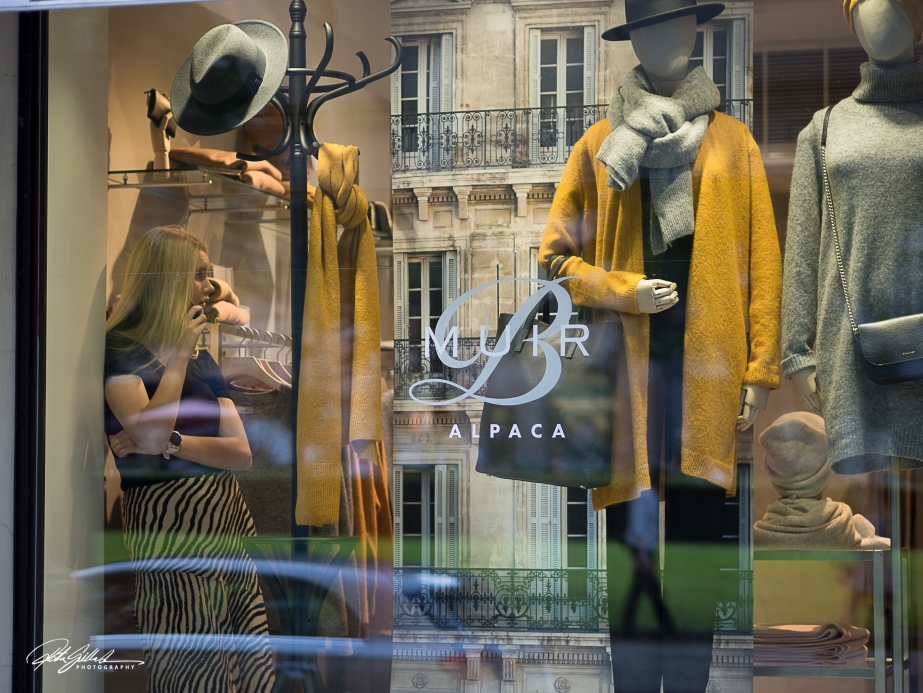
Helsinki – Balmuir store
Take a pic of someone or a group checking out a window display, and try to capture their feelings, reactions, or interactions. You can go for a candid or posed vibe, depending on the situation. It’s a great opportunity to capture genuine emotions or create an engaging composition.
Click on the photos and see them in a larger size, for a closer and more immersive view.
Grab a shot of a window display that tells a story, conveys a message, or has a theme. Feel free to get creative or go for a more documentary style, depending on the mood and meaning of the display. Pay attention to details and look for interesting patterns or objects that stand out.
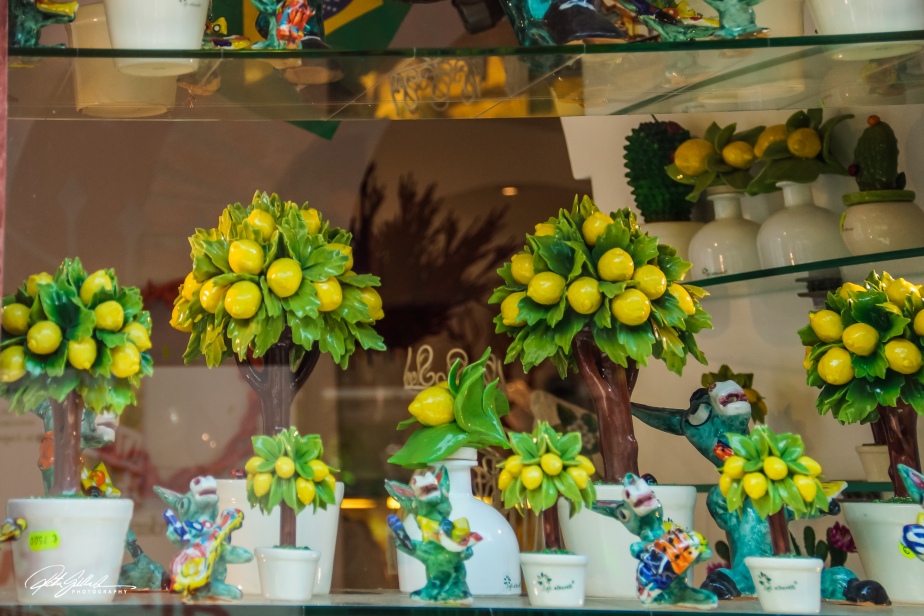
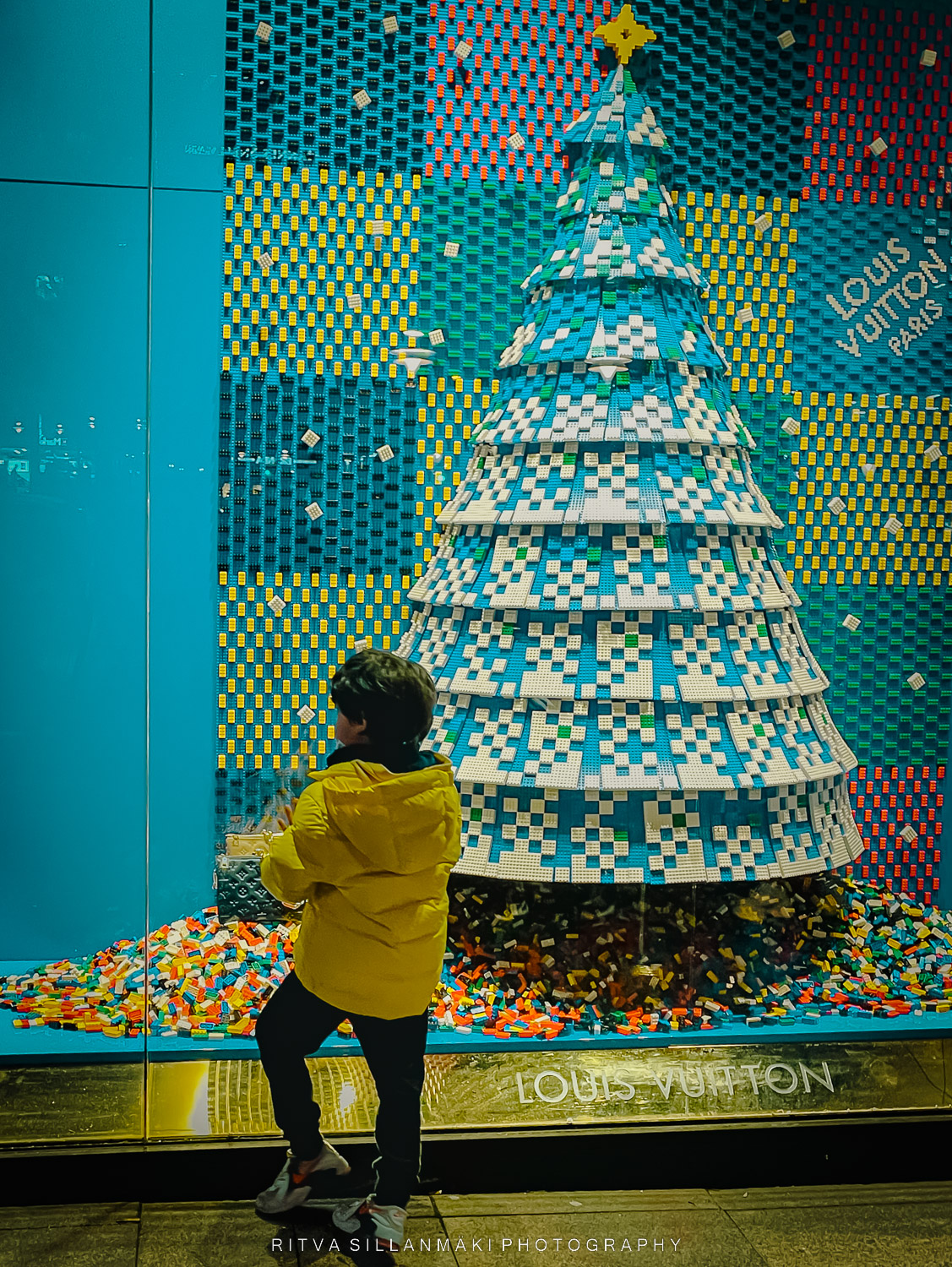
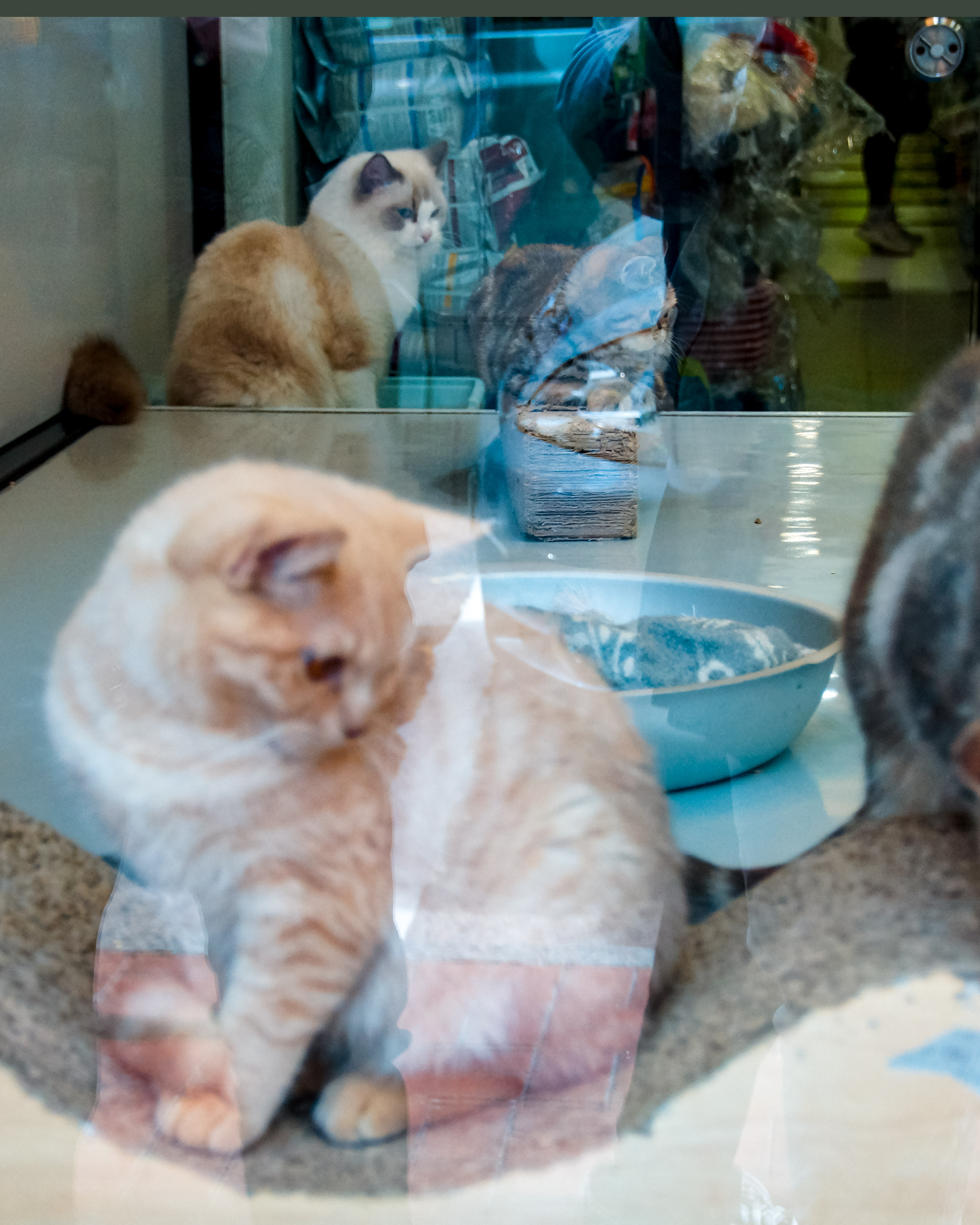
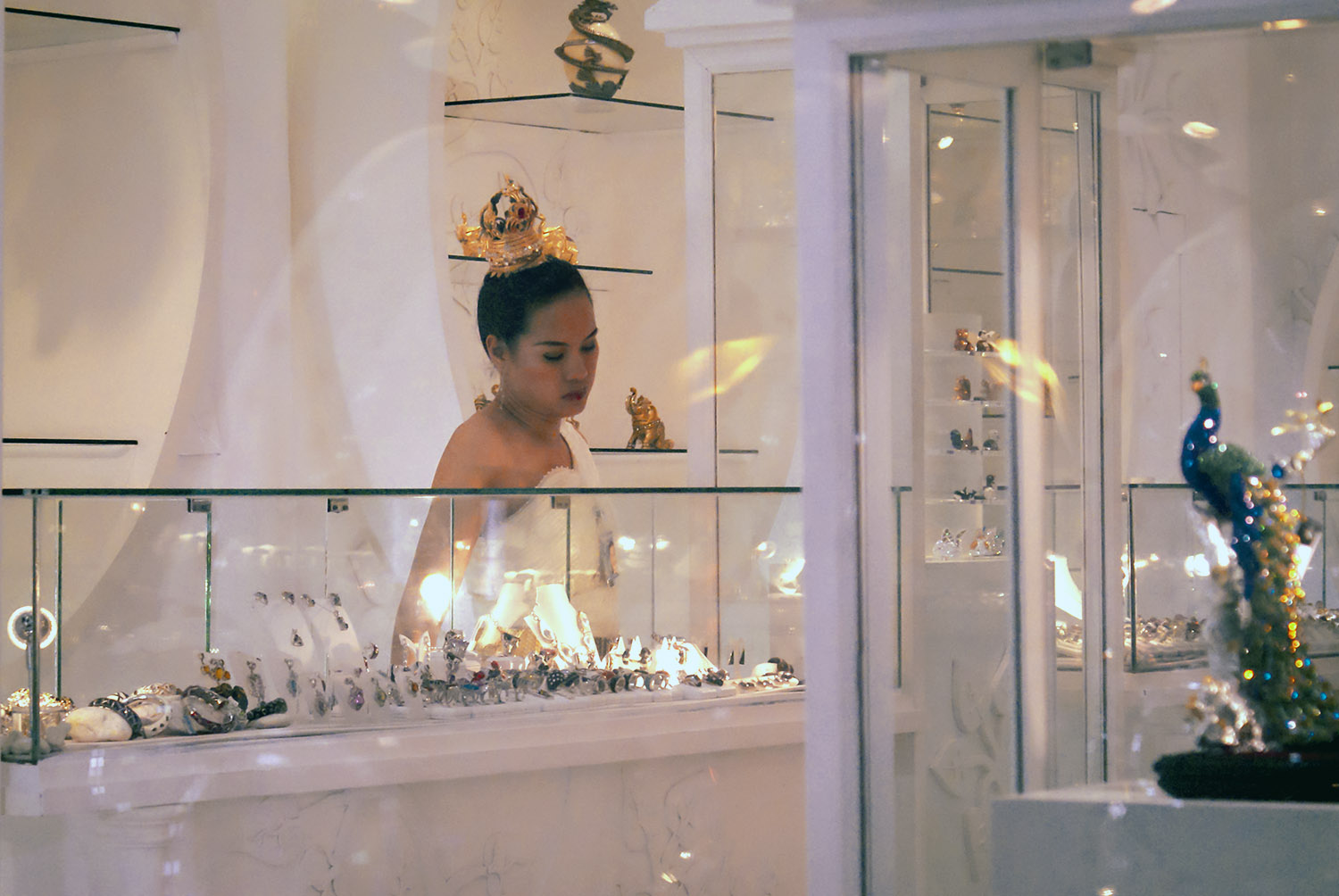
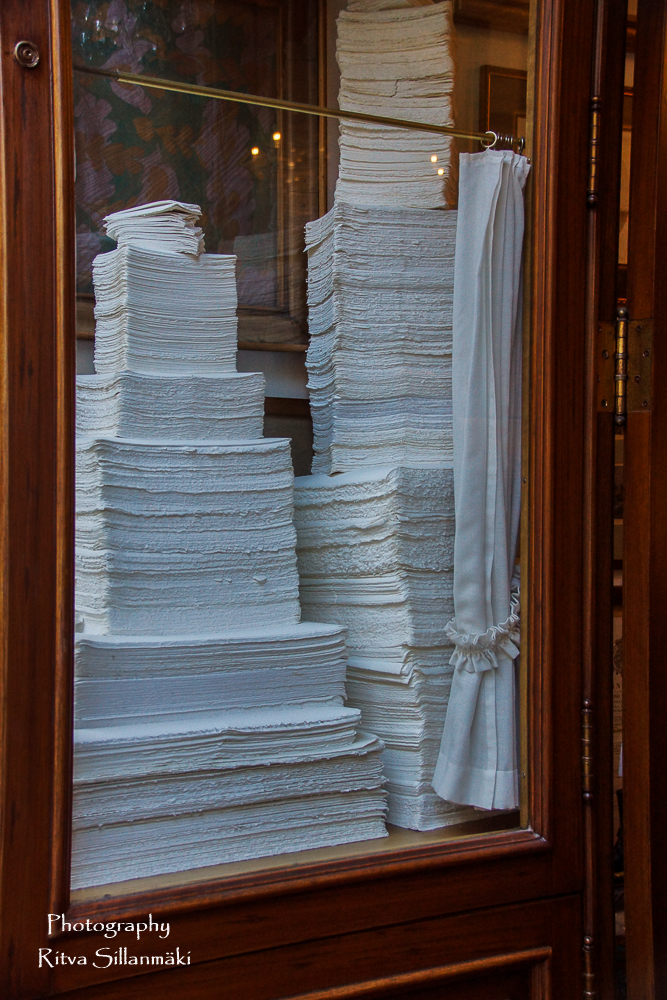
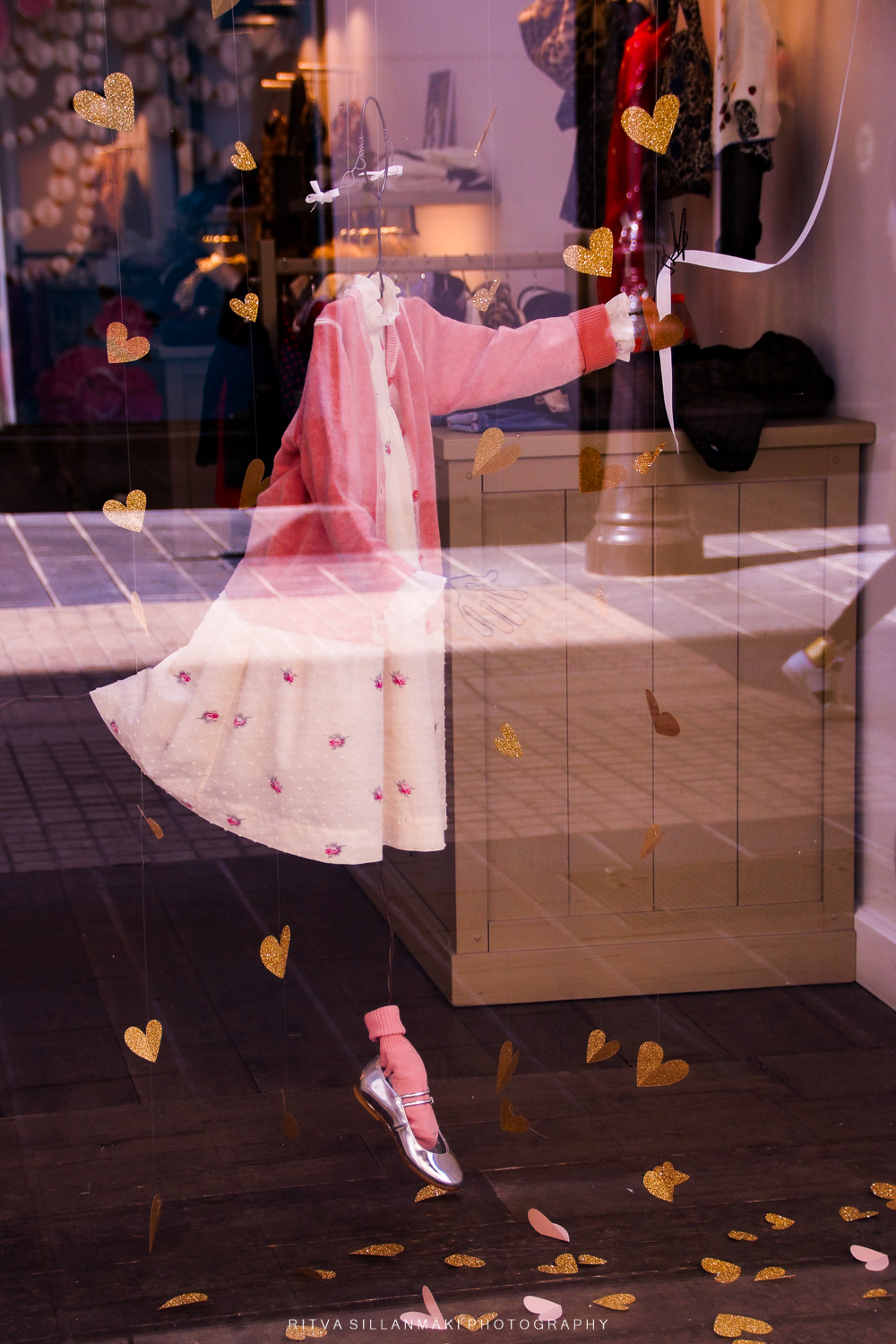
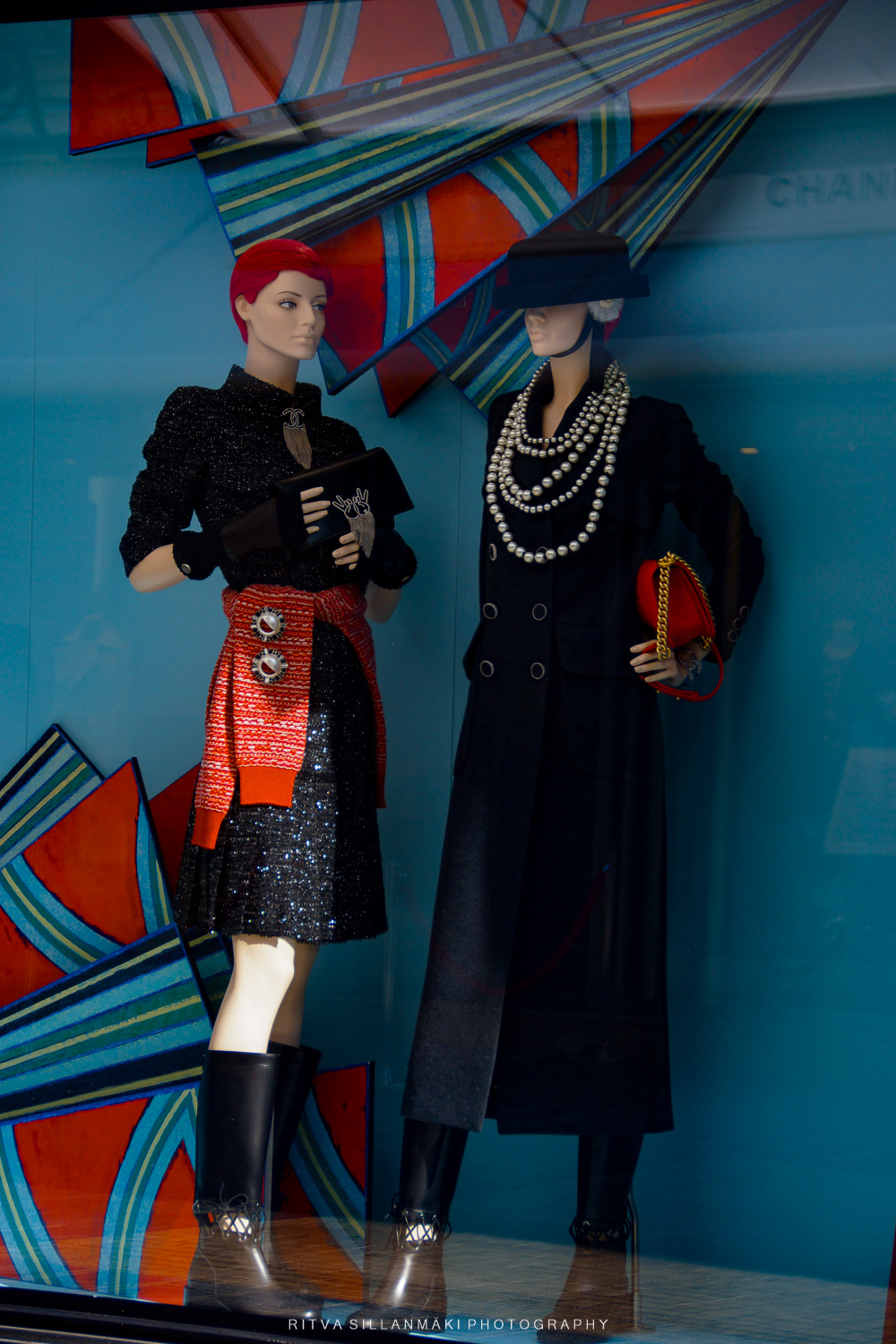
These window displays I’ve observed are truly captivating to me at least as I took photos of them. The juxtaposition of the stack of papers in Amalfi, the whimsical showcasing of little girls’ clothing in Nicé, and the fashion displays in Monaco and Melbourne were stylish. The displays of decorations from Helsinki and Capri, as well as the jewelry shop in Thailand, added further richness to my exploration of different window shopping experiences. It’s wonderful how each of these displays tells a unique story about the location where they were captured. These windows offer a vivid glimpse into the essence of different places around the world.
Click on the photos and see them in a larger size, for a closer and more immersive view.
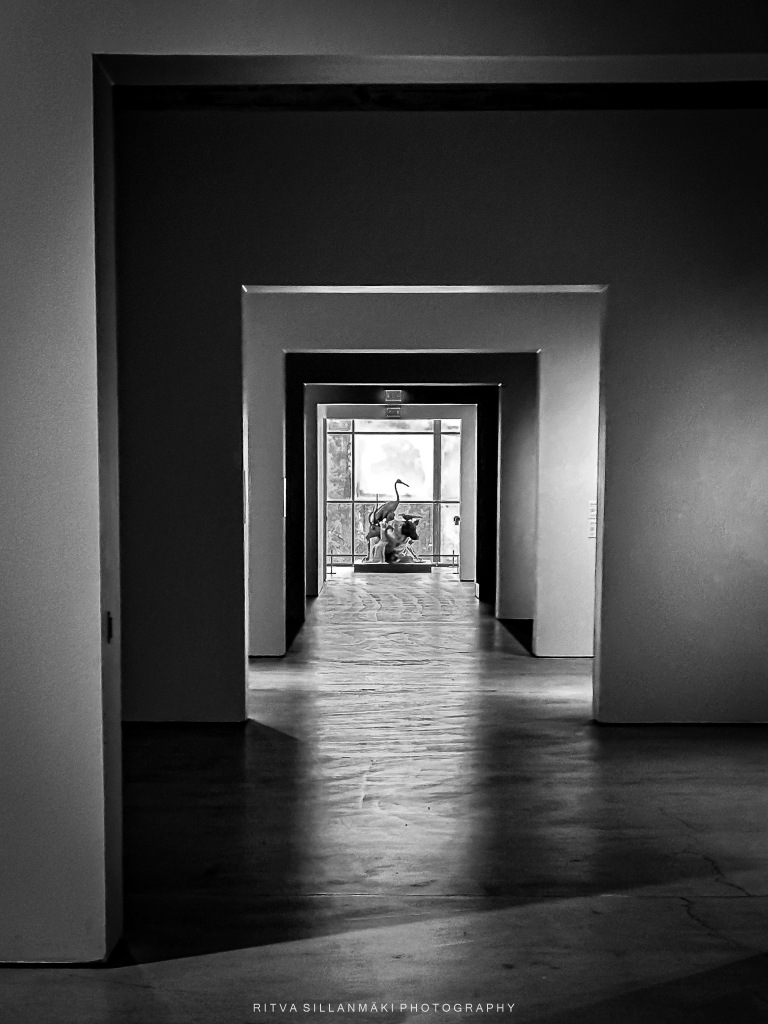
Or just go and look for window frames. Sometimes, the beauty lies in simplicity. You might find interesting patterns, architectural details, or unexpected reflections to capture within the frame of a window.
This photography challenge offers a fantastic opportunity to explore composition, storytelling, and observation. Whether you’re drawn to the visual appeal of a captivating storefront, the human dynamics of window shopping, or the abstract beauty of window frames, there’s plenty of potential for creativity and unique perspectives.
To participate in this challenge, you should link to or leave a comment on the week’s host’s original challenge post and please use the #Lens-Artists tag in your own post, so the post is easily found in the Reader.
Next week Johns (Journeys with Johnbo) will host with the Lens-Artists Challenge. Be sure to visit his inspirational site for more!
Donna from Wind Kisses has given us a challenge to show sound in our photos. What an interesting and challenging task. I really had to give this some thought.
The presence of sound is constant, a never-ending symphony of life reverberating through the air. the haunting wail of the wind can be heard through the window. Its mournful howl seems to intensify the chill in the air, permeating every corner of the room.
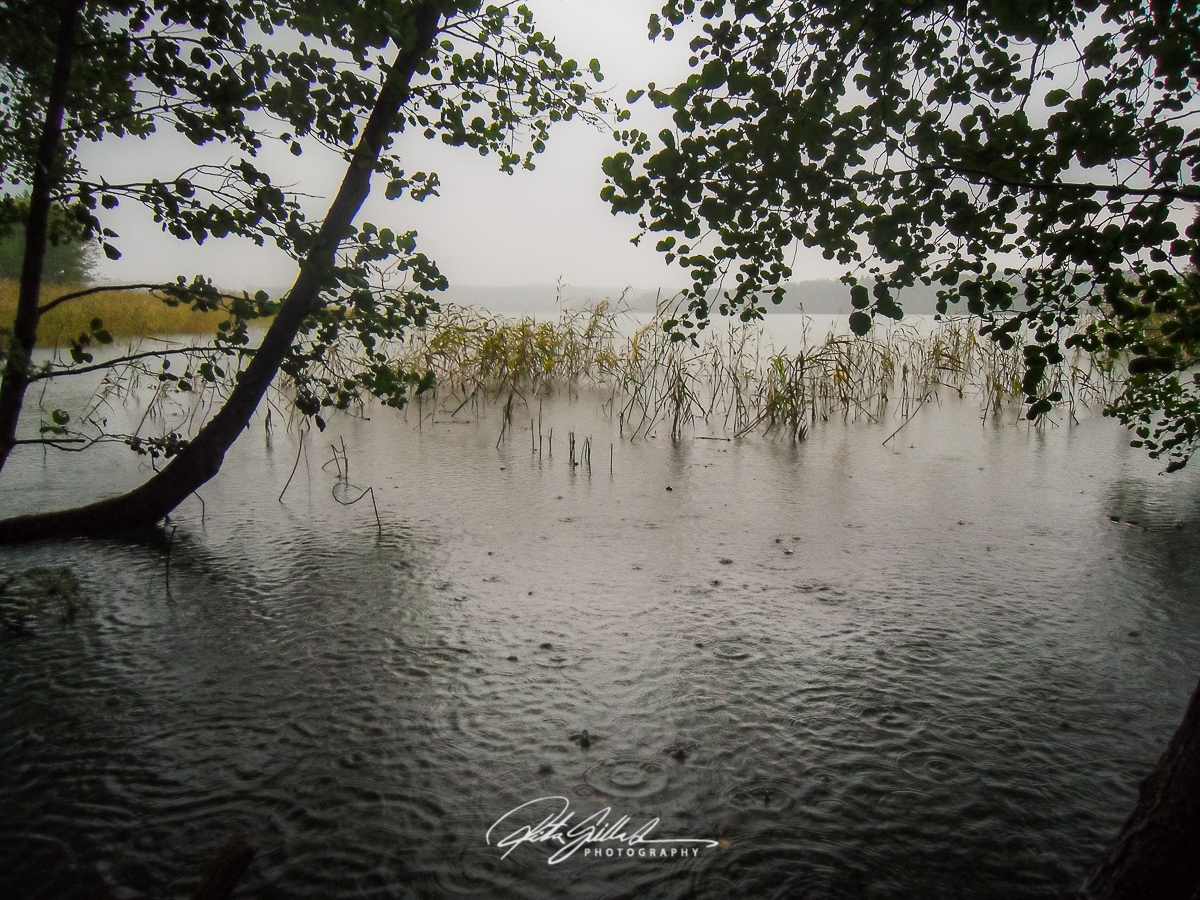
The soothing sound of water is a timeless melody that resonates with the soul. The gentle pitter-patter of raindrops falling on the earth creates a comforting rhythm, symbolizing nature’s embrace. The rush of rapids flowing downstream echoes with an invigorating energy, reminding us of the unstoppable force of life. Waves crashing on the shore produce a symphony of power and grace, a dance between water and land that captures the essence of both strength and serenity. Meanwhile, the calming lapping of water on a lake’s edge invokes a sense of tranquility, weaving a sense of peace and harmony with every ripple. Each of these sounds forms a unique part of the intricate song of water, a melody that has captivated and inspired humanity throughout the ages.
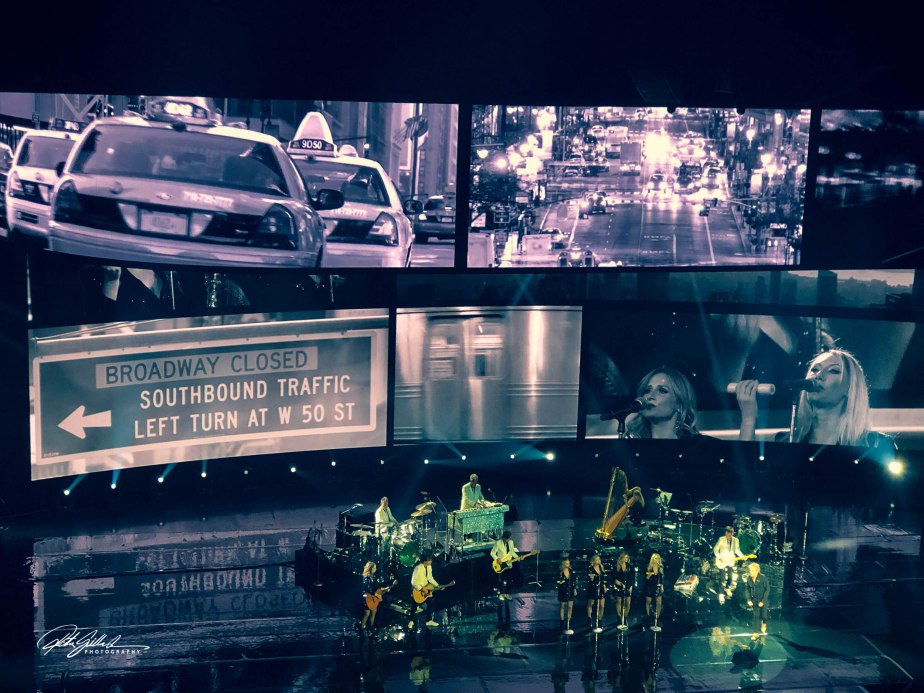
Music was the first thing that came to mind…
I can hear the beating of the drums, the cello’s sound is full, like a canvas painted with emotion. When you listen to a harp, each pluck resonates with clarity, like dewdrops on a spider’s web at dawn. Saxophone, you’ll notice a rich warmth in its tone. It’s as if the sound wraps around you like a cozy blanket on a chilly evening
We often say we want silence, but most of us never experience total silence. Does it mean to us a moment of silence in nature, like listening to the wind, waves and sounds of birds for example? Or something totally different? Maybe it’s about sitting and reading a book, listening only to our own thoughts. Are these the moments of silence? It’s interesting to ponder the different forms of silence we encounter in our lives. Nature’s sounds can indeed offer a form of serene stillness, a chance to pause and be present in the moment. On the other hand, the tranquility of being engrossed in a book, completely absorbed in our thoughts, can also bring about a sense of inner quietude.
Silence itself is multifaceted, woven into the fabric of our experiences in diverse ways. It can be the absence of external noise, but also the opportunity to connect with ourselves on a deeper level. Perhaps, it’s not just about the absence of sound, but about finding harmony within ourselves despite the cacophony of the world around us. Whether it’s the gentle rustling of leaves or the whispered pages of a book, these moments offer a chance to embrace the essence of silence in its various forms.
Cacophony, a blend of unharmonious sounds that we encounter on a daily basis. From the hustle and bustle of people going about their business in malls and cafes to the clatter of construction work and the cacophony of voices in food markets, it seems that we are constantly surrounded by a symphony of discordant sounds. Even the perpetual traffic on our streets adds to this auditory mix, creating an overwhelming atmosphere that can be quite challenging to ignore. This auditory cacophony is the soundtrack of our modern lives, a chaotic medley that, in its own way, reflects the vibrant energy and diversity of the bustling world around us.
While we may long for moments of tranquility and peace amidst this cacophony, it also serves as a testament to the liveliness and diversity of human activity and interaction. It serves as a constant reminder of the vivid tapestry of human existence, a reminder that in the midst of dissonance, there is a harmony waiting to be discovered.
I will be hosting my first challenge as a member of the team next week, so I hope to see you visiting my post to see what I have come up with 🙂
To participate in this challenge, you should link to or leave a comment on the week’s host’s original challenge post and please use the #Lens-Artists tag in your own post, so the post is easily found in the Reader.
Last week, Egidio had us looking at Warm colors. And I , for one enjoyed them, all the beautiful sunsets that came up in the posts. If you missed it, here is a link to the challenge of Warm Colors.
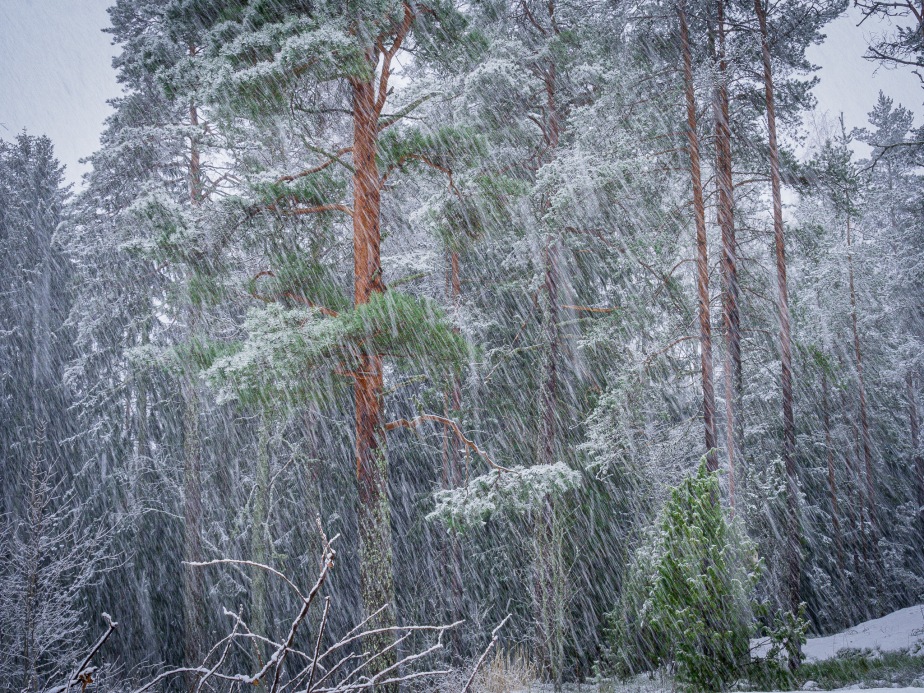
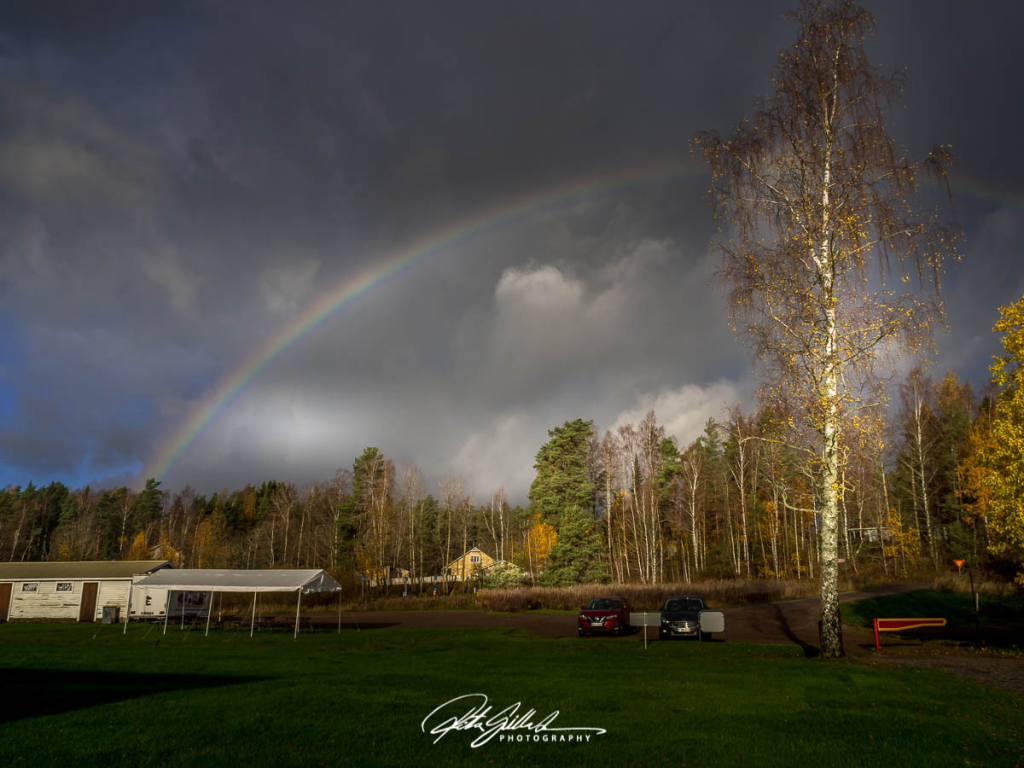
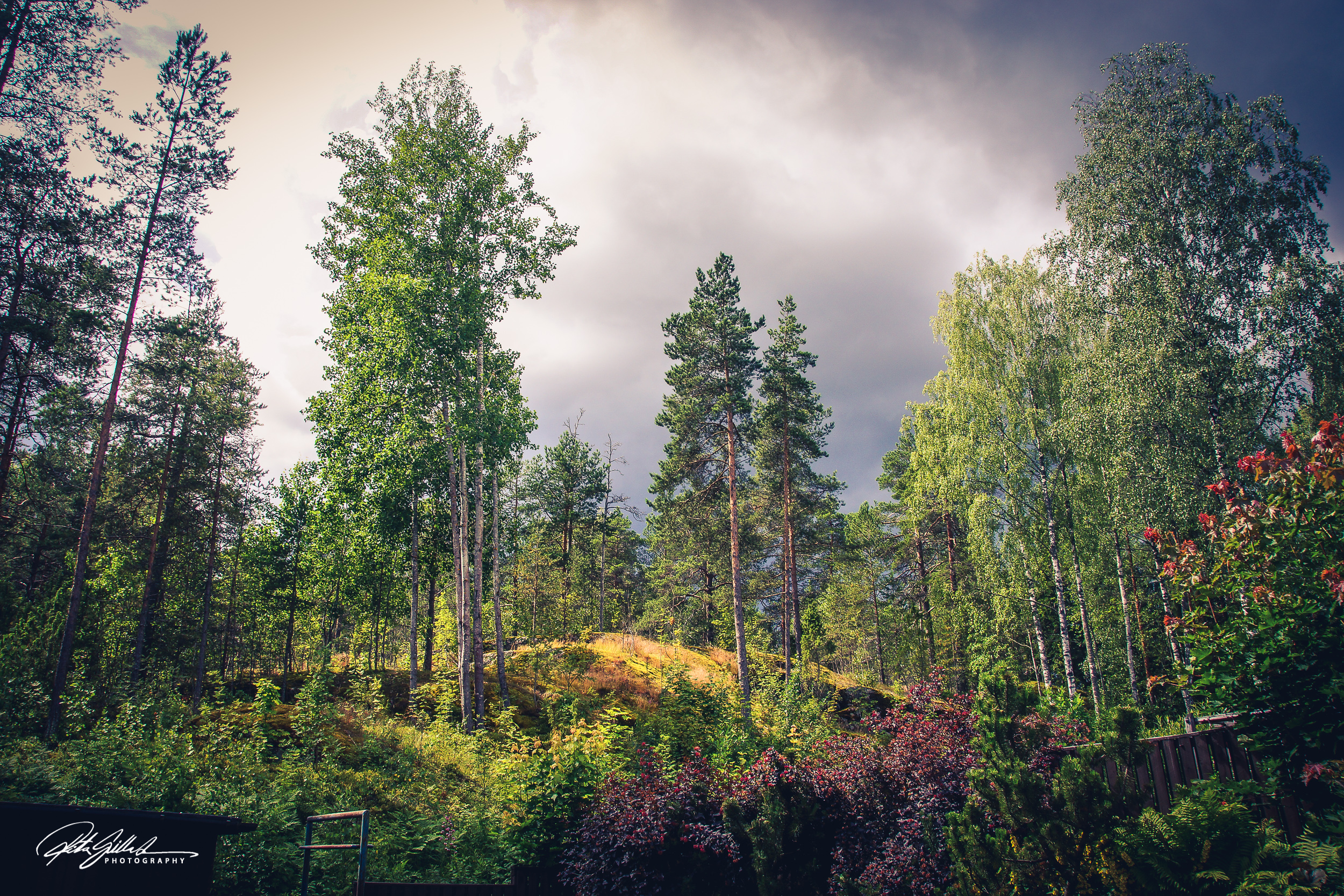
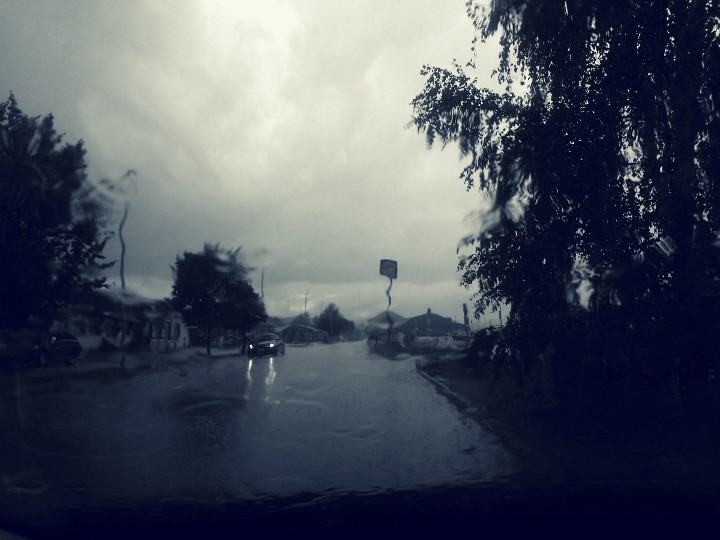
This week Annefrom Slow Shutter Speed has us thinking and showcasing our weather shots. It is one of the favorite topics of discussion among us Finns. As the saying goes, the climate is what we expect, and the weather is what we get. Finland has four unique seasons. The temperature in Finland varies greatly by season and by region as the country is long and has differing coastal and inland climates. The Atlantic Ocean to the west and the Eurasian continent to the east together create the actively changing climate of Finland. Due to our country’s location, the weather can also change quickly, which makes predicting a bit tricky . One moment the sun might be shining, and the next rain is pouring down – such is life up North.
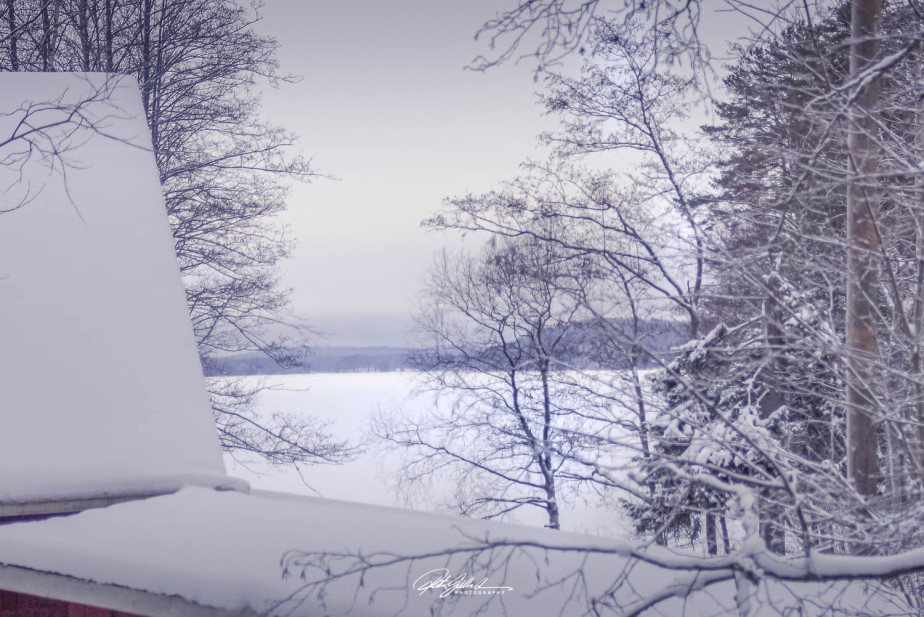
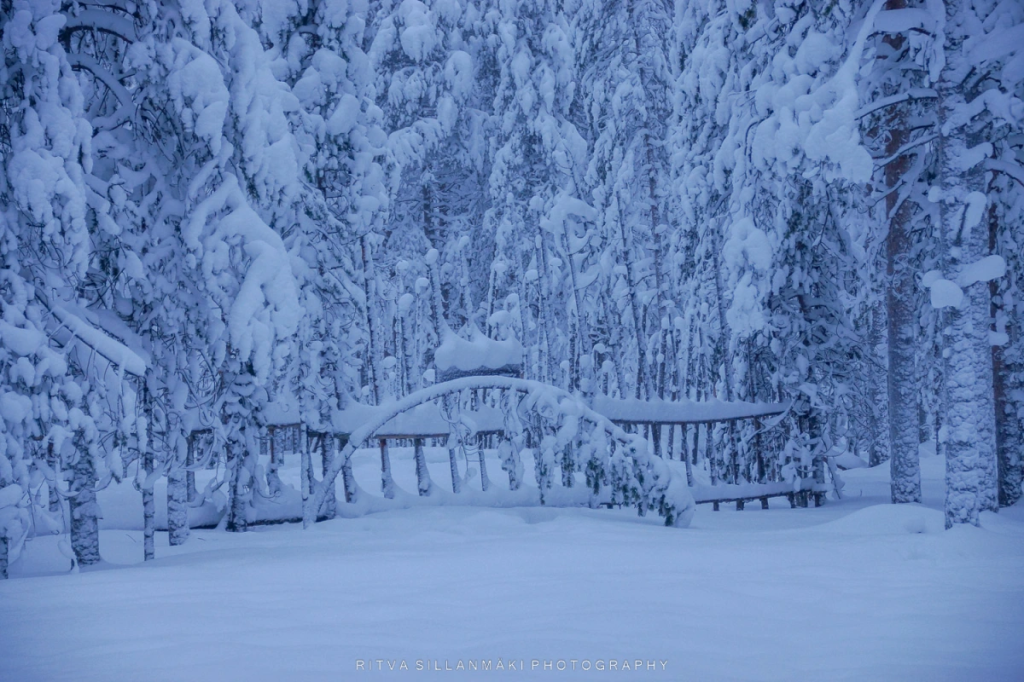
Snow covered lake and trees in Lahti
Winter The coldest day of the season is usually at the end of January in most regions. I So you are protected from that cool winter breeze, especially in the coast.
February is a snowy and chilly winter month in all of Finland. The slower cooling of the Baltic Sea typically delays the coldest period on the Coast and the Archipelago until the beginning of February. The days are still relatively short but they are getting longer , the sun stays up for nine hours in Helsinki.
March, spring is starting to be on its way. After the spring equinox (March 21st) the days get increasingly longer. Warm clothes are still a must, as the month is likely to be cold with the deepest snow cover, especially in the north.
Spring After the long winter nature wakes up again in April. Spring begins early in the month in the coastal areas, and later in April elsewhere, In April, there’s an increasing amount of daylight and the snow starts to melt, yet it is still not summer.
The weather in May goes from warm to cool, so be ready for all kinds of weather. One thing for sure is that there will be more daylight.
In June, the Finnish summer kicks off. You can expect sunny and pleasant days, but there might be some rain, especially after midsummer. In June, you can experience the amazing midnight sun around the summer solstice.
July is peak summer and generally the hottest month of the year. Most Finns take their annual leave during this time. July is all about heat waves and sometimes even thundershowers, but overall, it’s the best of summer in Finland.
August is the second warmest month in Finland. Though it’s the rainiest in some areas, August usually brings many lovely summer days. The warm but darkening August nights are magical as summer comes to an end.
The autumn season may start pleasantly crisp and cool, but September can also get quite wet. You can expect cloudy skies and rain some of the time but also charming and cool sunny days. In northernmost Finland, the first snow often falls in September. Overall, it’s time to start dressing up warm again.
Autumn foliage makes October a beautiful month, yet the weather can be brisk, and the temperature is likely to drop from mild to frosty. November, the northern parts of the country usually have lasting snow cover already. Wind, rain, and slush are regular delights of the month. The grayest month of all. The month is quite cold, so adding warm layers underneath your winter gear is a must. December is dark, cold and mostly snowy.
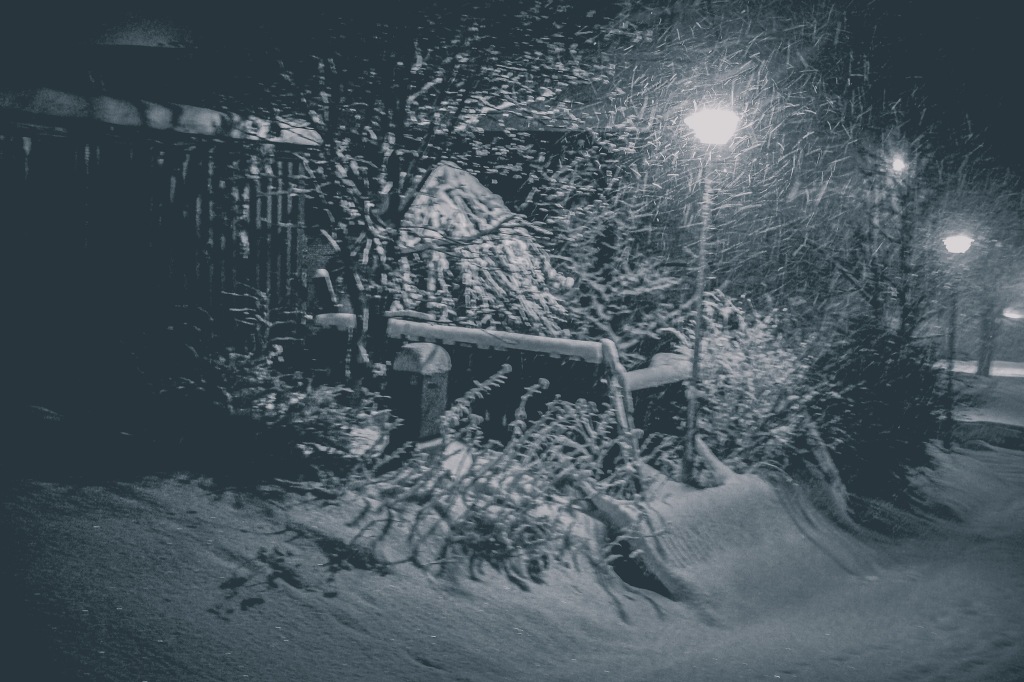
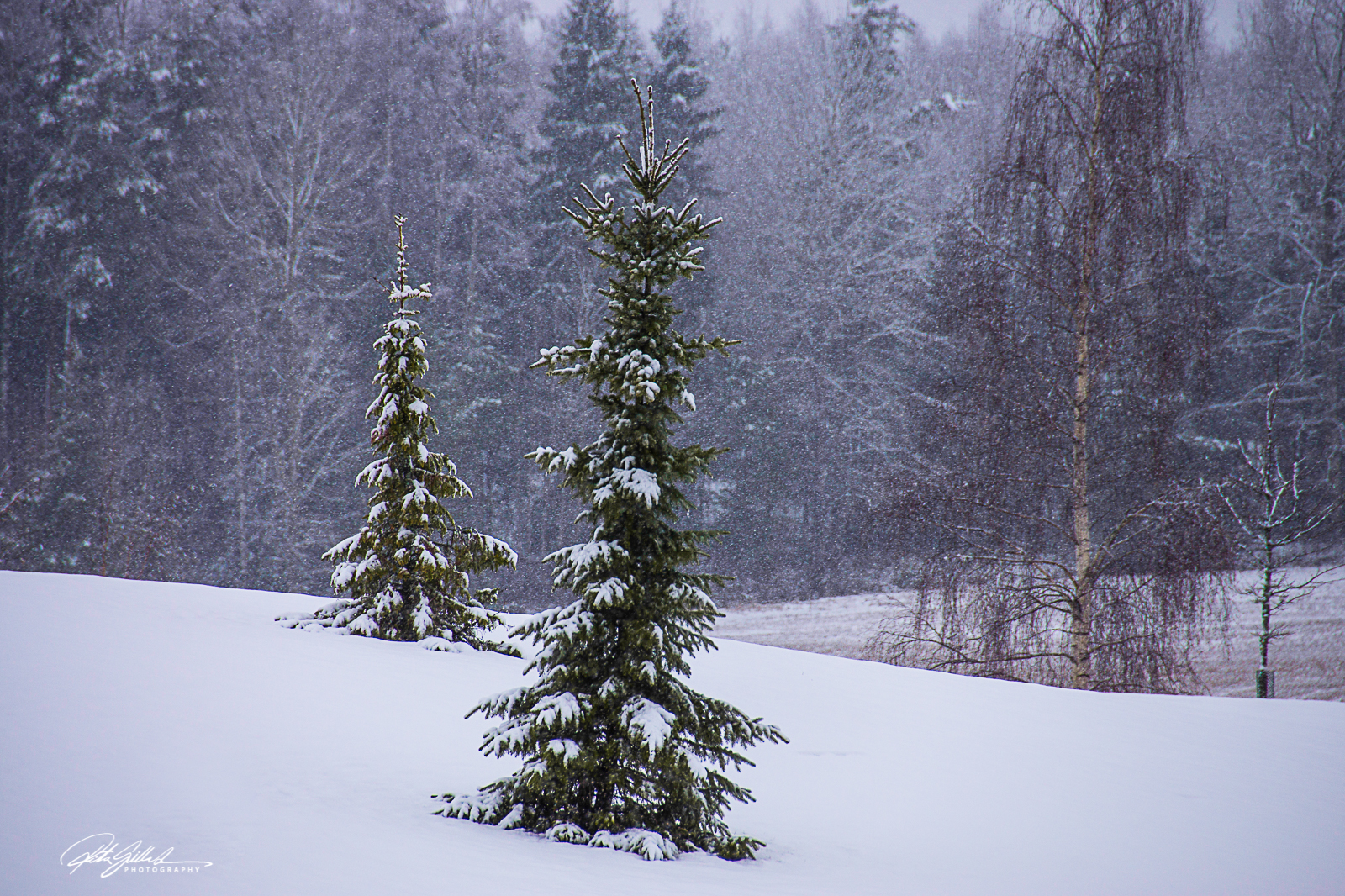
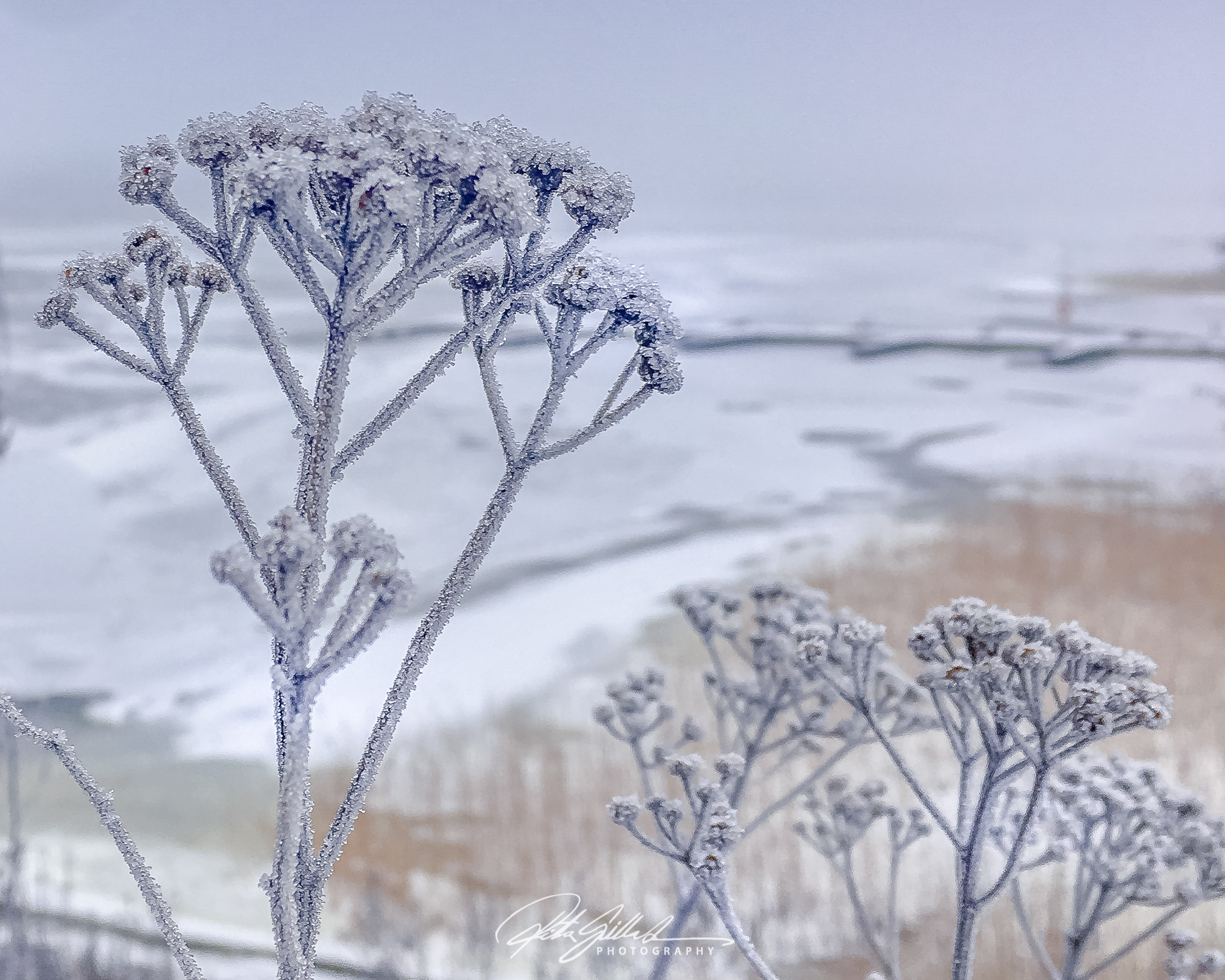
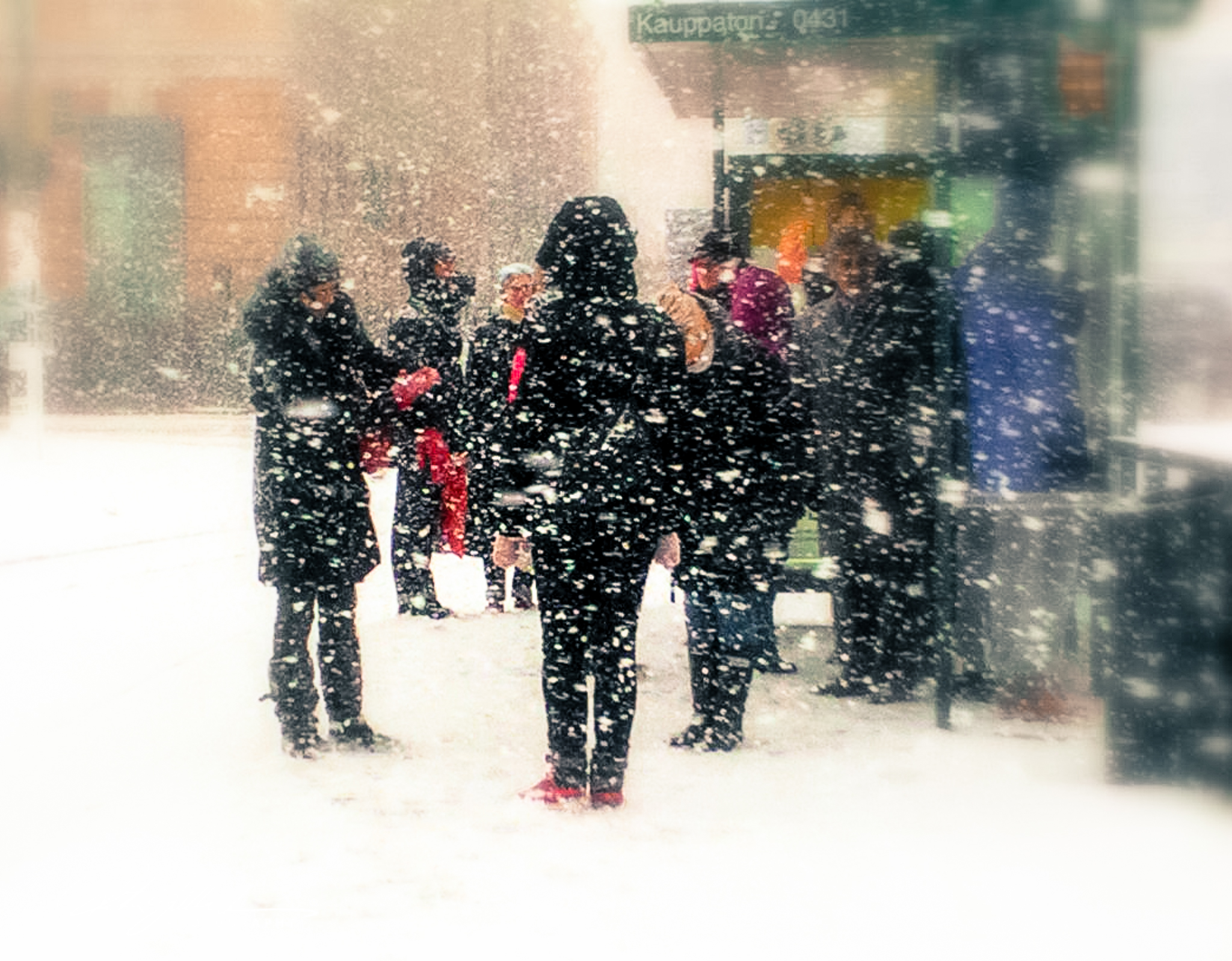
I think I did all the months, but as a last note. I love taking misty photos. Droplets after rain, or a misty night. Frost is beautiful after a cold night. Clouds enhance the sunset photos. Rain, or snowing can be a great opportunity for a good shot. Hope you now have an ideal month in mind as when to visit Finland 😂
To participate in this challenge, you should link to or leave a comment on the week’s host’s original challenge post and please use the #Lens-Artists tag in your own post, so the post is easily found in the Reader.
Next week Donna leads us to the topic of sound, that should be an interesting one to tackle, I am already trying to come up with some ideas,
Last week, Sofia asked us to think about day and night for our weekly challenge. I found it fun to go through my archives to find matching photos.
This week, Egidio of, Through Brazilian Eyes, joins us for his first, official challenge with the Lens-Artists. Visit his site for inspiration and guidance on today’s challenge: Warm Colors.
This week Egídio asked; have you ever thought about your images’ impact on viewers based on your photos’ color schemes? Yes I have :-) He invites us to look at own photo catalog or capture new images showing how warm colors appear in our world and their emotional significance to us, also to share how your images made you feel when you captured them.
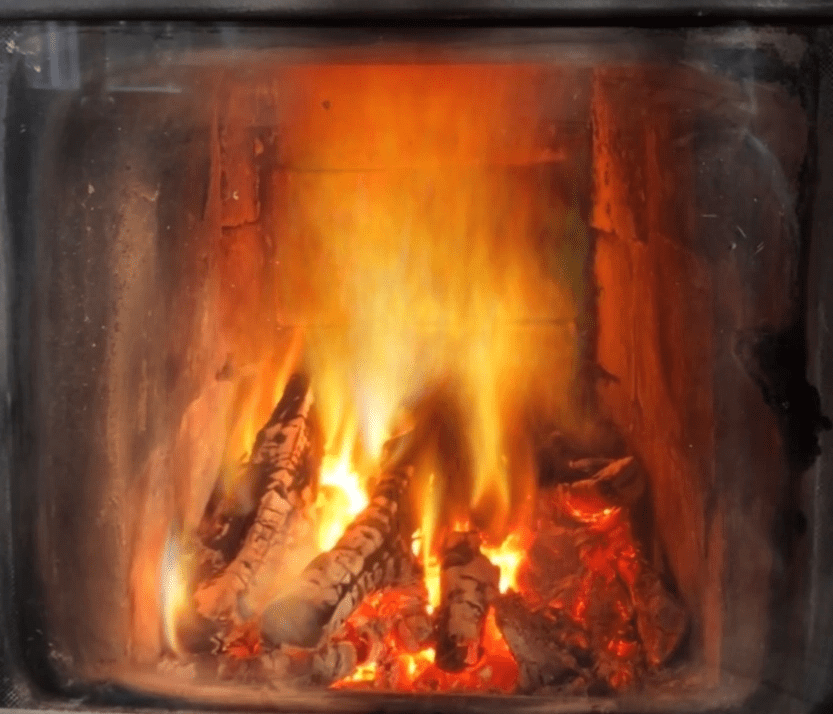
the warmth of the fire – in colors and feelings
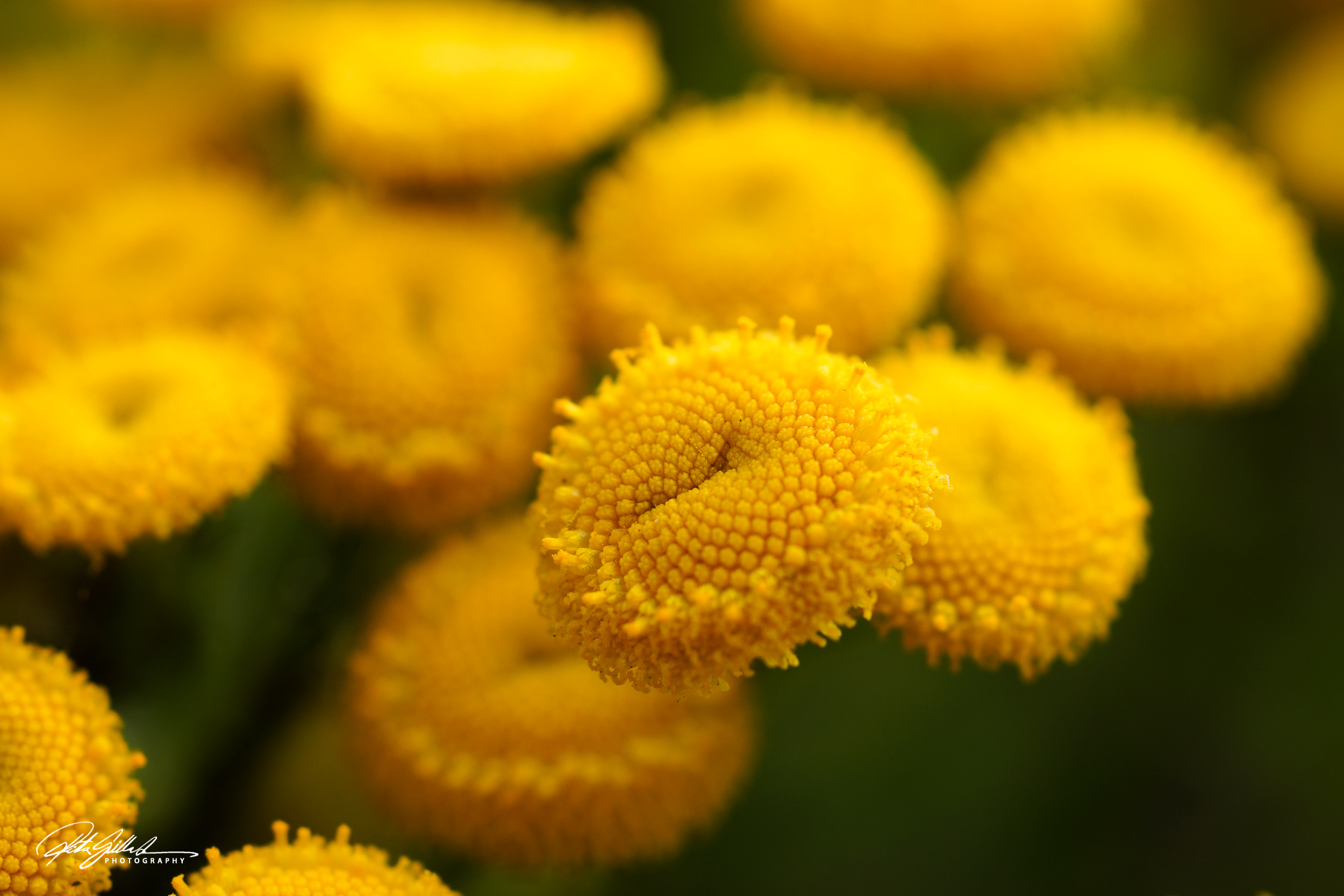
Now to my thoughts on colors – warm colors – we all know them. BUT, to me me the yellow of the first flowers of spring it is not warm, it blends more to the blue. I know it is but – it is bright and refreshing against the new green that delights us. The coltsfoot ad dandelion are first ones to pop up you look for these pops of yellows, Globeflower blooms also in May, a brightfull joy of spring.
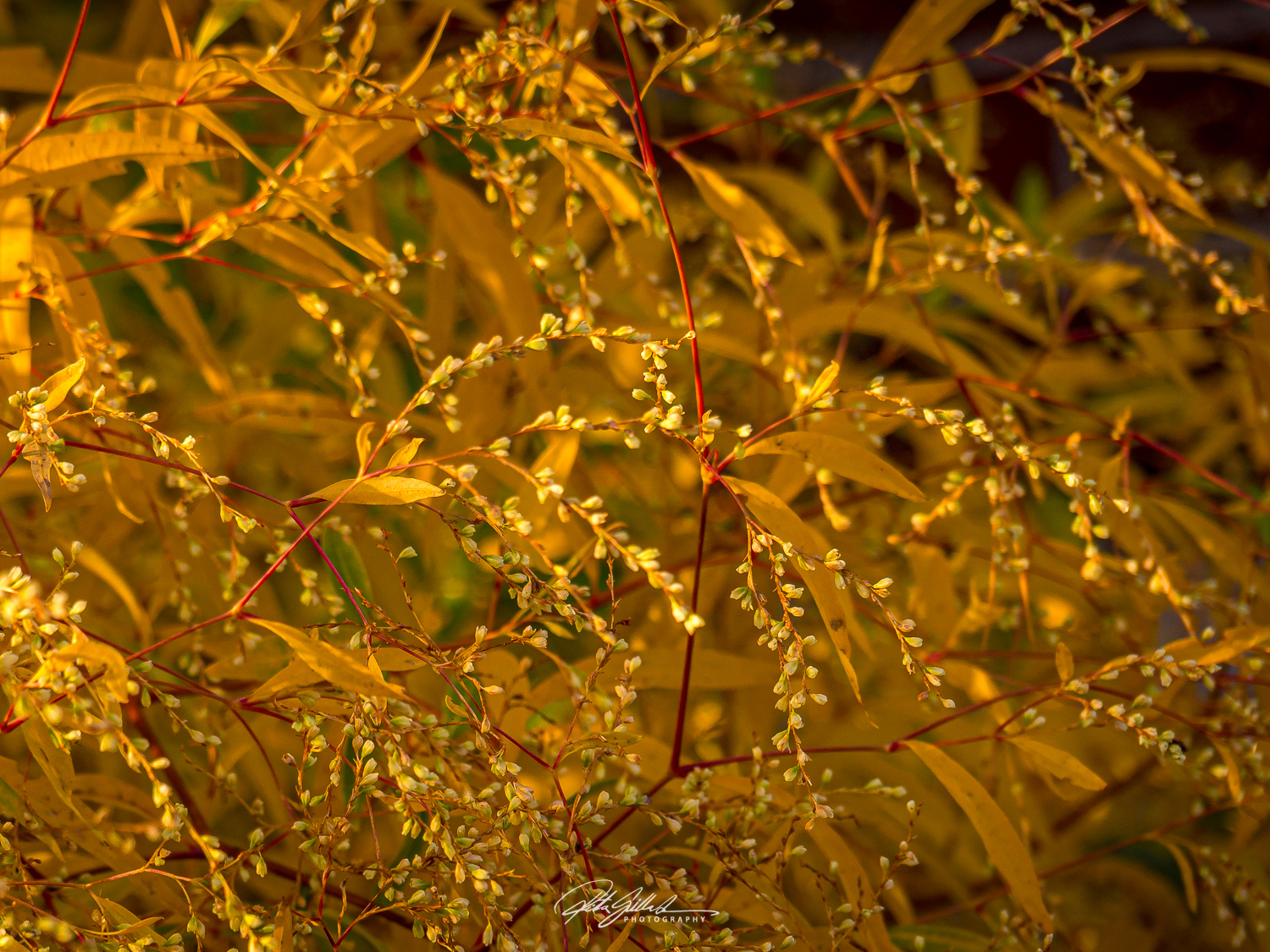
Towards the end of the summer the yellow deepens and to me that is a warm yellow, it blends more to red, I know I am splitting hairs here.
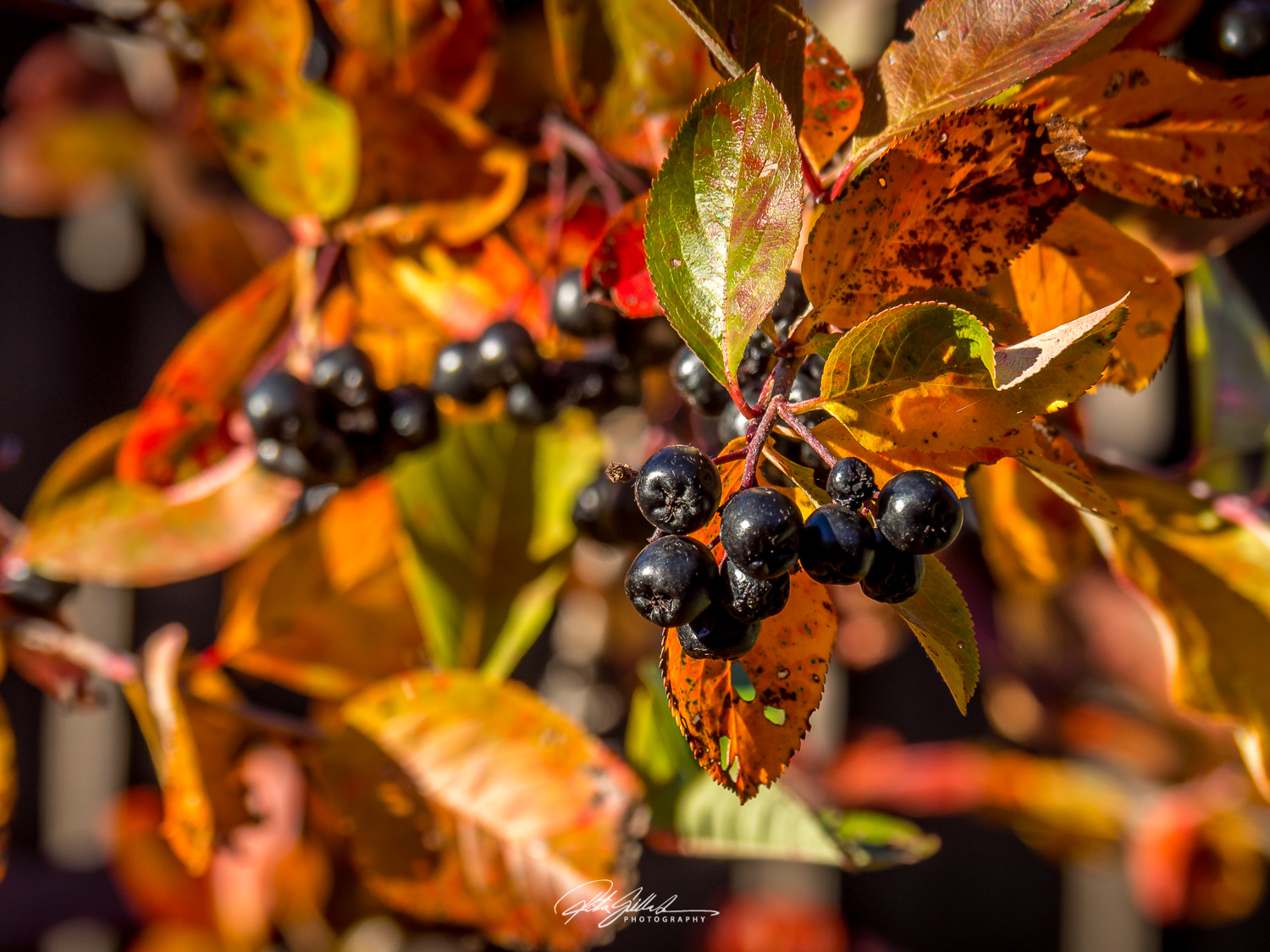
Warm reds and brown take over in the fall and a sense of lost comes with it. It does not demise the beauty of the warm colors of autumn is the festive season for warm colors. I joy for a photographer.
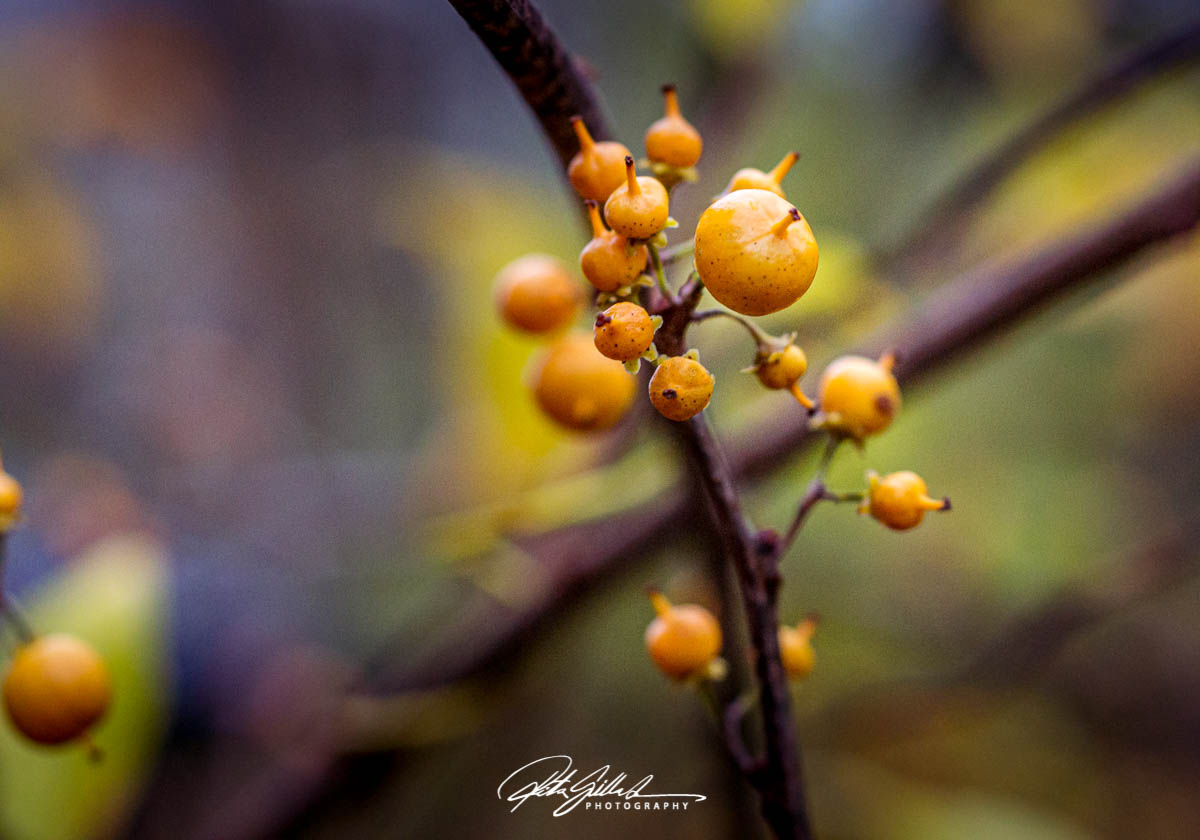
Browns – the end of autumn. Soft muted tones, that slowly shows the way to hibernation. Gets us ready for winter,
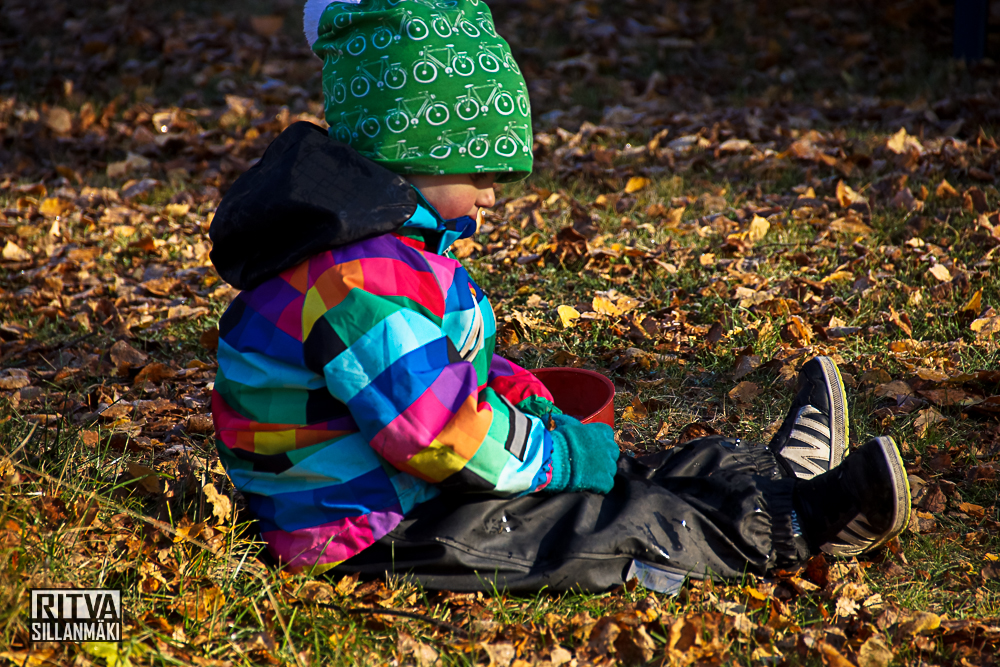
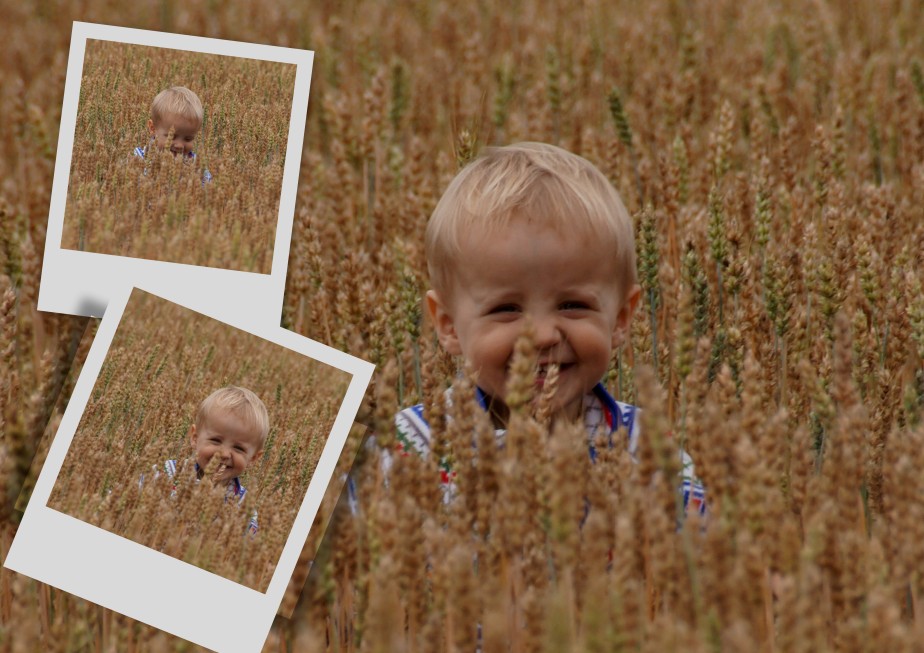
Now to the question, about how your images made you feel when you captured them. When I take a photo, I mainly focus on and pay attention to the composition, how to best show of what I see, . My main thoughts are did I get on the”film” what I saw. I want to bring beauty to a shot, no matter what the topic even if the topic itself is not that pleasant. I want to see the beauty around me, even a glimpse of it. Positivity… that’s what I want to see 🙂 and I have very warm thoughts about this little boy :-9
To participate in this challenge, you should link to or leave a comment on the week’s host’s original challenge post and please use the #Lens-Artists tag in your own post, so the post is easily found in the Reader.
Last week was truly an enjoyable experience as I delved into the world of quotes and poems for Ann- Christine. Selecting only few images was a challenge for me 🙂
This week Sofia gave us a fun challenge to showcase the difference between day and night. As Sofia mentioned, now that we’ve passed the Winter Equinox, the days are gradually getting longer, and we can finally bid farewell to the never-ending nights. We still have a good month or two to truly savor the increasing light, but we’re on the right track. So, here I am, sharing summer photos in the midst of winter… It won’t be long now, summer is on its way! Thank you to Sofia for inspiring us with Day and Night.
Not to be totally biased, I am also showing photos from cities little further away. Only due to that, do I have more than ten photos 😂
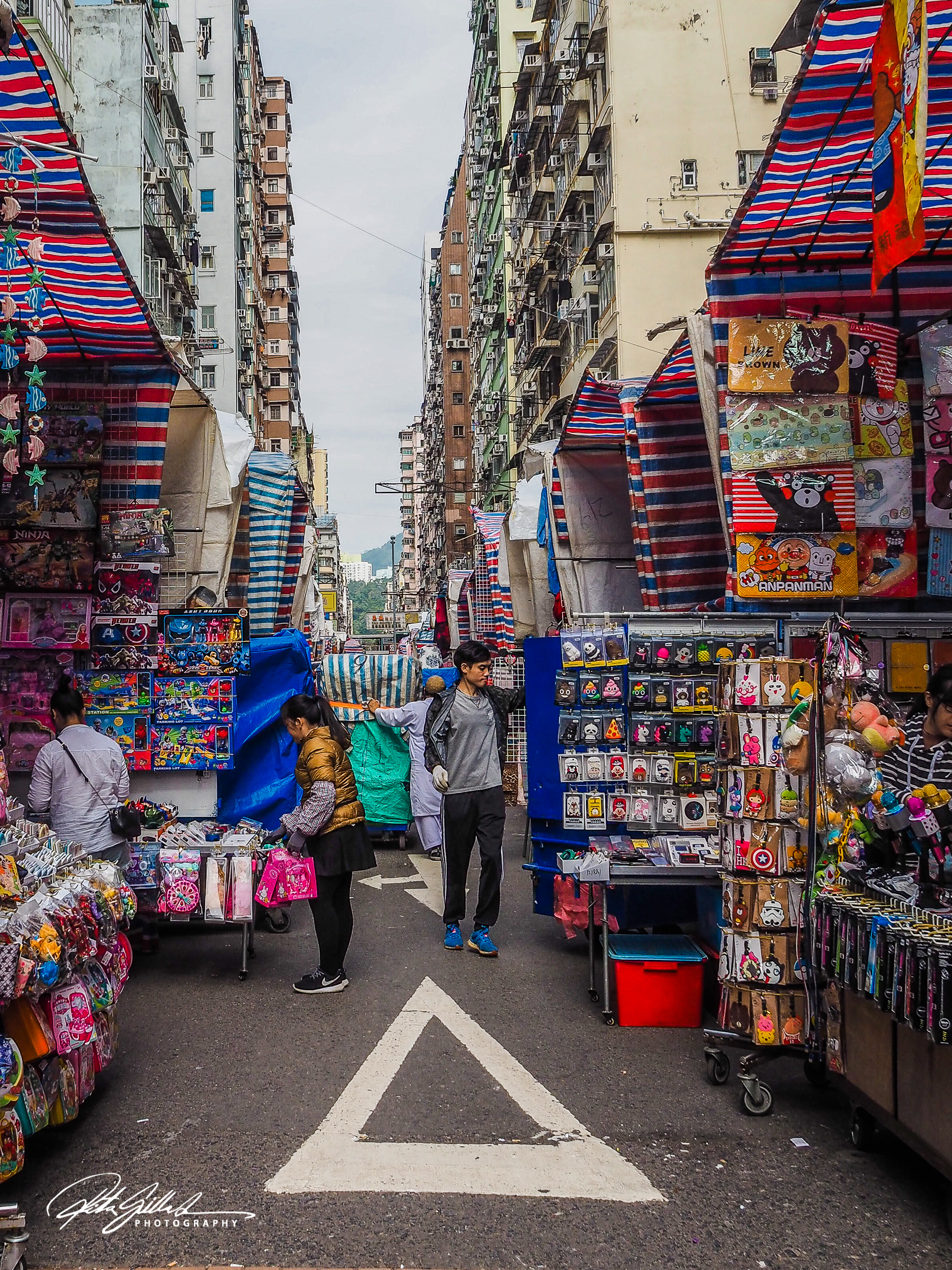
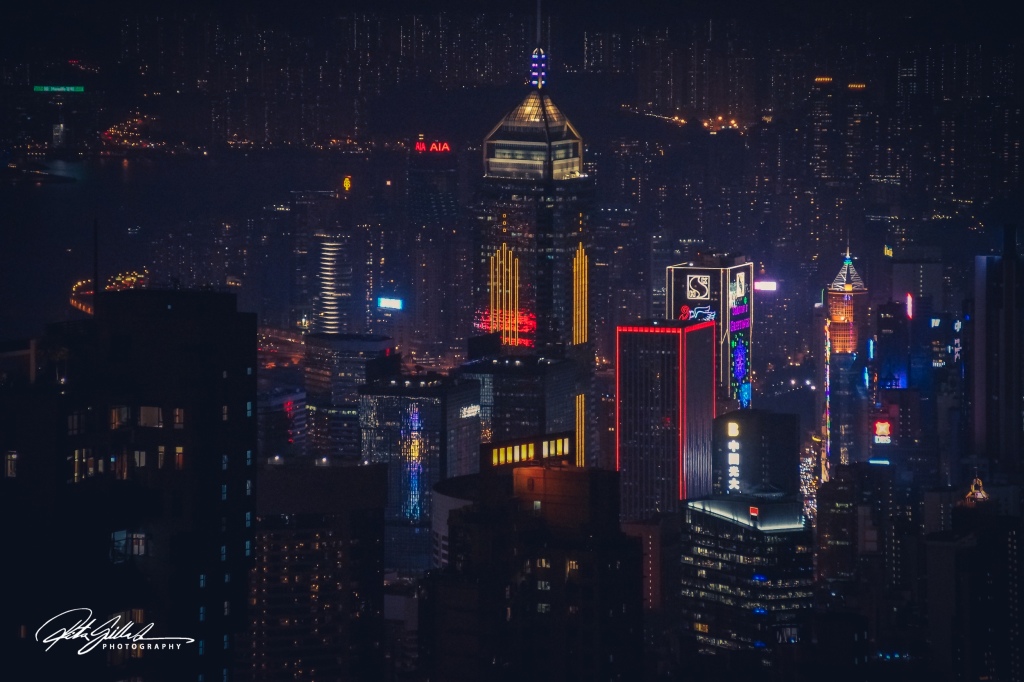
Hong Kong – view from Victoria Peak, known simply as The Peak, is a must-see Hong Kong destination — both day and night — offering iconic views of skyscraper-flanked Victoria Harbour, Kowloon peninsula and craggy mountain peaks.
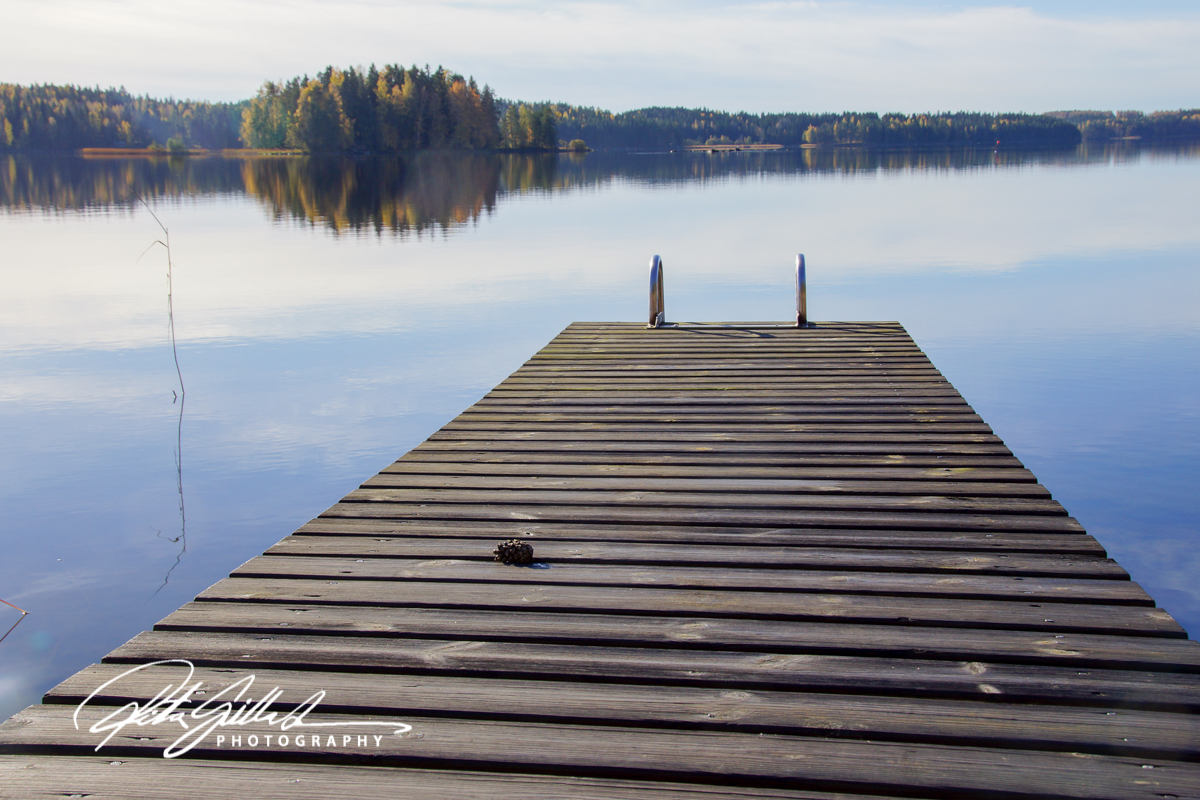
The day light is still softly around, soft mist in the background, them blue moment arrives to slowly turning the day to night, the lights of the skyscrapers coming more visible changing the mood. Then darkness folds out the dark shield that hides out the scenery leaving the buildings in the lighted glory as main point.
Blue hour at the peakCity lights from the peak
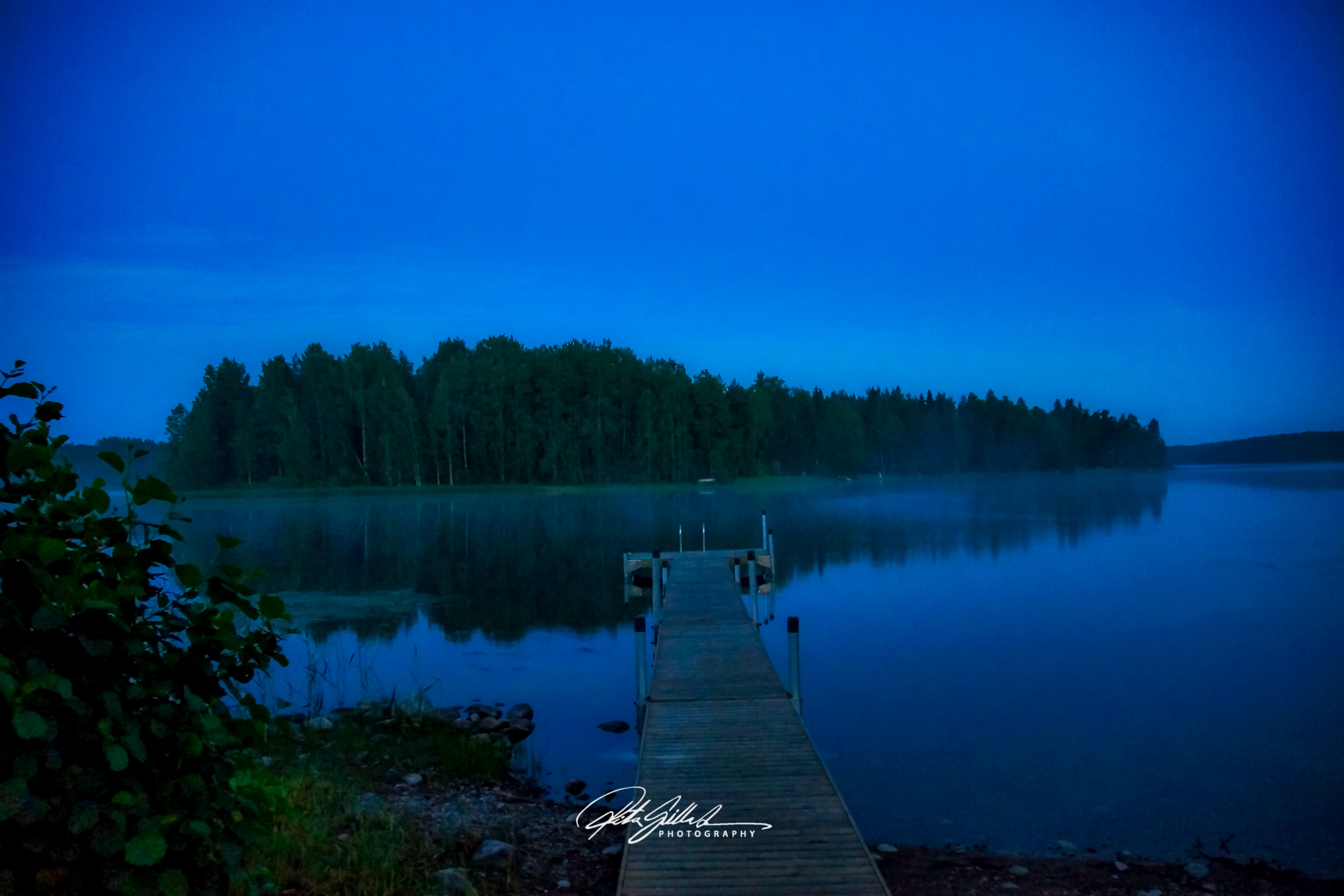
White nights at a cosy Finnish summer house right by the water, relaxing baths at the sauna, skinny dipping in the clear lakes, magical moments in nature glowing in 50 shades of green and many more.
Finnish summer speciality is the fascinating natural phenomenon called Midnight Sun.
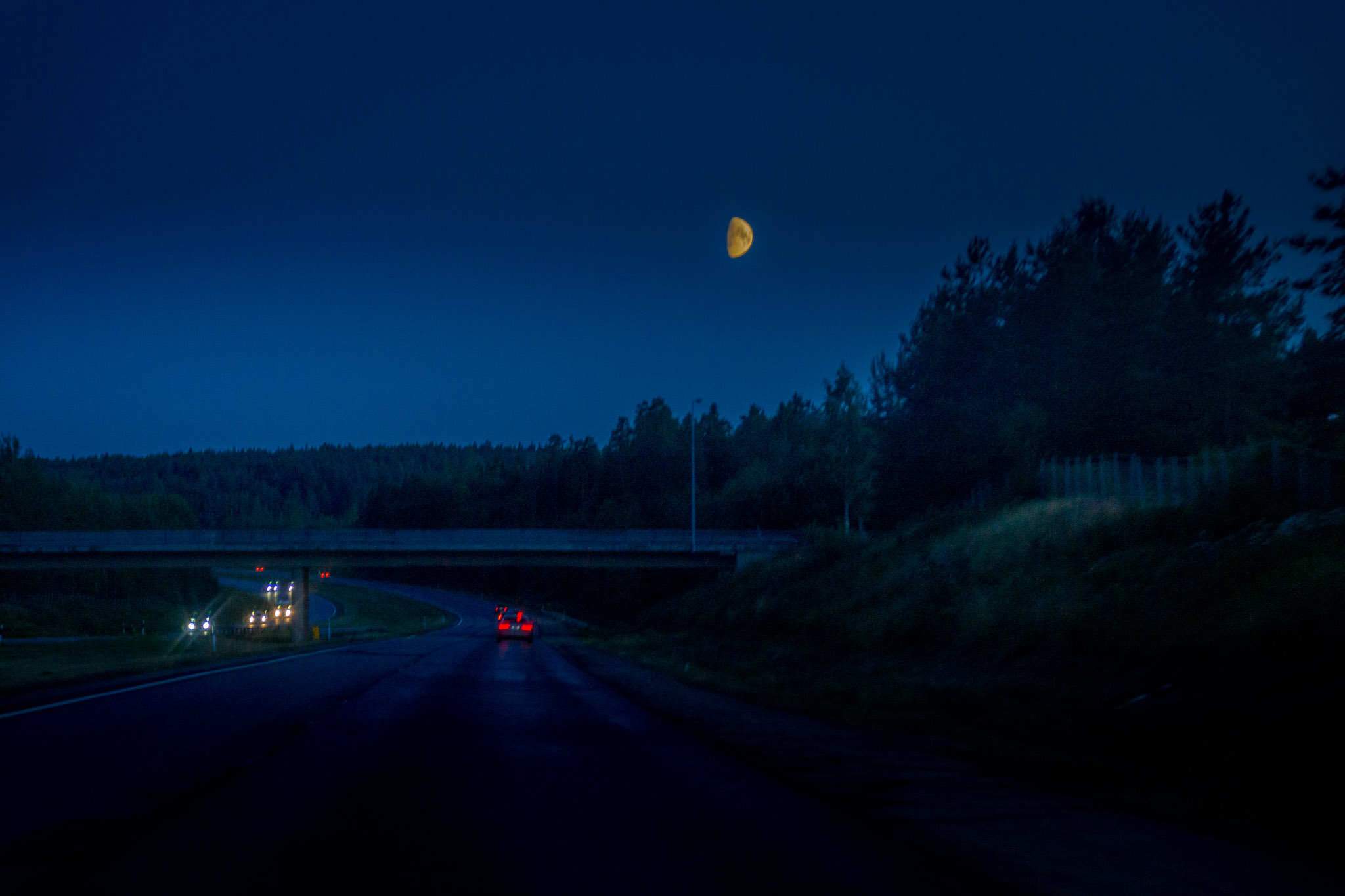
When nights are as bright as the day, you can do the same things you would like to do during the day. Go outside the house and enjoy the light and the calm. The purely magical moment is when the sun tries to set, and it paints the horizon from red to yellow and pink to purple. Everything around you is surrounded by beautiful bright light.
The Nordic region is known for its unique light conditions, influenced by drastic weather and daylight changes. The sun’s low position in the northern areas creates long shadows and side-oriented daylight, while the summer evenings are distinguished by a diffuse light. The distinct quality of Nordic daylight lies in its low angles and the gradual, breathtaking transitions of long sunrises, sunsets, and the enchanting “blue hour.”
People have developed a special relationship with light, intricately intertwined with the seasons and the variations in light. The high variability of light throughout the day, and especially between the winter and summer seasons, influences people’s traditions, color preferences, and overall connection to light. I for one, feel guilty in the summer if I spend too much time inside. When you have it you need to be outside.
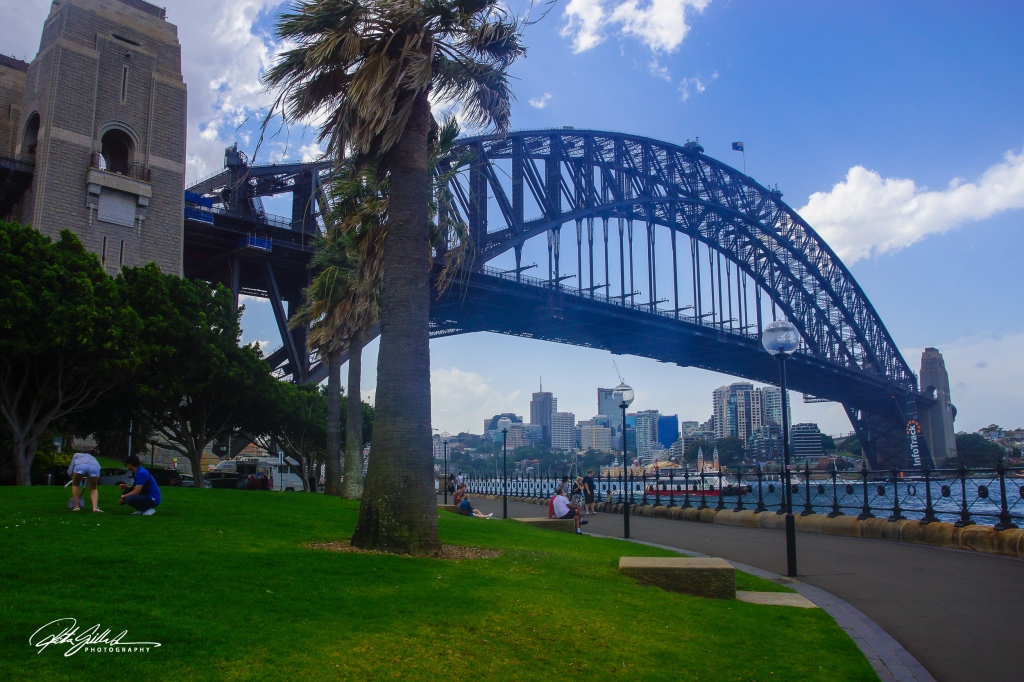
Day, evening and night image from Sydney Harbour
Night and day in Níce
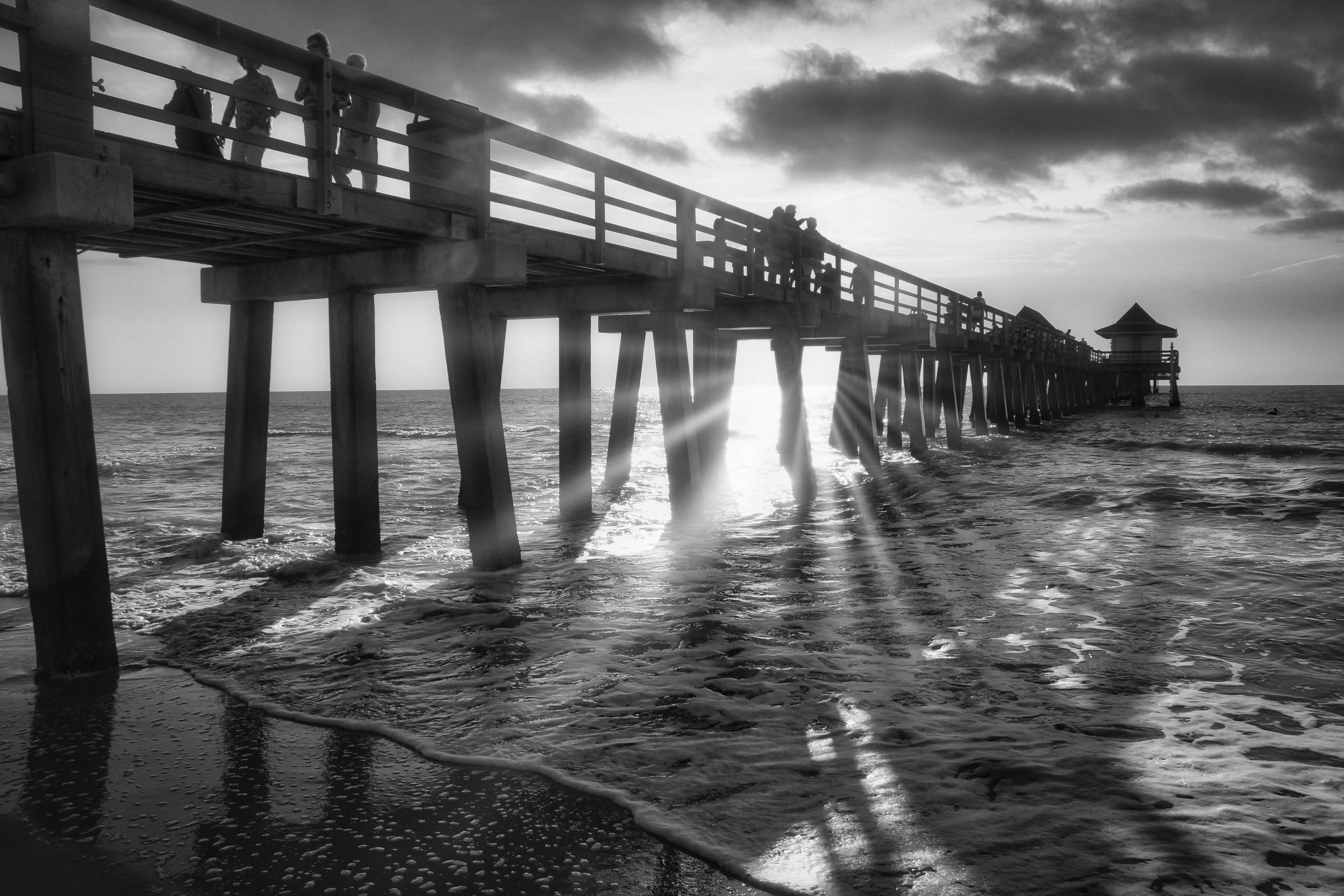
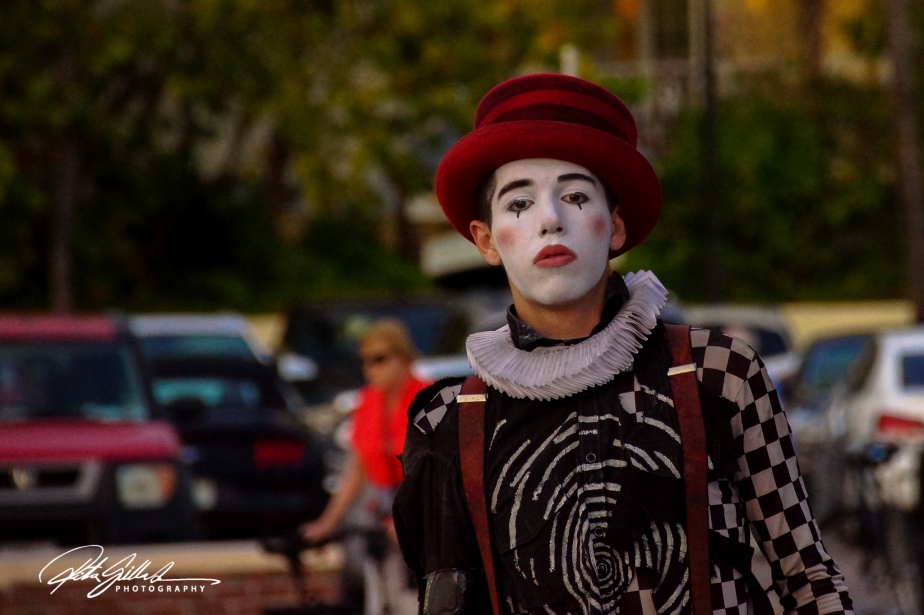
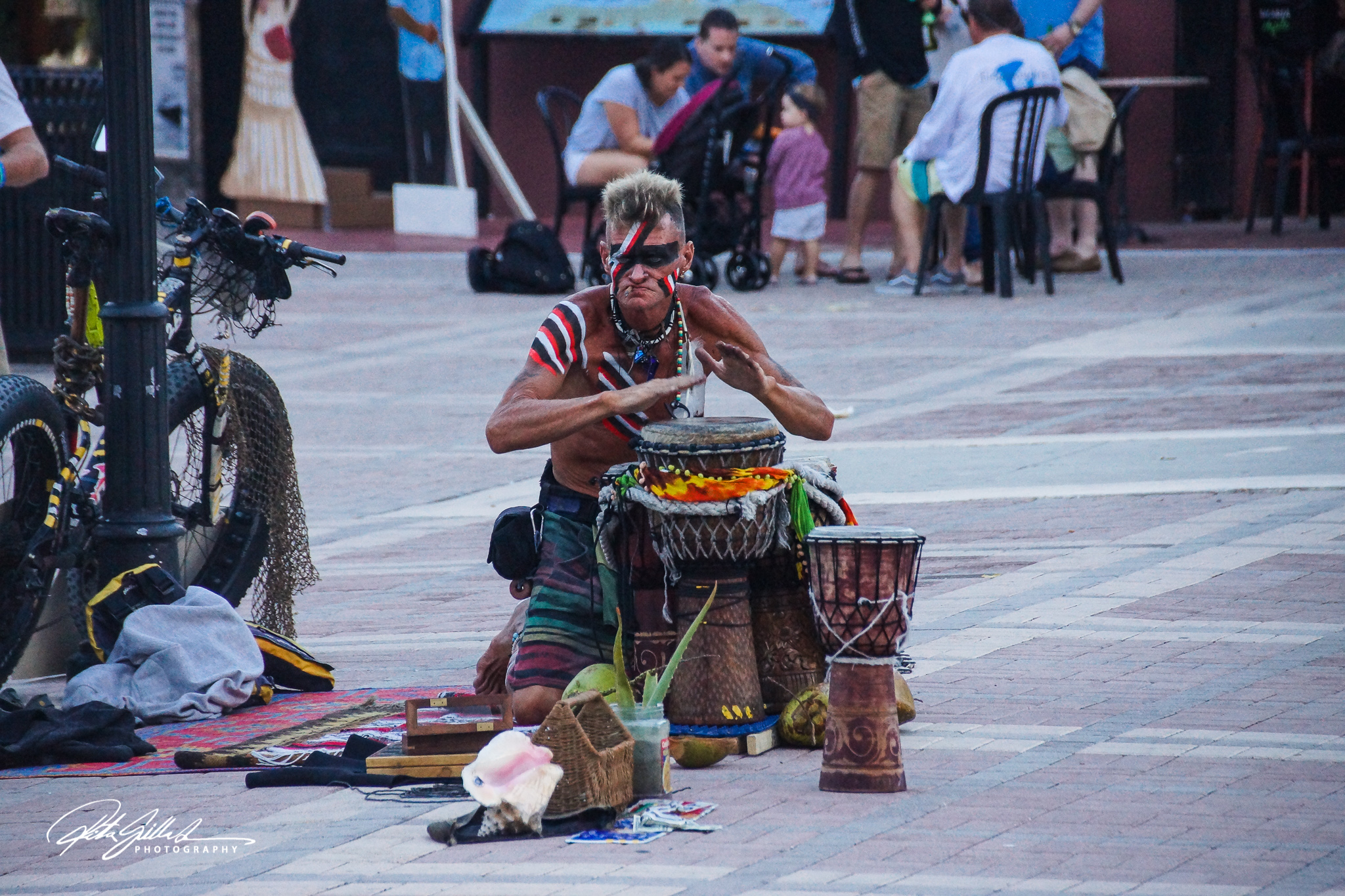
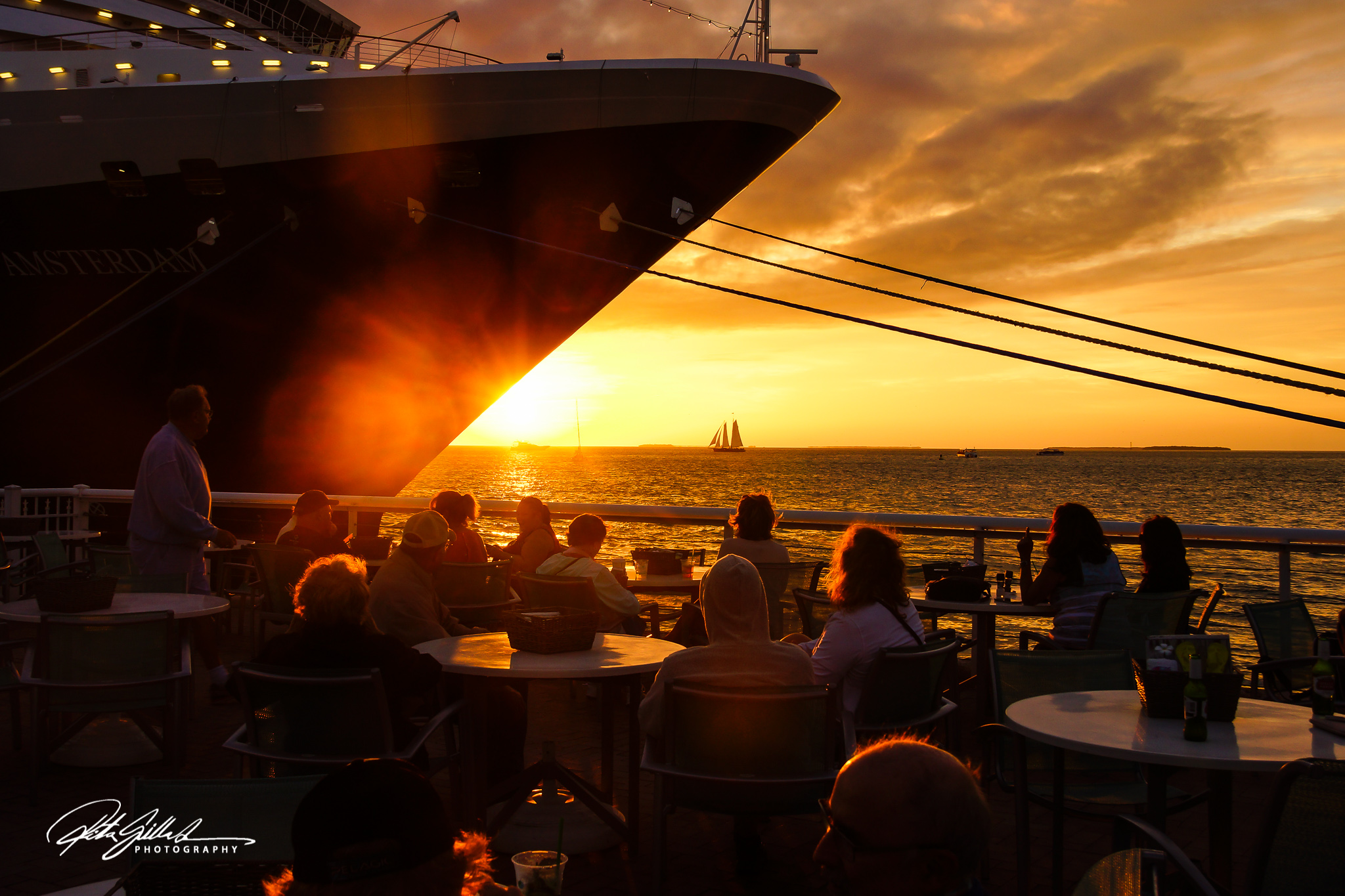
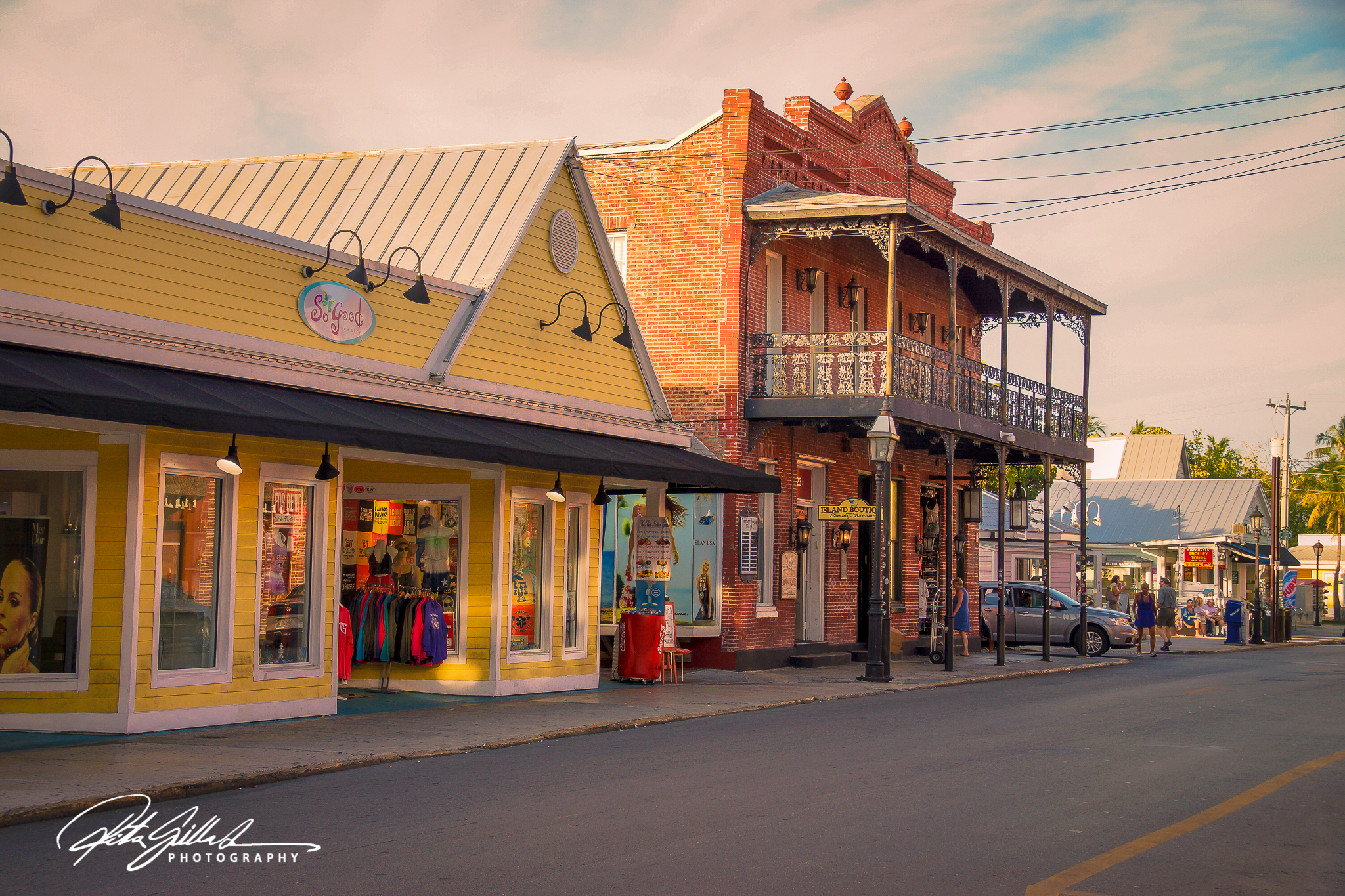
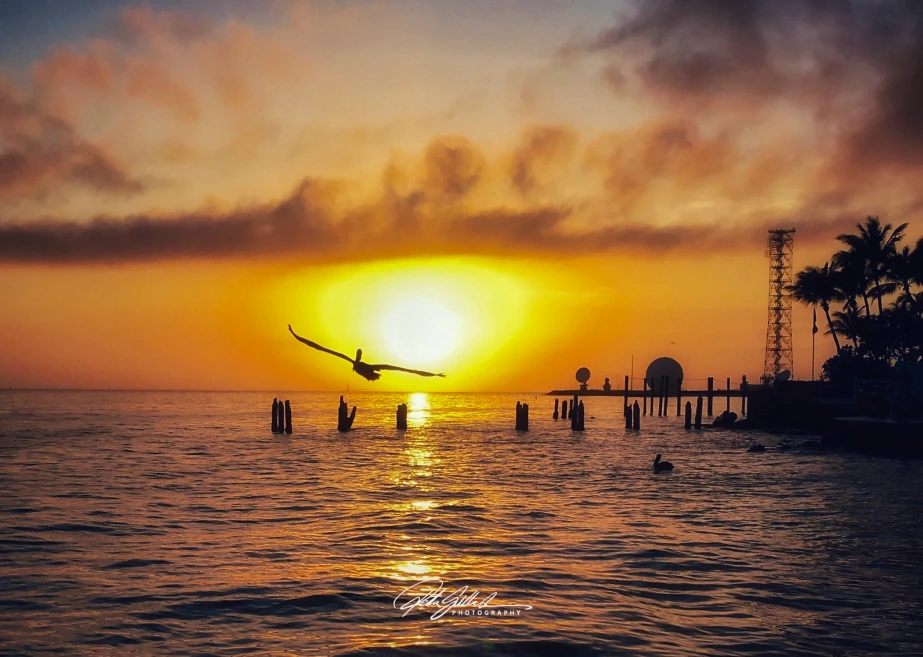
Key west day and night
To participate in this challenge, you should link to or leave a comment on the week’s host’s original challenge post and please use the #Lens-Artists tag in your own post, so the post is easily found in the Reader.
Thank you to Sofia for inspiring us with Day and Night. Be sure to visit her beautiful examples for the challenge.
Next week,Egidio (Through Brazilian Eyes) will host his first official challenge with the Lens-Artists. His topic is Warm colors .Be sure to visit his inspirational site for more!
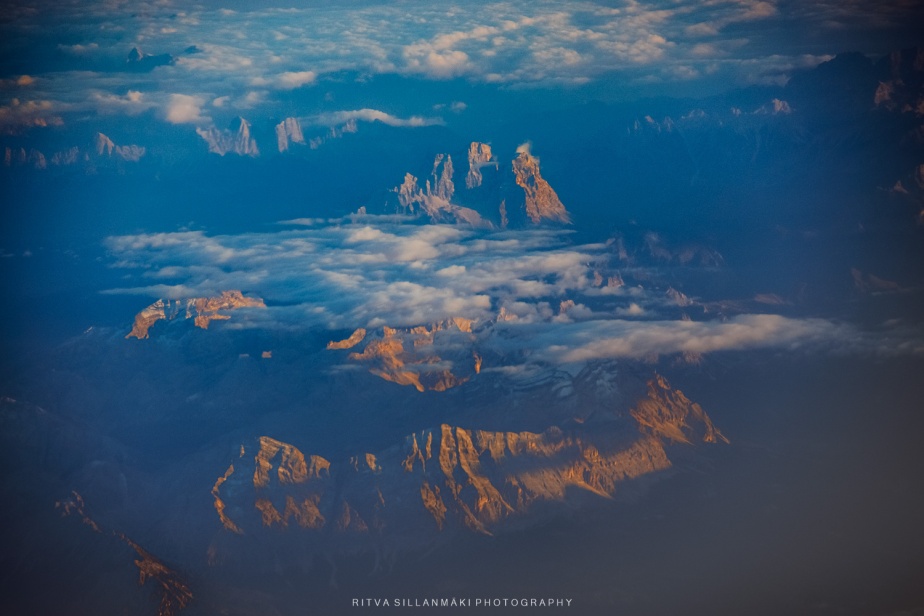
This week, Patti from is asking this question: what makes a photo dramatic? Maybe it is processed in black and white, or it has vivid colors. Maybe a person, place, or object is captured from a unique perspective or it is a macro shot.
I took this from the plane, the mountains make a dramatic scene behind the clouds.
The word “dramatic” holds immense significance for me – it encapsulates the sense of grandeur and intensity that is ever-present. It’s remarkable how the play of light in photographs can be so distinctive and impactful. In contrast, everyday life may not exude the same overt drama; seemingly mundane events can often hold hidden depths of emotion and sentiment beneath a tranquil facade. Being of Finn, I acknowledge that we may not be the most openly expressive people, yet our emotions are profoundly felt and deeply rooted.
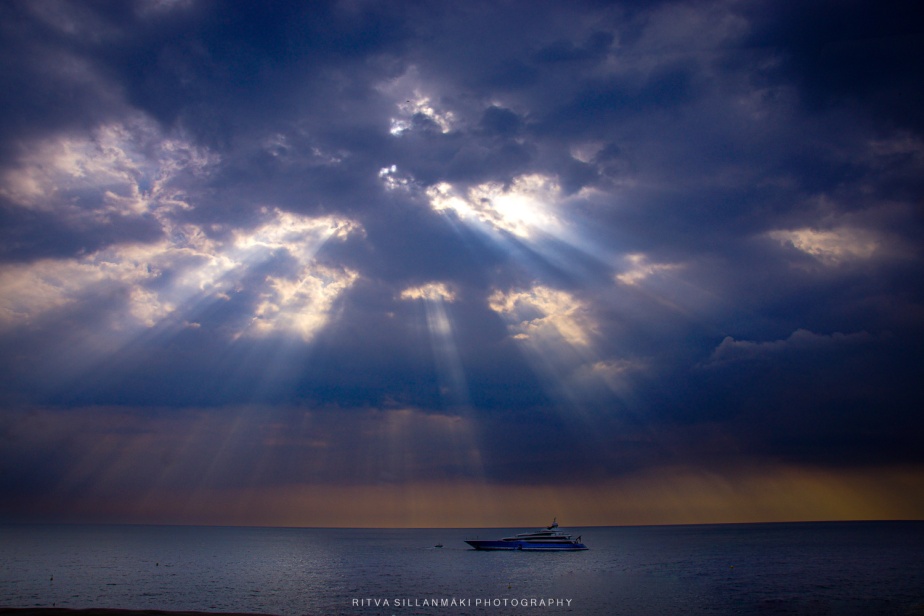
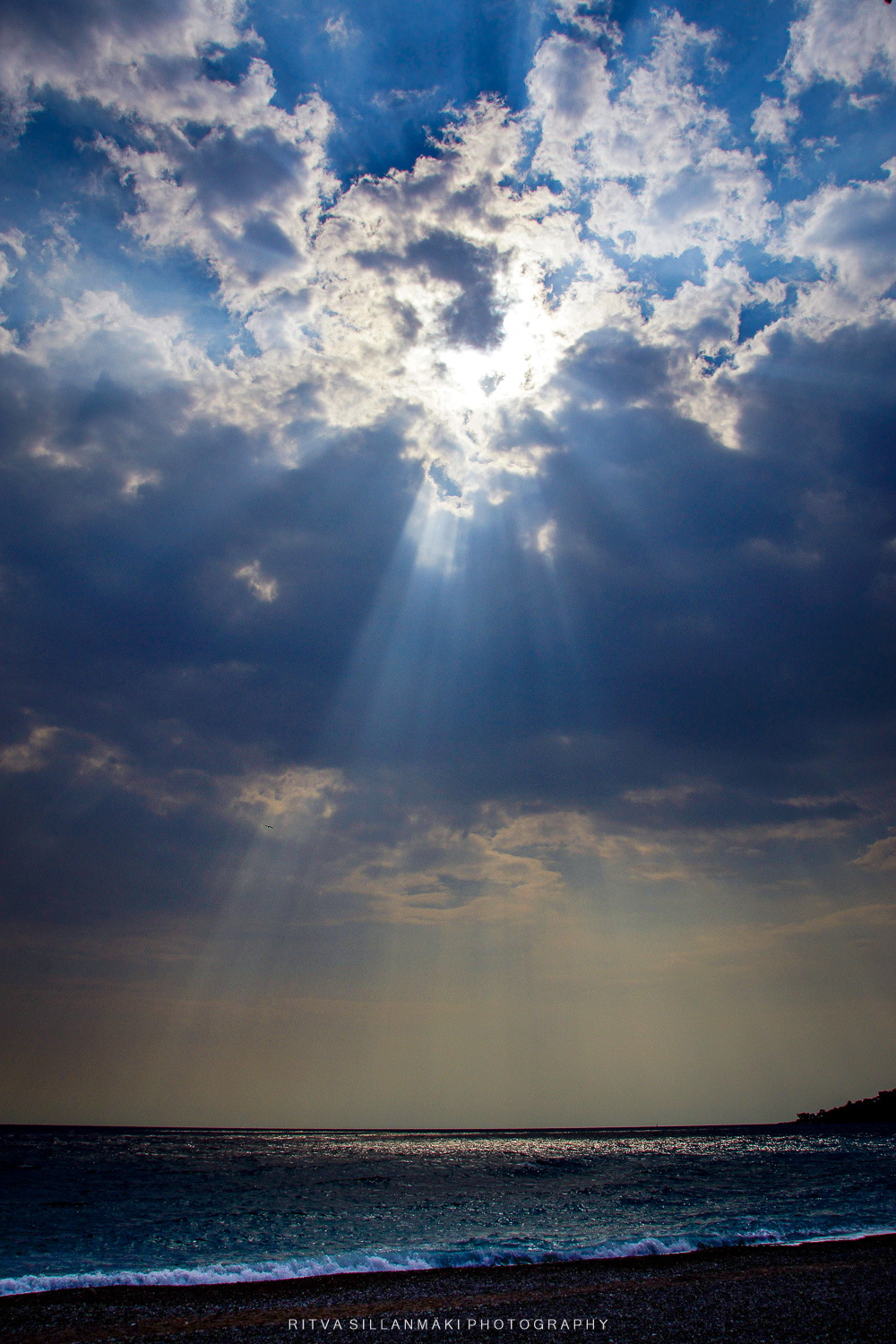
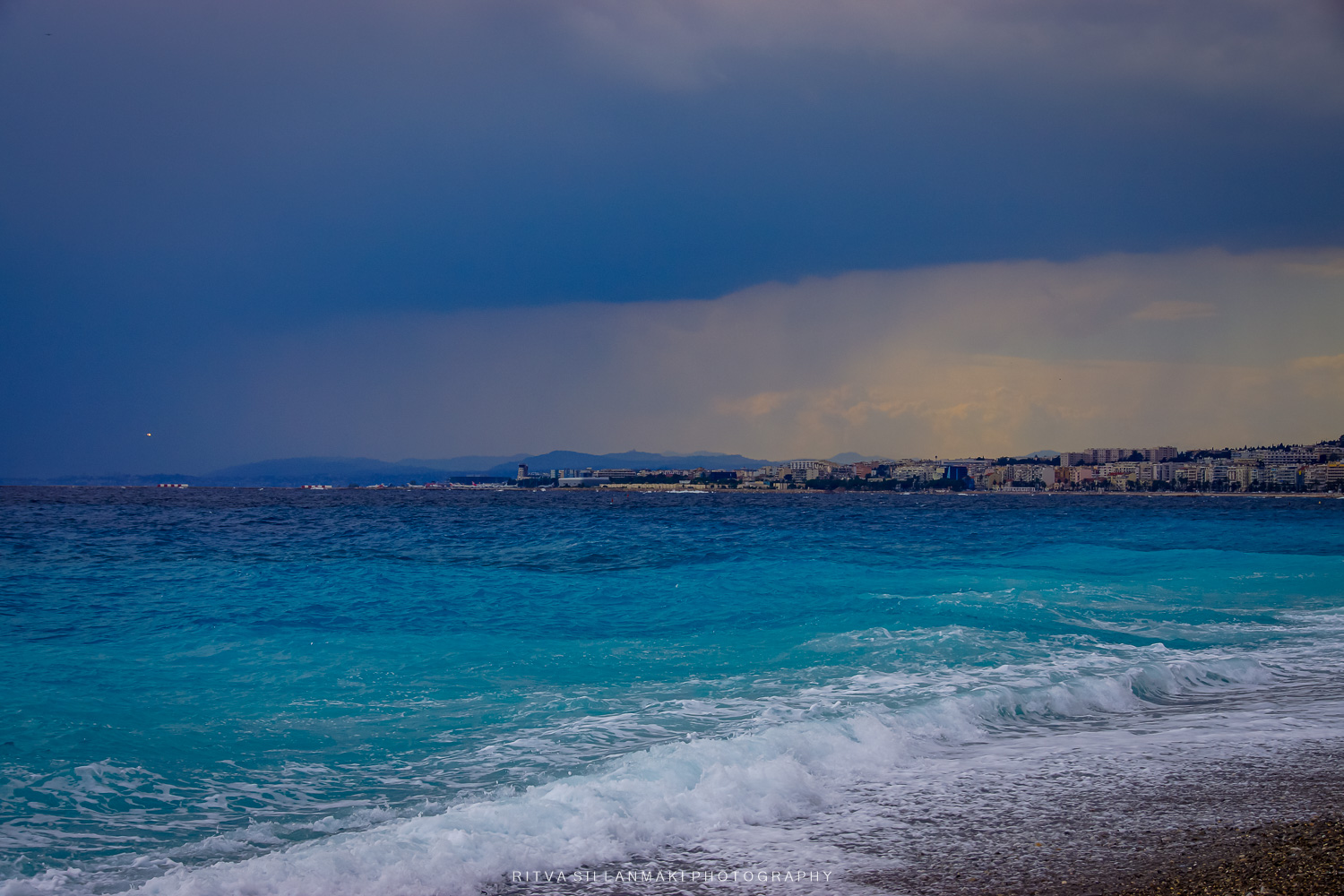
These I took In Níce, France
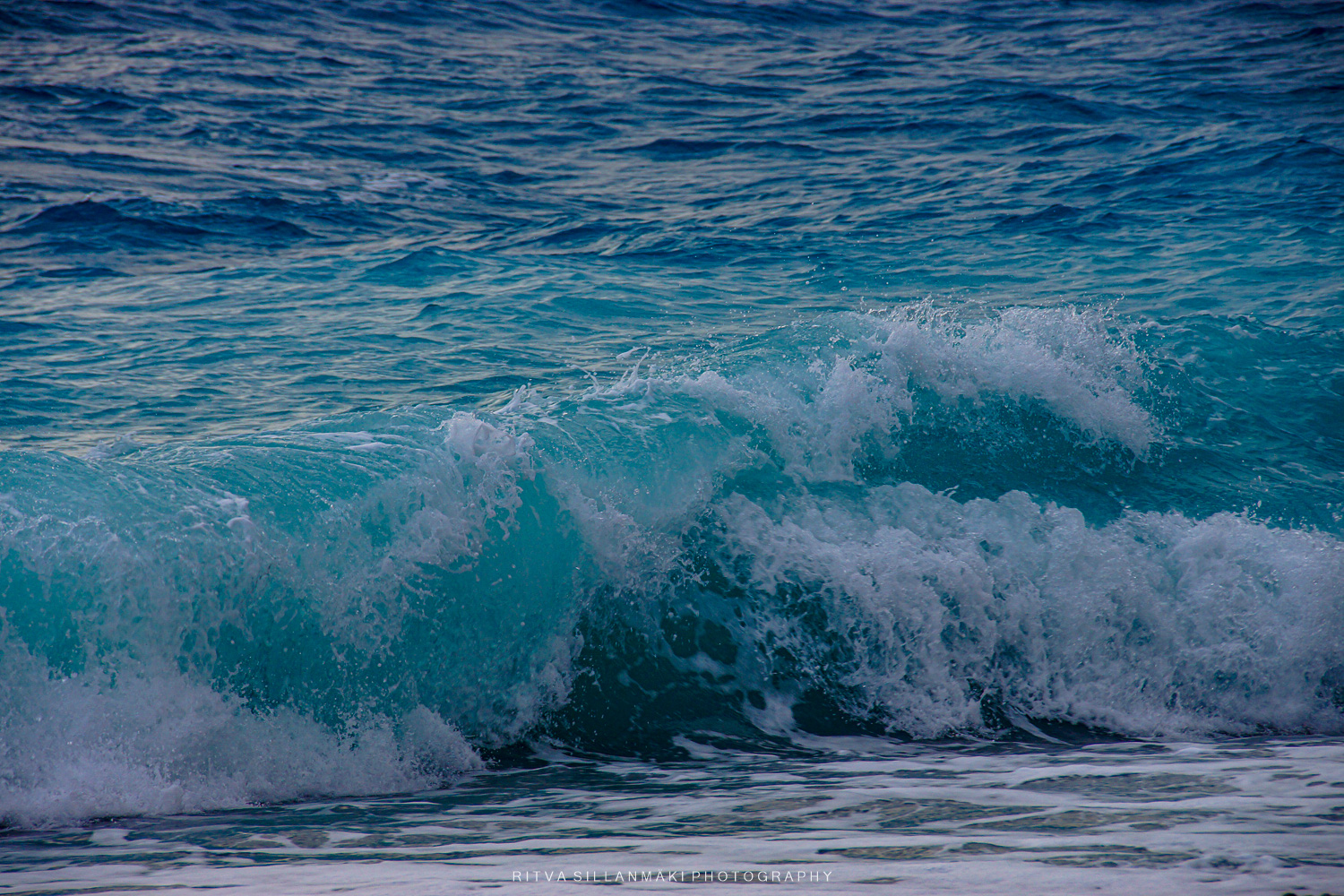
For me, the sea stands as one of the most profoundly dramatic elements, alongside the ever-changing canvas of clouds. Nature, or rather the weather, serves as the catalyst for many of these breathtaking phenomena.
Furthermore, the architectural details has the potential to evoke a dramatic impact through the interplay of light, shadow, and contours.
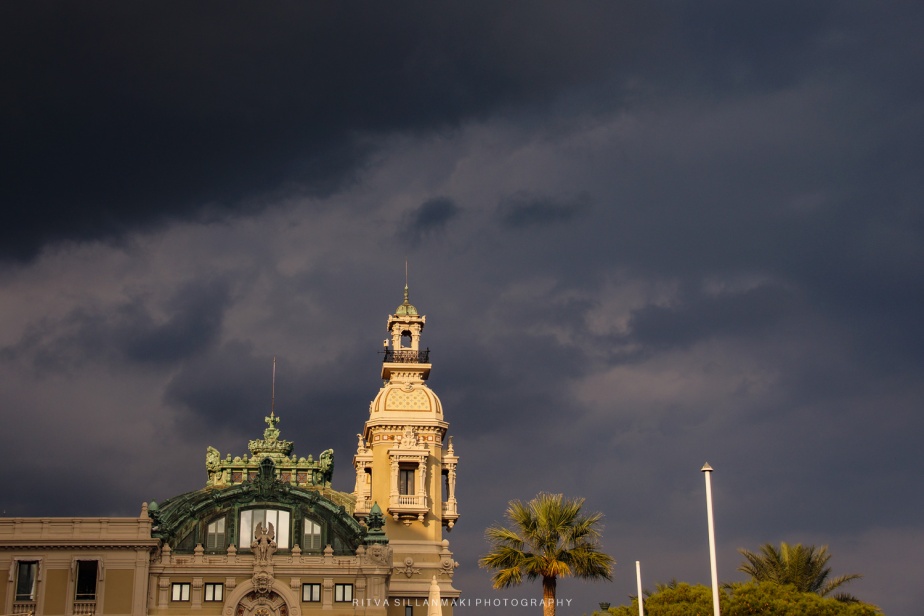
This is detail of the roof Monte Carlo Casino. The interplay of dark skies and beautiful old architecture creates a mesmerizing contrast that captivates the senses. The looming presence of the dark skies serves as a backdrop, intensifying the timeless allure of the architectural marvels.
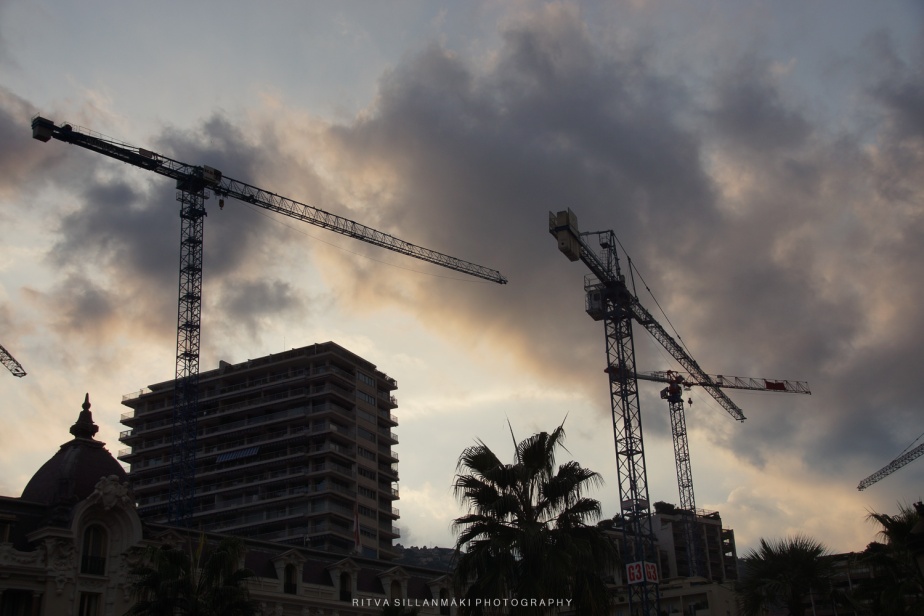
Skyline from Monte Carlo some years back.
“An event or circumstance sudden and striking,”
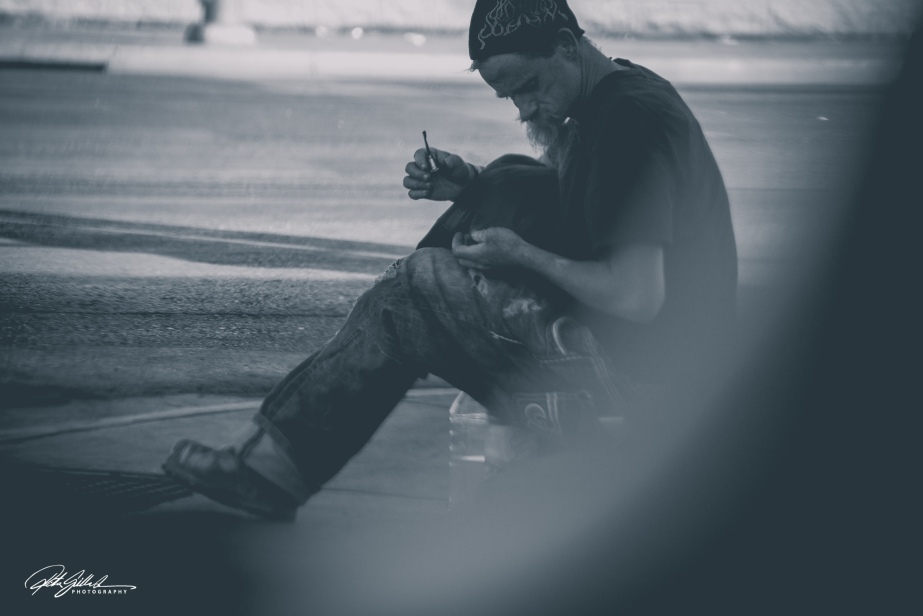
I sometimes capture documentary shots, sometimes I see people who are down on their luck. Even though I don’t know their stories, seeing these homeless men sitting on the streets of Las Vegas was truly a poignant and sad sight. They are not sharp images on purpose…
To participate in this challenge, you should link to or leave a comment on the week’s host’s original challenge post and please use the #Lens-Artists tag in your own post, so the post is easily found in the Reader.
I would like to extend my gratitude to the Lens-Artists team for extending an invitation to join them. I must admit that I was pleasantly surprised and deeply happy to become a part of this esteemed group of talented photographers, who not only capture mesmerizing images but also possess a remarkable gift for storytelling through words. As for me, I tend to adopt a more direct approach; I believe that a photograph should inherently narrate a compelling story. Perhaps it’s just my inclination towards visual expression, or maybe it’s due to my perceived lack of proficiency in conveying narratives with words. Nonetheless, I sincerely appreciate the invitation and am genuinely honored to be included as a member of this distinguished group.
One year has come and gone and I looked at all the photos I’ve posted, SO, SO many. I will make a point of not posting more than 10 photos a post from now on in these challenges. I could even do less, who knows. By doing so, it becomes possible to maintain a better overview of the content that I have shared, allowing for more deliberate, meaningful engagement.
As I reflected on my photography journey, I found that the simplicity in composition has a unique way of drawing the eye and establishing a sense of balance within the frame. Black and white photography, in particular, has a timeless elegance that captivates the essence of the subjects captured.
The prevailing themes of sea, lakes, forest, and clouds underscore my deep appreciation for the marvels of nature, each holding a special place in my heart.
These ten photos I chose I like, they may not the best ones, but they summarize what what I like to photograph and what style of photography I do.
Furthermore, the vibrant beauty of flowers has consistently been a compelling subject, offering an ever-present source of joy and inspiration. Additionally, capturing the diverse range of people and their myriad of moods has allowed me to encapsulate the essence of life that surrounds me. Odd and unexpected things draw my attention and keeps me alert – look closely that is my motto.
By embracing these elements, I have discovered a profound connection to the world around me through my photography. The world as I see it (through my camera)
The “rule” is that your chosen photographs must have been taken in 2023, and must not have been included in response to any of our 2023 challenges.
I could view this as a wonderful opportunity to embrace the cozy ambiance of the winter season. Although the days may be shorter, I choose to focus on the beauty that awaits as they gradually begin to lengthen once more in few days time. Instead of dwelling on a recent illness just before Christmas, I find joy in the fact that my fever has subsided. Life presents us with countless choices, and I firmly believe that our attitude holds the power to shape our experiences. Let us embrace the positivity that surrounds us.
Photography can be pretty overwhelming with all the choices to make. Huge issue :-) What should I post? What should I skip? I feel like I suck at this because I always end up posting too many photos.
Well sometimes one needs to look through the magnifying glass to see :-) This was taken on as idle moment in my living room. Odd one for sure, not category to place this photo.
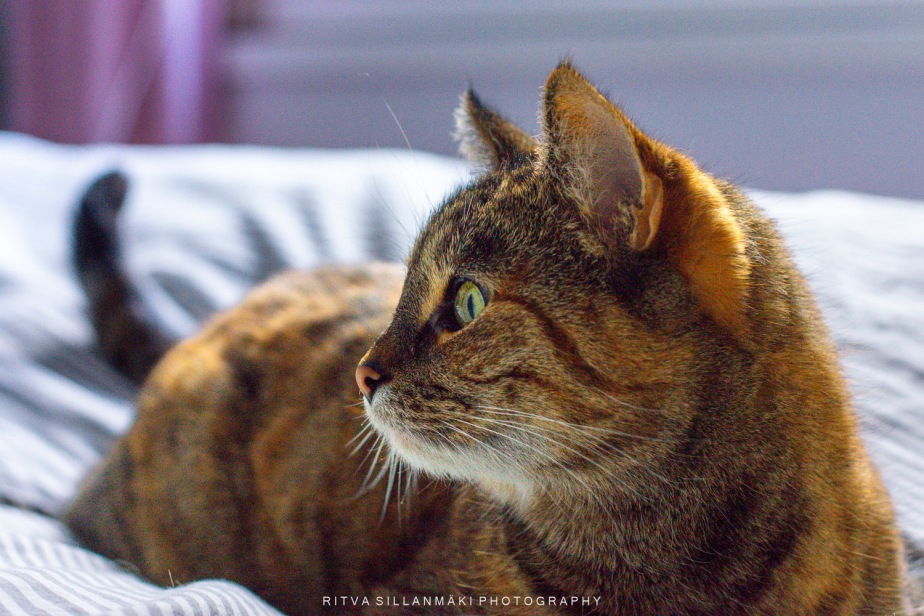
Tinka my pretty little cat is well documented in loads of photos.
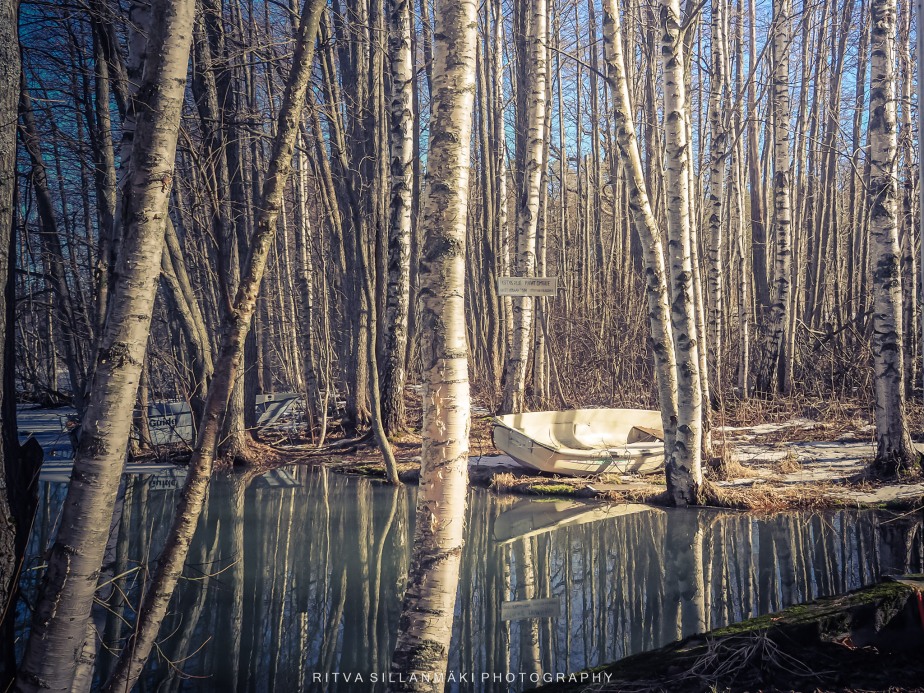
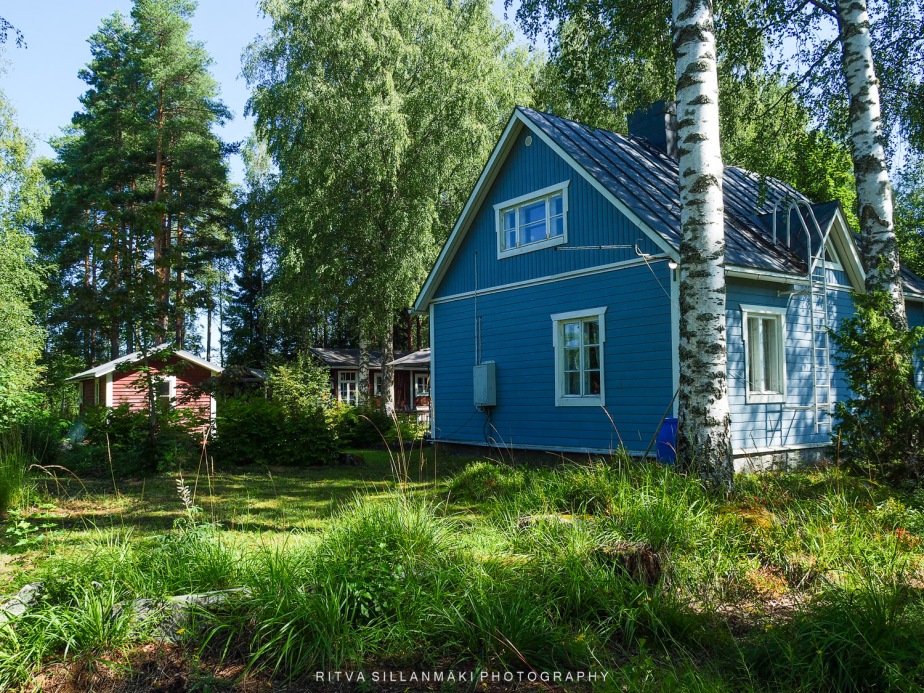
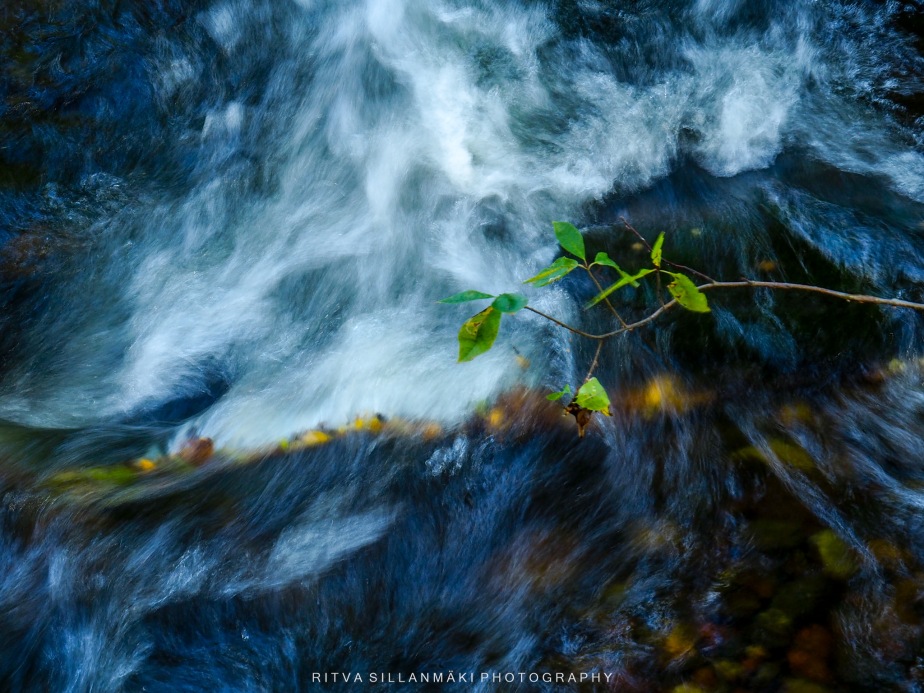
Birch trees by the lake. This is taken early spring, I like the the light an reflection and oddly the composition is balanced even though it is very busy scene.Calm – time to reflect. Moment captured in the botanical garden in Helsinki.Staying in the subject of calm, this is my summer place, the place to relax- and take photos.Life can be full of storms at times literally and figuratively. ON life’s stormy highway .Let the flowing water lead you to the…
Toward the calmer place, where everything seems to slow down, it is essential to focus on the smallest details and allow yourself to relax. In today’s fast-paced world, it can be challenging to find moments of tranquility.
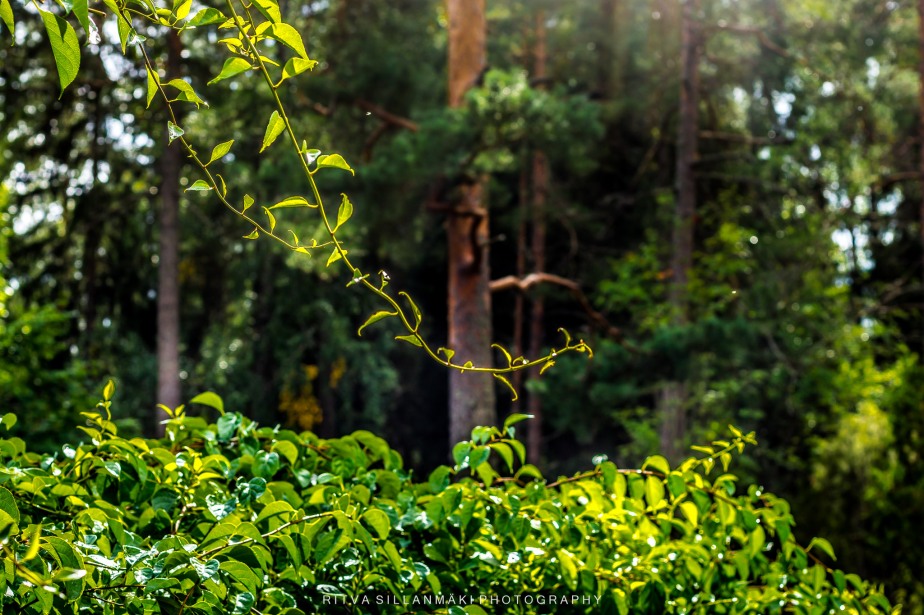
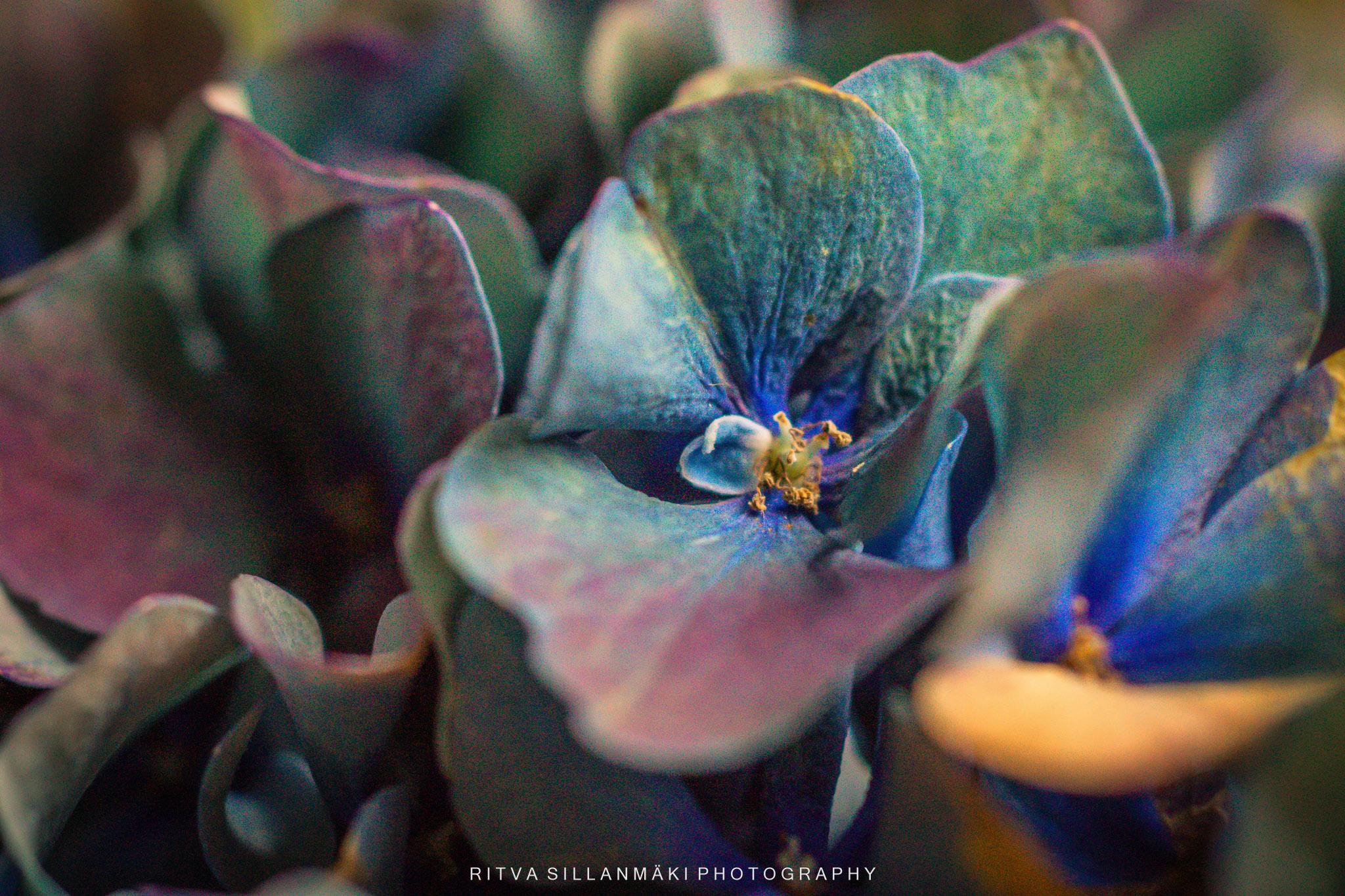
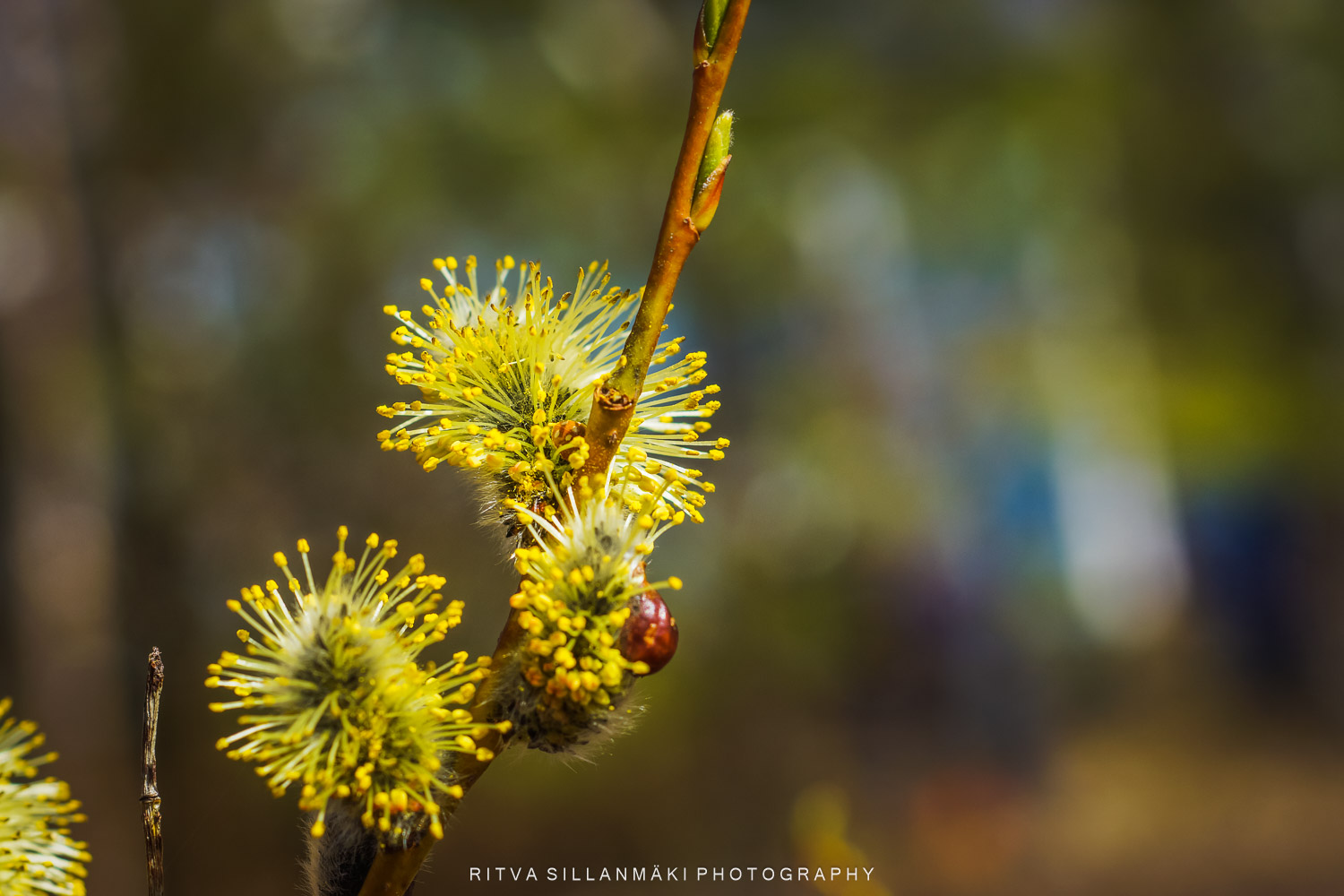
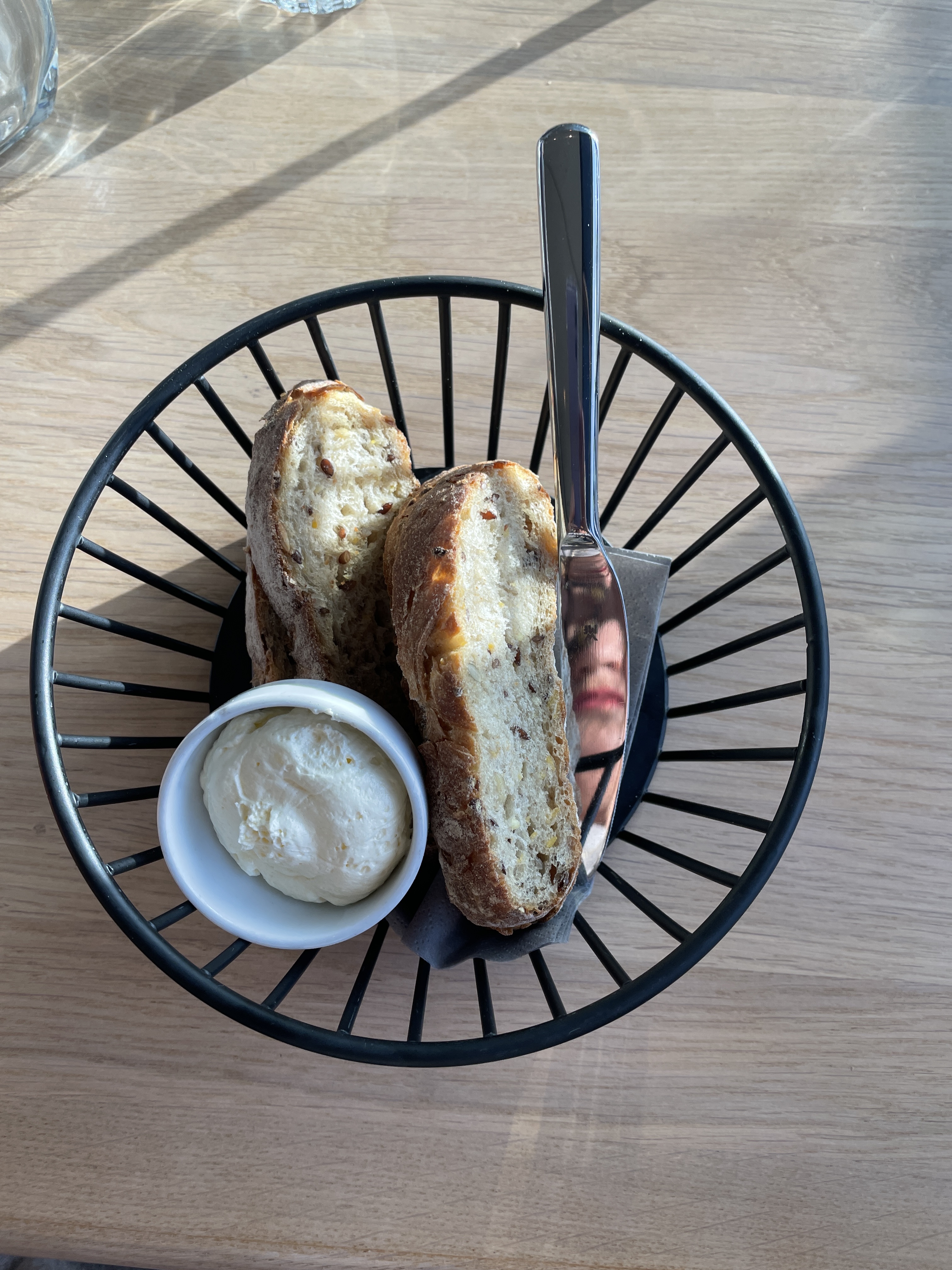
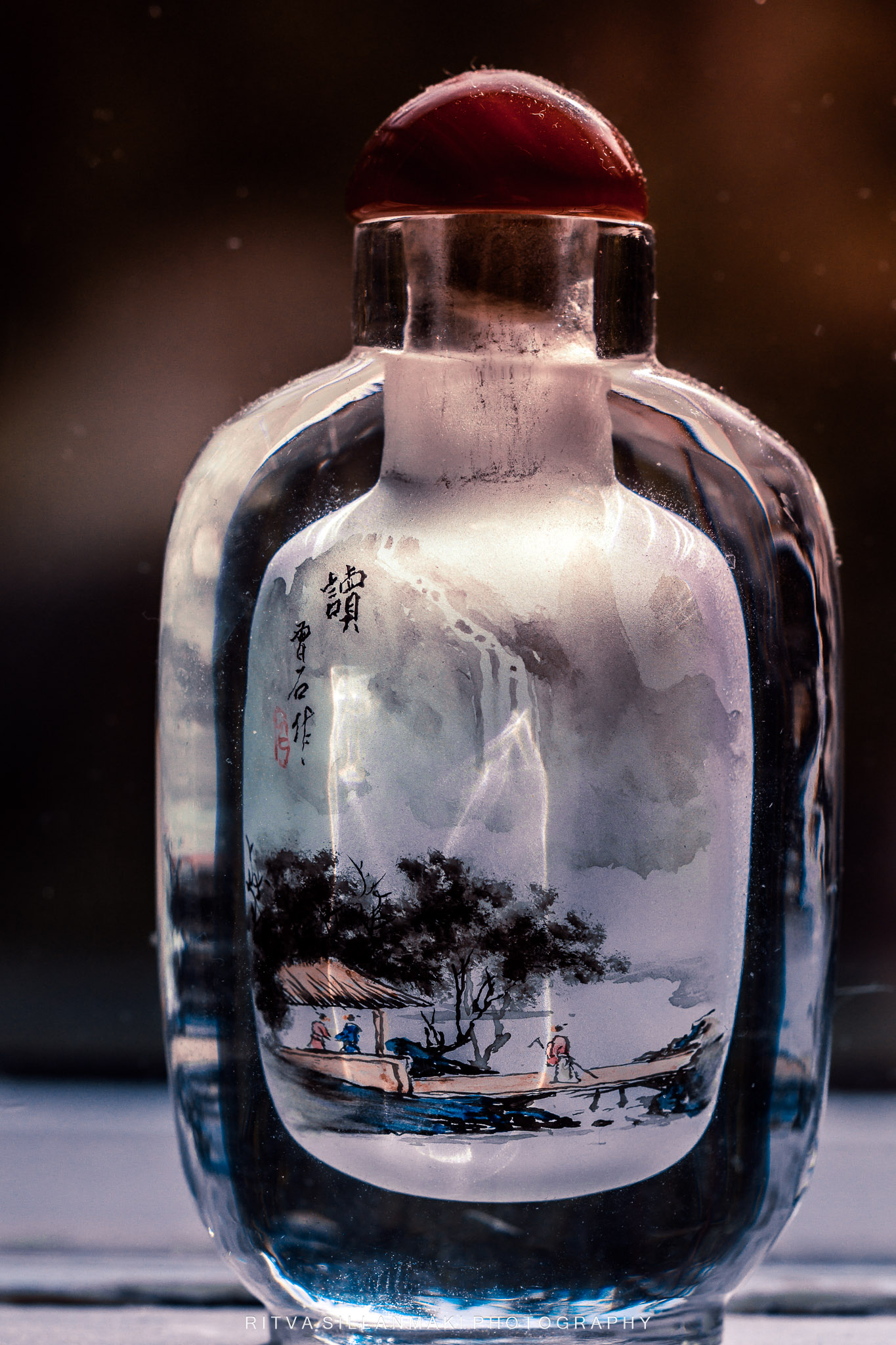
When we pay attention to the details, we open ourselves up to a whole new world of experiences. Whether it’s the delicate petals of a flower, the intricate patterns of a pussy willow, or the subtle flavors in a warm bread, a tacky selfie, or a delicate bottle fill of craftmanship these elements invite us to immerse ourselves fully in the present moment. By slowing down and observing the nuances around us, we can cultivate a heightened sense of awareness and find solace in the ordinary.
I find photography helps me in this, see the world through the lens of my camera
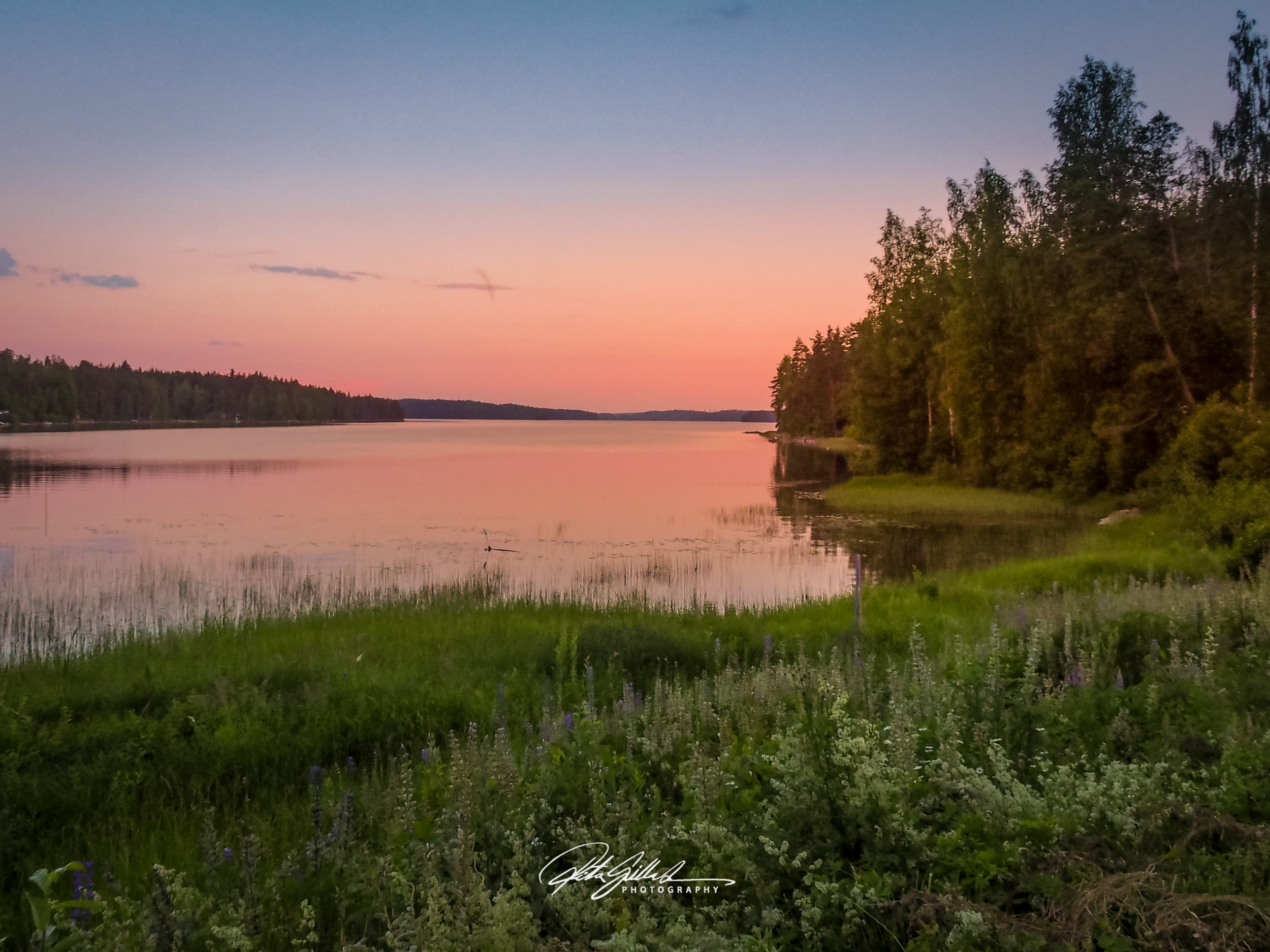
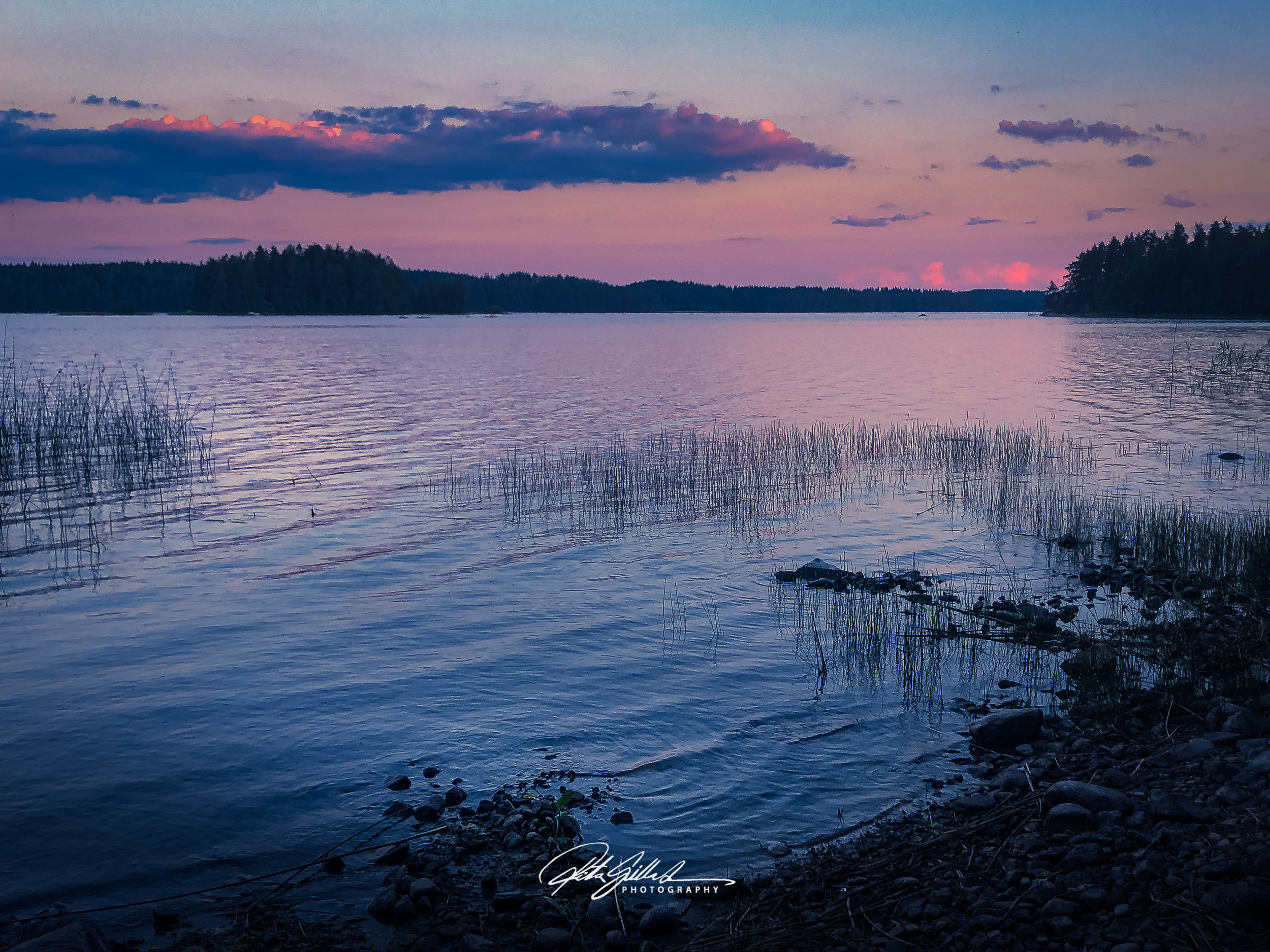
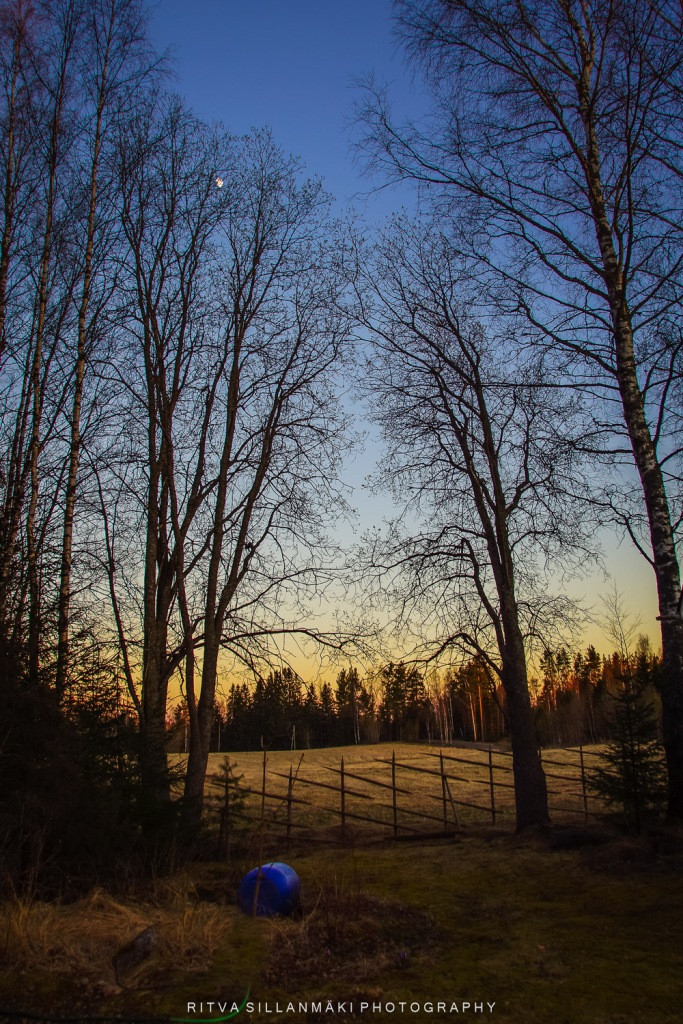
As the sun gently dips below the horizon, casting its warm golden glow across the tranquil landscape, I find myself drawn to this serene moment at my happy place. The vibrant hues of orange and pink dance across the sky, creating a breathtaking symphony of colors that captivate my soul.
There’s a certain enchantment in witnessing a sunset, a magical interplay between light and darkness that holds a deeper meaning. It serves as a reminder that every ending carries the promise of a new beginning, a chance to reflect on the day’s experiences and embrace the beauty of what lies ahead.
In this fleeting moment of tranquility, I find solace and renewed inspiration. It’s a time for introspection, for letting go of the worries and stresses that might have consumed the day. As the sun bids farewell to the world, it invites me to let go of the past and embrace the present, to appreciate the simple joys that surround me in my happy place.
But as the sun’s rays slowly fade, I know that this moment is ephemeral. It serves as a reminder to seize each opportunity, to cherish the people and places that bring us joy, and to make the most of this precious gift of life.
At this point I wish to thank Amy for many inspiring posts and hope you enjoy your travels and seize each opportunity on the journey