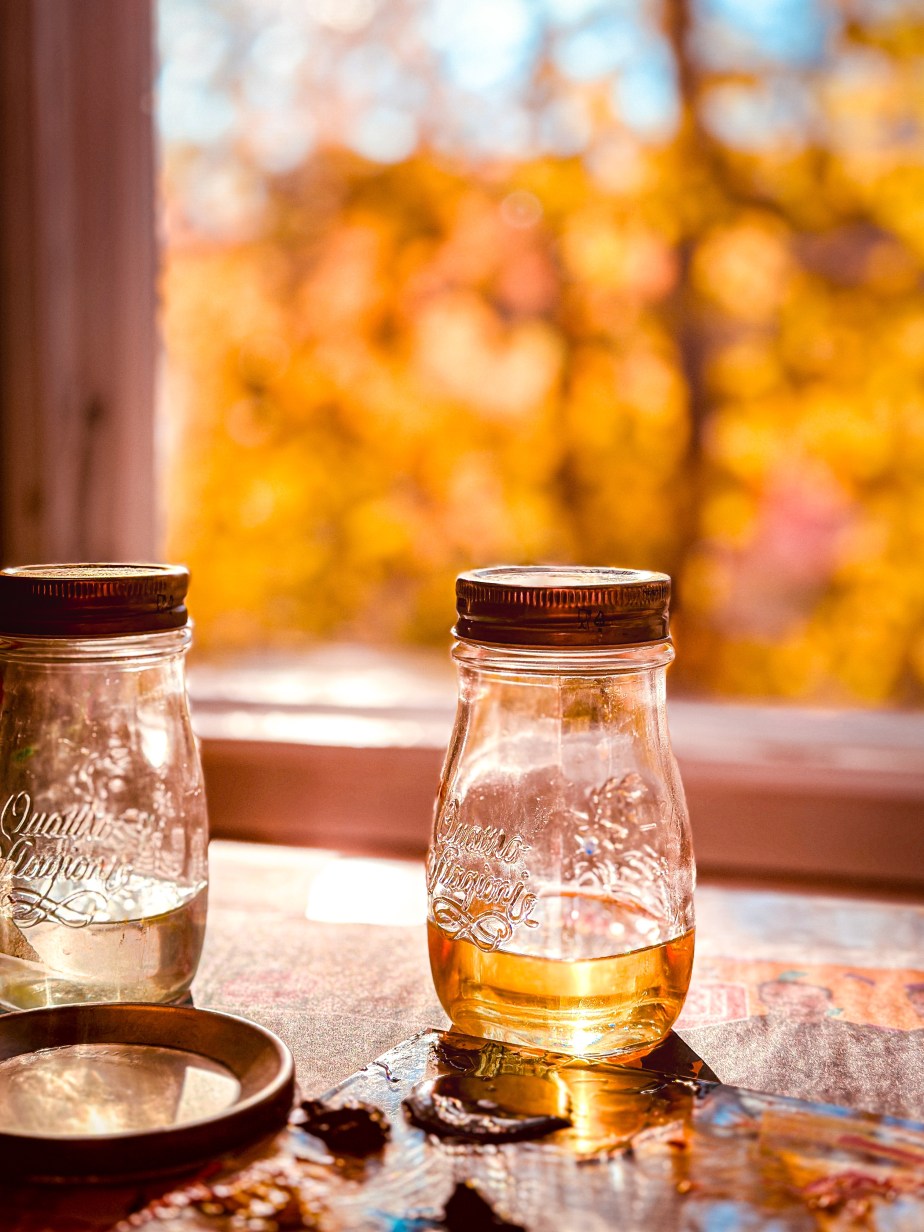
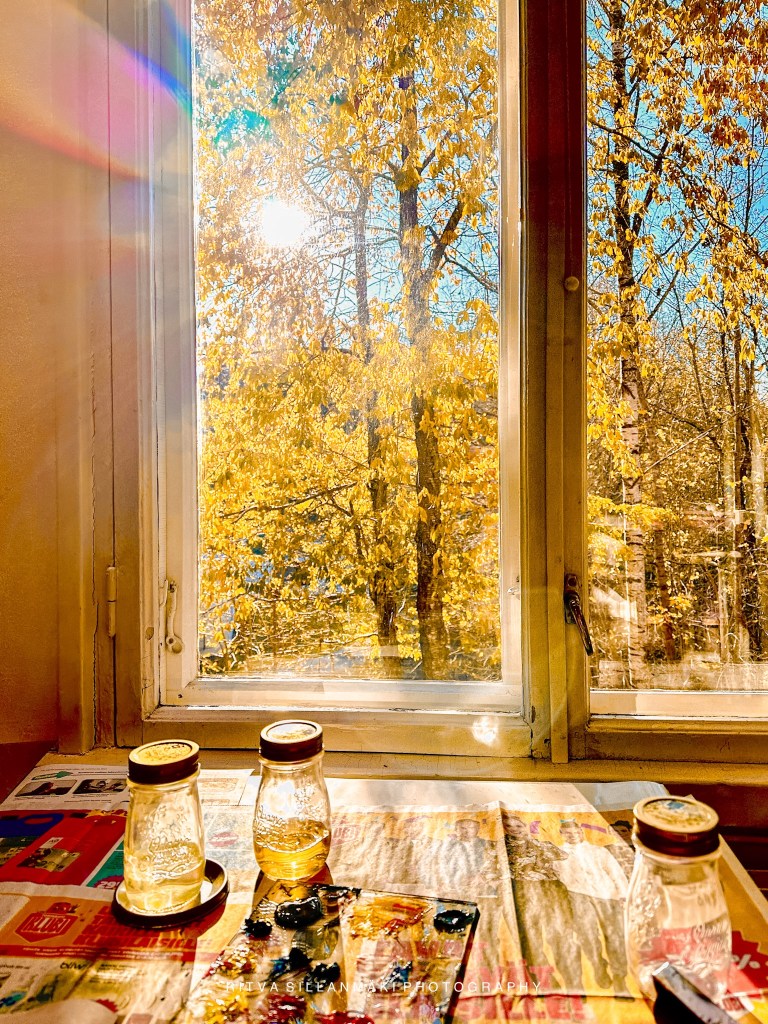
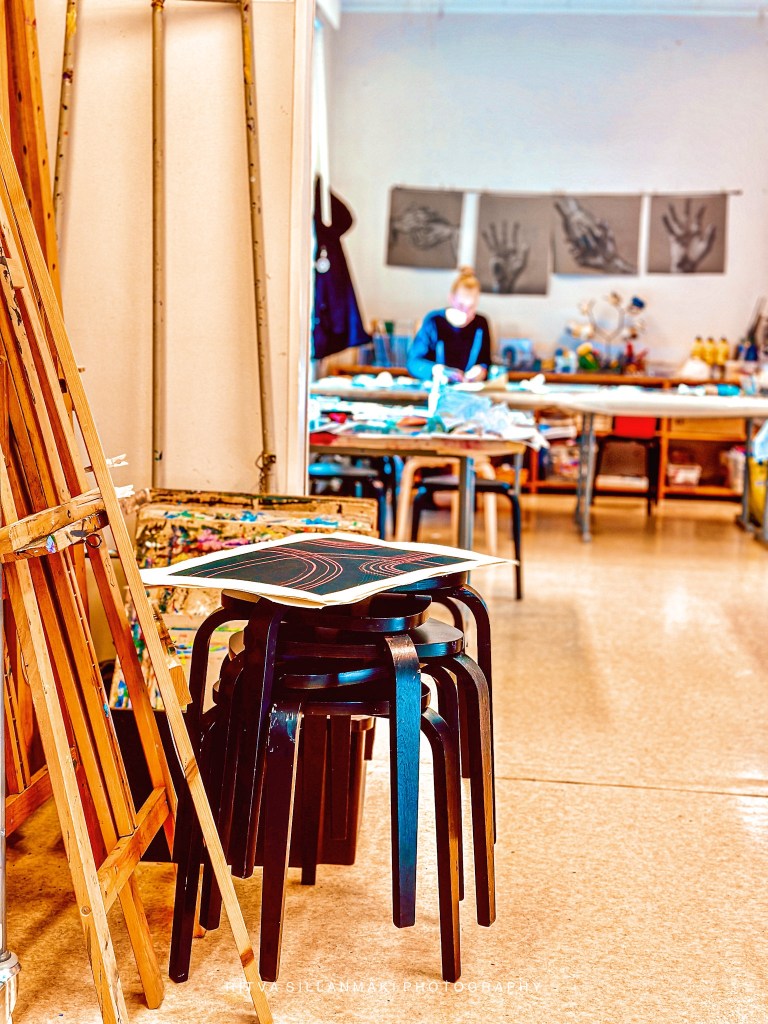
During the past weekend I have been trying to do presentable graphic art, monotype. I have to admit that I did not actually manage to do that. They fall in the category of not good not bad.
Saturday was bleak and grey, No inspiration coming from the weather then, but Sunny Sunday was cold but bright. I took these photos with my cellphone, mobile phone as I would say.
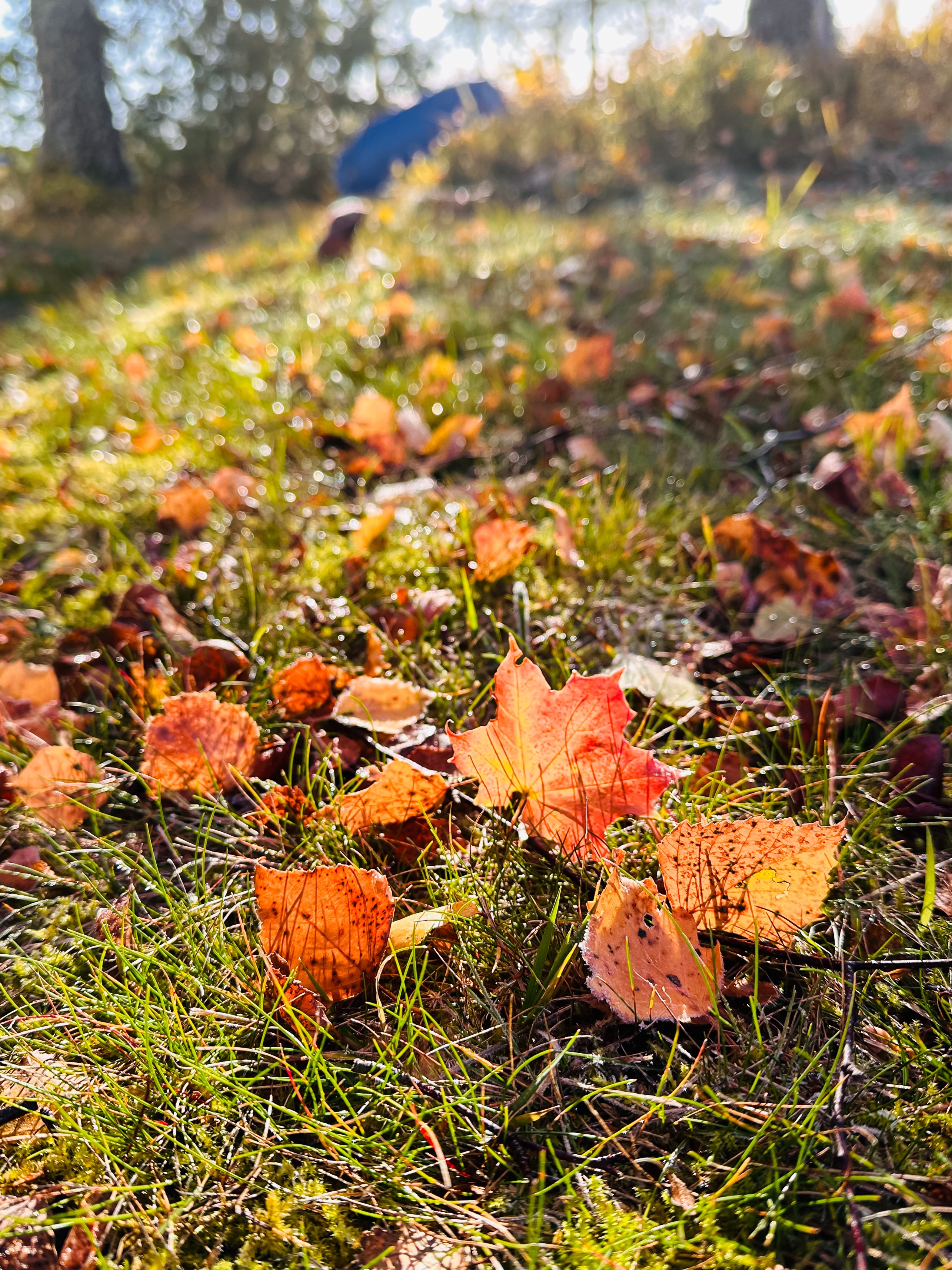
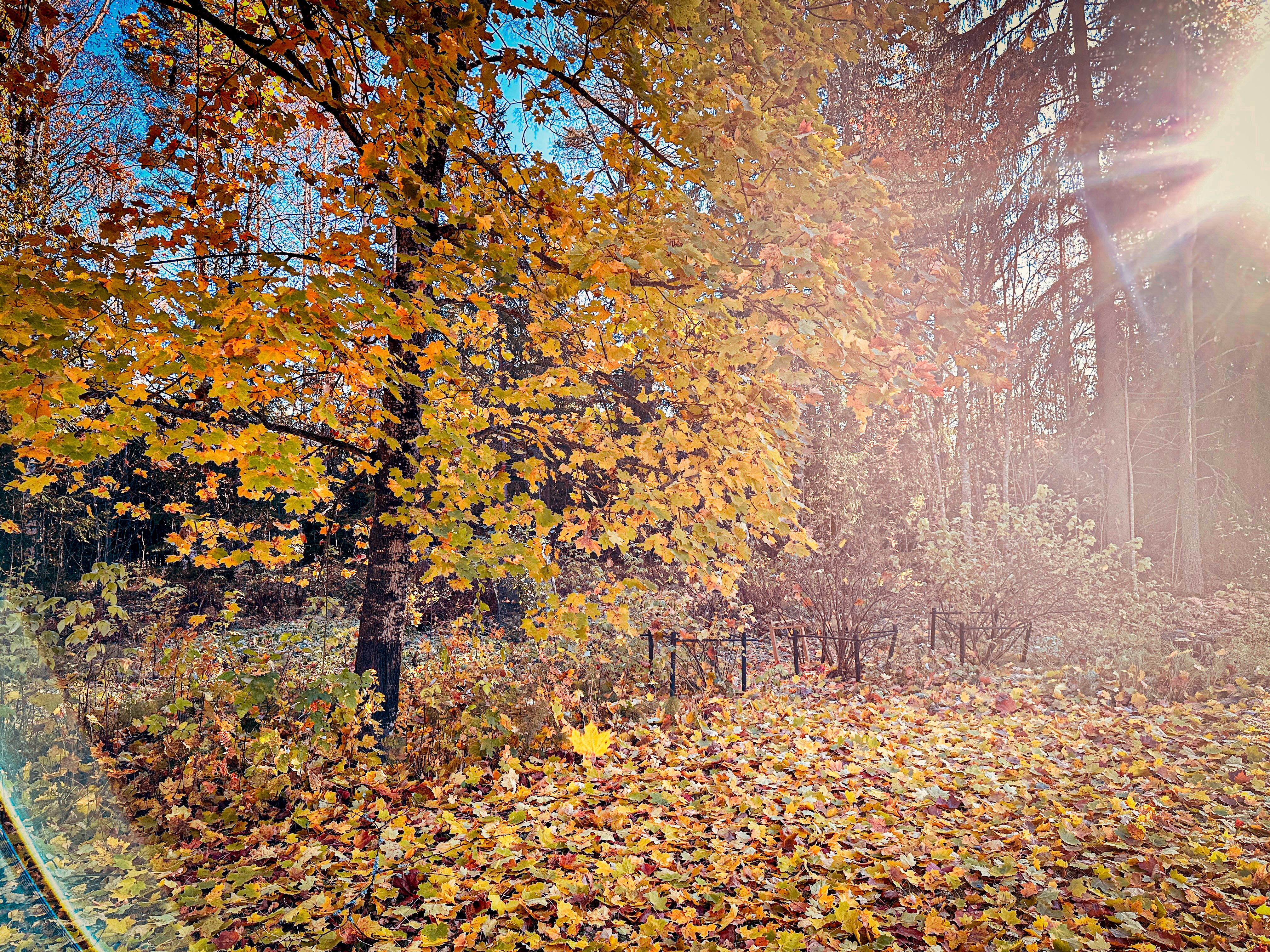
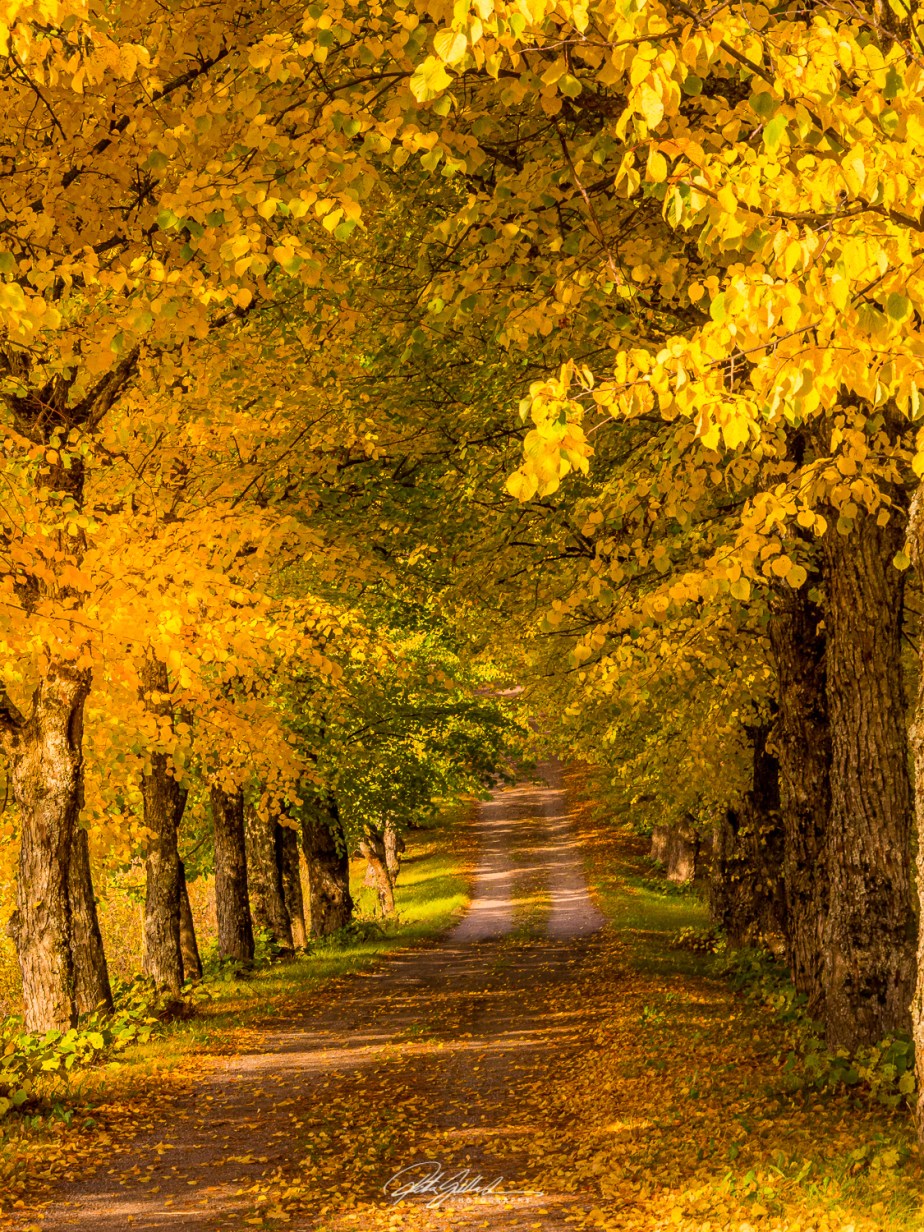
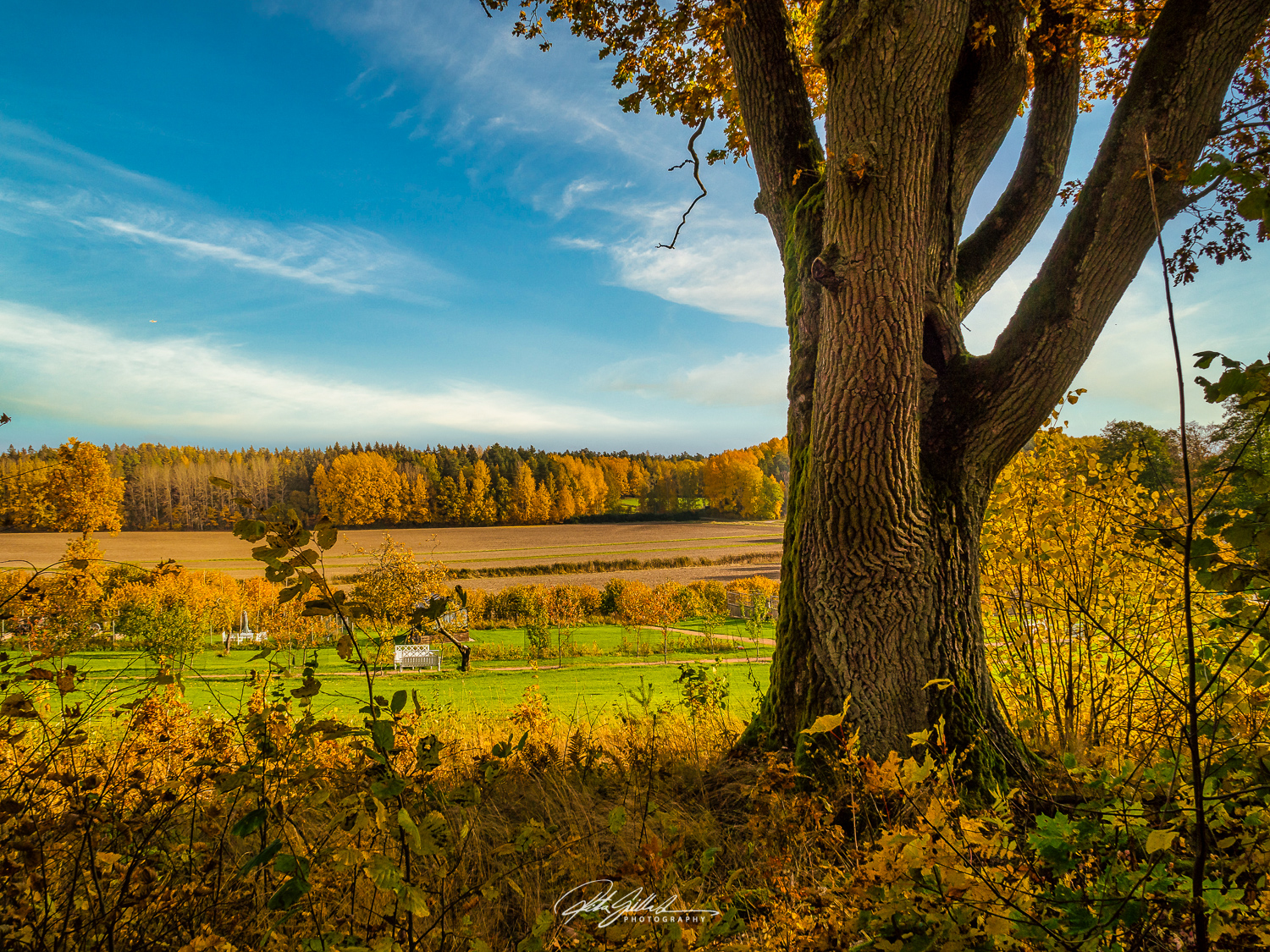
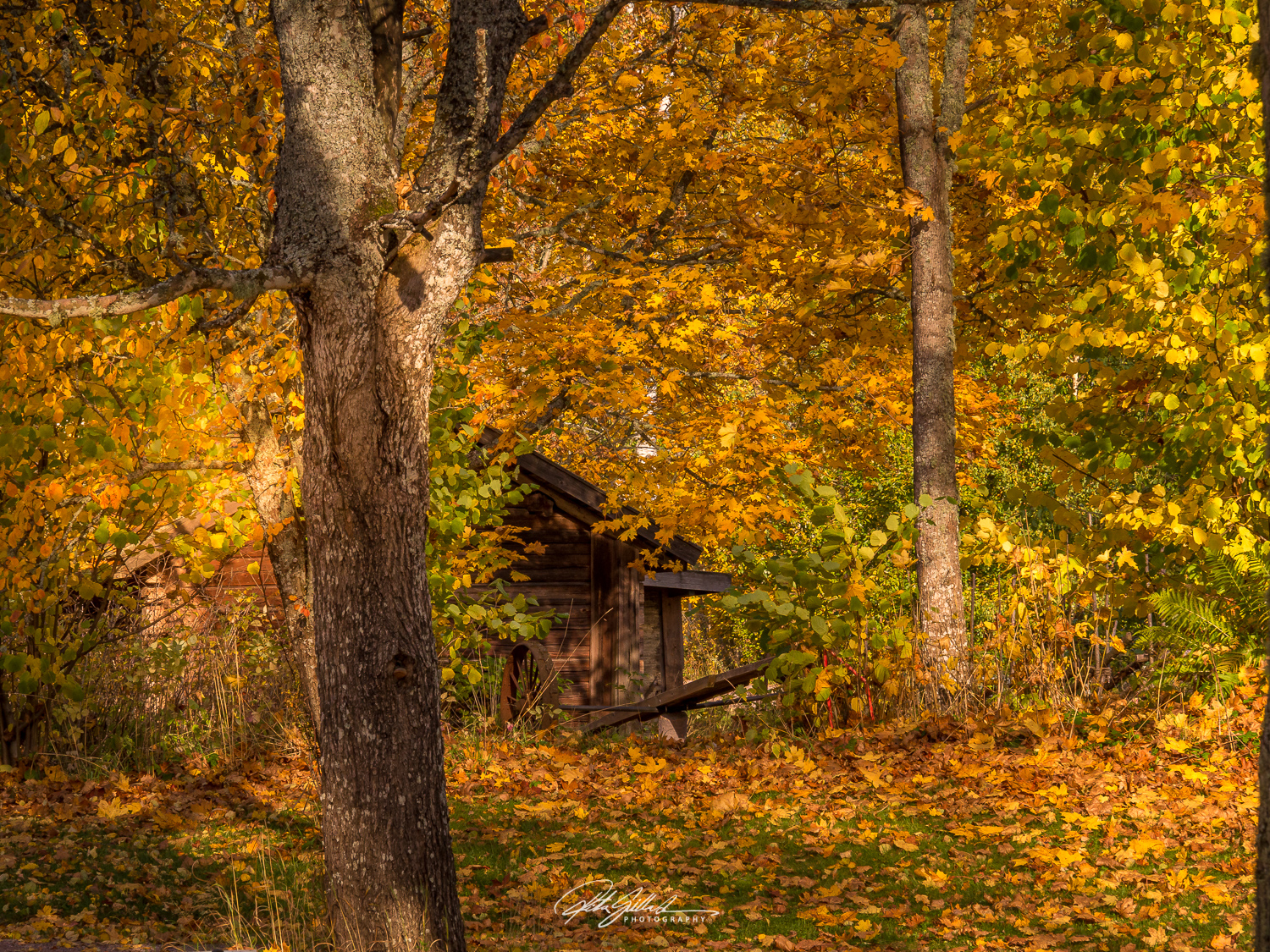
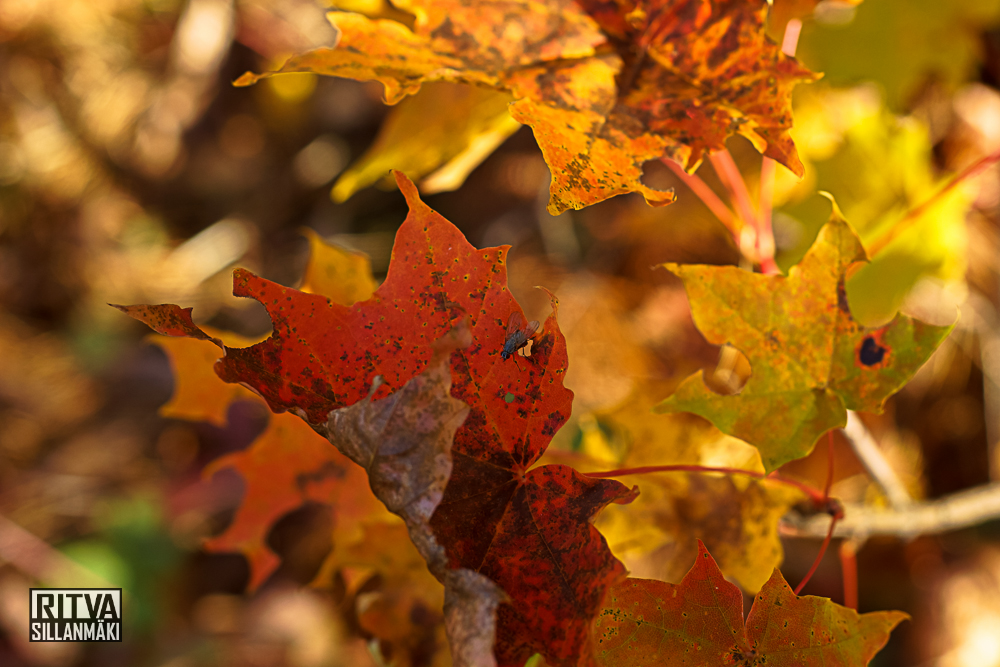
October colors from this morning. It was once again a bit nippy as the temperatures had gone down to minus side last night.
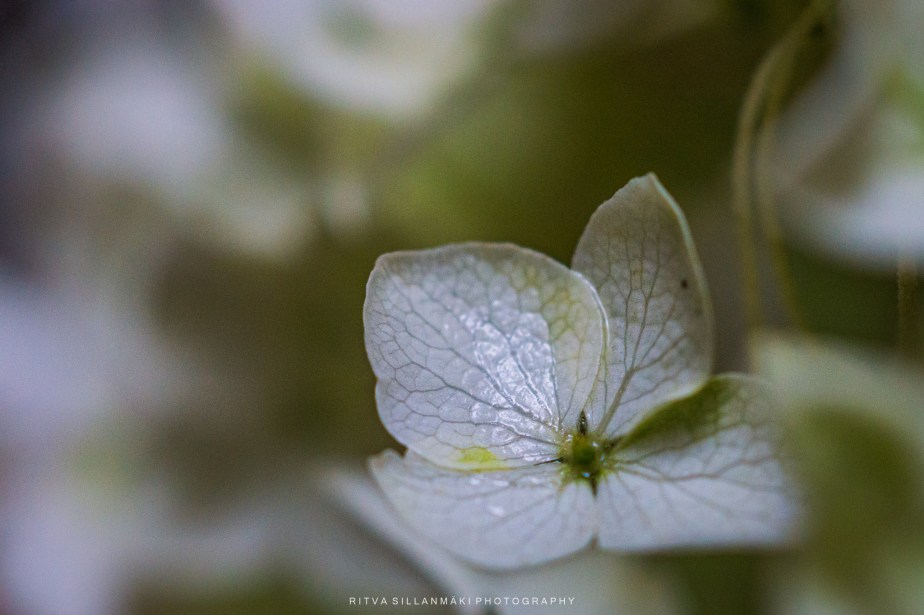
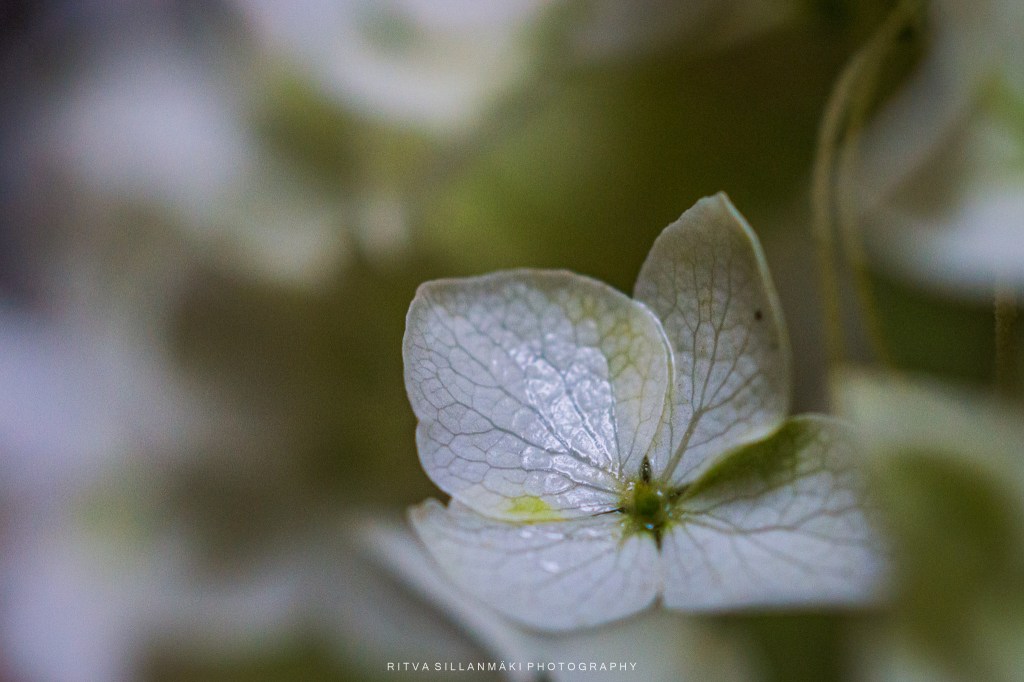
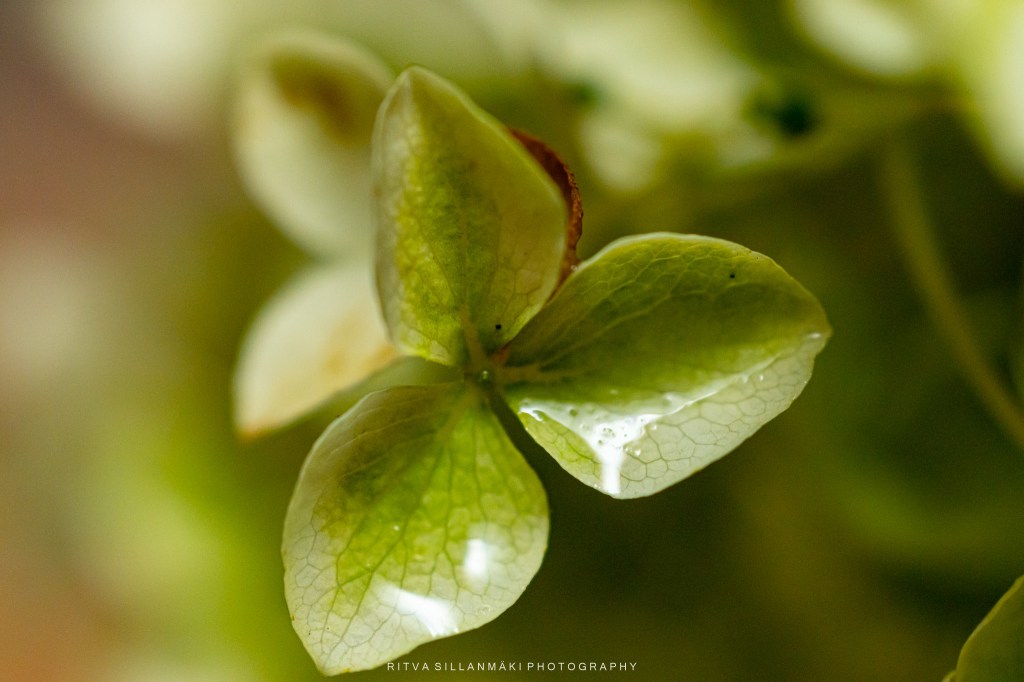
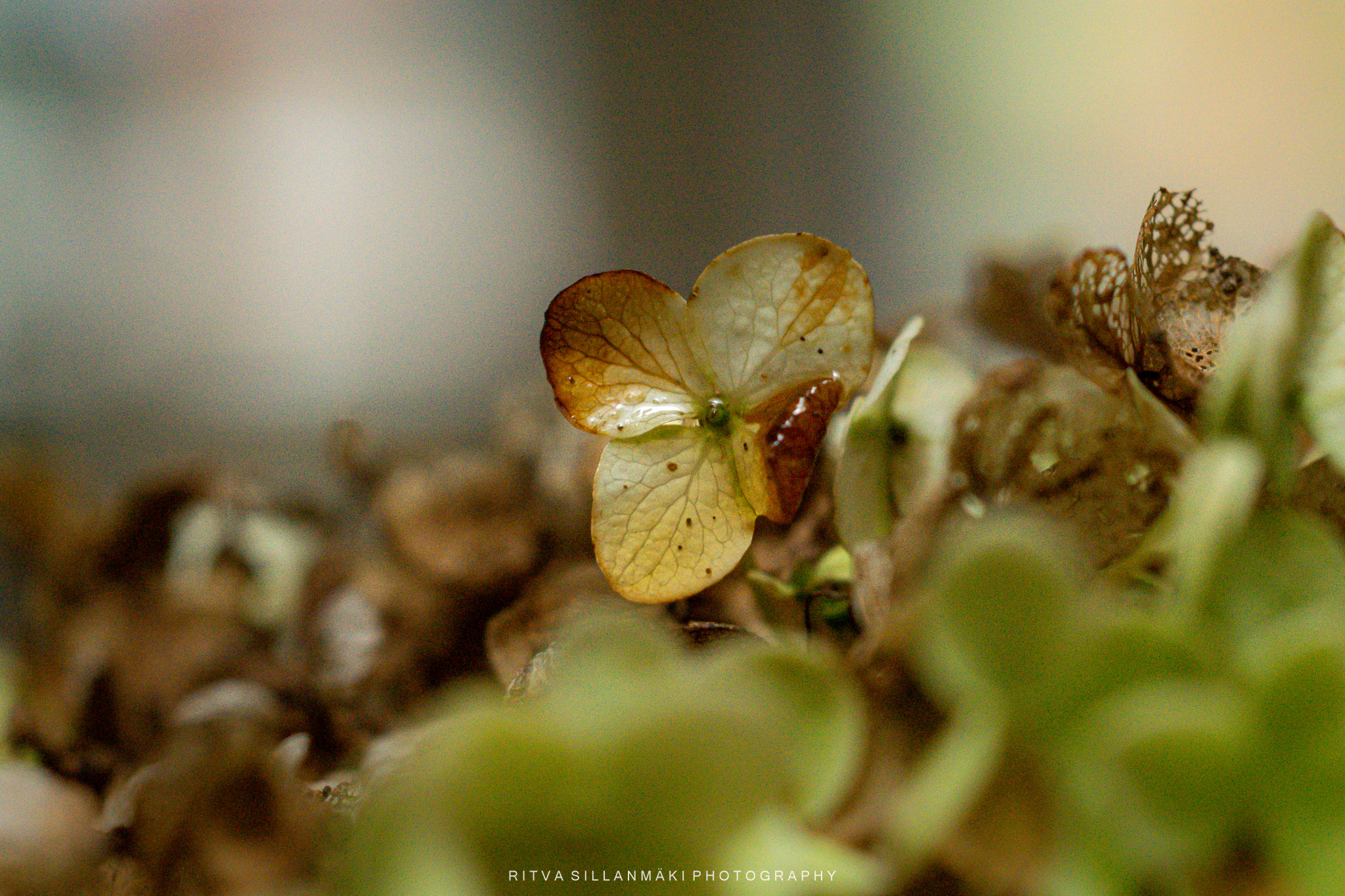
Here are Hydrangea arborescens, commonly known as smooth hydrangea, wild hydrangea, sevenbark, or in some cases, sheep flower, after the frost had melted and left the pedals moist and shining in the cool but sunny morning air. Most of the pedals are now brown , but few are left white and green.
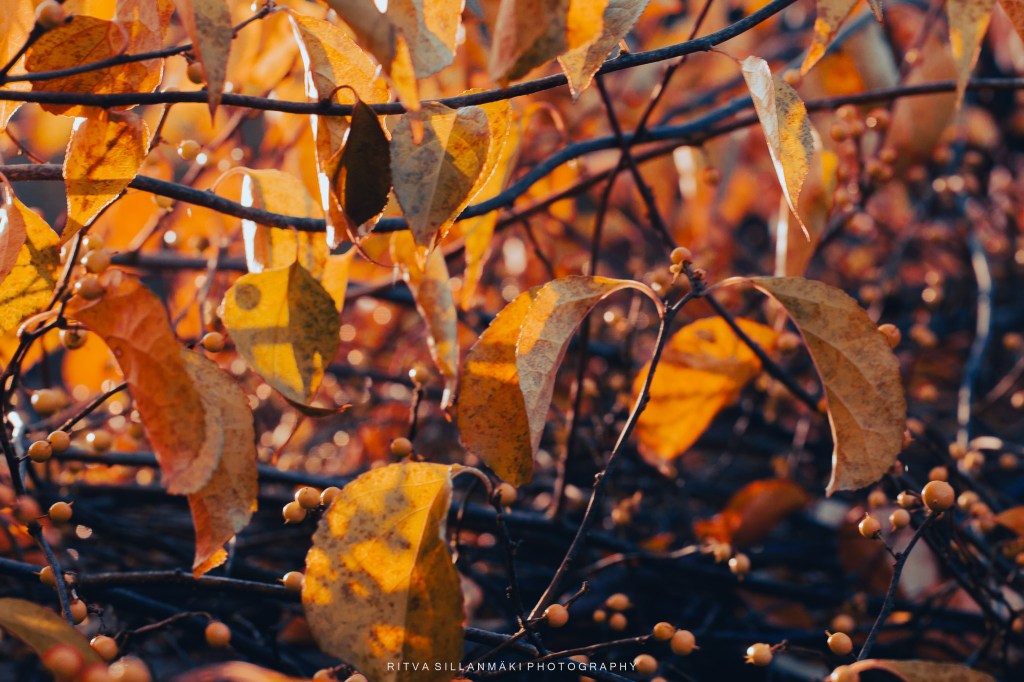
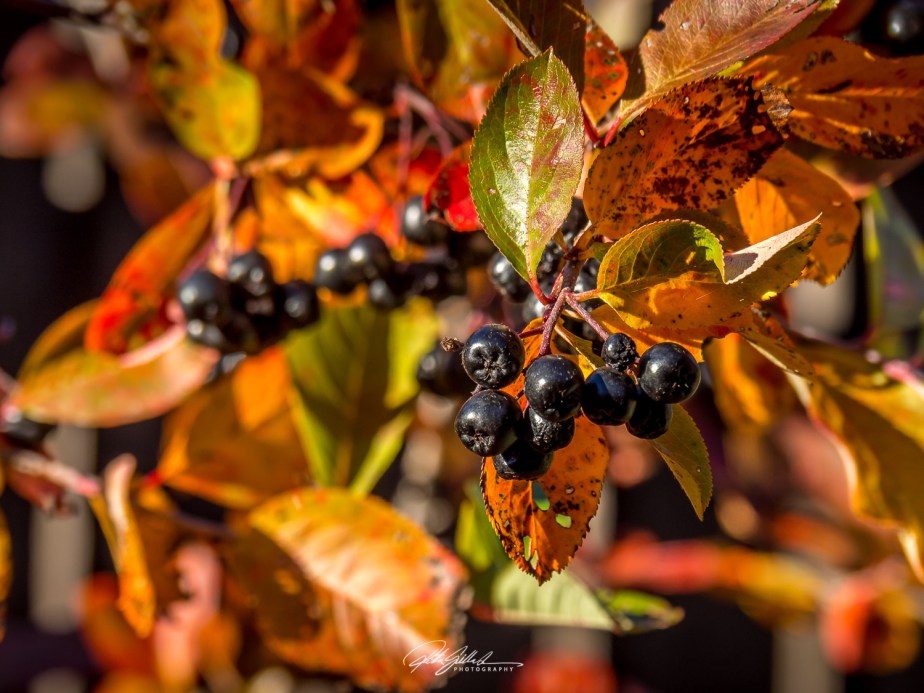
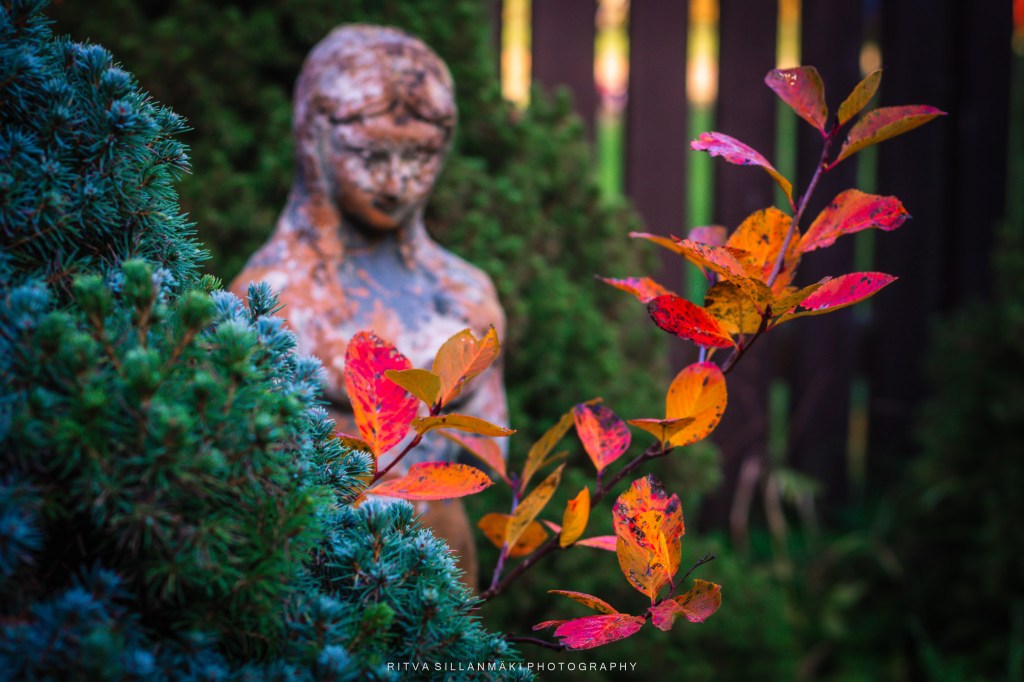
October colors from this morning. It was a bit nippy as the temperatures had gone down to minus side last night. Here are chokeberry leaves with beautiful colors from my backyard.
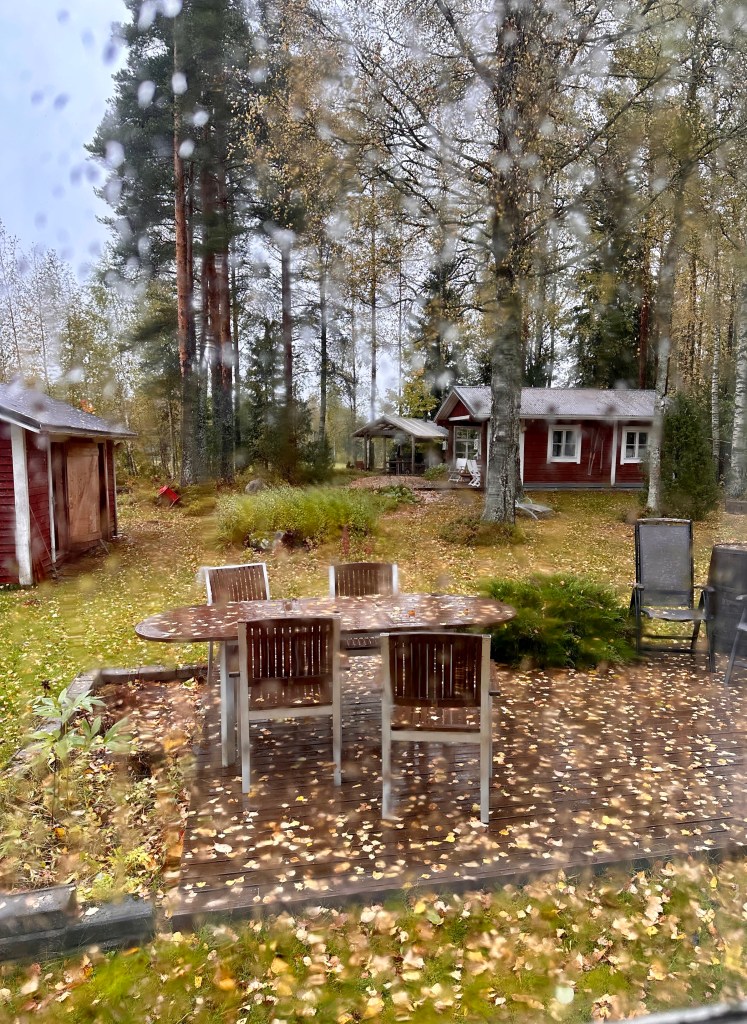
Outside it is raining heavily and we have autumn storm with heavy winds blowing outside my window so looking for photos of spring is nice, something to look forward to. I could easily skip winter.
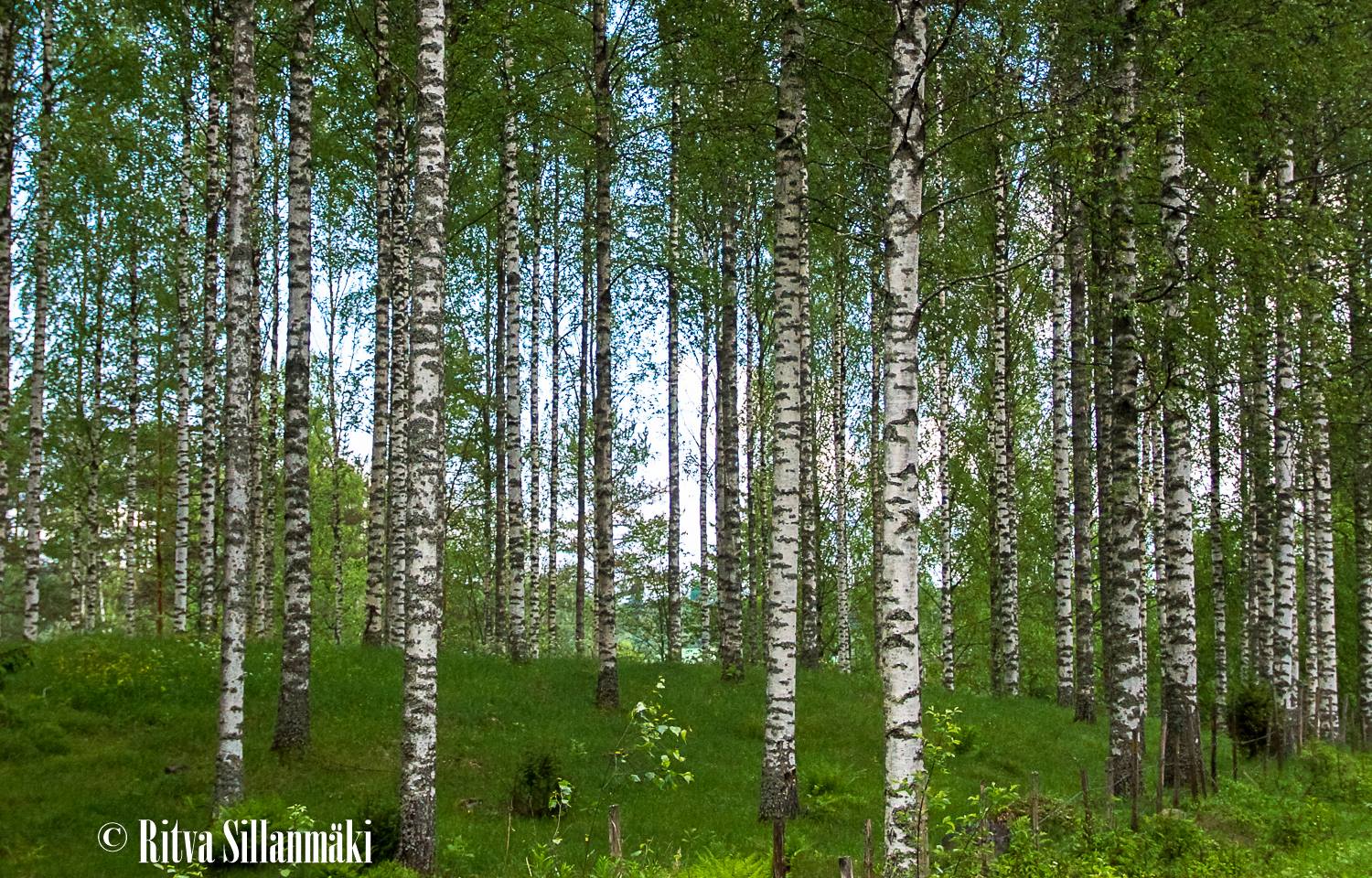
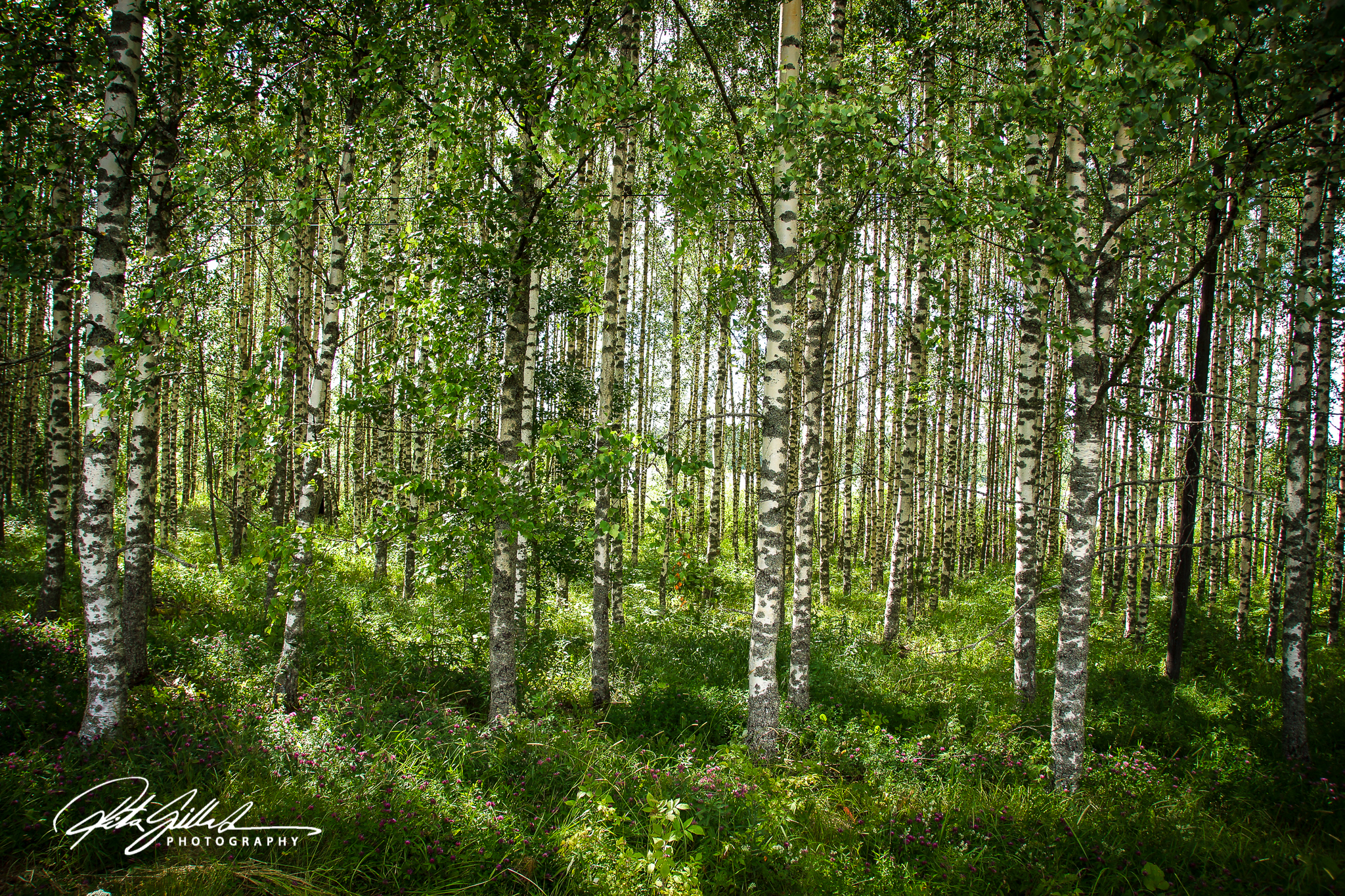
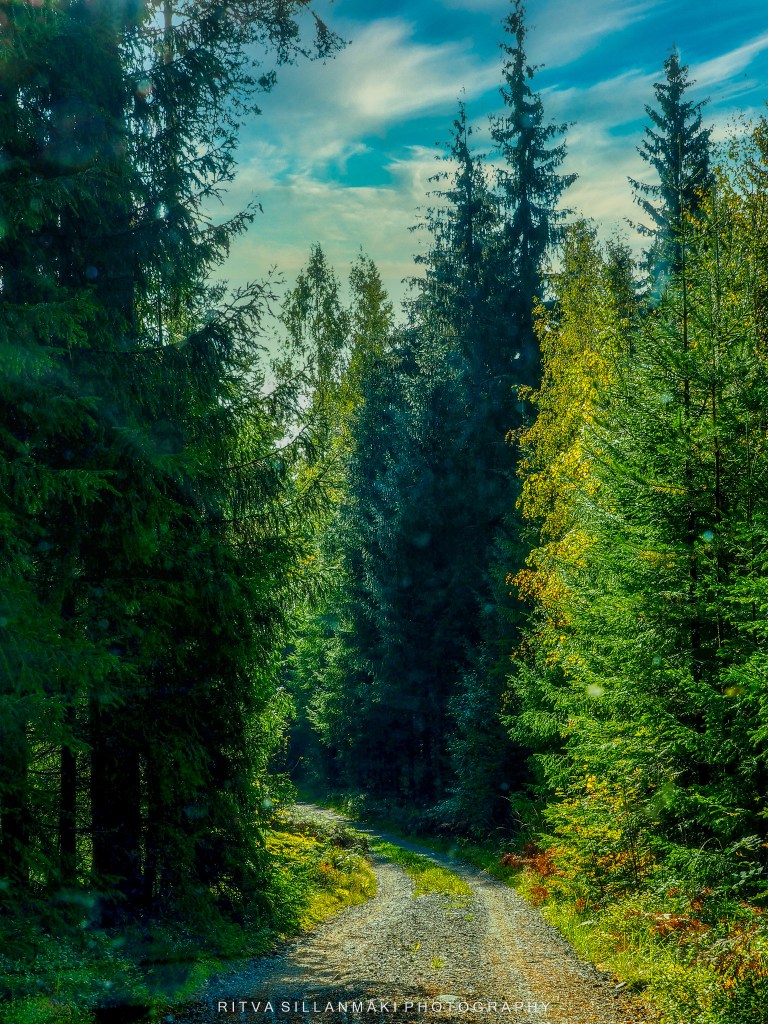
We have lots of woods to choose from as forests cover more than 75 percent of Finland’s land area. Add to that the share of water bodies in Finland’s surface area is large. The area of inland waters is about 10% . So we have 15% left to live in 🙂
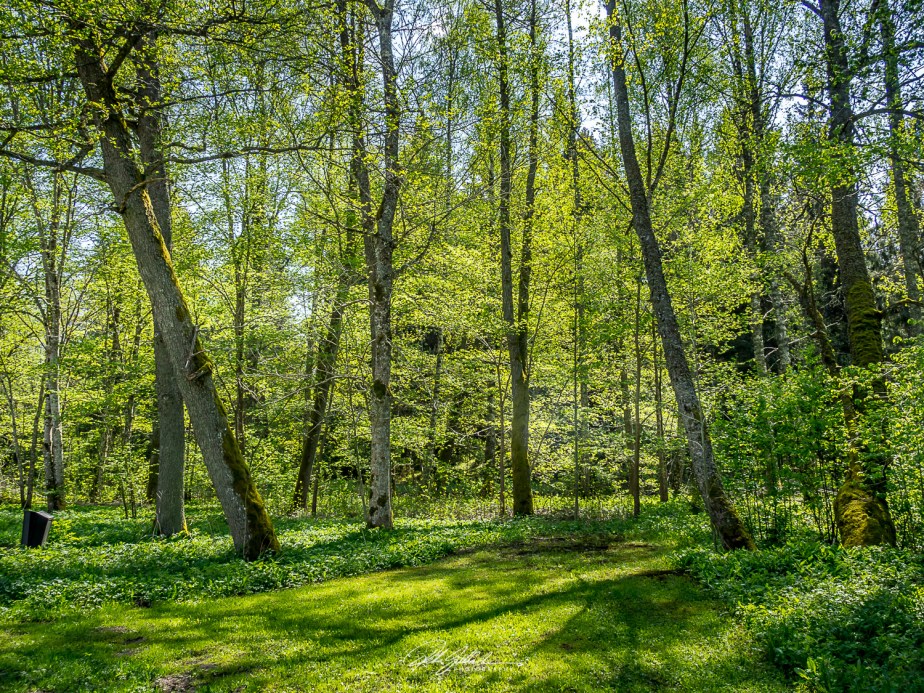
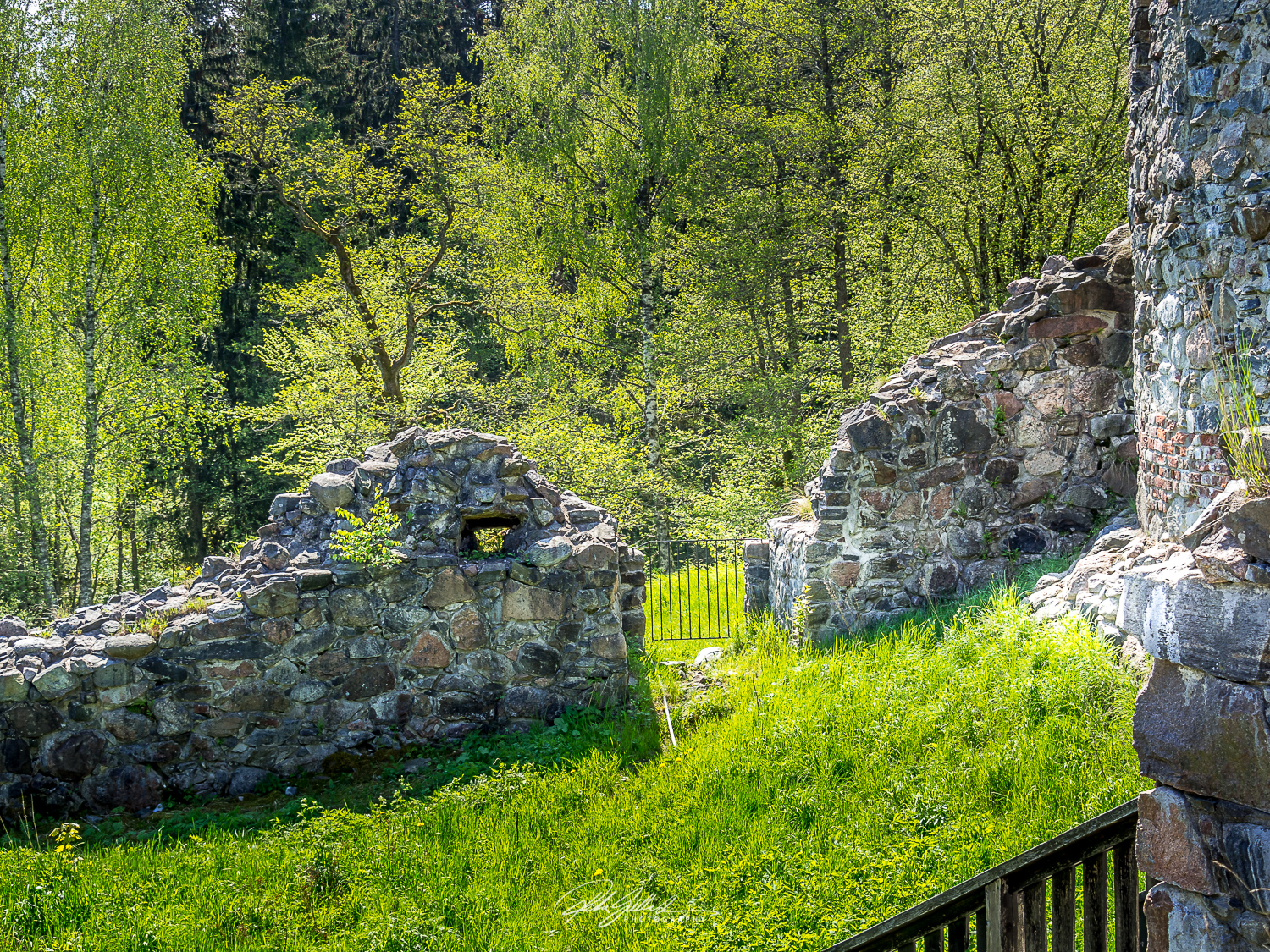
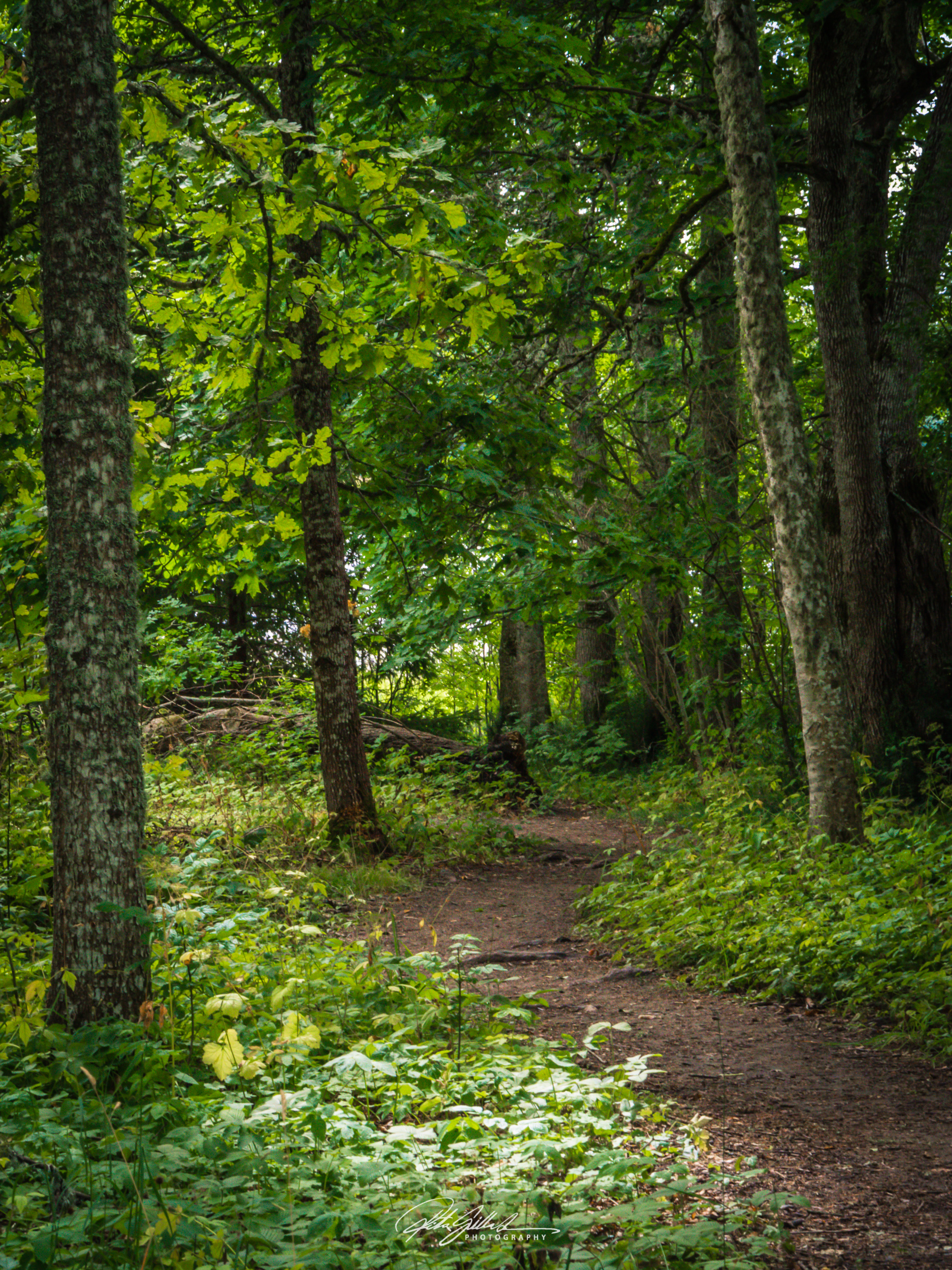
The green of spring is beautiful and the birch trees are so lovely, not complaining of the others either. Fresh new green – makes my heart sing.
Wood sorrels raising their heads in moss is a sure sign of spring
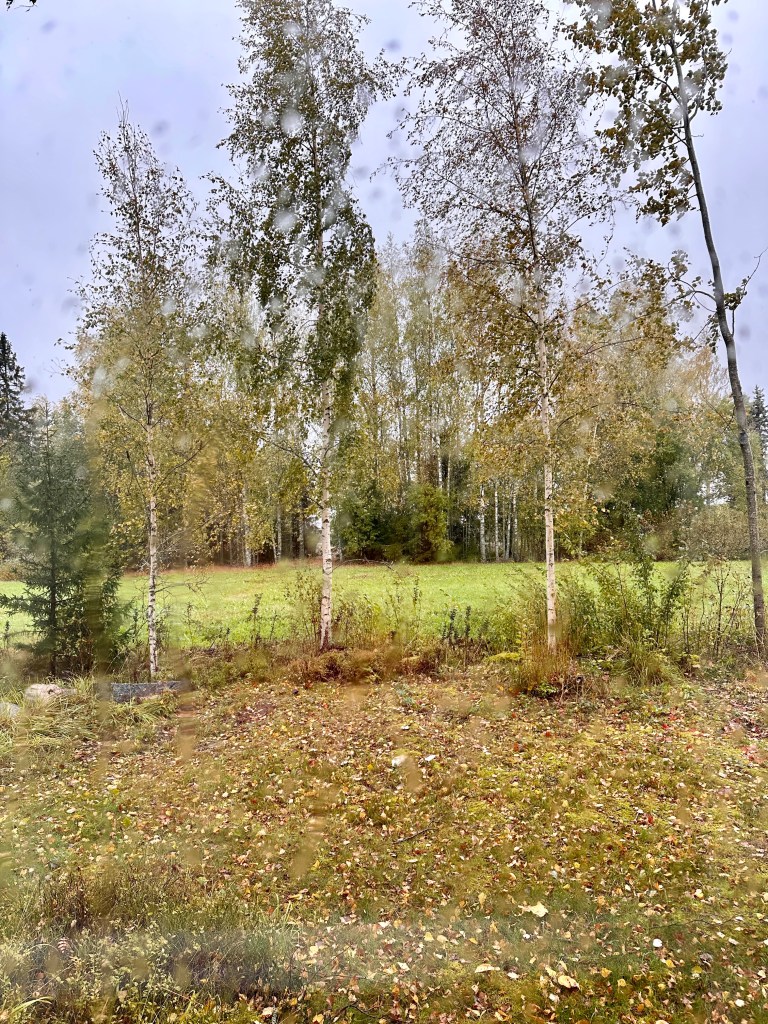
it is really hard to be inspired by October today, really, today being a good sample of weather i don’t enjoy. The colors are lovely, but this is the beginning of the time of year that I do not like at all, shorter day, less light, It is what it is.
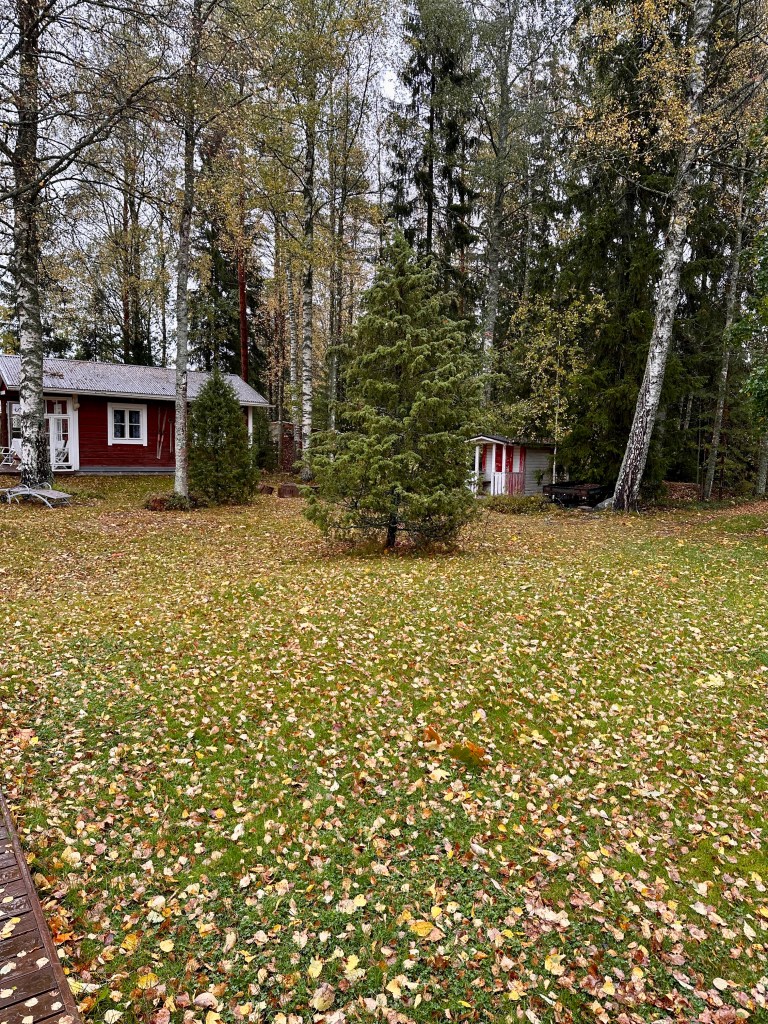
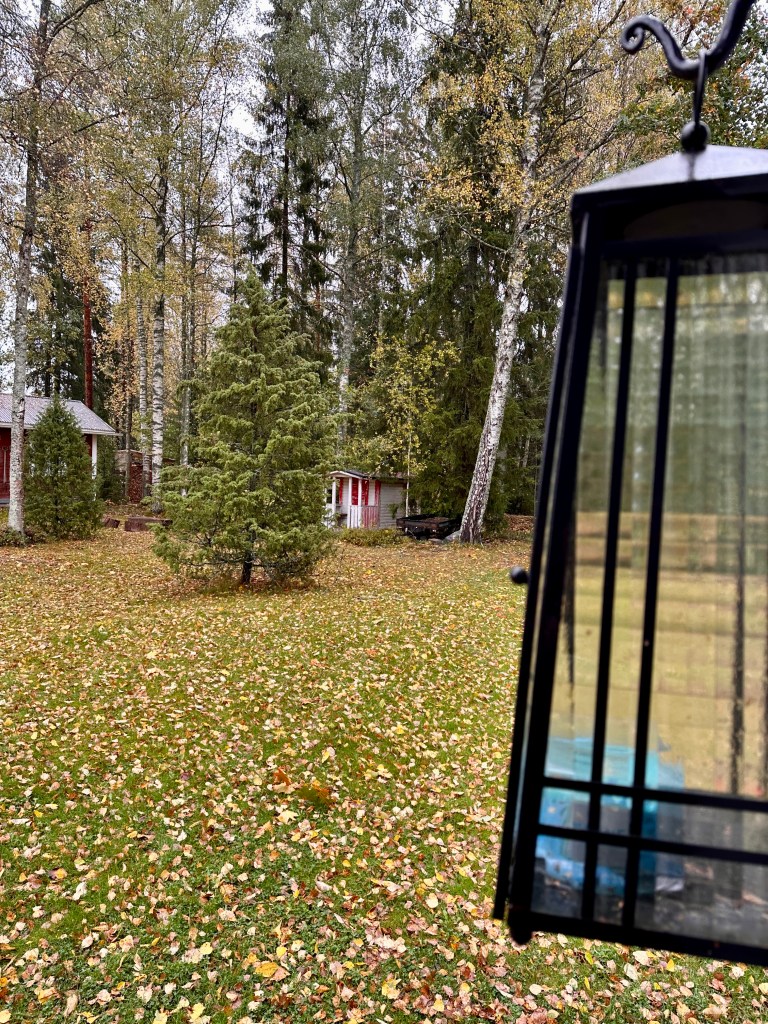
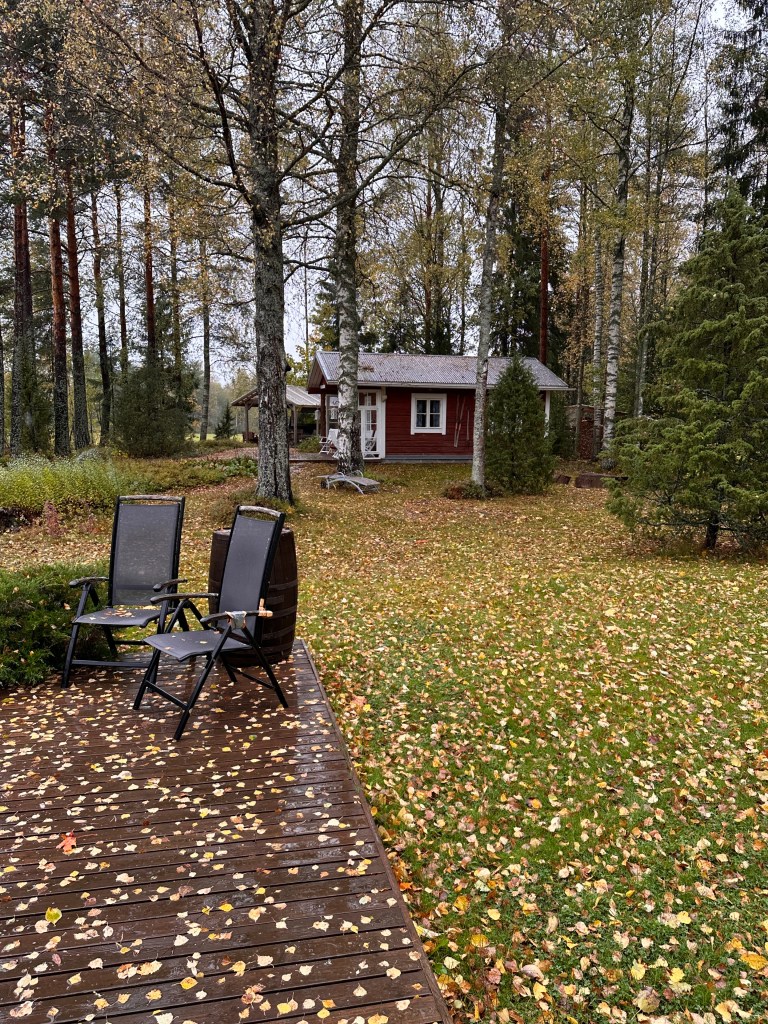
Time to start cleaning the summer house for winter.
The positive thoughts about it 🙂
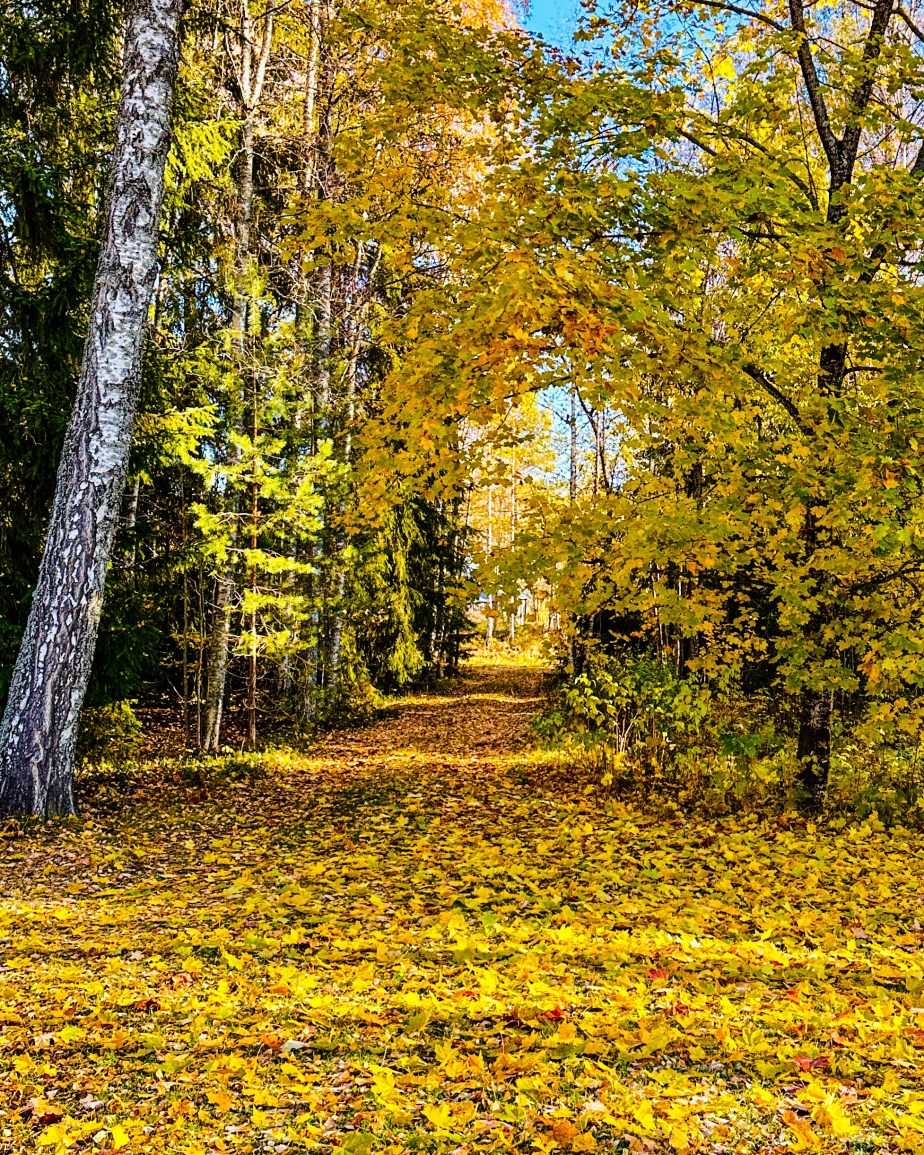
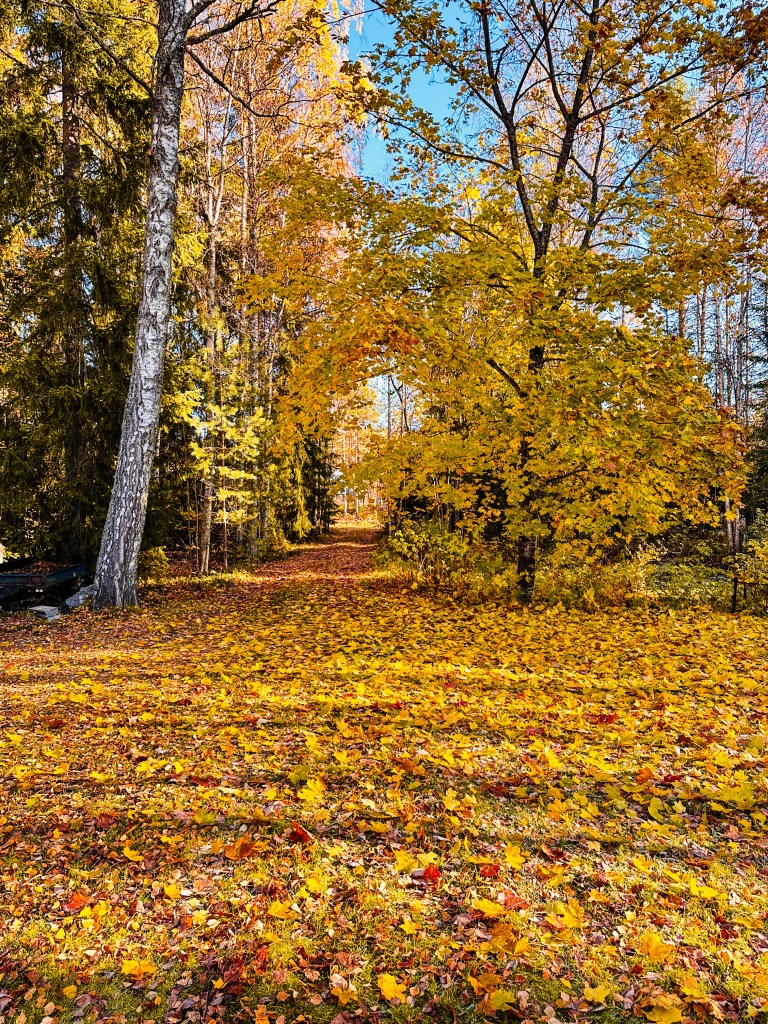
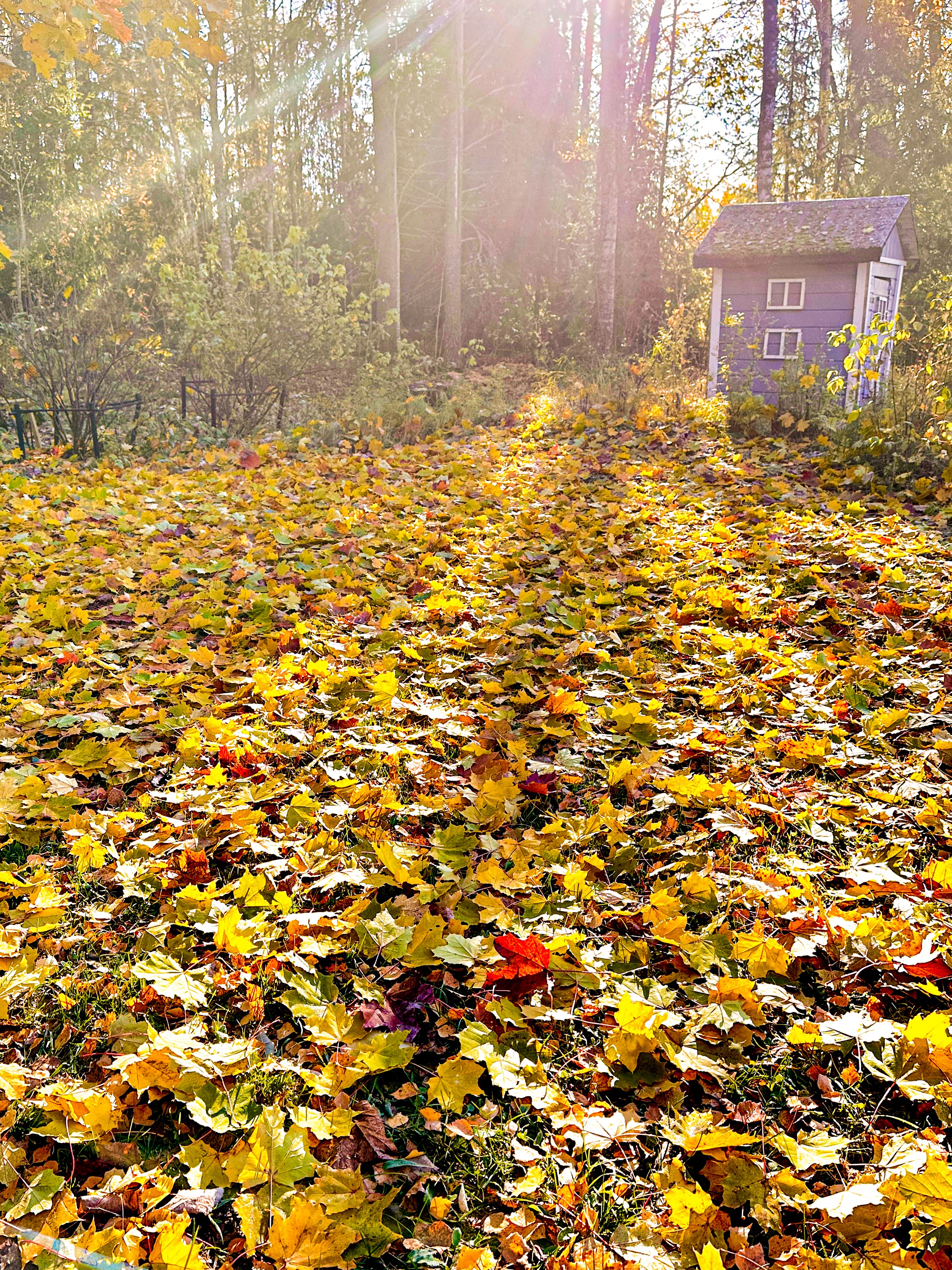
October, with its crisp air and vibrant hues, signifies the arrival of autumn in all its splendor. This bewitching month holds a special place in the hearts of many, casting a spell of warmth and nostalgia.
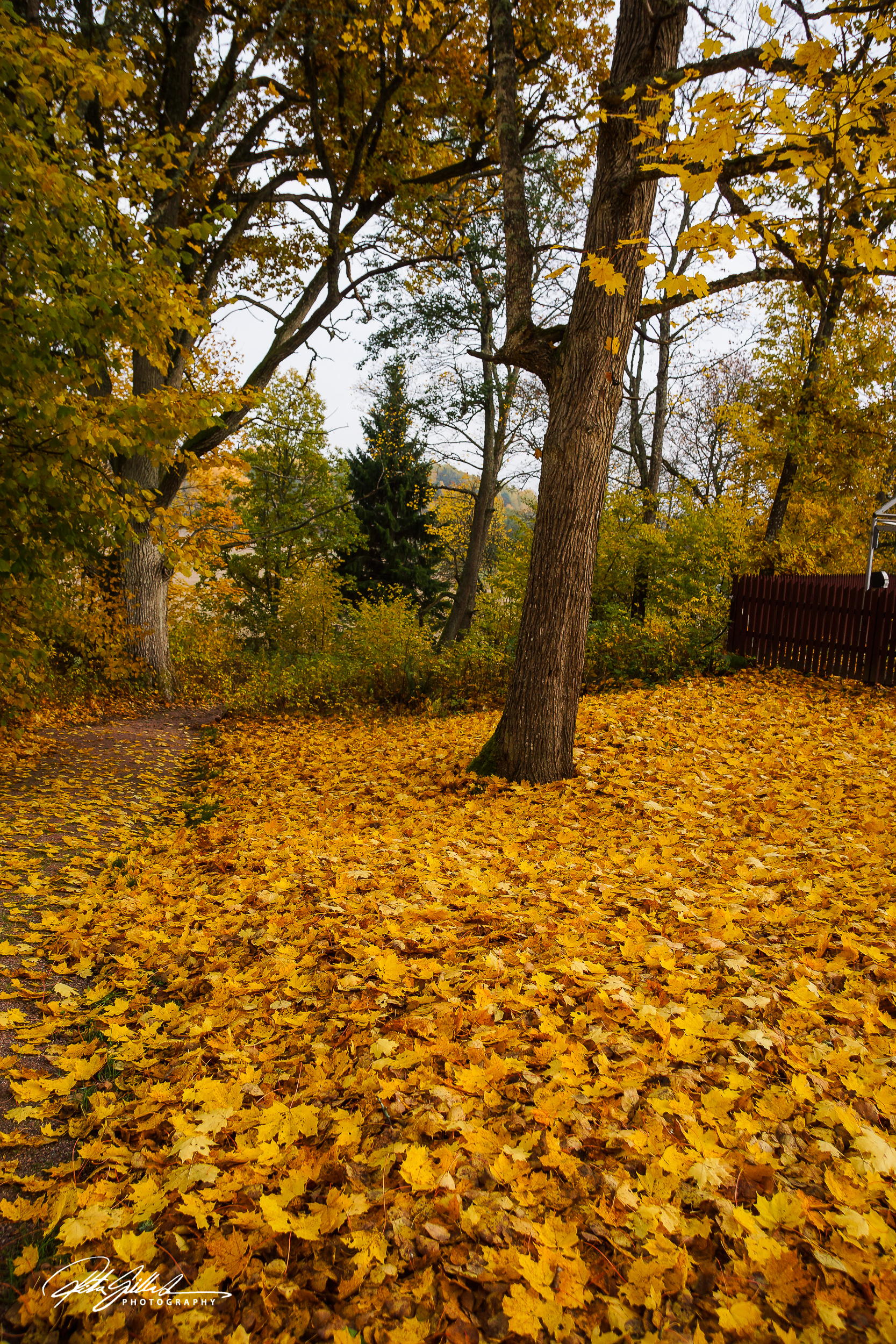
As the days grow shorter and the leaves turn from green to shades of gold, he gentle rustling of fallen leaves underfoot.
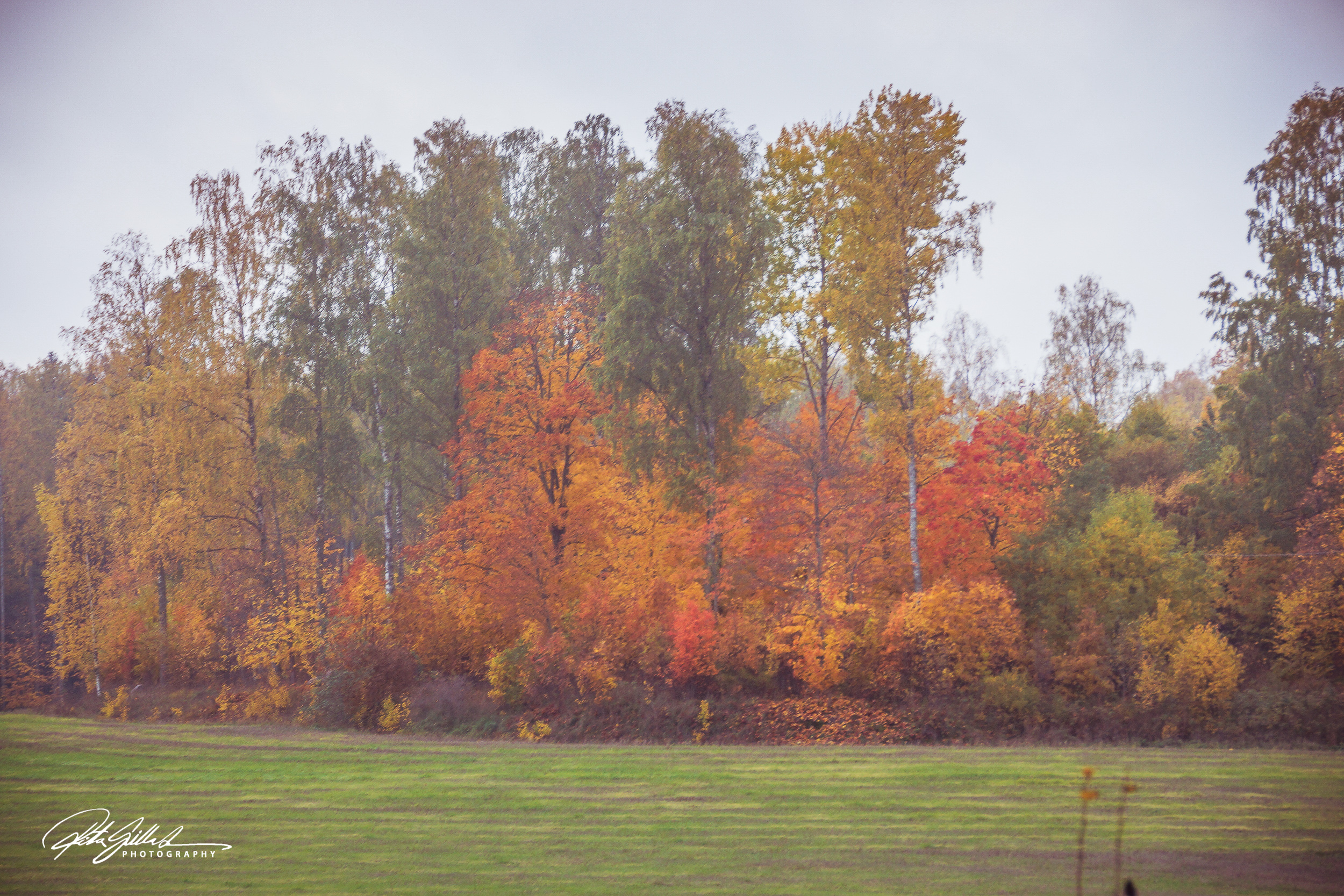
Nature, at its finest, paints breathtaking landscapes during this time of year. The forests transform into a picturesque mosaic of fiery reds, burnt oranges, and golden yellows. T
October serves as a transition from the vibrancy of summer to the serenity of winter. It beckons us to embrace change, to welcome the cozy comforts that colder days bring. It reminds us to pause, take a deep breath, and appreciate the fleeting beauty that surrounds us.
So, as October unfolds its enchanting charm, let us immerse ourselves in its wonders. Let us revel in the simple joys it bestows and find solace in the gentle embrace of autumn’s embrace.
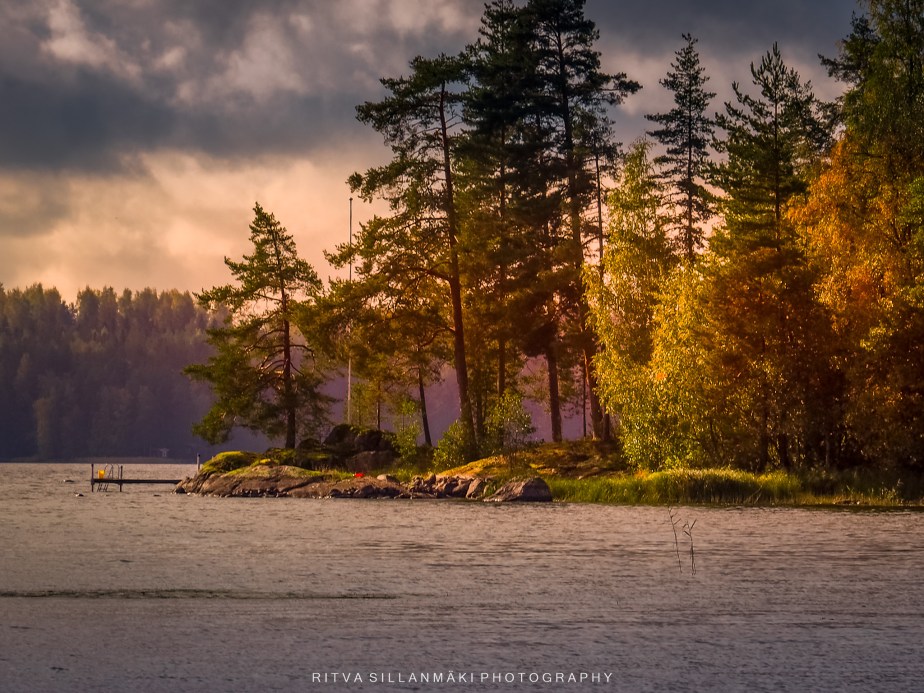
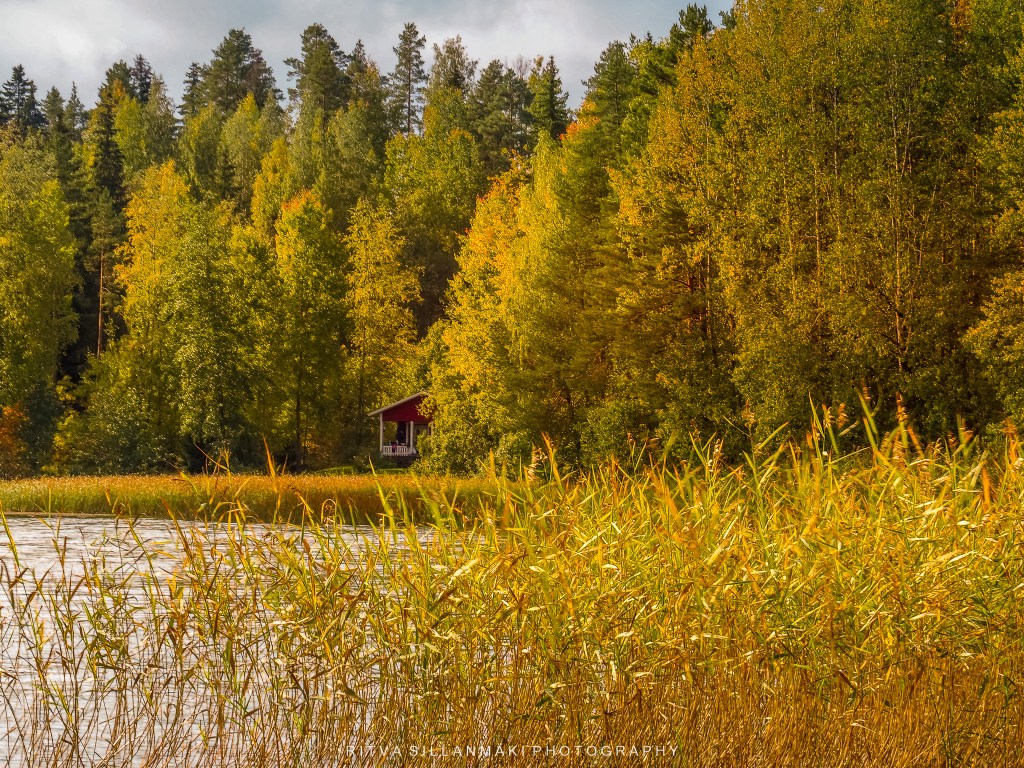
it is the time that time of year again when the magical color show begins, it’s not at it’s best glory as yet. But You can smell , sense the coming autumn.
OLYMPUS DIGITAL CAMERA
Autumn: a tapestry of vibrant hues and gentle transitions, where nature bids summer adieu and welcomes the season of reflection and harvest.
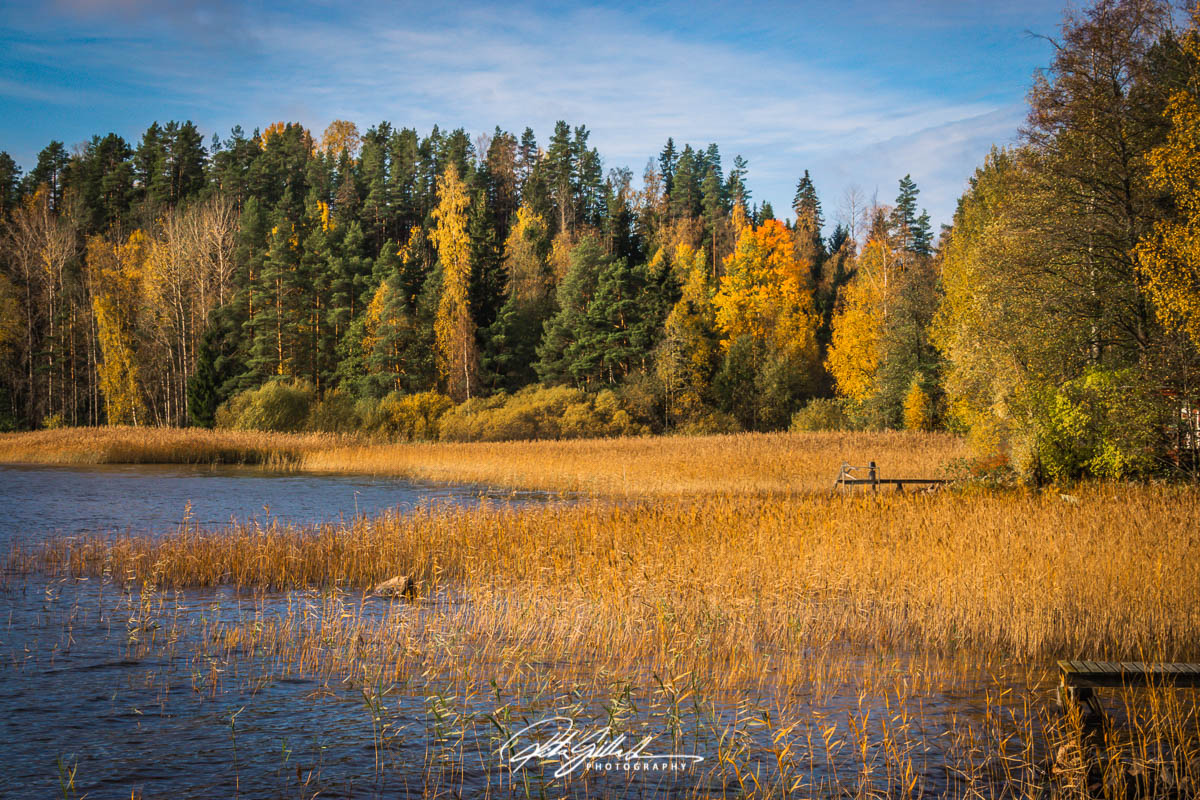
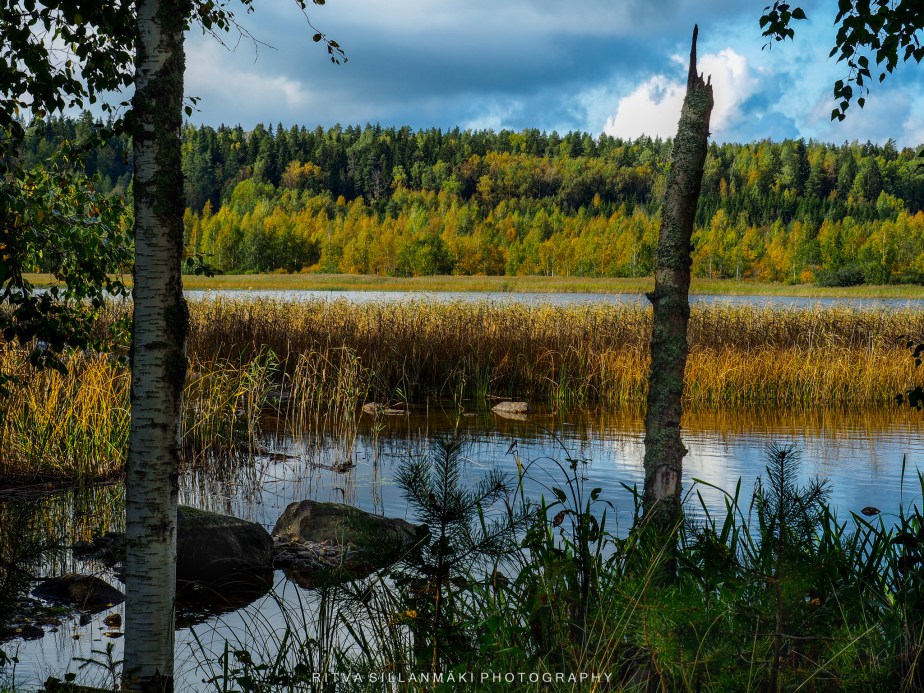
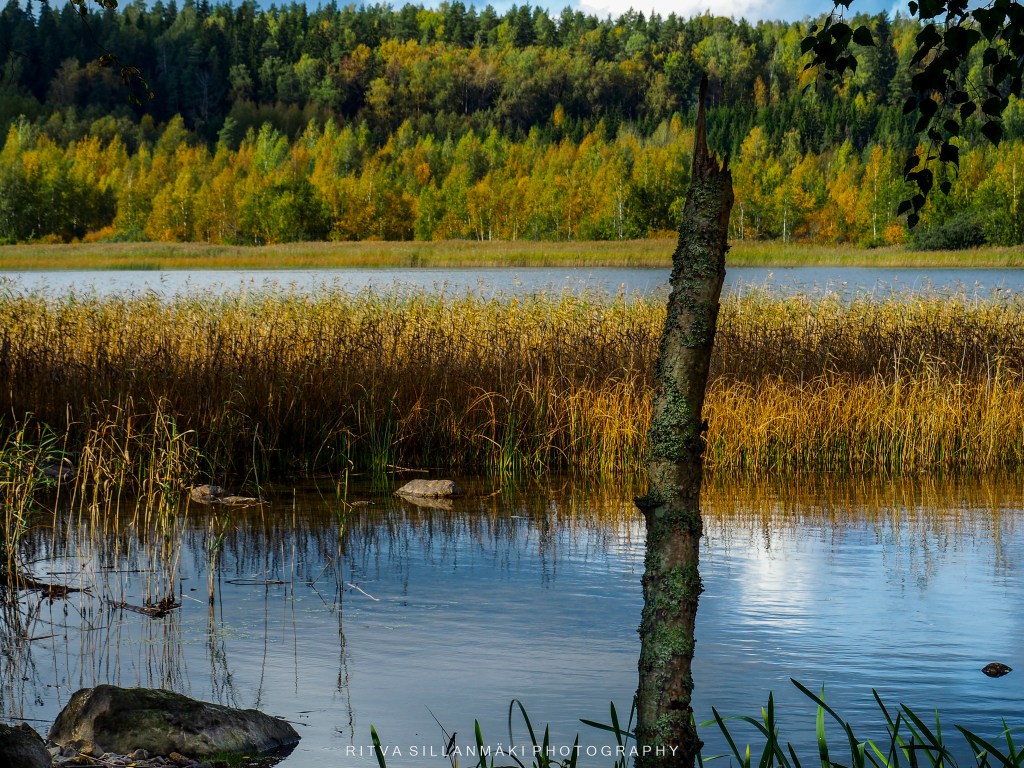
Lave view at Salajärvichanging colorsLOW LIGHT reeds in fall colors
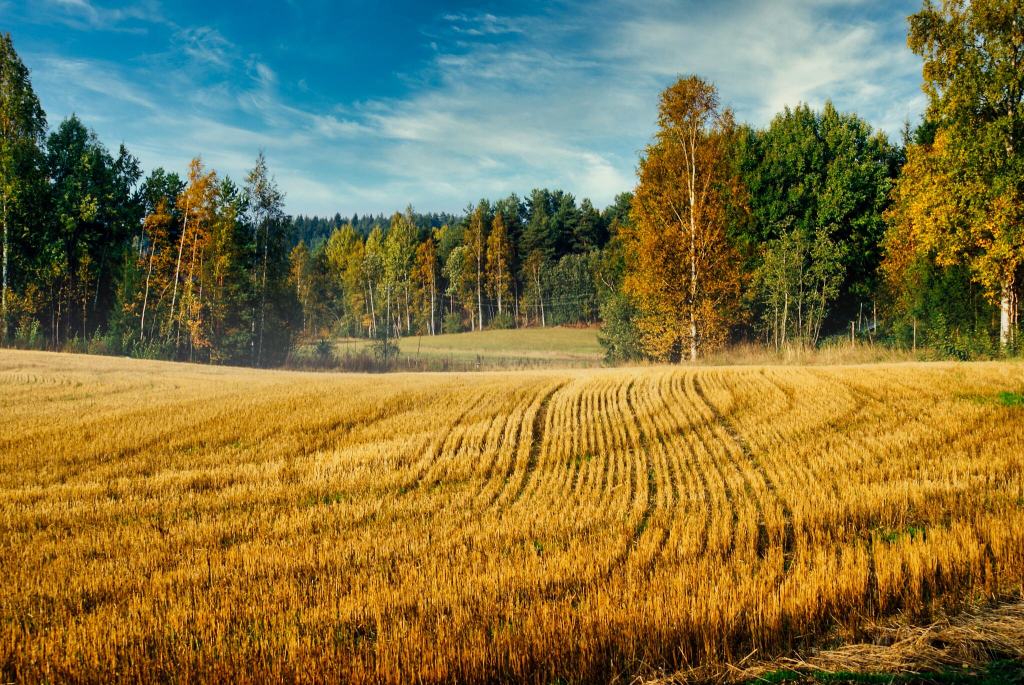
Autumn brings a captivating transformation to the fields, as the veil of summer is gently lifted. The once lush and green landscapes now unveil a breathtaking tapestry of golden hues, as the crops sway gracefully in the cool breeze. The rhythmic dance of nature’s palette, with shades of amber, russet, and bronze, creates a picturesque scene that stirs the soul. As the sun bathes the fields in its warm, honeyed light, one can’t help but be enchanted by the serene beauty that autumn bestows upon the cropped fields. Is. Amidst the rustling leaves and the scent of earth, there’s a sense of tranquility that envelops the surroundings, inviting us to pause, breathe, and appreciate the wonders of this season.
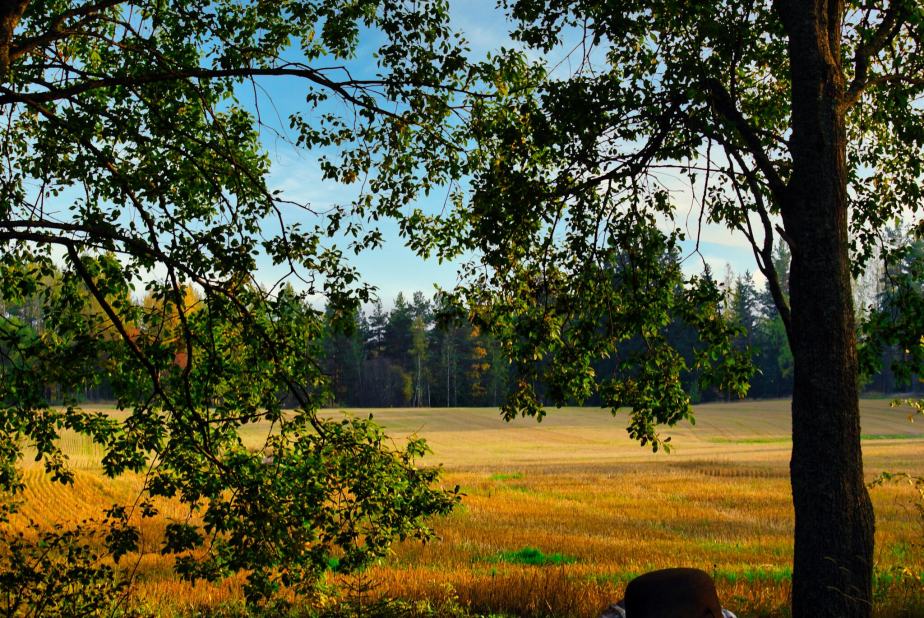
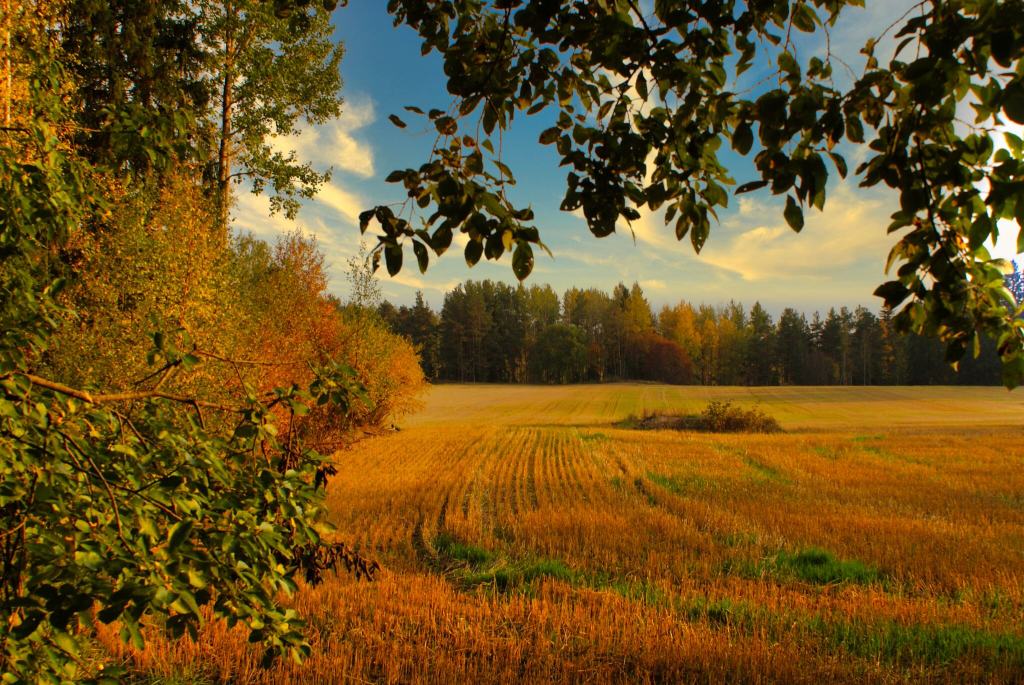
Brown and yellow – orange tones in the field empty fields framed view
it is the time that time of year again when the magical color show begins, it’s not at it’s best glory as yet. But You can smell , sense the coming autumn.
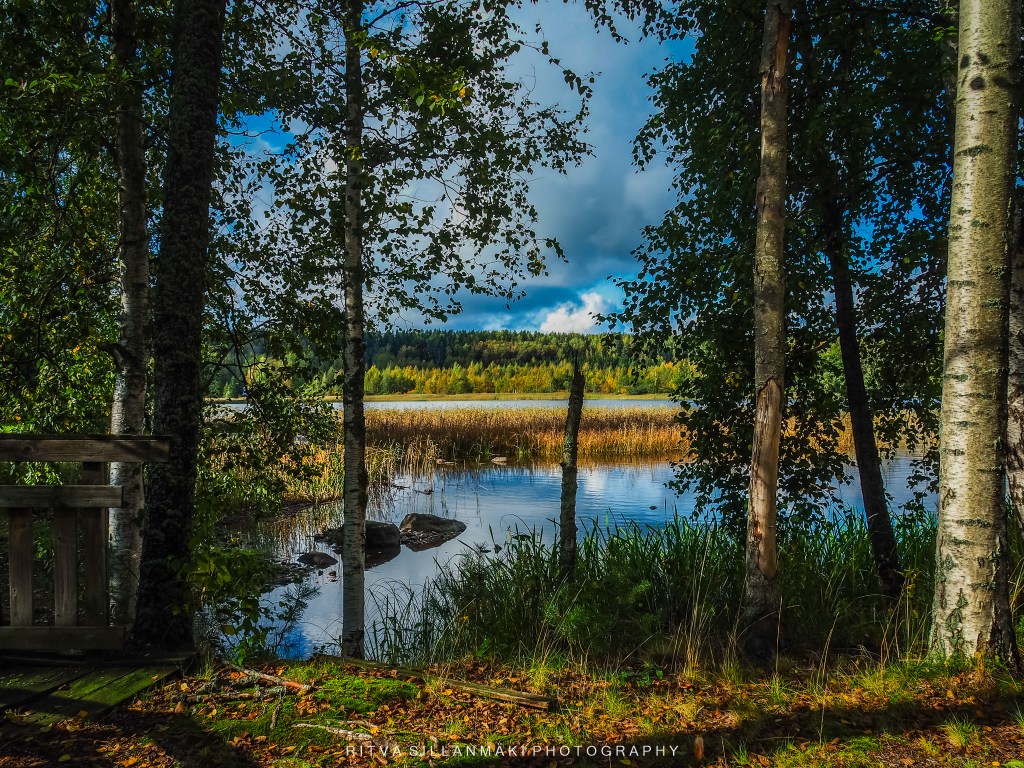
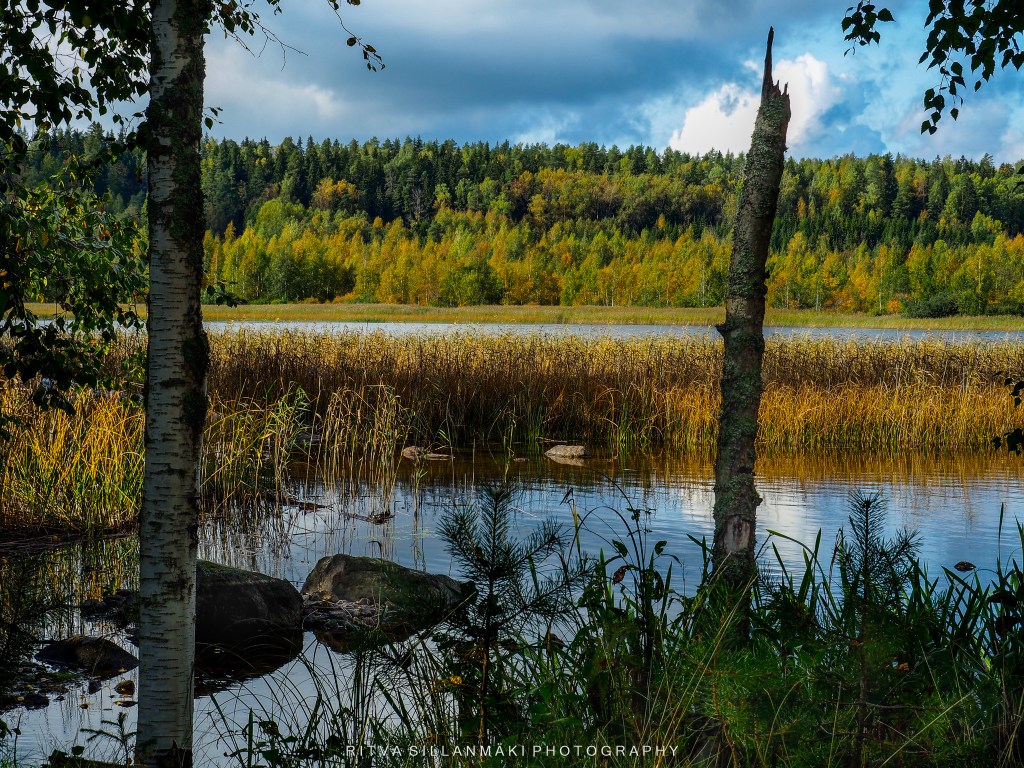
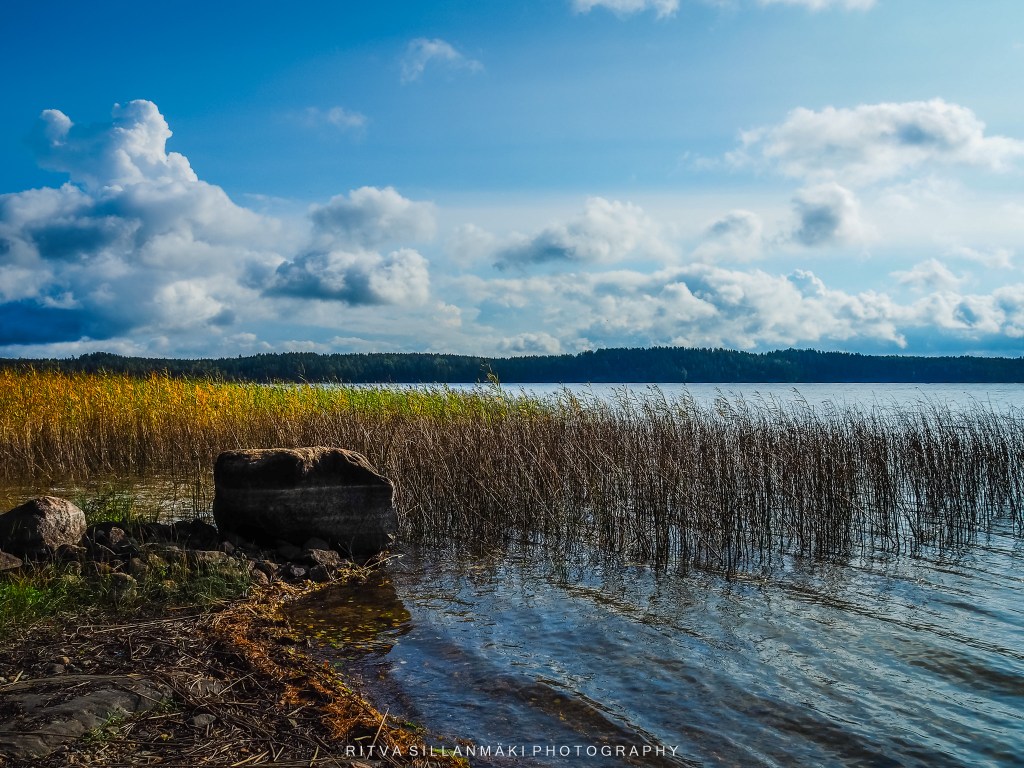
At Lake Ruuhijärvi
Autumn colors paint a breathtaking masterpiece on nature’s canvas. As the crisp air descends, the foliage transforms into a vibrant symphony of oranges, yellows, and reds. The once lush green leaves now burst with warmth and enchantment. Each tree becomes a glorious work of art, showcasing the beauty of transition. Take a moment to immerse yourself in this kaleidoscope of hues, as nature bids farewell to summer and welcomes the season of harvest and reflection.
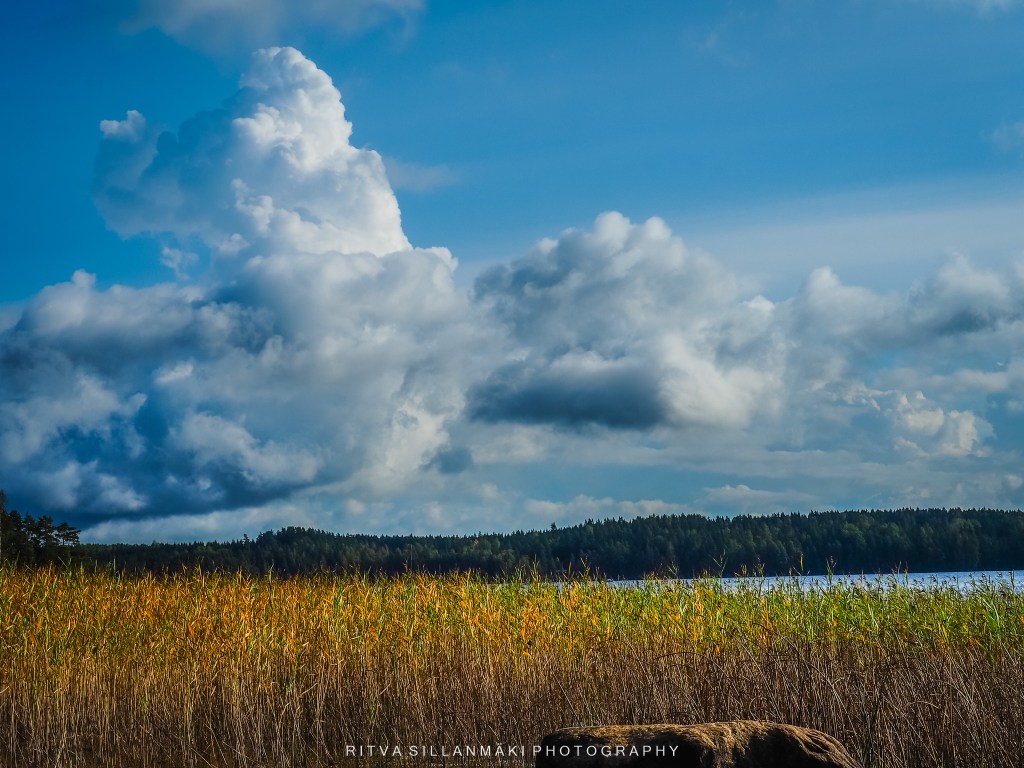
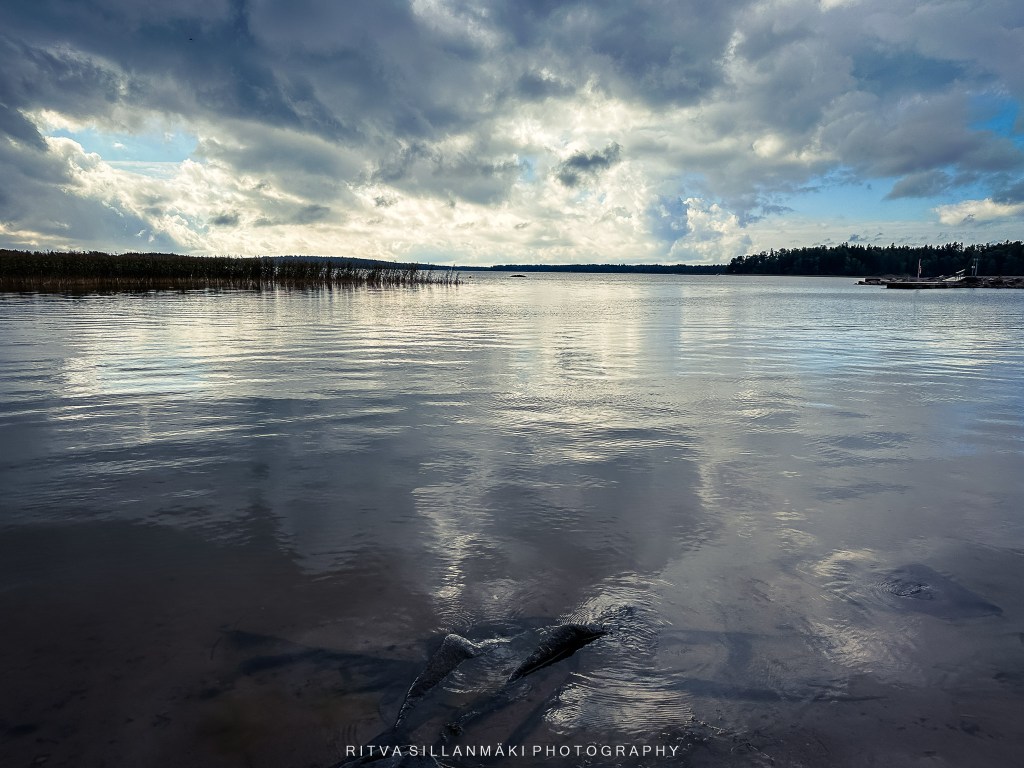
clouds over the lakeSomeone left a broken kicksled outside ready for the winterDarker clouds started to gather to the sky
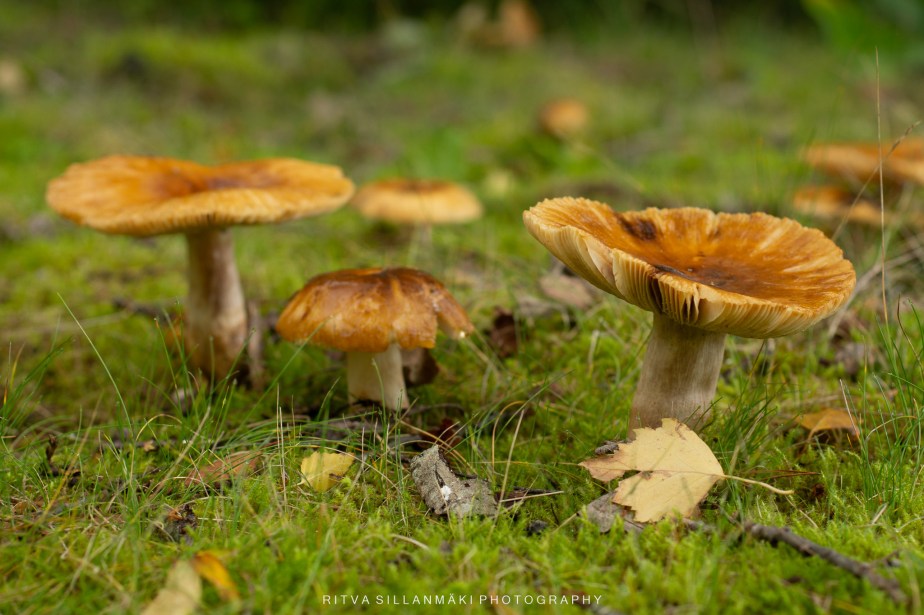
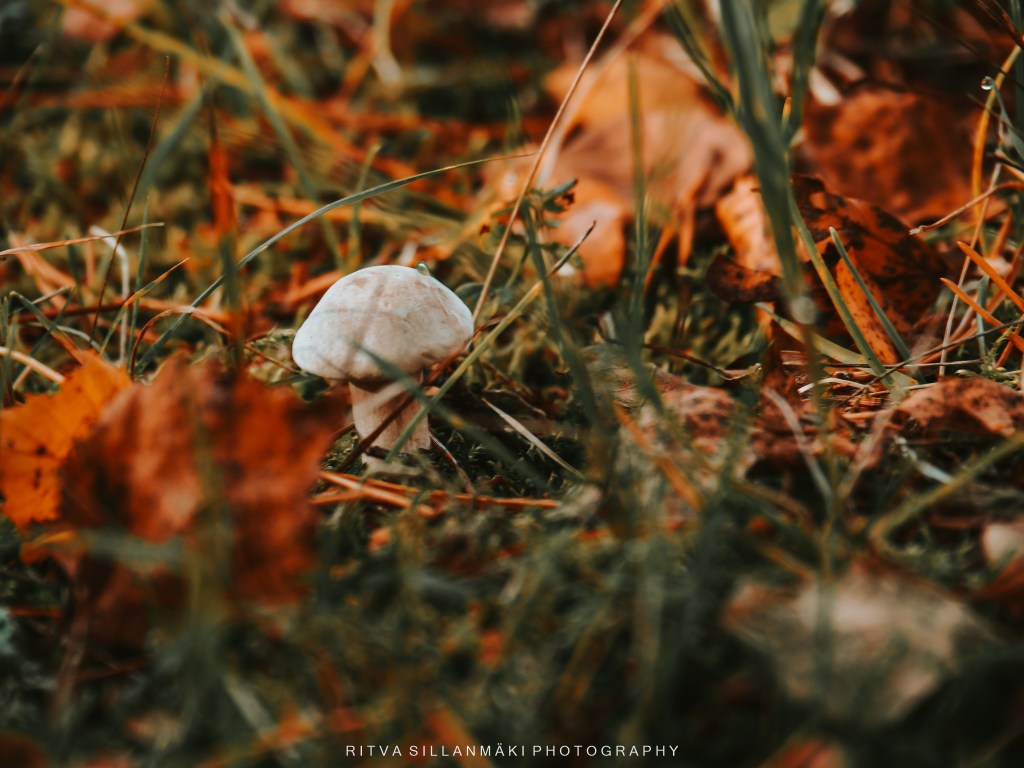
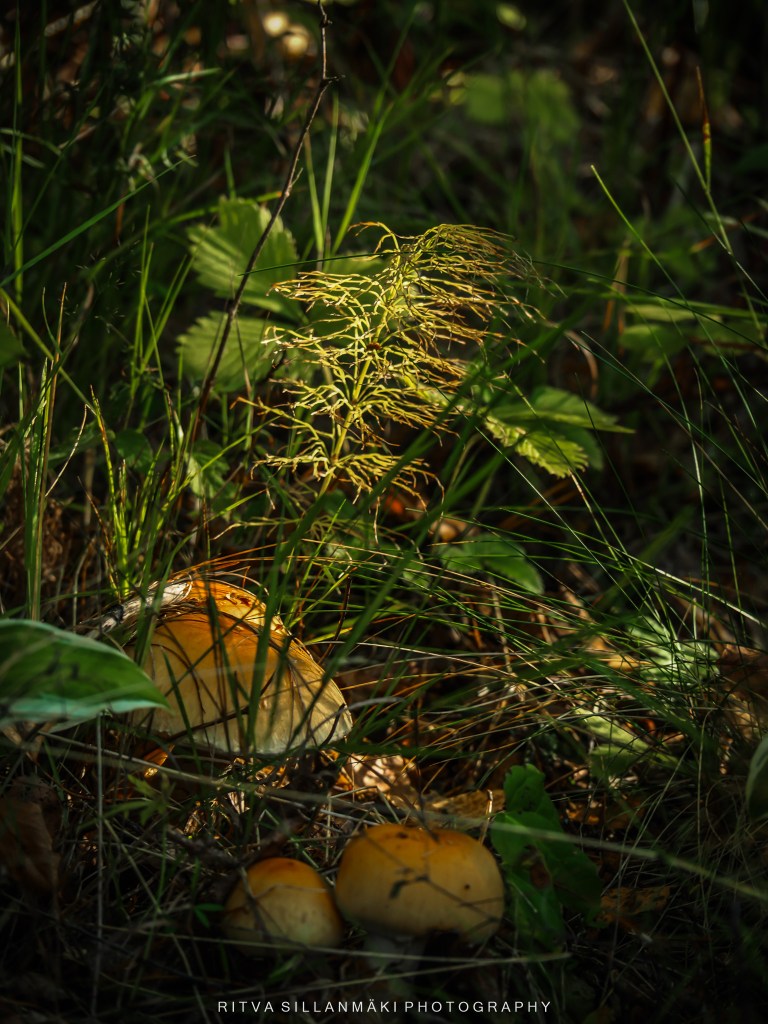
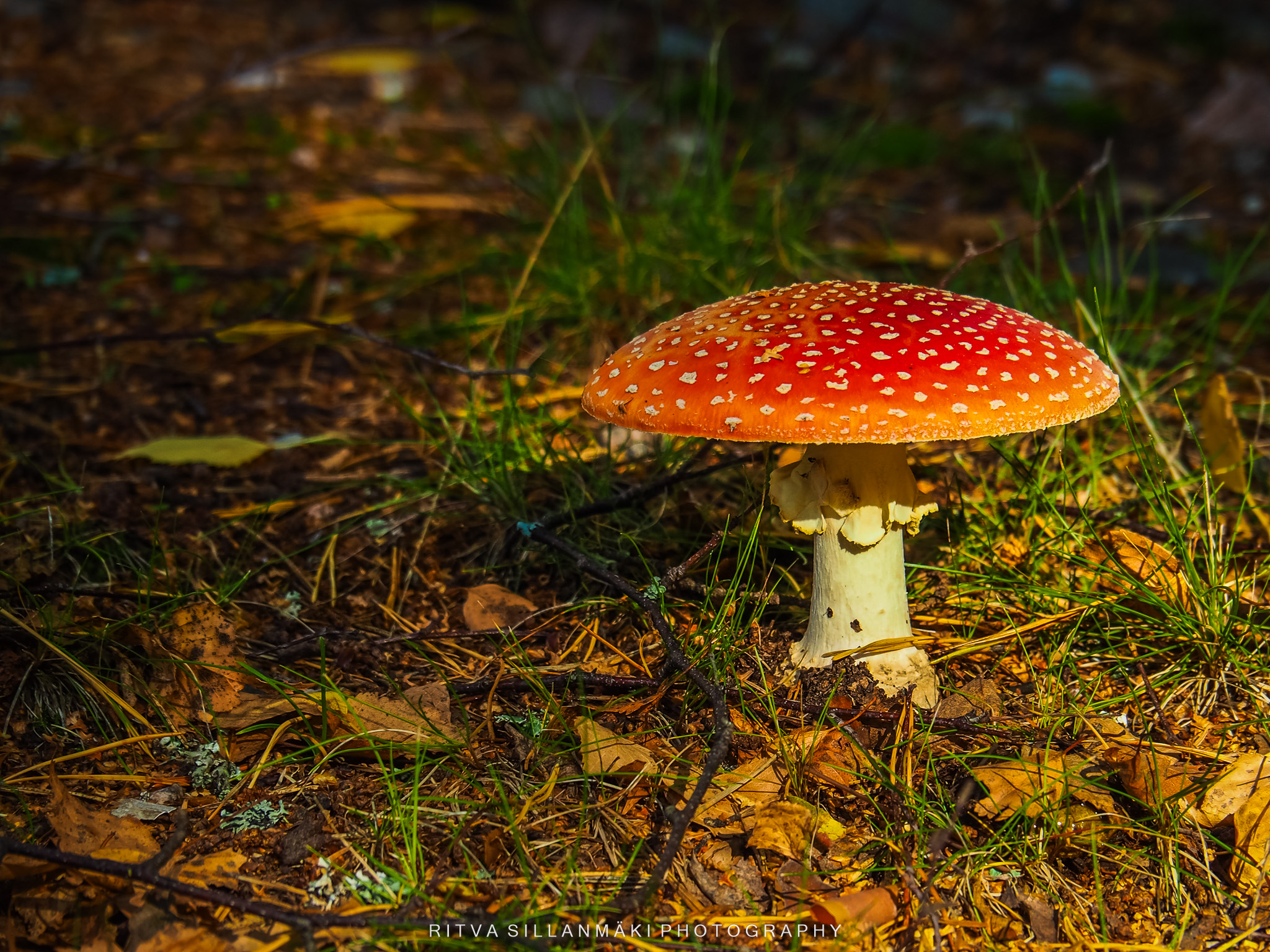
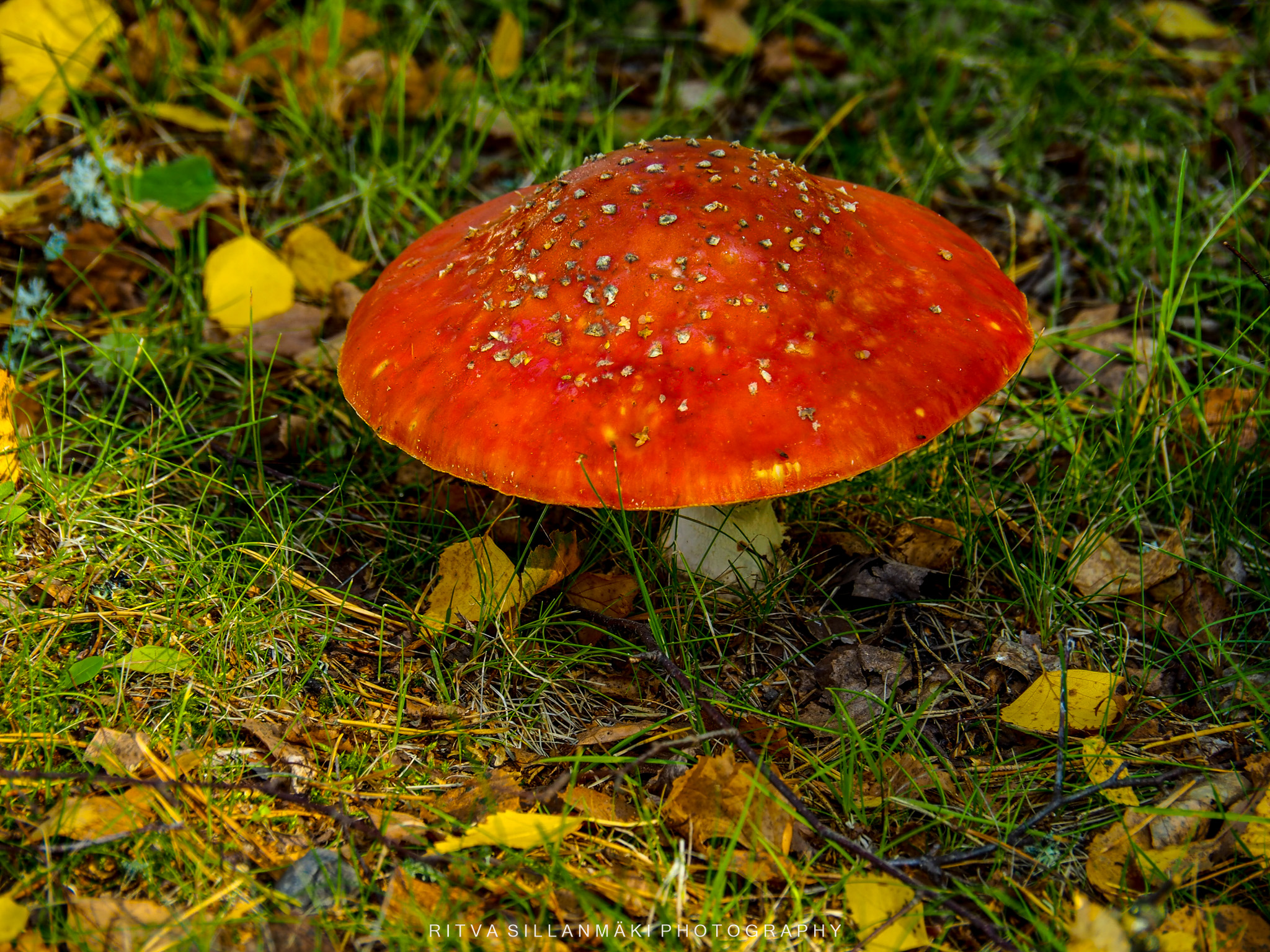
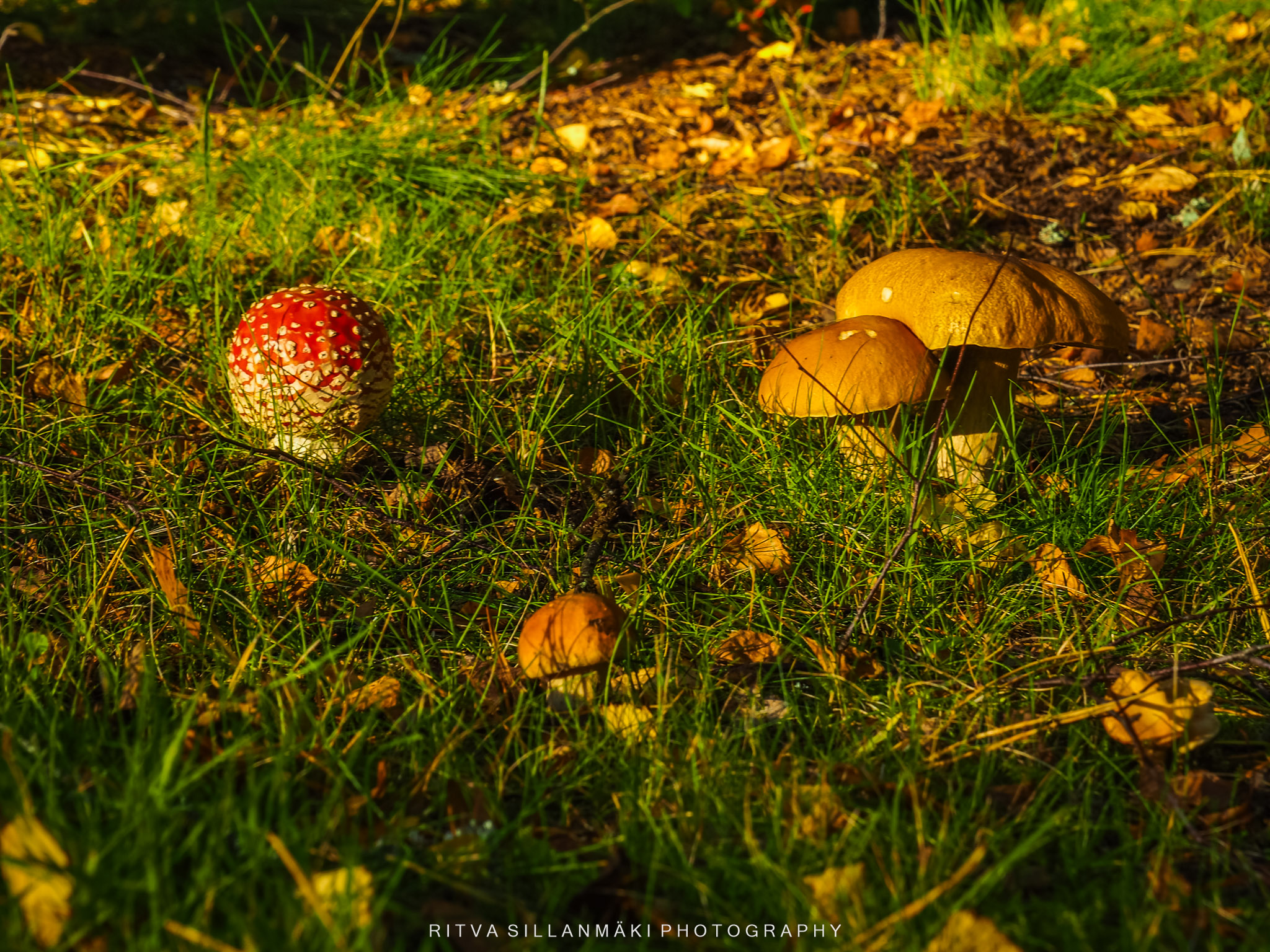
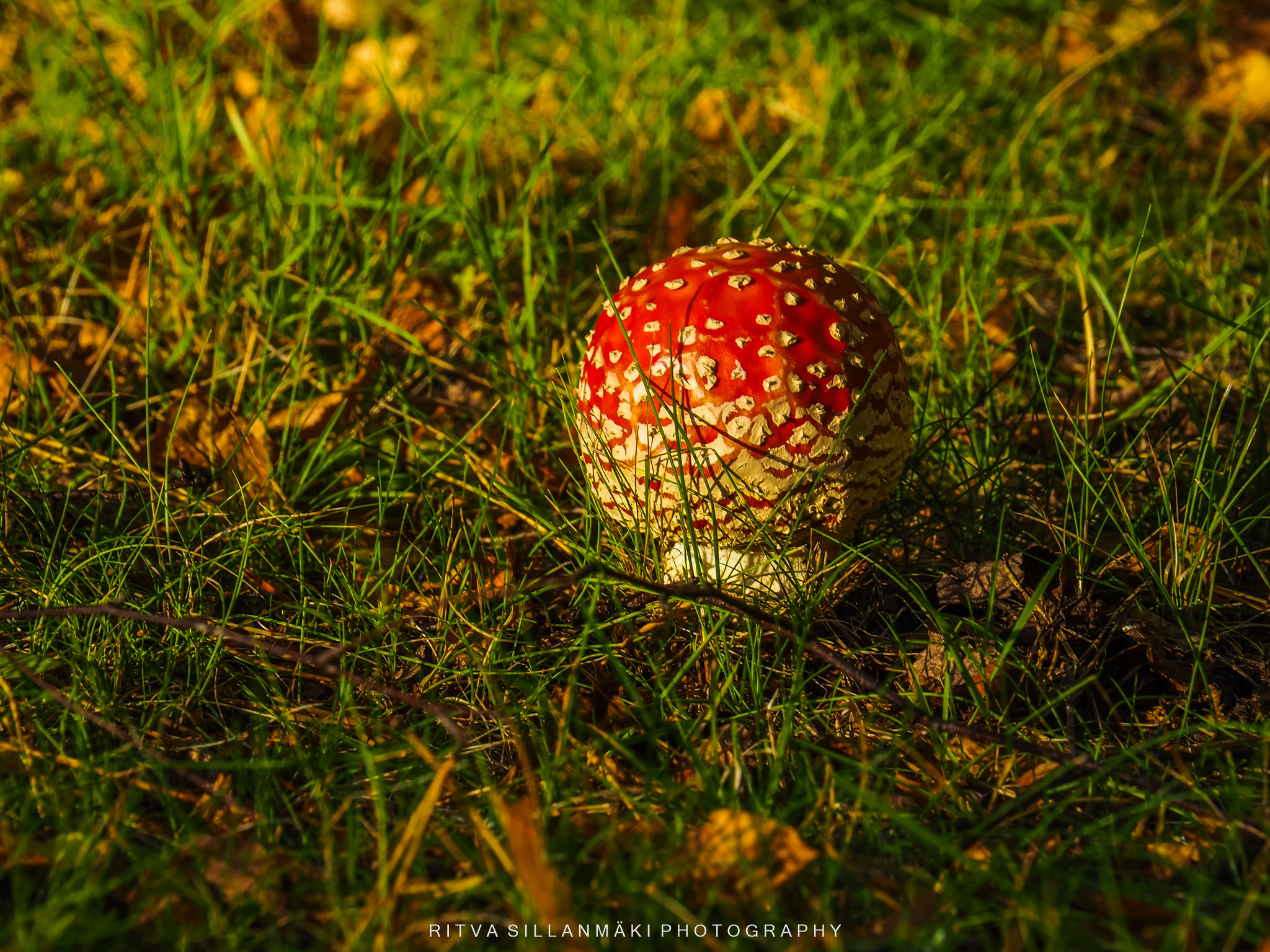
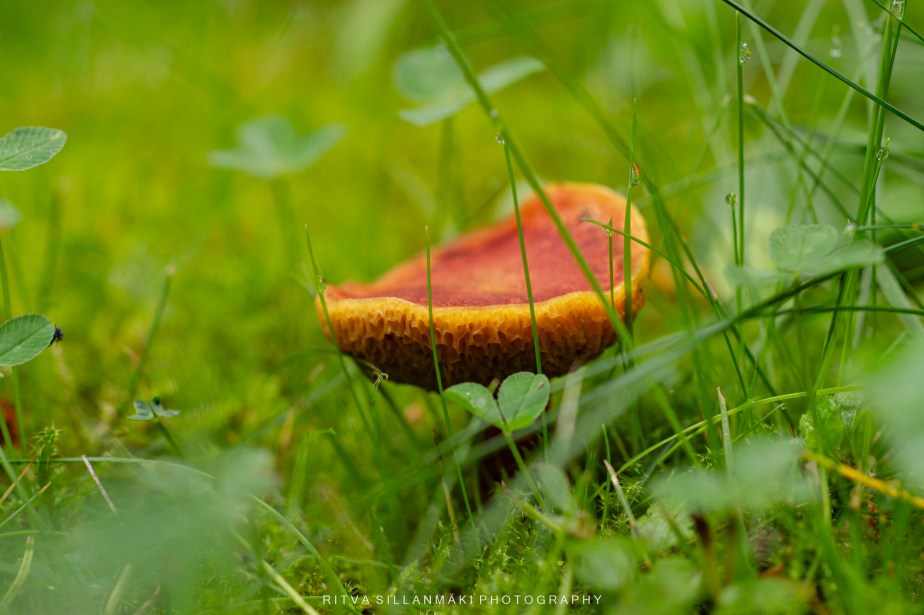
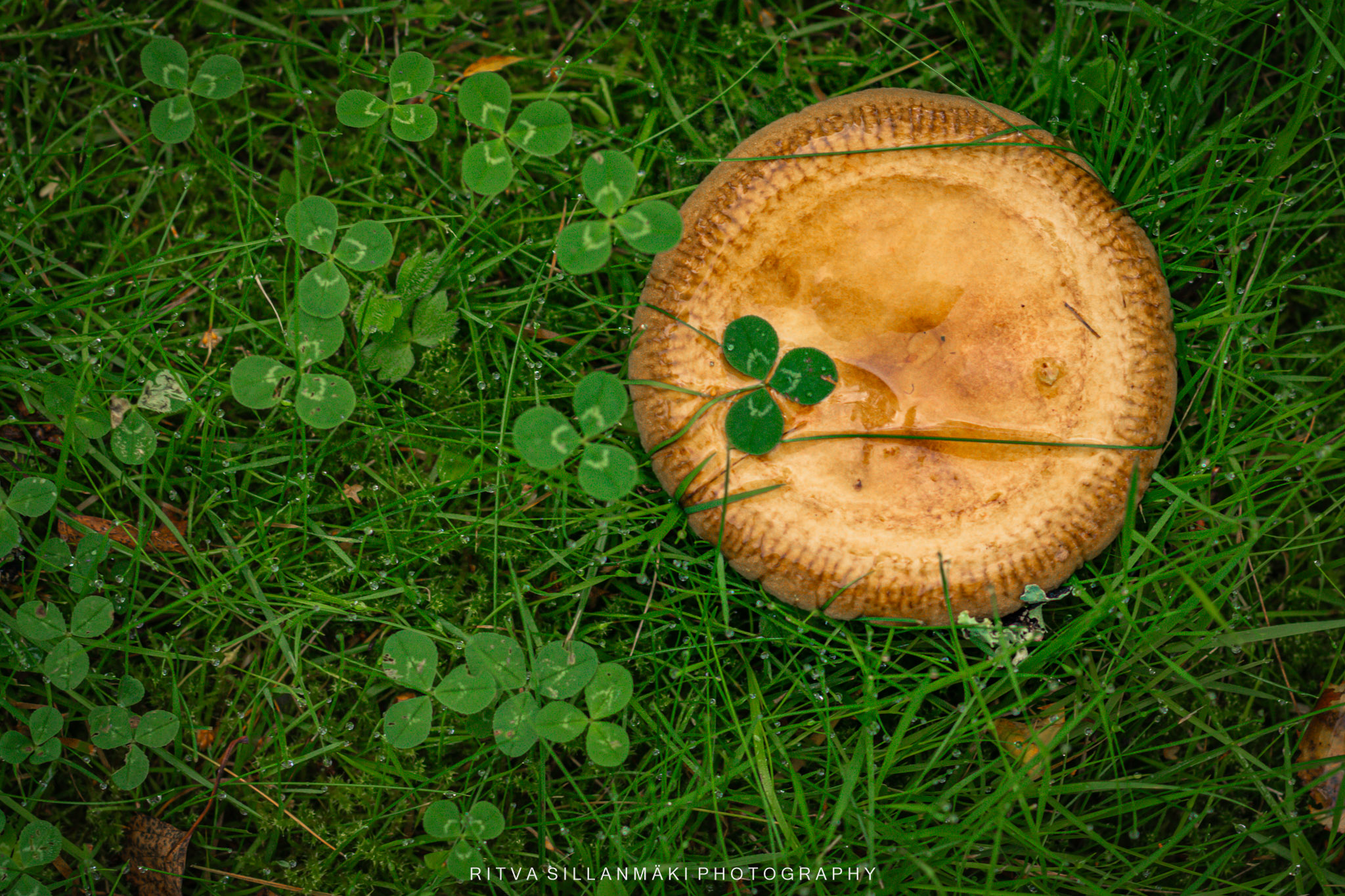
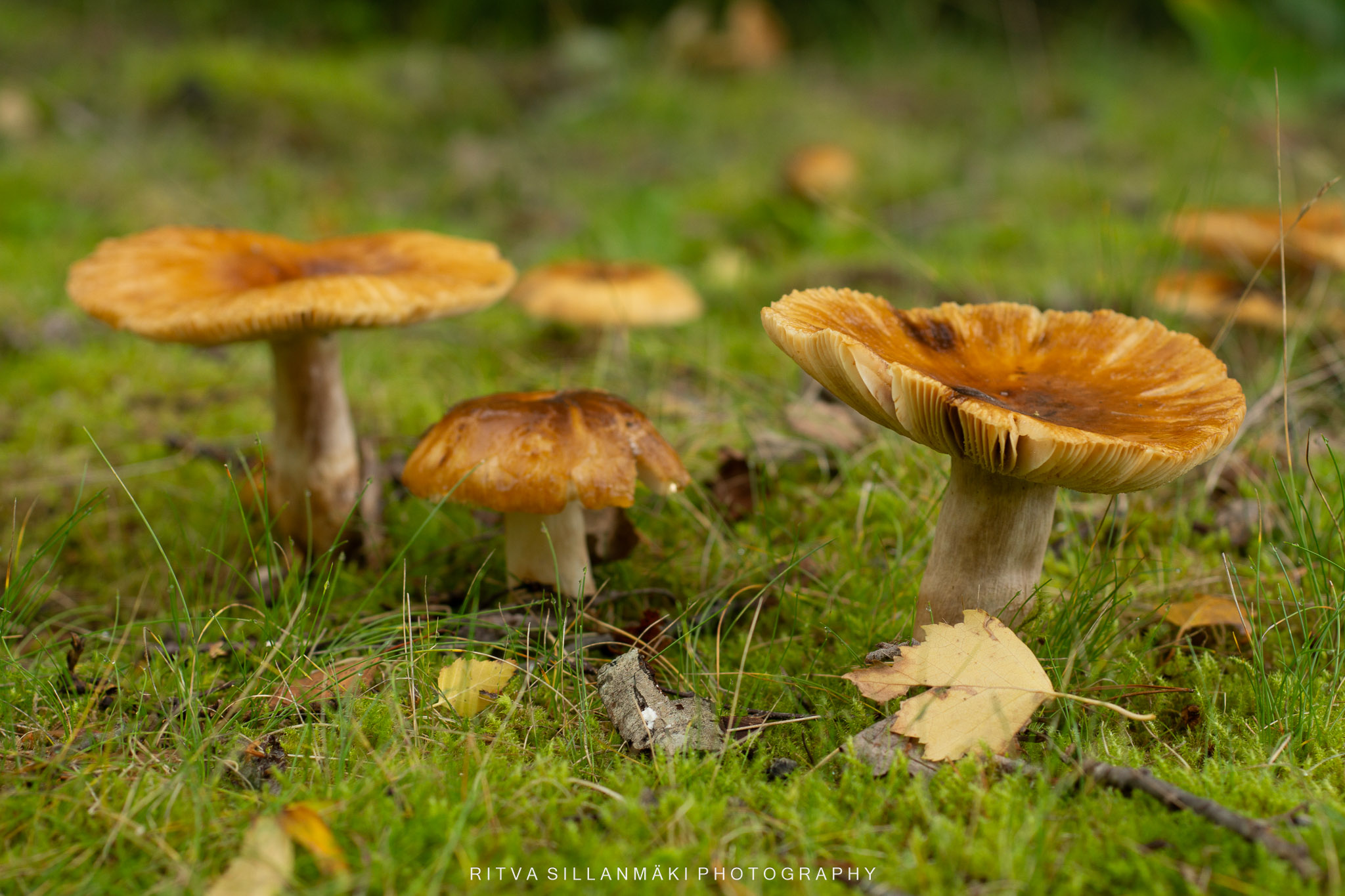
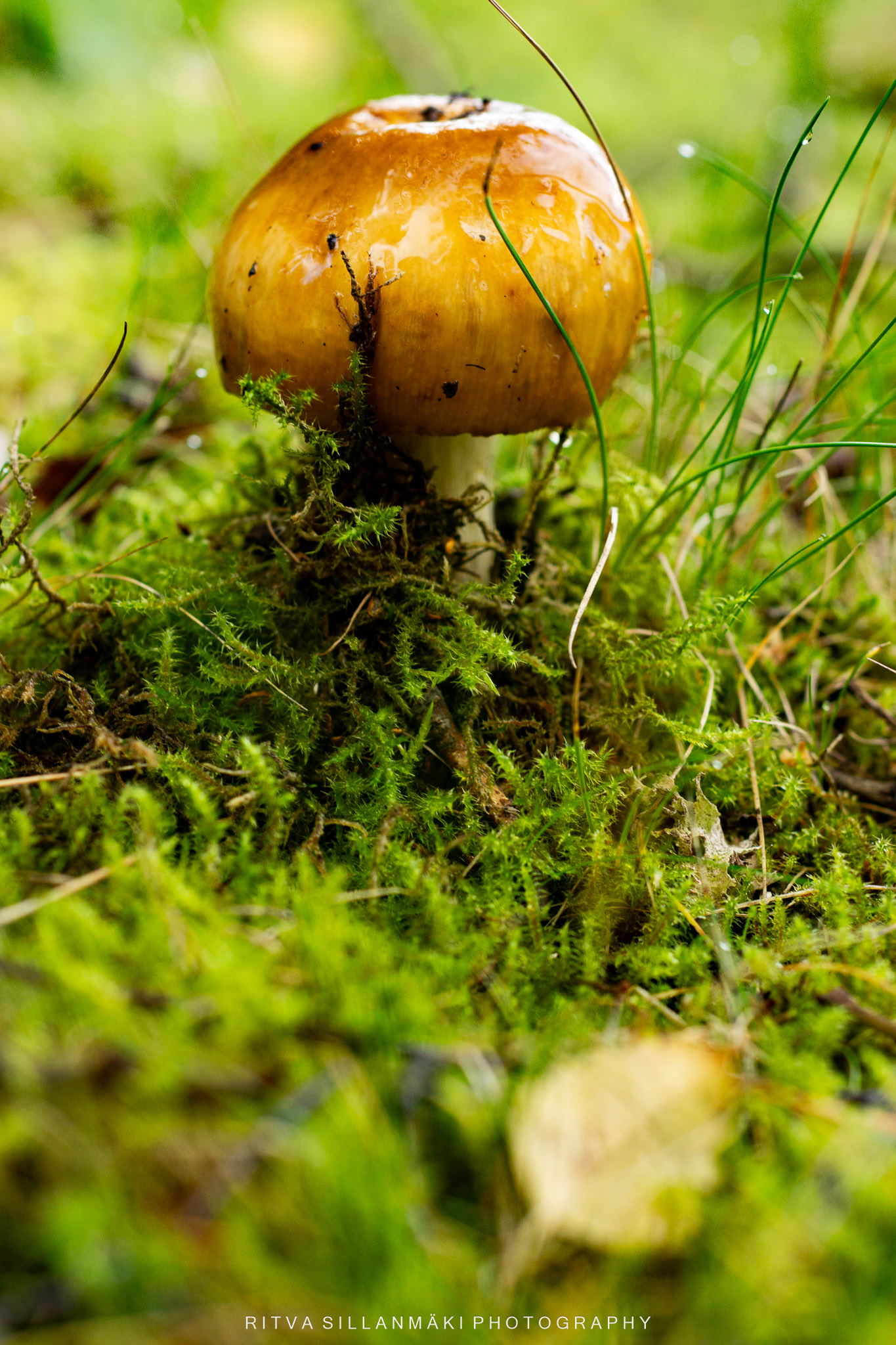
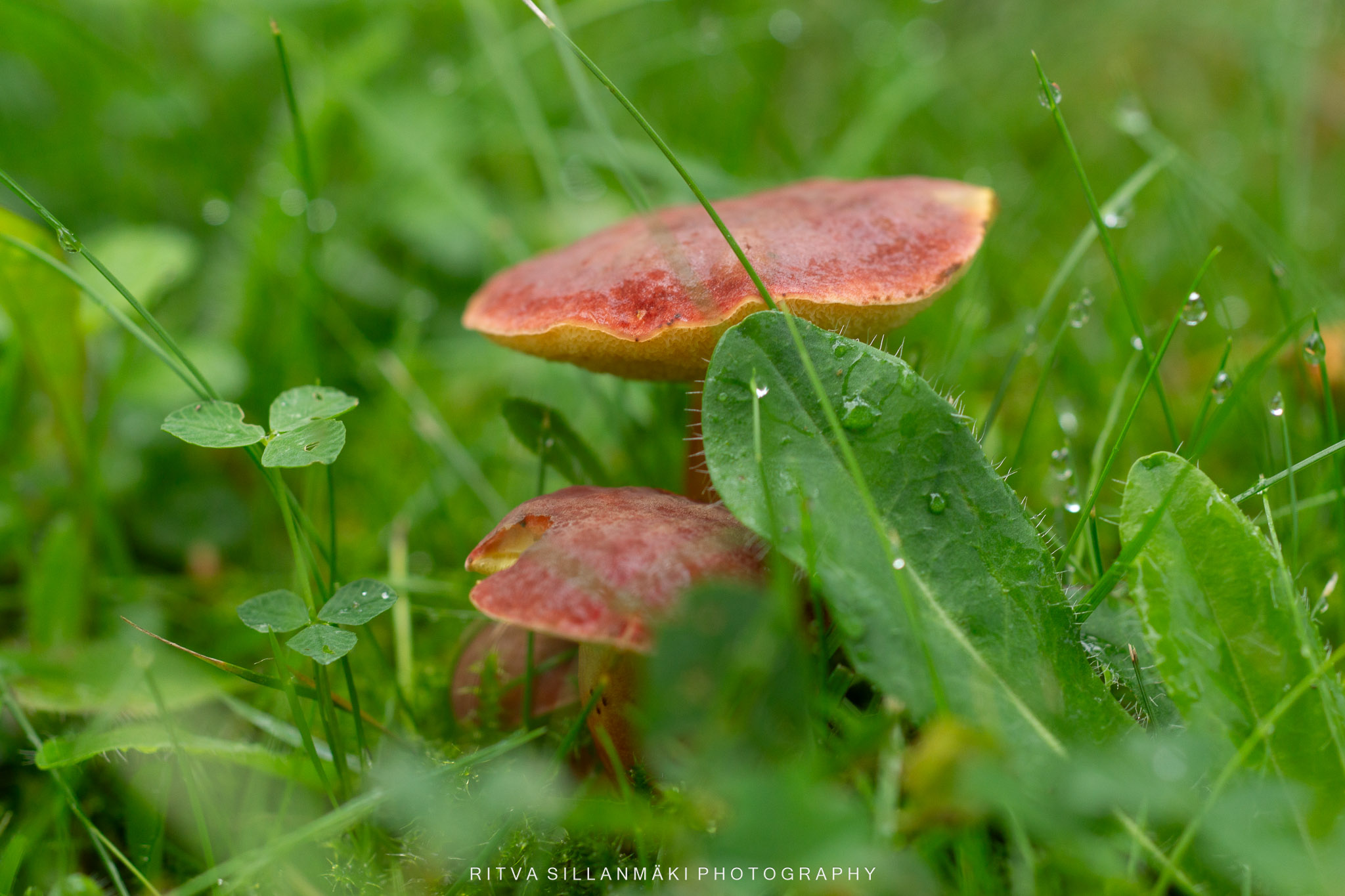
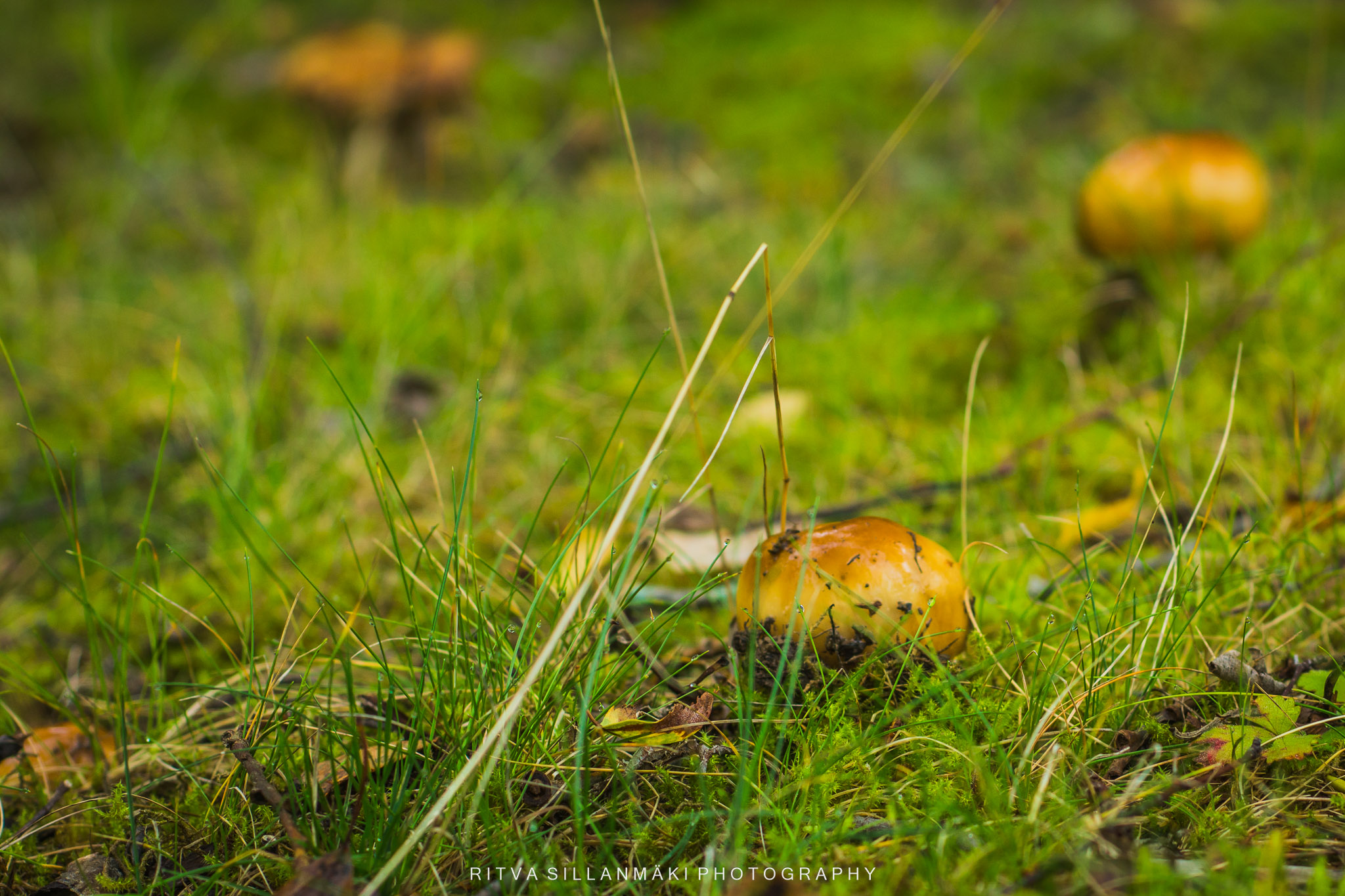
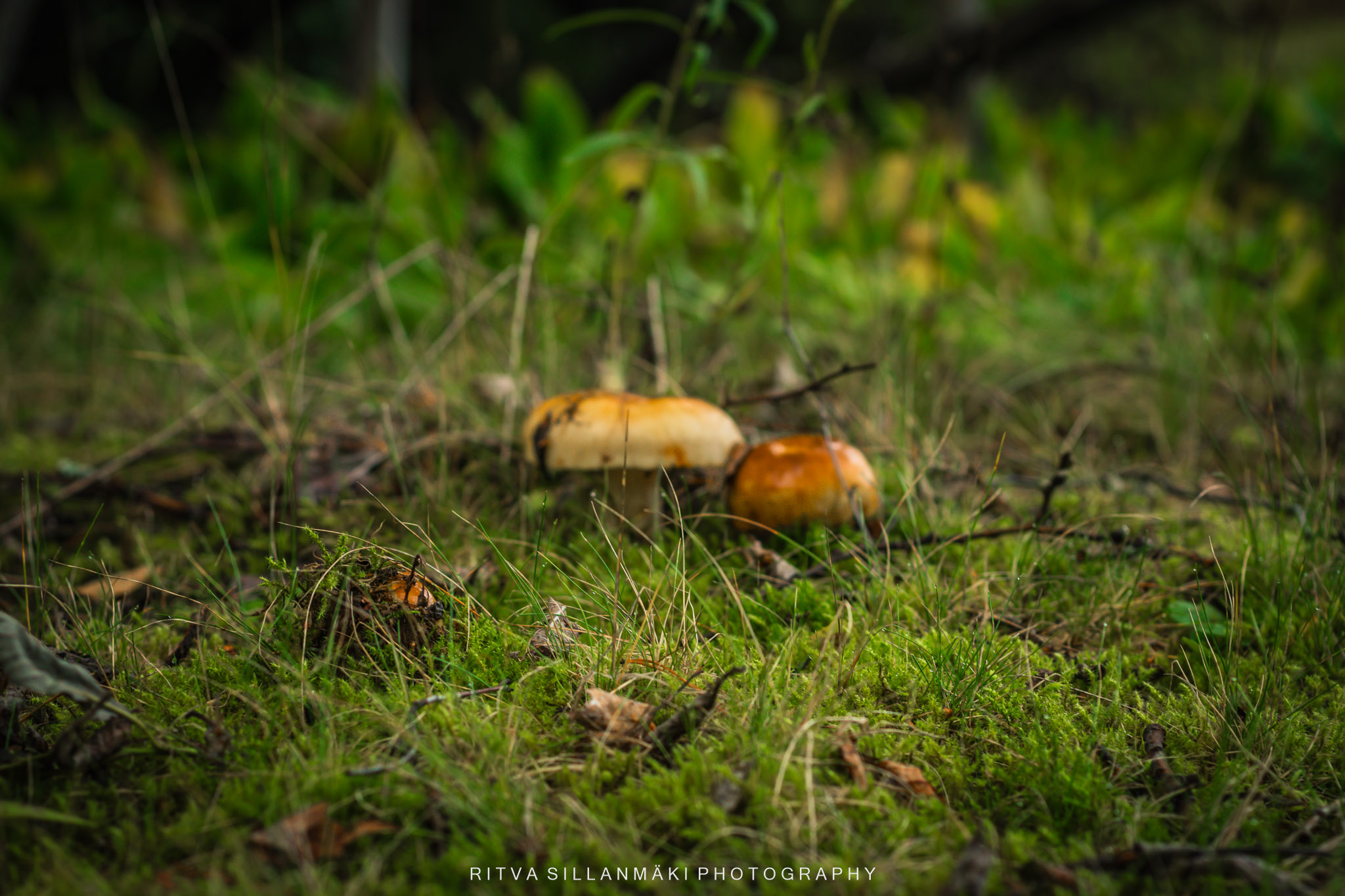
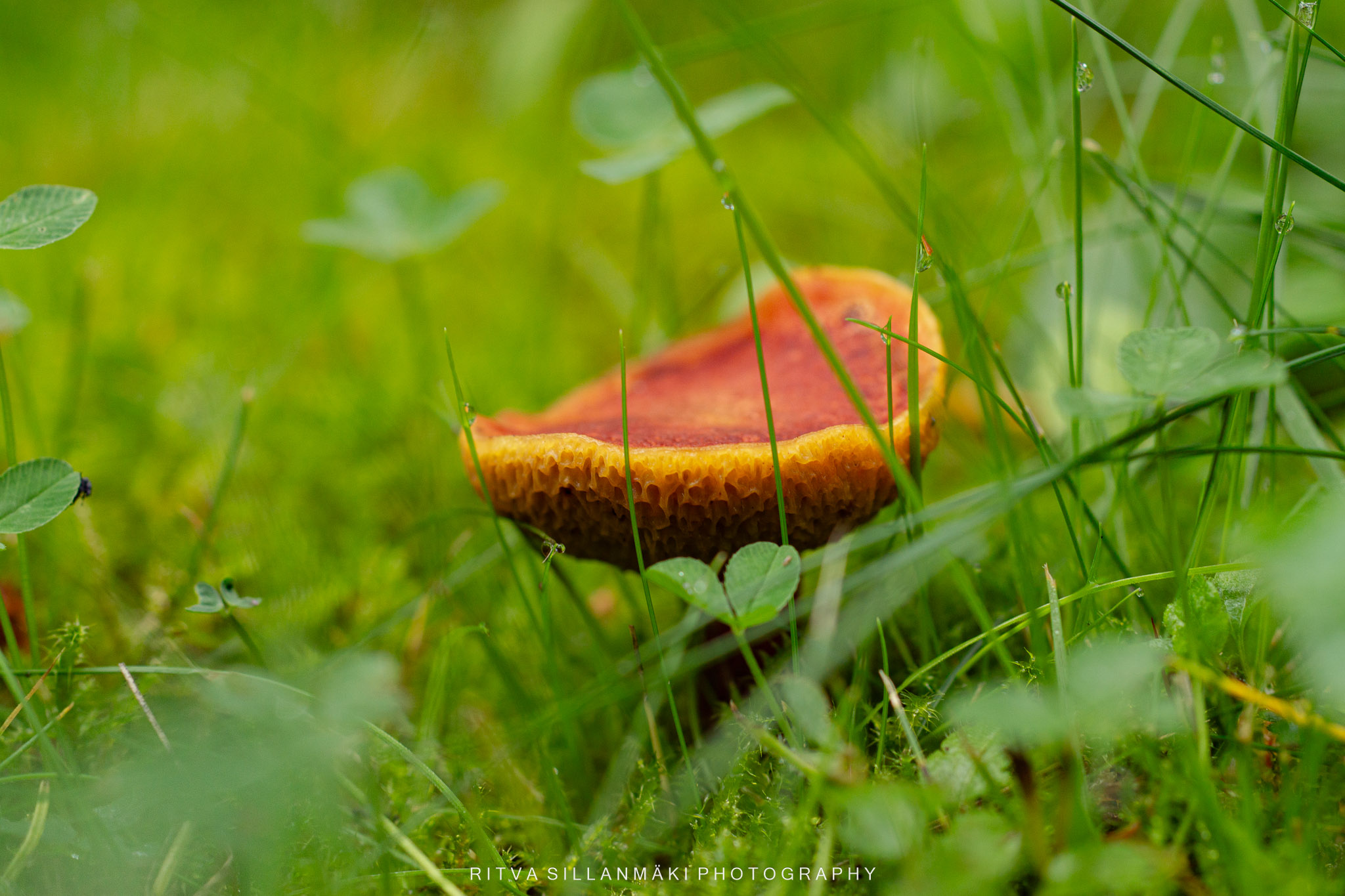
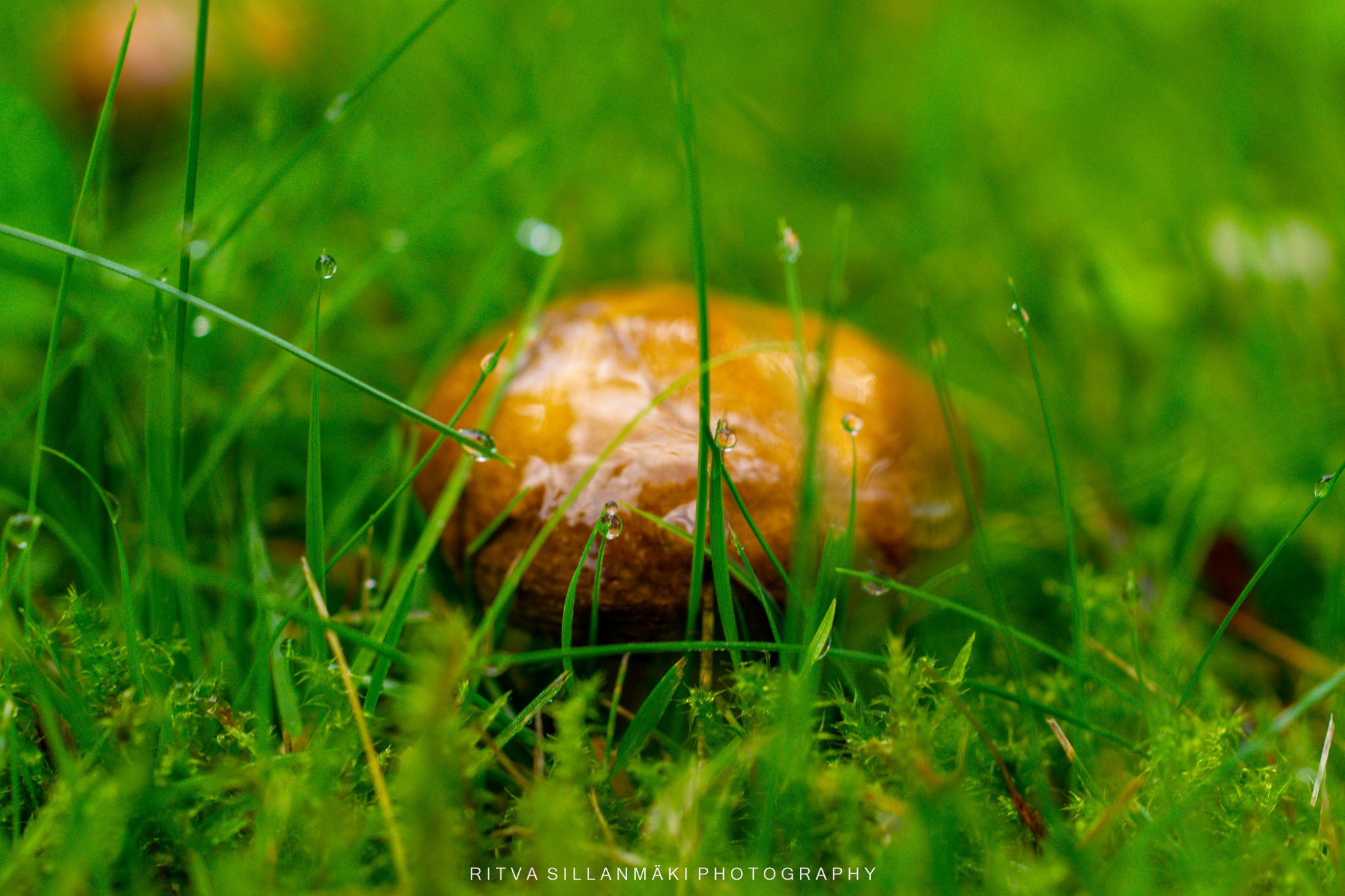
This summer/ autumn the mushrooms have been really popping up, I don’t remember when we have had this much of them pop up in our yard. I Don’t recognize them from each other, so I don’t pick them up. I take photos instead and buy the ones I eat, better safe than sorry .
White fly agaric
The white fly mushroom (Amanita virosa) is deadly poisonous. Dangerous cell toxins damage internal organs: kidneys, liver, heart muscle, brain and blood vessels.
The white fly mushroom is completely white, and the color does not change from contact or other handling. The cap is egg-shaped when young, then bell-shaped and almost flat when old. It is sticky when wet and silky shiny when dry, and slightly yellowed in the middle when older. The gills are permanently white.
The leg is also completely white. Its upper part has the characteristic sign of a fly agaric: a ragged and hanging ring. A good sign is also the thick, lumpy basal part of the foot surrounded by a sheath.
you can find them everywhere – don’t know this one
fly agaric have been popping up some of them are rather big
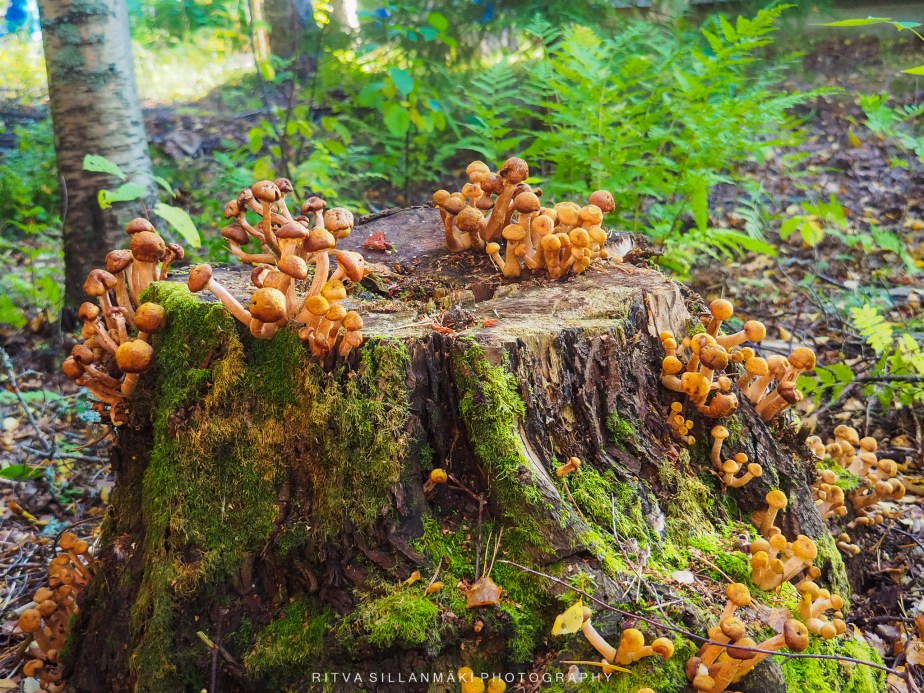
Armillaria borealis
I did some search about these mushrooms, and was surprised that they are editable. The cap of the honeydew(Armillaria borealis) mushroom has clear scales, the ring is strong and effervescent. The scales of the tadpole mushroom, on the other hand, are insignificant, its leg is club-like and often dirty yellow. The ring of the species is thin and pendulous and often disappears completely.
The way the species grow is also different: the mushroom grows in dense clumps on the stump.
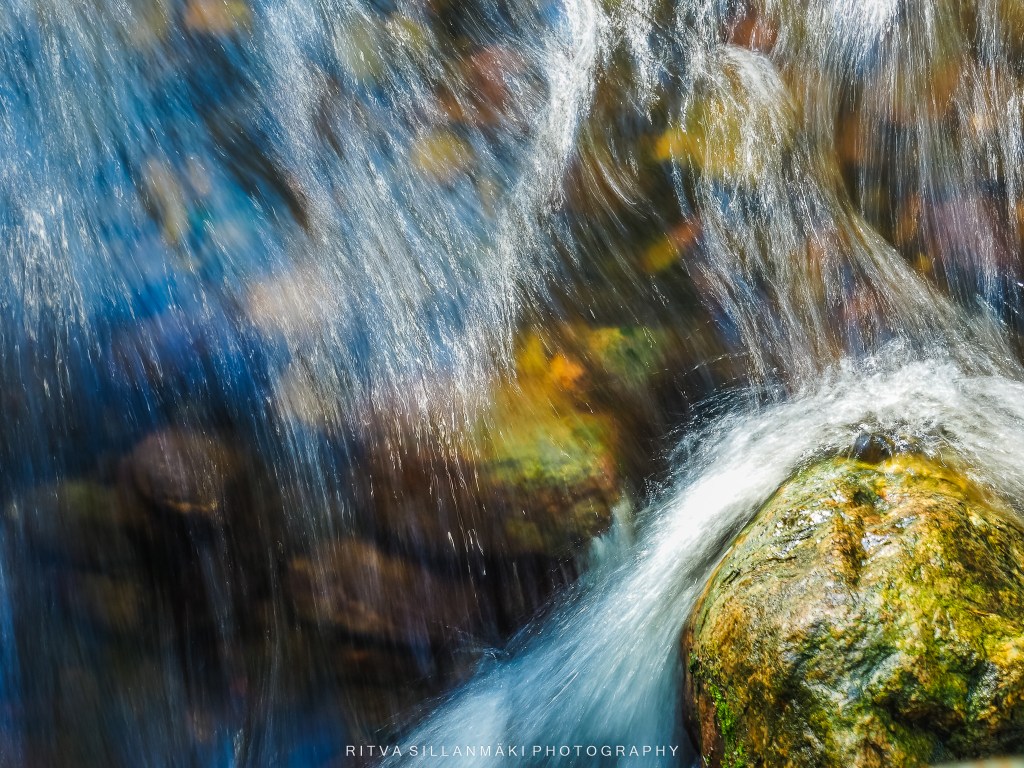
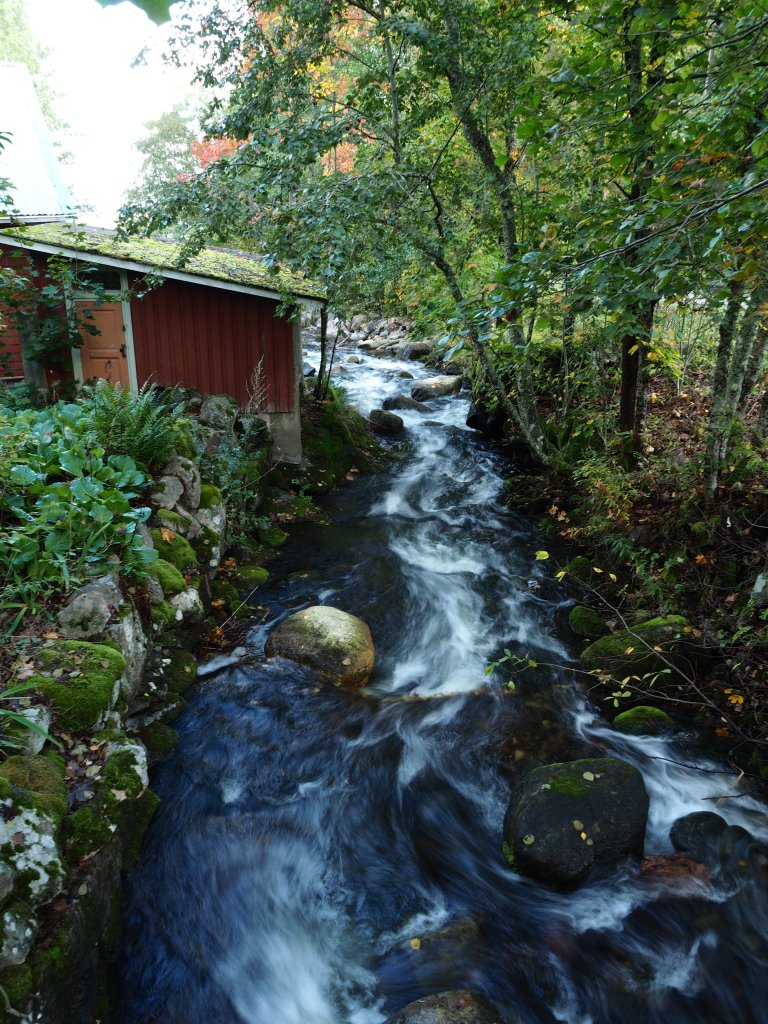
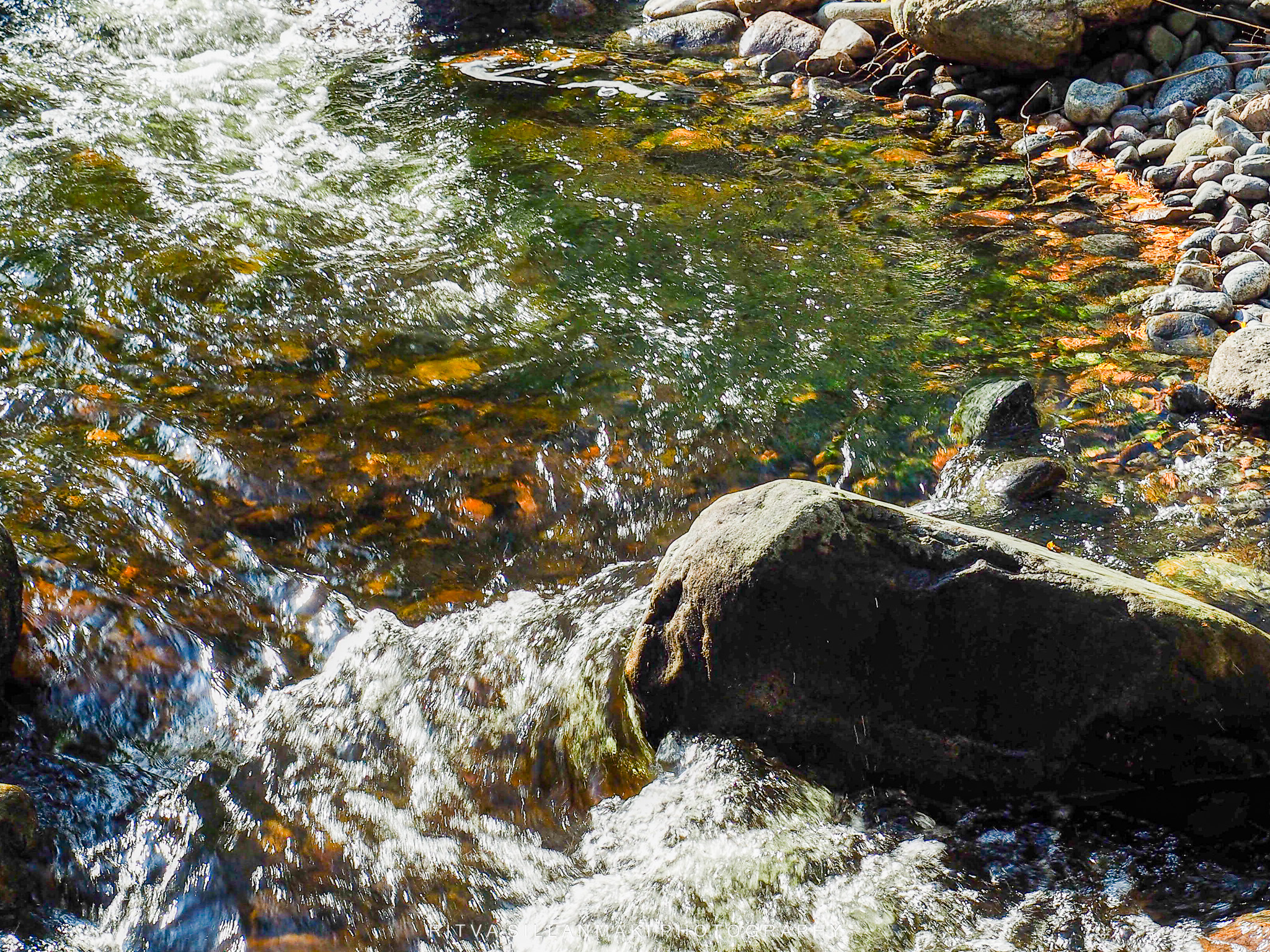
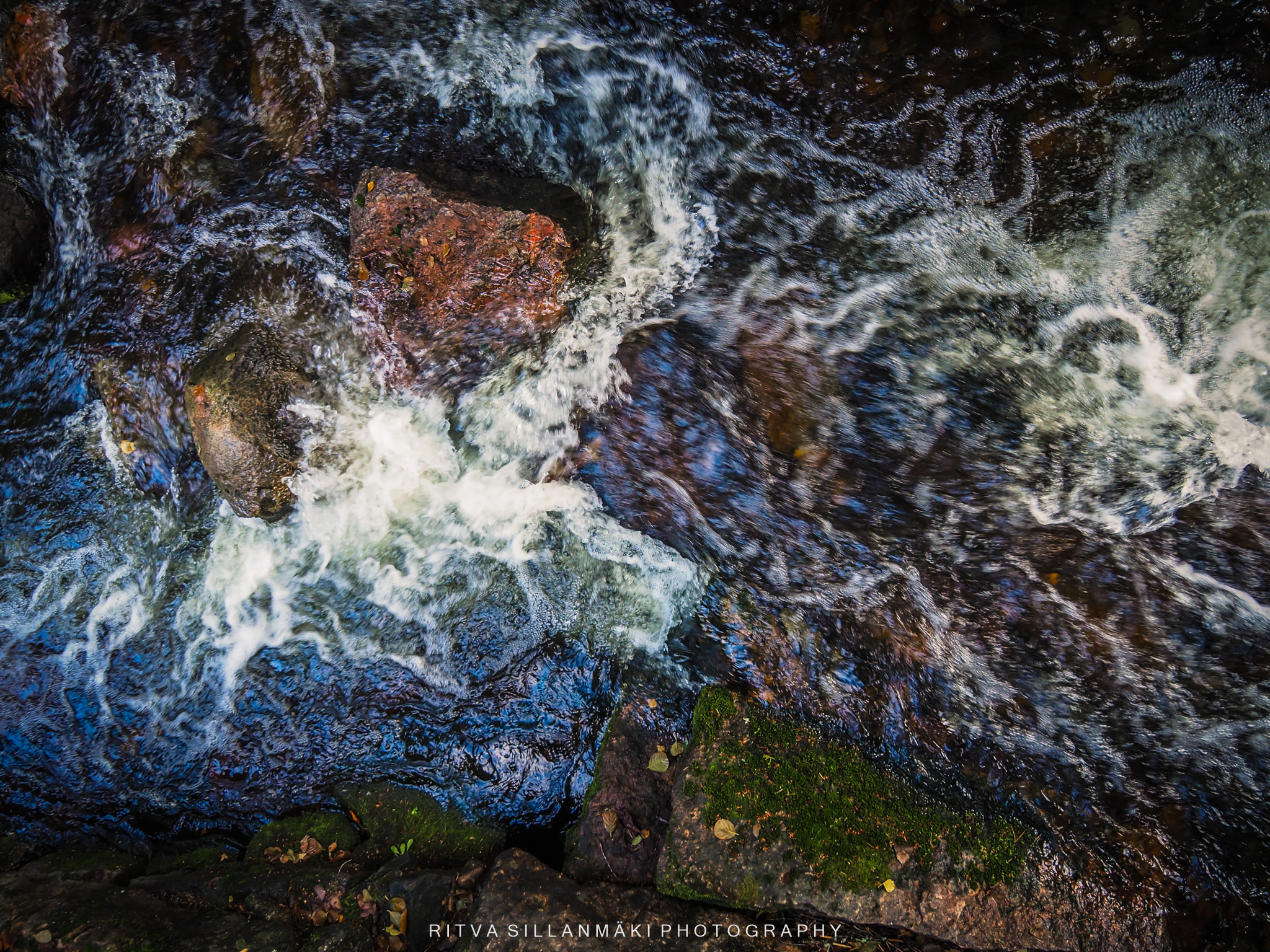
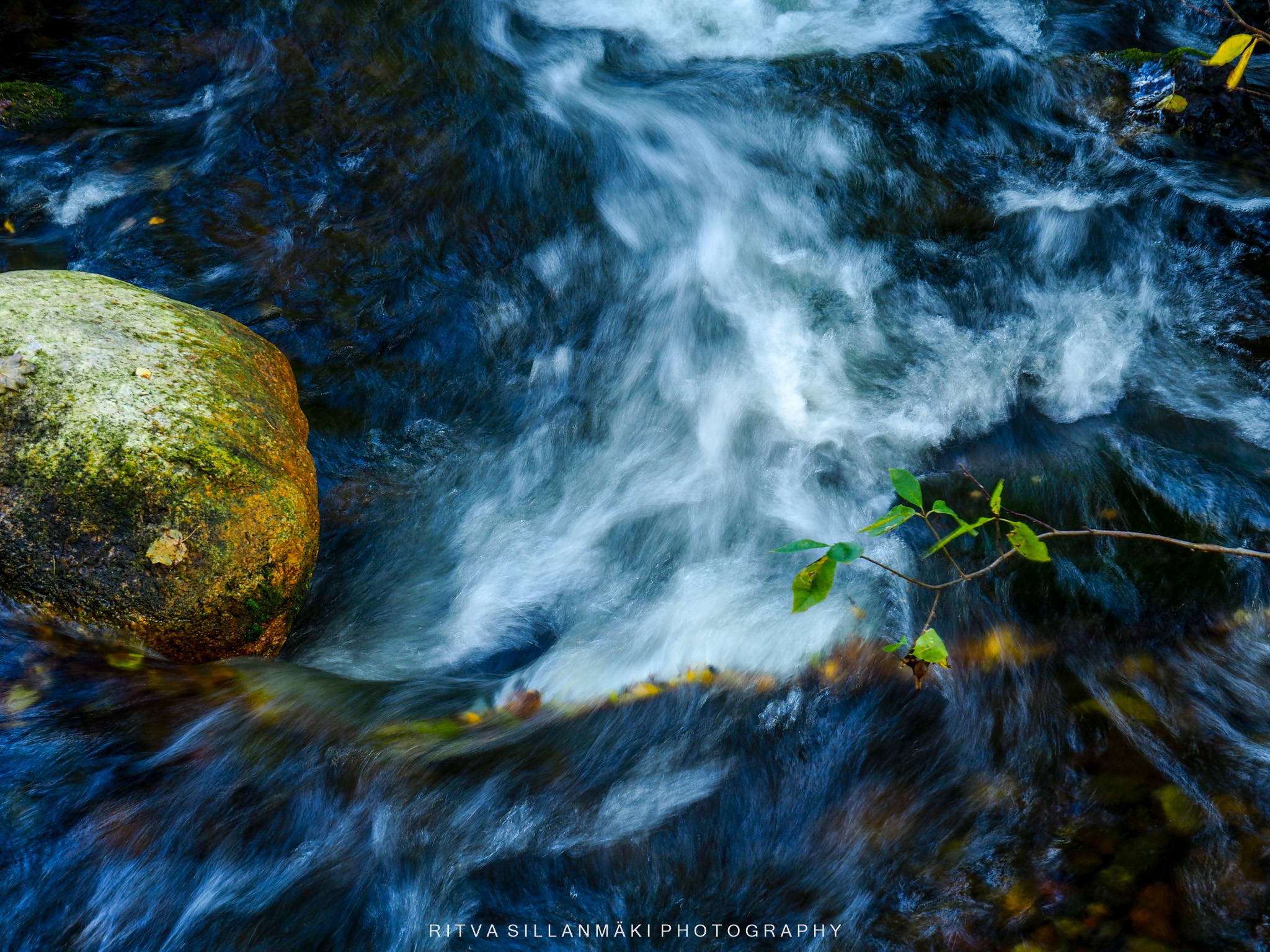
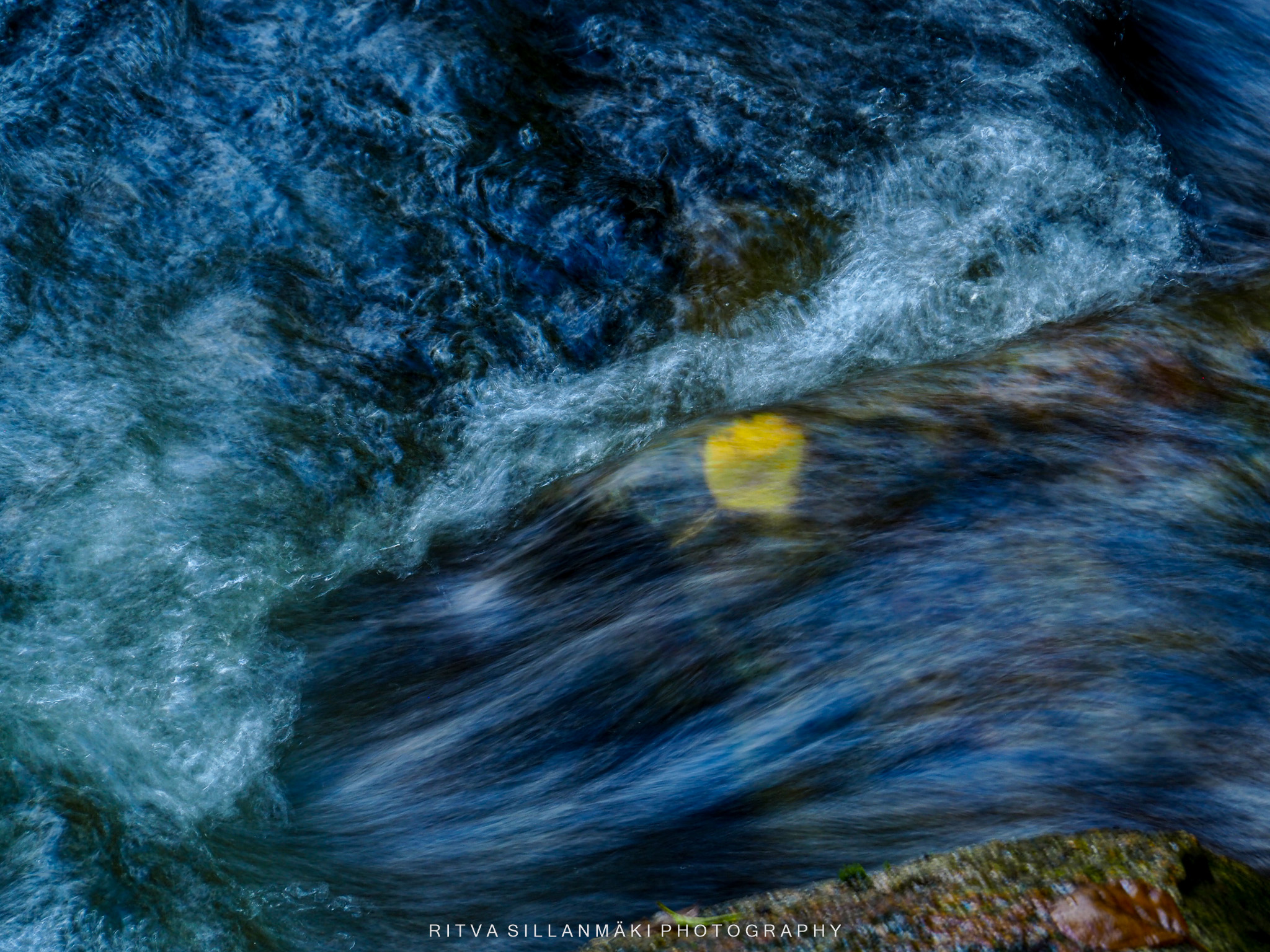
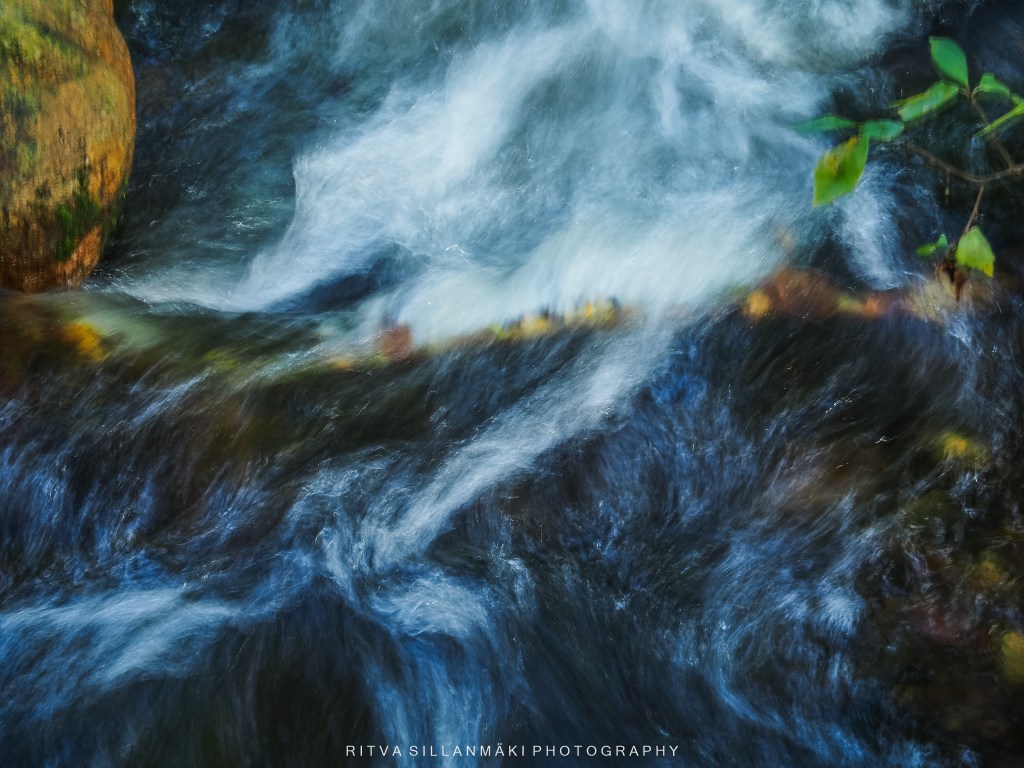
Water, the essence of life, flows endlessly through the rocky crevices and gentle streams. It is a symbol of resilience, adaptability, and transformation. Just like water, we too must learn to flow through life’s challenges, gracefully navigating the twists and turns that come our way.
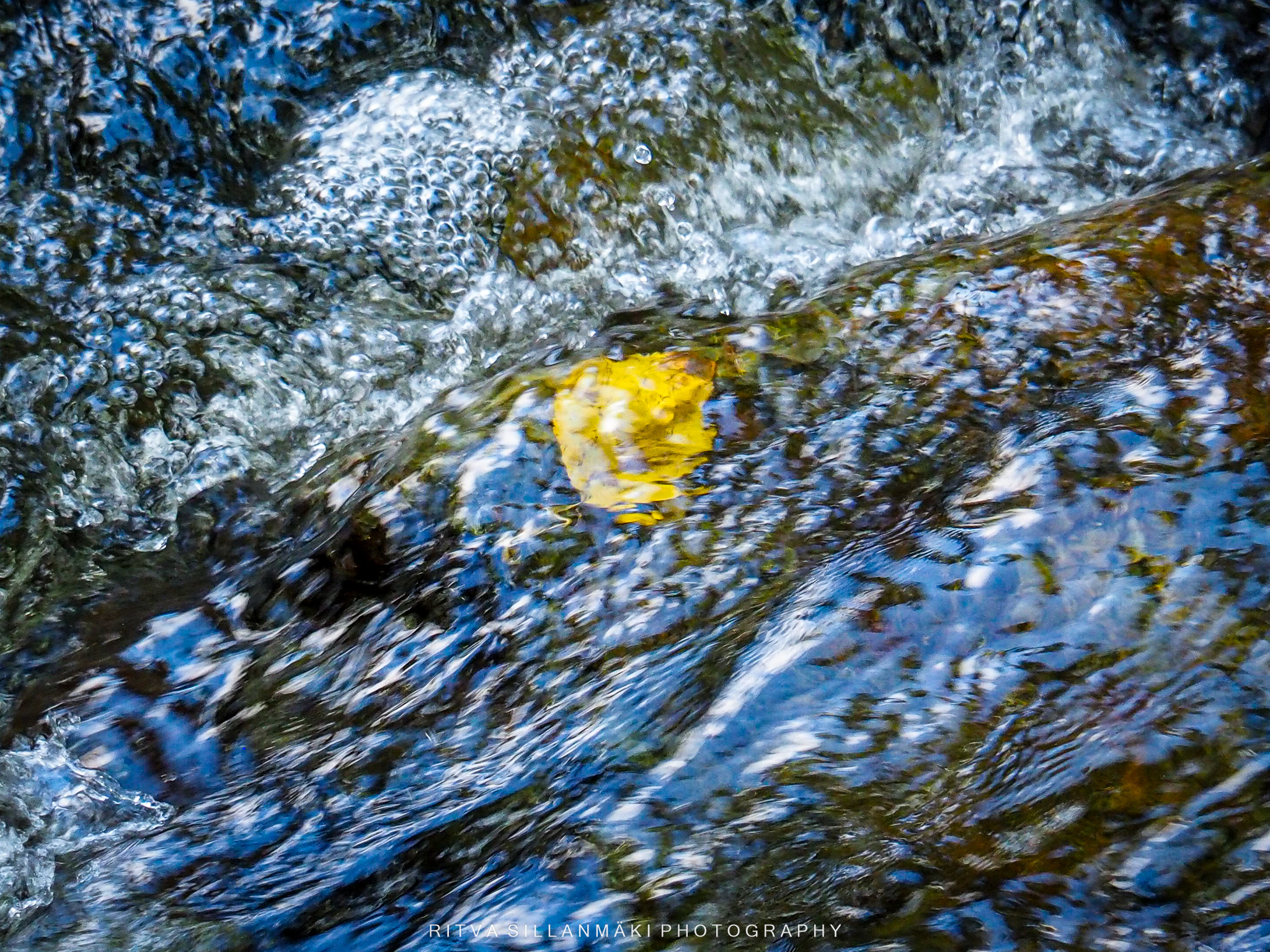
Movement
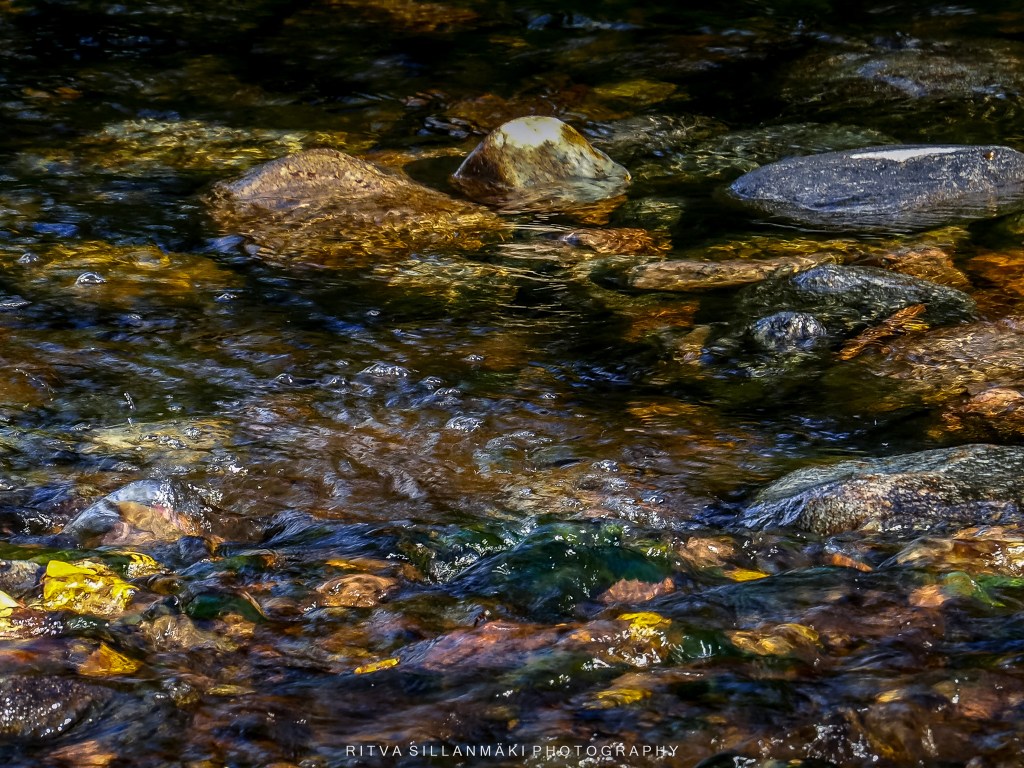
Imagine a babbling brook, its gentle melody soothing your soul. The water, sparkling in the sunlight, dances over pebbles, creating a symphony of nature’s music. It reminds us to embrace the beauty and serenity of the present moment.
Pebbles in flowing water
flow – flow
As water cascades down a waterfall, it reminds us of the power and strength within us. With every drop that falls, it signifies the potential for change and growth. Just as the water carves its path through solid rock, we too can carve our own destiny, shaping our lives through determination and perseverance.
So let the flowing water be a constant source of inspiration. May it remind you to adapt, to embrace change, to find strength in the face of adversity, and to let your spirit flow freely. Like a river, may you navigate through life with grace and purpose, leaving your mark on the world.
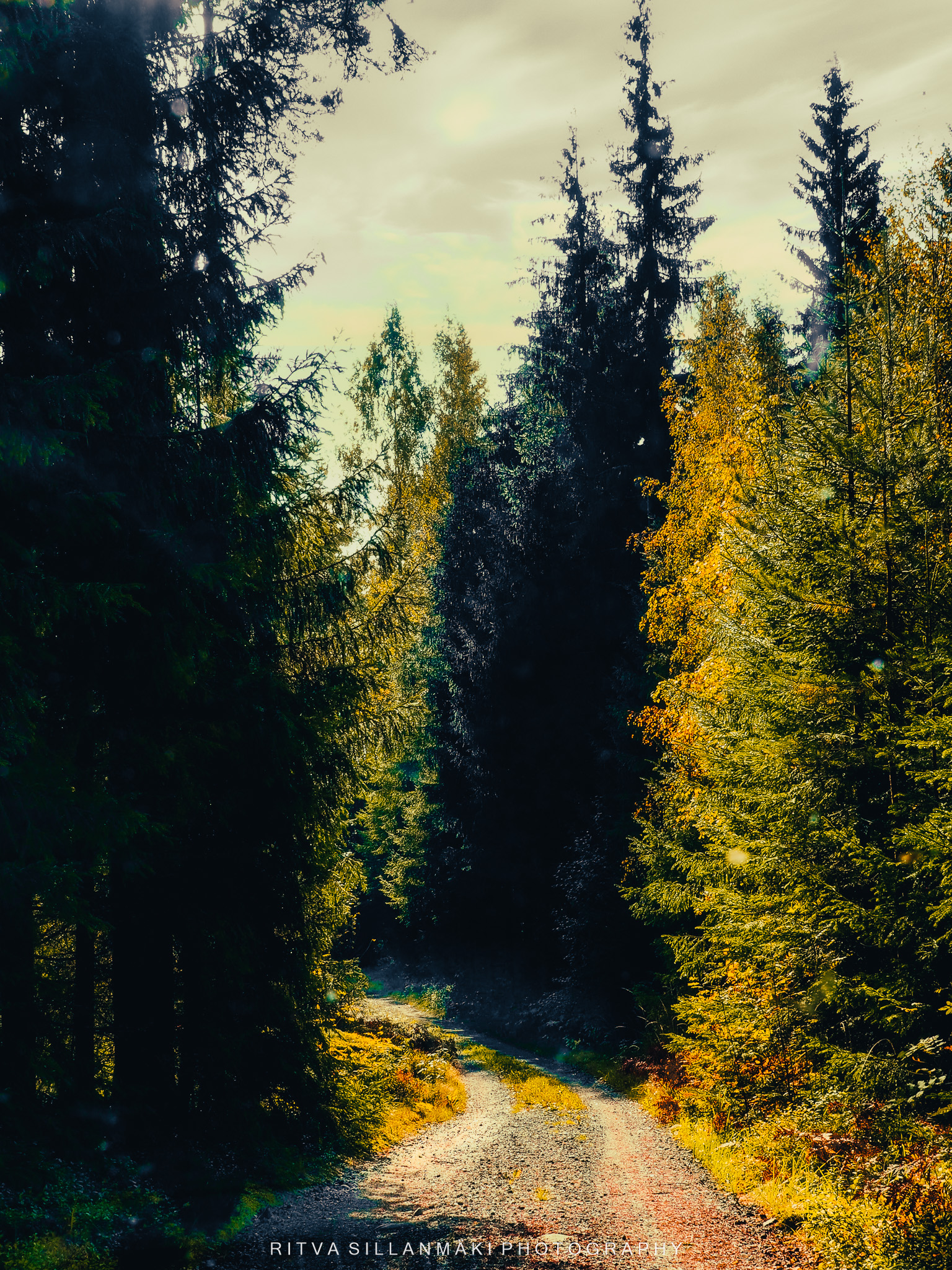
I was playing with my photo, or should I say editing my images. I shoot in raw so I can easily play with the color tones and change the mood. Mostly I stay true to the actual photo. If I don’t I mostly bring it to in the open. I usually do not like over edited and color enhanced photos. If it is beautiful – it is that with out over doing it. There are lots of images like that in Instagram, the may look lovely. but realistic is long way from them.
As I’ve opened about that… lets go. The image above is the original photo. I have edited the light and contrast.
Below you can see too mood changes as I yellows and softened the greens to get a more autumn feel to it. The one on the right I added orange tones and blue tones to the green.. autumn also , but the mood is totally different.
Then there is the monochrome image. Time well spent editing ☺
Any thoughts about these, please share, I would love to have opinions on these.
The Japanese are famous for their mesmerizing gardens and revolving stories around their flowers. The hydrangea is no exception: legend has it that a Japanese emperor gifted blue hydrangeas to the family of a girl he loved to make up for neglecting her.
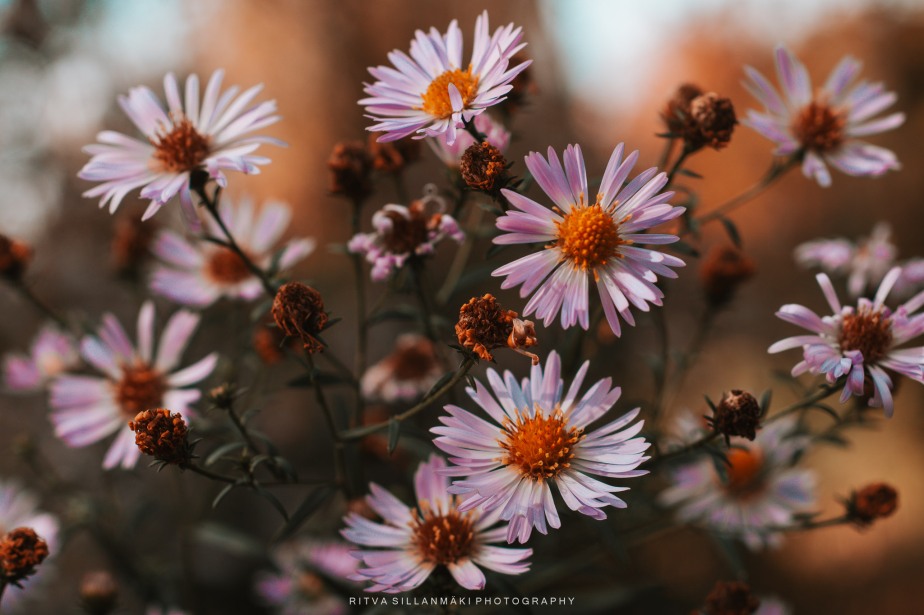
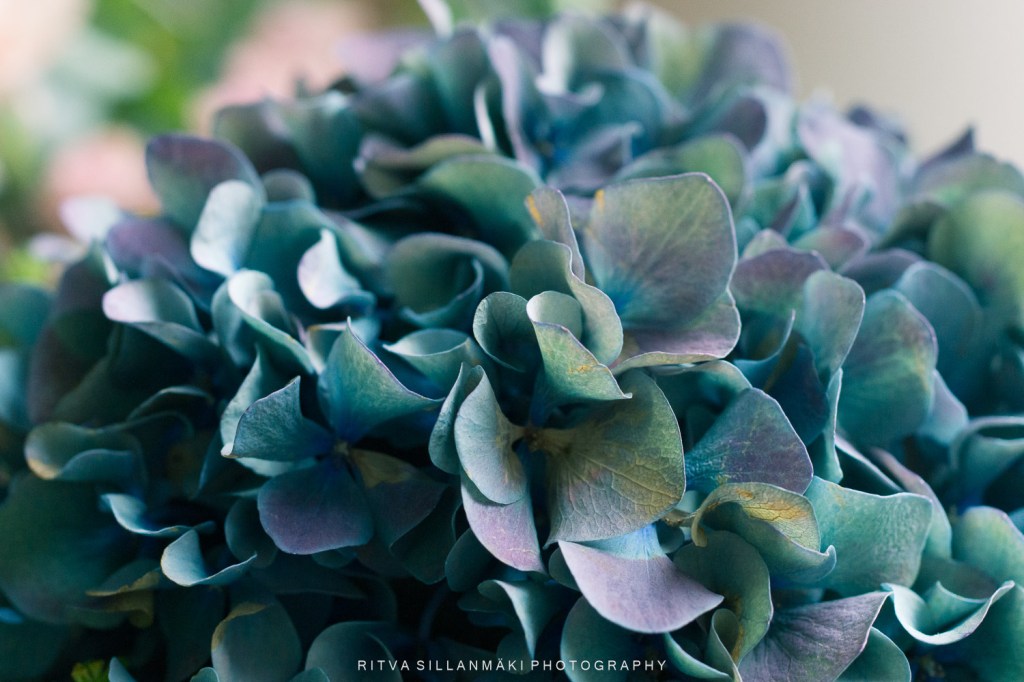
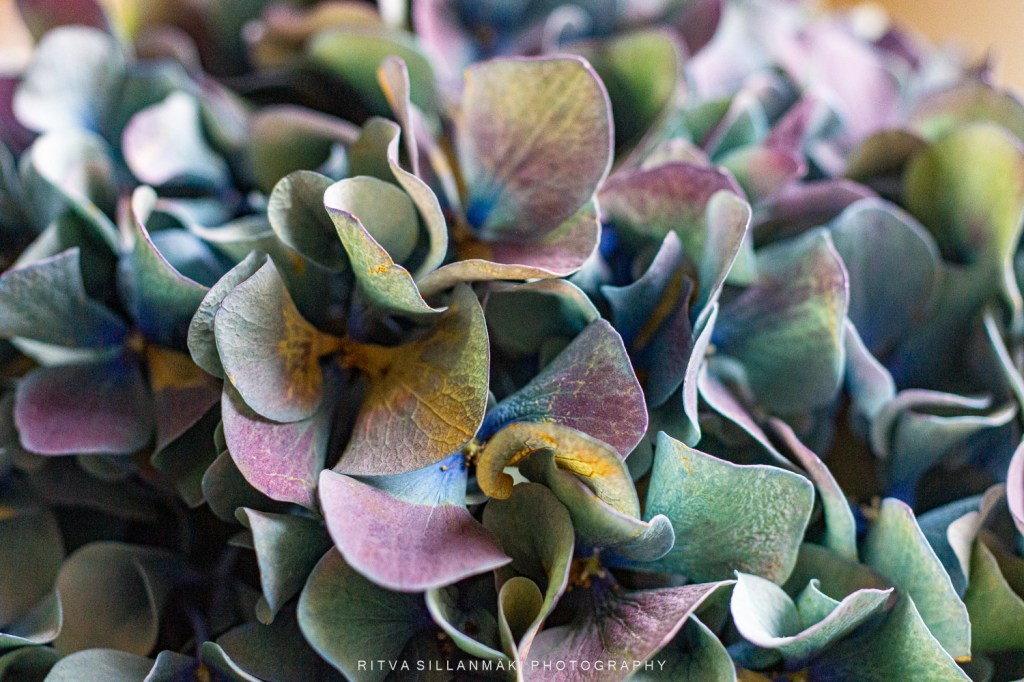
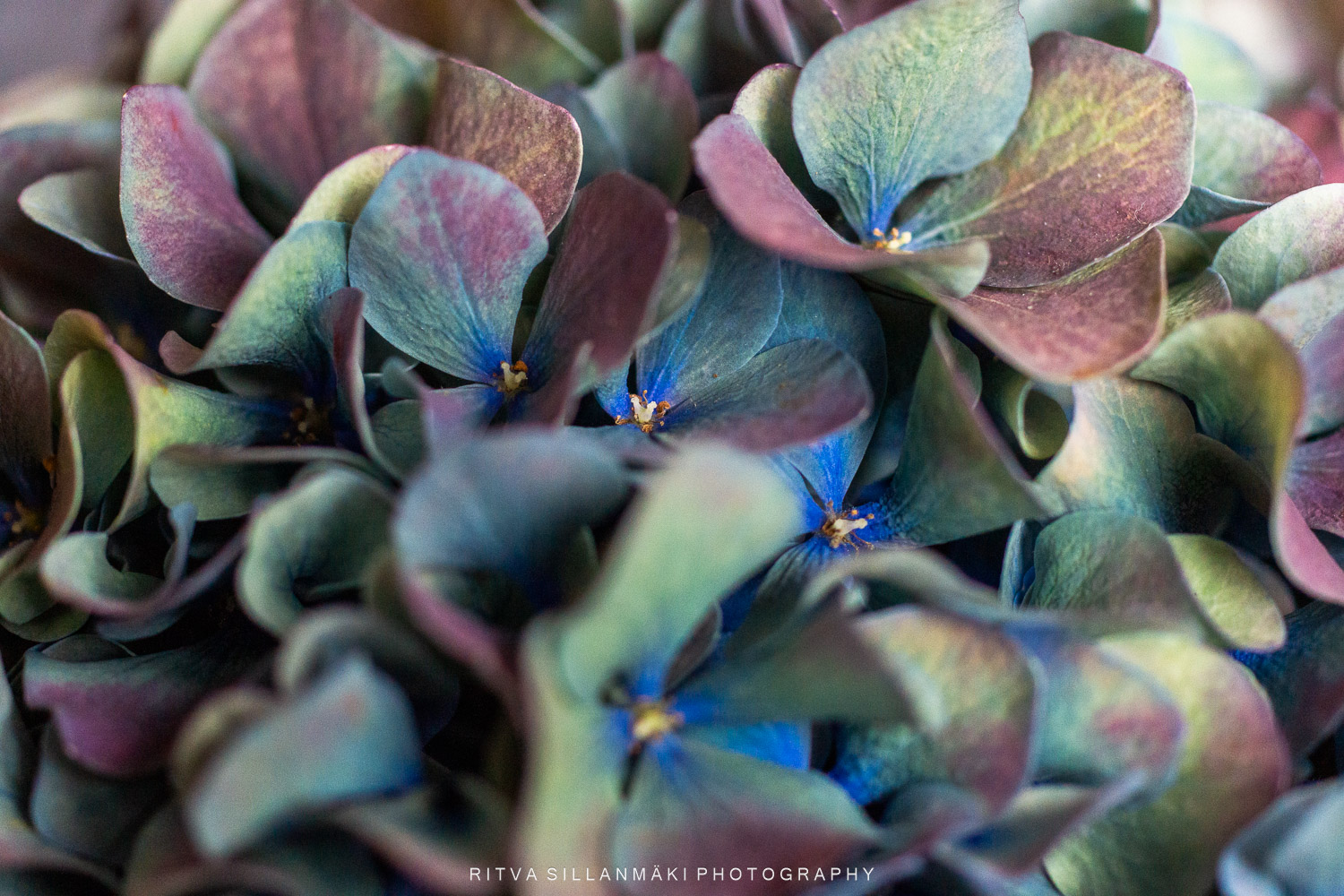
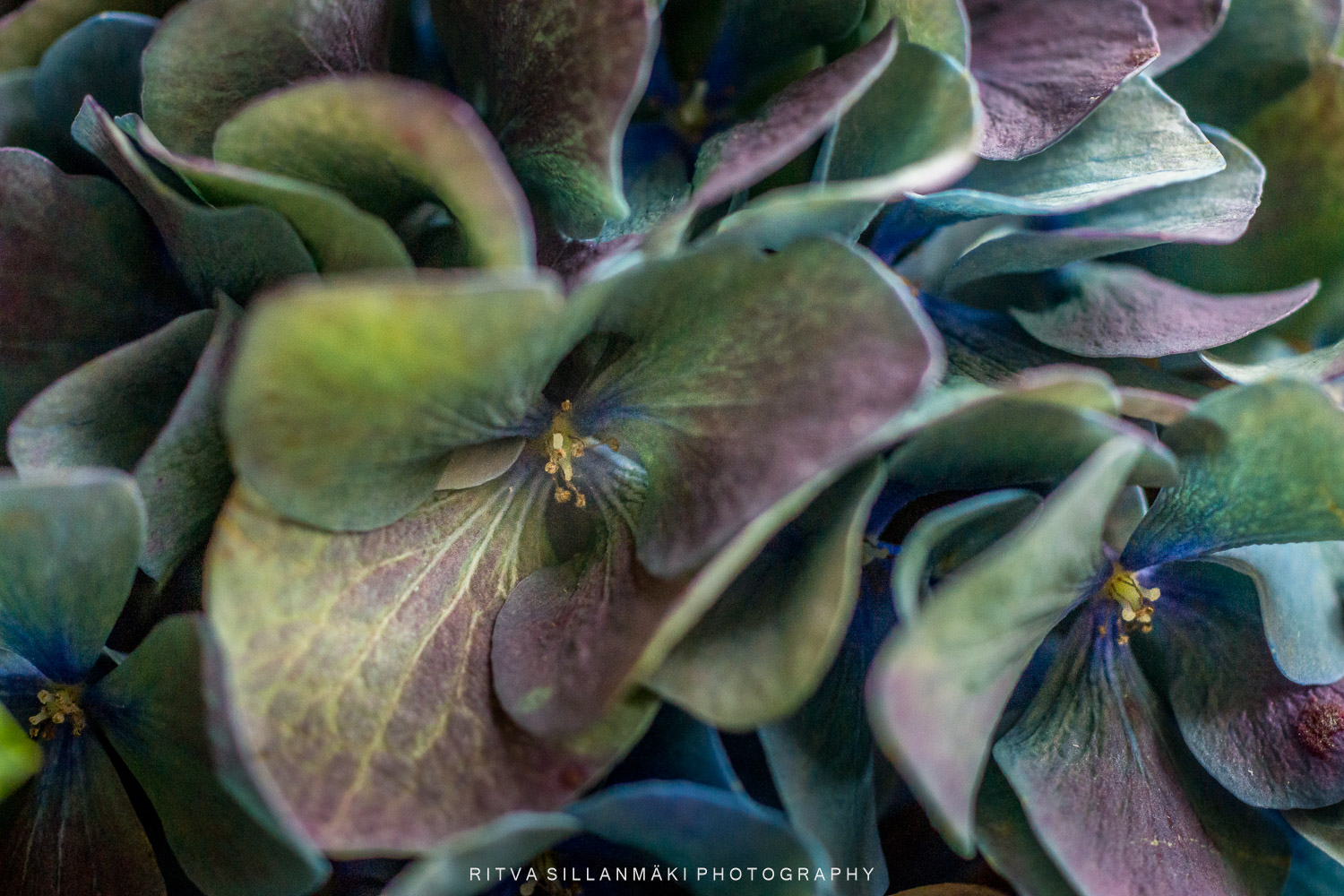
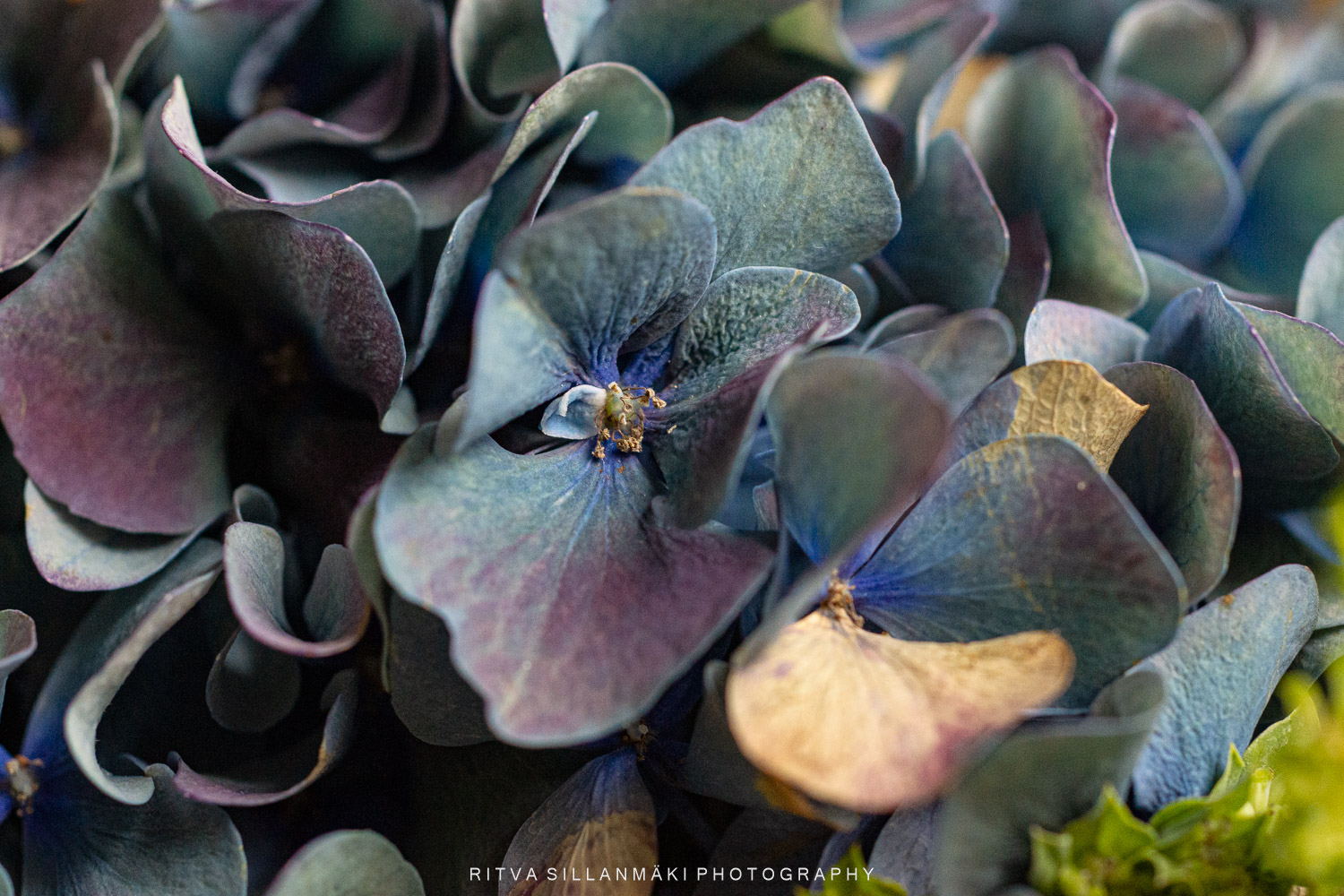
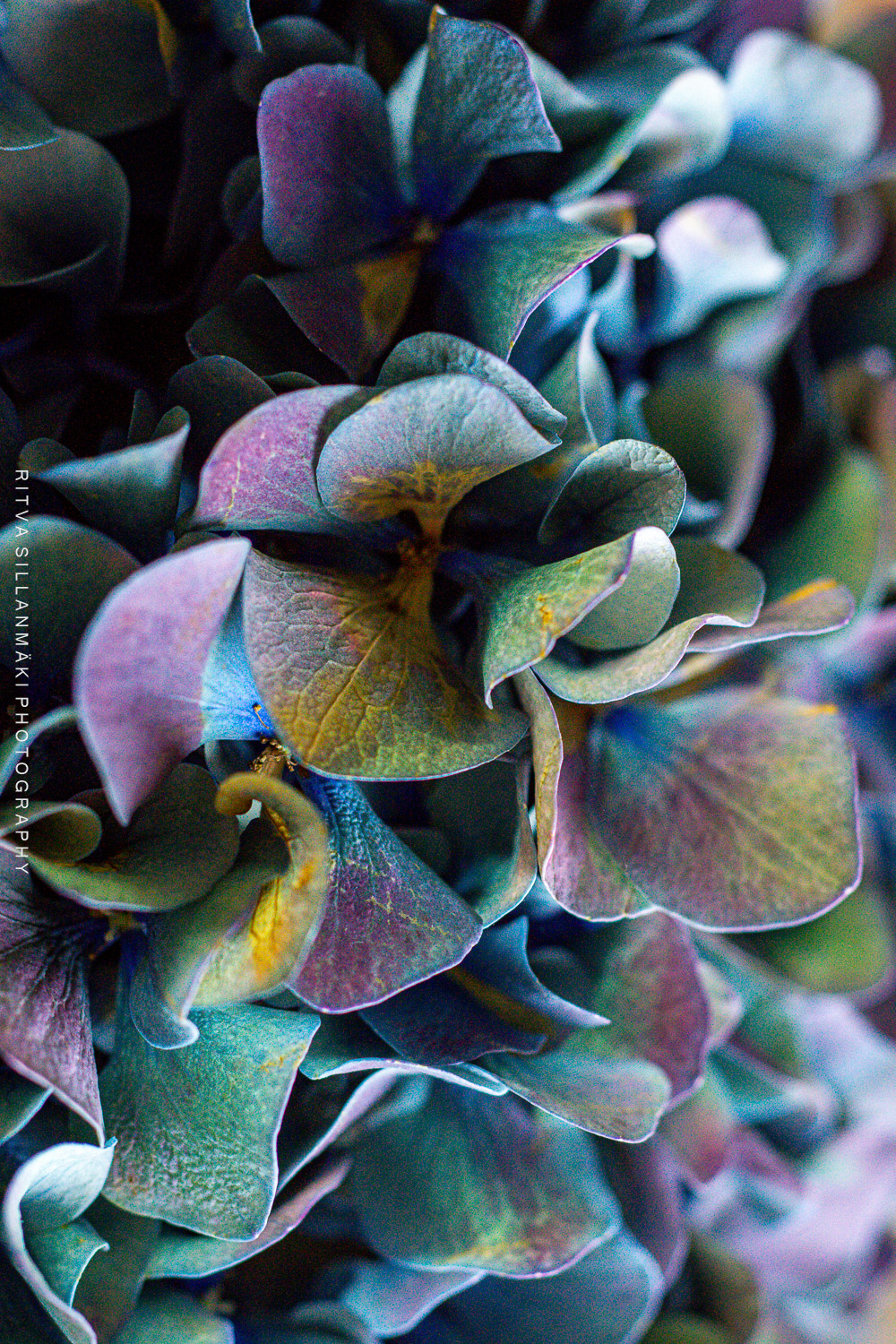
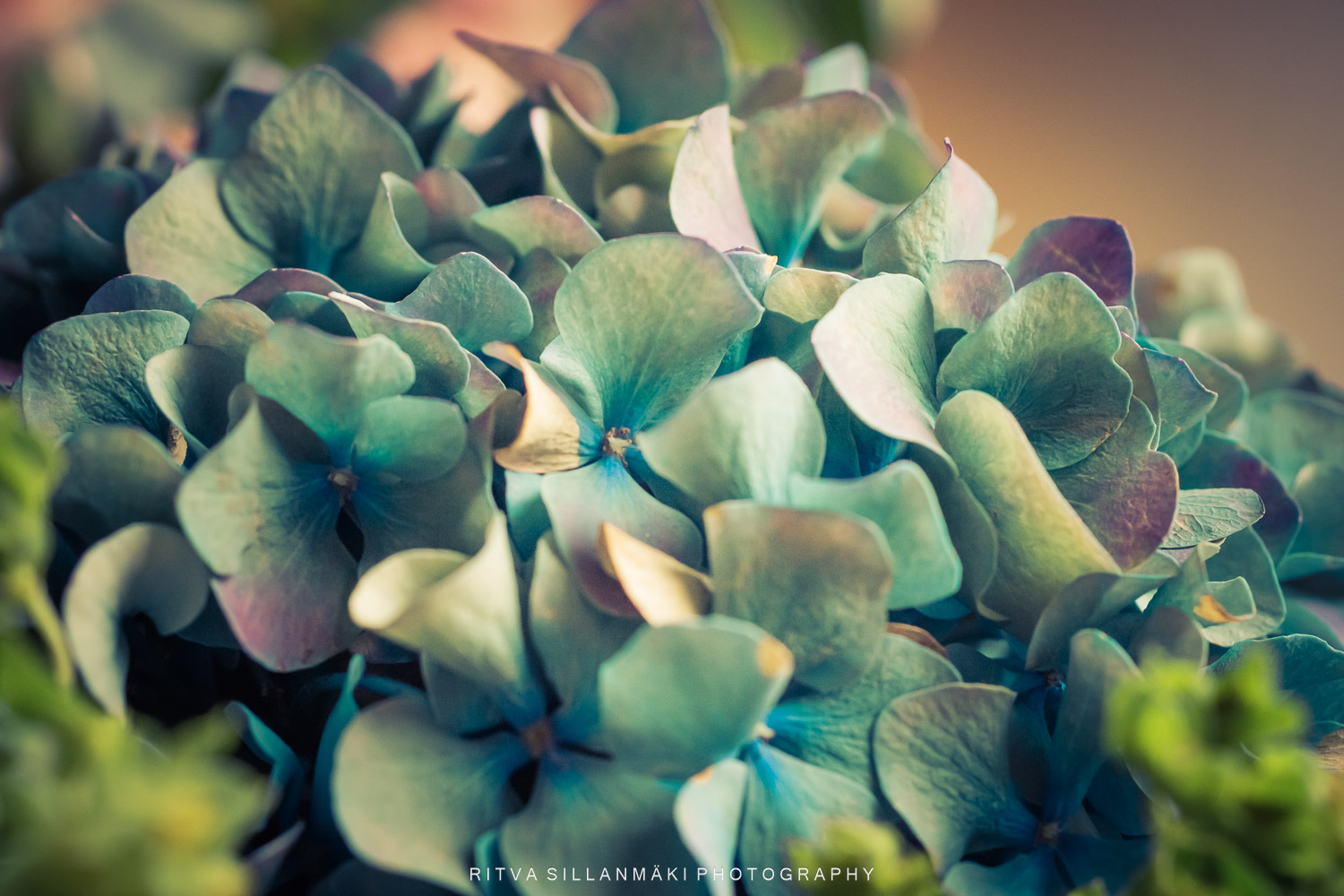
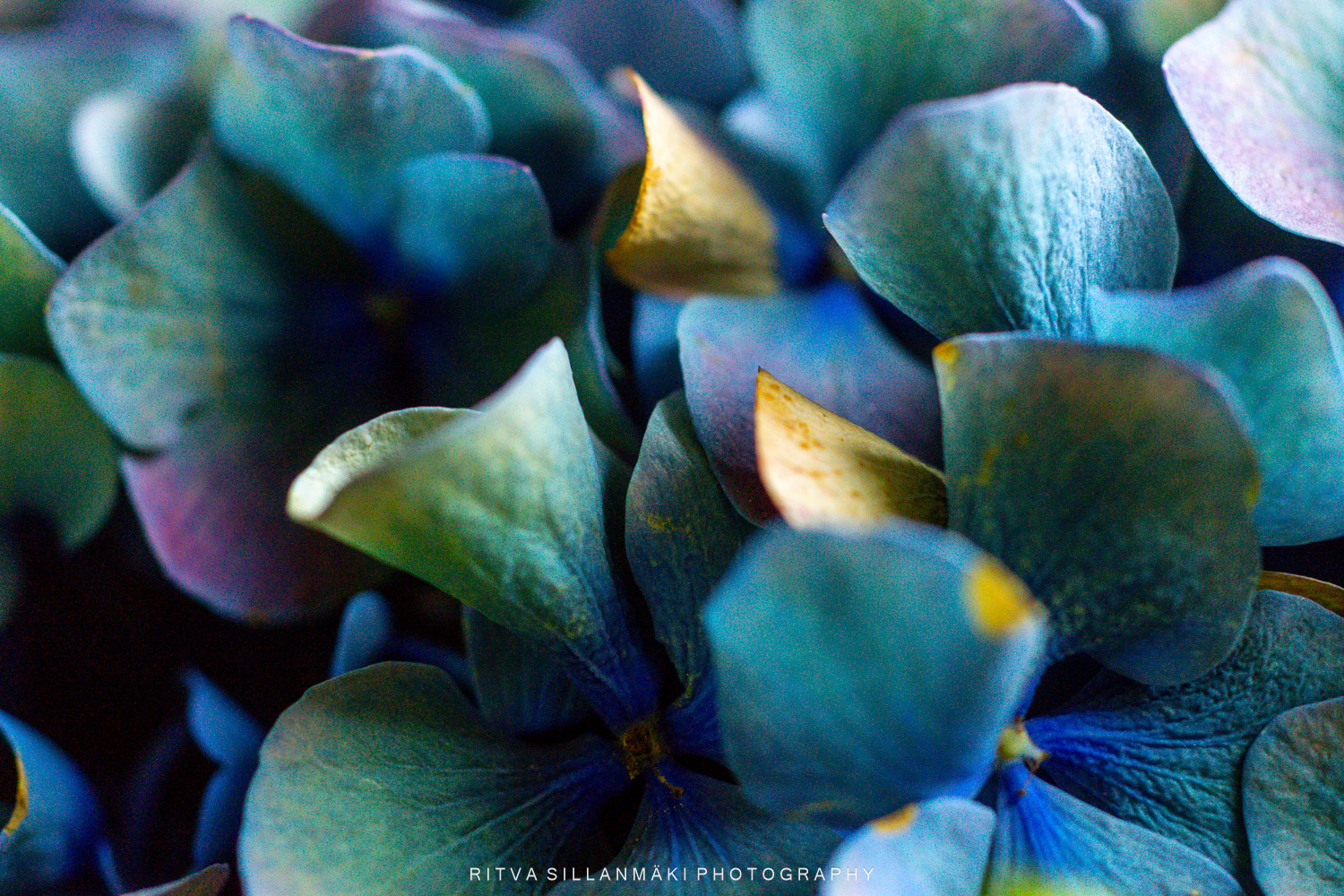
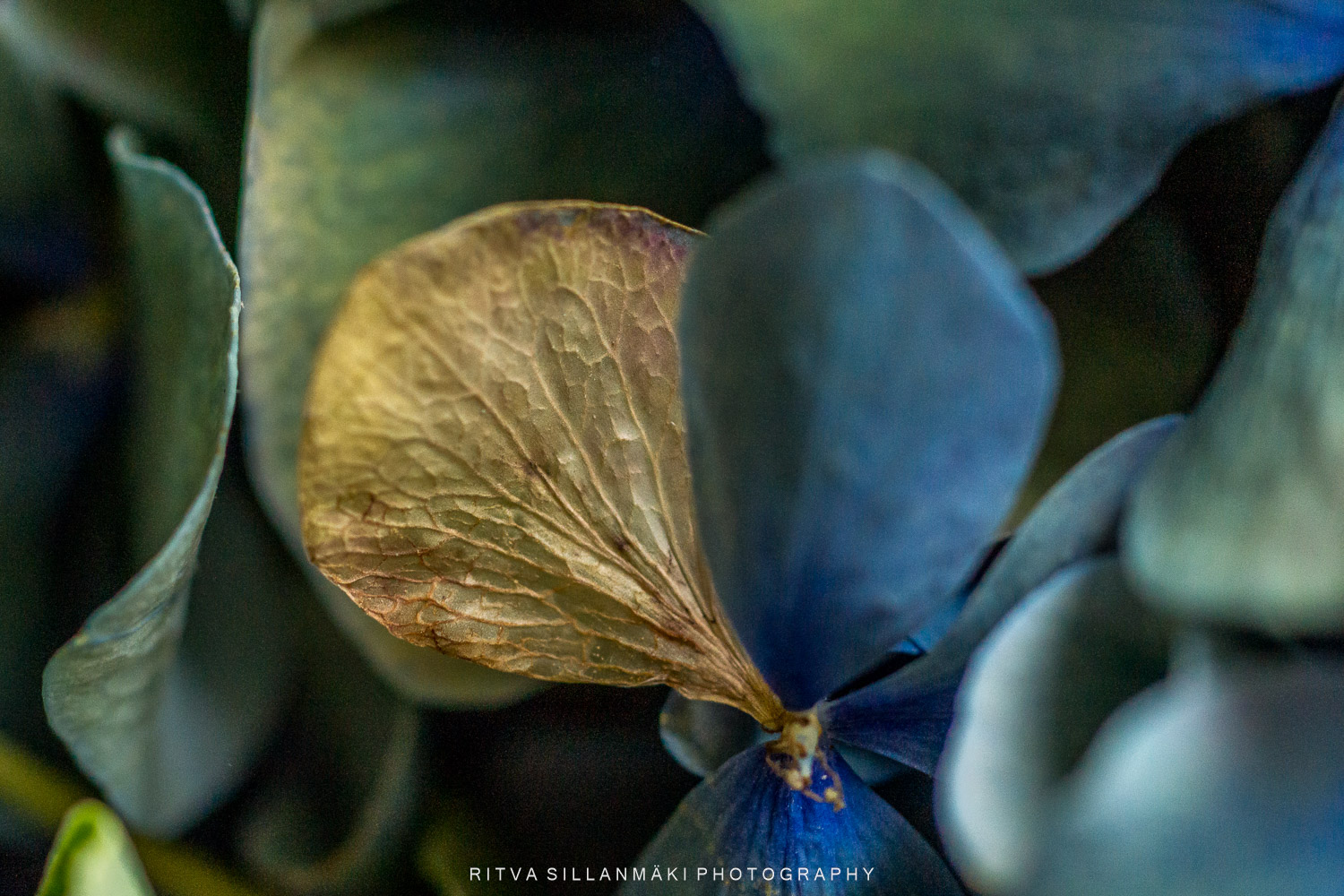
I got a lovely bouquet from a friend and the main flowers was this colorful hydrangea. Loved the details and colors of the pedals. It’s said that including hydrangeas in flower arrangements invites good fortune into one’s home. Purple hydrangeas are said to be particularly lucky as they symbolize abundance and prosperity.
Some facts
For one type known as bigleaf hydrangea (Hydrangea macrophylla), you can change the color of their flowers by adjusting the soil pH with soil amendments. The more acidic the soil, the bluer your hydrangeas will turn out. The more alkaline, the pinker your hydrangeas will be.
The hydrangea represents gratitude, grace and beauty. It also radiates abundance because of the lavish number of flowers and the generous round shape. Its colors symbolize love, harmony and peace..
Hydrangeas don’t have petals.
Those beautiful petals aren’t petals at all. They are sepals, which are leaves that protect the flower bud. Only after they age do they turn from green to the pigmented colors you see.
I don’t know why I am having such a hard time getting back to the groove of posting. I have not taken many photos, well of flowers I have, as I got several bouquets for my birthday and I needed to use them to get some nice flower shots.
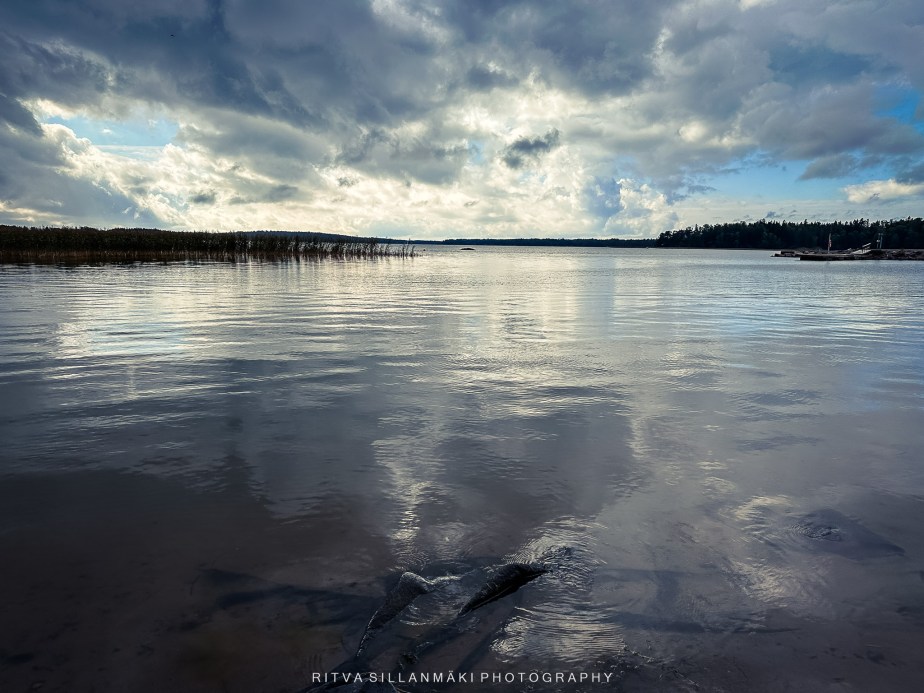
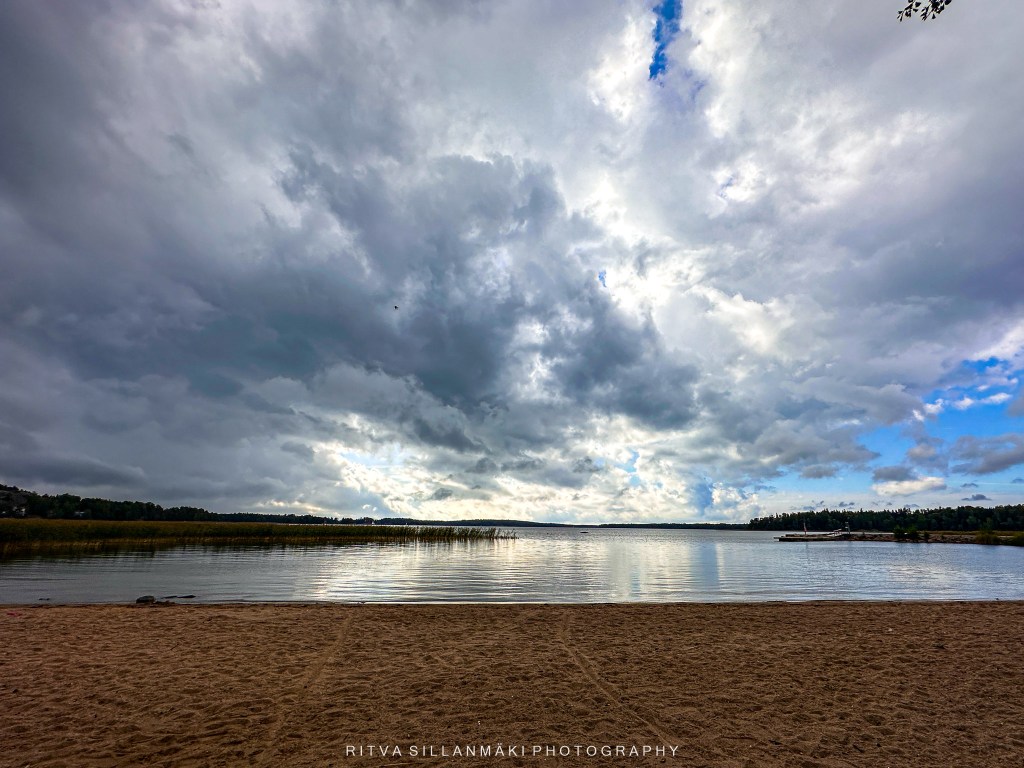
Yesterday was a typical Finnish August day, sunshine and rain in sequence. I went to the seaside with the idea of sitting there and enjoy the scenery and relax, and take few photos. I did take some photos, but sitting there and relaxing, no. Did not happen it started to drizzle and rain. I did get some nice shots of clouds.
August is coming to an end, this morning I woke up to a thunderstorm – a good one. Lots of rain, and flashes and the pressure of thunder made windows resonate. It was so close. I should have gotten up to take photos, but I rather continued sleeping.
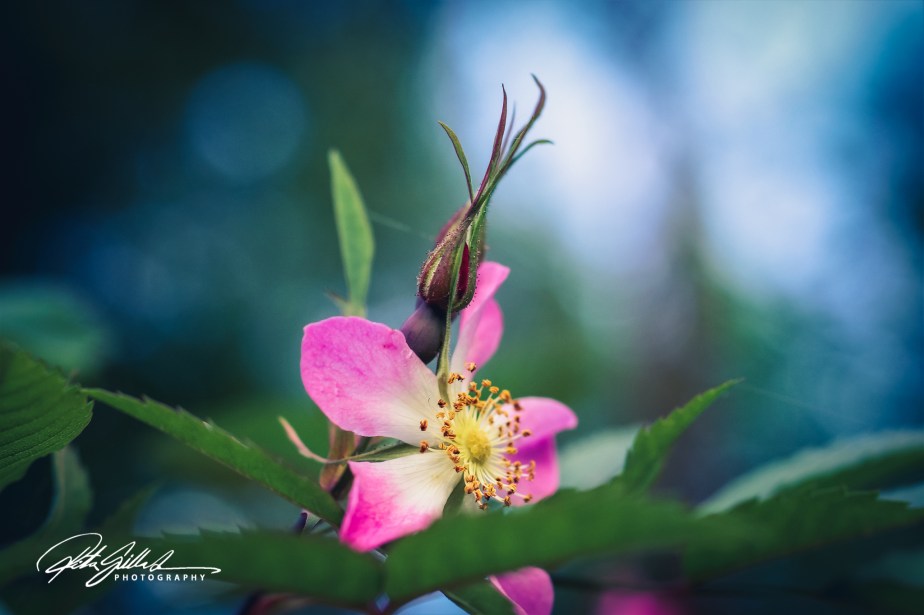
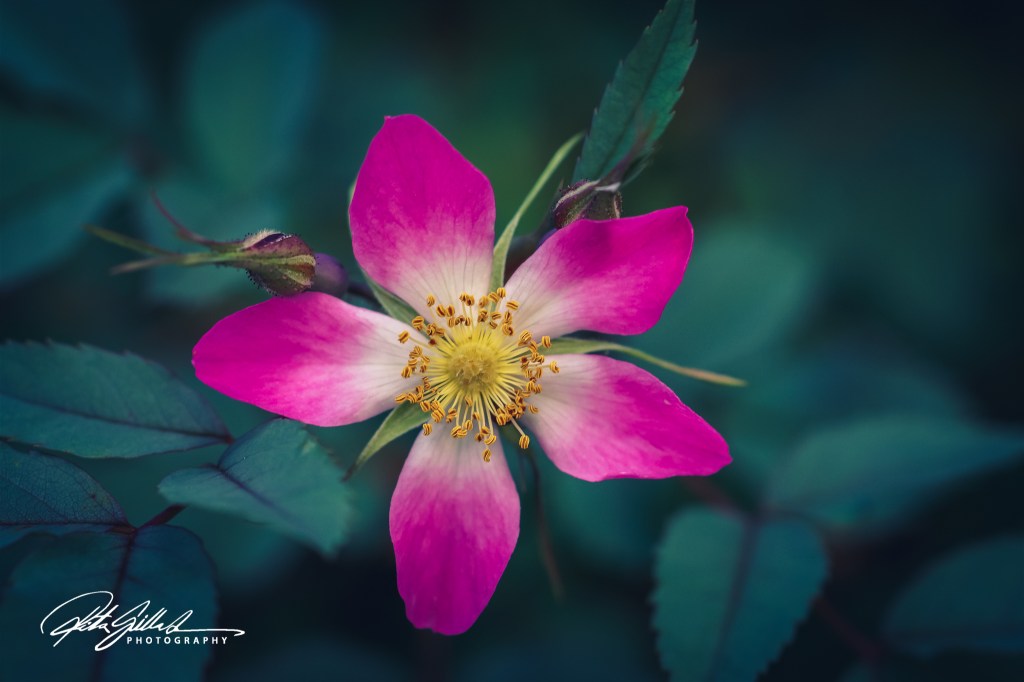
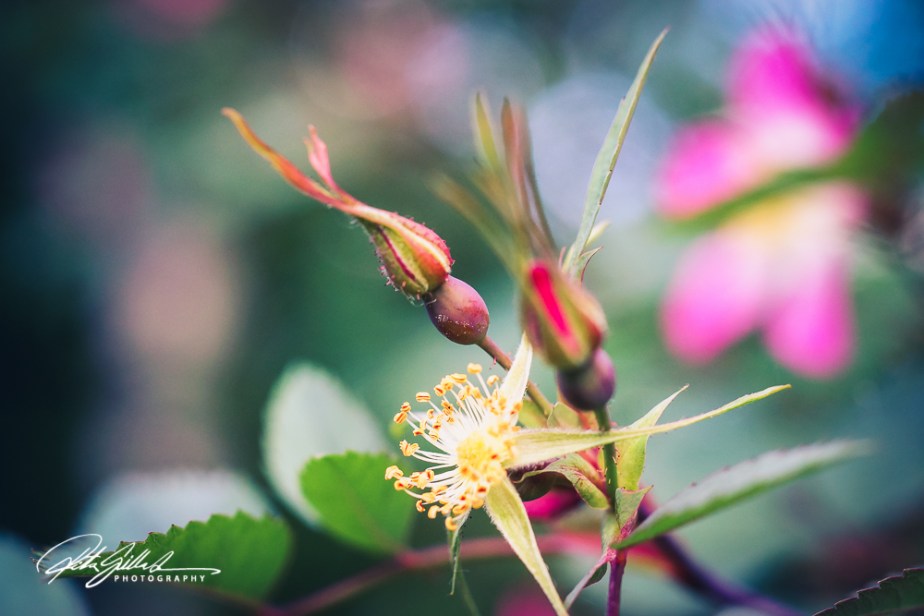
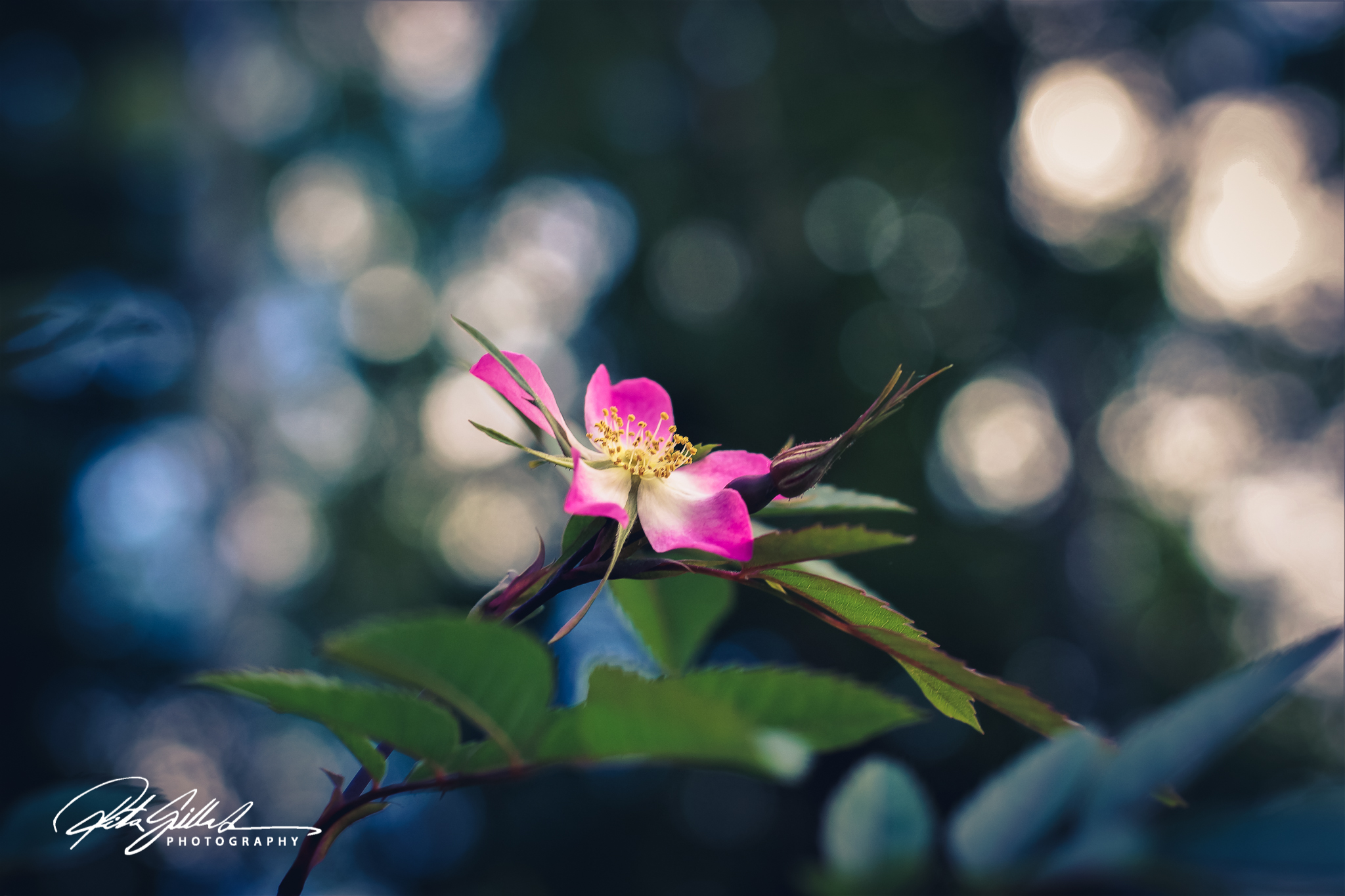
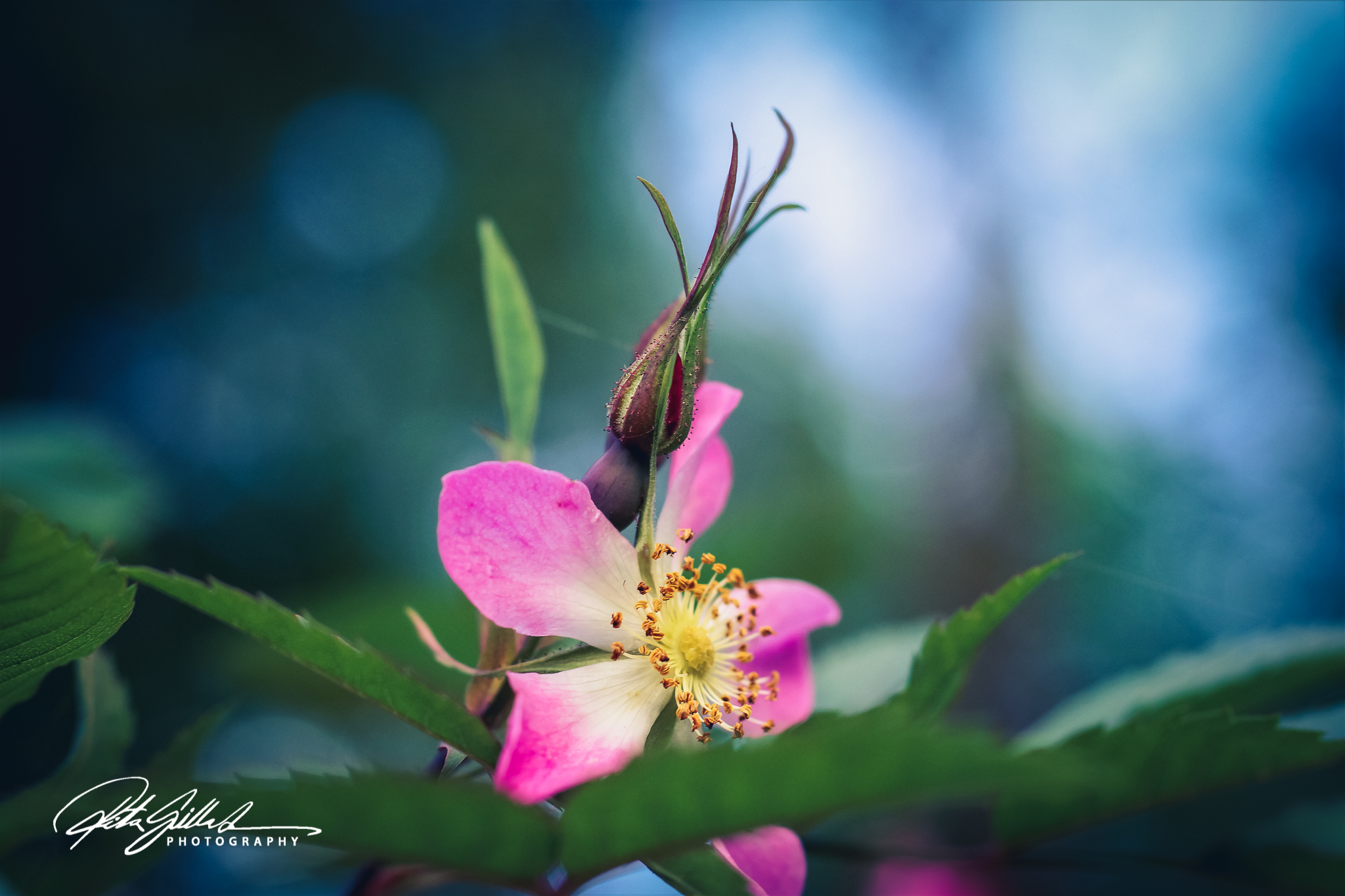
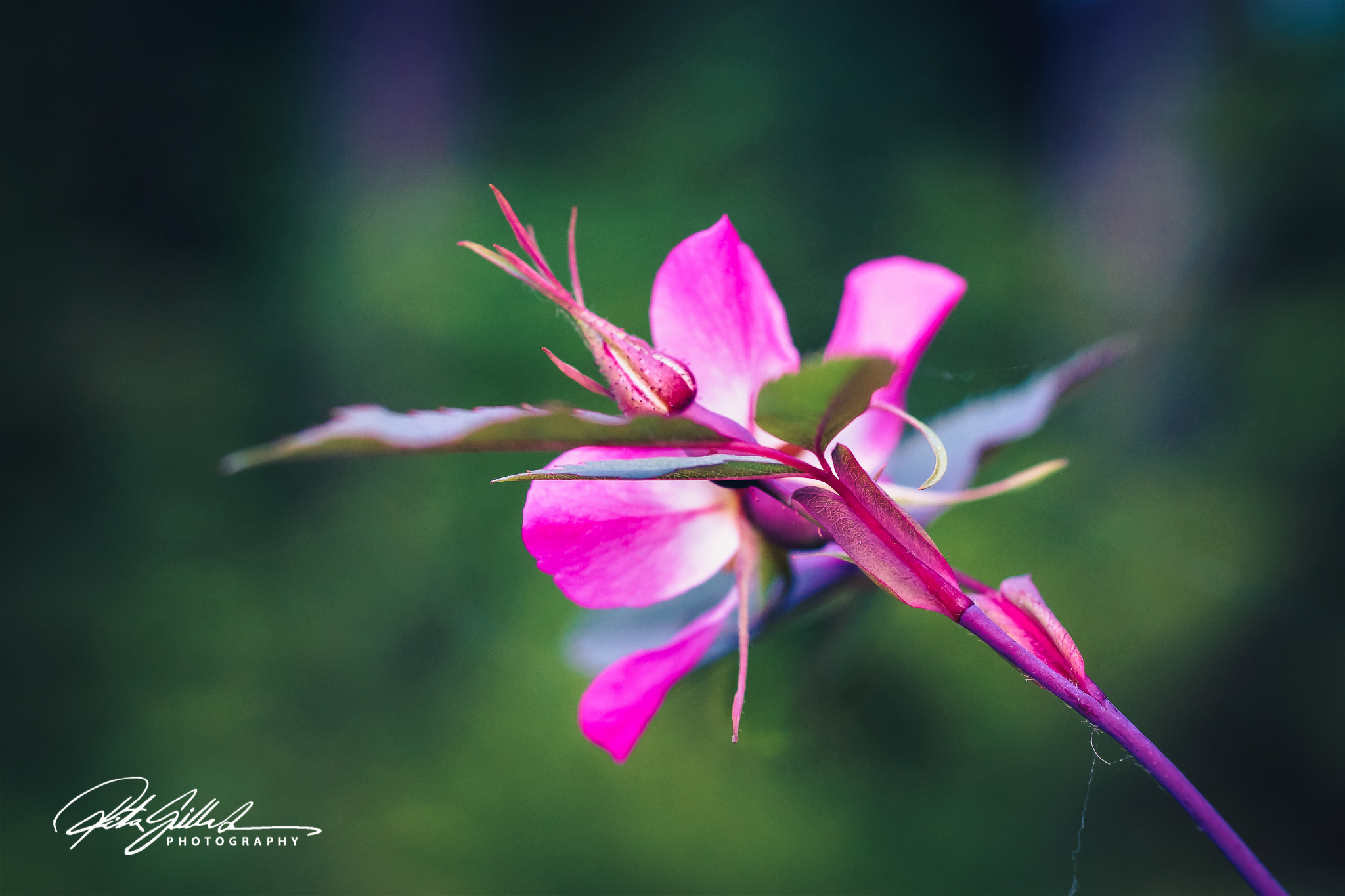
also known as Read-leaved rose, Redleaf rose ( punalehtiruusu)
Roses and briars (Rosa spp.) are large-flowered, prickly shrubs. Their leaves are imparipinnate. Fruits are achenes which, however, are not visible, but enclosed by the enlarged receptacle, the whole being called a hip.
The genus comprises between 100 and 250 species, depending on the defining criteria. They are distributed over the temperate regions of the Northern hemisphere. Roses have been cultivated in China and the eastern Mediterranean at least for 4,000–5,000 years.
Red-leaf rose is native to the mountains of Central Europe. It has been a fairly common ornamental in Finland since the 19th century. This species does not produce suckers. Its stems are erect and fairly tall. The slender, spreading young branches are covered in a waxy bloom. Prickles are fairly sparse, and they are slender and straight or slightly curved.
The little flowers are pink and made up of five petals. They are formed in small clusters and will have a light scent at best.
The orangish-red fruits are called hips. They can help add color during the winter since they can take a while to fall off. You can also cook with them and use them in alternative medicine.
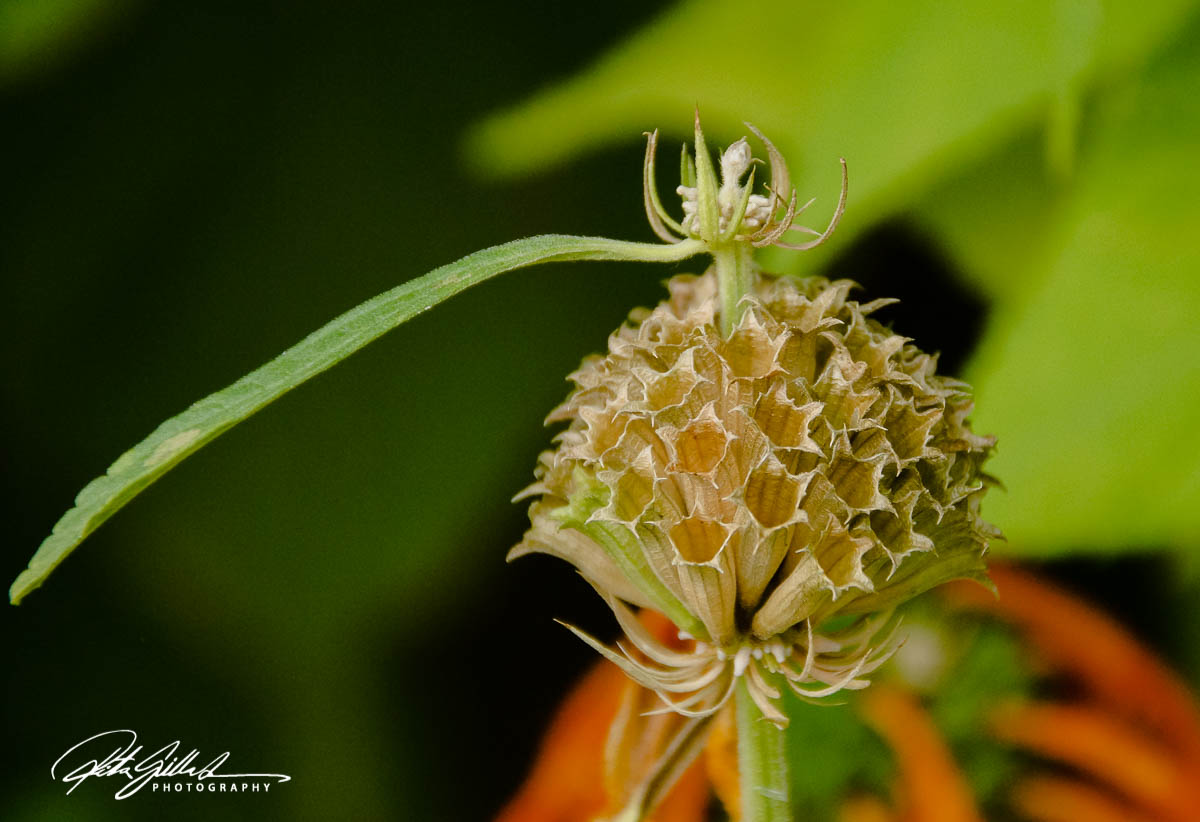
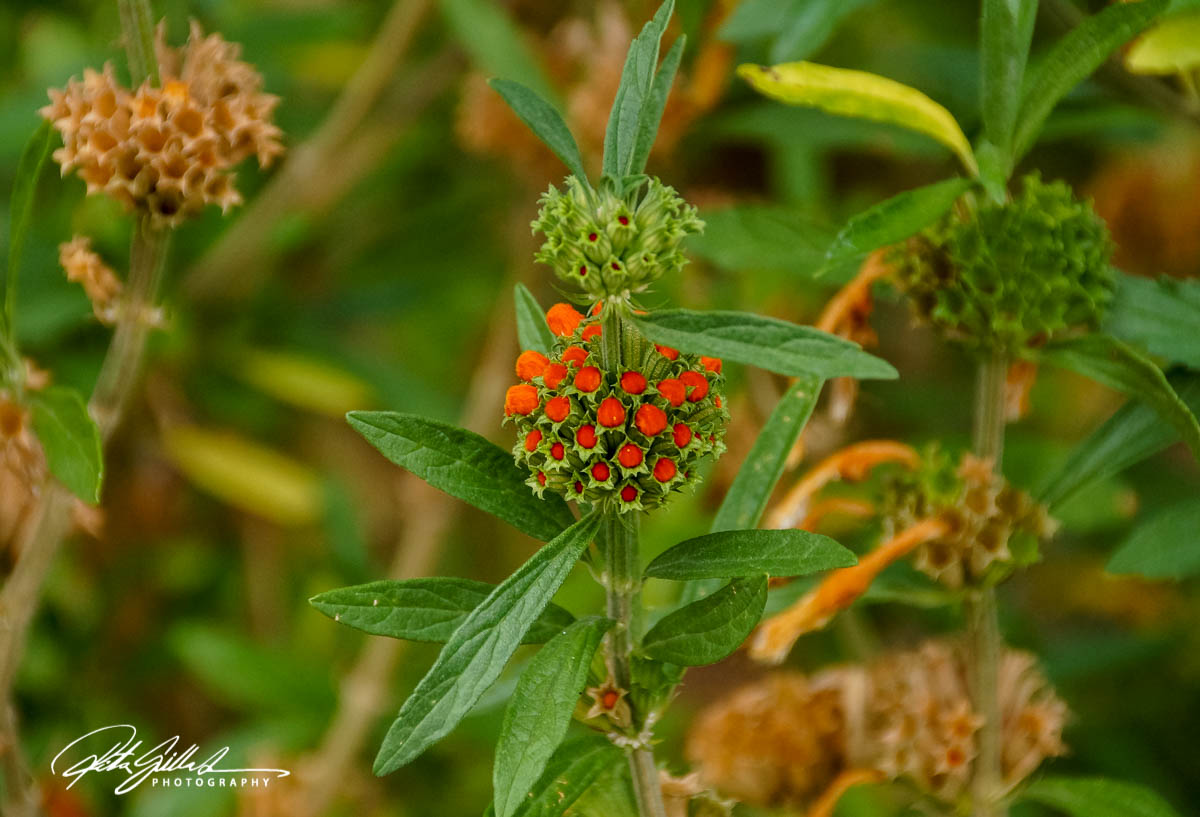
also known as lion`s tail and wild dagga, Klip Dagga
Lions Ear, Leonotis leonurus, is a plant species in the Lamiaceae family. The plant is a broadleaf evergreen large shrub native to South Africa and southern Africa, where it is very common. It is known for its medicinal and mild psychoactive properties.
Medicinal Uses. It is said that… ( what I read about it)
Klip Dagga has long been used in African traditional medicine as a treatment for fevers, headaches, malaria, dysentery and snakebite.
It has an effect on the uterus – depending on the dose it will stimulate- or suppress menstruation.
In Trinidad it is a common cold, fever and asthma remedy.
Studies suggest that teas or tinctures made with the leaf possesses anti-nociceptive properties, is anti-inflammatory and hypoglycemic and therefore lend pharmacological credence to the folkloric uses of this herb in the management and/or control of painful, arthritic, and other inflammatory conditions, as well as for adult-onset type-2 diabetes mellitus.
Both Klip Dagga Leonotis nepetifolia and Wild Dagga Leonotis leonurus are excellent heart tonics.
They are used for heart conditions associated with anxiety and tension and will calm palpitations, tachycardia and irregular heartbeats.
The dried foliage of Leonotis – both Wild Dagga and Klip Dagga – can be used as a legal substitute for marijuana (ganja, cannabis, hemp).
Smoking this dried herb gives an euphoric-like effect and exuberance.
The flowers are the most potent part and can be smoked or used as a calming tea.
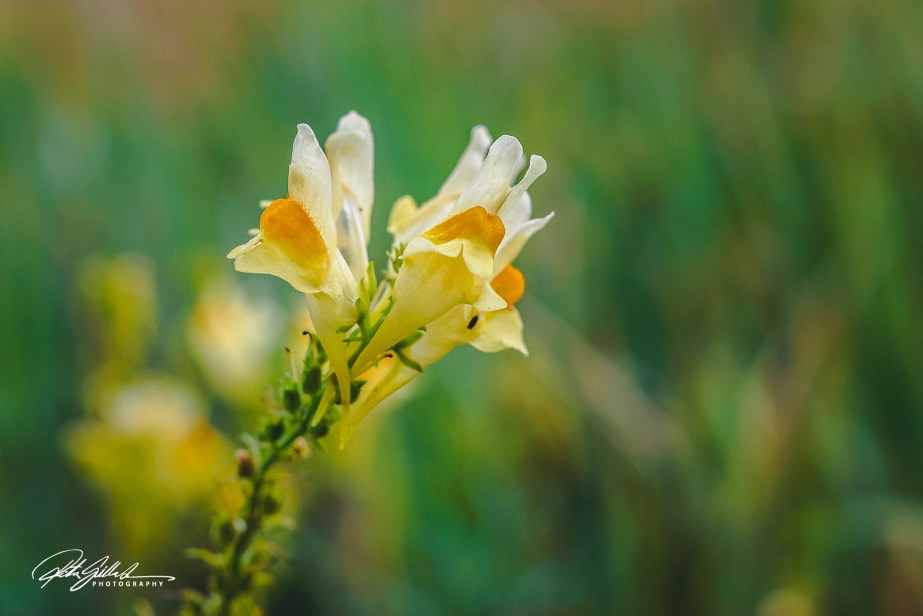
Toadflaxes are abundant in western Asia and around the Mediterranean. Many of them favour culturally-influenced areas, at least to at least a certain extent.
Yellow toadflax is a perennial, strong-rooted herb which has root buds. It flowers on roadsides right up until late September. In Finland it is native to coastal rocky outcrops. Inland plants may be established aliens that arrived later. Yellow toadflax has a beautiful flower and has thus been transplanted into gardens as an ornamental and found new habitats in this way.
Meadow vetchling has never been an important nutritional or medicinal plant, although it has probably been a useful fodder plant.
Meadow vetchling spreads widely through its runner-like rhizome to form large stands. Sexual propagation is however problematic: pods don’t develop on most of the flowers and the seeds are prone to being destroyed by insects. It makes an impressive sight however when it is in bloom, and it stands out easily among the surrounding grasses. It climbs up to become visible by using its tendrils to climb on other plants.
Meadow vetchling is the only yellow-flowered species out of the members of its genus that are established in Finland. At first glance its flowers might look like bird’s-foot trefoil (Lotus corniculatus), but the latter has a tendril instead of a terminal leaflet, and it doesn’t use other plants to climb on.
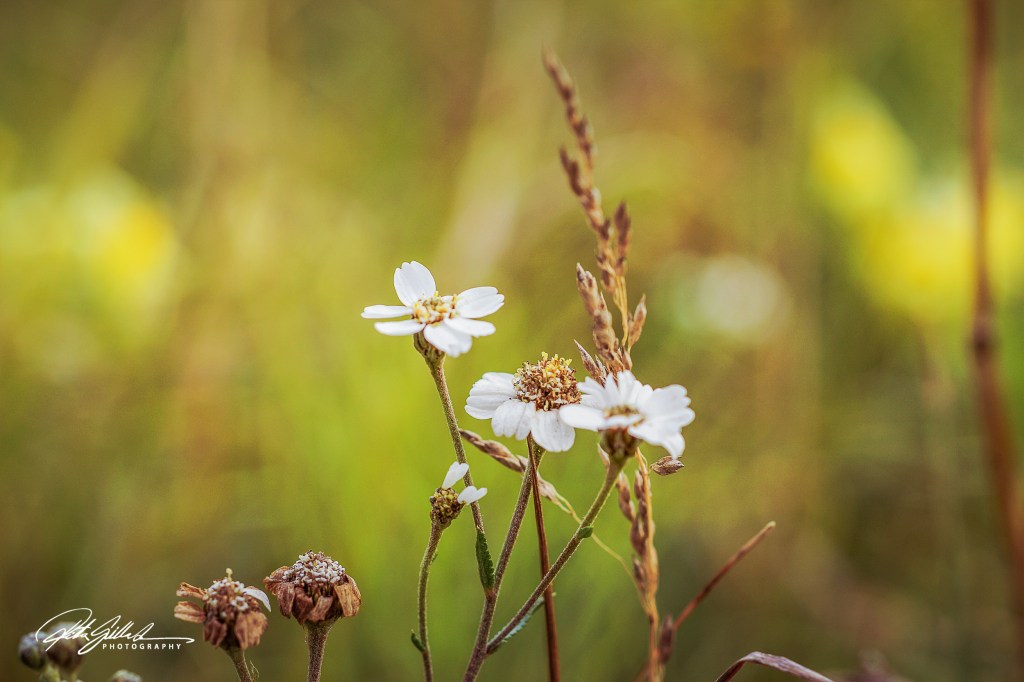
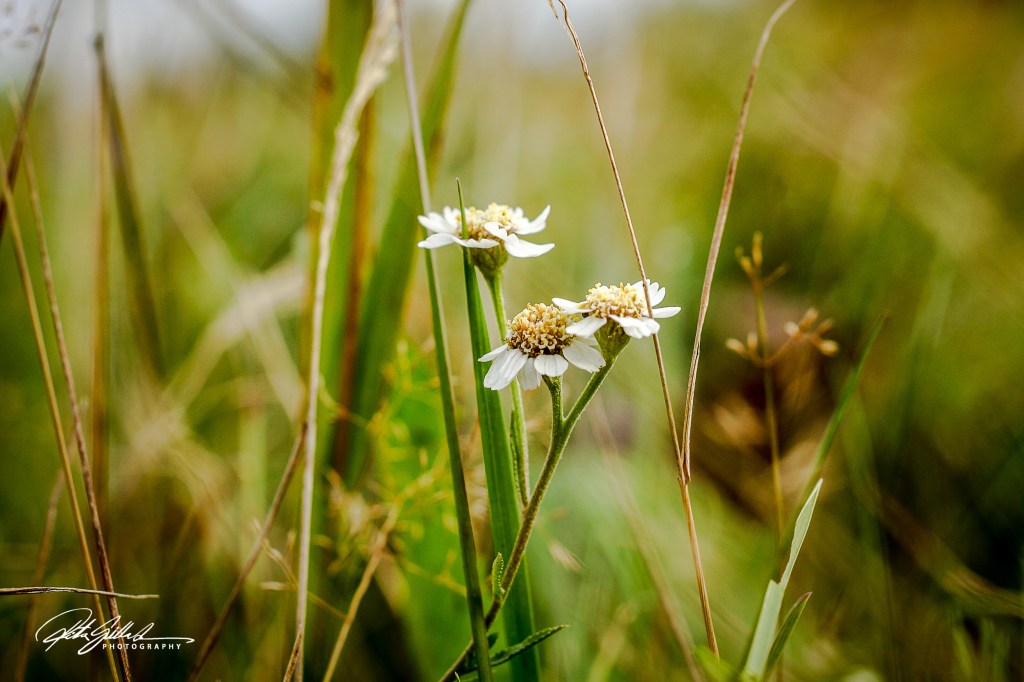
Name also: Bastard pellitory, Fair-maid-of-France, Goose tongue, Sneezeweed yarrow, White tansy, Wild pellitory
Sneezewort has spread or been brought to Finland quite late, sometime in the 17th century, and for a long time after that it was rare. It only began to become more common at the end of the 19th century and the beginning of the 20th, however, when hay started to be cultivated.
It grows all over Finland now, apart from the wide expanse of wilderness in Lapland. It still grows mainly where humans have left their mark in drained swamps, the edges of hay-fields, beside roads and on waste ground. It can survive a long time on old fields that have been reclaimed by the forest but in that case it flowers rarely.
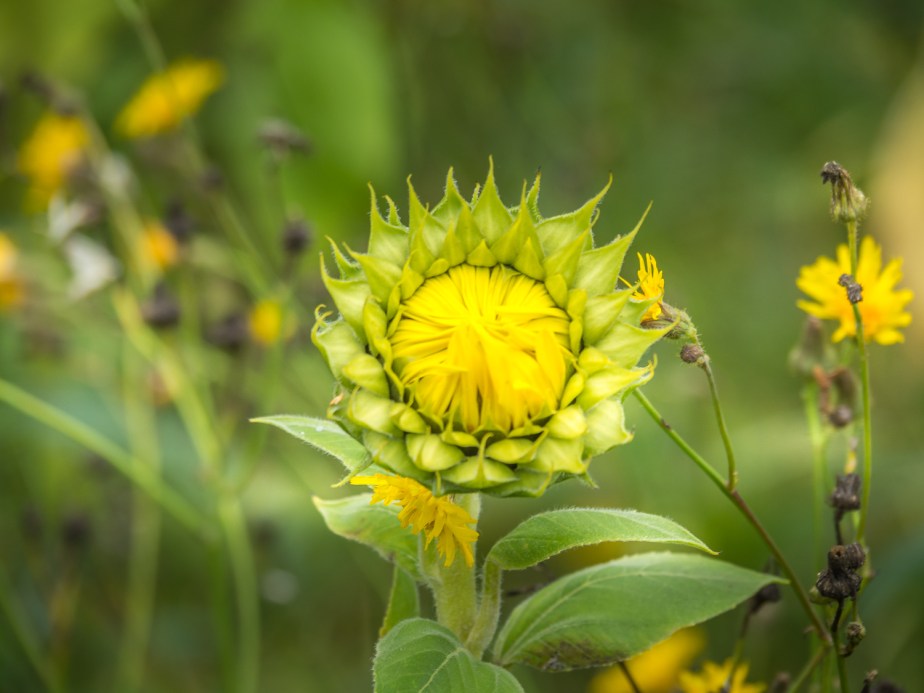
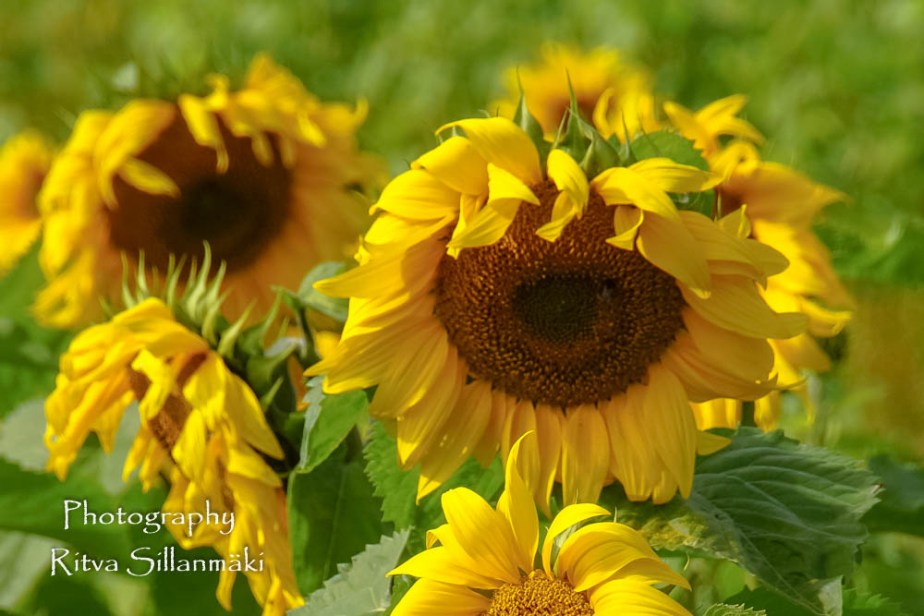
The sunflower (Helianthus annuus) is an annual plant with a sizeable daisy-like flower face. Its scientific name comes from the Greek words helios (“sun”) and anthos (“flower”). The flowers come in many colors (yellow, red, orange, maroon, brown), but they are commonly bright yellow with brown centers that ripen into heavy heads filled with seeds. Sunflowers make excellent cut flowers, and many attract bees, birds, and butterflies.
Sunflowers are heliotropic, which means that they turn their flowers to follow the movement of the Sun across the sky from east to west and then return at night to face the east, ready again for the morning sun.

























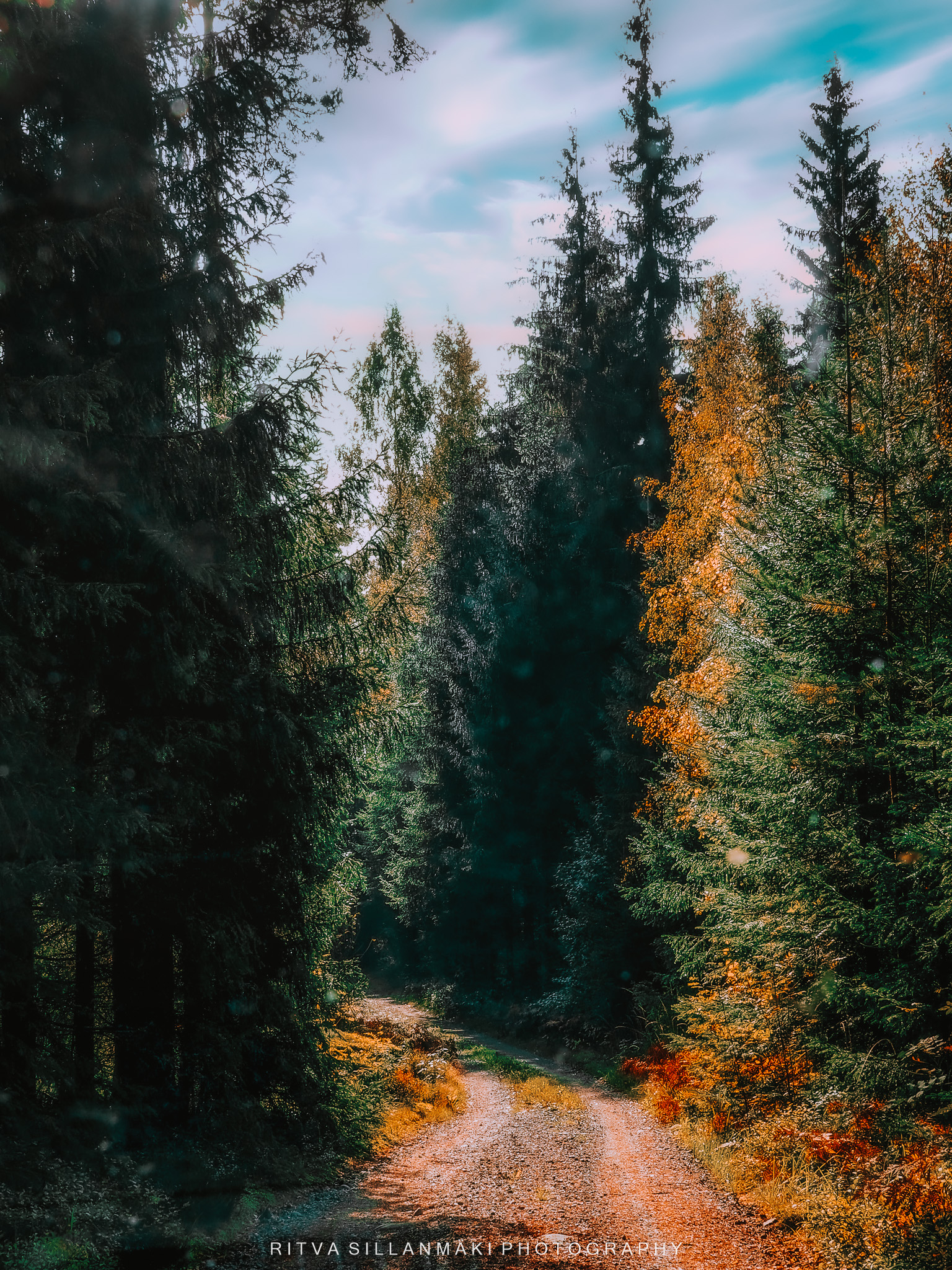
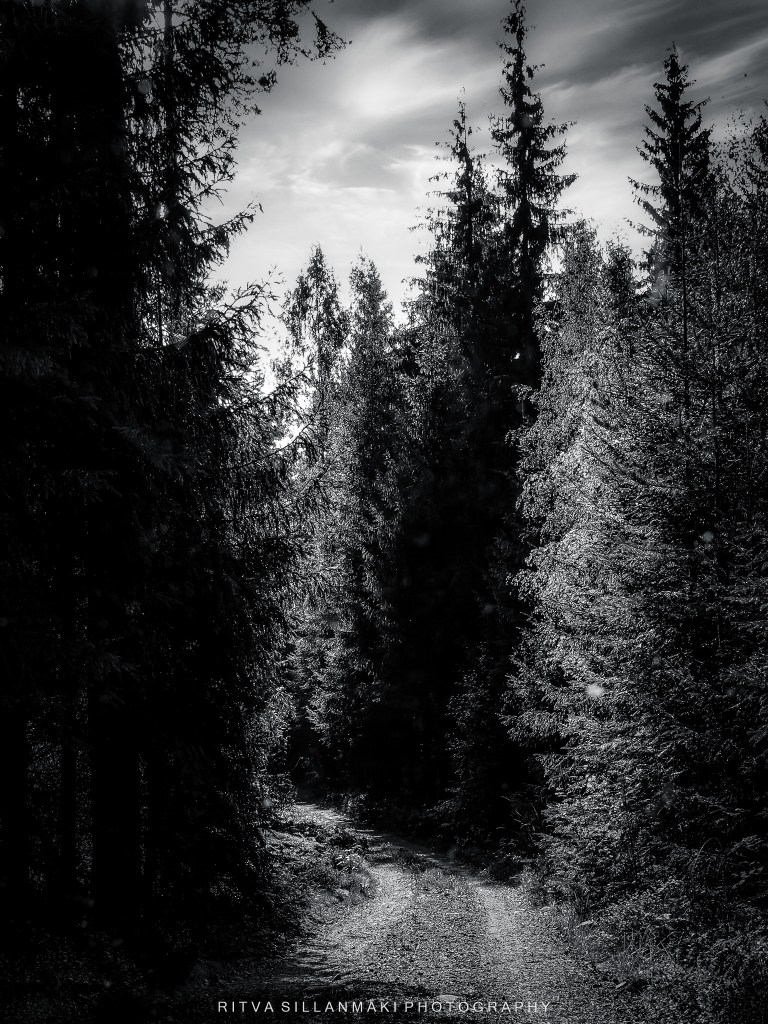
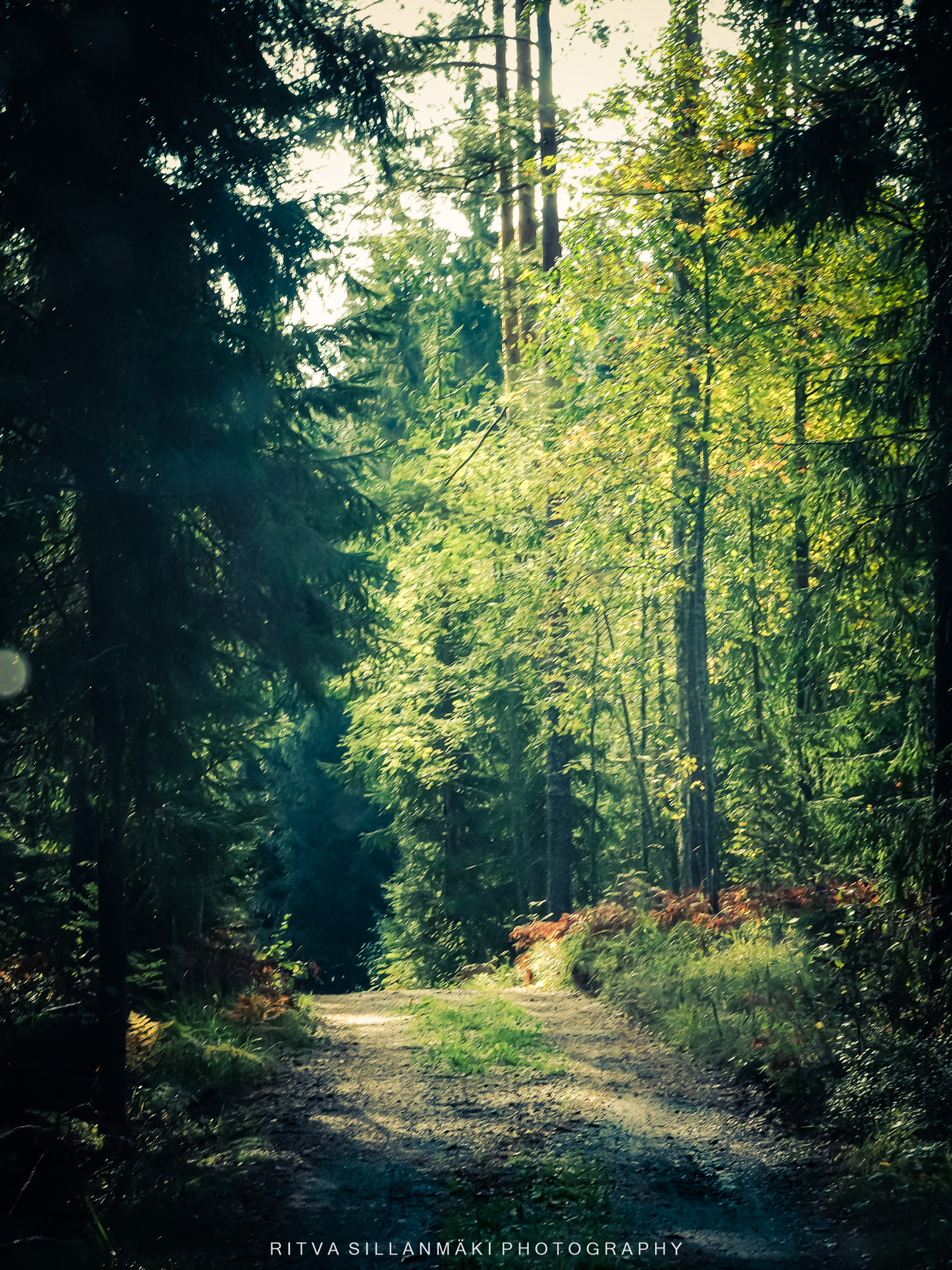
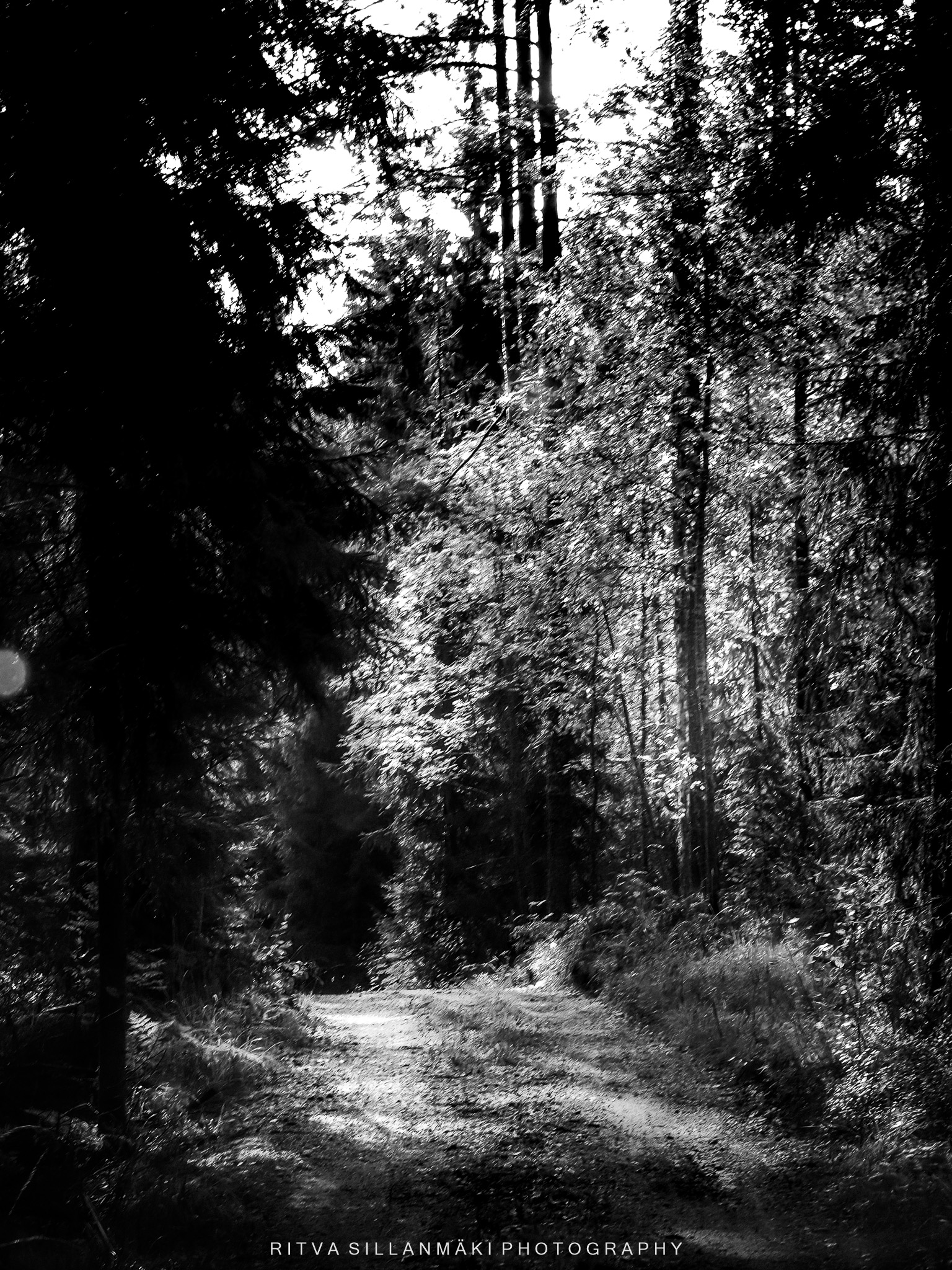




















 Ritva Sillanmäki Photography