My name is Ritva. I am an avid, self-taught photographer from southern Finland, currently living in Kirkkonummi. Interest in life is evident in my diverse subjects, capturing anything that catches my eye. Whether it’s the delicate intricacies of a plant, the breathtaking beauty of a landscape, or the compelling energy of urban life, My lens finds and celebrates beauty in all its forms. Nature serves as an enduring wellspring of inspiration for me, as I seek out and immortalize its enchanting moments. Additionally, in portrait photography I try to capture human emotion and connection , as I aim to encapsulate the very essence of each fleeting moment.
I totally enjoy playing with photos and immersing oneself in the editing process. It’s truly satisfying to have the flexibility that shooting in RAW provides, opening up a world of possibilities for editing. I’m of the same mindset when it comes to photo editing; I prefer to maintain the authenticity of the moment captured, striving to avoid over-editing and keeping the essence of the shot true to life. However, I also appreciate the occasional opportunity to explore artistic expressions through my edits, transforming images into minimalist monochrome representations that beautifully convey the essence and emotion of the scene. Or using colors to enhance the mood of the image. This delicate balance between realism and artistic expression is what makes photo editing such a captivating endeavor for me.
Inspiration and ideas change. My knowledge changes and grows. Each piece I create is simultaneously an extension from the past, where I’ve come from and what I’ve learned, as well as a preview of the future, where I’m going.
I do not classify myself as just a photographer, as some might think from looking at my work. I am a sculptor, a painter, a photographer, an artist.
If a viewer stops for just a moment to view and reflect on a photograph, a photo collage or a painting I have created, then I have succeeded in my work.
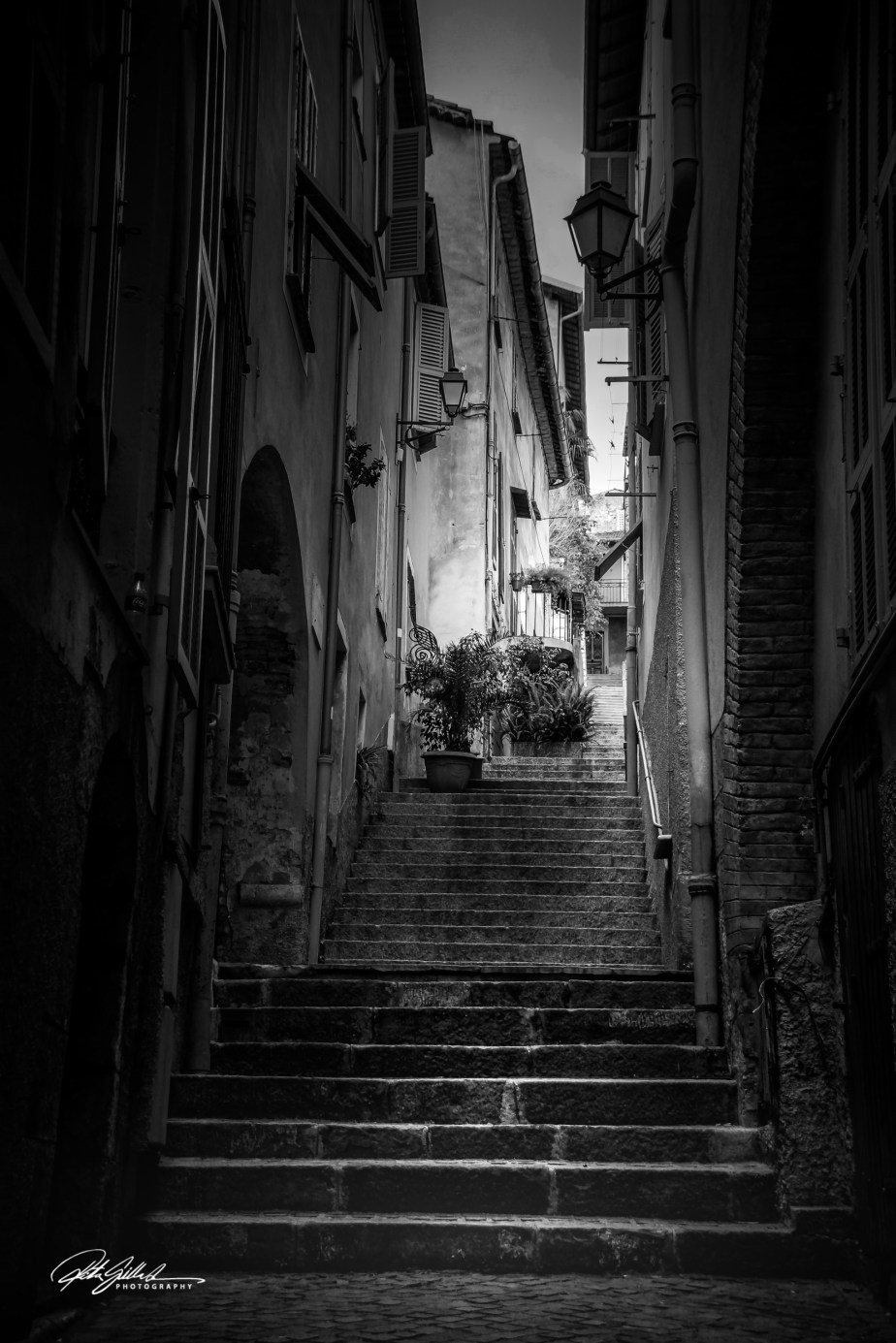
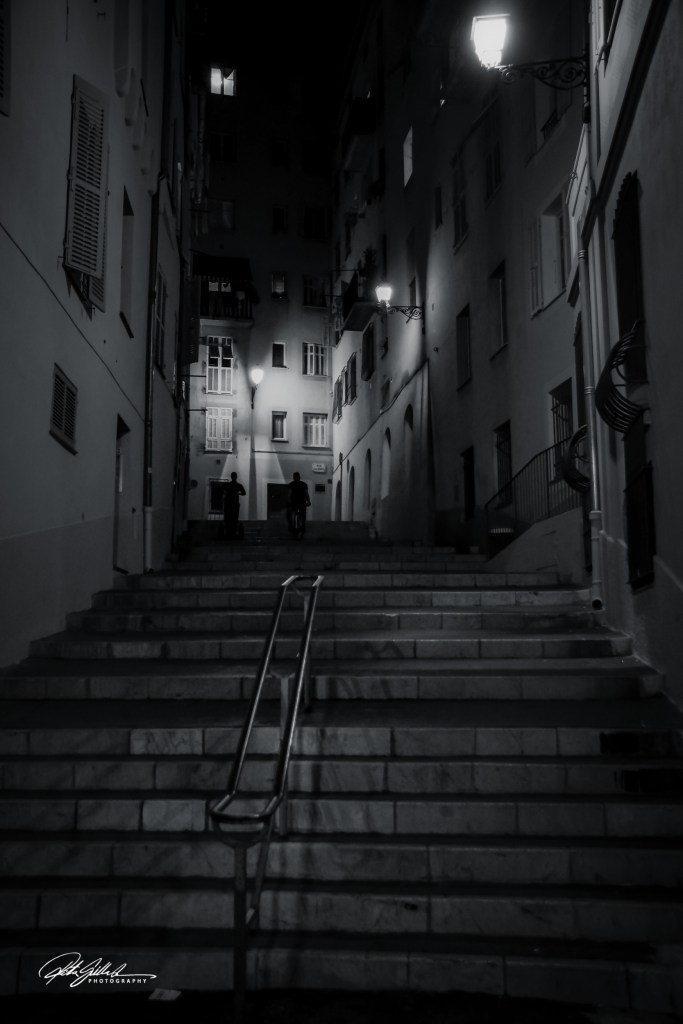
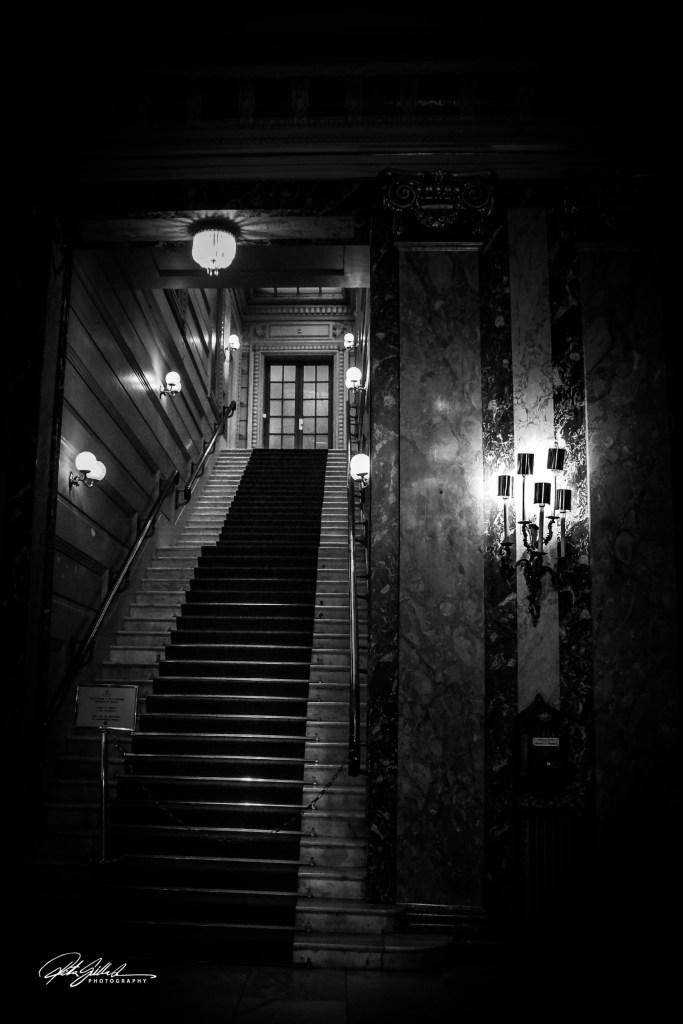
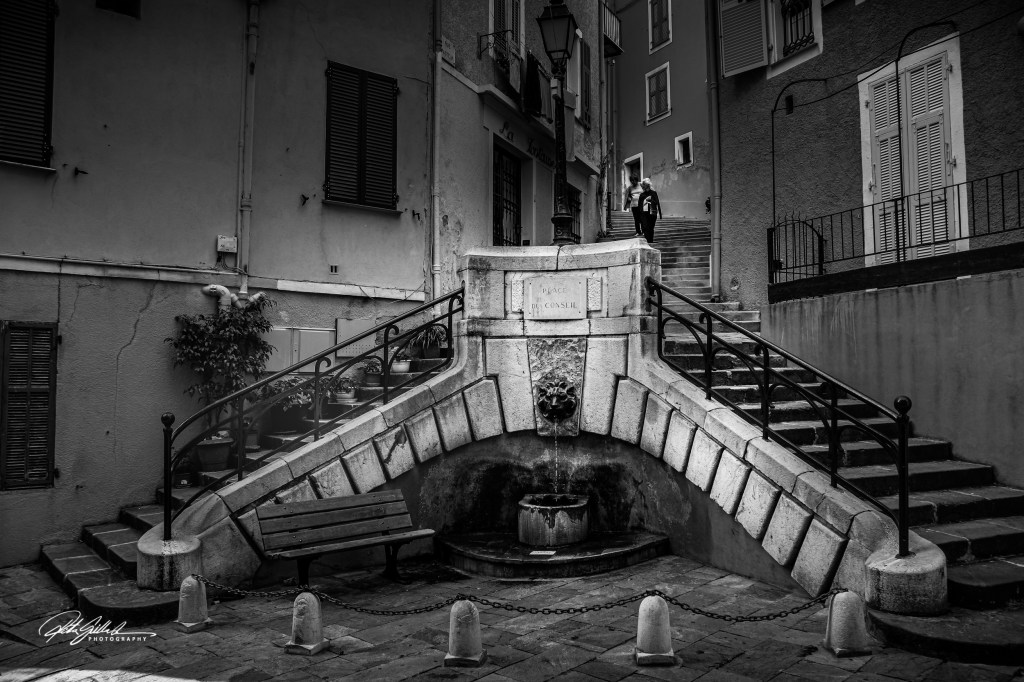
It’s like climbing a staircase. I’m on the top of the staircase, I look behind me and I see the steps. That’s where I was.
Jeanne Moreau
The world is like a grand staircase, some are going up and some are going down. Samuel Johnson
“No amount of smiling at a flight of stairs has ever made it turn into a ramp.”
~ Stella Young
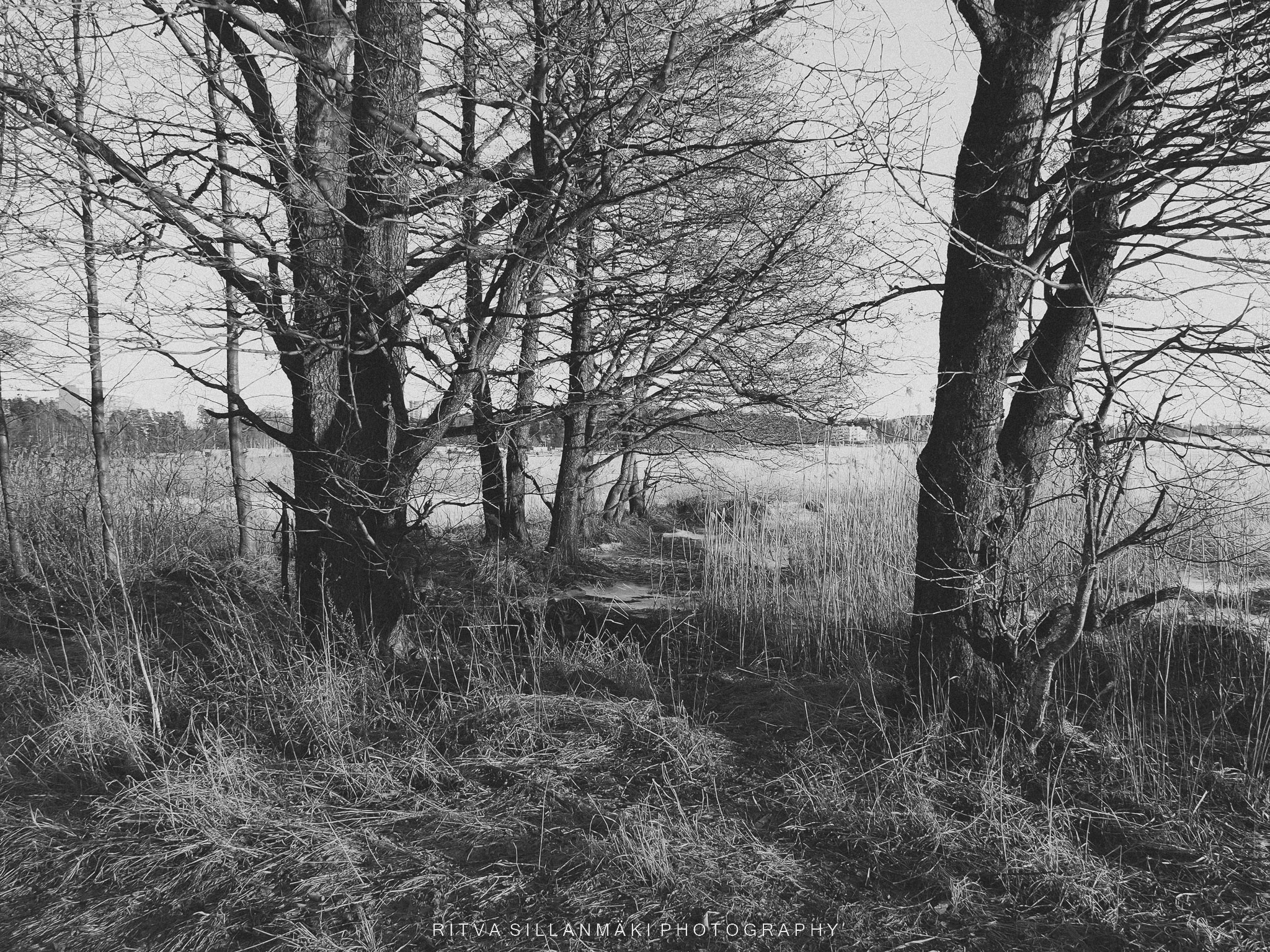
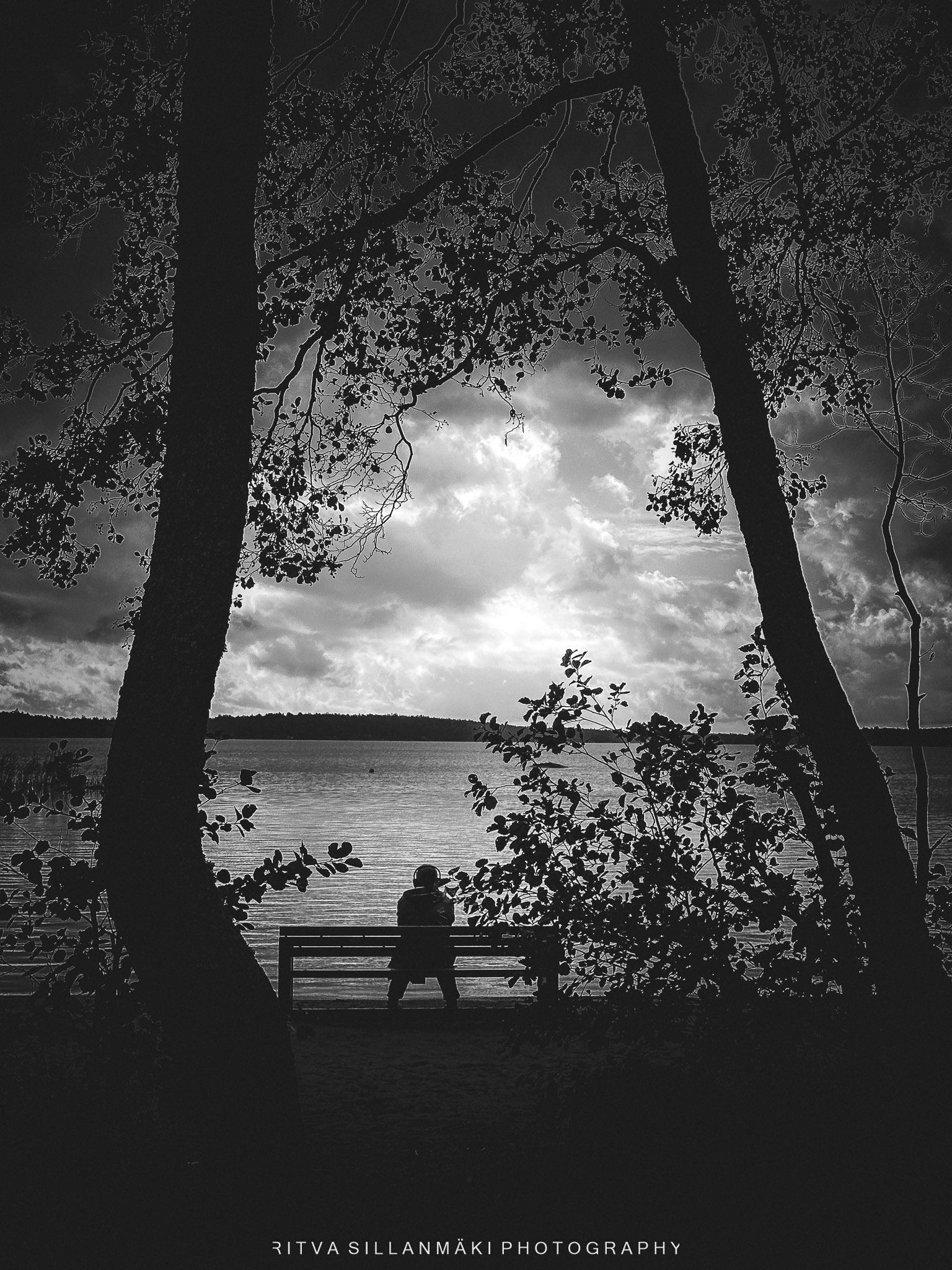
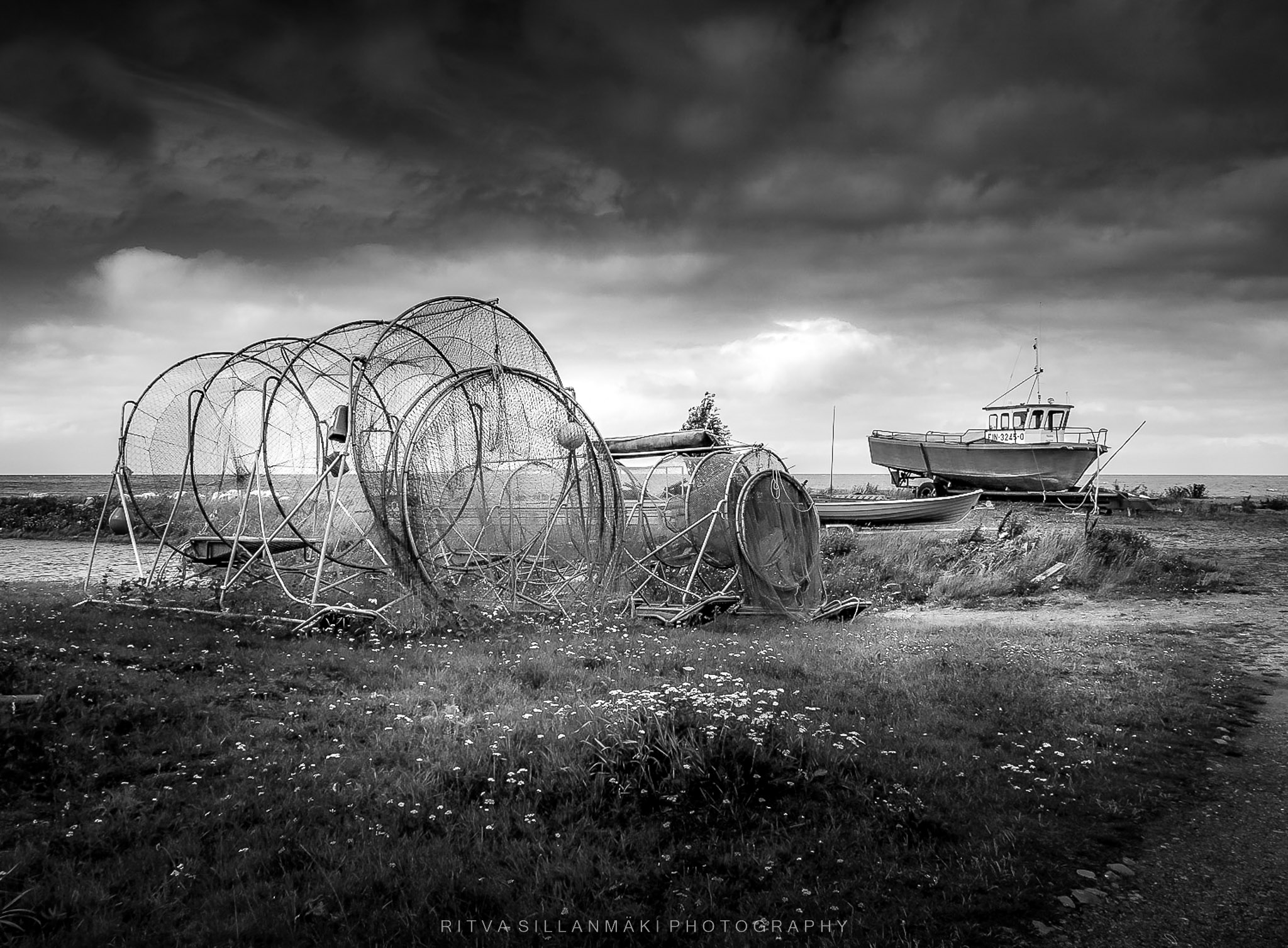
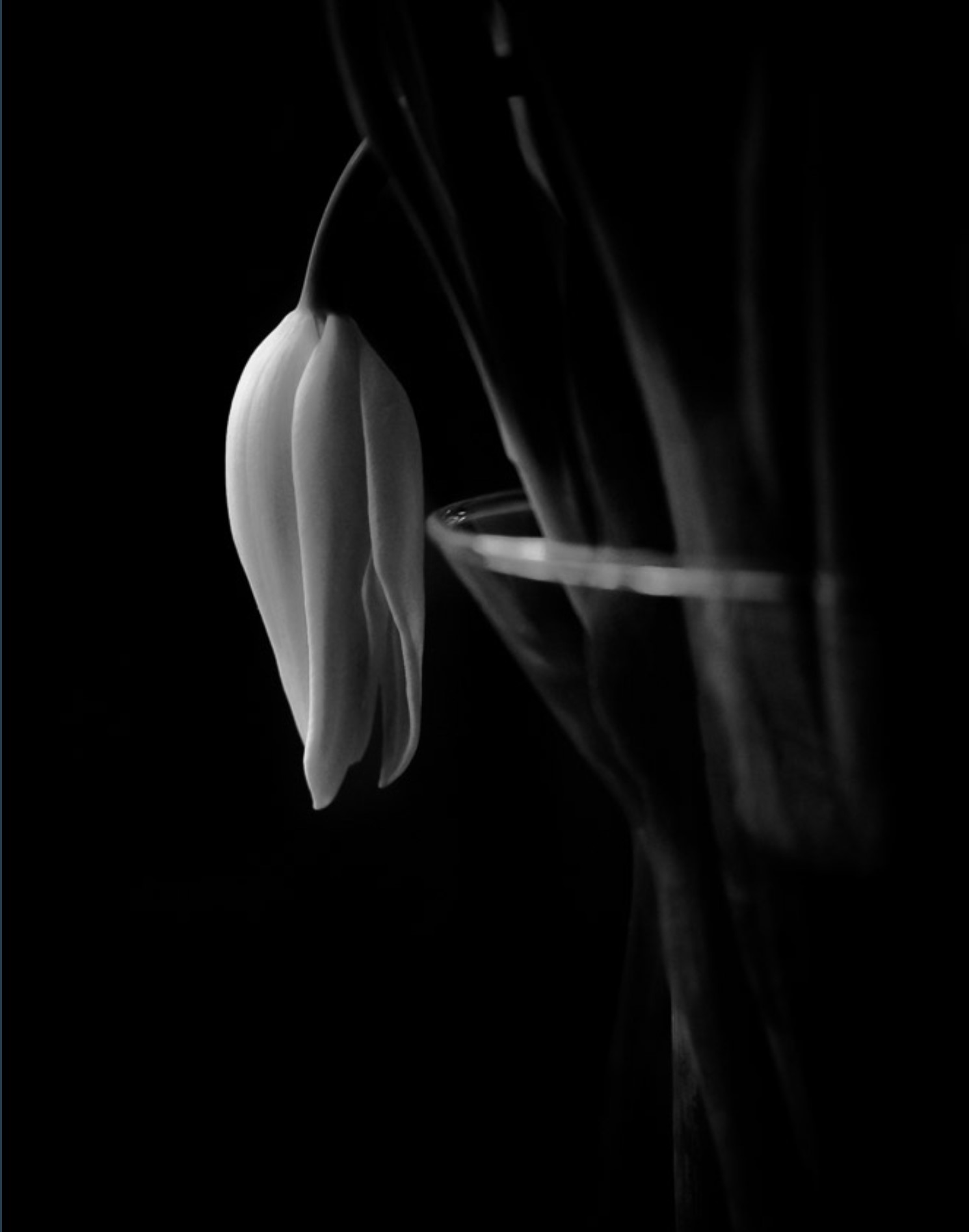
I love black and white photography – or monochrome, what evet we wish to call it. So under this Monochrome title I will try to post regularly images that I think look good in this format. Hope you enjoy them.
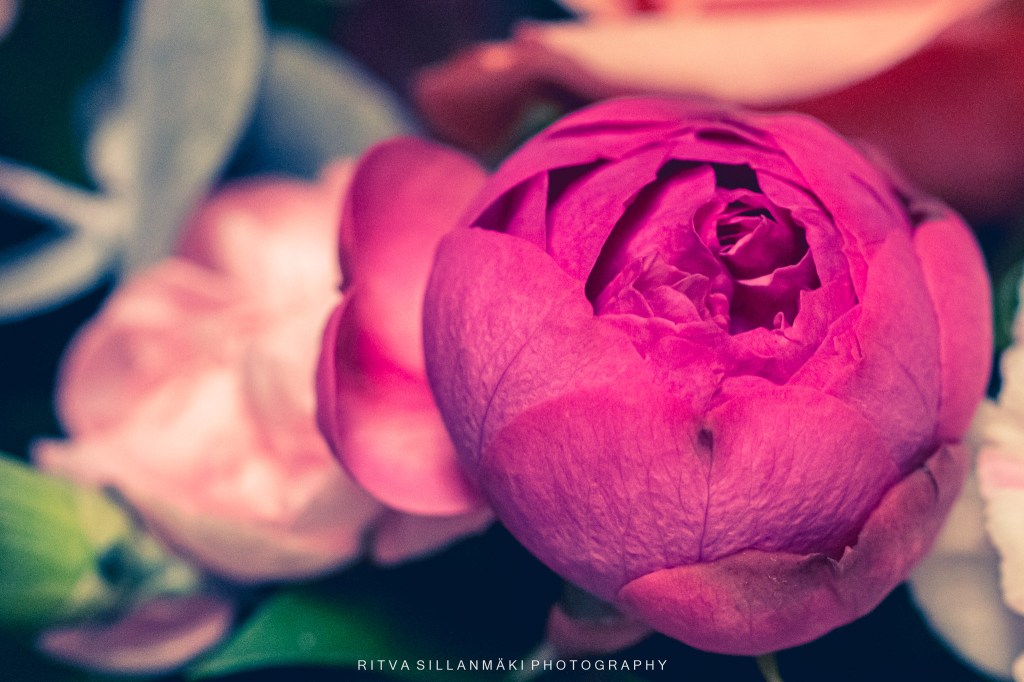
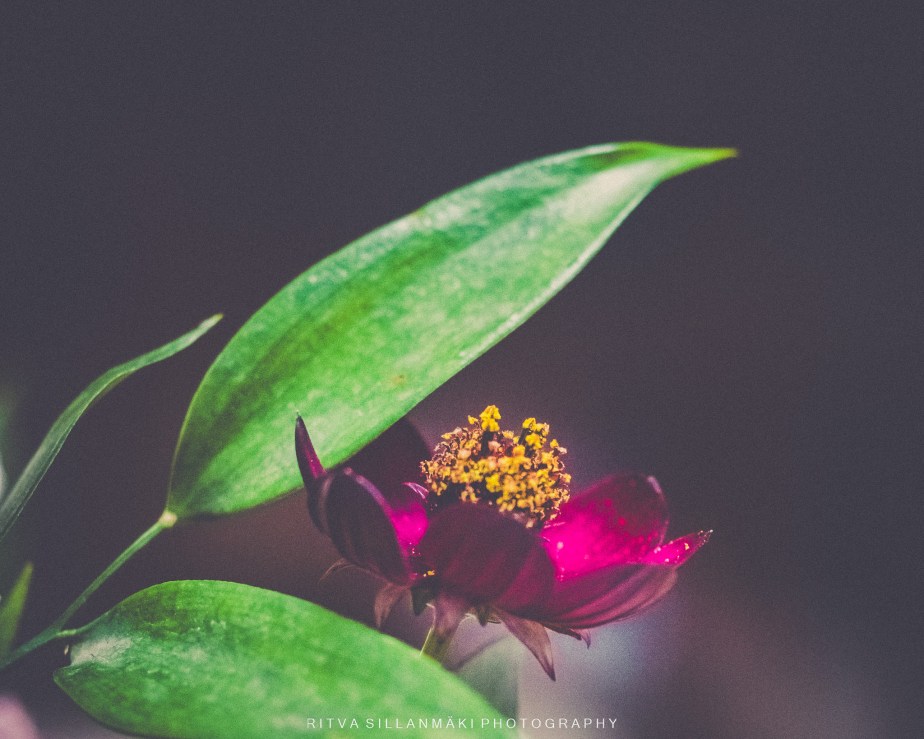
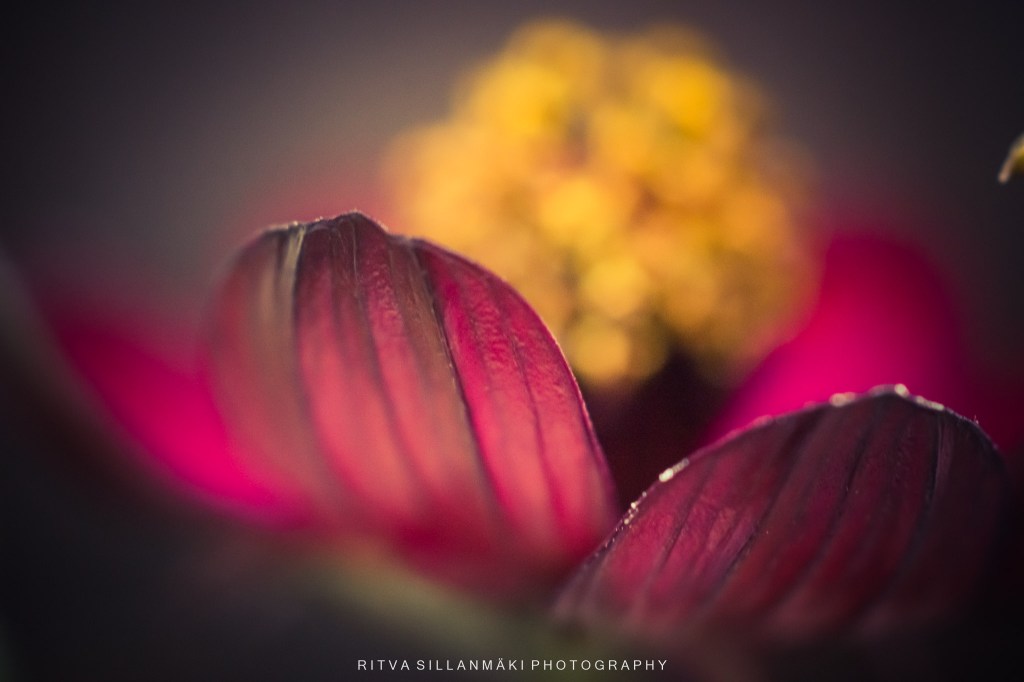
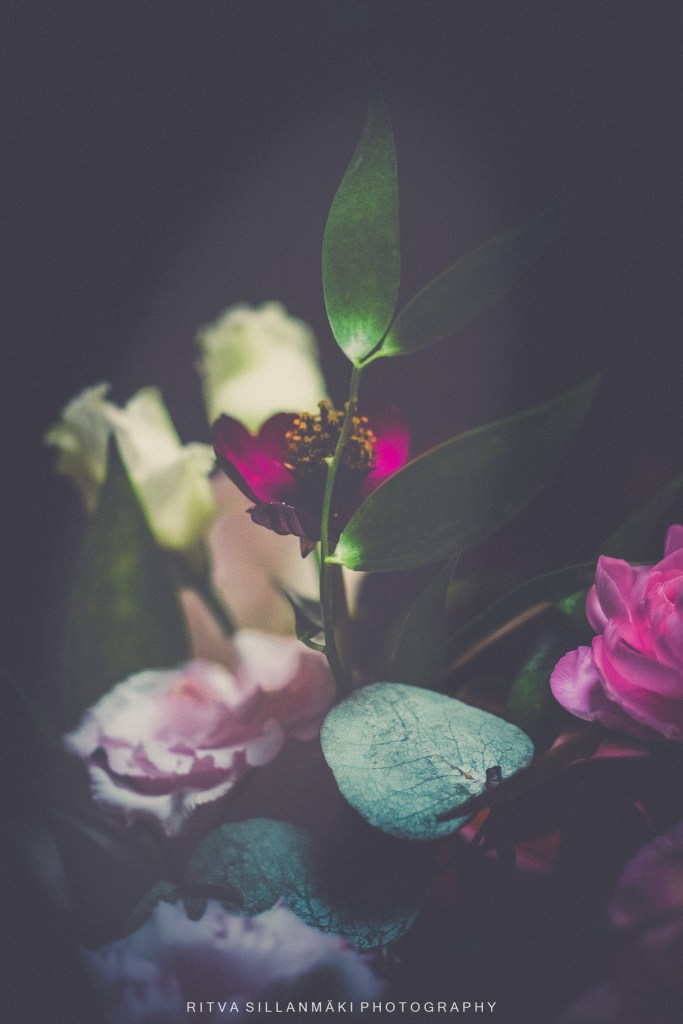
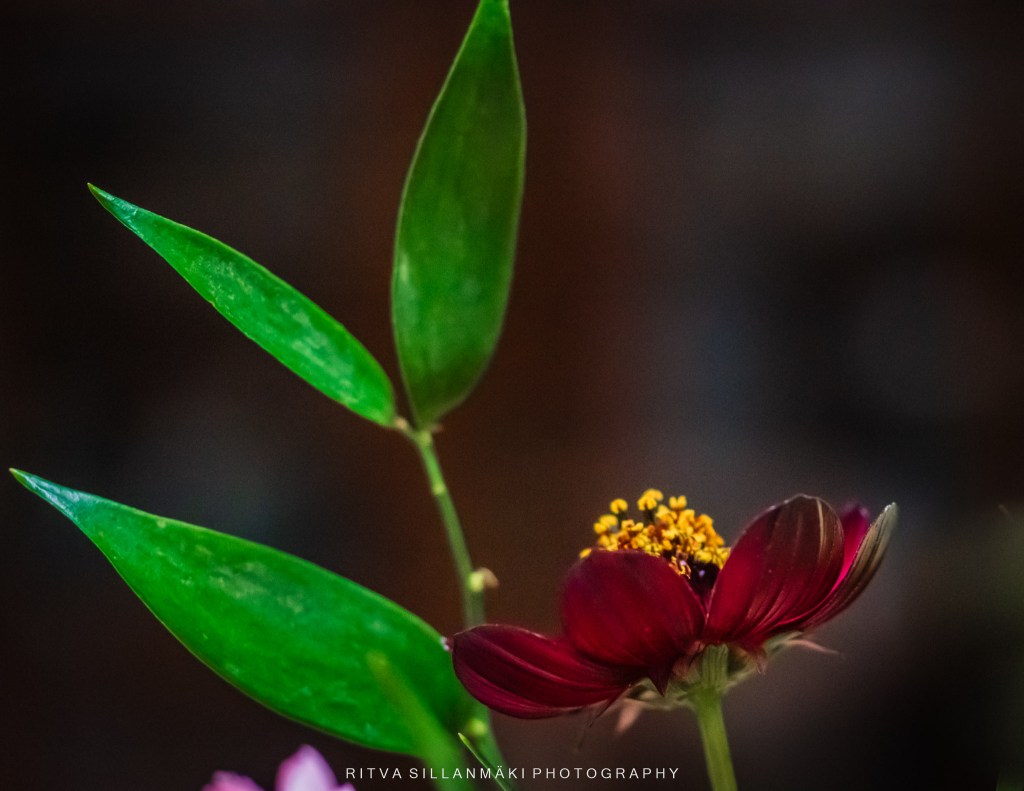
I got a lovely bouquet from my husband and it had so many flowers in it, and I could name few, but some were just pretty flowers without a name tag to me, and well, that’s my approach to flowers anyways, if they are pretty it is good enough for me.
Time can indeed be looked upon in many ways, here are some thoughts on time from greater minds than mine, to me time is so abstract and also so tangible.
So here are some thoughts on time and a photo to go along with it.
“Time and tide wait for no man.” – Geoffrey Chaucer
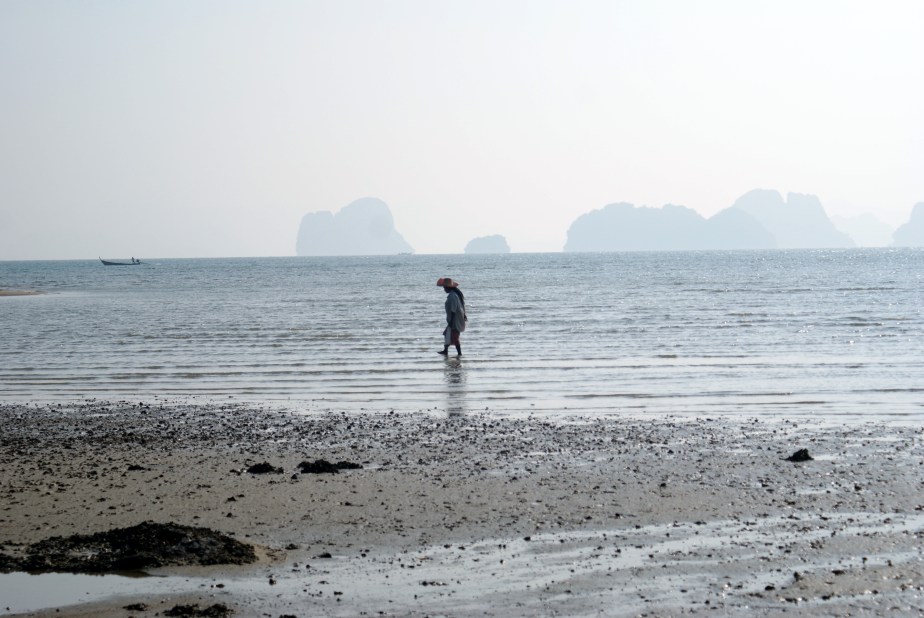
Woman walking in early morning low tide.
“Lost time is never found again.” – Benjamin Franklin
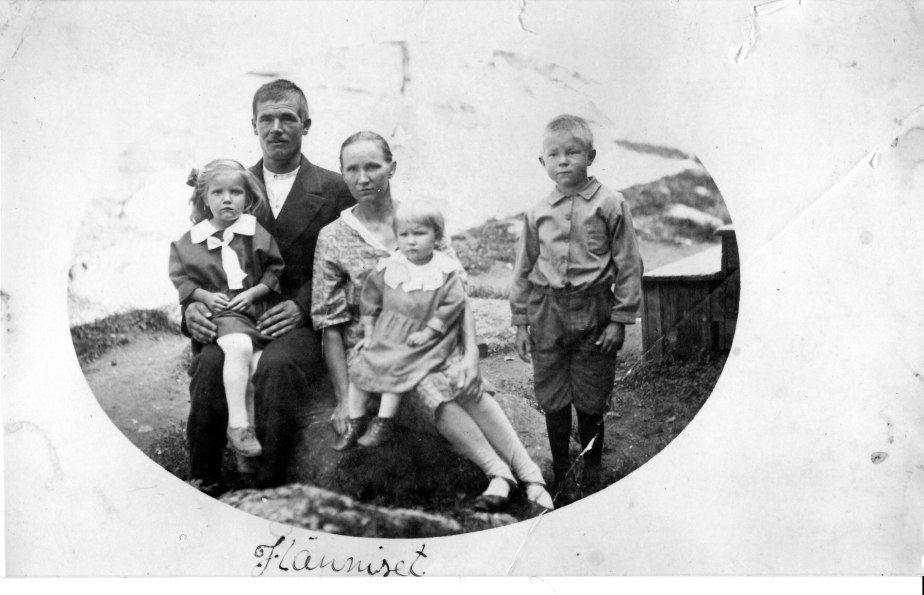
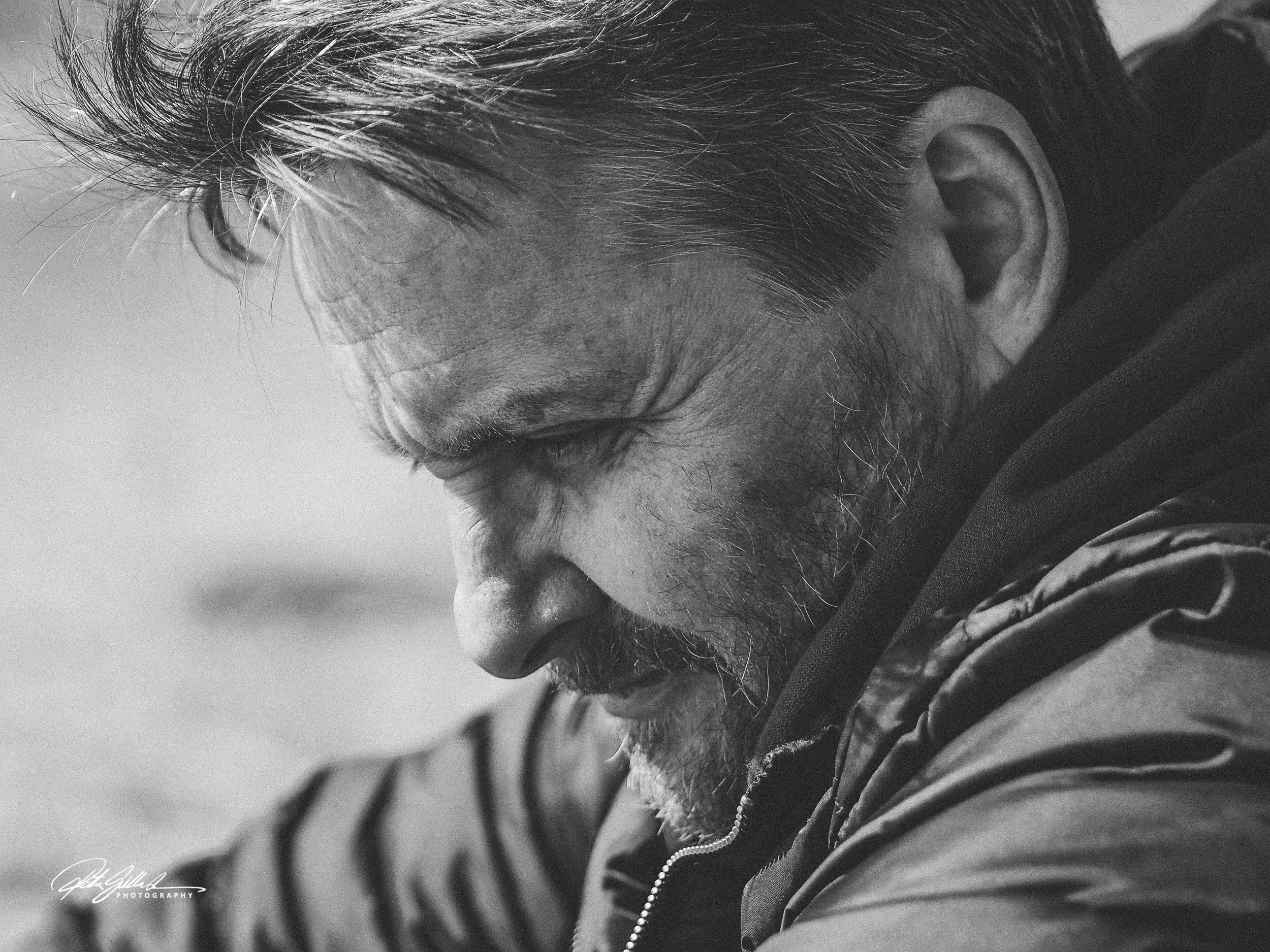
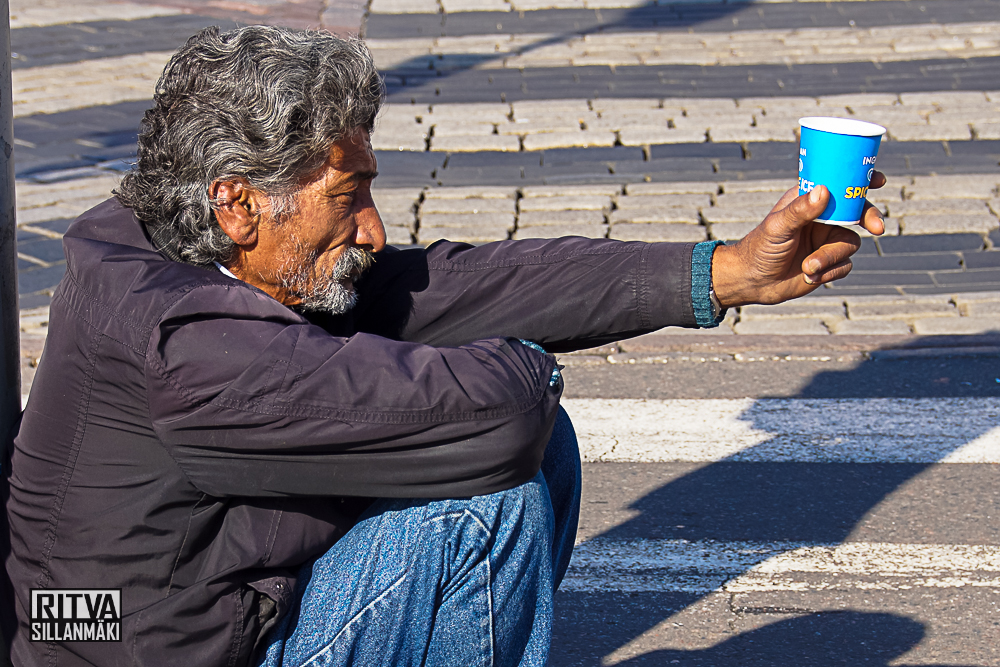
sitting alone – feeling the lost time on his shoulders
“Time flies over us, but leaves its shadow behind.” – Nathaniel Hawthorne
“Time is a created thing. To say ‘I don’t have time,’ is like saying, ‘I don’t want to.’” – Lao Tzu
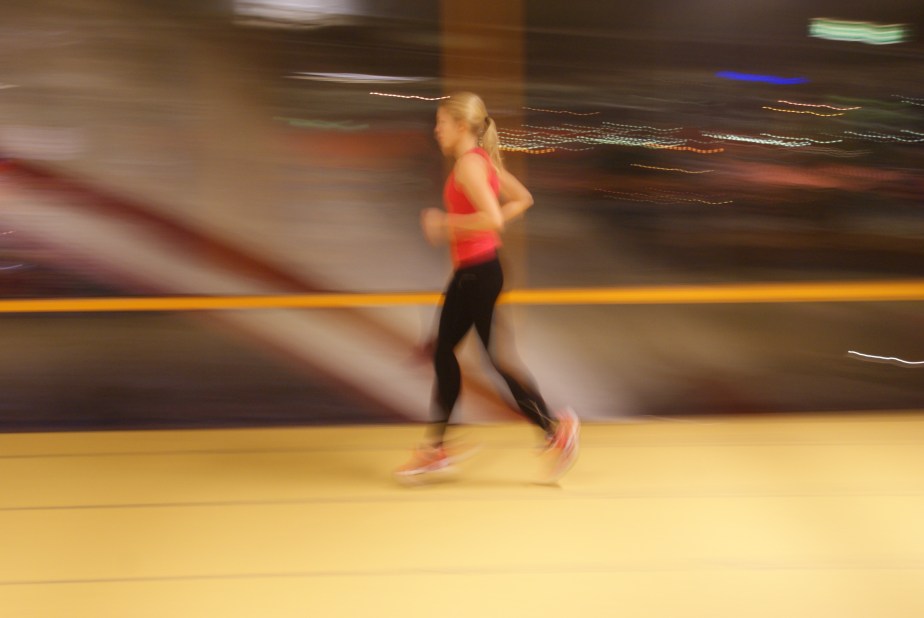
You cannot outrun time
“Time is the wisest counselor of all.” – Pericles
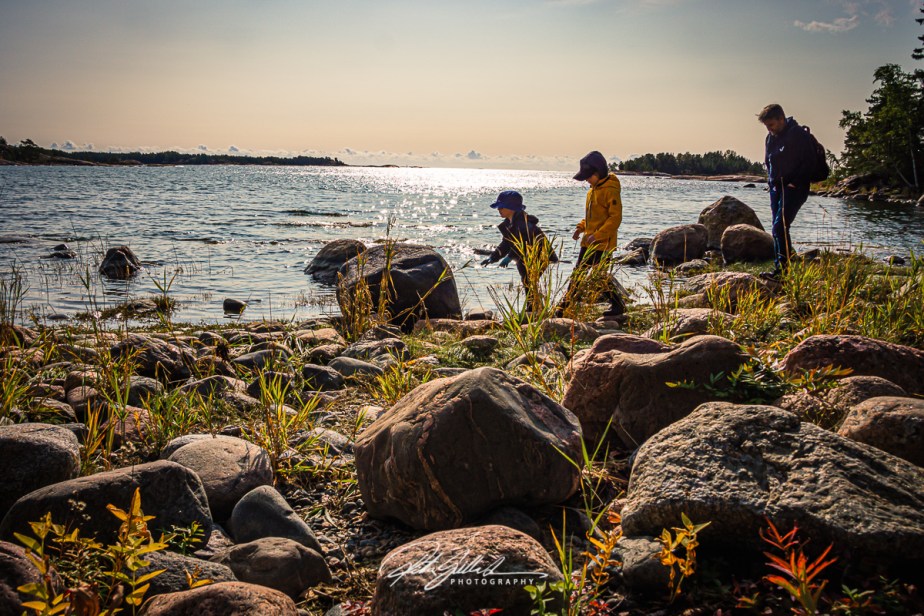
What has time hidden in these rocks
“Time is what we want most, but what we use worst.” – William Penn
“The future is something which everyone reaches at the rate of sixty minutes an hour, whatever he does, whoever he is.” – C.S. Lewis
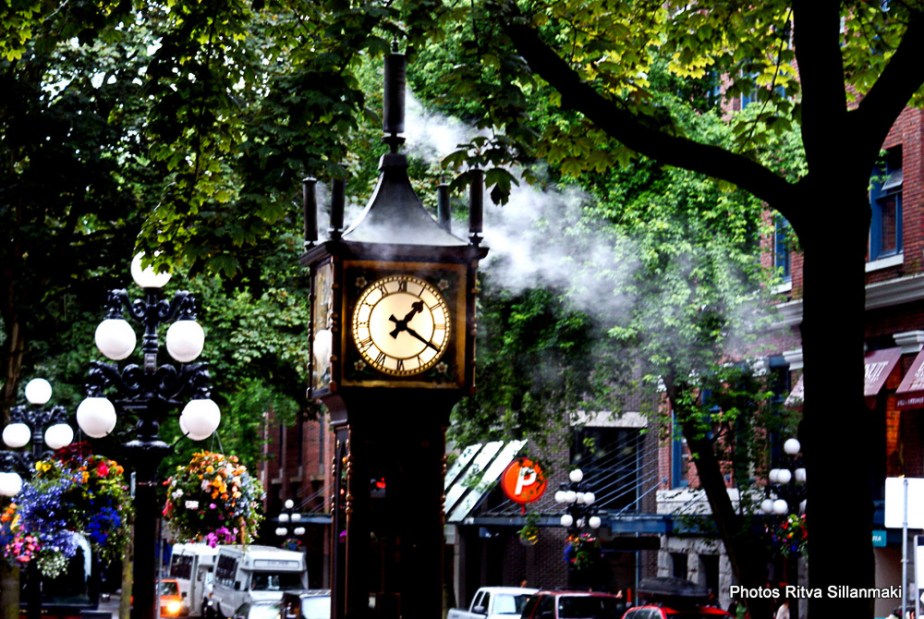
Gas clock in Vancouver
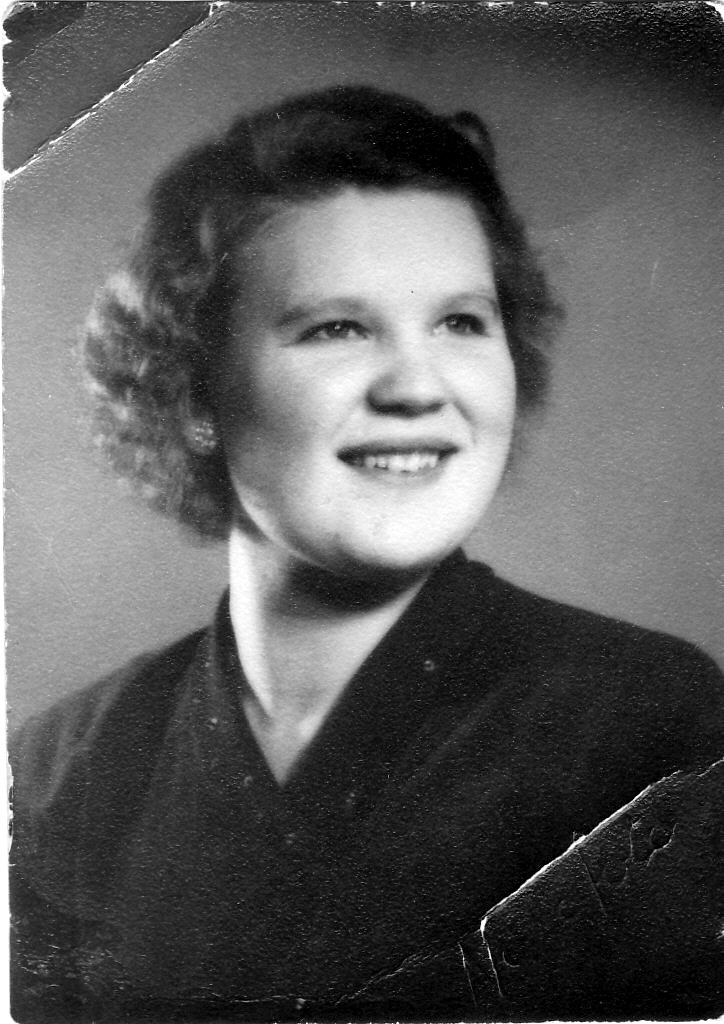
“Time is a great healer, but a poor beautician.” – Lucille S. Harper
The outside beauty can fade and wrinkle but the inner beauty remains.
“Time is the most valuable thing a man can spend.” – Theophrastus
“Time is what keeps everything from happening at once.” – Ray Cummings
From beginning to the end
Remember to link to your post and use the Lens-Artists tag in the reader section. Thanks Donna, I had such a hard time with this one.
If you would like to participate weekly in our Lens-Artists Challenge, click here for more info.
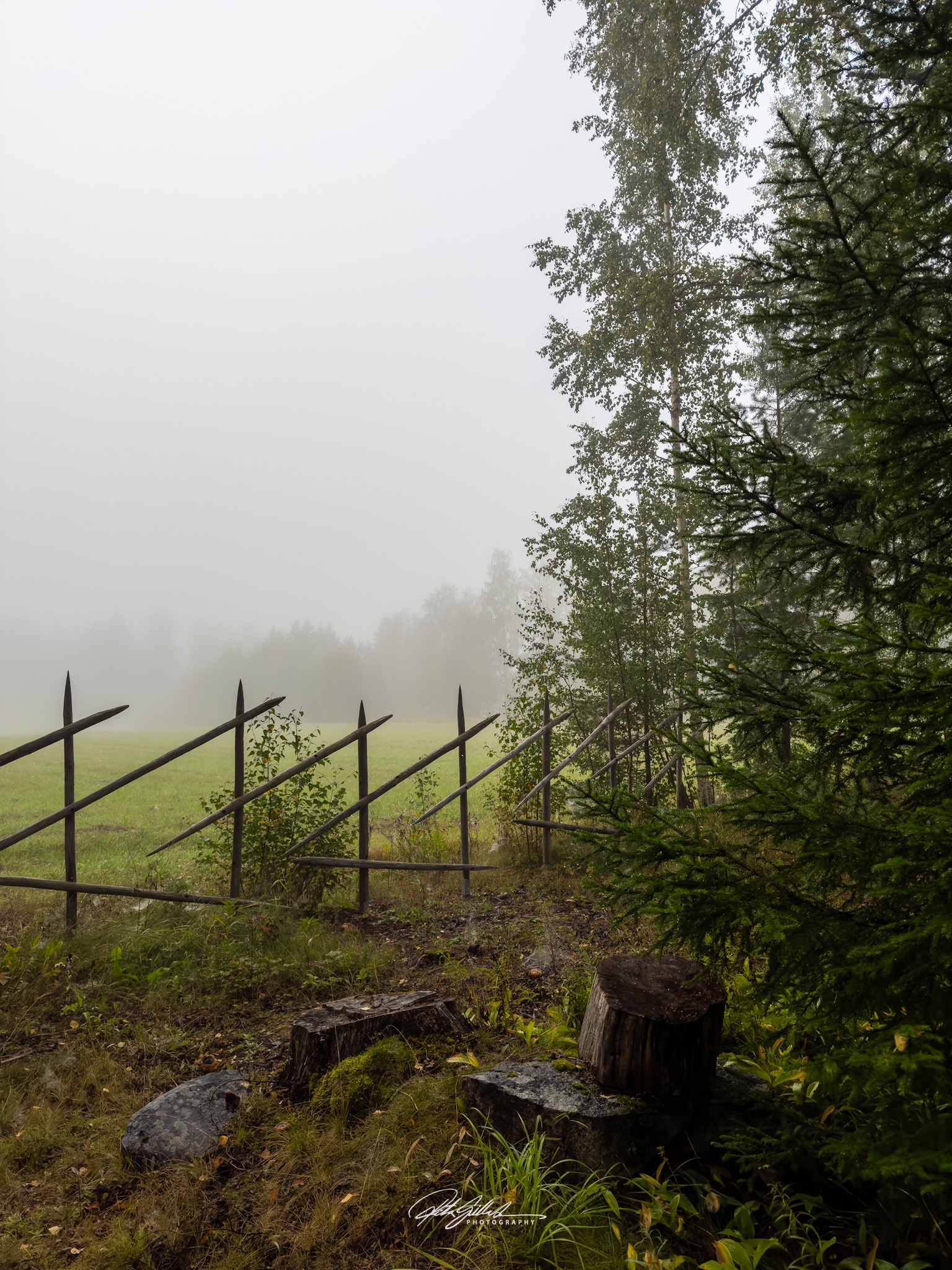
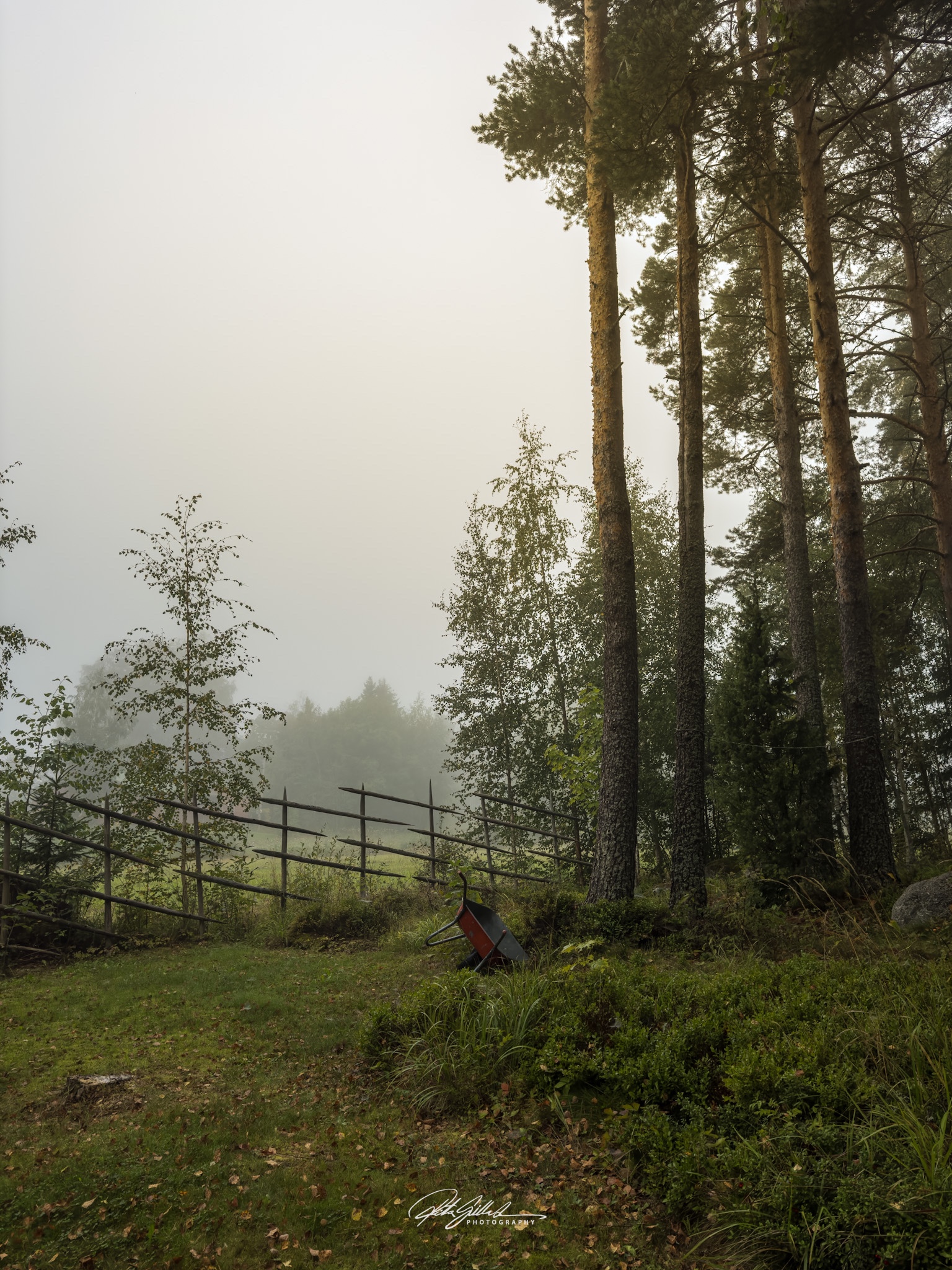
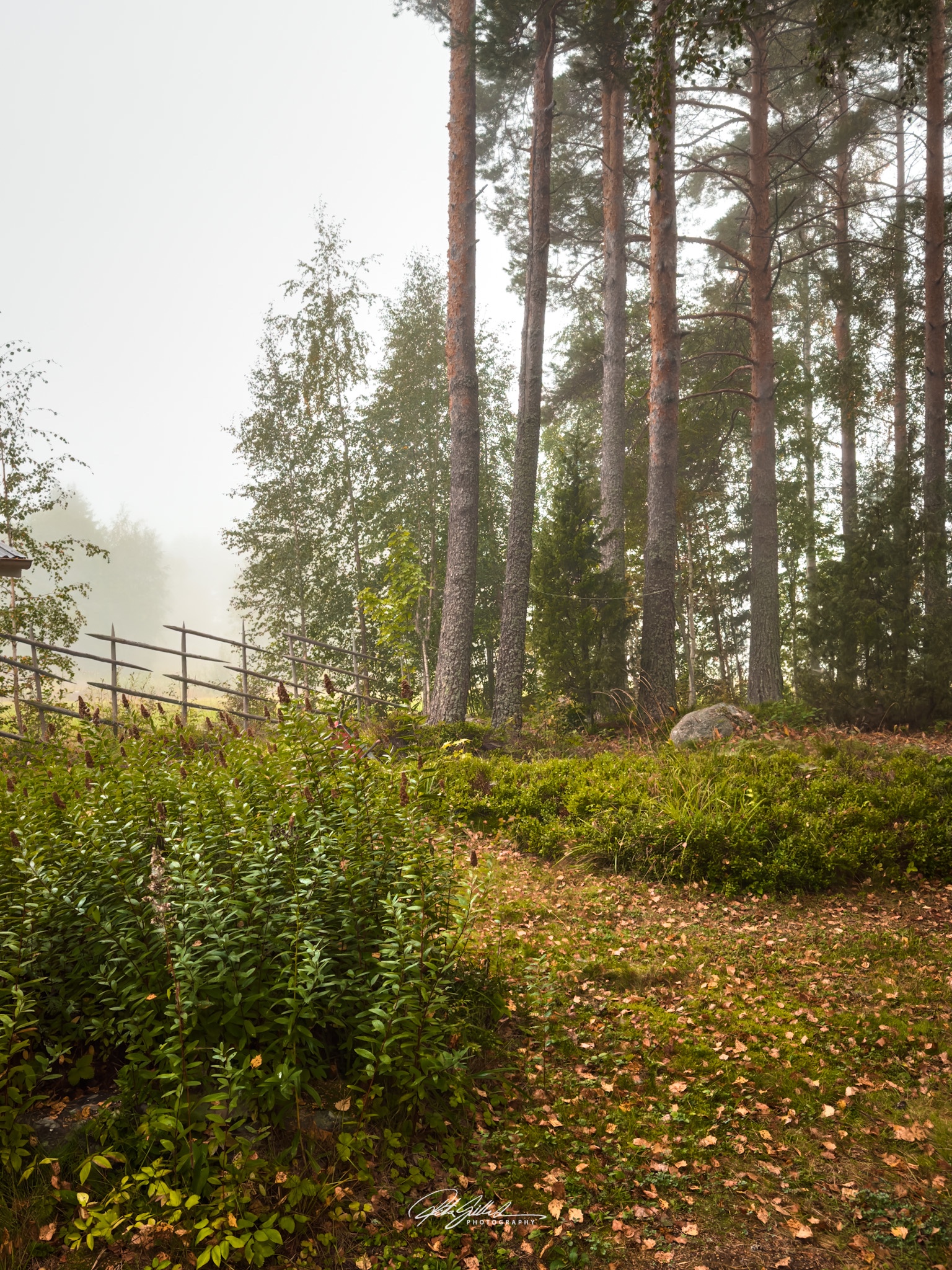
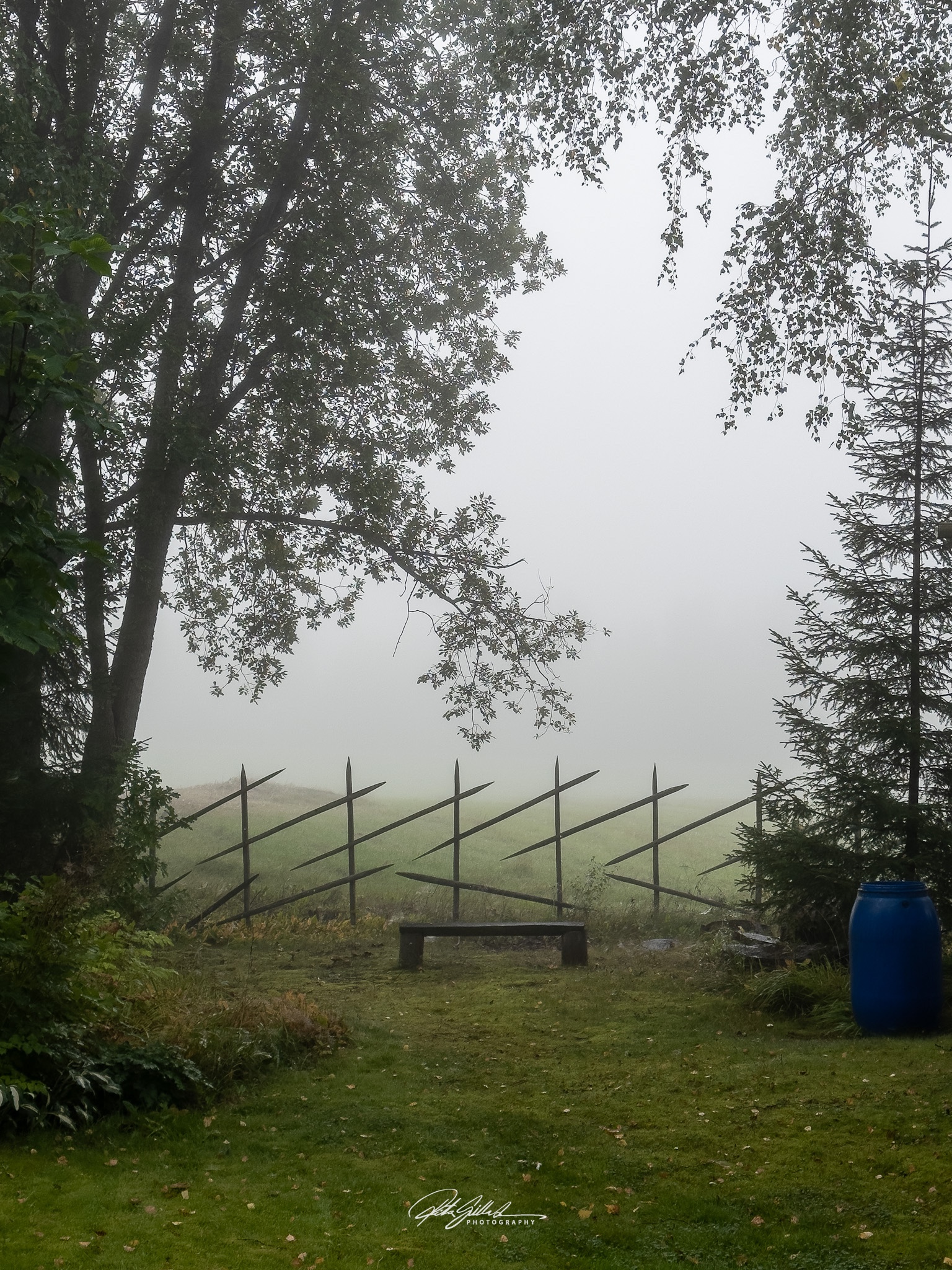
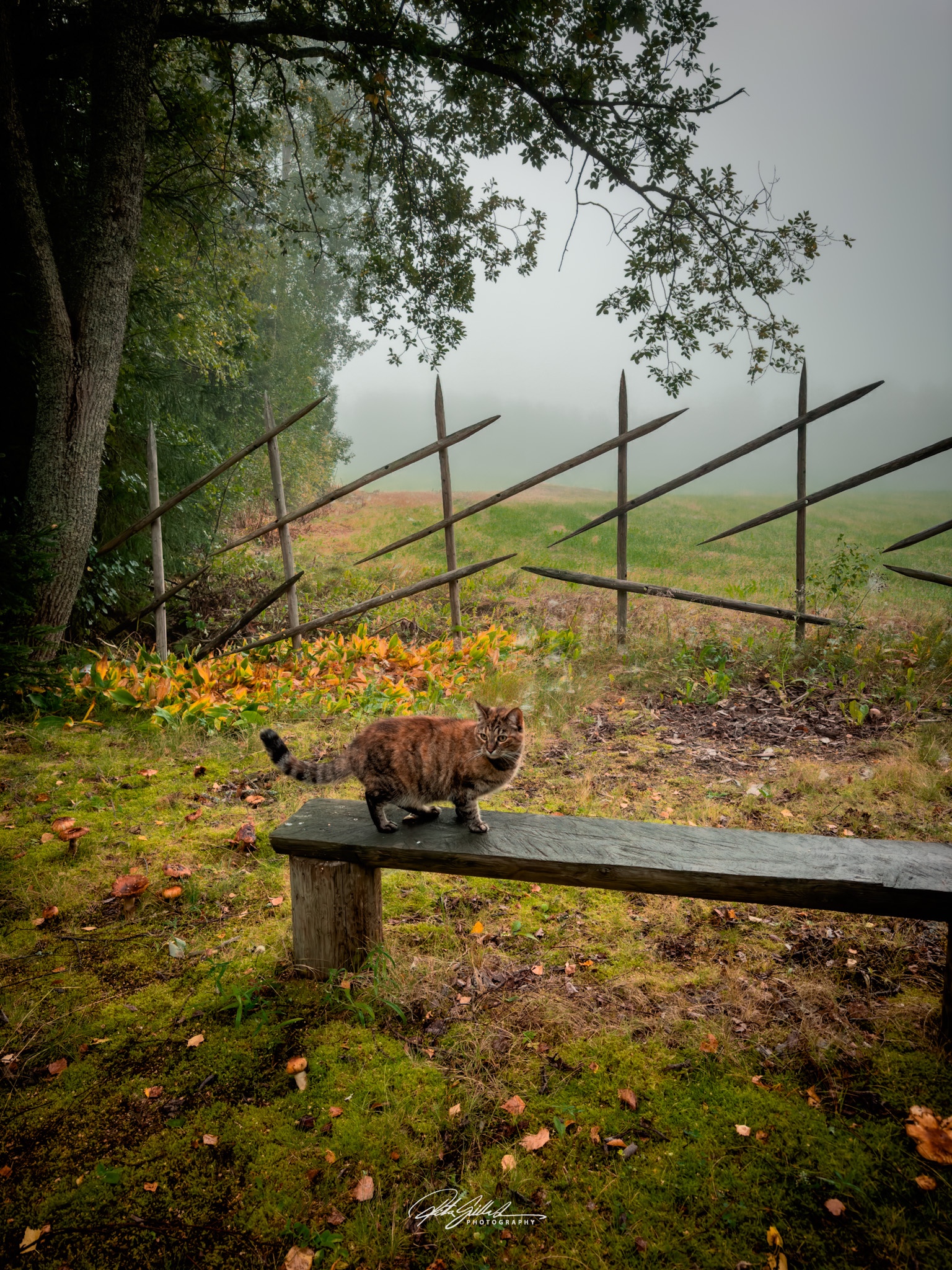
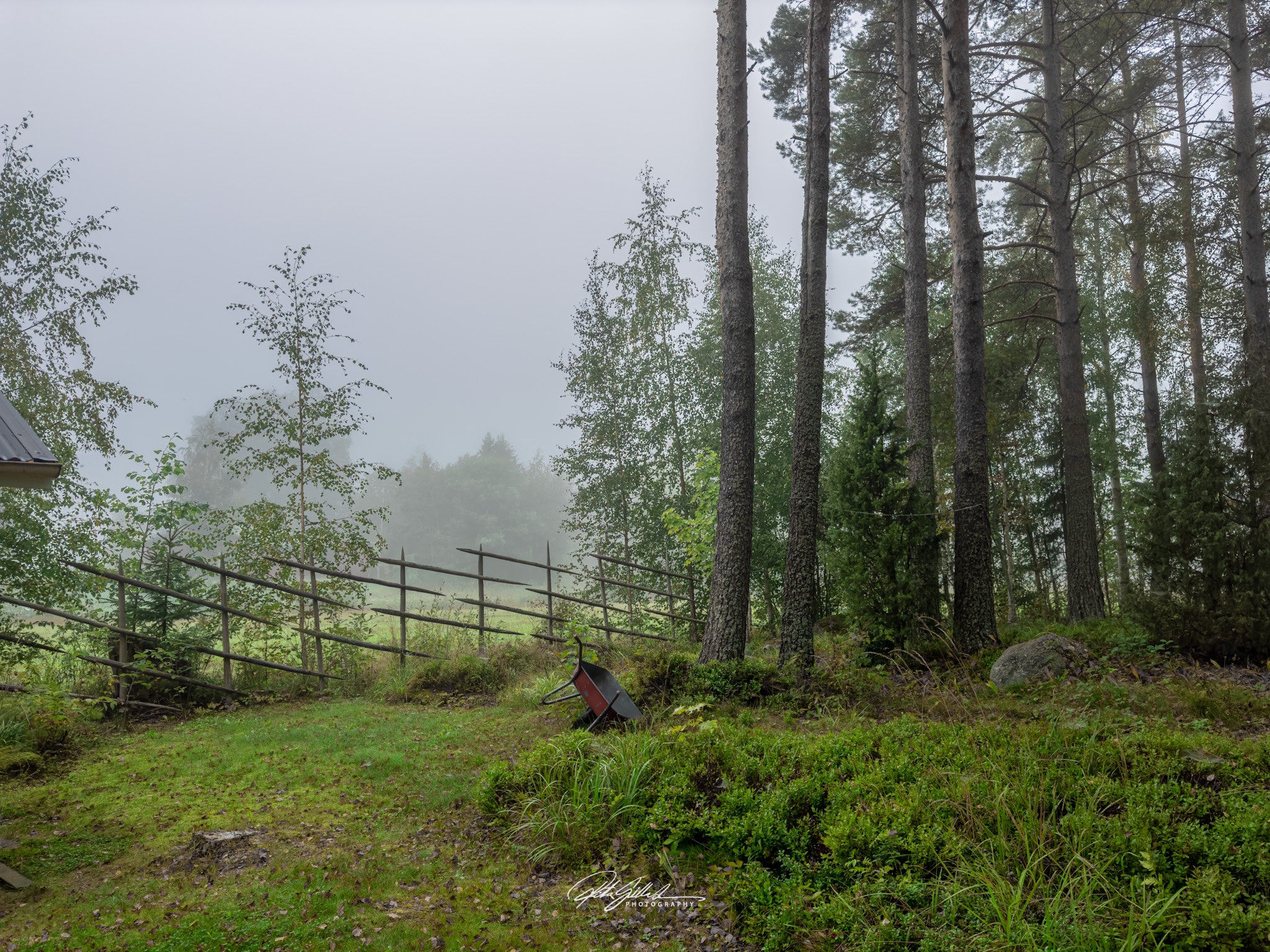
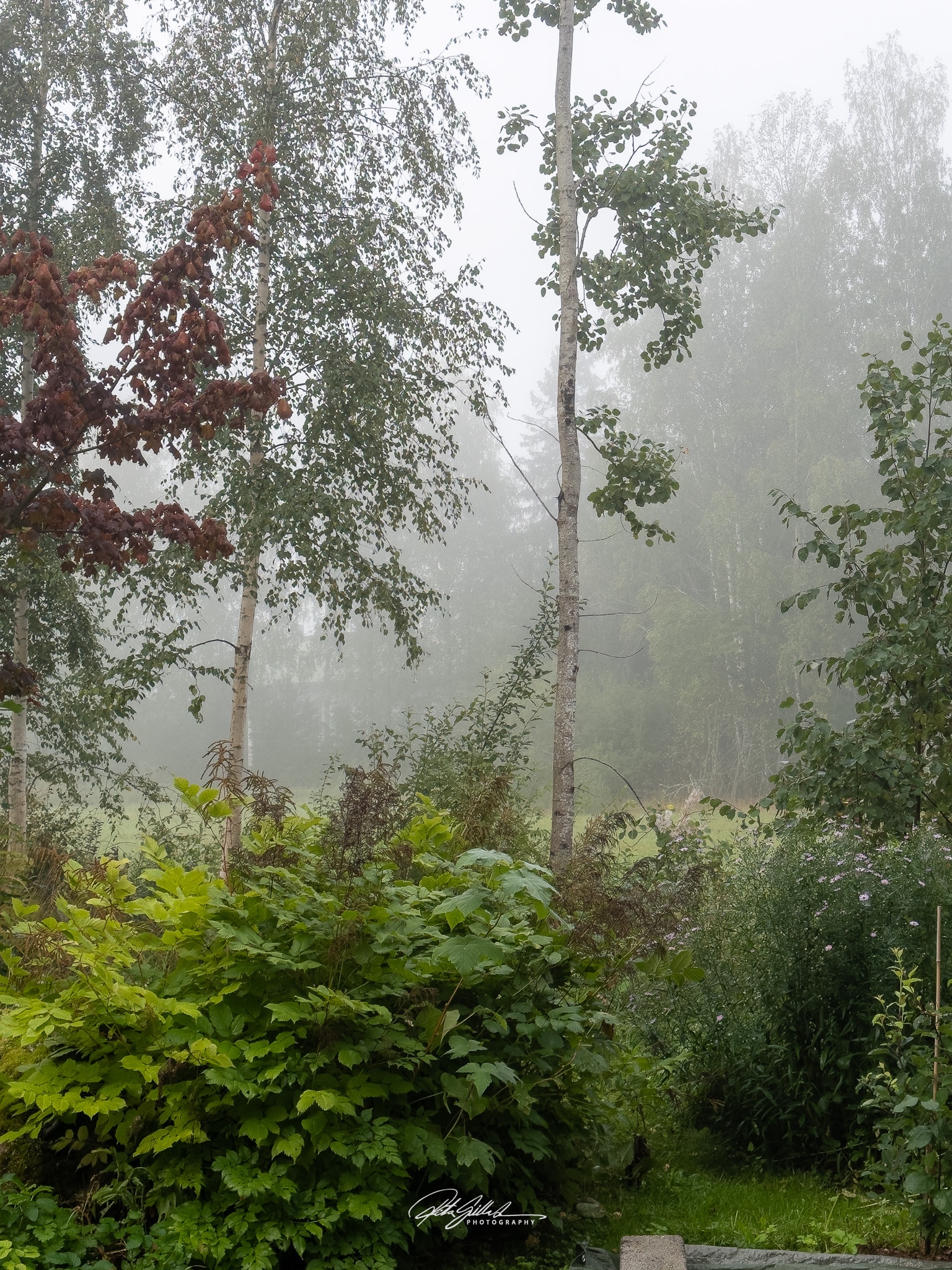
We are having a really misty morning, its nearly 11 and all is still under the misty. Don’t see no sun…
So, here are photos from this morning and song to go with them
Lepis is hosting Saturday Classics, you can add your own link here Saturday Classics
On Her page she writes: This blog is back with hosting the Classics after few years break. This time we’ll be playing on Saturdays and you can link straight here on this own page. Rules: There are no rules, as long as the song you play is a classic in your mind. Linking open 8 am and closes 12 pm.
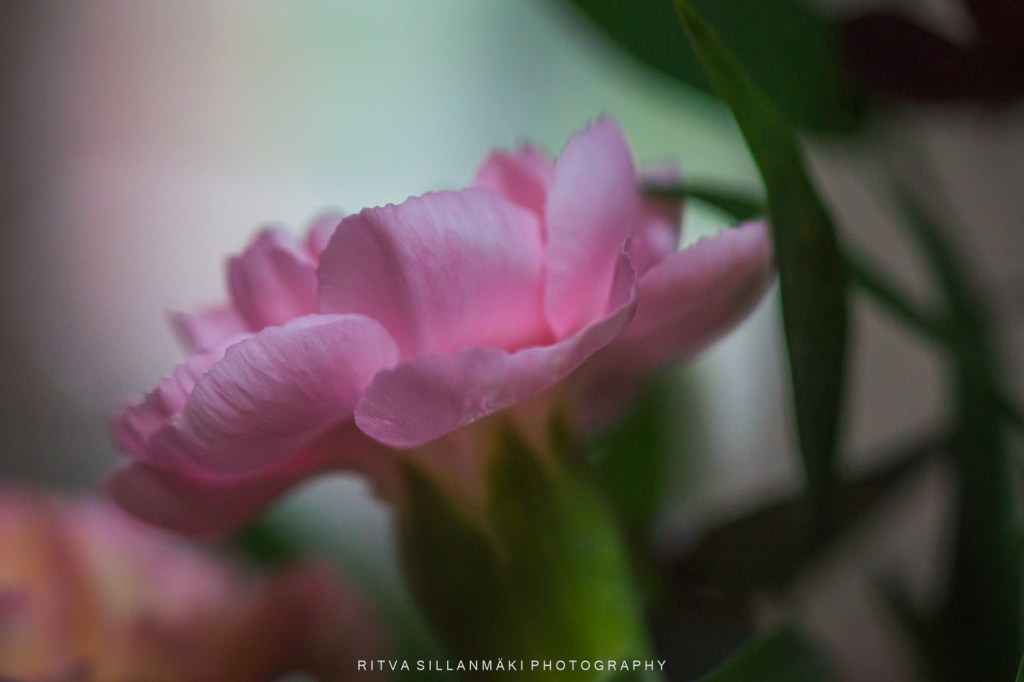
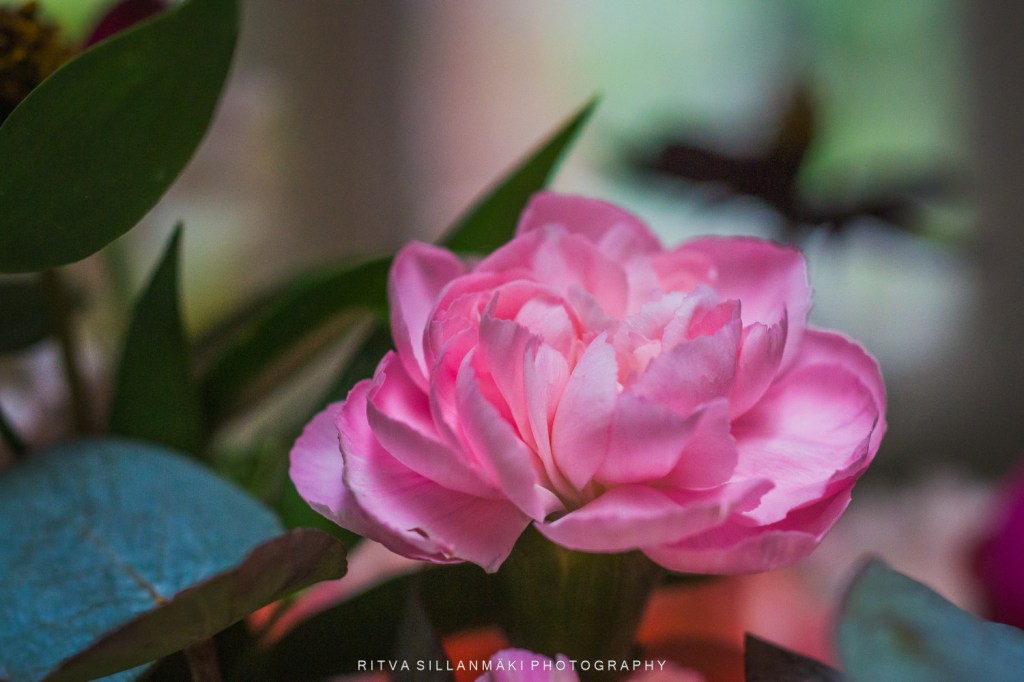
I think this is a pink carnation, I am not all that good with flower names.
I got a lovely bouquet from my husband and it had so many flowers in it, and I could name few, but some were just pretty flowers without a name tag to me, and well, that’s my approach to flowers anyways, if they are pretty it is good enough for me.
I’ve been into black and white photography for the longest time, so Anne Sandler’s challenge this week is really appreciated. Thanks, Anne!
Is monochrome black and white? Is black and white monochrome? You may be surprised at the answer. I was after I did some research. Here’s what I found.
Black and white is the result of only using black or white and shades of. The shades of meaning grayscale. Here are some black and white photographs.
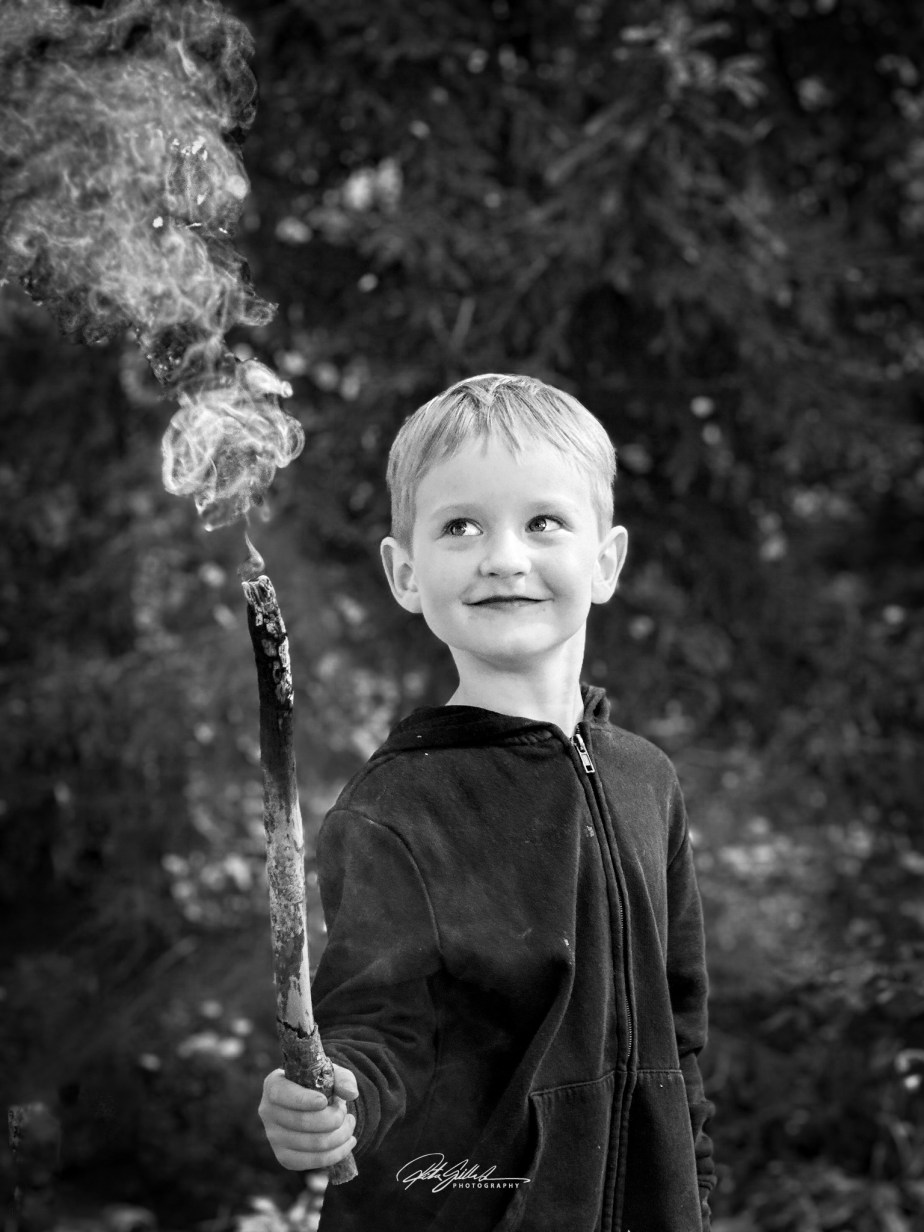
I have always carried a torch for black and white photography 😂 I thought it went well with the header image .
Still life
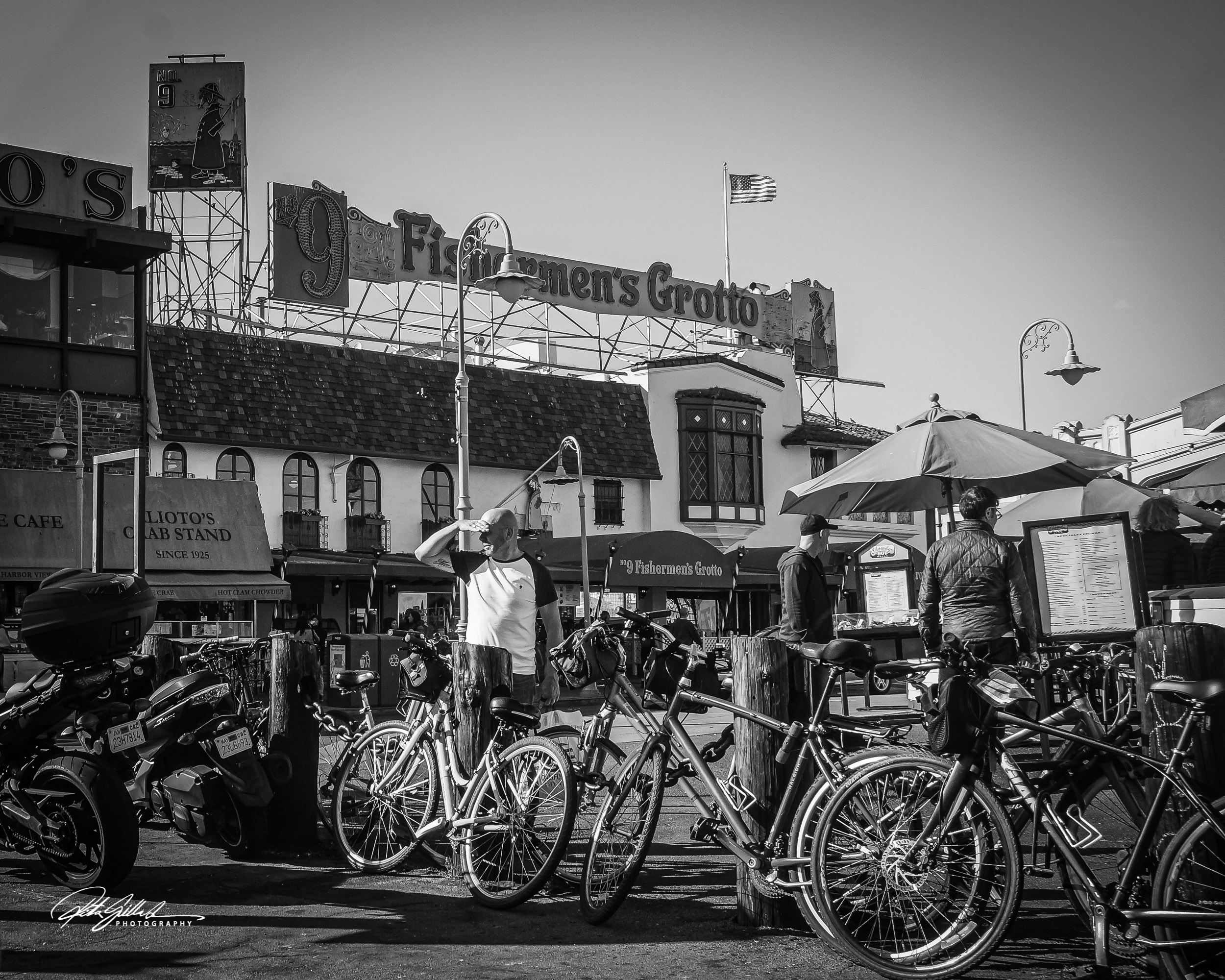
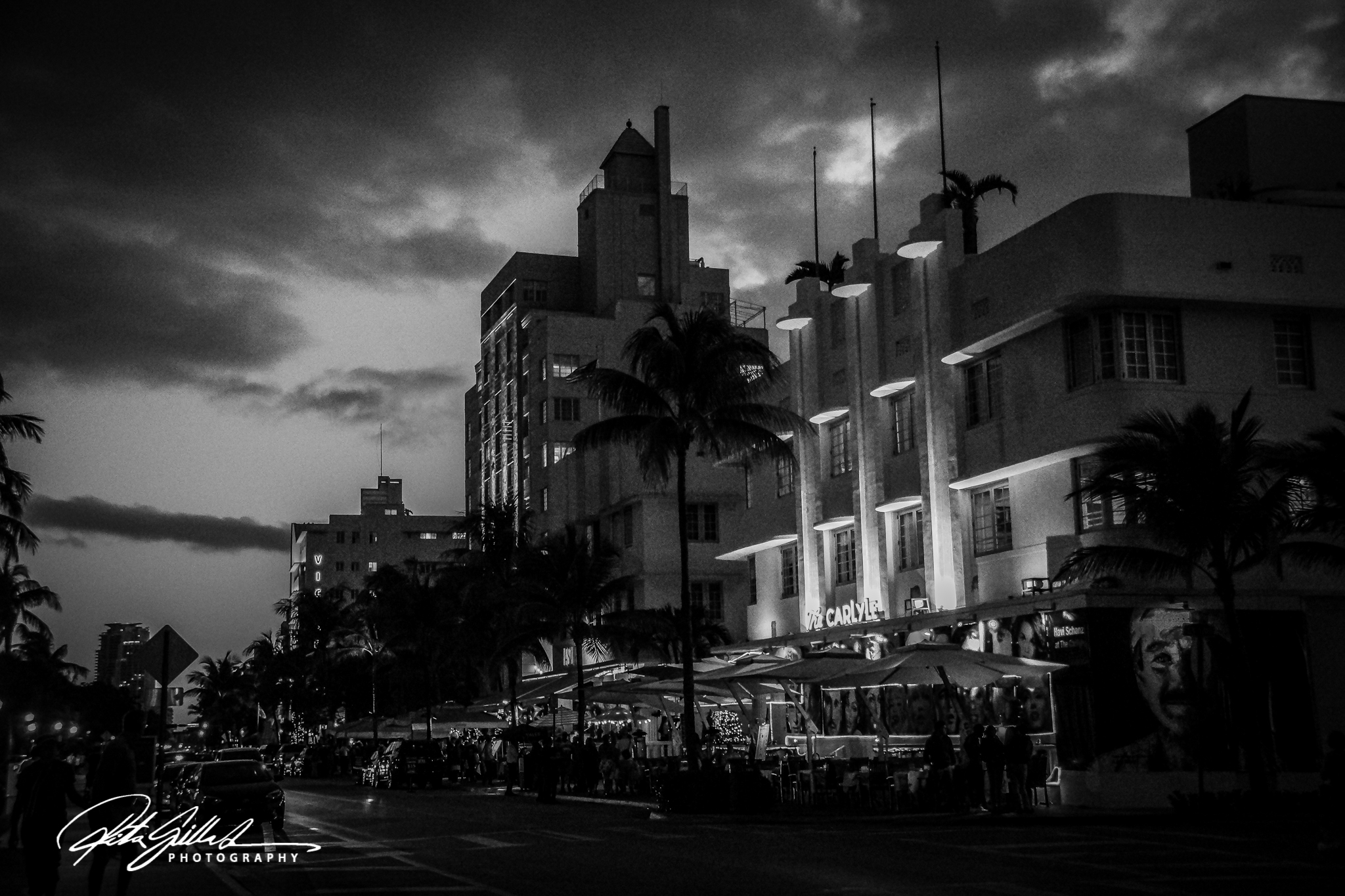
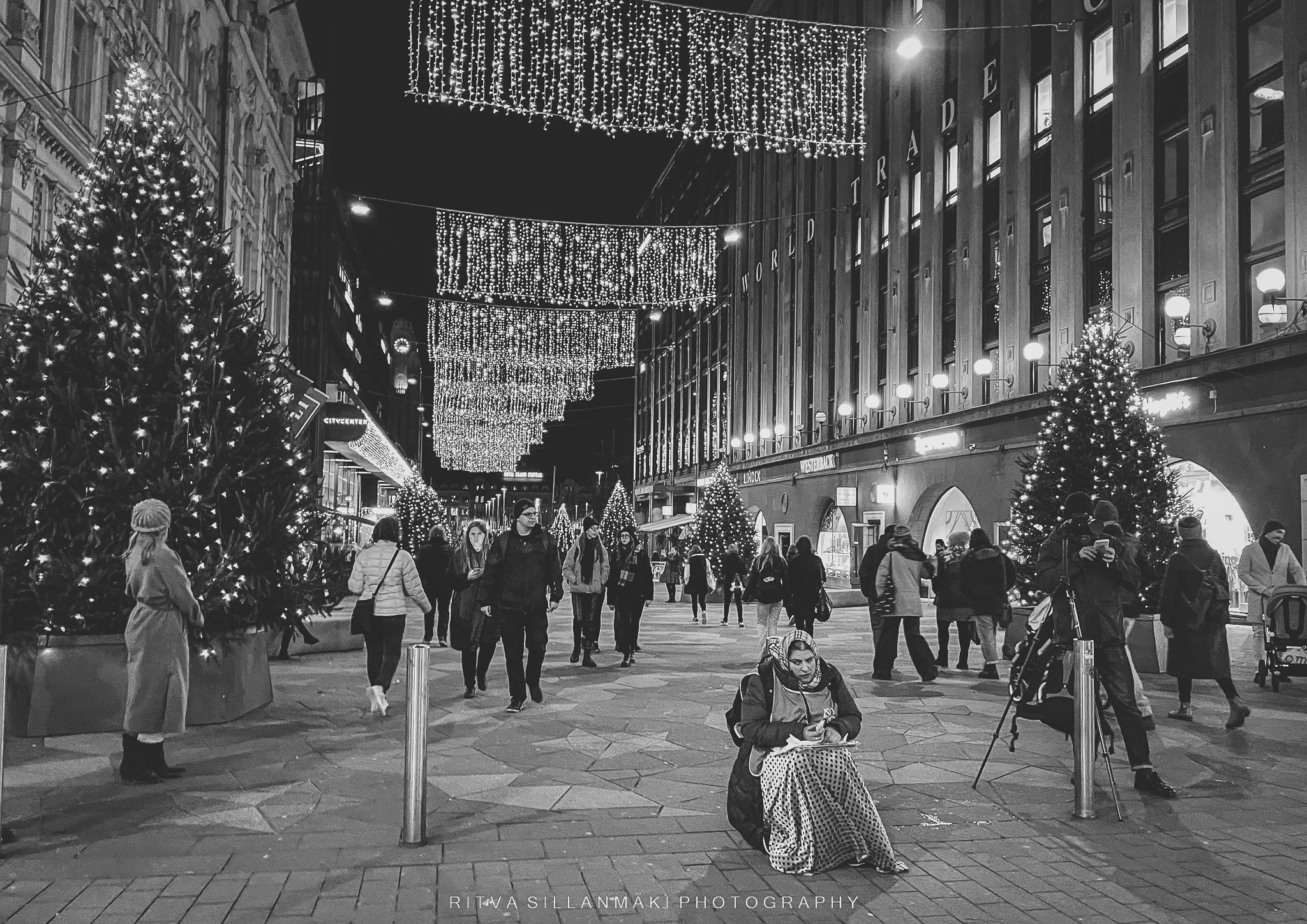
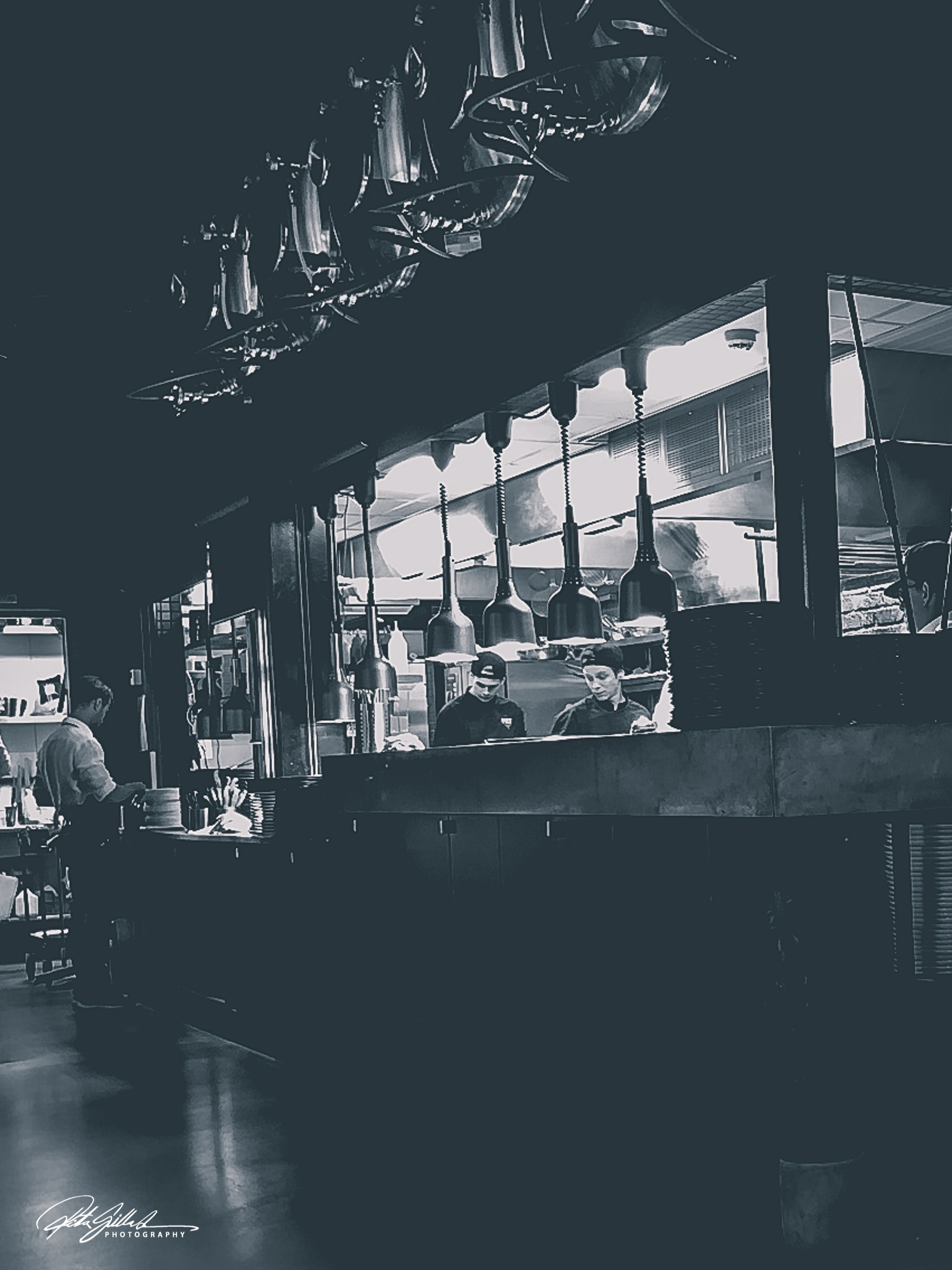
Cities…
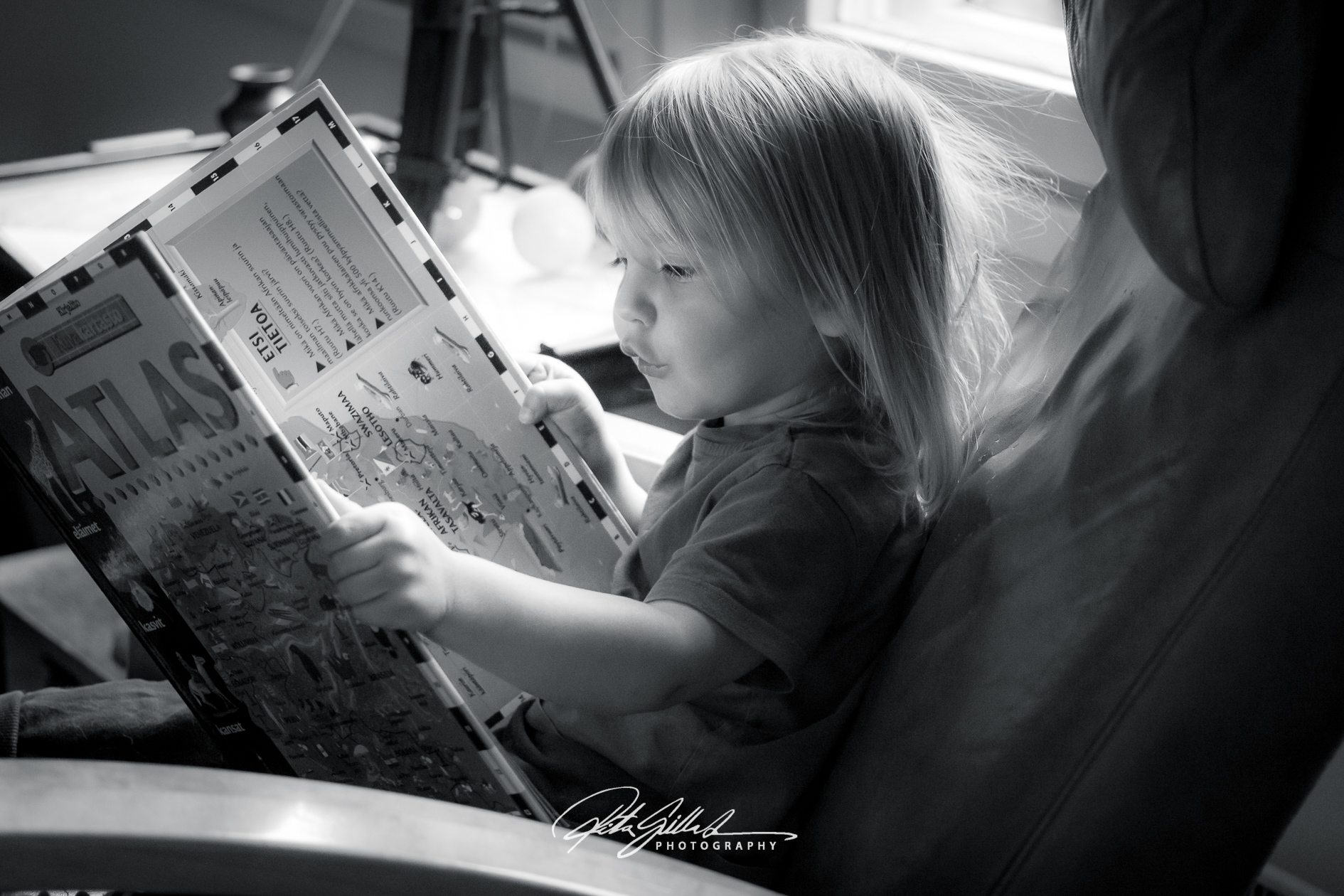
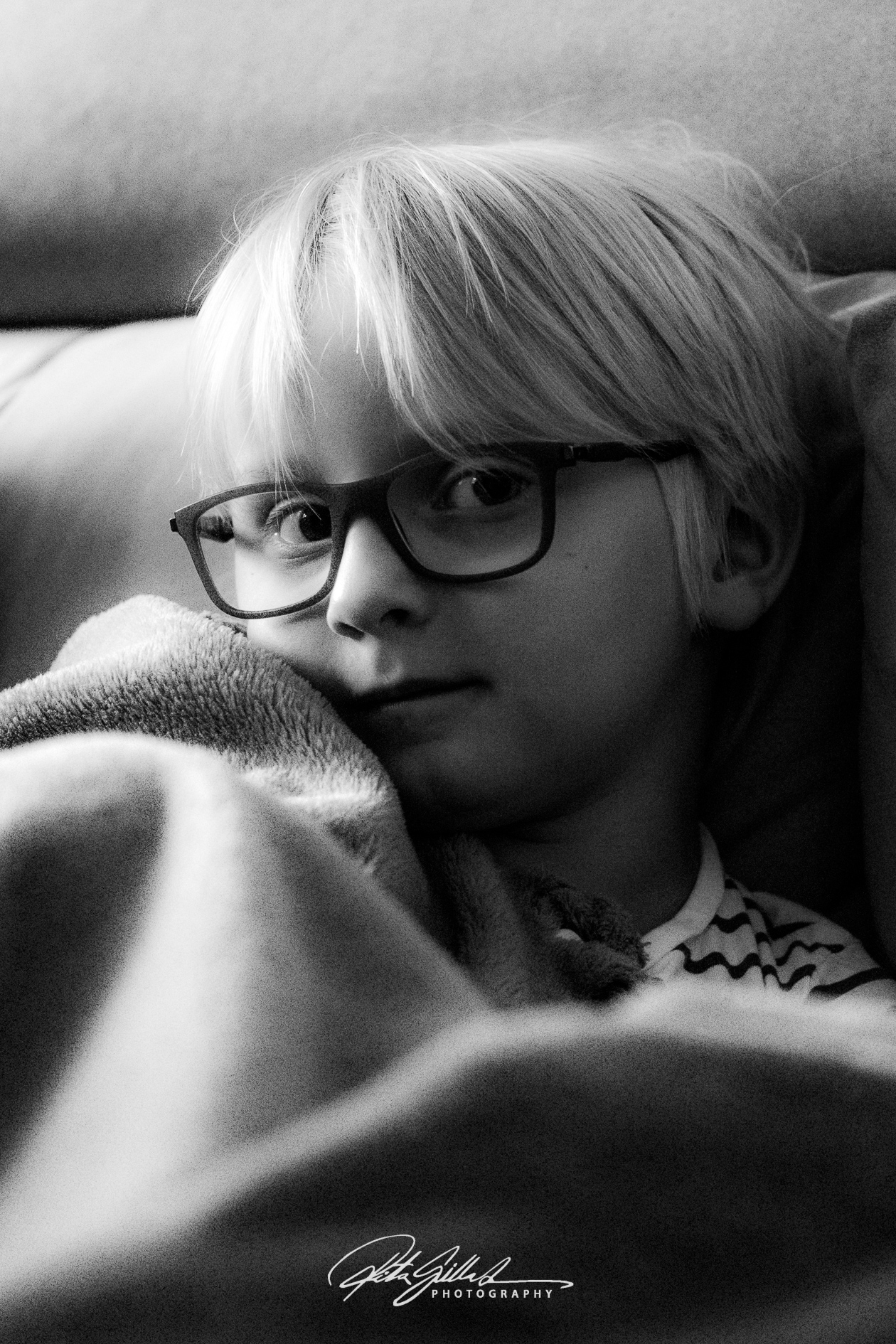
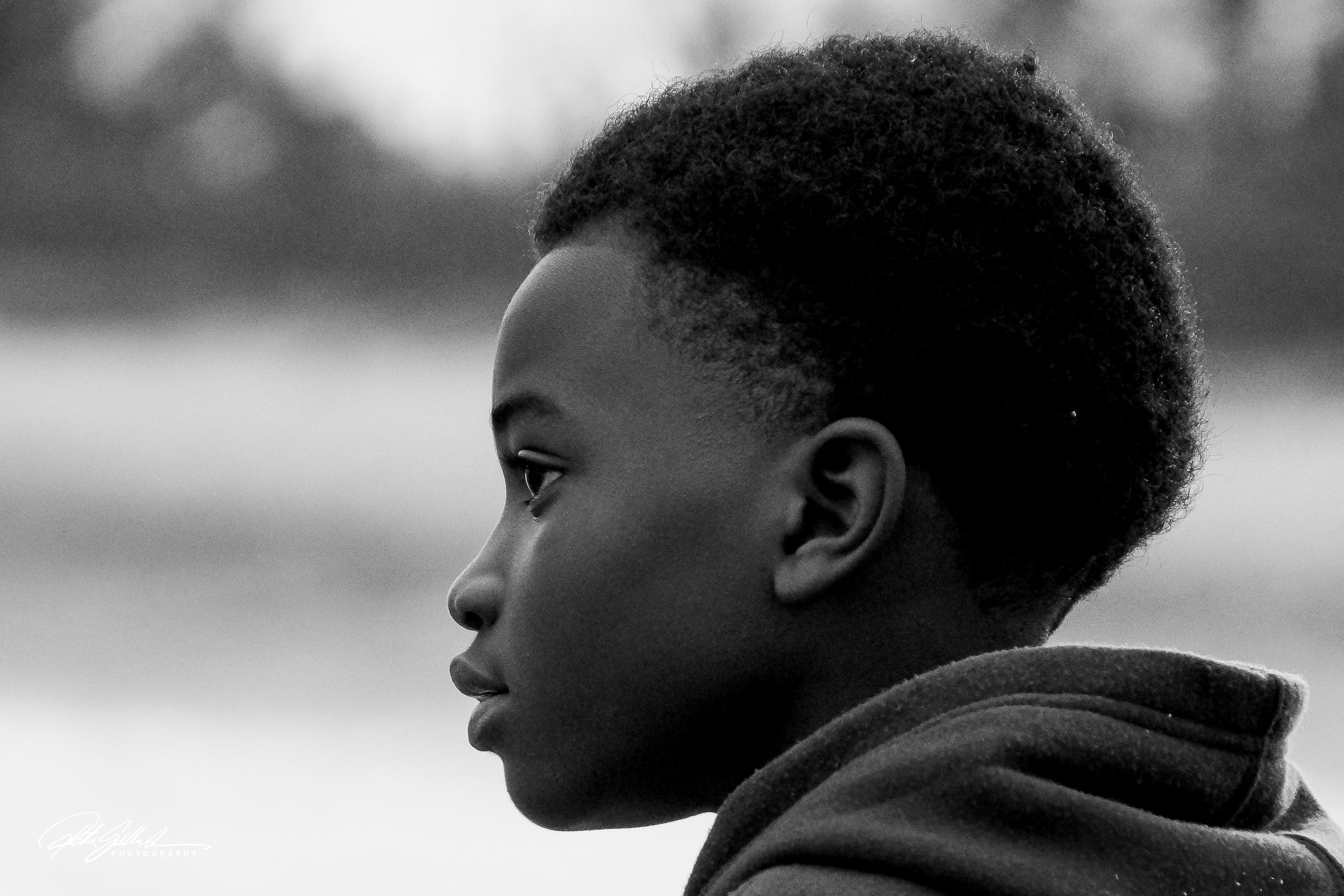
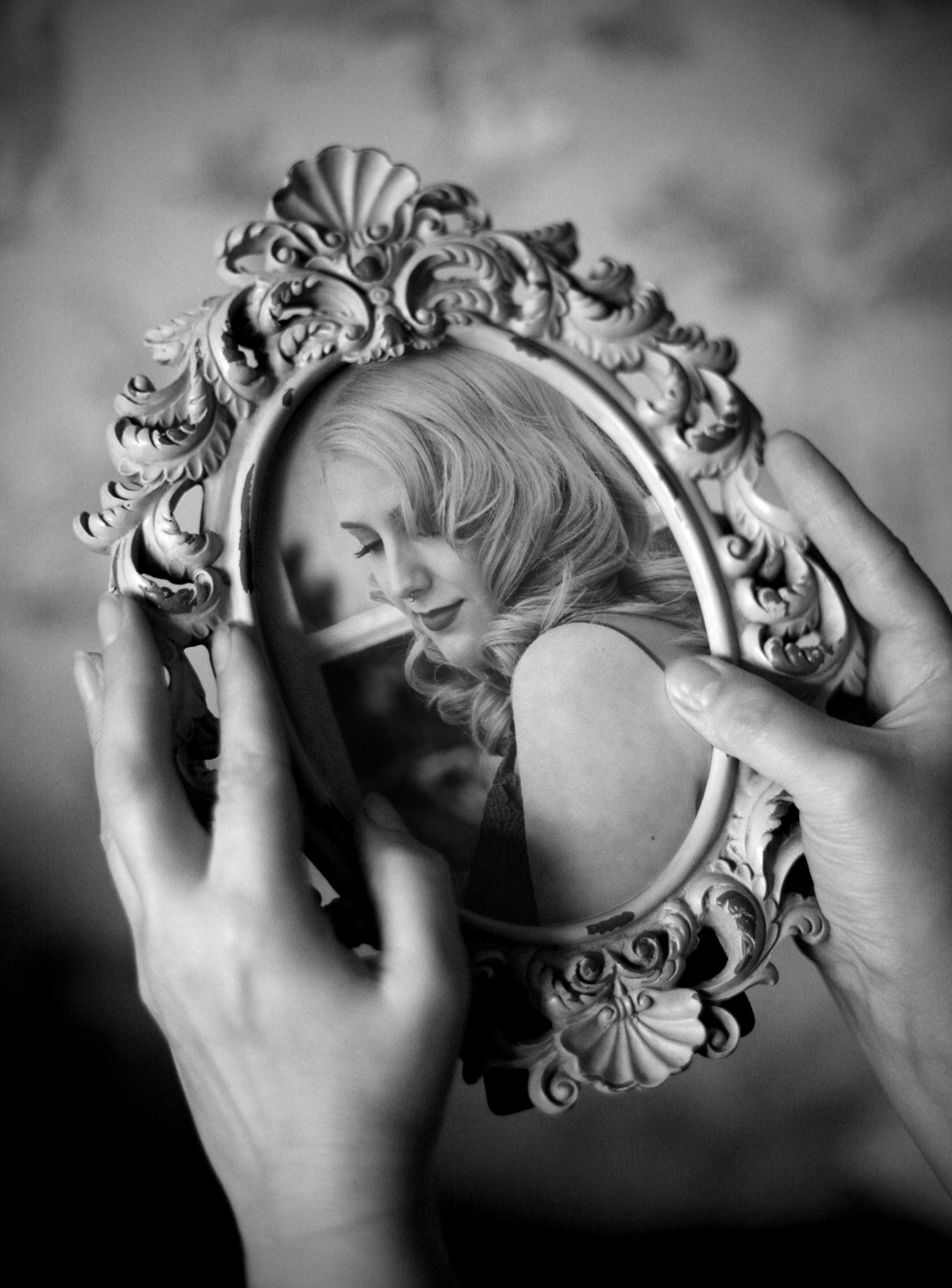
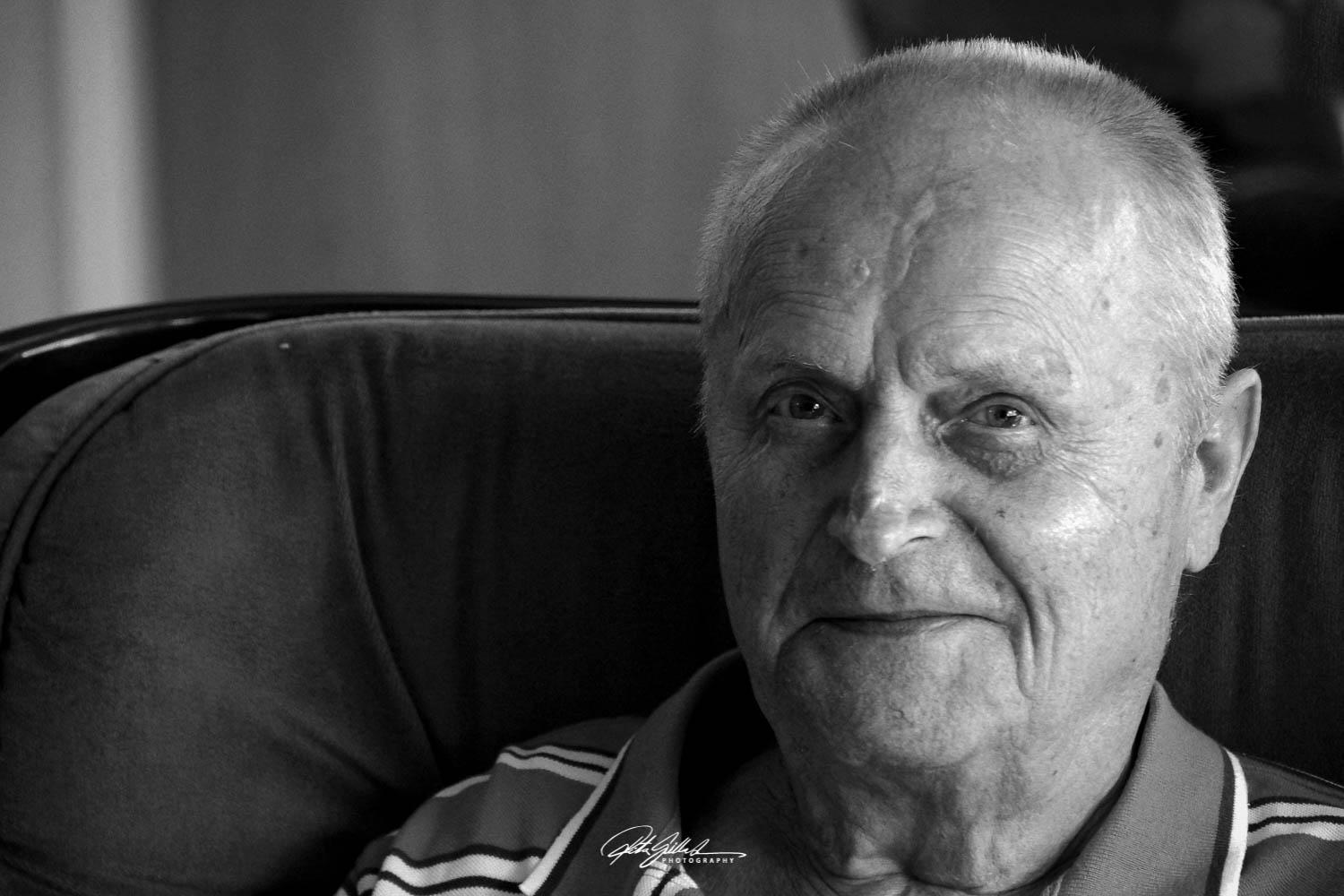
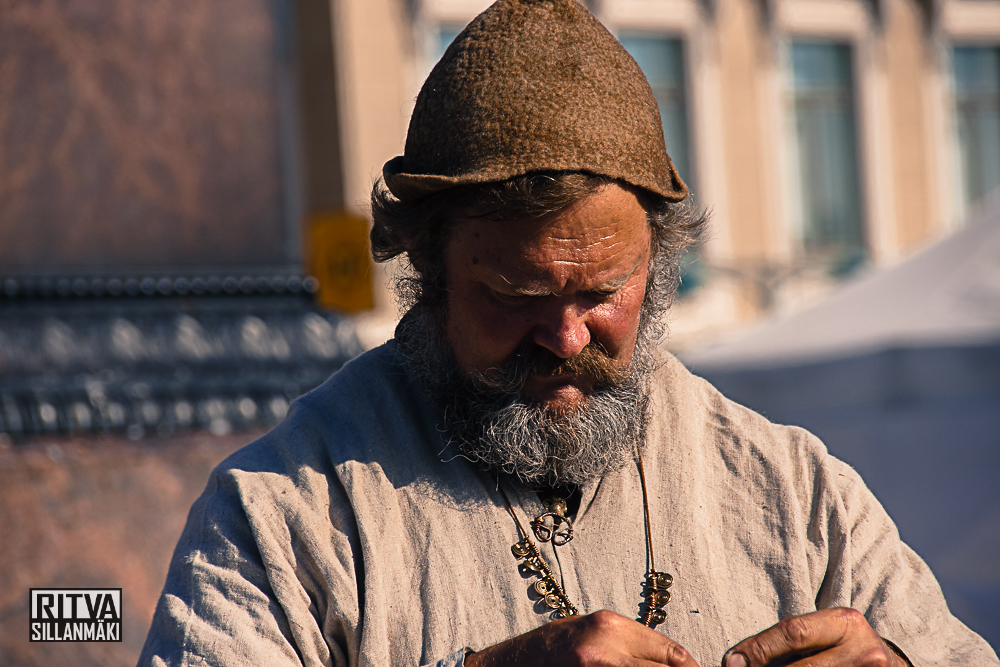
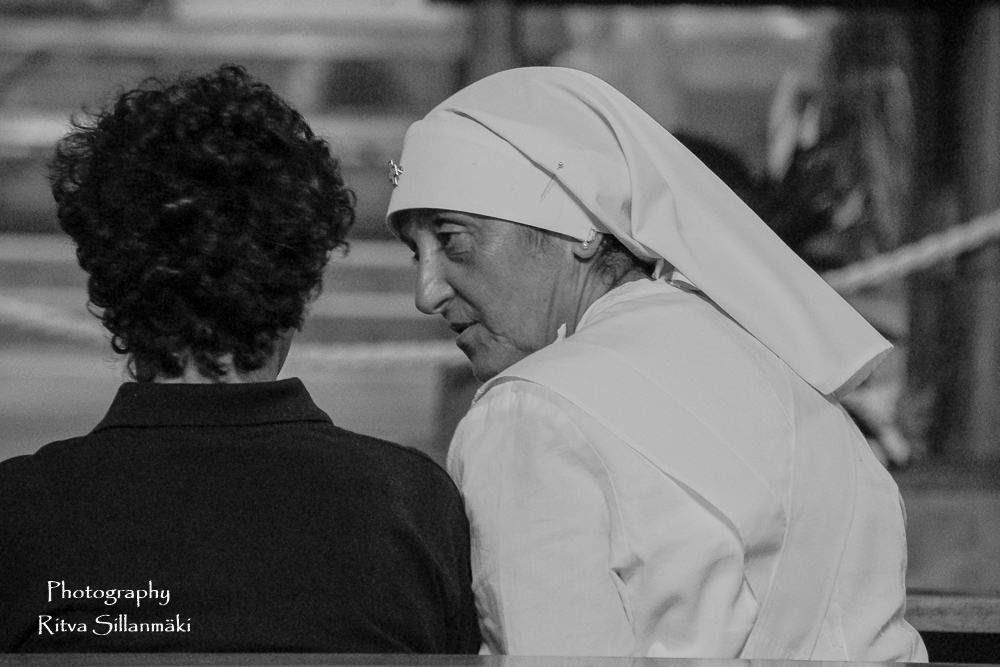
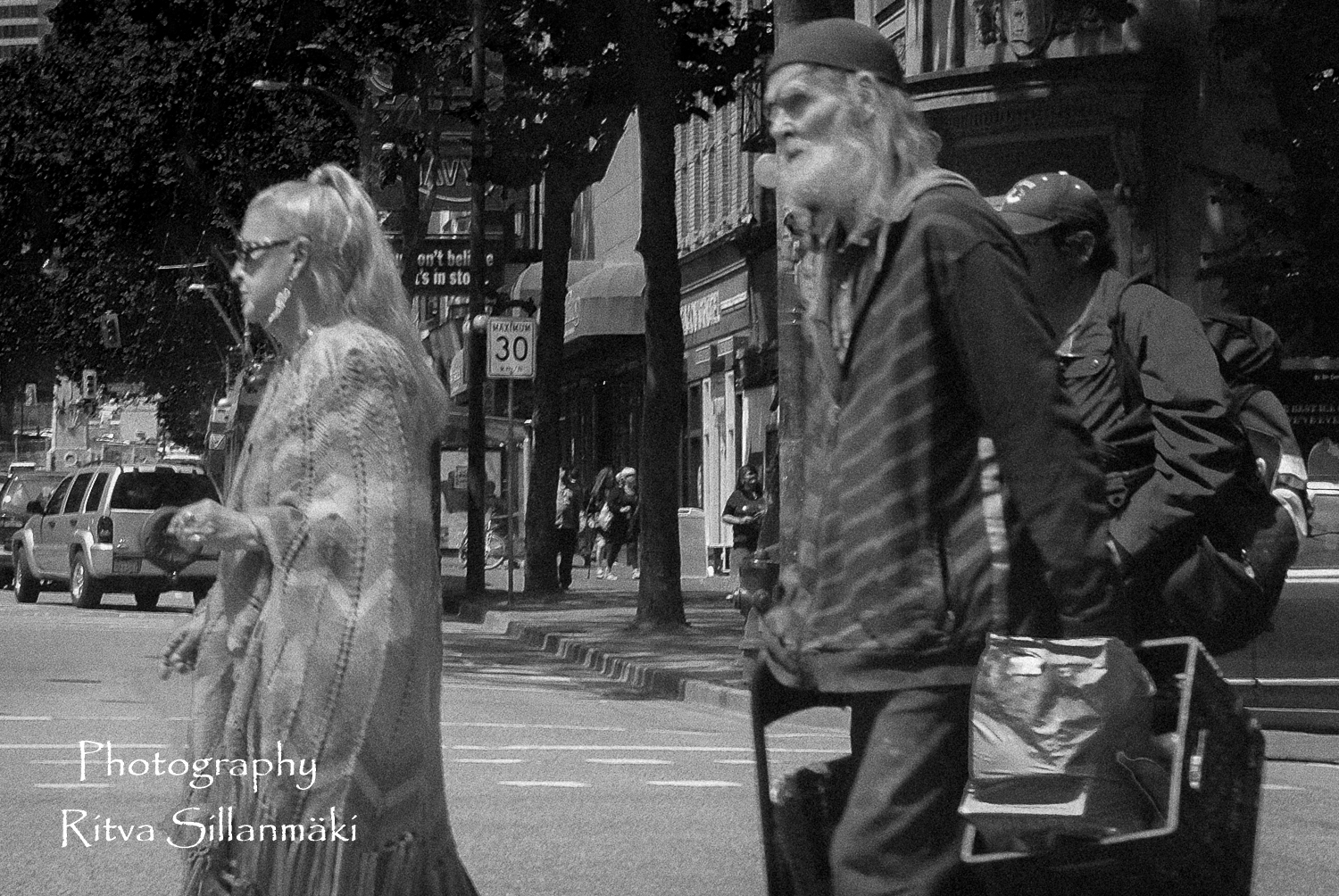
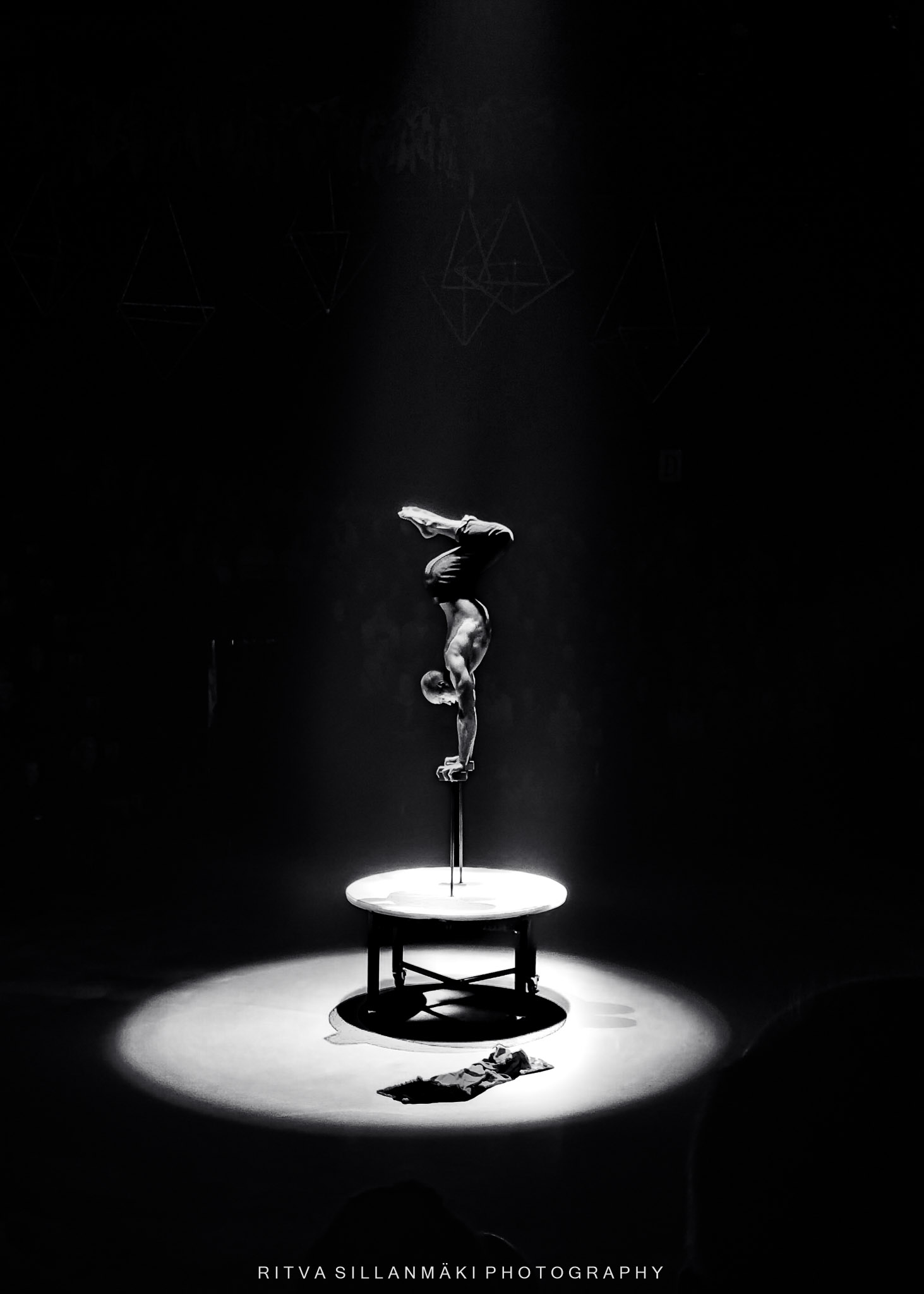
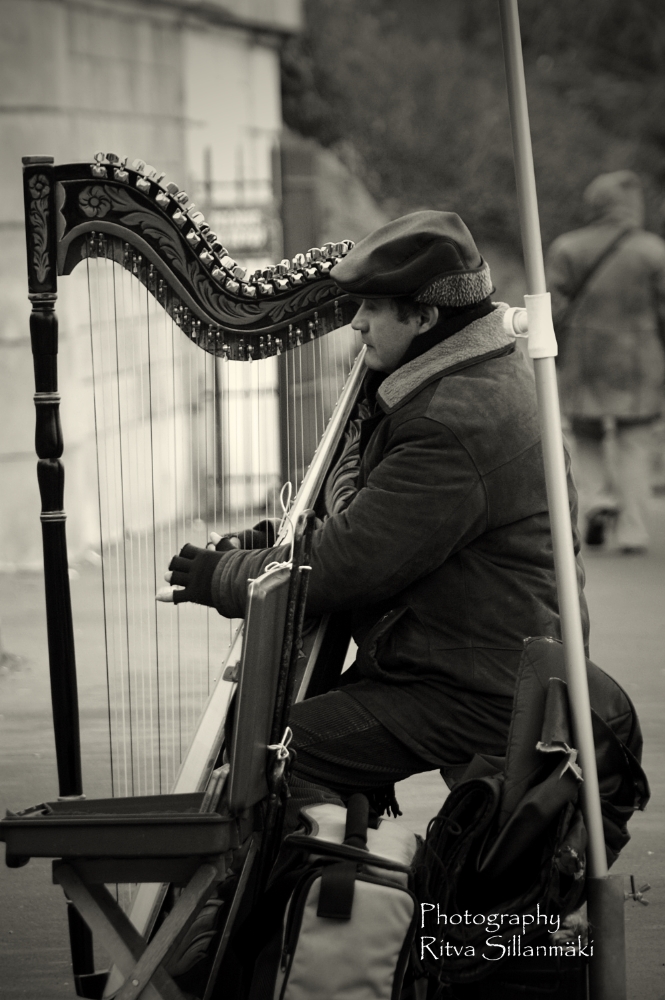
Then, well portraits in black and white are my all time favorite thing to do
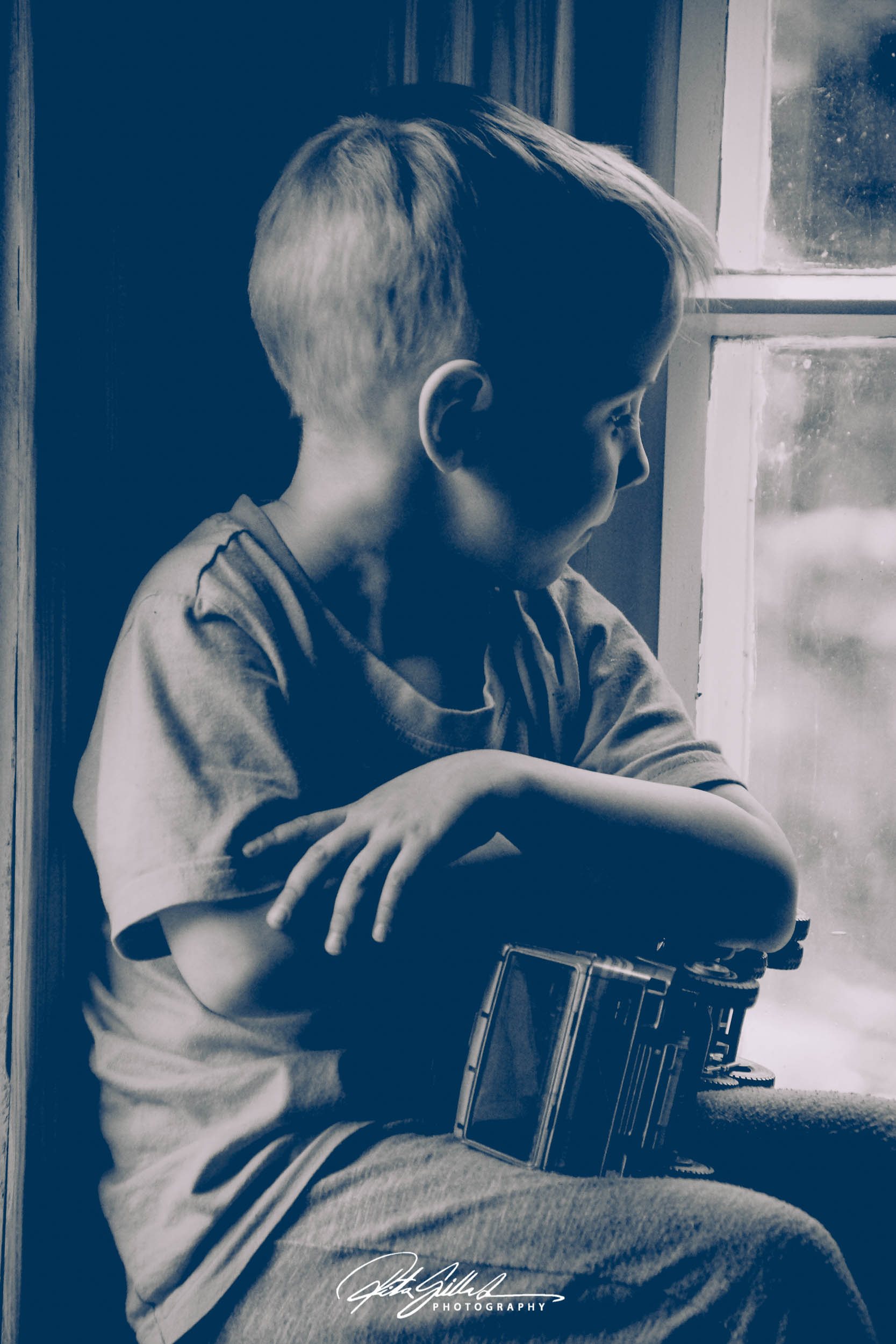
Monochrome photos contain variations of only one color and nothing else. Meaning, different shades of one color like blue, red, green, etc. Here are some of my examples.
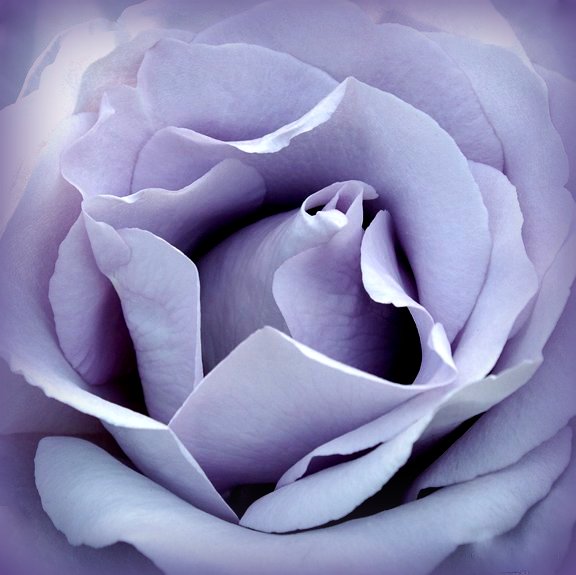
colored monochrome
Remember to link to your post and use the Lens-Artists tag in the reader section. Thanks Anne, I love to create black and white images.
If you would like to participate weekly in our Lens-Artists Challenge, click here for more info.
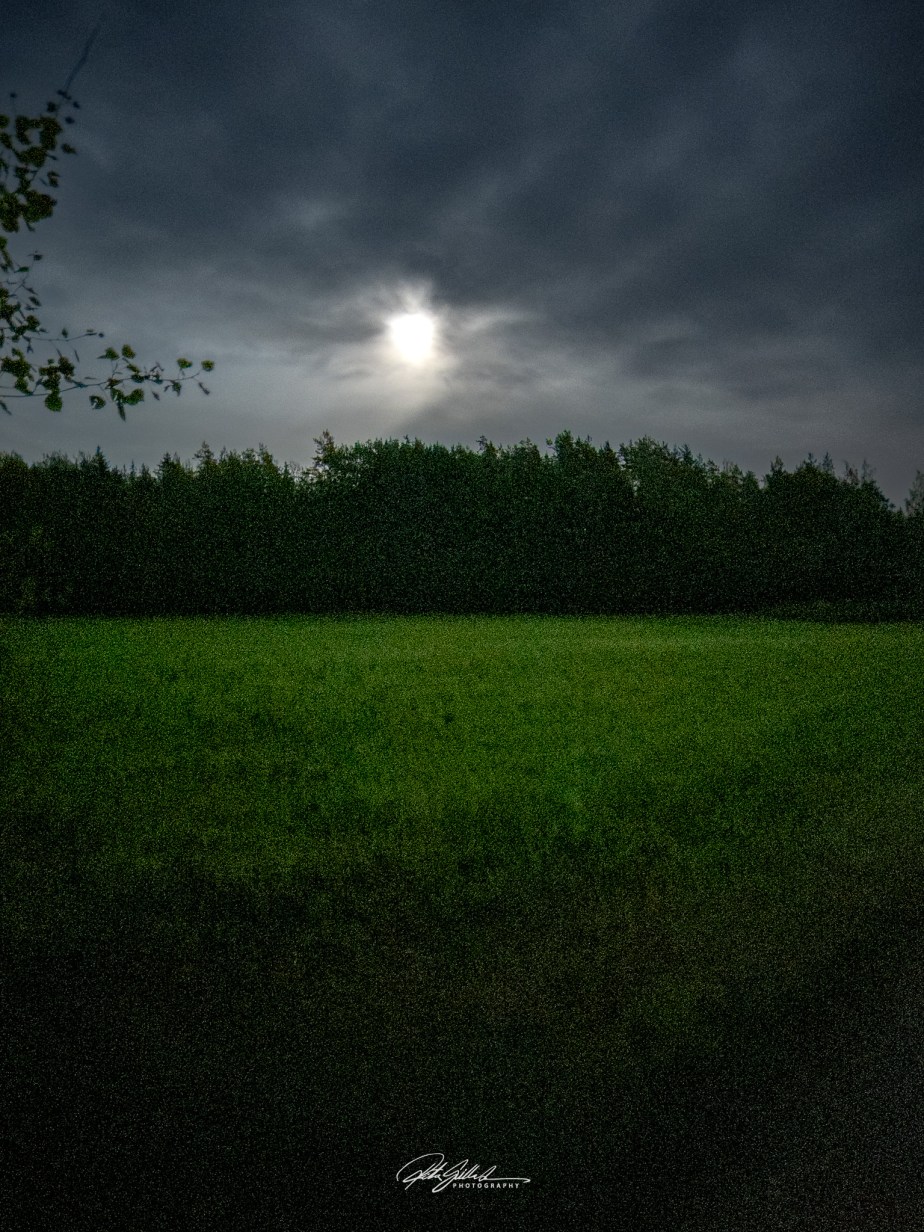
Harvest moon, we had one last night. Super moon, but here due to the weather it was behind the clouds
Lovely song, I do like it. One of my favorites
Lepis is hosting Saturday Classics, you can add your own link here Saturday Classics
On Her page she writes: This blog is back with hosting the Classics after few years break. This time we’ll be playing on Saturdays and you can link straight here on this own page. Rules: There are no rules, as long as the song you play is a classic in your mind. Linking open 8 am and closes 12 pm.
The Japanese are famous for their mesmerizing gardens and revolving stories around their flowers. The hydrangea is no exception: legend has it that a Japanese emperor gifted blue hydrangeas to the family of a girl he loved to make up for neglecting her.
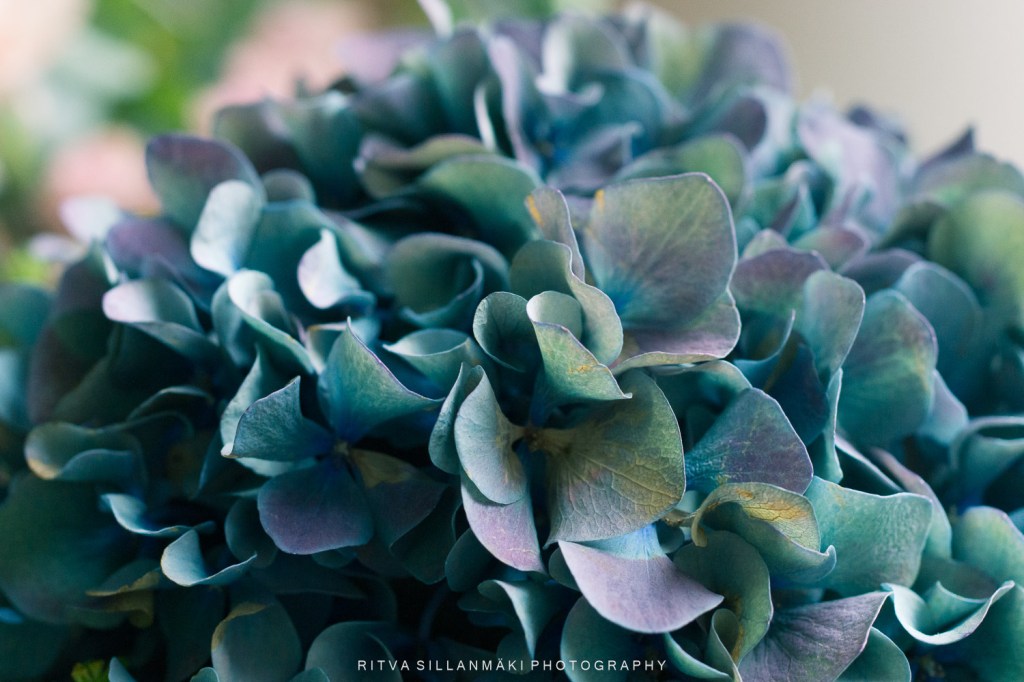
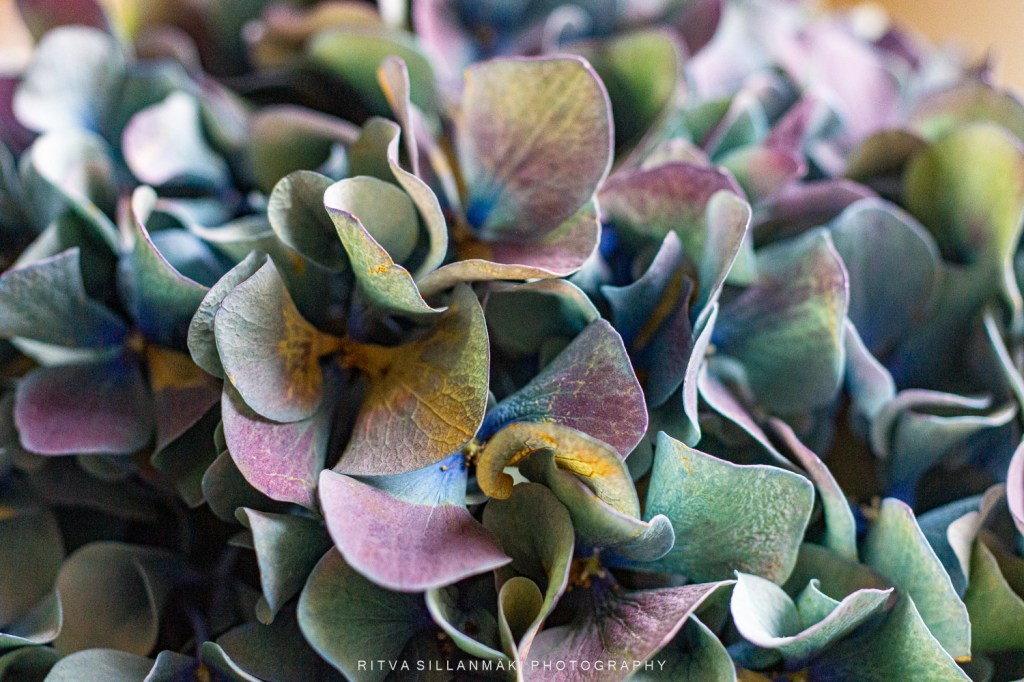
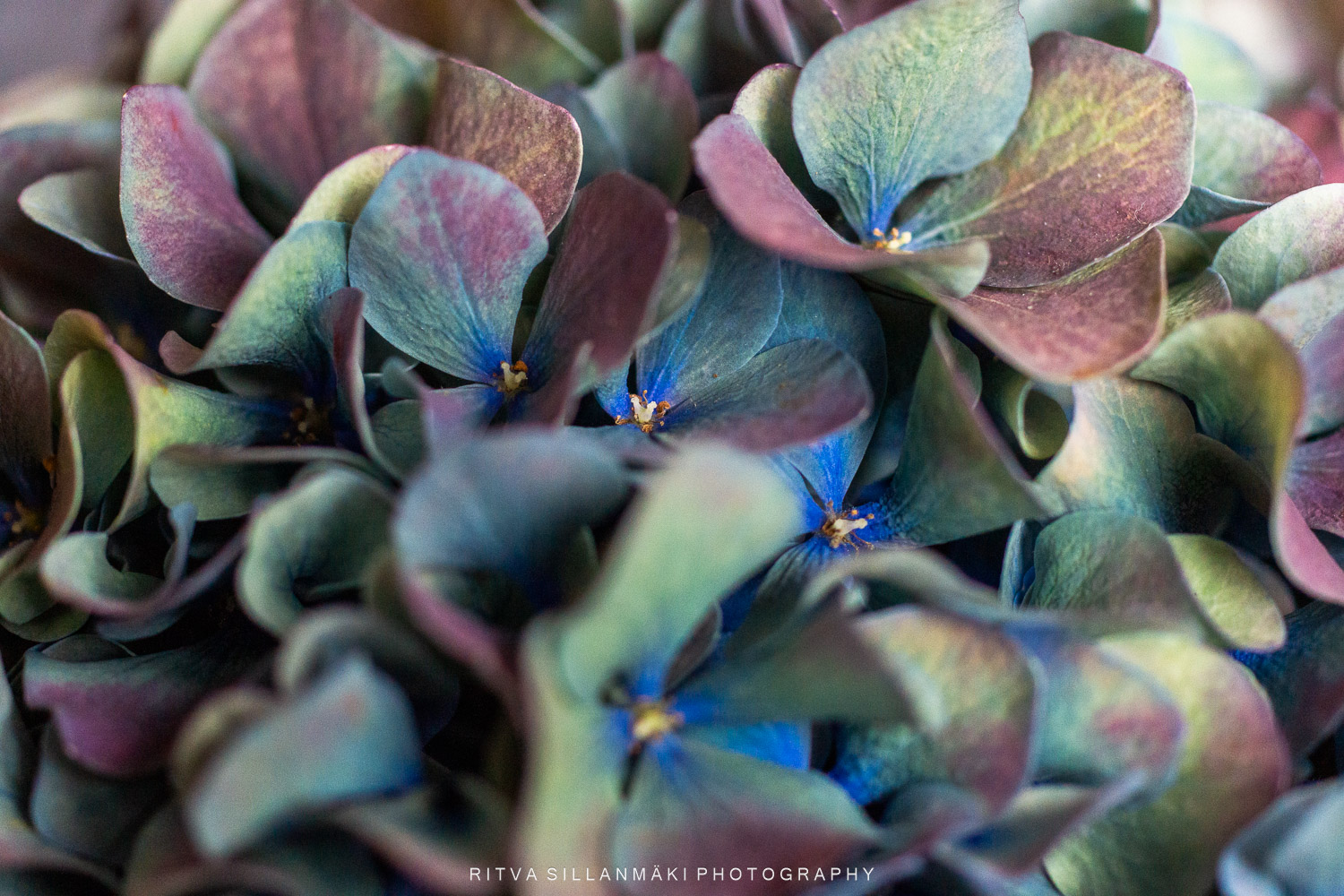
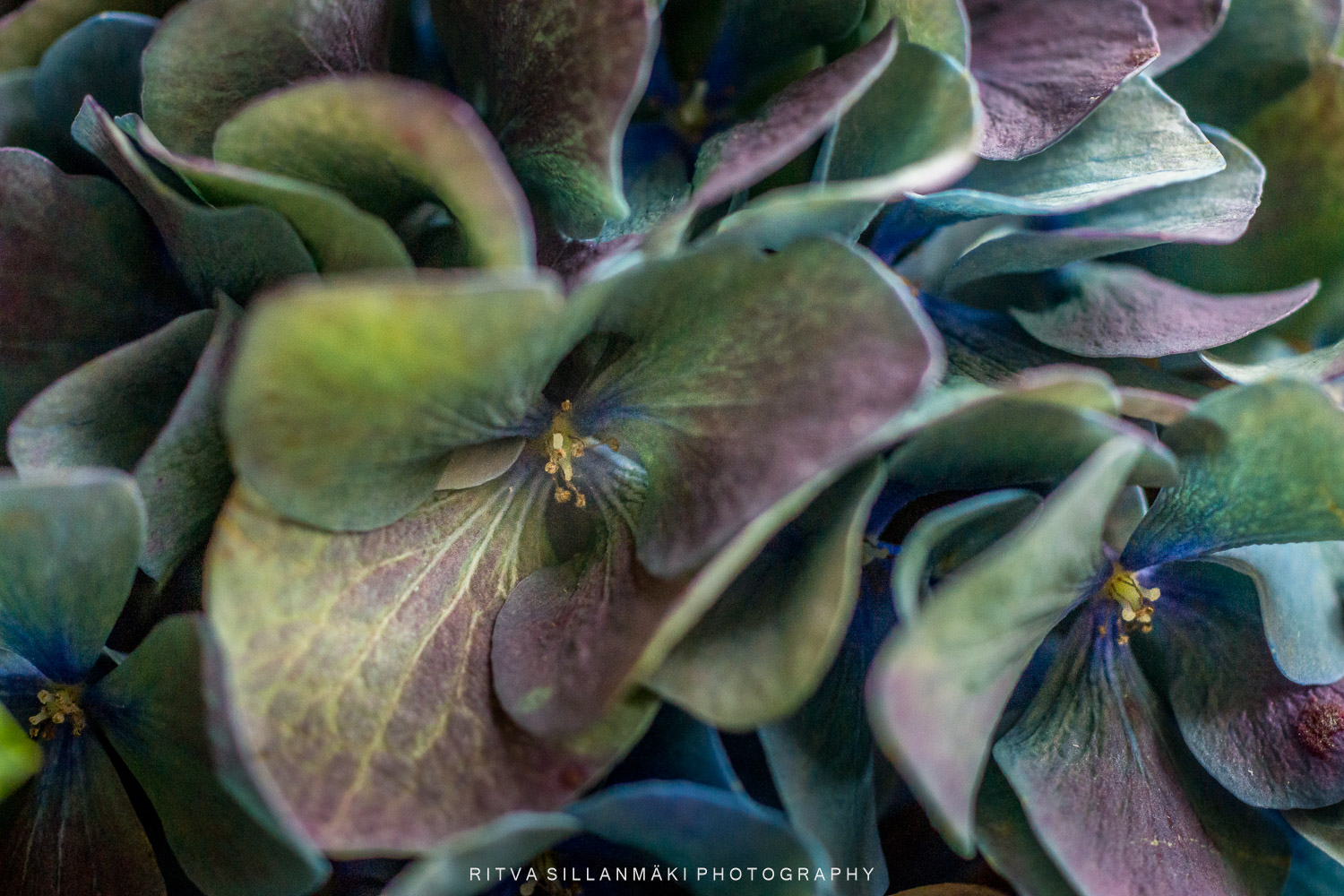
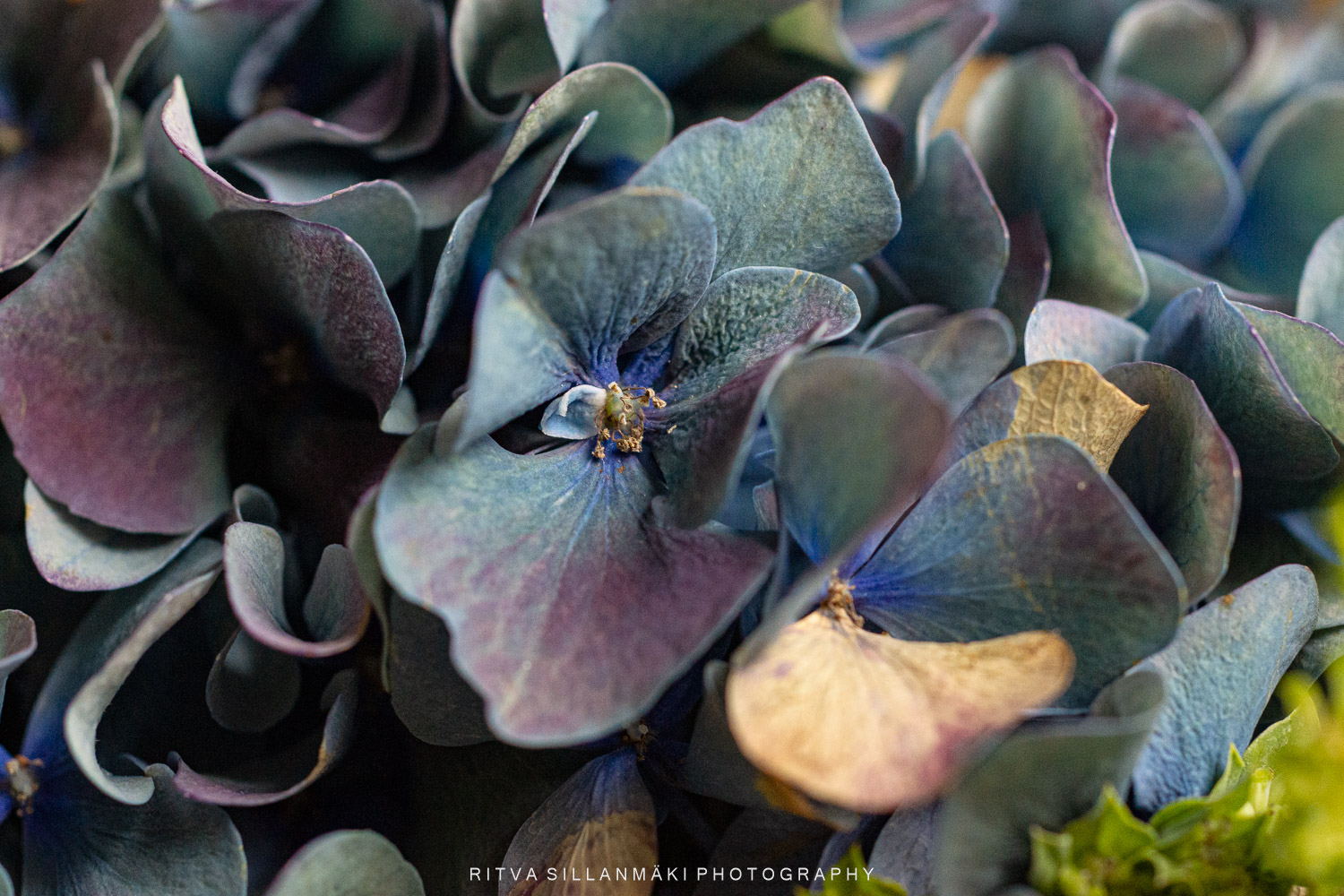
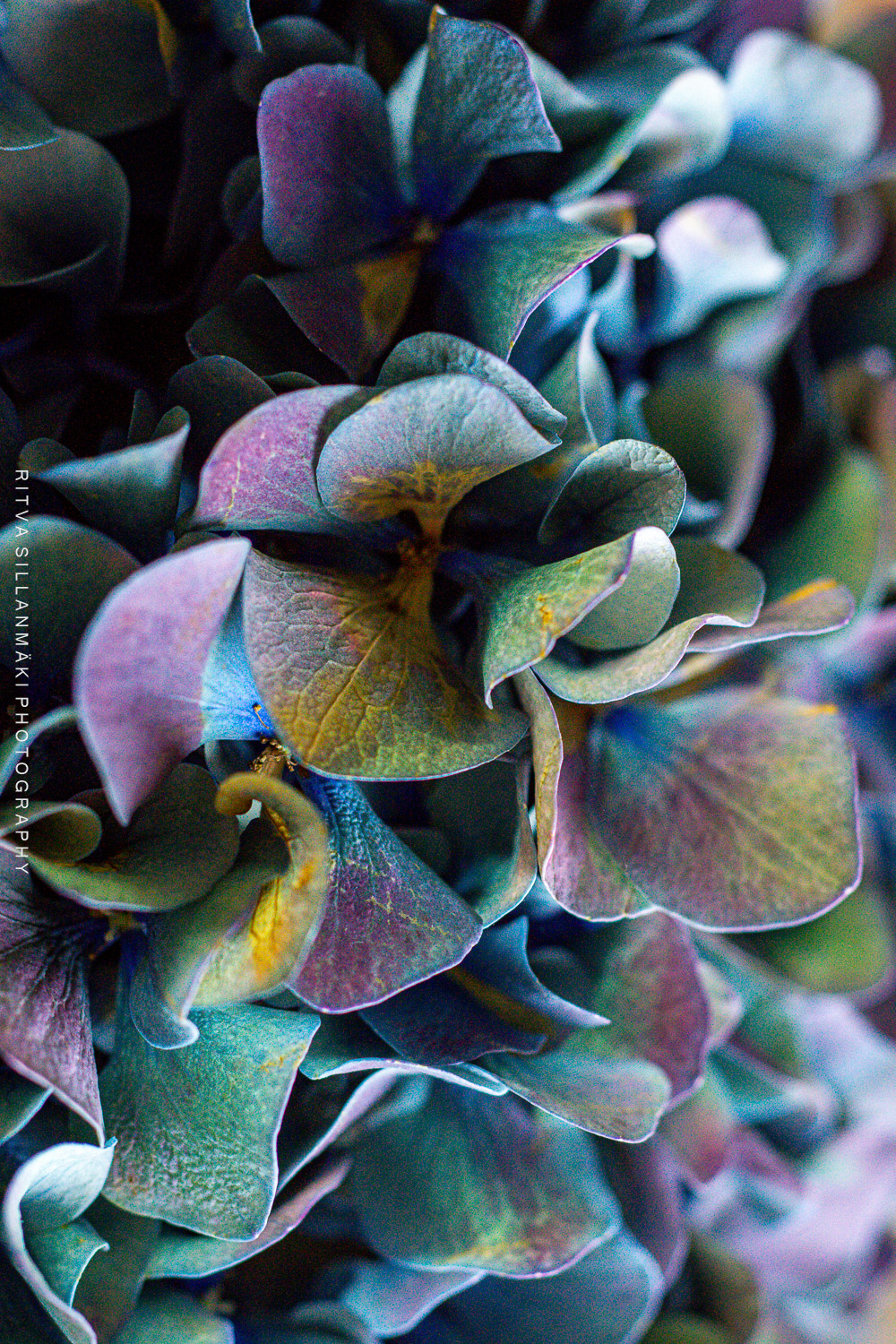
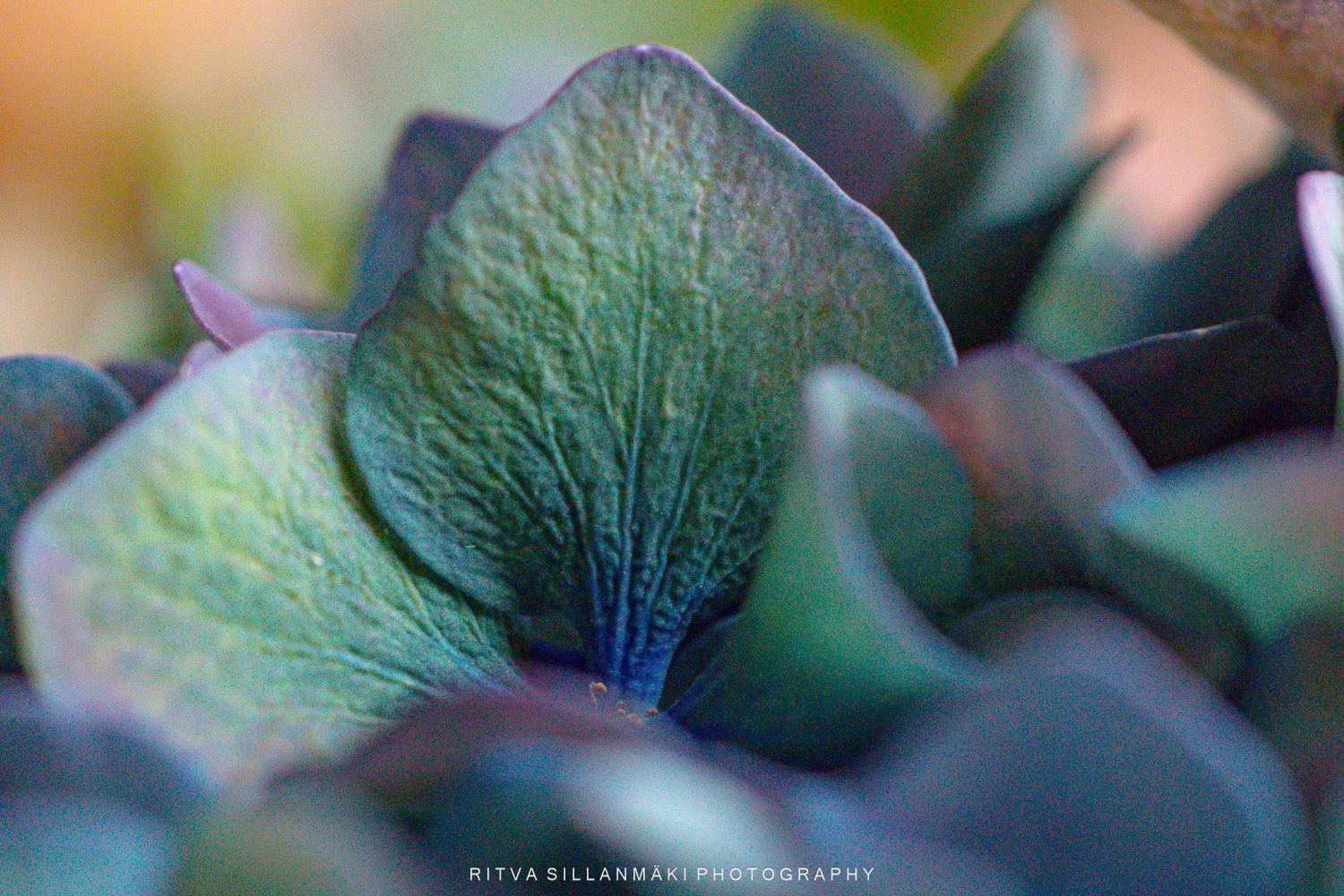
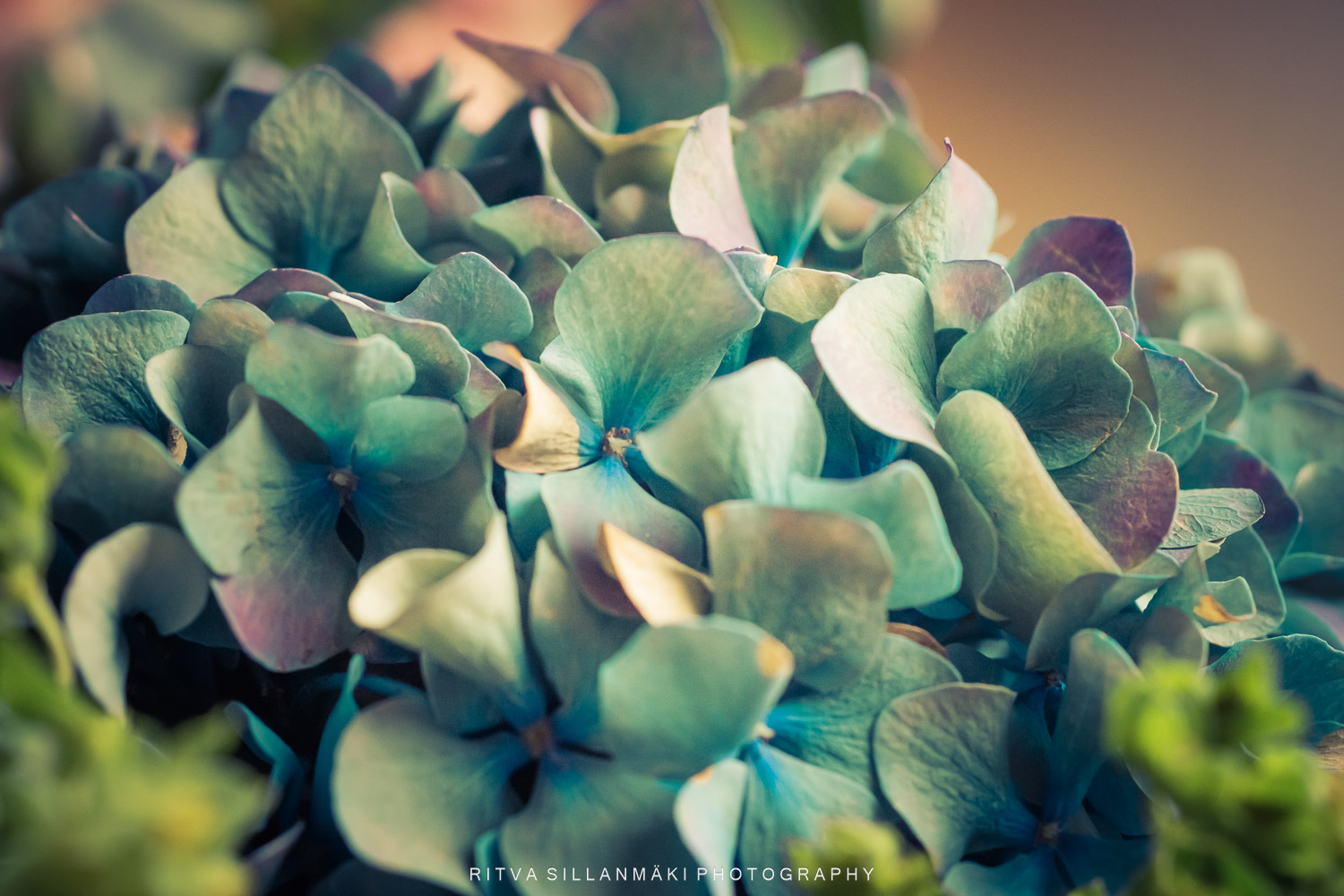
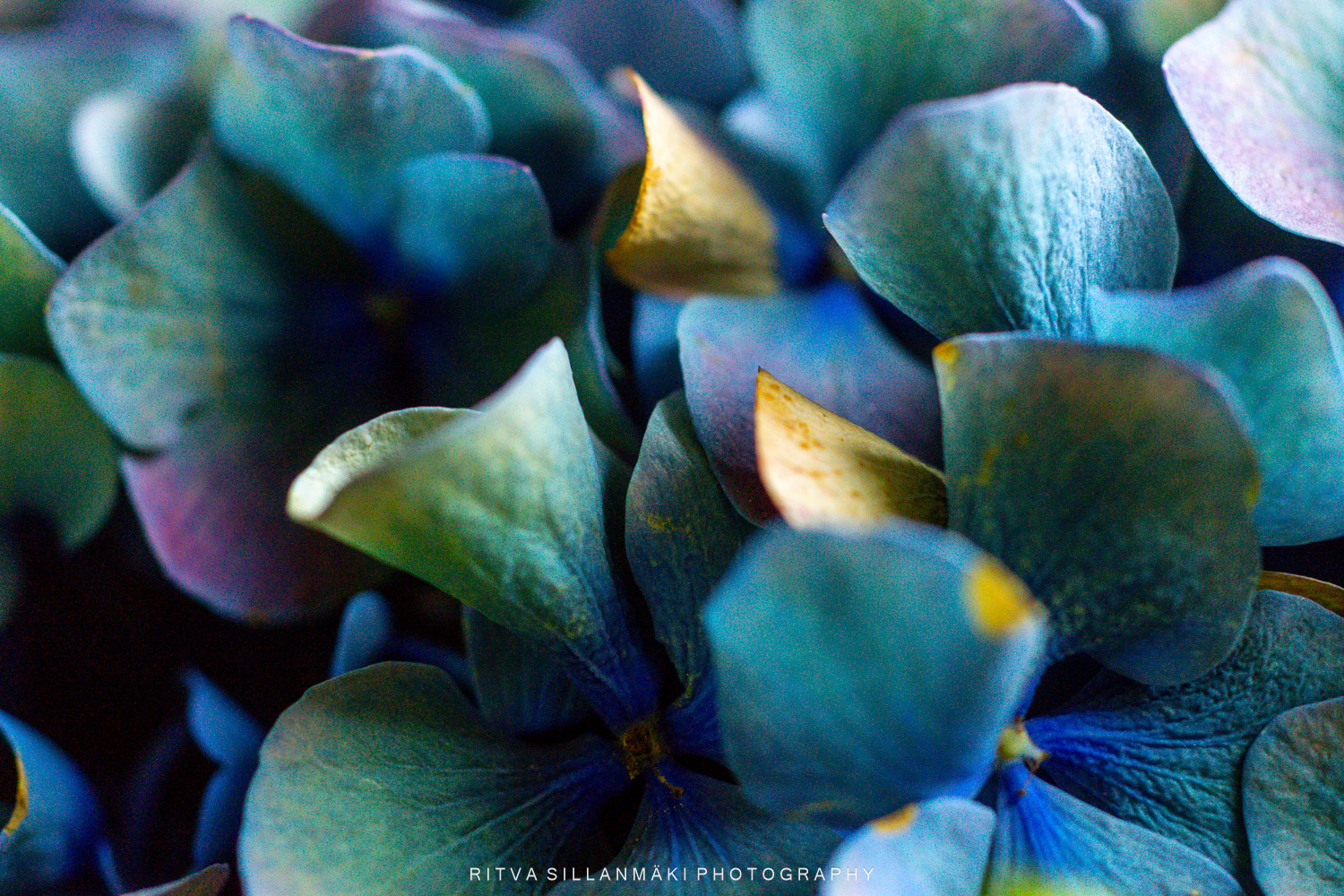
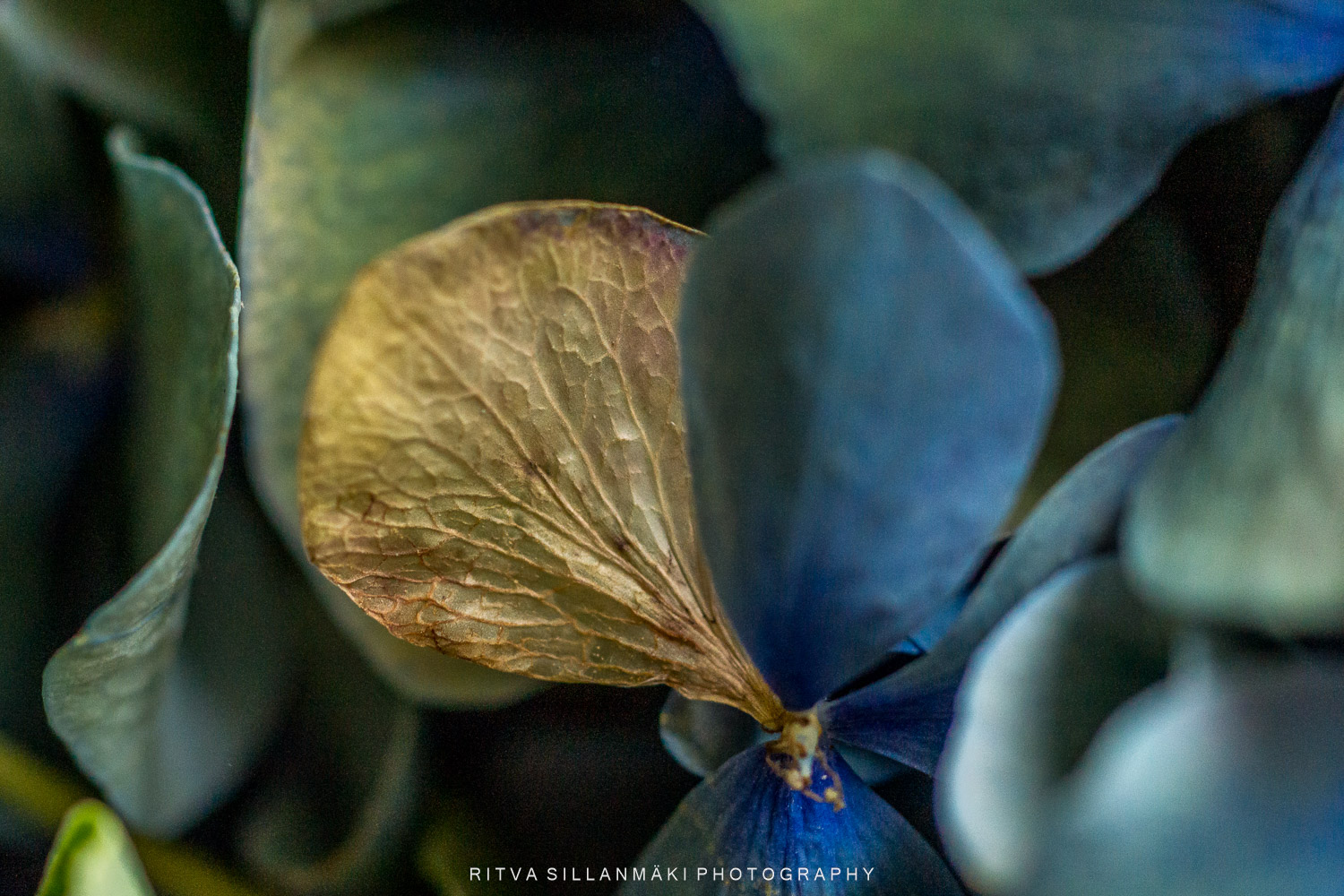
I got a lovely bouquet from a friend and the main flowers was this colorful hydrangea. Loved the details and colors of the pedals. It’s said that including hydrangeas in flower arrangements invites good fortune into one’s home. Purple hydrangeas are said to be particularly lucky as they symbolize abundance and prosperity.
Some facts
For one type known as bigleaf hydrangea (Hydrangea macrophylla), you can change the color of their flowers by adjusting the soil pH with soil amendments. The more acidic the soil, the bluer your hydrangeas will turn out. The more alkaline, the pinker your hydrangeas will be.
The hydrangea represents gratitude, grace and beauty. It also radiates abundance because of the lavish number of flowers and the generous round shape. Its colors symbolize love, harmony and peace..
Hydrangeas don’t have petals.
Those beautiful petals aren’t petals at all. They are sepals, which are leaves that protect the flower bud. Only after they age do they turn from green to the pigmented colors you see.
I’m certainly drawn to color, all colors. So, it delights me that Sofiapicked primary colors as her challenge this week.
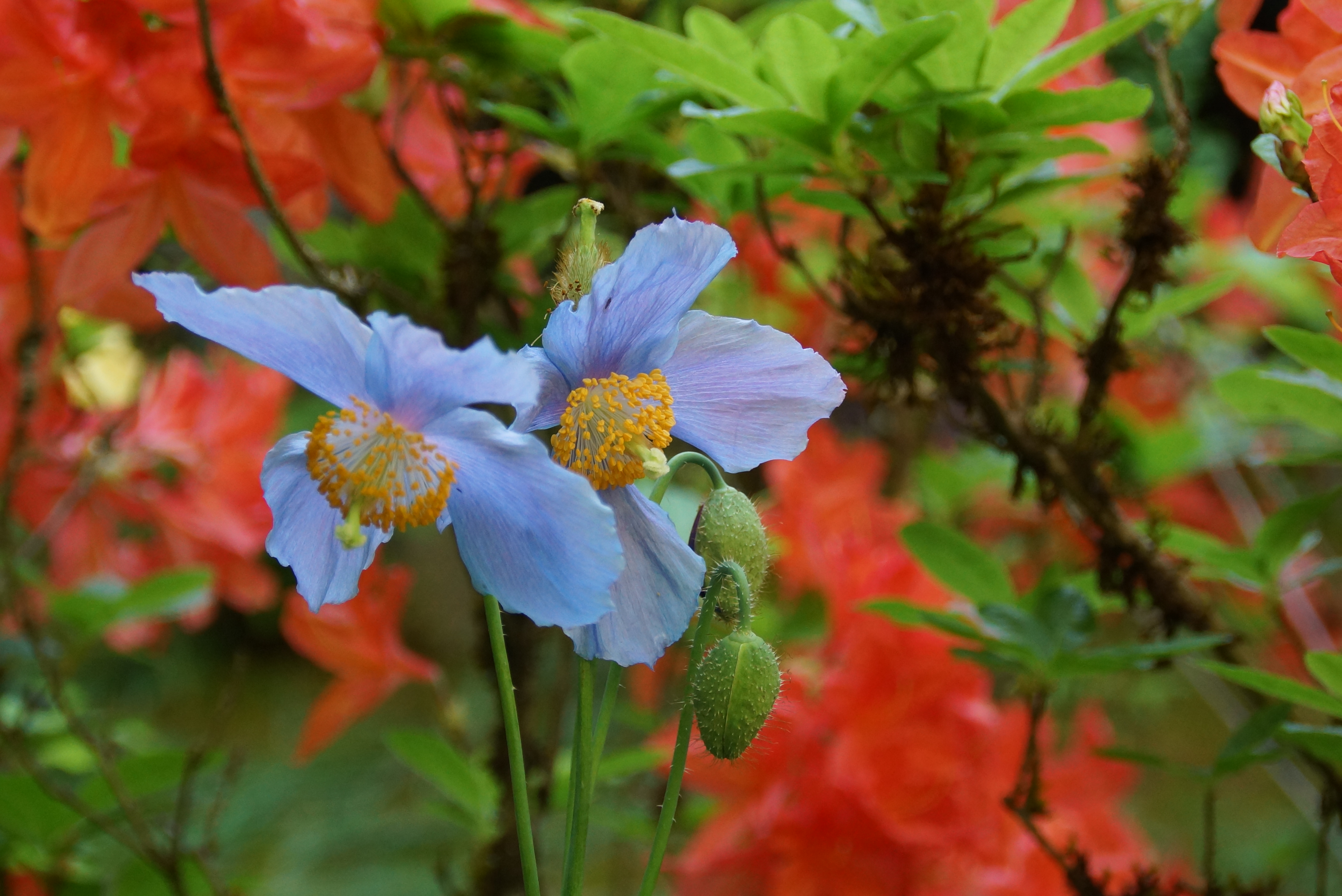
Flowers in Primary colors, trying to find a blue flower that was not more in the violet, purple shade is was hard. Did not totally nail it here either.
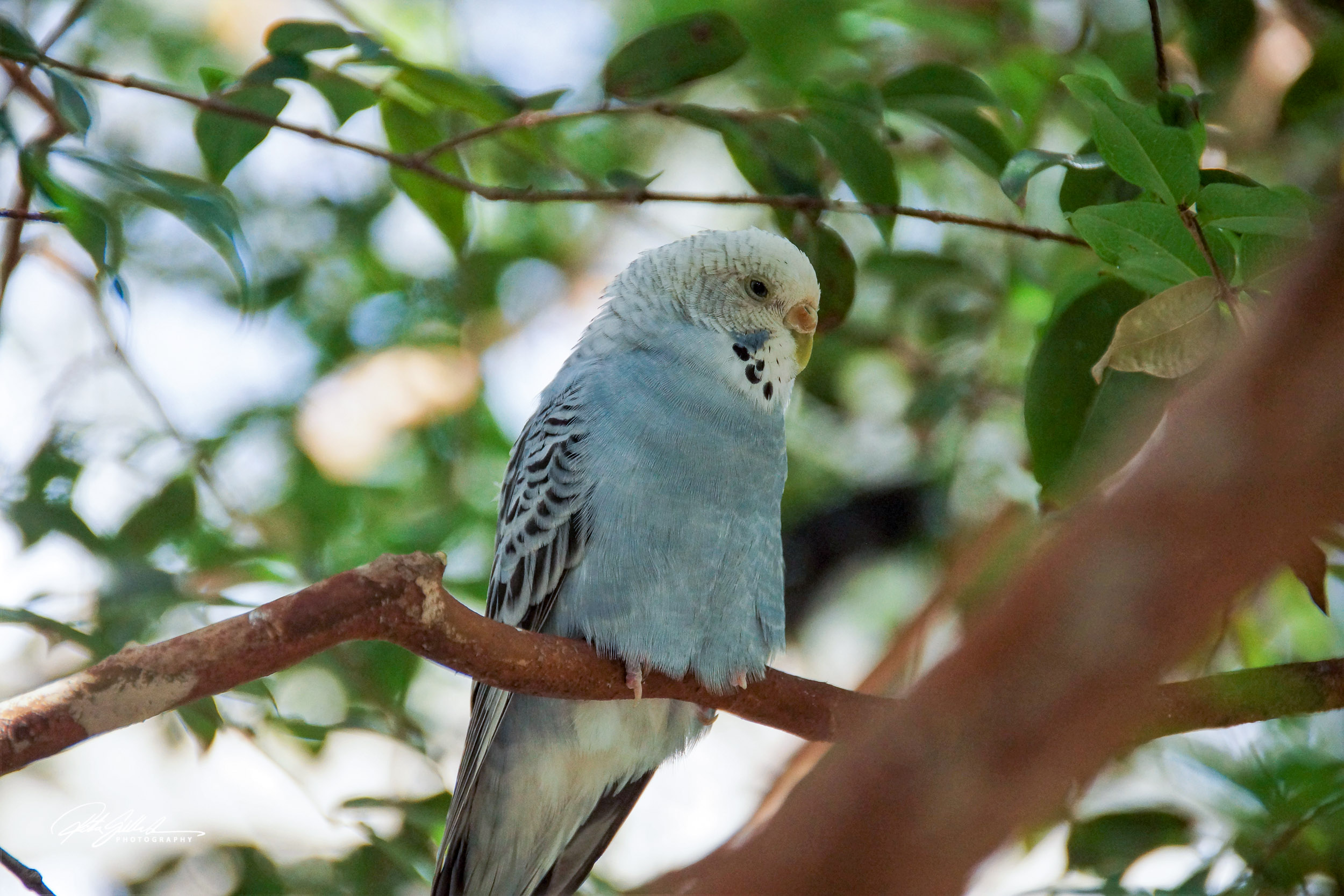
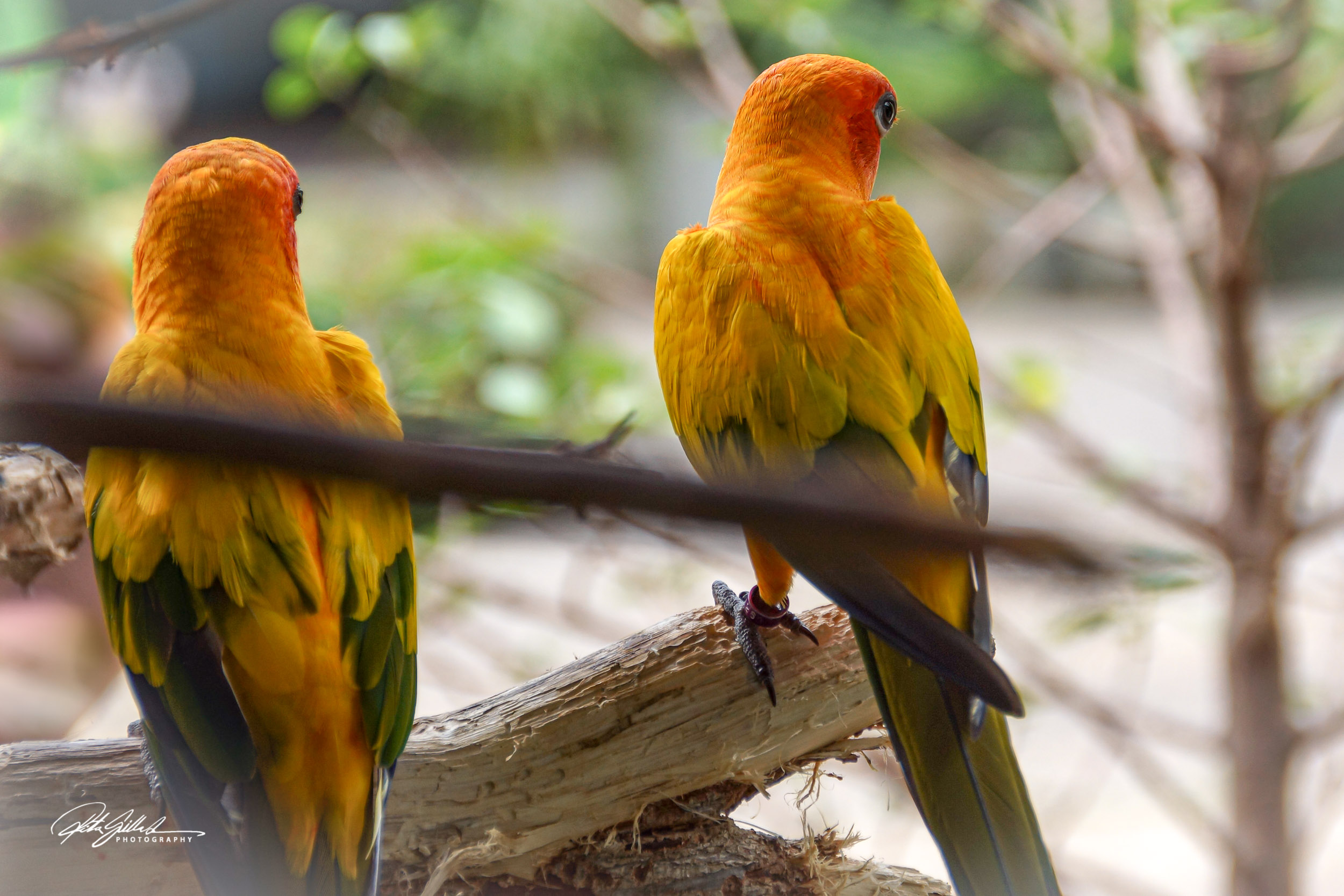
Here are some colorful birds, blue, yellow and red.
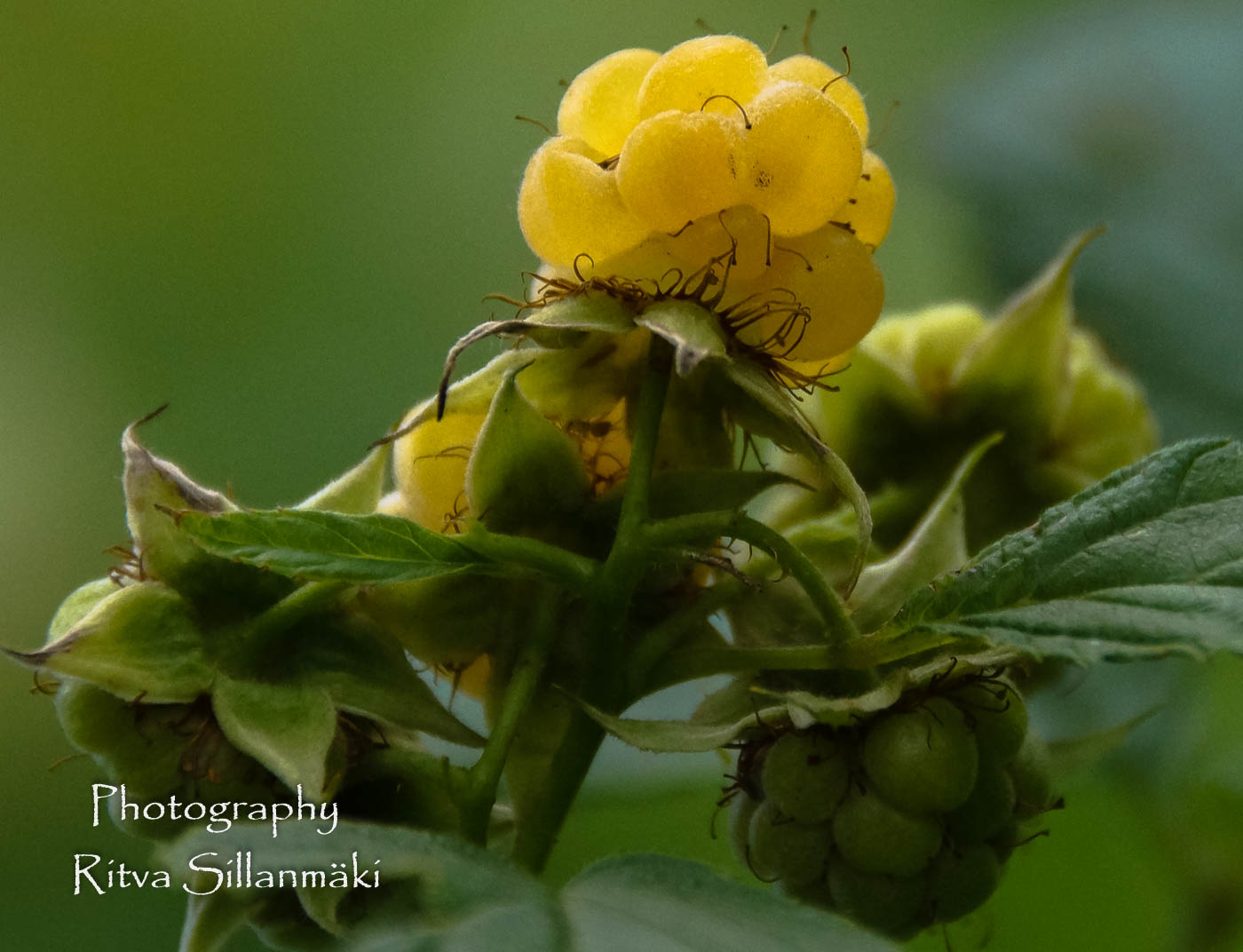
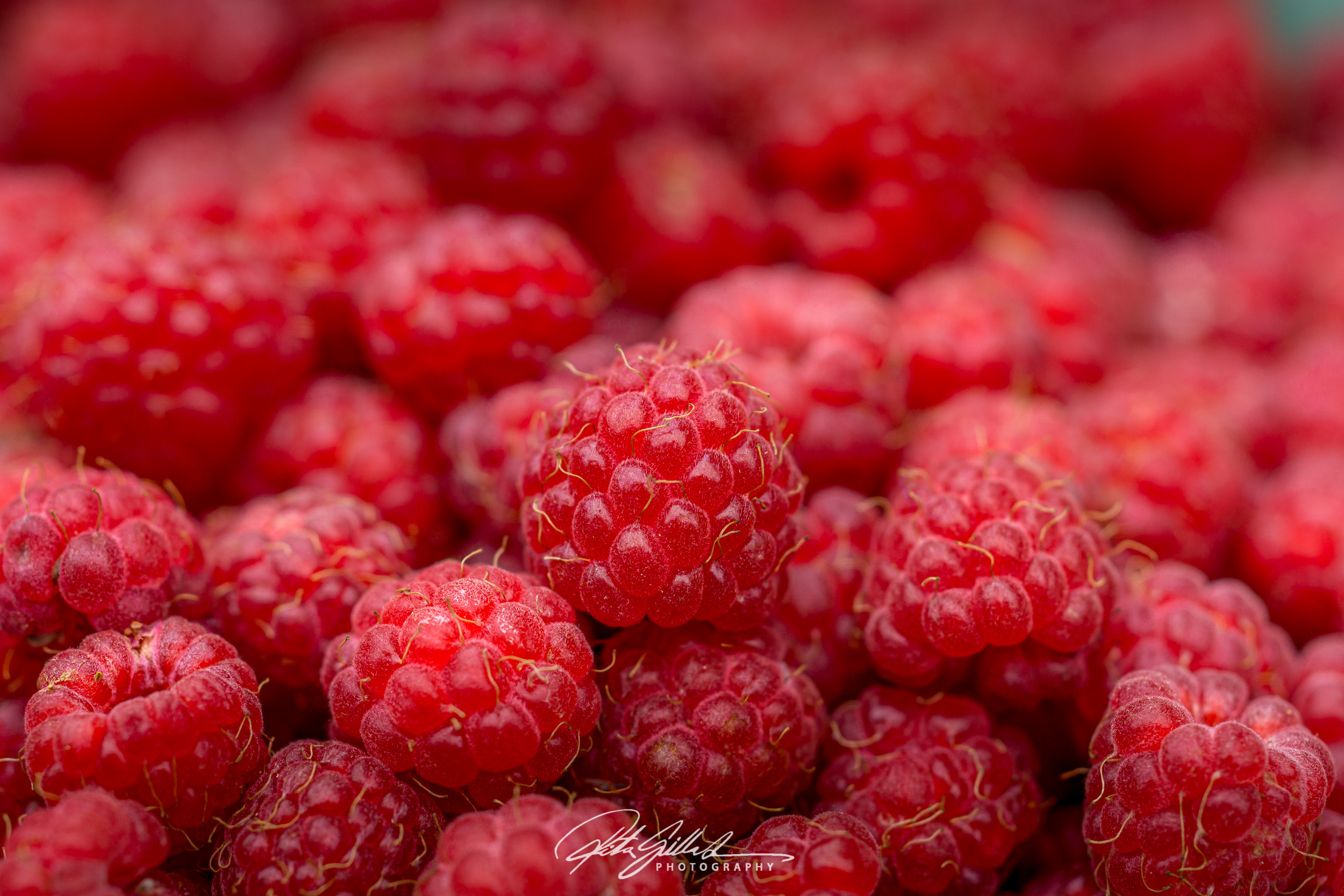
Fruits and berries
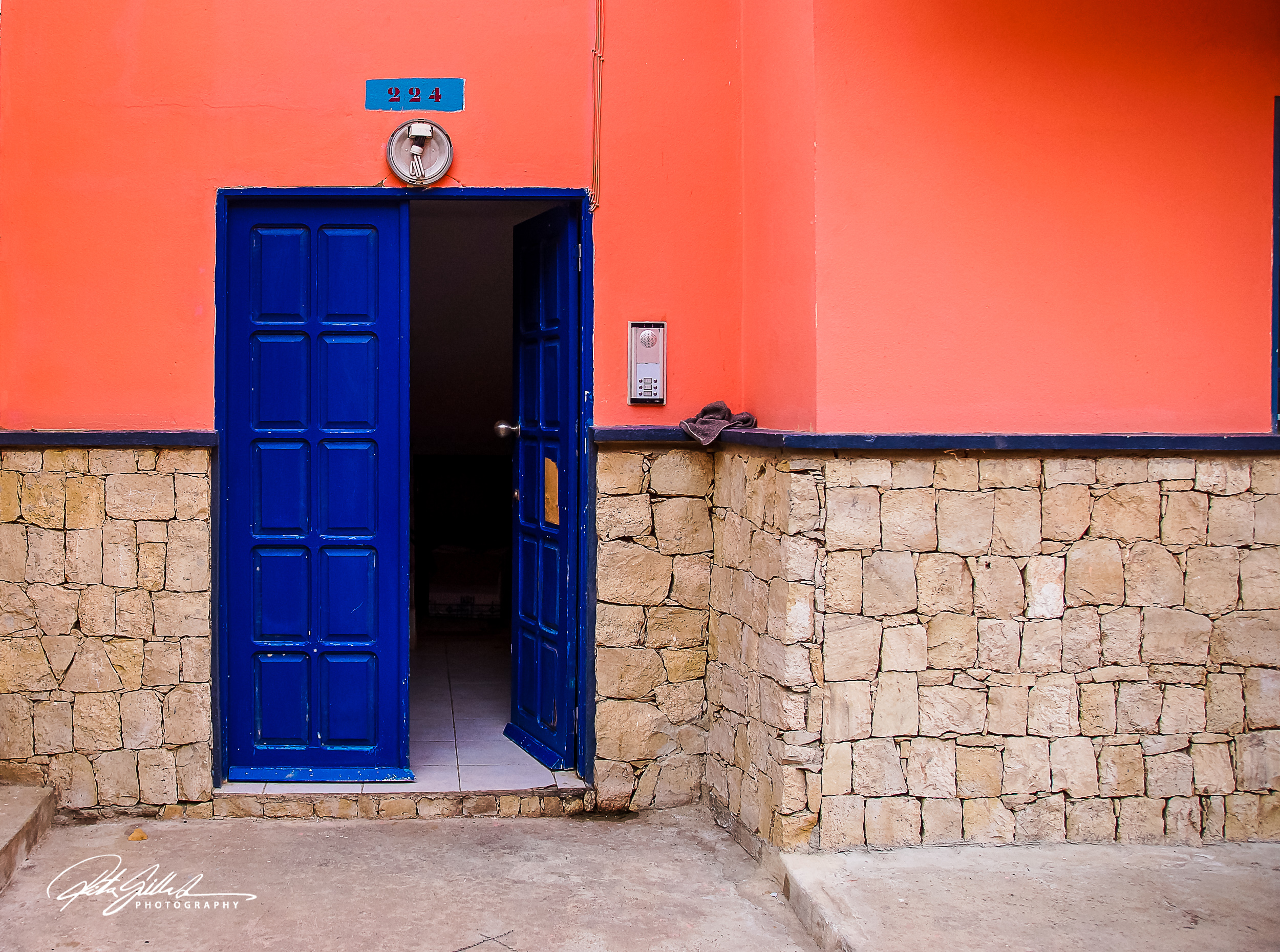
Doors and windows
Well then there is odds and ends of color pops
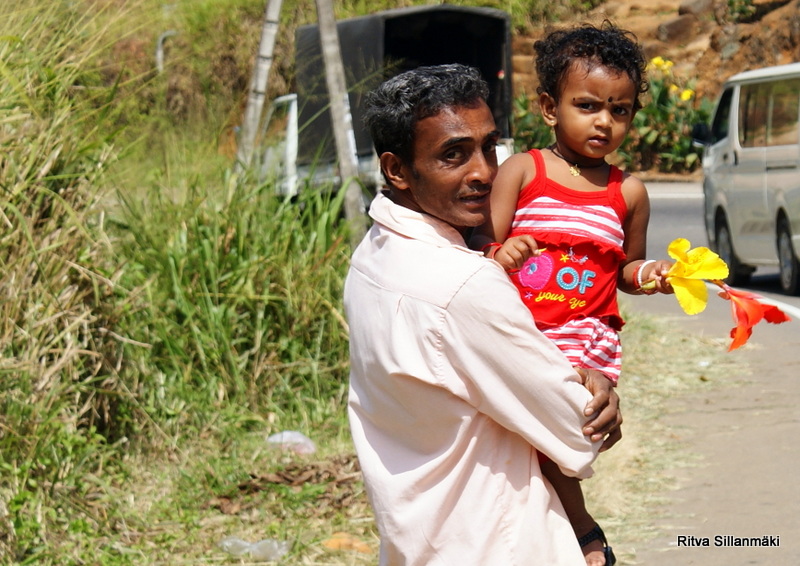
Remember to link to your post and use the Lens-Artists tag in the reader section. Thanks John, I love taking people shots, and happy to have the opportunity to share them
If you would like to participate weekly in our Lens-Artists Challenge, click here for more info.
I don’t know why I am having such a hard time getting back to the groove of posting. I have not taken many photos, well of flowers I have, as I got several bouquets for my birthday and I needed to use them to get some nice flower shots.
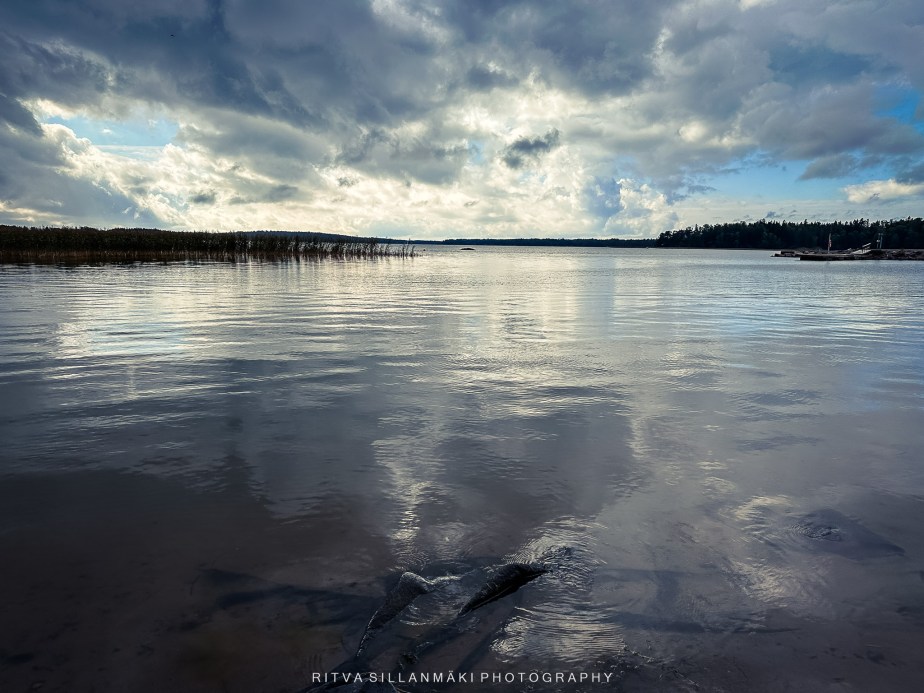
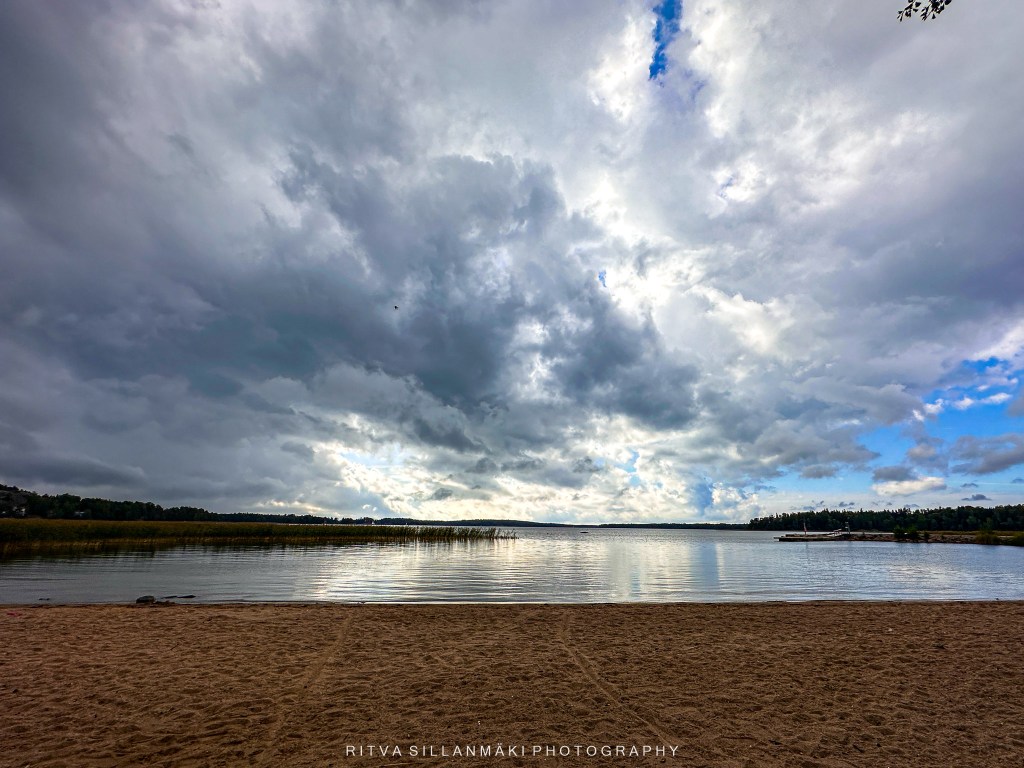
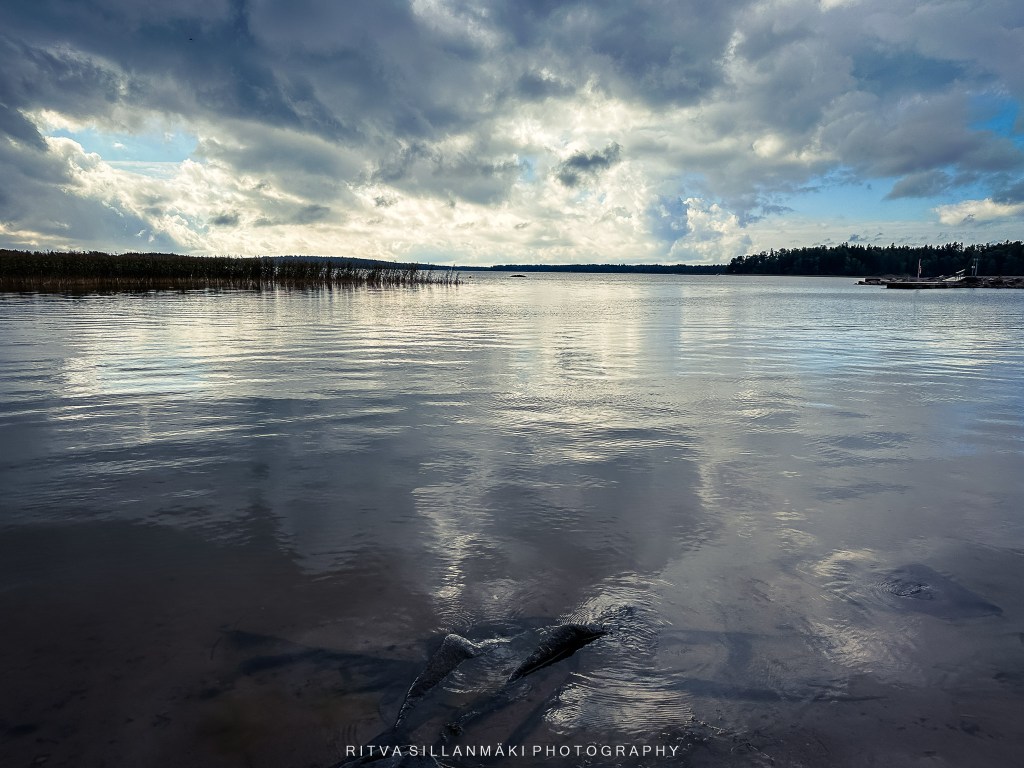
Yesterday was a typical Finnish August day, sunshine and rain in sequence. I went to the seaside with the idea of sitting there and enjoy the scenery and relax, and take few photos. I did take some photos, but sitting there and relaxing, no. Did not happen it started to drizzle and rain. I did get some nice shots of clouds.
August is coming to an end, this morning I woke up to a thunderstorm – a good one. Lots of rain, and flashes and the pressure of thunder made windows resonate. It was so close. I should have gotten up to take photos, but I rather continued sleeping.
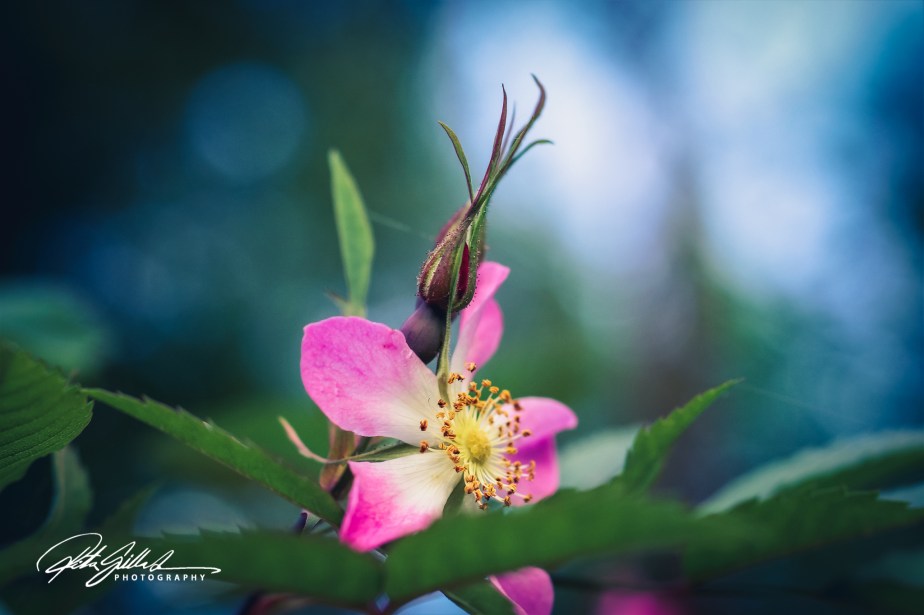
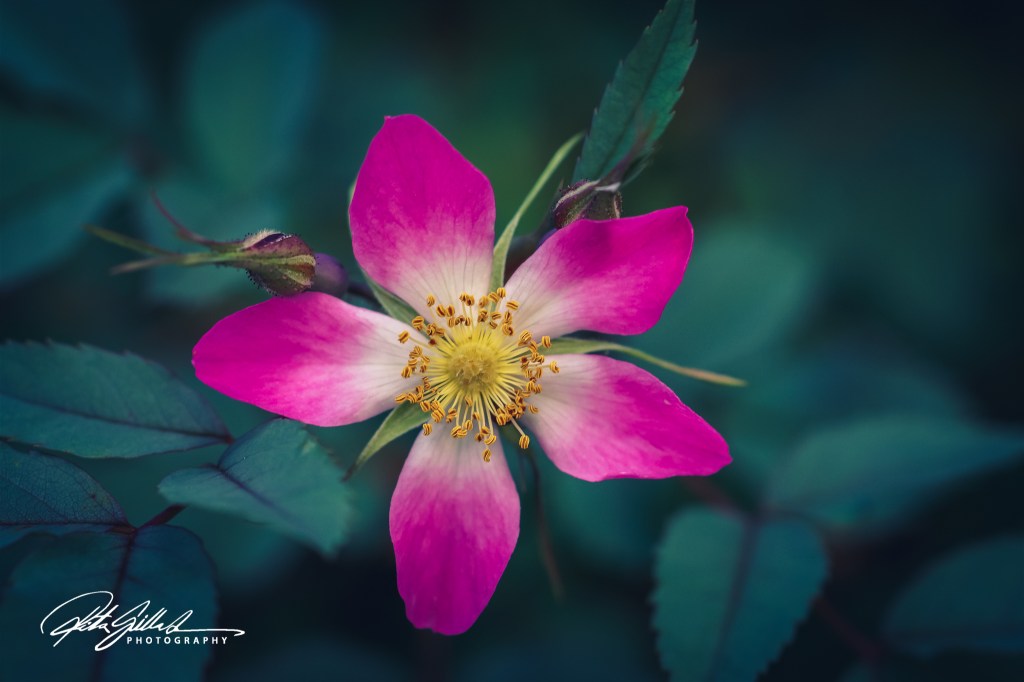
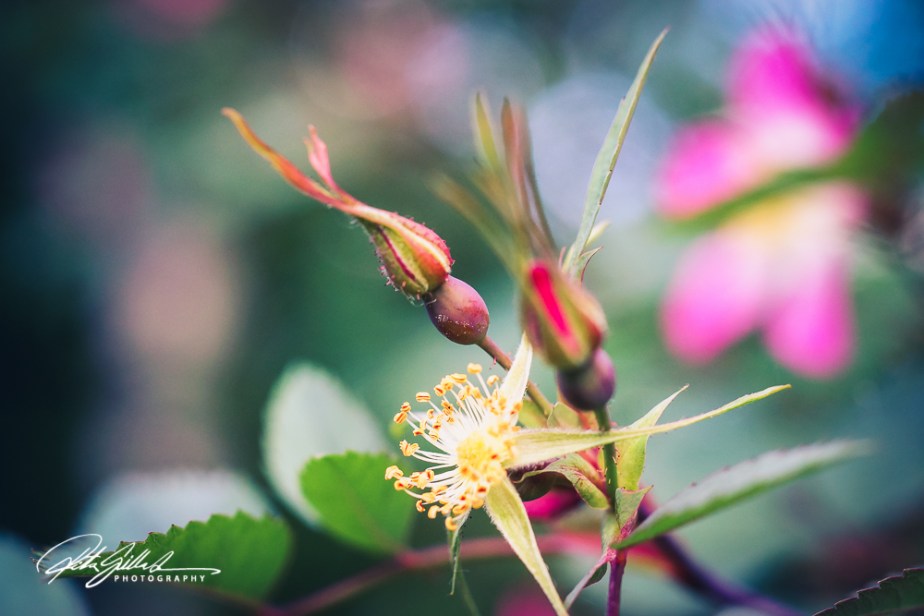
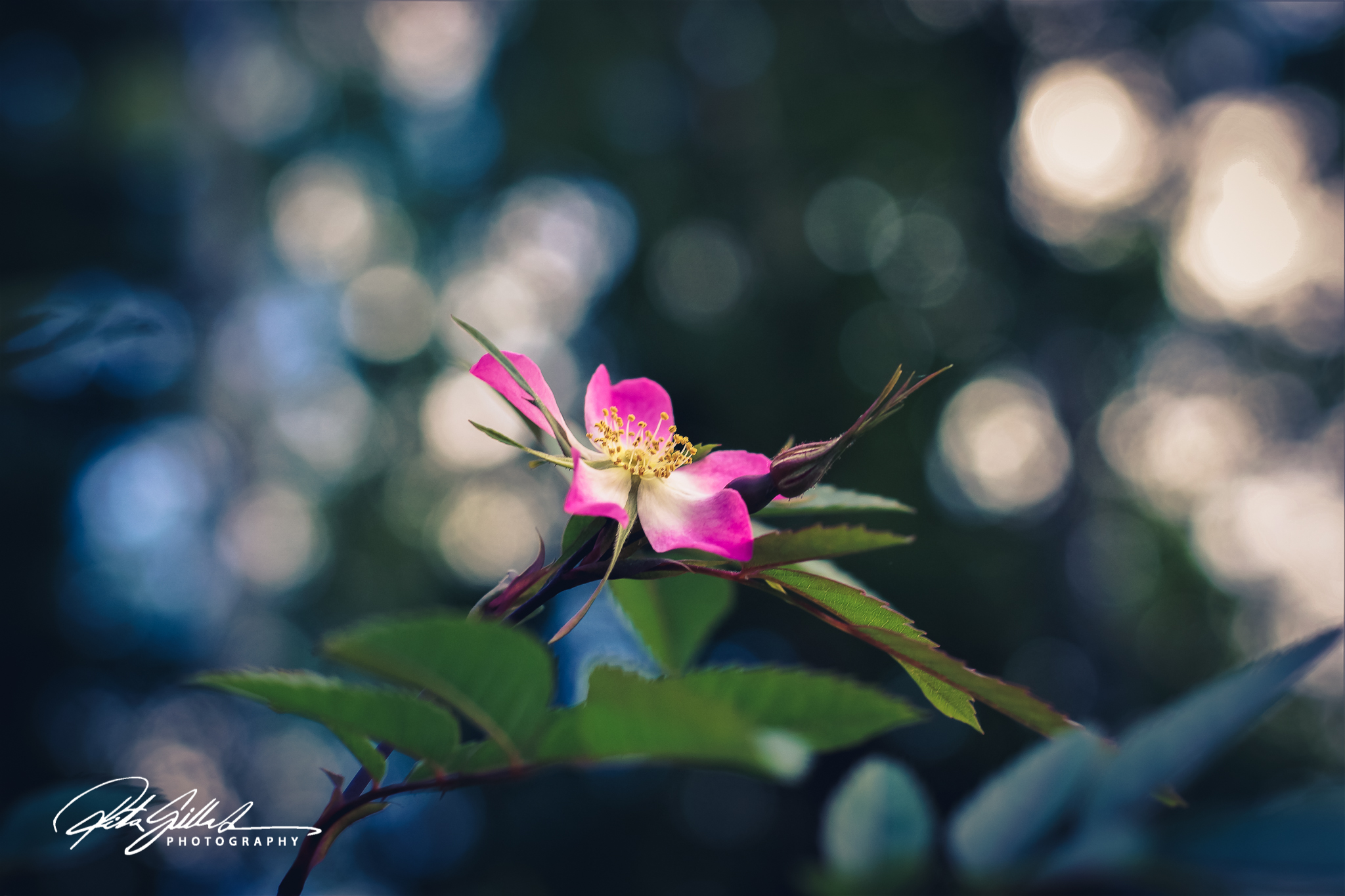
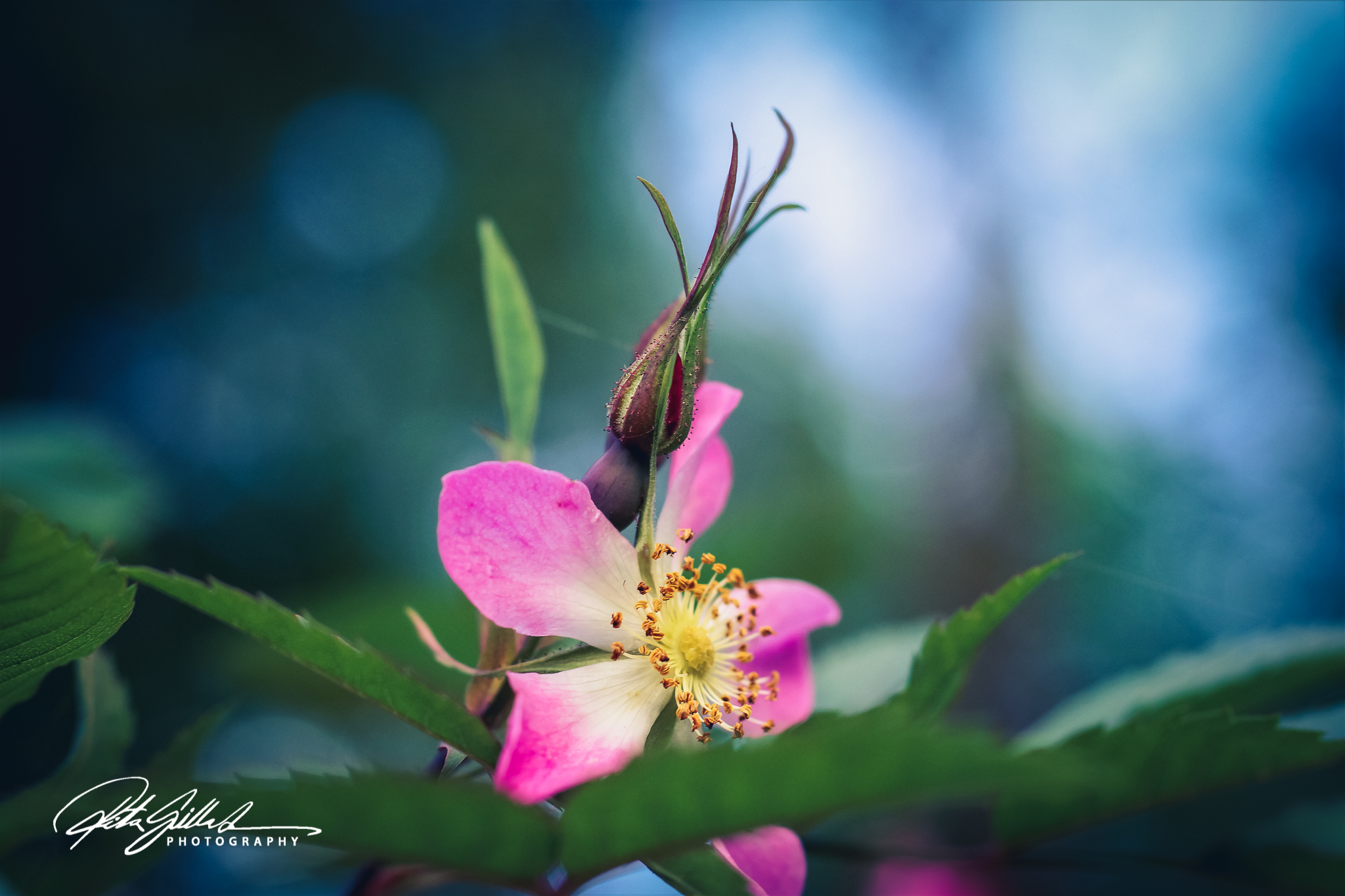
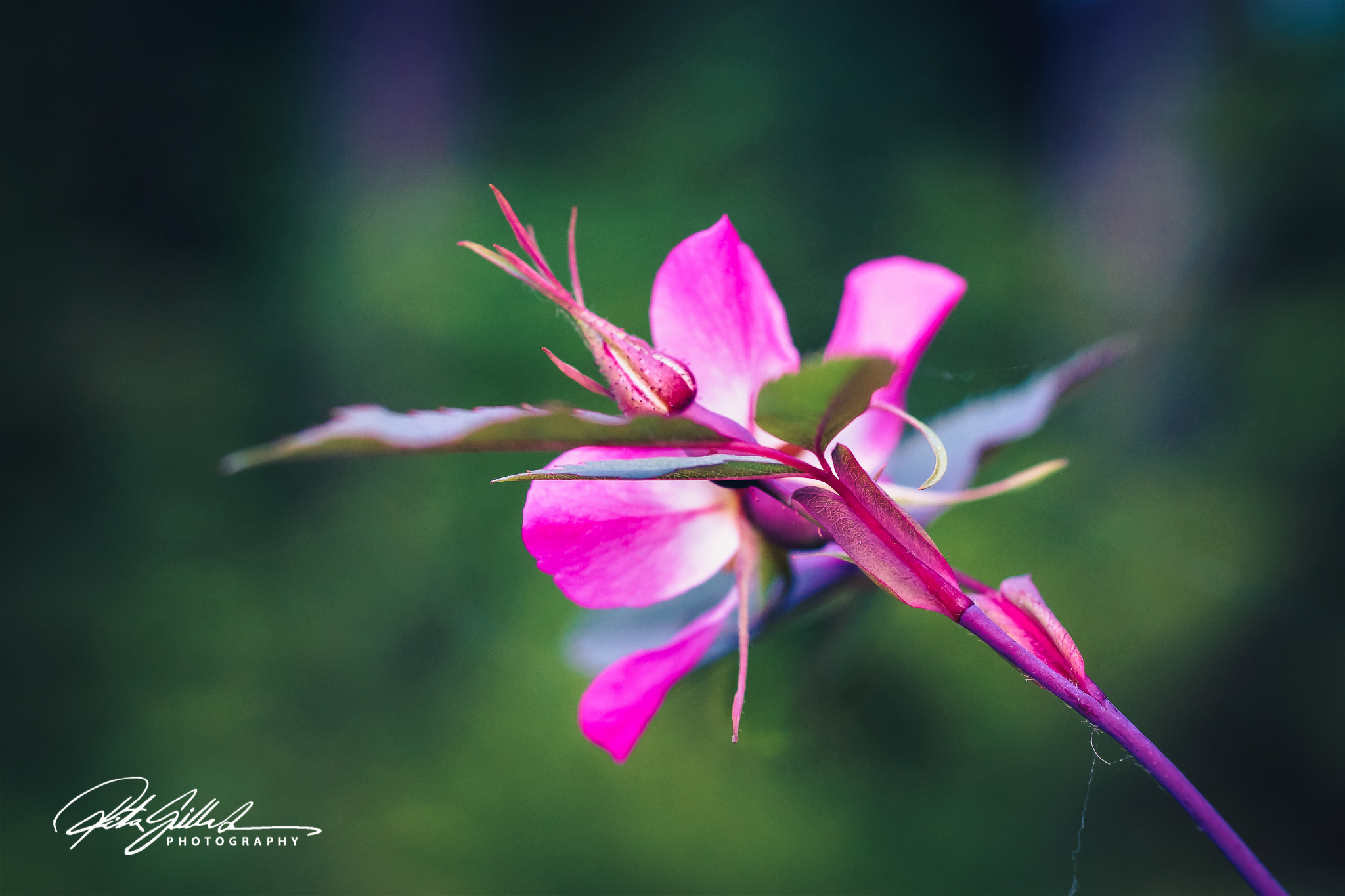
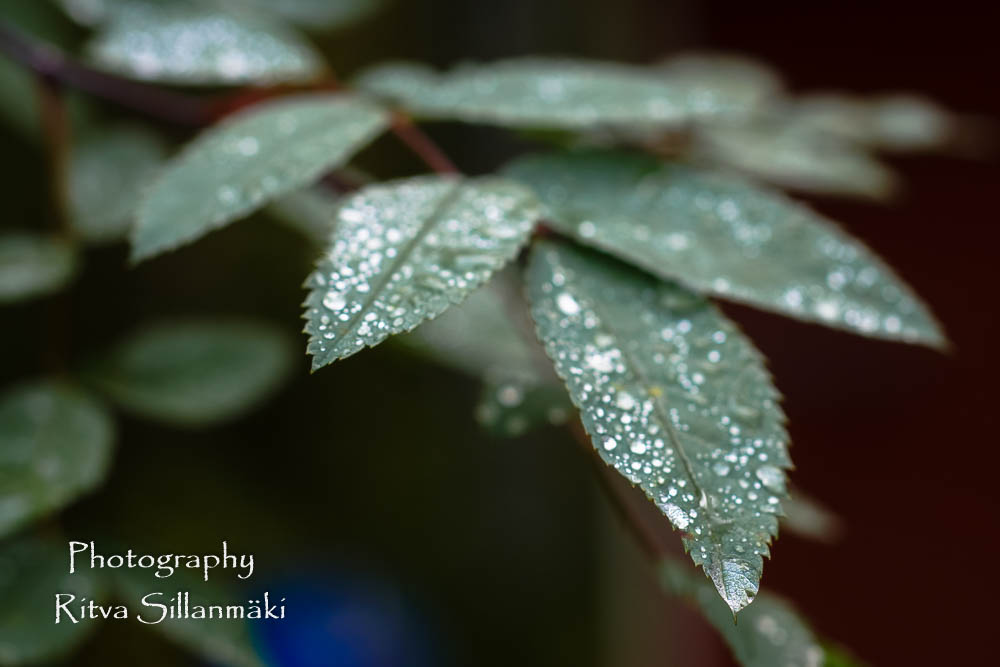
also known as Read-leaved rose, Redleaf rose ( punalehtiruusu)
Roses and briars (Rosa spp.) are large-flowered, prickly shrubs. Their leaves are imparipinnate. Fruits are achenes which, however, are not visible, but enclosed by the enlarged receptacle, the whole being called a hip.
The genus comprises between 100 and 250 species, depending on the defining criteria. They are distributed over the temperate regions of the Northern hemisphere. Roses have been cultivated in China and the eastern Mediterranean at least for 4,000–5,000 years.
Red-leaf rose is native to the mountains of Central Europe. It has been a fairly common ornamental in Finland since the 19th century. This species does not produce suckers. Its stems are erect and fairly tall. The slender, spreading young branches are covered in a waxy bloom. Prickles are fairly sparse, and they are slender and straight or slightly curved.
The little flowers are pink and made up of five petals. They are formed in small clusters and will have a light scent at best.
The orangish-red fruits are called hips. They can help add color during the winter since they can take a while to fall off. You can also cook with them and use them in alternative medicine.
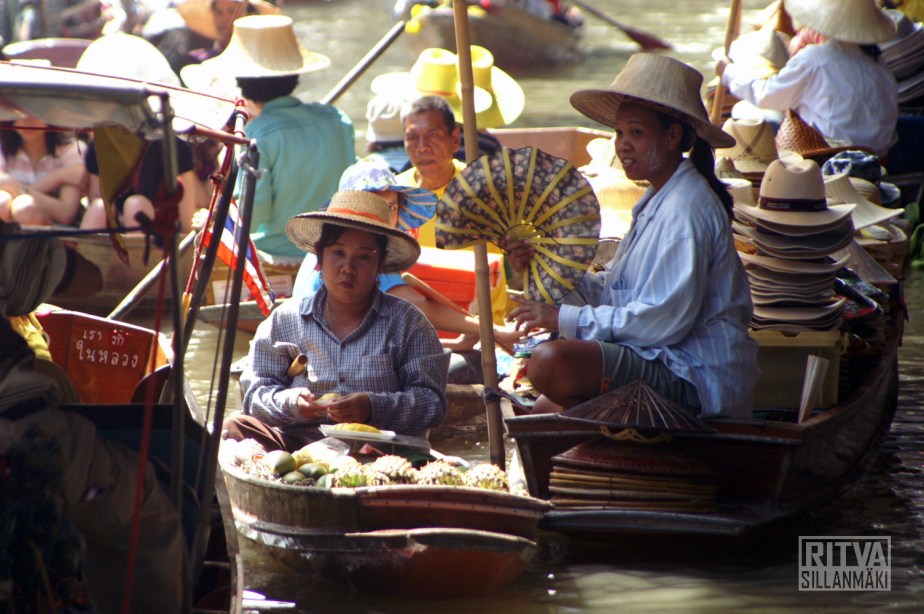
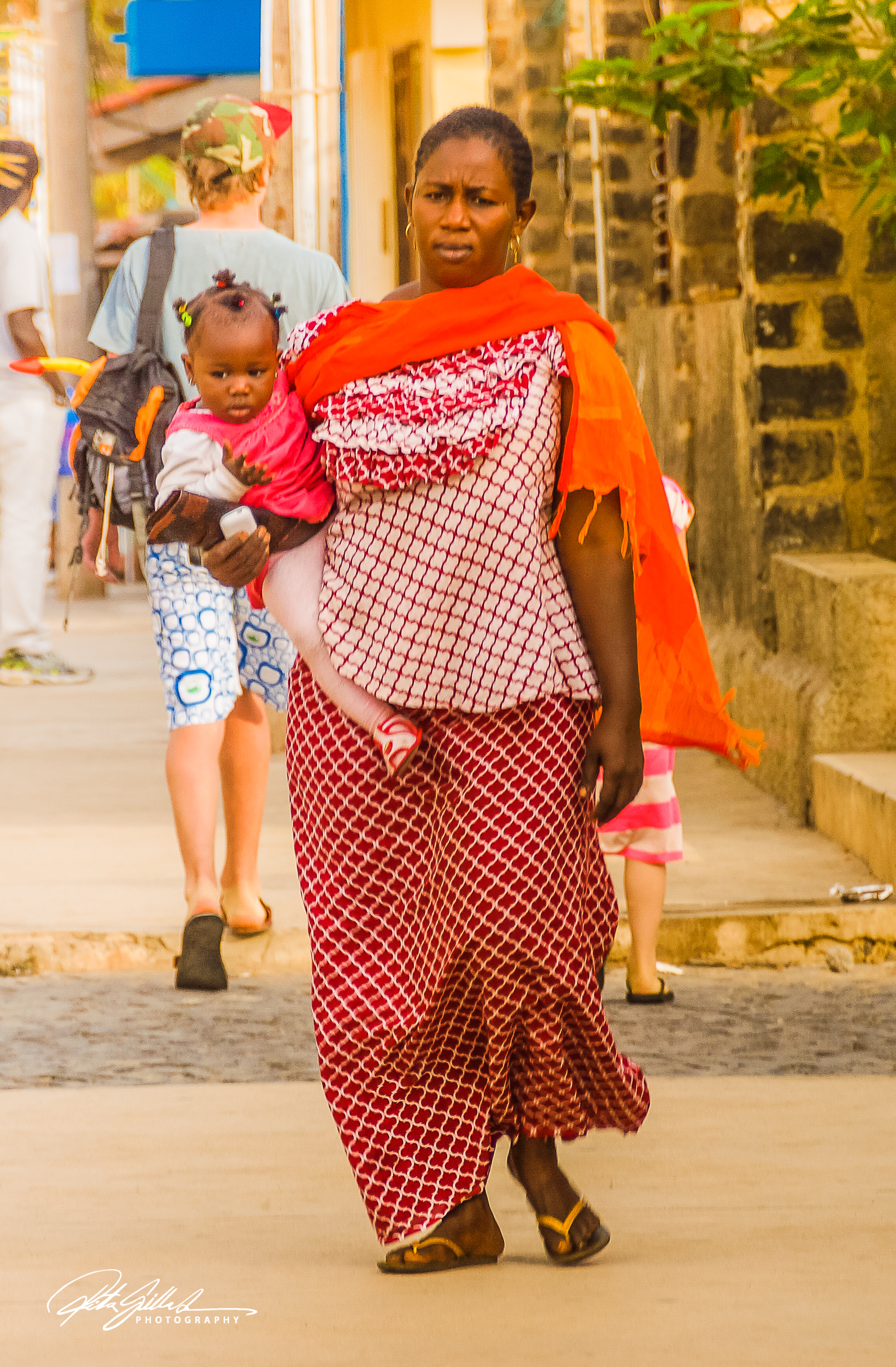
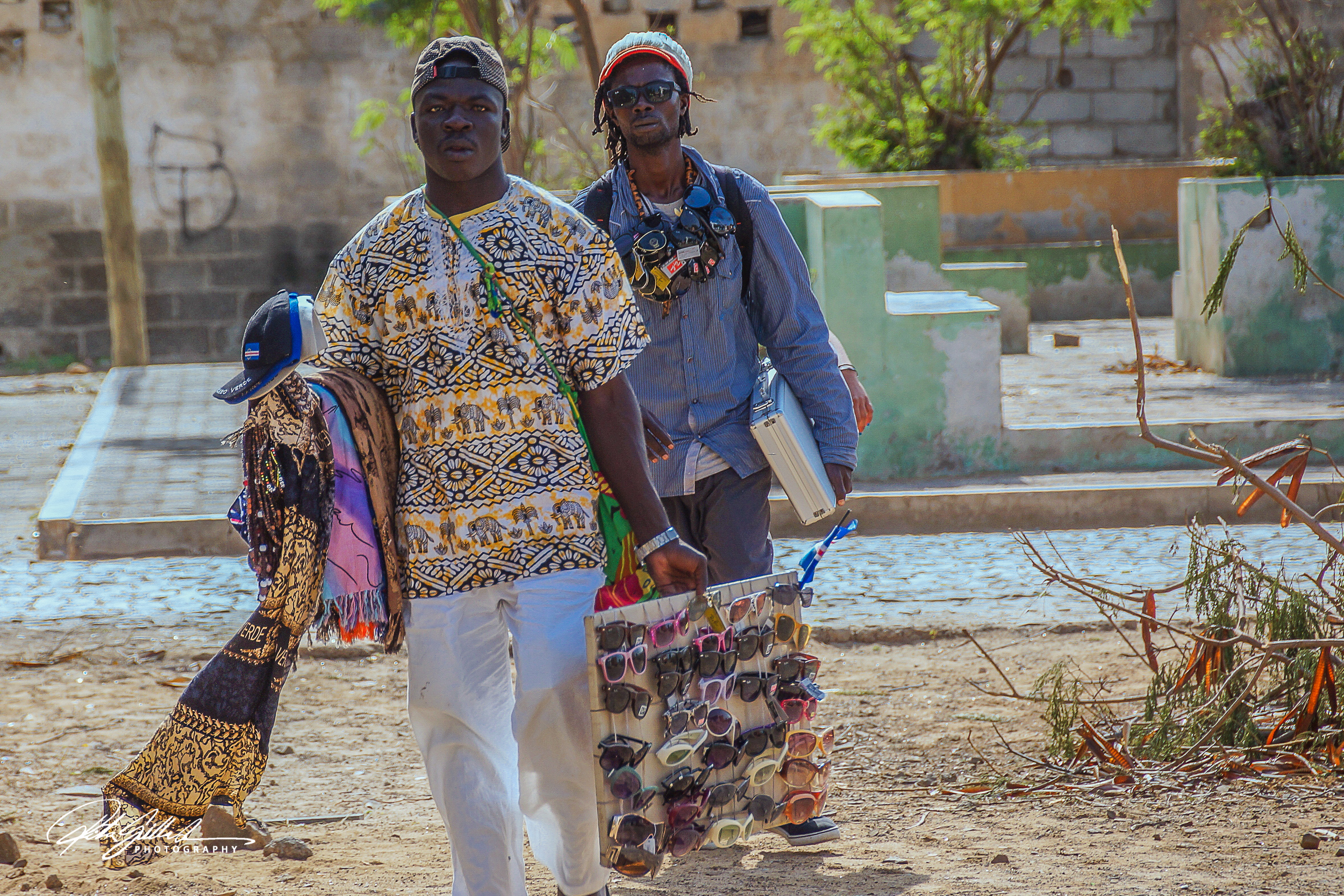
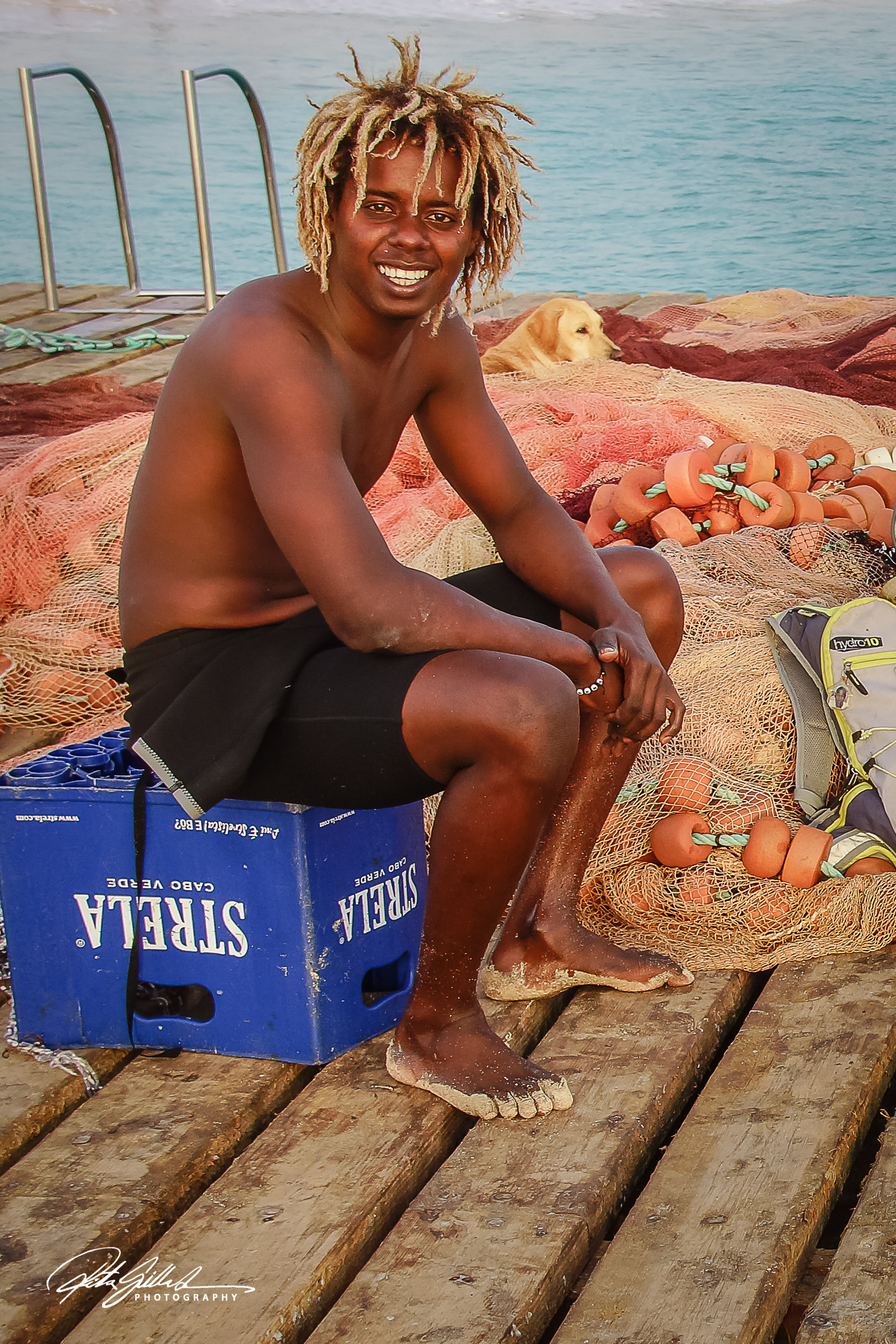
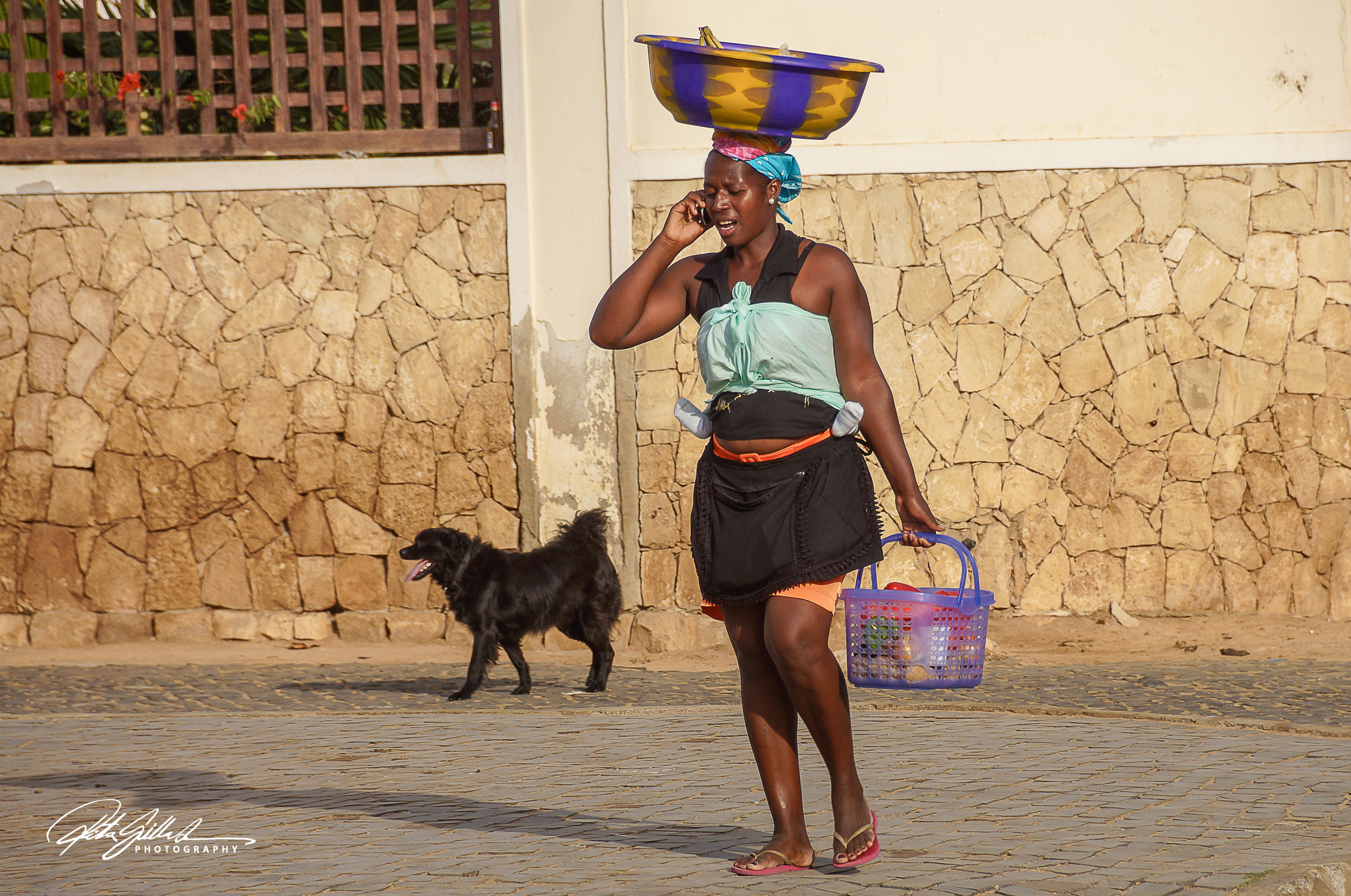
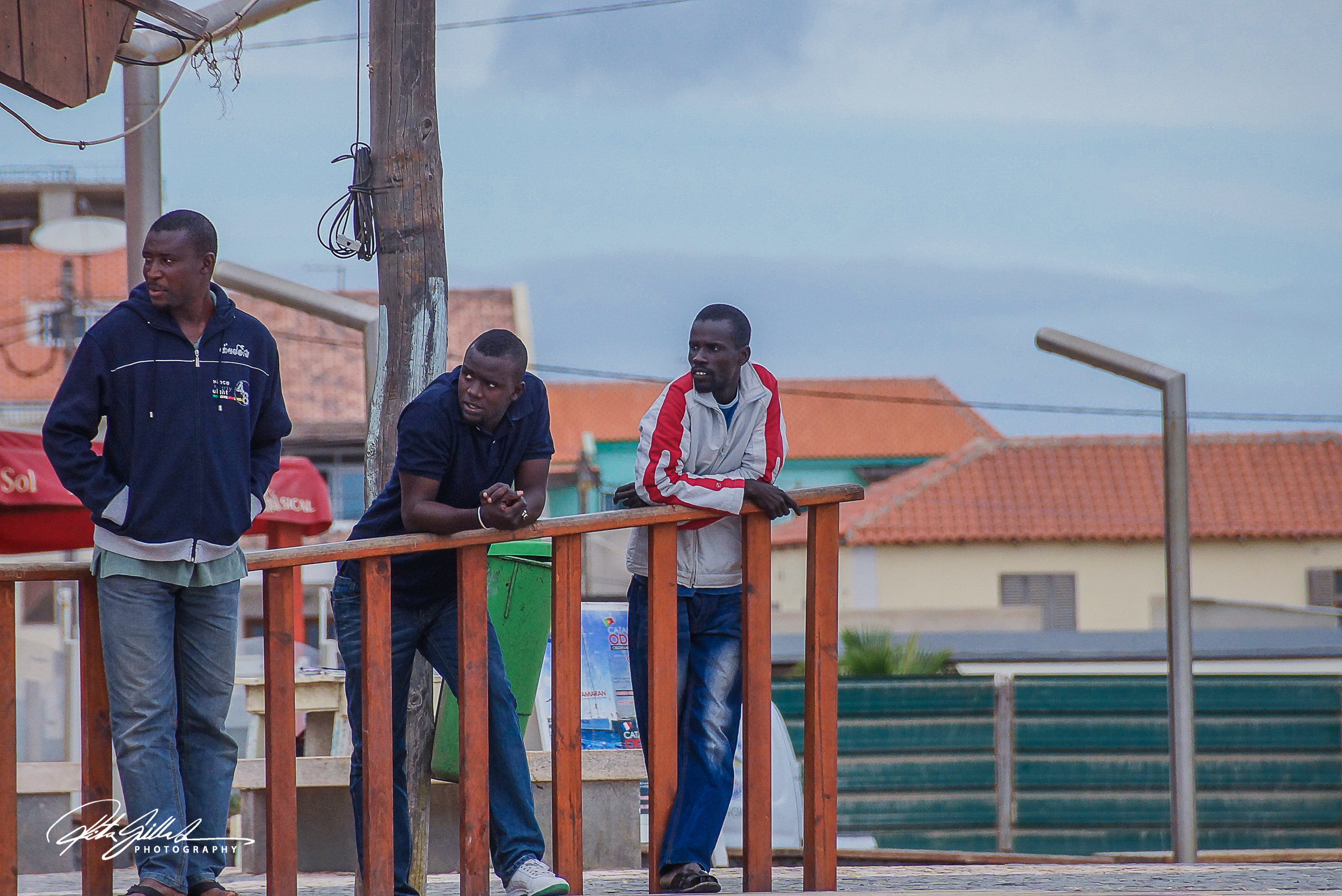
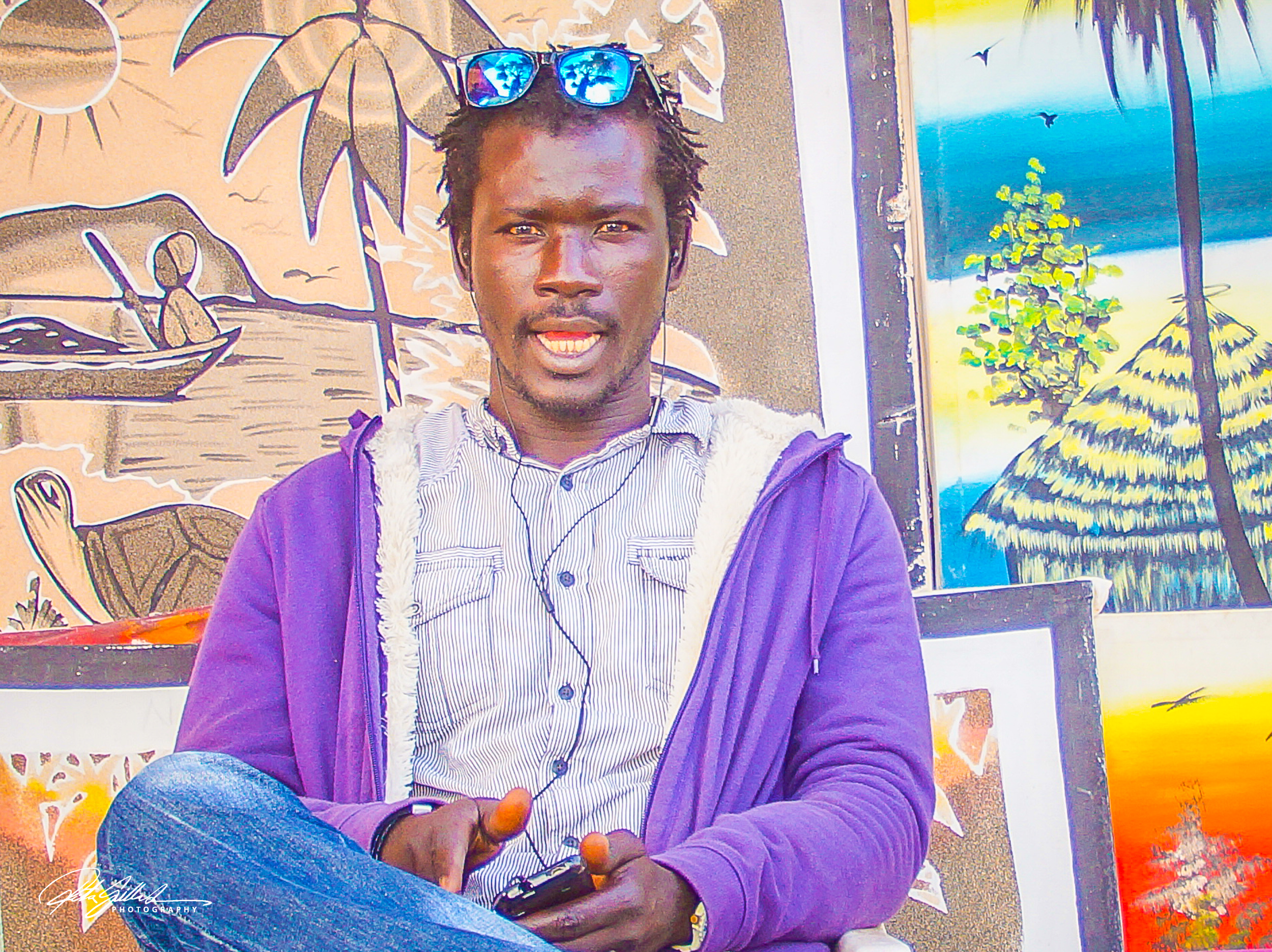
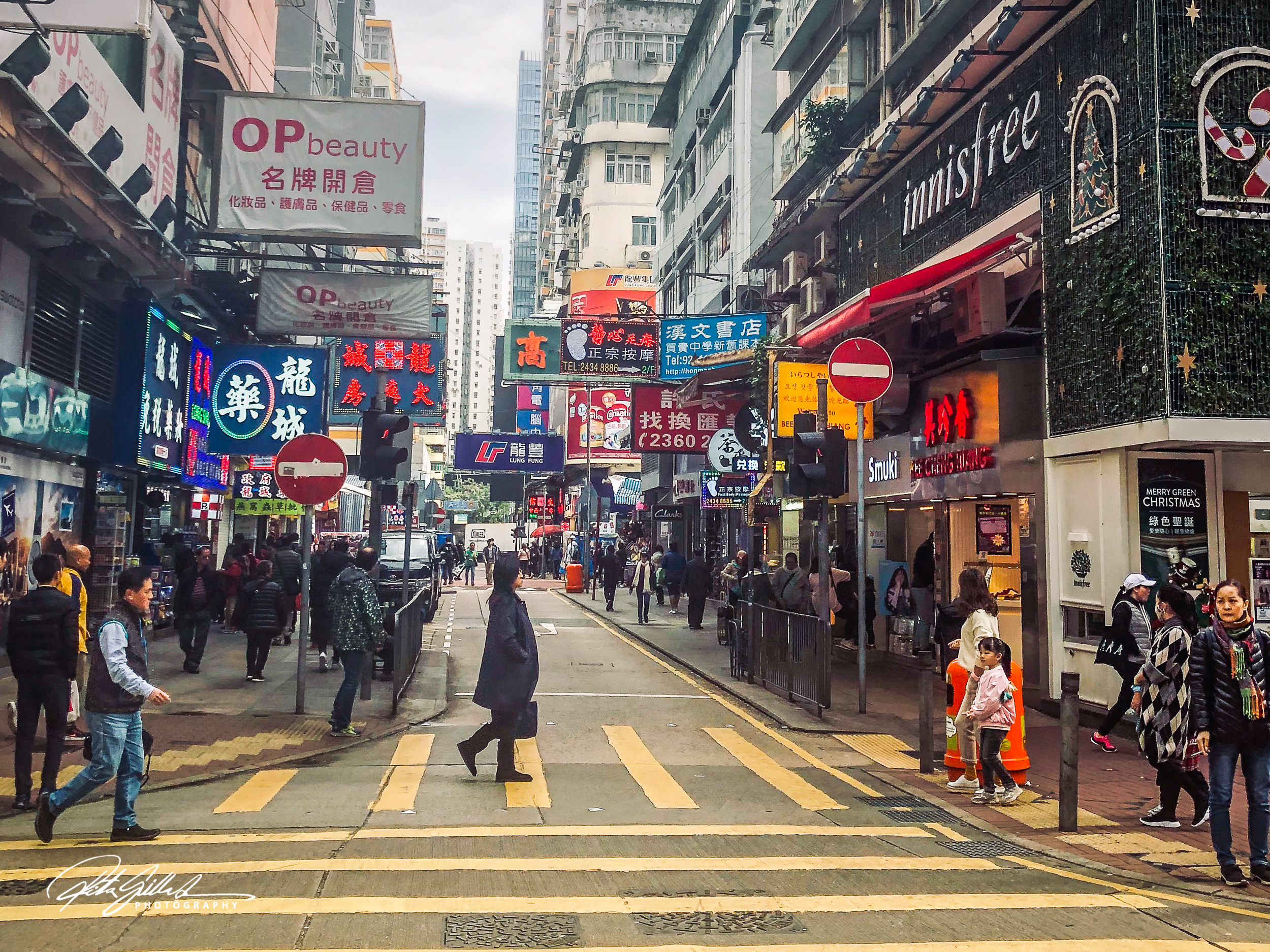
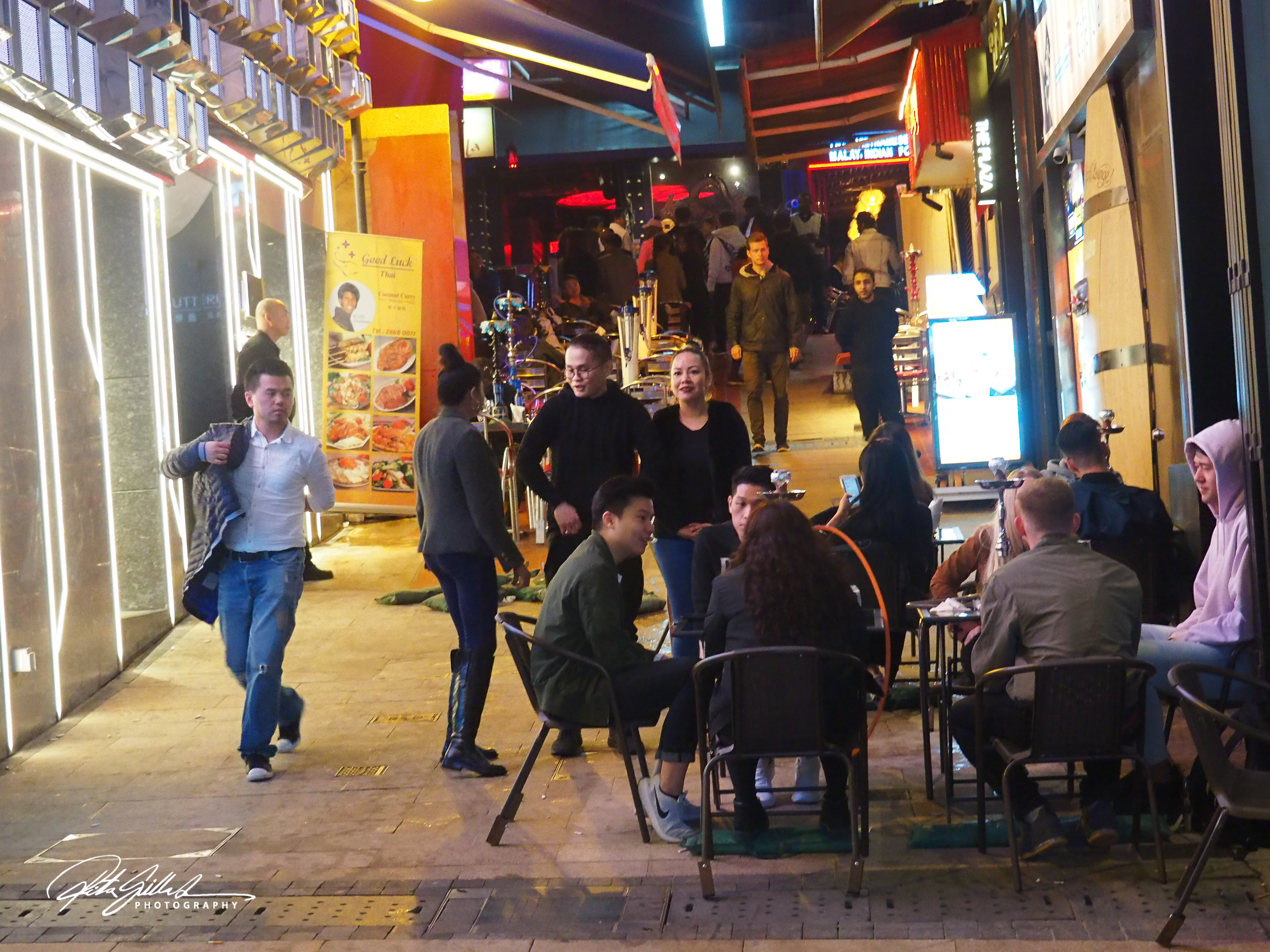
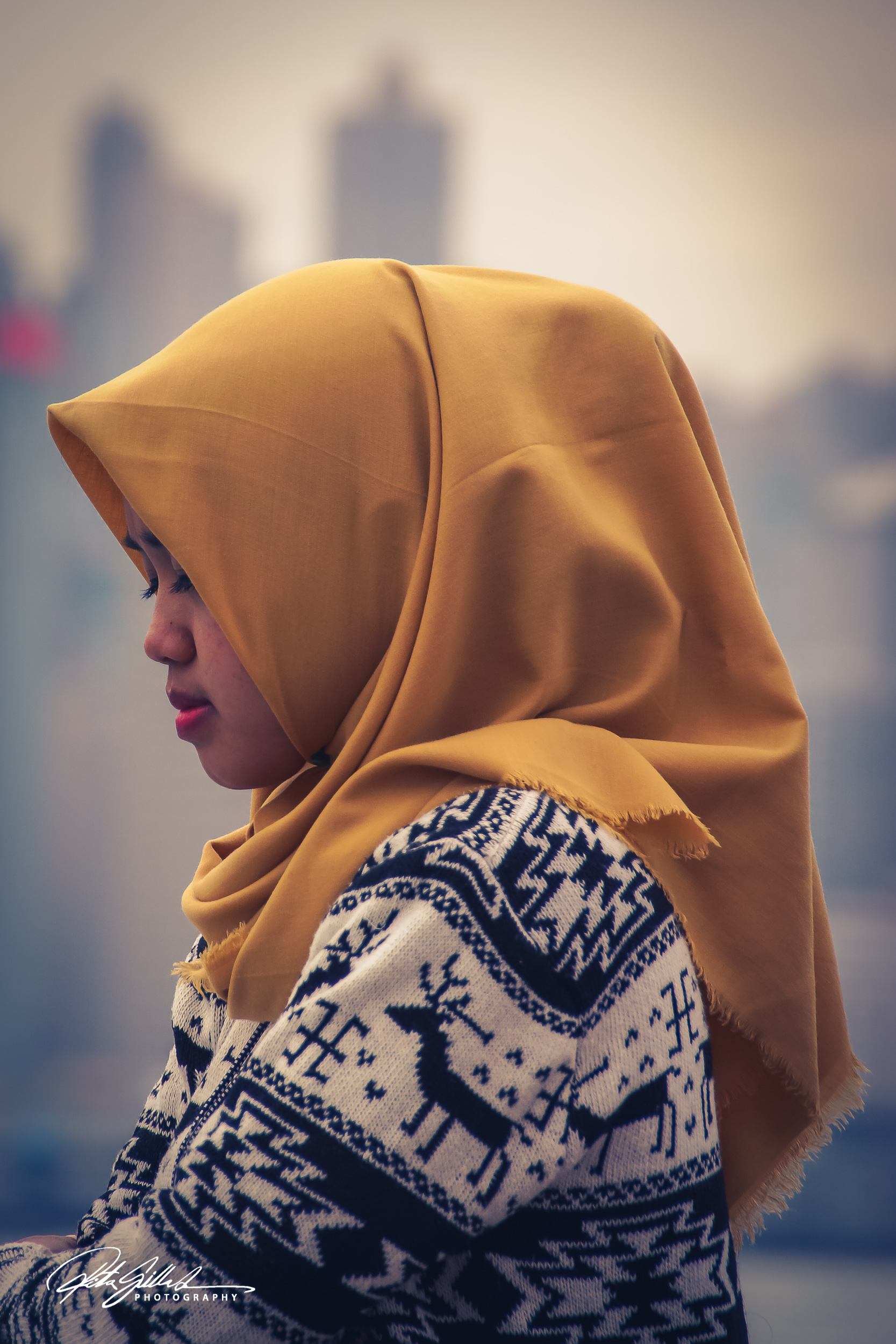
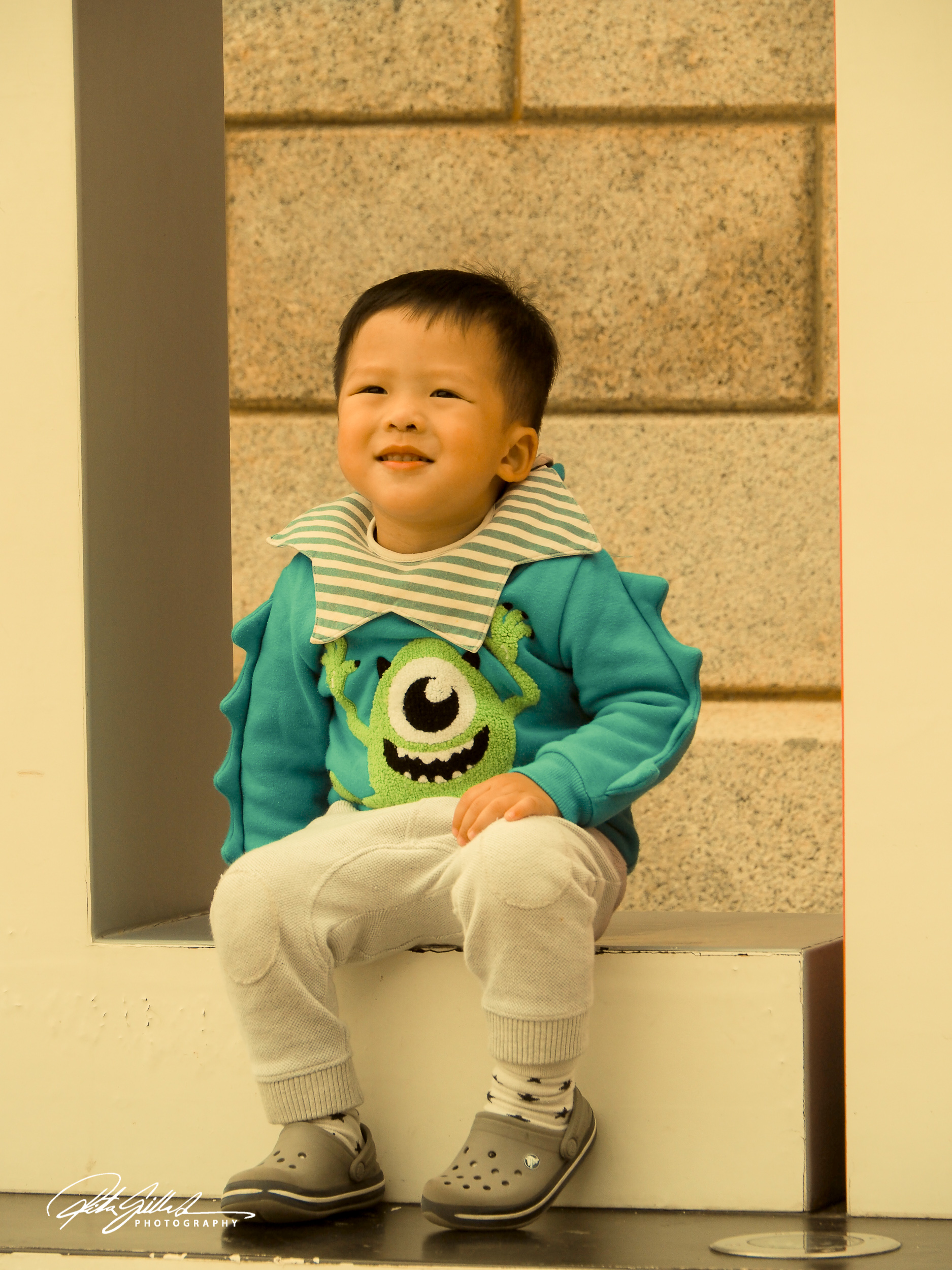
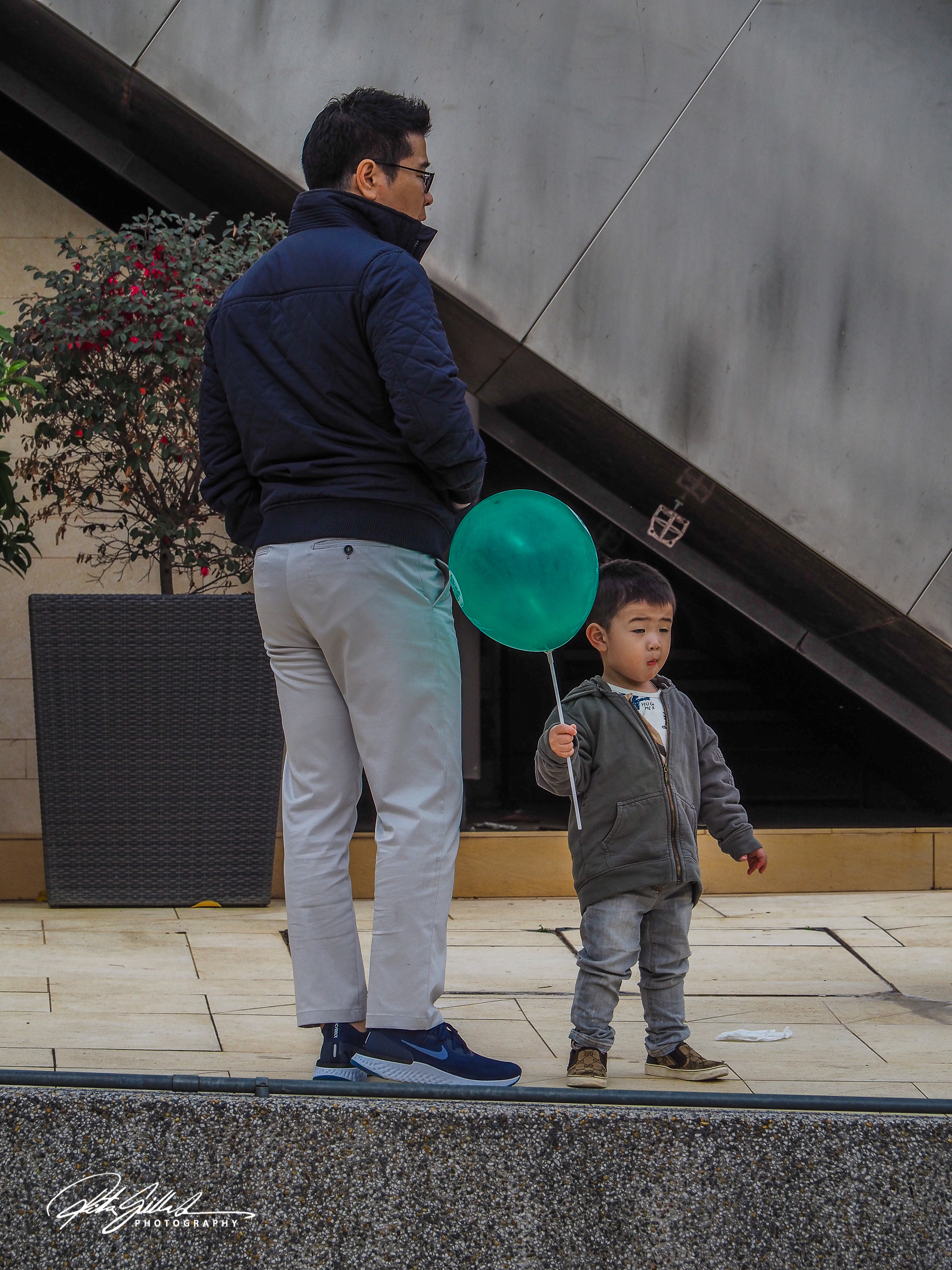
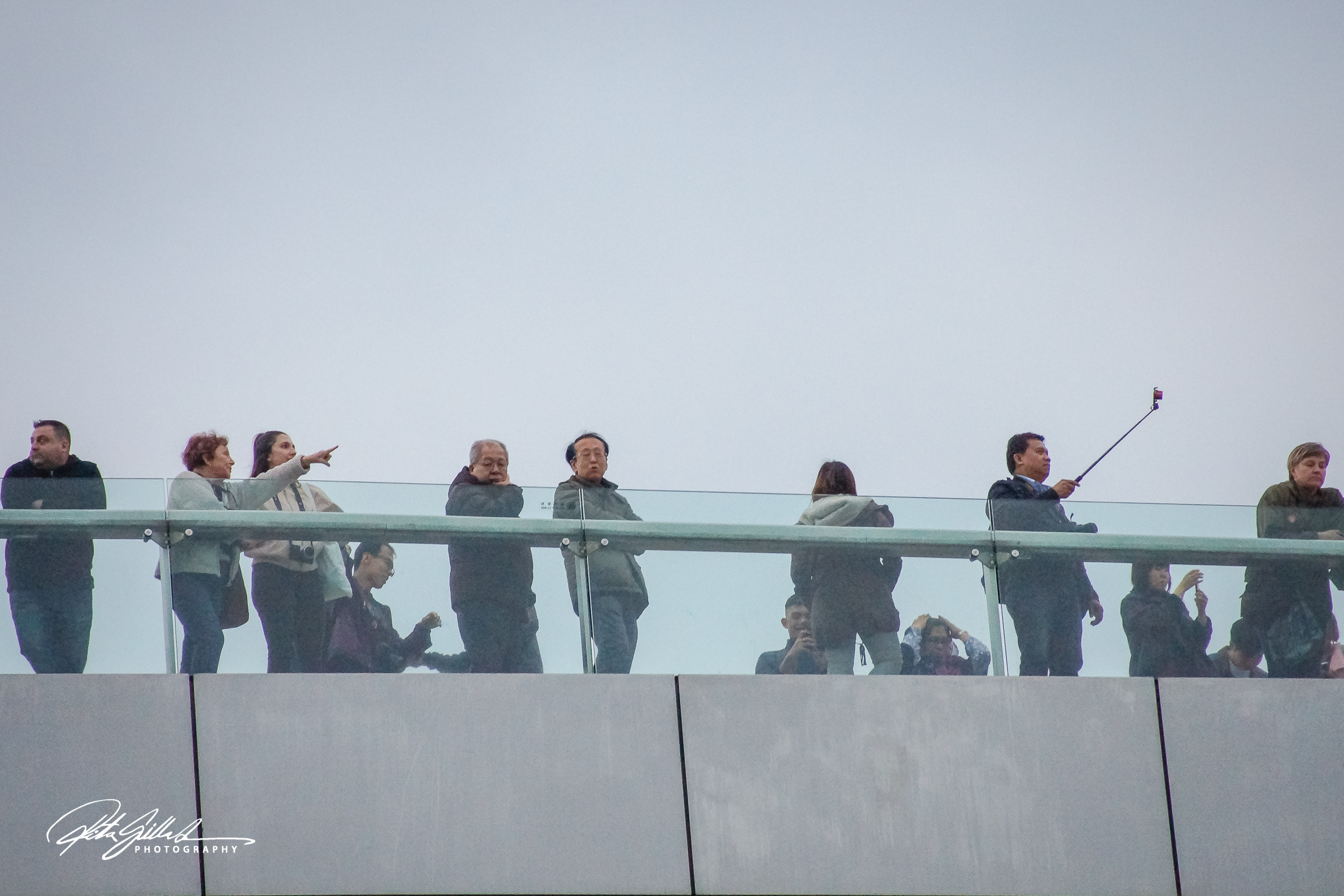
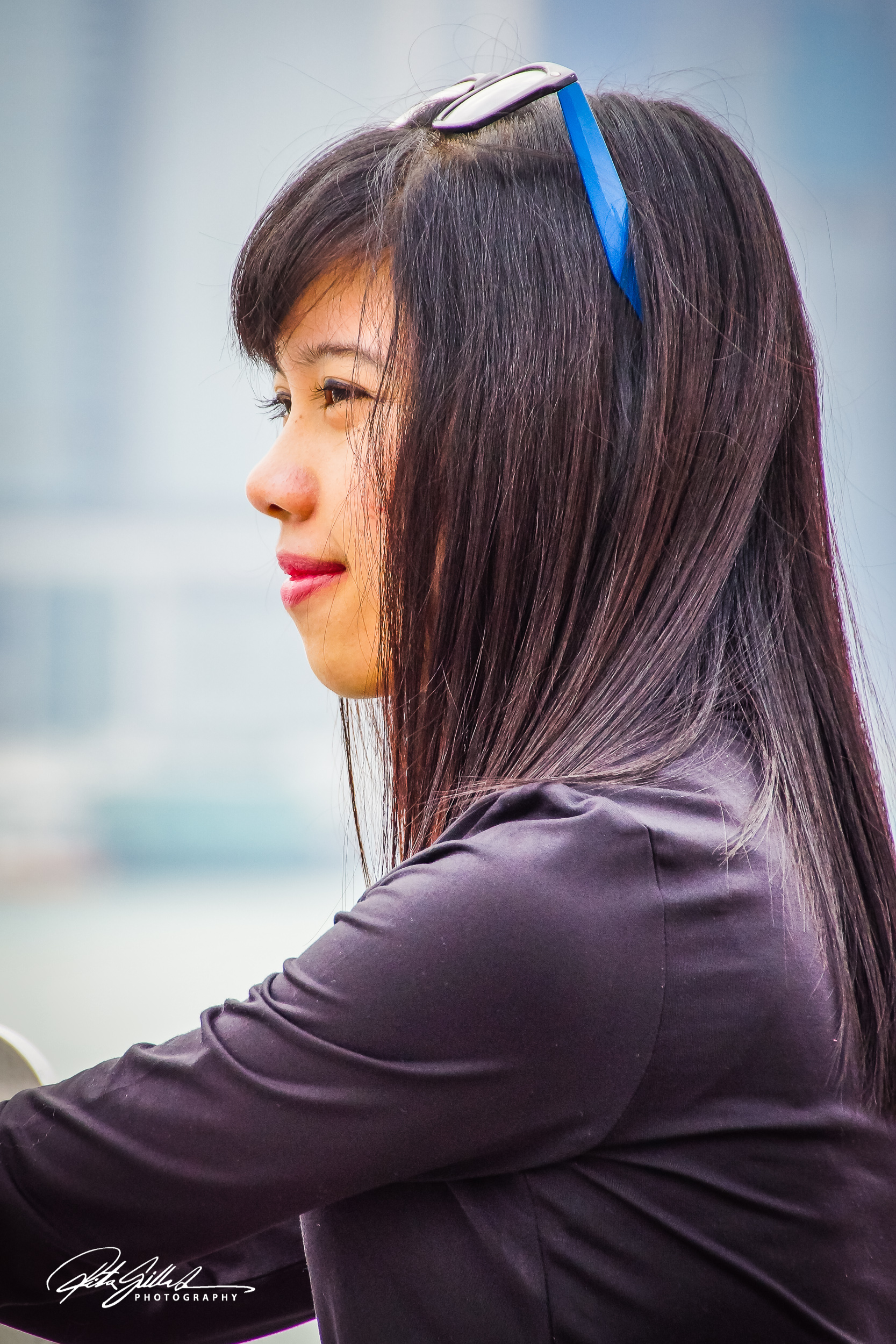
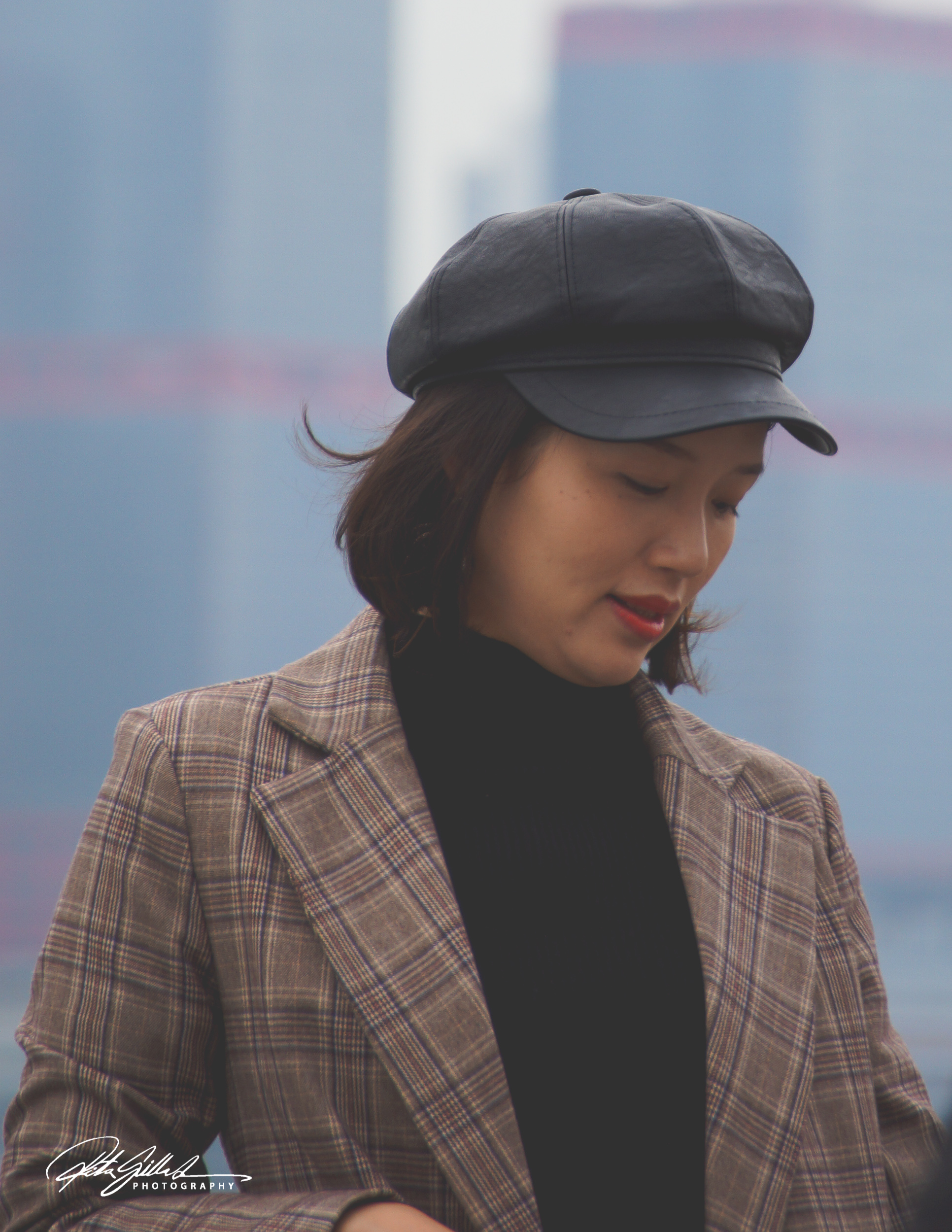
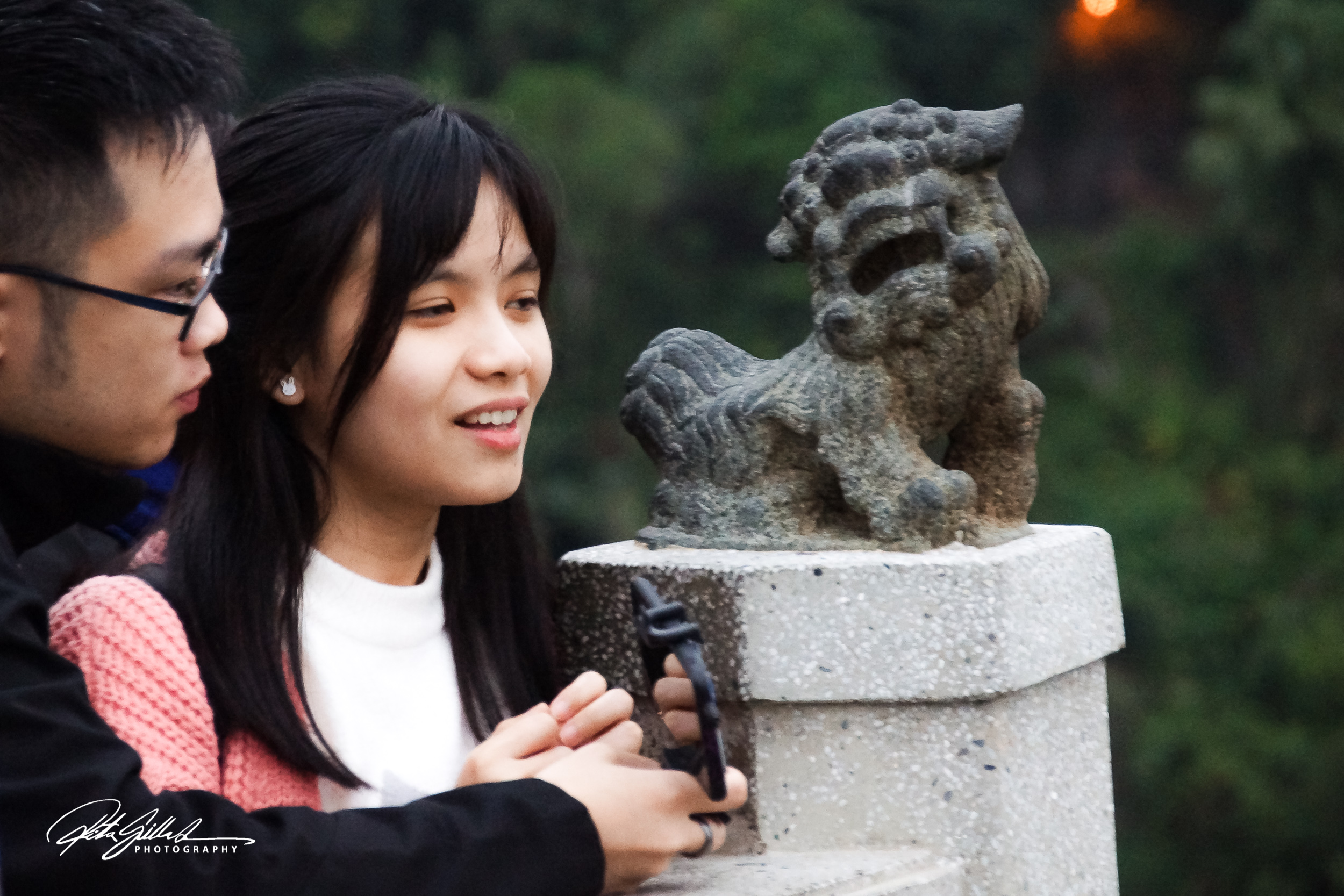
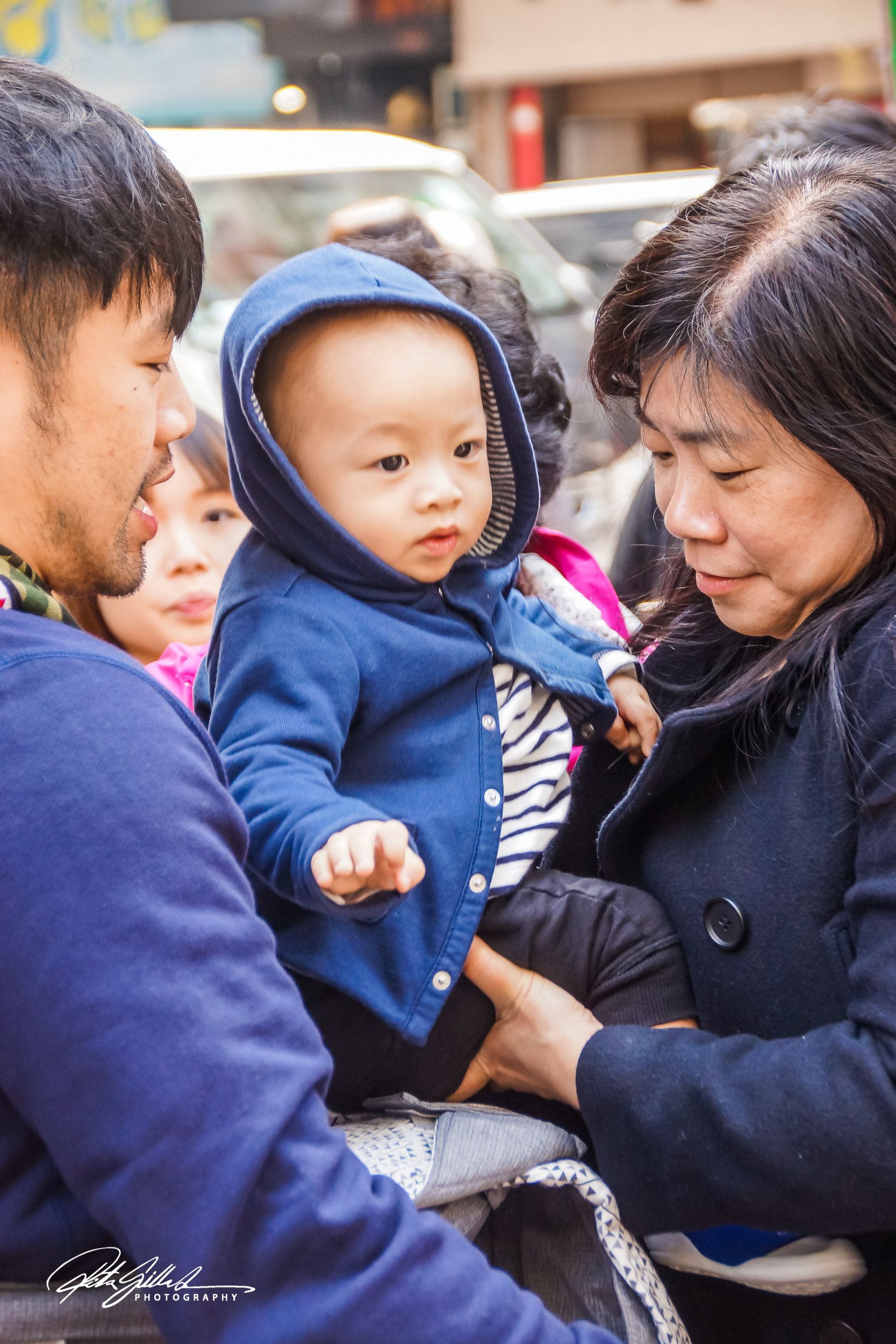
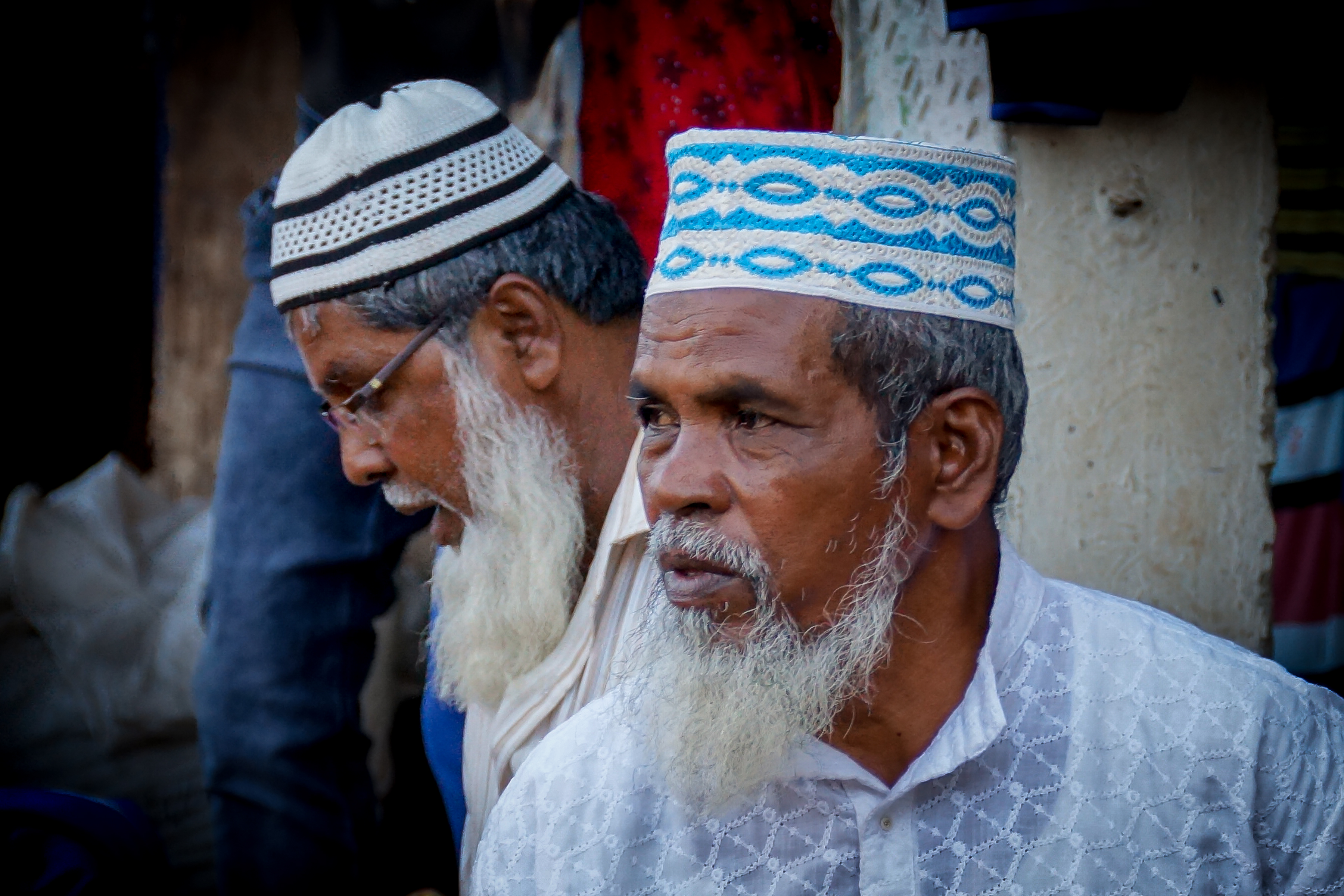
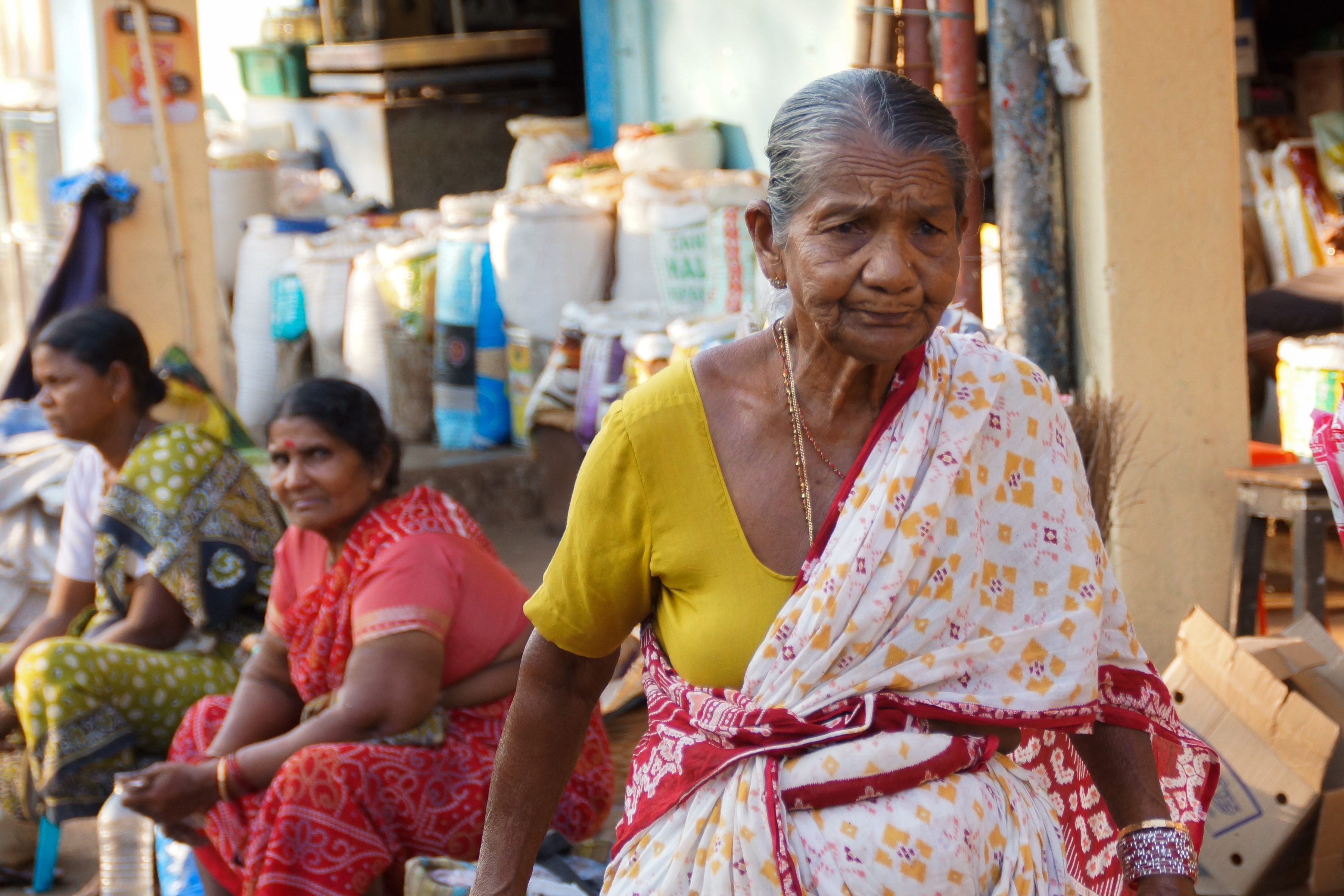
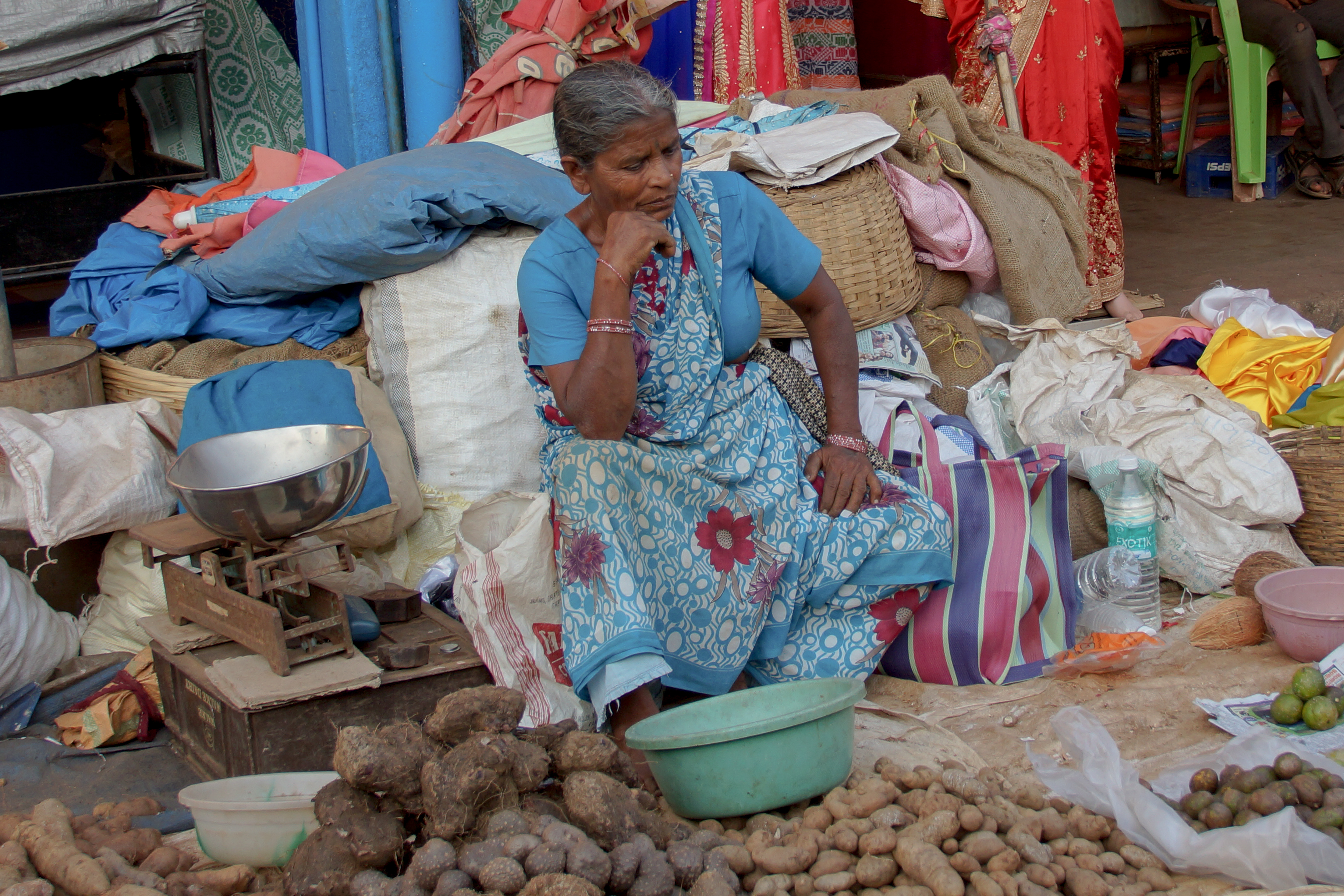
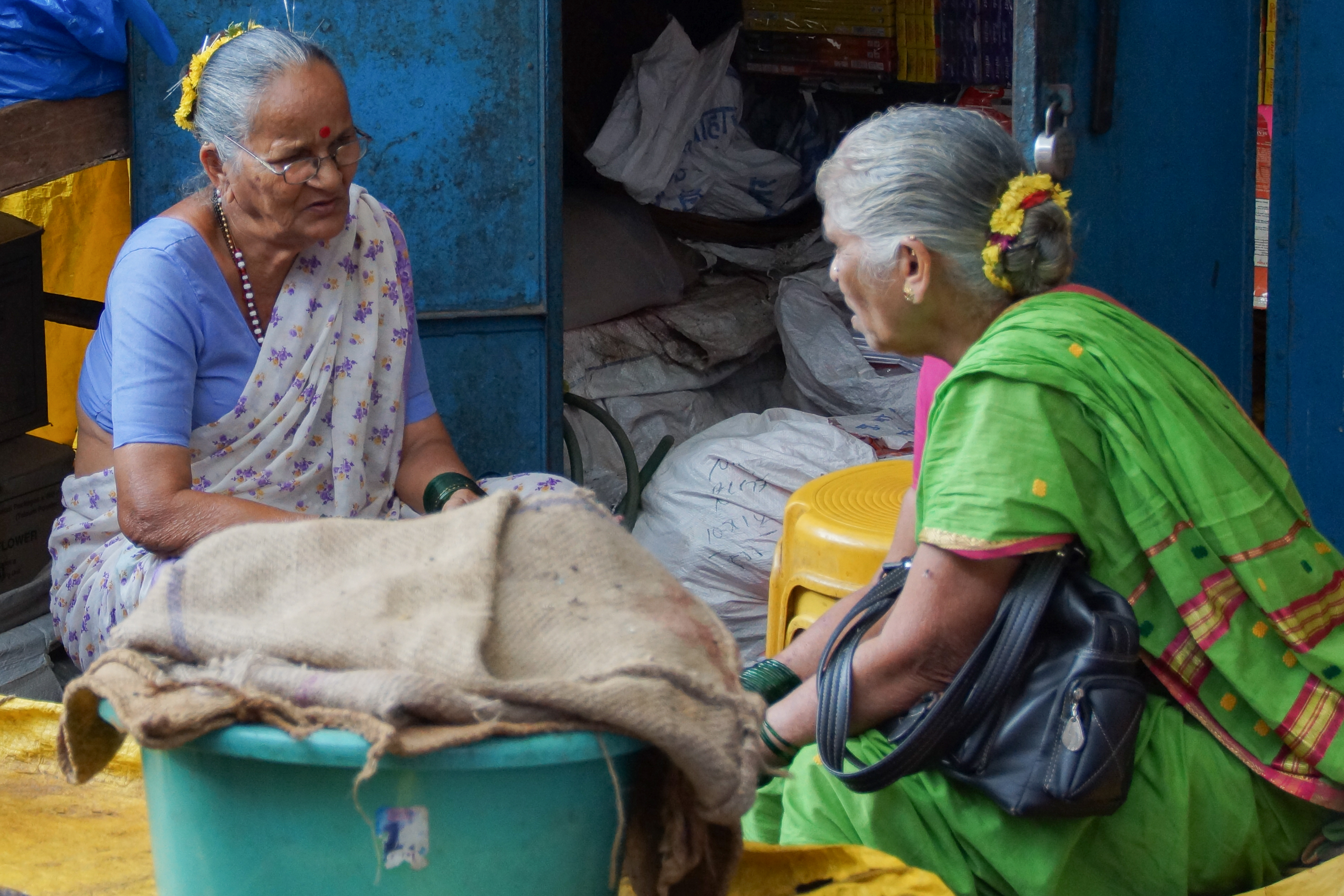
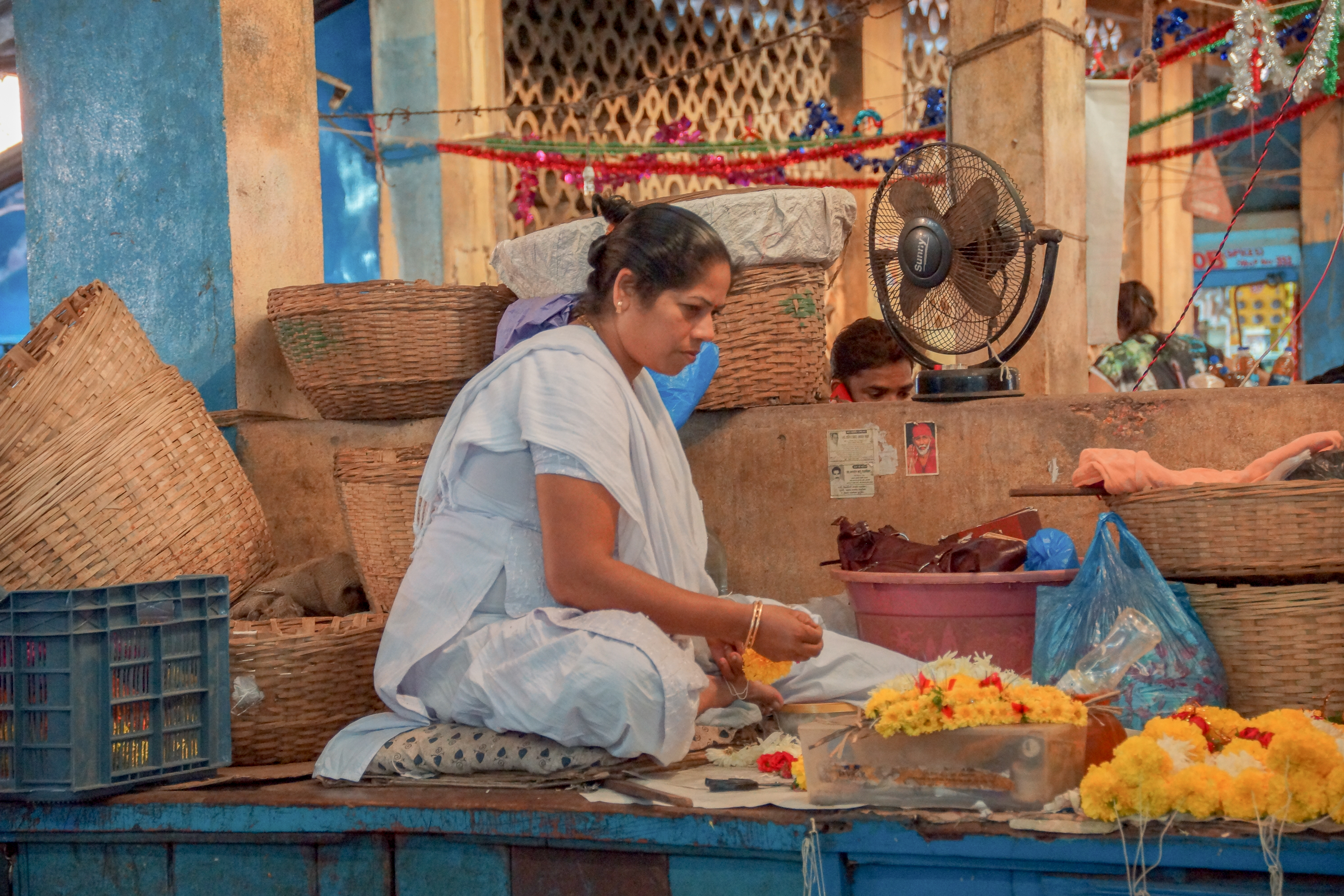
Your challenge this week is to share images featuring faces, in a crowd or standing alone, human or animal. Selfies are approved. I am looking forward to seeing your take on “Faces in the Crowd”. Don’t forget to link to this post and be sure to tag your post with Lens-Artists to reach the widest audience.
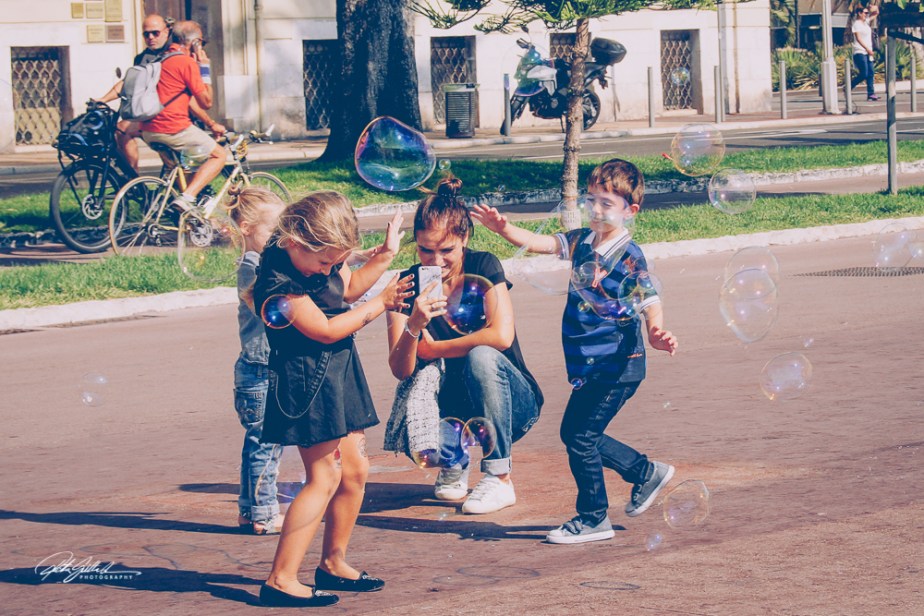
For John’s challenge this week, I have these shots to share. Hope you enjoy them.
I captured these face in Cape Verde.
Face from our trip to Hong Kong
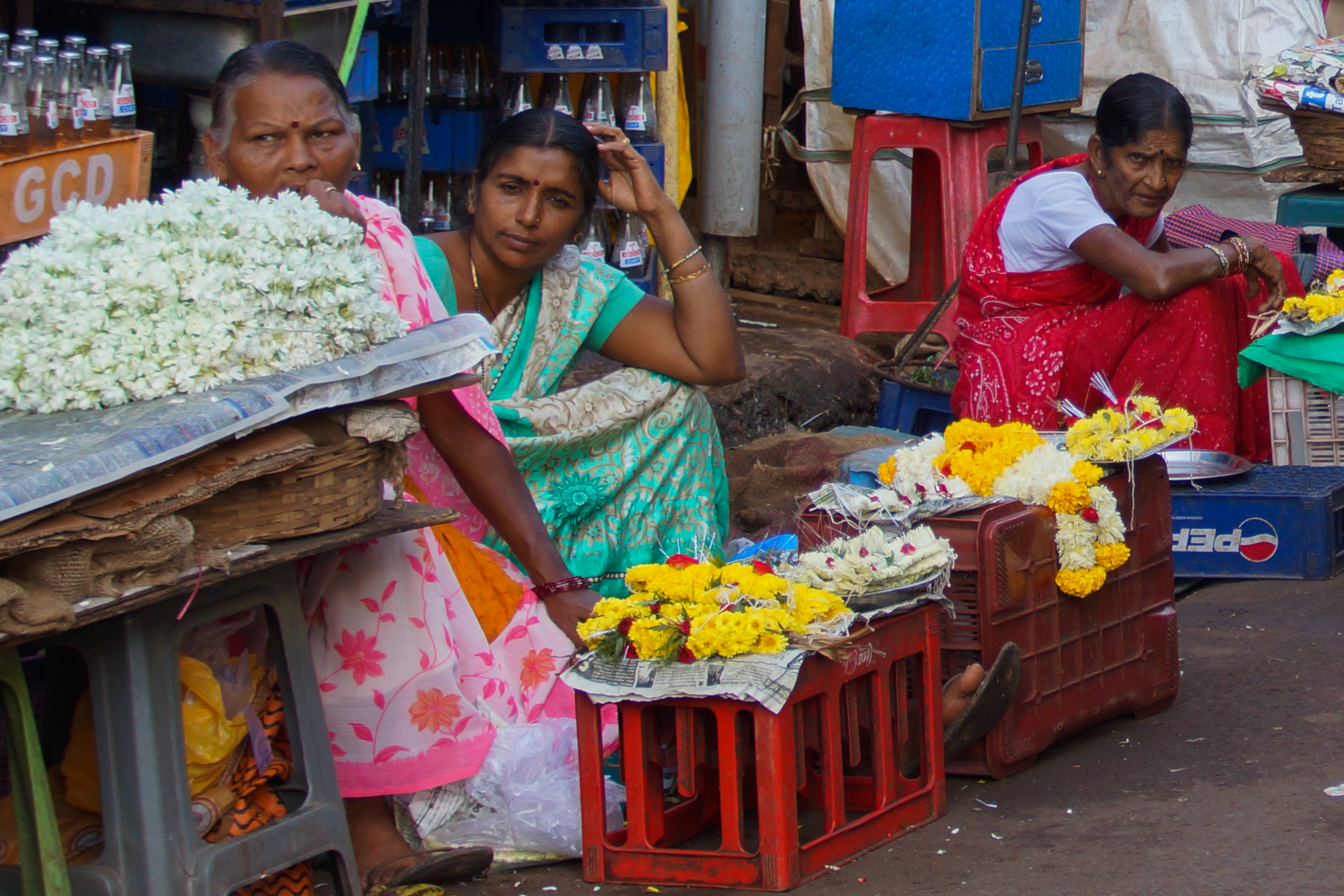
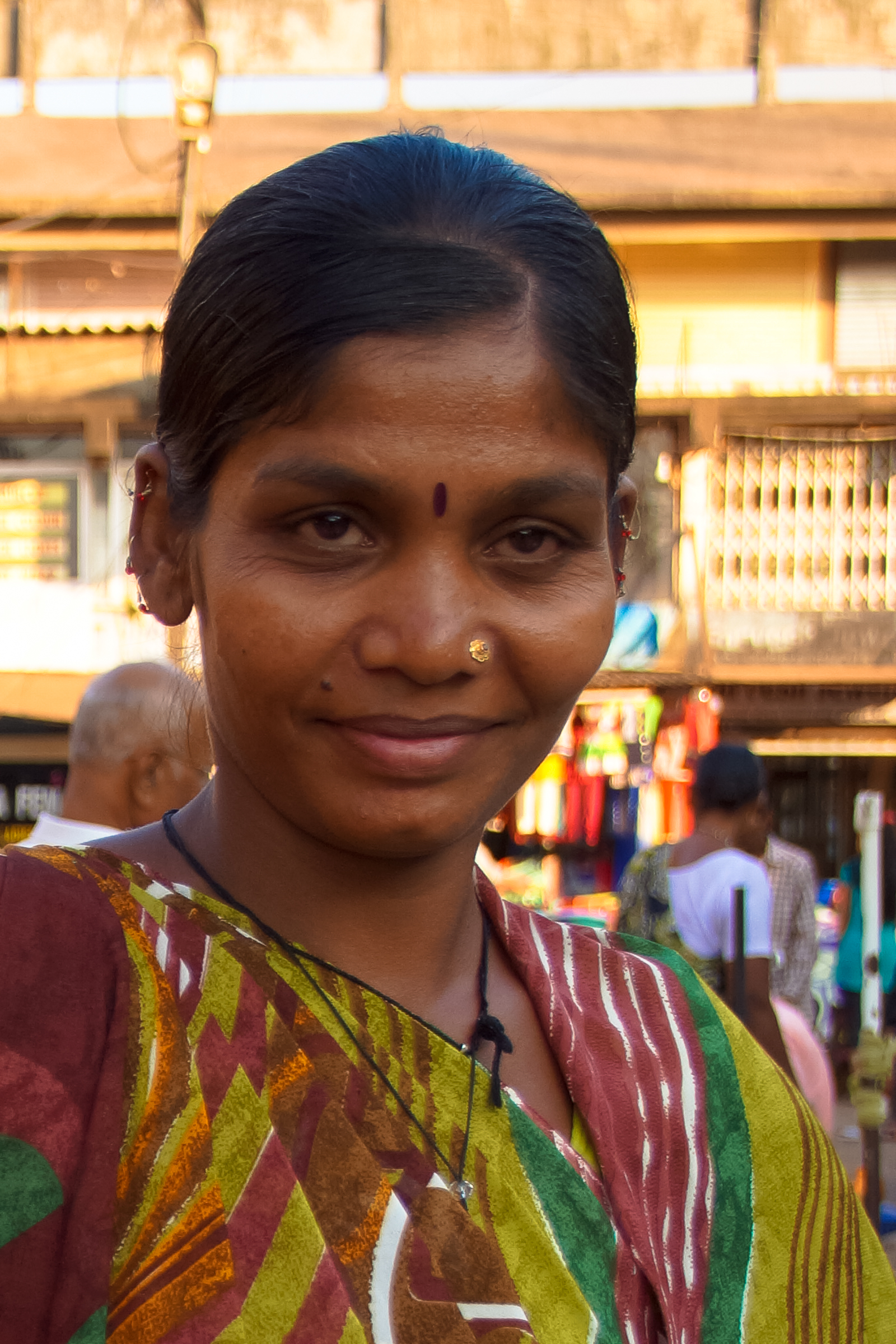
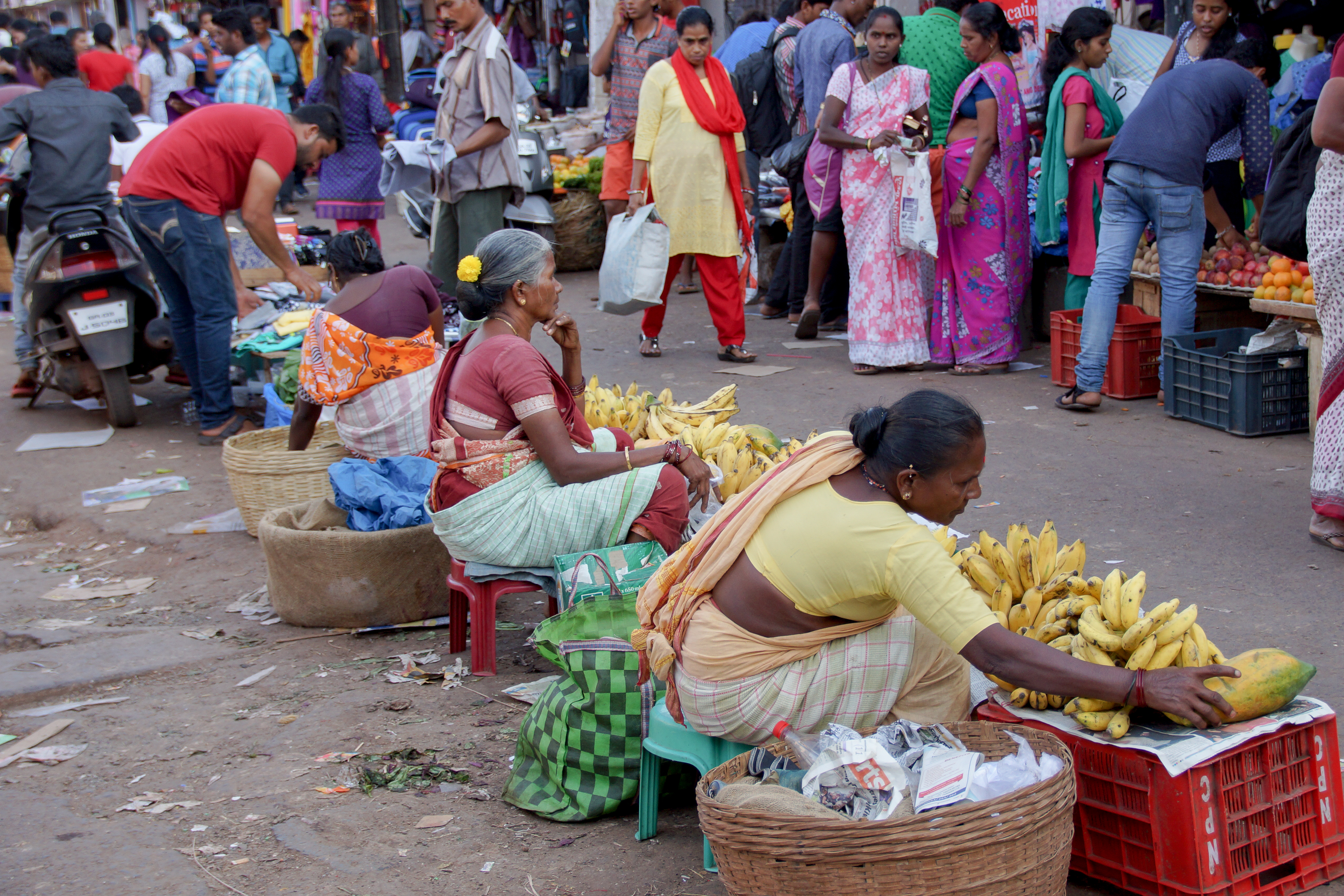
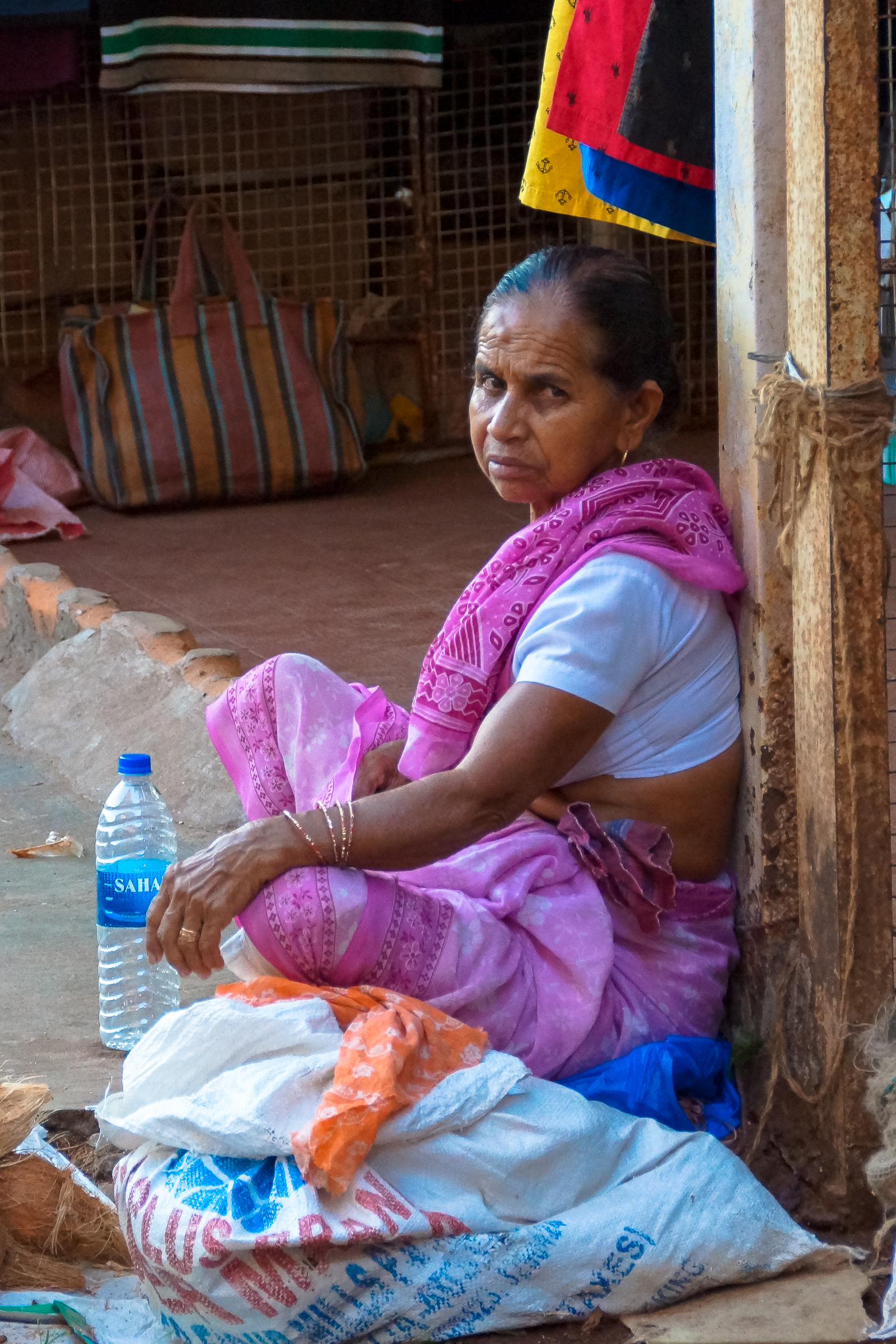
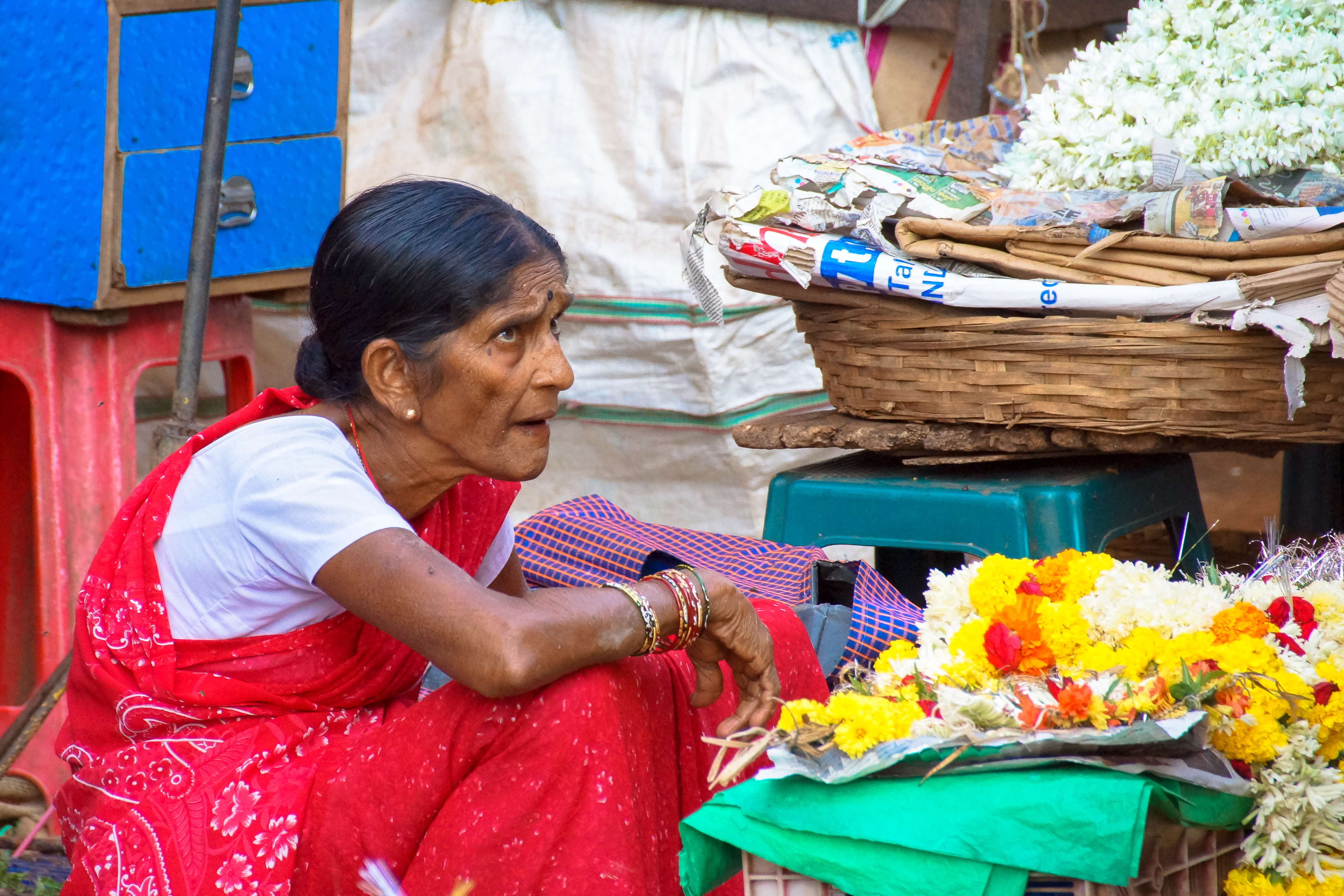
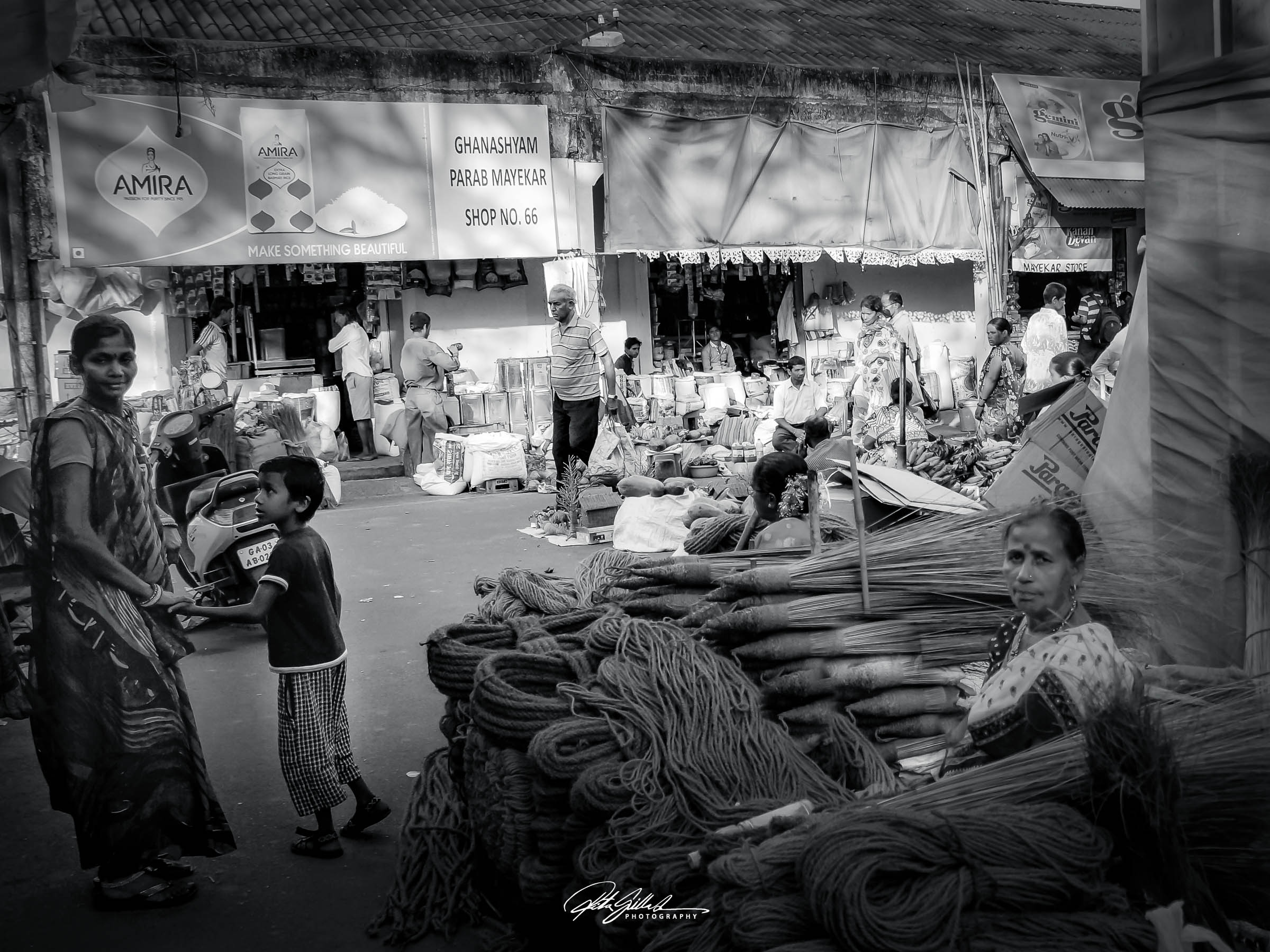
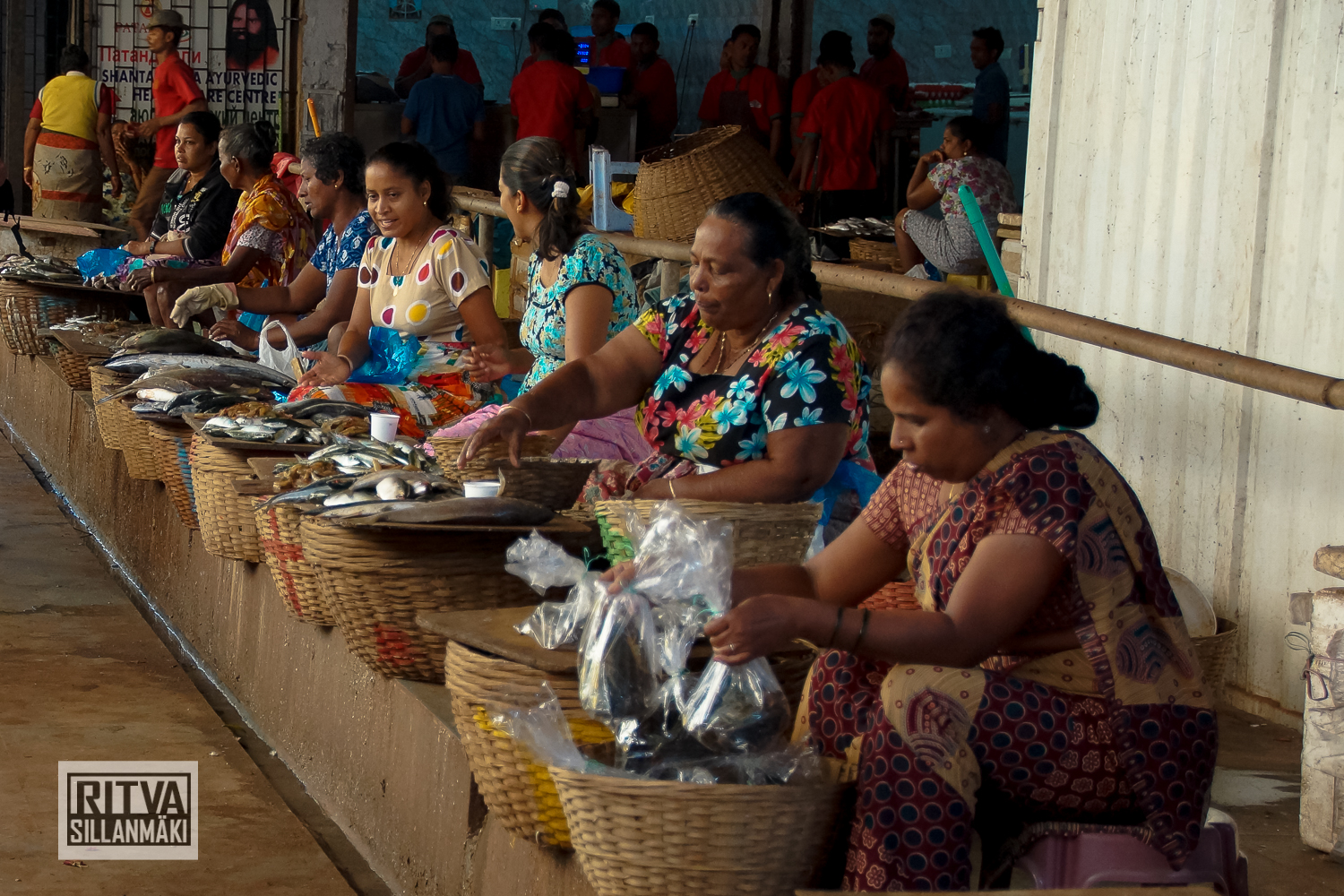
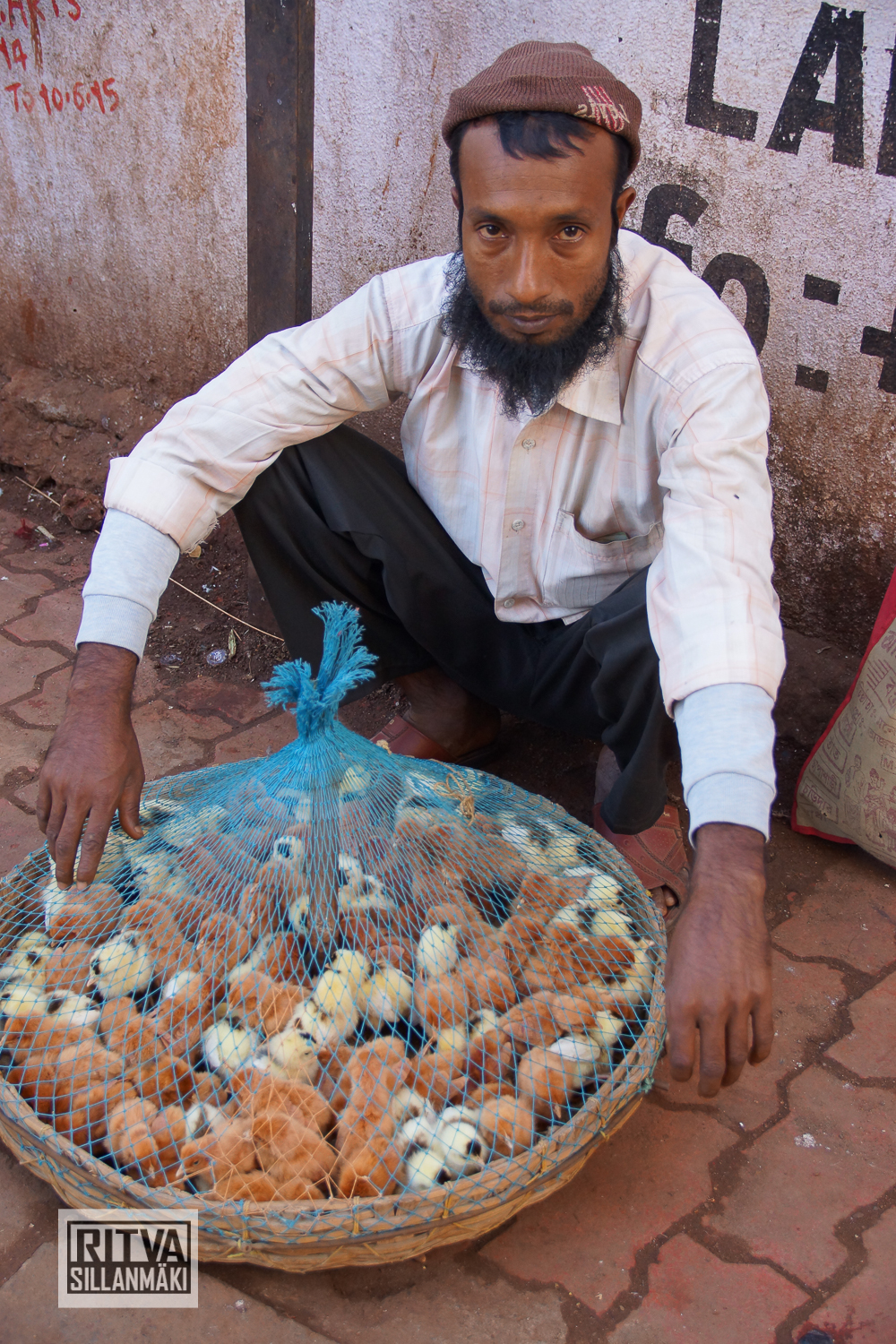
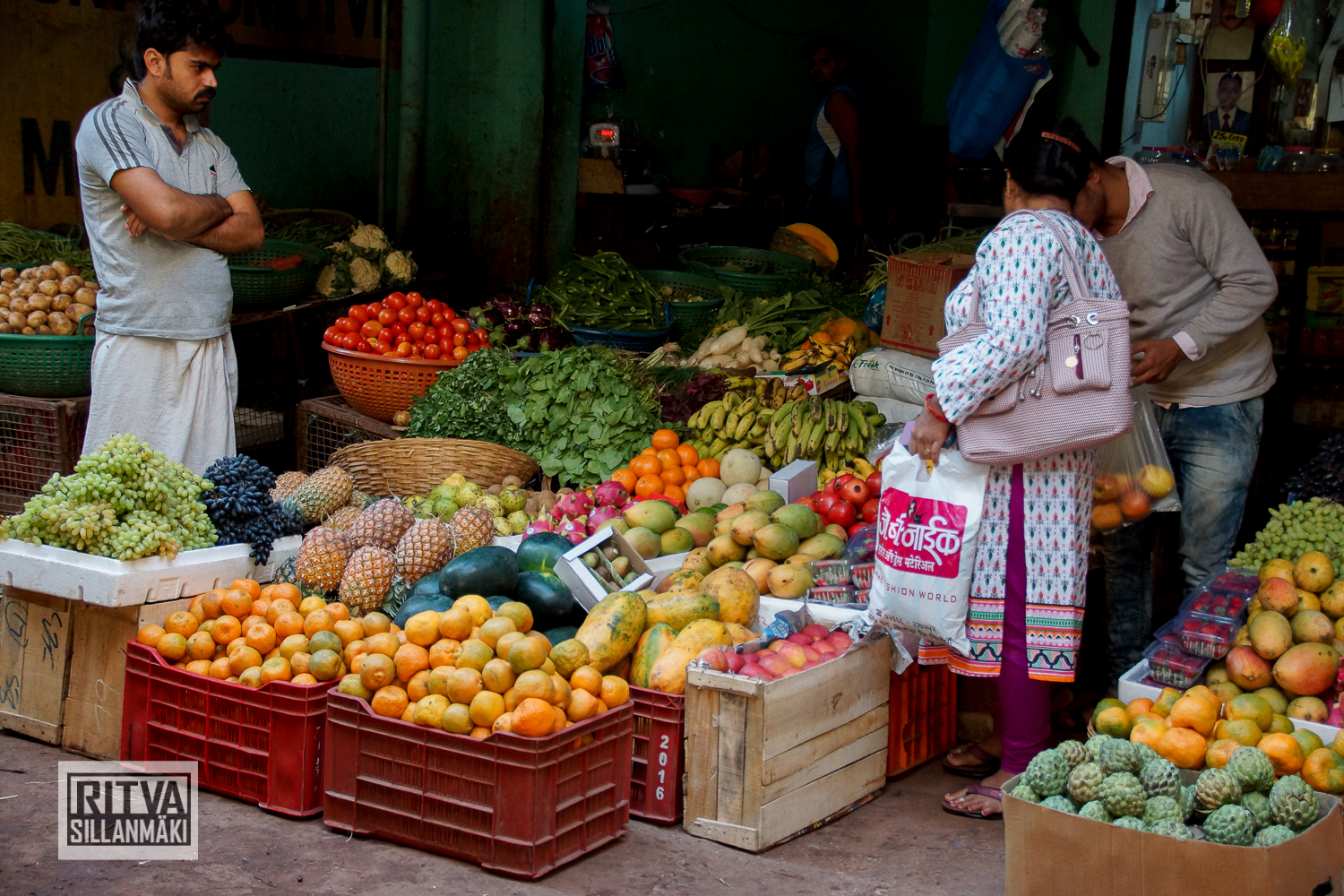
A local market in Goa India…lovely colorful clothes and expressive faces
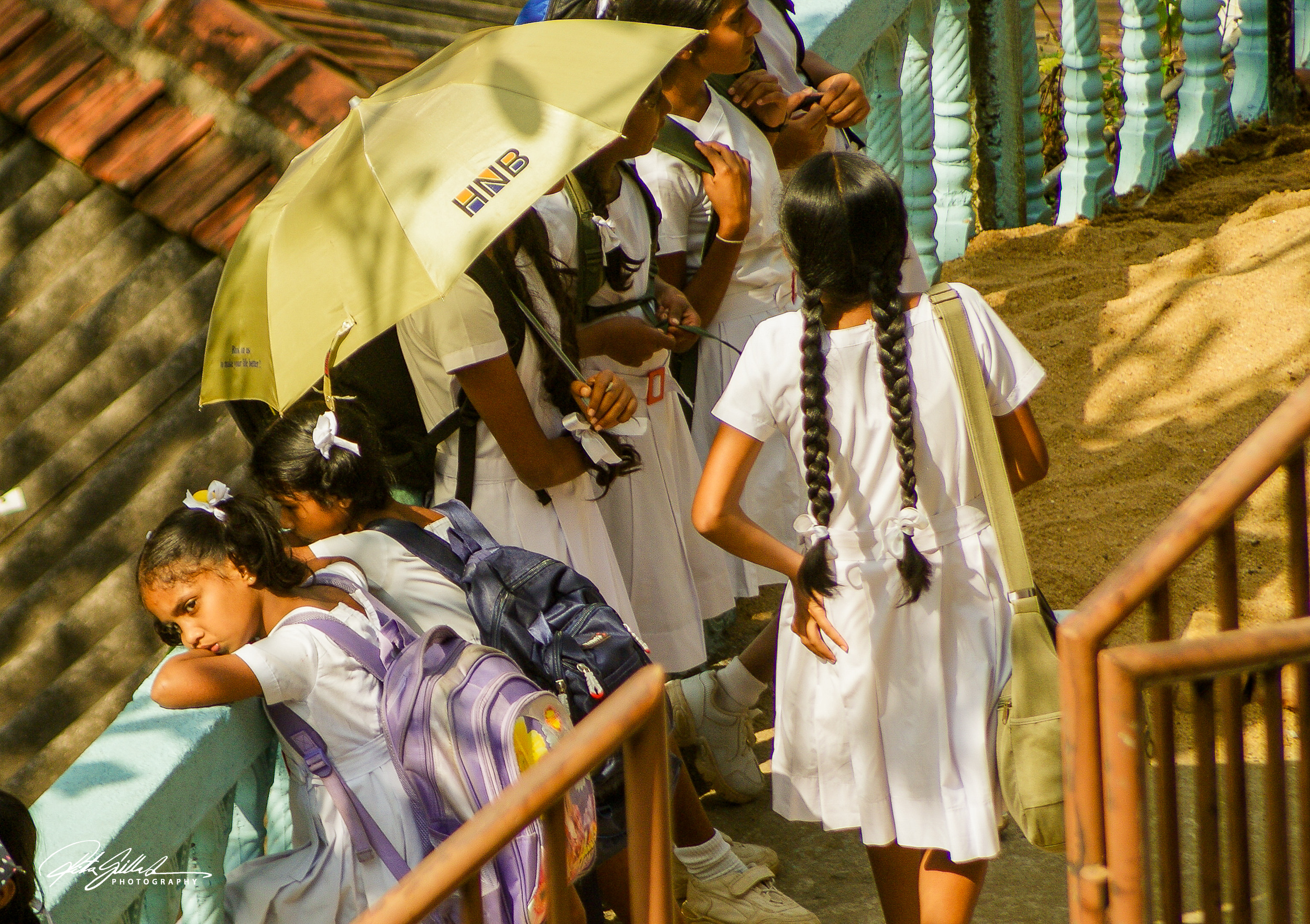
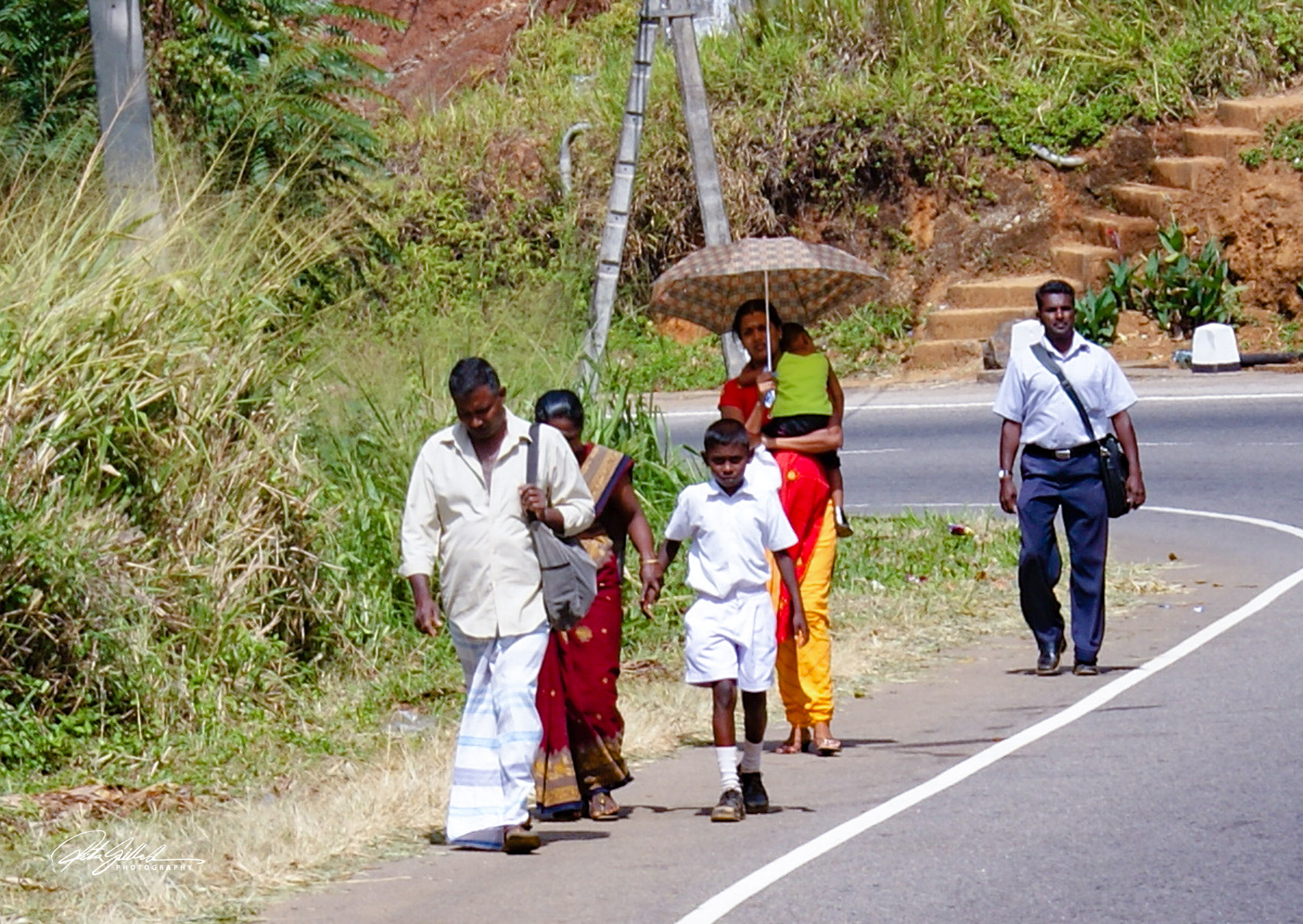
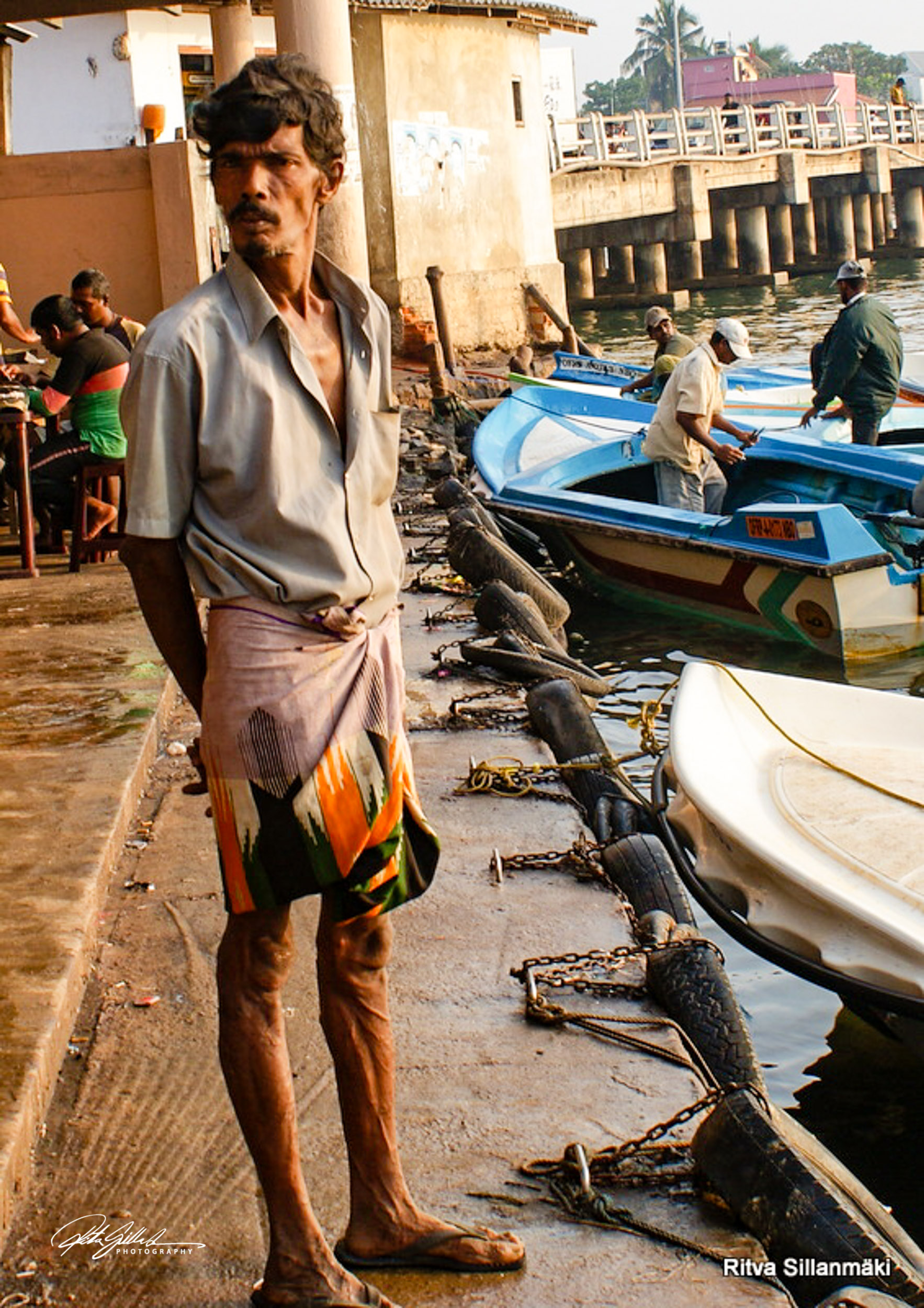
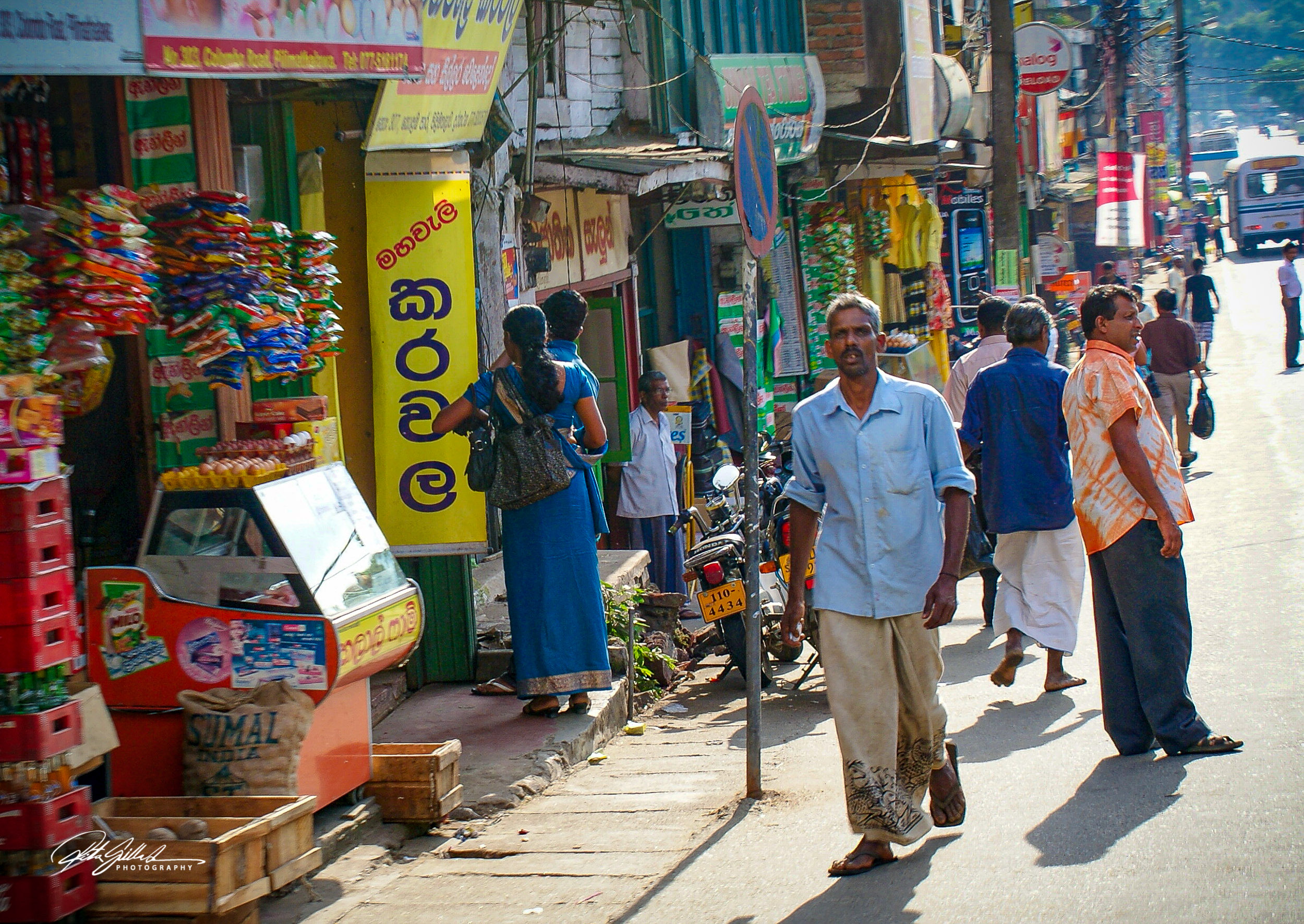
Sri Lanka…
framed all over… and all kinds of things
Remember to link to your post and use the Lens-Artists tag in the reader section. Thanks John, I love taking people shots, and happy to have the opportunity to share them
If you would like to participate weekly in our Lens-Artists Challenge, click here for more info.
I needed to add something in monochrome – of course
I have been uninspired and slightly depressed ( I just had a birthday) about growing old, a small age crisis 🙂 plus for some reason I actually ache real physically. So much joy in getting old. So I have been absent from the blog world mostly. I will weather this, I am totally working on it. As a positive person I do not dwell on these for long.
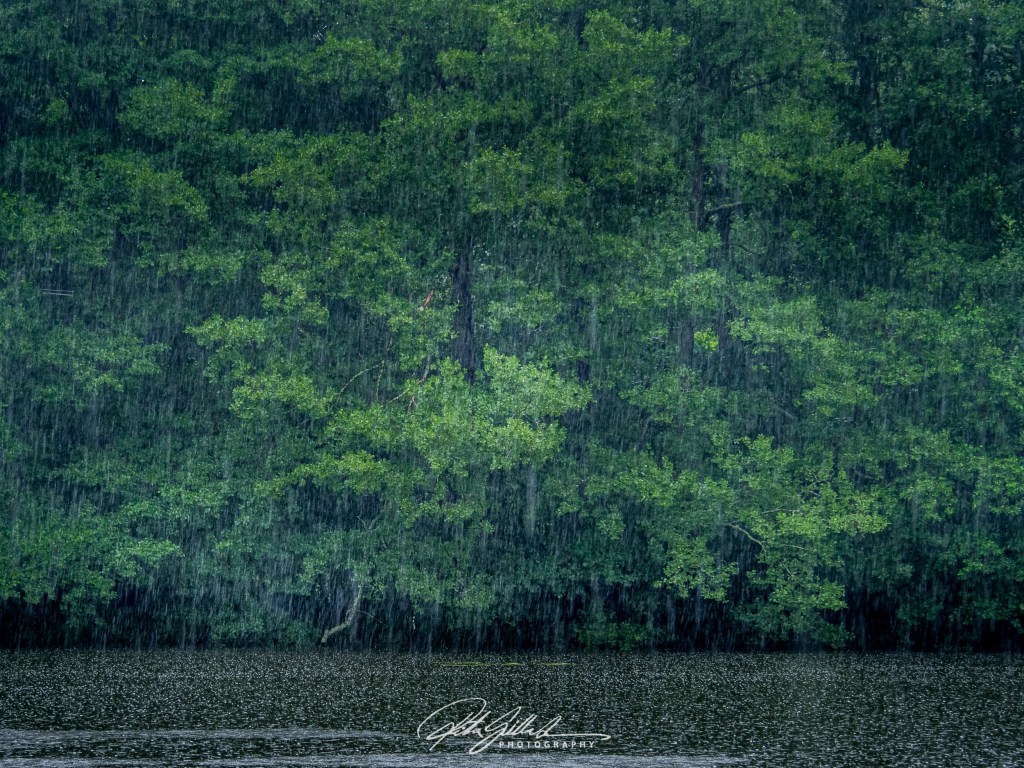
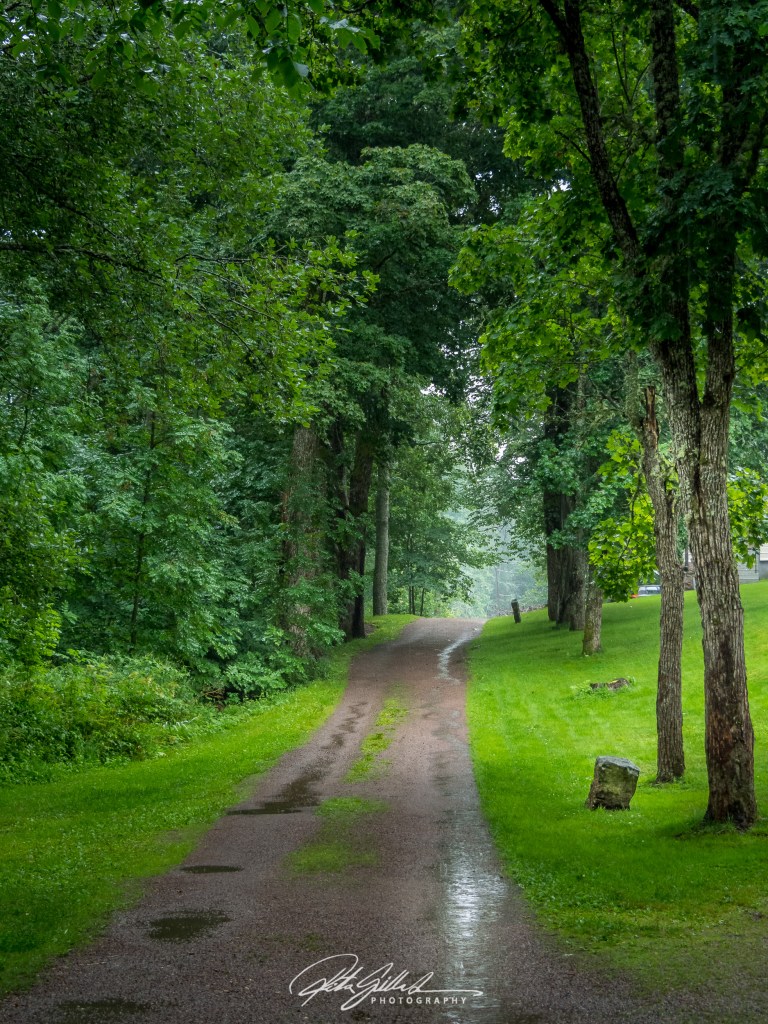
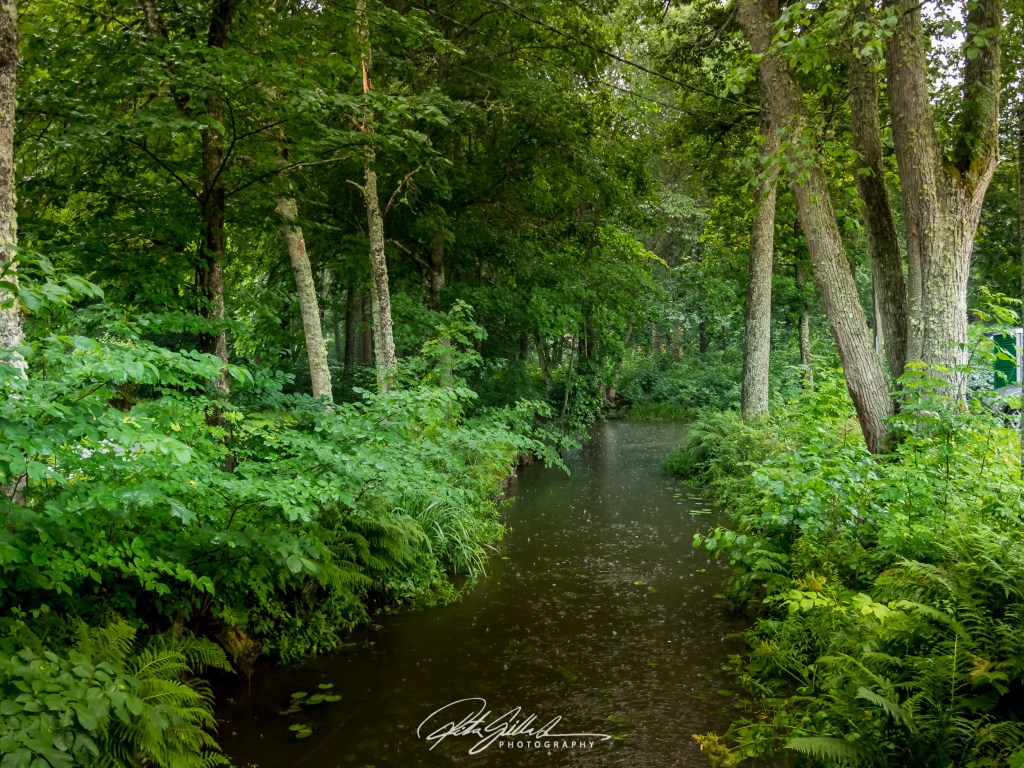
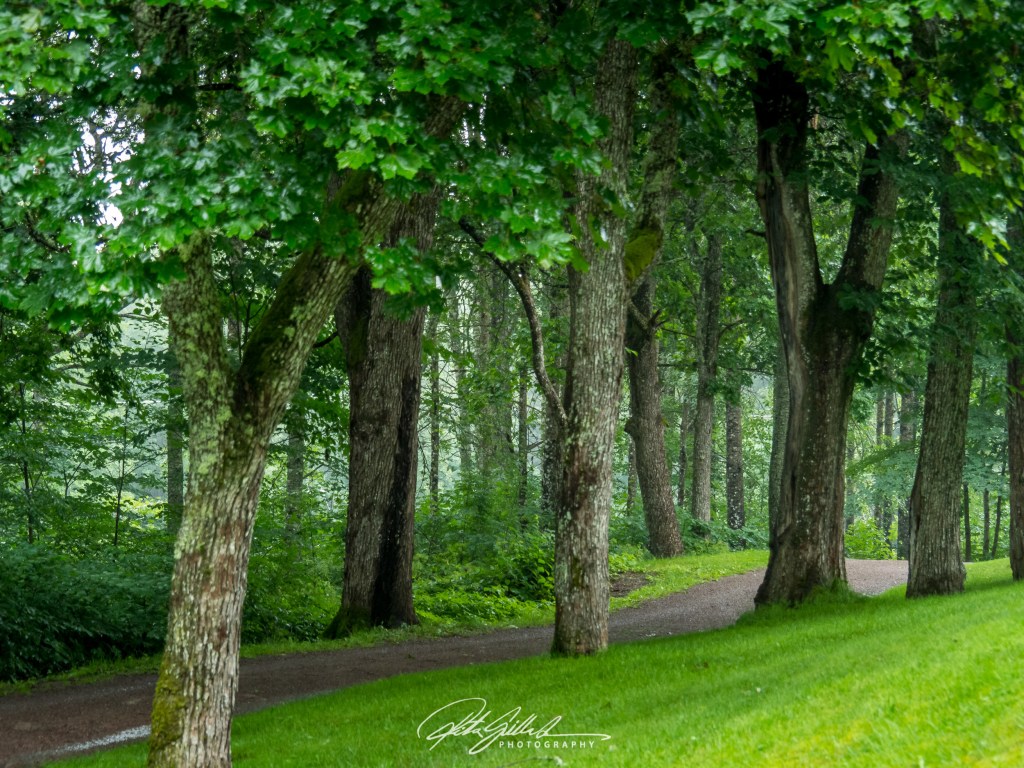
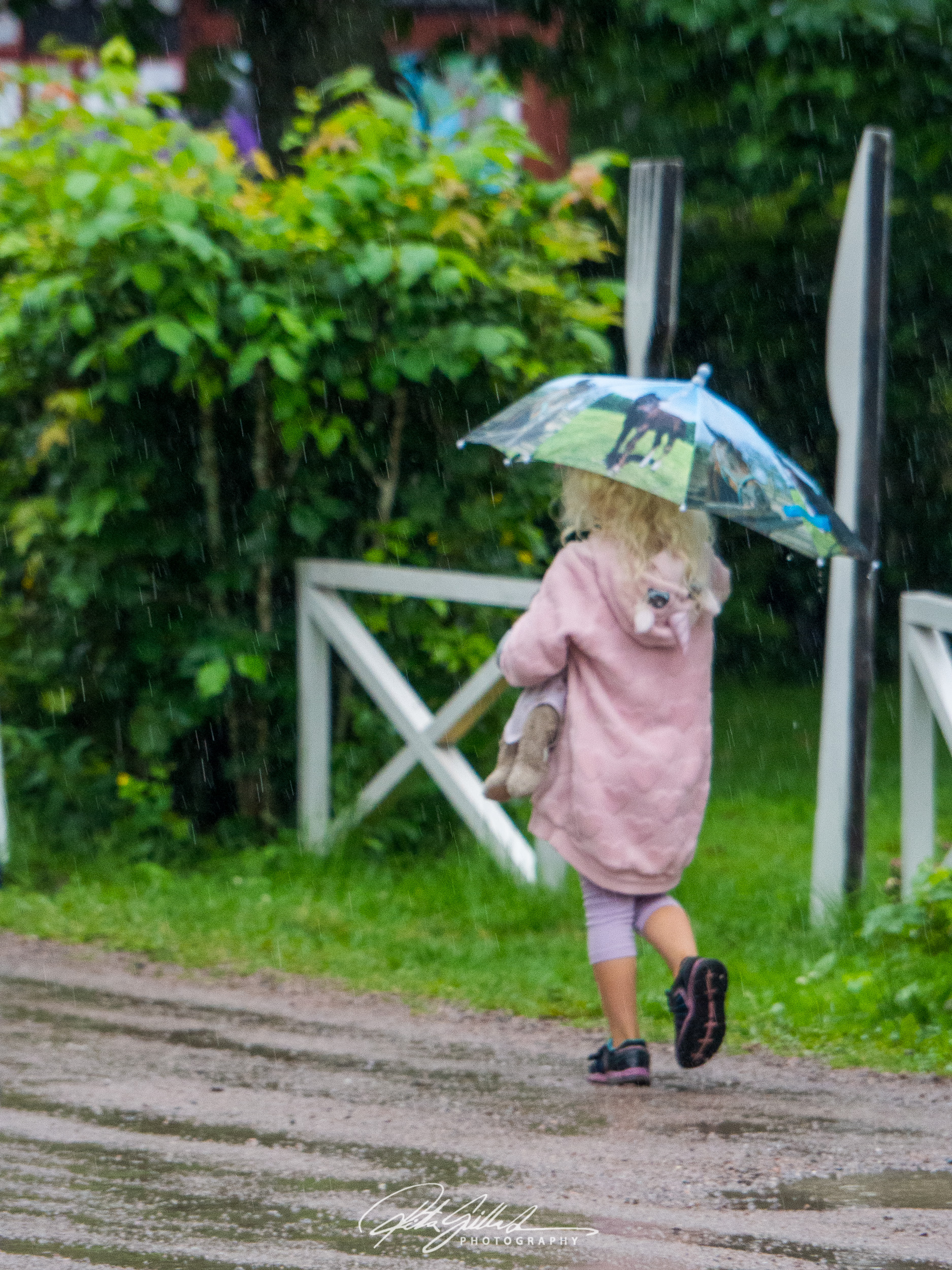
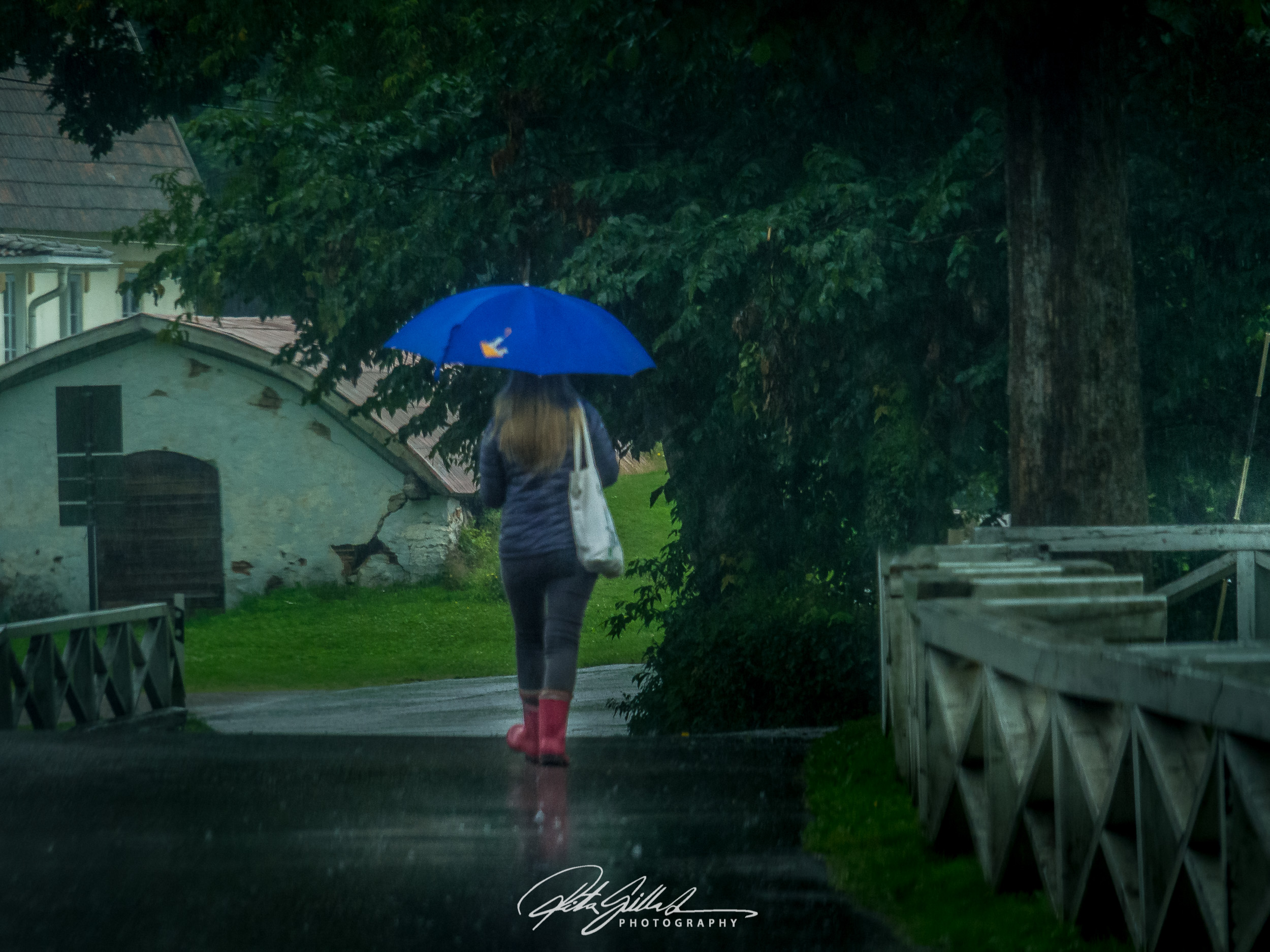
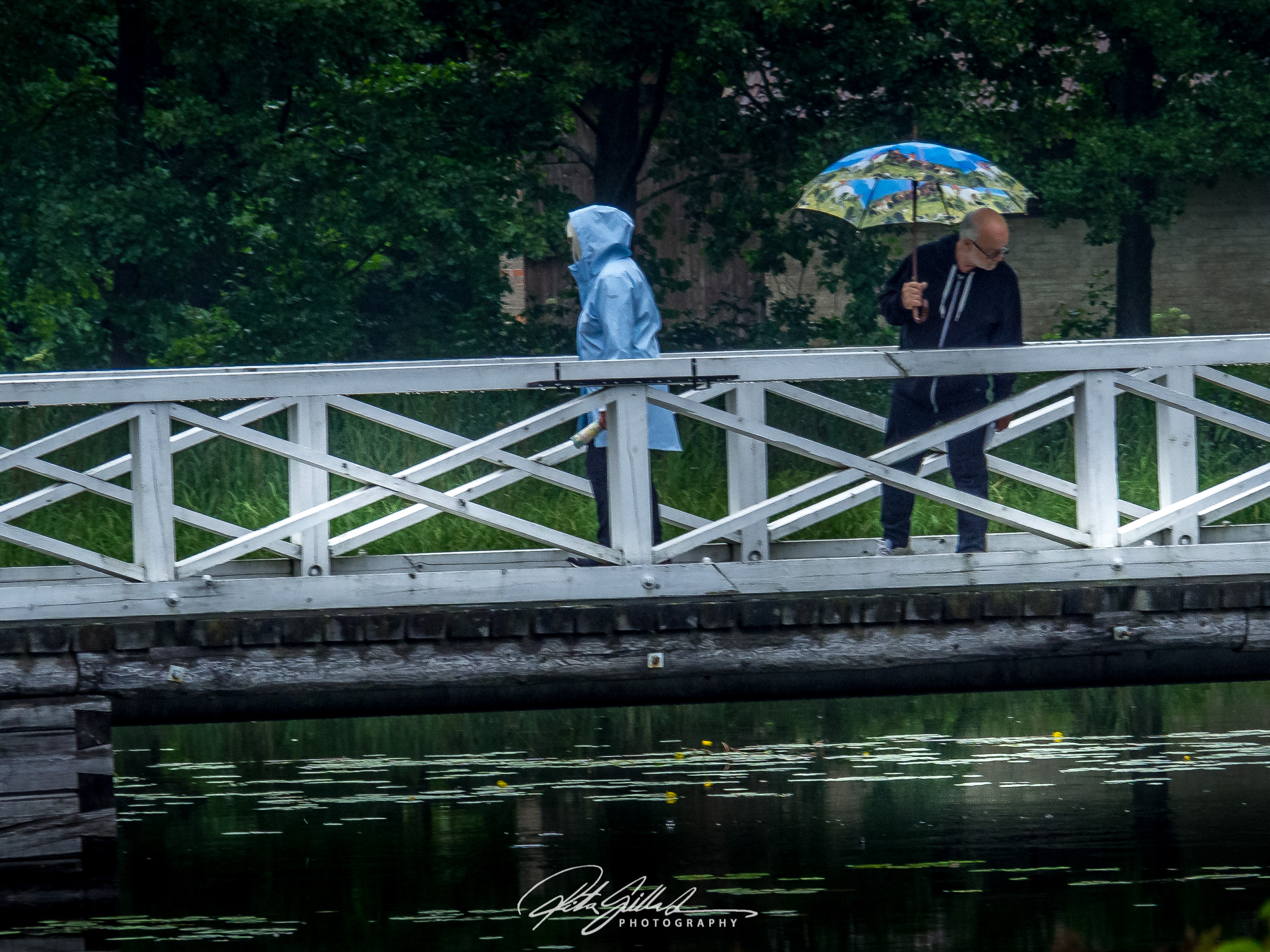
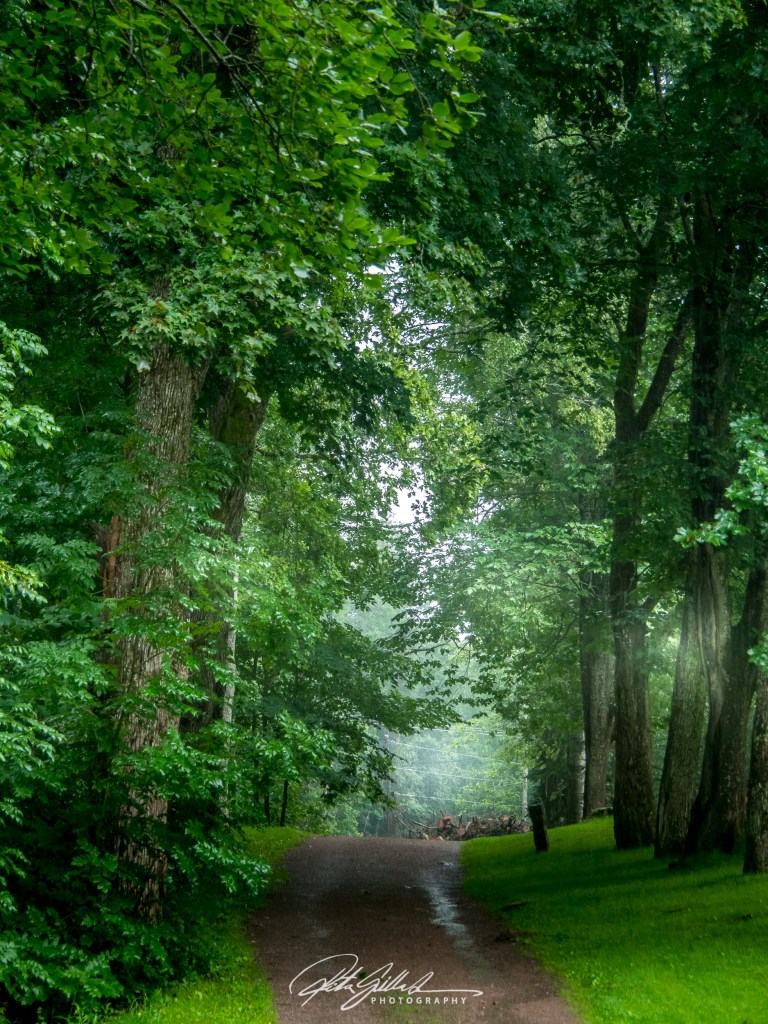
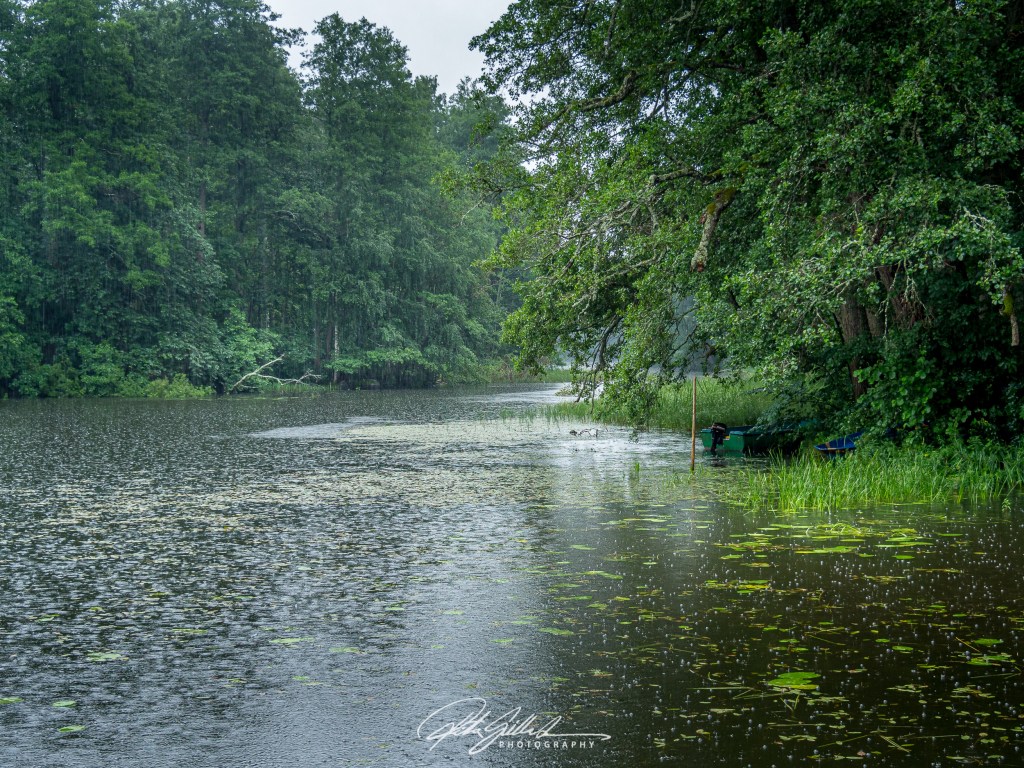
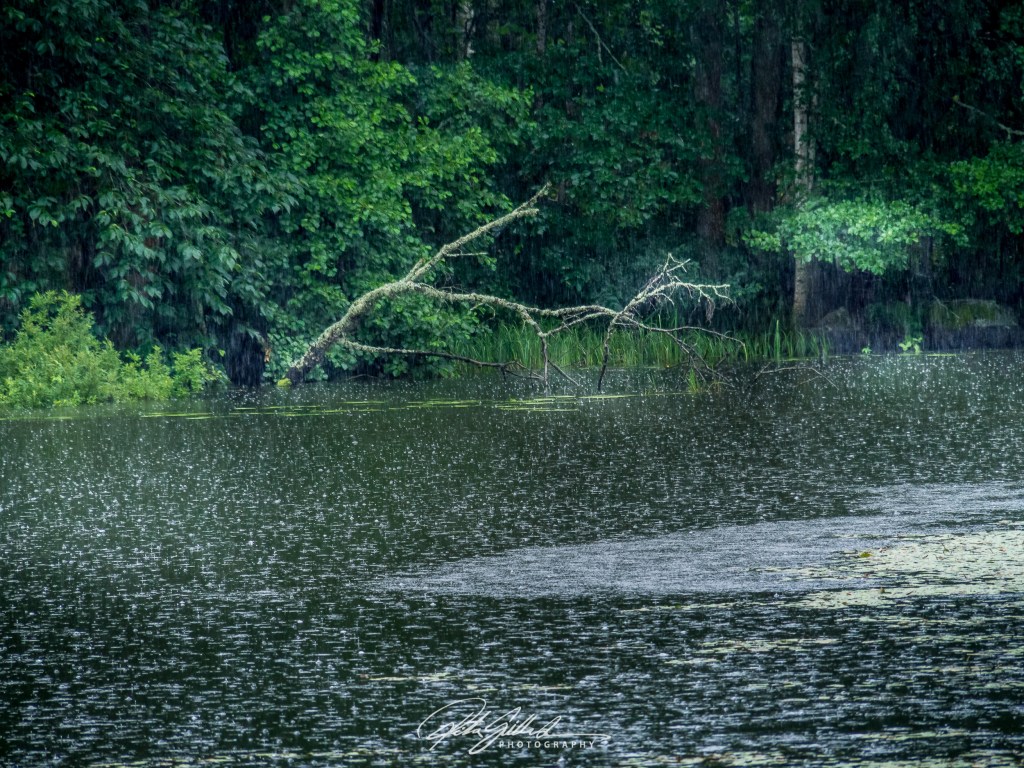
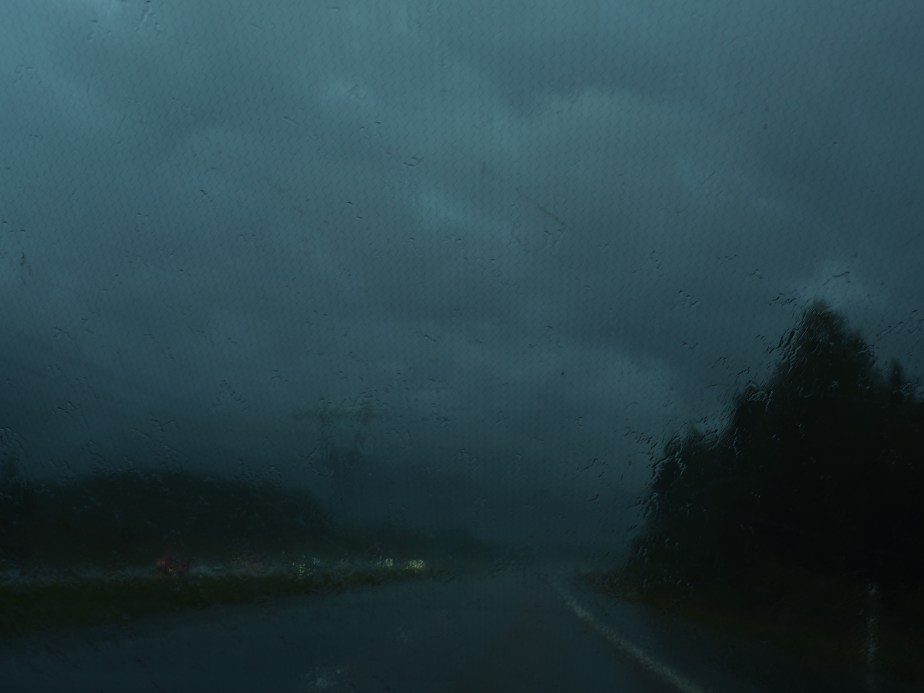
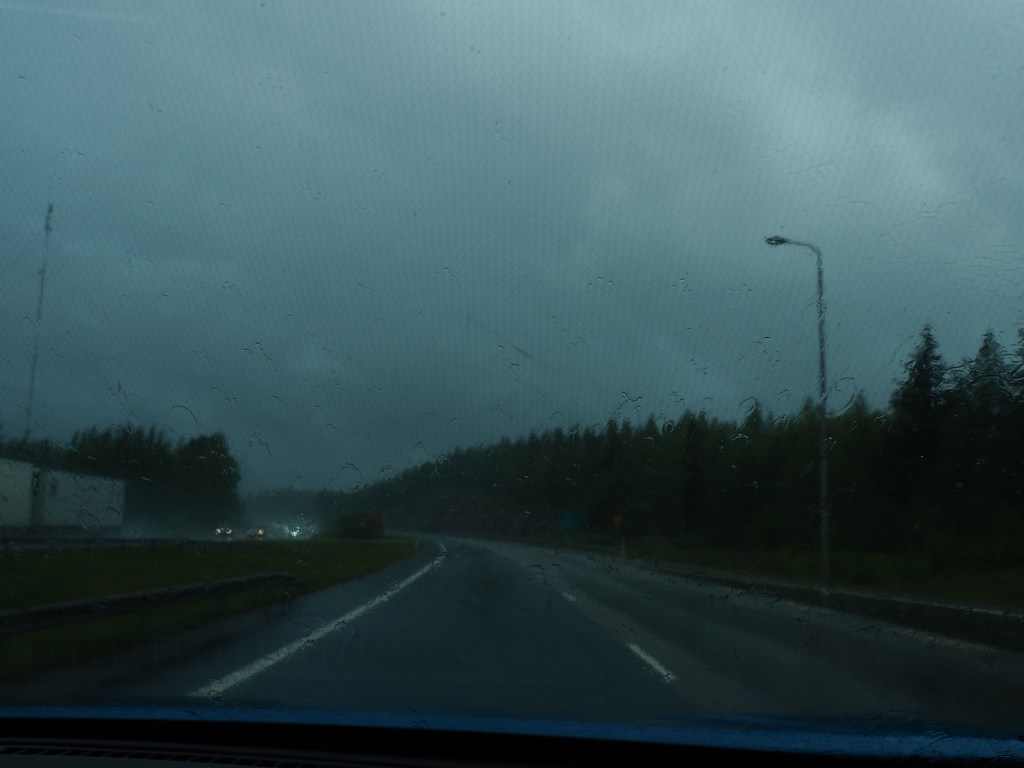
I took these some days back when we had some rainy days. They someway reflect my mood…. I see a small light ahead, and it is getting brighter. A minimalistic take on the weather
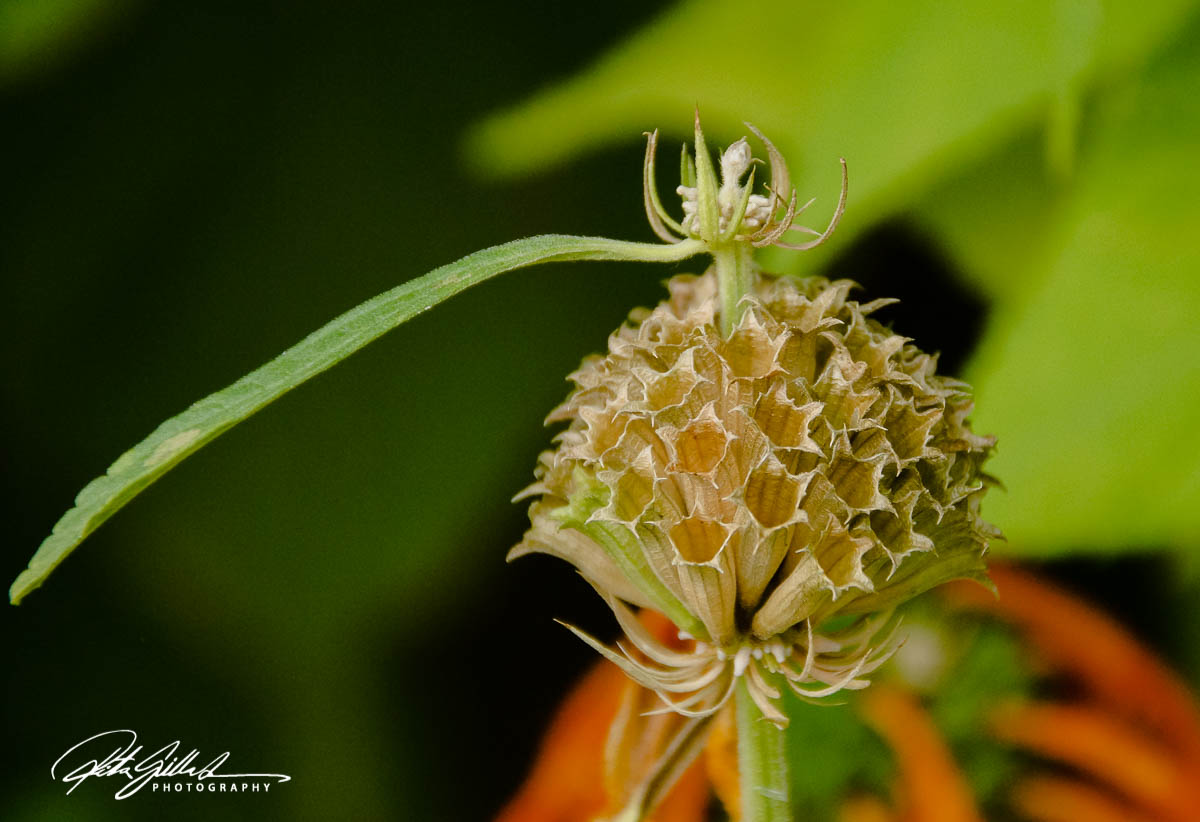
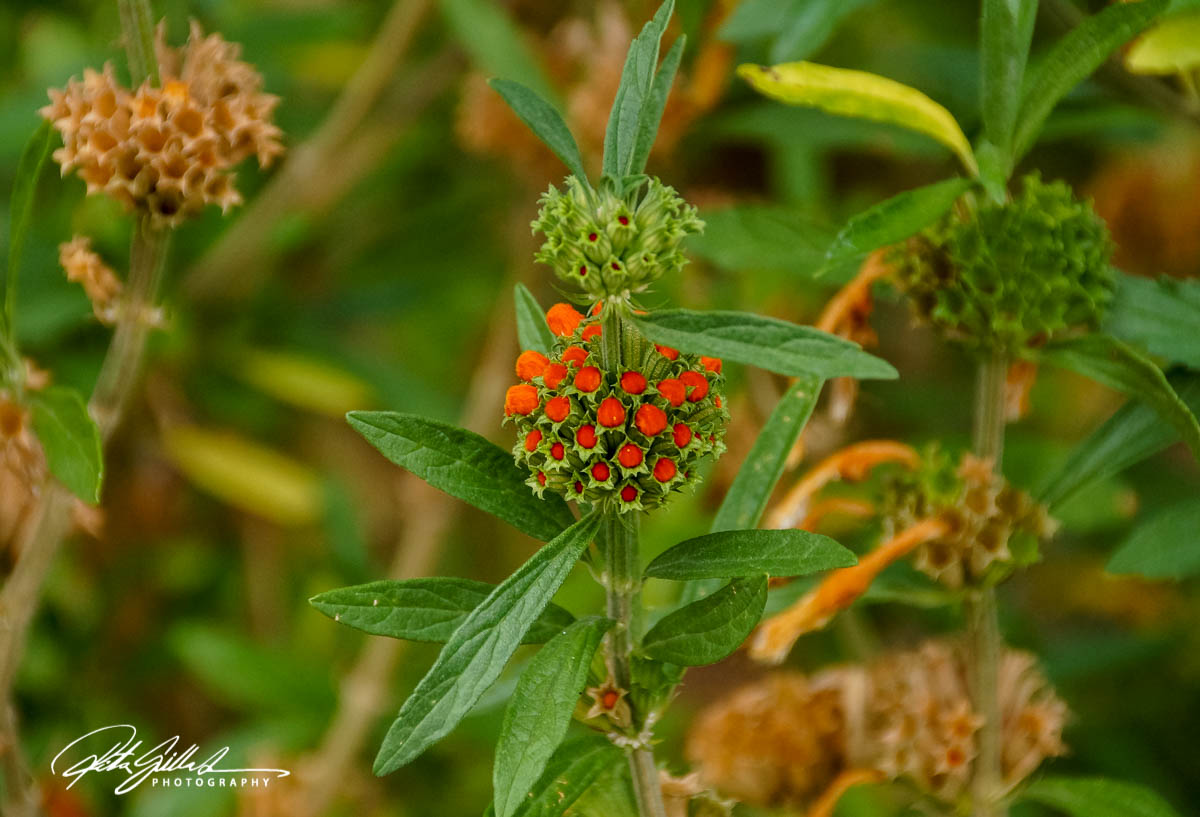
also known as lion`s tail and wild dagga, Klip Dagga
Lions Ear, Leonotis leonurus, is a plant species in the Lamiaceae family. The plant is a broadleaf evergreen large shrub native to South Africa and southern Africa, where it is very common. It is known for its medicinal and mild psychoactive properties.
Medicinal Uses. It is said that… ( what I read about it)
Klip Dagga has long been used in African traditional medicine as a treatment for fevers, headaches, malaria, dysentery and snakebite.
It has an effect on the uterus – depending on the dose it will stimulate- or suppress menstruation.
In Trinidad it is a common cold, fever and asthma remedy.
Studies suggest that teas or tinctures made with the leaf possesses anti-nociceptive properties, is anti-inflammatory and hypoglycemic and therefore lend pharmacological credence to the folkloric uses of this herb in the management and/or control of painful, arthritic, and other inflammatory conditions, as well as for adult-onset type-2 diabetes mellitus.
Both Klip Dagga Leonotis nepetifolia and Wild Dagga Leonotis leonurus are excellent heart tonics.
They are used for heart conditions associated with anxiety and tension and will calm palpitations, tachycardia and irregular heartbeats.
The dried foliage of Leonotis – both Wild Dagga and Klip Dagga – can be used as a legal substitute for marijuana (ganja, cannabis, hemp).
Smoking this dried herb gives an euphoric-like effect and exuberance.
The flowers are the most potent part and can be smoked or used as a calming tea.
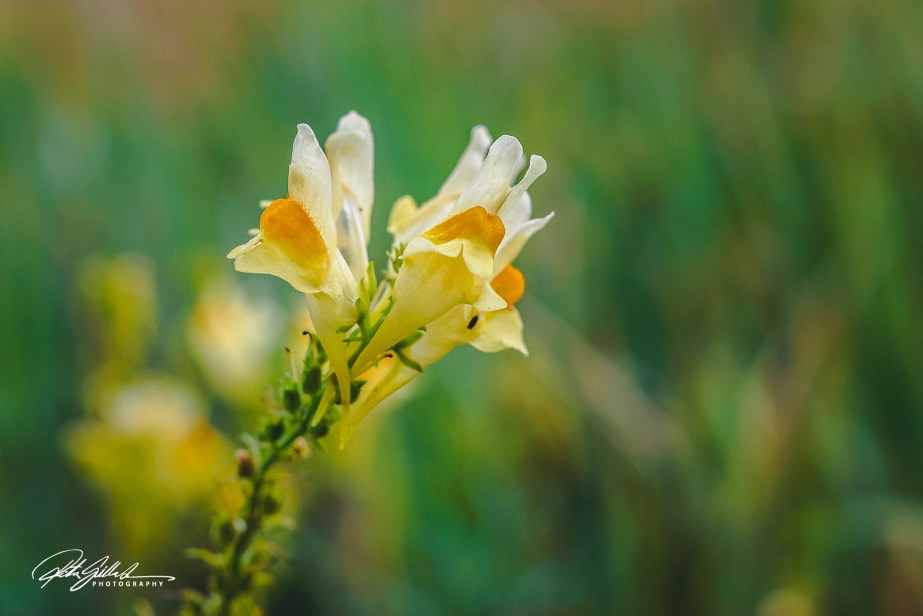
Toadflaxes are abundant in western Asia and around the Mediterranean. Many of them favour culturally-influenced areas, at least to at least a certain extent.
Yellow toadflax is a perennial, strong-rooted herb which has root buds. It flowers on roadsides right up until late September. In Finland it is native to coastal rocky outcrops. Inland plants may be established aliens that arrived later. Yellow toadflax has a beautiful flower and has thus been transplanted into gardens as an ornamental and found new habitats in this way.
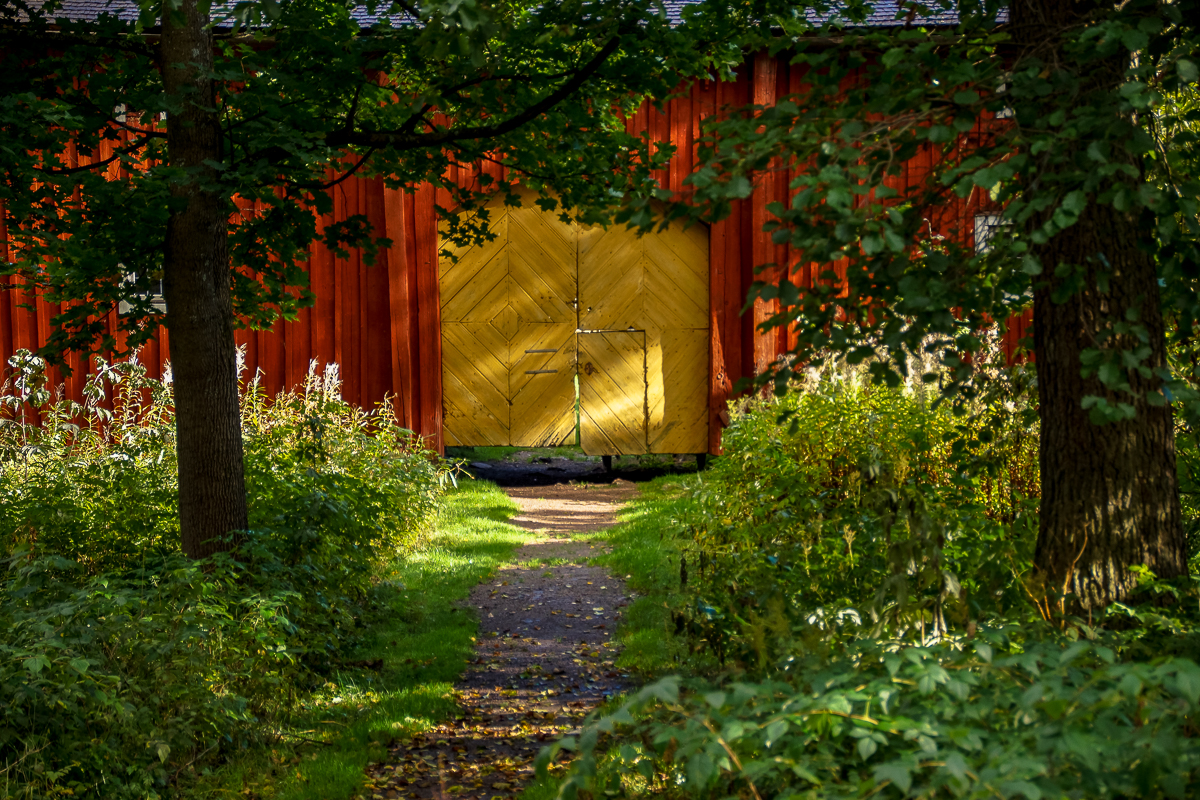
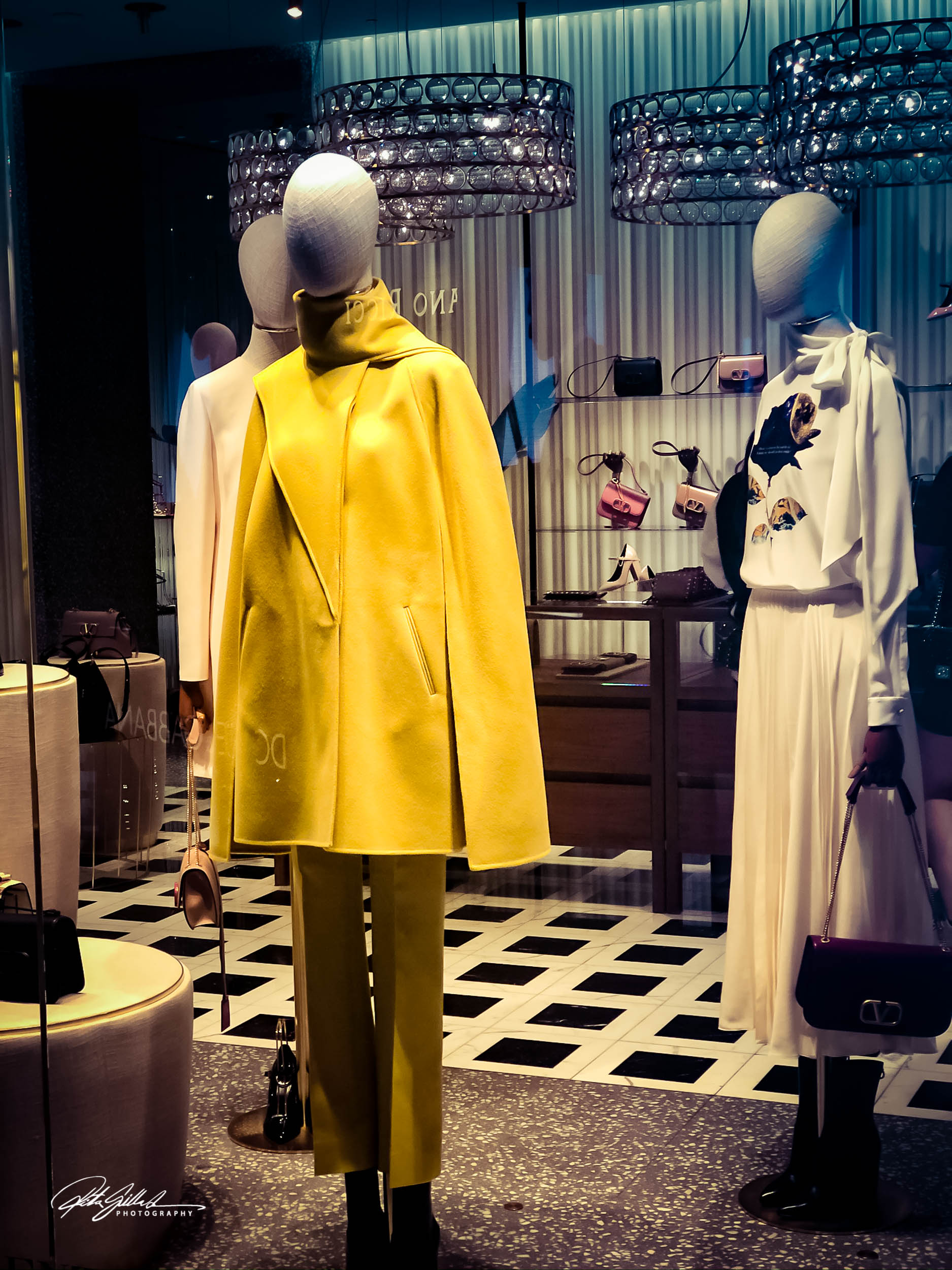
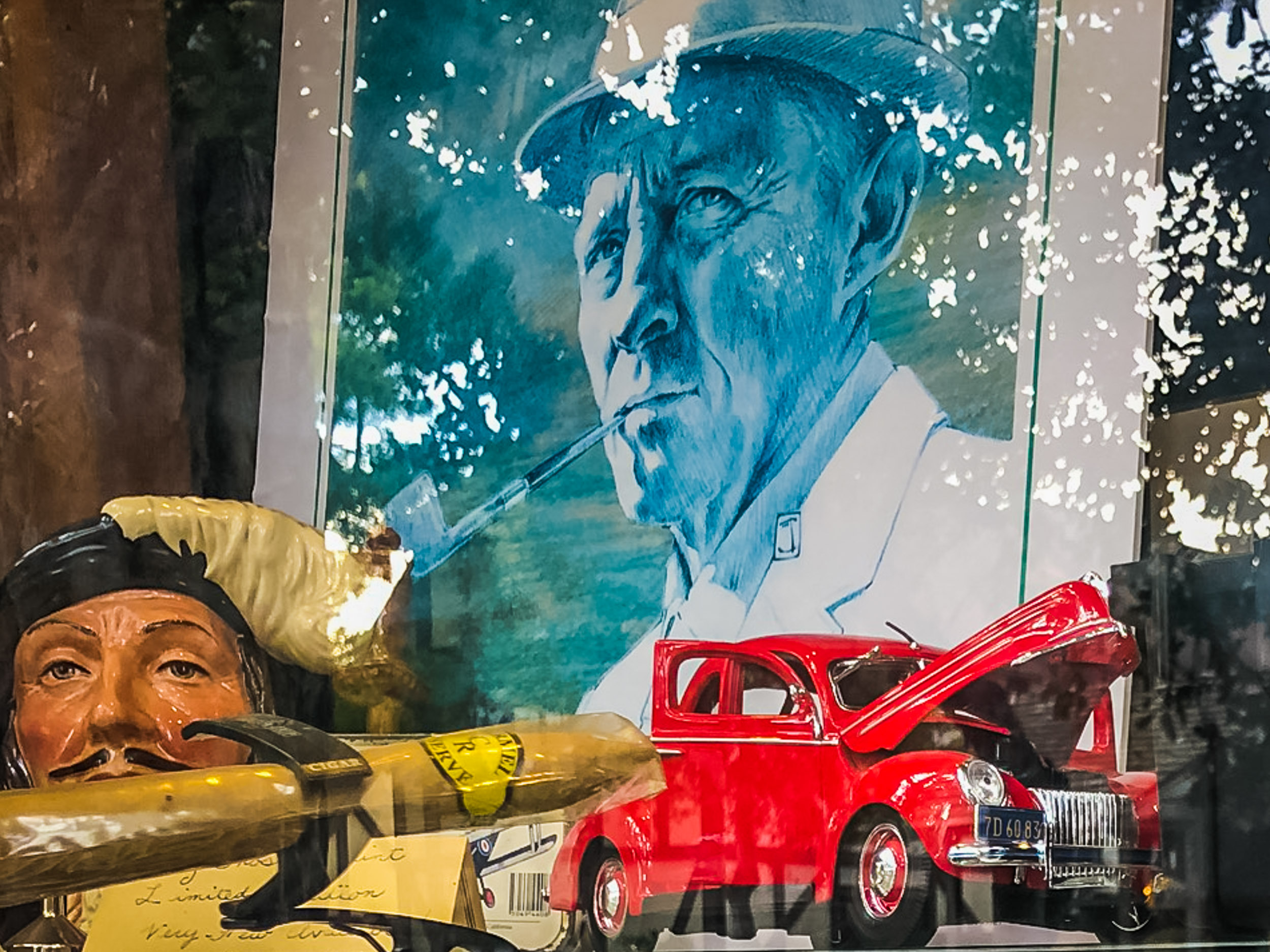
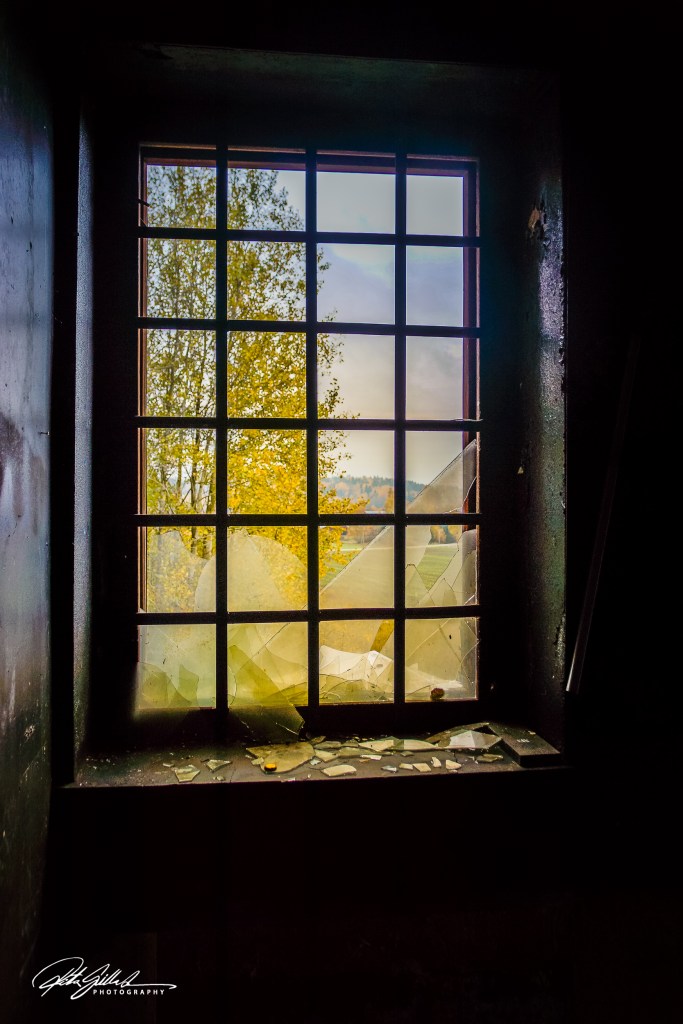
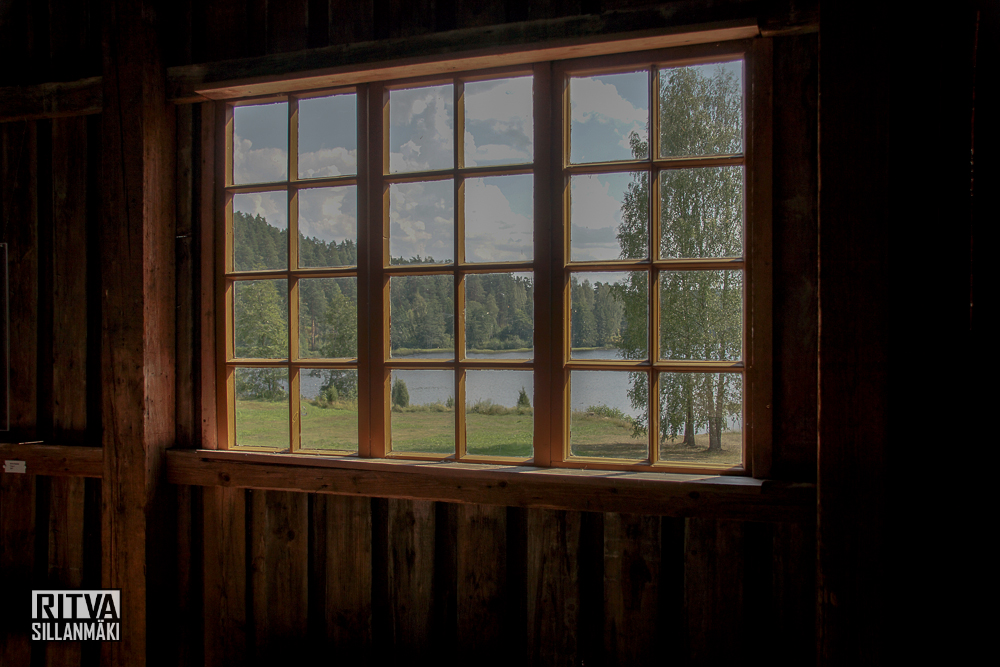
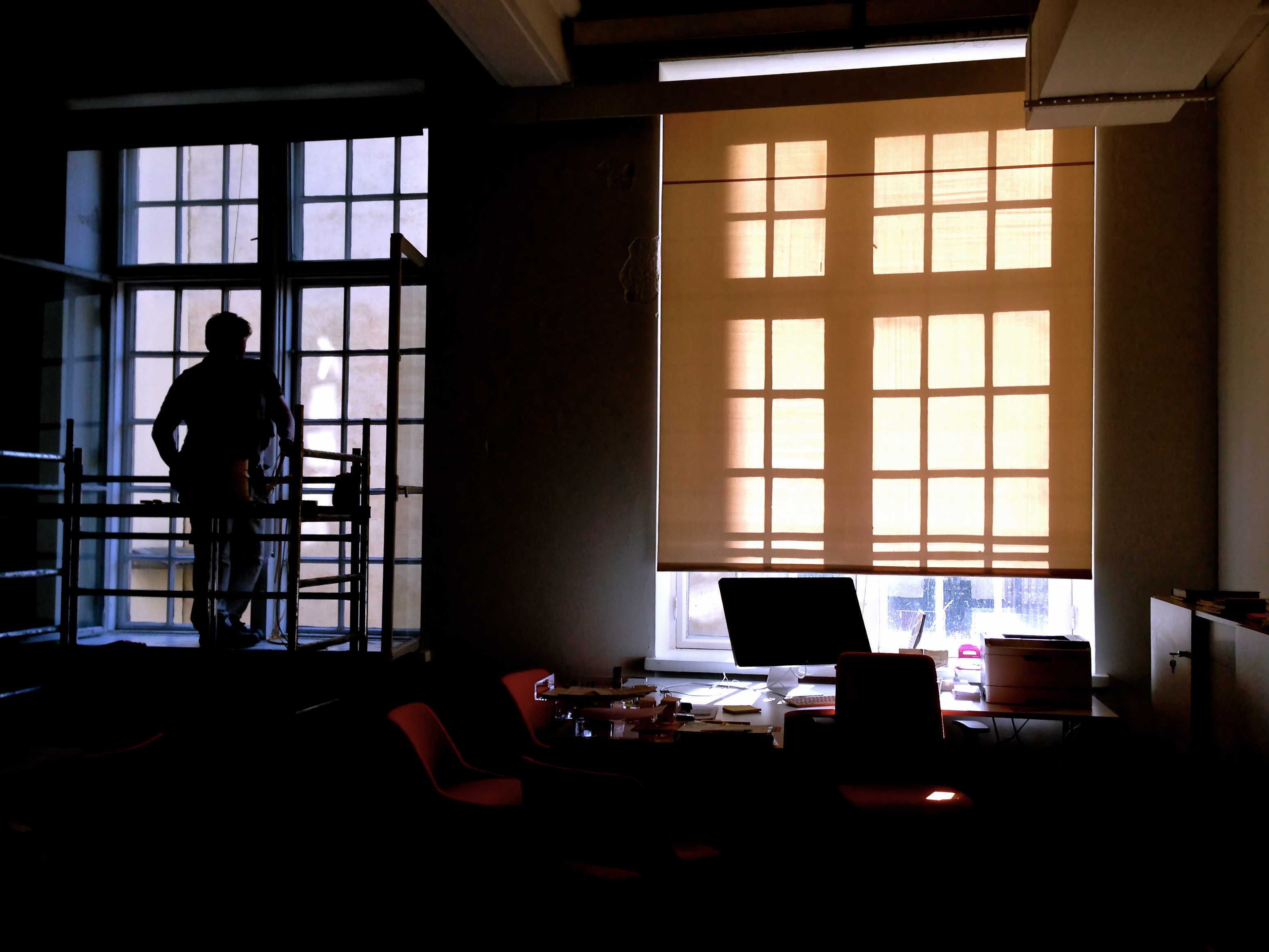
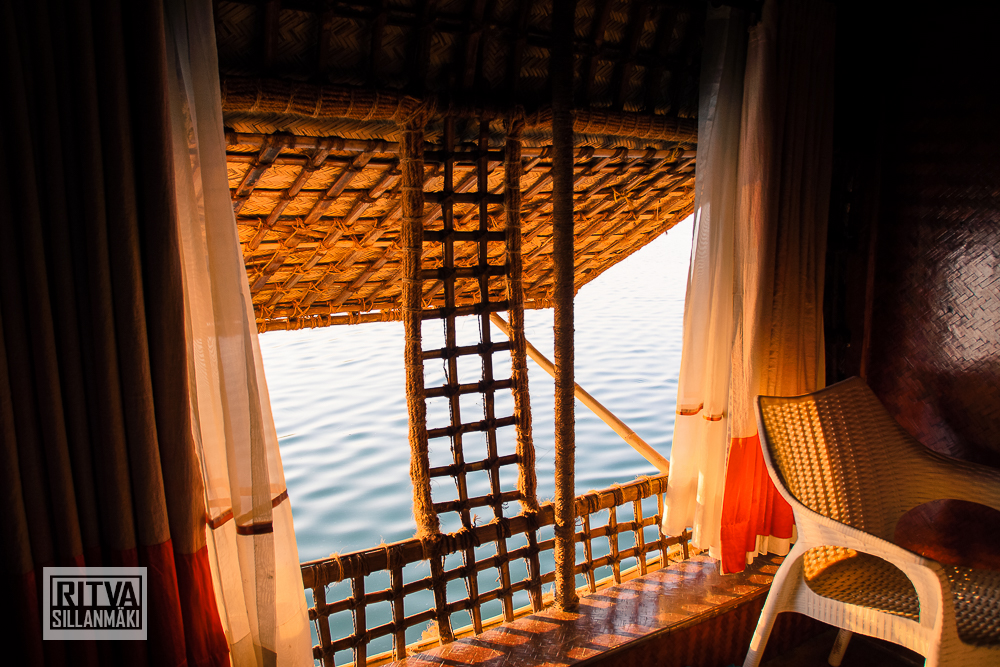
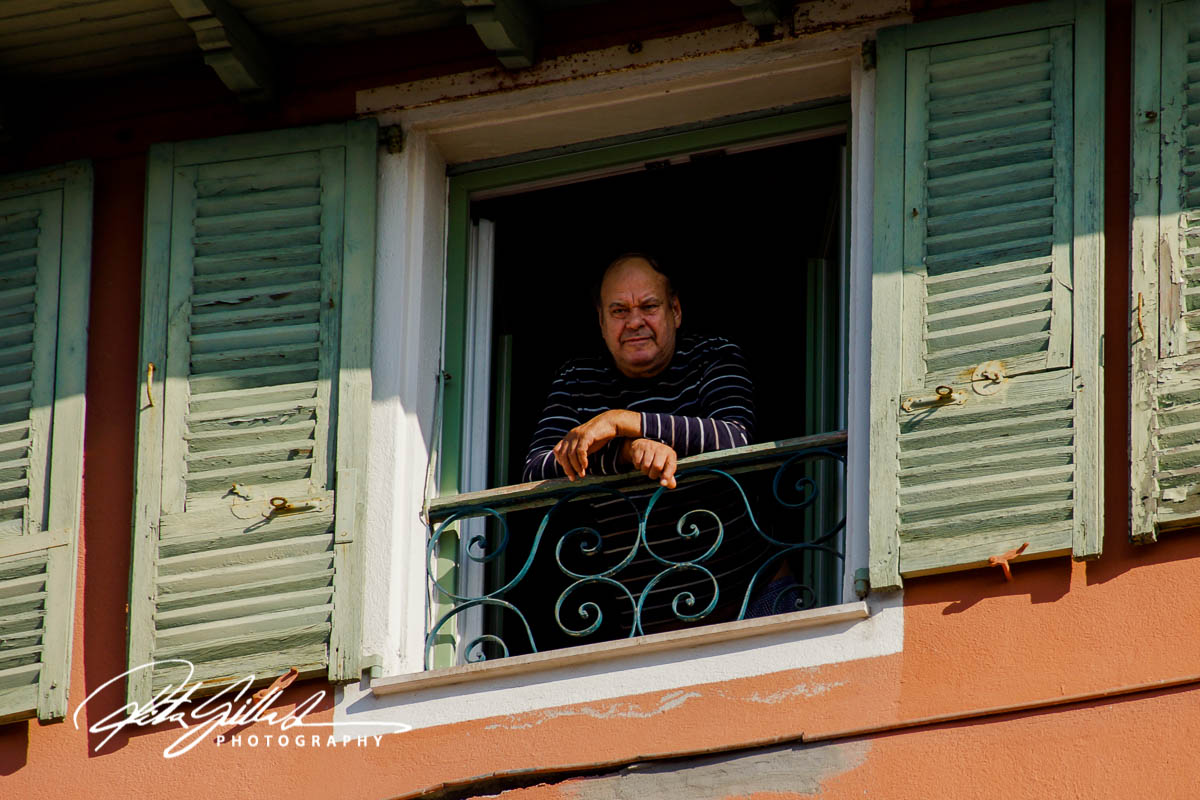
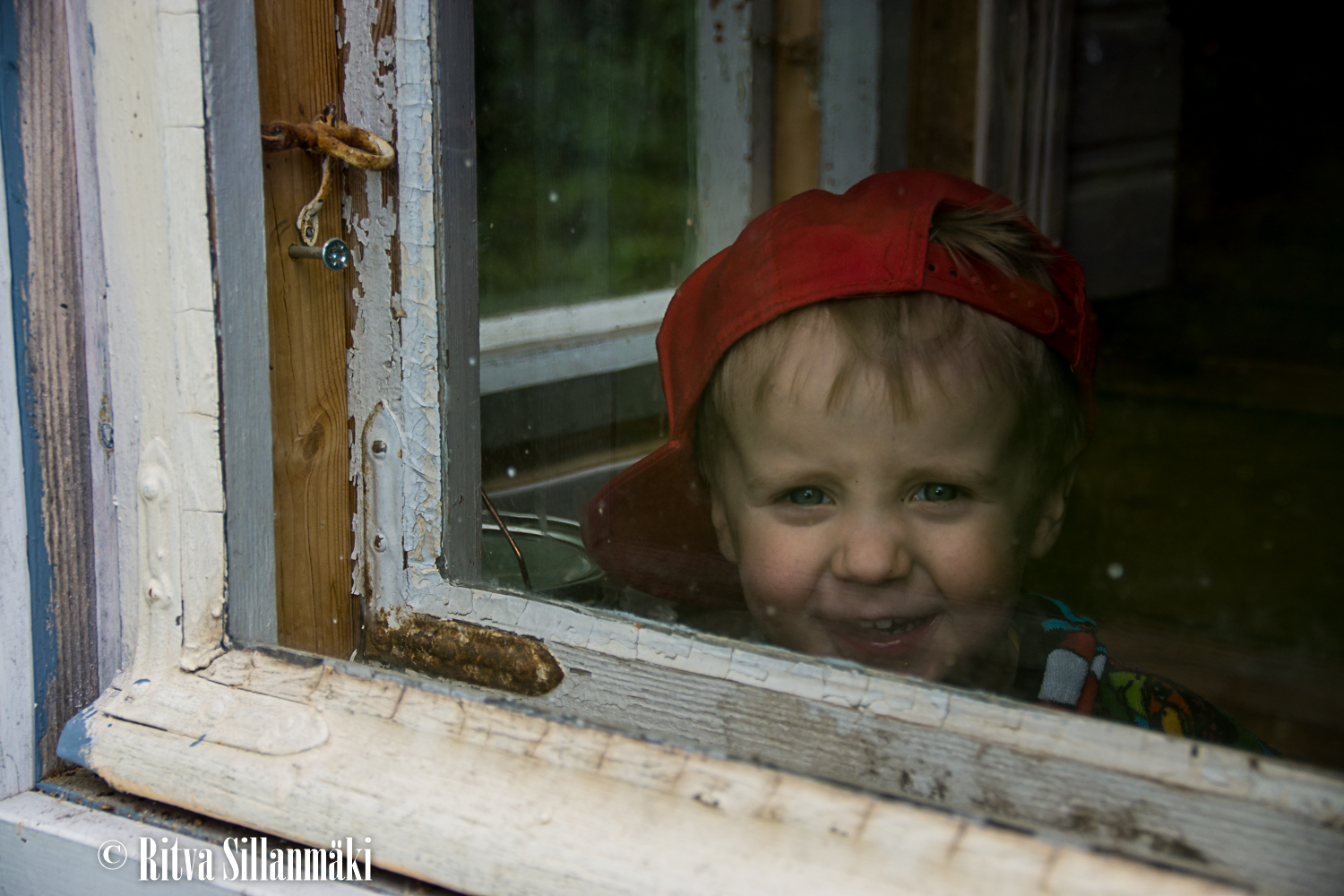
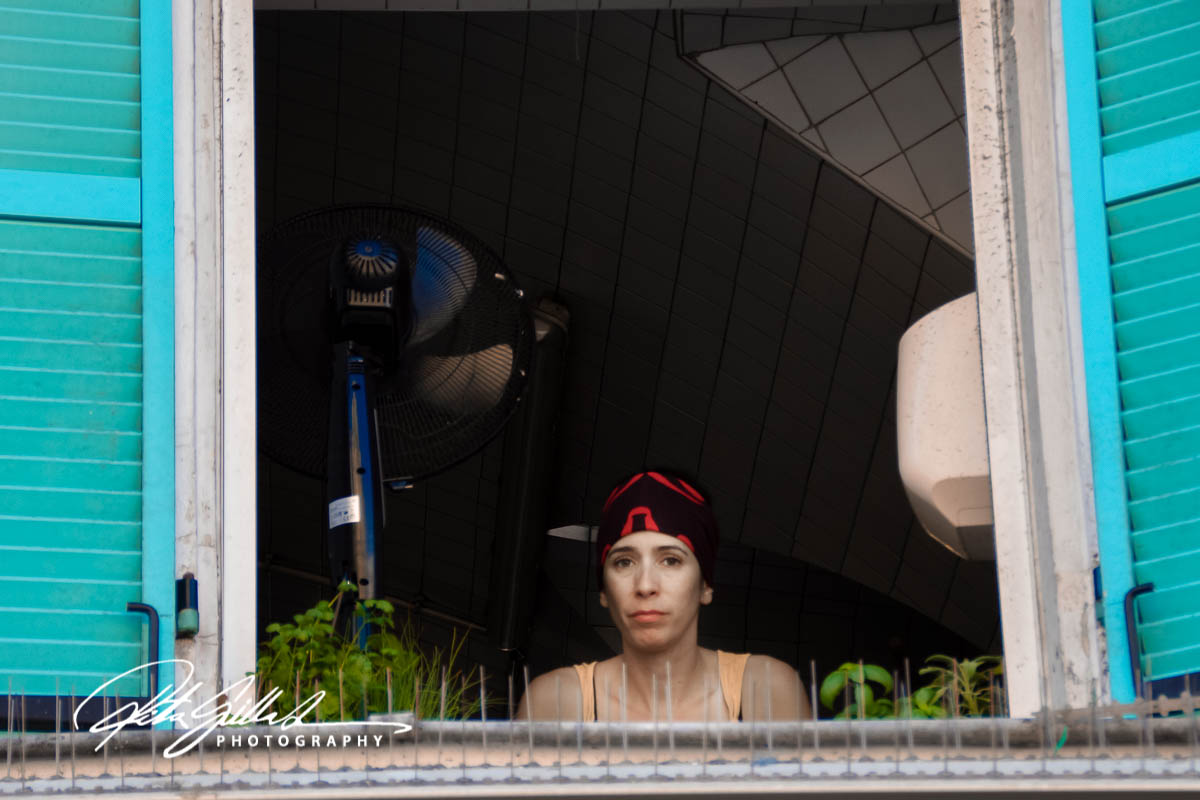
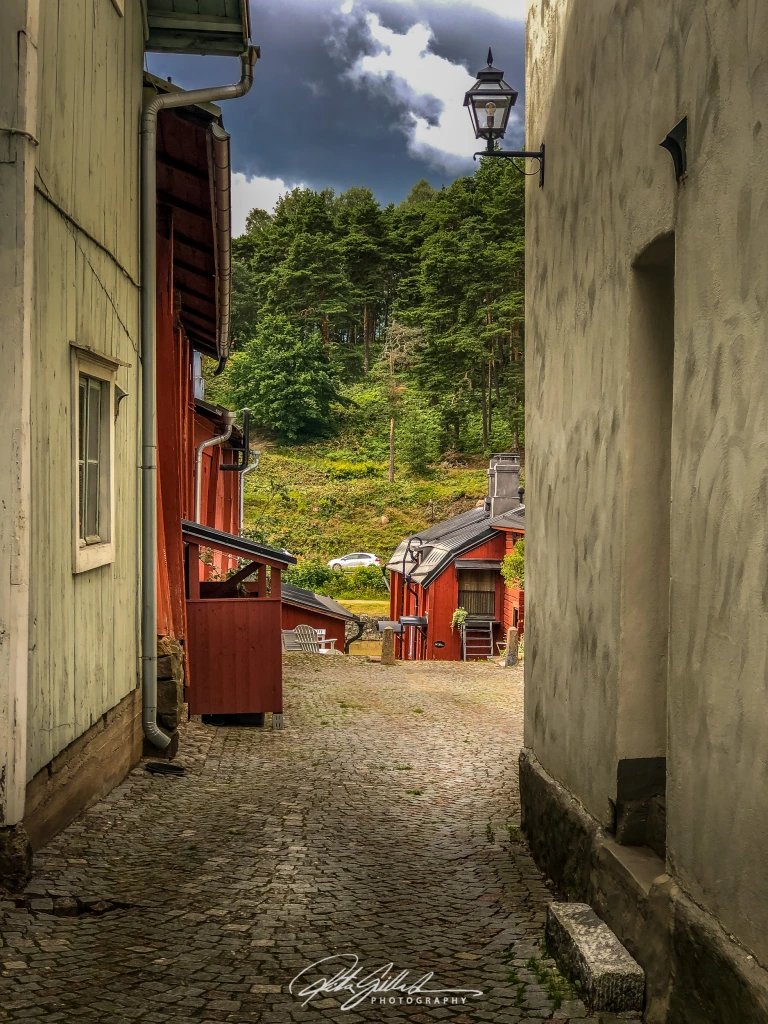
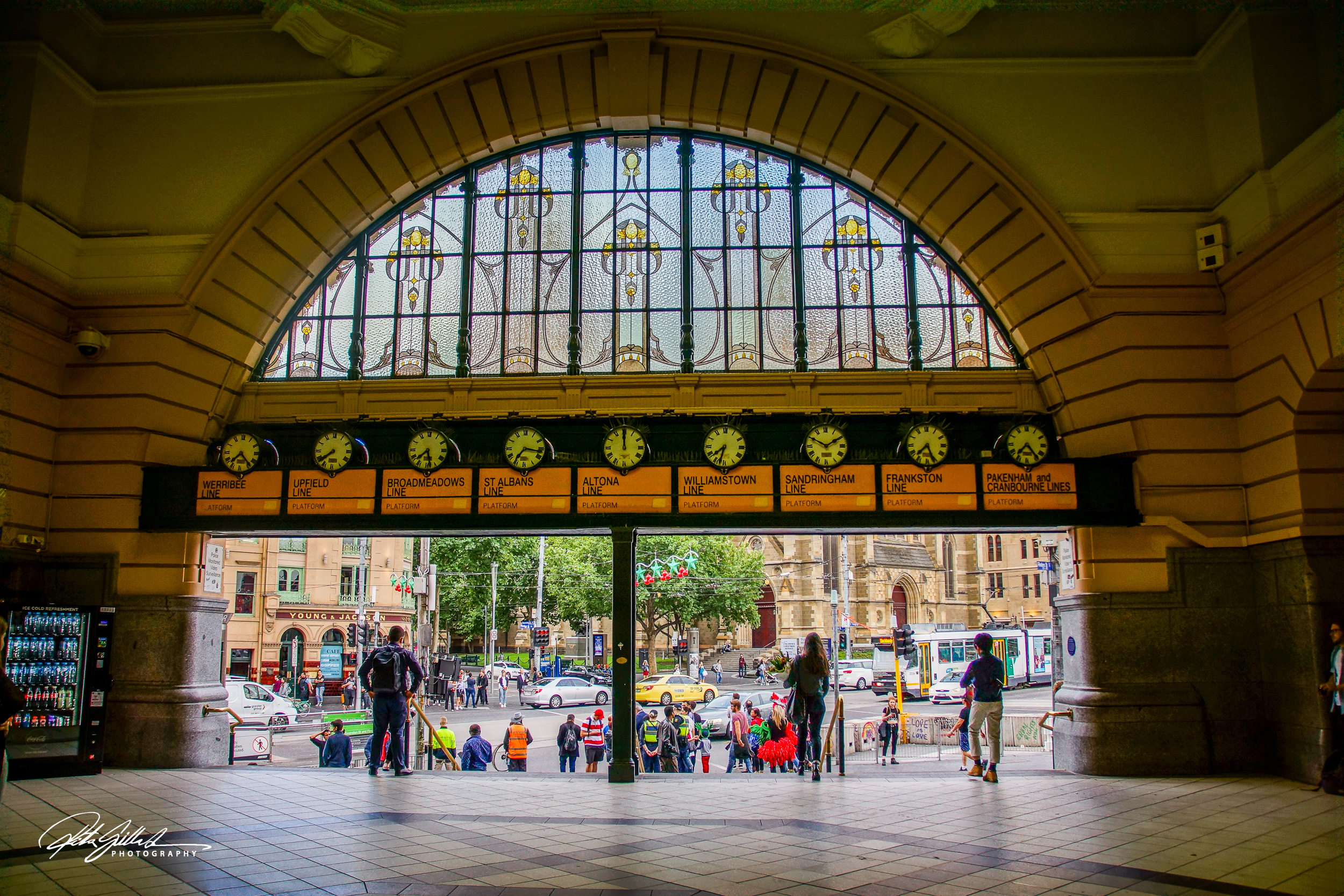
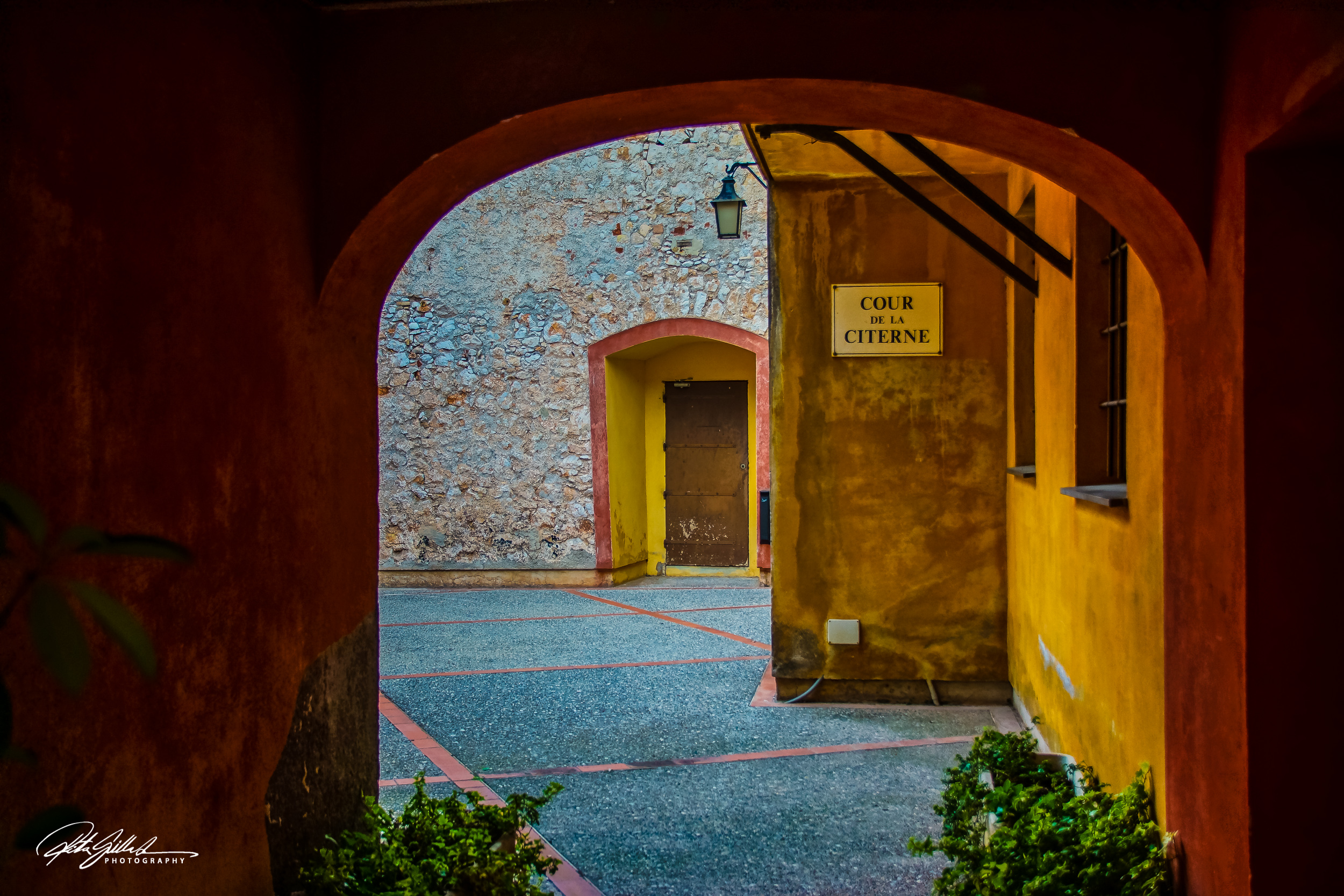
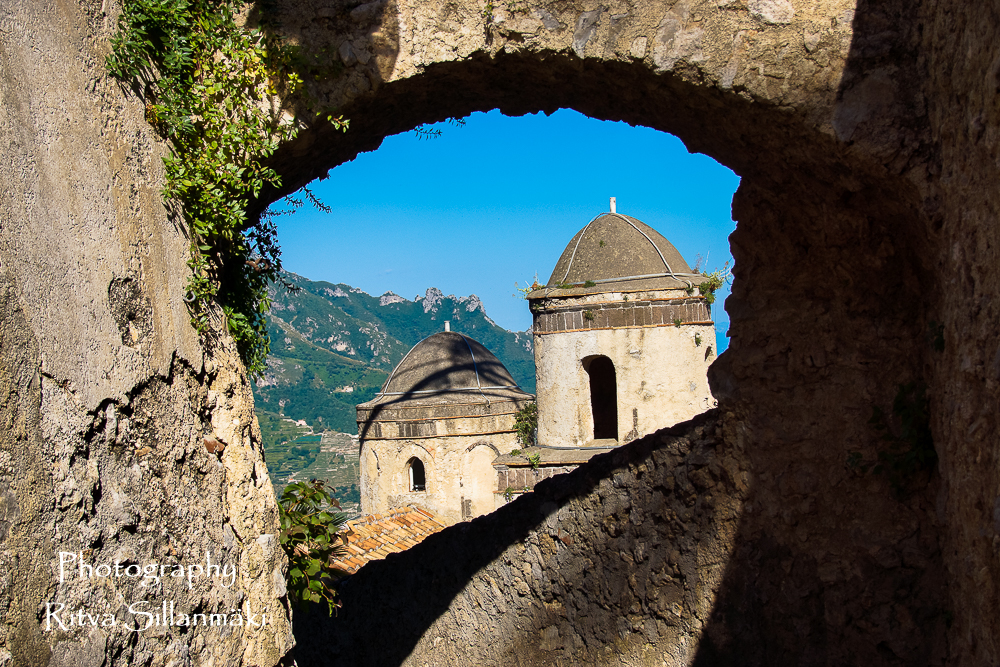
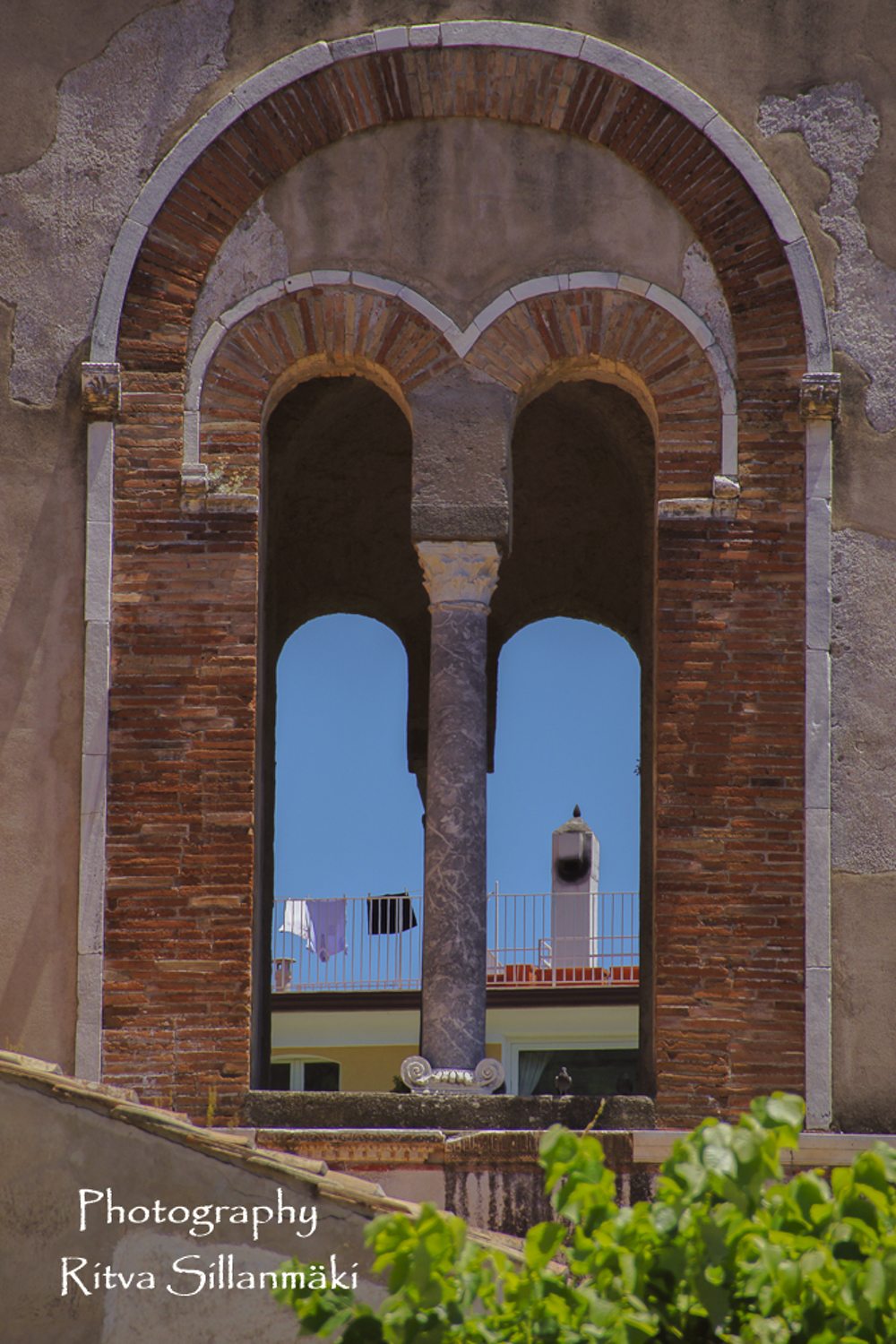
Frames, so many of them including window’s, doorways and alleys the most obvious ones. Sorry for the overload of photos.. I am still keeping my style, more photo’s less words.
Windows the obvious frame
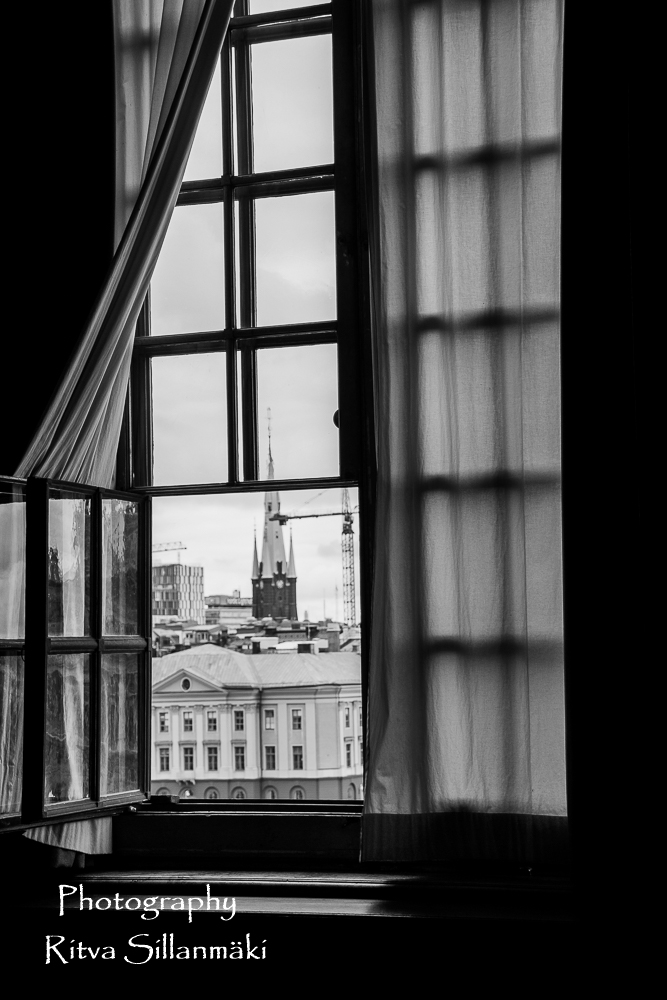
At the window…
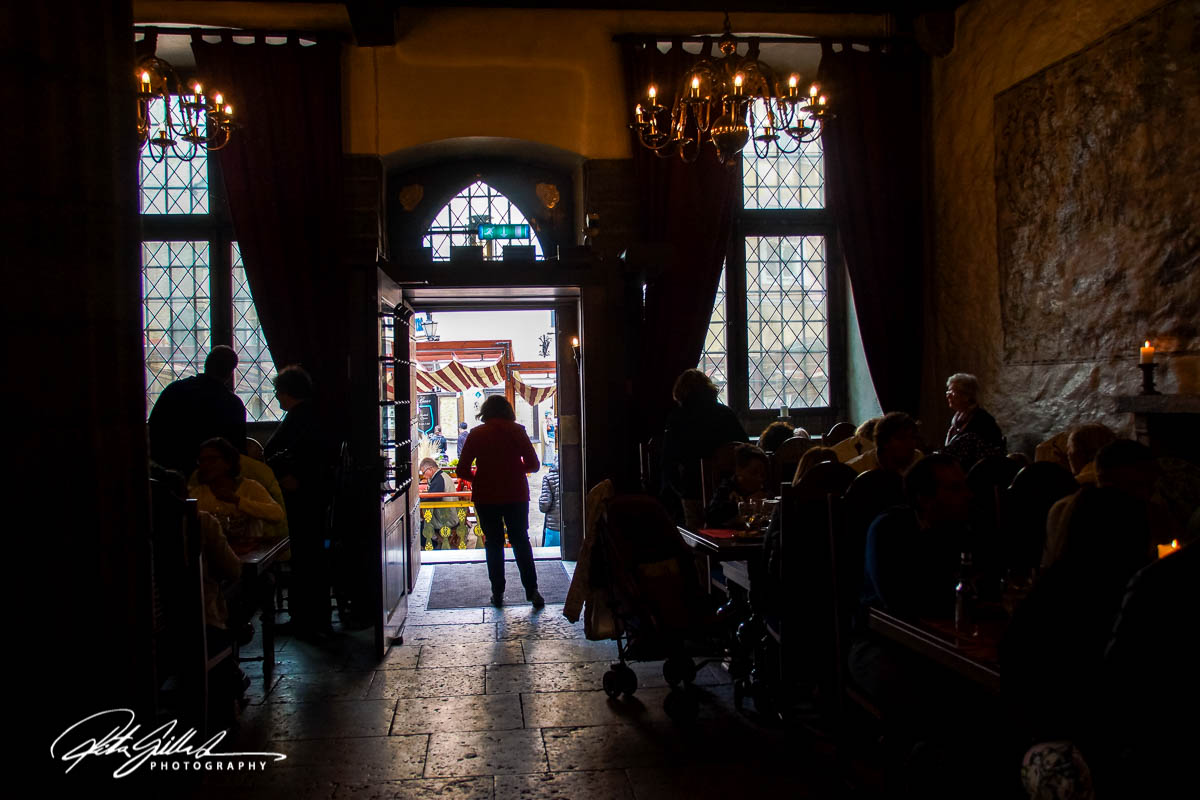
In an mediaeval castle
framed all over… and all kinds of things
Remember to link to your post and use the Lens-Artists tag in the reader section. Thanks Amy 🙂 , this was fun.
If you would like to participate weekly in our Lens-Artists Challenge, click here for more info.
I needed to add something in monochrome – of course
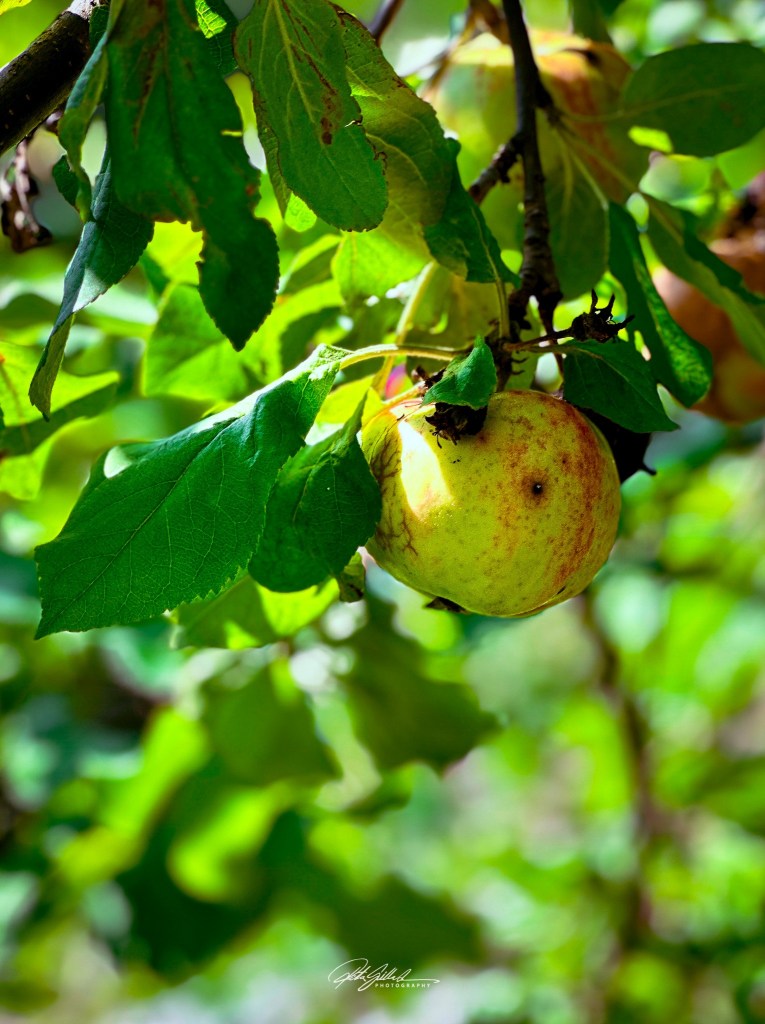
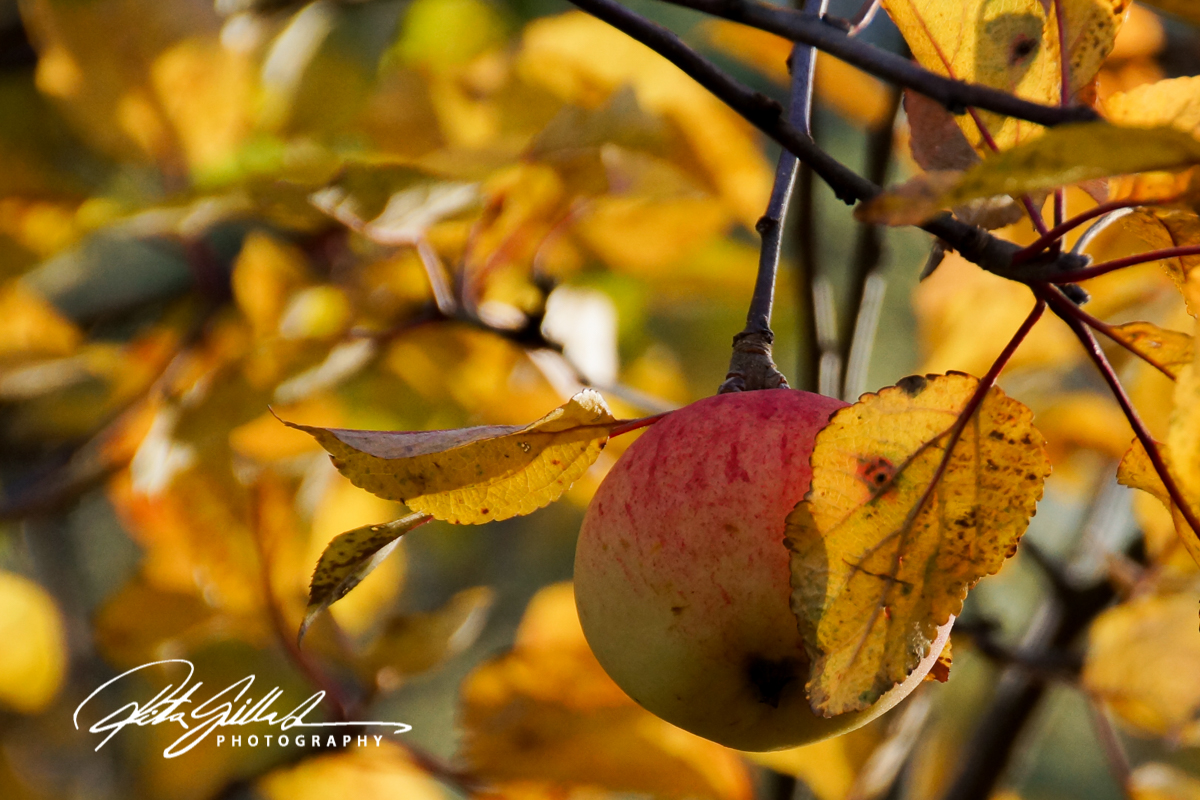
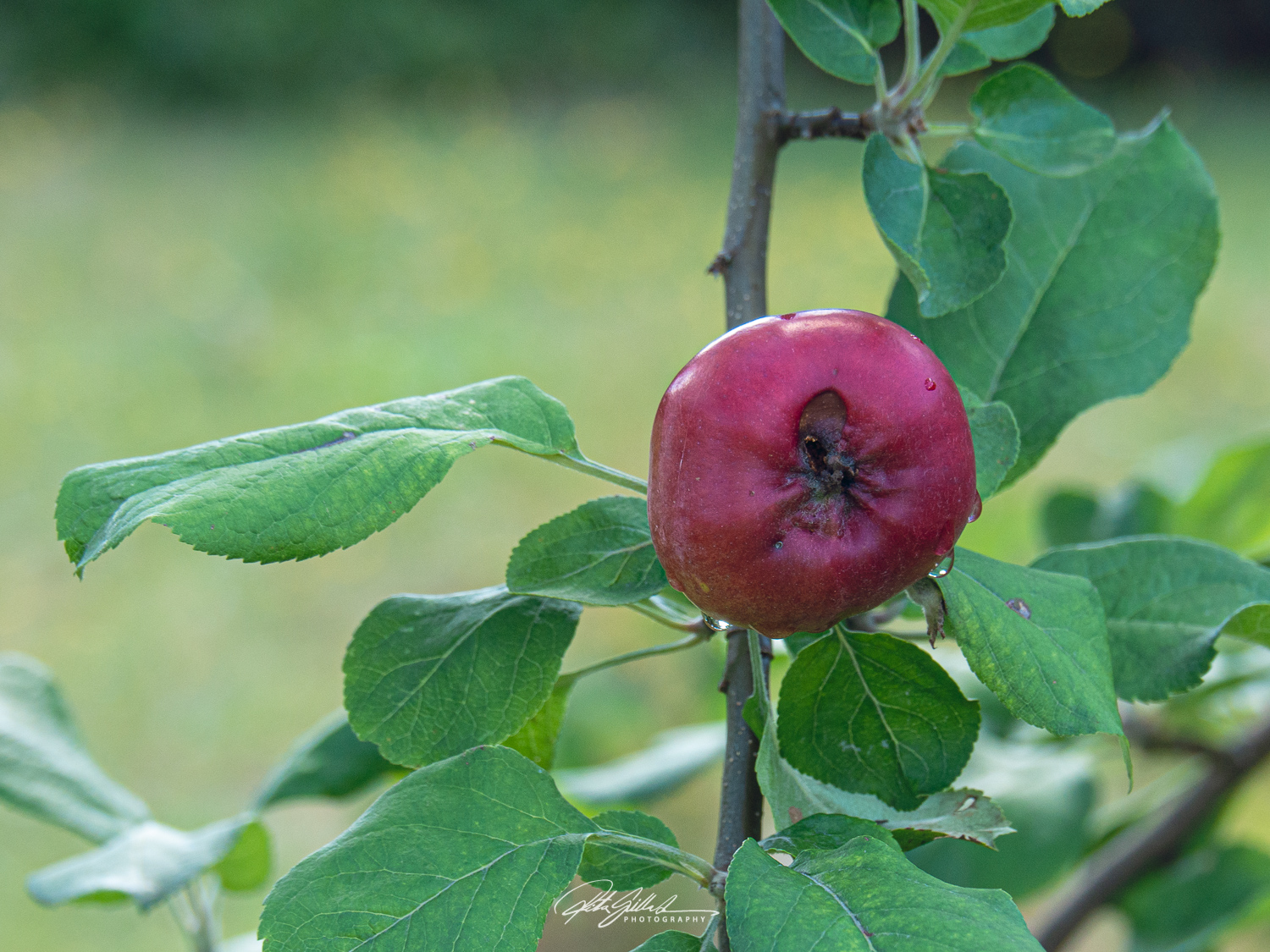
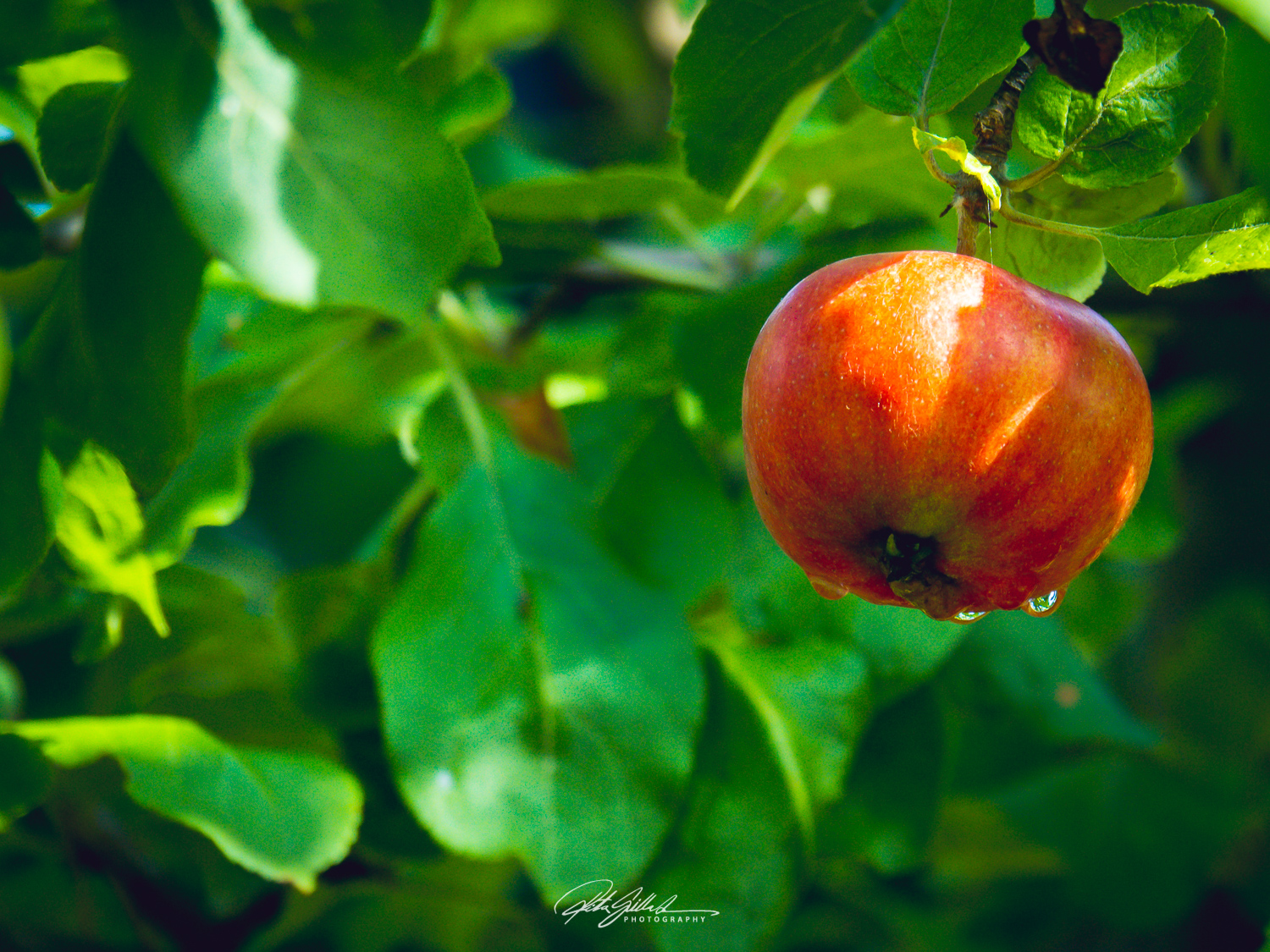
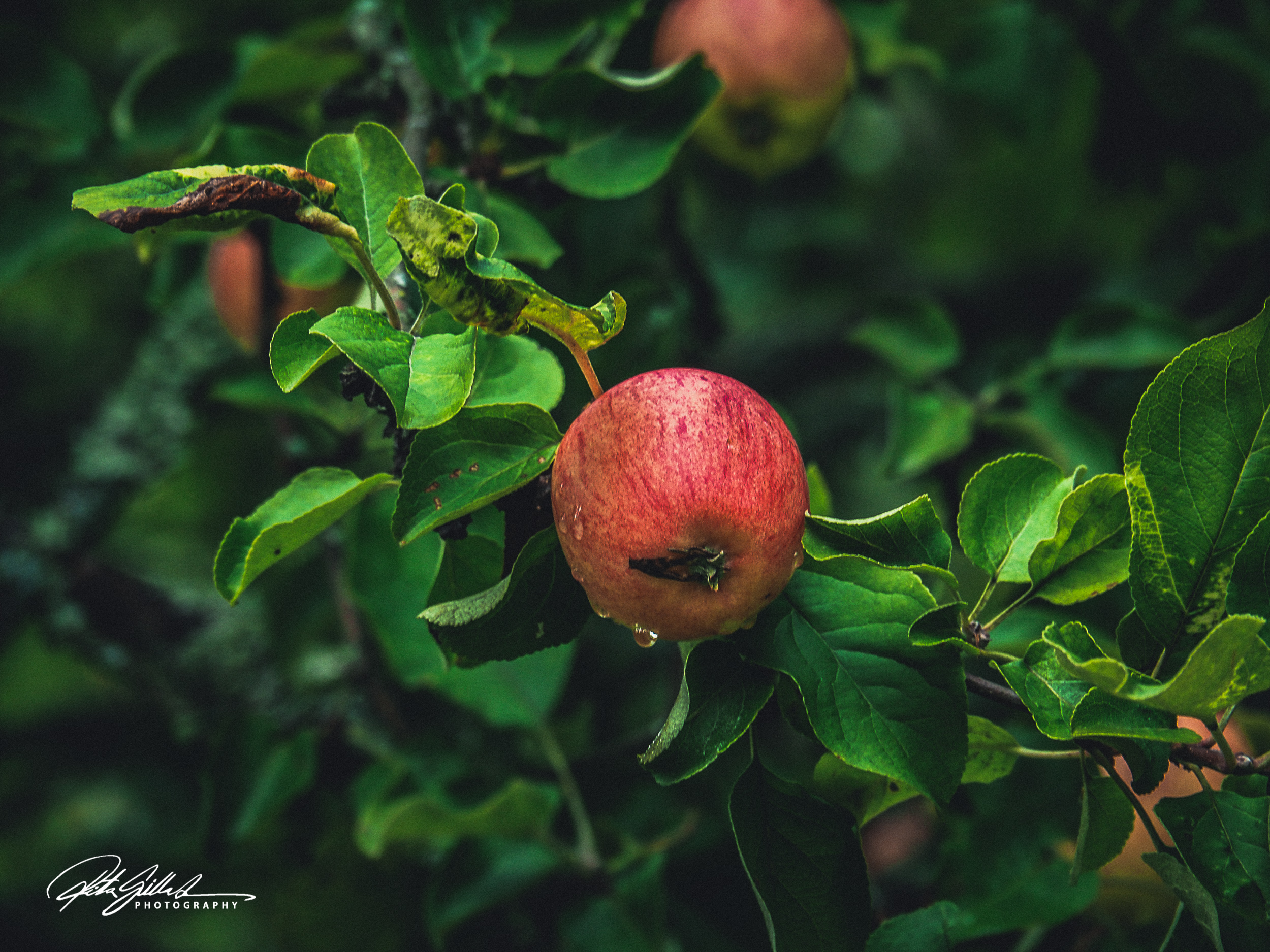
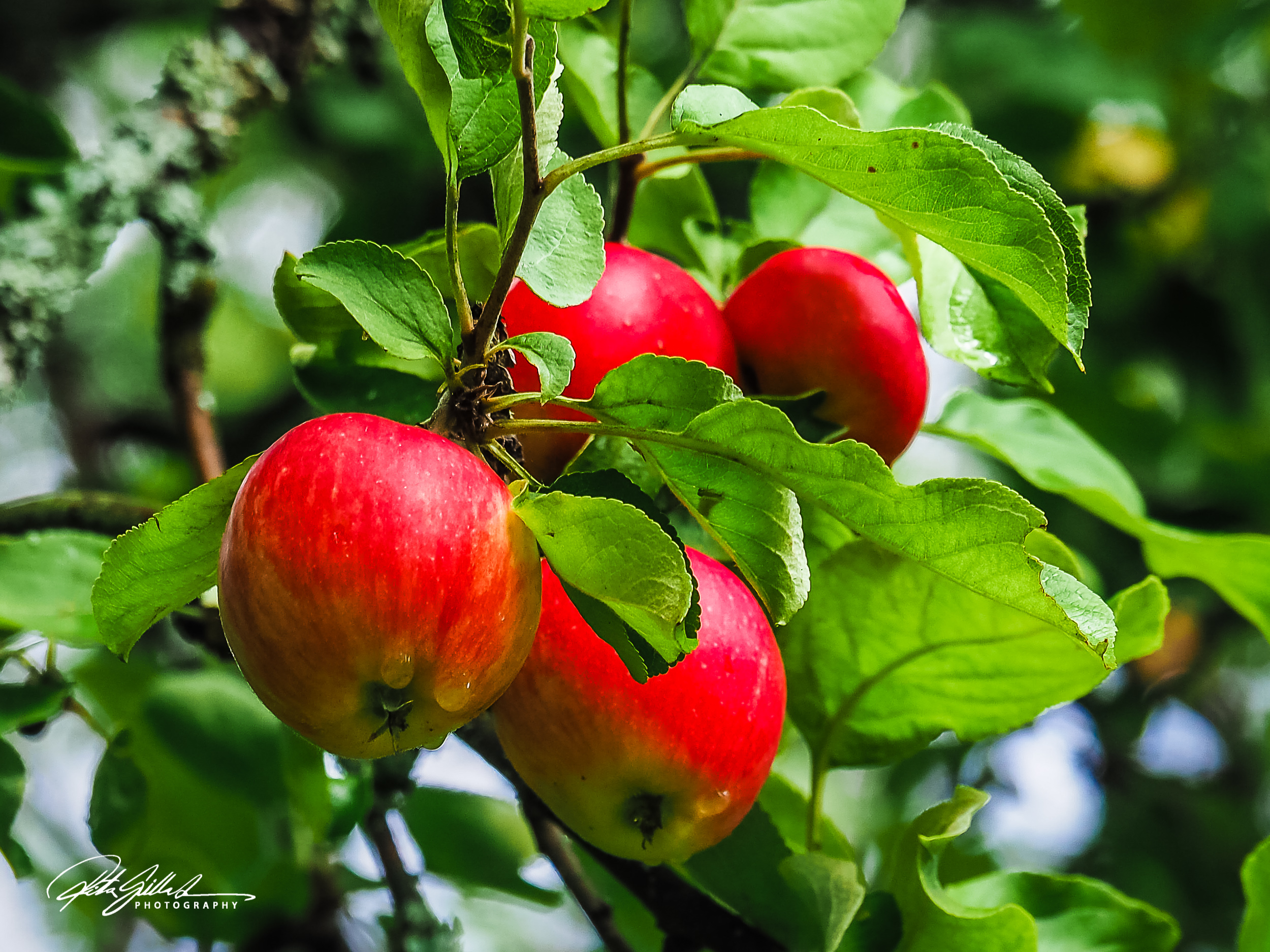
August, the Time you see apples 🍎 in the trees and obviously take some photos. Try something new, Like baking a apple pie with a new recipe?
There is a recipe for a Finnish version of an apple pie
FINNISH APPLE PIE
MAKES 1 PIE TAKES 50 MINUTES TO MAKE
INGREDIENTS
Dough: 125 g butter ½ cup (120 ml) sugar 1 egg 1 ½ cups (350 ml) wheat flour 1 tsp baking powder 2 tsp vanilla sugar
4-5 green granny smith apples (depending on the size of the apples) 3 tbsp granulated sugar 1 tbsp ground cinnamon 3 tbsp butter
INSTRUCTIONS
Mix the butter and sugar in a bowl by hand. Add the egg and whisk. In a separate bowl, mix the flours, baking powder and vanilla sugar together. Add the flour mixture to the butter mixture about ½ cup at a time. Work it together until you have a ball of pastry dough. Preheat oven to 200°C. Wash the apples and slice them very thinly. Use one tablespoon of butter to butter your pie dish. Take the dough out of the bowl. Spread the dough (about 5 mm thick layer) to the bottom and sides of the pie dish. Set the apple slices tightly starting from the edges. Sprinkle the sugar and ground cinnamon on top. Spread little pieces of butter (2 tbsp together) on the top of the pie. Bake in the oven for 25-35 minutes. Remember to check it every 10 minutes to avoid burning the edges. Enjoy with vanilla sauce or ice cream!
Meadow vetchling has never been an important nutritional or medicinal plant, although it has probably been a useful fodder plant.
Meadow vetchling spreads widely through its runner-like rhizome to form large stands. Sexual propagation is however problematic: pods don’t develop on most of the flowers and the seeds are prone to being destroyed by insects. It makes an impressive sight however when it is in bloom, and it stands out easily among the surrounding grasses. It climbs up to become visible by using its tendrils to climb on other plants.
Meadow vetchling is the only yellow-flowered species out of the members of its genus that are established in Finland. At first glance its flowers might look like bird’s-foot trefoil (Lotus corniculatus), but the latter has a tendril instead of a terminal leaflet, and it doesn’t use other plants to climb on.
This week, Ann-Christine challenges us with a Work in Progresscheck her beautiful images and her wonderful theme.
Progress – back or forward. So many things in the world is going backwards not forward. Is it work in progress ? I find this to be a sad time, makes me really angry how many things that we have achieved are being tried to destroyed, that is also in progress, but…
But, I am going to try to keep in on the positive side and real.
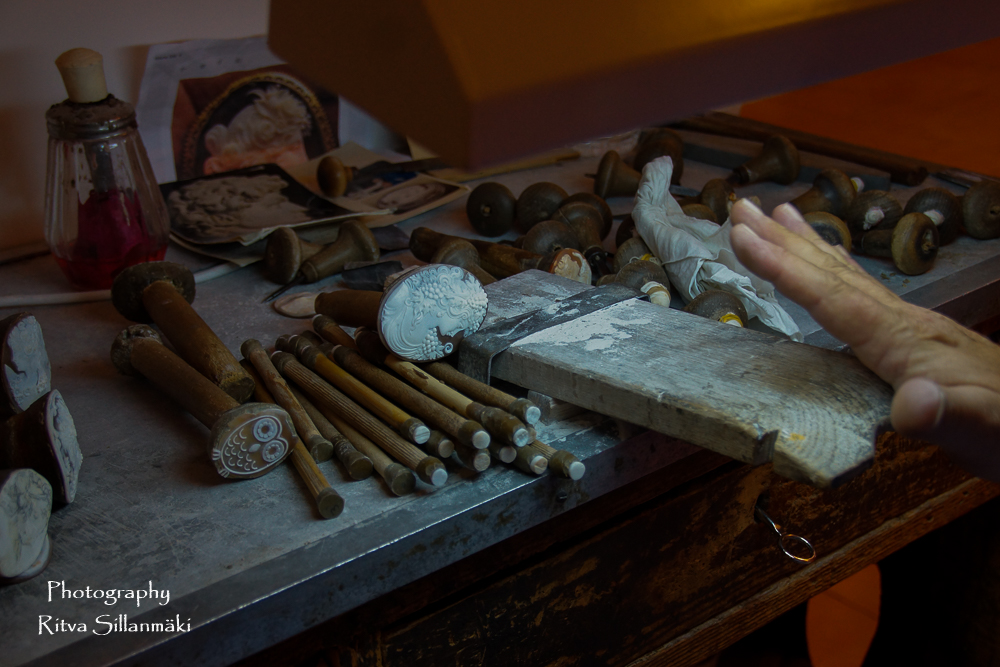
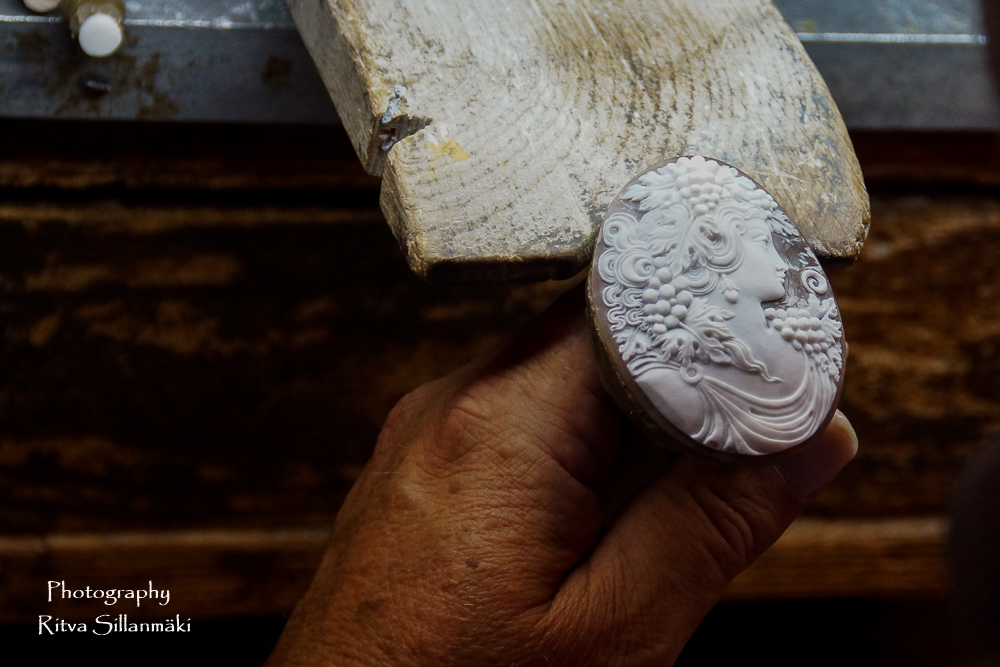
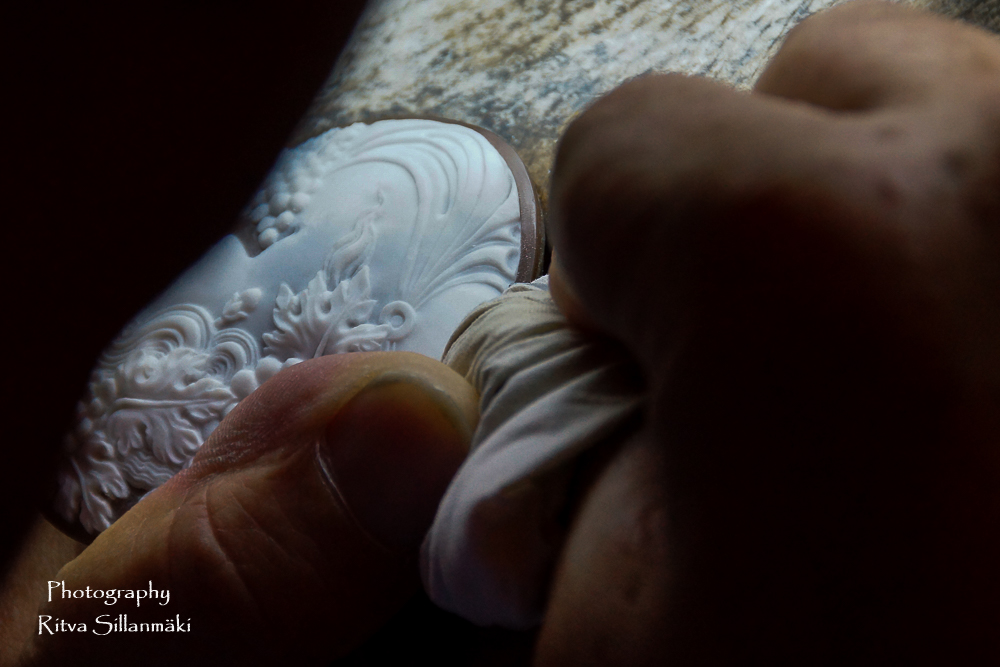
working on jewelry
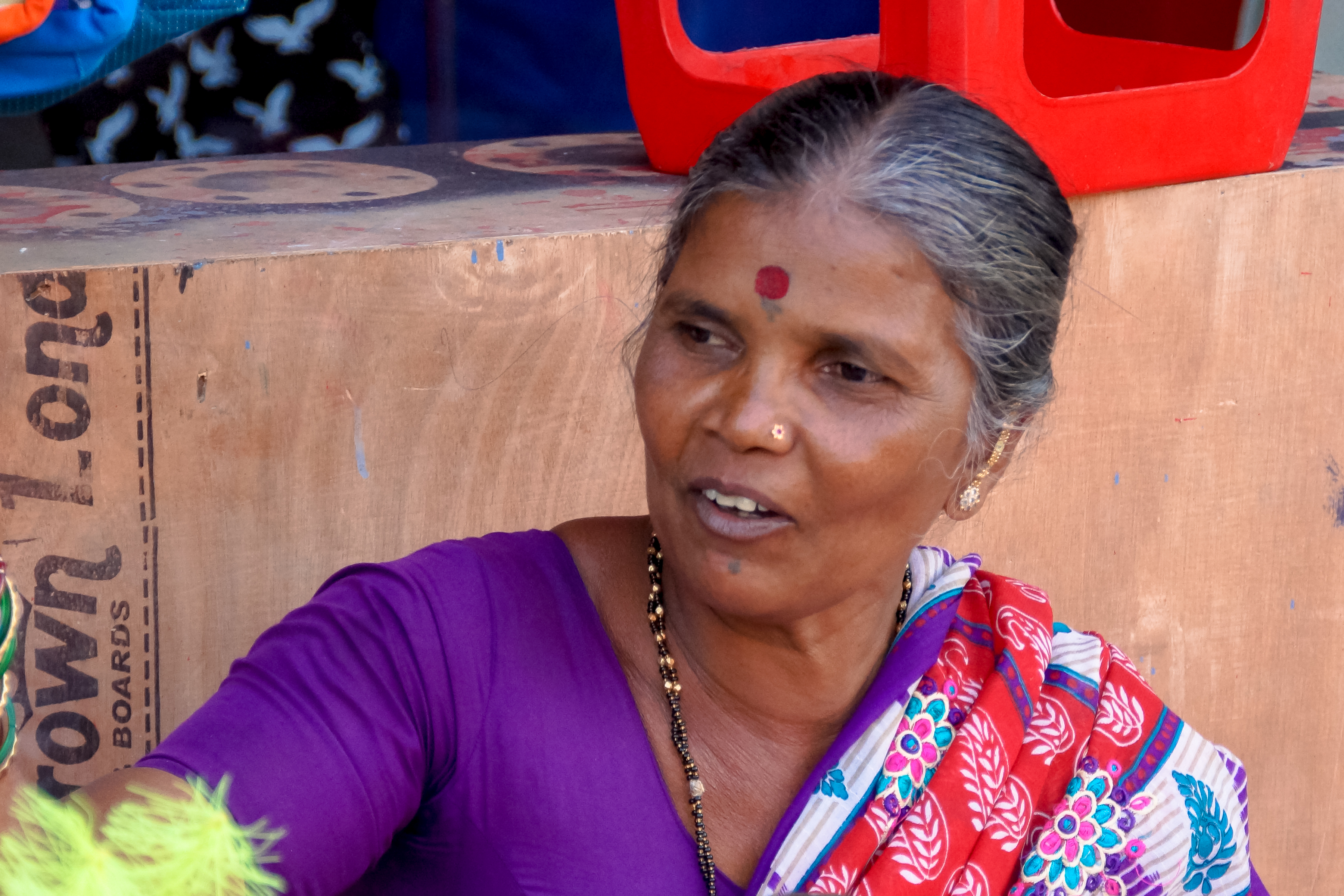
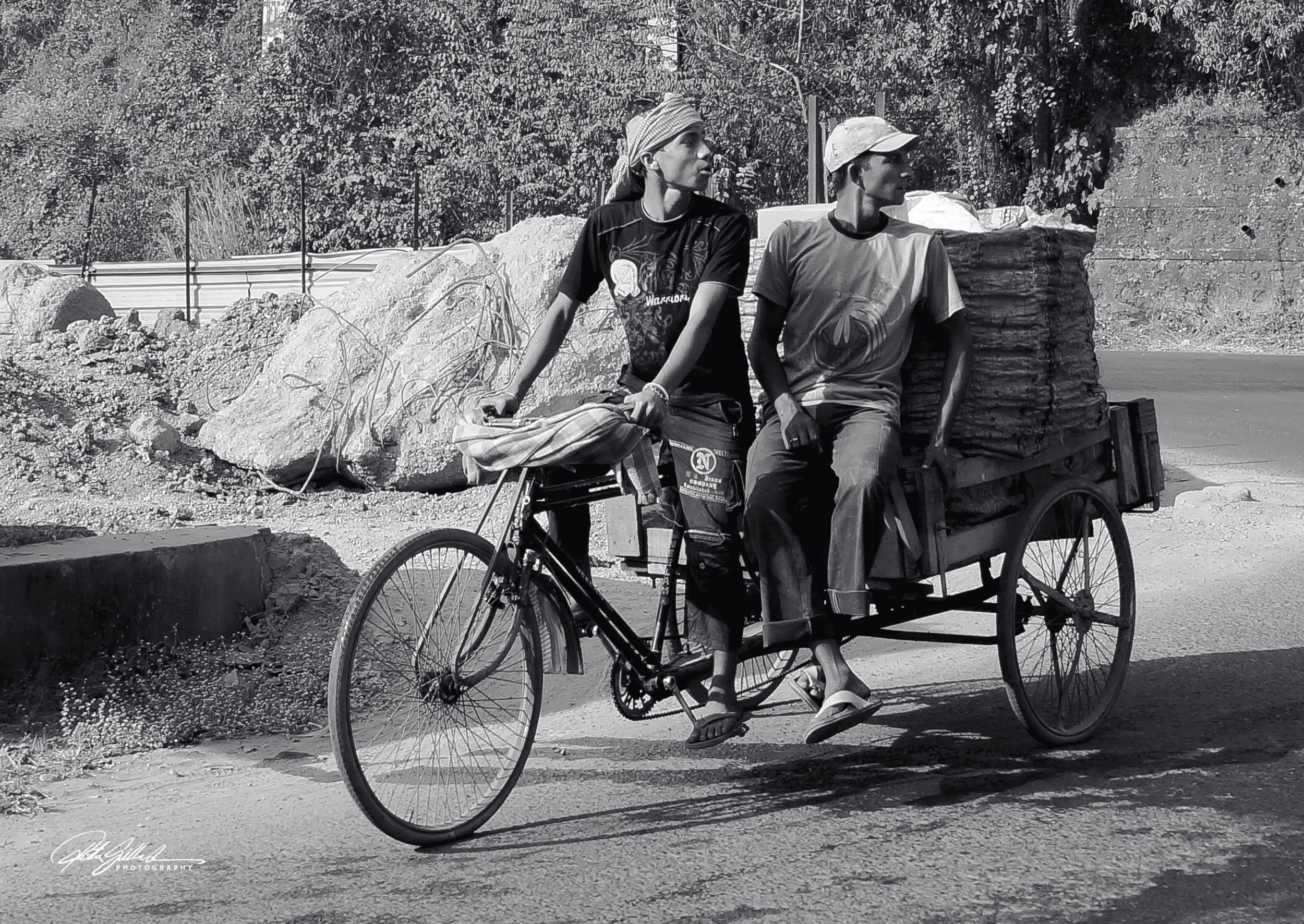
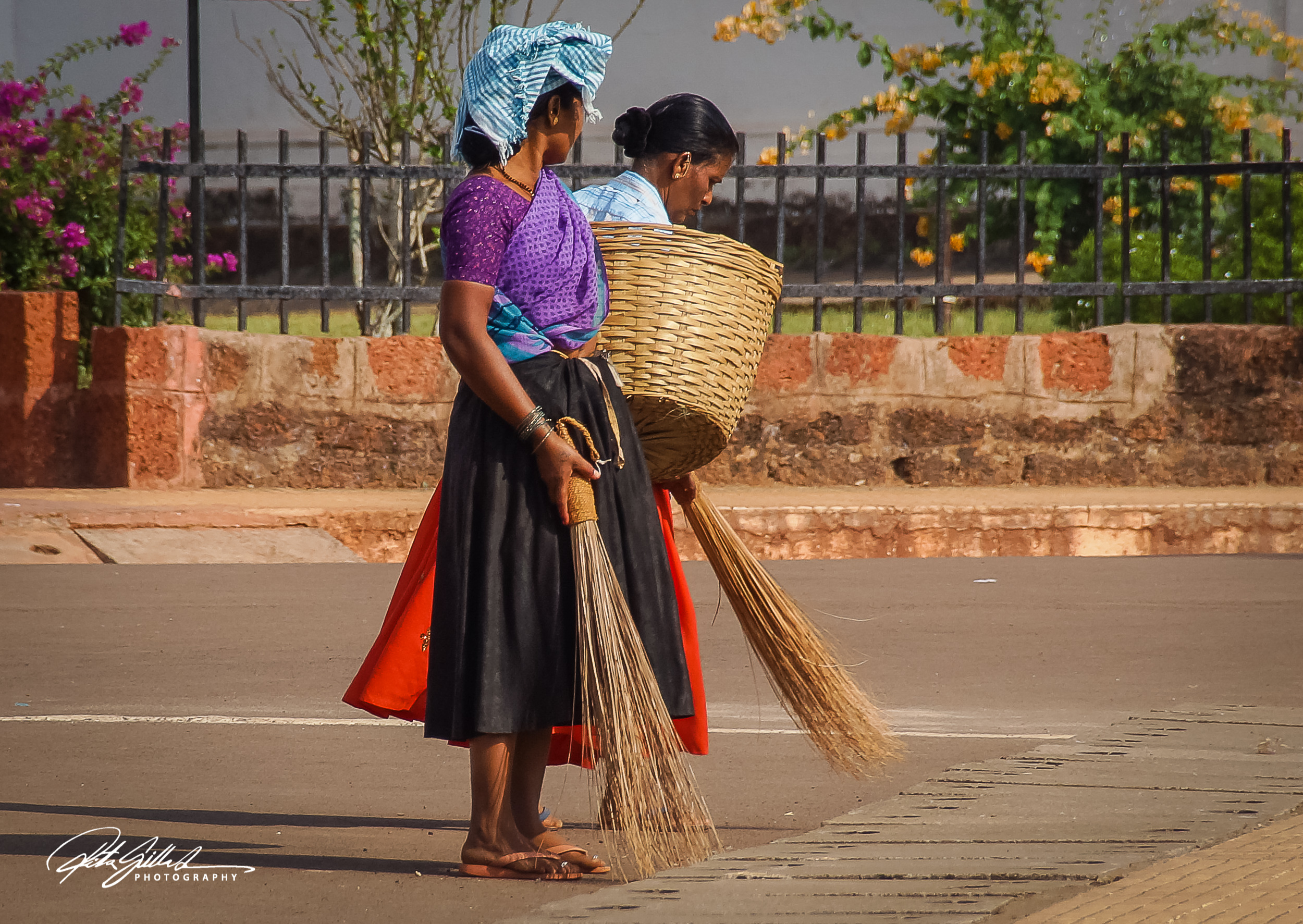
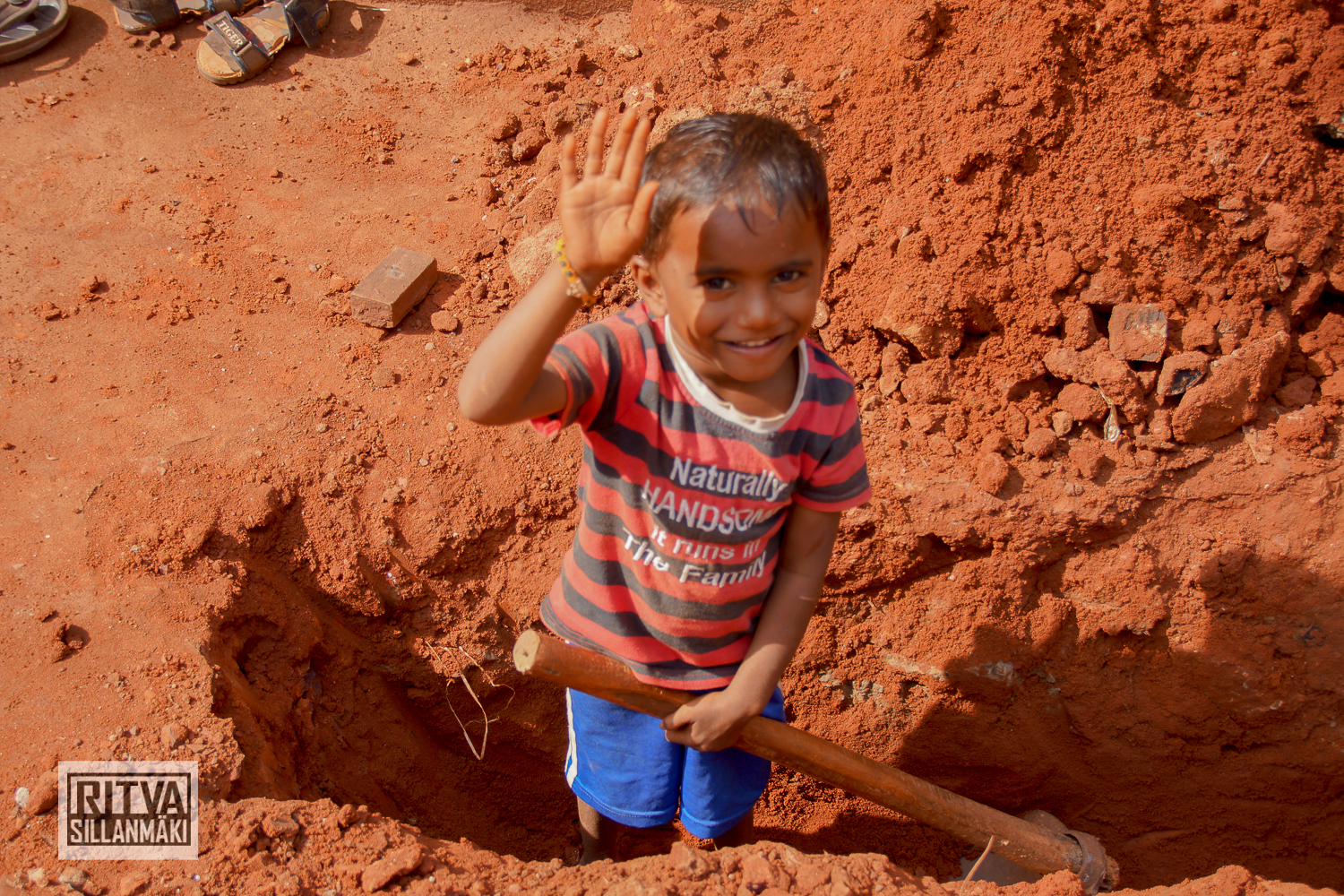
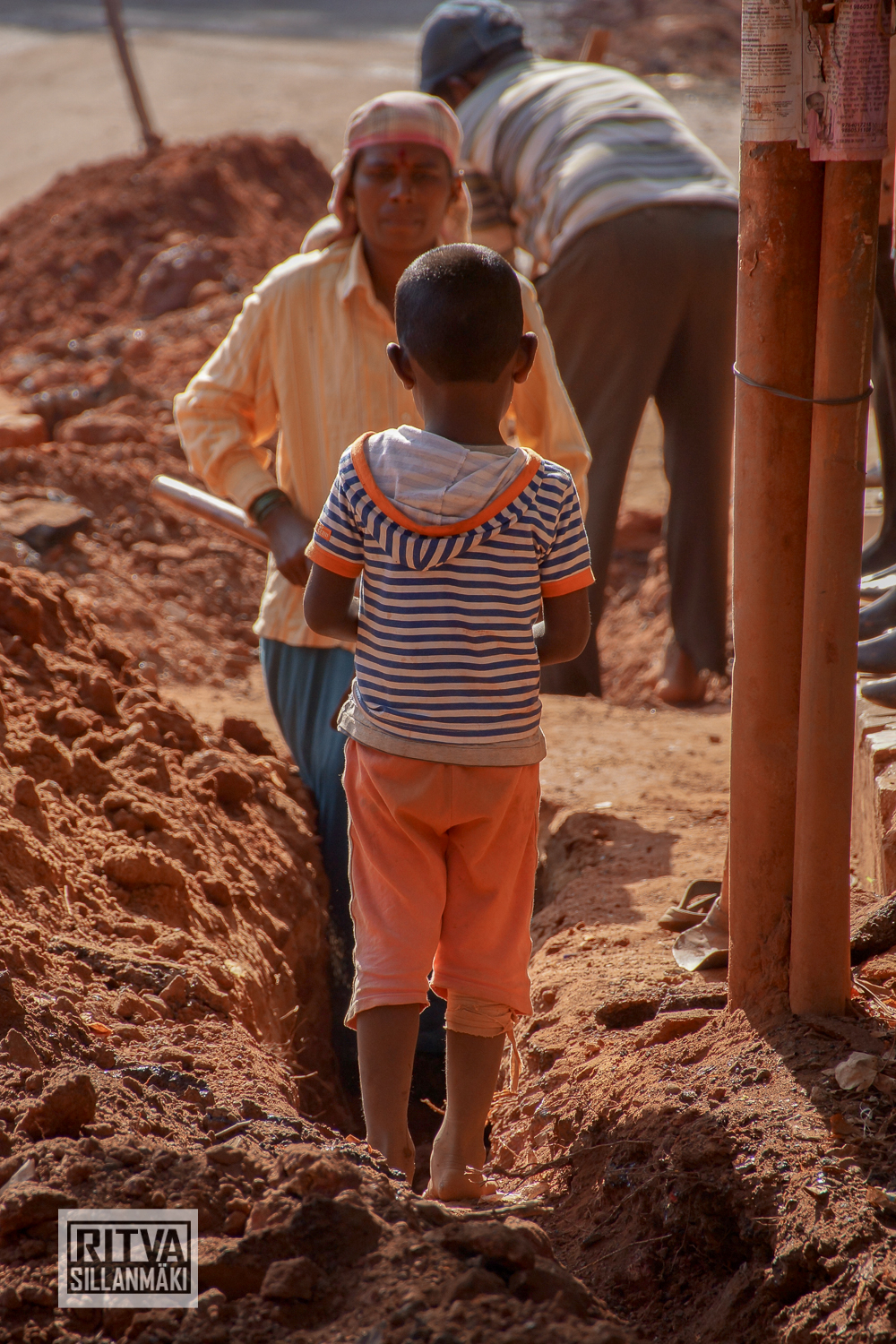
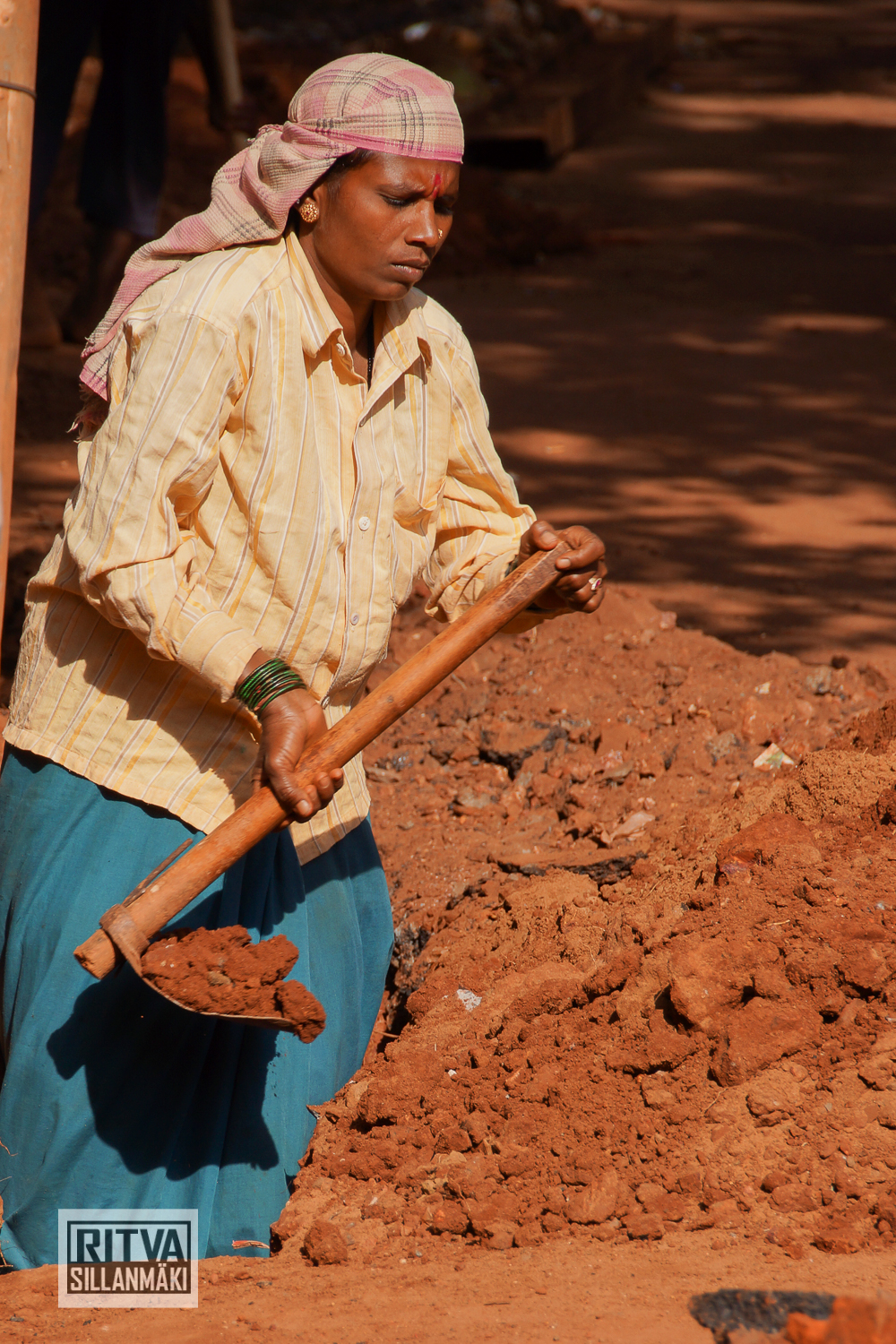
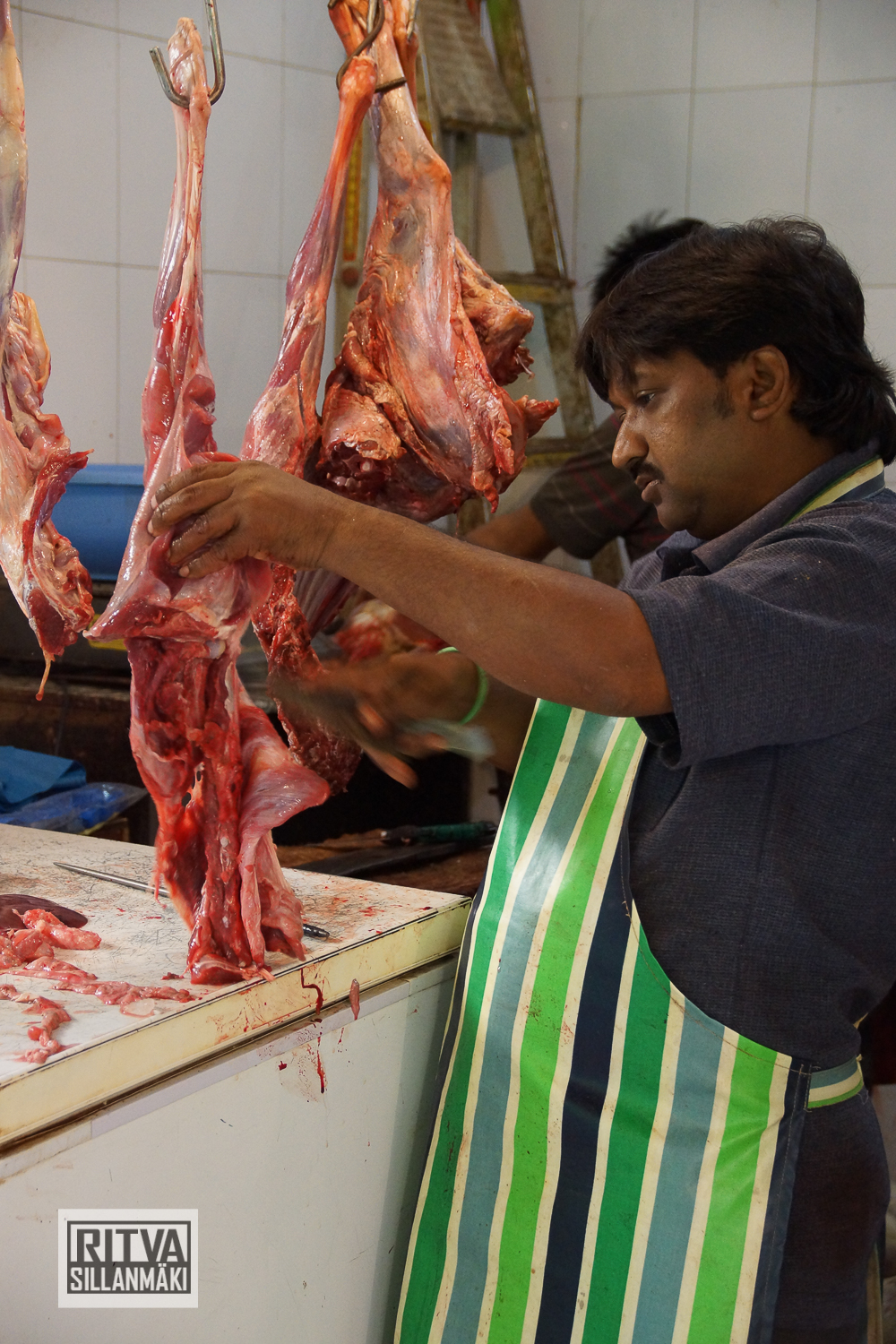
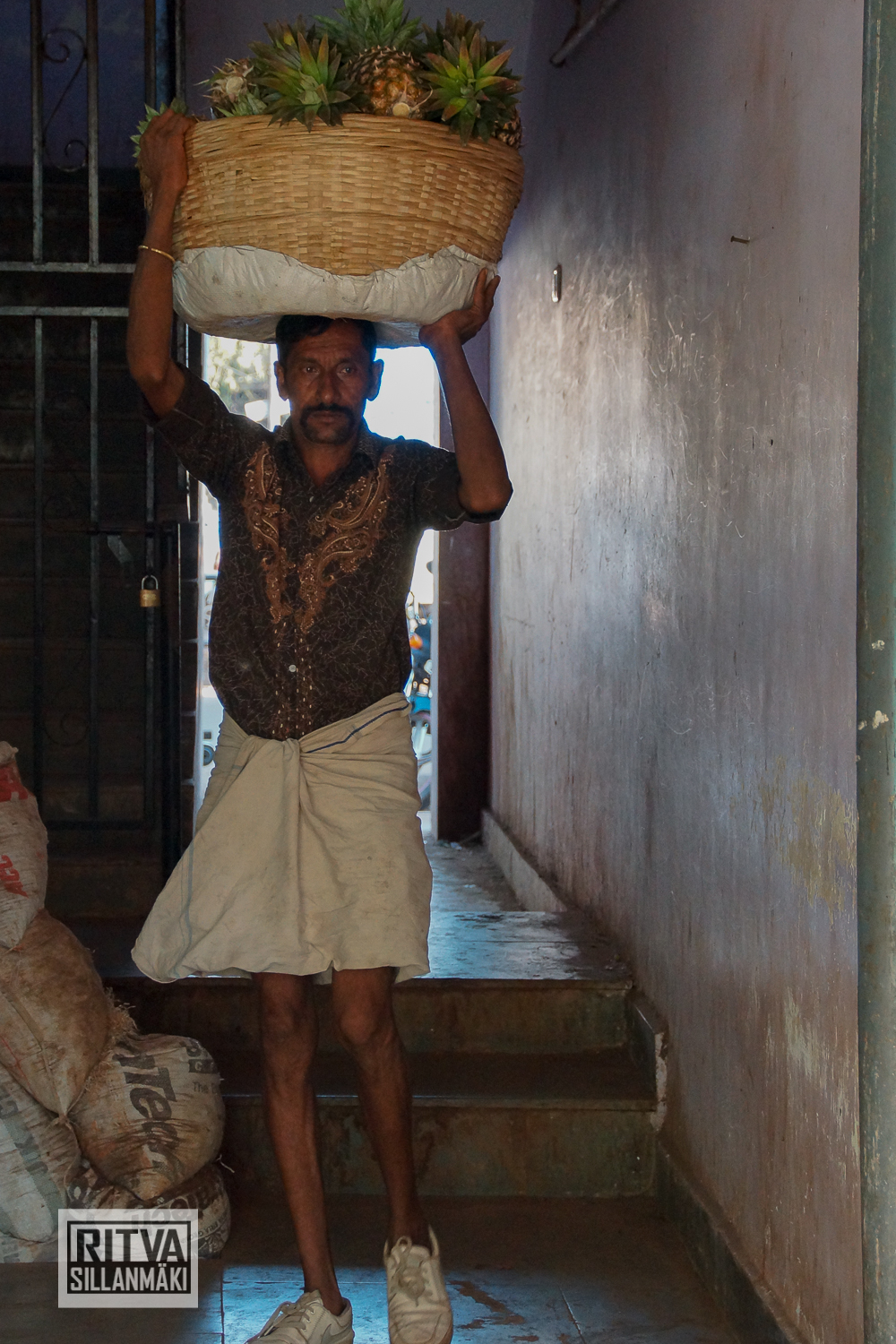
Work in progress can be seen in these photos below.. Images from India. Sometime the progress in slow compared to other parts of the world.
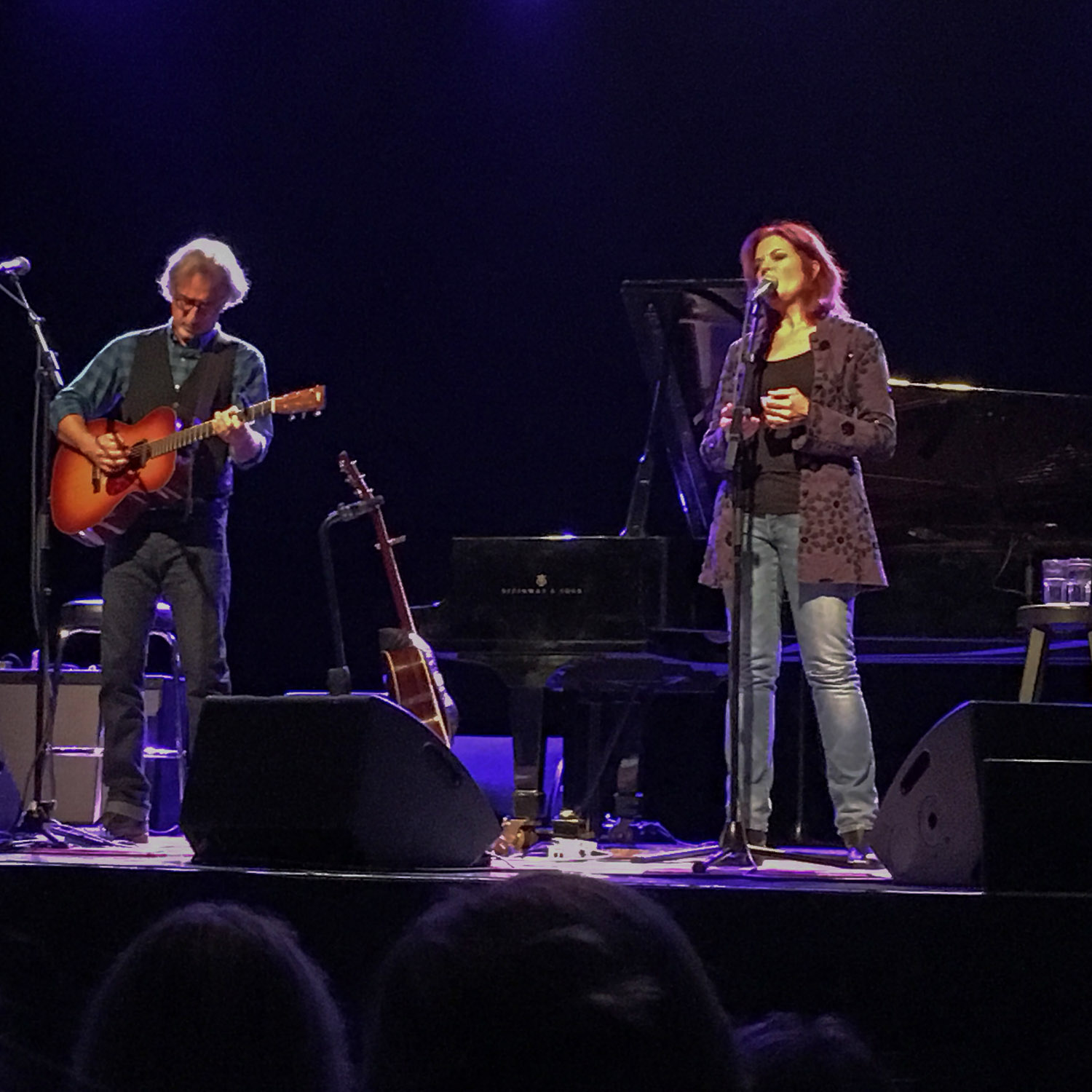
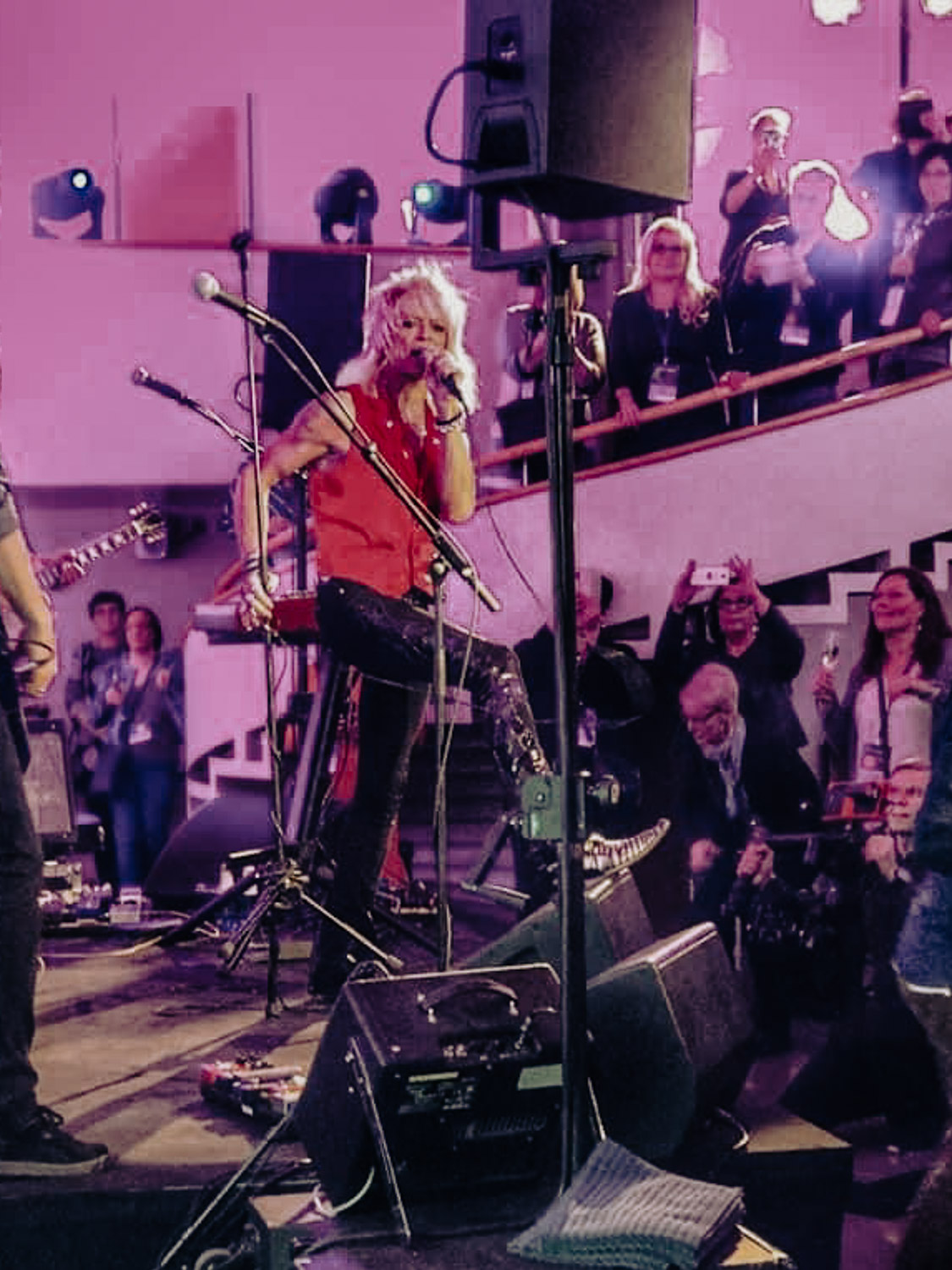
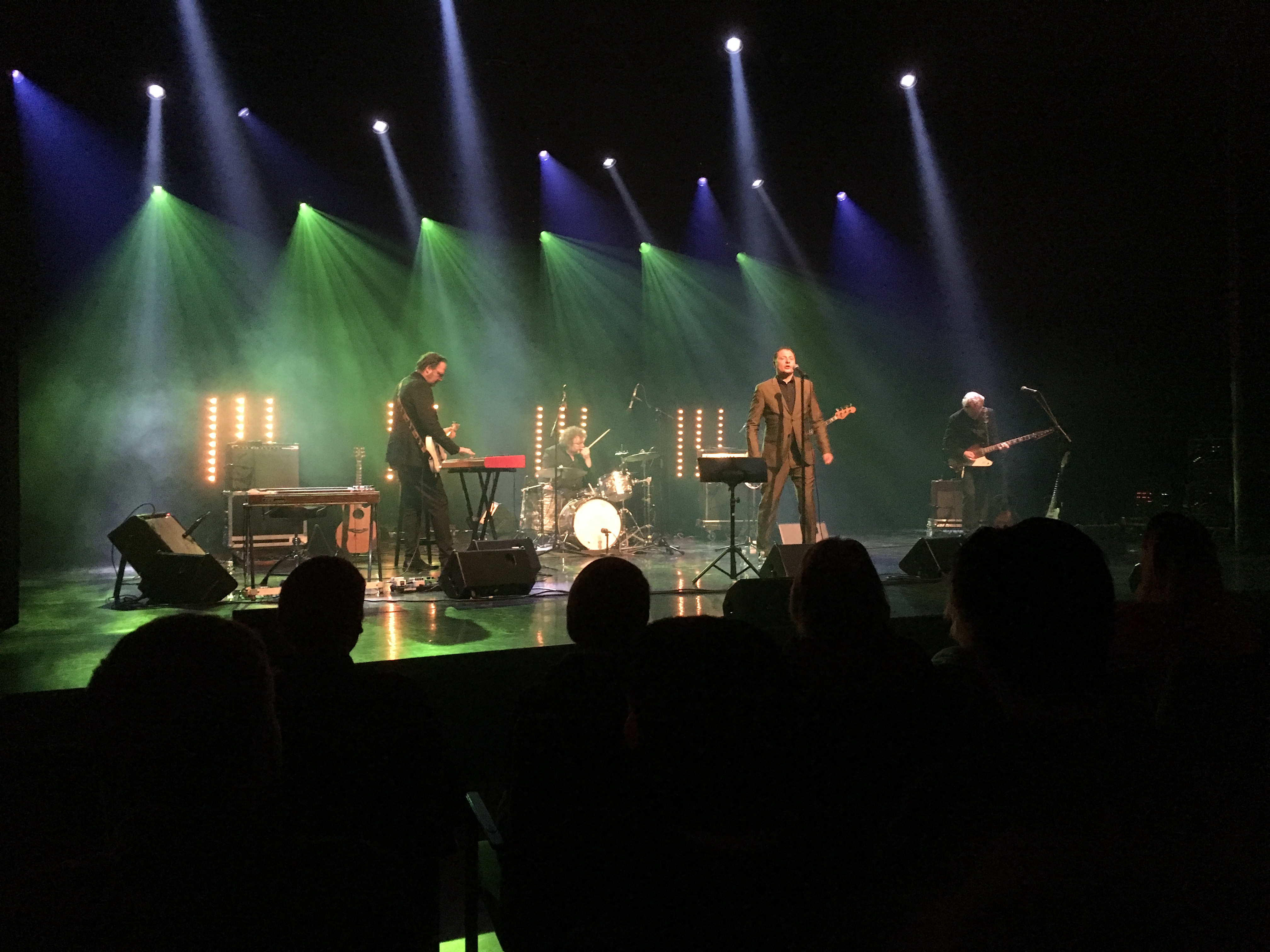
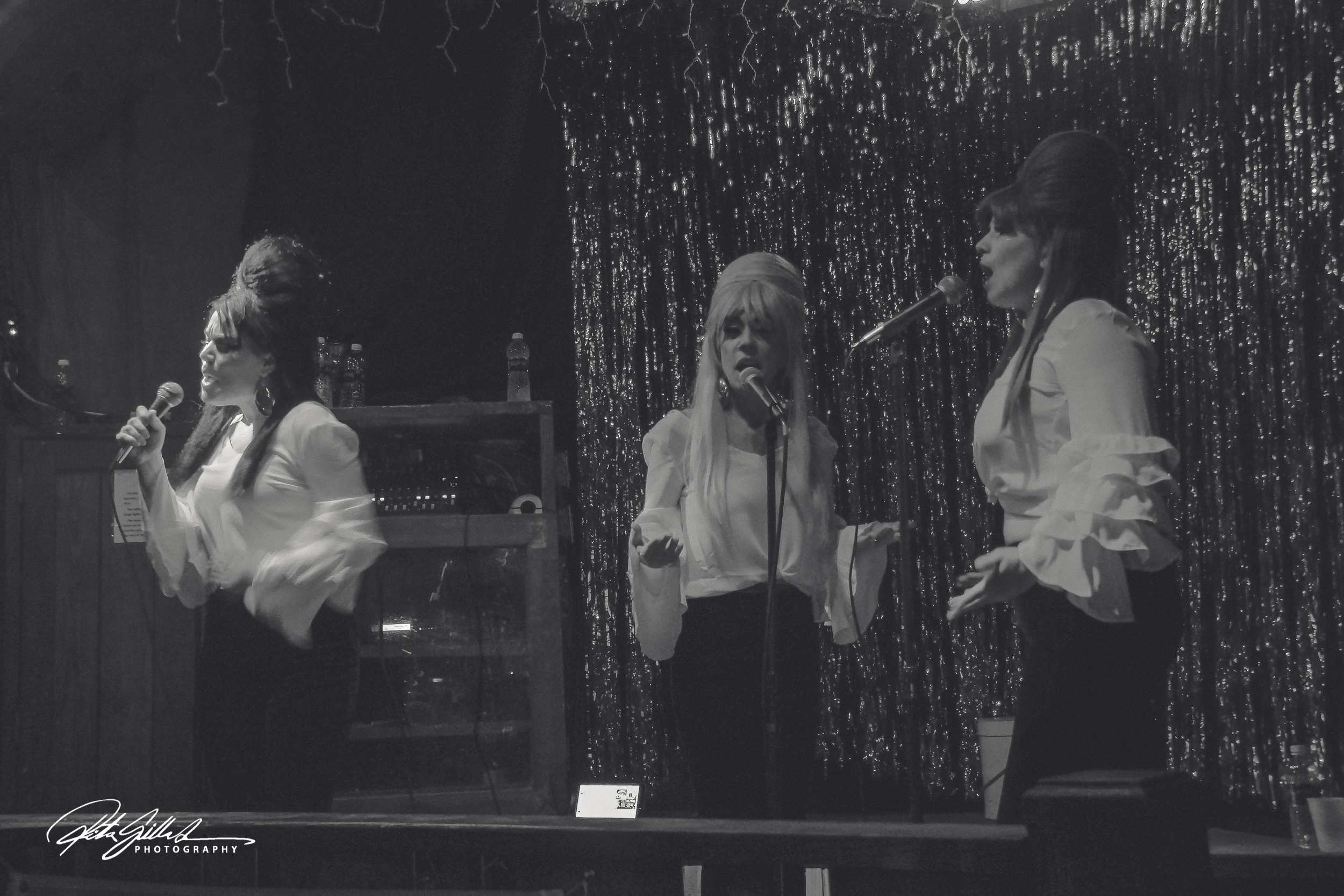
Live music, well it is a work in progress
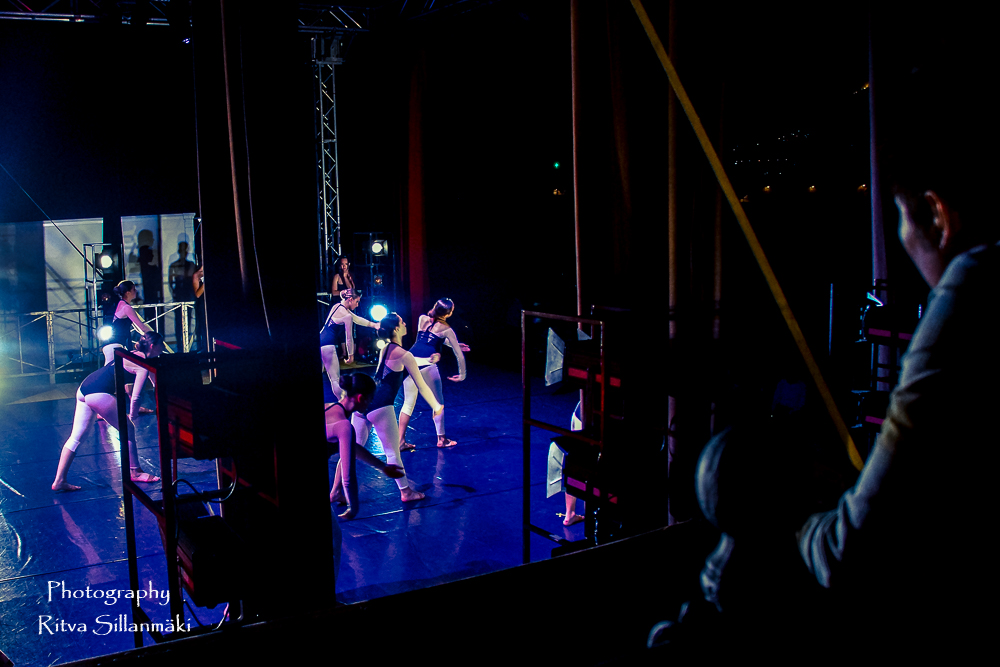
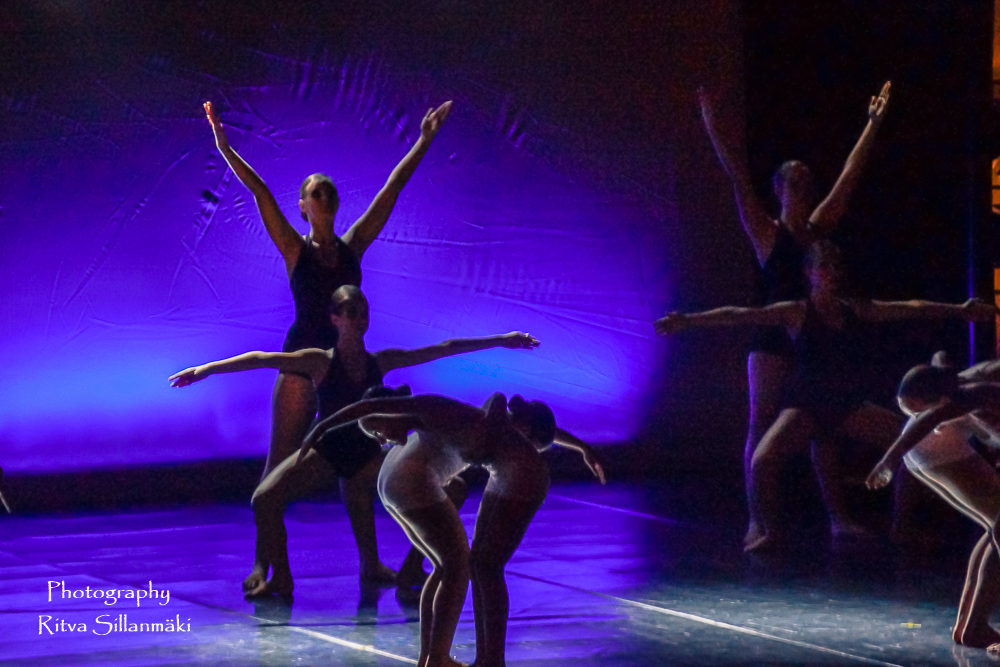
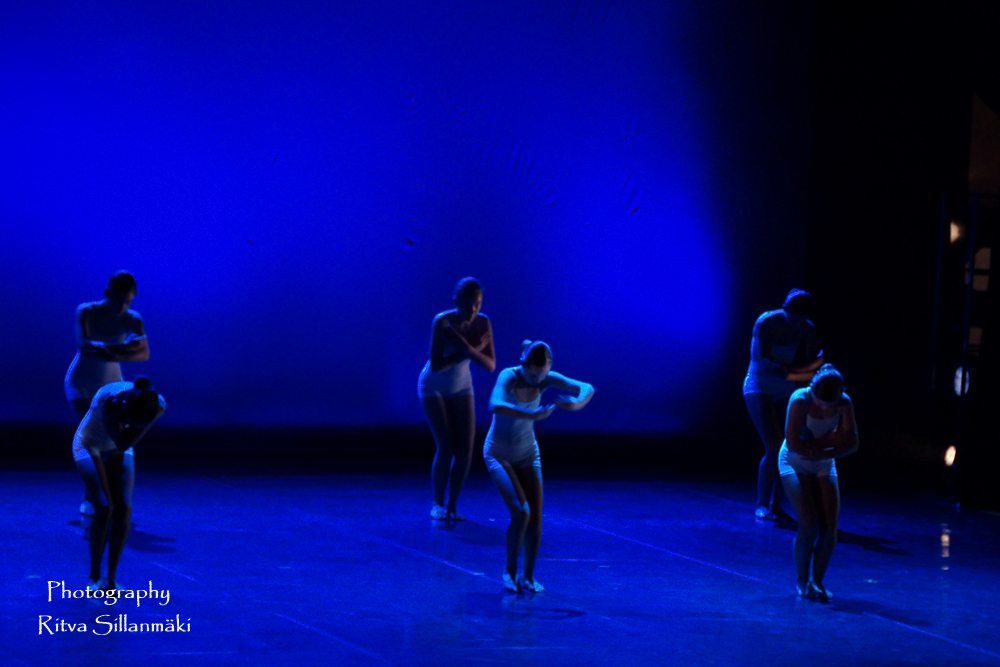
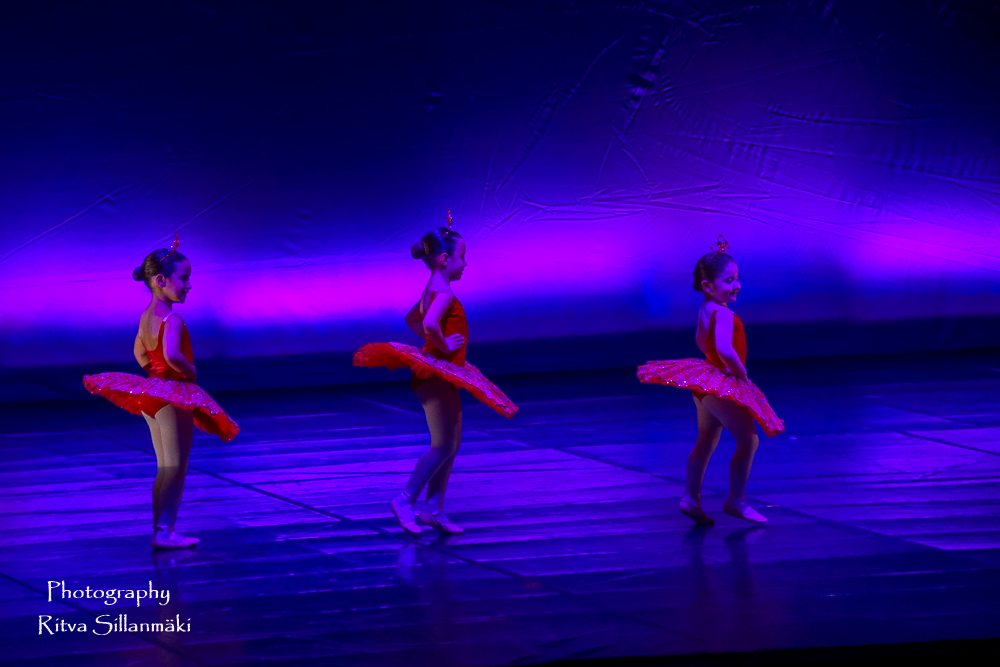
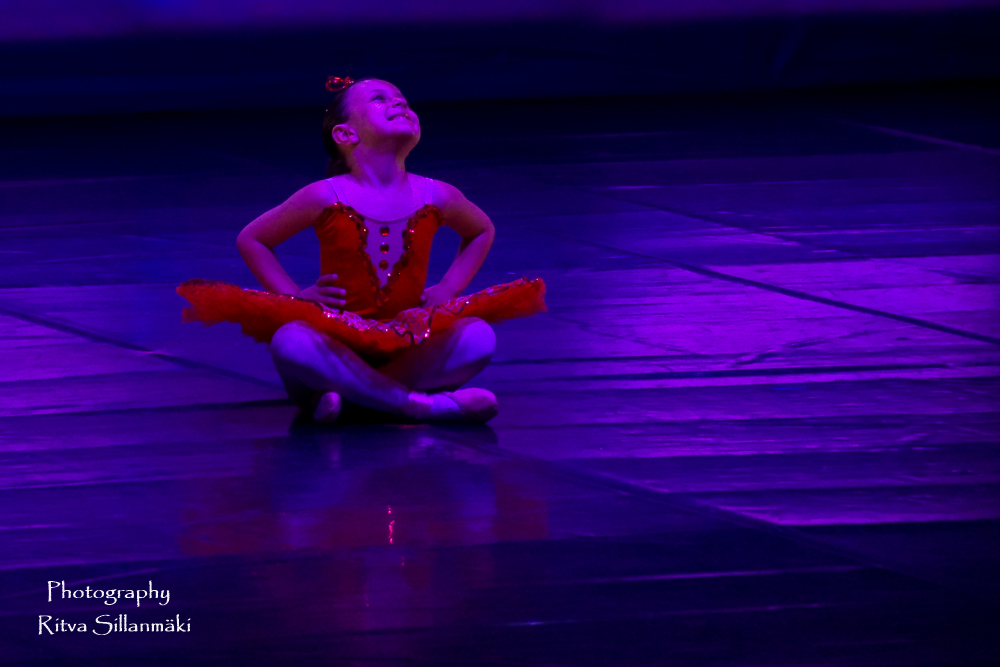
Art performance of any kind is a please to witness – Dance performace captured in Amalfi Coast Italy
Remember to link to your post and use the Lens-Artists tag in the reader section. Thanks Ann-Christine 🙂 , this was fun.
If you would like to participate weekly in our Lens-Artists Challenge, click here for more info.
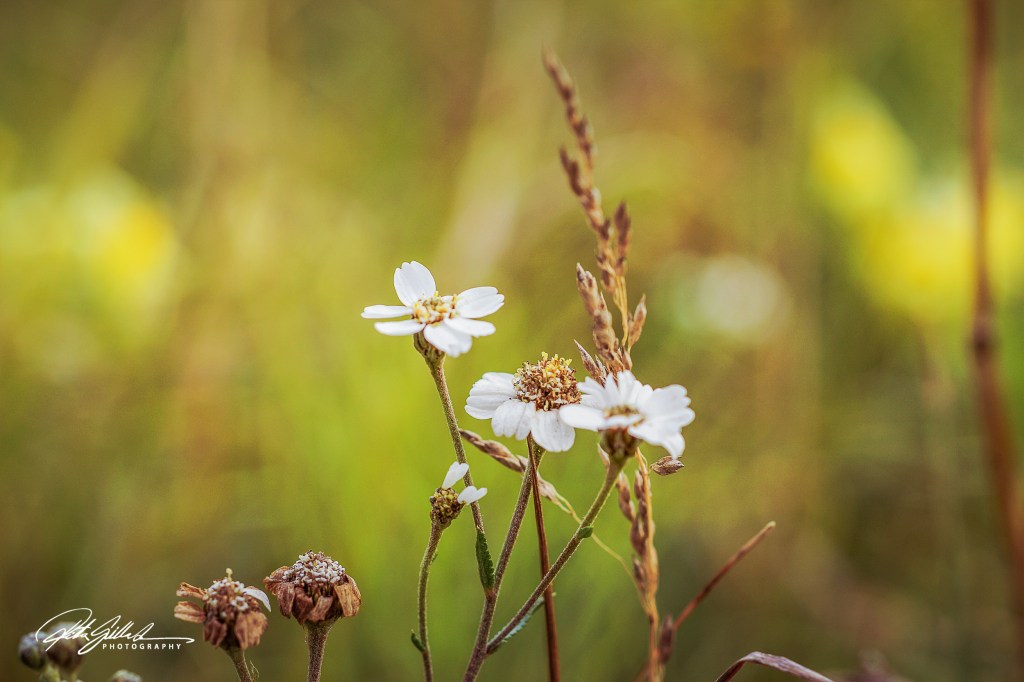
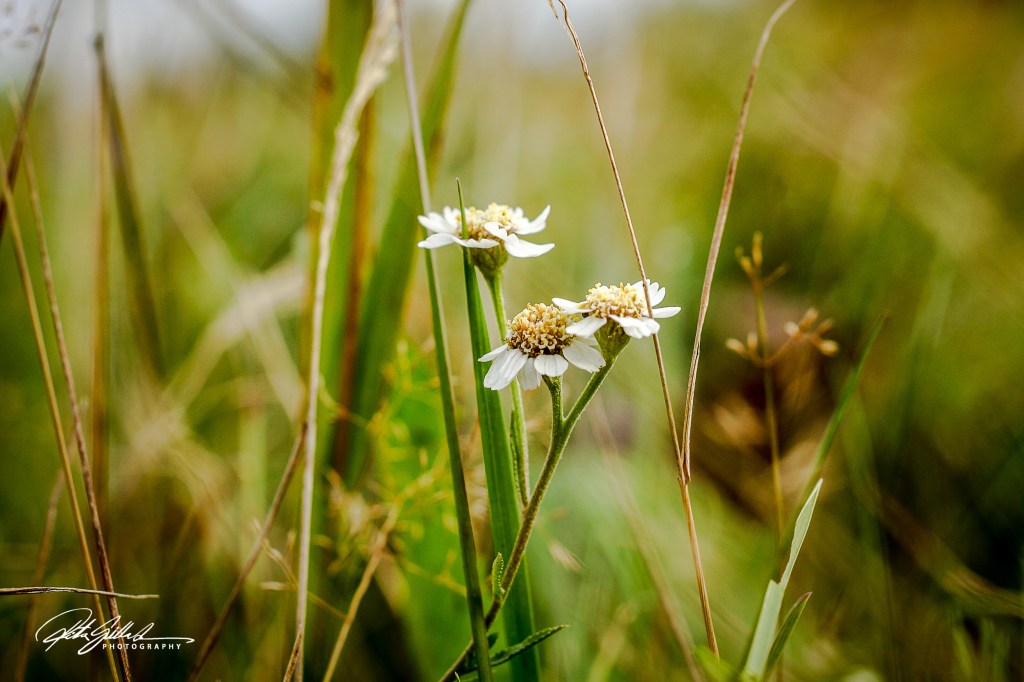
Name also: Bastard pellitory, Fair-maid-of-France, Goose tongue, Sneezeweed yarrow, White tansy, Wild pellitory
Sneezewort has spread or been brought to Finland quite late, sometime in the 17th century, and for a long time after that it was rare. It only began to become more common at the end of the 19th century and the beginning of the 20th, however, when hay started to be cultivated.
It grows all over Finland now, apart from the wide expanse of wilderness in Lapland. It still grows mainly where humans have left their mark in drained swamps, the edges of hay-fields, beside roads and on waste ground. It can survive a long time on old fields that have been reclaimed by the forest but in that case it flowers rarely.
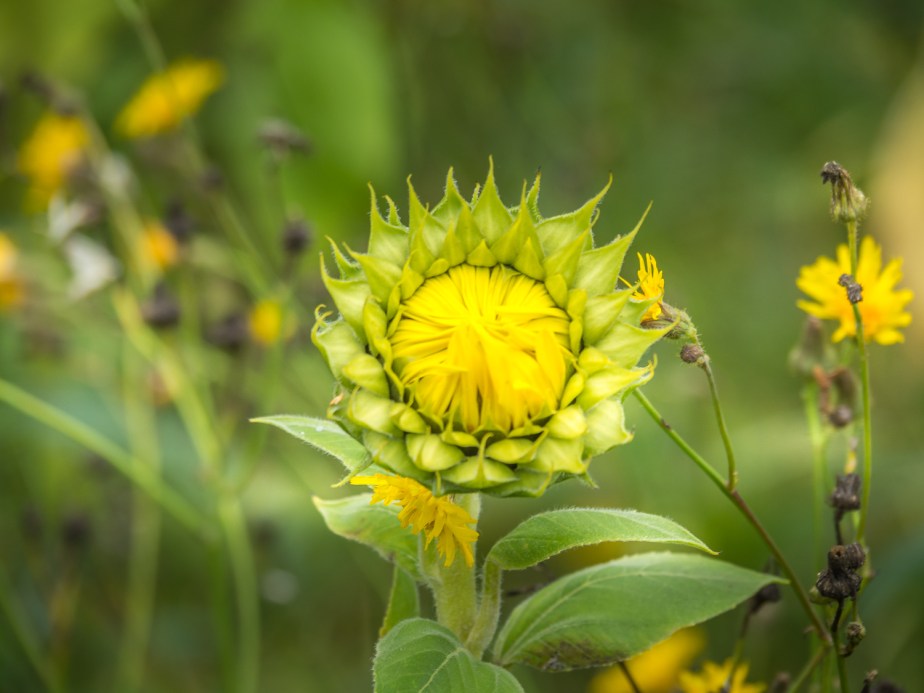
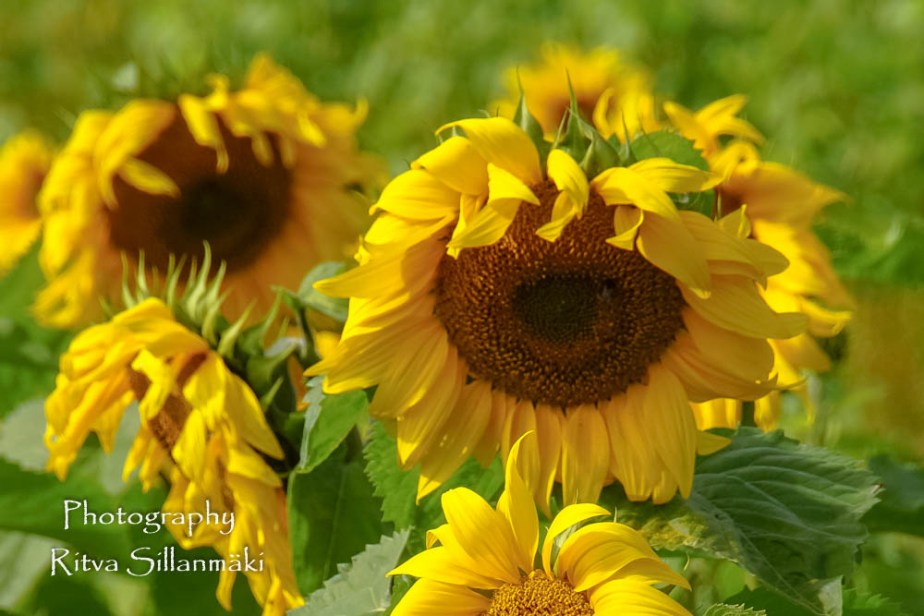
The sunflower (Helianthus annuus) is an annual plant with a sizeable daisy-like flower face. Its scientific name comes from the Greek words helios (“sun”) and anthos (“flower”). The flowers come in many colors (yellow, red, orange, maroon, brown), but they are commonly bright yellow with brown centers that ripen into heavy heads filled with seeds. Sunflowers make excellent cut flowers, and many attract bees, birds, and butterflies.
Sunflowers are heliotropic, which means that they turn their flowers to follow the movement of the Sun across the sky from east to west and then return at night to face the east, ready again for the morning sun.
Lovely song, two beautiful voices – vocal harmony.
And also the version from Glen Campbell -What a Beautiful voice… So gifted in his vocal range and flexibility.
Lepis is hosting Saturday Classics, you can add your own link here Saturday Classics
On Her page she writes: This blog is back with hosting the Classics after few years break. This time we’ll be playing on Saturdays and you can link straight here on this own page. Rules: There are no rules, as long as the song you play is a classic in your mind. Linking open 8 am and closes 12 pm.



















































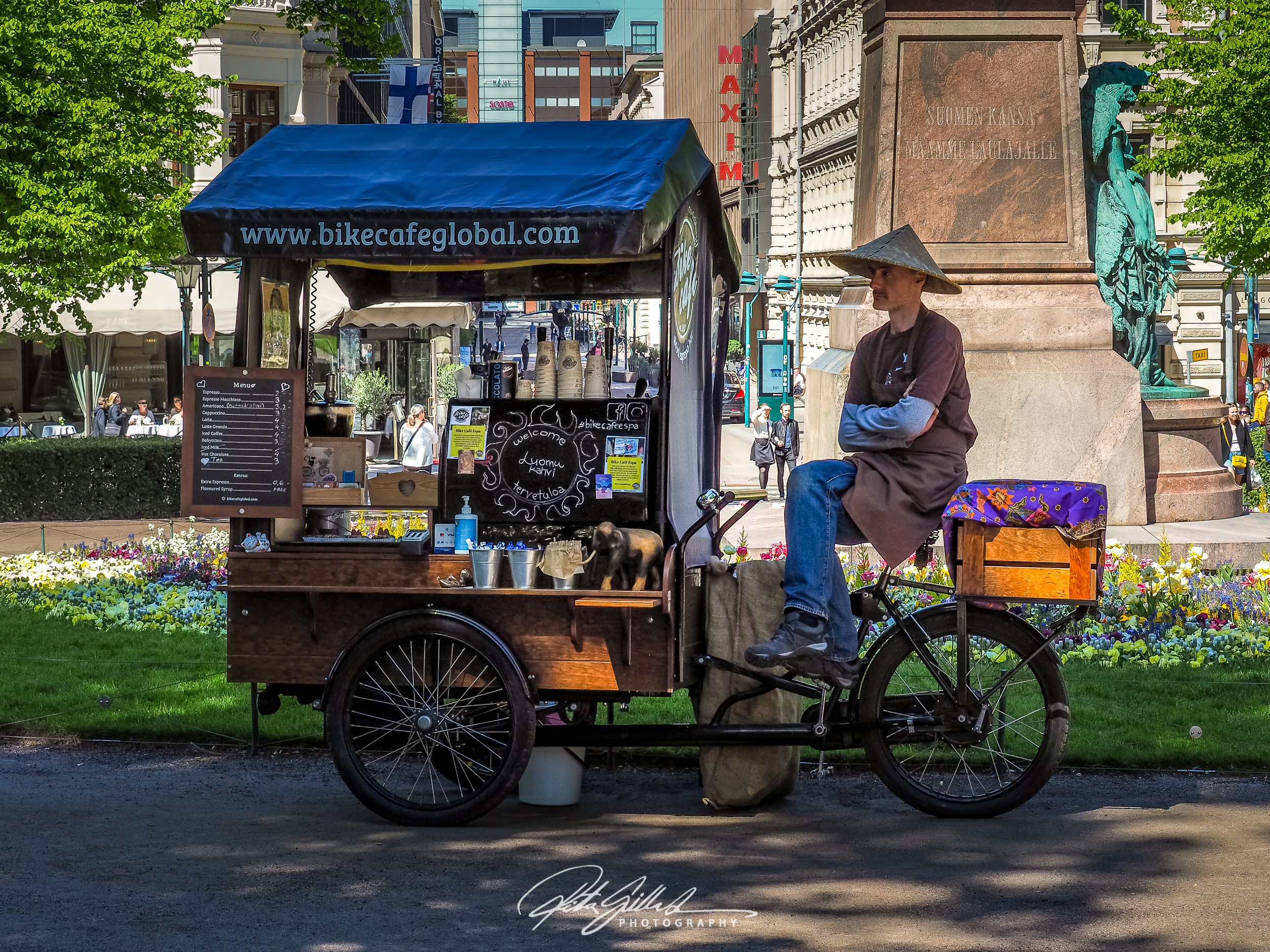
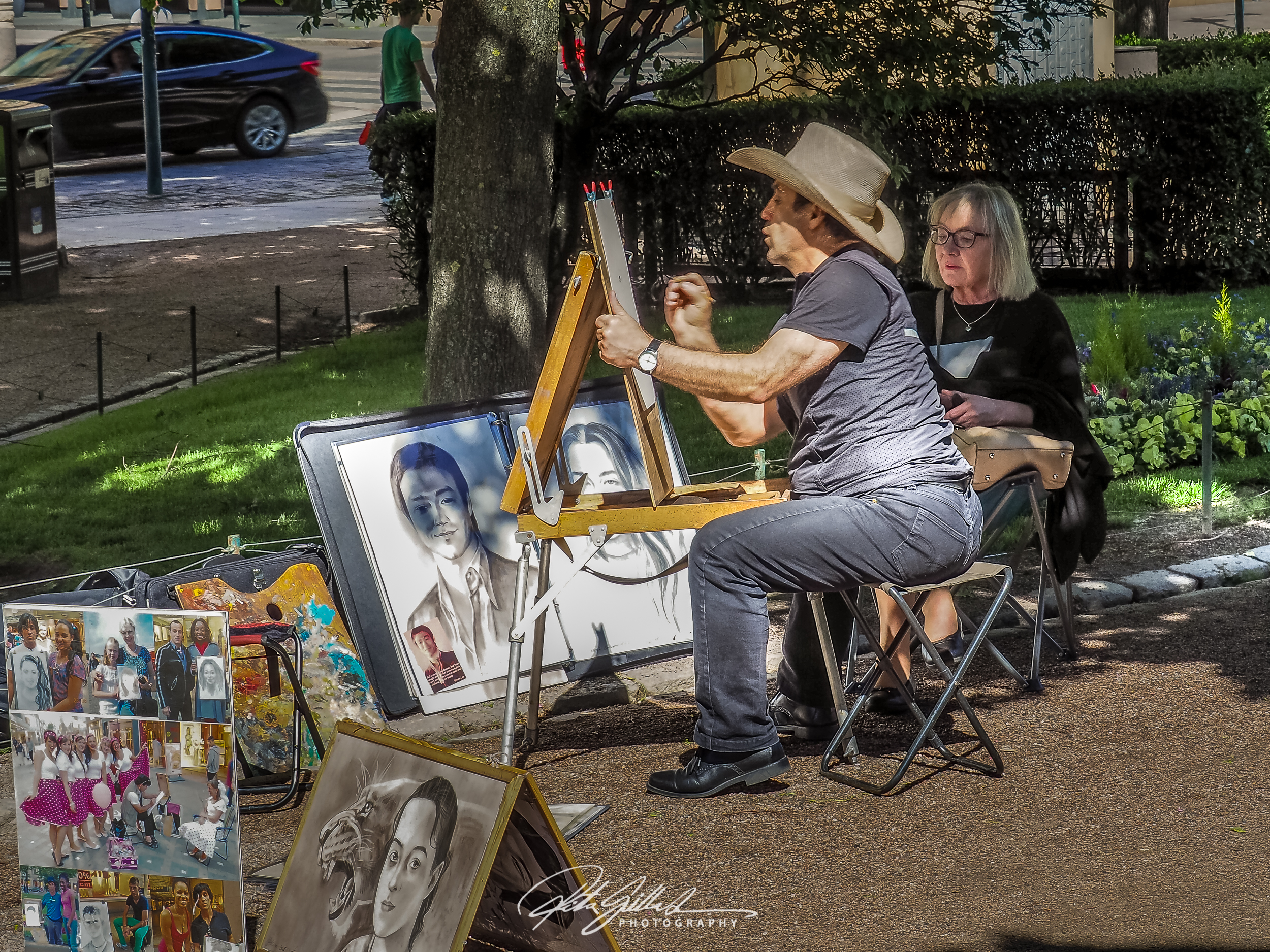
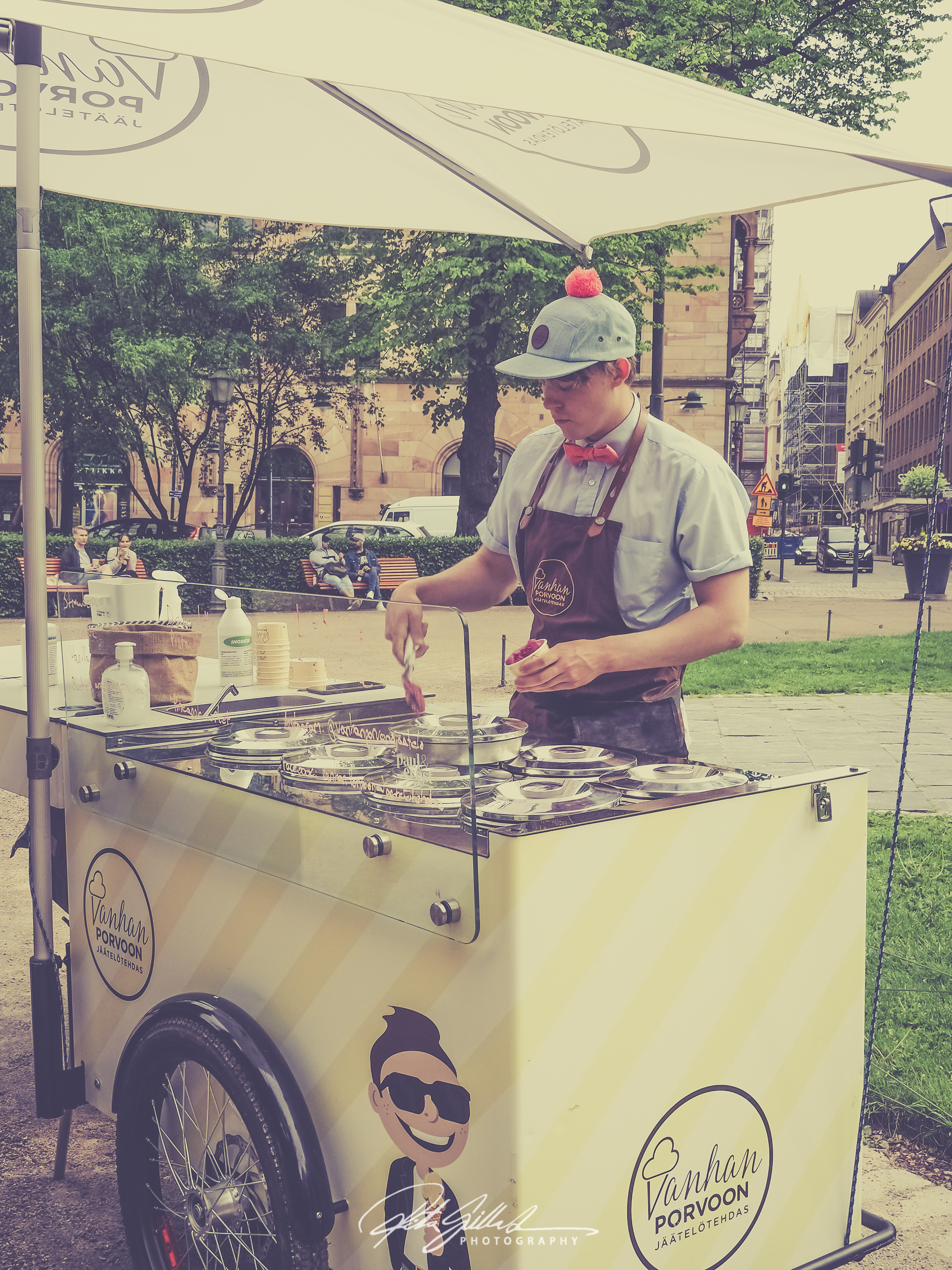

































 Ritva Sillanmäki Photography