
Macro Monday – 6 April 2026
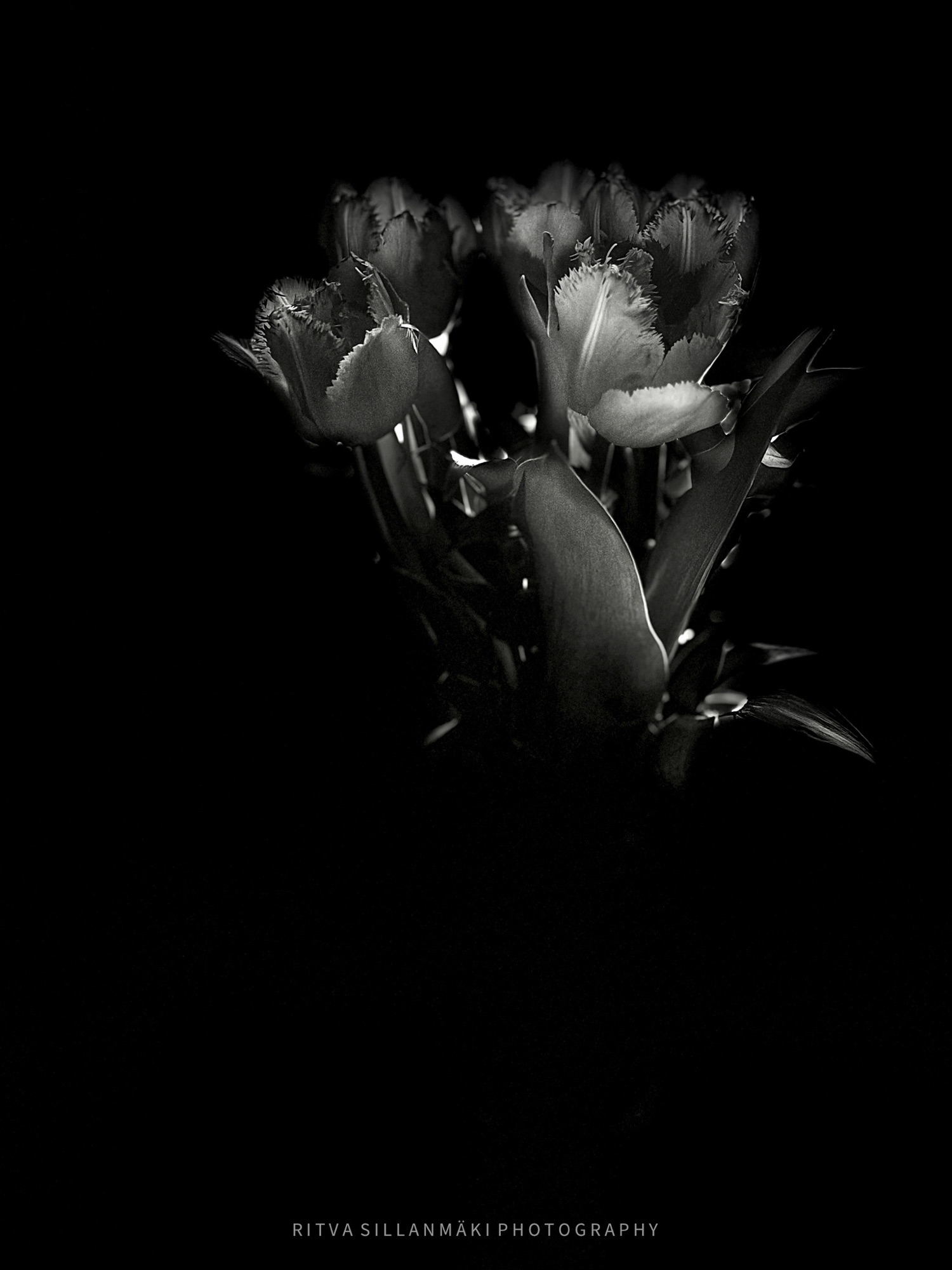
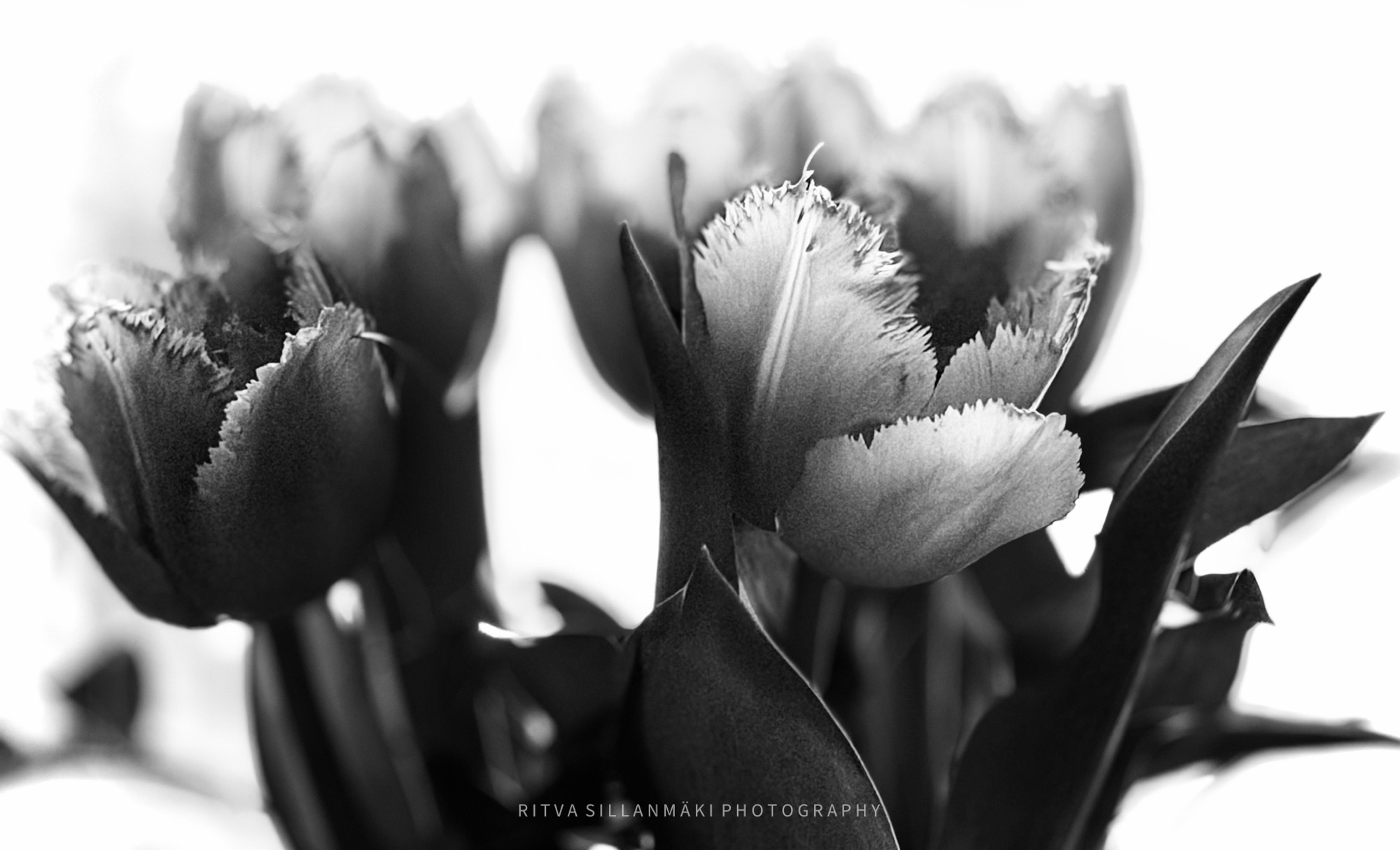
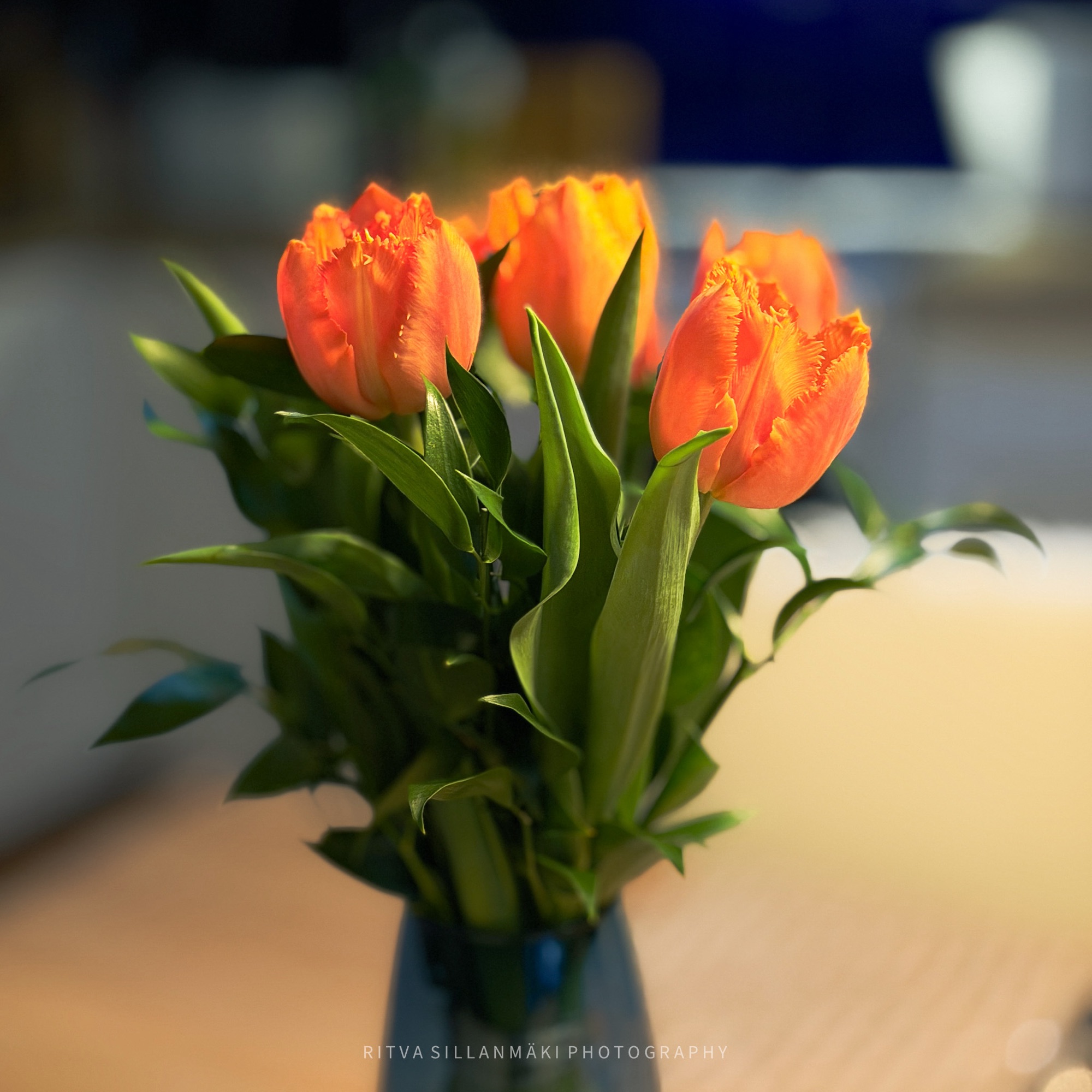
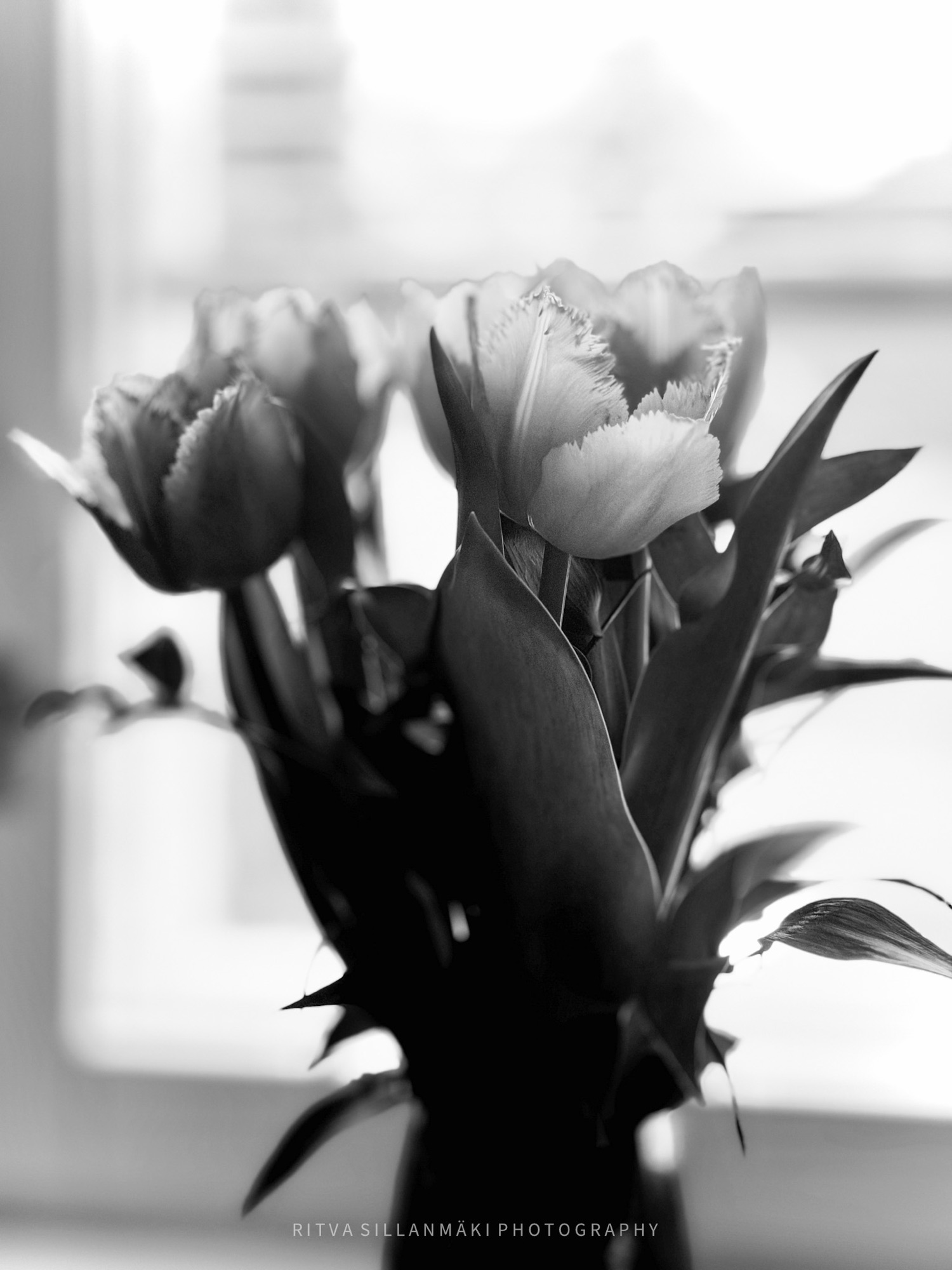
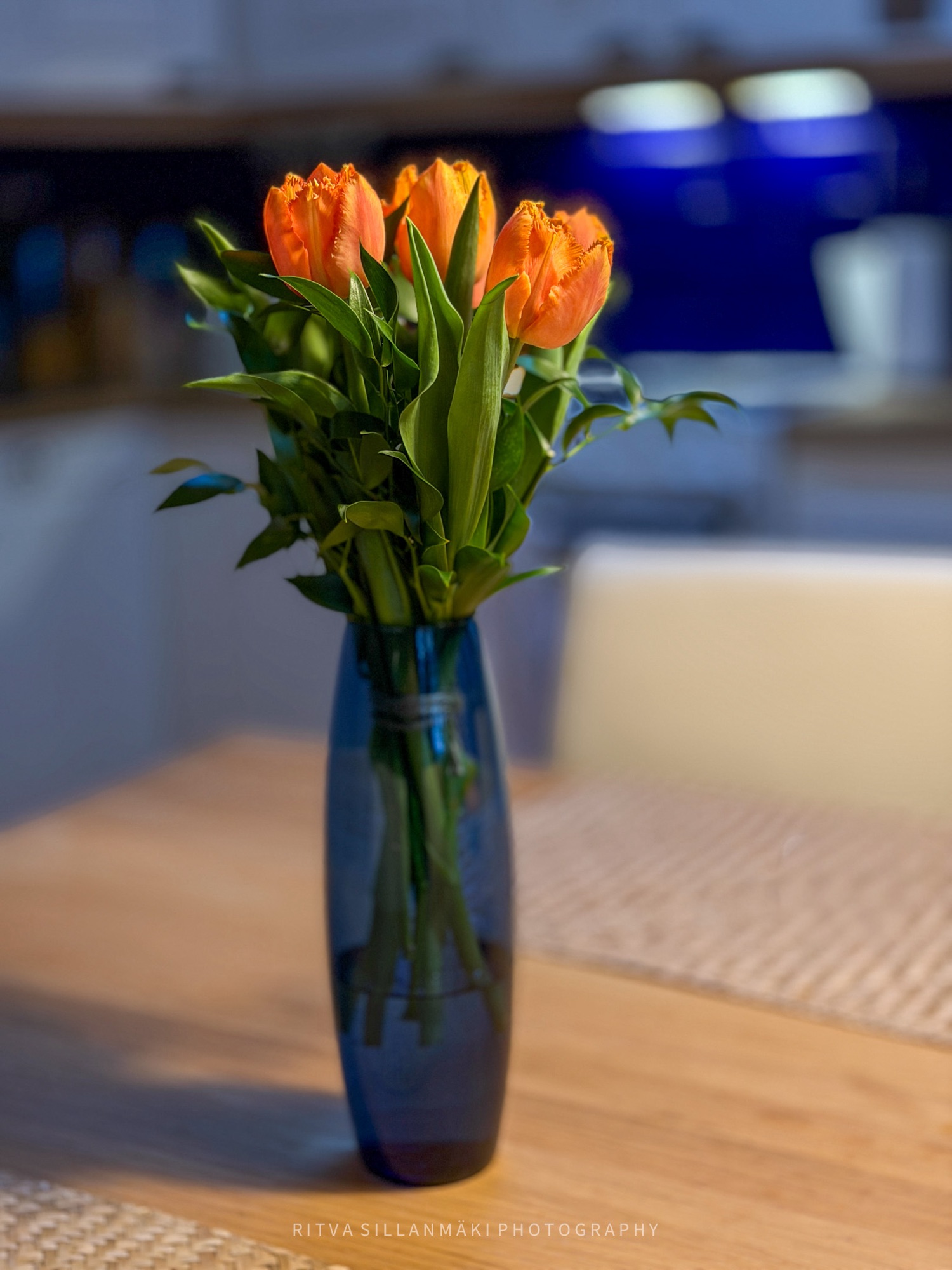
Monochrome Madness is giving us a free week, which means no specific prompt this time around—so much easier to choose the topic. I thought it would be lovely to post flowers, so this week I’m excited to share some gorgeous tulips that a dear friend gave me. I snapped these beauties against the window, using backlight to really capture the details of the petals in the monochrome images. Plus, since I’m also sharing this with TheFlowerHour, I’ve included some colorful images too, taken in light coming mostly from the side above. Just wait until you see the lovely orange shade!
A striking contrast of black and white captures a bouquet of tulips, with the dark background emphasizing their delicate petals and complex textures in the first image in the gallery. The other two monochrome portrayals showcases the arrangement of tulips in a vase, featuring intricate details set against a gently blurred backdrop. Complementing and contrasting this is the radiant bouquet of orange tulips, artfully positioned in a cobalt blue vase atop a wooden table, exuding vibrancy and charm.
Click the gallery images to enlarge them
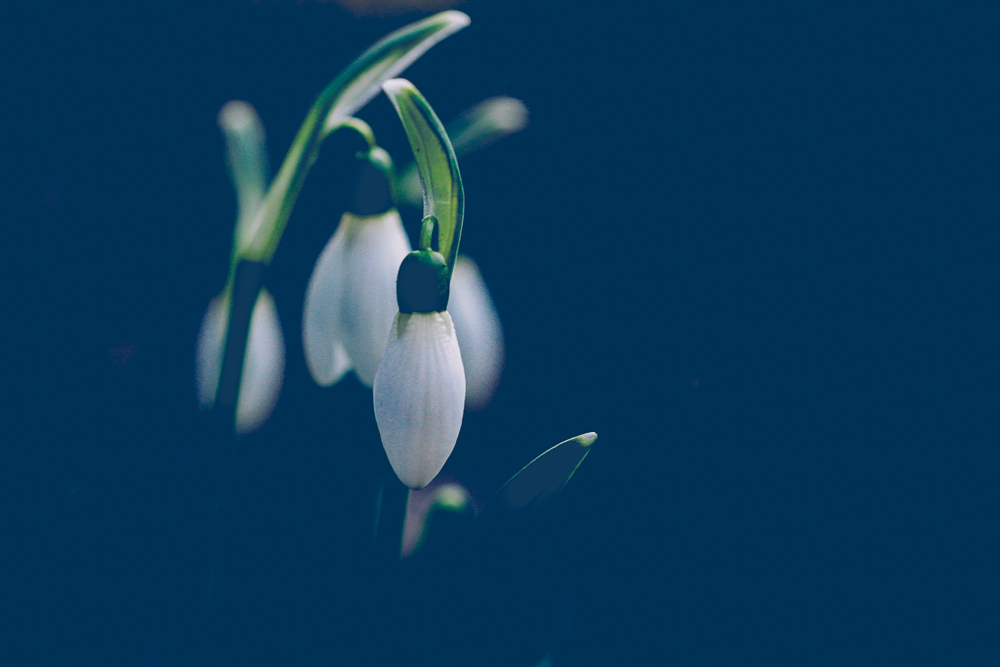
The snow is melting so fast at the moment, you almost feel the spring. One of the first signs of spring in my backyard is the rise of the snowdrops. So near, but not yet there.
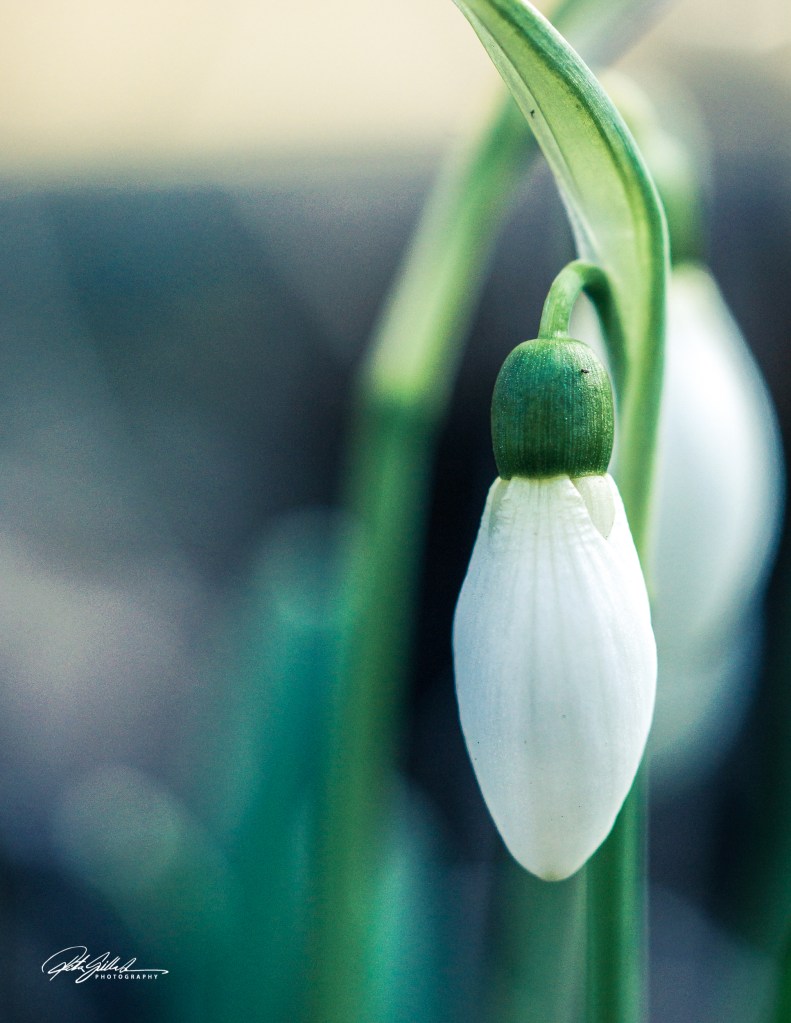
Soon…and from the ground, a gentle hum
as vibrant snowdrops reach for the sky
in just a week, a wave of change will come
and white blooms where life begins to thrive
with people arriving, pursuing bold dreams
they say the seasons can’t dictate our path
but one glance at a snowdrop, and optimism awakens.
Participating in SixWordSaturday

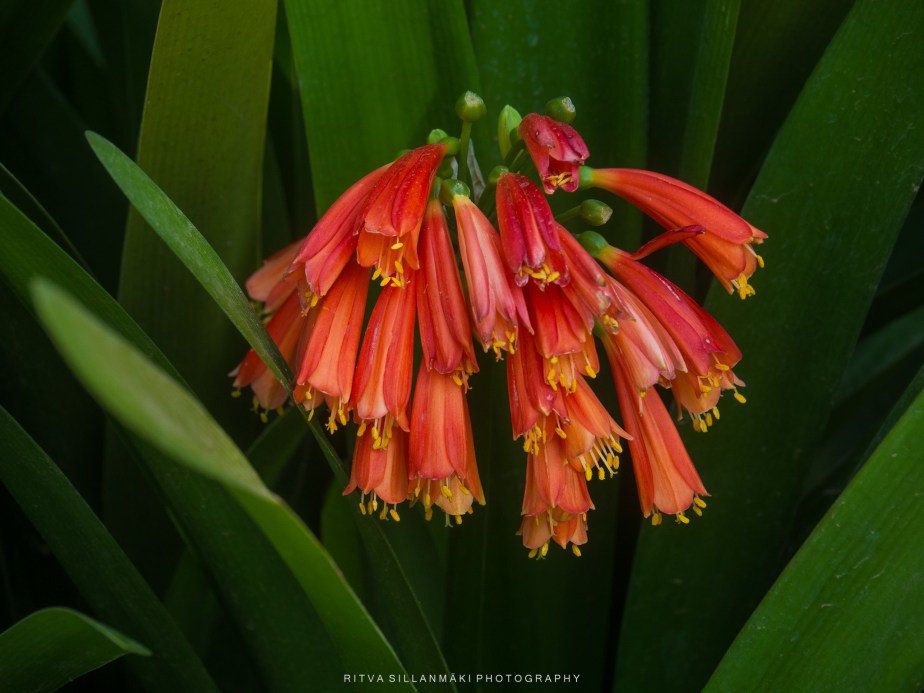
It has several common names in English, including:
Kaffir Lily, Clivia Lily, St. John’s Lily
The plant shown in the image is known by the scientific name Clivia miniata.
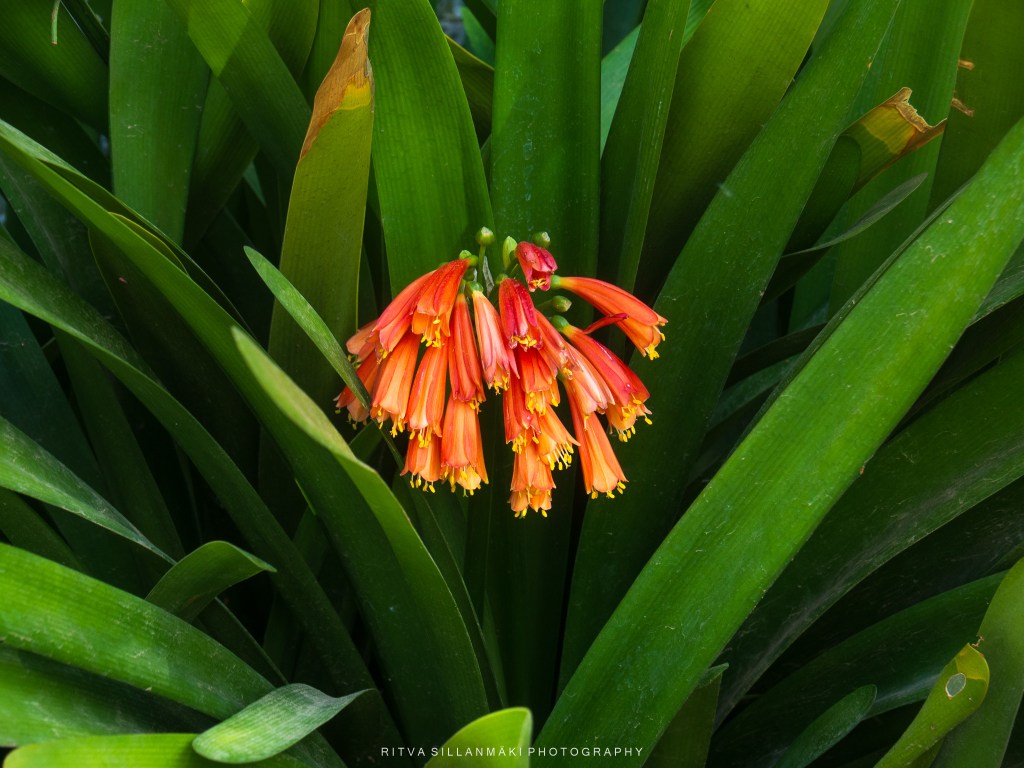
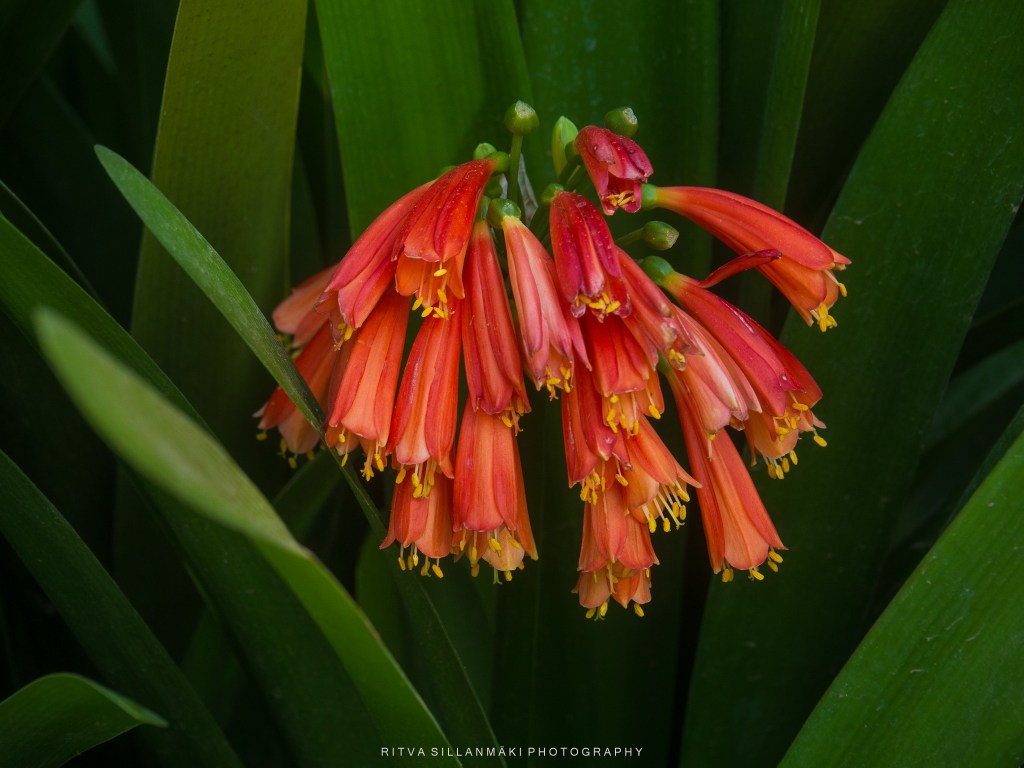
This plant is a perennial flowering plant native to Southern Africa and is a popular, long-lived houseplant known for its bright orange, trumpet-shaped blooms. I photographed it in southern Australia
Participating in Six Word Saturday
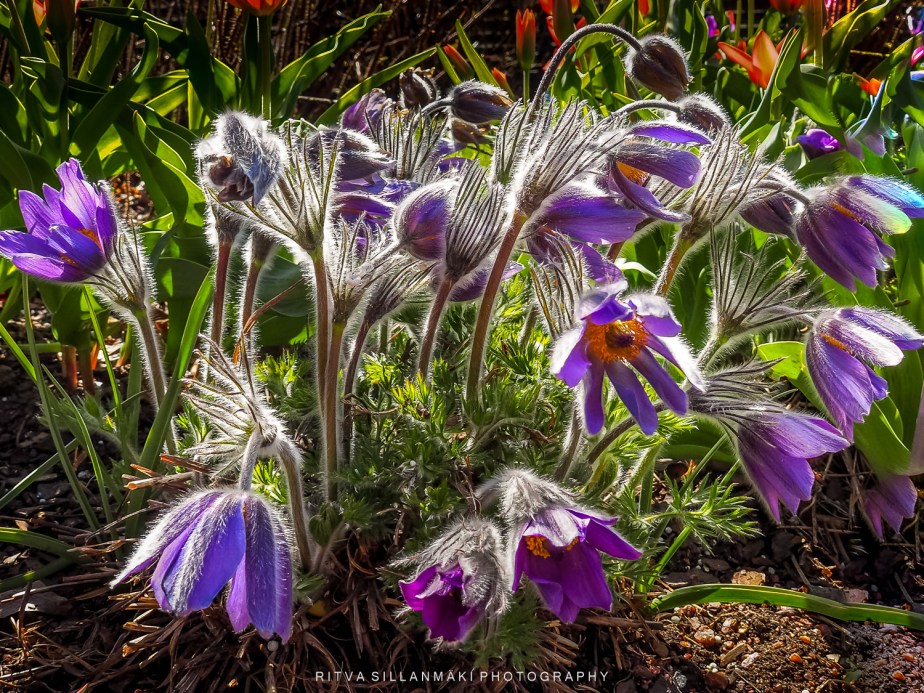
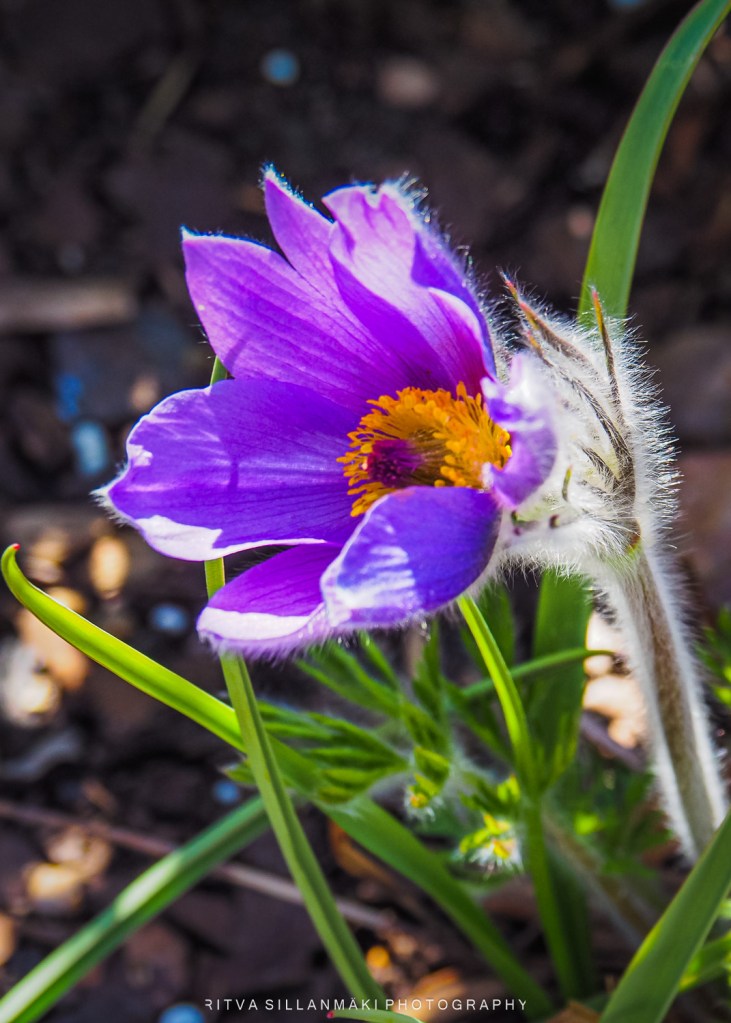
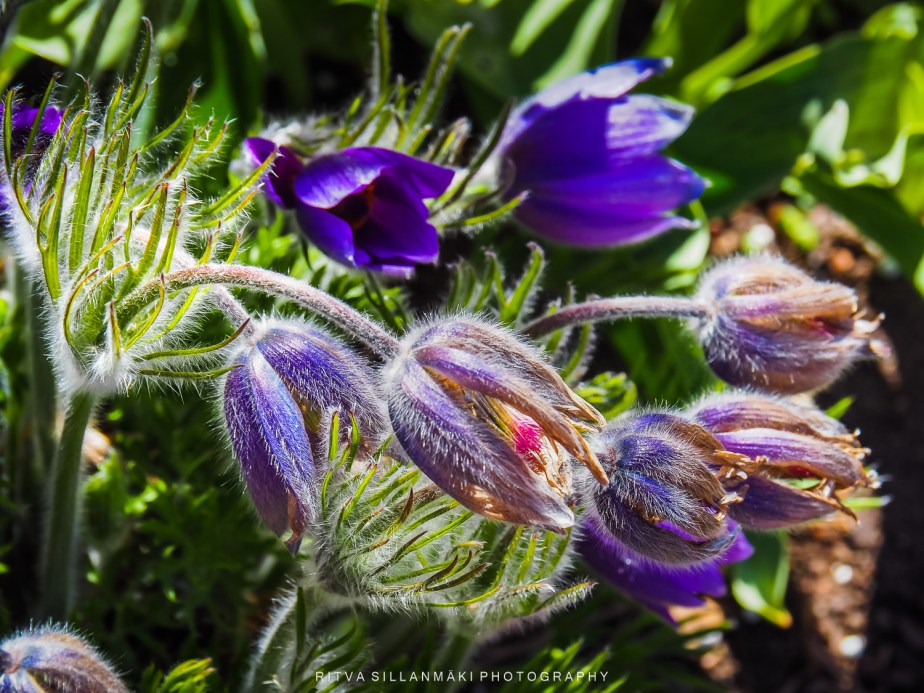
I do not know my plants, if they are pretty that is mostly enough information for me. I googled this flower and flower enthusiasts may appreciate this.
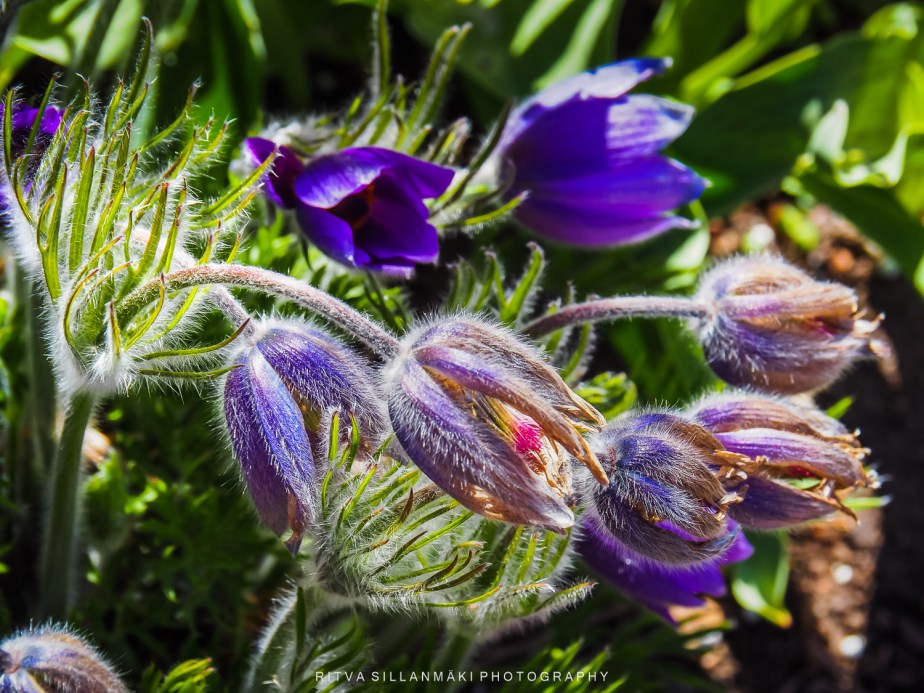
The image displays the plant known as the common pasque flower (Pulsatilla vulgaris), also referred to as the Eastern pasque flower (Pulsatilla patens) in some contexts.
Key characteristics of the plant: Form: It is a perennial herb with a short, upright rootstock.
Height: The plant typically grows 5 to 25 cm tall.Flower: The flowers are radial to bell-shaped, purplish-blue, and 5.5–8.5 cm wide. They bloom early in spring, often in April or May, as one of the first perennials to flower.
Leaves: Basal leaves are stalked and develop after flowering. The stem leaves form a whorl below the flower.
Habitat: It grows in dry heathlands and is also a popular ornamental garden plant.
Status: In Finland, the species had disappeared from the wild but has reappeared in some locations. The Eastern pasque flower is a protect in Finland
These were photographed at the Botanical garden last spring.
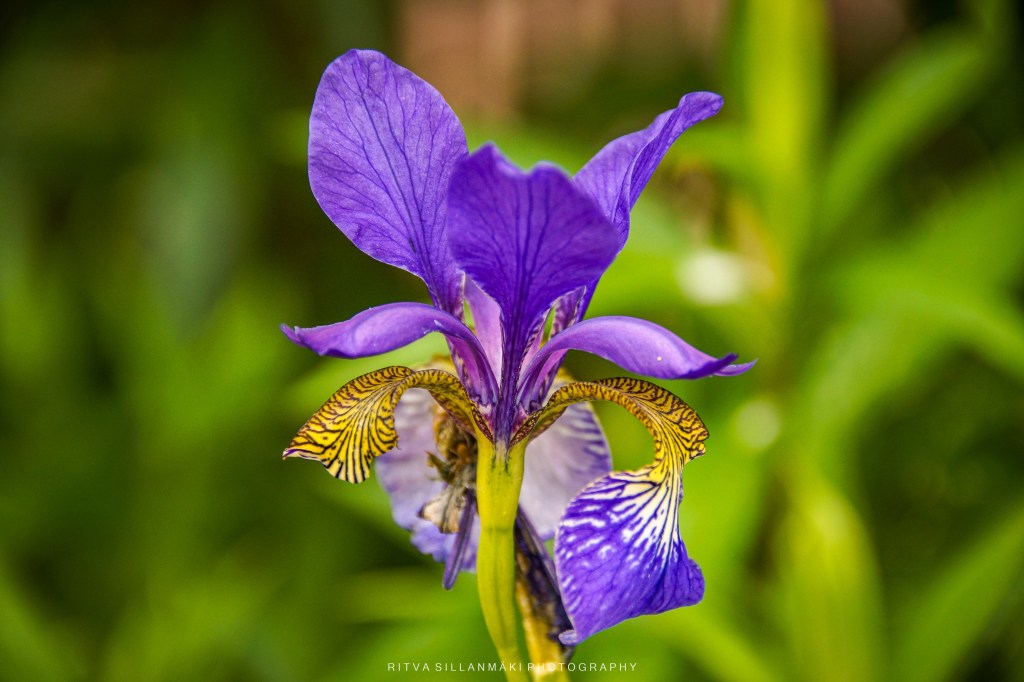
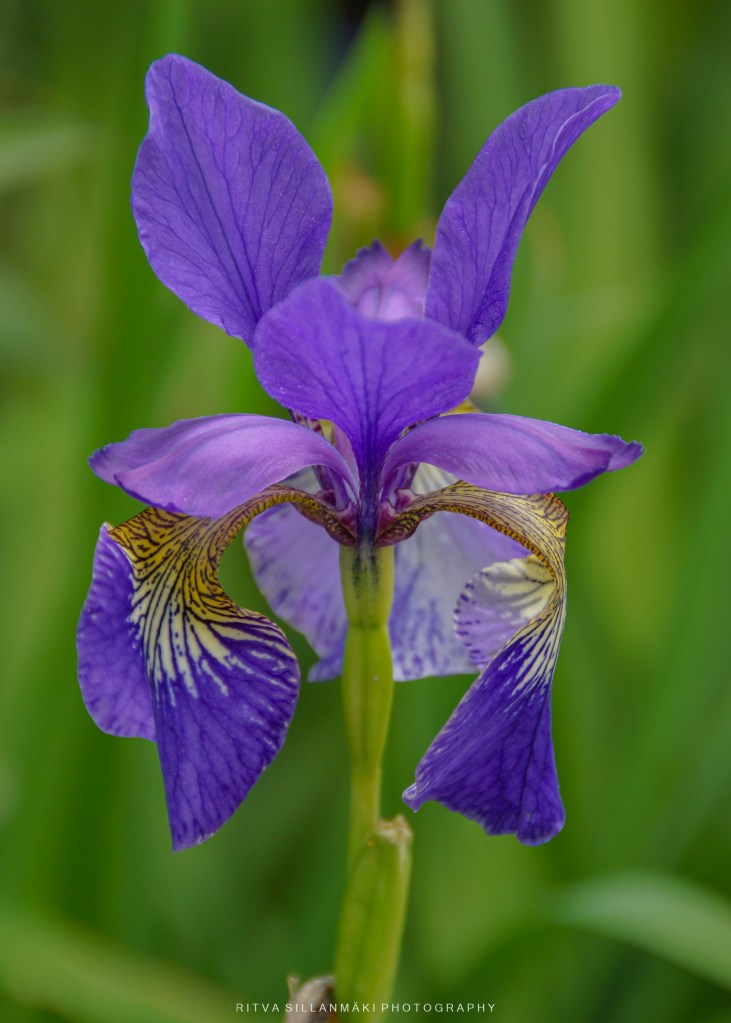
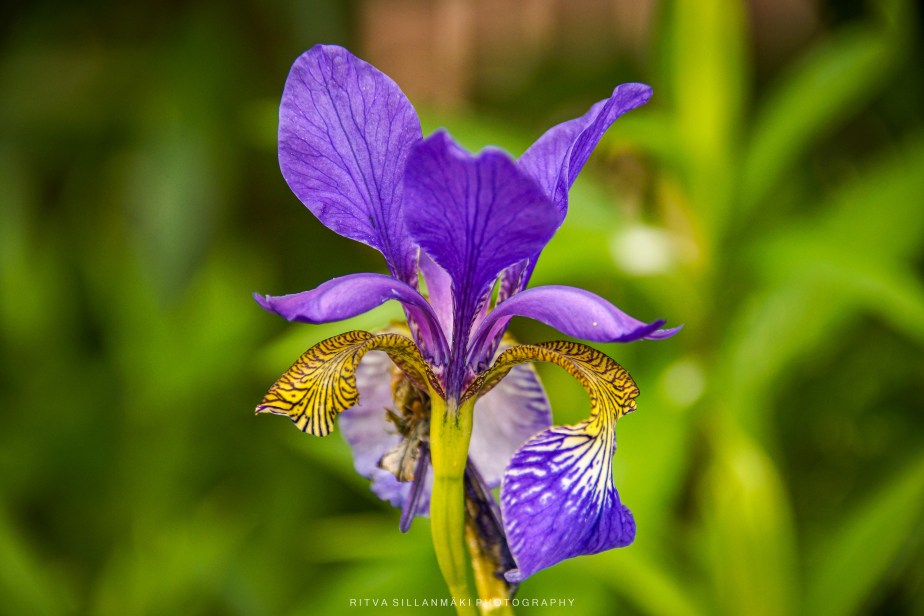
I’m participating in The Flower Hour by sharing these images of Siberian Iris, showcasing the classic hue of a deep, vibrant purple.
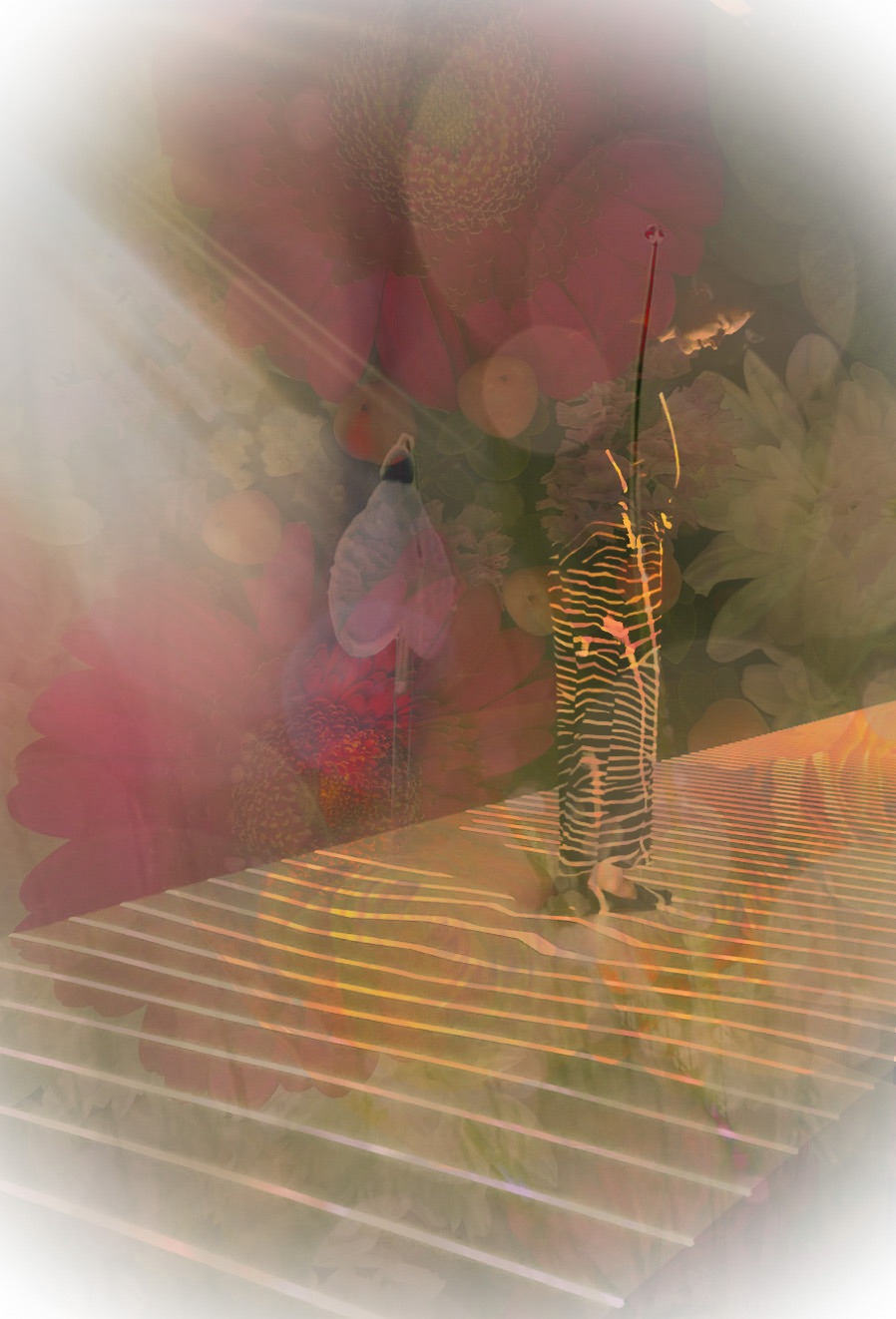
Värikollaasi #485 Color Collage
Color of light is an interesting idea for a color.
Light itself contains all colors, appearing white when combined, yet it consists of a spectrum of colors—red, orange, yellow, green, blue, and violet—each with a unique wavelength.
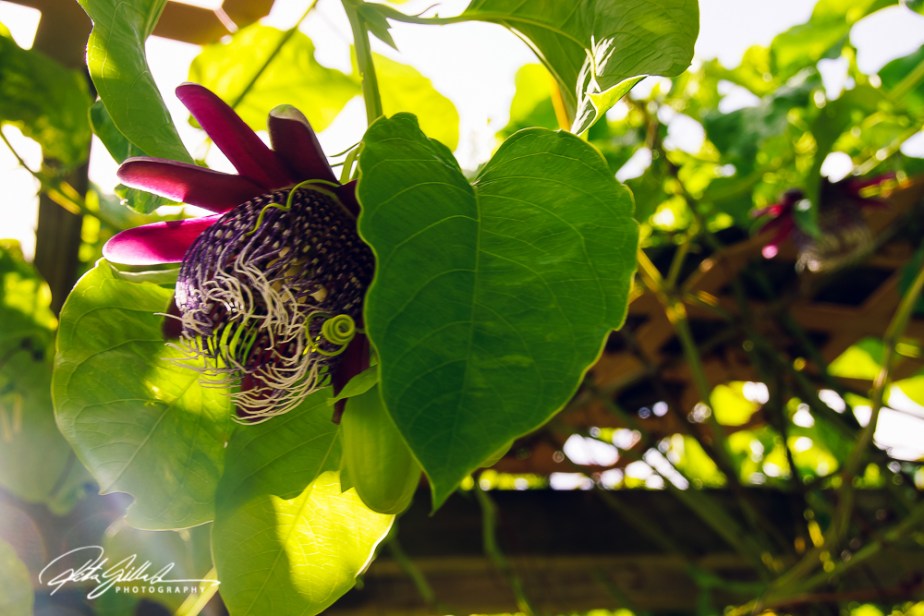
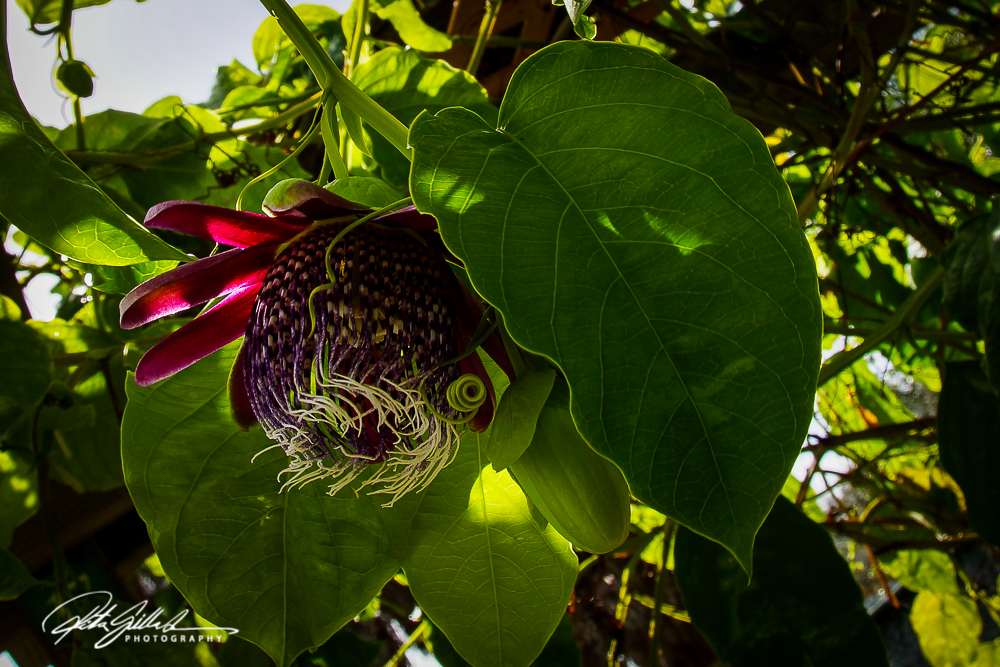
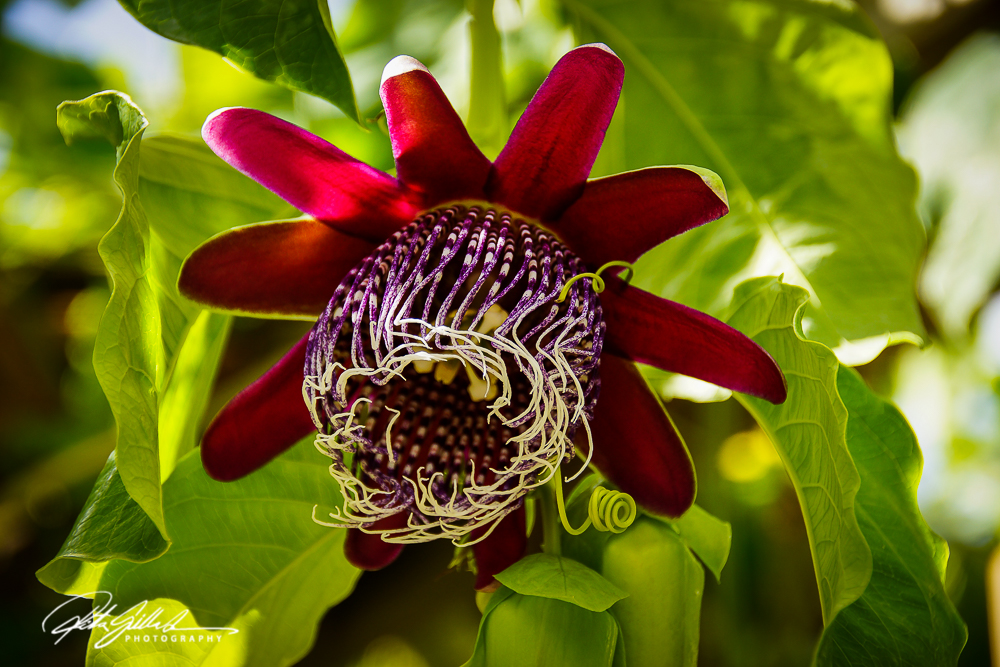
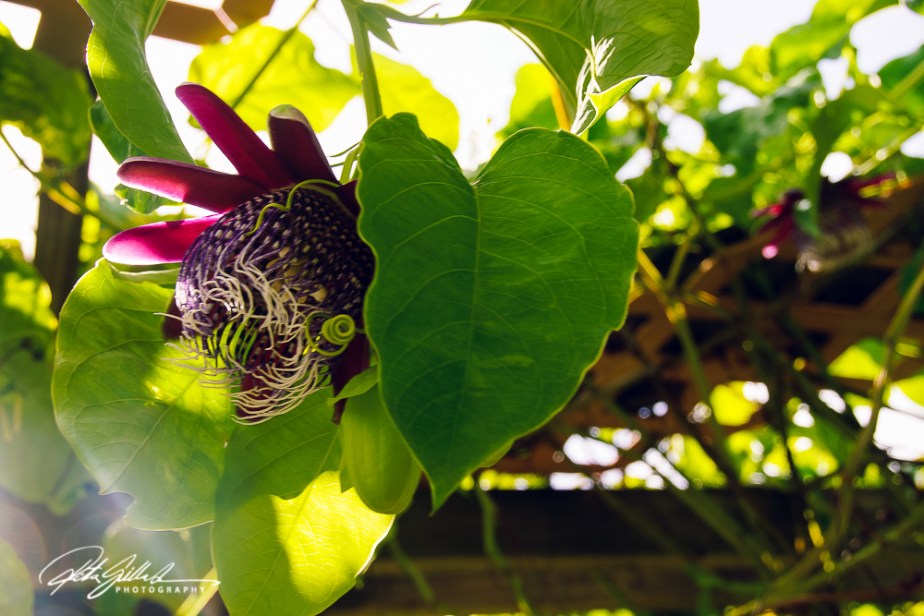
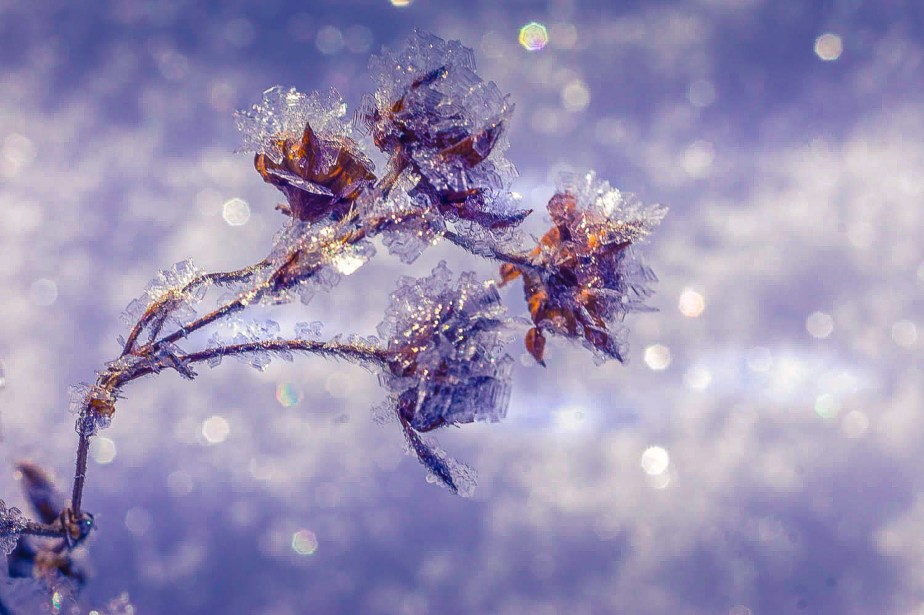
For this week’s edition of Flower Hour Weekly for Terri, I’ve rummaged through my archives in search of inspiration and beauty. I haven’t purchased any new flowers for the vase, and nature currently offers only evergreens and snow, so my choices are quite restricted, leaving me to reflect on the stunning blooms I’ve captured in the past. These flowers are nature’s artistry in my mind; they delight me even when we are surrounded by the stillness of winter.
Blooming flower of giant granadilla or giant passion fruit (Passiflora quadrangularis)


I had the fortune of capturing the intricate and fragile beauty of winter in a close-up of frost-laden branches and frozen blossoms. The branches display the frost’s elaborate designs, while the flowers shine with crystalline ice, producing a striking visual contrast against a gently blurred backdrop. A slight alteration in light and composition enhances the sparkle of one image, while the version with the blue background reveals more detail. These visuals underscore the tranquil and enchanting qualities of the winter season, showcasing nature’s craftsmanship in its chilliest state.
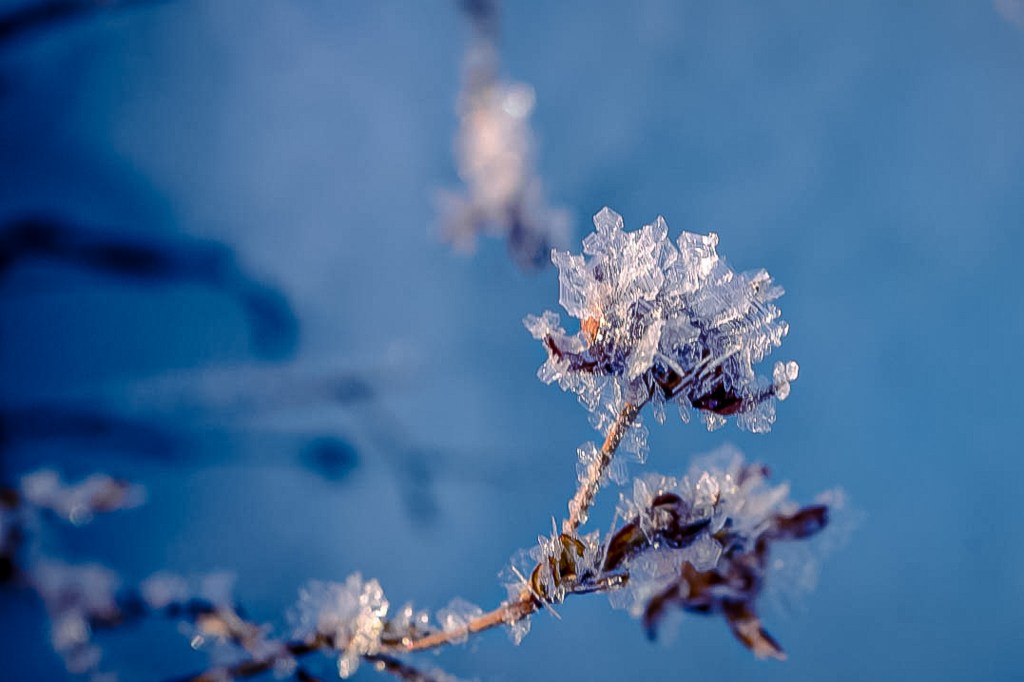
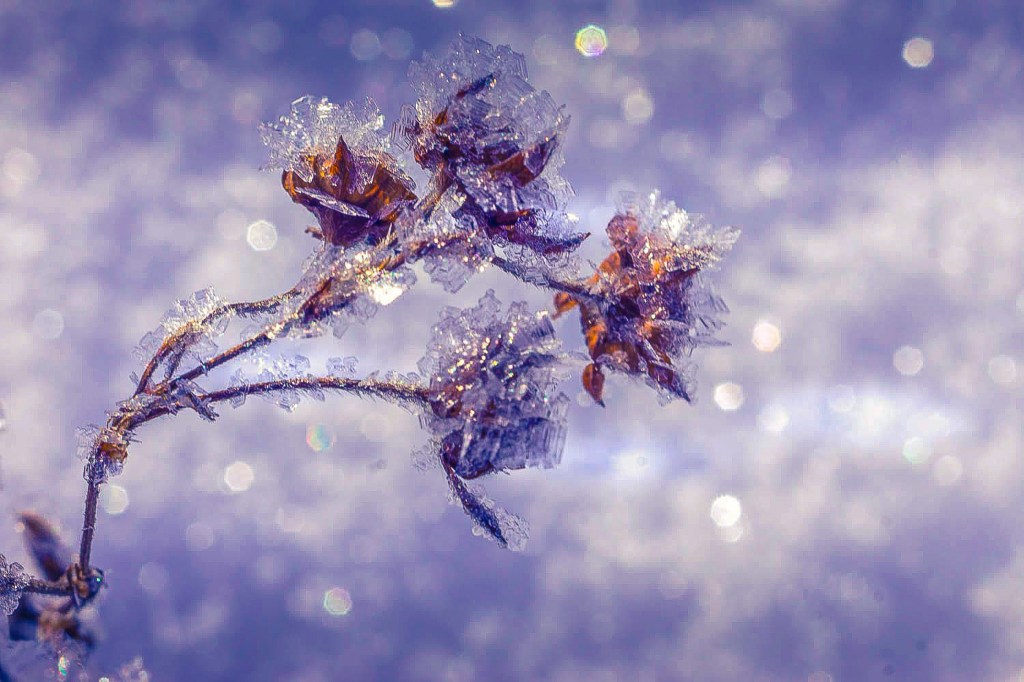
For FOTD
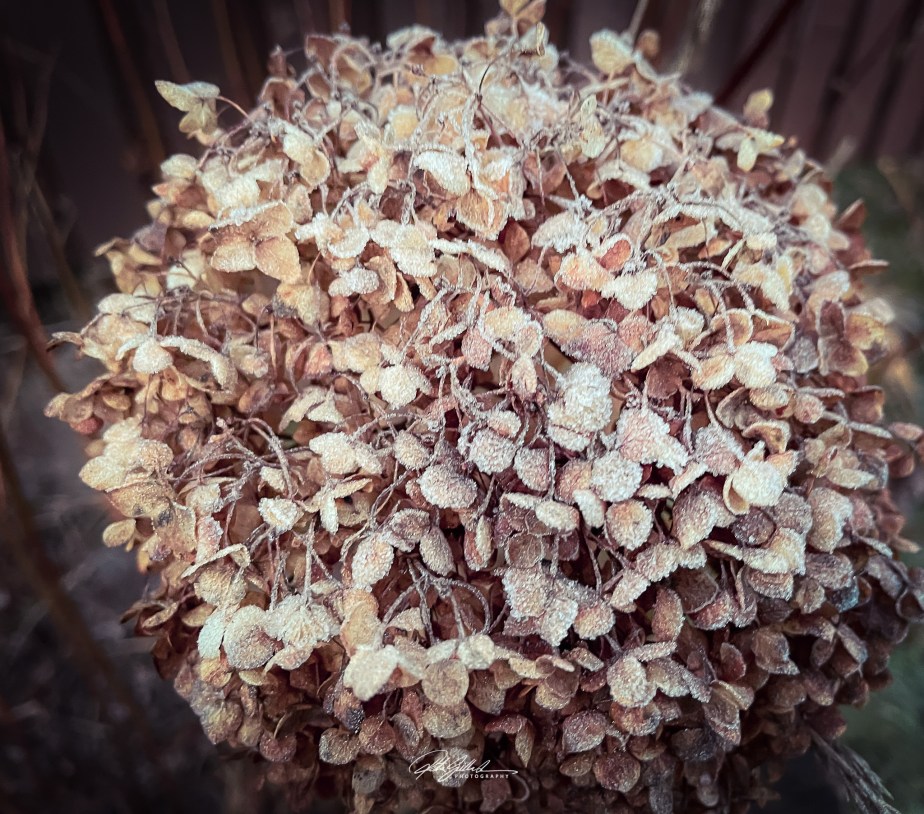
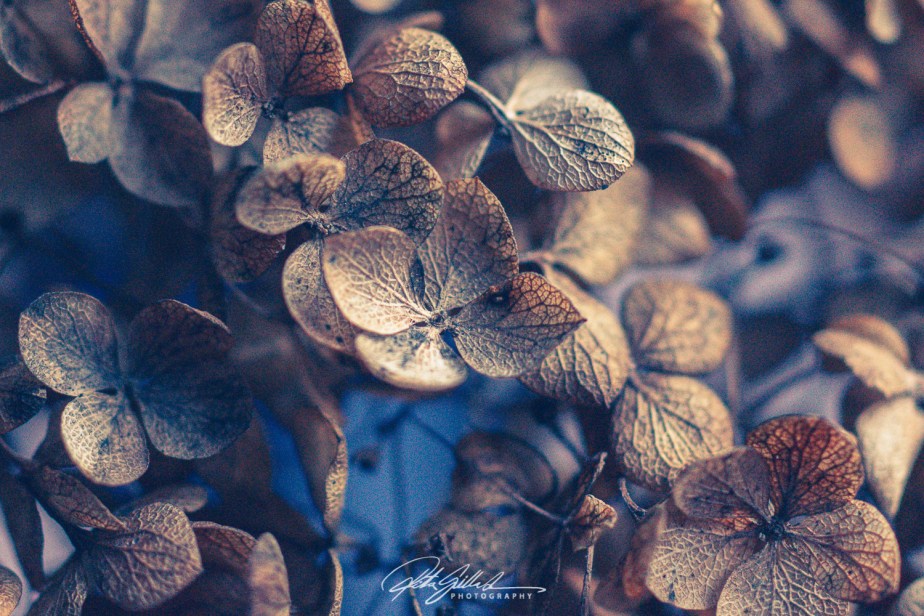
It is cold, and the world outside is mostly white, blanketed in a thick layer of snow. The brown hydrangeas are still up under the snow, their once-vibrant blooms now a muted memory, yet they stand resilient in this wintry landscape. Here are some close-ups from their leaves, showcasing the unique textures and shapes that remain visible even beneath the frosty remnants.
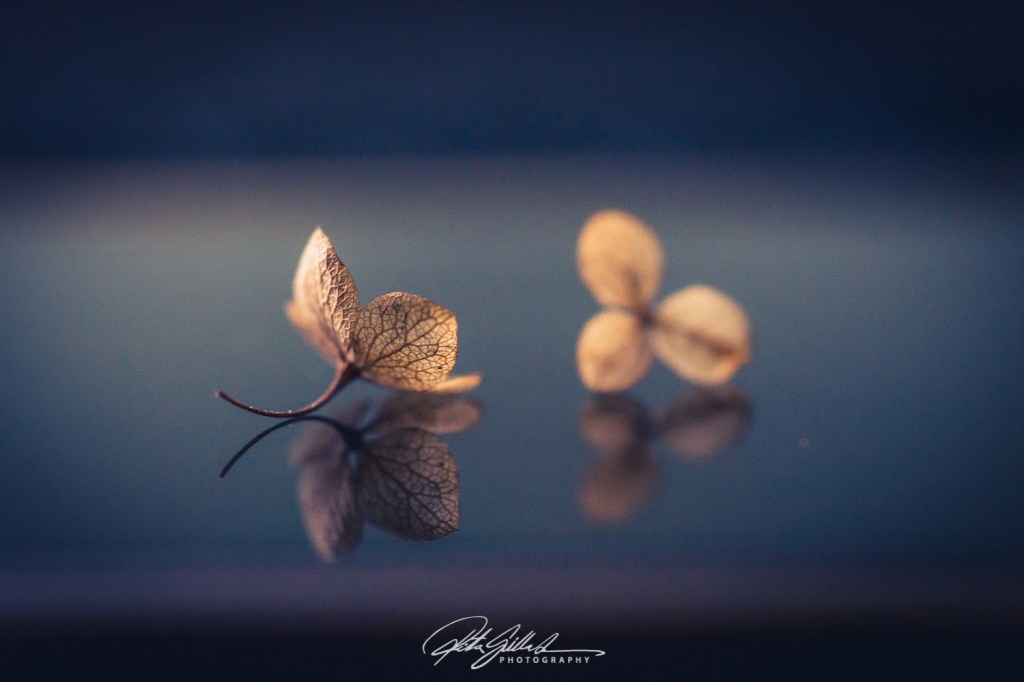
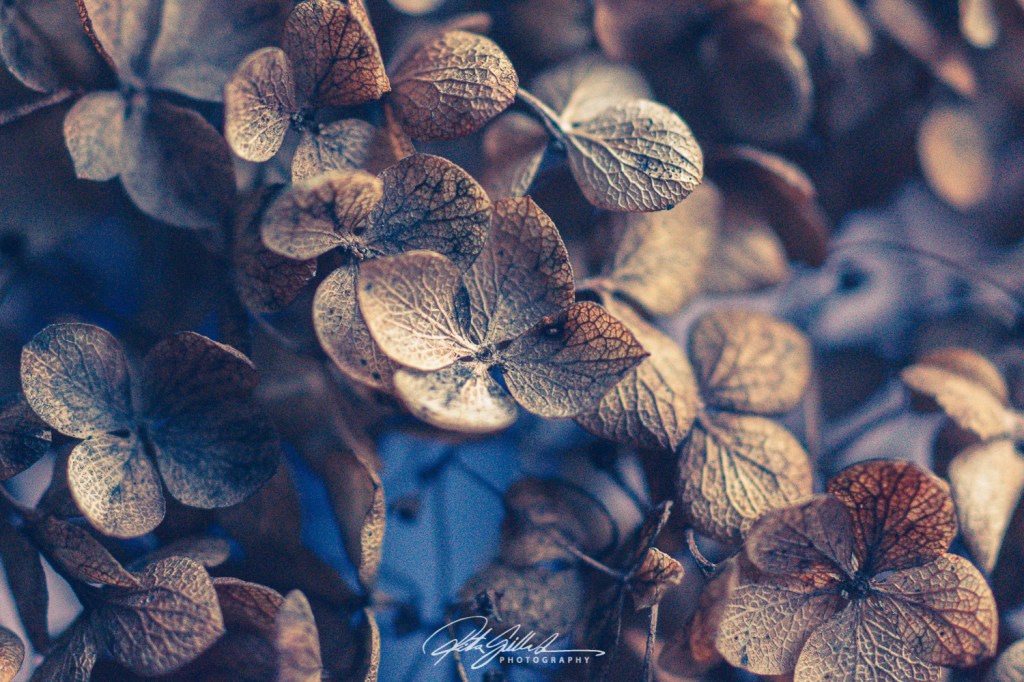
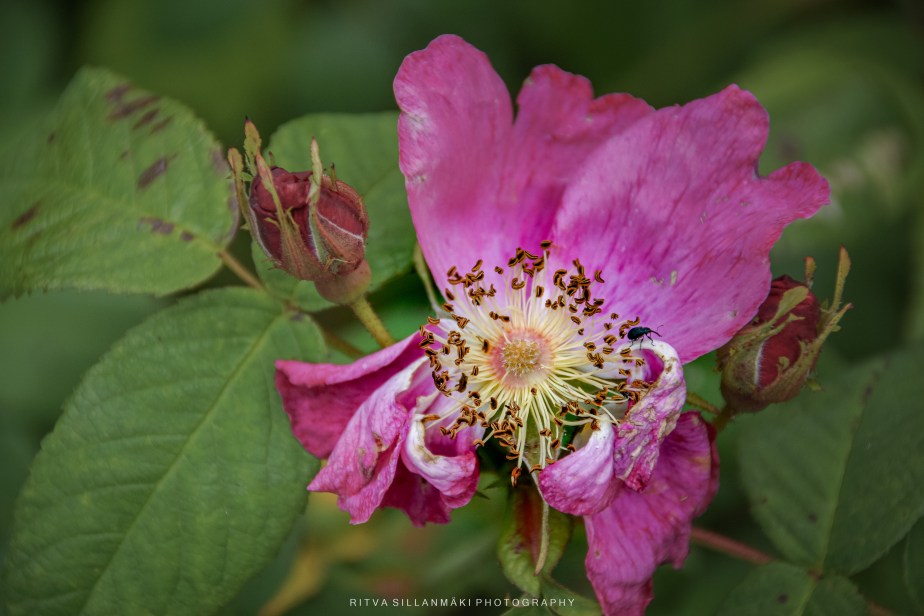
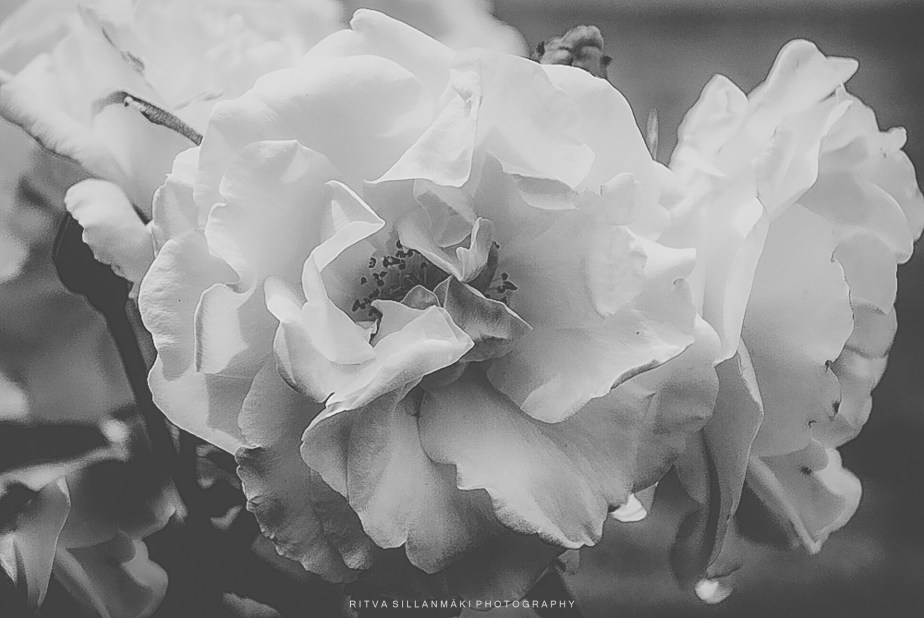
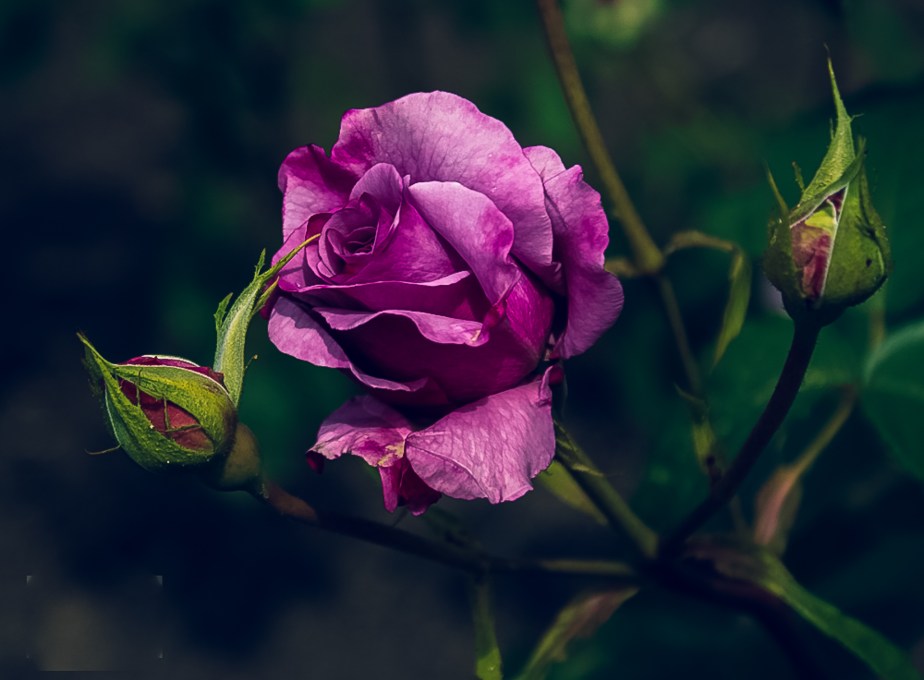
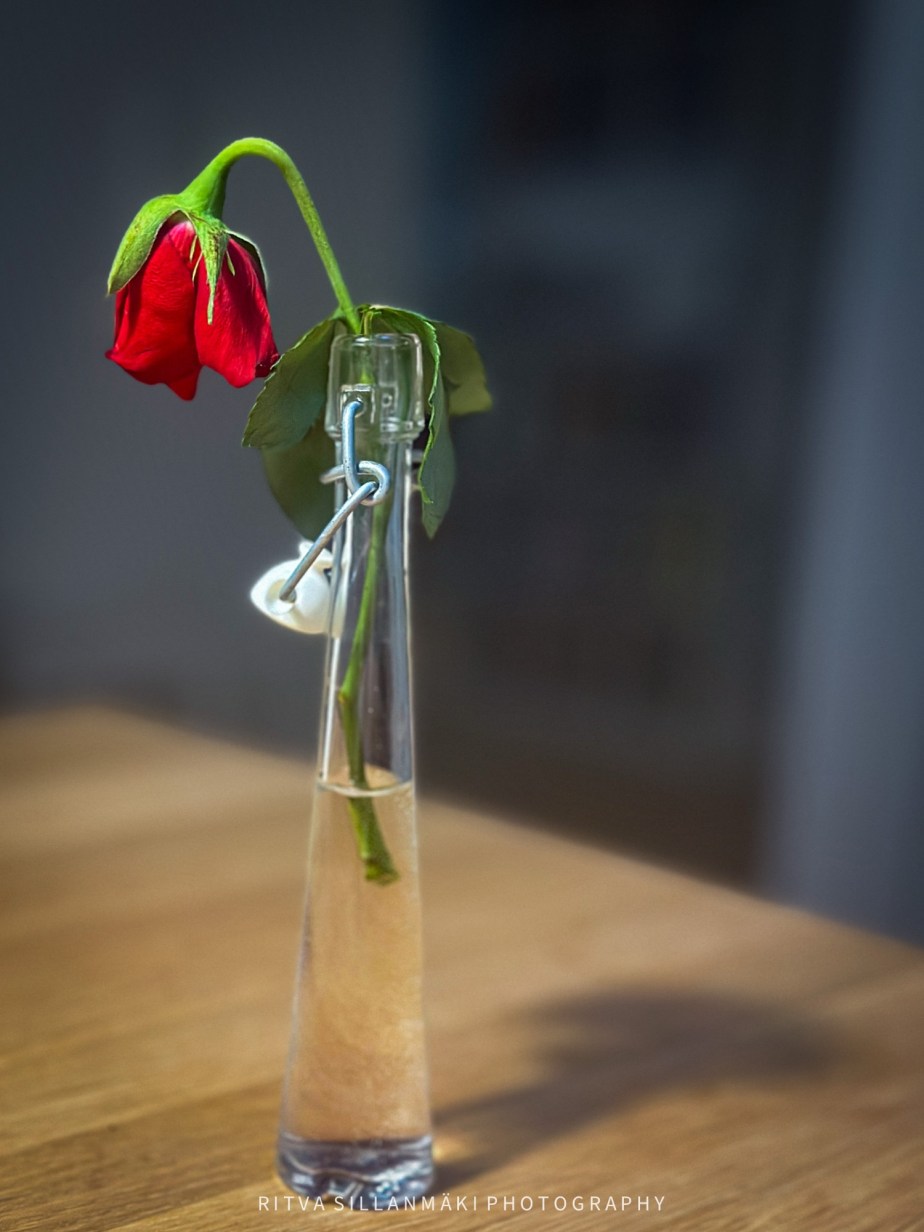
We have snow blanketing the ground and evergreens standing tall at the moment that I could photograph. Right now, I have no fresh flowers in the vase to add a splash of color. However, while sifting through my old photos, I stumbled upon these shots of roses from my visit to the Espoo Cathedral several years ago; there were several flowers to photograph They are not at their peek, but sometimes even the decay looks good. Nowadays these flowers are to be eradicated, but my images were captured before that suggestion was made. I took a bit of editing liberties with the first two images to enhance their vibrant hues and textures, hoping to capture the essence of those fleeting moments when nature’s beauty takes center stage.
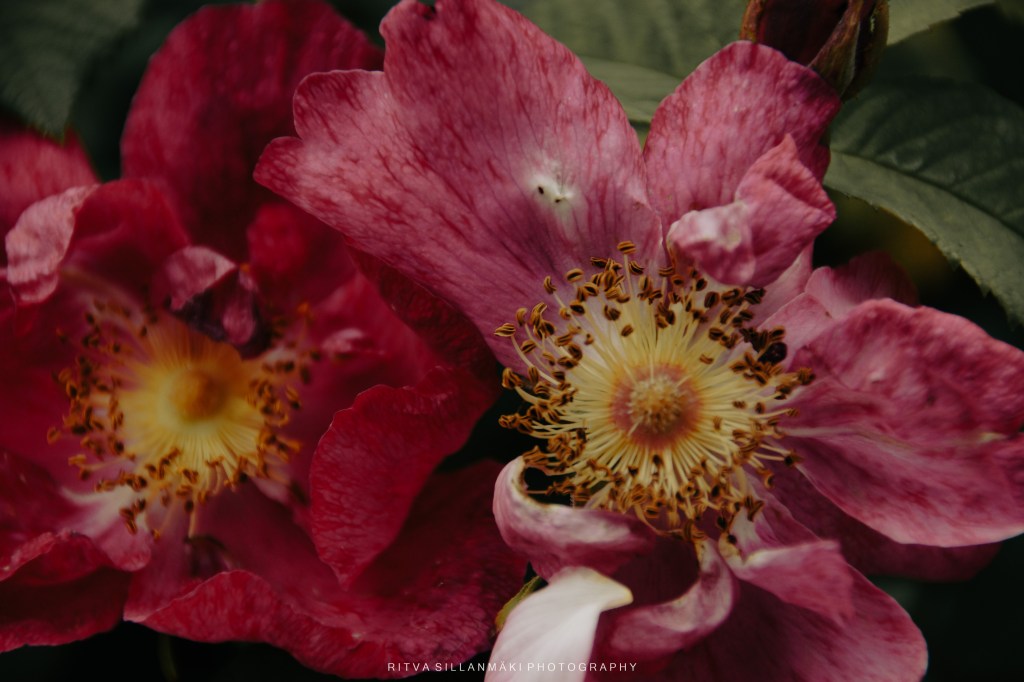
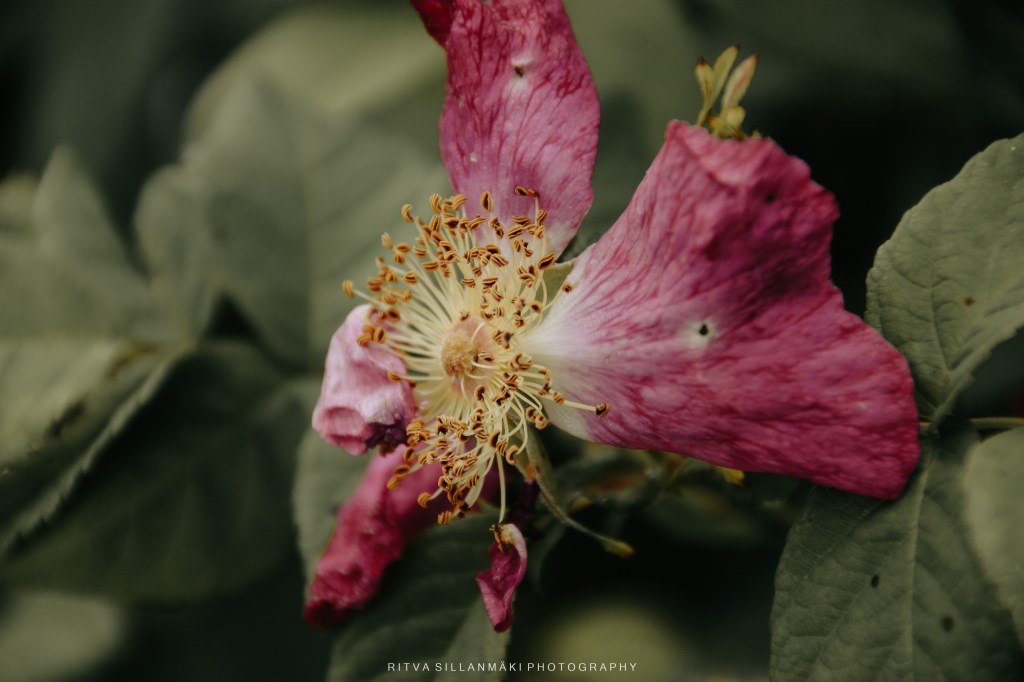
Why should we eradicate the rugosa rose?
The rugosa rose (Rosa rugosa) is classified as an invasive species under Finnish legislation, and its spread must be prevented and populations eradicated. The cultivation of the rugosa rose and its white-flowered form (Rosa rugosa f. alba) is prohibited as of June 1, 2022.
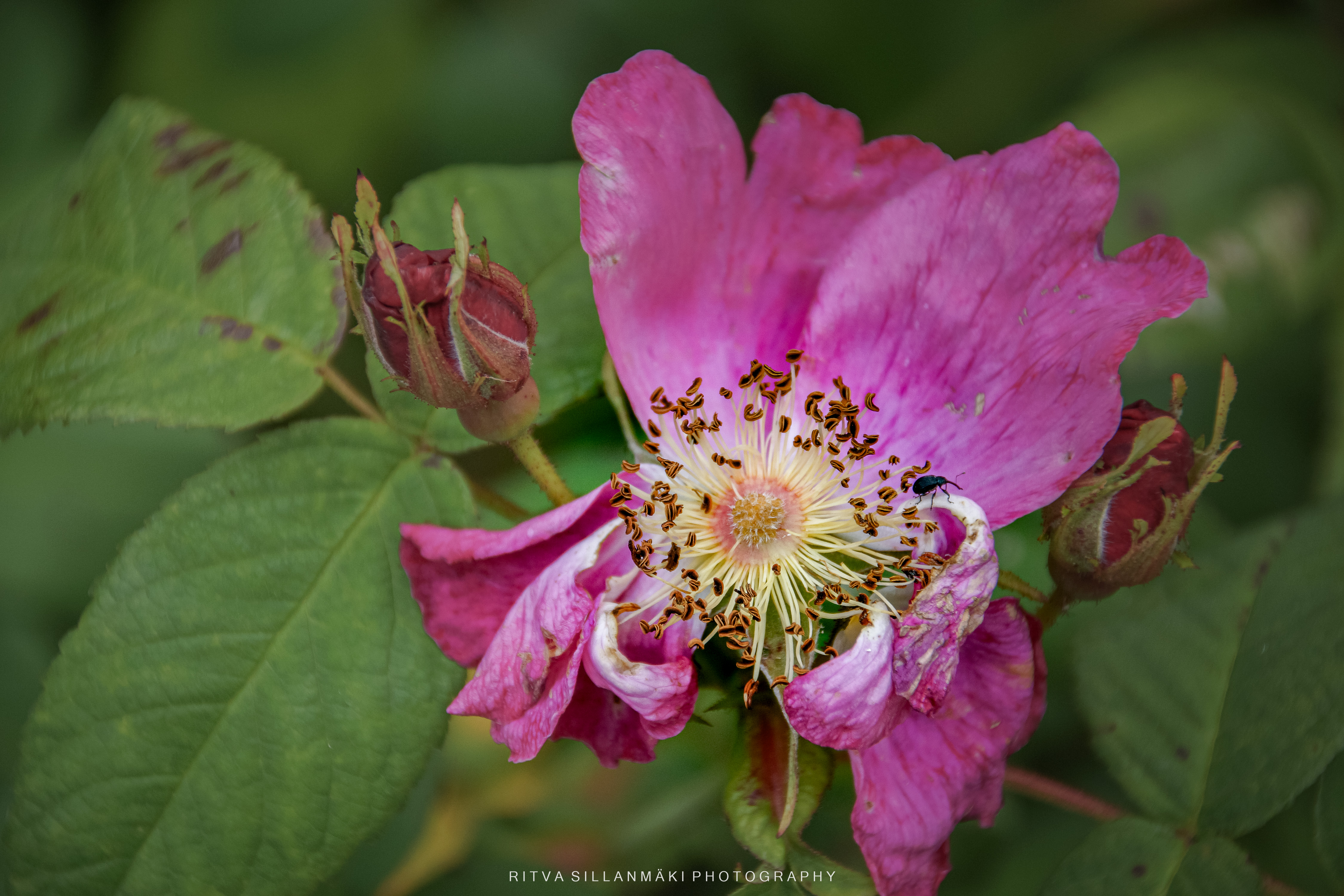
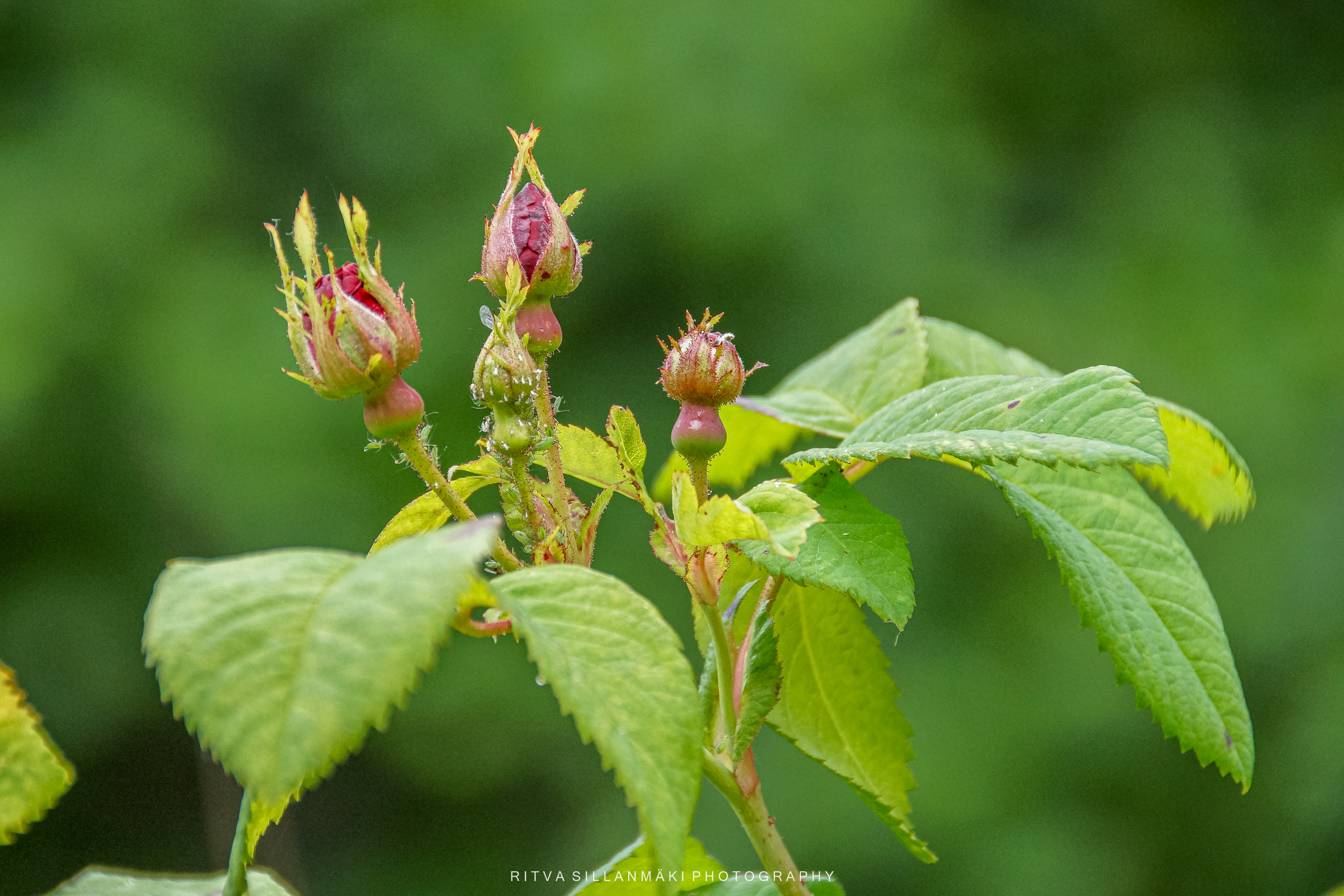
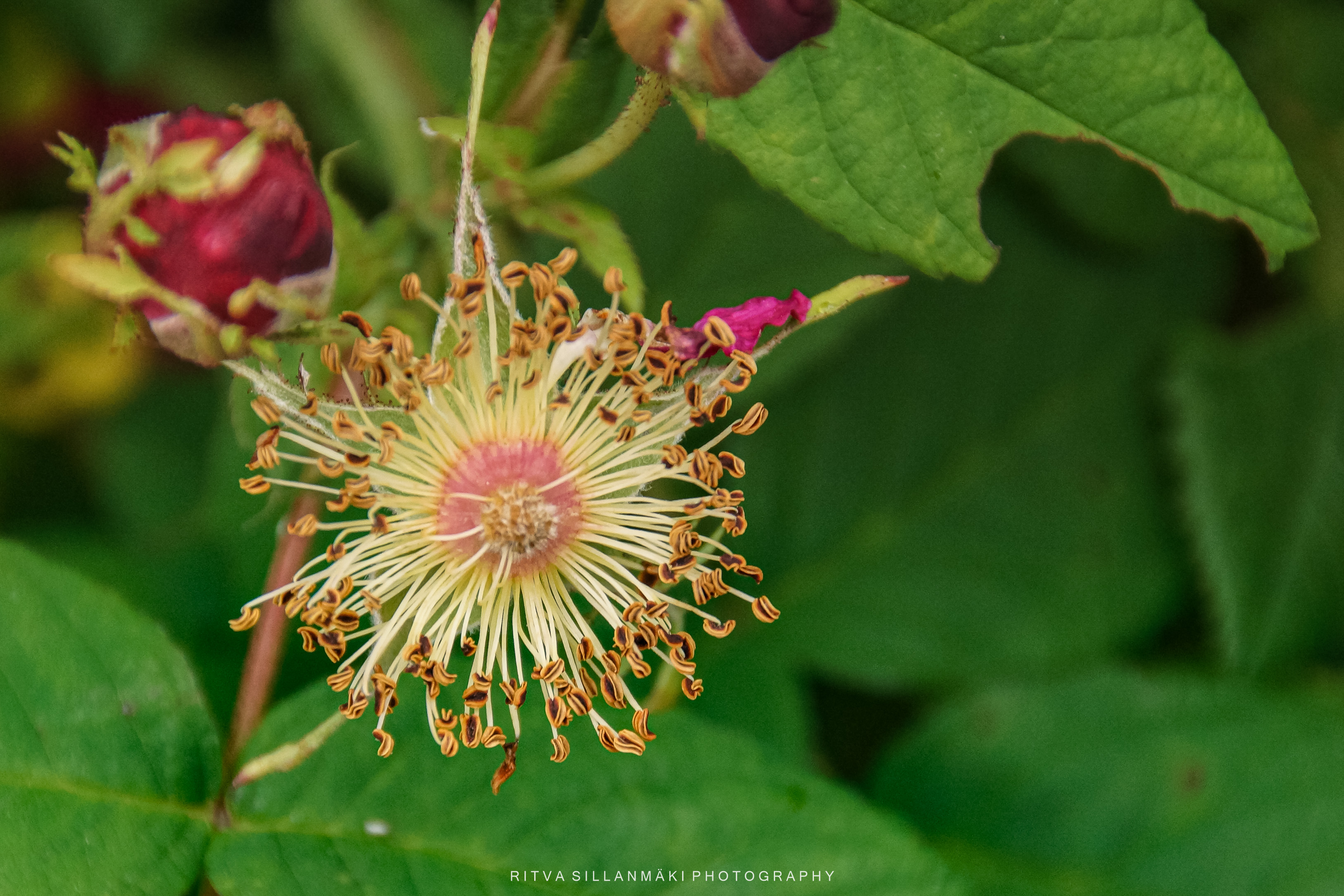
Rosa rugosa in English is commonly called Rugosa Rose, Japanese Rose, Beach Rose, or Ramanas Rose, known for its tough, wrinkled leaves, fragrant pink/white flowers, large vitamin C-rich hips, and hardiness in coastal/harsh conditions, but it’s also an invasive species in many areas due to its vigorous spreading, making it great for hedges but needing management.
Participating in The Flower Hour
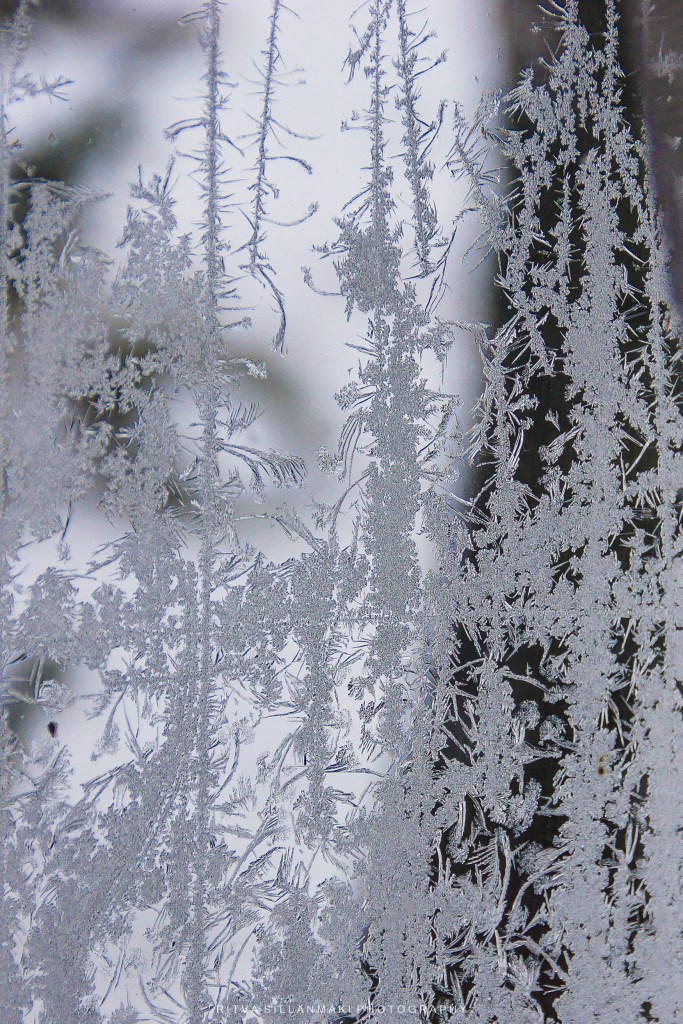
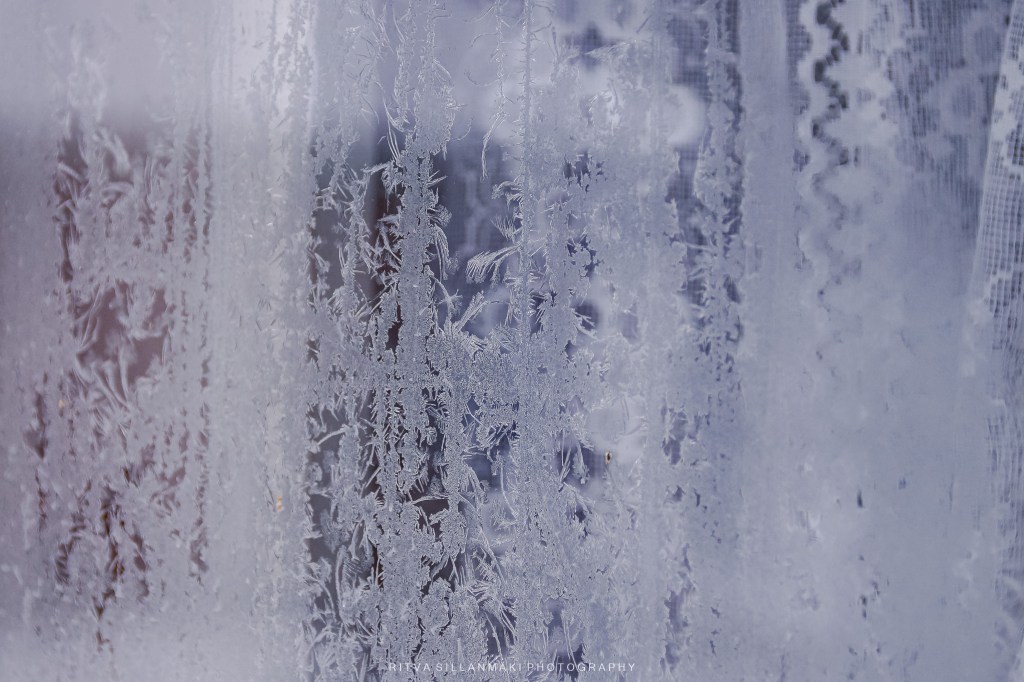
It’s this time of the year here participating in The Flower Hour 13.01.26
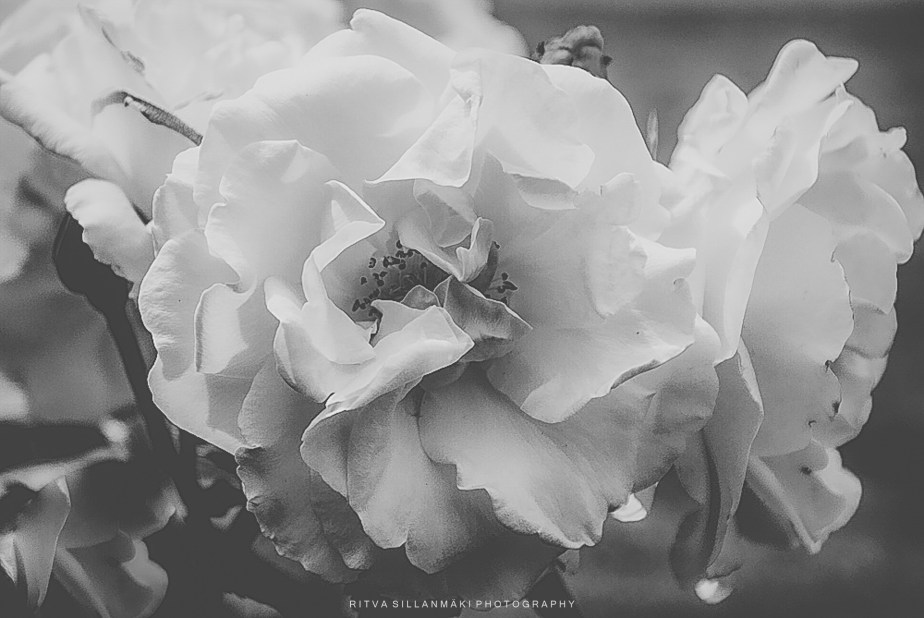
Posted for Leanne’s Monochrome Madness
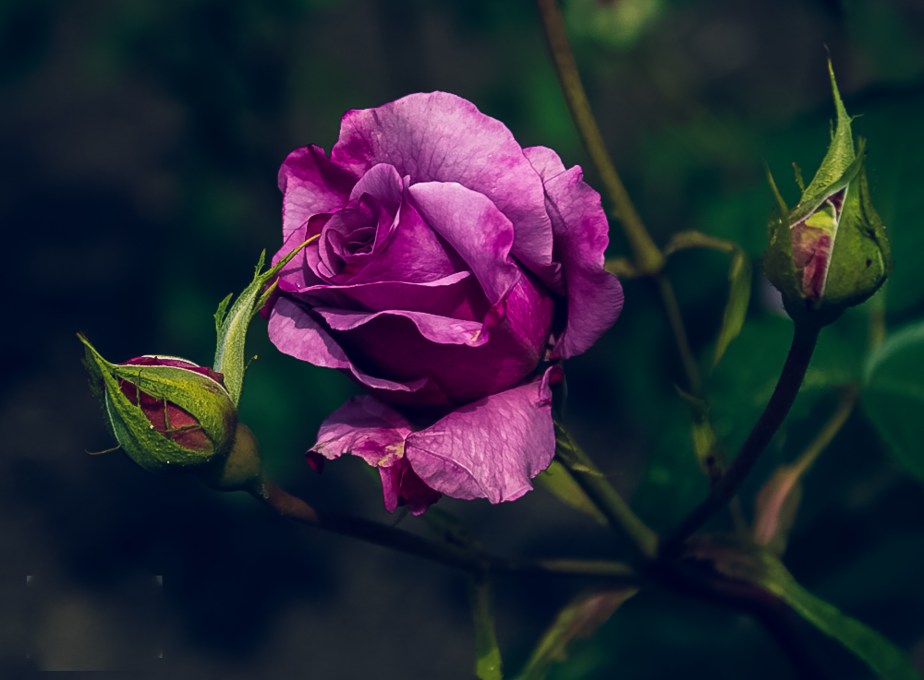
Let’s kick of the year 2026 for The Flower Hour with a beautiful rose from my archives, showcasing its lively petals. Flowers, they offer us beauty and joy. Particularly during this season when they are so often found only in bouquets, so expect posts of past summer photos,
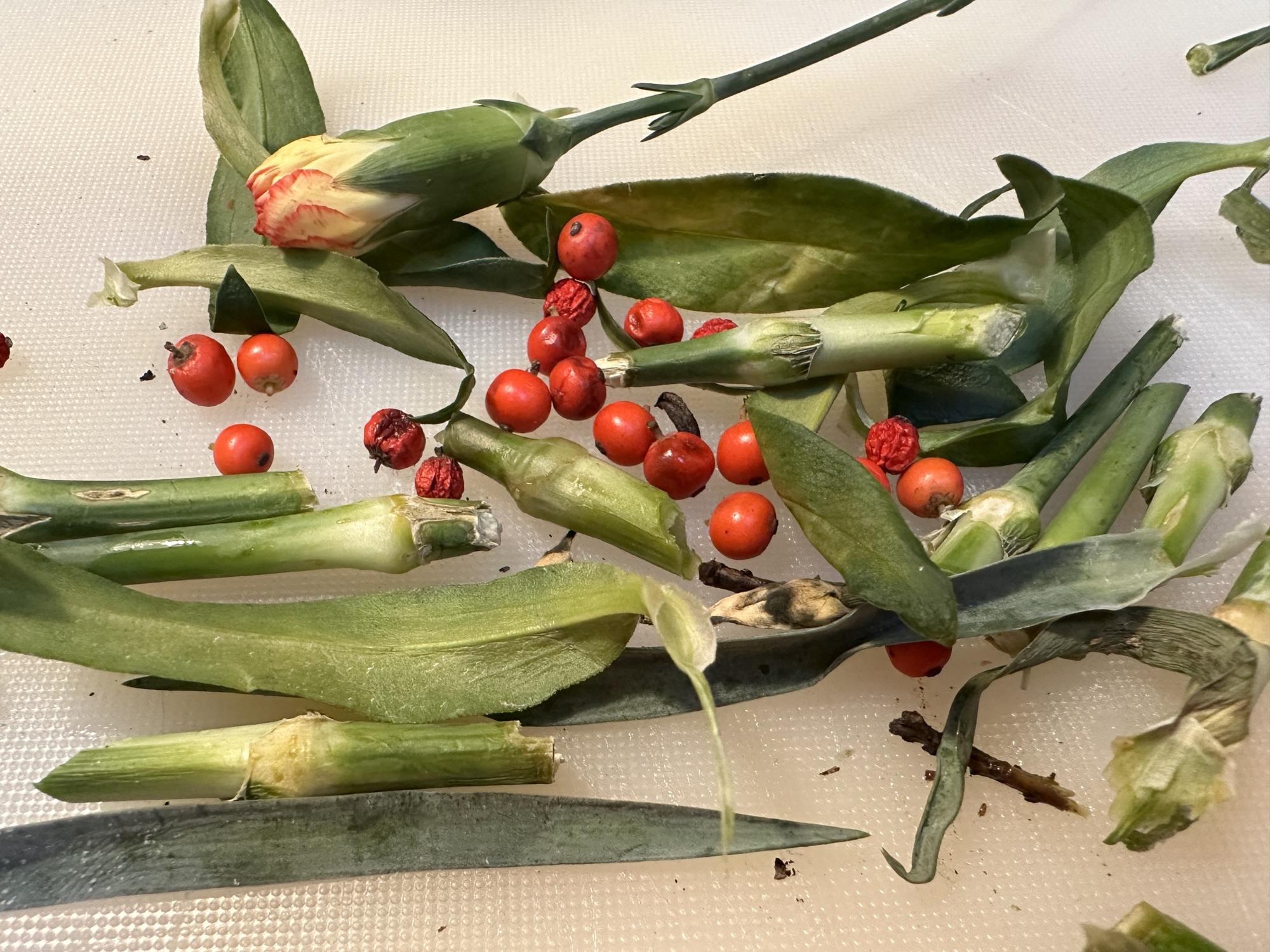
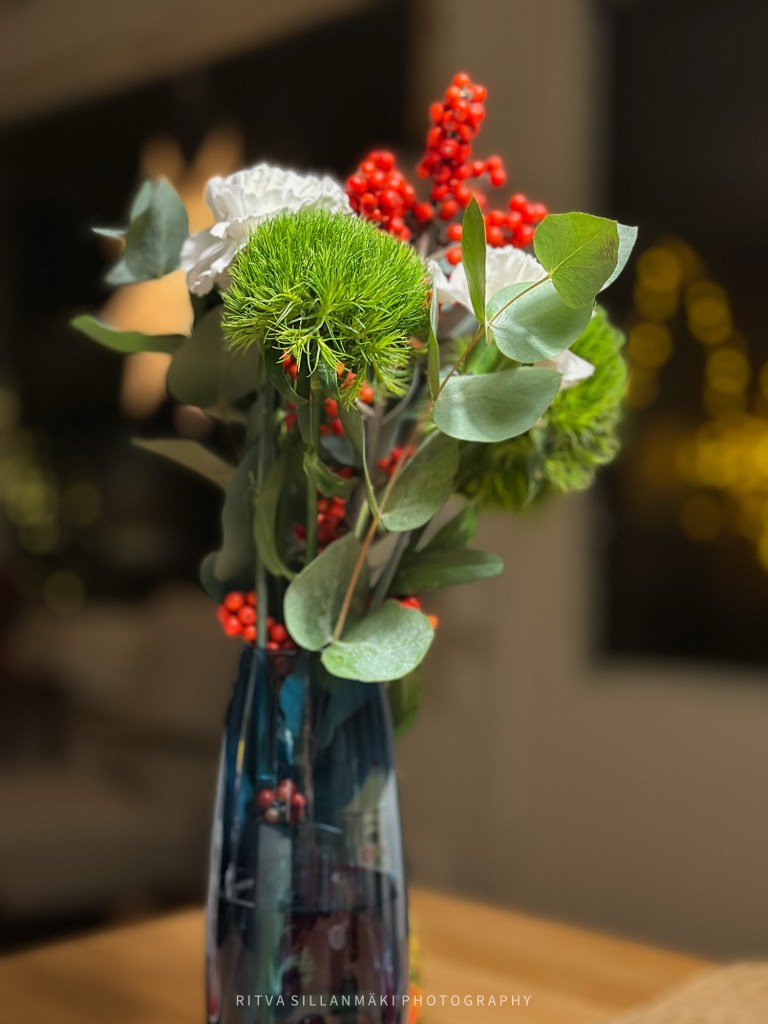
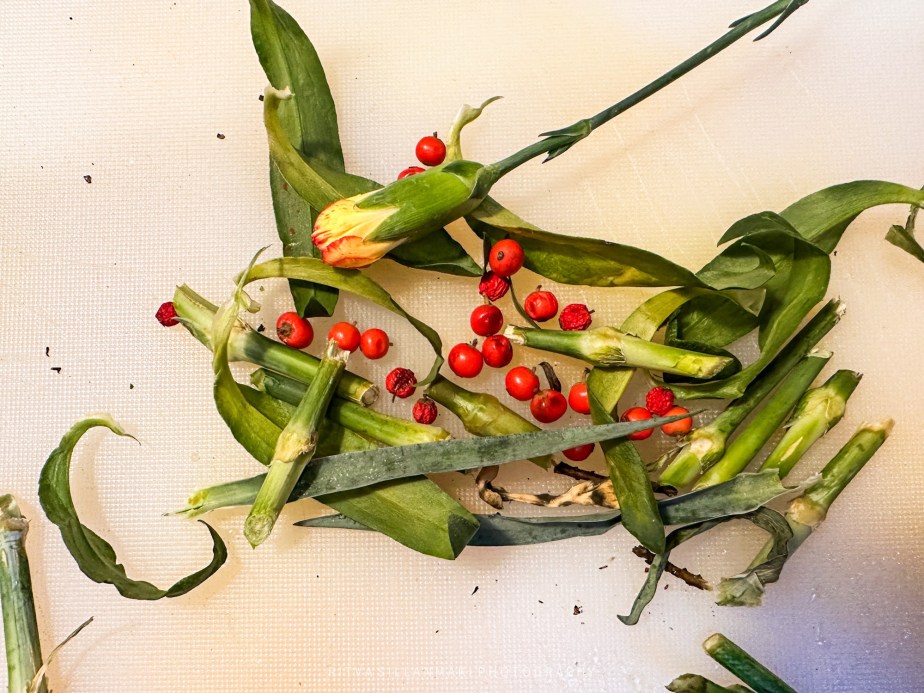
Flowers are often a theme on Tuesdays, a ritual I cherish that brings a touch of beauty to my week. My last bouquet needed to be freshened up with some new flowers as some of them had been way too soon withered, their vibrant colors fading into dull reminders of their former glory, so I needed to remove them with care. As I was doing this, I looked at the cutting board I was using and had an opportunity to share with you the pretty cuttings on it, the remnants of petals and leaves that tell a story of their own. Each little piece seemed to reflect both the fragility and resilience of life. This shows you I have time on my hands and nothing grand going on, just mundane everyday life that often gets overlooked. However, when all is said and done, these small moments, like arranging flowers and contemplating their beauty, bring a sense of calm and joy, reminding me that finding pleasure in simplicity is truly a good thing.
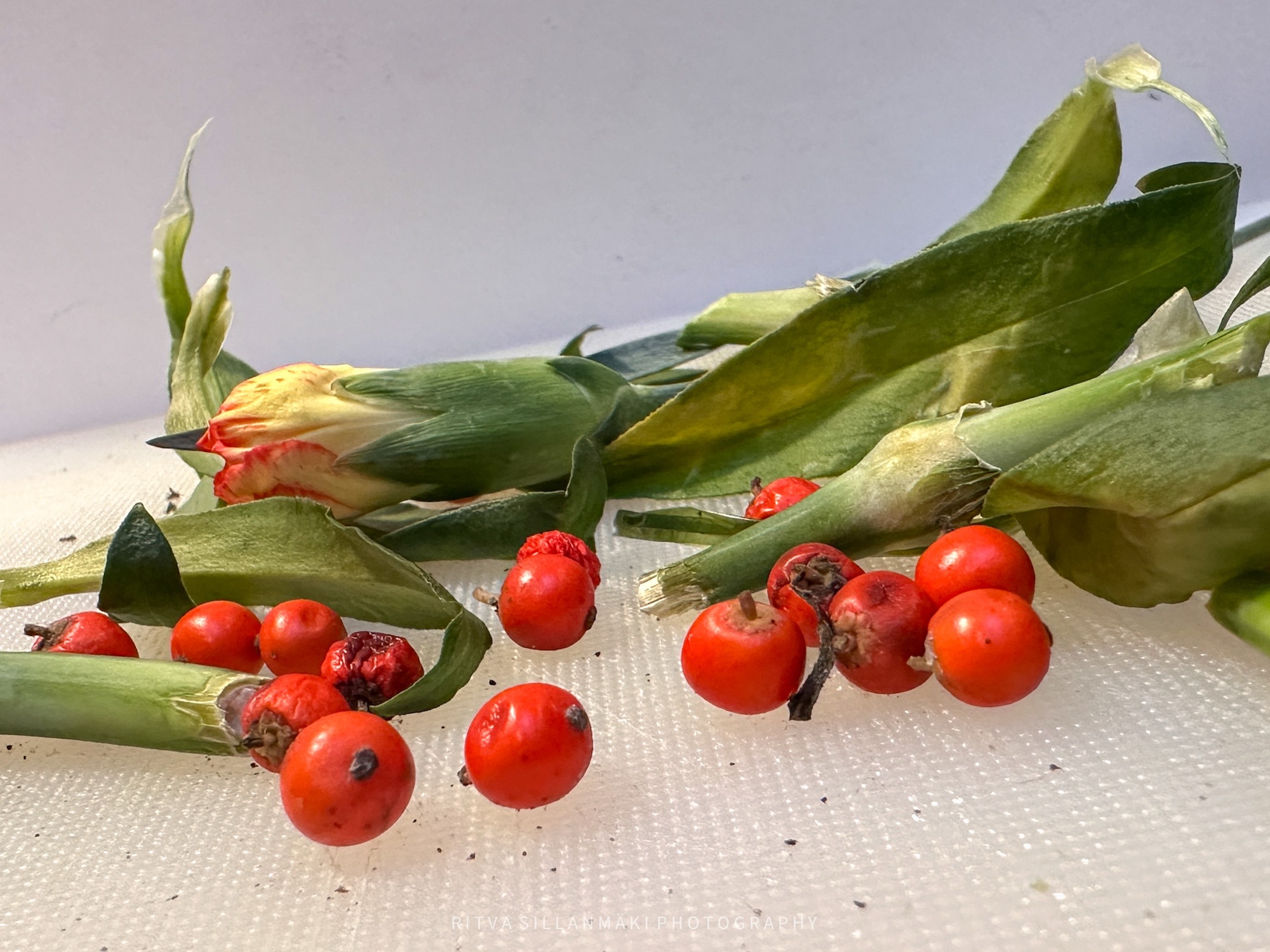
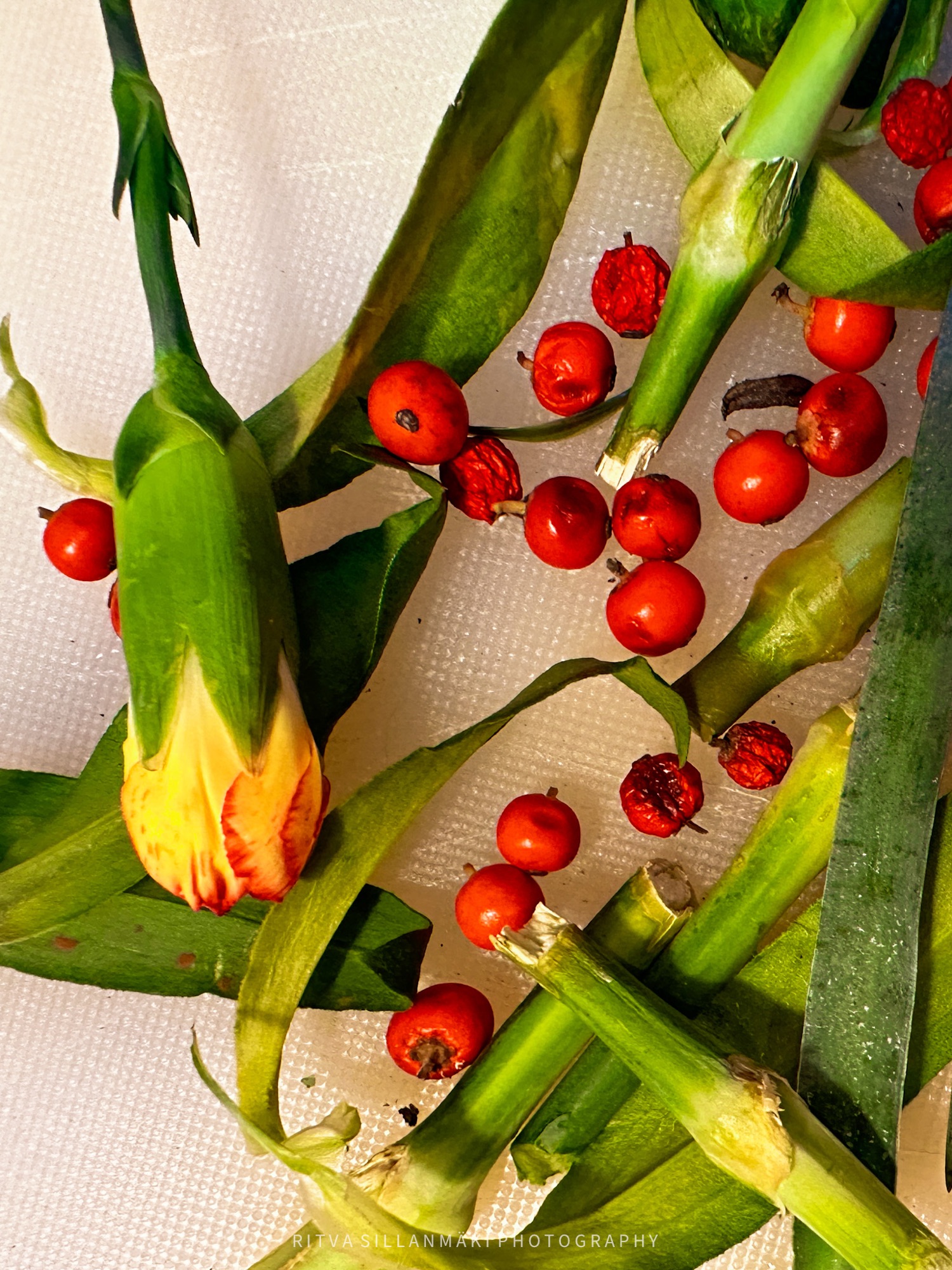
Even they can make for a nice photograph. Or not. But for some reason, I saw something pretty here.
Posted for Cee’s Flower of the Day
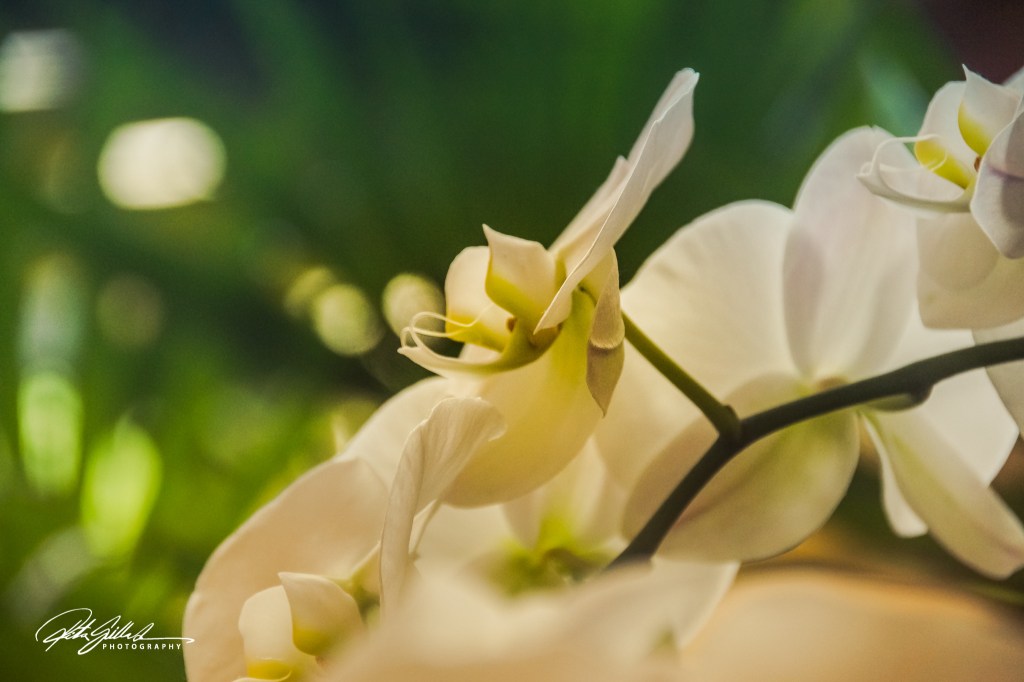
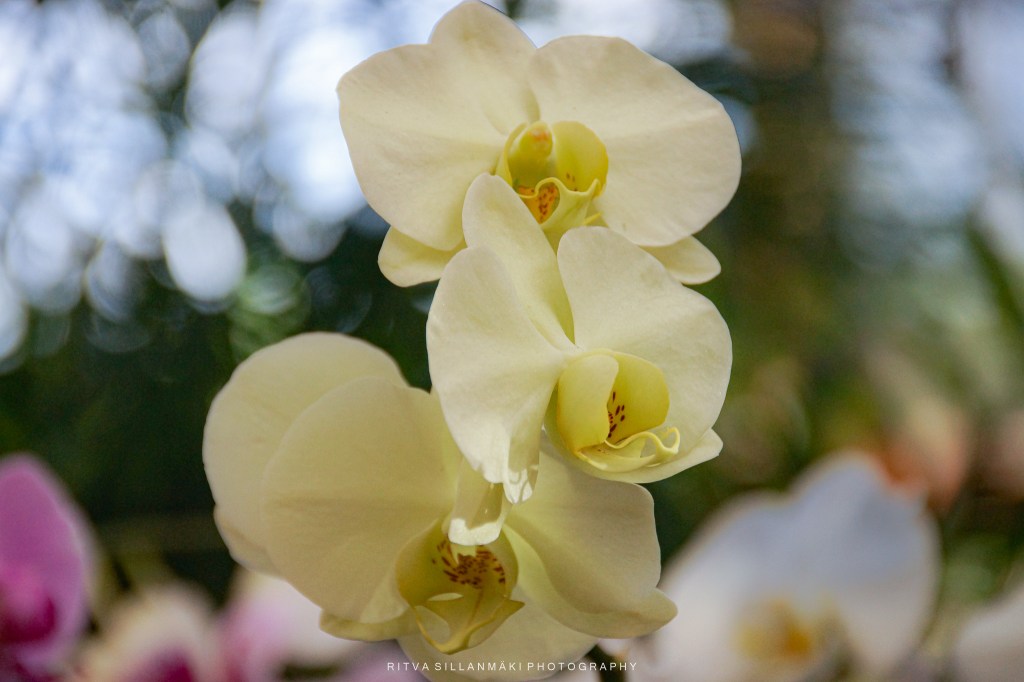
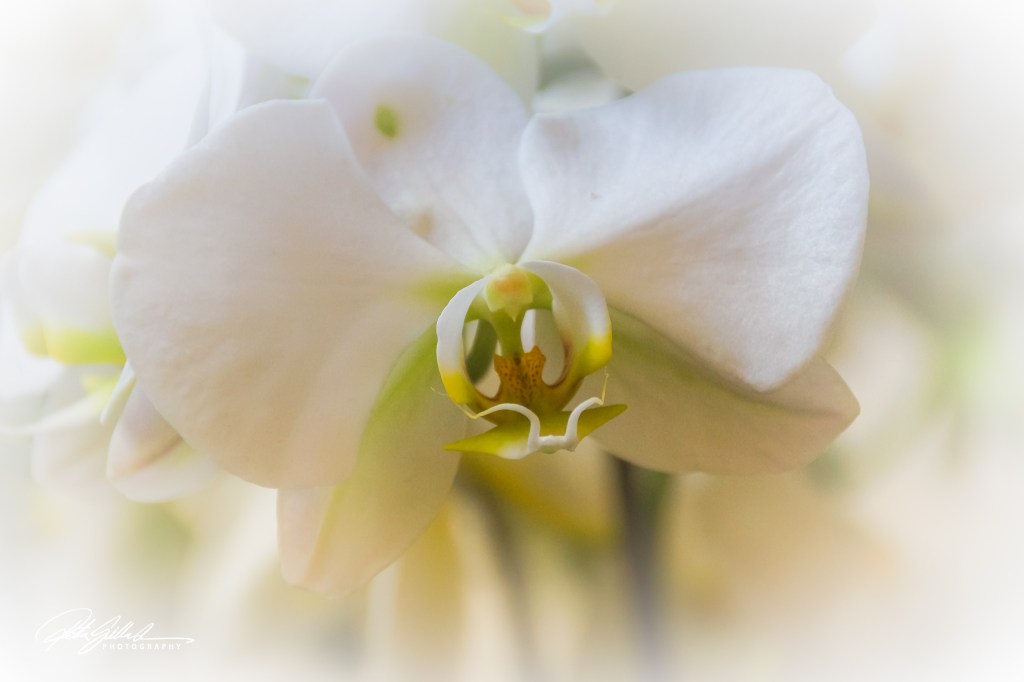
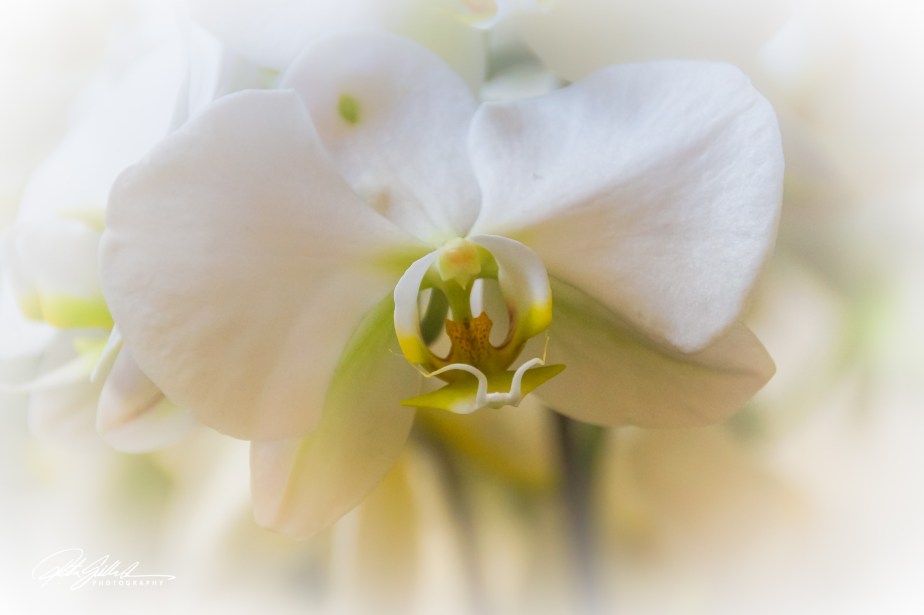
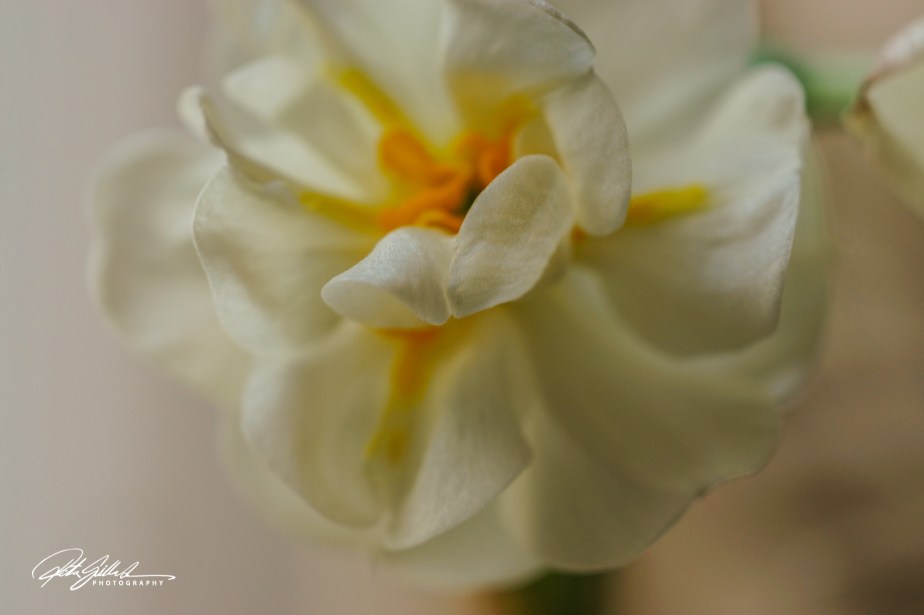
The delicate beauty of white orchids captivates all who encounter them, showcasing their ethereal elegance with every blossom. From their slender stems to the gentle curves of their petals, white orchids embody a tranquil essence. Furthermore, their significance in various cultures, often associated with love, fertility, and strength, enhances their allure, making them not just a visual delight but also a meaningful floral gift.
For Terri’s Flower Hour. See more responses here.
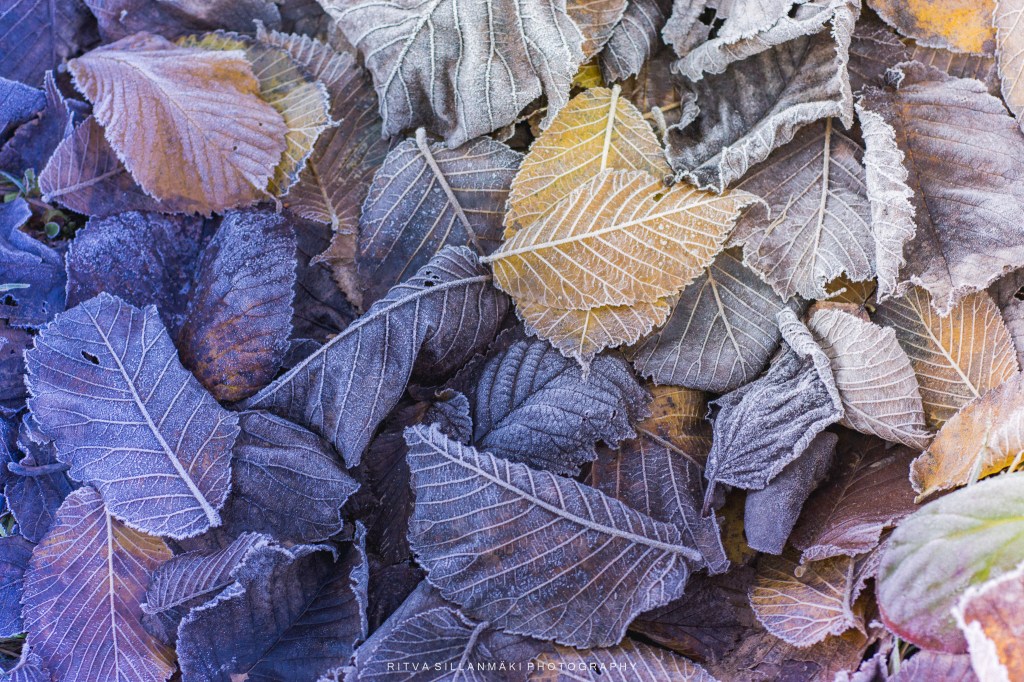
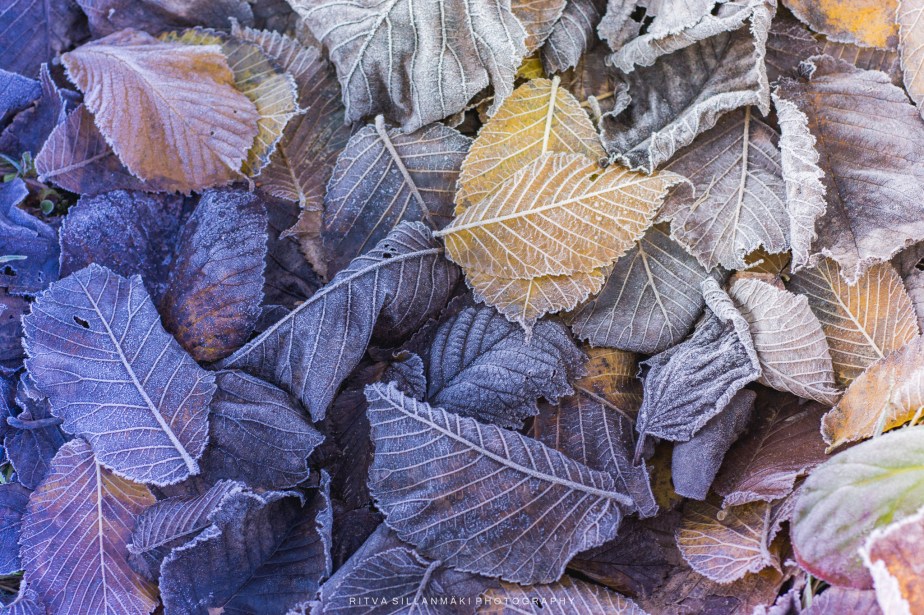
Frost-kissed leaves in silence lie,
A muted palette beneath a gray sky.
Brown and gold decay, whispers of gray,
Purple hues linger, fading away.
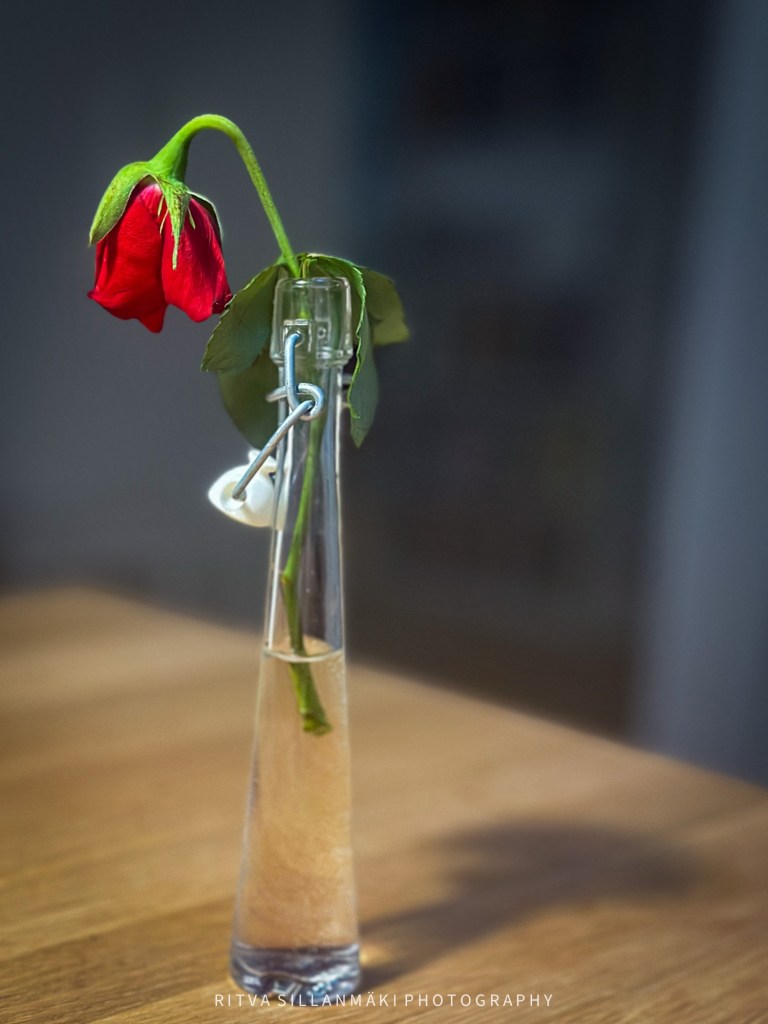
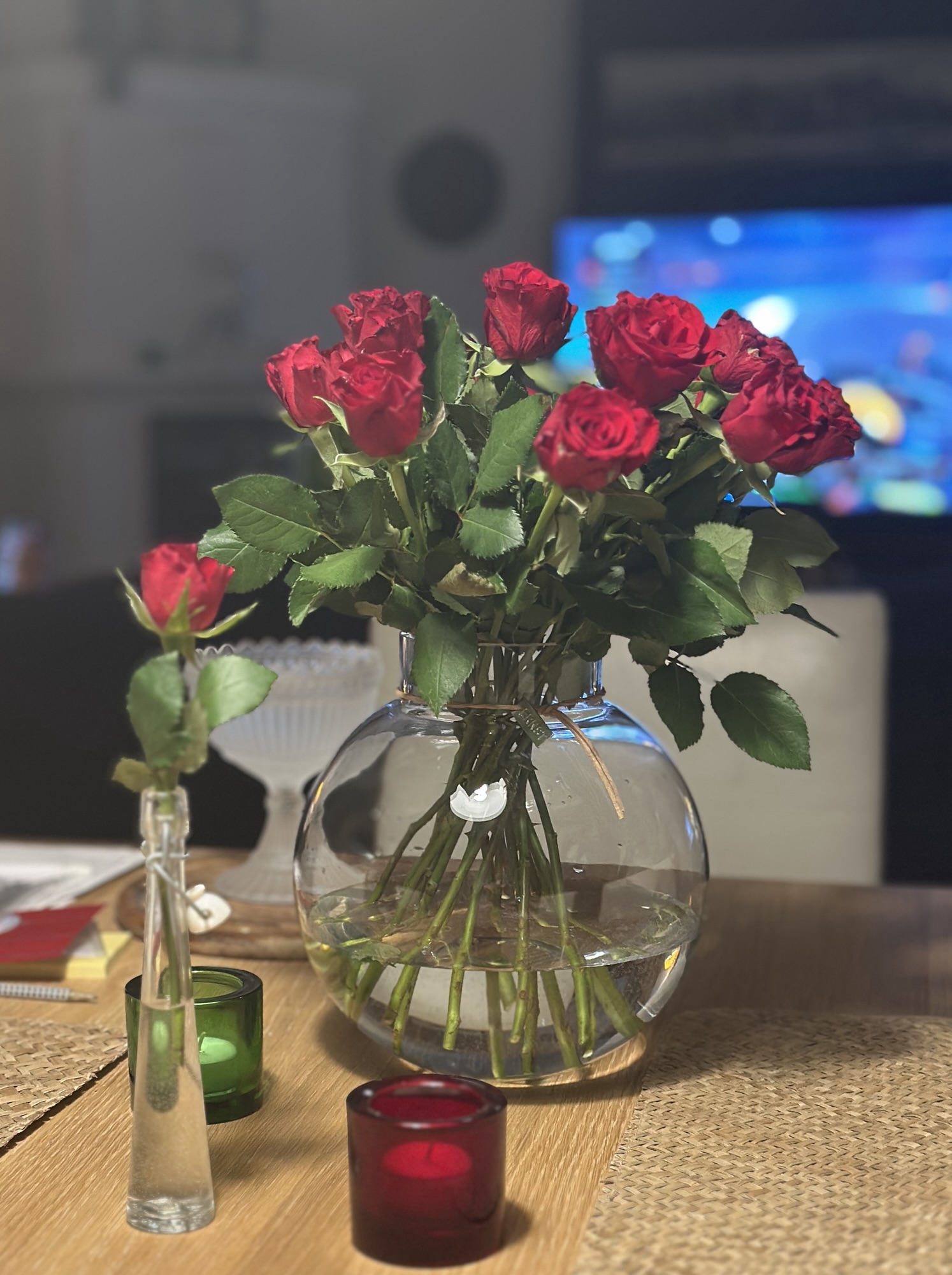
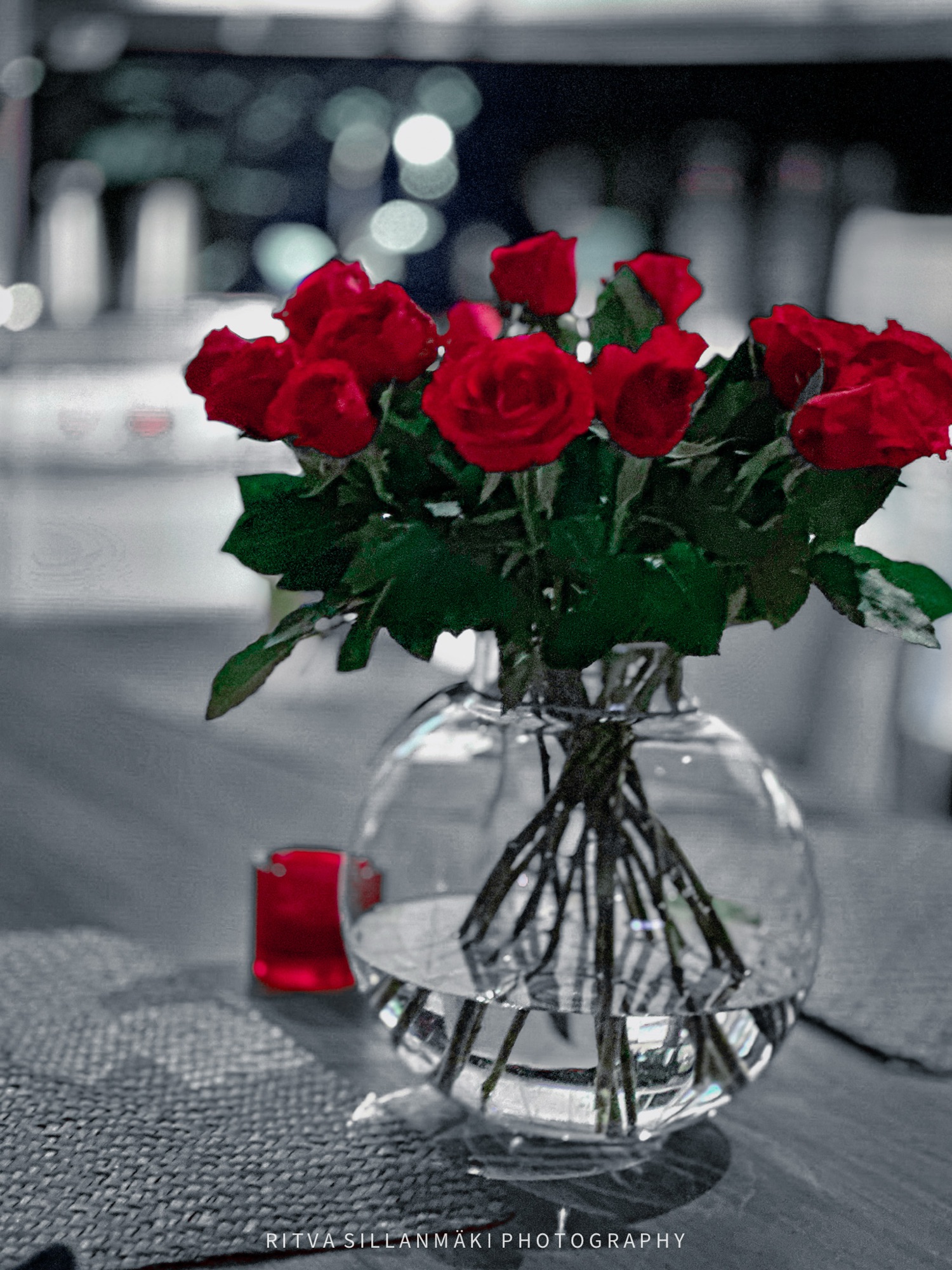
I got a request to show my new vase with flowers that I featured in my how to survive November round post. I am not happy with any of these, not even the edited one.But here they are for John’s Cellpic Sunday.
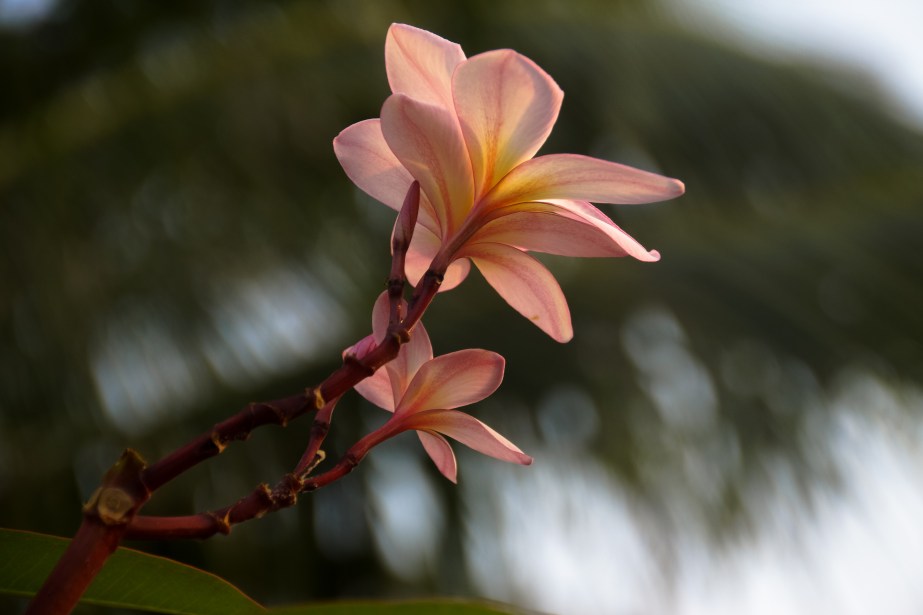
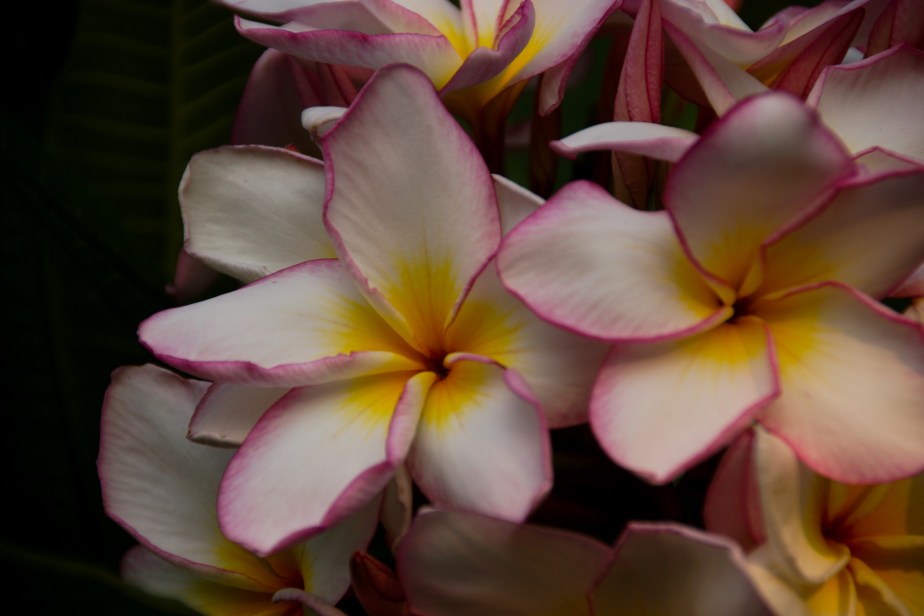
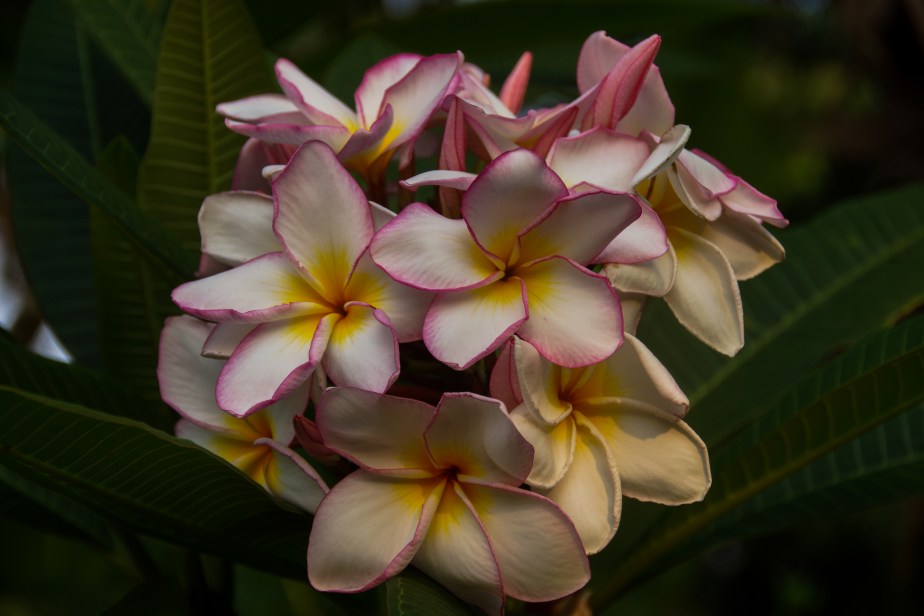
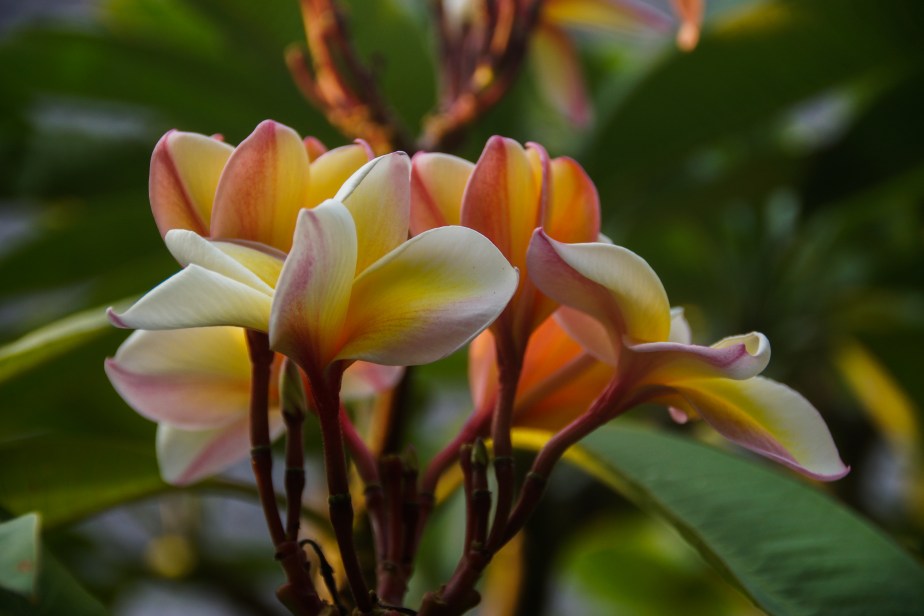
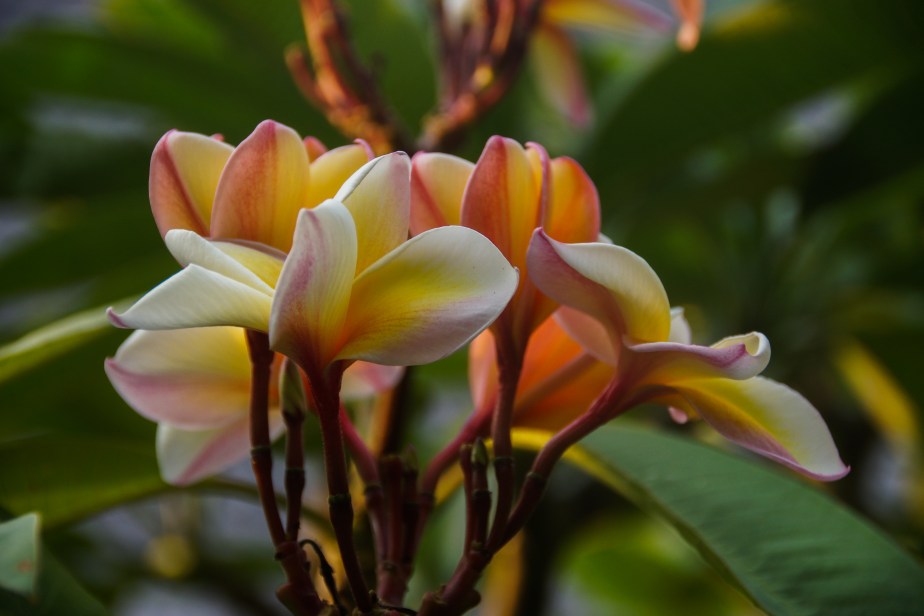
For this week’s edition of The Flower Hour, I present to you images of the flower commonly referred to as Plumeria or Frangipani. These exquisite and aromatic blooms are a delight for all the senses and carry a plethora of cultural significances from tropical regions across the globe. Plumeria is frequently incorporated into various celebrations and ceremonies, as it symbolically represents love, devotion, and beauty. They exhibit a wide array of colors, ranging from gentle pinks and whites to vivid yellows and reds.
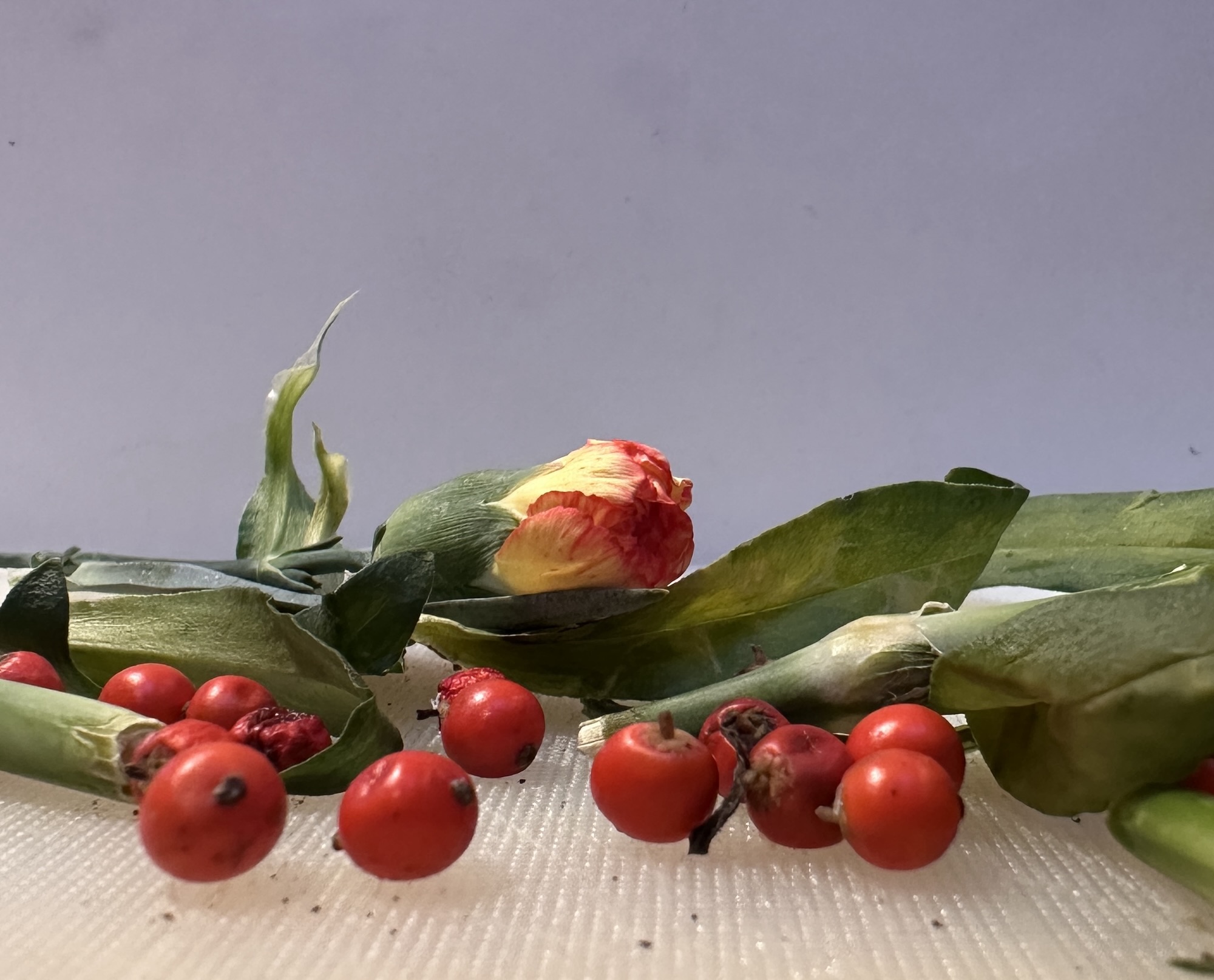
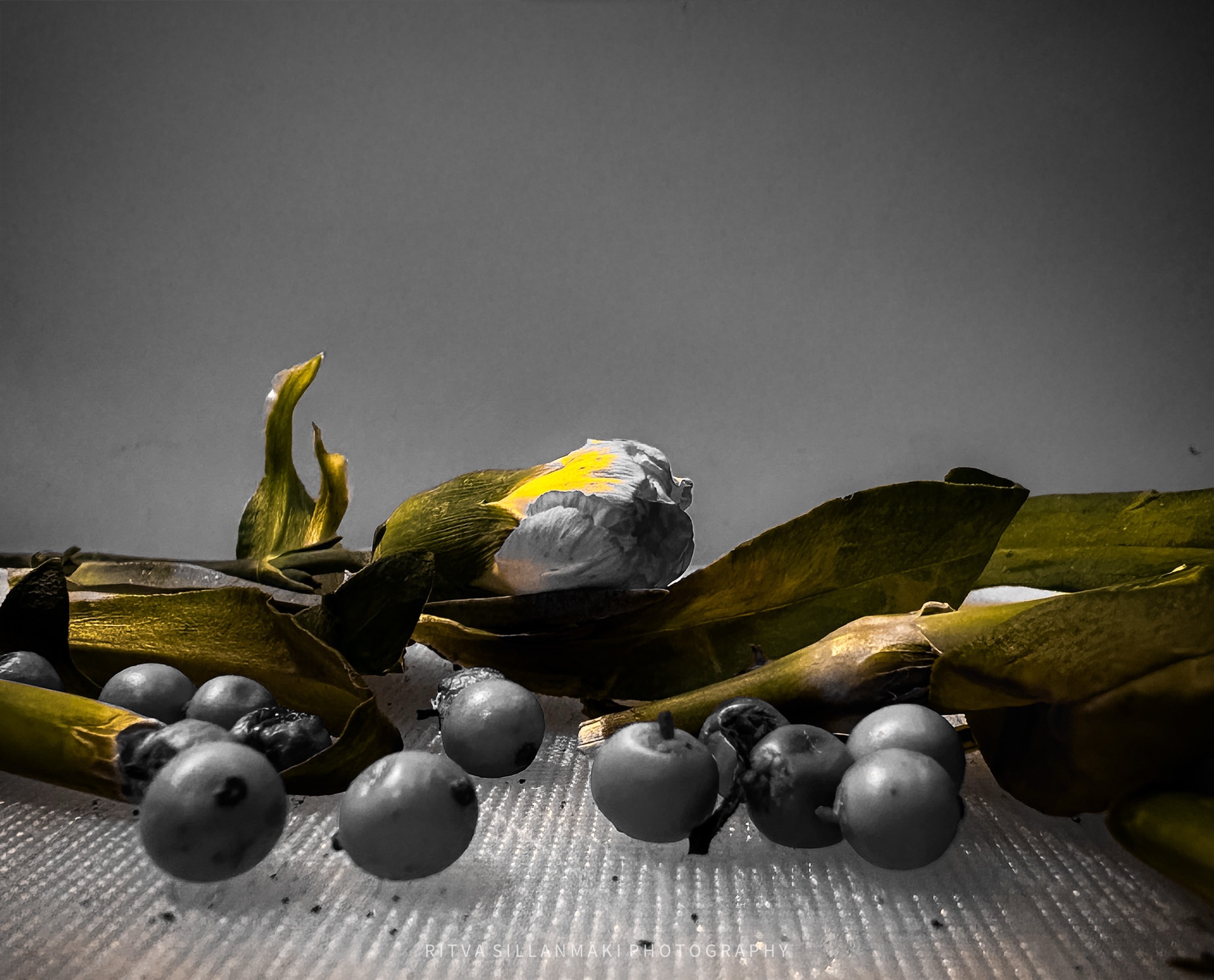
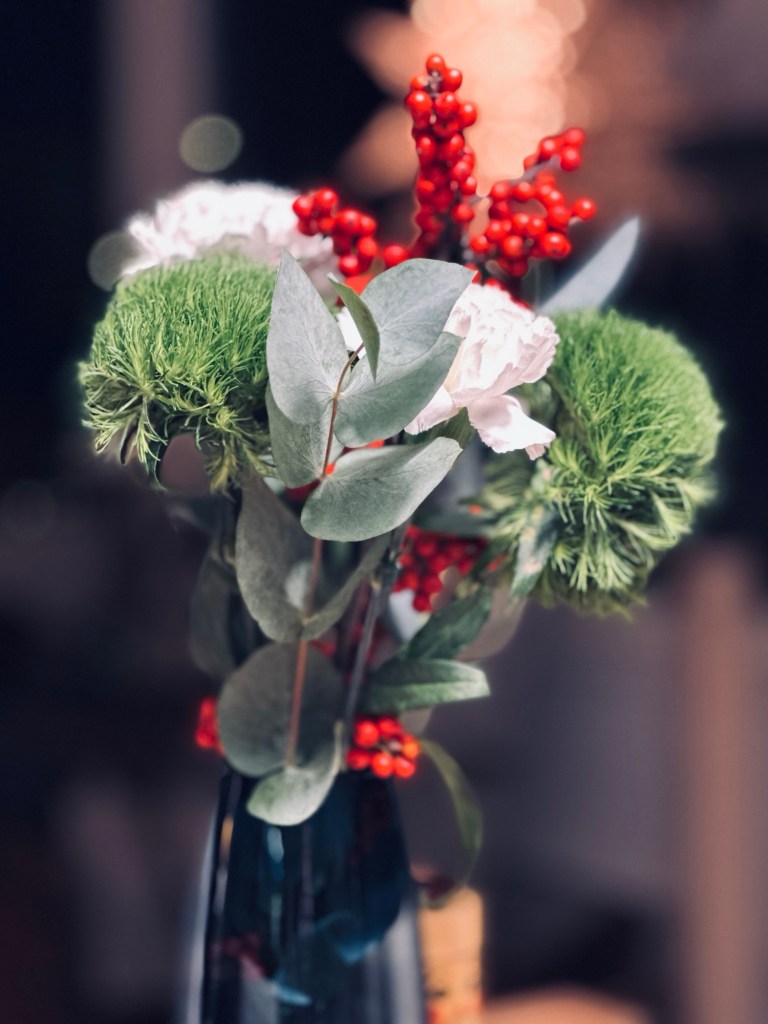
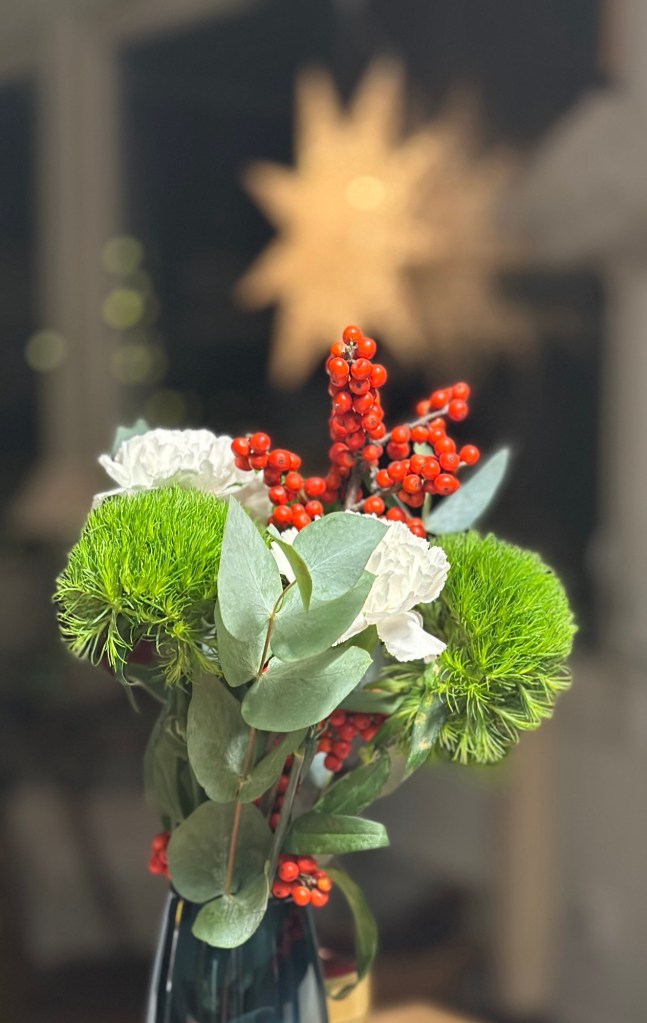
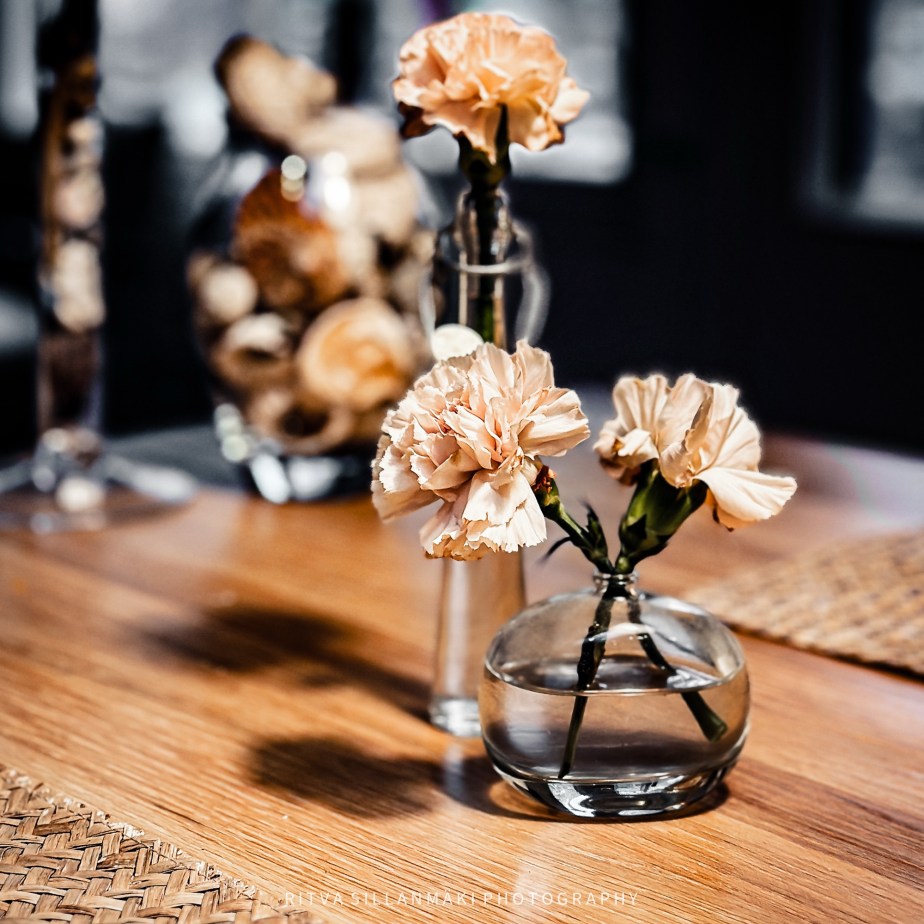
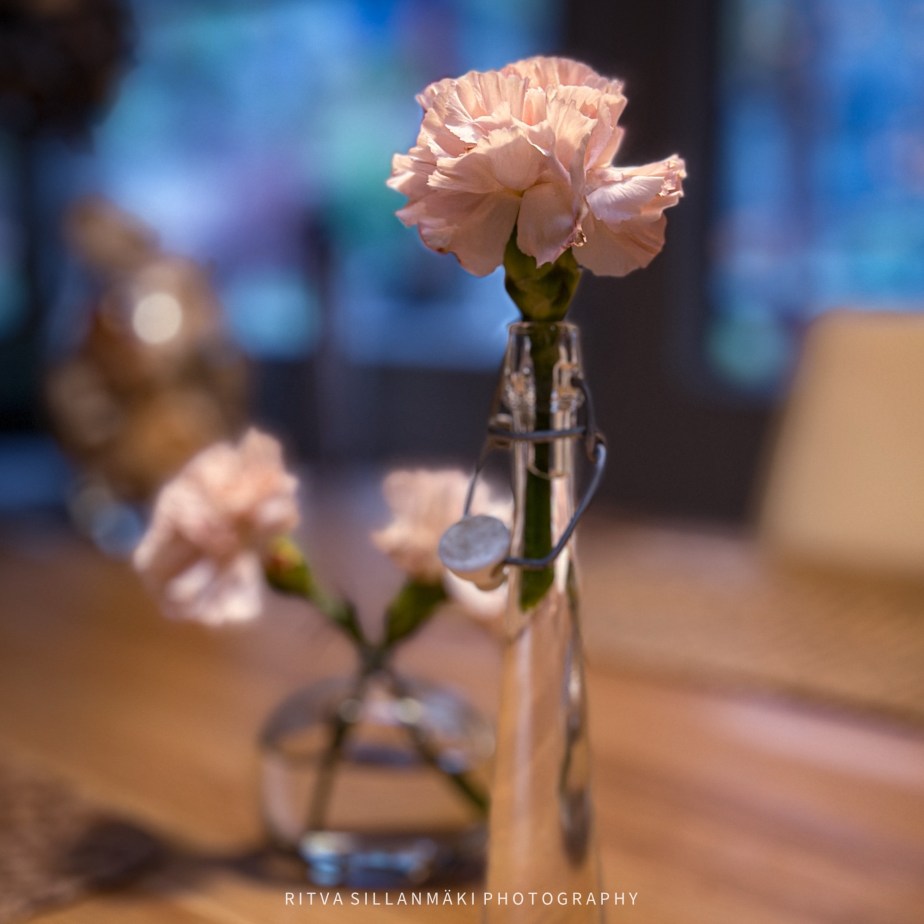
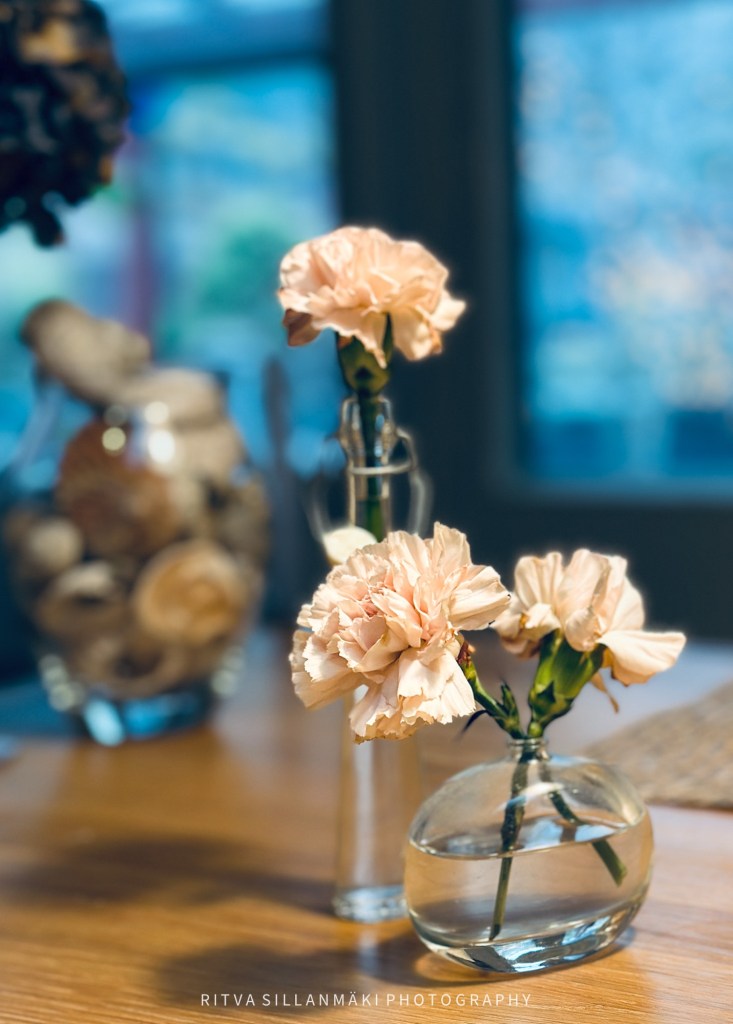
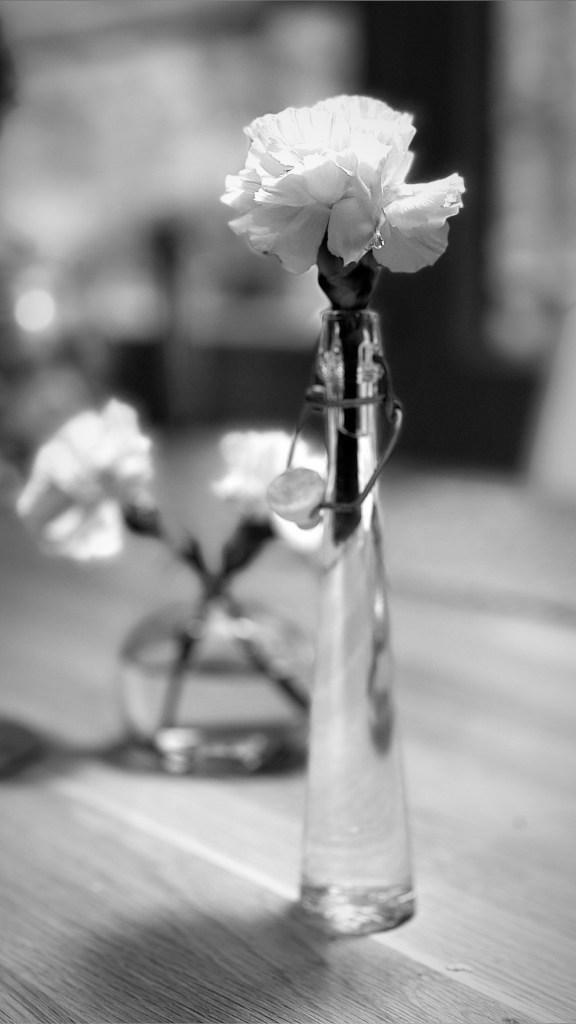
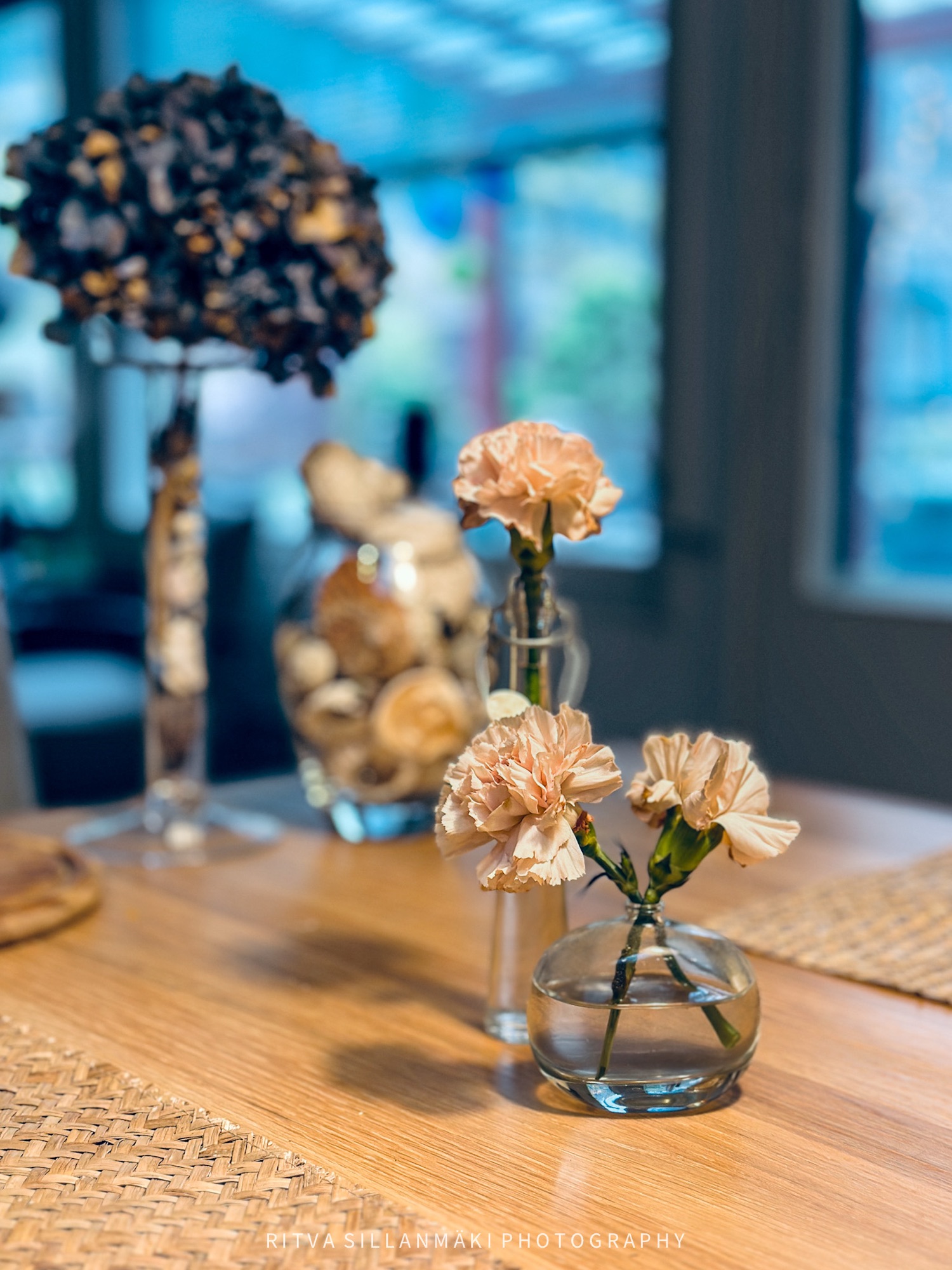
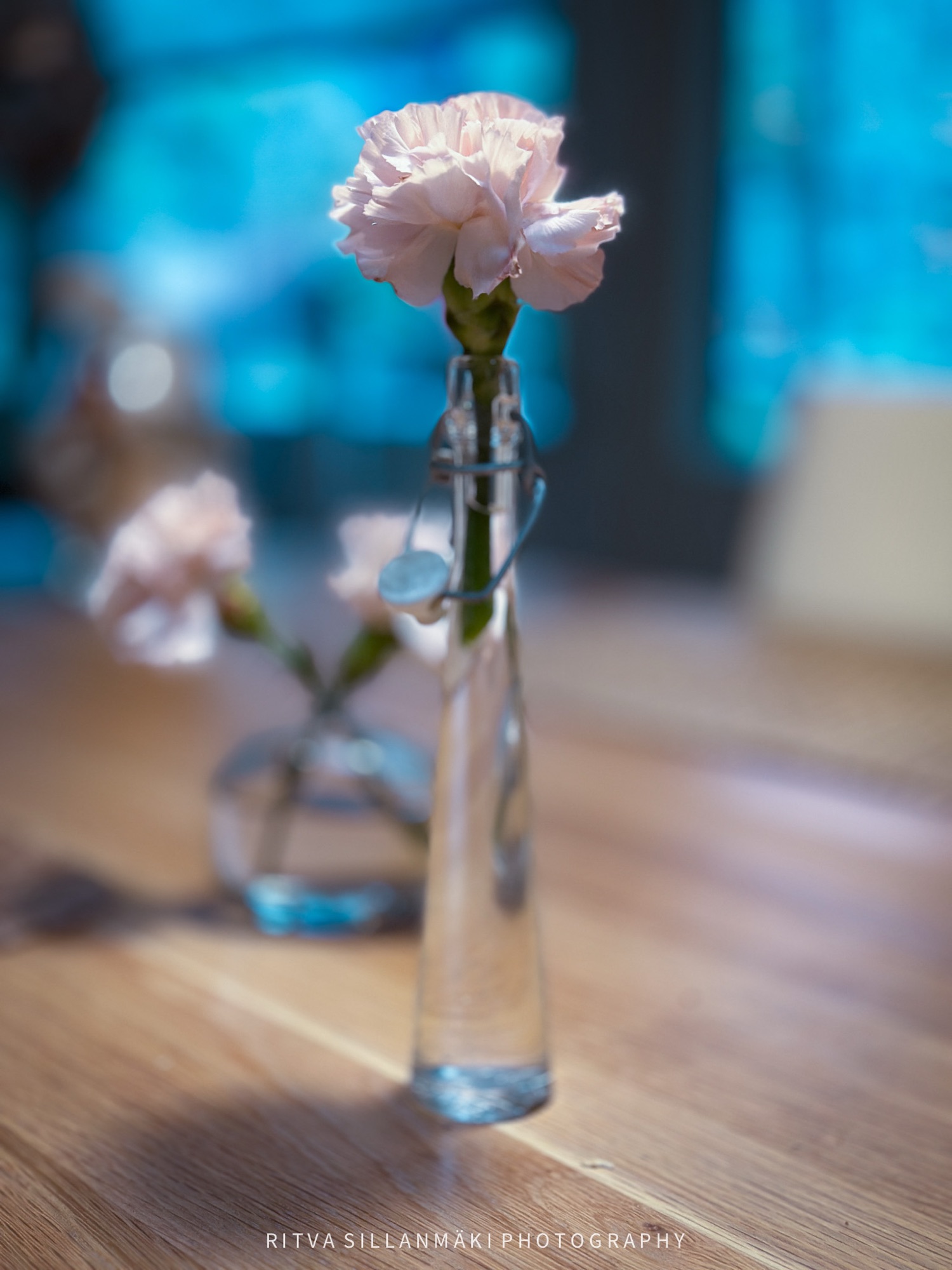
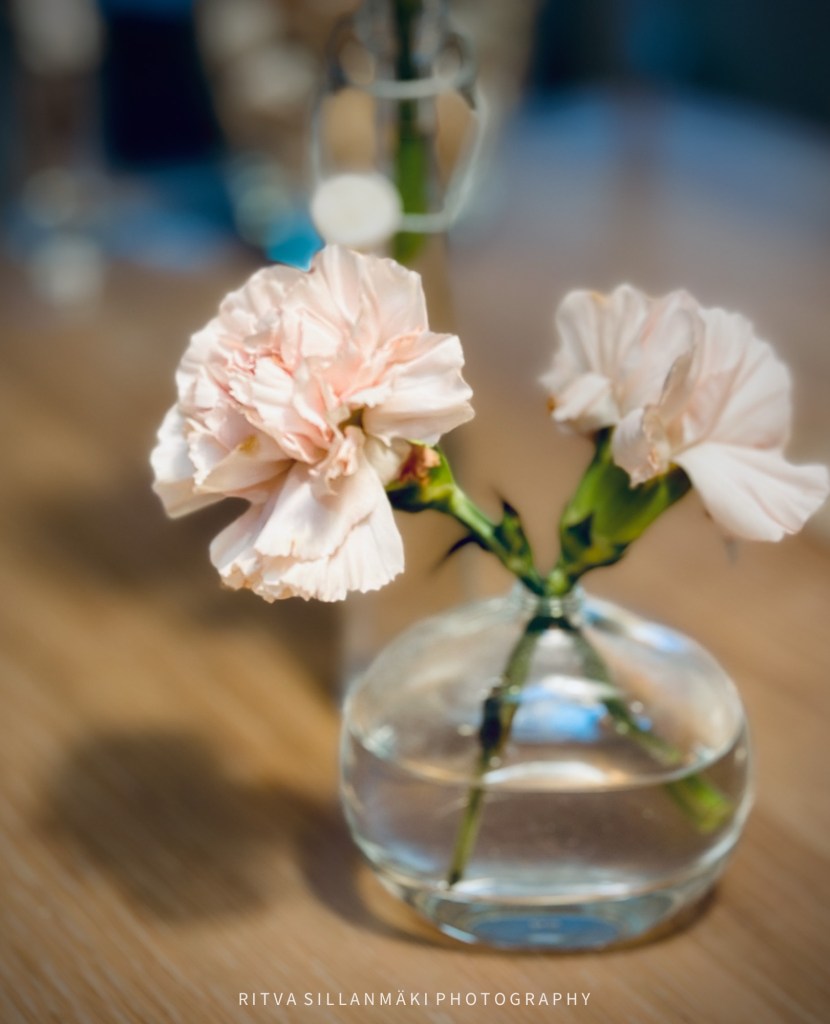
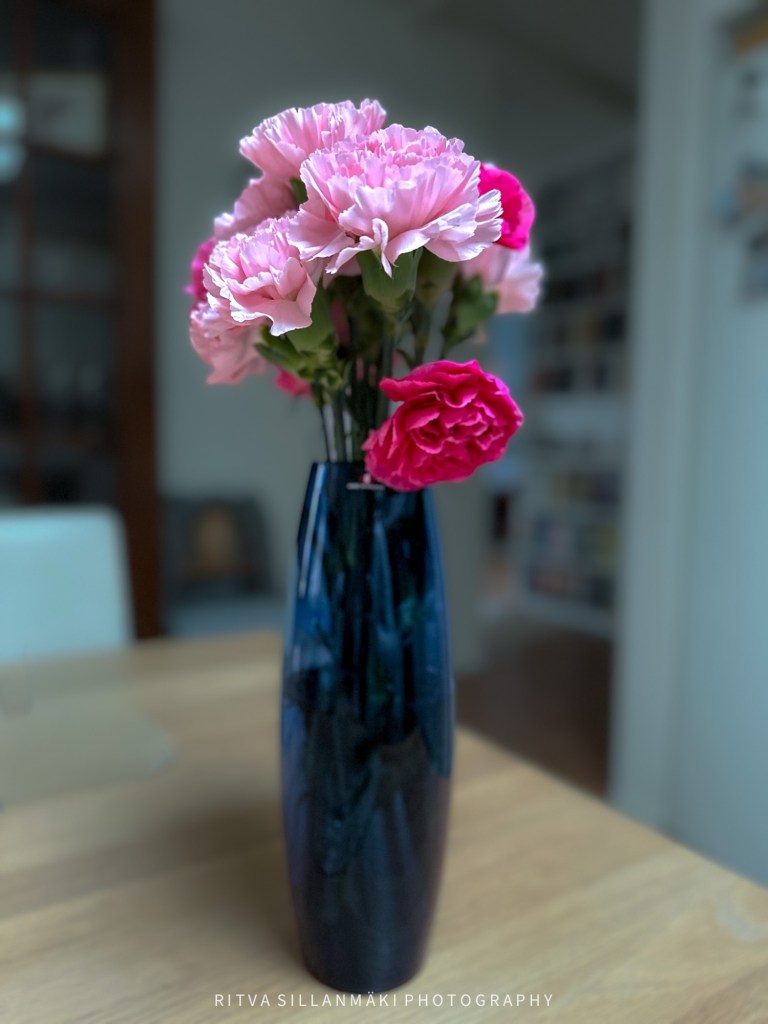
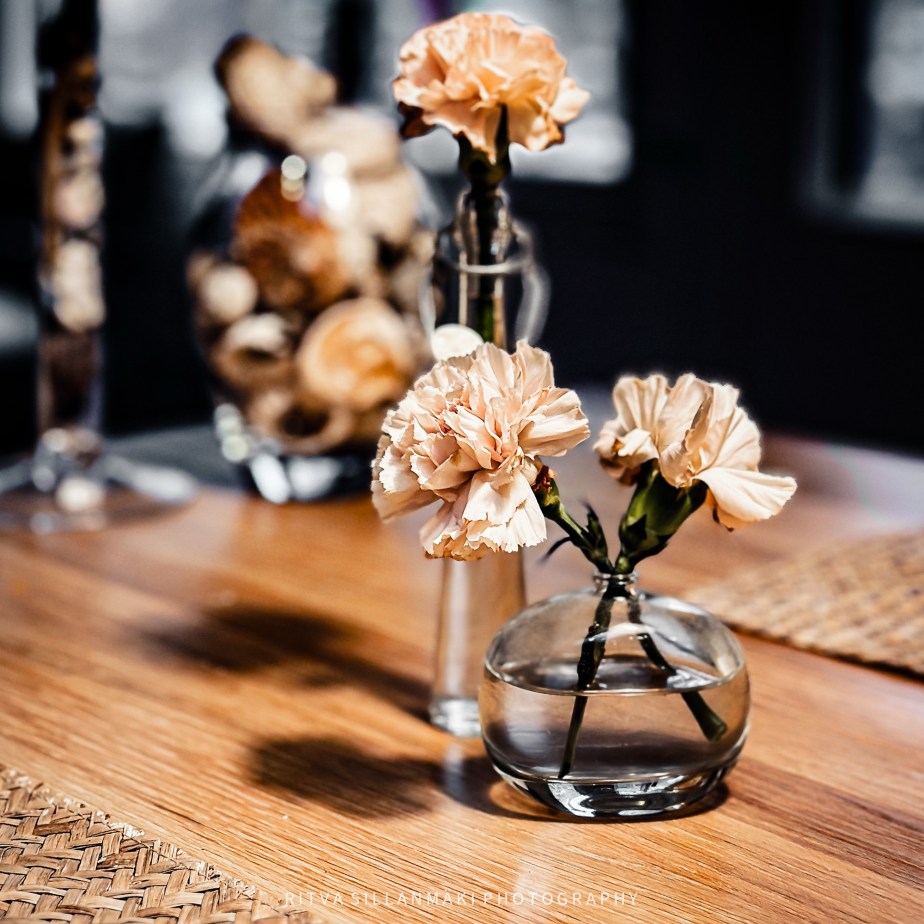
I posted photos on November 7, showcasing the beautiful carnations that I had carefully bought, and yesterday I took these images of the flowers still left, vibrant and resilient. They have proved to give me a little bit of everyday happiness for nearly three weeks, brightening my space and lifting my spirits amidst the usual routine. The simple joys in life, allowing me to pause and appreciate their beauty, as they subtly transform each day.
I did lots of edits so I could get all these challenges into one post; my internet connection is acting up, and it kept breaking up constantly yesterday. I made comments, but they did not show up for me as done, etc. It has cut me off a few times already, so after this post, I am going to paint for the rest of the day. This is too frustrating for me. Wishing everyone a great day.
Oh to continue about frustrations, I learned this morning that out water would be got of for a day, hopefully less. But I found this out after the fact. Great start for the day, no coffee for me,
NovemberShadows and How to Survive November , also Monochrome Madness last but not least The Flower Hour #8 as all the photos are of flowers 😀
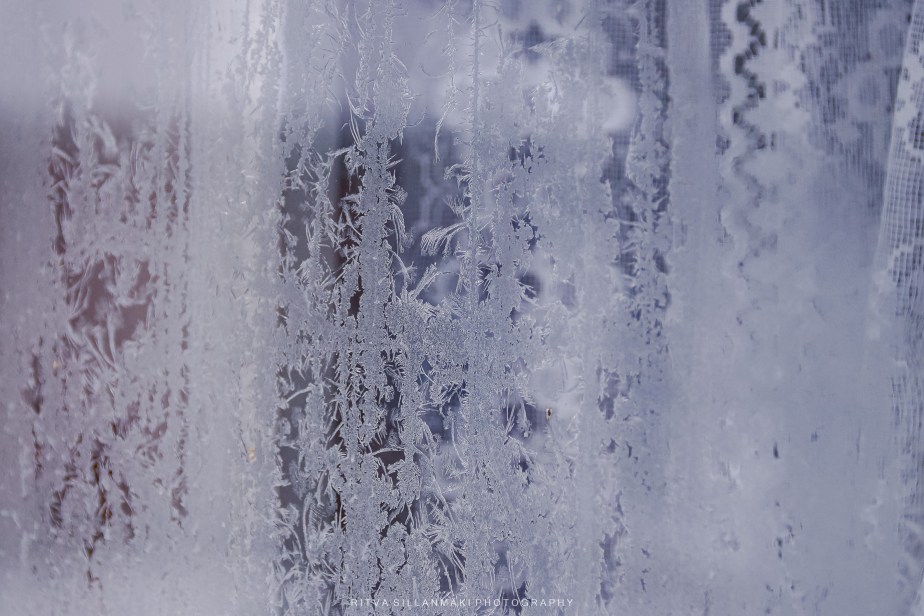
Today, I want to share something frosty for the How to Survive the November.
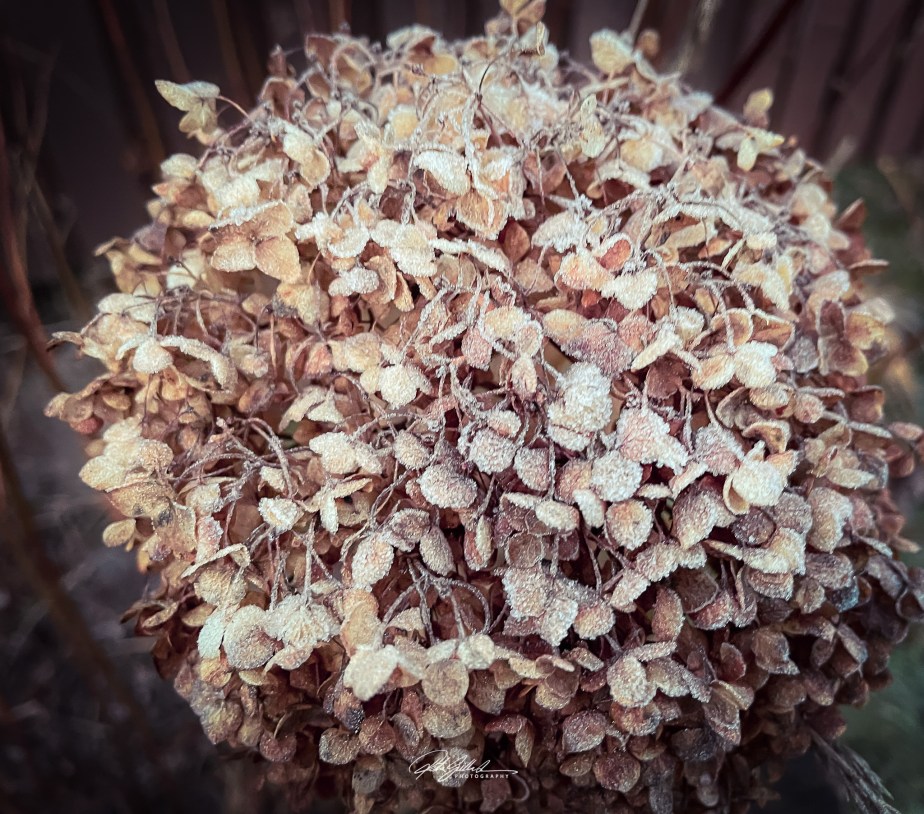
It’s super cold out there; right now, it’s -7C / 19F. These hydrangeas outside my window look like they’ve braved a freezing night, their delicate petals all frosty and glimmering. The sun’s shining and lighting up the flowers, which I managed to snap a pic of—the frost really does its thing, turning something basic into something special. I can’t help but admire how nature shows off its beauty even in the dead of winter, reminding me that there’s always something to appreciate, no matter how freezing it gets. I don’t need to look for anything else today; this round it up for me.

November begins, and we’ll keep this year rolling forward. The theme is ’round’, and you can interpret it any way you like. It can be a photograph, a painting, a drawing, a new or old picture, anything. Hopefully, it has ‘that certain something’.
Inlinkz- link for your entry is at the right column.
Flowers are good for all occasions and places, so I’ve forgotten to post flowers lately, but here is one for , a bit late but I don’t care if she doesn’t. Terri’s The #Flower Hour
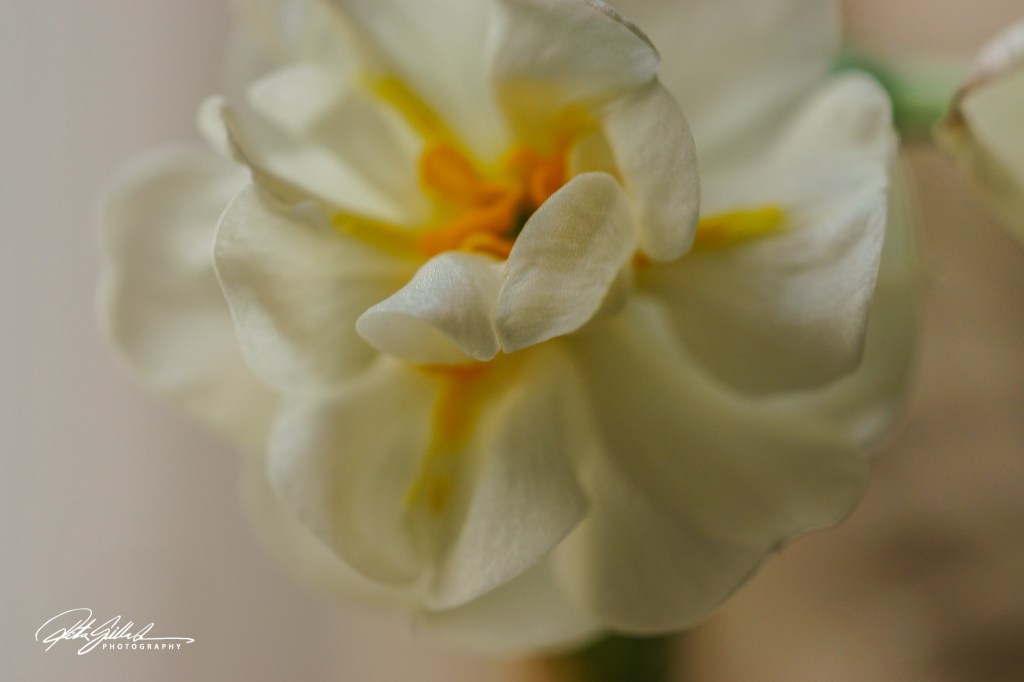
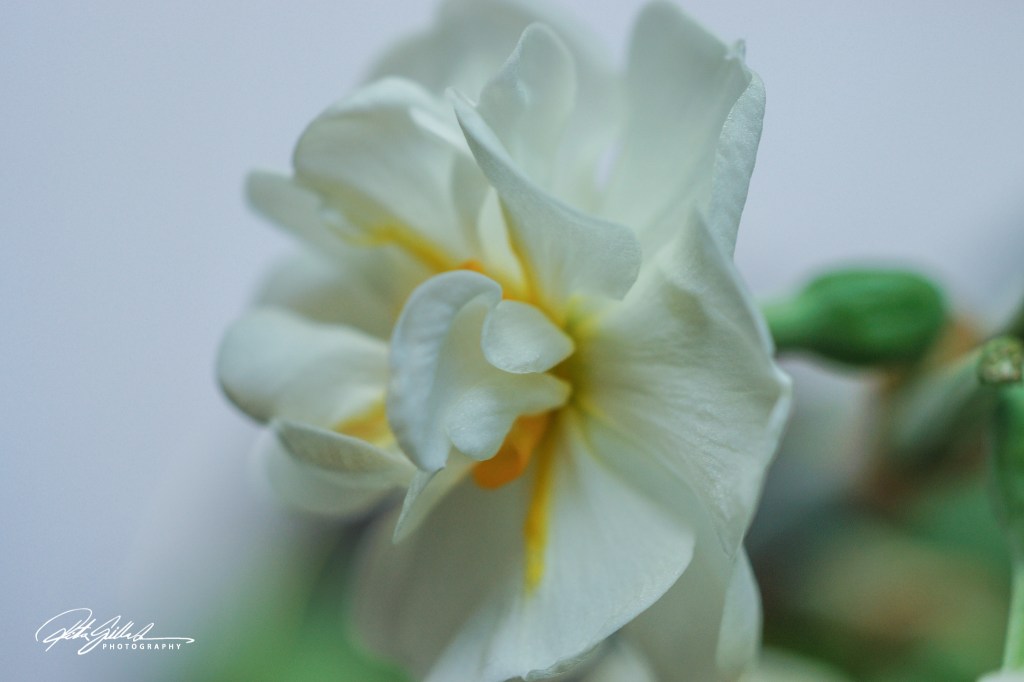
I have two photos with slightly different compositions; also, the chosen color schemes are different, one with blue tones and the other with warm tones. So different in mood—same flower. One feels more welcoming; the blue tones have a somewhat distant, unapproachable feel. Am I still talking about a flower? 😂
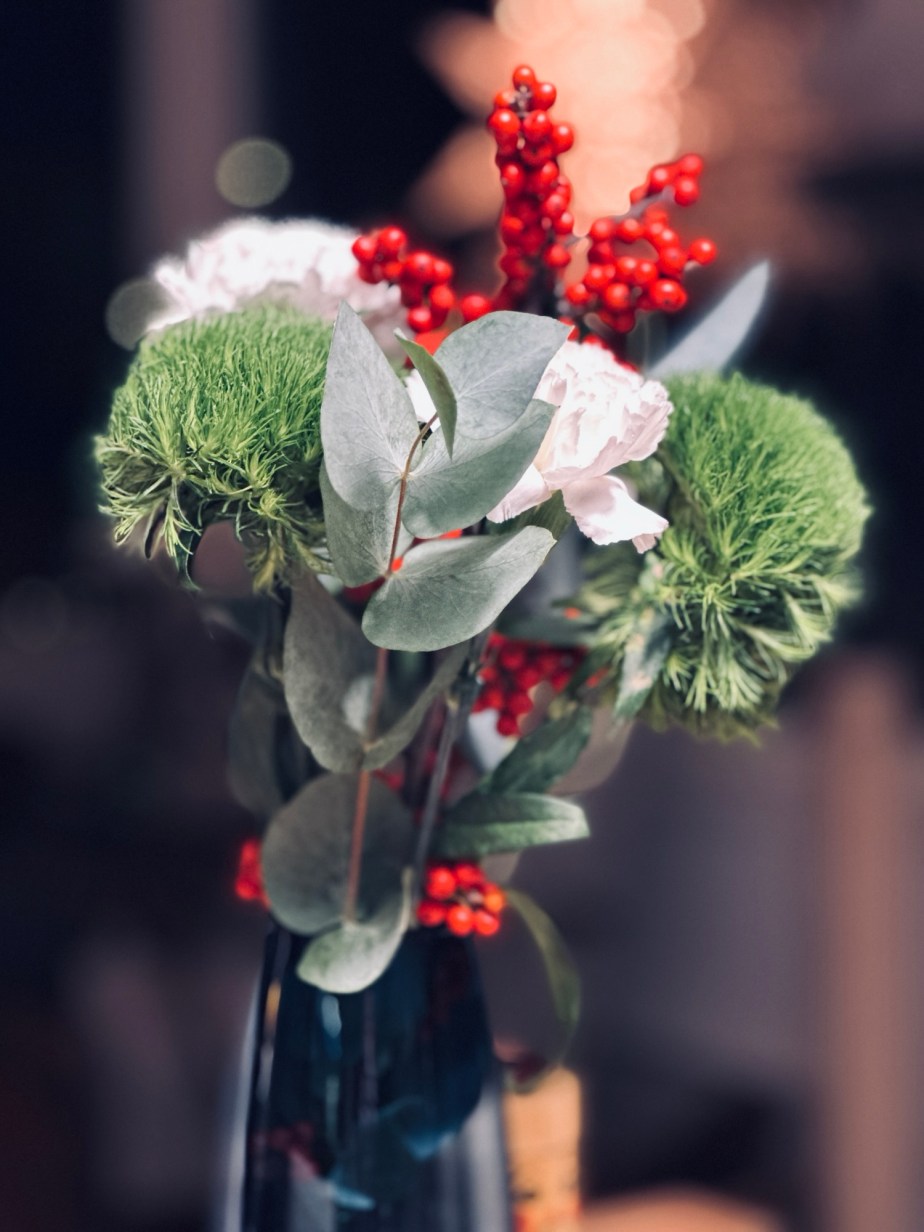
Carnations are such simple and pretty flowers that last a long time, and it’s no wonder people have loved them for ages! With their cool fringed petals and bright colors, these blooms come in all sorts of shades. Their staying power in a vase, makes sure they keep bringing some joy and color to your days for a while, so it’s easy to see why I buy them.
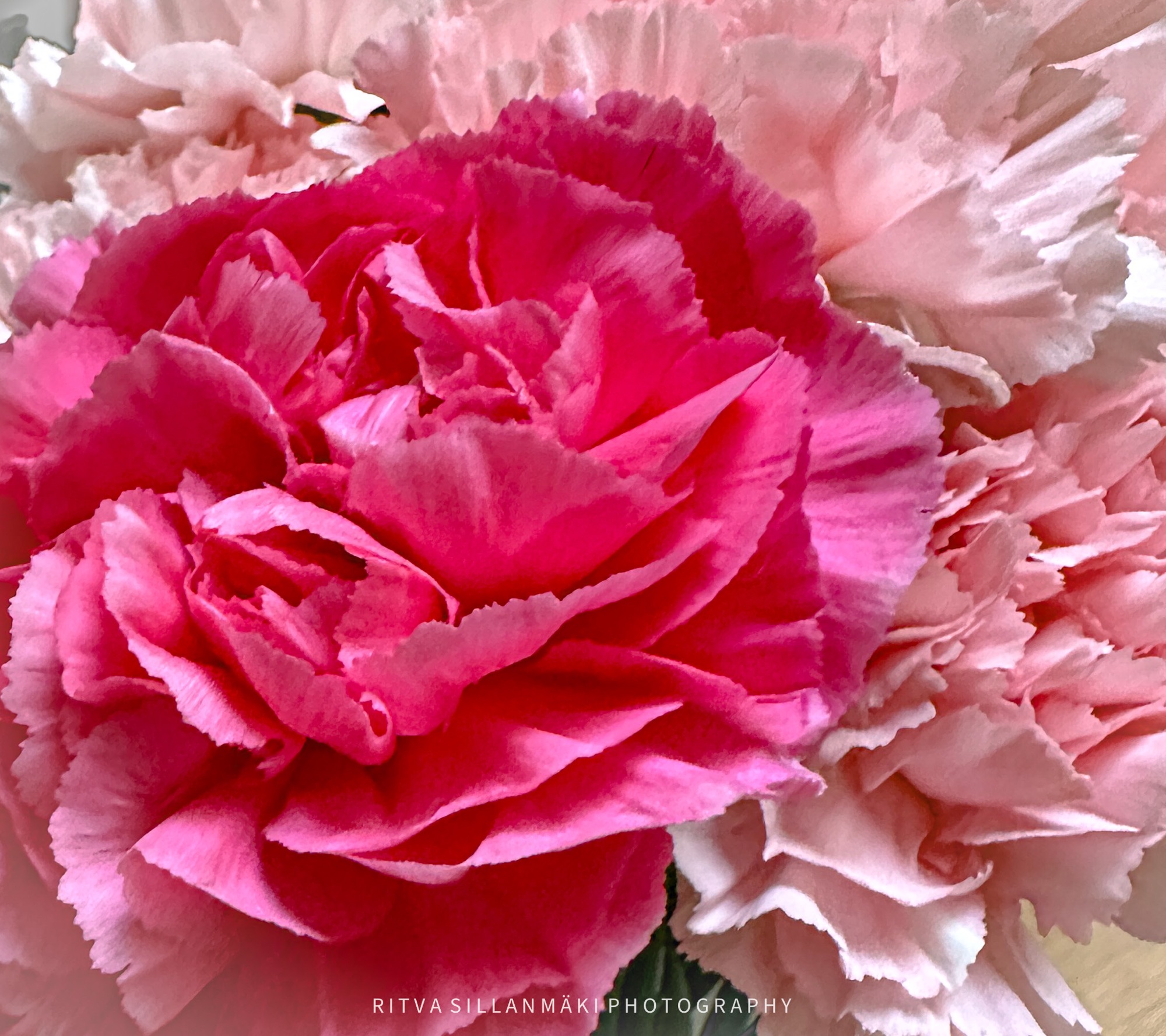
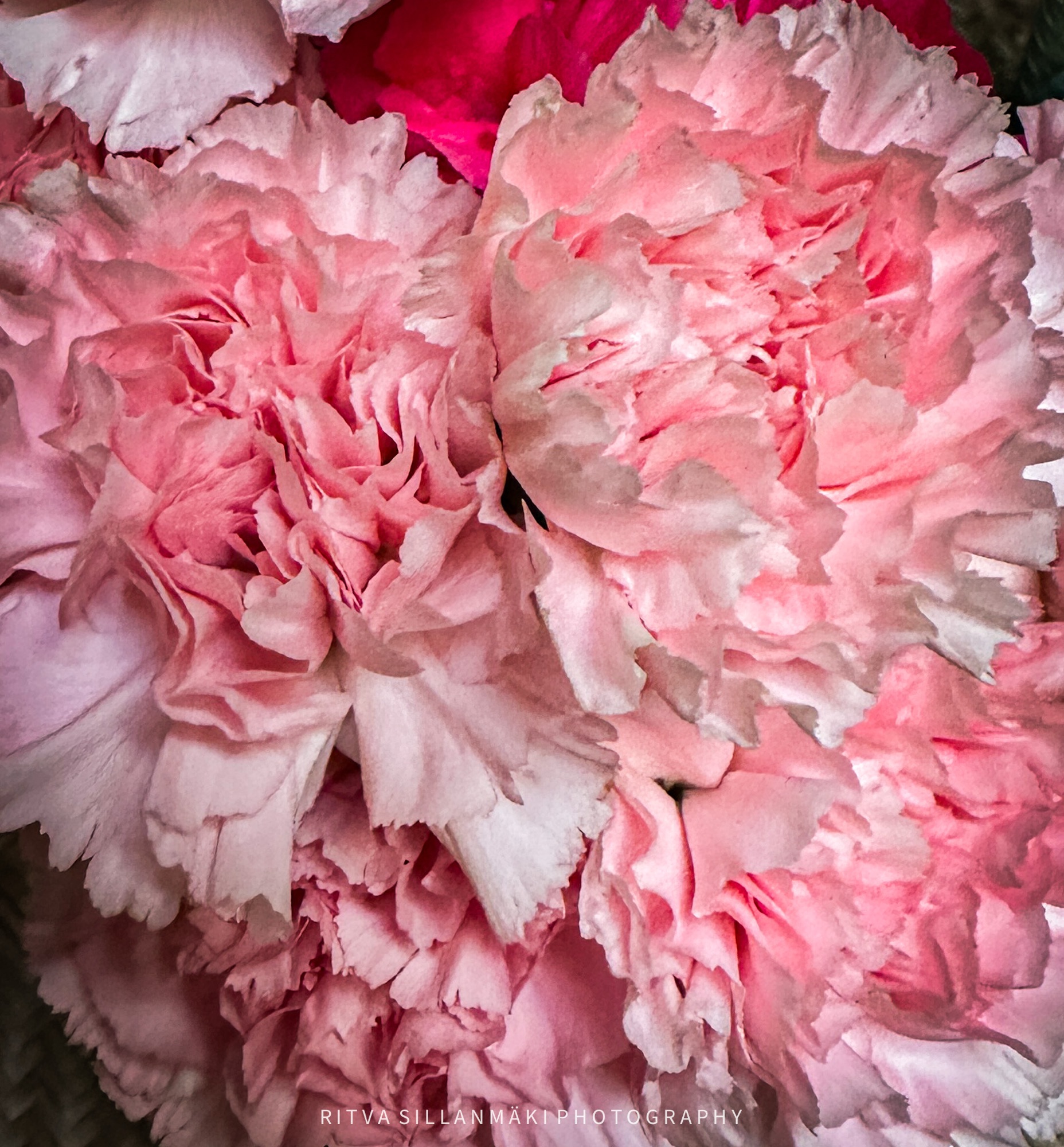
For Terri’s Flower Hour
These sunny and vibrant flowers are my choice to remember and a tribute to Cee, as all flowers are.



 Ritva Sillanmäki Photography