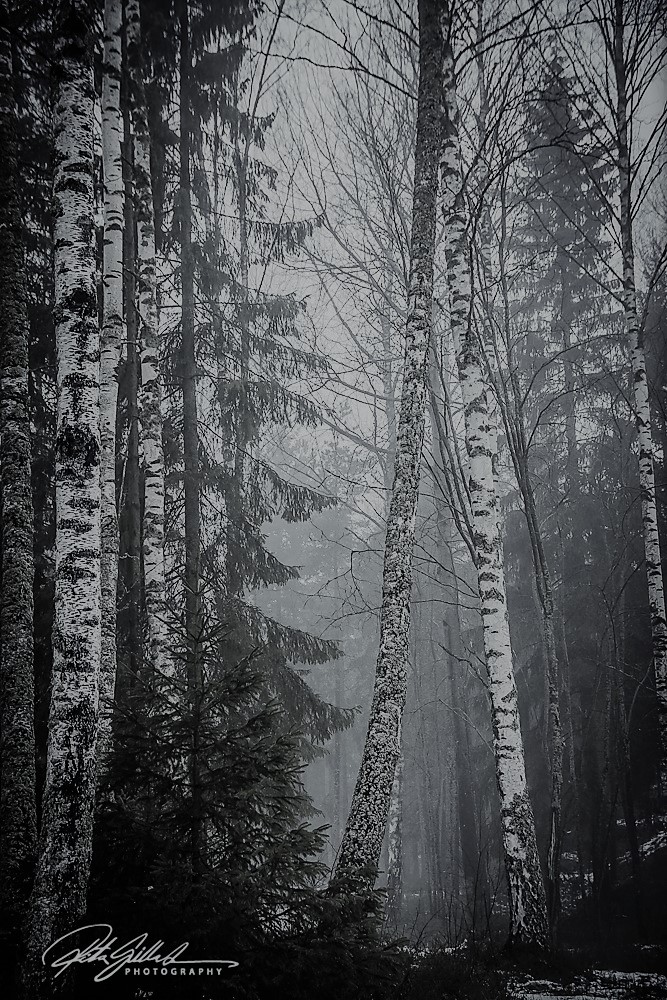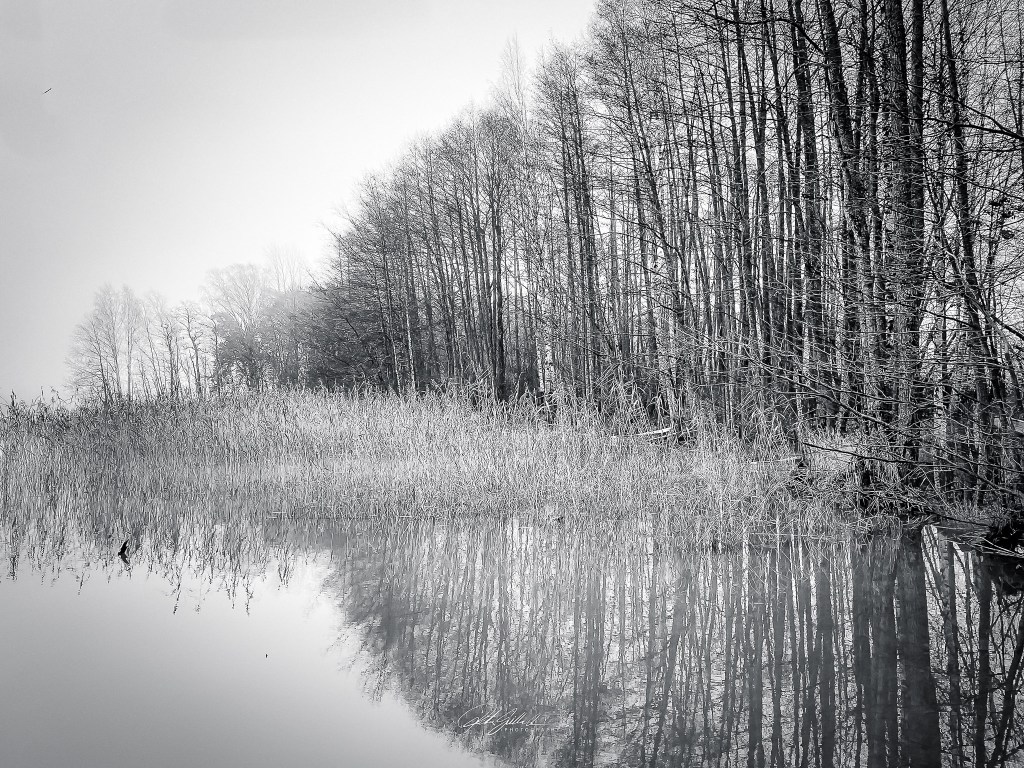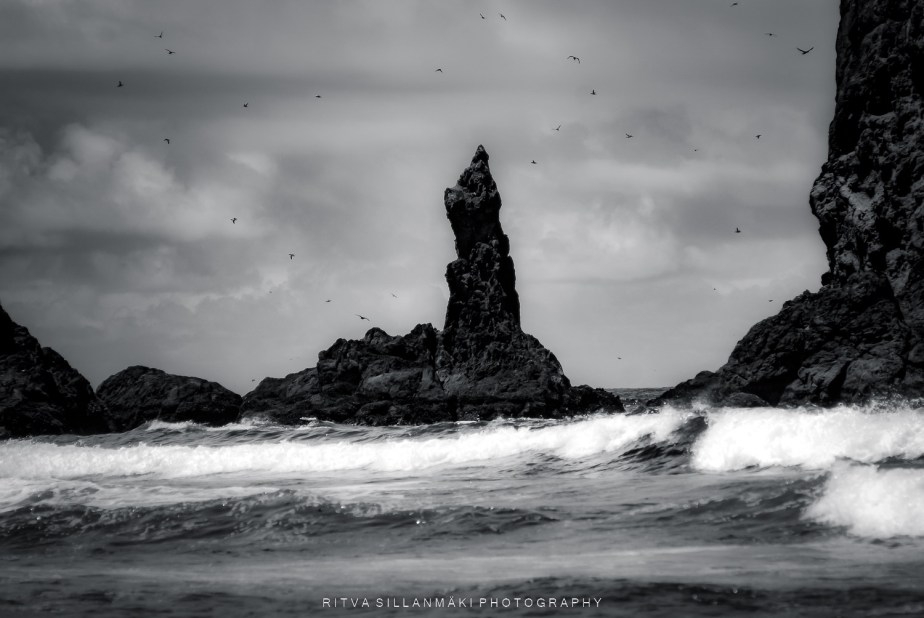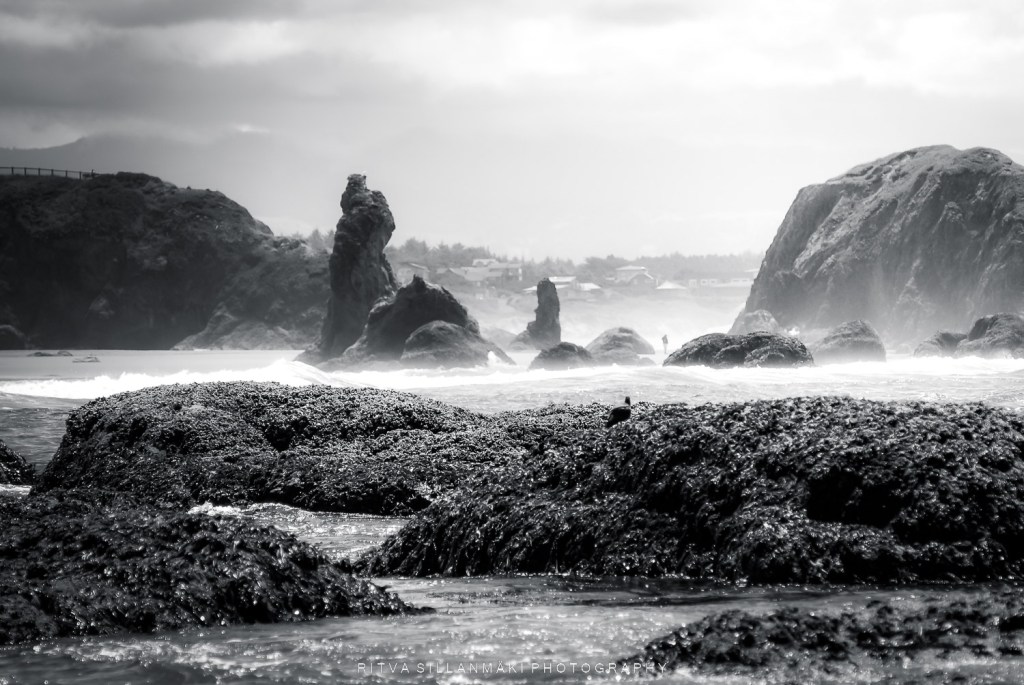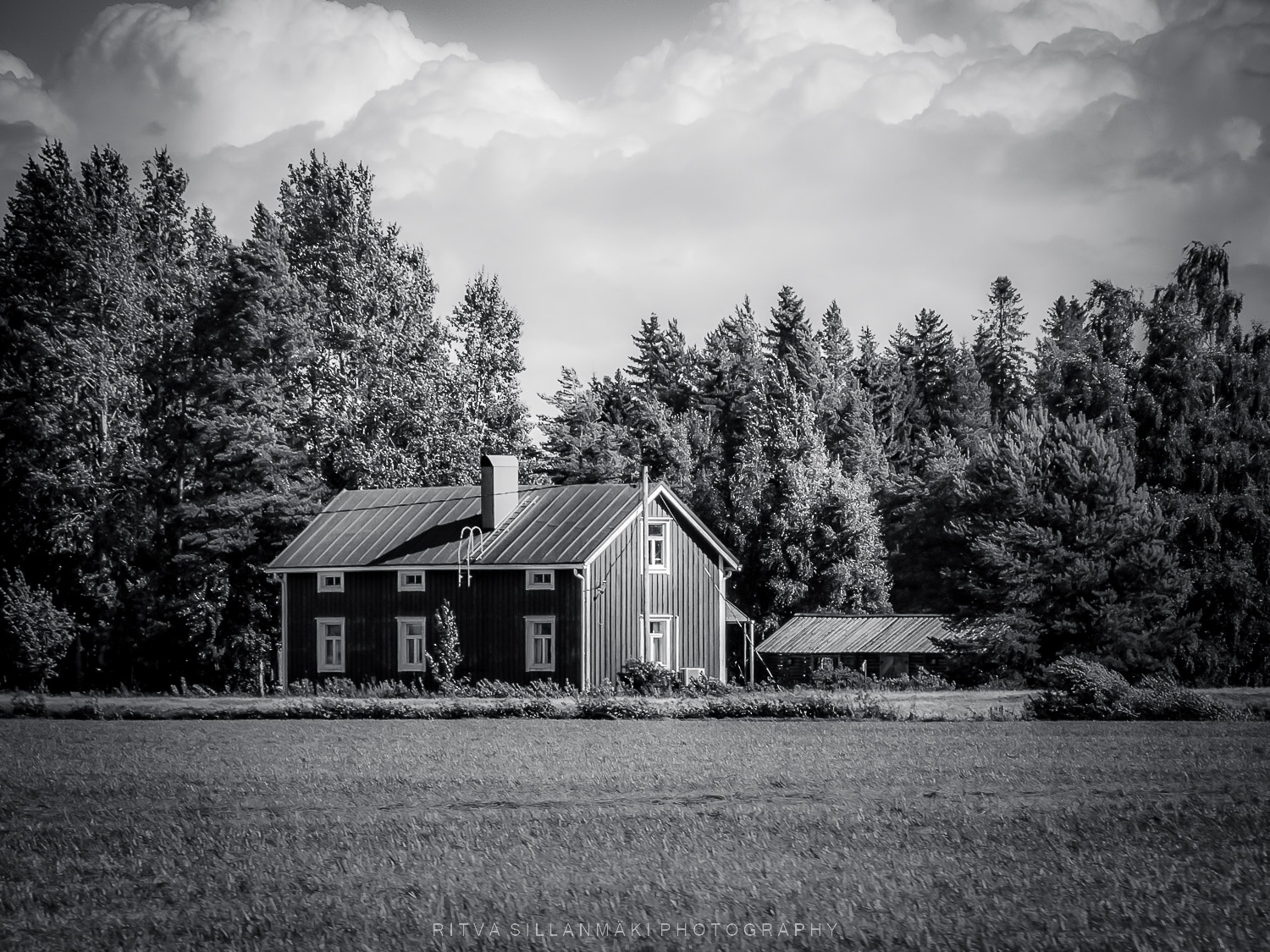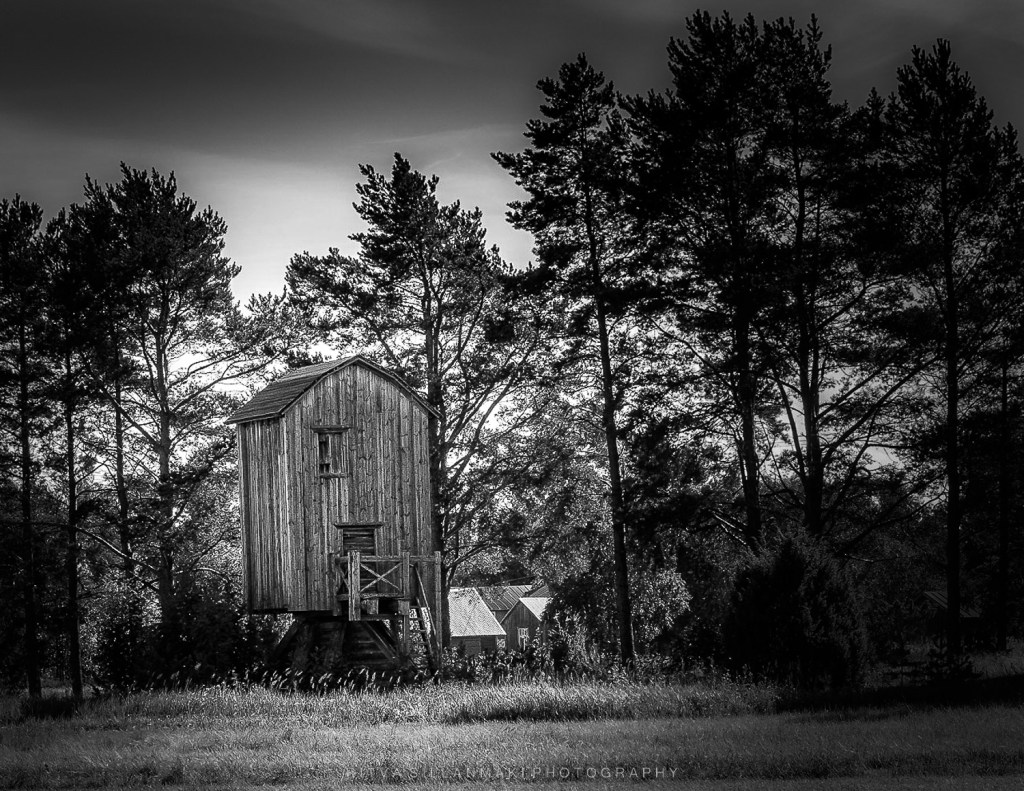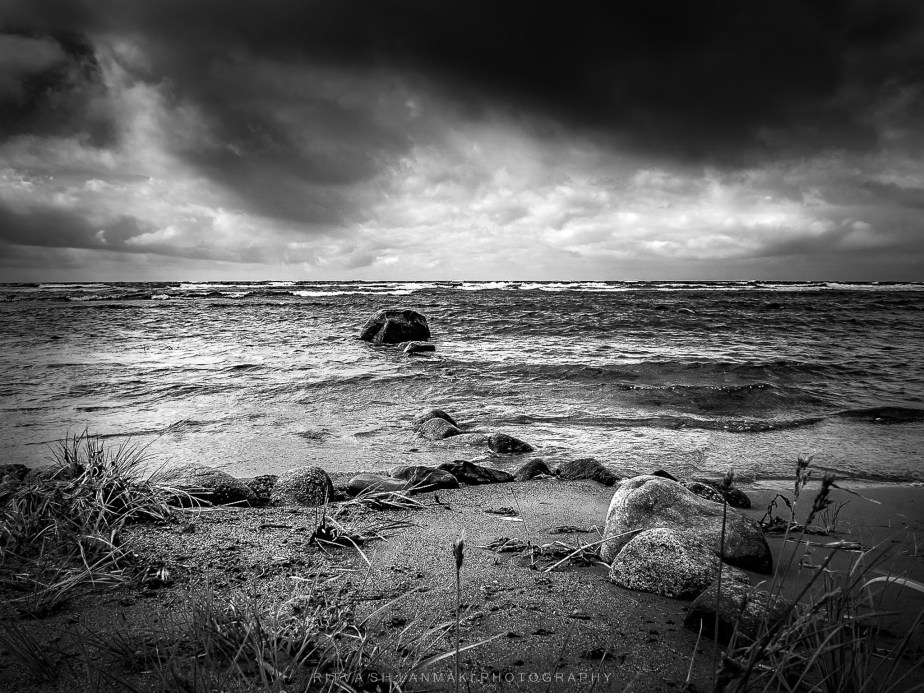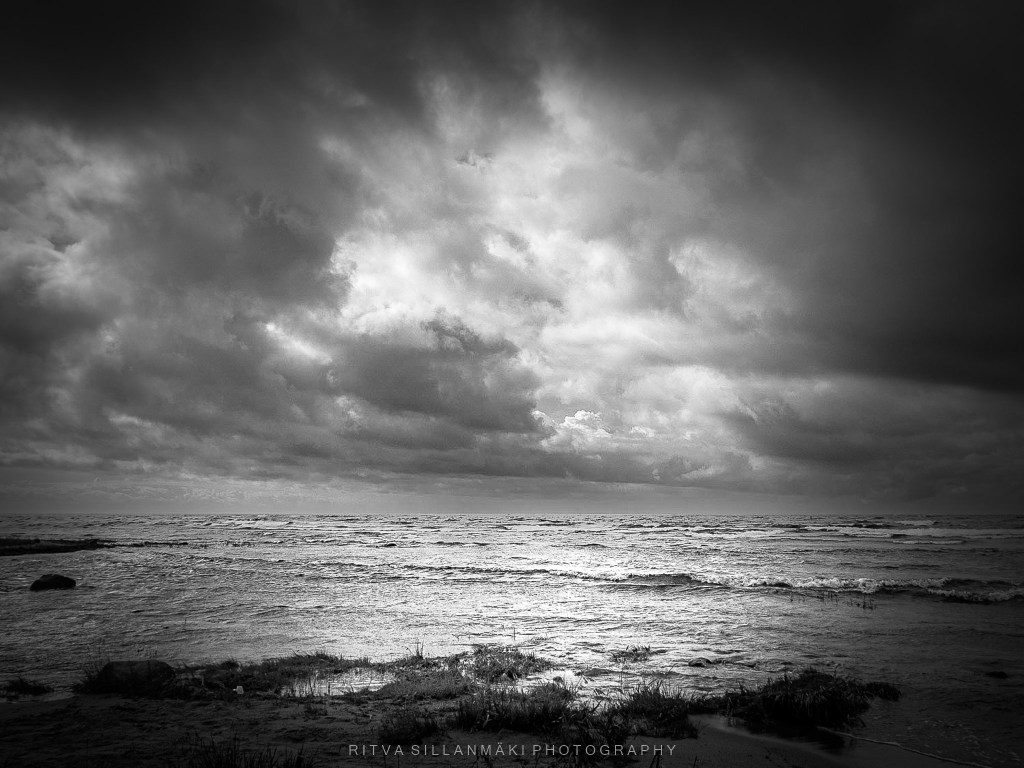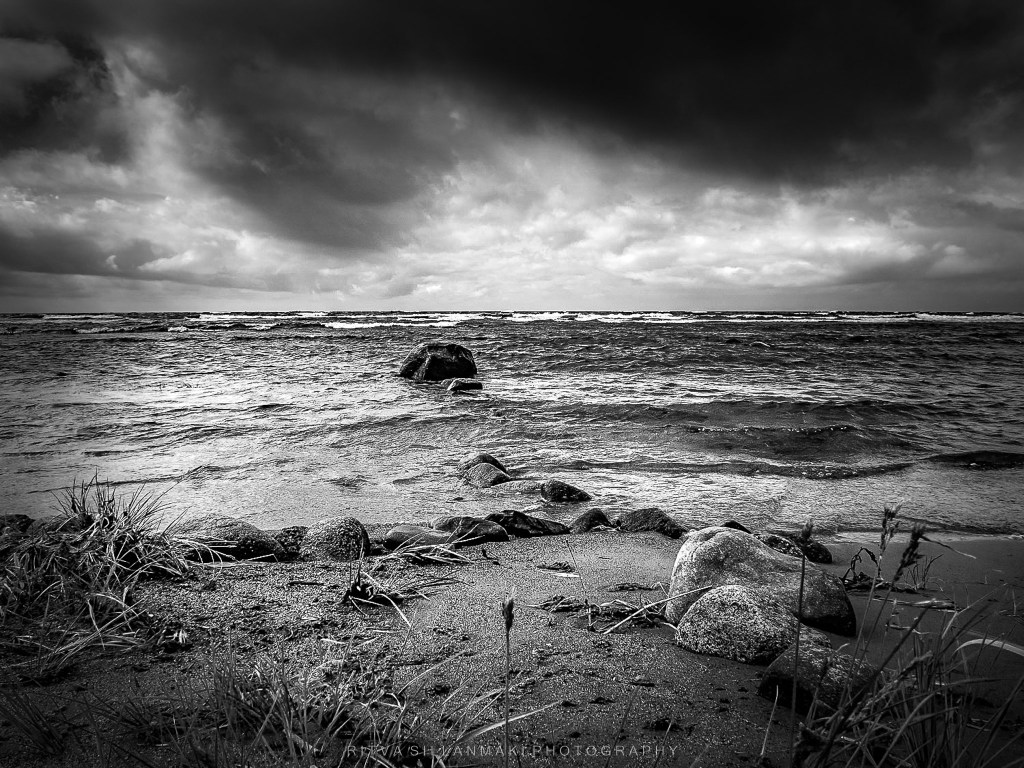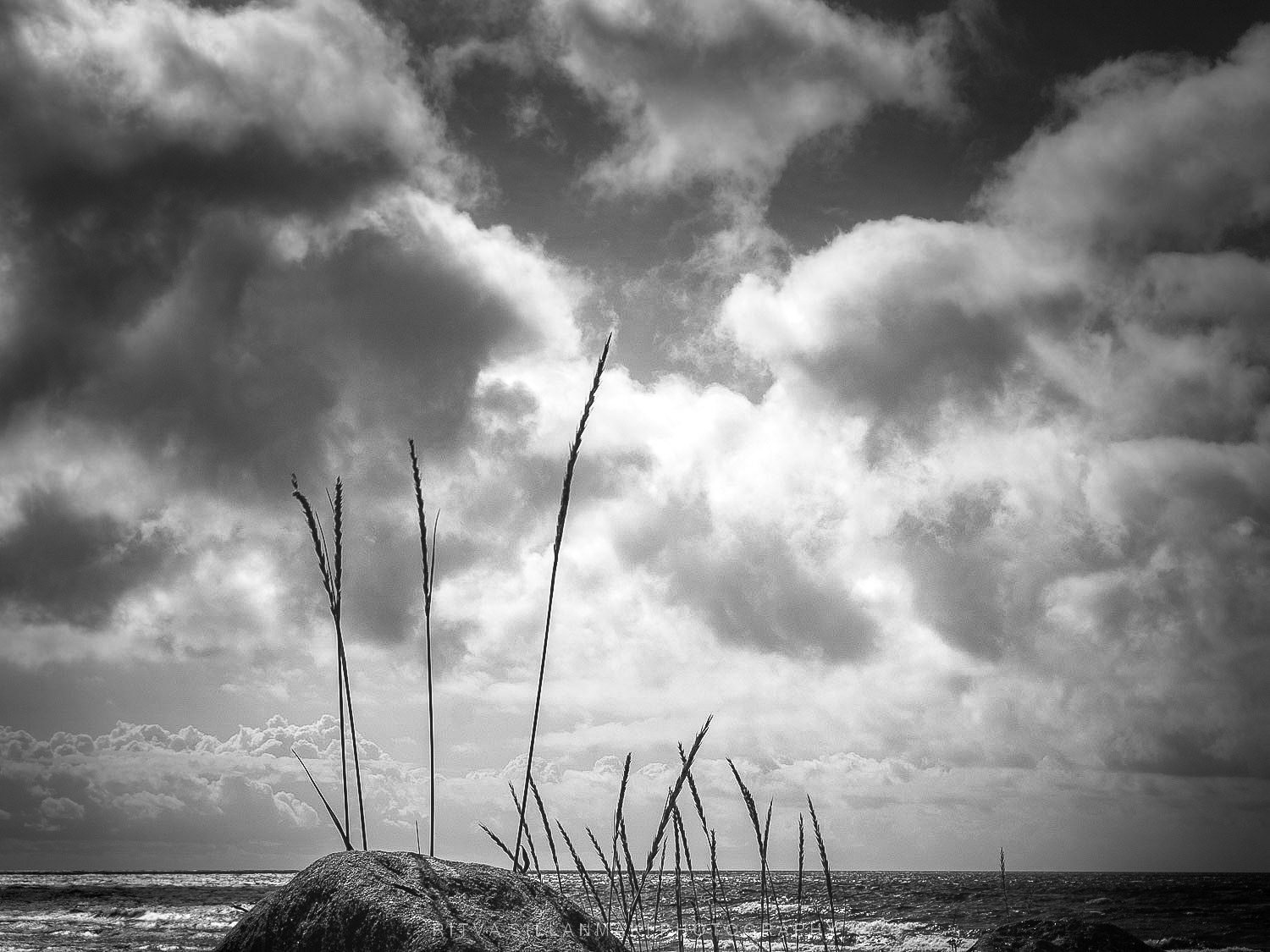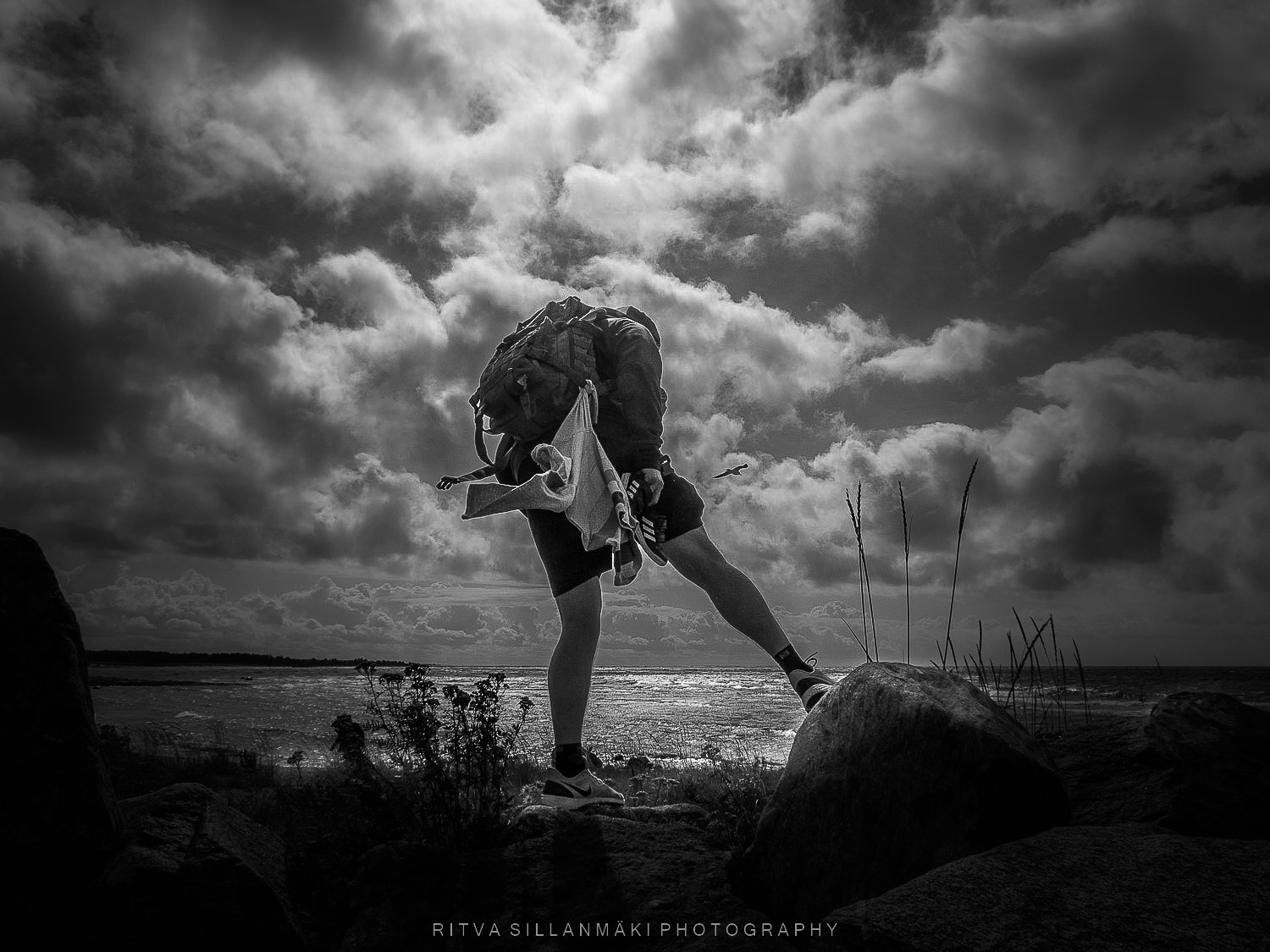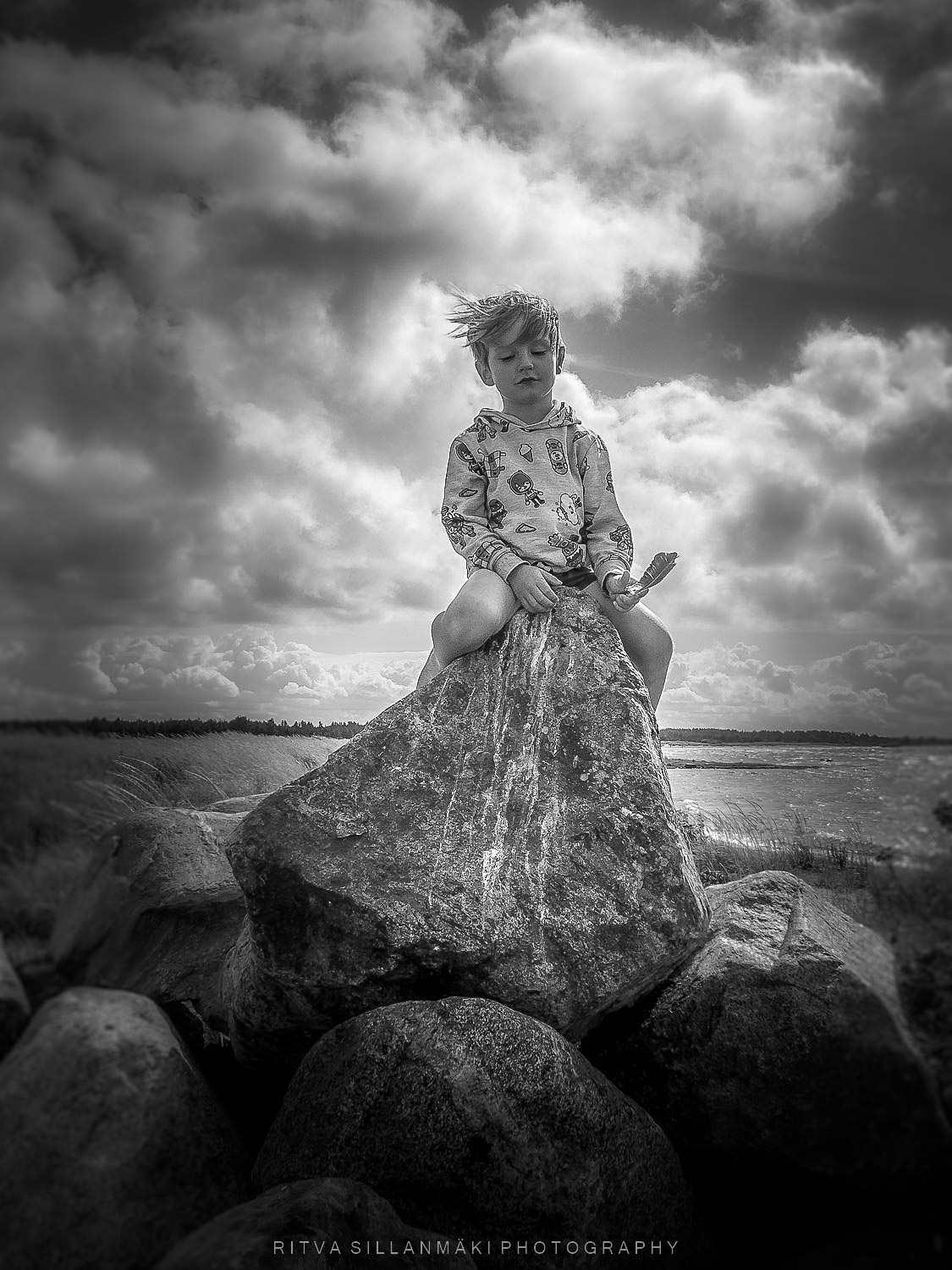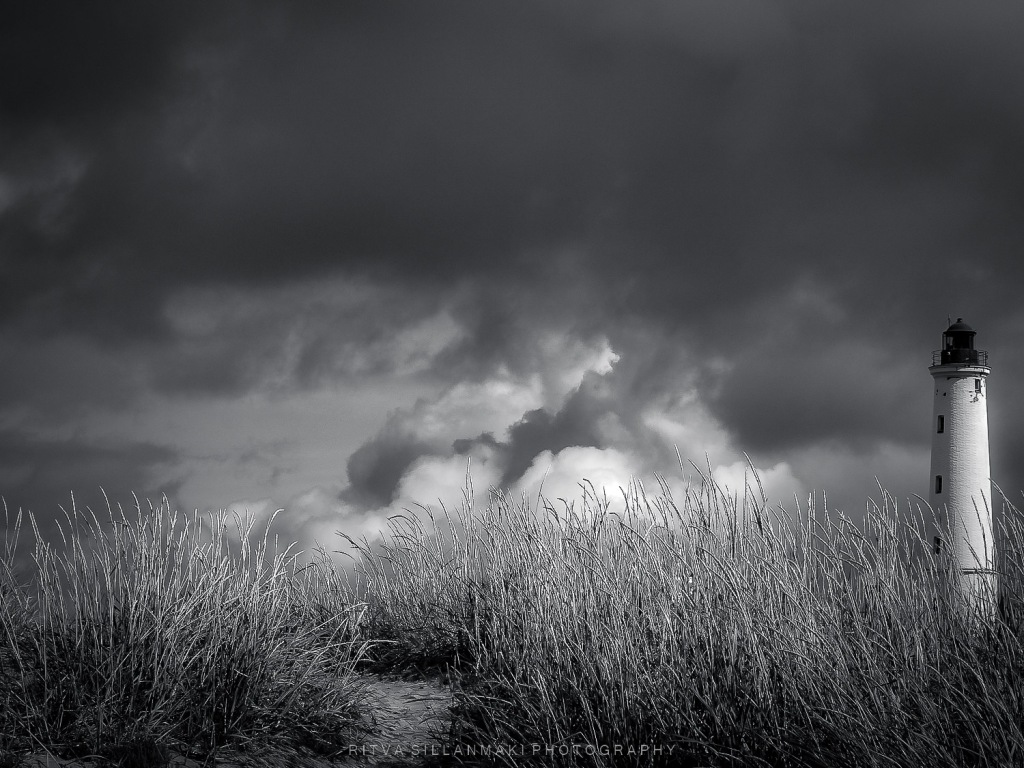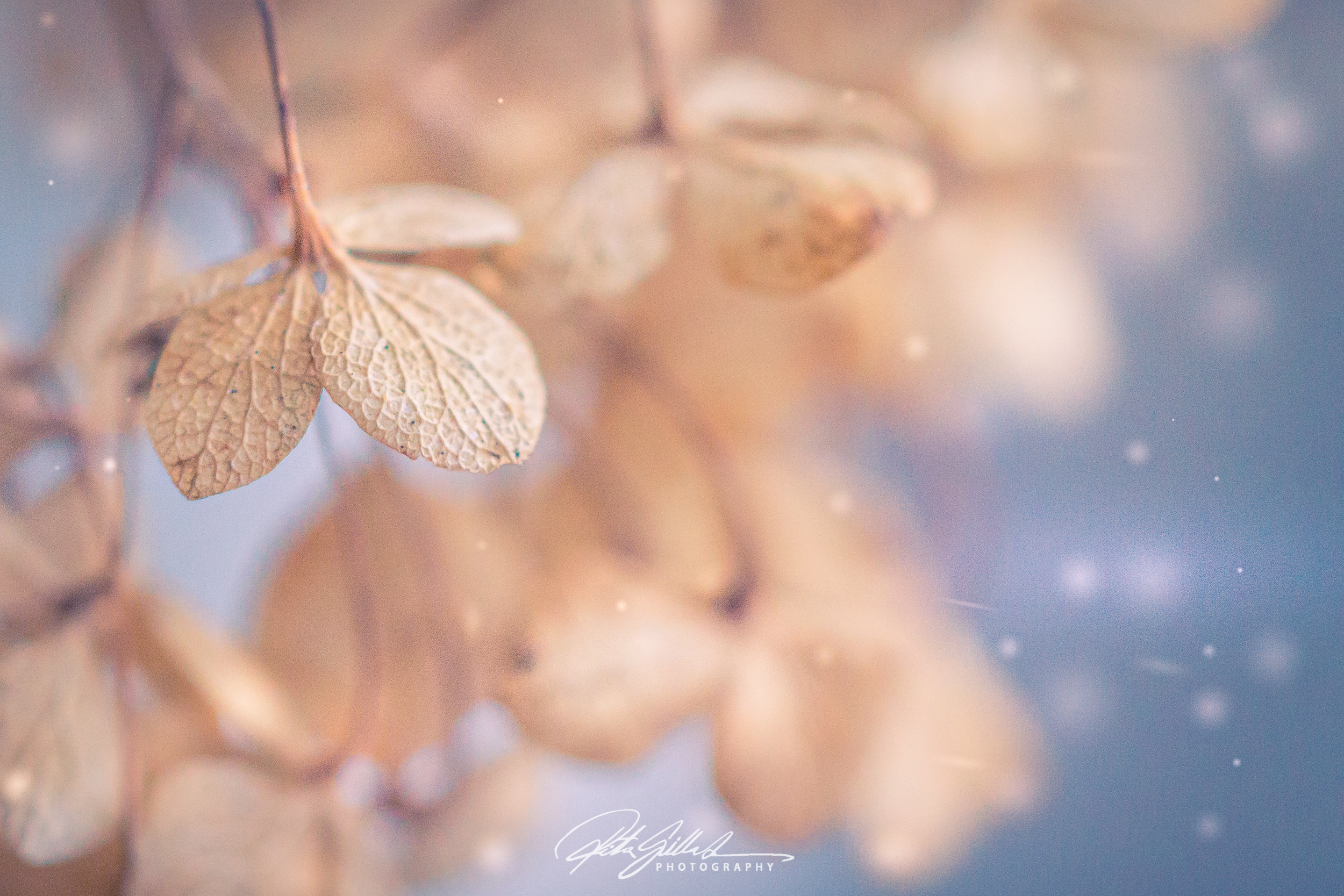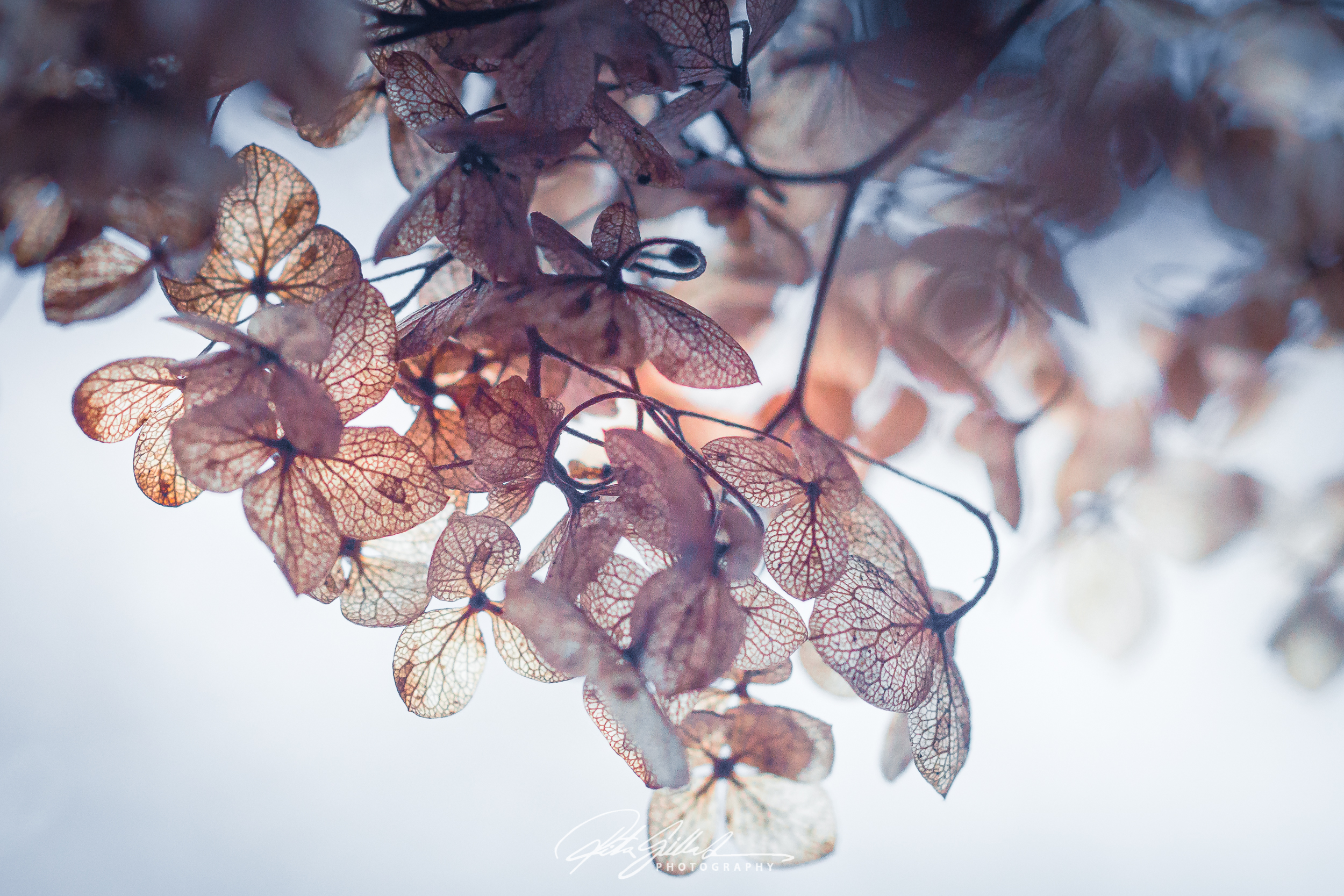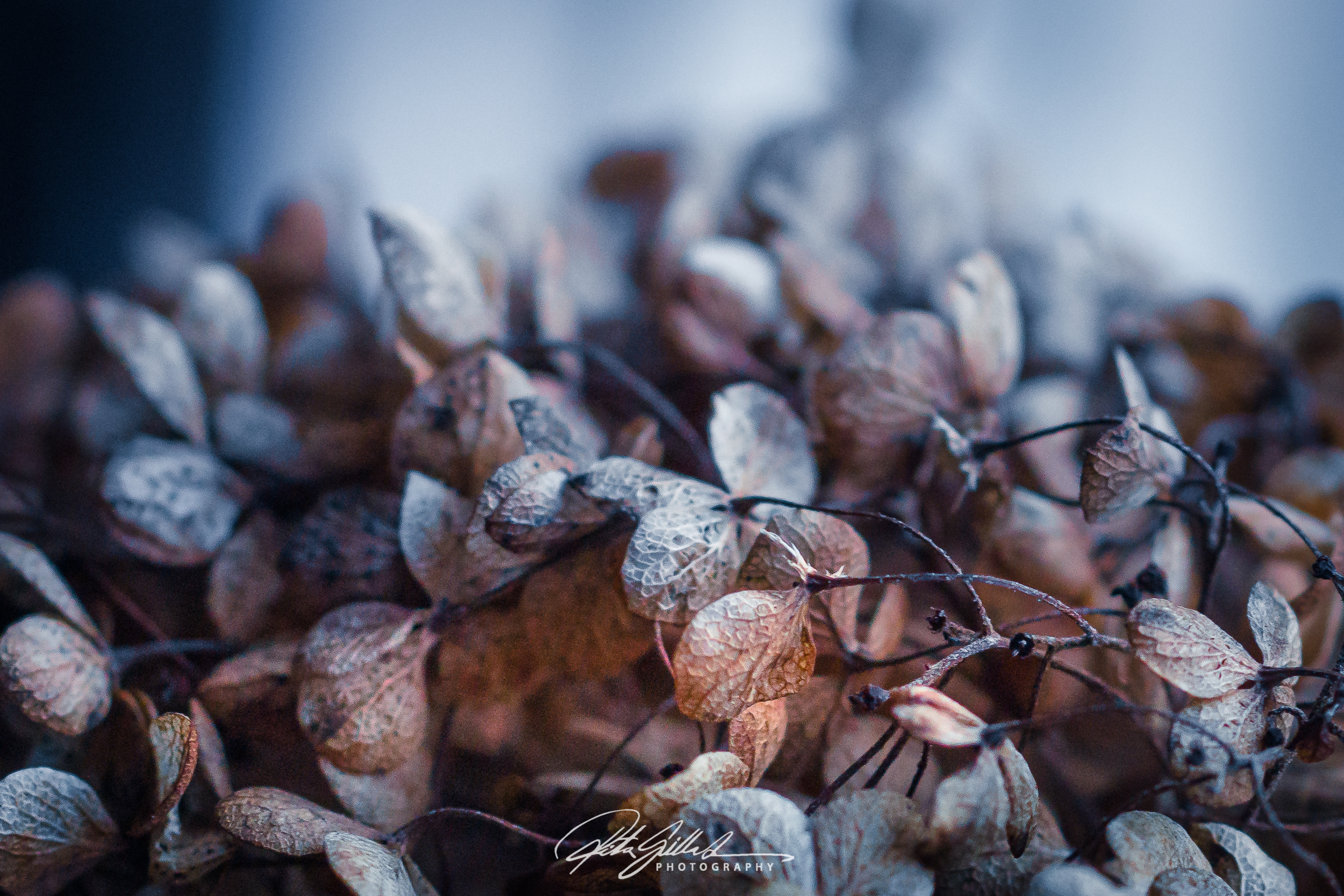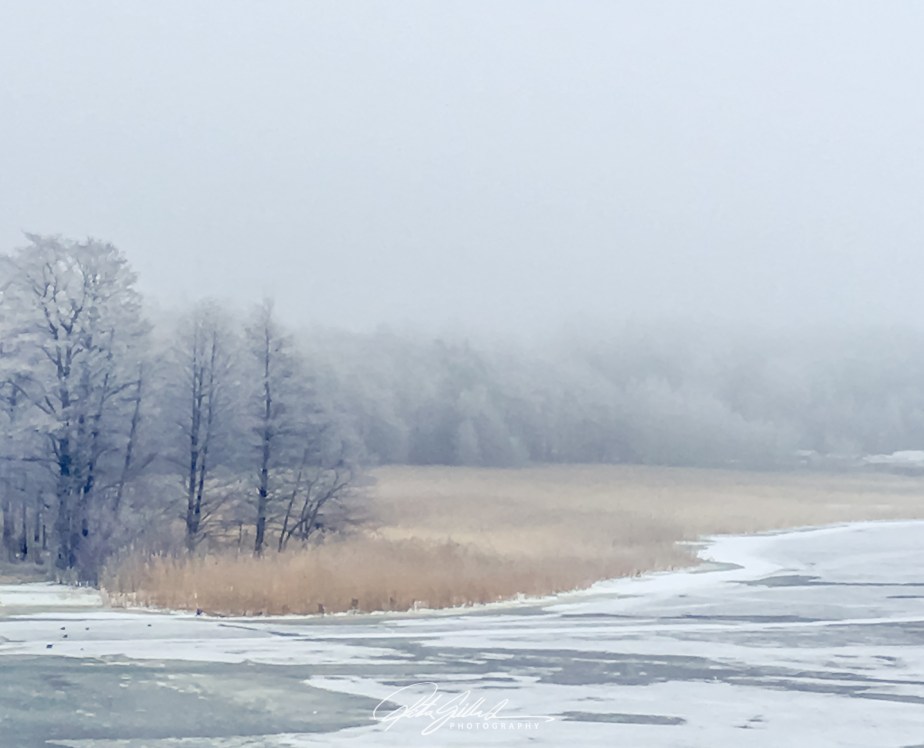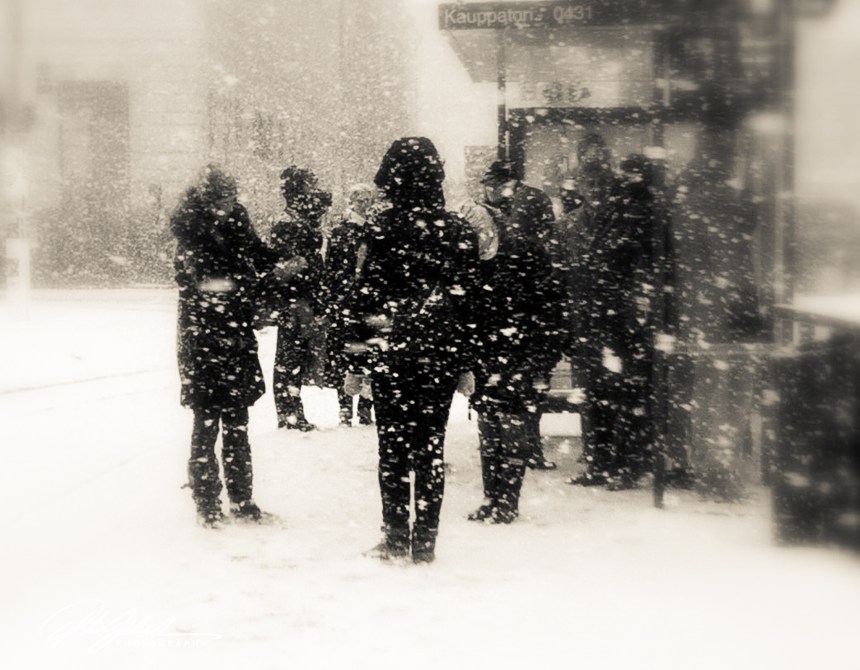
Lens Artists Challenge #236: SouthMeets North


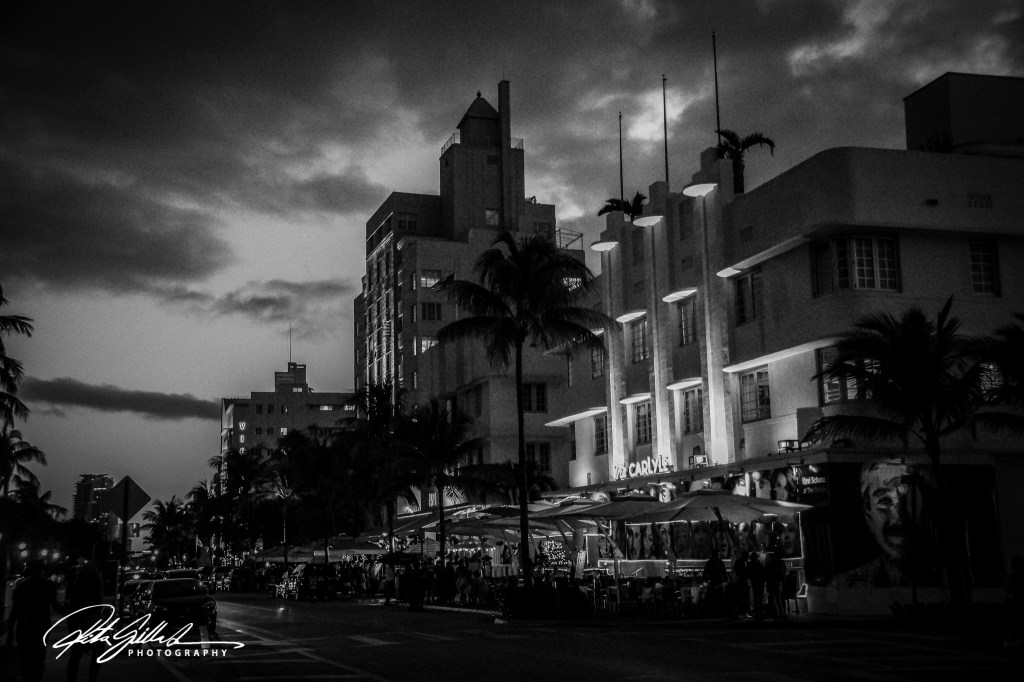
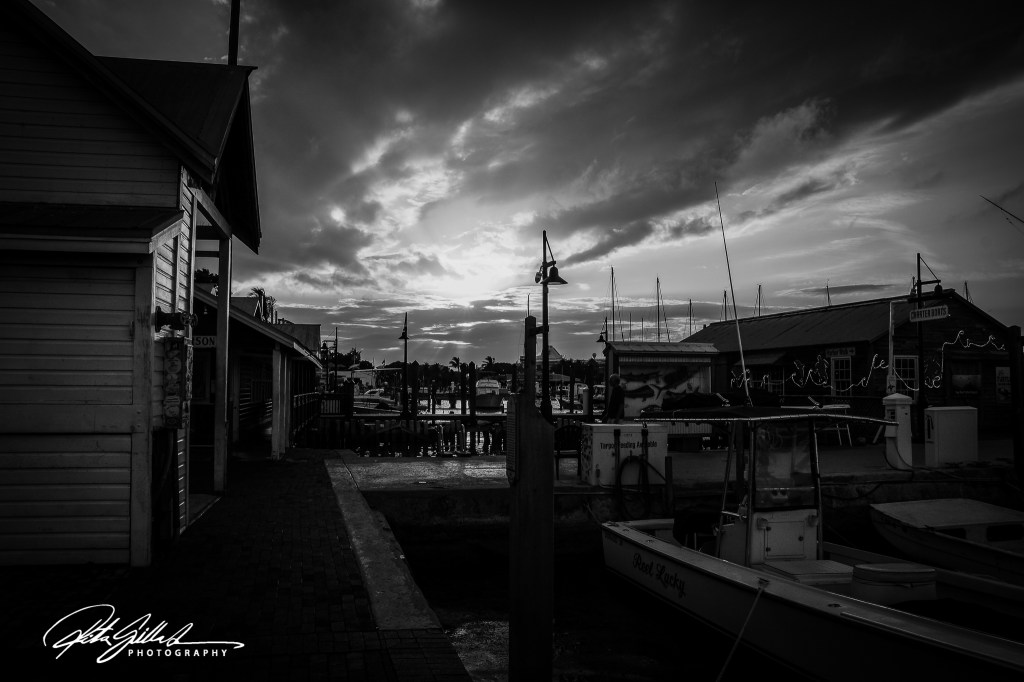
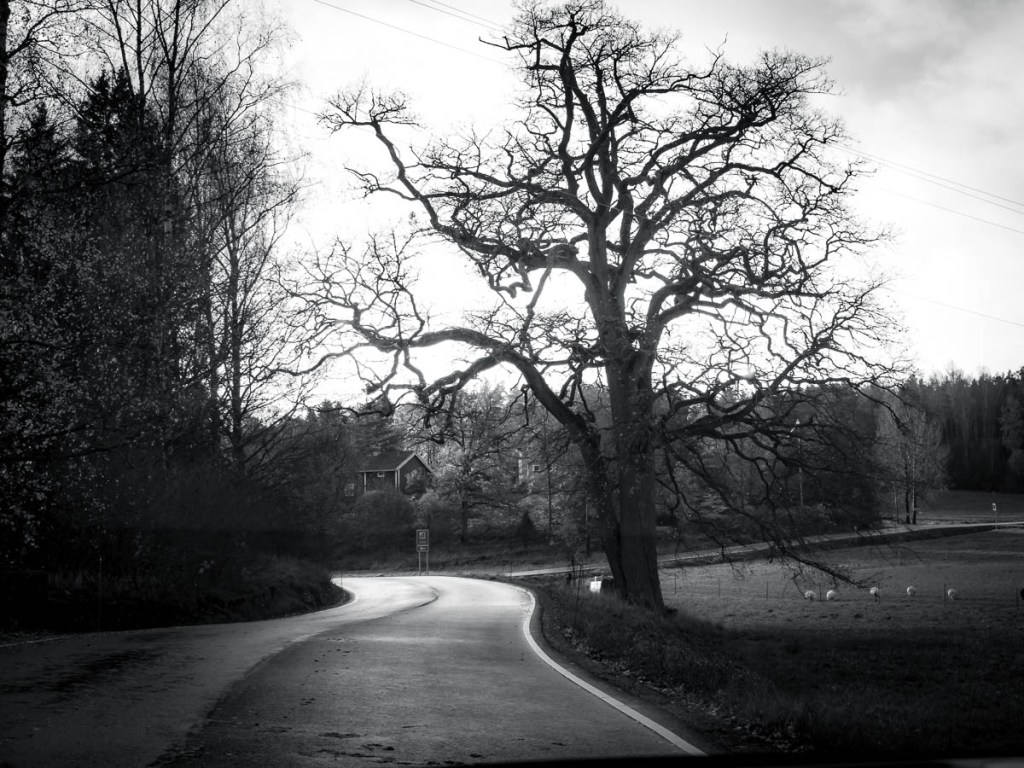
Amy’s topic for this weeks Lens Artists Challenge #236: East Meets West, This week we are exploring the different cardinal points East – West or South – North

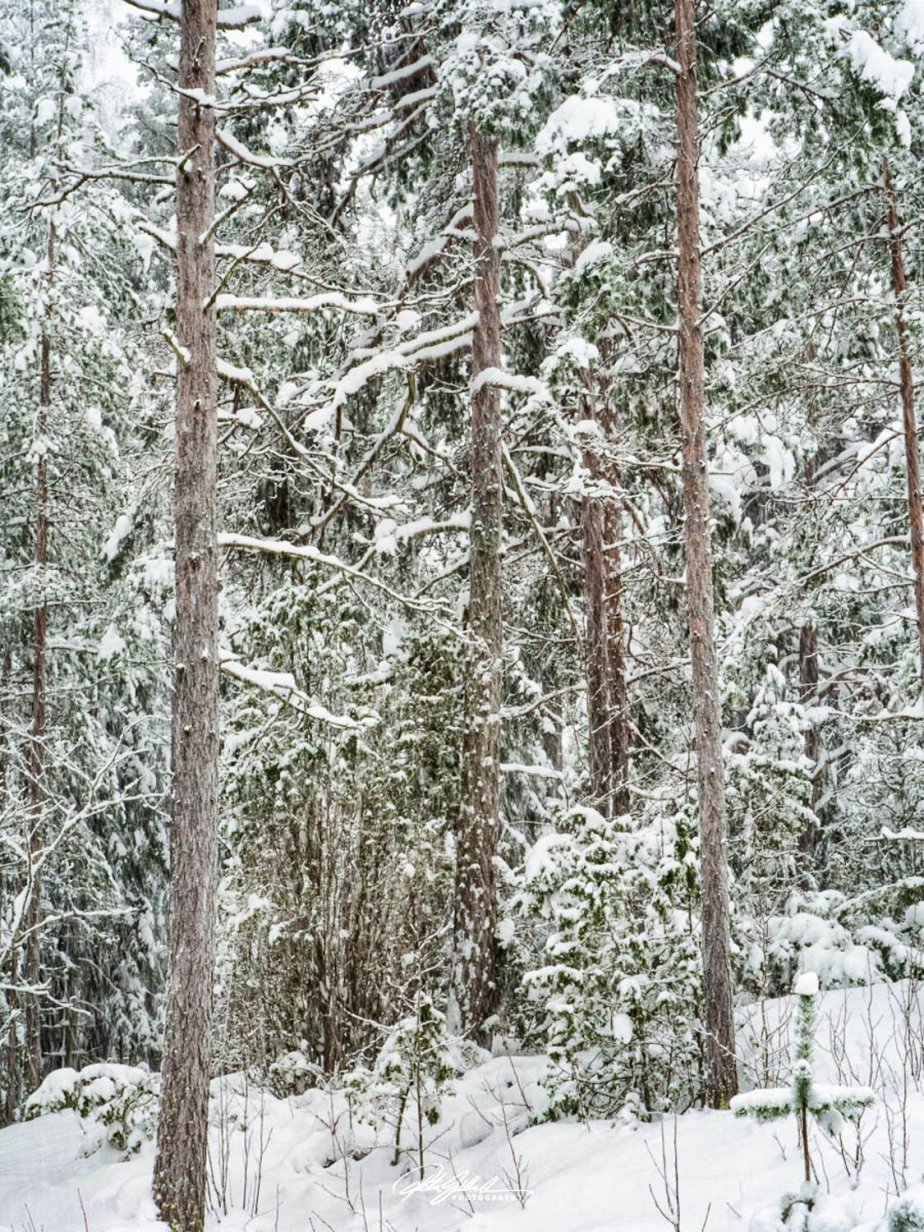
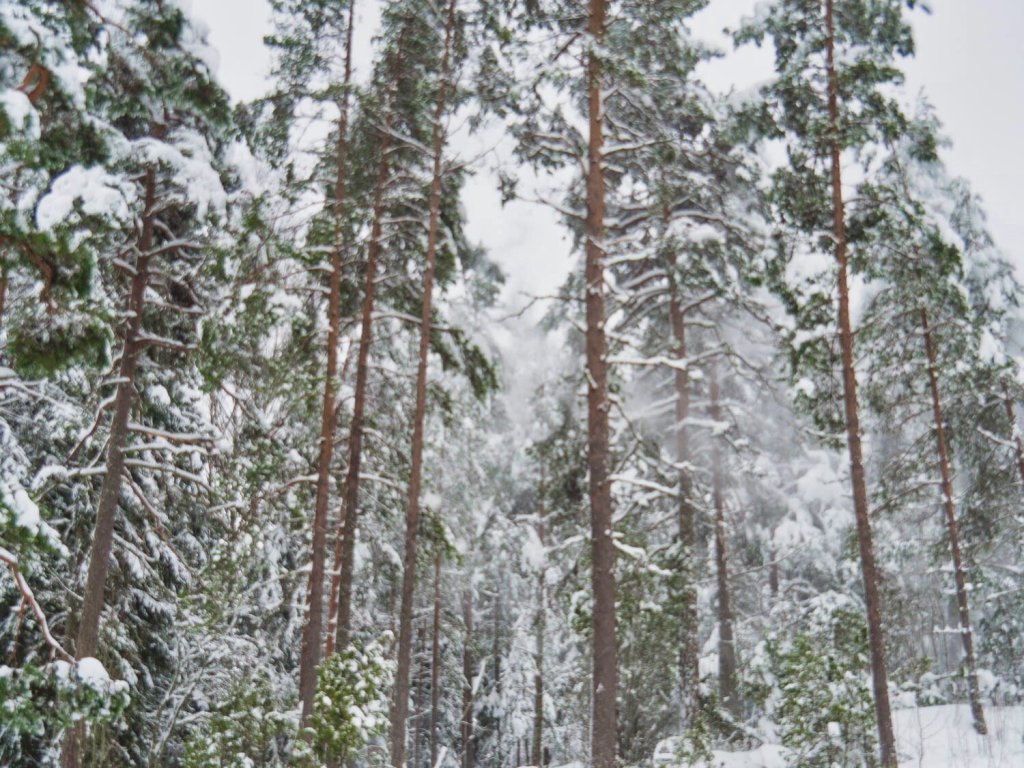
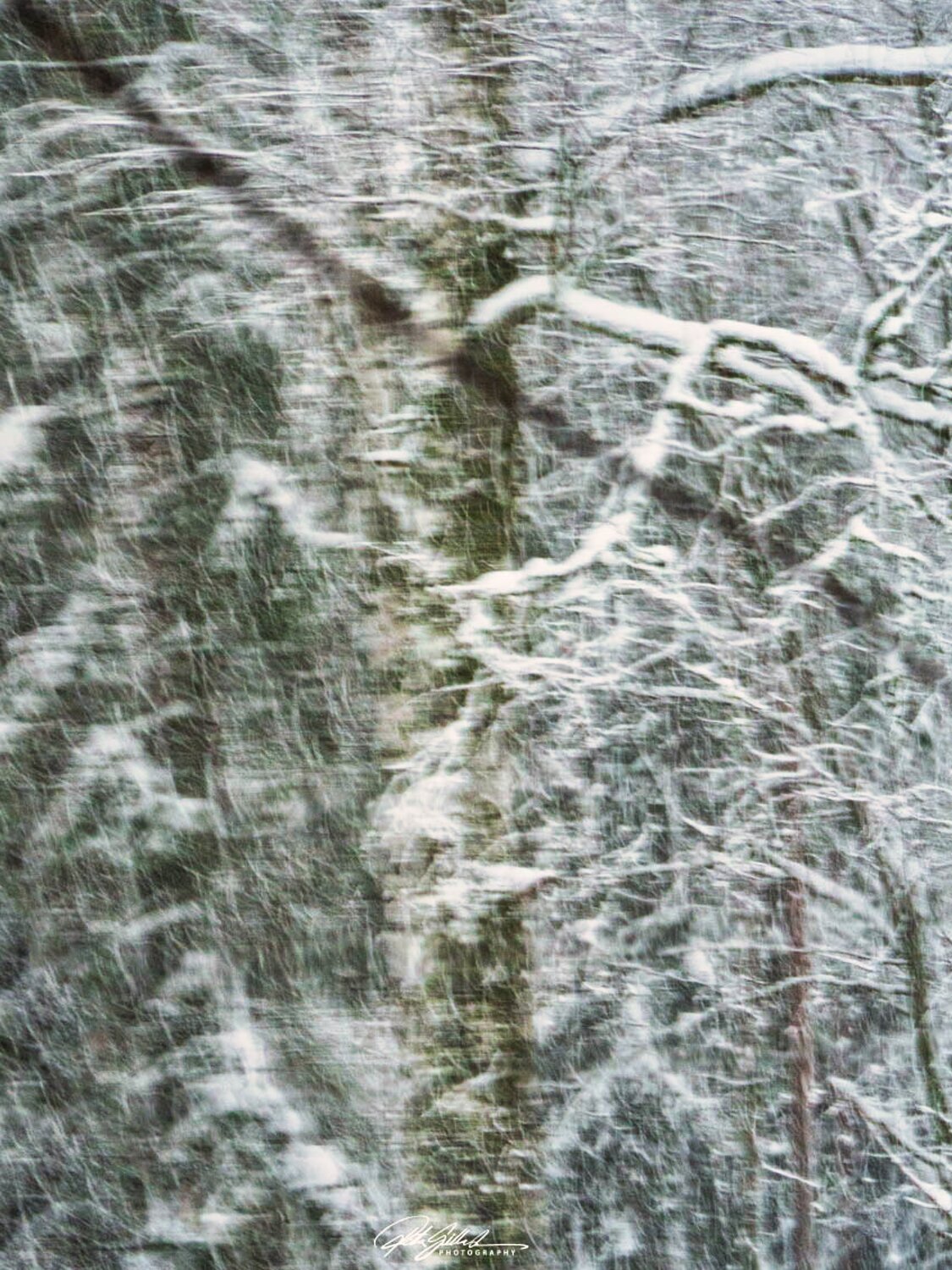
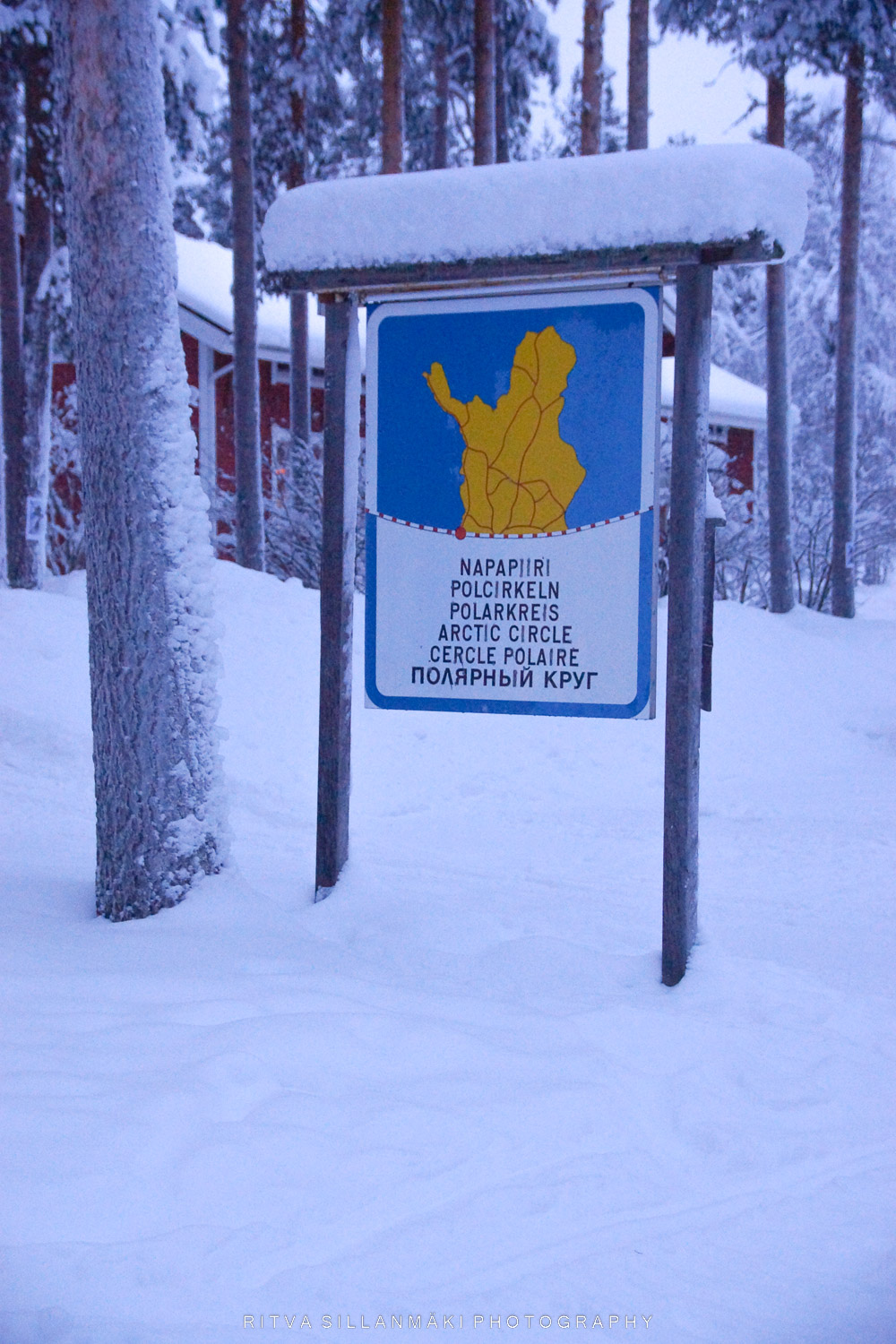
I thought about this, as I live in North, in Finland. Arctic Circle is about 850 km from my home – so I live in the south of Finland.That could be one way to look at this challenge, or even more extreme could be Finland versus Australia down under. Or I could think about it as just the directions seen from my summer house as I sit in the yard and watch the sun move around it. … still thinking about about this:-)

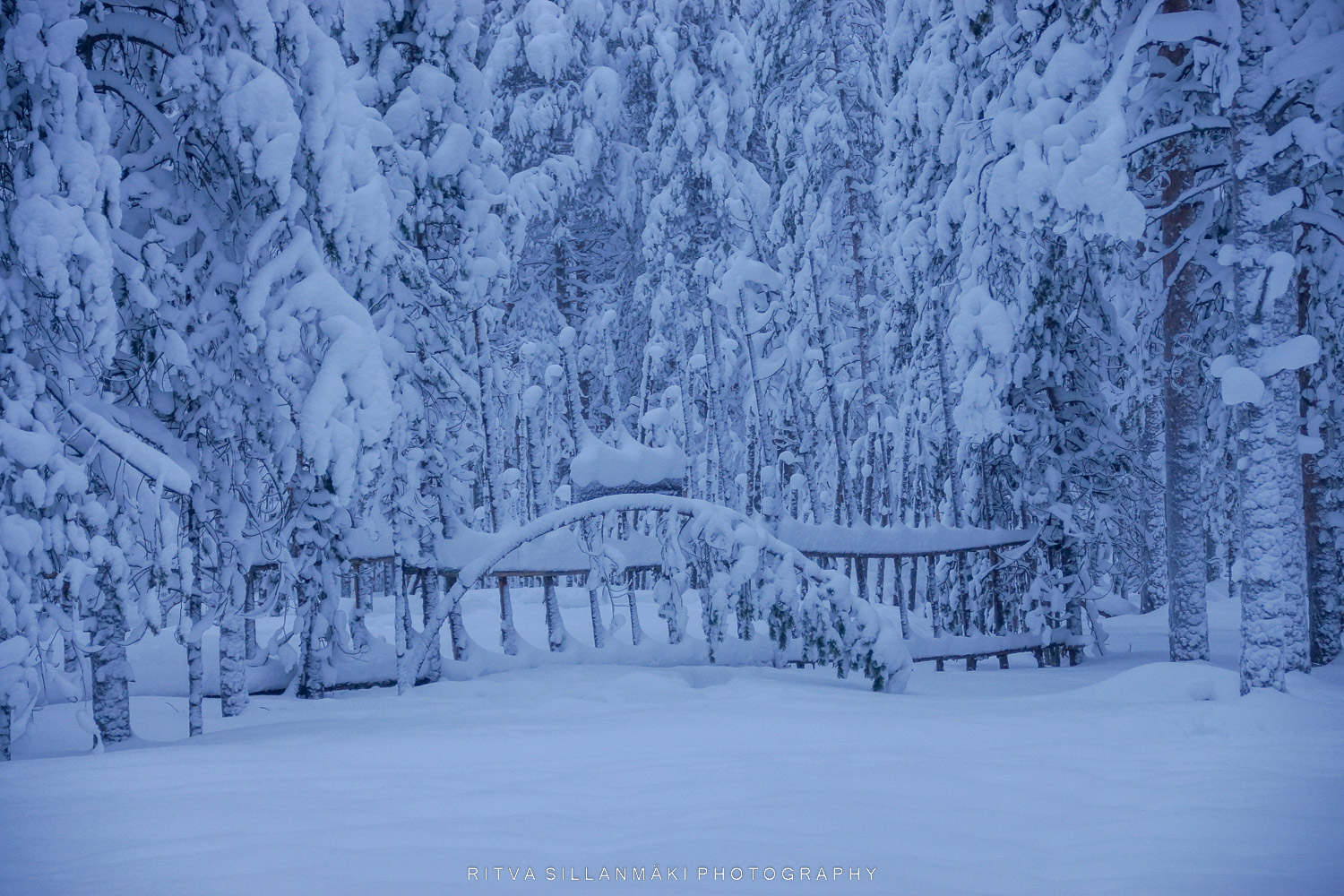
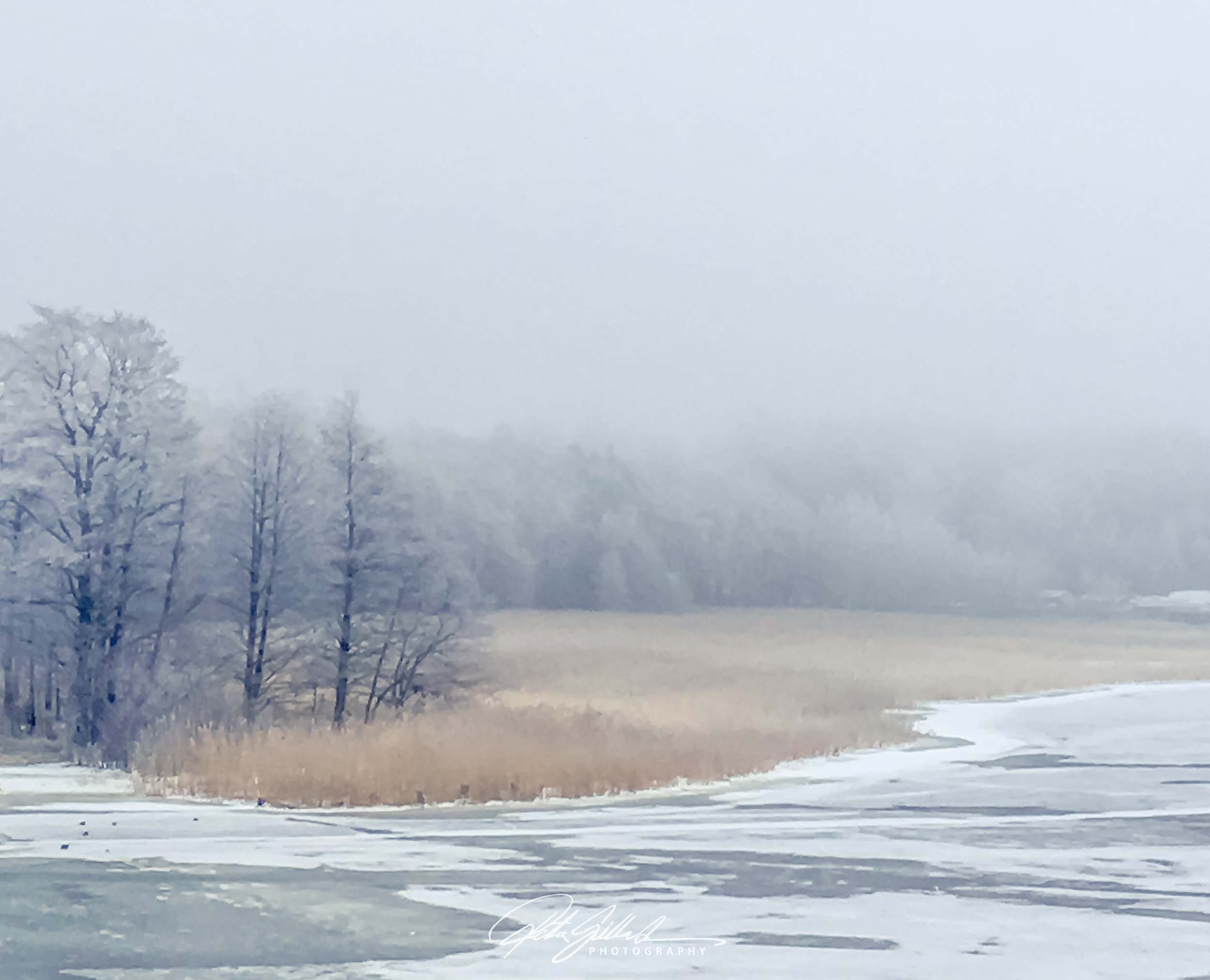
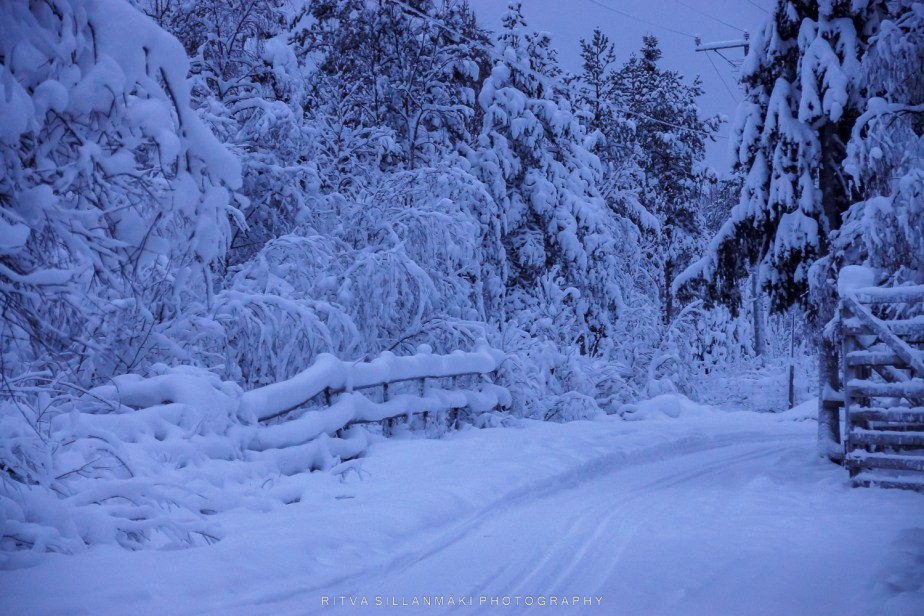
First is the difference between light in the north and south of Finland during winter and well also in the summer.
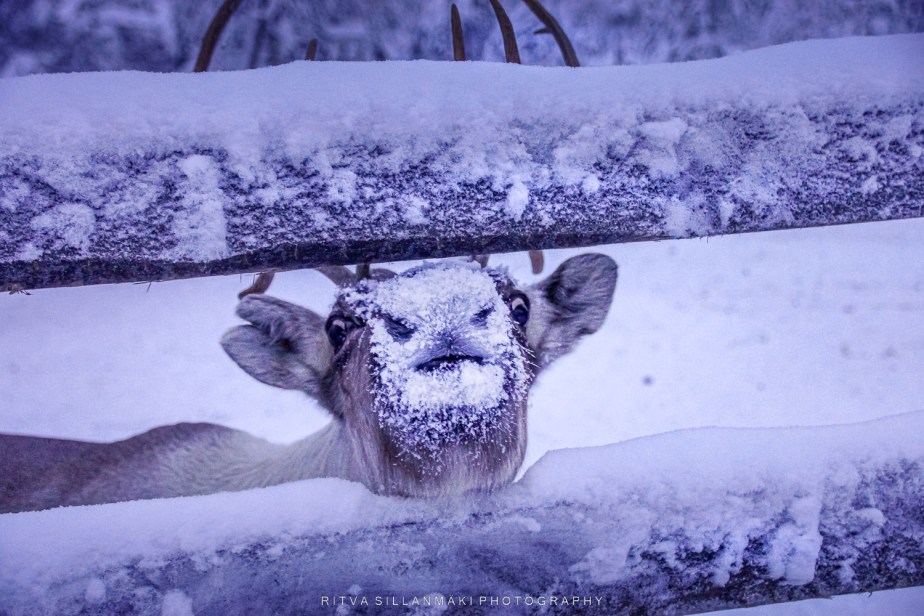
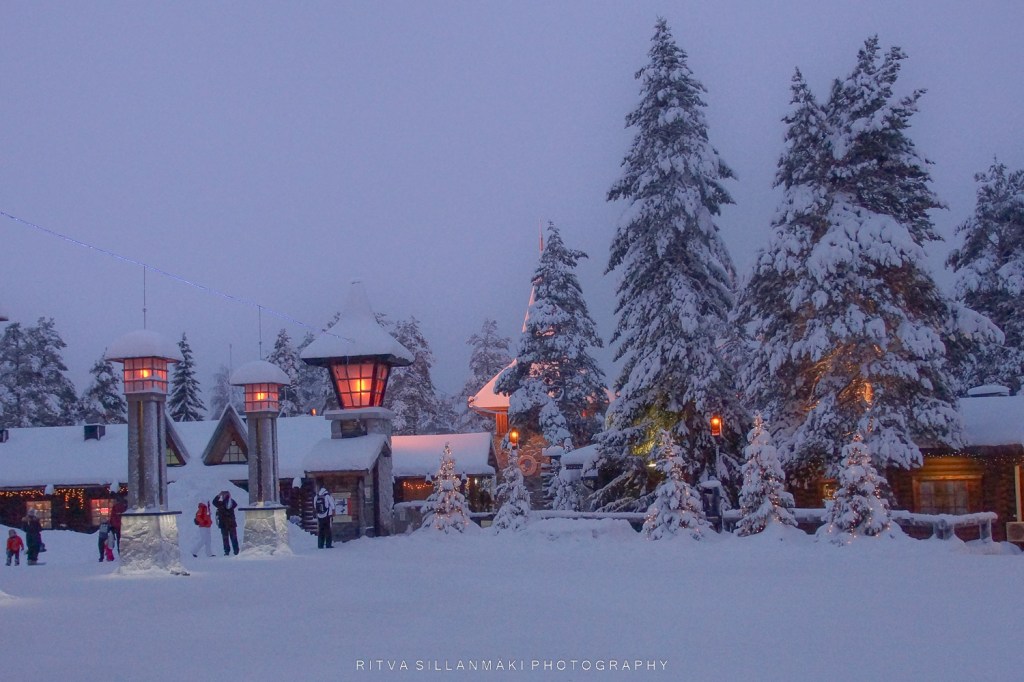
There are four distinctly different seasons as far up north . However, locals think the conditions are in a constant state of change and say there are up to eight seasons in the year: midwinter, snowy spring, spring, summer, harvest season, autumn leaf colour, first snowfall, and Christmas. The photo is from Santa’s village.
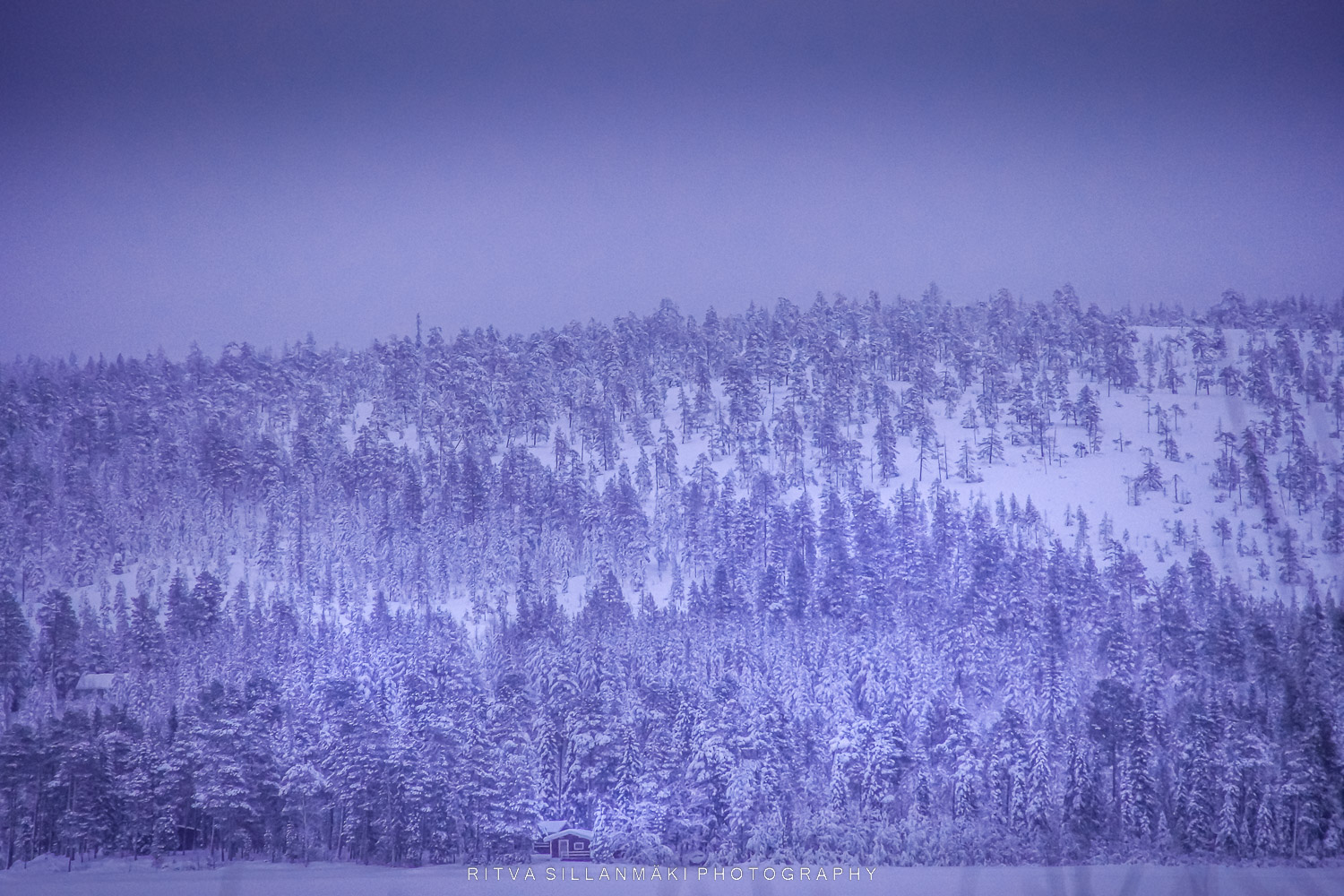
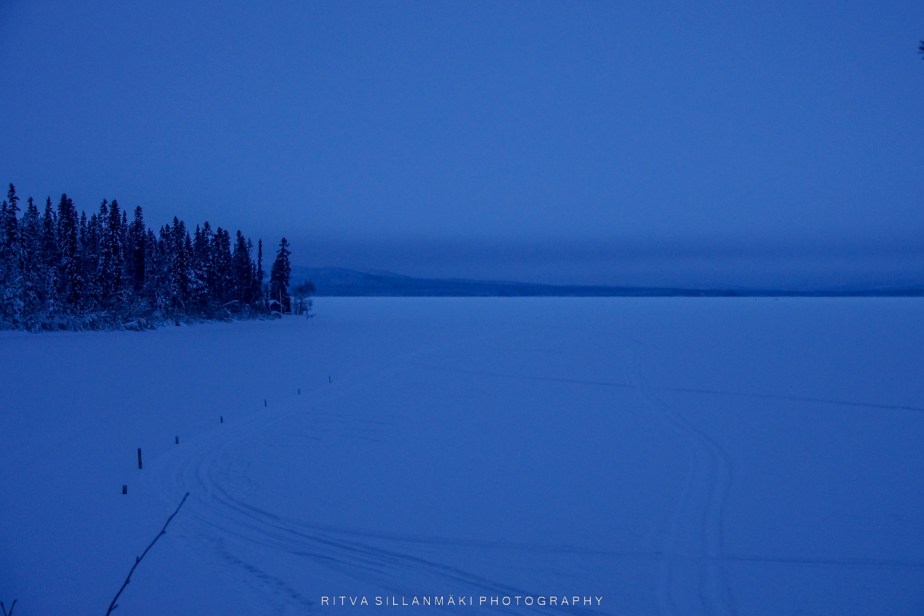
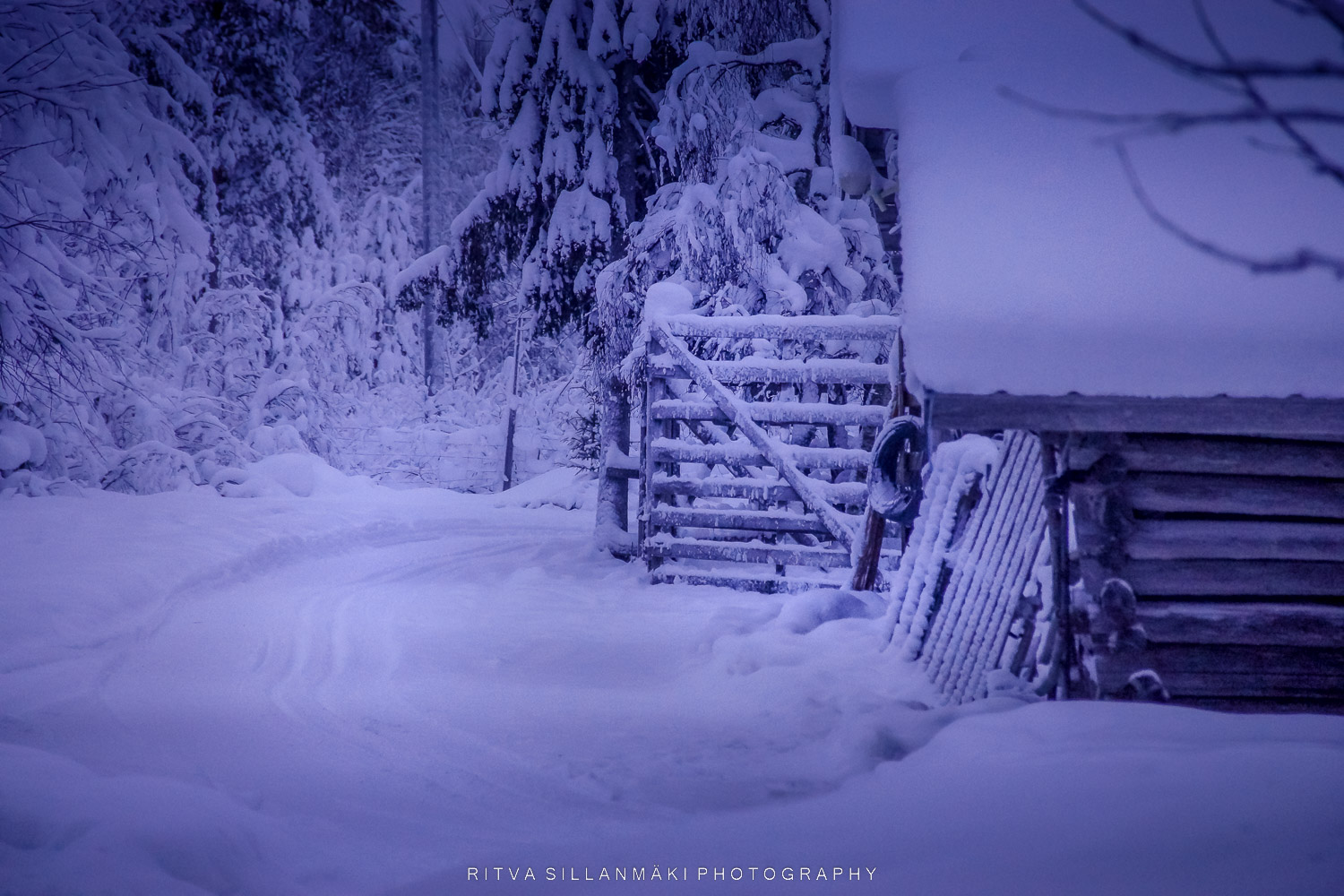
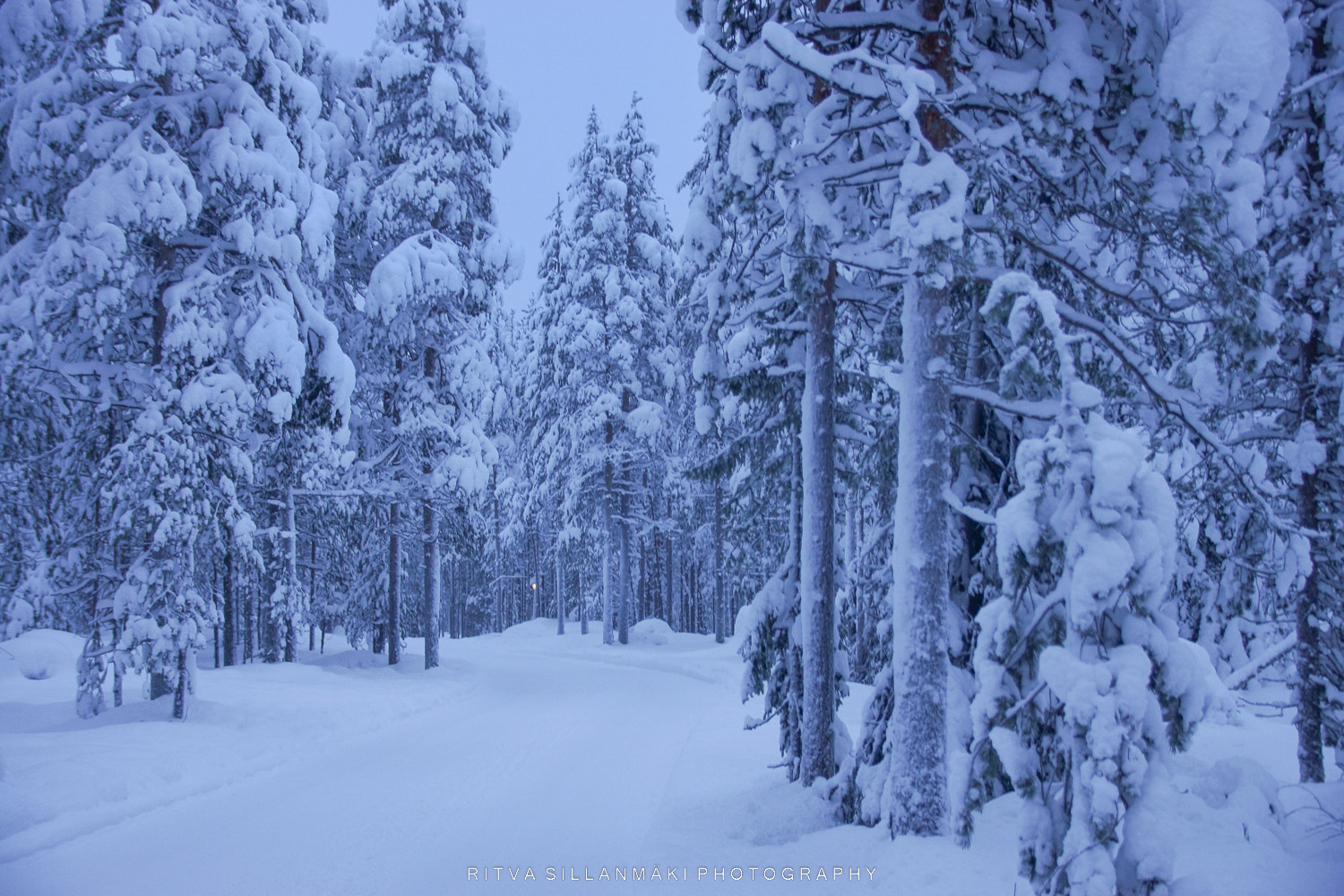
The blue twilight of the Polar Nights last from mid November to Mid January. the light is this blue hues. Not black. This is Midwinter. This period takes place in January-February and is also known as the heart of winter. With only a few hours of daylight, a rather mysterious air of silence and peacefulness shrouds the natural surroundings.
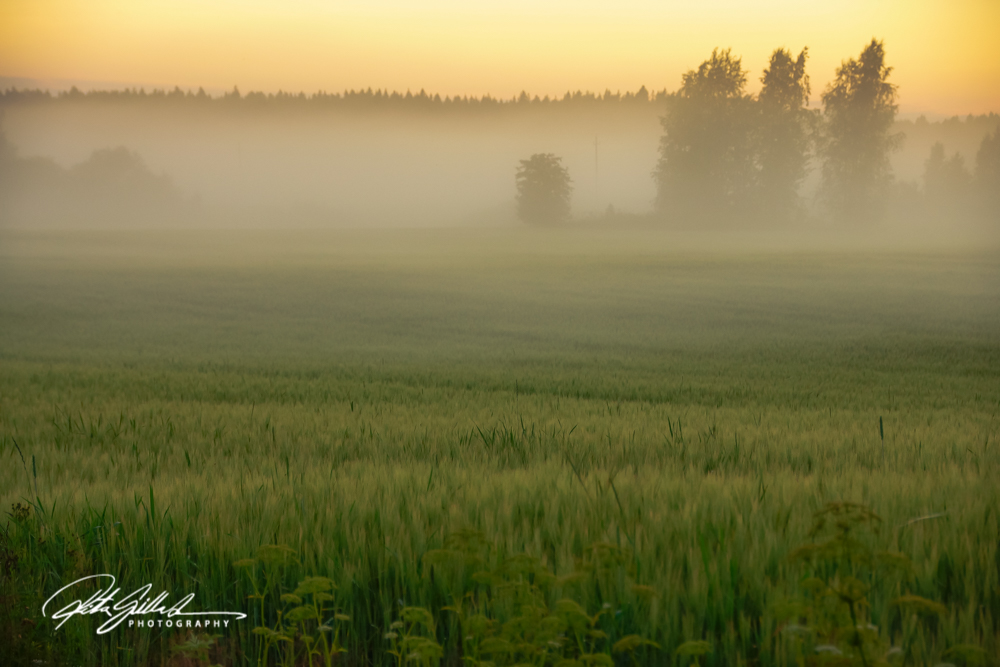
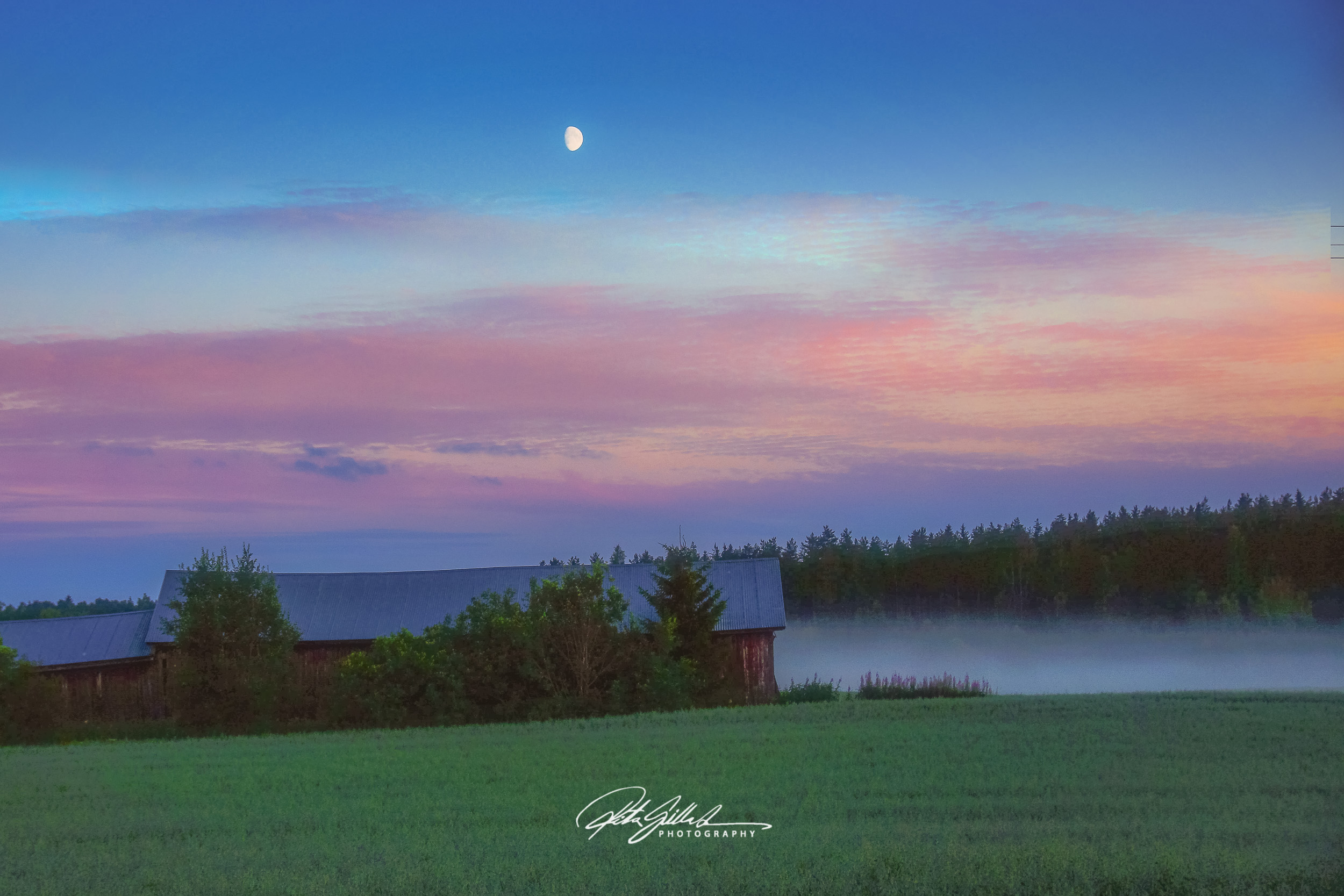
The Midnight Sun is a natural phenomenon that takes place on and above the Arctic Circle in the summer months. On the Arctic Circle, the sun officially stays above the horizon for a full 24 hours on summer solstice, 21st or 22nd June. However, the Midnight Sun period in Rovaniemi lasts for a month, from 6th June to 7th July; this is due to the Earth’s slightly tilted axis and refraction of sunlight. The nights are white throughout the summer from late May until early August

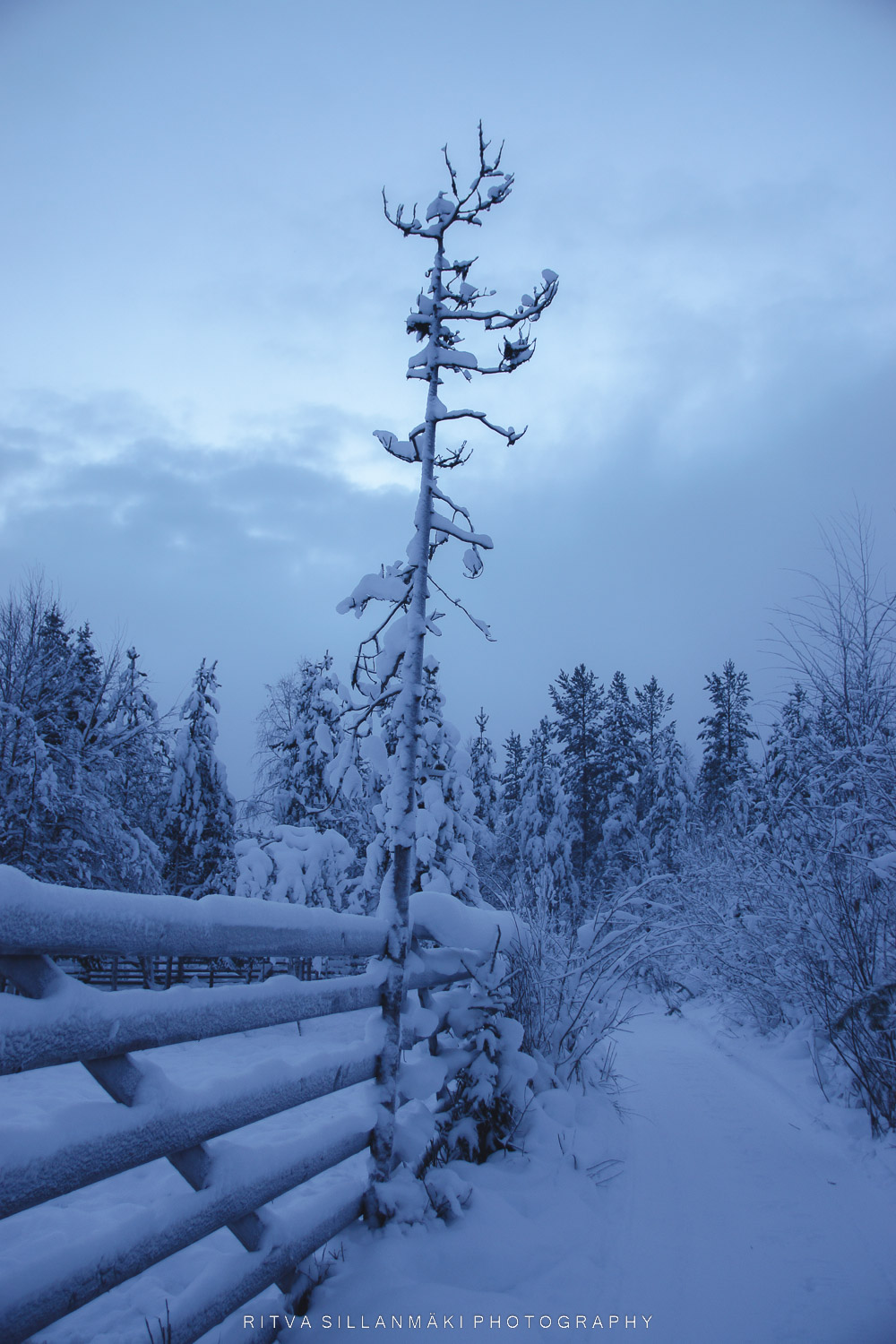
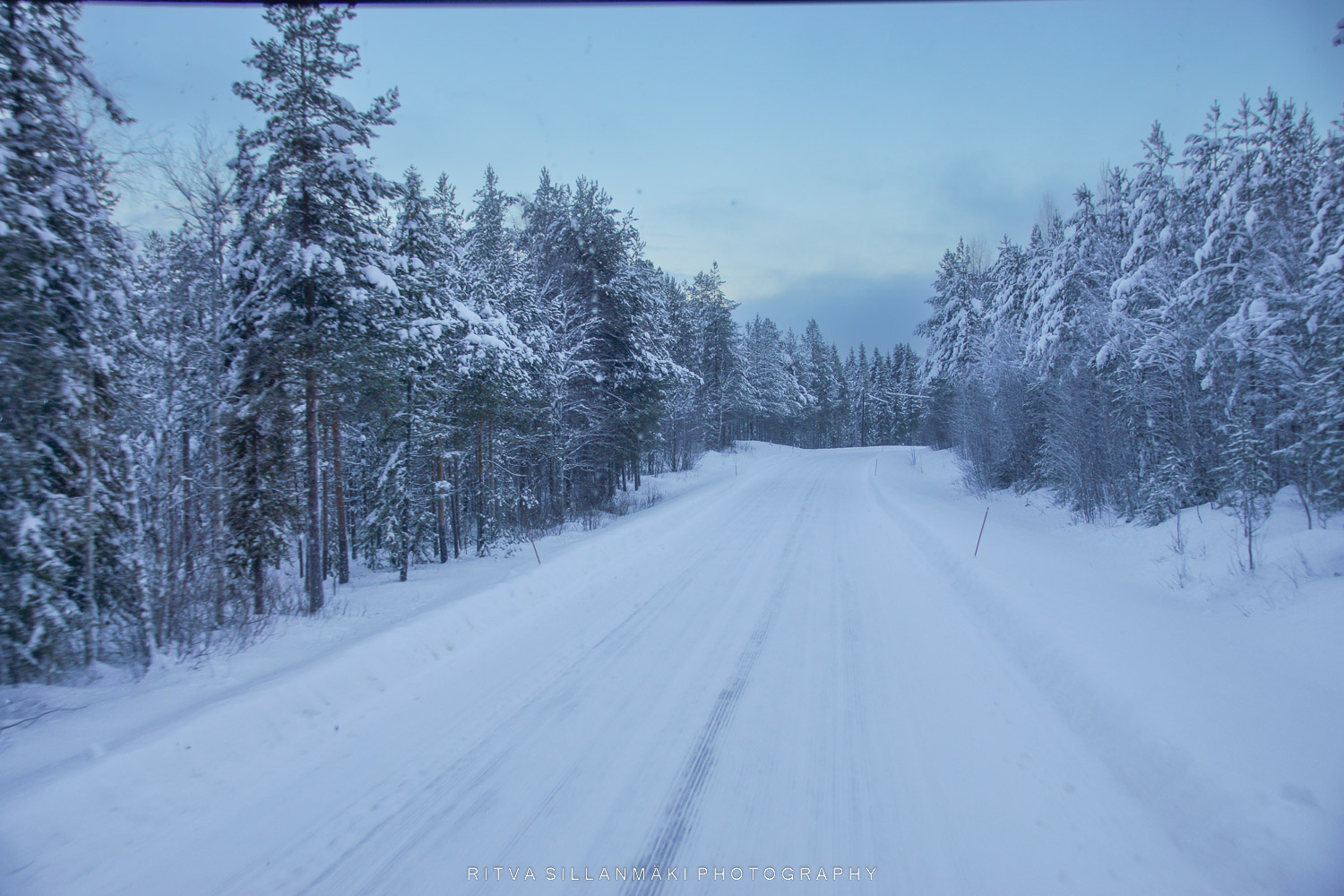
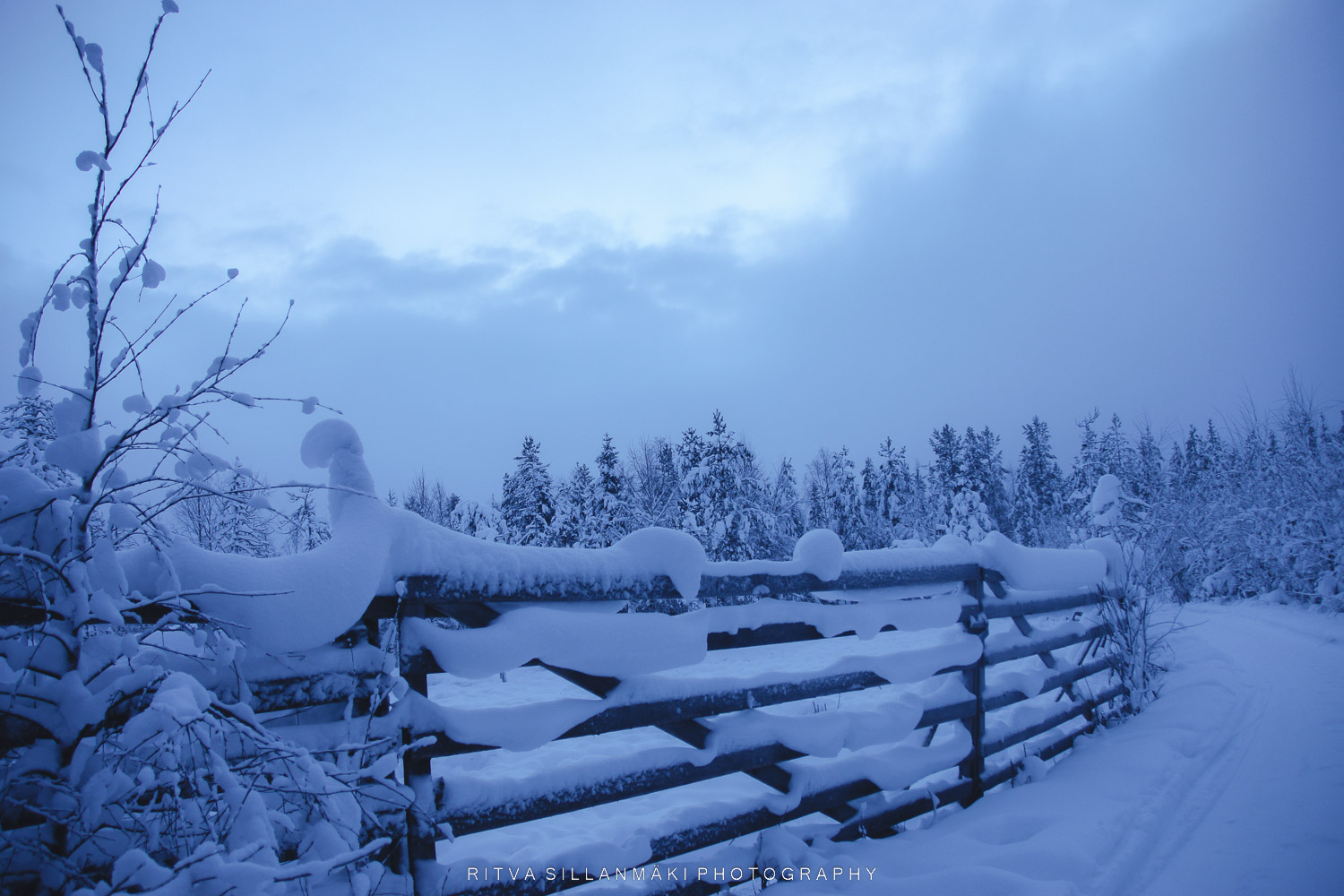
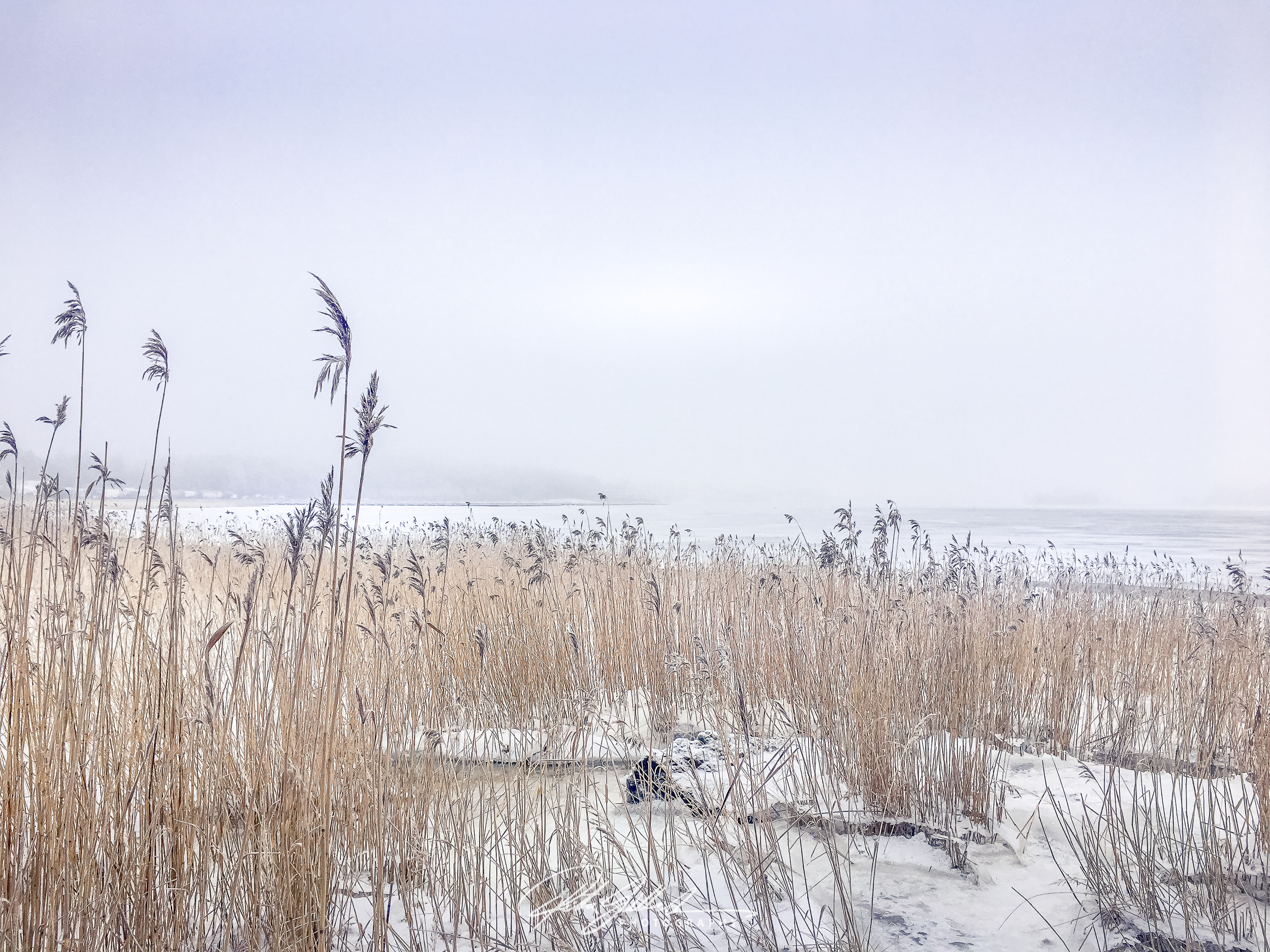
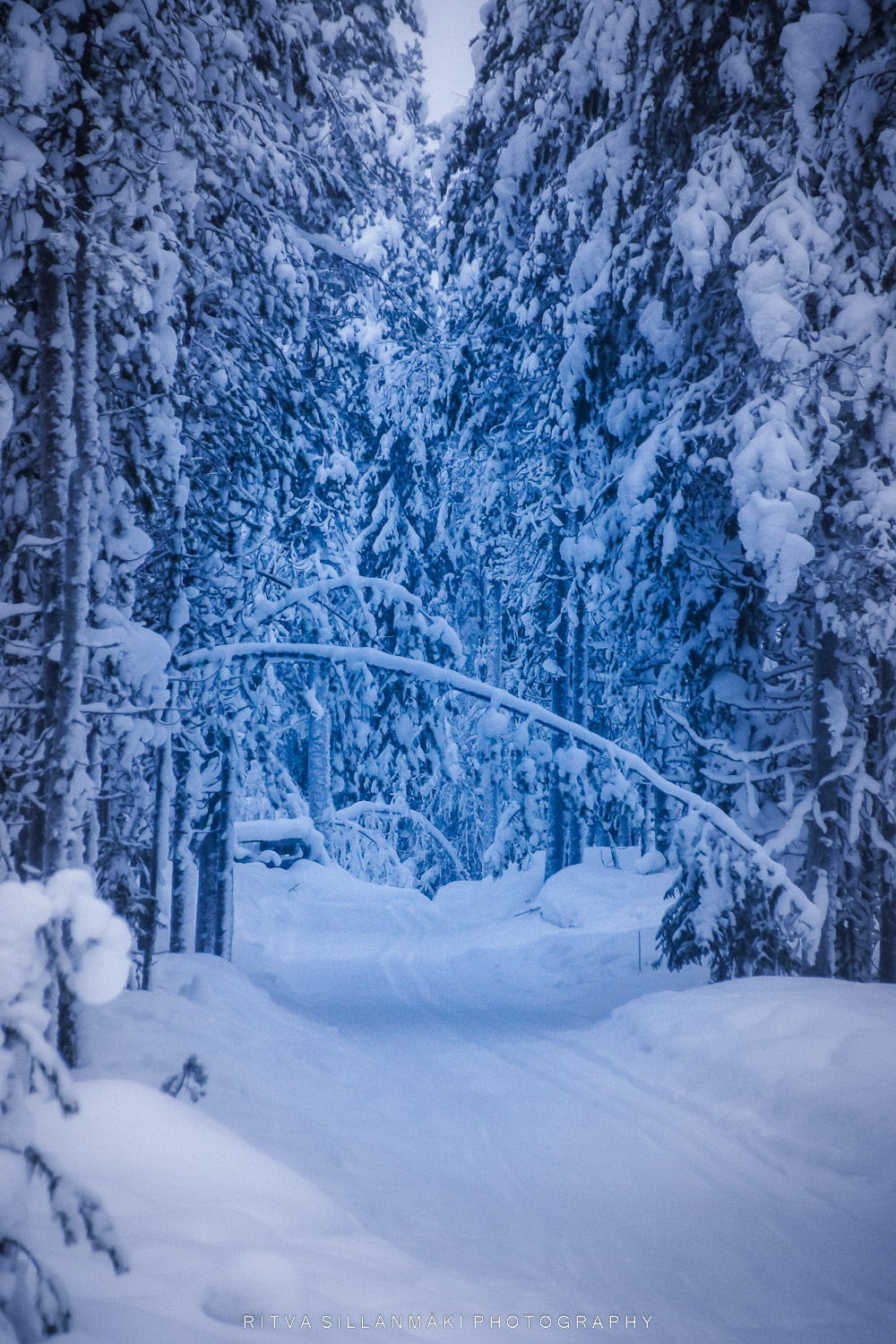
So below you can see the blues of the day on North of Finland during the day. Also the landscape of southern Lapland is quite flat. There are few lakes, but forests, swamps, rivers and streams form diverse ecosystems. In Western Lapland, the flat and same level coast changes as you go further north: there are more and moreforested hills, the highest or northernmost exceed the tree line, and are therefore already actic hills.
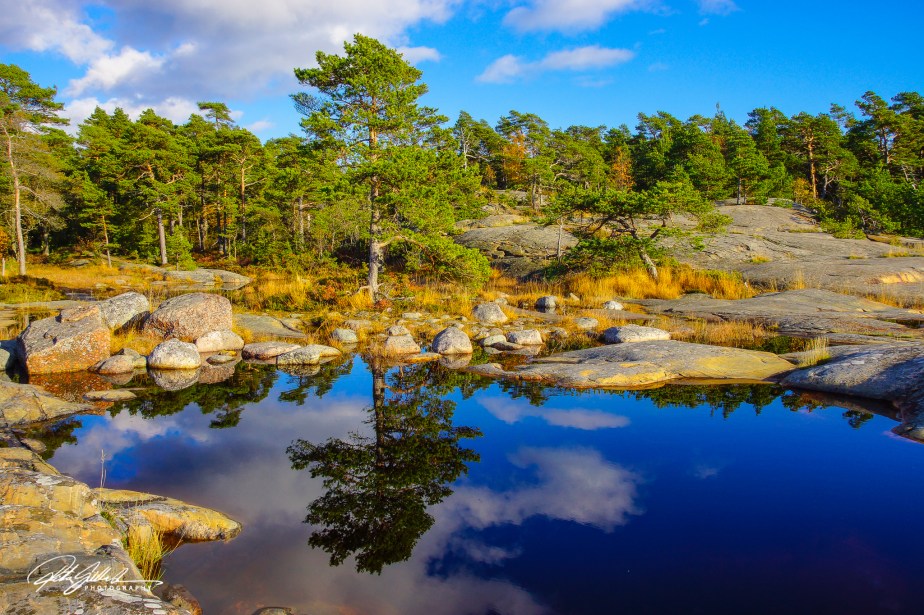
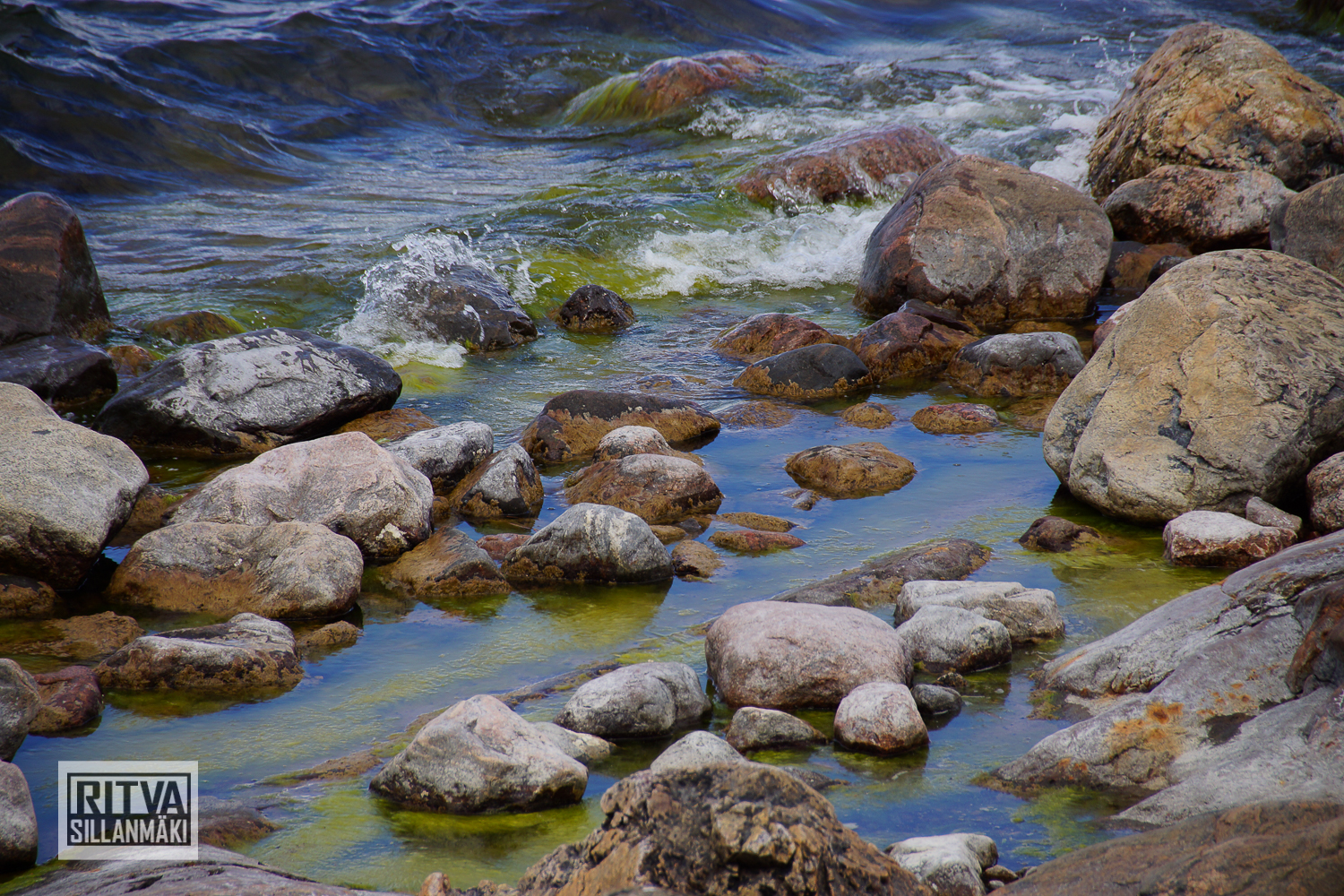
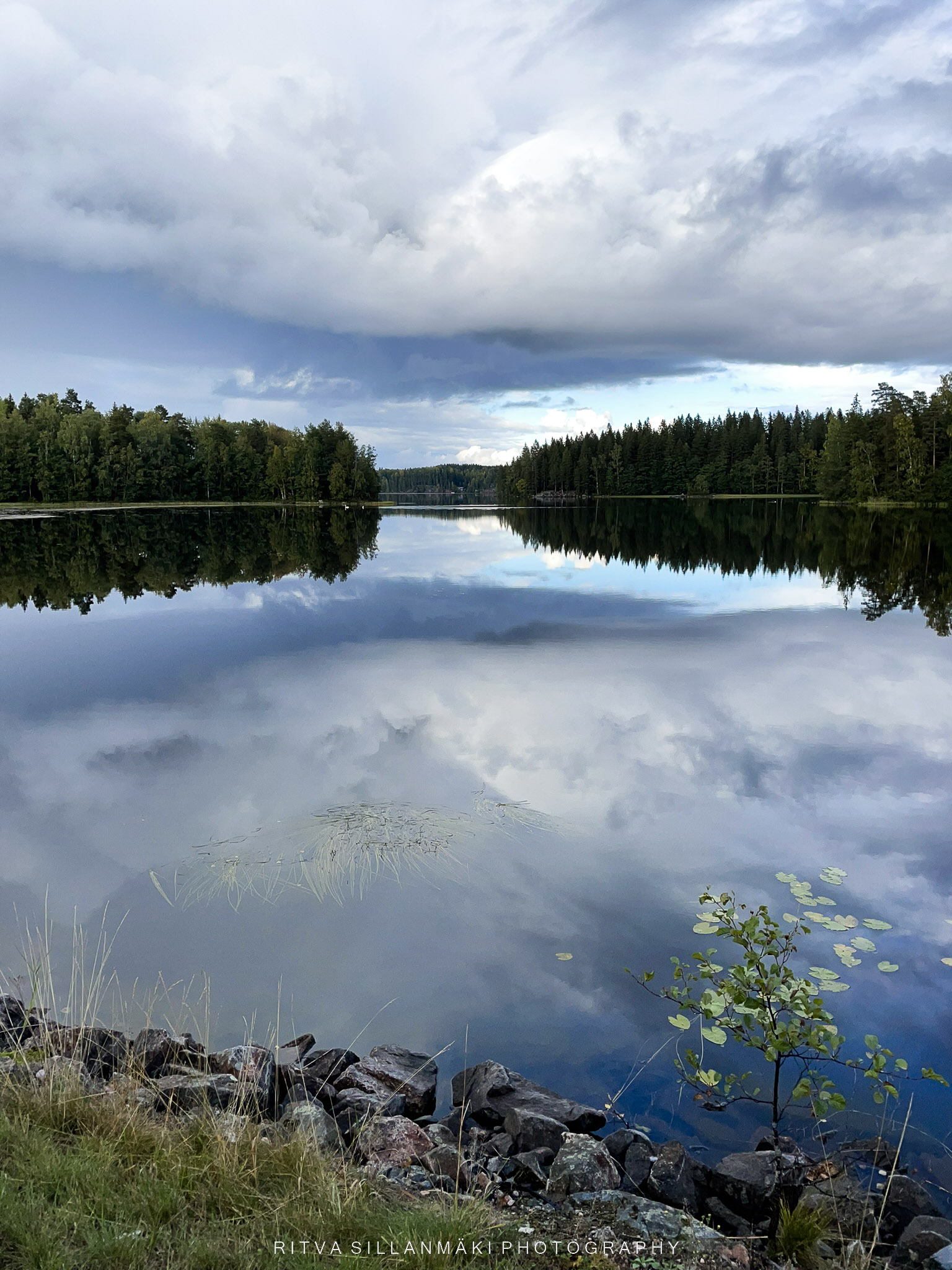
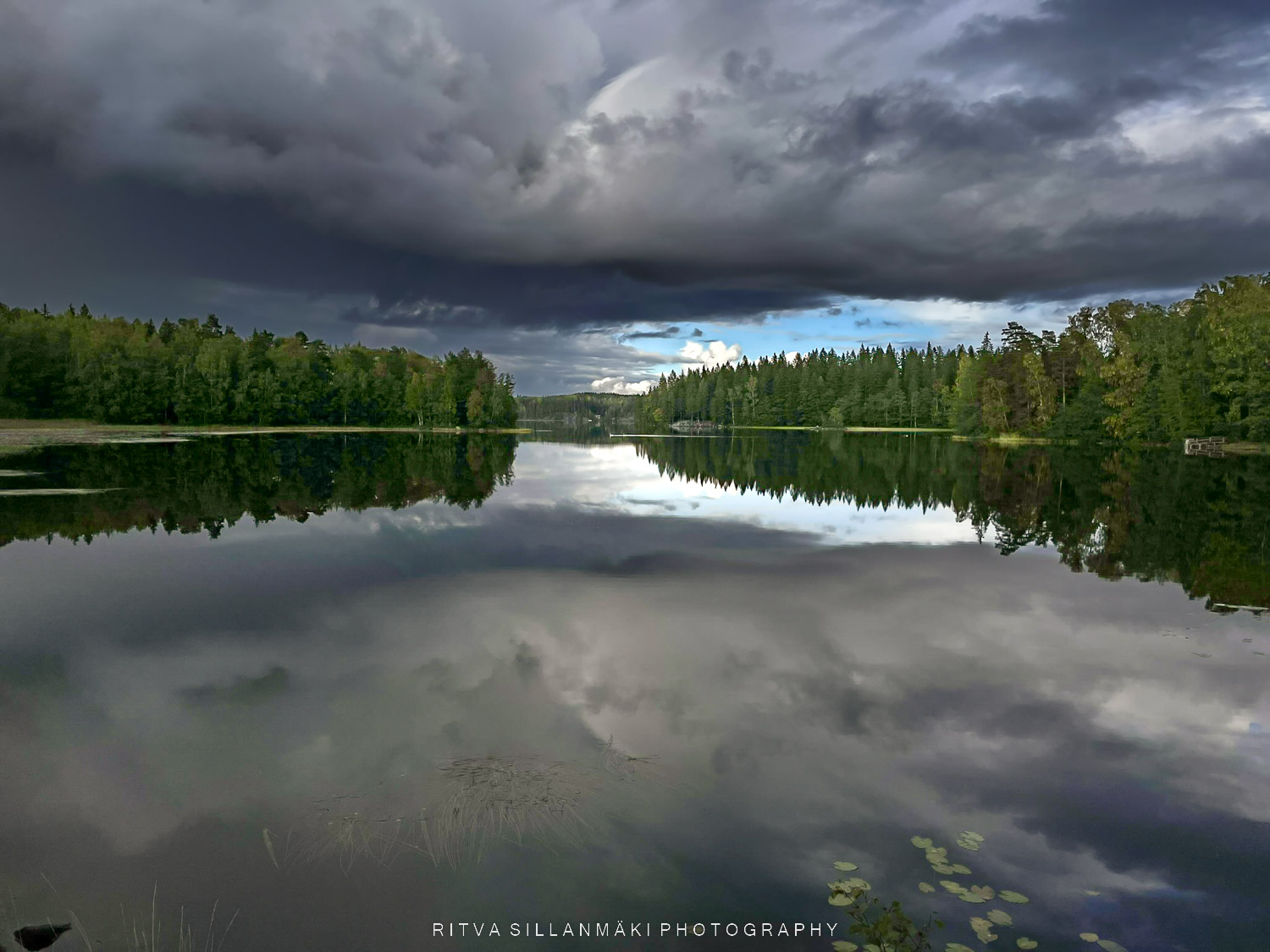
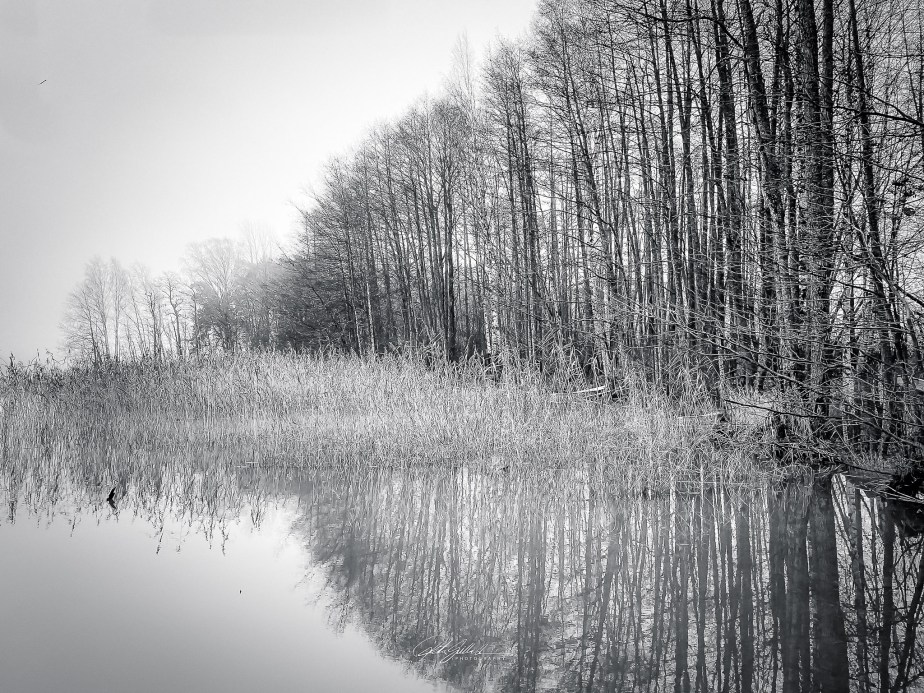
Water reflections – obviously easiest to do.
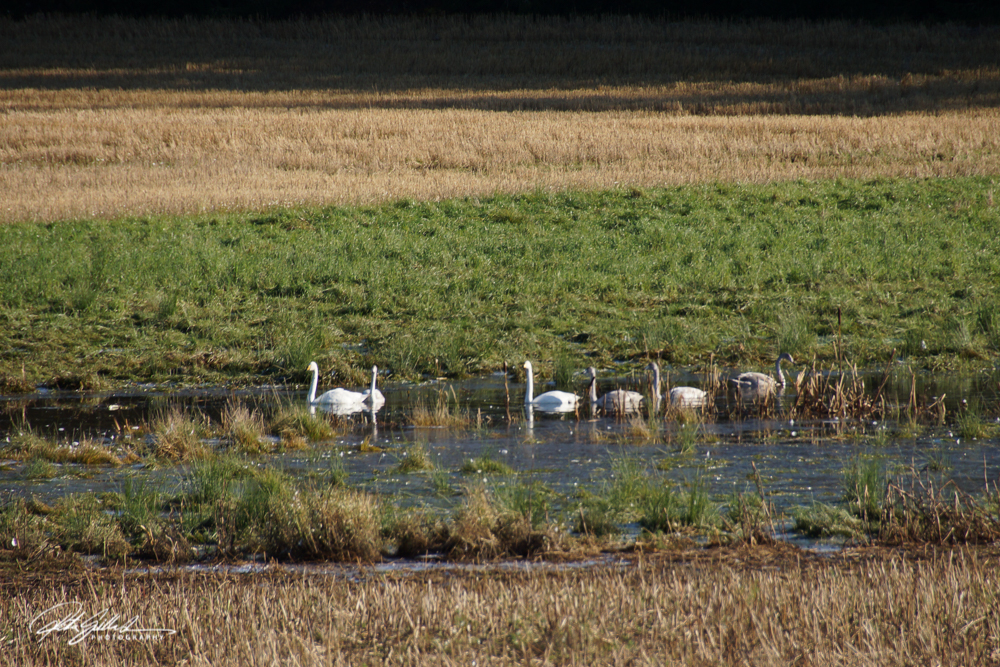
In terms of topography, Southern Finland is a low plain. On top of the bedrock there are fine-grained soils. The climate is favorable for cultivation, so agriculture is productive, especially in the areas of the clay fields in Eastern Uusimaa.


Considering the large population, nature can be close to people even in Southern Finland. The most difficult and rugged areas can have natural areas.

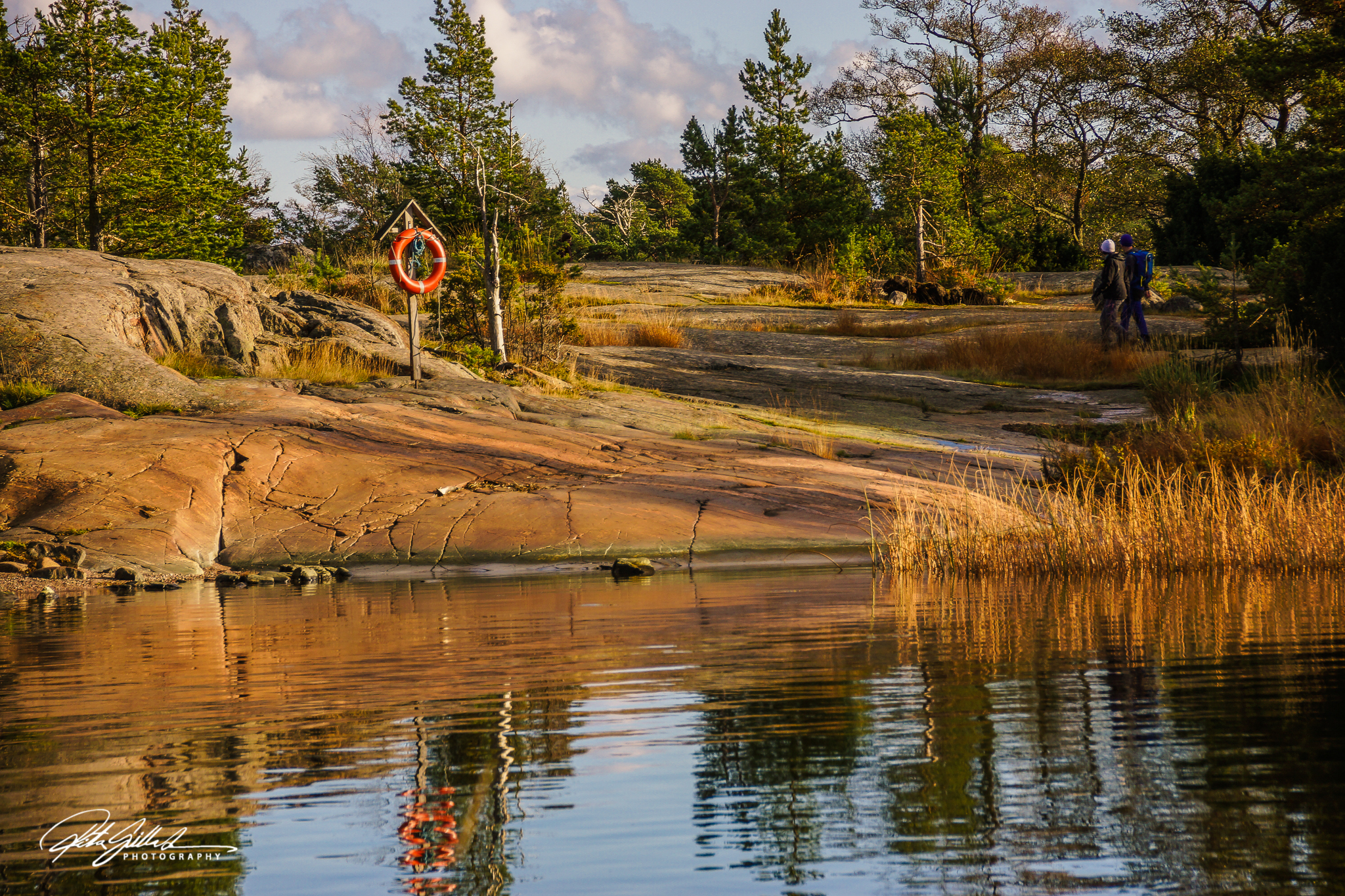
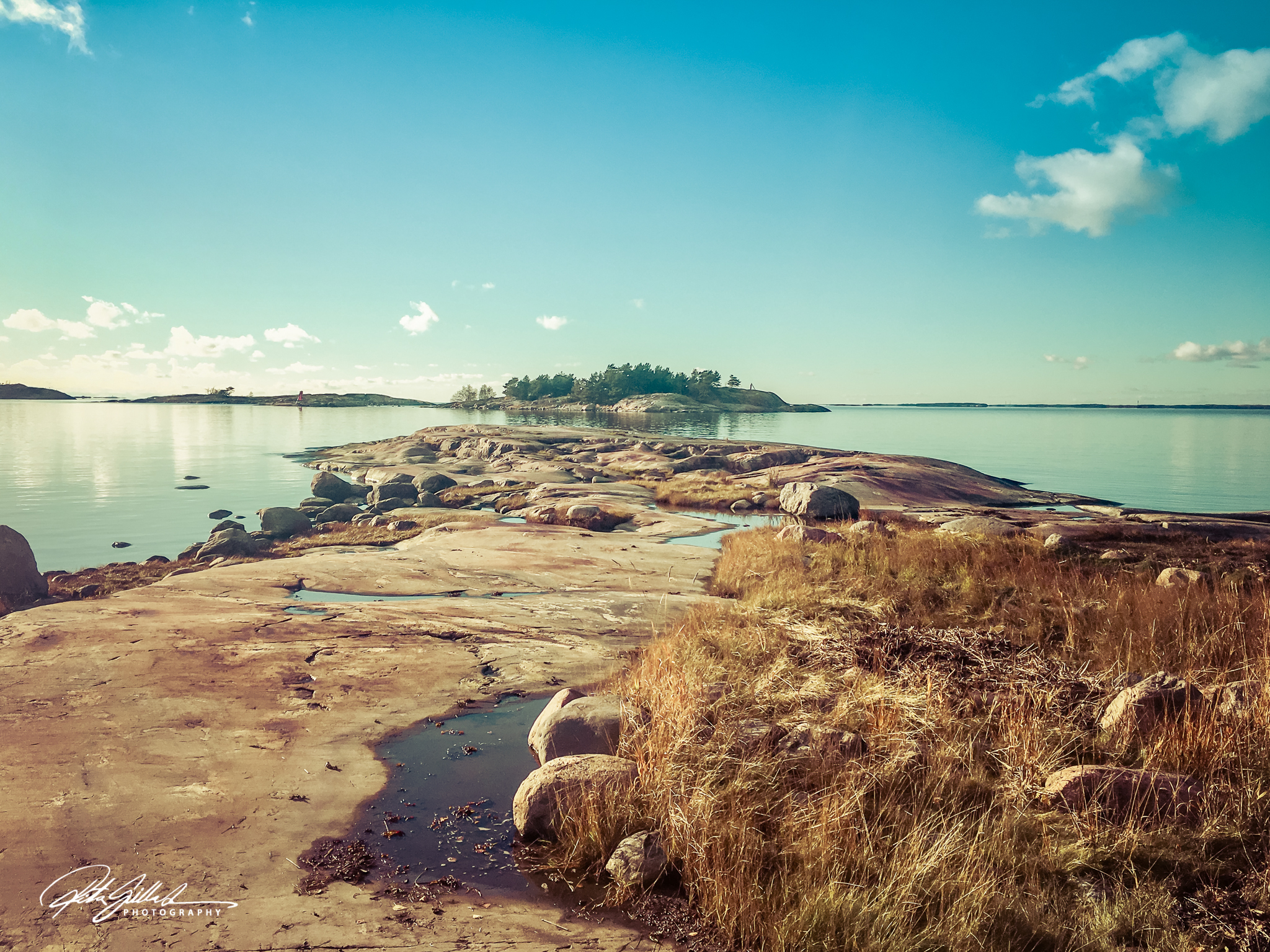
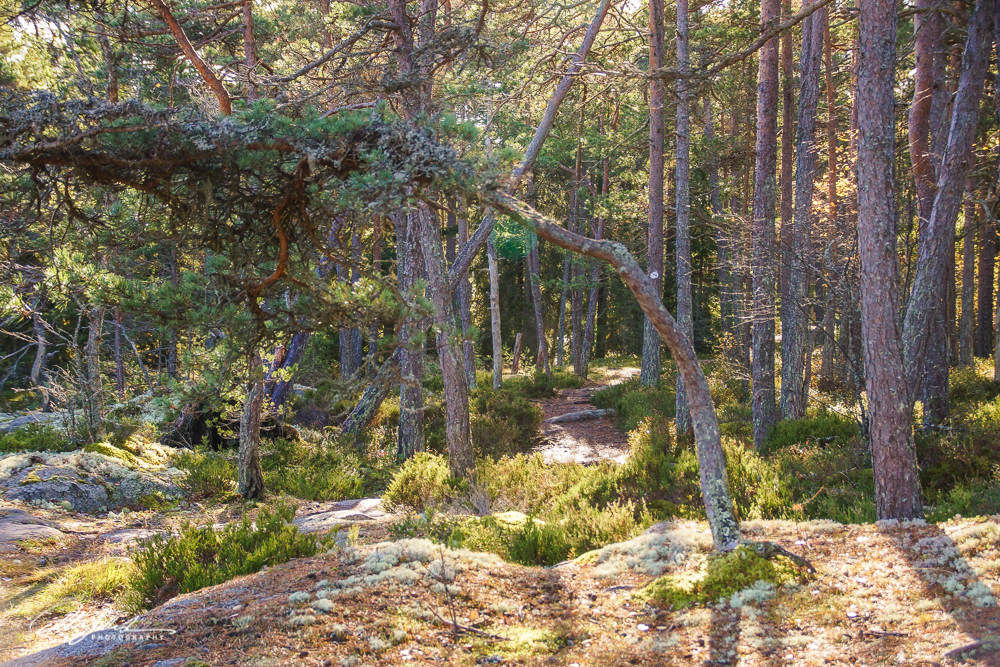
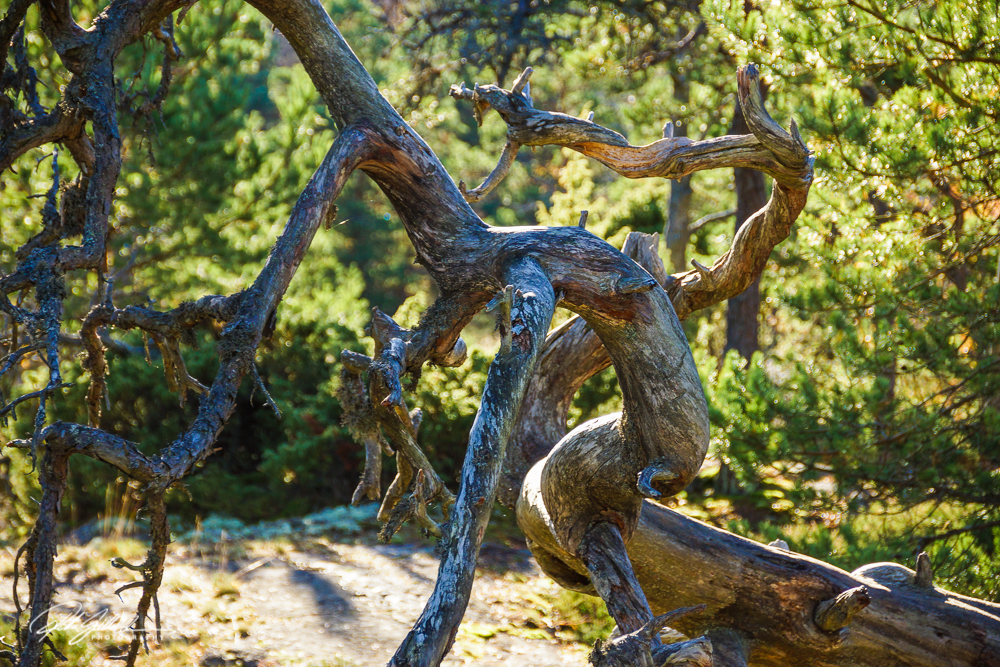
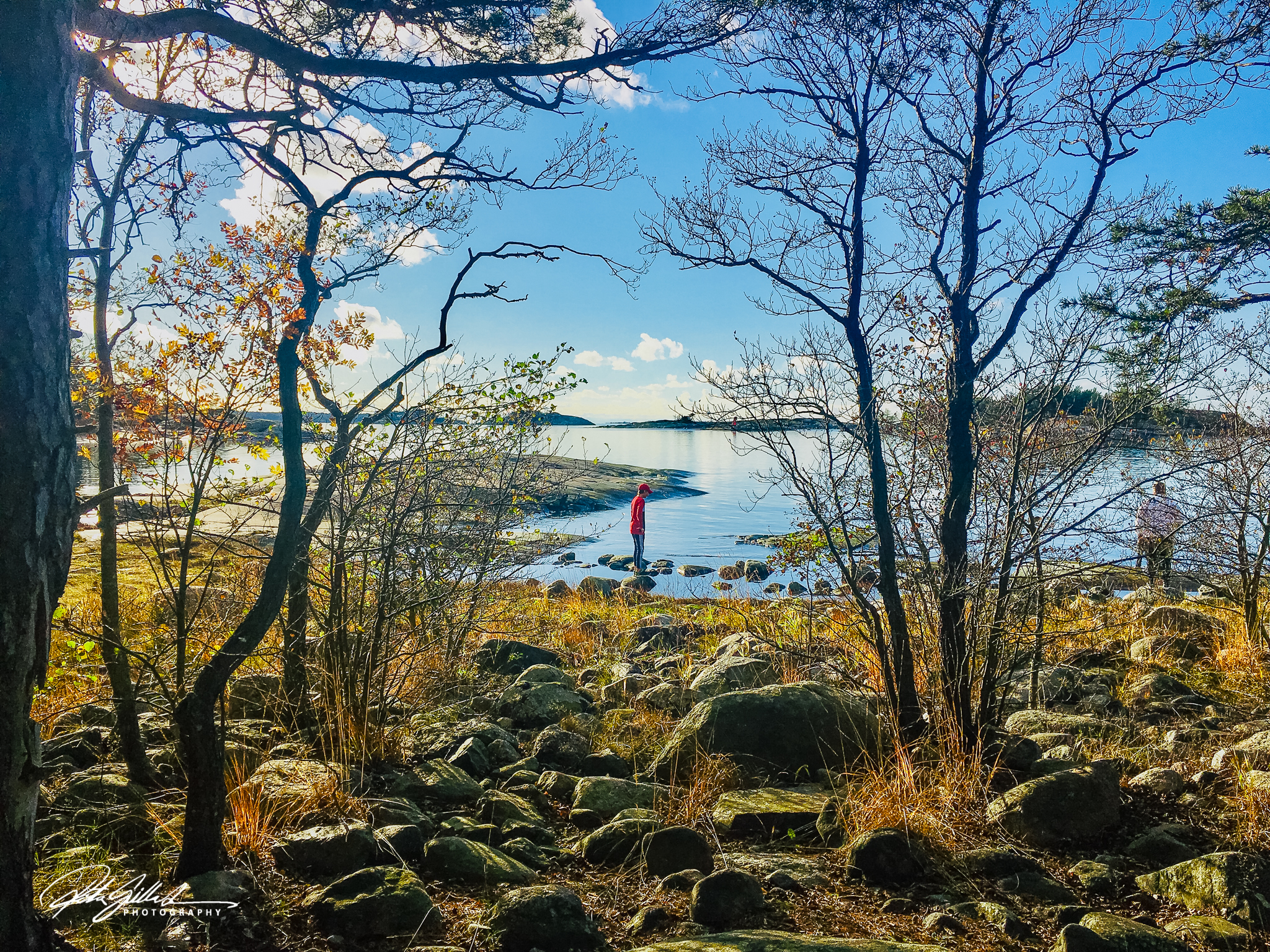
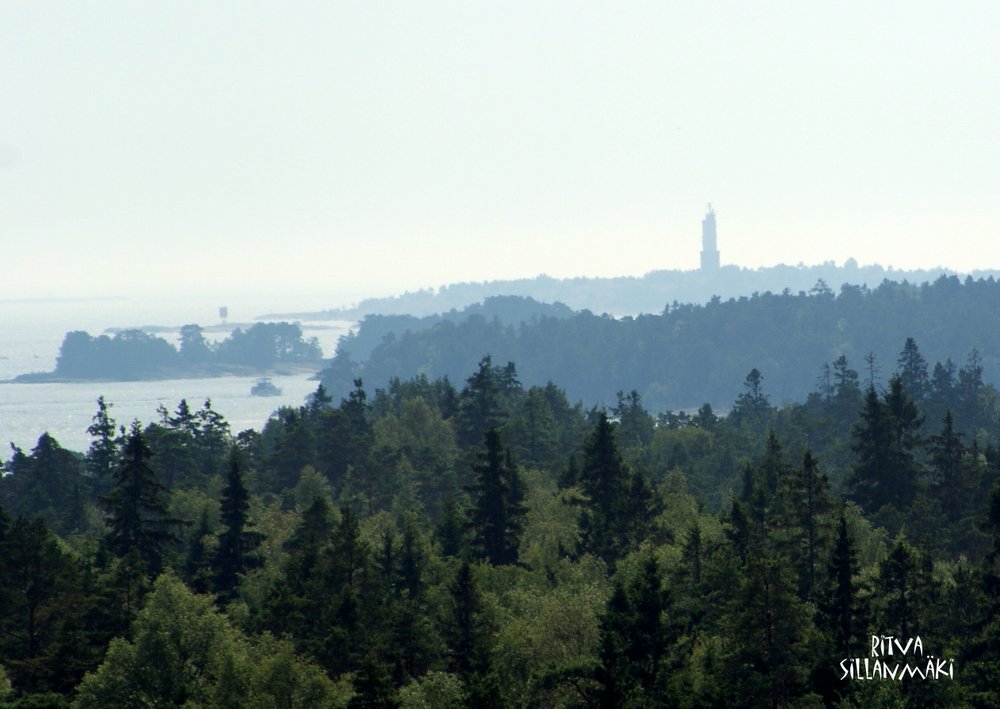
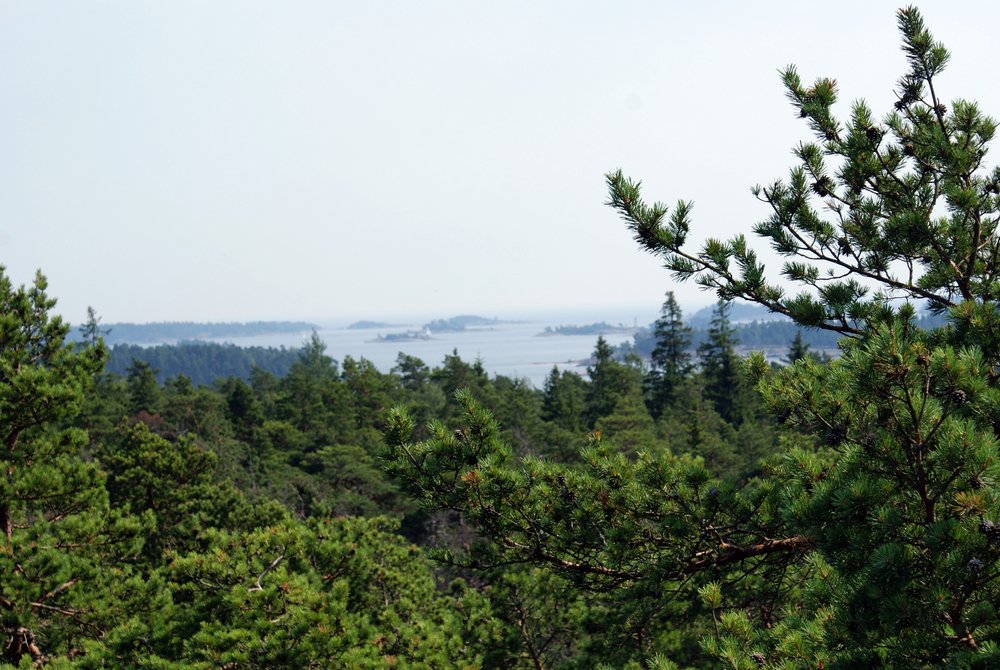
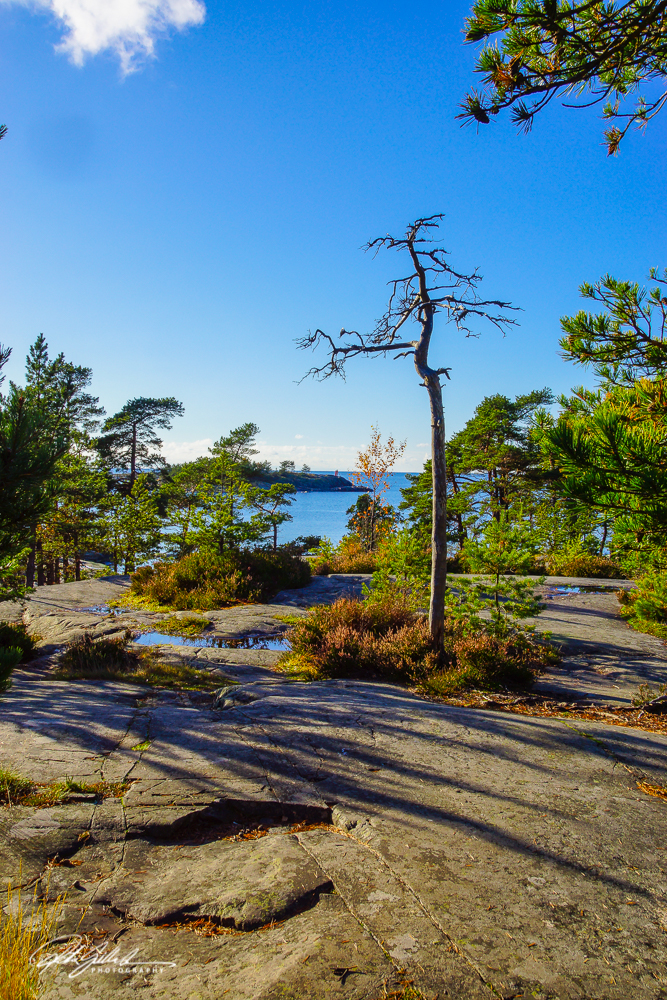
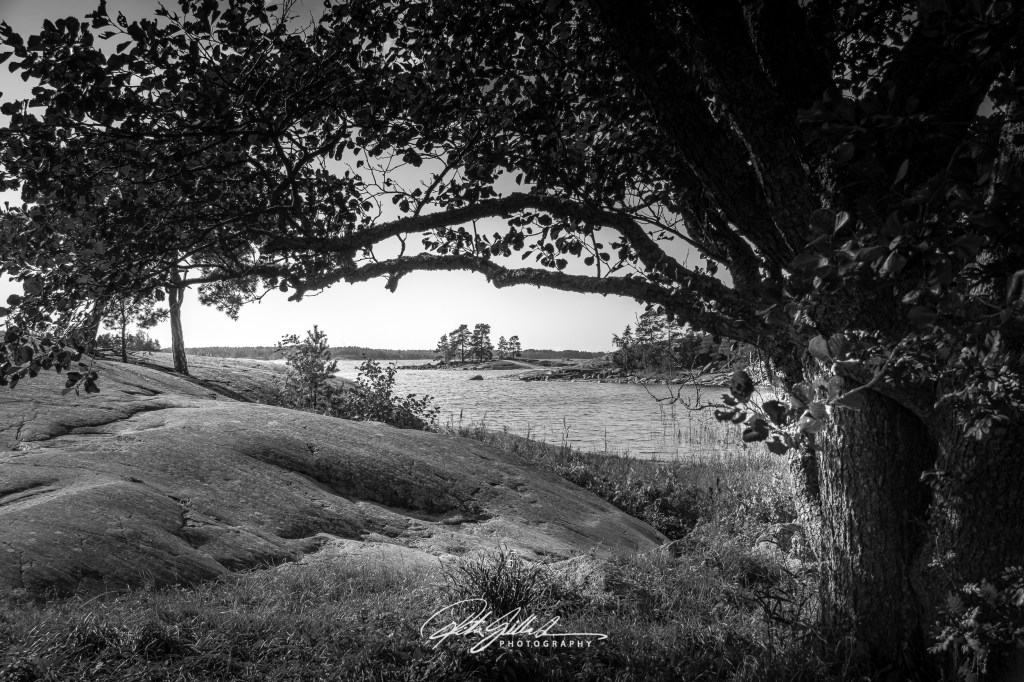
There are rocks and small lakes in the Nuuksio National Park. There is a forest area of several thousand hectares in Sipoonkorpi, with rocks, groves, natural streams and traditional meadows. The Repove National Park has steep rock cliffs and the Valkmusa National Park has an oasis nature. Porkkala, which I have written about before. Porkkalanniemi is in Kirkkonummi, that is where I live.. The area consists of rocky shores, pine forest, and beautiful outlooks onto the sea. The Porkkala cape stretches far out to the sea and is one of the best places to watch arctic birds migrating. Seabirds thrive in the area due to its rich and diverse habitat. Porkkala has a considerable population of common eiders and is also an important resting area for long-tailed ducks. Lucky visitors may even spot moose or white-tailed deer in Porkkala.

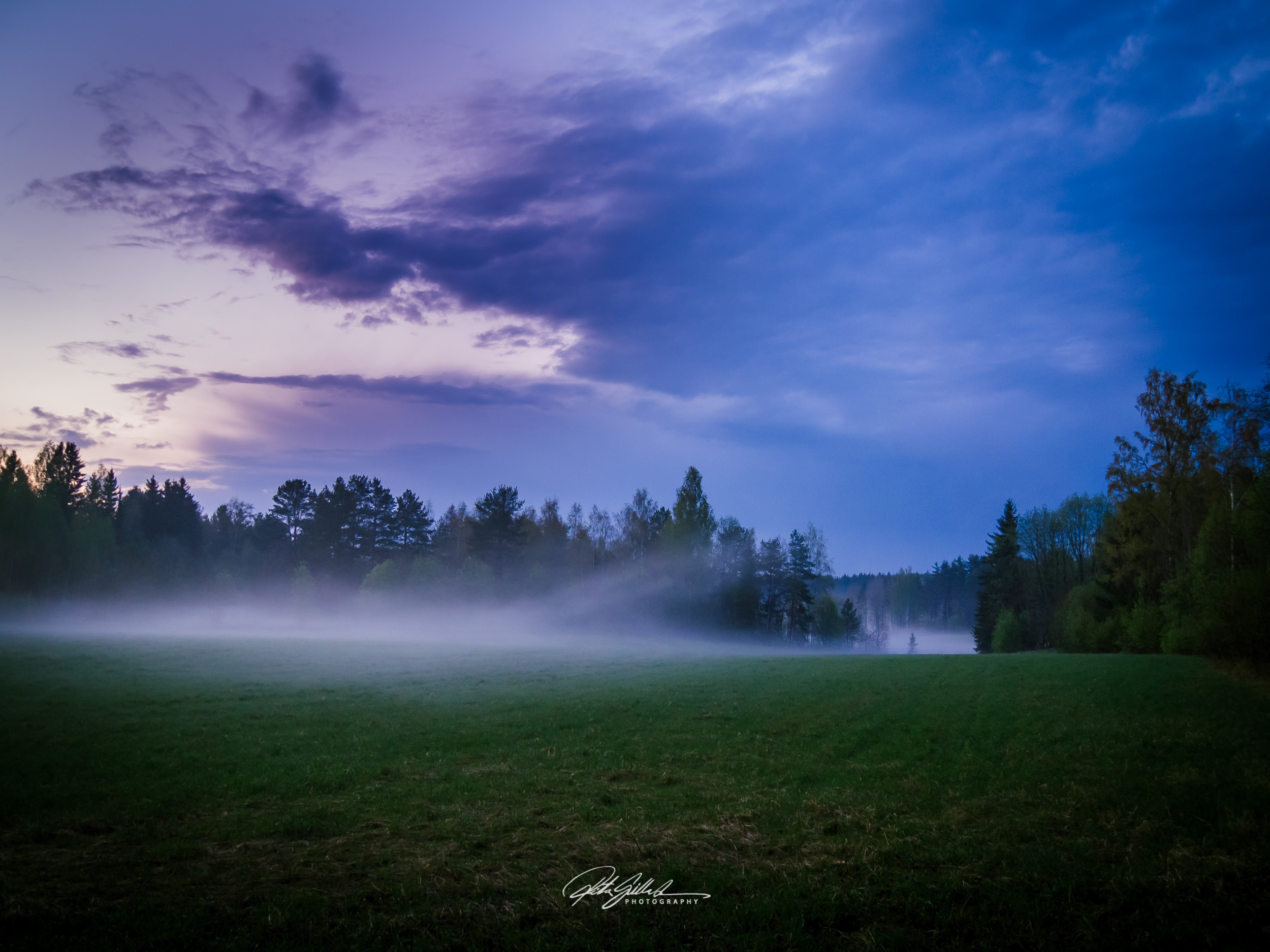
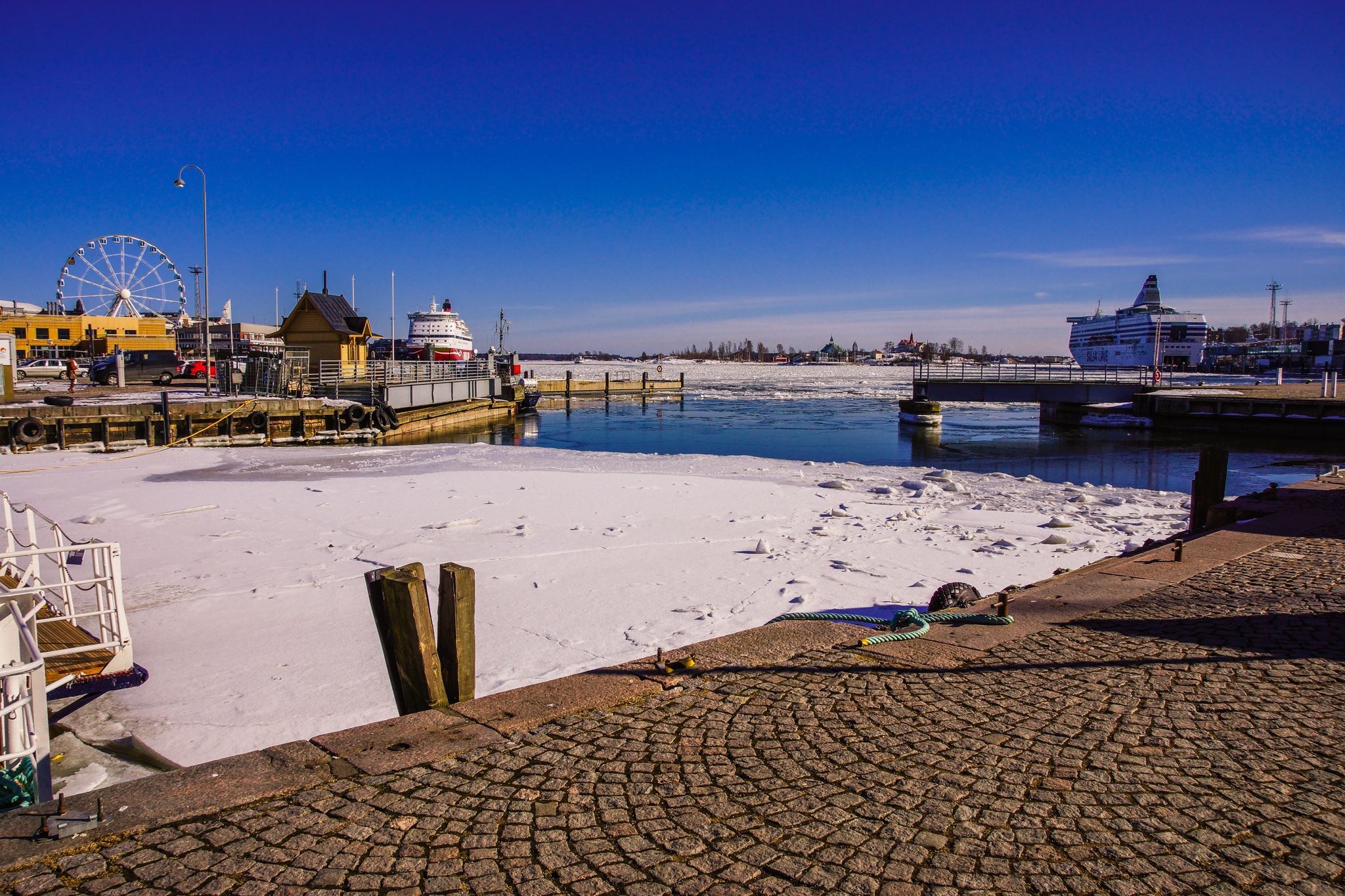
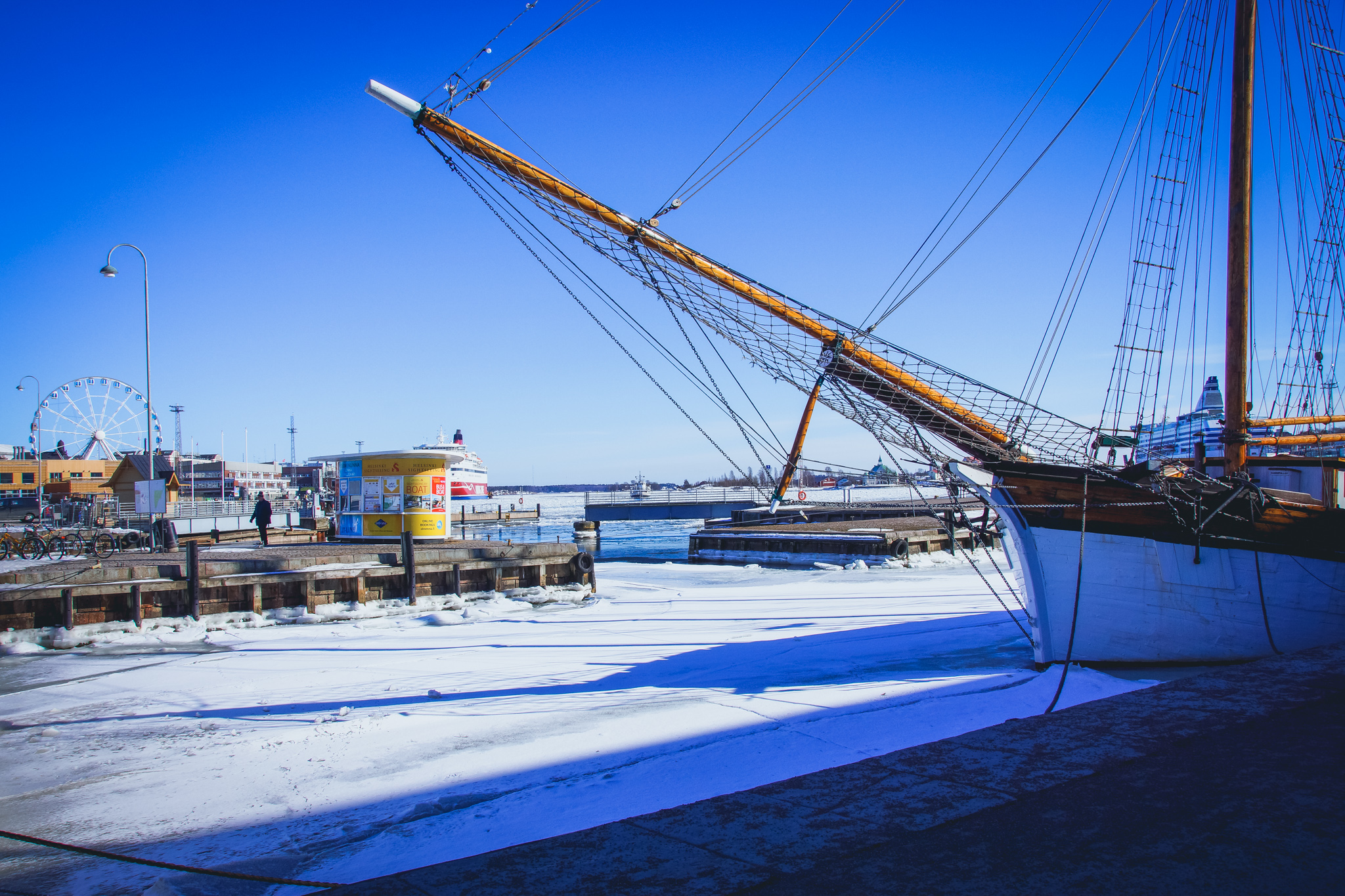
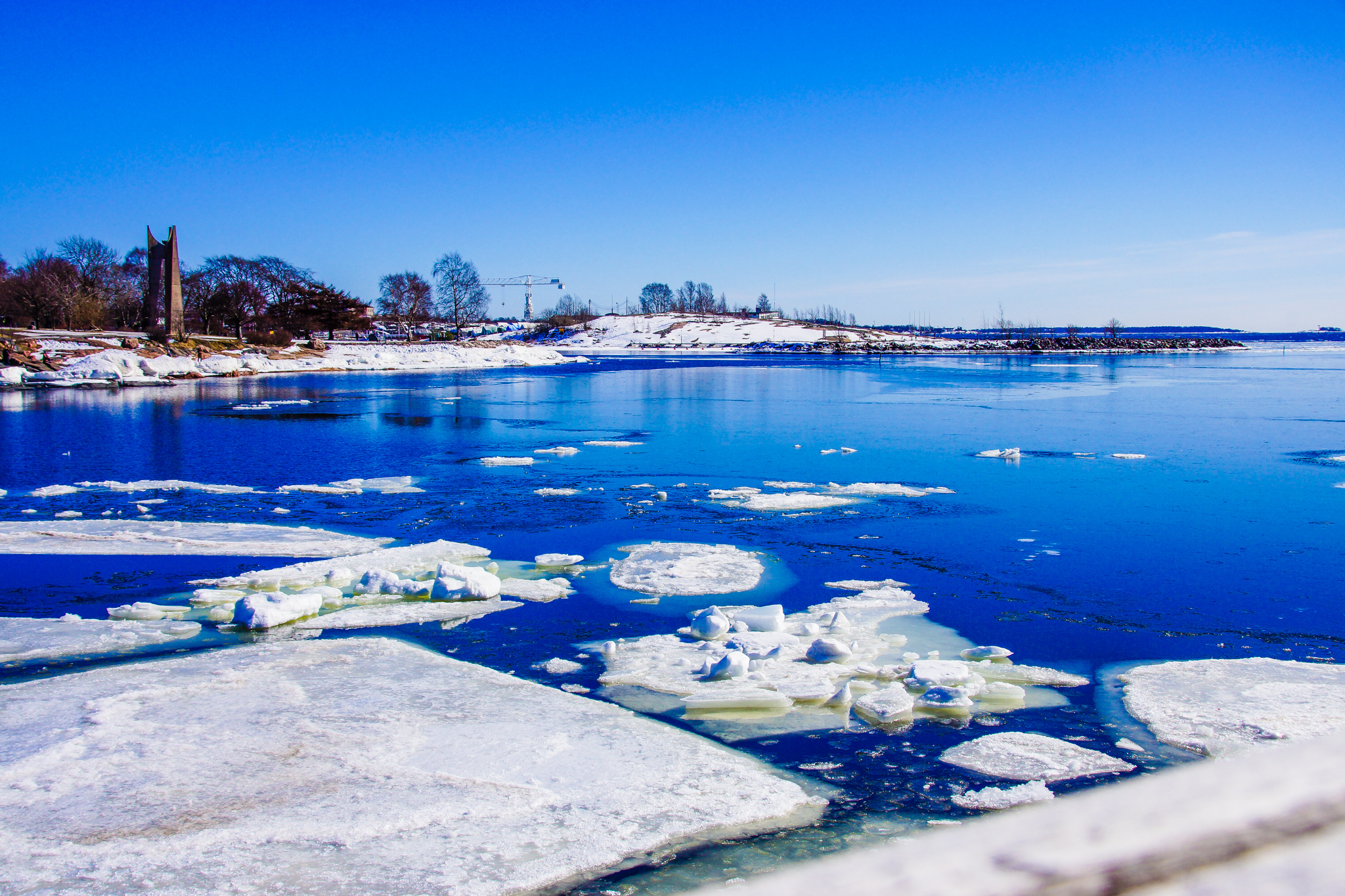
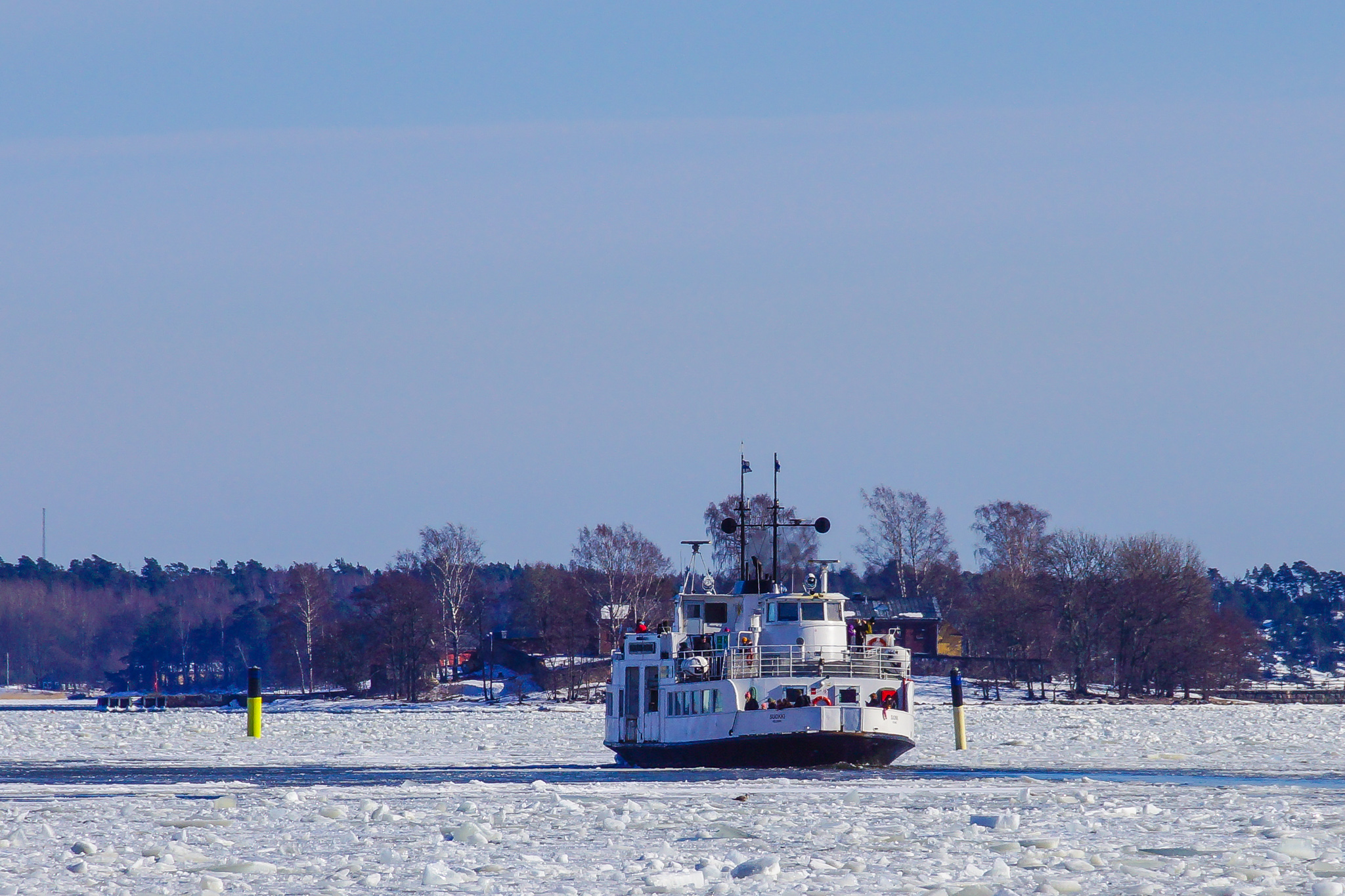
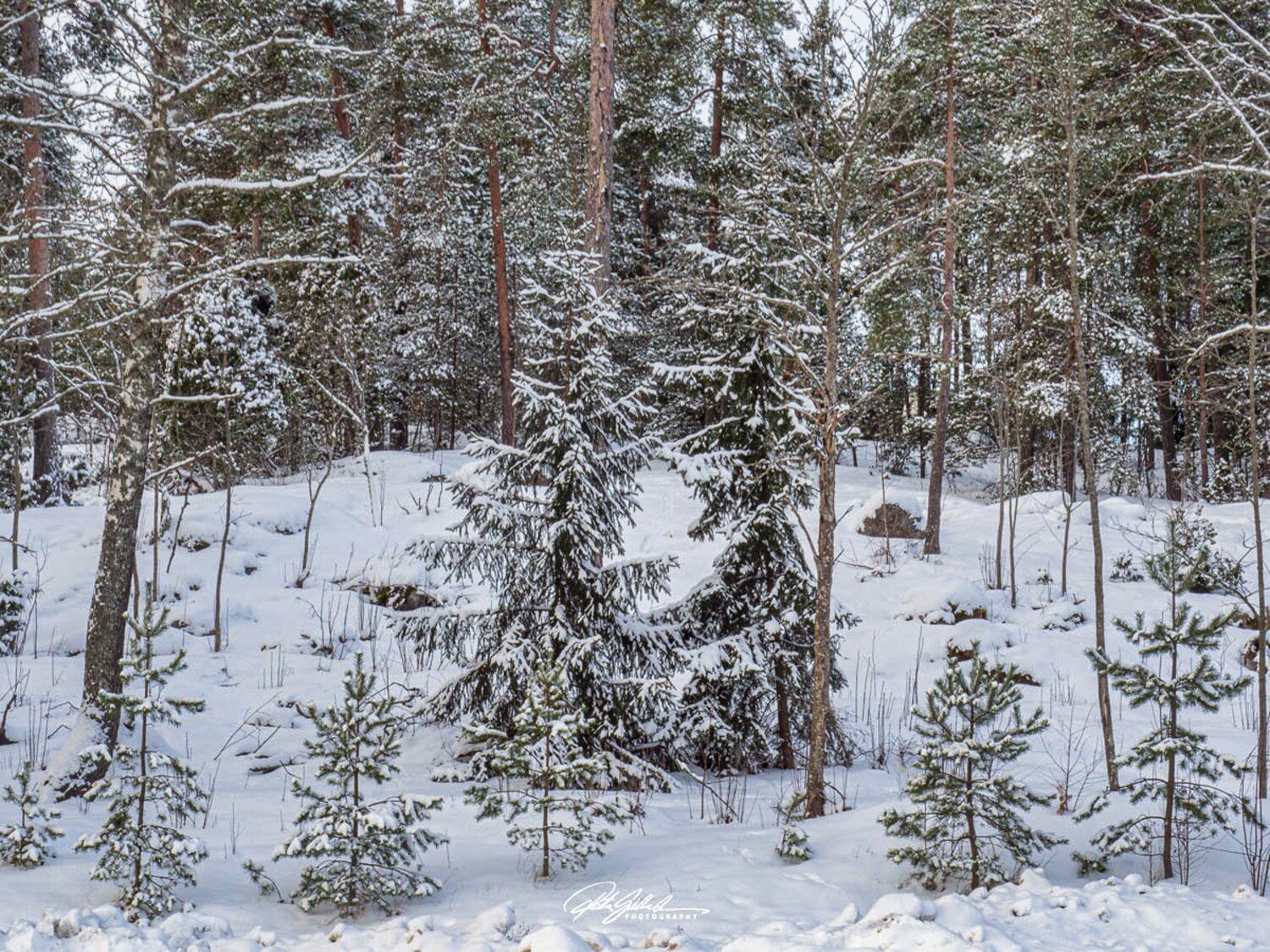
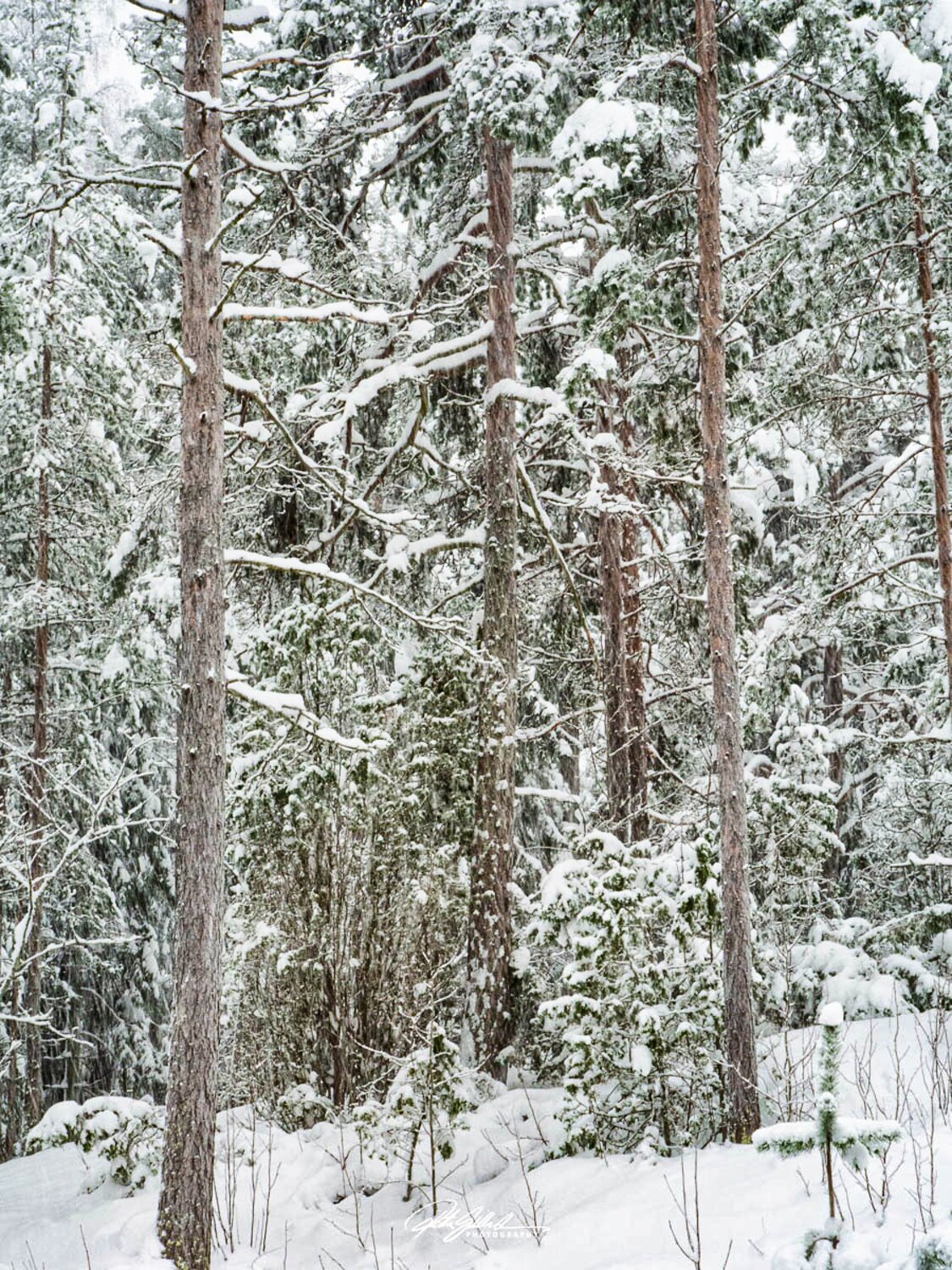
The light is different in south, the sunrises here in the winter even if for a short time. Less snow for sure. In the Summer, the sun sets even if for a short time, but it does not get really dark. More humidity as we are closer to the sea.

Porkkalanniemi – Kirkkonummi in Southern Finland

As I’ve stated before I am not a very technical photographer, more into composition, mood. I do my magic on the edit table mostly, if you can call it magic, more like my interpretation of places and people. I am also not one to write all that much, let the photos speack for themselves.

I have two cameras an old reliable SONY SLT-A65V, and I have two lences I use with it one for Macro Sony Macro 2.8/50 and portraits. The other for nearly everything a Sony 18-200mm.

The Sony has been in less use since I bought a new lighter one to carry around, its a Olympus E-M10 Mark II with a 14-150mm lense and I have a OM-D M.ZUIKO DIGITAL 45mm 1:1.8 for street and portrait photography

LAPC #235: Shadows and Reflections in Monochrome


LAPC #235: Shadows and Reflections in Monochrome, Patti’s looking for shadows a/o reflections but in monochrome. 

Patti from P.A. Moed CREATIVE EXPLORATION IN WORDS AND PICTURES Wrote;

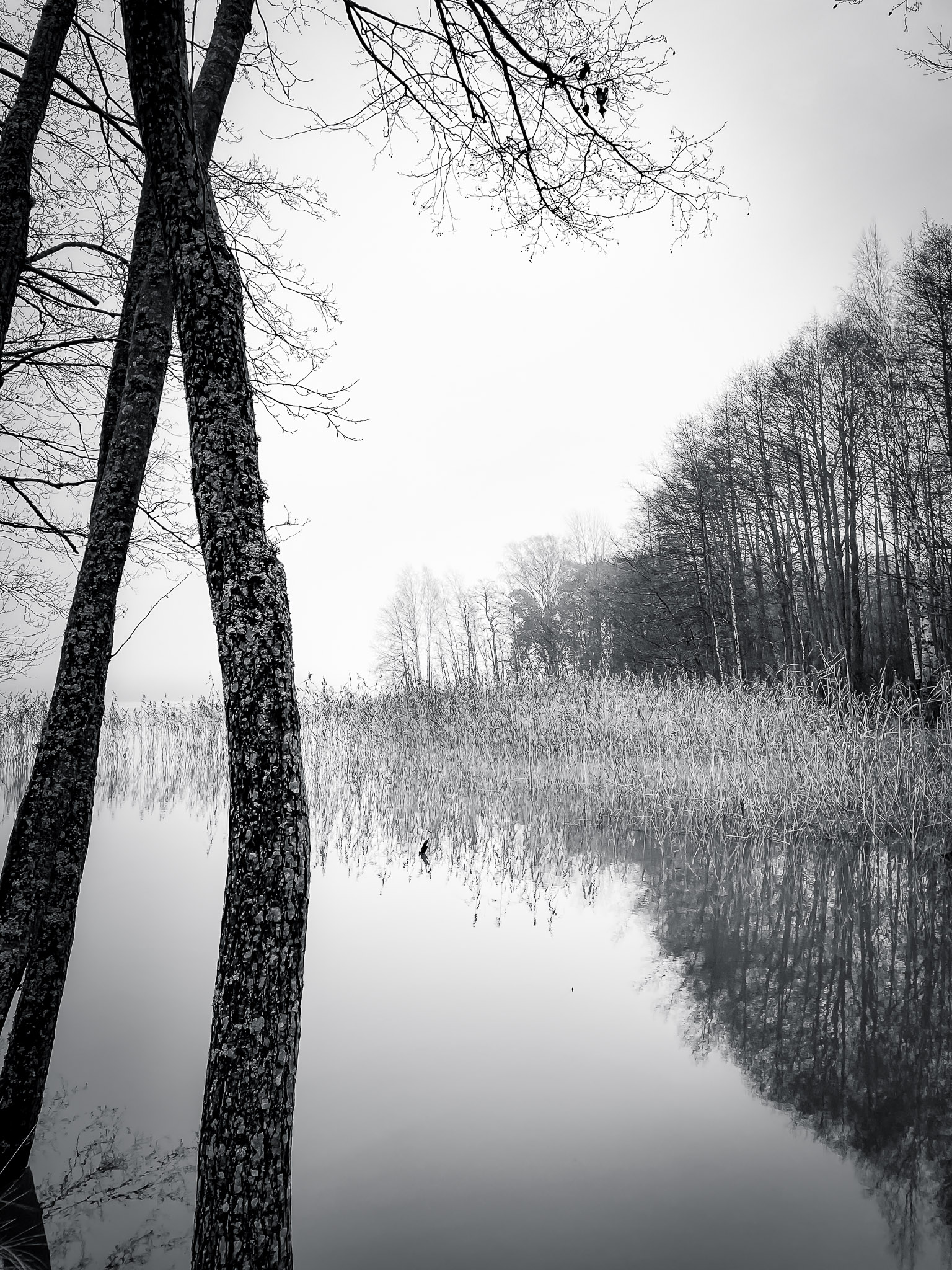
This week, we’re challenging you to show us photos with reflections and/or shadows captured or processed in monochrome. Feel free to process your image in different shades of blue, green, brown, or gray. You can also shoot your image in a setting that’s predominantly one color–like a blue sea and sky, for example. I’ve checked quite a few experts who agree that black and white photos are not two colors, but varying shades of one color–gray. Purists will refer to black and white images as grayscale. So, for our challenge, black and white images fall under the category of monochrome.

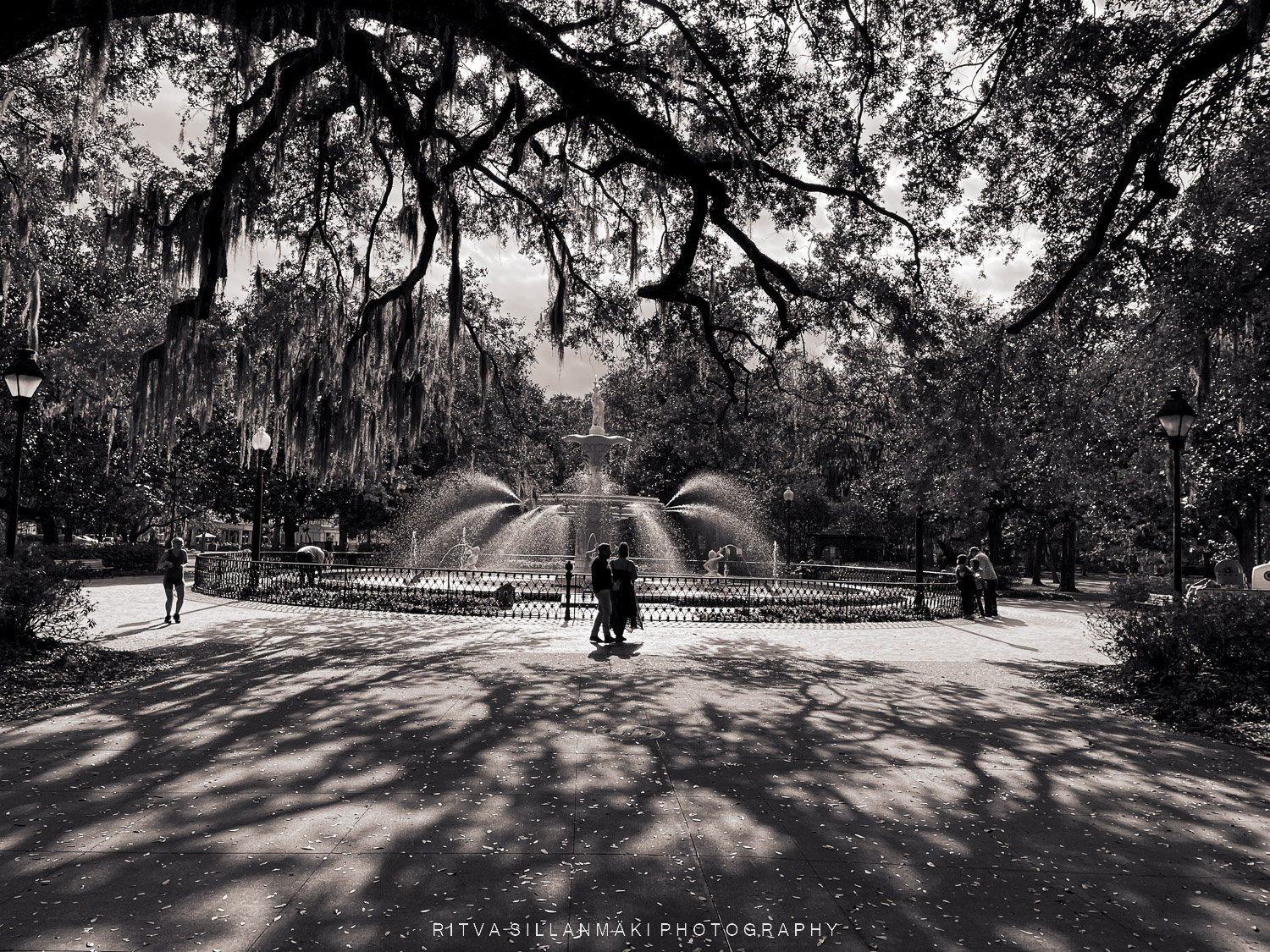
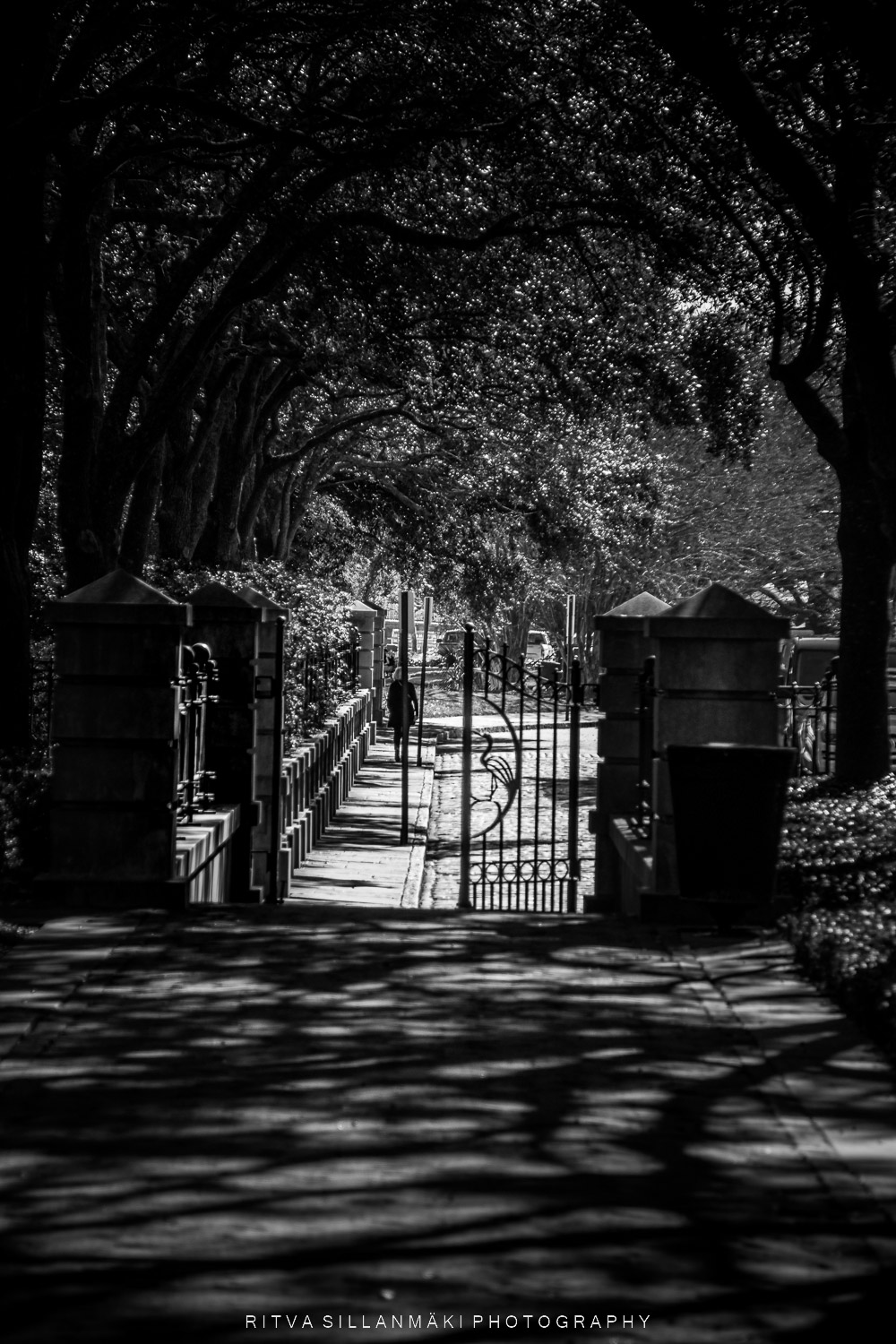
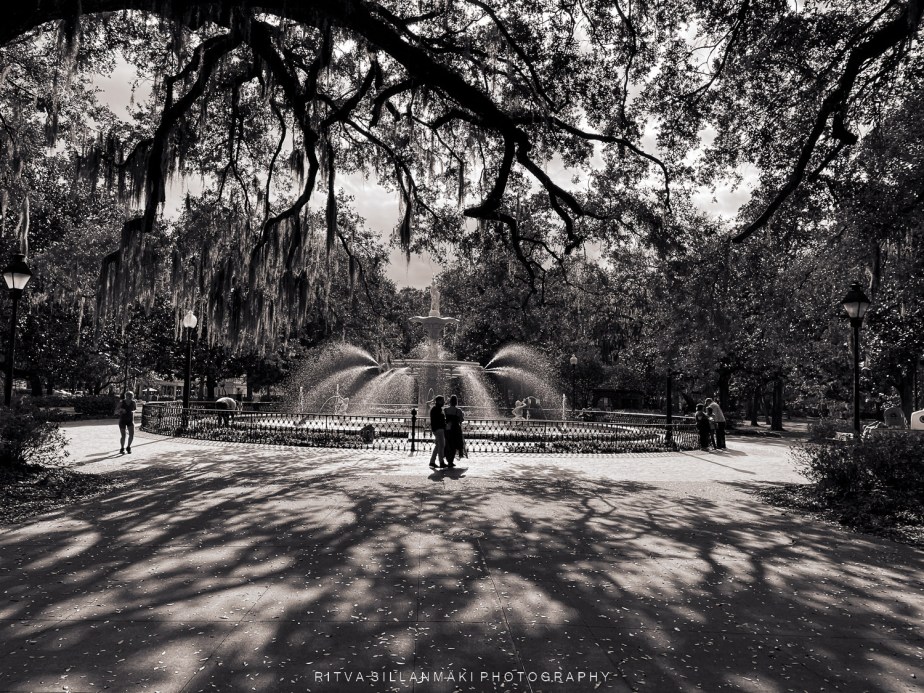
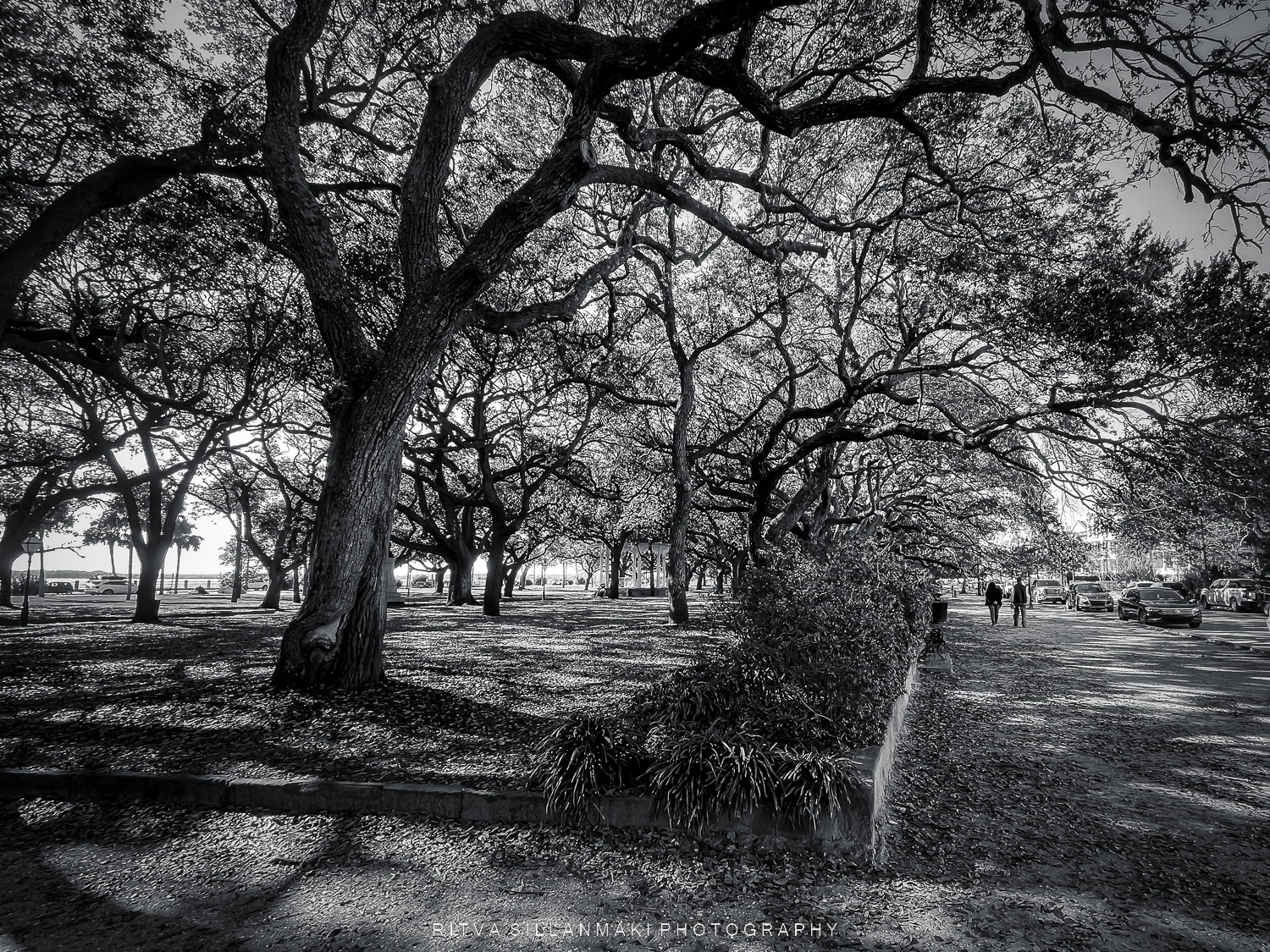
The photos below are from our recent trip to the southern states, South Carolina and Georgia.

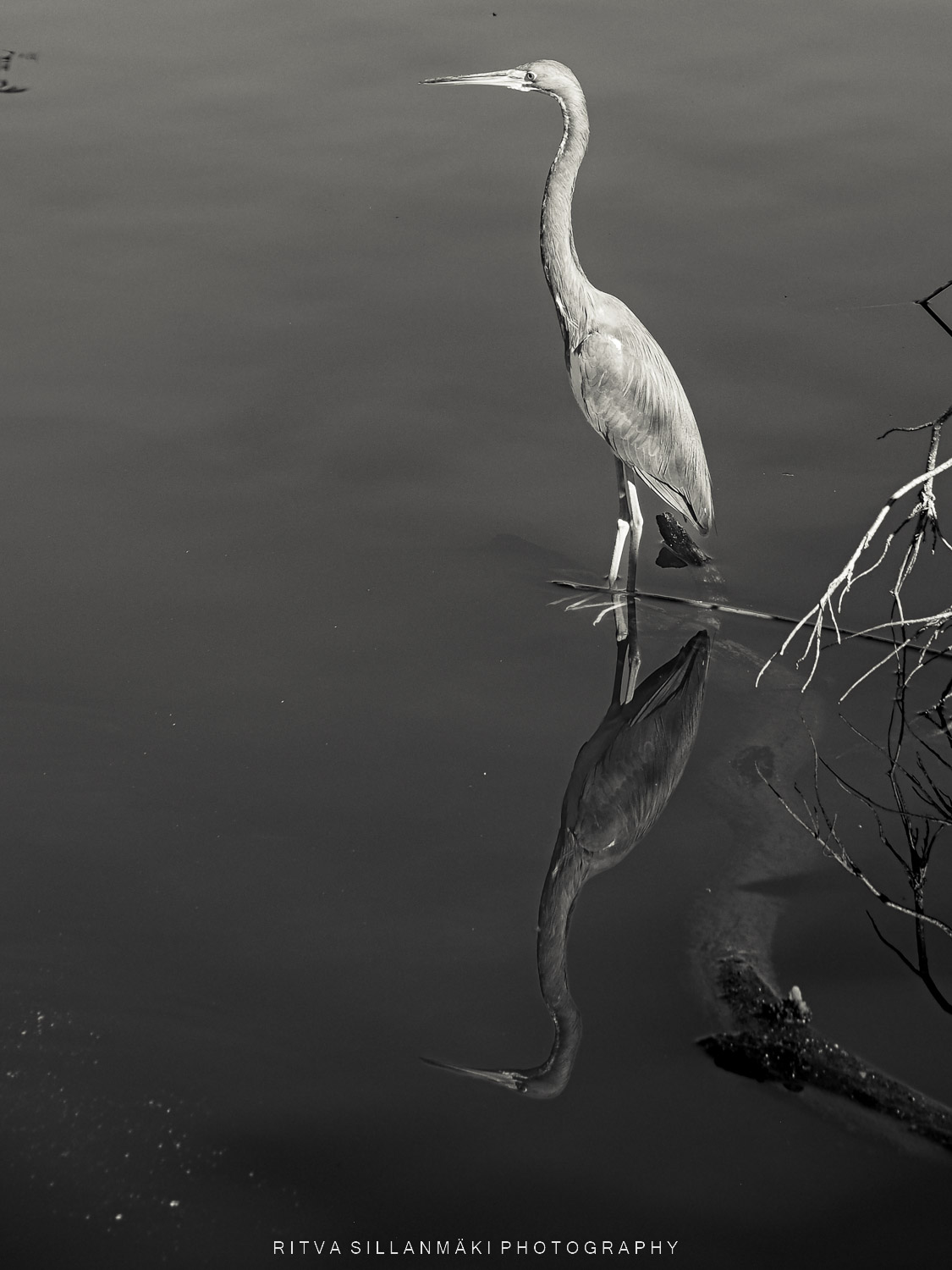
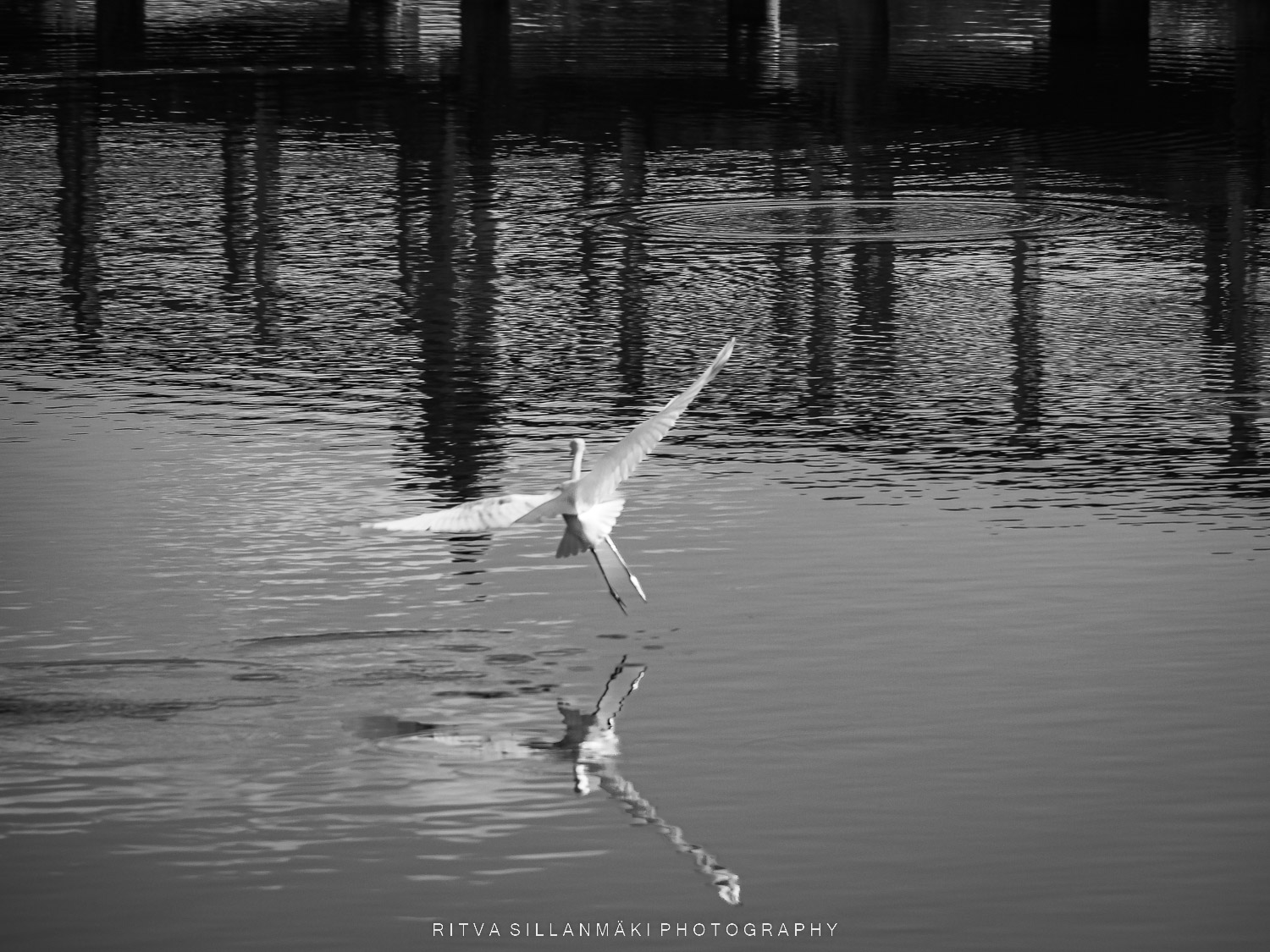
Water reflections – obviously easiest to do.
Birds and reflection from Florida, and lake reflection from Nastola, Finland

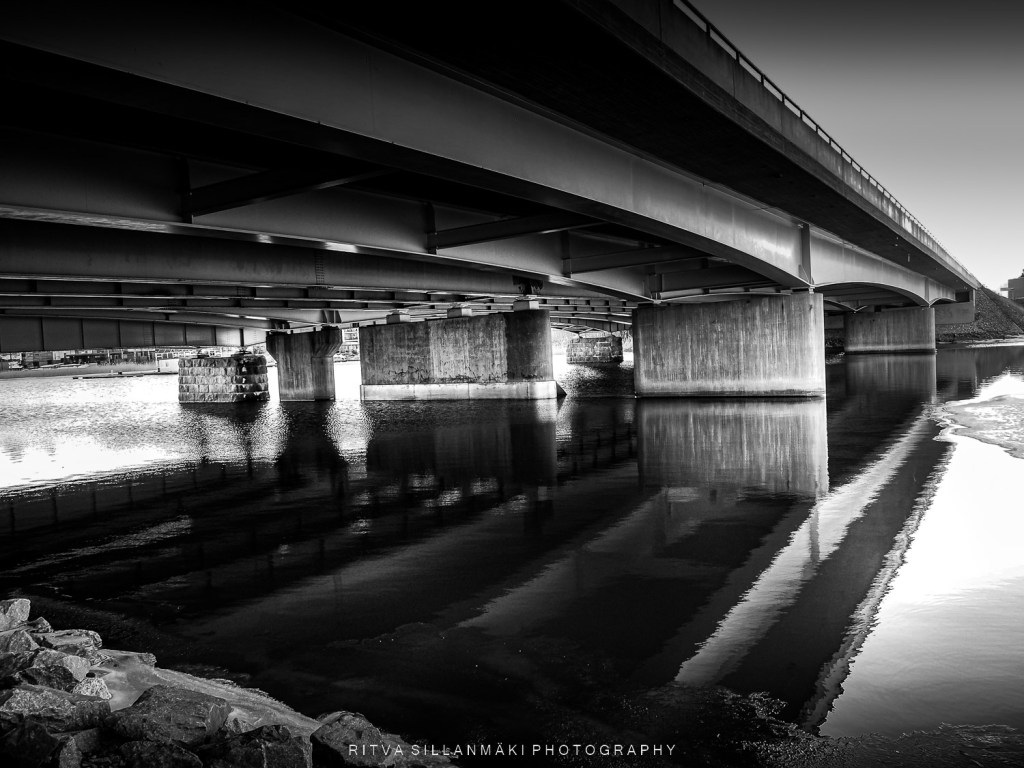
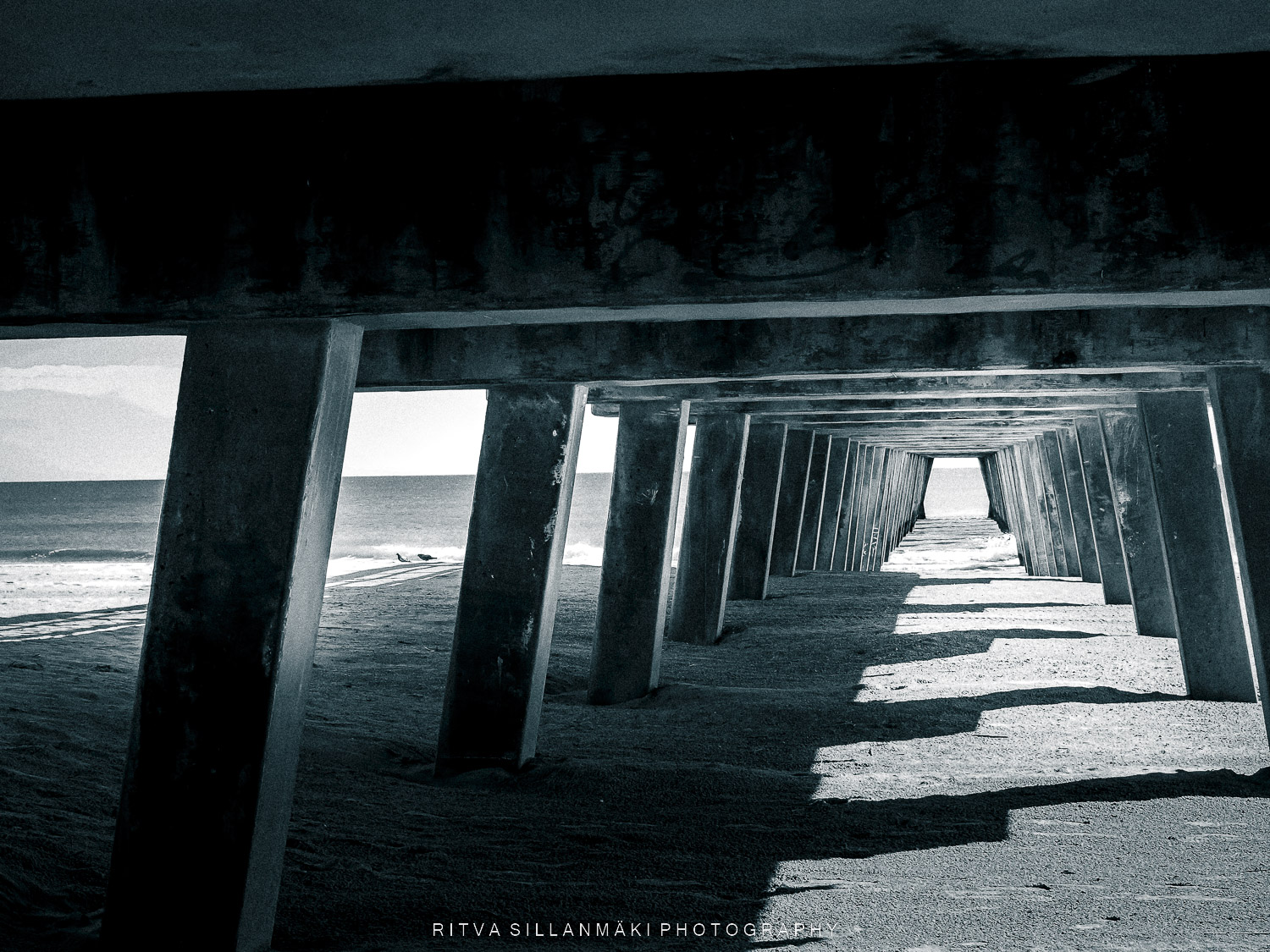
Under the bridge in Kivenlahti, Finland on a February afternoon. Below also one from a pier in Savannah.

As I’ve stated before I am not a very technical photographer, more into composition, mood. I do my magic on the edit table mostly, if you can call it magic, more like my interpretation of places and people. I am also not one to write all that much, let the photos speack for themselves.

I have two cameras an old reliable SONY SLT-A65V, and I have two lences I use with it one for Macro Sony Macro 2.8/50 and portraits. The other for nearly everything a Sony 18-200mm.

The Sony has been in less use since I bought a new lighter one to carry around, its a Olympus E-M10 Mark II with a 14-150mm lense and I have a OM-D M.ZUIKO DIGITAL 45mm 1:1.8 for street and portrait photography
Beautiful in Black and White 14


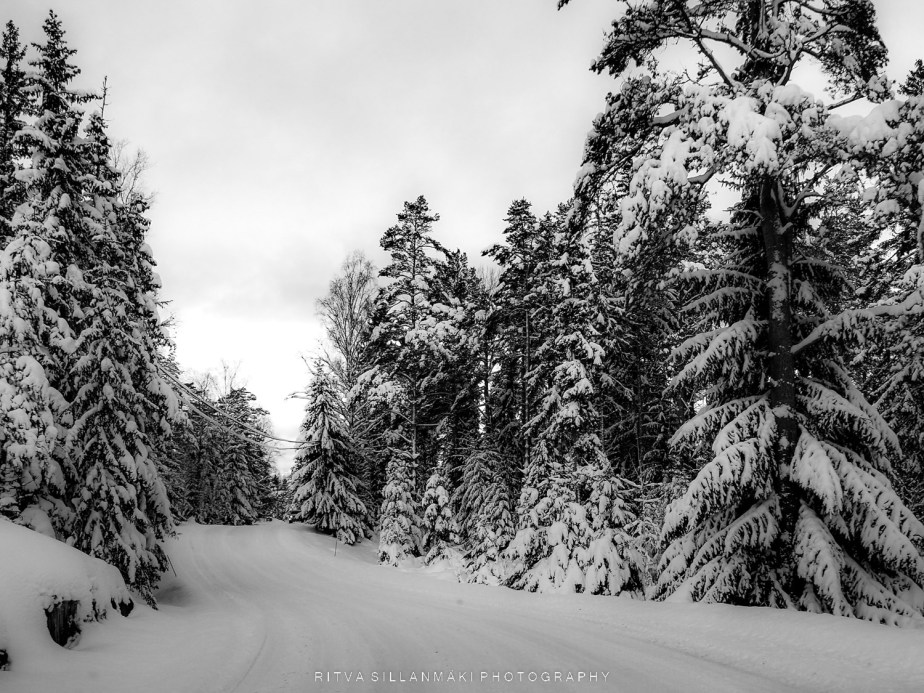
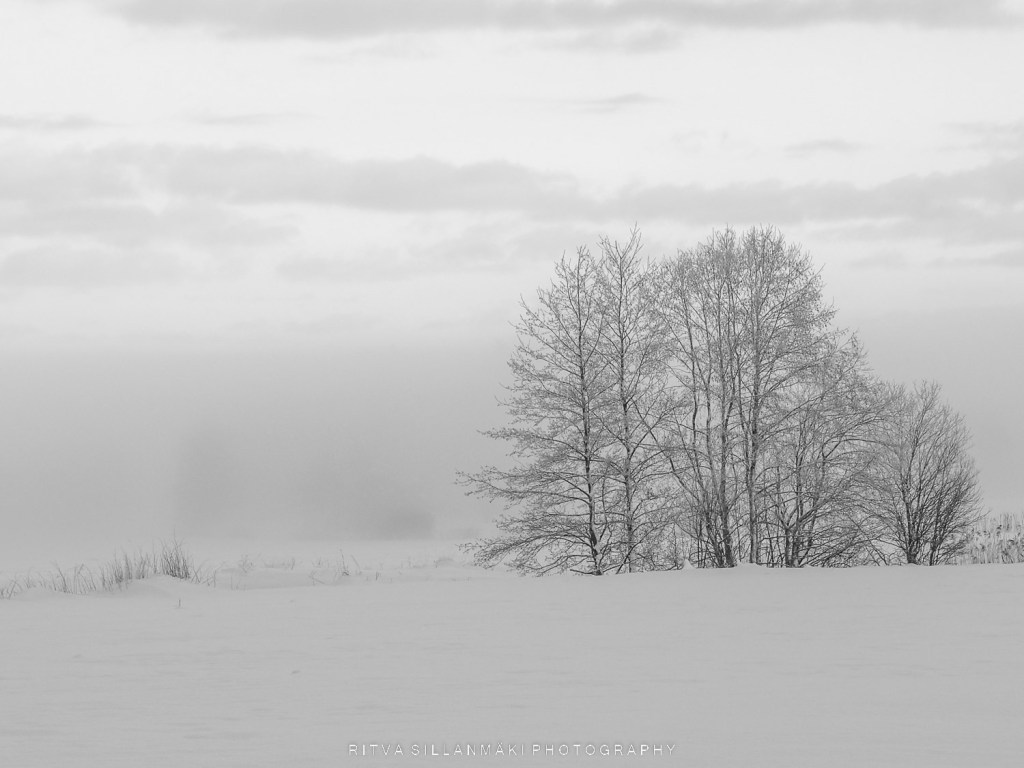
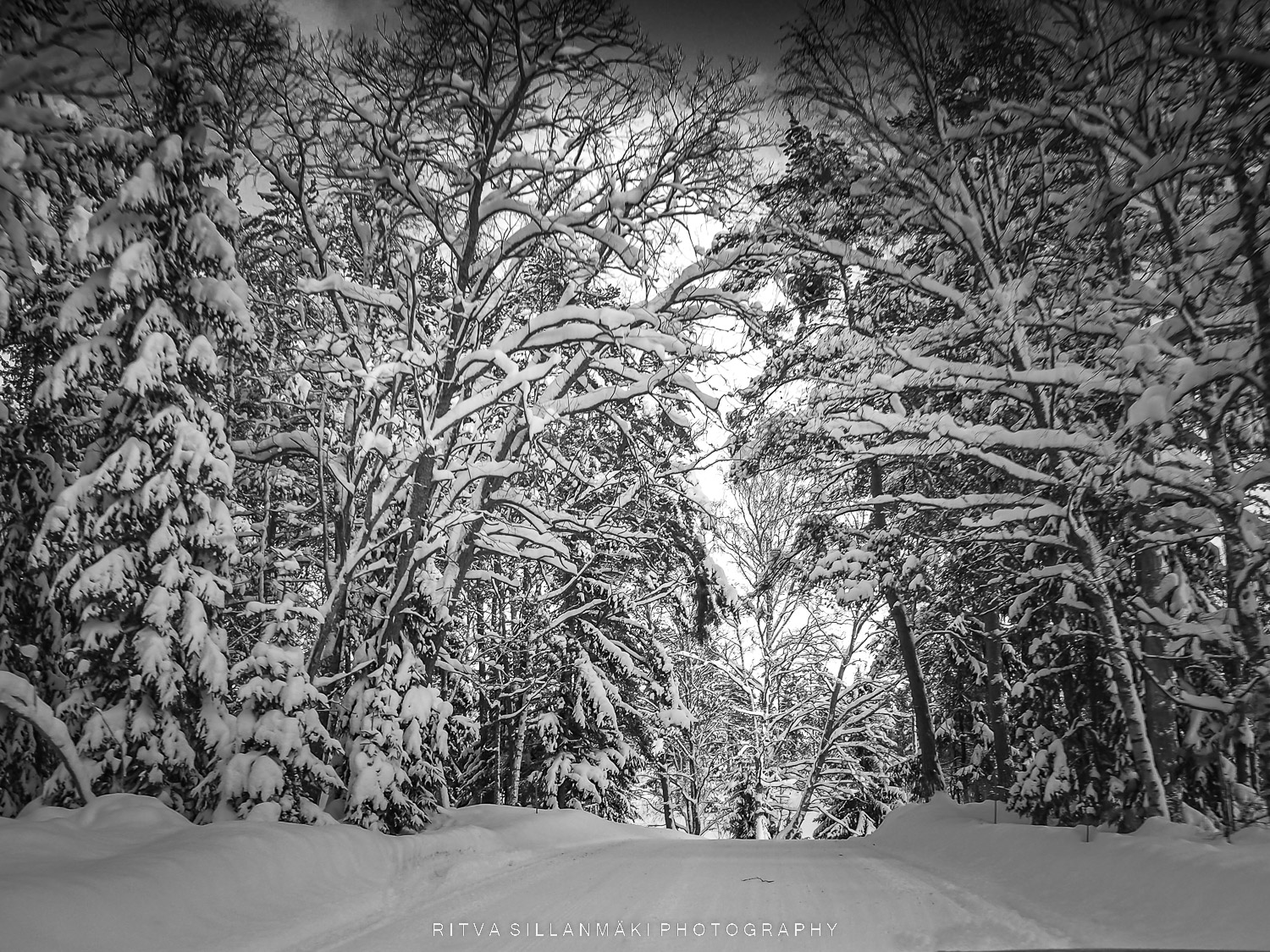
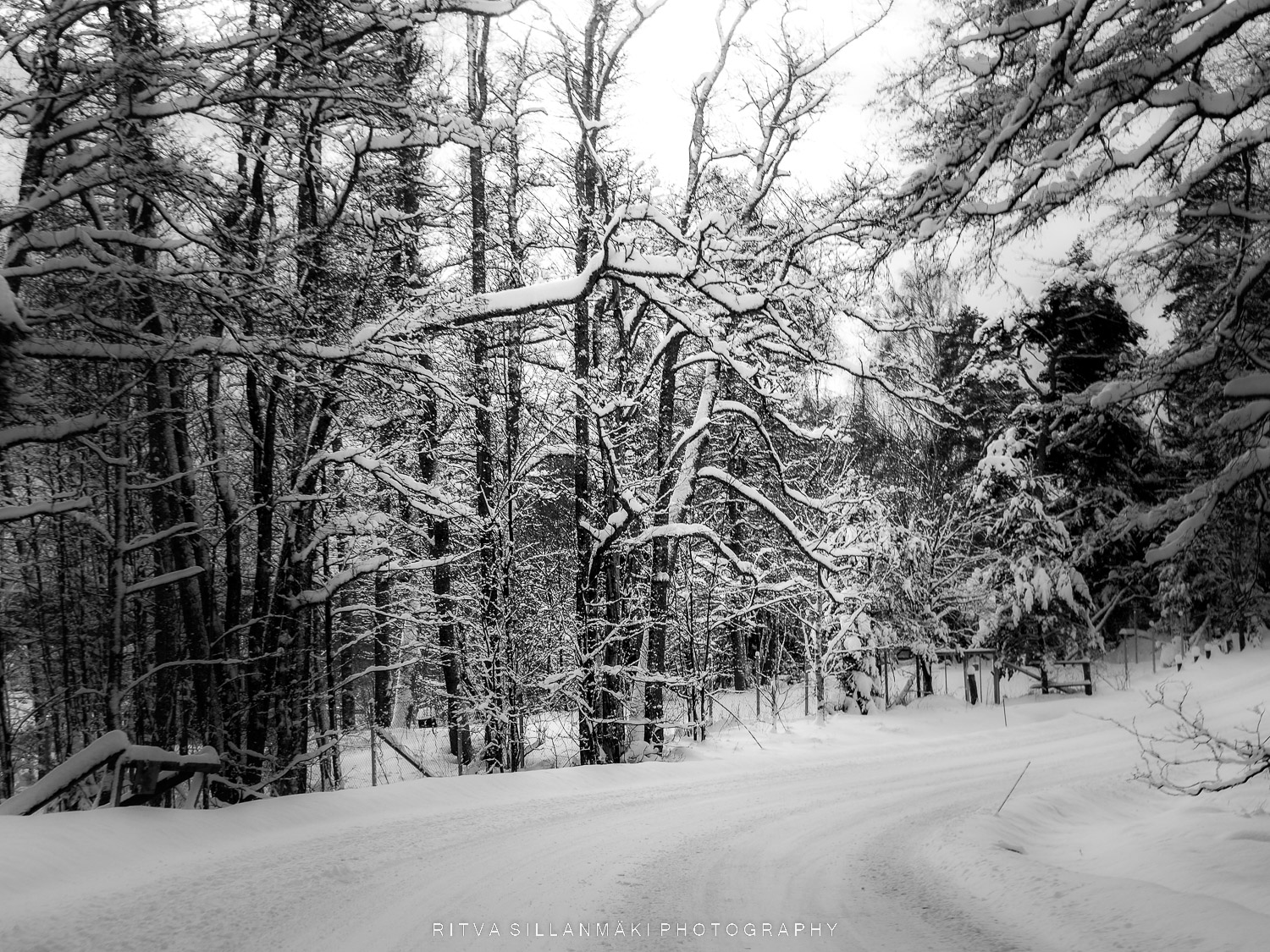
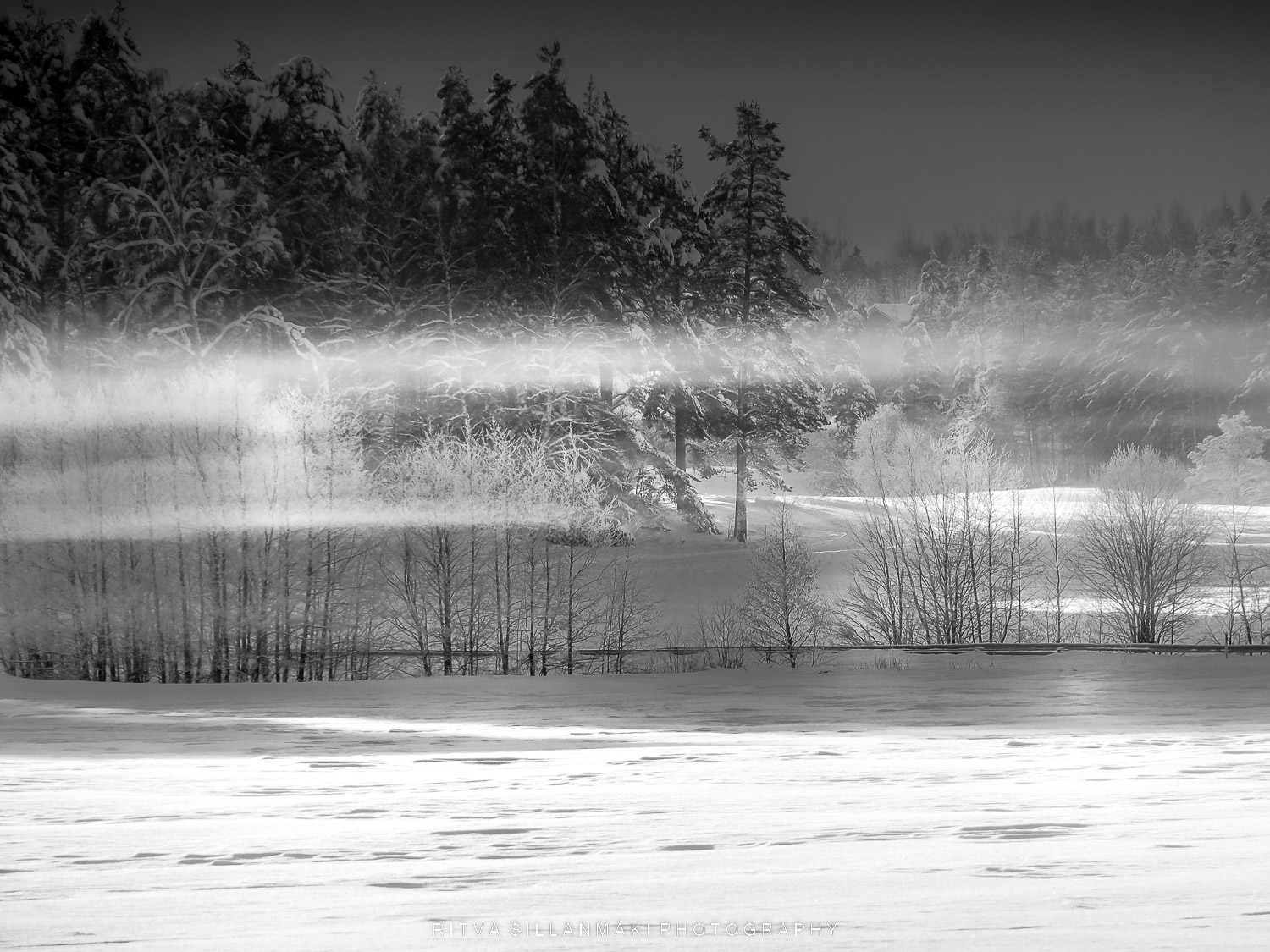
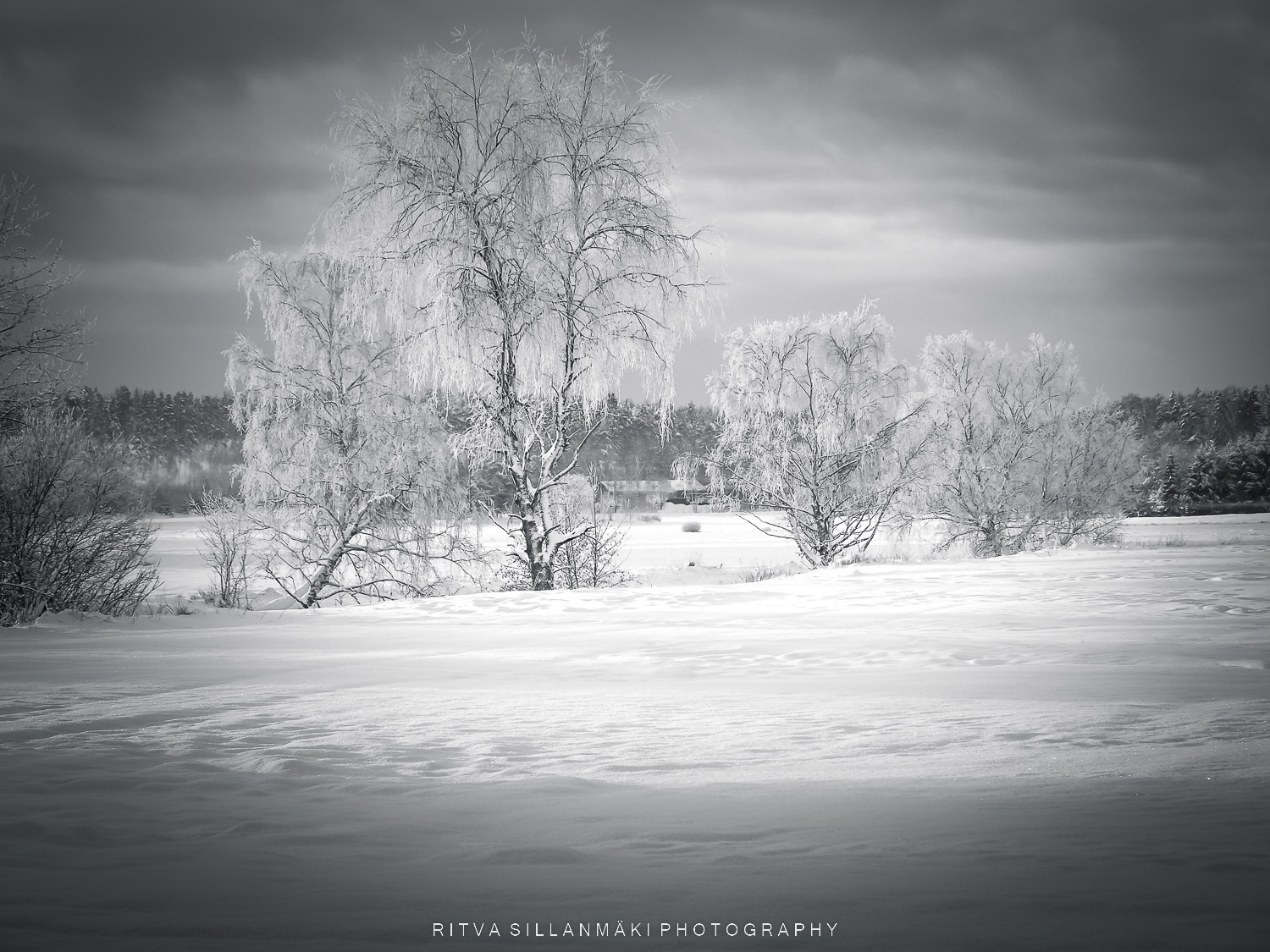
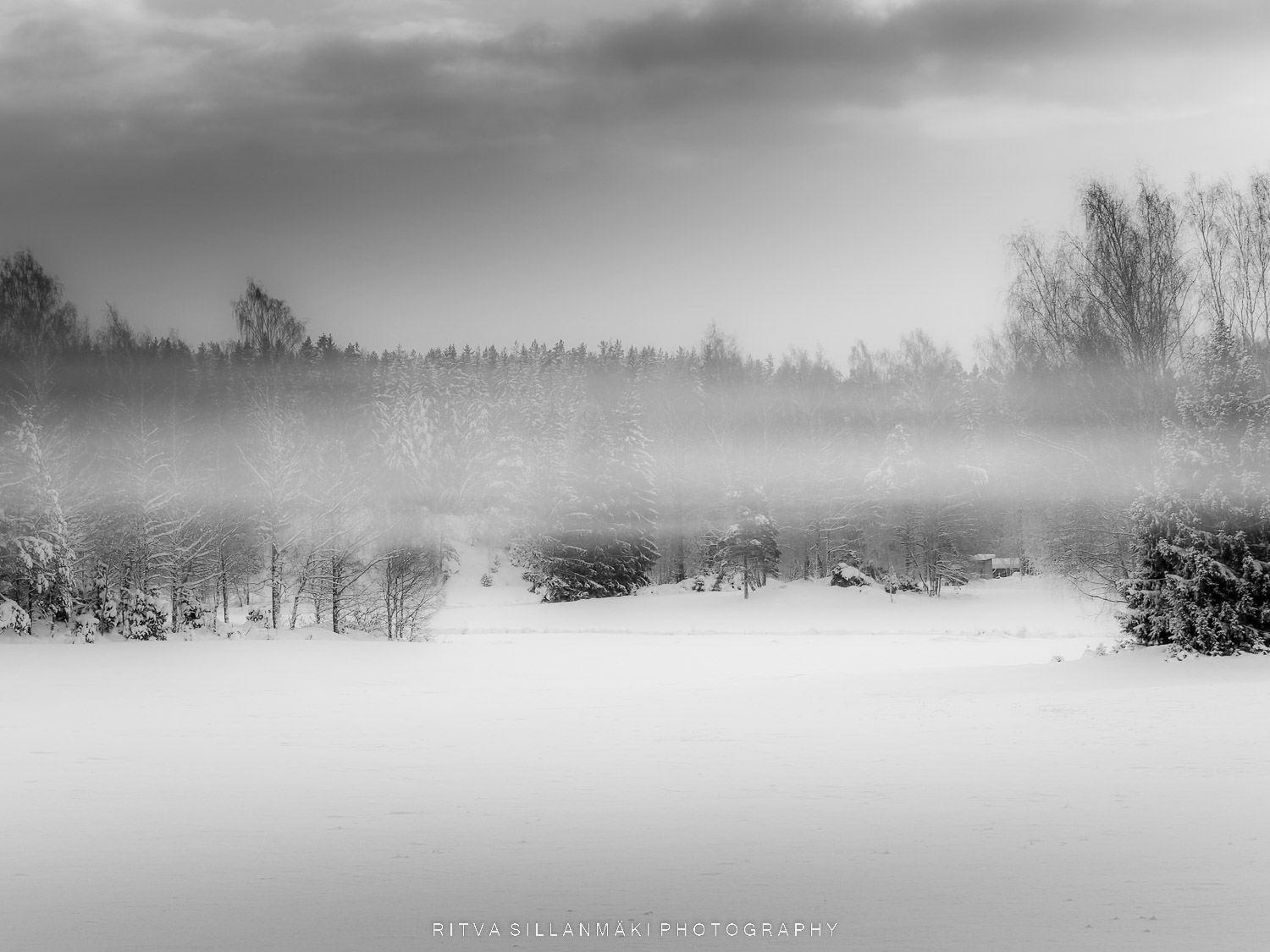
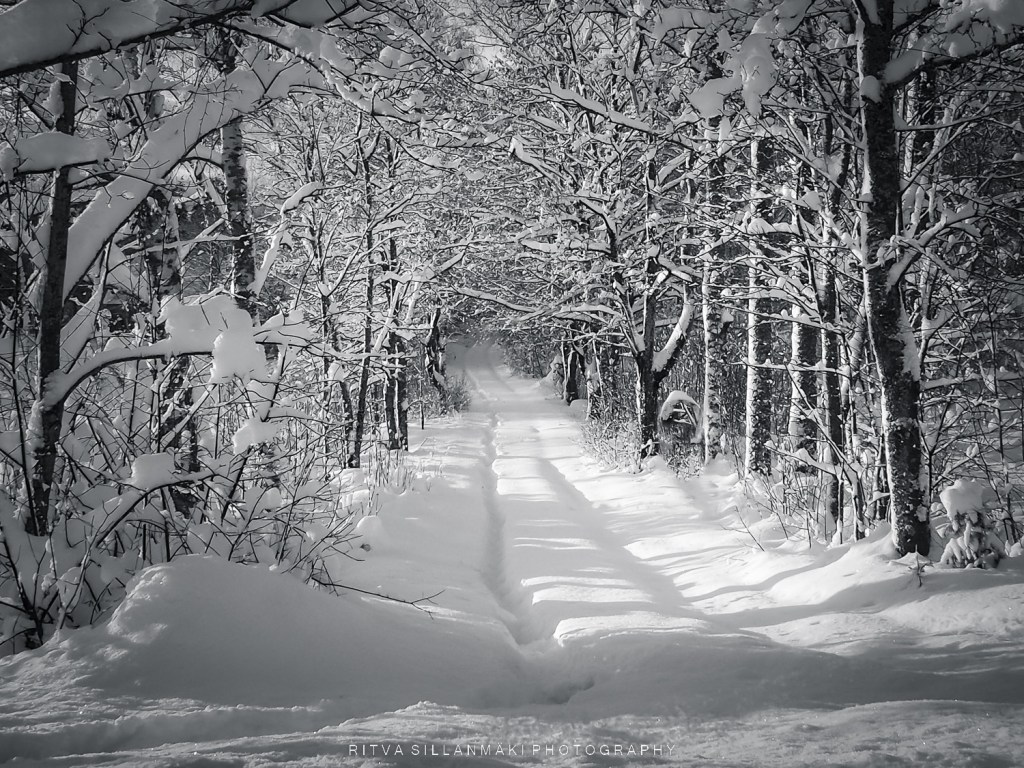
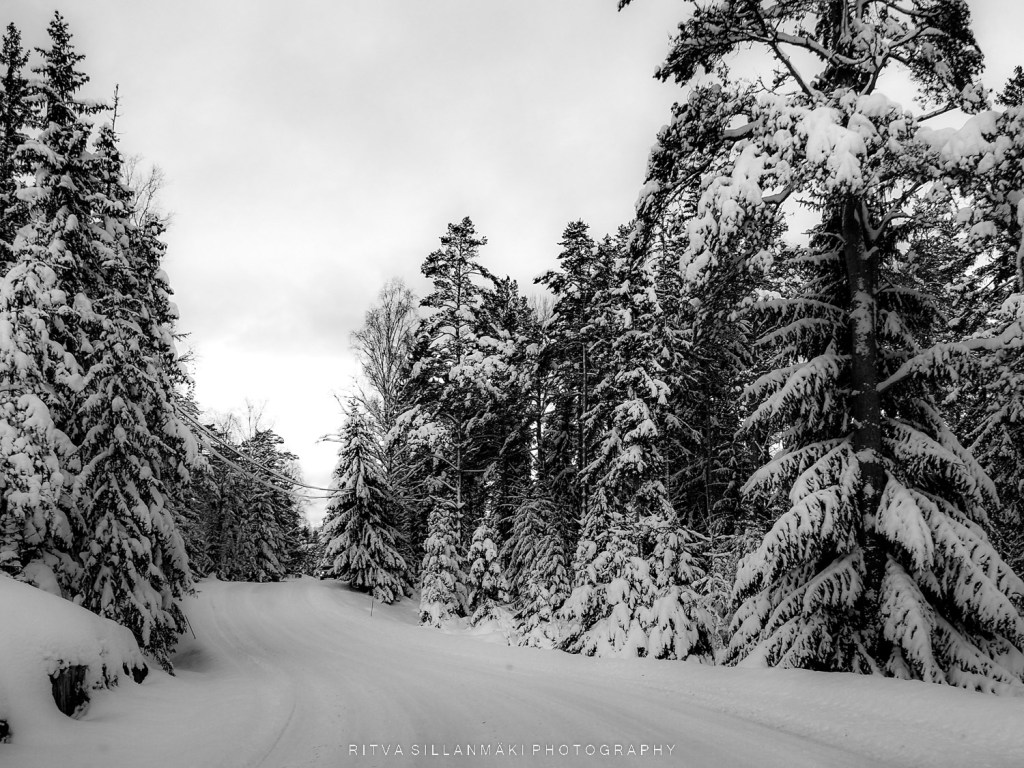
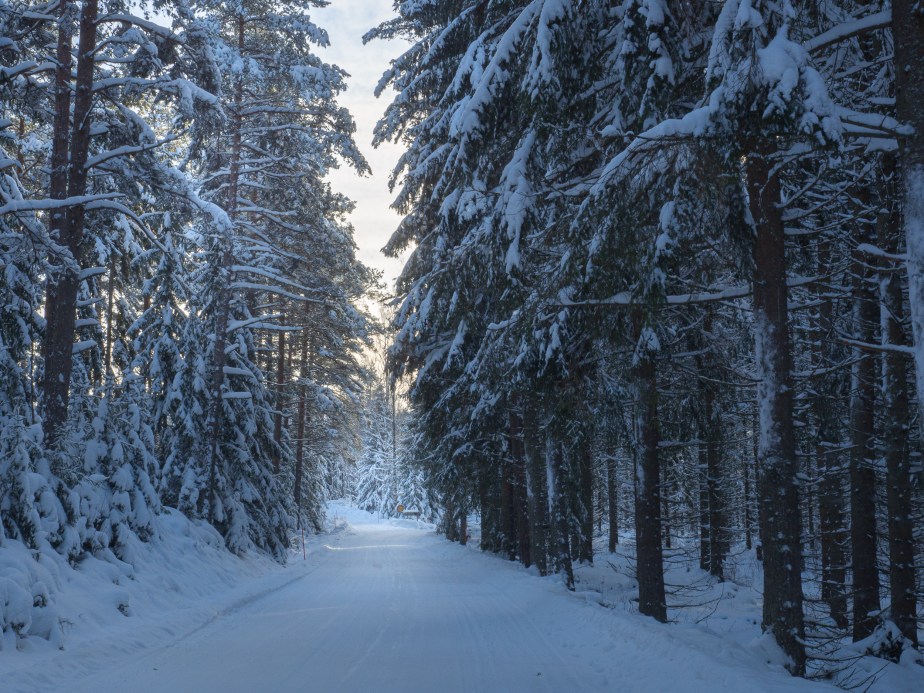
I took several winter wonderland photos last week, so I thought I’d try them as monochrome. Misty fields and snow-covered
roads with trees heavy with snow surrounding it. 
This is how they turned out.

It is nearly Christmas, and I hope that
these winter shots will help you to get into white Christmas spirit.

Snow covered lane

The way that light hits objects, I think, is one of the more important things that sculpture and photography share. – Rashid Johnson


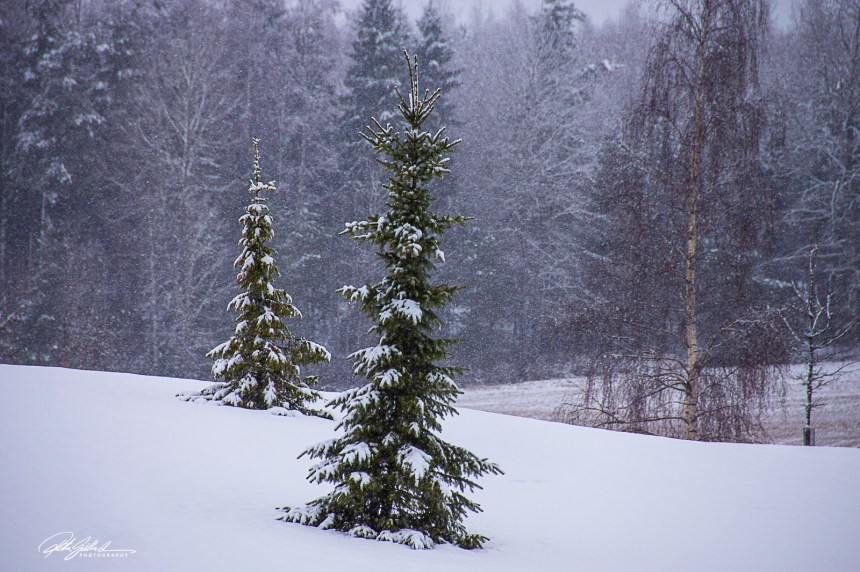
Spruce trees by the side of the snowy road

Beautiful in Black and White 13

I have a soft spot for black and white photography, I was once again reminded about the importance of exposure, light. It is the key element in these photos.

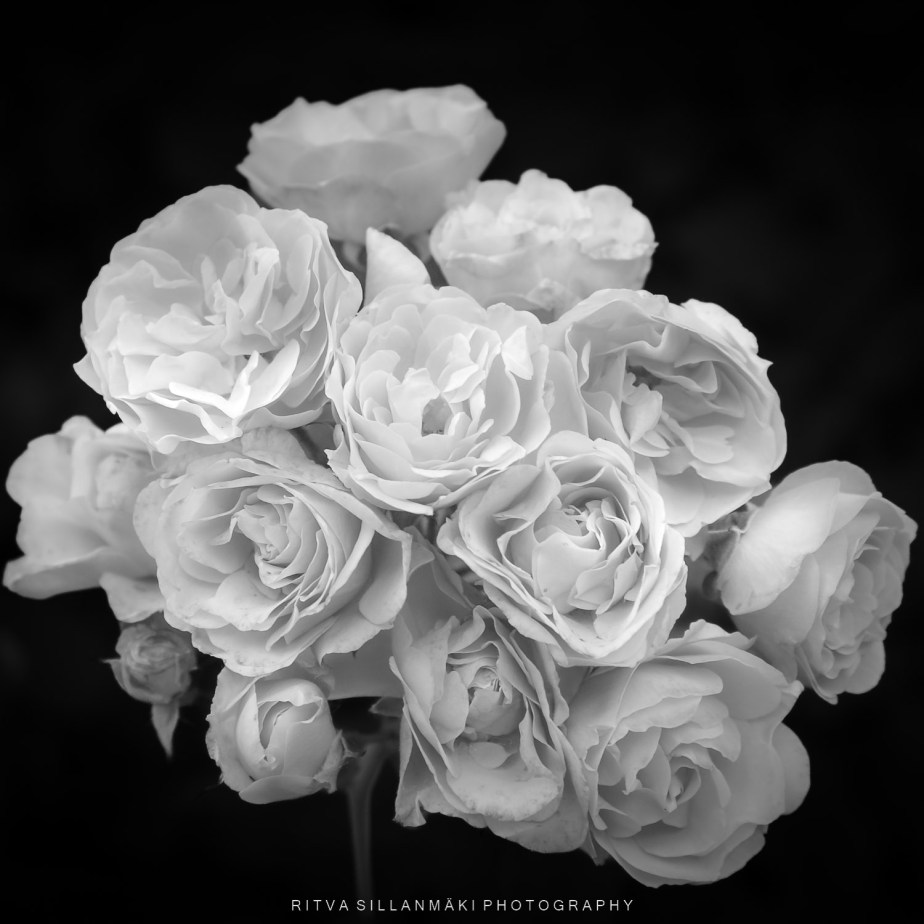
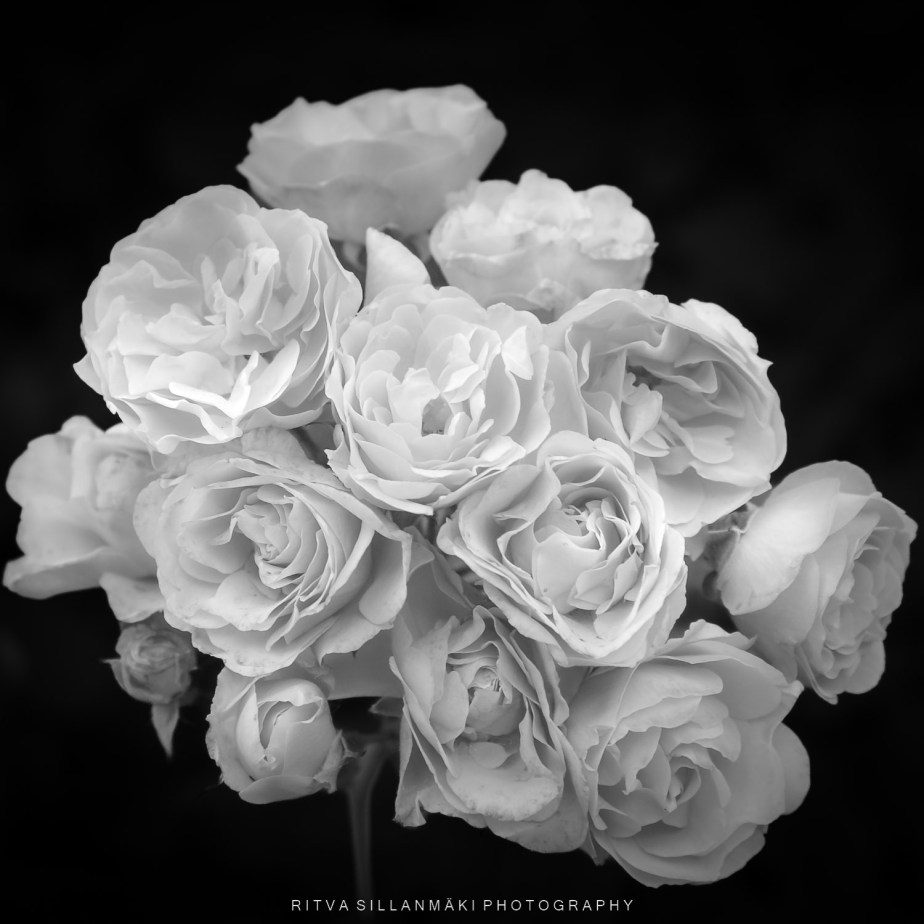
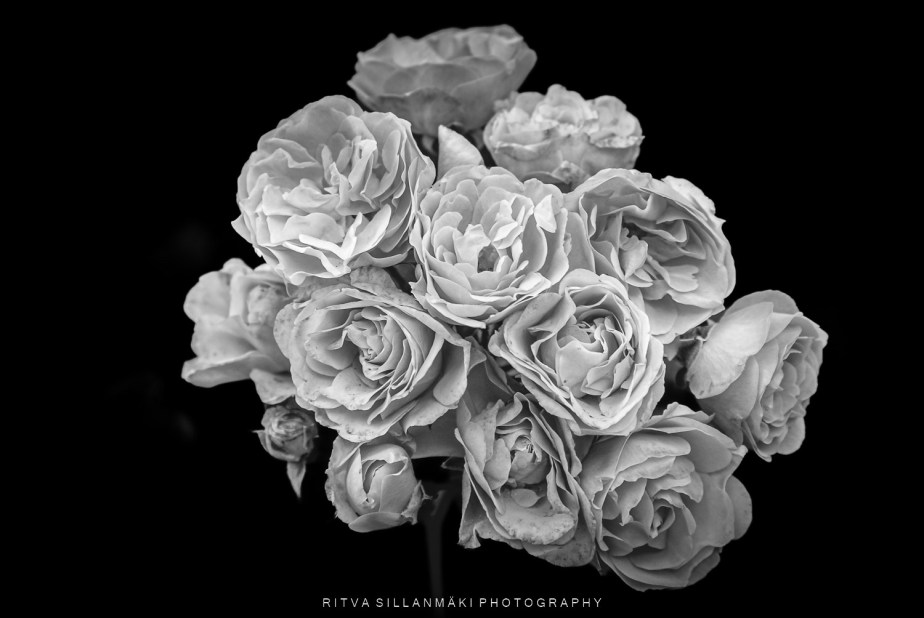
Roses, they look lovely in black and white

SONY DSC
Roses

The way that light hits objects, I think, is one of the more important things that sculpture and photography share. – Rashid Johnson

Posted for Bren’s Mid-Week Monochrome and Leanne’s Monochrome Madness

Beautiful in Black and White 12

I have a soft spot for black and white photography, I was once again reminded about the importance of exposure, light. It is the key element in these photos.

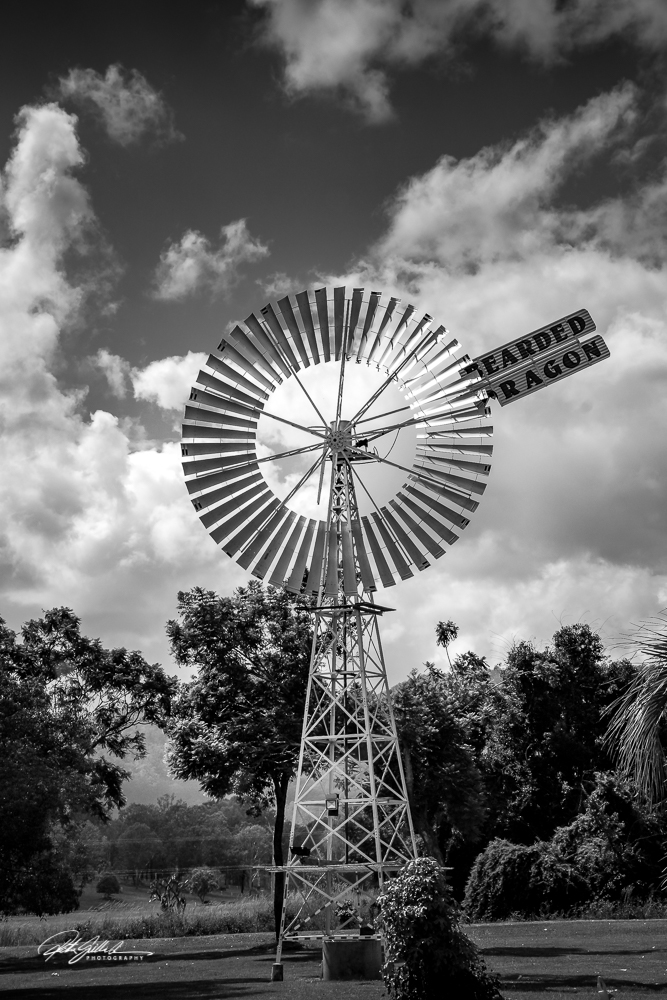
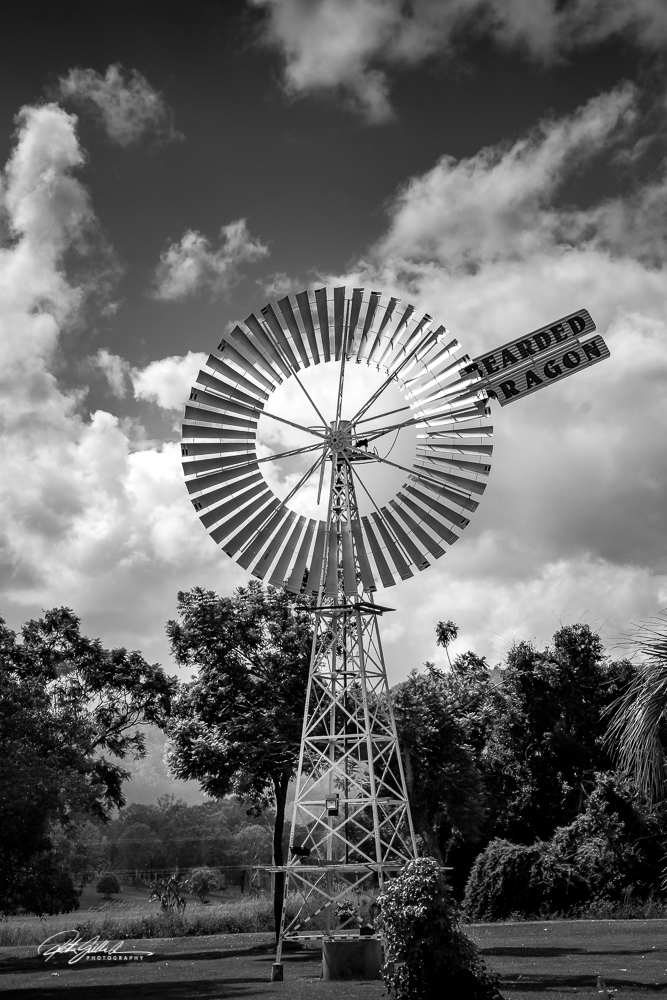
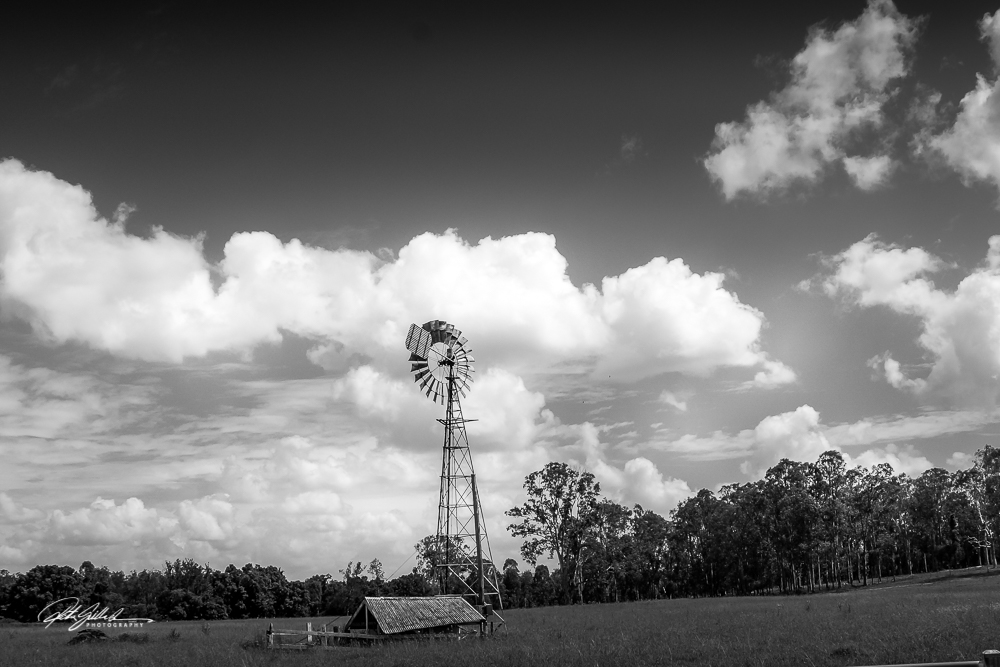
Clouds work well in B&W as do distinct shapes. I took these when visiting Queensland few years back

Bearded Dragon sign – Bearded Dragon Hotel Tamborine in QLD
Wind wheel sign in Queensland

The way that light hits objects, I think, is one of the more important things that sculpture and photography share. – Rashid Johnson

Posted for Bren’s Mid-Week Monochrome and Leanne’s Monochrome Madness

Beautiful in Black and White 12

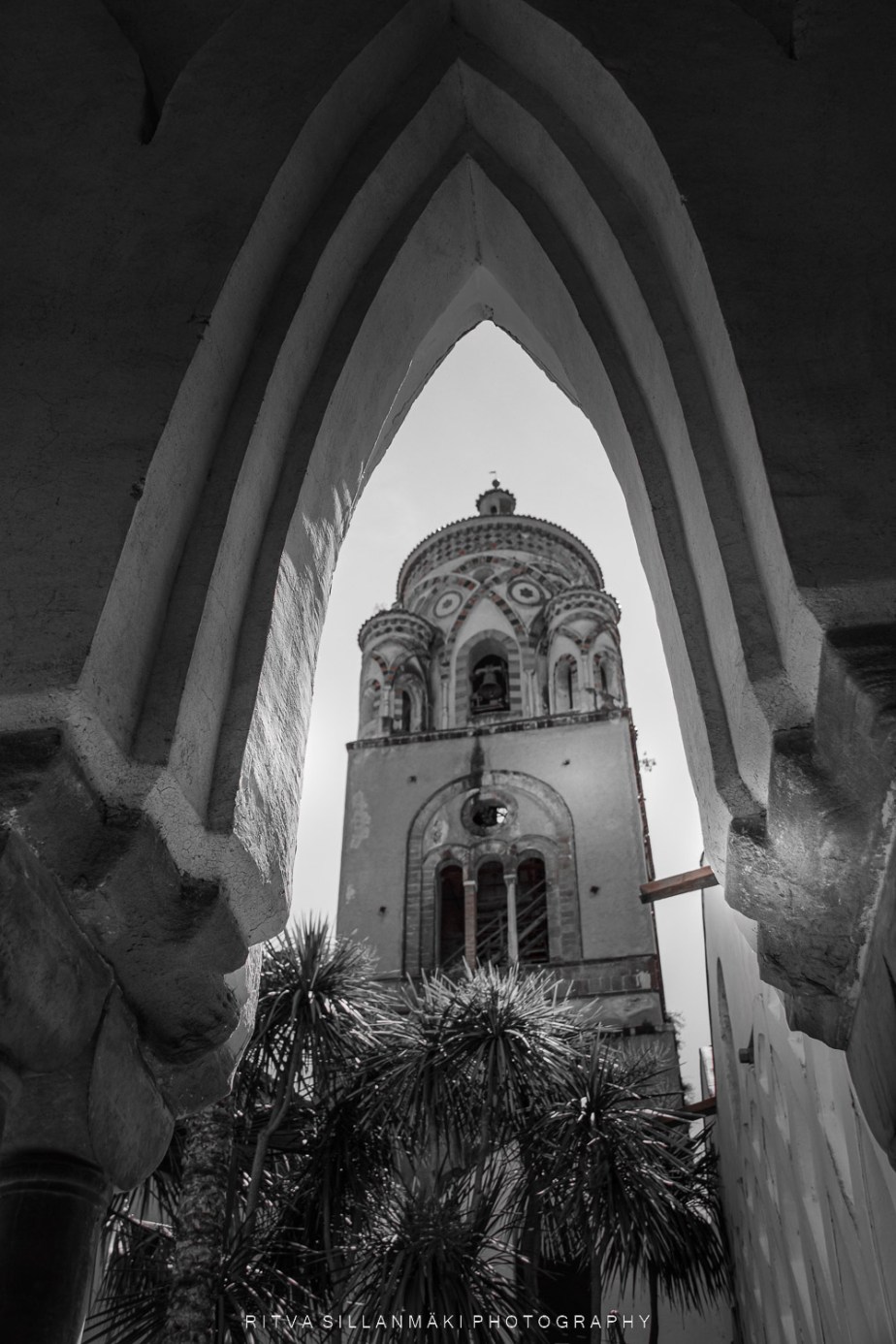
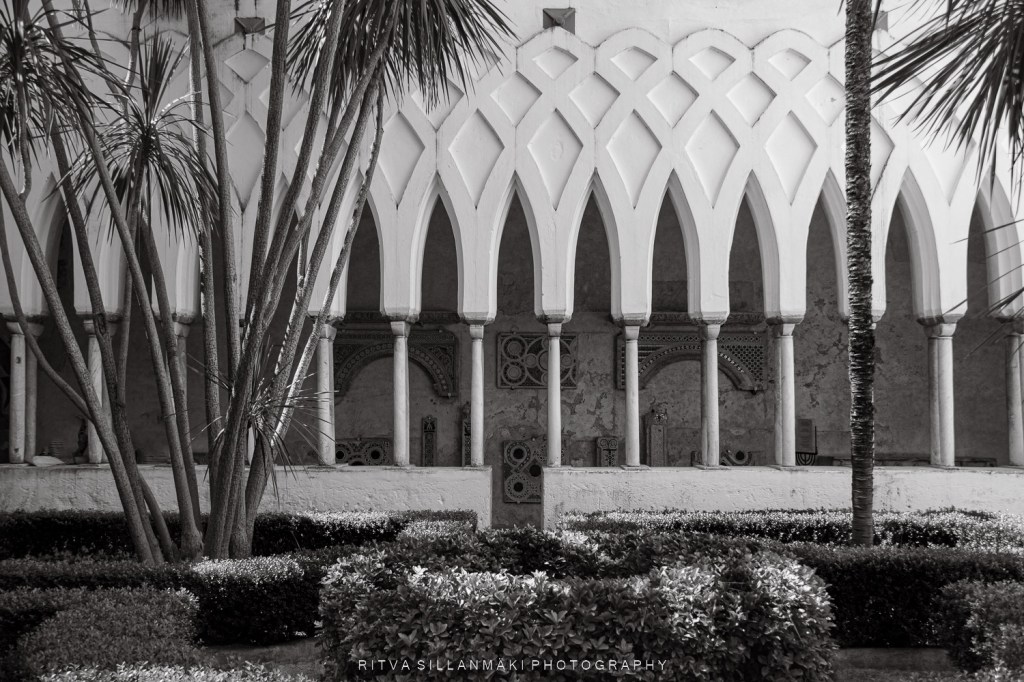
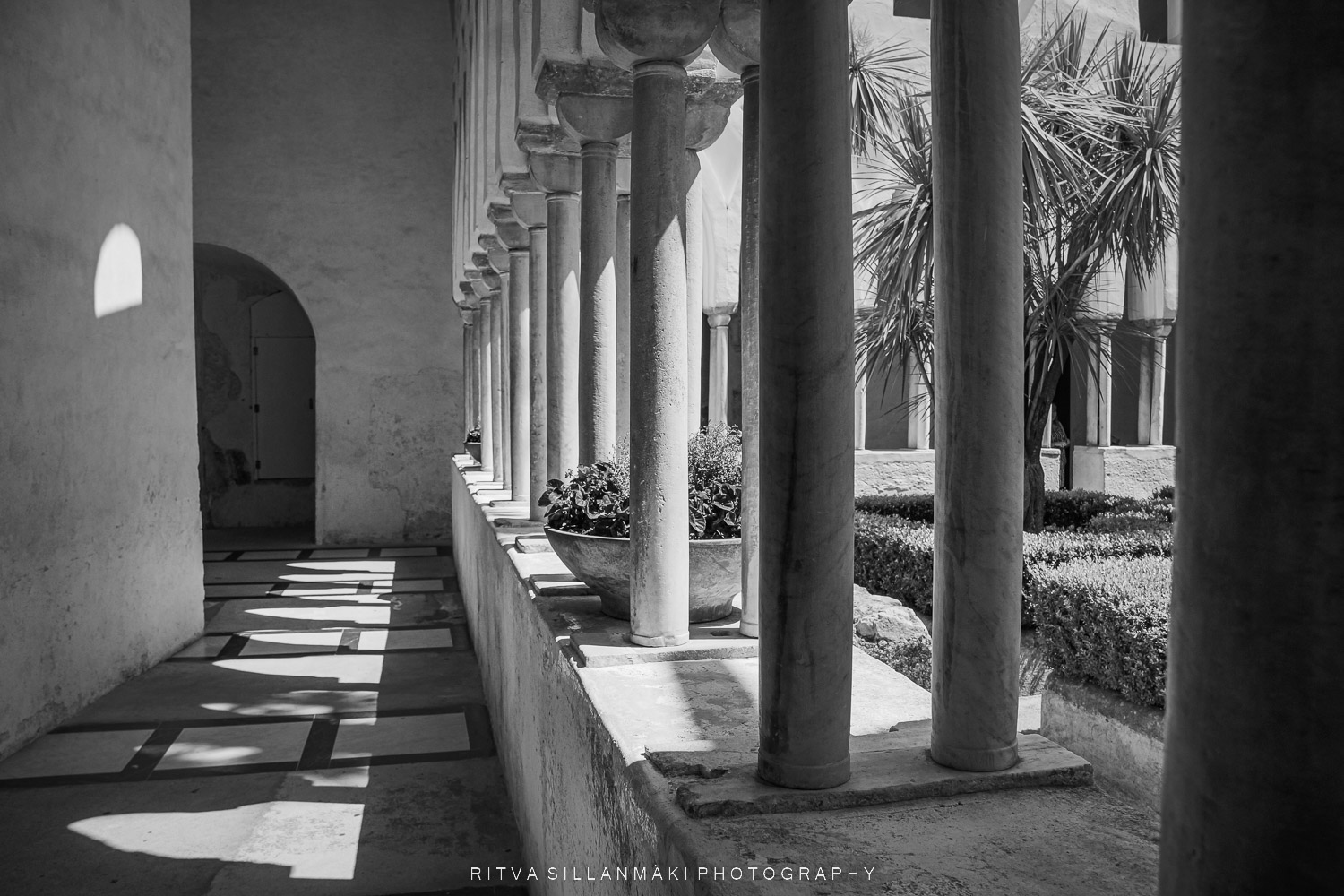
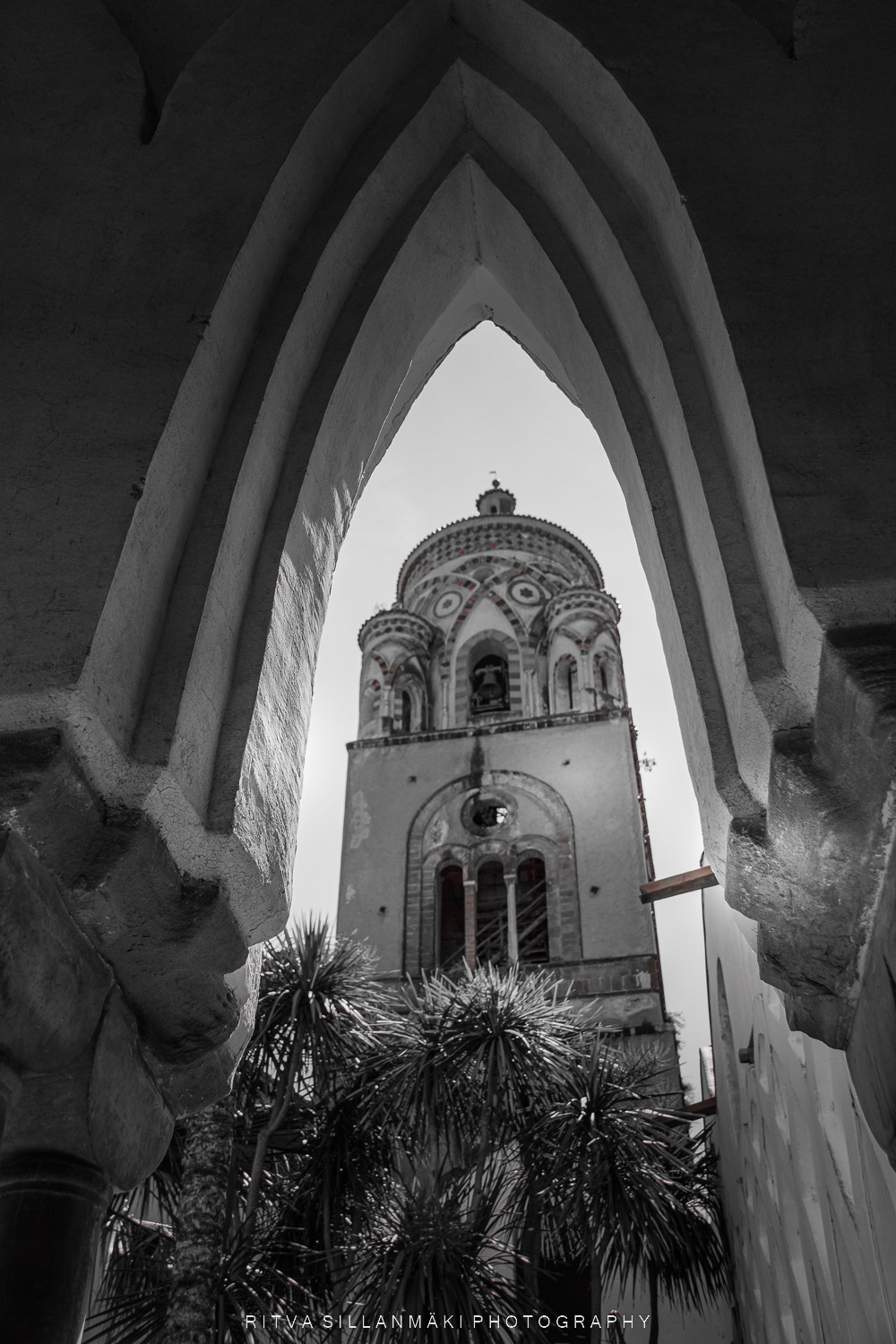
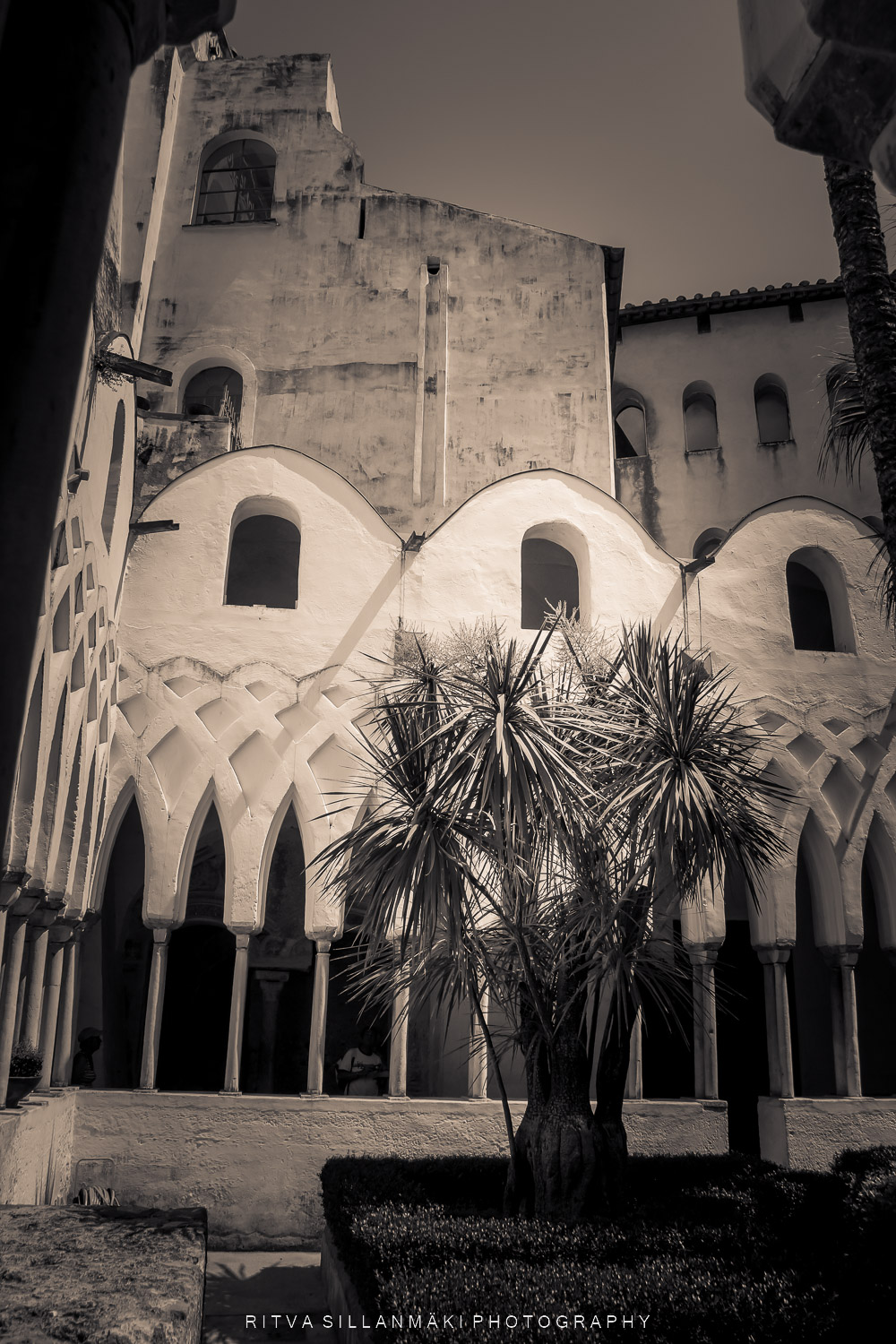
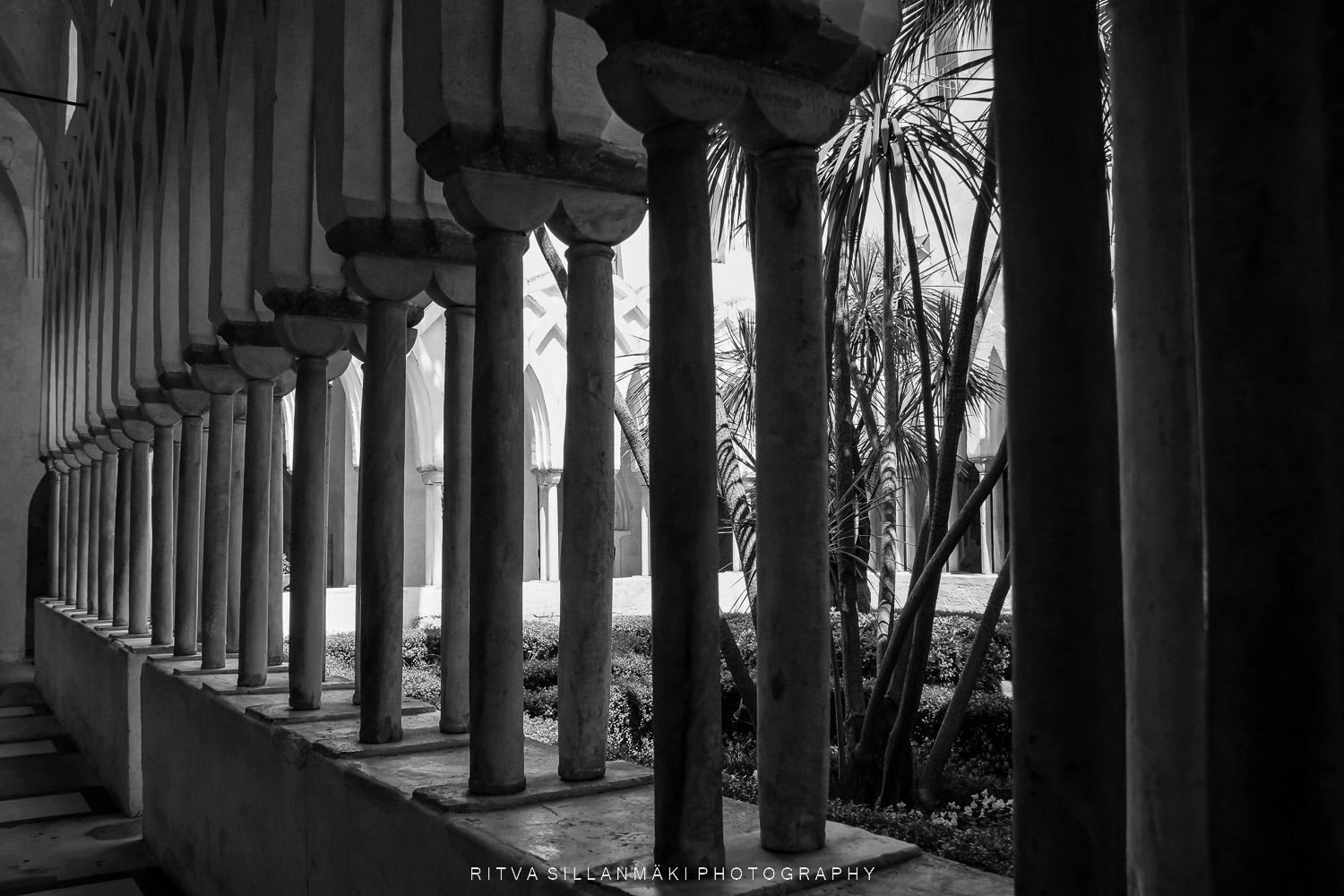
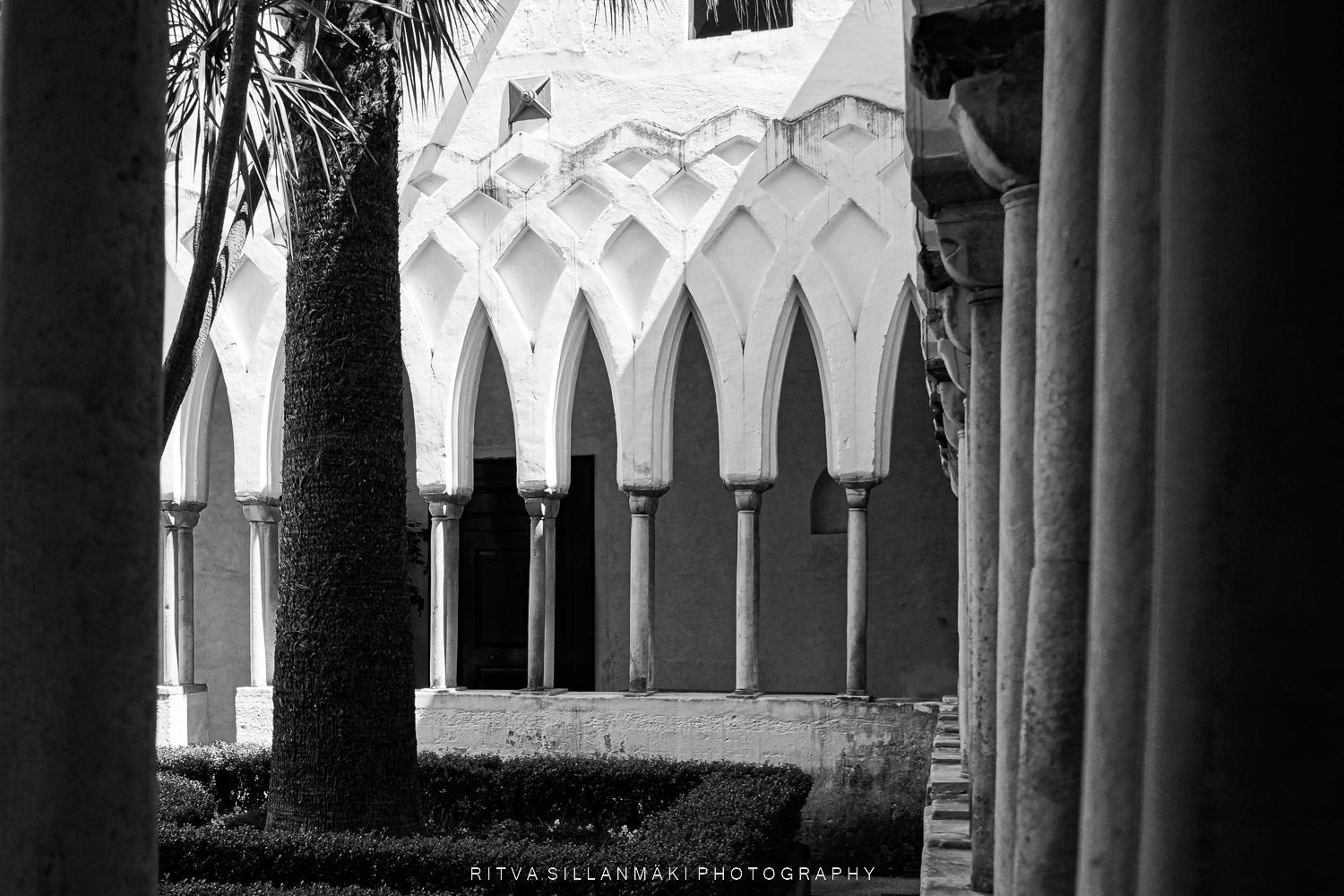
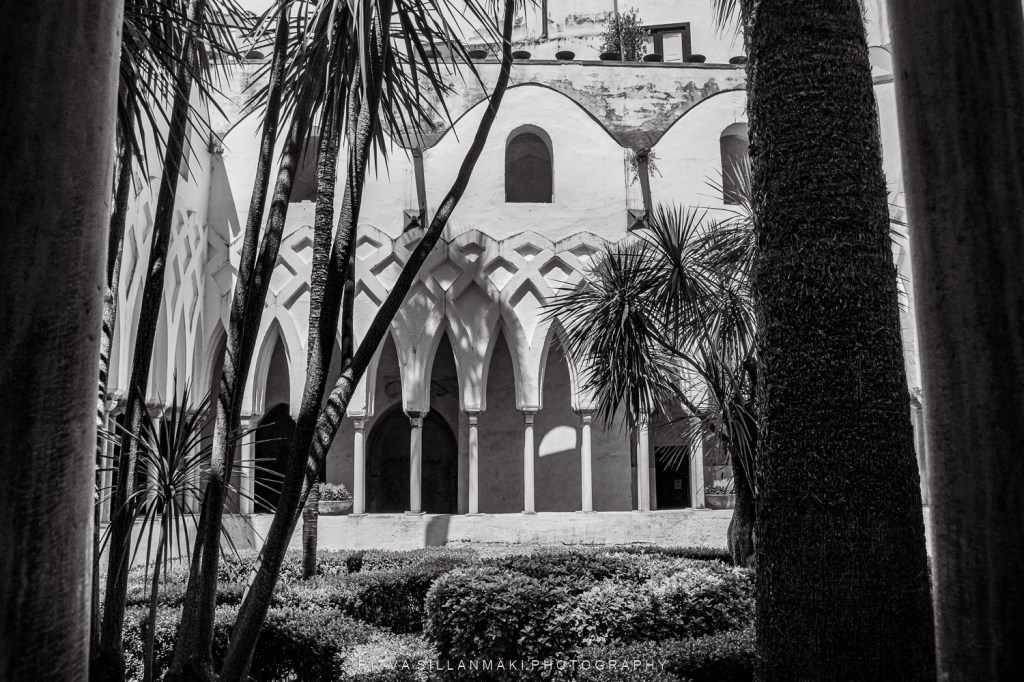
Amalfi Cathedral is a 9th-century Roman Catholic structure in the Piazza del Duomo, Amalfi, Italy. It is dedicated to the Apostle Saint Andrew. Predominantly of Arab-Norman Romanesque architectural style, it has been remodeled several times, adding Romanesque, Byzantine, Gothic, and Baroque elements.

Amalfi Cathedrals Pilars in the garden

The Exterior, the Romanesque style bell tower is off-center. The structure includes four small towers of Arab architectural type that are adorned with arches and are covered with majolica tiles. During times of war, the bell tower was purposed for defense.
The garden contains colonnades, arches and sculptures. My photos this week are of the garden area.

More ℹ https://www.livesalerno.com/amalfi-cathedral

Amalfi Cathedral garden

Posted for Bren’s Mid-Week Monochrome and Leanne’s Monochrome Madness

Beautiful in Black and White 11

I have a soft spot for black and white photography, I was once again reminded about the importance of exposure, light. It is the key element in these photos.

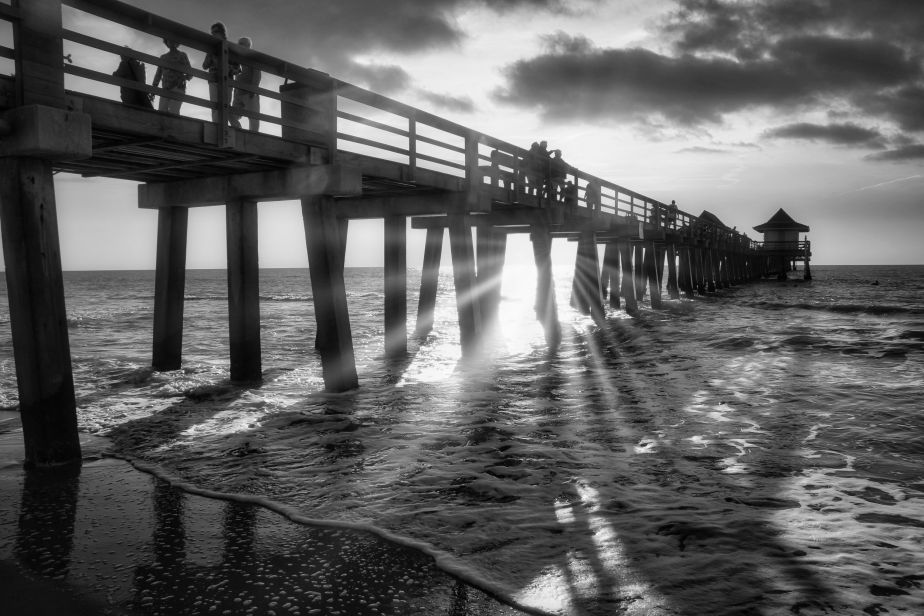
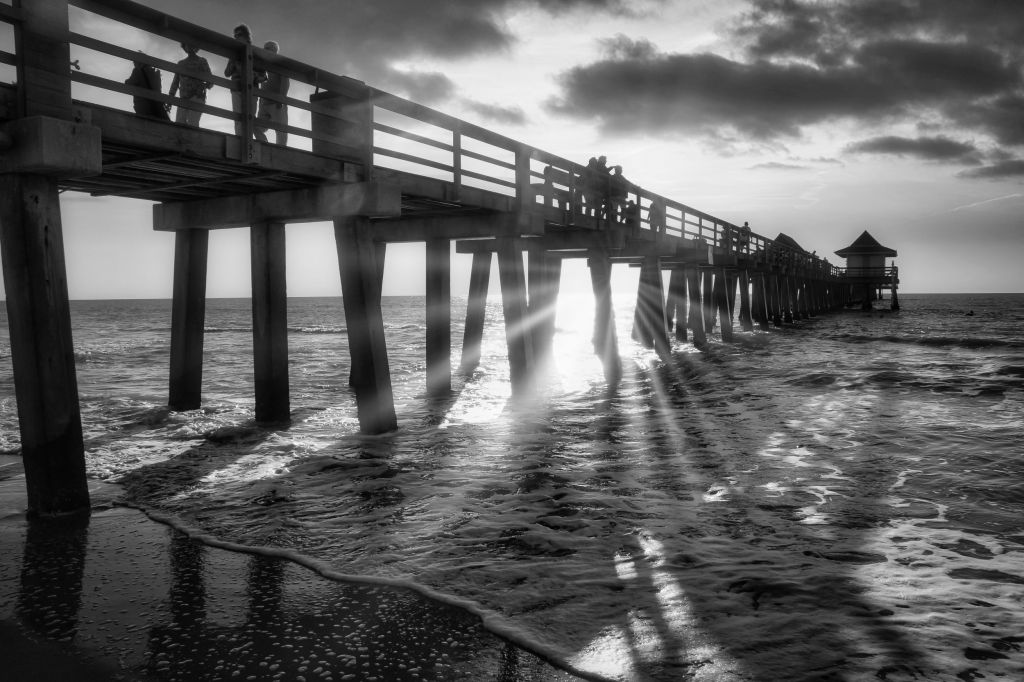
Sunset in B&W is it’s own thing to capture once again it comes to the light, lowlight in this case. How it enhances the shapes and creates shadows.

Sunset in Naples Pier. Unfortunately it was destroyed in Hurricane Ian, but I have a memory.

Naples Pier, Florida
Sunset in Miami

The way that light hits objects, I think, is one of the more important things that sculpture and photography share. – Rashid Johnson

Key West sunset

Posted for Bren’s Mid-Week Monochrome and Leanne’s Monochrome Madness

Beautiful in Black and White 10

I have a soft spot for black and white photography, I was once again reminded about the importance of exposure, light. It is the key element in these photos.

“Available light is any damn light that is available!” ~ W. Eugene Smith

Above is so importat during these gray November days.

Older trees have so much character
Mist in the forest in autumn

The way that light hits objects, I think, is one of the more important things that sculpture and photography share. – Rashid Johnson

when all the leaves are gone

Beautiful in Black and White 9

I have a soft spot for black and white photography, I was once again reminded about the importance of exposure, light. It is the key element in these photos.

The photographer is a manipulator of light; photography is a manipulation of light. – Laszlo Moholy-Nagy

the nature is gorgeous even without color
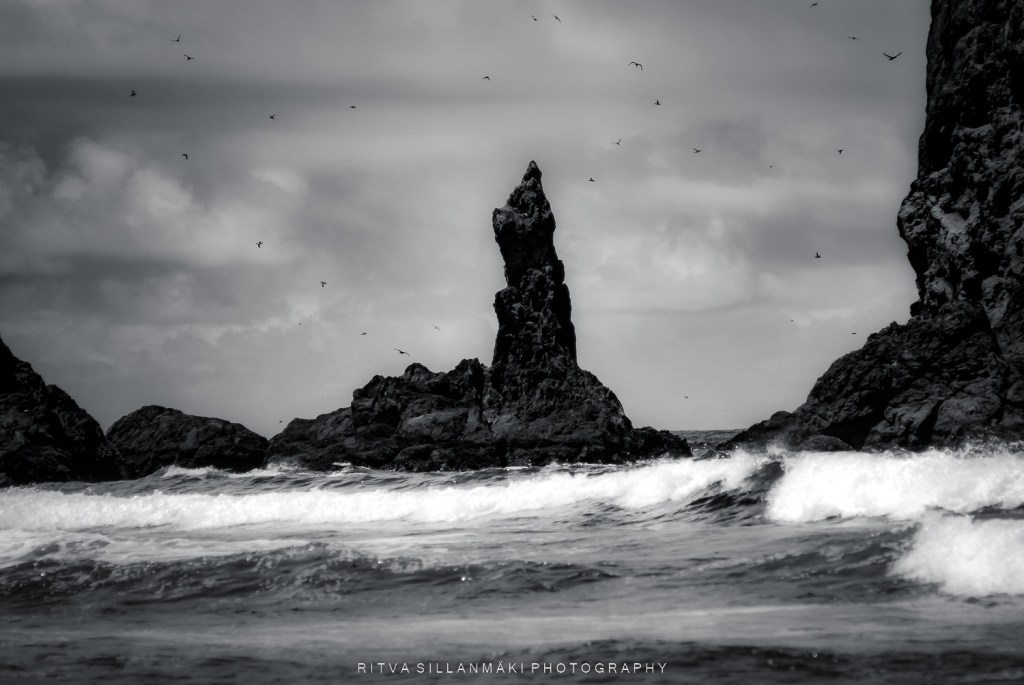
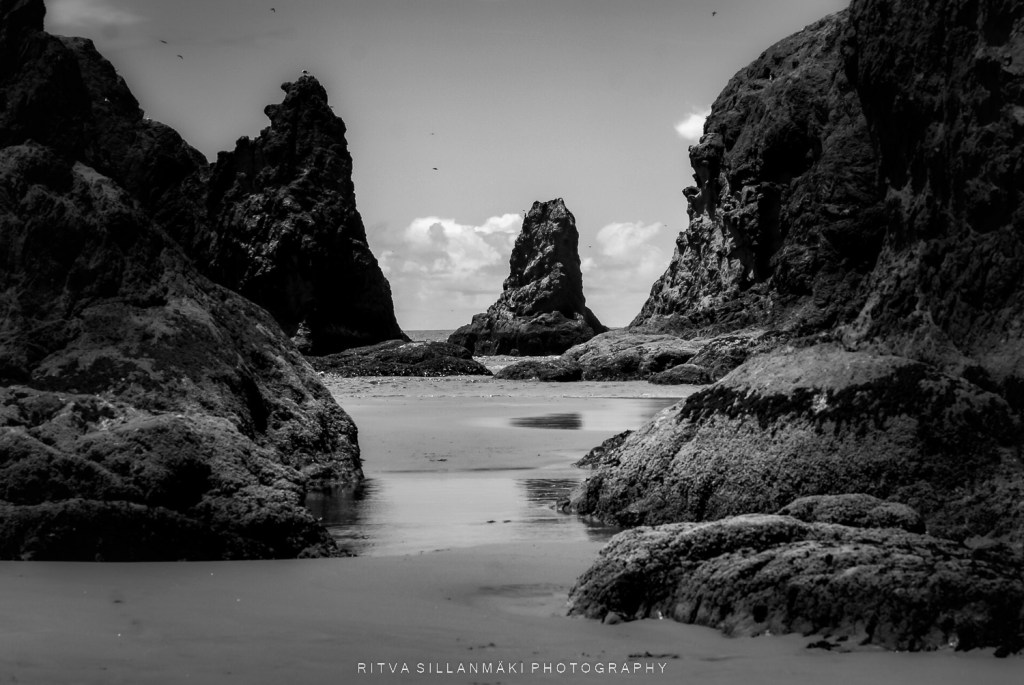
Ogegon coast is really beautiful and mostly it shines best in colors but in black and white photography the structure and shape are in important role.
Oregon coast with its rock formation

Beautiful in Black and White 11

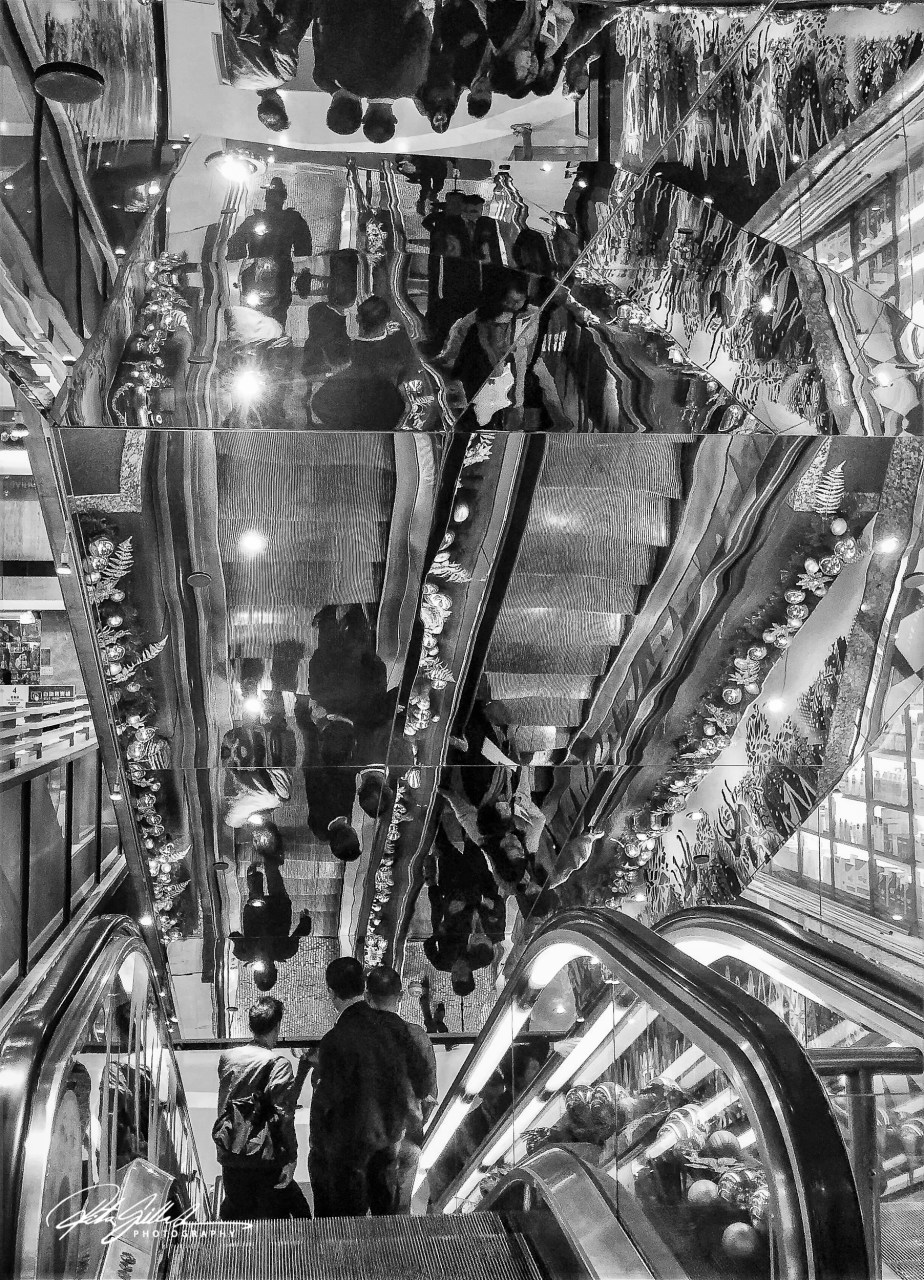
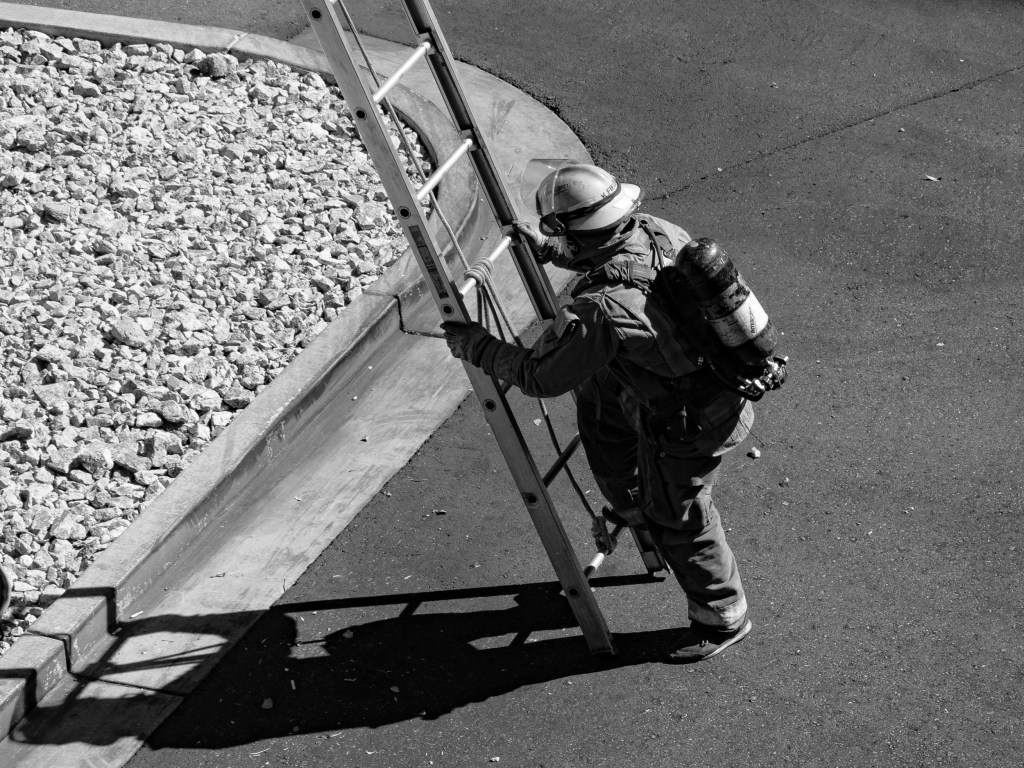
Moving Up and down, I’ve also linked this to CBWC

Firefighter
using your feet to climb up the mountain

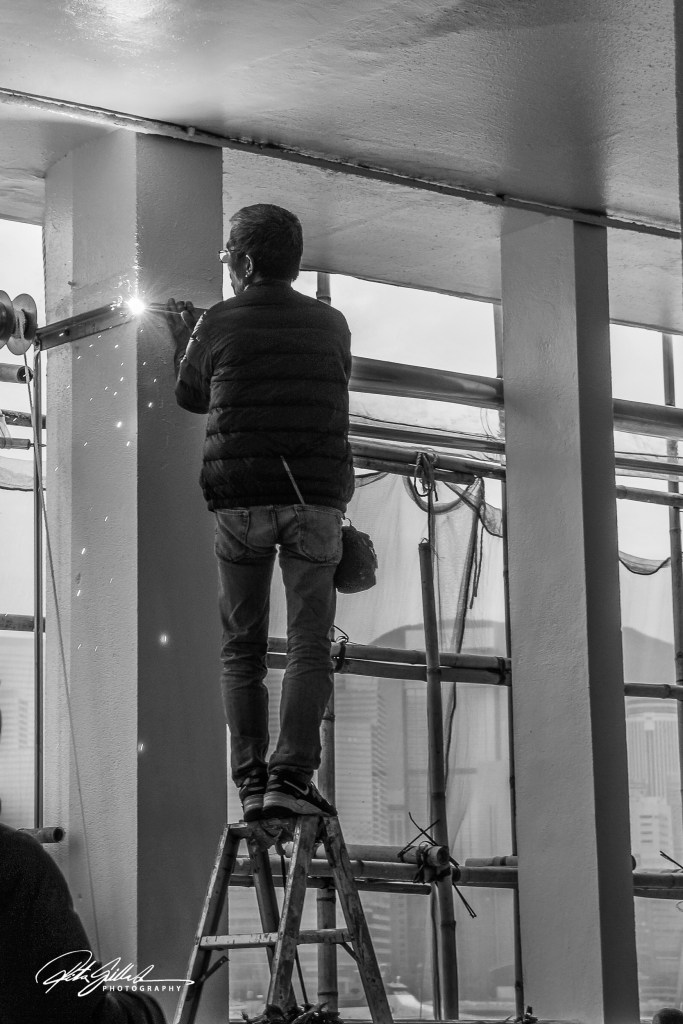
repairs

Escalator and lots of reflections

Beautiful in Black and White 7

Trees I’ve also linked this to CBWC, I had to do this again as I somehow deleted it and totally made a mess.

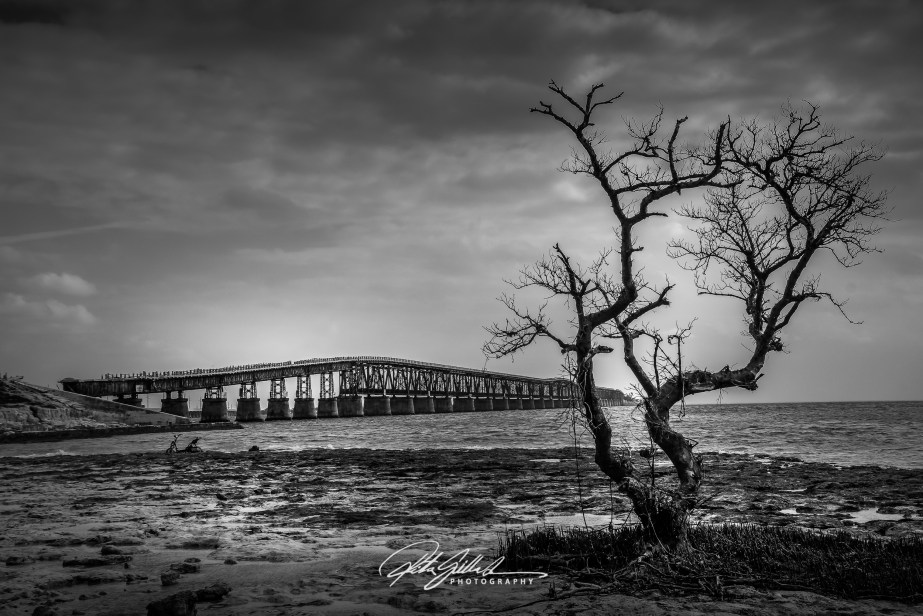
Bahia Honda Bridge and a tree trunk
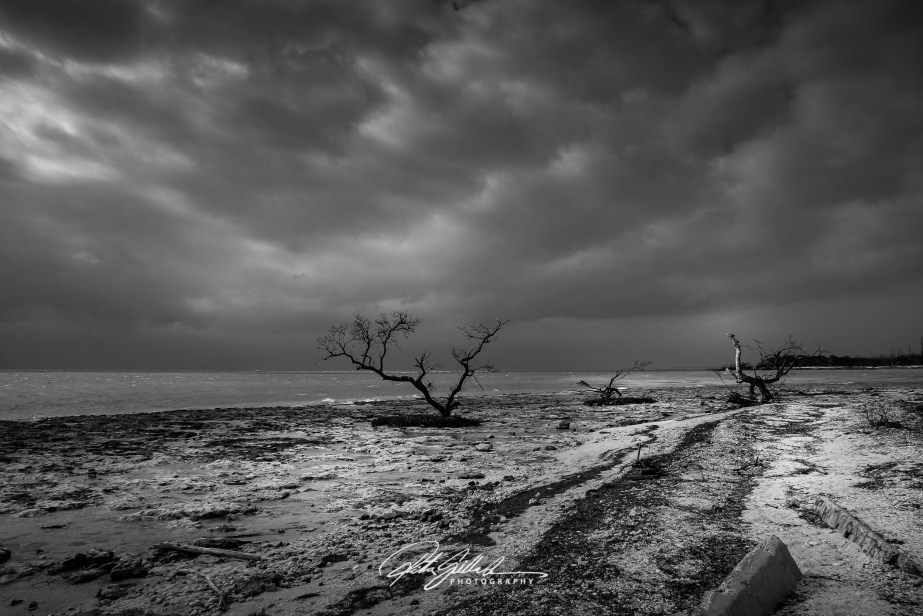
Clouds and tree trunks

Beautiful in Black and White 7

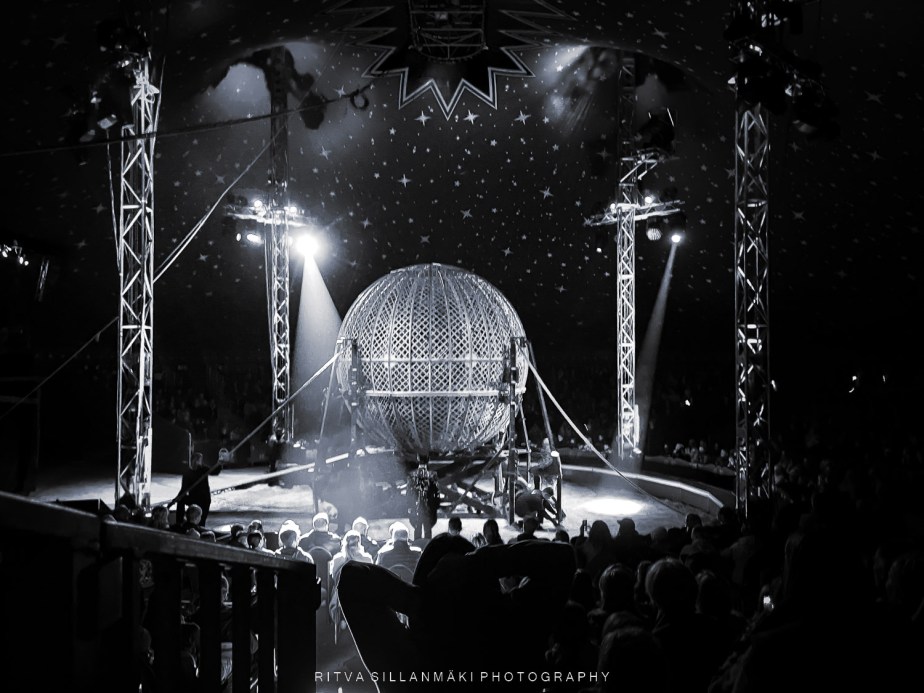
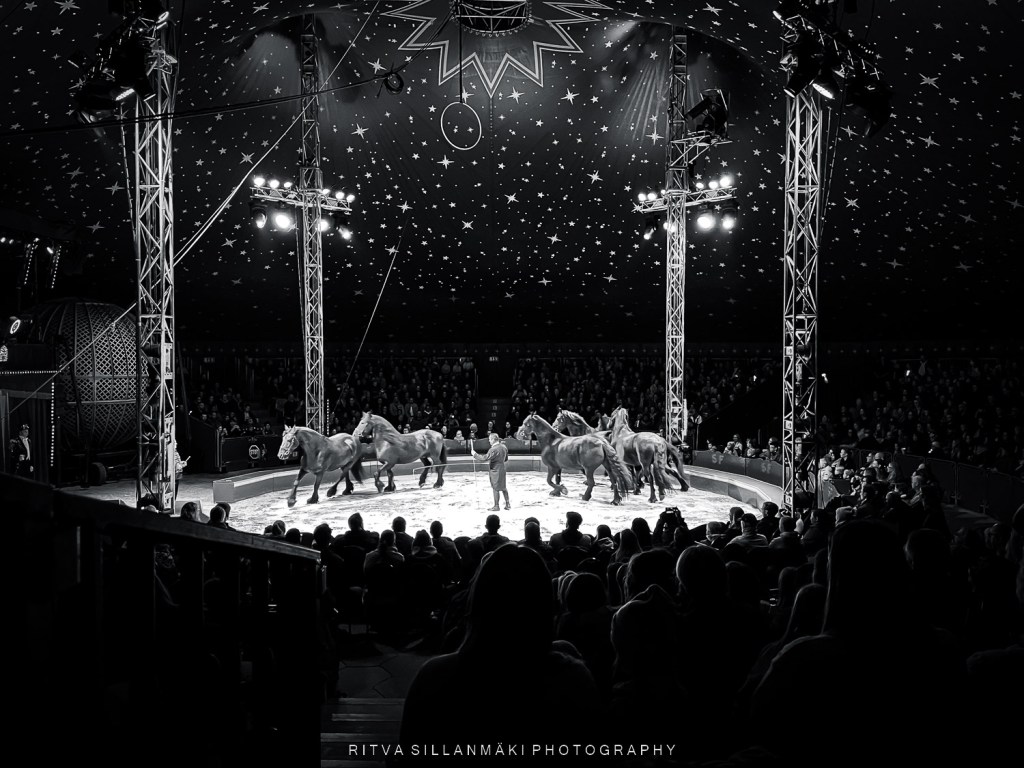
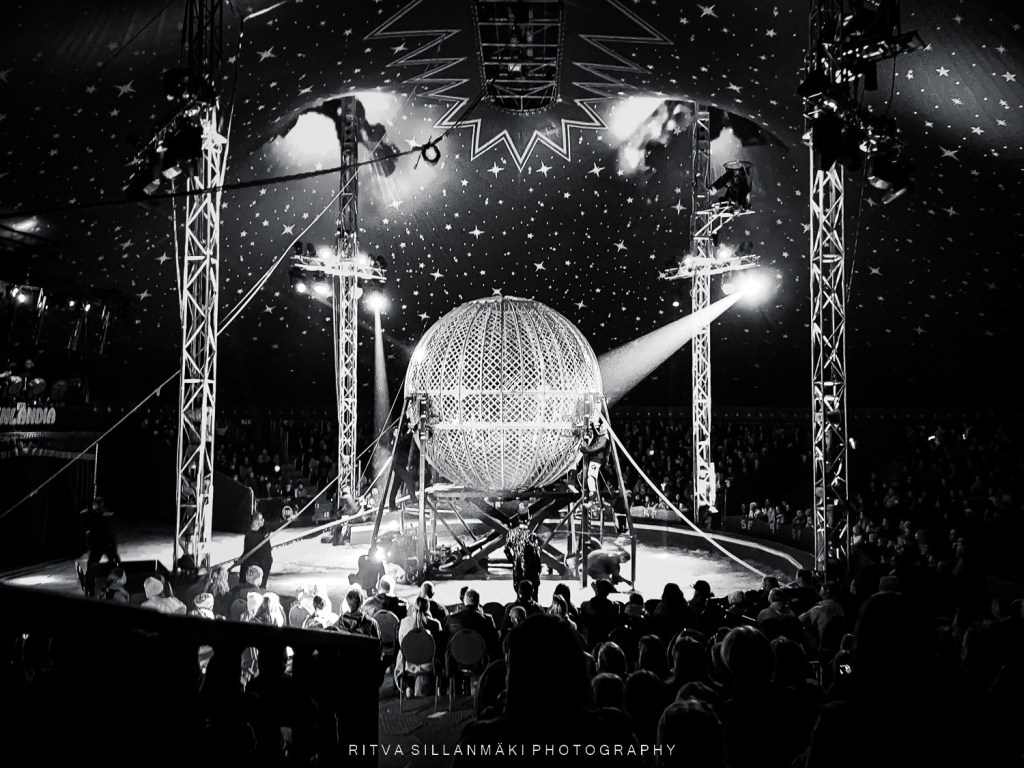
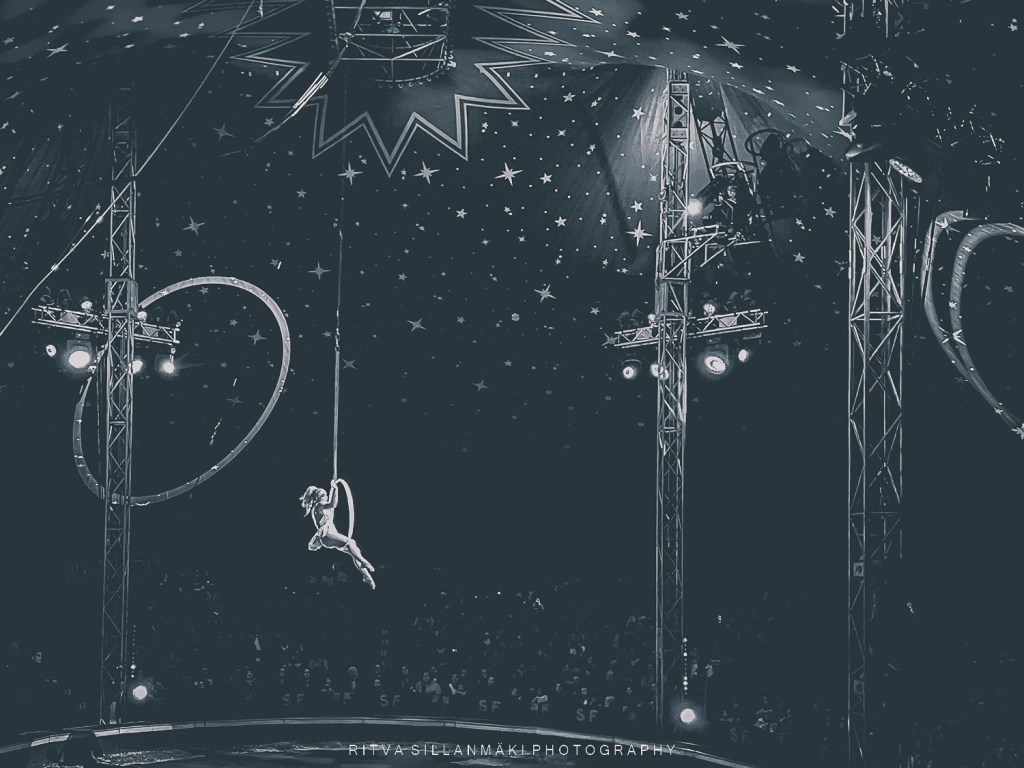
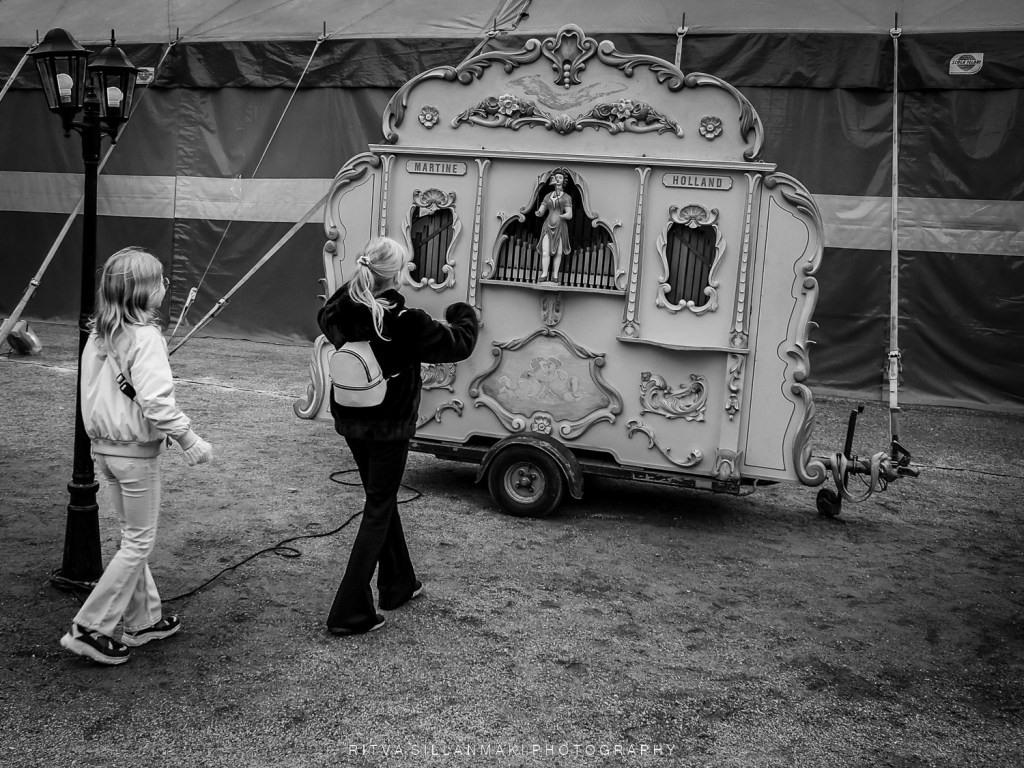
The circus in black and white photos has it’s own kind of mood.

Horses at the circus
Globe of Death
Aerial Hoop
Outside the kids looked at this Martine van from Holland

Beautiful in Black and White 6

Beautiful seaside views from Inkoo. I’ve also linked this to CBWC

Seen from behind the tree
On a hill

Beautiful in Black and White 5

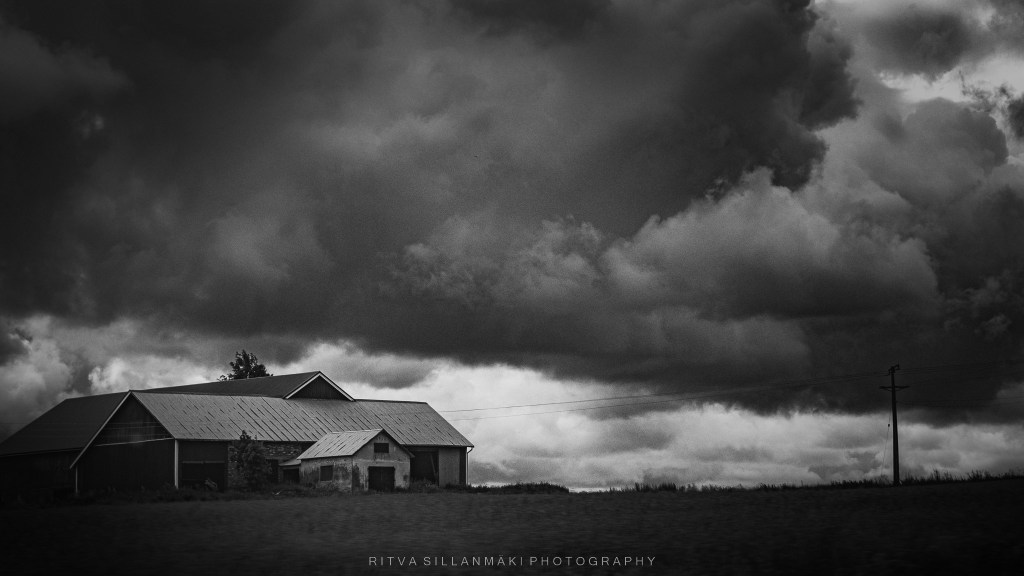
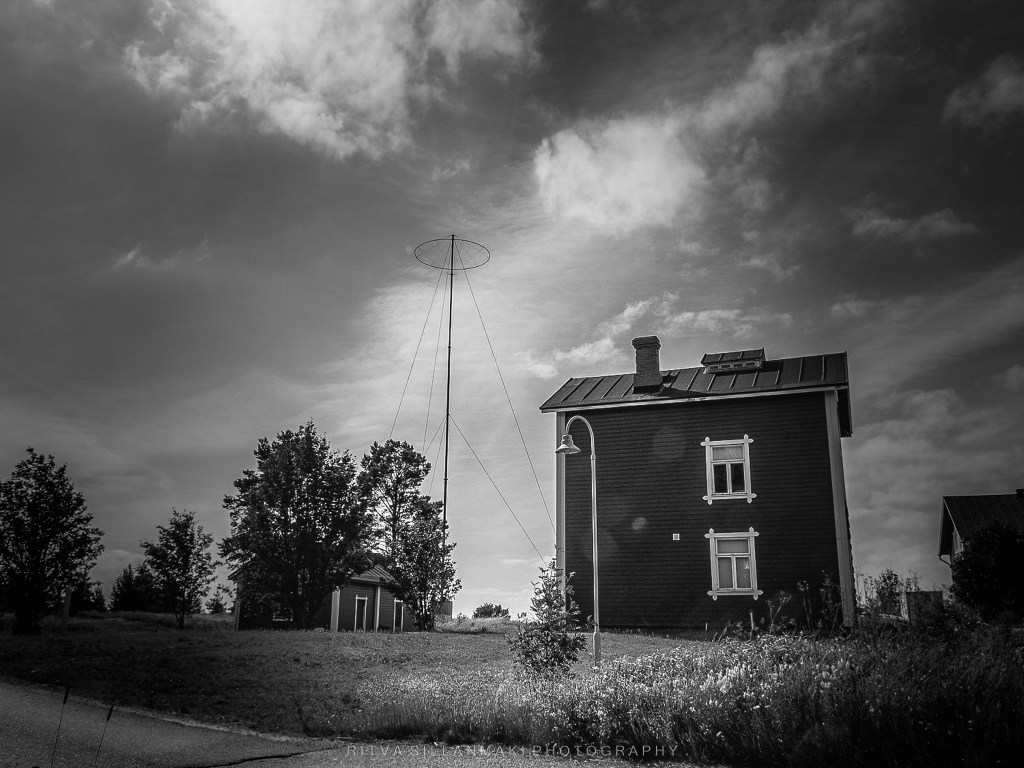
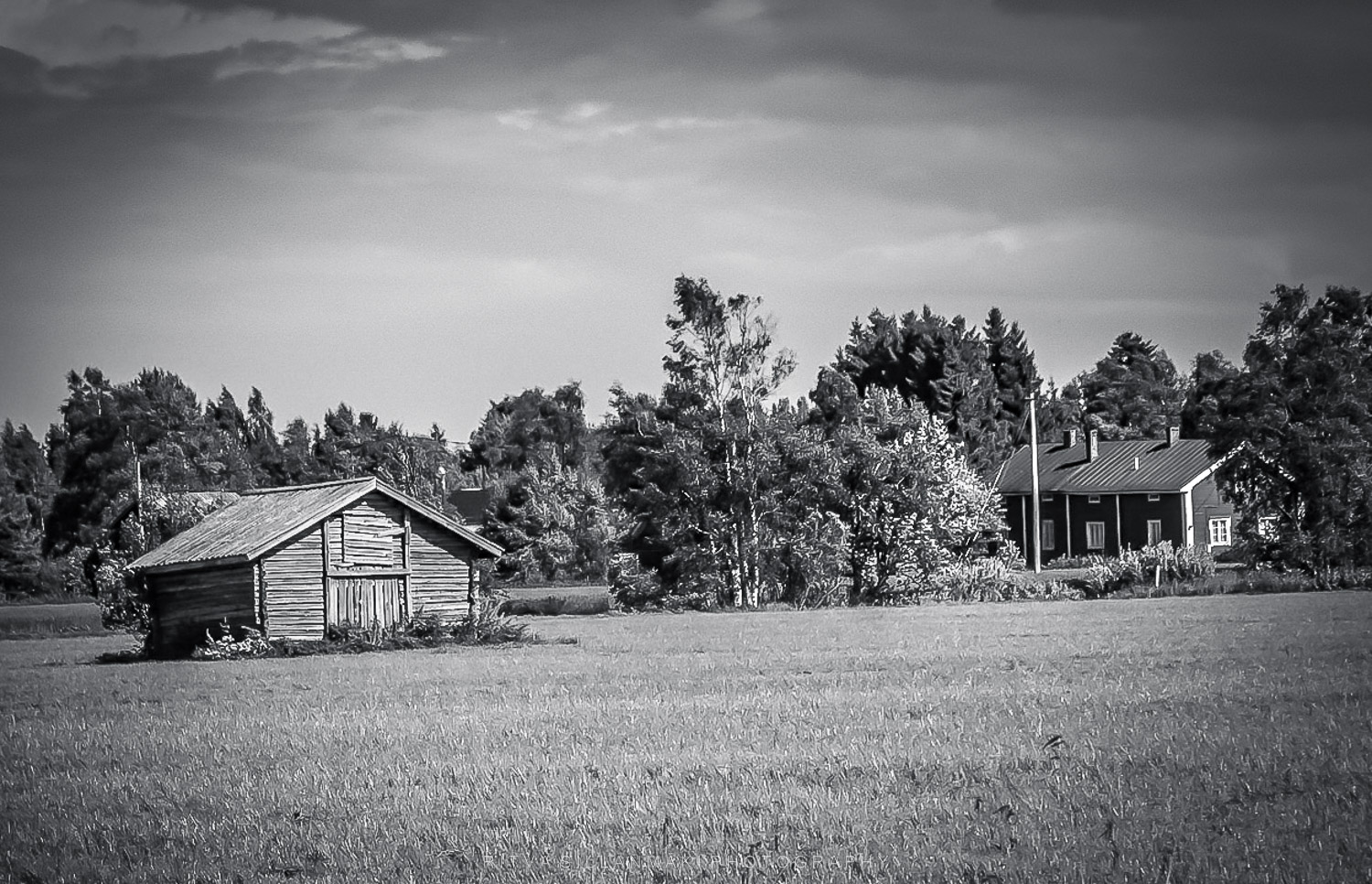
Some building and barns seen I’ve seen this summer

Farm house on a hill with dark clouds

Hailuoto is the largest island in the Bothnian Bay. The island started to rise from the sea approximately 2,000 years ago and continues to do so. Eventually the island will adjoin mainland. The island has been inhabited for at least 1,000 years. Fishing was naturally essential for the islanders as was agriculture. By the end of the 19th century, population on the island had reached 2,000 inhabitants but by the 60’s and 70’s started to fall. In 1980, the number of inhabitants had dropped below 900, but since then has increased again steadily and is now around 1,000 residents.

Hailuoto natural environment is an asset and we do our best to preserve it for future generations by different conservation programmes.  Protection covers birds, shoreline and unique esker formations. The rising shoreline is constantly changing and thus forms a living conservation area. The built environment in Hailuoto is characterised by well-preserved traditional buildings and therefore, together with its unique nature, Hailuoto was designated one of the national landscapes in Finland and actually the only one with national landscape covering the entire municipality. (https://www.hailuoto.fi/en/info-2/information-about-hailuoto/ )

Beautiful in Black and White 4

Marjaniemi is the westernmost point in the island at the end of the road in Hailuoto, these are from the beach at Marjaniemi. Sea, sand, waves and clouds, is what this post is about.

A cloudy day allows you to have moody and visually interesting images. I love looking at clouds, listening to the wind and watching how the waves flow,trying to count when the big wave comes. I have heard when younger that every 7th wave is bigger… don’t know if it is true 🙂

clouds over the sea
On the beach

Hailuoto is the largest island in the Bothnian Bay. The island started to rise from the sea approximately 2,000 years ago and continues to do so. Eventually the island will adjoin mainland. The island has been inhabited for at least 1,000 years. Fishing was naturally essential for the islanders as was agriculture. By the end of the 19th century, population on the island had reached 2,000 inhabitants but by the 60’s and 70’s started to fall. In 1980, the number of inhabitants had dropped below 900, but since then has increased again steadily and is now around 1,000 residents.

Hailuoto natural environment is an asset and we do our best to preserve it for future generations by different conservation programmes.  Protection covers birds, shoreline and unique esker formations. The rising shoreline is constantly changing and thus forms a living conservation area. The built environment in Hailuoto is characterised by well-preserved traditional buildings and therefore, together with its unique nature, Hailuoto was designated one of the national landscapes in Finland and actually the only one with national landscape covering the entire municipality. (https://www.hailuoto.fi/en/info-2/information-about-hailuoto/ )

Beautiful in Black and White 3

Marjaniemi is the westernmost point in the island at the end of the road in Hailuoto. 

Marjaniemi has been a harbour and a fishing location for hundreds of years. It is still an important harbour in the Bothnian Bay. The importance of fishing in the old days for the fishing village and villagers is still present today.  Even today, considerable amounts of herring, whitefish and salmon are unloaded from ships in the harbour.

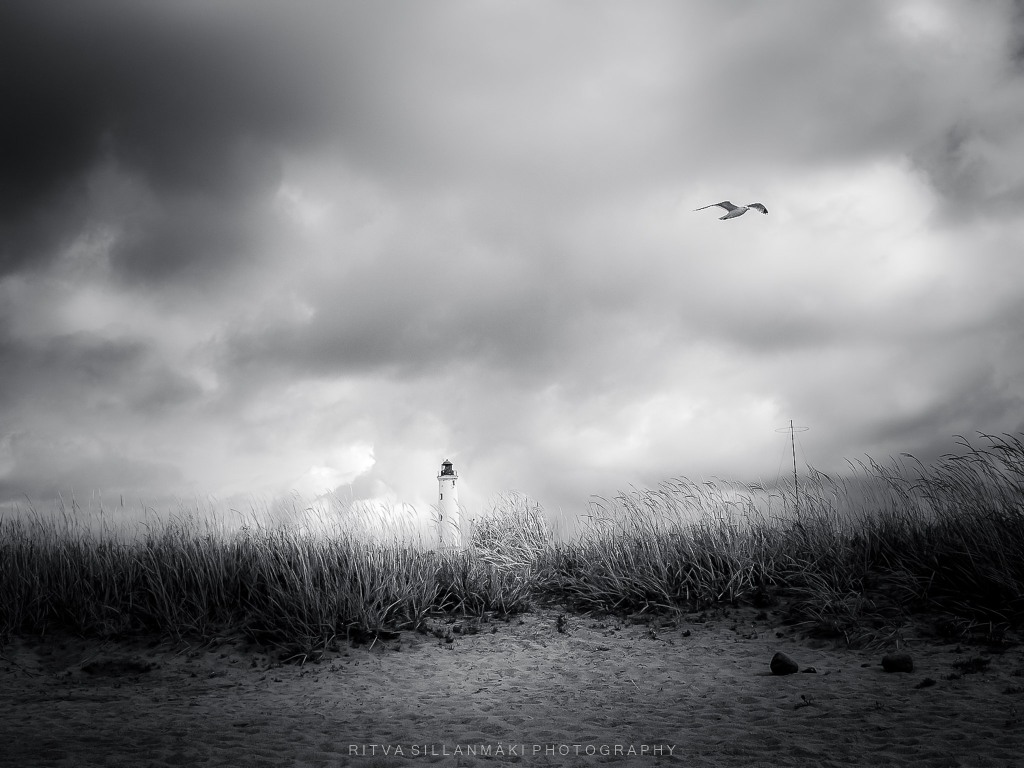
Pilotage started in Marjaniemi in the 18th century and still continues.  One of the most popular attractions in Hailuoto is the Marjaniemi lighthouse, built in 1871 and opened on 3rd September 1872, guiding the sailors for a long time now.

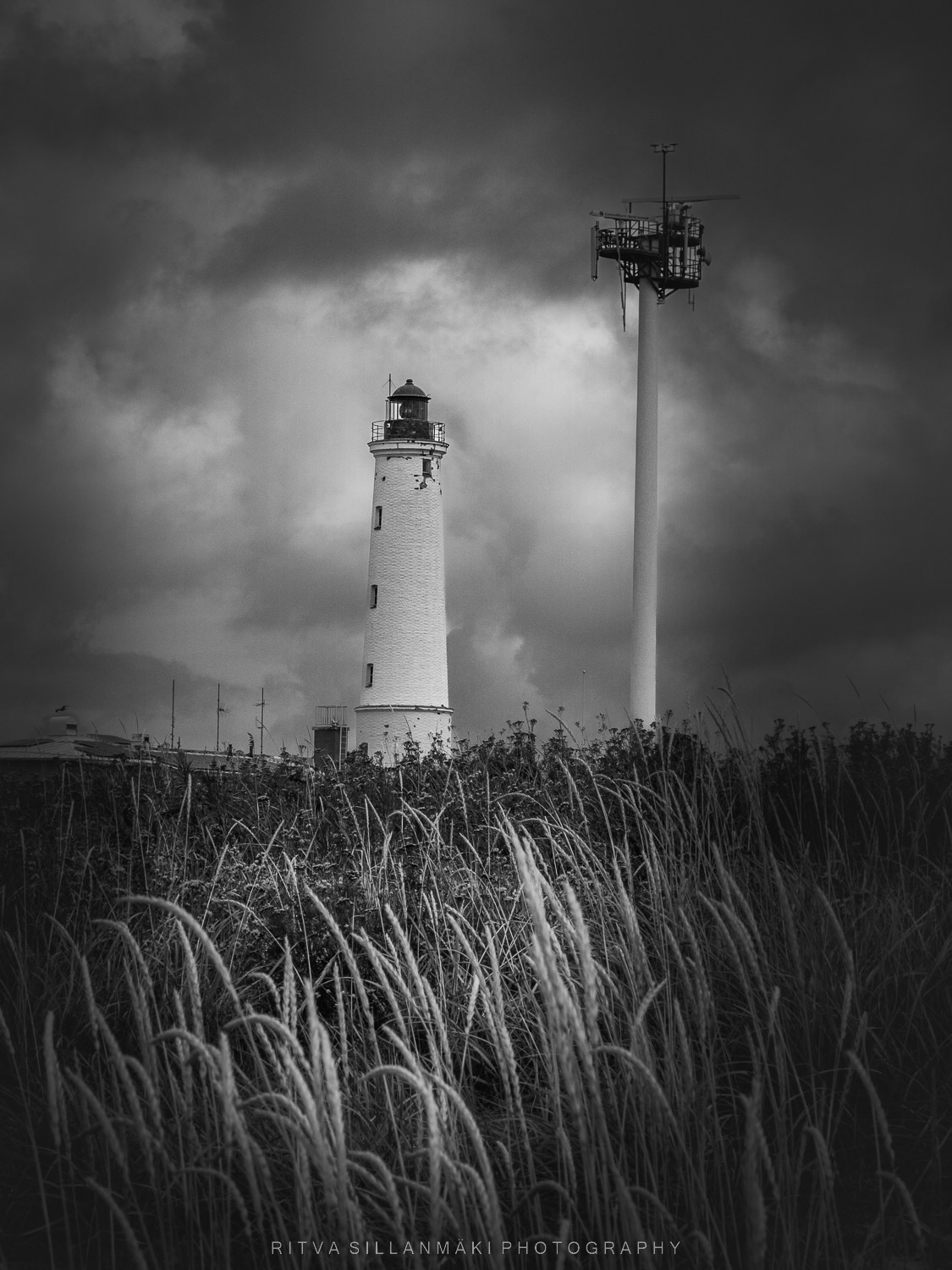
Clouds and Marjaniemi Lighthouse
Lighthouse in Hailuoto
in this image I edited the ugly radar spar built next to it.

Hailuoto is the largest island in the Bothnian Bay. The island started to rise from the sea approximately 2,000 years ago and continues to do so. Eventually the island will adjoin mainland. The island has been inhabited for at least 1,000 years. Fishing was naturally essential for the islanders as was agriculture. By the end of the 19th century, population on the island had reached 2,000 inhabitants but by the 60’s and 70’s started to fall. In 1980, the number of inhabitants had dropped below 900, but since then has increased again steadily and is now around 1,000 residents.

Hailuoto natural environment is an asset and we do our best to preserve it for future generations by different conservation programmes.  Protection covers birds, shoreline and unique esker formations. The rising shoreline is constantly changing and thus forms a living conservation area. The built environment in Hailuoto is characterised by well-preserved traditional buildings and therefore, together with its unique nature, Hailuoto was designated one of the national landscapes in Finland and actually the only one with national landscape covering the entire municipality. (https://www.hailuoto.fi/en/info-2/information-about-hailuoto/ )

Beautiful in Black and White 2 –

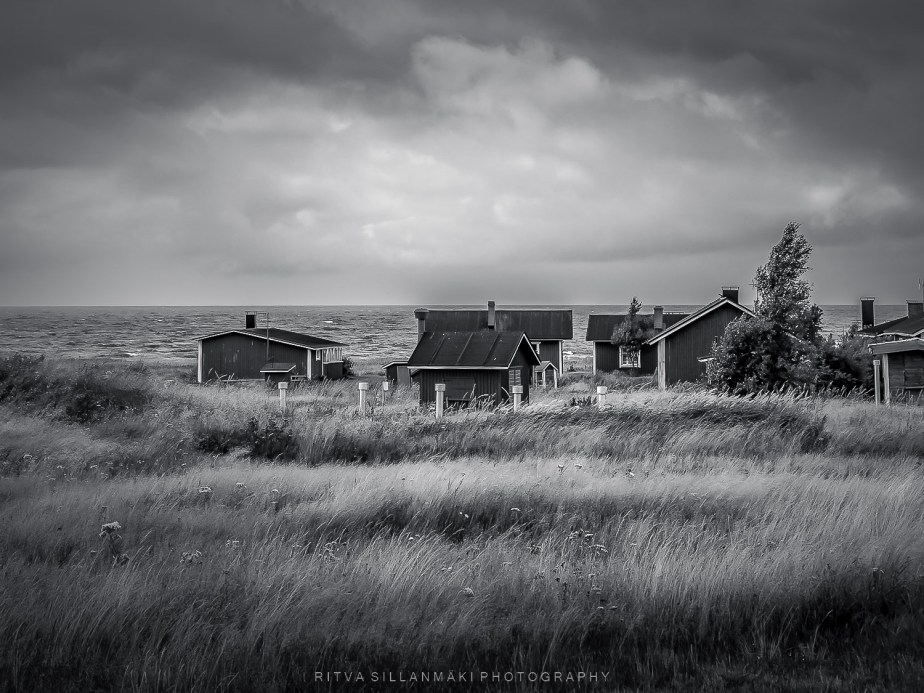
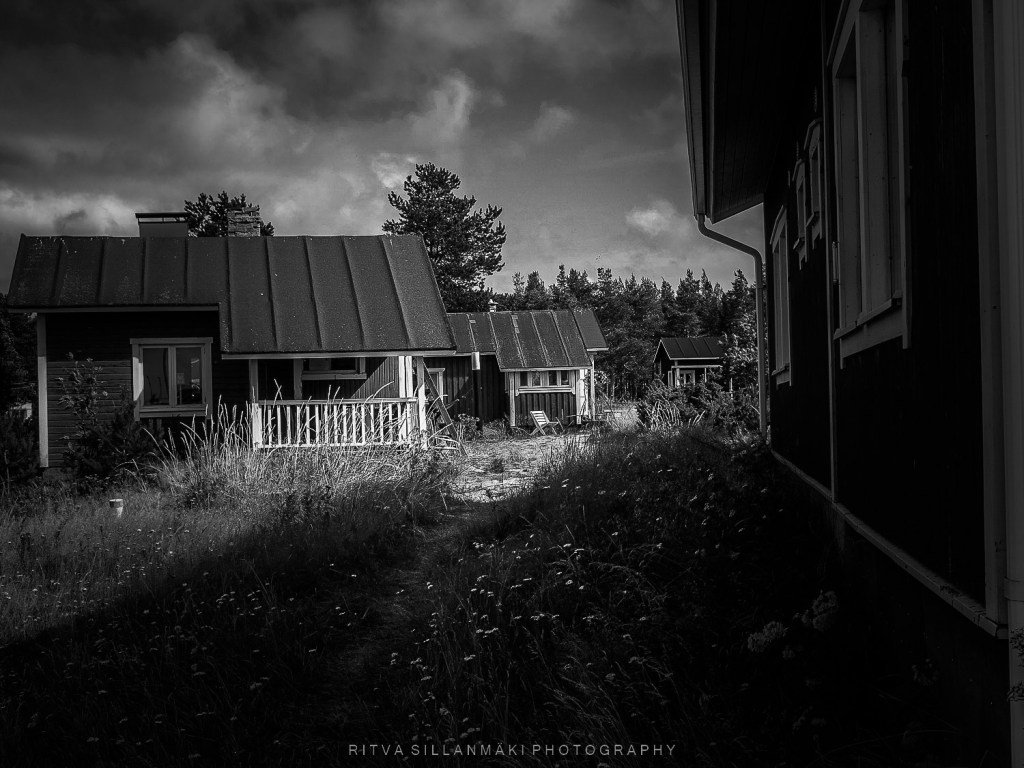
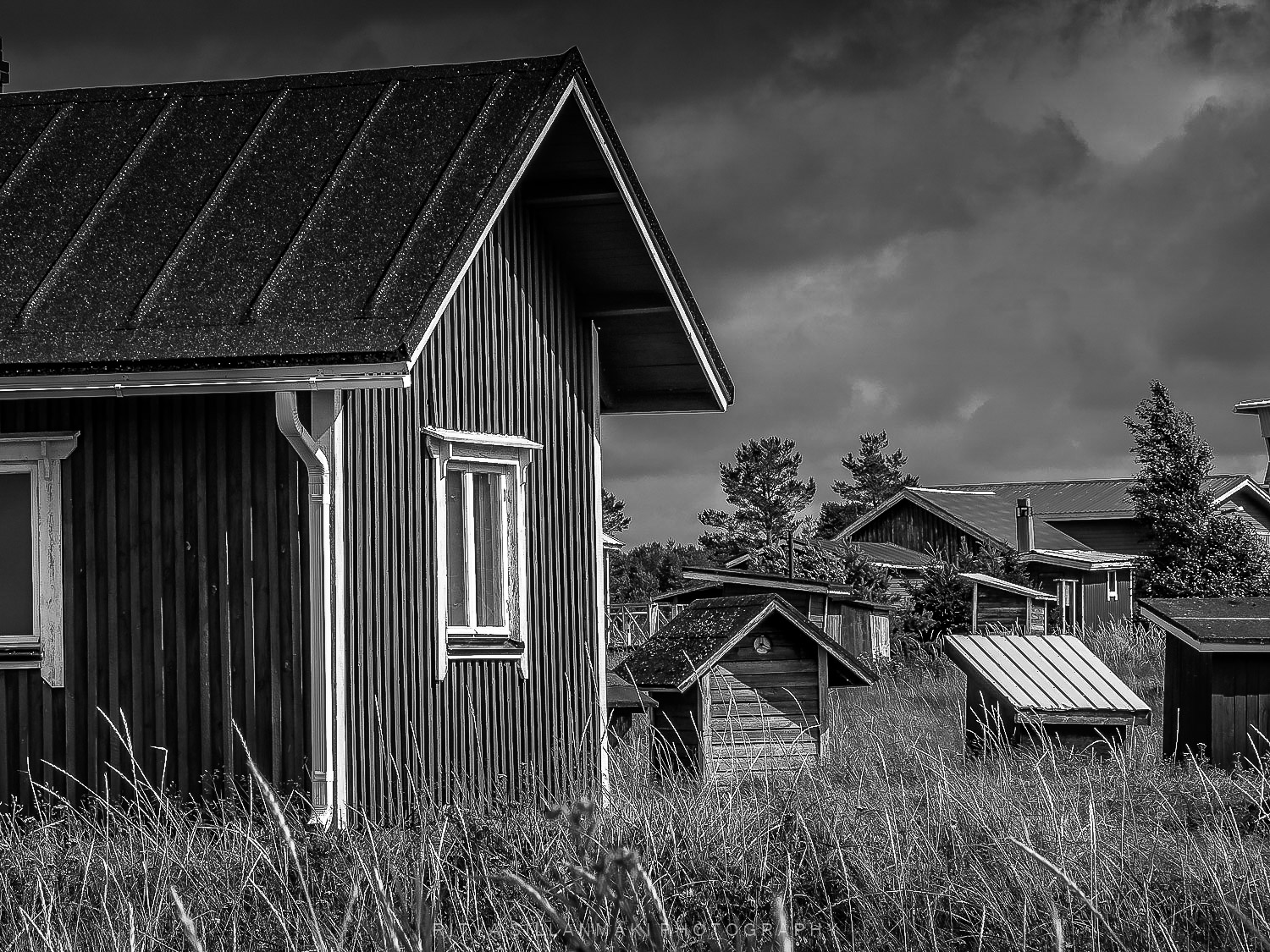
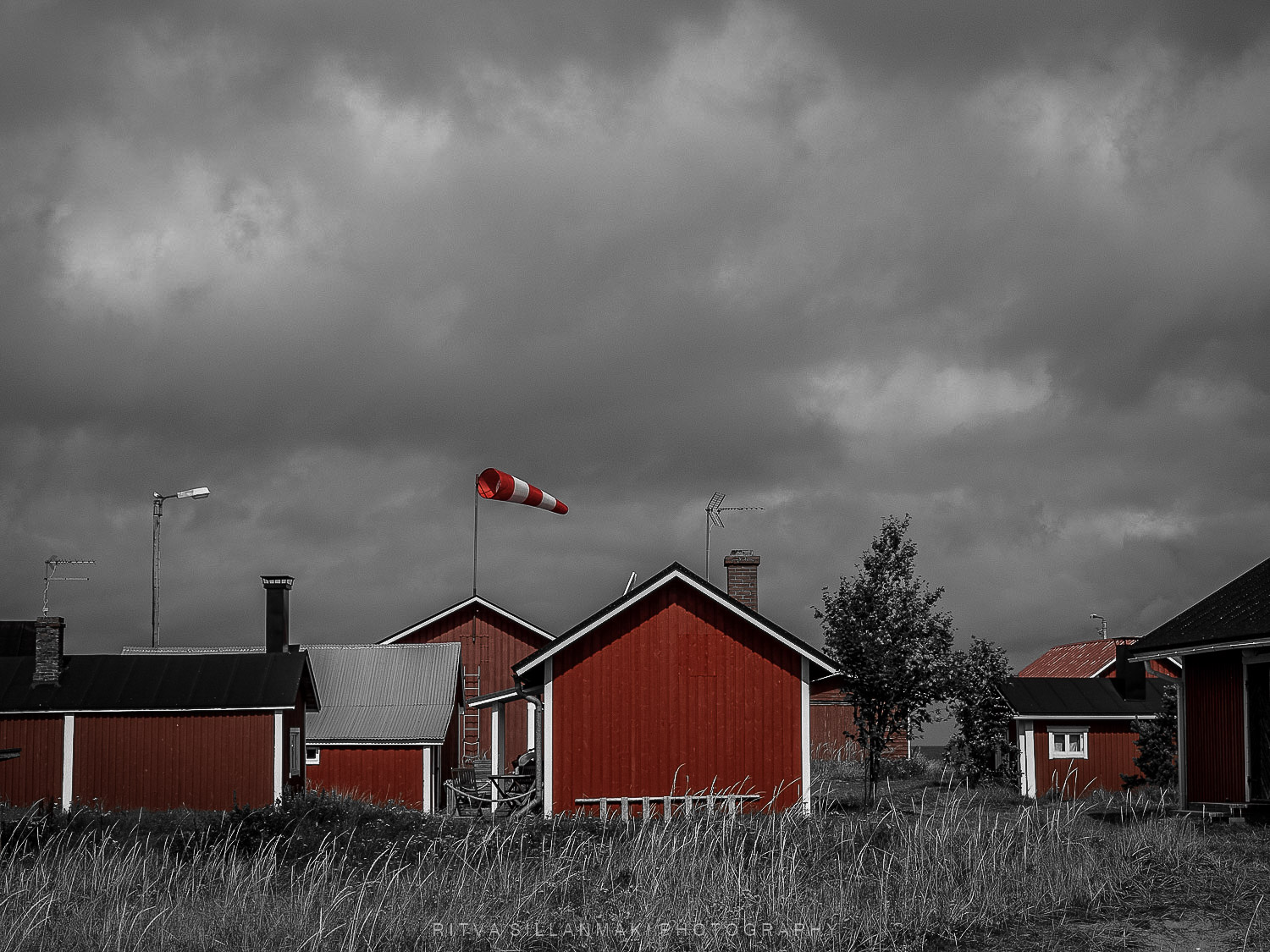
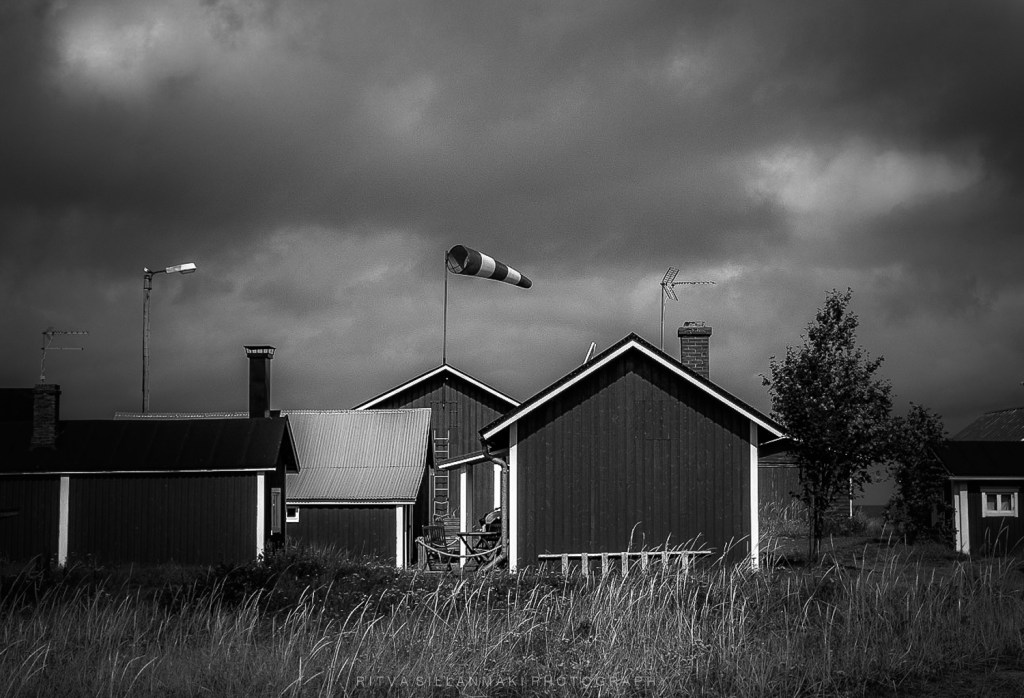
These red cabins in Hailuoto are my next topic, the built environment in Hailuoto is characterised by well-preserved traditional buildings, I took many shots of them here is tthe ones I have edited into black and white.

Red cabins in black and white
Hailuoto fishers cabins

Hailuoto is the largest island in the Bothnian Bay. The island started to rise from the sea approximately 2,000 years ago and continues to do so. Eventually the island will adjoin mainland. The island has been inhabited for at least 1,000 years. Fishing was naturally essential for the islanders as was agriculture. By the end of the 19th century, population on the island had reached 2,000 inhabitants but by the 60’s and 70’s started to fall. In 1980, the number of inhabitants had dropped below 900, but since then has increased again steadily and is now around 1,000 residents.

Hailuoto natural environment is an asset and we do our best to preserve it for future generations by different conservation programmes.  Protection covers birds, shoreline and unique esker formations. The rising shoreline is constantly changing and thus forms a living conservation area. The built environment in Hailuoto is characterised by well-preserved traditional buildings and therefore, together with its unique nature, Hailuoto was designated one of the national landscapes in Finland and actually the only one with national landscape covering the entire municipality. (https://www.hailuoto.fi/en/info-2/information-about-hailuoto/ )

Beautiful in Black and White 1

I love black and white photography, I think portraits are more expressive and intensive in black and white. Same applies to photos of objects and architecture and stormy weather looks great in black and white images. I will post some of my summer photos that I think look great in grey scale under this title… how many is still a surprise for me too.

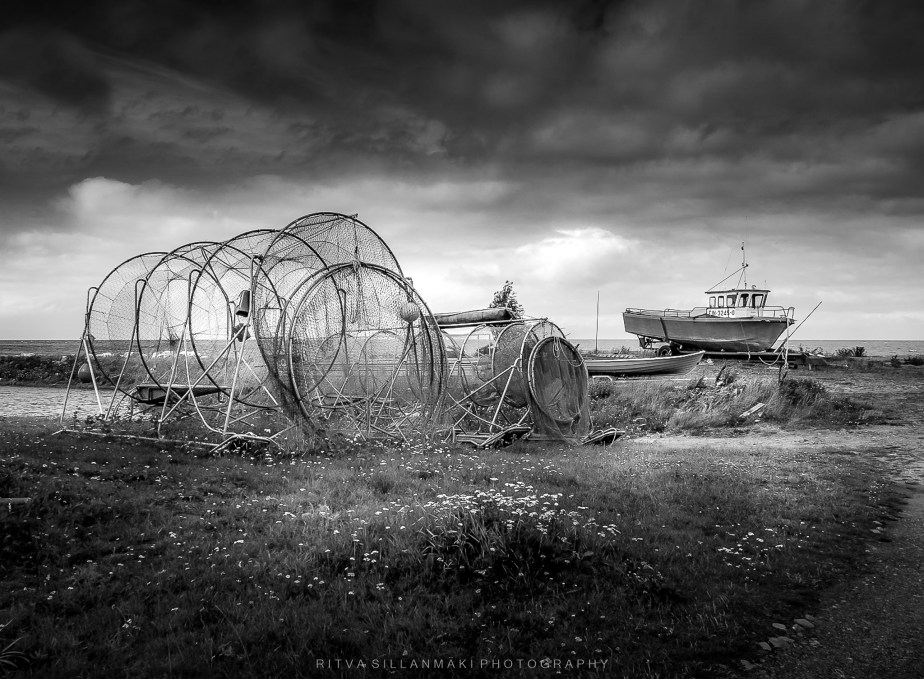
Fishing net and fishing boat on land at Hailuoto

This is the first one I did, and it encouraged me to continue as I liked the result. We visited Hailuoto this summer and I was at first sight drawn to the landscape there. Below some information about the area.

Hailuoto is the largest island in the Bothnian Bay. The island started to rise from the sea approximately 2,000 years ago and continues to do so. Eventually the island will adjoin mainland. The island has been inhabited for at least 1,000 years. Fishing was naturally essential for the islanders as was agriculture. By the end of the 19th century, population on the island had reached 2,000 inhabitants but by the 60’s and 70’s started to fall. In 1980, the number of inhabitants had dropped below 900, but since then has increased again steadily and is now around 1,000 residents.

Hailuoto natural environment is an asset and we do our best to preserve it for future generations by different conservation programmes.  Protection covers birds, shoreline and unique esker formations. The rising shoreline is constantly changing and thus forms a living conservation area. The built environment in Hailuoto is characterised by well-preserved traditional buildings and therefore, together with its unique nature, Hailuoto was designated one of the national landscapes in Finland and actually the only one with national landscape covering the entire municipality. (https://www.hailuoto.fi/en/info-2/information-about-hailuoto/ )

52 Frames, Week 13: Emotion

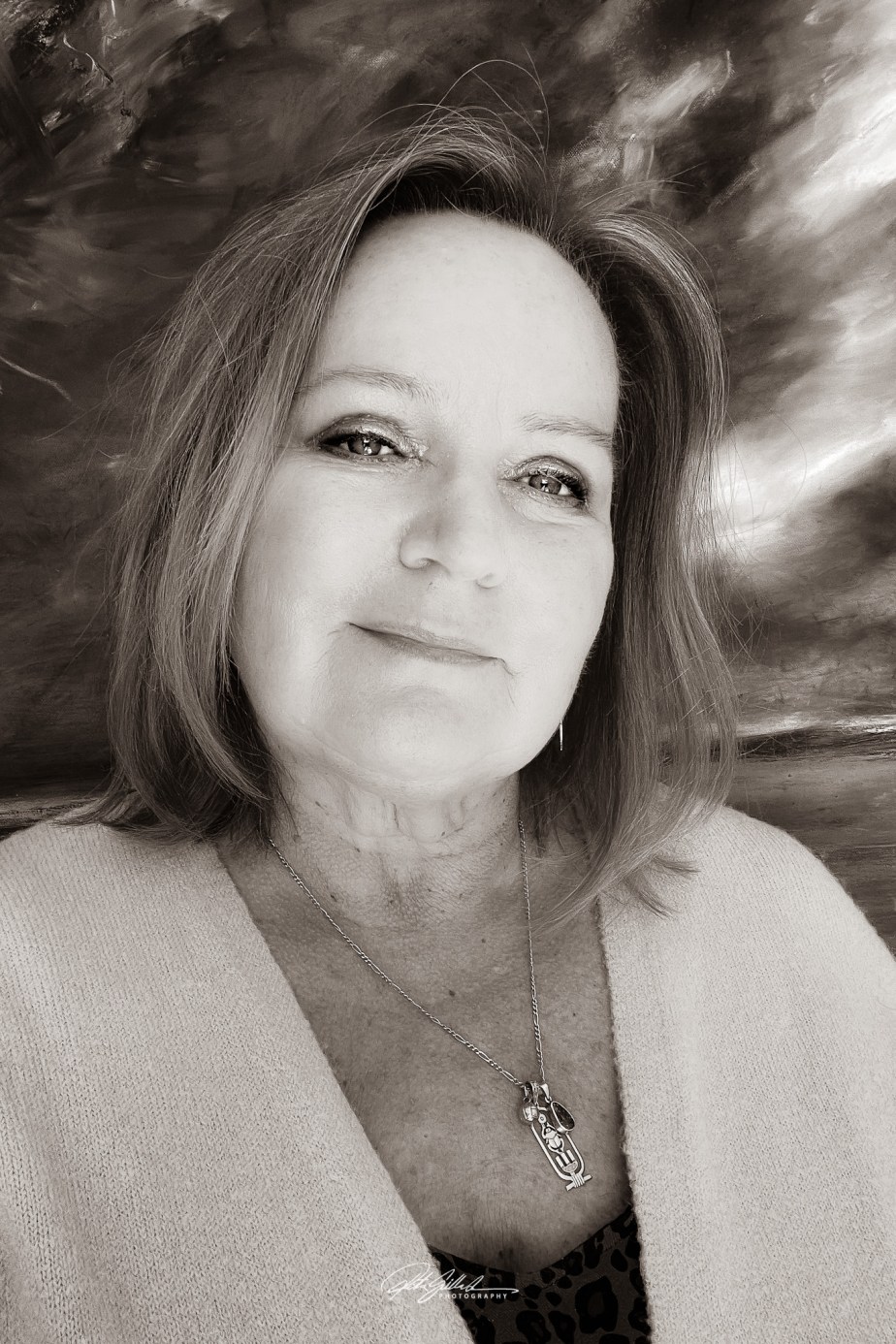
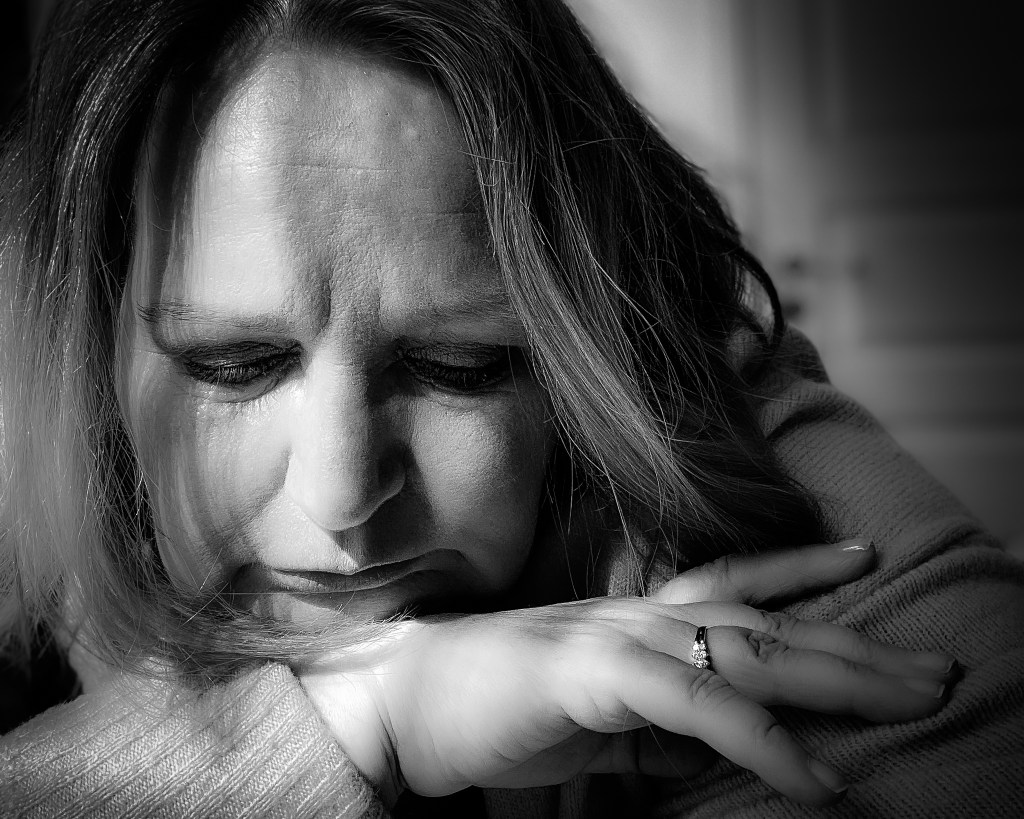
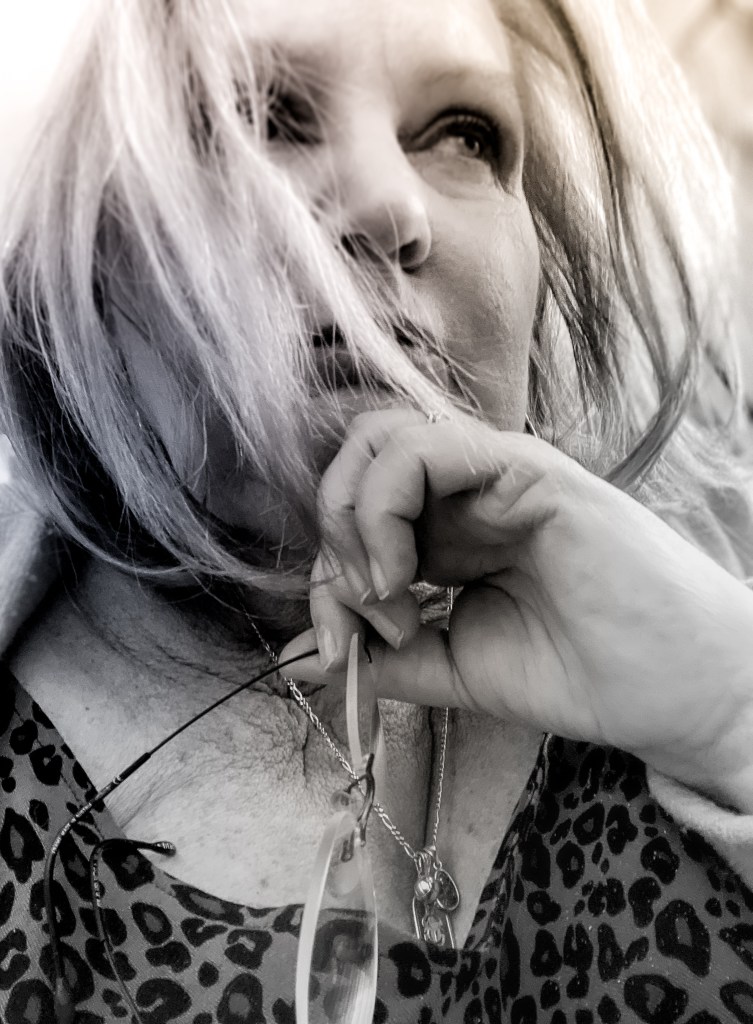
This week, in search for emotion and someone to photograph, I think I have over used my model, so I gave him a week off 🙂 I am full of emotions, I took some selfies as I had no one to else available had a busy week at work and did not getting anything done. No grandkids live near any more, because their expressive faces would have been so easy to capture true emotion.

On to a “creative-led” challenge this week! Really the core of what photography is about, the core of EVERY story – Emotion. Strong photos should tell a clear story and evoke feelings in those who see our shots.
sad, tired …

What could emotion look like? Perhaps the happiness reflected in the eyes of a child, the look of love shared between a couple, the joy of a team celebrating their latest win on the football field or even the pride of a baker showcasing their latest creation. Human emotions run deep and are varied – we can be pensive, or be battling our inner demons – introspective portraits can tell compelling stories.

Slightly optimistic, I will come up with something…

Or just happy ….

52 Frames, Week 11: An Activity!

I have been recovering from an oculoplastic surgery, I look like an owl. I have since Thursday been doing cold treatment, eye drops and antiseptic cream in eyes several times a day. So trying to get a shot of any sort of activity has been a challenge.

But we did go out for lunch yesterday so I took some shot then. I actually sat in the restaurant with my sunglasses on the entire time, felt a bit silly, but no way could ruin other peoples appetite by showing my eyes.

This week, in search for An Activity 

At any given point of time, we’re all doing something, so let’s capture that this week and shoot An Activity. This week’s challenge is deliberately open-ended and is there for you to make the most of your creative juices. Basically, think of a verb, something ending in -ing.

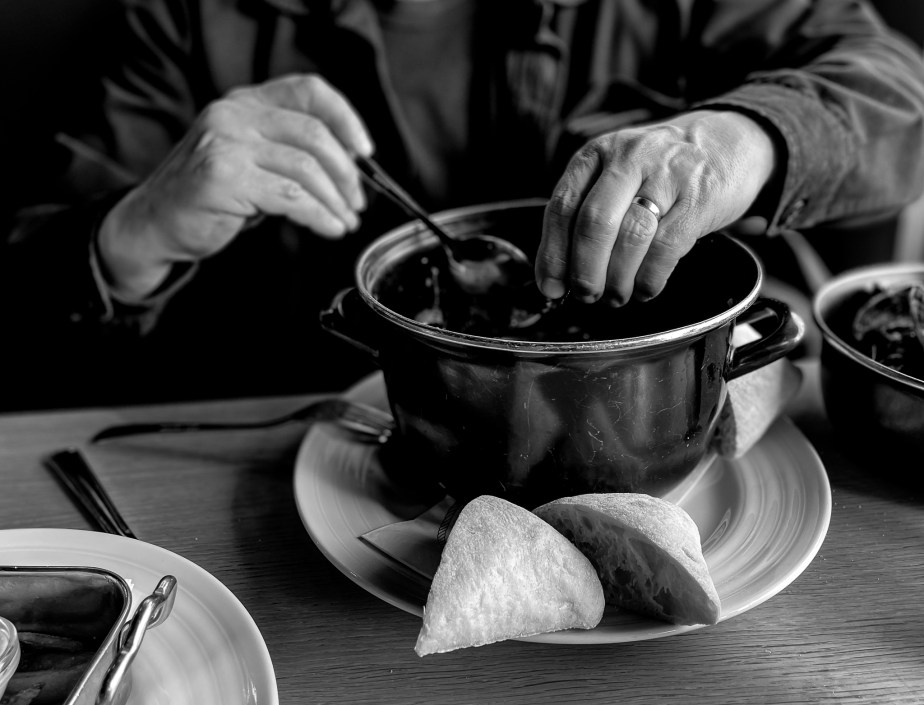
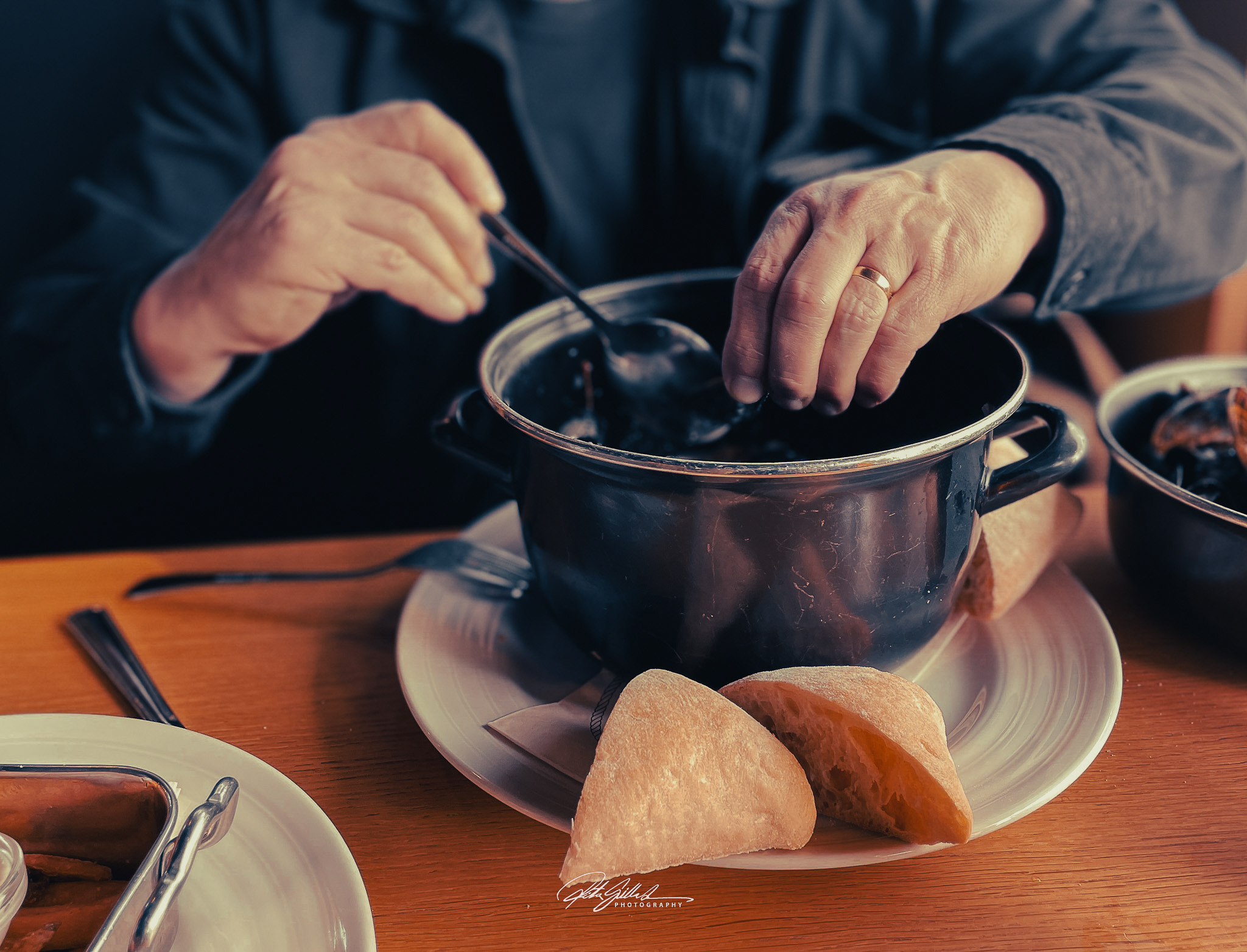
we do need to eat …

Capture a moment in time that depicts someone doing something. Set the tone of the image to add more depth and emotion to your shot. Think about why you want to capture this particular scene and how you can best convey that to your viewer. How ? Make good choices with your lens, composition, lighting and of course, how you edit your image in the end.

we could go walking
me watching hubby dropping snow from the patio roof..

Color or black and white.

52 Frames, Week 10: Low Key!

This week, we’re going low, or at least shooting Low Key. 

A low key image is going to have shadows, dark tones and, in a lot of cases, the subject of the photo is the only thing shown off with your lighting.

And speaking of light, there is usually only one source of lighting, but be careful because you could shoot with one light source and still not be hitting a true low key photo.

Low Key
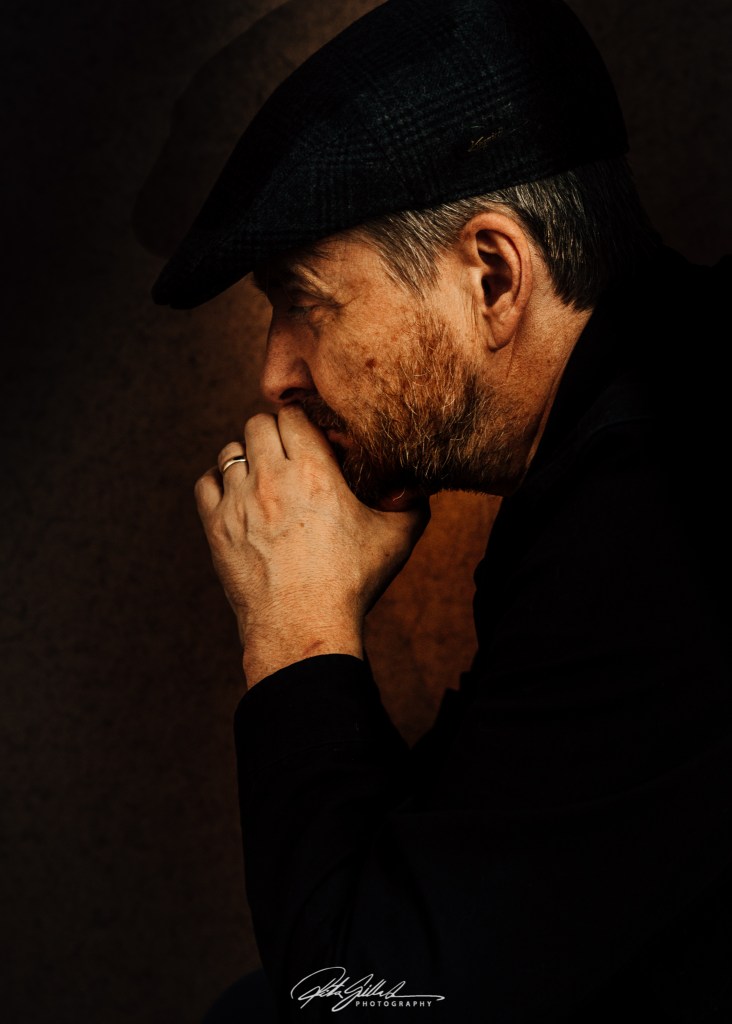
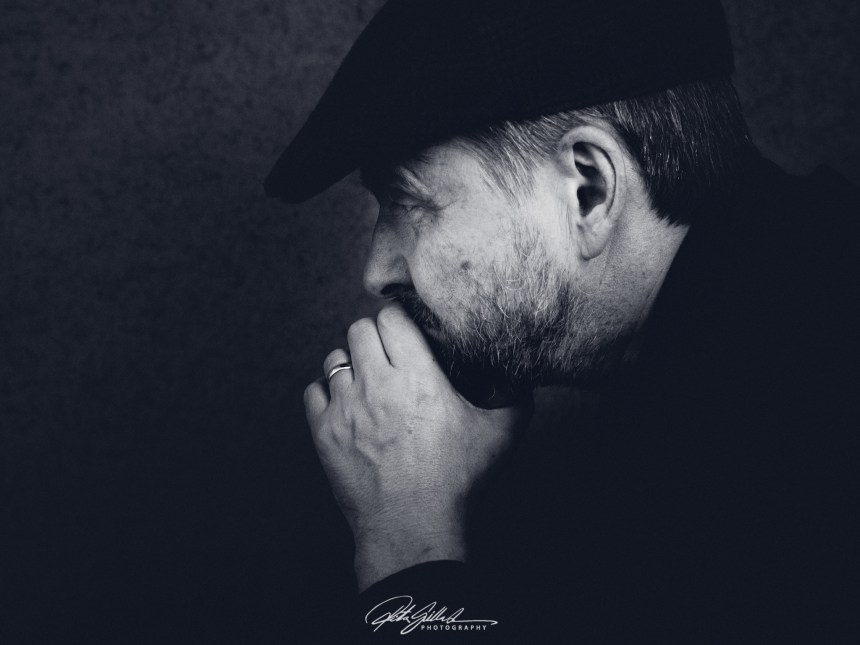
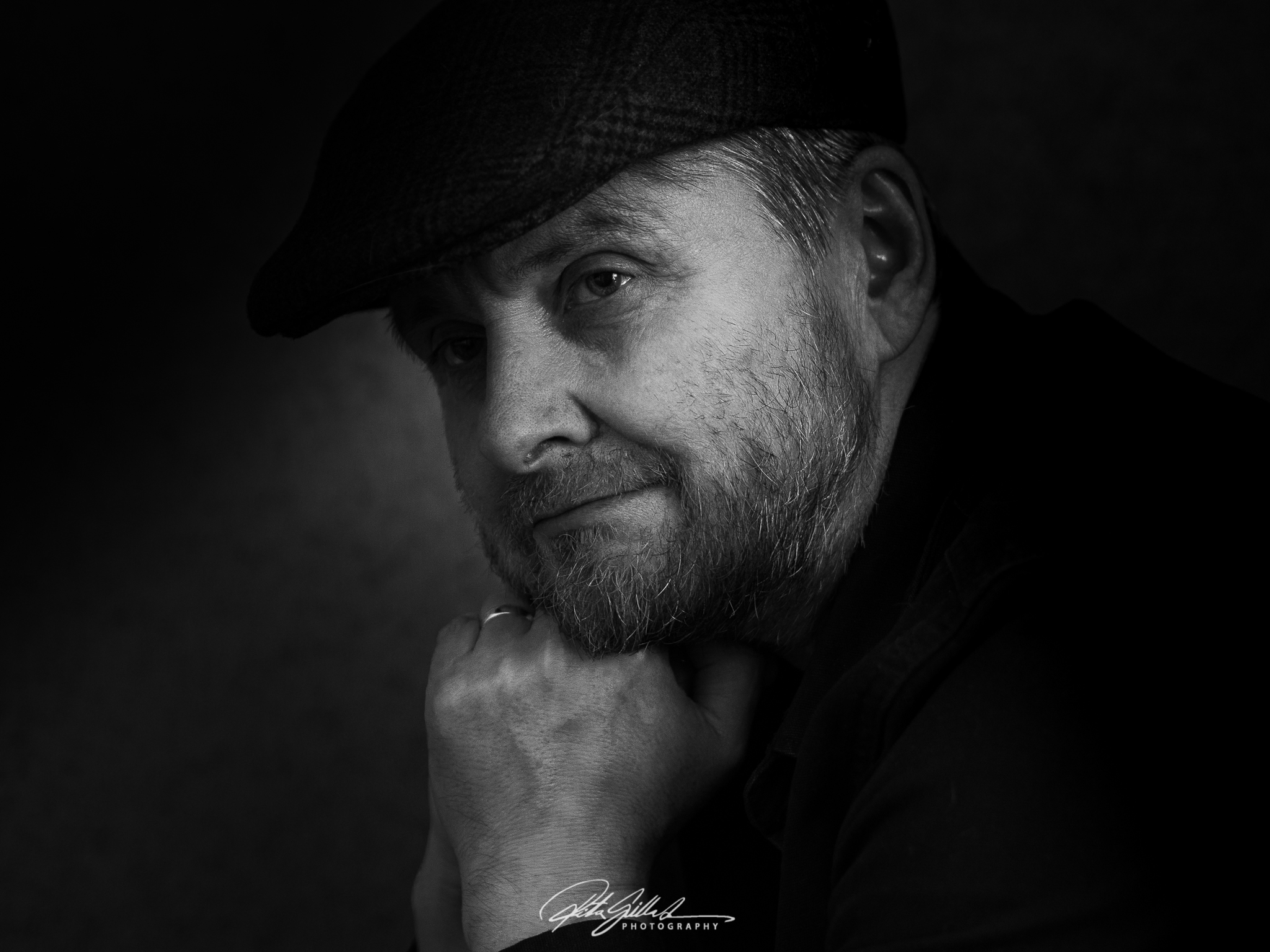
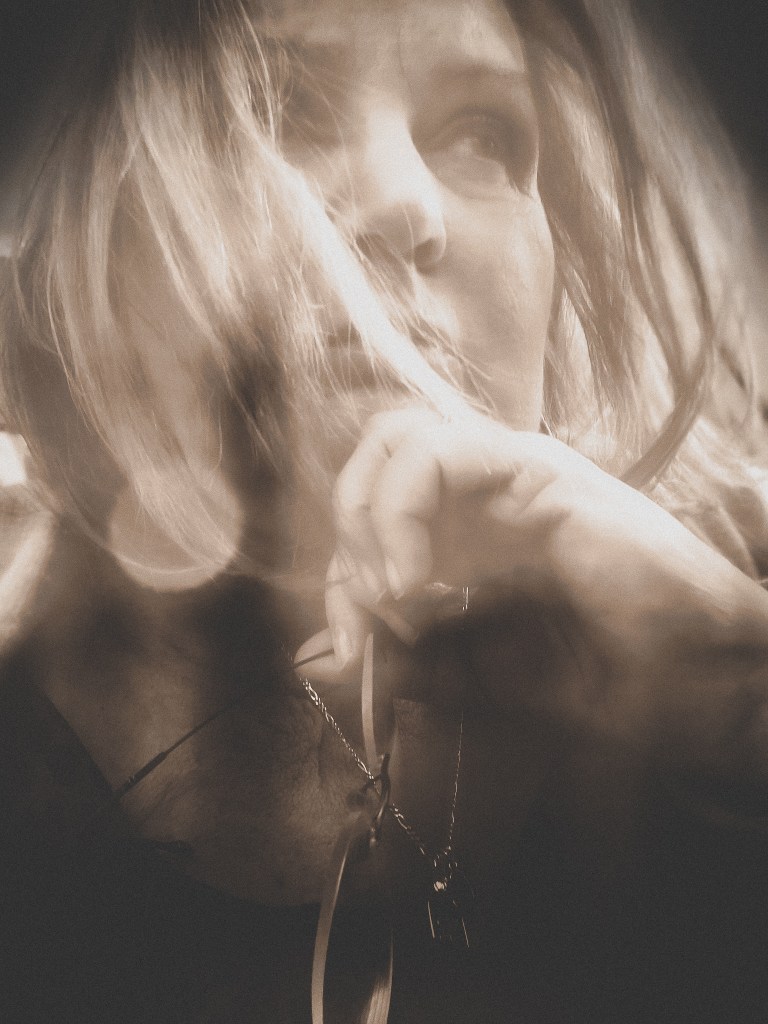
Monochrome profile in Low key

A low key shot draws the viewer’s eye to your subject with no distractions. Think drama, intensity, and moodiness.

If you’re thinking low key is only for studio work, think again! You’ll see in our examples great low key photos of wildlife, architecture, even landscapes.

Low key photography doesn’t mean it has to be a black and white photo. It’s the overall dark you find in the tones, not the absence of color, though that works, too. 
What winter looks like – 12

I am continuing to share winter photos, yesterday it snowed. These are what it looked like from my window.
I have no plan other than that I am going to share pictures of what winter looks like. These pictures were not taken on the day I post them, but random shots of what winter can look like in southern Finland.

snowy day

Not all images are new, actually most are images are images that accumulated in my archives waiting to be edited. I have re-processed them for these posts. My intention is that all the pictures would look good, no matter what the weather was the day I pressed the camera shutter button to capture a view or detail of winter.

What winter looks like – 11

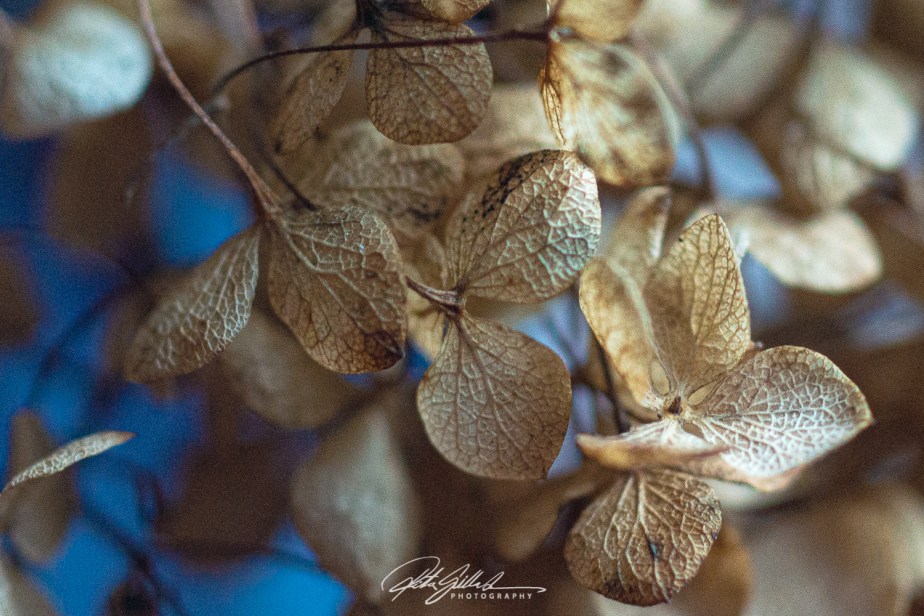
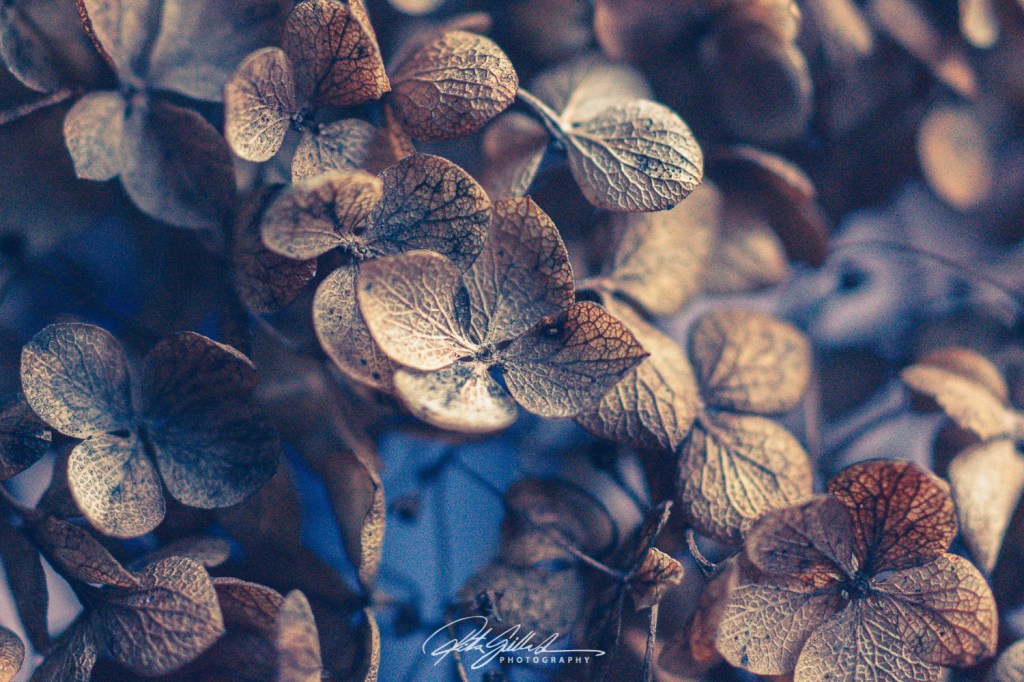
I am continuing to share winter photos, these I took yesterday of a ball hydrangea that is outside now covered with snow, that I dusted of and this is what I captured.

I have no plan other than that I am going to share pictures of what winter looks like. These pictures were not taken on the day I post them, but random shots of what winter can look like in southern Finland.

Ball Hydrangea

Not all images are new, actually most are images are images that accumulated in my archives waiting to be edited. I have re-processed them for these posts. My intention is that all the pictures would look good, no matter what the weather was the day I pressed the camera shutter button to capture a view or detail of winter. . I will keep it simple, one photo in the post and an other as a featured image.

What winter looks like – 10

I have no plan other than that I am going to share pictures of what winter looks like. These pictures were not taken on the day I post them, but random shots of what winter can look like in southern Finland.

Spruce trees

Not all images are new, actually most are images are images that accumulated in my archives waiting to be edited. I have re-processed them for these posts. My intention is that all the pictures would look good, no matter what the weather was the day I pressed the camera shutter button to capture a view or detail of winter. . I will keep it simple, one photo in the post and an other as a featured image.

What winter looks like – 8

I have no plan other than that I am going to share pictures of what winter looks like. These pictures were not taken on the day I post them, but random shots of what winter can look like in southern Finland.

Not all images are new, actually most are images are images that accumulated in my archives waiting to be edited. I have re-processed them for these posts. My intention is that all the pictures would look good, no matter what the weather was the day I pressed the camera shutter button to capture a view or detail of winter. . I will keep it simple, one photo in the post and an other as a featured image.

What winter looks like – 9

I have no plan other than that I am going to share pictures of what winter looks like. These pictures were not taken on the day I post them, but random shots of what winter can look like in southern Finland.

Spruce trees

Not all images are new, actually most are images are images that accumulated in my archives waiting to be edited. I have re-processed them for these posts. My intention is that all the pictures would look good, no matter what the weather was the day I pressed the camera shutter button to capture a view or detail of winter. . I will keep it simple, one photo in the post and an other as a featured image.