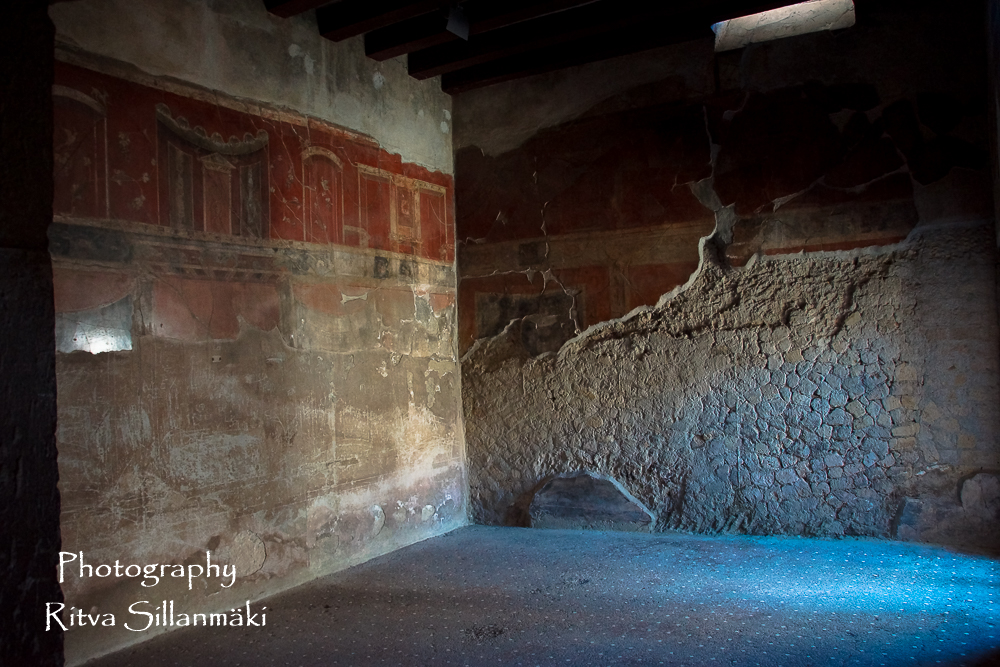
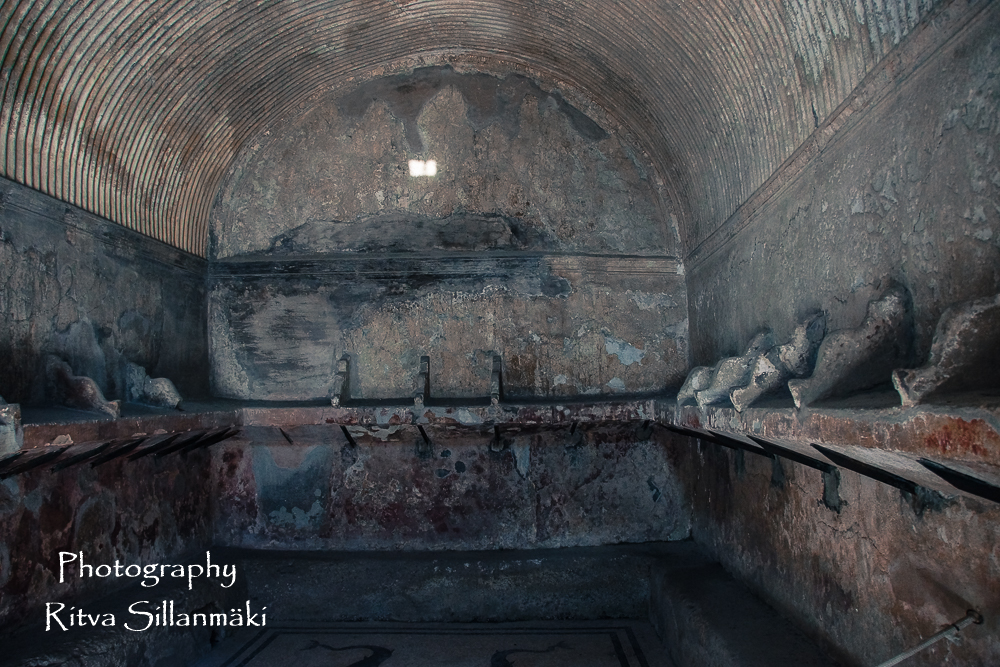
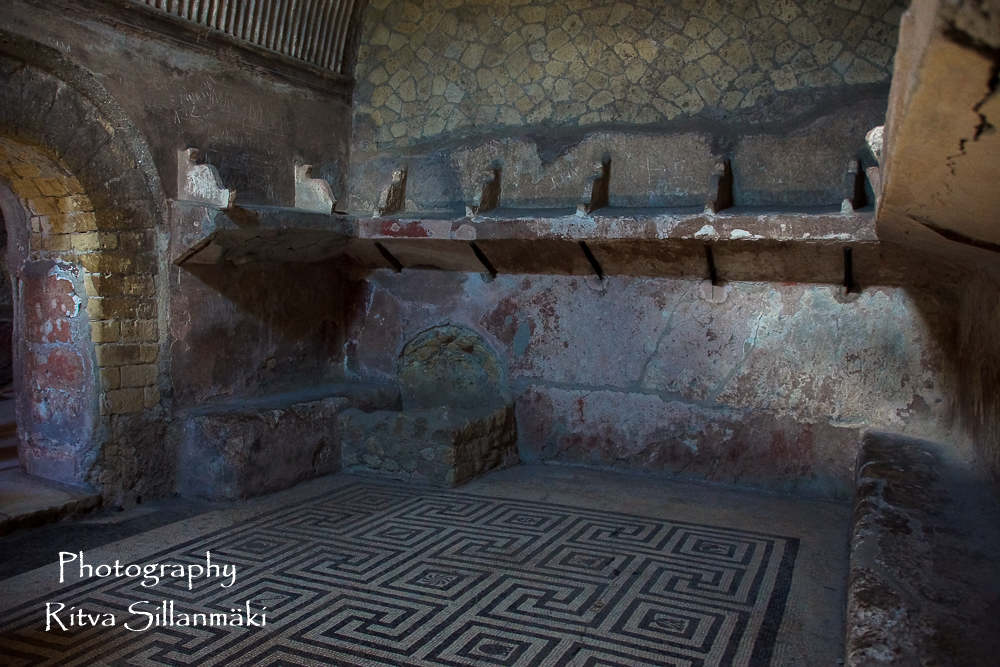
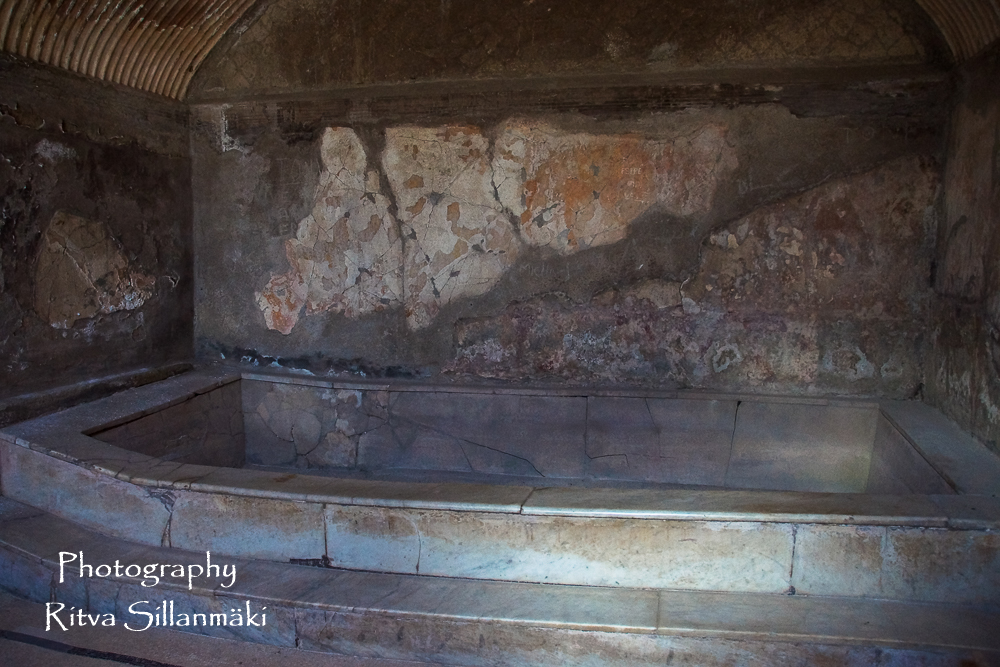
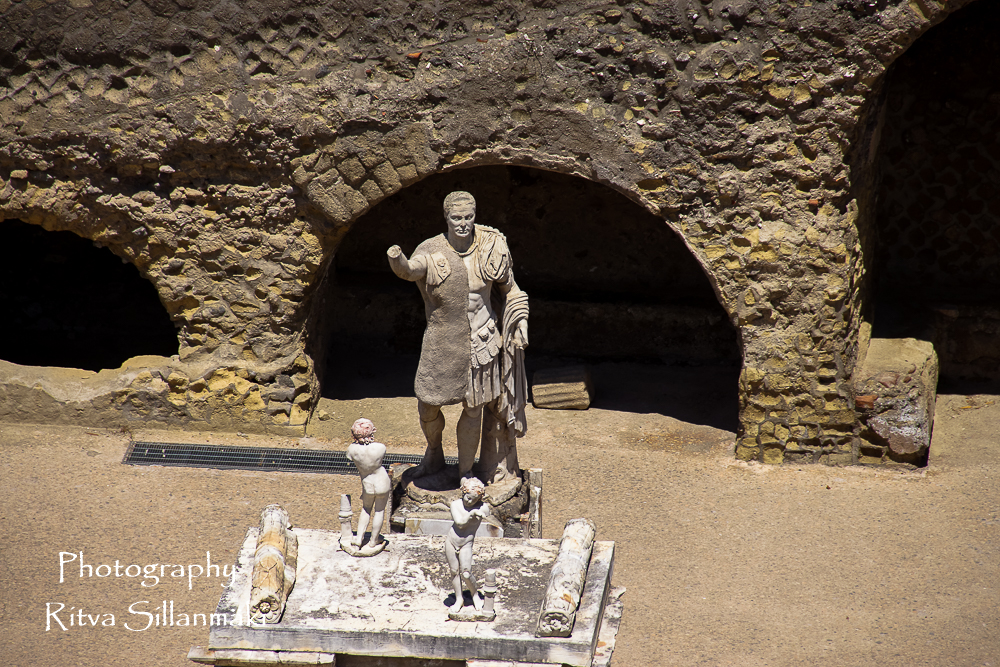
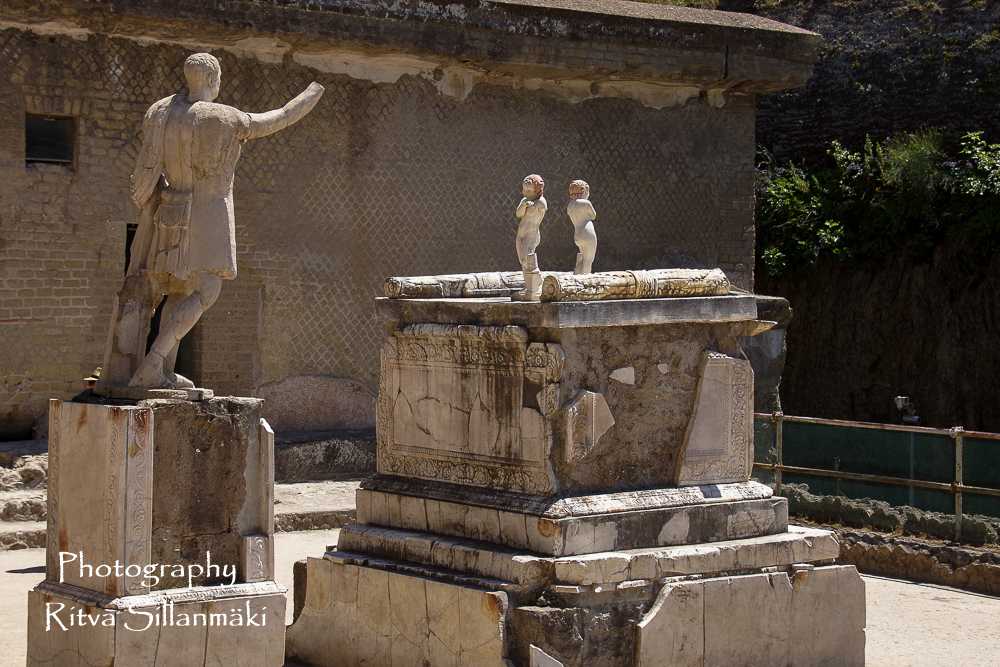
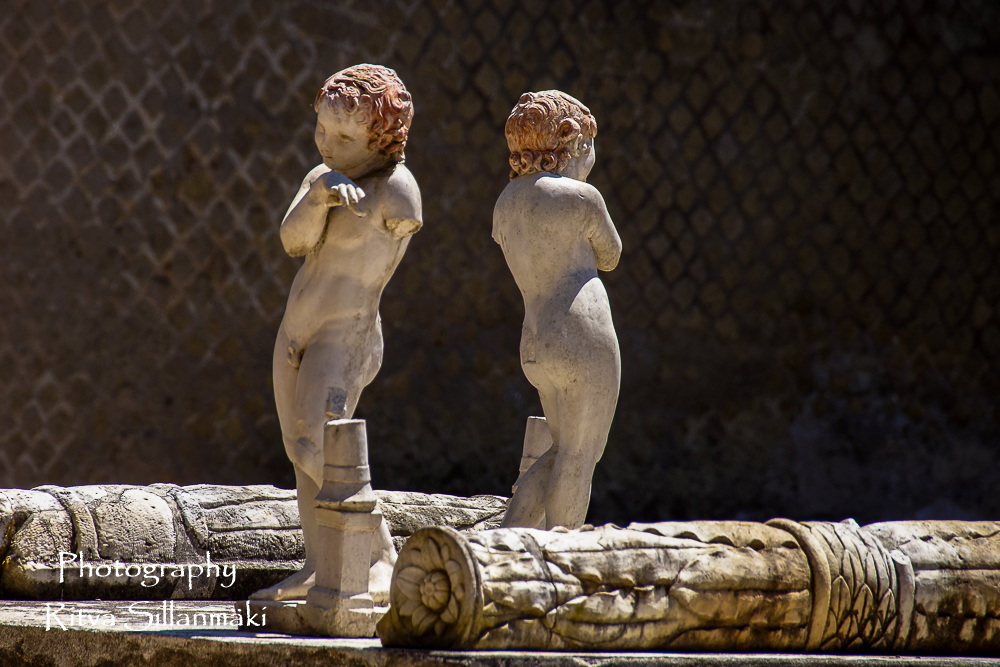
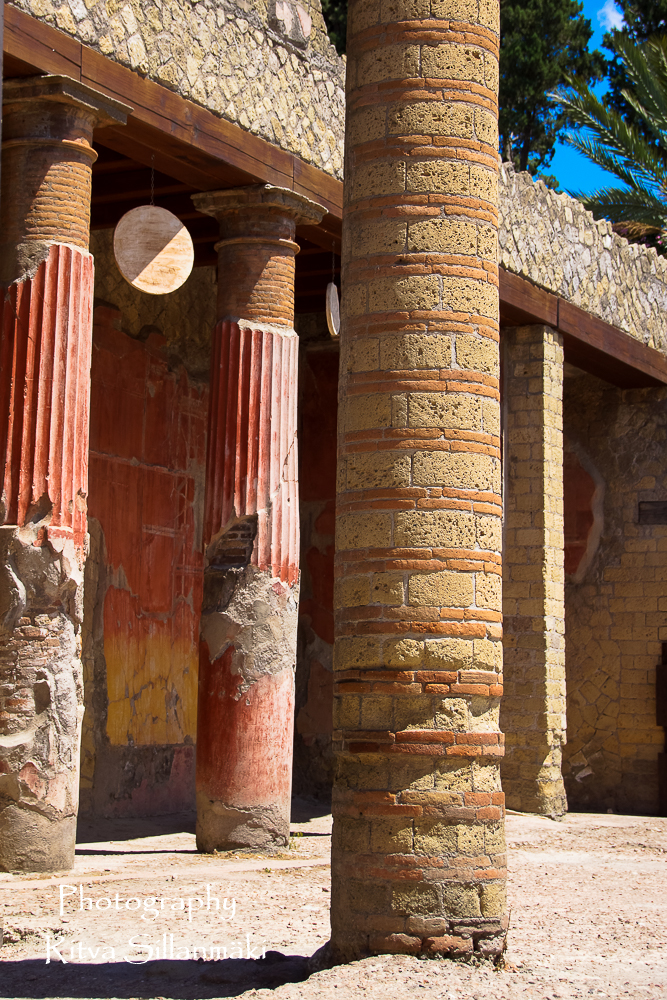
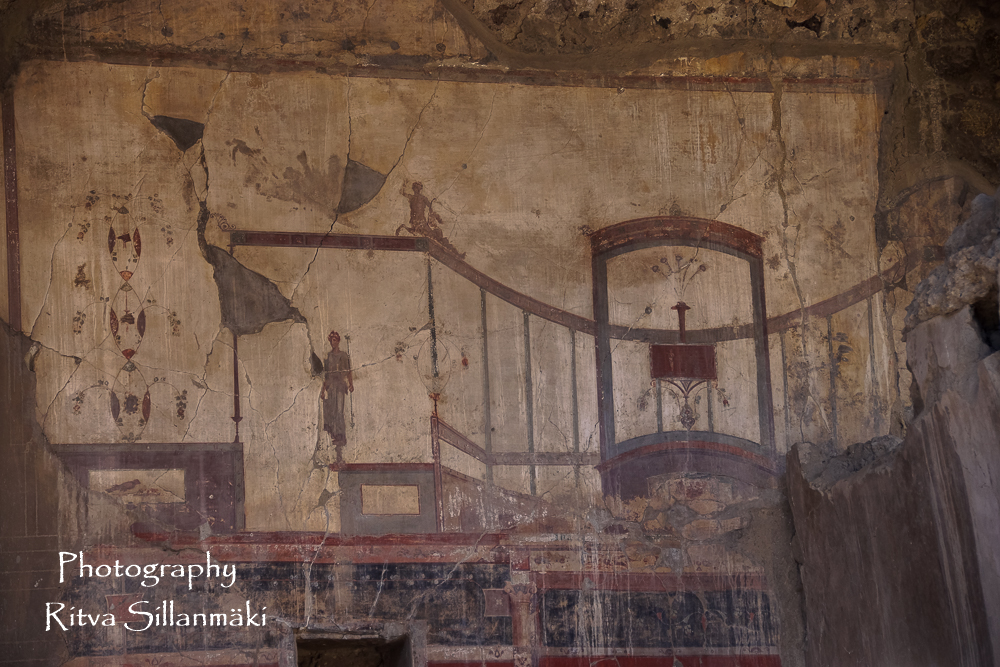
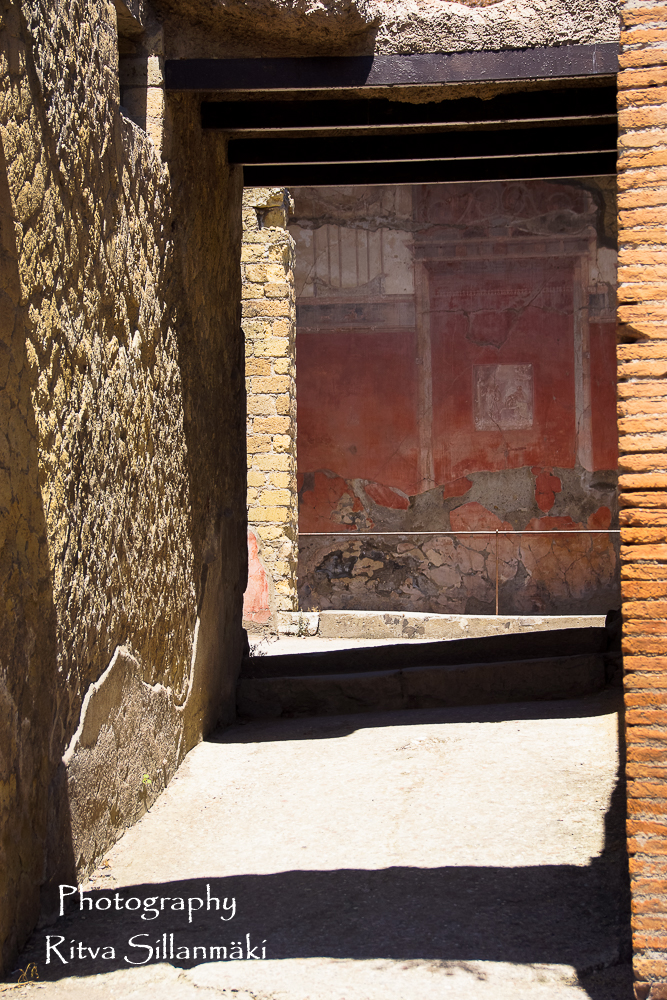
The Central Thermae were bath houses built around the first century AD. Bath houses were very common at that time, especially in Pompeii and Herculaneum. Per common practice, there were two different bath areas, one for men and the other for women. These houses were extremely popular, attracting many visitors daily. This cultural hub was also home to several works of art, which can be found in various areas of the Central Thermae site.
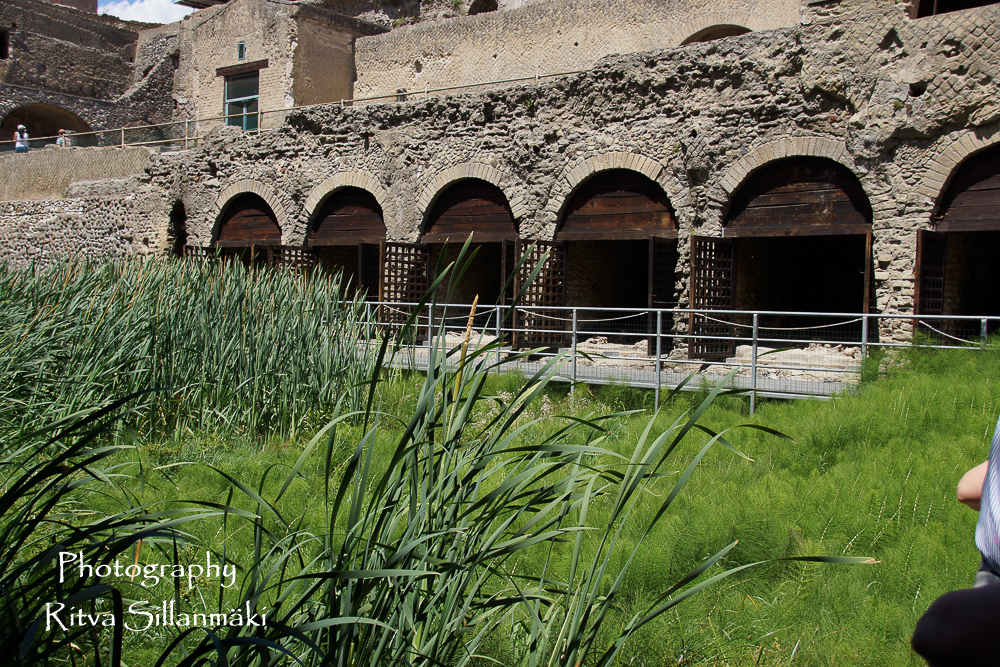
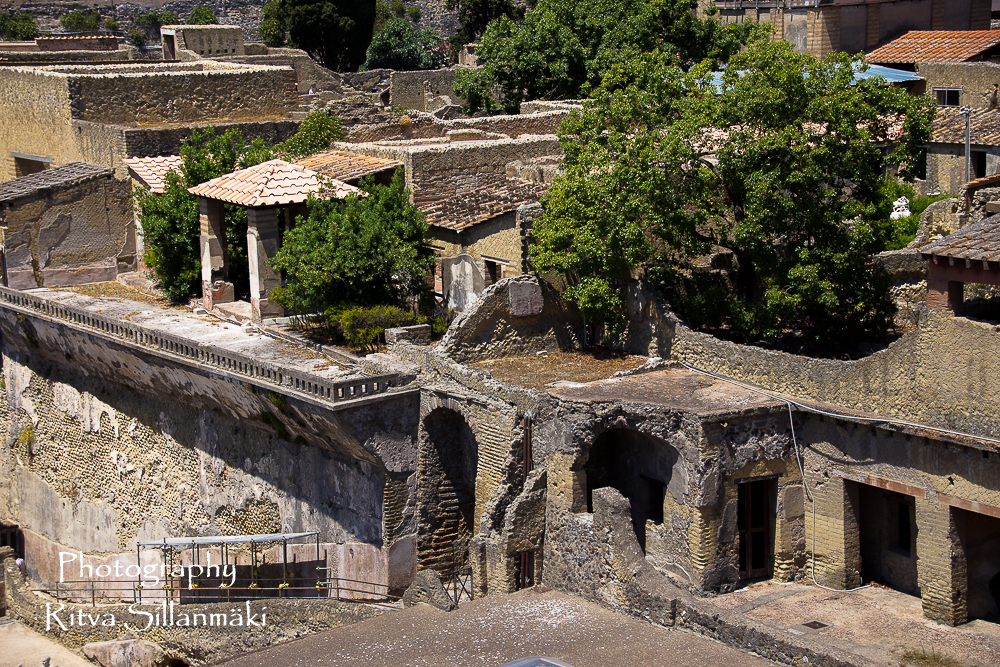
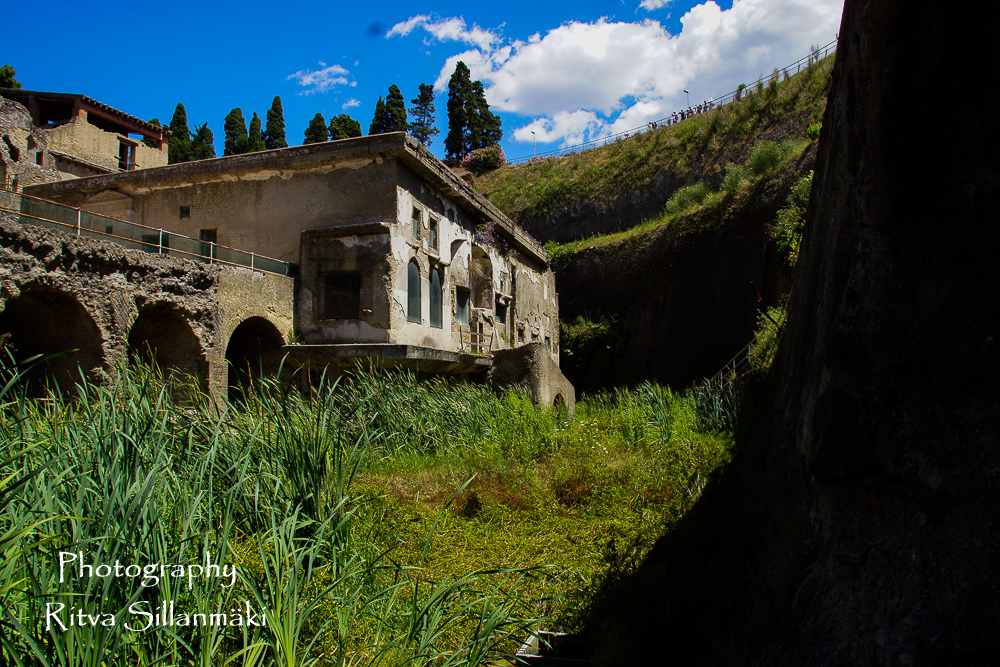
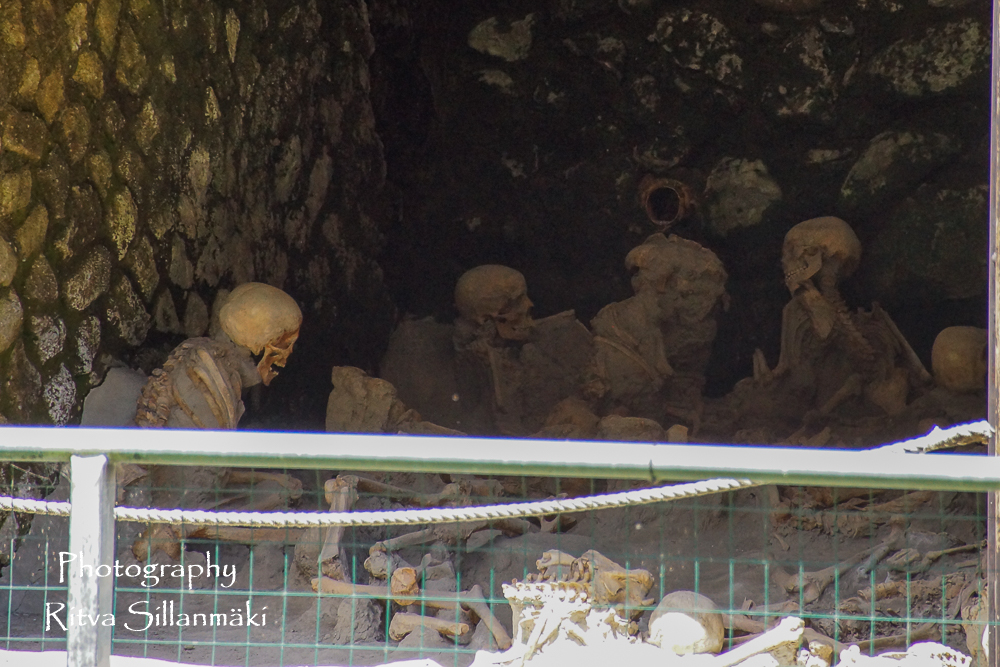
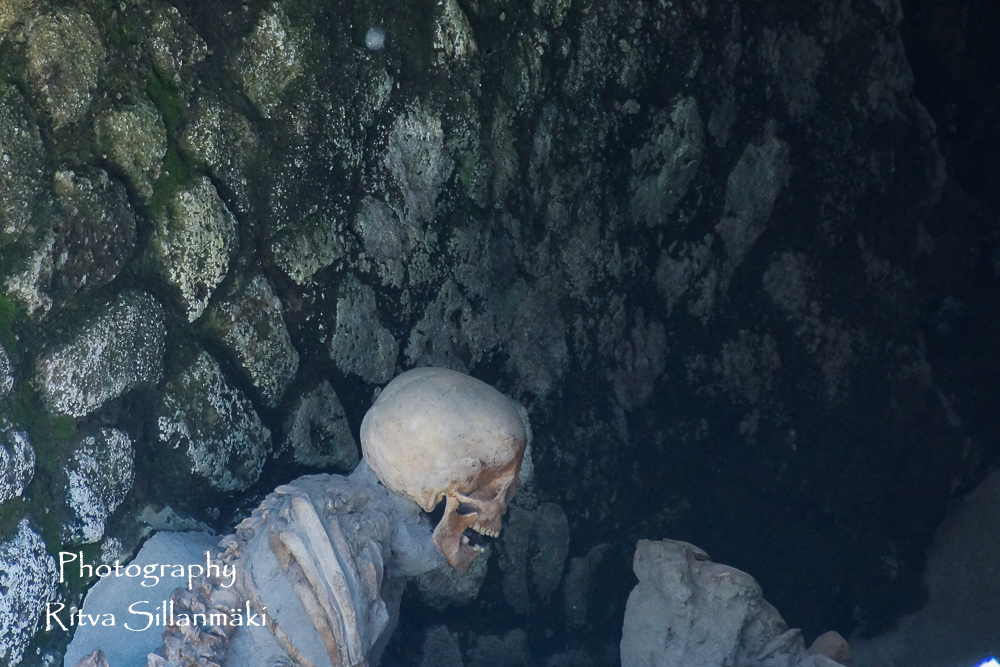
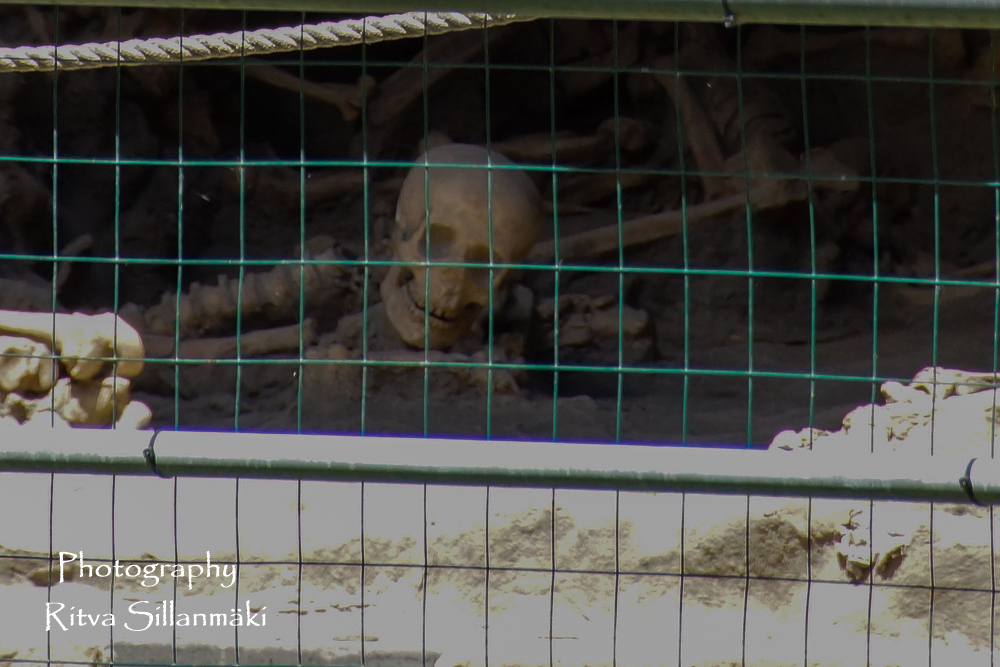
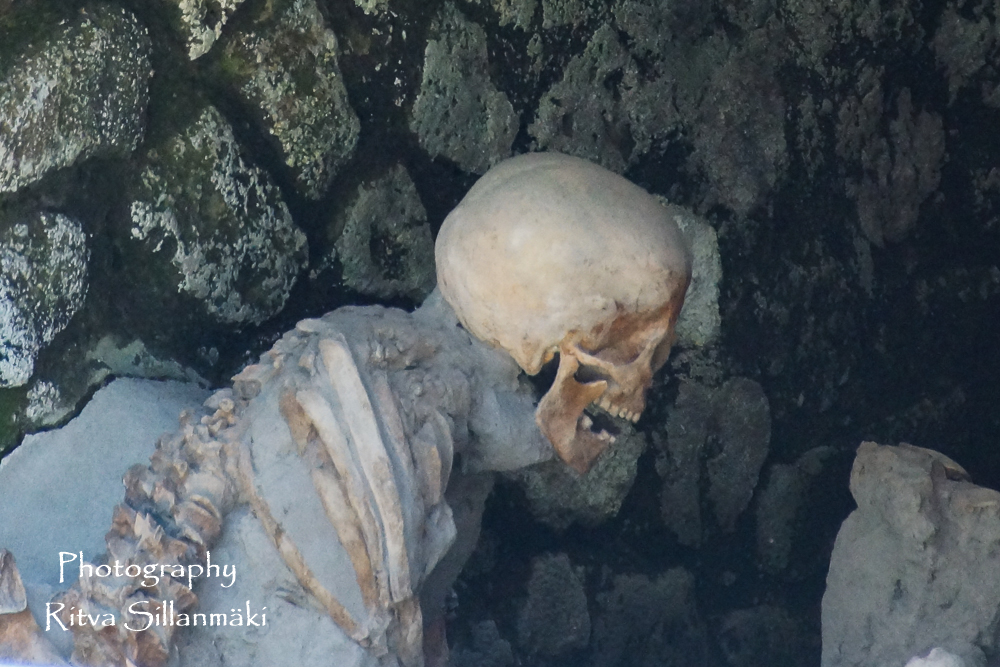
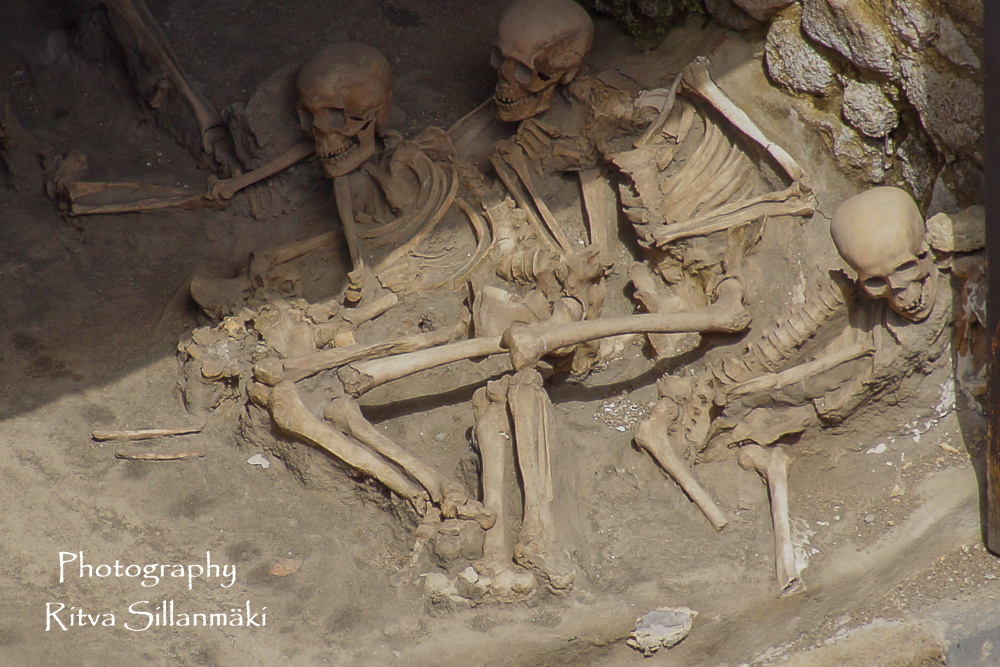
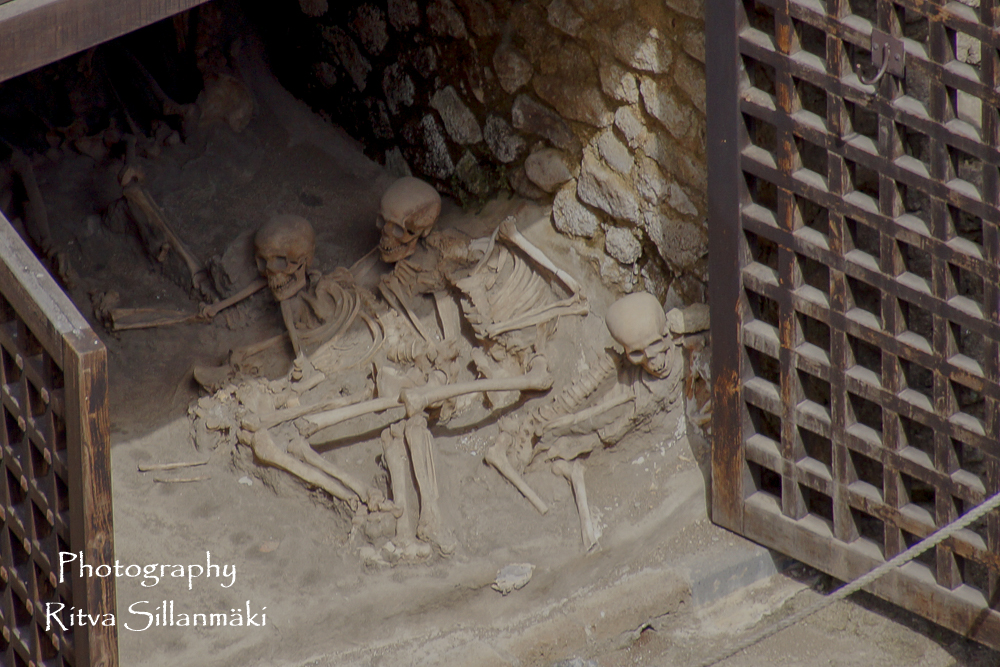
Herculaneum was an ancient Roman town destroyed by volcanic pyroclastic flows in 79 AD. Its ruins are located in the commune of Ercolano, Campania, Italy.s a UNESCO World Heritage Site, it is famous as one of the few ancient cities that can now be seen in much of its original splendour, as well as for having been lost, along with Pompeii, in the eruption of Mount Vesuvius in AD 79 that buried it. Unlike Pompeii, the deep pyroclastic material which covered it preserved wooden and other organic-based objects such as roofs, beds, doors, food and even some 300 skeletons which were surprisingly discovered in recent years along the seashore. Here are few shots seen when entering the the site and The “Boat houses” where skeletons were found.
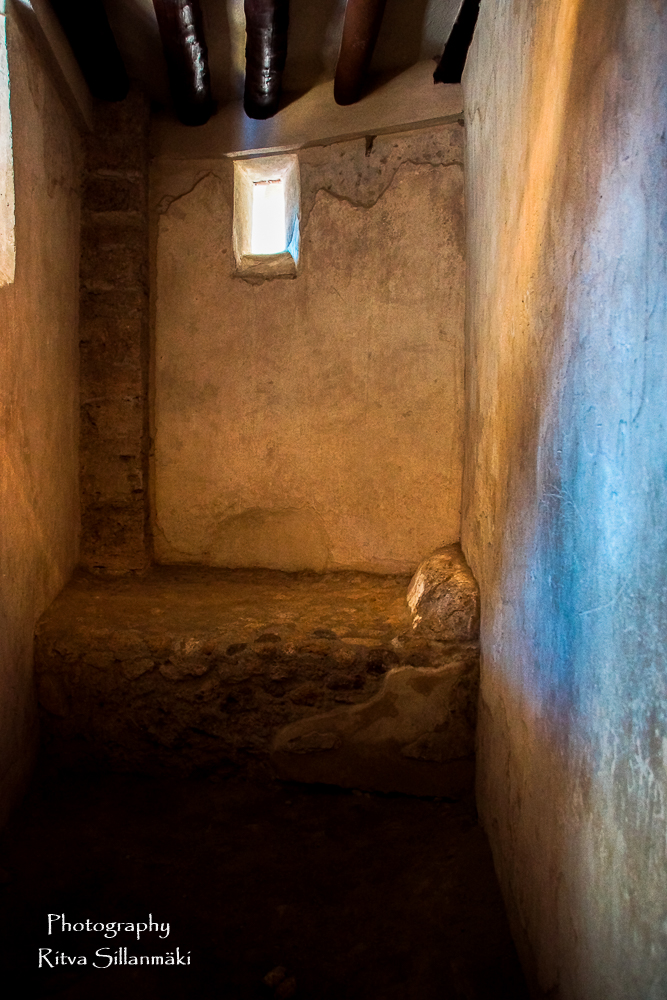
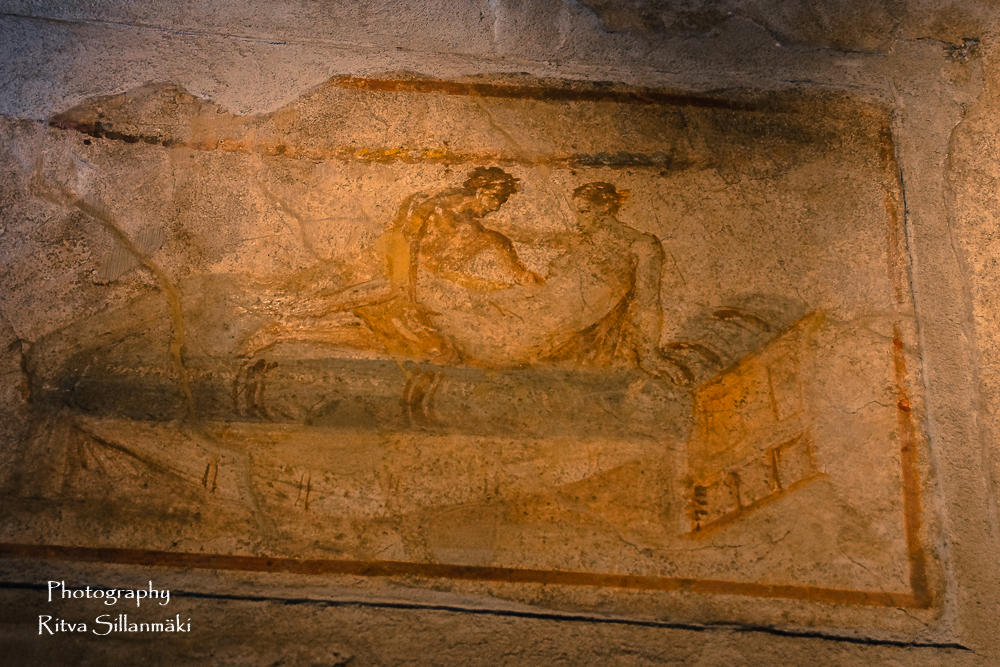
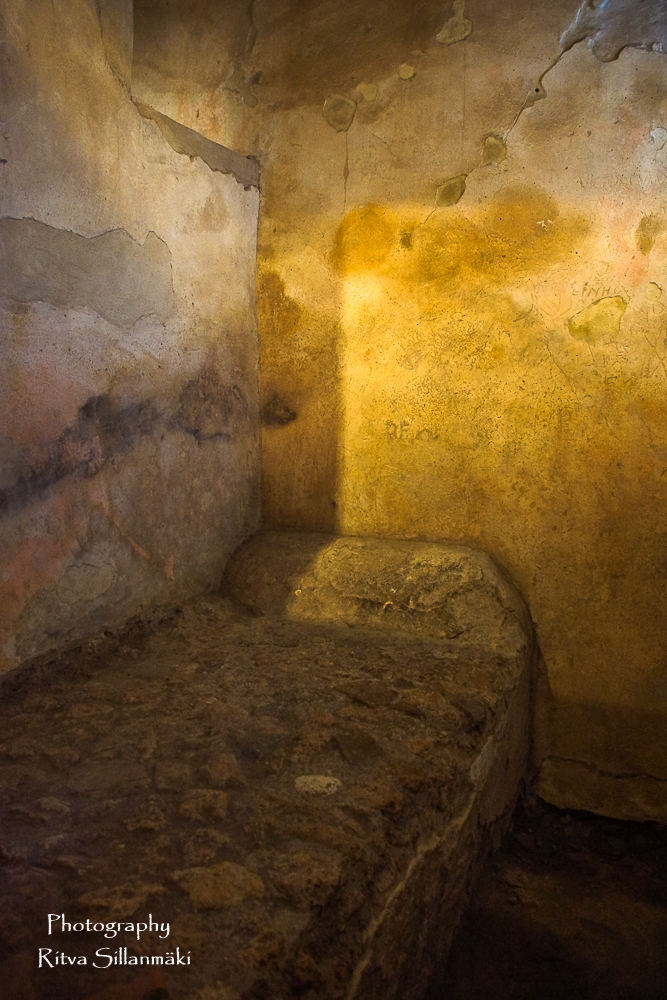
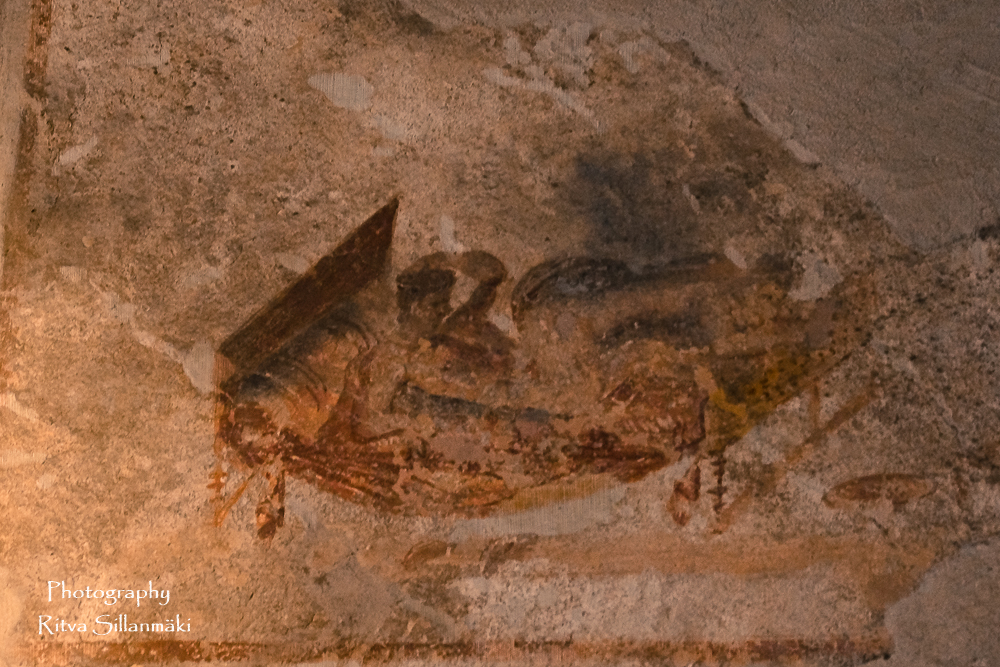
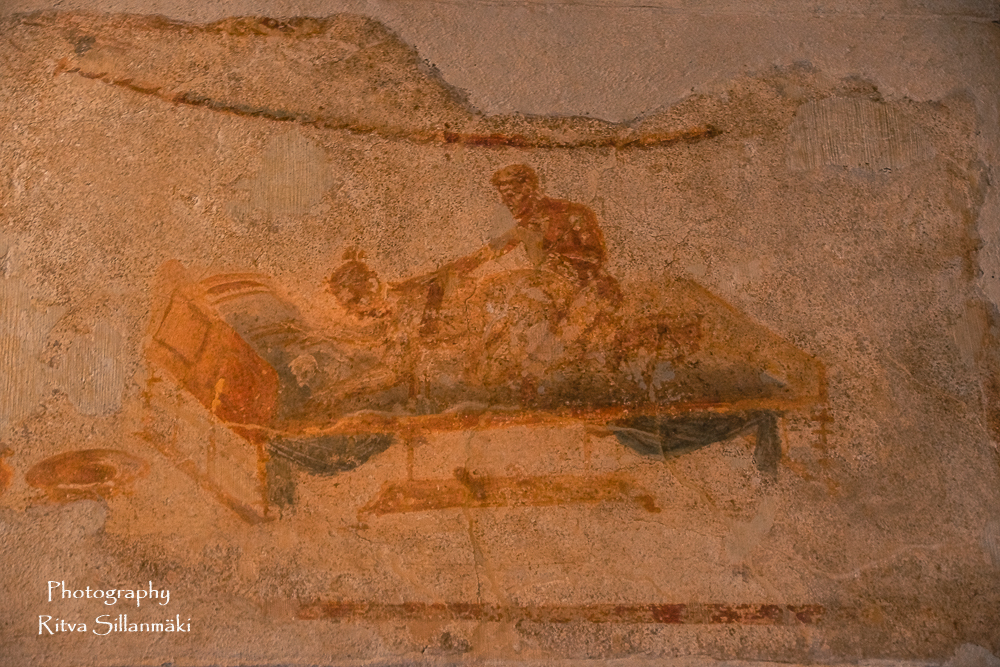
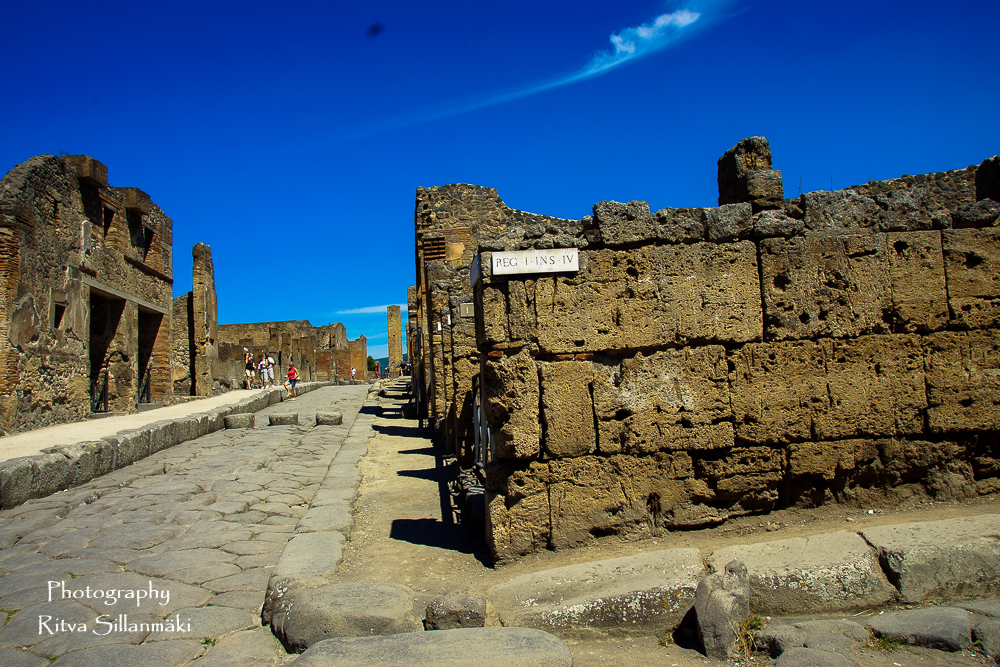
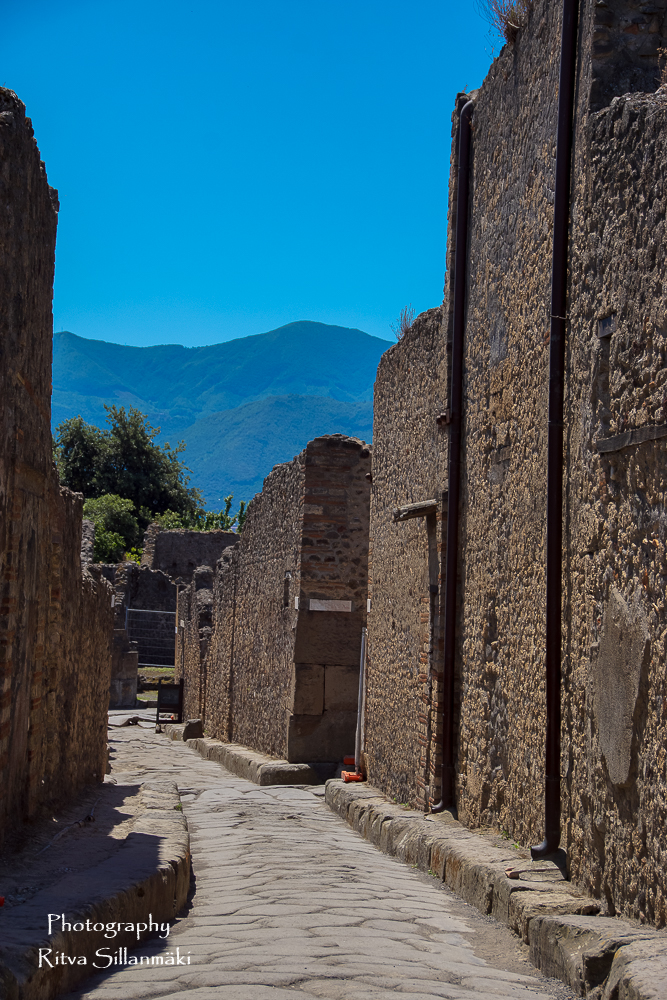
As we walked on the pebble roads, you could find signs carved in to the stoens showing the way to the gentlemans club…on the wall tou could see pictures of services provided. Conveniently next to the brothel was a doctor’s office
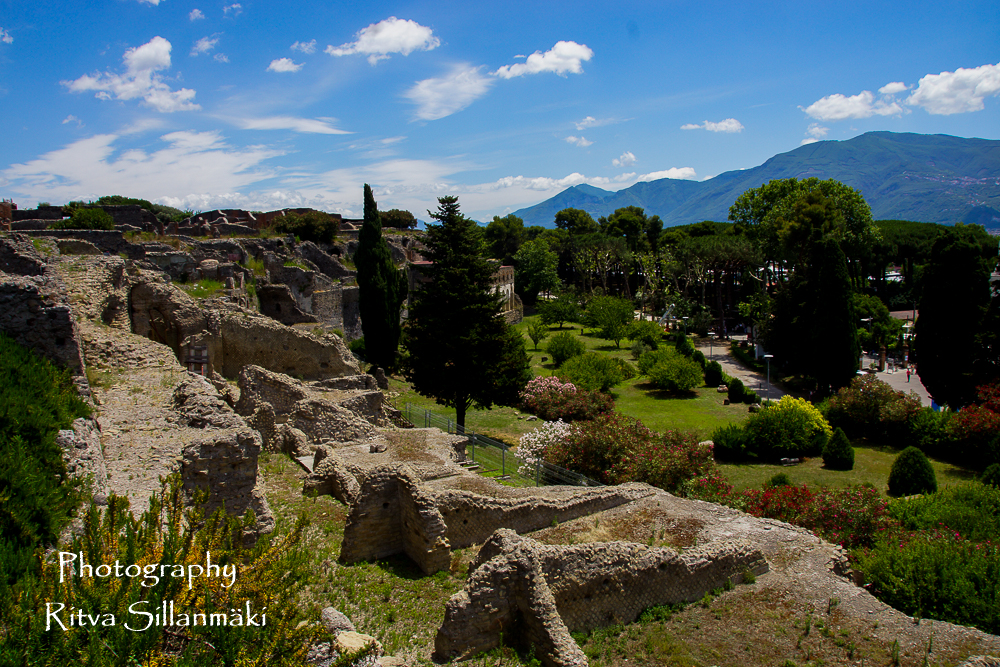
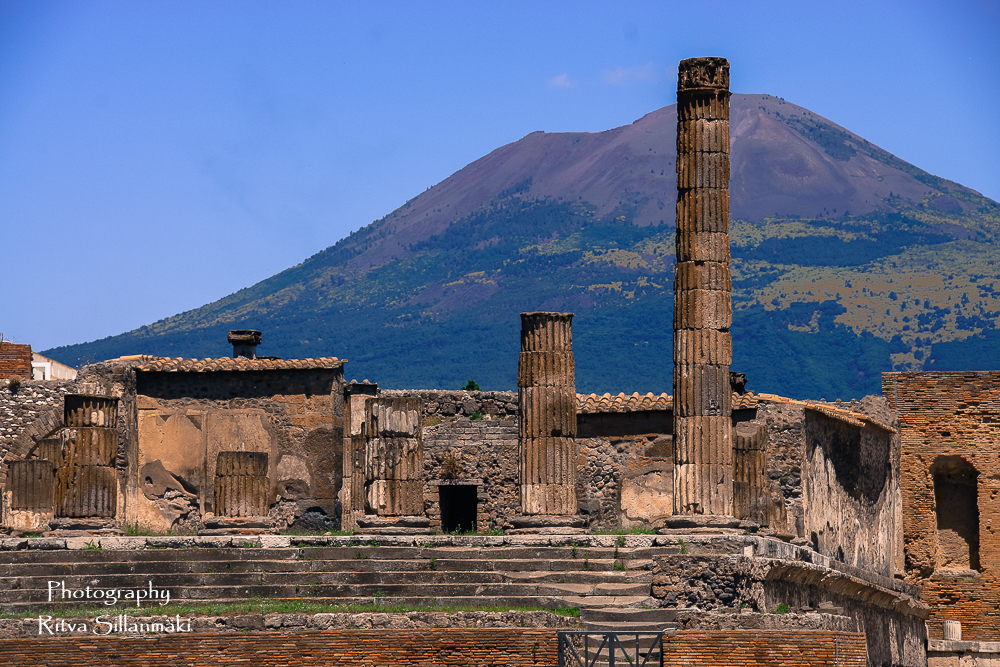
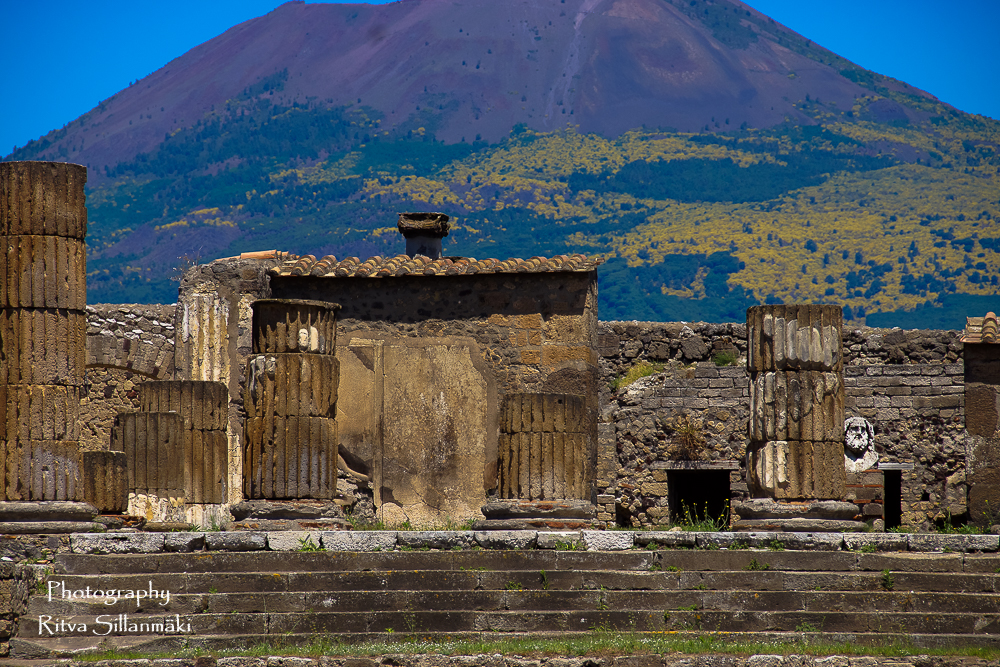
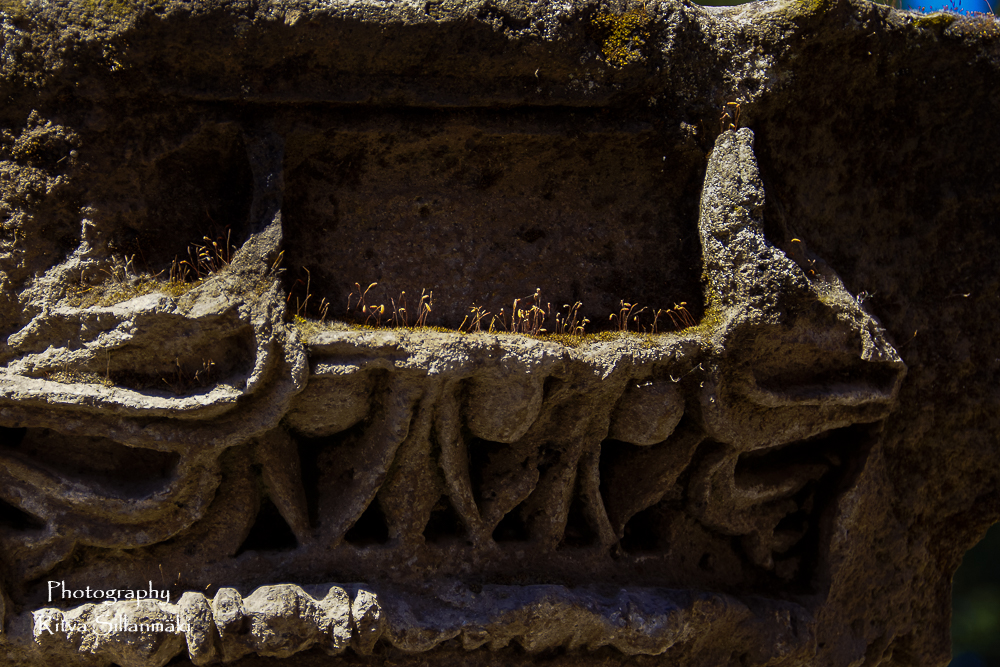
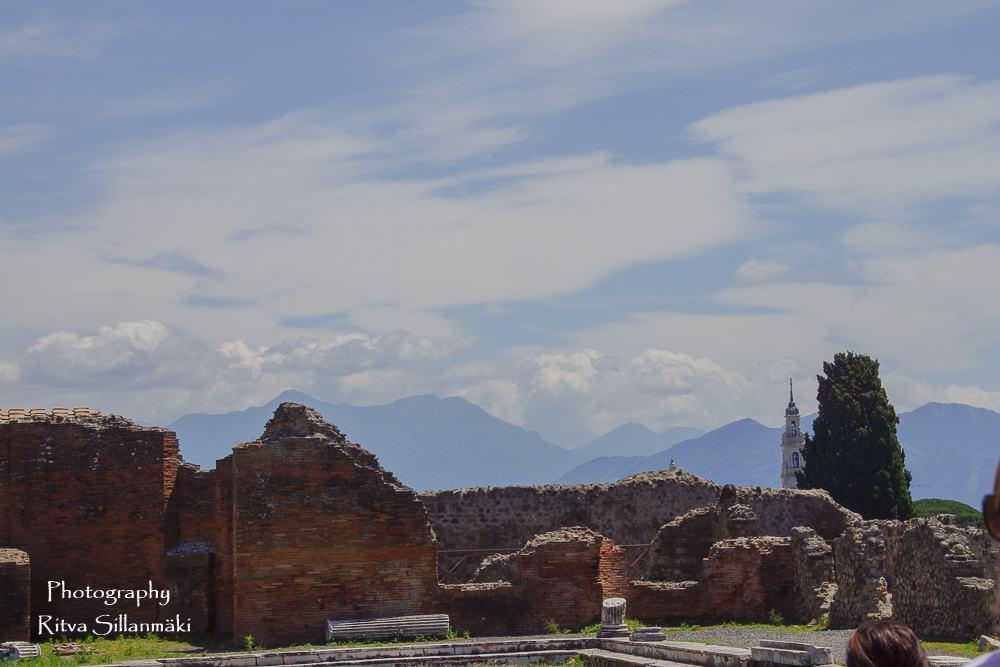
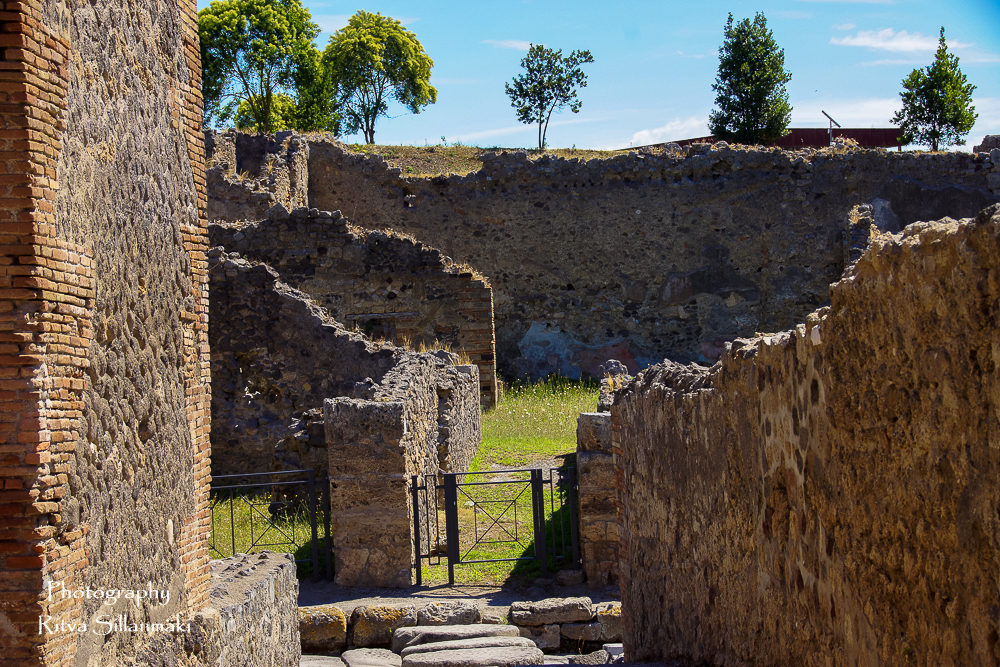
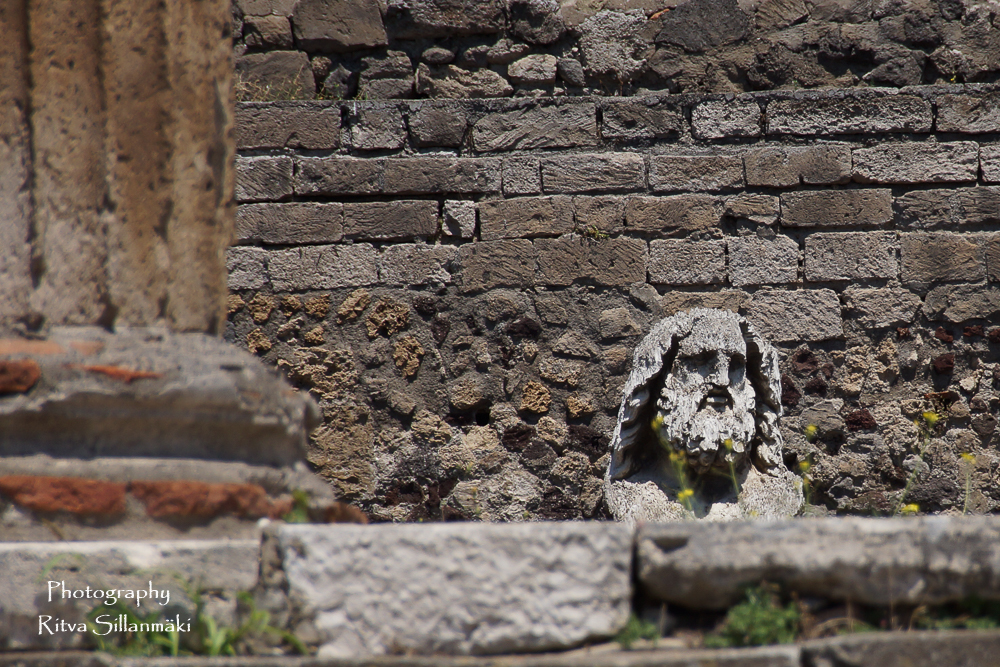
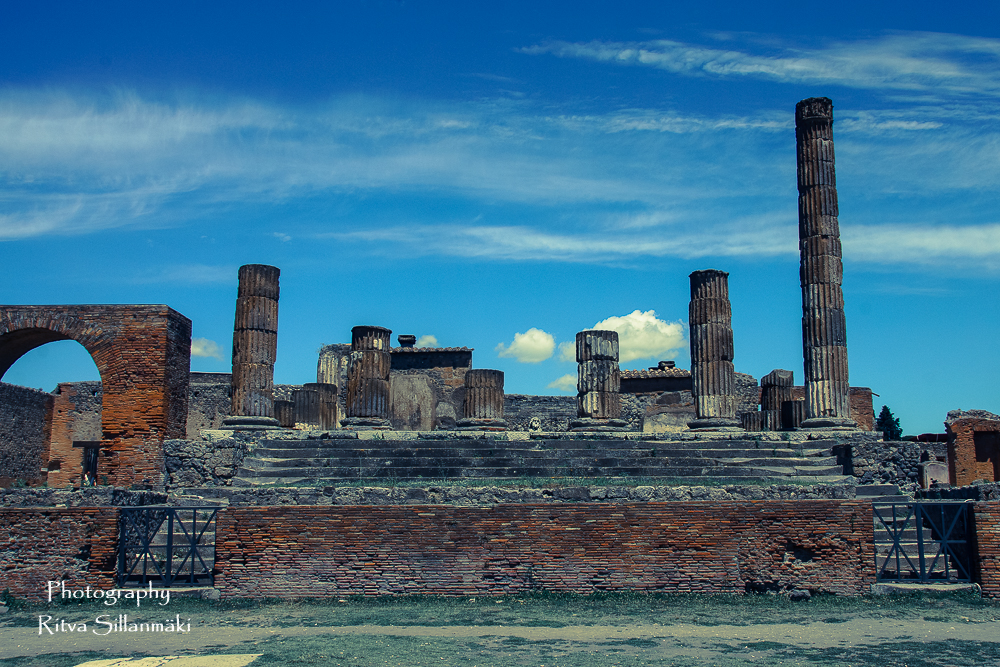
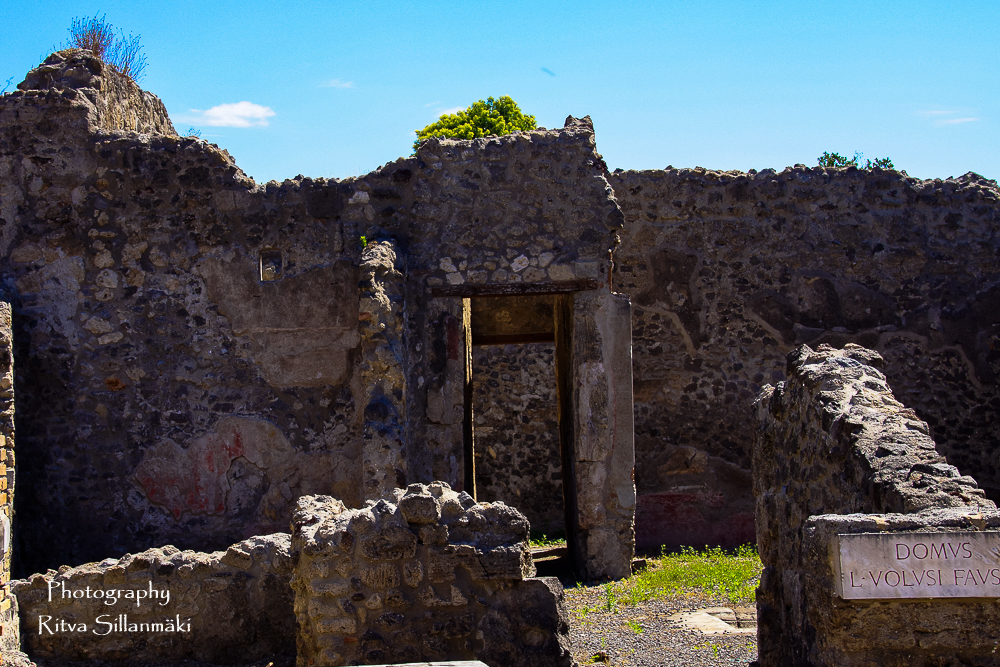
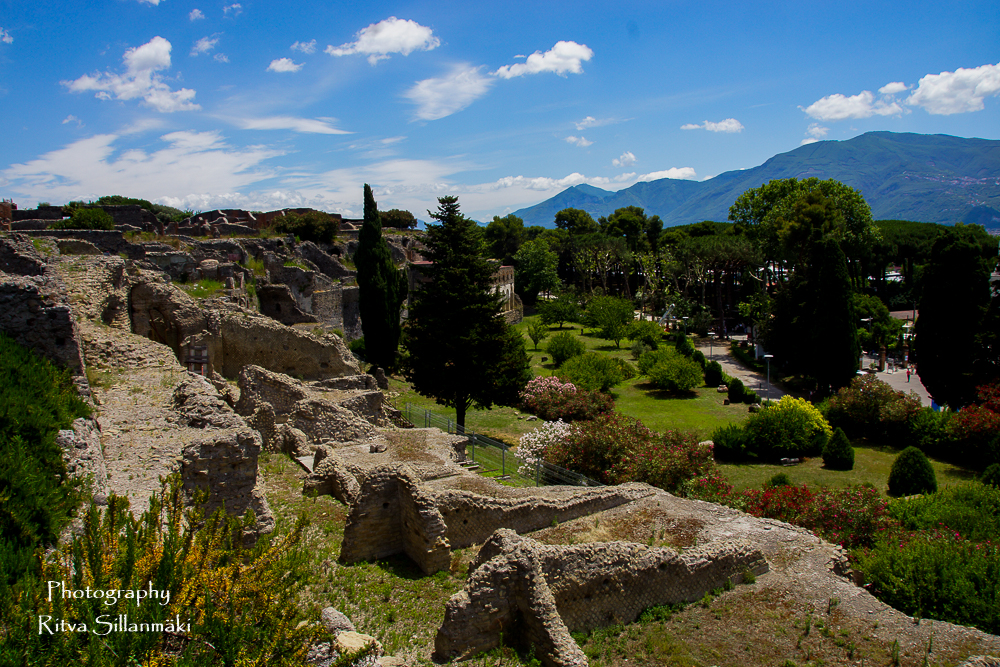
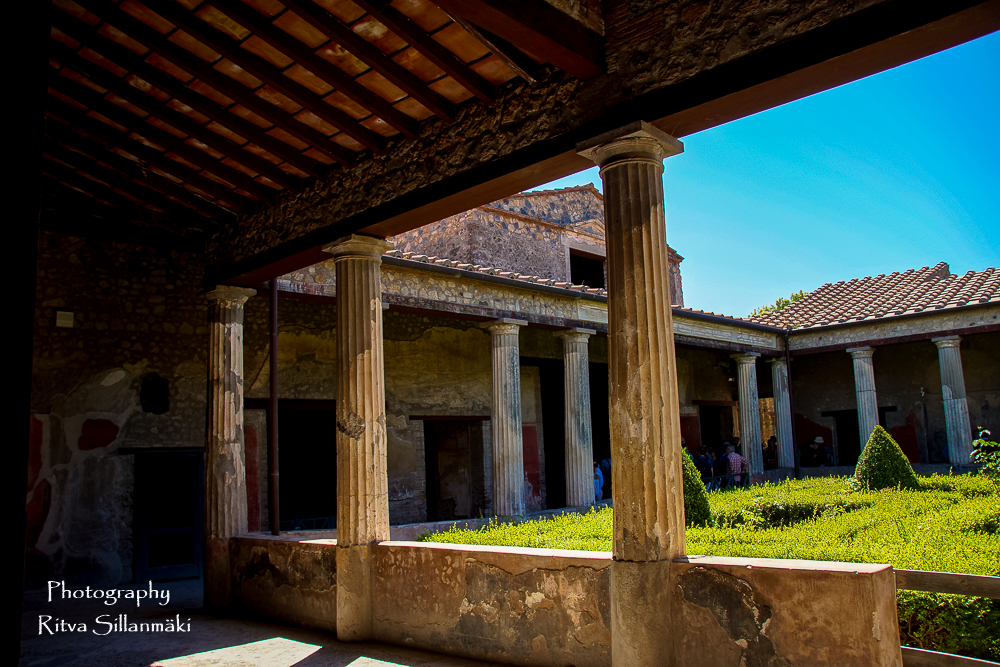
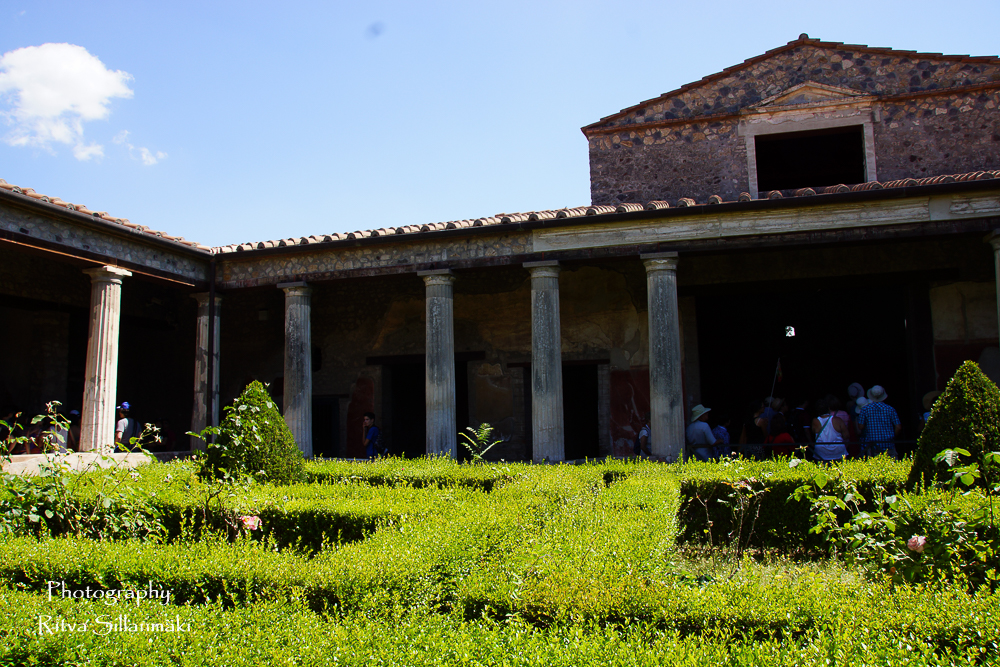
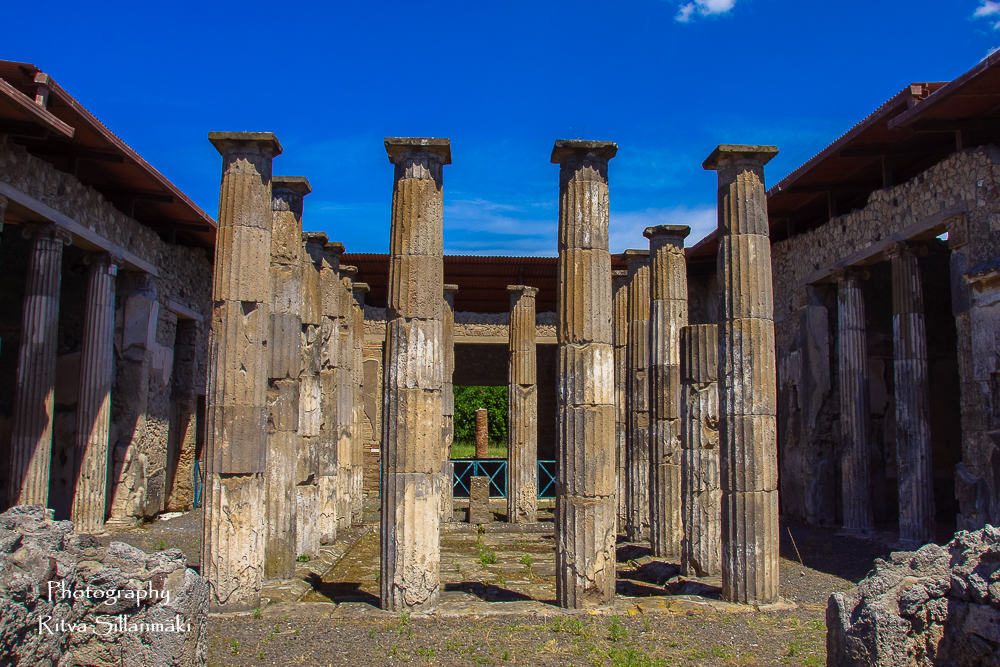
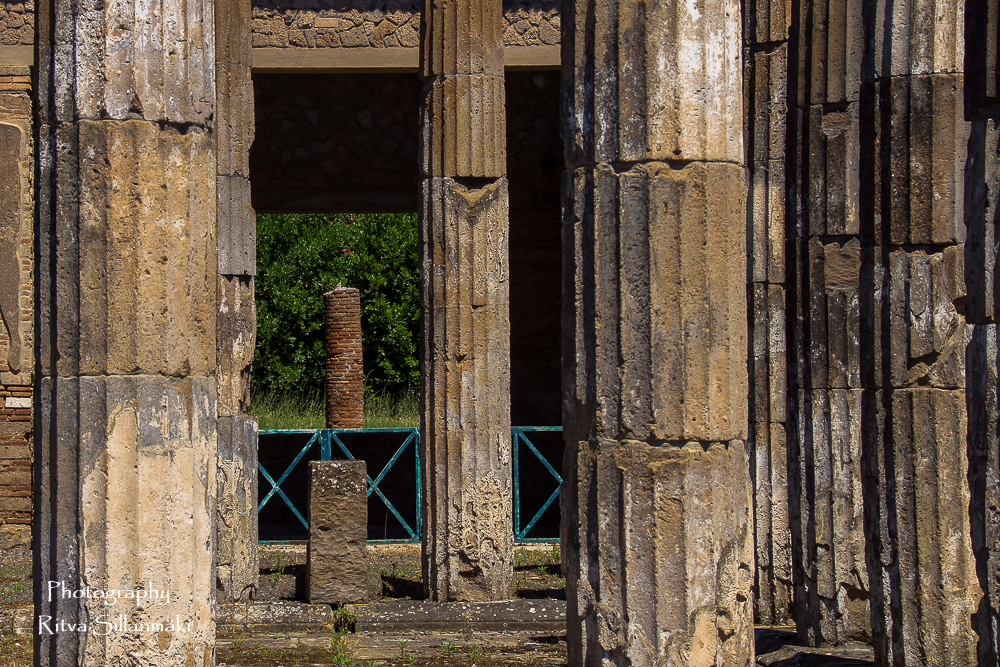
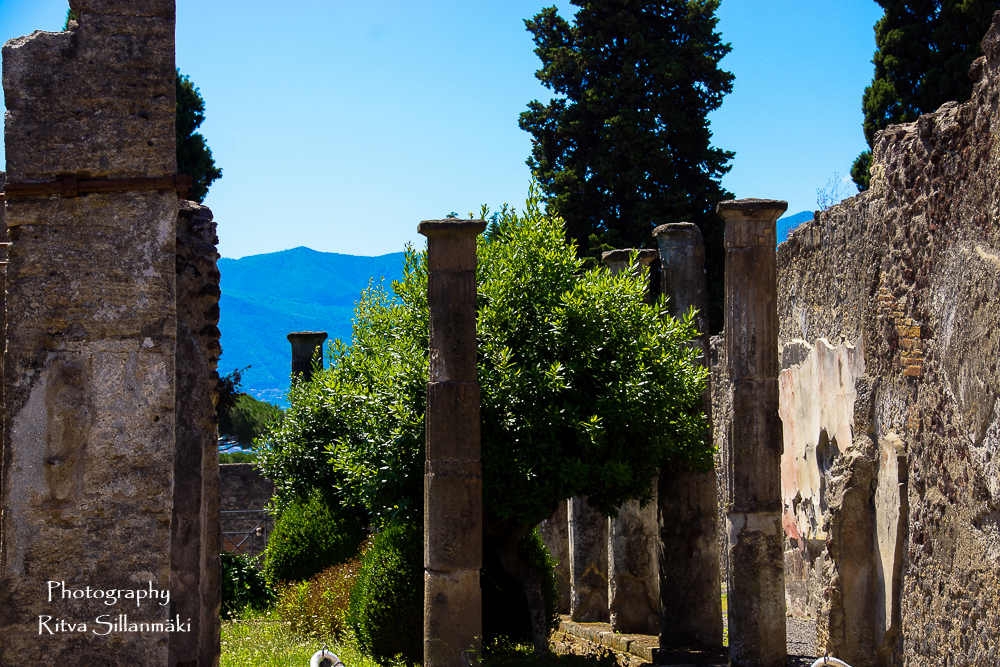
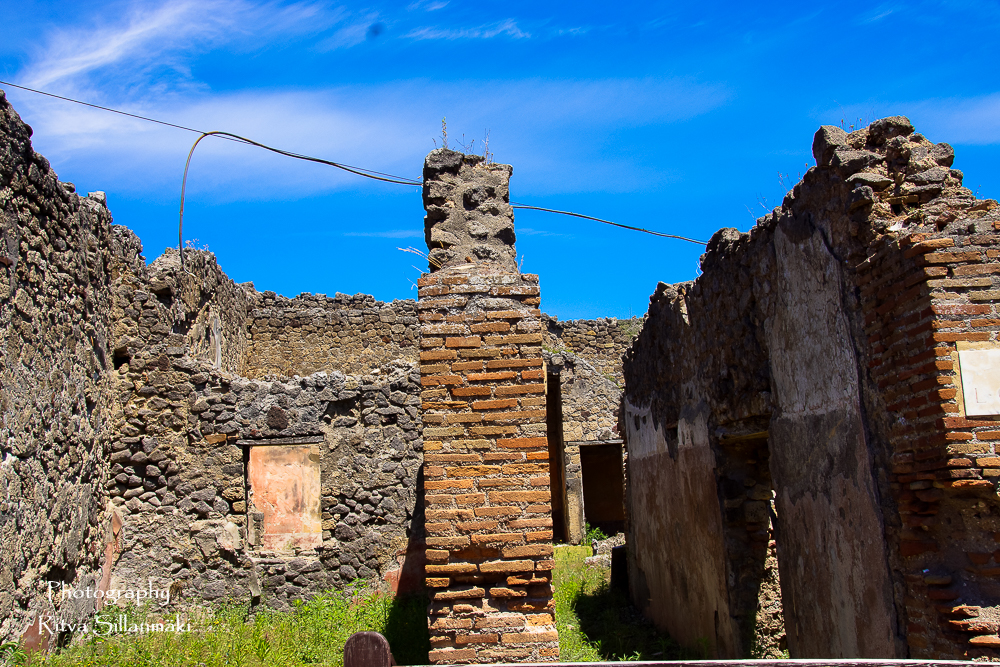
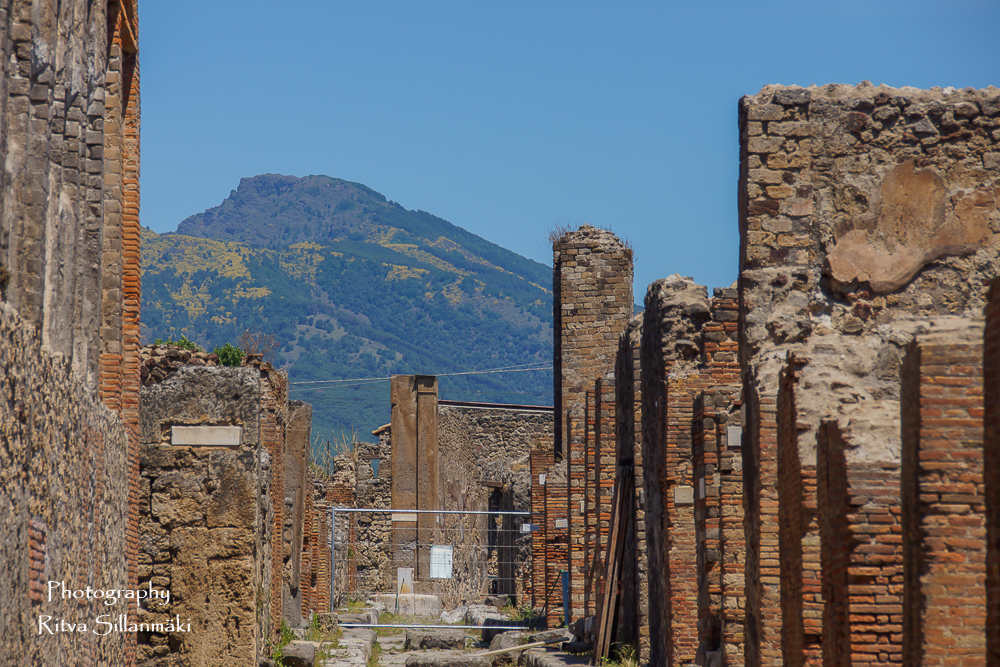
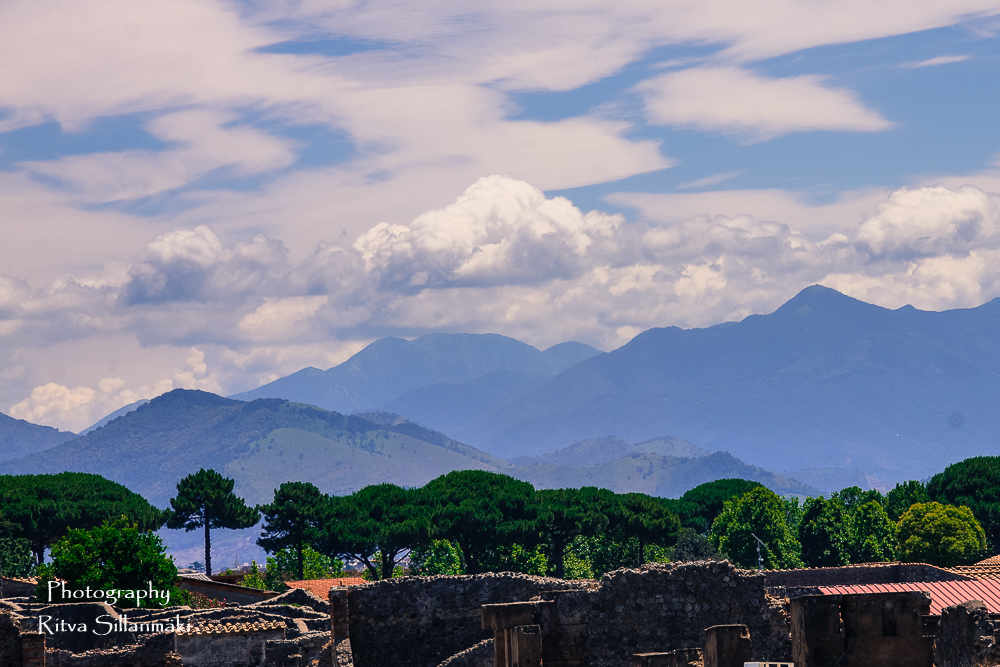
I visited Pompei last summer and I then posted few photos, but as I am on a roll with travel photos I will post few post of how I saw the place, what caught my attention. These are over all photos, the place is huge and it is quite amazing how it has persevered time.
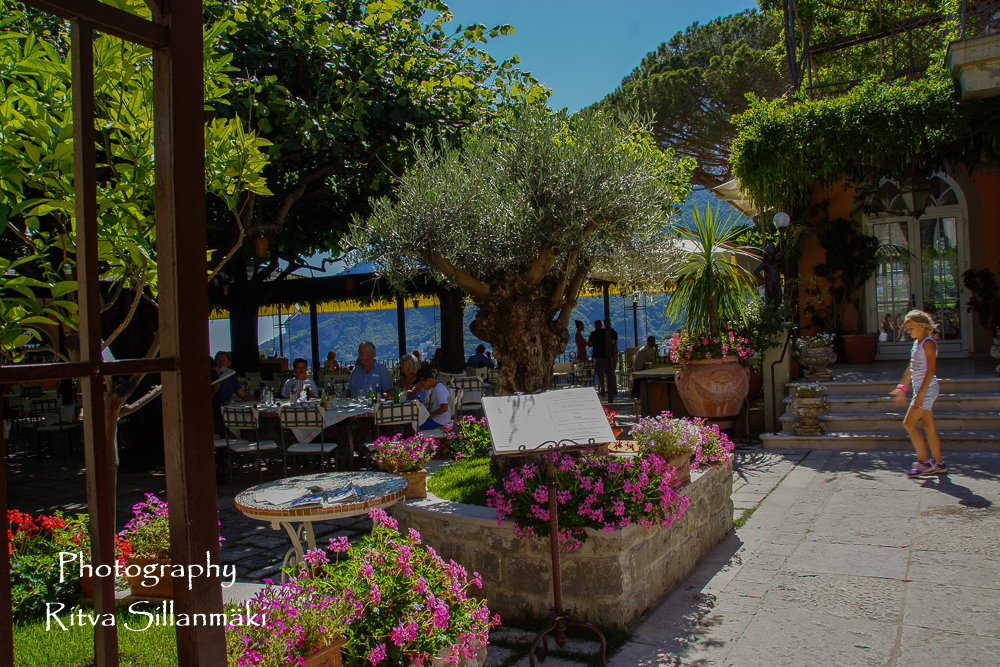
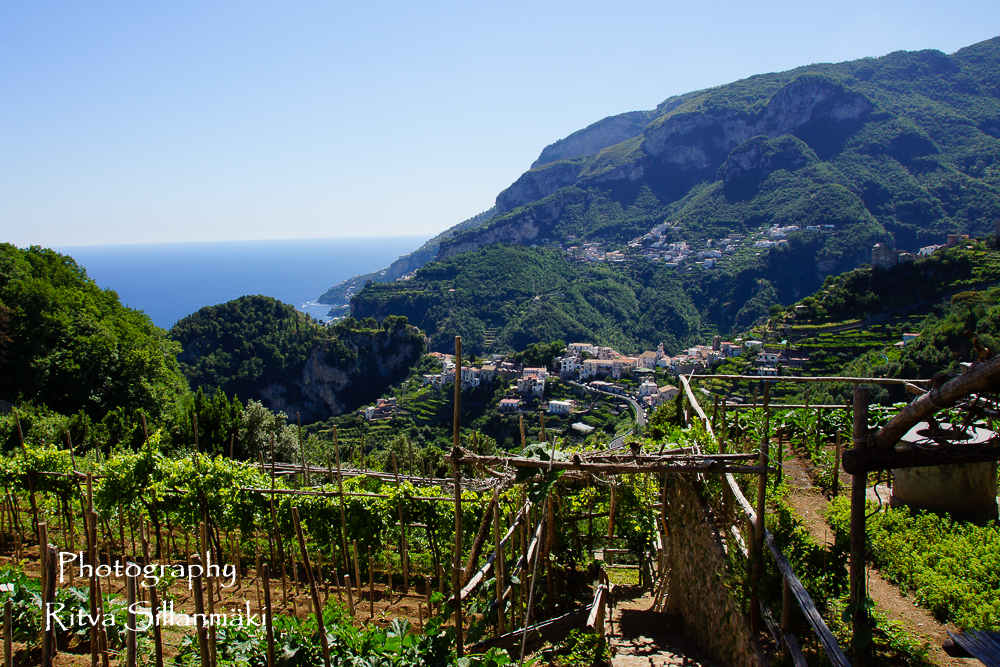
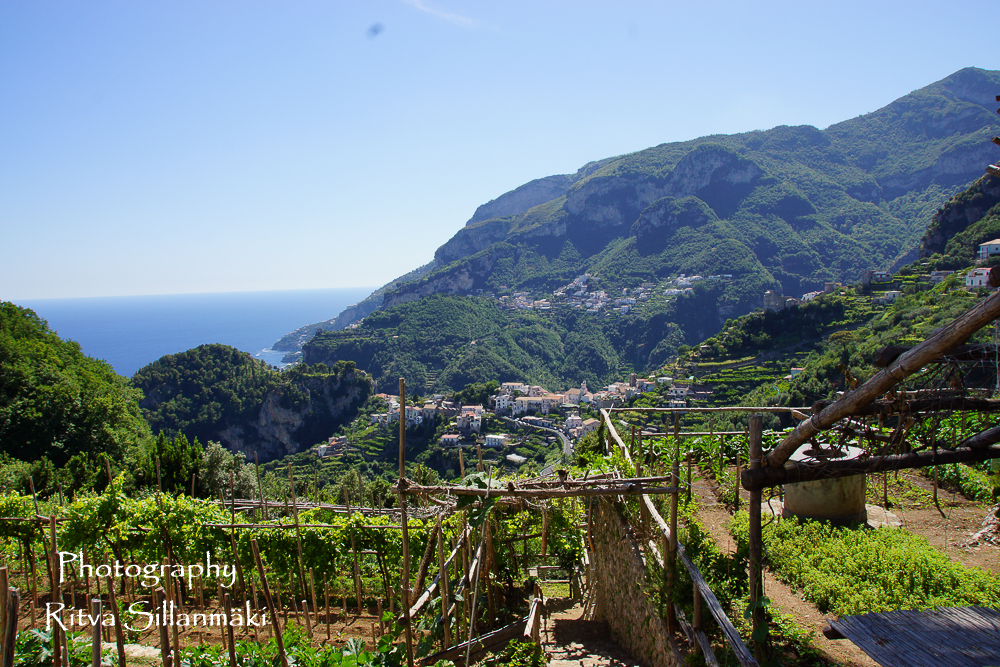
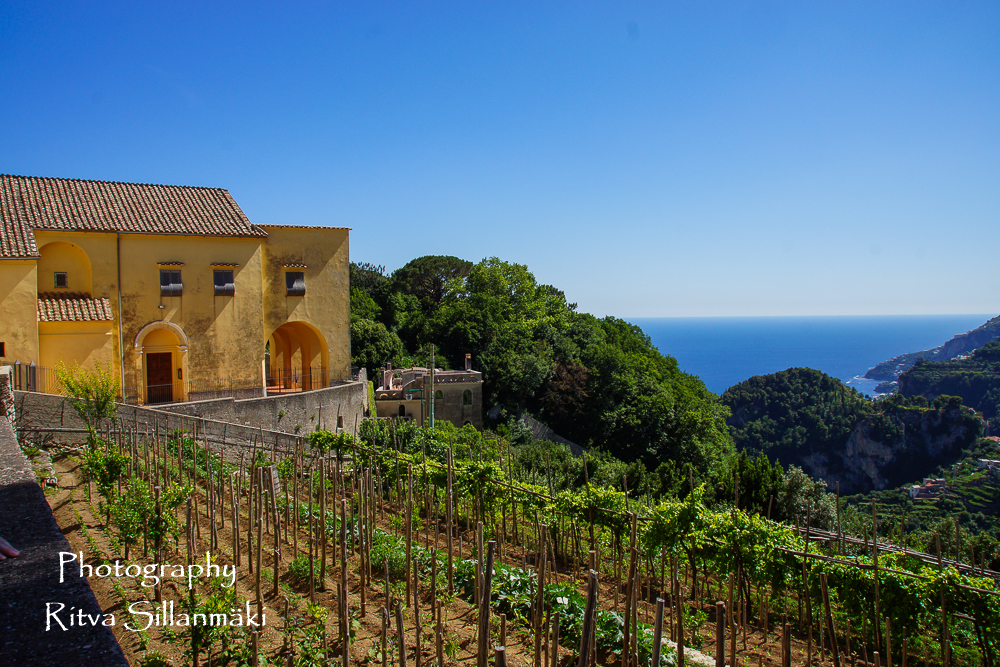
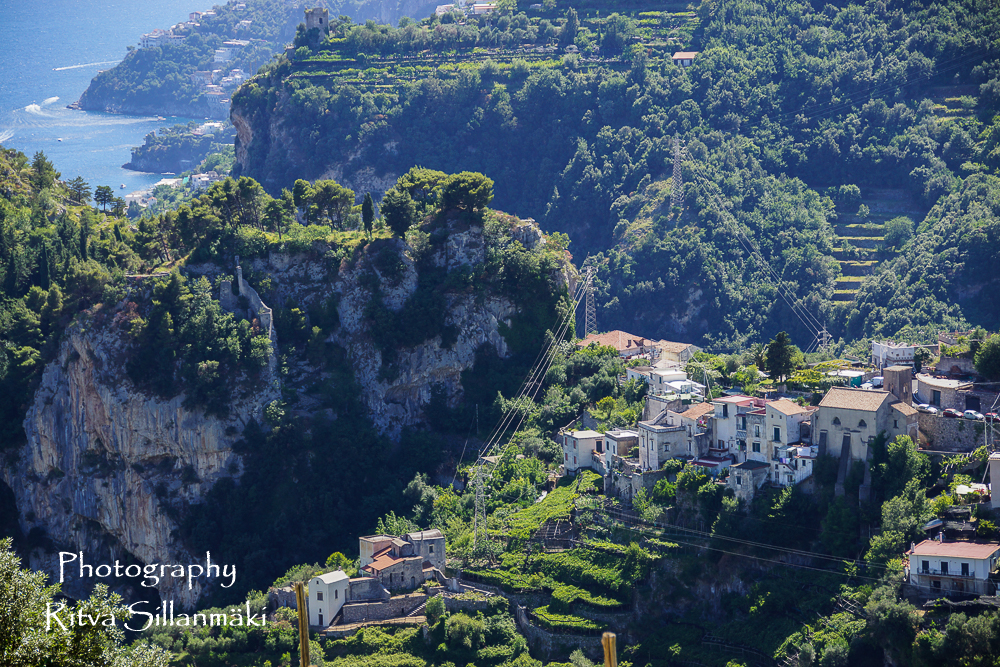
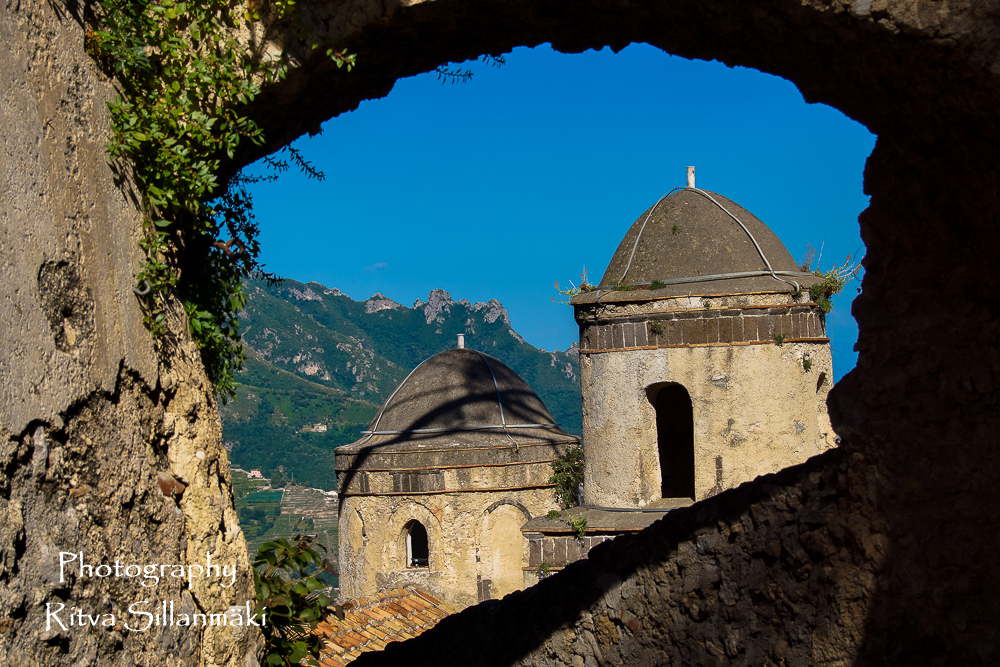
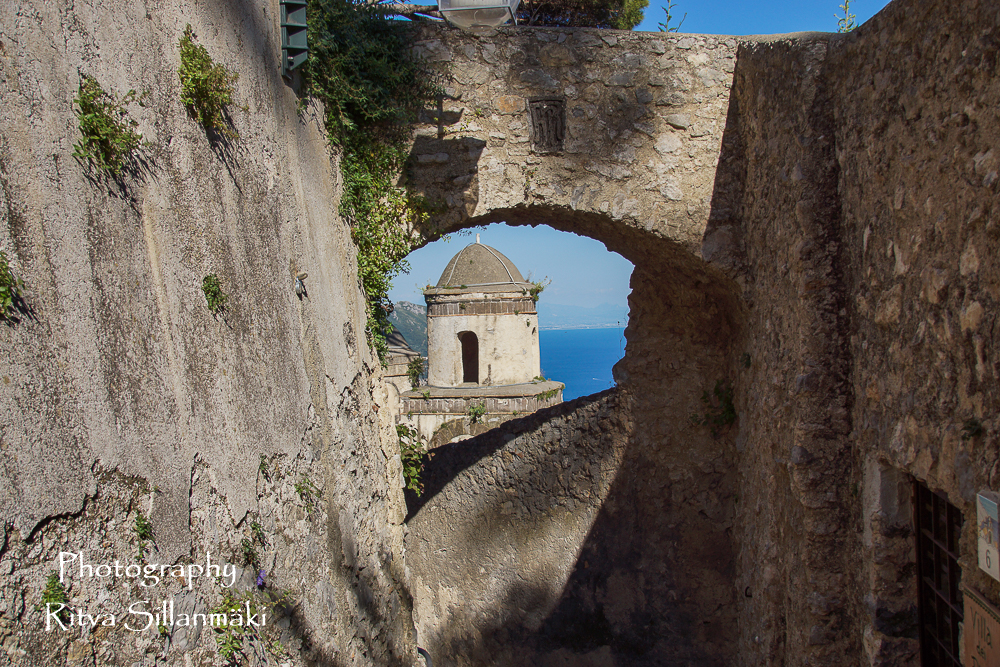
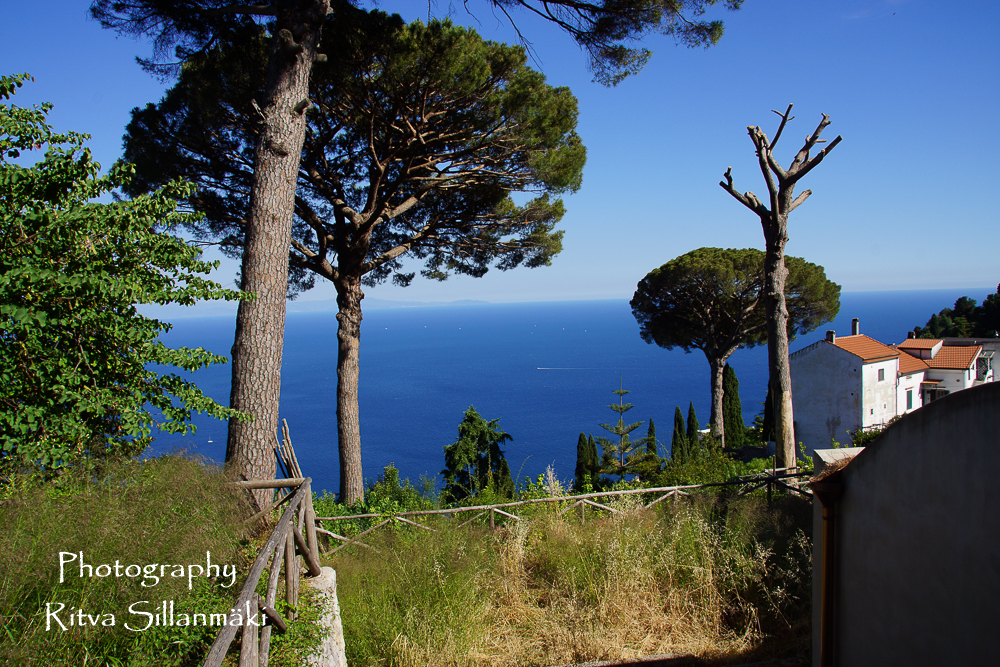
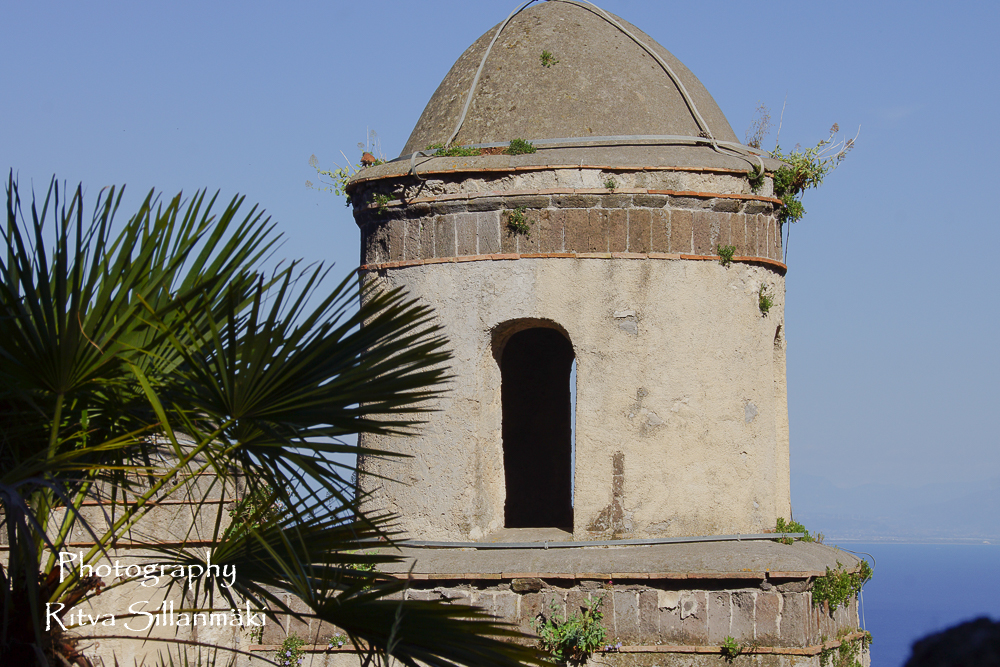
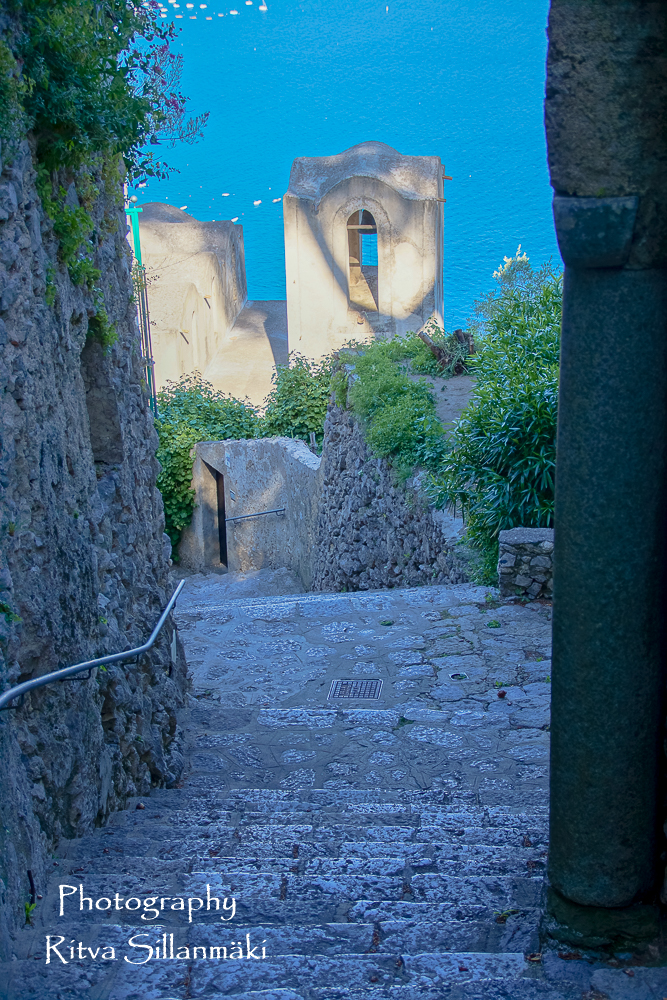
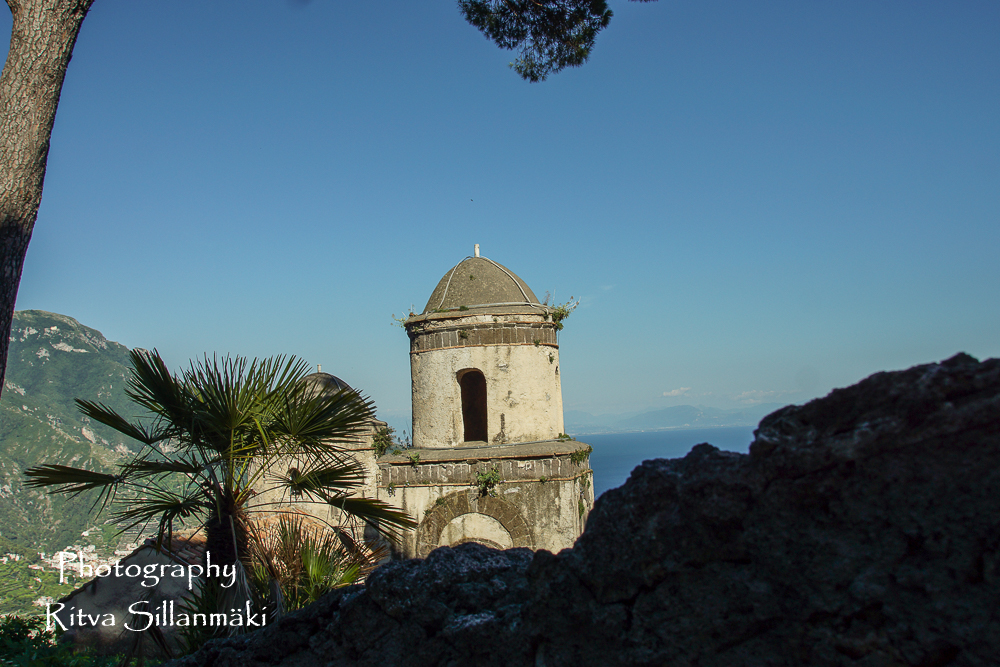
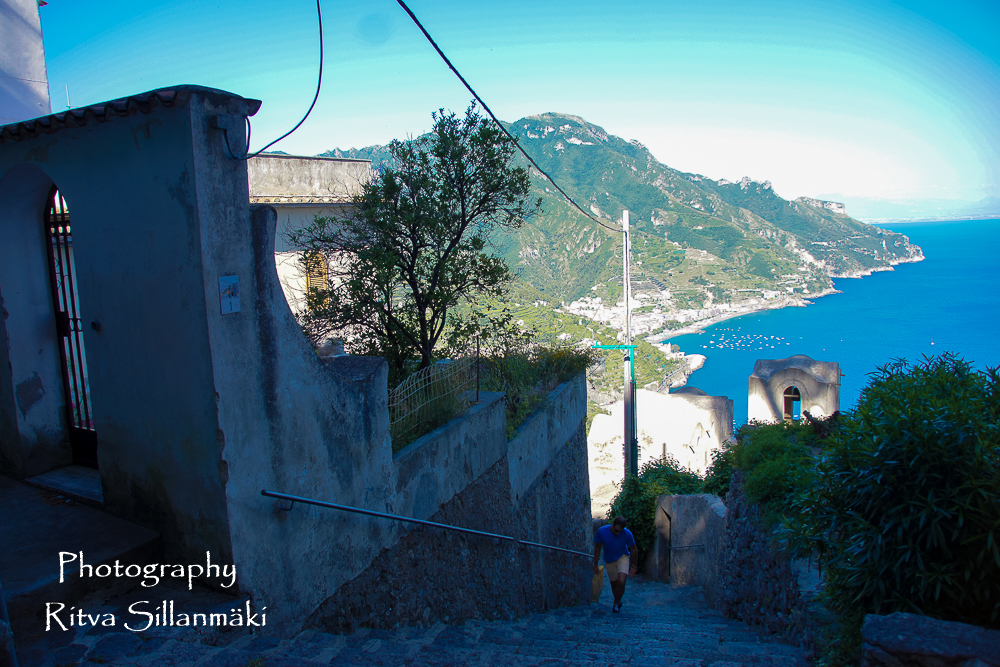
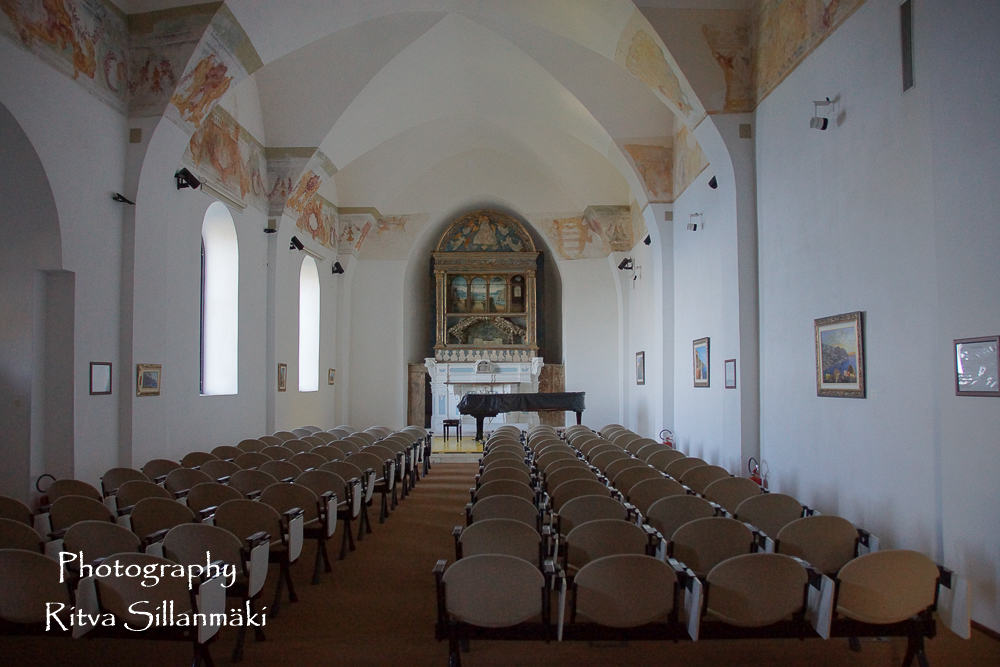
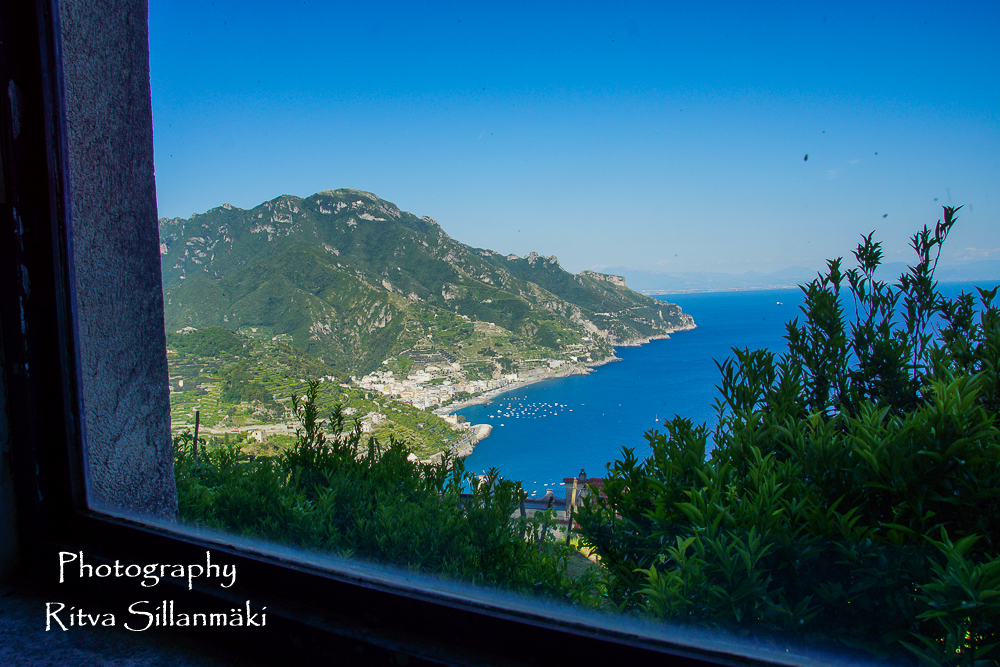
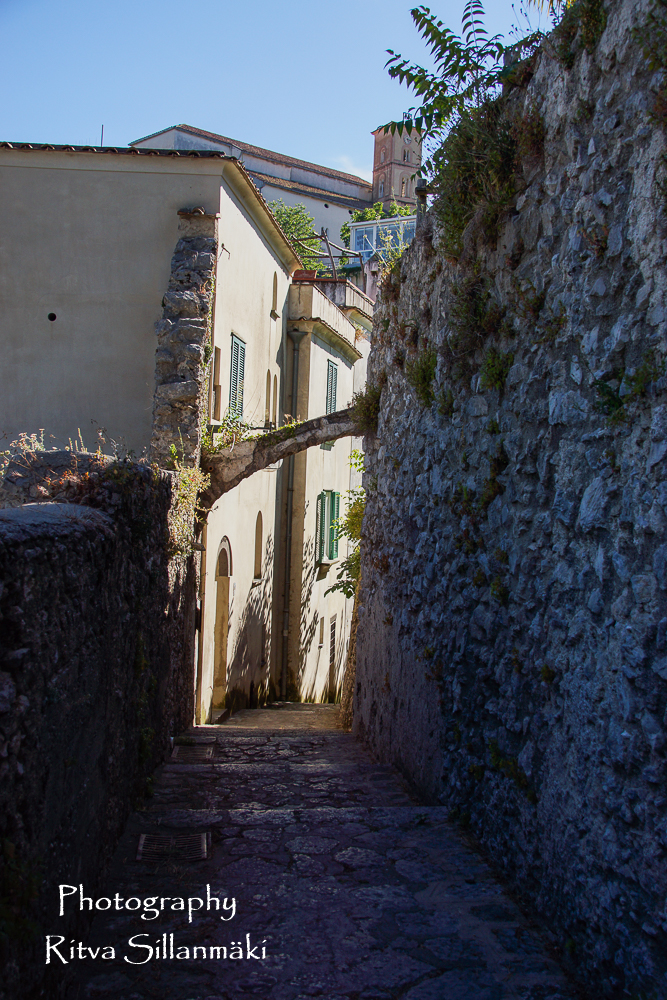
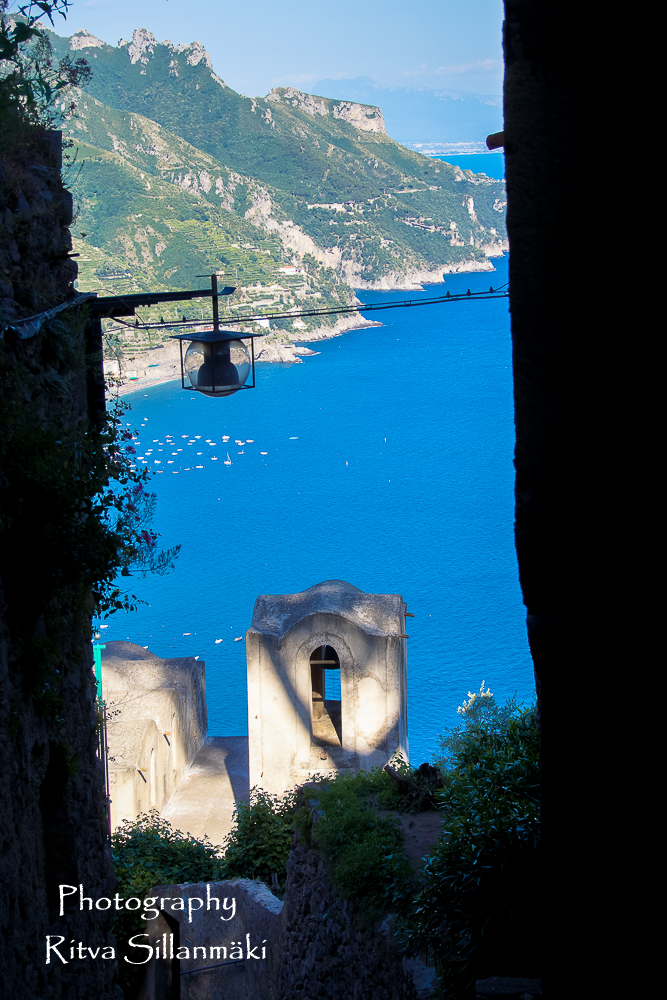
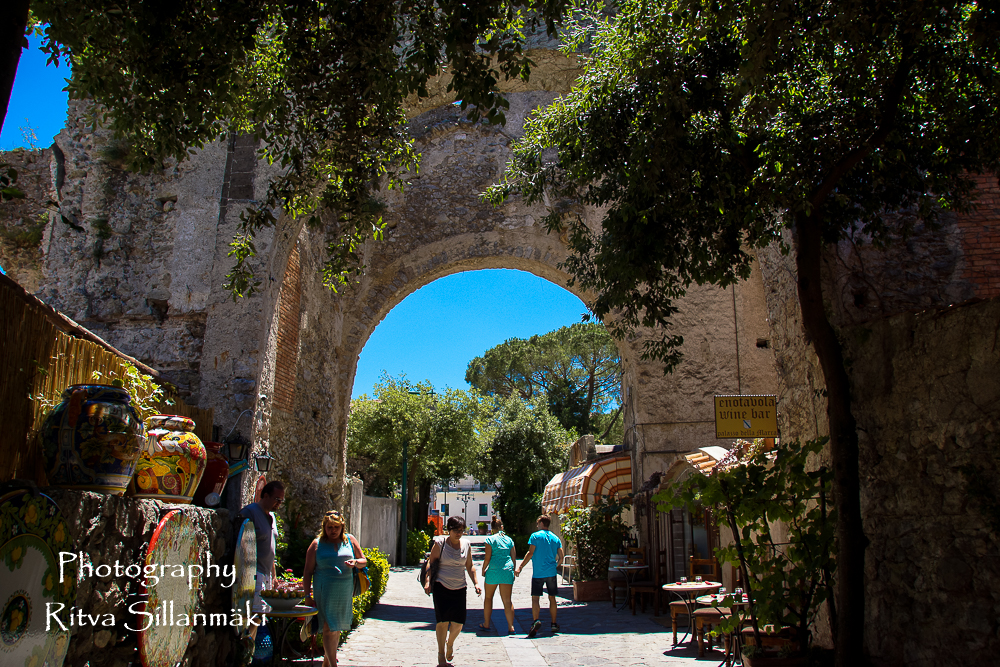
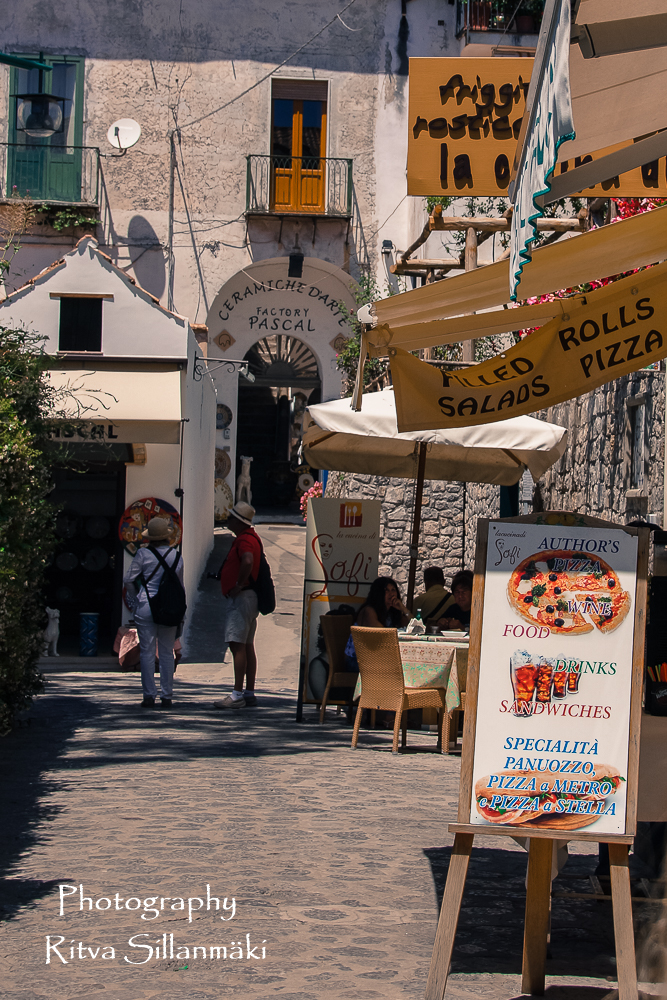
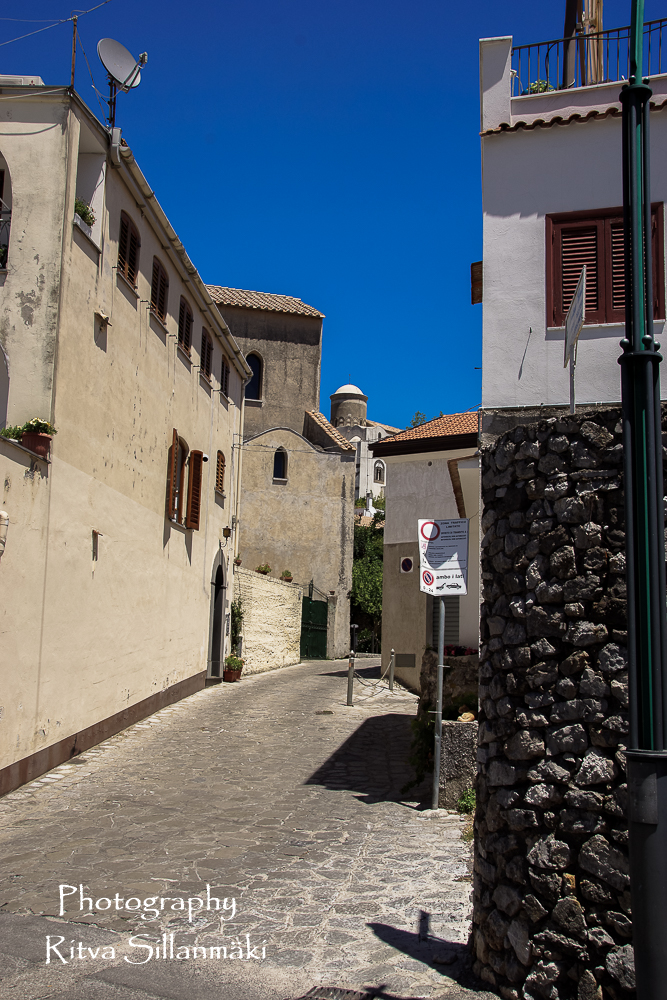
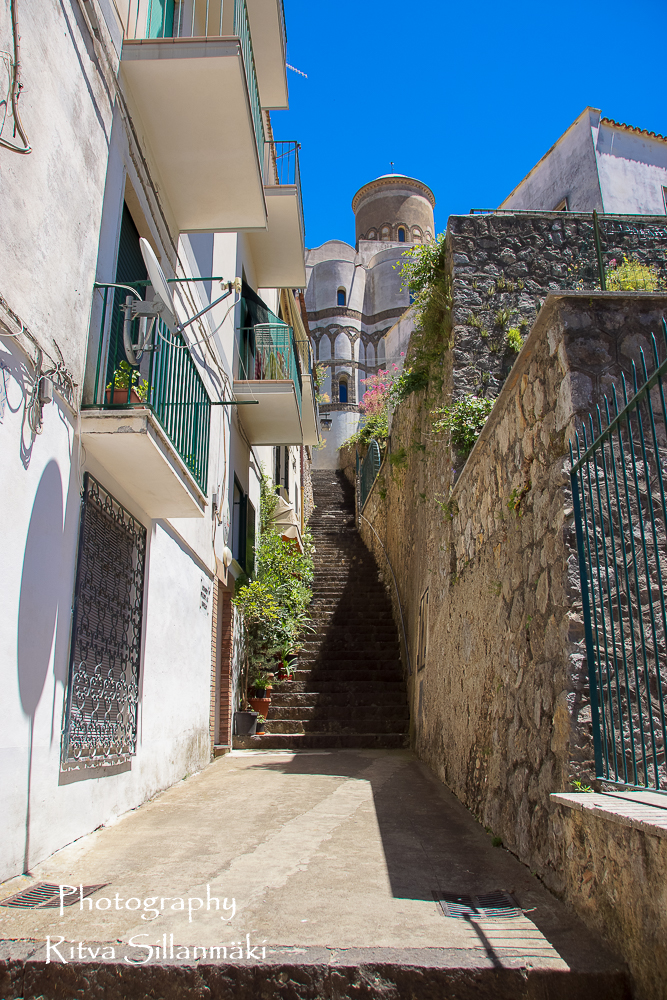
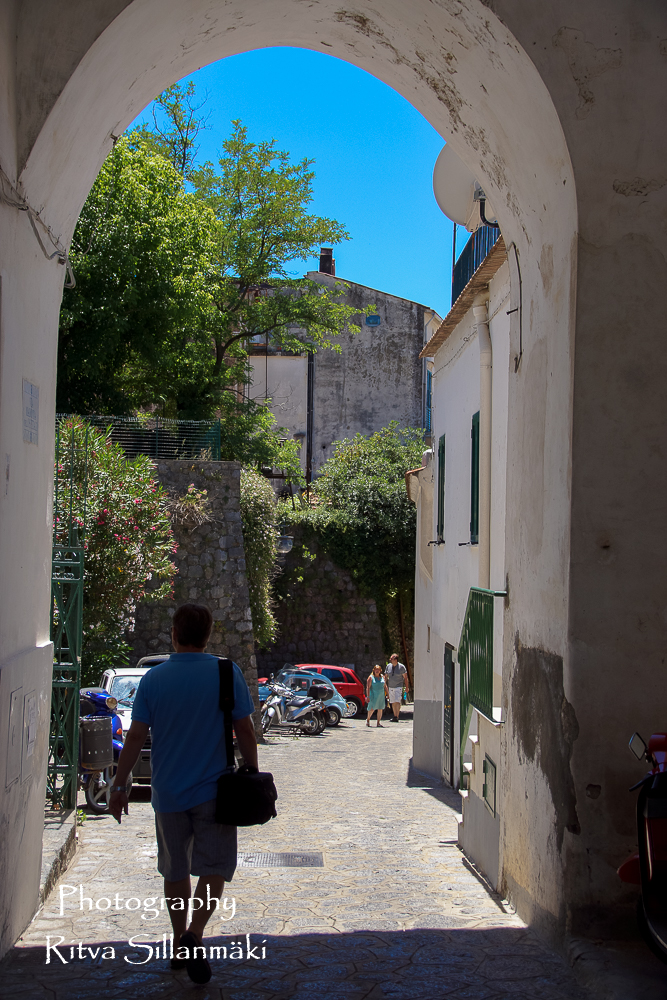
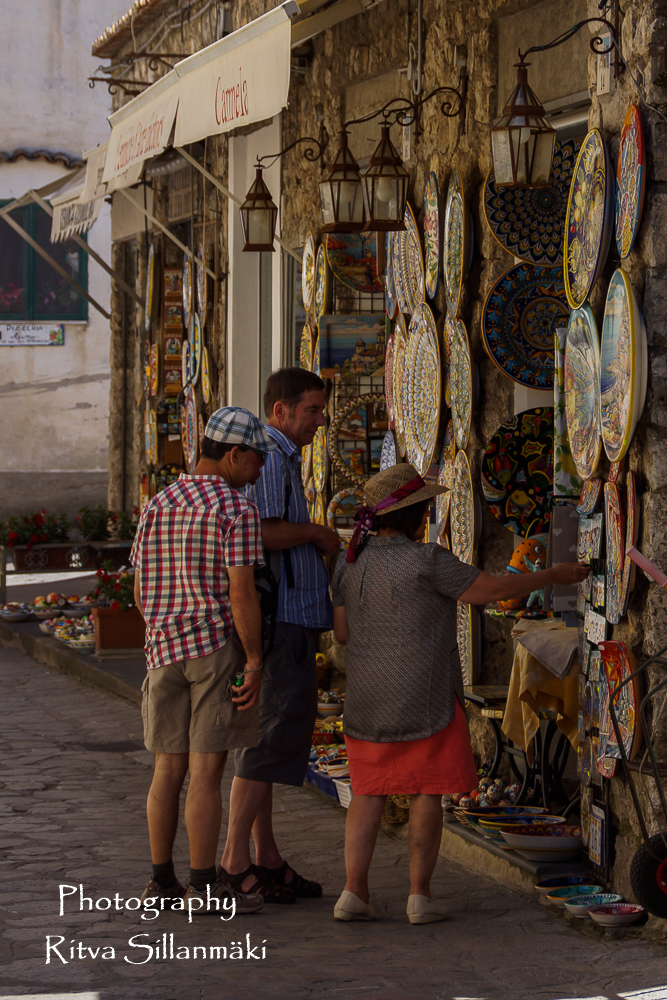
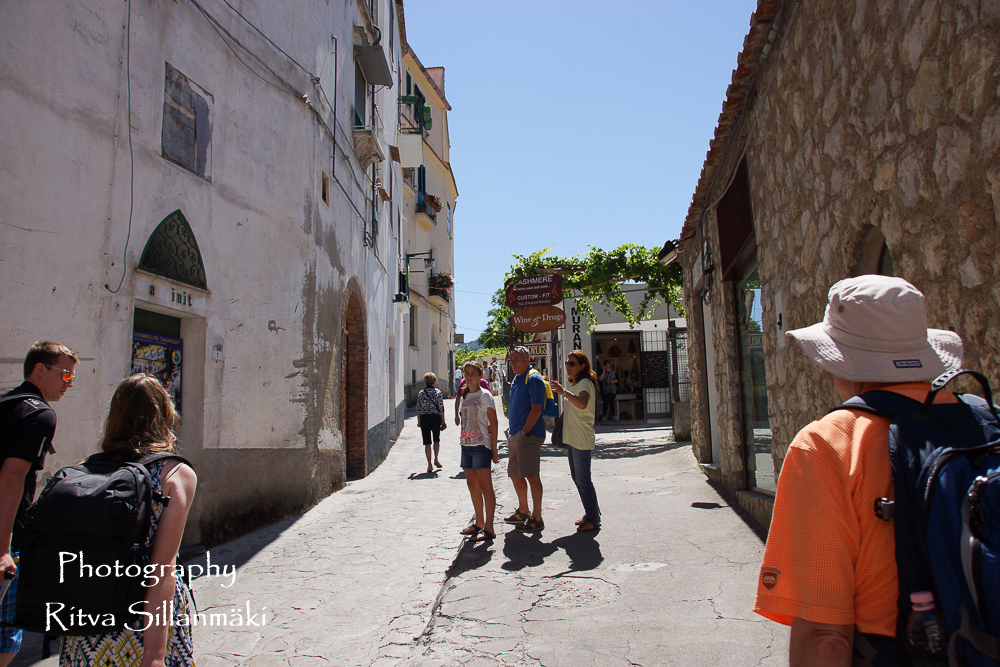
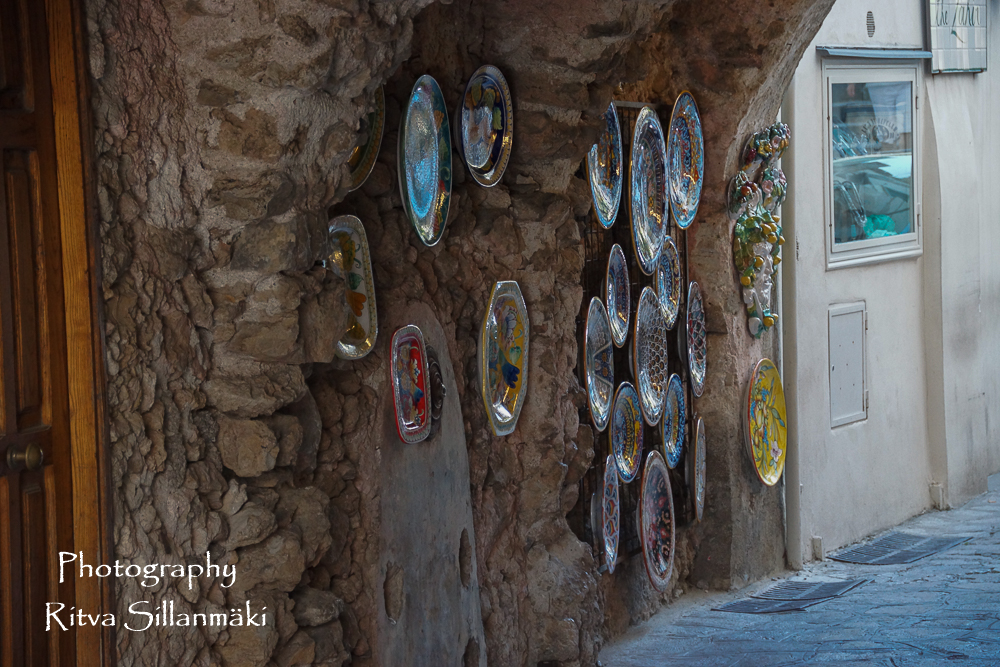
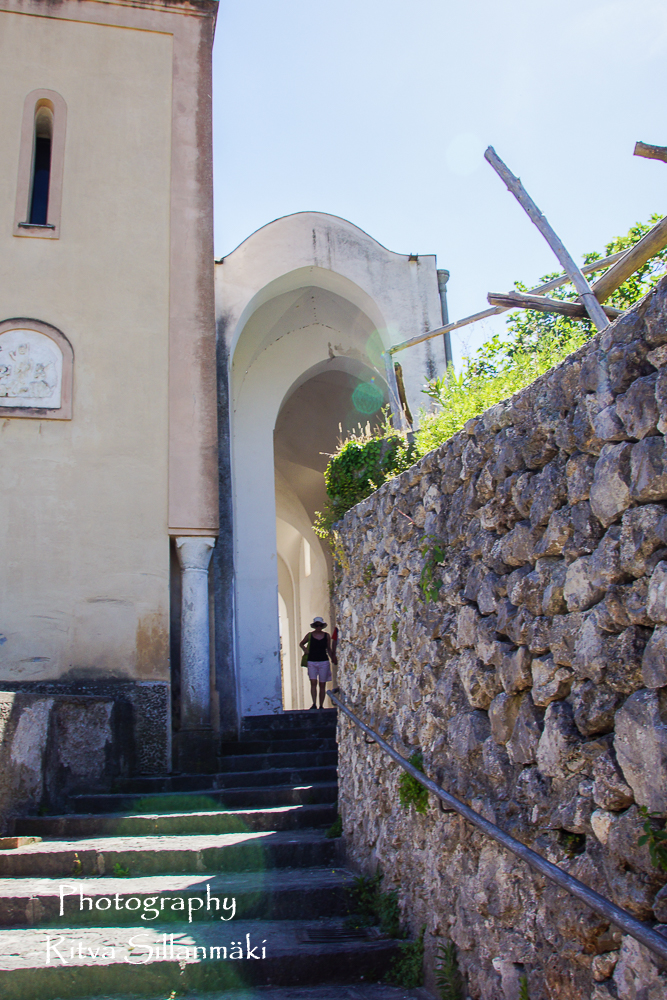
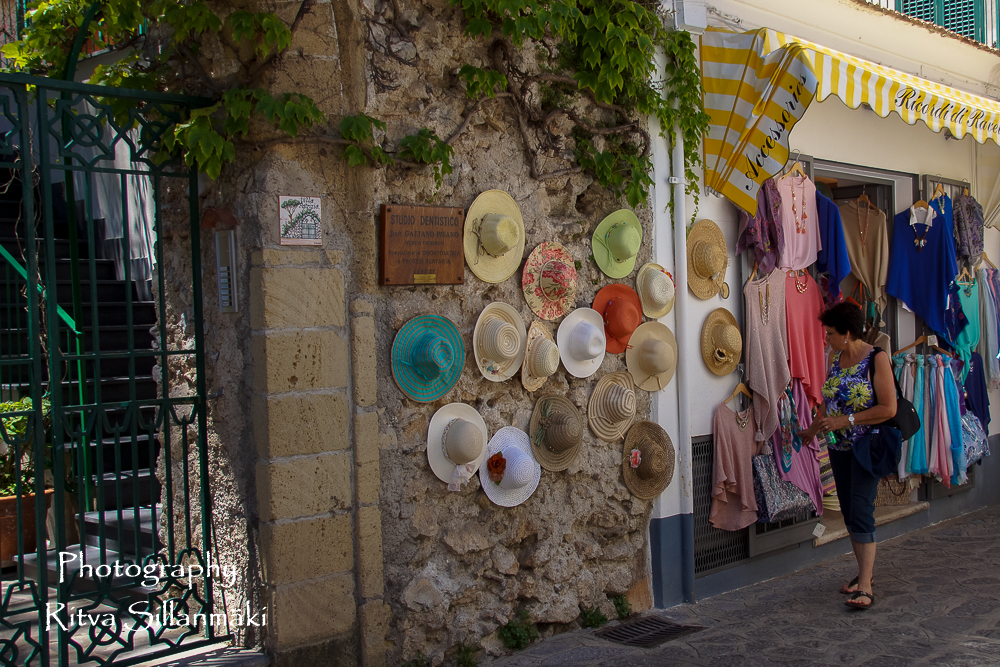
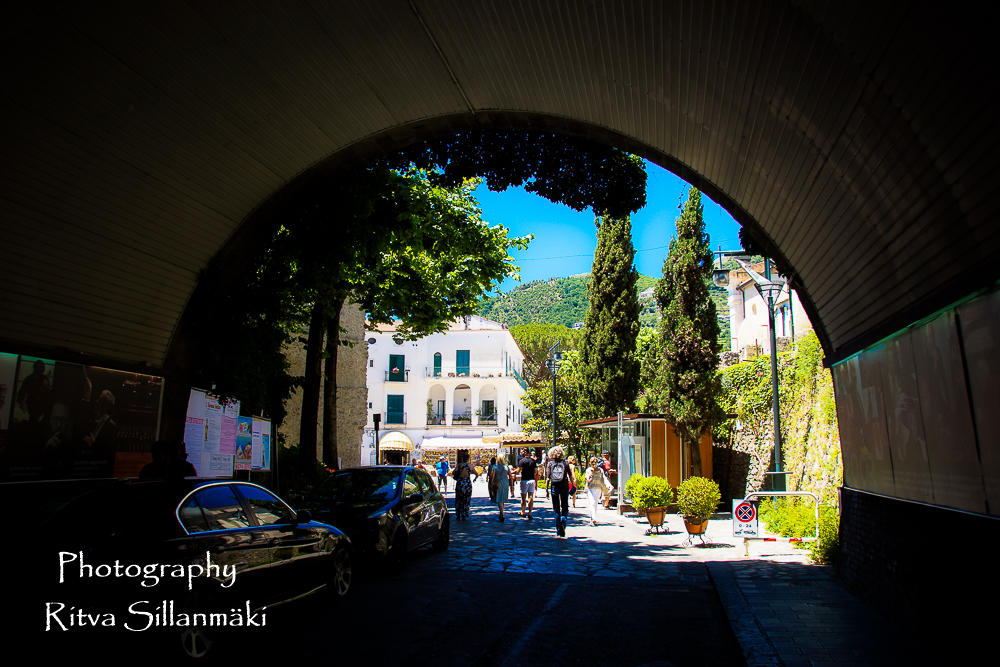
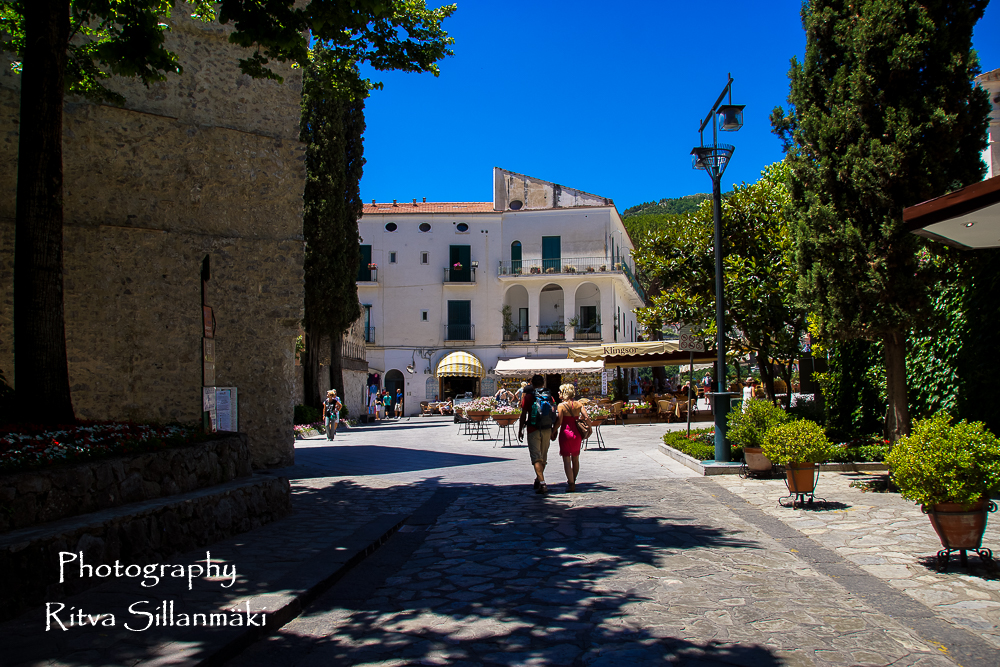
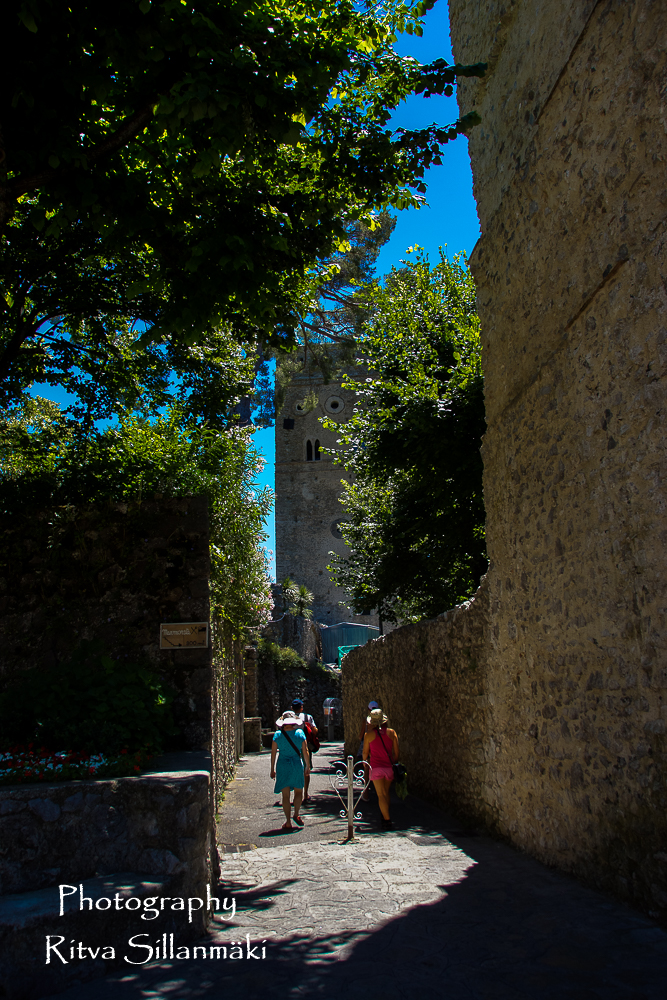
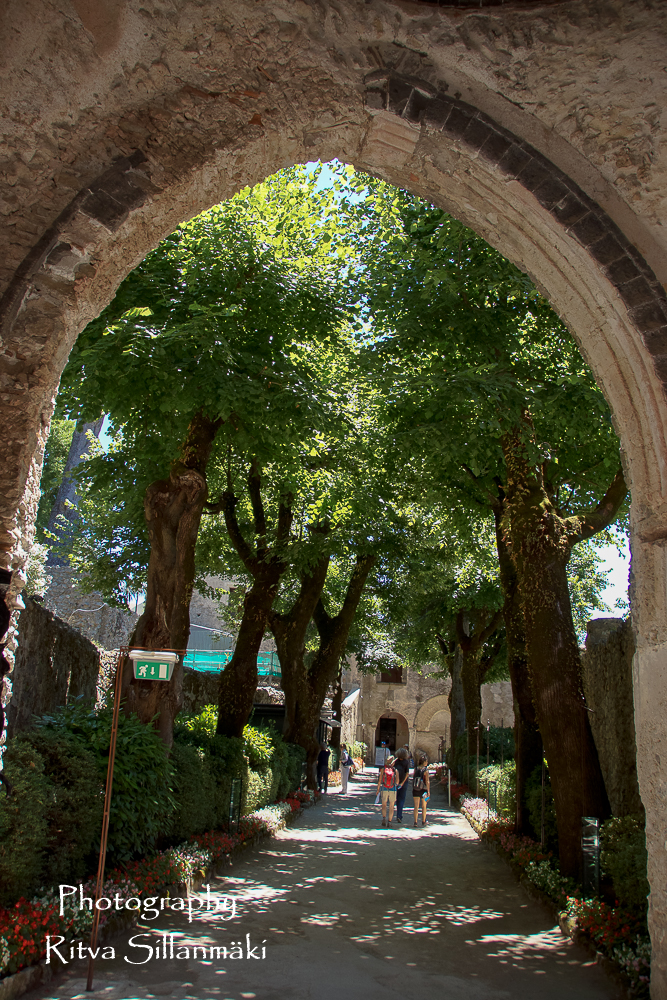
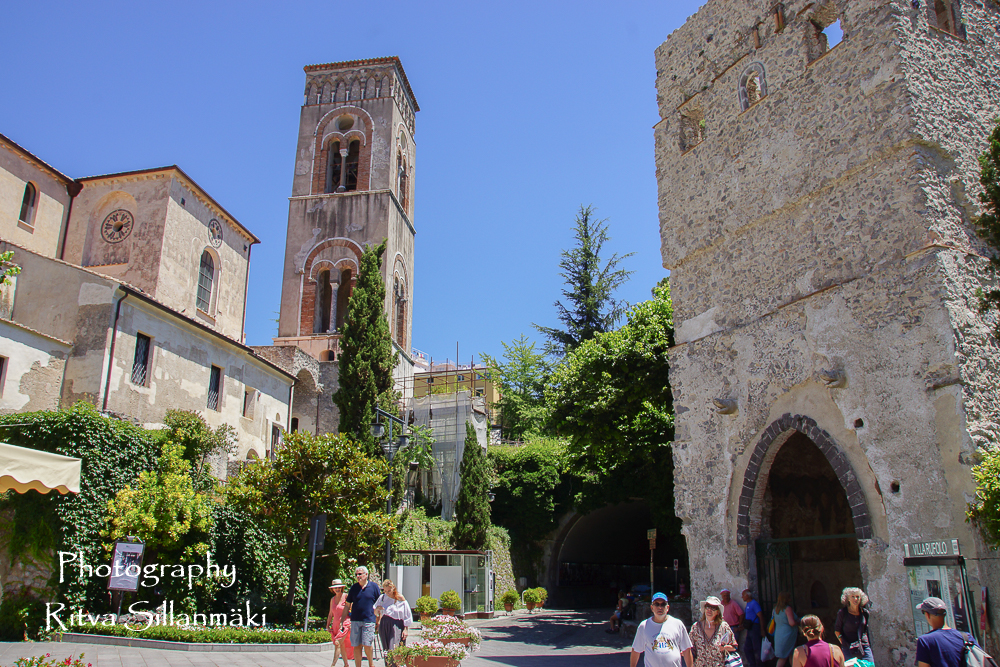
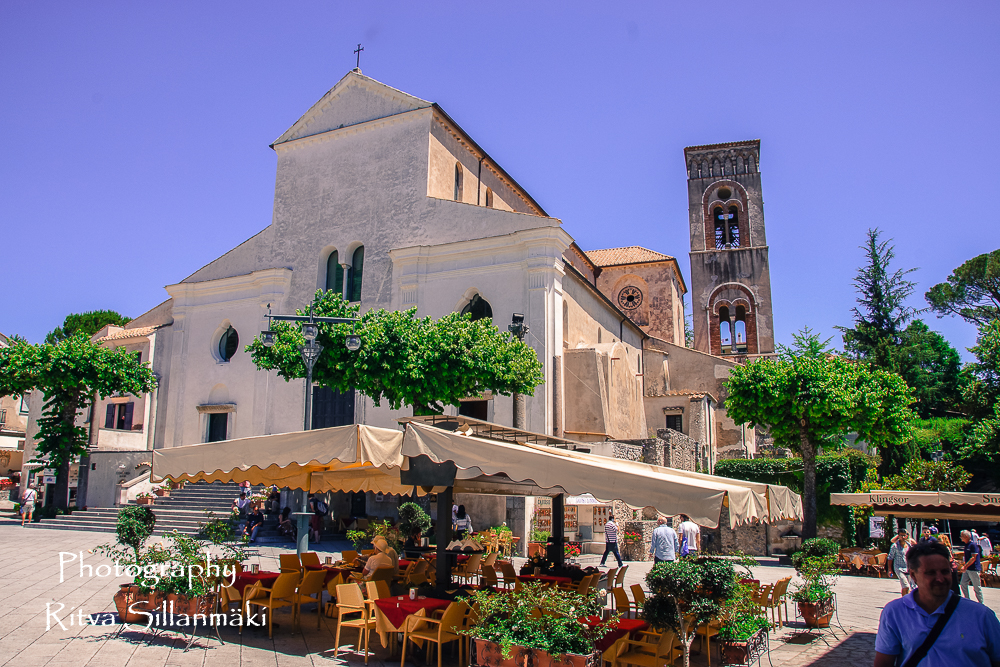
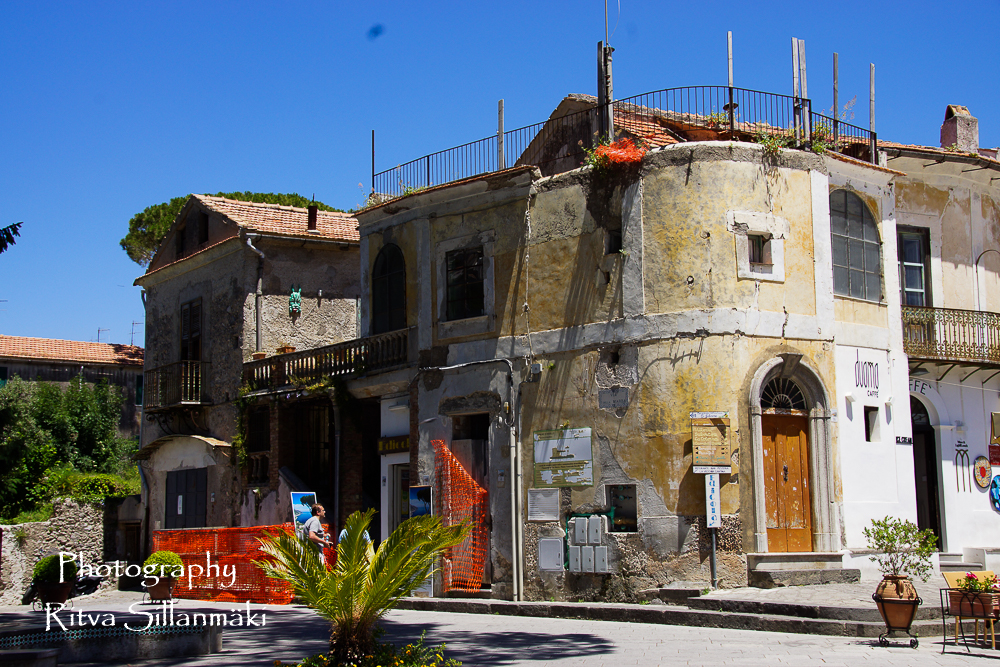
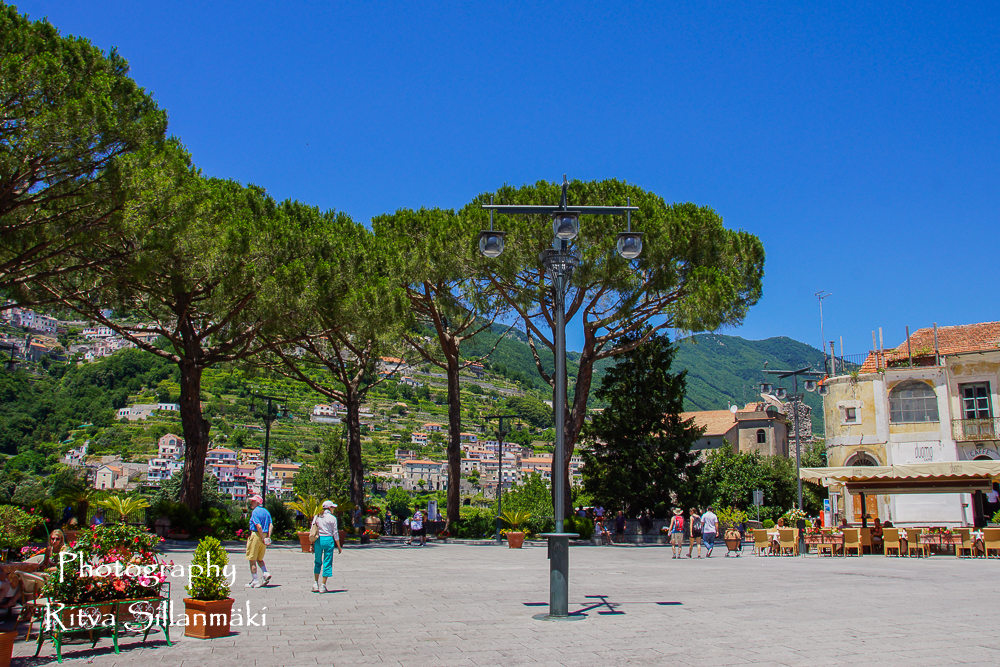
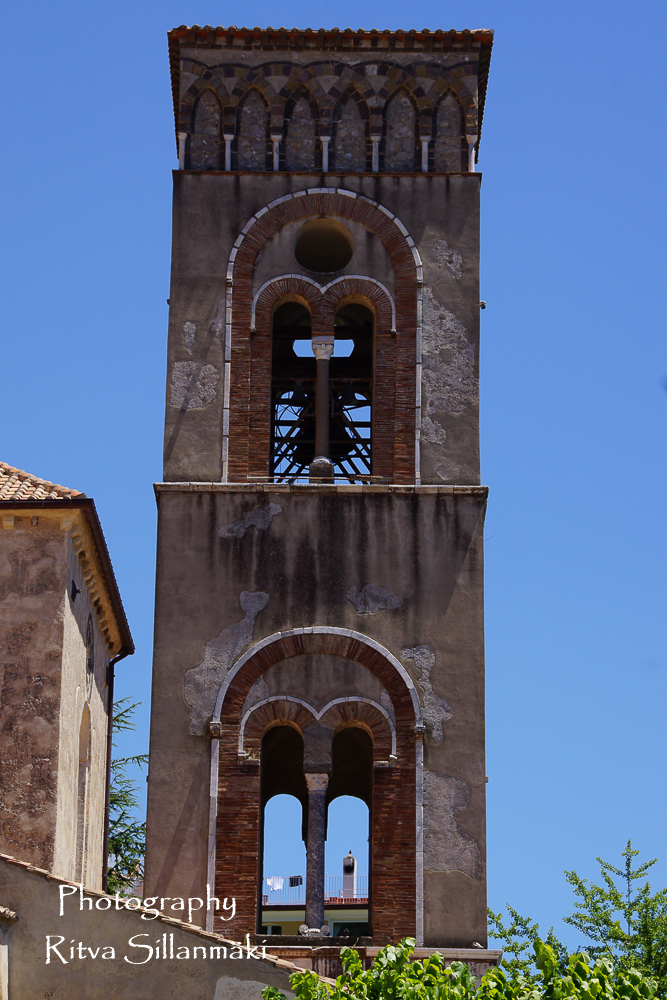
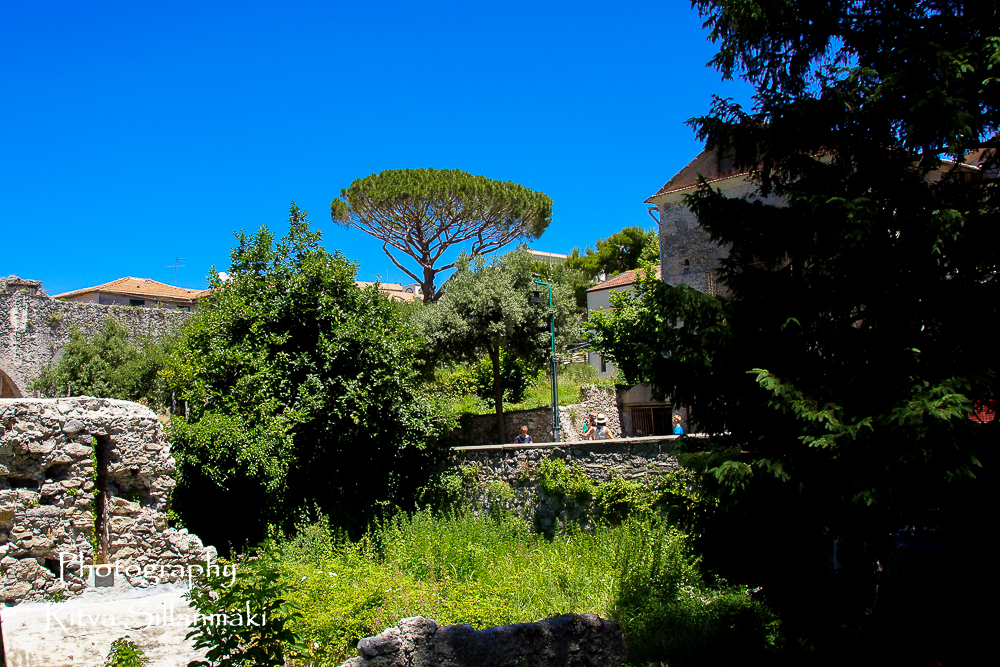
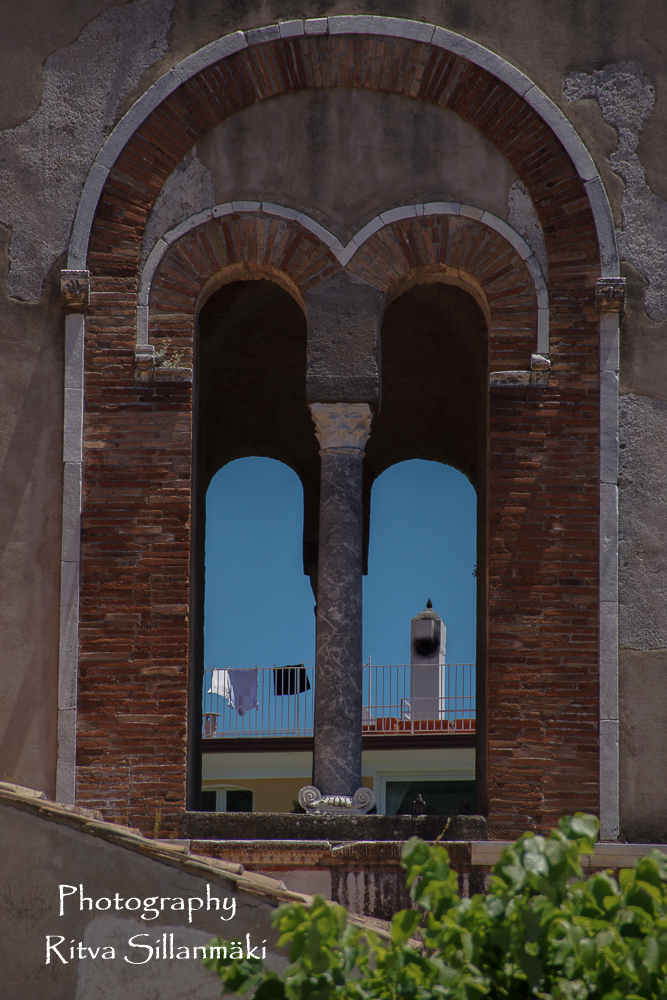
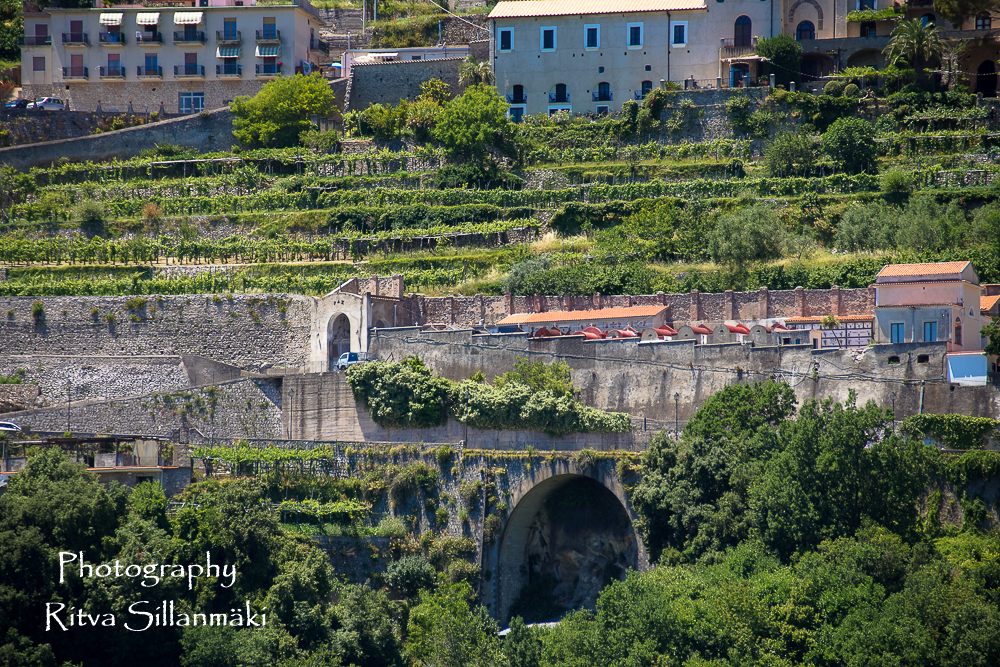
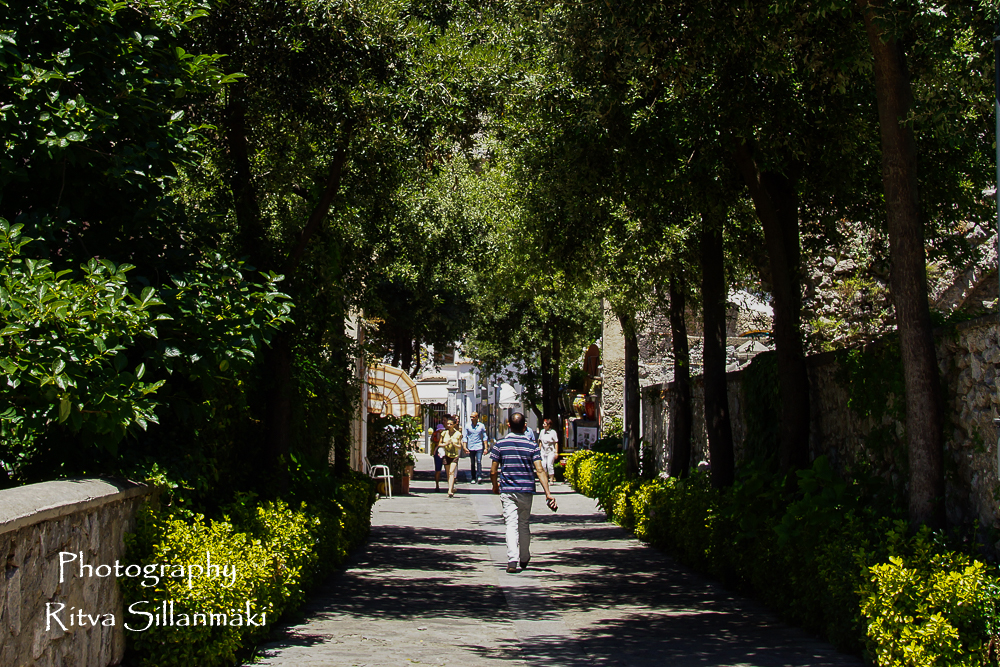
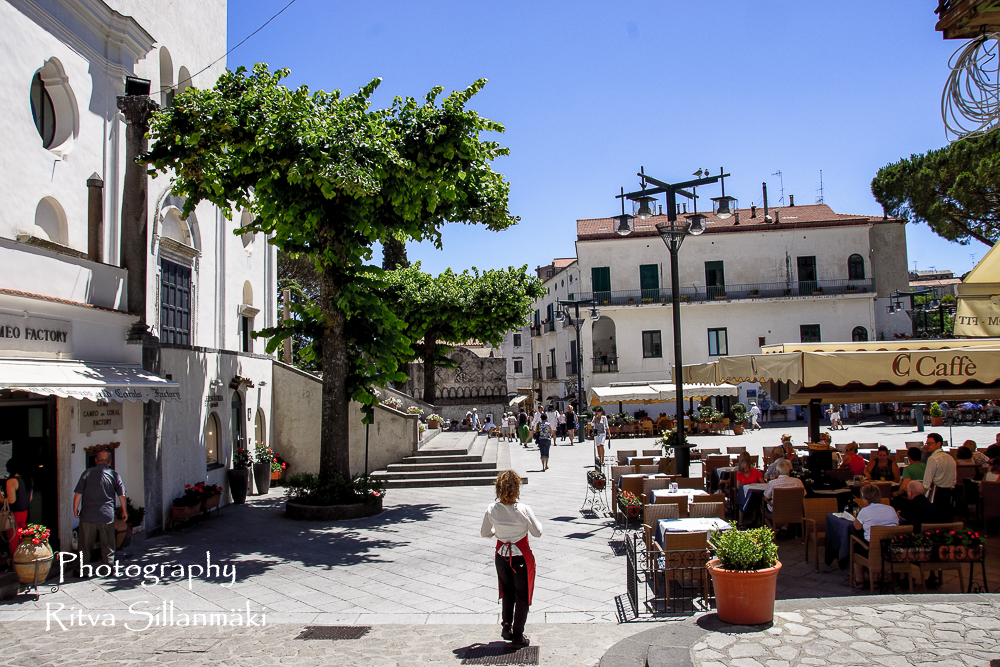
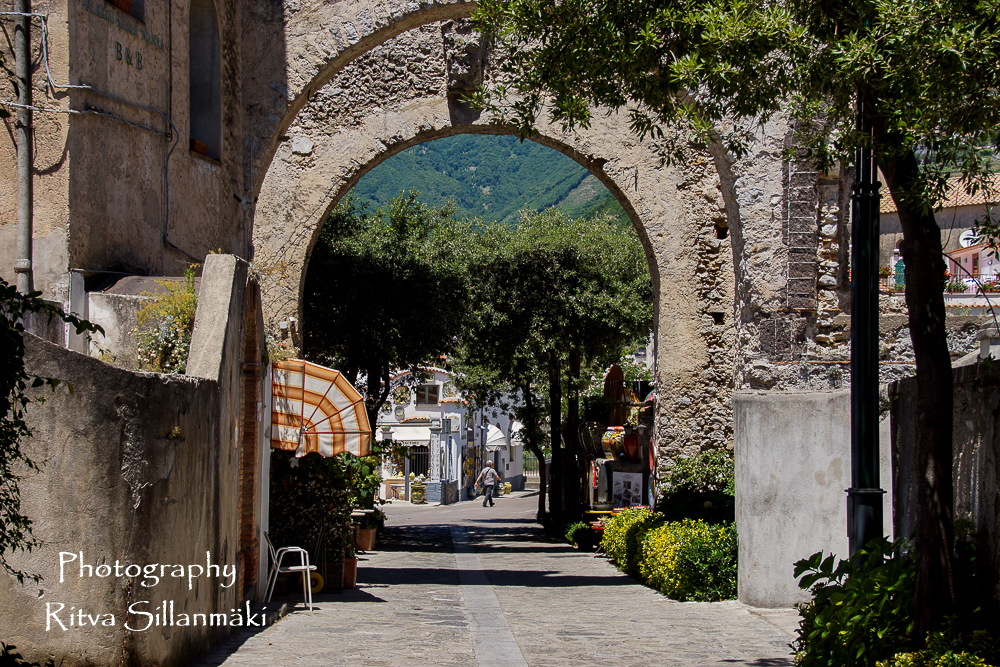
Ravello is a town and comune situated above the Amalfi Coast in the province of Salerno, Campania, southern Italy, with approximately 2,500 inhabitants. Its scenic beauty makes it a popular tourist destination, and earned it a listing as a UNESCO World Heritage Site in 1996. In the pictures is center of the town and The Duomo (Cathedral) of Ravello: the central nave contains the “Pulpit of the Gospels”, on the right of the central nave, created in 1272
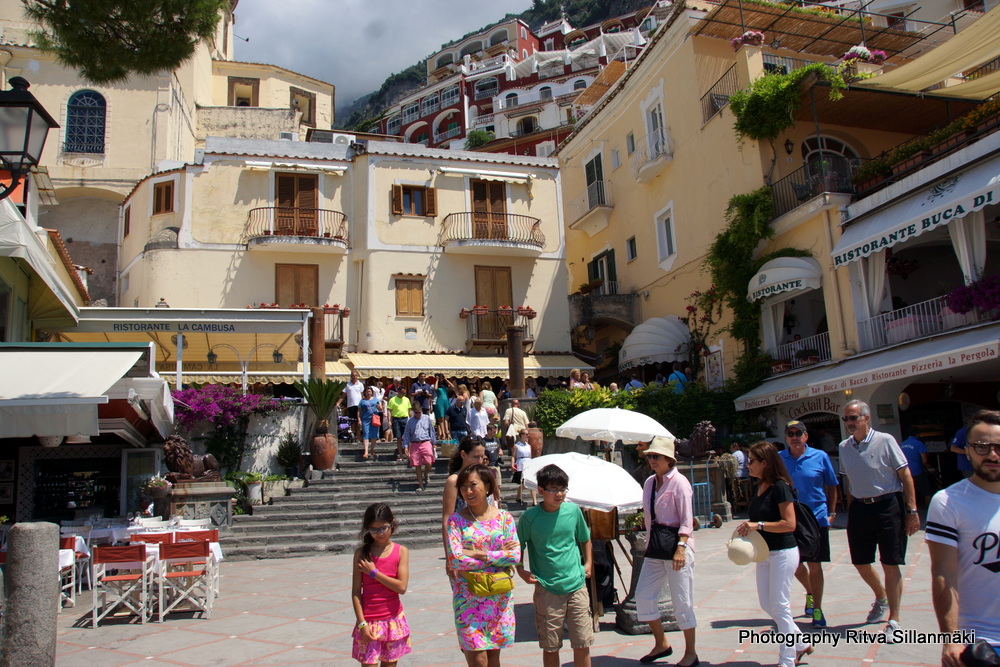
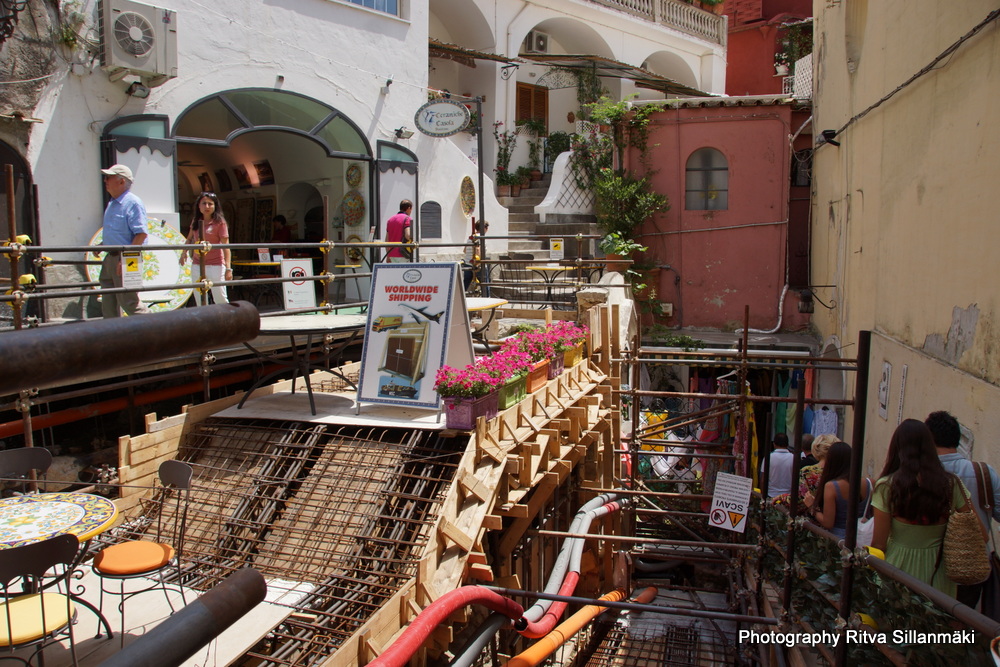
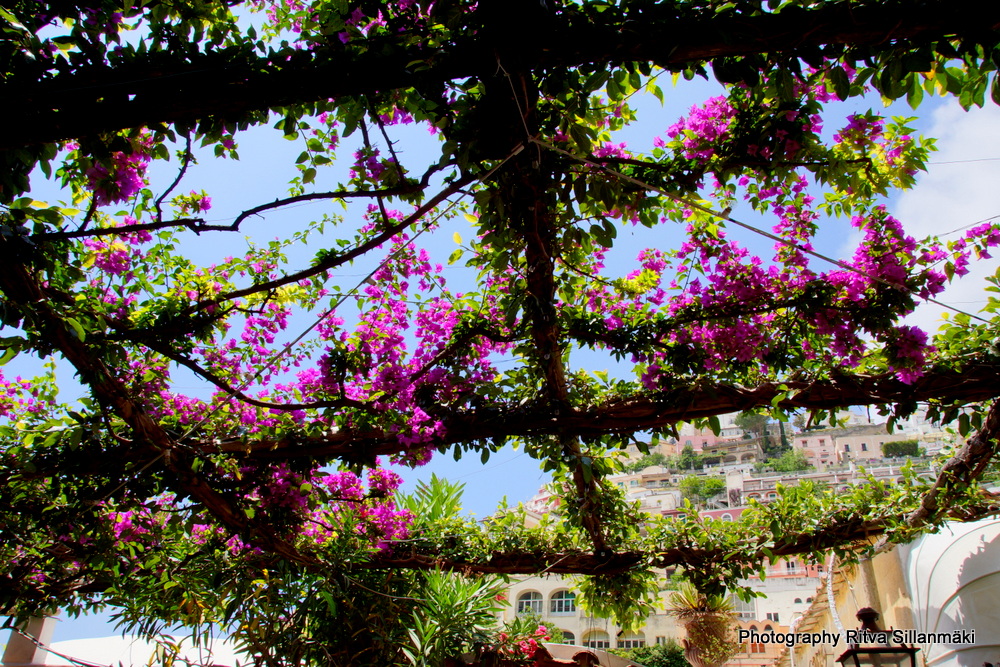
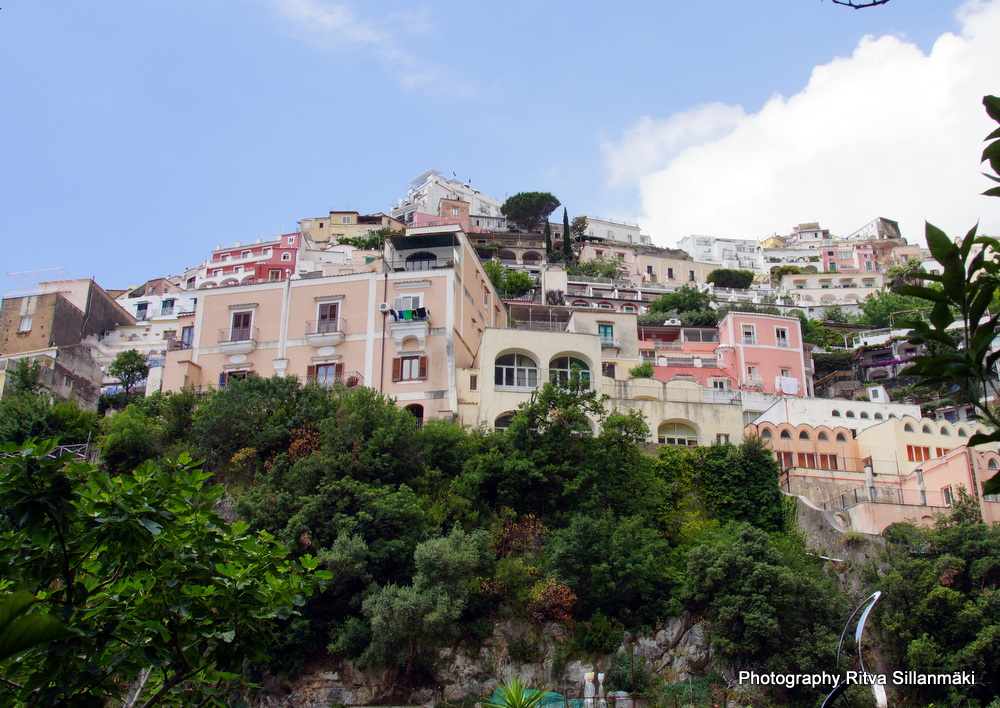
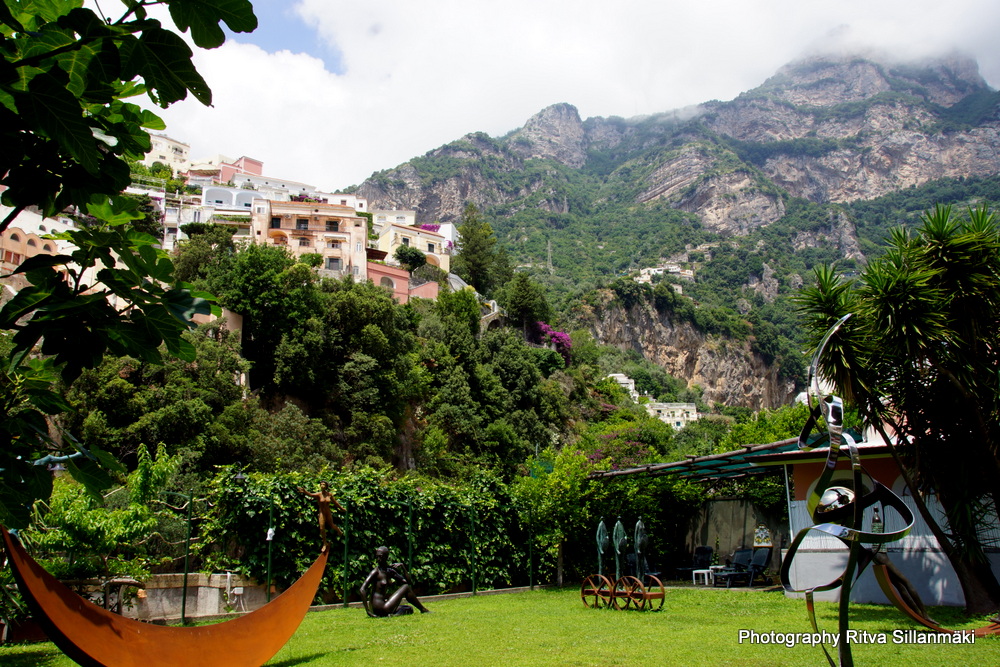
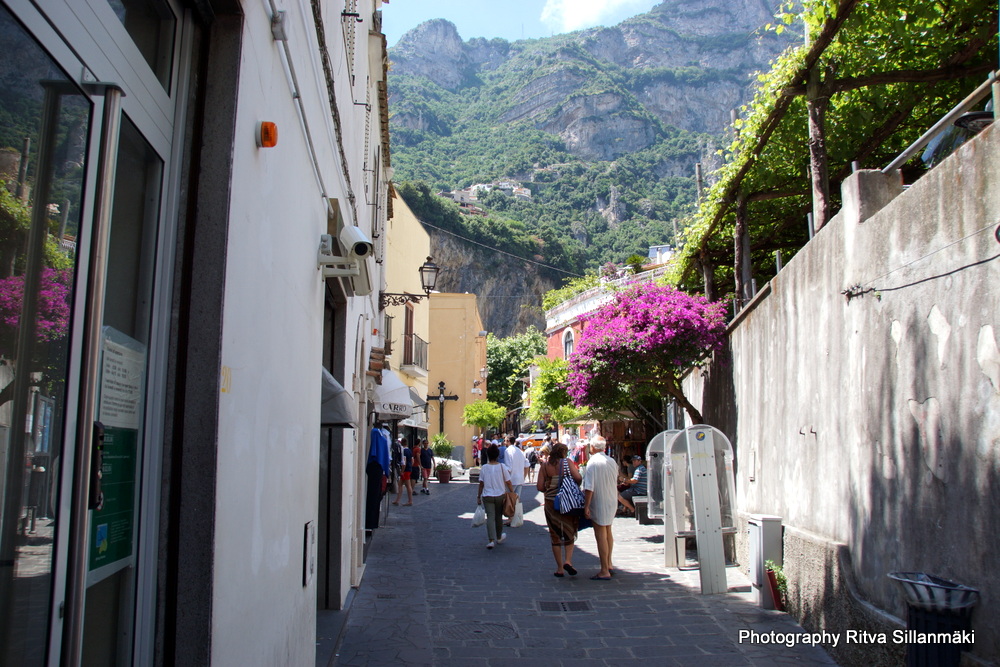
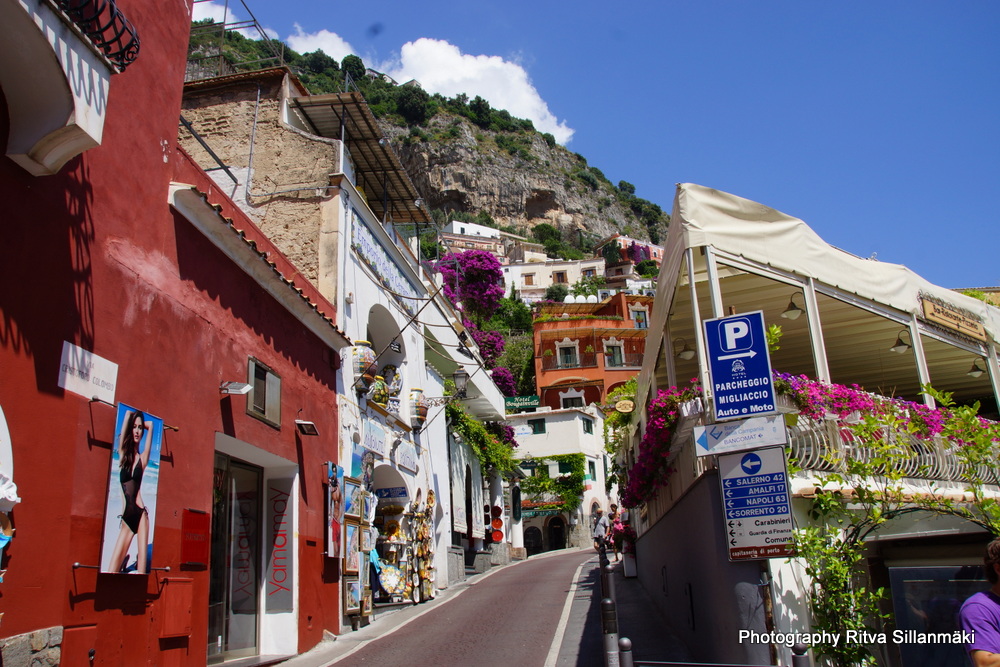
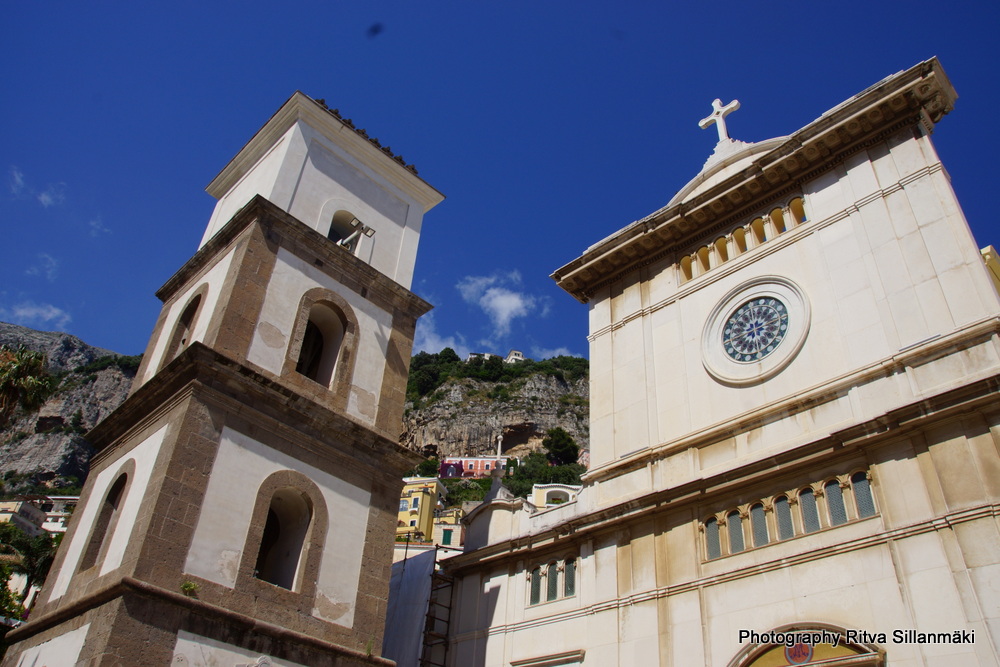
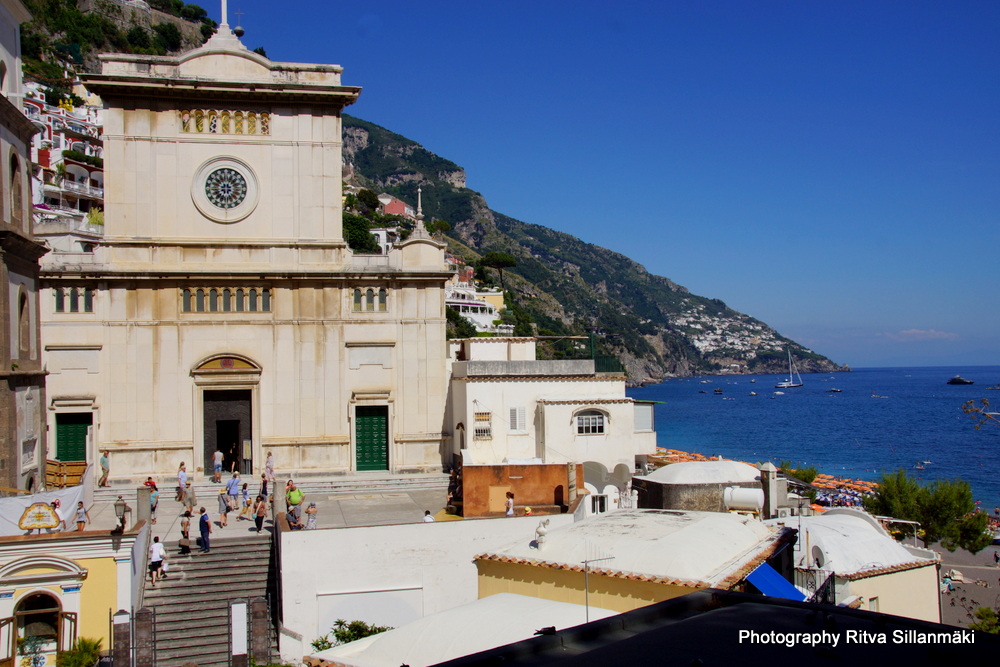
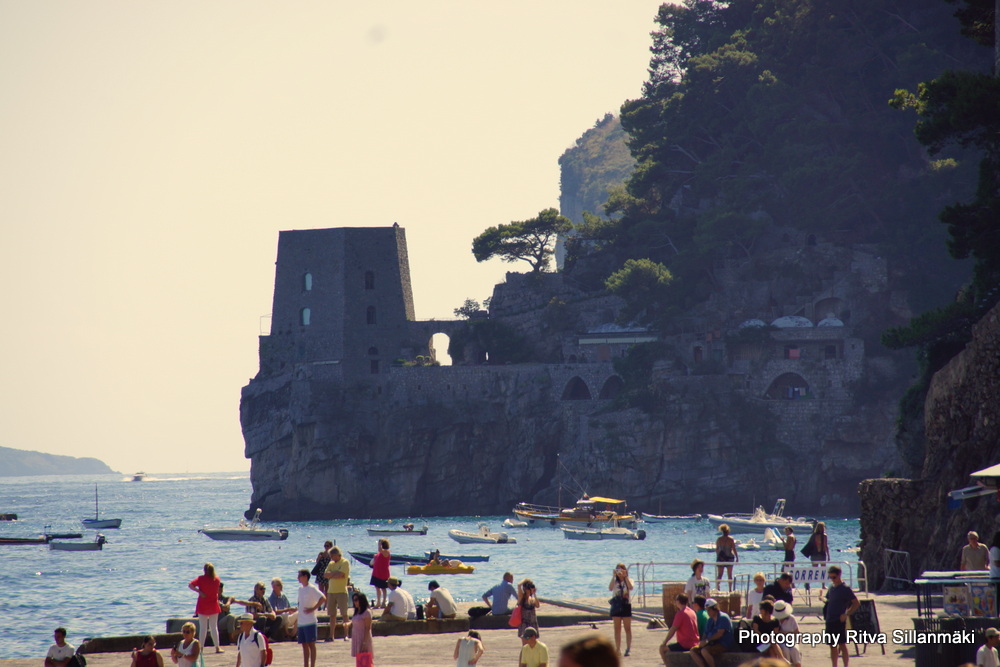
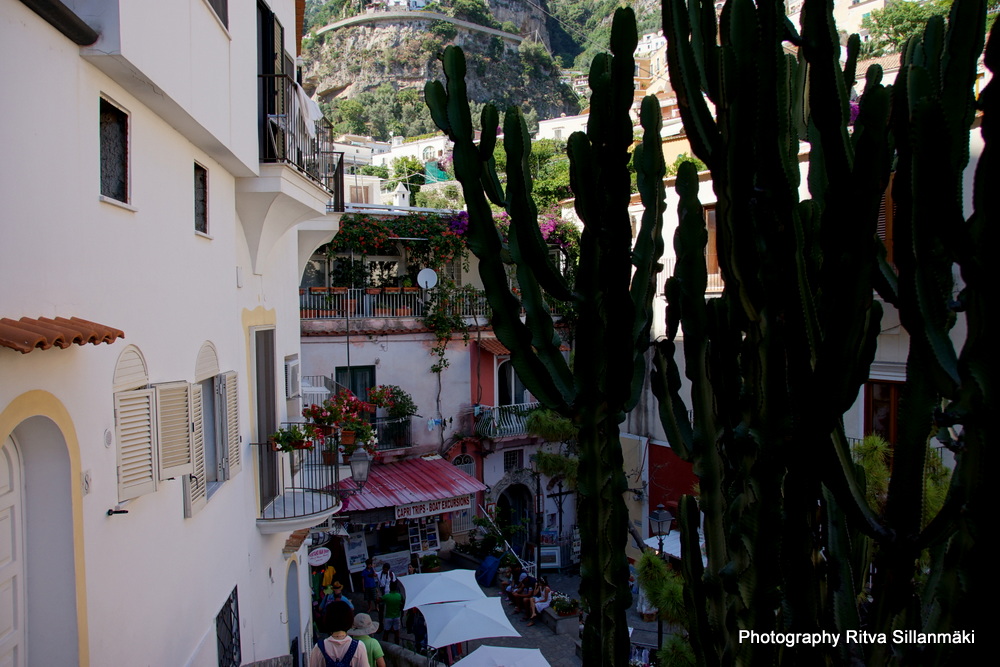
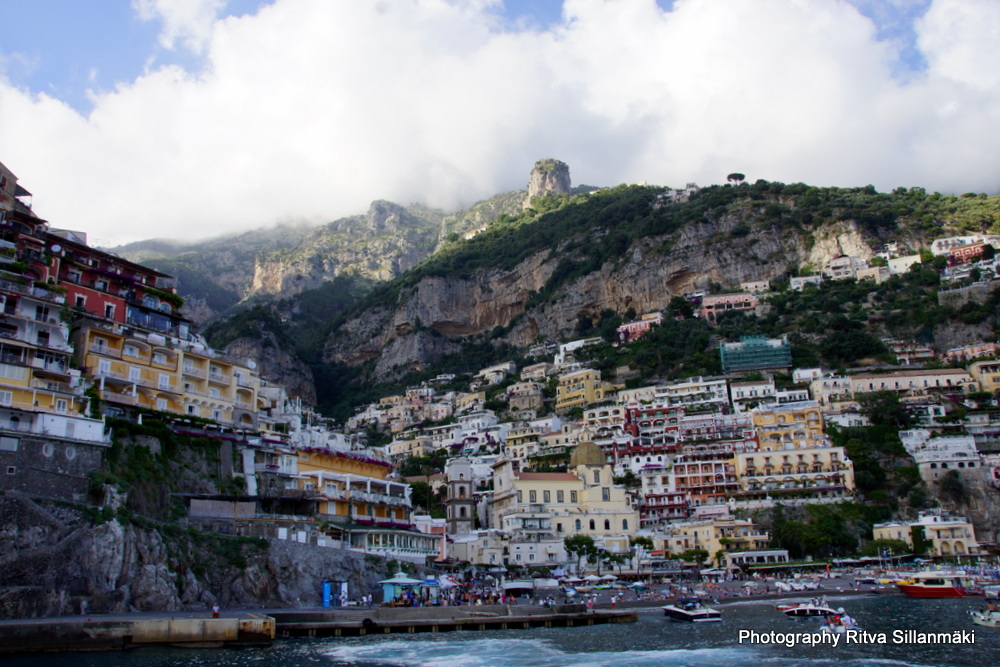
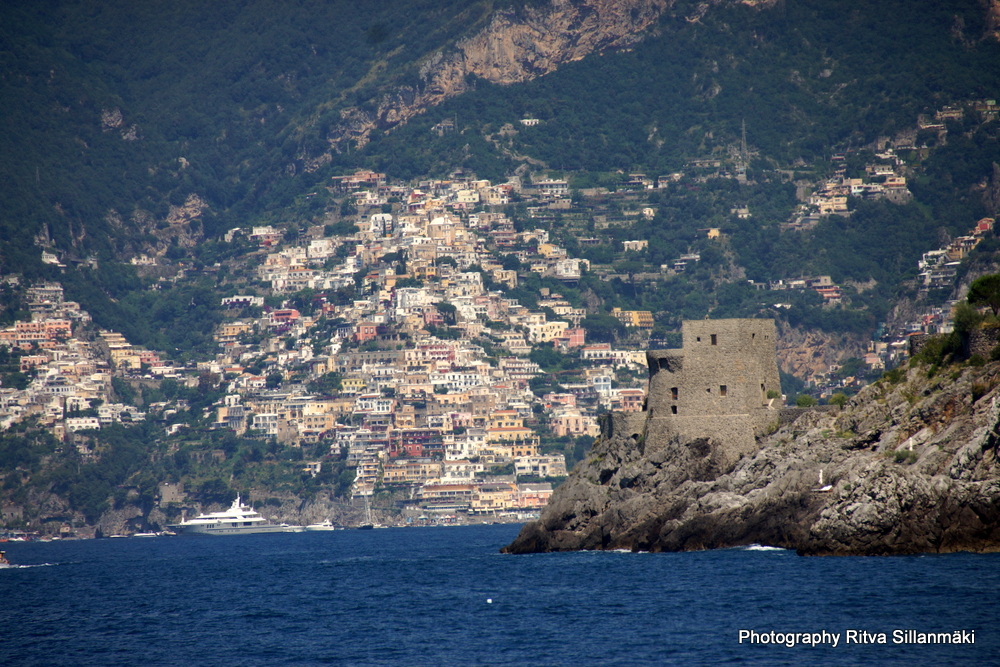
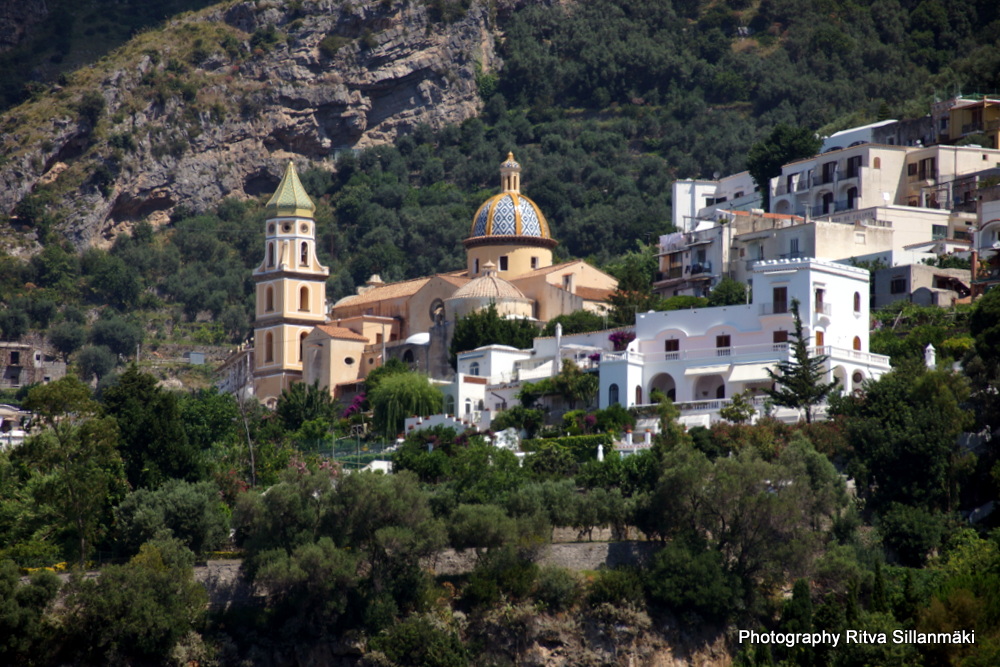
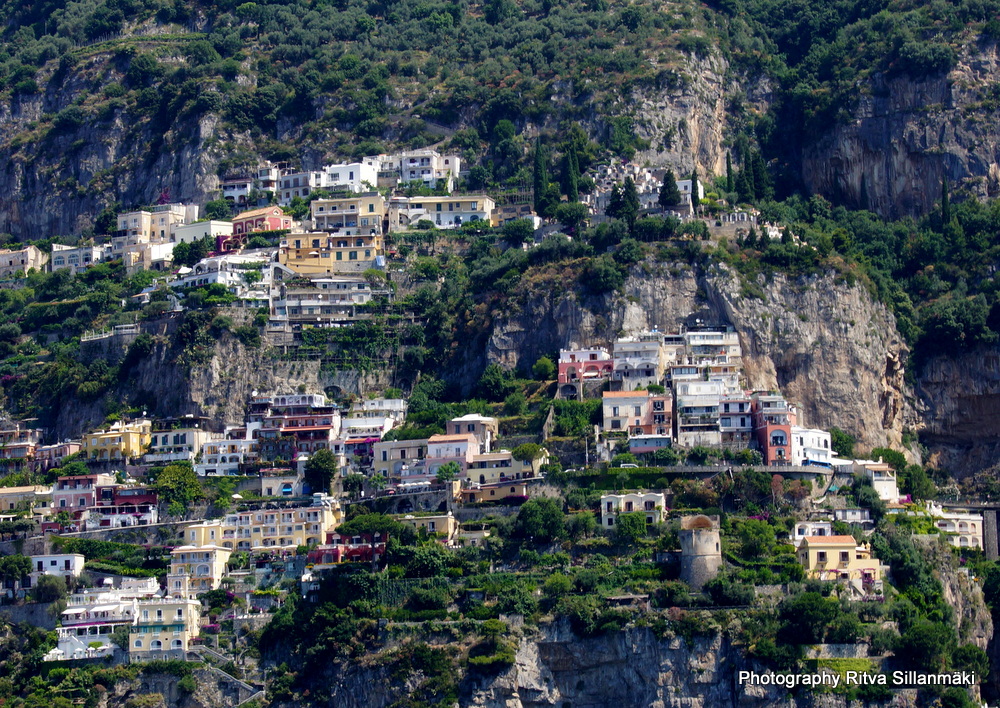
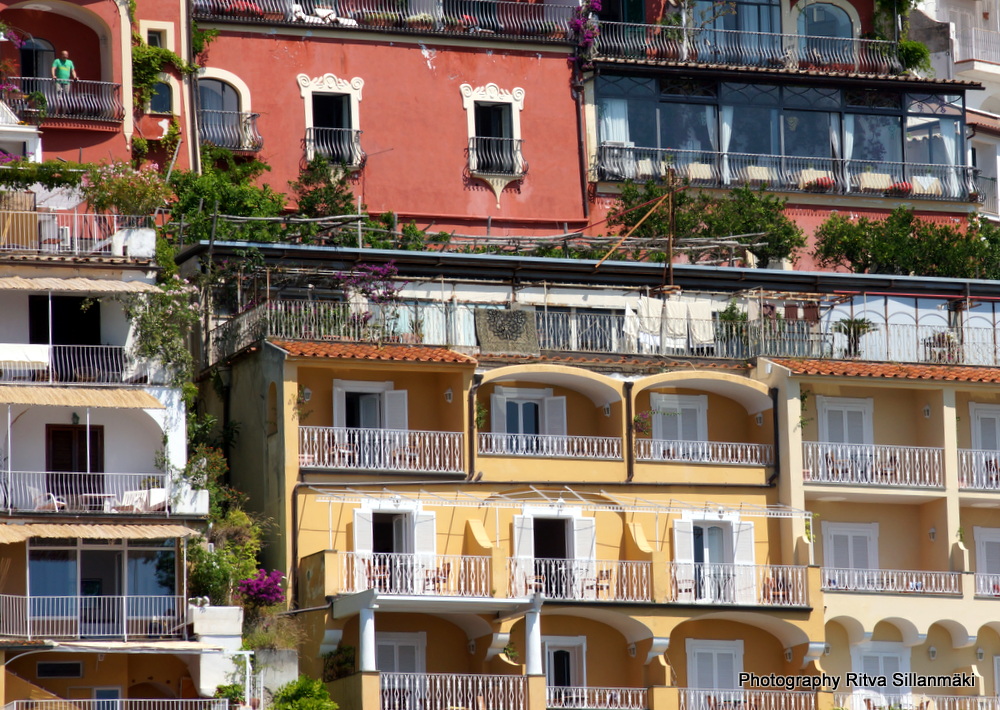
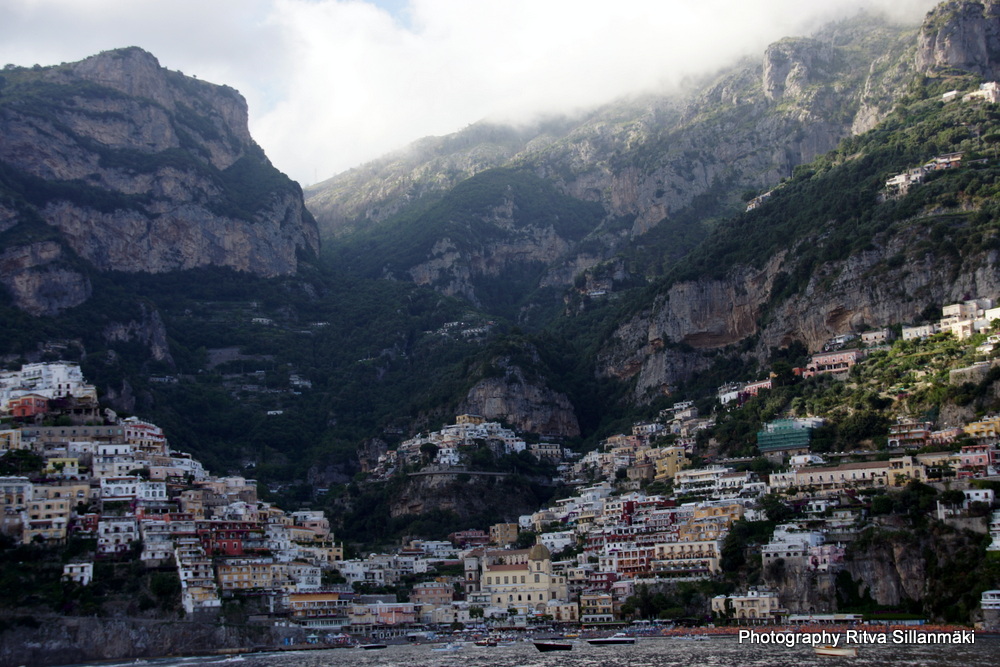
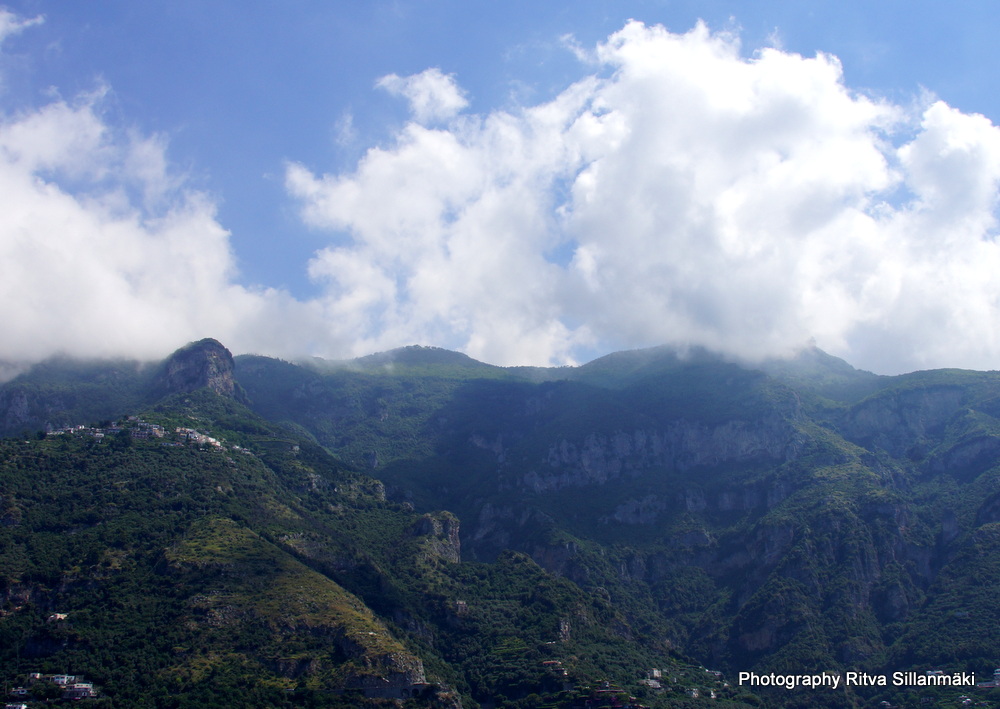
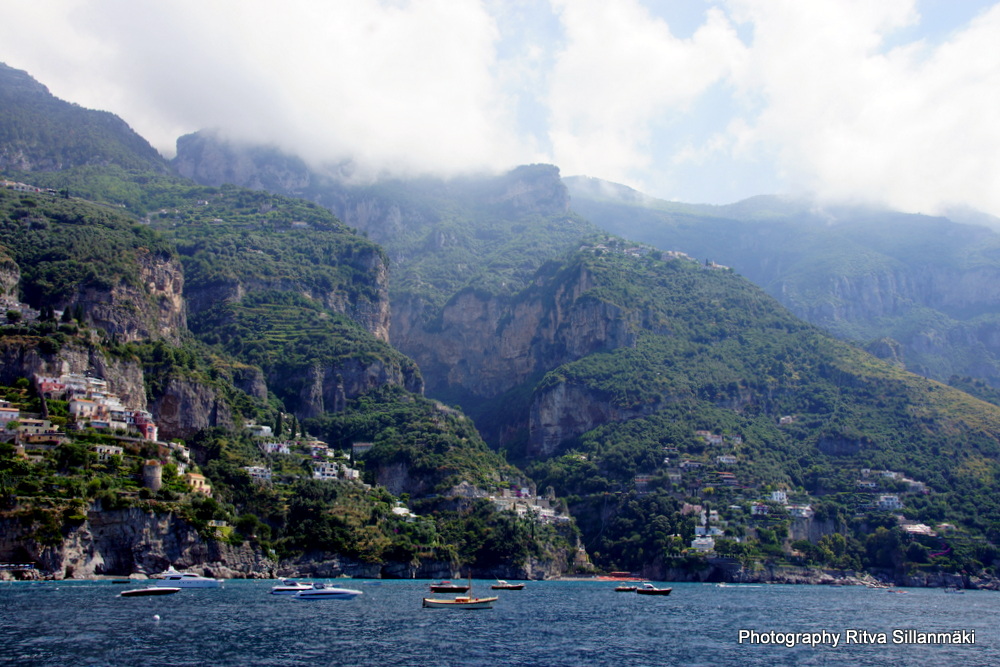
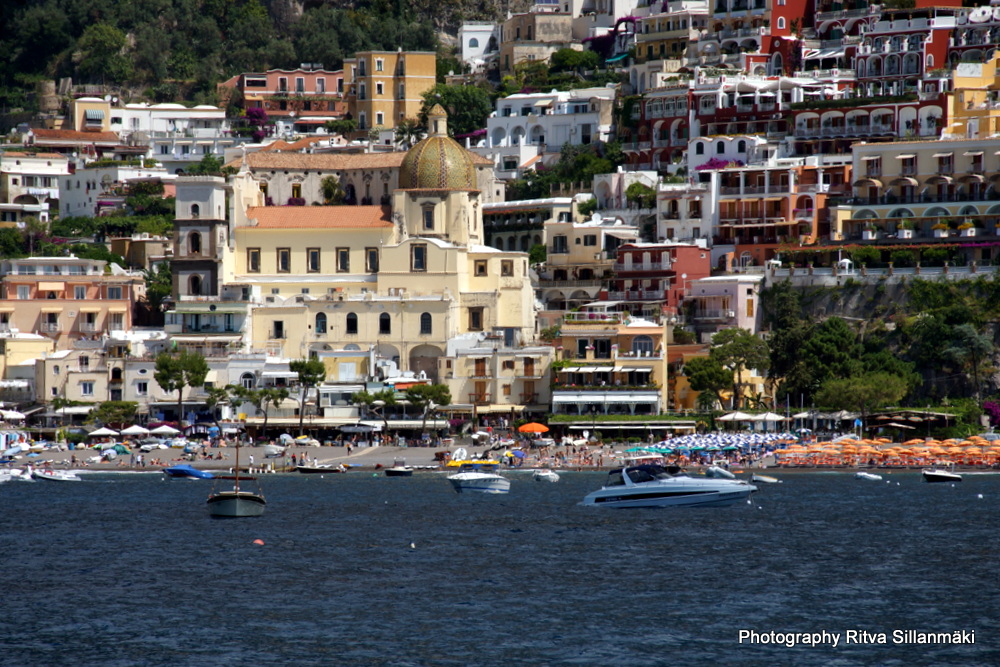
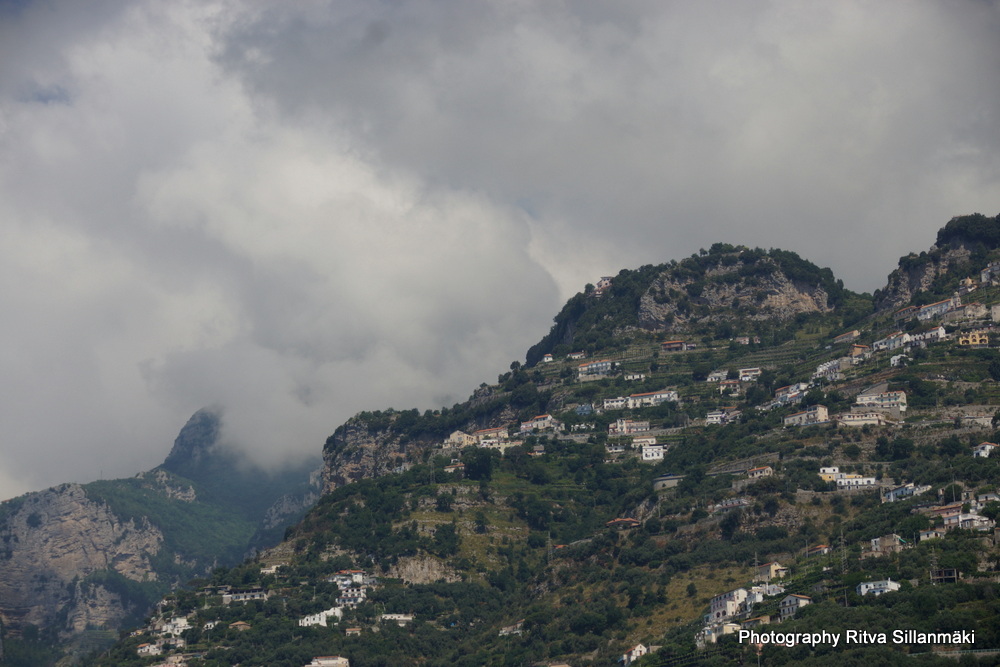
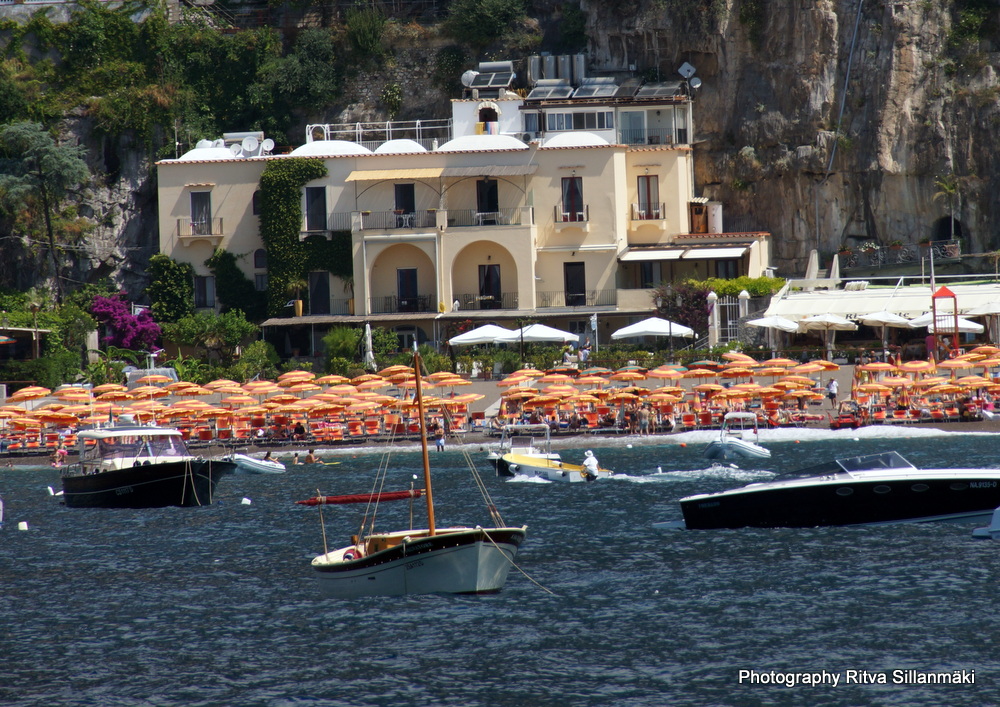
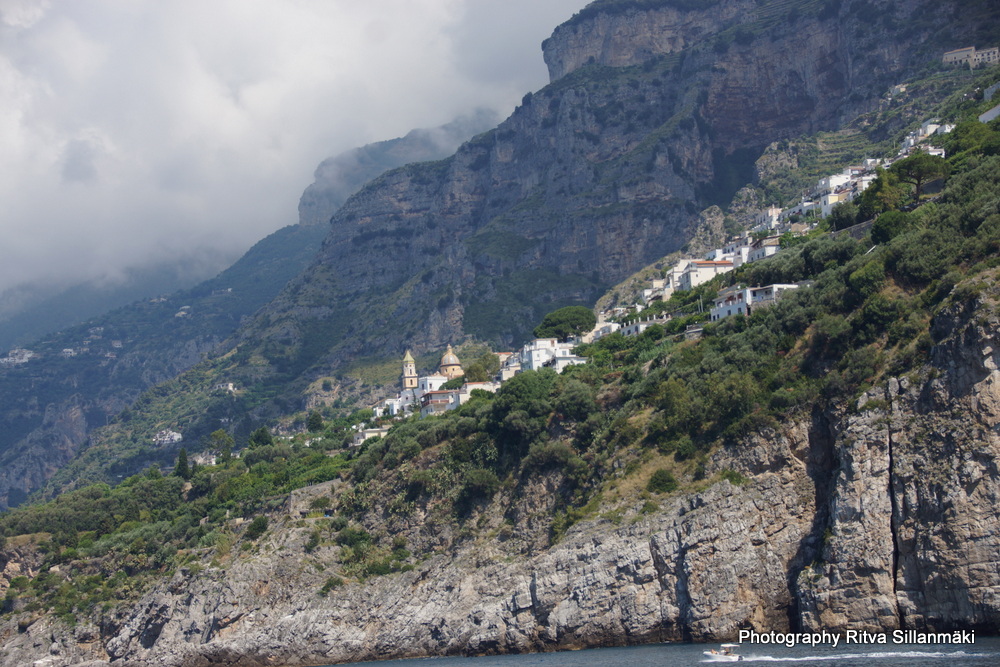
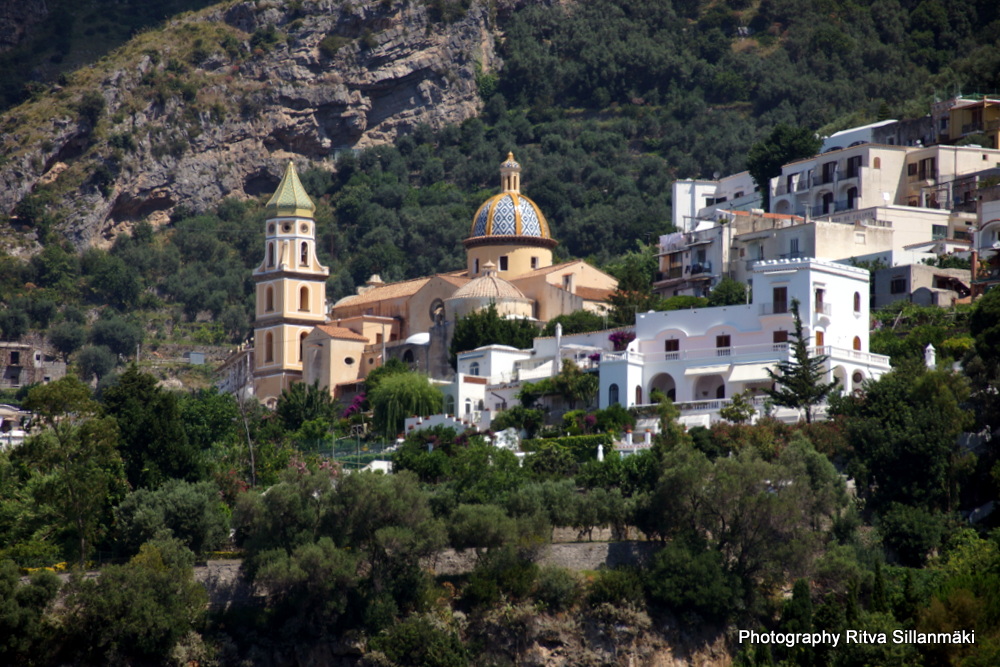
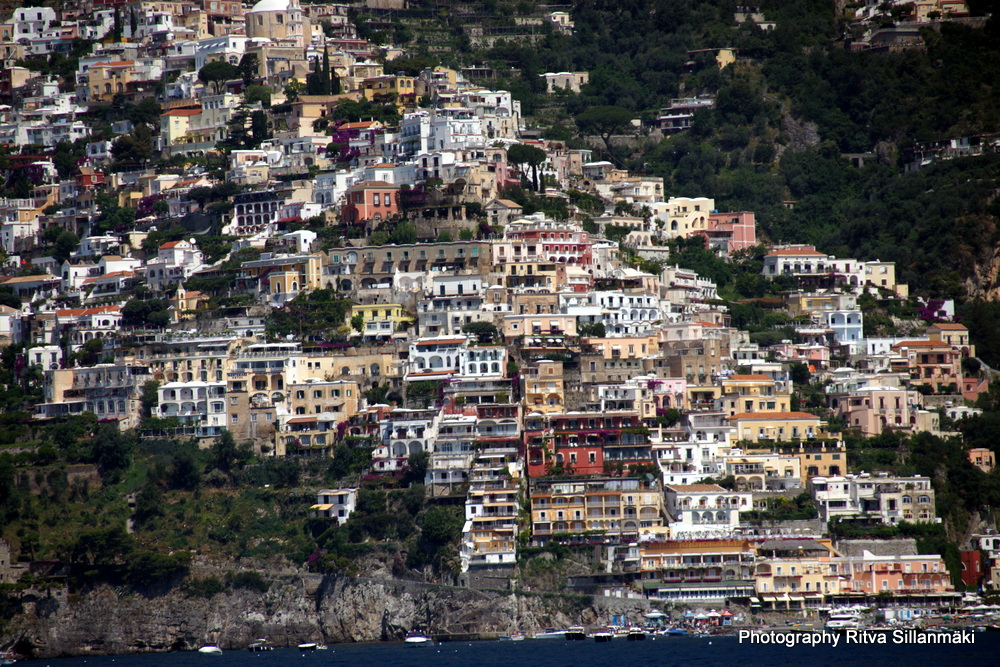
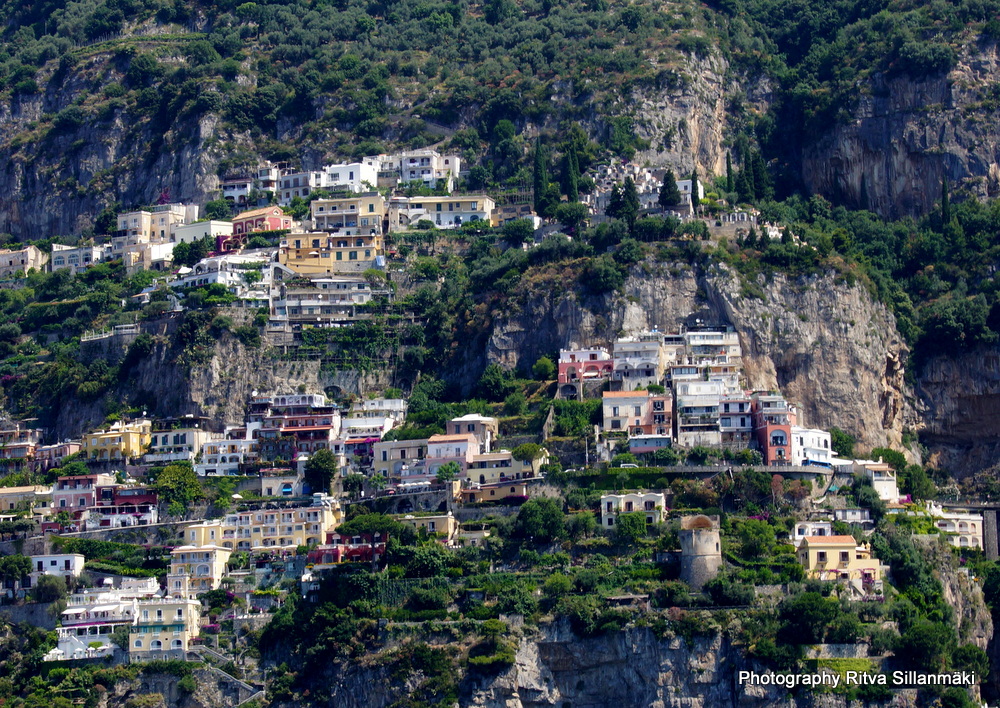
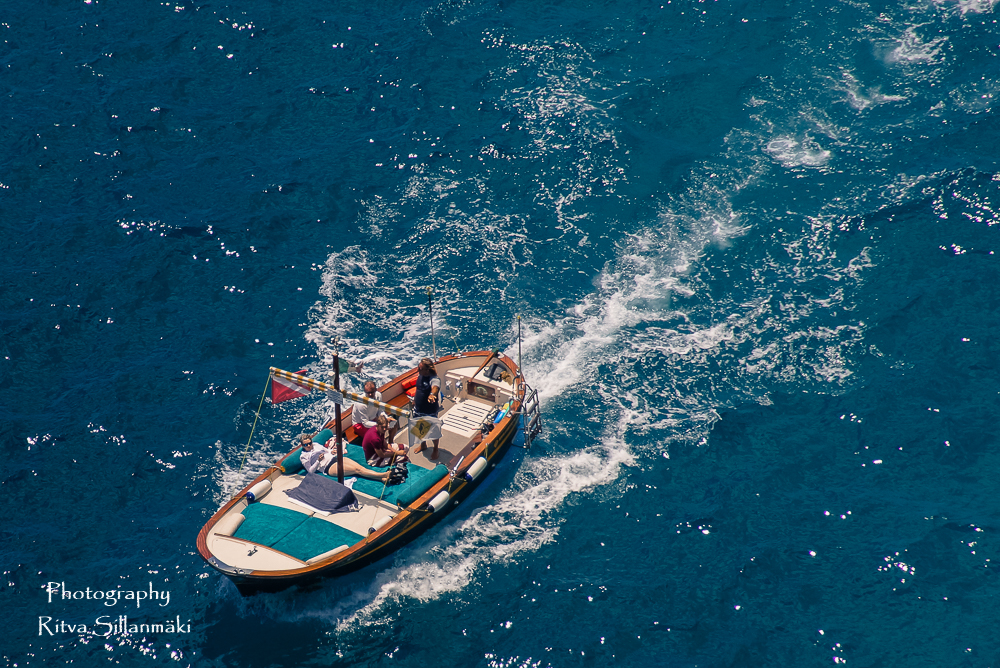
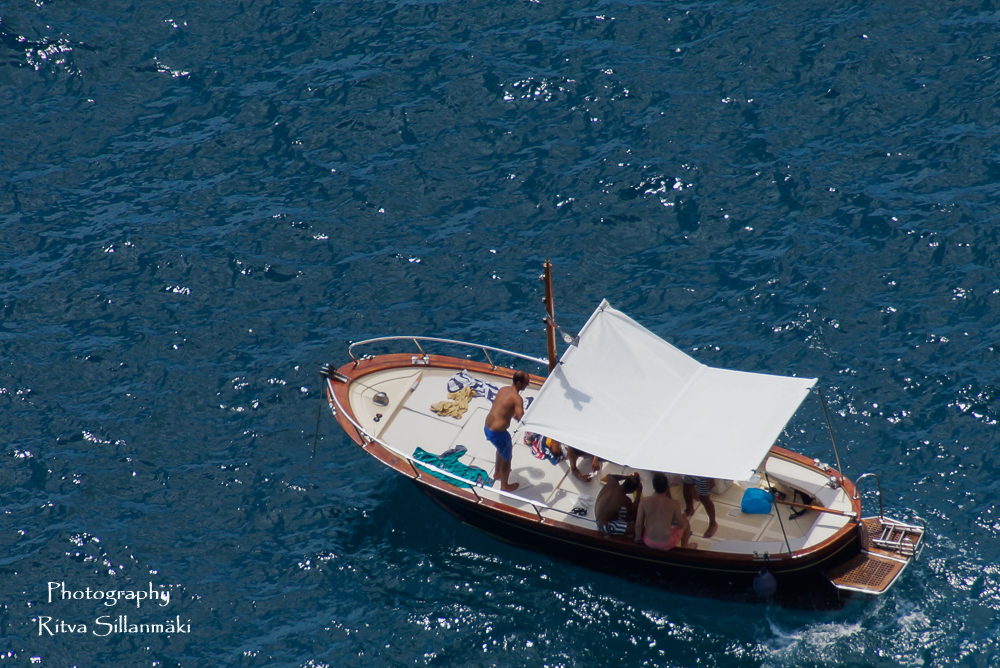
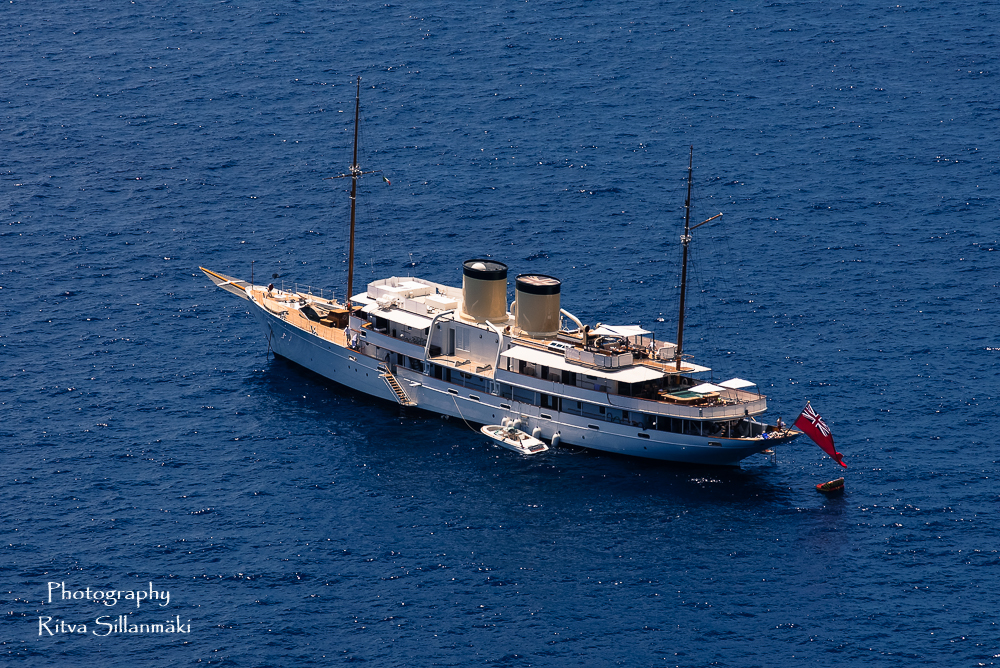
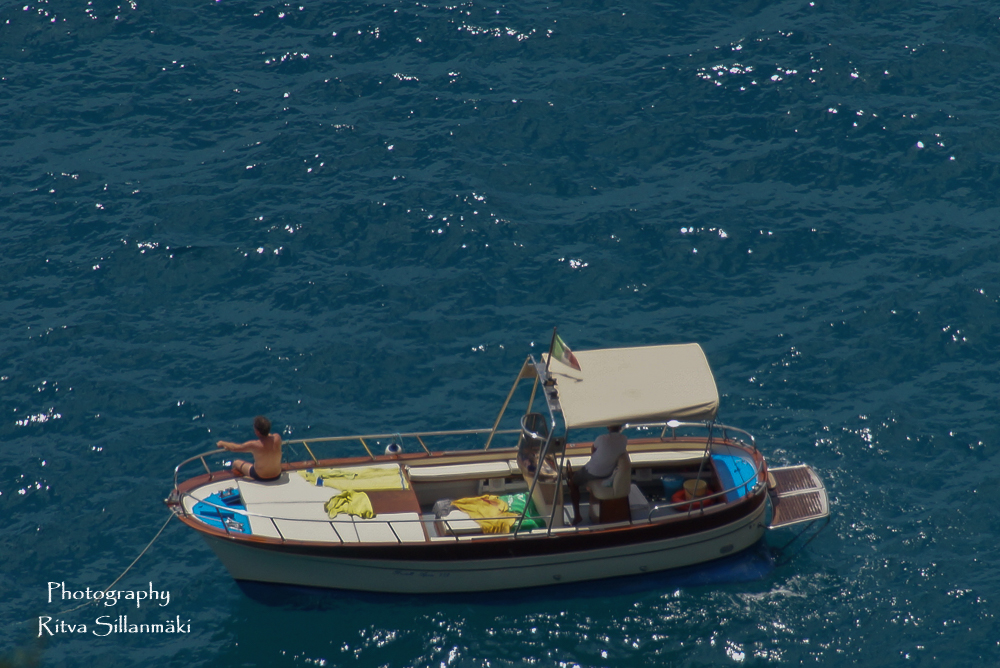
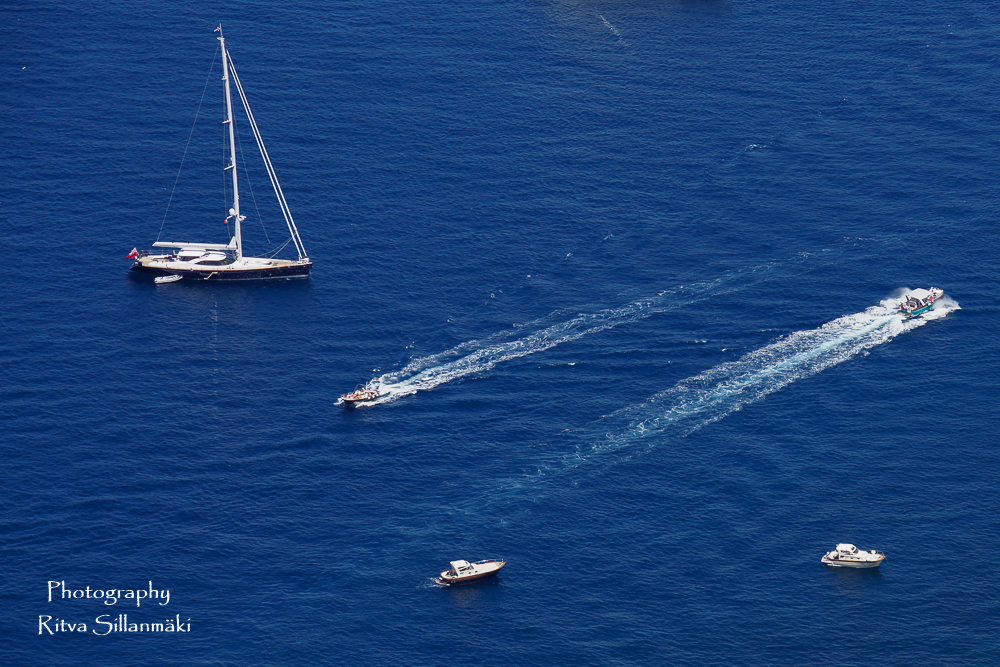
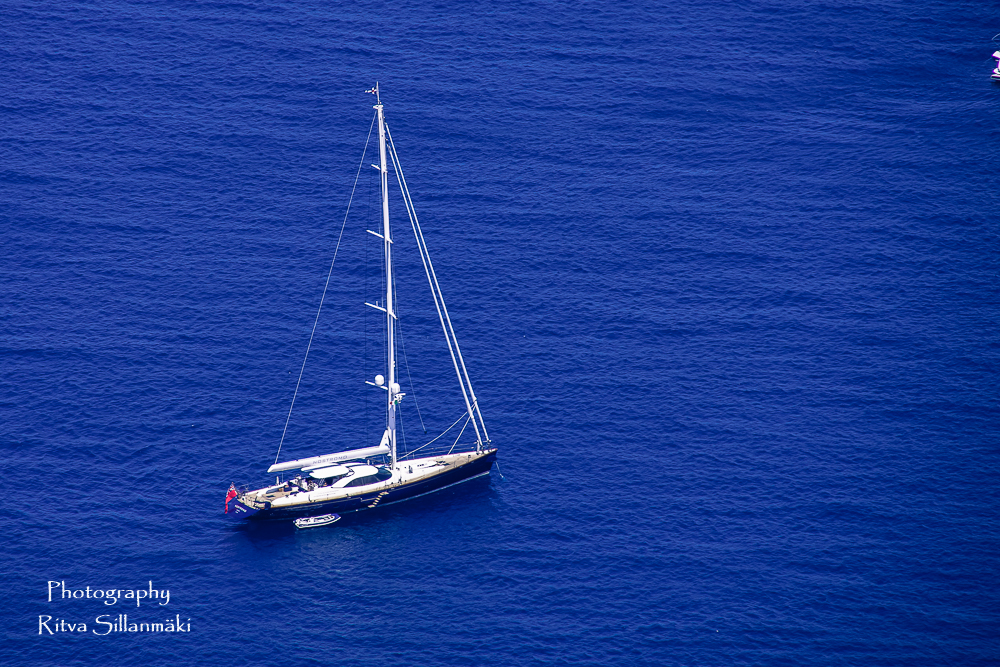
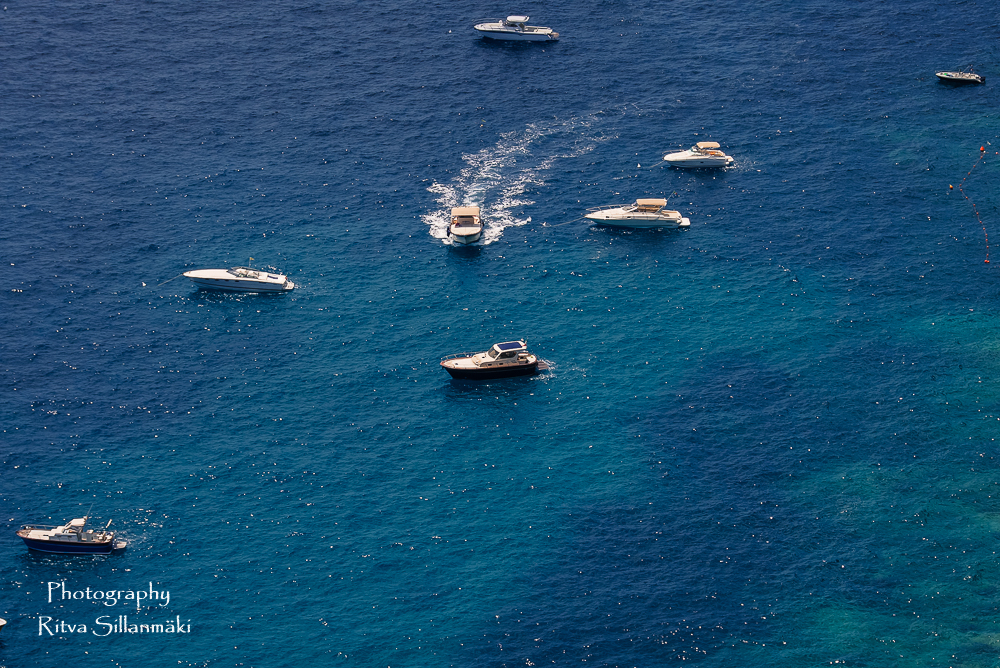
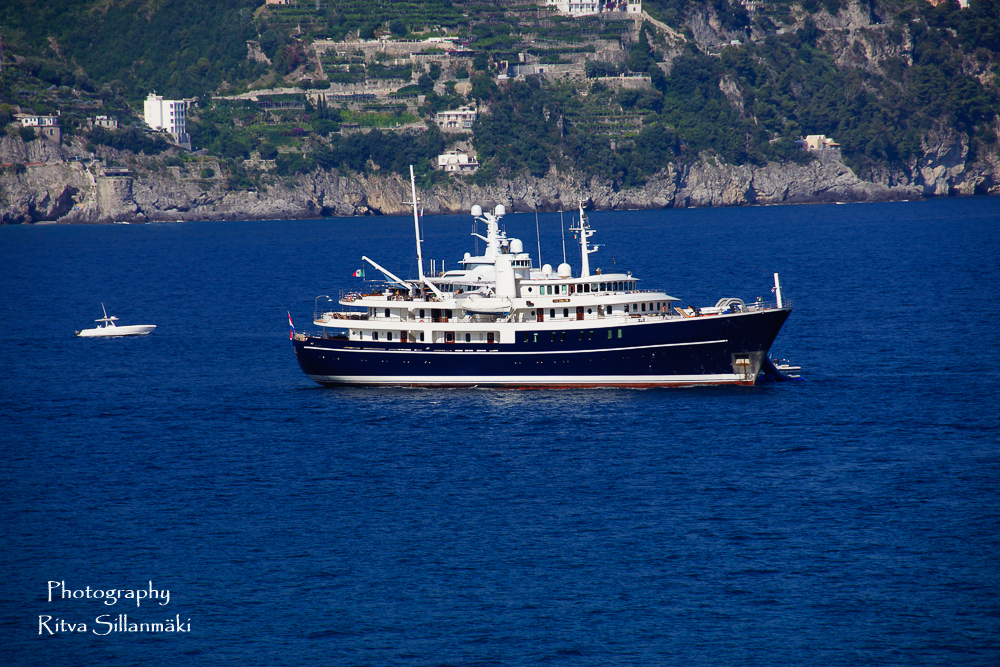
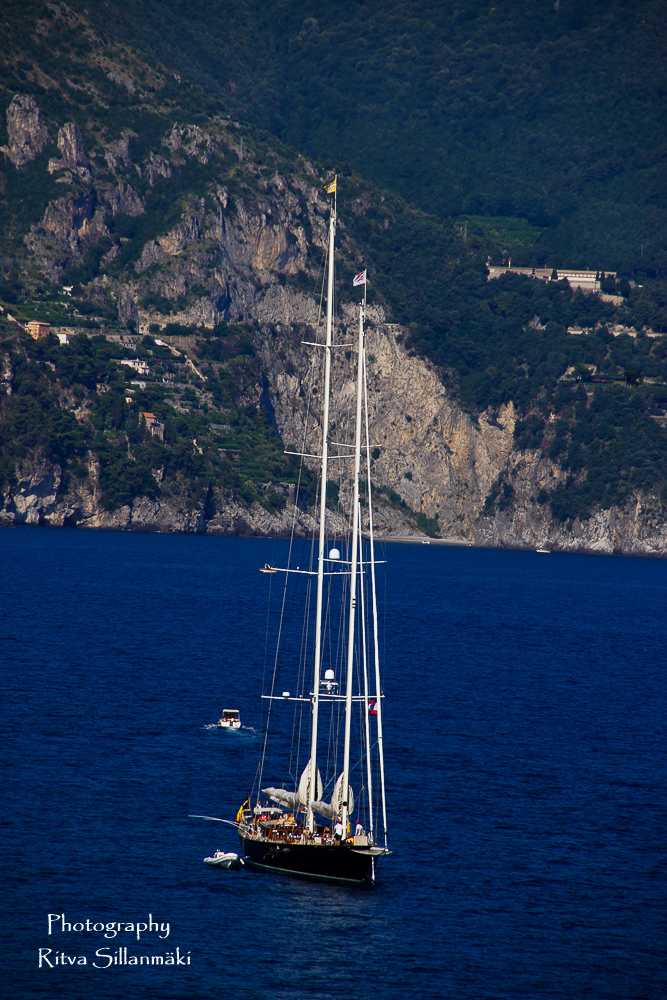
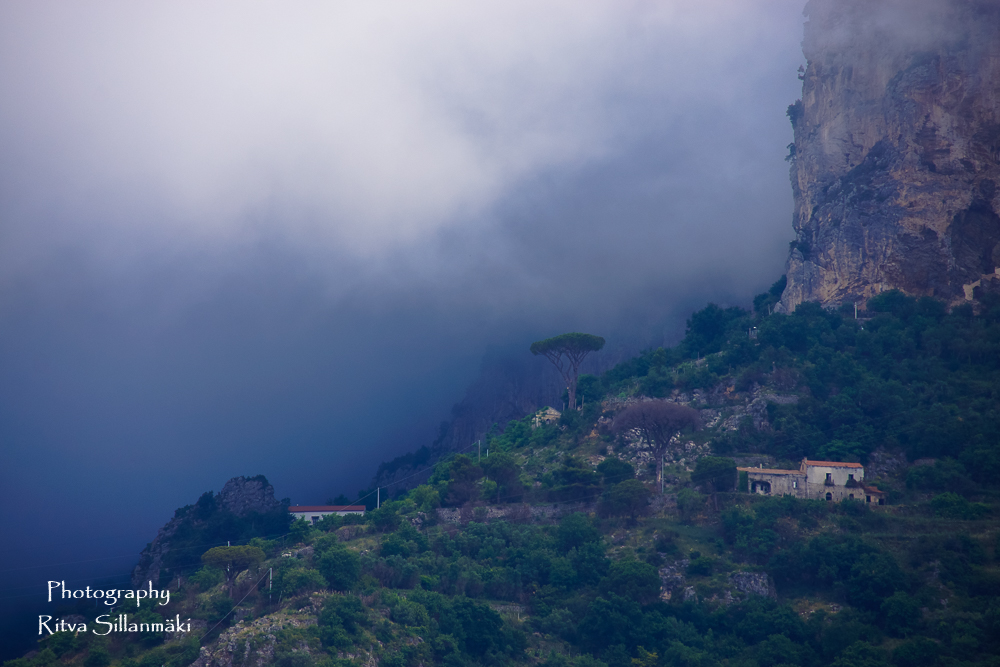
Positano is a small picturesque town with splendid coastal views, on the famous Amalfi Coast in Campania, Italy. The town itself is perched on an enclave on the face of a hill and winds down towards the waters of the Amalfi Coast. These are taken when approaching Positano from sea
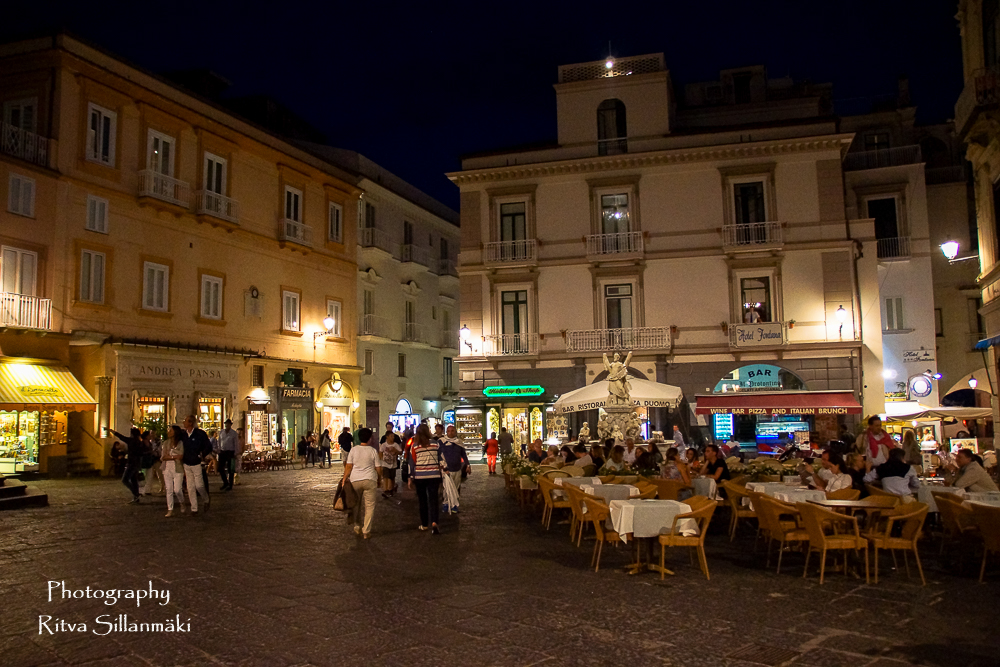
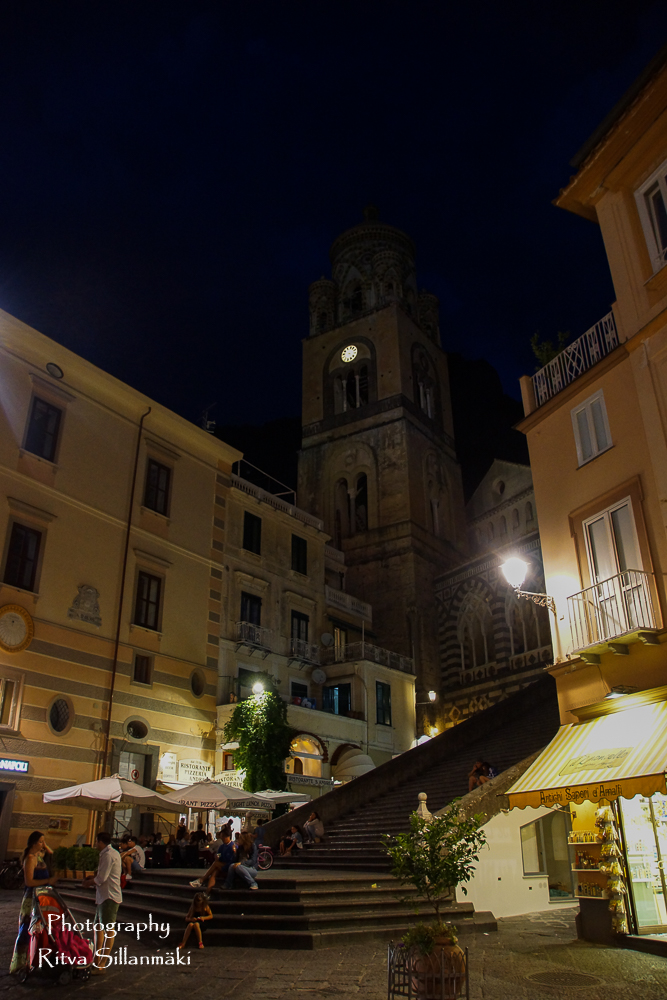
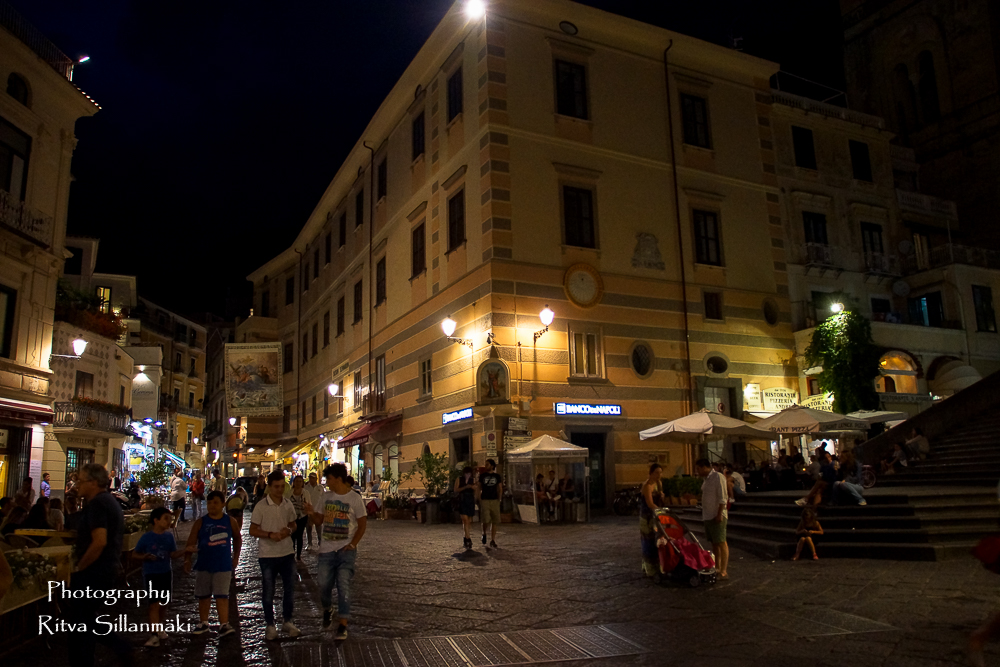
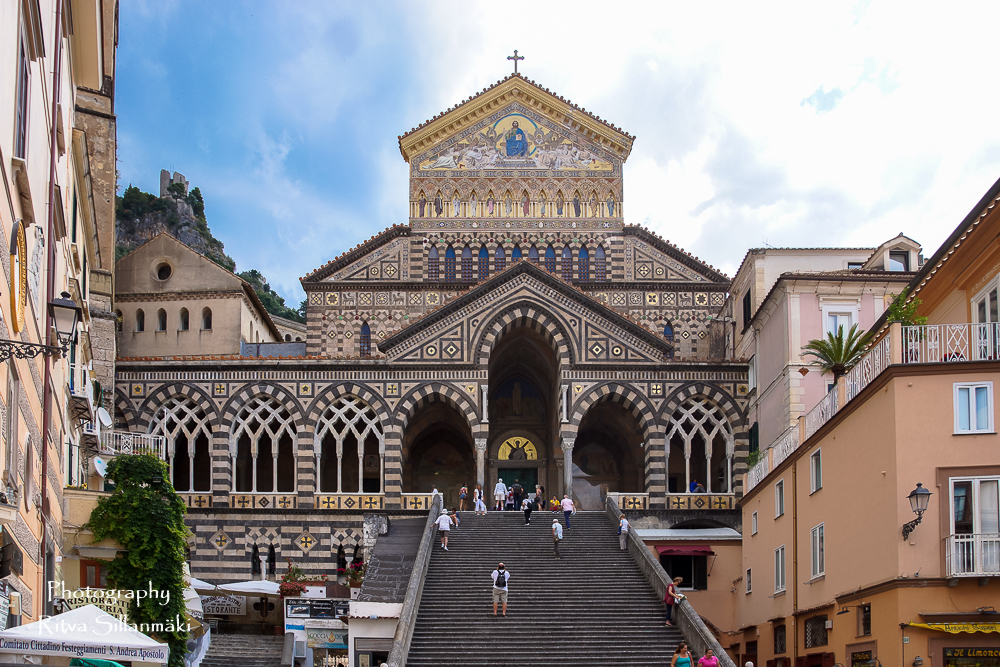
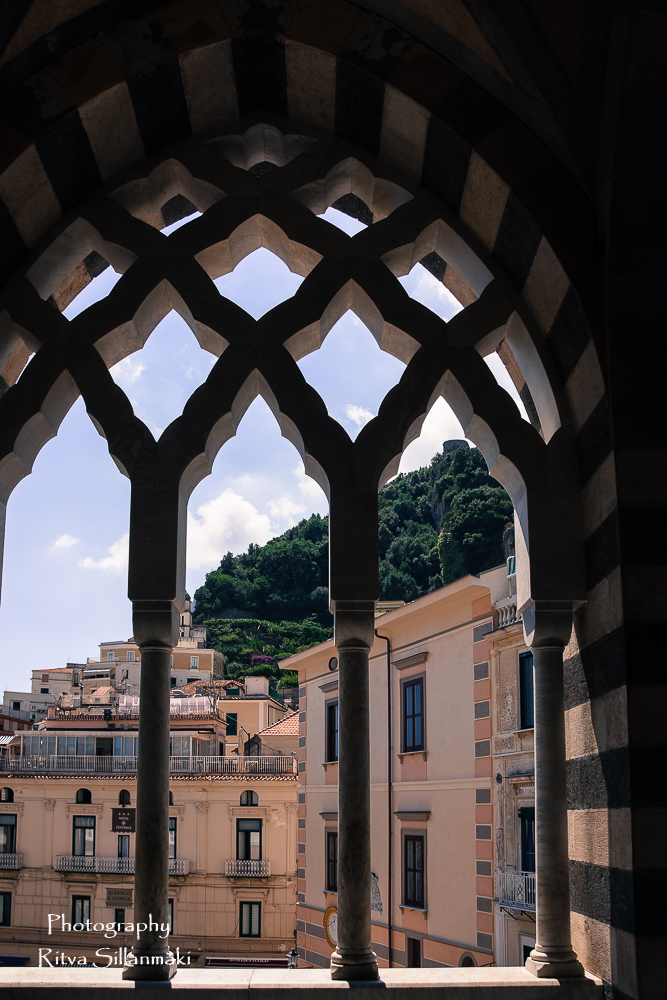
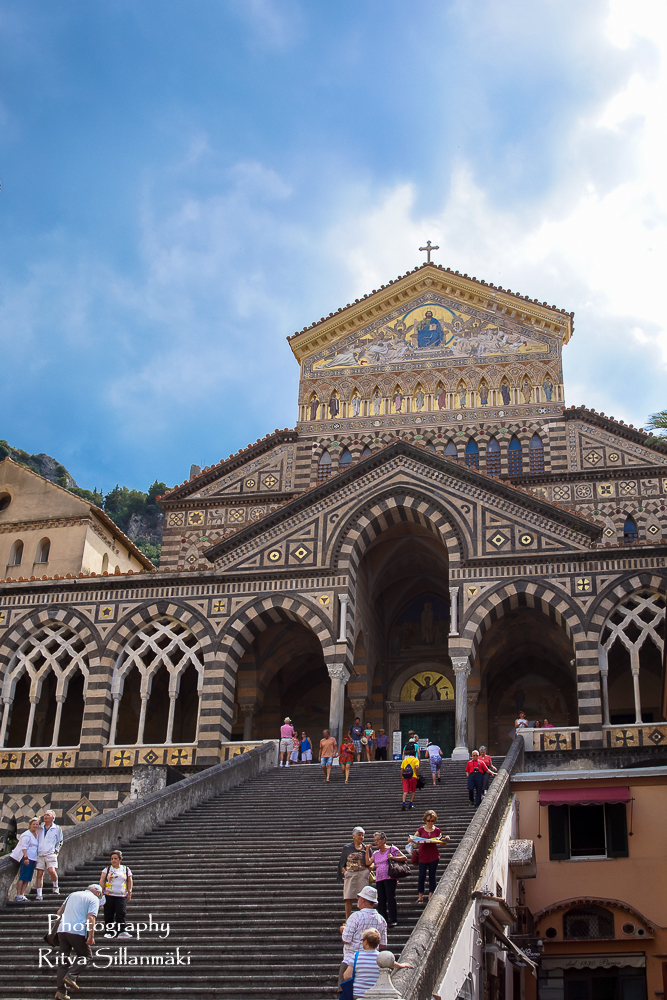
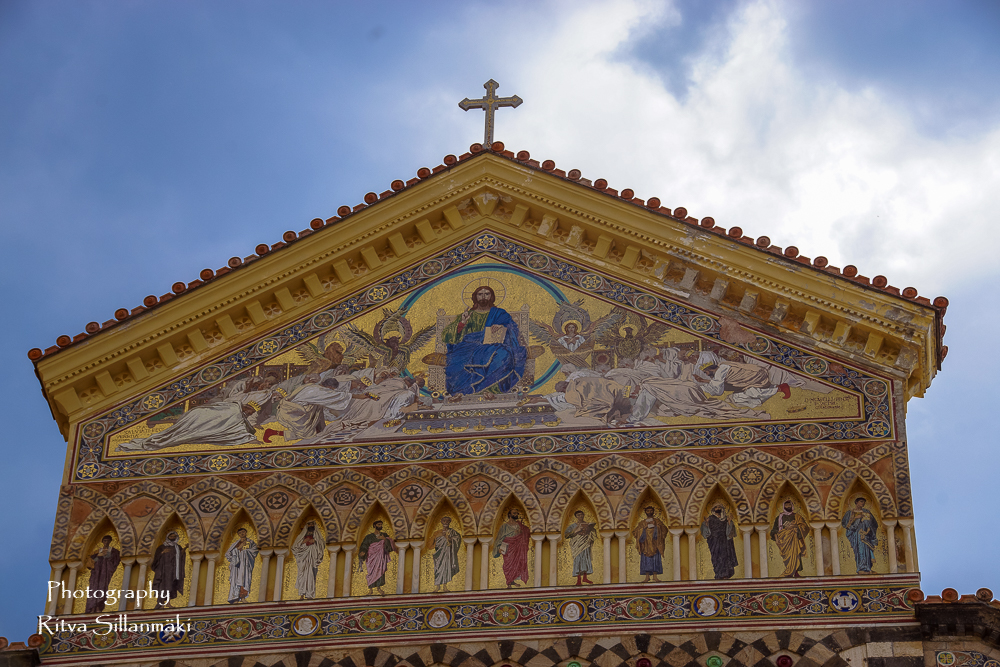
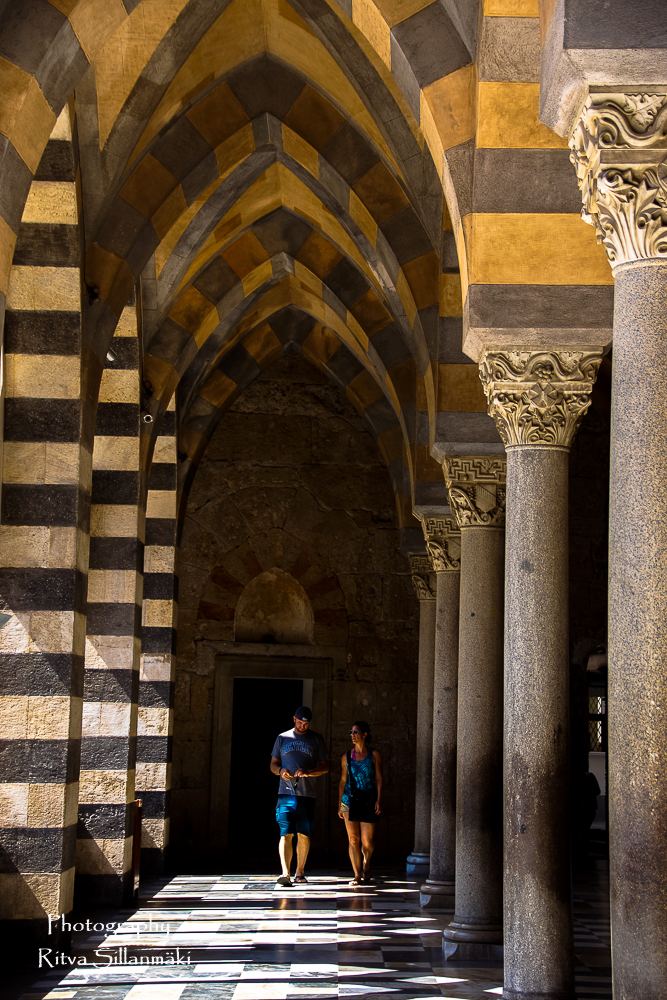
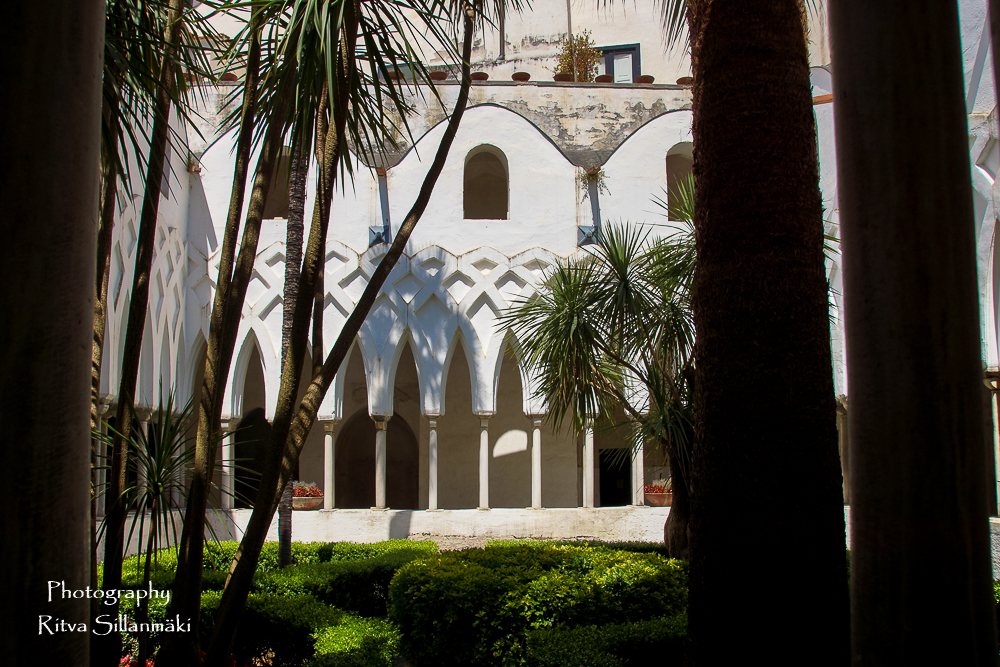
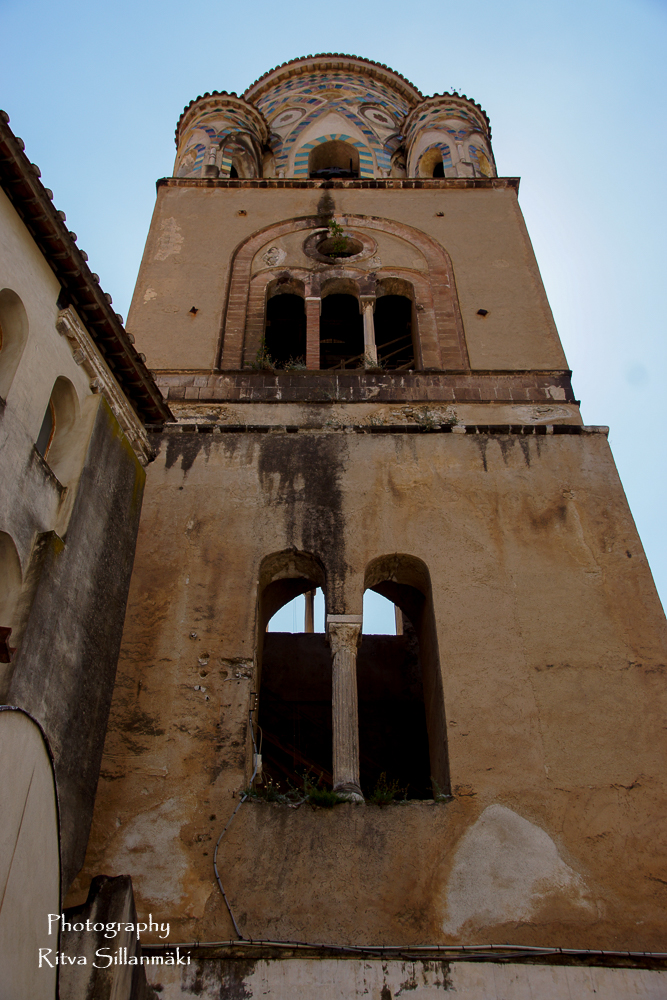
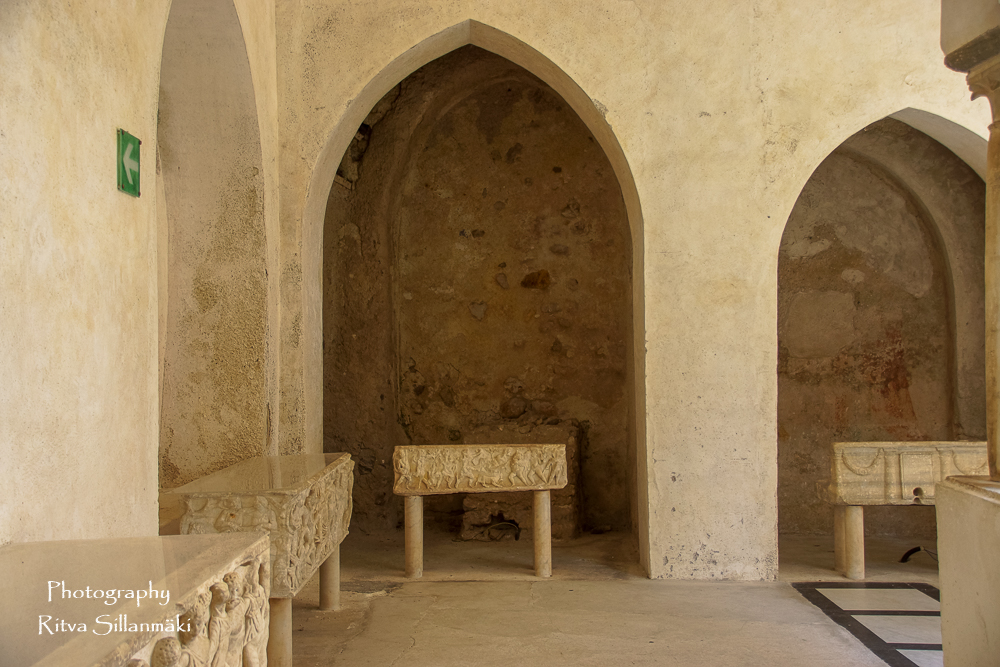
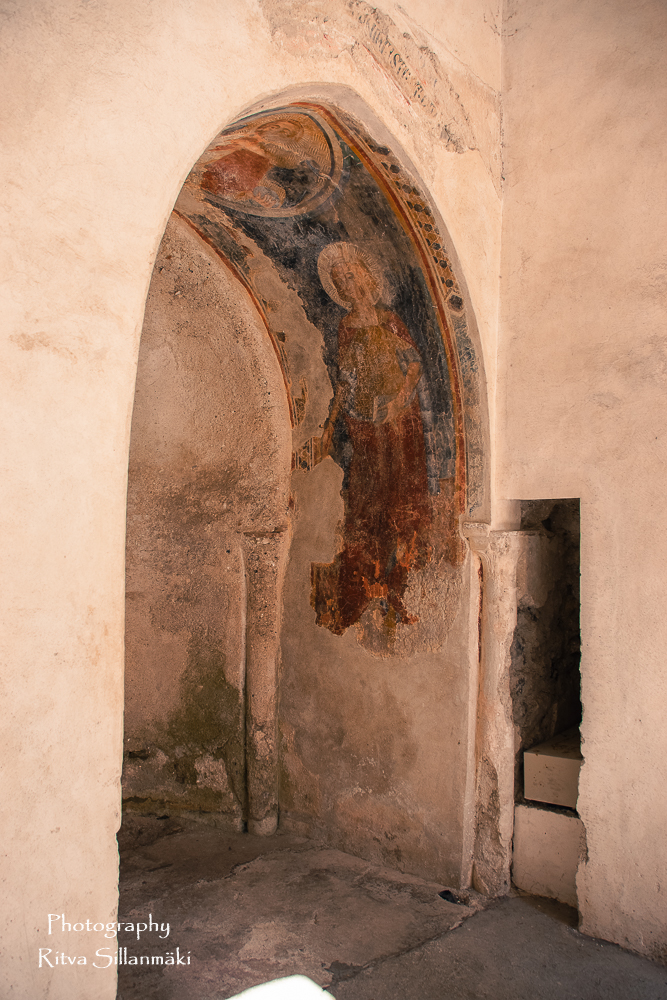
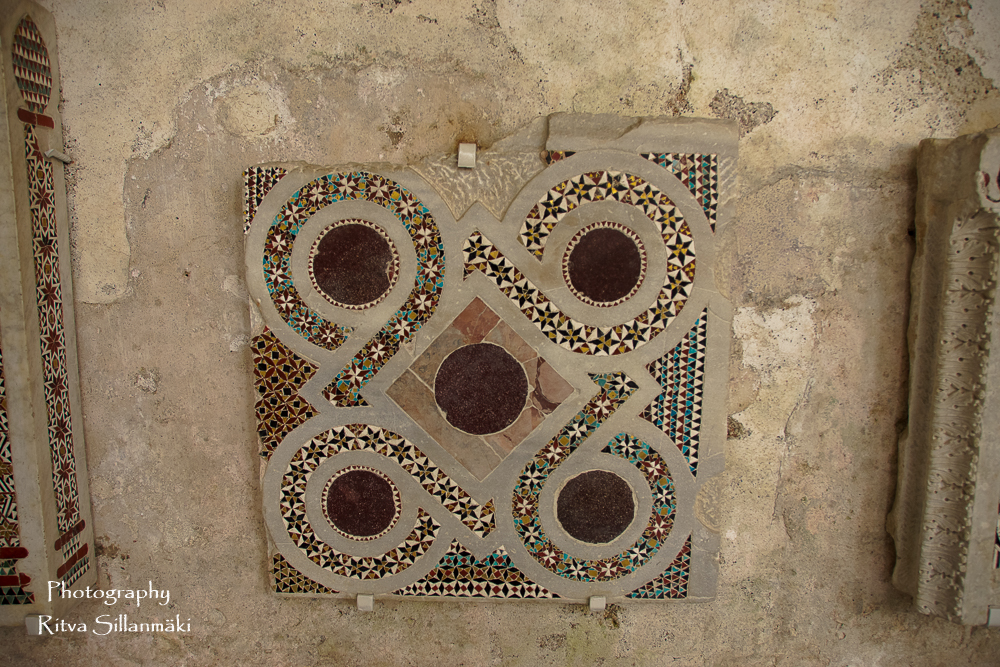
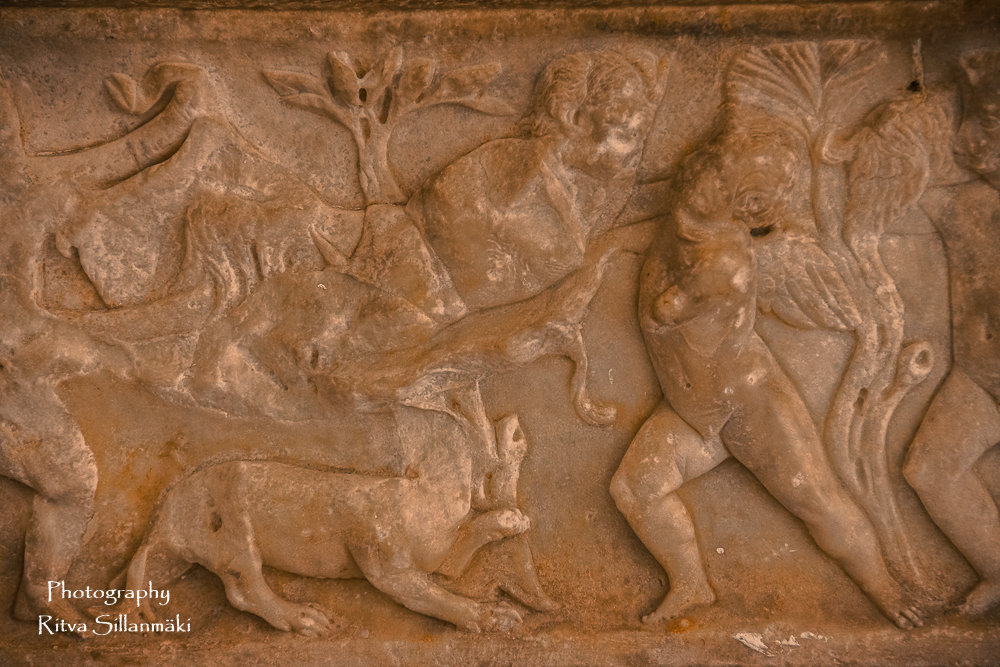
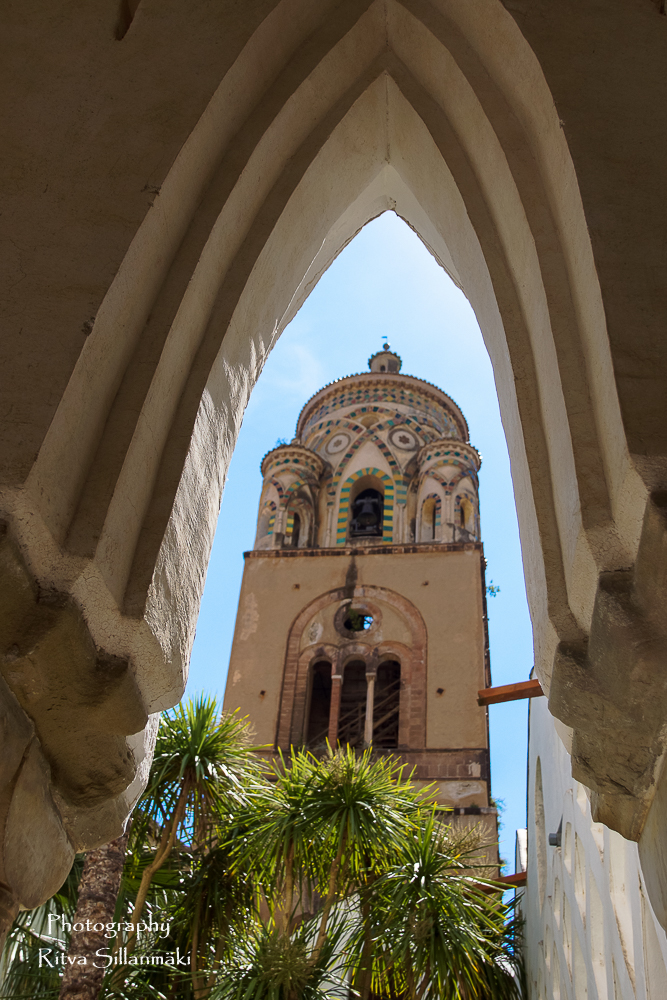
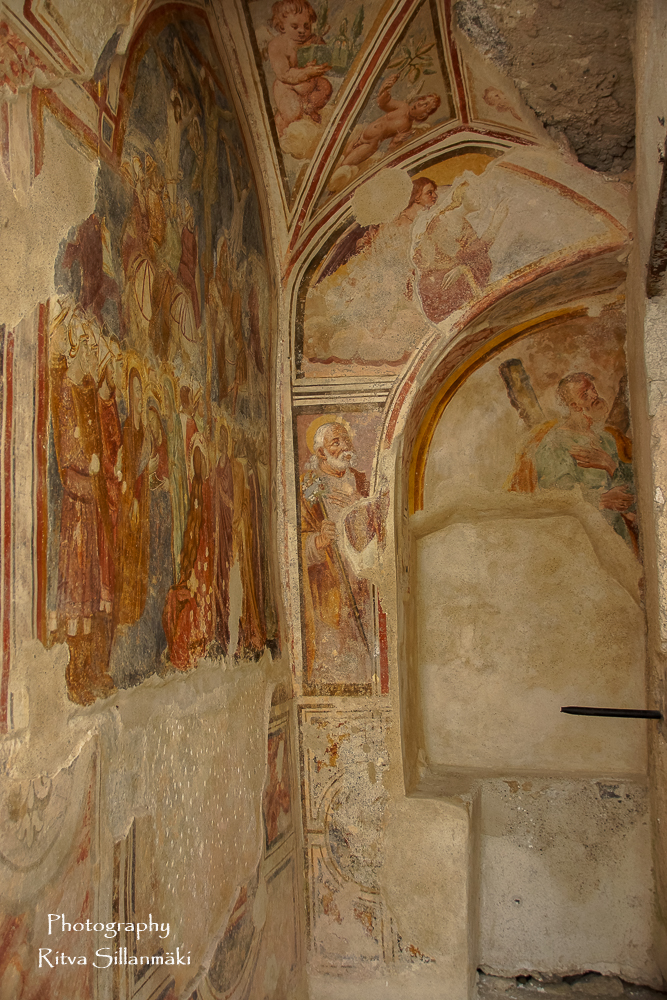
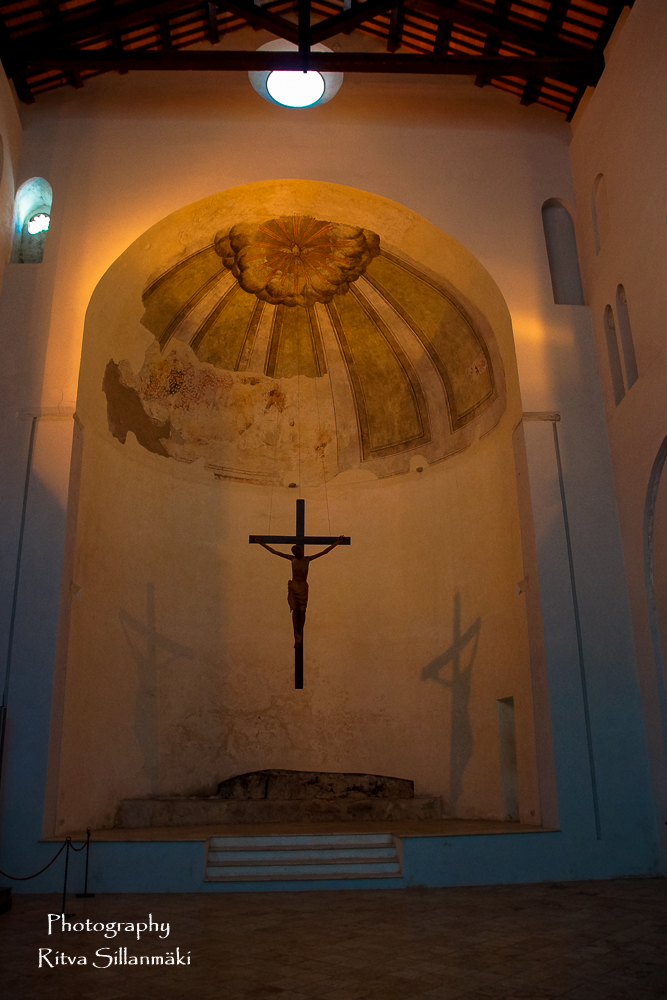
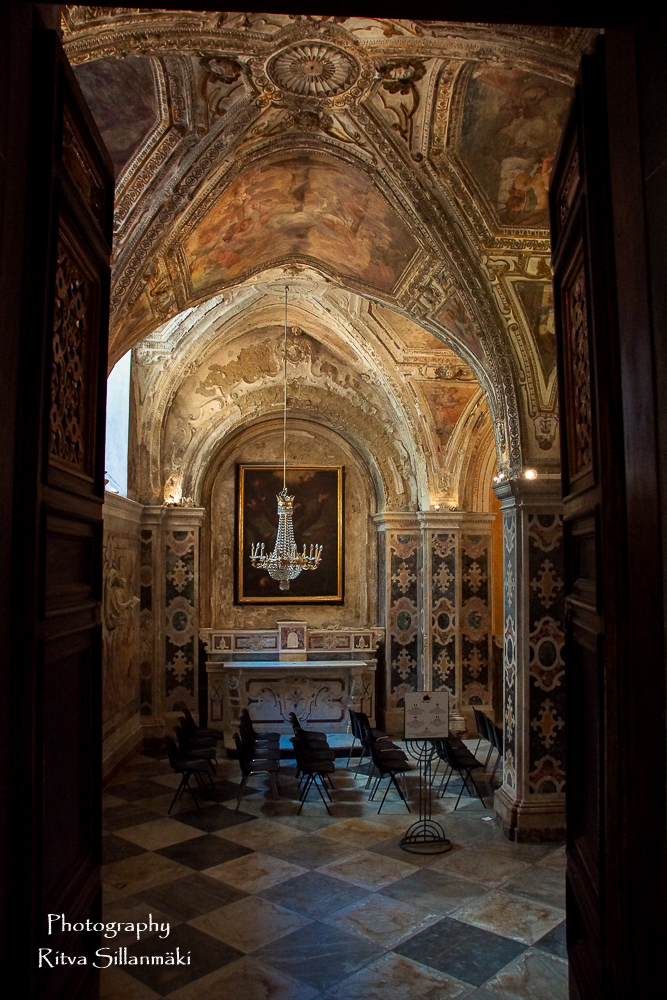
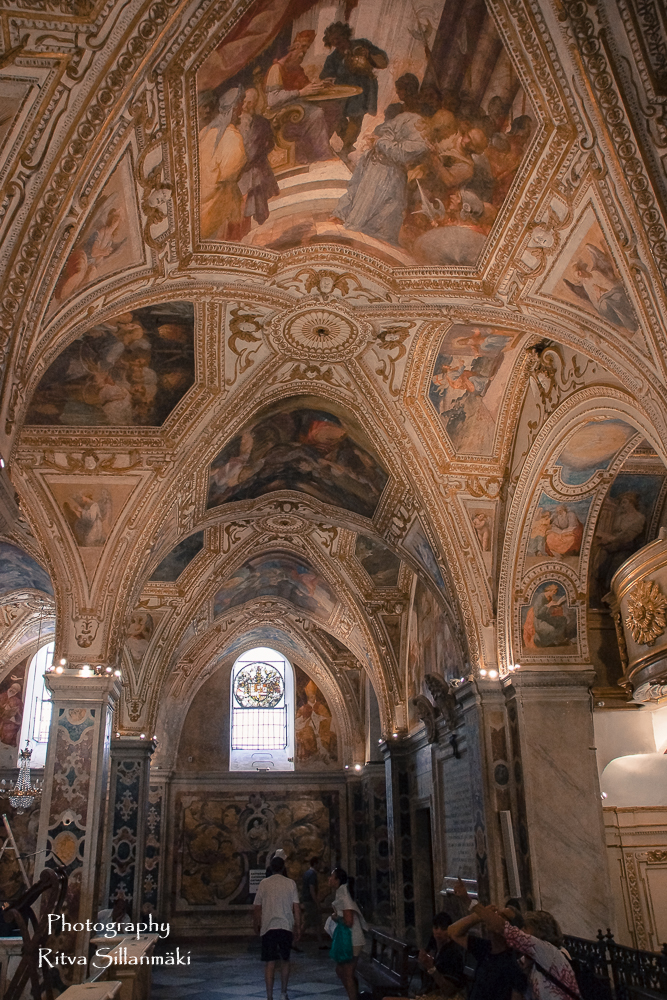
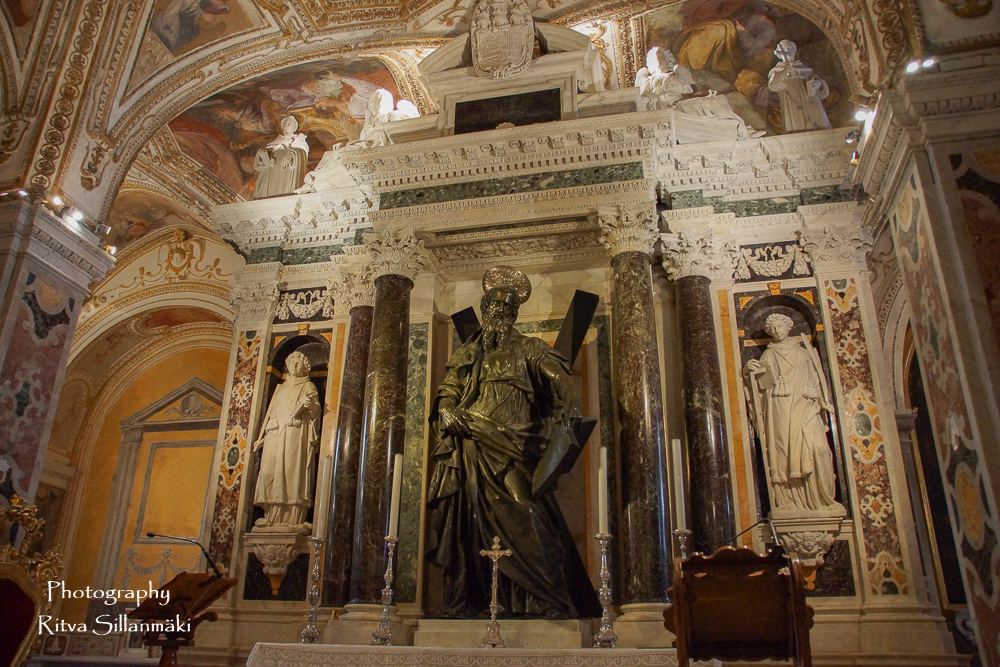
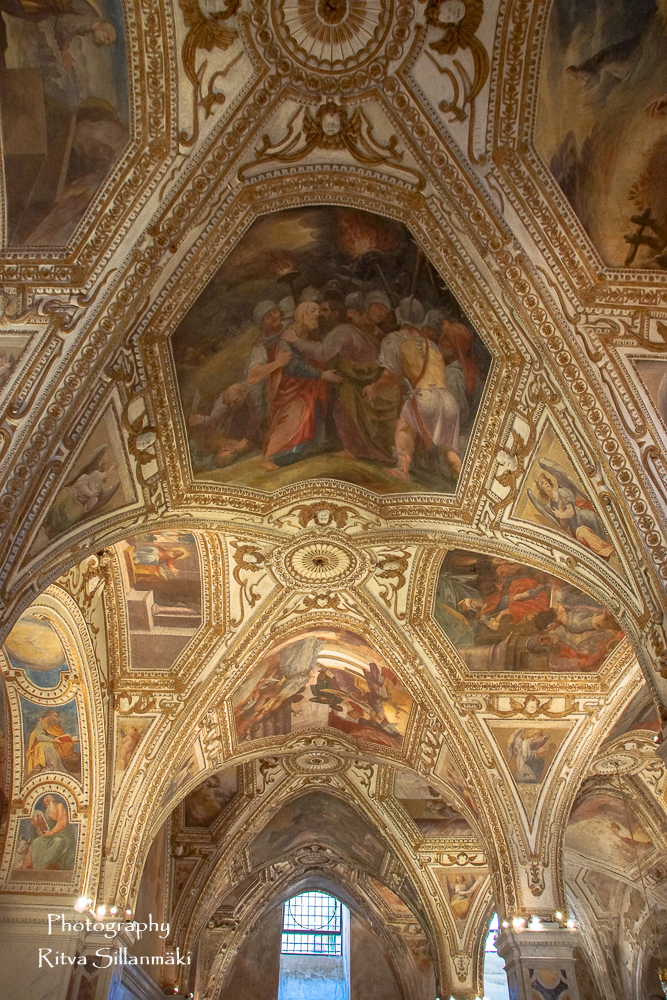
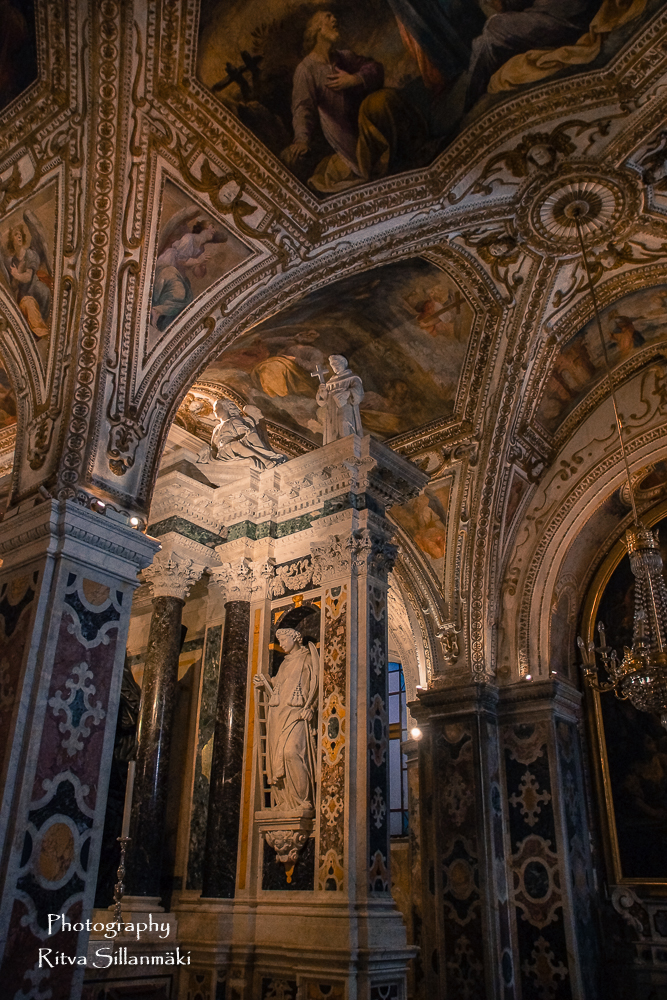
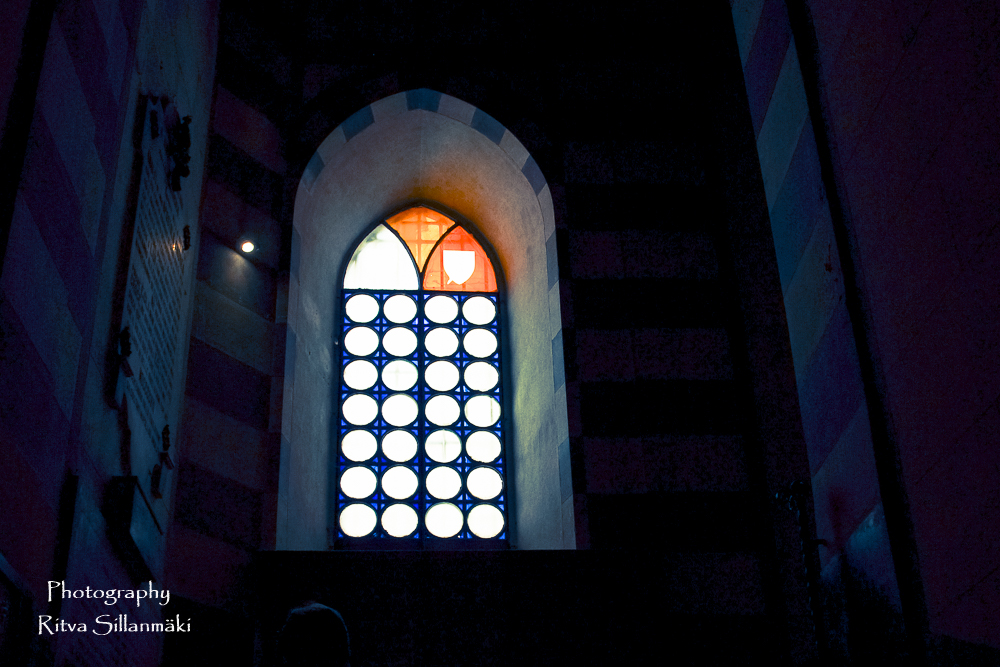
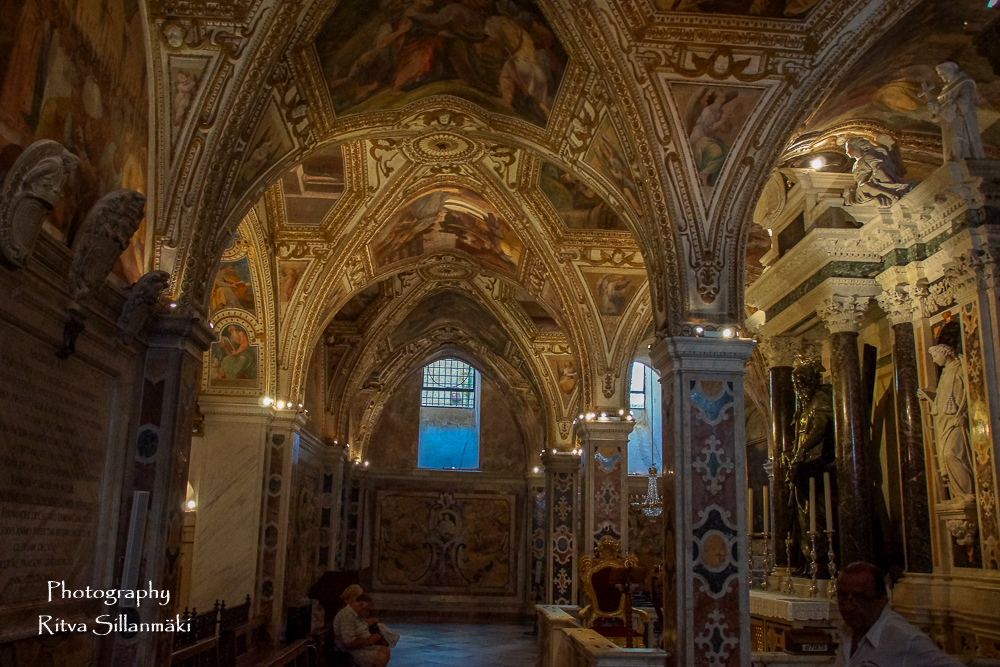
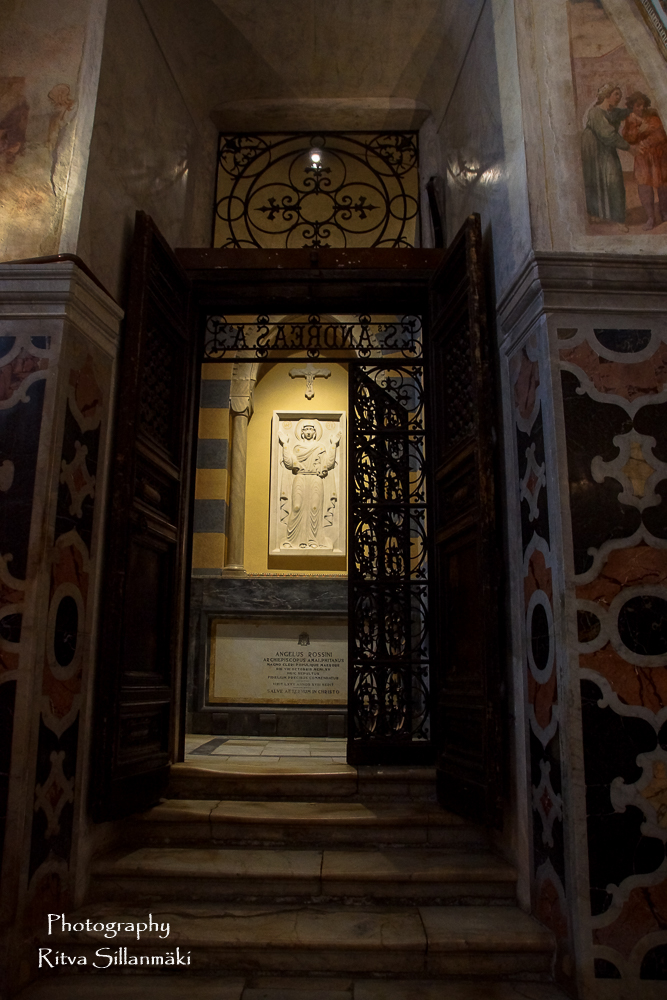
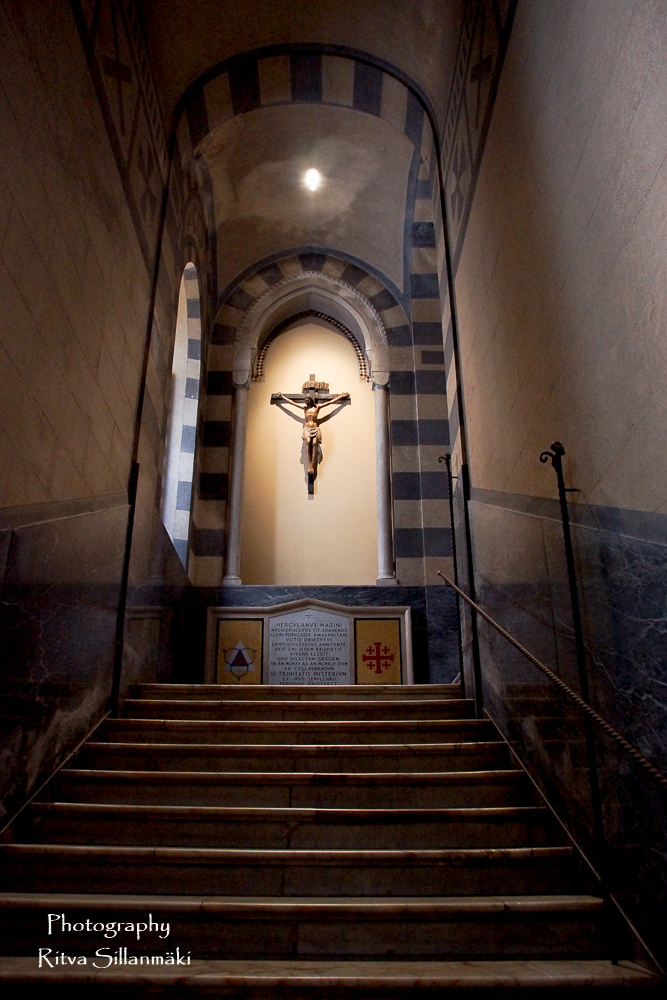
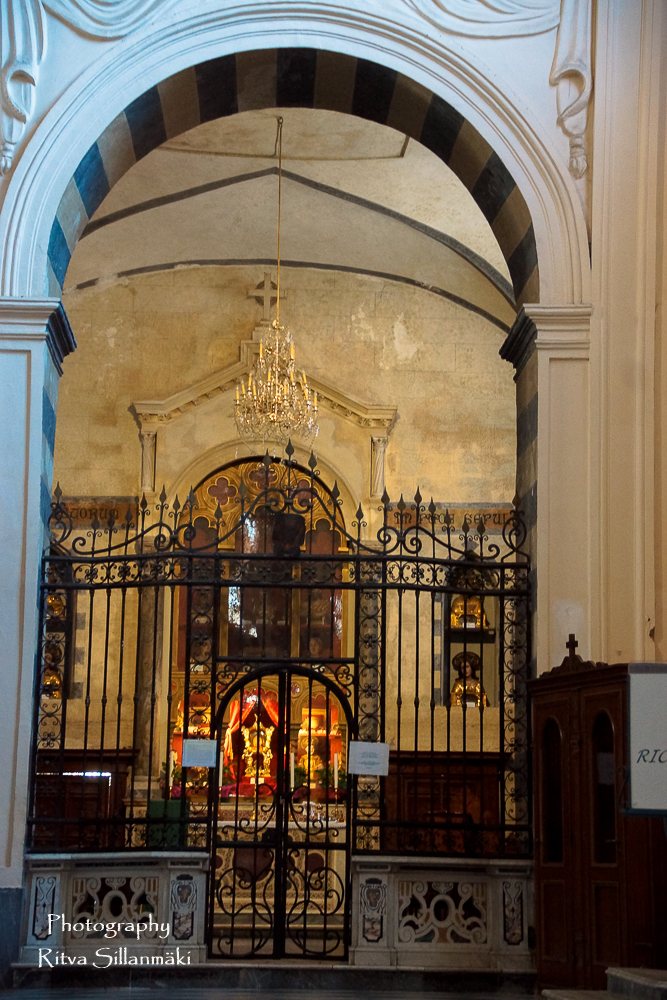
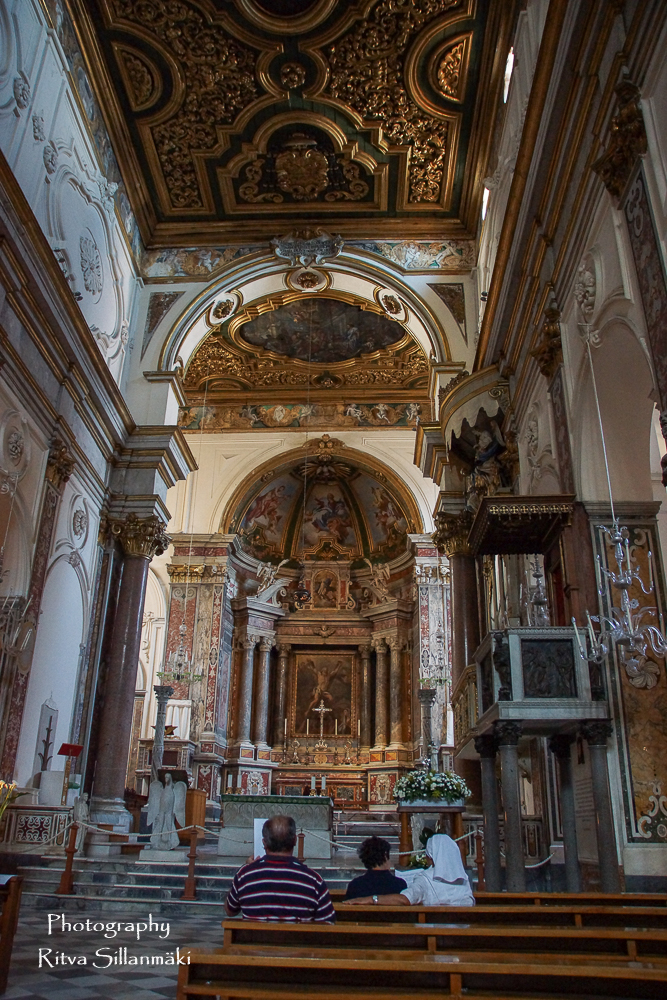
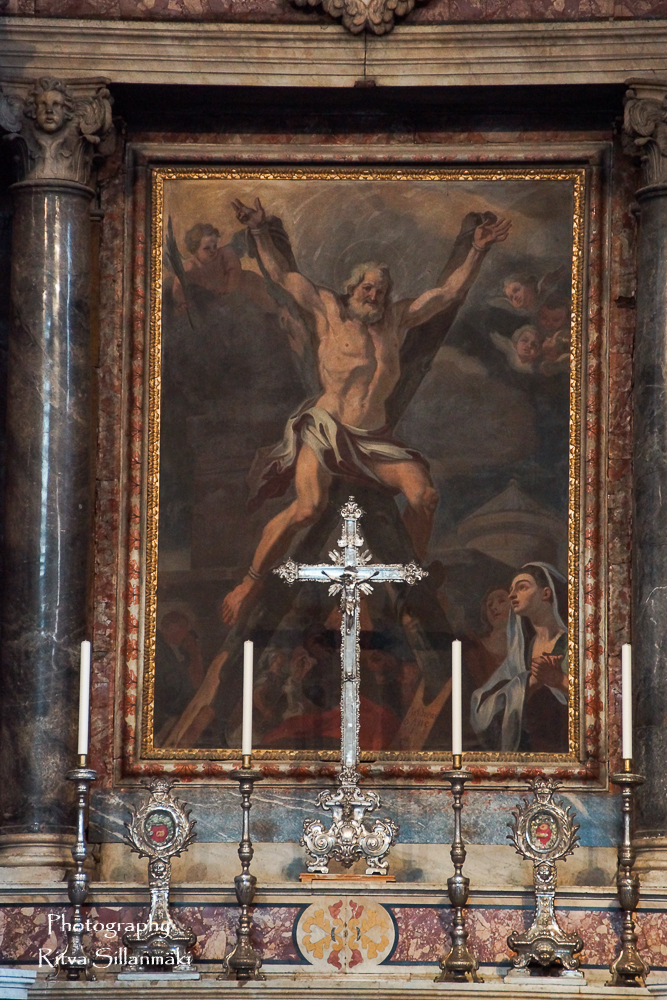
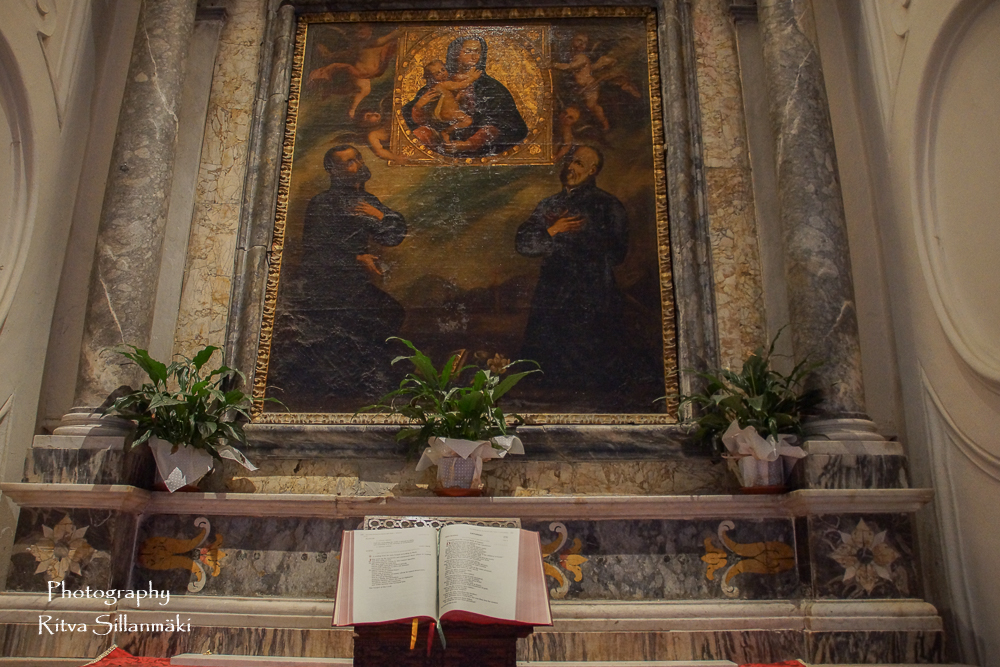
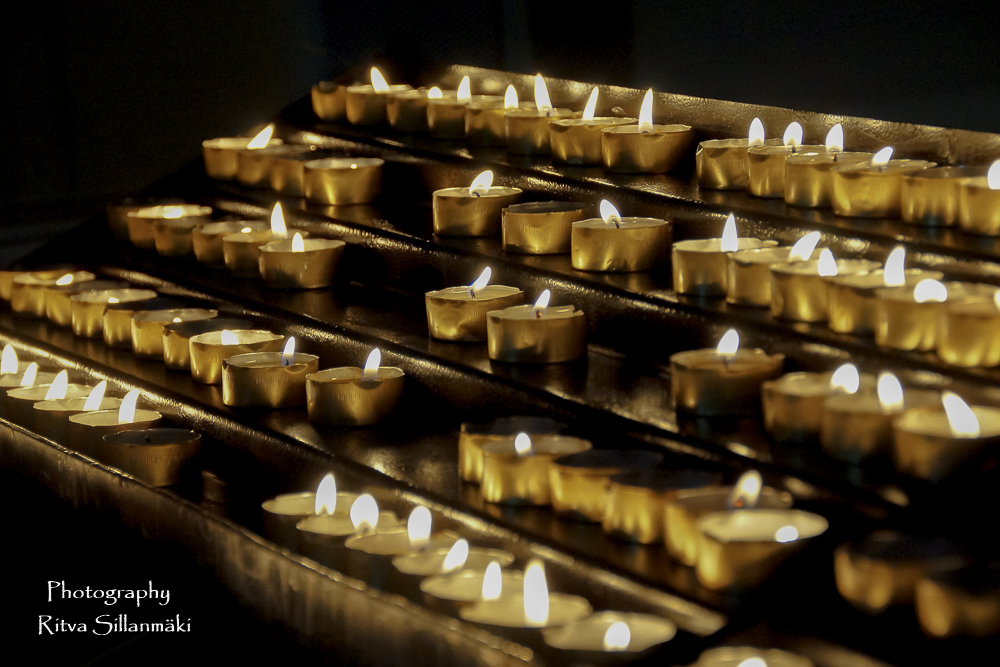
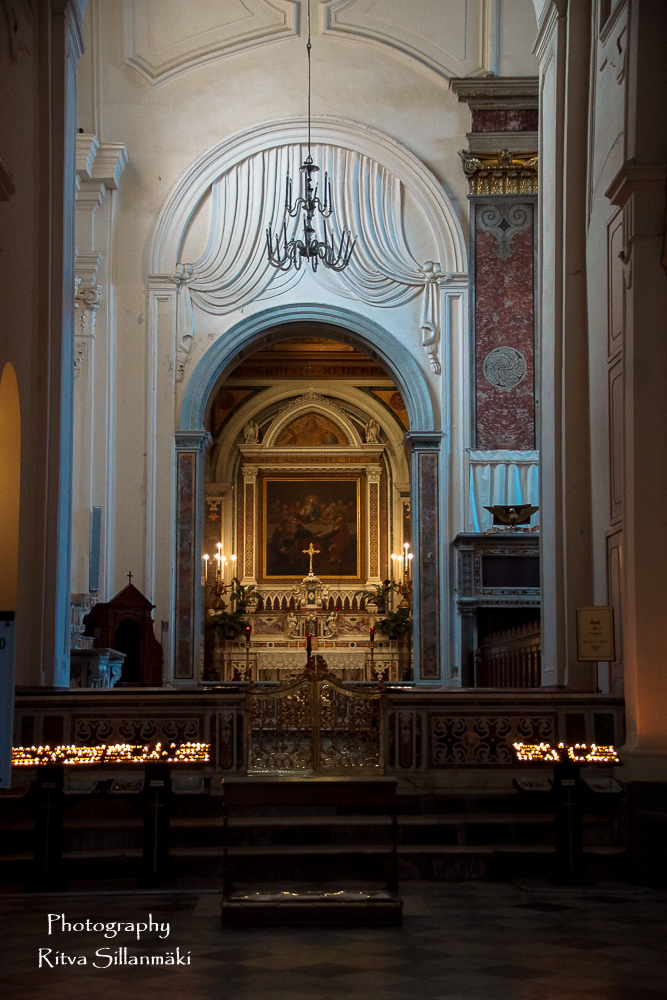
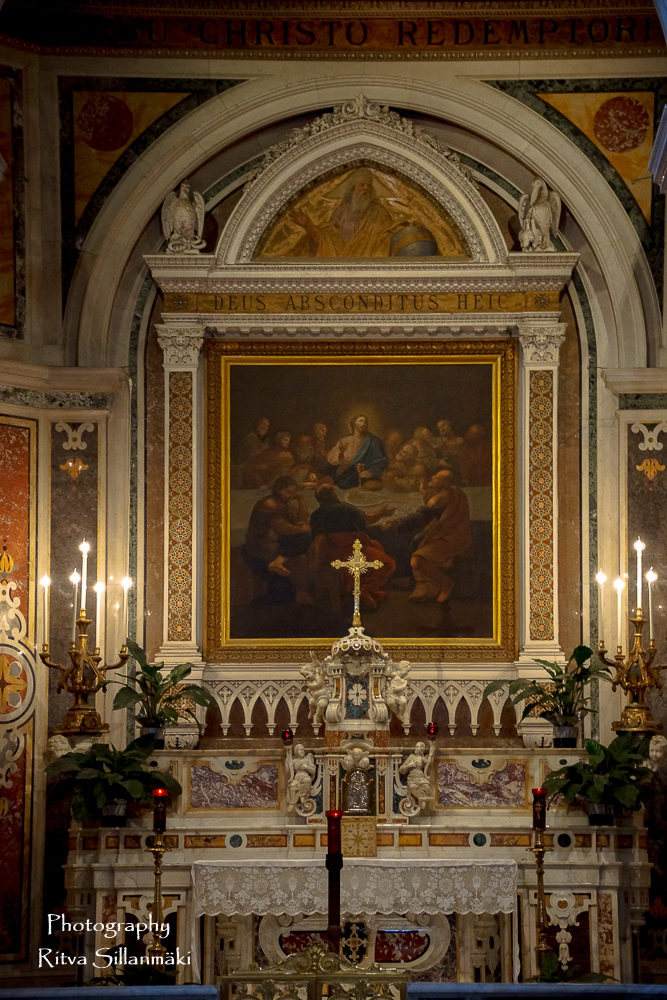
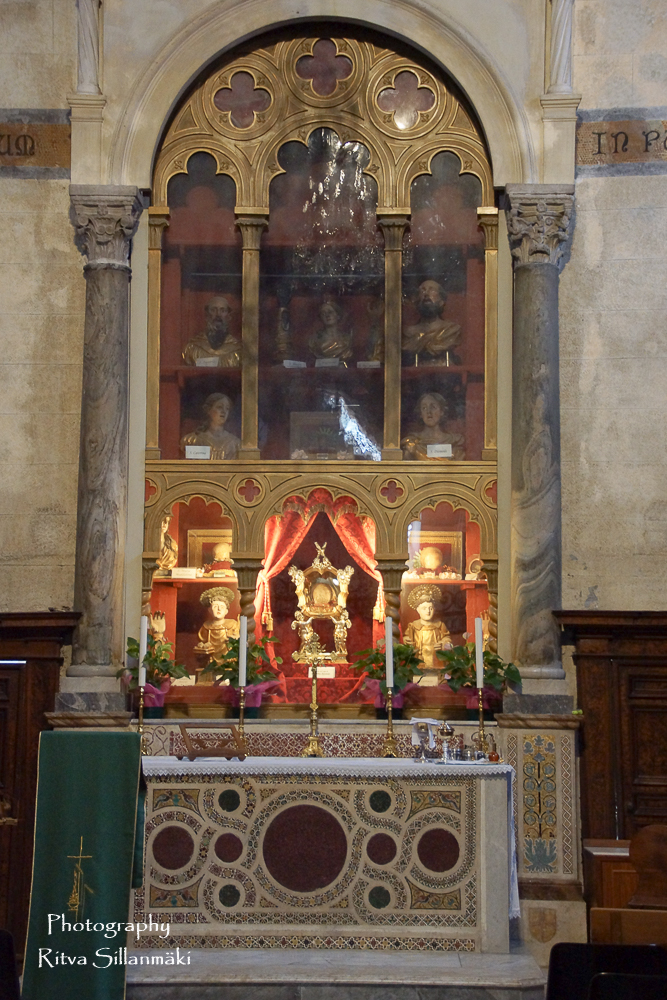
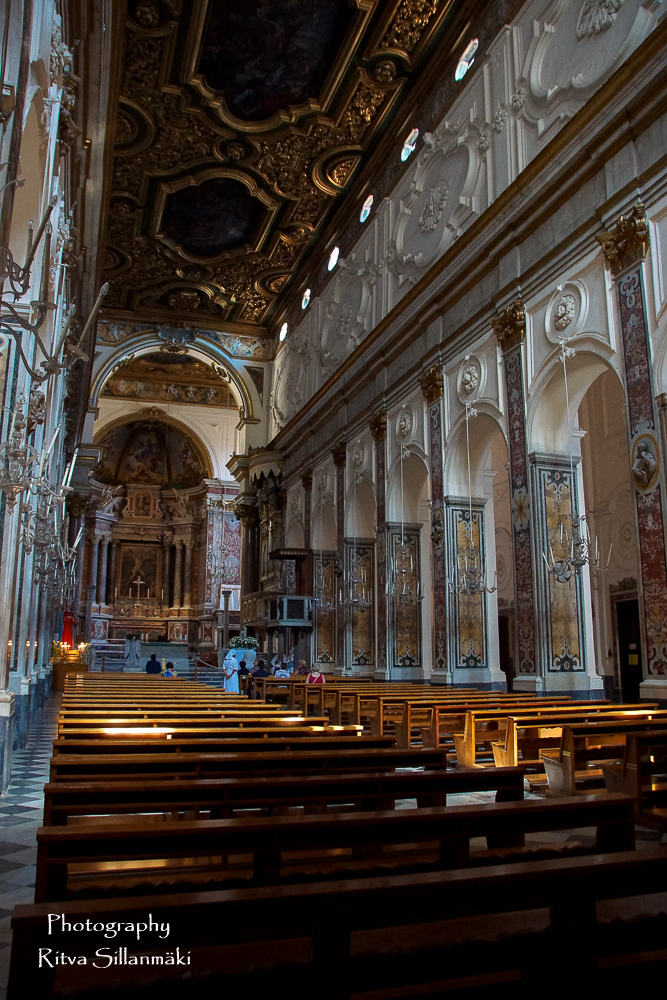
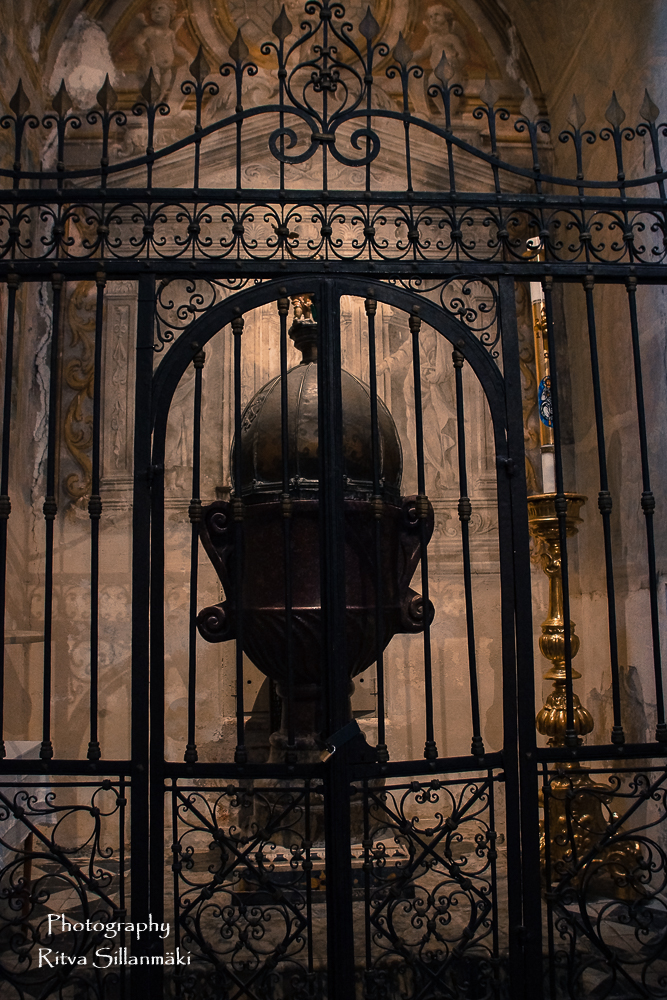
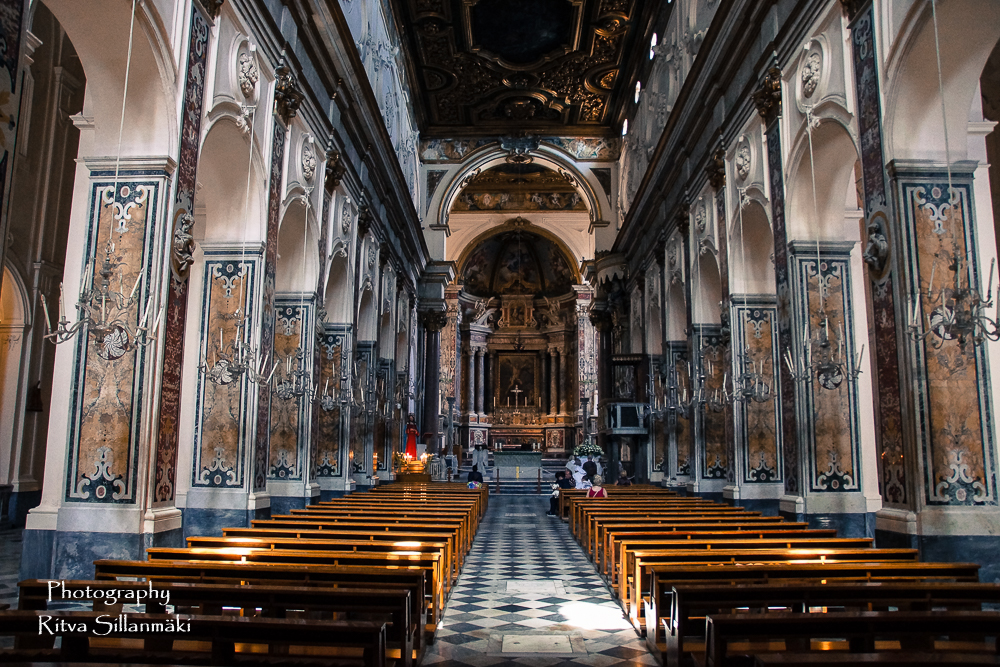
Here are my take of the Amalfi Cathedral (Italian: Cattedrale di Sant’Andrea/Duomo di Amalfi) is a 9th-century Roman Catholic structure in the Piazza del Duomo, Amalfi, Italy. It is dedicated to the Apostle Saint Andrew. Predominantly of Arab-Norman Romanesque[citation needed] architectural style, it has been remodeled several times, adding Romanesque, Byzantine, Gothic, and Baroque elements. The cathedral includes the adjoining 9th century Basilica of the Crucifix. Leading from the basilica are steps into the Crypt of St. Andrew.
The front facade was rebuilt in 1891 after the original one collapsed. It is of striped marble and stone with open arches that have lace detailing not commonly found in Italian sacred architecture while the tiled cupola is quite common amongst churches of the area. The tympanum’s mosaics portray “The triumph of Christ” in a work created by Domenico Morelli and whose original designs are retained in the Town Hall.Sixty-two steps, wide and steep, lead up to the doors The structure includes four small towers of Arab architectural type that are adorned with arches and are covered with majolica tiles. During times of war, the bell tower was purposed for defense.
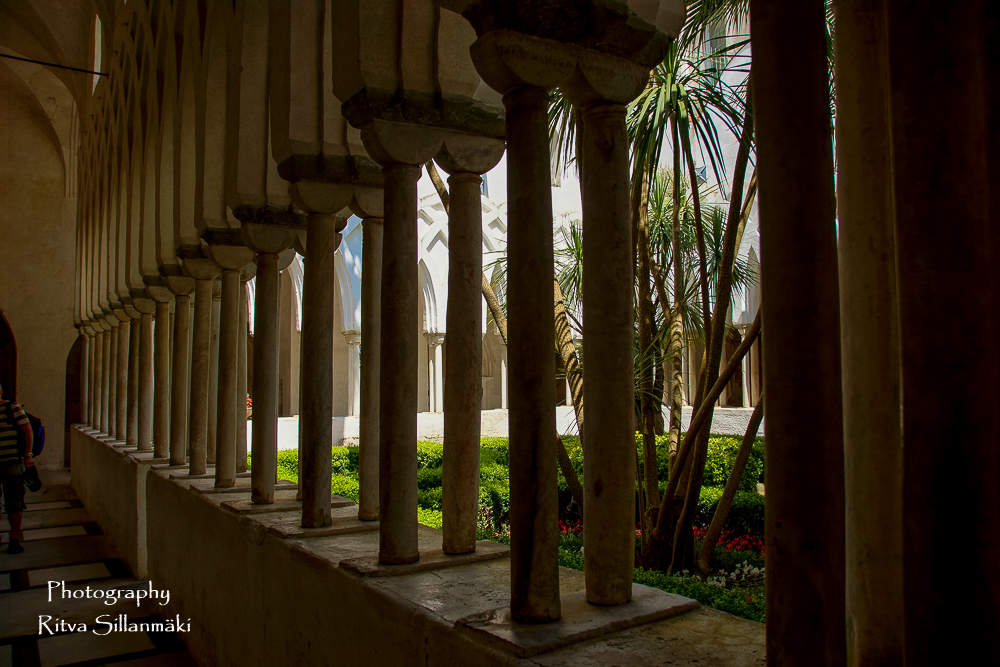
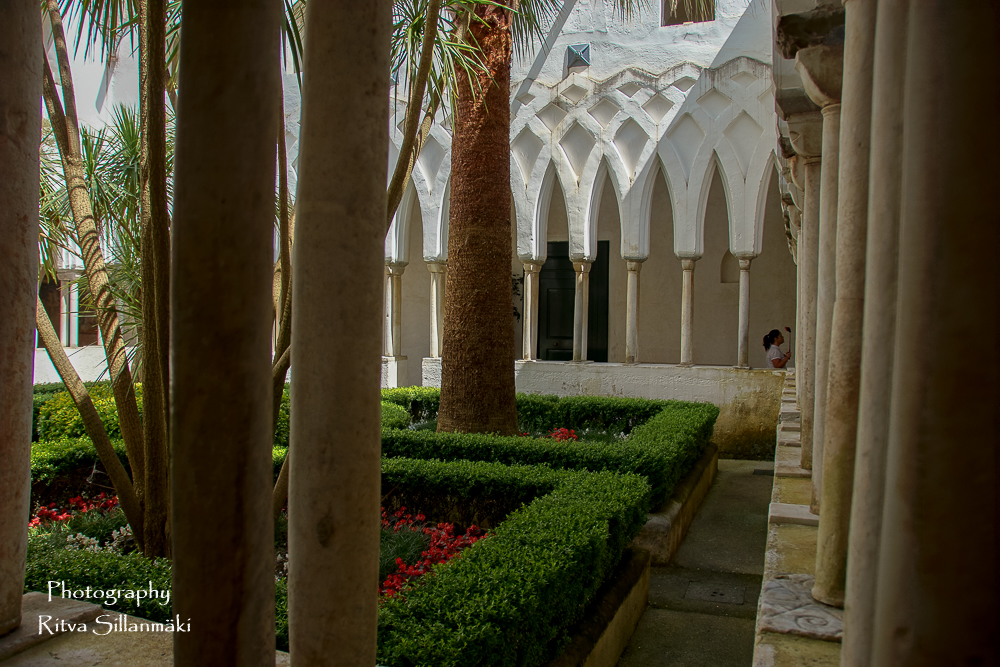
The garden contains colonnades, arches and sculptures. (text Wikipedia)
























 Ritva Sillanmäki Photography